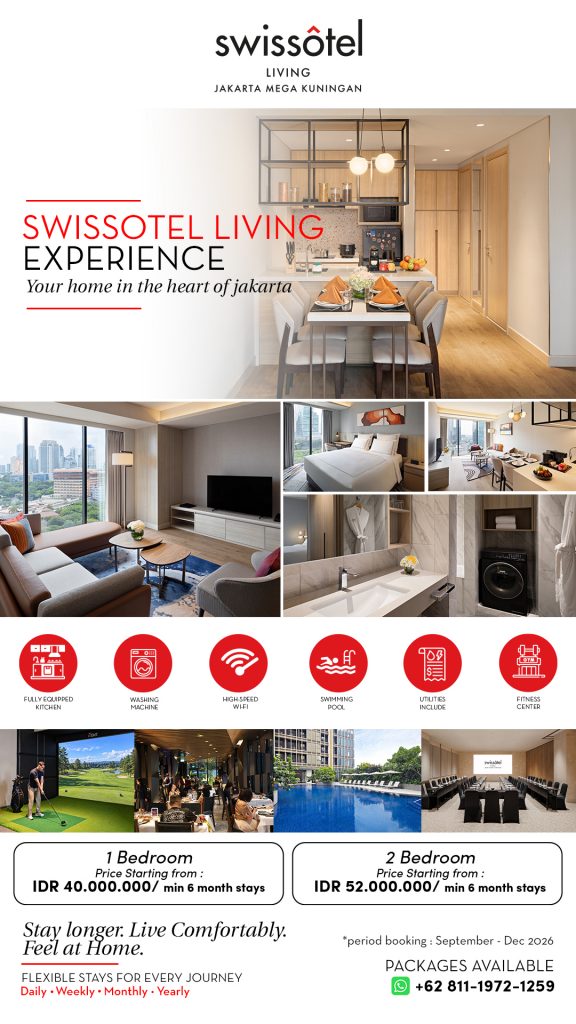


Per Week Hotels: Your Guide to Weekly Stay Apartments
The demand for per week hotels has surged significantly as more travelers recognize the value of weekly accommodation arrangements. Whether you’re on an extended business assignment, relocating to a new city, or planning a family vacation that exceeds the typical weekend getaway, booking accommodation by the week offers distinct advantages over traditional nightly rates. This shift in traveler preferences has prompted the hospitality industry to develop specialized offerings that cater specifically to guests seeking stays of seven days or longer.
Understanding Per Week Hotels and Extended Stay Accommodations
Per week hotels represent a segment of the accommodation industry designed for guests who require lodging beyond a few nights but may not commit to monthly or annual contracts. These properties bridge the gap between traditional hotels and residential leases, providing flexibility that appeals to diverse traveler profiles.
The extended-stay sector has experienced remarkable growth, with development pipelines showing significant expansion across major metropolitan areas. This growth reflects changing patterns in how people work, travel, and relocate in 2026.
What Defines a Per Week Hotel
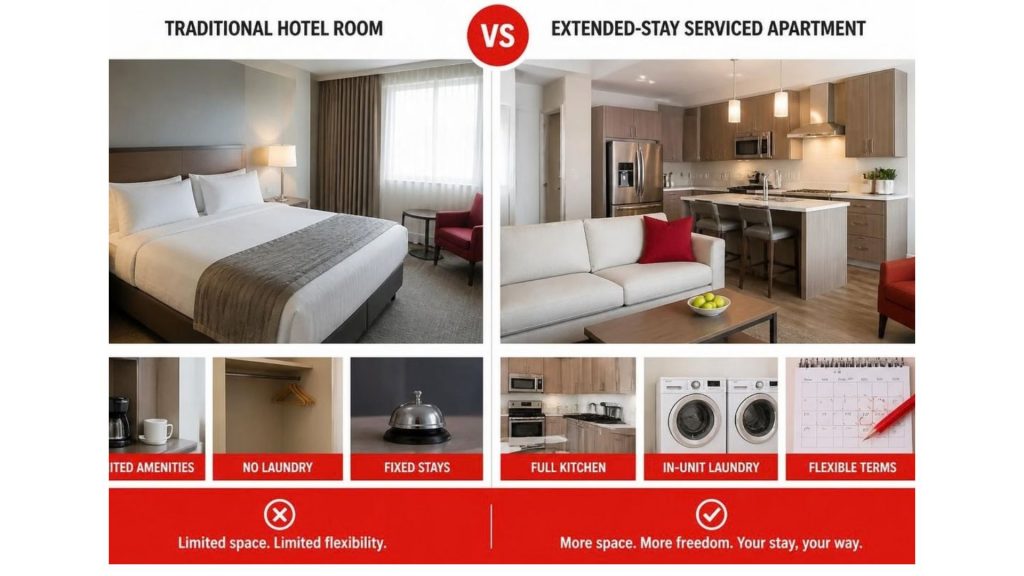
A per week hotel typically offers accommodations designed for stays of seven days or longer, with pricing structures that reward extended commitments. Unlike traditional hotels that optimize for transient guests, these properties feature:
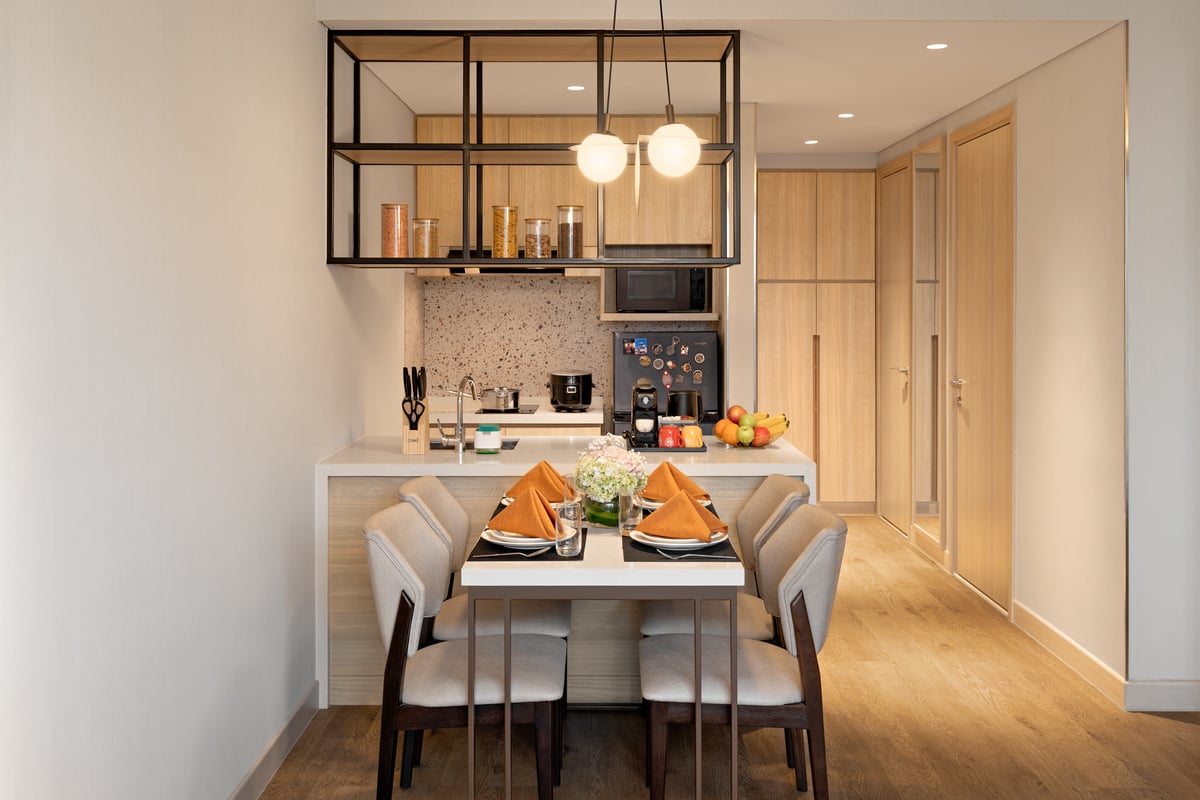
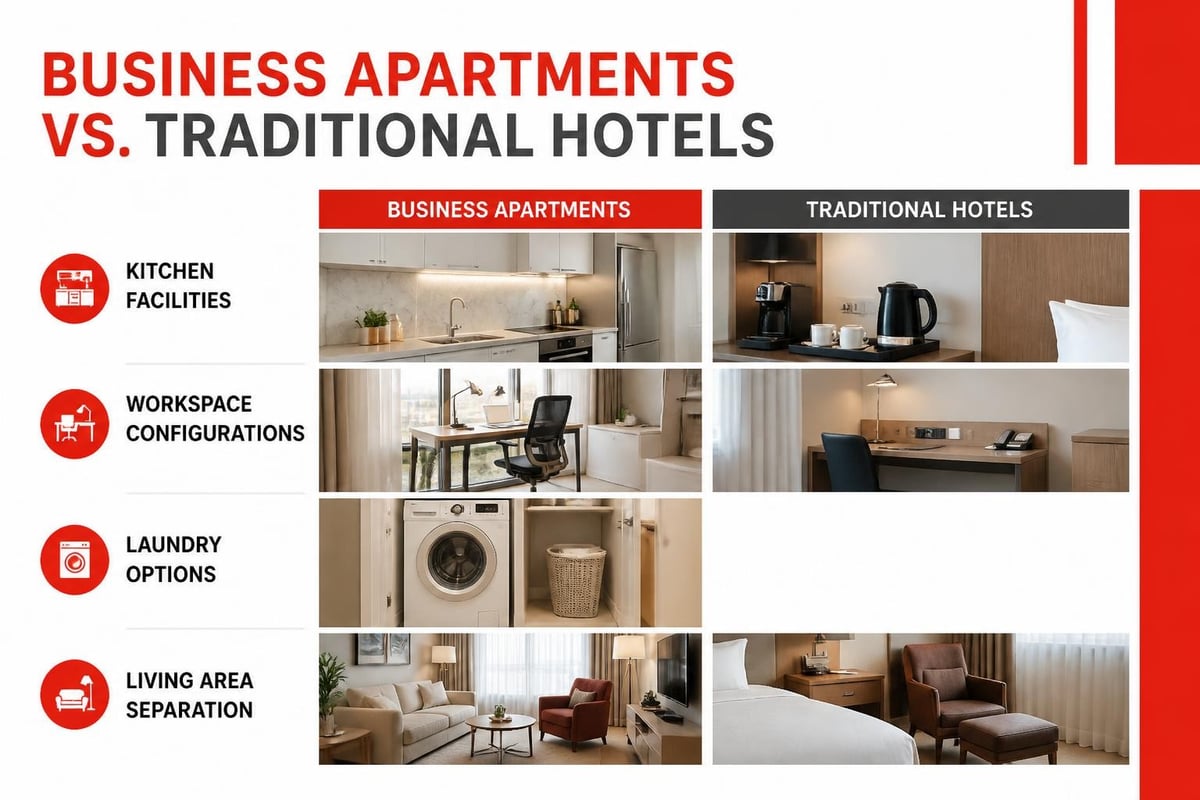
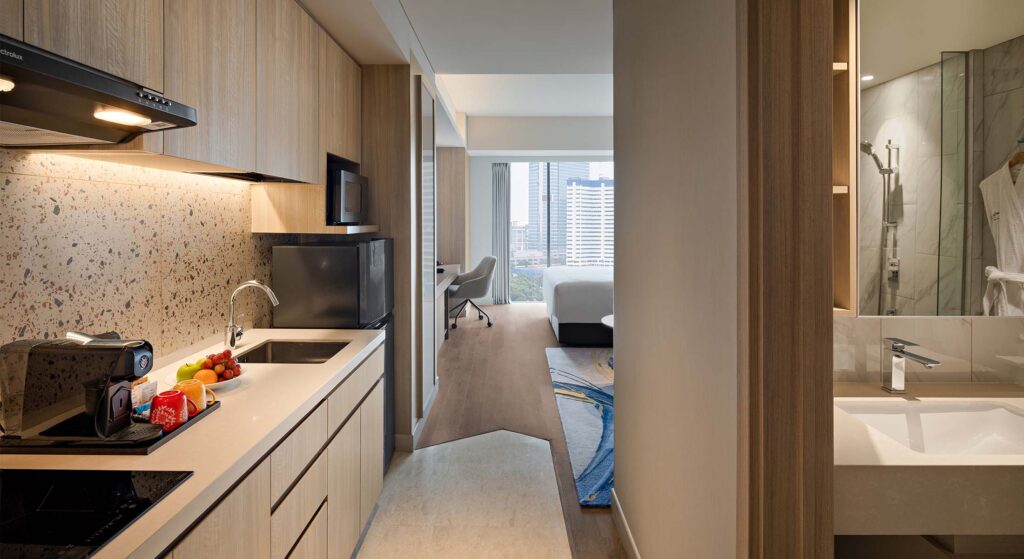
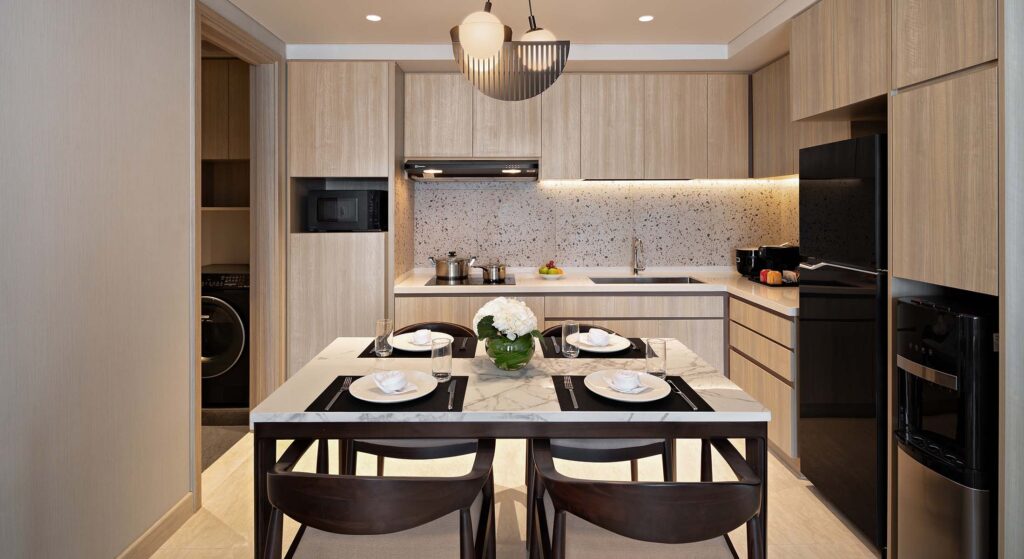
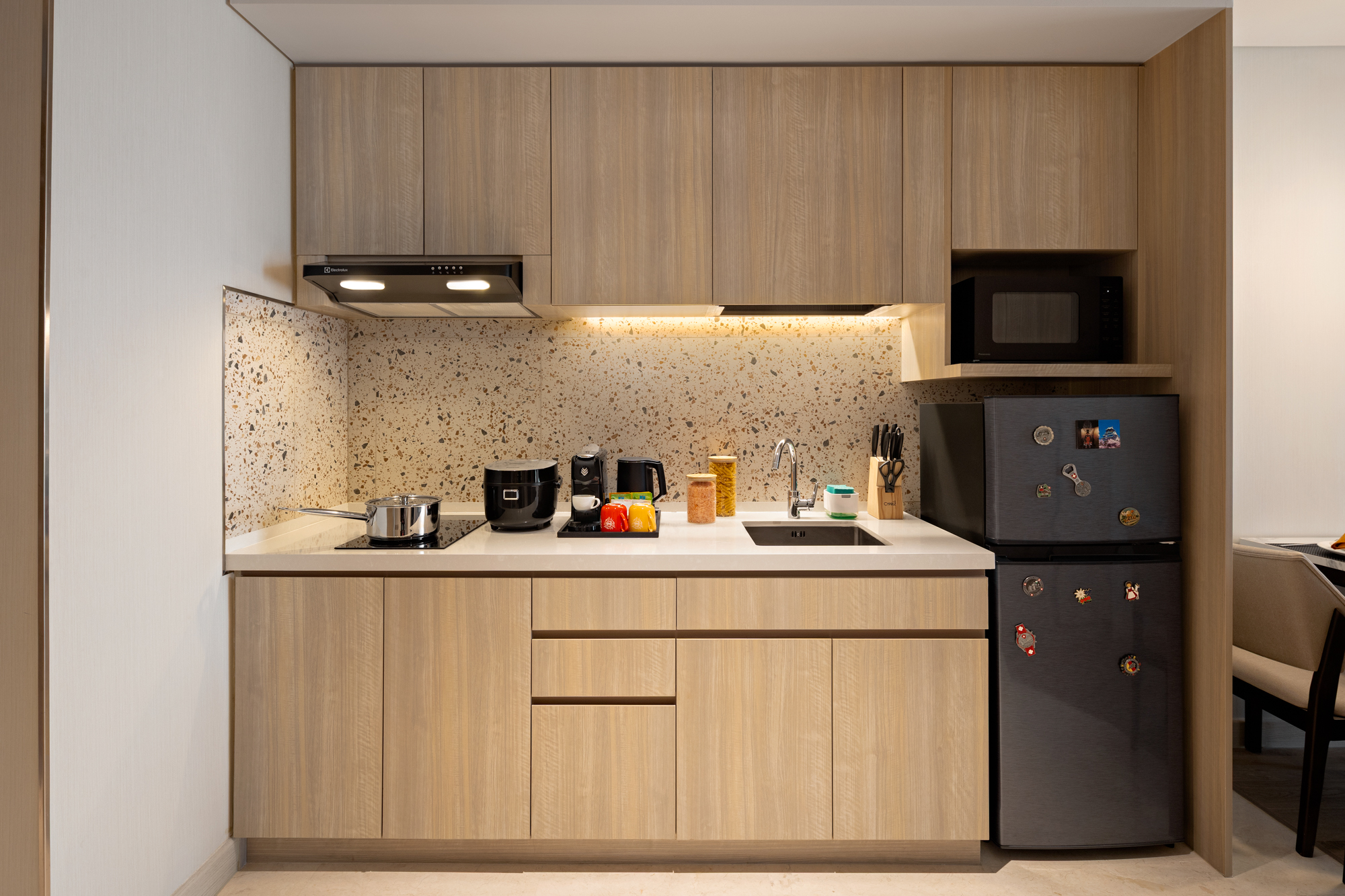
- Residential-style amenities including kitchens or kitchenettes
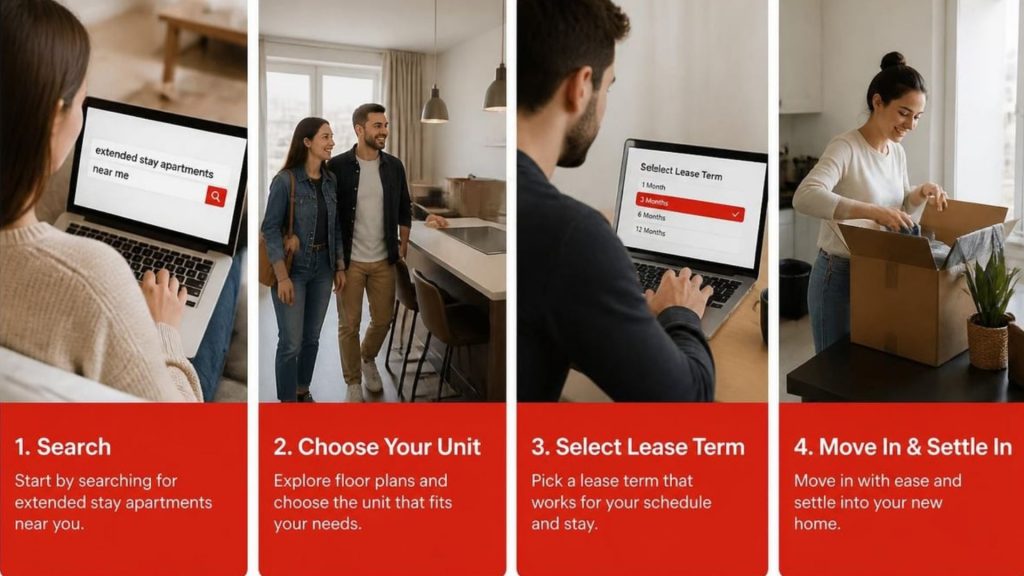
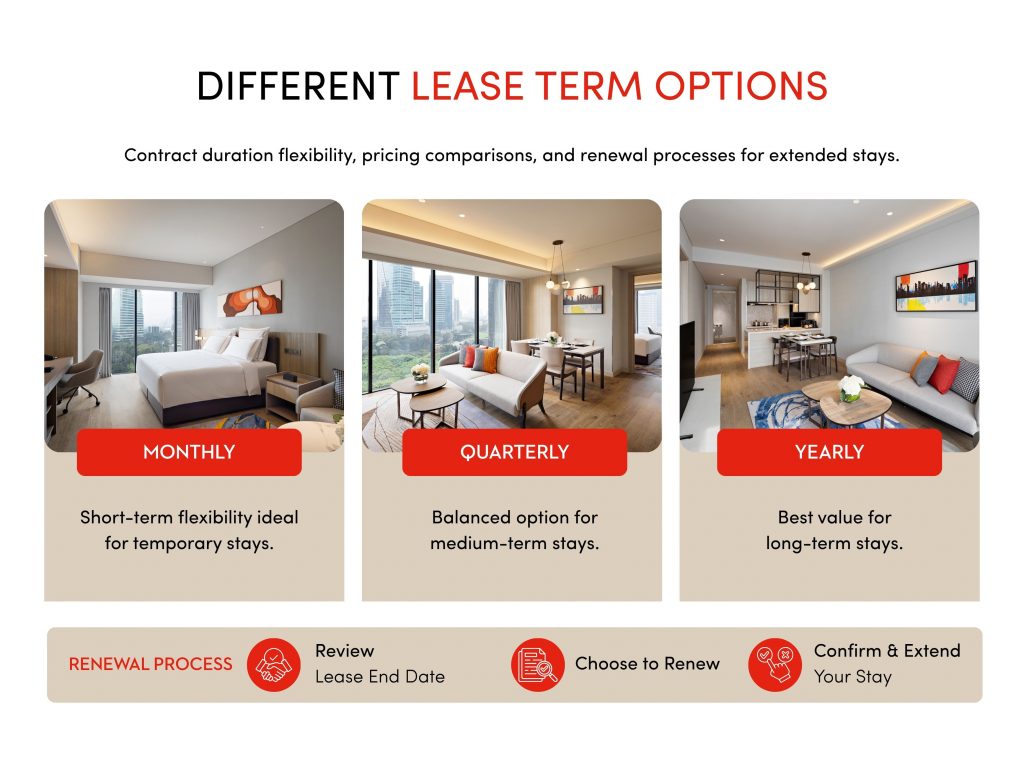
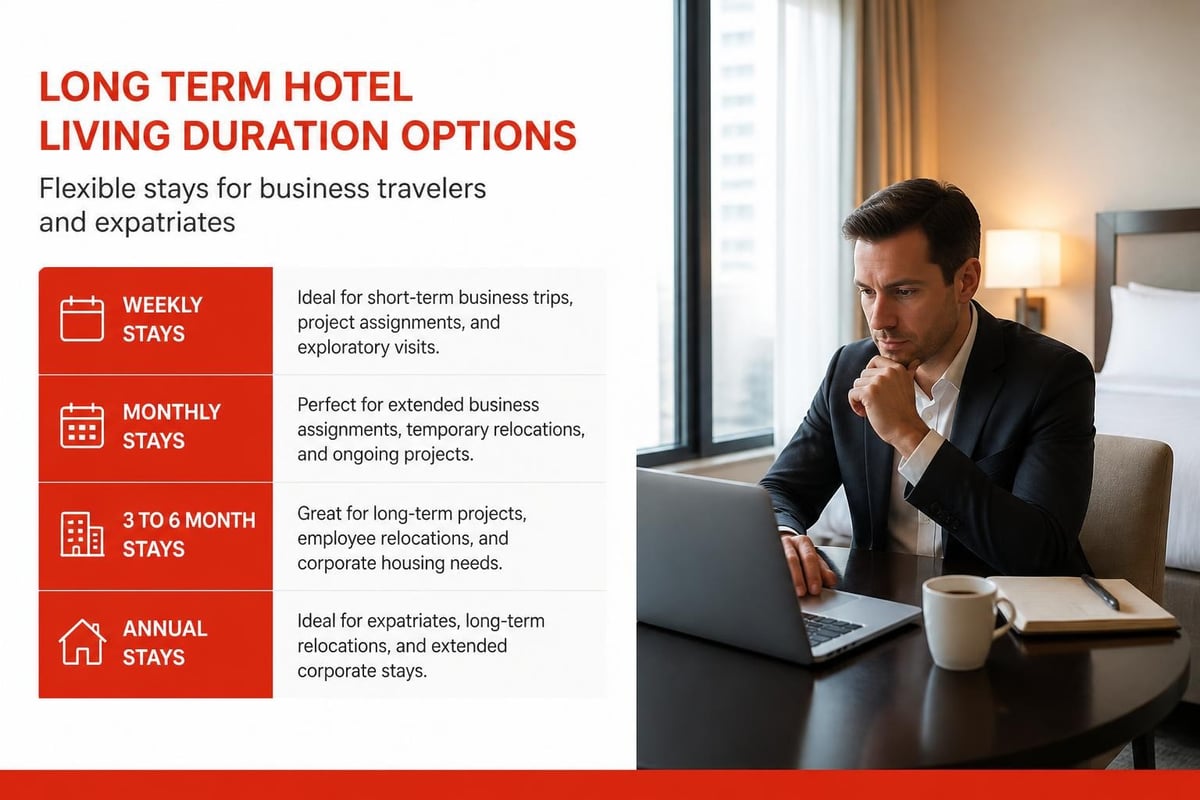
- Flexible lease terms ranging from one week to several months
- Weekly rate discounts that reduce the effective nightly cost
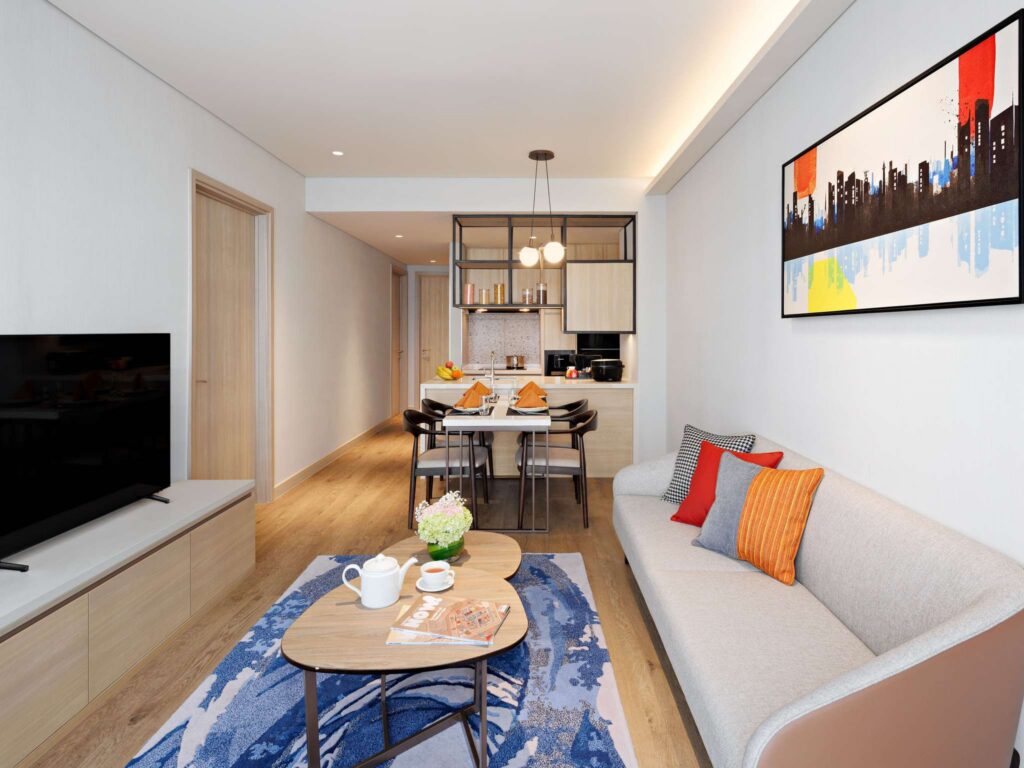
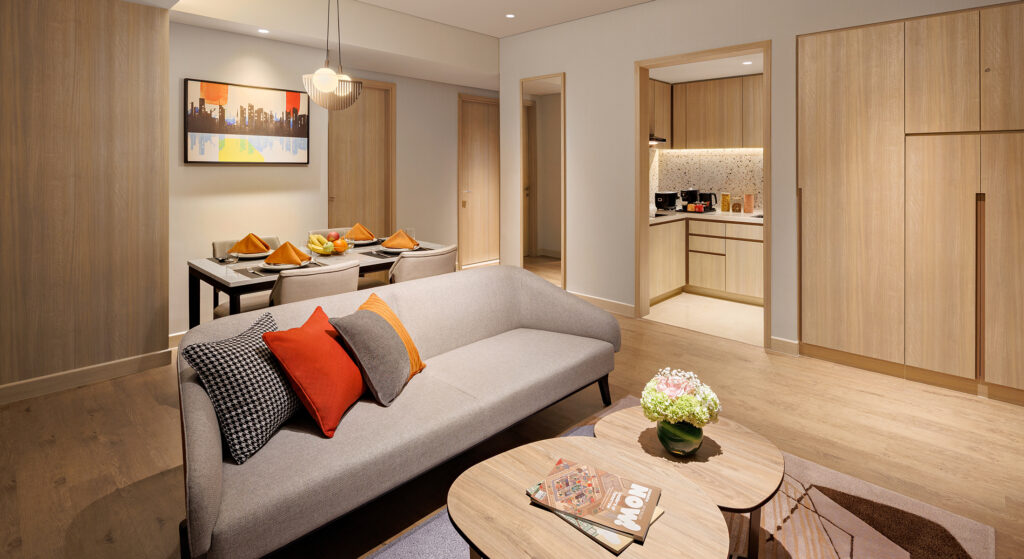
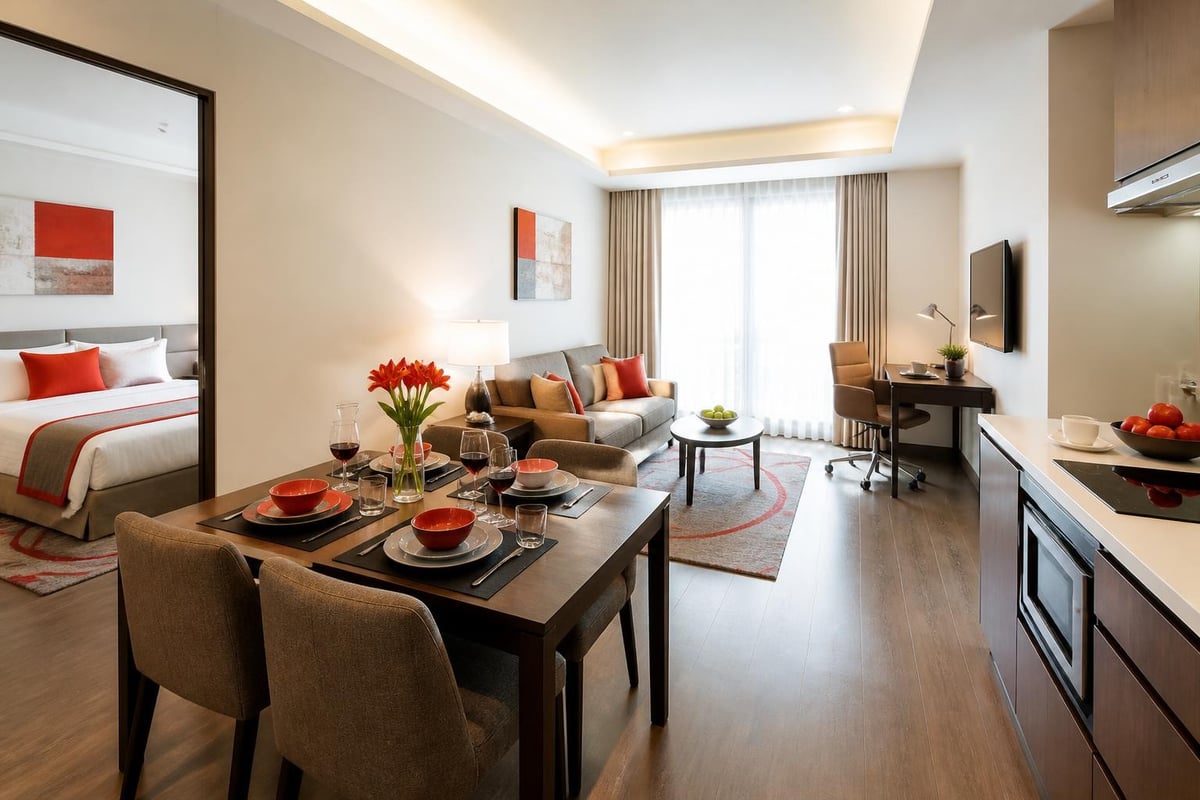
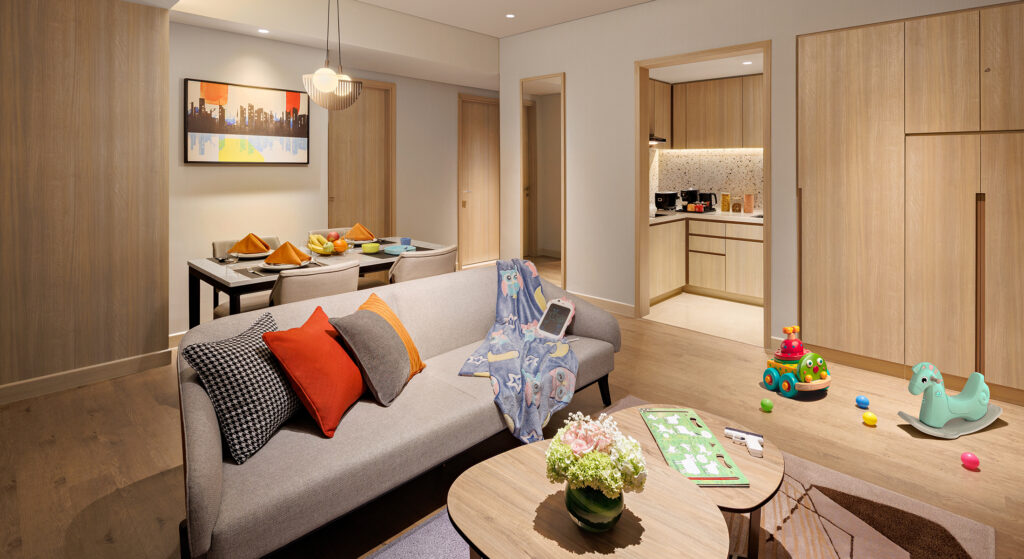
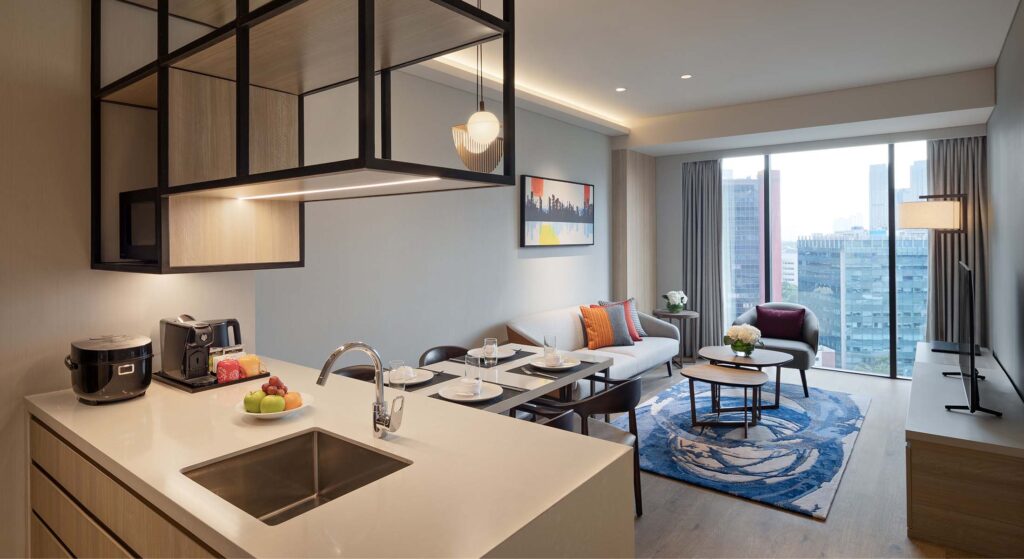
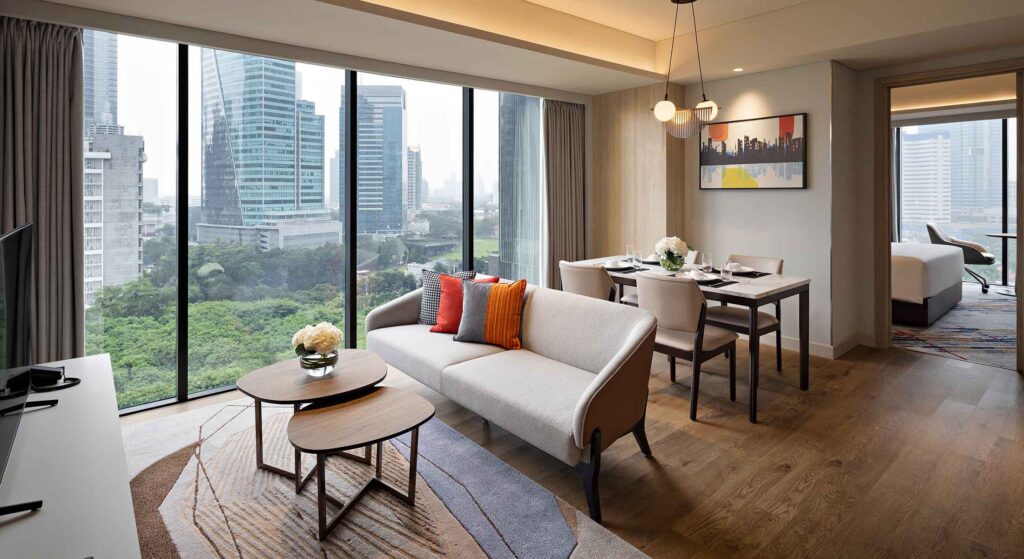
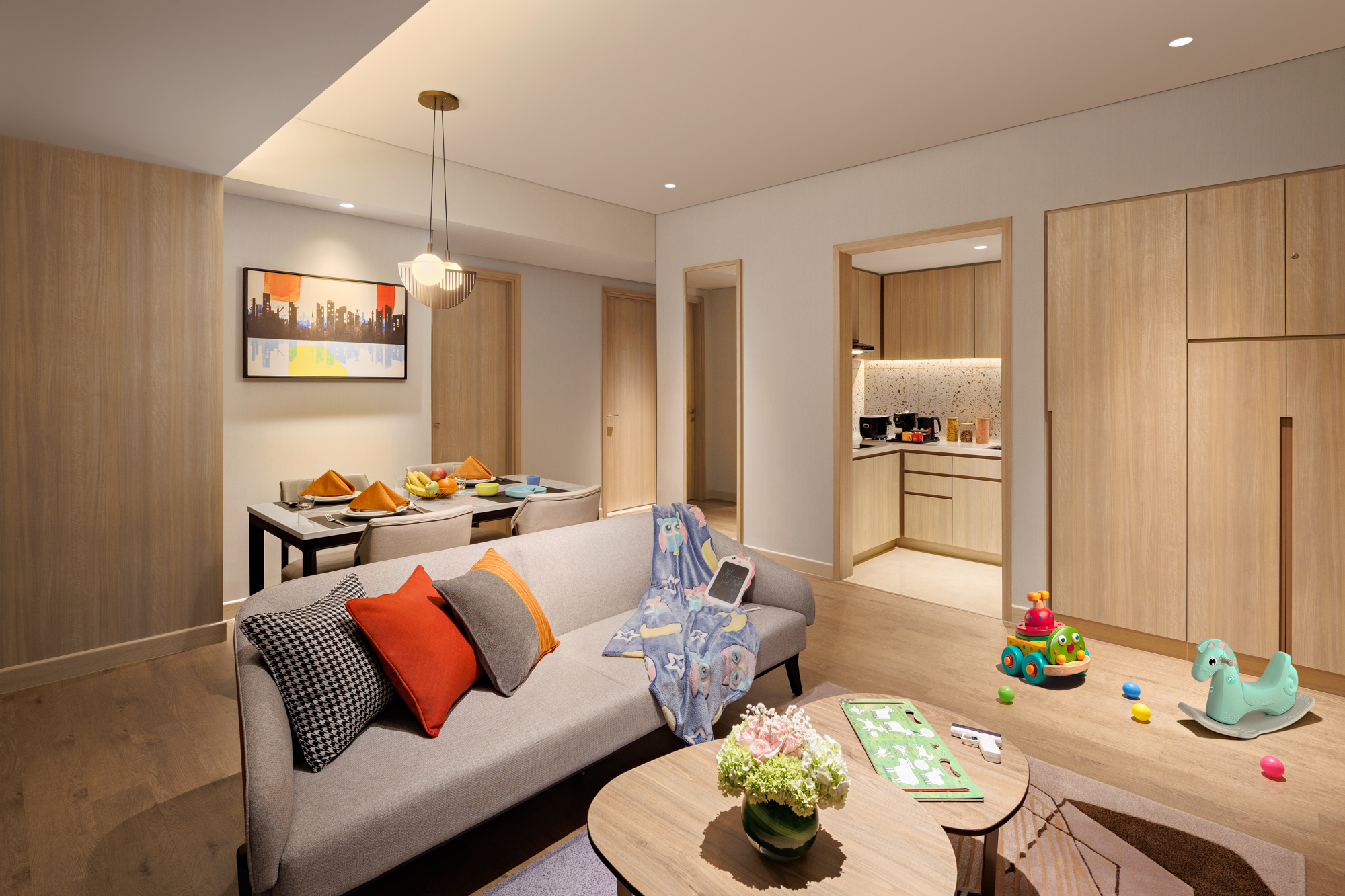
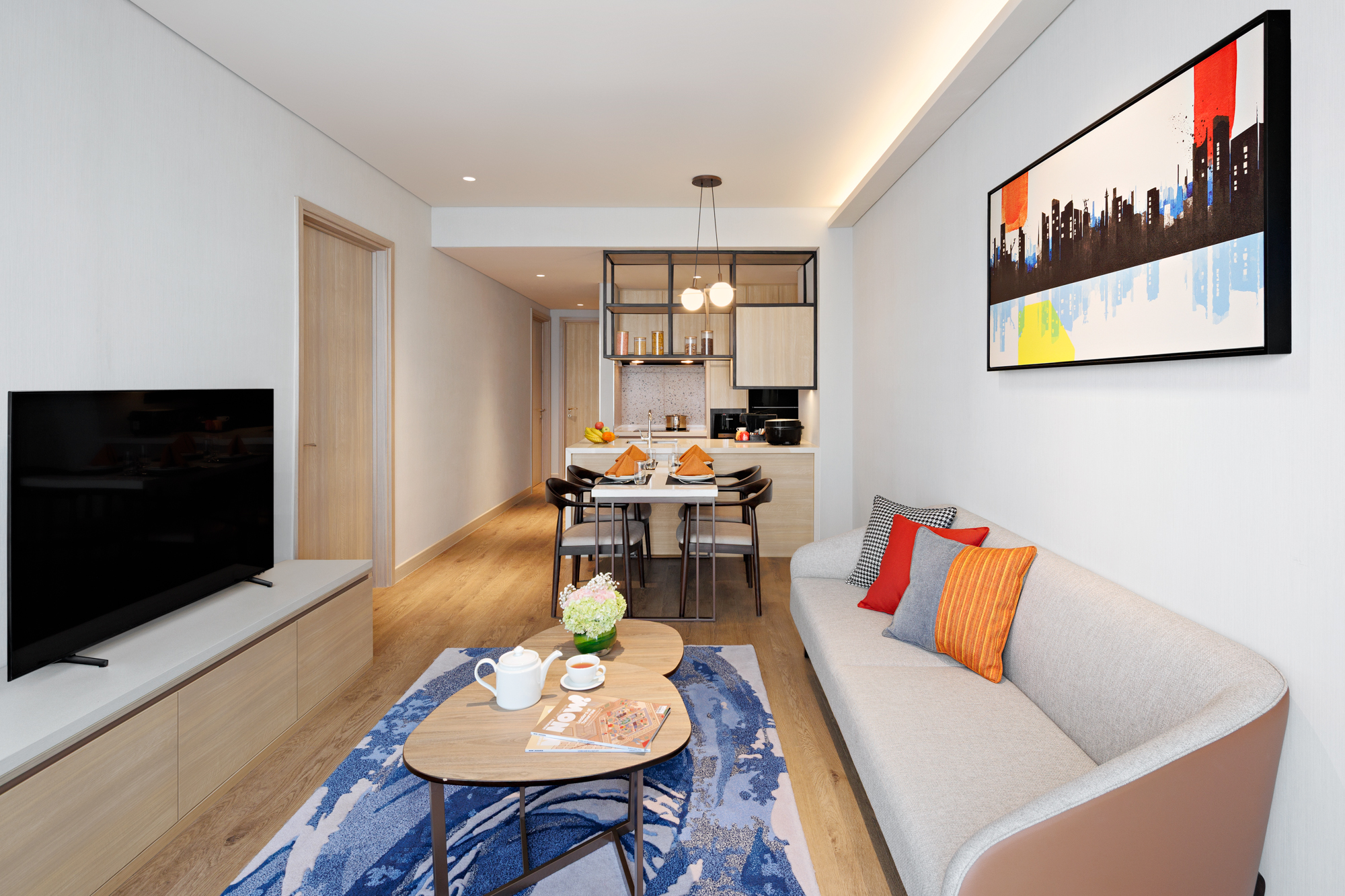
- Home-like environments with separate living and sleeping areas
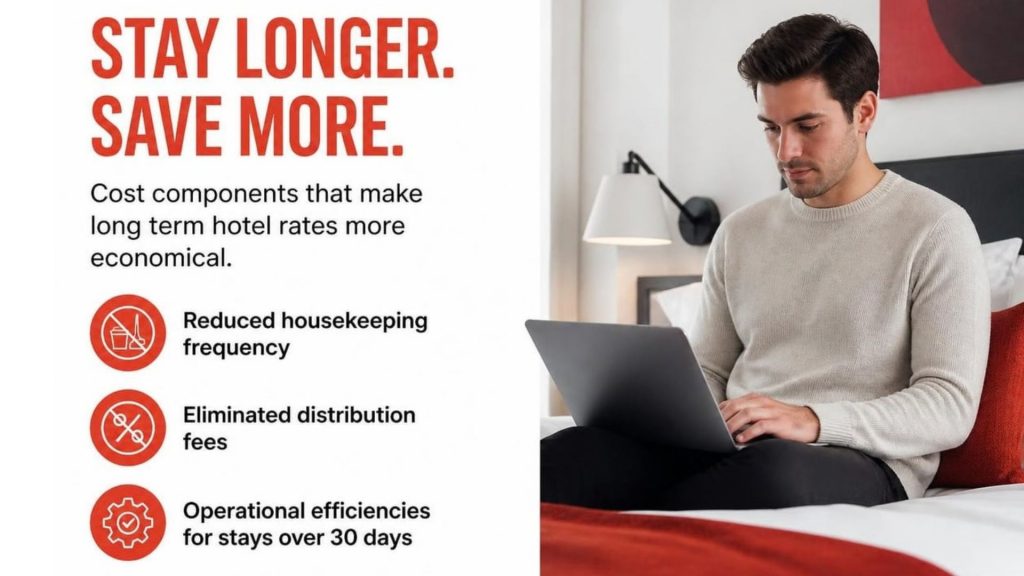
- Reduced housekeeping frequency to lower costs and increase privacy
The operational model differs significantly from conventional hotels, allowing properties to maintain competitive weekly rates while delivering value to long-stay guests.
Who Benefits from Per Week Hotels
Different traveler segments find value in weekly accommodation arrangements, each with distinct needs and priorities.
Corporate Travelers and Business Assignments
Business professionals account for a substantial portion of per week hotel bookings. Project-based work, training assignments, and temporary relocations create demand for accommodation that extends beyond typical business trips but doesn’t require permanent housing.
Weekly rates provide cost predictability for corporate travel budgets while offering employees the comfort of residential-style living. According to industry research on corporate travel patterns, companies increasingly seek accommodation that supports employee well-being during extended assignments.
Relocating Families and Expatriates
Families moving to new cities often require temporary housing while searching for permanent residences or awaiting move-in dates. Per week hotels provide a practical solution during transition periods, offering space and amenities that support family routines.
Expatriates arriving in Jakarta, for instance, frequently book serviced apartments in Mega Kuningan for initial weeks or months while establishing themselves in the city. These properties offer the infrastructure families need without long-term lease commitments.
Extended Vacation Travelers
Leisure travelers planning extended vacations increasingly prefer per week hotels over traditional hotels. Weekly bookings enable deeper exploration of destinations while maintaining budget control through discounted rates.
| Traveler Type | Typical Stay Duration | Primary Needs | Key Priorities |
|---|---|---|---|
| Business Professional | 1-4 weeks | Workspace, connectivity | Location, efficiency |
| Relocating Family | 2-8 weeks | Multiple bedrooms, kitchen | Space, amenities |
| Expatriate | 4-12 weeks | Full apartment features | Flexibility, services |
| Vacation Traveler | 1-3 weeks | Living area, local feel | Value, experience |
Pricing Advantages of Weekly Bookings
The economics of per week hotels create compelling value propositions for both guests and property operators.
How Weekly Rates Work
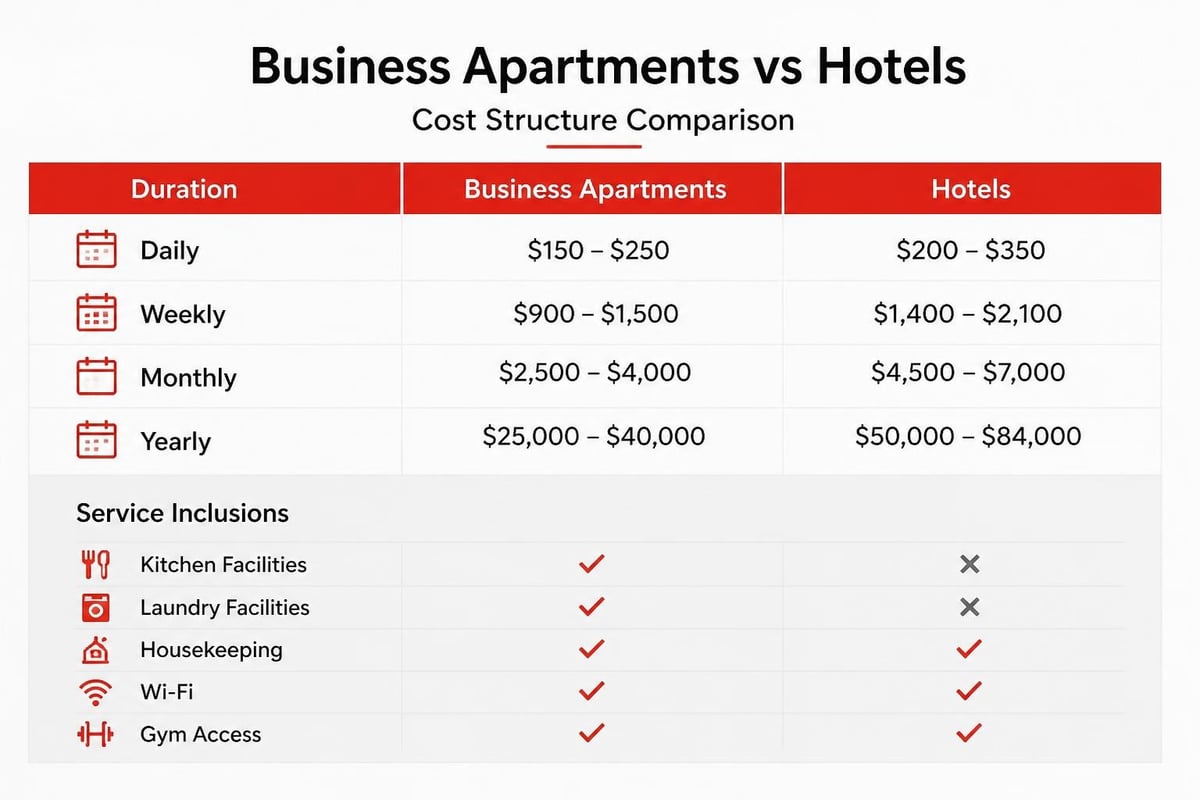
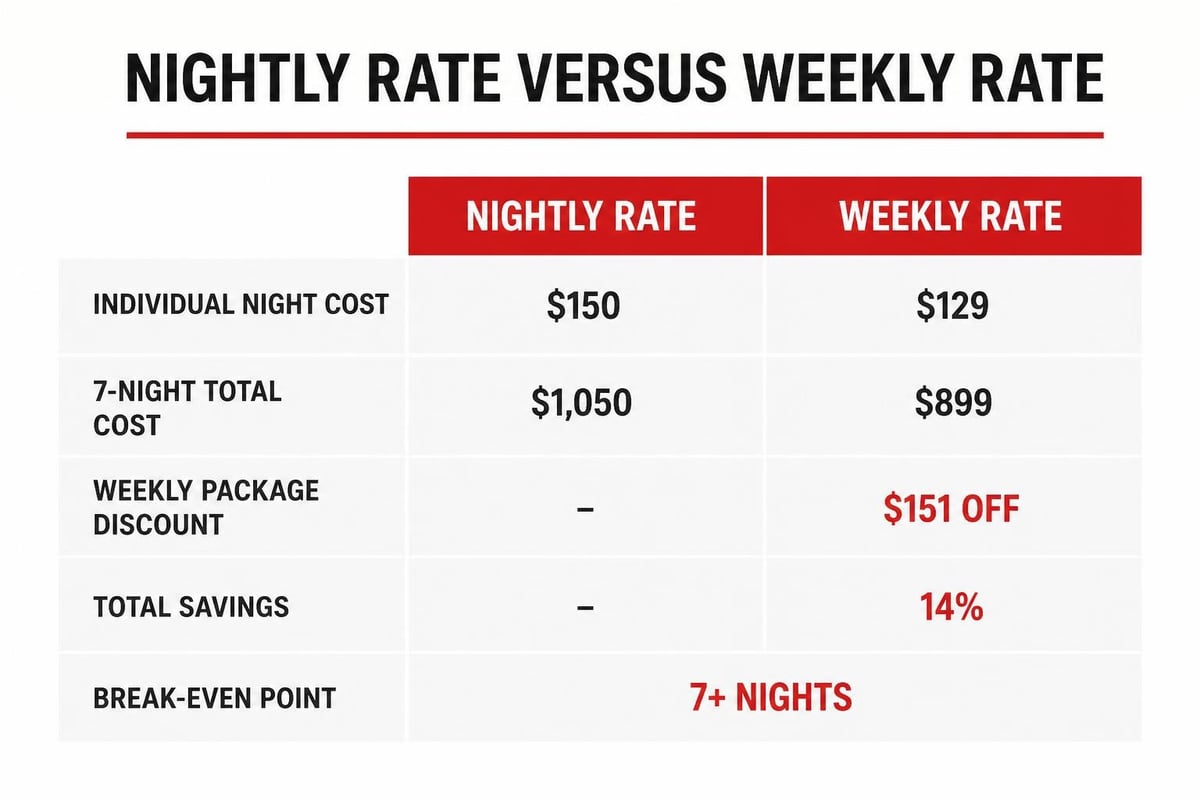
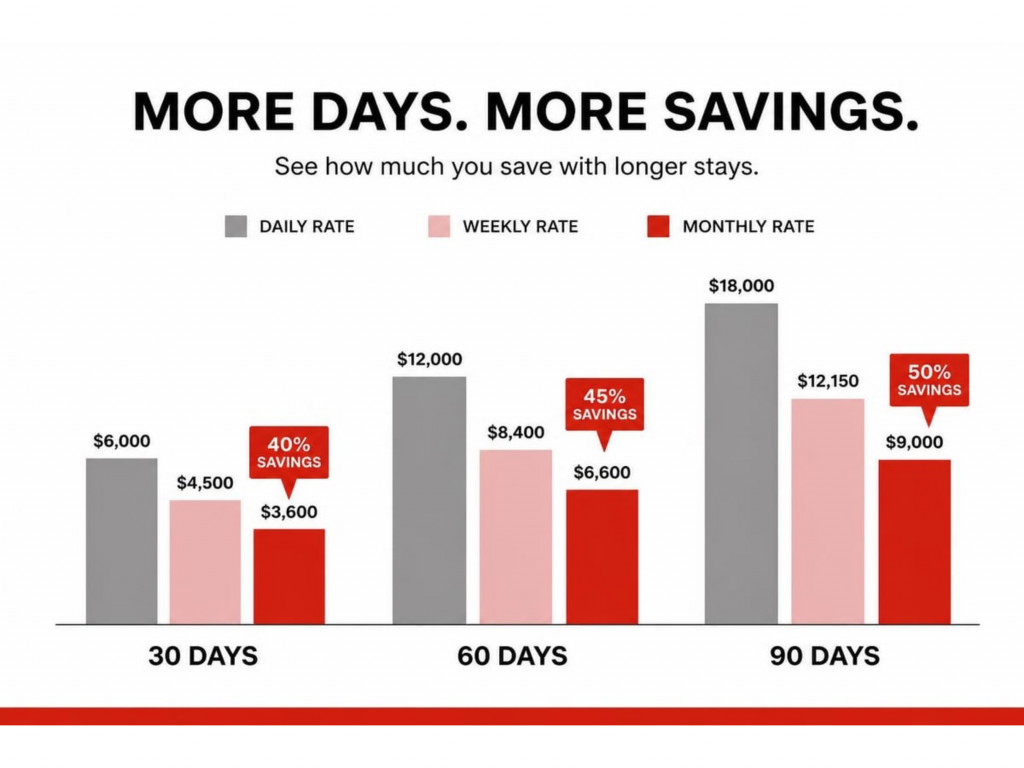
Properties typically structure weekly rates at 15-30% below the cumulative cost of seven individual nights. This discount reflects operational efficiencies, guaranteed occupancy, and reduced administrative overhead.
For example, a serviced apartment with a standard nightly rate of $150 might offer a weekly rate of $900-equivalent to $128.57 per night, representing a 15% savings. Extended bookings of multiple weeks often unlock additional discounts.
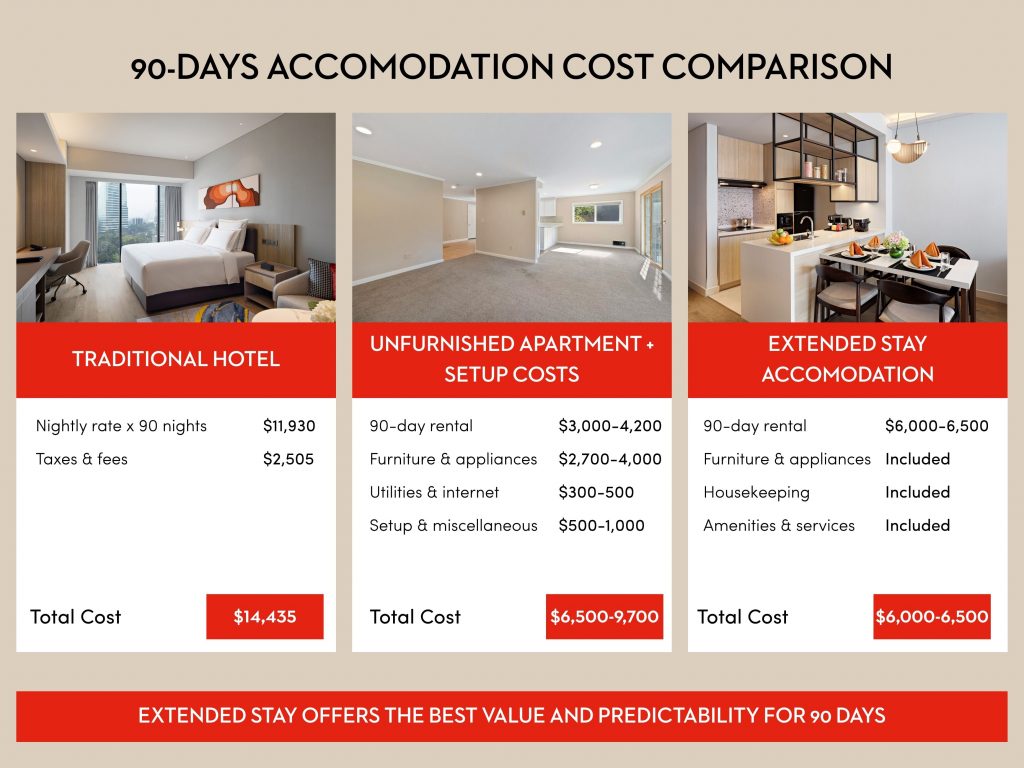
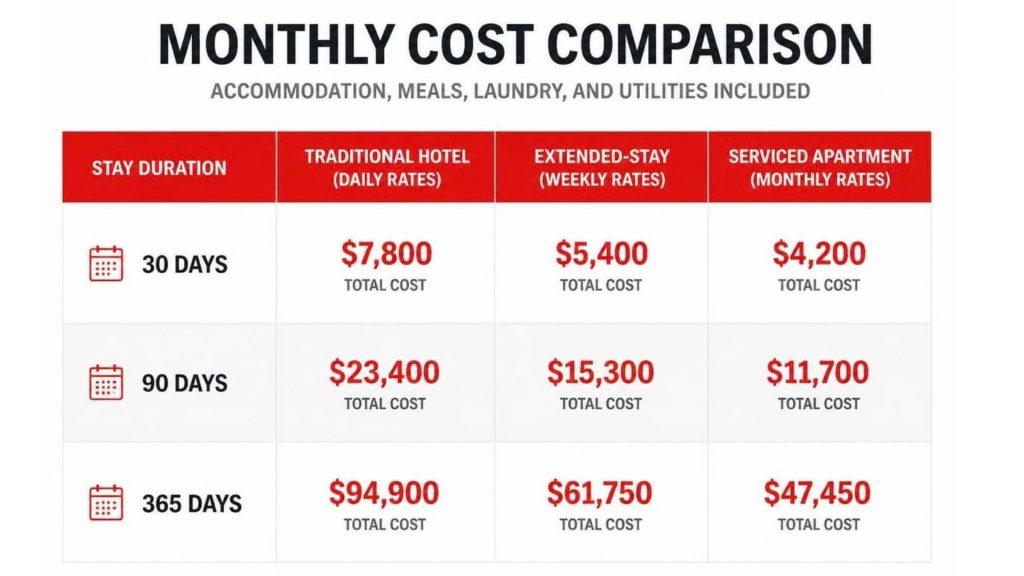
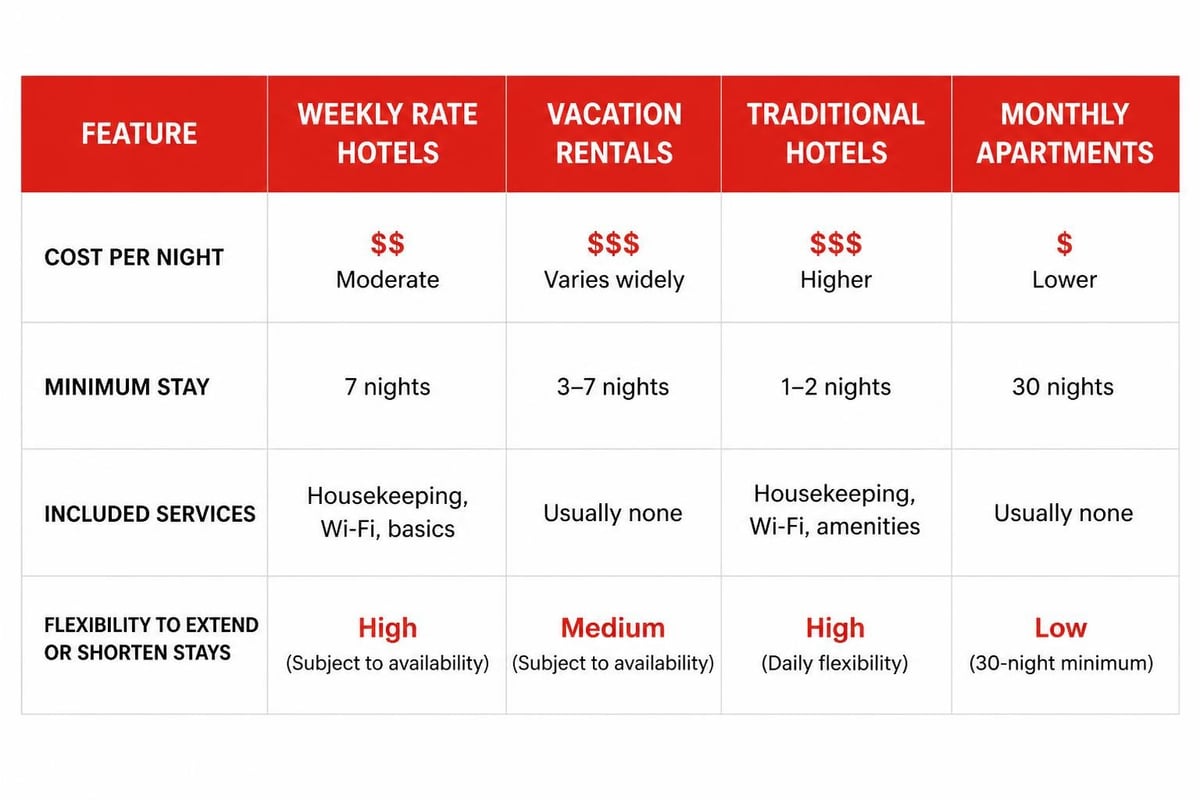
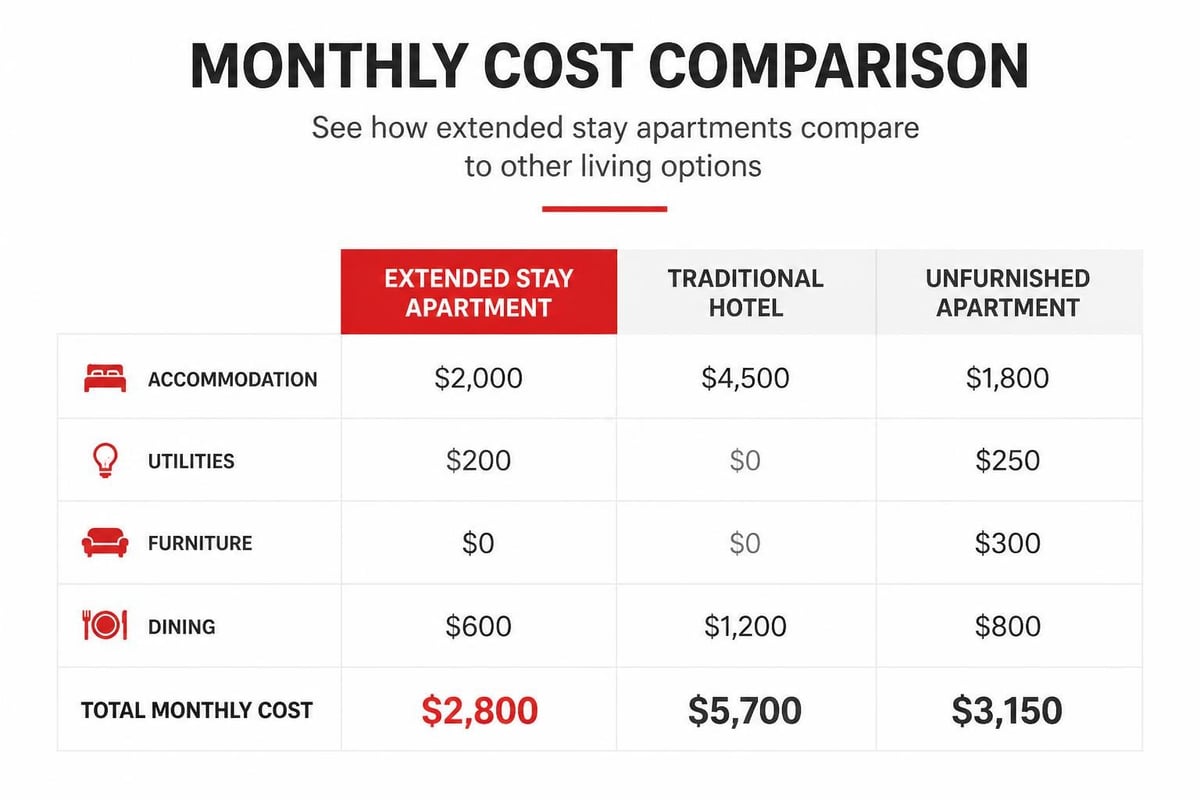
Comparing Costs Across Accommodation Types
When evaluating per week hotels against alternatives, total cost of stay extends beyond base rates:
Traditional Hotels:
- Higher nightly rates without weekly discounts
- Daily parking fees accumulate quickly
- Restaurant dining for all meals increases expenses
- Limited laundry options add costs
Per Week Hotels and Serviced Apartments:
- Discounted weekly rates reduce base costs
- In-room kitchens enable meal preparation
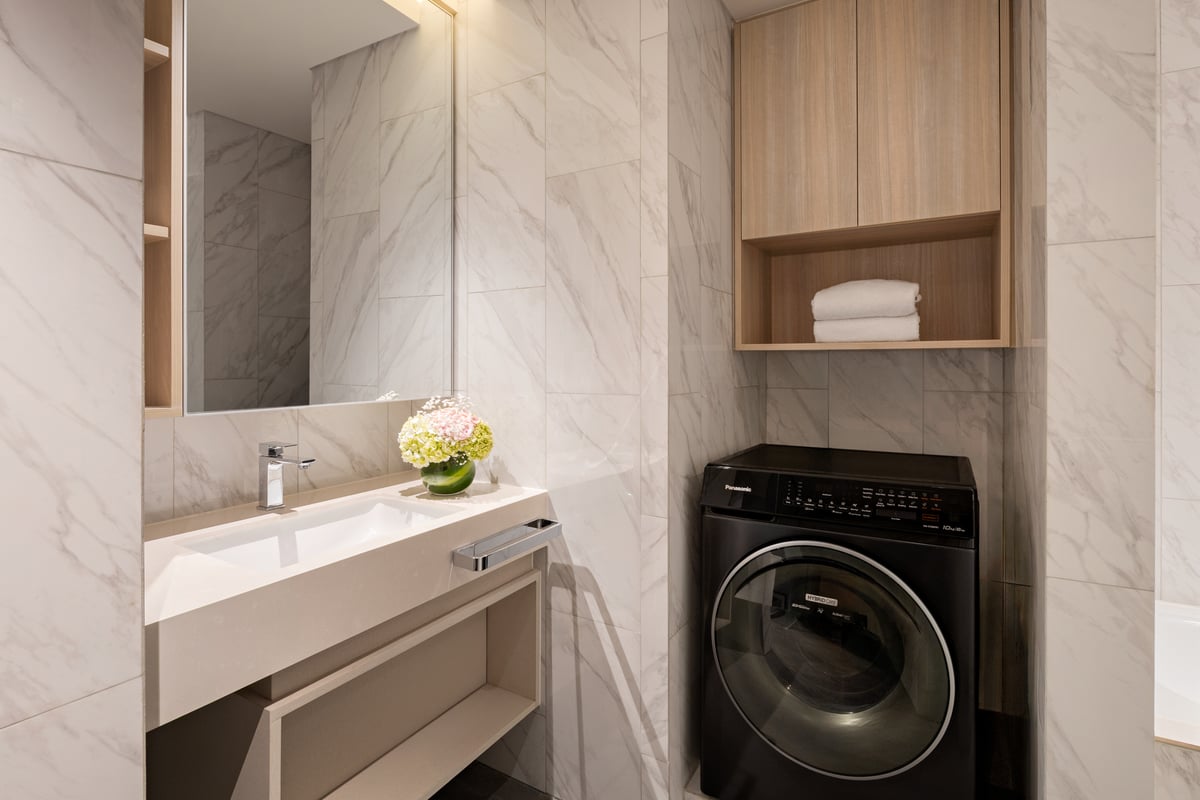
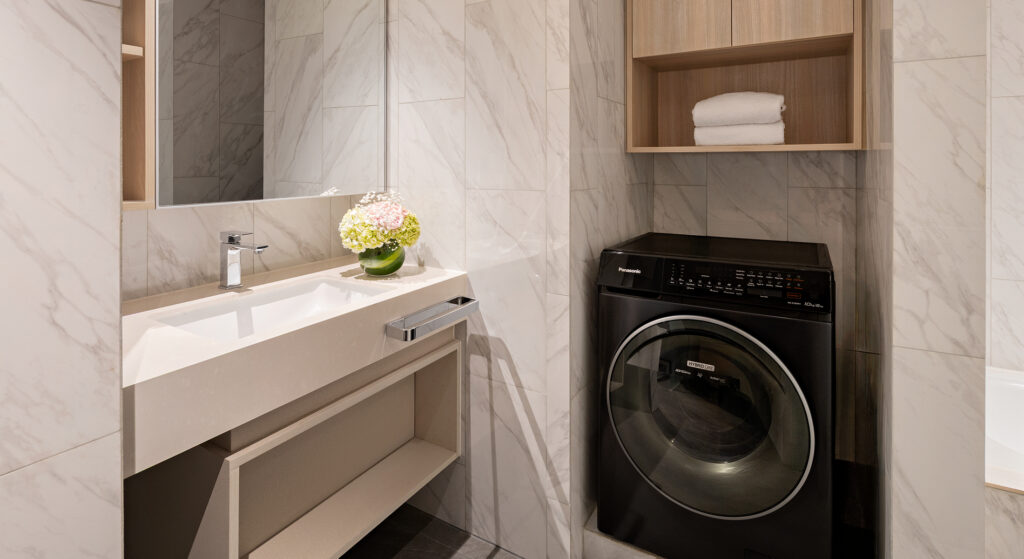
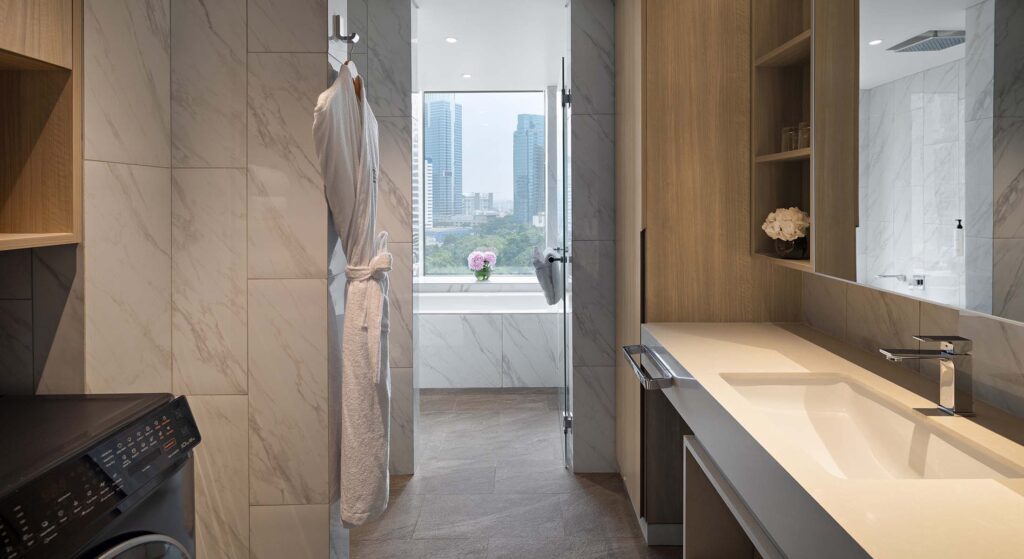
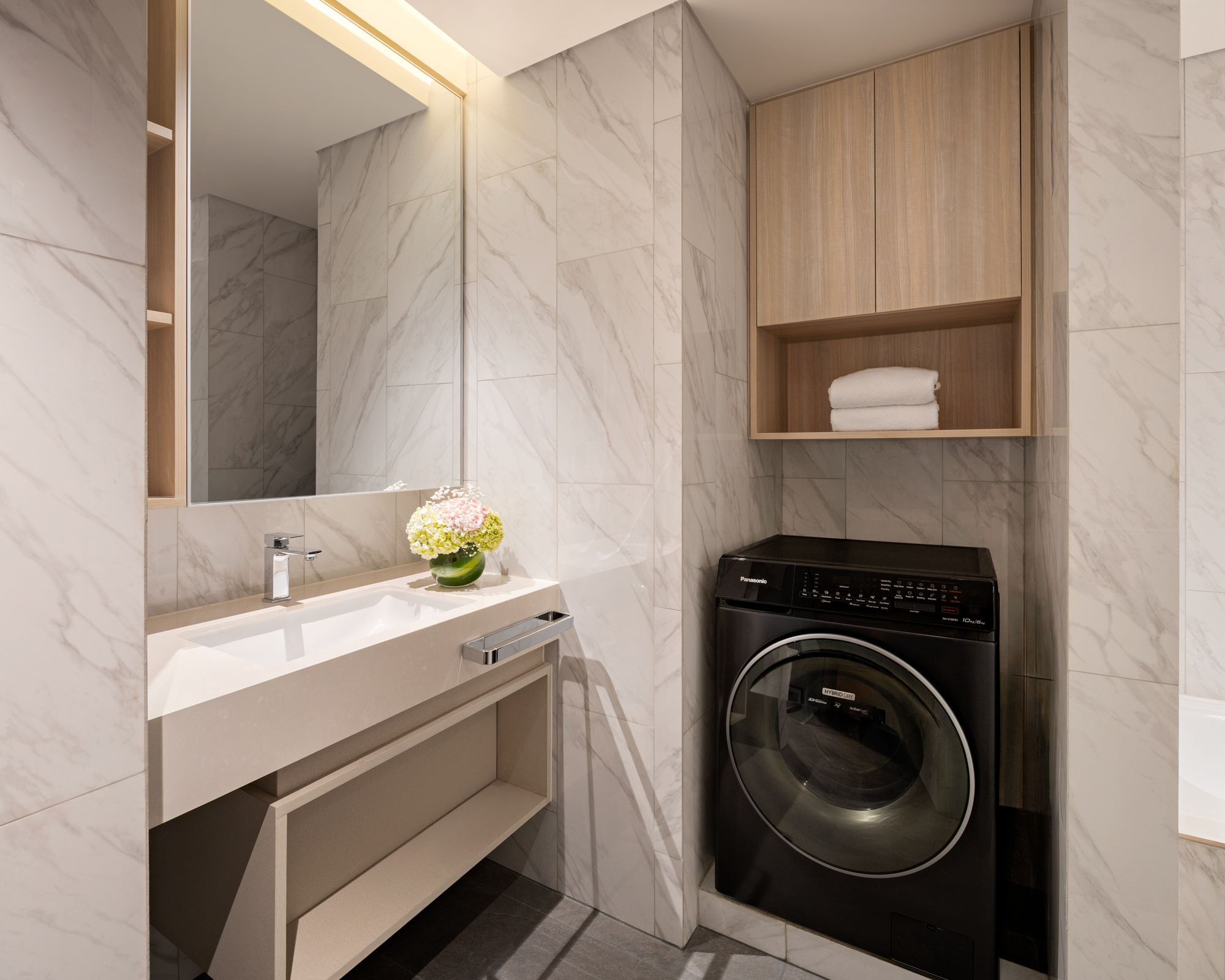
- Complimentary laundry facilities or in-unit machines
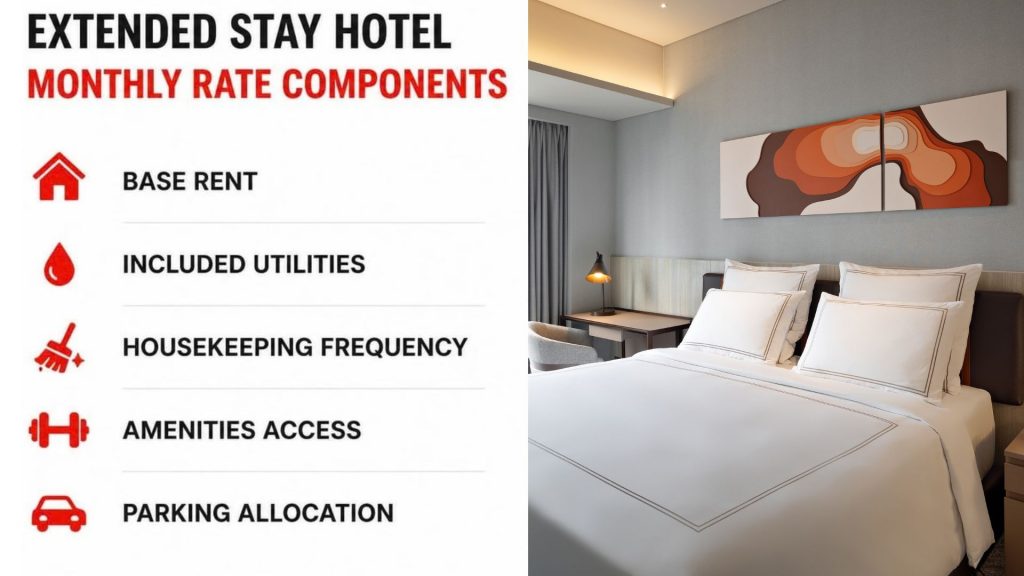
- Often include utilities and Wi-Fi in weekly rate
Hidden Savings Beyond Room Rates
The true value of per week hotels emerges when accounting for expenses avoided through residential amenities. A fully equipped kitchen eliminates the necessity of dining out for every meal. Properties located in central business districts like Mega Kuningan reduce transportation costs by placing guests near offices, embassies, and commercial centers.
Essential Amenities in Per Week Hotels
The amenities package distinguishes exceptional per week hotels from basic extended-stay options.
Kitchen Facilities and Dining Options
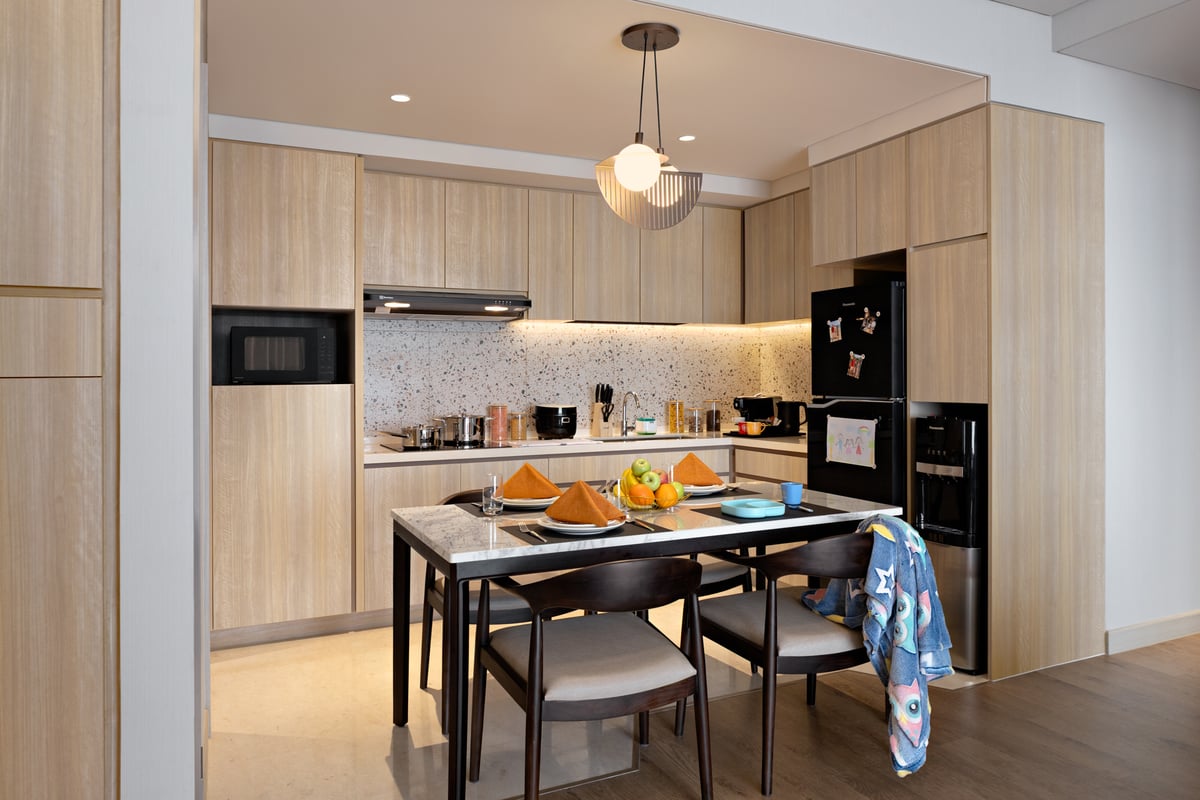
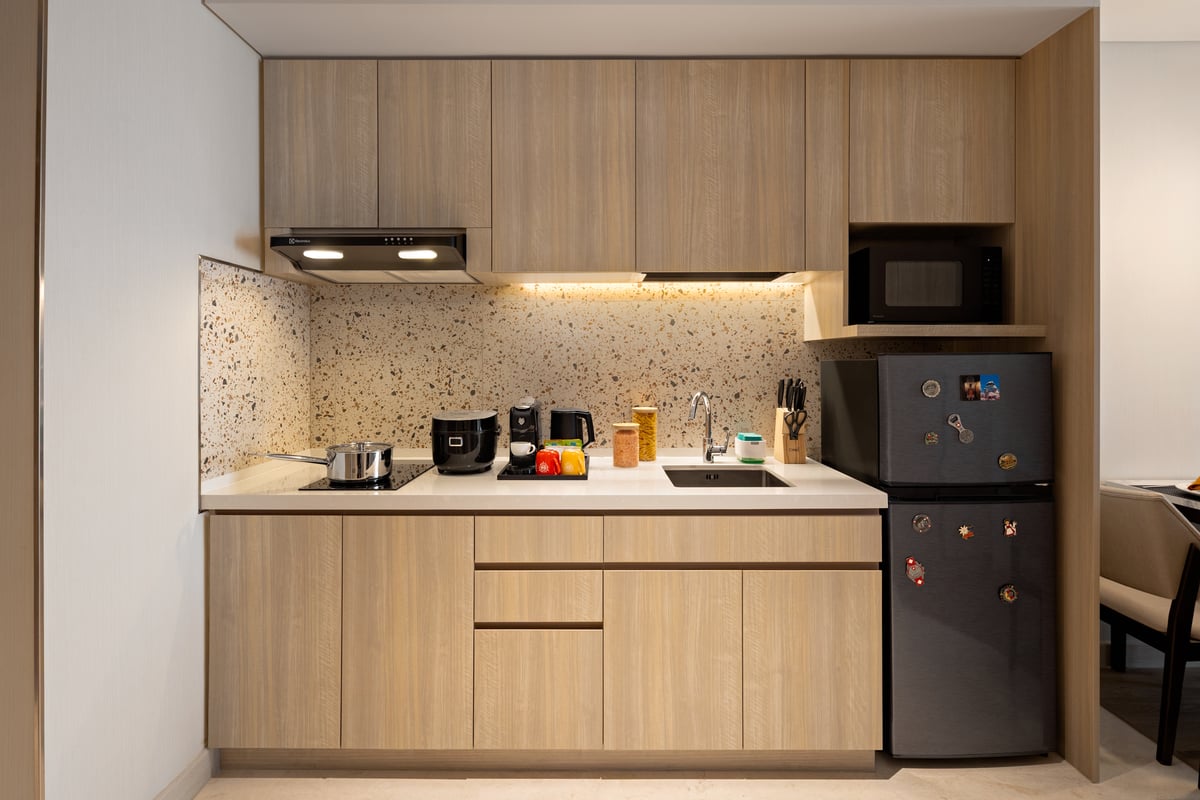
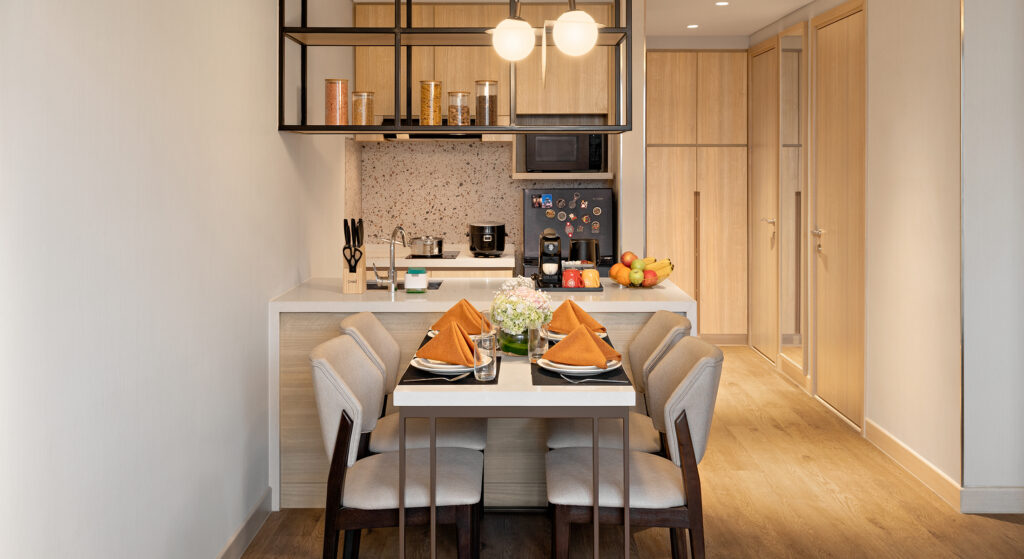
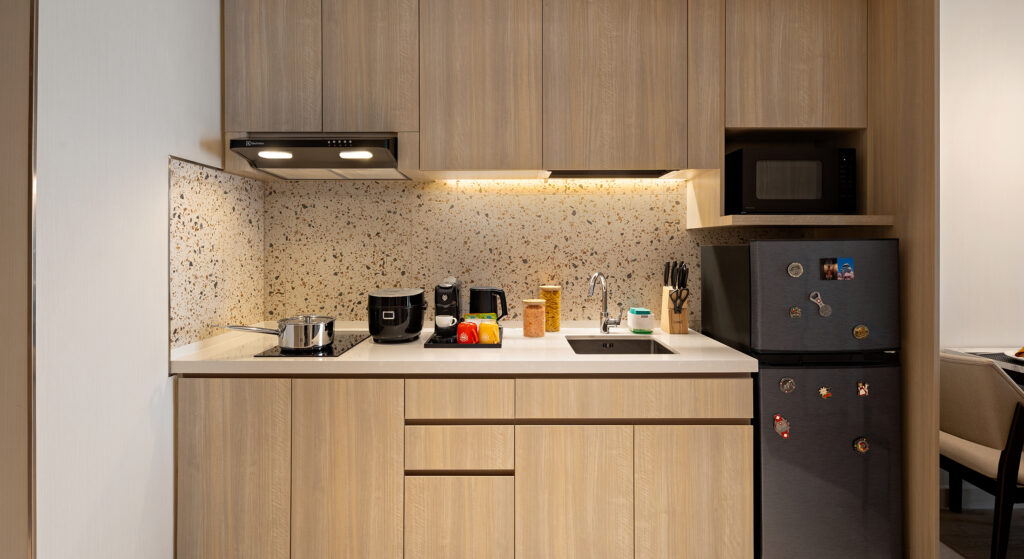
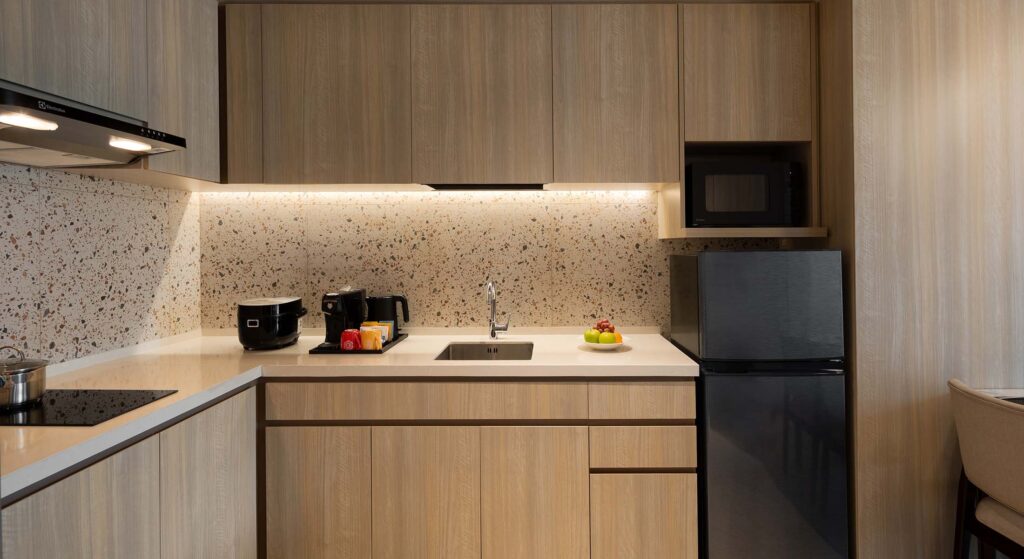
Fully equipped kitchens rank among the most valued amenities for weekly guests. Standard configurations include:
- Refrigerator and freezer
- Induction or gas stovetop
- Microwave oven
- Rice cooker (especially relevant in Asian markets)
- Dishwasher or ample sink space
- Cookware, dishes, and utensils
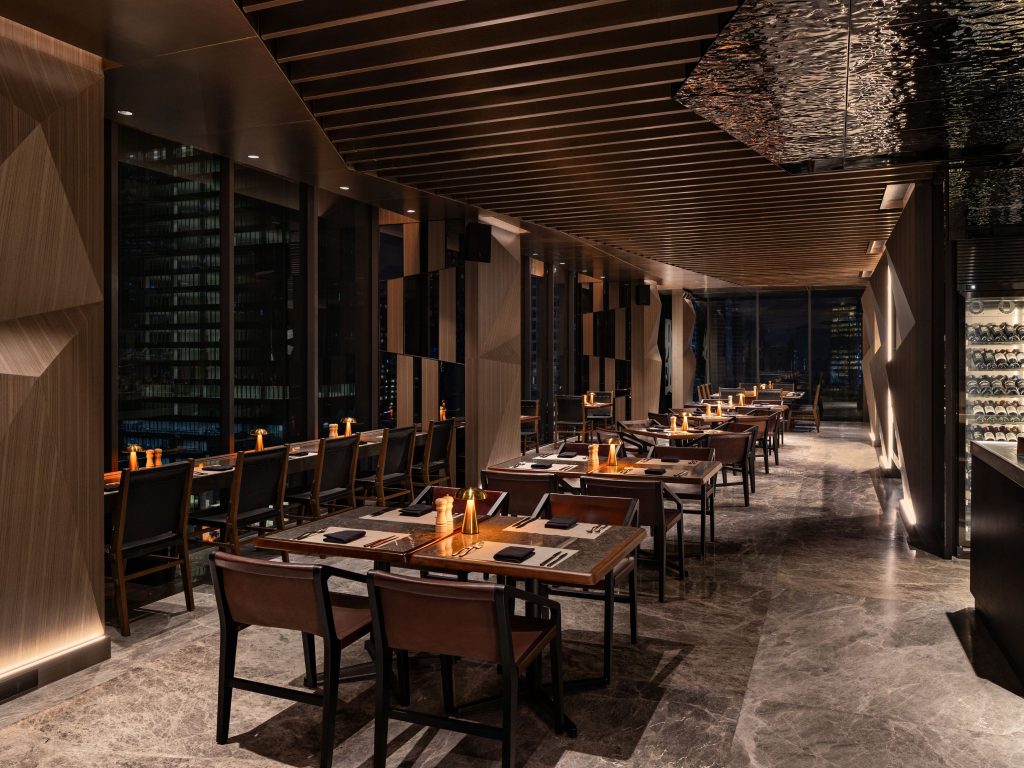
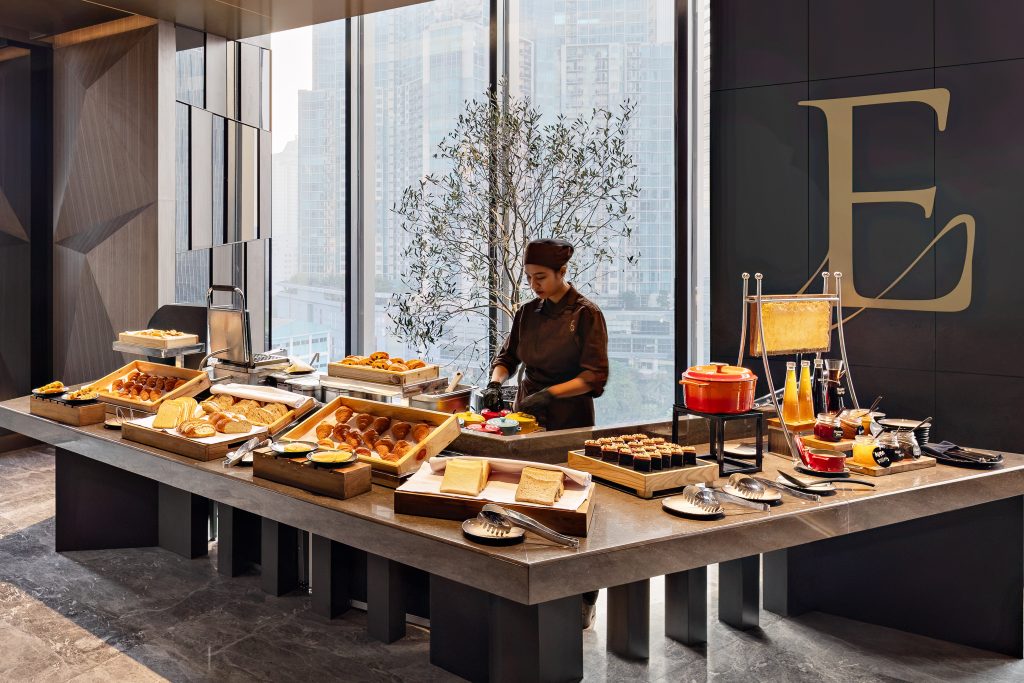
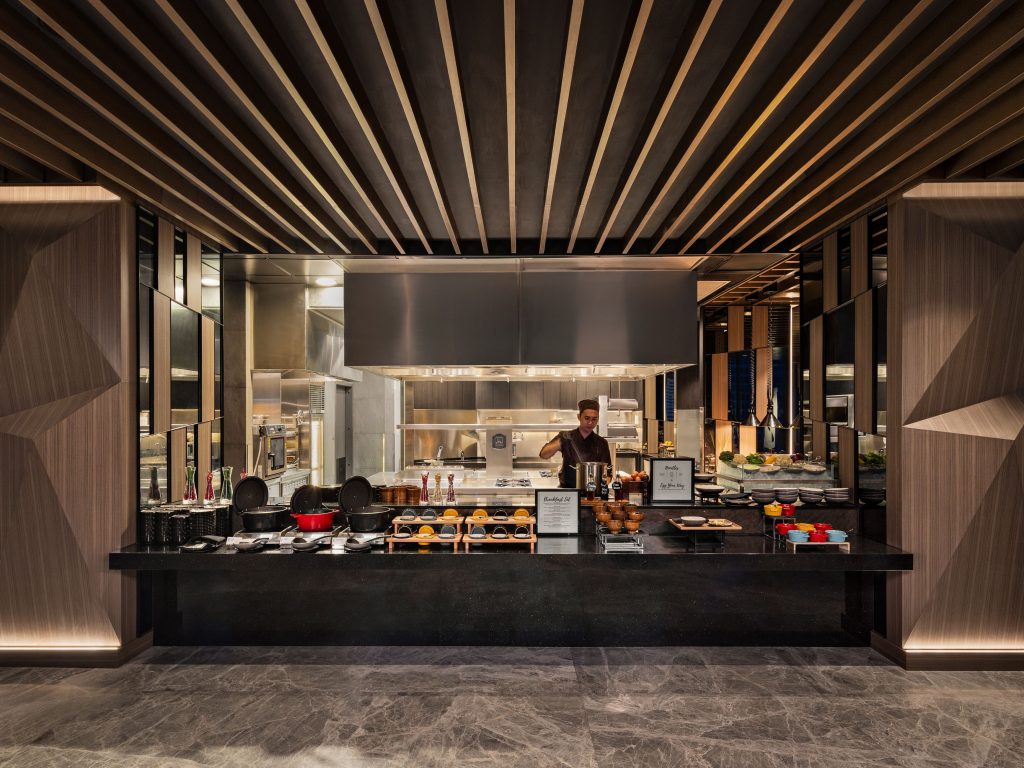
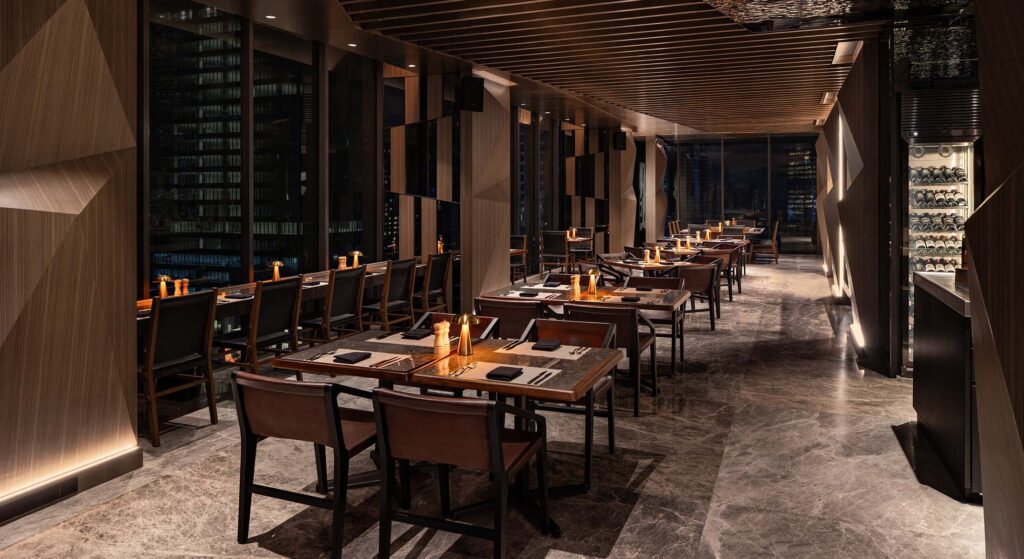
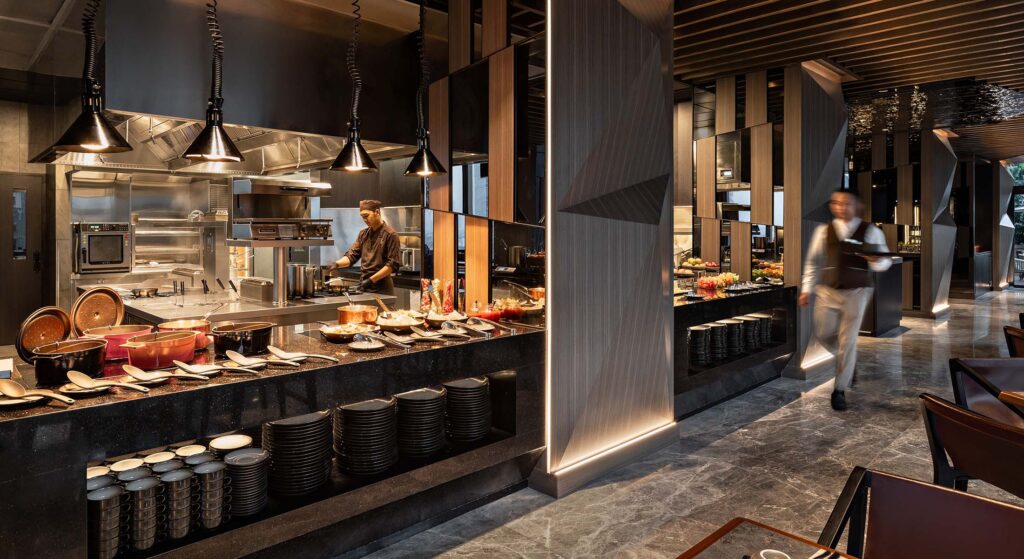
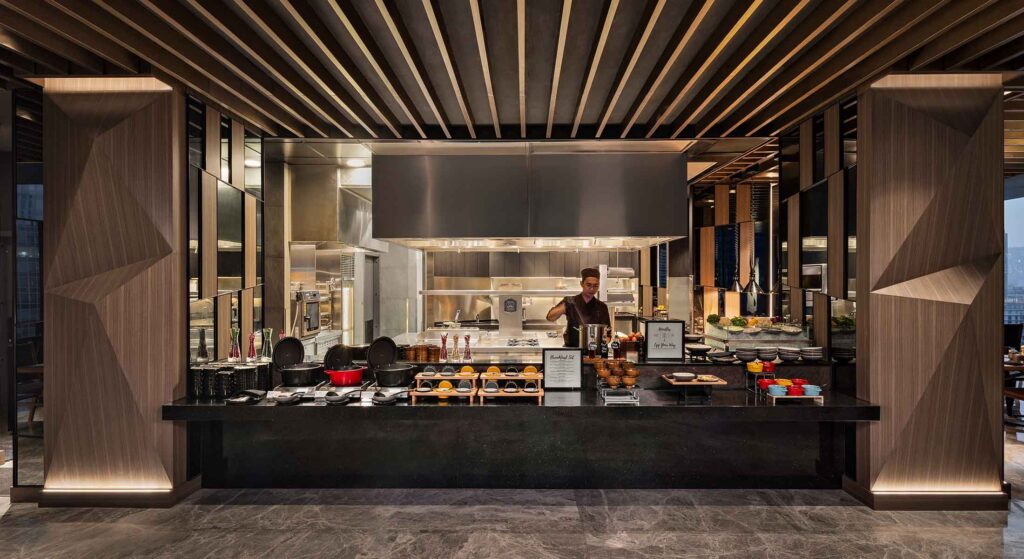
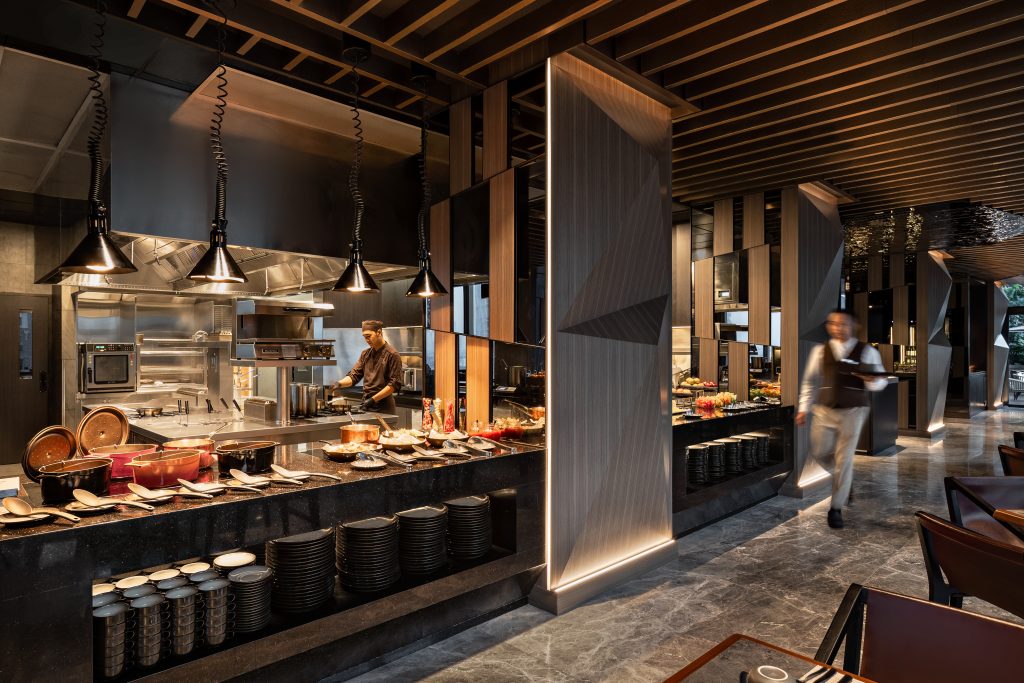
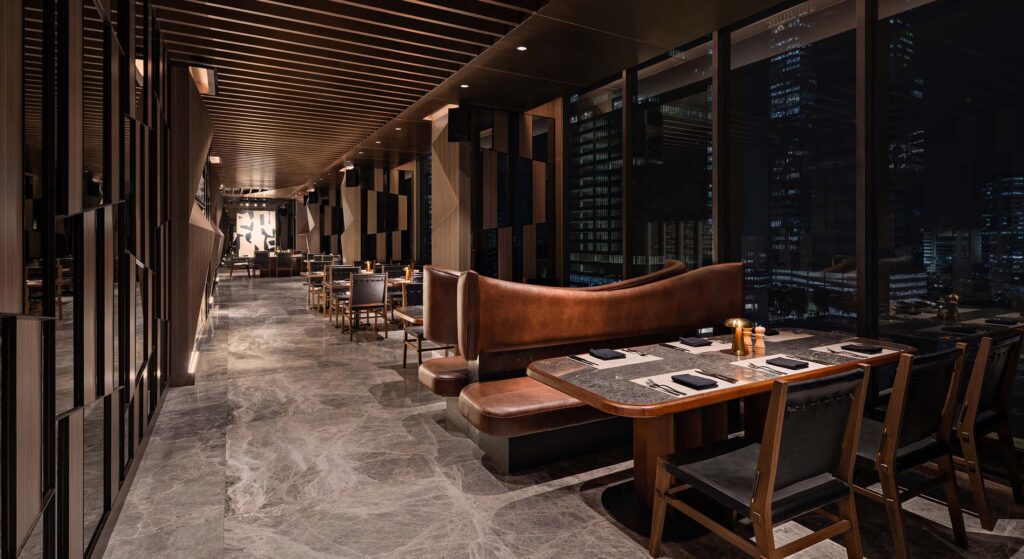
Properties that balance self-catering facilities with on-site dining options provide maximum flexibility. Having access to quality restaurants within the building allows guests to choose between home cooking and professional dining based on daily schedules and preferences.
Living Space Configuration
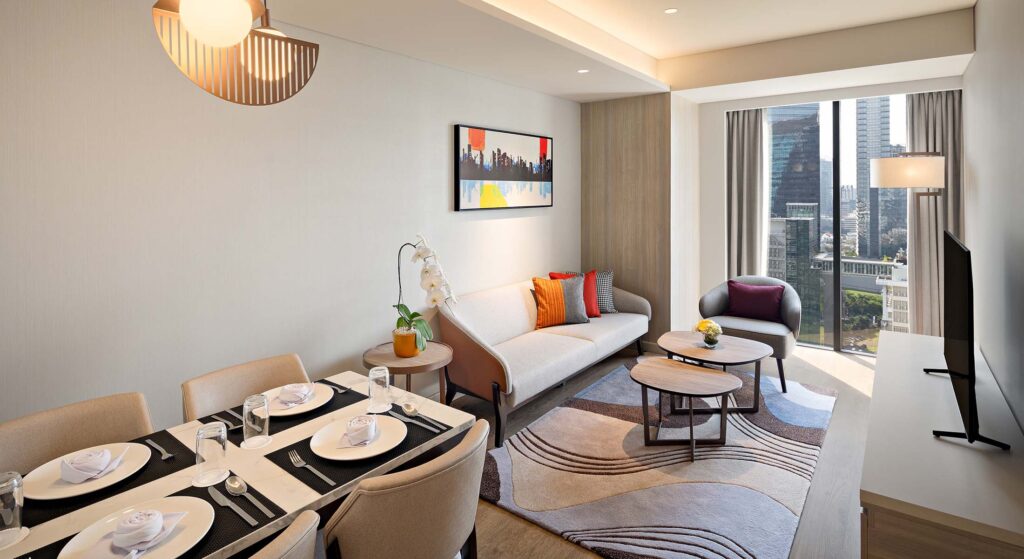
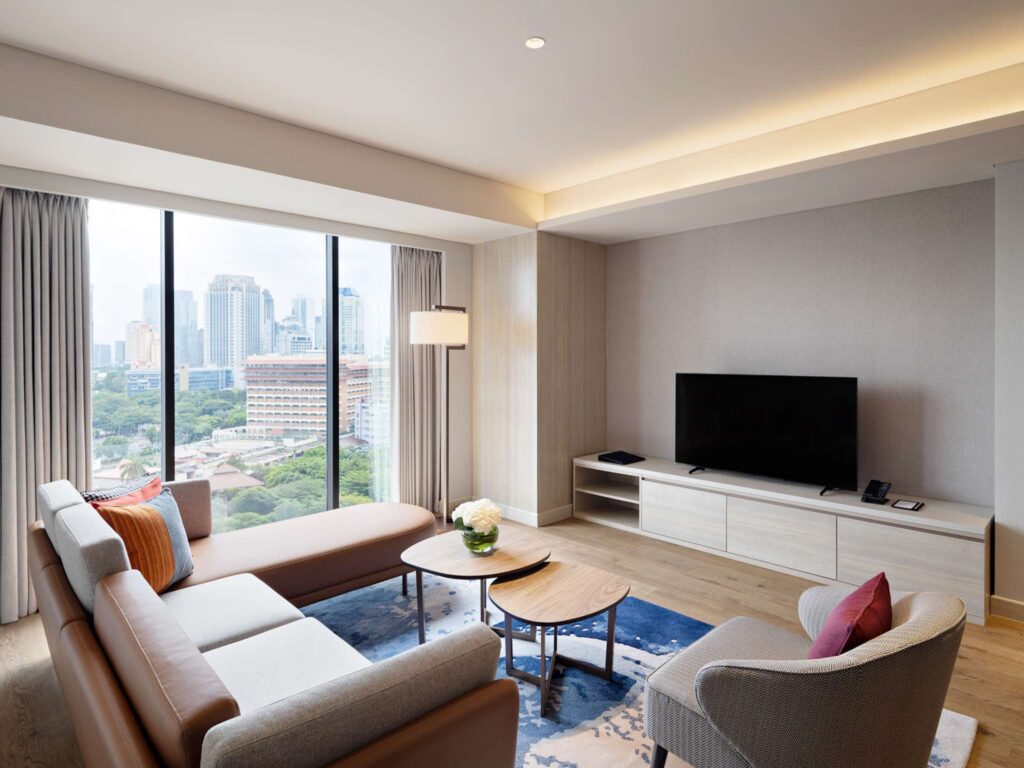
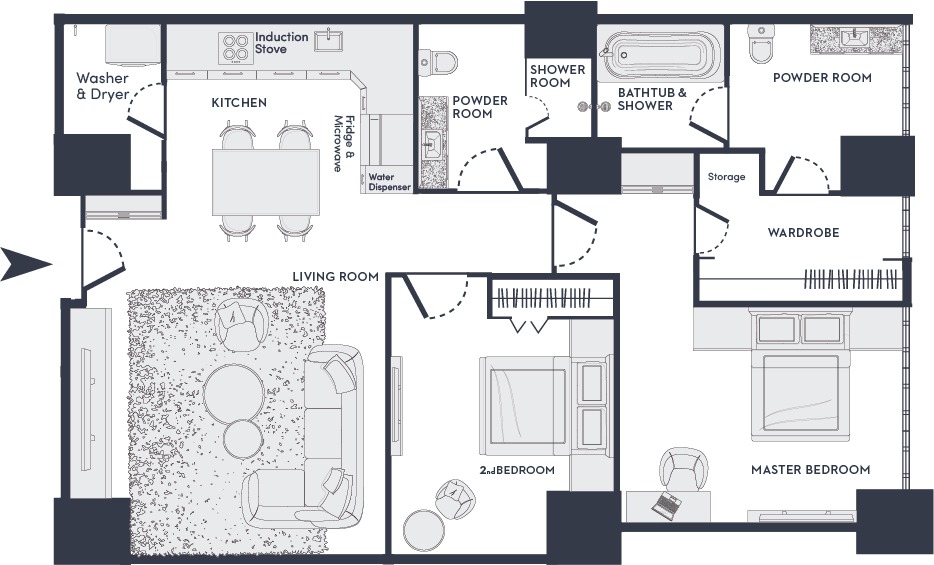
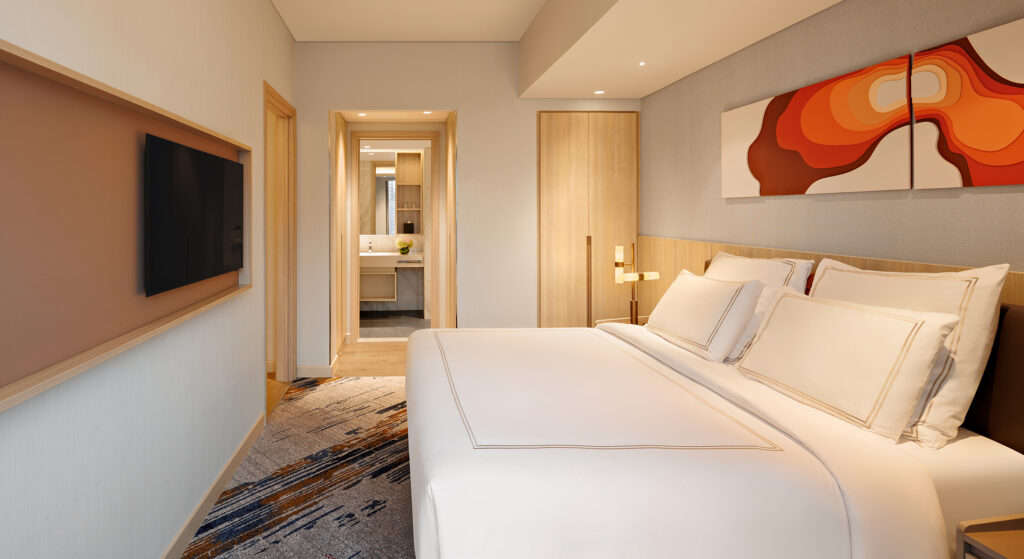
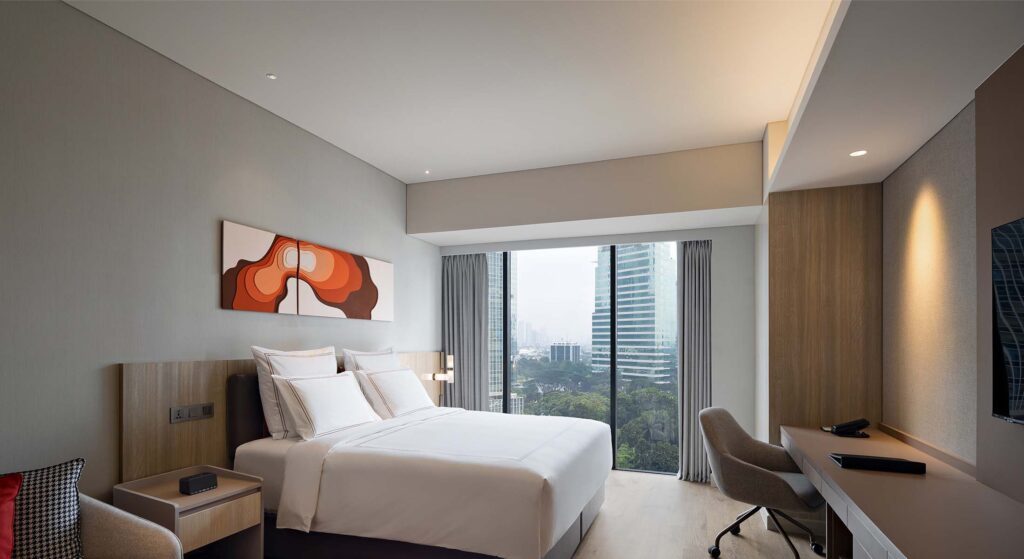
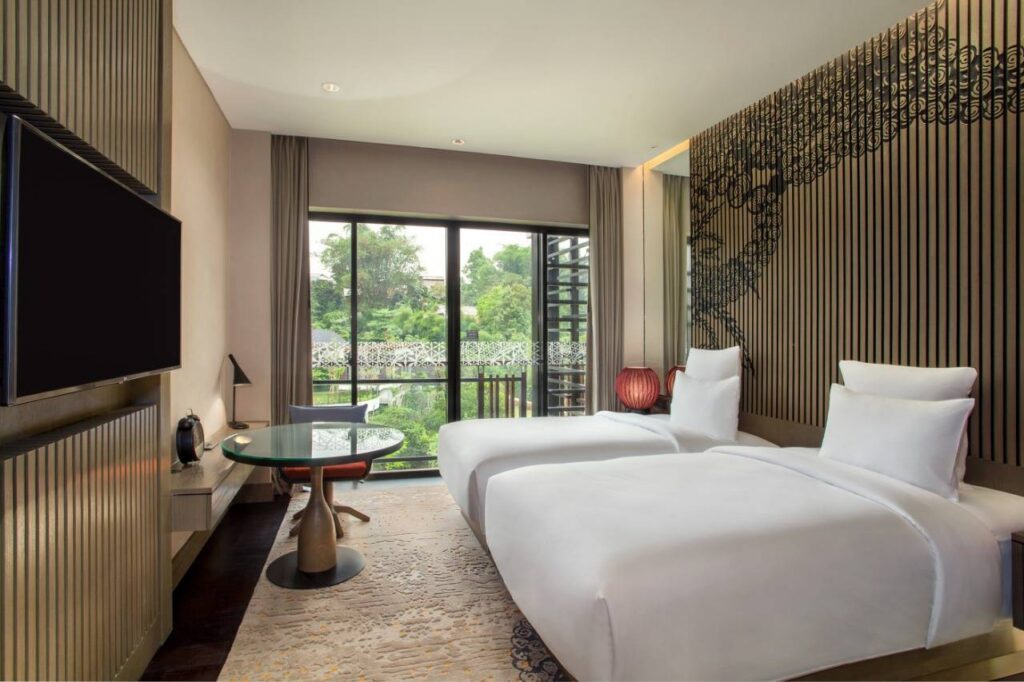
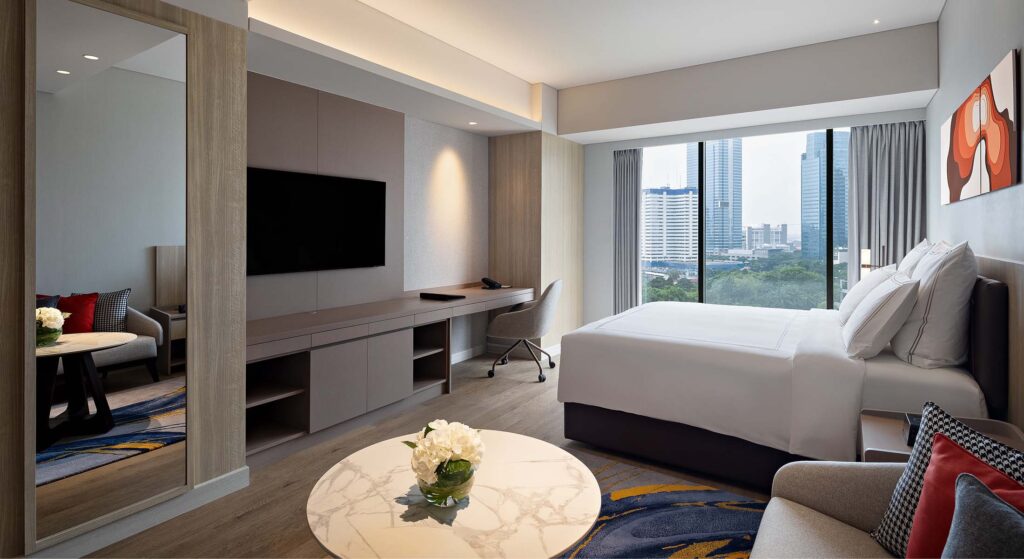
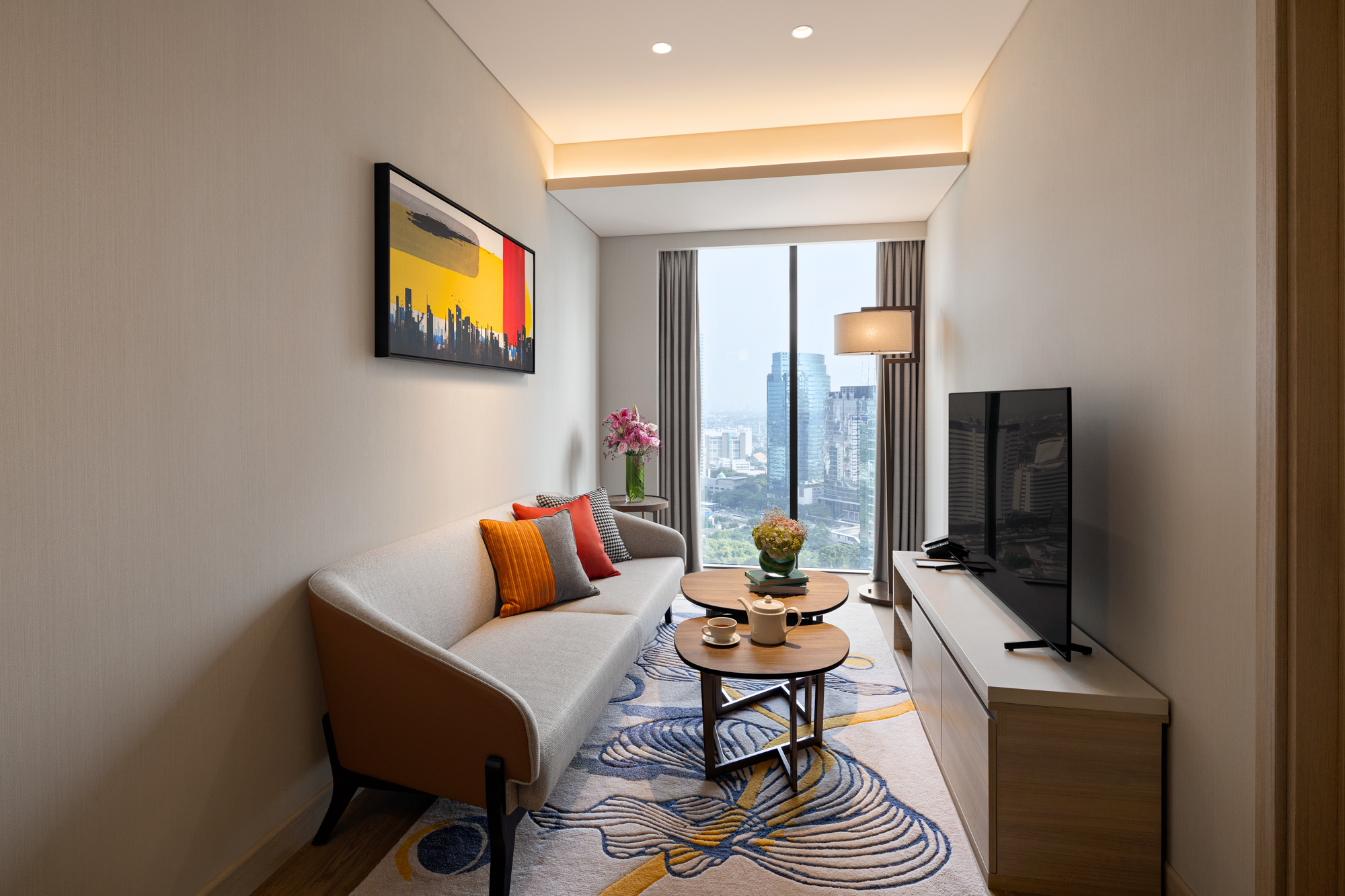
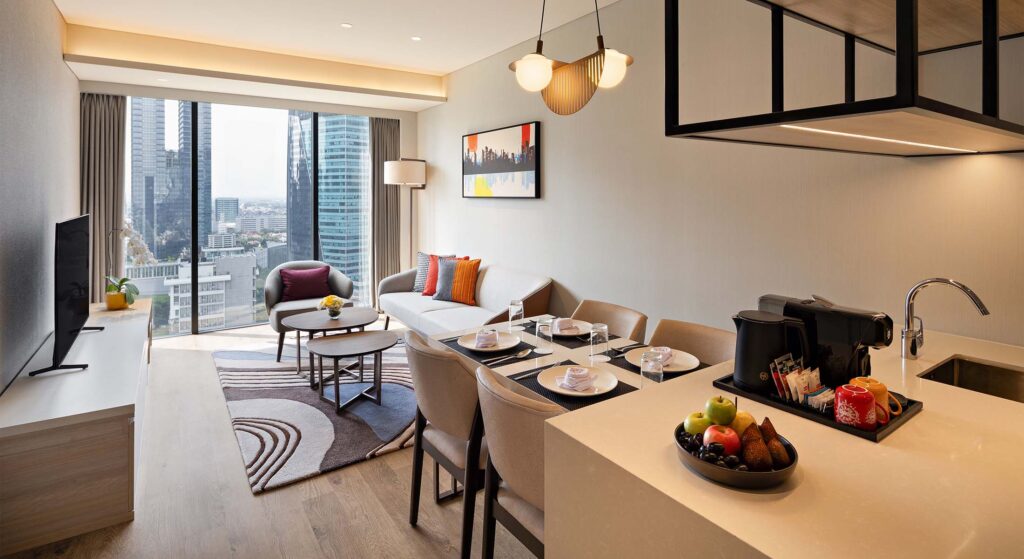
Unlike traditional hotel rooms, per week hotels emphasize separation between living, sleeping, and working areas. Studio configurations provide efficiency, while one-bedroom and two-bedroom layouts offer distinct zones for different activities.
This spatial organization proves particularly important for business travelers who need dedicated workspace and families requiring privacy and age-appropriate sleeping arrangements.
Connectivity and Business Infrastructure
Reliable high-speed internet represents a non-negotiable requirement in 2026. Weekly guests depend on connectivity for remote work, video conferencing, and maintaining contact with colleagues and family.
Additional business infrastructure includes:
- Dedicated workspace with proper lighting
- Multiple power outlets and USB charging ports
- Ergonomic seating for extended work sessions
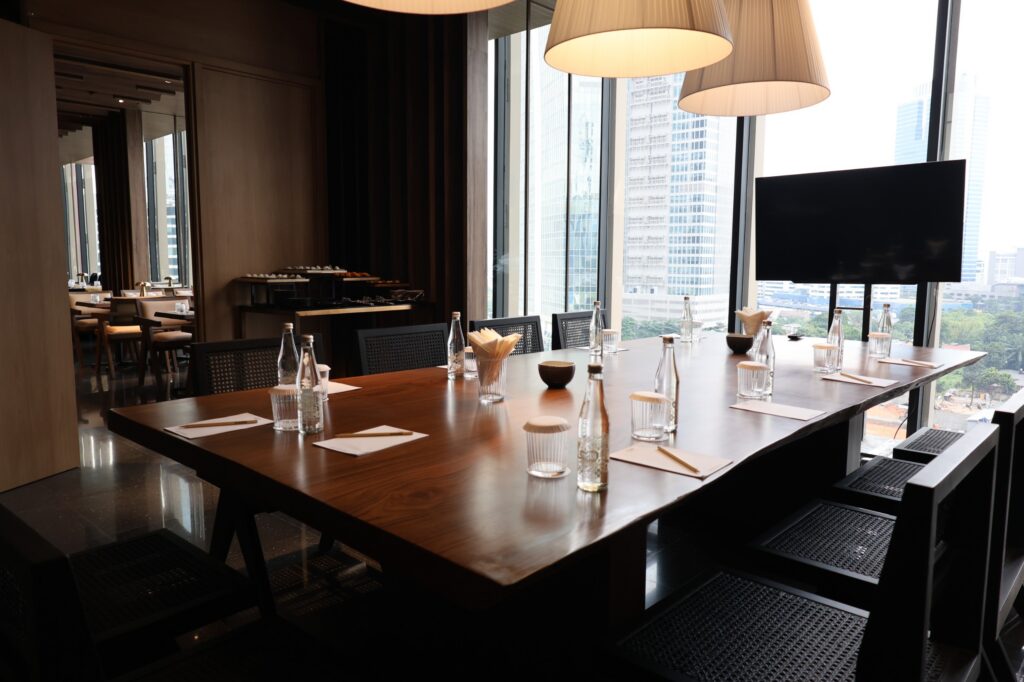
- Access to business centers or meeting rooms
- Printing and document services
Wellness and Recreation Facilities
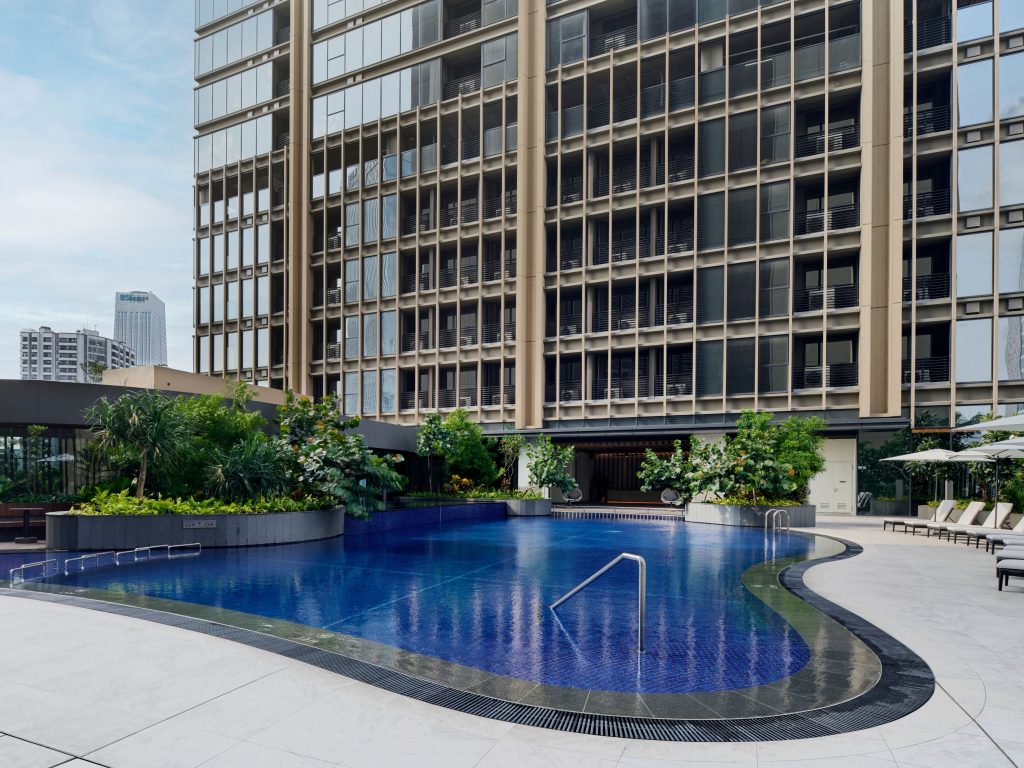
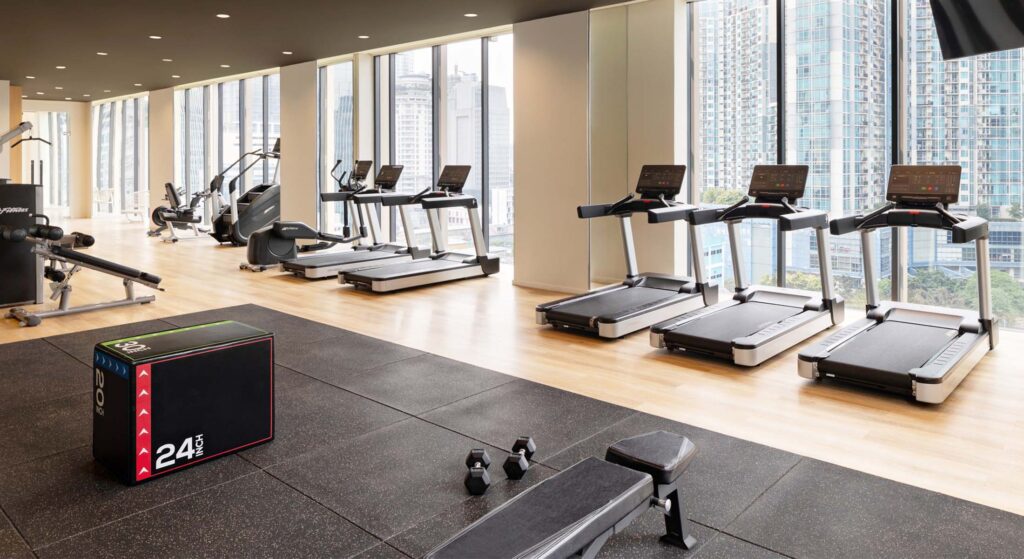
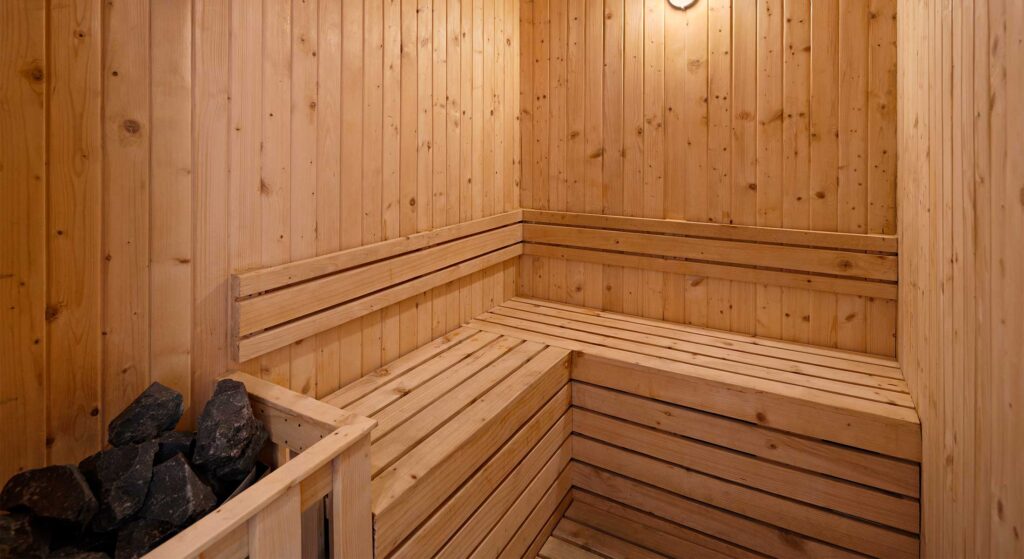
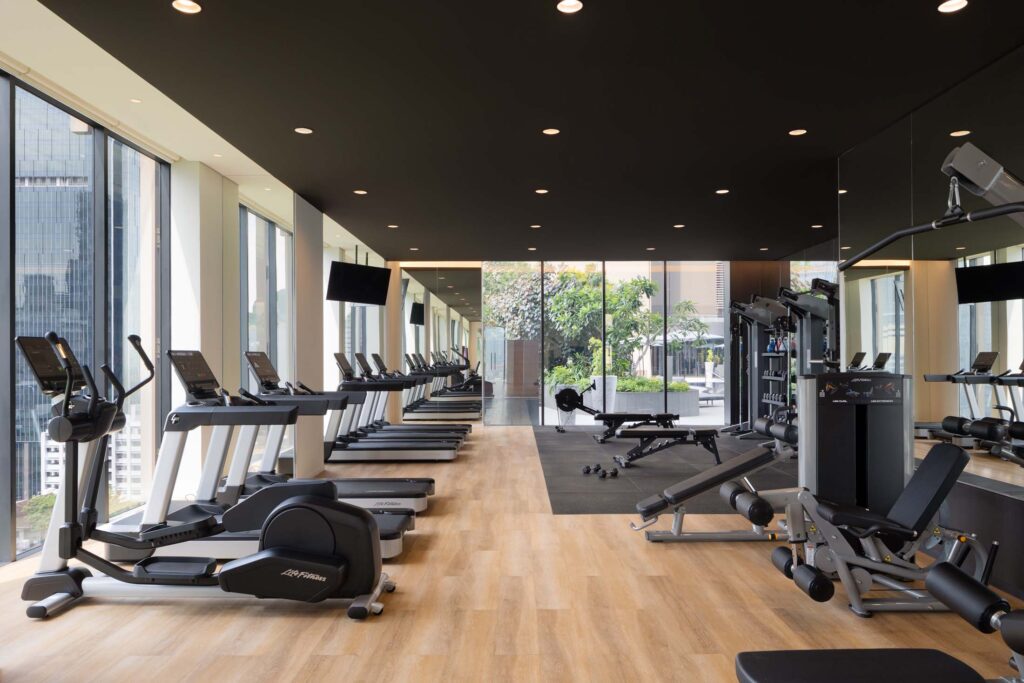
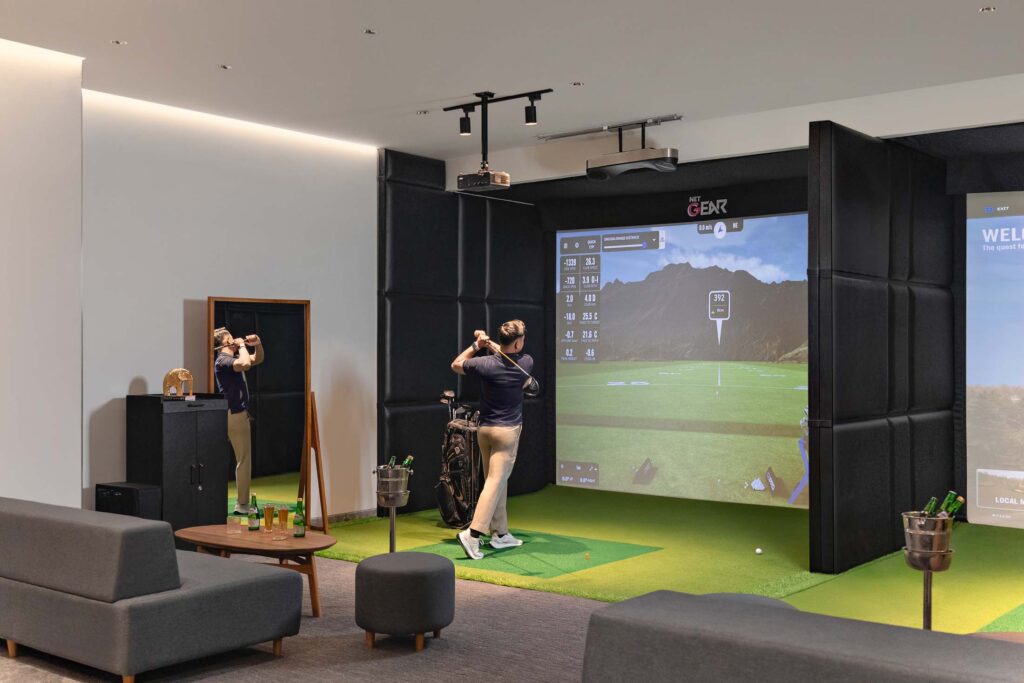
Extended stays demand facilities that support health and well-being. Fitness centers, swimming pools, and wellness amenities help guests maintain routines during weeks away from home.
Location Considerations for Weekly Stays
Property location significantly impacts the weekly stay experience, with different priorities depending on travel purpose.
Proximity to Business Districts
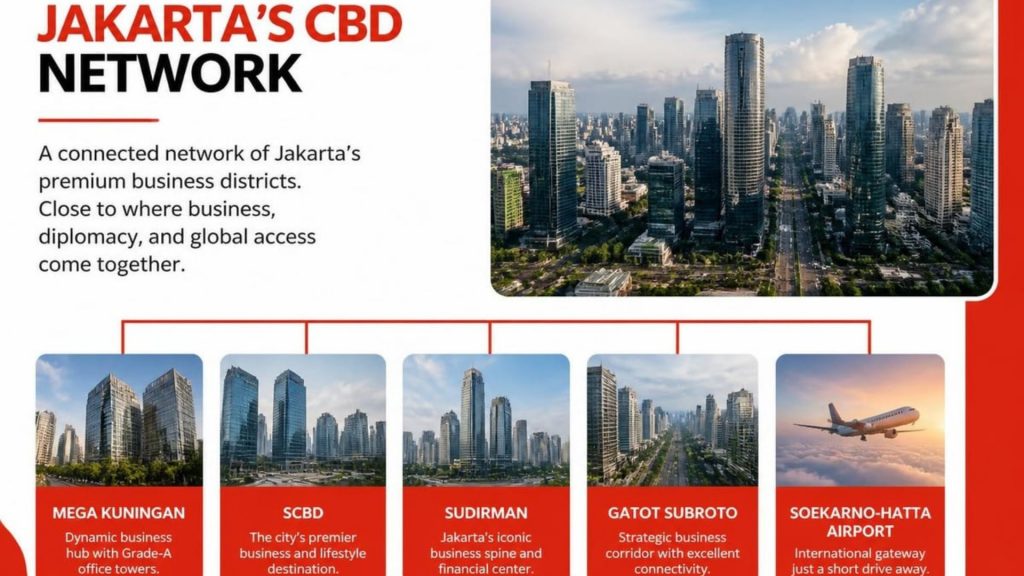
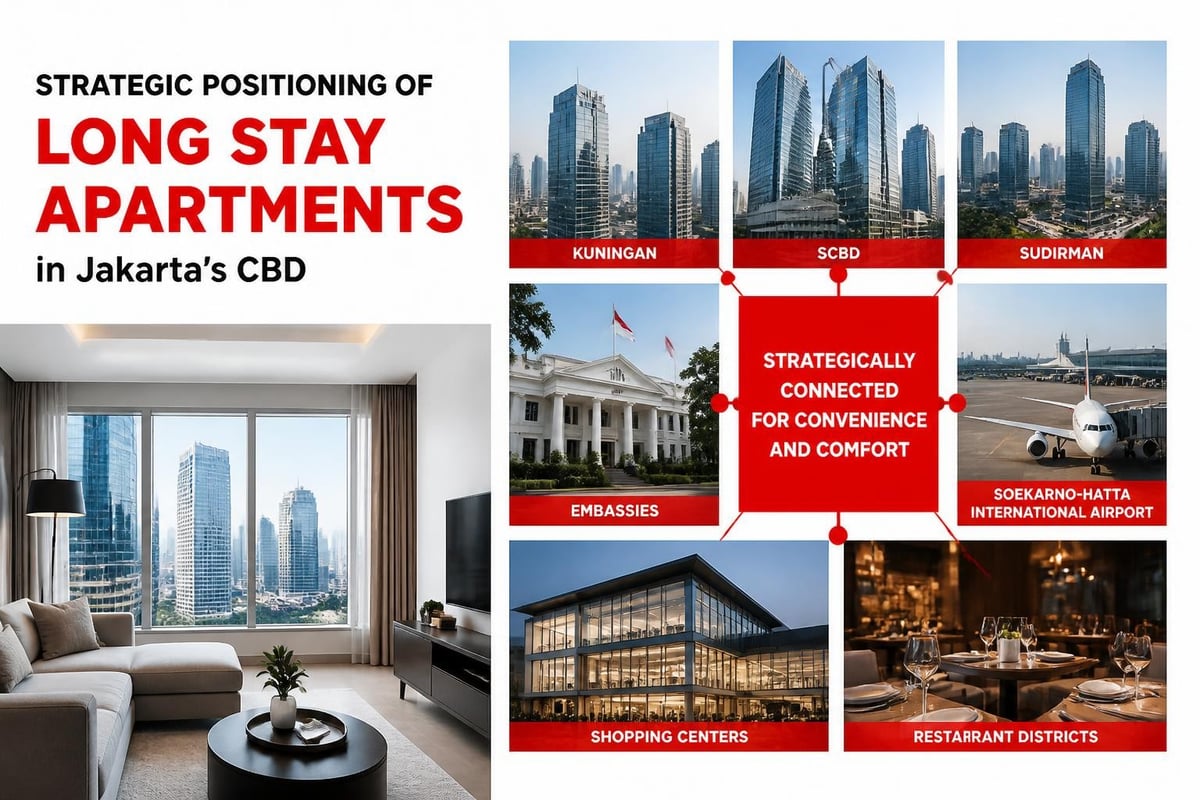
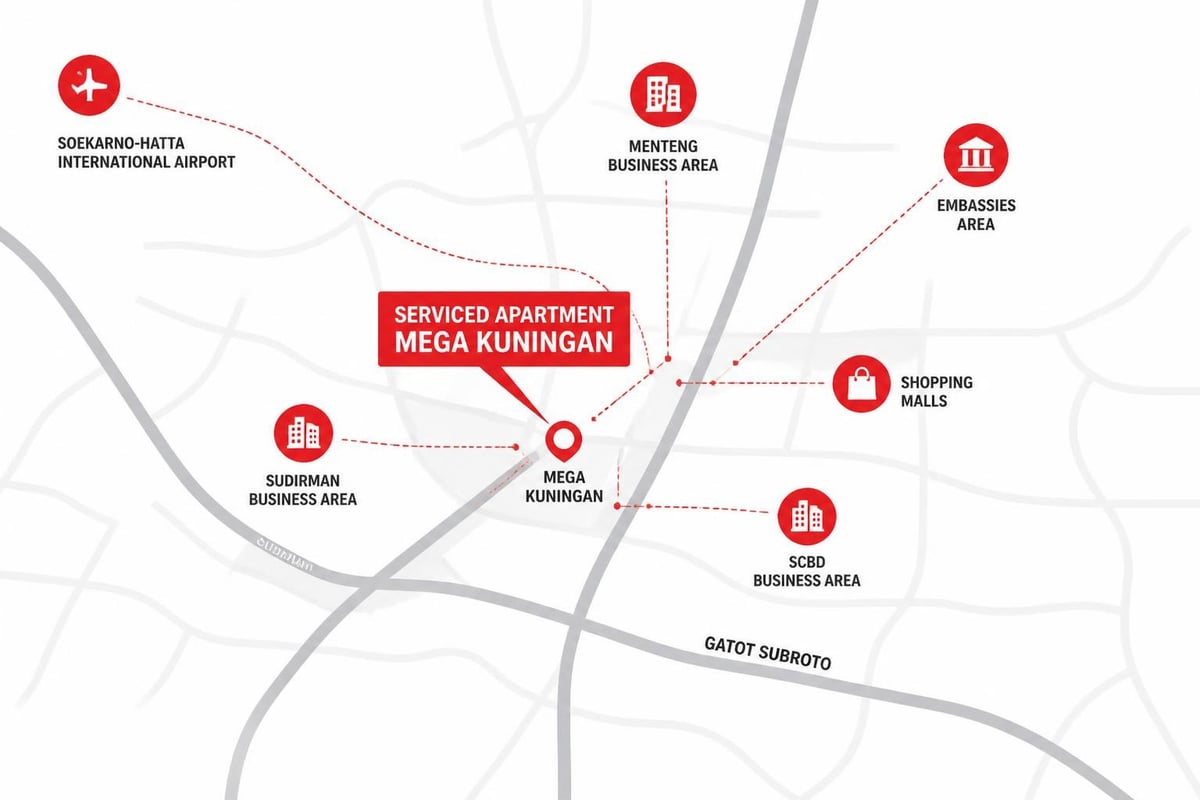
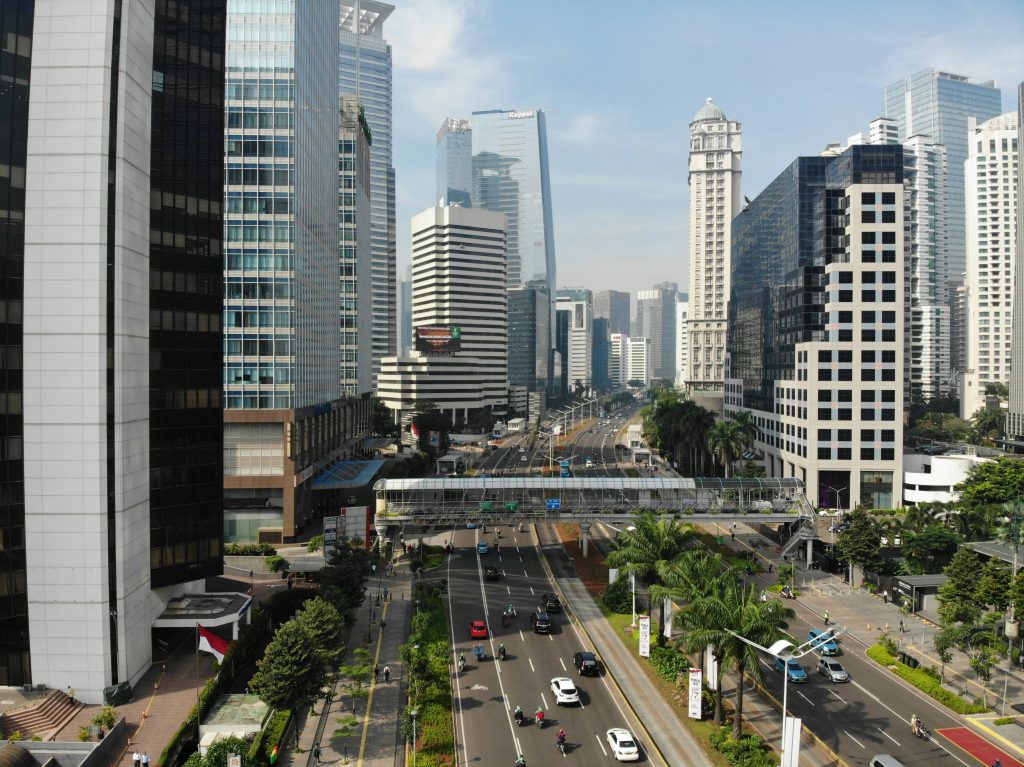
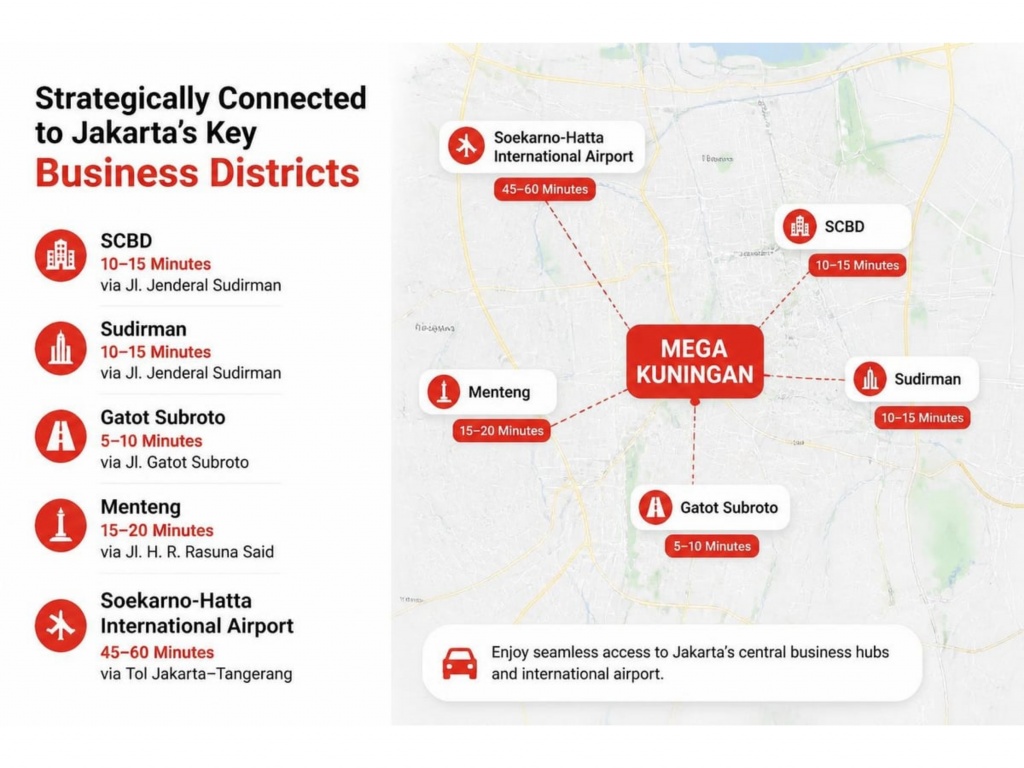
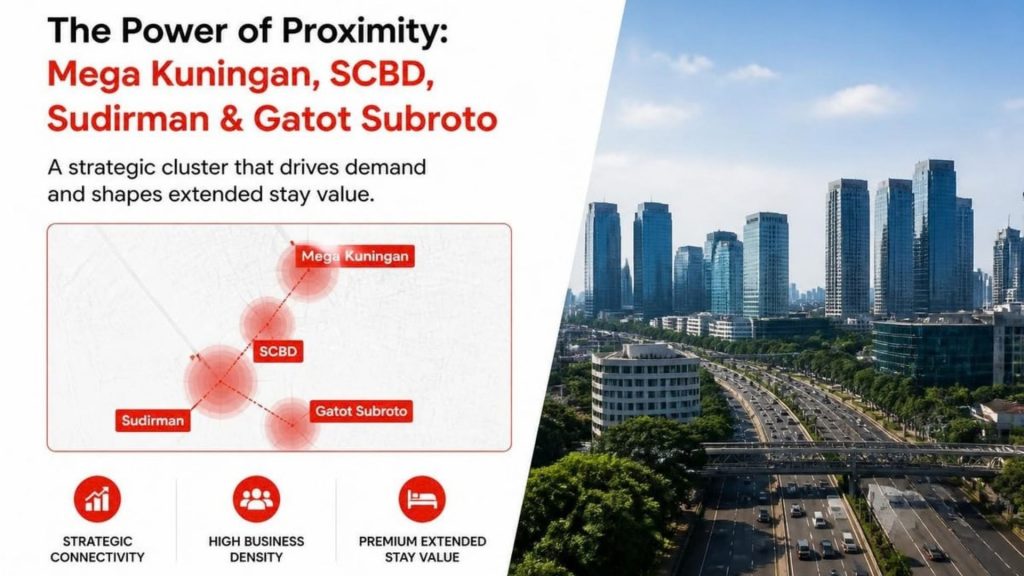
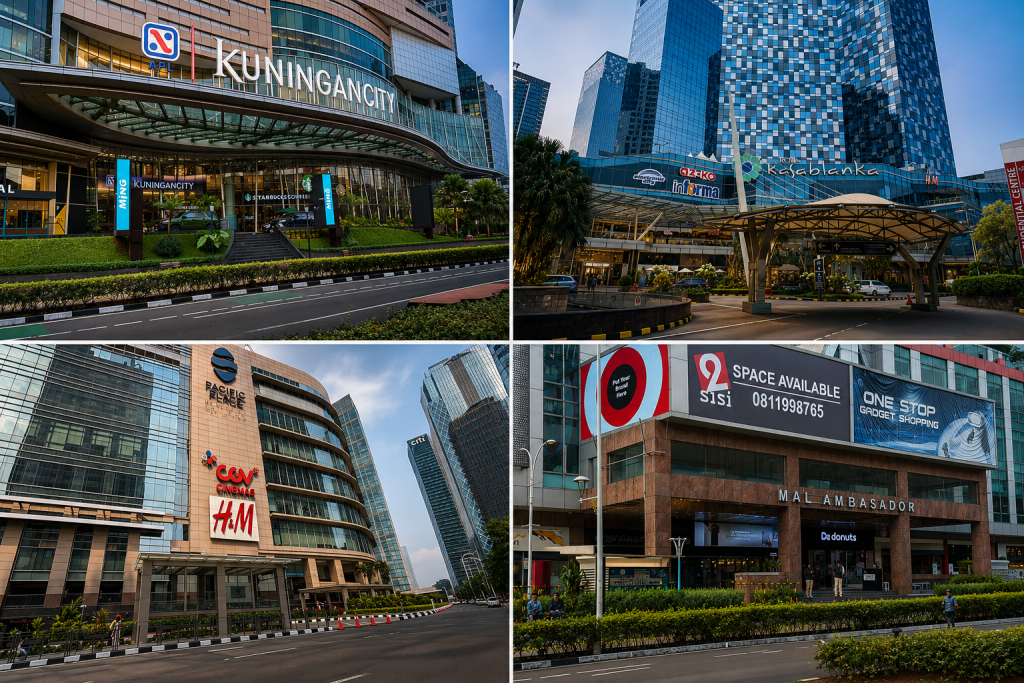
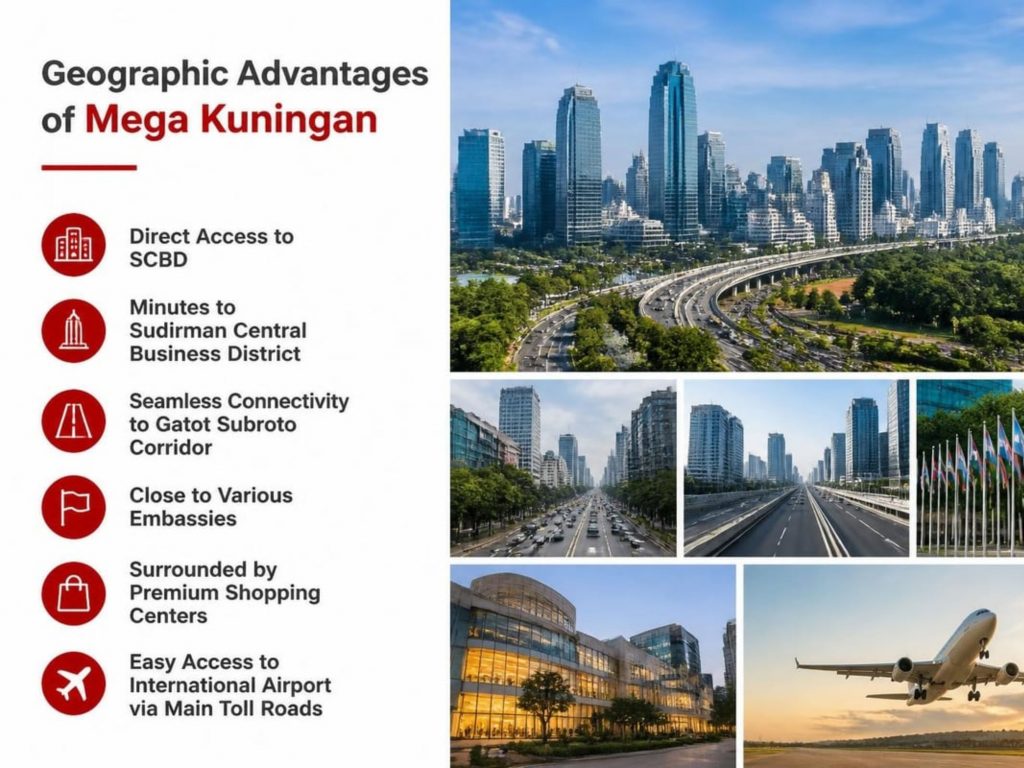
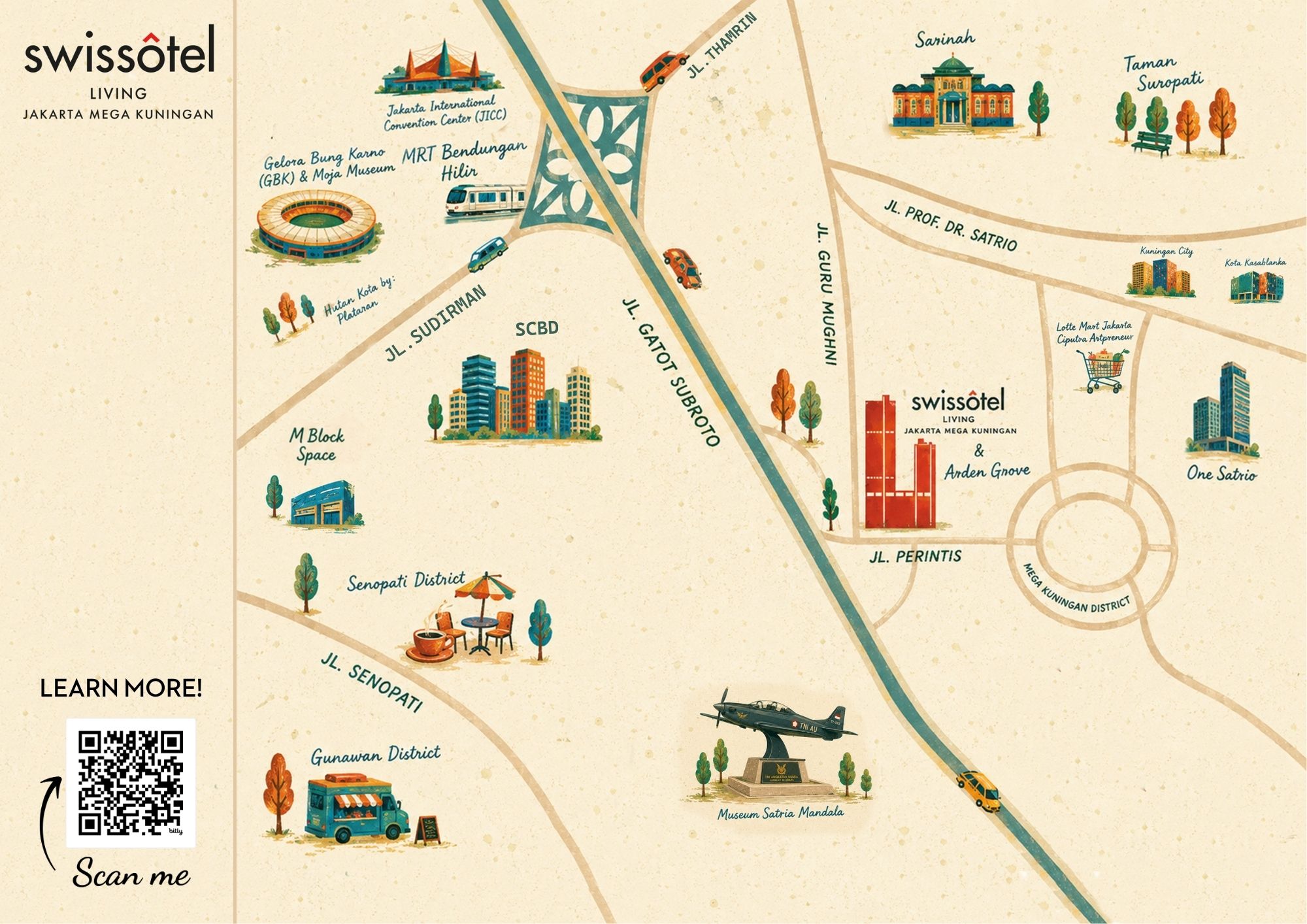
Corporate travelers prioritize locations near office concentrations. In Jakarta, this translates to properties in or near Kuningan, SCBD, Sudirman, and Gatot Subroto corridors.
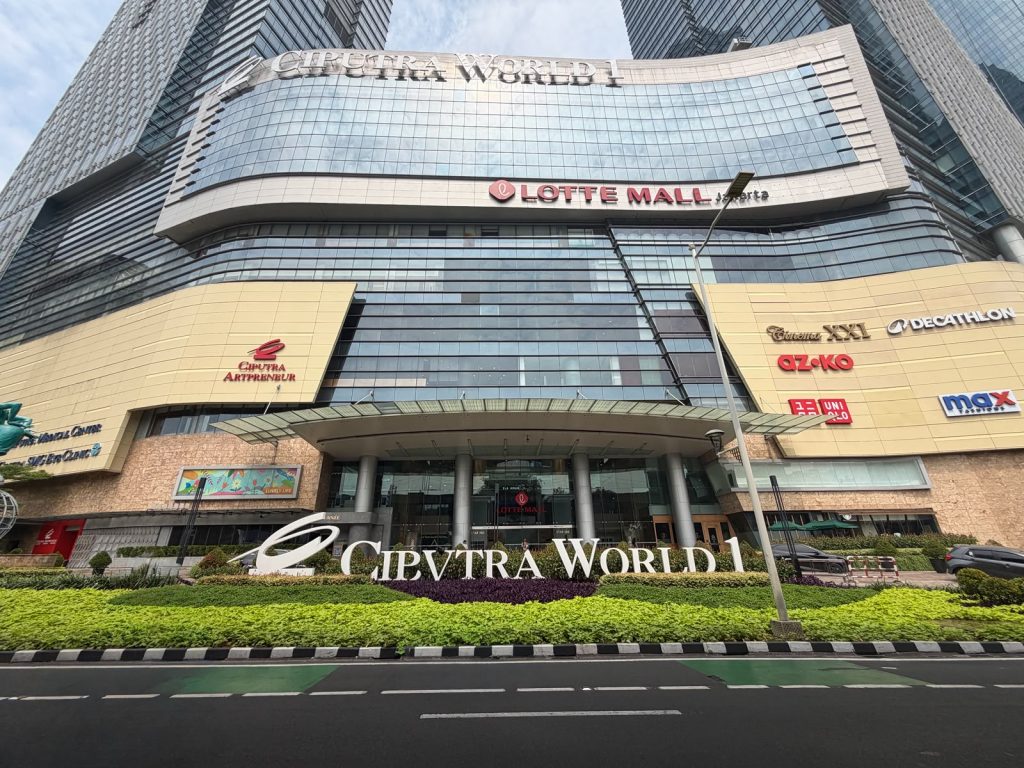
Serviced apartments positioned within walking distance or short commutes to business districts deliver measurable value through time savings and reduced transportation expenses. The access to Jakarta’s central business districts becomes a deciding factor for many weekly bookers.
Access to Daily Services and Amenities
Weekly guests establish temporary routines that require access to:
- Grocery stores and markets
- Pharmacies and medical clinics
- Fitness facilities and parks
- Restaurants and cafes
- Banking services
Properties near comprehensive service ecosystems reduce the friction of extended stays. Understanding what’s available near your accommodation helps guests settle into weekly rhythms quickly.
Transportation Connectivity
Airport access matters for travelers arriving from other cities or countries. Weekly guests may also require connectivity to multiple destinations within the metro area for business meetings, school visits, or weekend excursions.
Properties offering proximity to major highways, public transportation nodes, and Soekarno-Hatta International Airport provide flexibility for the duration of weekly stays.
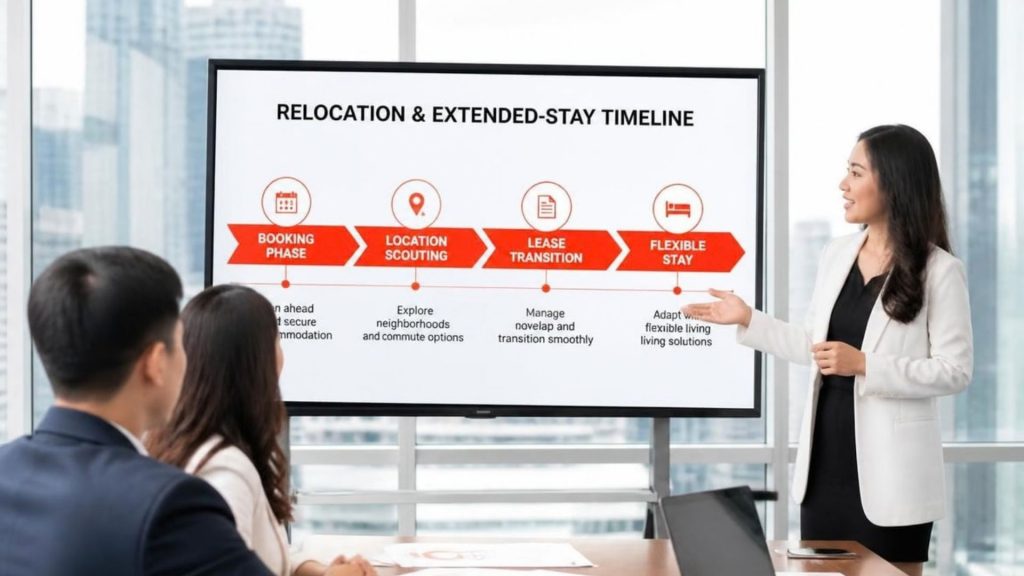
Booking Strategies for Weekly Accommodation
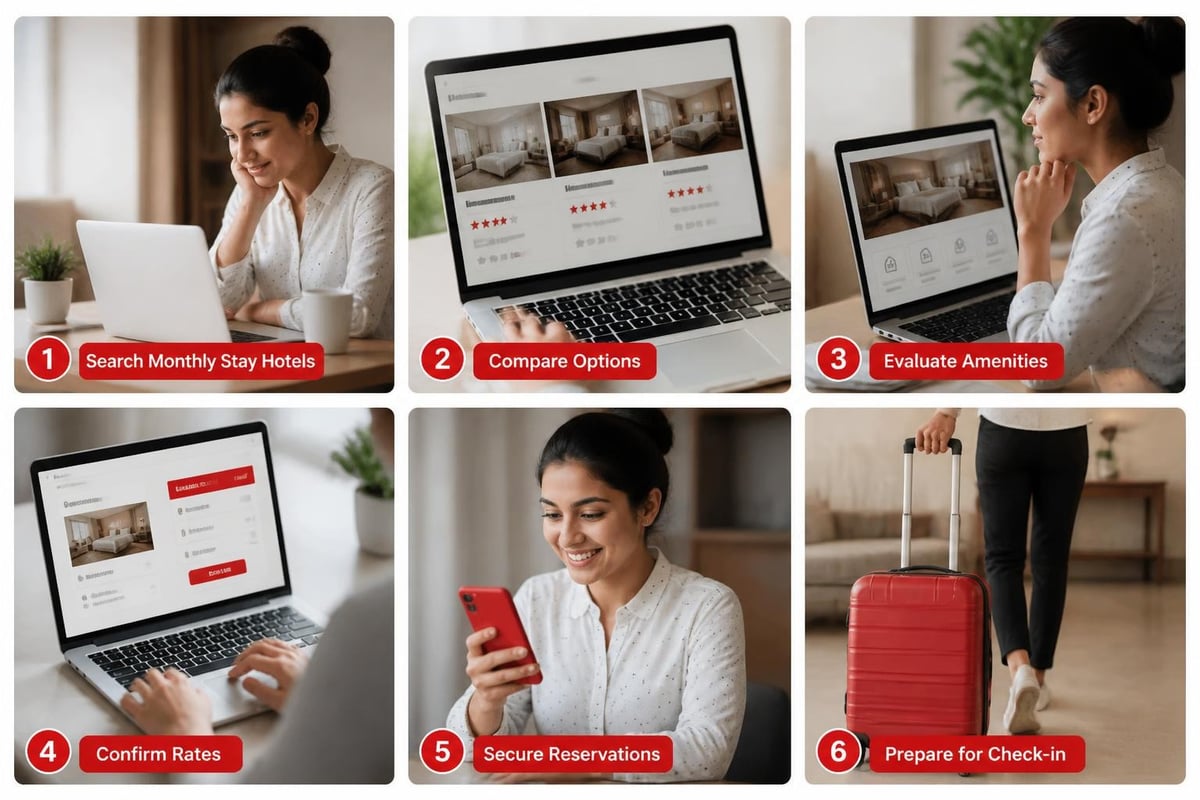
Securing the best rates and appropriate accommodation for weekly stays requires strategic planning.
When to Book Per Week Hotels
Booking timelines vary by property type and destination. Properties with strong corporate demand often see higher occupancy during weekdays, while leisure-oriented locations peak during vacation seasons.
Industry data suggests booking 2-4 weeks in advance for optimal selection and rates, though last-minute weekly deals occasionally emerge when properties seek to fill inventory gaps.
Negotiating Extended Stay Rates
While published weekly rates provide baseline pricing, additional discounts may be available for:
- Multiple week commitments: Booking 2-4 weeks upfront
- Corporate contracts: Company-negotiated rates
- Direct bookings: Reserving through property websites versus third-party platforms
- Off-peak periods: Seasonal low-demand windows
Understanding Cancellation Policies
Weekly bookings typically carry different cancellation terms than single-night reservations. Policies range from flexible (full refund up to 48-72 hours before arrival) to restrictive (non-refundable rates in exchange for deeper discounts).
Travelers should evaluate trip certainty against potential savings when selecting rate categories. Business travelers with confirmed project dates may accept restrictive terms for better pricing, while those with flexible plans benefit from refundable options despite higher rates.
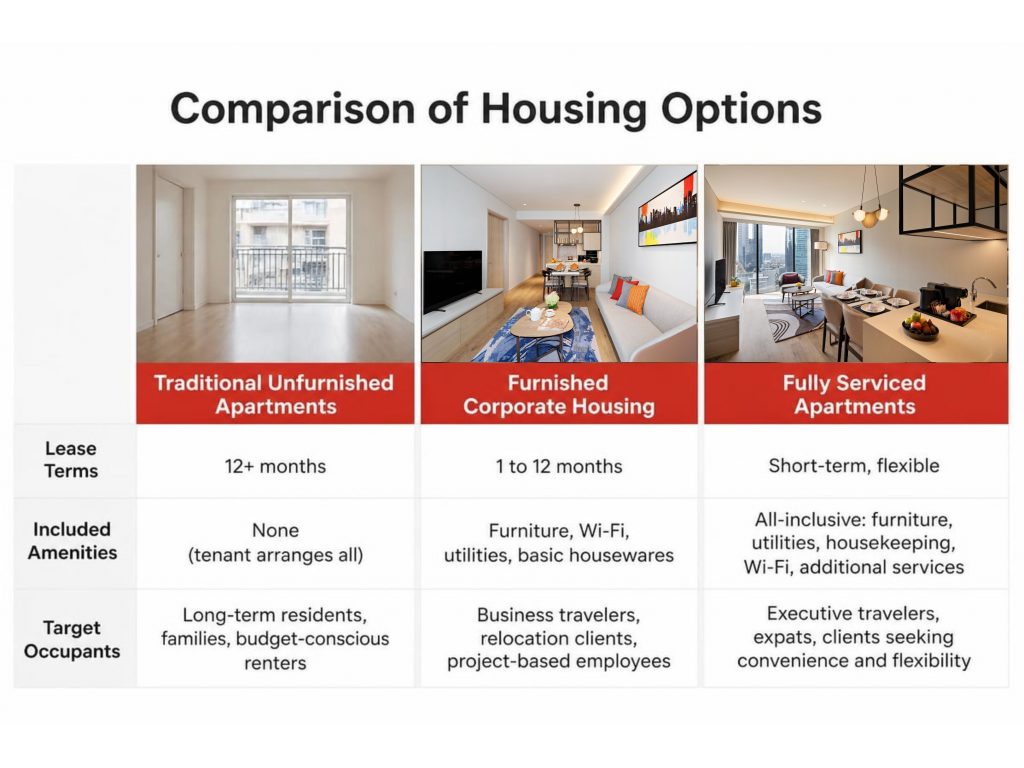
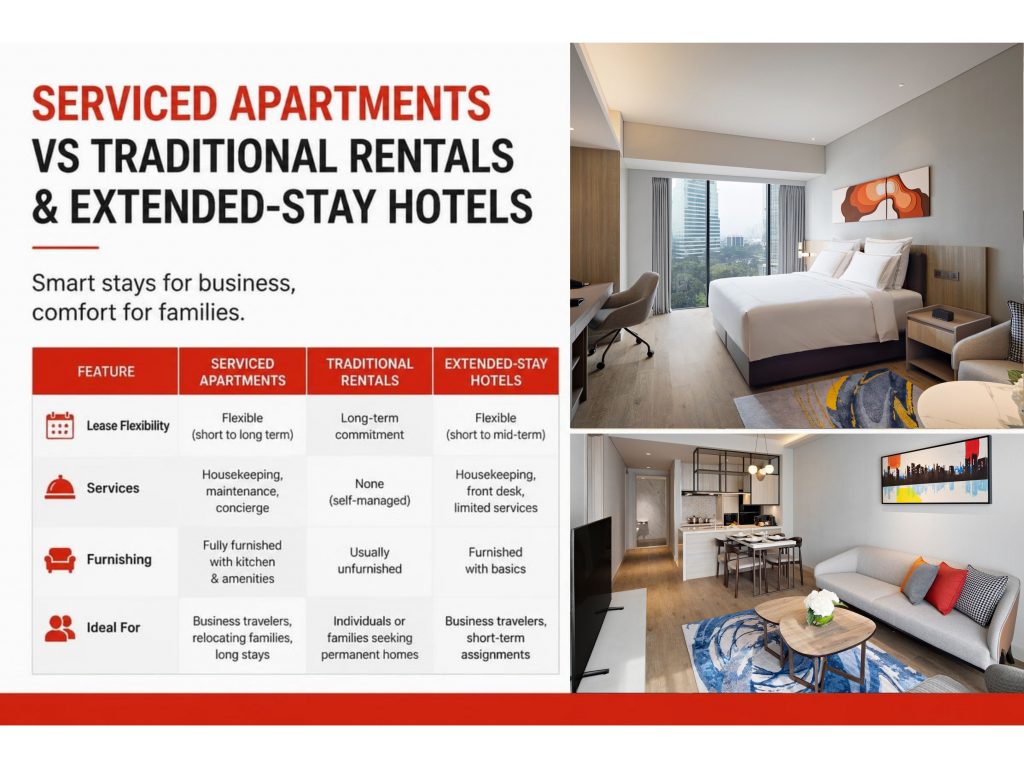
Serviced Apartments versus Extended-Stay Hotels
Two primary property types dominate the per week hotel segment, each offering distinct experiences.
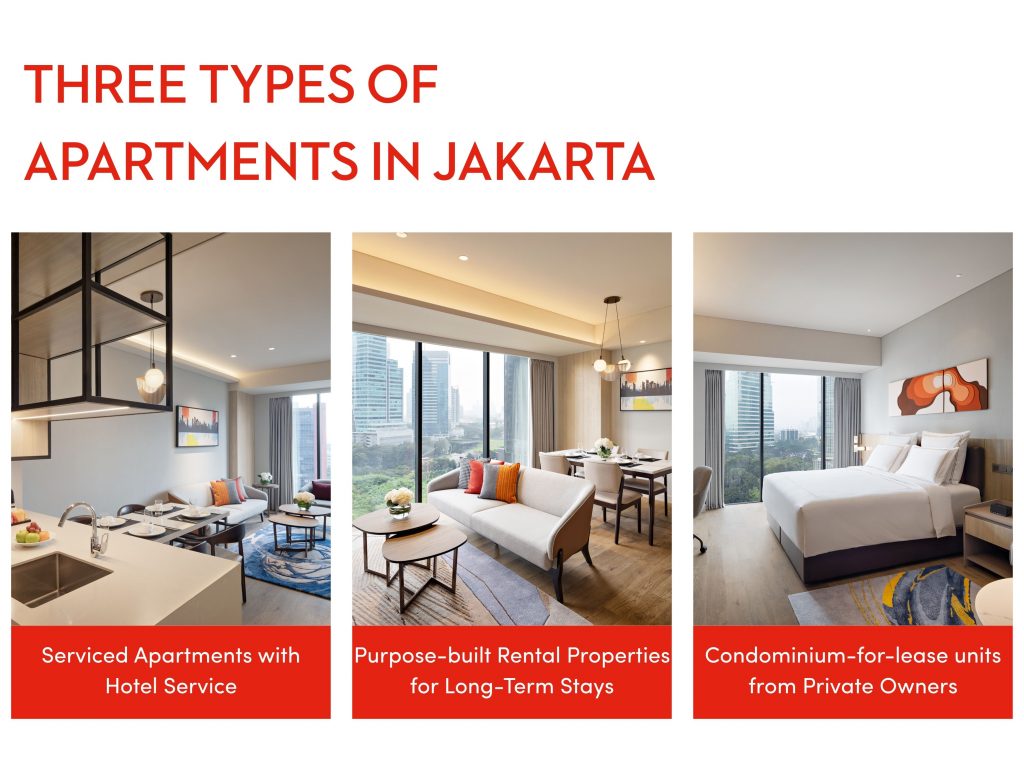
The Serviced Apartment Model
Serviced apartments emphasize residential living with hotel services. These properties typically feature:
- Full-size apartments with complete kitchens
- Separate bedrooms and living areas
- Weekly housekeeping rather than daily service
- Residential building atmosphere
- Longer minimum stays (often 7+ days)
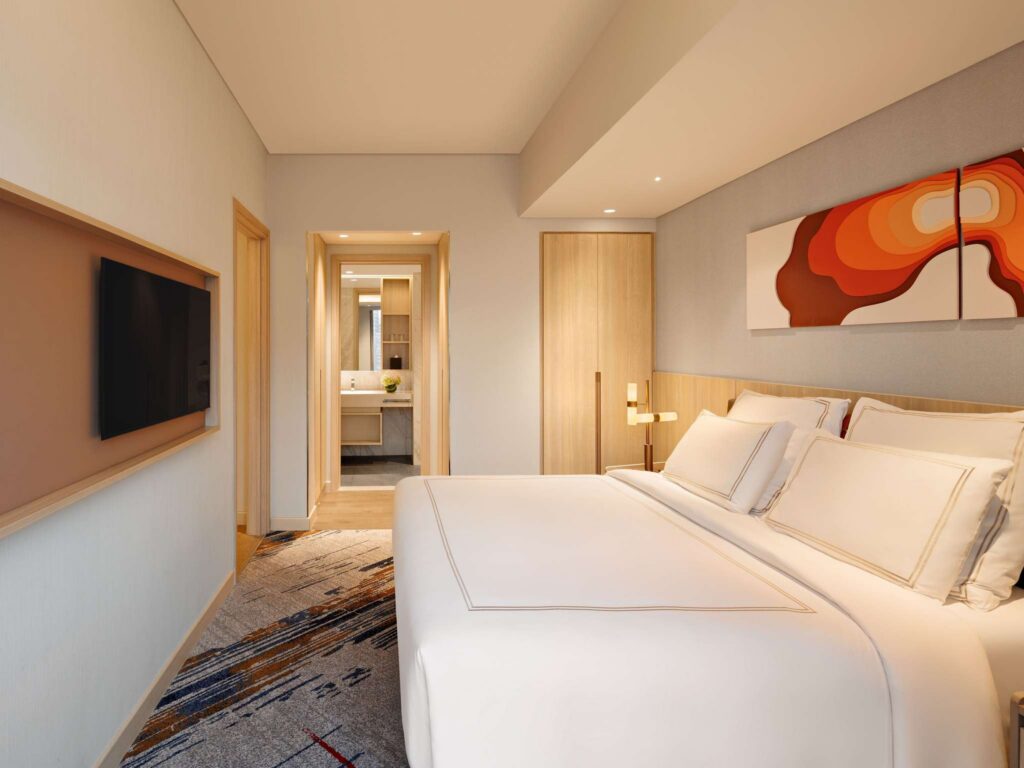
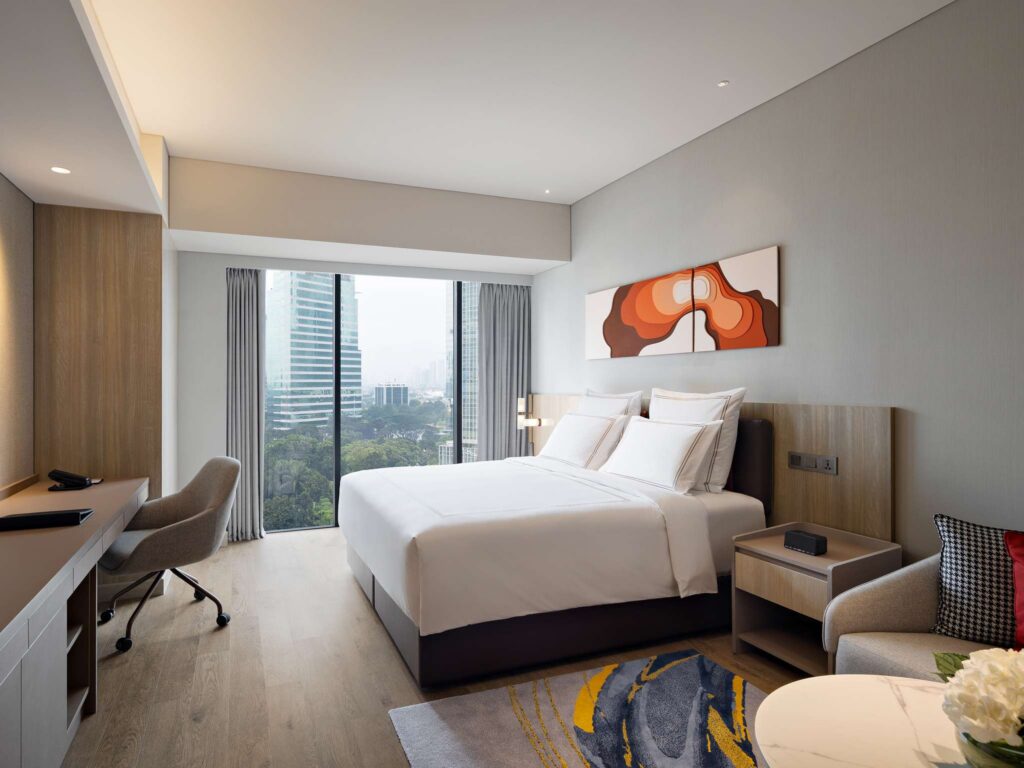
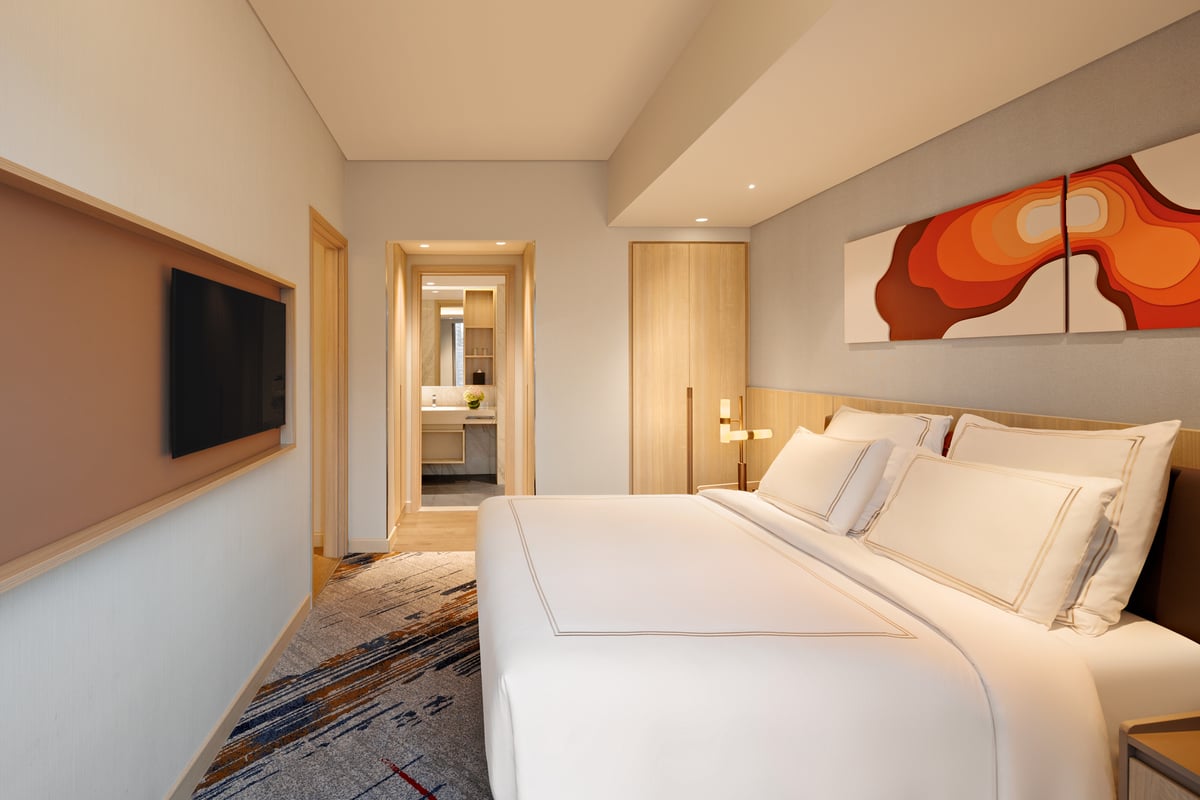
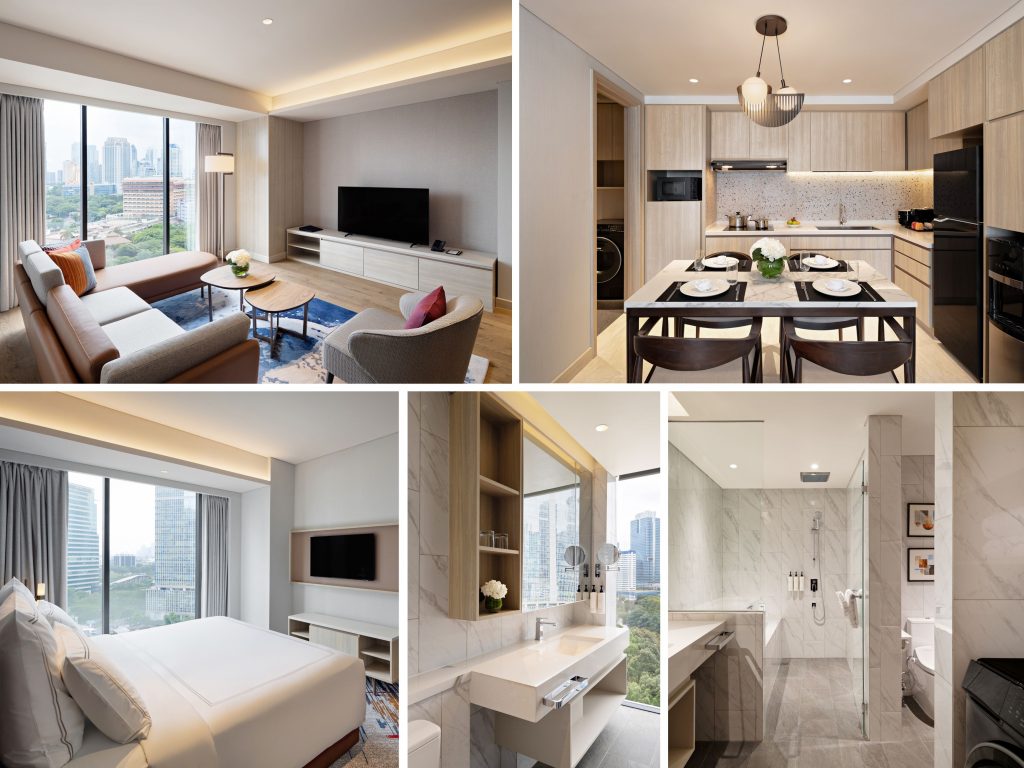
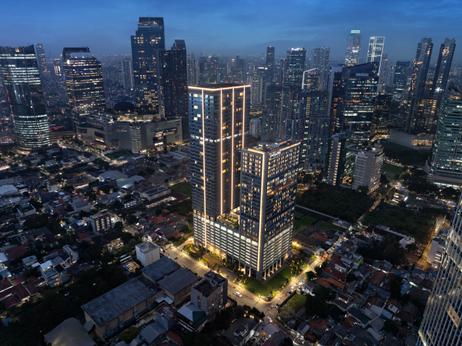
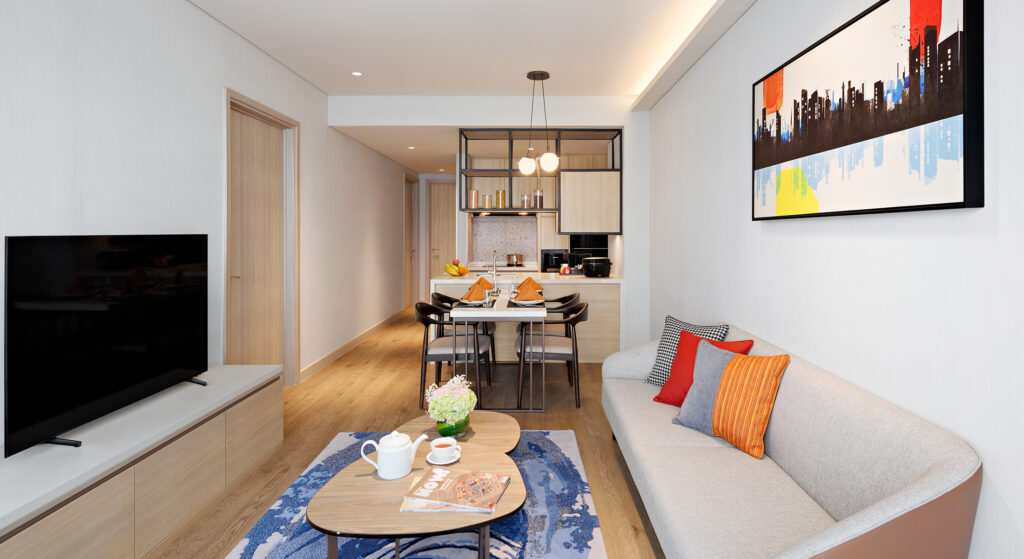
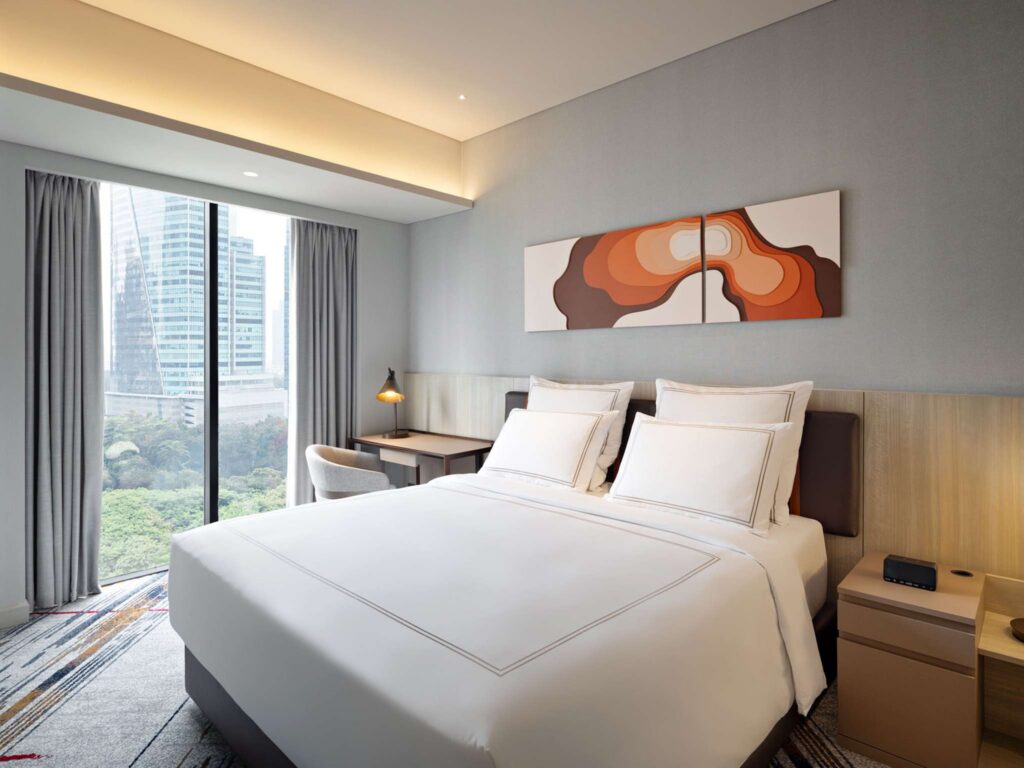
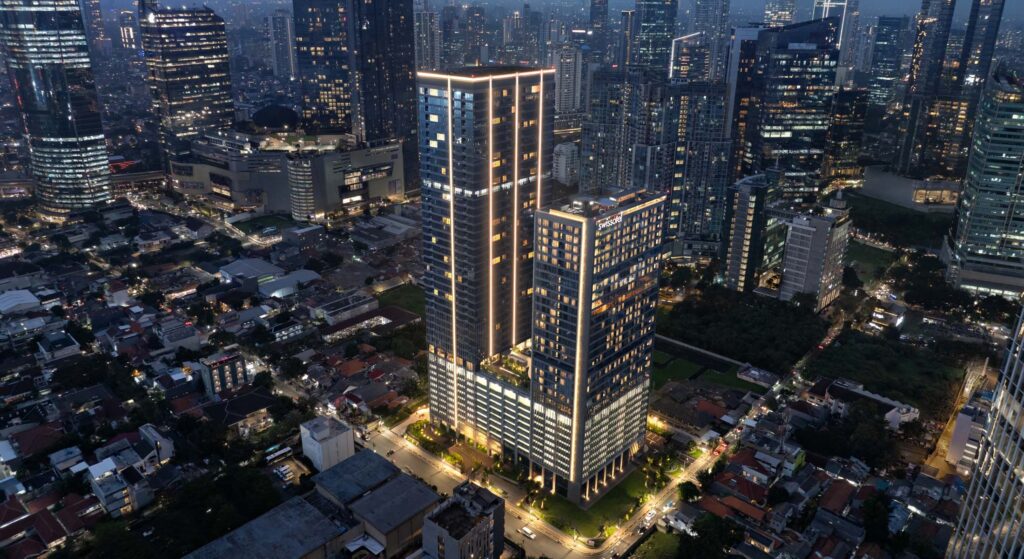
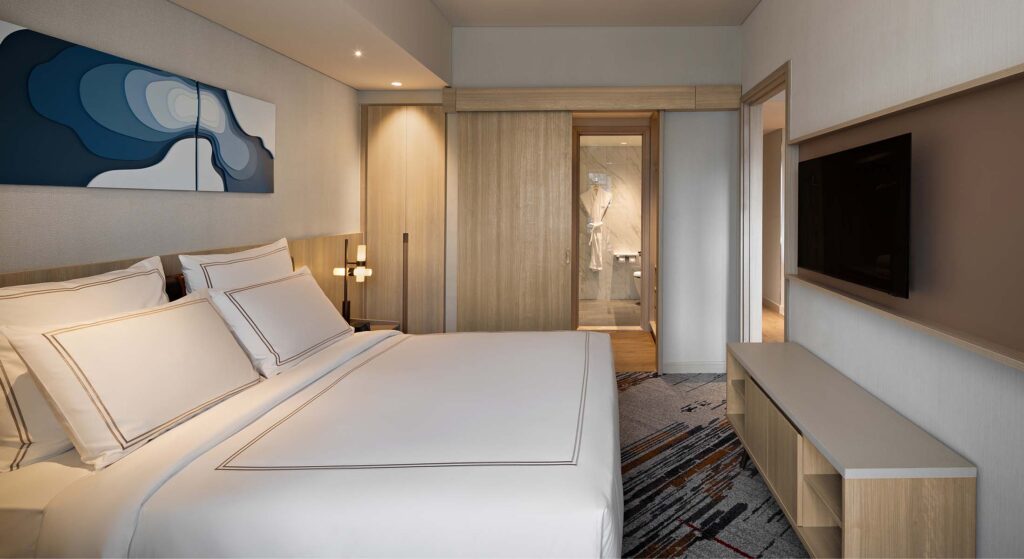
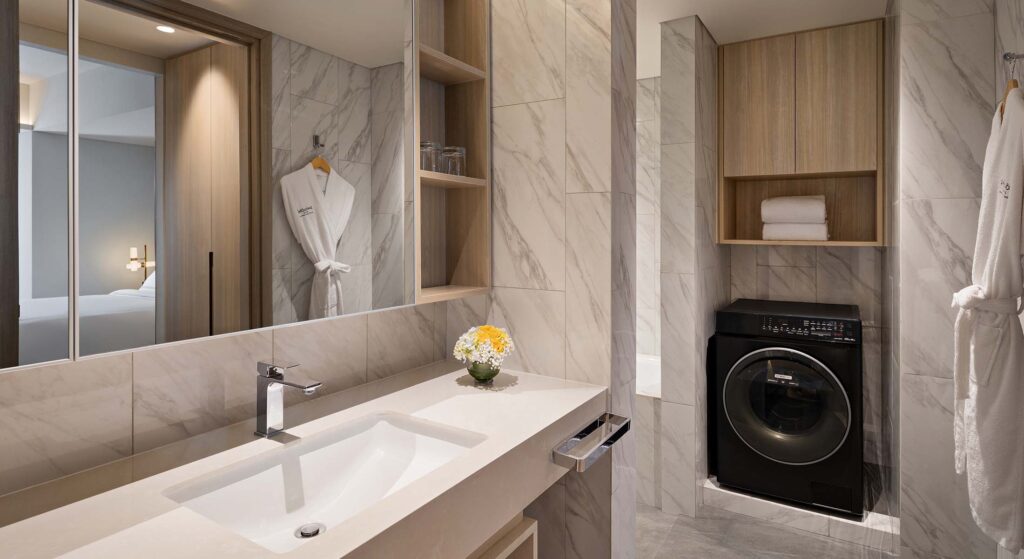
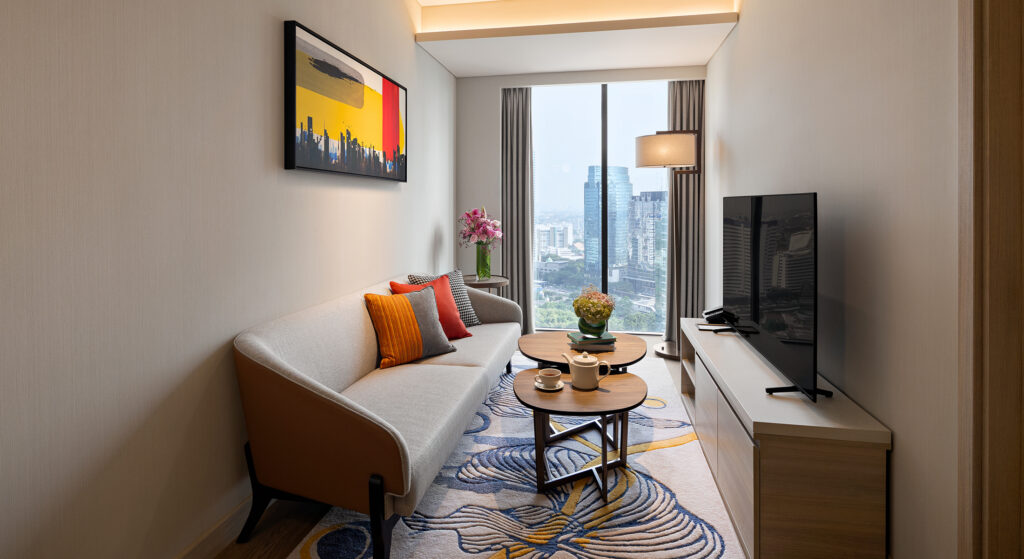
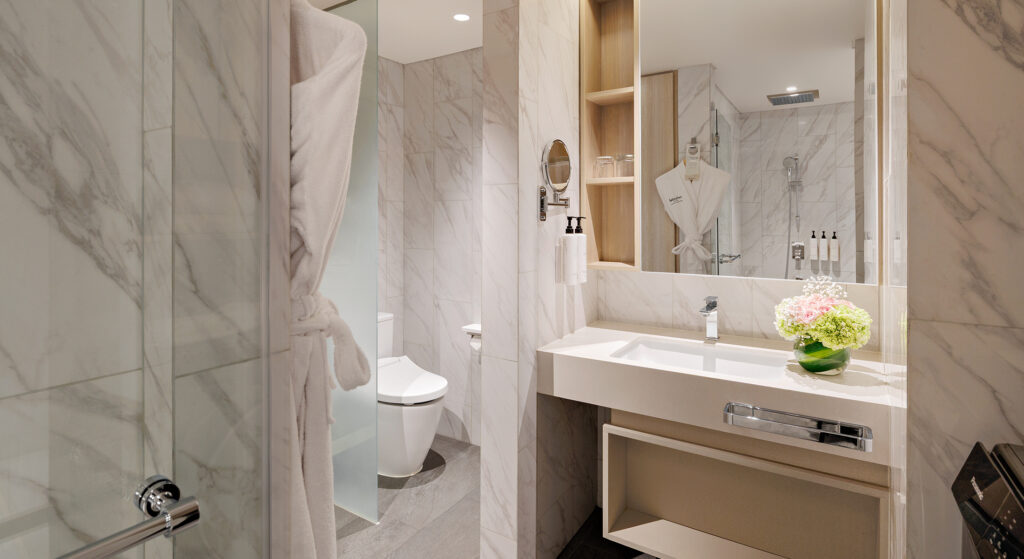
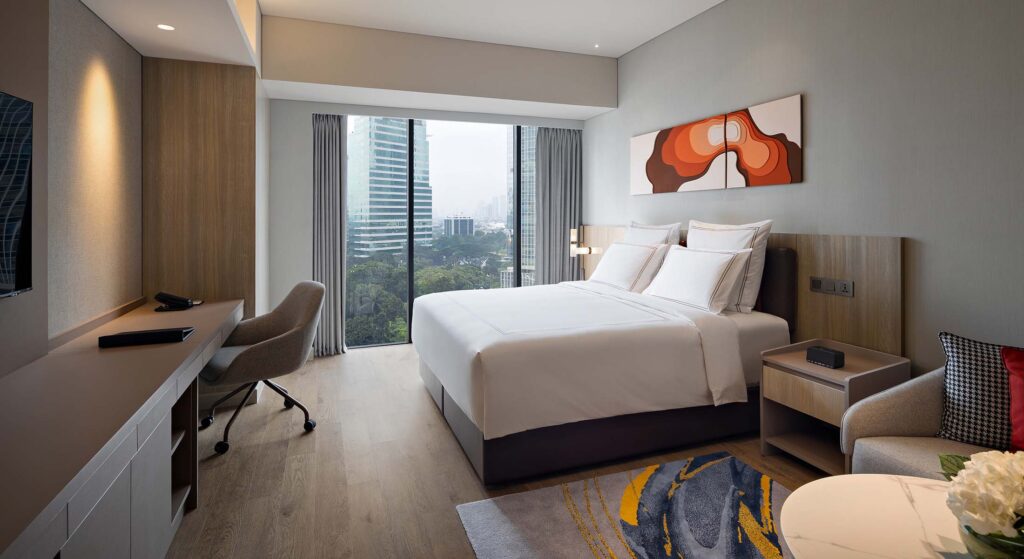
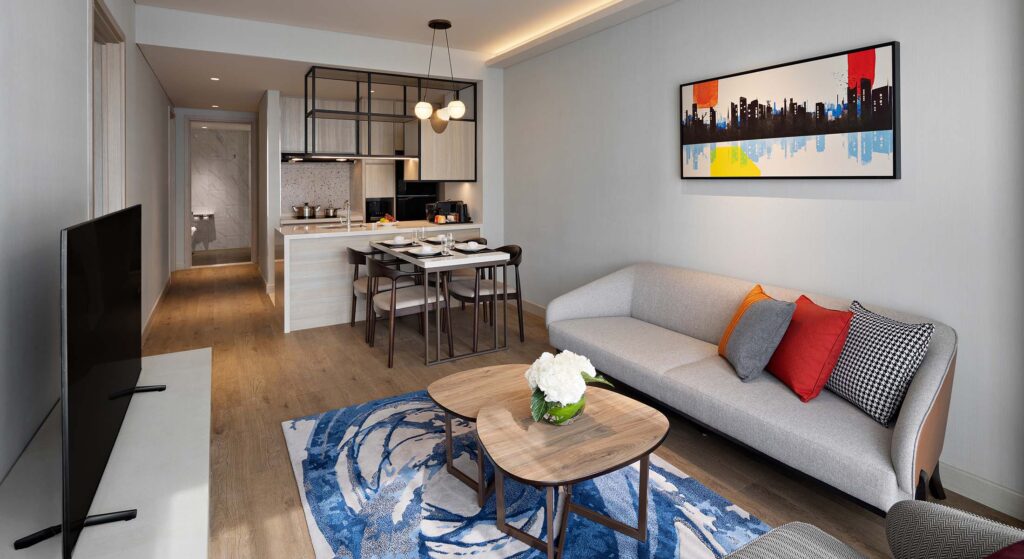
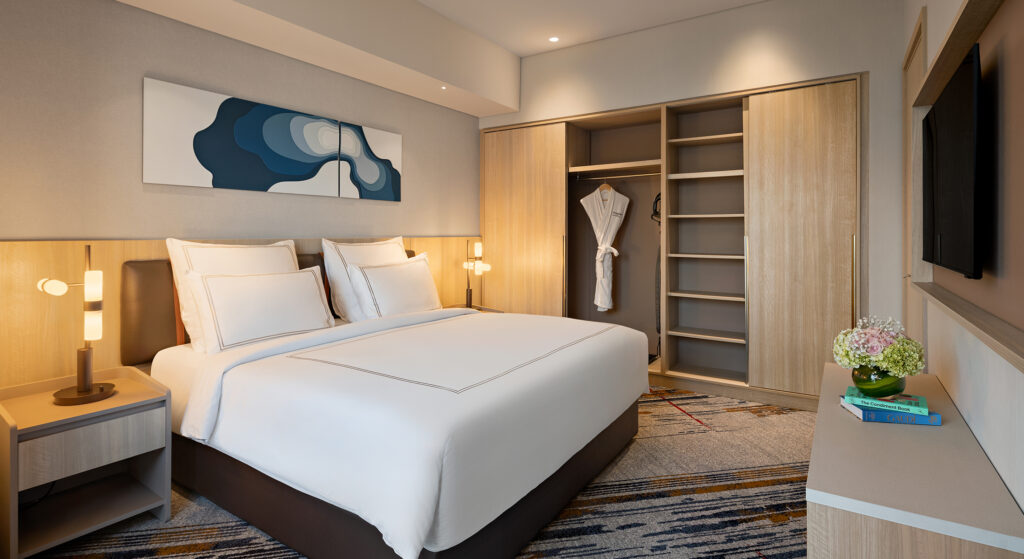
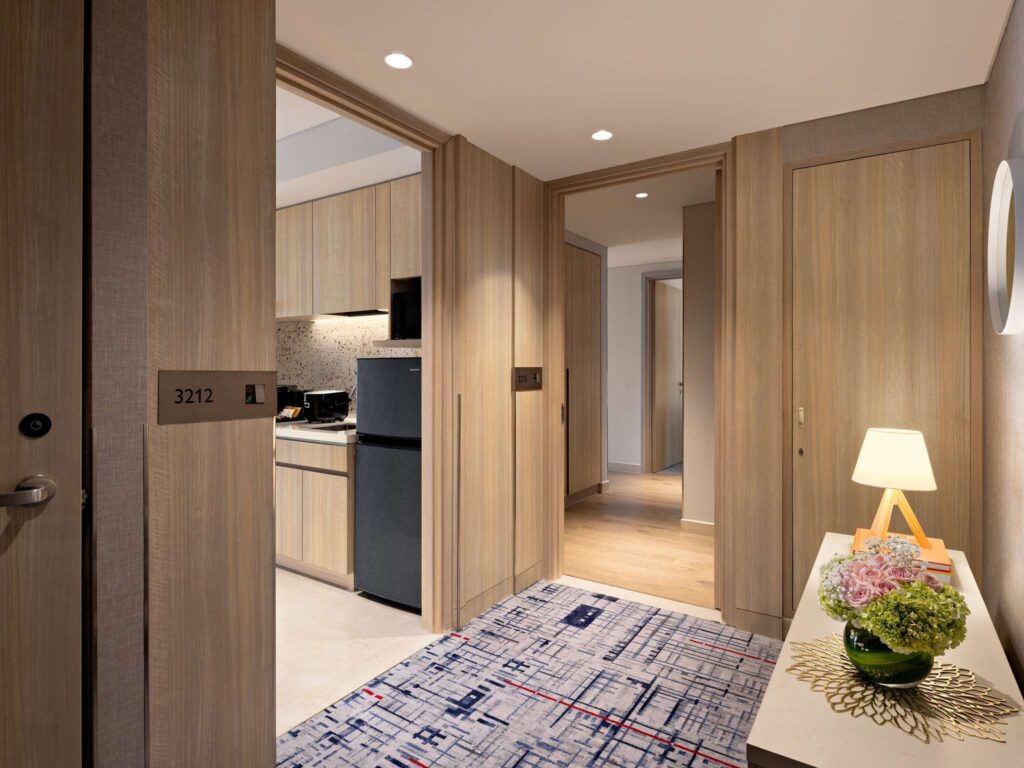
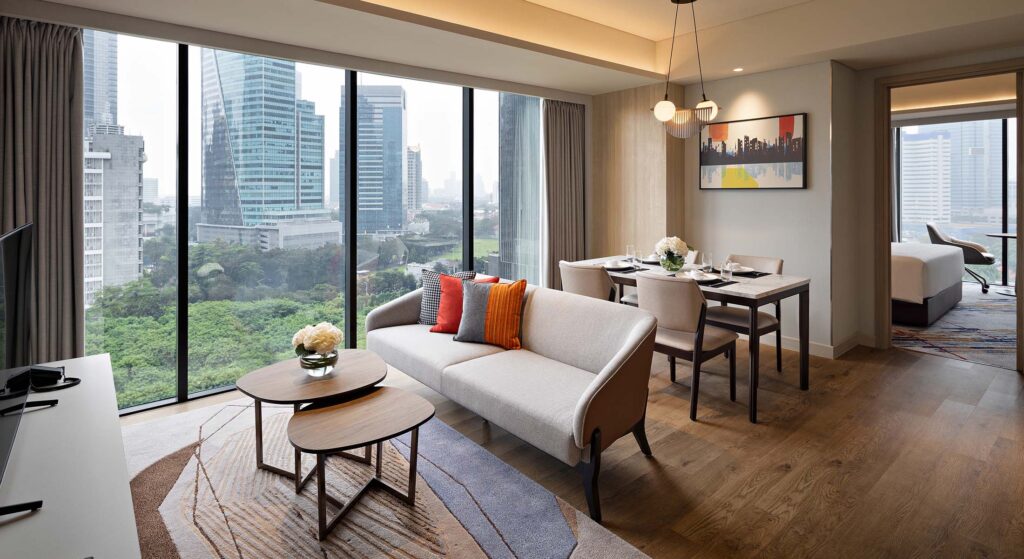
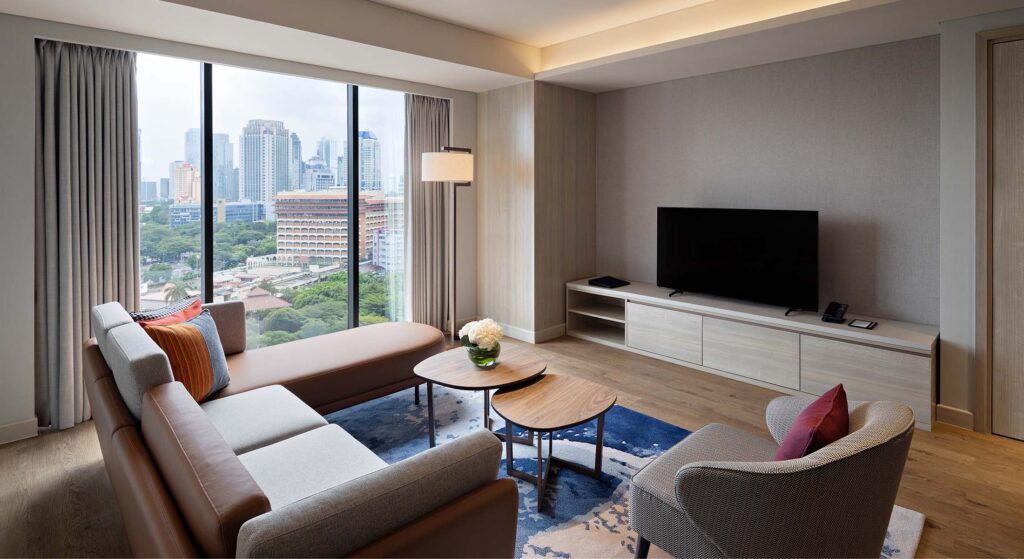
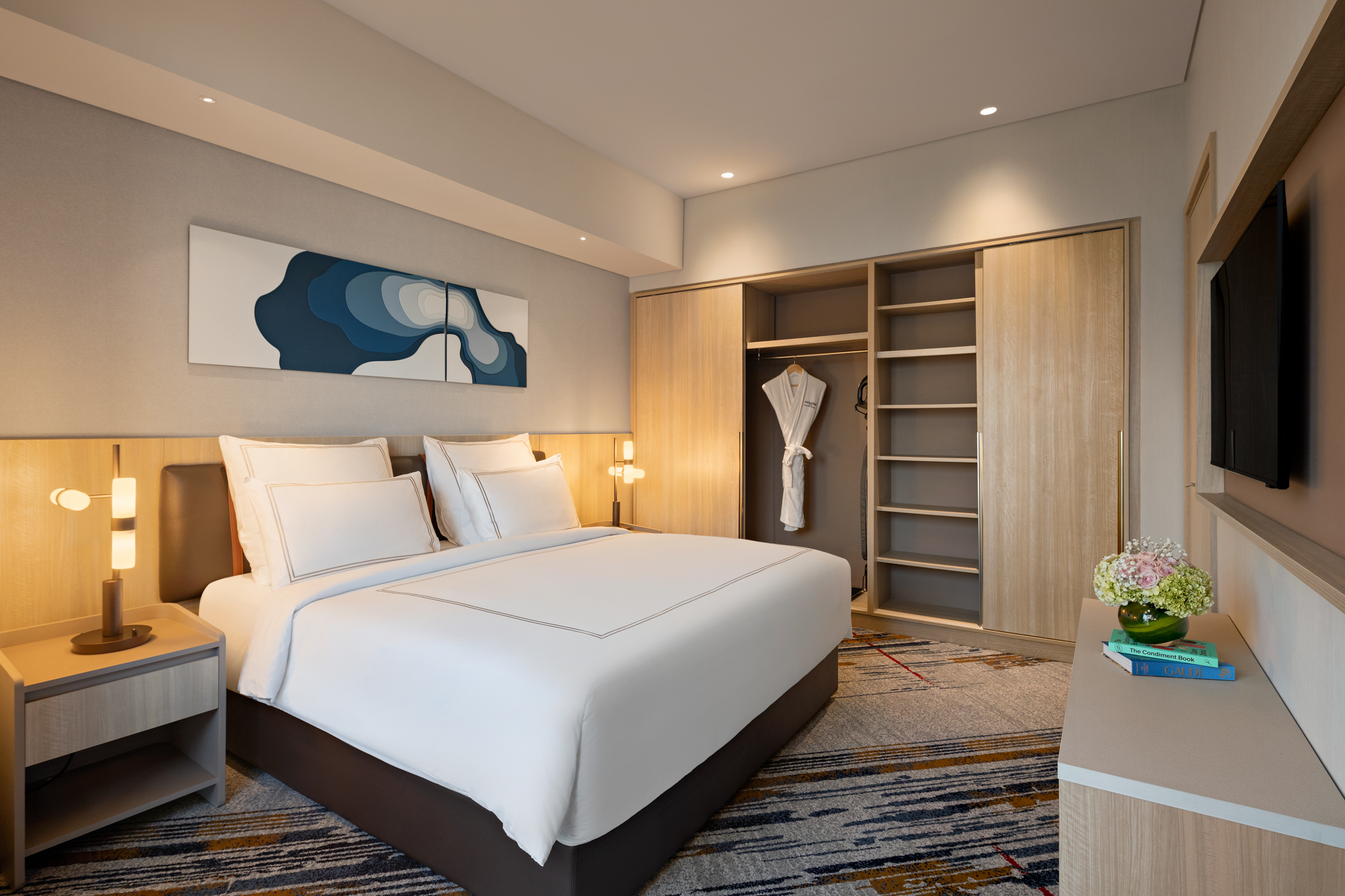
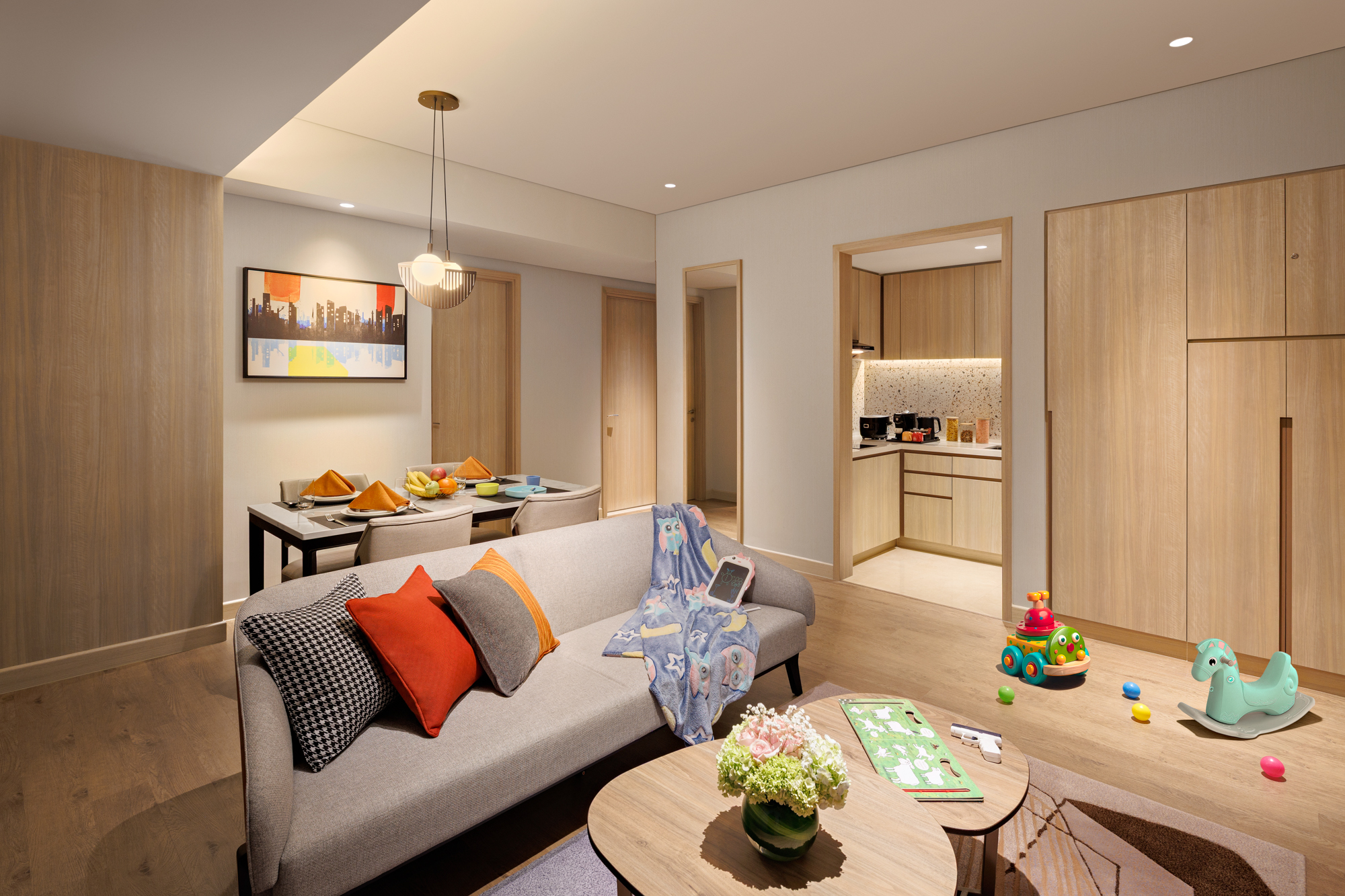
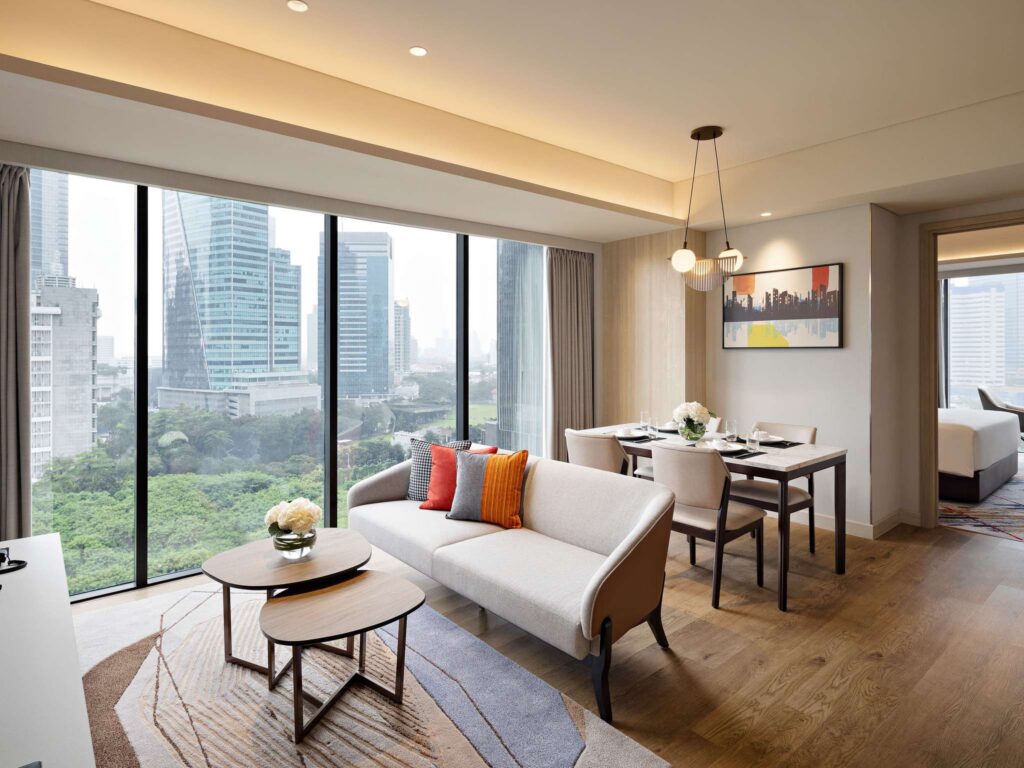
Properties like Swissôtel Living Jakarta Mega Kuningan exemplify this category, offering 240 fully furnished residences ranging from studios to three-bedroom units. Each apartment provides home-style living space with hotel services and access to fitness, wellness, and leisure facilities-an ideal configuration for weekly and monthly stays.
Extended-Stay Hotel Chains
Extended-stay hotel brands operate with a hospitality-first approach while incorporating residential elements:
- Hotel-style rooms with kitchenettes
- Daily housekeeping options available
- Lobby and common areas designed for socializing
- Shorter minimum stays accepted
- Brand loyalty program integration
Recent market analysis shows extended-stay brands capturing increased market share as demand patterns evolve.
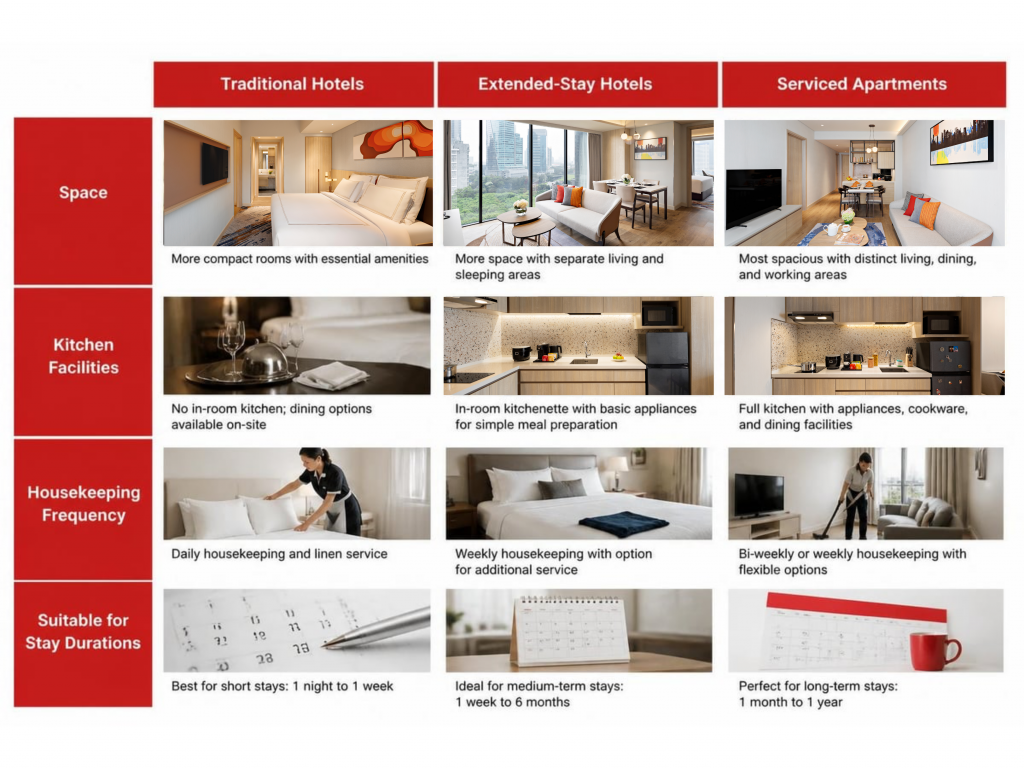
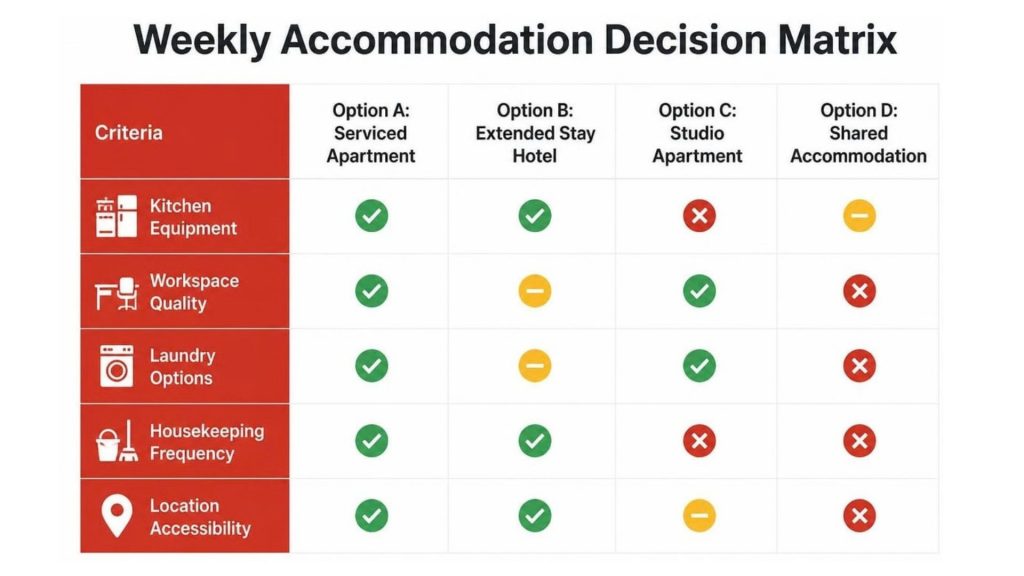
Comparing the Two Options
| Feature | Serviced Apartments | Extended-Stay Hotels |
|---|---|---|
| Living Space | Full apartments, residential feel | Hotel rooms with kitchenettes |
| Kitchen | Complete, full-size appliances | Kitchenette, limited equipment |
| Housekeeping | Weekly or bi-weekly | Daily or optional |
| Minimum Stay | Often 7+ days | Often 1+ days |
| Best For | Families, long assignments | Solo travelers, shorter trips |
The choice depends on stay duration, space requirements, and preference for residential versus hospitality environments.
Making Weekly Stays Work for Business Travel
Corporate travelers represent a core segment for per week hotels, with specific needs and expectations.
Setting Up a Temporary Office
Successful business-focused weekly stays require workspace that supports productivity. Essential elements include:
- Desk positioned near natural light
- Reliable, high-speed connectivity
- Adequate power for multiple devices
- Comfortable, ergonomic chair
- Minimal noise for video calls
Many serviced apartments now incorporate dedicated workspace into unit design, recognizing that remote work and hybrid arrangements have become permanent features of business travel.
Maintaining Work-Life Balance
Extended business trips blur boundaries between professional and personal time. Per week hotels that provide recreational amenities help travelers decompress and maintain well-being.
Access to fitness centers, pools, or proximity to parks and running routes supports physical health. On-site dining options or nearby restaurants enable social interaction and breaks from cooking.
Managing Weekly Routines
Establishing routines during weekly stays improves both productivity and comfort. This includes:
- Scheduling grocery shopping trips early in the stay
- Identifying nearby services (pharmacy, dry cleaning, banking)
- Planning a mix of work meals and dining experiences
- Building in exercise and downtime
- Connecting with colleagues in the same city
Family Considerations for Weekly Accommodation
Families planning weekly stays face different requirements than solo business travelers.
Space Requirements for Different Family Sizes
Studio apartments suffice for couples or solo travelers, but families need additional space:
- Families with one child: One-bedroom apartment with sofa bed
- Families with two children: Two-bedroom unit with separate sleeping areas
- Multi-generational travel: Three-bedroom configurations or adjoining units
Square footage becomes increasingly important as stay duration extends. Adequate space prevents the cabin fever that can develop when families share tight quarters for extended periods.
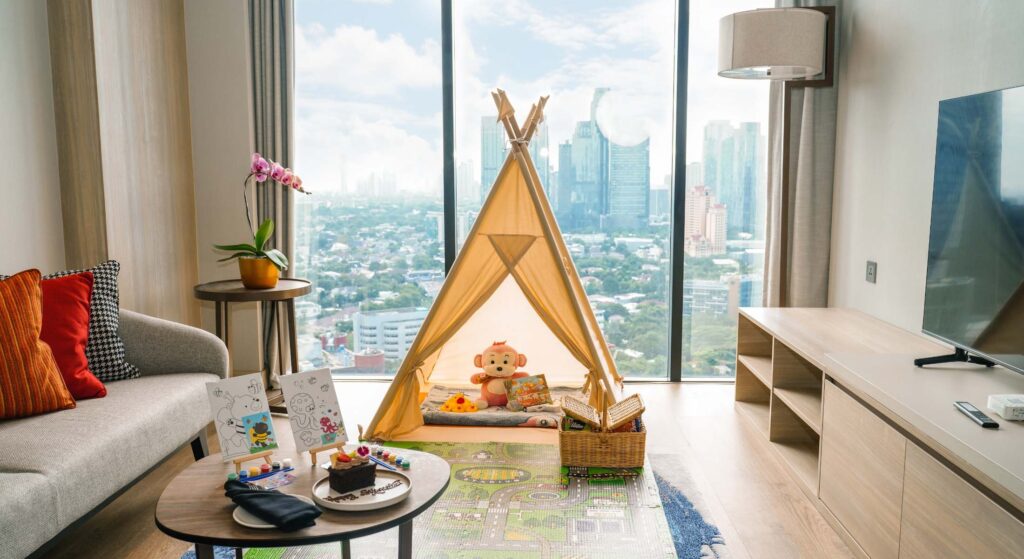
Kid-Friendly Amenities and Services
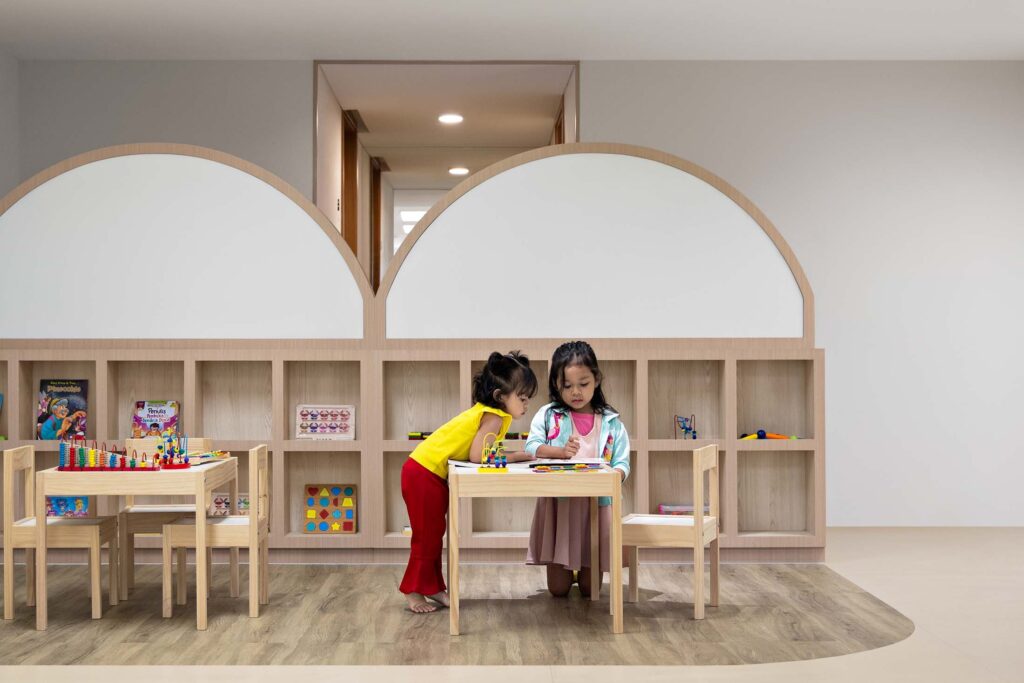
Properties catering to families should offer:
- Swimming pools with children’s areas
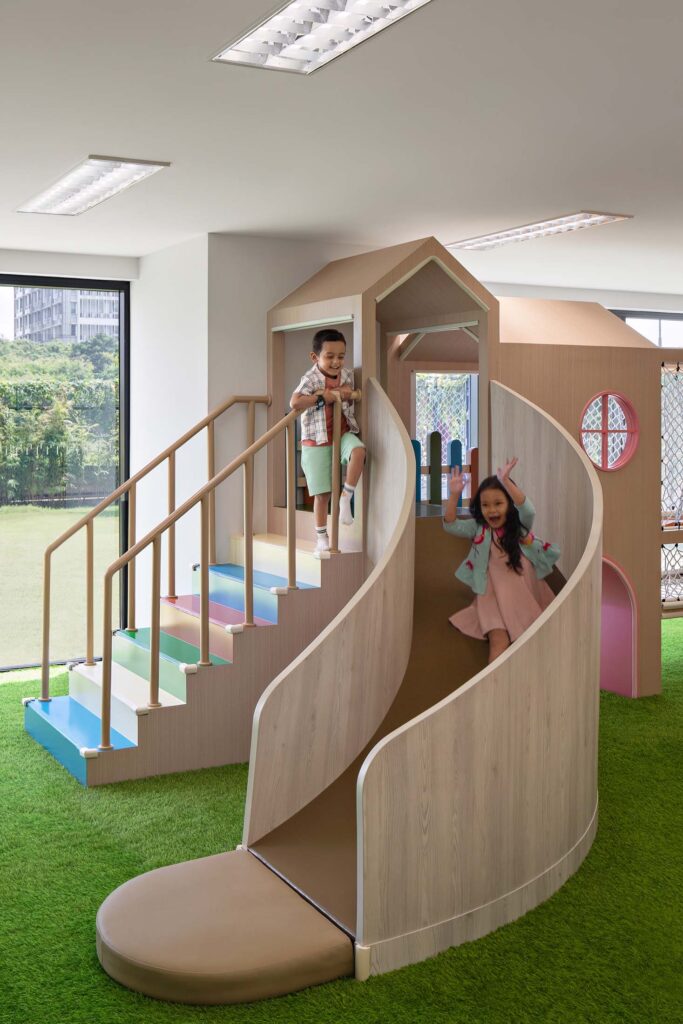
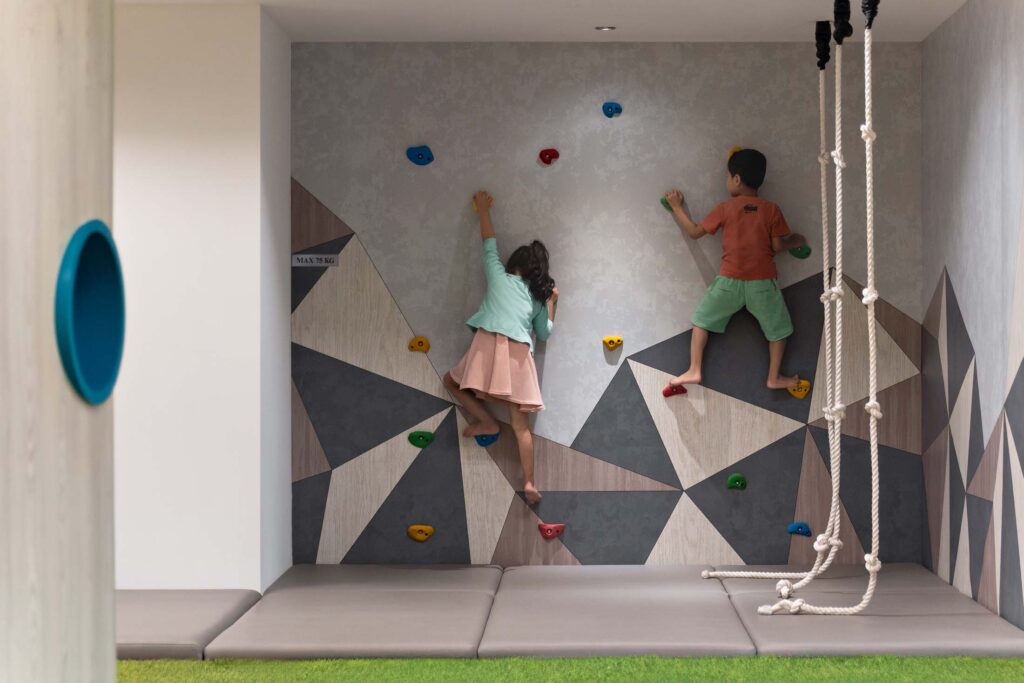
- Playground or recreation spaces
- High chairs and cribs available
- Proximity to parks and family activities
- Safe, walkable neighborhoods
Proximity to Schools and Activities
Families relocating to Jakarta often use serviced apartments during transition periods while children attend international schools. Location relative to educational institutions becomes a primary selection criterion.
Access to family-oriented activities, museums, shopping centers, and entertainment venues enhances the weekly stay experience for children and parents alike.
The Future of Per Week Hotels
The extended-stay segment continues evolving in response to changing work patterns, travel preferences, and technological capabilities.
Hybrid Work and Extended Business Travel
The normalization of remote work has created new demand patterns. Professionals can now extend business trips by working remotely from their destination, blending business with leisure-a trend known as “bleisure” travel.
This flexibility favors per week hotels that accommodate both professional requirements and personal comfort. Properties positioned in attractive destinations with strong business infrastructure capture both segments.
Technology Integration
Smart room features increasingly enhance the weekly stay experience:
- Keyless entry via smartphone apps
- Climate control through IoT thermostats
- Voice-activated assistants for room functions
- Streaming entertainment replacing traditional cable
- Self-service check-in/out reducing front desk interactions
Operational innovations and AI applications are streamlining property management while personalizing guest experiences.
Sustainability and Long-Stay Operations
Extended-stay properties have inherent sustainability advantages over traditional hotels. Reduced housekeeping frequency lowers water, energy, and chemical consumption. Longer guest tenure decreases the per-night environmental impact of laundering linens and cleaning rooms.
Properties emphasizing sustainability attract environmentally conscious travelers while reducing operational costs-creating alignment between values and economics.
Regional Perspectives: Per Week Hotels in Jakarta
Jakarta’s extended-stay market reflects both global trends and local characteristics unique to Southeast Asia’s largest metropolitan area.
Market Dynamics in Indonesia’s Capital
Jakarta attracts significant business travel driven by multinational corporations, diplomatic missions, regional headquarters, and development projects. This creates sustained demand for weekly and monthly accommodation.
The city’s traffic congestion makes location proximity to business districts especially valuable. Properties in Mega Kuningan, SCBD, and Sudirman command premium weekly rates due to their central positioning and access to employment centers.
Serviced Apartment Options in Key Districts
Jakarta offers diverse extended-stay options across price points and locations. The concentration of serviced apartments in Kuningan and SCBD reflects corporate demand, while newer developments in peripheral areas target families and budget-conscious travelers.
Properties distinguishing themselves through superior amenities, strategic locations, and international brand standards capture the highest-paying segments of weekly and monthly guests.
Cultural Considerations for Extended Stays
International travelers booking per week hotels in Jakarta benefit from properties that bridge Indonesian hospitality traditions with Western operational standards. This includes:
- Multilingual staff facilitating communication
- Understanding of both local and international business practices
- Culturally appropriate dining options alongside international cuisine
- Support navigating local services and administrative requirements
- Respect for diverse religious and cultural observances
Per week hotels and serviced apartments meet the evolving needs of modern travelers seeking flexibility, value, and comfort for stays extending beyond typical hotel visits. Whether you’re a business professional on assignment, a family in transition, or a leisure traveler exploring Jakarta in depth, weekly accommodation arrangements deliver measurable advantages through discounted rates, residential amenities, and home-like environments. Swissôtel Living Jakarta Mega Kuningan provides an ideal solution with 240 fully furnished residences available for daily, weekly, monthly, and yearly stays in the heart of Jakarta’s central business district-combining Accor’s international standards with strategic access to Kuningan, SCBD, embassies, and Soekarno-Hatta International Airport.