
Lodging Extended Stay: Your Complete Guide for 2026
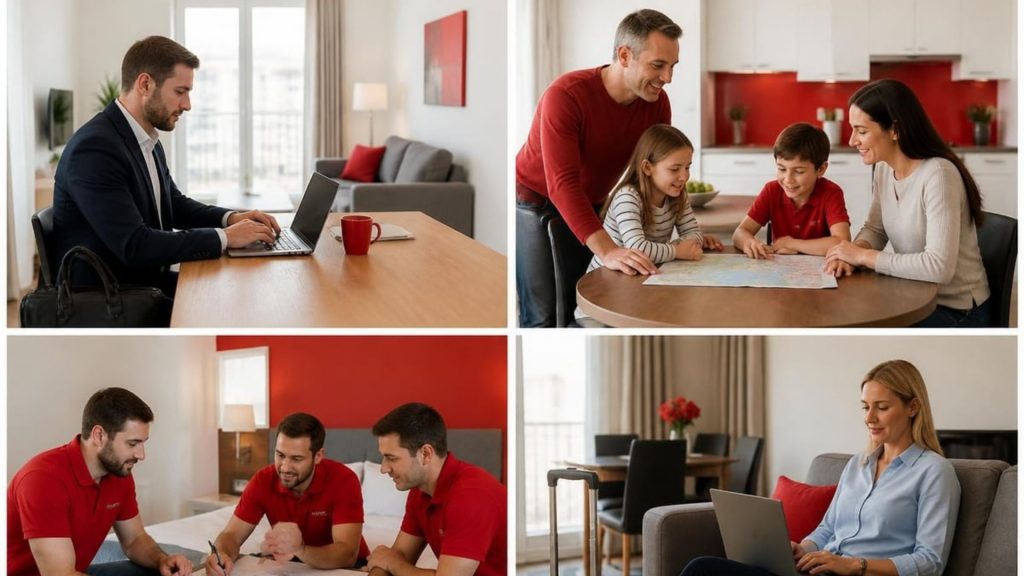
Lodging extended stay has evolved significantly over the past decade, transforming from basic motel-style rooms into sophisticated serviced apartments that combine the comforts of home with hotel-quality services. Whether you’re a corporate professional on a three-month assignment, an expatriate settling into a new city, or a family relocating for work, understanding the full spectrum of extended stay lodging options helps you make informed decisions that balance cost, comfort, and convenience. This comprehensive guide explores what defines extended stay lodging, who benefits most from these accommodations, and how the market is evolving to meet diverse traveler needs in 2026.
What Defines Lodging Extended Stay Accommodations
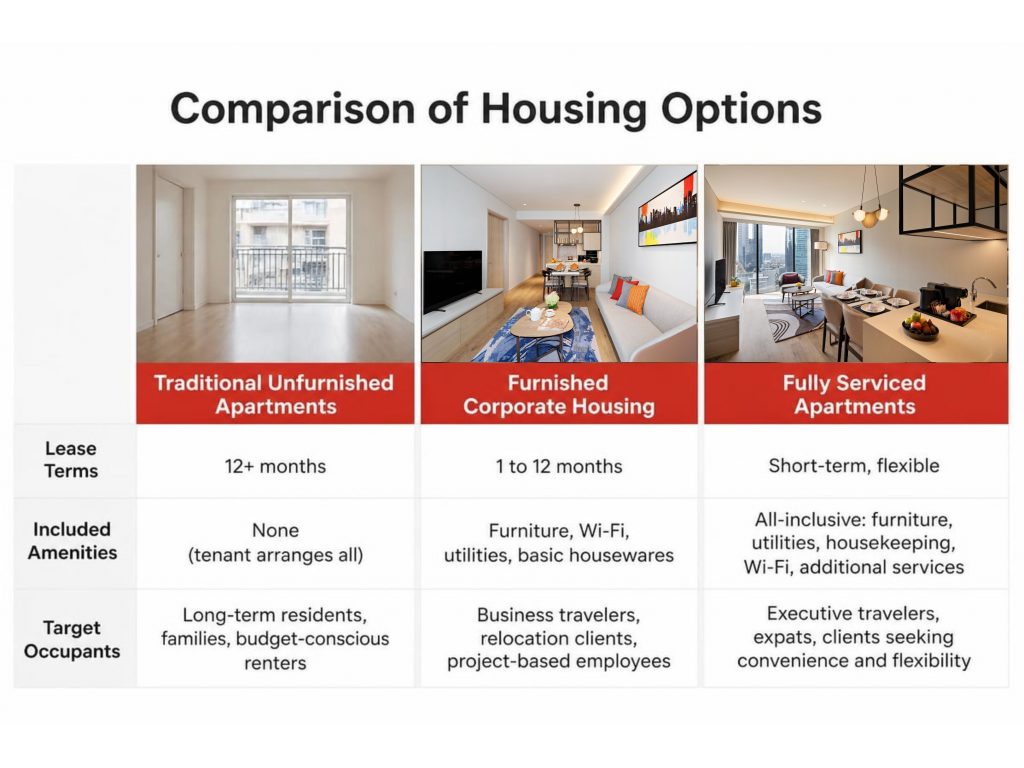
Extended stay lodging refers to furnished accommodations designed specifically for guests who need housing for periods longer than typical hotel stays. While standard hotels cater primarily to one- to three-night bookings, extended stay properties accommodate guests for weeks, months, or even years.
Key characteristics that distinguish extended stay lodging include:
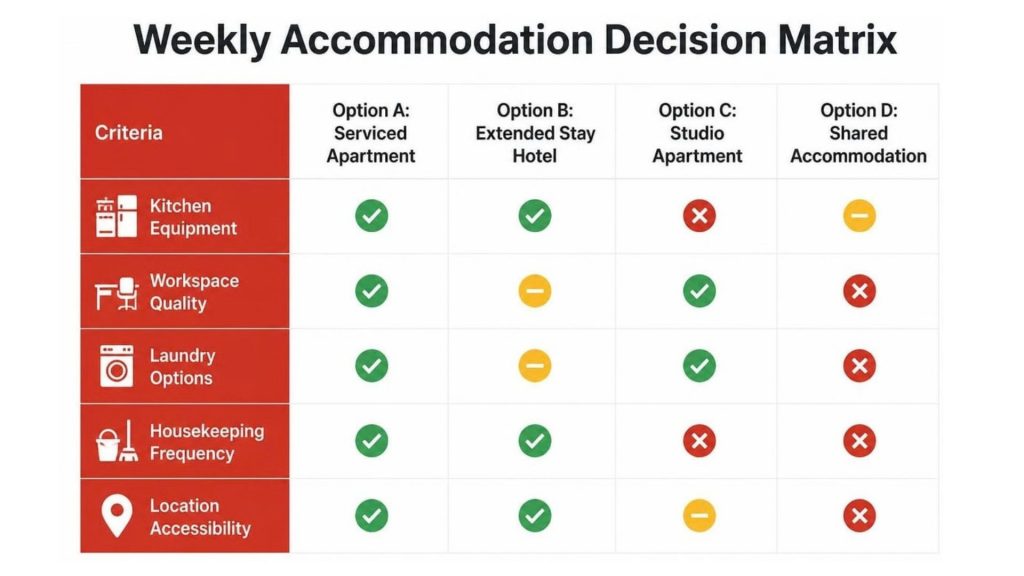
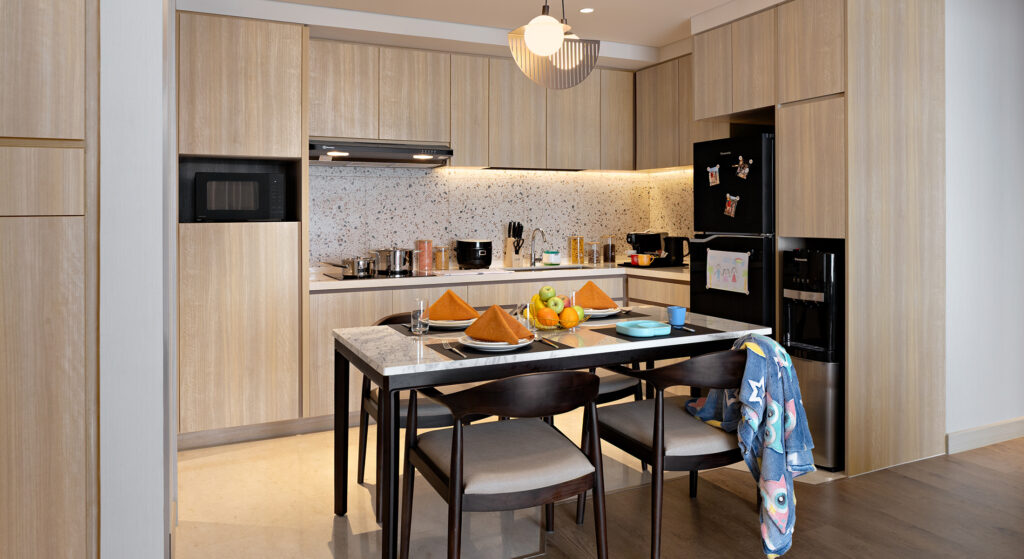
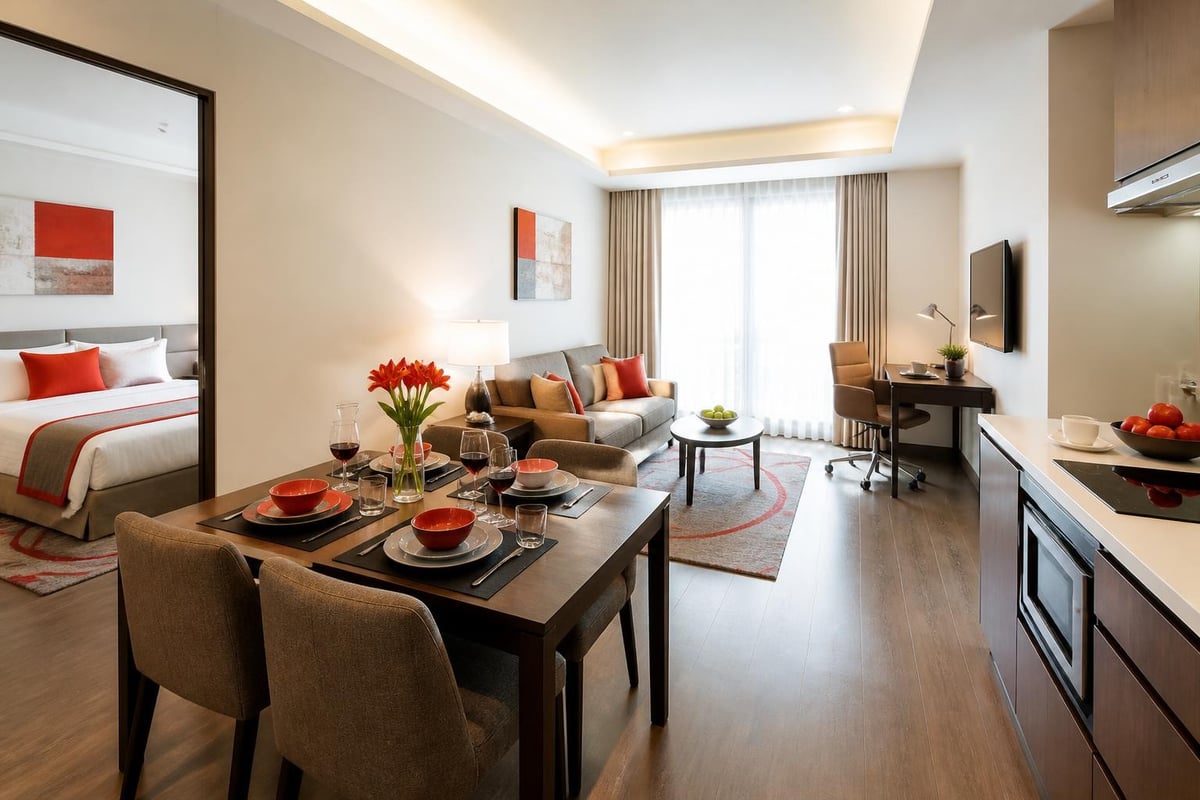
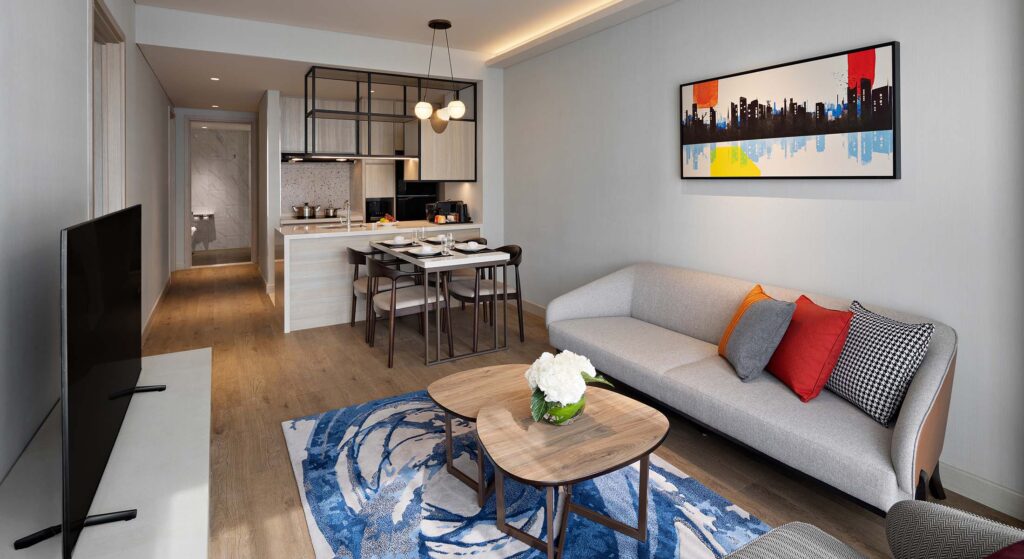
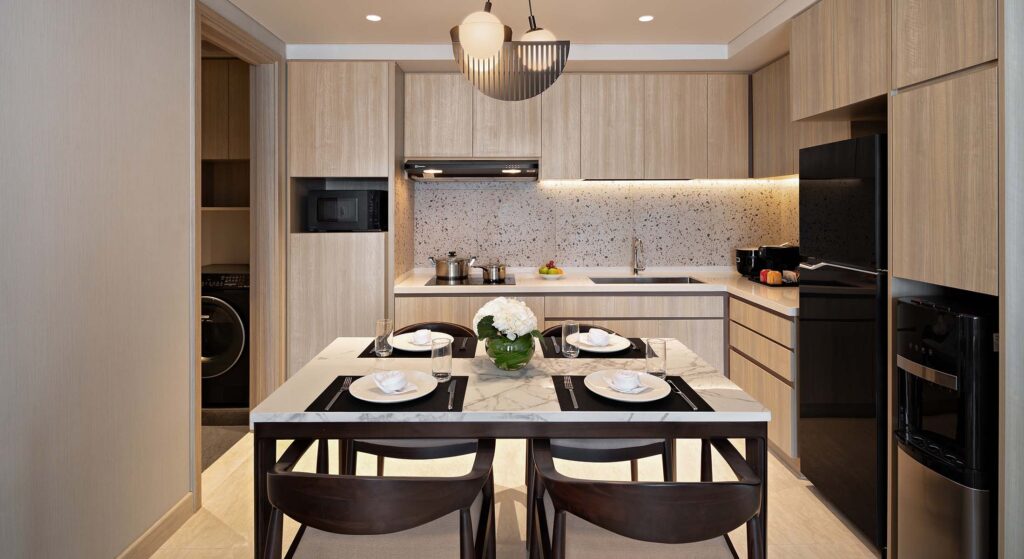
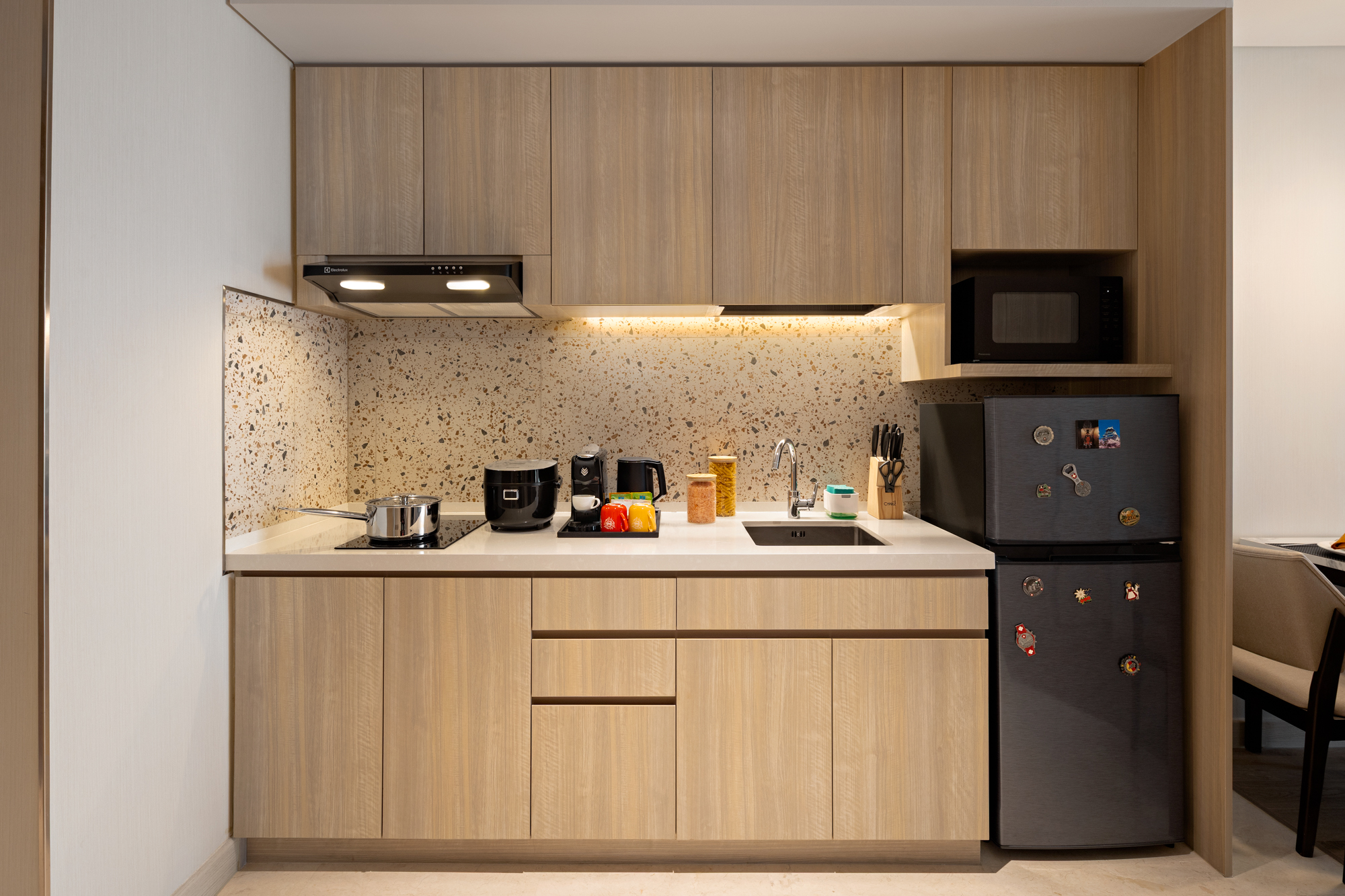
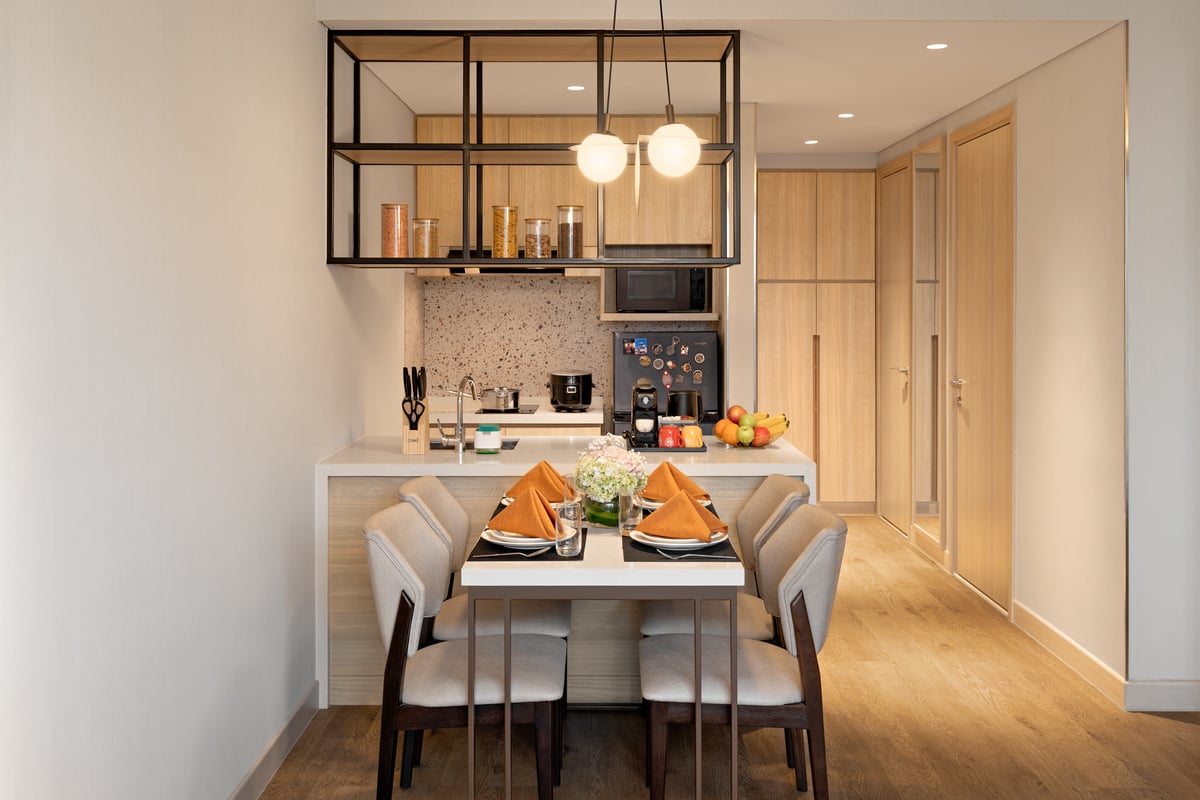
- Fully equipped kitchens or kitchenettes with cooking appliances, cookware, and utensils
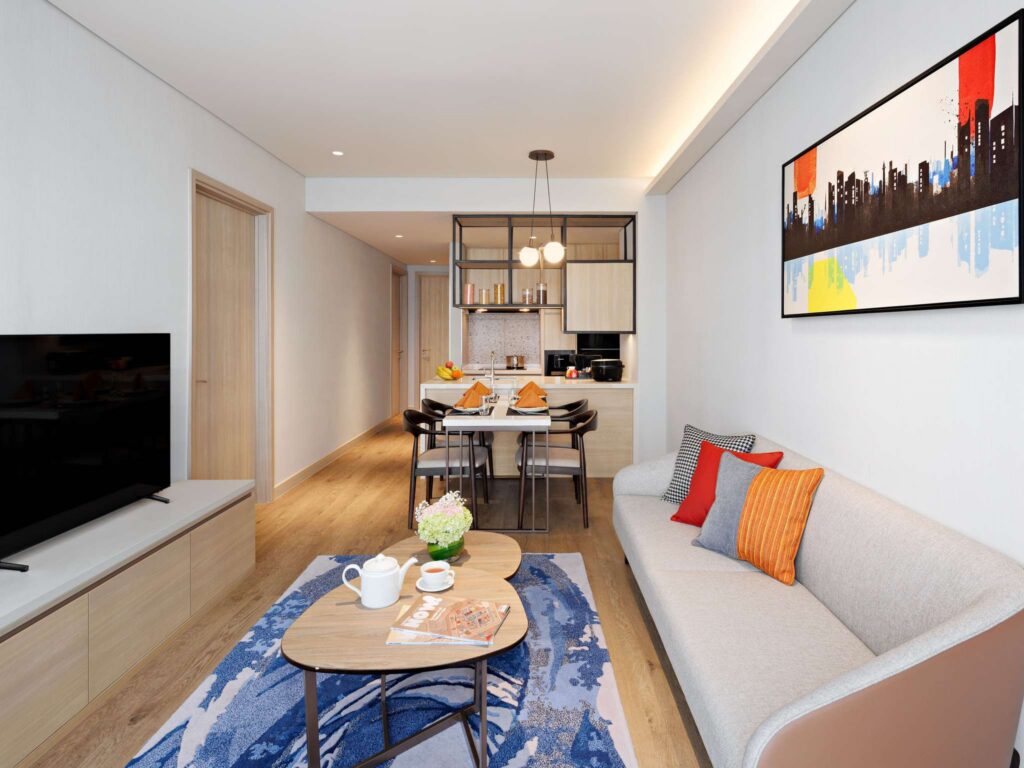
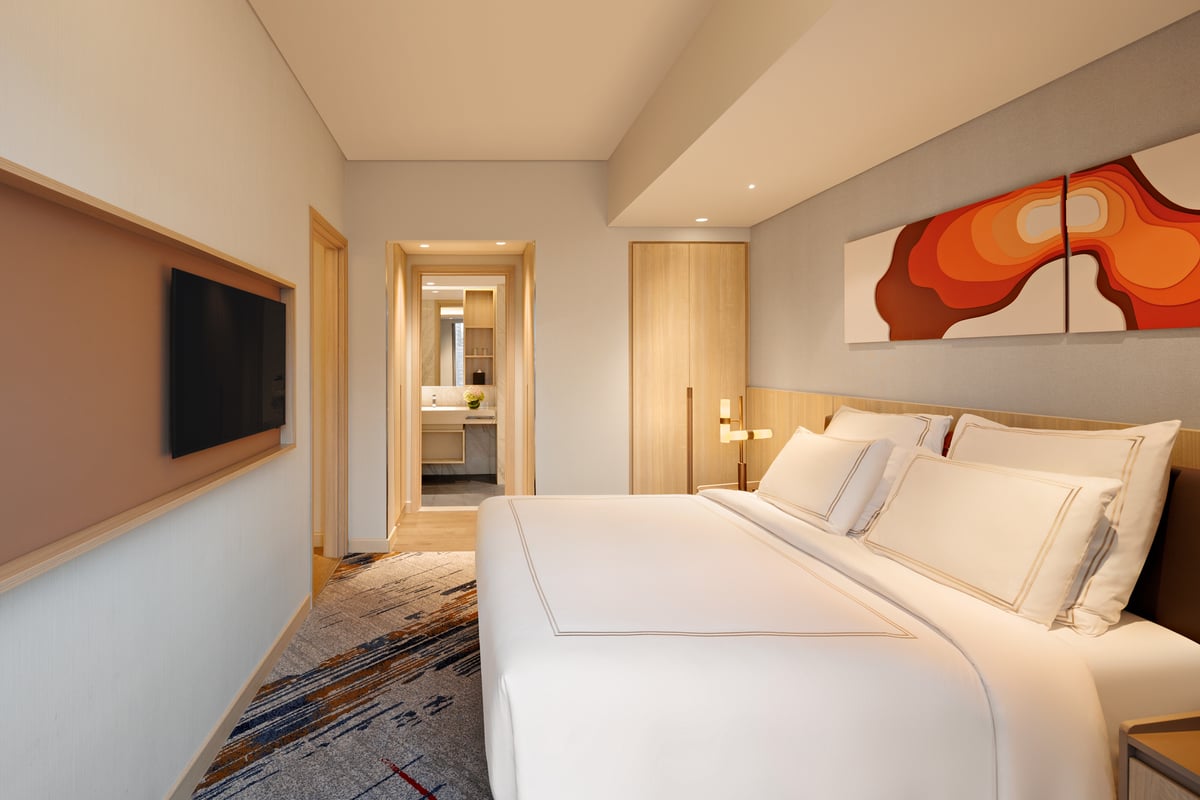
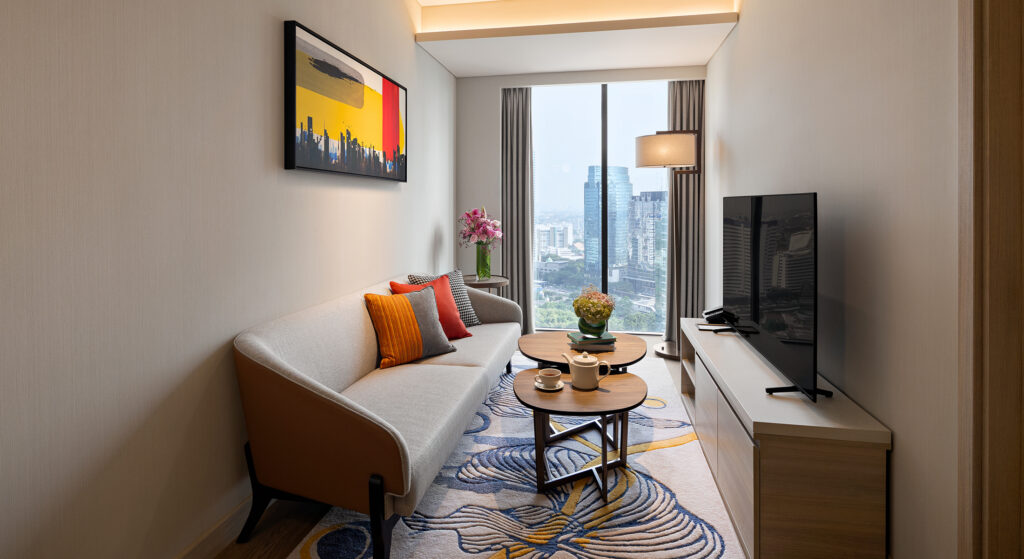
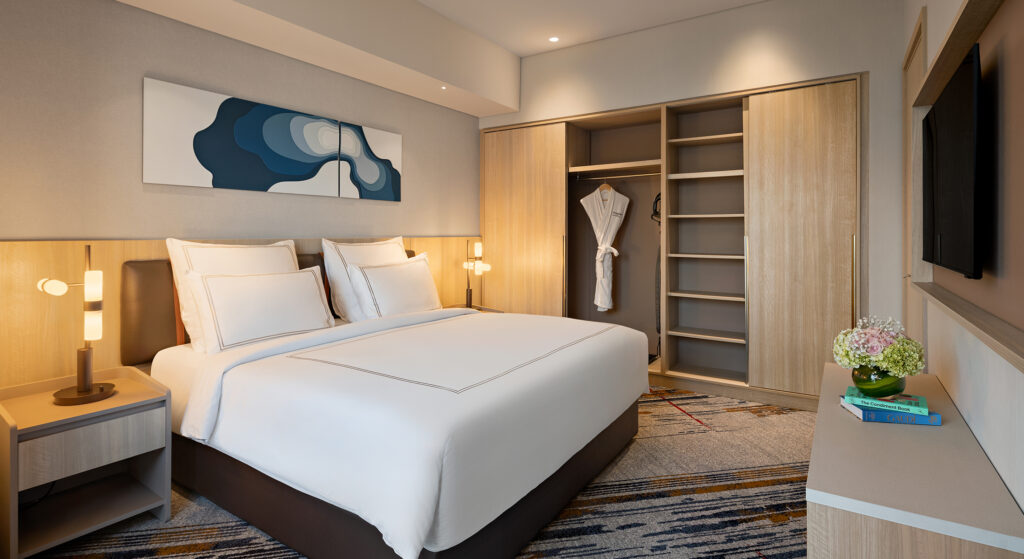
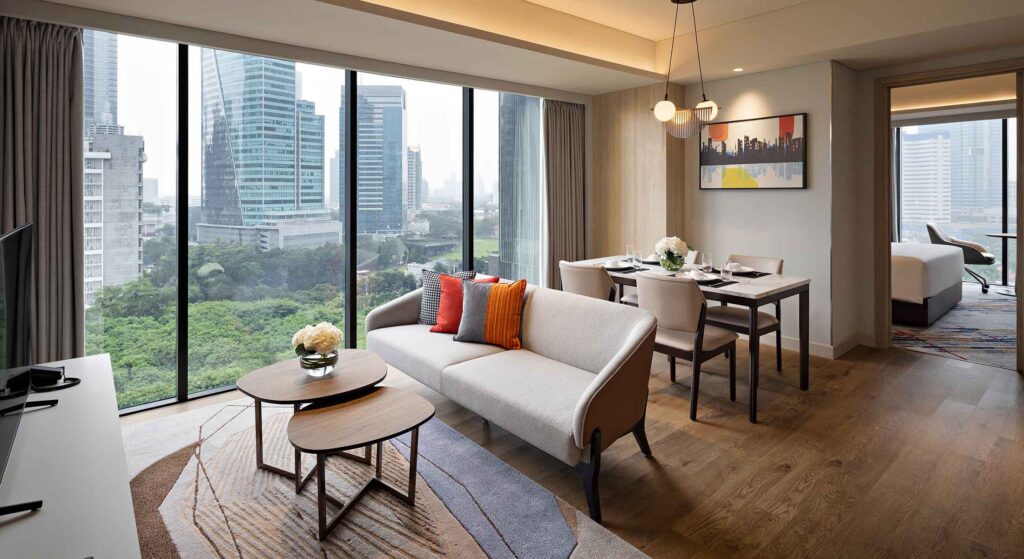
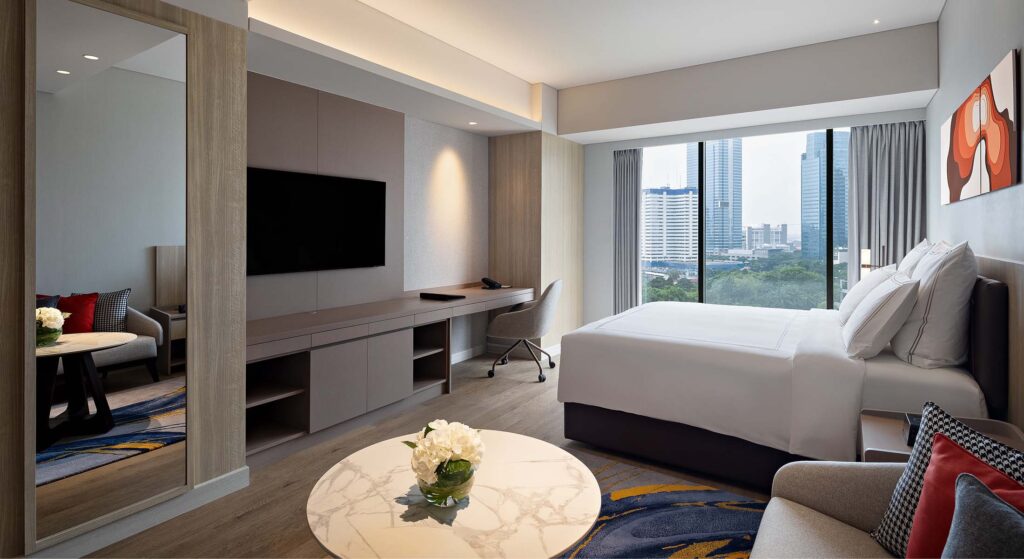
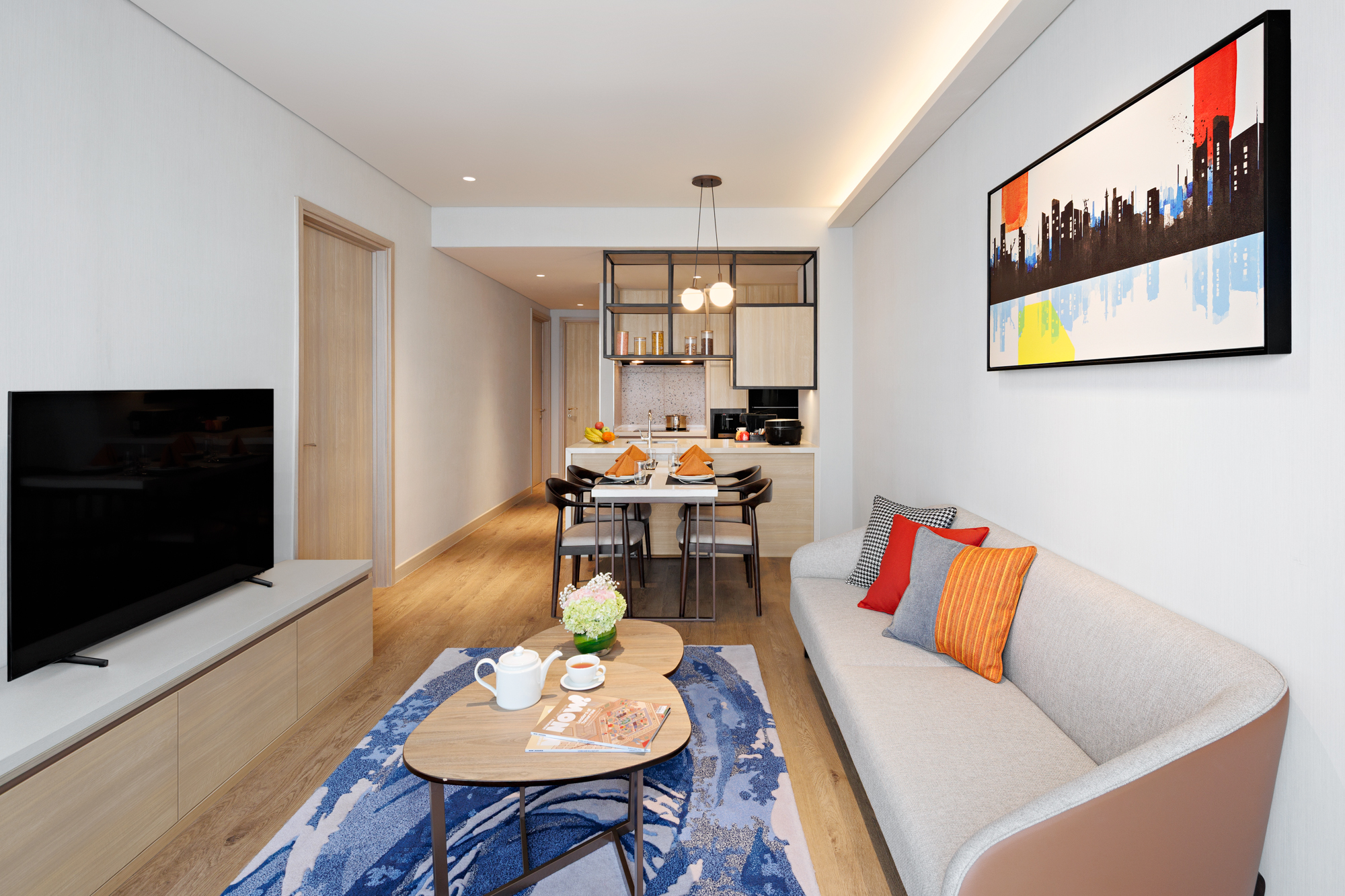
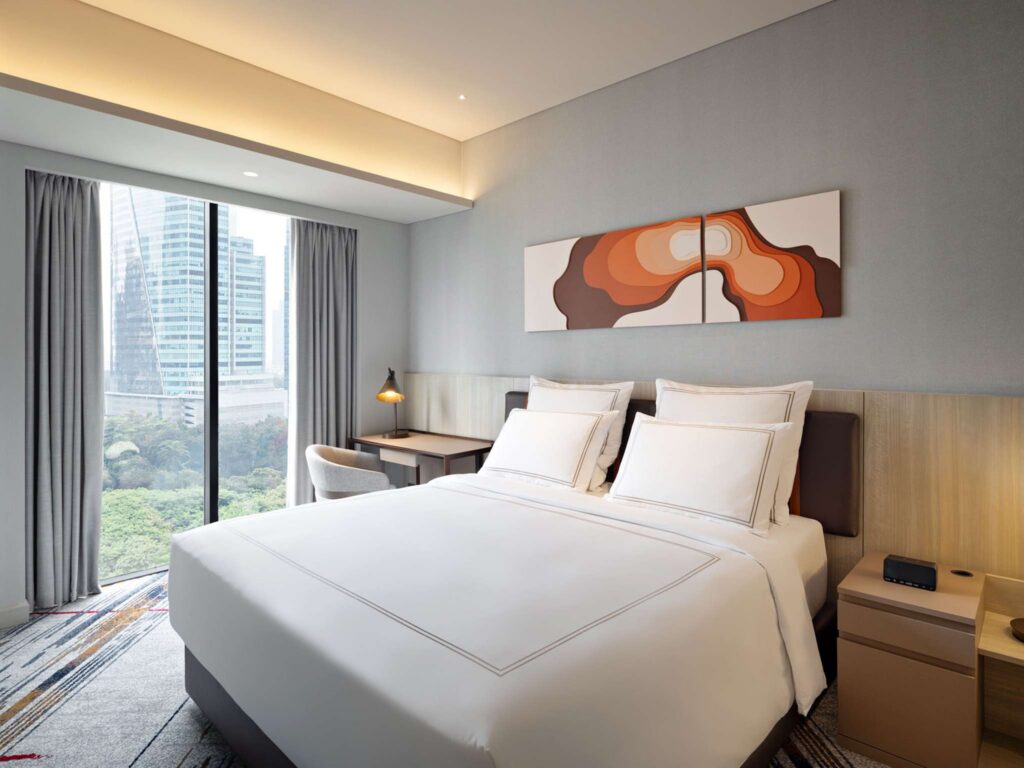
- Separate living and sleeping areas to create functional living spaces
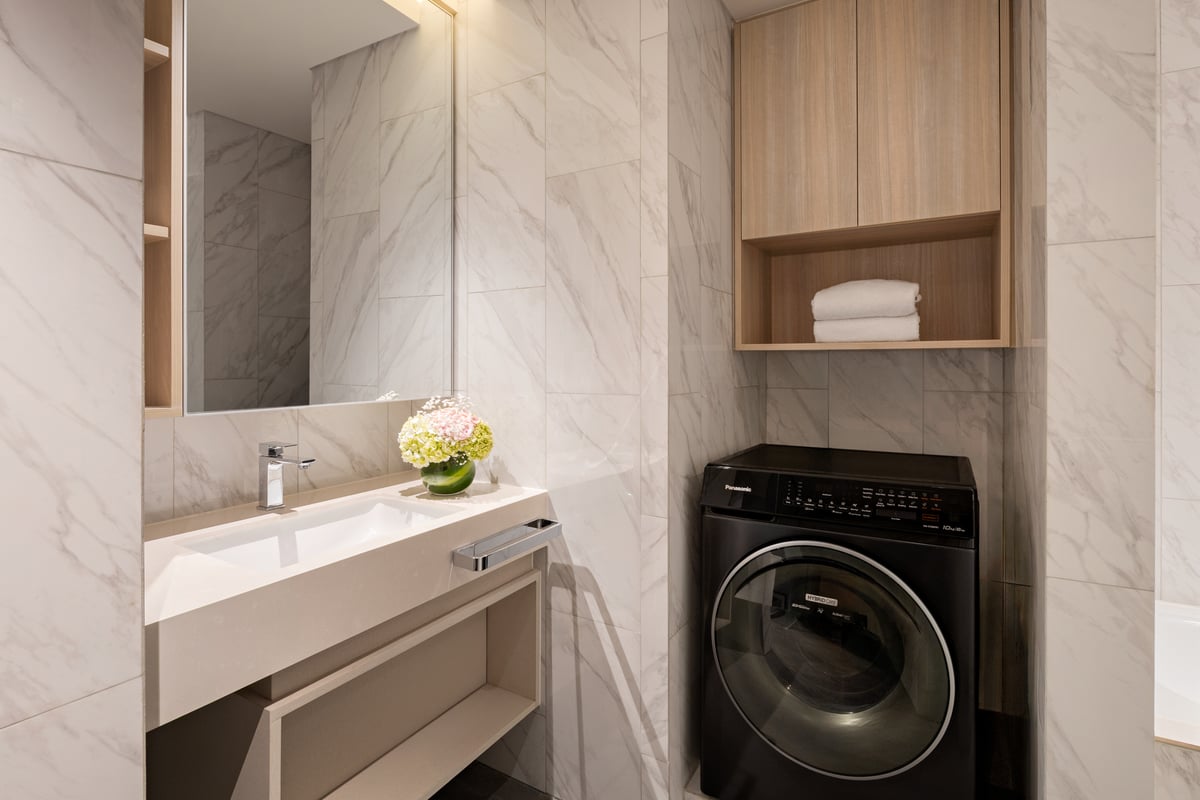
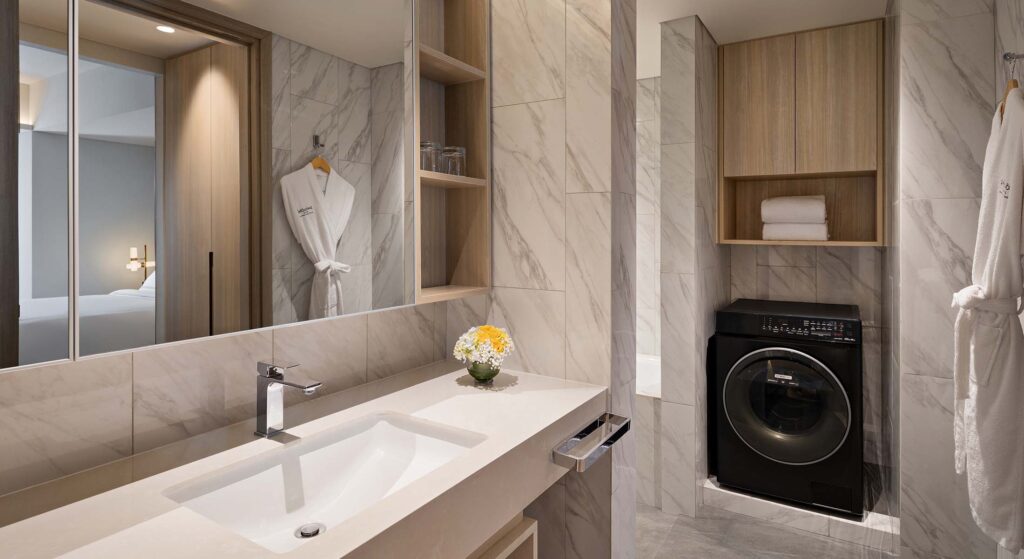
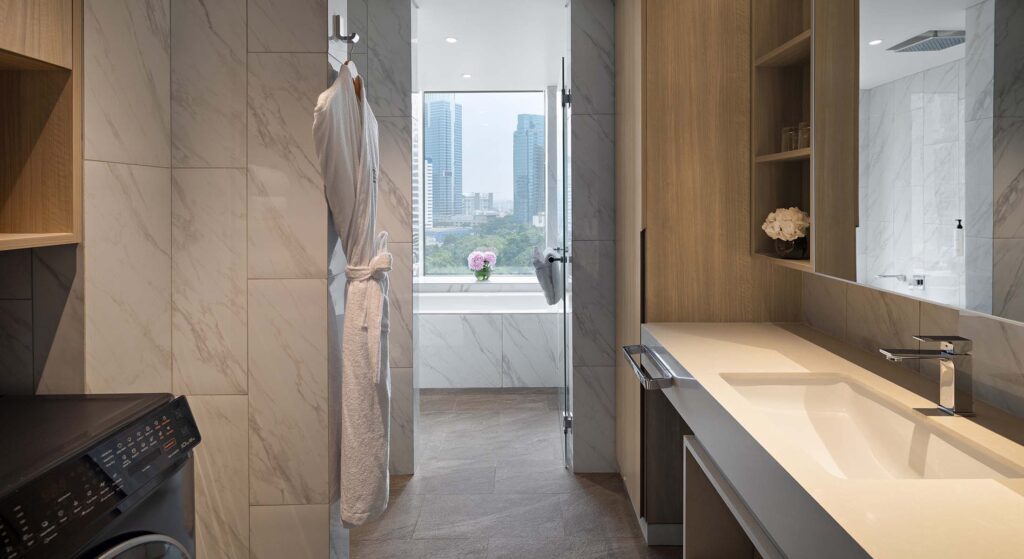
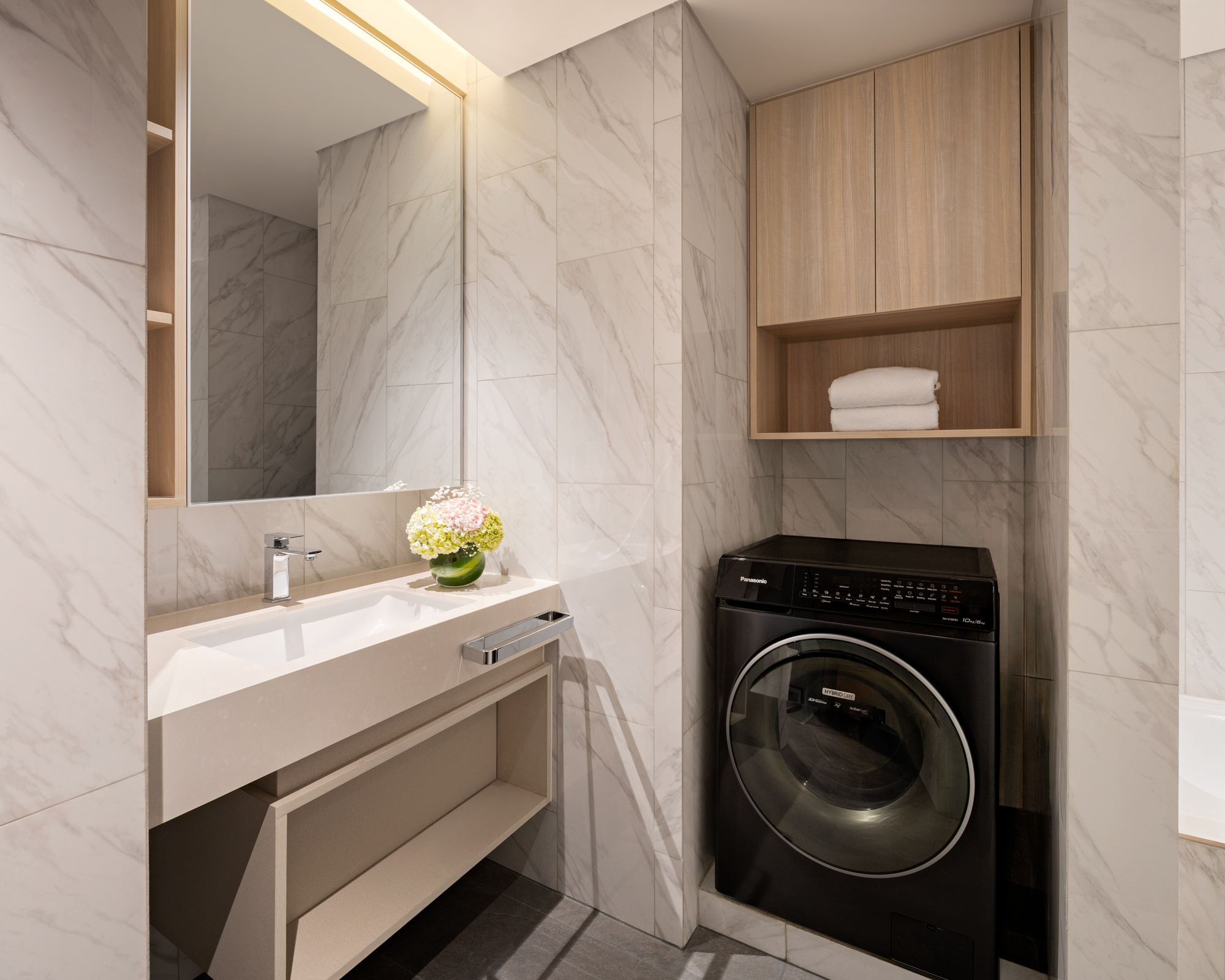
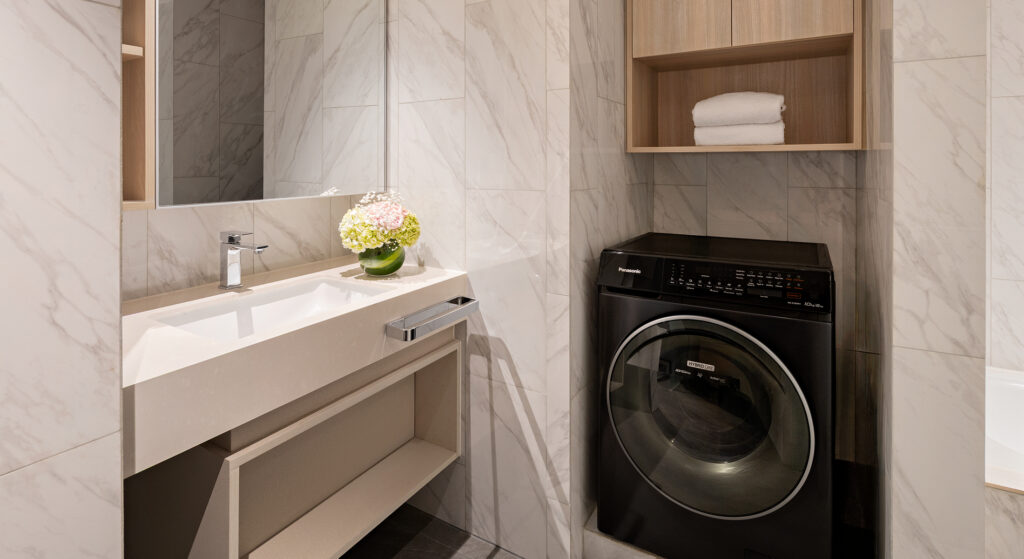
- In-unit laundry facilities or on-site laundry services
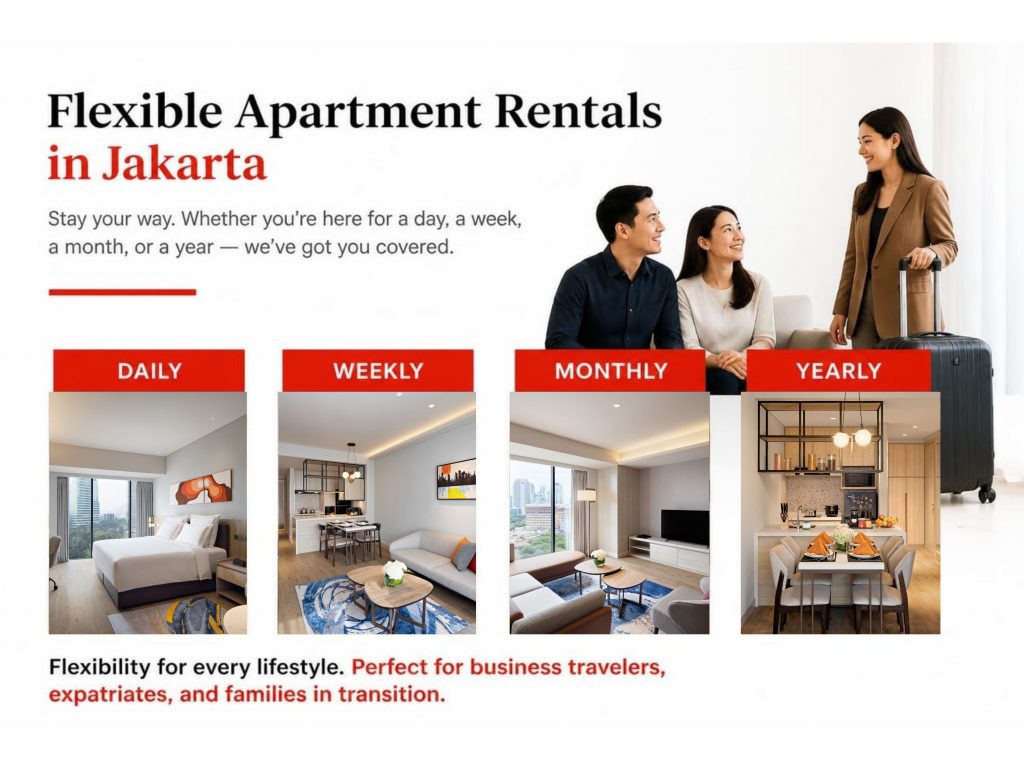
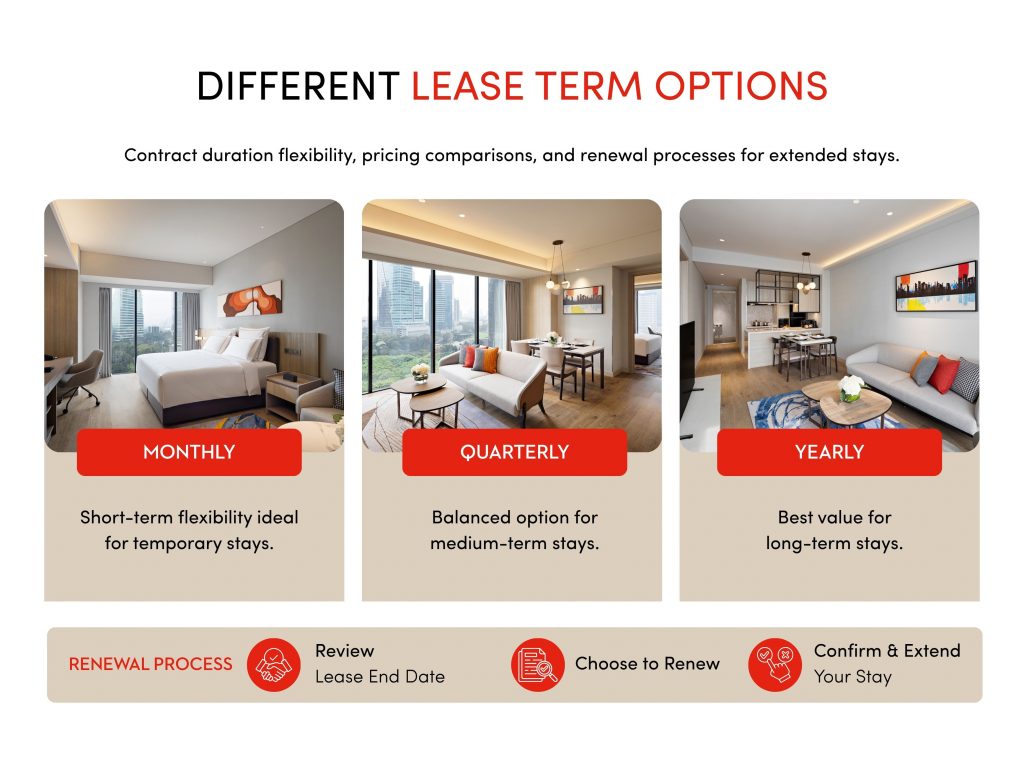
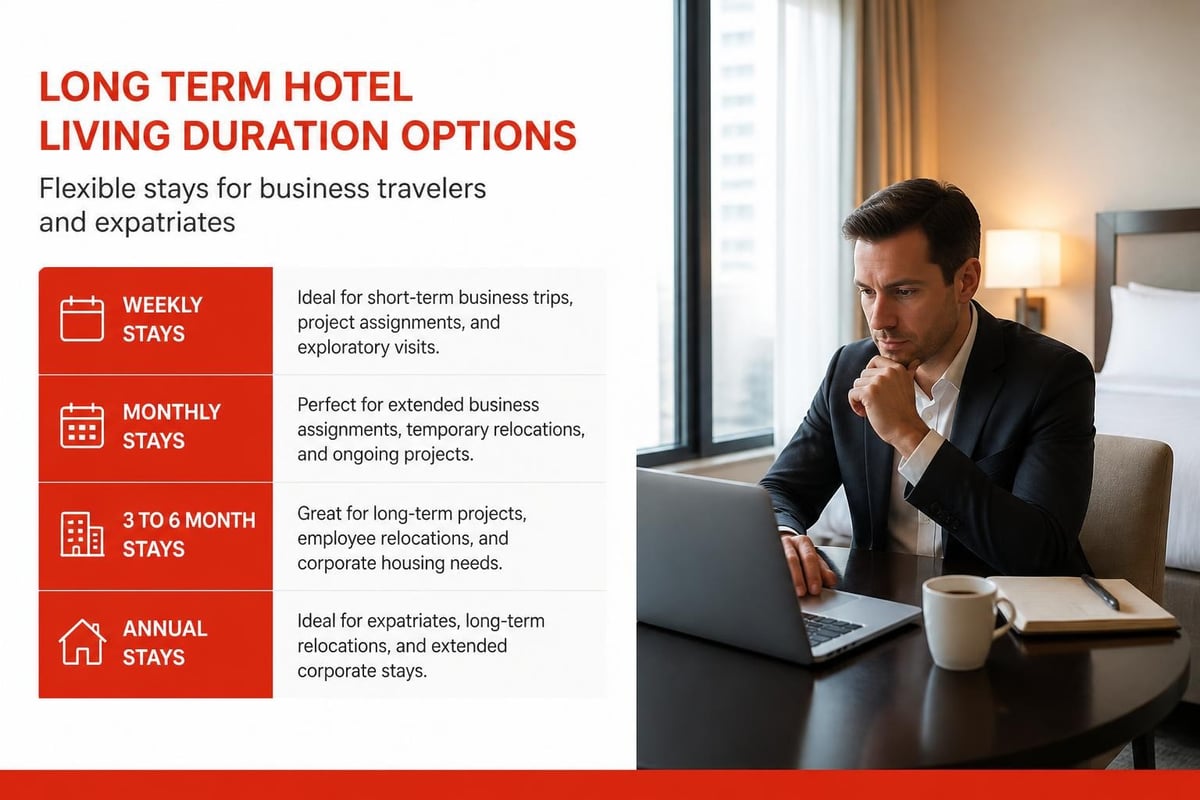
- Flexible lease terms ranging from weekly to monthly or yearly agreements
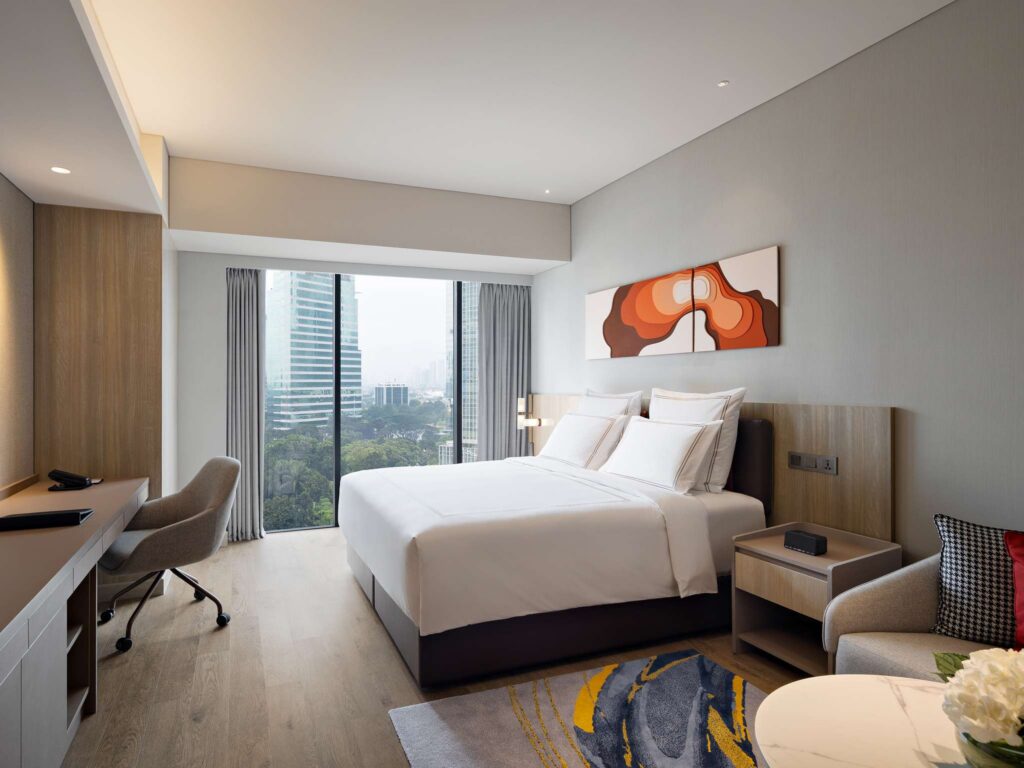
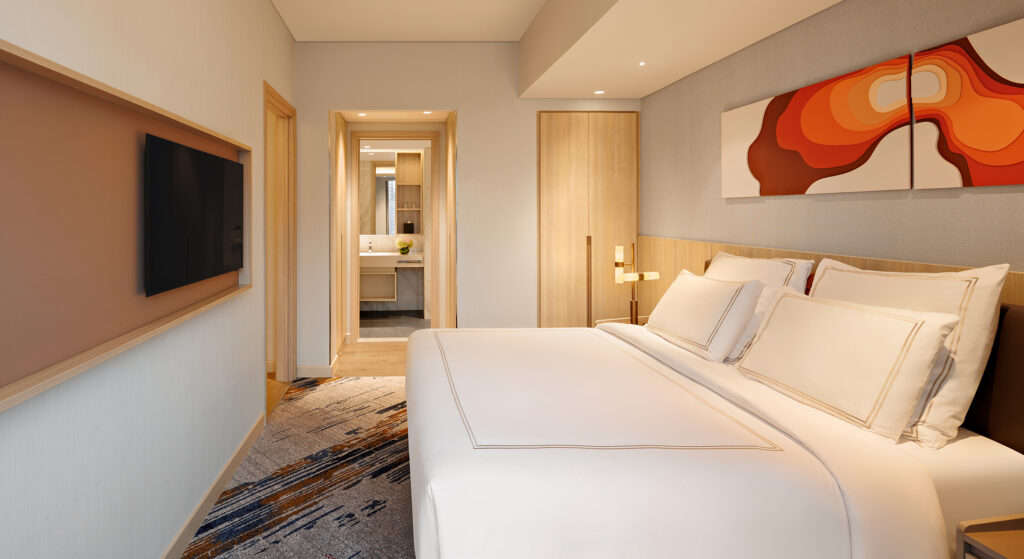
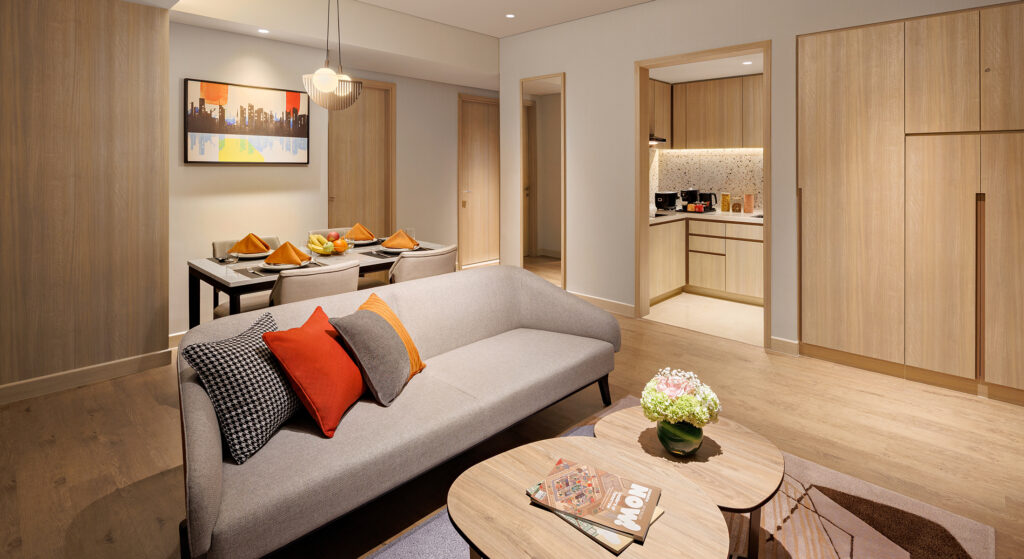
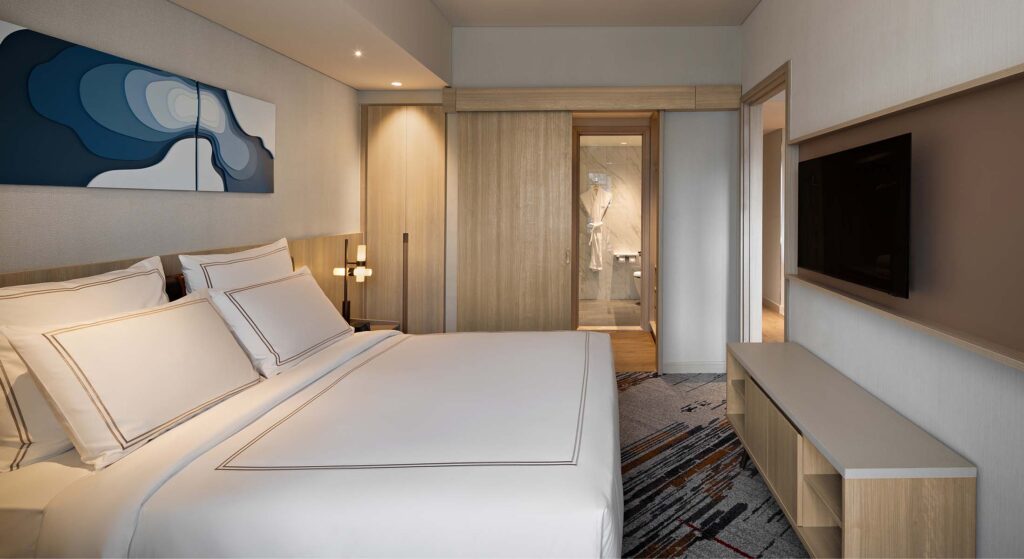
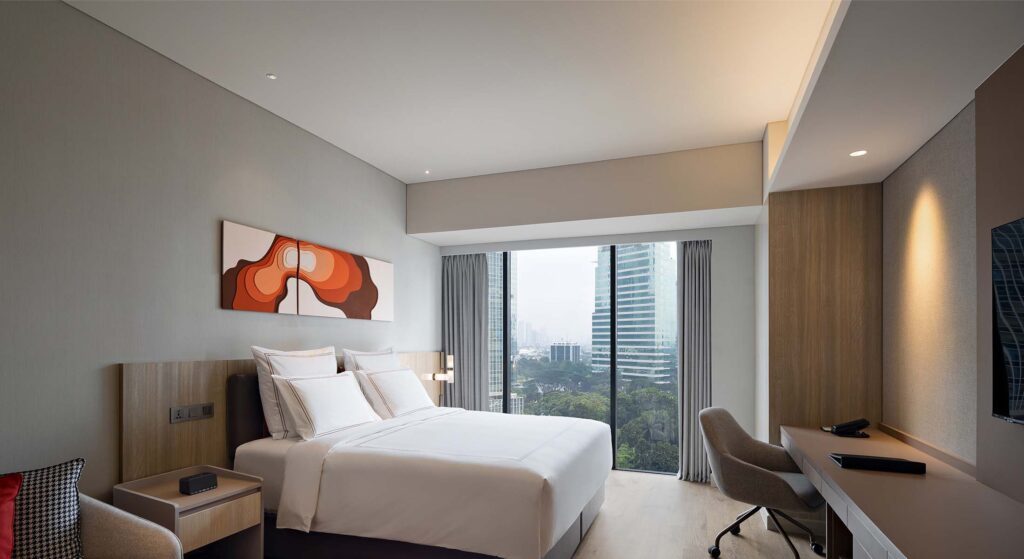
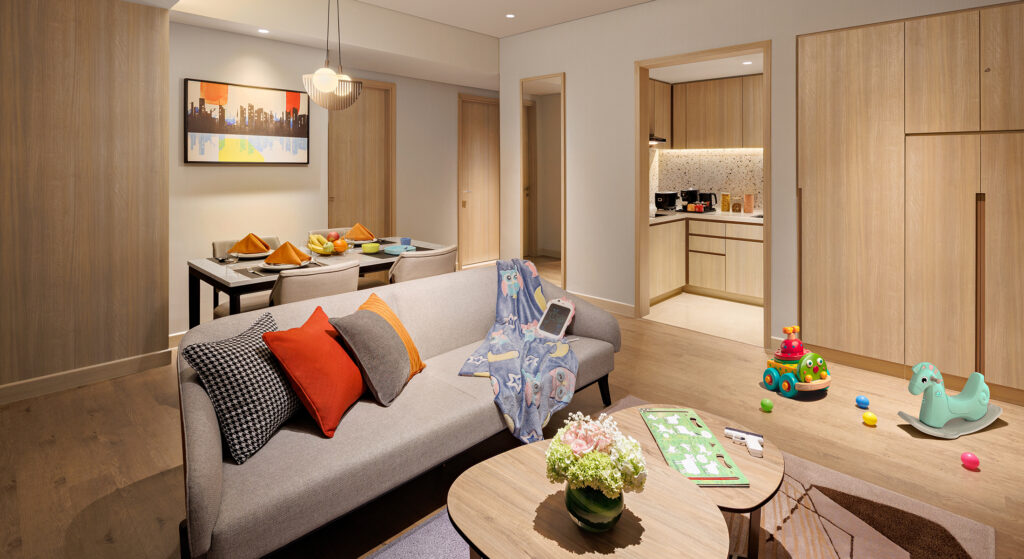
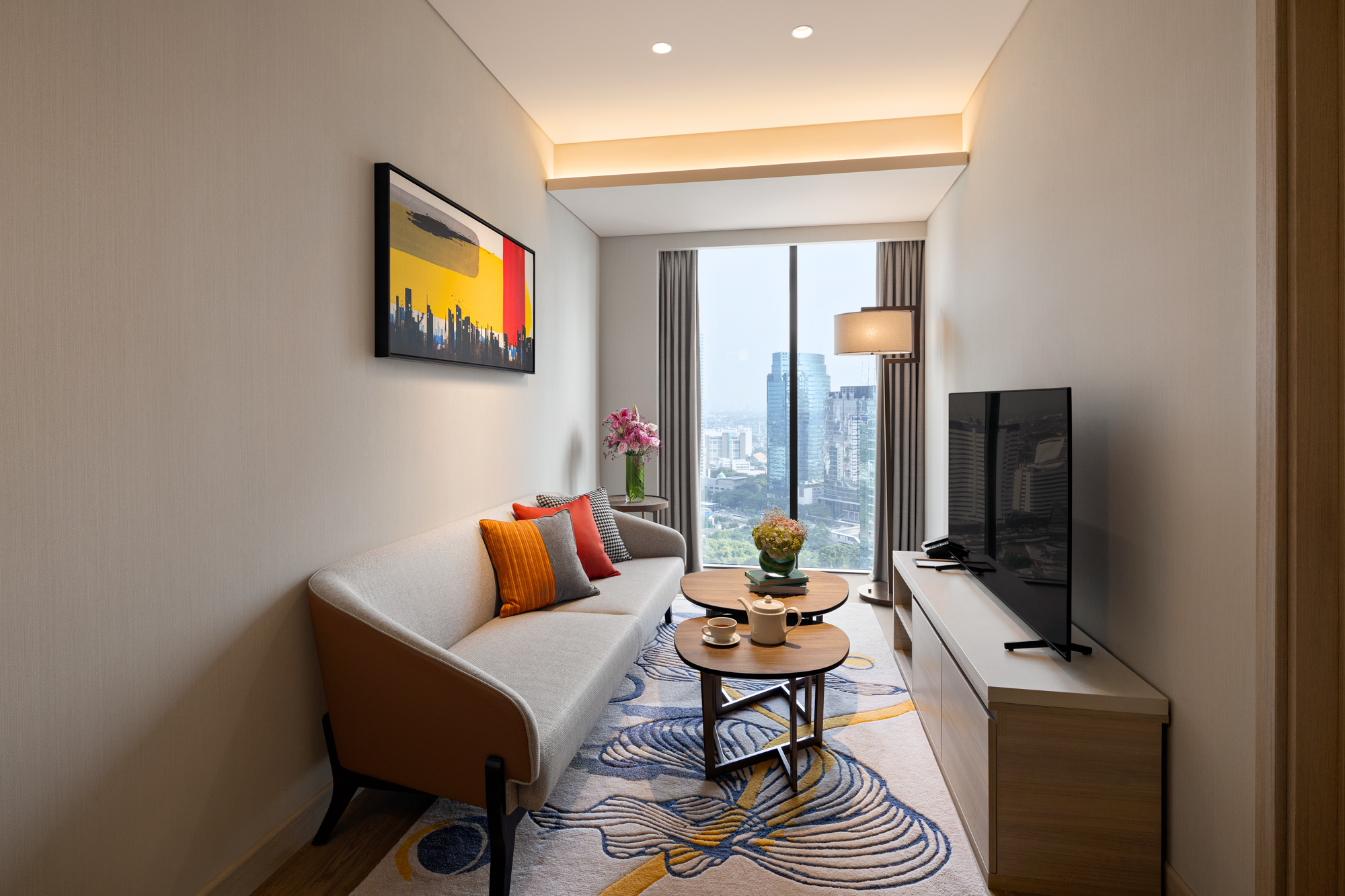
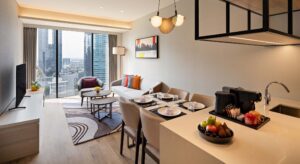
- Residential-style furnishings including work desks, dining tables, and comfortable seating
The lodging extended stay sector has grown substantially, with industry projections showing continued expansion through 2026. This growth reflects changing work patterns, increased global mobility, and rising demand for accommodation that bridges the gap between hotels and traditional residential leases.
Extended Stay vs. Traditional Hotel Lodging
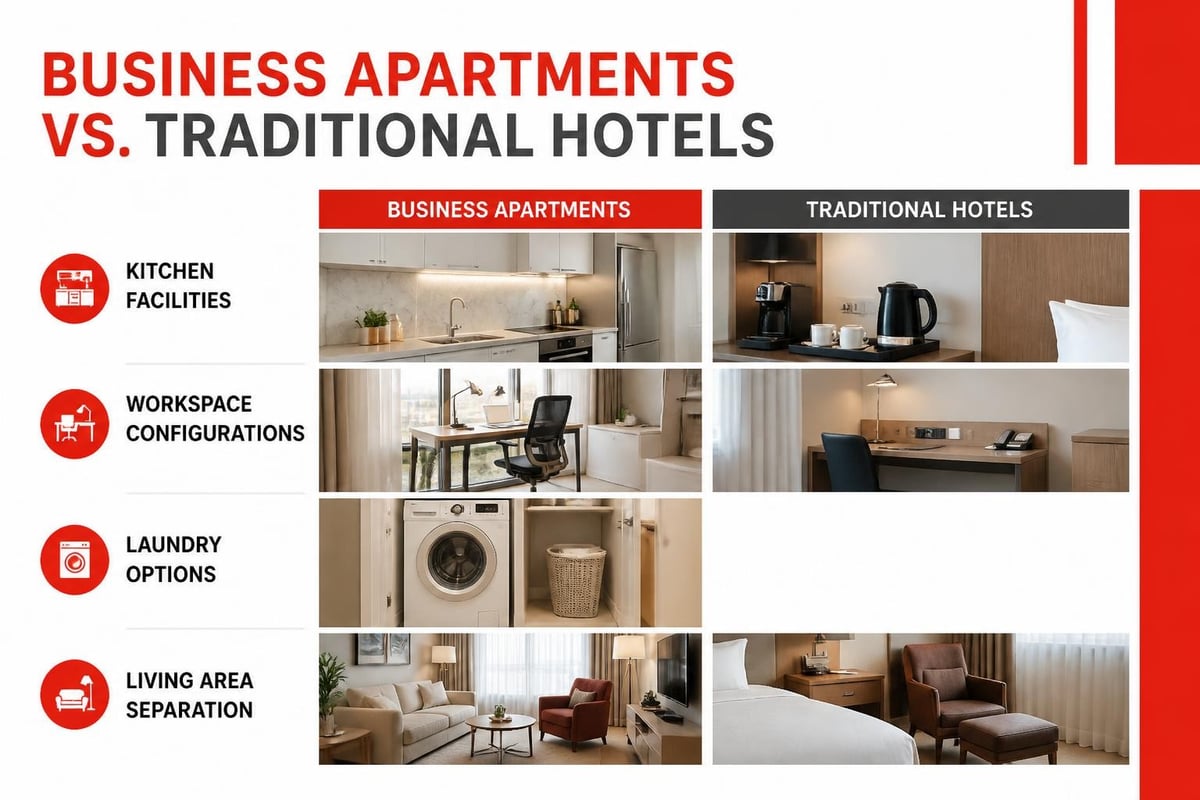
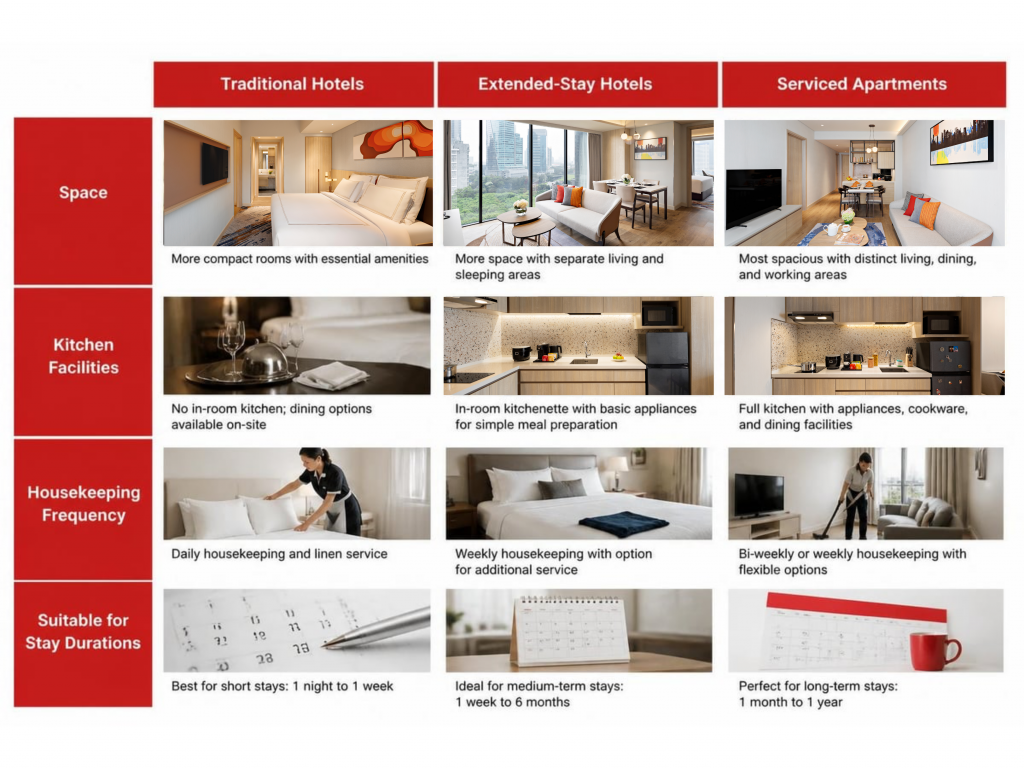
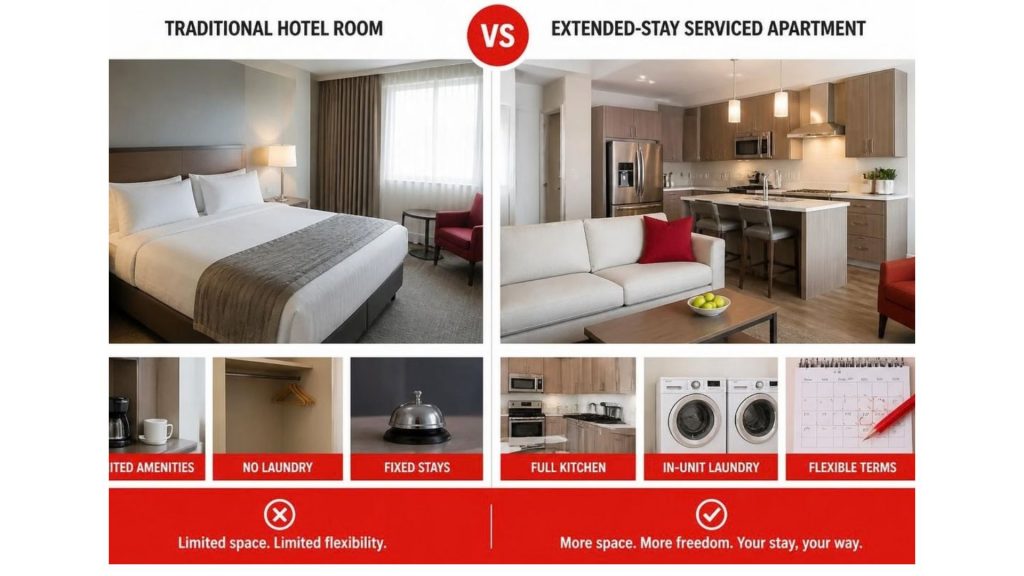
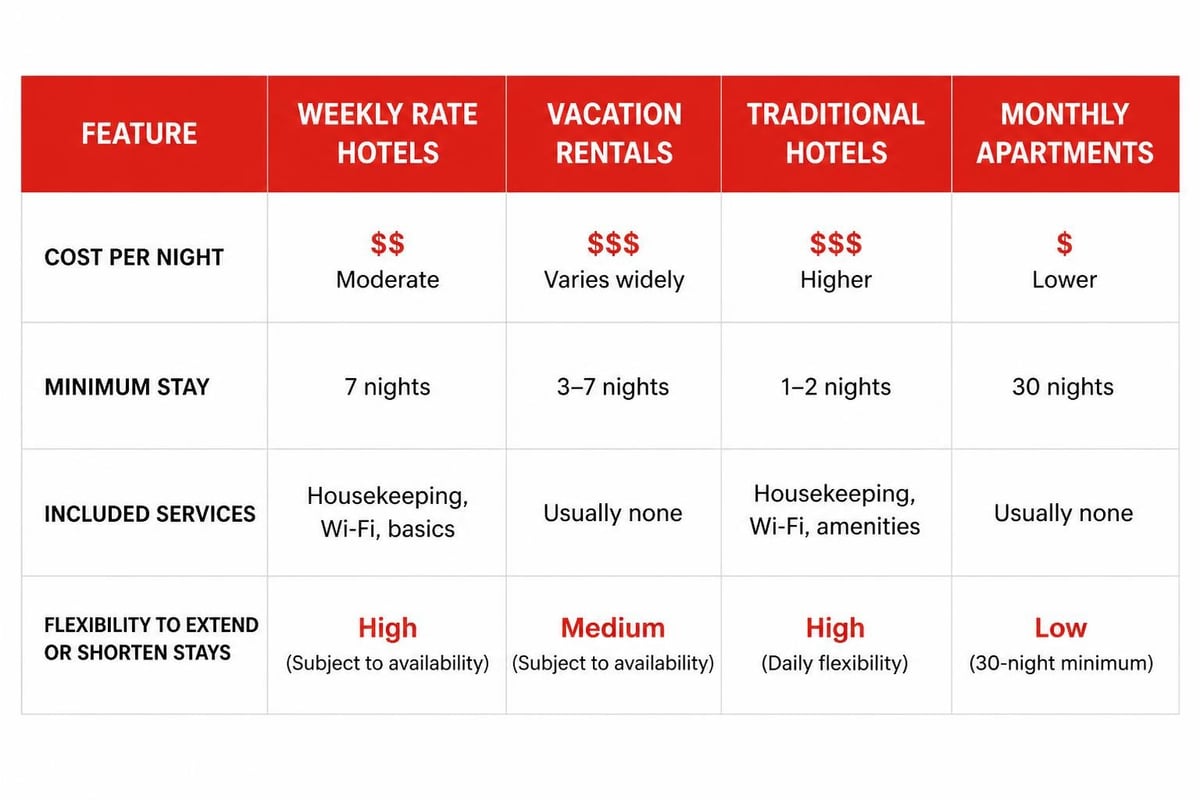
Understanding the fundamental differences between extended stay and traditional hotel properties helps travelers choose the right accommodation type. Traditional hotels excel at short-term convenience but lack the residential features essential for longer stays.
| Feature | Extended Stay Lodging | Traditional Hotel |
|---|---|---|
| Typical stay length | 7+ nights to 12+ months | 1-3 nights |
| Kitchen facilities | Full kitchen with appliances | None or mini-fridge only |
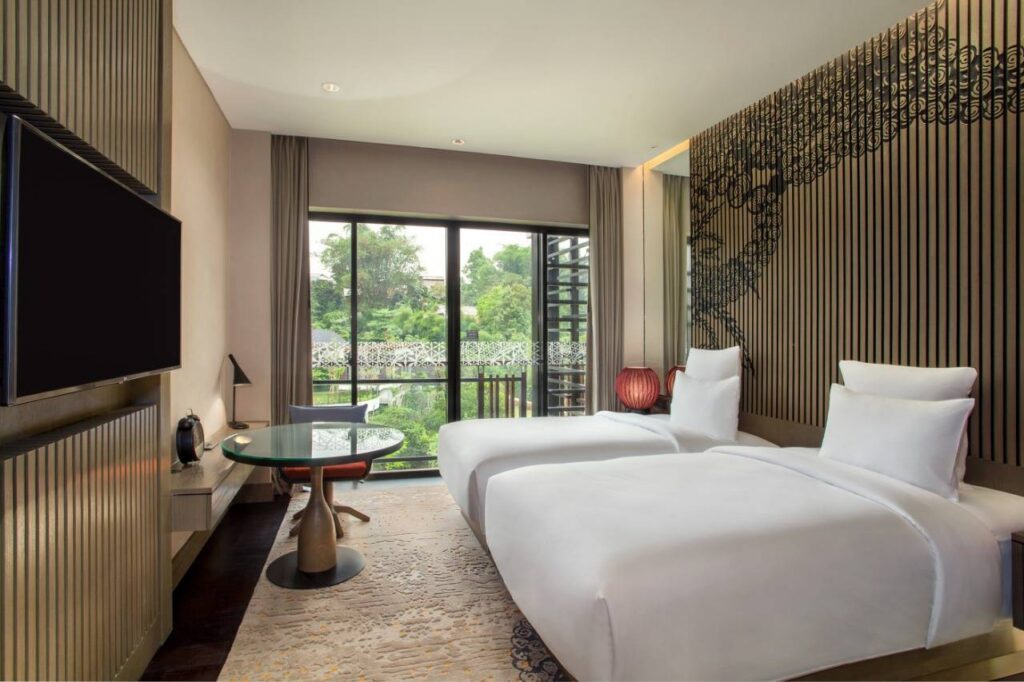
| Living space | Separate bedroom and living areas | Single room |
| Pricing structure | Reduced weekly/monthly rates | Nightly rate |
| Housekeeping | Weekly or bi-weekly | Daily |
| Lease flexibility | Daily, weekly, monthly, yearly | Nightly only |
For business travelers and relocating families, this distinction matters significantly. Extended stay lodging provides the infrastructure needed for daily routines, meal preparation, and maintaining work-life balance during prolonged assignments.
Who Benefits Most from Extended Stay Lodging
The lodging extended stay market serves remarkably diverse guest segments, each with distinct needs and priorities. Identifying your traveler profile helps match accommodation features to your specific requirements.
Corporate and Business Travelers
Business professionals account for a substantial portion of extended stay guests. Corporate relocations, project assignments, training programs, and temporary work placements all generate demand for lodging that supports productivity and well-being over extended periods.
Business travelers prioritize:
- Proximity to business districts and offices
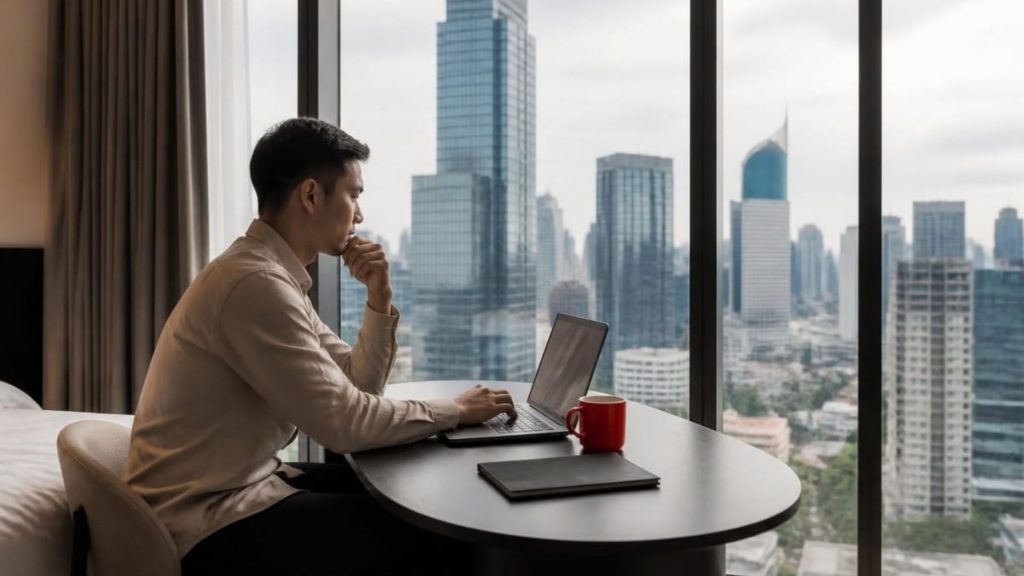
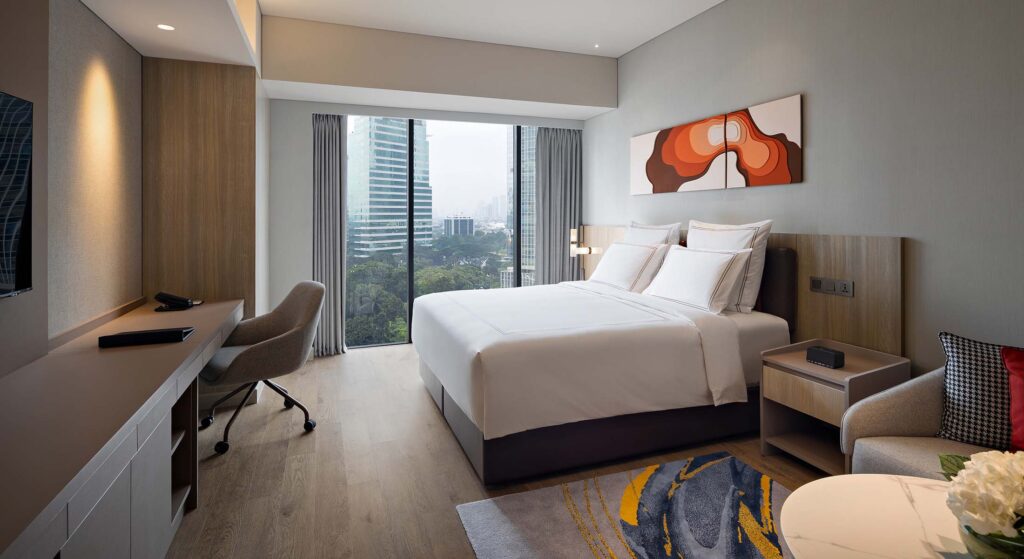
- Reliable high-speed internet and dedicated workspaces
- Flexible check-in/check-out to accommodate changing schedules
- Corporate billing and direct payment arrangements
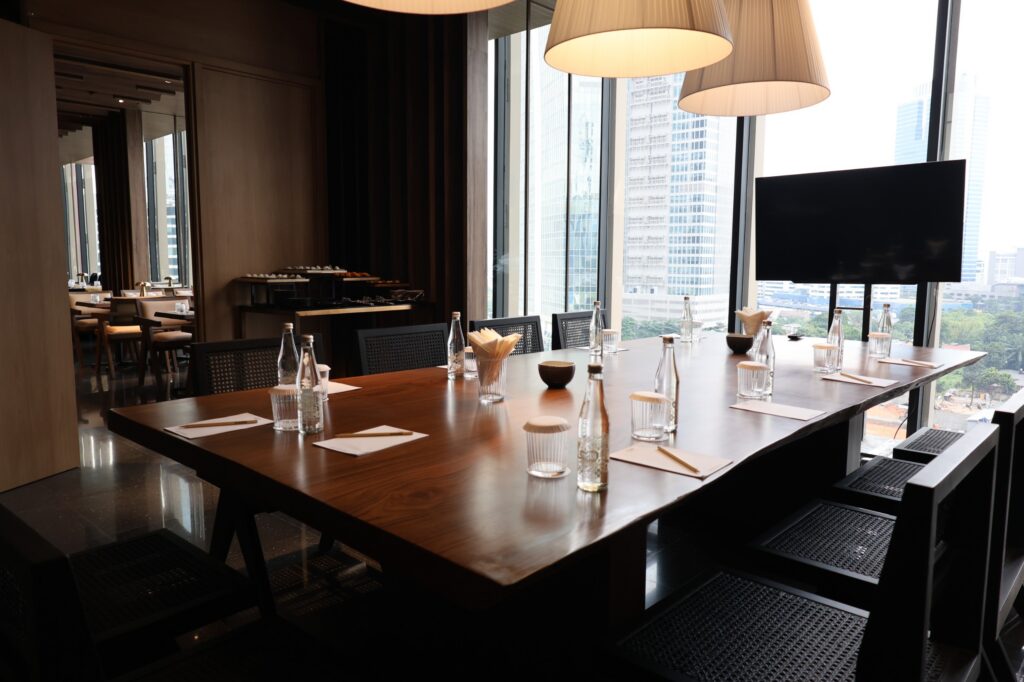
- Access to business services including meeting rooms and printing facilities
IRS guidelines on travel expenses allow businesses to deduct legitimate lodging costs for employees traveling away from their tax home, making extended stay arrangements financially attractive for both employers and employees when structured appropriately.
Expatriates and International Assignees
Expatriates face unique challenges when relocating to new countries. Extended stay serviced apartments provide essential flexibility during the transition period while families search for permanent housing, complete immigration formalities, and acclimate to their new environment.
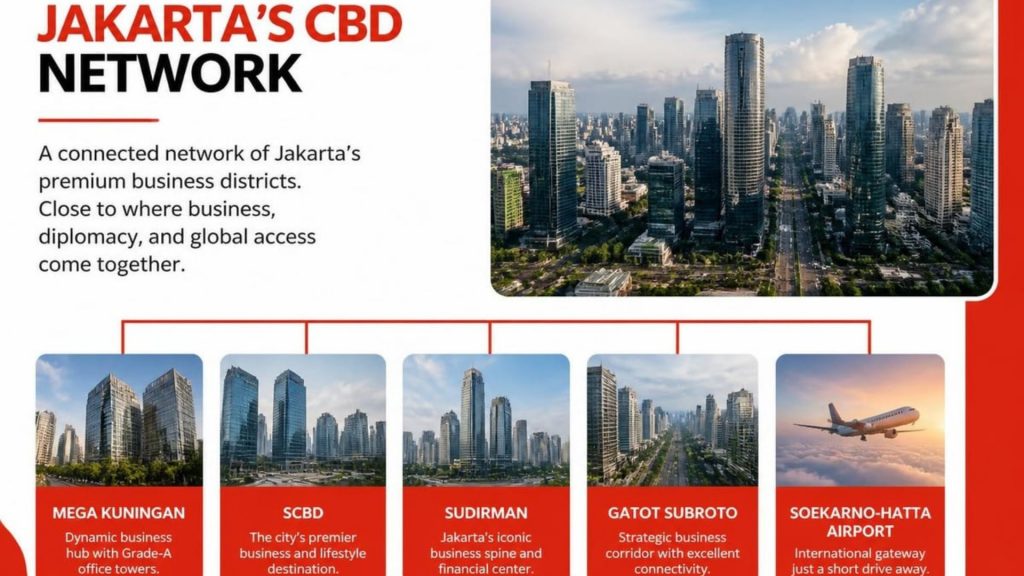
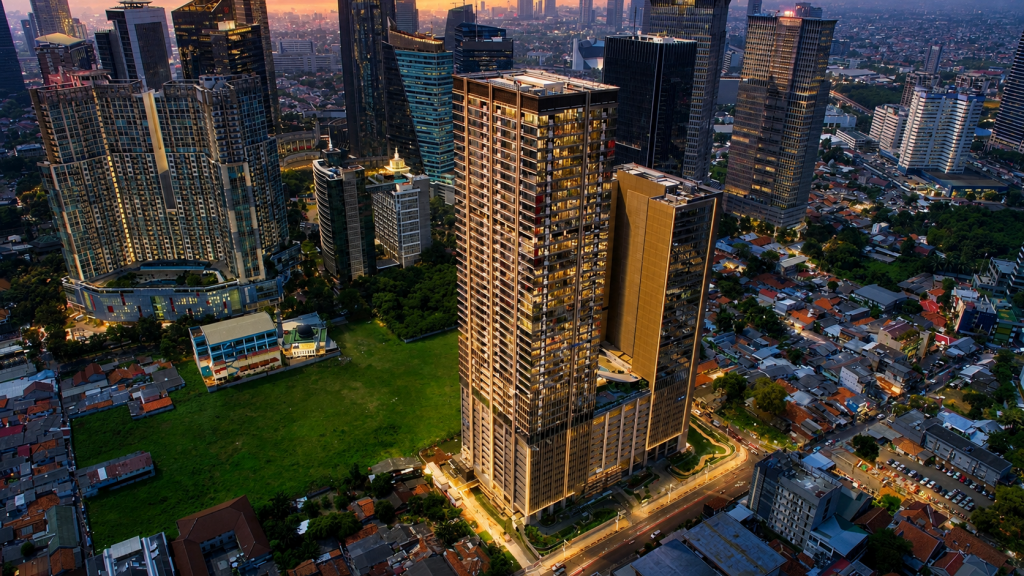
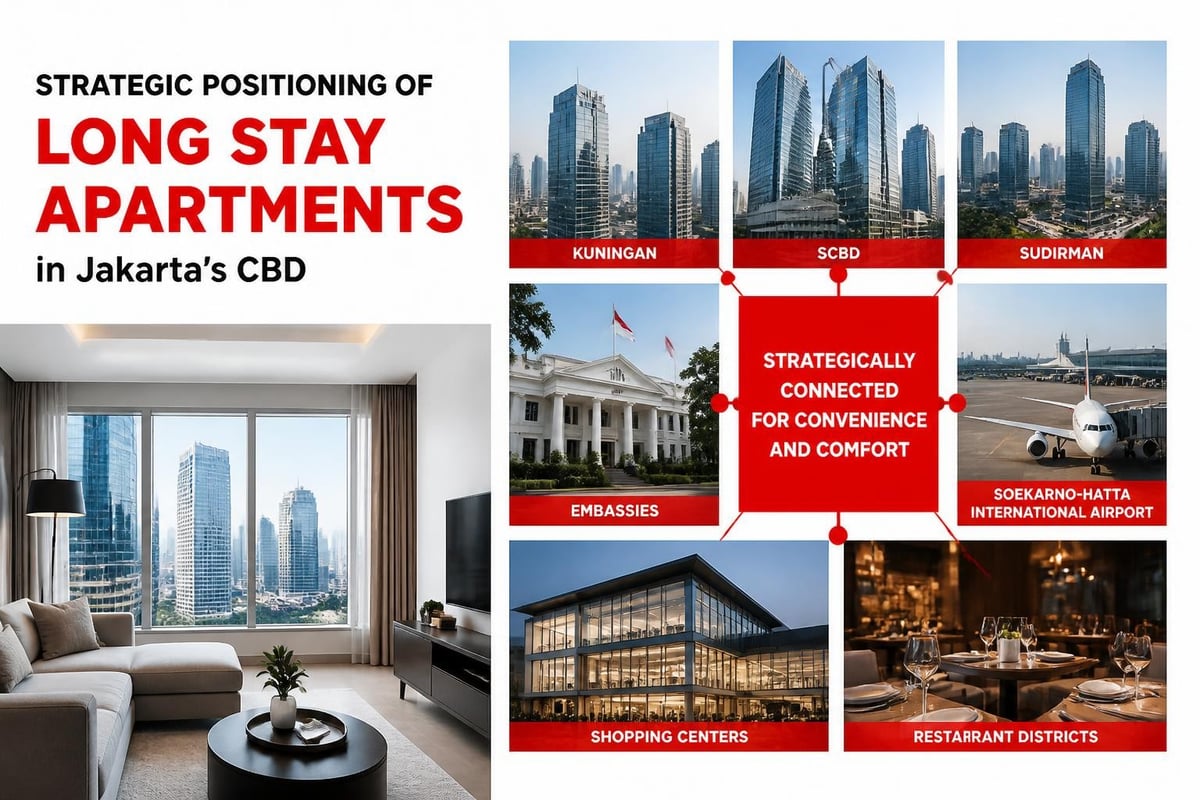
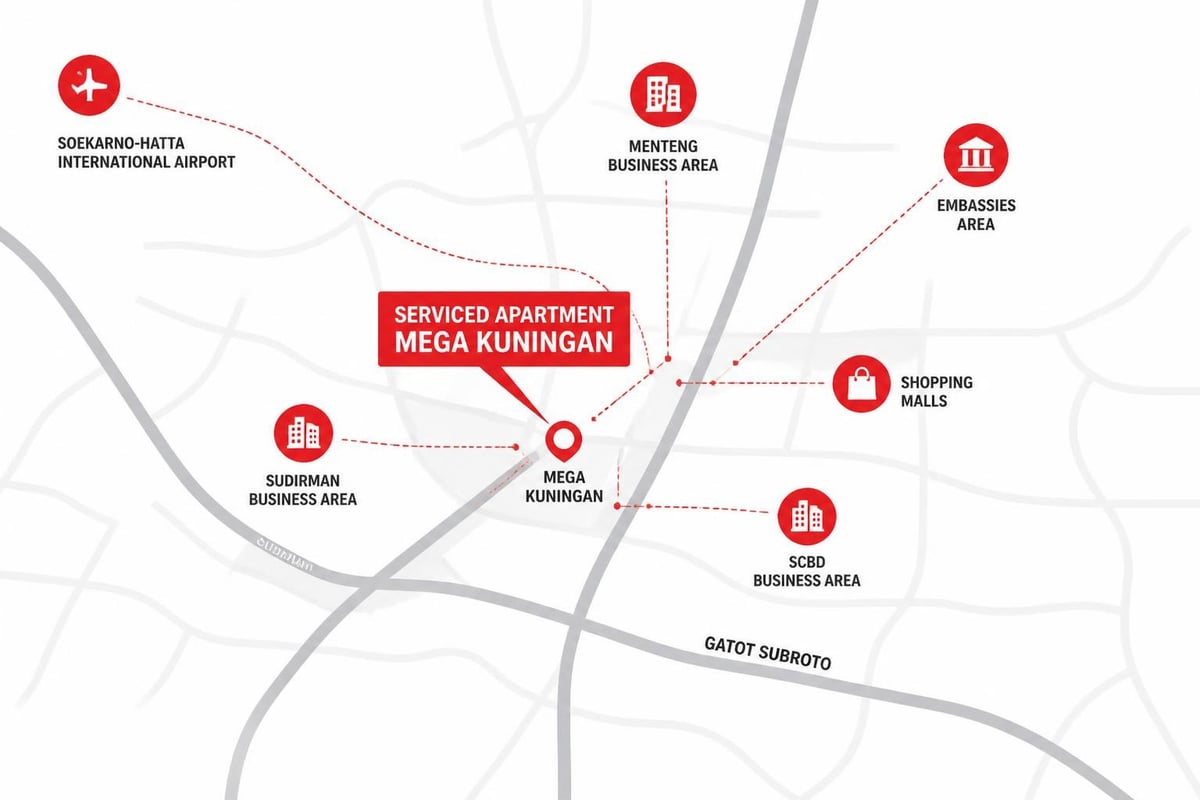
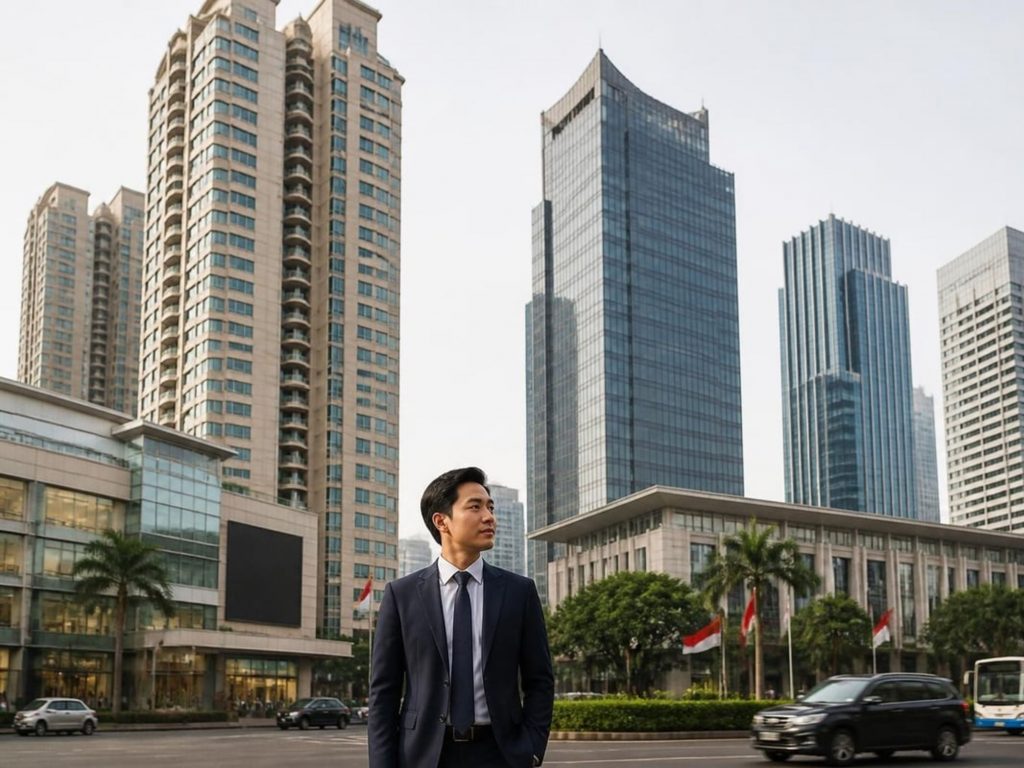
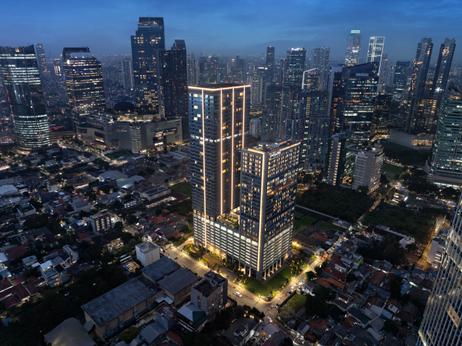
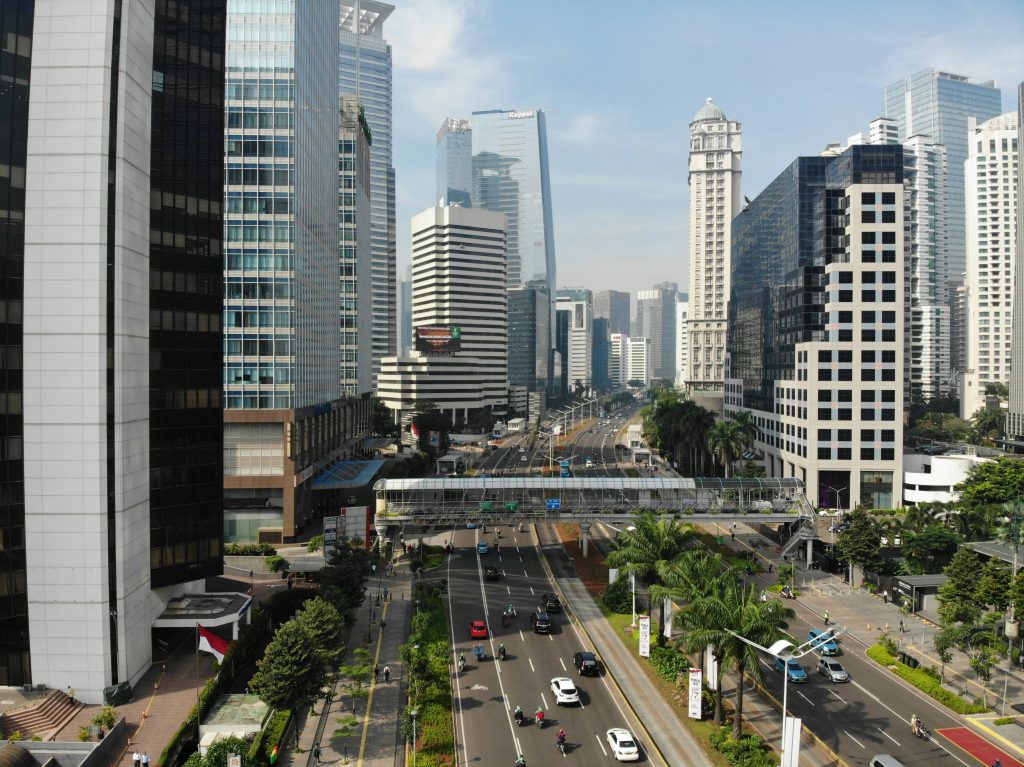
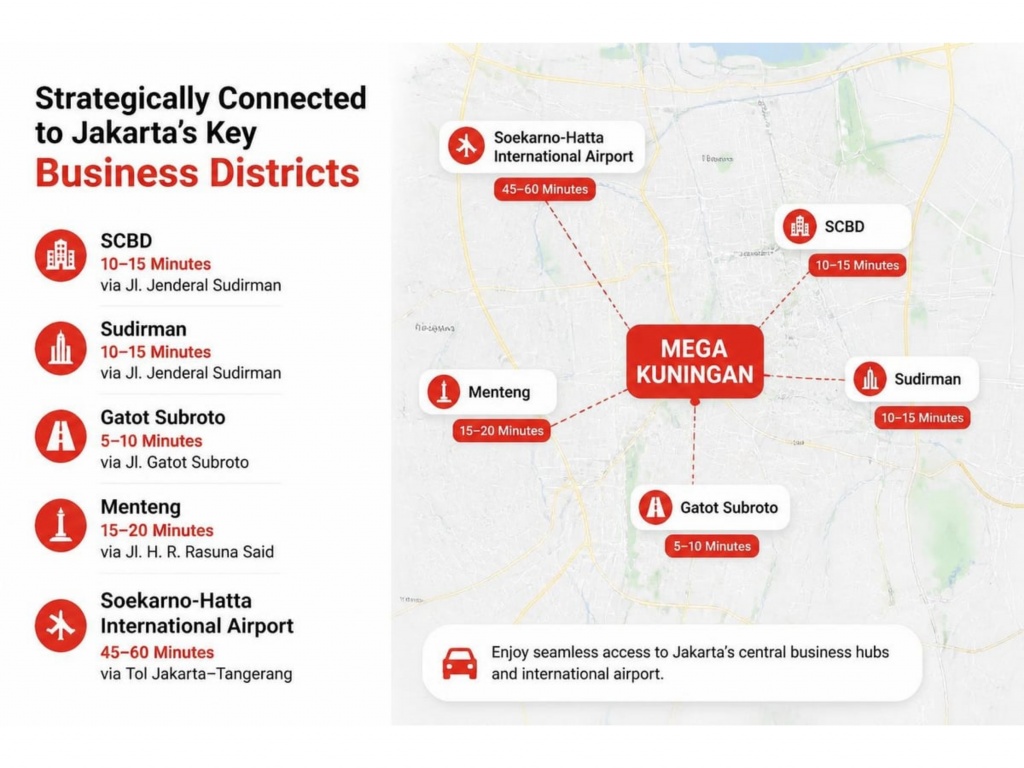
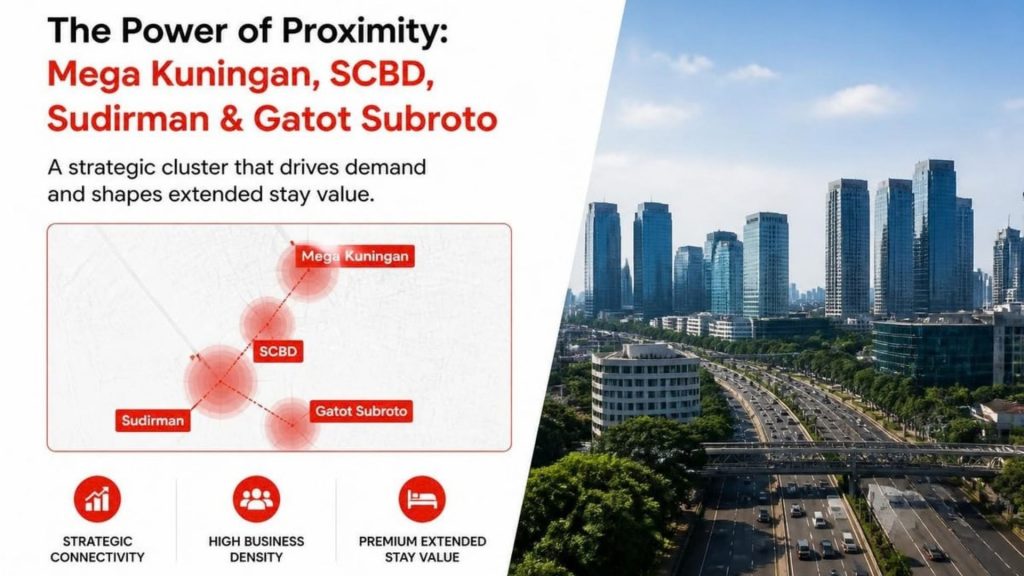
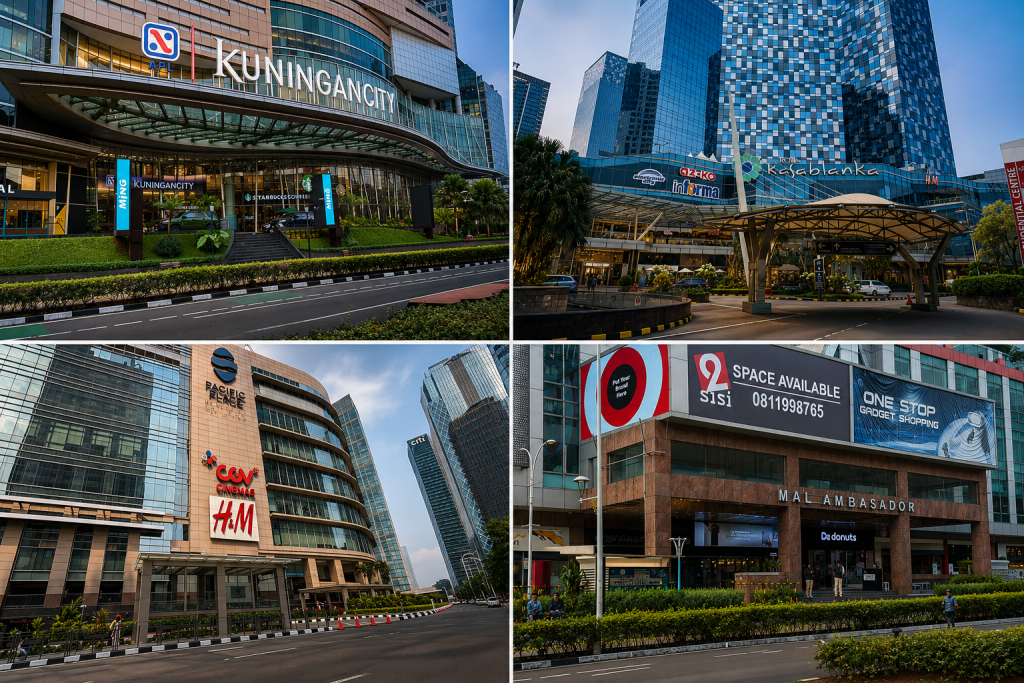
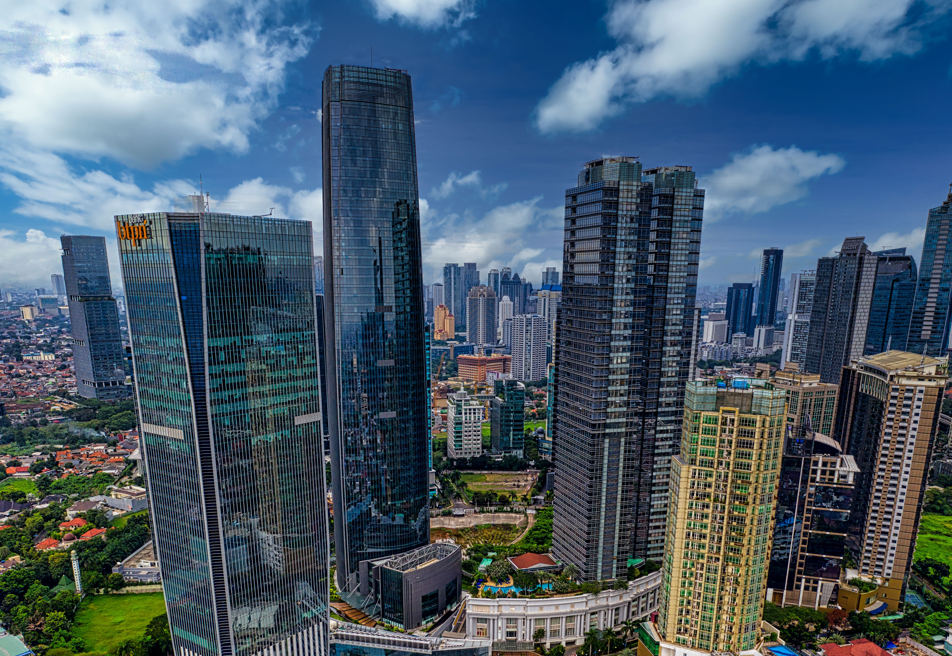
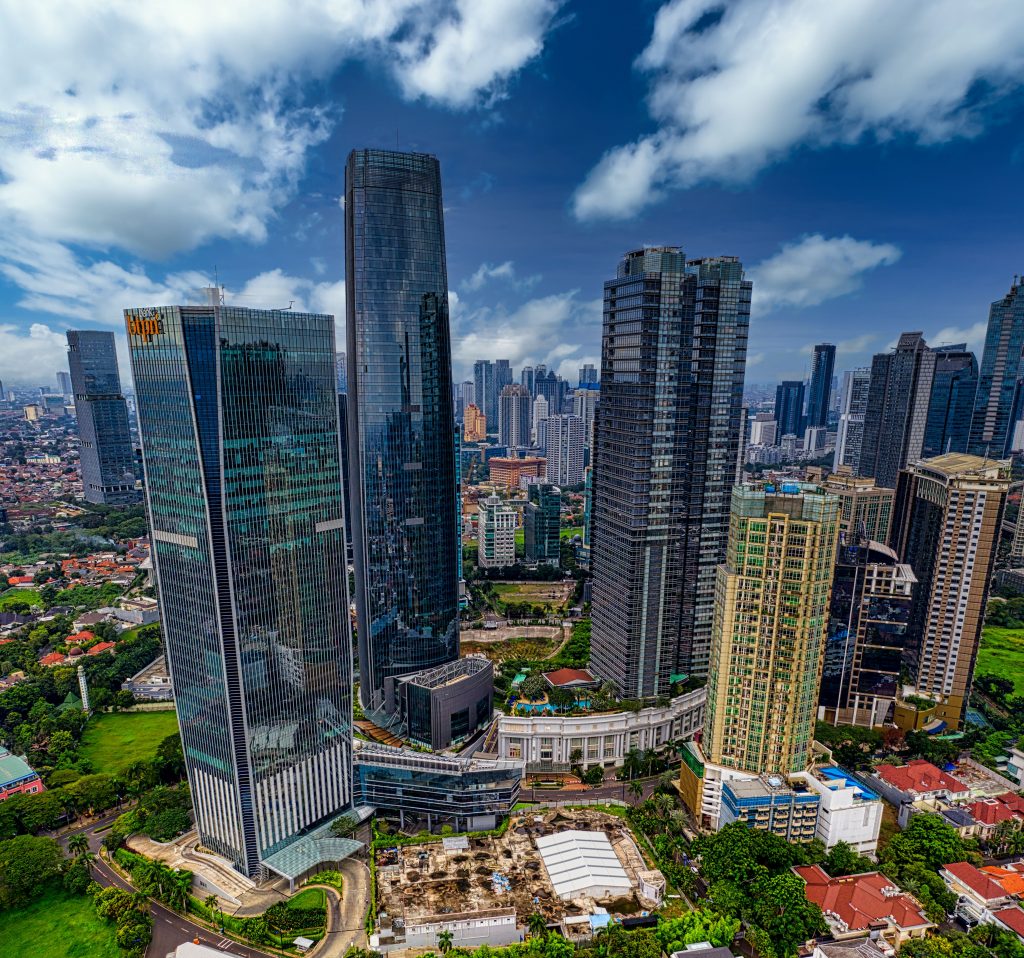
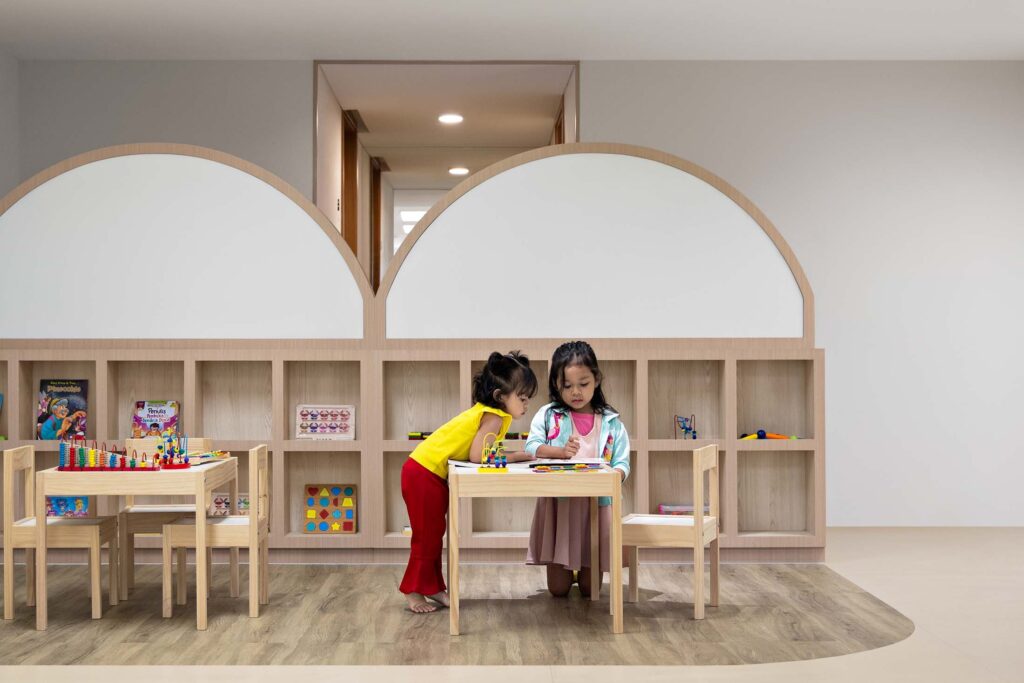
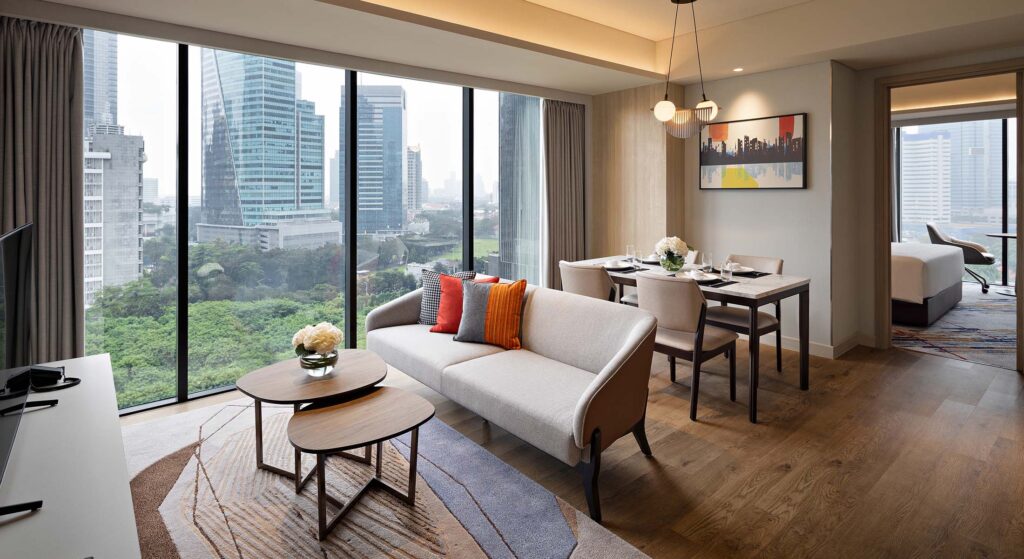
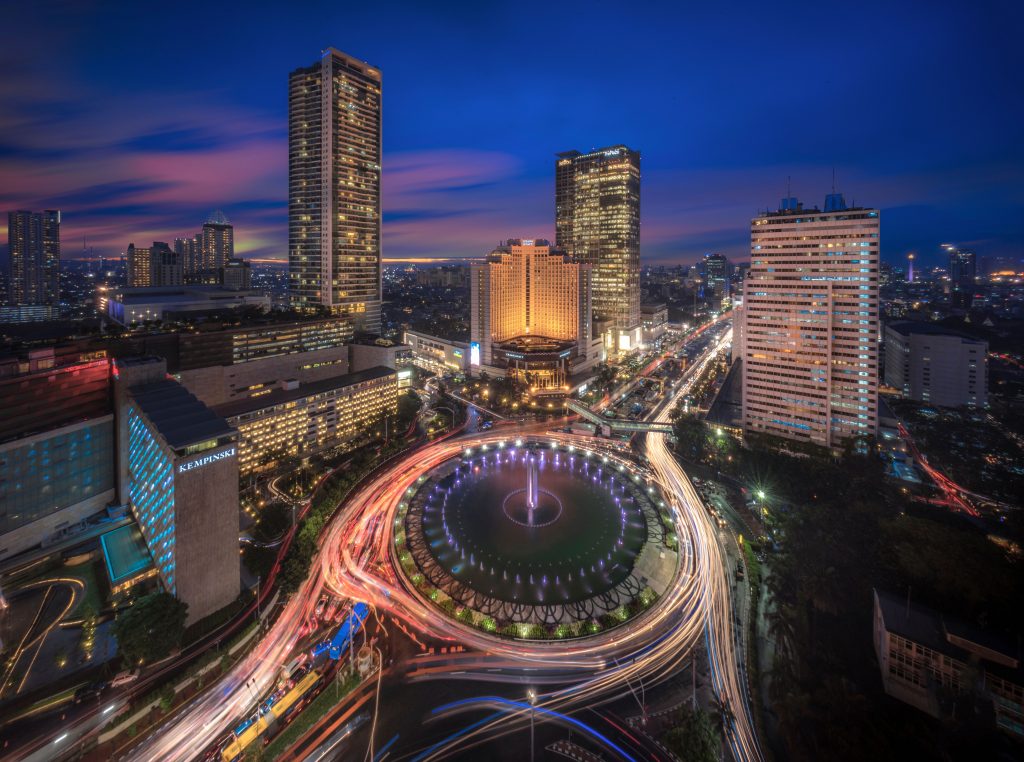
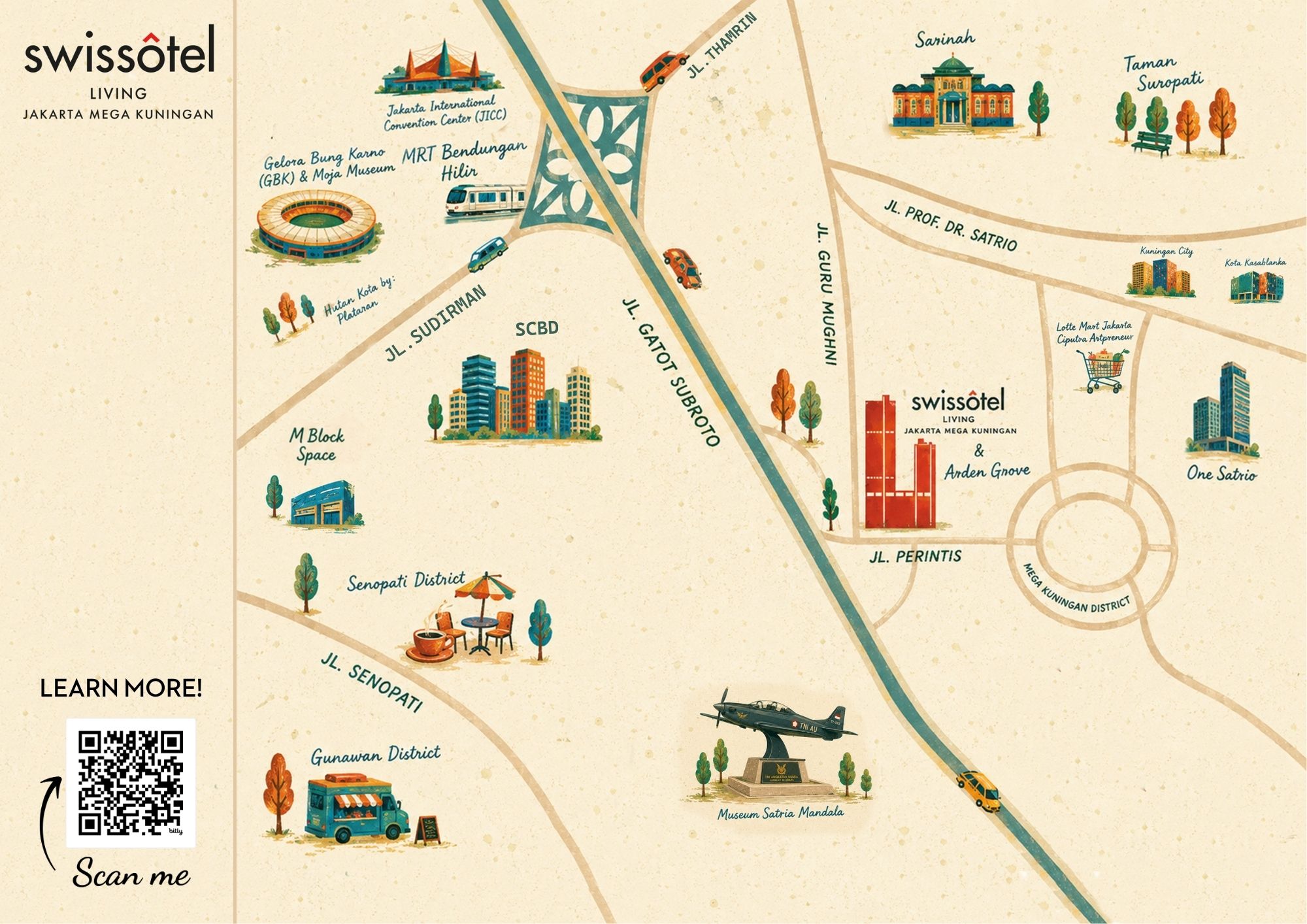
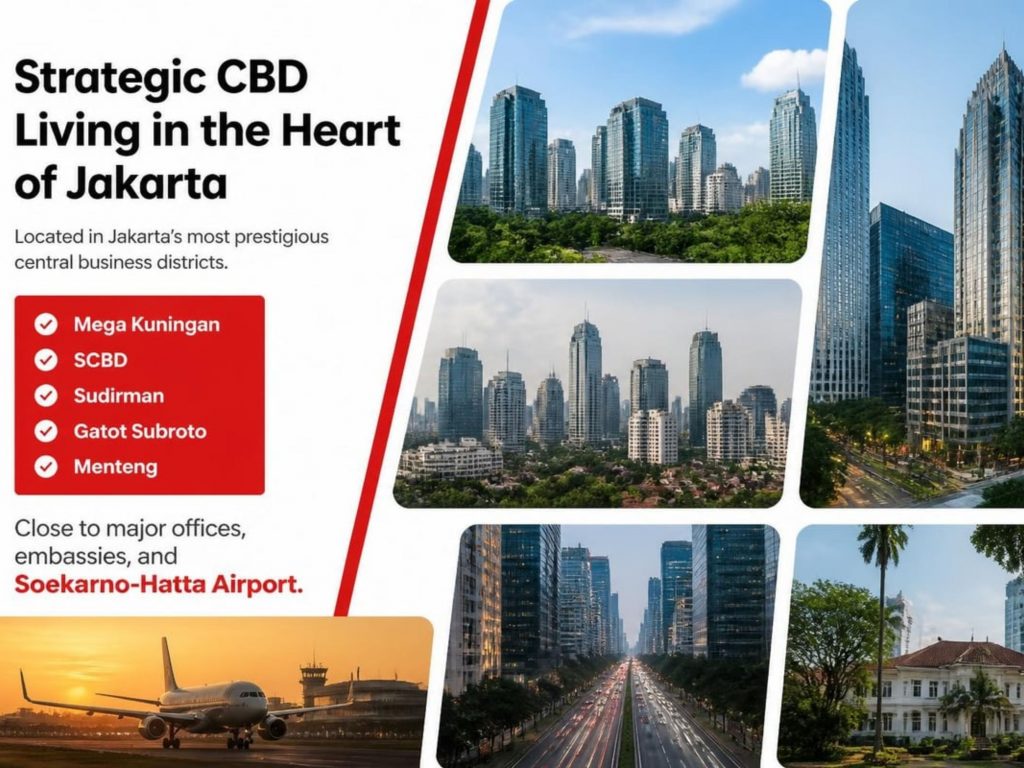
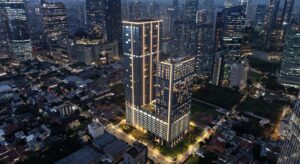
Expatriate families benefit from lodging extended stay options that offer multiple bedrooms, full kitchens for preparing familiar meals, and locations near international schools, embassies, and expatriate communities. Properties situated in Jakarta’s central business district, for example, provide convenient access to both business offices in areas like Kuningan, SCBD, and Sudirman and essential services that international residents require.
Medical Travelers and Healthcare Professionals
Healthcare-related extended stays represent a growing segment. Patients receiving extended treatments, family members supporting hospitalized loved ones, and traveling medical professionals all require comfortable, functional lodging for periods ranging from several weeks to several months.
Medical travelers need accommodations that reduce stress during challenging periods. Features like quiet environments, comfortable sleeping arrangements, kitchen facilities for dietary management, and proximity to medical facilities become critically important.
Project-Based Professionals and Contractors
Construction managers, engineers, consultants, and other project-based professionals frequently work on assignments lasting several months. These travelers need lodging that accommodates irregular schedules, provides space for project materials and documentation, and offers the stability of a temporary home base.
Essential Features of Quality Extended Stay Lodging
Not all extended stay properties deliver the same quality or amenities. Evaluating specific features helps ensure your lodging meets both functional needs and comfort expectations.
Residential Kitchen Facilities
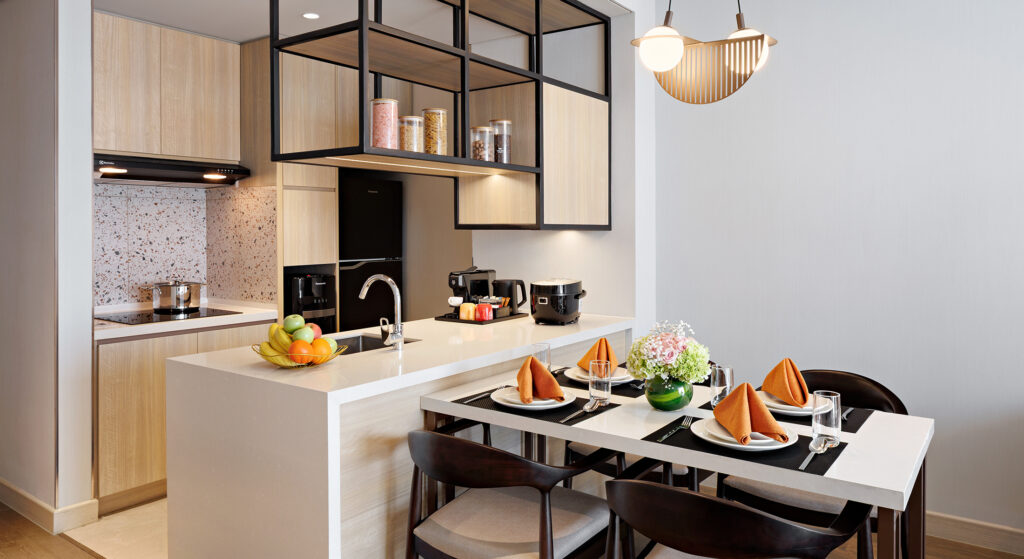
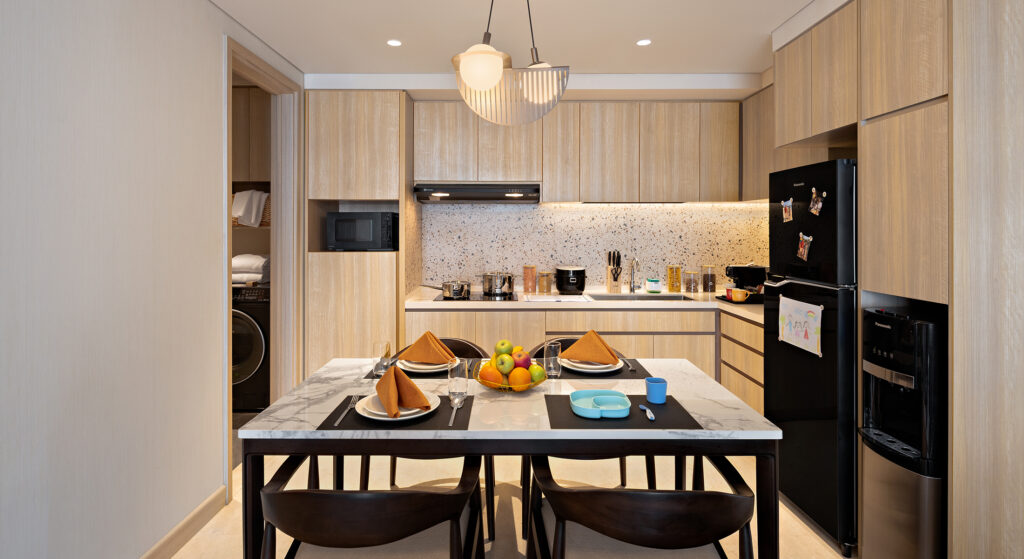
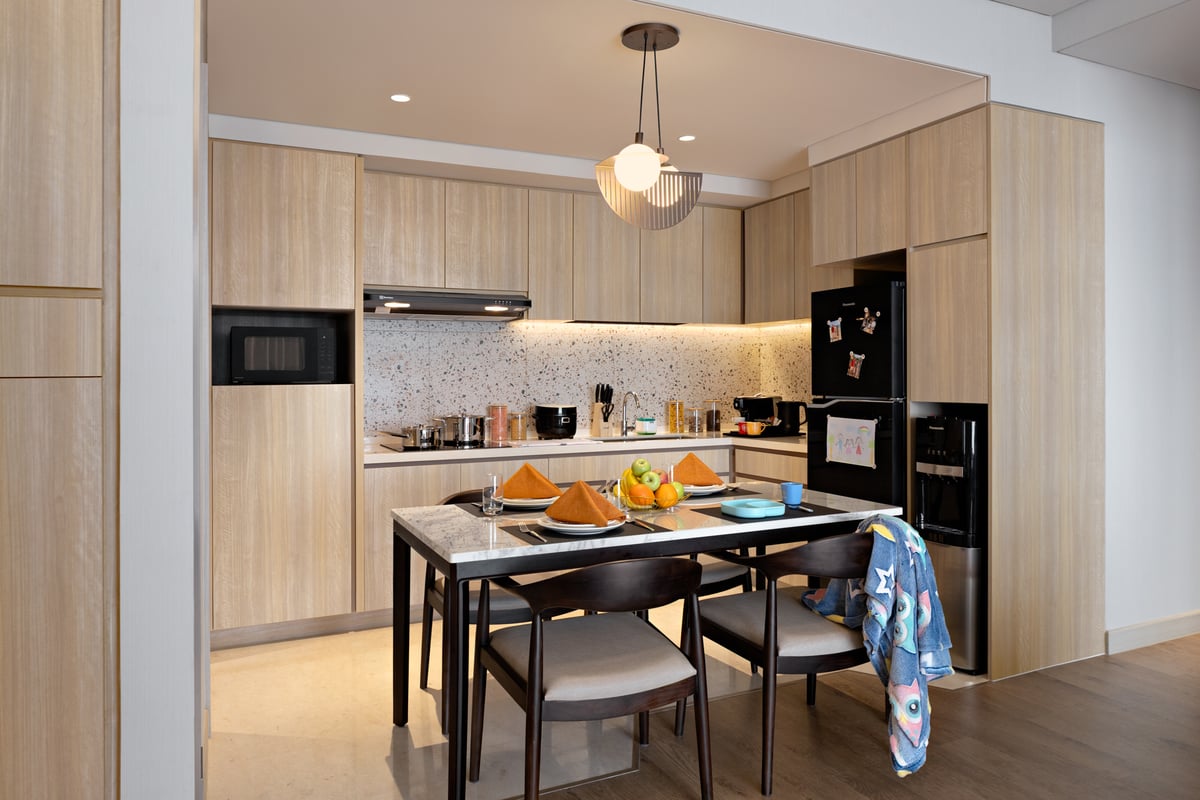
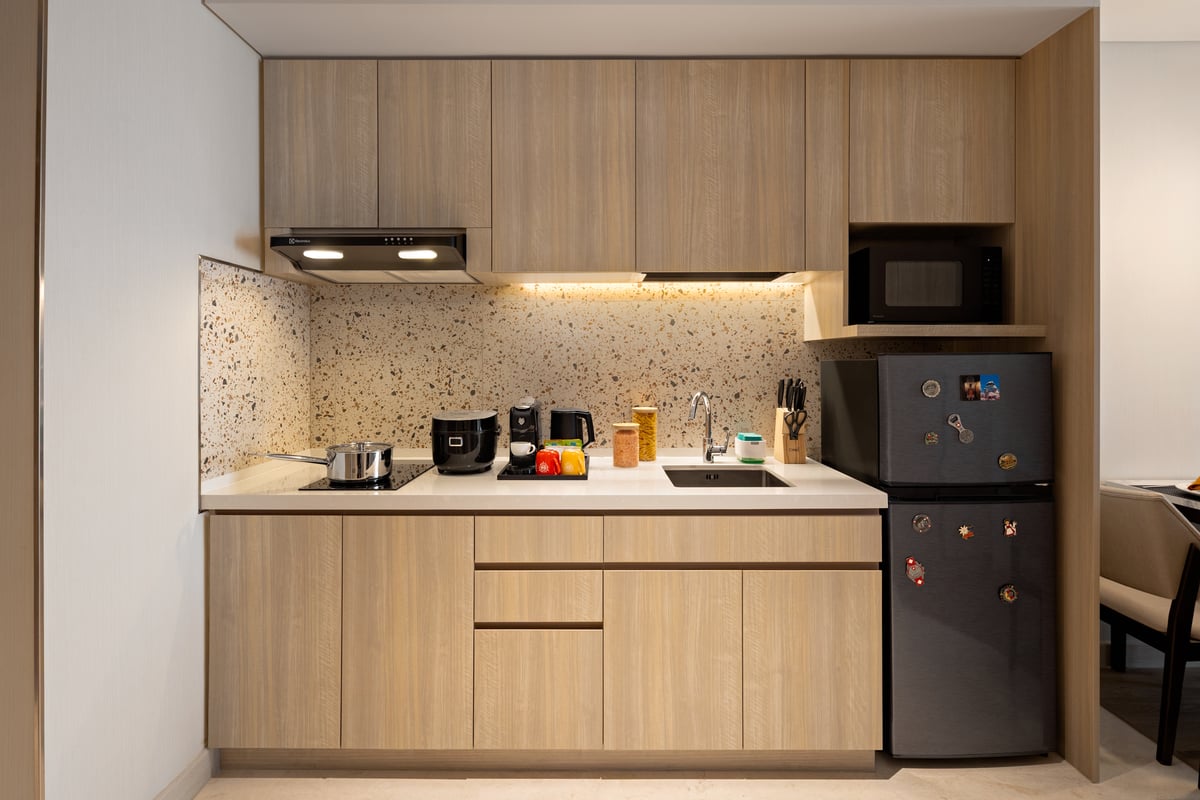
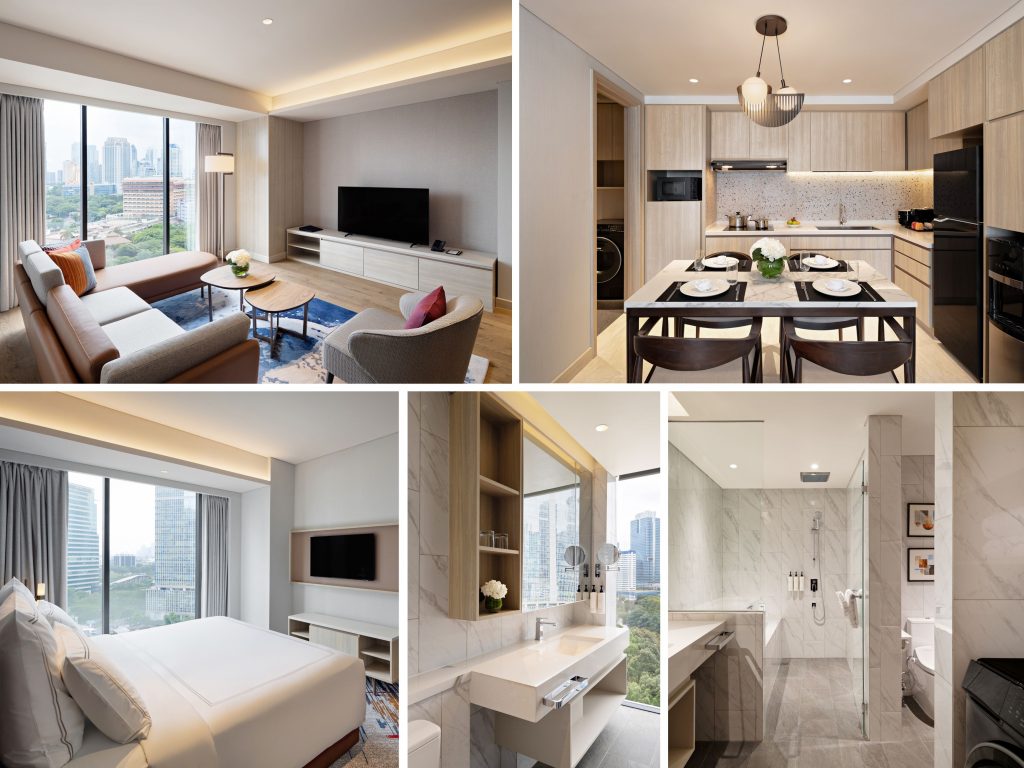
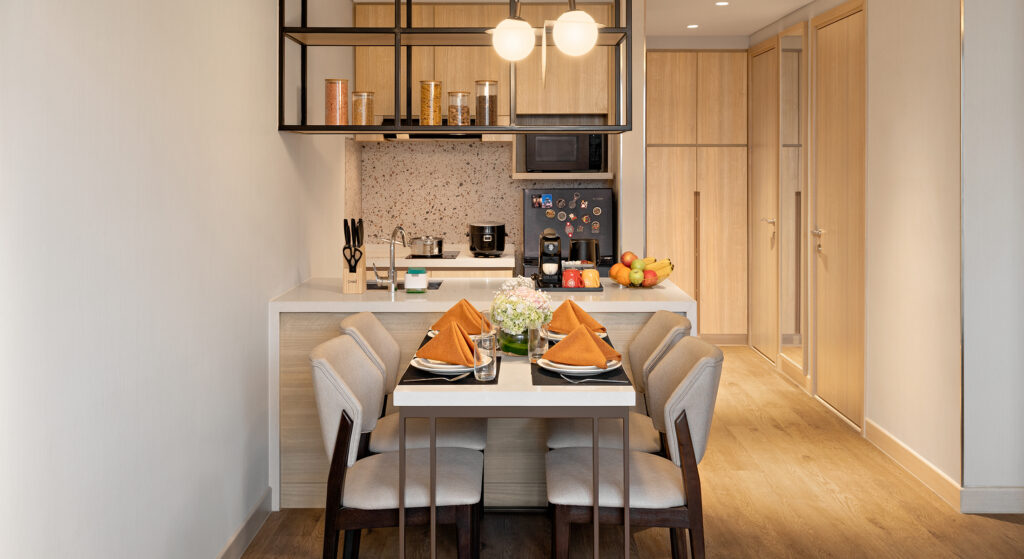
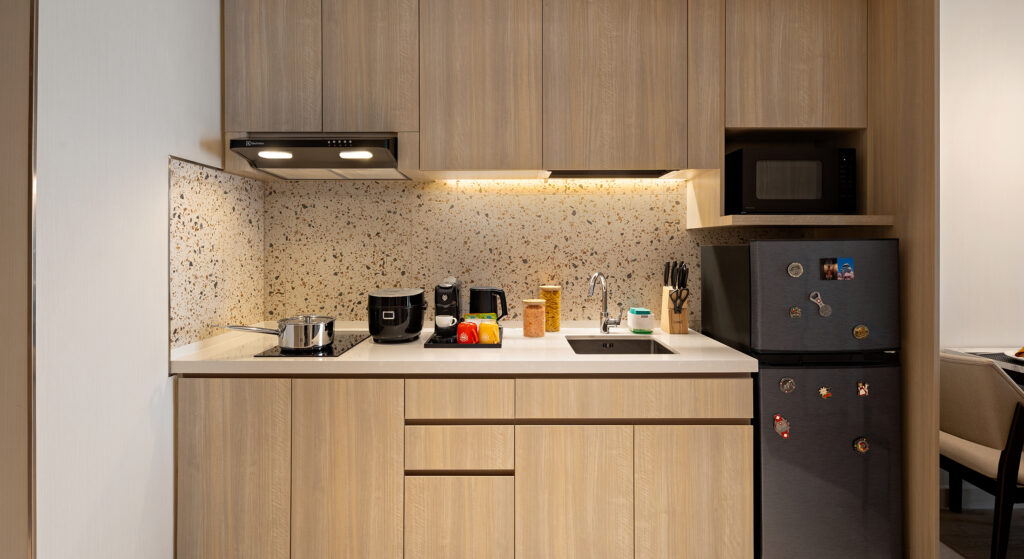
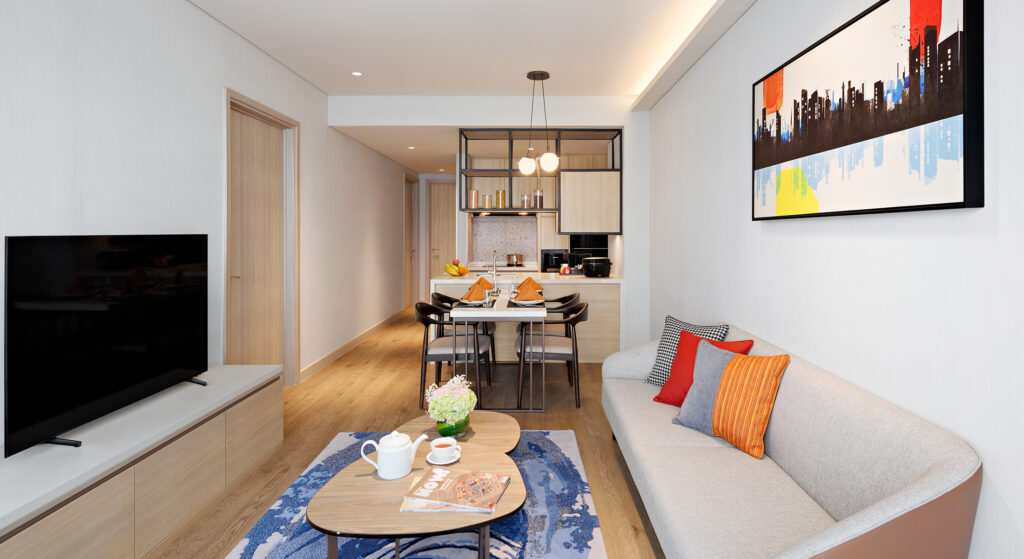
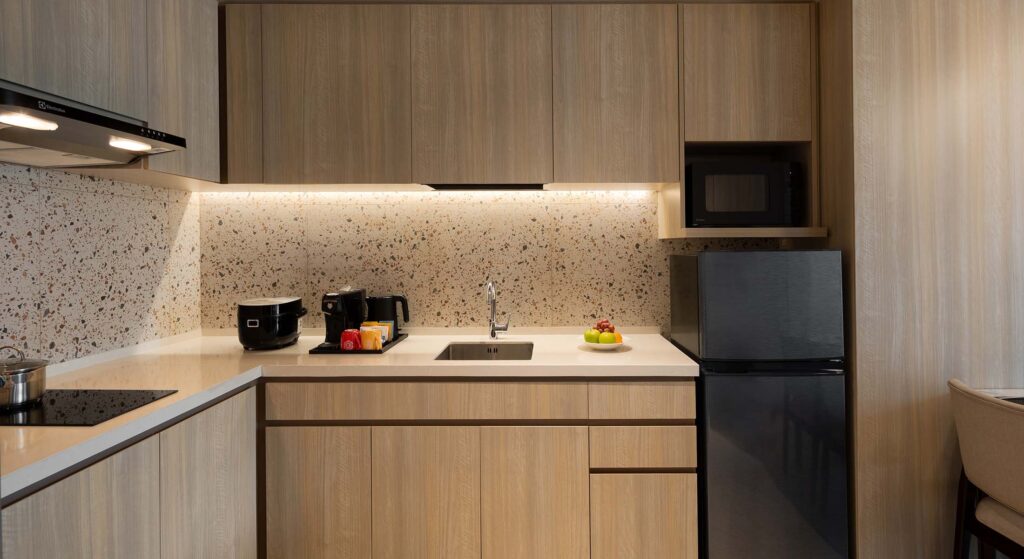
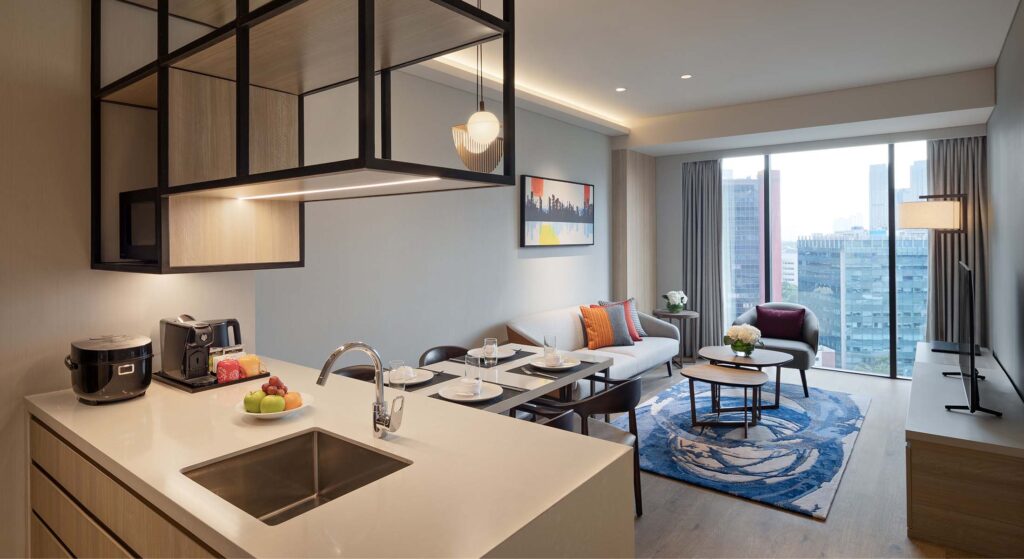
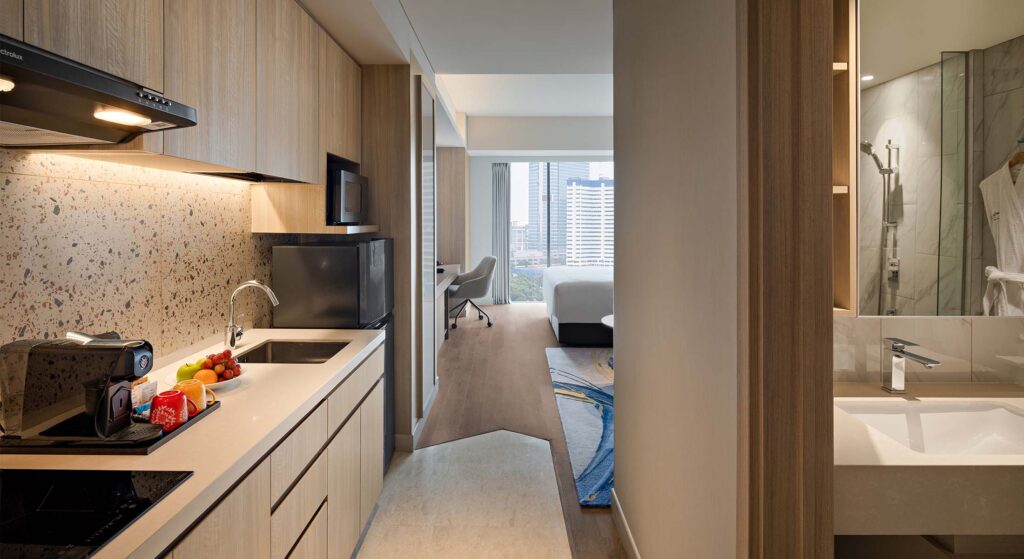
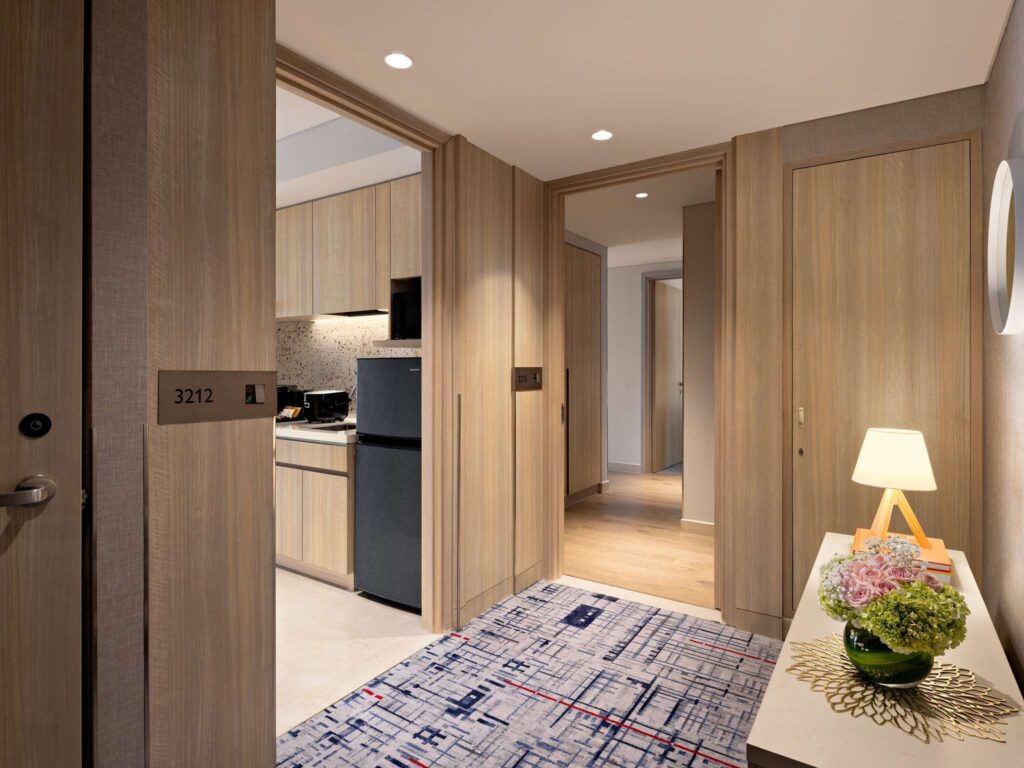
A fully equipped kitchen distinguishes true extended stay lodging from standard hotel rooms. Quality properties provide full-size refrigerators, multi-burner stoves or induction cooktops, microwaves, dishwashers, and complete sets of cookware, dishes, and utensils.
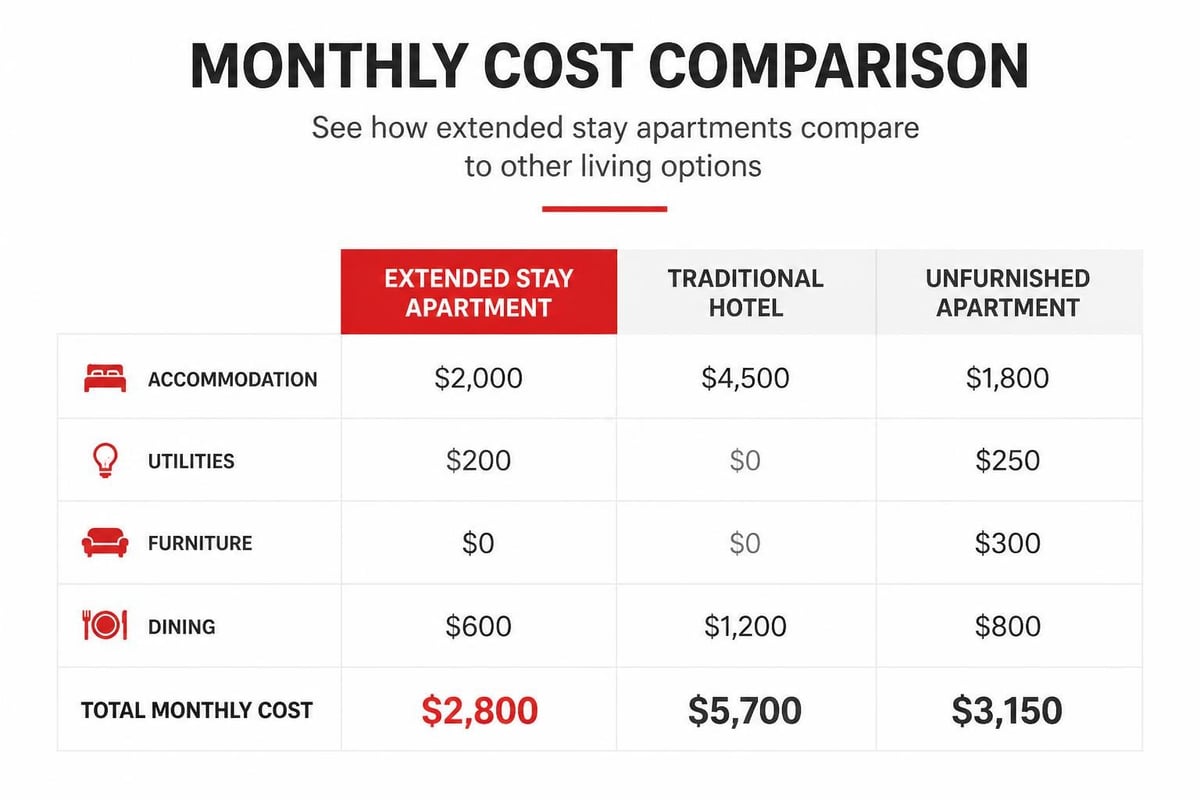
For guests staying weeks or months, kitchen access delivers significant cost savings compared to daily restaurant meals. It also enables dietary control, accommodates special nutritional requirements, and maintains familiar eating routines.
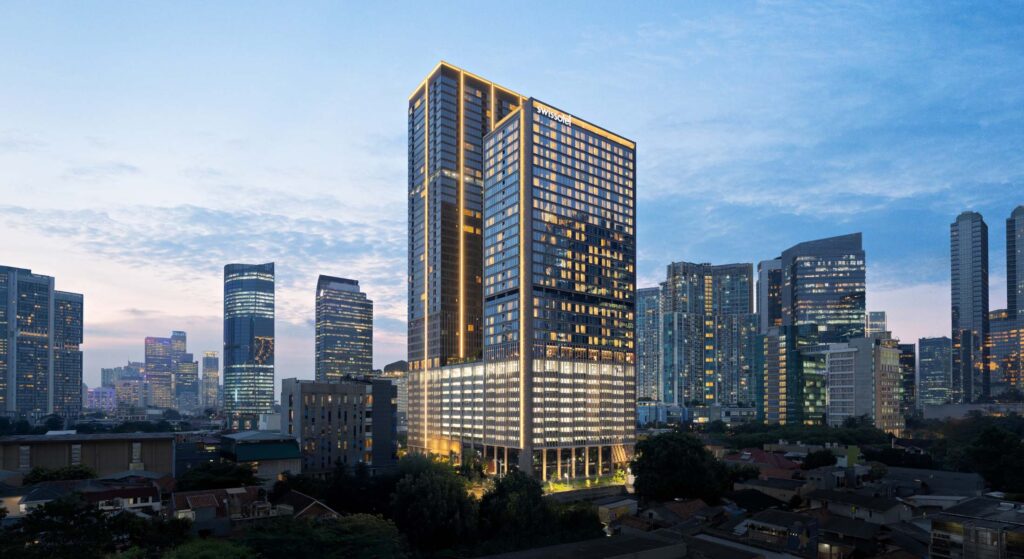
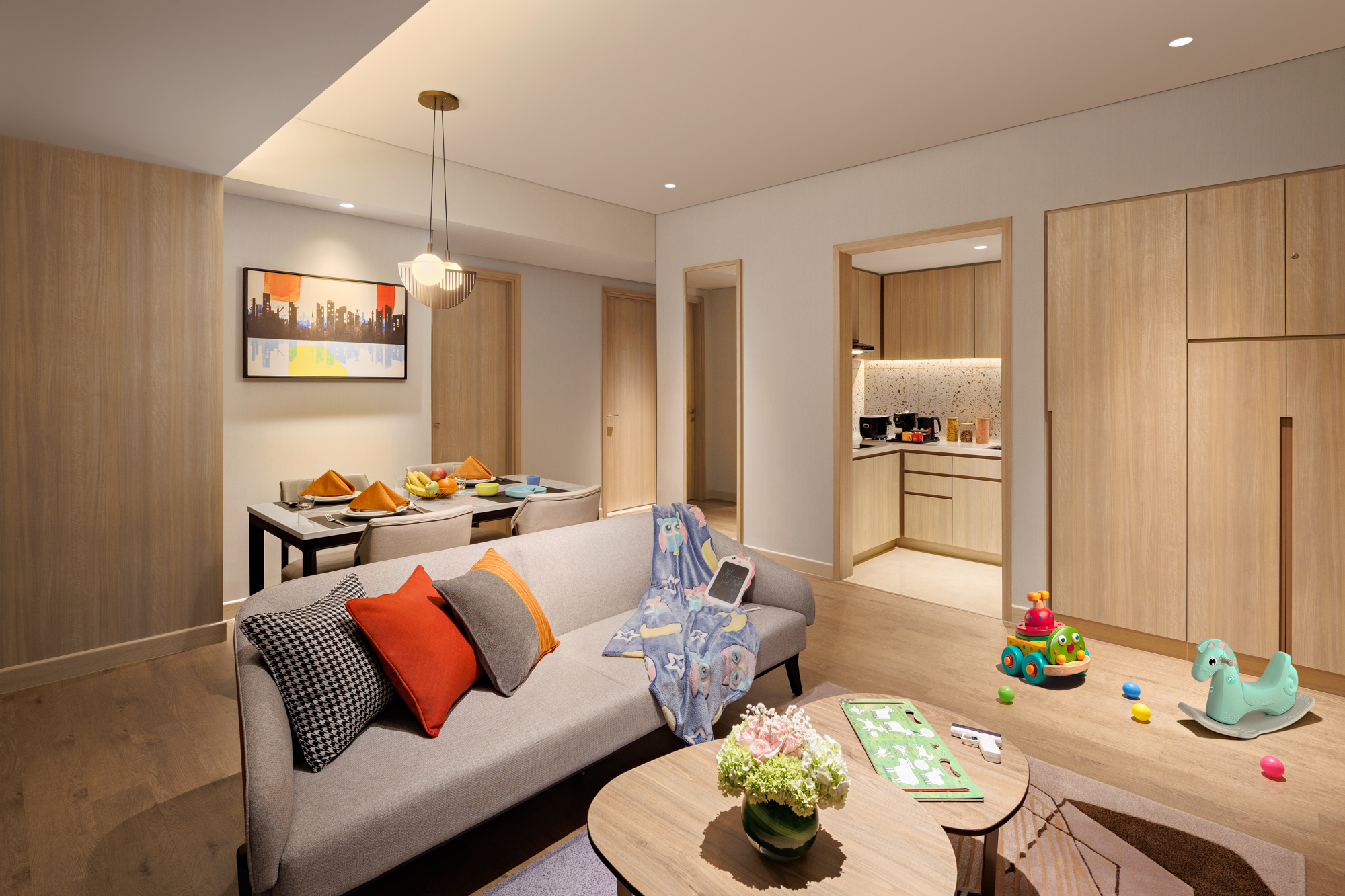
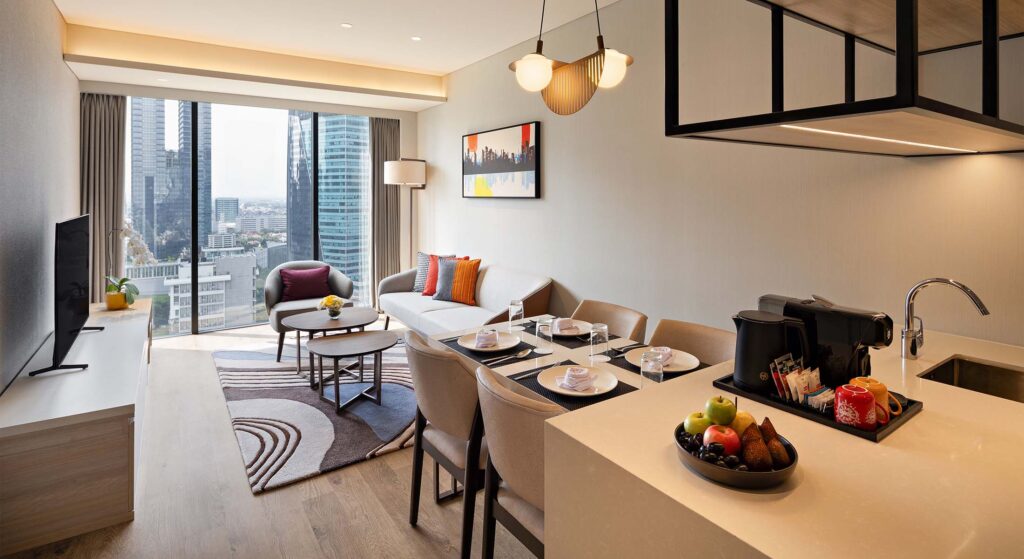
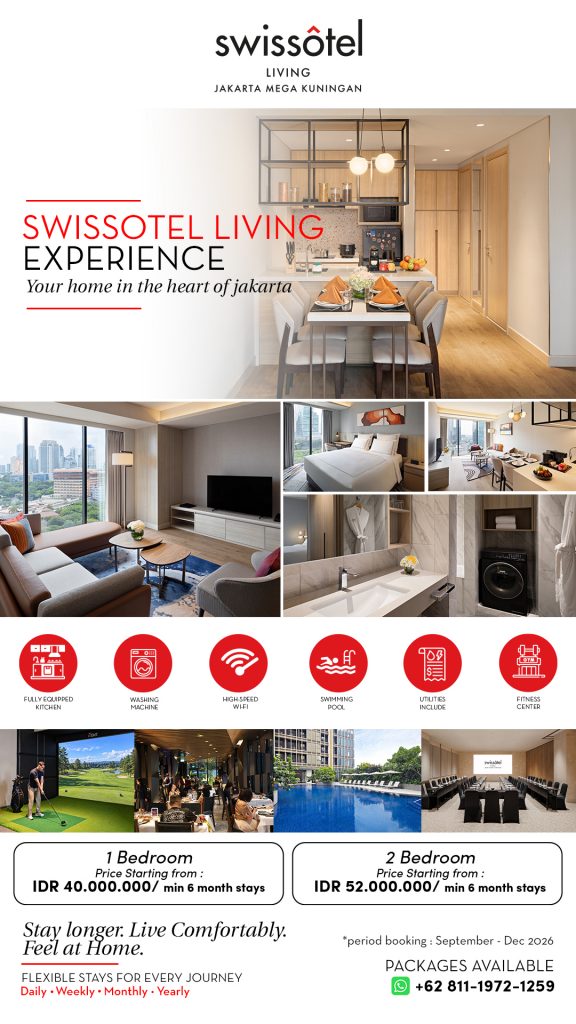
Properties like Swissôtel Living Jakarta Mega Kuningan exemplify comprehensive kitchen provisioning in their serviced apartments. Units include induction stoves, microwaves, rice cookers, refrigerators, and complete kitchen equipment, enabling guests to prepare full meals as they would at home.
Flexible Accommodation Configurations
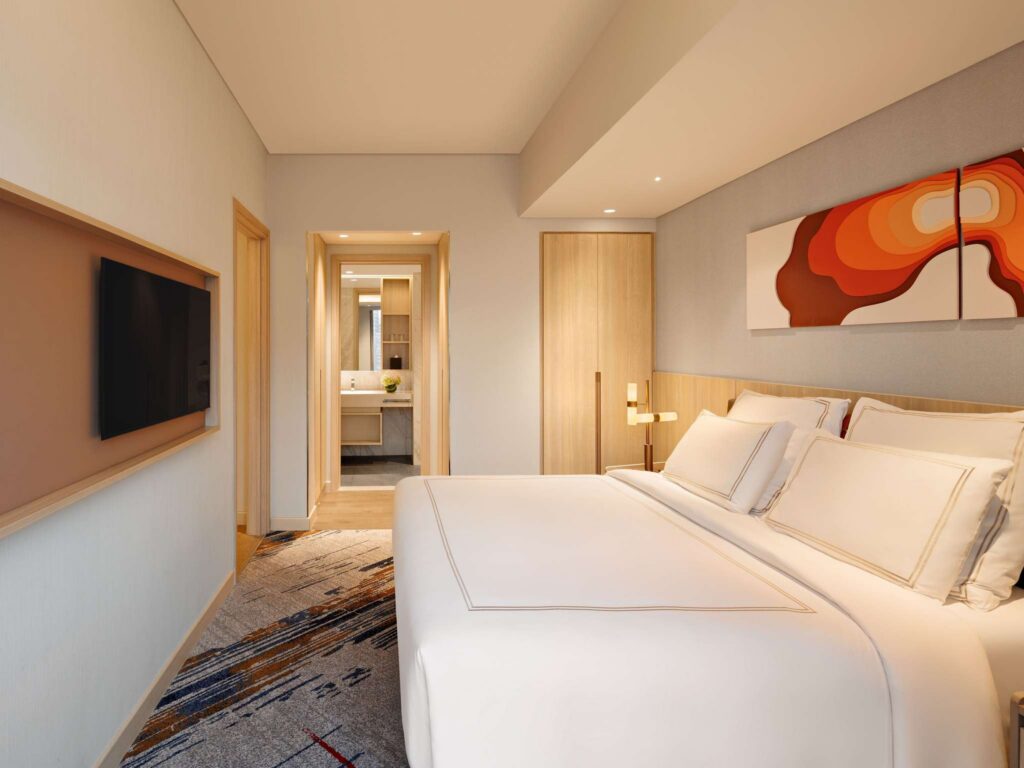
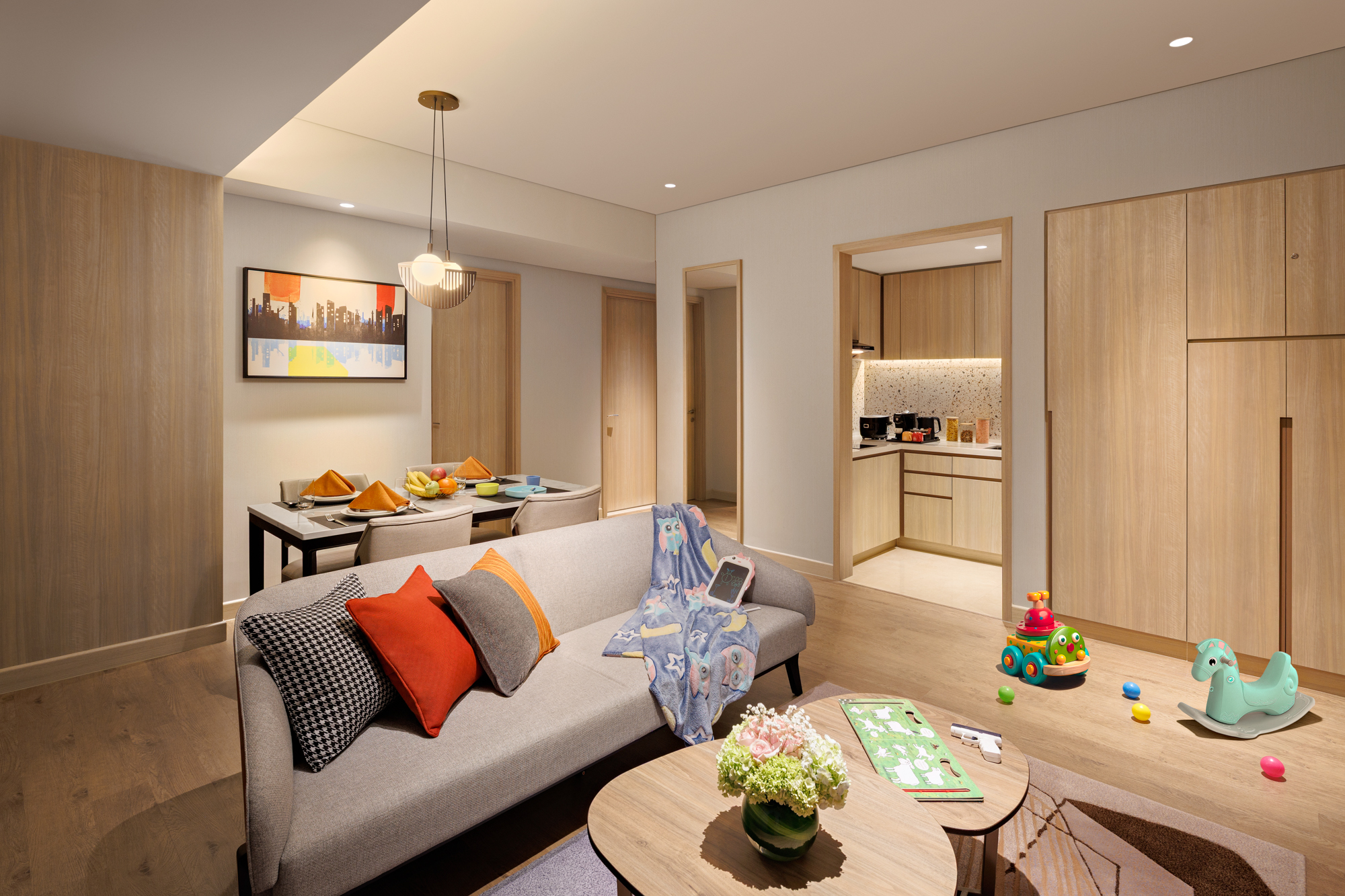
Family compositions and space requirements vary considerably among extended stay guests. Quality lodging extended stay properties offer diverse unit configurations to match different needs.
Common configurations include:
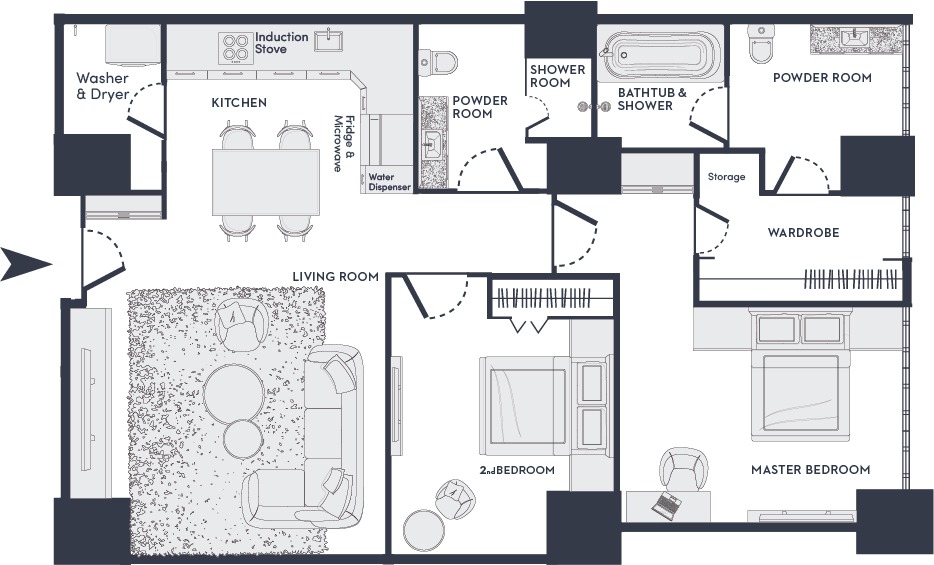
- Studio apartments: Efficient spaces combining sleeping, living, and kitchen areas (typically 35-45 sqm)
- One-bedroom units: Separate bedroom and living room with full kitchen (typically 50-70 sqm)
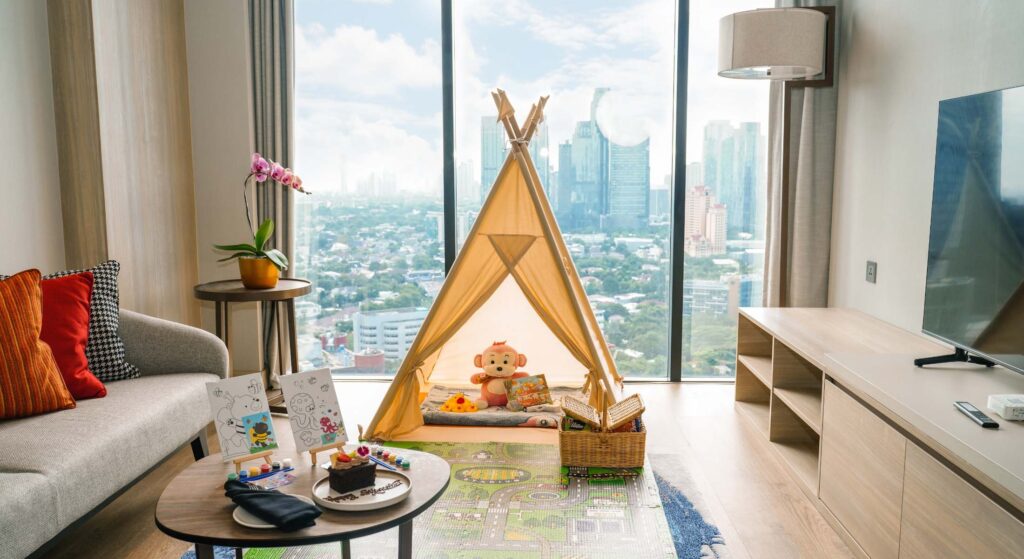
- Two-bedroom apartments: Suitable for families or shared professional accommodation (typically 80-100 sqm)
- Three-bedroom residences: Large family or executive accommodations (typically 120+ sqm)
Serviced apartment properties in major business districts often maintain an inventory spanning all these categories, allowing properties to accommodate solo business travelers, couples, and families within the same building.
In-Unit Laundry and Housekeeping Services
Laundry facilities rank among the most valued amenities for extended stay guests. In-unit washers and dryers provide maximum convenience, while shared laundry rooms offer a more economical alternative for budget-conscious properties.
Housekeeping service frequency typically differs from traditional hotels. Rather than daily cleaning, extended stay lodging usually provides weekly or bi-weekly service, with additional cleaning available upon request. This approach respects guests’ privacy while maintaining cleanliness standards.
Location Considerations for Extended Stay Lodging
Location profoundly impacts the extended stay experience. Beyond basic proximity to work or medical facilities, several location factors deserve careful evaluation.
Access to Business Districts and Transportation
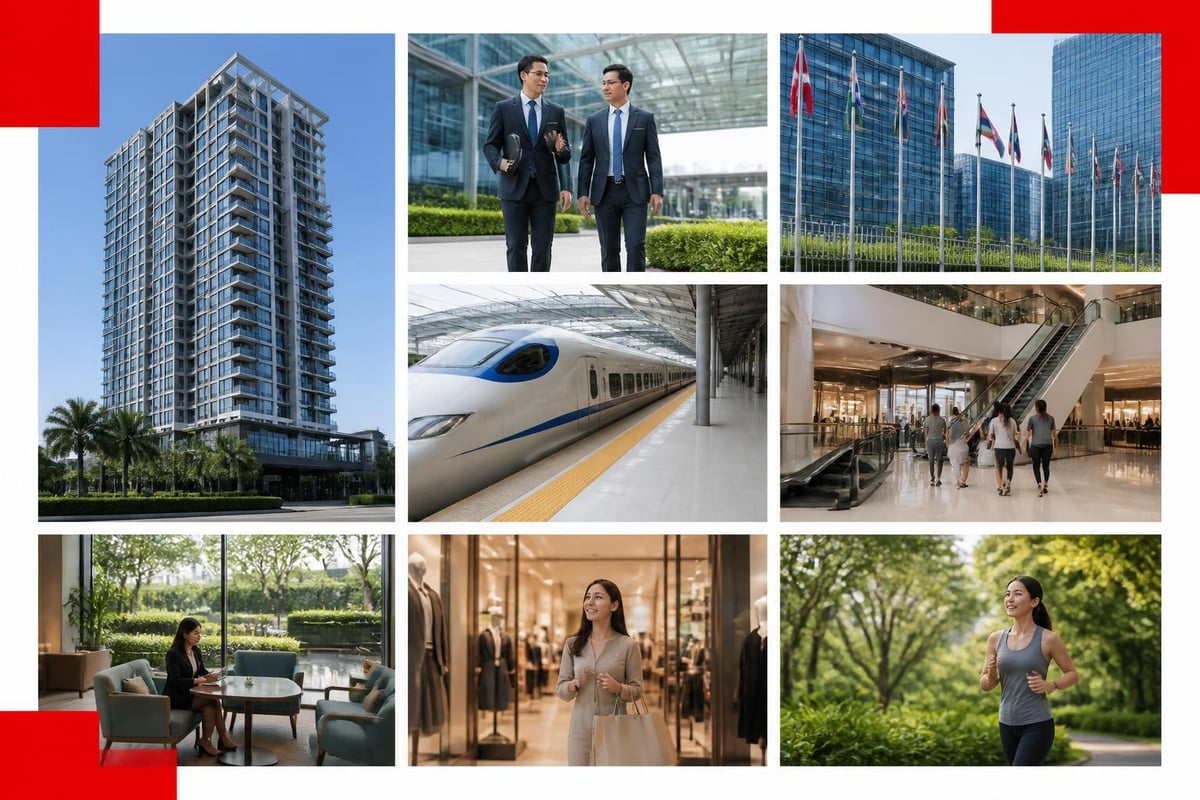
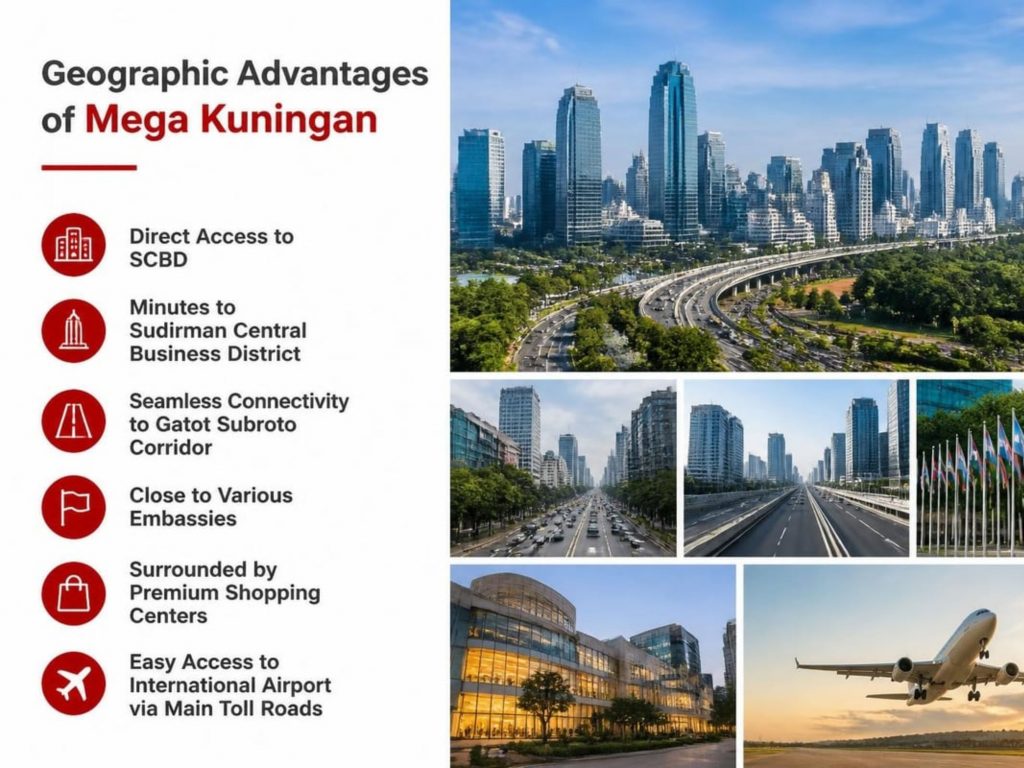
For corporate travelers, convenient access to business districts reduces commute time and stress. Properties located in or near central business districts like Mega Kuningan in Jakarta offer walking distance or short commutes to major offices, saving valuable time during multi-month assignments.
Transportation infrastructure matters equally. Proximity to major highways, public transportation, and airports facilitates both daily commuting and periodic return trips home. Properties near Soekarno-Hatta International Airport prove especially valuable for business travelers making frequent trips.
Neighborhood Amenities and Services
Extended stay guests need access to grocery stores, pharmacies, restaurants, banks, and other essential services. The best lodging extended stay locations situate guests near comprehensive amenity clusters that support daily life without requiring extensive travel.
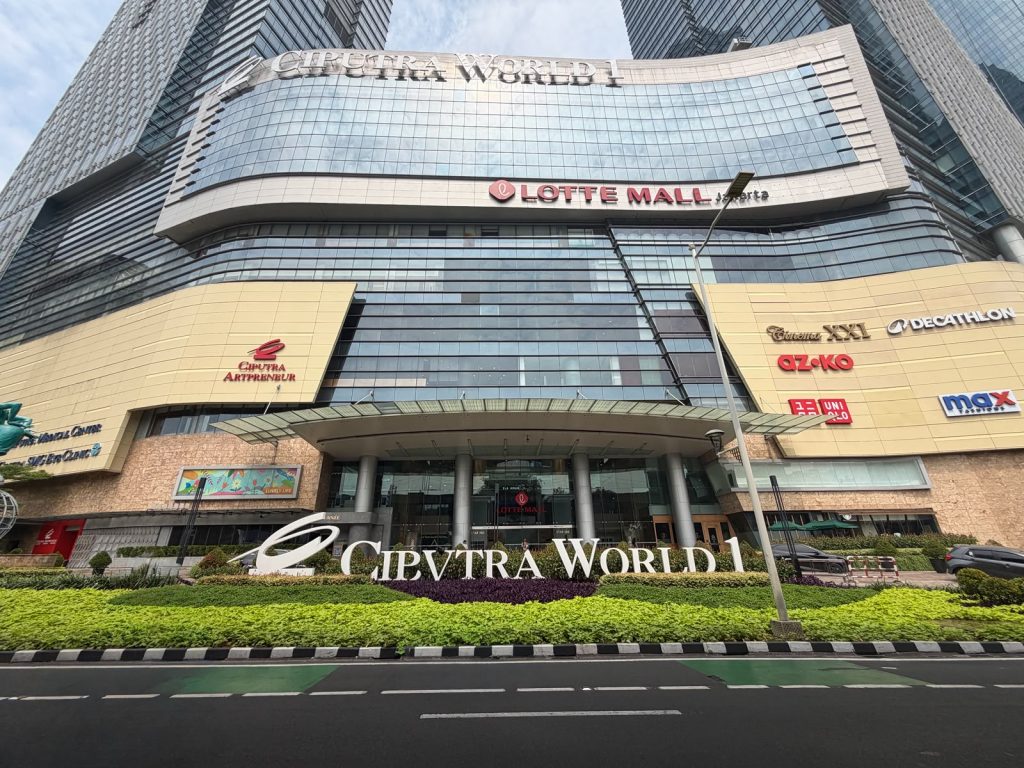
Shopping malls, restaurants serving diverse cuisines, and entertainment options also contribute to quality of life during extended assignments. Business districts that combine office spaces with retail, dining, and cultural amenities create more satisfying extended stay environments.
Safety, Security, and Livability
Personal safety and neighborhood security become increasingly important for stays lasting weeks or months. Well-maintained neighborhoods, visible security presence, secure building access, and well-lit surroundings all contribute to peace of mind, especially for solo travelers and families with children.
Pricing Models and Booking Flexibility
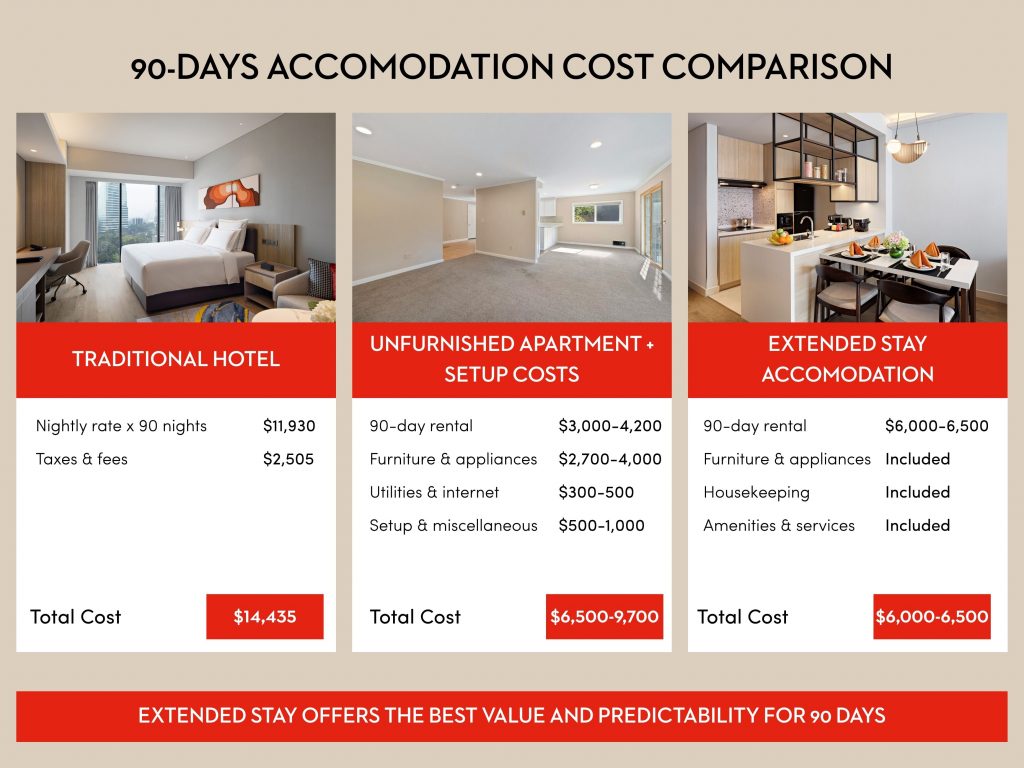
Understanding extended stay pricing structures helps travelers budget accurately and negotiate favorable terms. Unlike traditional hotels with fixed nightly rates, lodging extended stay properties employ more flexible pricing models.
Daily, Weekly, Monthly, and Yearly Rates
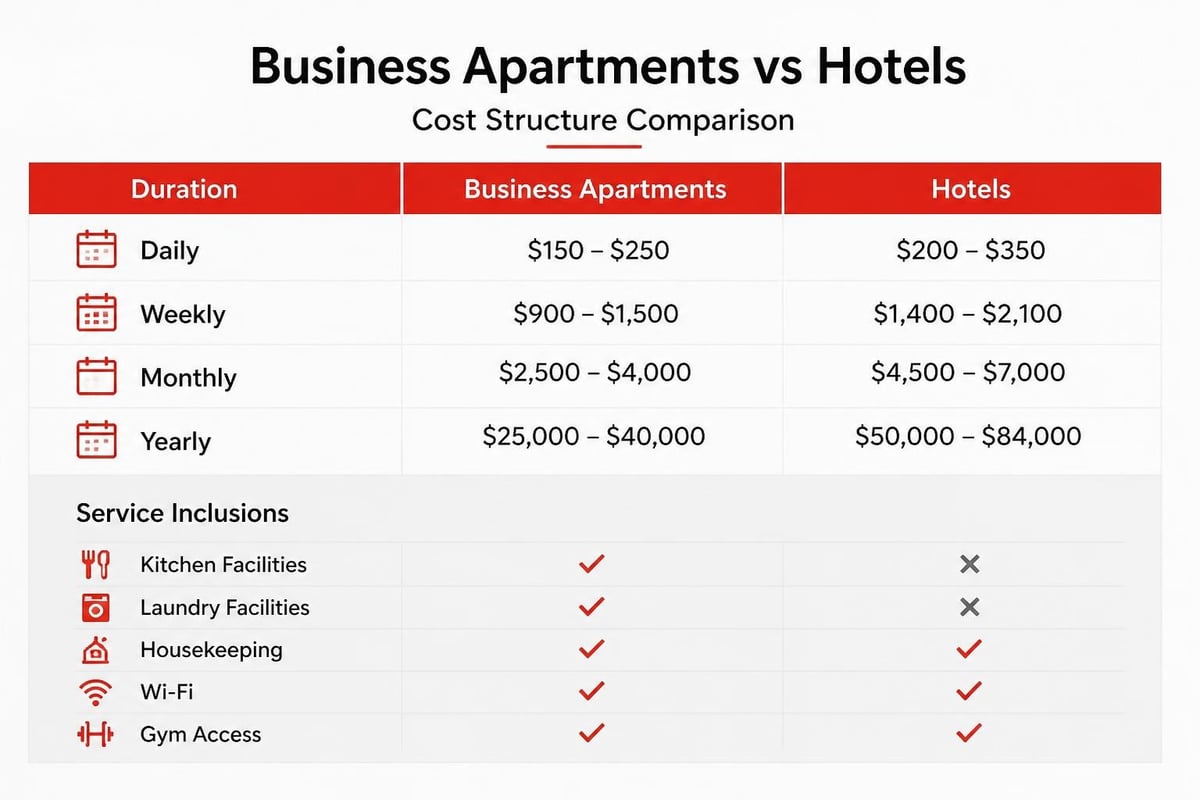
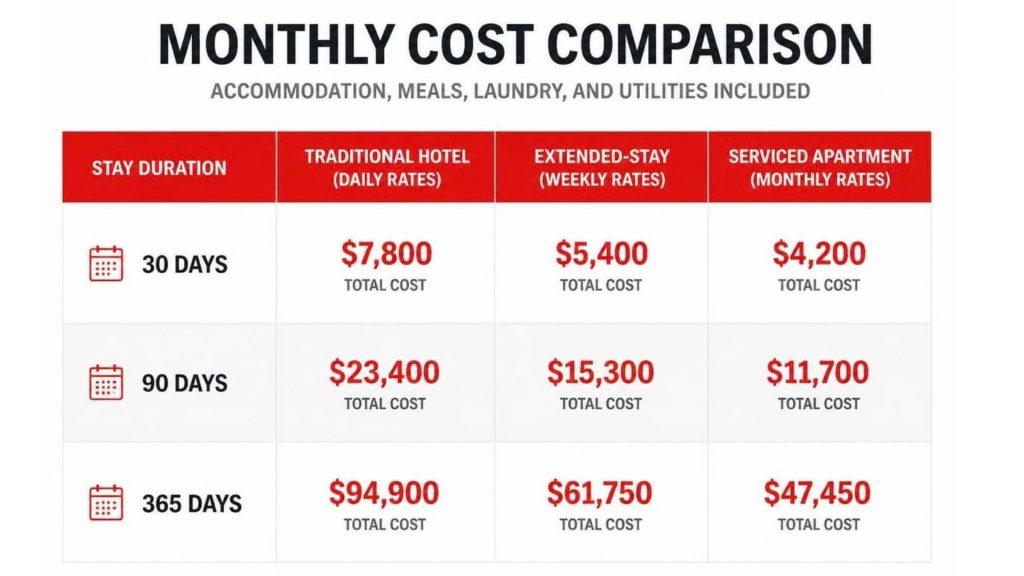
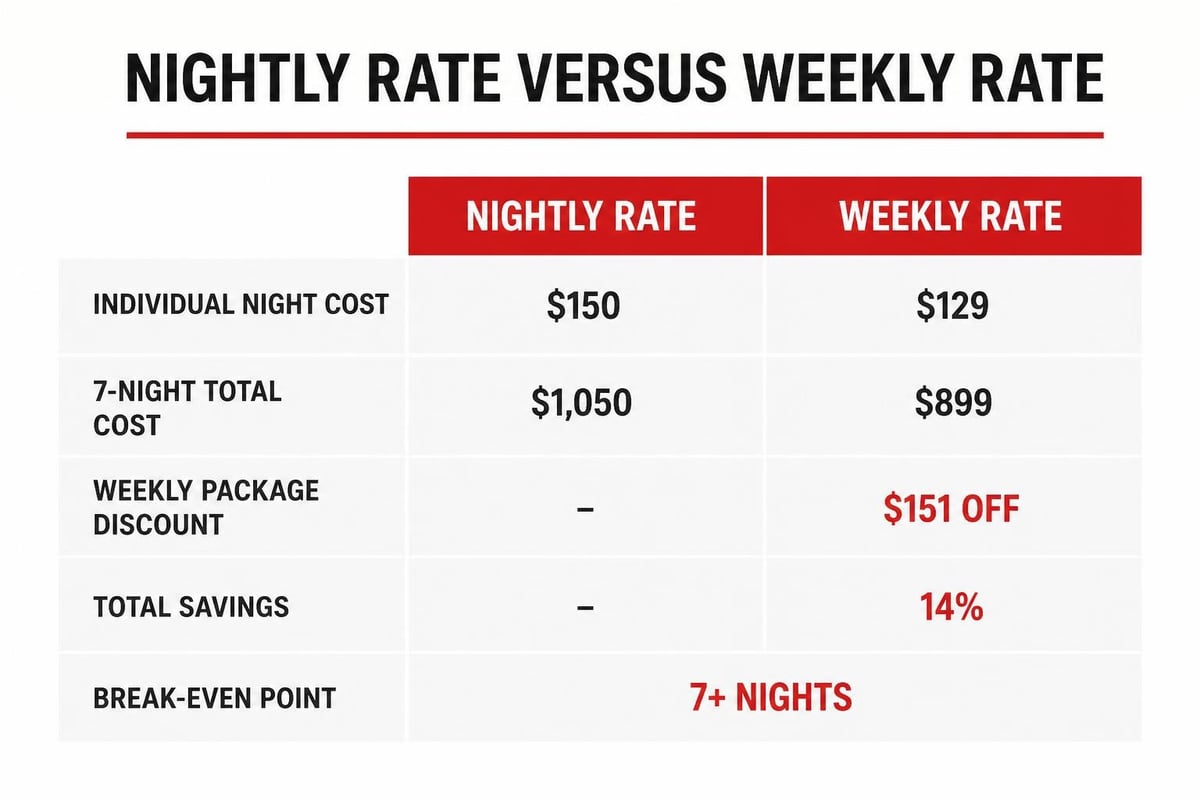
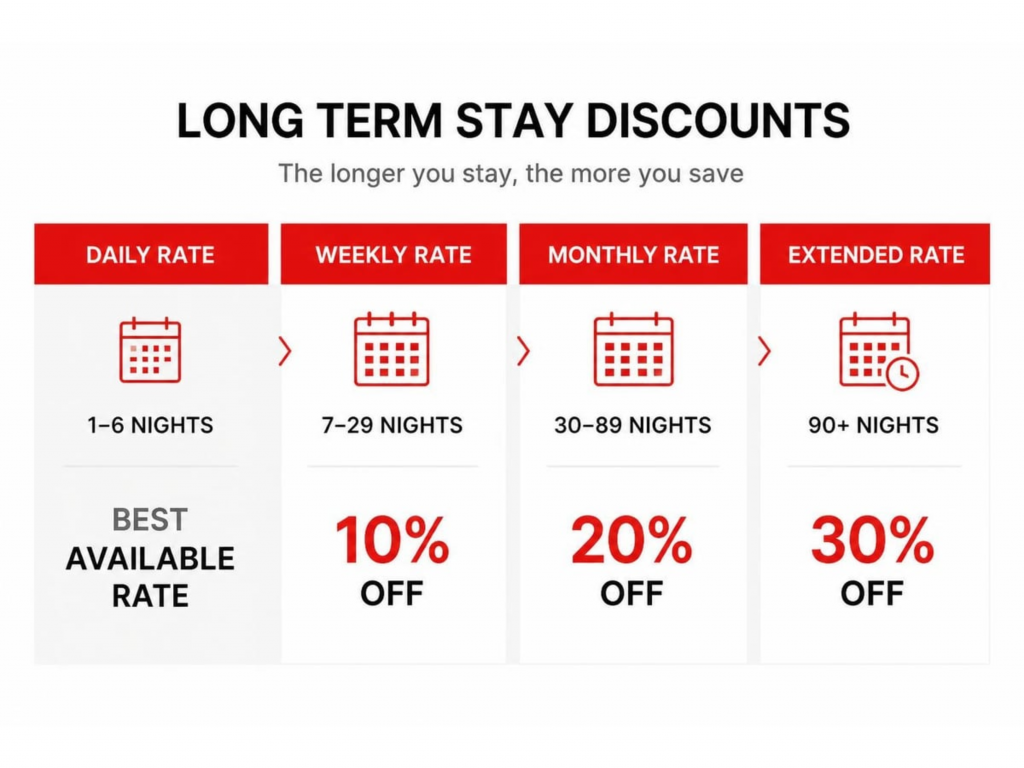
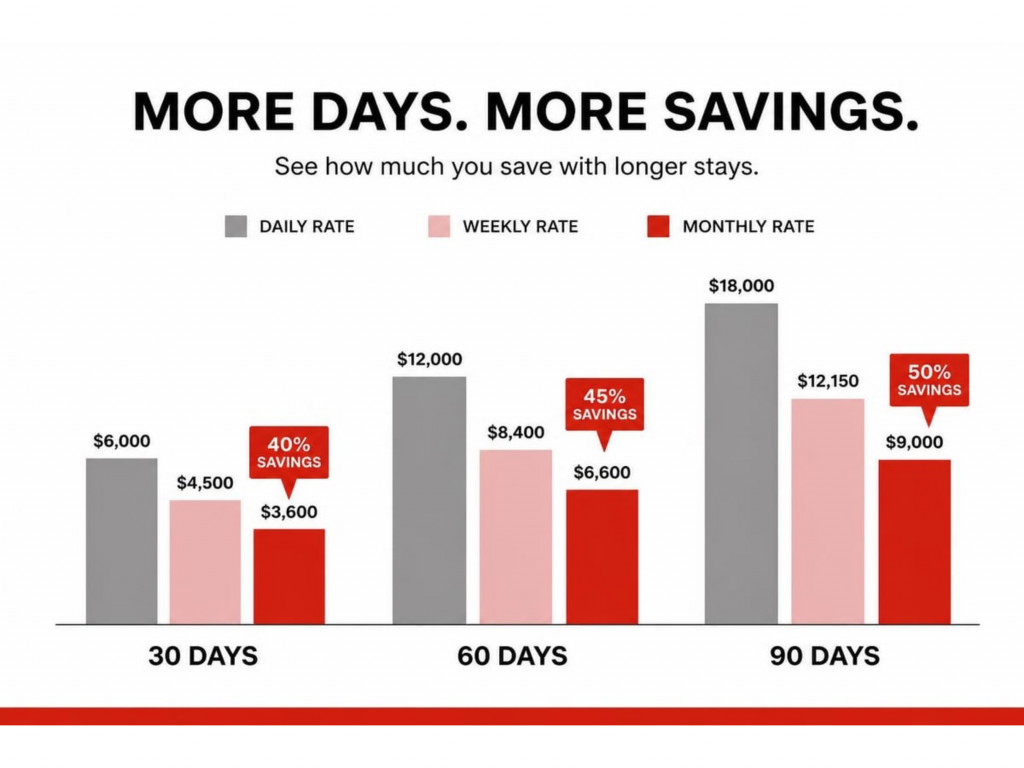
Extended stay pricing typically decreases as commitment length increases. Daily rates apply for short stays but prove expensive over extended periods. Weekly rates offer modest discounts, while monthly rates deliver substantial savings-often 30-50% below equivalent daily pricing.
Typical pricing structure:
| Stay Duration | Rate Type | Approximate Discount |
|---|---|---|
| 1-6 nights | Daily rate | Baseline |
| 7-29 nights | Weekly rate | 10-20% off daily |
| 30-89 nights | Monthly rate | 30-40% off daily |
| 90+ nights | Quarterly/Yearly rate | 40-50% off daily |
Properties offering long-stay hotel deals provide transparent pricing across these duration bands, allowing travelers to calculate total costs accurately before committing.
What’s Included in Extended Stay Rates
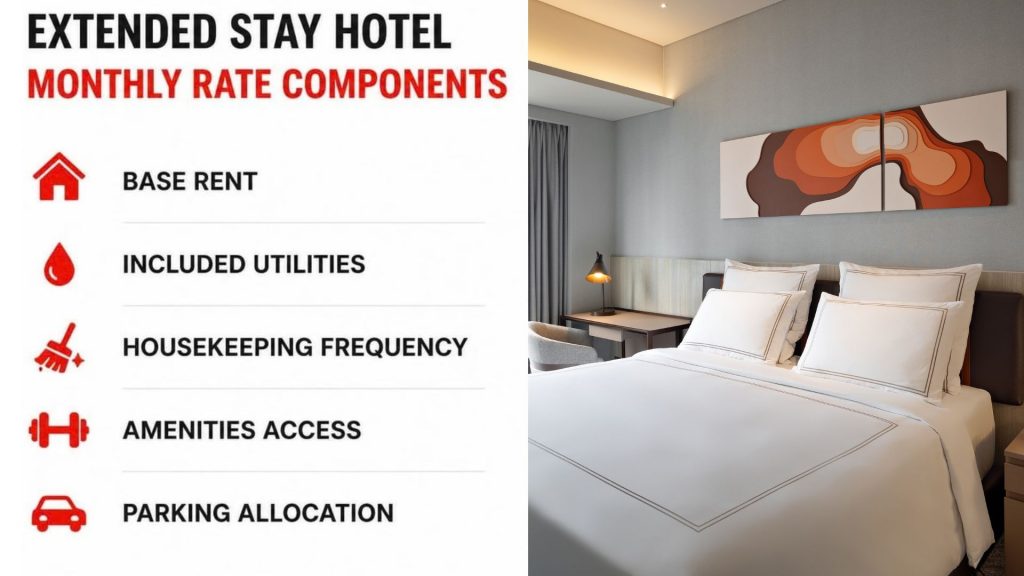
Extended stay rates typically bundle utilities (electricity, water, internet) into the quoted price, eliminating budget uncertainty. However, policies vary by property and destination. Always clarify what the rate includes:
- Utilities and Wi-Fi
- Housekeeping frequency
- Parking facilities
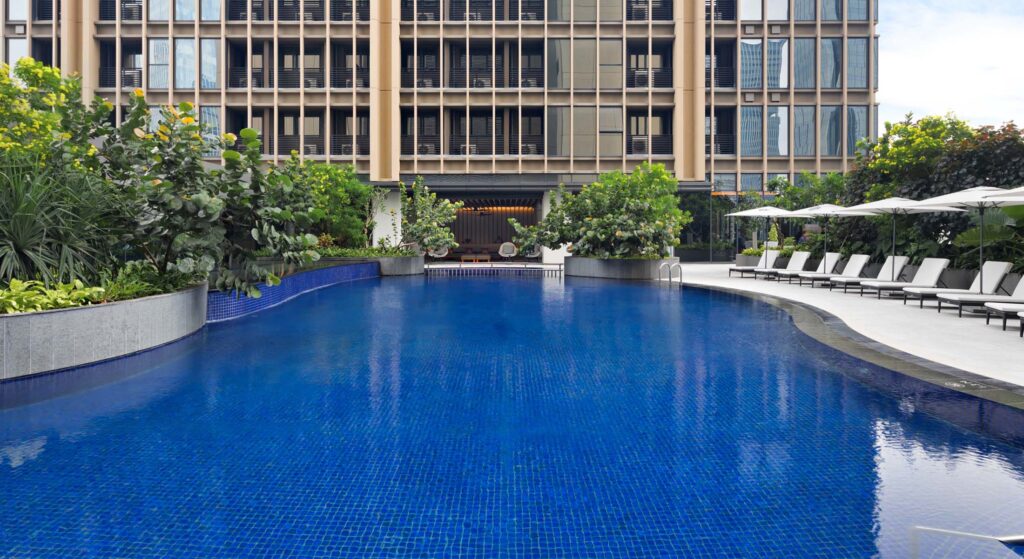
- Access to fitness centers, pools, and common areas
- Local phone service
Some properties include breakfast or provide meal credits, while others operate purely on a self-catering model. Understanding inclusions prevents unexpected expenses during your stay.
Booking Flexibility and Cancellation Policies
Extended stay commitments involve more uncertainty than overnight hotel bookings. Job assignments extend or conclude early, family situations change, and project timelines shift. Booking flexibility becomes crucial.
Progressive lodging extended stay properties offer flexible terms that allow extensions, early terminations with reasonable notice, and modification of unit types as guest needs evolve. Review cancellation policies carefully, particularly for monthly and yearly commitments.
Legal and Compliance Considerations
Extended stay lodging operates at the intersection of hospitality and residential real estate, creating unique legal and regulatory considerations for both operators and guests.
Accessibility Requirements
ADA regulations for lodging establishments apply to extended stay properties just as they do to traditional hotels. Properties must provide accessible units with features including wider doorways, roll-in showers, visual fire alarms, and accessible routes to common areas.
Guests requiring accessible accommodations should confirm specific accessibility features when booking, as requirements vary based on individual needs. Well-designed accessible units provide dignity and comfort for guests with disabilities during extended stays.
Tax Implications for Extended Stays
Tax treatment of extended lodging varies by jurisdiction and length of stay. In some locations, stays exceeding 30 consecutive nights qualify for reduced or eliminated occupancy taxes. However, this varies significantly by city and country.
Business travelers should consult tax advisors regarding deductibility of extended lodging expenses. IRS Publication 463 provides guidance on legitimate travel expense deductions, including lodging costs for work away from a taxpayer’s primary residence.
Emergency Housing and Alternative Use
Recent years have demonstrated extended stay lodging’s value for emergency and alternative housing purposes. Research on hotels as alternative care sites during public health emergencies reveals both operational capabilities and regulatory considerations when repurposing lodging for extended healthcare, quarantine, or disaster response applications.
This flexibility highlights how lodging extended stay properties serve not just routine business and relocation needs but also crucial community functions during crises.
Amenities Beyond the Unit
While in-unit features form the foundation of extended stay lodging, building-level amenities significantly enhance the experience, particularly for stays lasting months.
Fitness and Wellness Facilities
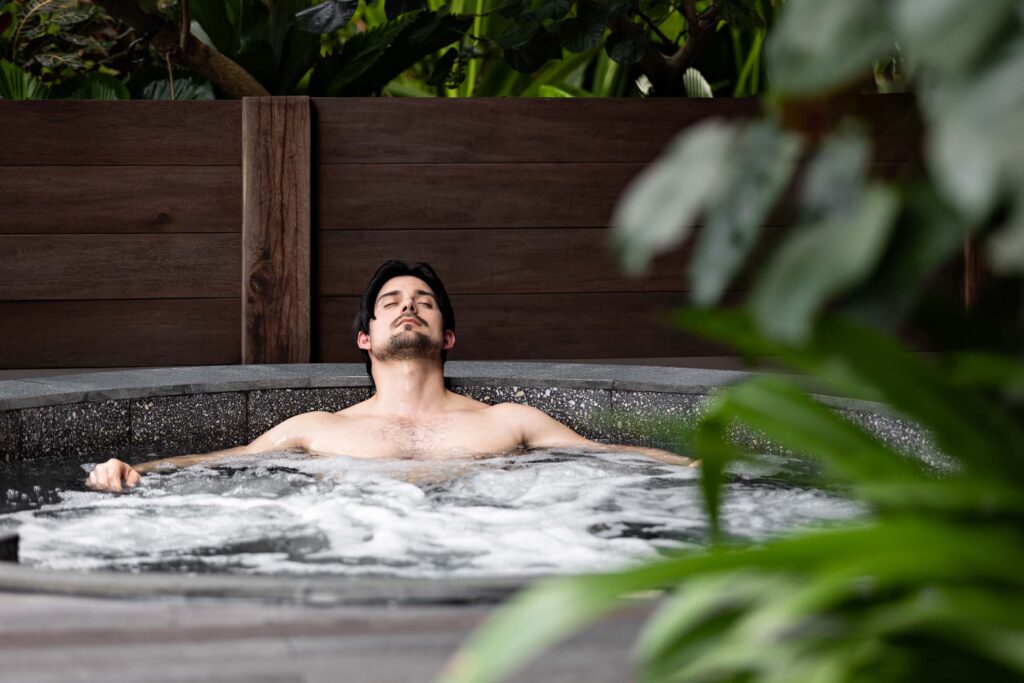
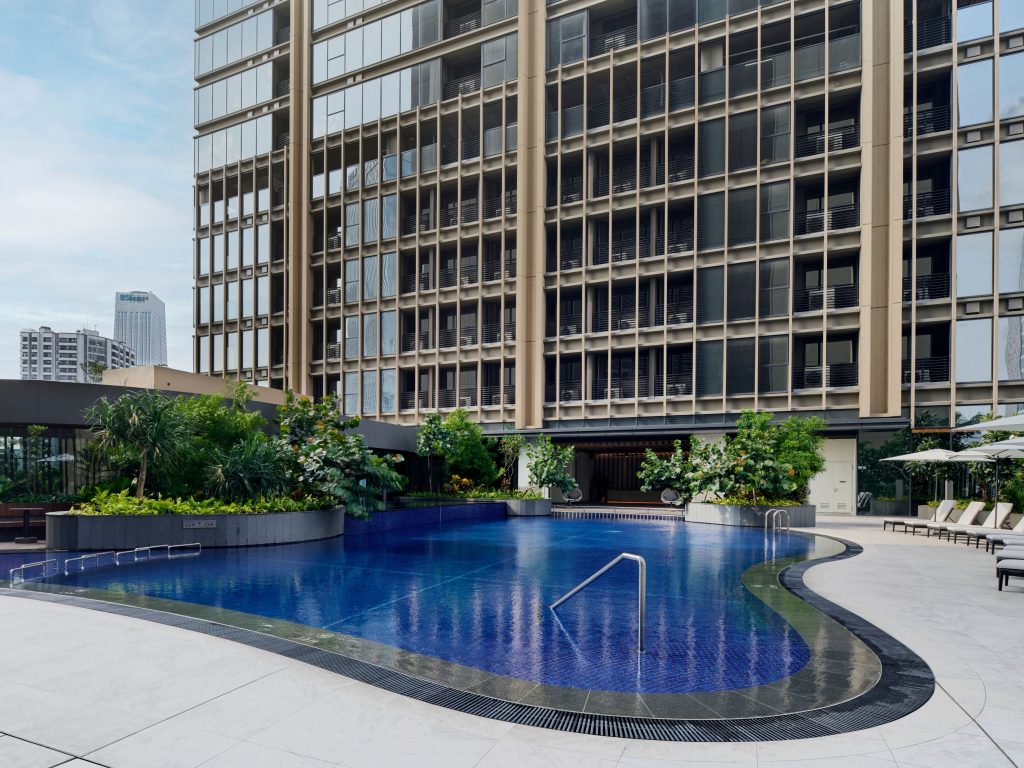
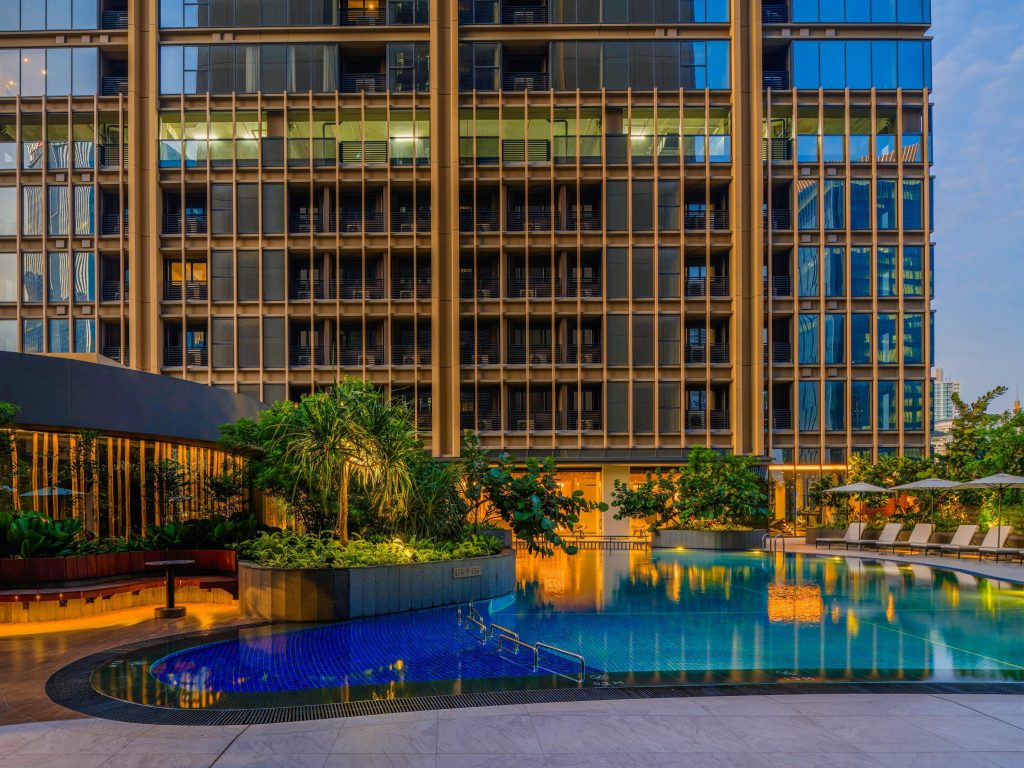
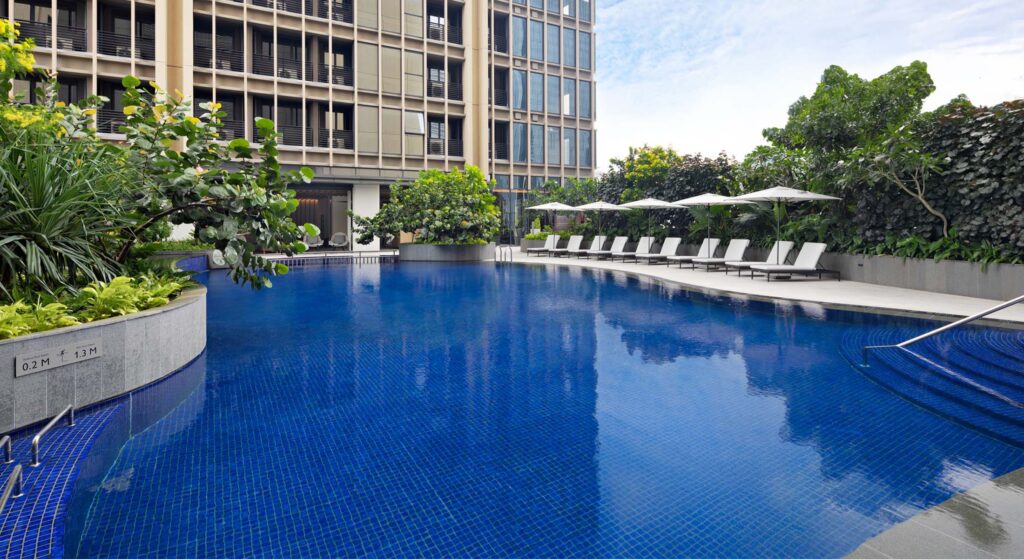
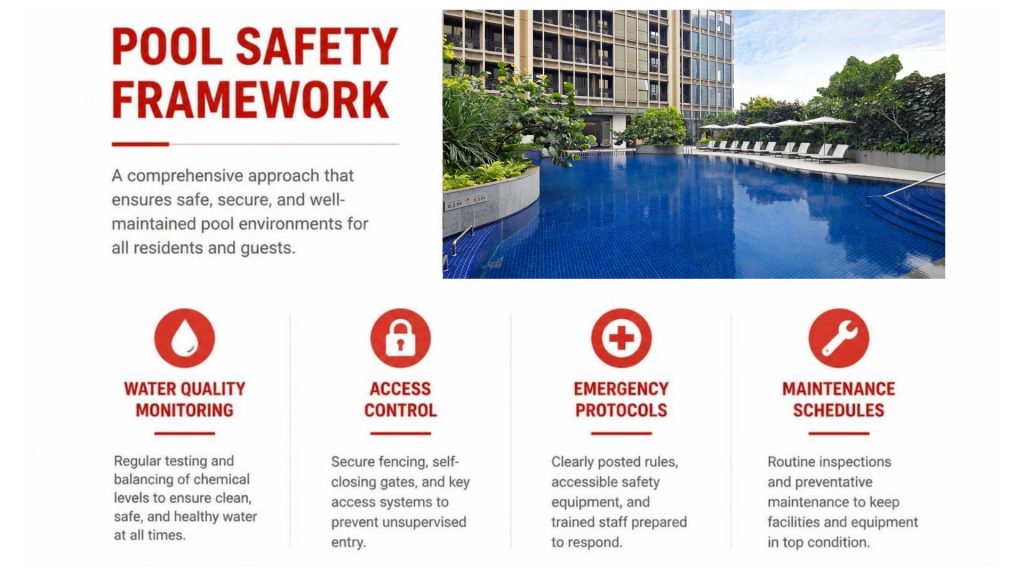
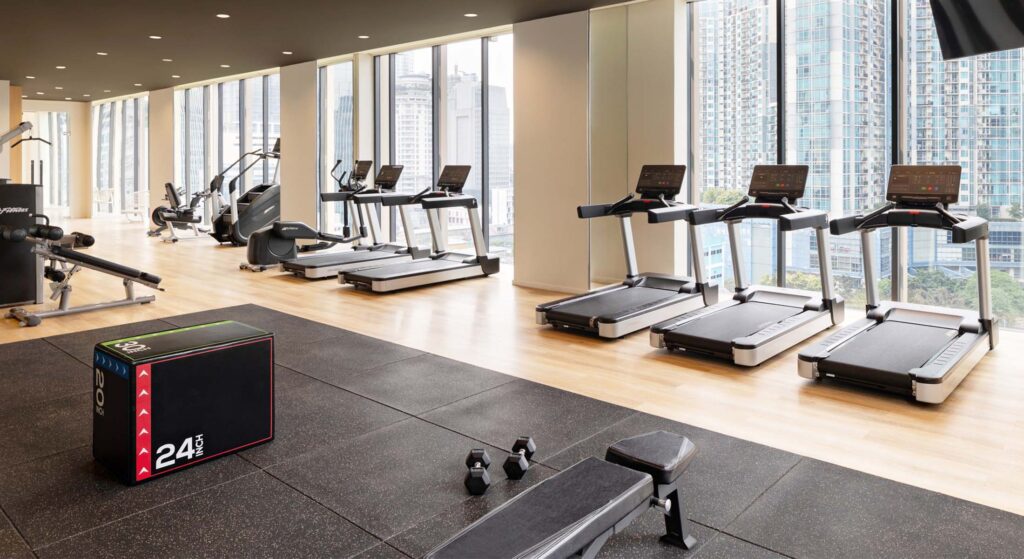
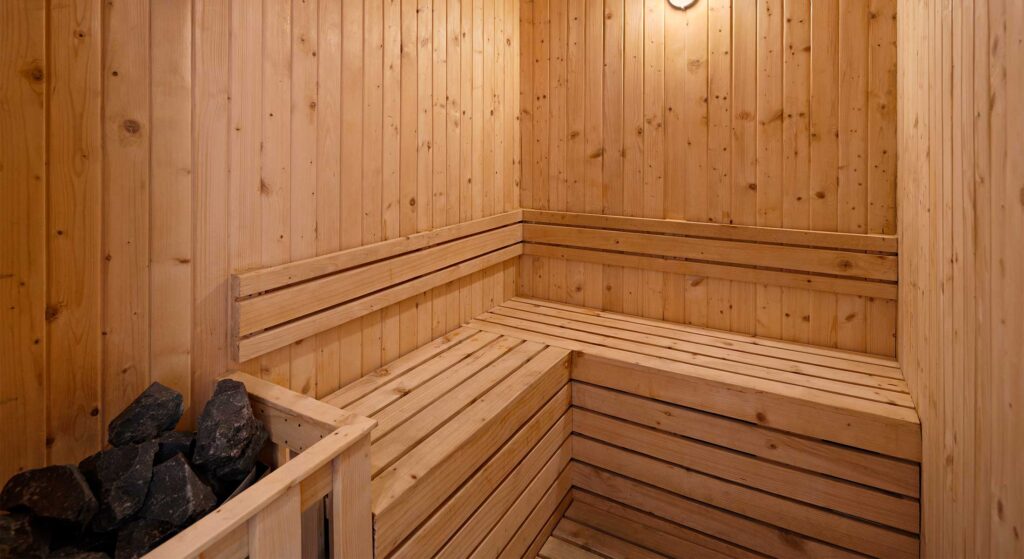
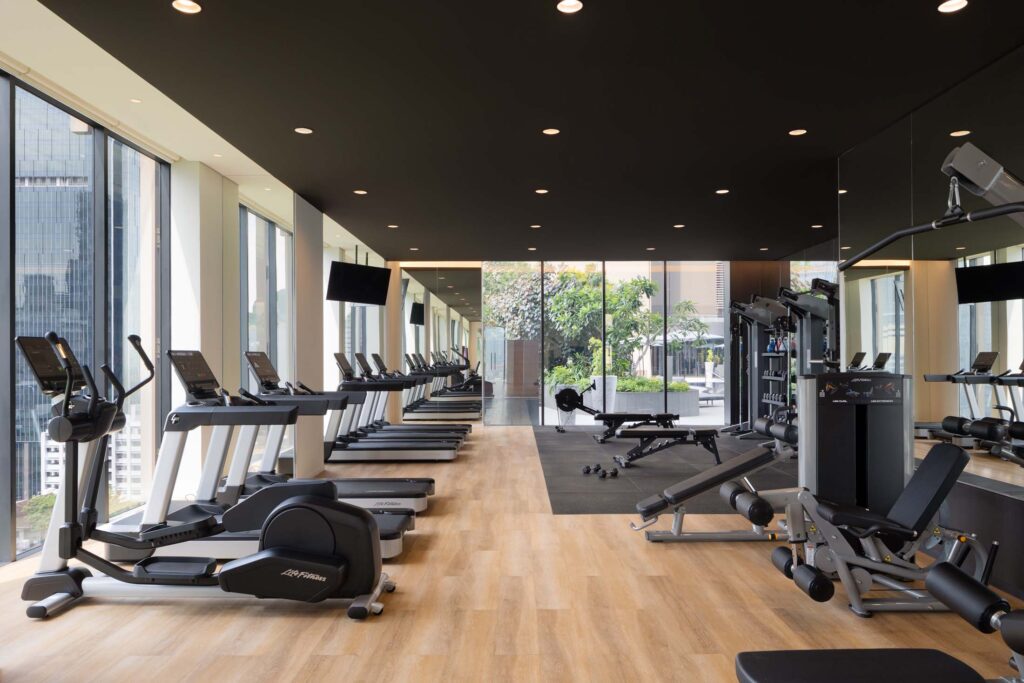
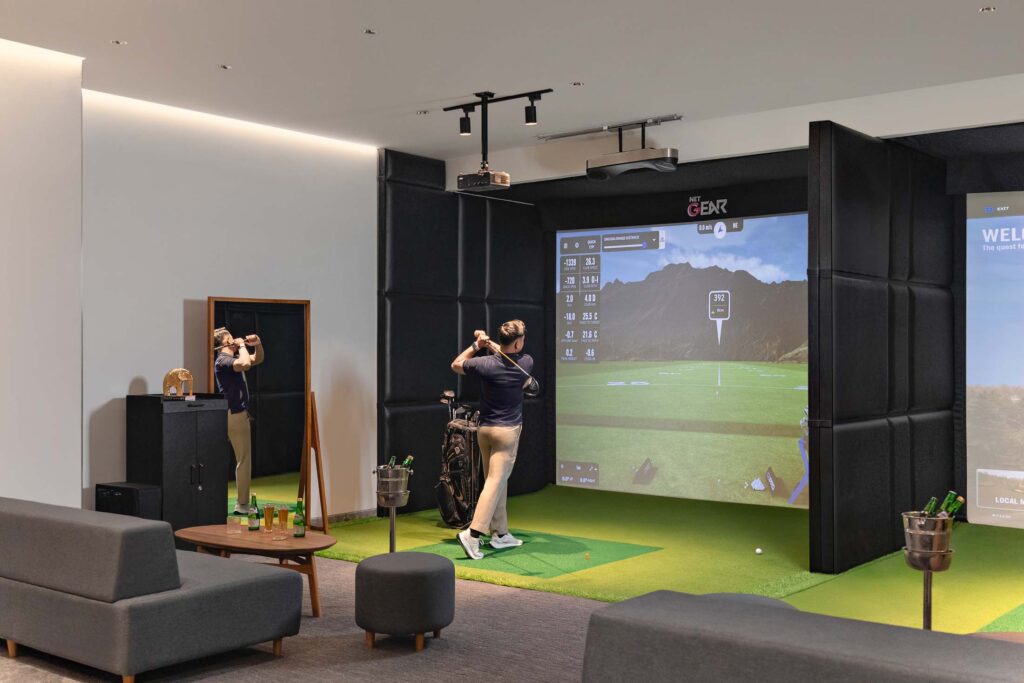
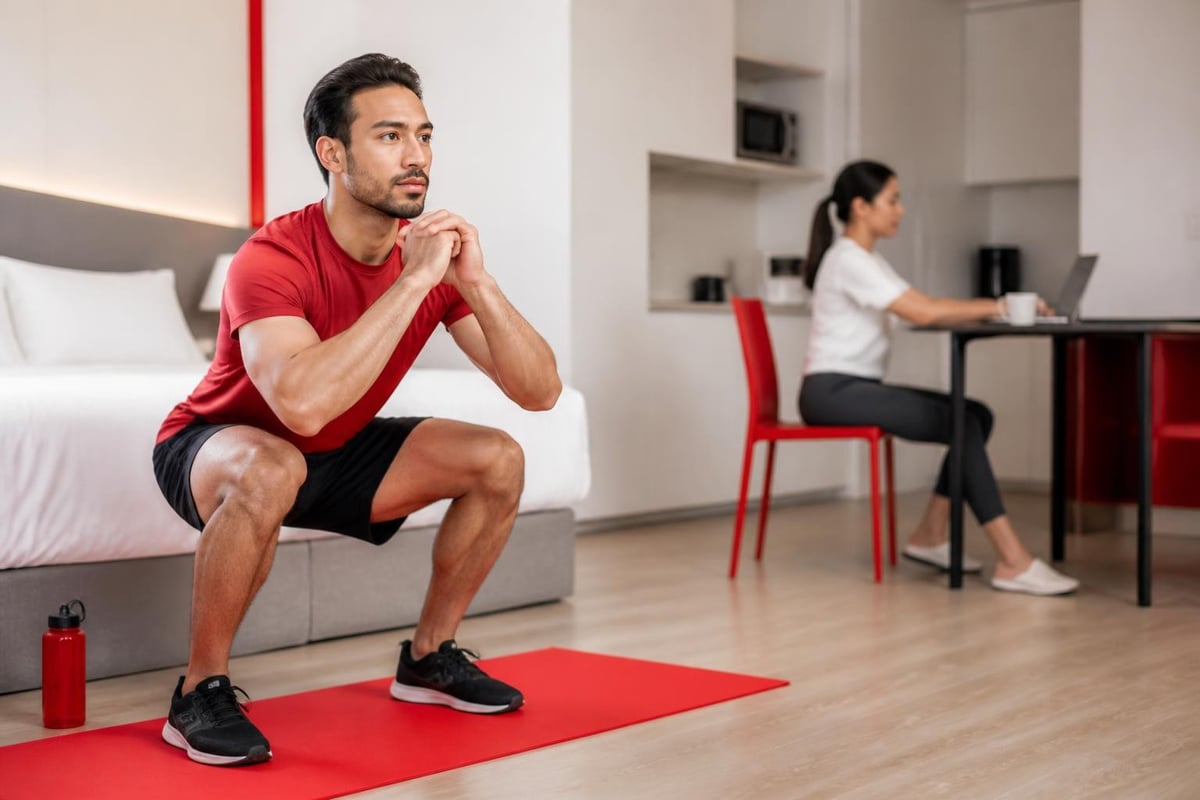
Maintaining health routines proves challenging during extended travel. On-site fitness centers, swimming pools, and wellness facilities enable guests to sustain exercise programs without seeking outside gym memberships or day passes.
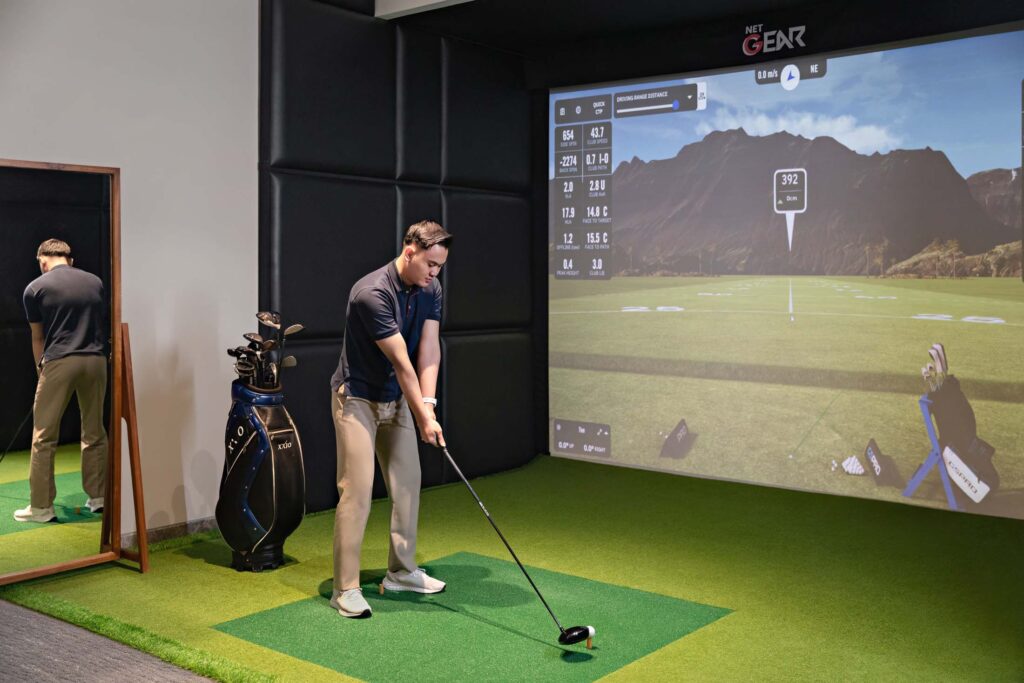
Premium extended stay properties provide comprehensive fitness equipment, group exercise classes, and wellness services ranging from massage to yoga instruction. These amenities contribute substantially to physical and mental well-being during prolonged stays away from home.
Business Centers and Meeting Spaces
Even when not working from their residence, extended stay guests require occasional access to business services. On-site business centers offering computers, printers, scanners, and office supplies prove invaluable for occasional needs.
Meeting rooms and small conference spaces allow guests to host client meetings, conduct video conferences in professional settings, or collaborate with colleagues without booking external facilities.
Dining Options and Food Services
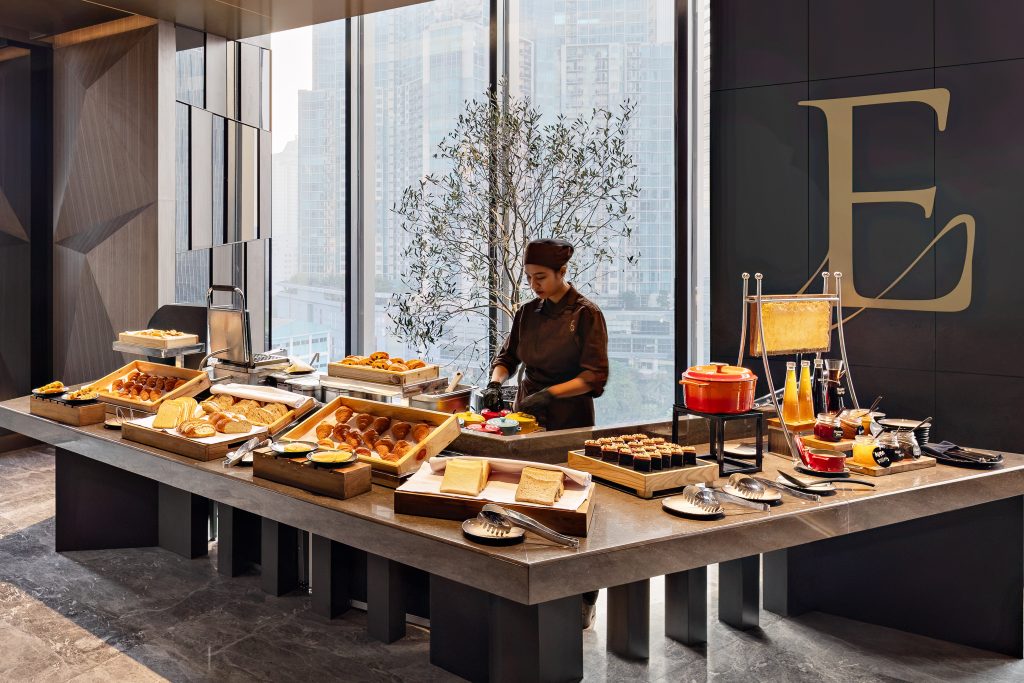
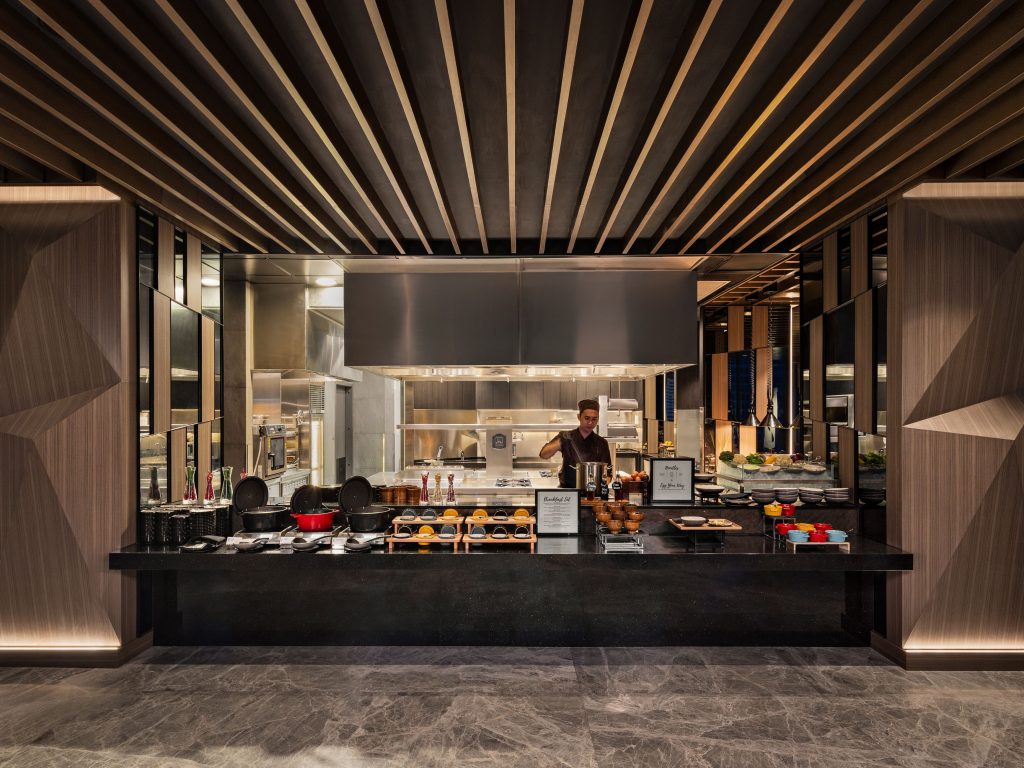
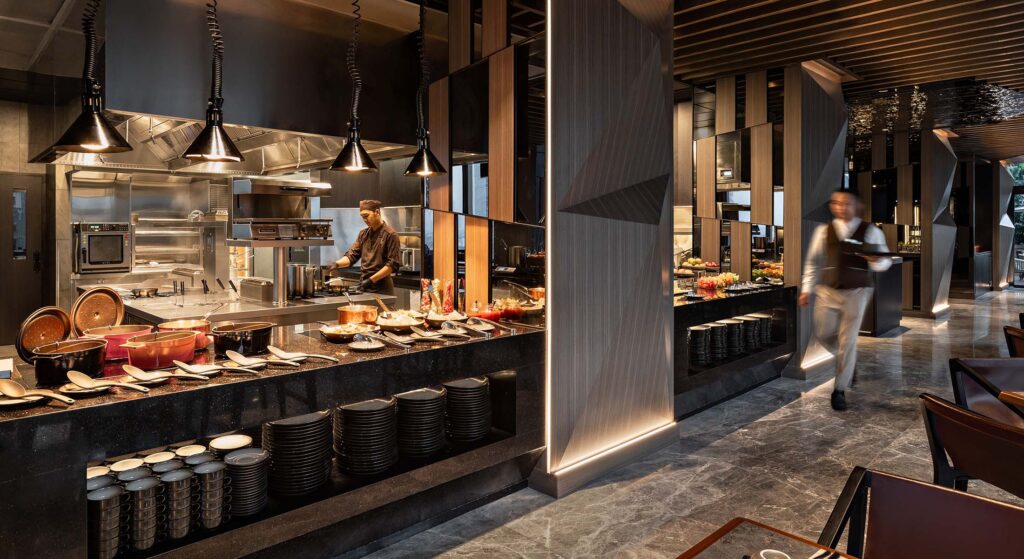
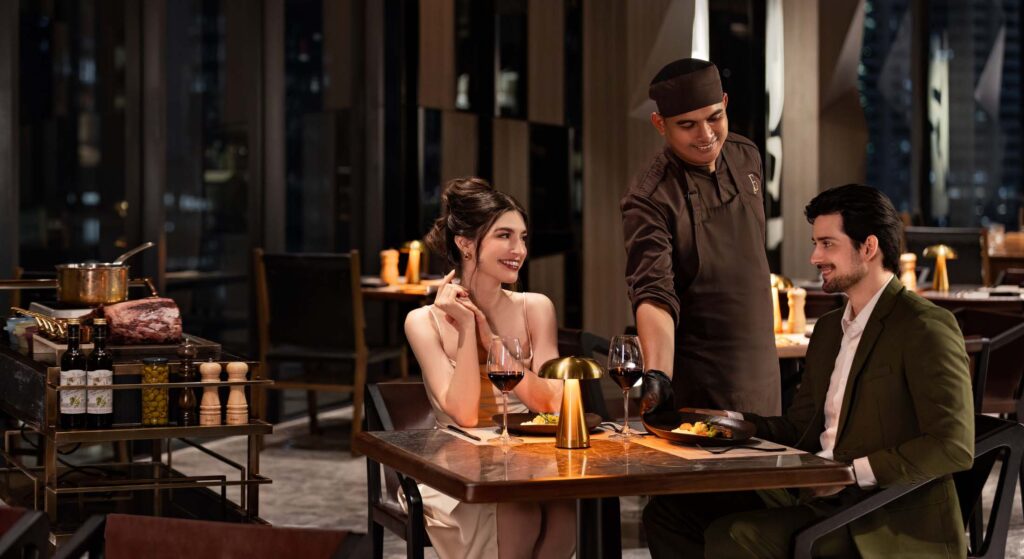
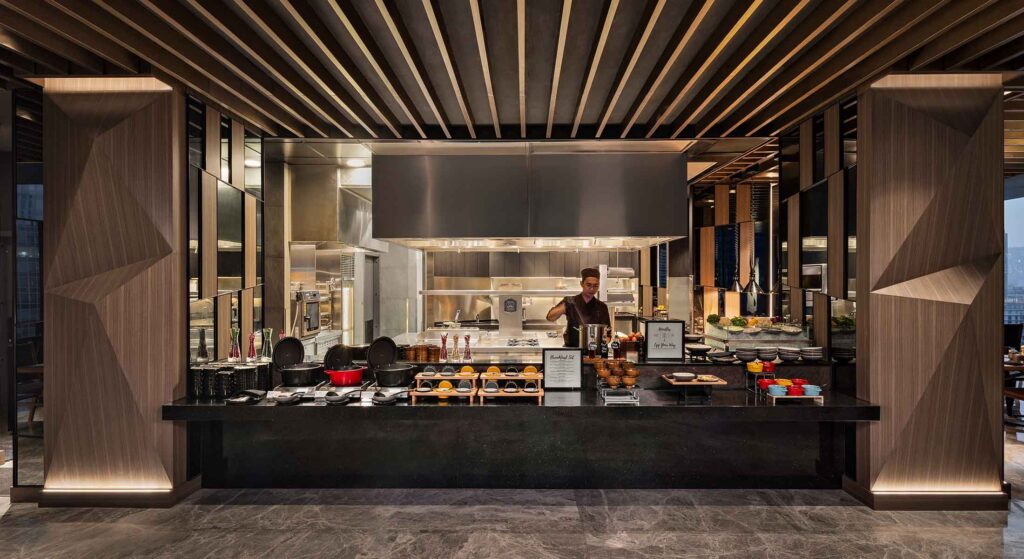
While kitchen facilities enable most meal preparation, occasional access to on-site dining provides welcome variety and convenience. Properties with restaurants, cafes, or grab-and-go markets reduce reliance on external dining while maintaining meal flexibility.
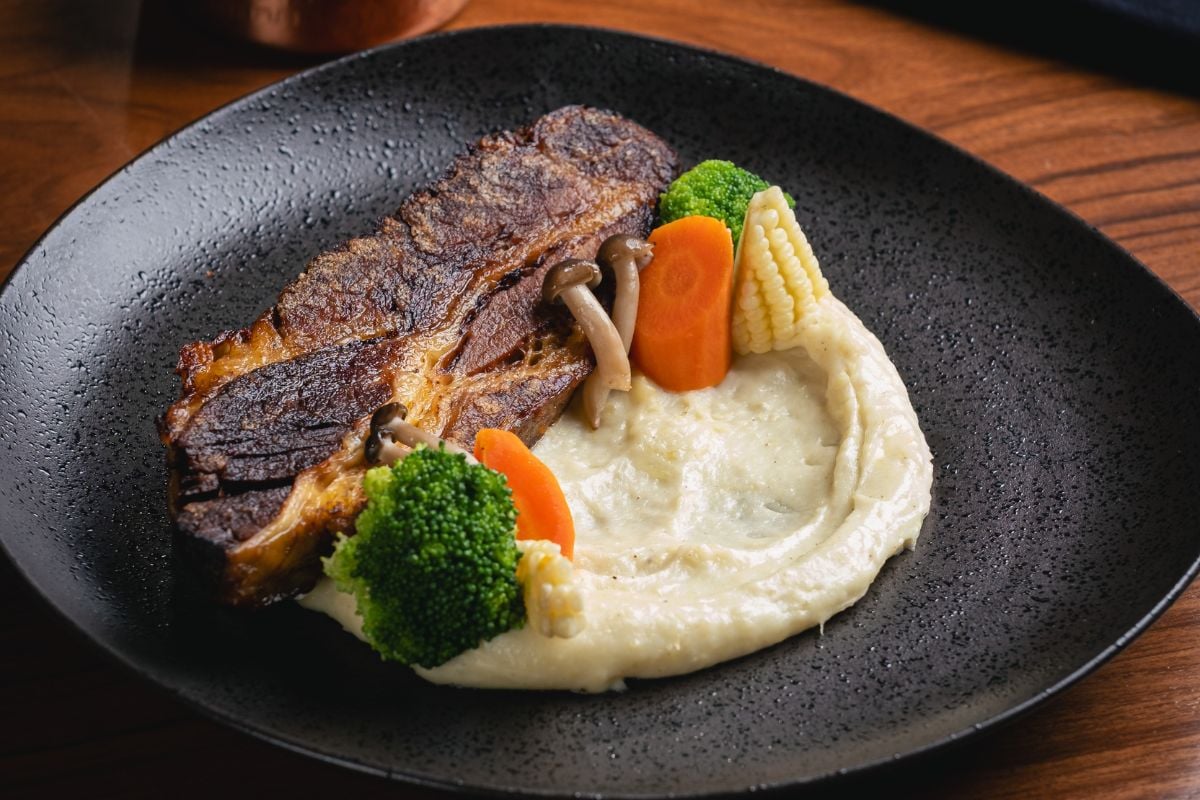
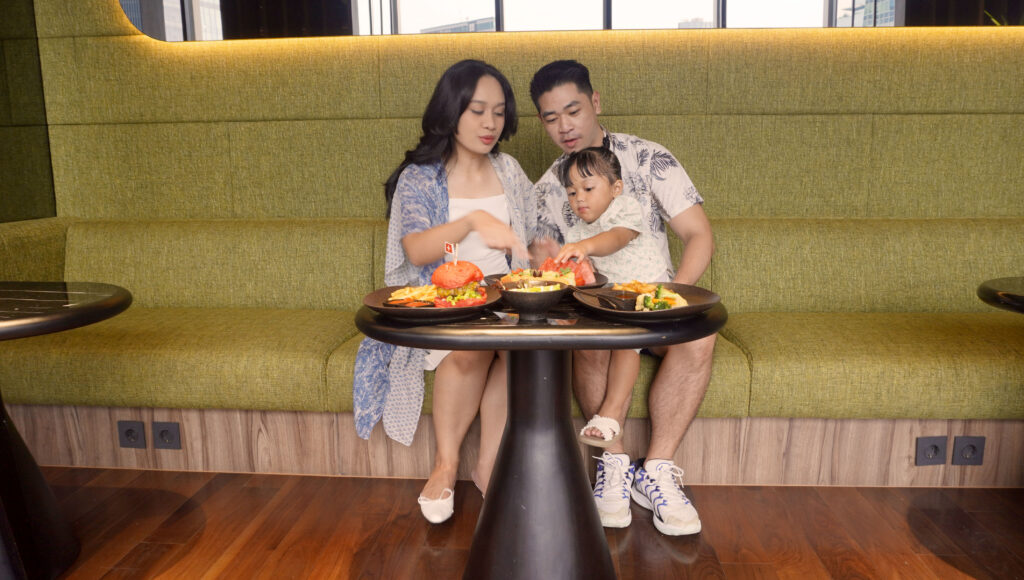
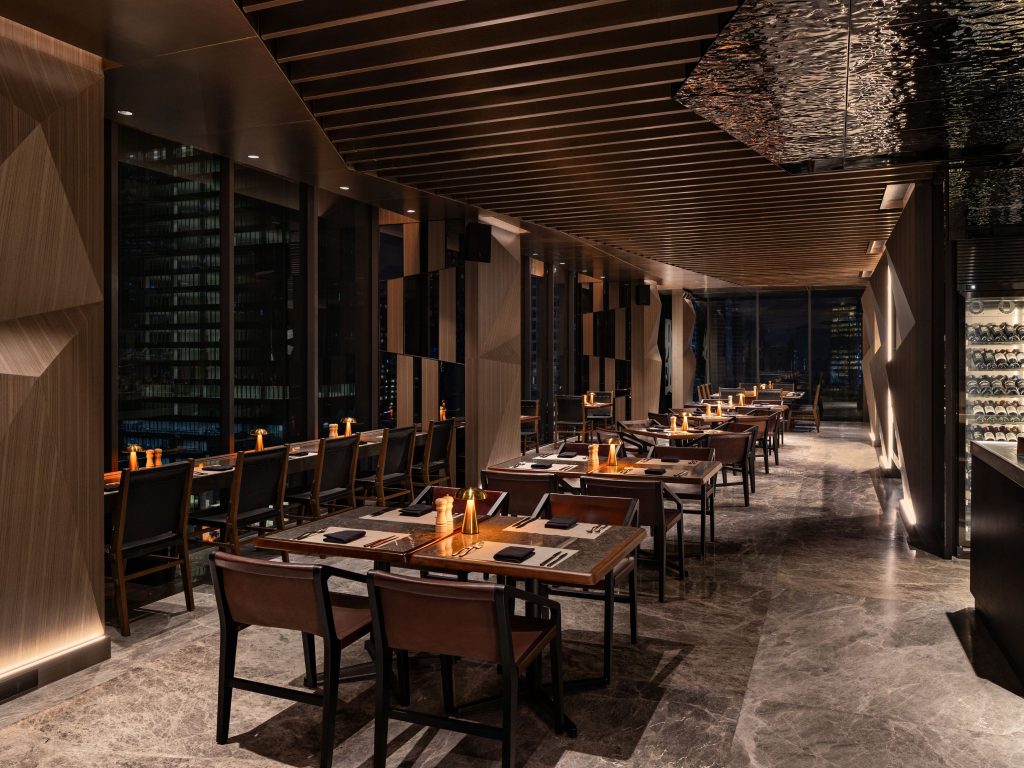
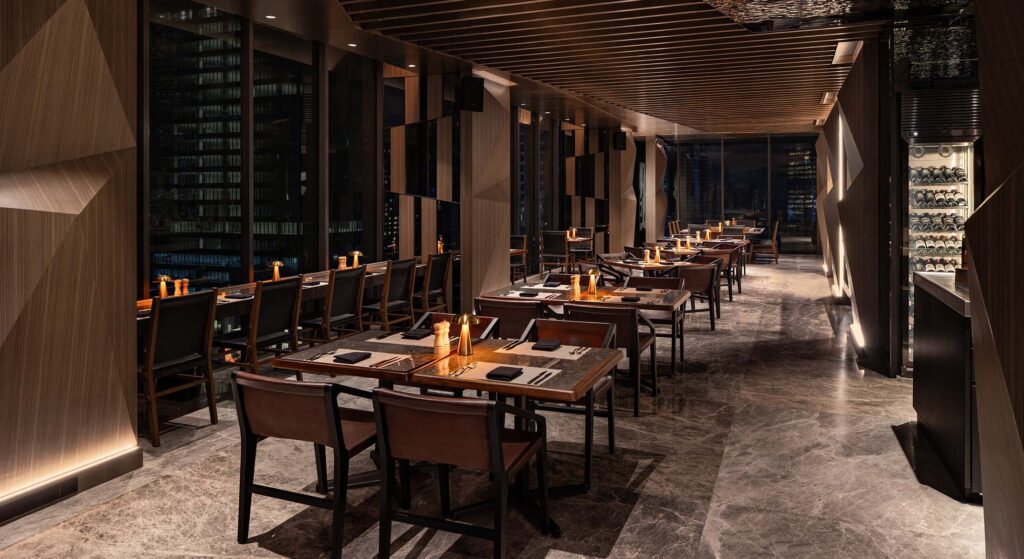
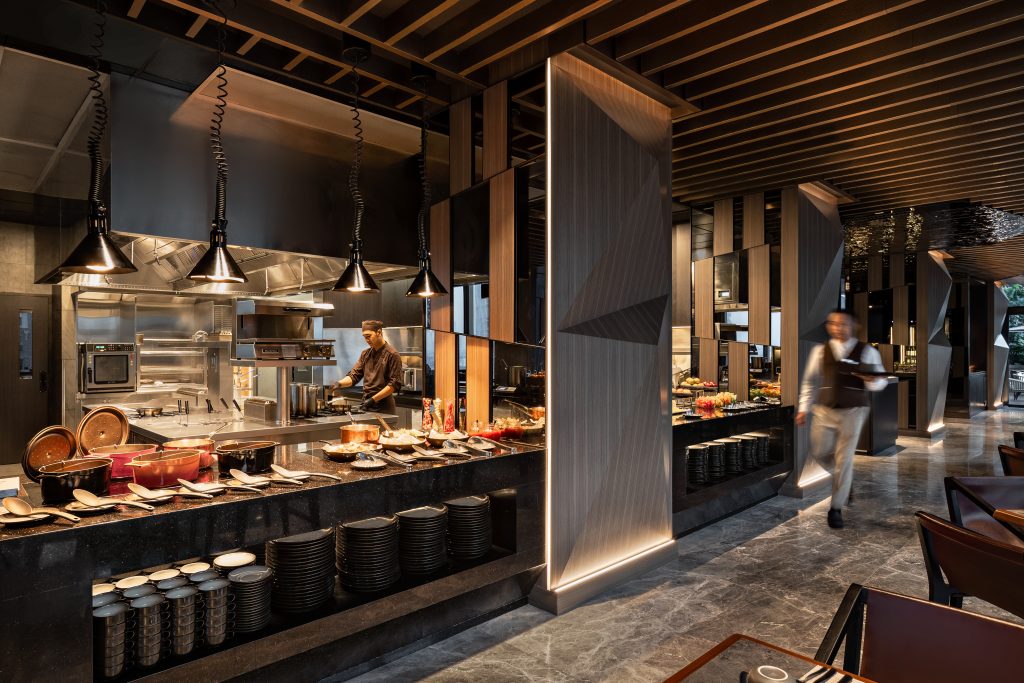
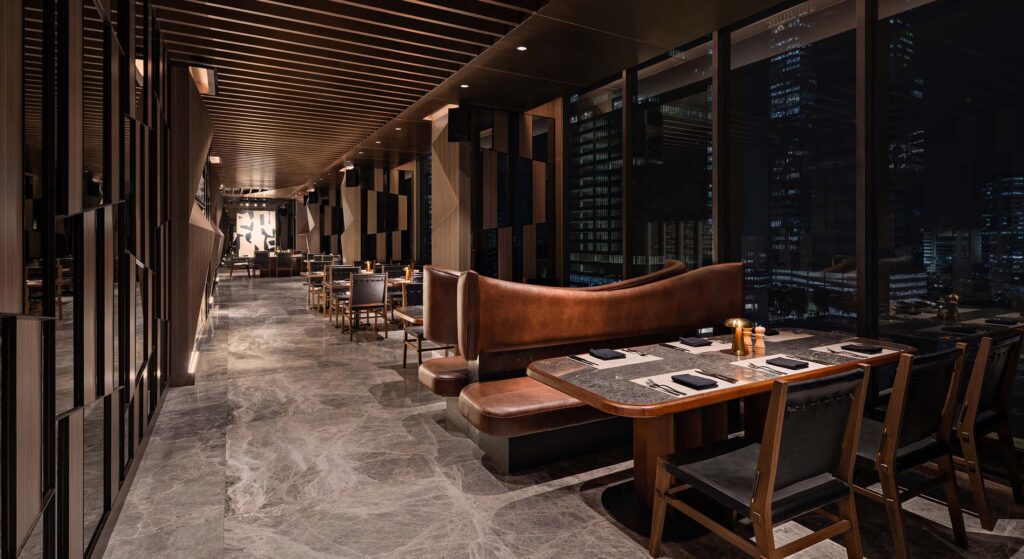
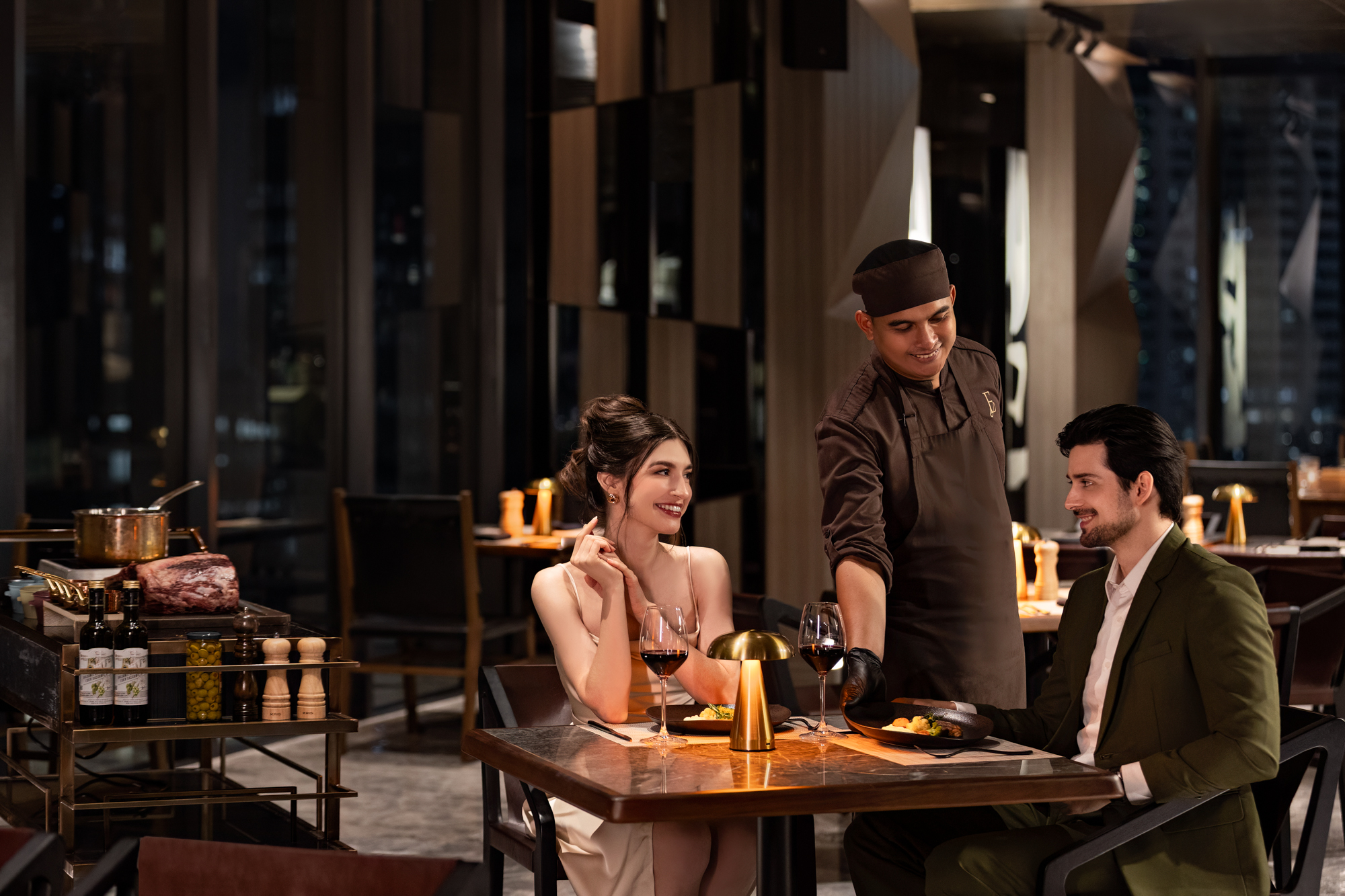
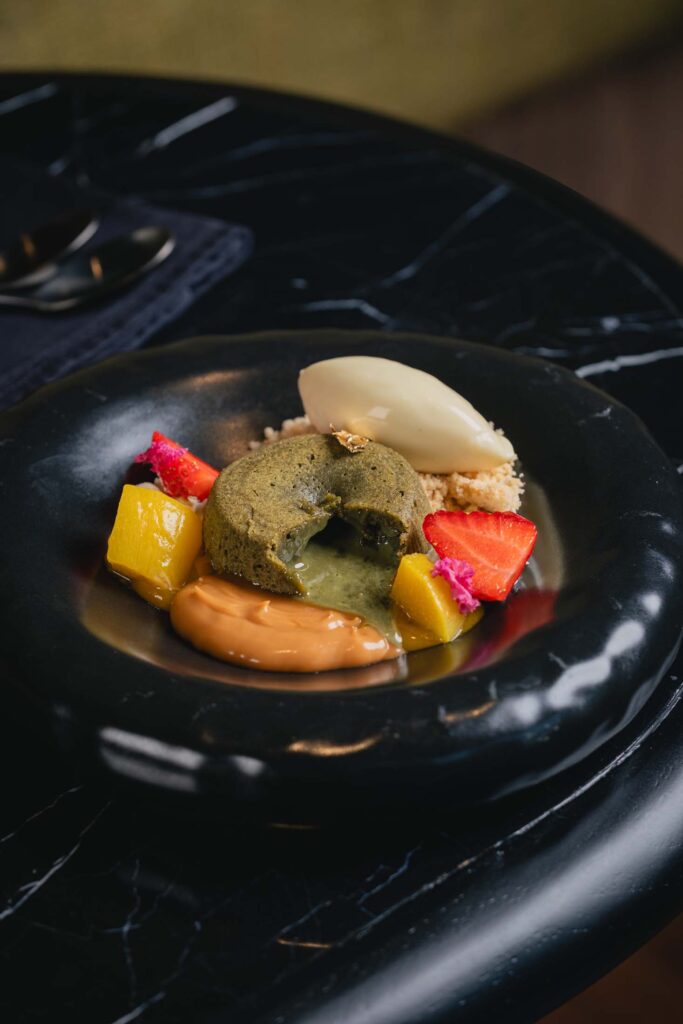
Serviced apartment properties in Jakarta’s business districts sometimes feature specialty restaurants serving international cuisine alongside local dishes, providing guests diverse dining experiences without leaving the property. High-quality dining venues enhance the extended stay experience significantly.
Community Spaces and Social Opportunities
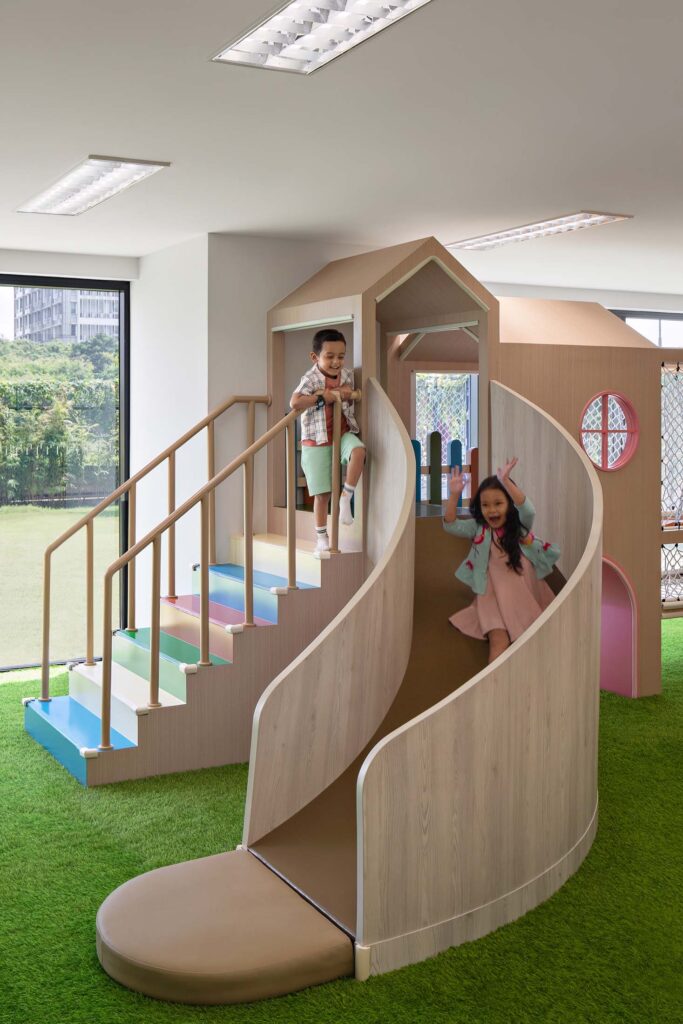
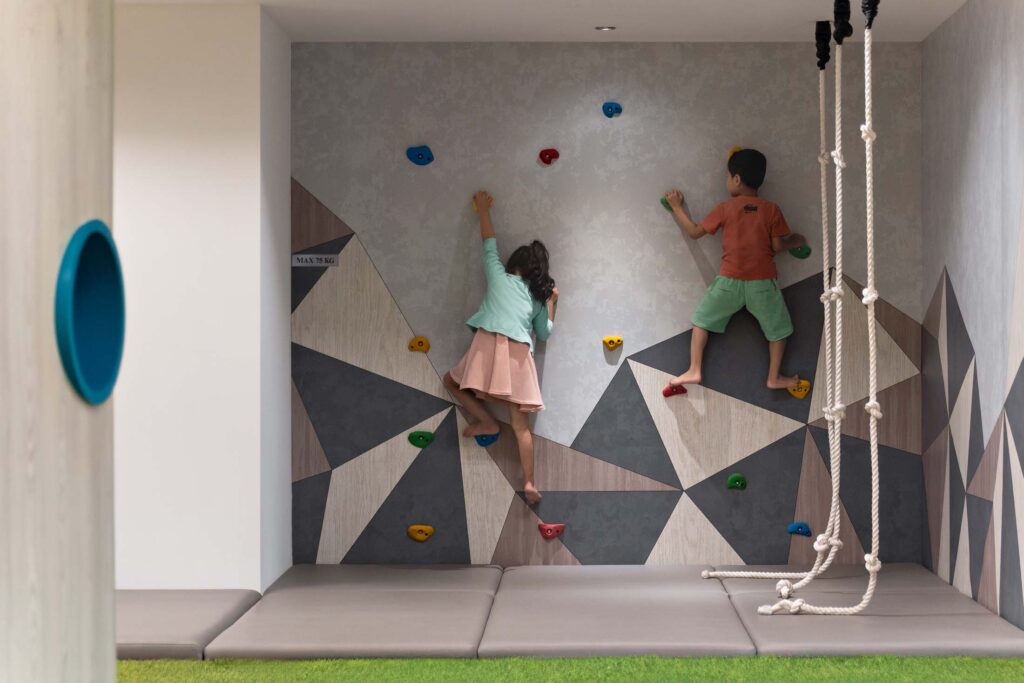
Extended stays can feel isolating, particularly for solo business travelers. Thoughtfully designed common areas, resident events, and social programming help guests connect with others and build temporary communities.
Rooftop terraces, lounges, libraries, and communal workspaces create opportunities for interaction while respecting privacy. Properties that facilitate social connection without forcing it achieve optimal balance for diverse guest preferences.
Evaluating Extended Stay Property Quality
Not all extended stay lodging delivers equivalent value or quality. Systematic evaluation ensures your chosen property meets expectations and delivers satisfactory experience over weeks or months.
Brand Reputation and Management Quality
Established hospitality brands bring operational expertise, quality standards, and accountability to extended stay properties. International operators like Accor apply consistent service standards across properties, providing reliable quality regardless of location.
Brand affiliation also typically ensures standardized booking systems, loyalty program integration, and corporate quality oversight. Properties operated by established hospitality companies generally maintain higher standards than independent operators.
Guest Reviews and Ratings
Online reviews from previous extended stay guests provide invaluable insights into property performance. Look specifically for reviews from guests who stayed weeks or months rather than overnight, as their experiences more accurately reflect extended stay suitability.
Pay attention to recurring themes in reviews: maintenance responsiveness, housekeeping quality, noise levels, management accessibility, and neighborhood safety. Patterns across multiple reviews reveal more than individual exceptional experiences.
Maintenance Standards and Responsiveness
Equipment failures and maintenance issues prove far more disruptive during month-long stays than overnight visits. Evaluate how properties handle maintenance requests, typical response times, and overall property condition.
Well-maintained properties demonstrate attention to detail throughout: clean common areas, functioning equipment, prompt repairs, and proactive preventive maintenance. These indicators suggest reliable service during your extended stay.
Industry Trends Shaping Extended Stay Lodging
The lodging extended stay sector continues evolving rapidly, with several trends reshaping offerings and guest expectations heading into 2026 and beyond.
Hybrid Work and Flexible Accommodation
Remote work flexibility has permanently altered business travel patterns. Rather than temporary assignments requiring full-time on-site presence, many professionals now split time between home offices and corporate locations, creating demand for ultra-flexible lodging that accommodates irregular schedules and varying duration stays.
Extended stay properties responding to this trend offer flexible booking windows, easy extensions or reductions, and unit configurations optimized for remote work including dedicated office spaces, enhanced connectivity, and ergonomic furniture.
Sustainability and Environmental Responsibility
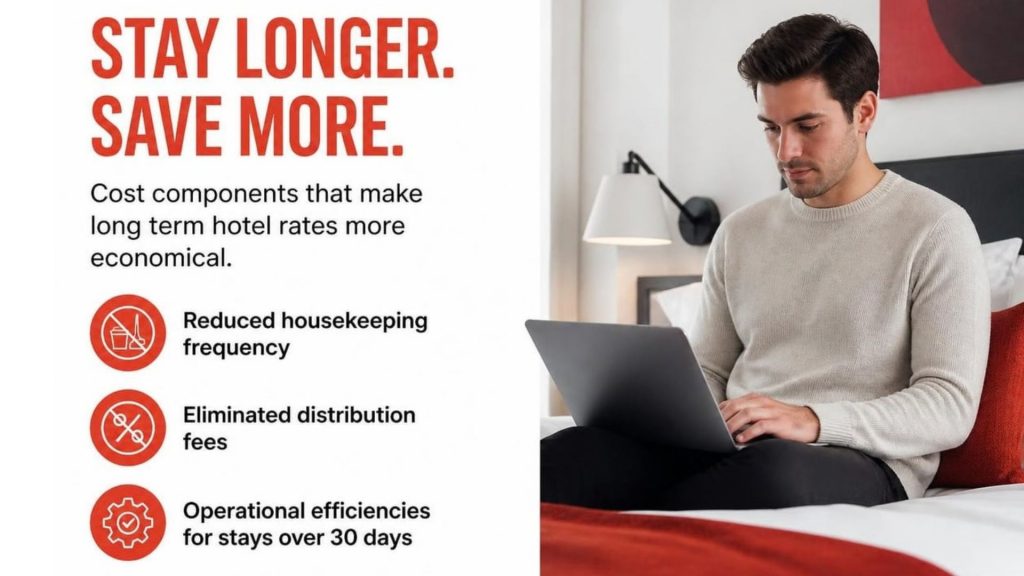
Environmental consciousness influences accommodation choices increasingly. Extended stay guests generate less waste and consume fewer resources than traditional hotel guests when properties provide reusable kitchenware, laundry facilities, and reduced housekeeping frequency.
Progressive properties implement comprehensive sustainability programs including energy-efficient appliances, water conservation systems, recycling programs, and sustainable sourcing for supplies and food service.
Technology Integration and Smart Units
Technology enhances convenience and efficiency throughout the extended stay experience. Smart lock systems enable keyless entry, mobile apps facilitate service requests and communication, and in-unit technology controls lighting, temperature, and entertainment systems.
Properties investing in technology infrastructure deliver superior guest experiences while improving operational efficiency. Expect continued technology integration as guest expectations evolve.
Serviced Apartments as Extended Stay Standard
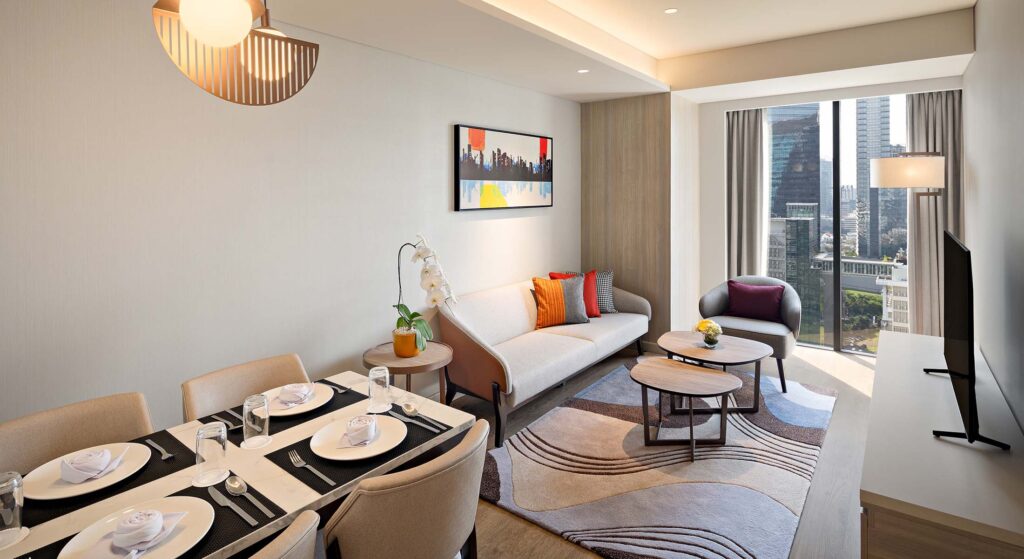
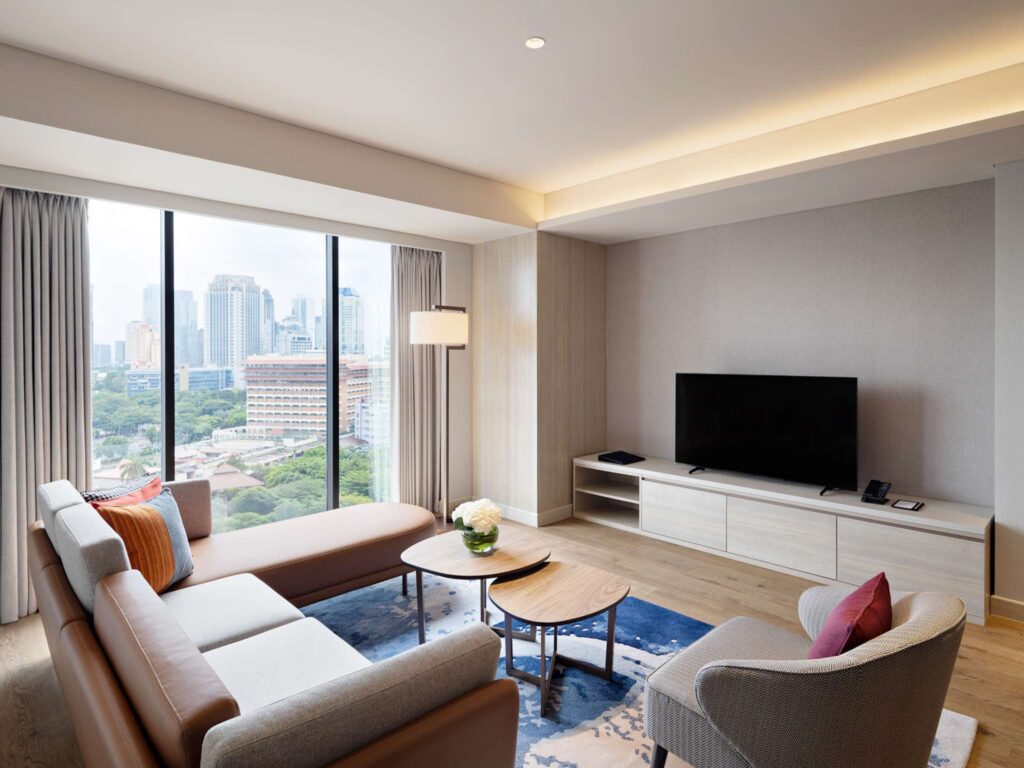
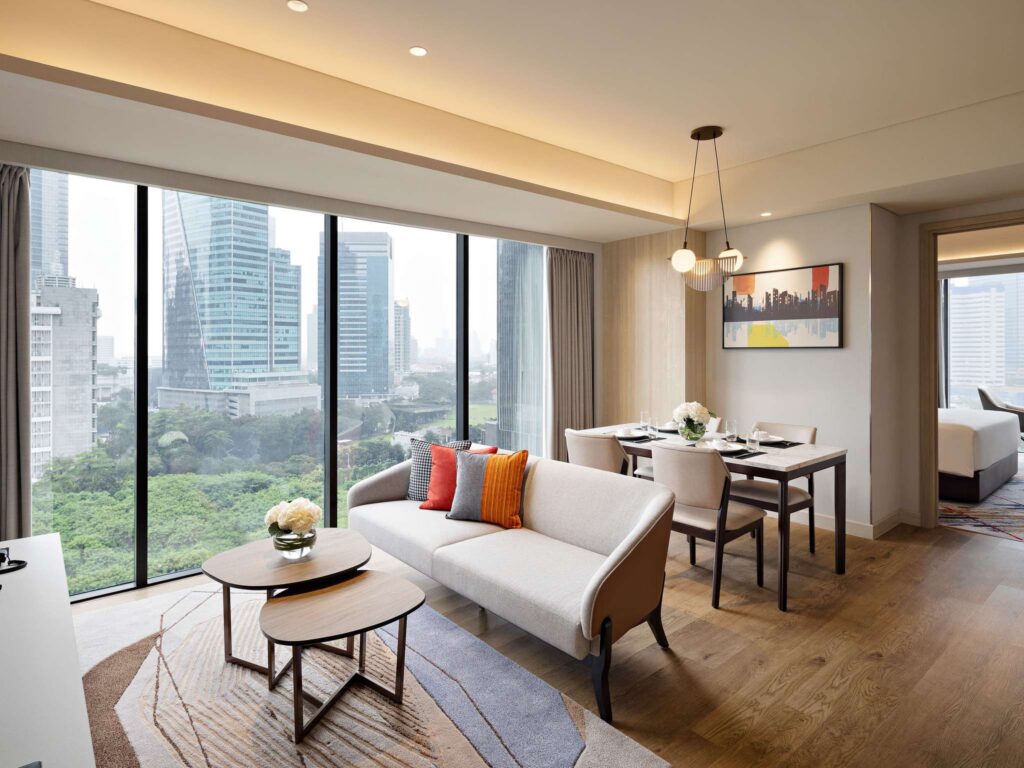
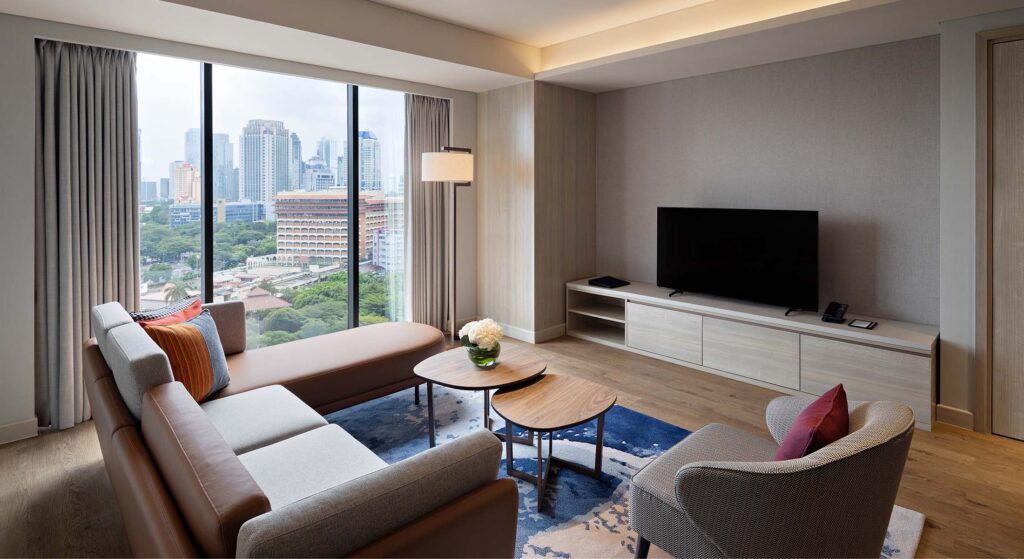
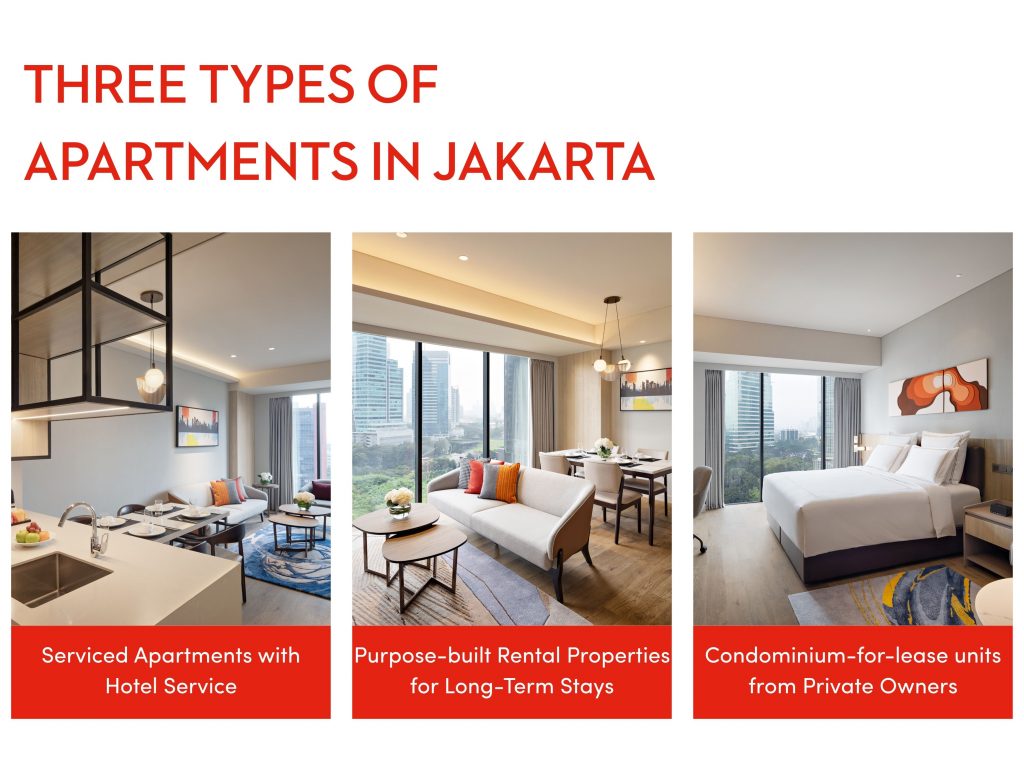
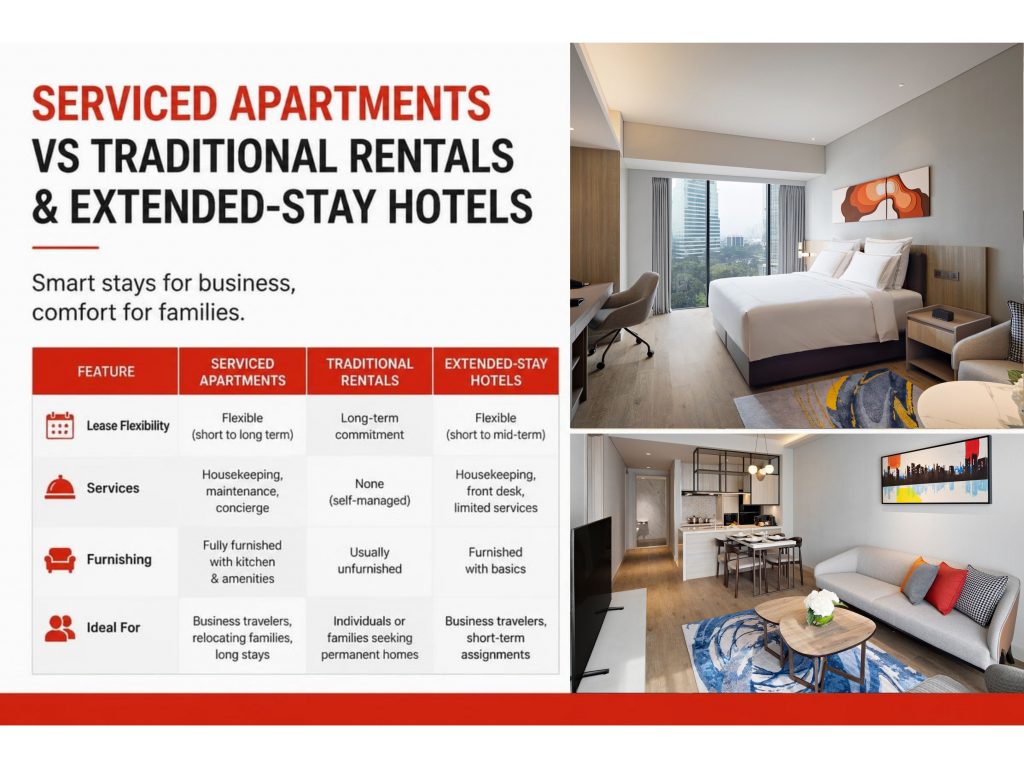
The serviced apartment model-combining residential layouts with hotel-quality services-has emerged as the premium standard for lodging extended stay accommodation. Unlike traditional extended stay hotels with hotel room layouts, serviced apartments provide genuine residential environments with separate bedrooms, full kitchens, and spacious living areas.
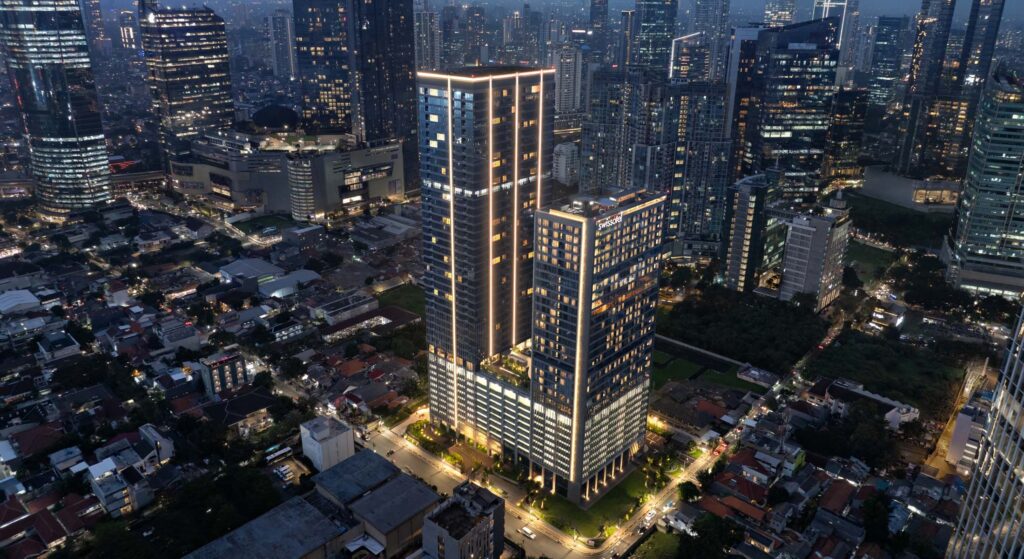
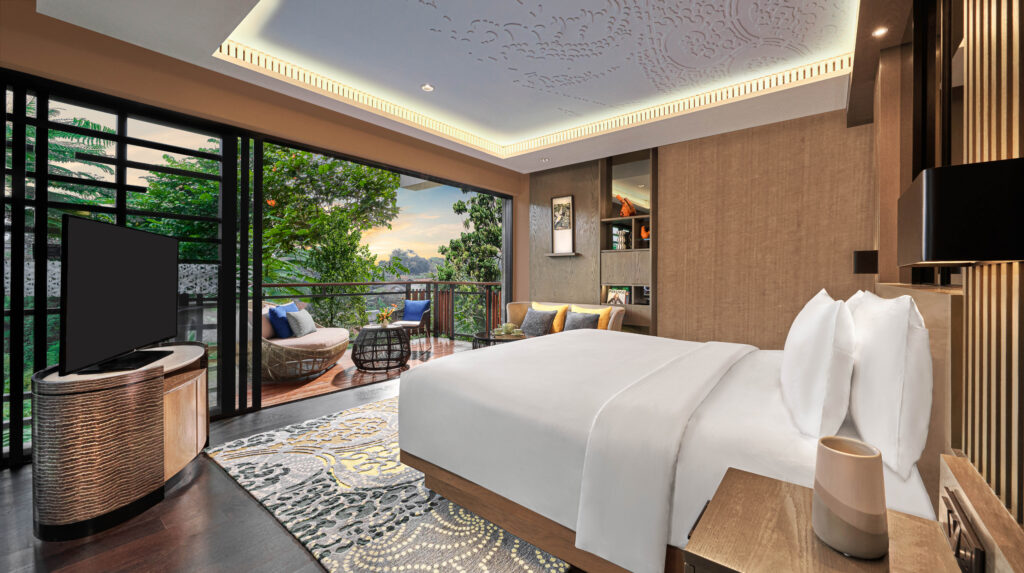
This model particularly suits business hubs and expatriate destinations where quality housing commands premium pricing. Serviced apartments in Jakarta’s Mega Kuningan district exemplify this trend, offering business travelers and expatriate families fully furnished residences with flexible lease terms and comprehensive services in prime central business district locations.
Booking Your Extended Stay Lodging
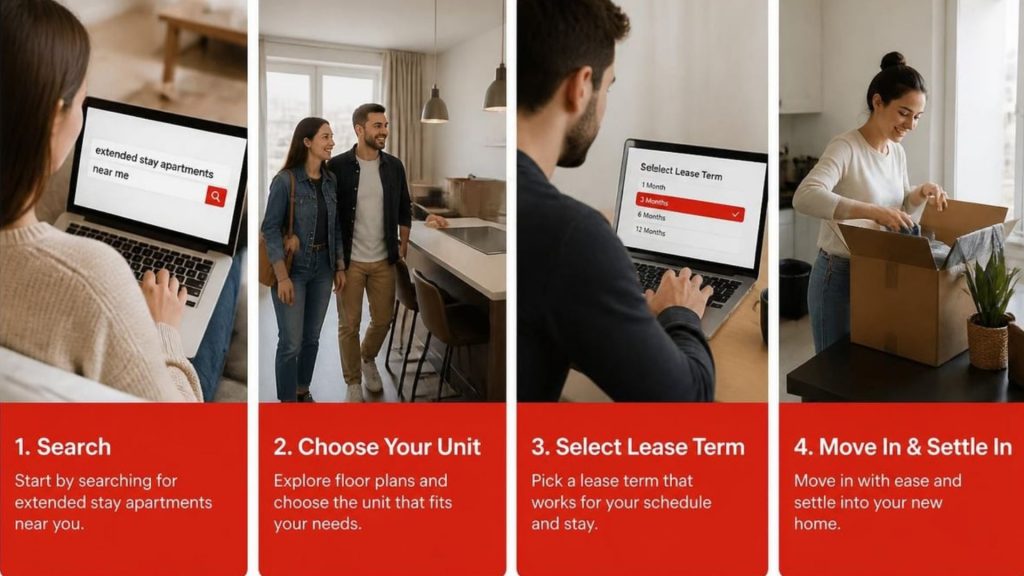
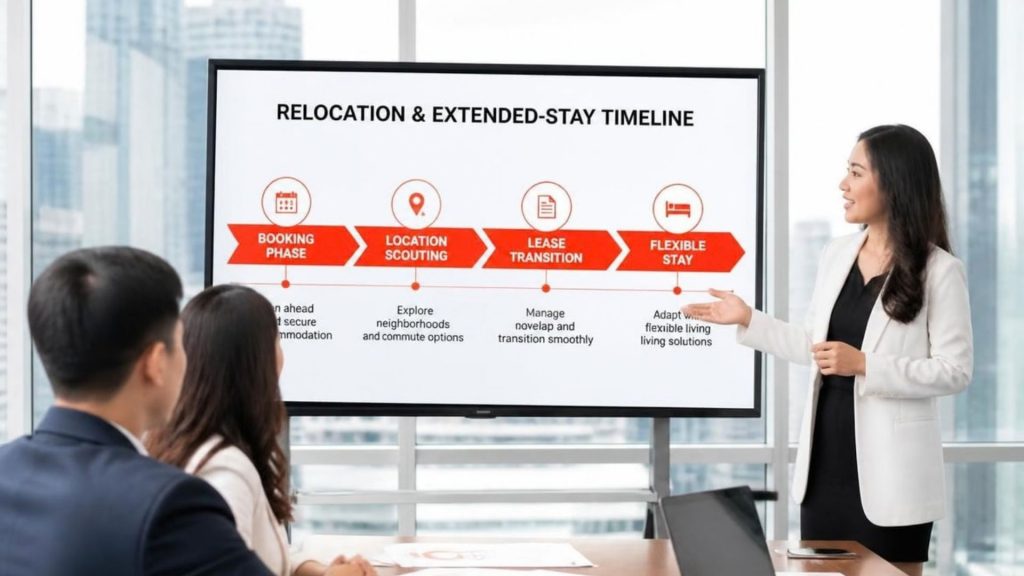
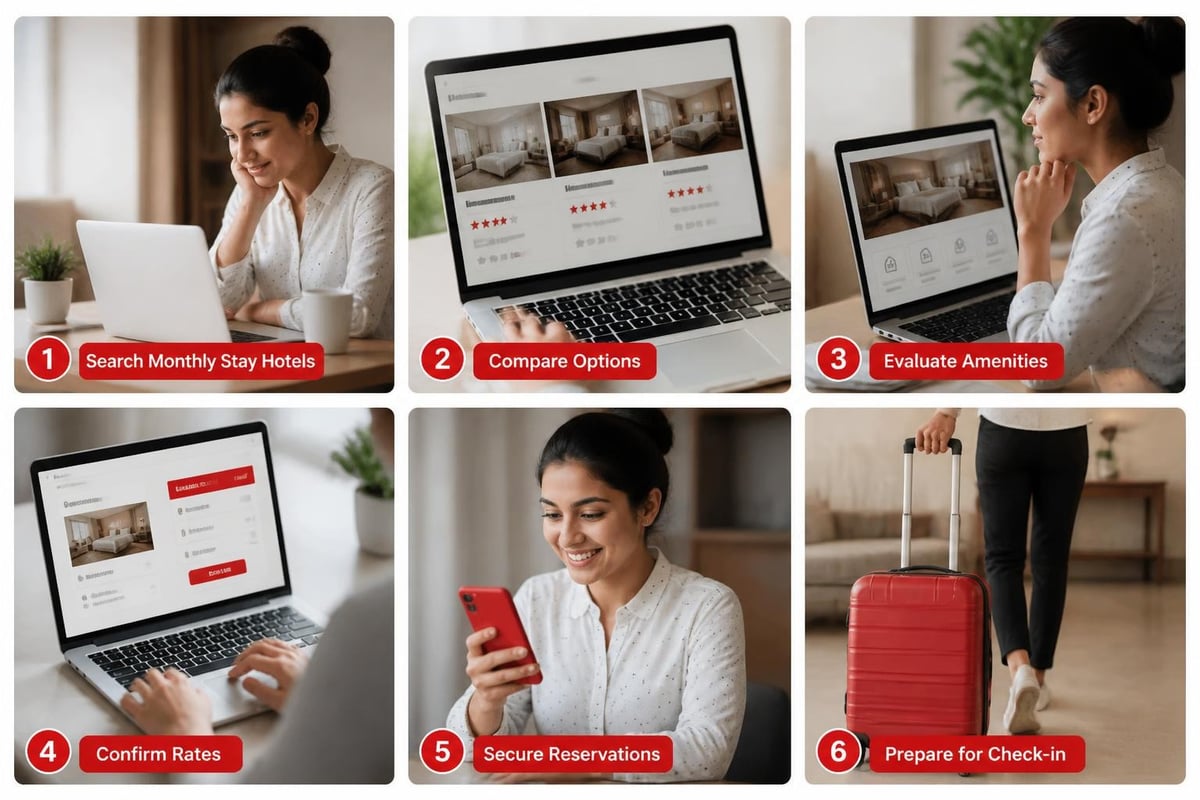
Successfully securing appropriate extended stay lodging requires strategic planning and clear communication of your specific requirements.
Defining Your Requirements
Before beginning your search, clarify essential requirements: location proximity to work or other destinations, minimum space requirements, necessary unit features, budget parameters, and desired lease length. Clear requirements streamline property selection and ensure suitable matches.
Create a prioritized requirements list:
- Non-negotiable essentials (location, budget, stay duration)
- High-priority preferences (unit size, specific amenities)
- Nice-to-have features (view, specific floor level, additional services)
This framework prevents overlooking critical needs while avoiding analysis paralysis over minor preferences.
Communicating with Property Management
Direct communication with property management often yields better arrangements than booking solely through third-party platforms. Discuss your specific situation, duration flexibility, and any special requirements.
Properties may offer corporate rates, loyalty discounts, or custom packages not advertised publicly. Extended stay bookings represent valuable business for properties, providing leverage for reasonable negotiation on rates, included services, or upgraded units.
Reviewing Agreements Carefully
Extended stay agreements merit thorough review before signing. Understand payment schedules, included services, housekeeping frequency, utility responsibilities, guest policies, cancellation terms, extension procedures, and early termination conditions.
Clarify ambiguous terms before committing. Written confirmation of verbal promises protects both parties and prevents misunderstandings during your stay.
Planning for Arrival and Settlement
Coordinate arrival logistics carefully. Confirm check-in procedures, especially for late arrivals or weekend check-ins. Inquire about grocery delivery options, nearby shopping for immediate needs, and building access procedures.
Some properties offer welcome packages with essential supplies, grocery shopping services, or orientation tours to help new guests settle quickly. Taking advantage of these services accelerates adjustment and improves initial comfort.
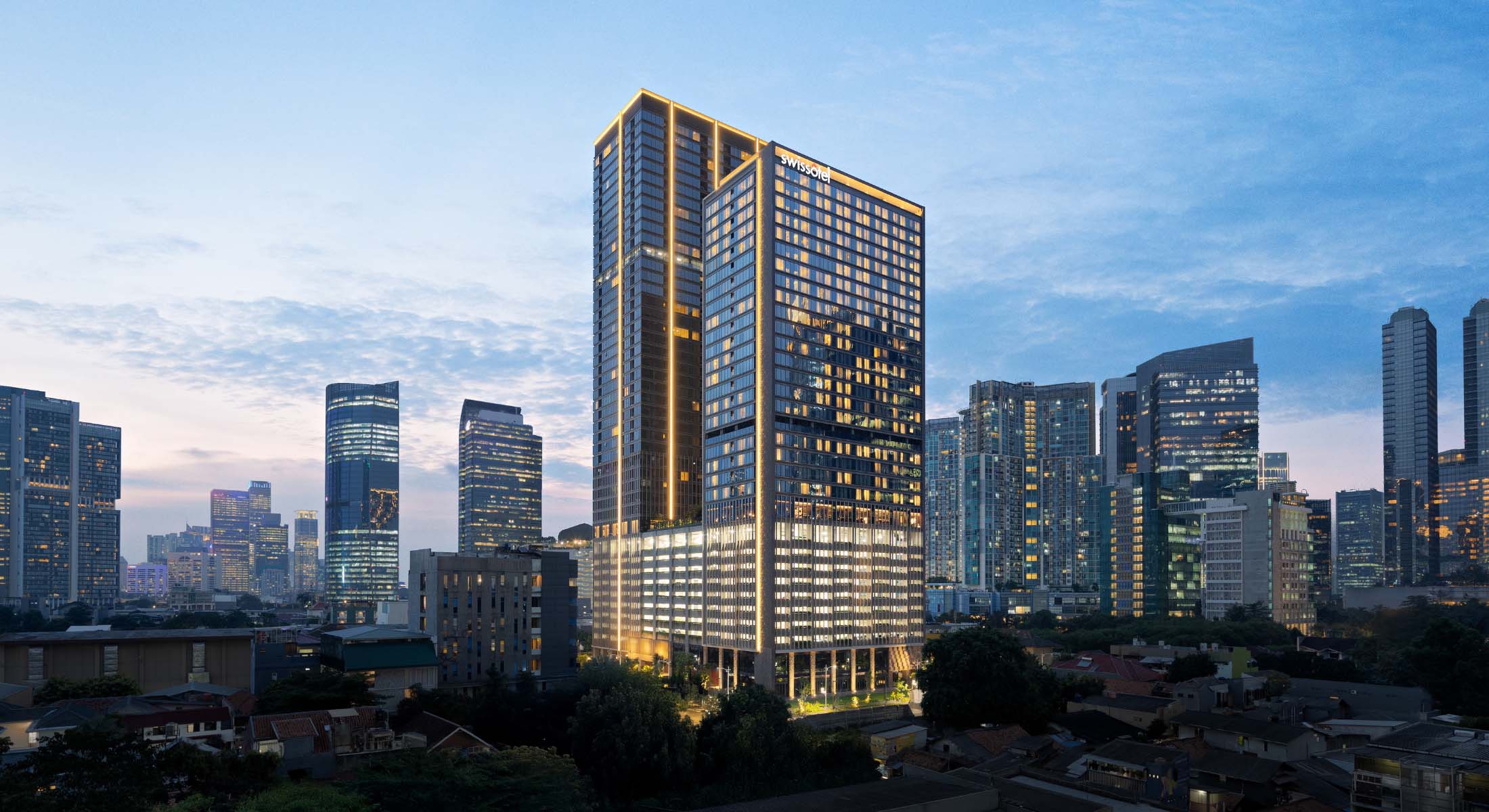
Extended stay lodging continues evolving to meet diverse traveler needs, with serviced apartments emerging as the premium solution for business professionals, expatriates, and families requiring flexibility and residential comfort. Whether you need accommodation for weeks, months, or years, understanding the full spectrum of extended stay options ensures you secure lodging that supports productivity, well-being, and satisfaction throughout your stay. Swissôtel Living Jakarta Mega Kuningan provides exactly this combination-240 fully furnished serviced apartments in Jakarta’s central business district, offering studio to three-bedroom residences with full kitchens, flexible daily to yearly lease terms, and comprehensive hotel-quality services that make extended stays comfortable and convenient for business travelers and families alike.