
Extended Hotel Stays in Jakarta: A Complete Guide 2026
The concept of an extended hotel has transformed how business professionals, expatriates, and families approach accommodation in major cities worldwide. Unlike traditional hotels designed primarily for overnight stays, extended hotel properties deliver fully furnished living spaces with flexible lease terms ranging from weeks to months or even years. In Jakarta’s central business district, this accommodation model addresses the specific needs of corporate relocations, project-based assignments, and transitional housing situations that require more than a standard hotel room but less commitment than purchasing or leasing an unfurnished apartment.
Understanding the Extended Hotel Concept
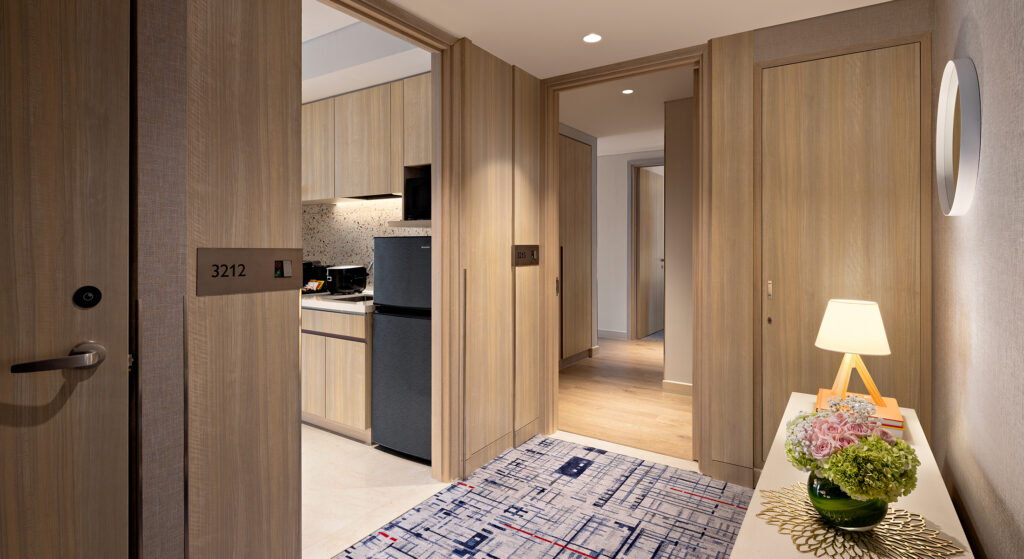
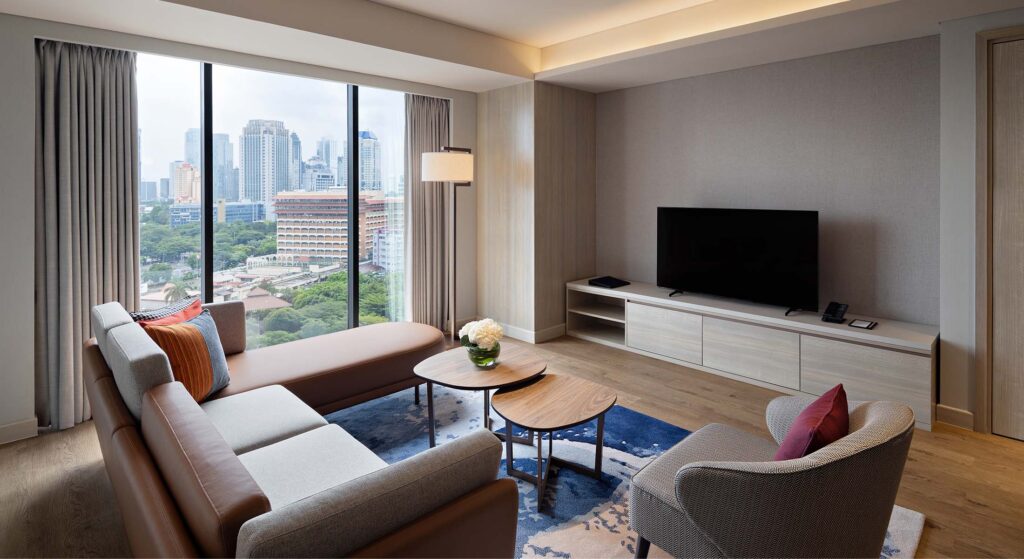
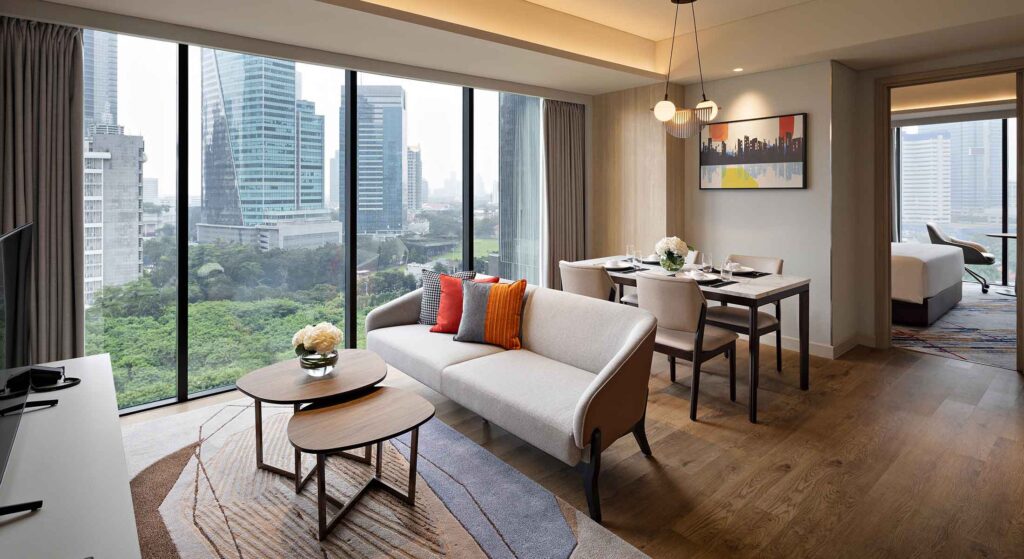
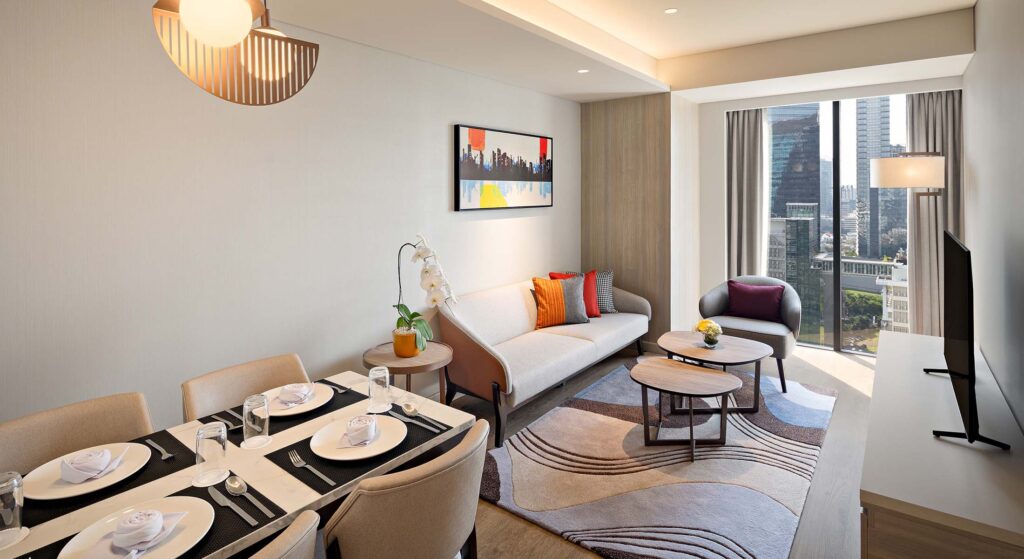
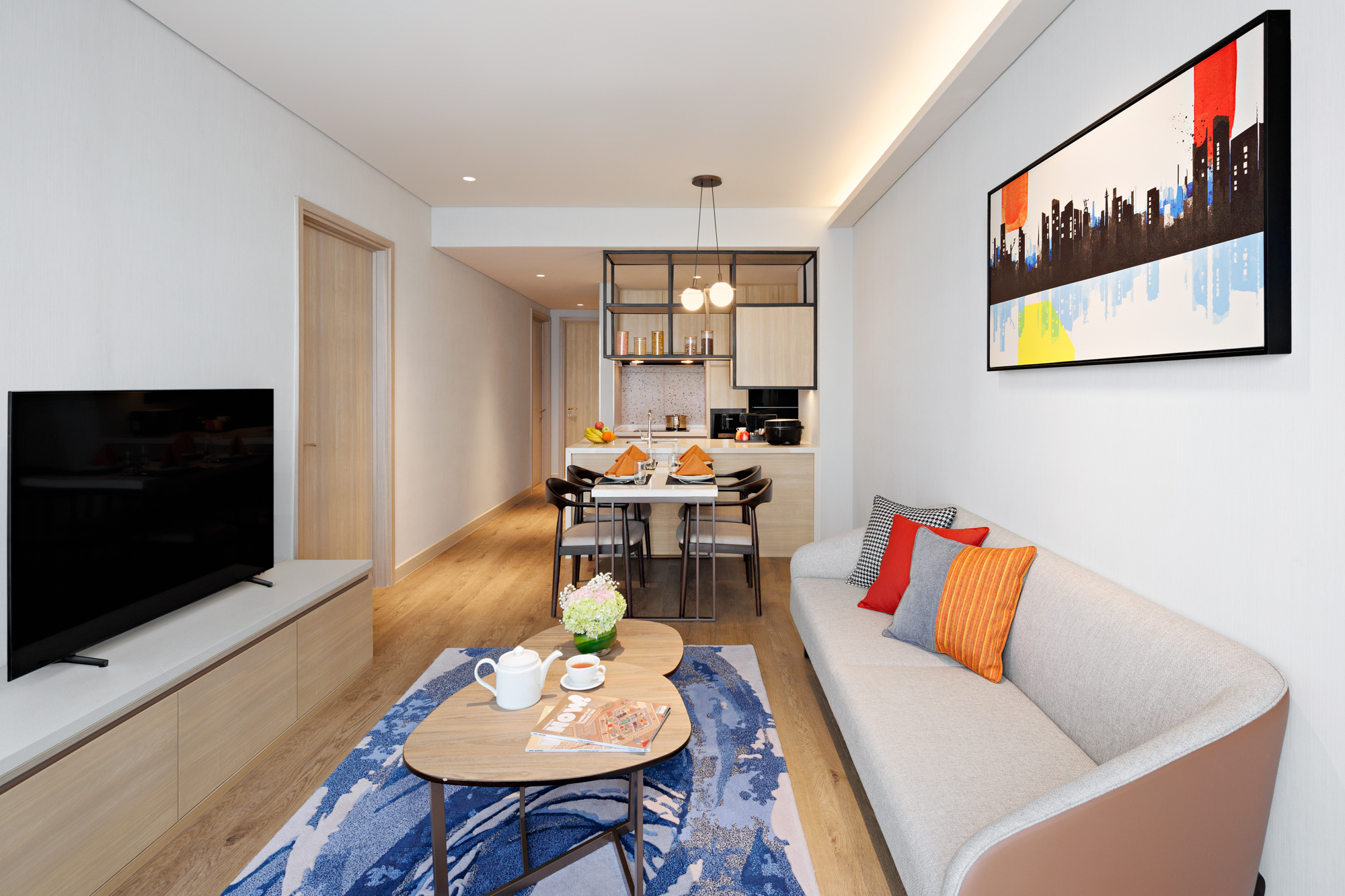
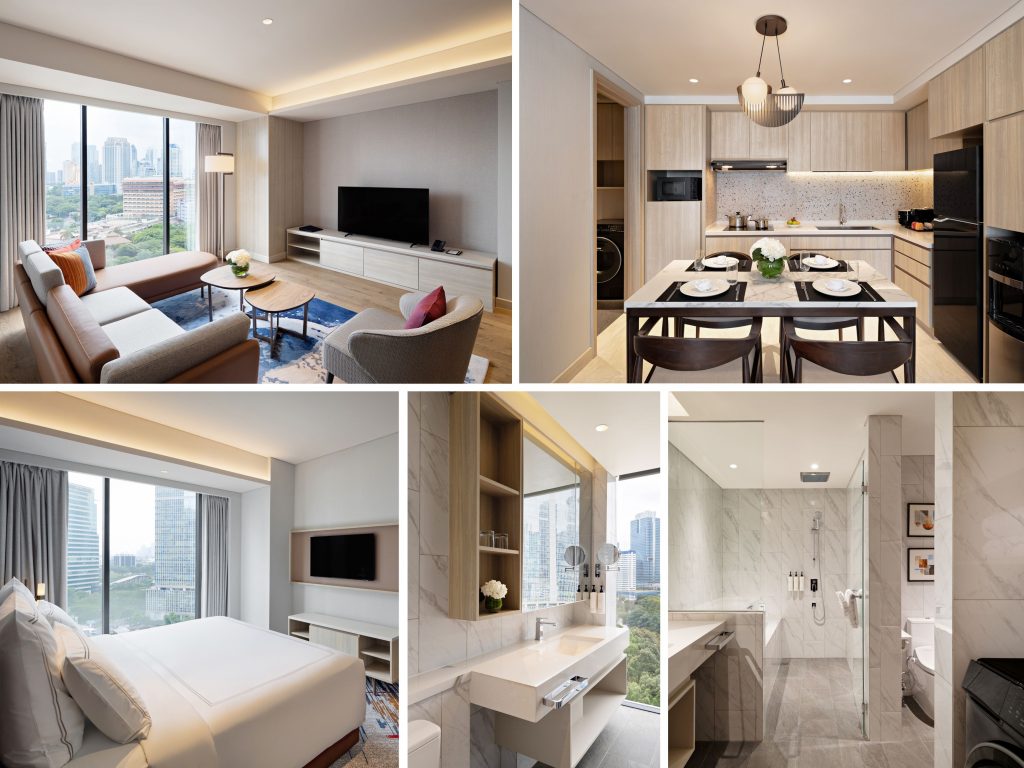
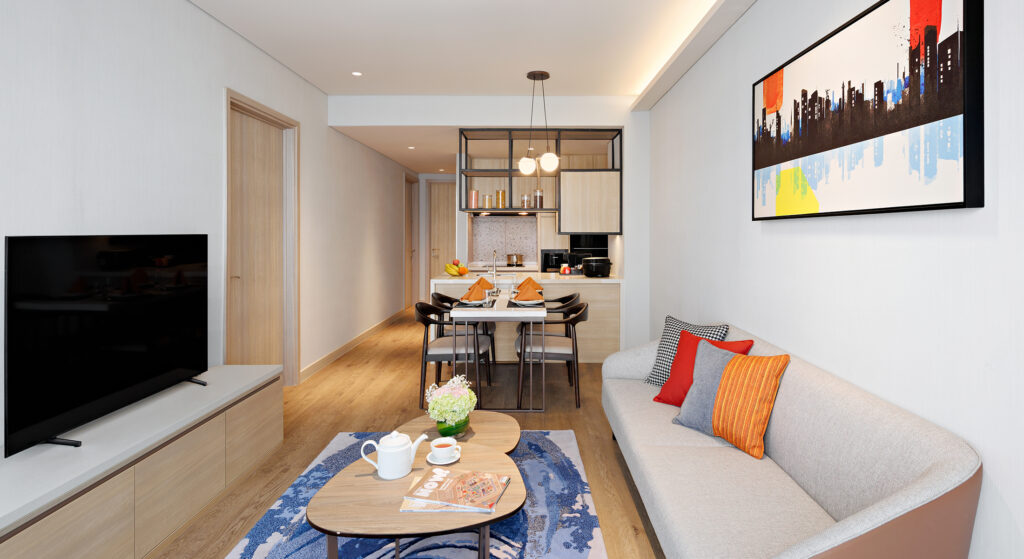
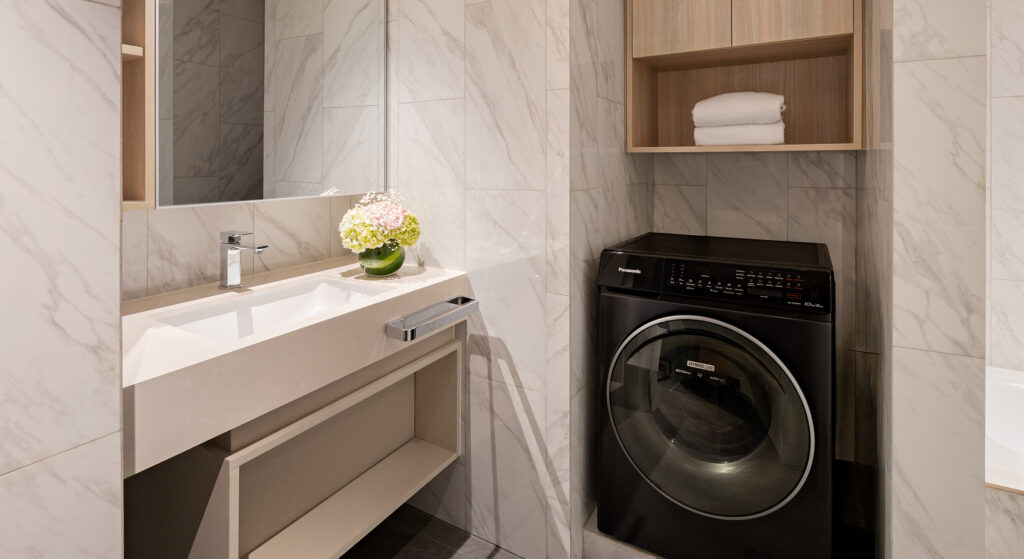
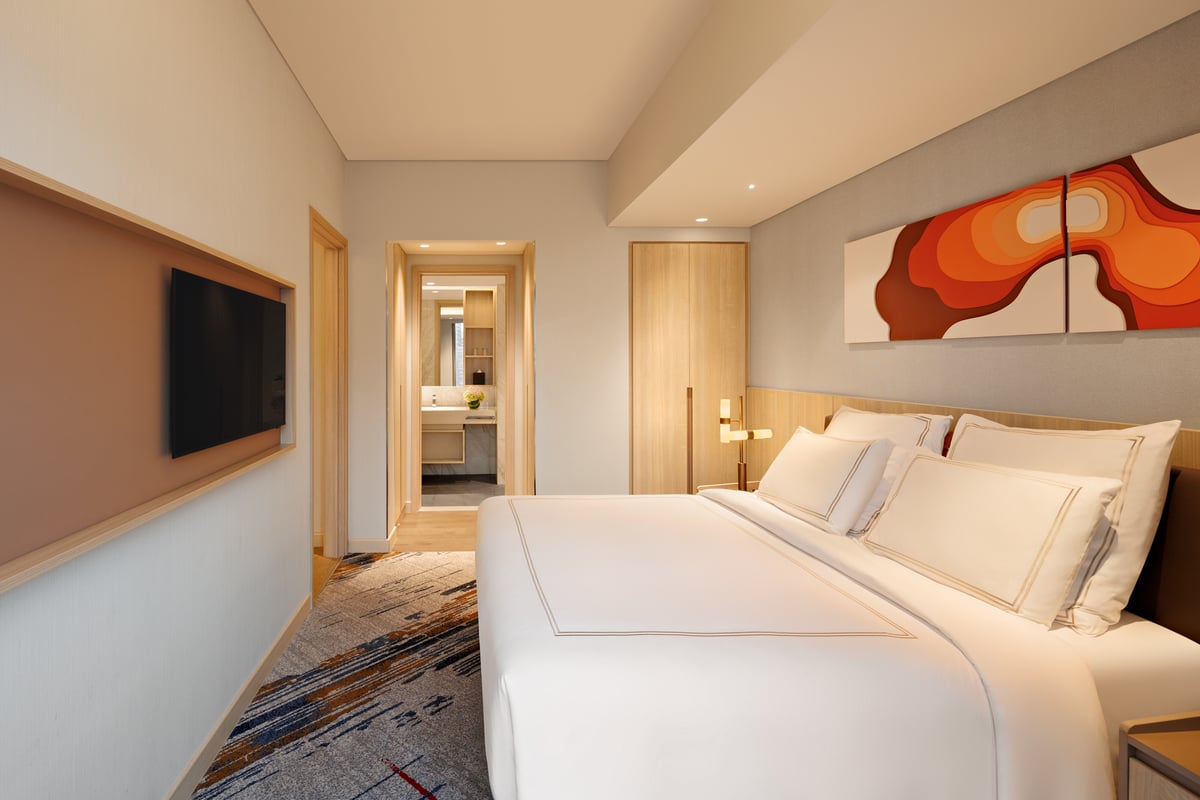
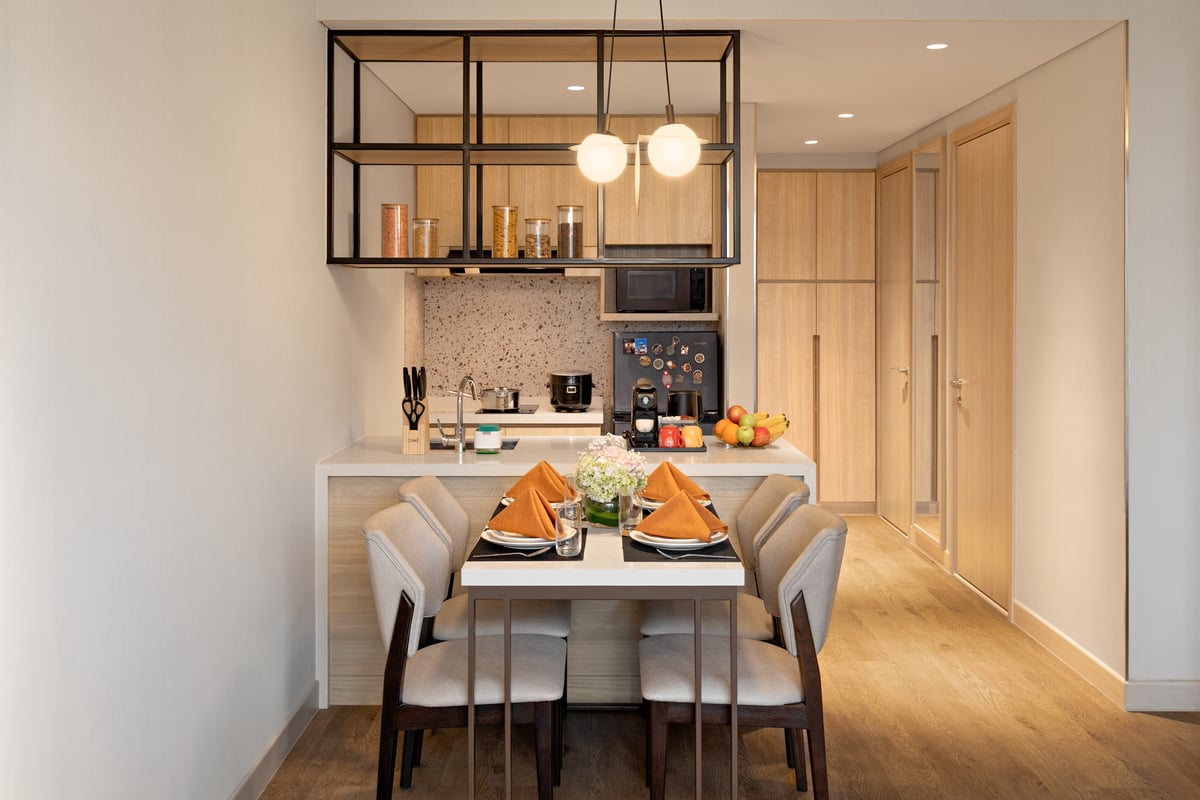
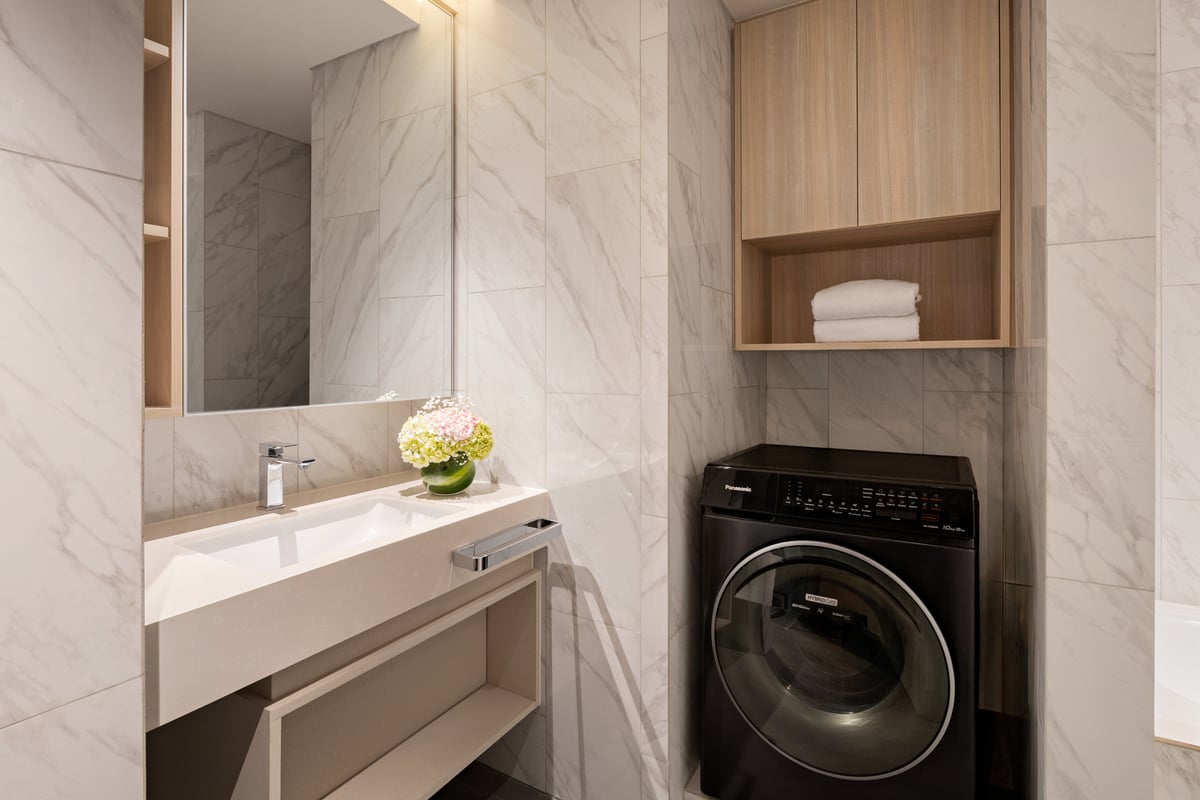
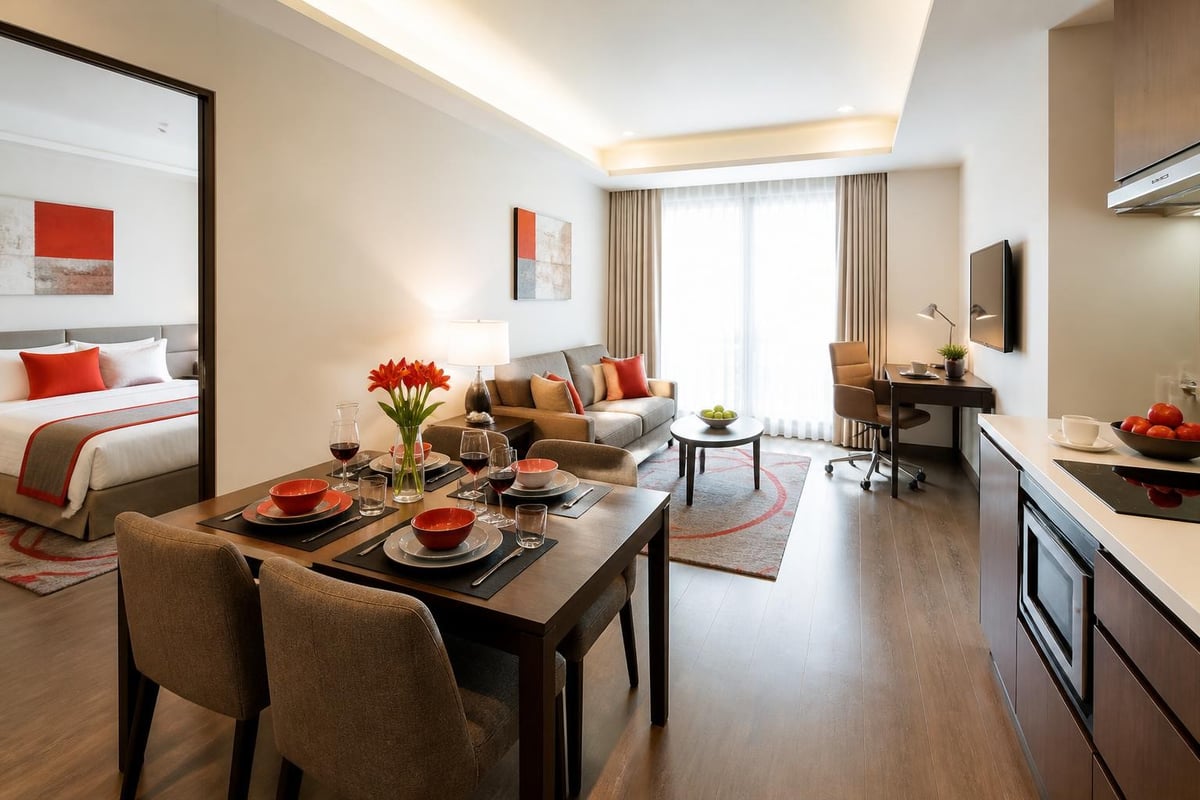
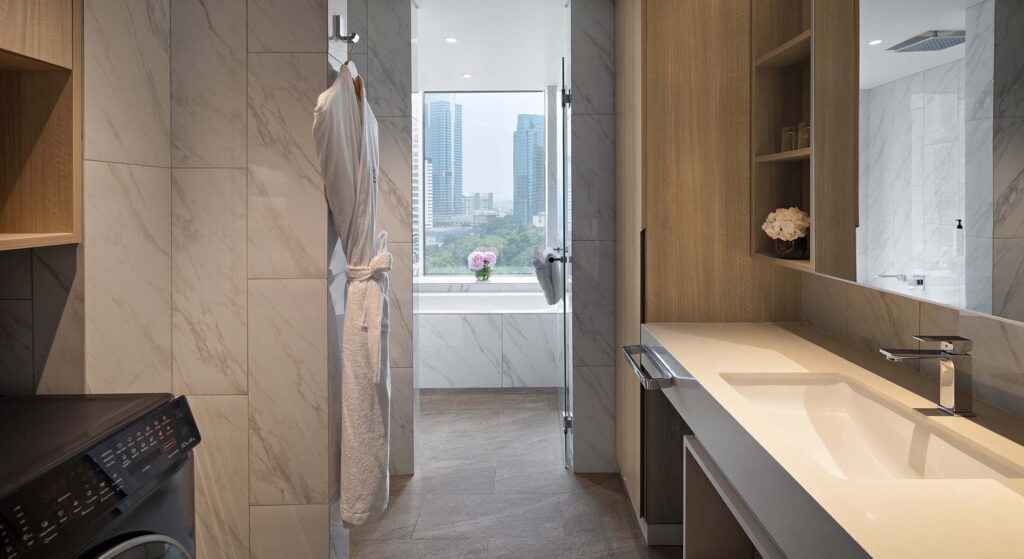
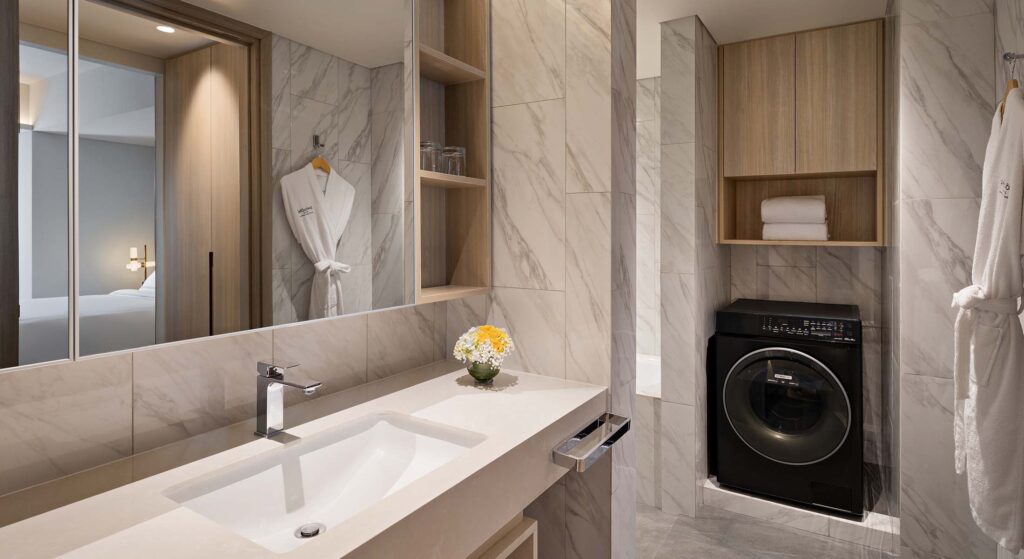
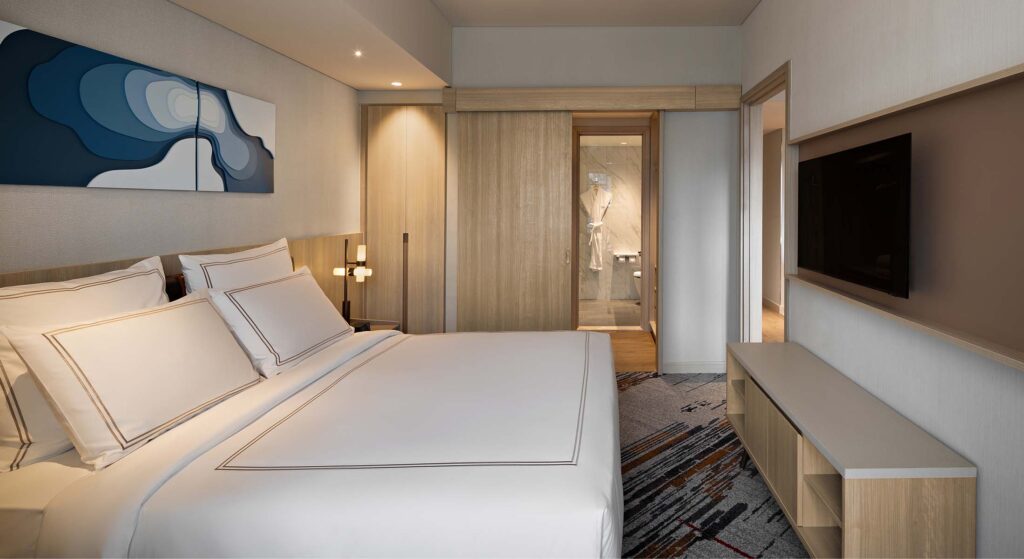
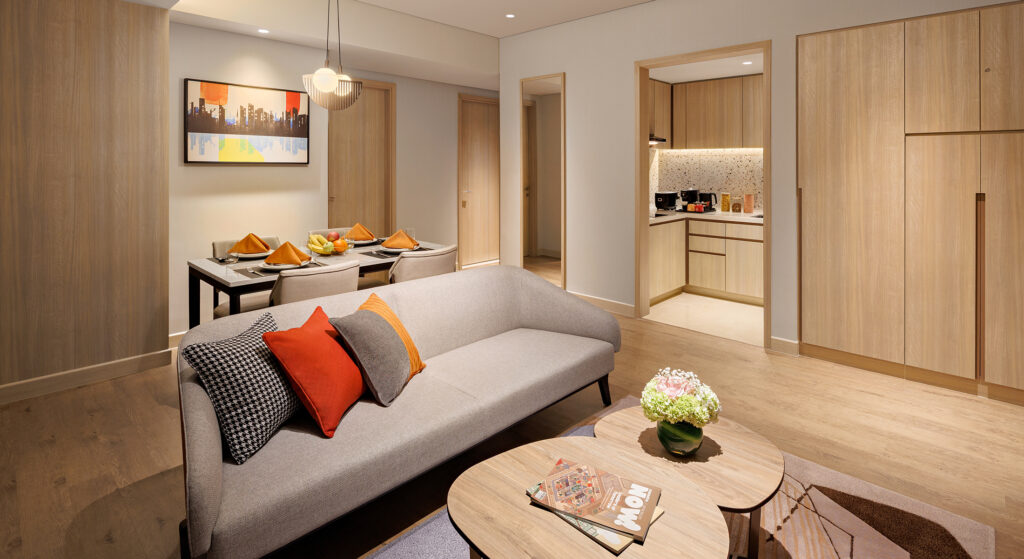
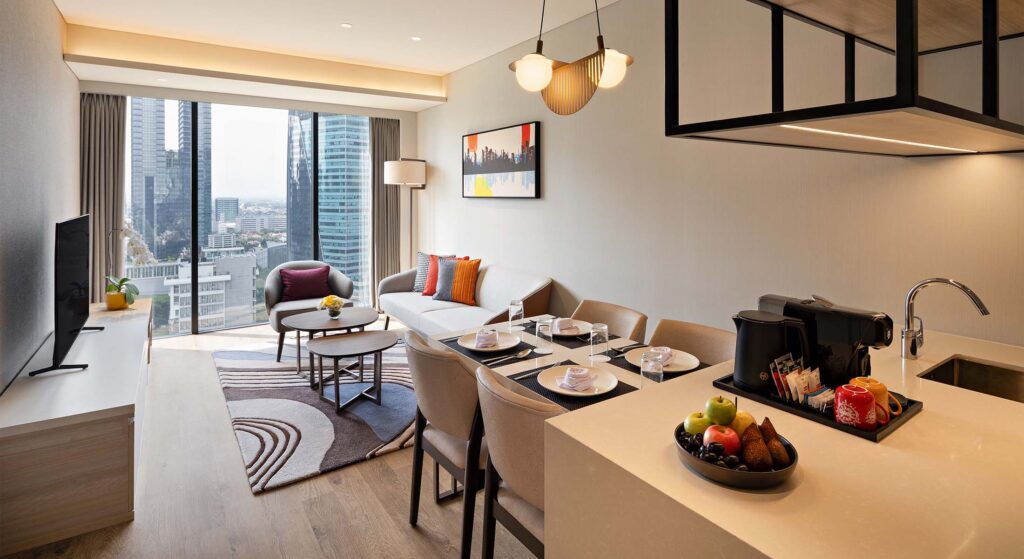
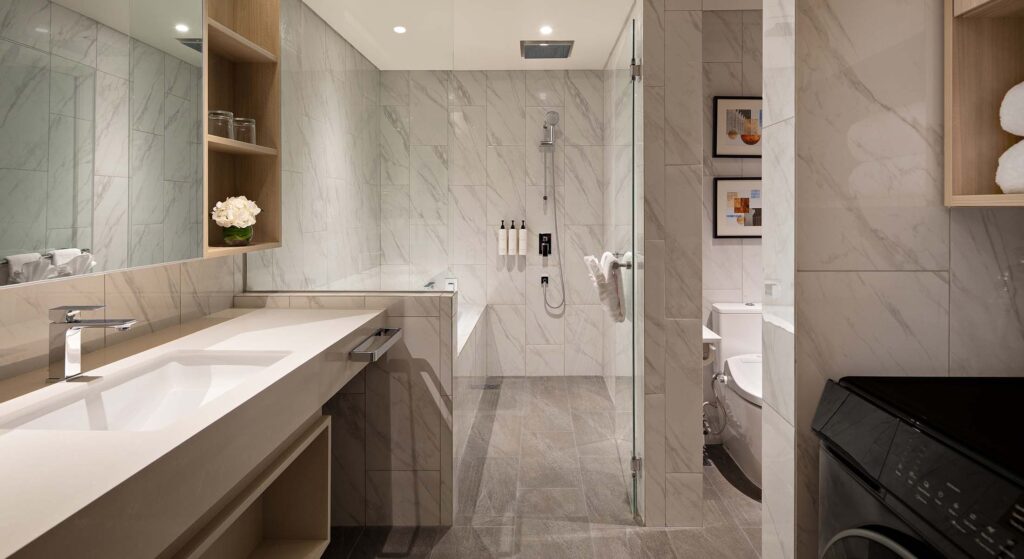
An extended hotel represents a hybrid accommodation category that combines the convenience of hotel services with the comfort and functionality of a residential apartment. These properties offer fully equipped kitchens, separate living and sleeping areas, in-unit laundry facilities, and housekeeping services that can be customized based on guest preferences.
Key Characteristics of Extended Hotel Properties
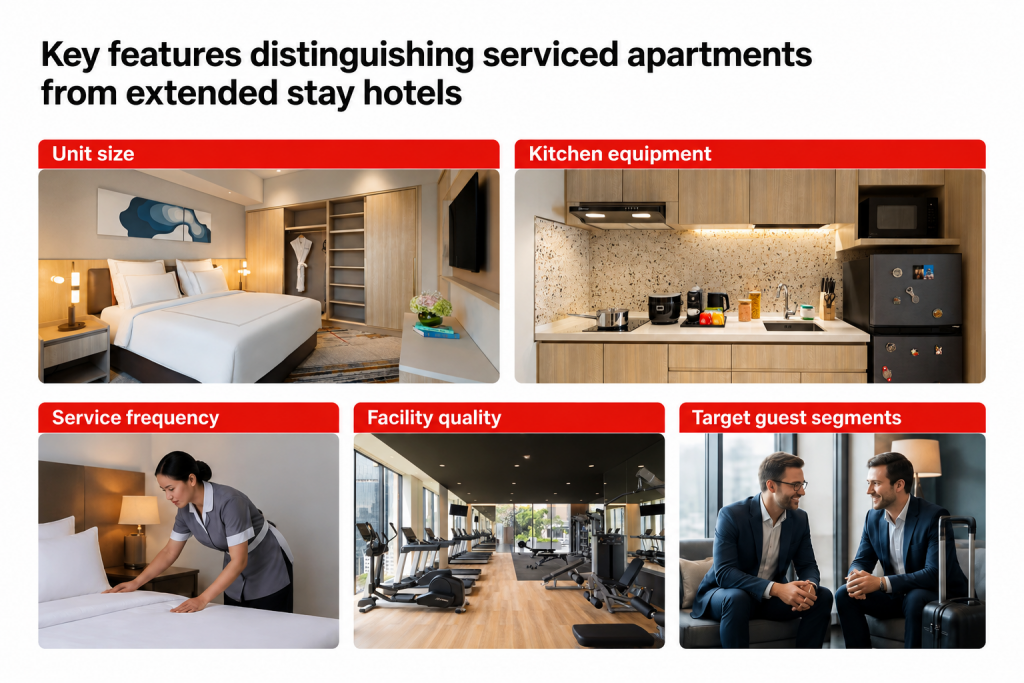
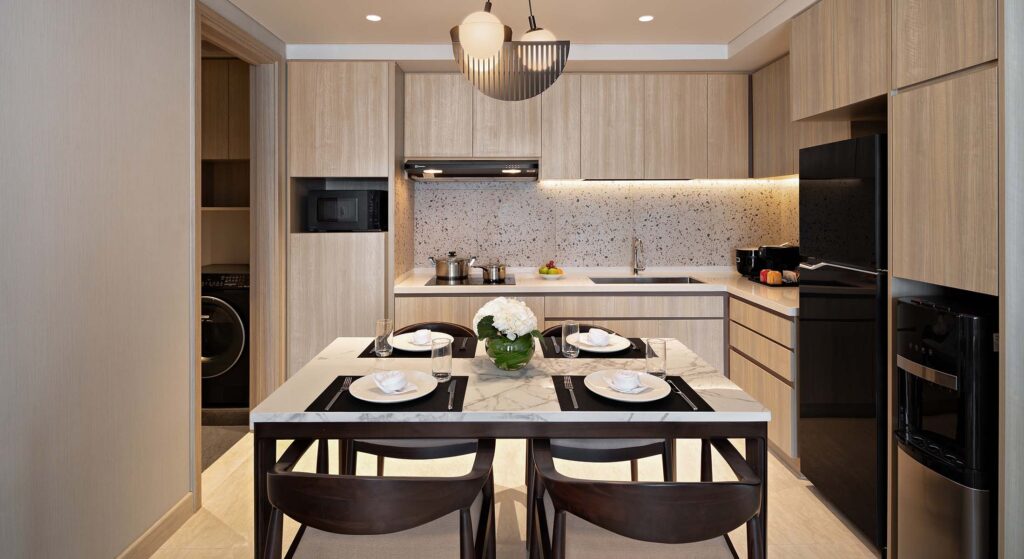
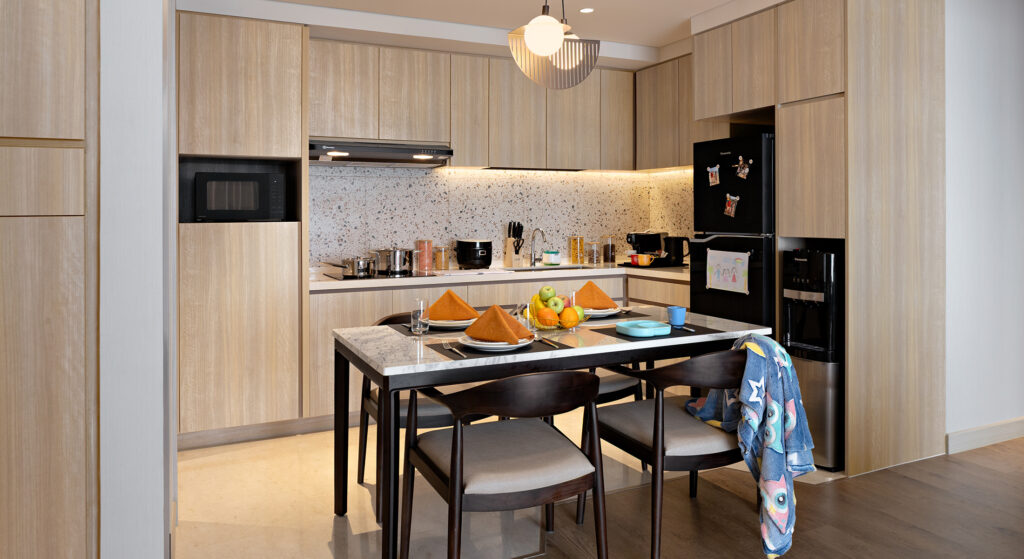
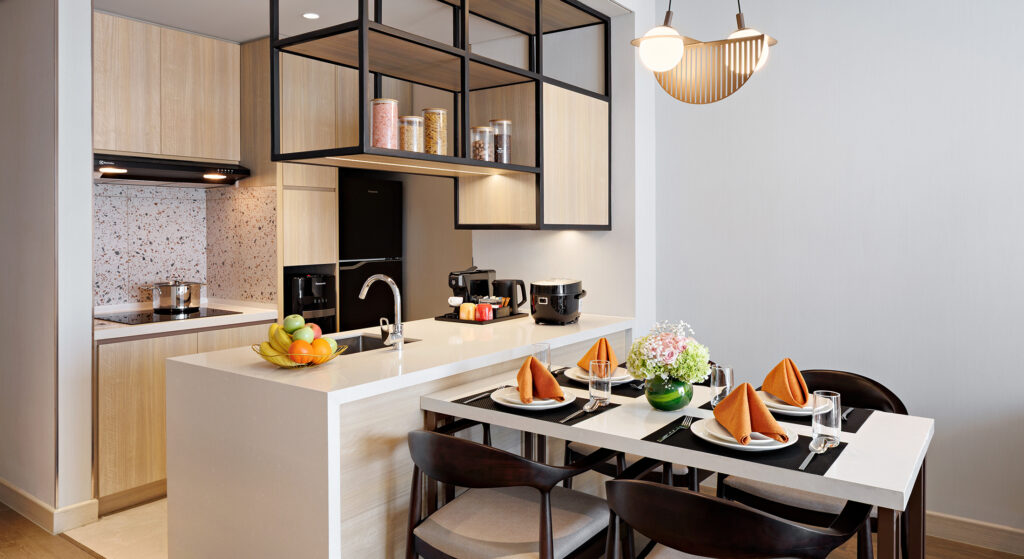
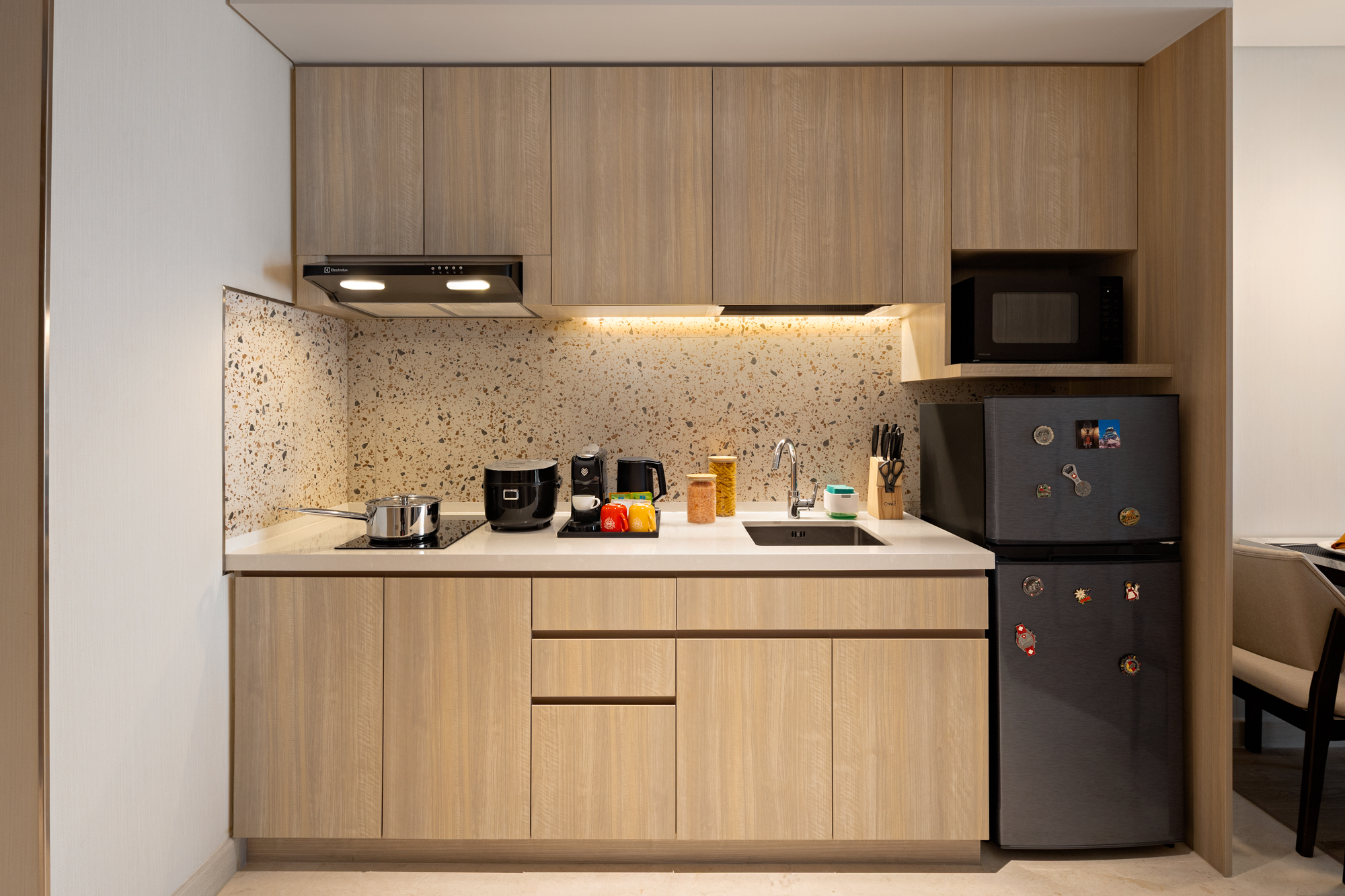
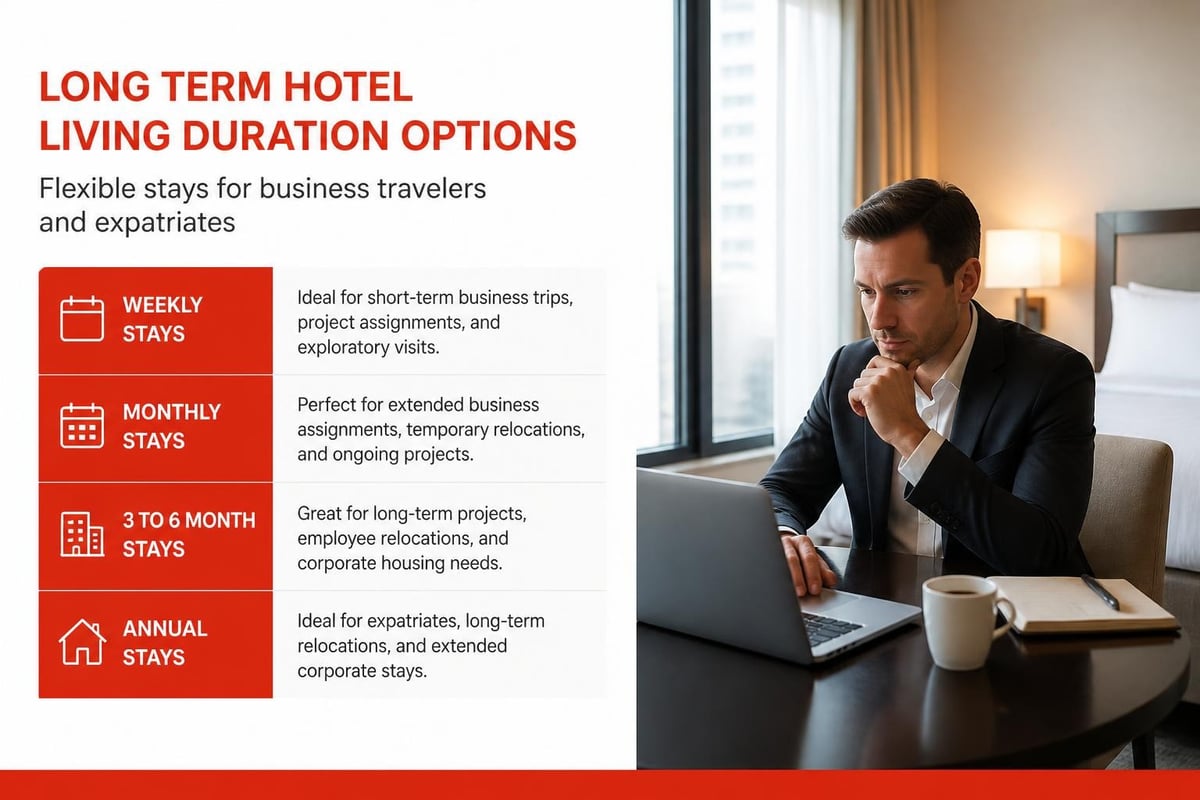
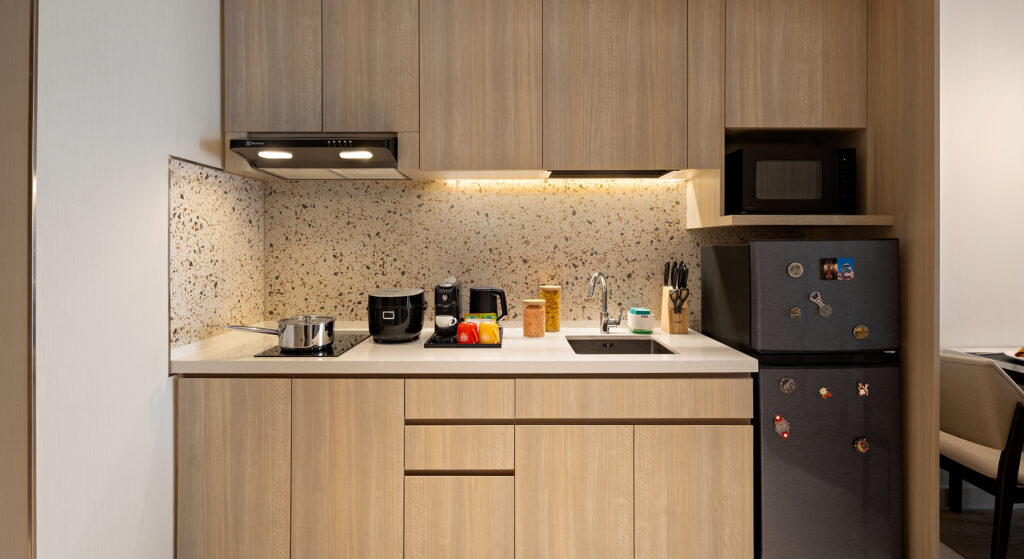
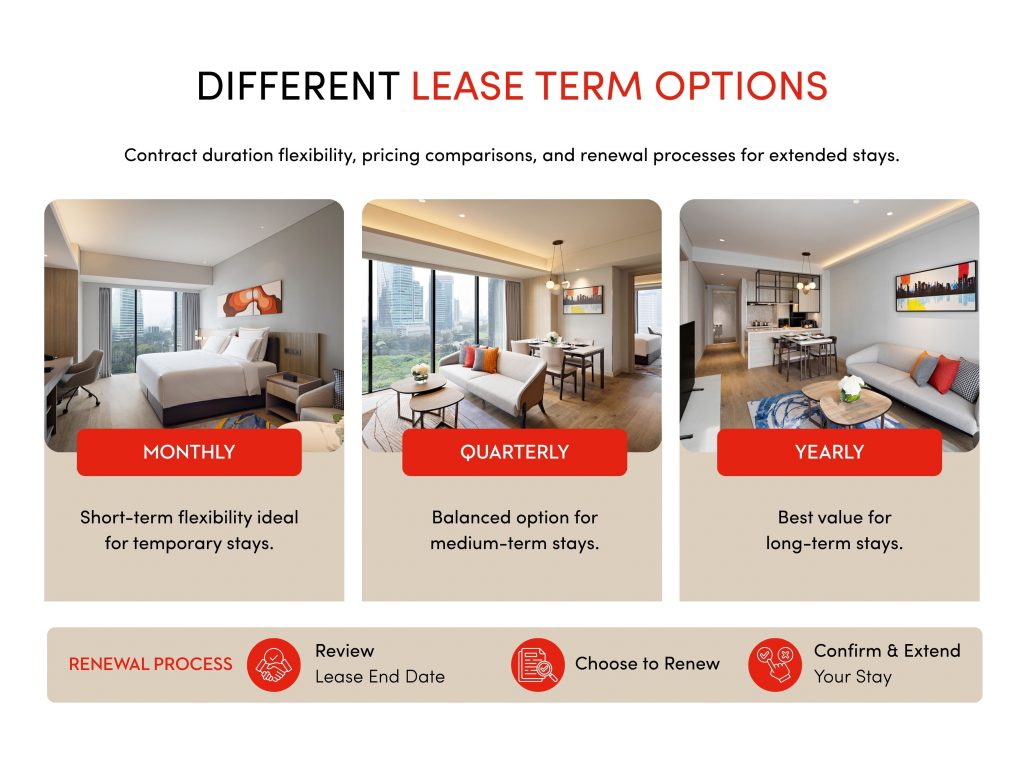
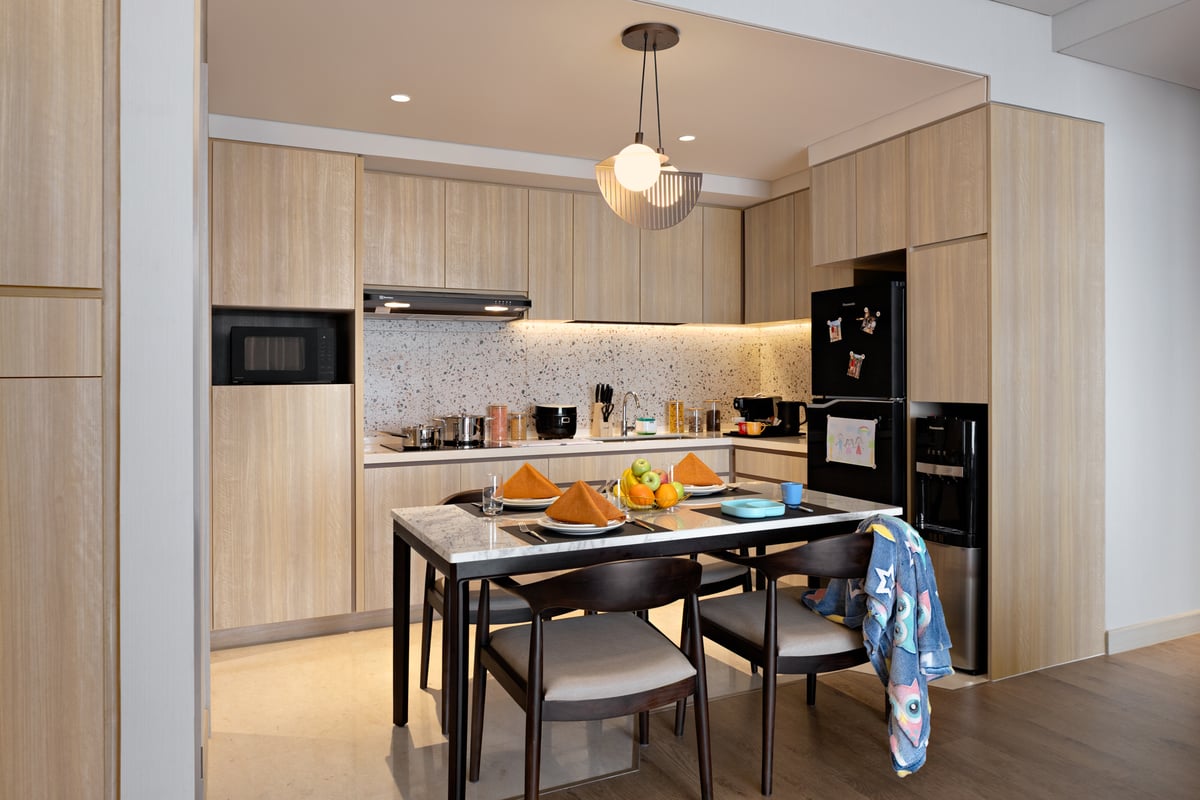
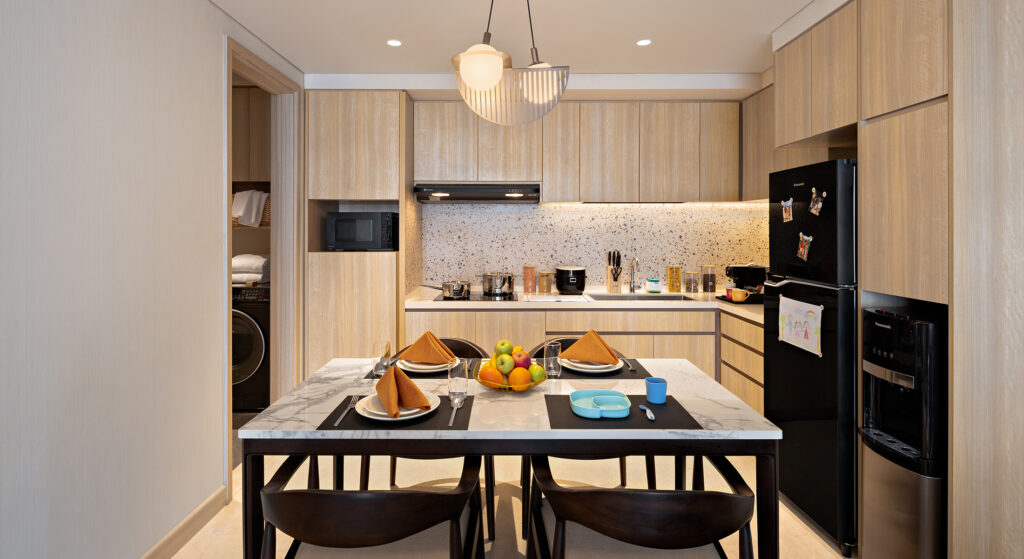
The defining features of extended hotel accommodations distinguish them from both traditional hotels and conventional rental apartments. Full kitchen facilities include refrigerators, stovetops, microwaves, dishwashers, and complete cookware sets, enabling guests to prepare meals and maintain dietary preferences. Flexible lease terms accommodate stays ranging from seven days to 12 months or longer, with simplified booking processes that eliminate security deposits and utility setup requirements.
Extended hotel properties typically provide:
- Weekly or monthly housekeeping services
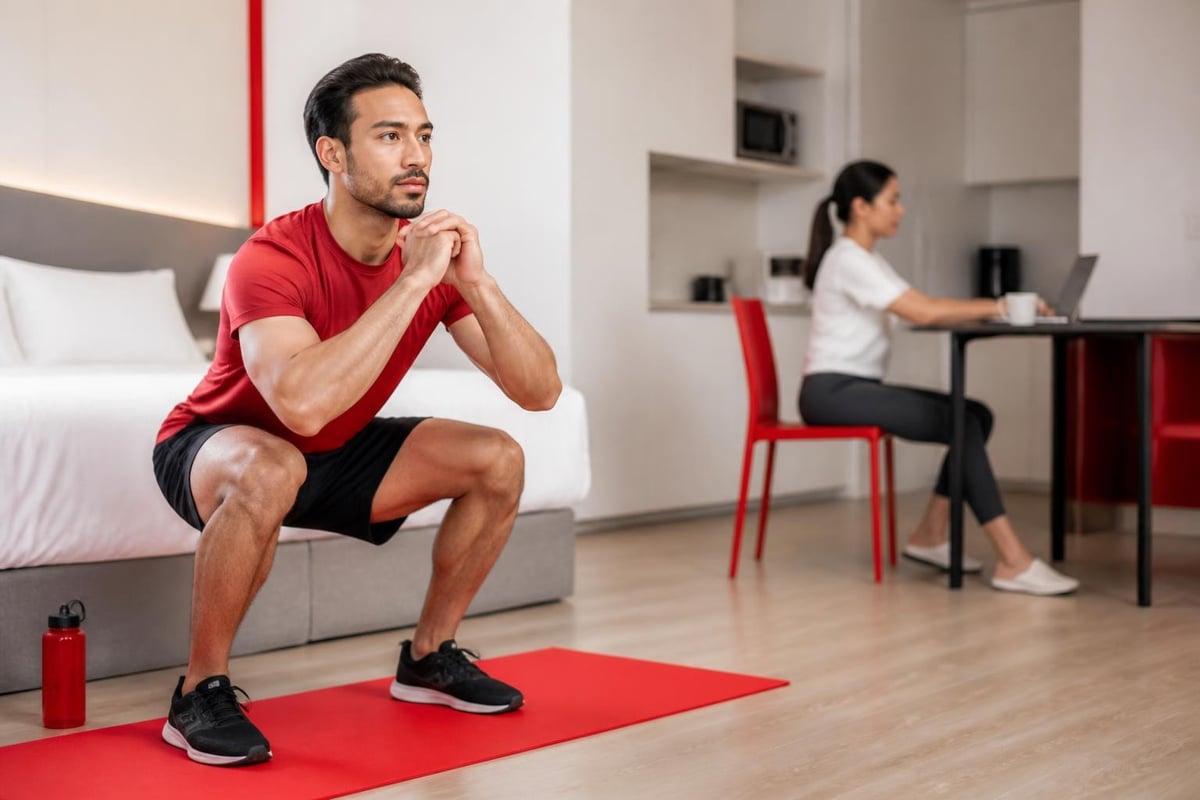
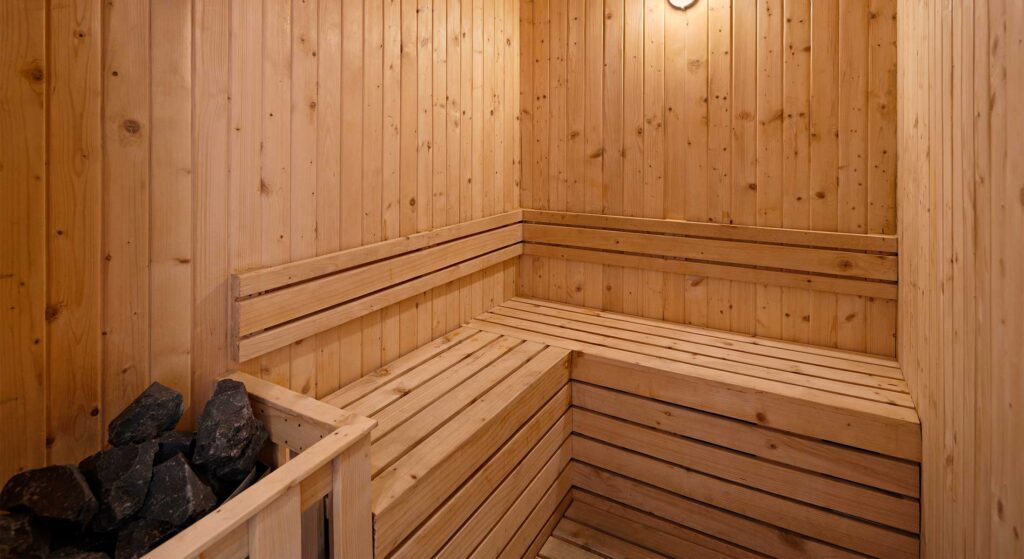
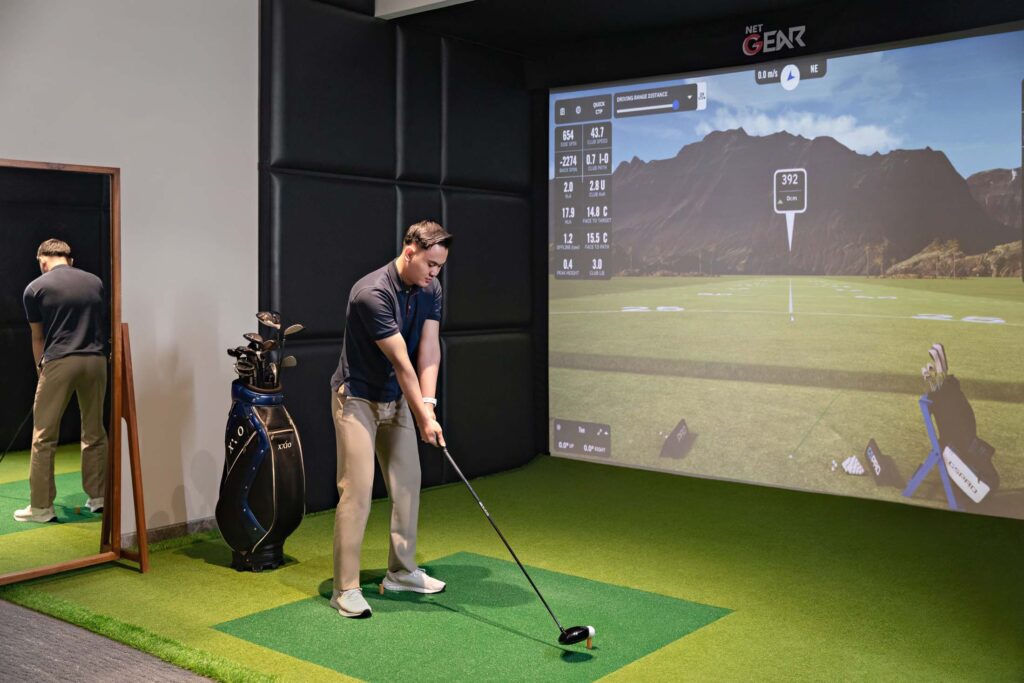
- On-site fitness centers and wellness facilities
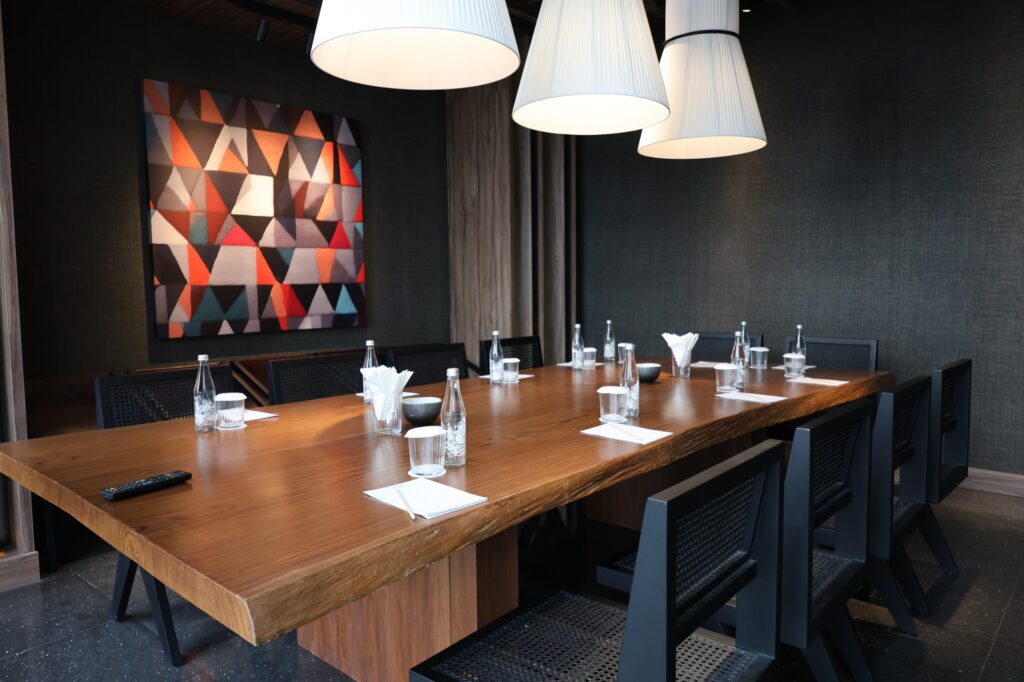
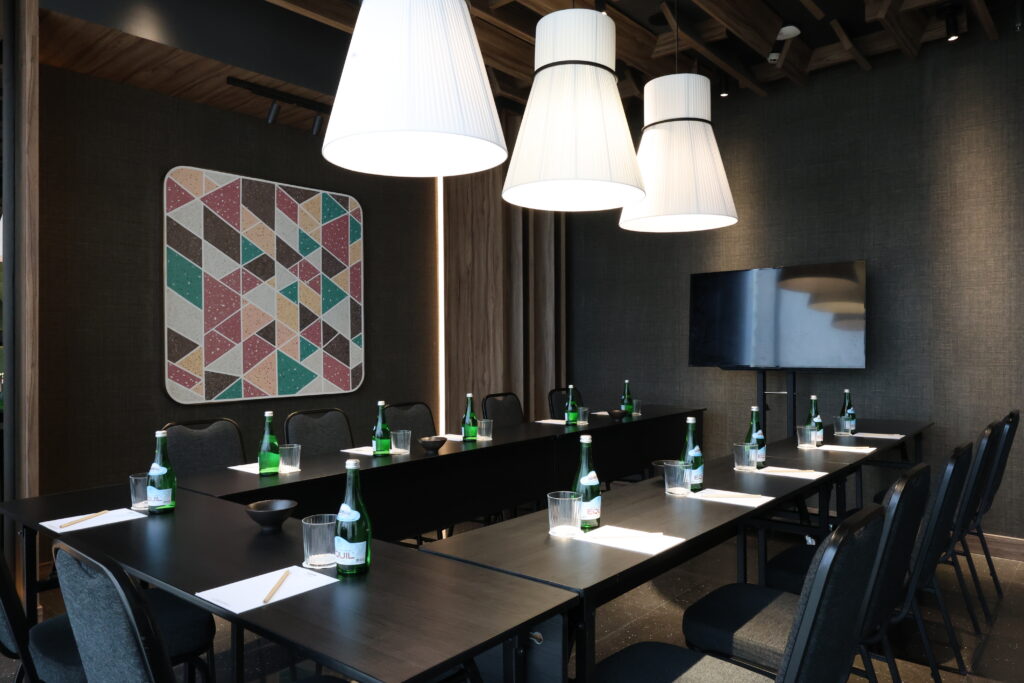
- Business centers with meeting spaces
- 24-hour front desk and concierge support
- Complimentary Wi-Fi throughout the property
- Parking facilities for long-term guests
Research from JLL’s 2025 extended-stay outlook indicates that extended-stay hotels continue capturing market share from traditional lodging segments, driven by evolving work patterns and corporate housing needs.
Who Benefits from Extended Hotel Accommodations
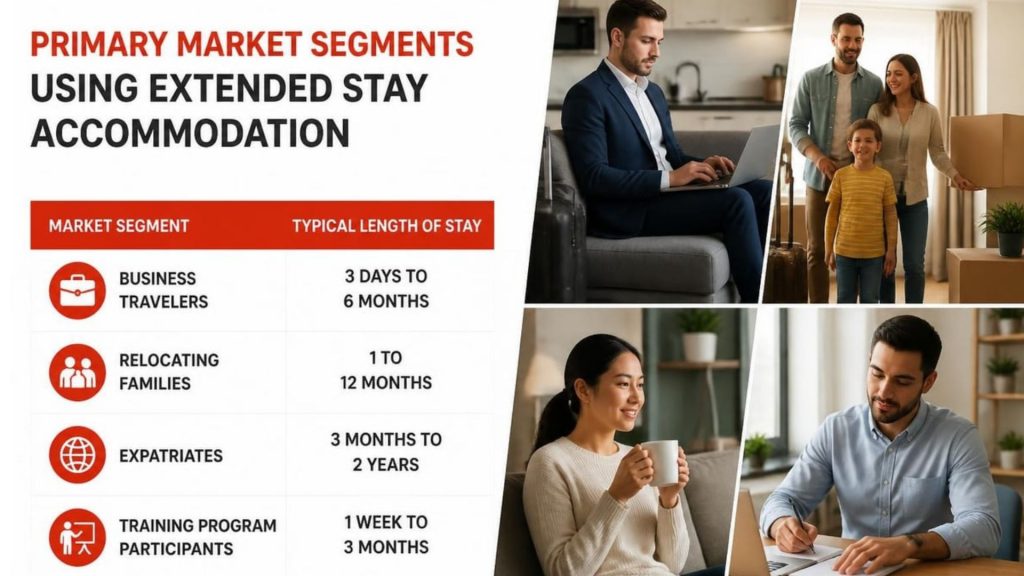
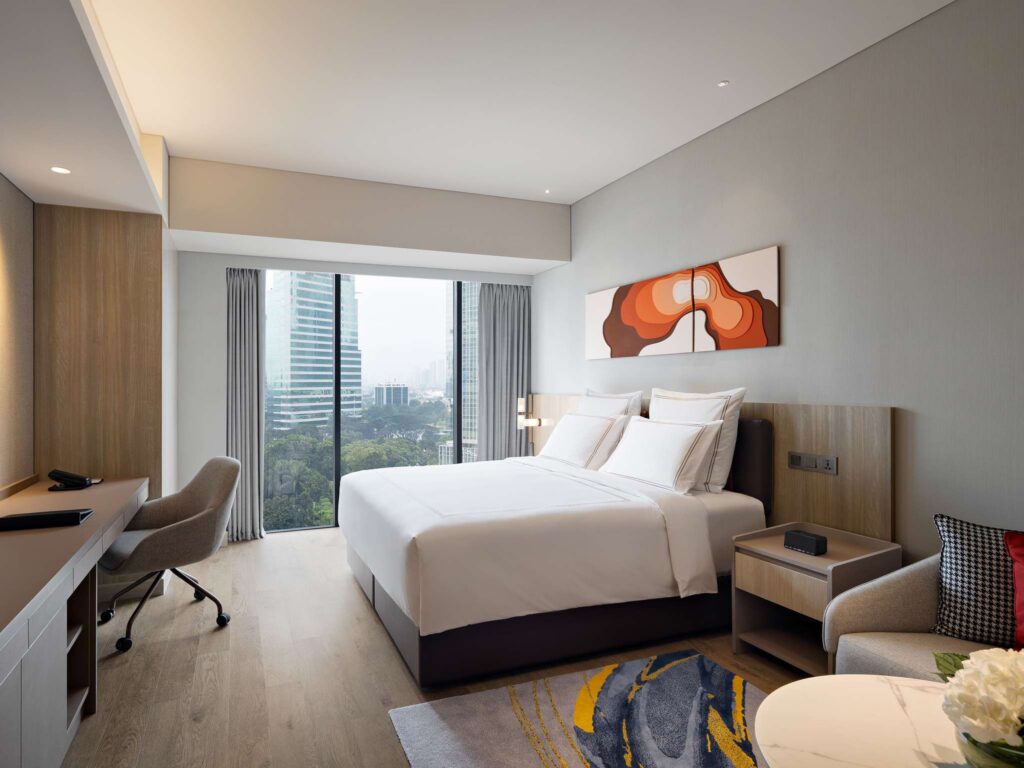
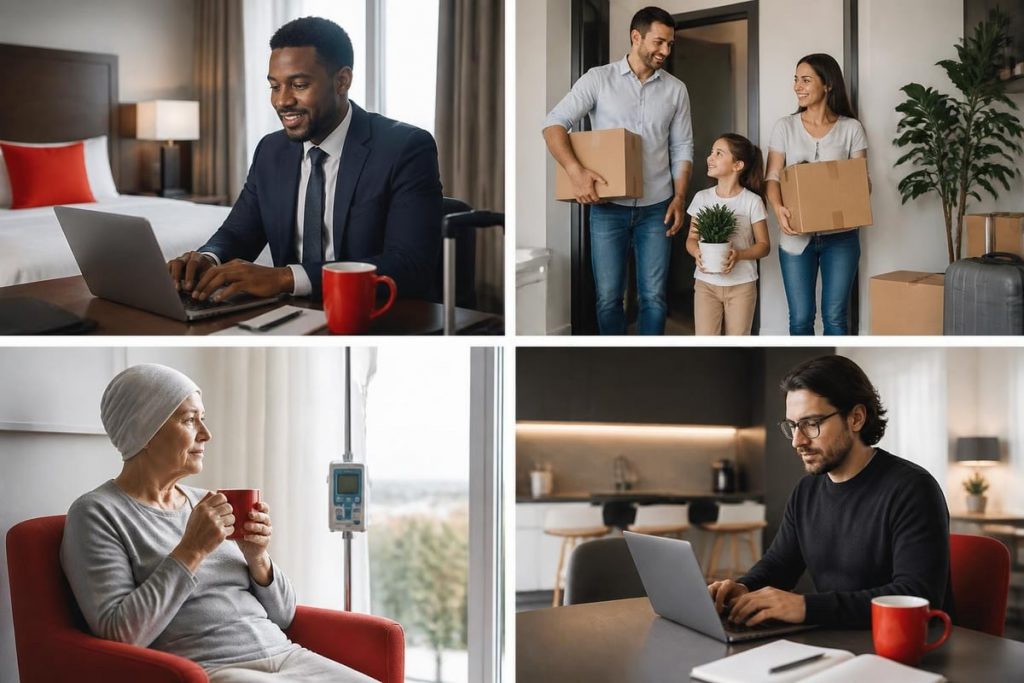
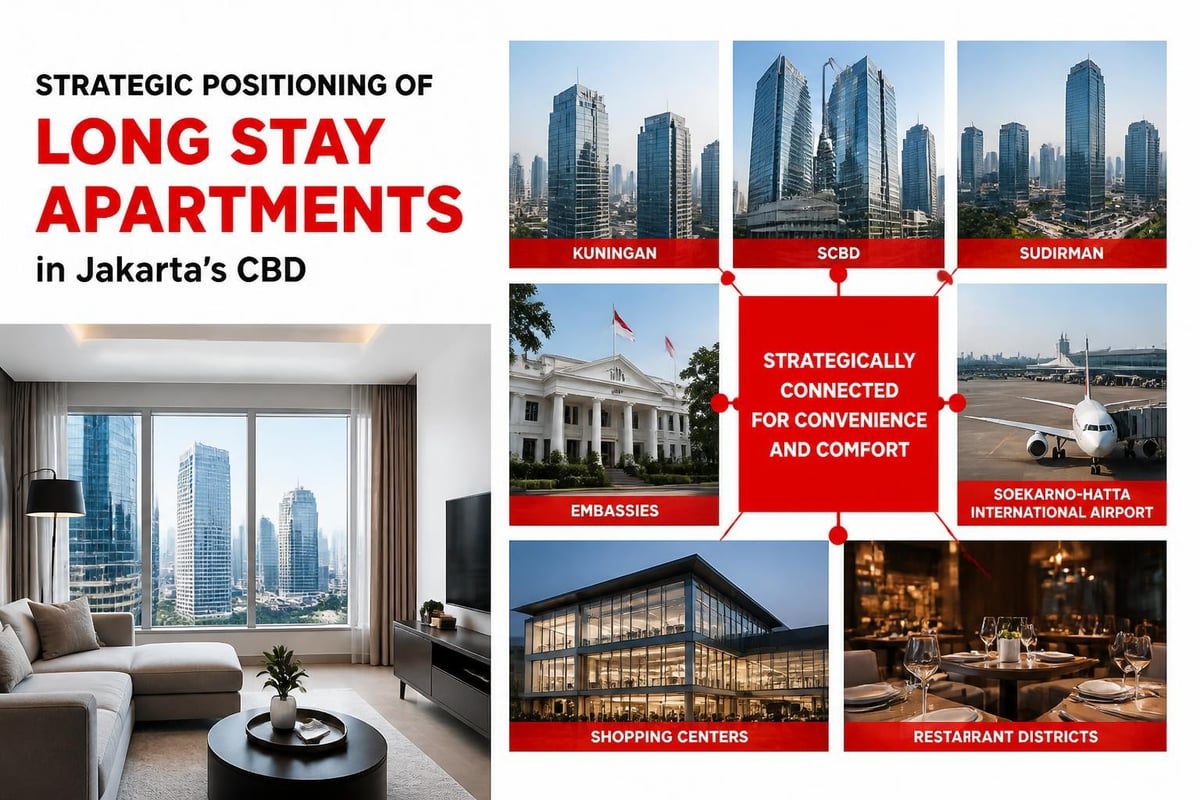
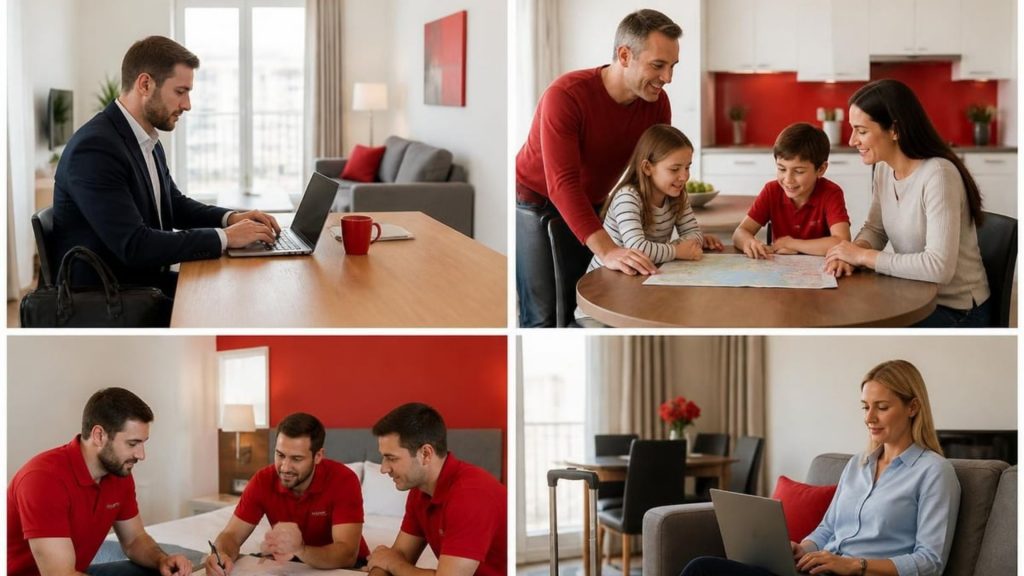
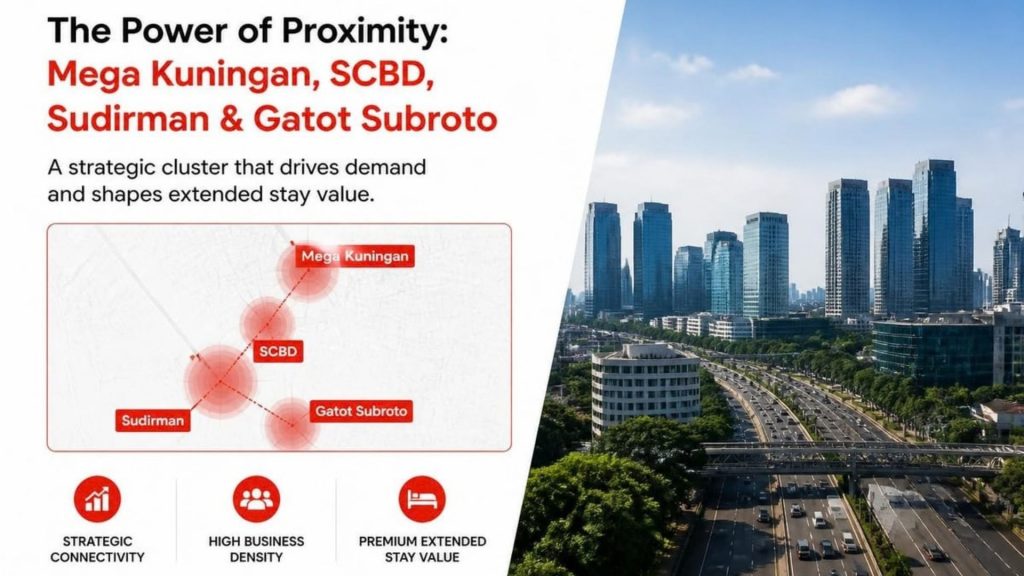
Extended hotel properties serve diverse guest segments with specific accommodation requirements that standard hotels cannot adequately address. Corporate travelers on project assignments lasting several weeks or months represent a primary market segment, particularly in business districts like Kuningan, SCBD, and Sudirman where proximity to offices delivers significant time savings.
Business Travelers and Corporate Relocations
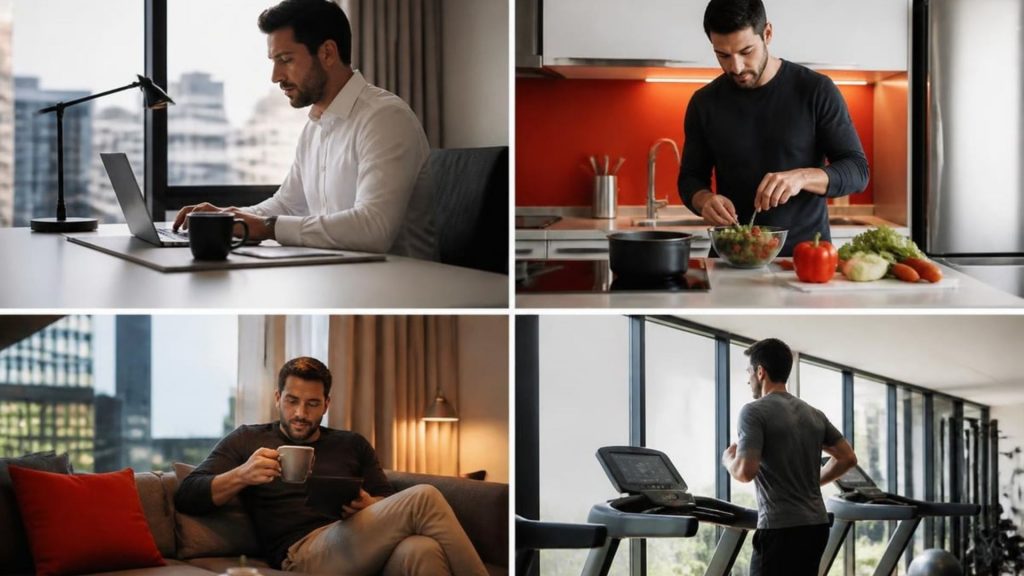
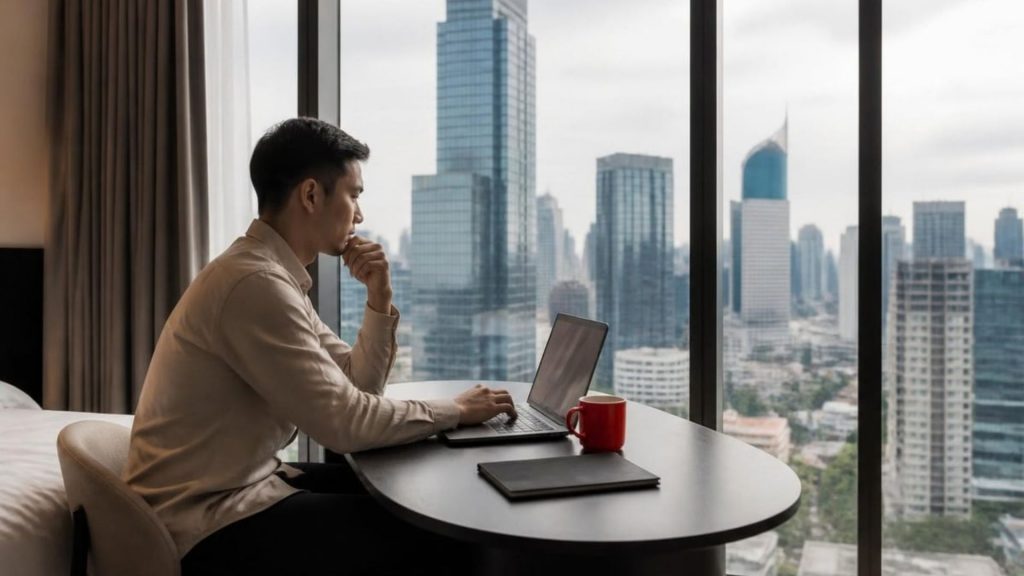
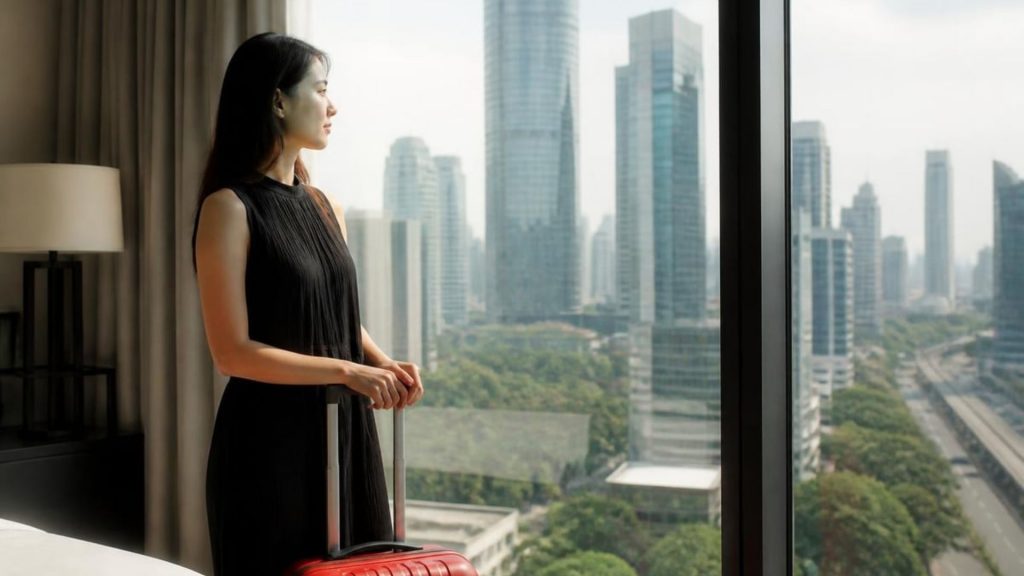
Professionals assigned to Jakarta for extended periods require accommodation that supports productive work routines while maintaining comfort during non-working hours. An extended hotel provides dedicated workspace, reliable internet connectivity, and kitchen facilities that reduce dining costs over multi-week stays. Companies increasingly prefer extended hotel arrangements for relocated employees because the all-inclusive pricing simplifies expense management and eliminates the administrative burden of setting up utilities and purchasing furniture.
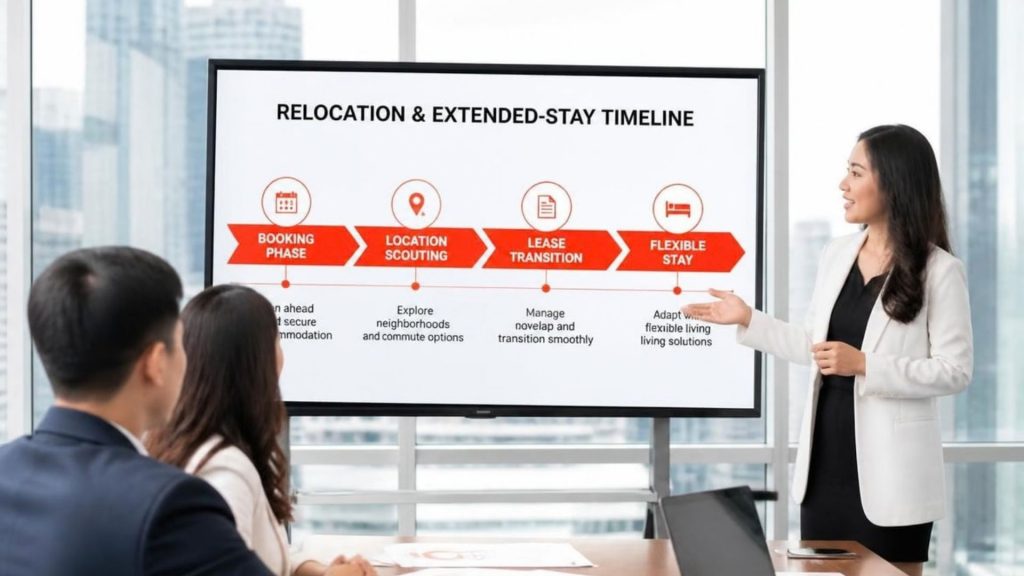
Expatriate families moving to Jakarta benefit substantially from extended hotel options during their initial months. The serviced apartment model allows families to settle into the city, research neighborhoods, enroll children in schools, and identify permanent housing without the pressure of immediate long-term commitments.
Individual and Family Requirements
| Guest Type | Primary Needs | Typical Stay Duration |
|---|---|---|
| Business travelers | Workspace, kitchen, flexible check-in | 2-12 weeks |
| Expatriate families | Multiple bedrooms, school proximity, storage | 1-6 months |
| Project consultants | Meeting facilities, central location, housekeeping | 4-16 weeks |
| Medical travelers | Kitchen for special diets, laundry, quiet environment | 3-8 weeks |
Academic research on extended length of stay effects demonstrates that longer accommodation periods significantly influence guest spending patterns and neighborhood engagement, supporting the economic value of well-located extended hotel properties.
Location Considerations for Extended Hotel Selection
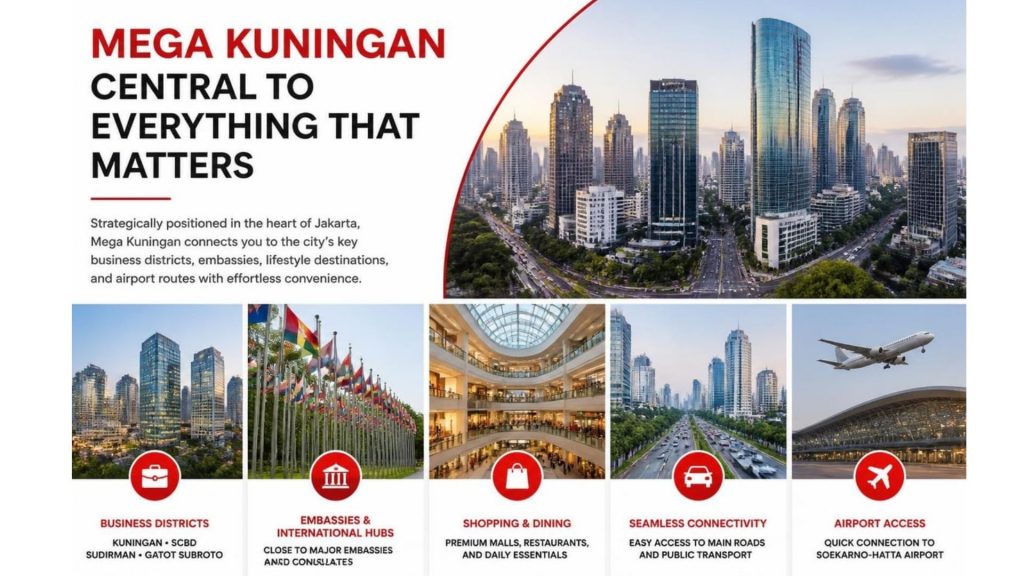
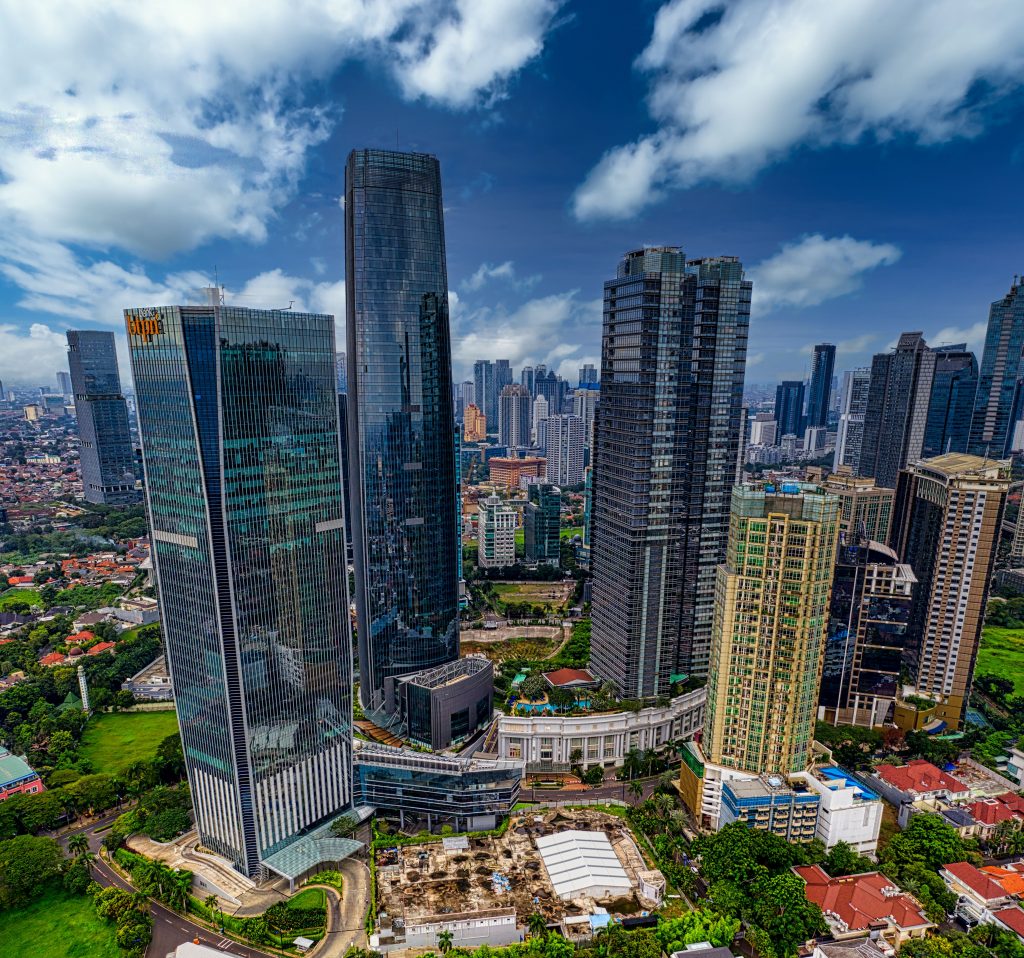
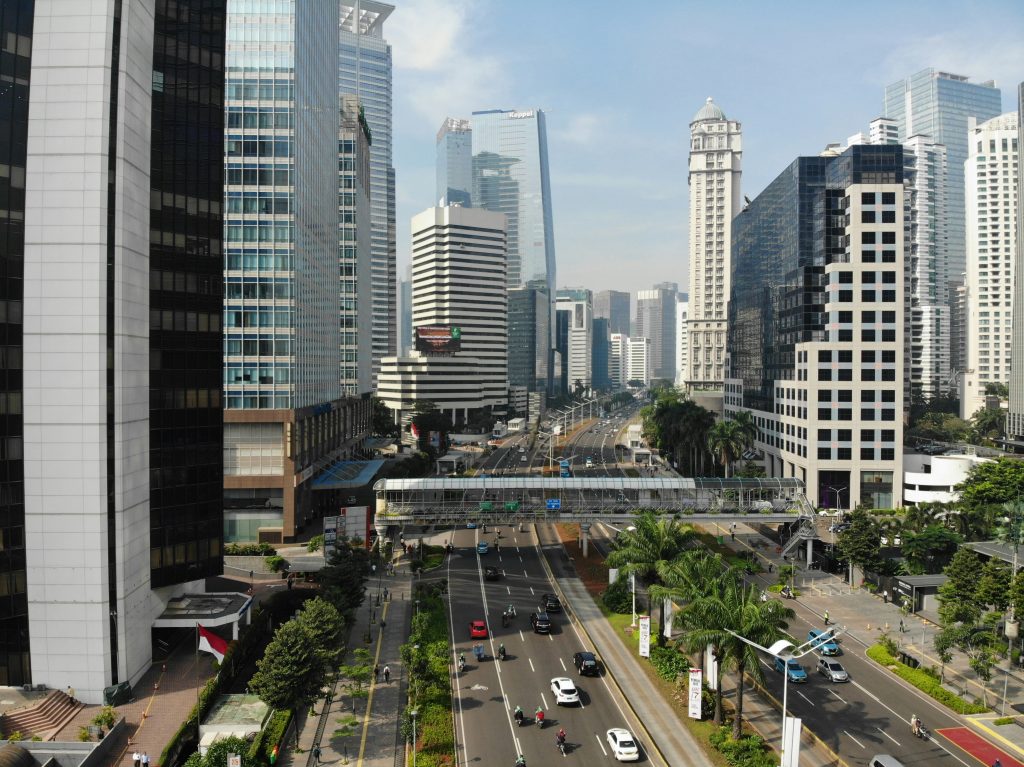
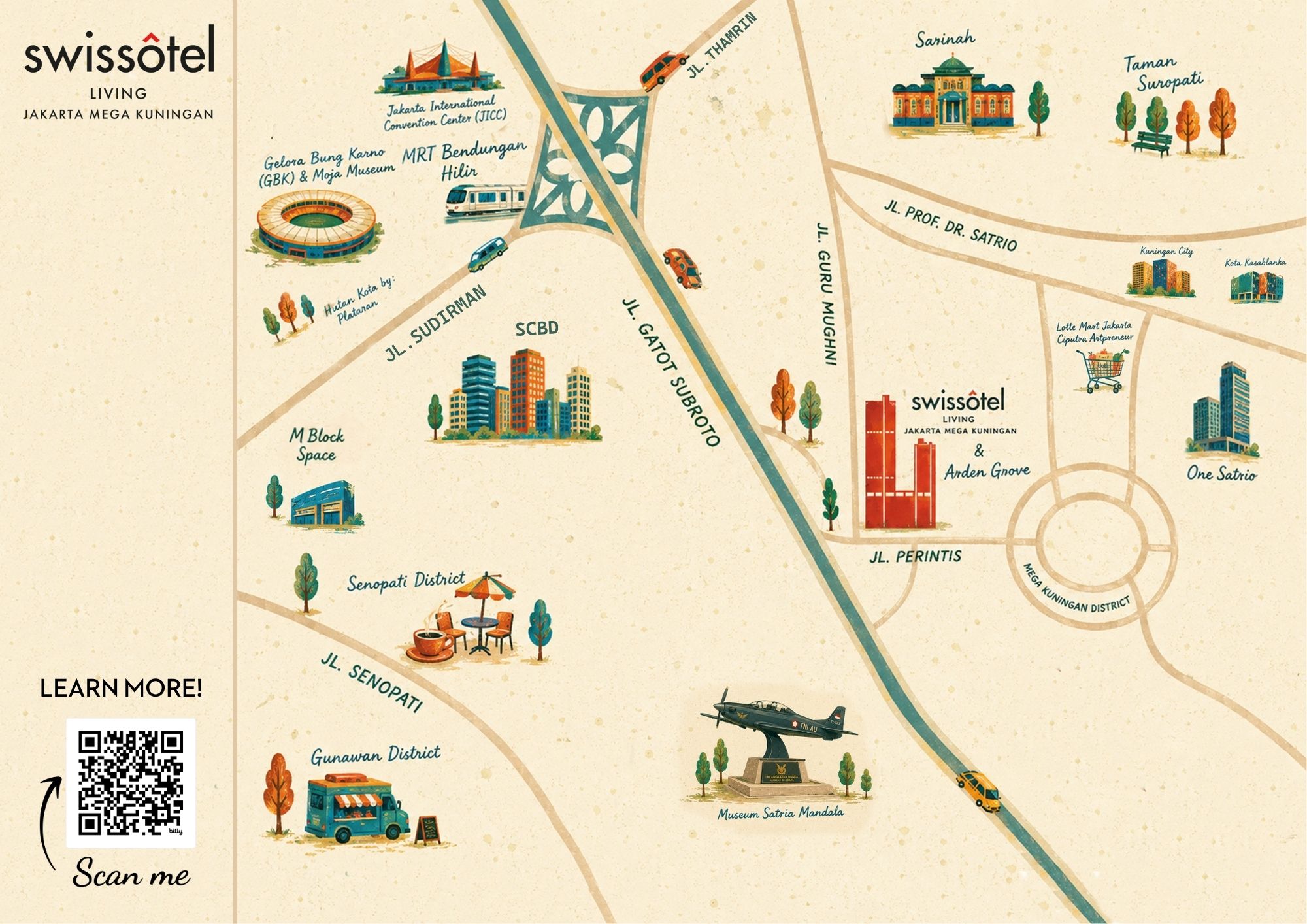
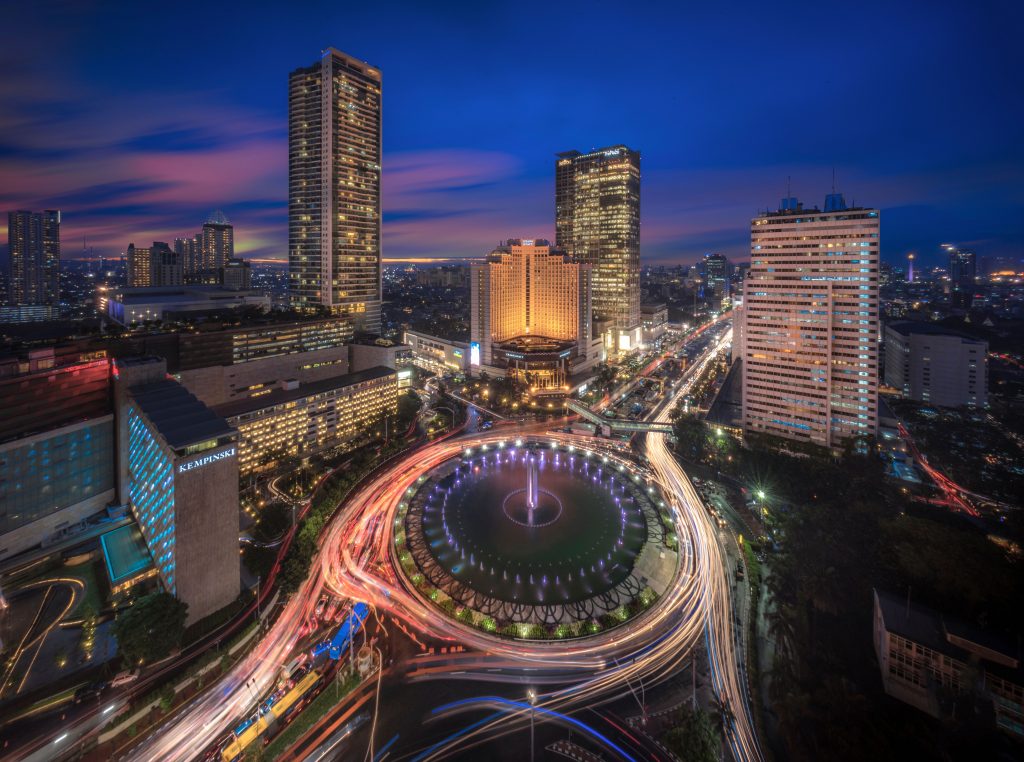
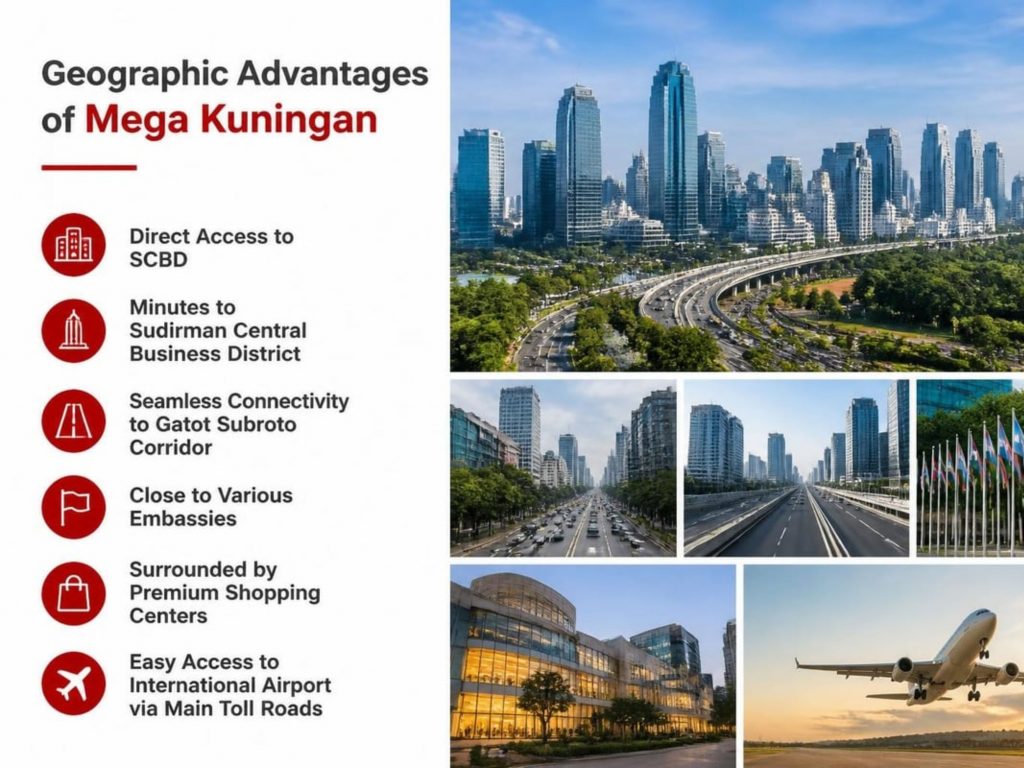
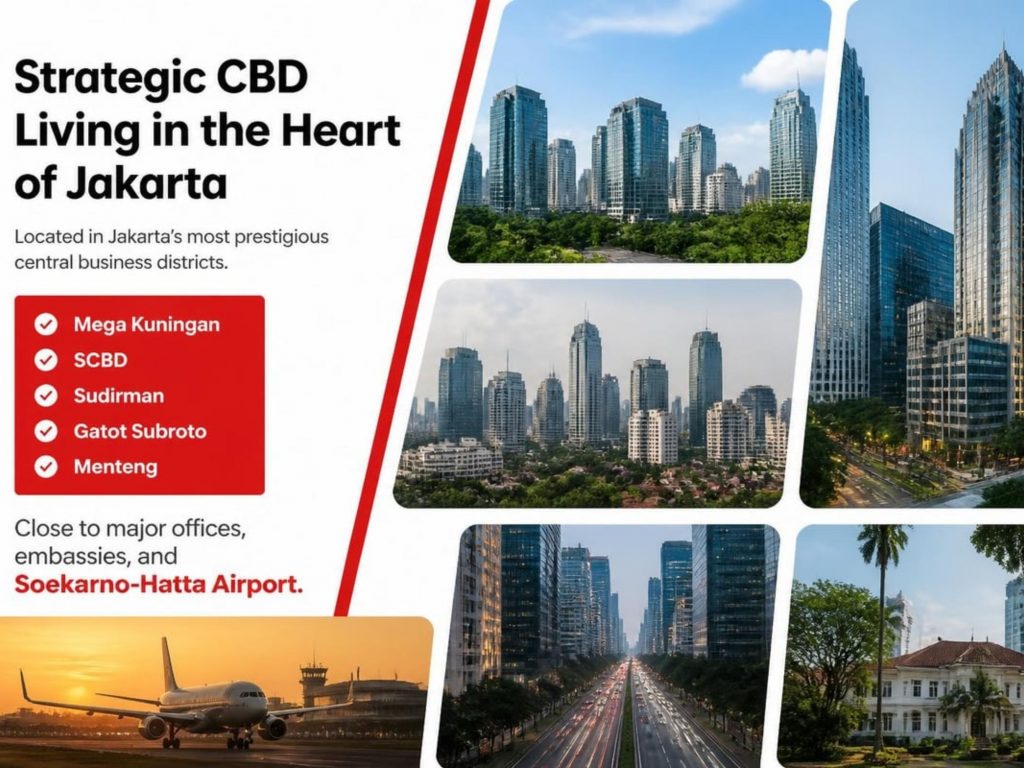
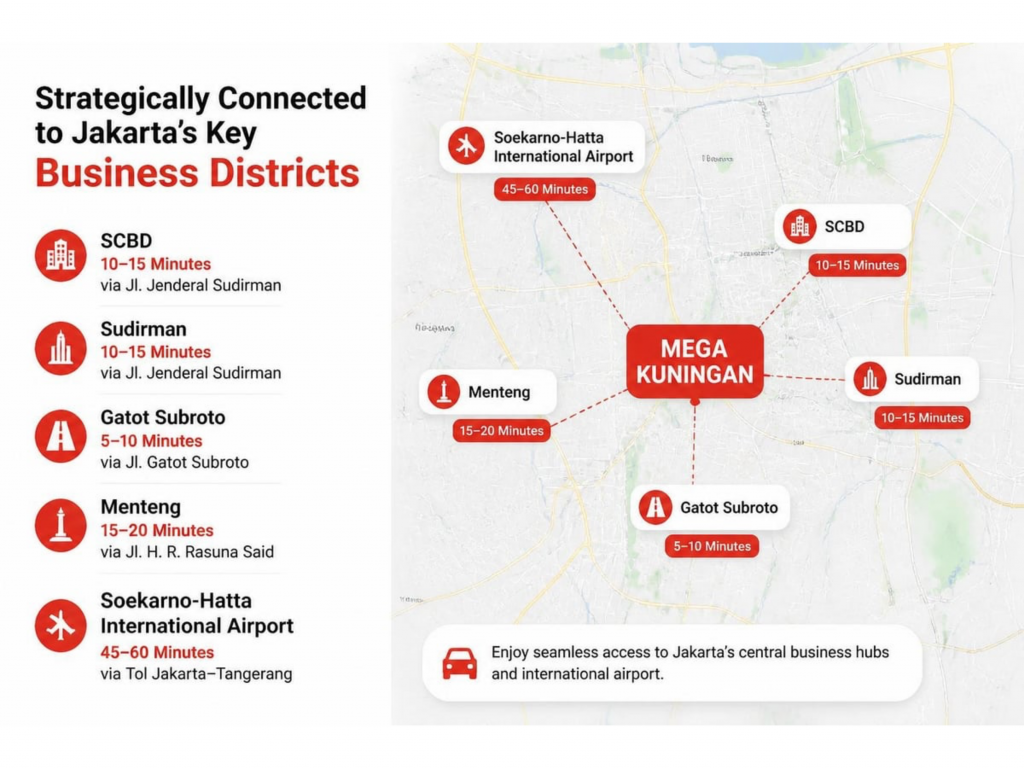
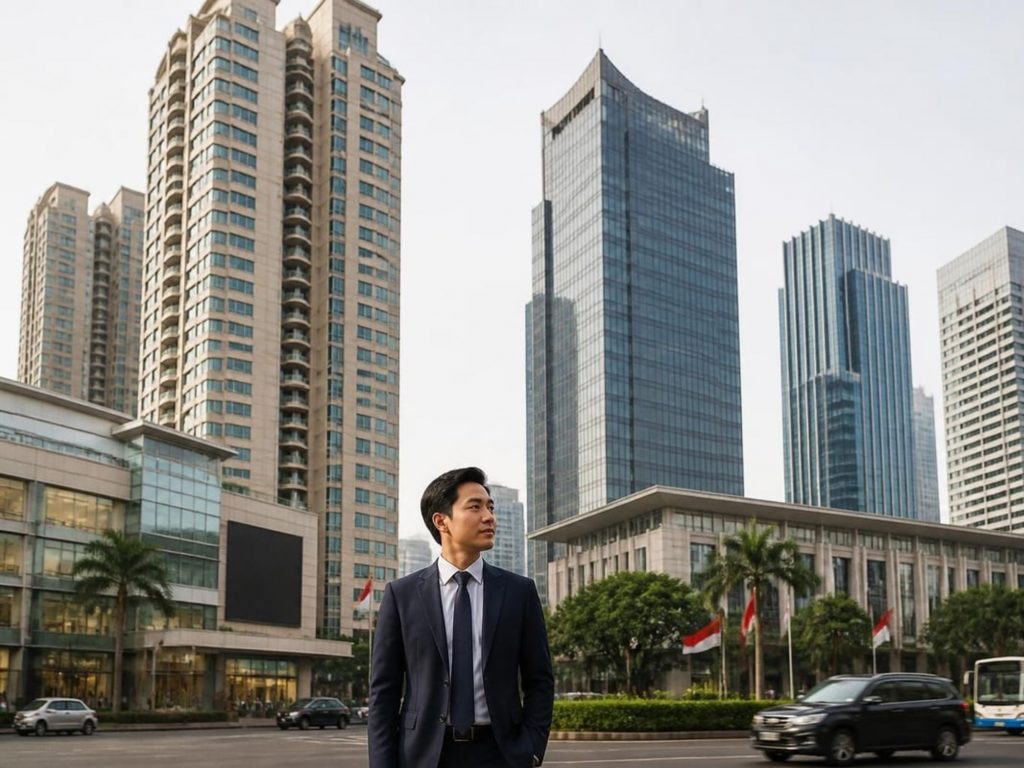
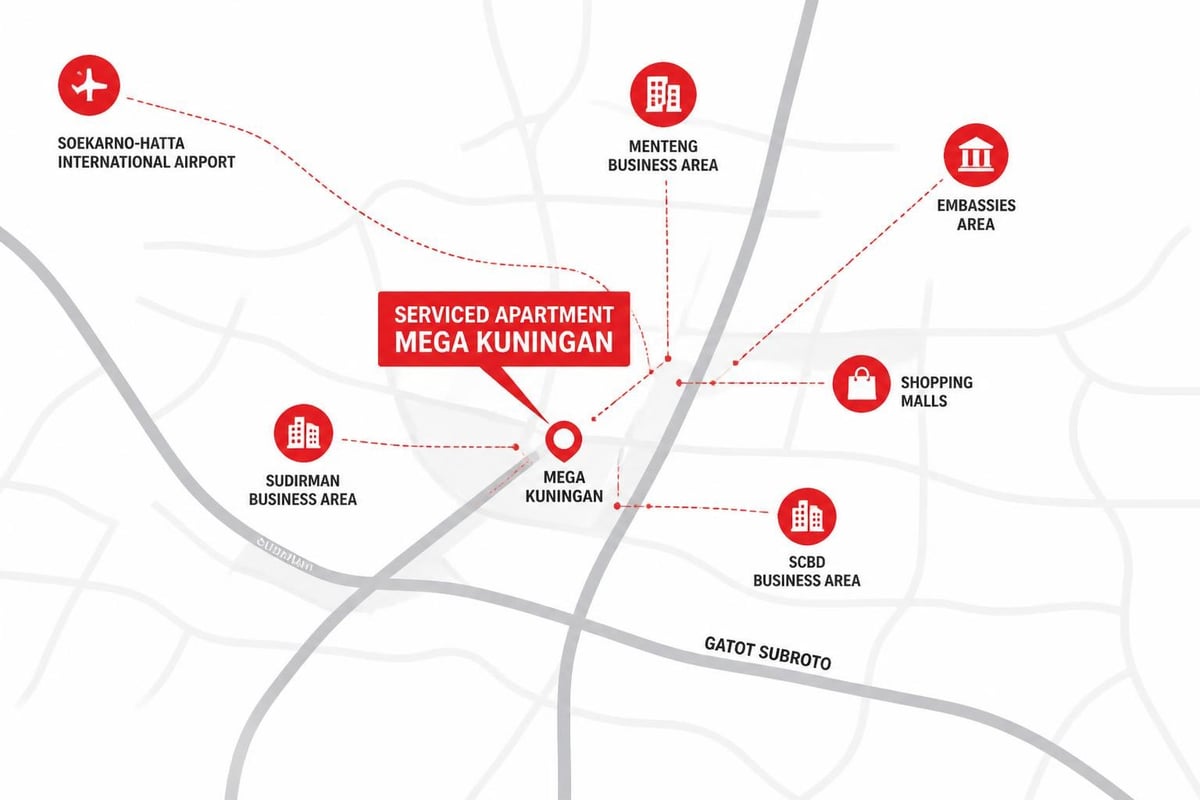
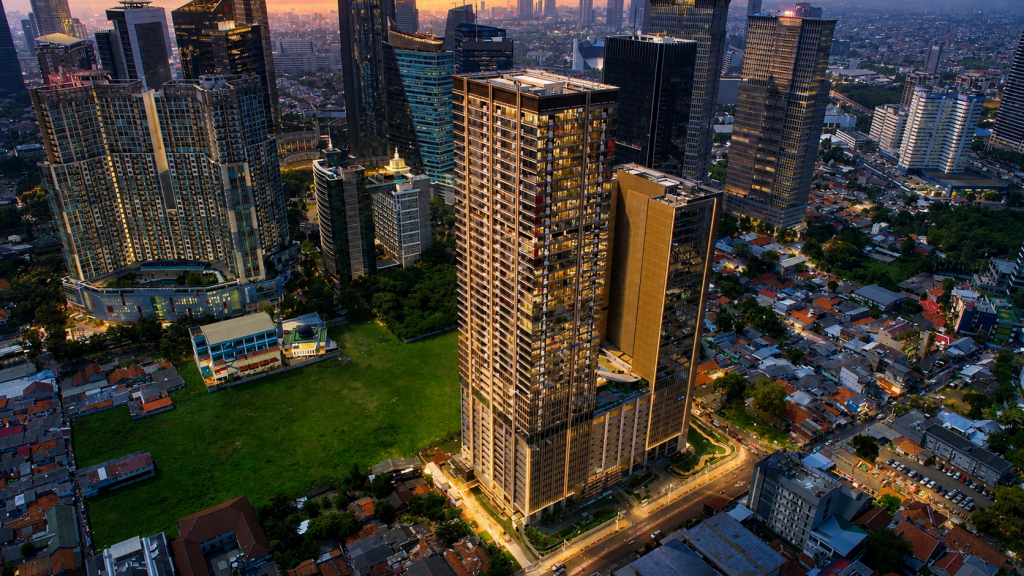
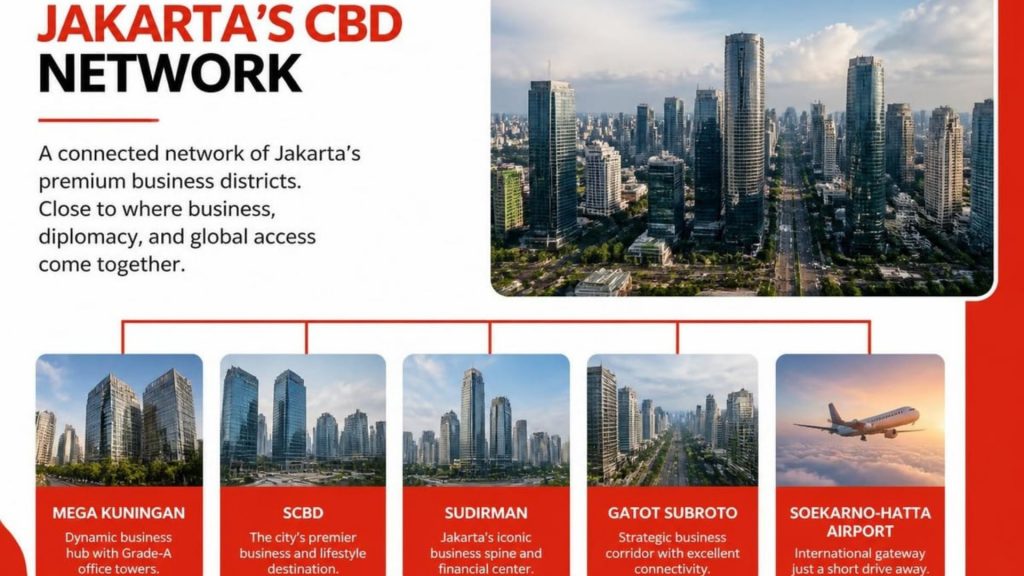
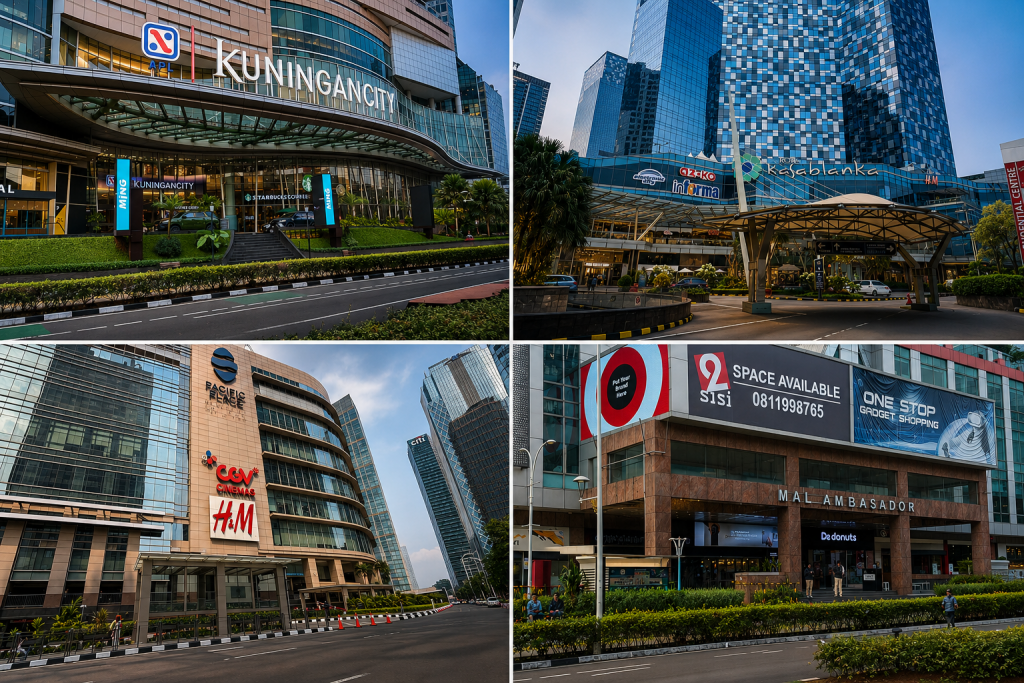
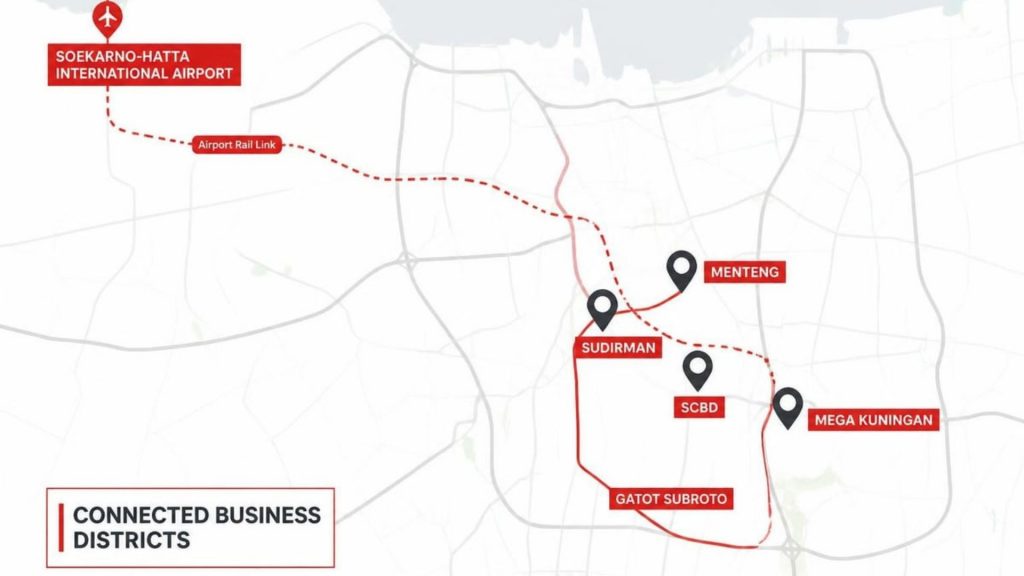
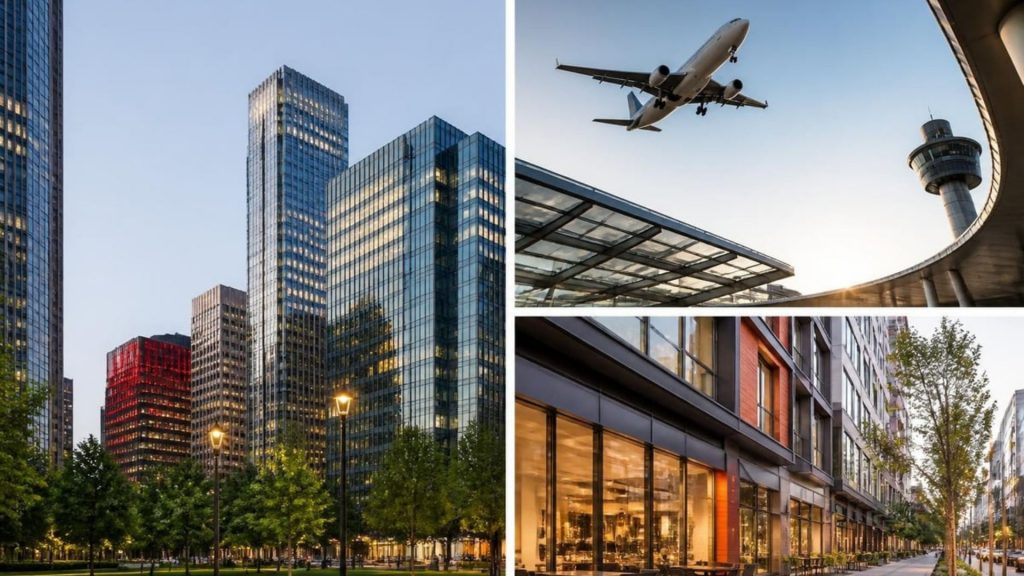
Geographic positioning dramatically impacts the success of extended hotel stays, particularly for business-focused accommodations. Properties in Jakarta’s Mega Kuningan area offer strategic advantages due to proximity to multiple business districts, international embassies, and transportation infrastructure connecting to Soekarno-Hatta International Airport.
Accessibility to Business and Lifestyle Amenities
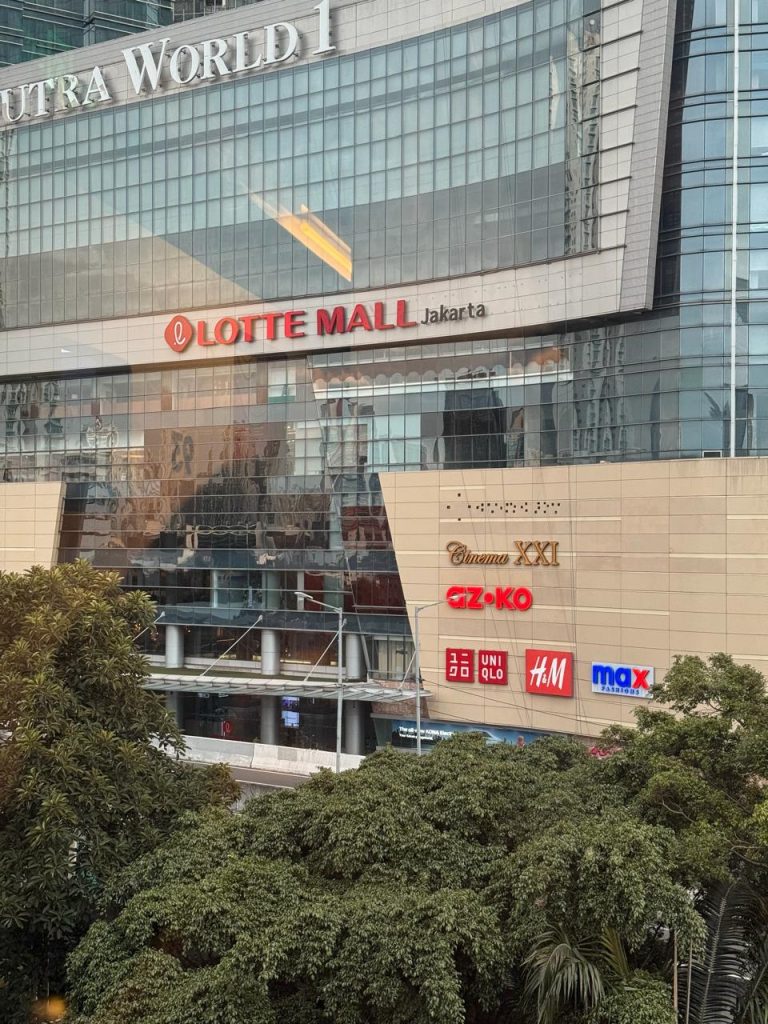
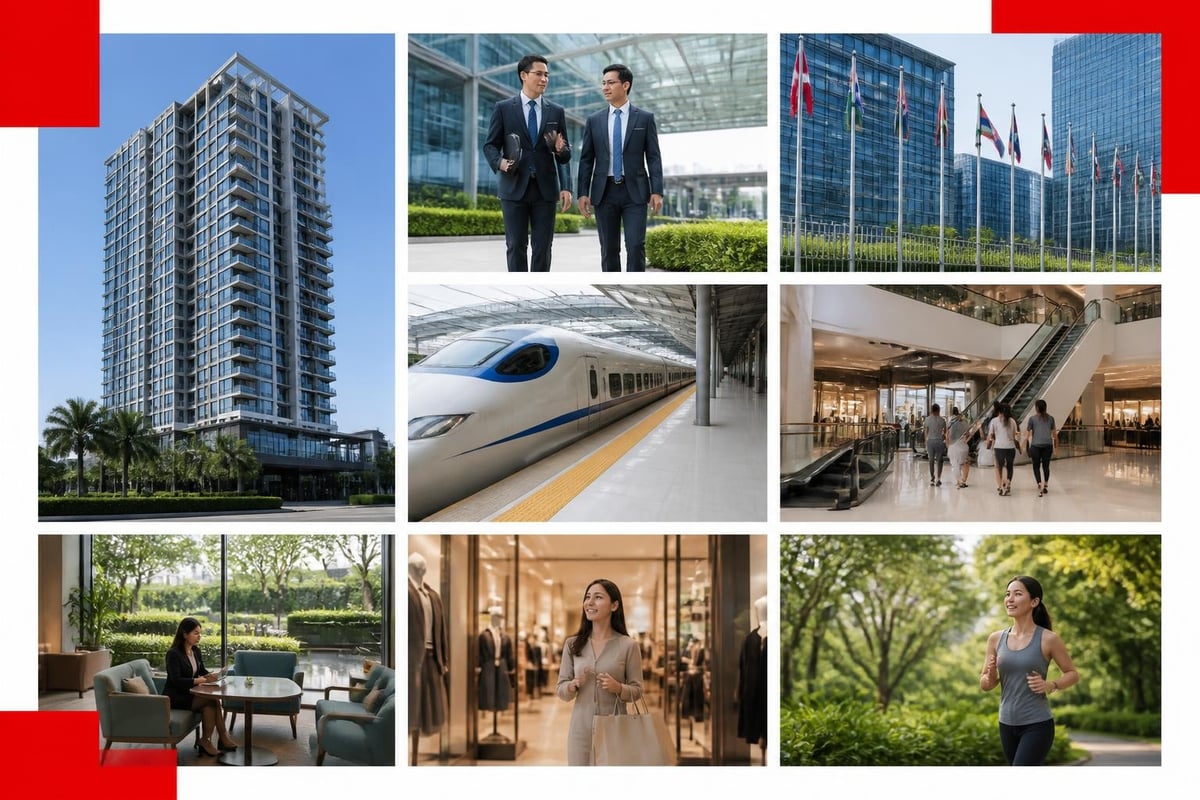
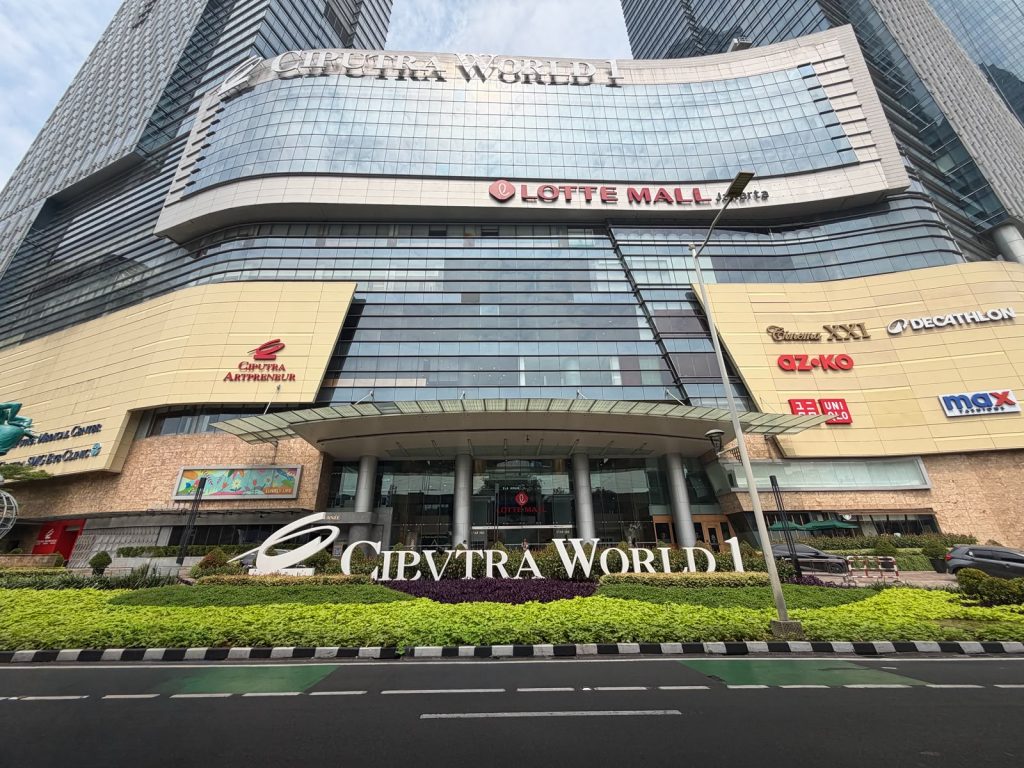
The extended hotel model works best when guests can easily access daily necessities without lengthy commutes. Successful extended stays require nearby grocery stores, medical clinics, fitness facilities, dining options, and professional services. In Mega Kuningan, residents benefit from the concentration of shopping malls, restaurants, and essential services within walking distance or short drives.
Transportation connectivity becomes increasingly important for stays exceeding one month. Extended hotel guests need efficient routes to client offices, coworking spaces, and leisure destinations throughout Jakarta. Properties offering shuttle services or located near major arterial roads like Gatot Subroto and Sudirman provide significant convenience advantages.

Apartment Categories and Space Planning
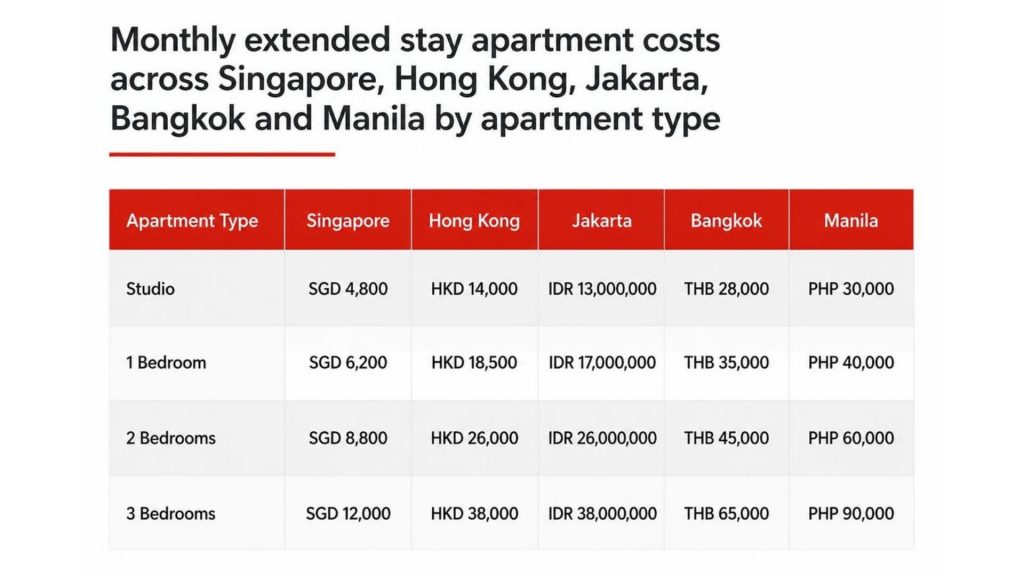
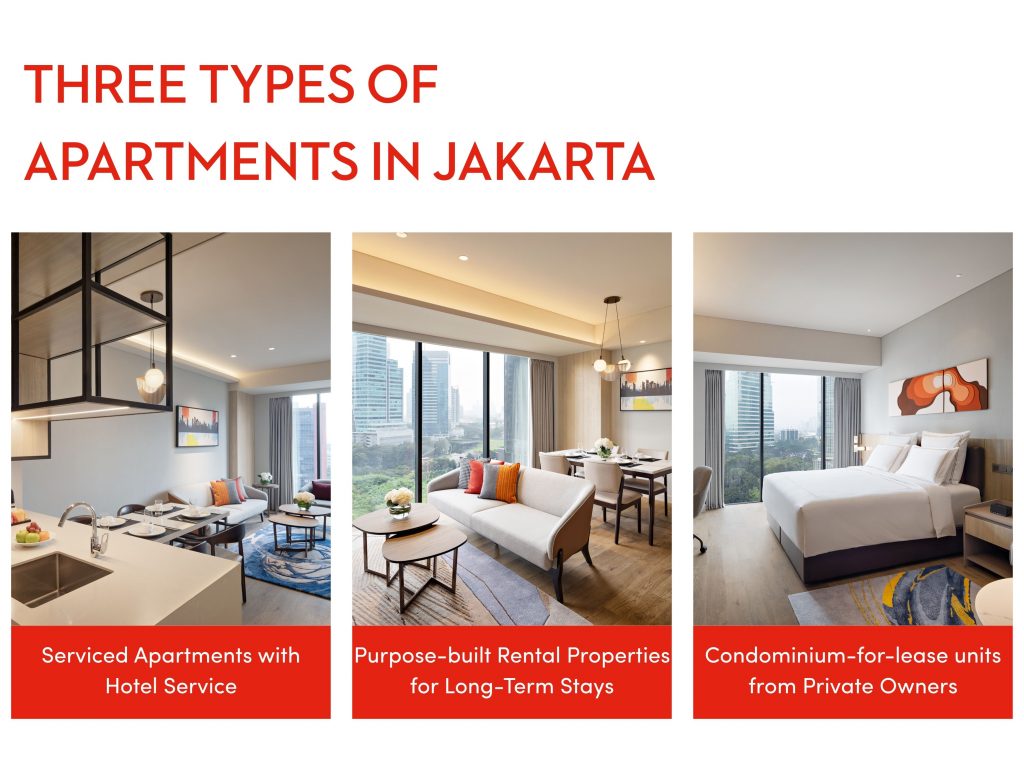
Extended hotel properties typically offer multiple residence categories to accommodate varying guest needs and budget levels. Understanding the functional differences between studio, one-bedroom, two-bedroom, and larger configurations helps guests select appropriate accommodations for their specific situations.
Studio and One-Bedroom Residences
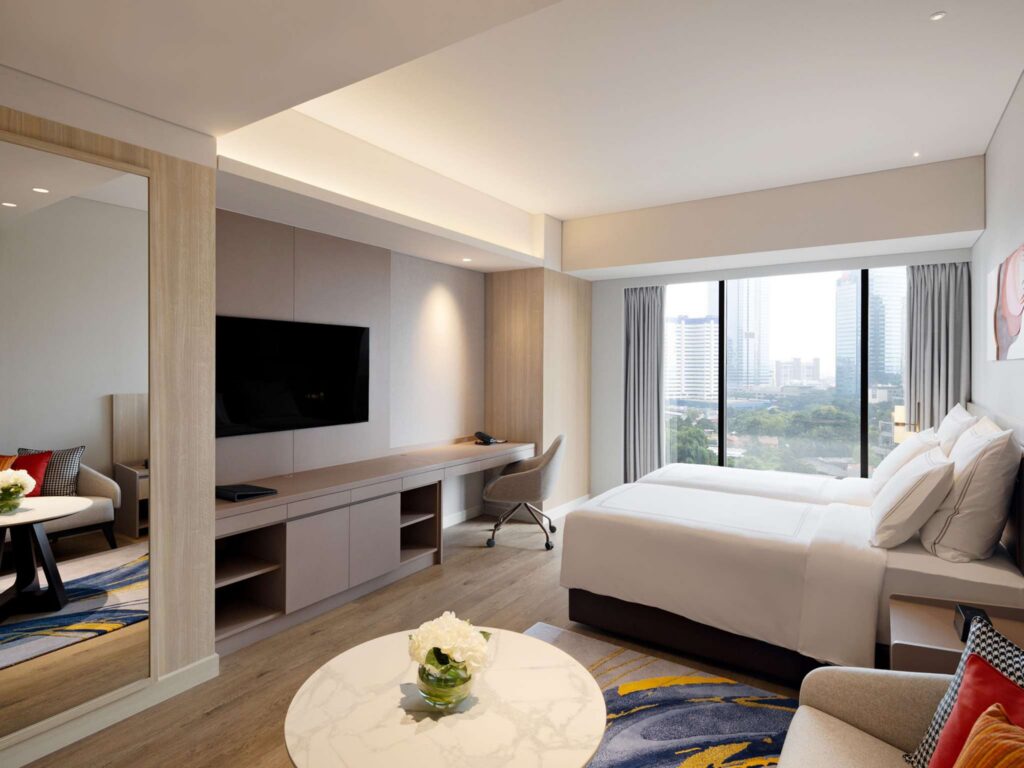
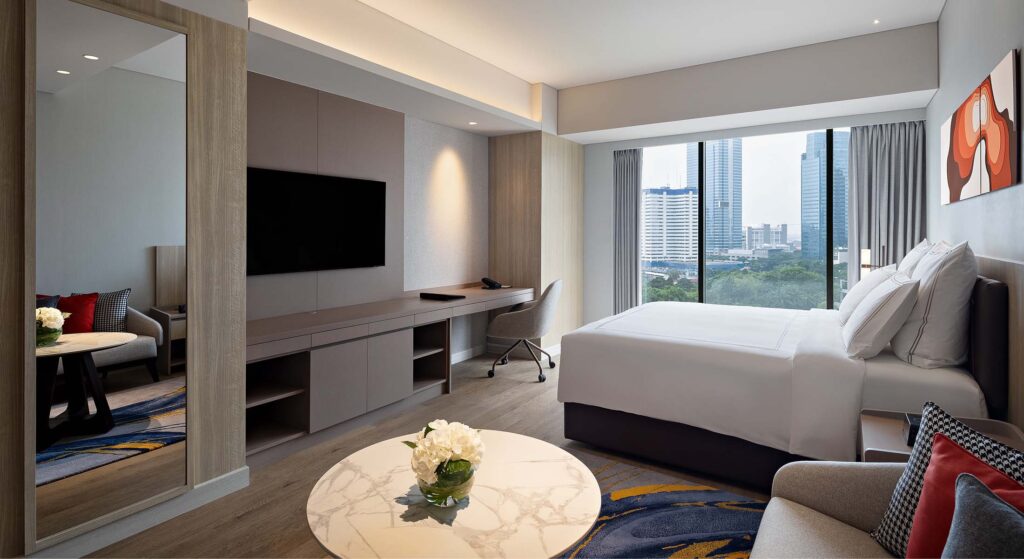
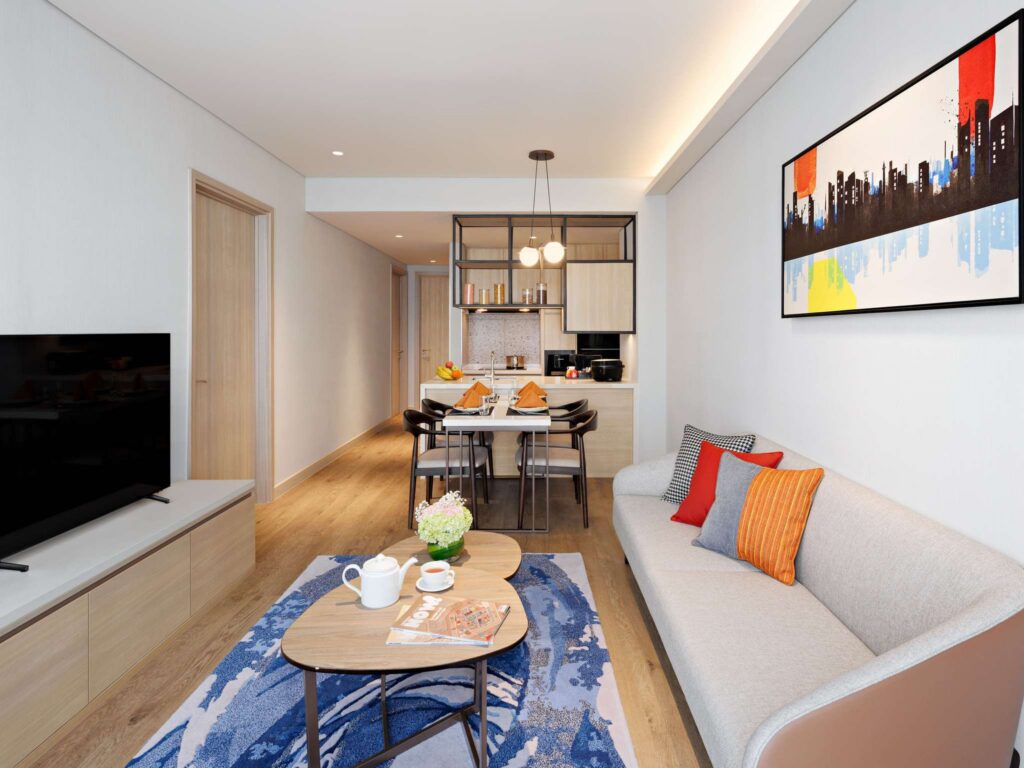
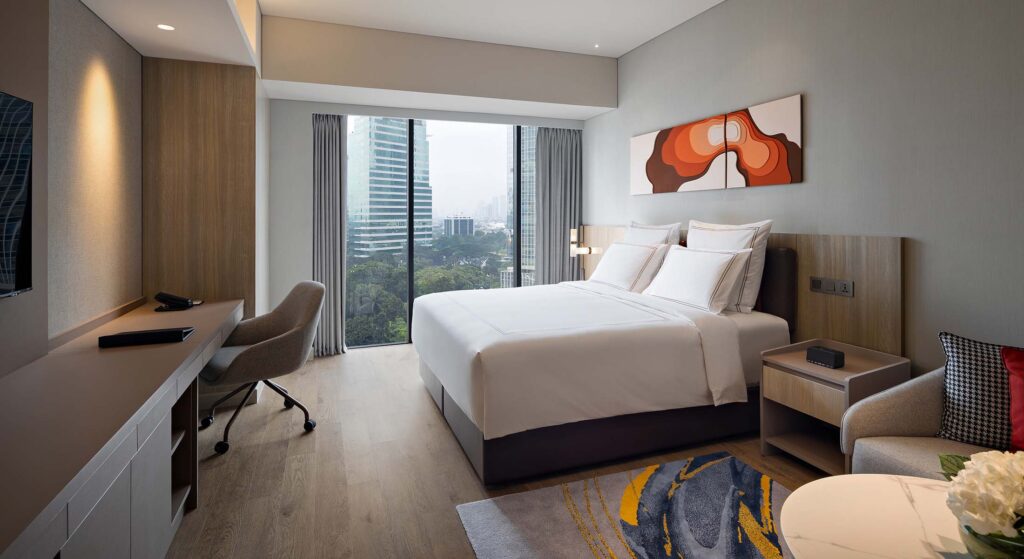
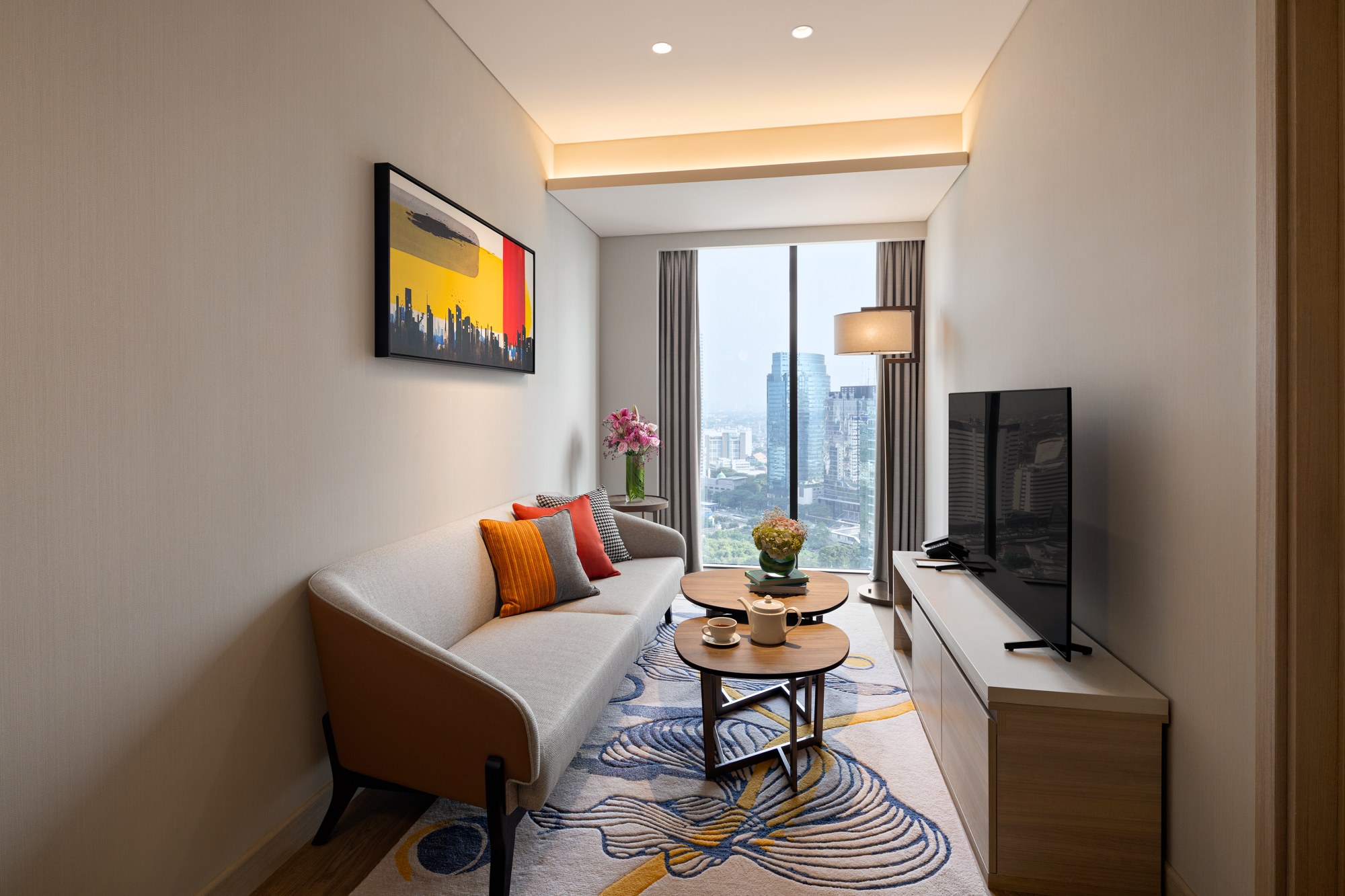
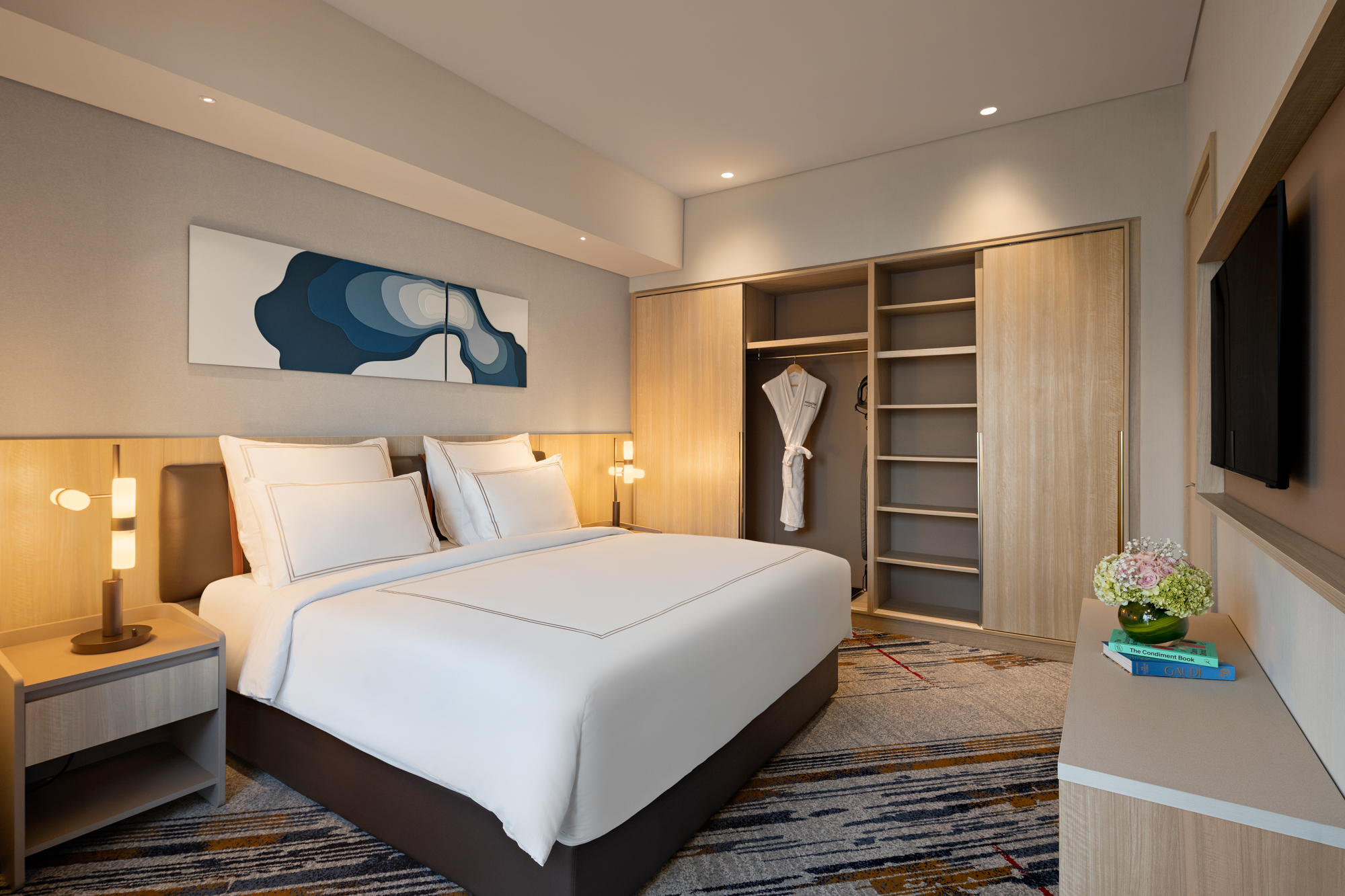
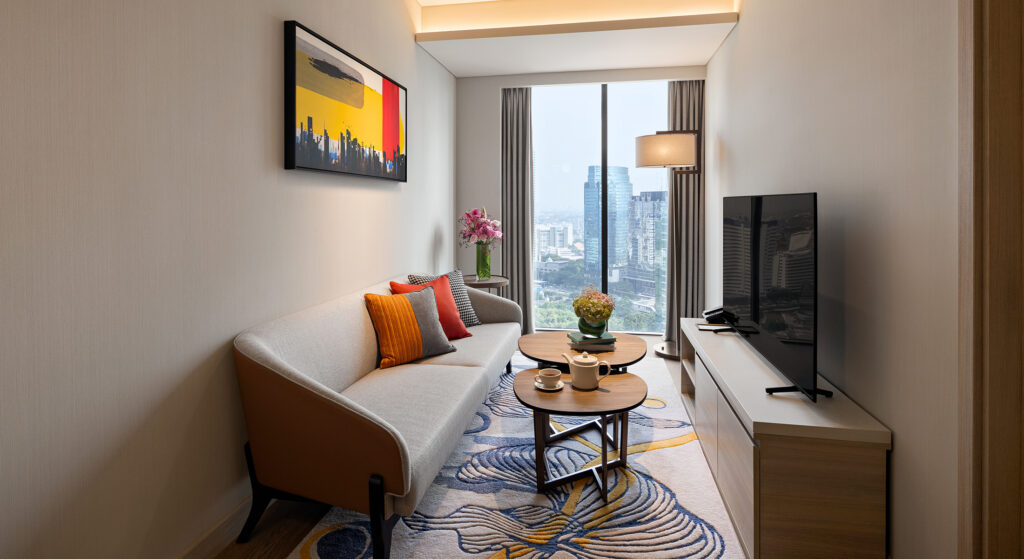
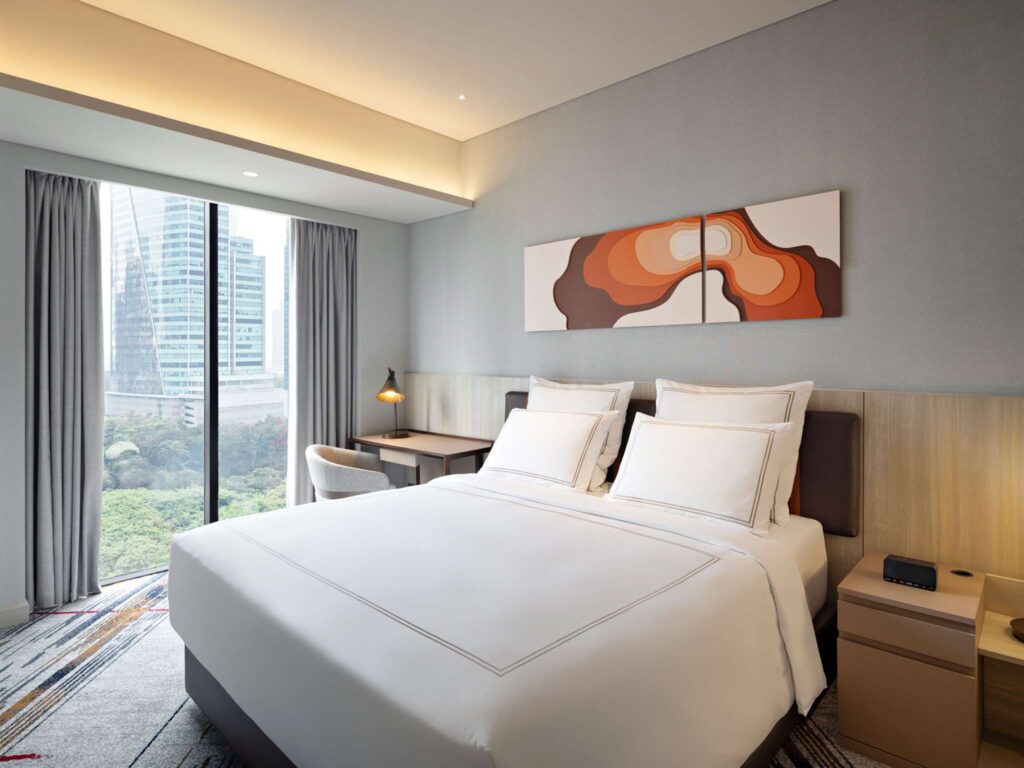
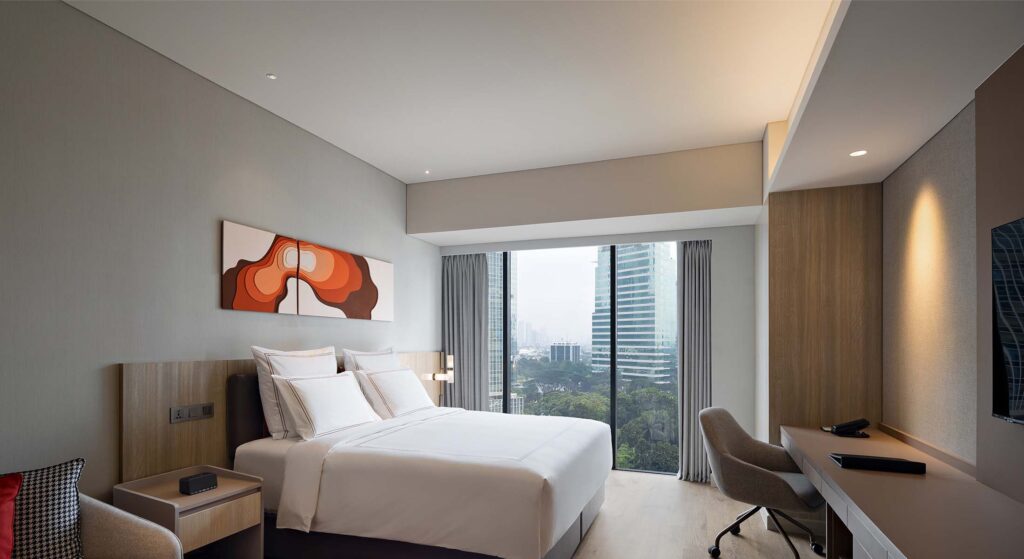
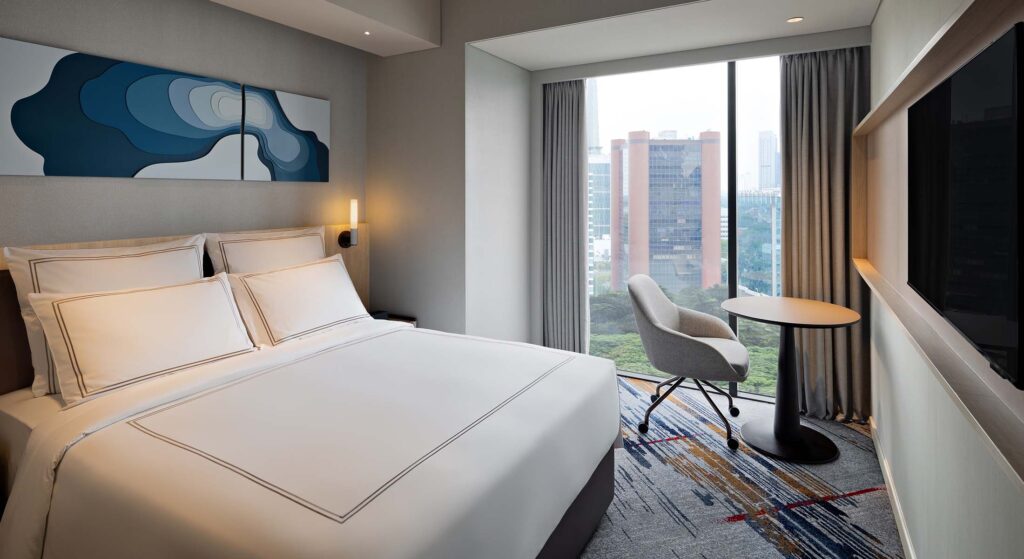
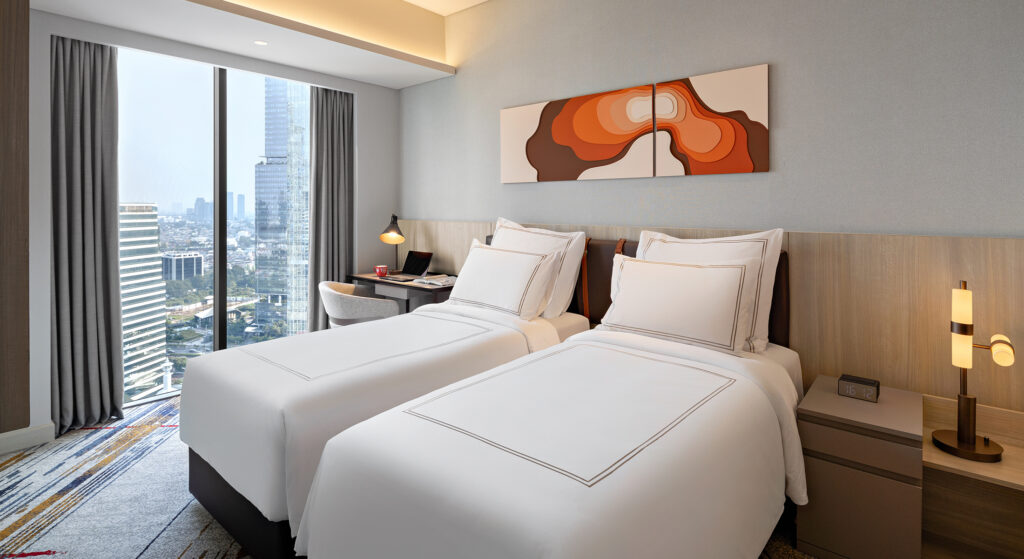
Studio apartments in extended hotel properties range from 35 to 45 square meters and efficiently combine sleeping, living, and kitchen areas into unified spaces. These residences suit solo business travelers or couples without children who prioritize location and amenities over separate rooms. Modern studio layouts incorporate space-saving solutions like Murphy beds, built-in storage systems, and multi-functional furniture.
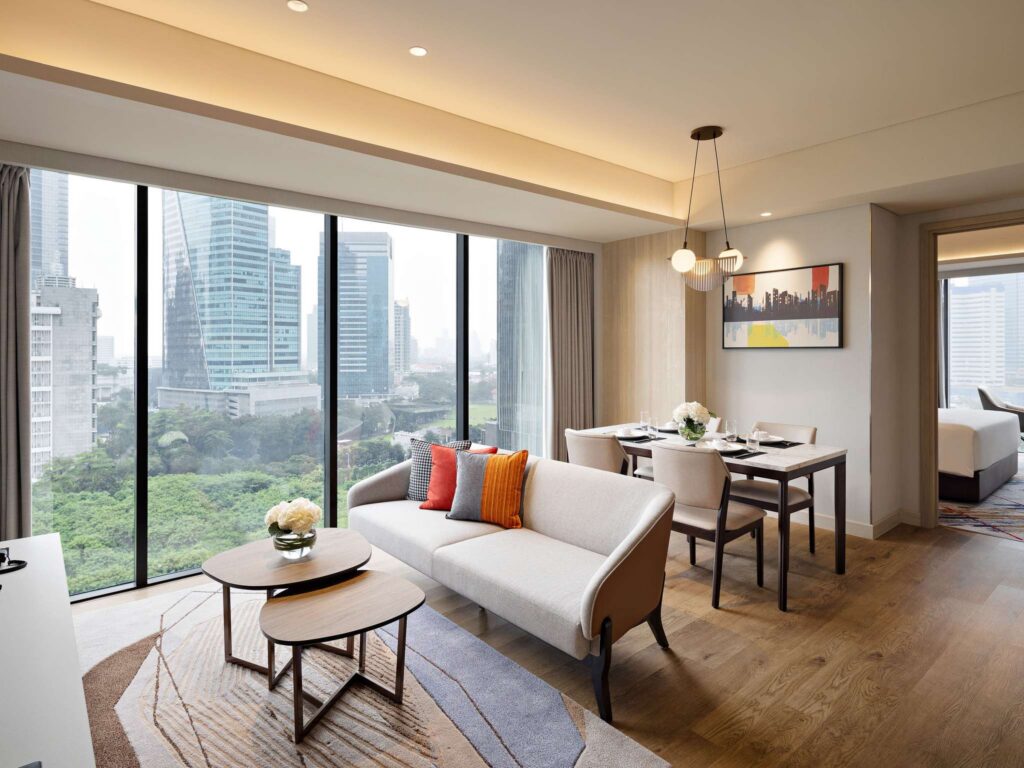
One-bedroom residences provide distinct sleeping quarters separated from living and kitchen areas, typically spanning 50 to 70 square meters. This configuration supports better work-life separation for extended stays, allowing residents to close bedroom doors and maintain dedicated workspaces in living areas. The additional privacy makes one-bedroom units popular among professionals hosting business associates or clients.
Multi-Bedroom Configurations for Families
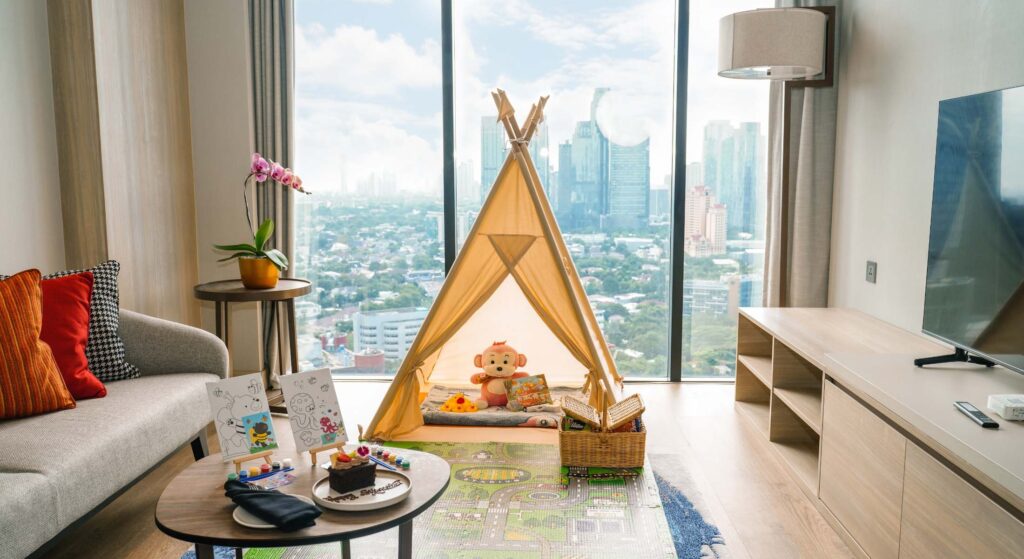
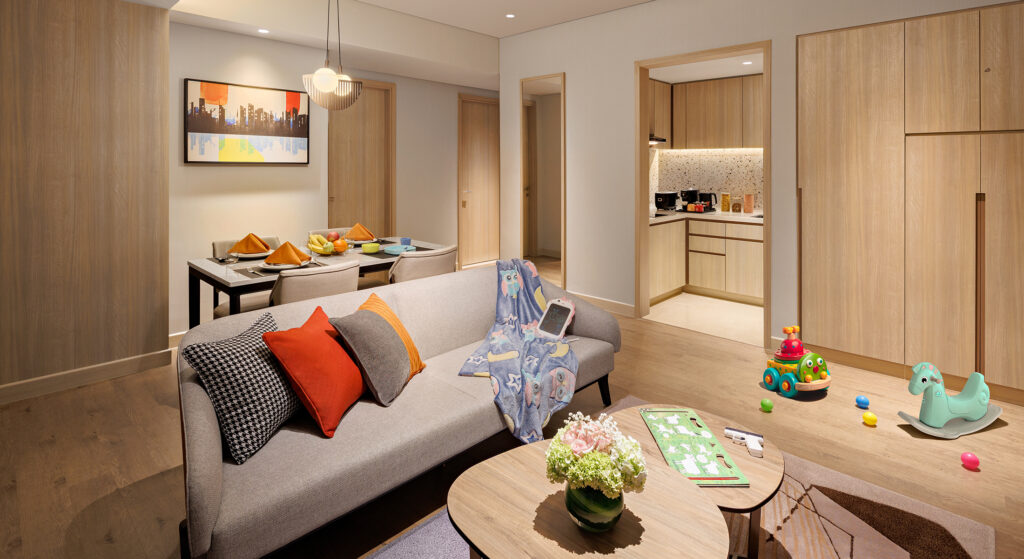
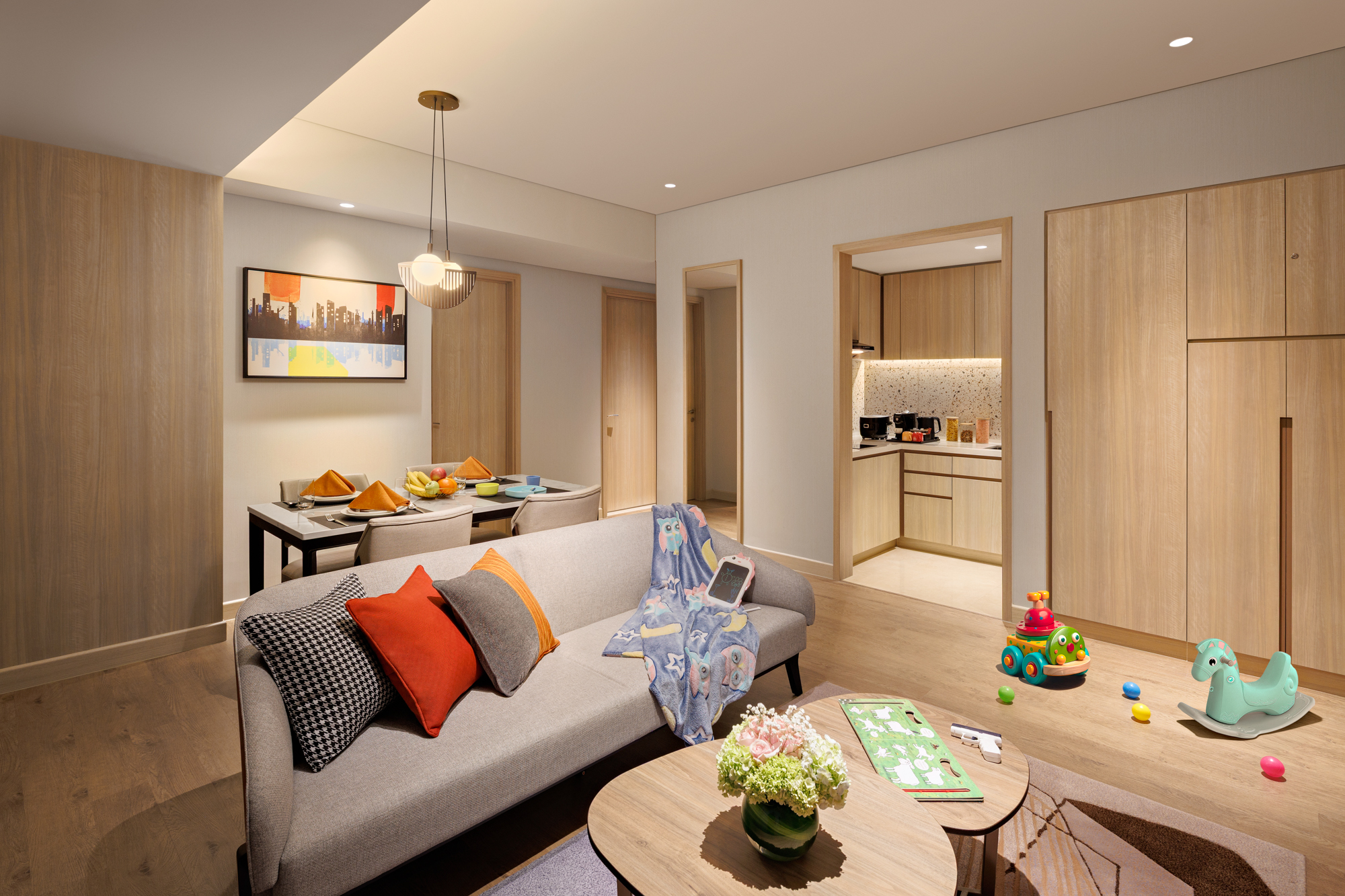
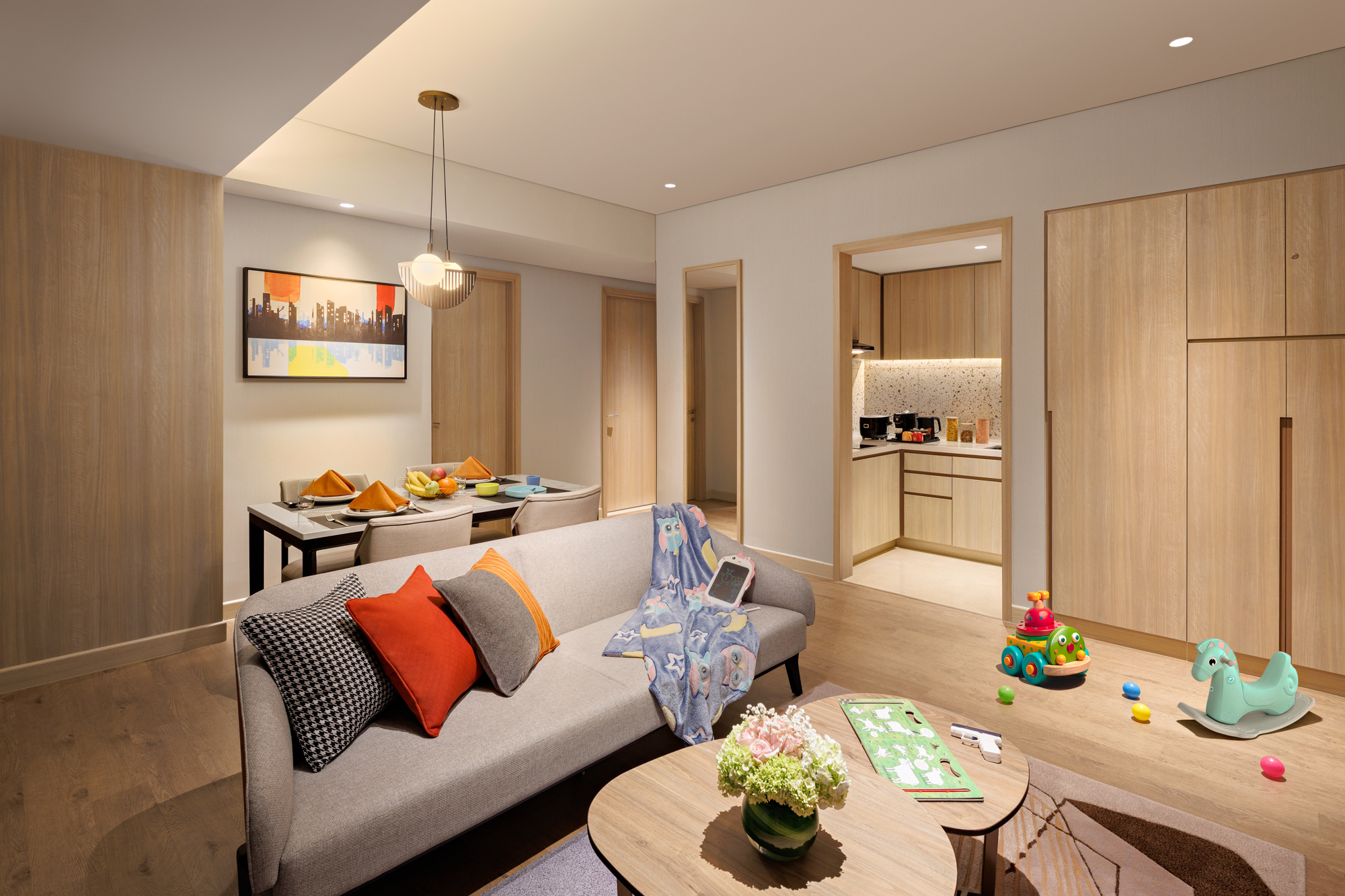
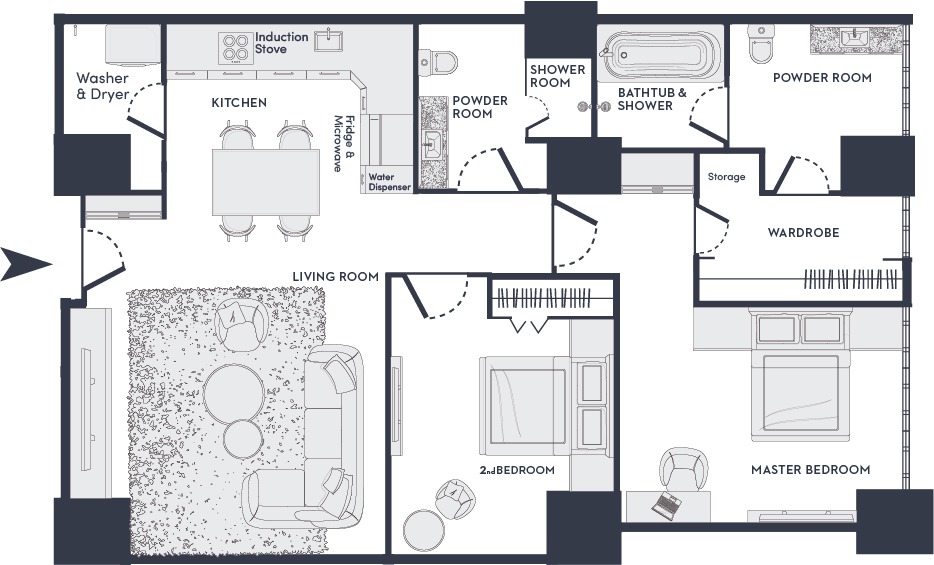
Families relocating to Jakarta or staying for extended periods require two-bedroom or three-bedroom residences that accommodate children, provide study areas, and offer sufficient storage for extended wardrobes and personal items. Finding the right three-bedroom serviced apartment involves evaluating room layouts, bathroom configurations, and common area dimensions.
| Residence Type | Typical Size | Ideal For | Key Features |
|---|---|---|---|
| Studio | 35-45 sqm | Solo travelers, couples | Integrated living space, efficiency |
| One-Bedroom | 50-70 sqm | Business professionals, couples | Separate bedroom, work area |
| Two-Bedroom | 80-110 sqm | Small families, shared accommodation | Multiple bathrooms, larger kitchen |
| Three-Bedroom | 120-160 sqm | Families, executive housing | Full dining area, storage rooms |
Service Standards and Amenities
The extended hotel category distinguishes itself through service delivery models that balance hotel-style support with residential privacy. Unlike traditional hotels where daily housekeeping represents the standard, extended properties customize cleaning schedules based on guest preferences and stay duration.
Housekeeping and Maintenance Services
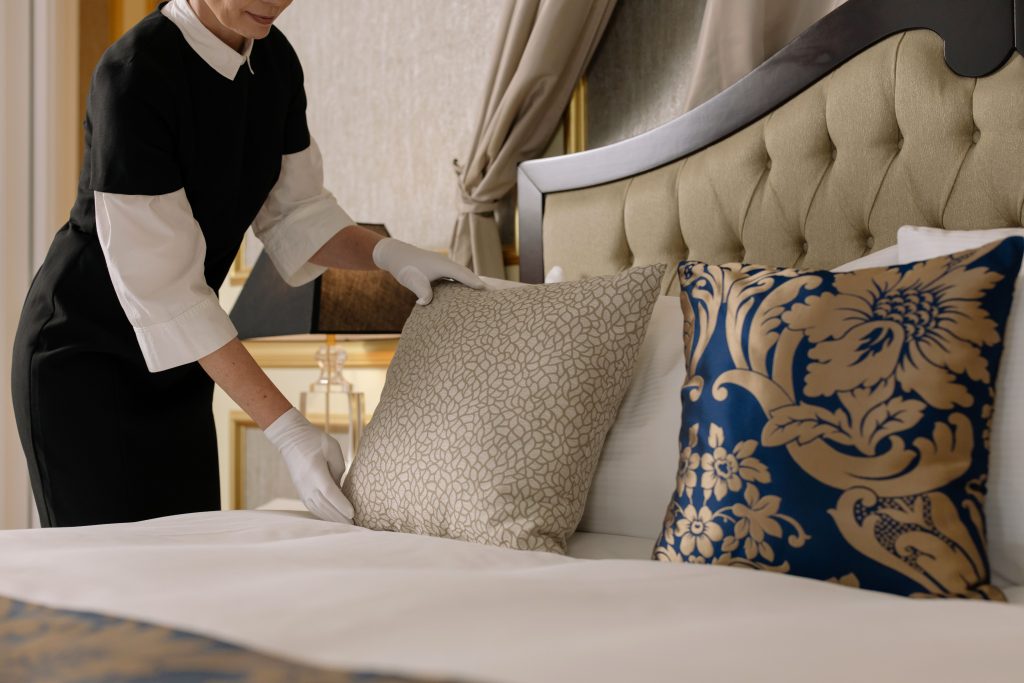
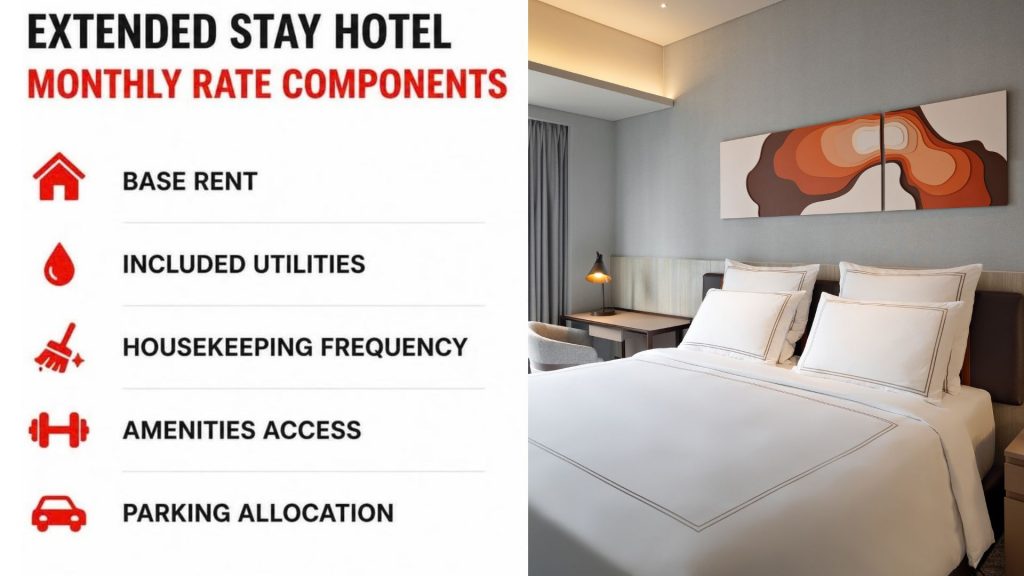
Weekly housekeeping typically includes full cleaning, linen changes, and restocking of consumables like toiletries and kitchen supplies. Guests staying longer than one month often prefer bi-weekly or monthly deep cleaning with interim trash removal and towel replacement services. This flexibility reduces costs while maintaining cleanliness standards appropriate for residential living.
Maintenance responsiveness becomes critical during extended stays. Properties should provide 24-hour emergency support for issues like plumbing failures, electrical problems, or climate control malfunctions. Non-urgent maintenance requests typically receive same-day or next-day attention, ensuring comfortable living conditions throughout multi-month stays.
Wellness and Recreation Facilities
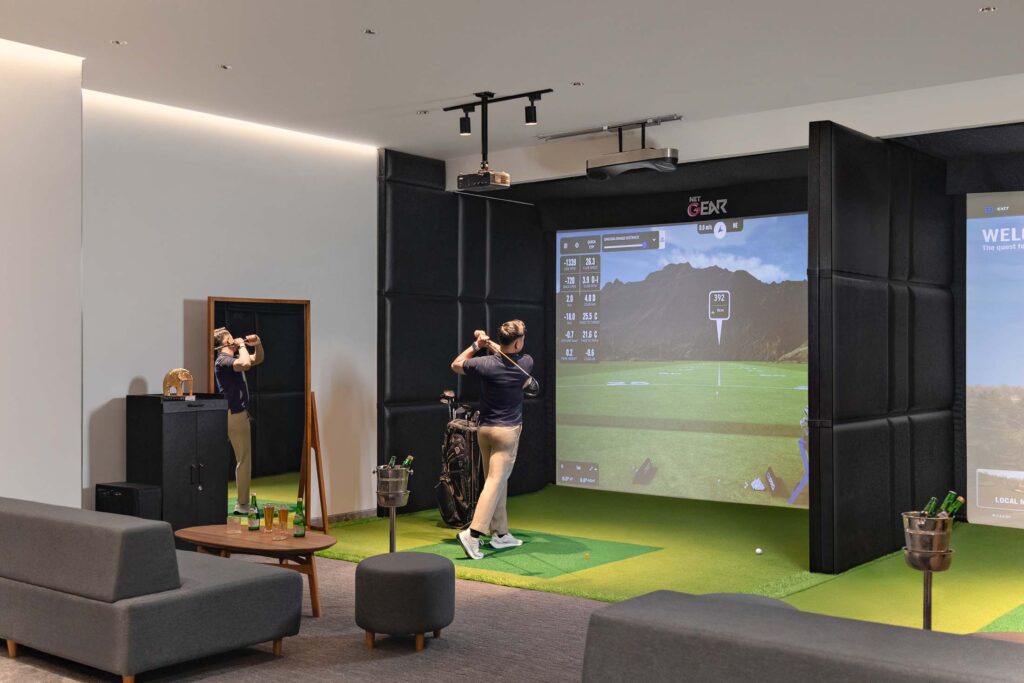
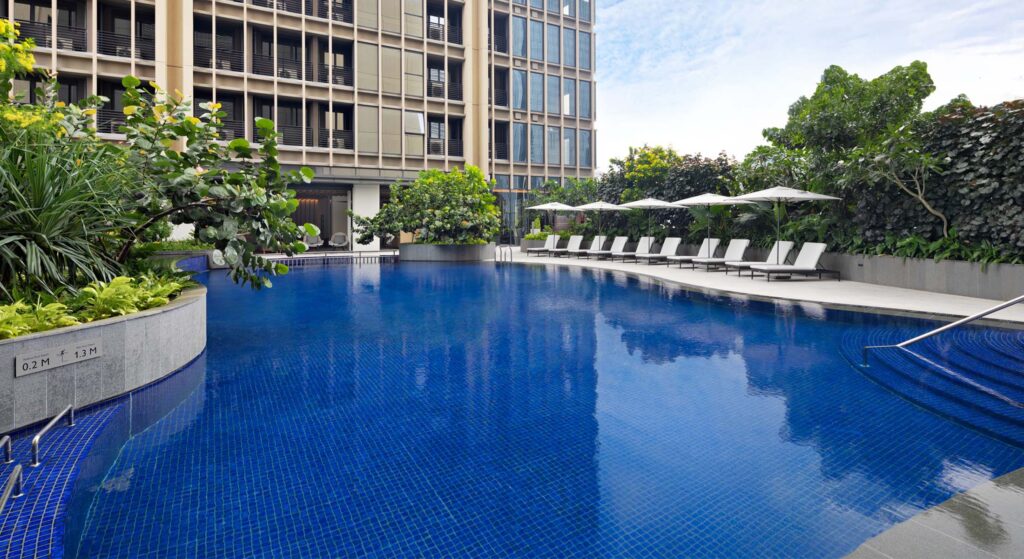
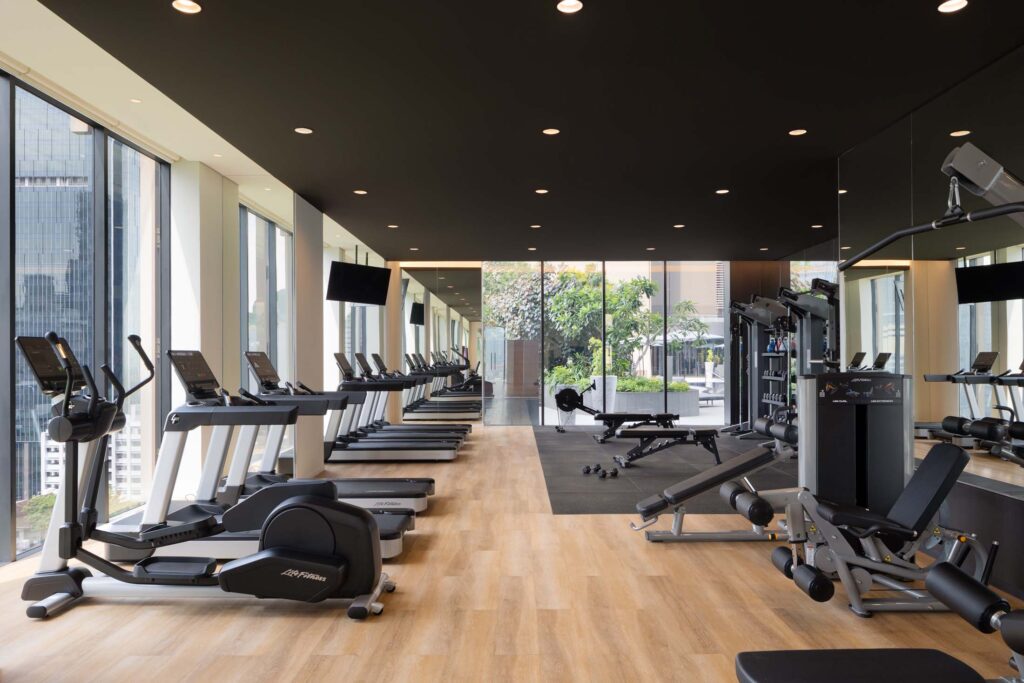
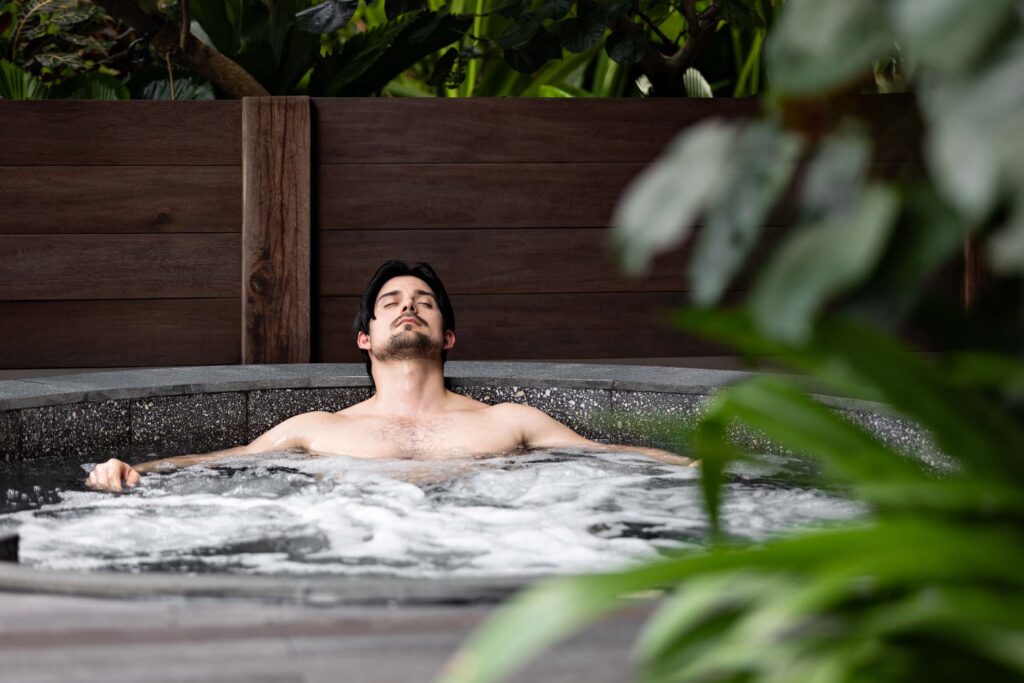
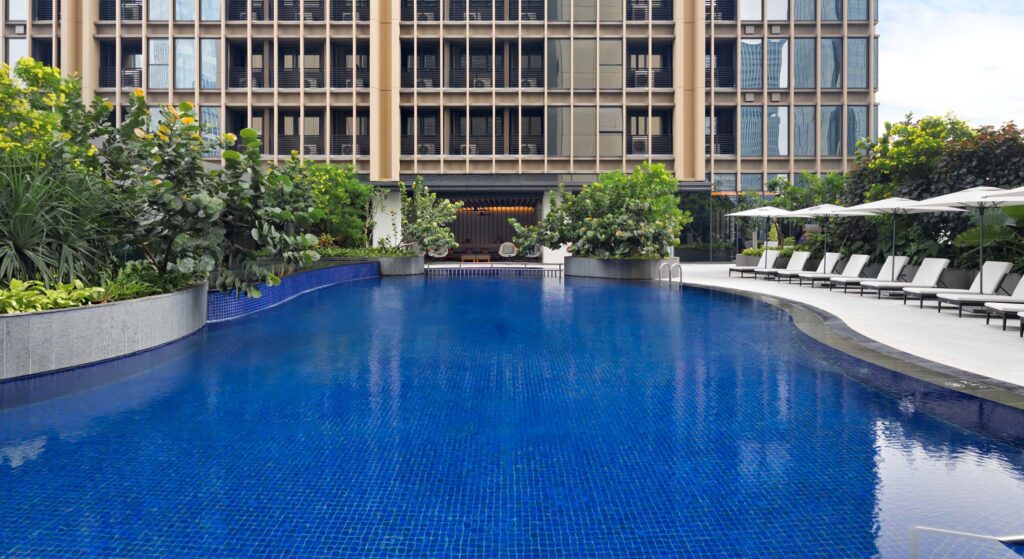
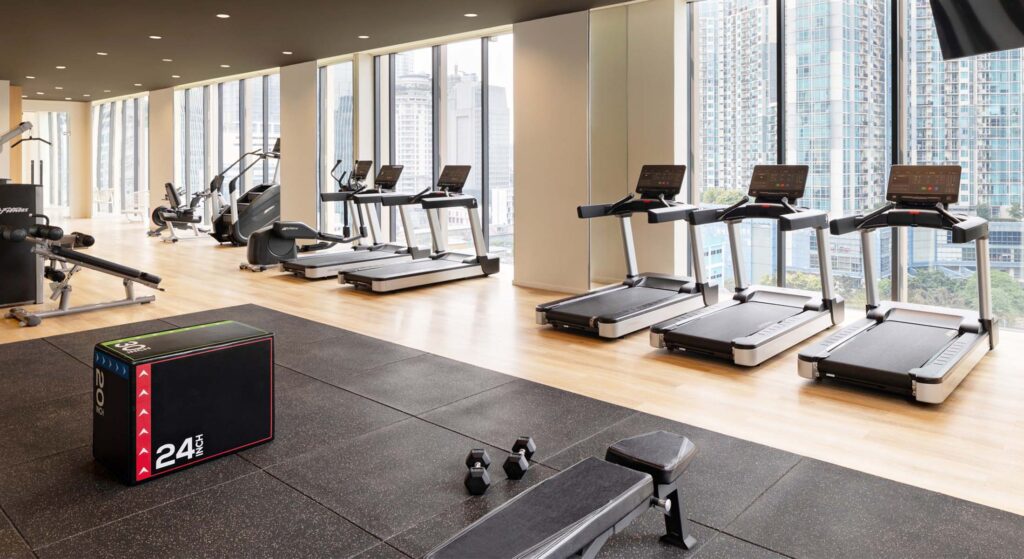
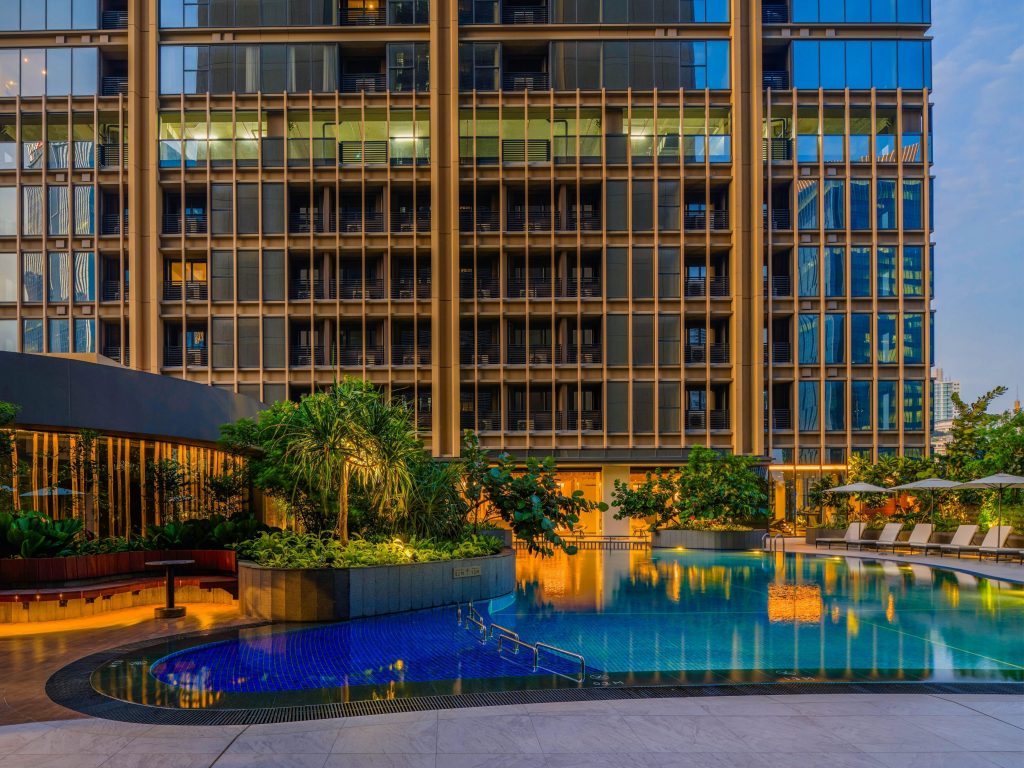
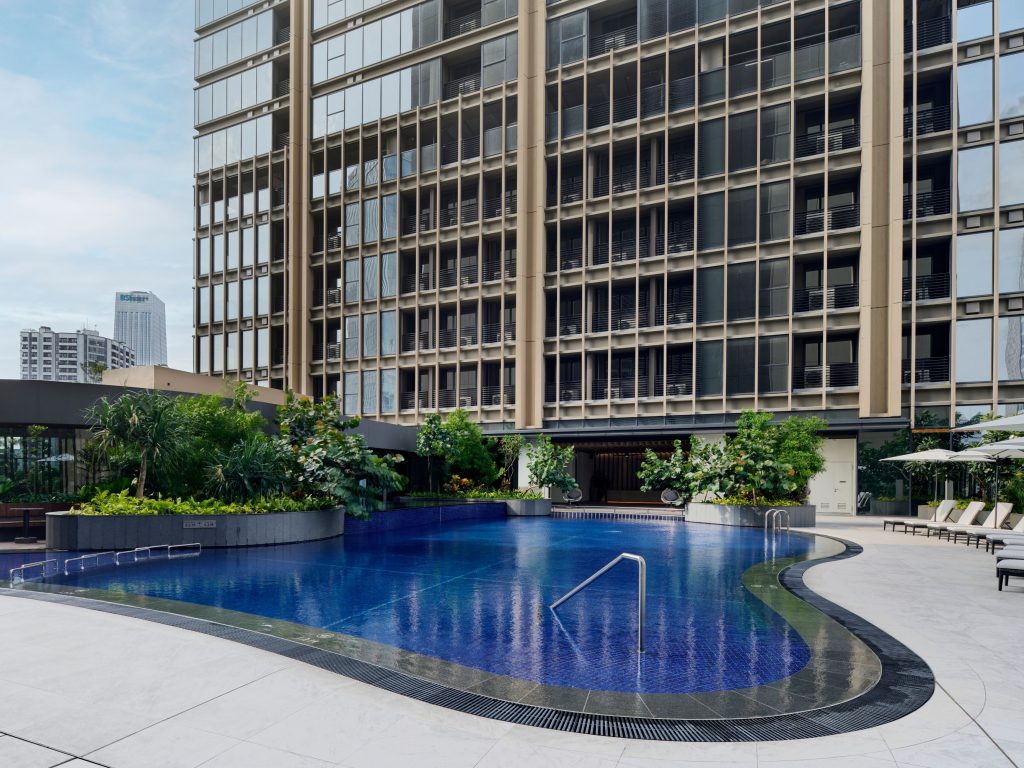
Extended hotel guests utilize fitness centers, swimming pools, and wellness facilities more frequently than traditional hotel visitors due to longer stay durations. Modern properties invest in well-equipped gyms featuring cardiovascular equipment, free weights, and functional training areas that support consistent exercise routines. Some properties also provide yoga studios, spa services, and outdoor recreation spaces.
The availability of these facilities significantly impacts guest satisfaction during stays exceeding four weeks, according to Savills’ European serviced apartments research, which highlights wellness amenities as key differentiators in the extended-stay segment.
Pricing Models and Cost Comparison
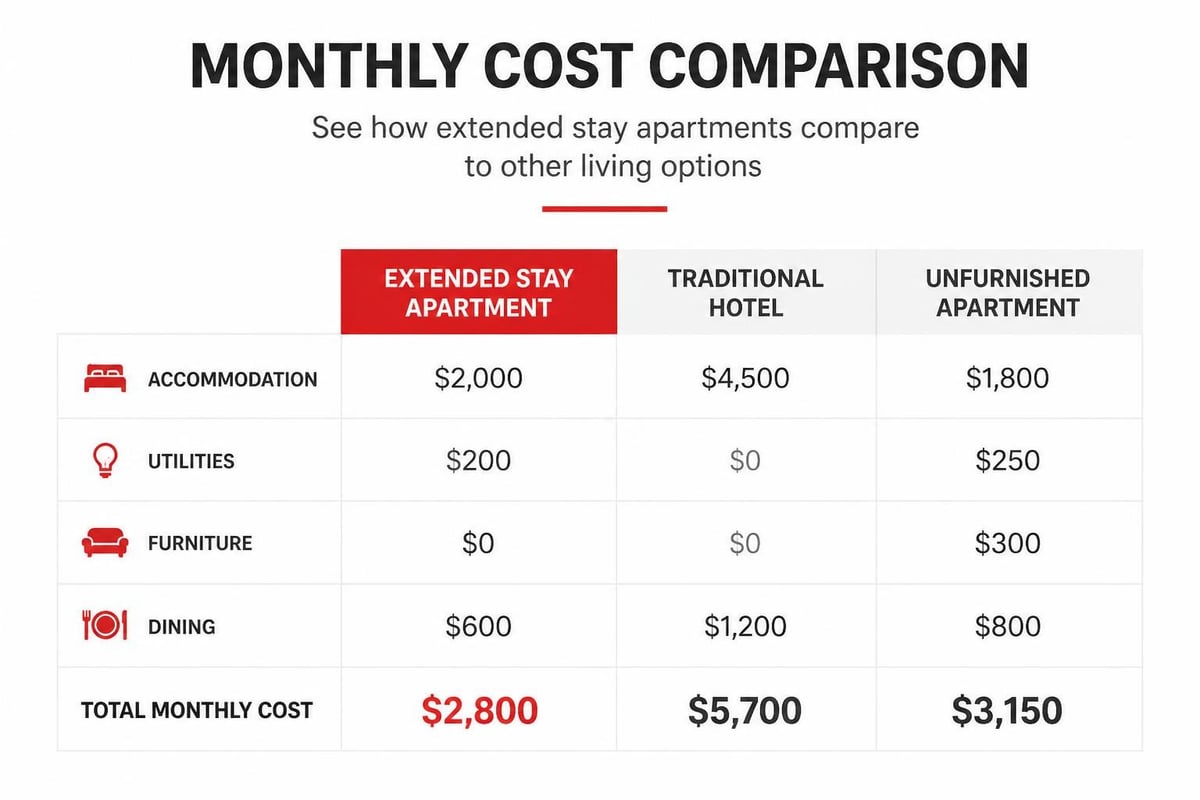
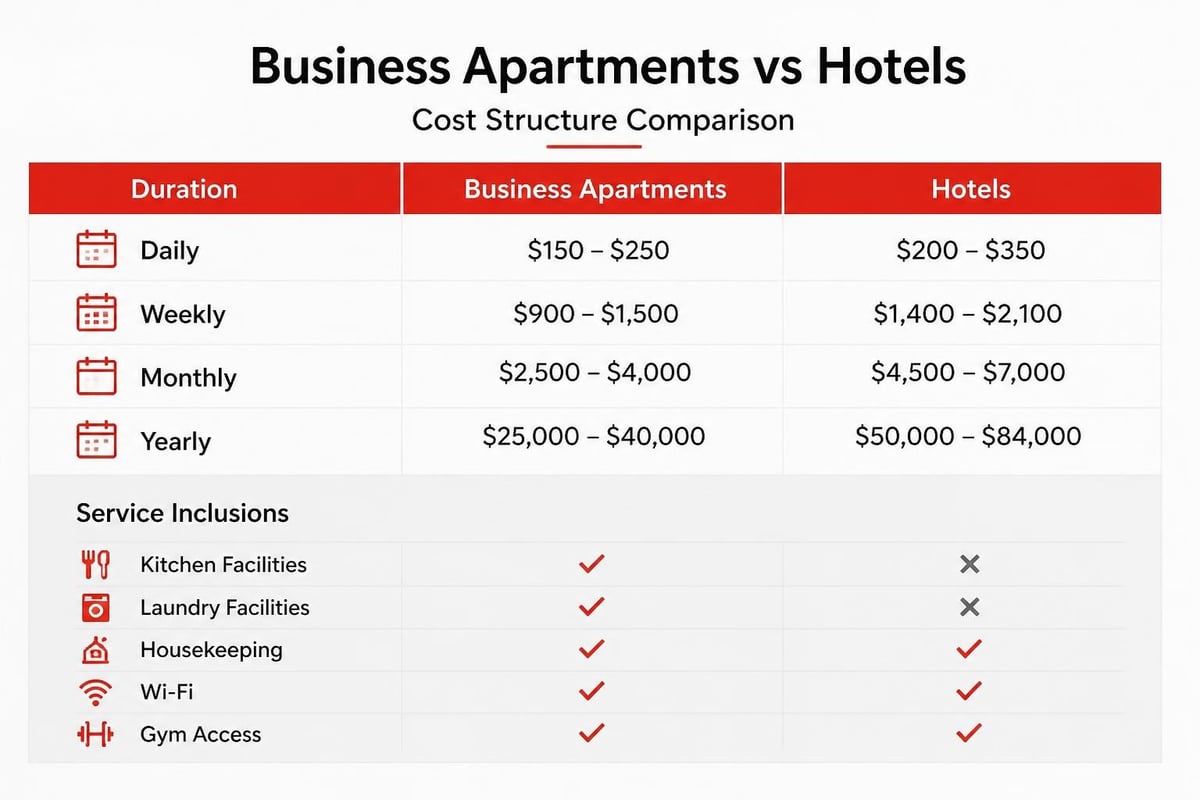
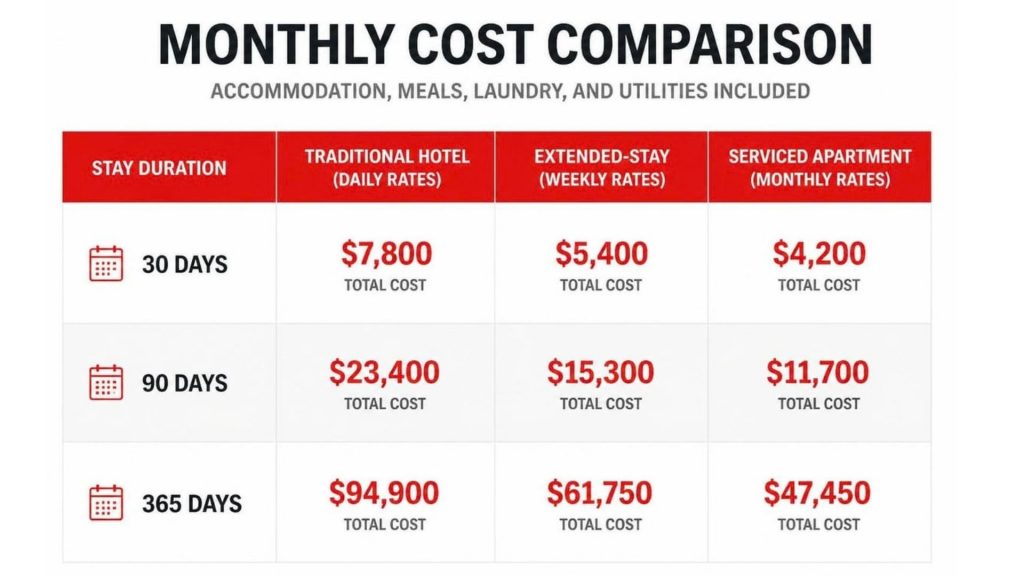
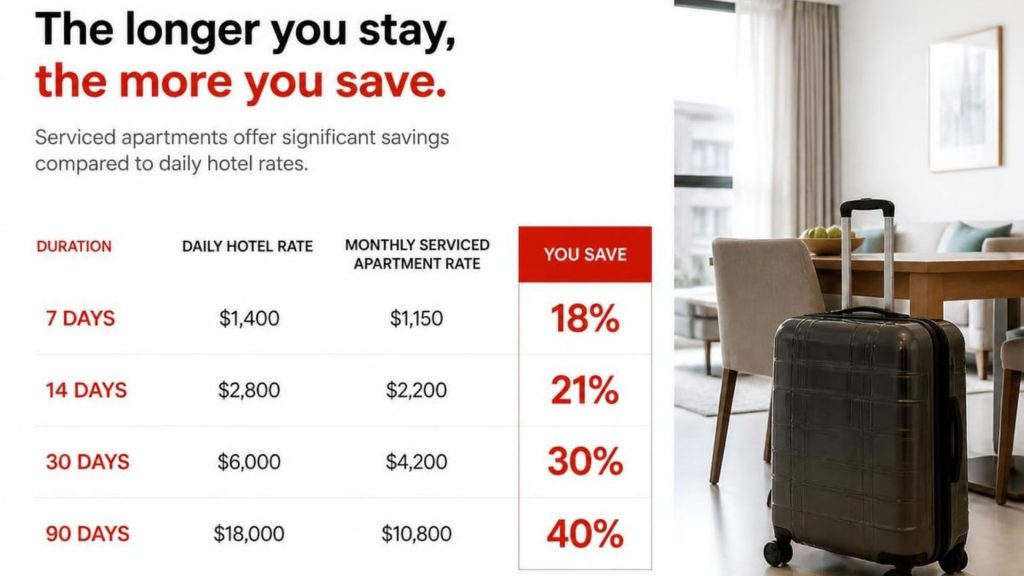
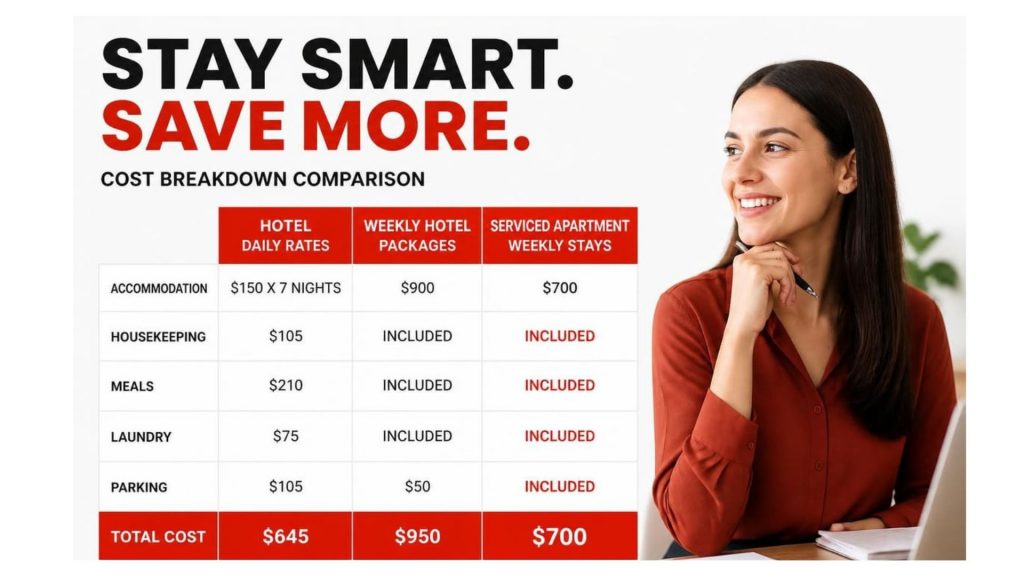
Extended hotel pricing structures differ substantially from traditional hotel nightly rates, reflecting the economies of scale associated with longer commitments. Understanding these pricing models helps guests evaluate total accommodation costs relative to alternative housing options.
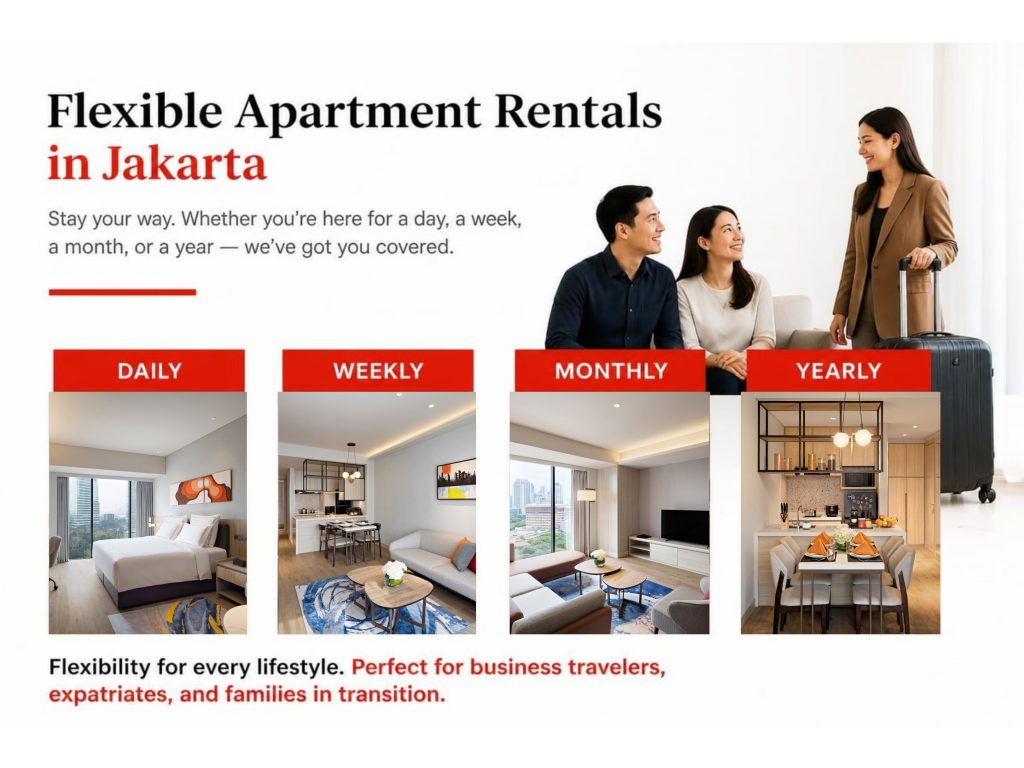
Daily, Weekly, and Monthly Rate Structures
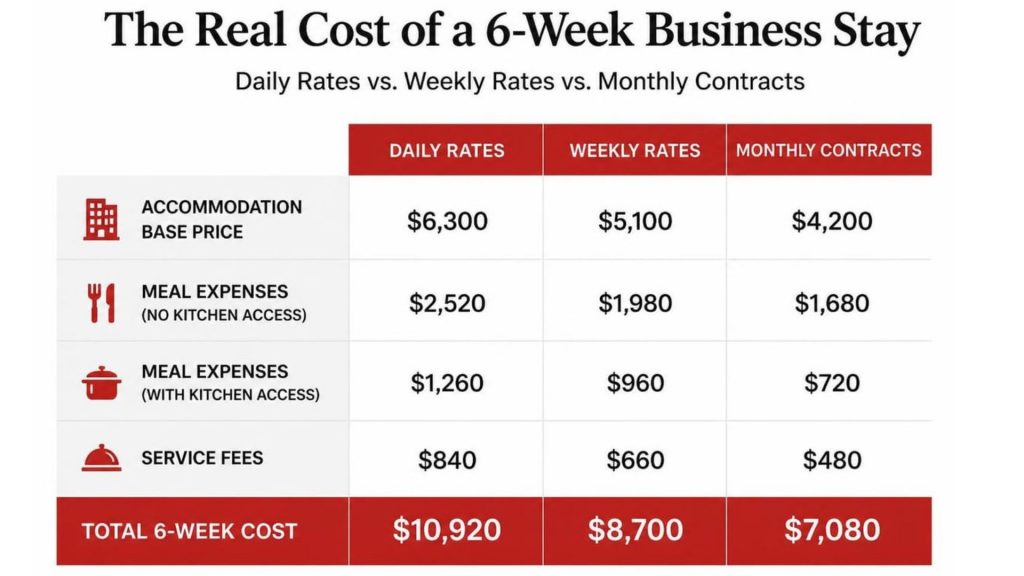
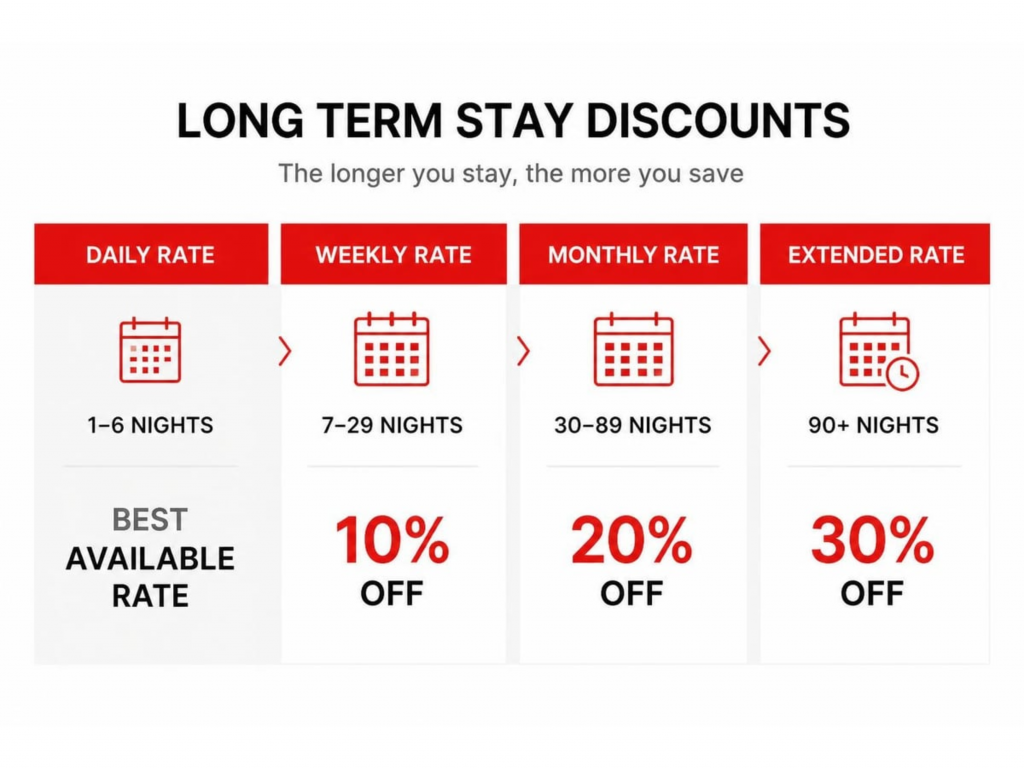
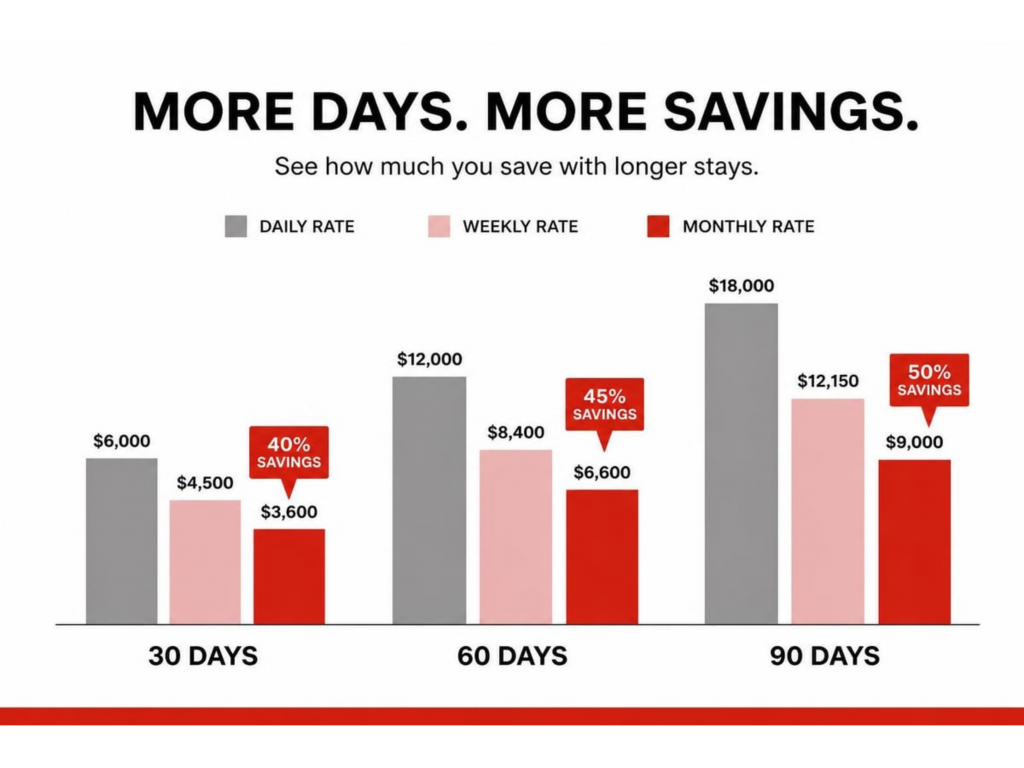
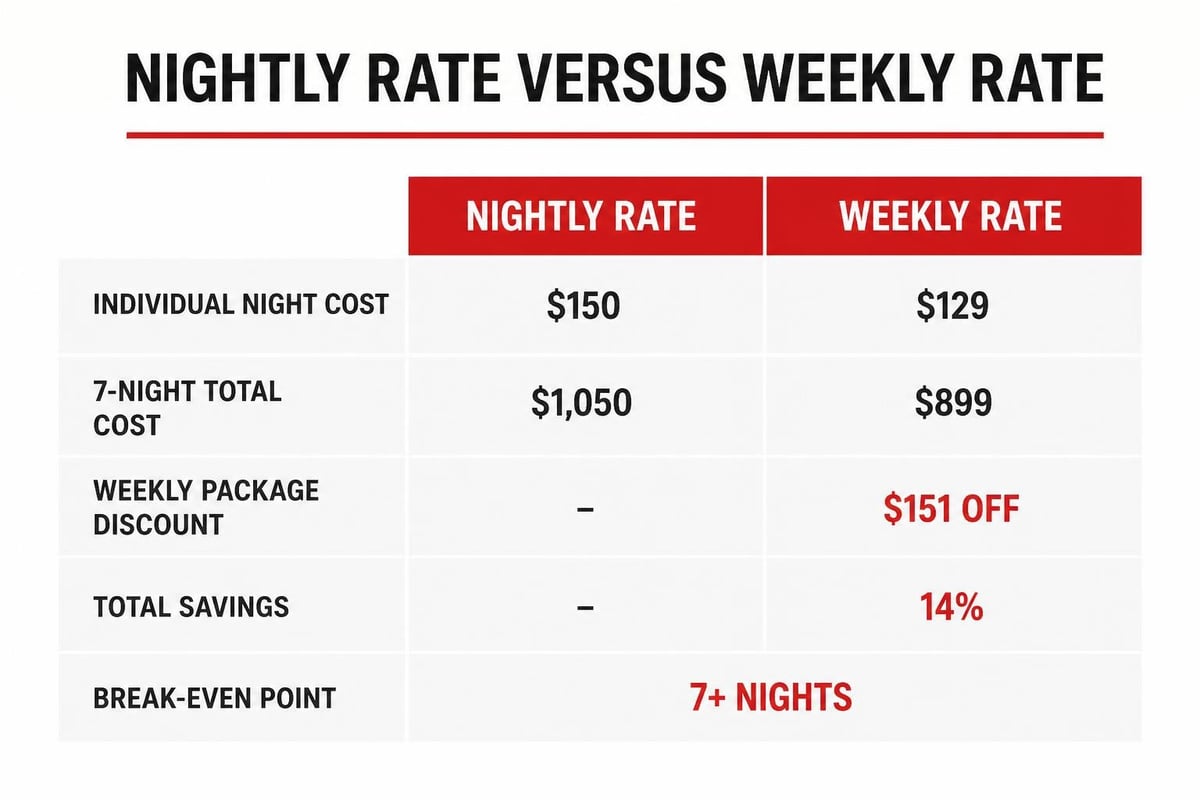
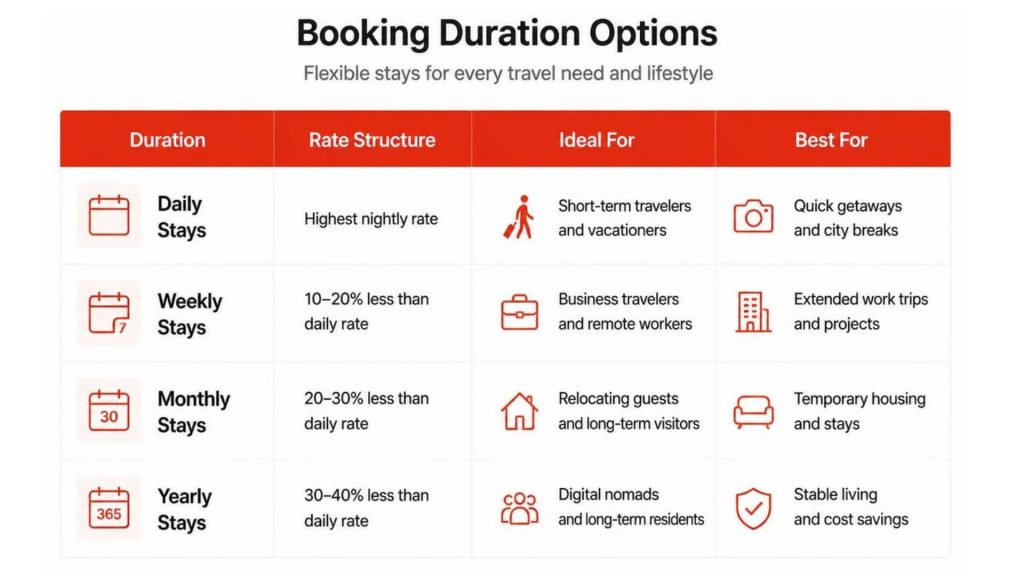
Properties typically offer progressively lower per-night rates as stay duration increases. A residence priced at $150 per night for short stays might decrease to $130 per night for weekly bookings and $100 per night for monthly commitments. This graduated pricing rewards longer stays while maintaining revenue management flexibility for the property.
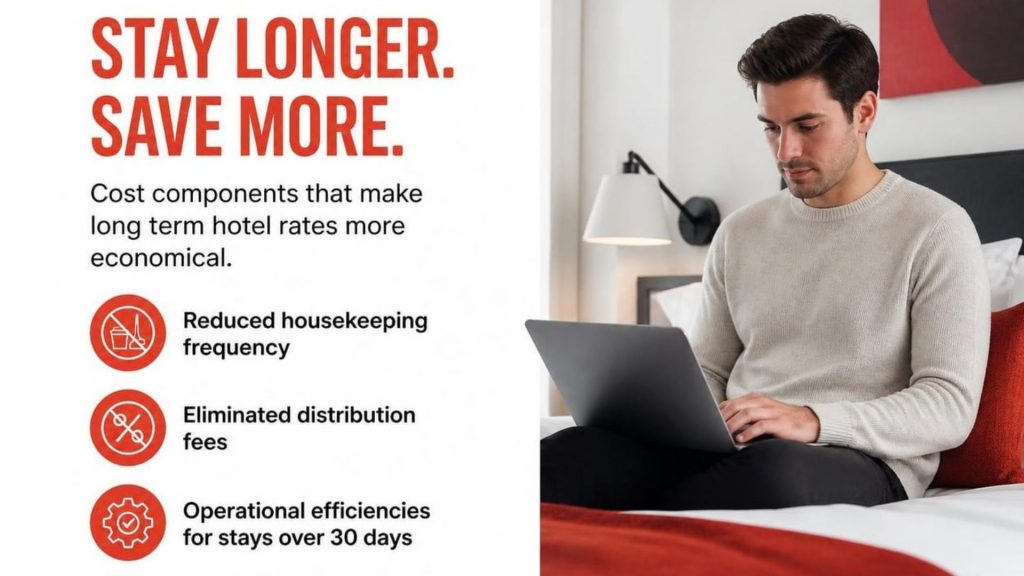
All-inclusive pricing represents a significant advantage of extended hotel accommodations. Monthly rates typically include utilities (electricity, water, gas), internet connectivity, housekeeping services, and access to facilities like gyms and pools. Guests avoid the setup fees, security deposits, and utility connection costs associated with conventional apartment leases.
Analysis from Skift’s extended-stay growth coverage indicates that cost-conscious business travelers increasingly prefer extended hotel options for assignments lasting four weeks or longer, driven by transparent pricing and included amenities.
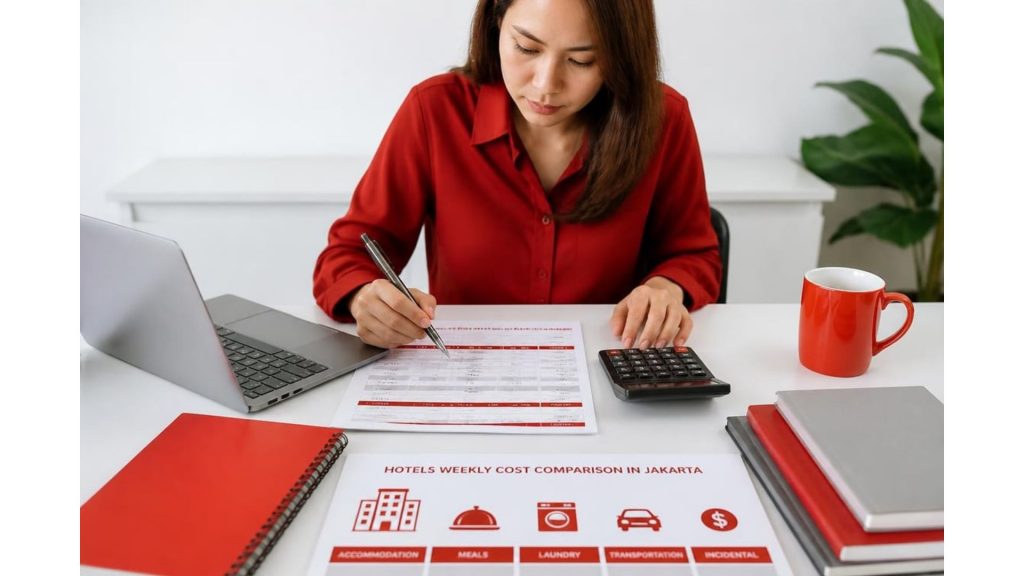
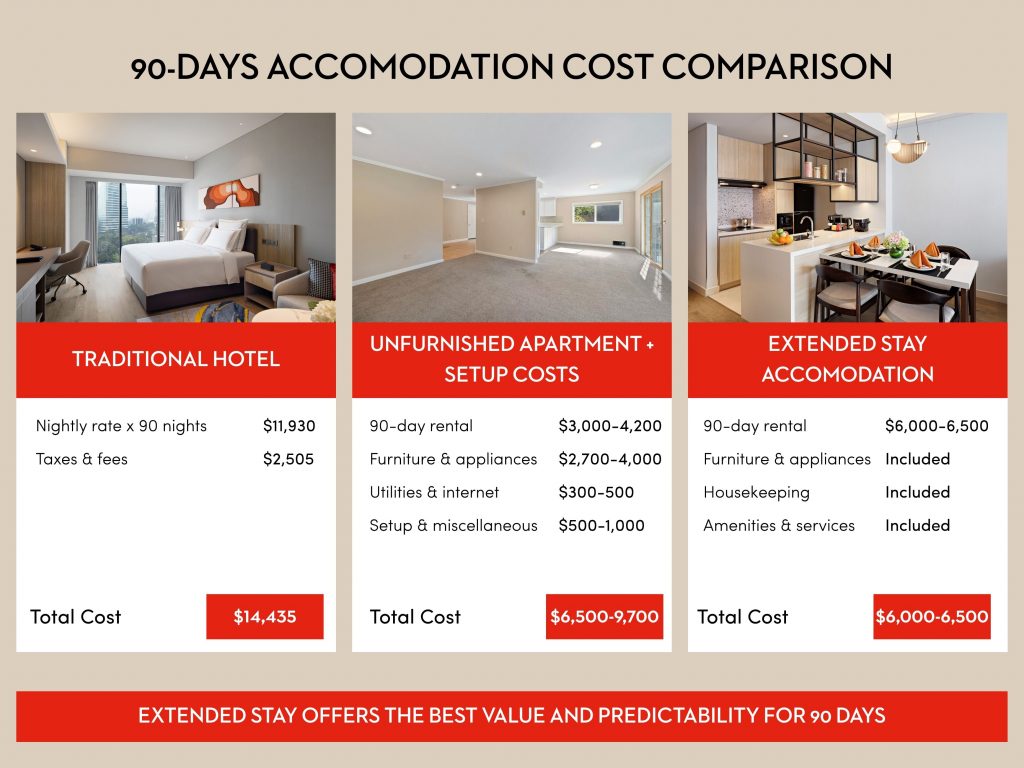
Comparative Cost Analysis
When evaluating extended hotel costs against alternatives, guests should factor in the total financial commitment including:
- Security deposits (typically 2-3 months rent for conventional leases)
- Utility connection fees and monthly bills
- Furniture purchases or rental costs
- Internet installation and subscription
- Housekeeping service expenses
- Gym membership fees
For stays under six months, extended hotel accommodations frequently deliver lower total costs and significantly reduced administrative burden compared to traditional apartment leases in Jakarta’s central business districts.
Booking Processes and Flexibility
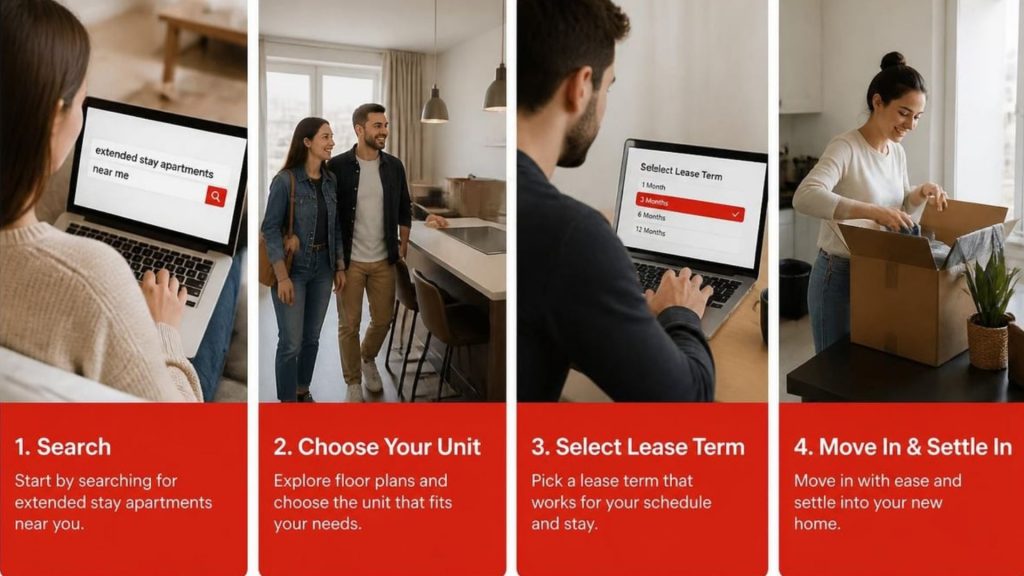
The extended hotel booking experience prioritizes simplicity and flexibility, distinguishing these properties from both traditional hotels and conventional rental markets. Streamlined reservation systems accommodate various stay durations without complex lease negotiations or extensive documentation requirements.
Reservation and Check-In Procedures
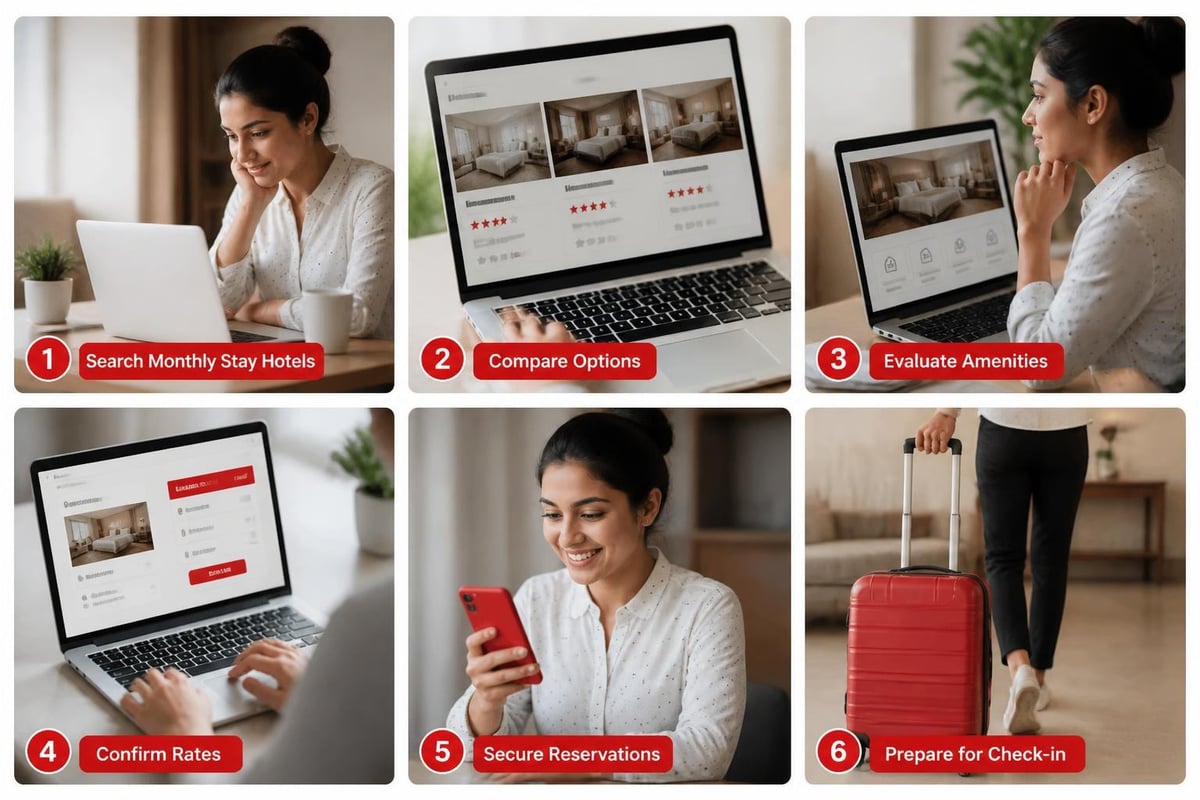
Most extended hotel properties accept reservations through direct booking websites, global distribution systems, and corporate housing partnerships. Unlike conventional apartment leases requiring employment verification, reference checks, and landlord interviews, extended hotel bookings typically need only payment guarantee and basic identification.
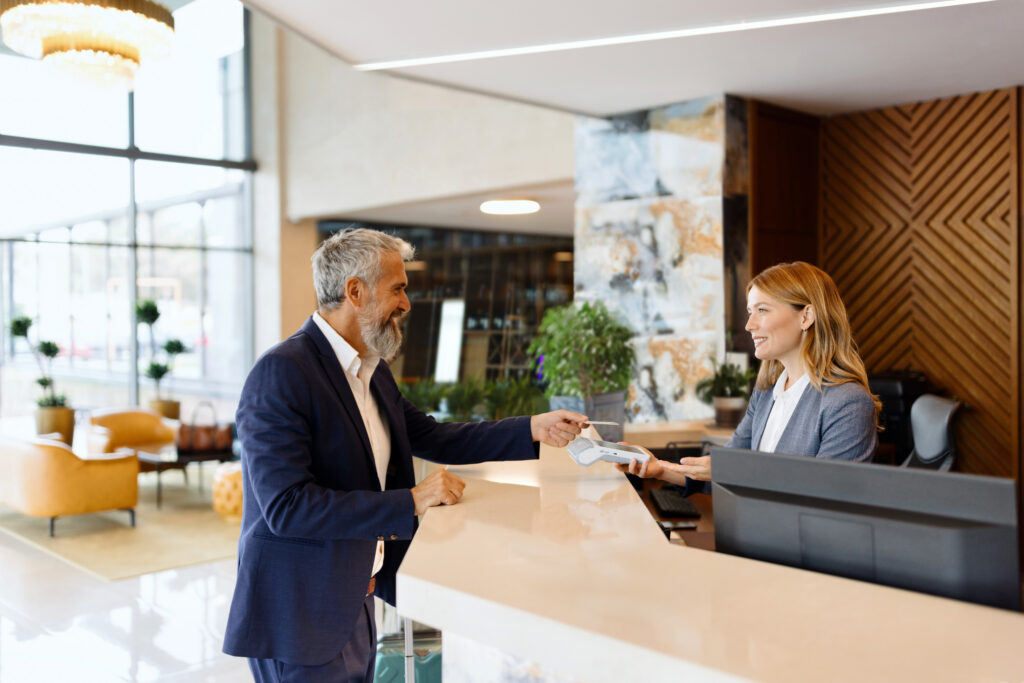
Check-in procedures mirror hotel experiences rather than real estate transactions. Guests receive key cards or digital access codes, property orientation information, and amenity details without signing lengthy lease agreements or inventory checklists. This efficiency particularly benefits international travelers arriving from long flights who need immediate accommodation access.
Modification and Extension Options
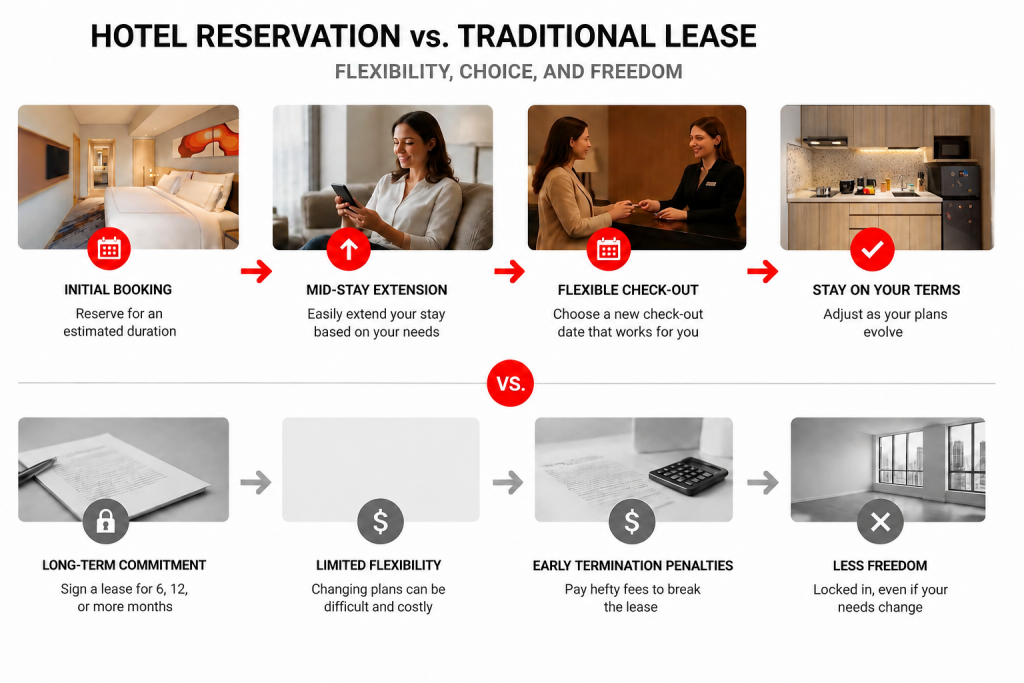
Flexibility represents a core extended hotel advantage. Guests can typically extend stays with minimal notice, subject to availability, avoiding the need to relocate or negotiate lease renewals. Similarly, early departure policies generally require 7-30 days notice rather than the penalty fees common in traditional lease agreements.
Corporate travelers appreciate this flexibility when project timelines shift unexpectedly. A consultant initially booking four weeks can seamlessly extend to eight or twelve weeks as assignment scope expands, maintaining the same residence and avoiding relocation disruption.
Dining and Kitchen Capabilities
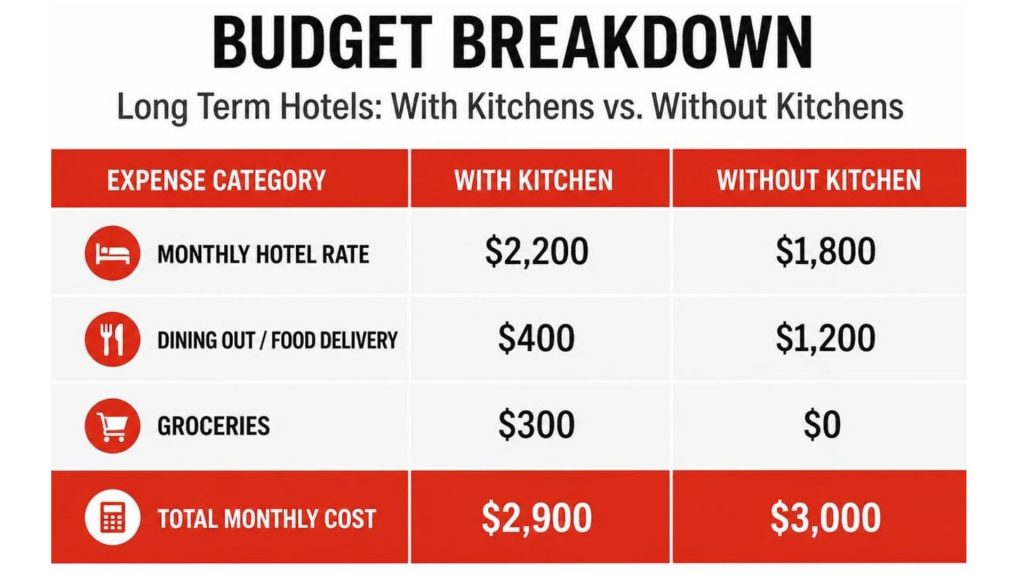
The presence of full kitchen facilities fundamentally differentiates extended hotel accommodations from traditional hotels, enabling guests to control dining costs, maintain dietary preferences, and establish comfortable routines during extended stays.
In-Suite Kitchen Equipment Standards
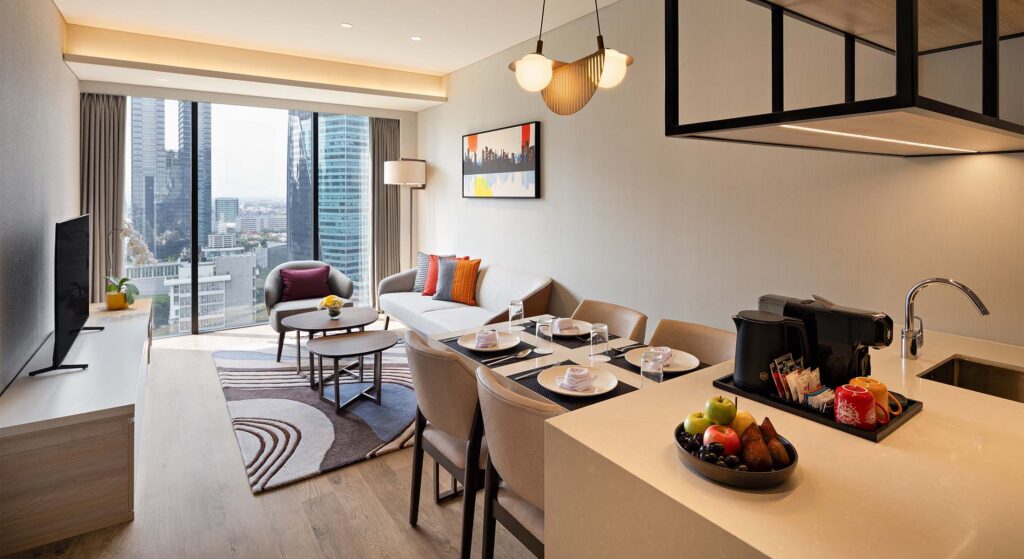
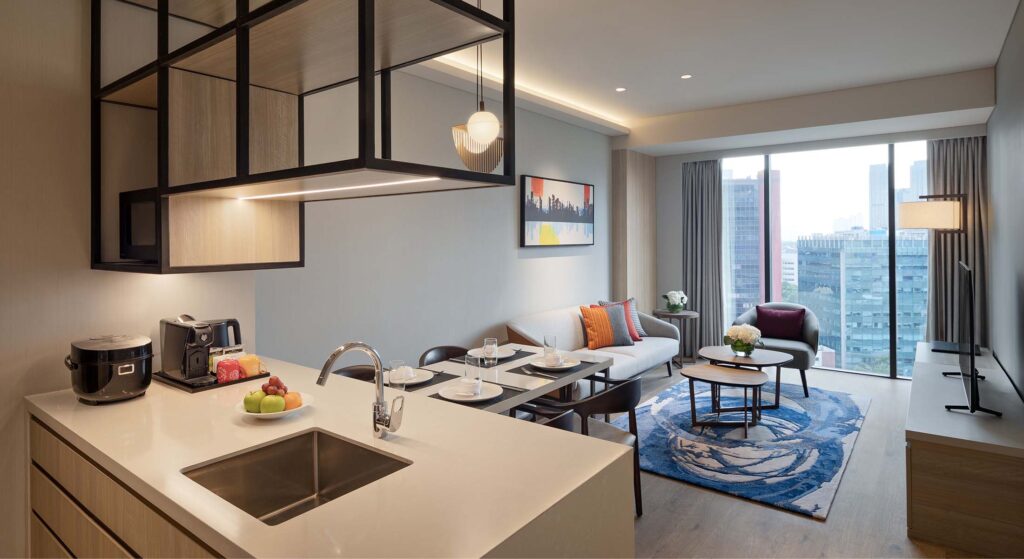
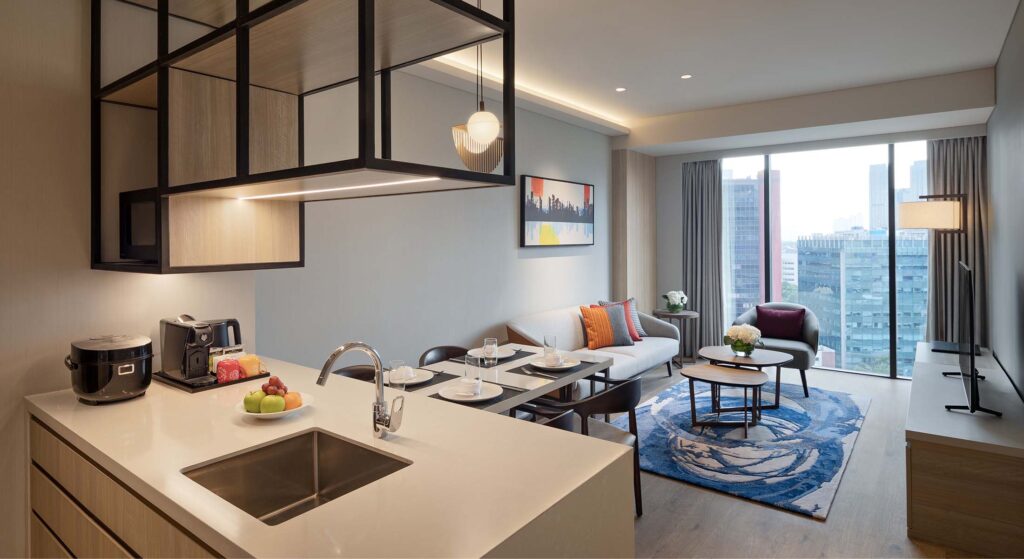
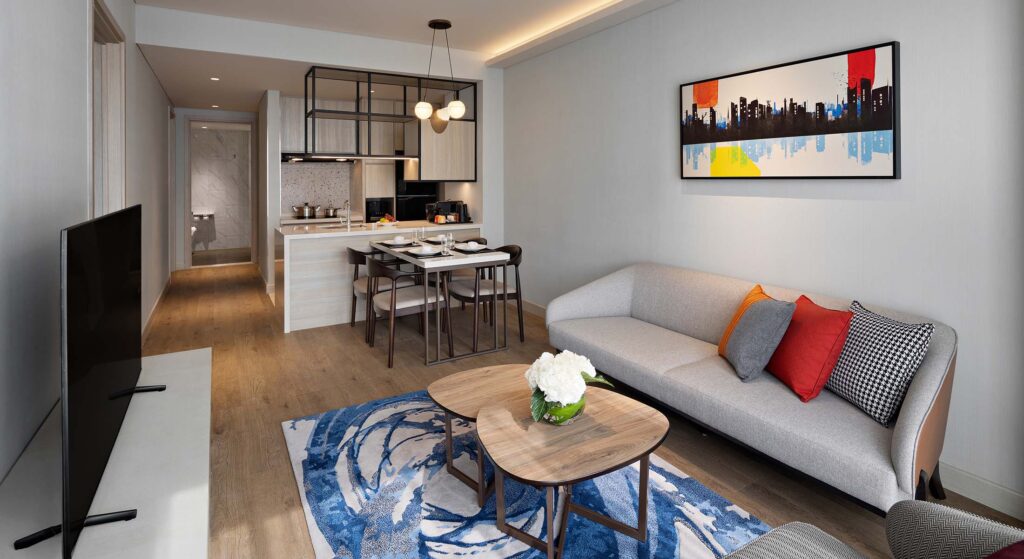
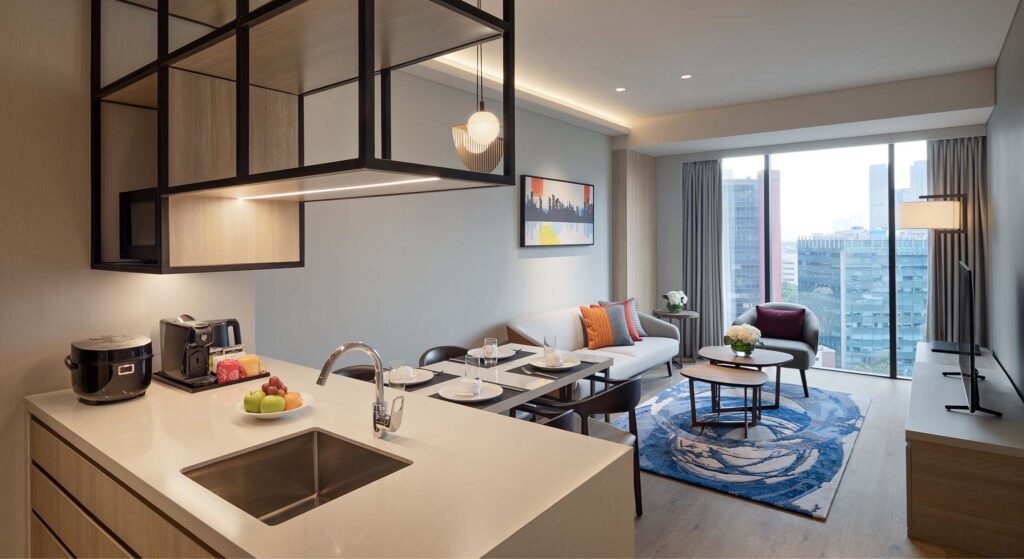
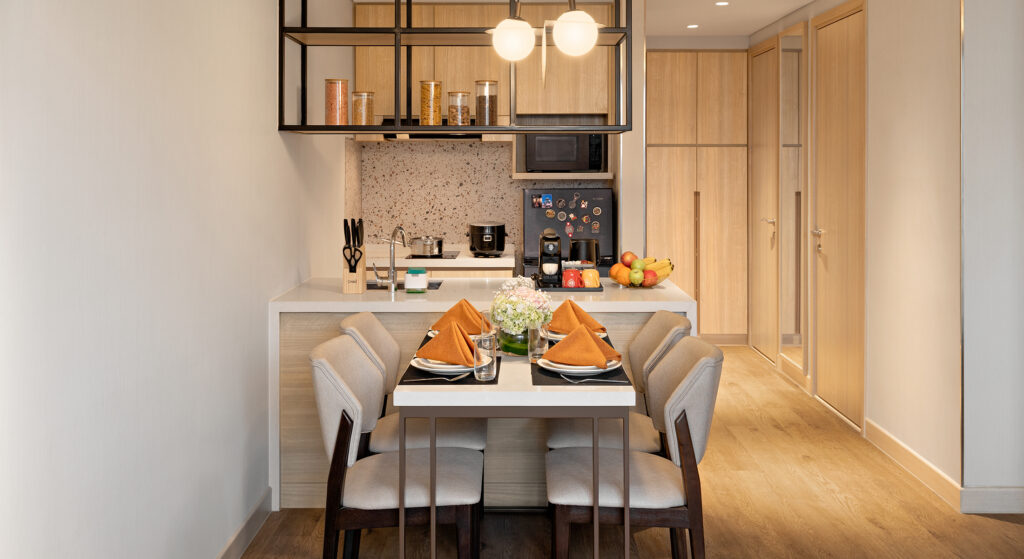
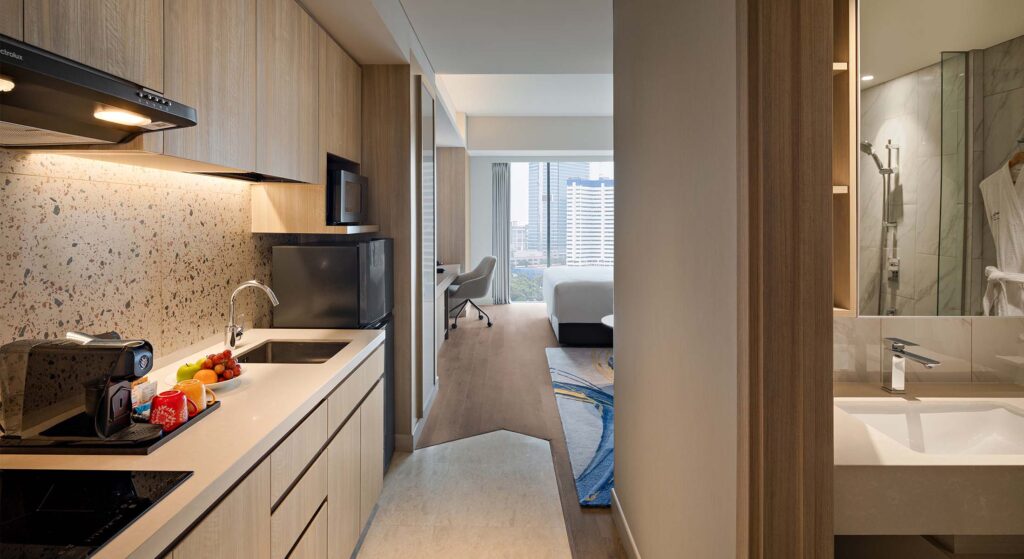
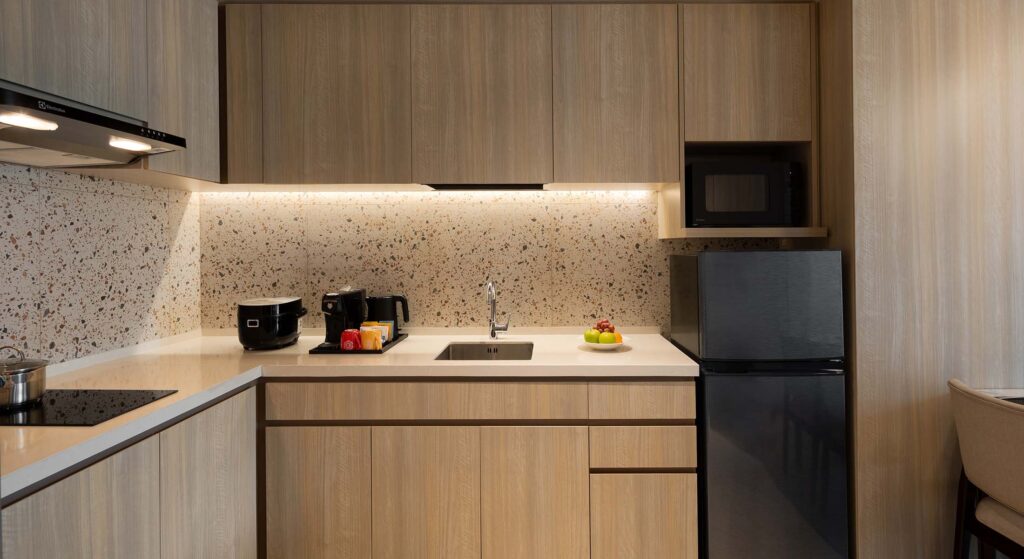
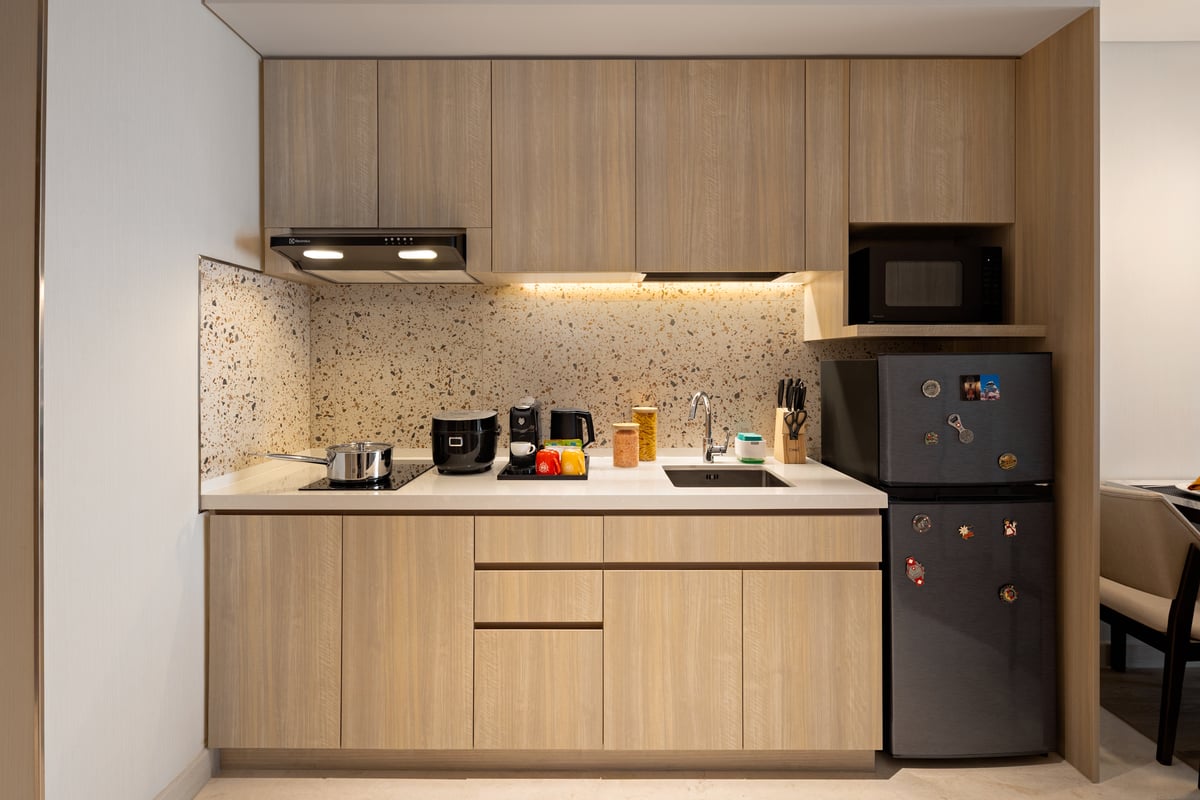
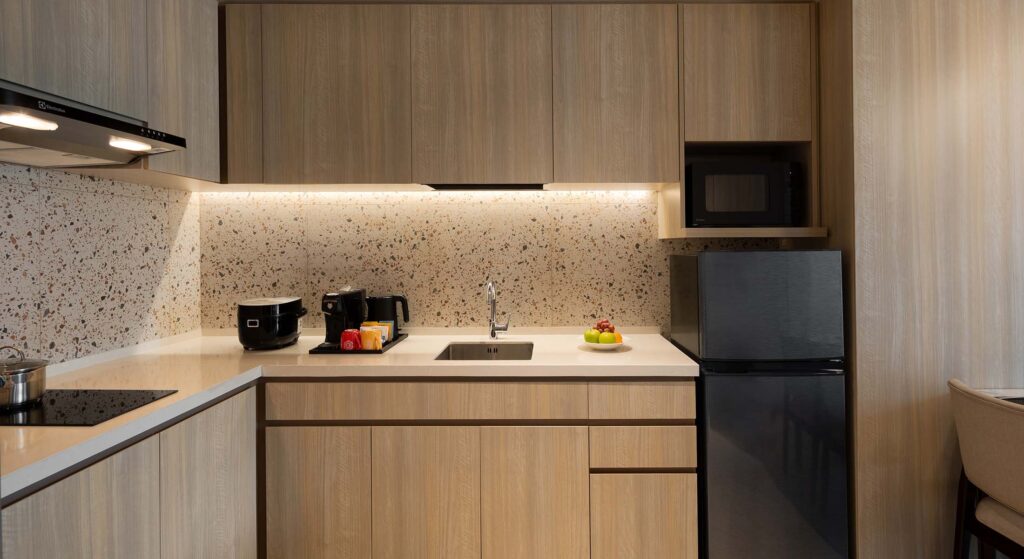
Modern extended hotel kitchens typically include induction or gas stovetops with multiple burners, full-size refrigerators with freezer compartments, microwaves, and complete cookware and dishware sets. Properties serving international guests often provide rice cookers, electric kettles, and other appliances reflecting regional cooking preferences.
Kitchen functionality during extended stays substantially reduces dining expenses. A professional staying three months who prepares breakfast and dinner in-suite while dining out for lunch can save $800-$1,200 monthly compared to exclusively restaurant dining. This cost savings becomes particularly significant for families where multiple people require three daily meals.
On-Site Dining Options
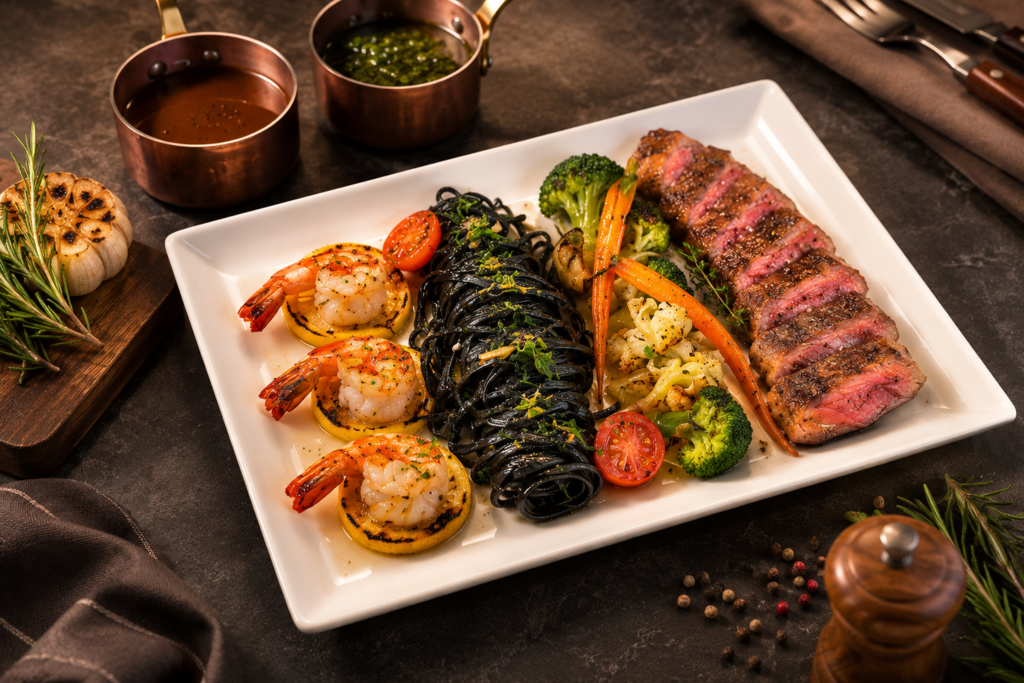
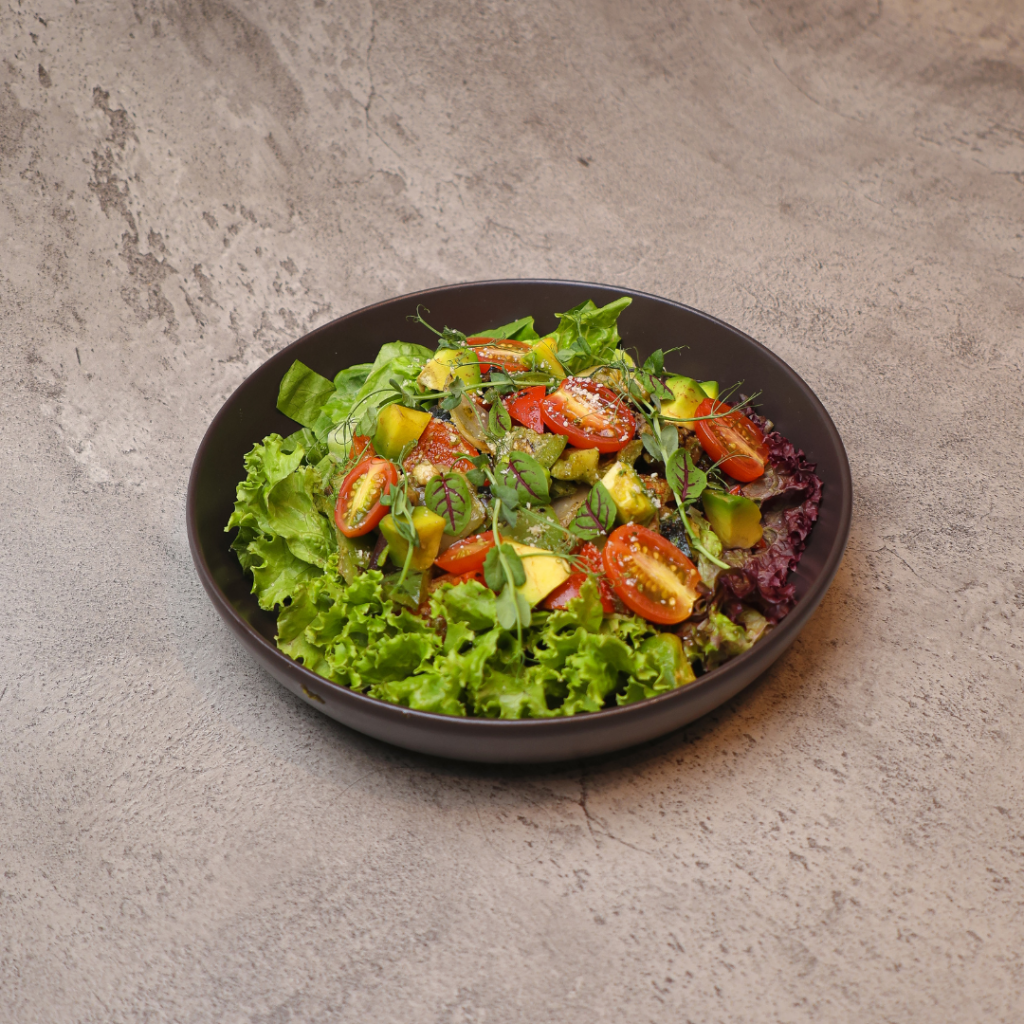
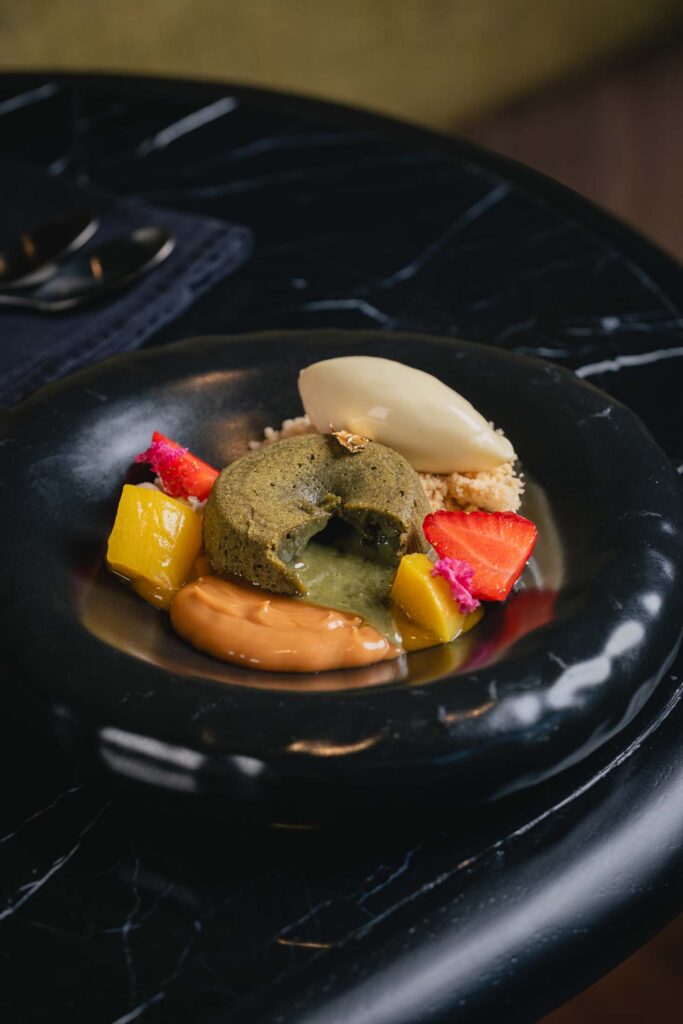
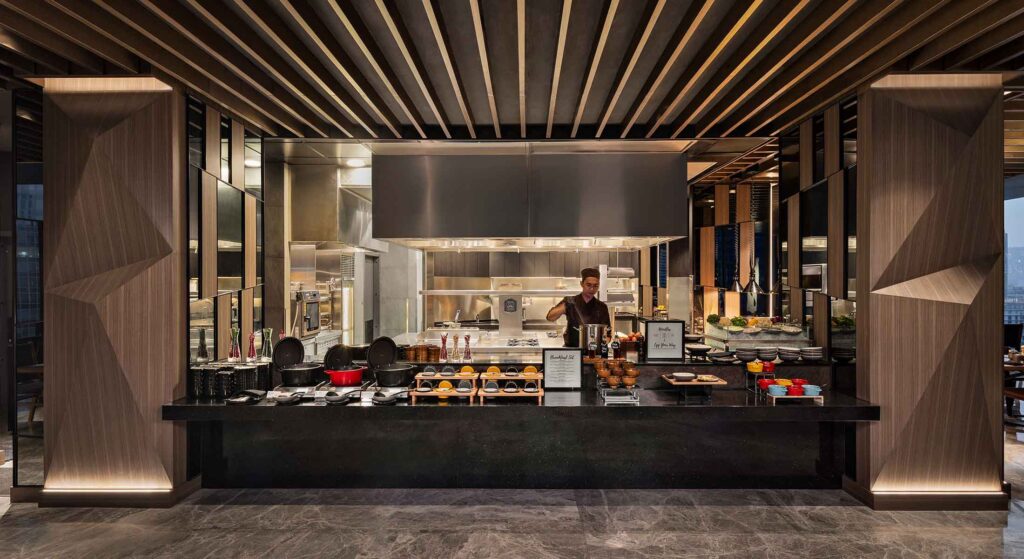
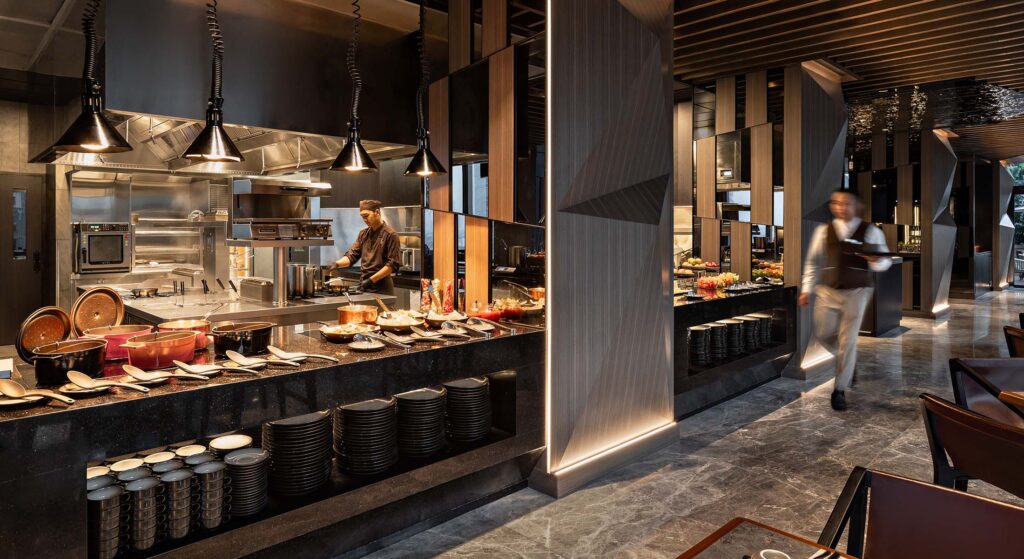
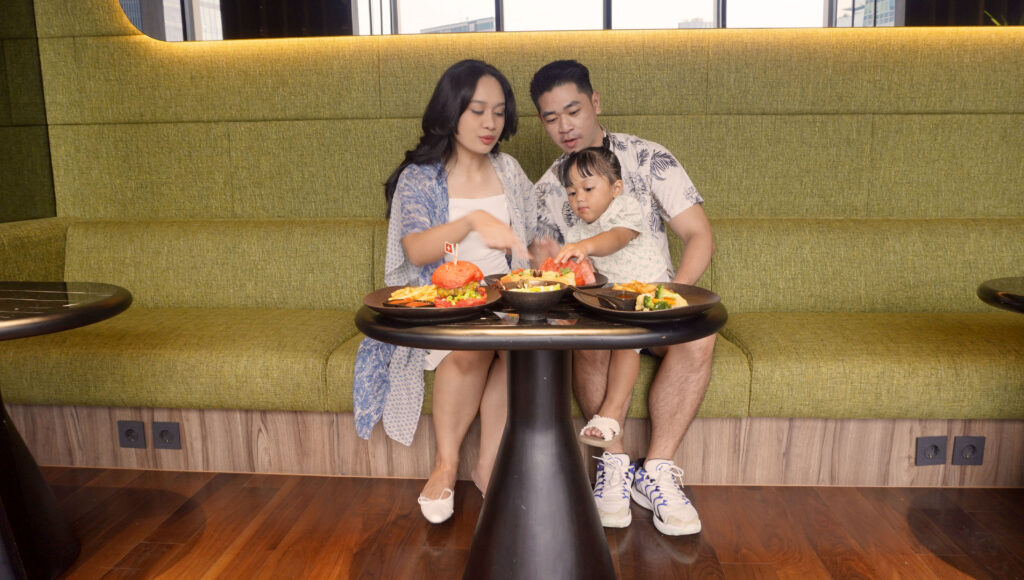
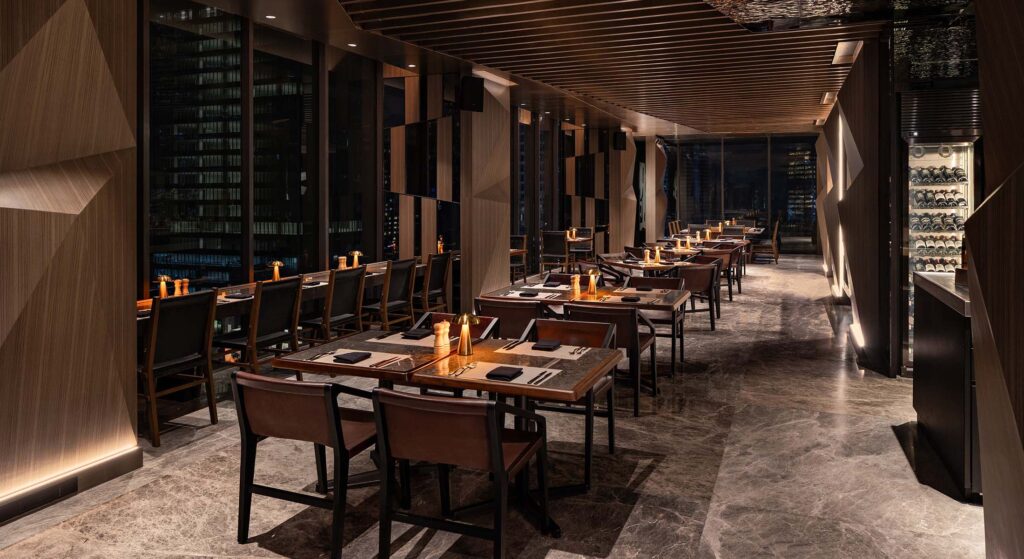
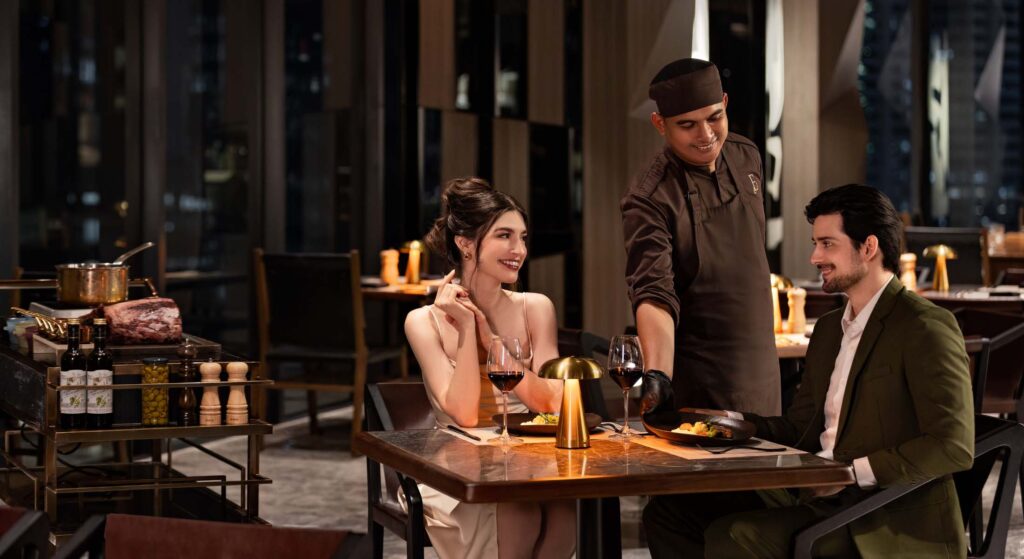
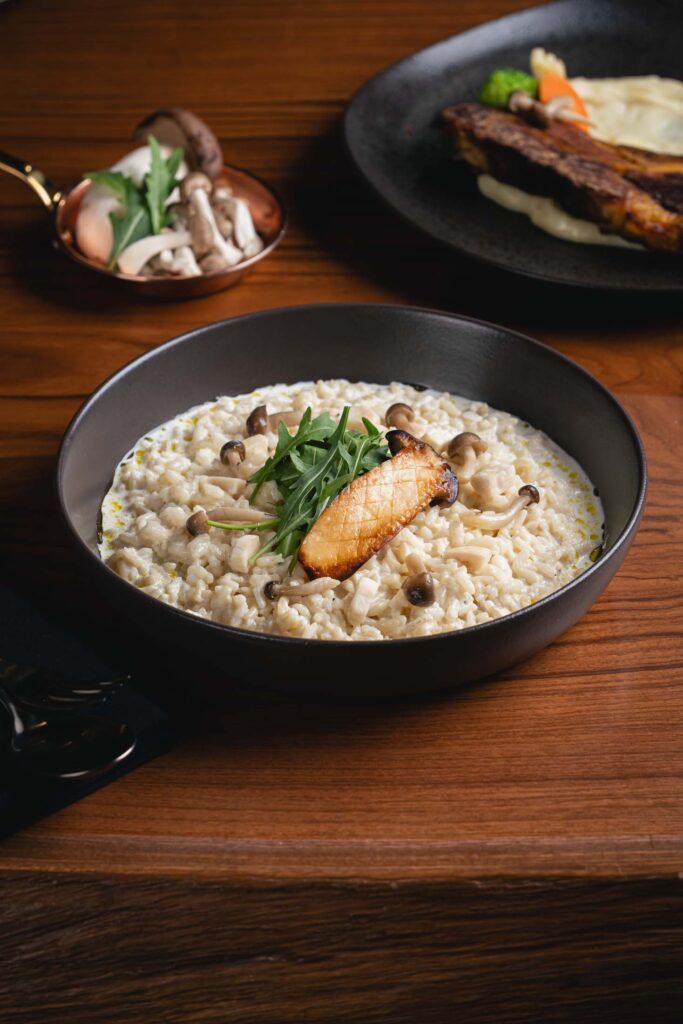
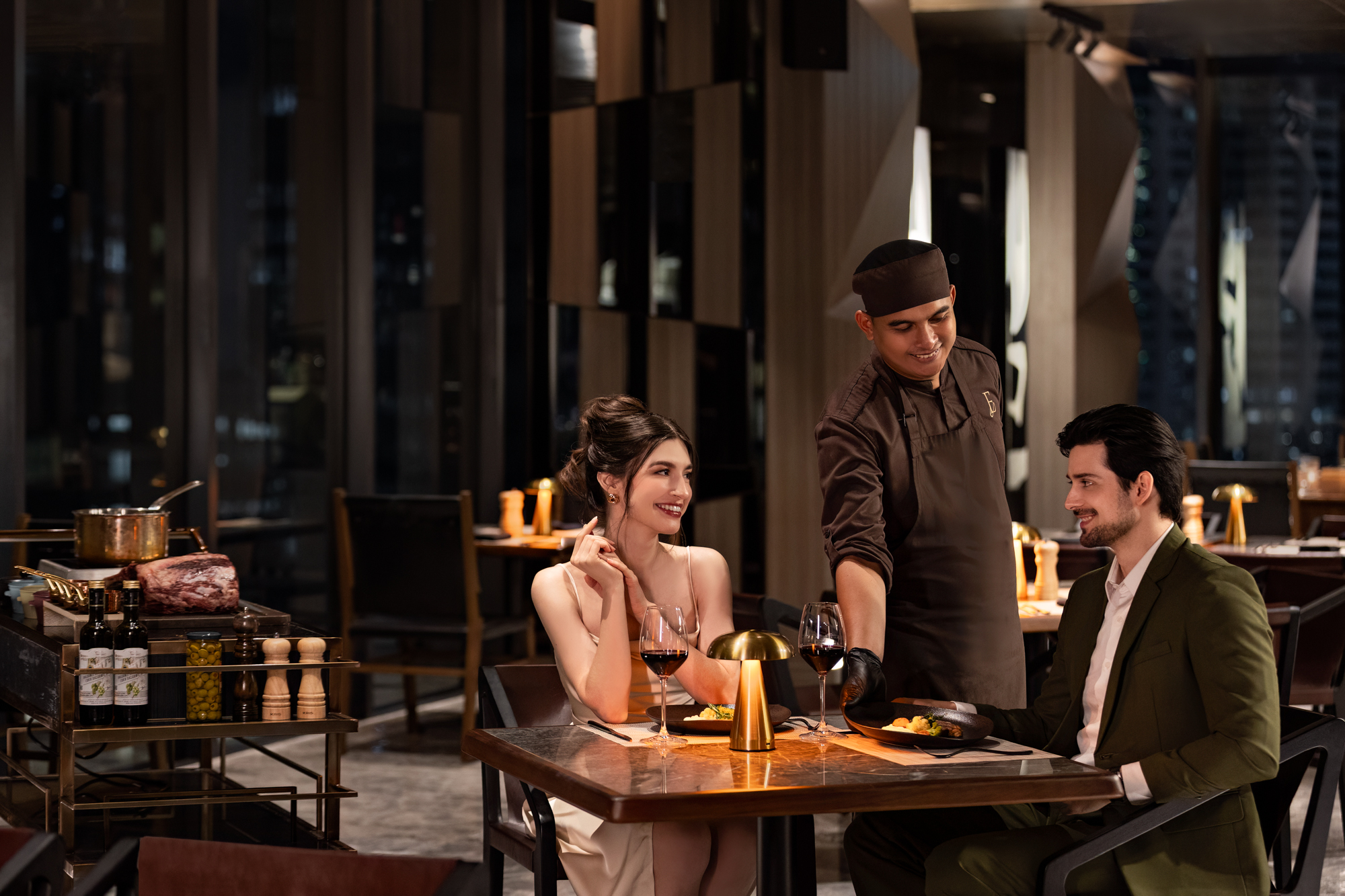
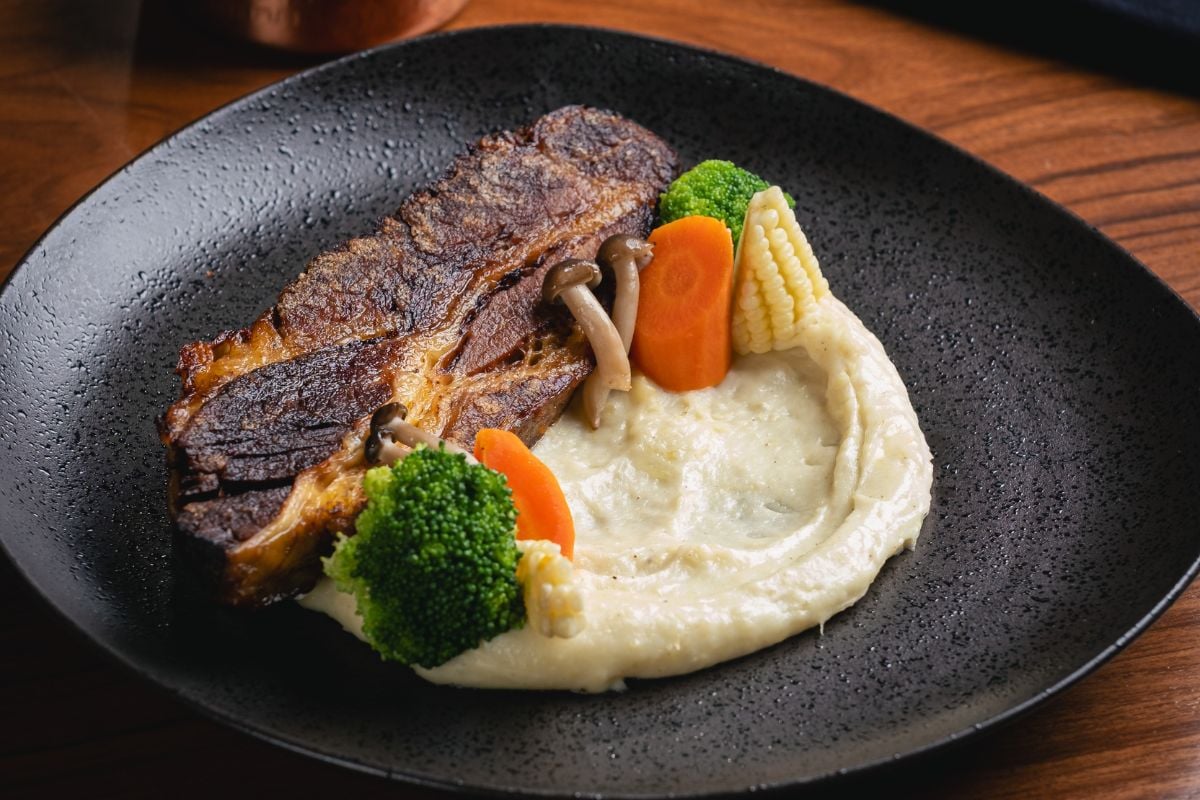
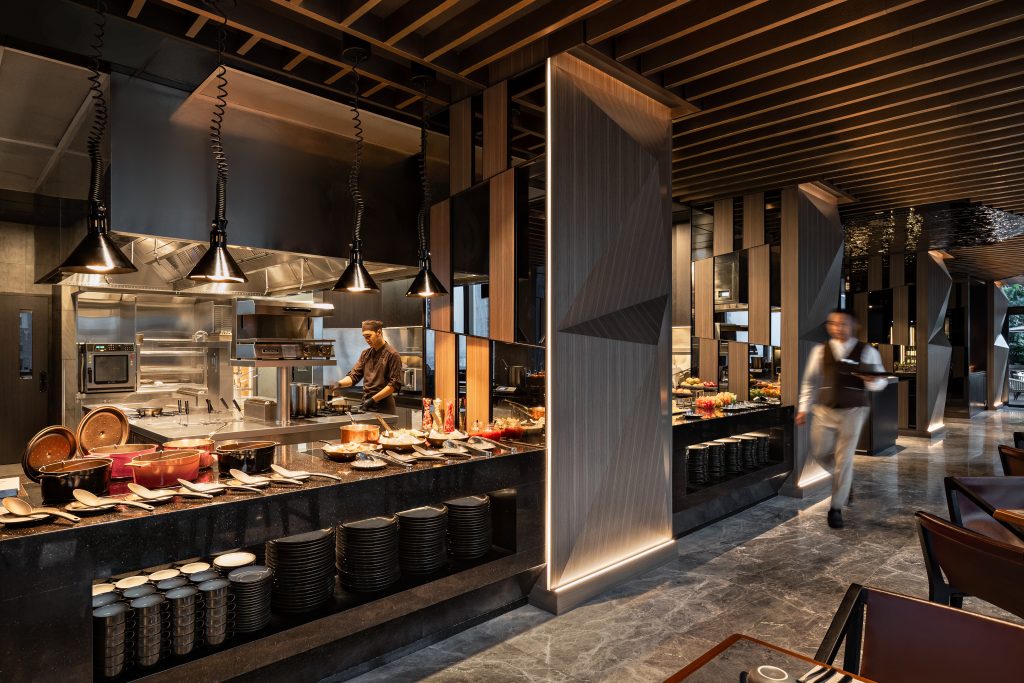
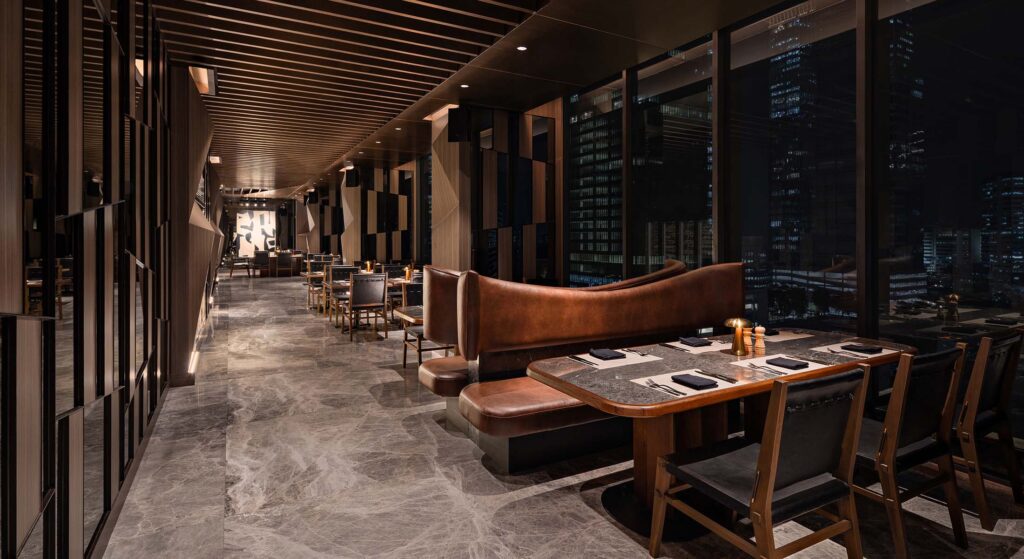
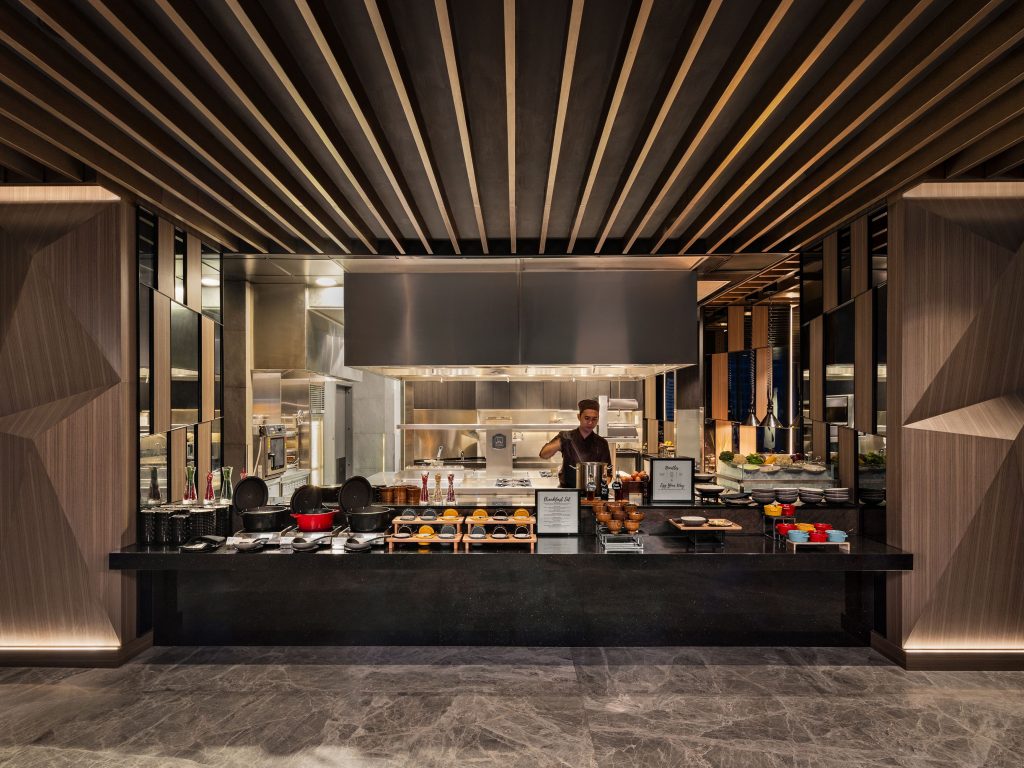
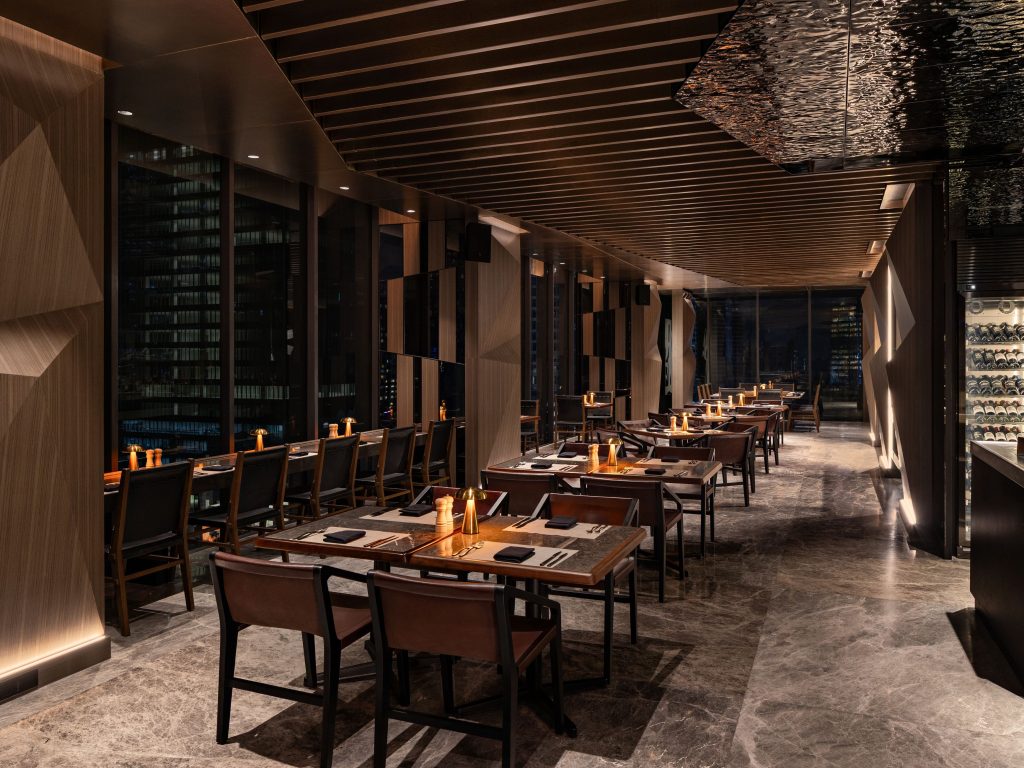
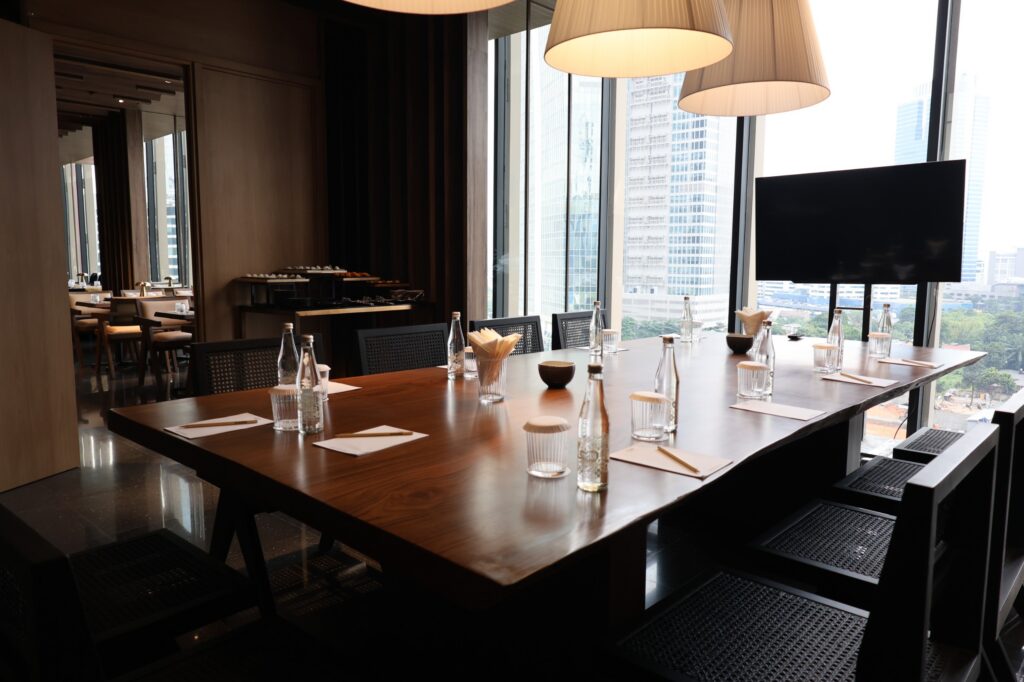
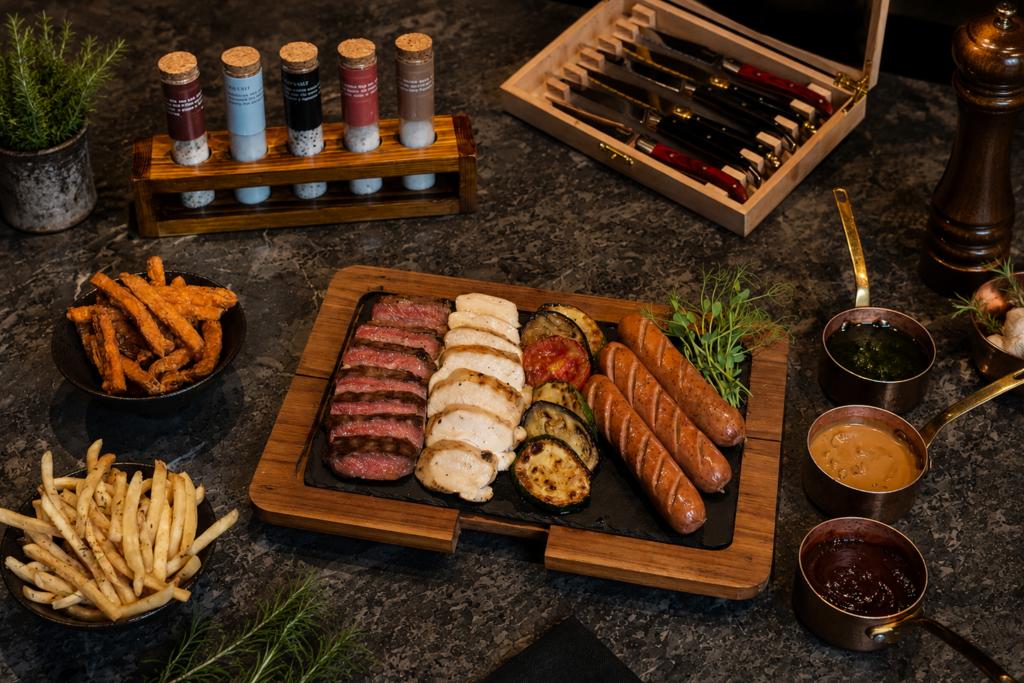
While kitchen facilities provide self-catering capabilities, many extended hotel guests appreciate on-site dining options for business entertaining, social occasions, or evenings when they prefer not to cook. Properties with restaurants deliver convenient alternatives without sacrificing the cost-control benefits of in-suite kitchens. For guests seeking an exceptional dining experience without leaving the property, Embers Open-Fire Grill offers steaks, seafood, and international cuisine prepared using open-fire cooking techniques in a sophisticated setting suitable for business dinners or special occasions.
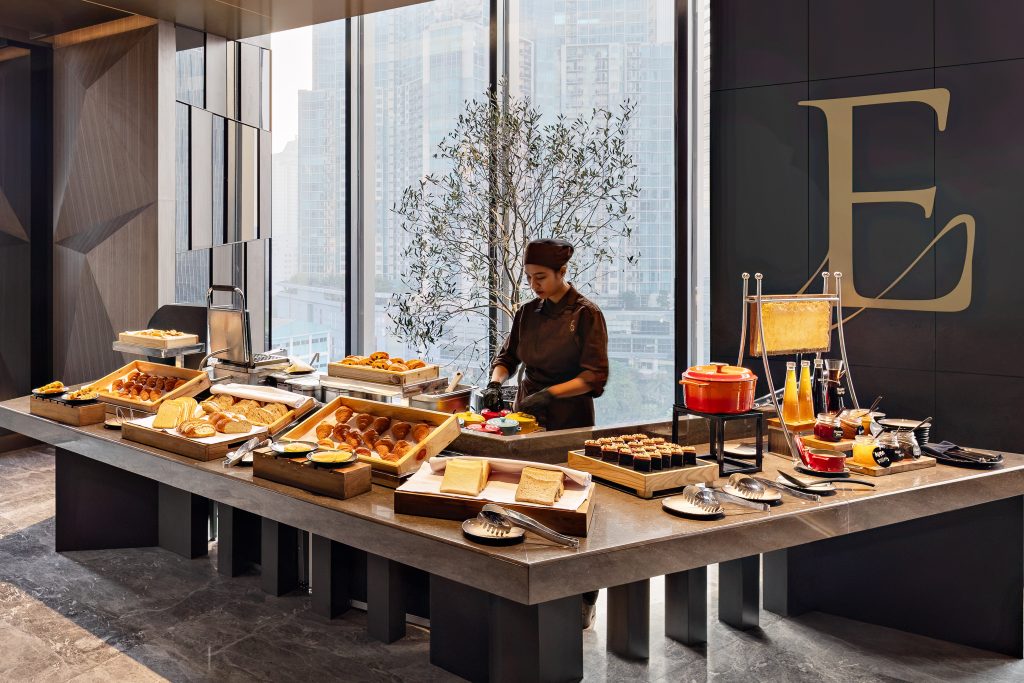
The combination of full kitchen facilities and quality on-site restaurants provides extended hotel guests with complete dining flexibility tailored to daily schedules and preferences.
Extended Hotel Market Trends in 2026
The extended hotel segment continues evolving in response to changing work patterns, corporate travel policies, and lifestyle preferences. Understanding current market dynamics helps guests and companies make informed accommodation decisions.
Remote Work and Hybrid Arrangements Impact
The normalization of remote and hybrid work models since 2020 has permanently altered extended hotel demand patterns. Professionals increasingly extend business trips to combine work obligations with leisure time, creating “bleisure” demand that blurs traditional business and vacation travel categories. Extended stay in Jakarta reflects this trend, with guests staying 4-8 weeks to complete projects while experiencing the city’s culture and attractions.
Corporate policies now frequently authorize extended hotel accommodations for remote workers seeking location changes while maintaining productivity. A technology professional based in Singapore might book a two-month extended hotel stay in Jakarta to experience a new environment while fulfilling work responsibilities remotely.
Investment and Development Activity
The Extended Stay Bulletin reports continued investment in extended hotel development across major Asian business centers, driven by strong occupancy rates and revenue per available room (RevPAR) performance. Developers recognize that extended hotel properties deliver more stable cash flows than traditional hotels due to longer average lengths of stay and reduced sensitivity to short-term demand fluctuations.
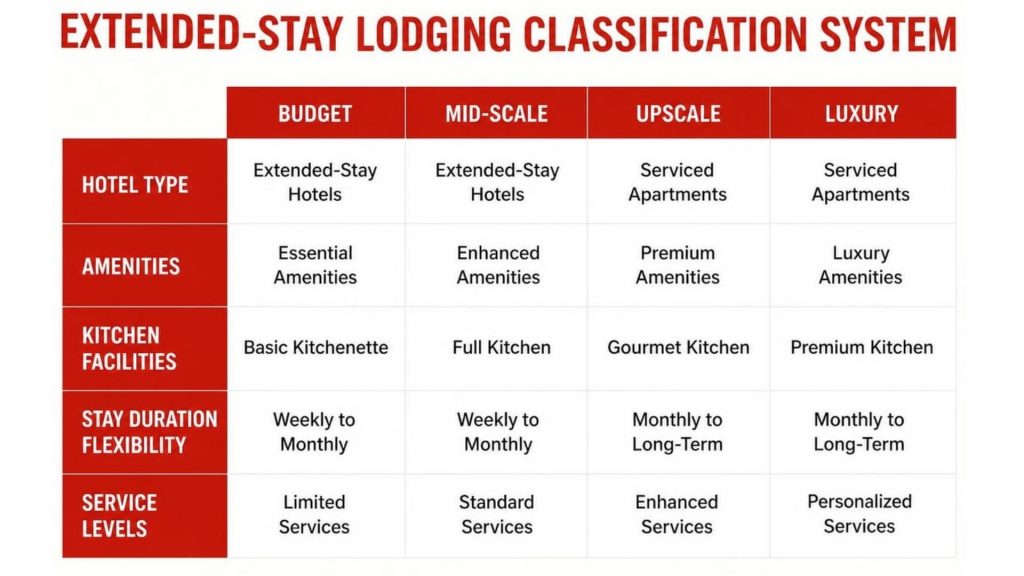
Quality differentiation increasingly separates extended hotel offerings. Premium properties emphasize superior locations, larger unit sizes, upscale finishes, and comprehensive amenities, targeting business travelers with higher accommodation budgets. Economy-focused extended hotels prioritize functional layouts and competitive pricing for cost-conscious guests.
Selecting the Right Extended Hotel Property
Choosing appropriate extended hotel accommodations requires evaluating multiple factors beyond nightly rates, particularly for stays exceeding one month. Systematic assessment ensures the selected property aligns with functional requirements, budget parameters, and lifestyle preferences.
Evaluation Criteria and Priorities
Location accessibility typically ranks as the primary selection criterion for business travelers. Properties within 15-20 minutes of primary work locations minimize commute stress and maximize productive time. Secondary location factors include proximity to airports, dining variety, grocery stores, medical facilities, and leisure attractions relevant to the guest’s interests.
Residence size and layout suitability depends on the number of occupants and anticipated use patterns. Solo travelers spending 10-12 hours daily at client offices may find studios perfectly adequate, while families or professionals planning substantial in-residence work time require larger configurations with dedicated workspace areas.
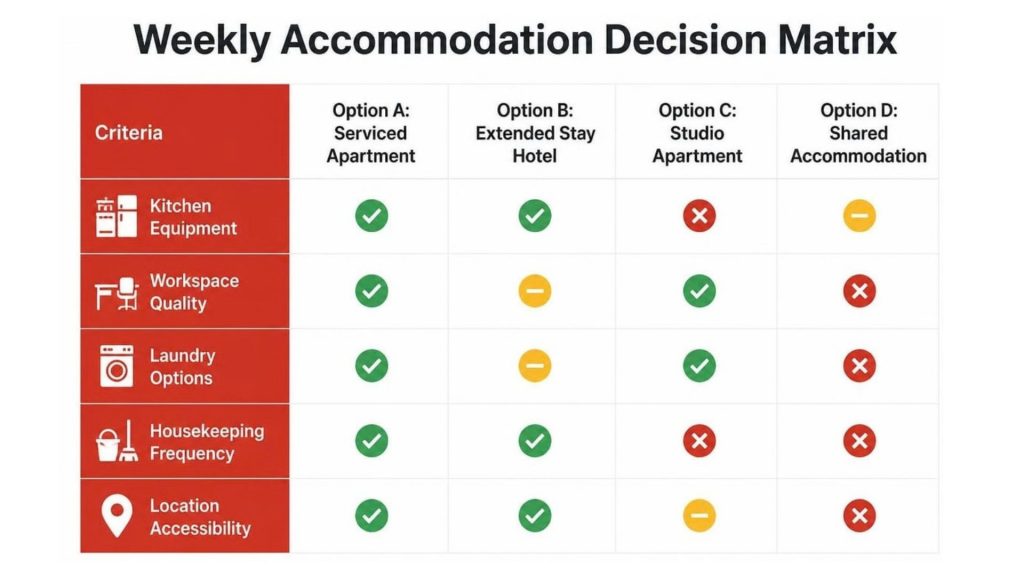
When searching for monthly stay hotels near me, guests should create weighted evaluation matrices comparing:
- Geographic location and commute times
- Residence size and layout functionality
- Total monthly cost including all services
- Amenity availability and quality standards
- Reviews from previous extended-stay guests
- Flexibility for extensions or early departure
Property Visits and Pre-Booking Assessment
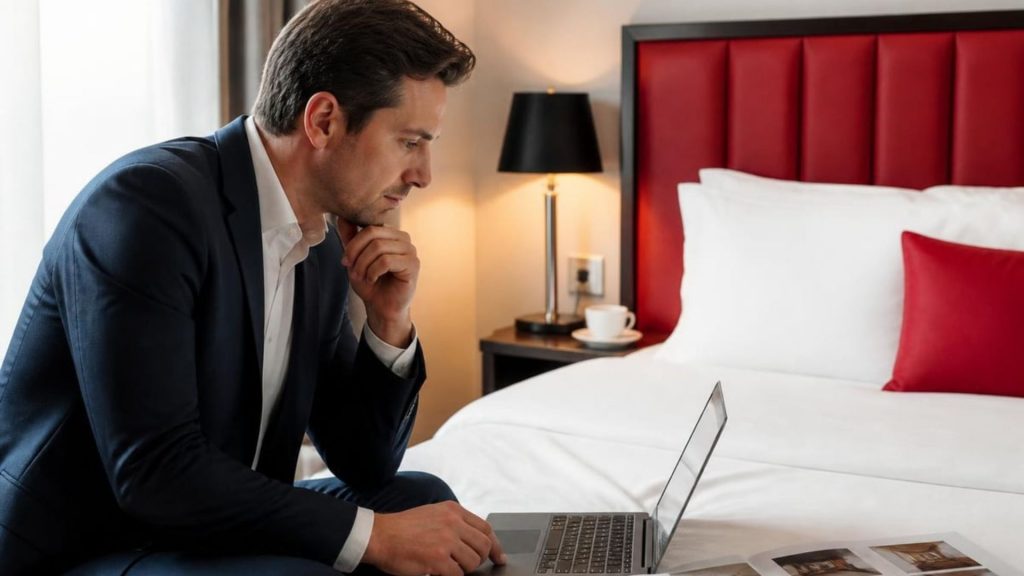
Whenever possible, prospective guests should visit extended hotel properties before committing to multi-month stays. Virtual tours and photographs provide limited insight into actual residence conditions, ambient noise levels, natural lighting quality, and neighborhood characteristics. A 30-minute property visit reveals details that significantly impact daily comfort during extended periods.
Questions to address during property visits include:
- What is the actual residence condition compared to marketing photographs?
- How effective is sound insulation between units?
- What kitchen storage capacity exists for extended-stay grocery shopping?
- How responsive is staff to guest inquiries and requests?
- What is the actual quality of fitness equipment and facility cleanliness?
Technology and Connectivity Infrastructure
Reliable technology infrastructure represents a non-negotiable requirement for extended hotel properties serving business travelers. Internet connectivity, workspace functionality, and communication systems directly impact work productivity during multi-week stays.
Internet Speed and Reliability Standards
Extended hotel properties should provide minimum internet speeds of 100 Mbps download and 50 Mbps upload to support video conferencing, cloud application access, and file transfers typical of modern business operations. Properties serving technology professionals or digital content creators should offer 250+ Mbps connections with backup systems ensuring continuity during primary network disruptions.
Dedicated workspace areas with ergonomic seating, proper lighting, and sufficient desktop space enable comfortable extended work sessions. While dining tables can serve as temporary workstations, proper desk configurations with adjustable chairs significantly improve comfort and productivity during multi-week stays.
Smart Technology Integration
Modern extended hotel properties increasingly incorporate smart technology features including:
- Keyless entry systems using smartphones or digital codes
- Climate control via mobile applications
- Smart TV systems with streaming service integration
- Voice-activated assistants for basic functions
- Package notification and tracking systems
These technology enhancements improve convenience while reducing property operational costs through automation and remote management capabilities.
Comparing Extended Hotels to Alternative Accommodations
Understanding how extended hotel properties compare to other accommodation options helps guests make informed decisions based on stay duration, budget constraints, and service requirements.
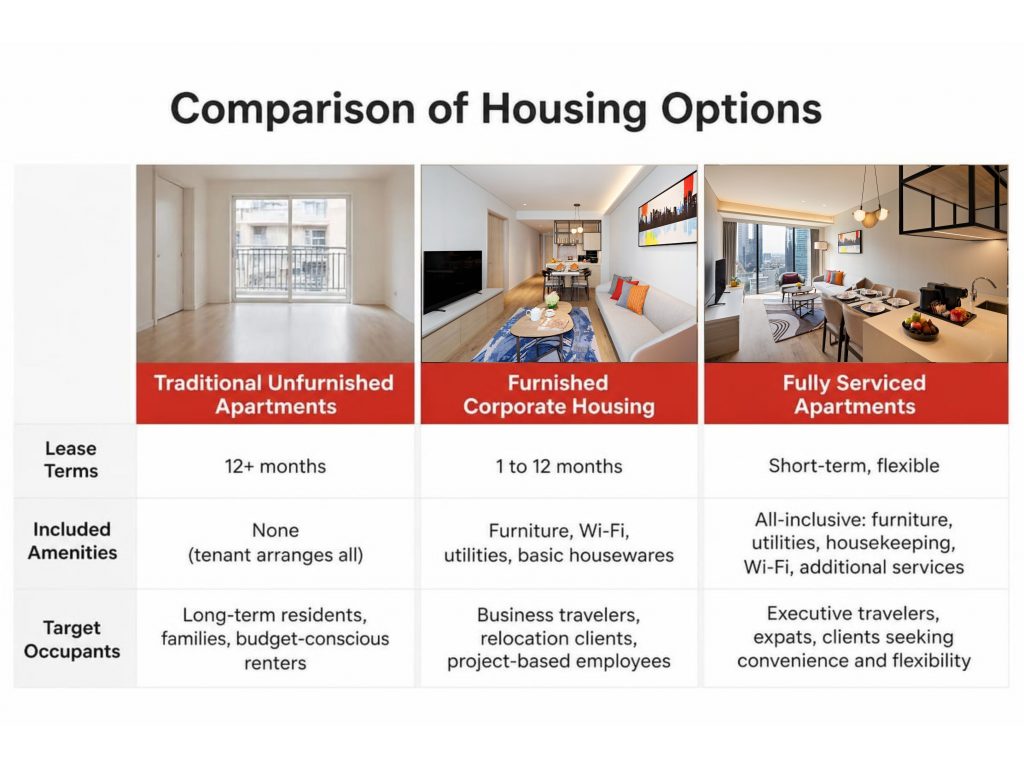
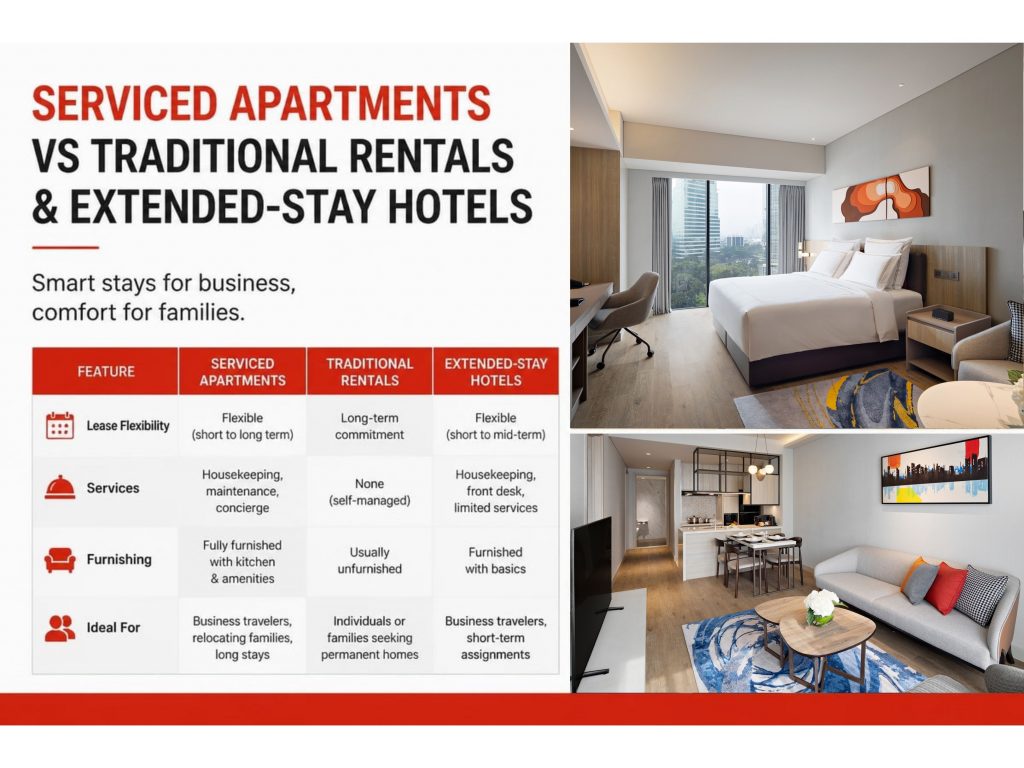
Extended Hotels vs. Traditional Hotels
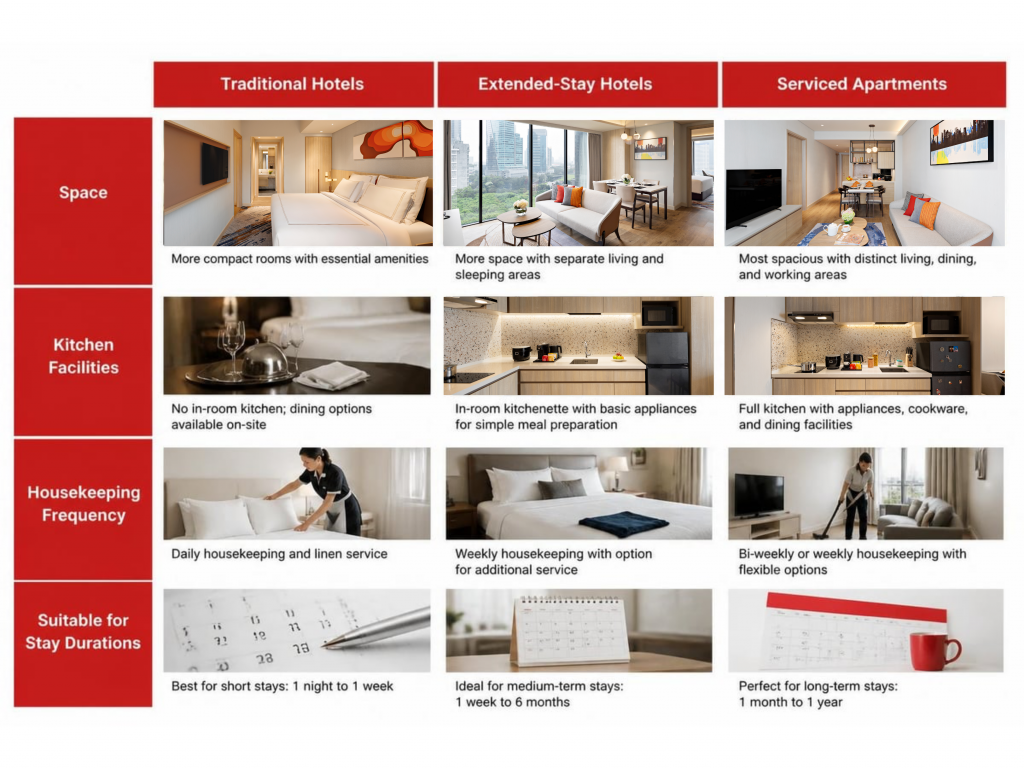
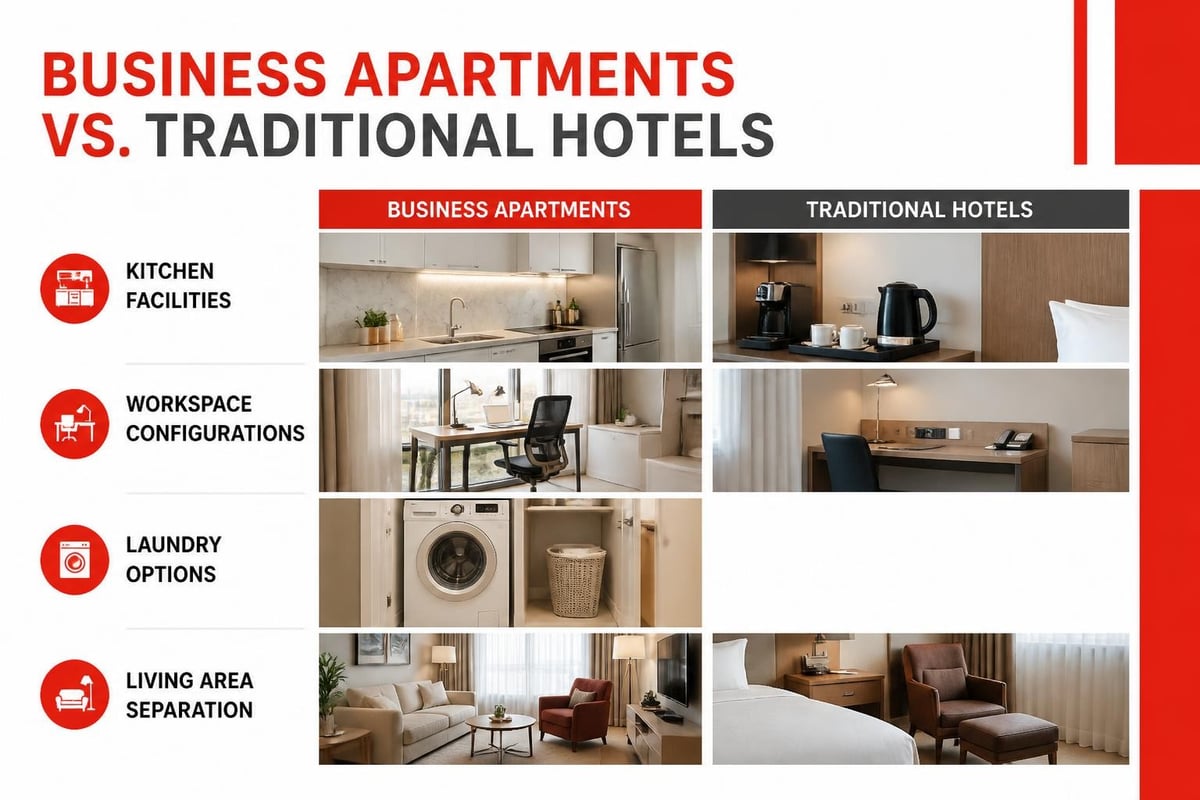
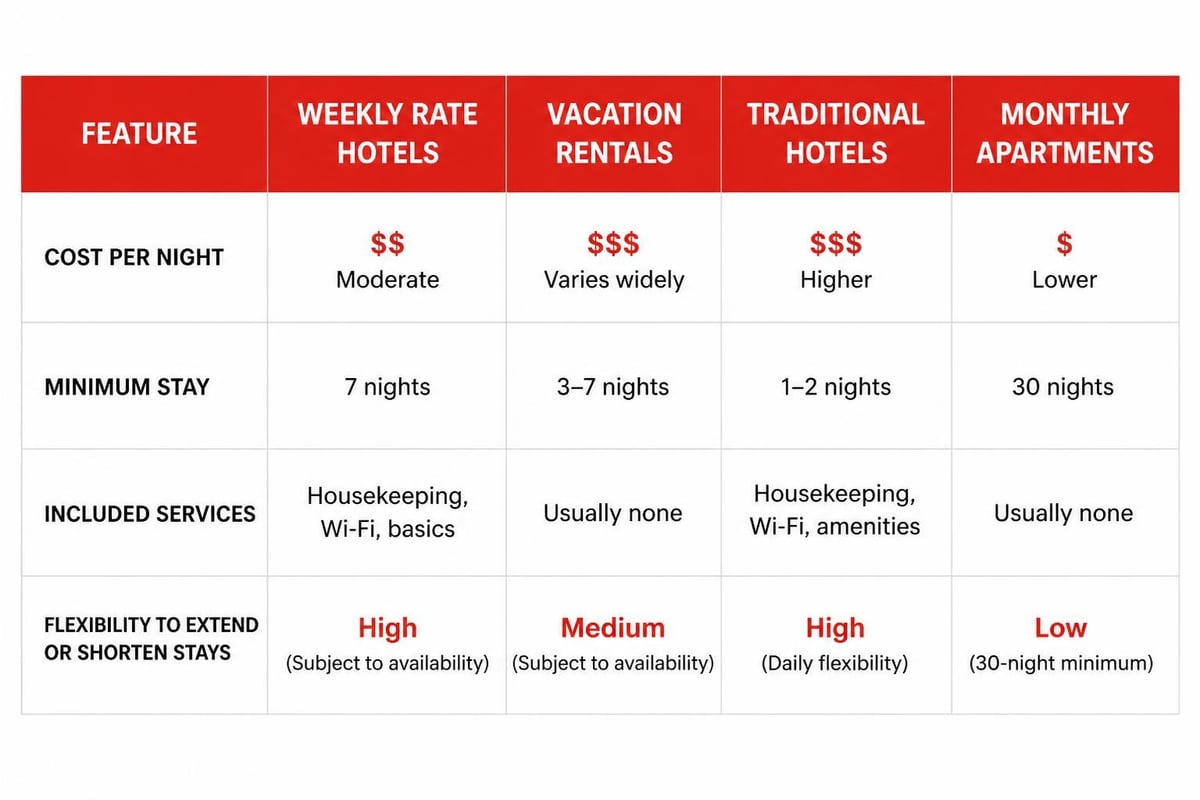
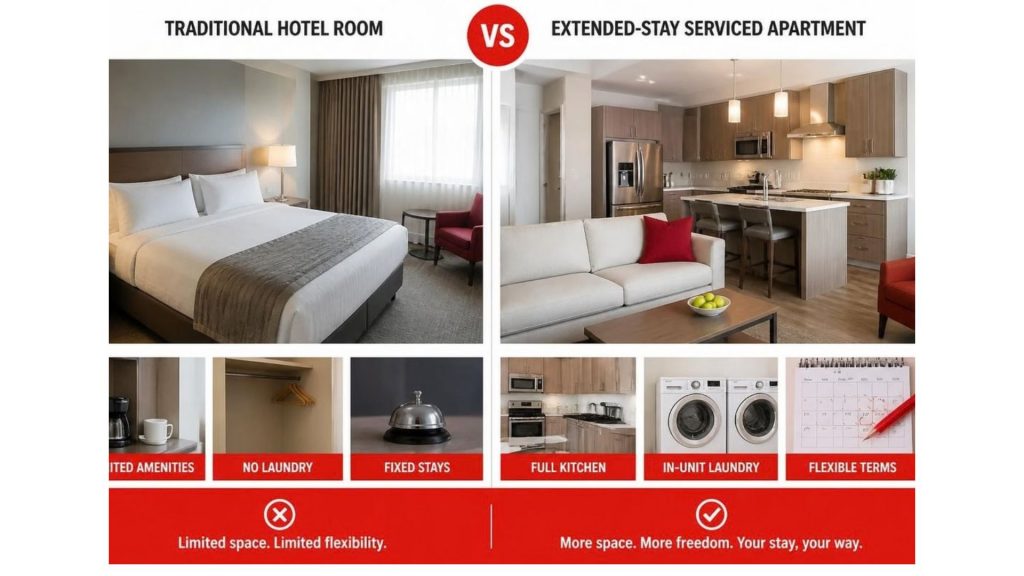
Traditional hotels optimize for short stays with daily housekeeping, limited kitchen facilities, and flexible nightly booking. Extended hotels sacrifice some traditional hotel services in exchange for residential features like full kitchens, in-unit laundry, and larger living spaces. For stays exceeding two weeks, extended hotels typically deliver superior value and comfort.
| Feature | Extended Hotel | Traditional Hotel |
|---|---|---|
| Kitchen facilities | Full kitchen with appliances | Mini-fridge, coffee maker only |
| Living space | Separate living/sleeping areas | Combined room |
| Housekeeping | Weekly or customized | Daily service |
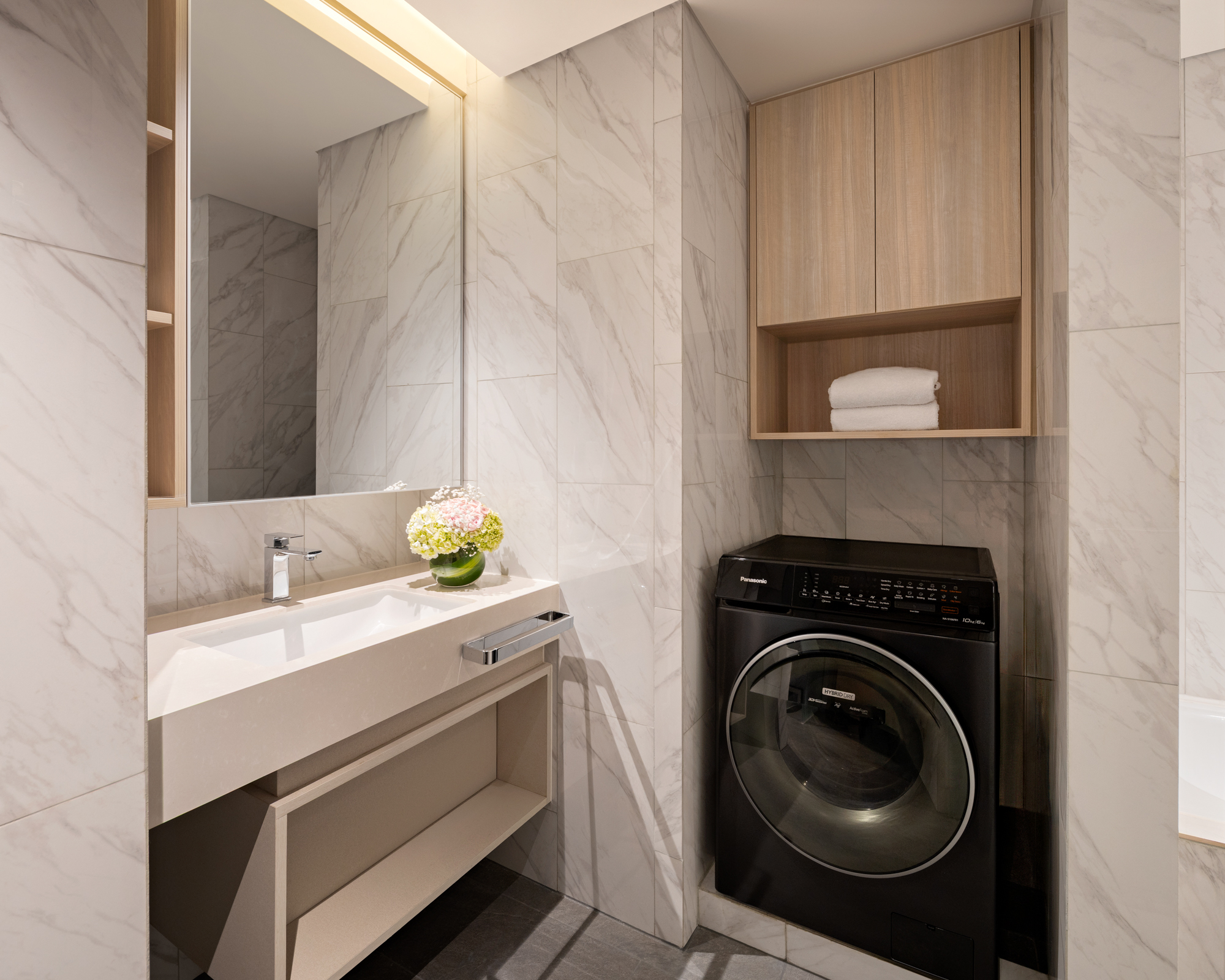
| Laundry | In-unit washer/dryer | Paid laundry service |
| Pricing structure | Decreasing weekly/monthly rates | Consistent nightly rates |
The American Hotel & Lodging Association’s extended stay messaging guide provides comprehensive positioning information distinguishing extended hotels from traditional hotel categories.
Extended Hotels vs. Conventional Apartment Leases
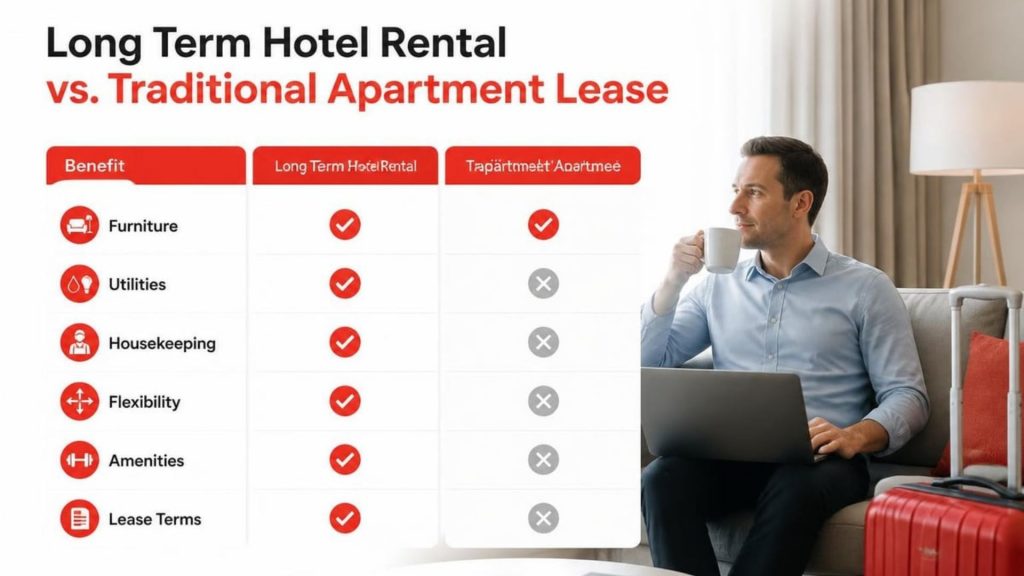
Conventional apartment leases offer cost advantages for stays exceeding six months but require significant upfront investment and administrative burden. Security deposits, utility setup, furniture purchases, and lease commitment inflexibility make conventional leases impractical for stays under 12 months.
Extended hotels eliminate these barriers through all-inclusive pricing, furnished residences, and flexible departure options. The premium paid for this convenience typically represents 15-25% higher monthly costs compared to equivalent conventional apartments but delivers superior flexibility and reduced total financial commitment for stays under one year.
Health, Safety, and Security Considerations
Extended hotel properties must maintain rigorous health, safety, and security standards to protect guests staying weeks or months. These standards exceed traditional hotel requirements due to the residential nature of extended accommodations.
Security Systems and Access Control
24-hour security presence, controlled building access, CCTV surveillance systems, and secure parking facilities represent baseline requirements for extended hotel properties. Guests staying multiple months store valuable personal belongings and establish predictable routines that require robust security infrastructure.
Properties should provide:
- Key card or biometric building access systems
- Security personnel monitoring entry points
- Well-lit parking areas with surveillance coverage
- In-room safes for valuables and documents
- Emergency communication systems in all residences
Health and Wellness Protocols
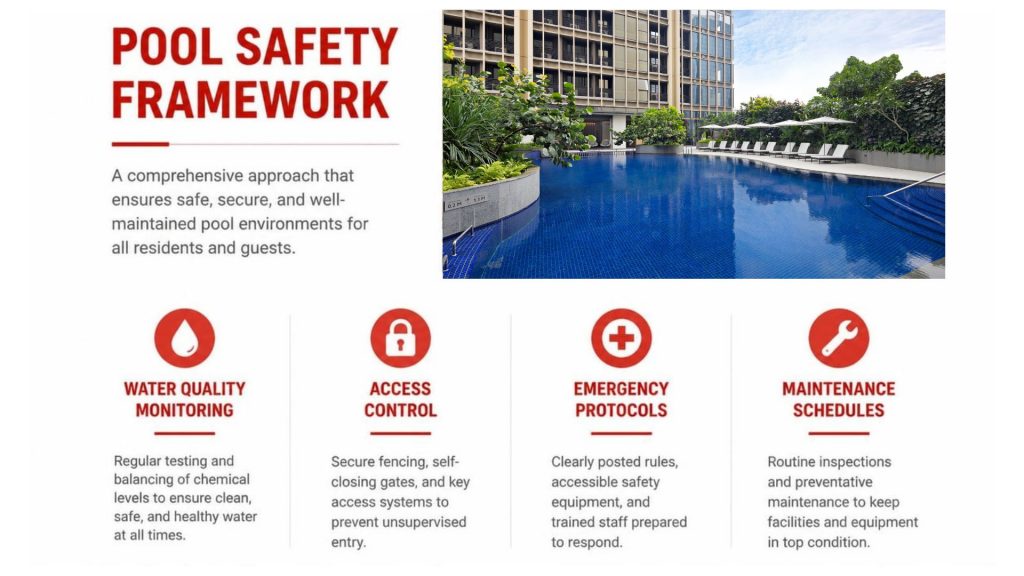
Extended hotel properties maintain health standards through regular HVAC system maintenance, water quality testing, pest control programs, and comprehensive cleaning protocols. Guests staying multiple months have greater exposure to potential indoor environmental quality issues, making preventive maintenance programs essential.
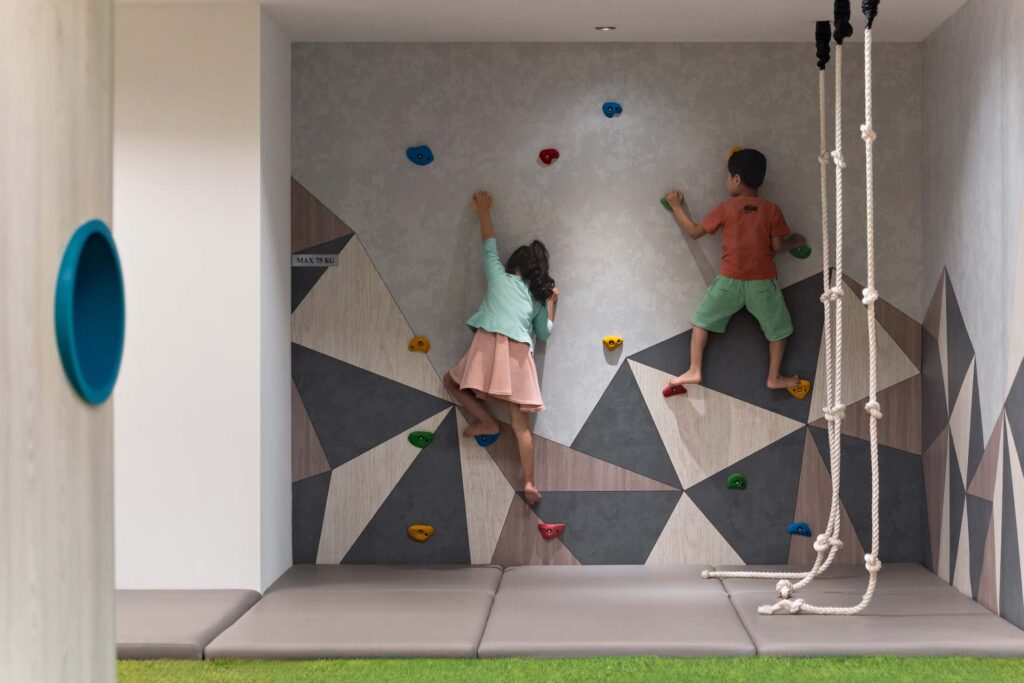
During extended stays, guests should verify that properties conduct regular inspections of smoke detectors, carbon monoxide sensors, fire suppression systems, and emergency evacuation procedures. Understanding emergency protocols and evacuation routes becomes particularly important for families with children staying multiple weeks or months.
Managing Extended Hotel Stays Successfully
Guests can maximize comfort and productivity during extended hotel stays by implementing organizational systems, establishing routines, and utilizing property resources effectively.
Unpacking and Space Organization
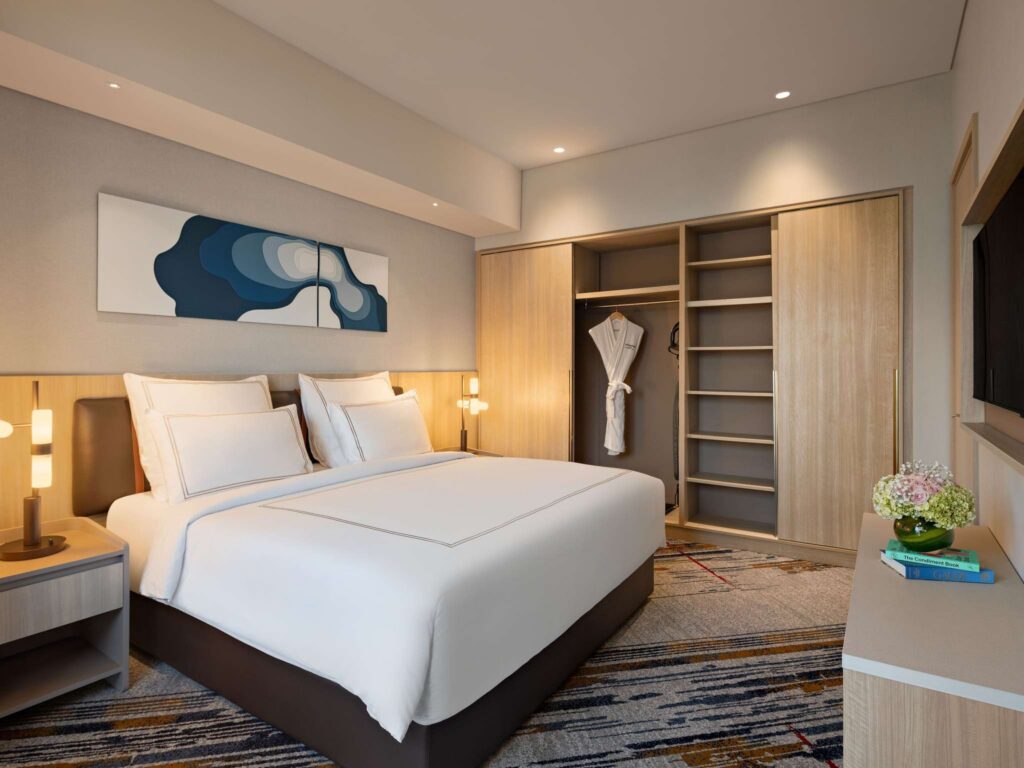
Unlike short hotel stays where living from suitcases suffices, extended stays require full unpacking and systematic space organization. Transferring clothing to closets and drawers, arranging personal items in bathrooms, and establishing kitchen organization systems creates a residential atmosphere that improves comfort during multi-week periods.
Personalizing the space with photographs, plants, preferred toiletries, and familiar items transforms sterile accommodations into comfortable temporary homes. Extended hotel management typically welcomes reasonable personalization that doesn’t damage property or violate safety regulations.
Building Relationships with Property Staff
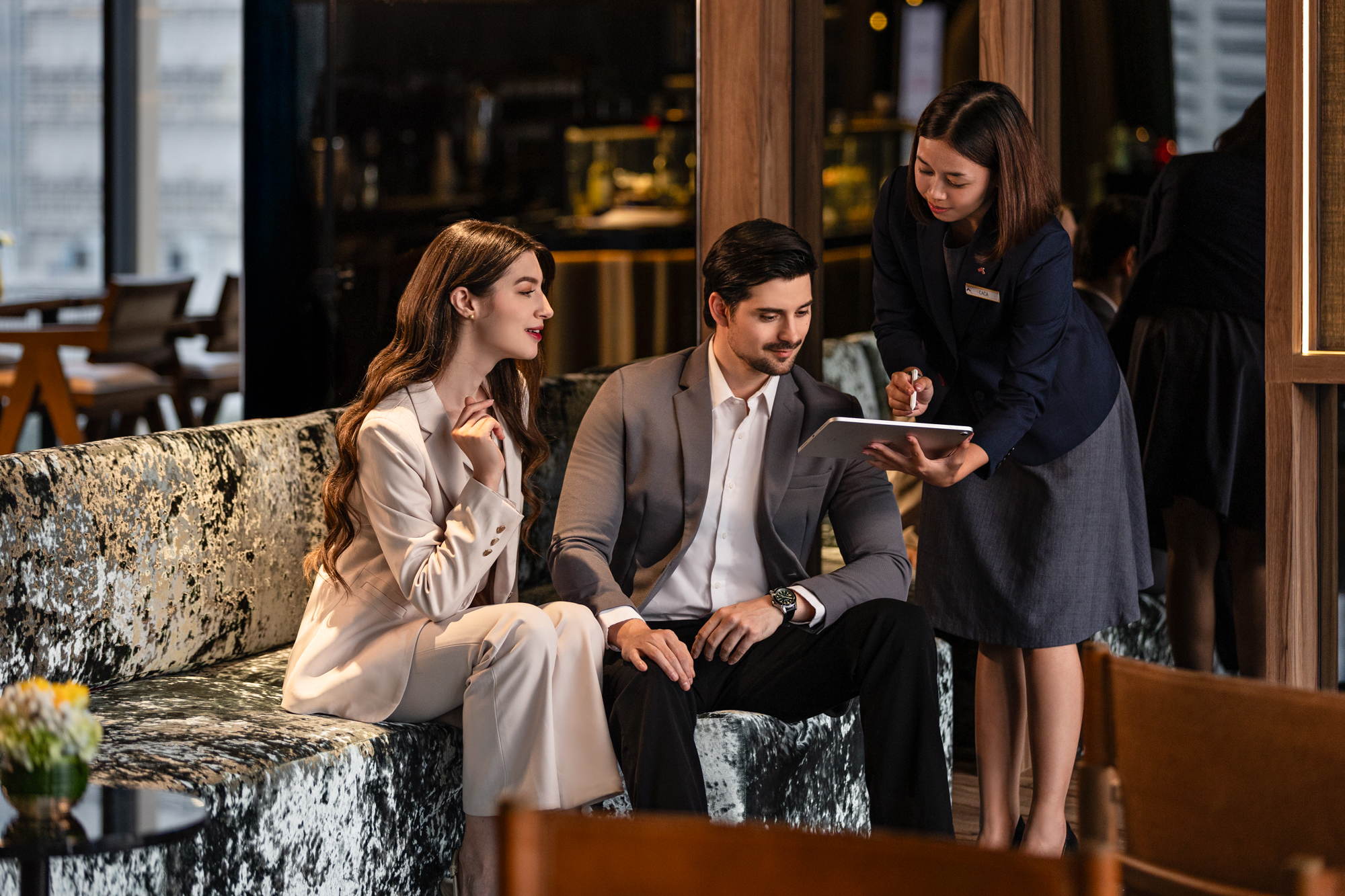
Extended hotel guests benefit from establishing positive relationships with front desk staff, housekeeping teams, and maintenance personnel. Staff members who recognize long-term guests often provide enhanced service, insider knowledge about neighborhood amenities, and expedited assistance when issues arise. Simple courtesies like greeting staff by name and expressing appreciation for service significantly improve the extended stay experience.
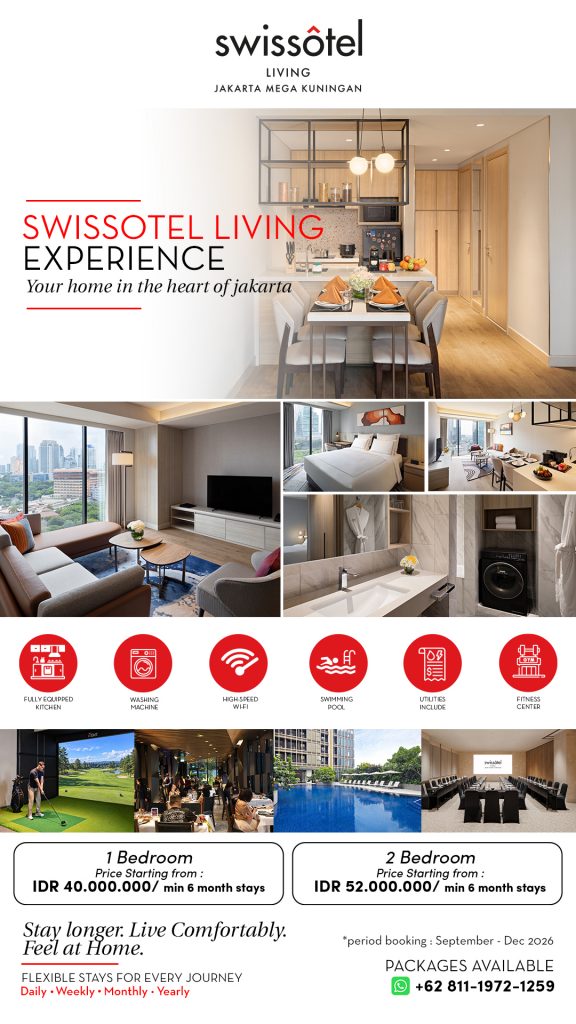
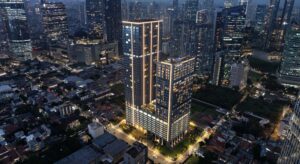
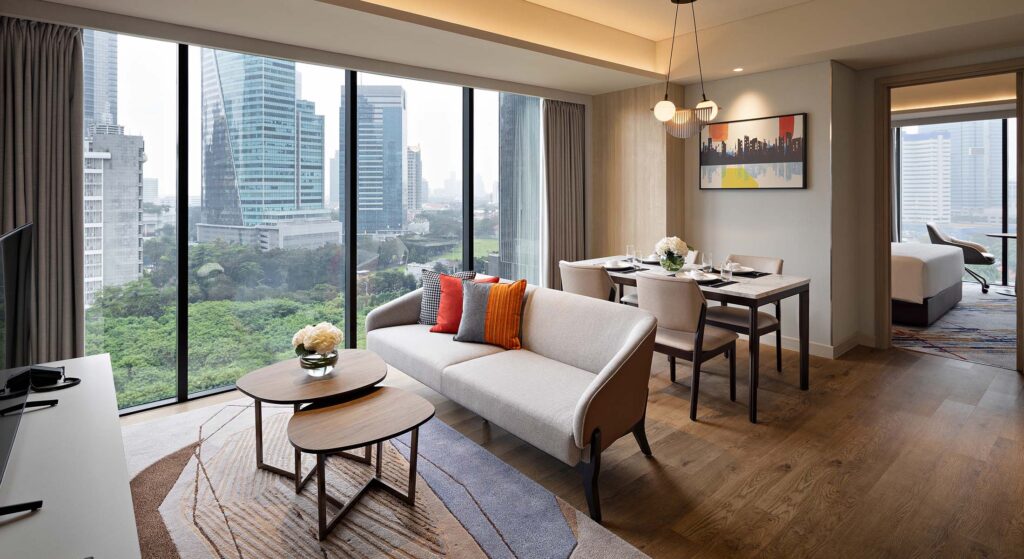
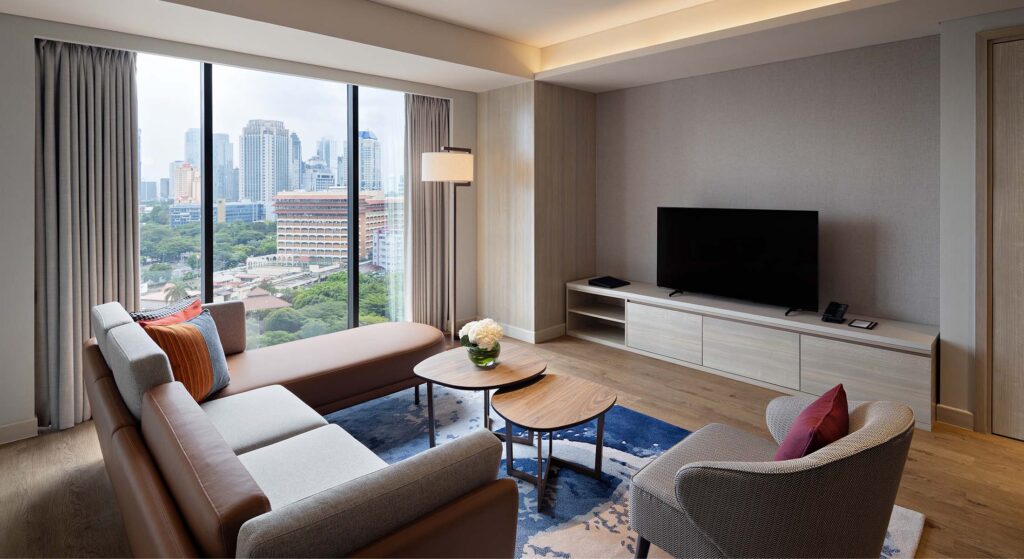
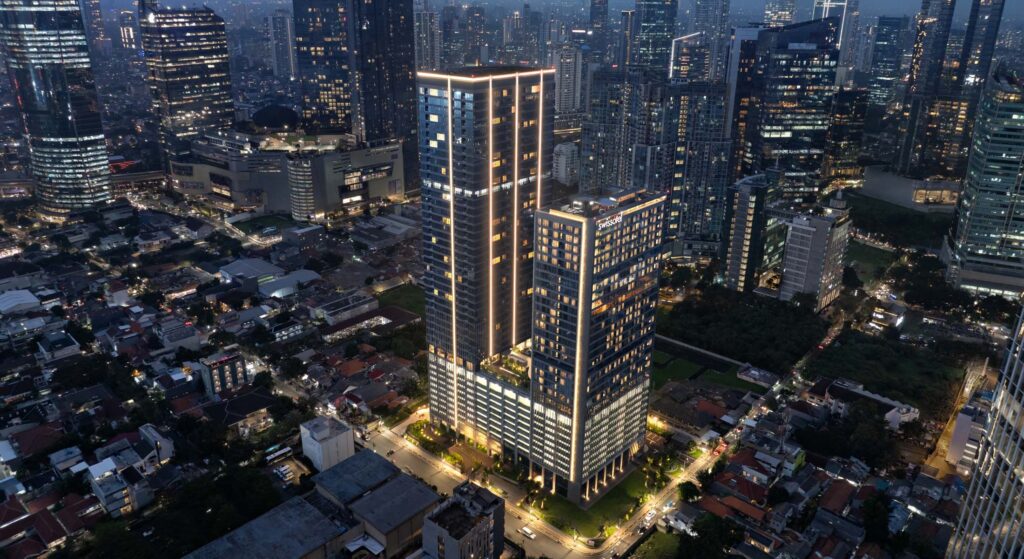
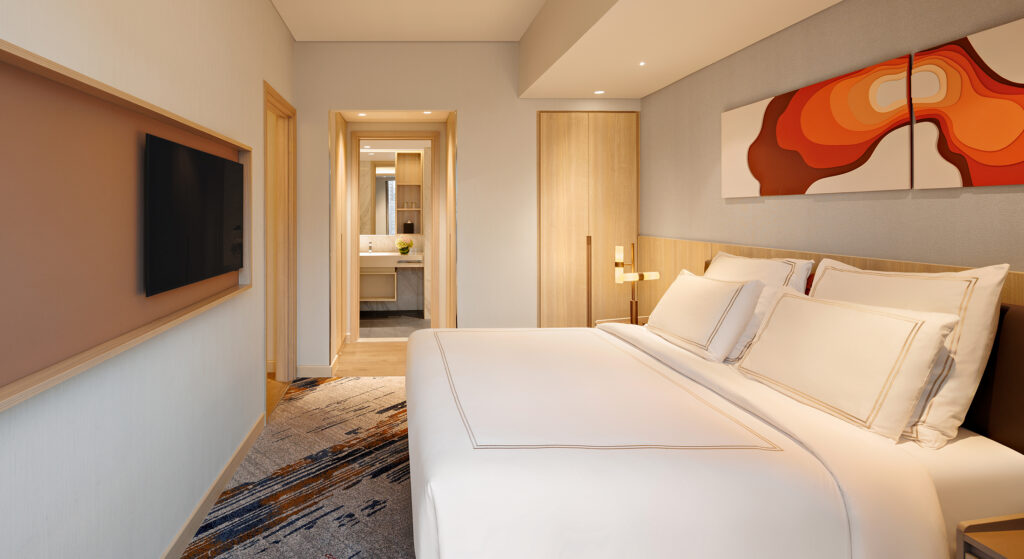
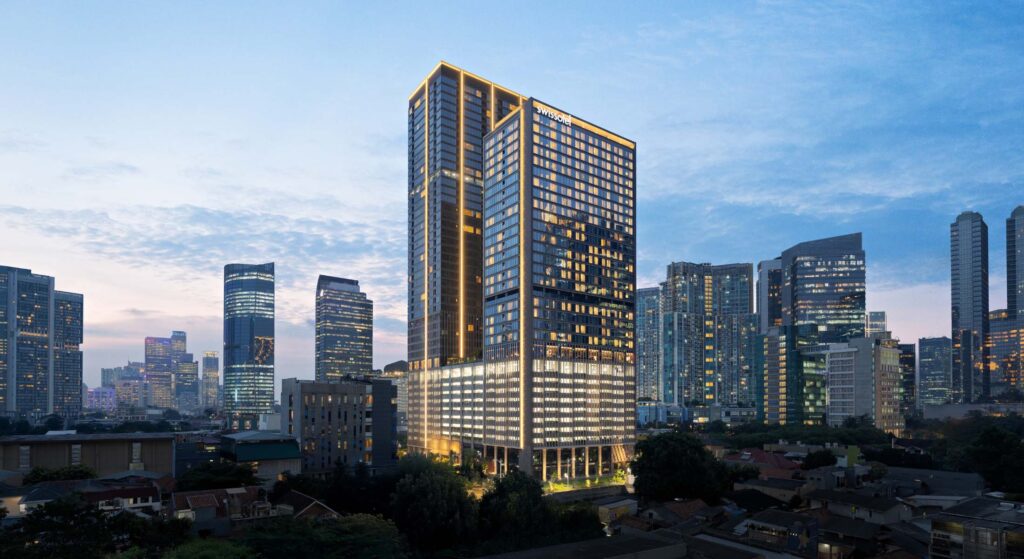
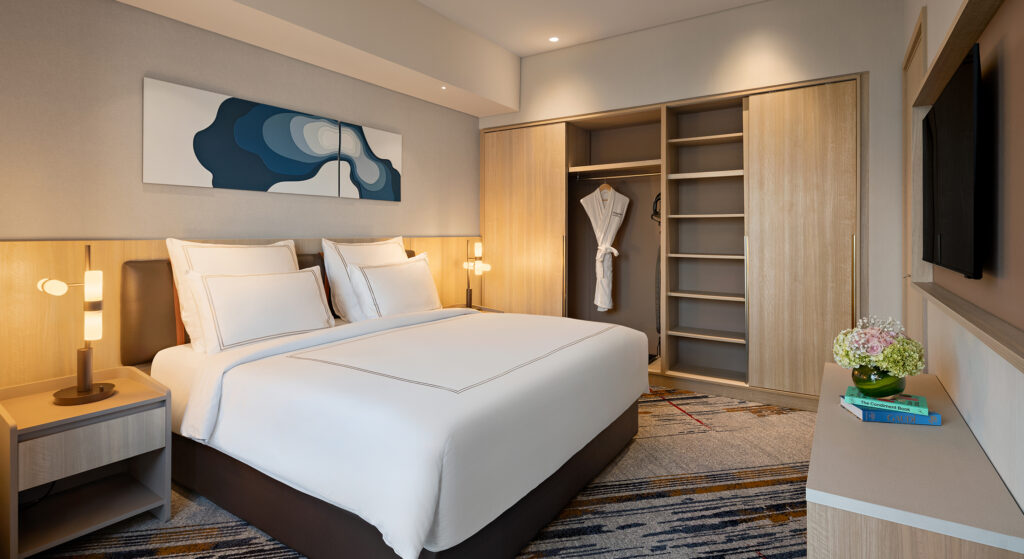
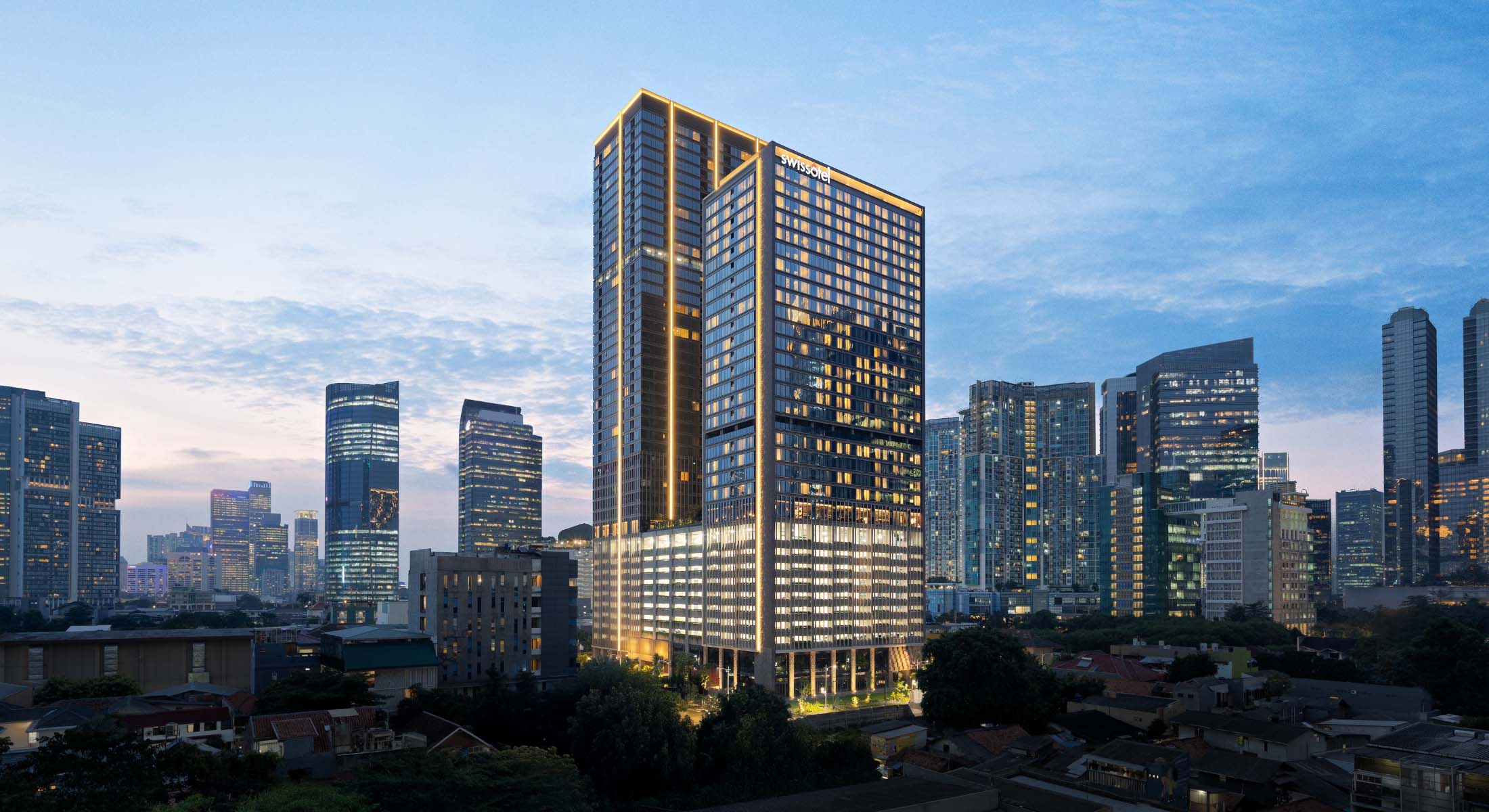
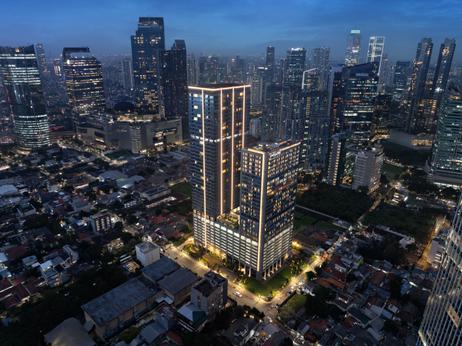
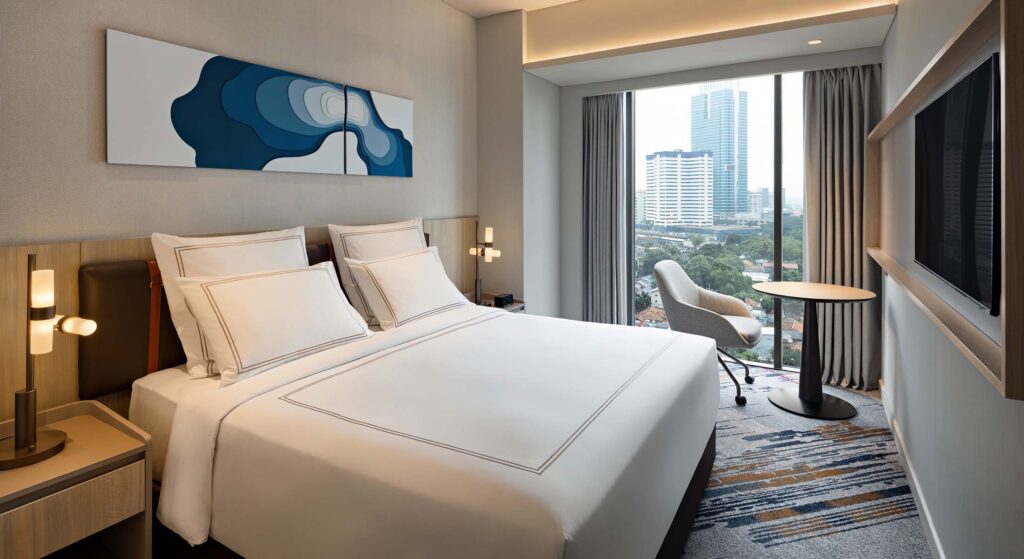
Extended hotel accommodations have redefined long-term lodging by combining residential comfort with hotel convenience, serving business travelers, expatriates, and families seeking flexible, fully furnished housing solutions in major urban centers. The model’s success stems from eliminating traditional rental barriers while providing the space, amenities, and services that multi-week stays demand. For professionals and families seeking extended accommodation in Jakarta’s central business district, Swissôtel Living Jakarta Mega Kuningan offers 240 fully furnished serviced apartments with flexible daily, weekly, monthly, and yearly terms in the heart of Mega Kuningan, providing strategic access to business districts, embassies, shopping, dining, and Soekarno-Hatta International Airport. Experience the perfect balance of residential comfort and hotel service designed specifically for extended stays in one of Jakarta’s most connected locations.







































 Should You Choose an Extended-Stay Hotel or Serviced Apartment in Jakarta for a Business Trip?