
Hotels That Offer Extended Stay: A Complete 2026 Guide
Extended-stay accommodation has transformed dramatically over the past decade, with travelers and professionals increasingly seeking alternatives to traditional hotels. Whether you’re relocating for a corporate assignment, managing a long-term project, or exploring a new city as a digital nomad, understanding the landscape of hotels that offer extended stay options has become essential. The market has evolved far beyond simple discounted nightly rates, now encompassing purpose-built properties that blend residential comfort with hospitality services. This comprehensive guide examines what defines extended-stay hotels, how they compare to serviced apartments, and what factors matter most when choosing long-term accommodation in 2026.
Understanding Extended-Stay Hotel Classifications
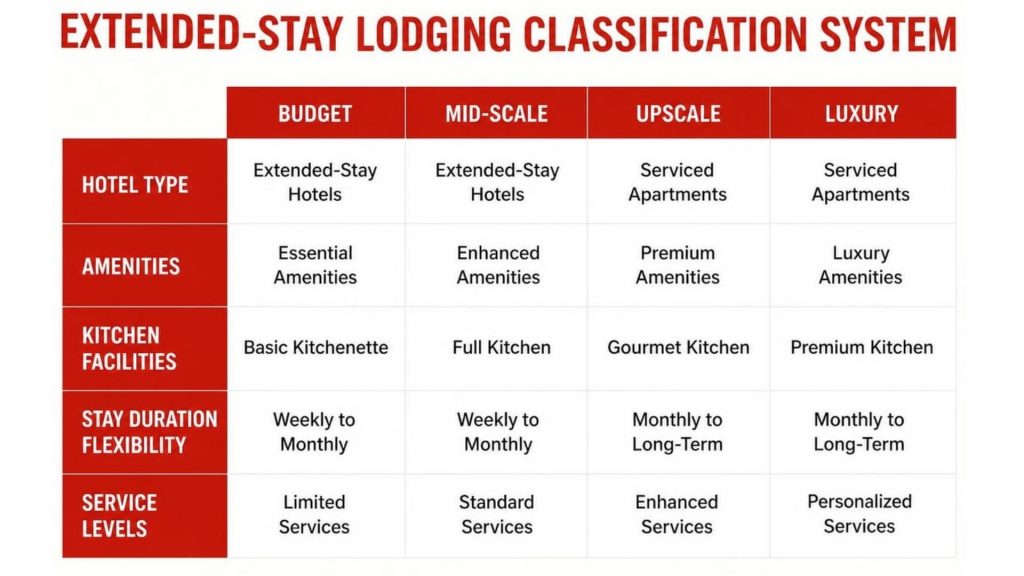
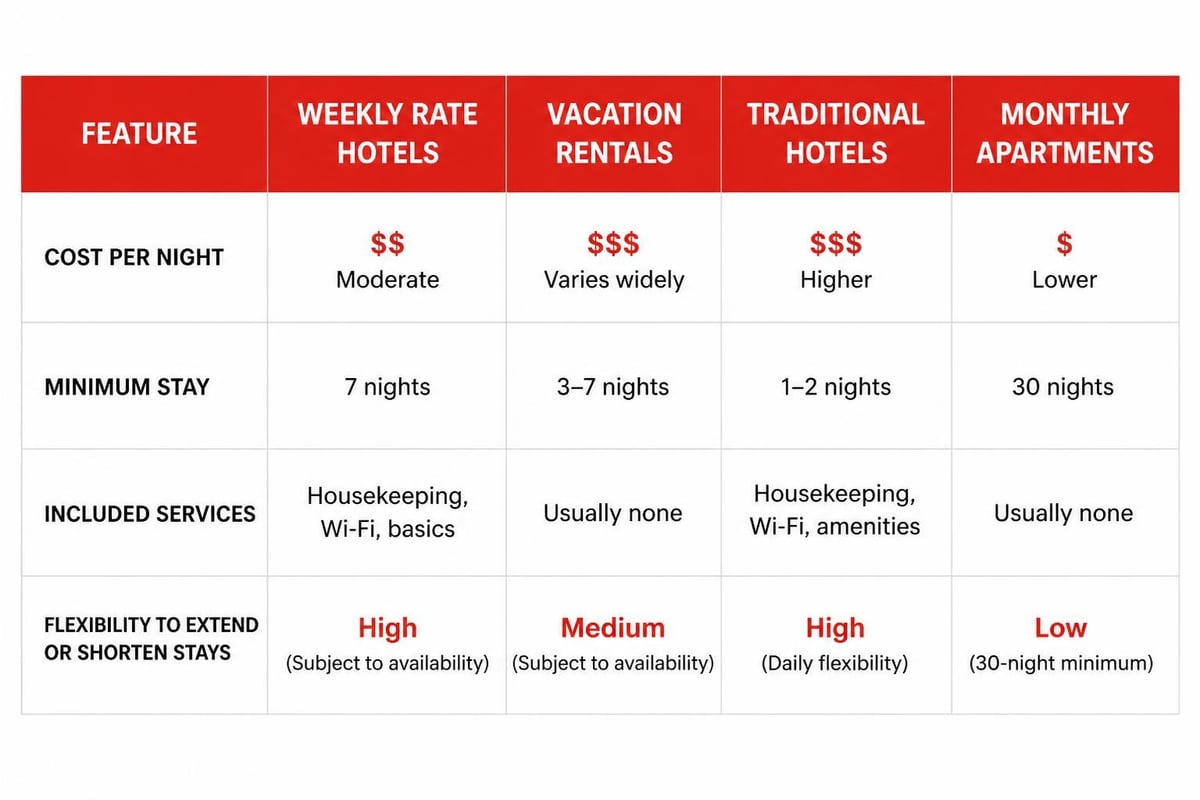
Hotels that offer extended stay fall into several distinct categories, each designed to serve different guest needs and budgets. The extended-stay hotel sector has seen significant growth and specialization in recent years.
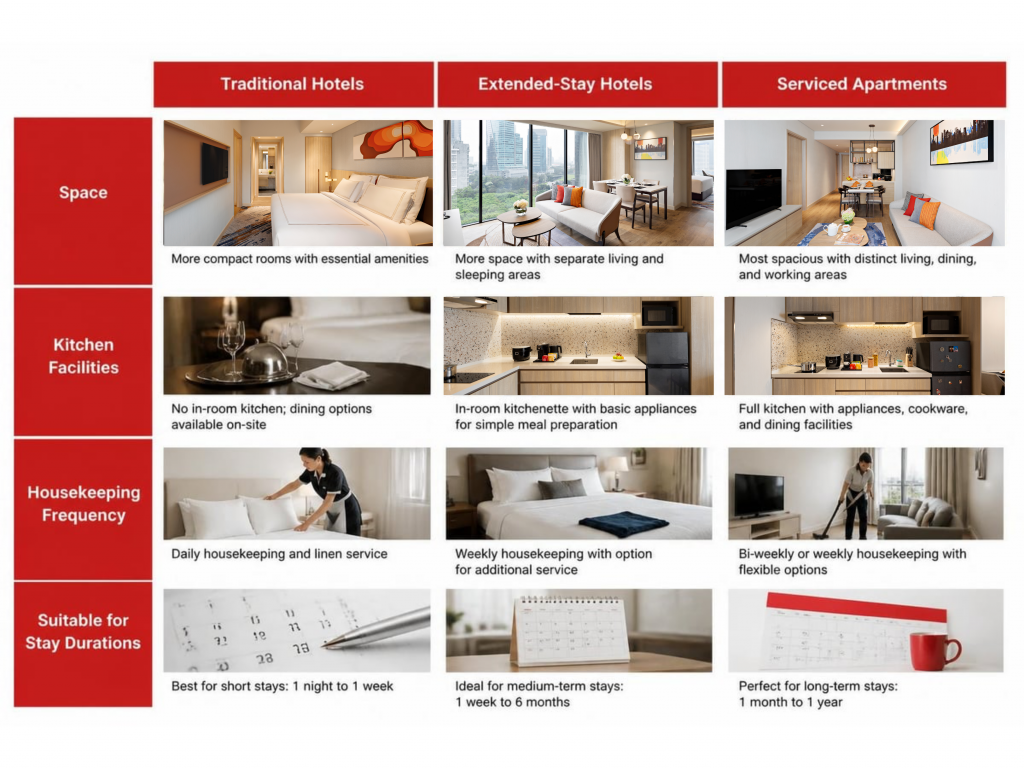
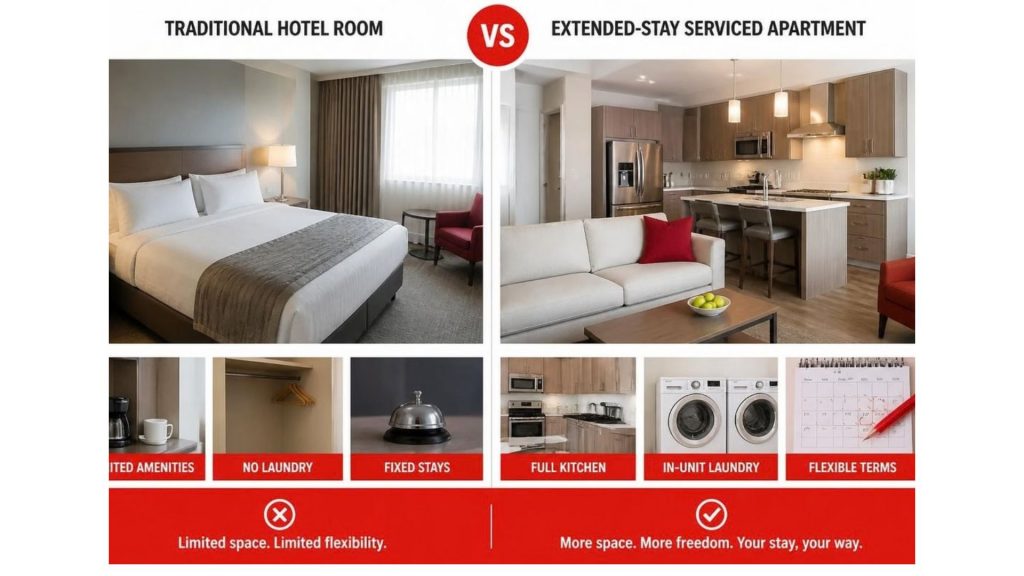
Traditional extended-stay hotels typically provide basic in-room kitchenettes with limited cooking capabilities, weekly housekeeping services, and discounted rates for stays exceeding seven days. These properties maintain a hotel operating model with front desk services and limited residential amenities.
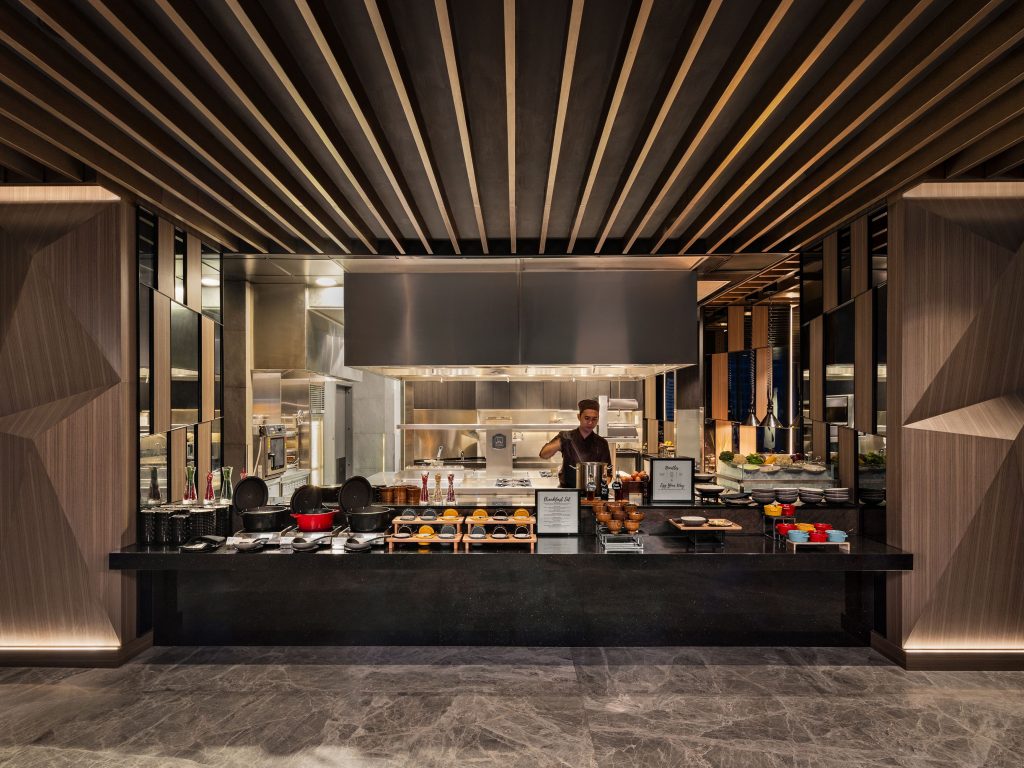
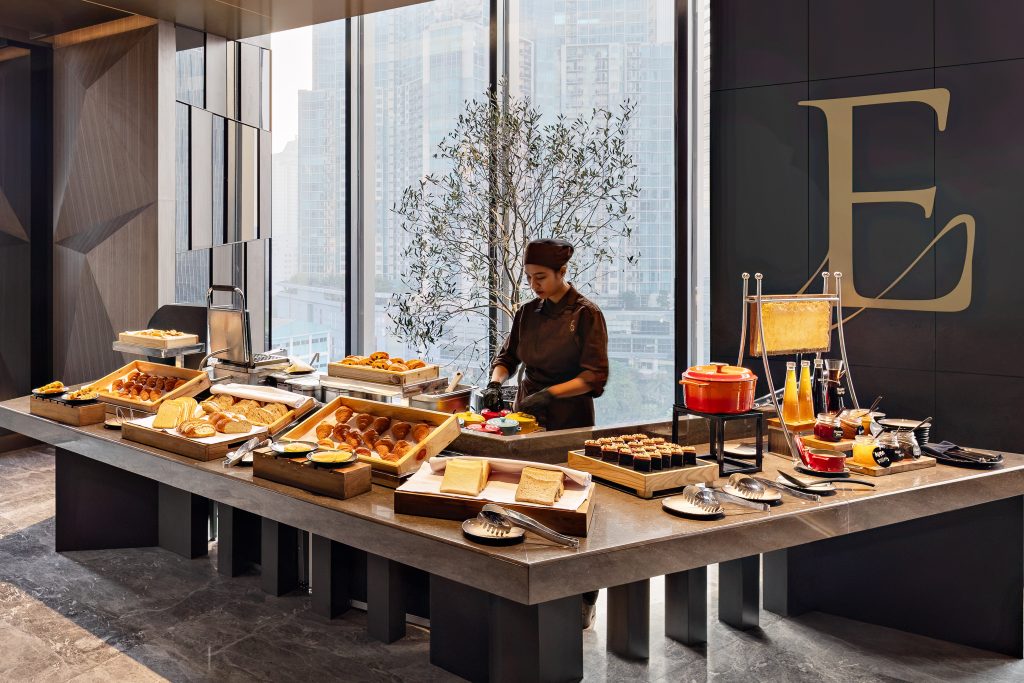
Mid-scale extended-stay properties offer more comprehensive kitchen facilities, separate living and sleeping areas in most units, and complimentary breakfast services. These hotels balance affordability with functionality, targeting business travelers on project assignments and families in transition.
Key Features That Define Extended-Stay Properties
The defining characteristics of hotels that offer extended stay distinguish them from conventional hotels through several core elements:
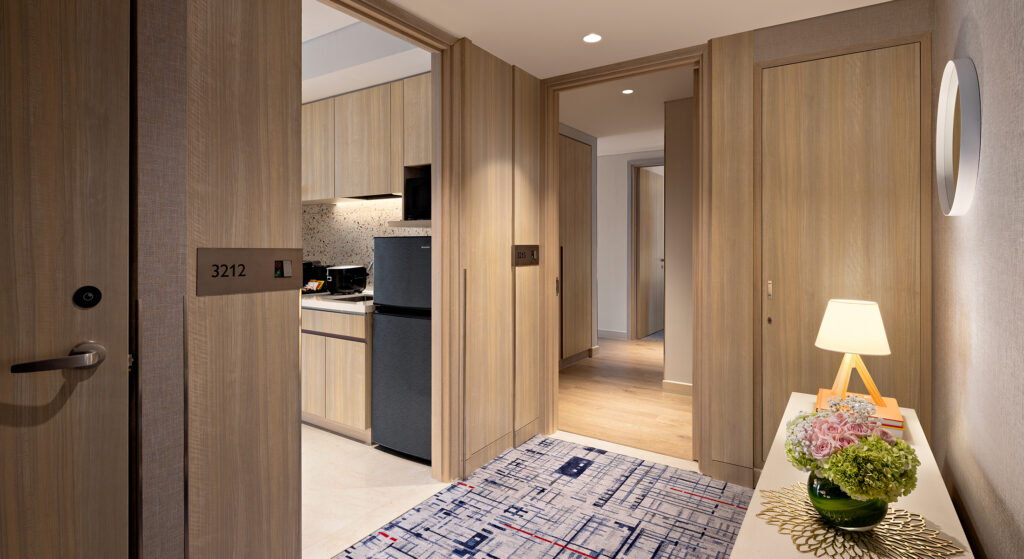
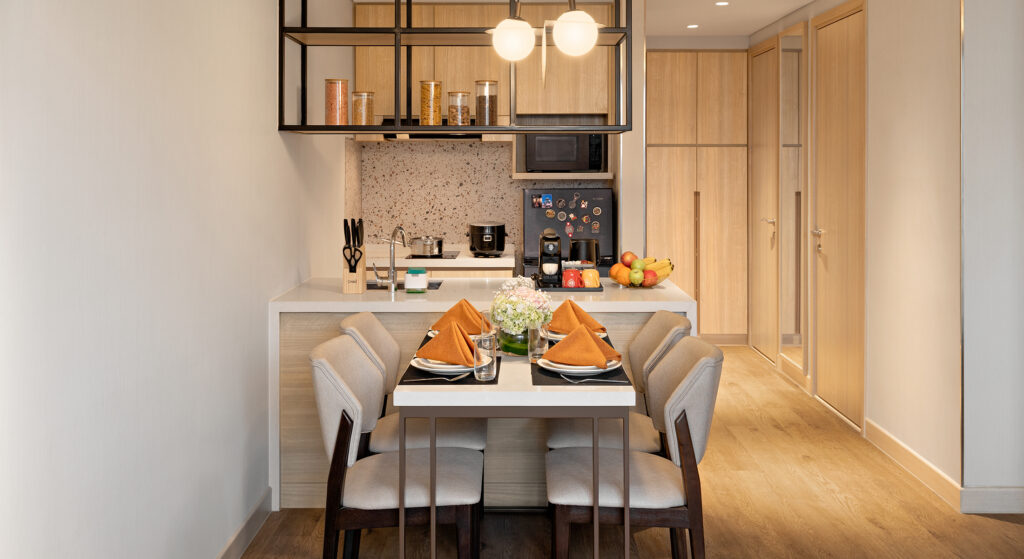
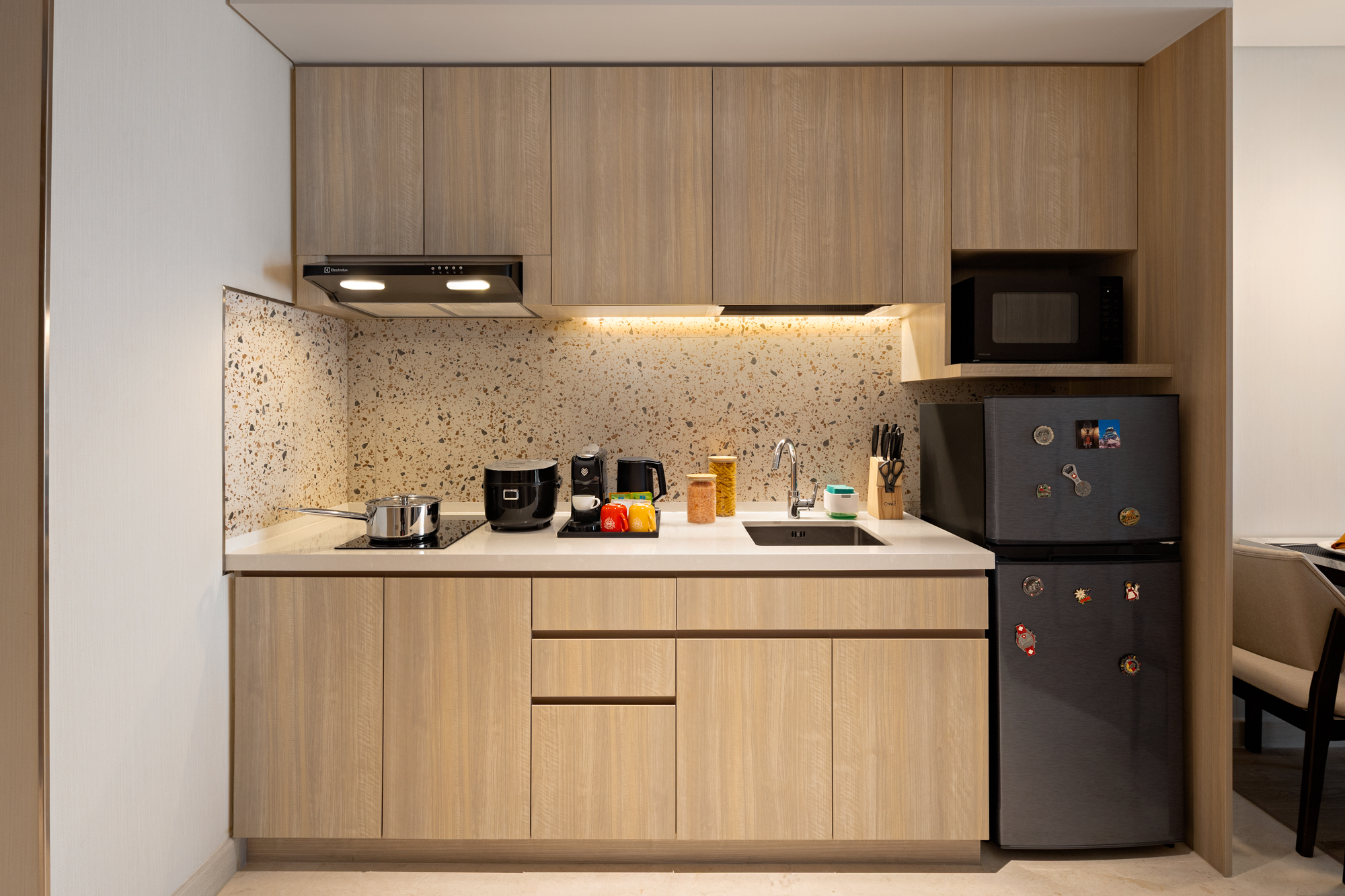
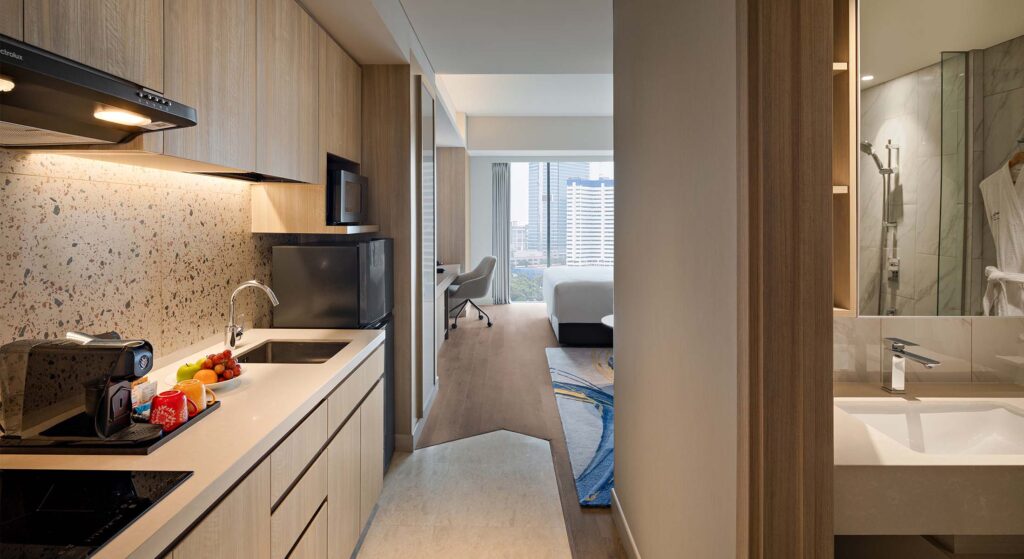
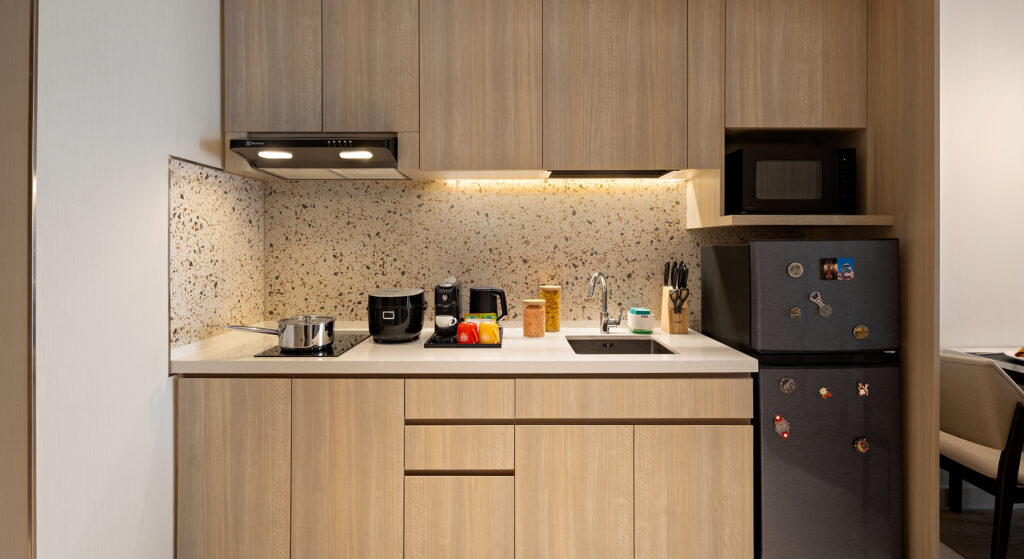
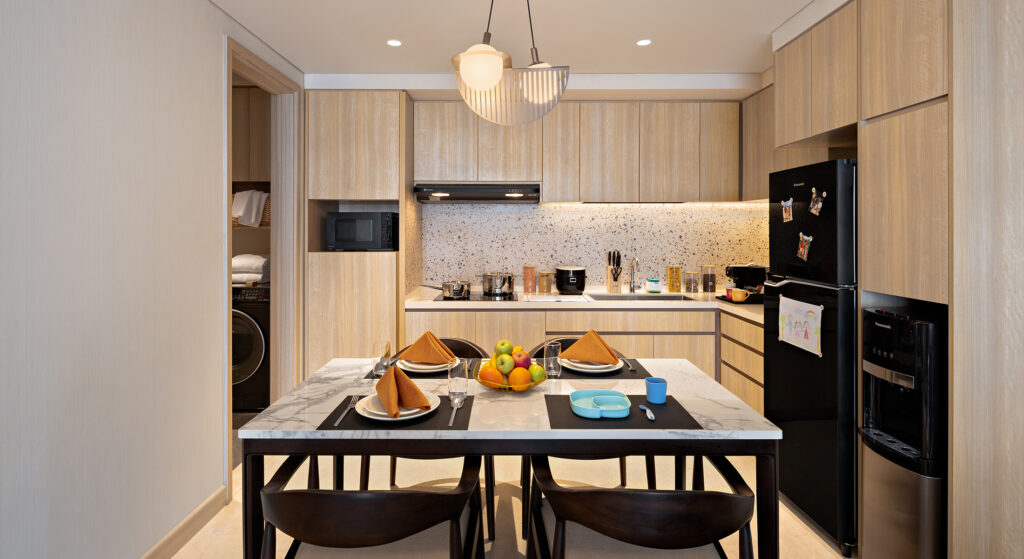
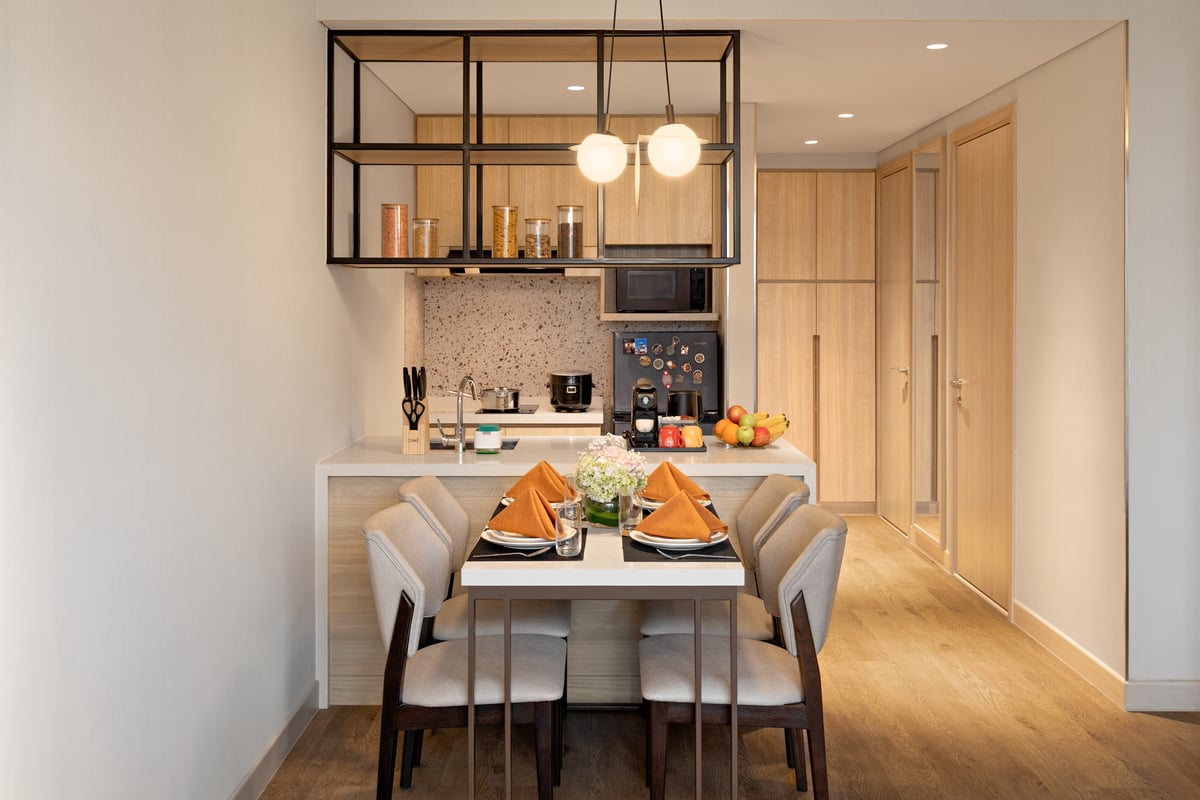
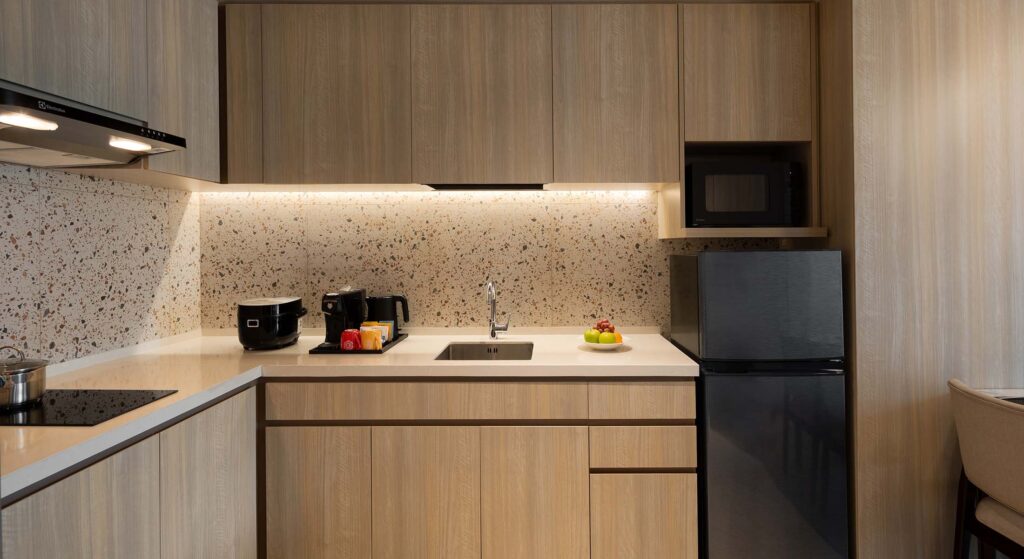
- Kitchen facilities ranging from basic microwaves and mini-refrigerators to full-size appliances with cookware
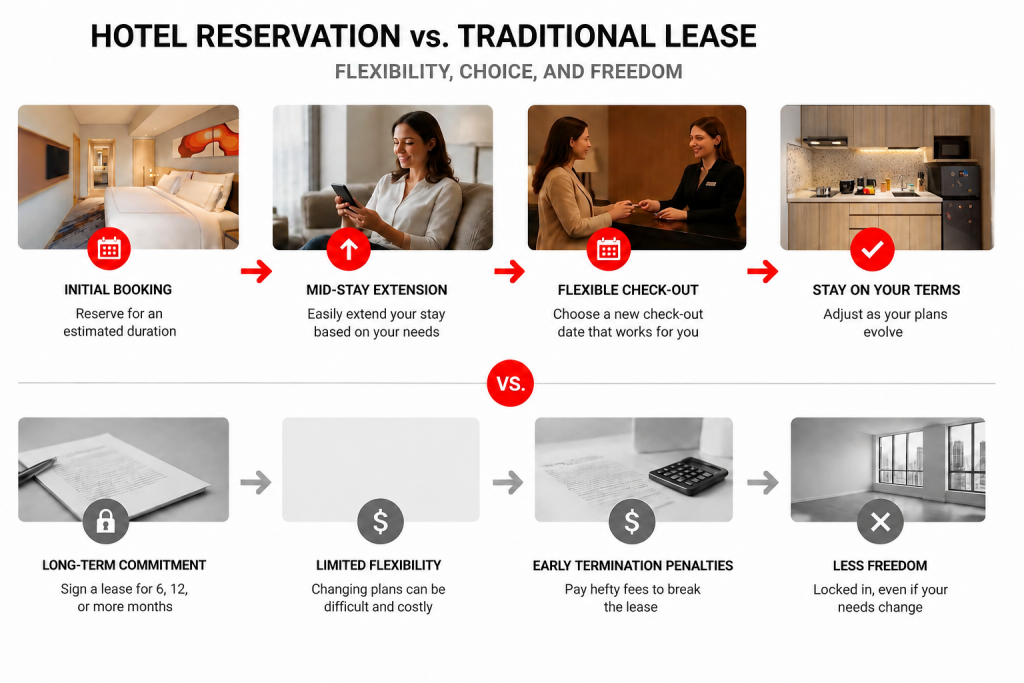
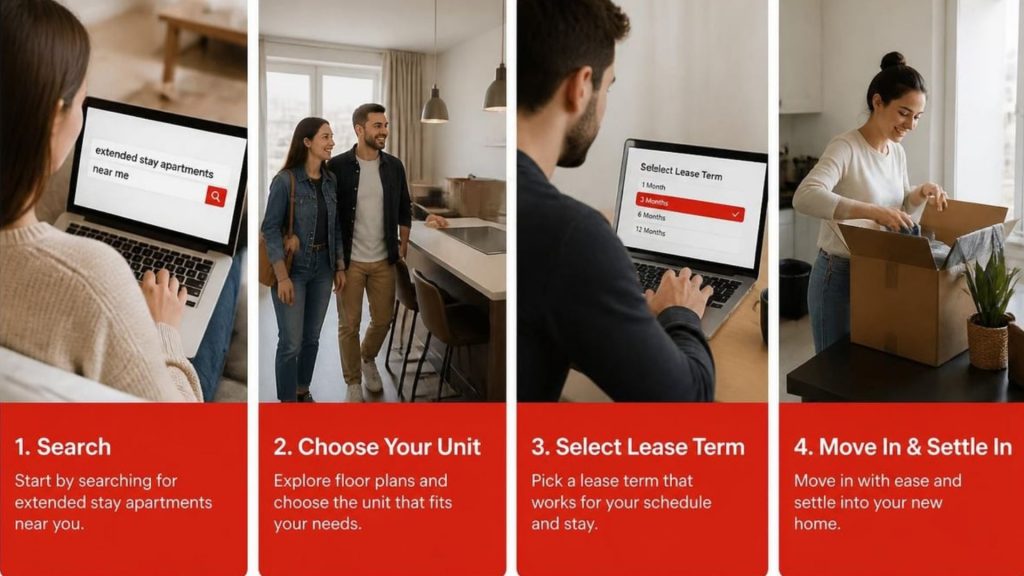
- Flexible lease terms allowing weekly, monthly, or longer commitments without traditional hotel check-out pressure
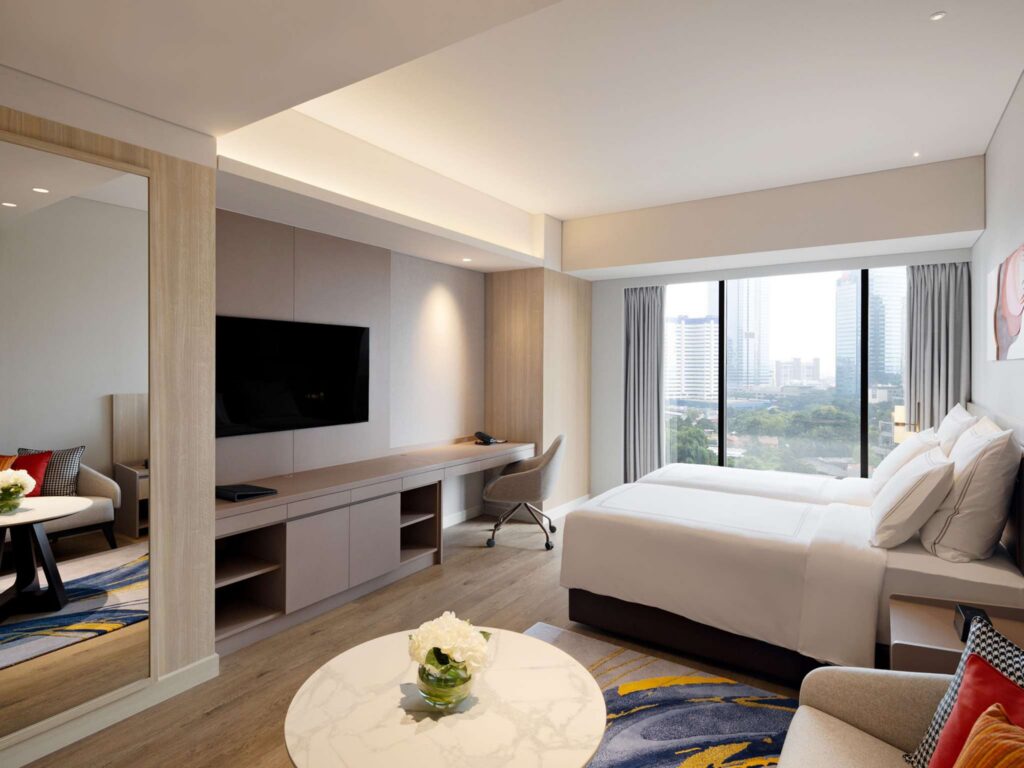
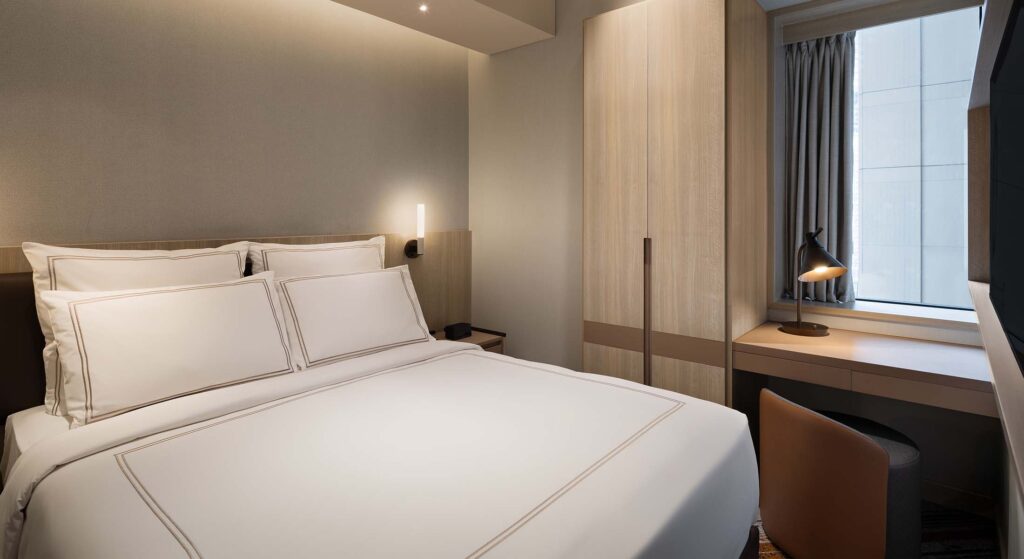
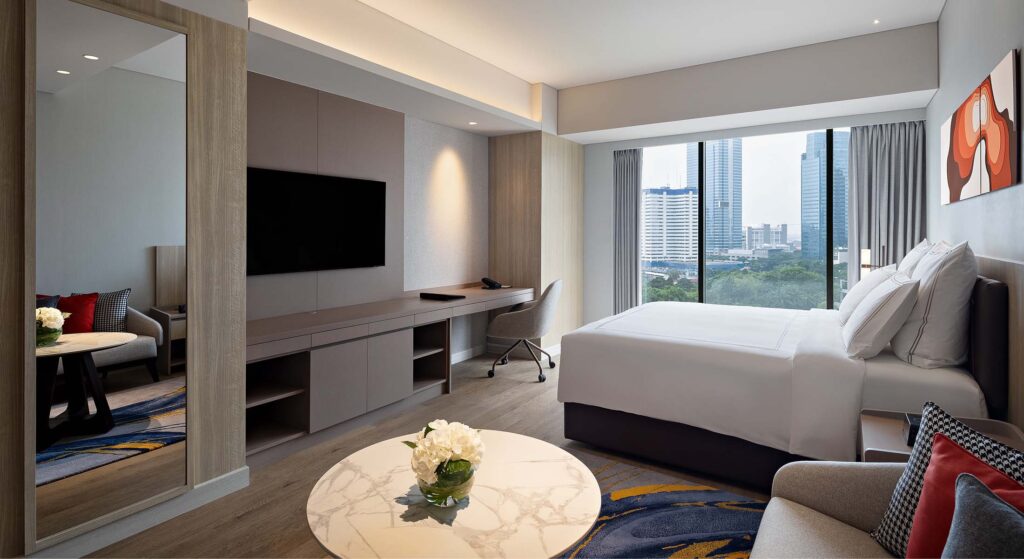
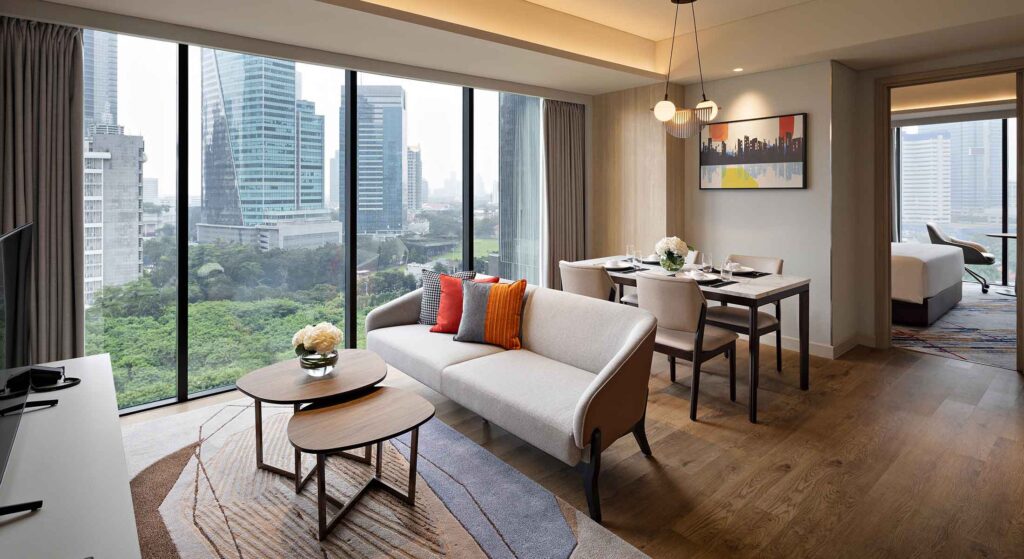
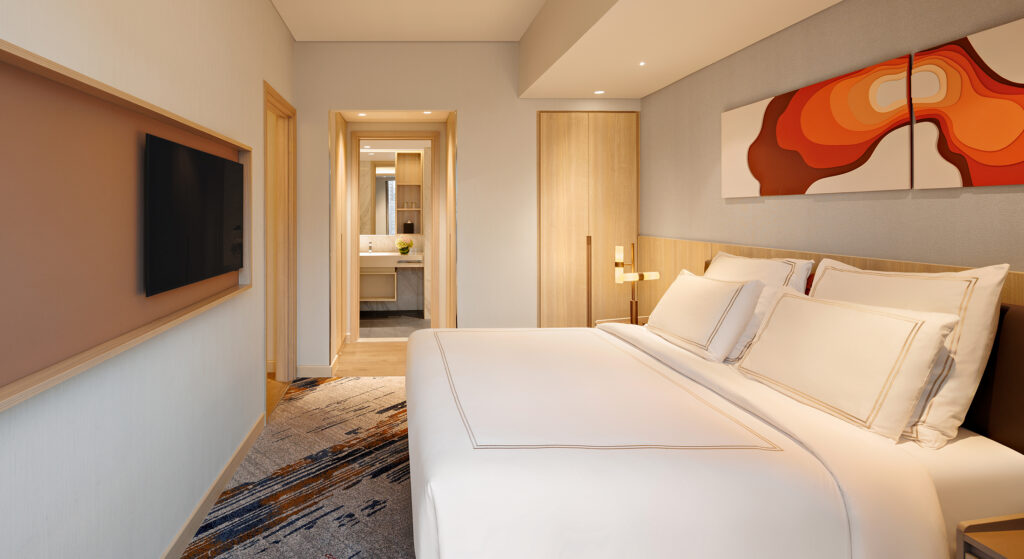
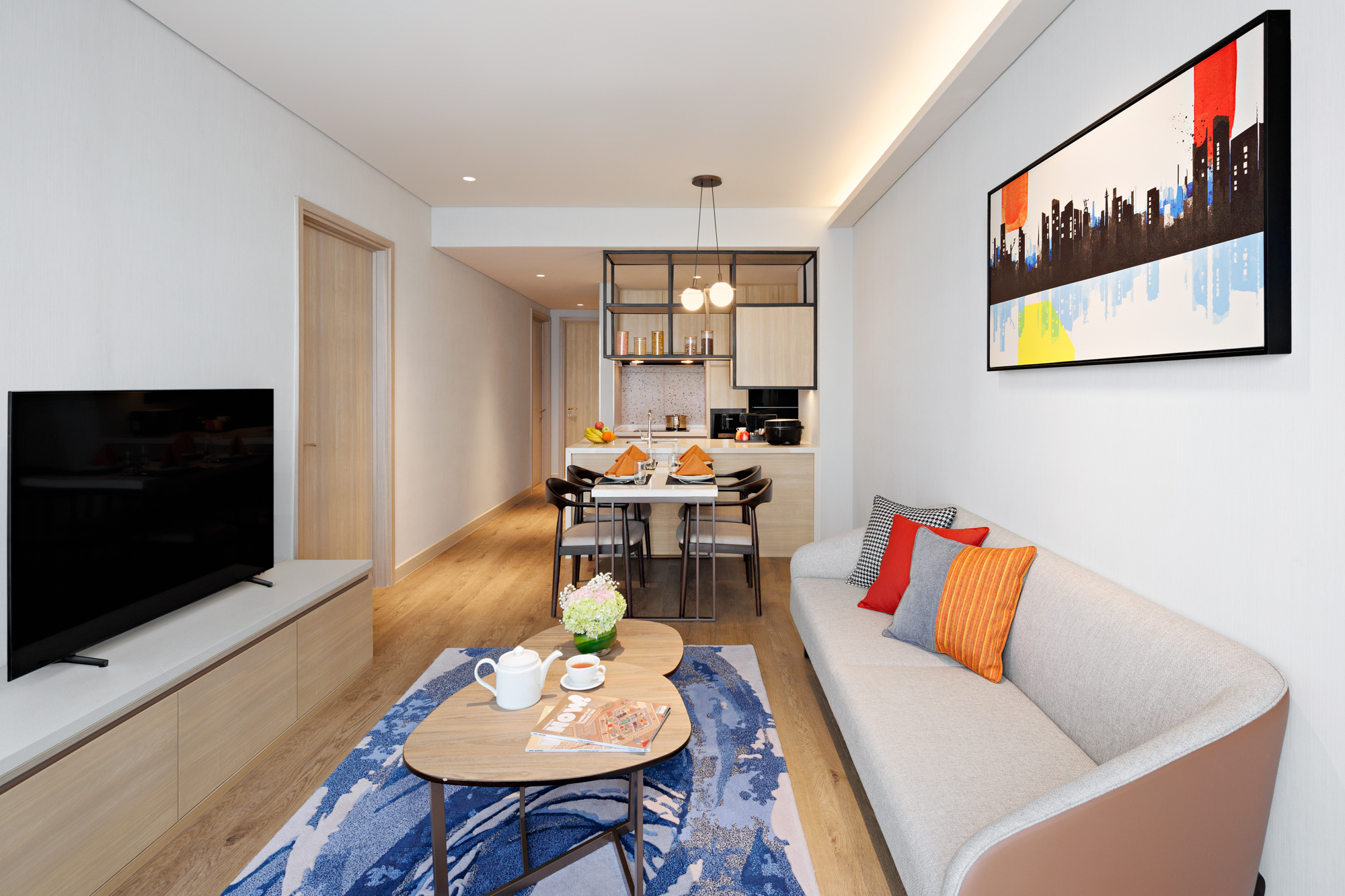
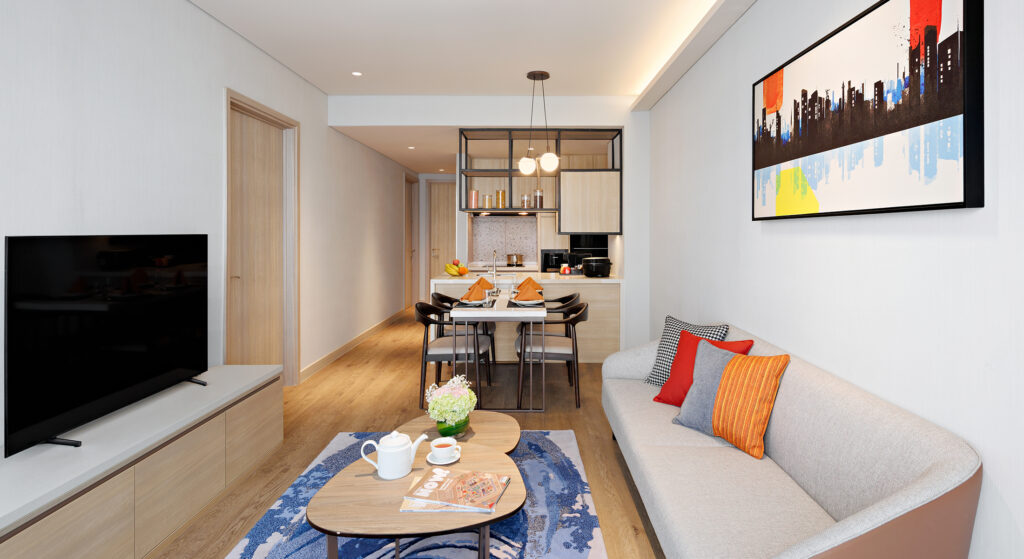
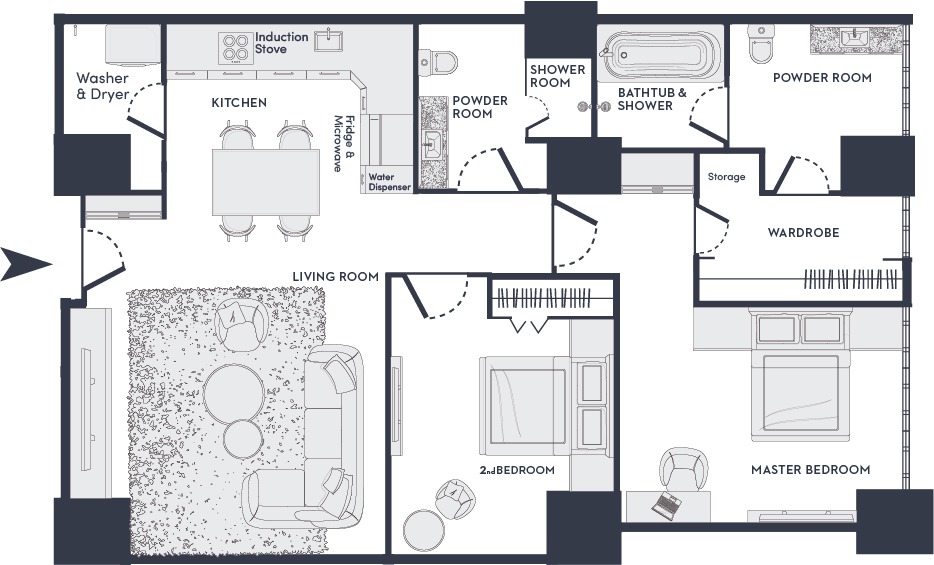
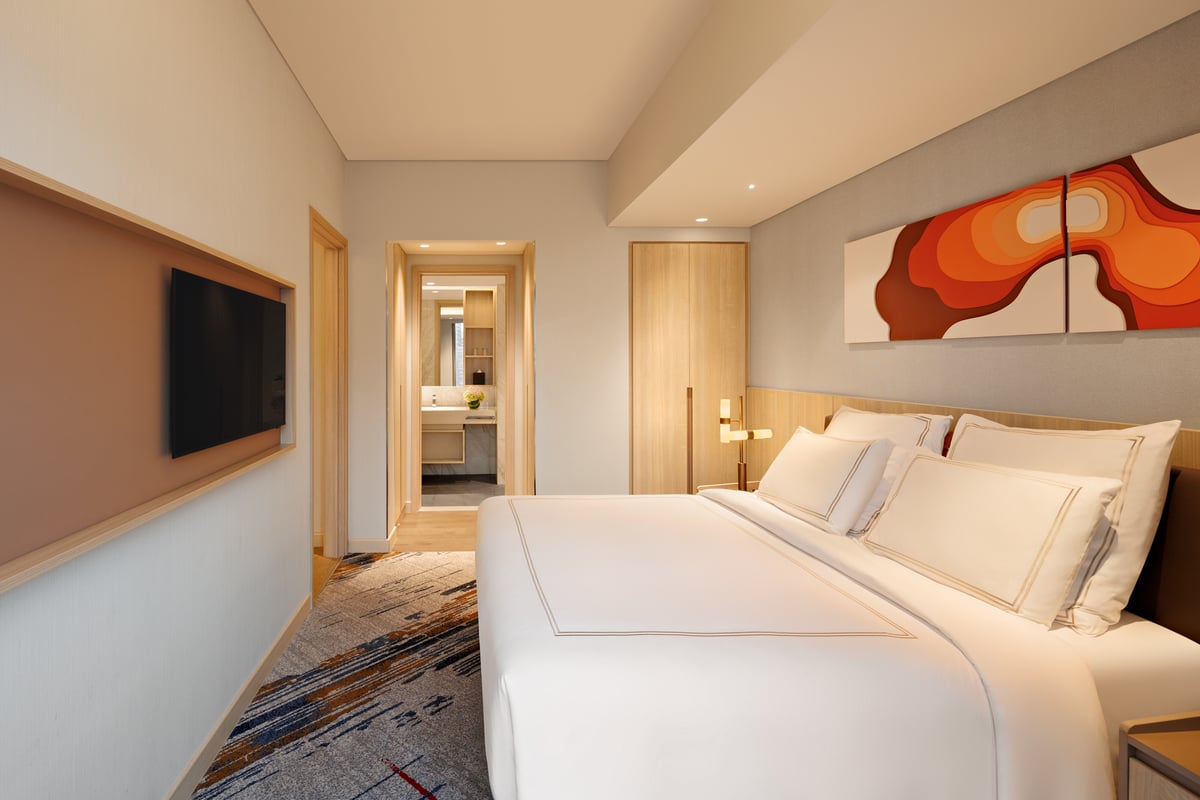
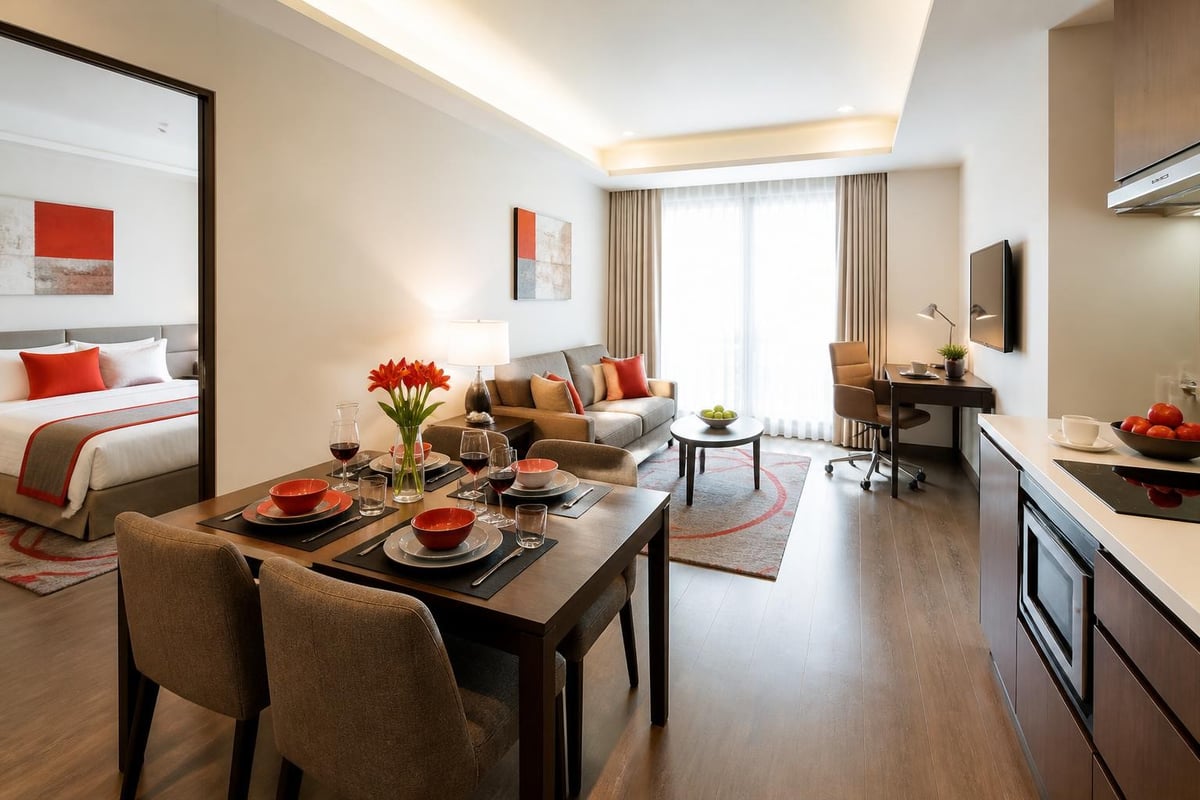
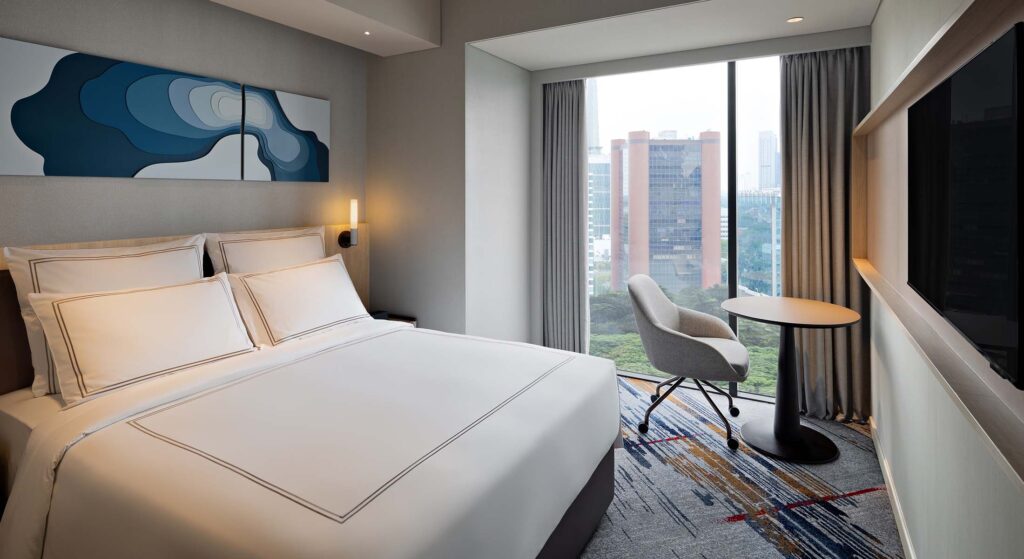
- Residential layouts featuring separate spaces for sleeping, working, and living
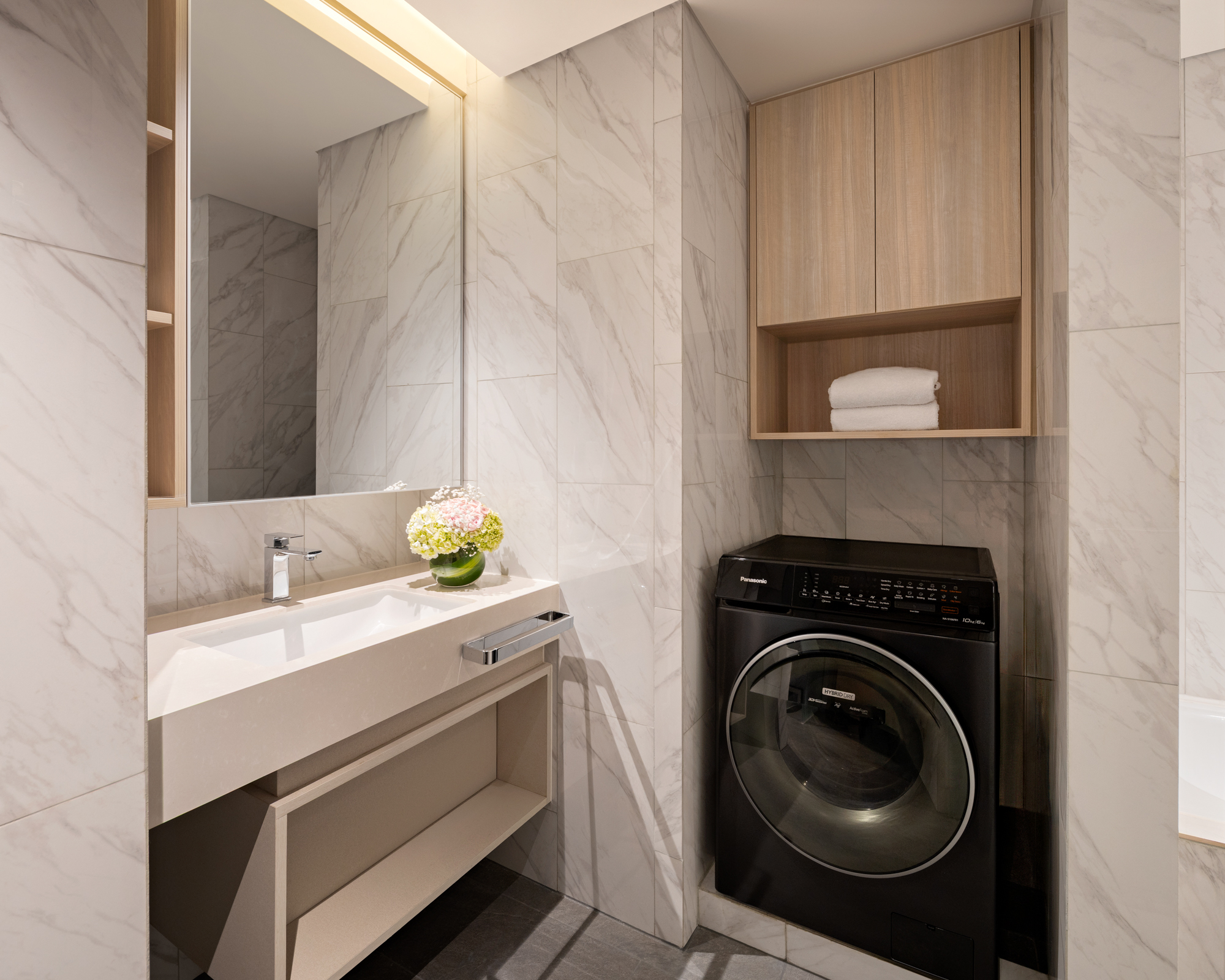
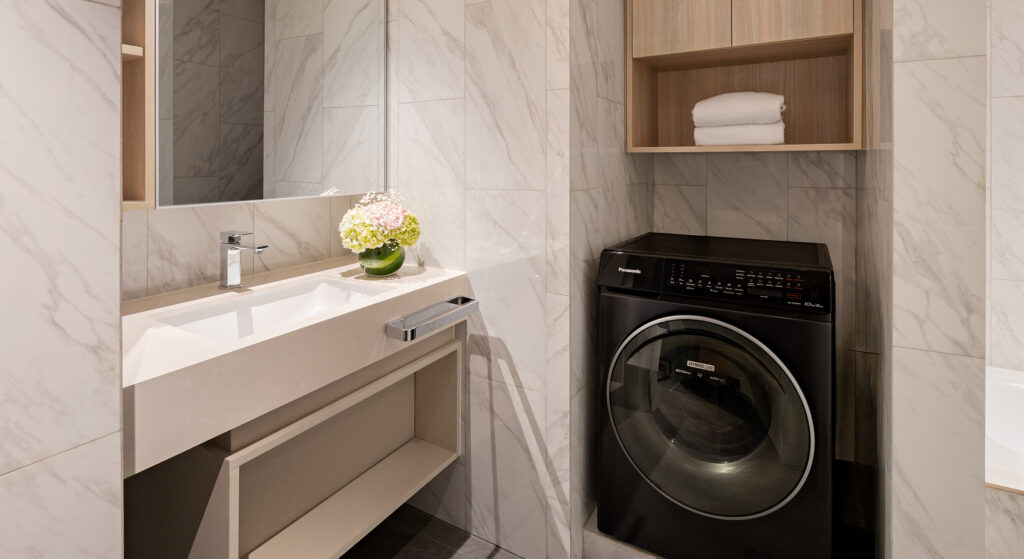
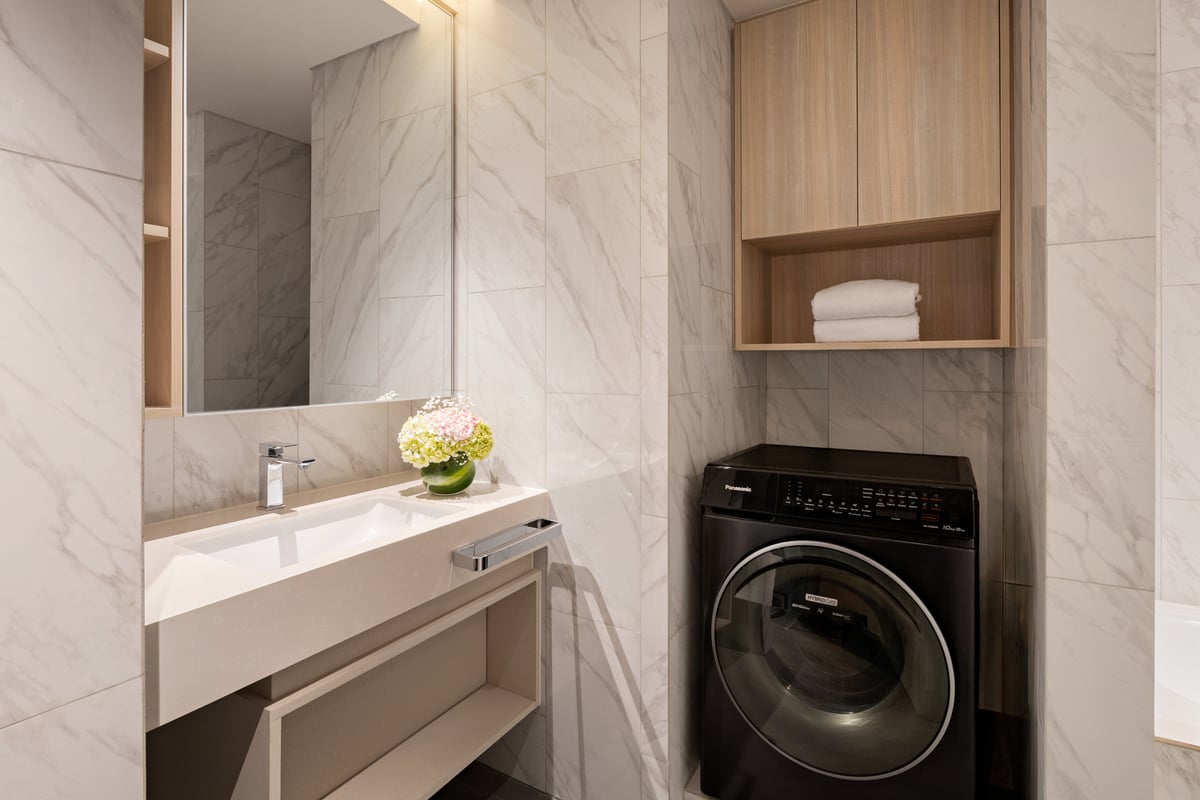
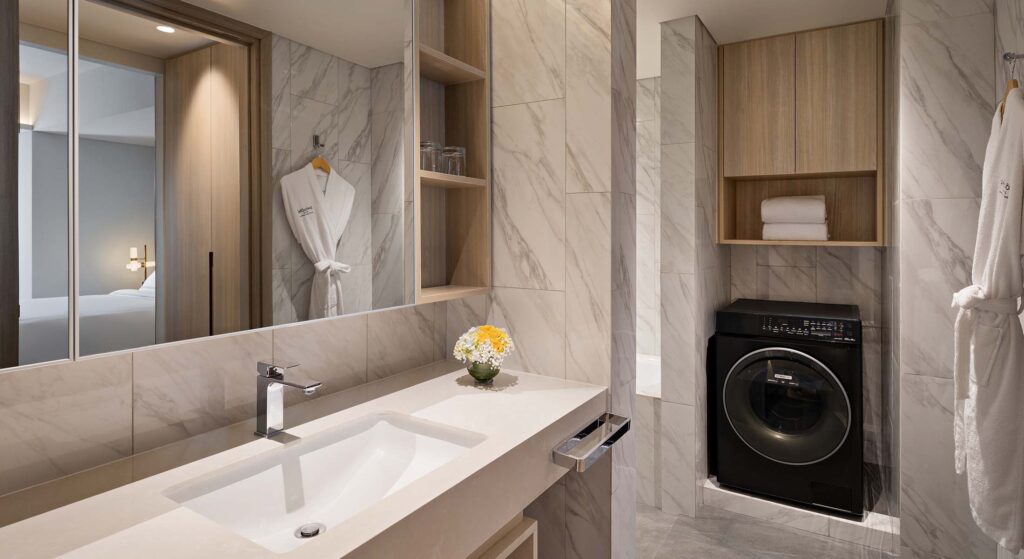
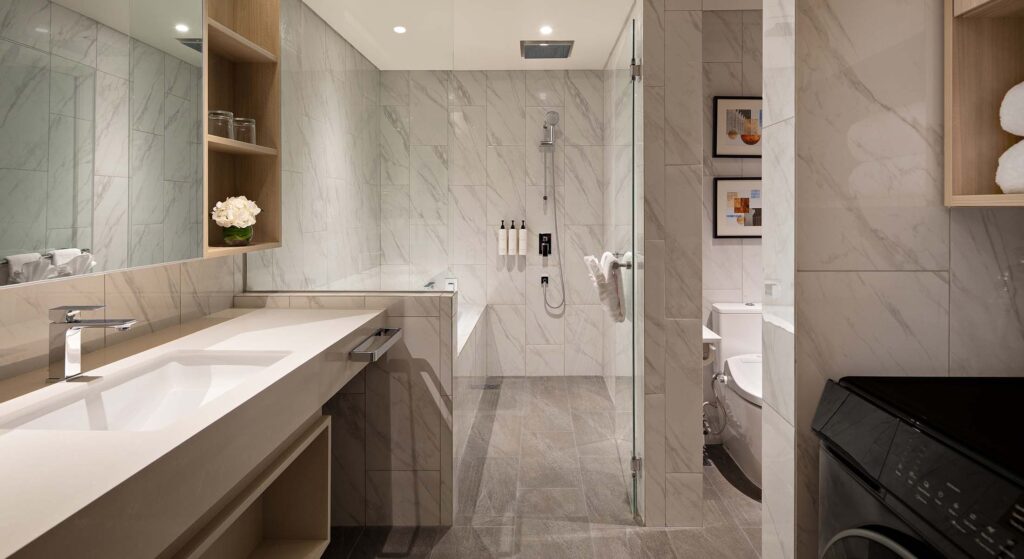
- Laundry access either in-unit or through on-site facilities
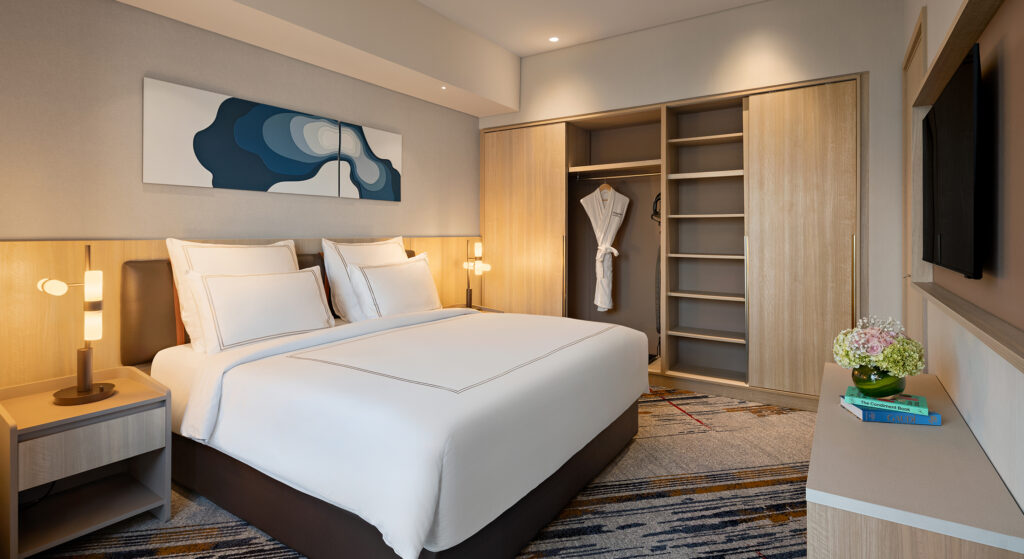
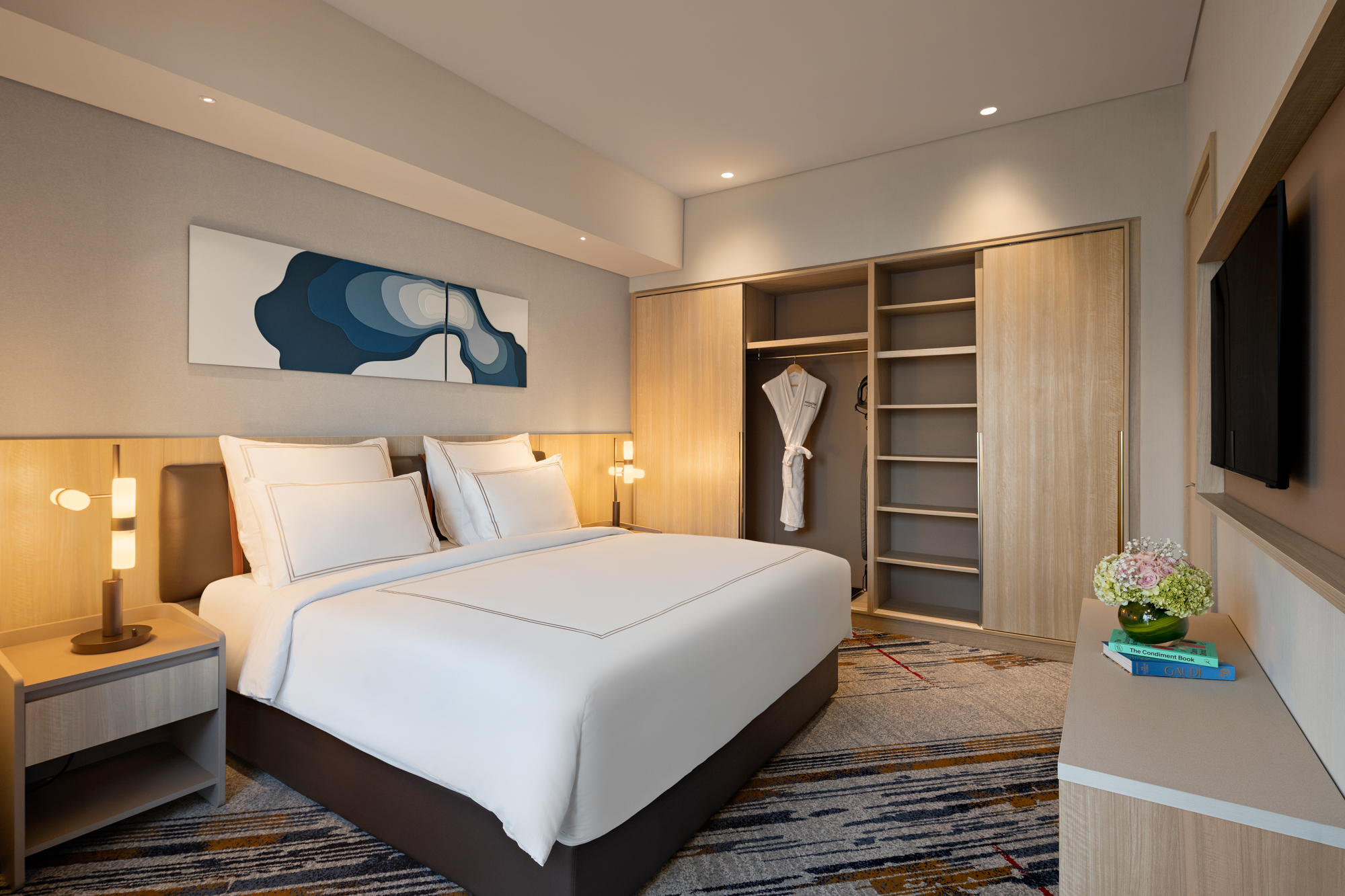
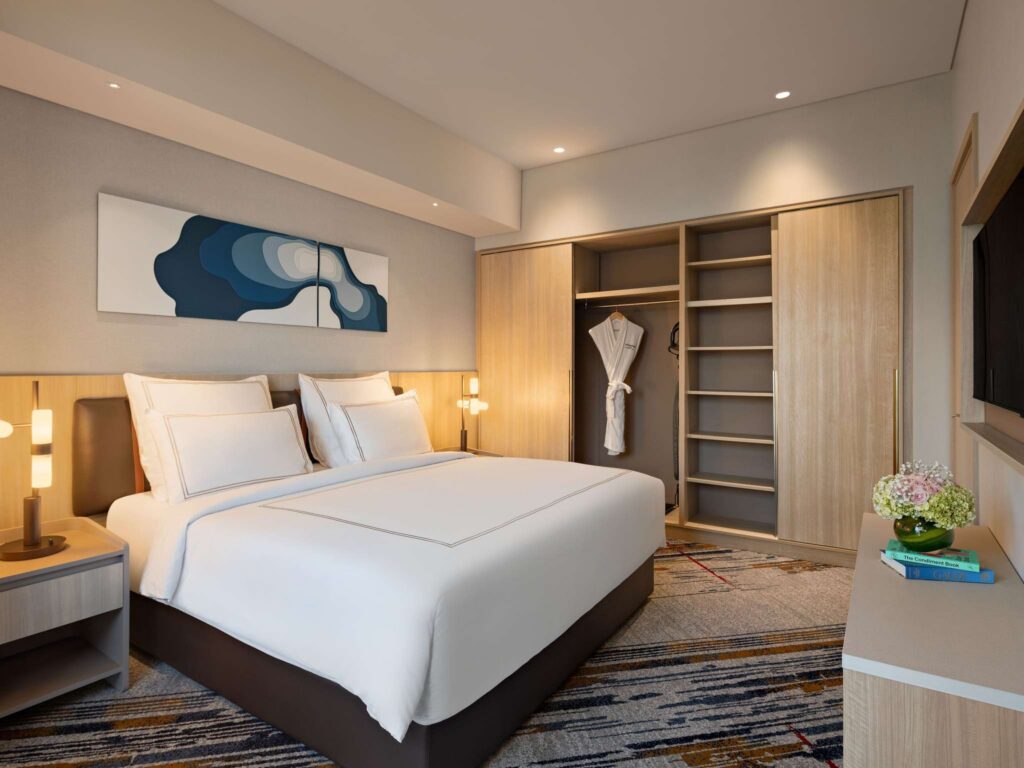
- Storage solutions including closets and additional shelving for extended wardrobes
Many properties have adopted the messaging frameworks outlined by the American Hotel & Lodging Association to clearly communicate their extended-stay offerings. This standardization helps guests understand exactly what amenities and services they can expect during longer stays.
Comparing Hotels and Serviced Apartments for Extended Stays
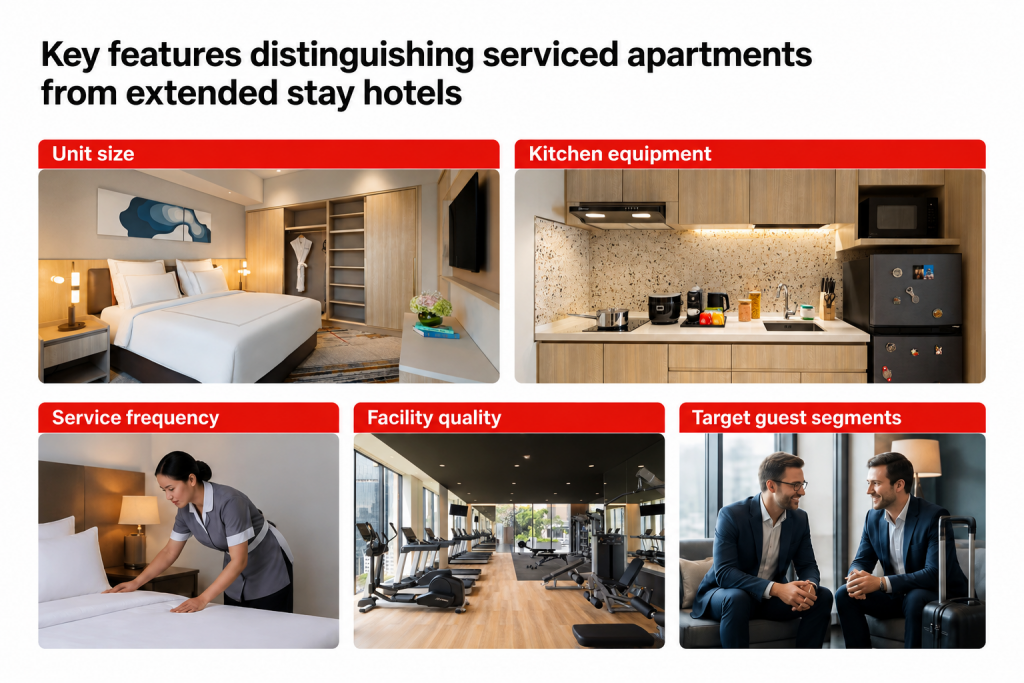
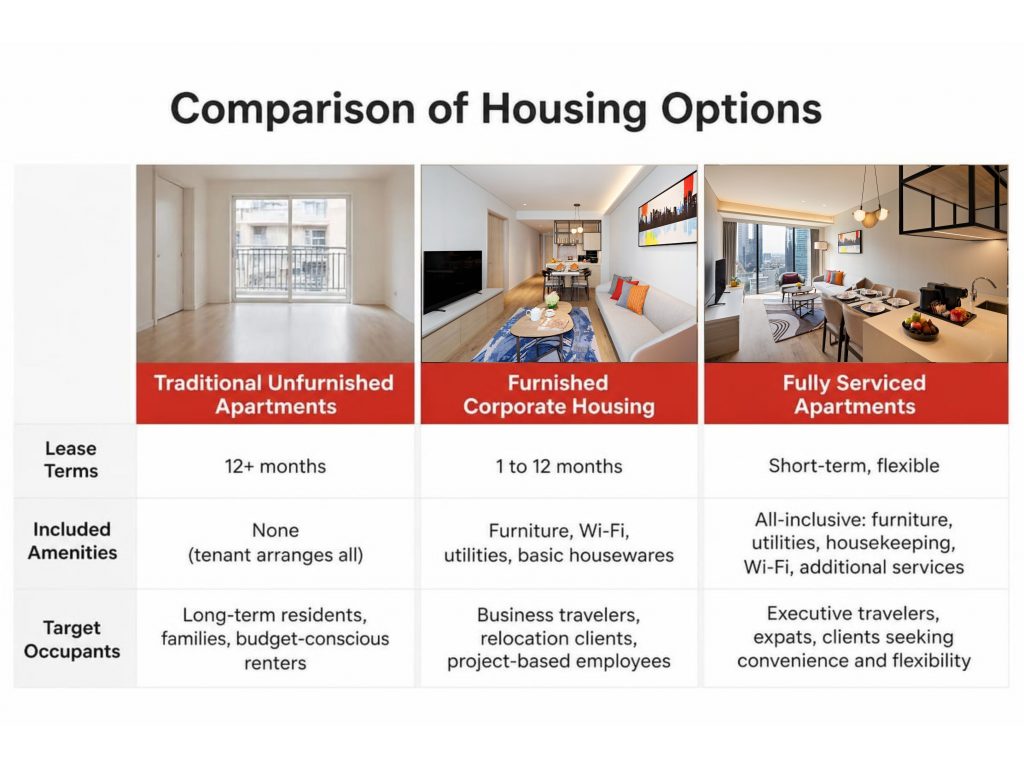
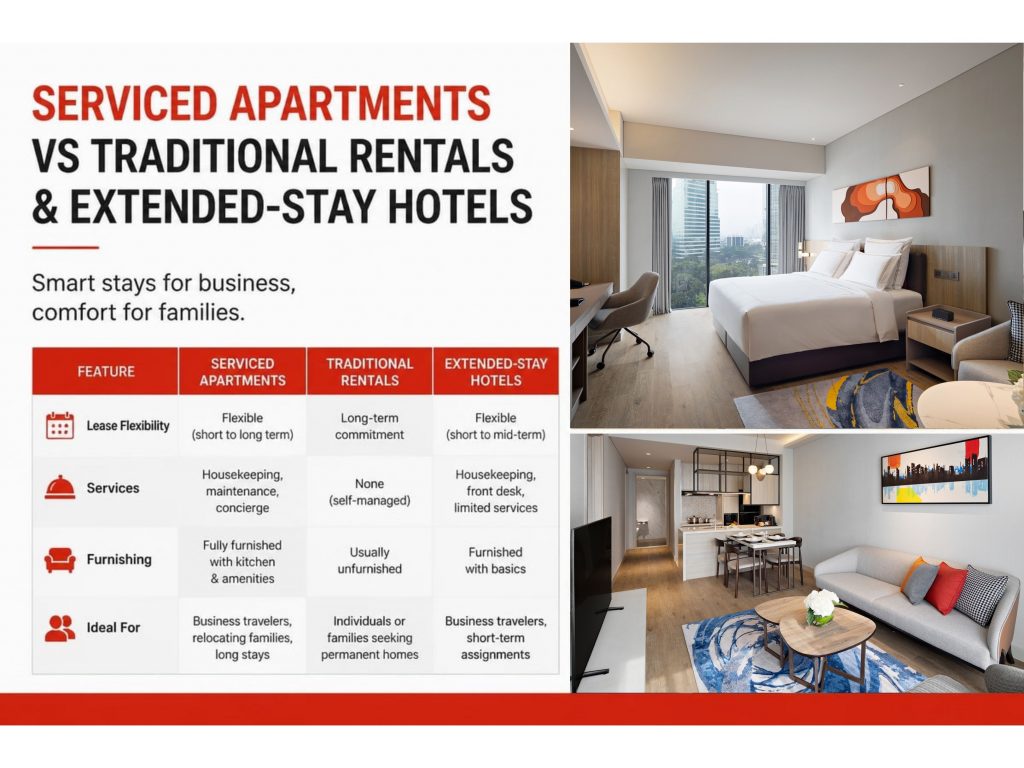
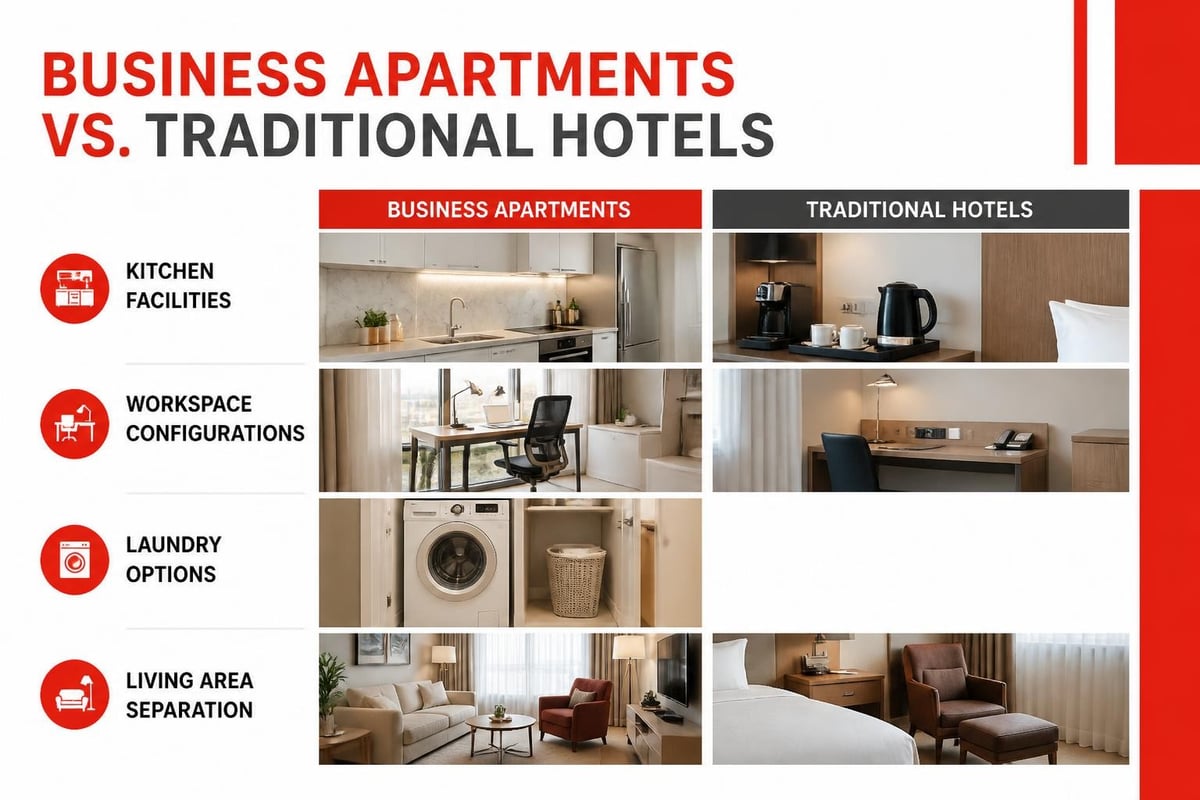
The distinction between hotels that offer extended stay and purpose-built serviced apartments has become increasingly important as the market matures. Both accommodation types serve long-term guests, but their operational models and amenities differ significantly.
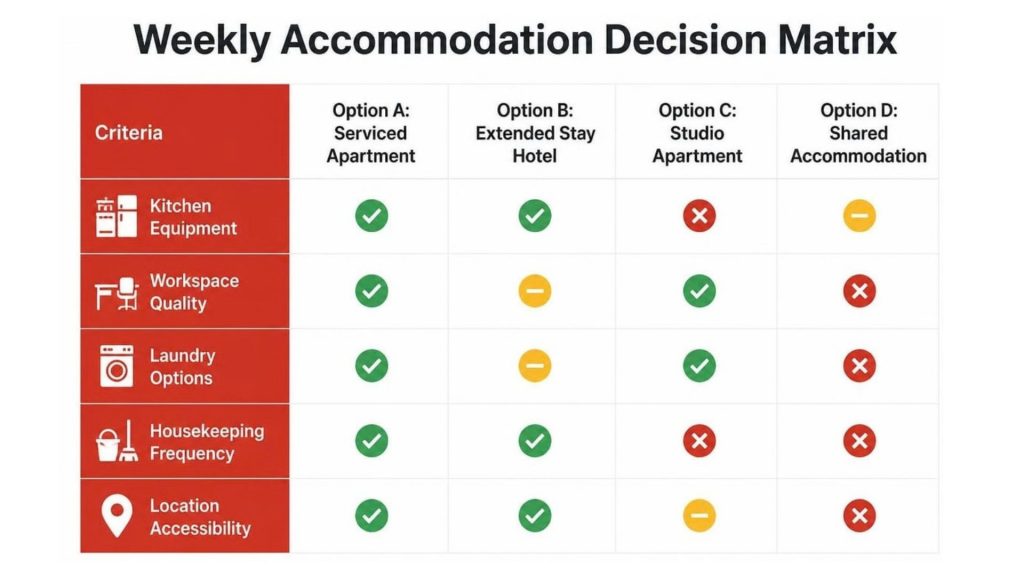
| Feature | Extended-Stay Hotels | Serviced Apartments |
|---|---|---|
| Kitchen Equipment | Basic to moderate | Full residential kitchen |
| Space per Unit | 300-450 sq ft typical | 400-1,200+ sq ft typical |
| Housekeeping | Weekly standard | Flexible, often weekly or bi-weekly |
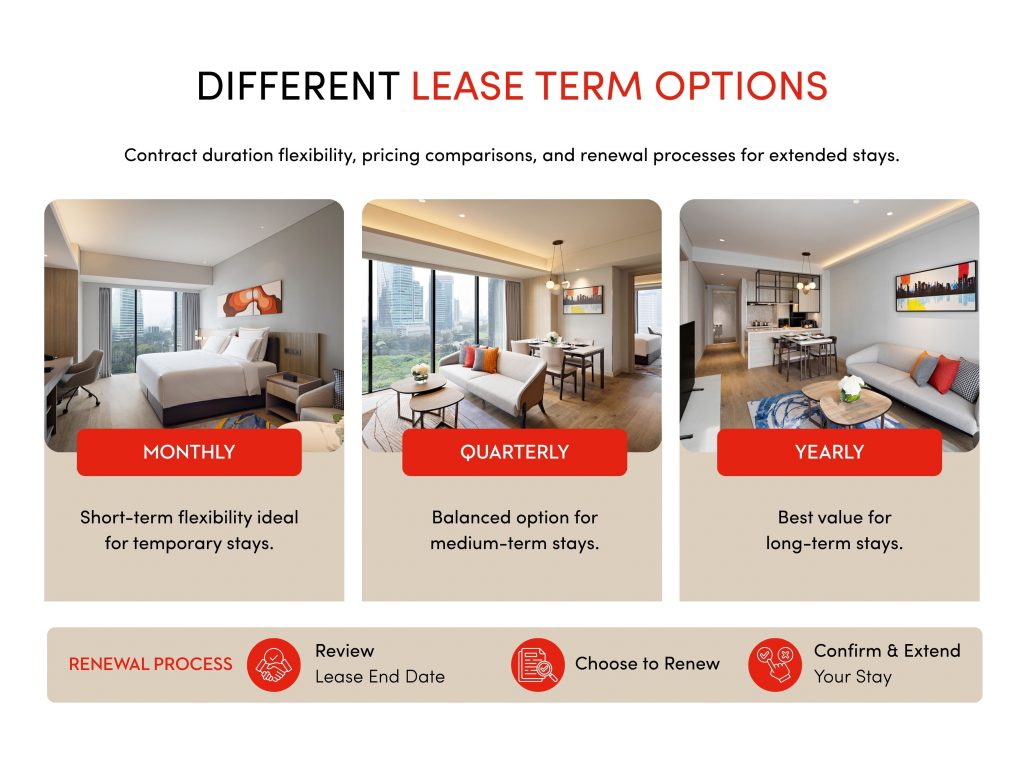
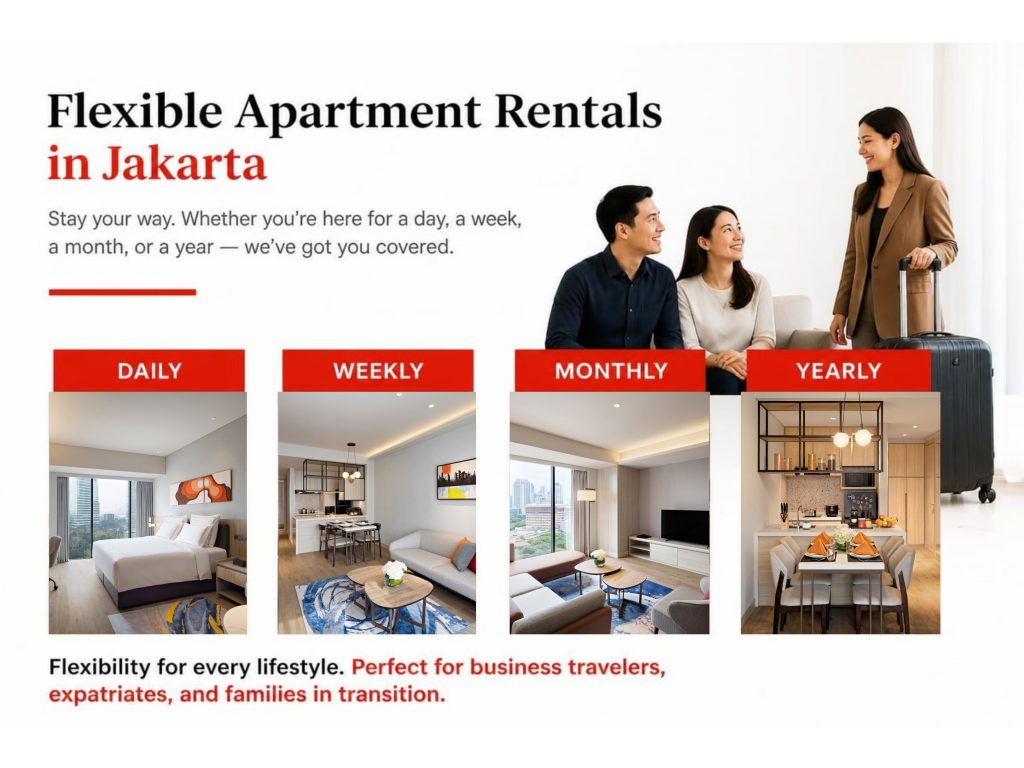
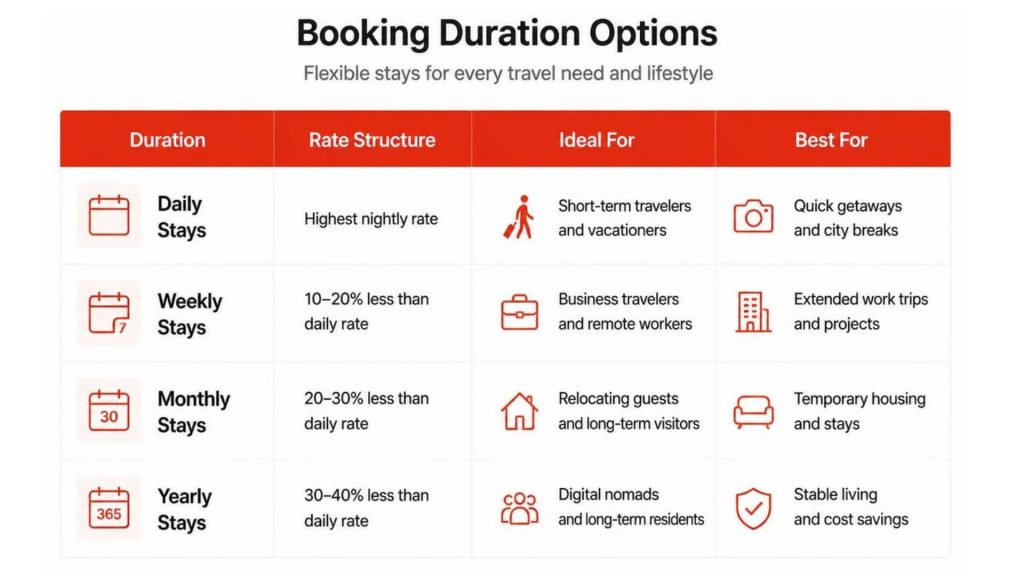
| Lease Flexibility | Daily to monthly | Daily, weekly, monthly, yearly |
| Residential Feel | Hotel-inspired | True apartment living |
| Business Services | Limited | Often comprehensive |
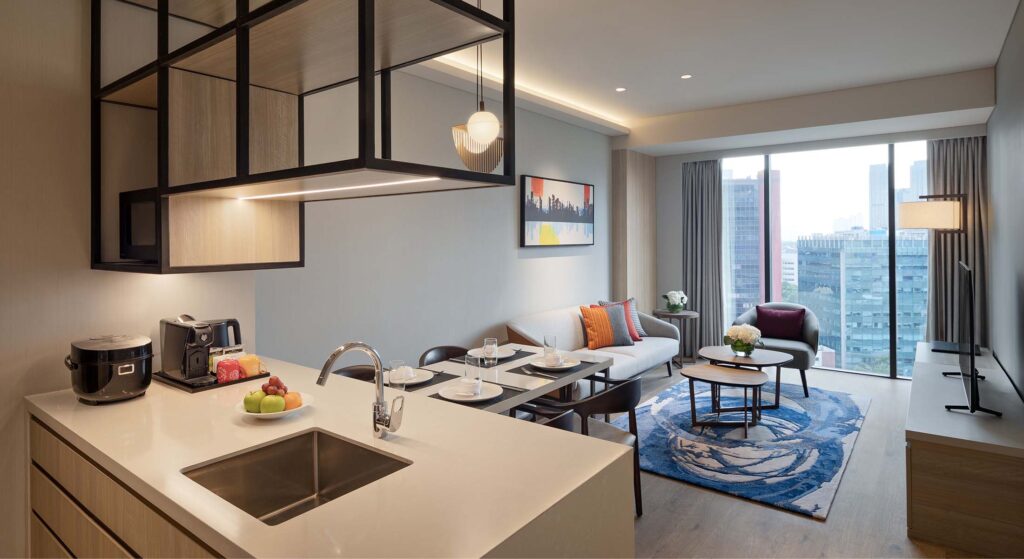
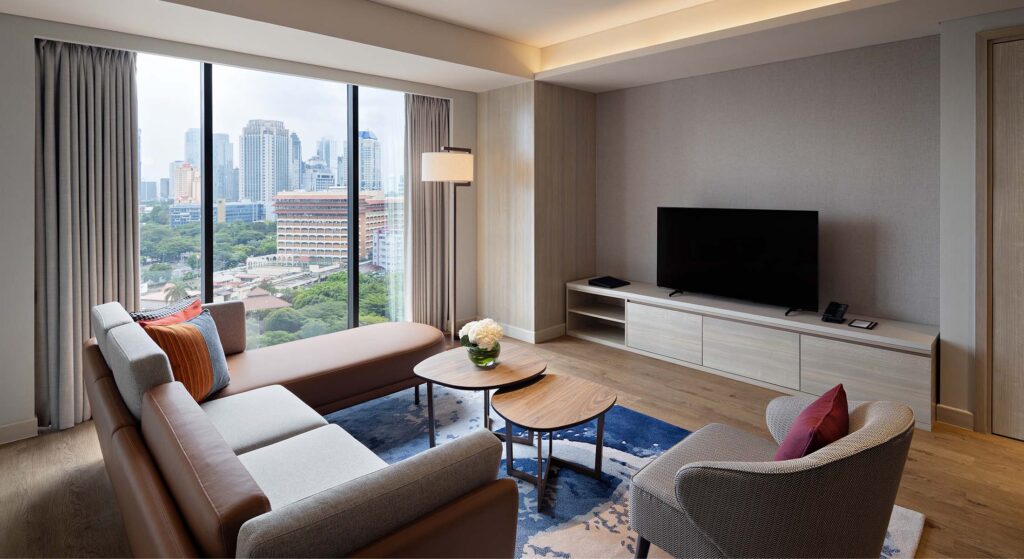
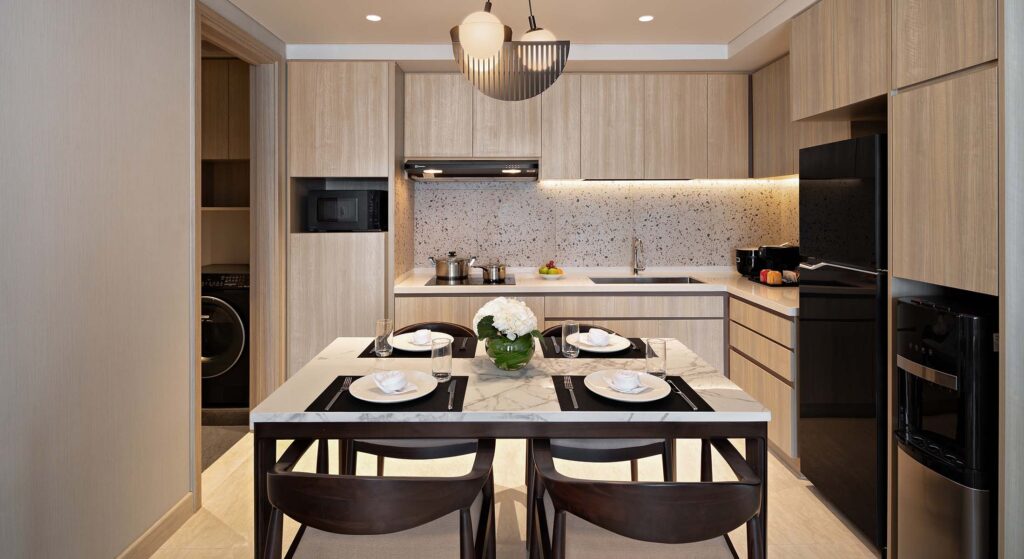
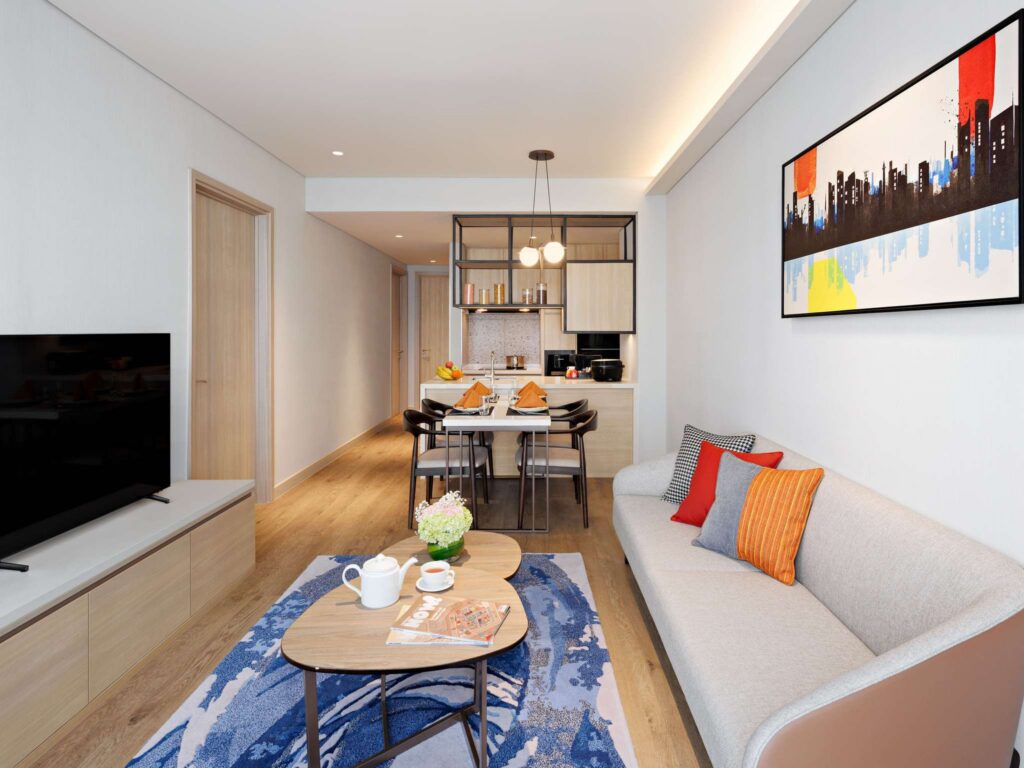
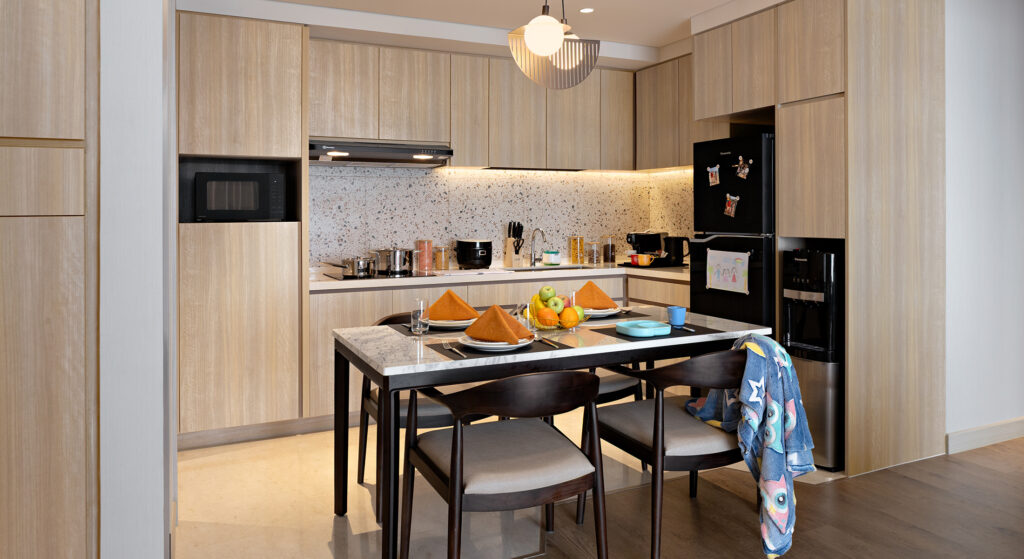
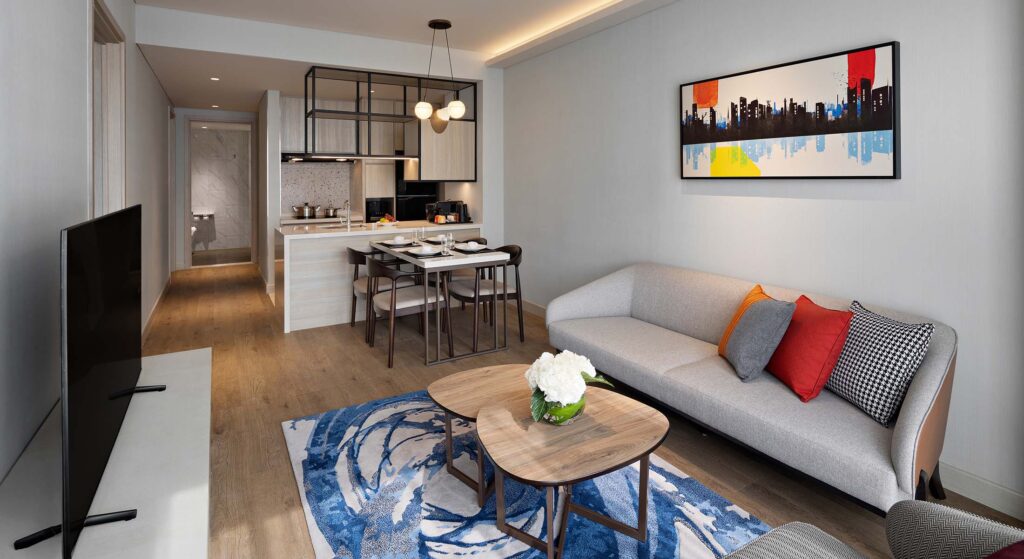
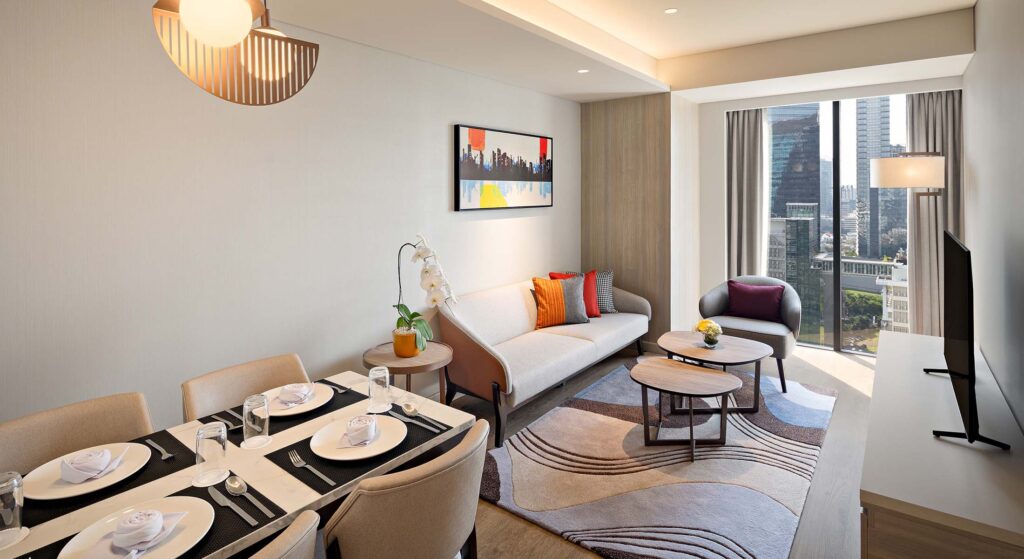
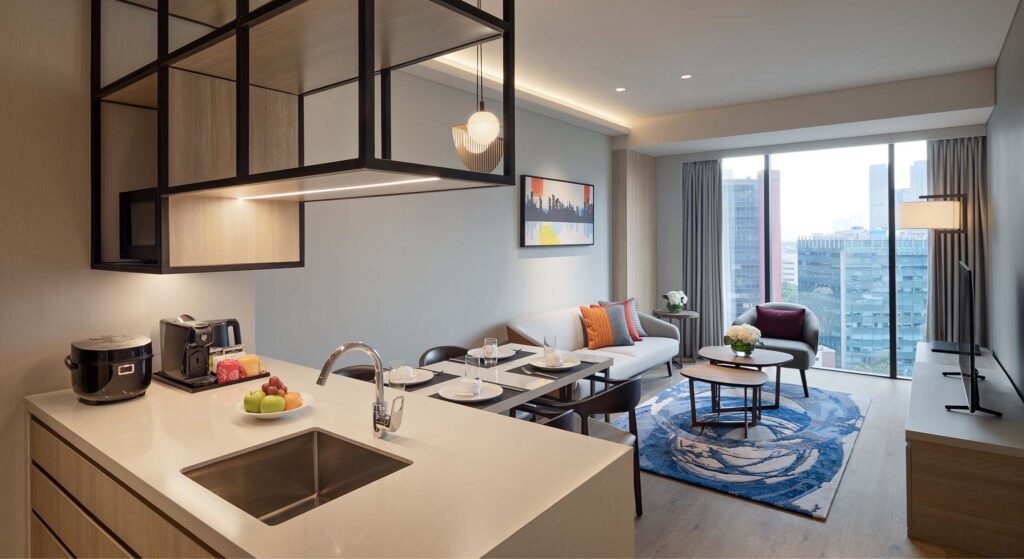
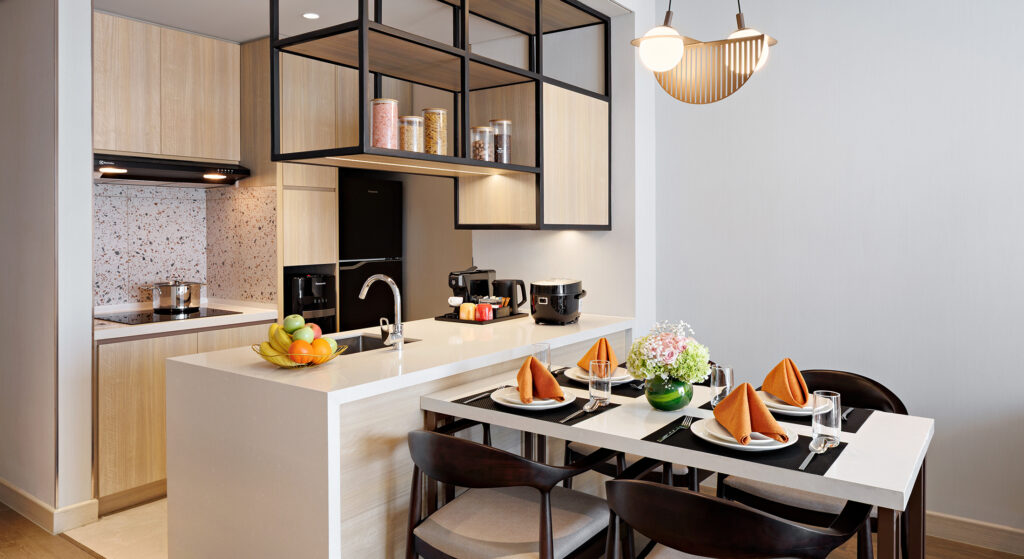
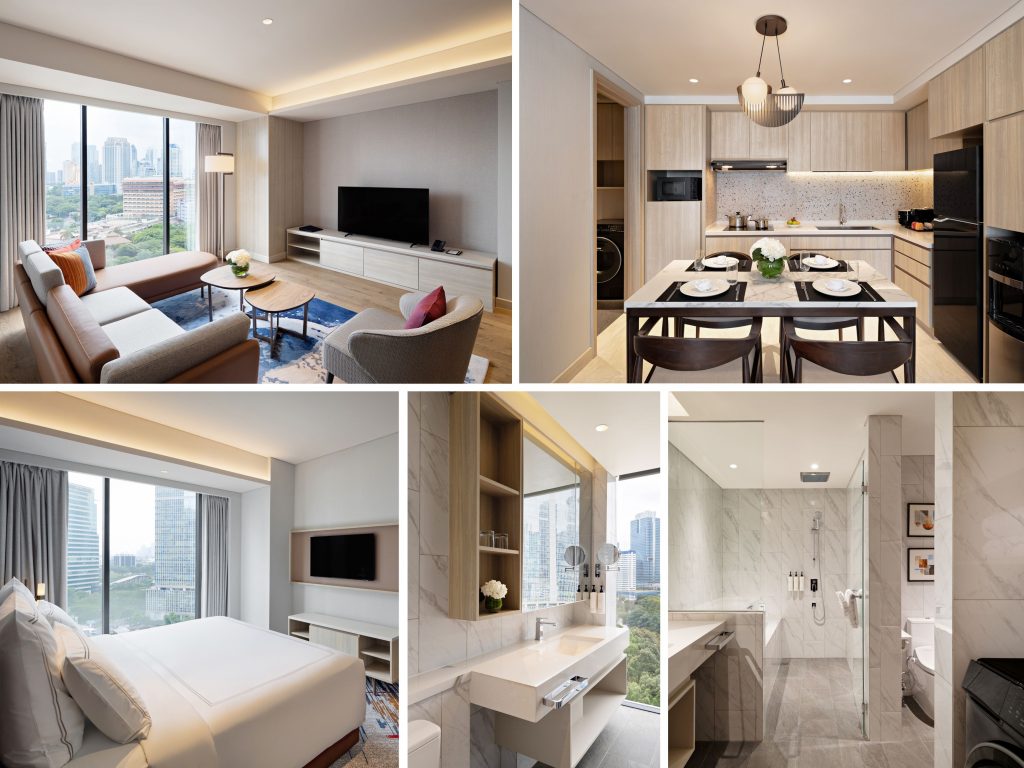
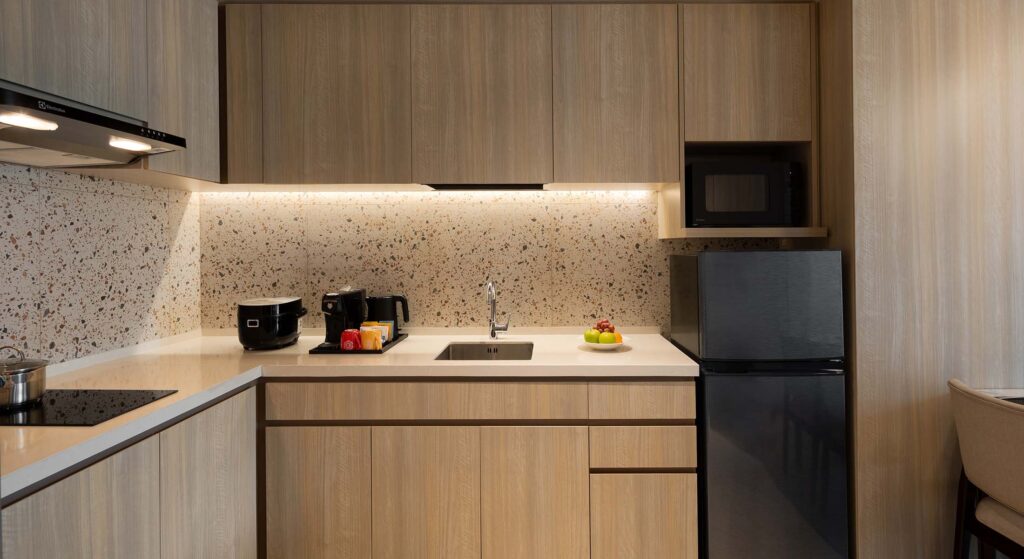
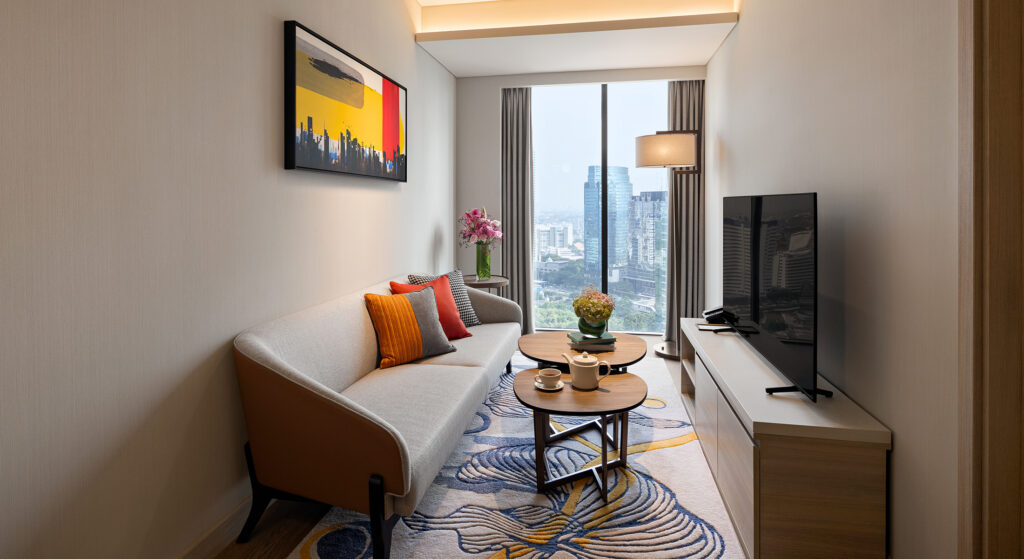
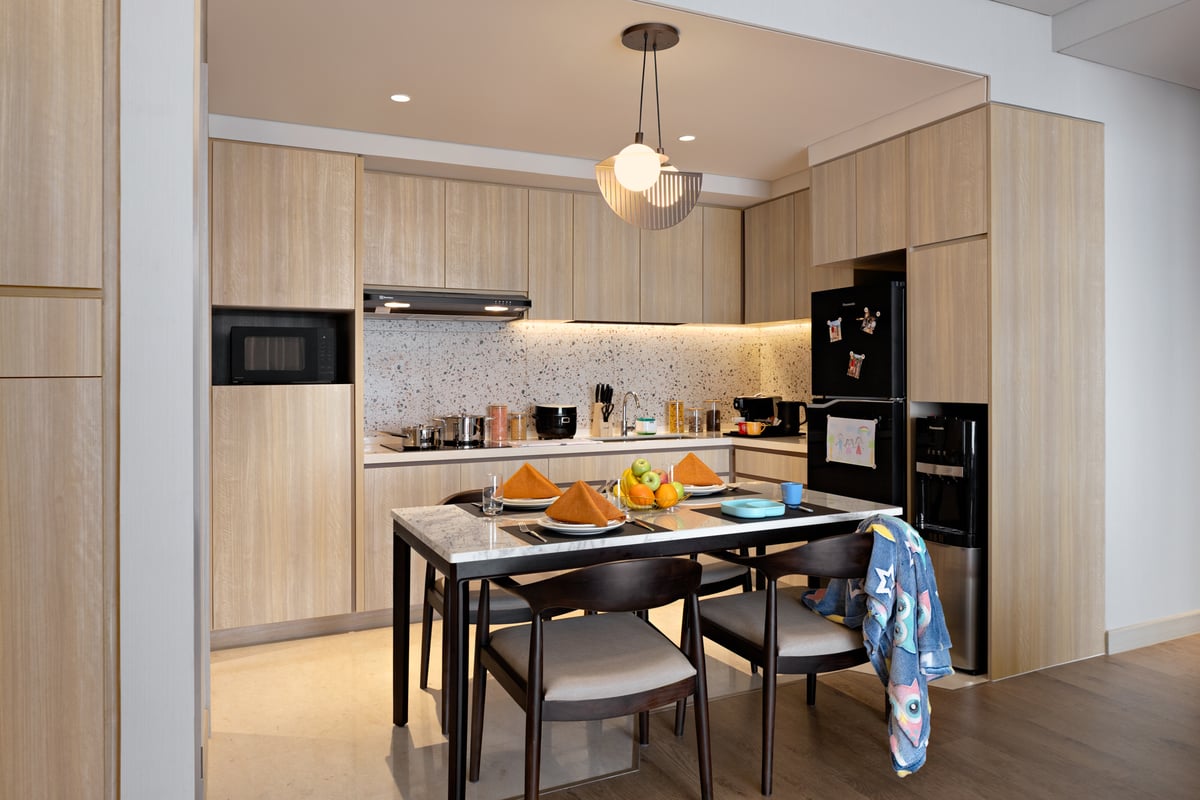
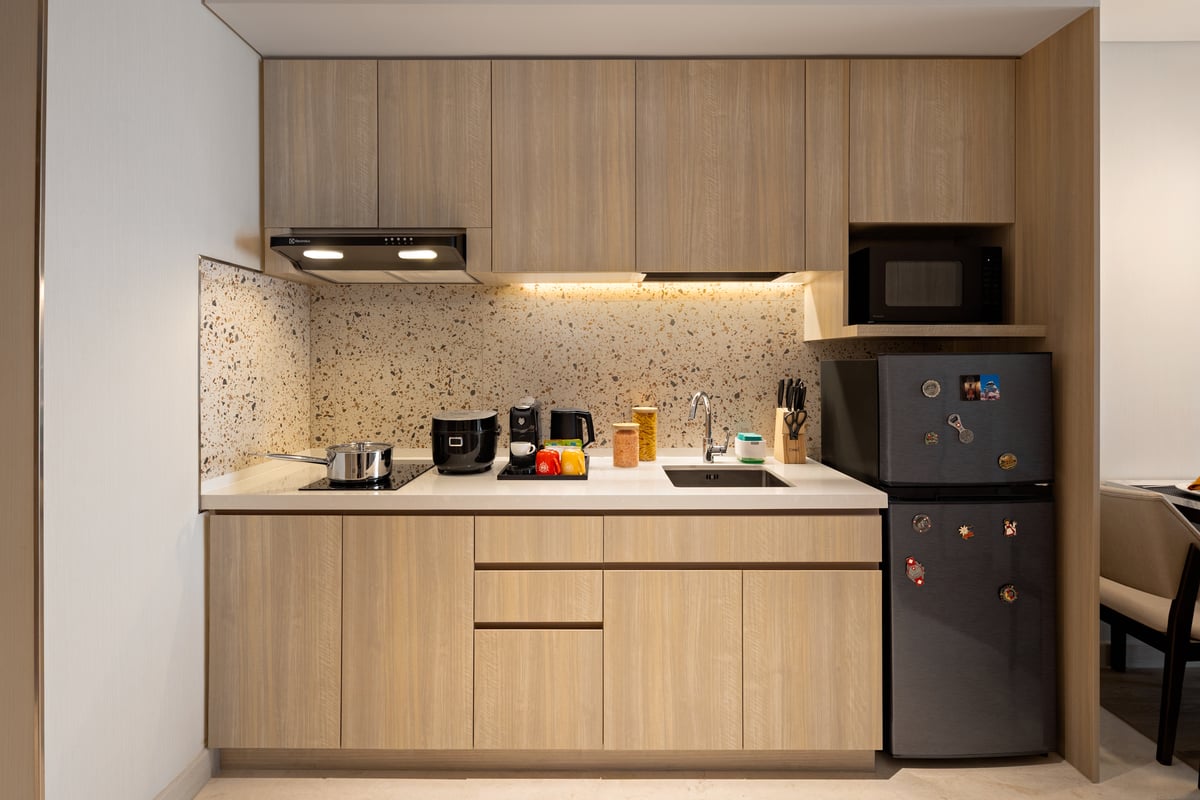
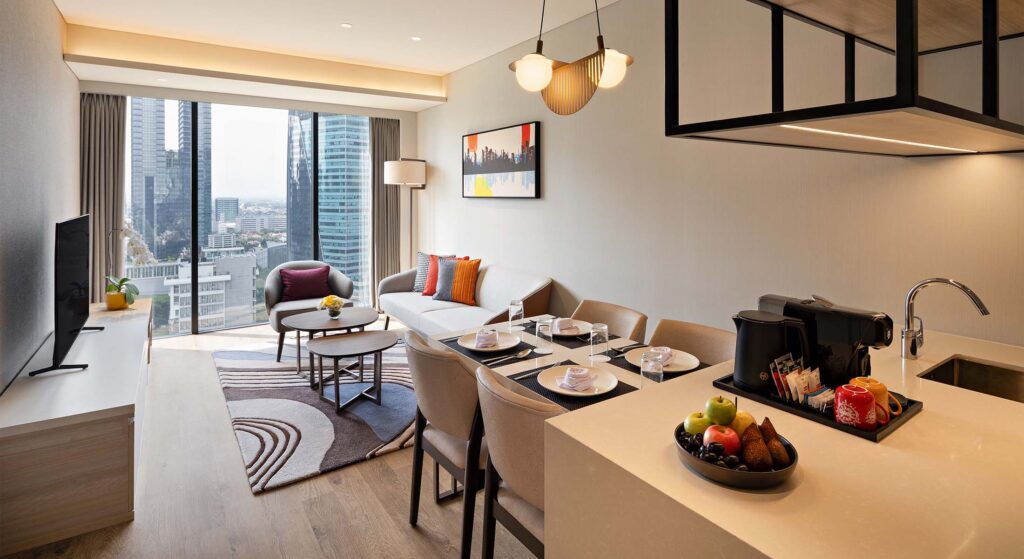
Serviced apartments typically provide significantly more living space than hotels that offer extended stay, with fully furnished residences that replicate the functionality of a private apartment. The kitchen facilities in serviced apartments feature full-size refrigerators, ovens, stovetops, and complete cookware sets, enabling guests to prepare complex meals just as they would at home.
For professionals and families staying in Jakarta’s business districts, the choice between extended-stay hotels and serviced apartments often comes down to space requirements and lifestyle preferences. Understanding the differences between hotel and serviced apartment options helps guests make informed decisions based on their specific needs.
Cost Structure and Pricing Models
Hotels that offer extended stay implement various pricing strategies to attract longer-term guests while maintaining profitability:
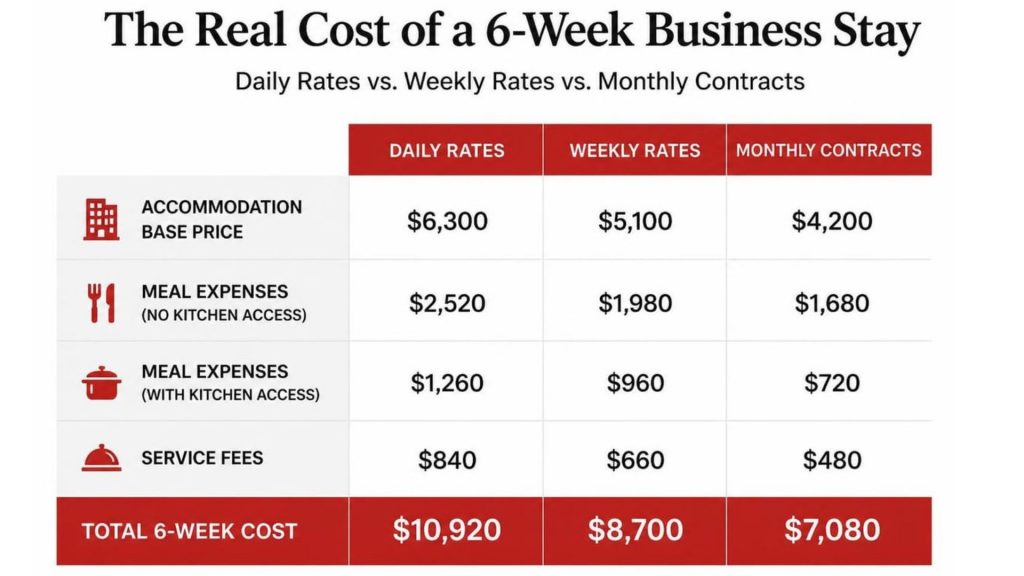
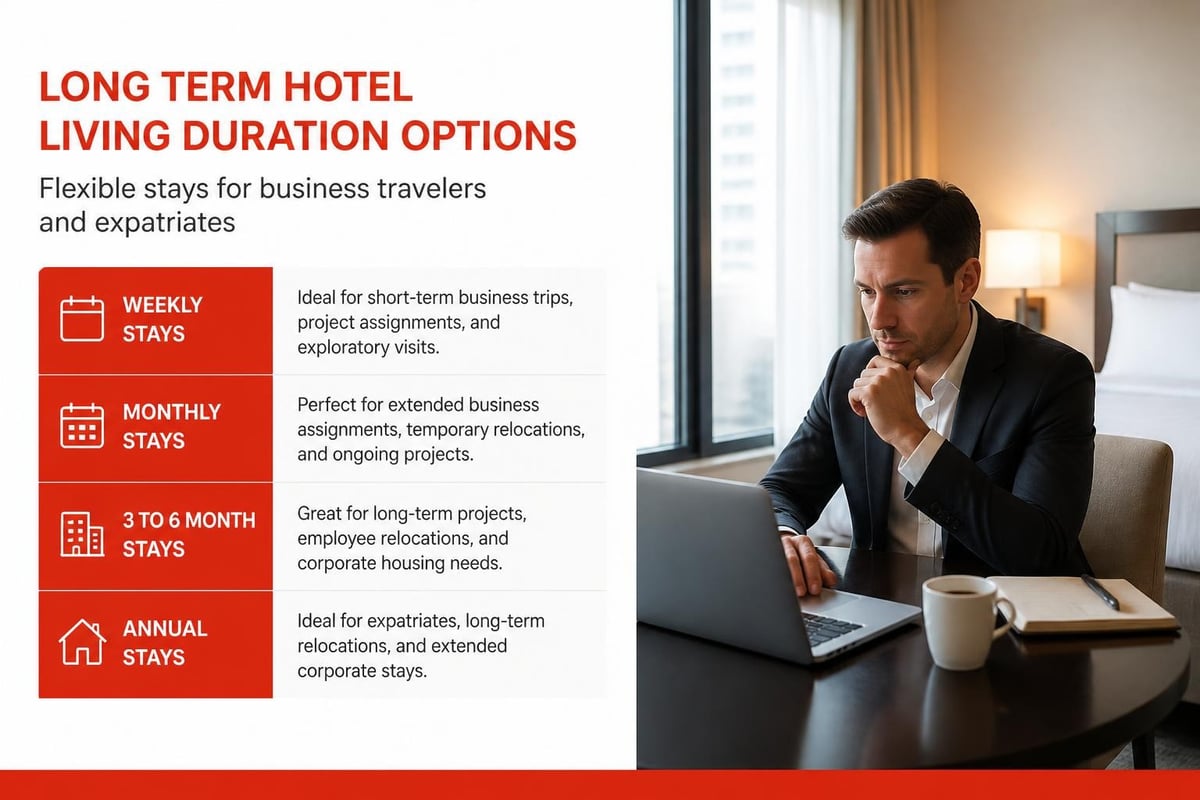
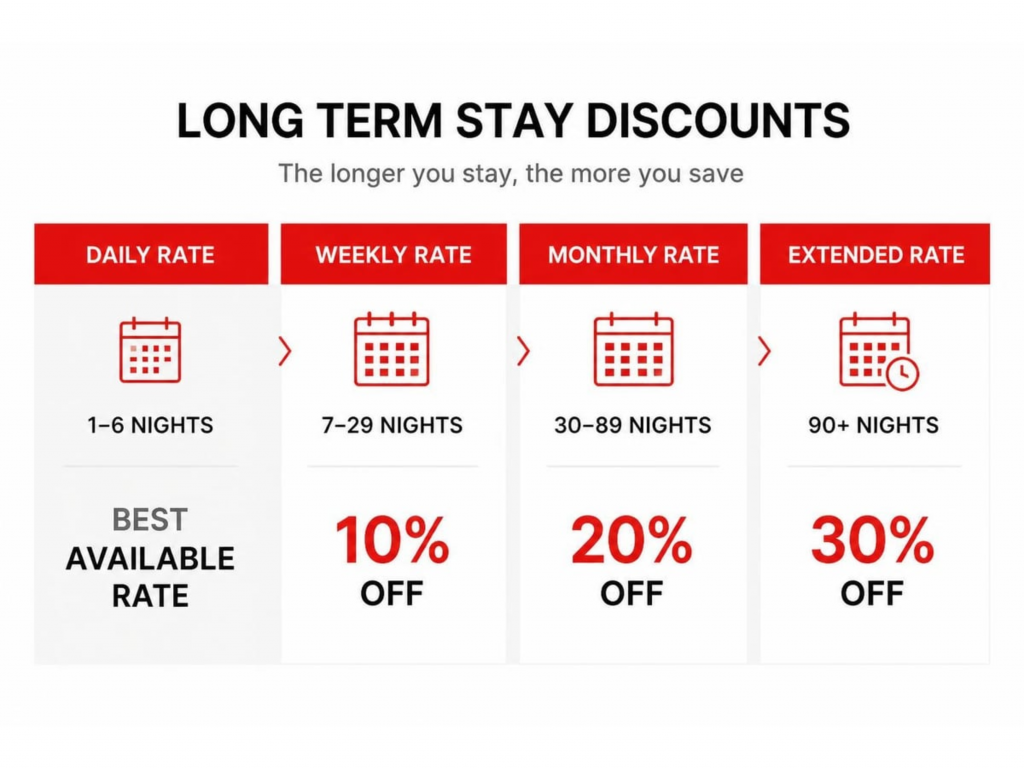
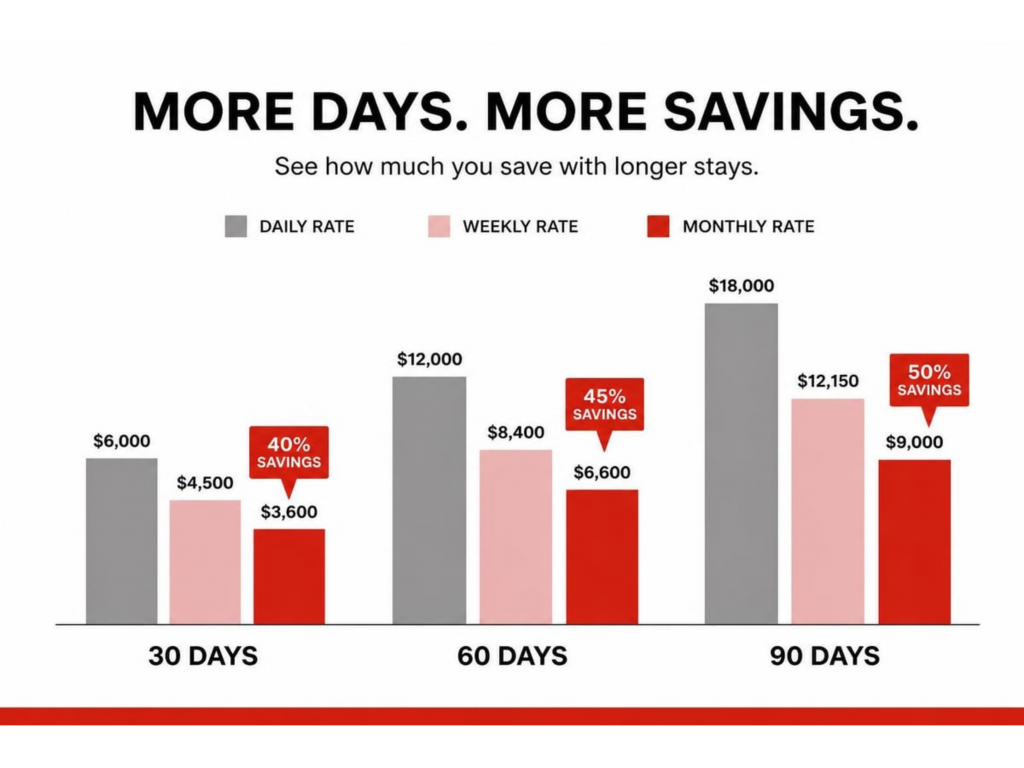
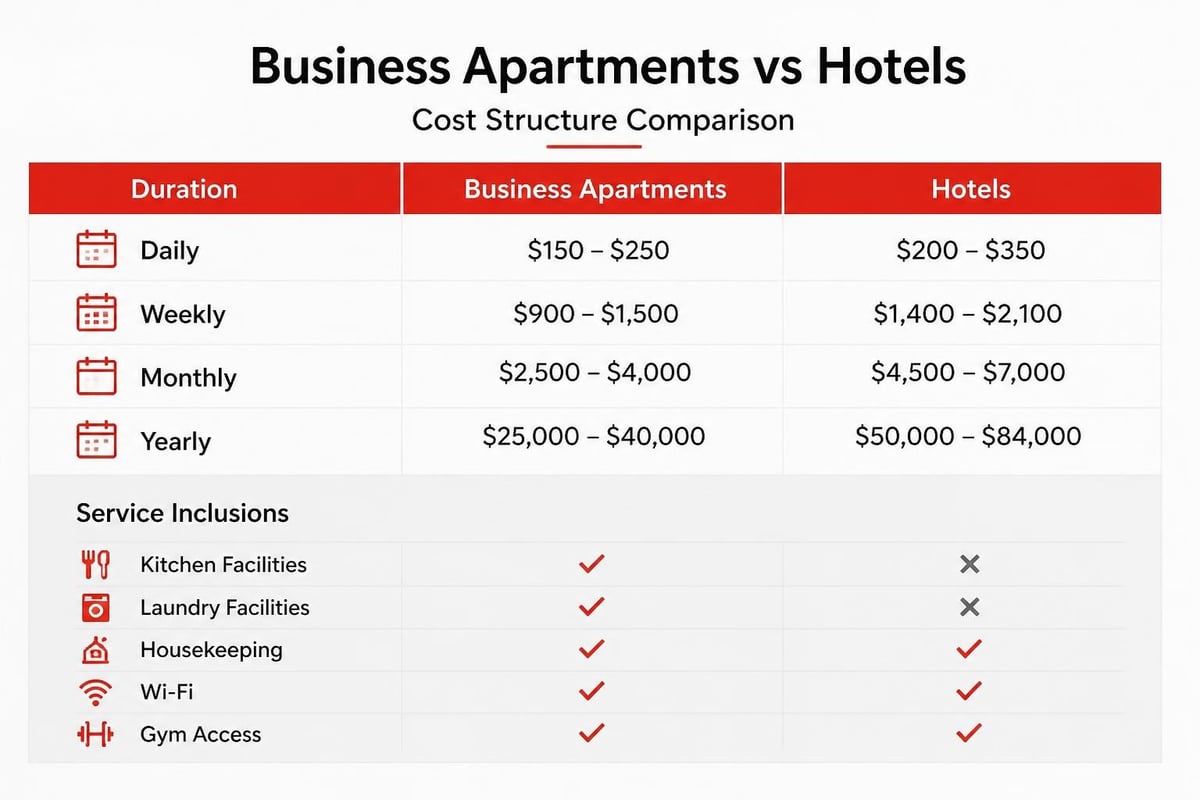
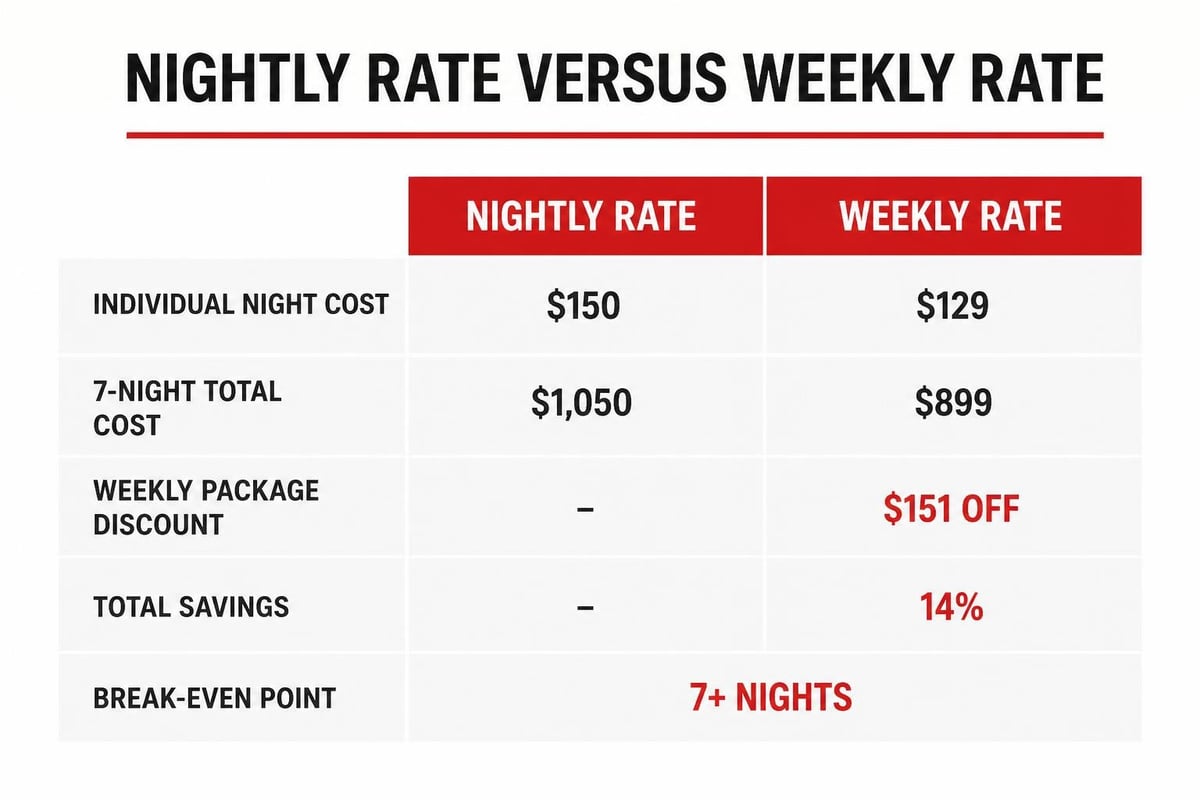
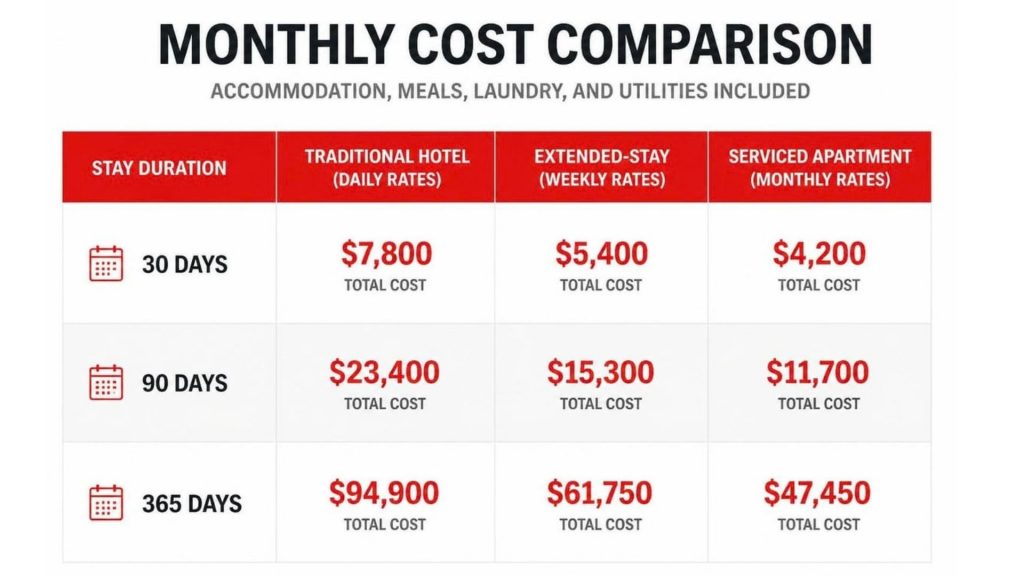
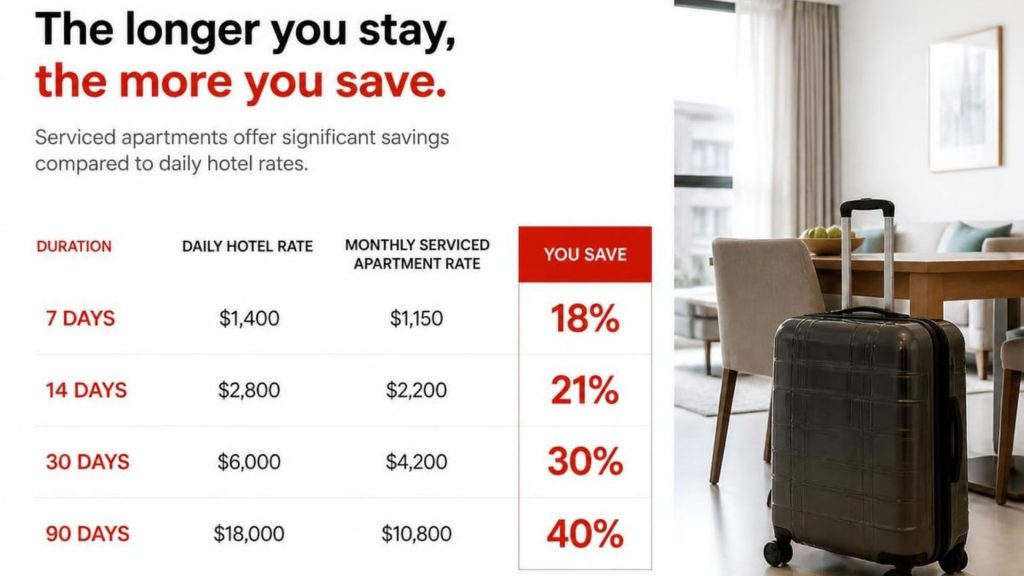
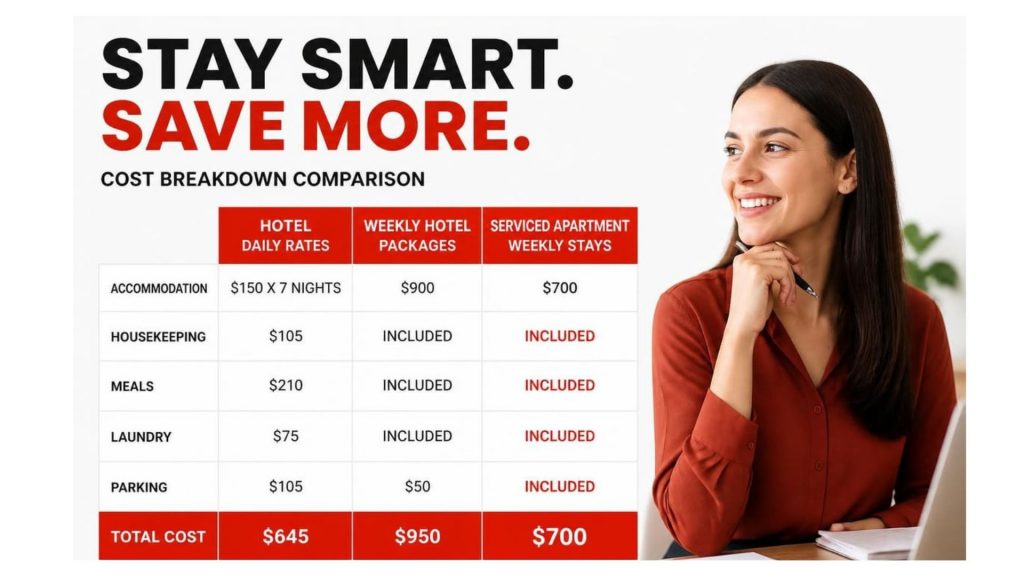
Weekly rates typically provide a 10-15% discount compared to seven individual nightly rates, making them attractive for short business projects or transitional housing needs.
Monthly rates offer more substantial discounts, often 25-40% below the equivalent nightly rate total, and may include utilities and basic services in the quoted price.
Quarterly and annual contracts provide the deepest discounts but require significant commitment and often involve lease agreements rather than simple hotel bookings. According to Statista’s hotel industry data, extended-stay properties maintain higher occupancy rates than traditional hotels by offering competitive monthly pricing structures.
The monthly rate options for extended stays vary significantly based on location, property category, and included services. Properties in central business districts command premium rates but offset higher costs with convenience and reduced commuting expenses.
Amenities That Matter for Long-Term Stays
When evaluating hotels that offer extended stay, certain amenities become critical for comfort and productivity during extended periods away from home.
Workspace and Connectivity Requirements
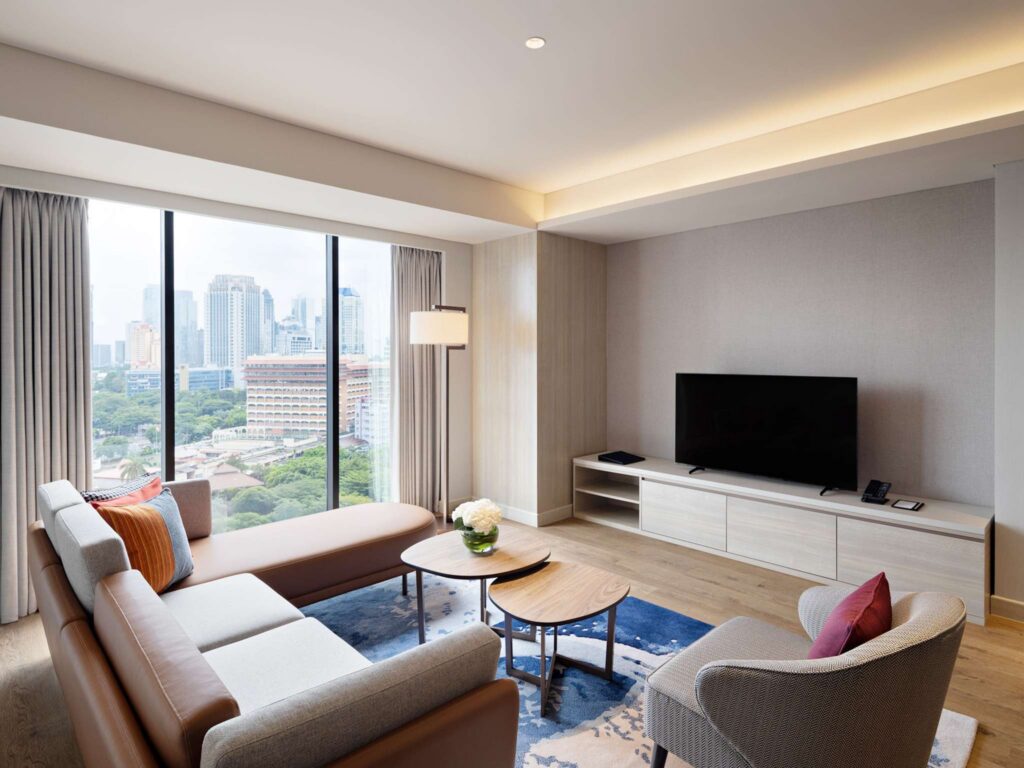
Professional travelers staying for weeks or months need robust workspace solutions beyond the standard hotel desk. Essential features include:
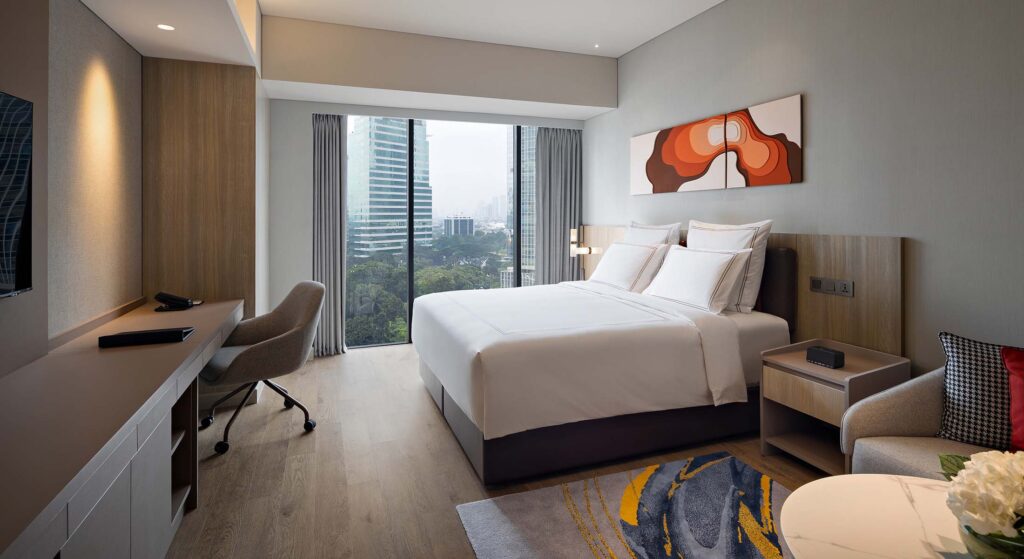
- Ergonomic seating and adjustable work surfaces suitable for full workdays
- High-speed internet with reliable connectivity and sufficient bandwidth for video conferencing
- Multiple power outlets and USB charging points positioned throughout the living space
- Adequate lighting including task lighting for evening work sessions
- Sound insulation to minimize disruption from neighboring units and common areas
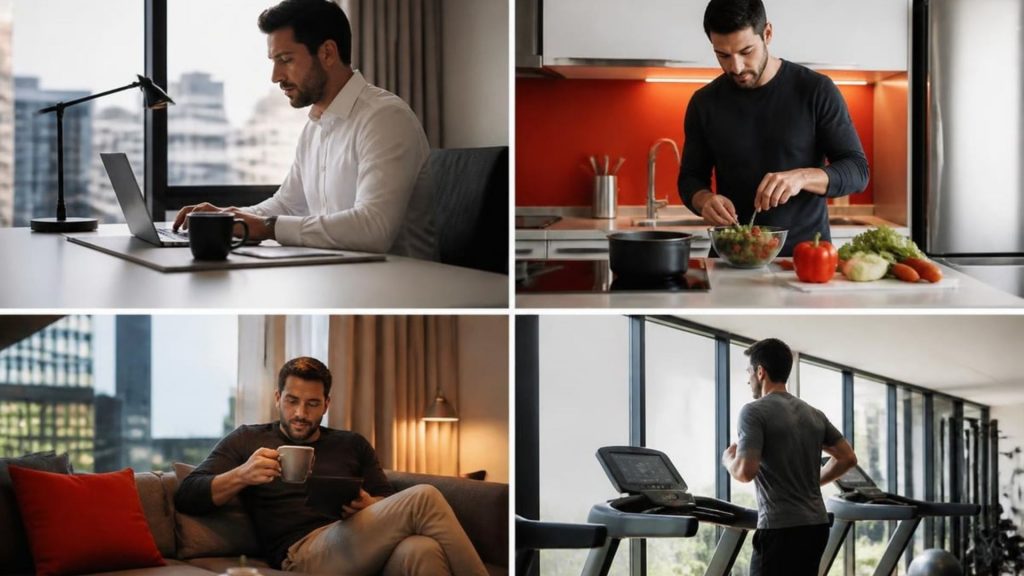
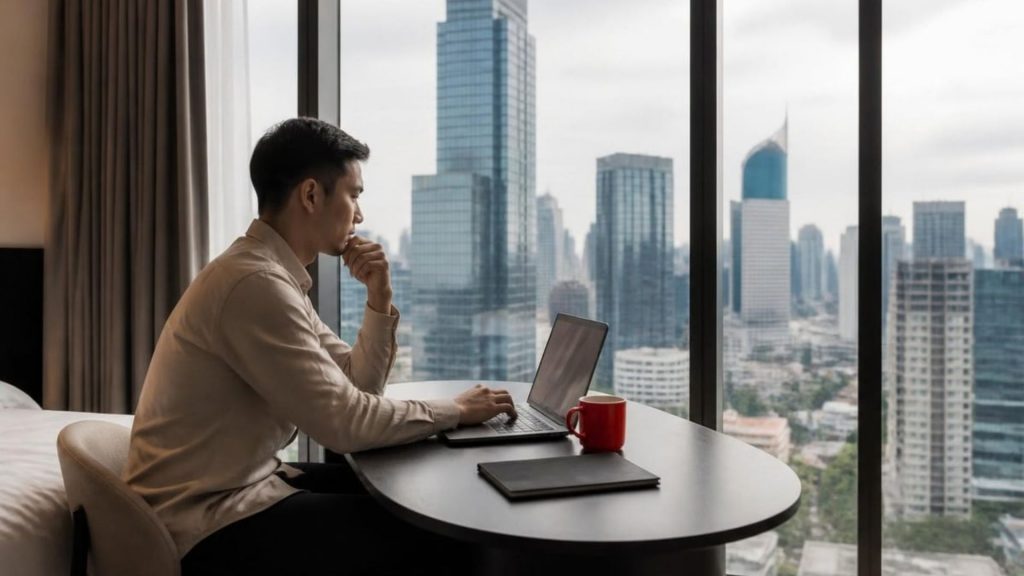
The shift toward remote and hybrid work models has increased demand for hotels that offer extended stay with dedicated office areas. Research on changing stay patterns indicates that digital nomads and “slomads” prioritize workspace quality when selecting extended-stay accommodation.
Kitchen and Dining Facilities
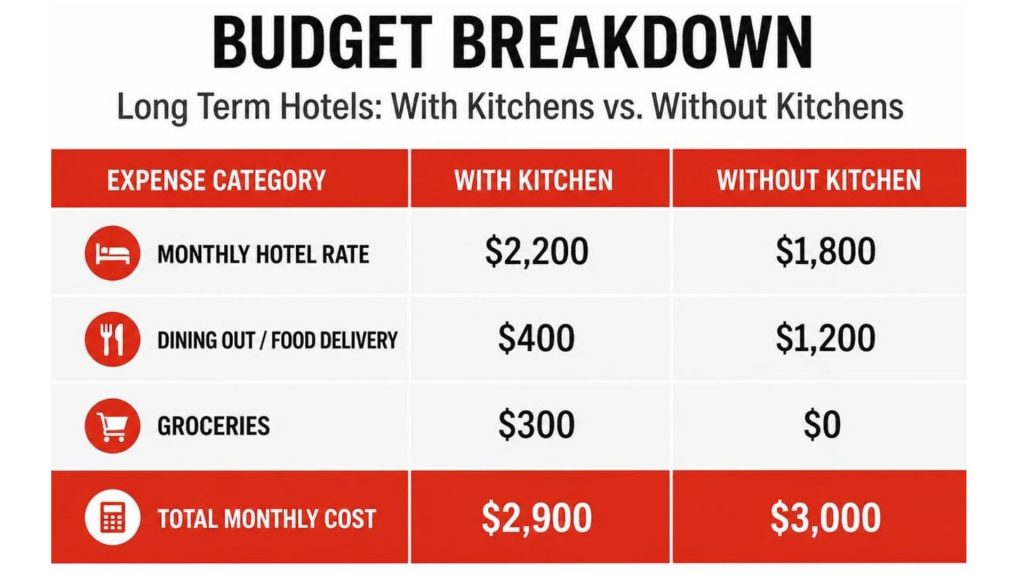
The ability to prepare meals becomes increasingly valuable during extended stays, both for cost savings and dietary preferences. Full-size refrigerators allow for weekly grocery shopping rather than daily restaurant visits. Complete cooking facilities including ovens and stovetops enable home-style meal preparation.
Dishwashers and adequate cabinet space make daily kitchen use practical rather than burdensome. Quality cookware, utensils, and dinnerware eliminate the need for disposable products.
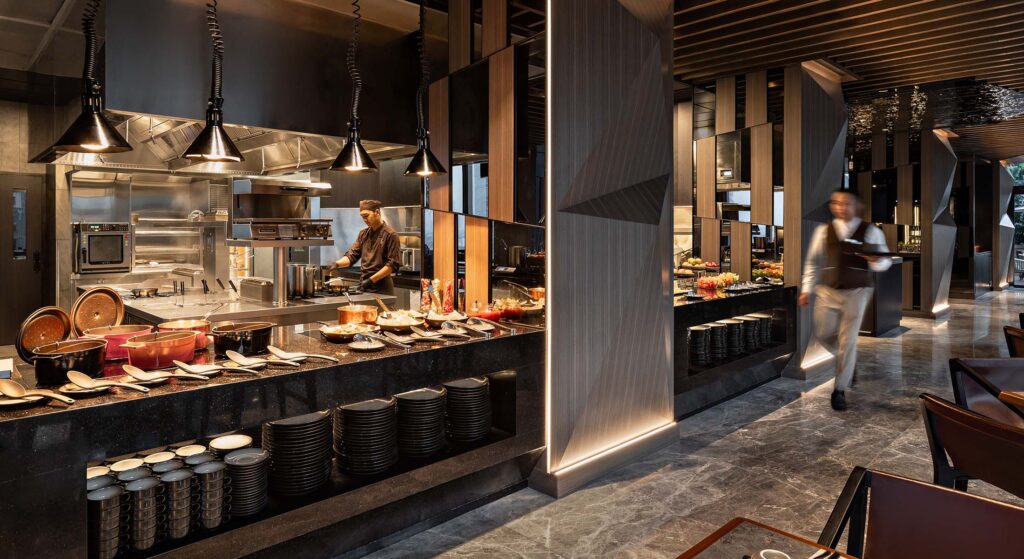
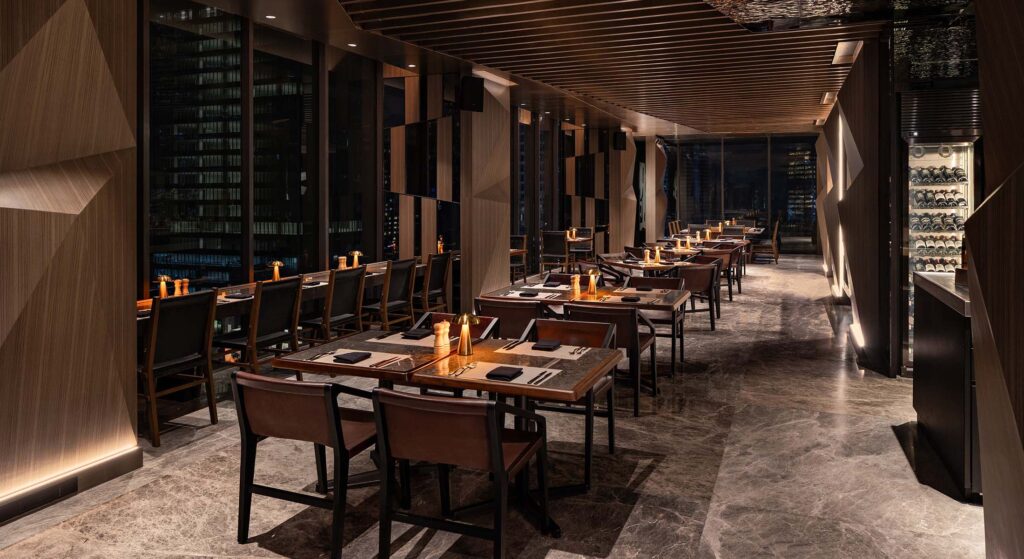
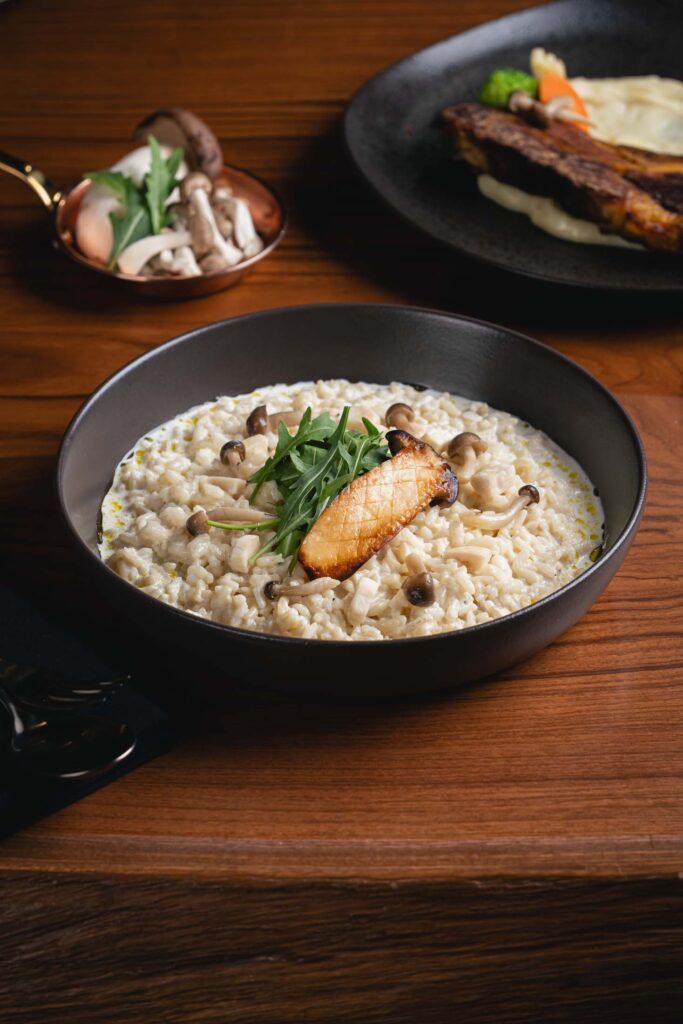
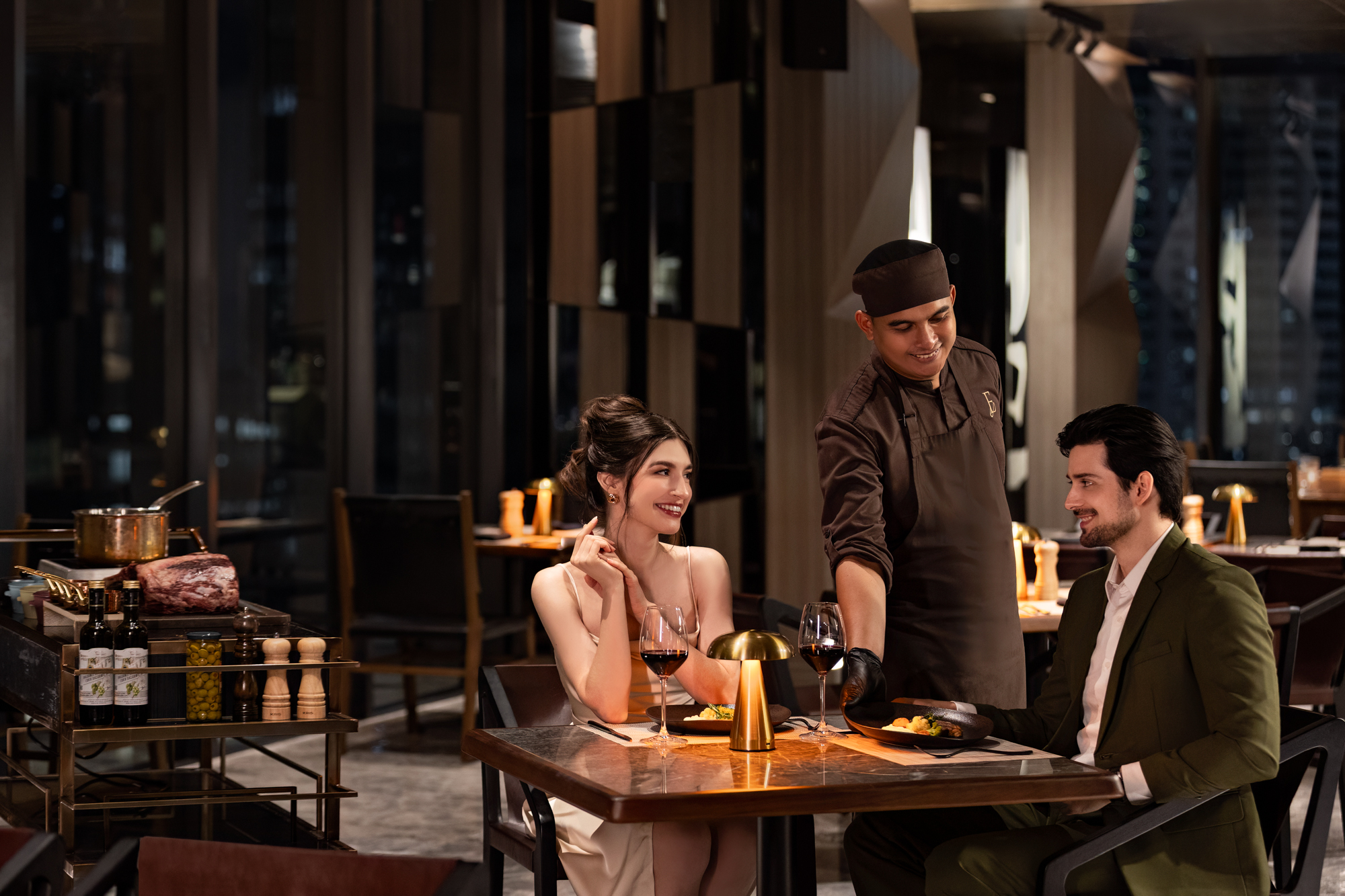
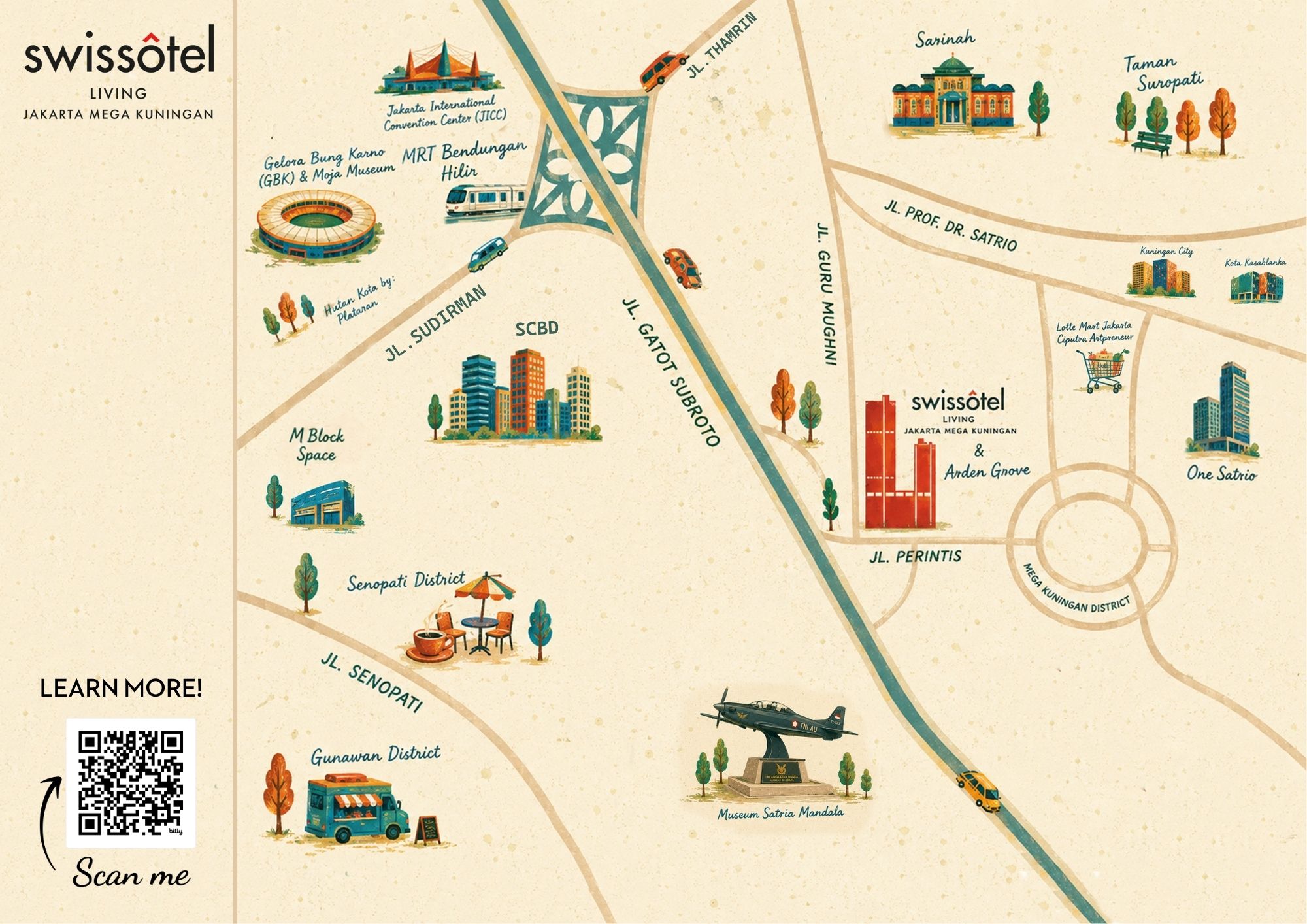
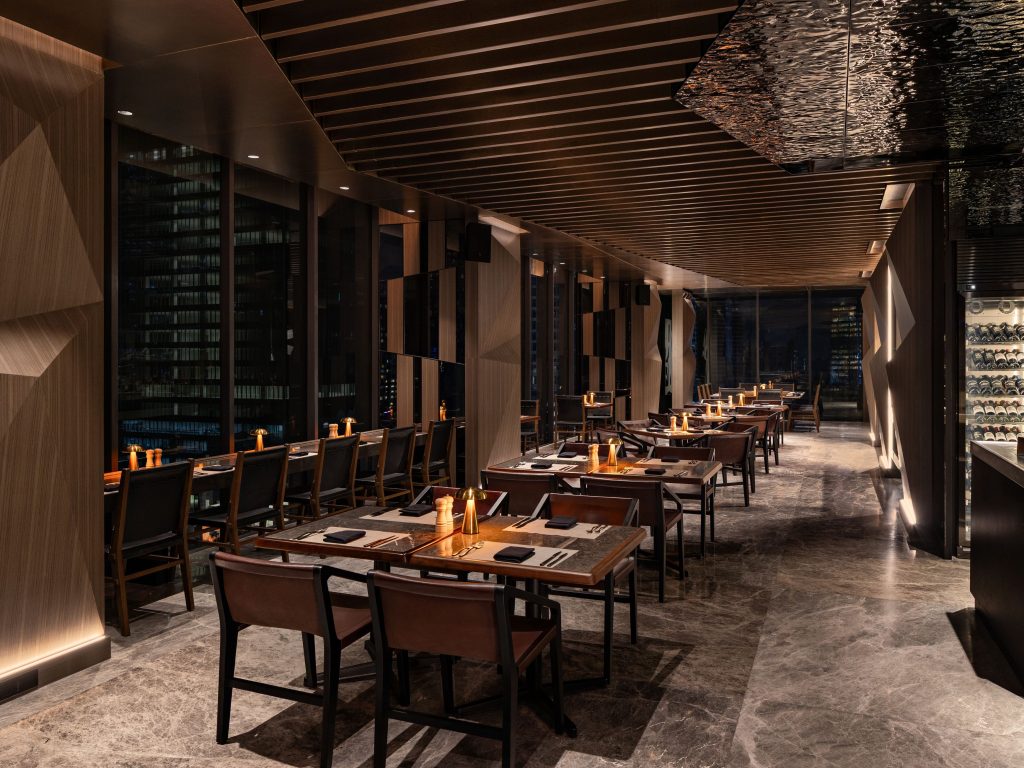
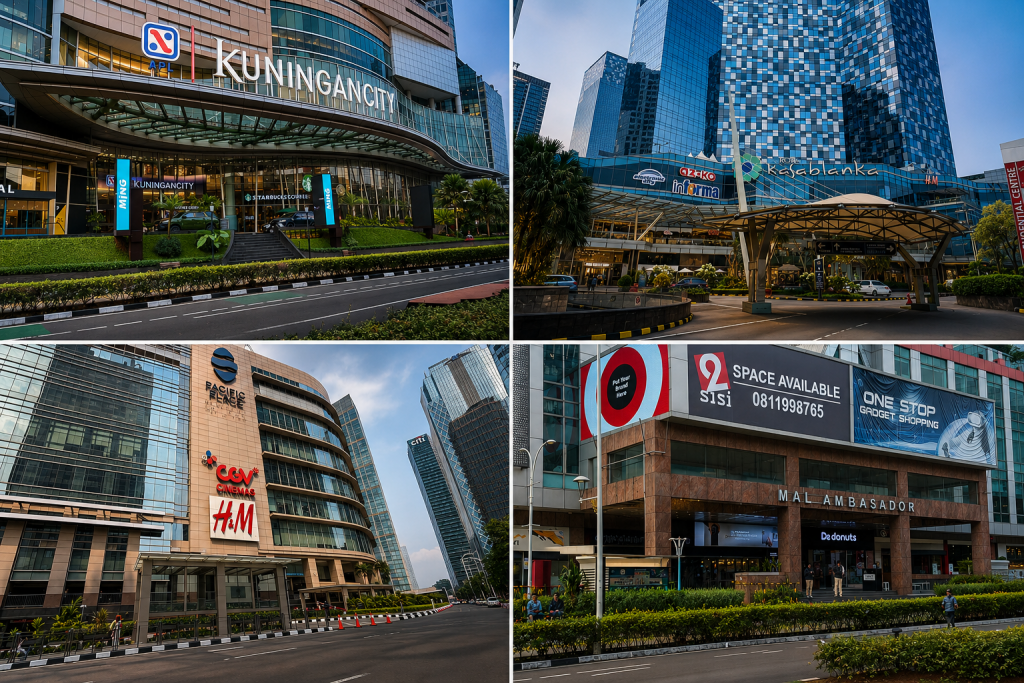
For guests who prefer occasional restaurant dining, proximity to quality options matters. Properties like those in Mega Kuningan’s dining scene offer convenient access to diverse culinary options when cooking feels less appealing.
Location Considerations for Extended-Stay Selection
Geographic positioning significantly impacts the suitability of hotels that offer extended stay for different guest profiles.
Proximity to Business Districts
Corporate travelers on project assignments prioritize access to major business centers. Properties within walking distance or a short commute from office complexes reduce daily travel time and expenses. Access to public transportation networks enhances convenience for guests without personal vehicles.
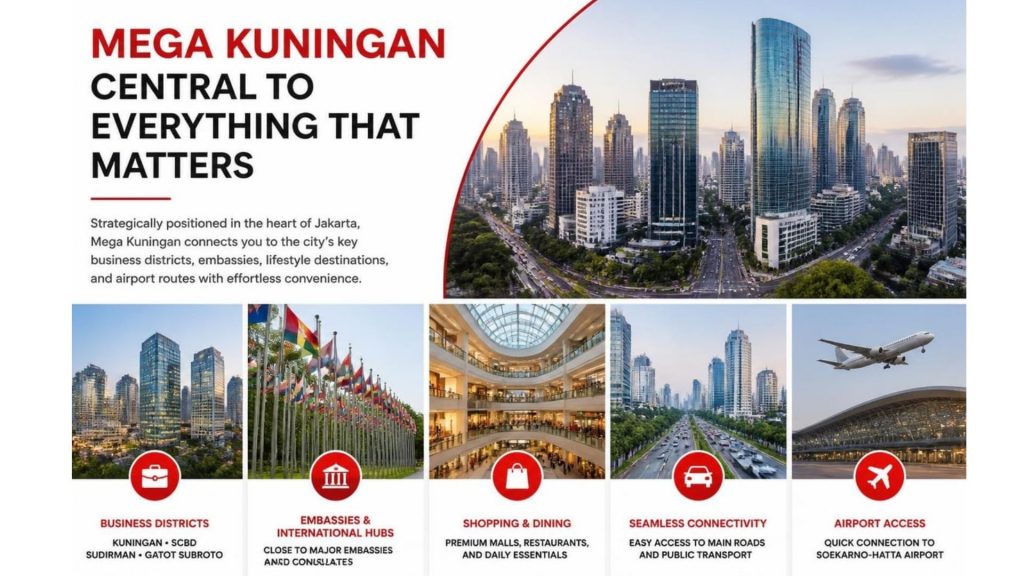
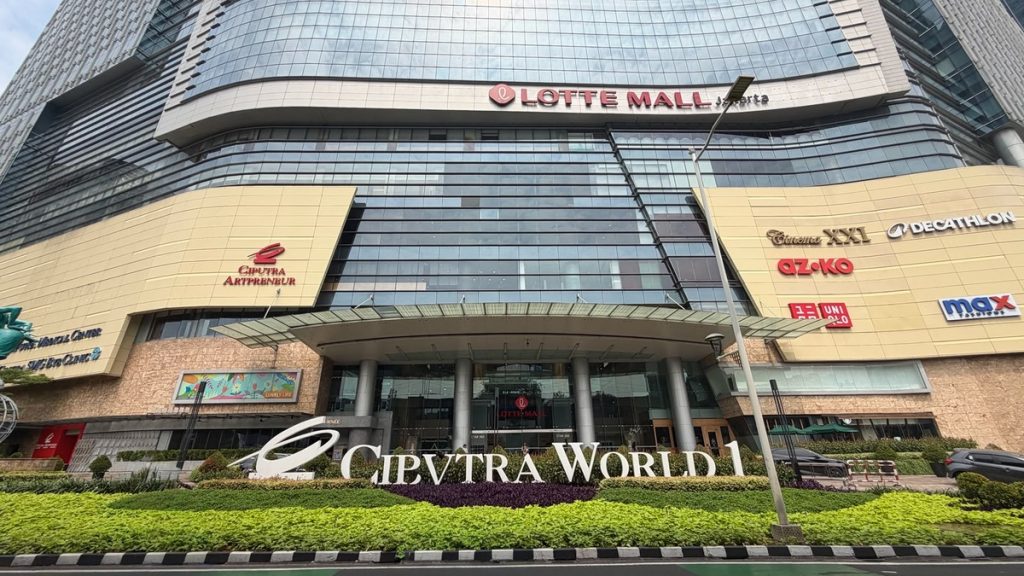
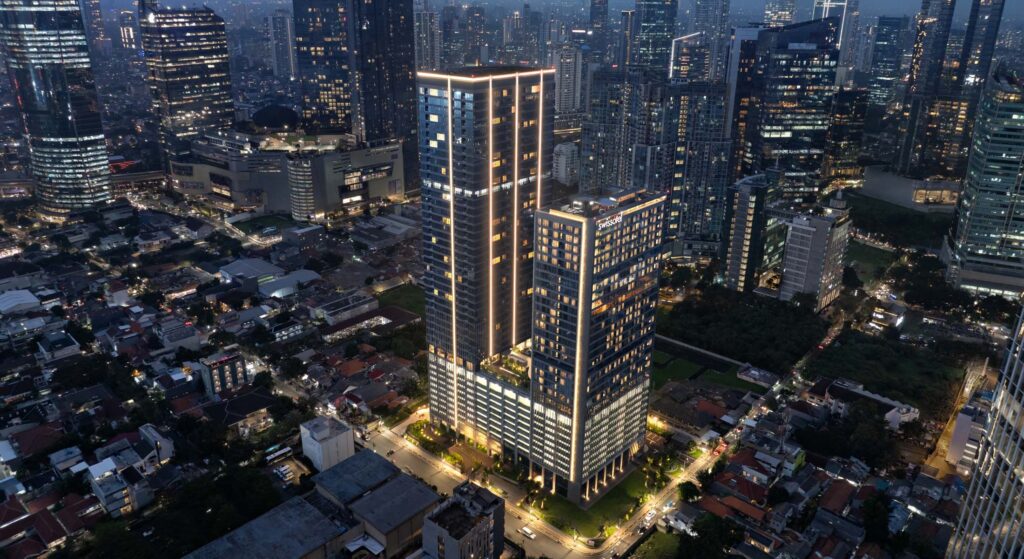
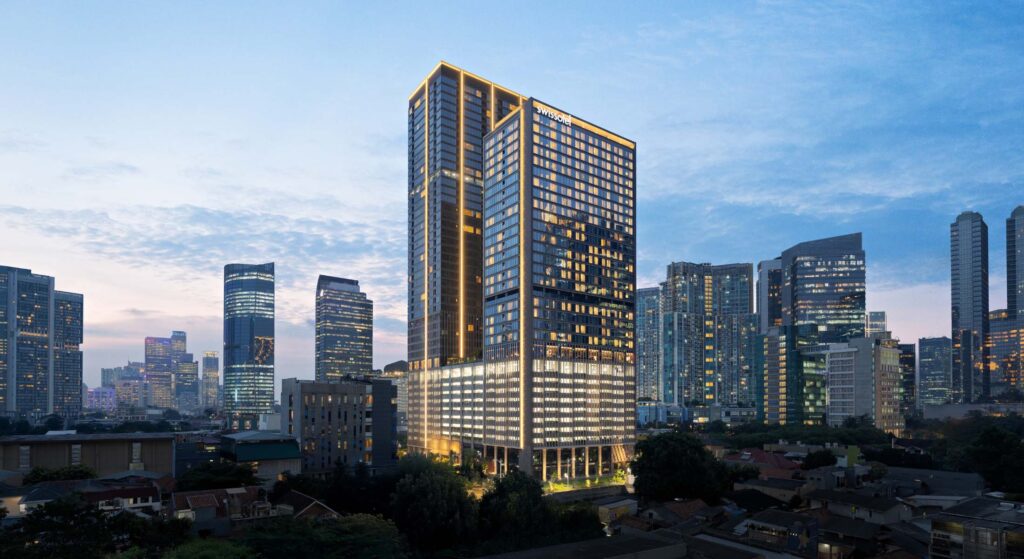
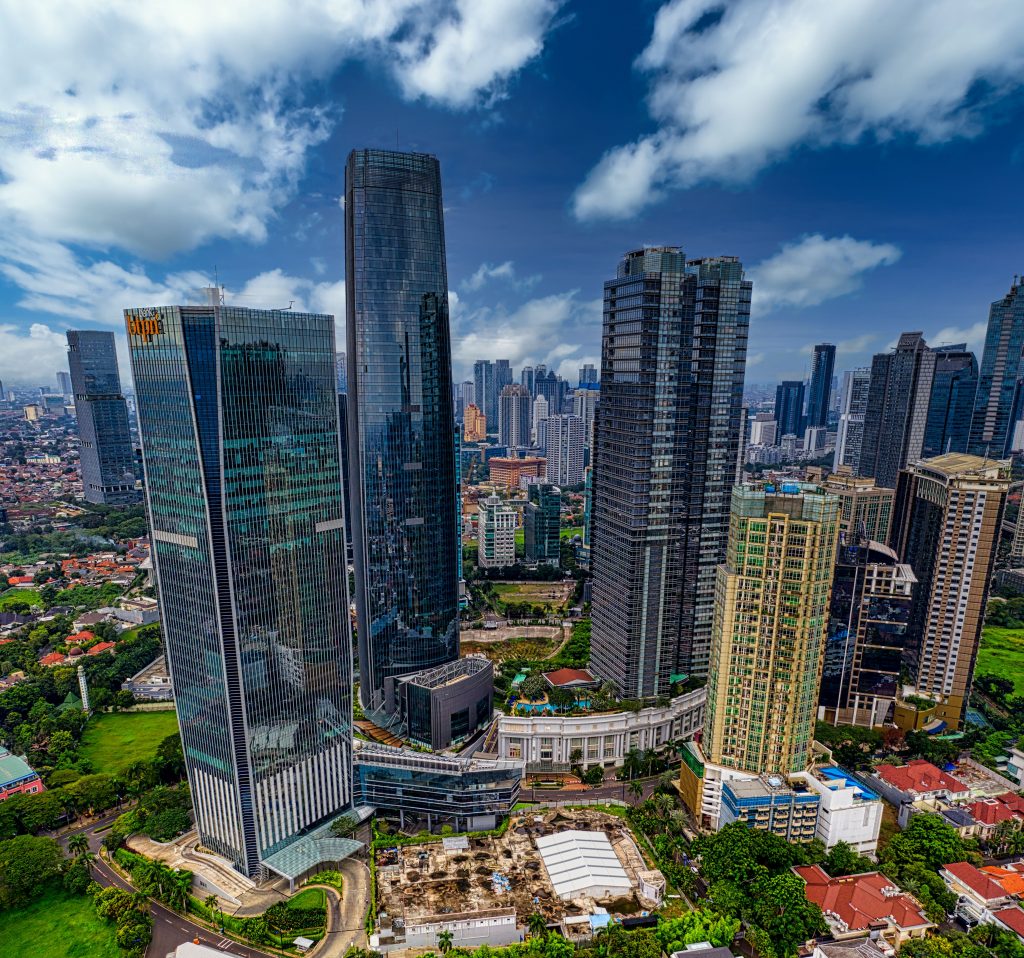
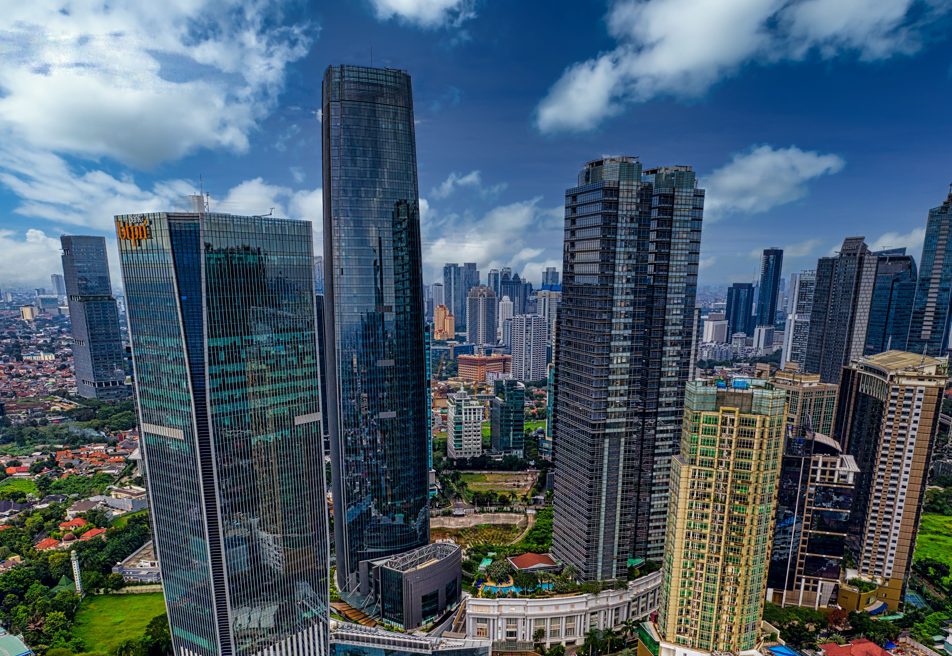
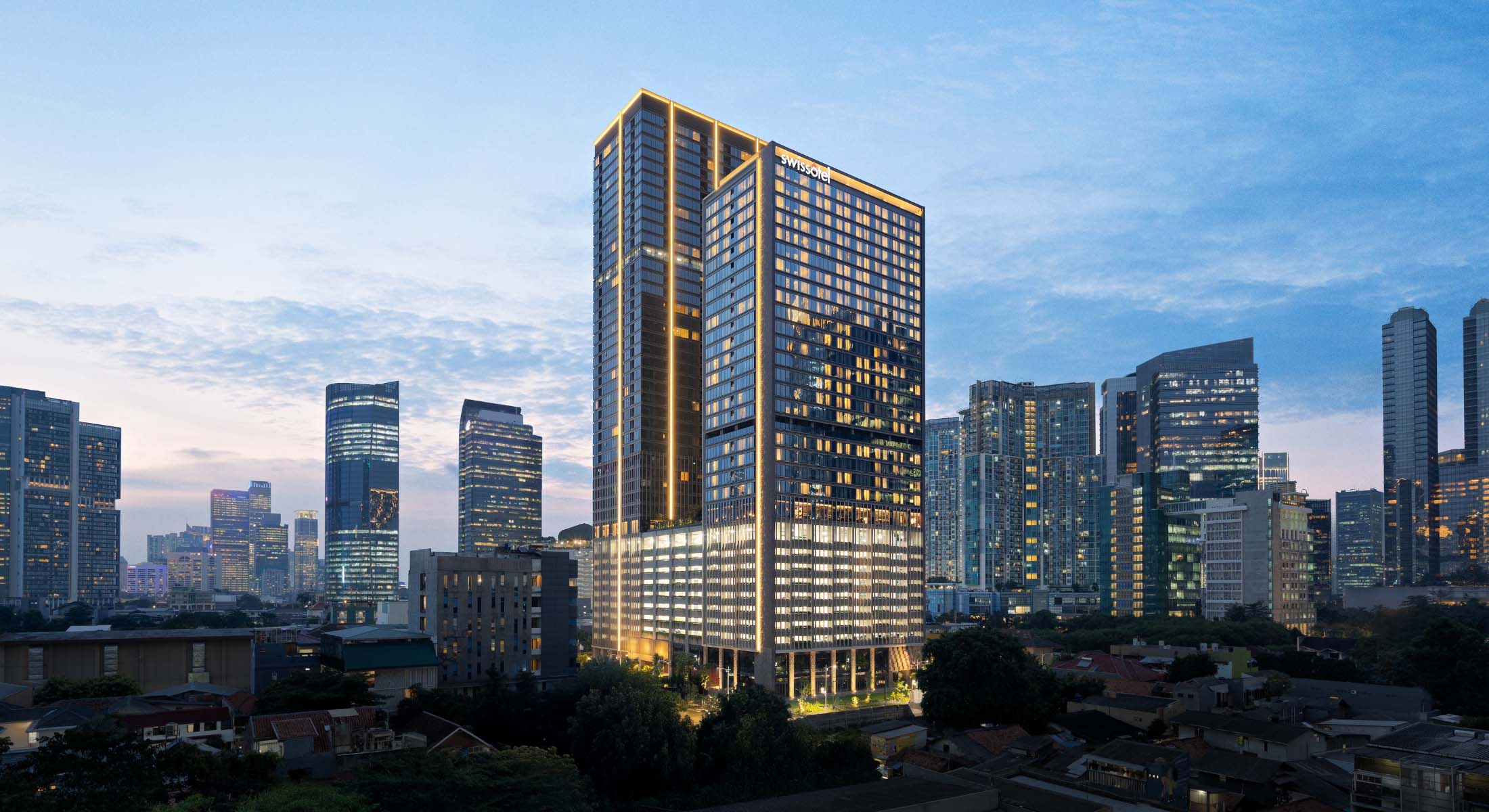
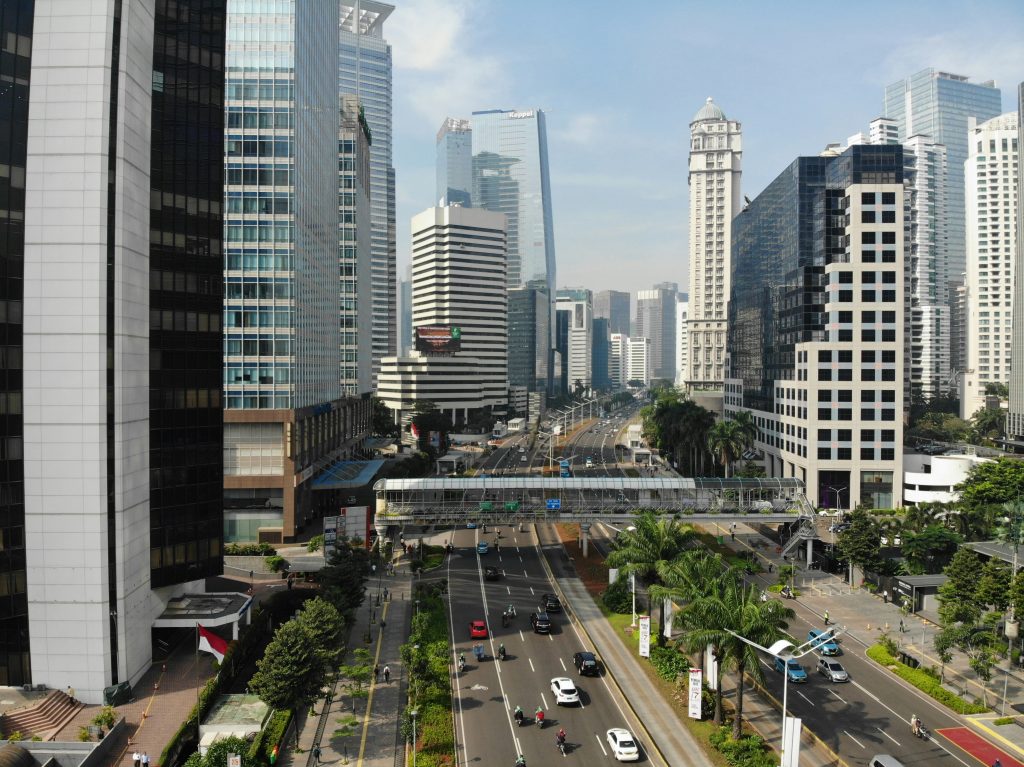
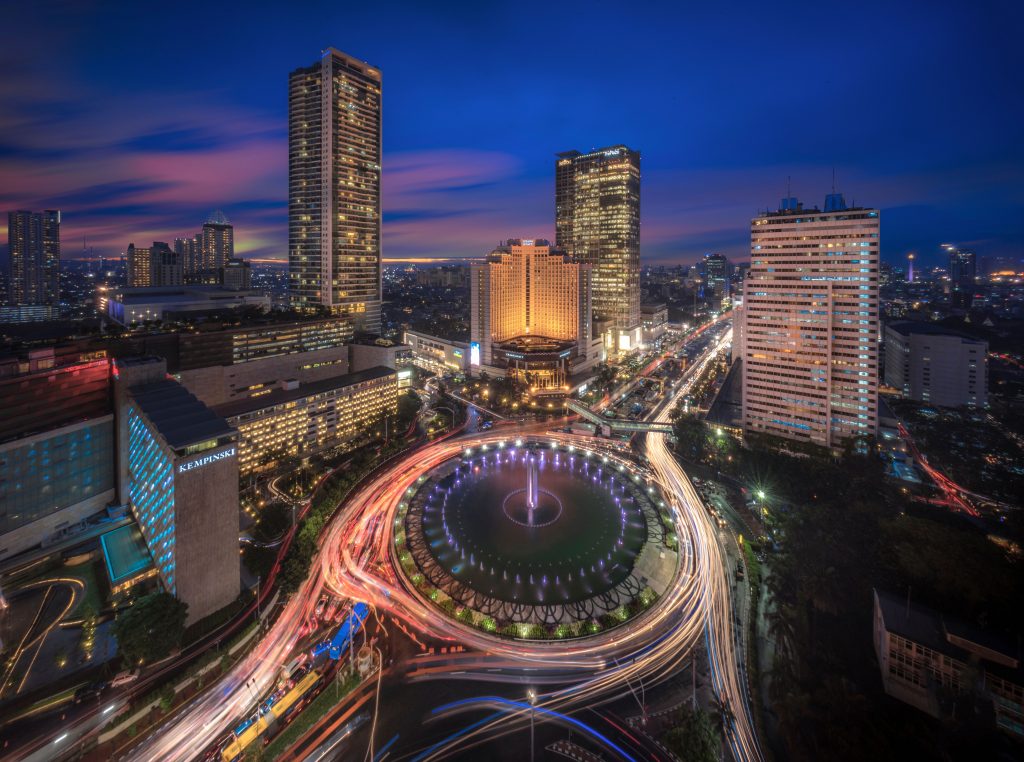
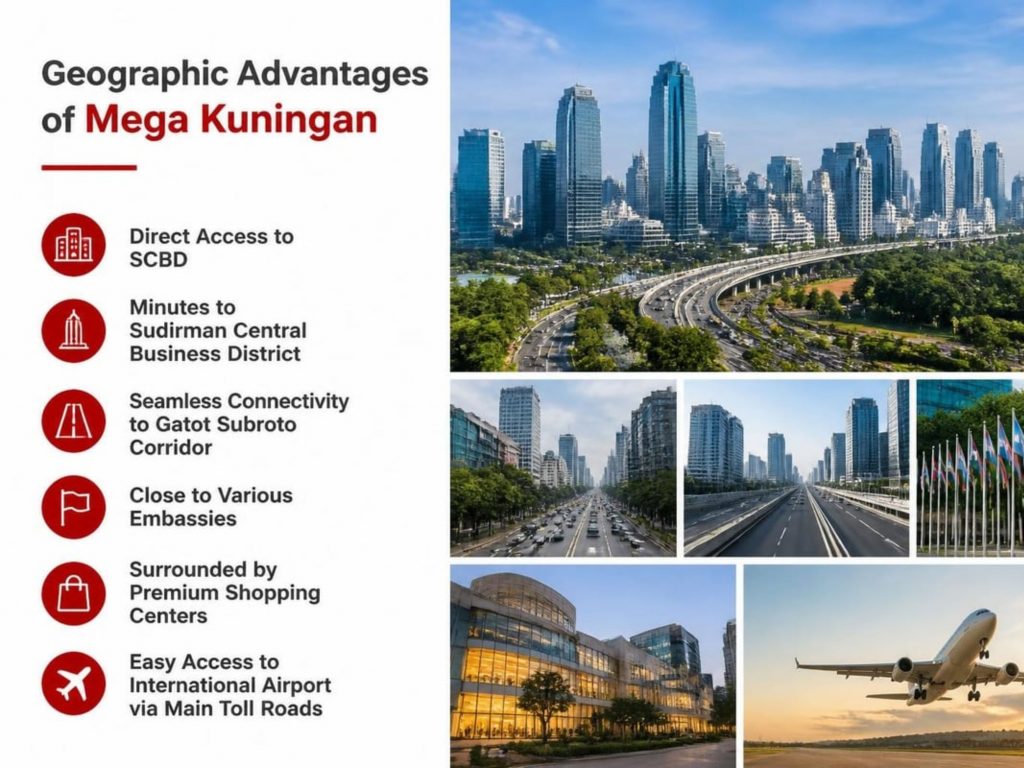
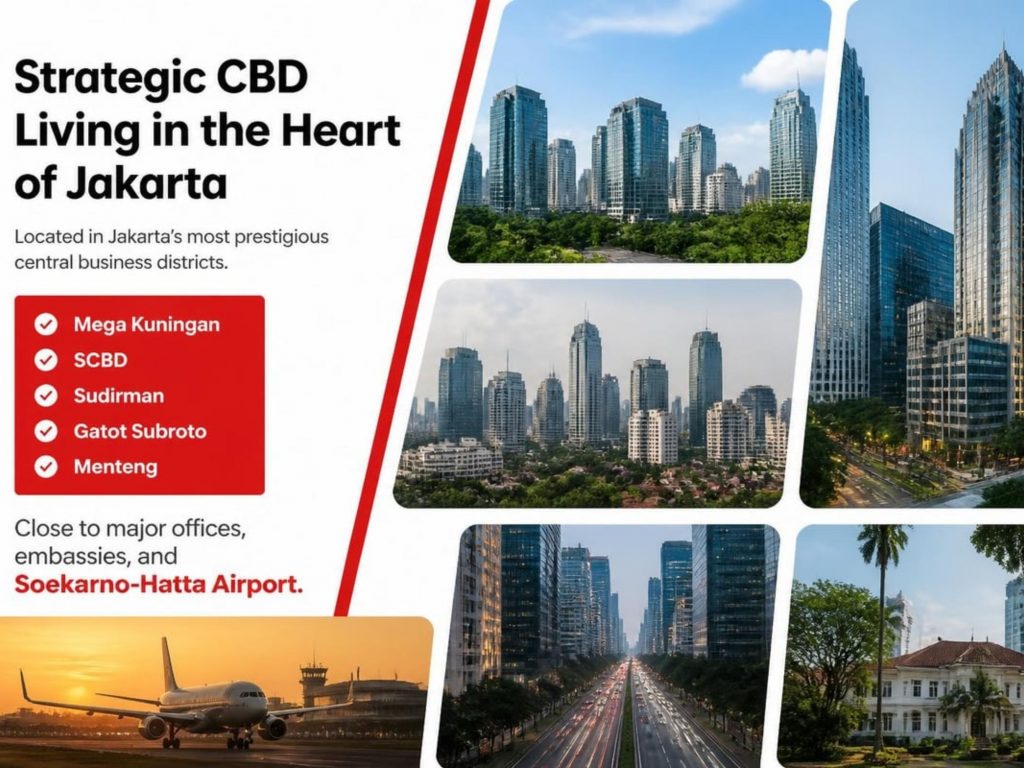
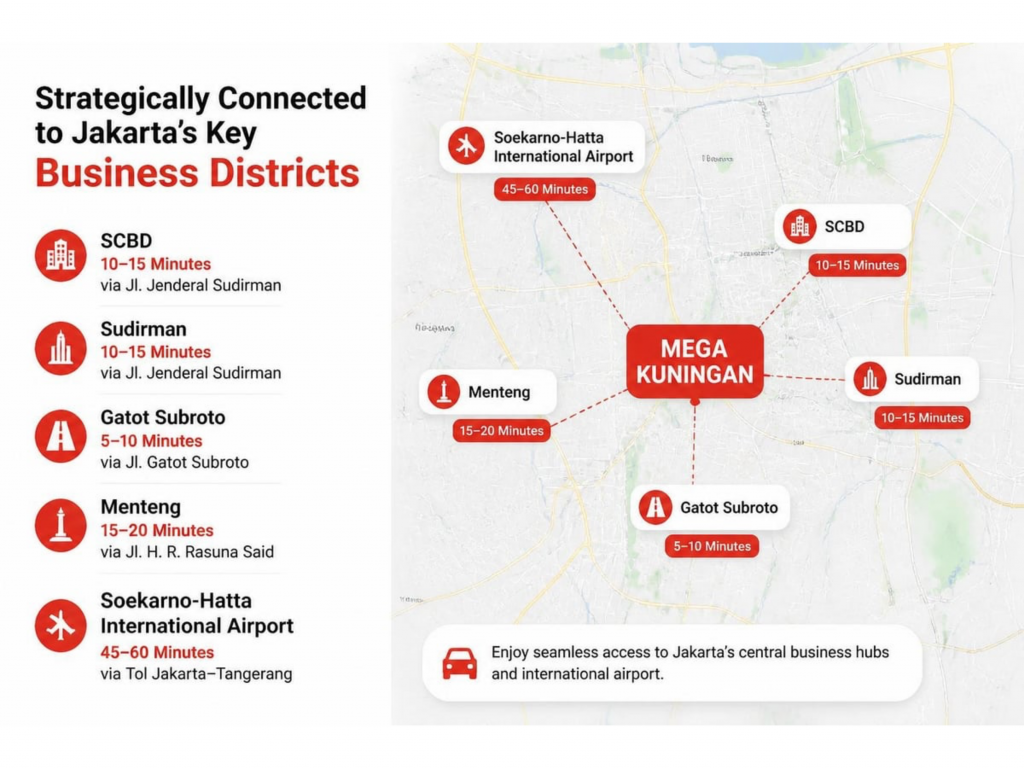
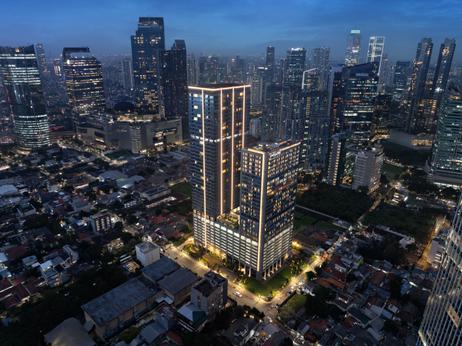
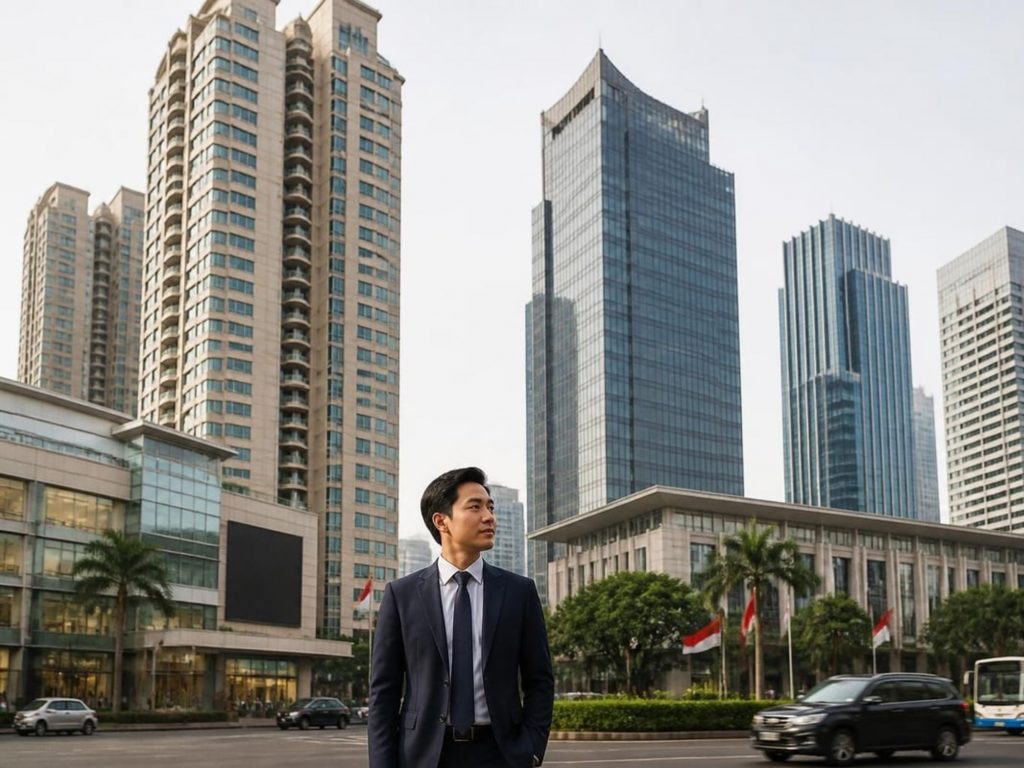
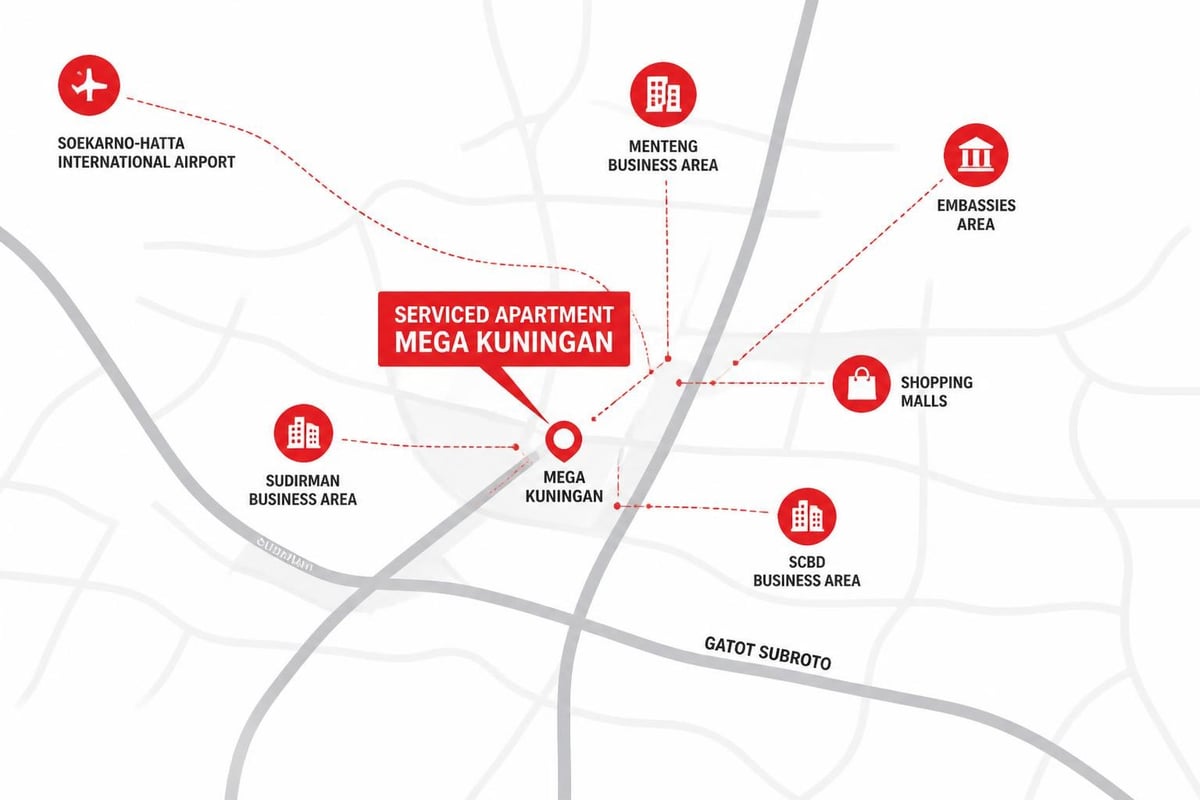
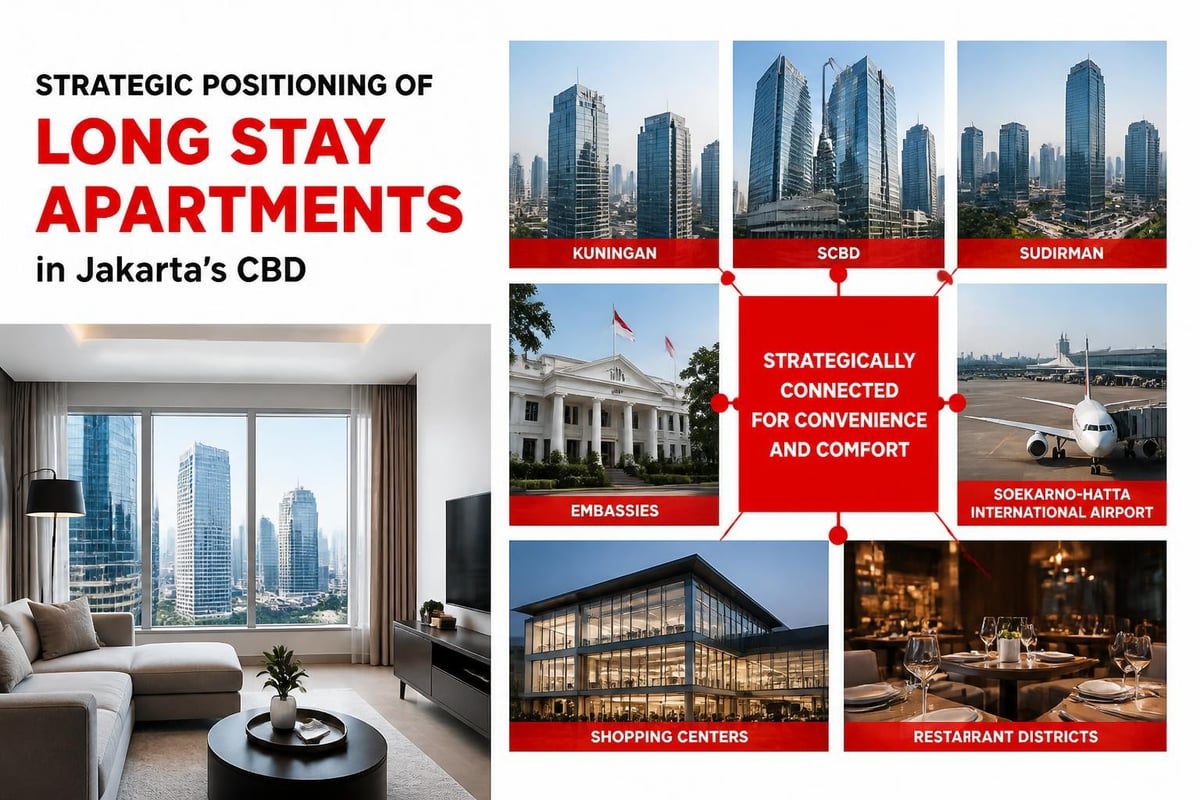
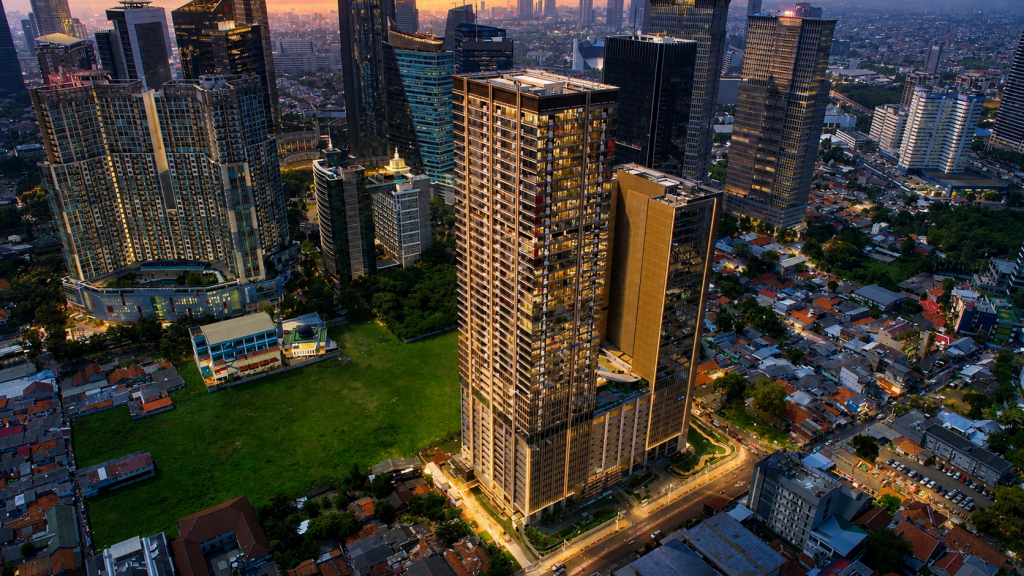
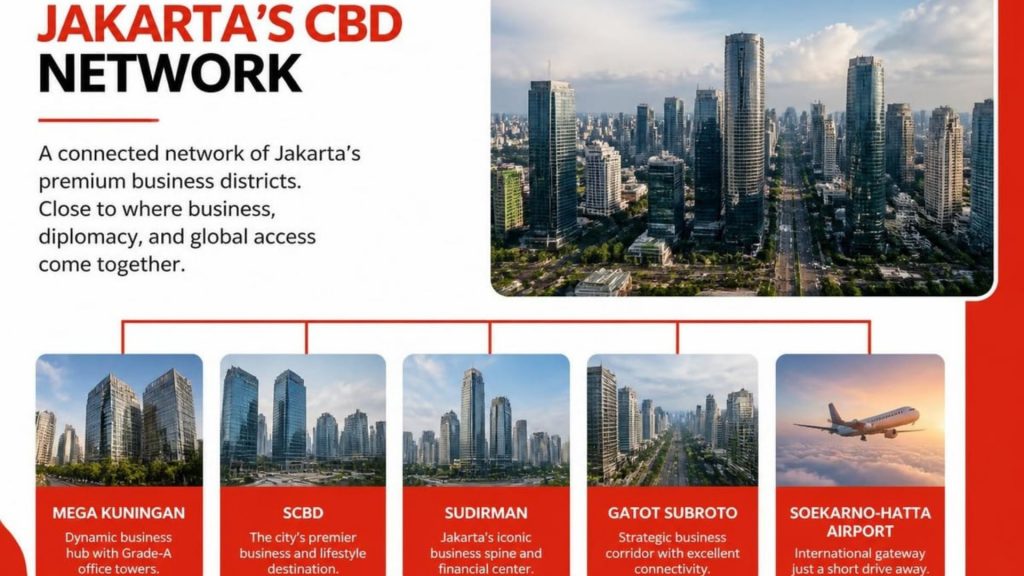
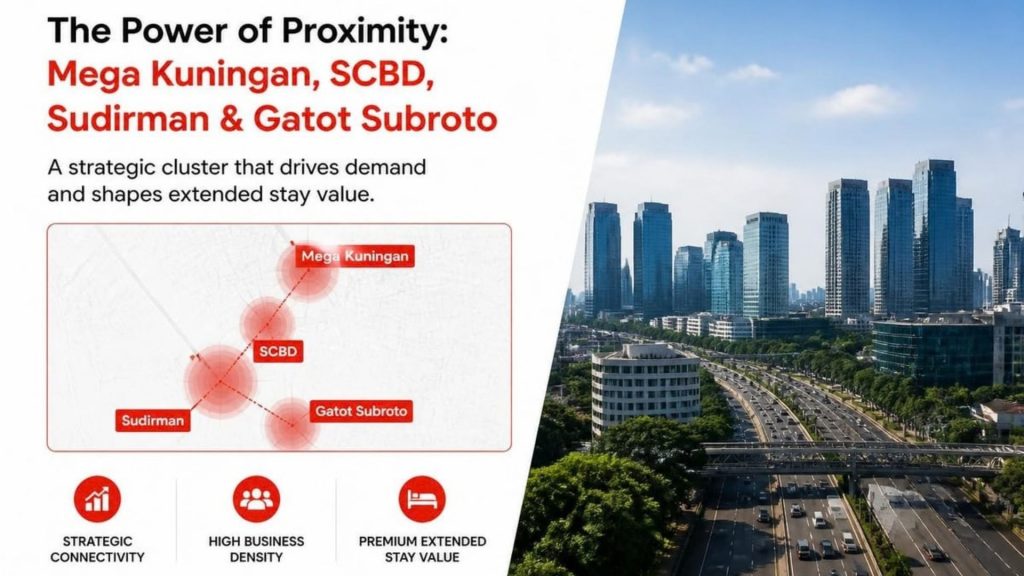
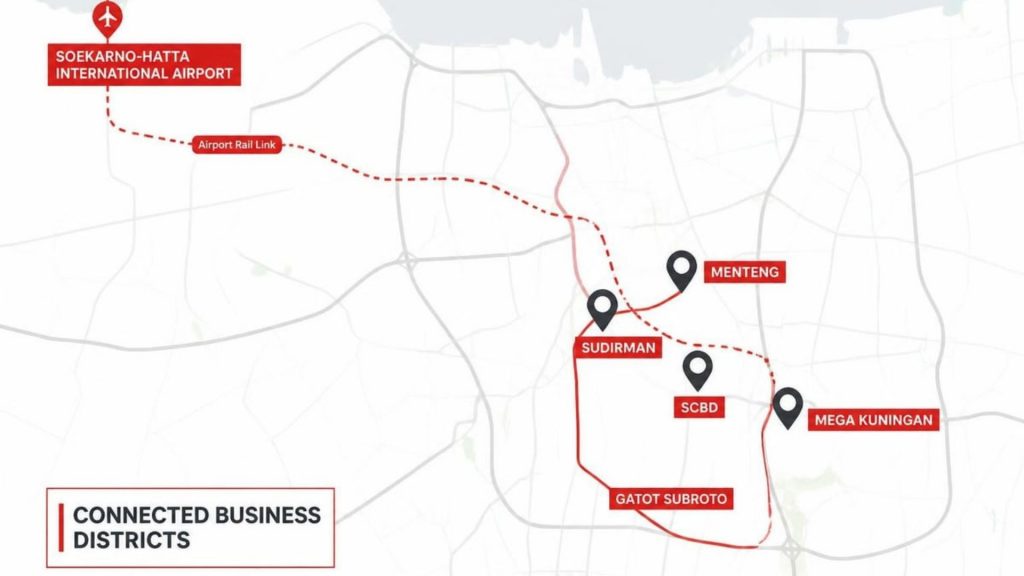
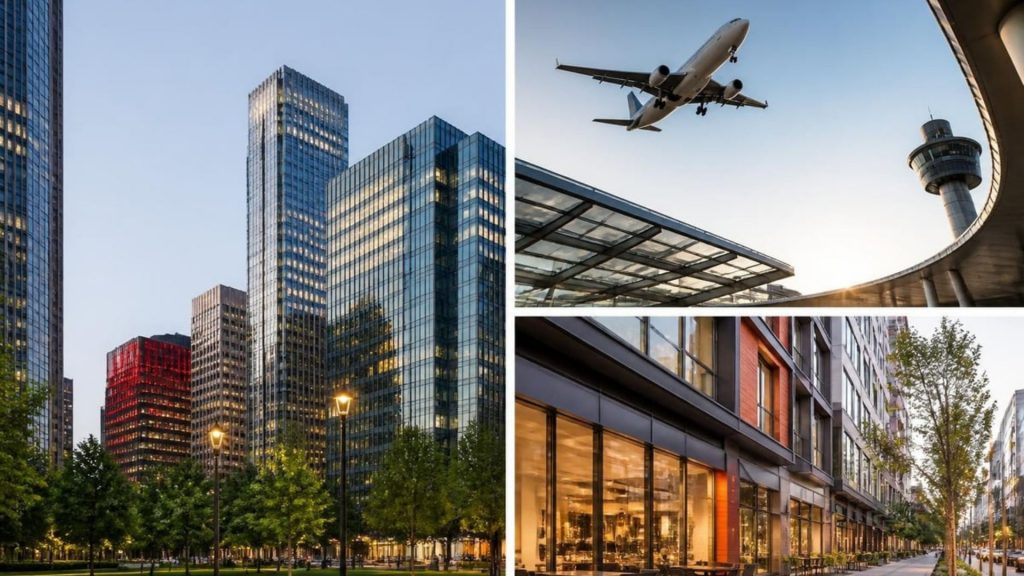
Jakarta’s Mega Kuningan area exemplifies a strategic extended-stay location, providing connectivity to Kuningan, SCBD, Sudirman, Gatot Subroto, and Menteng business districts. This central positioning minimizes commute times for professionals working across multiple Jakarta office areas.
Neighborhood Amenities and Lifestyle Support
Long-term guests require access to essential services beyond the property itself:
- Grocery stores and markets for regular food shopping
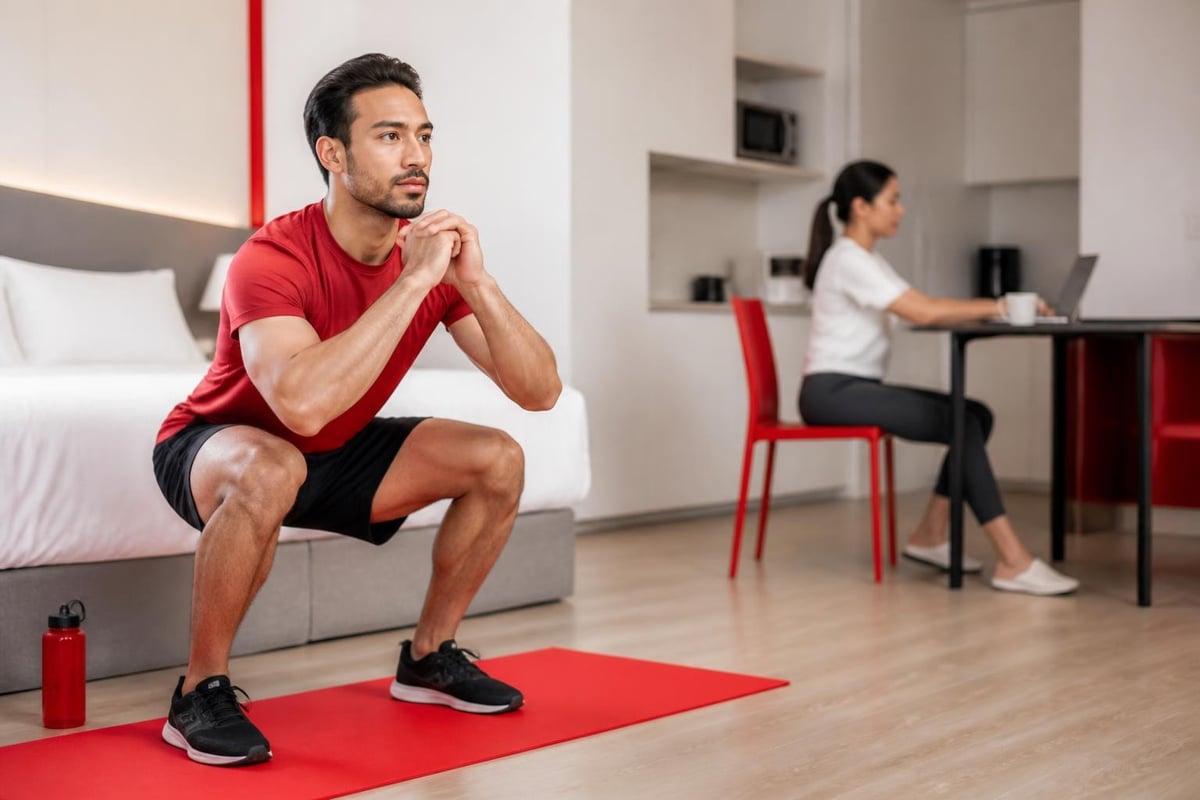
- Fitness facilities either on-site or nearby for maintaining wellness routines
- Healthcare services including clinics and pharmacies
- Banking and postal services for managing financial and administrative needs
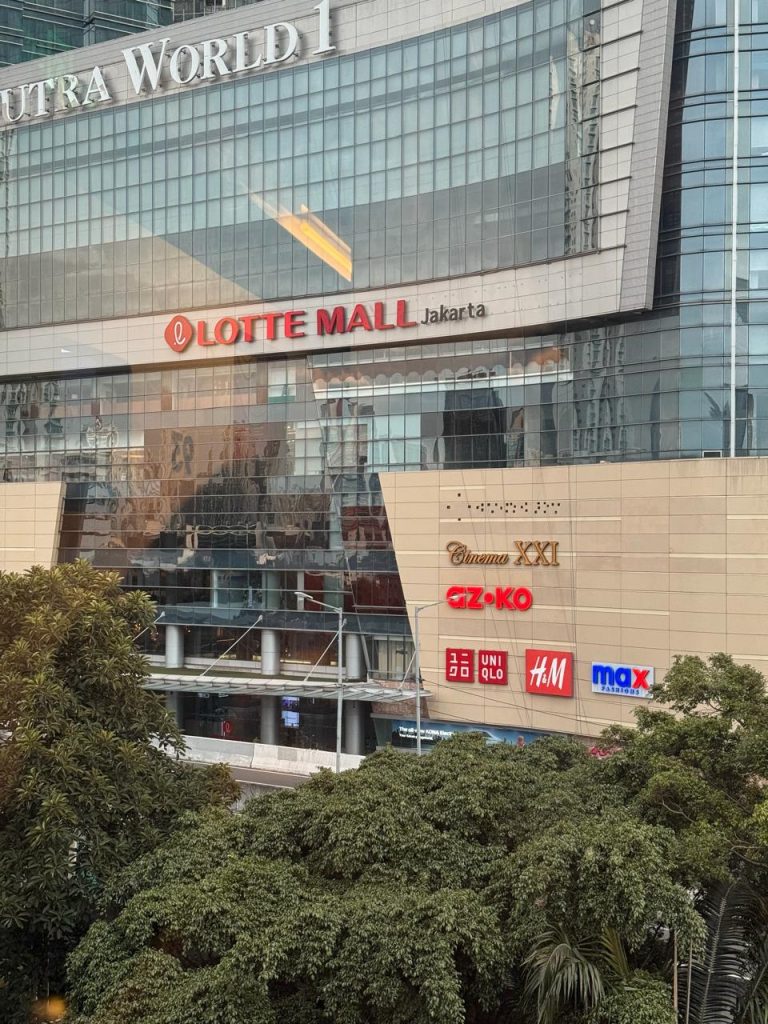
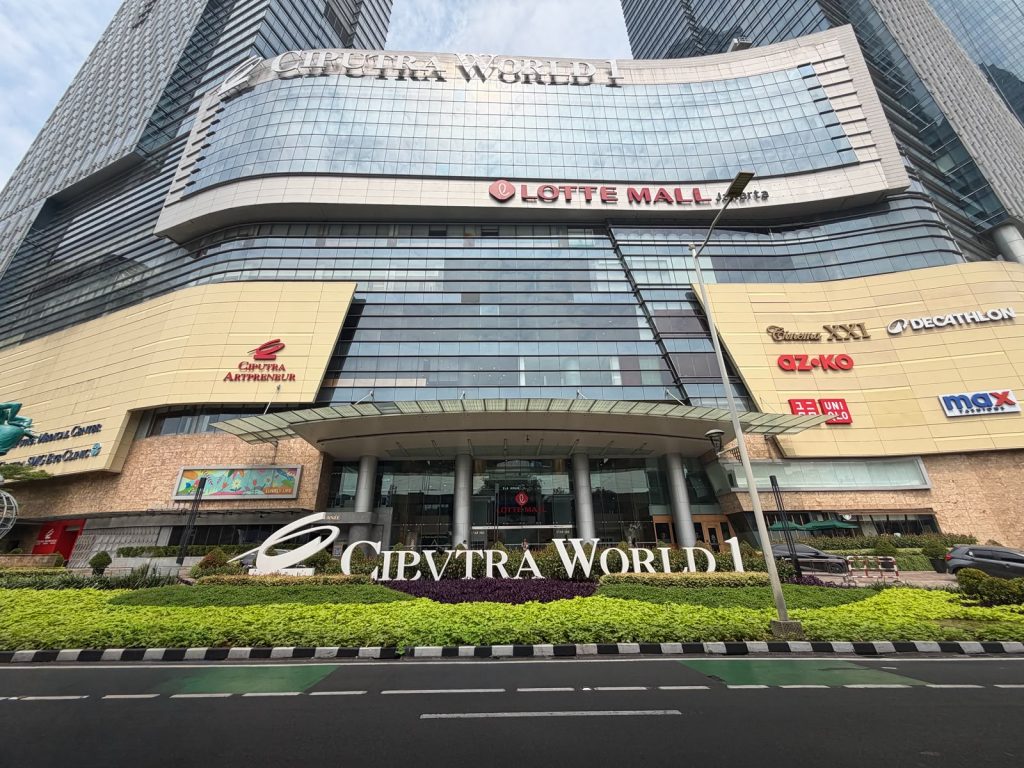
- Recreational spaces such as parks, shopping malls, and entertainment venues
The surrounding neighborhood’s walkability and safety become increasingly important as stays extend beyond a few weeks. Extended-stay options in Jakarta benefit from comprehensive neighborhood analysis when selecting properties.
Service Levels and Operational Differences
Hotels that offer extended stay operate differently from both conventional hotels and unfurnished apartments, creating a hybrid service model.
| Service Category | Frequency | Typical Scope |
|---|---|---|
| Housekeeping | Weekly or bi-weekly | Full cleaning, linen change, restocking |
| Maintenance | On-demand | Repairs, replacements, technical support |
| Concierge | Daily availability | Reservations, local information, arrangements |
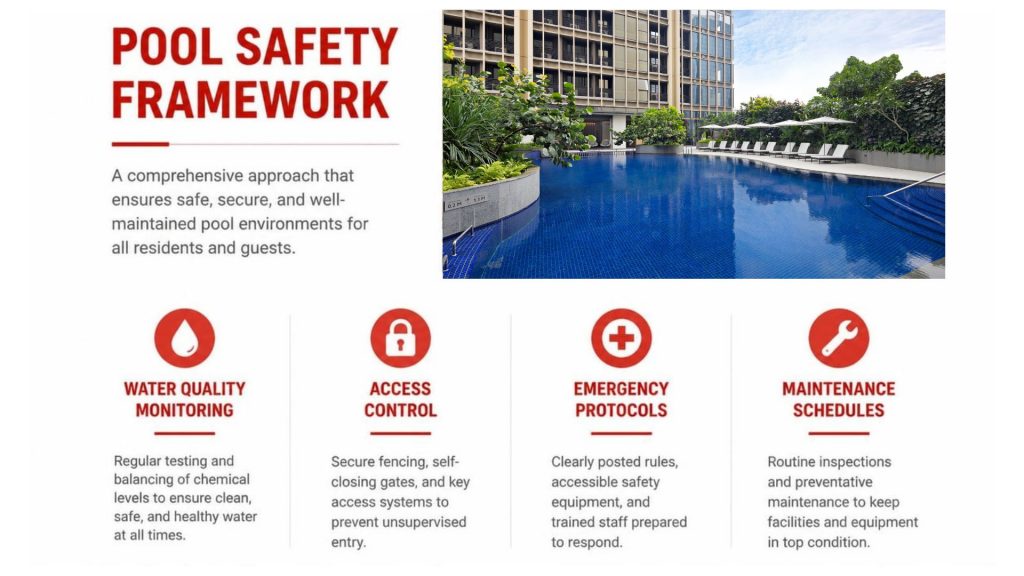
| Security | 24/7 monitoring | Access control, emergency response |
| Front Desk | Varies by property | Check-in support, package handling, inquiries |
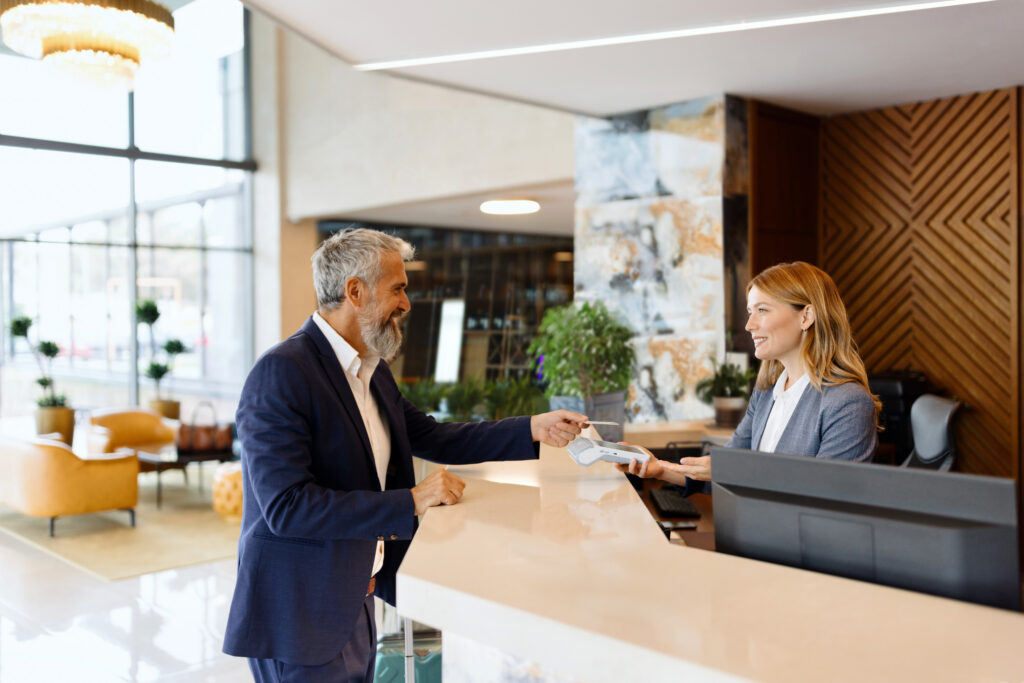
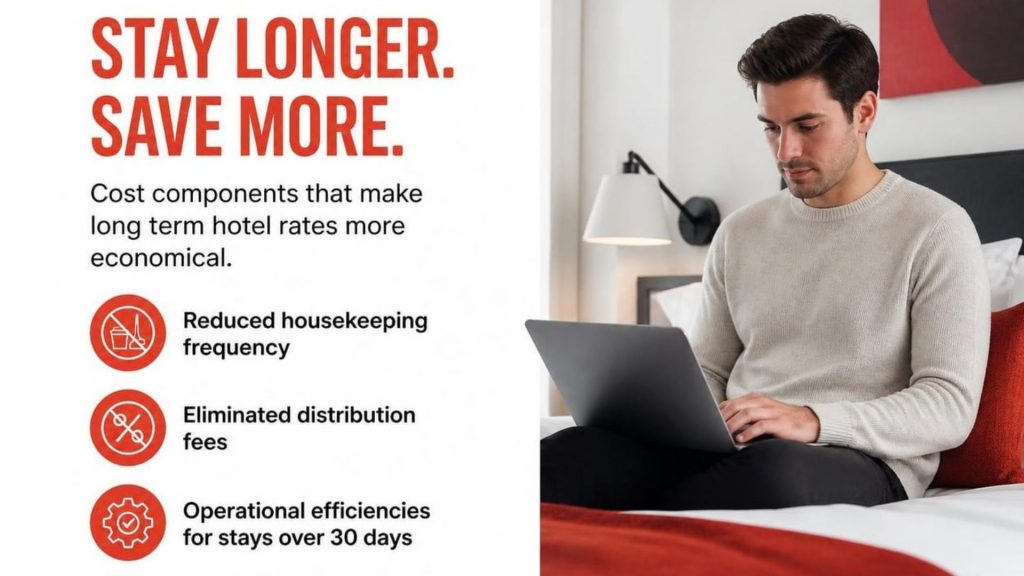
Reduced housekeeping frequency compared to daily hotel service lowers operating costs while respecting guest privacy during extended stays. Many properties offer optional additional cleaning services for an extra fee, allowing guests to customize service levels based on personal preferences and budgets.
Maintenance responsiveness becomes more critical in extended-stay properties where guests depend on appliances and systems for daily living. Efficient repair processes and proactive maintenance prevent minor issues from disrupting long-term stays.
Market Trends Shaping Extended-Stay Demand in 2026
The extended-stay sector continues evolving in response to changing work patterns and lifestyle preferences. Industry forecasts indicate sustained growth in extended-stay demand across global markets.
The Rise of Flexible Work Arrangements
Remote work normalization has fundamentally altered extended-stay demand patterns. Professionals now undertake multi-week stays in cities where their companies maintain offices, splitting time between remote work and in-person collaboration. Digital nomads seek properties offering reliable infrastructure for sustained productivity while exploring new destinations.
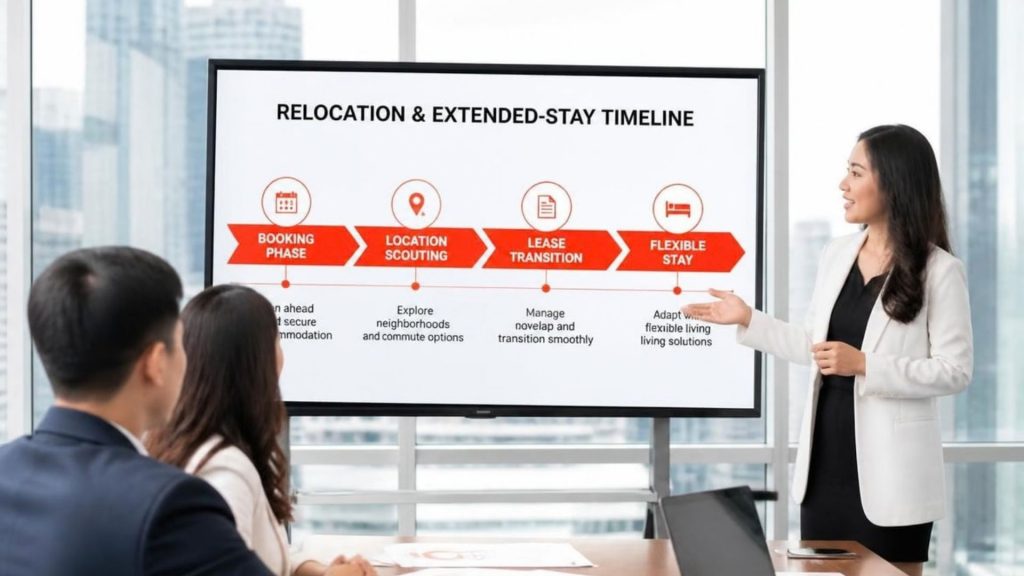
Companies increasingly book extended-stay accommodations for employees on temporary assignments rather than relocating them permanently. This trend supports demand for hotels that offer extended stay with flexible lease terms that align with project timelines rather than traditional monthly rental periods.
Why professionals choose extended stays reflects broader shifts in work culture and location flexibility that show no signs of reversing.
Family and Relocation Stays
Extended-stay properties serve families during transitional periods, including:
- International relocations while securing permanent housing
- Home renovation projects requiring temporary displacement
- Medical situations requiring extended time near healthcare facilities
- Educational transitions during school transfers or university programs
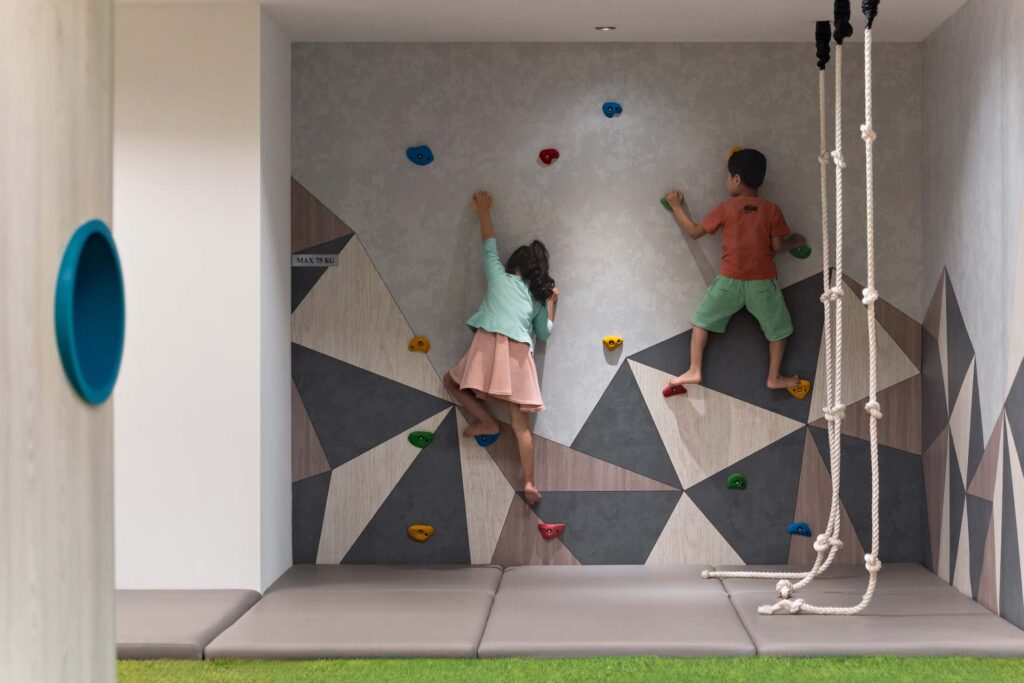
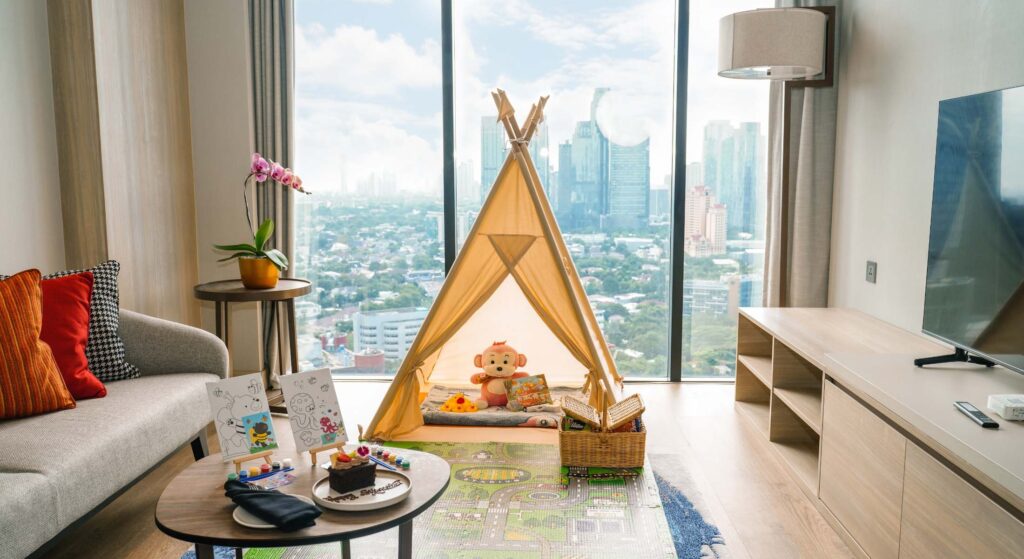
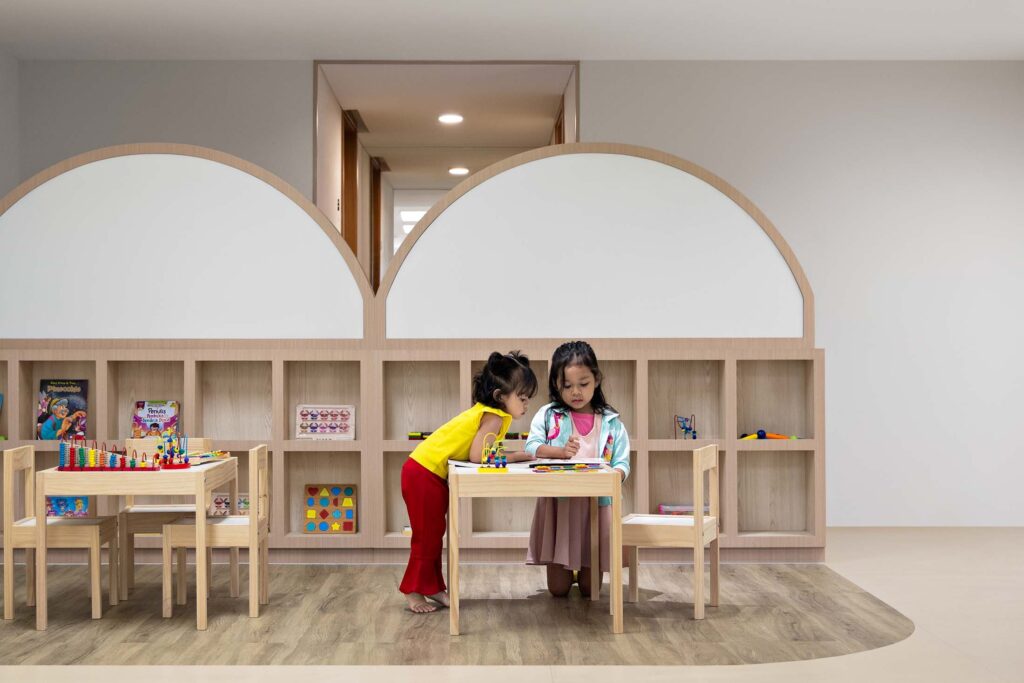
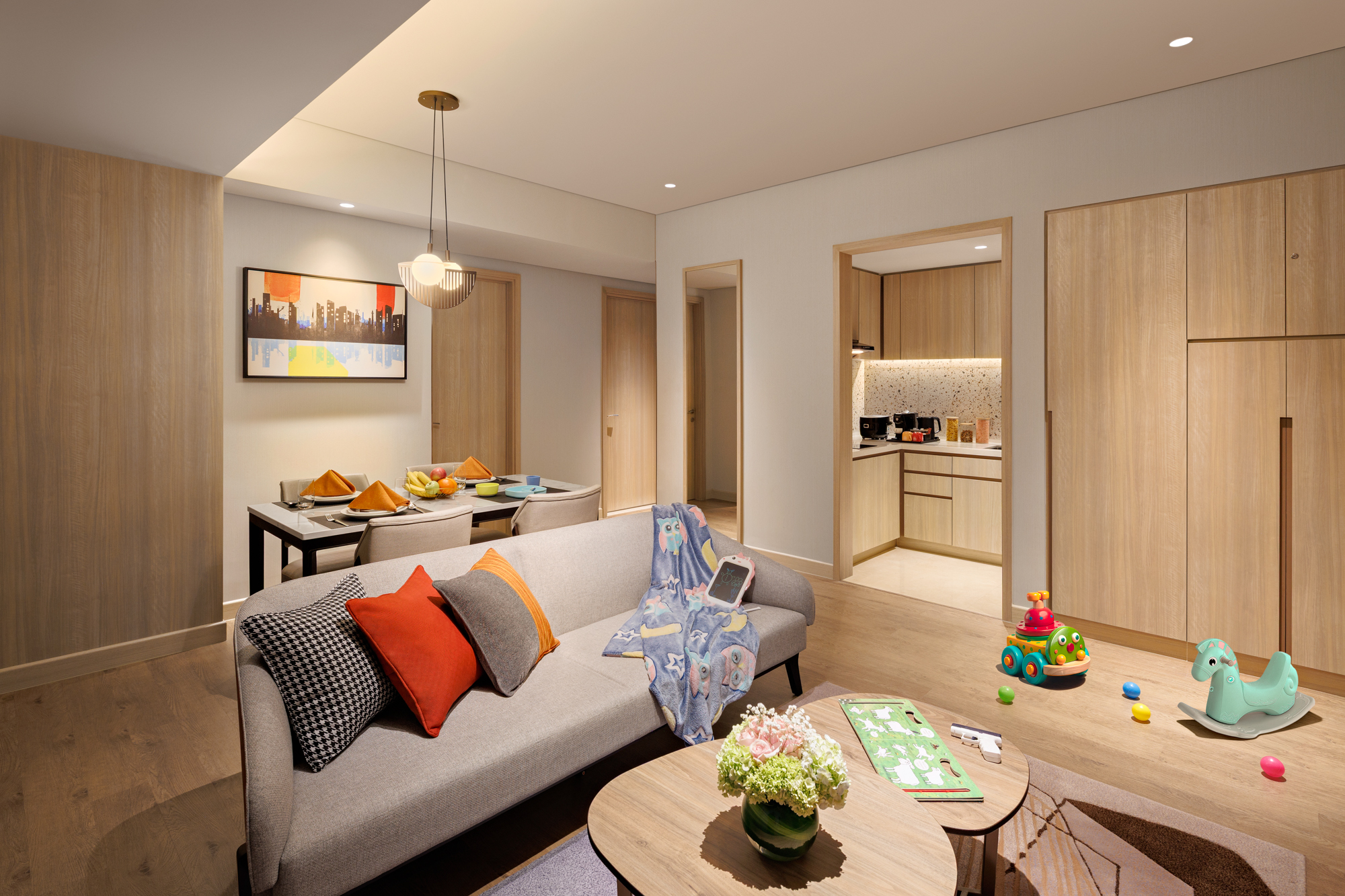
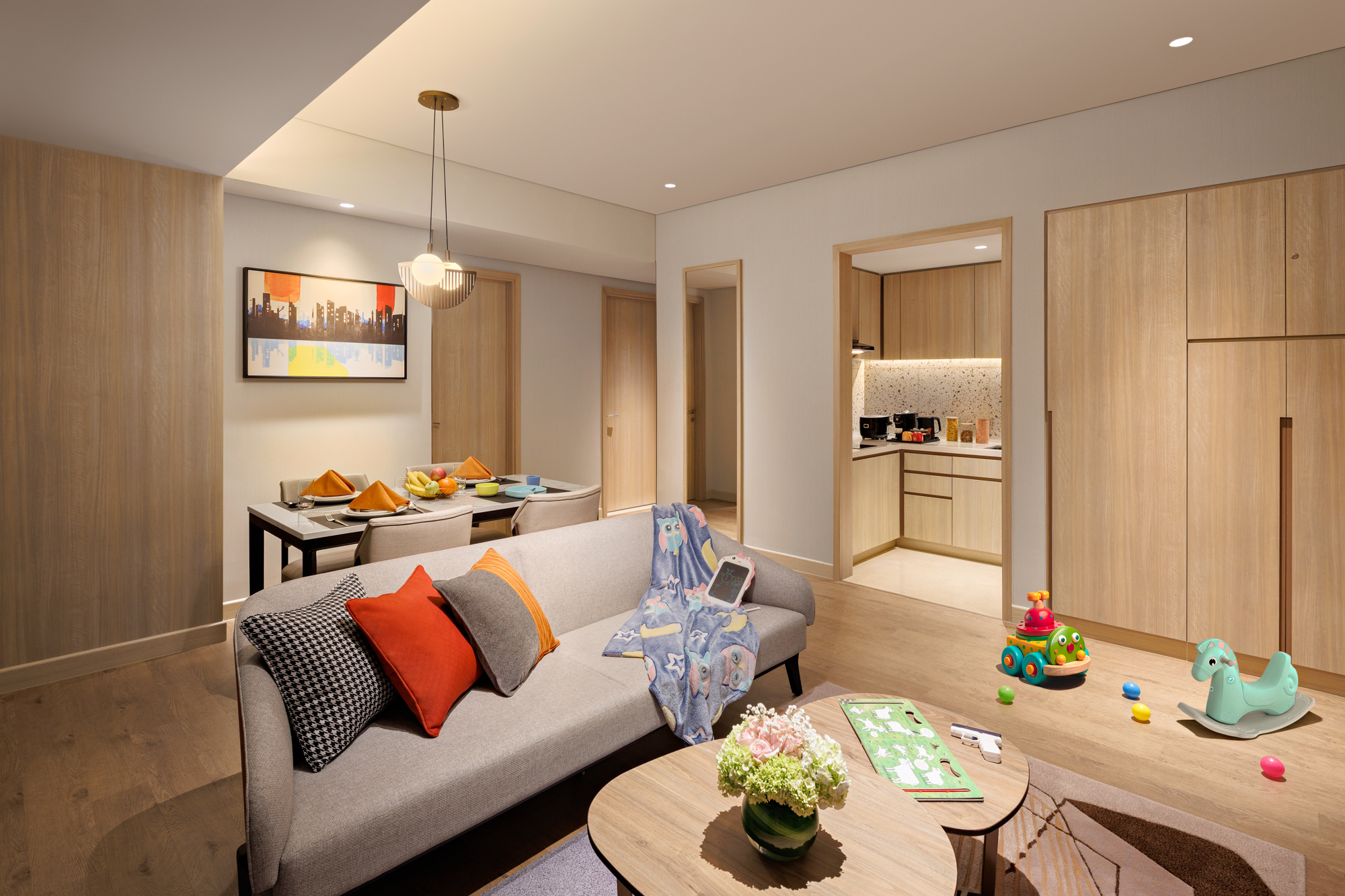
Family-oriented hotels that offer extended stay provide multiple bedrooms, adequate bathroom facilities, and living spaces that accommodate children’s needs during potentially stressful transition periods.
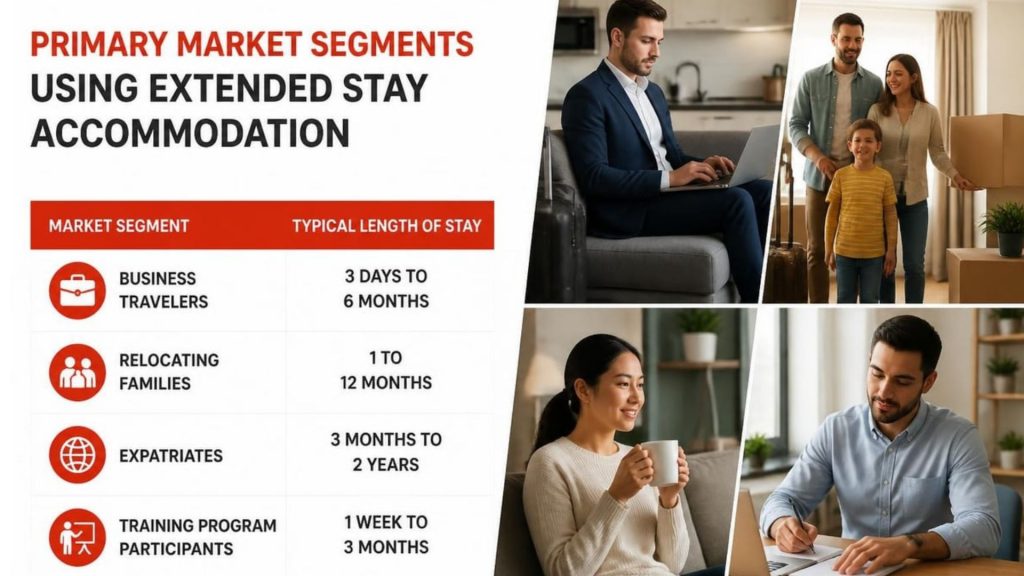
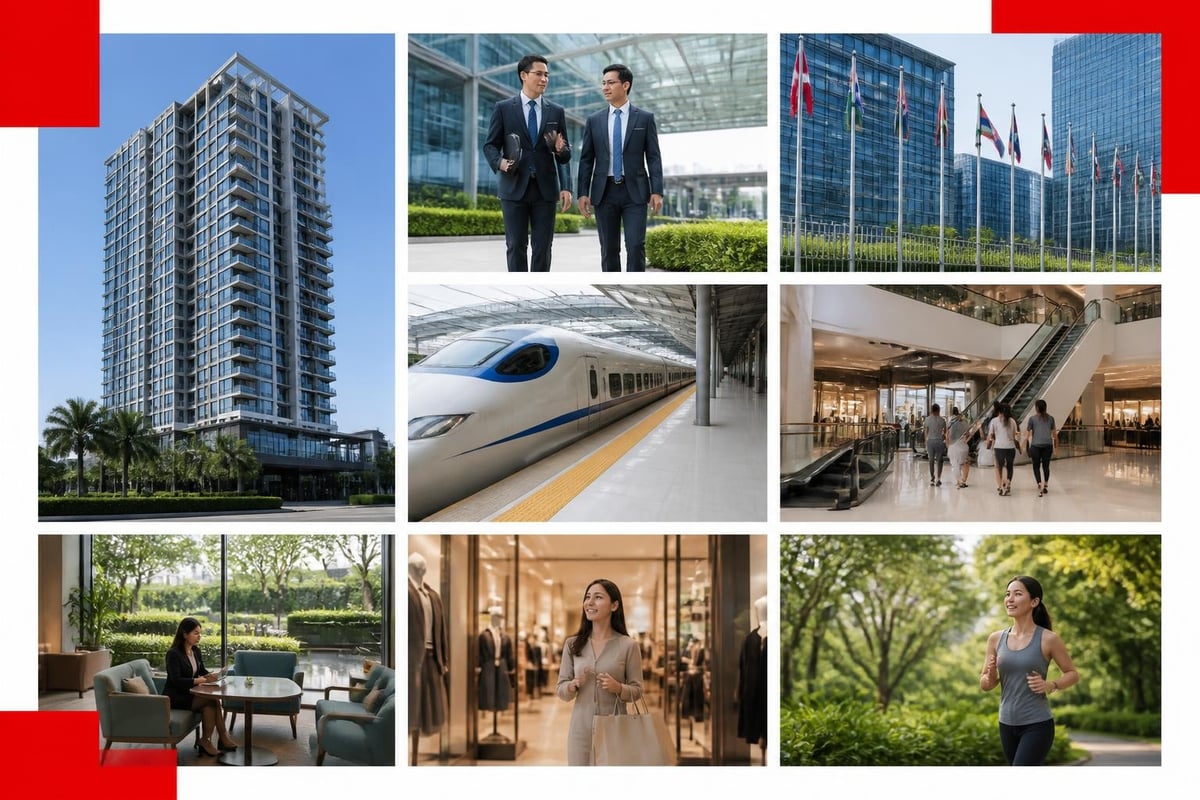
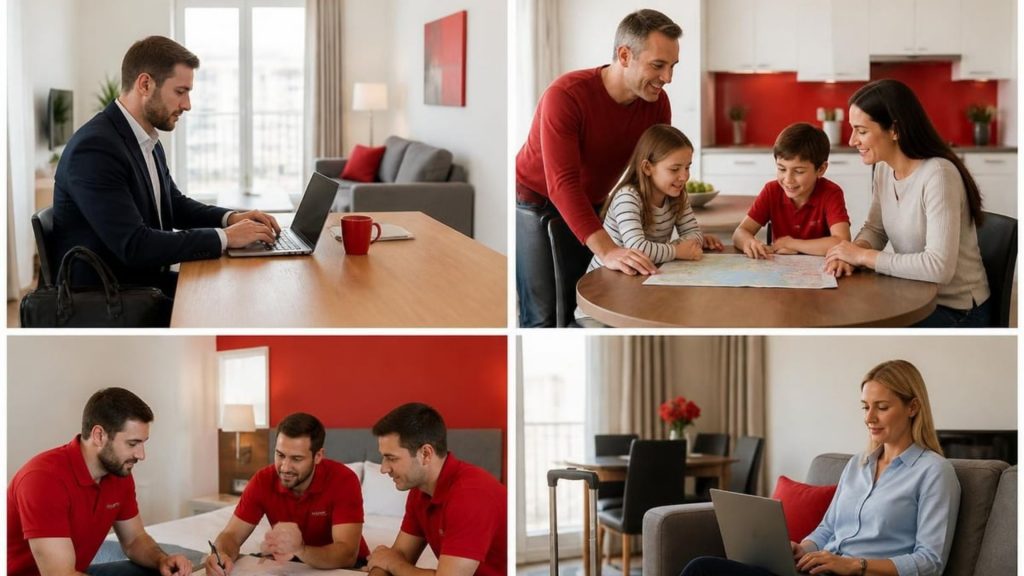
Breakdown of extended-stay hotel demand by guest type, showing business travelers, corporate housing, family relocations, digital nomads, and expatriate accommodation with duration patterns and booking characteristics
Evaluating Property Quality and Management Standards
Selecting among hotels that offer extended stay requires assessing operational quality beyond basic amenities.
Brand Reputation and Operational Consistency
Established hospitality brands bring standardized operating procedures and quality controls that independent properties may lack. Brand affiliation often indicates regular inspections, maintenance standards, and guest service protocols that protect long-term guest experiences.
Properties operated by international hospitality groups like Accor benefit from global expertise in extended-stay management while adapting to local market needs. This combination delivers consistency without sacrificing local relevance.
Guest Reviews and Long-Term Resident Feedback
Online reviews provide valuable insights, but evaluating hotels that offer extended stay requires focusing on feedback from guests who stayed weeks or months rather than single nights. Long-term residents experience operational aspects that short-term guests never encounter:
- Maintenance responsiveness over time
- Housekeeping quality with reduced frequency
- Noise issues from neighboring long-term residents
- Management flexibility in addressing ongoing concerns
- Hidden fees or unexpected charges appearing on extended-stay bills
Reviews mentioning specific duration lengths (30+ days, 90+ days) offer more relevant insights for potential long-term guests than typical hotel reviews focusing on weekend stays.
Serviced Apartments as Extended-Stay Solutions
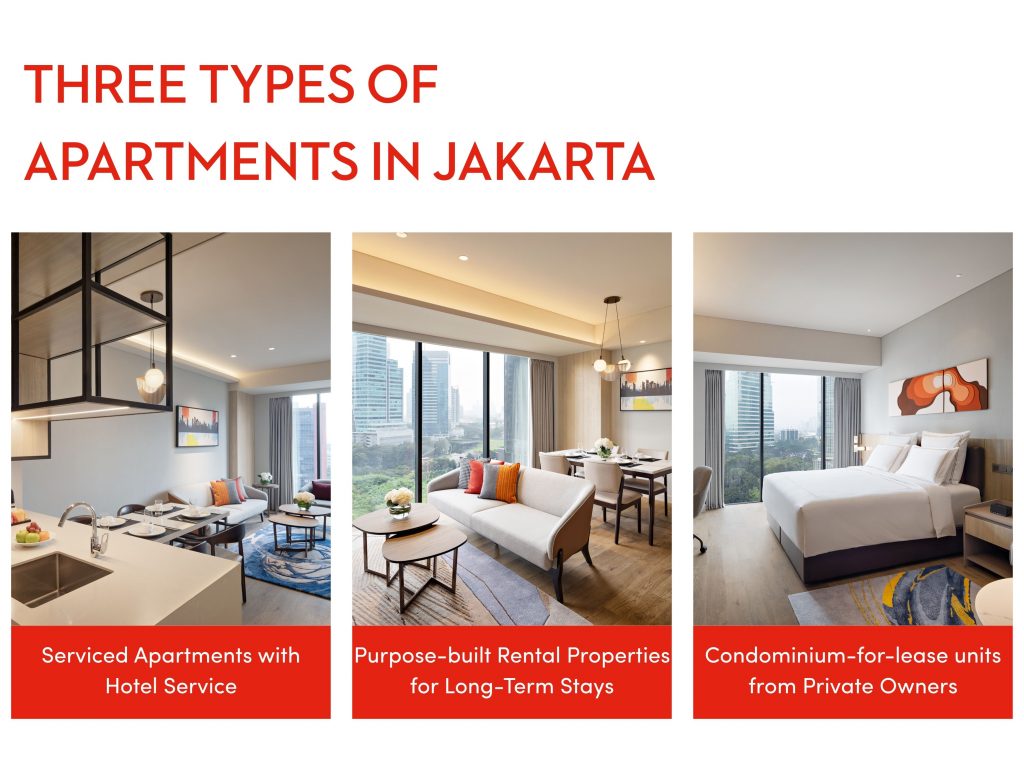
While traditional hotels that offer extended stay serve important market segments, purpose-built serviced apartments often provide superior long-term living experiences. These properties are designed from inception for extended occupancy rather than adapting conventional hotel models.
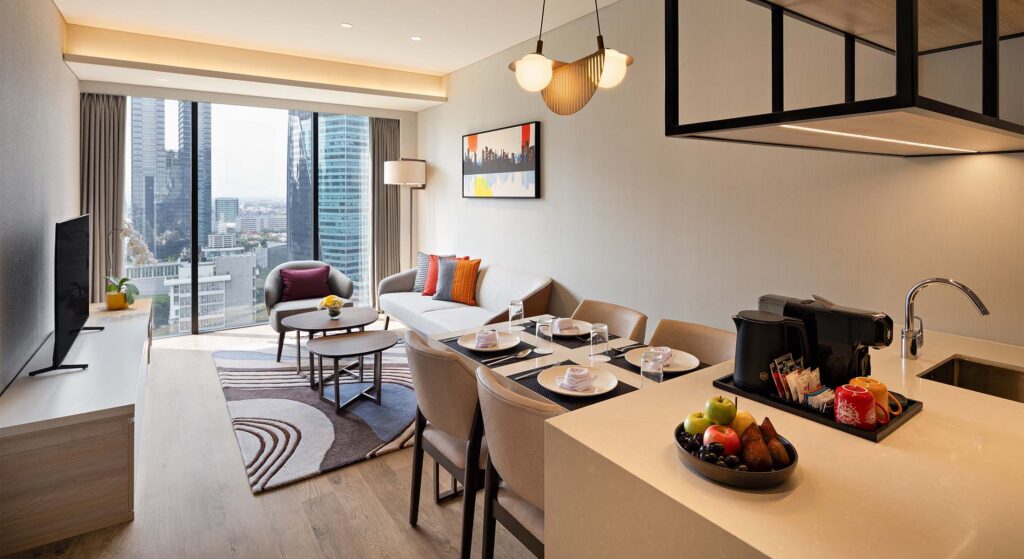
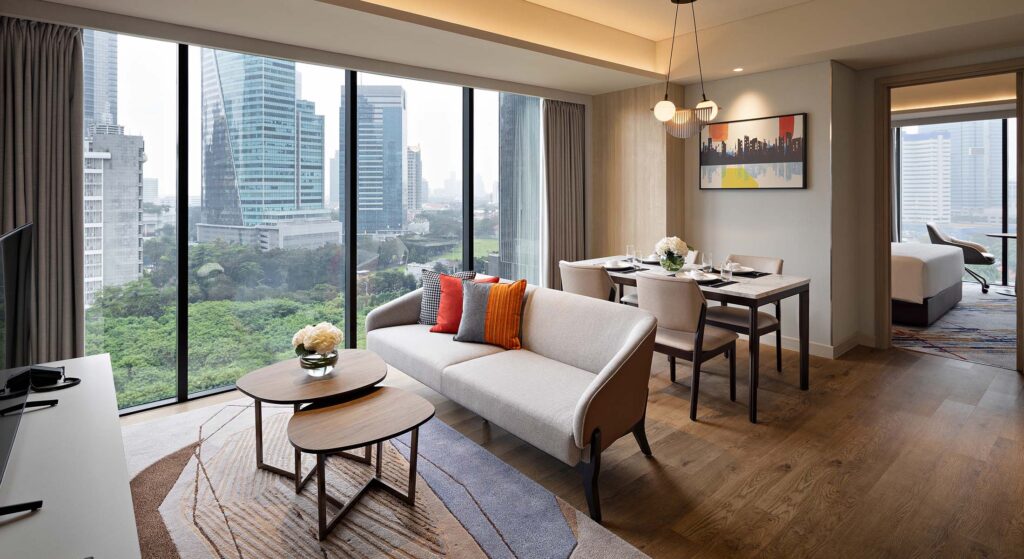
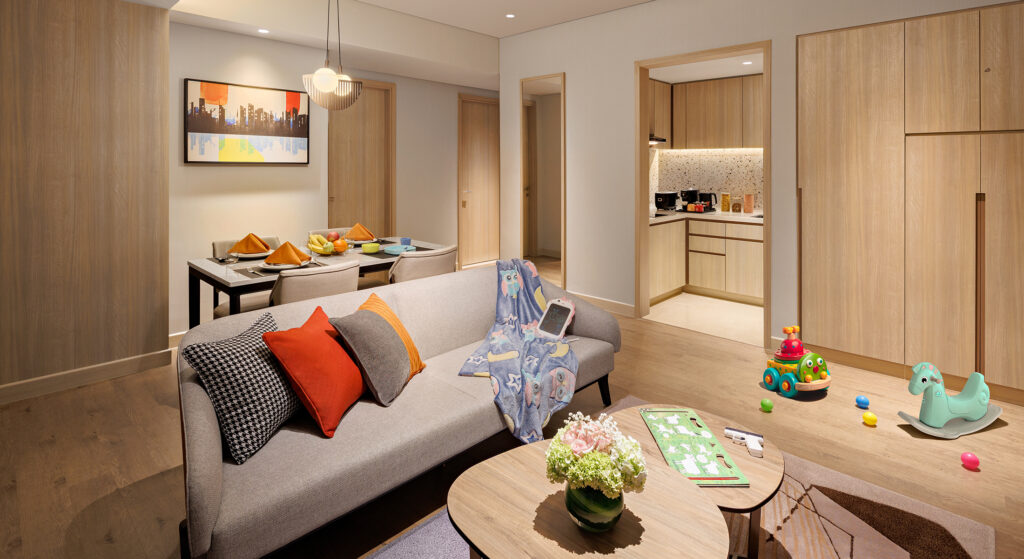
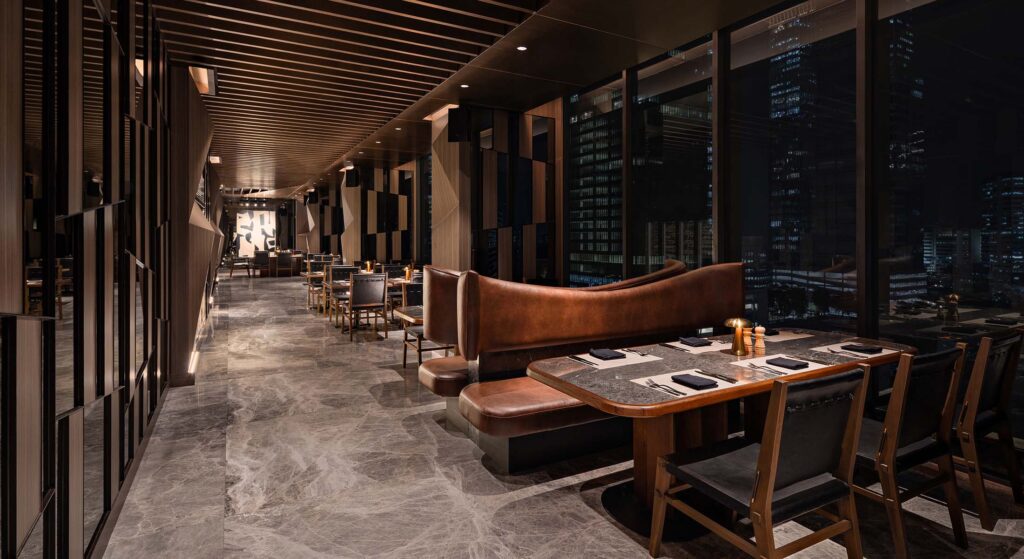
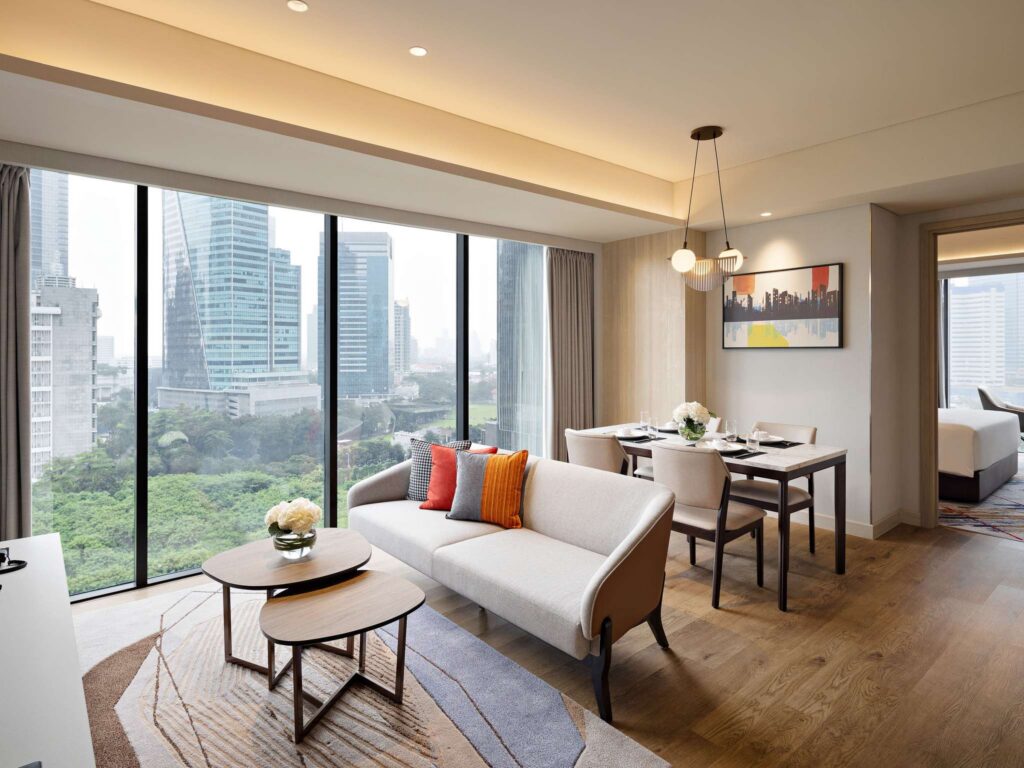
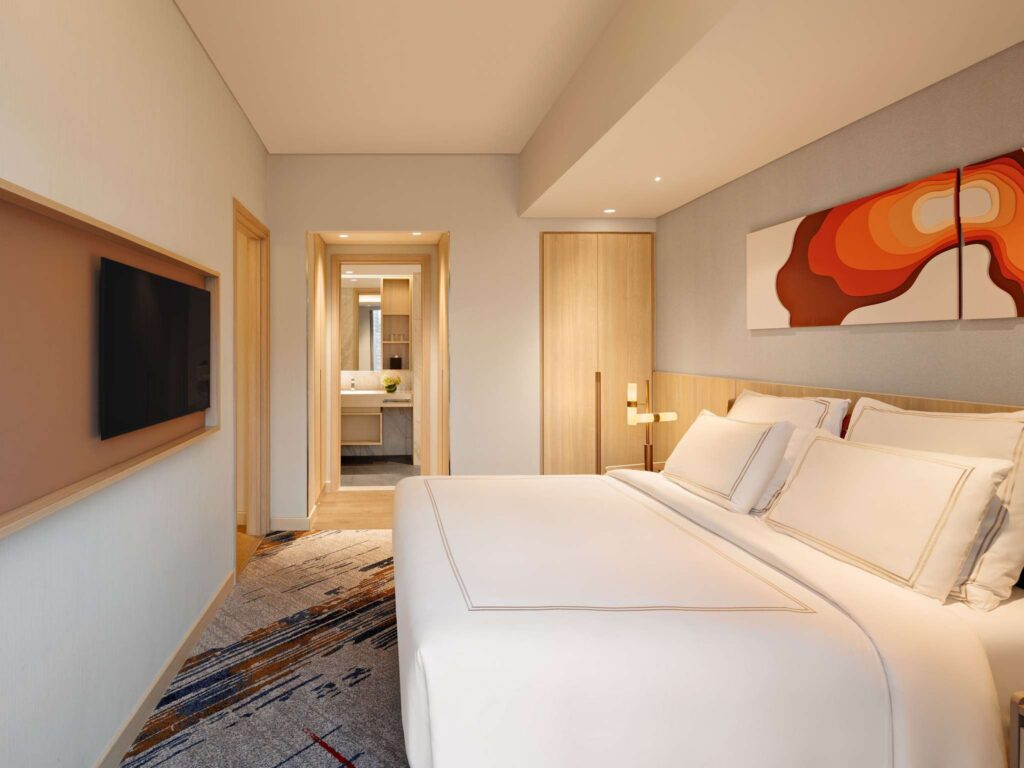
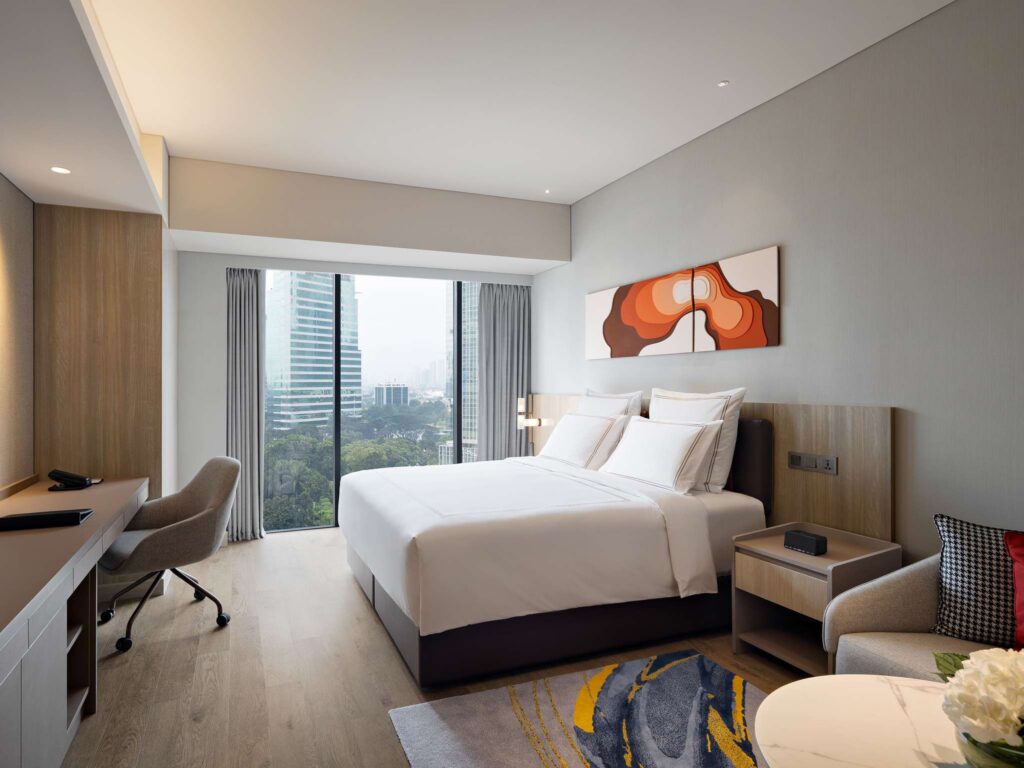
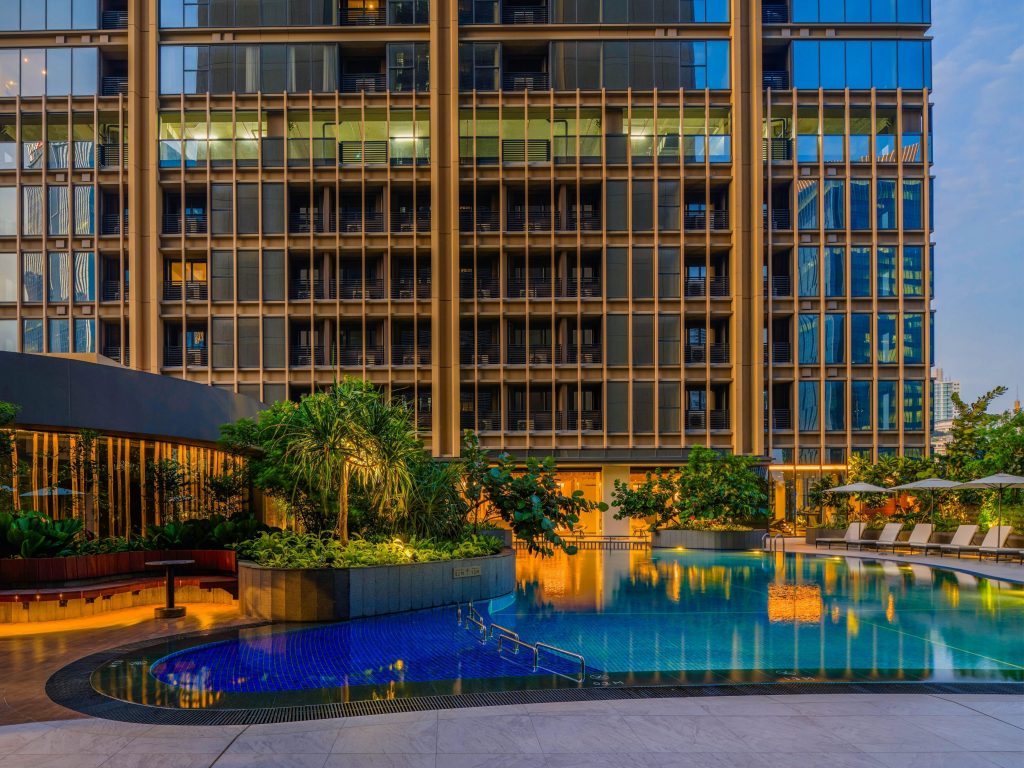
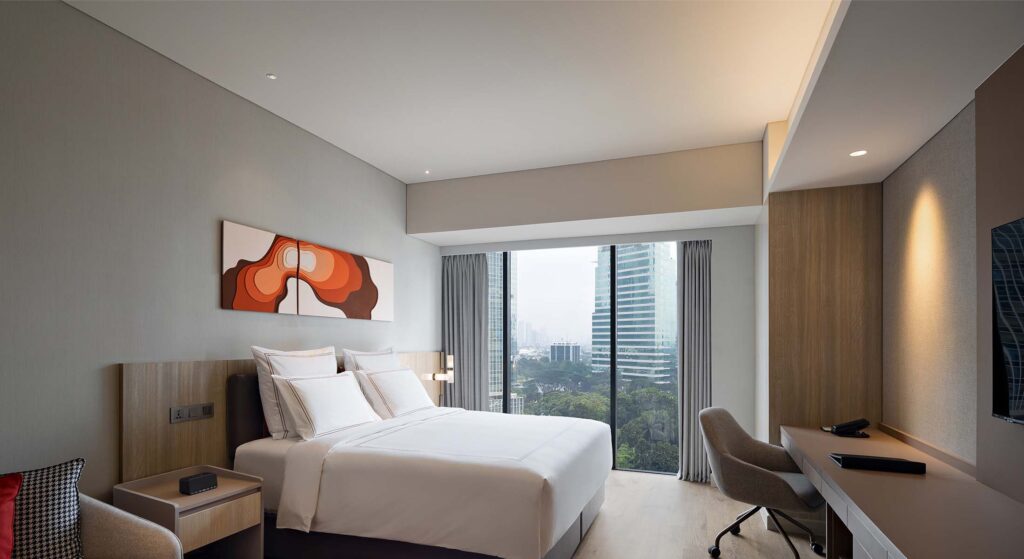
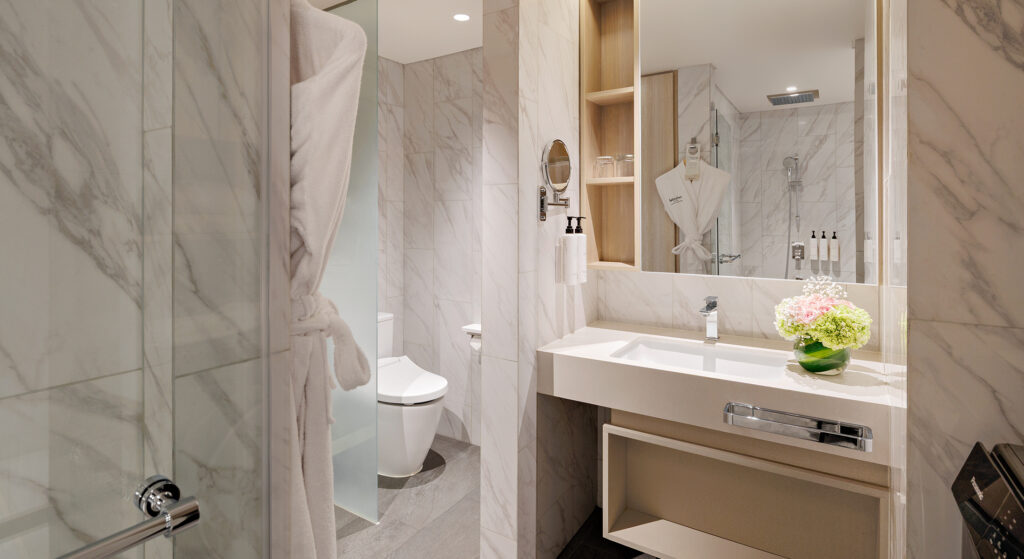
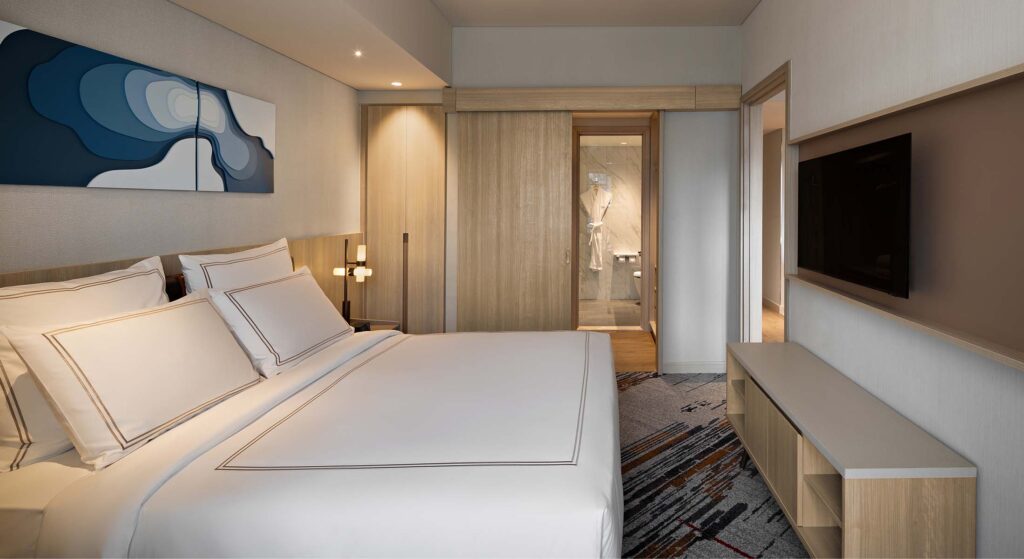
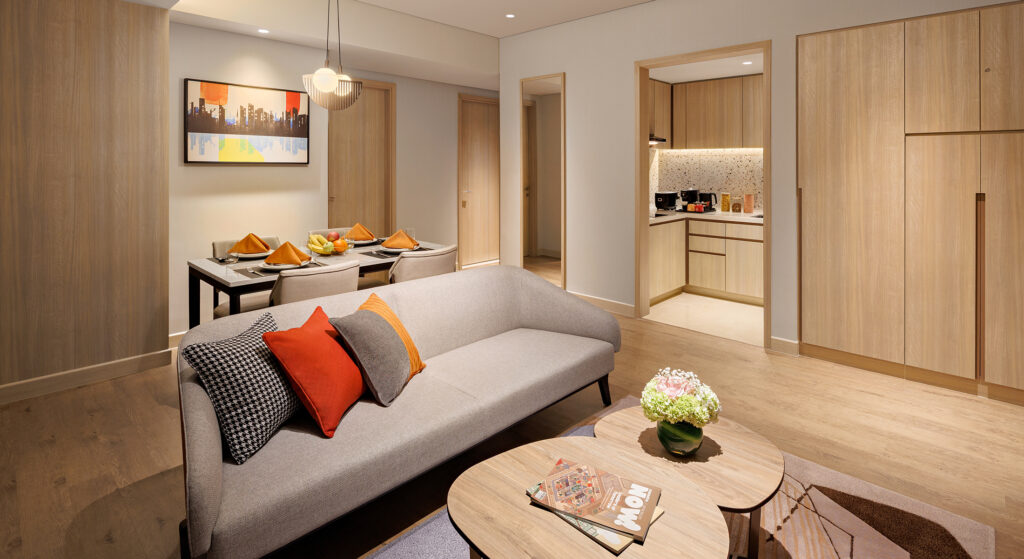
Serviced apartments in Jakarta’s business districts combine residential functionality with hospitality services, offering fully furnished units with complete kitchen facilities, generous living space, and flexible booking options from daily to yearly terms. Properties like those in Mega Kuningan provide 240 residences across multiple categories, from efficient studio layouts to spacious three-bedroom configurations.
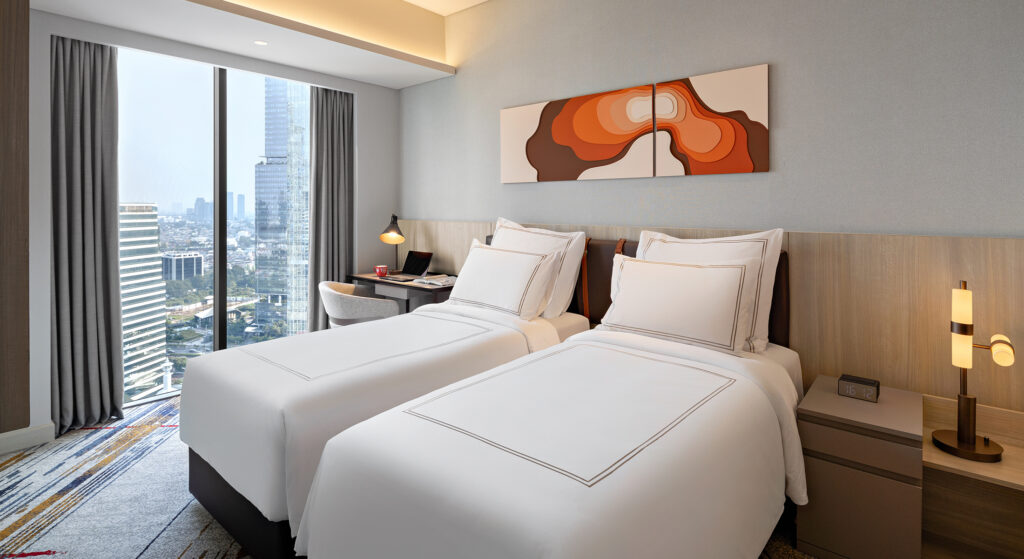
The residential approach means apartment-style layouts with proper bedroom separation, full-size appliances, and living spaces designed for extended occupancy. Living in Mega Kuningan offers expatriates and professionals advantages that traditional extended-stay hotels struggle to match, including genuine neighborhood integration and apartment-style living while maintaining access to hospitality services.
Booking Strategies and Contract Considerations
Securing favorable terms at hotels that offer extended stay requires understanding contract structures and negotiation opportunities.
Direct Booking Versus Corporate Agreements
Individual travelers booking directly often pay published rates with limited negotiation leverage. Corporate travel managers negotiating on behalf of companies placing multiple employees in extended-stay properties typically secure:
- Volume discounts of 15-30% below published rates
- Guaranteed availability during high-demand periods
- Flexible cancellation terms accommodating project changes
- Consolidated billing and simplified expense reporting
- Dedicated account management for ongoing coordination
Companies regularly placing staff in specific cities should explore corporate housing programs and negotiated rate agreements with hotels that offer extended stay rather than booking individual reservations repeatedly.
Understanding Lease Terms and Cancellation Policies
Extended-stay contracts vary significantly in flexibility and commitment requirements. Key considerations include:
Notice periods for early departure, ranging from 7 to 30 days depending on stay length and property policy. Longer stays typically require more advance notice to avoid financial penalties.
Deposit structures and refund timelines, particularly for stays exceeding 90 days where properties may require security deposits similar to apartment leases.
Rate guarantees specifying whether monthly rates remain fixed for the entire stay duration or adjust based on seasonal demand fluctuations.
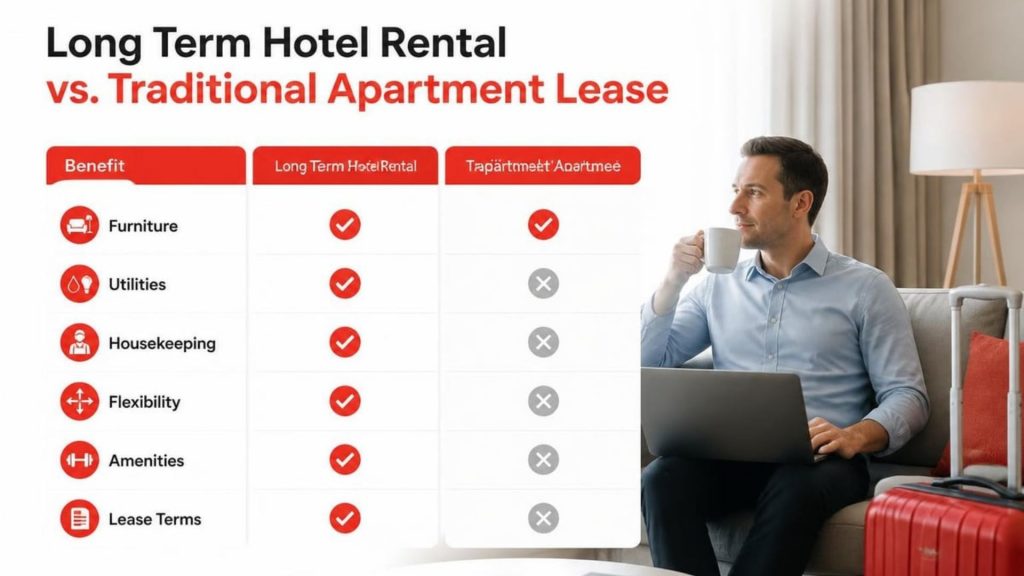
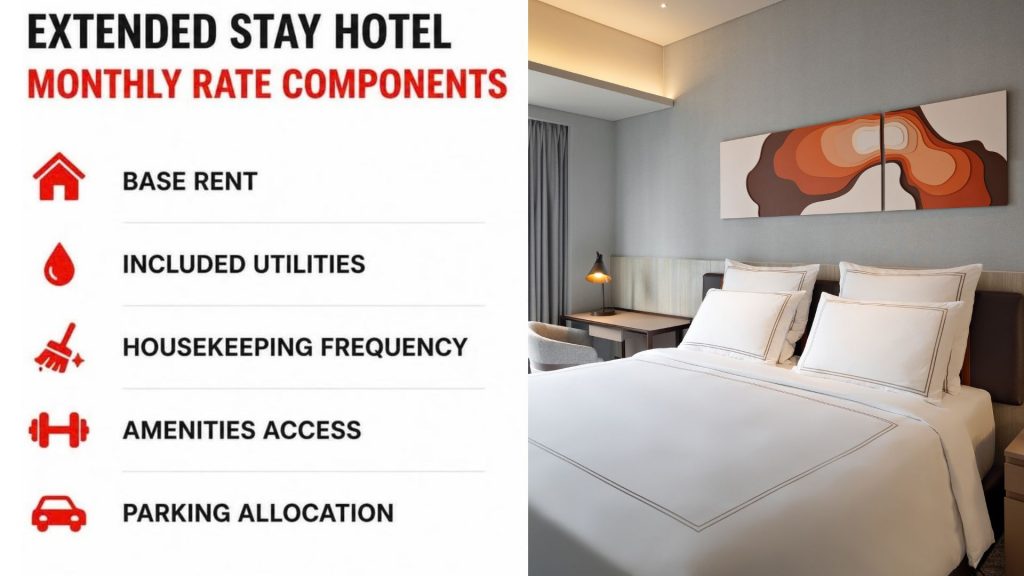
Service inclusions clearly documenting which utilities, internet, housekeeping, and amenity access are included versus separately charged.
Technology Integration in Modern Extended-Stay Properties
Contemporary hotels that offer extended stay leverage technology to enhance guest experience and operational efficiency.
Smart room controls allow guests to adjust lighting, temperature, and entertainment systems through mobile apps or voice commands. This personalization becomes increasingly valuable during multi-week stays where daily environmental adjustments match individual schedules and preferences.
Mobile check-in and digital key systems eliminate front desk interactions, providing flexibility for late arrivals and early departures while reducing operational staffing requirements. Long-term guests particularly appreciate bypassing traditional check-in procedures during extended stays.
High-bandwidth internet infrastructure supports multiple connected devices simultaneously, accommodating guests who work from their rooms while streaming entertainment and maintaining smart home devices. Deloitte’s hospitality outlook highlights technology expectations among extended-stay guests as a key differentiator in property selection.
Wellness and Lifestyle Amenities for Extended Stays
Maintaining physical and mental wellbeing during extended periods away from home requires access to appropriate facilities and services.
Fitness and Recreation Facilities
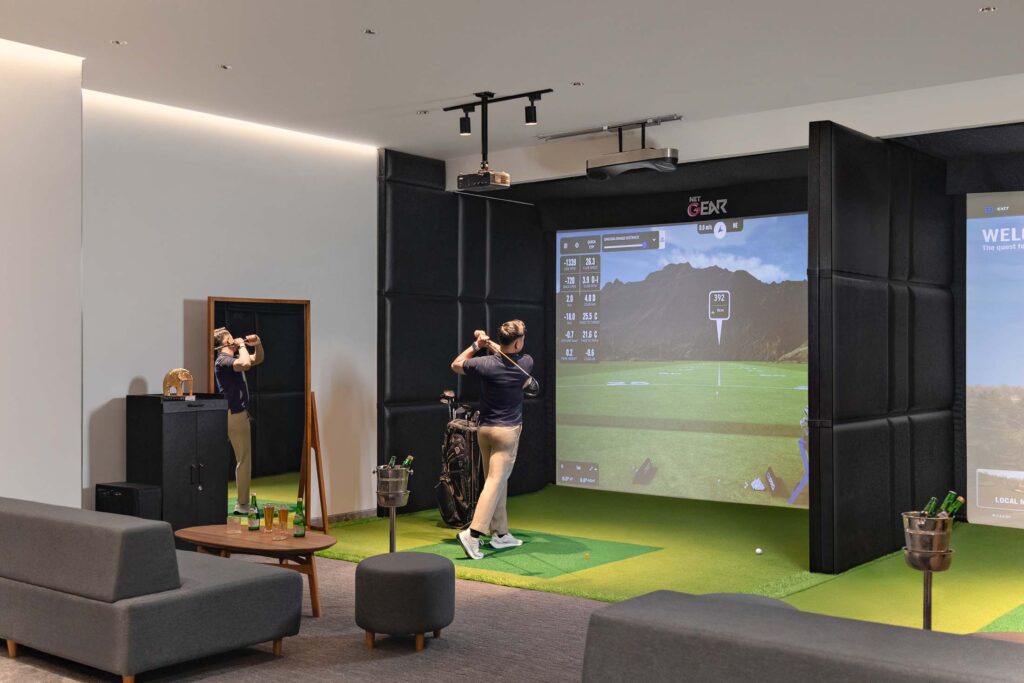
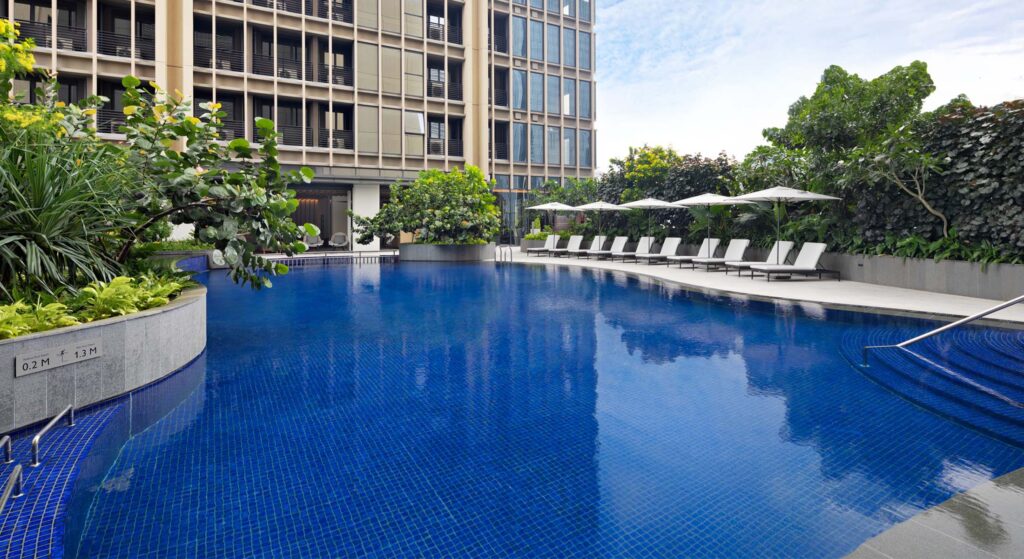
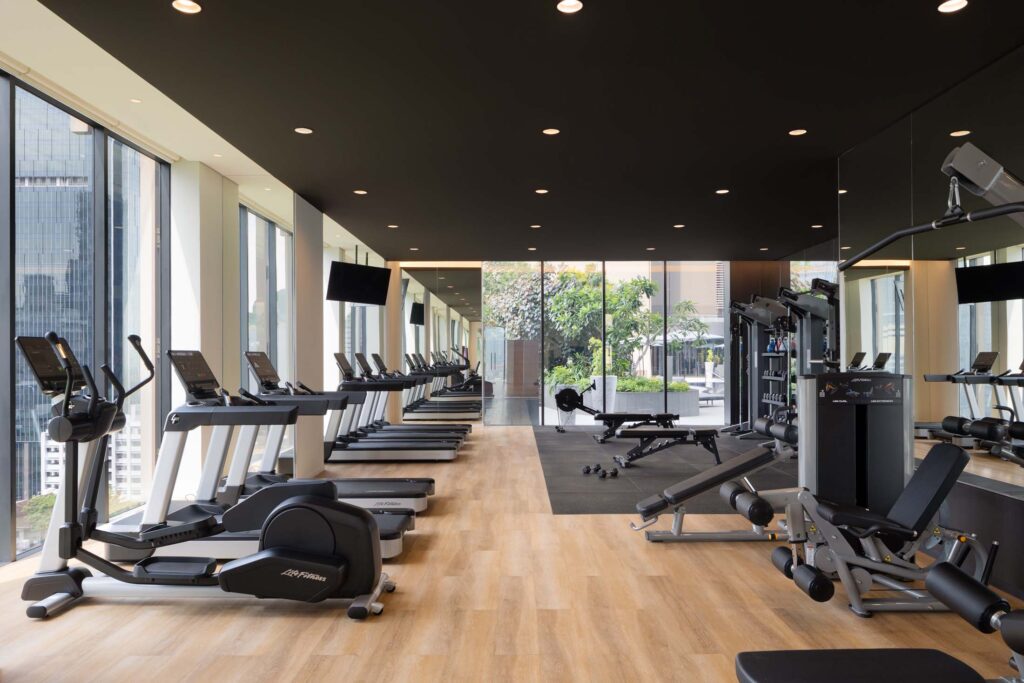
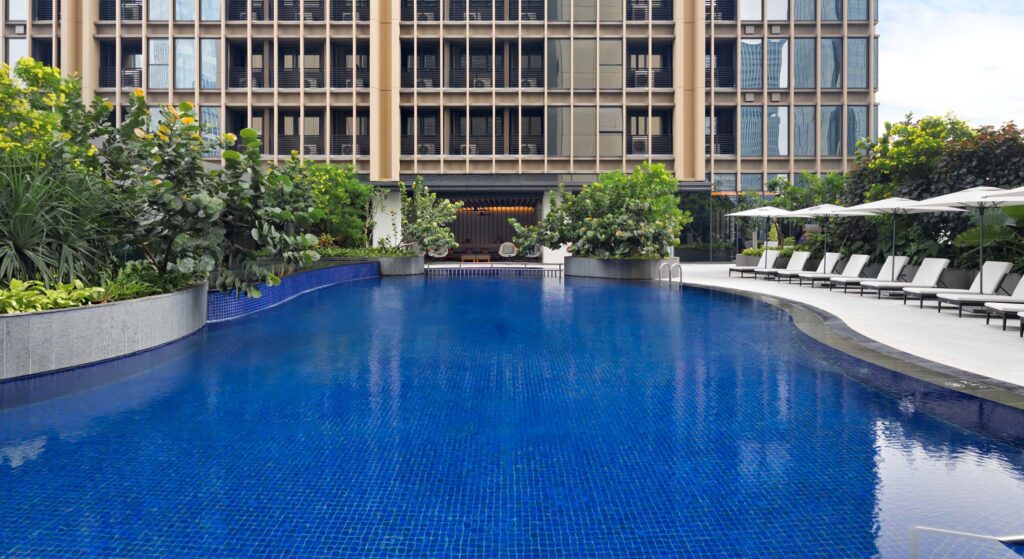
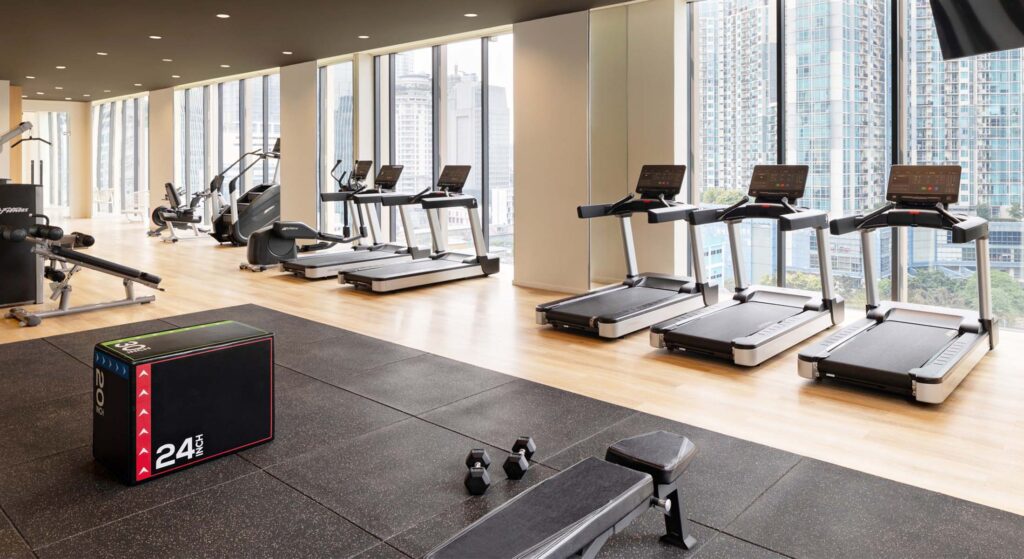
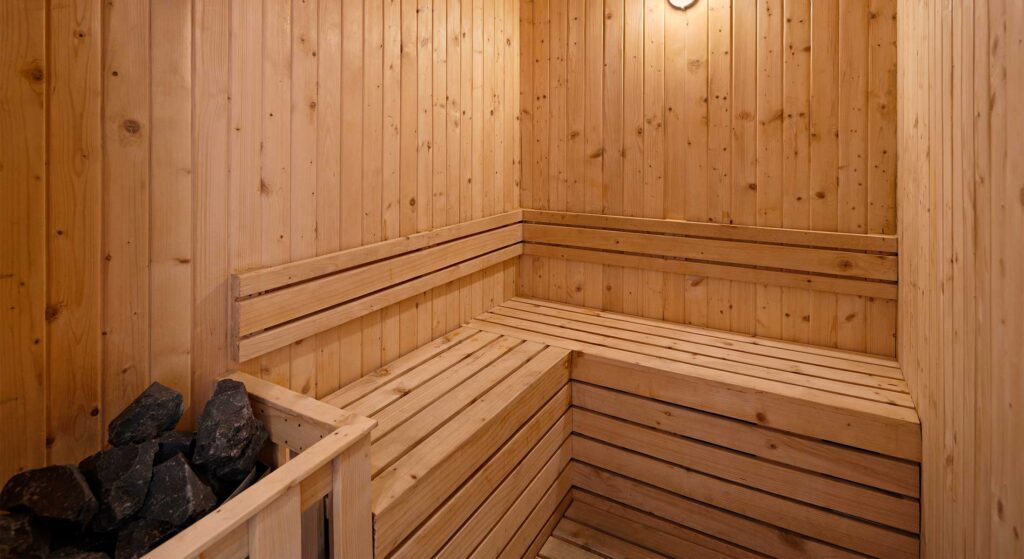
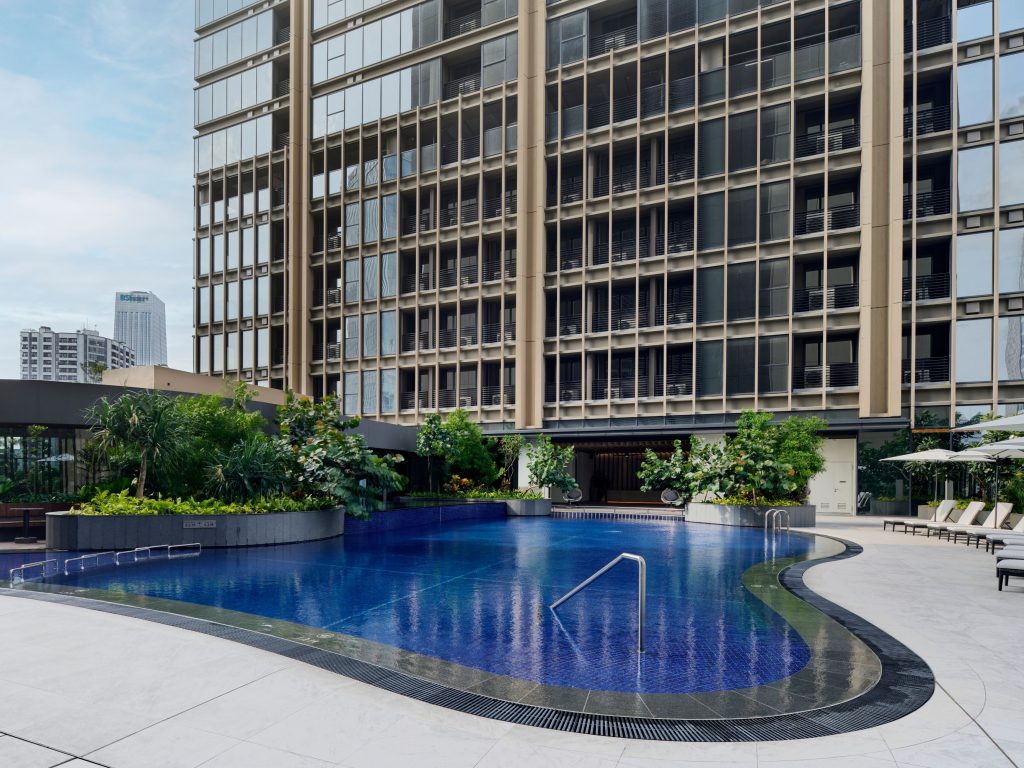
On-site fitness centers become essential rather than optional for guests staying weeks or months. Adequate equipment variety supports consistent workout routines without requiring external gym memberships. Swimming pools, yoga studios, and outdoor recreation spaces help maintain wellness habits during extended stays.
Properties catering to health-conscious travelers increasingly offer:
- 24-hour fitness facility access accommodating varied schedules
- Personal training services and group fitness classes
- Wellness programs including meditation spaces and healthy dining options
- Outdoor spaces for walking, jogging, or outdoor activities
Social Spaces and Community Building
Extended isolation in a hotel room impacts mental wellbeing during long assignments. Hotels that offer extended stay increasingly design communal spaces where long-term residents can interact:
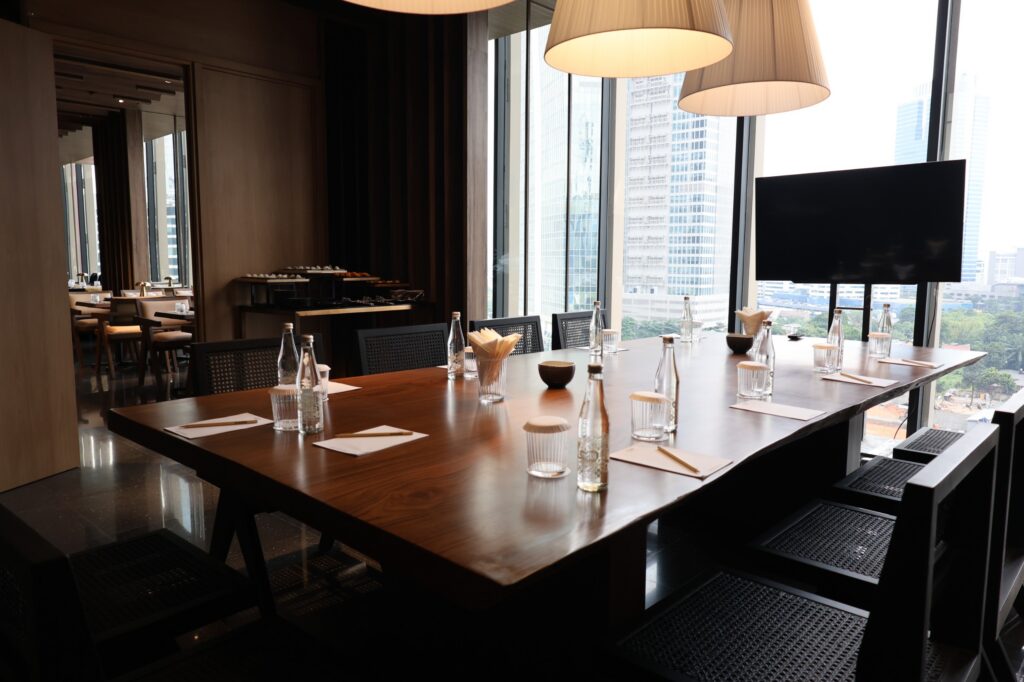
- Co-working lounges providing alternatives to in-room work environments
- Resident social events facilitating connections among long-term guests
- Outdoor terraces and gathering areas for informal socializing
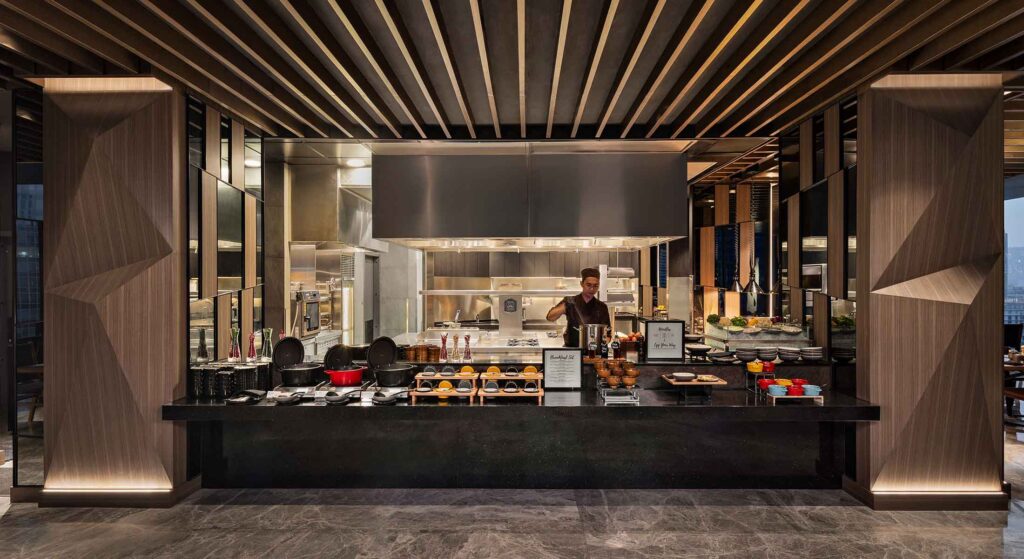
- Shared dining spaces encouraging community interaction
These amenities transform extended-stay properties from isolated hotel rooms into communities where guests build temporary social networks during their stays.
Financial Considerations Beyond Base Rates
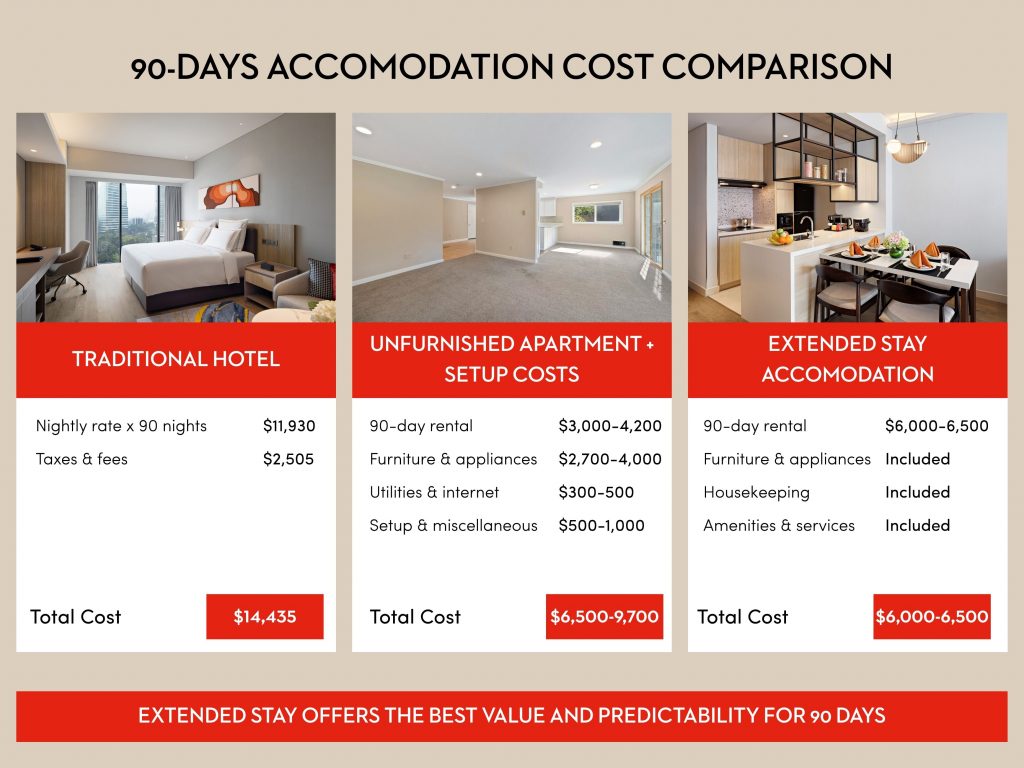
Comparing hotels that offer extended stay requires analyzing total costs beyond advertised monthly rates.
Included Services and Hidden Fees
Seemingly attractive base rates may exclude essential services that add significantly to total costs:
- Utilities (electricity, water, gas) separately metered and billed
- Internet access charged as a daily or weekly fee
- Parking fees that accumulate substantially over months
- Housekeeping charges beyond the included weekly service
- Amenity fees for fitness facilities, pools, or business centers
Properties offering all-inclusive monthly rates provide cost predictability and often deliver better value despite higher advertised base rates. Transparent pricing structures help guests budget accurately for extended stays without unexpected charges appearing on departure bills.
Tax Implications and Extended-Stay Classifications
Local regulations classify extended-stay accommodations differently depending on duration and contract structure. Some jurisdictions apply lower tax rates to stays exceeding 30 days, treating them as residential rather than transient lodging. Others maintain hotel tax rates regardless of duration.
Understanding applicable taxes helps compare true costs between hotels that offer extended stay in different locations. A property with higher base rates but favorable tax treatment may cost less overall than a seemingly cheaper alternative in a jurisdiction with higher extended-stay taxes.
Regional Variations in Extended-Stay Markets
Extended-stay accommodation markets exhibit significant geographic variations in supply, quality, and pricing.
Asia-Pacific Extended-Stay Development
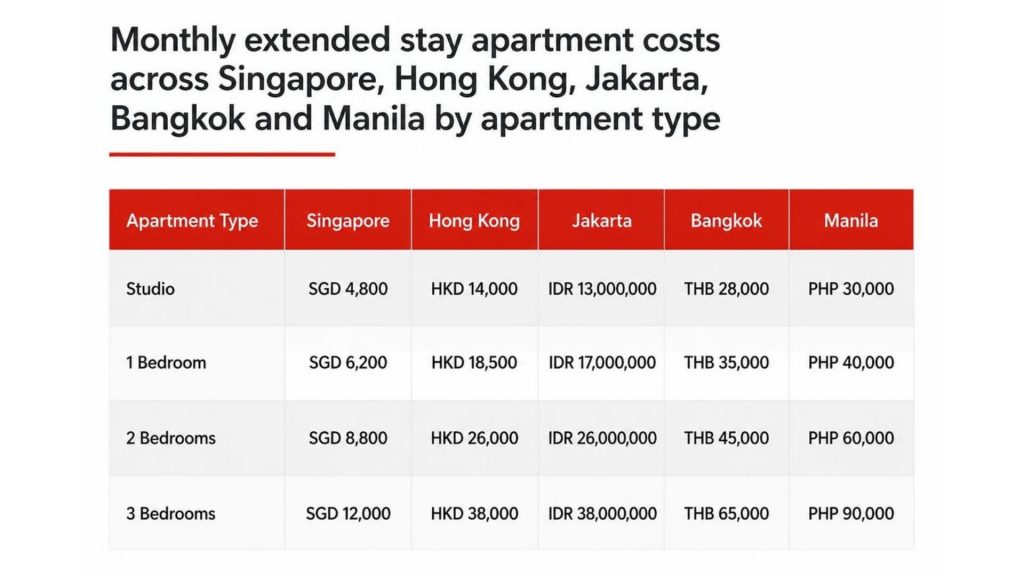
Asia-Pacific cities have seen rapid extended-stay development driven by expatriate demand, corporate relocations, and regional business growth. Markets like Jakarta, Singapore, Bangkok, and Manila feature growing inventories of serviced apartments and hotels that offer extended stay targeting international business travelers and regional professionals.
Jakarta’s extended-stay market particularly serves multinational corporations, diplomatic personnel, and professionals working across Southeast Asian markets. The city’s position as Indonesia’s economic center drives sustained demand for quality long-term accommodation with international service standards.
European and North American Markets
Established extended-stay markets in North America feature mature supply chains with national brands specializing exclusively in extended-stay operations. According to Highland Group’s extended-stay research, the U.S. market has evolved sophisticated property classifications and operational models over decades.
European markets blend traditional serviced apartment concepts with newer extended-stay hotel formats, creating hybrid models that vary significantly between cities and countries based on local regulatory environments and market preferences.
Choosing the right accommodation for extended stays requires careful evaluation of space, amenities, location, and service levels beyond what matters for short hotel visits. Hotels that offer extended stay and purpose-built serviced apartments each serve important roles in the accommodation ecosystem, with the optimal choice depending on individual priorities, budget constraints, and lifestyle requirements. For professionals, expatriates, and families seeking extended-stay accommodation in Jakarta’s central business district, Swissôtel Living Jakarta Mega Kuningan delivers the space, services, and strategic location that transform long-term stays into comfortable residential experiences. Explore flexible booking options from daily to yearly stays that adapt to your specific timeline and requirements.






















































 Should You Choose an Extended-Stay Hotel or Serviced Apartment in Jakarta for a Business Trip?