
Extended Living Hotels: Modern Long-Stay Accommodation
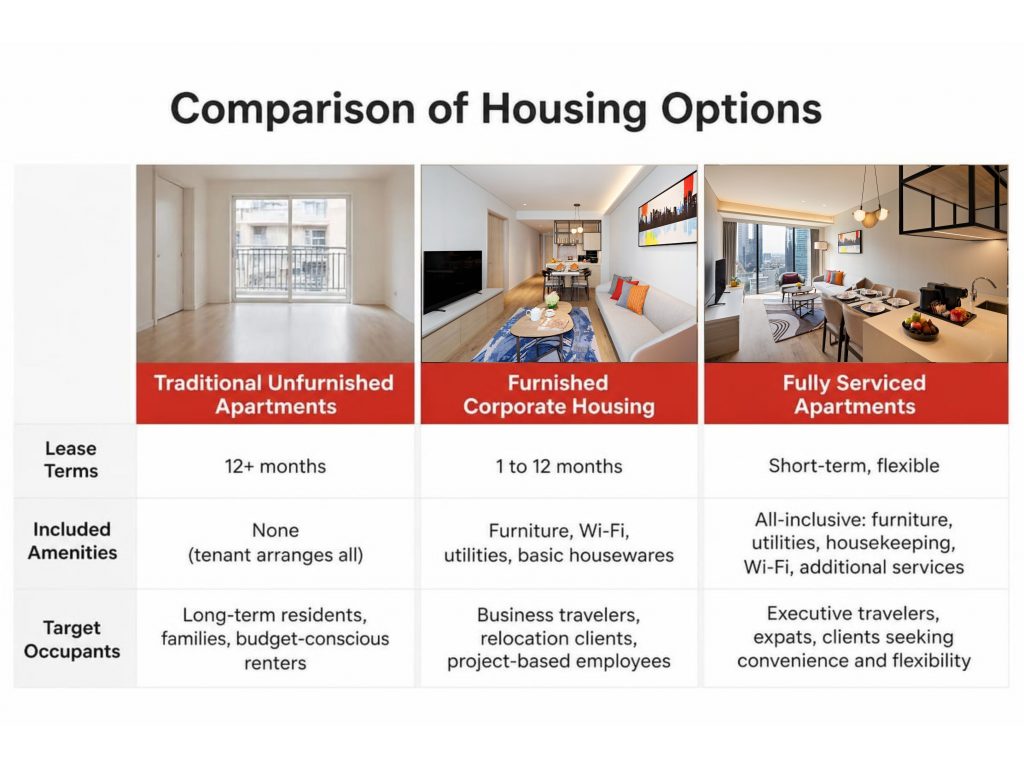
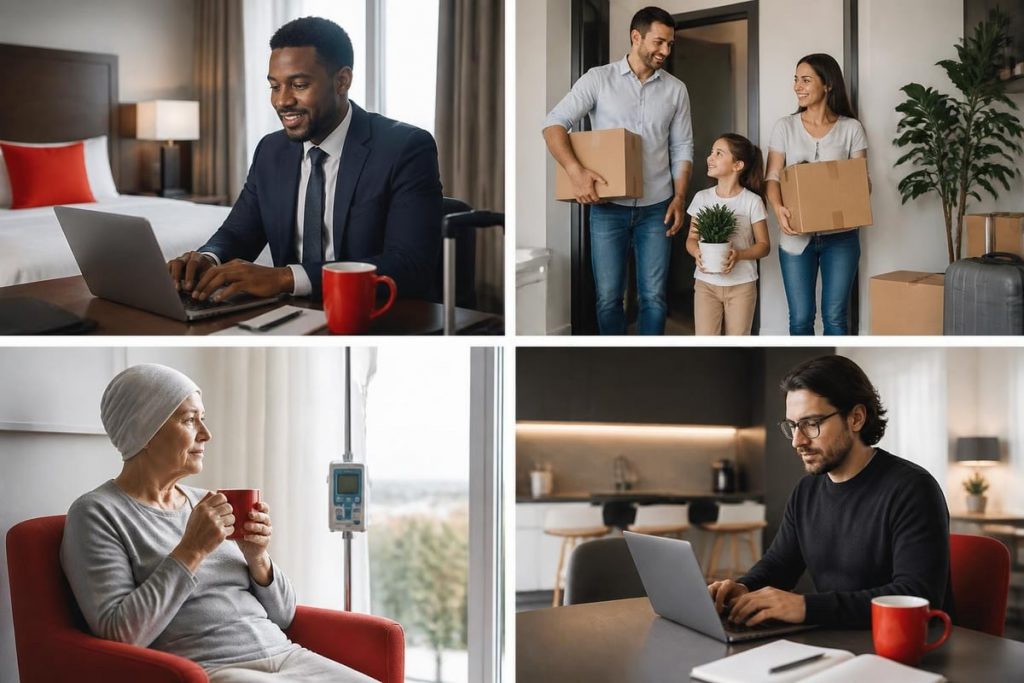
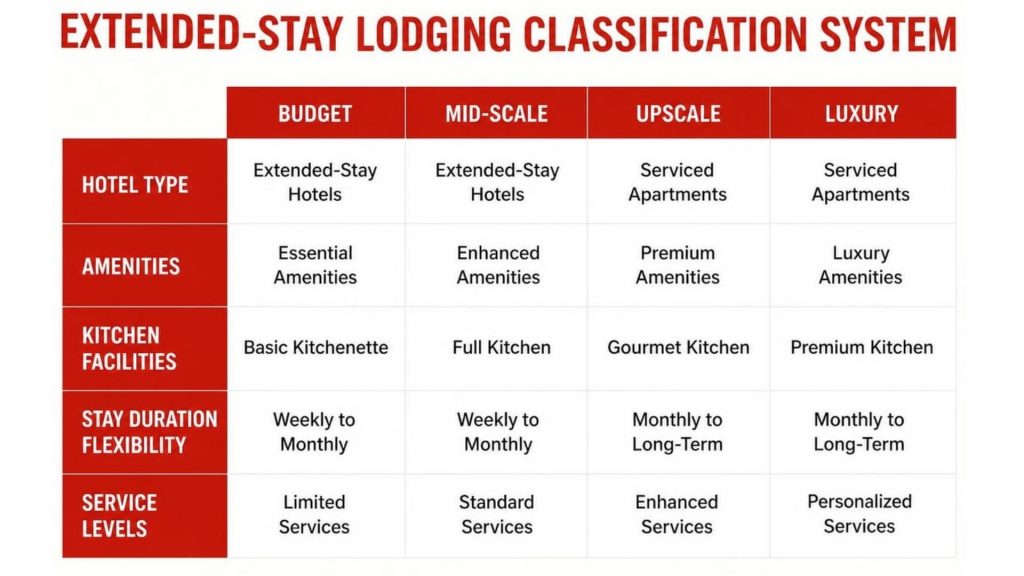
The hospitality landscape has evolved significantly to meet the changing needs of modern travelers, professionals, and relocating families. Extended living hotels represent a sophisticated response to the growing demand for flexible, home-style accommodation that doesn’t compromise on service quality or amenities. These properties bridge the gap between traditional hotels and residential apartments, offering fully furnished spaces designed for stays ranging from a few days to several months or even years.
Understanding Extended Living Hotels
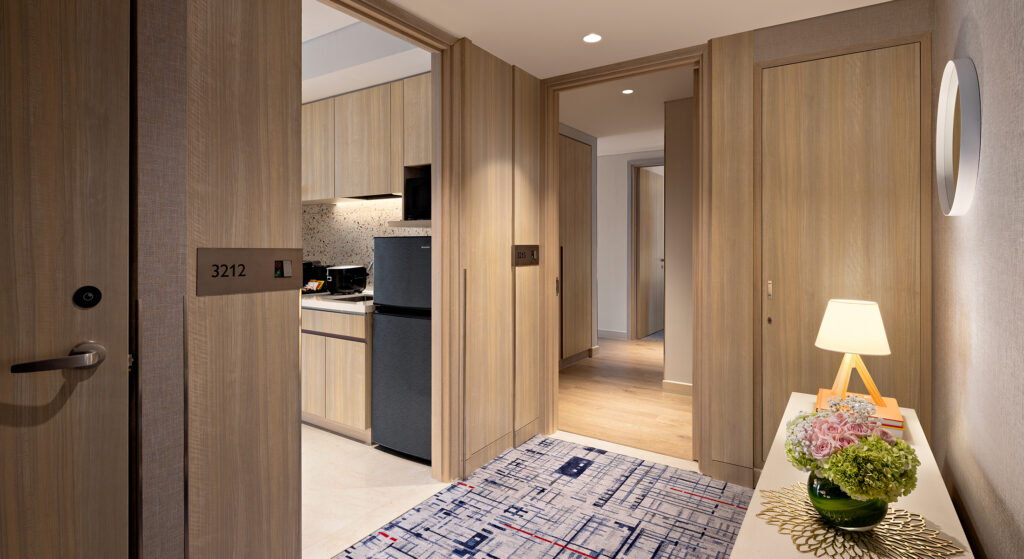
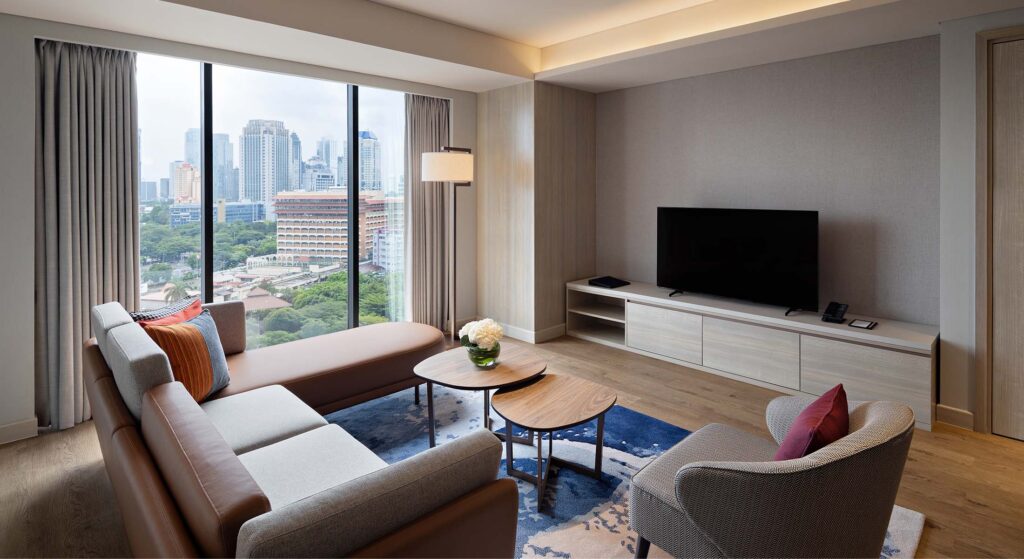
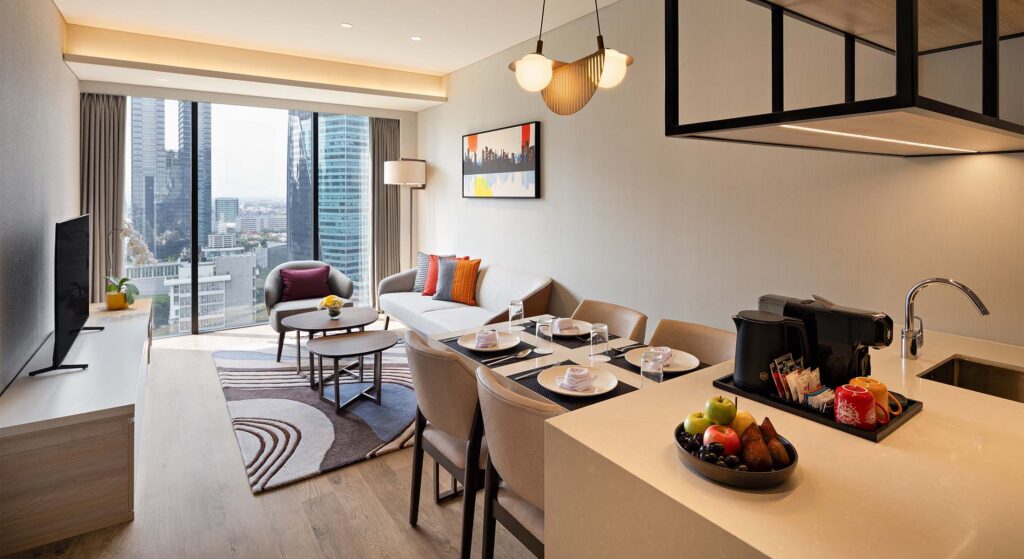
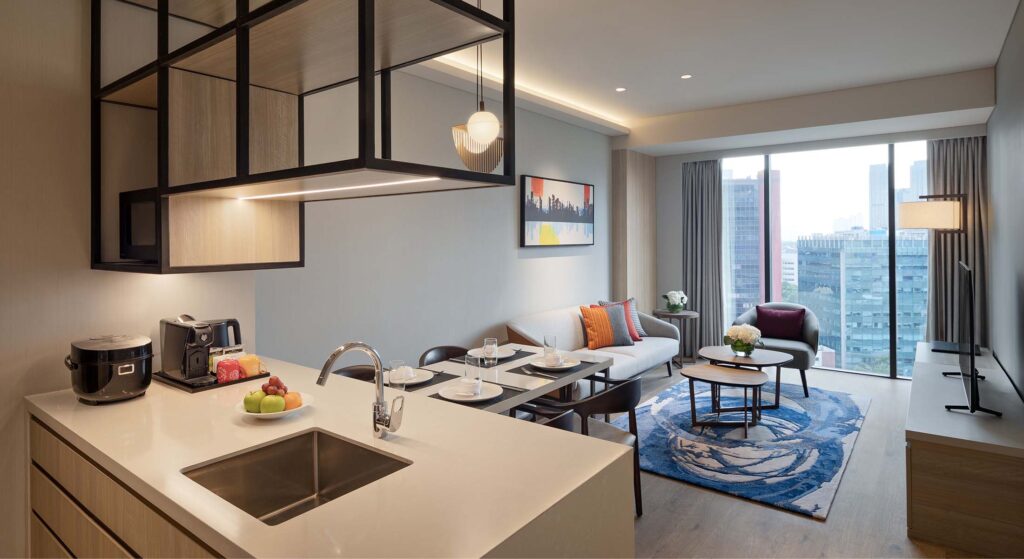
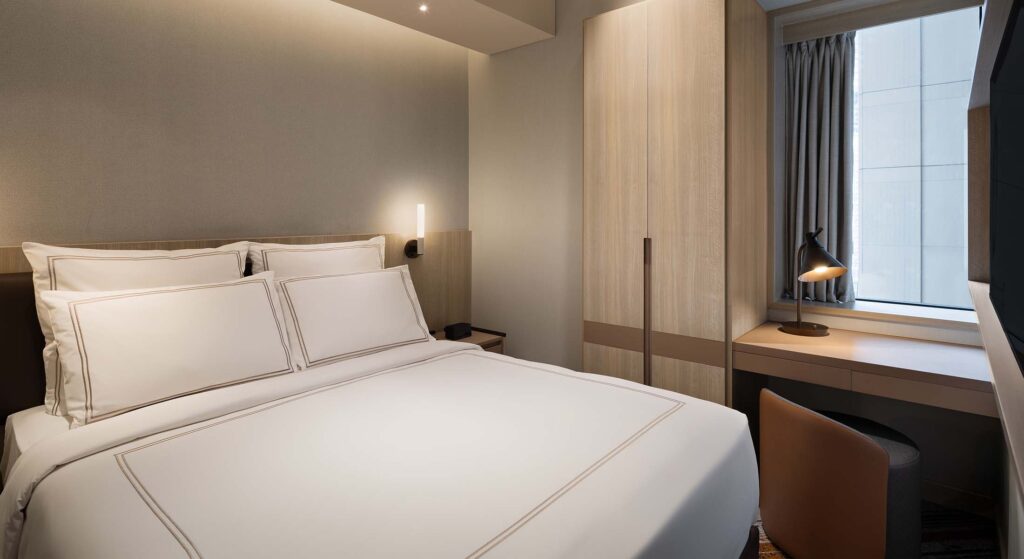
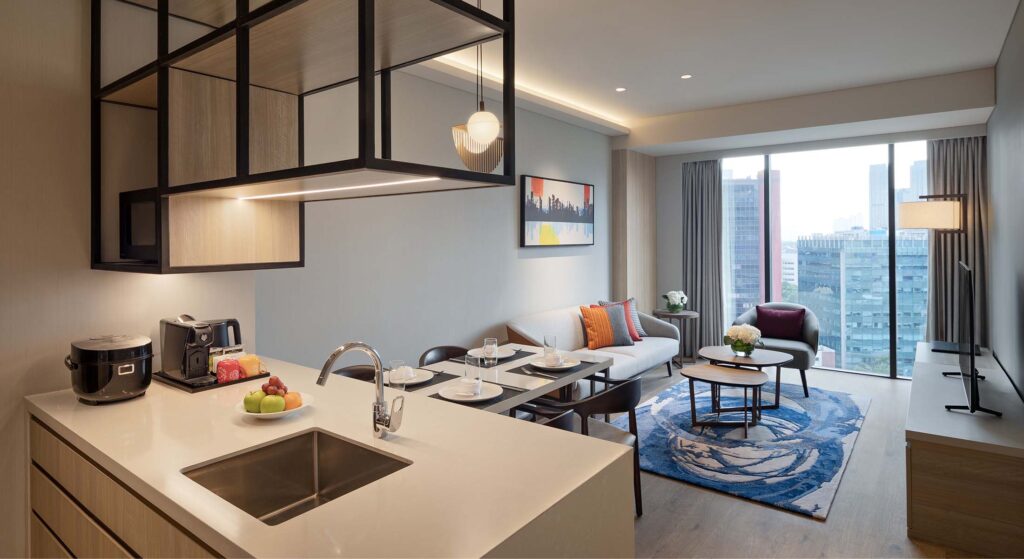
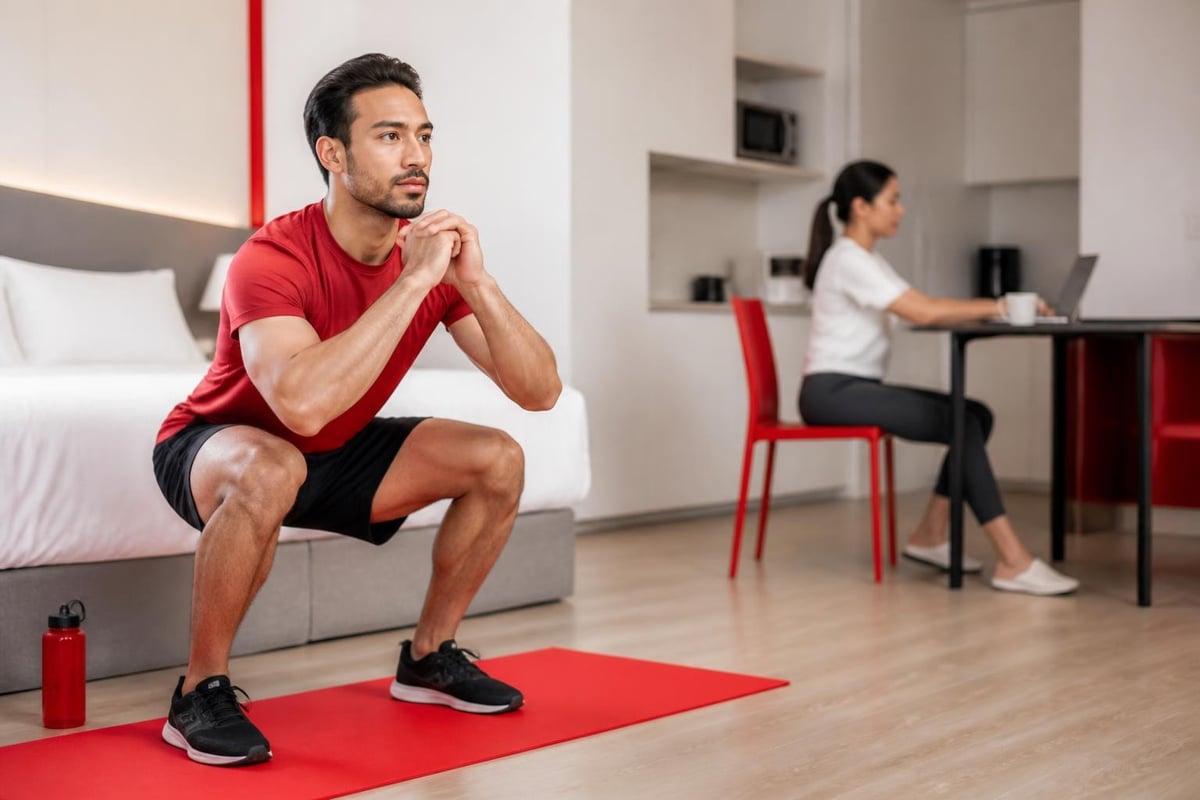
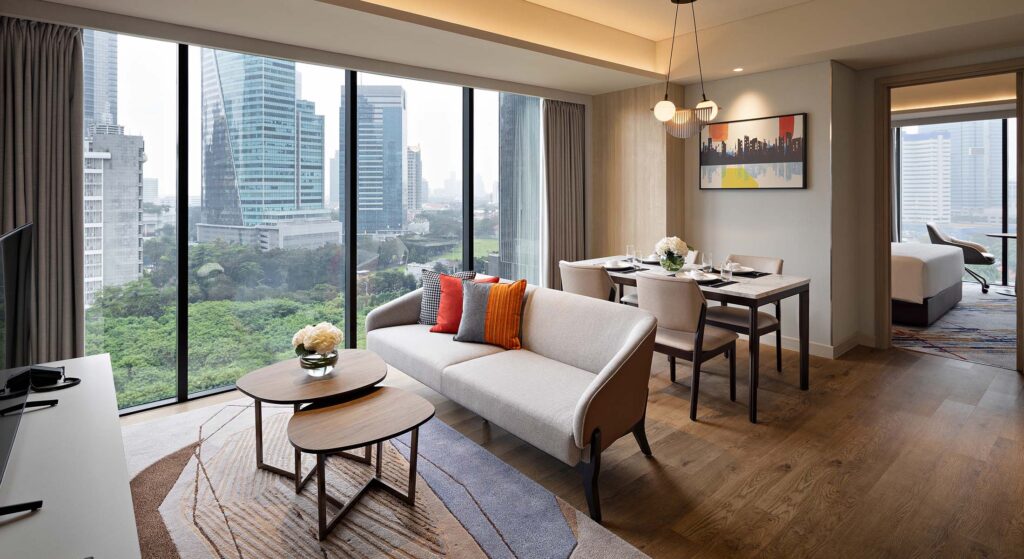
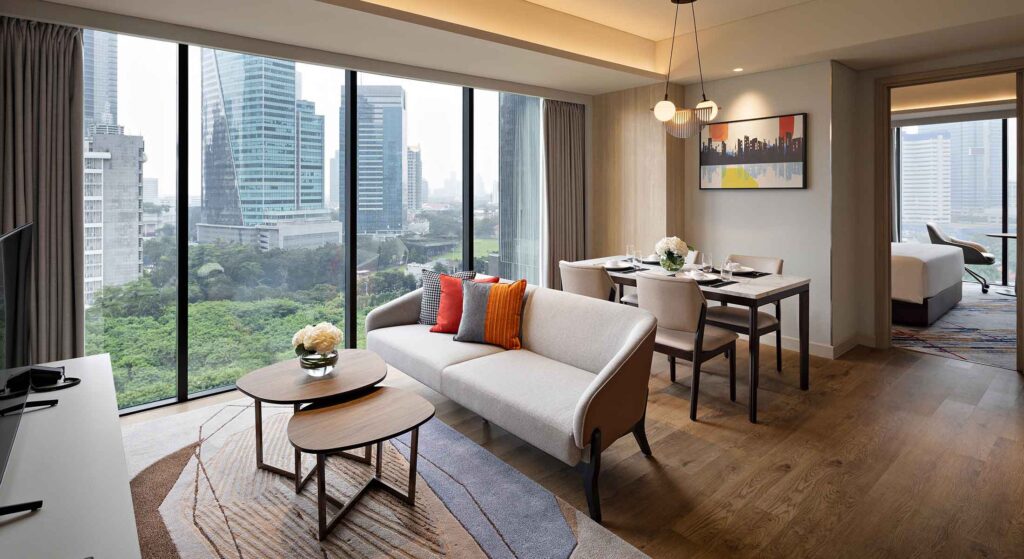
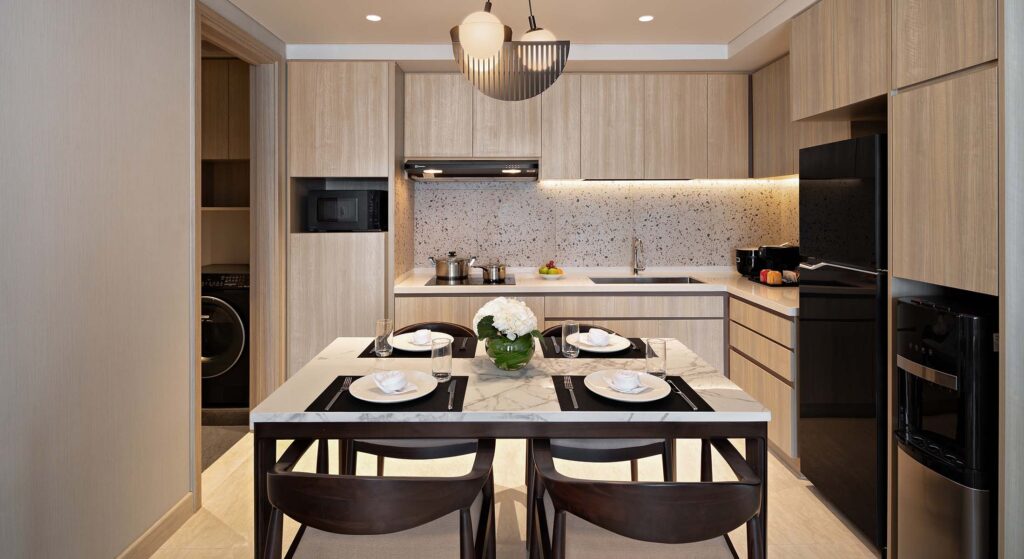
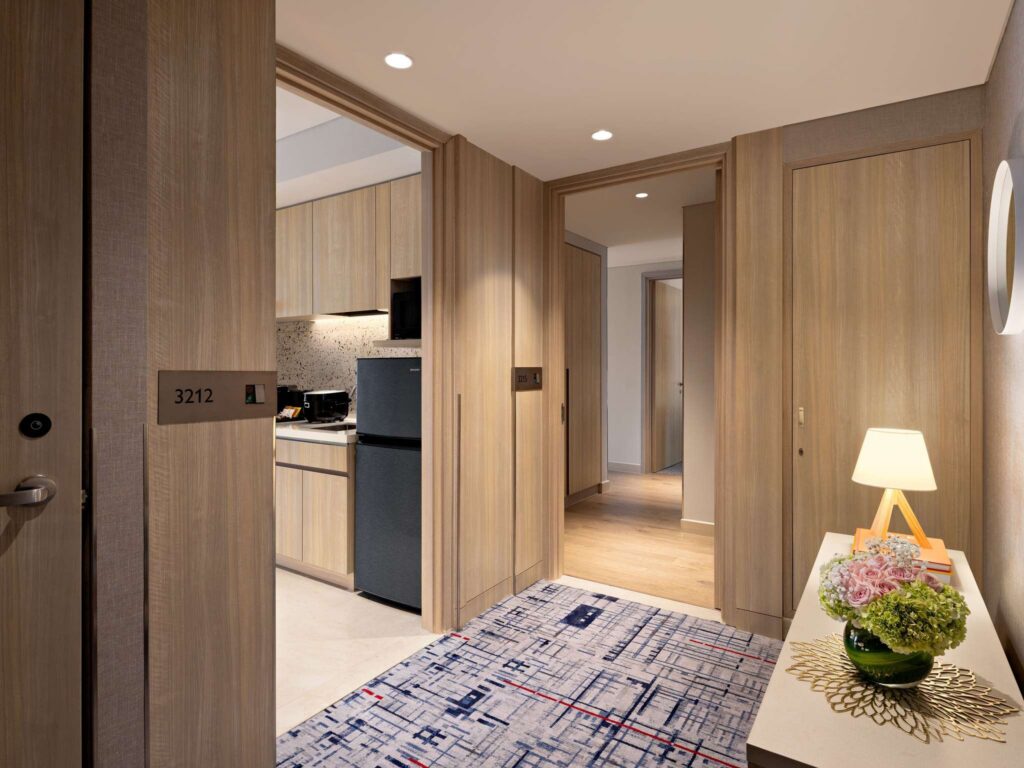
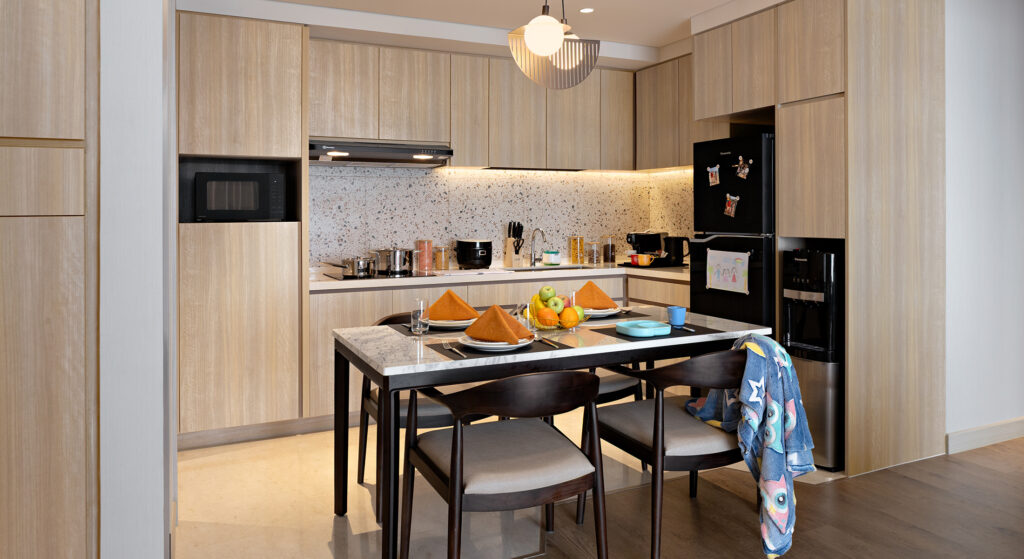
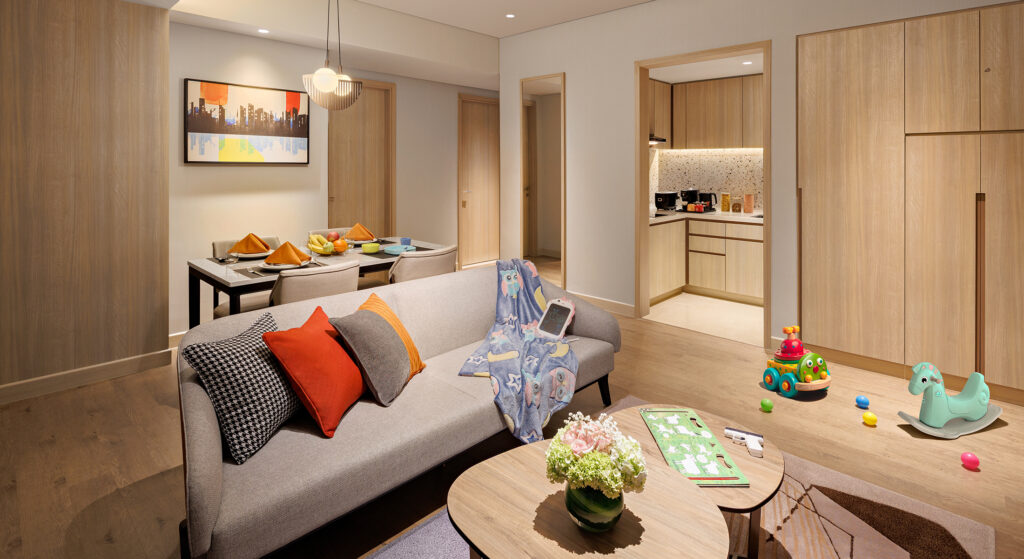
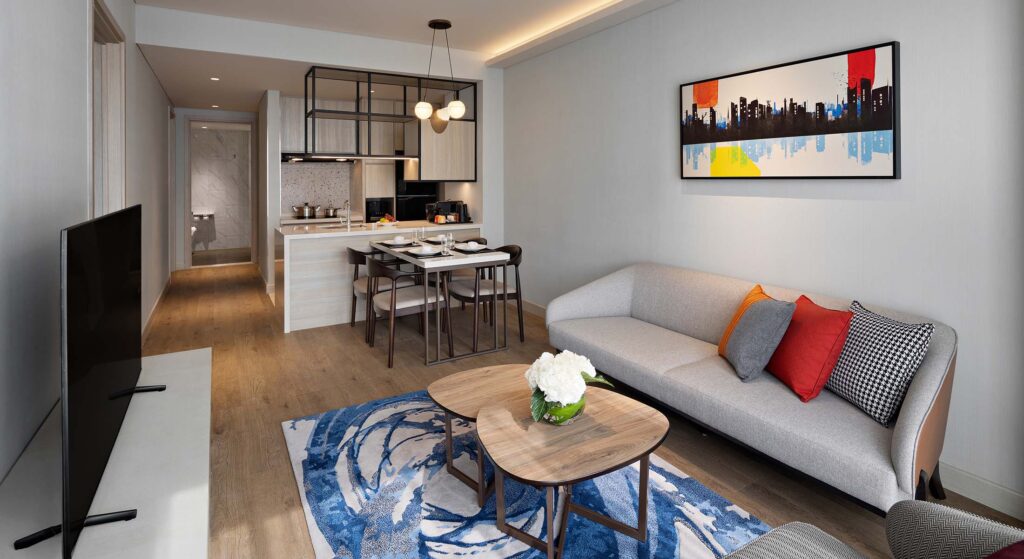
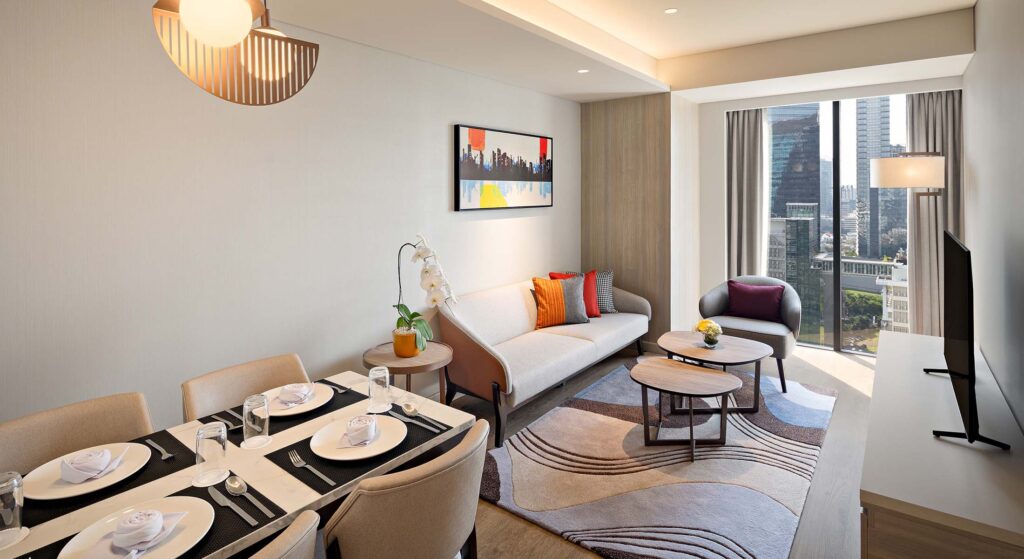
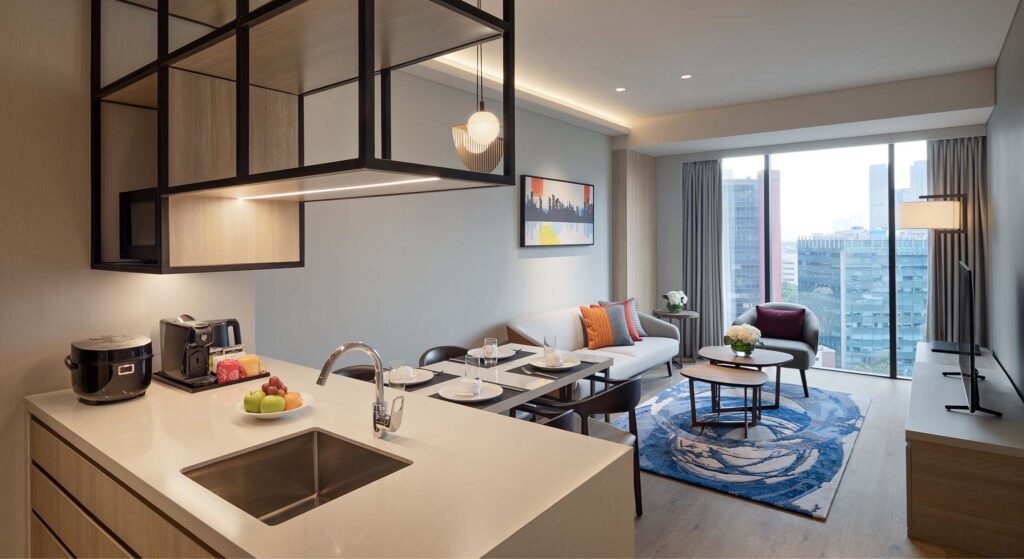
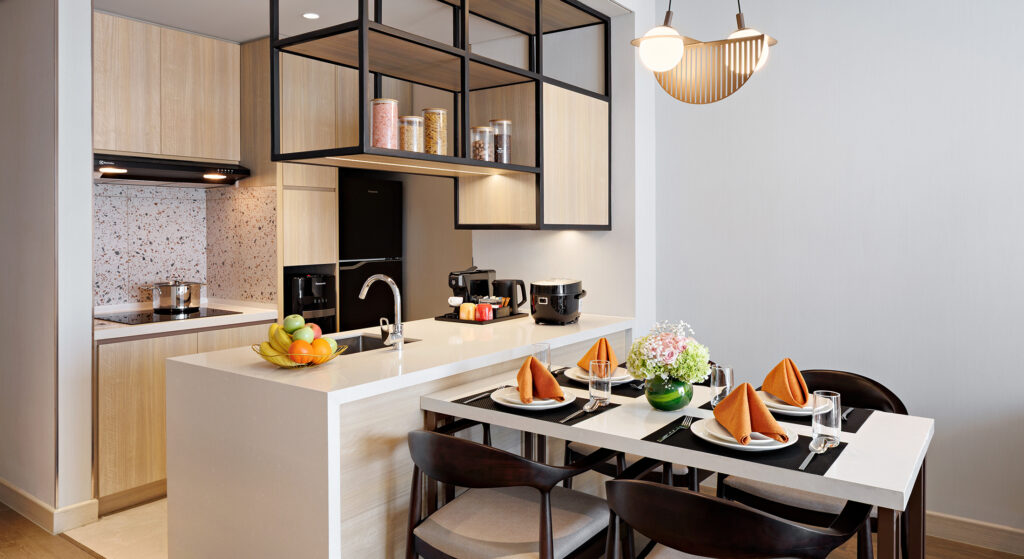
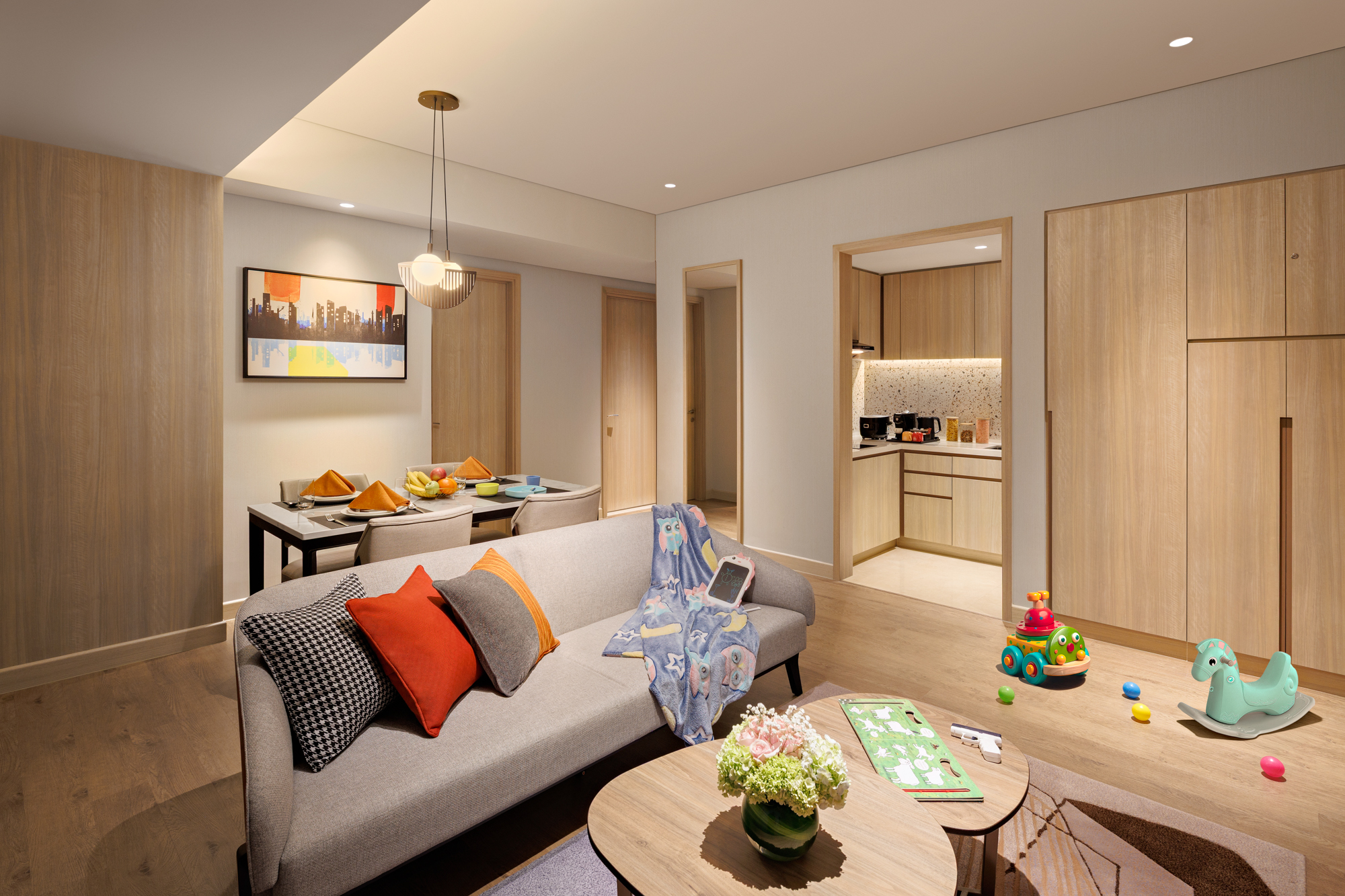
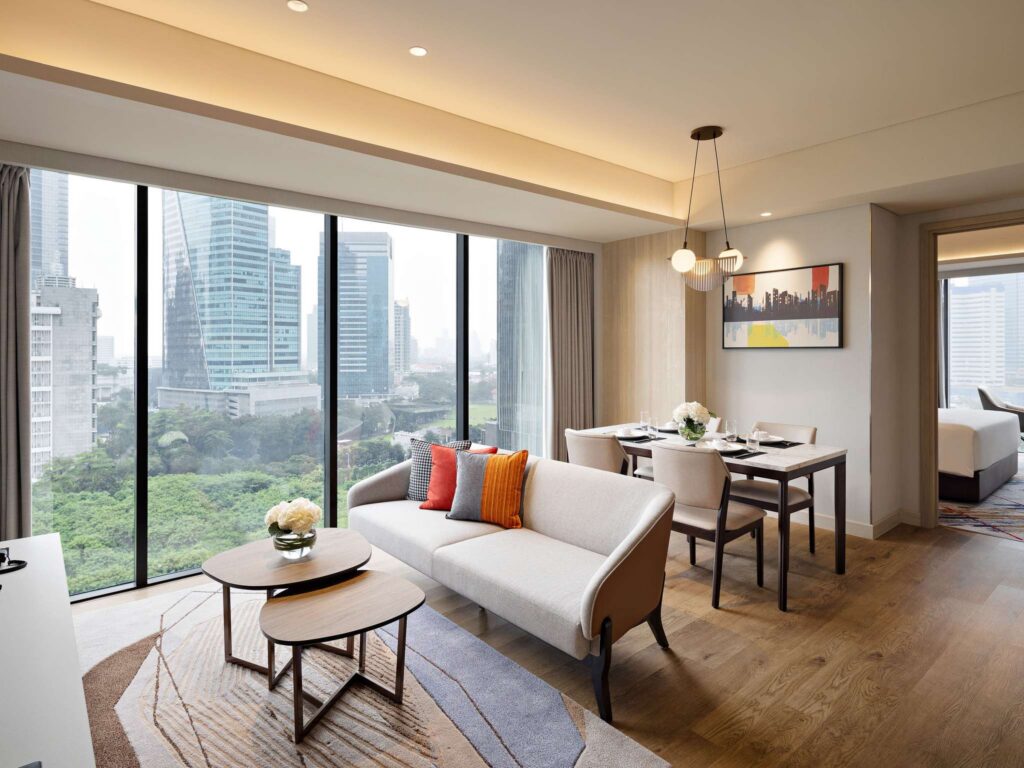
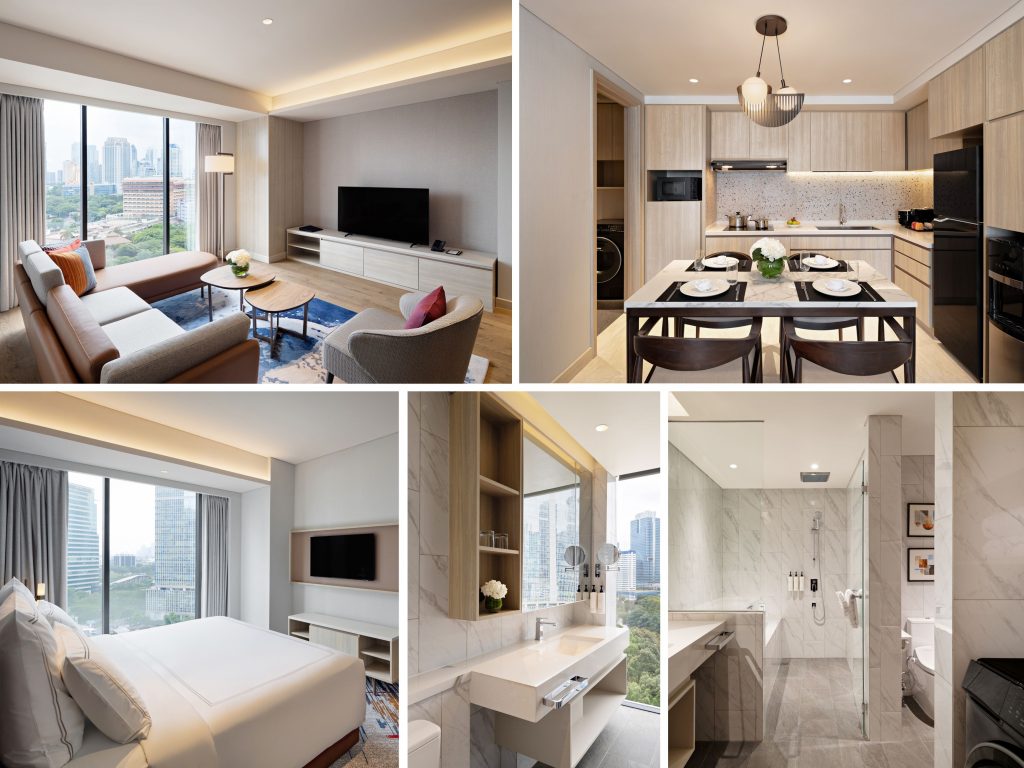
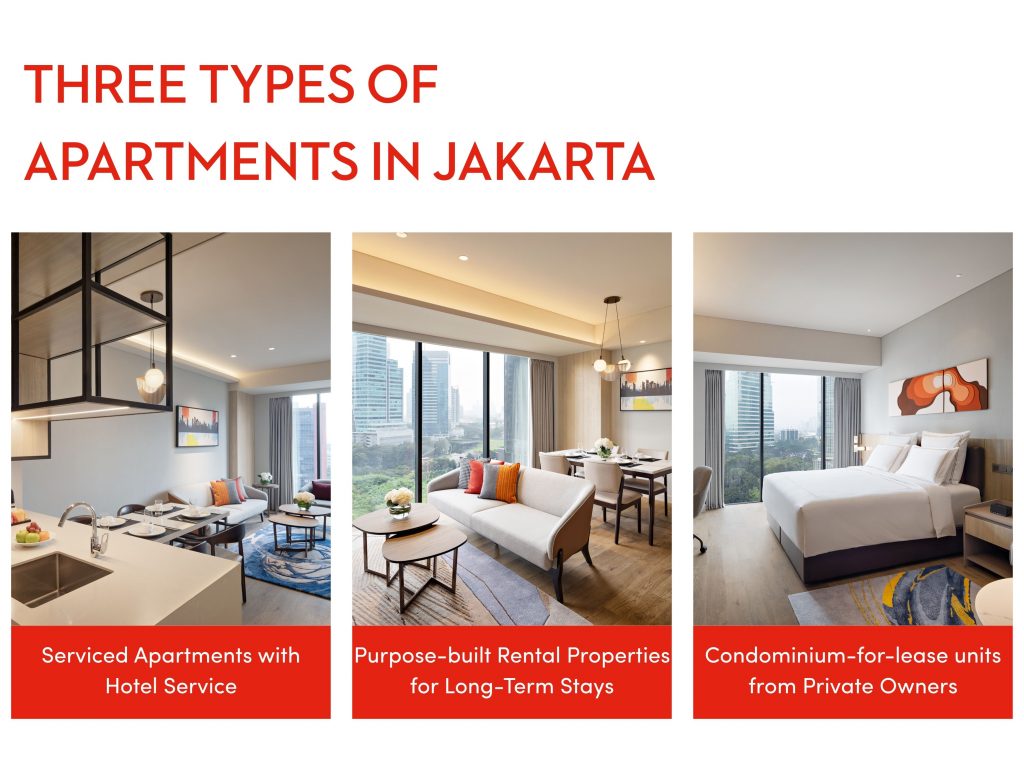
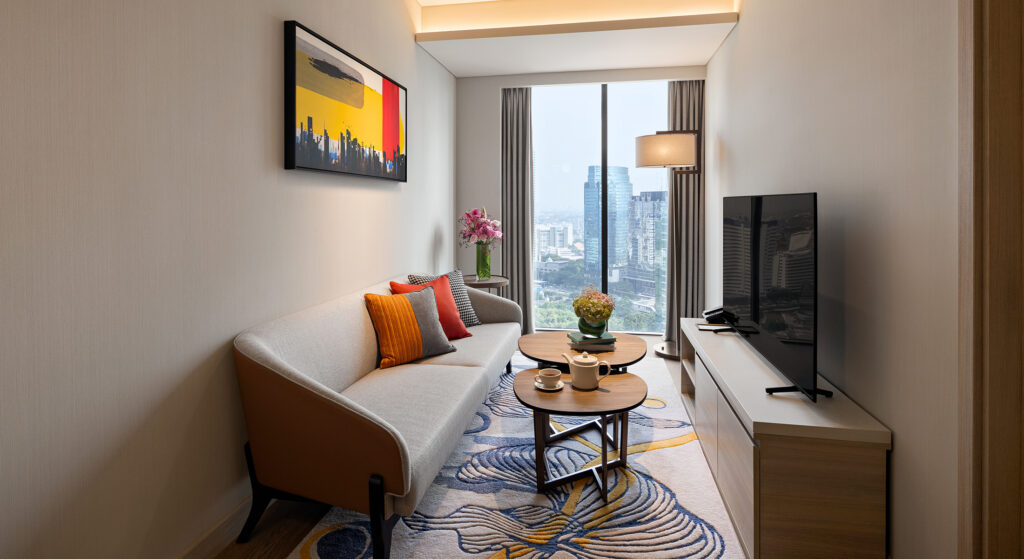
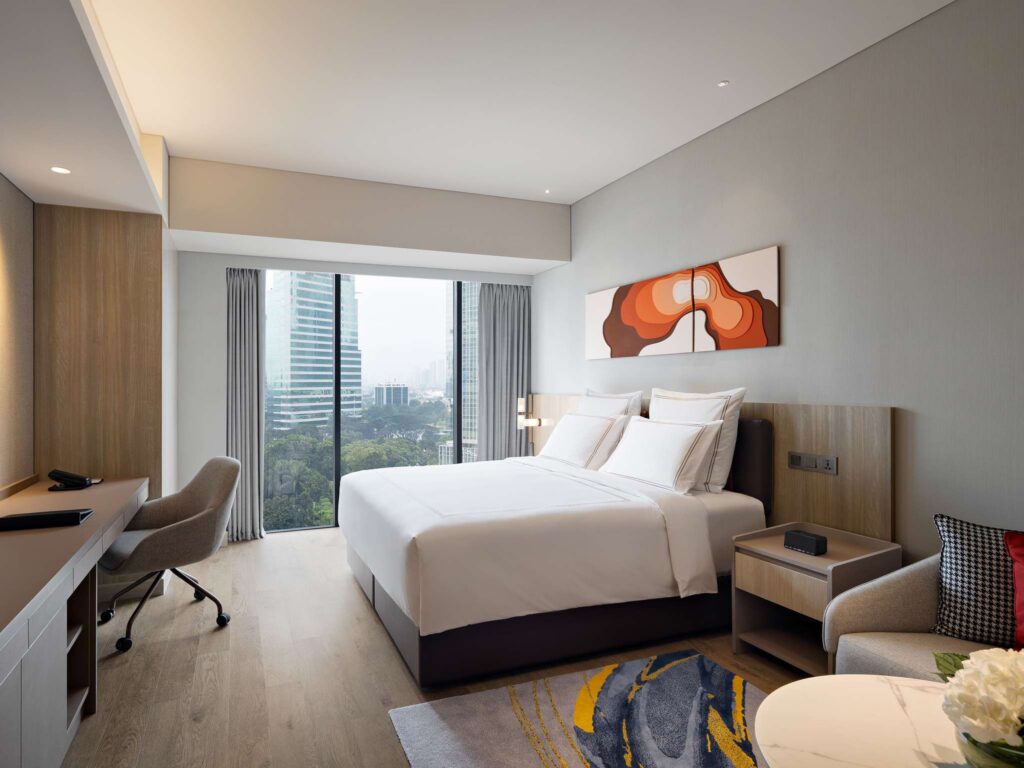
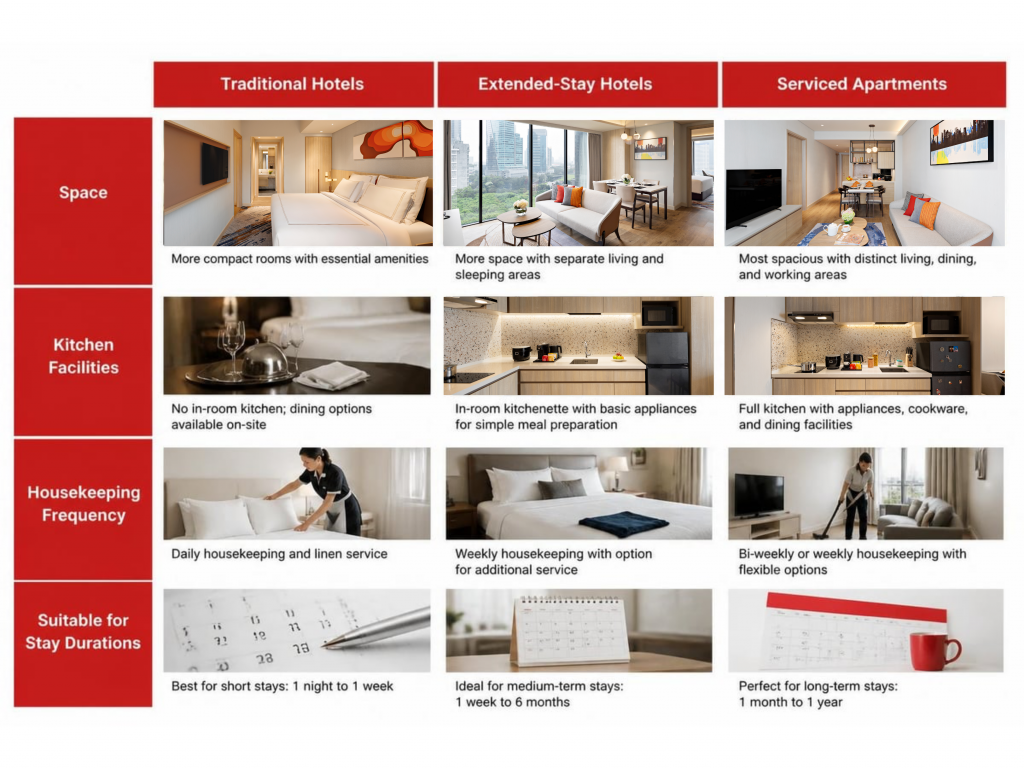
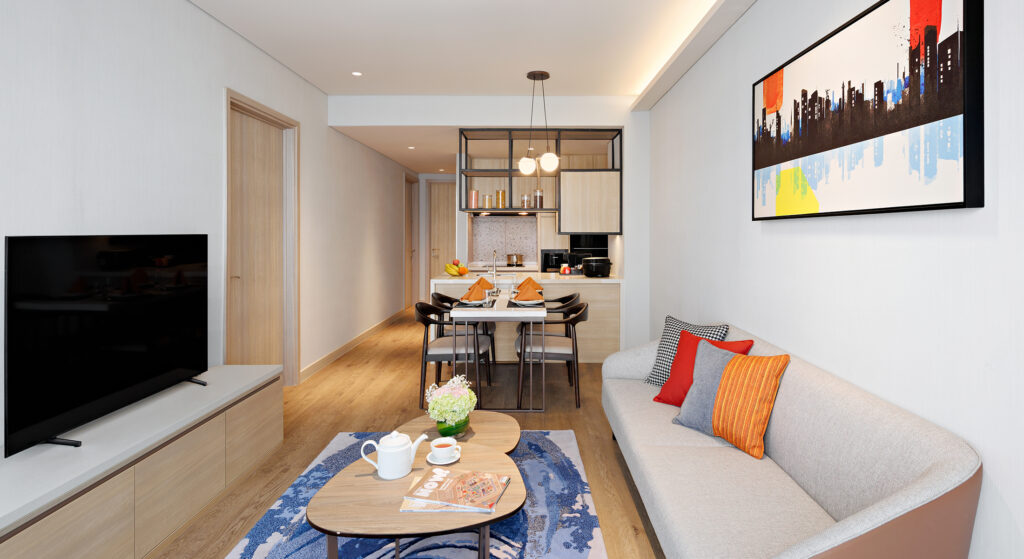
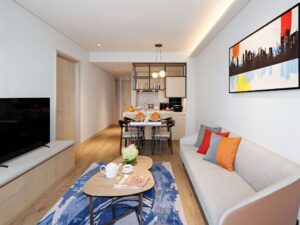
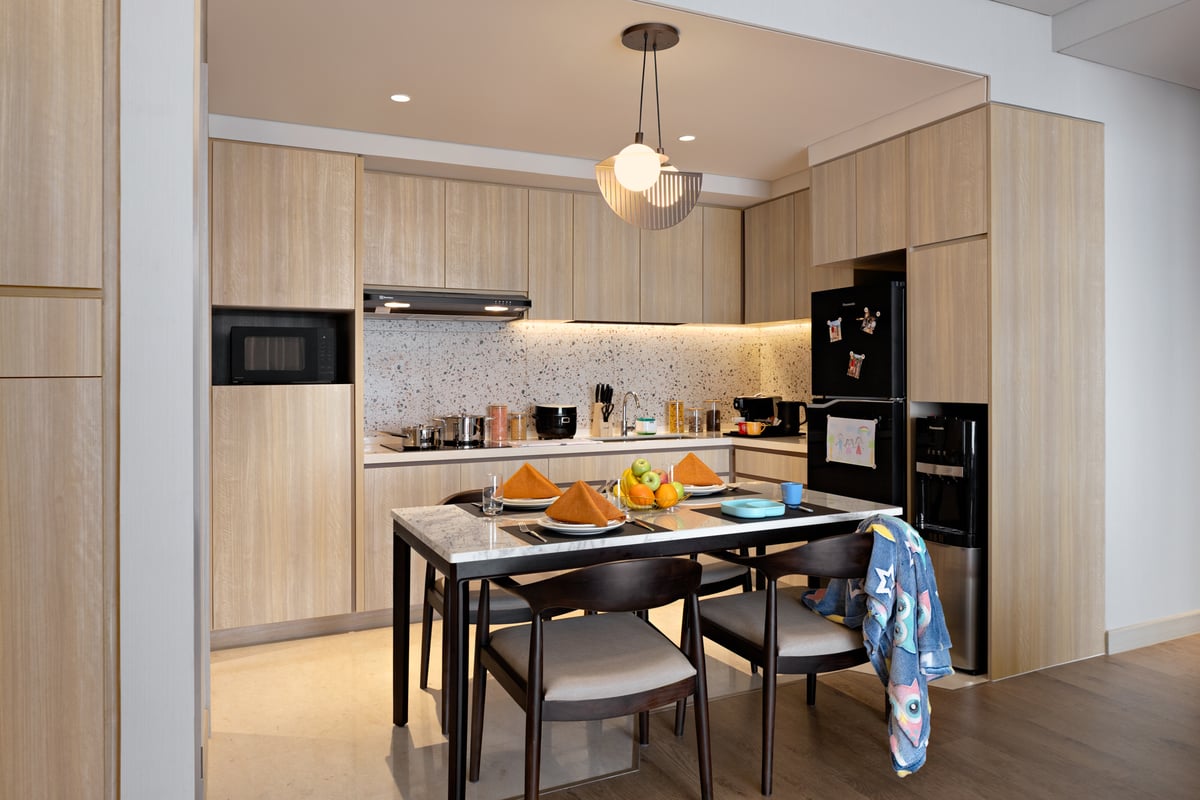
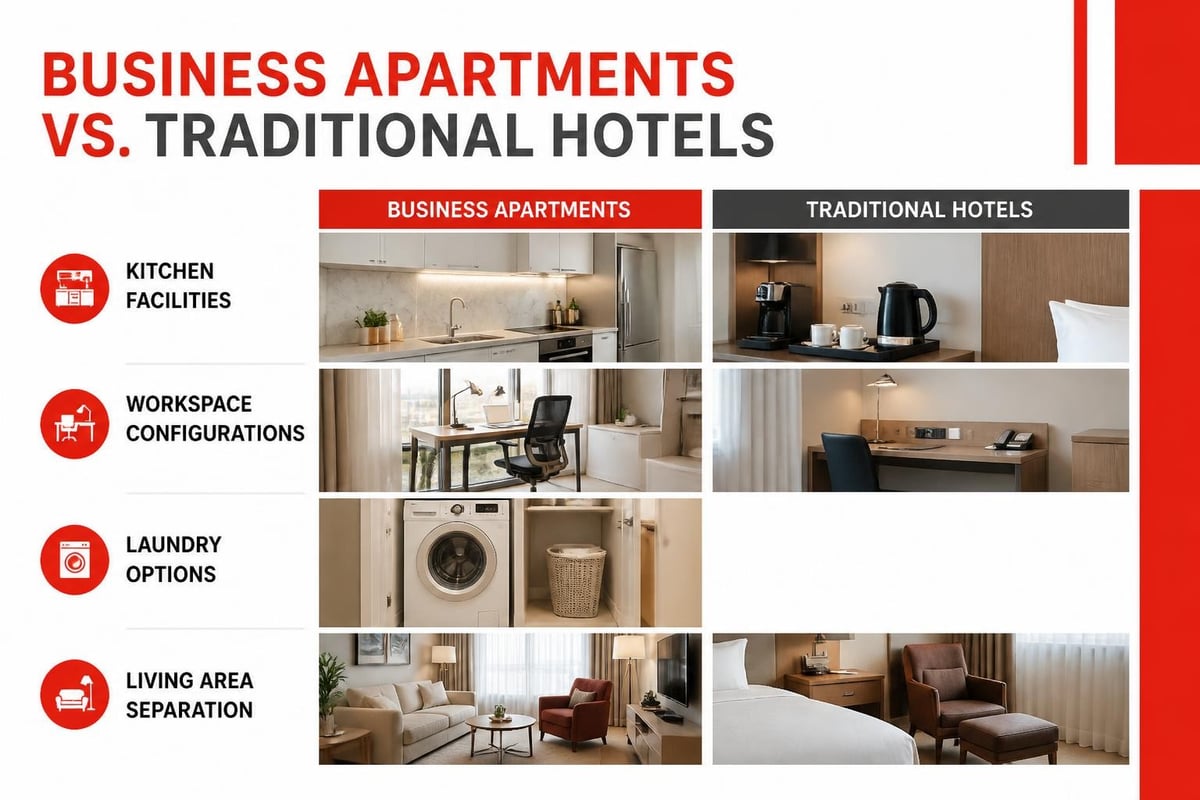
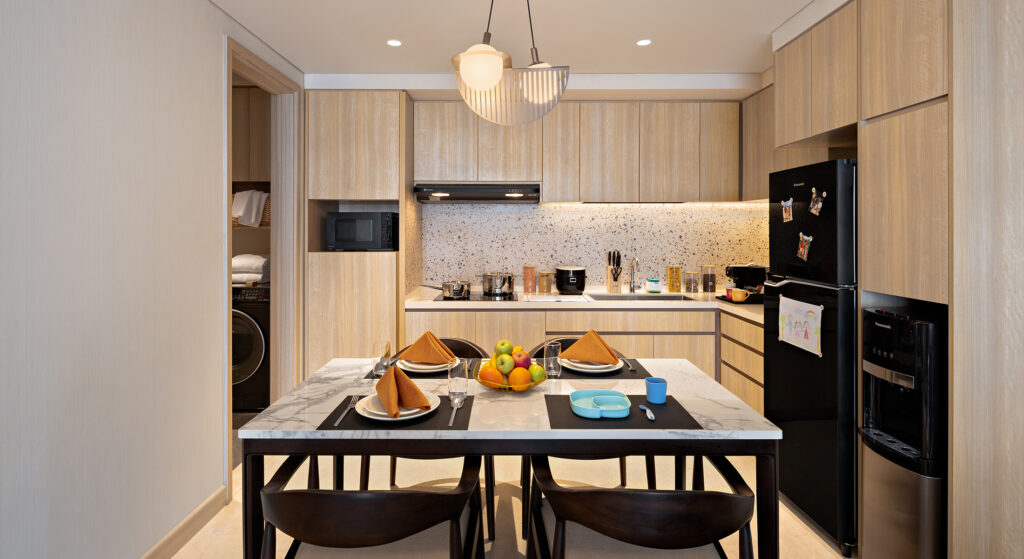
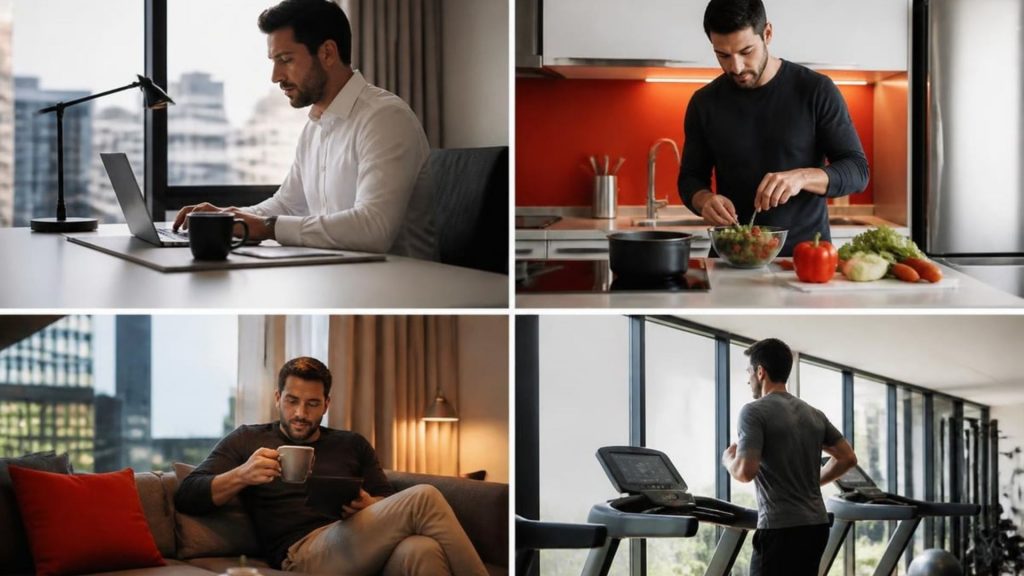
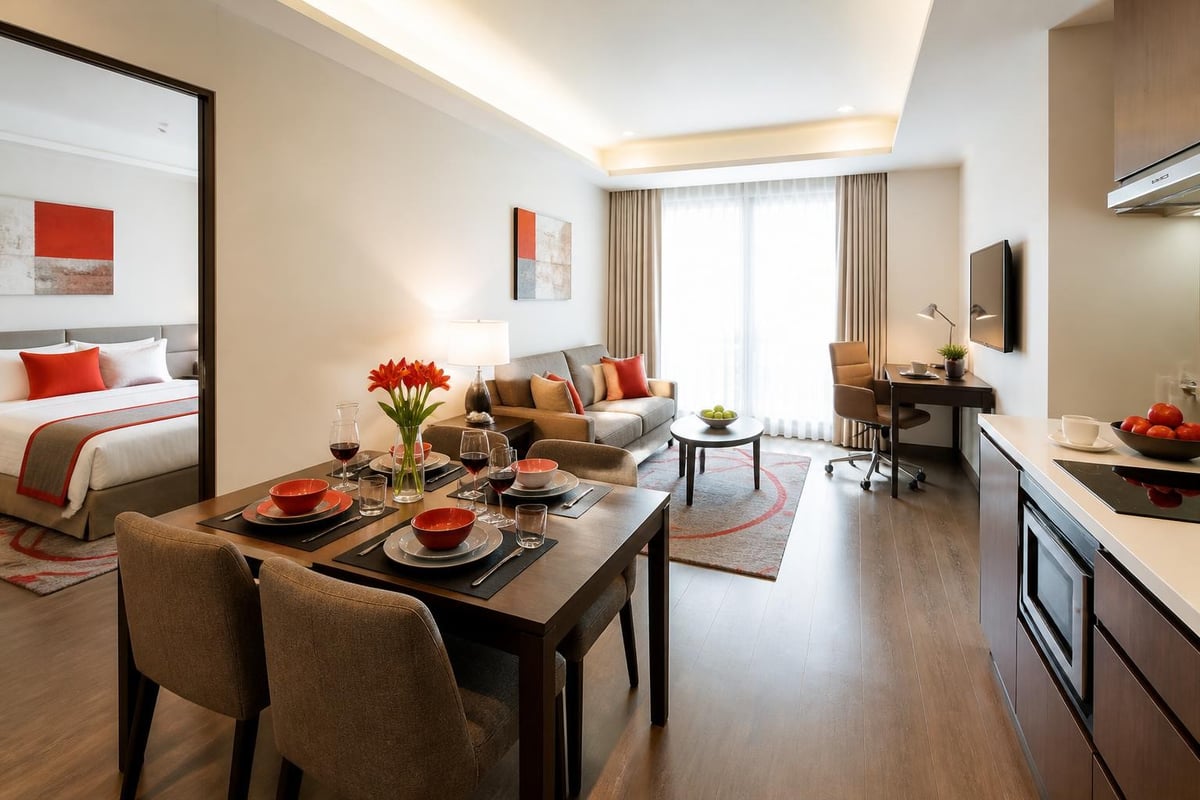
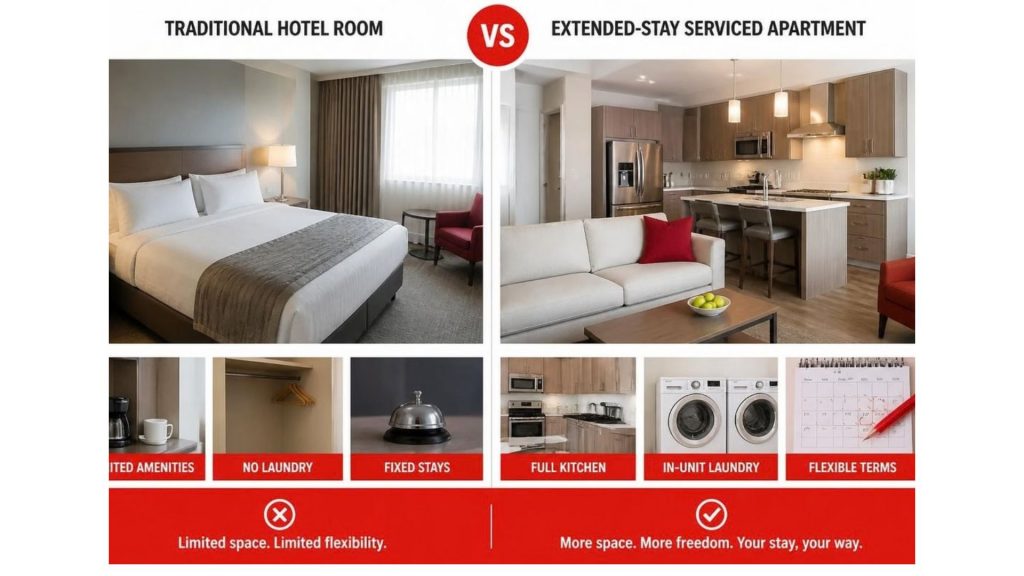
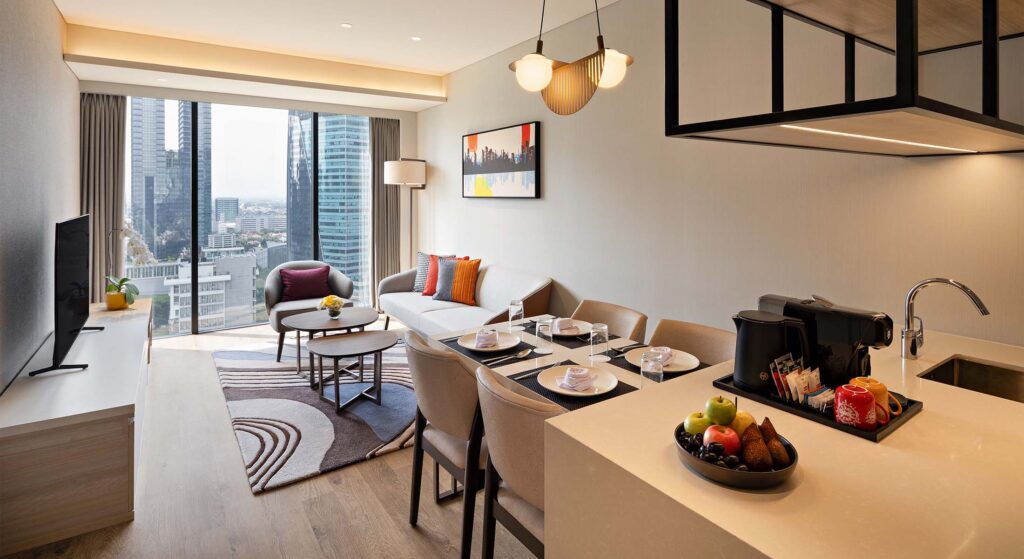
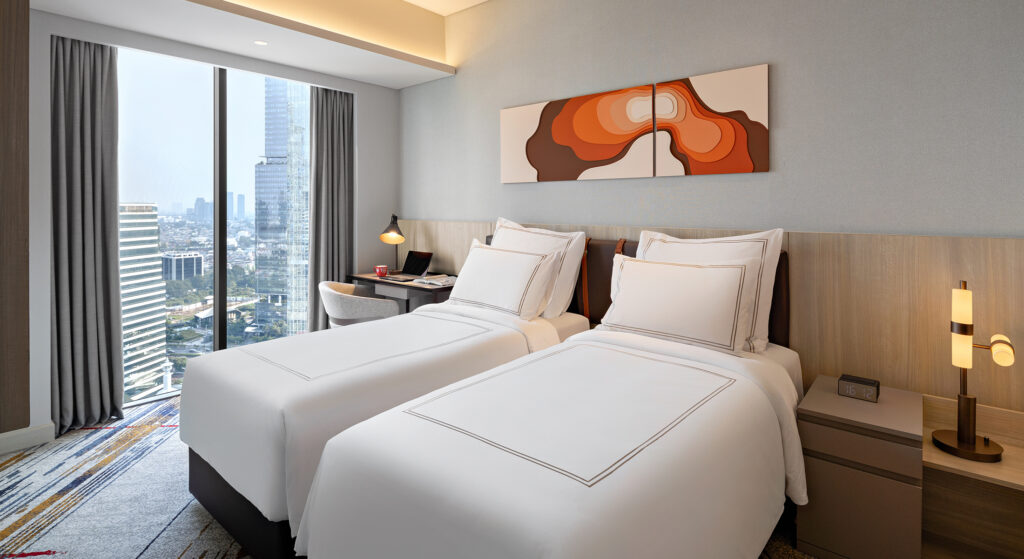
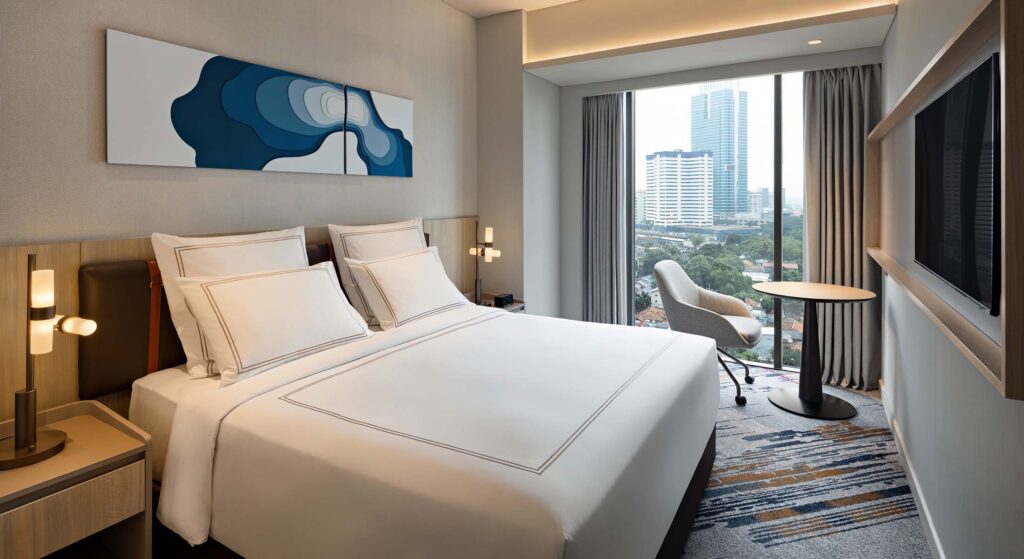
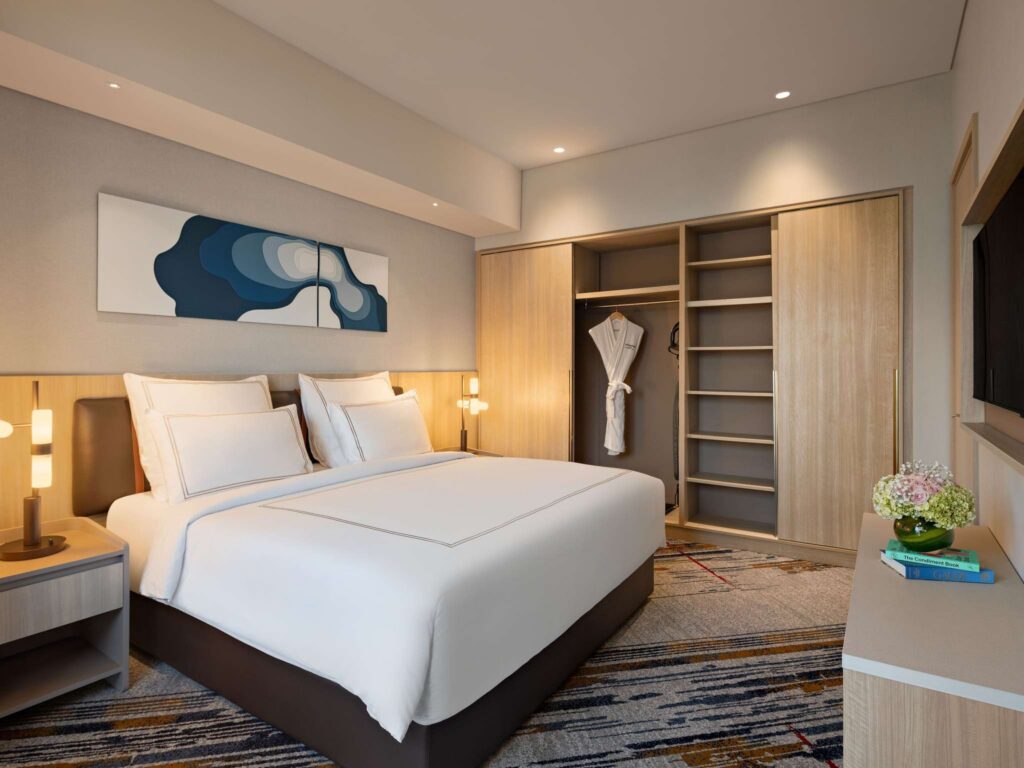
Extended living hotels provide a distinct accommodation model that prioritizes space, functionality, and residential comfort while maintaining professional hospitality services. Unlike conventional hotels with limited room configurations, these properties feature full kitchens, separate living areas, dining spaces, and enhanced storage solutions. The design philosophy centers on creating an environment where guests can maintain their daily routines, prepare meals, and enjoy privacy without sacrificing the convenience of housekeeping, concierge support, and property amenities.
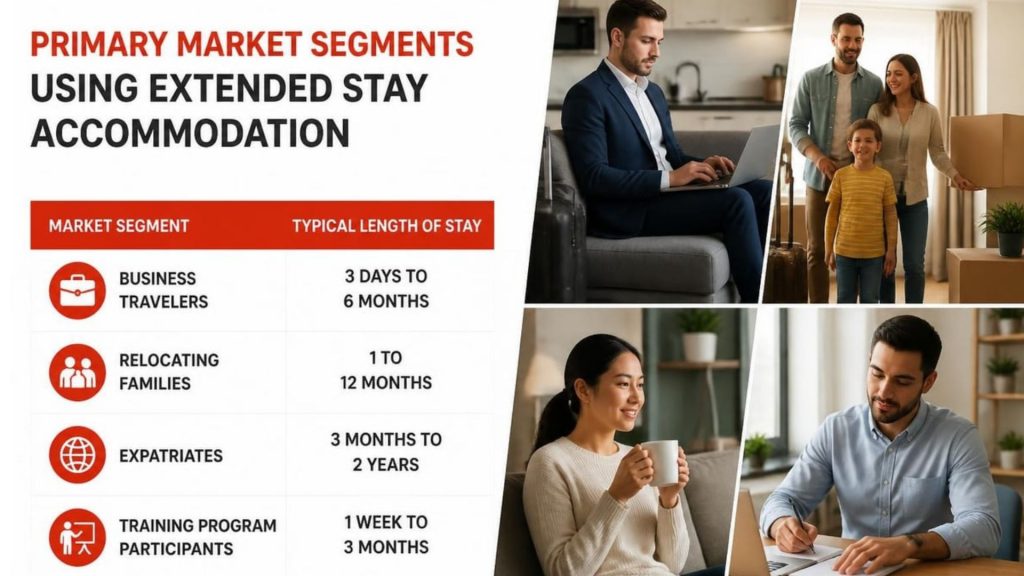
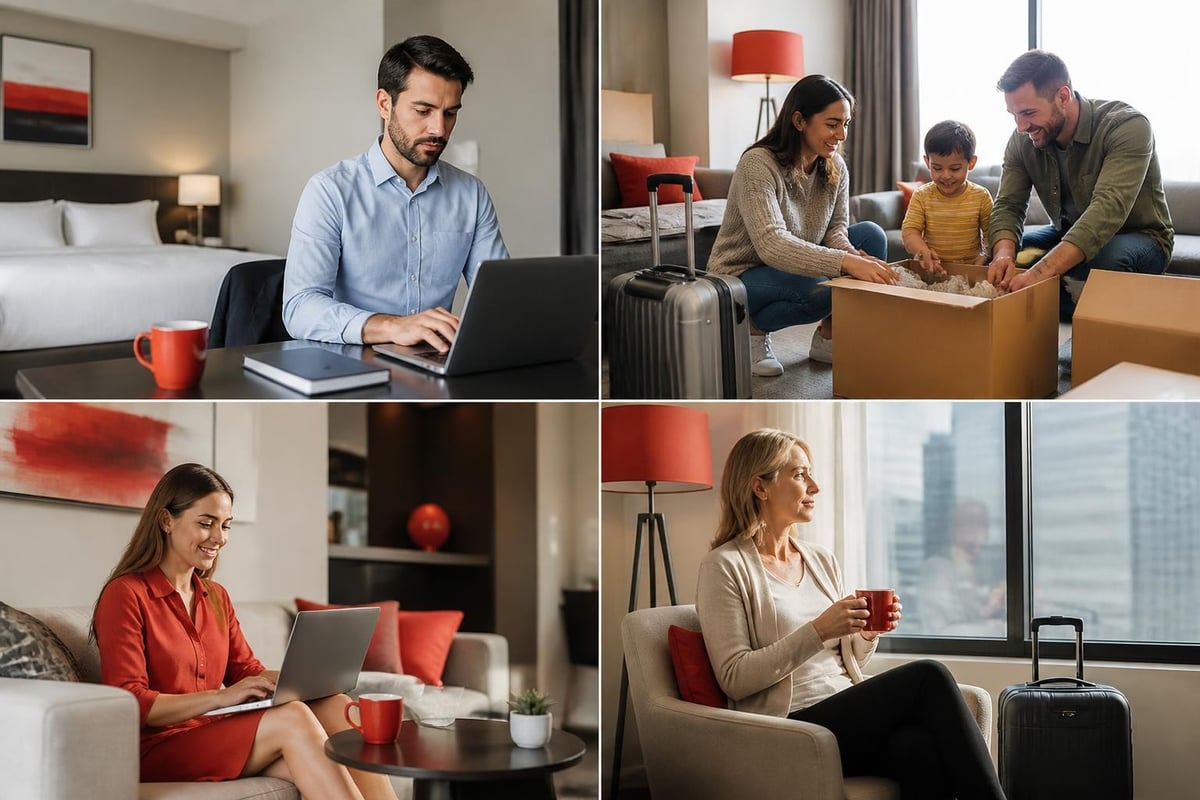
The sector has experienced notable momentum as extended-stay hotels capture increasing market share from traditional lodging options. This growth reflects fundamental shifts in how people work, travel, and approach temporary housing. Business travelers undertaking project assignments, expatriates in transition, families relocating for employment, and individuals seeking flexible living arrangements have all contributed to sustained demand.
Key Characteristics That Define the Segment
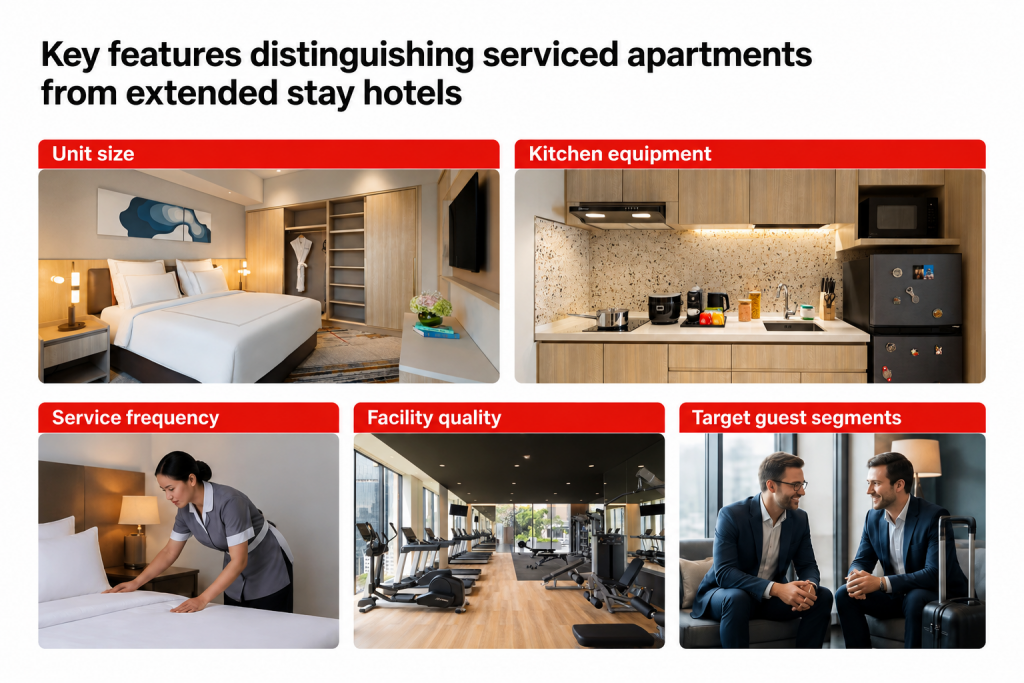
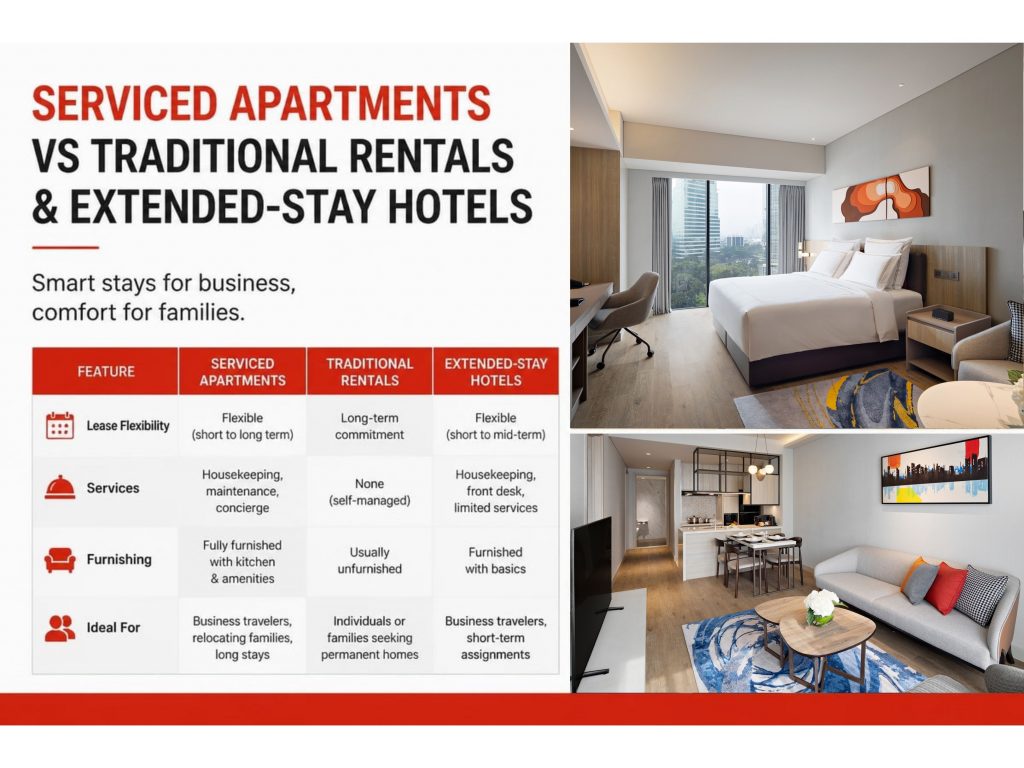
Extended living hotels distinguish themselves through several defining features that separate them from both traditional hotels and standard rental apartments:
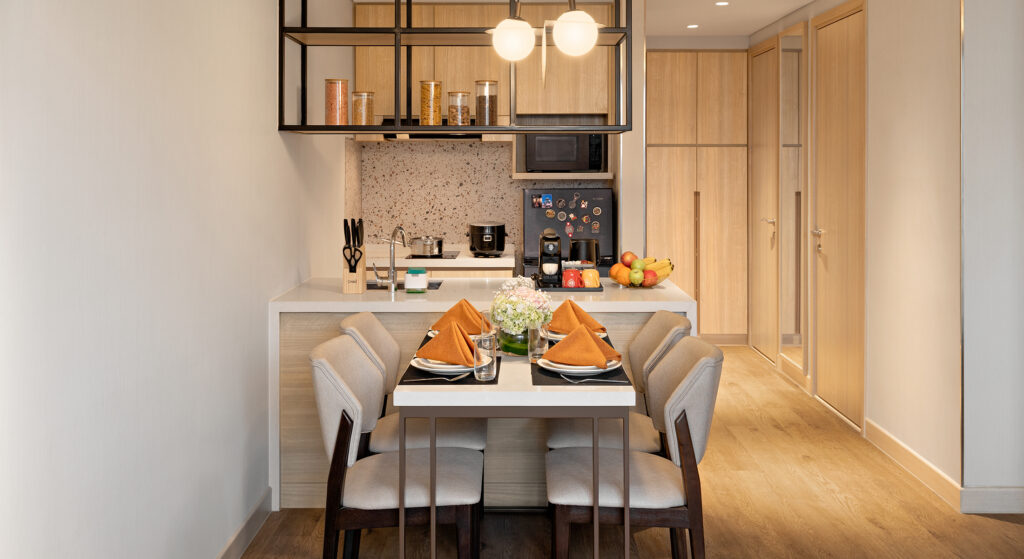
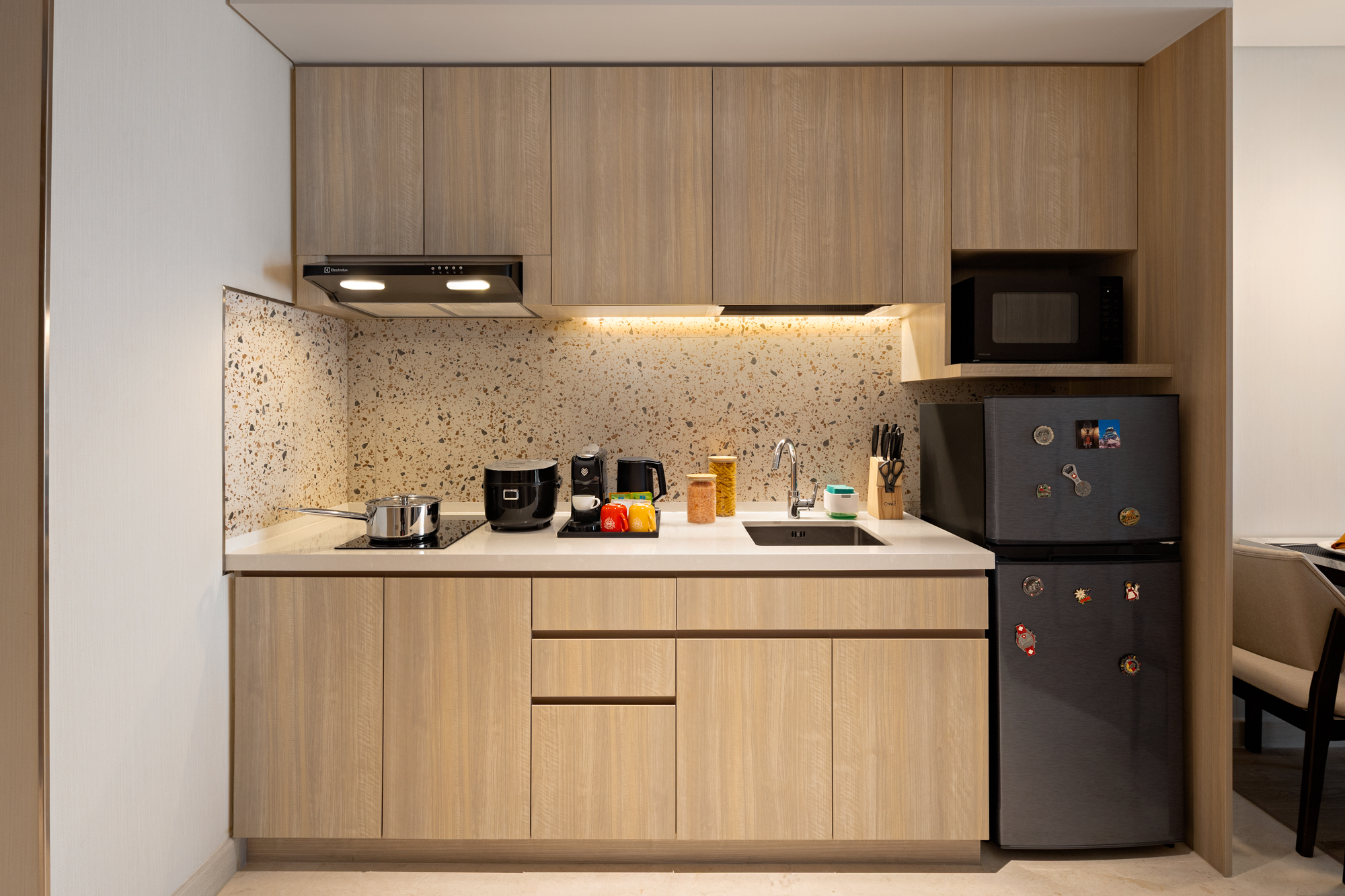
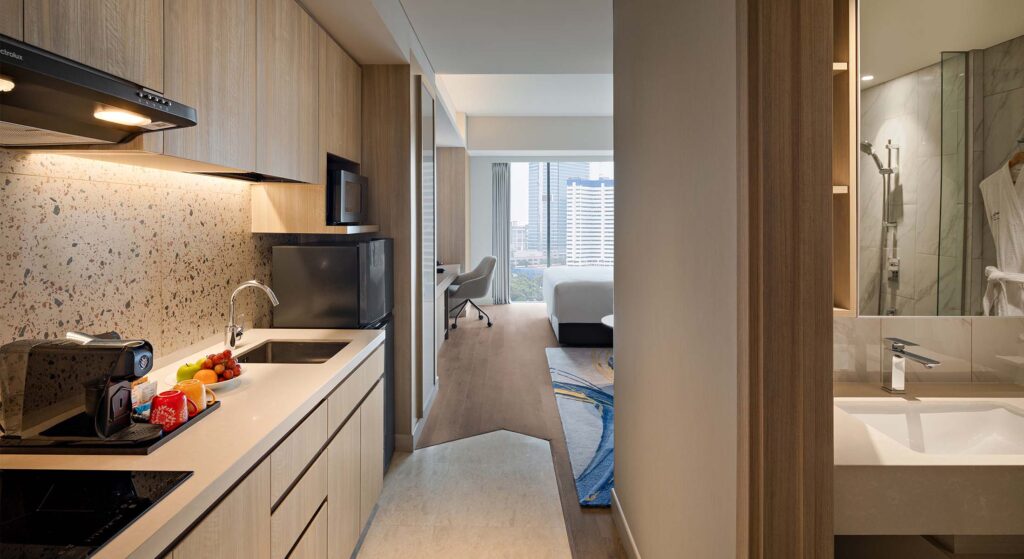
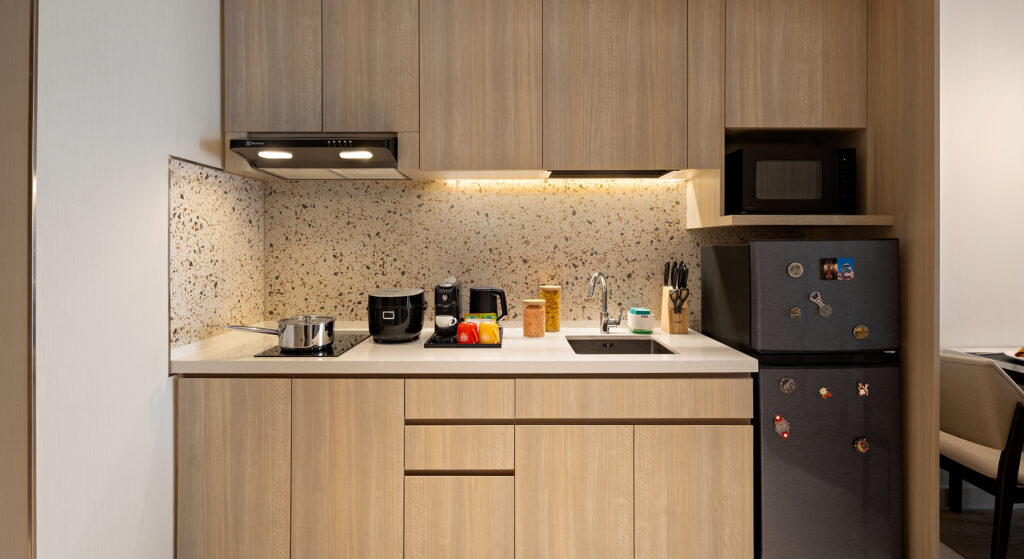
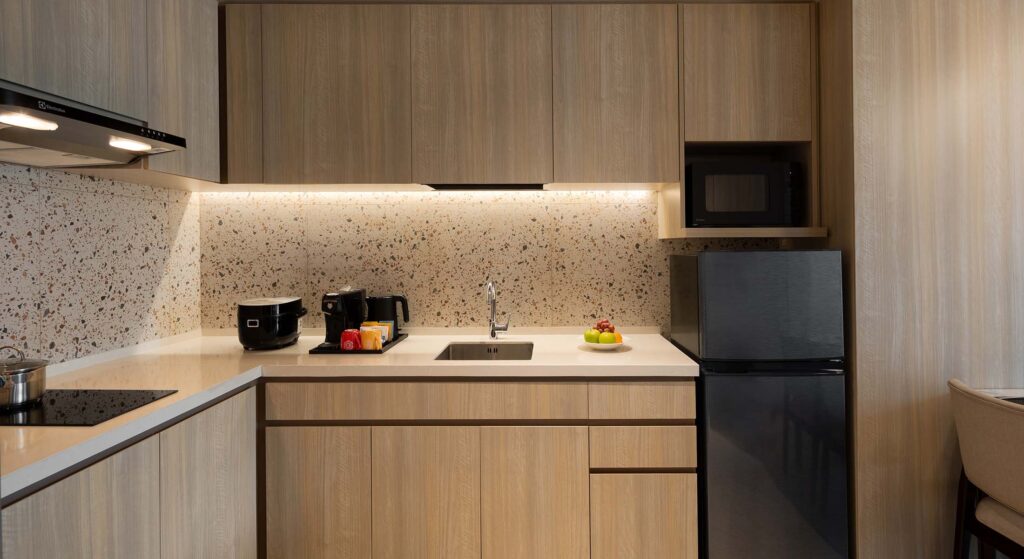
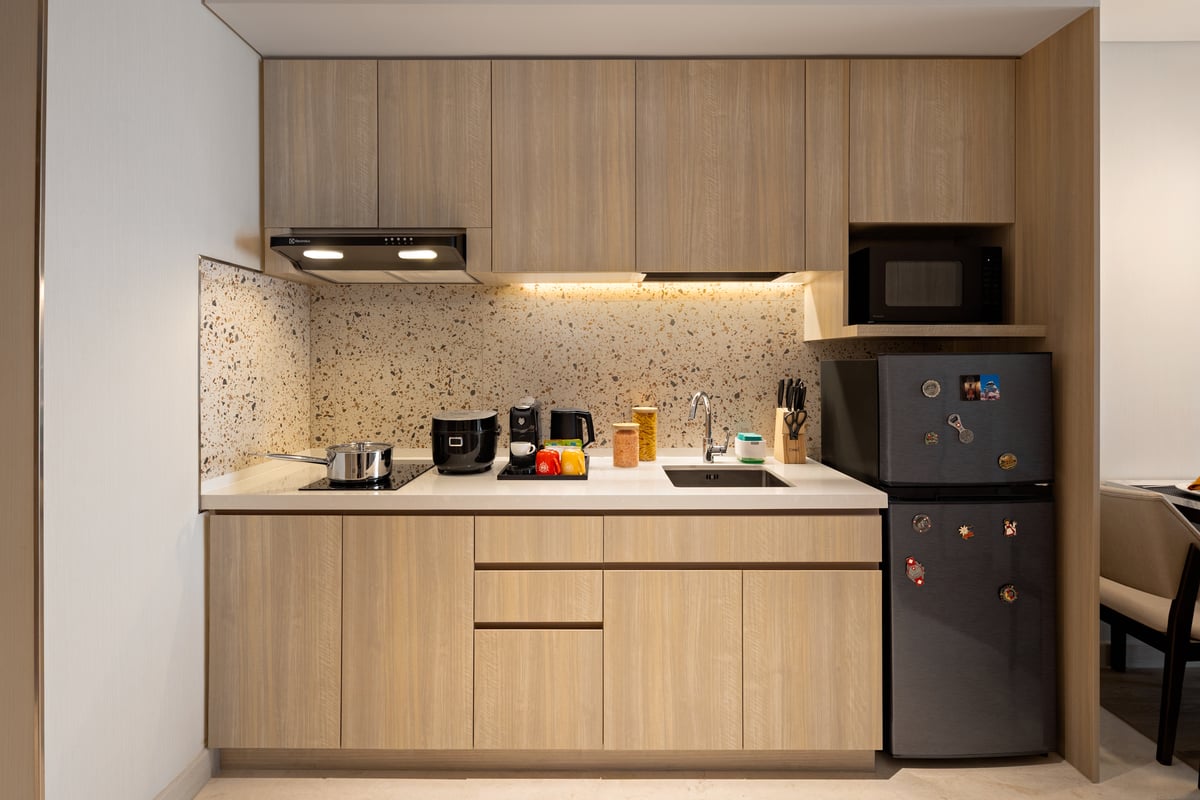
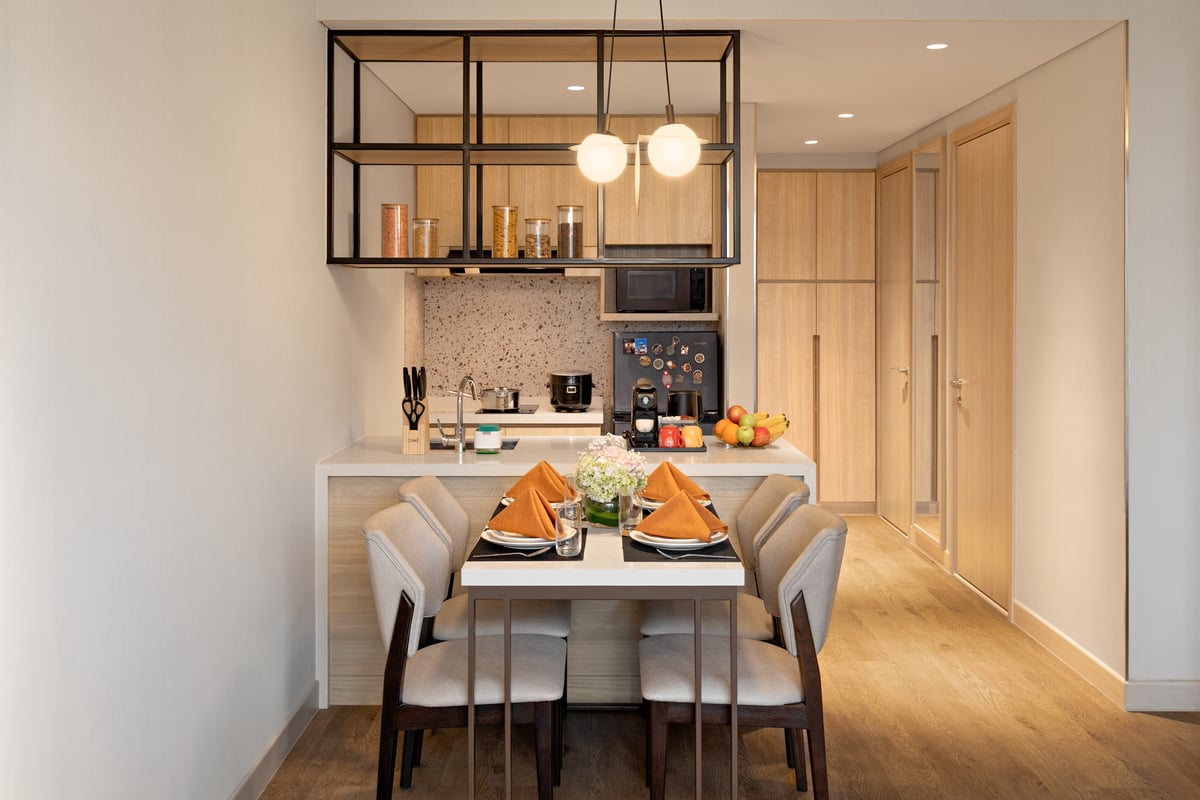
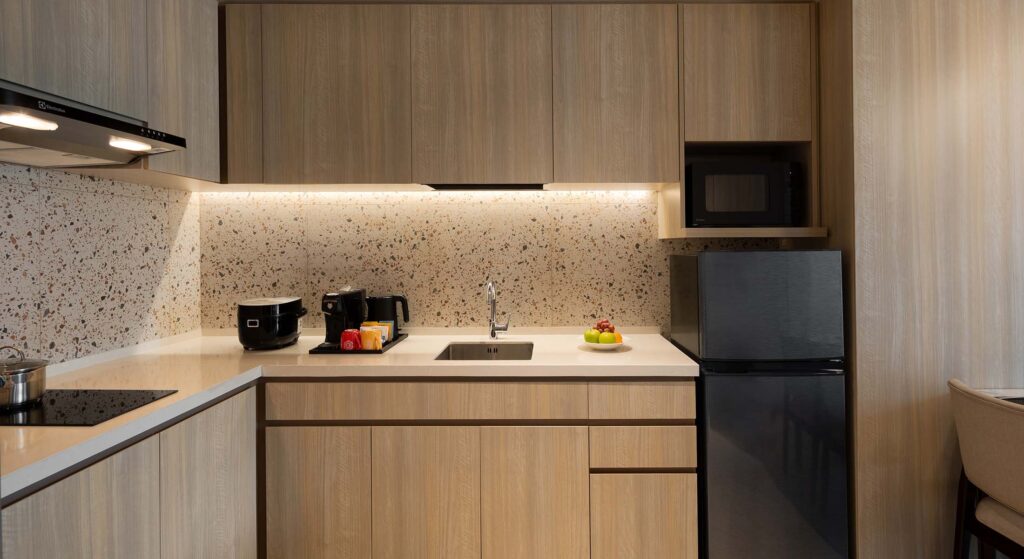
- Fully equipped kitchens with refrigerators, stovetops, microwaves, cookware, and dining utensils
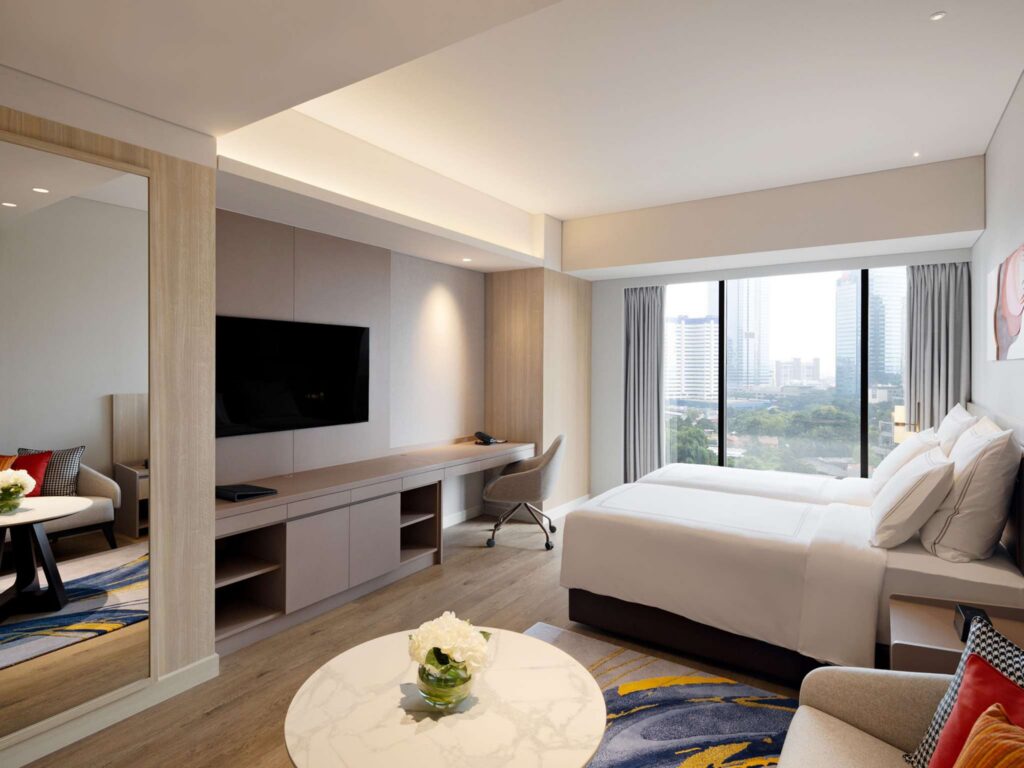
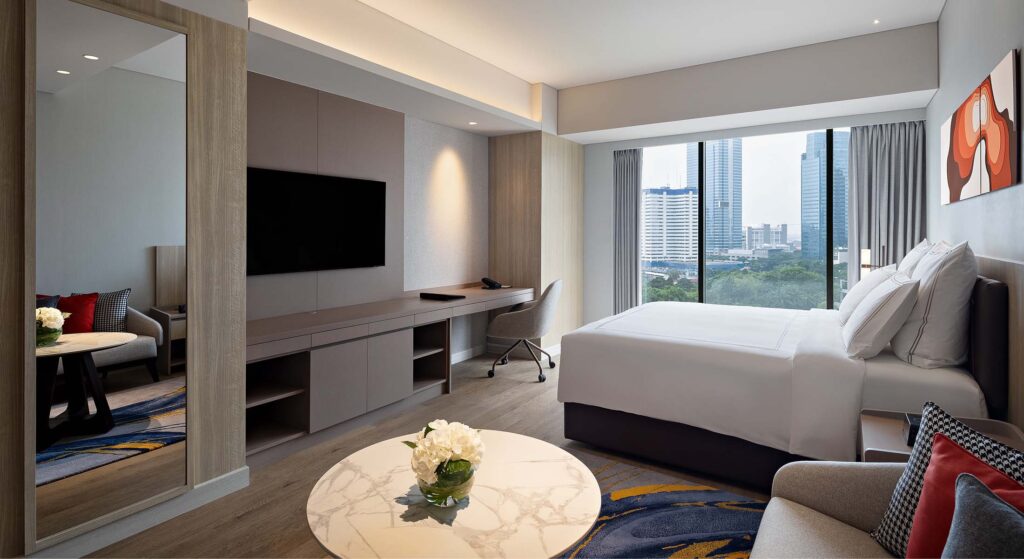
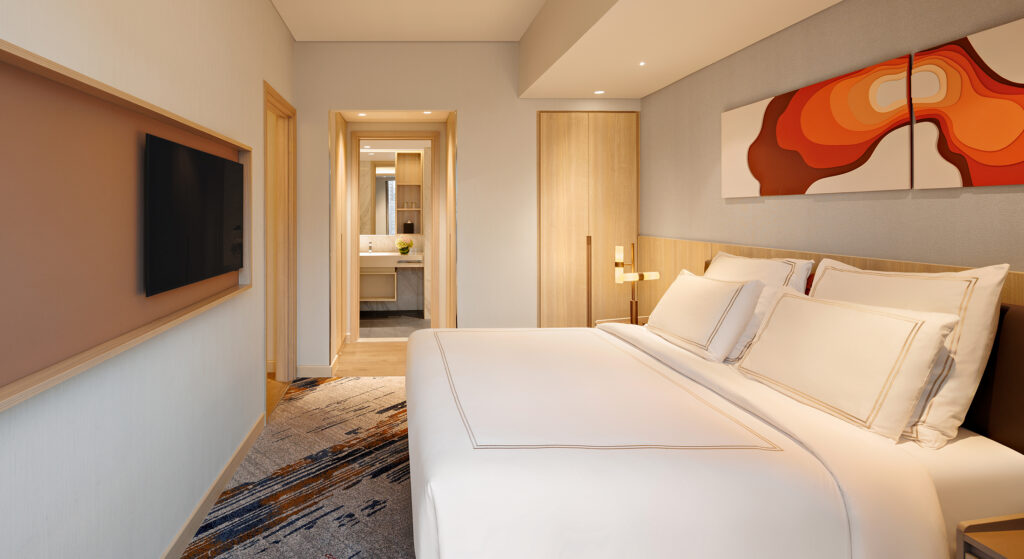
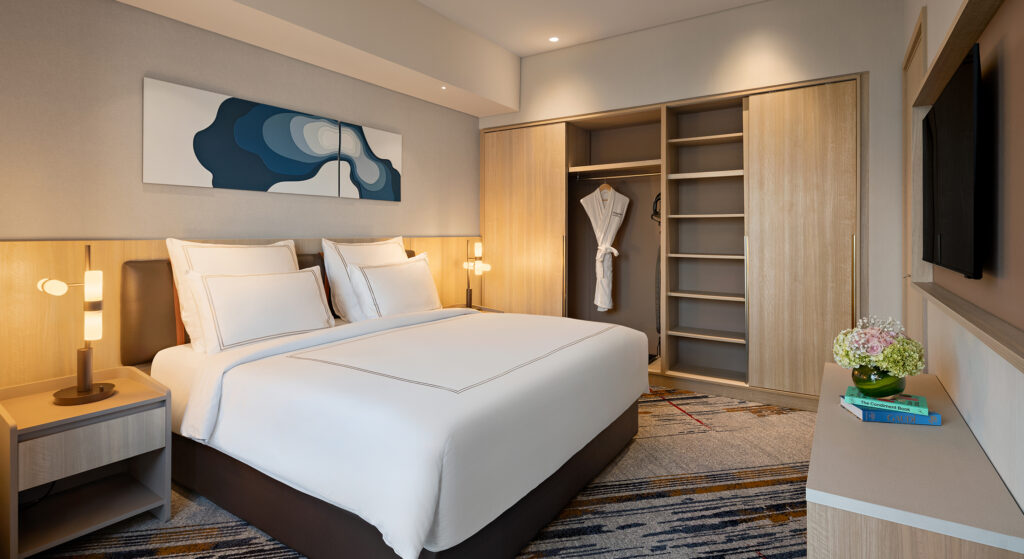
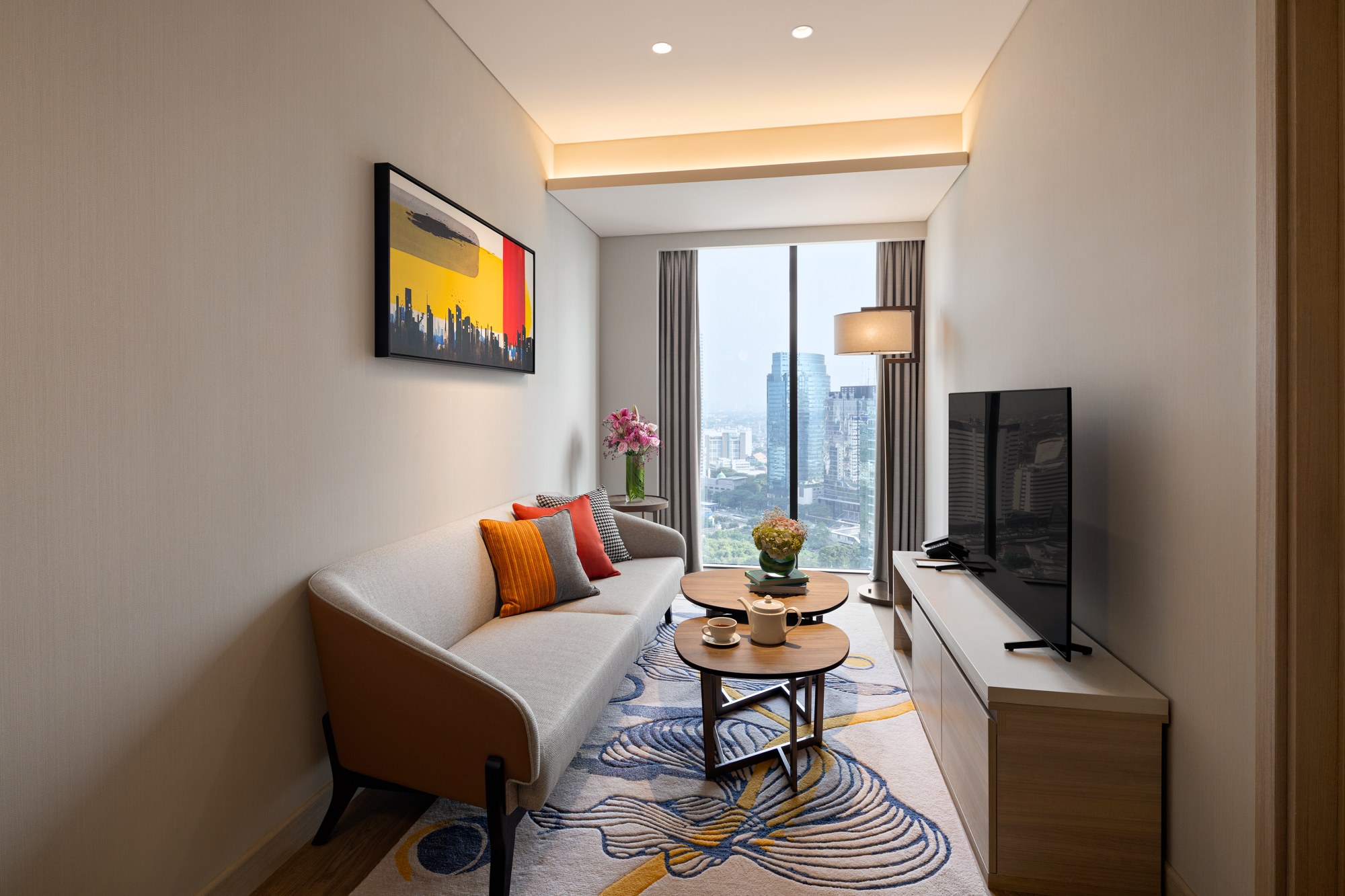
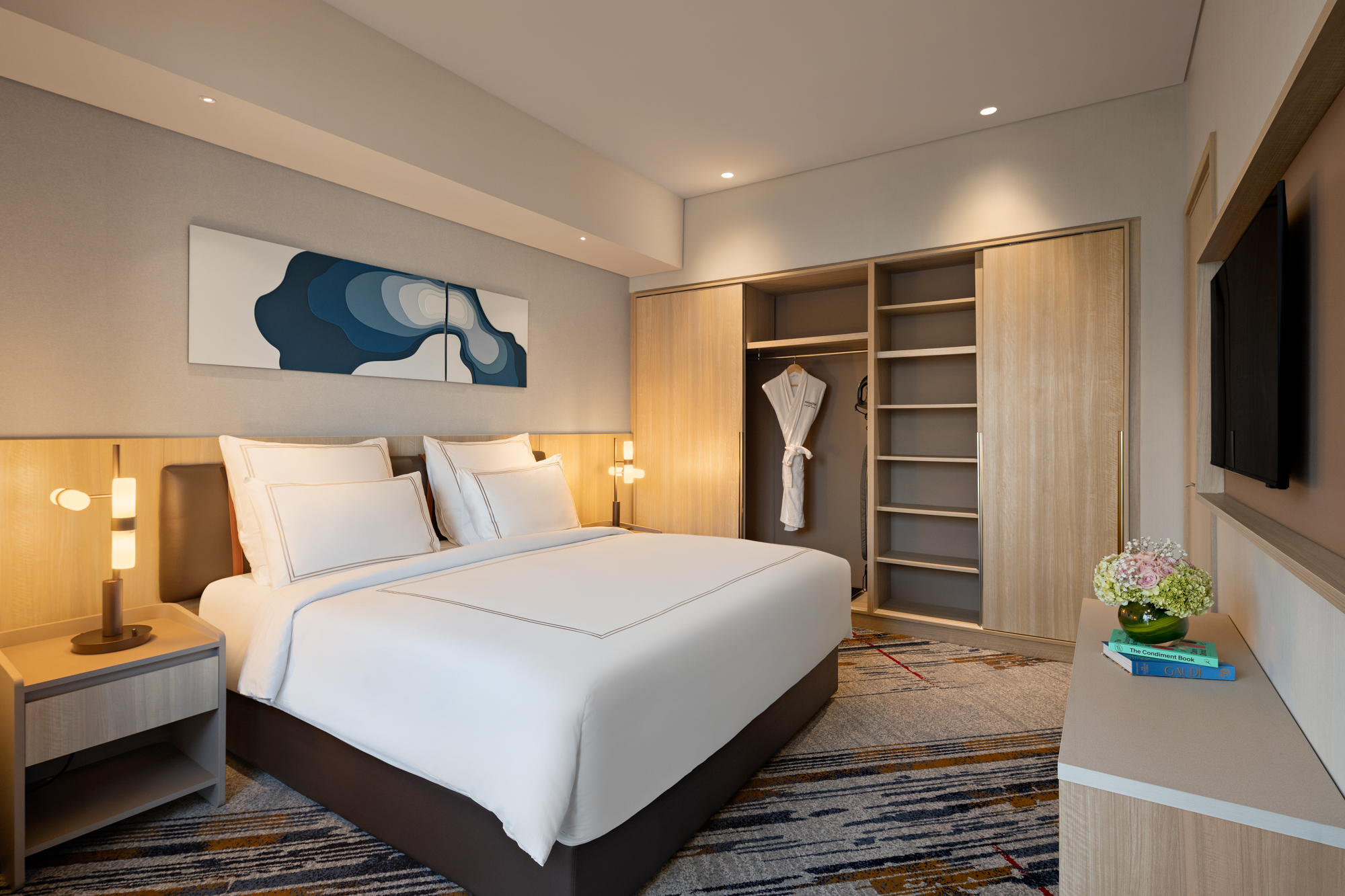
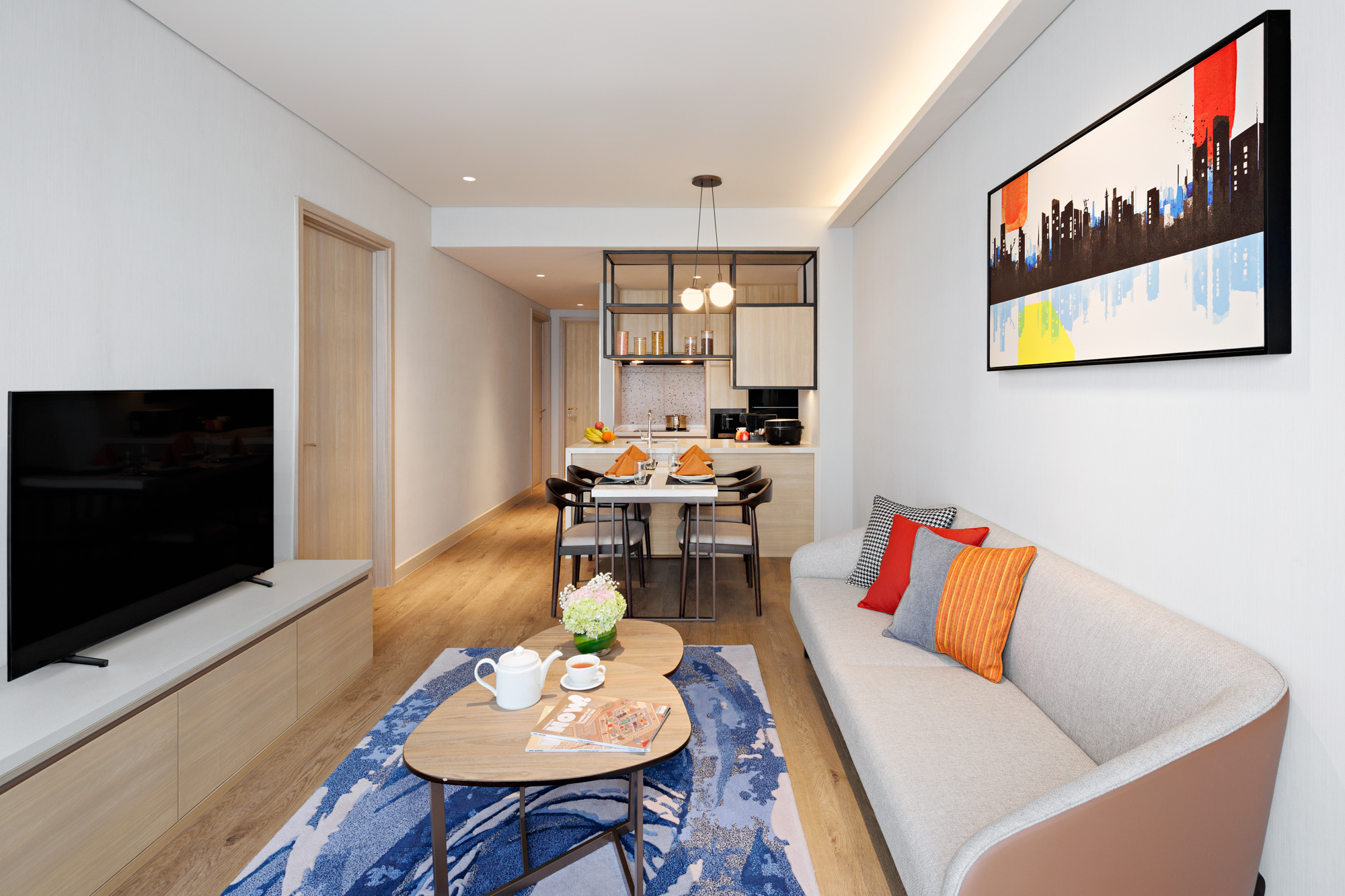
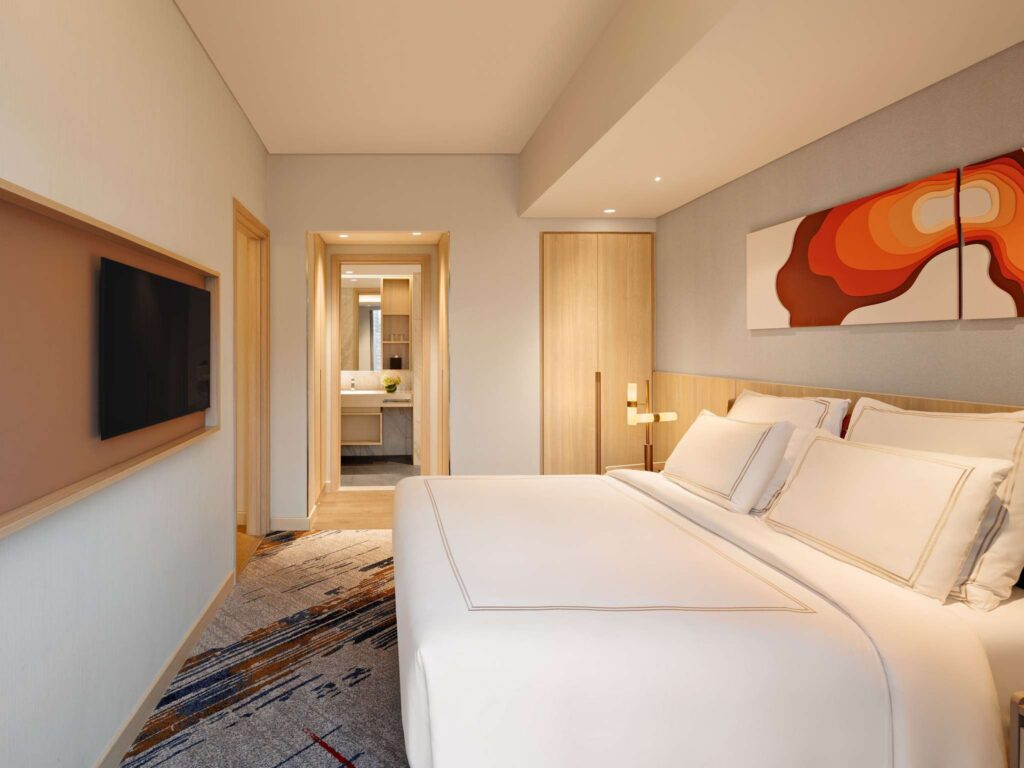
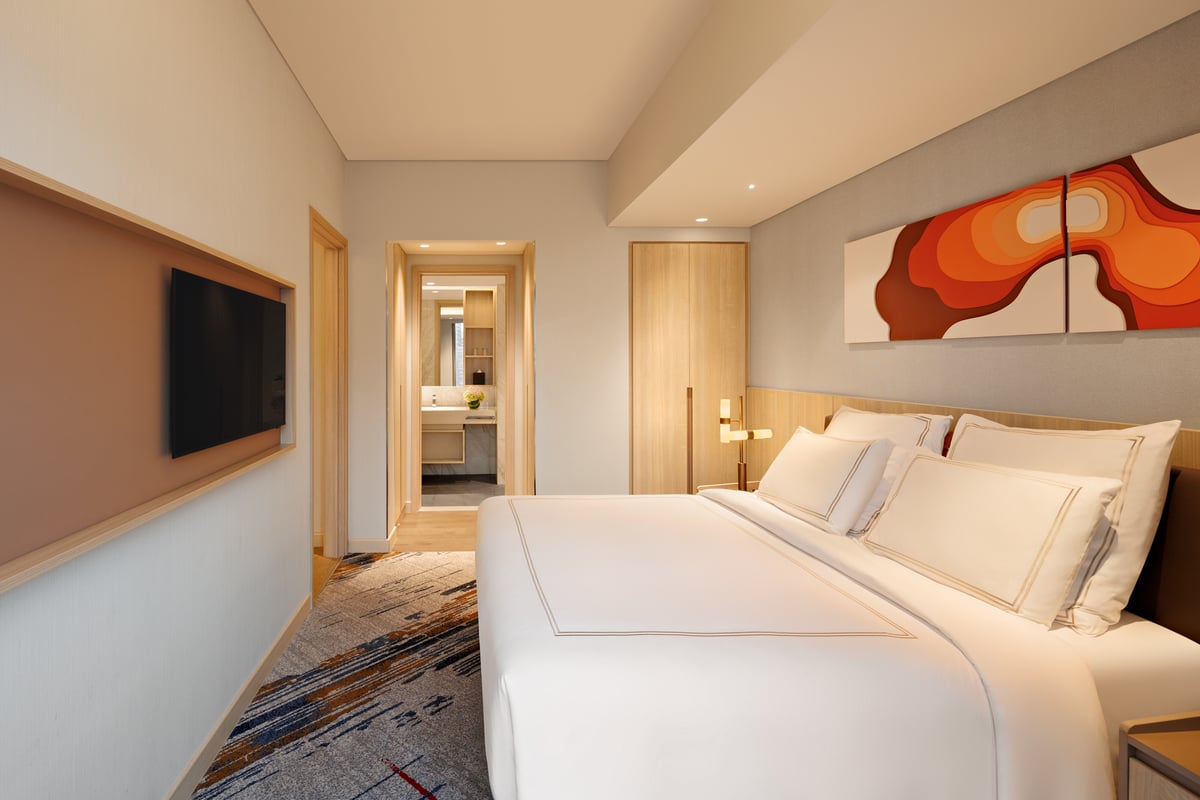
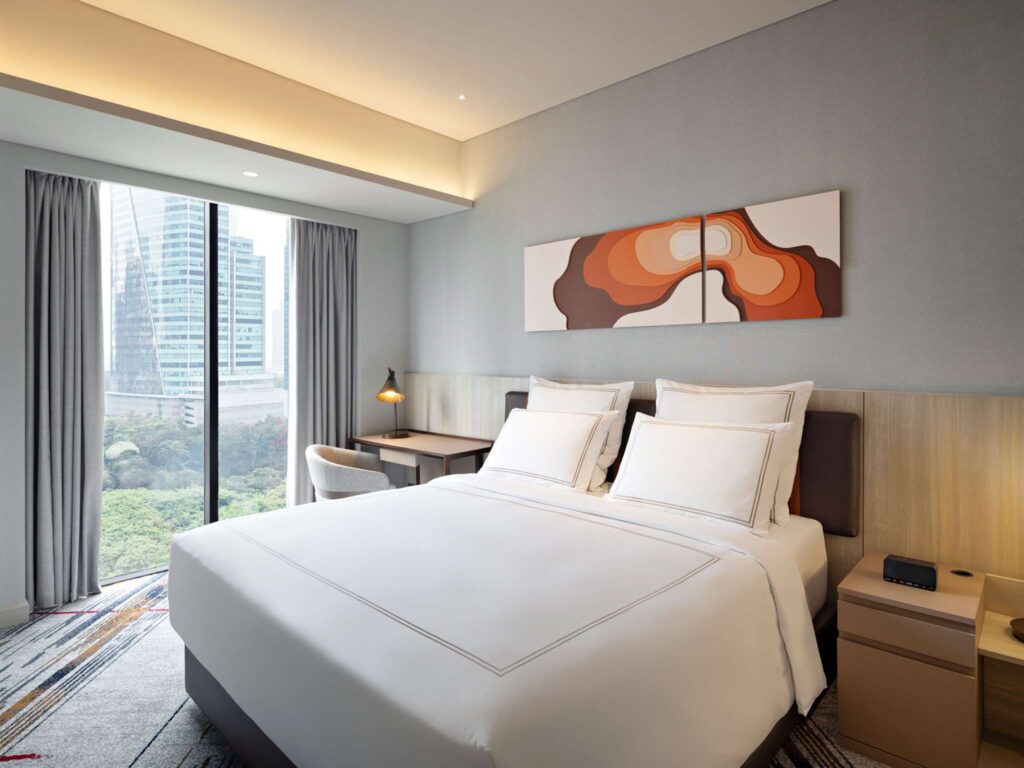
- Separate living and sleeping areas that create functional zones for work, relaxation, and rest
- Weekly or bi-weekly housekeeping that balances privacy with cleanliness
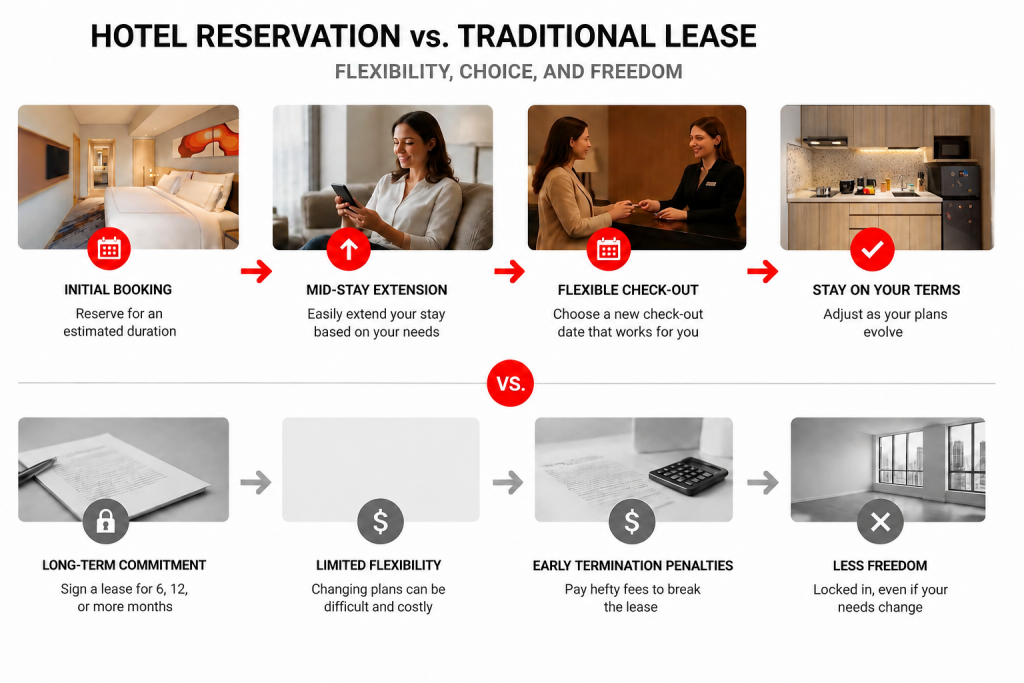
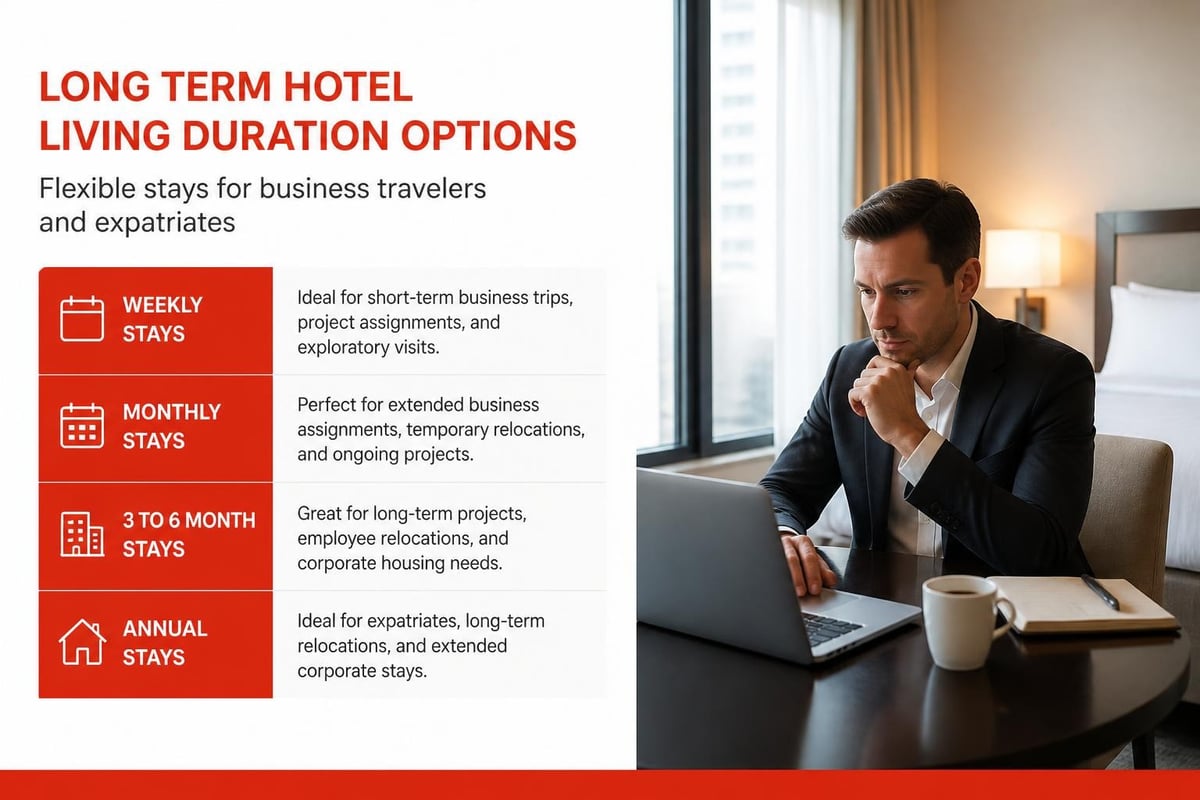
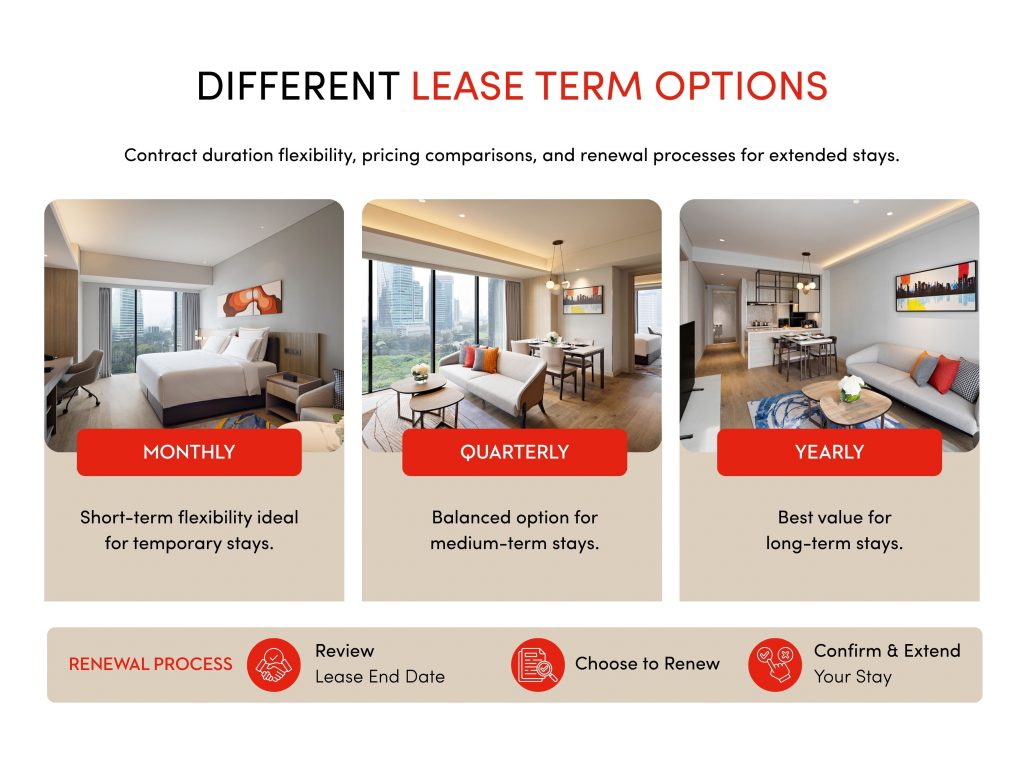
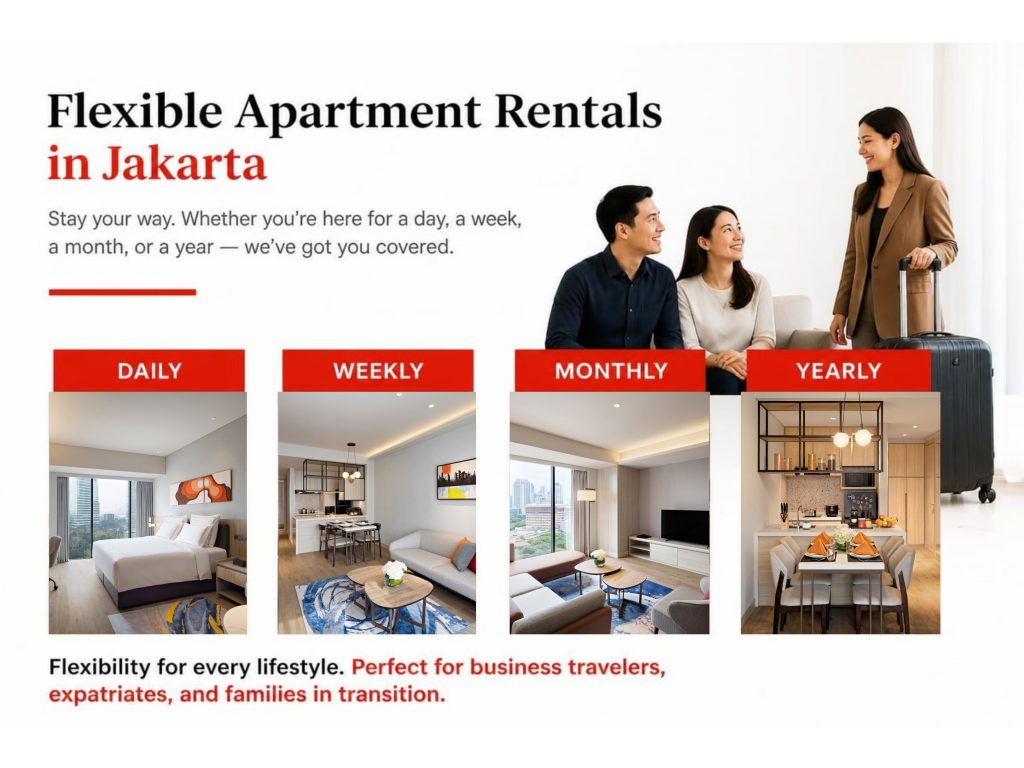
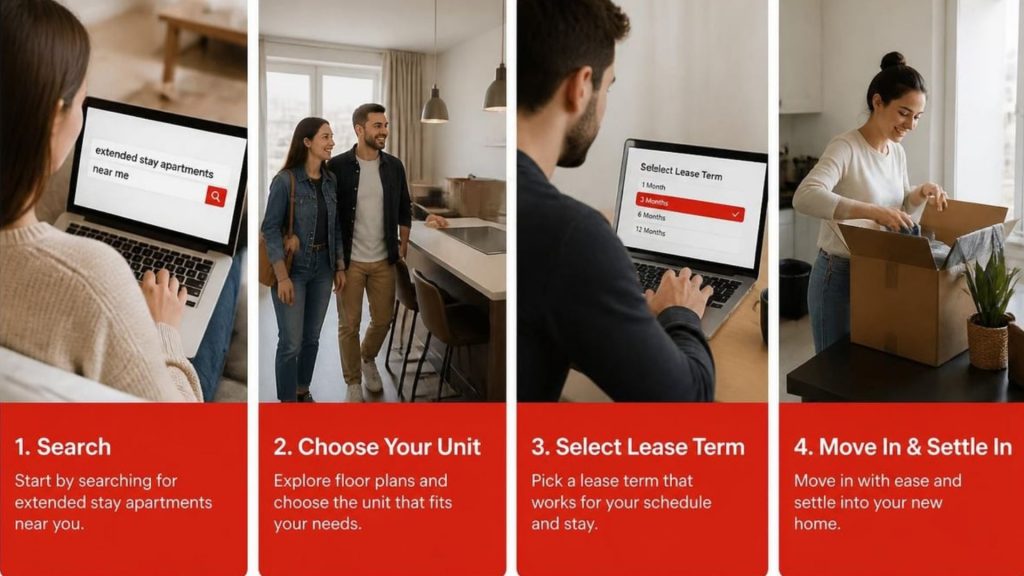
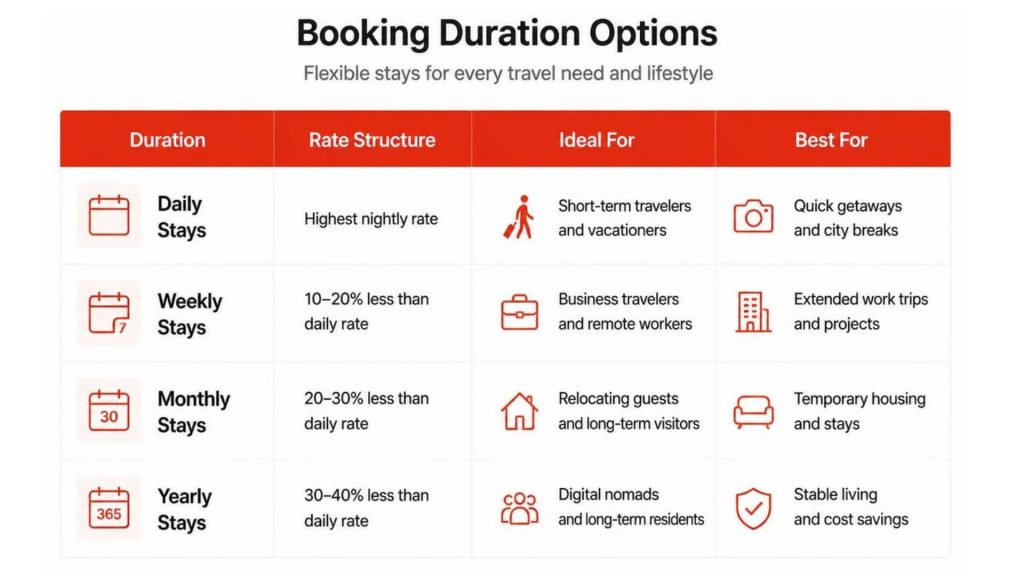
- Flexible lease terms accommodating daily, weekly, monthly, or annual stays
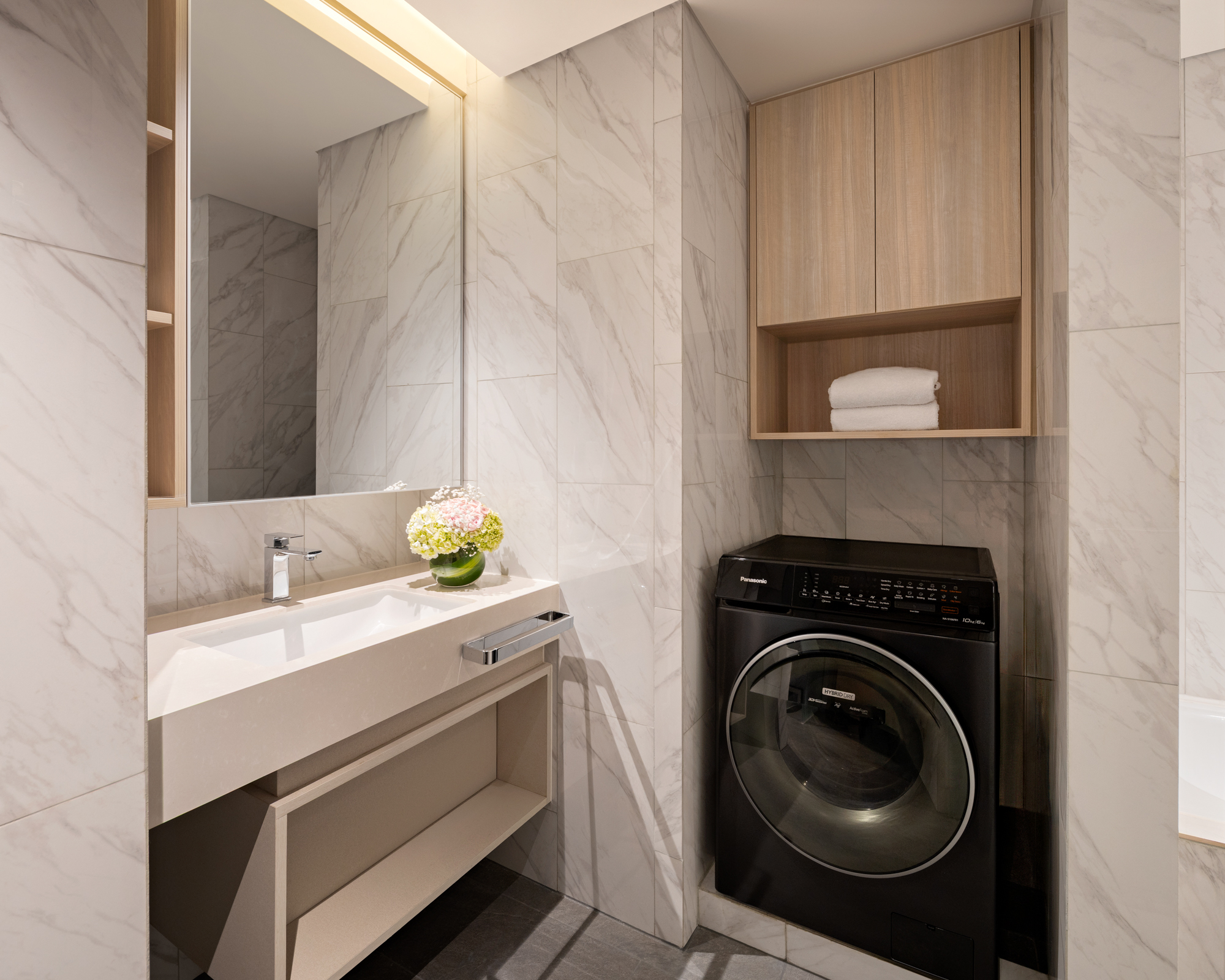
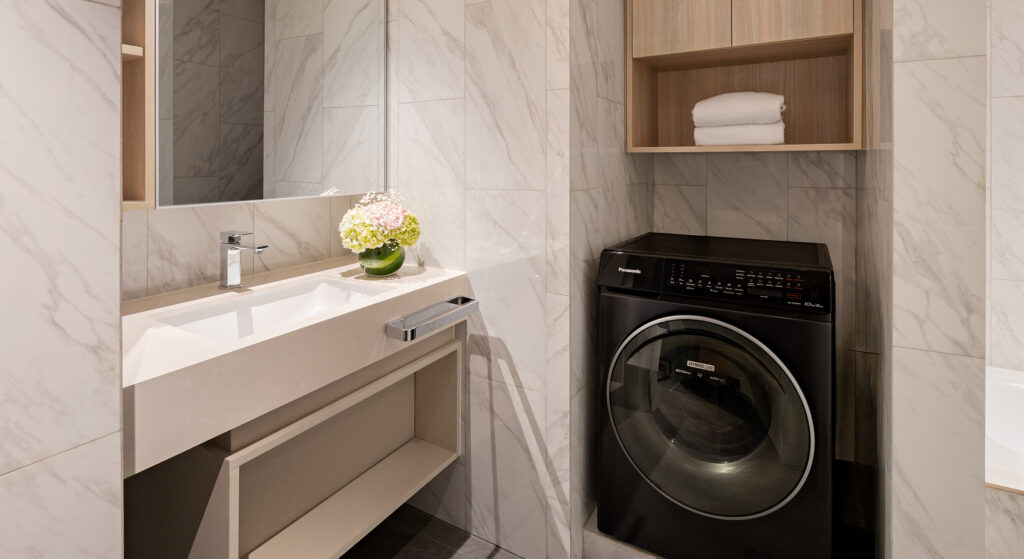
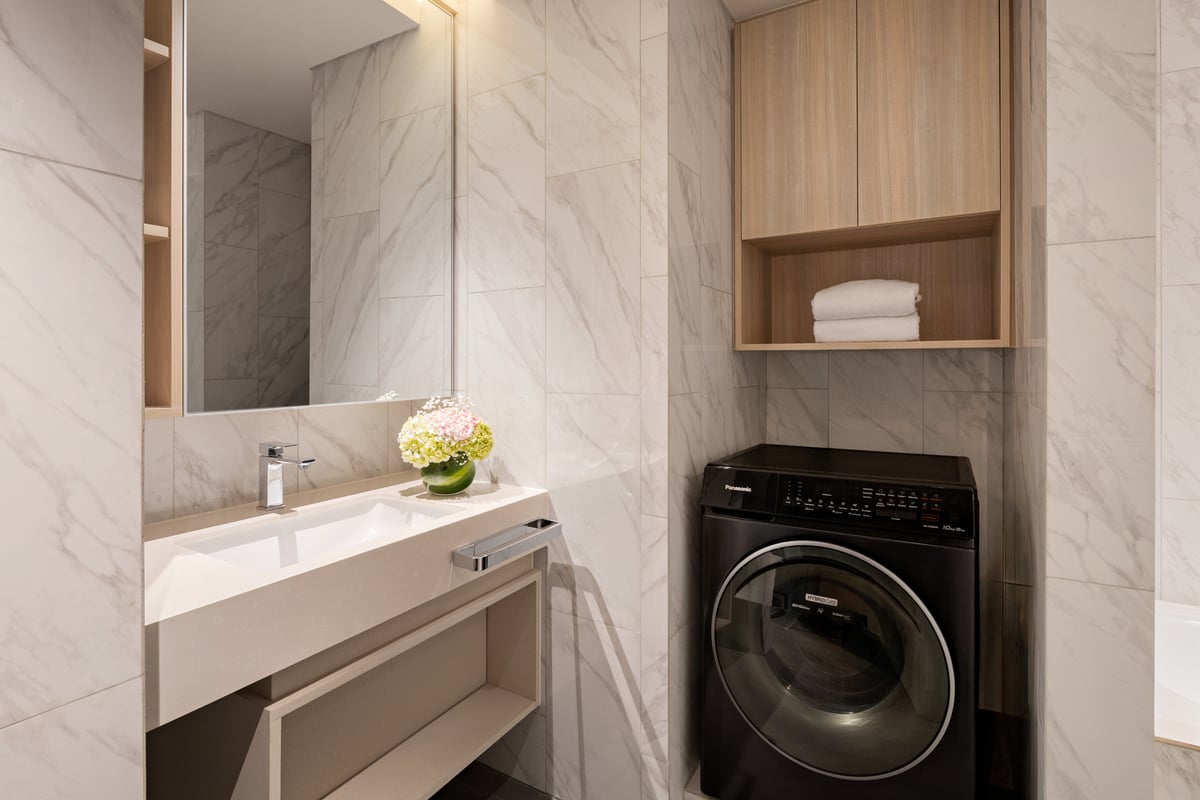
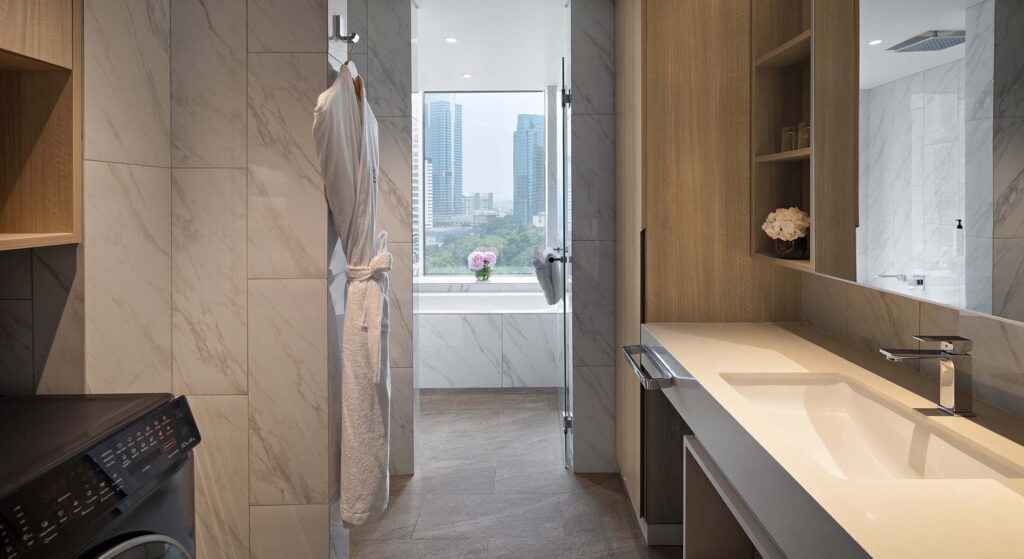
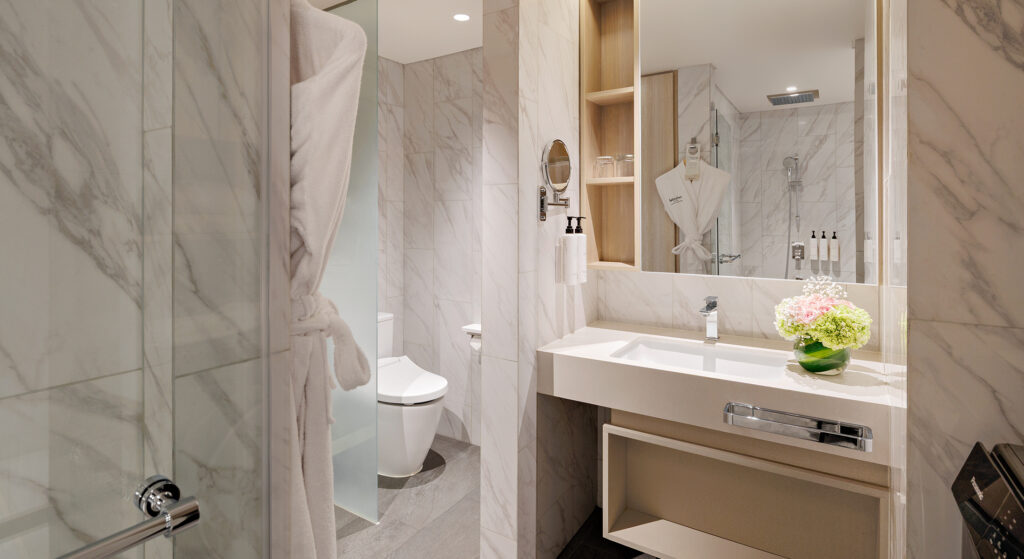
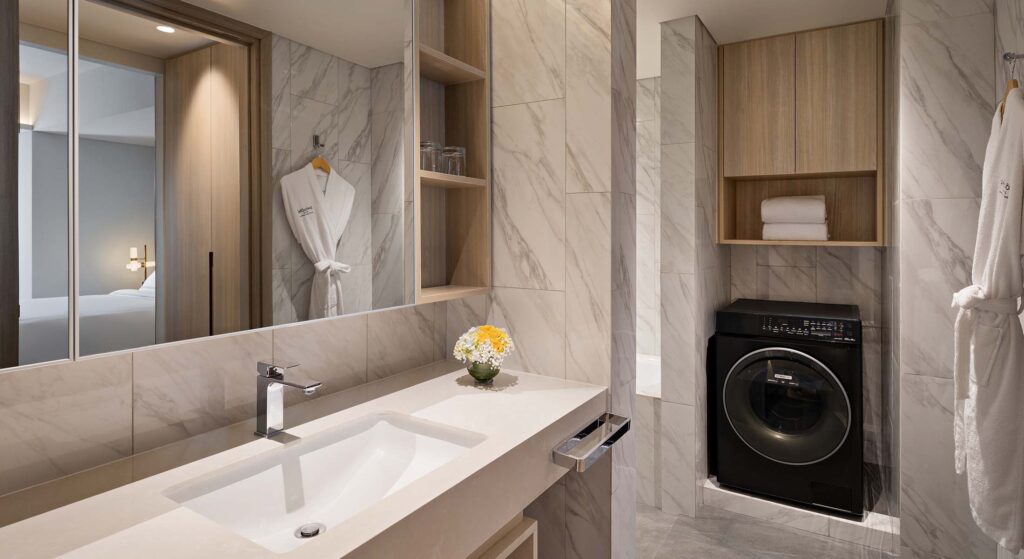
- In-unit laundry facilities or access to on-site laundry services
- Professional front desk services available throughout guest stays
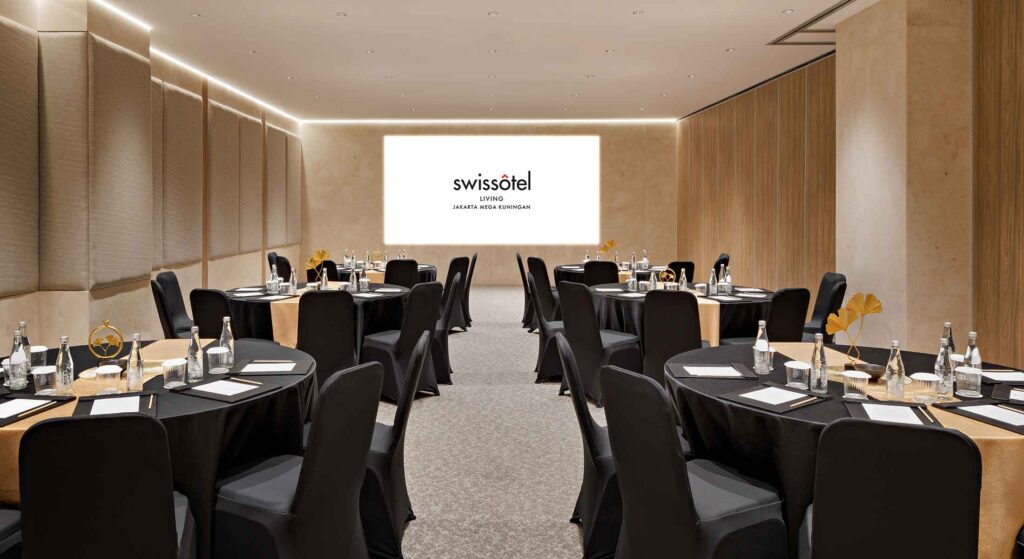
- Fitness centers, business facilities, and social spaces integrated into the property
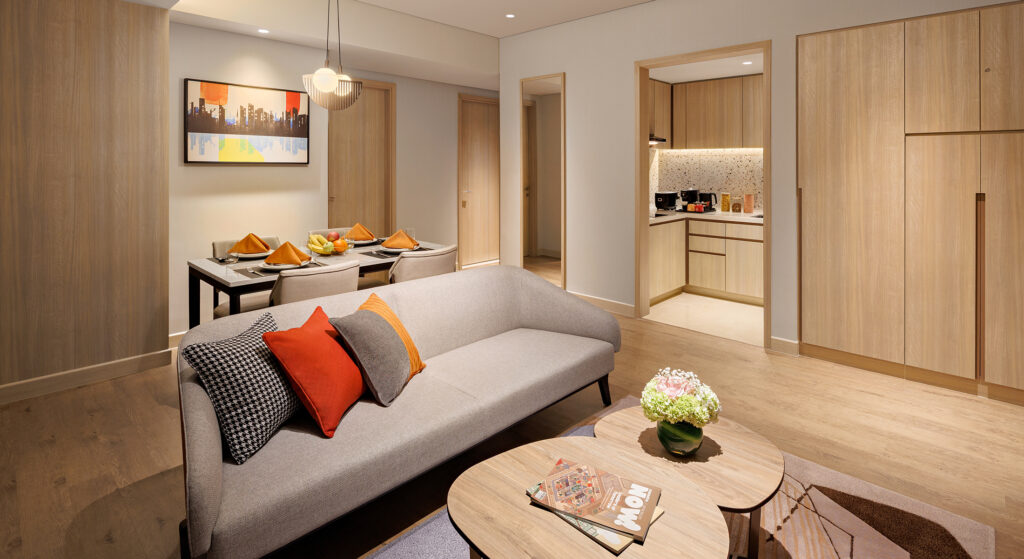
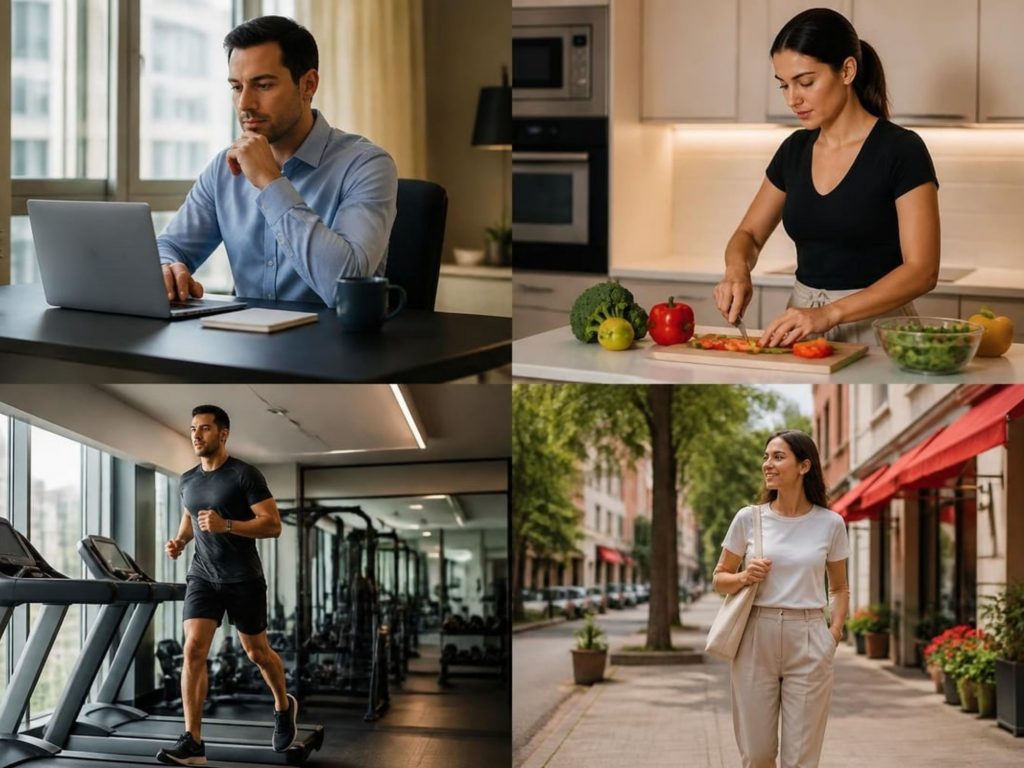
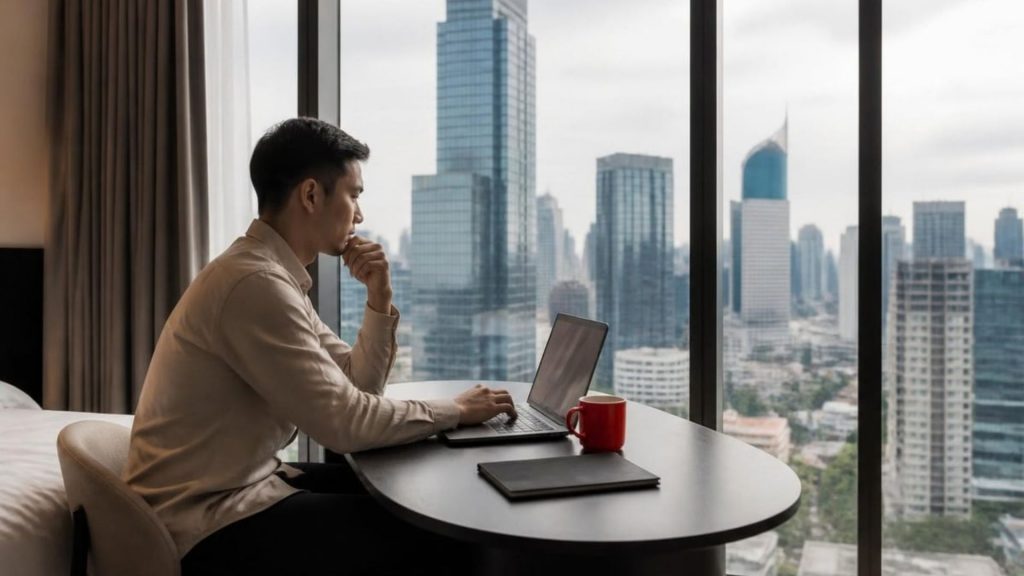
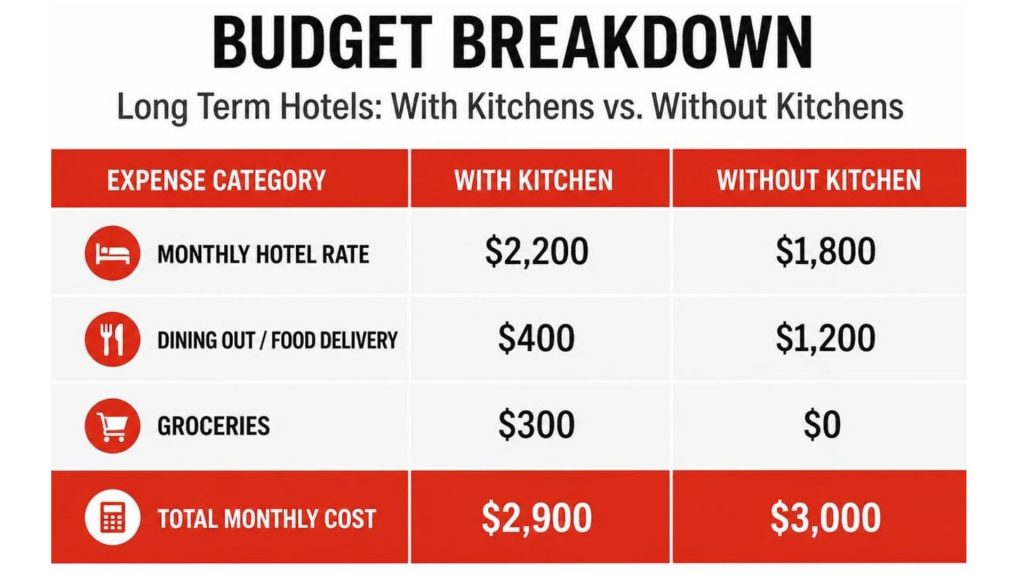
These amenities address practical requirements that emerge during longer stays. The ability to cook meals reduces dining costs and accommodates dietary preferences or restrictions. Separate living areas enable remote work and virtual meetings without bedroom distractions. Laundry facilities eliminate the expense and inconvenience of external services.
Target Markets and Guest Profiles
Extended living hotels serve diverse guest segments, each with specific needs and priorities that influence property selection and amenity preferences. Understanding these profiles helps properties tailor services and marketing approaches effectively.
Corporate and Business Travelers
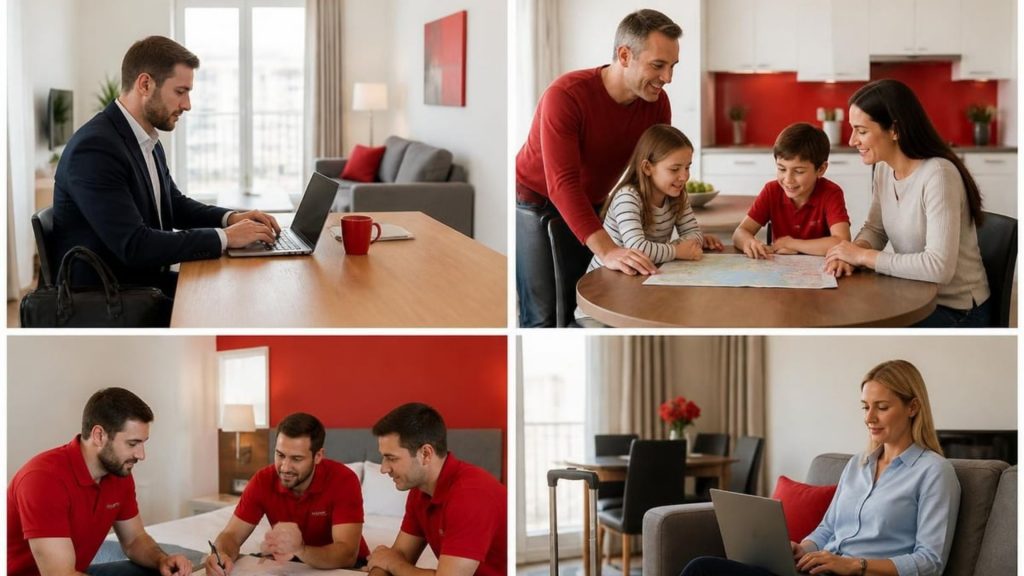
Professionals on extended assignments, project teams, and consultants represent a substantial portion of extended stay demand. These guests typically require:
| Need | Solution Provided |
|---|---|
| Workspace functionality | Dedicated desk areas, high-speed internet, business centers |
| Proximity to offices | Central business district locations with transportation access |
| Expense management | Transparent pricing, corporate rates, consolidated billing |
| Routine maintenance | Weekly housekeeping, reliable utilities, maintenance response |
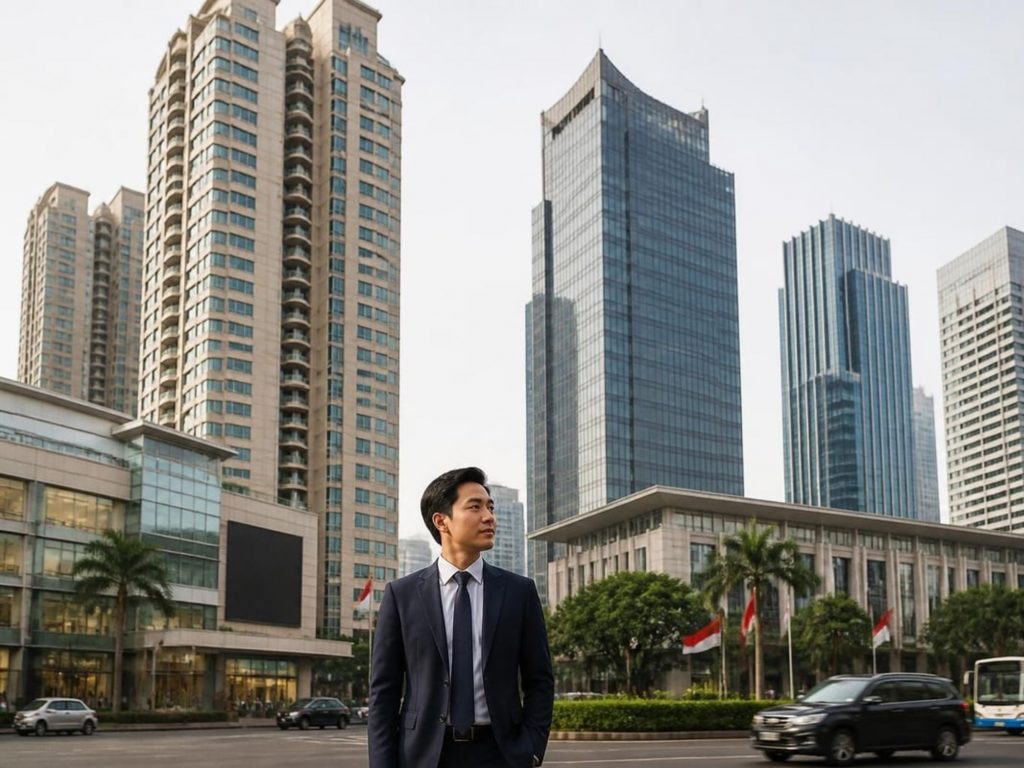
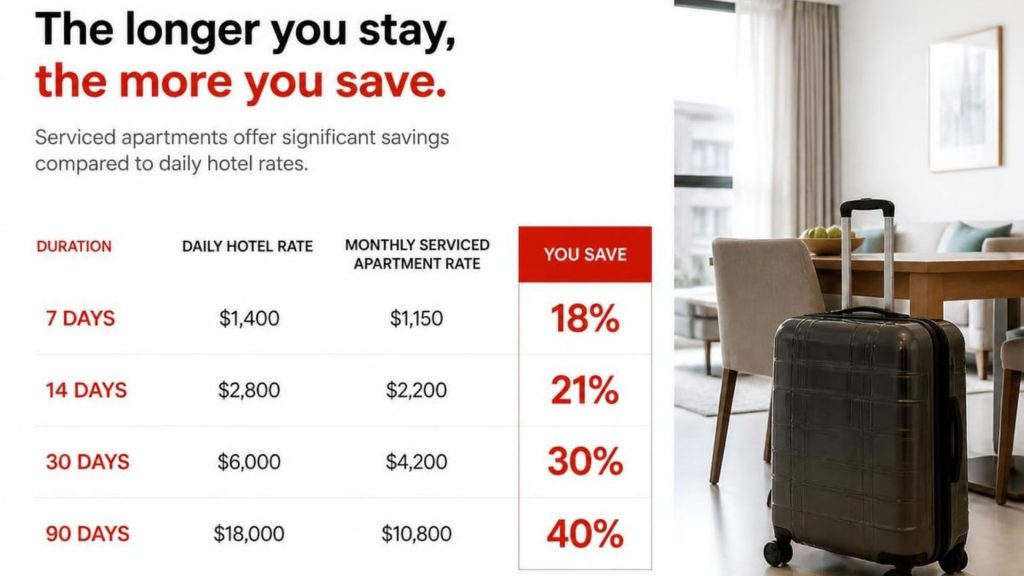
Business travelers often book monthly serviced apartments to manage accommodation costs during extended projects. Properties in central business districts offer significant advantages by reducing commute times and placing guests near professional networks, business services, and corporate dining options.
Expatriates and Relocating Professionals
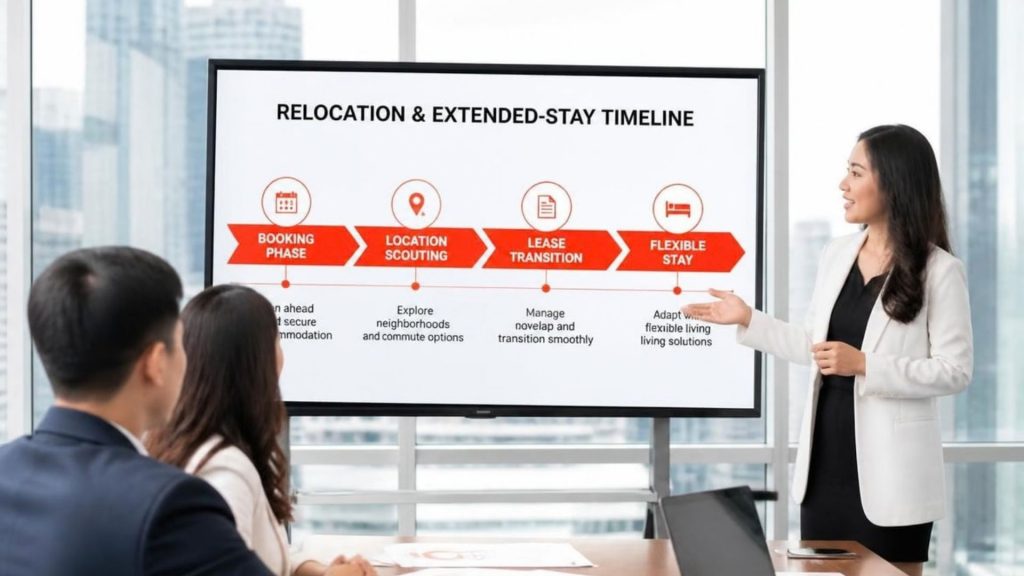
International professionals and their families moving to new cities require transitional housing that provides stability during the adjustment period. Extended living hotels offer immediate occupancy without the complications of traditional leases, furniture acquisition, or utility setup. These guests value neighborhood familiarization time before committing to permanent housing, language support services, and cultural orientation assistance.
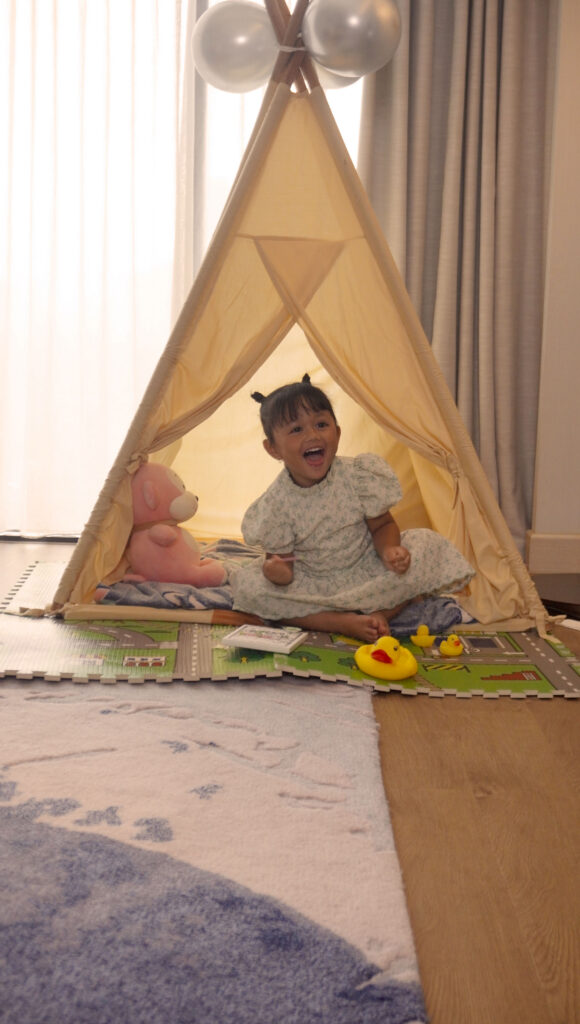
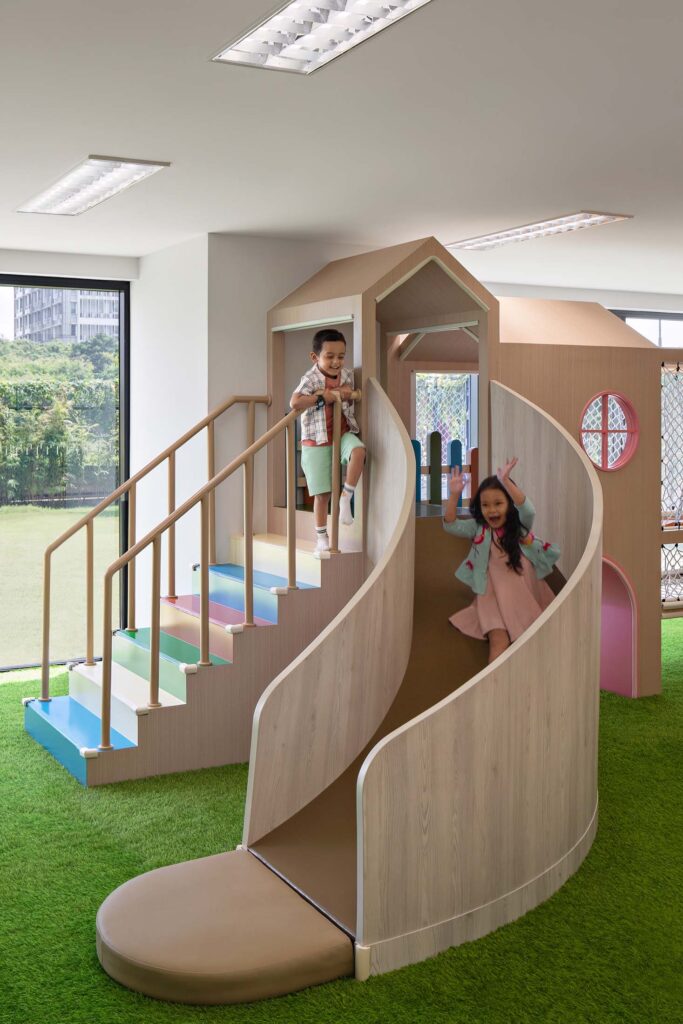
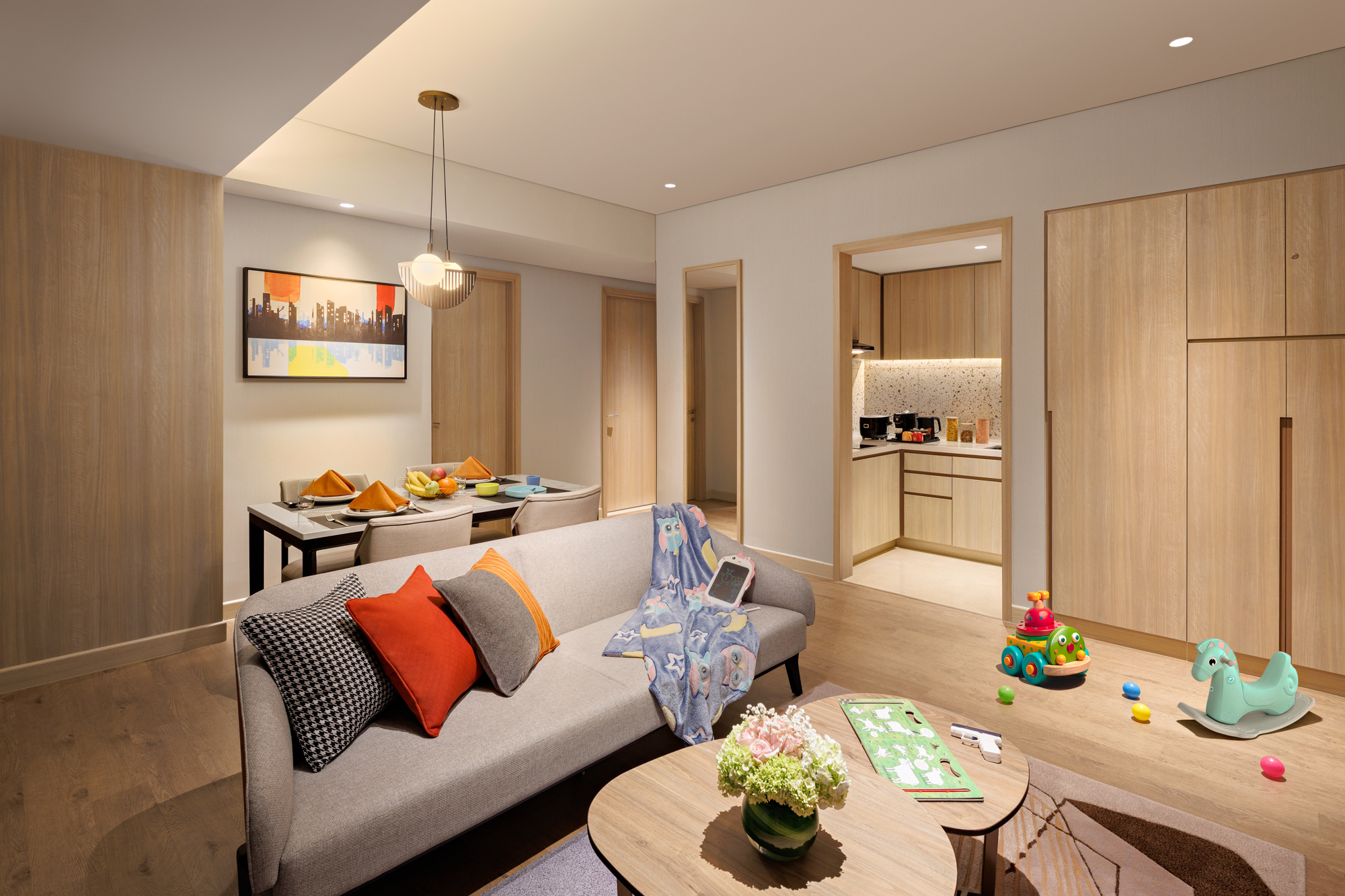
For families, apartment configurations with multiple bedrooms and full kitchens replicate home environments, easing the transition for children and maintaining household routines. Properties near international schools, expatriate communities, and diplomatic missions attract this demographic.
Extended Leisure and Seasonal Guests
Travelers pursuing extended leisure experiences, seasonal workers, and those visiting family for prolonged periods also utilize extended living hotels. These guests appreciate residential comfort during vacations that span weeks rather than days, the ability to host visitors in apartment-style settings, and access to local neighborhoods beyond tourist zones.
Location Strategy and Property Development
Geographic positioning fundamentally impacts extended living hotel performance. Successful properties typically occupy one of several strategic location types, each serving distinct market segments.
Central Business District Properties
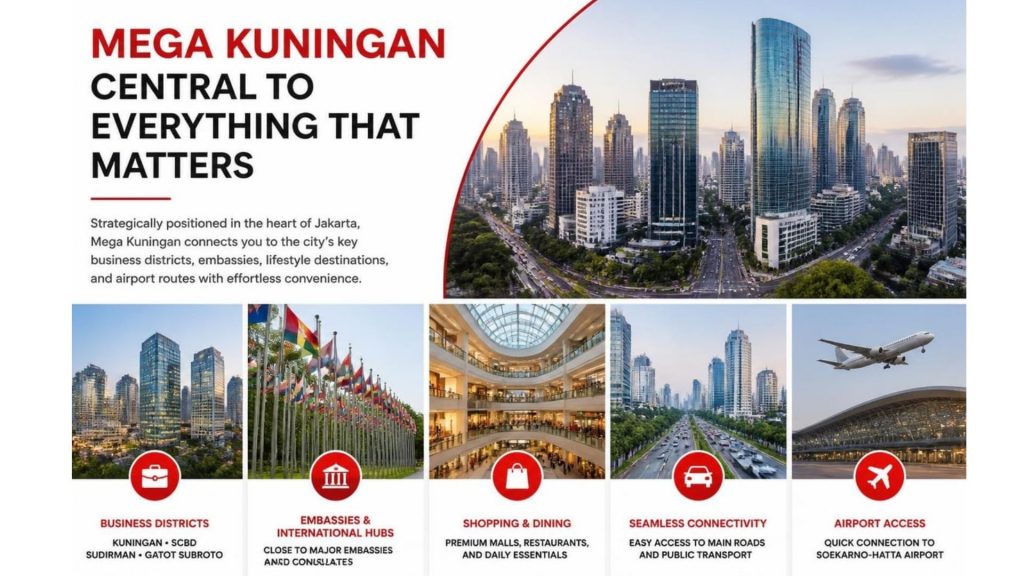
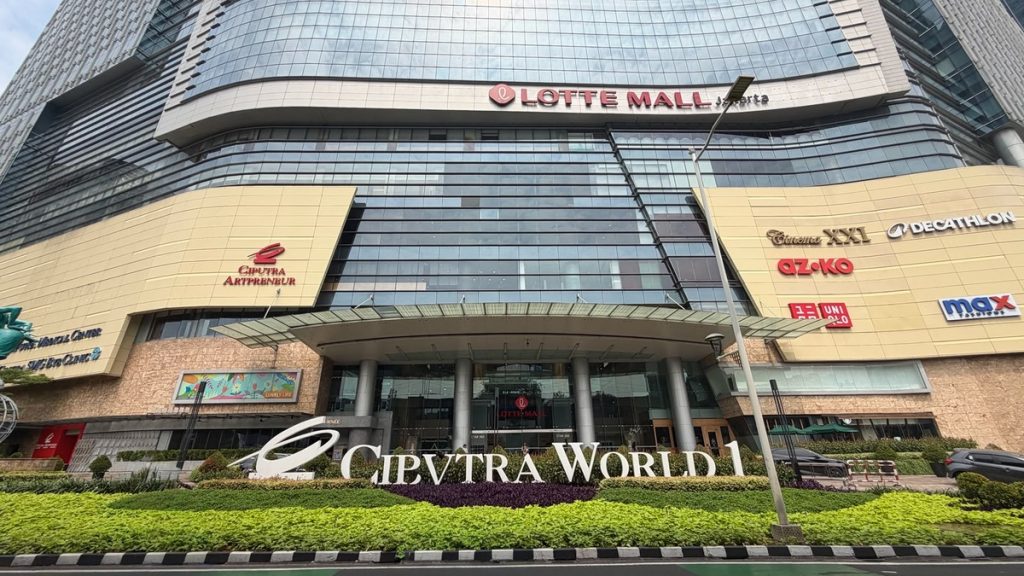
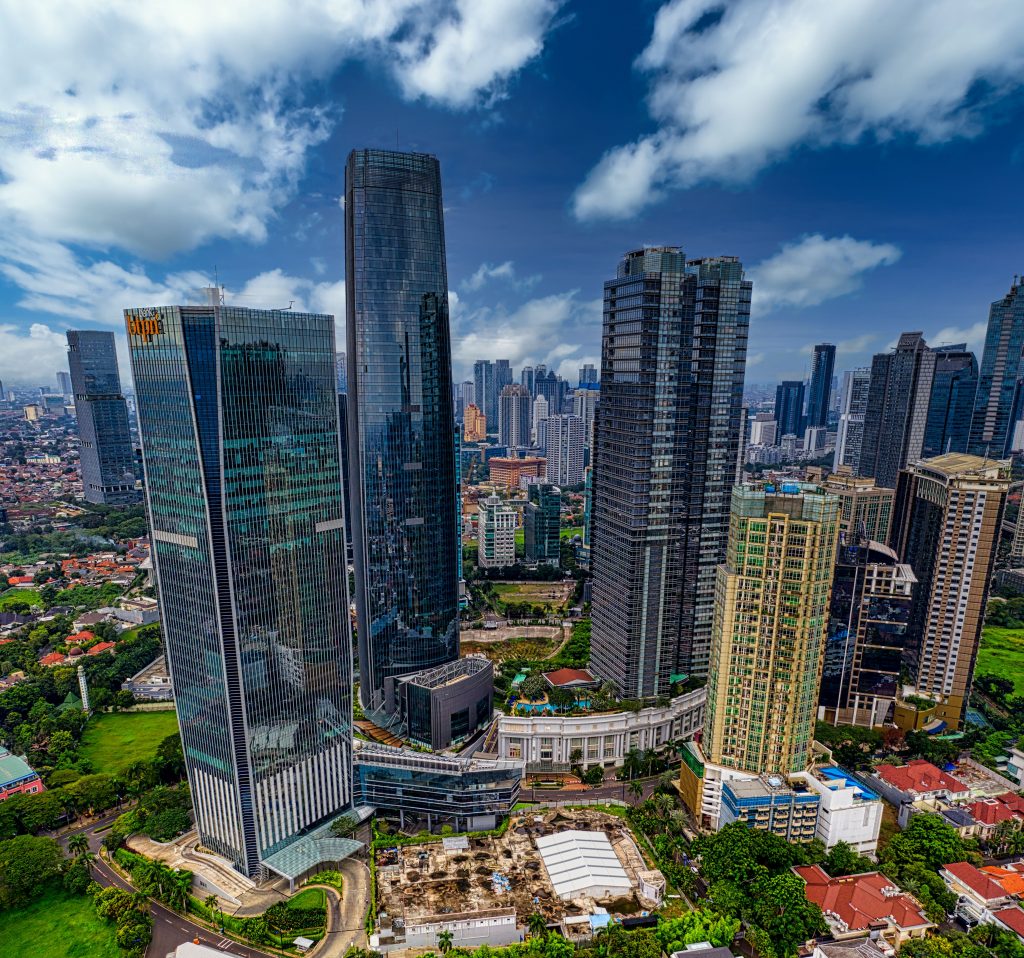
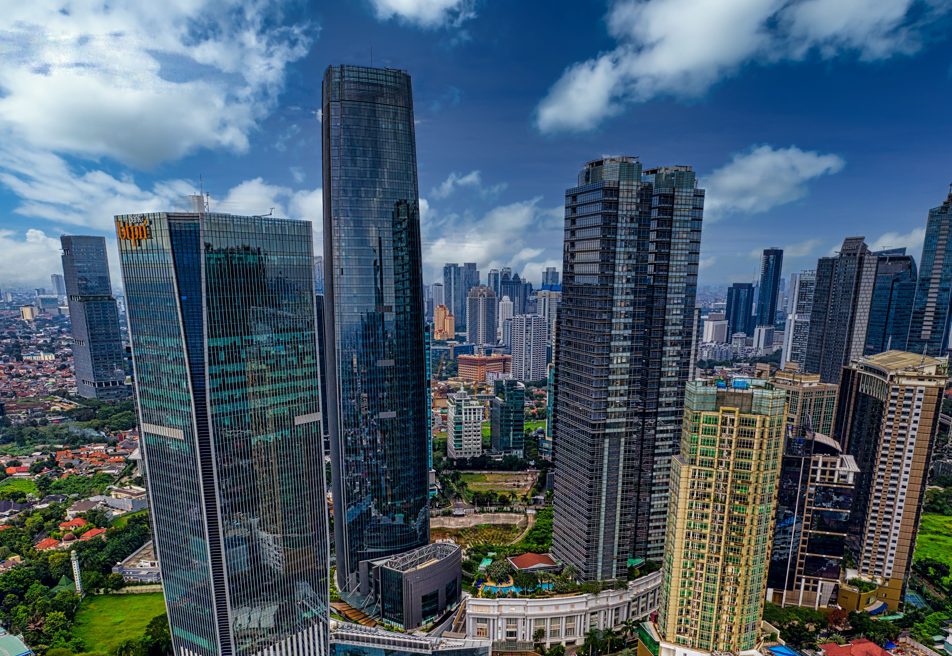
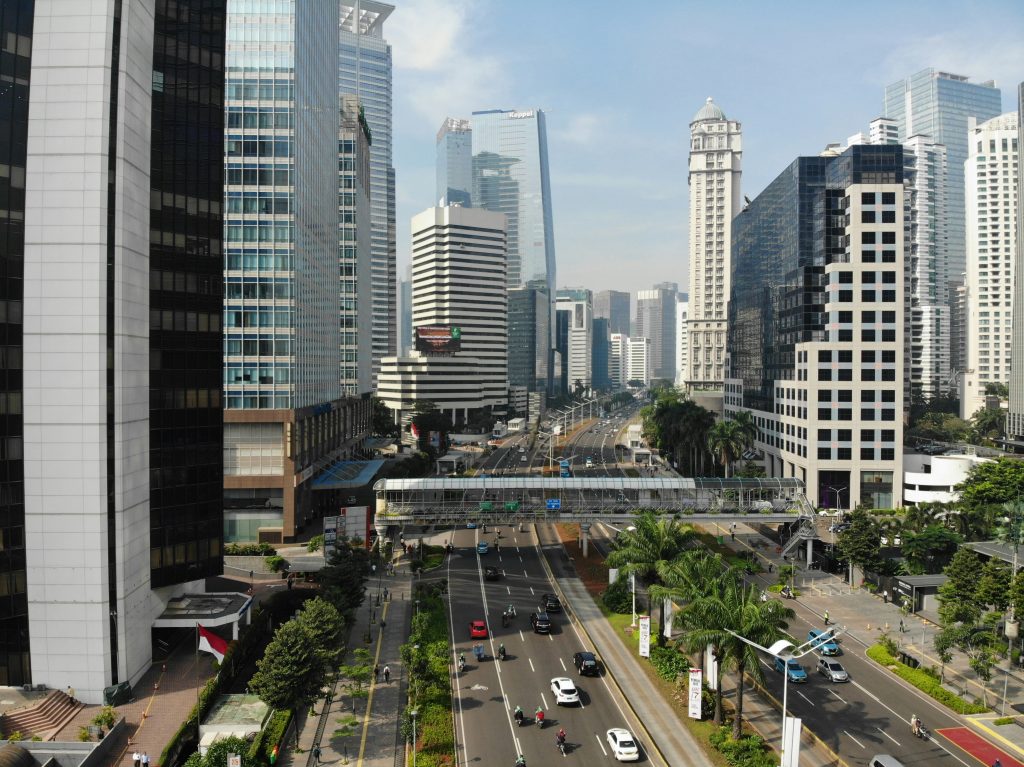
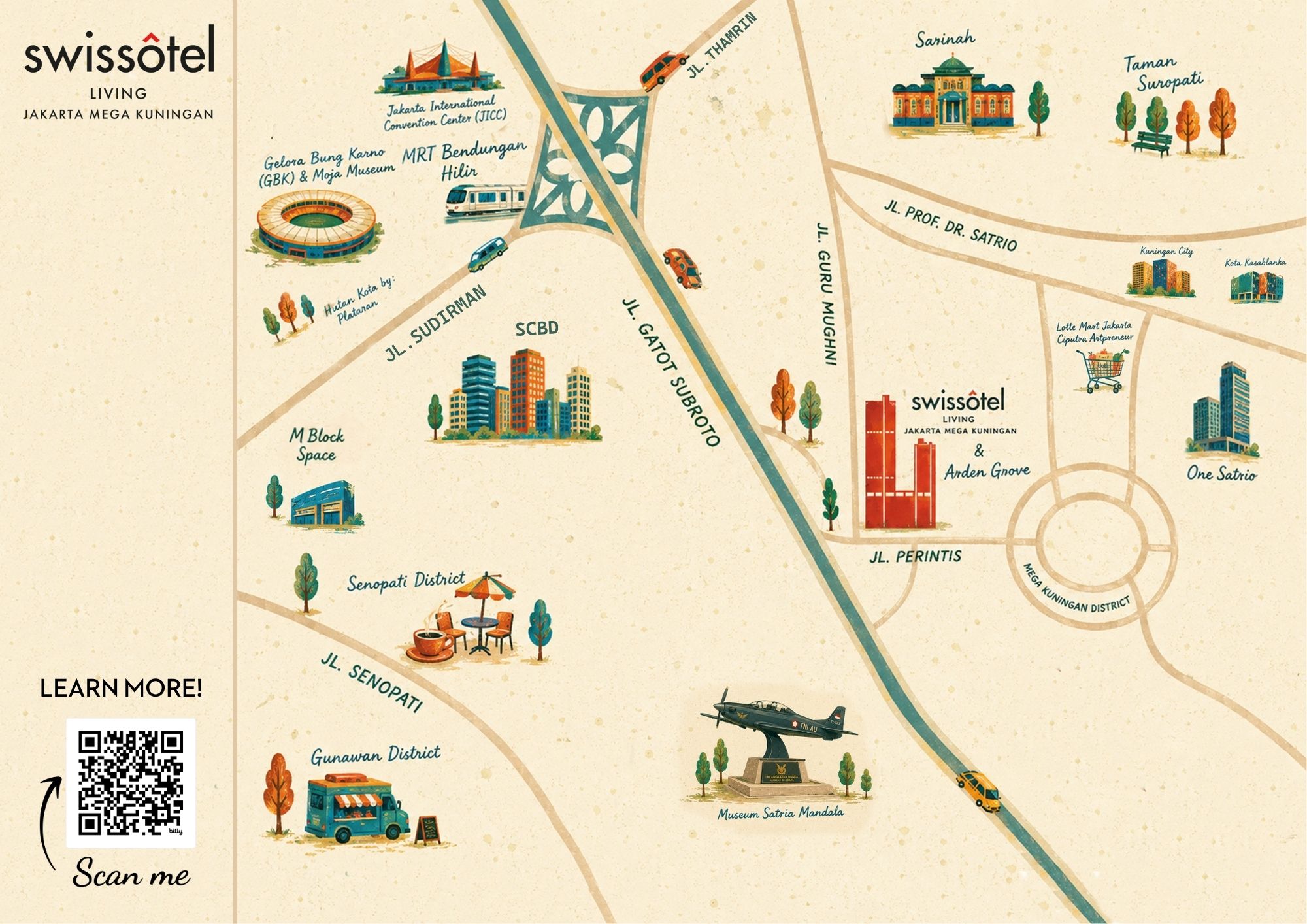
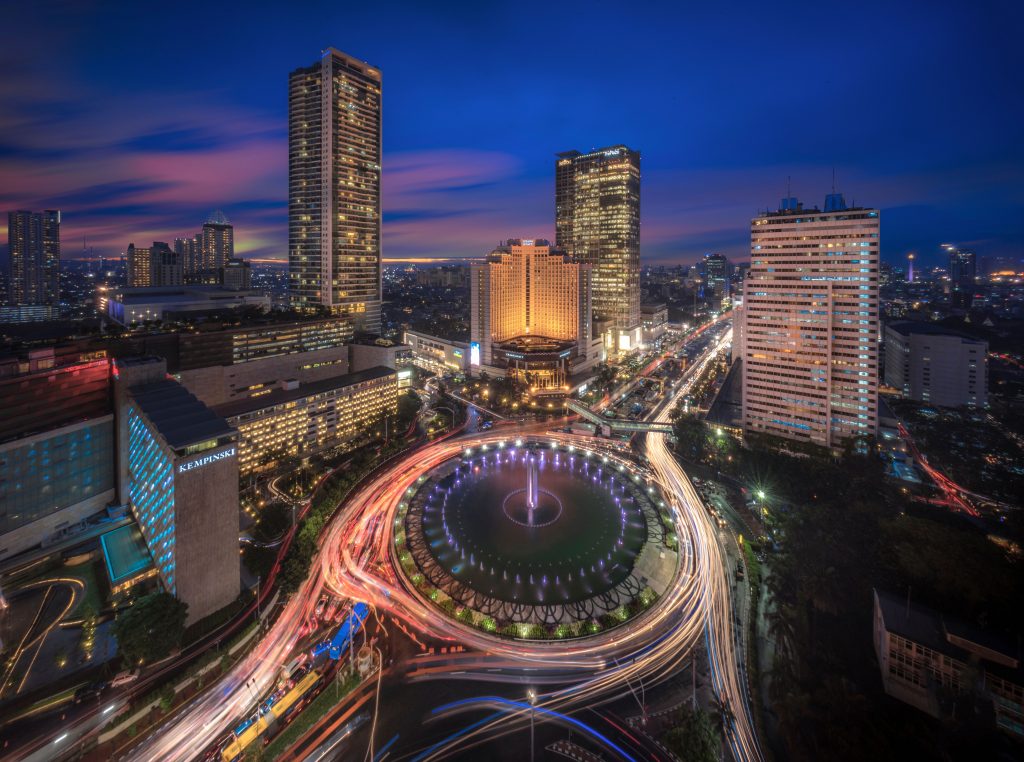
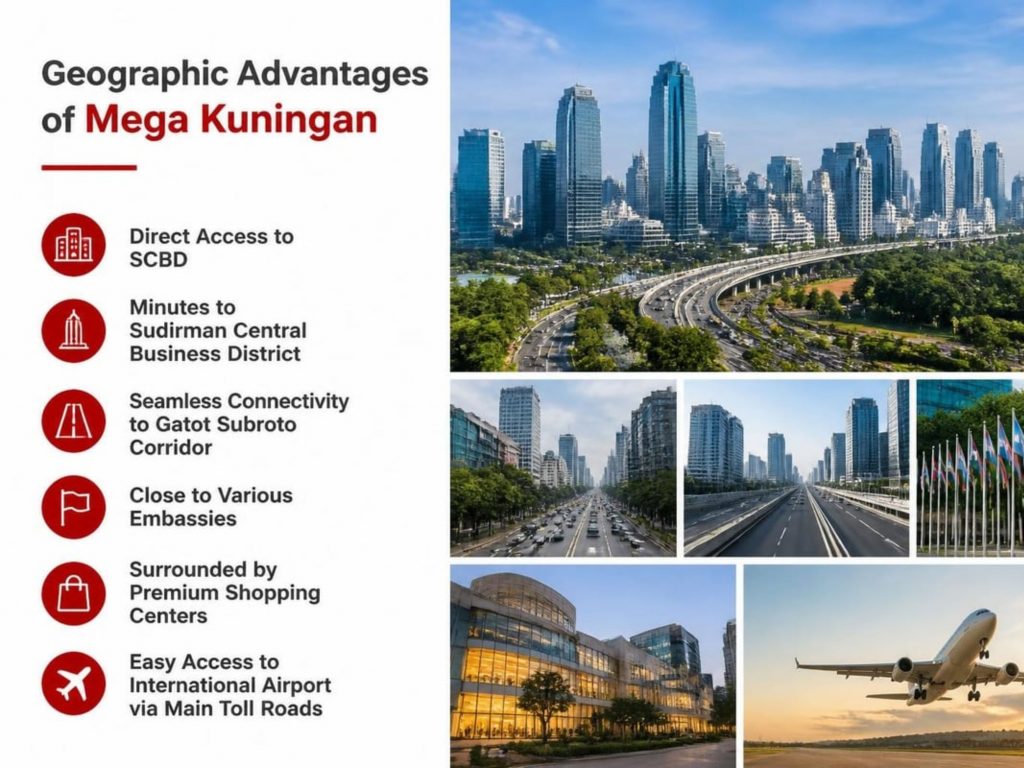
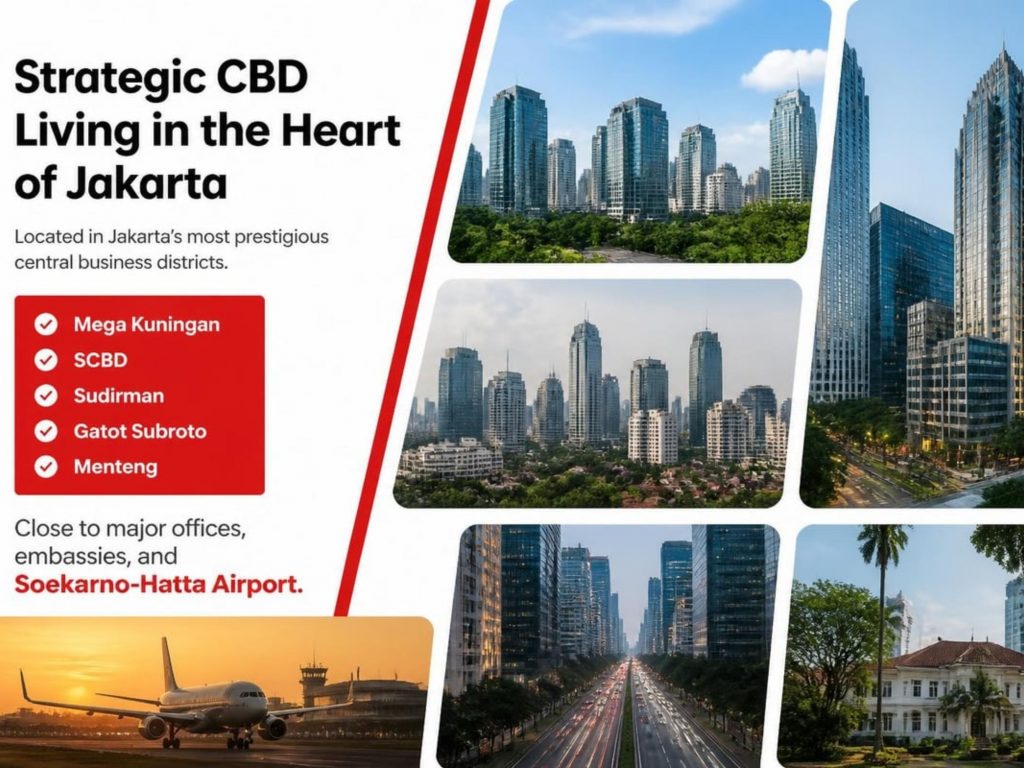
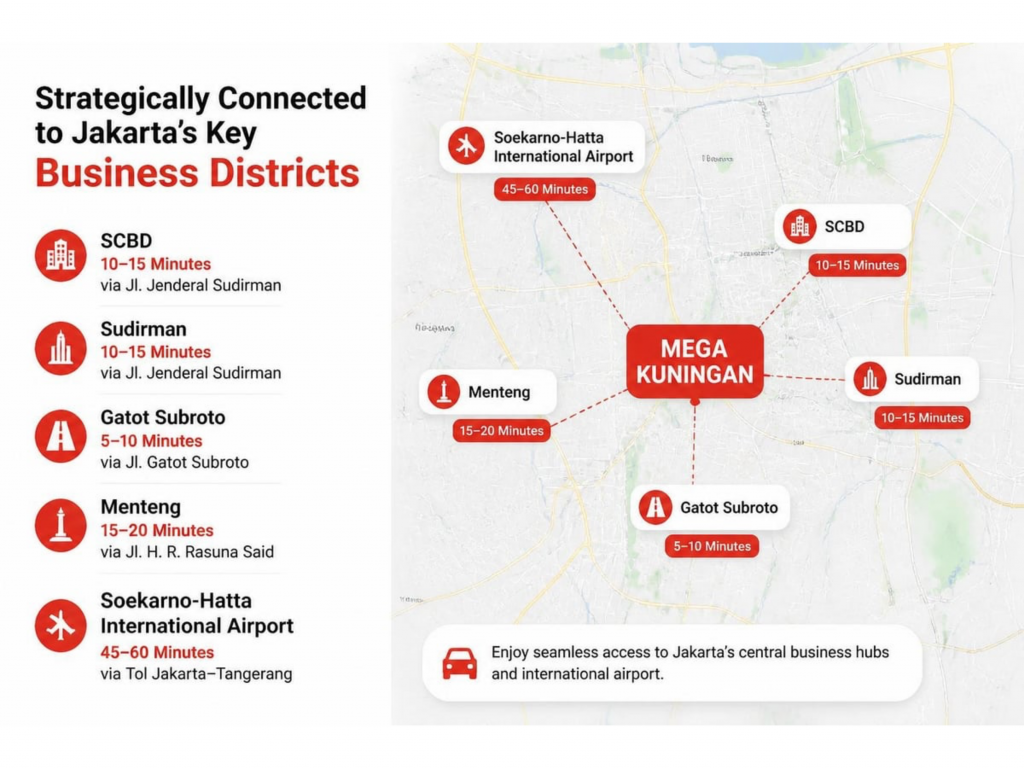
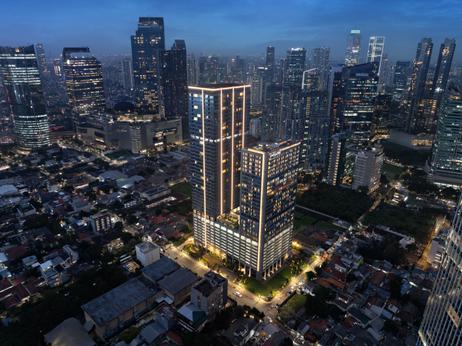
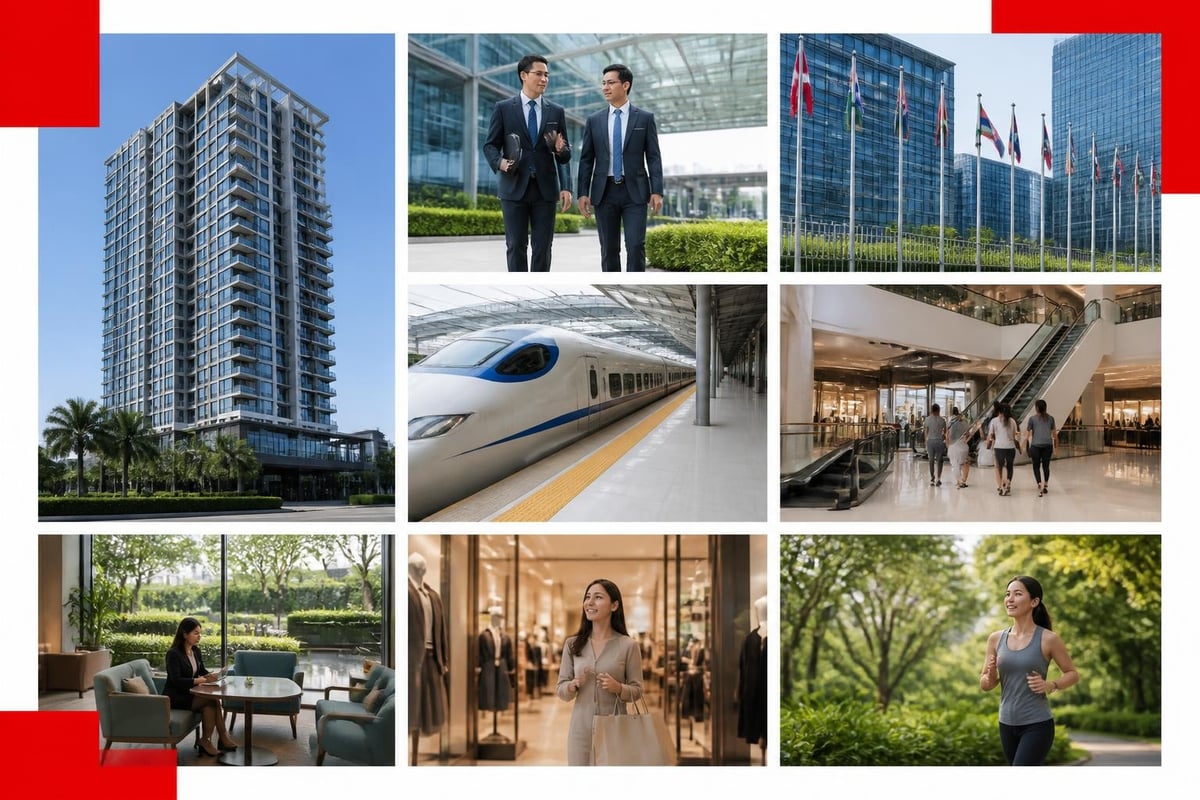
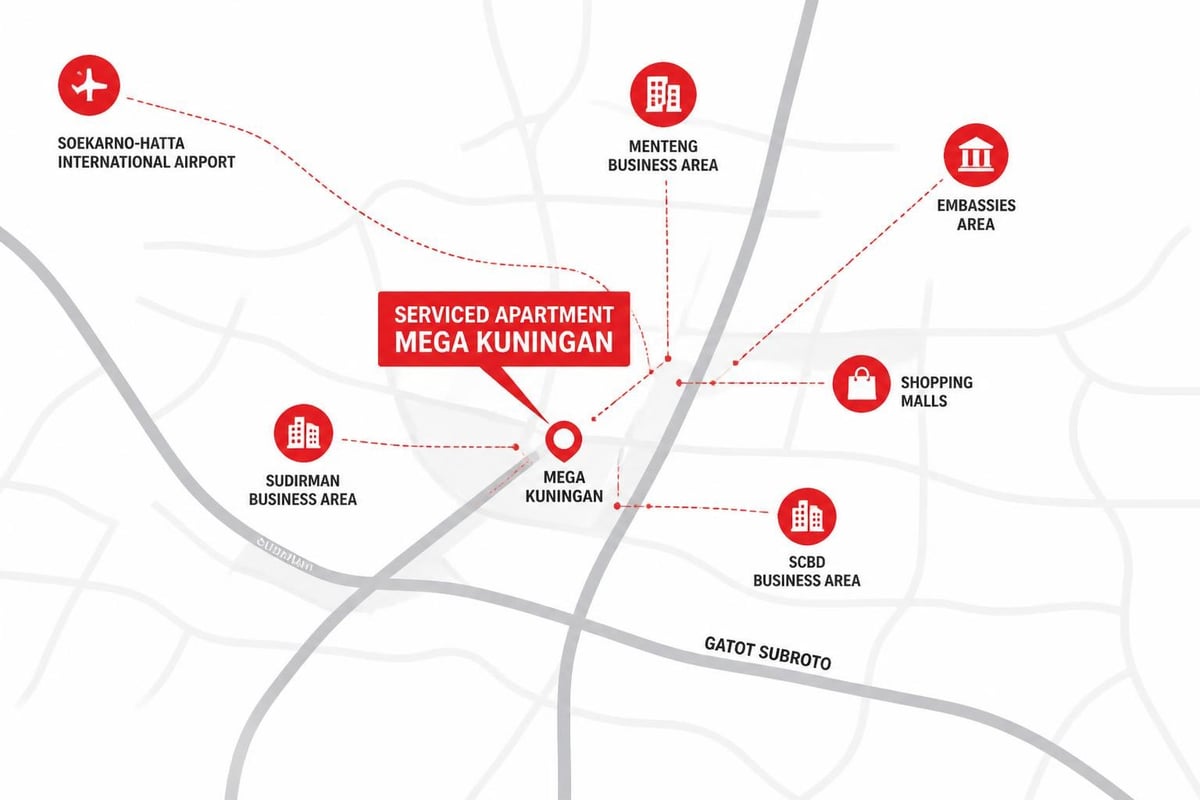
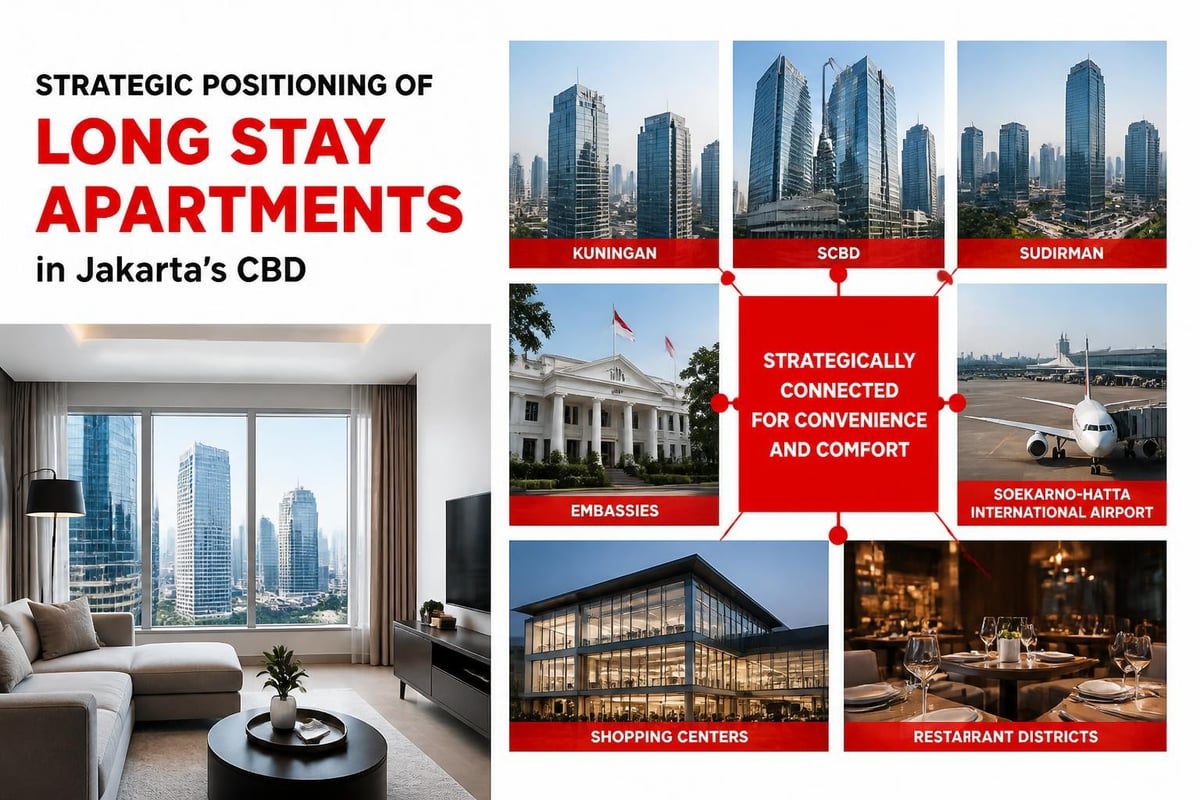
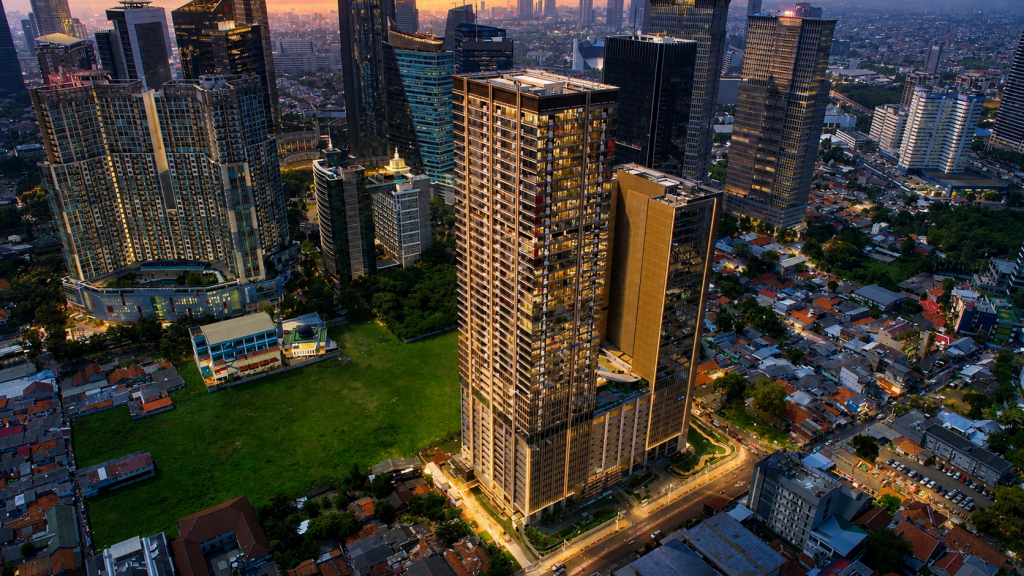
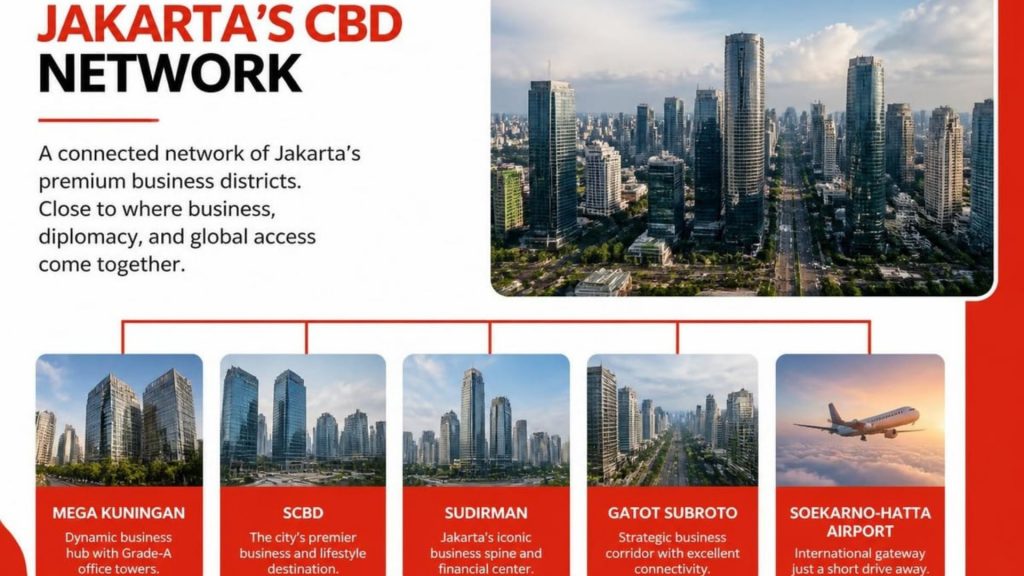
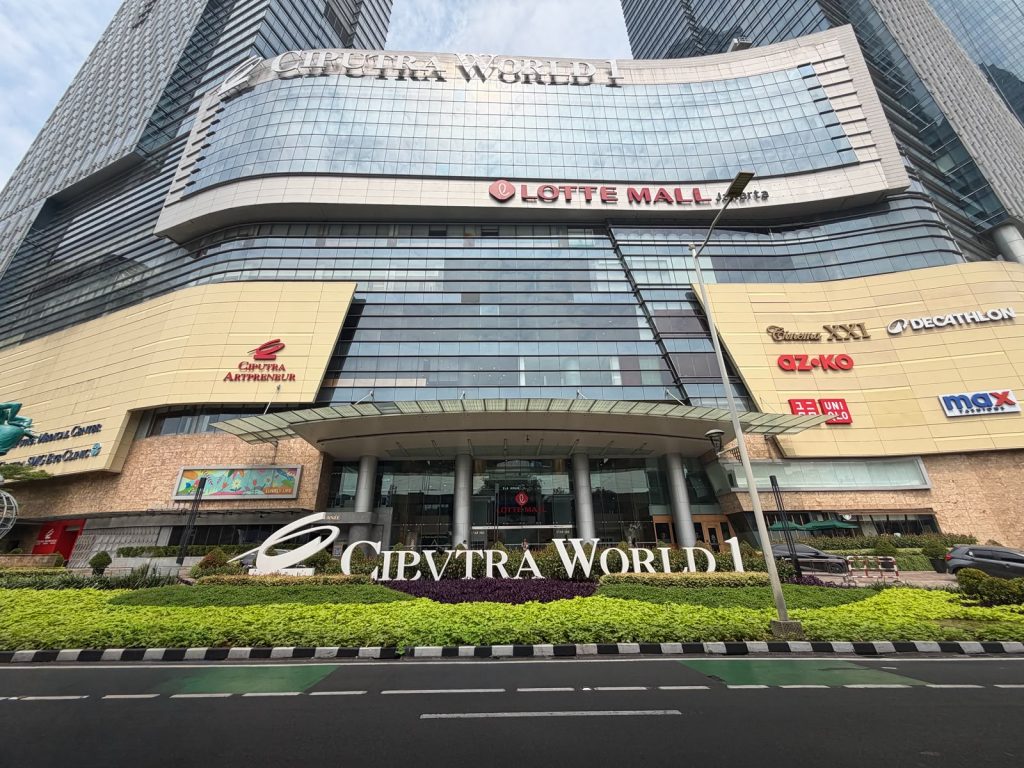
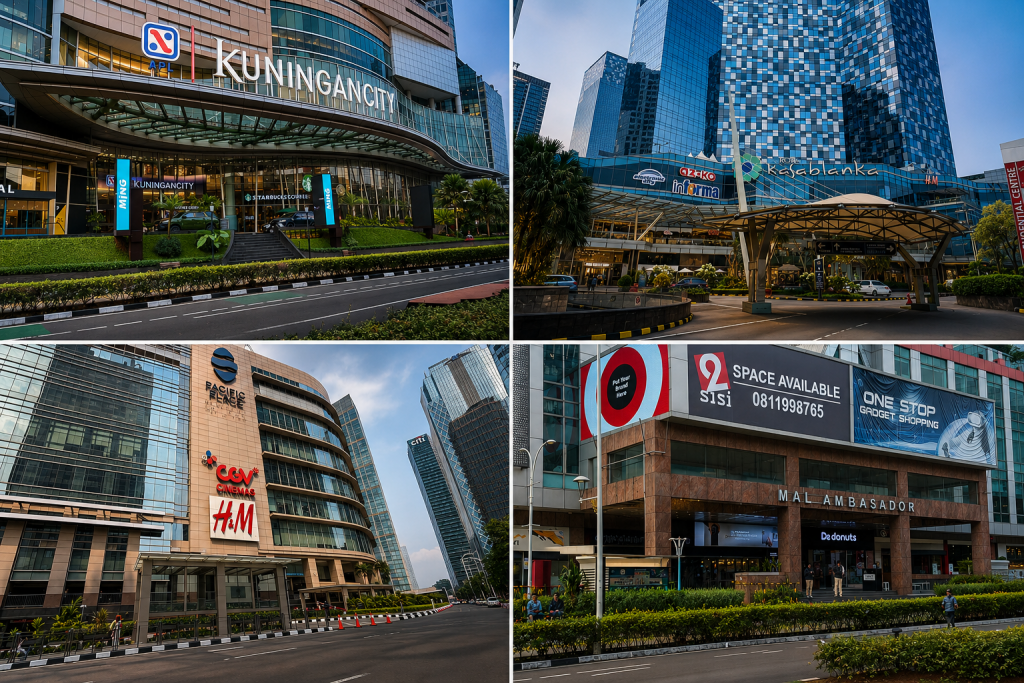
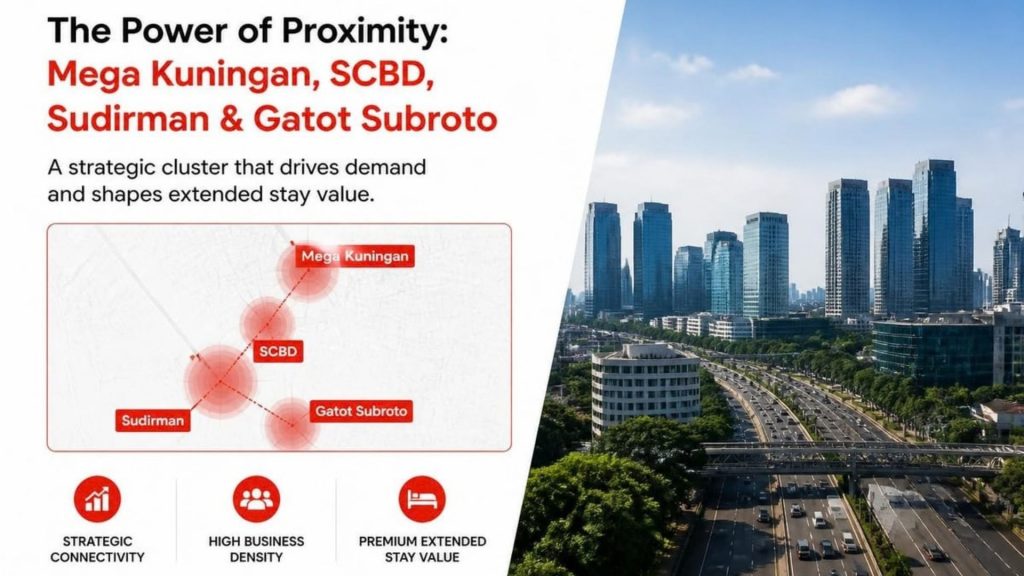
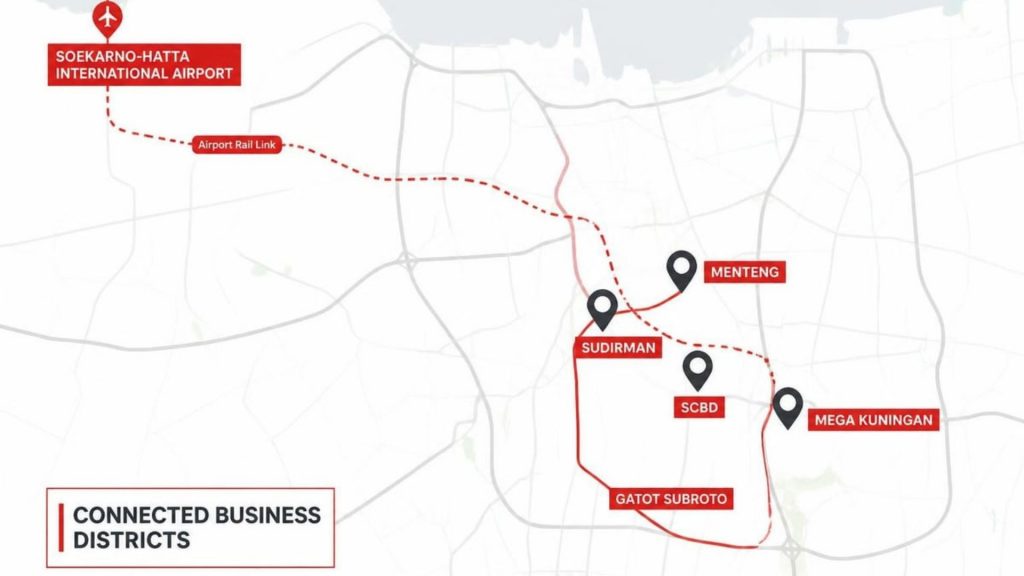
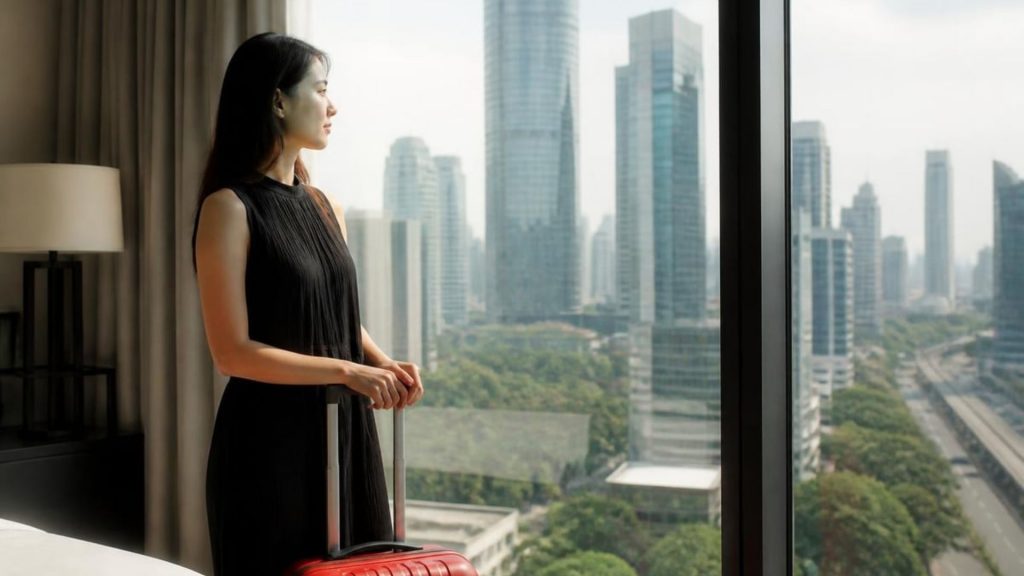
Urban core locations provide walking distance or short commute access to corporate offices, financial institutions, government buildings, and professional services. These properties capture business travelers, consultants, and professionals seeking proximity to employment centers. High-density business districts like Kuningan, SCBD, and Sudirman in Jakarta exemplify this positioning, offering direct access to multinational corporations, embassies, and commercial infrastructure.
Transit-Oriented Developments
Properties near major transportation hubs, airports, or transit stations serve guests who prioritize mobility and regional access. Airport proximity benefits international arrivals, frequent travelers, and those requiring regular business flights. Transit connectivity enables exploration of broader metropolitan areas without vehicle dependency.
Mixed-Use and Urban Village Settings
Integrated developments combining residential, commercial, retail, and dining components create self-contained environments. Guests access restaurants, shopping, healthcare, and services without traveling beyond the immediate vicinity. This configuration particularly appeals to families and those unfamiliar with the local area.
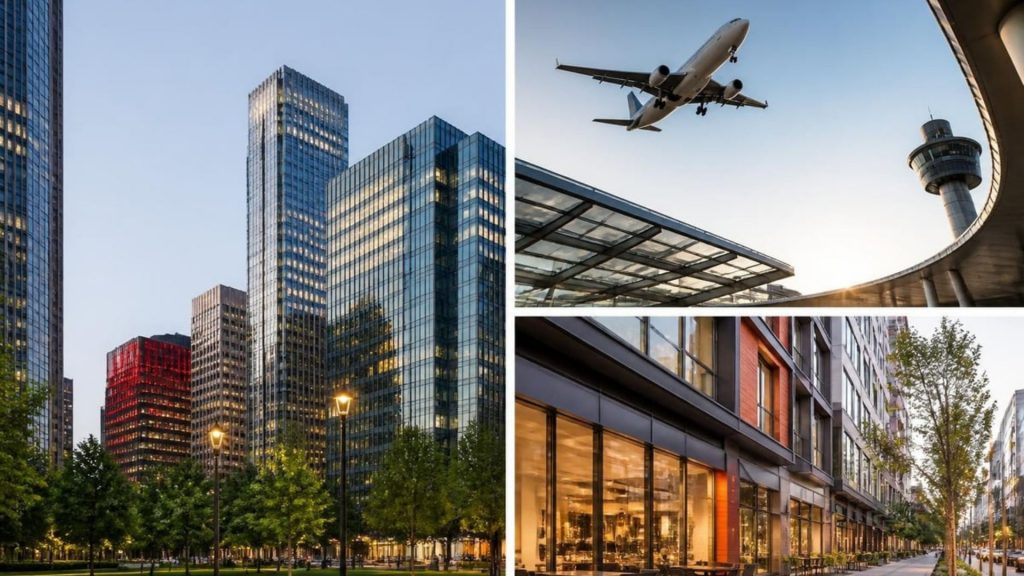
According to Cushman & Wakefield’s hospitality market analysis, extended-stay properties have demonstrated resilient performance across economic cycles, with central business district and suburban office corridor locations maintaining occupancy even during market disruptions.
Apartment Configurations and Space Planning
Extended living hotels offer varied apartment types to accommodate different guest needs, group sizes, and budget considerations. Thoughtful space planning maximizes functionality within each configuration.
Studio Apartments
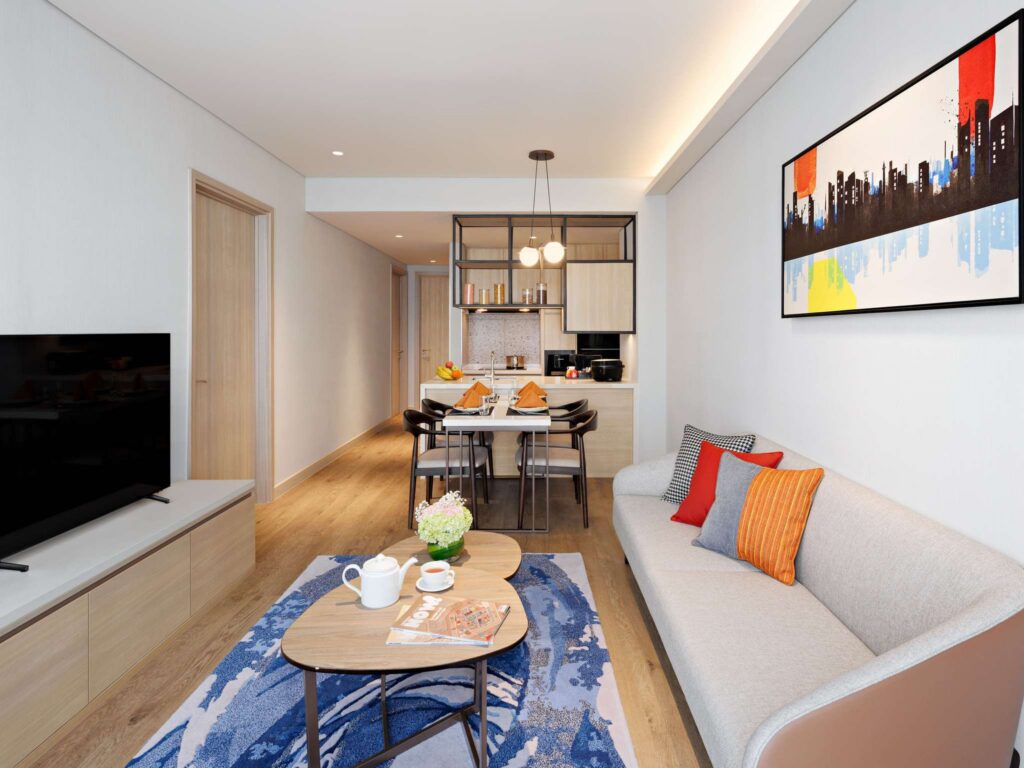
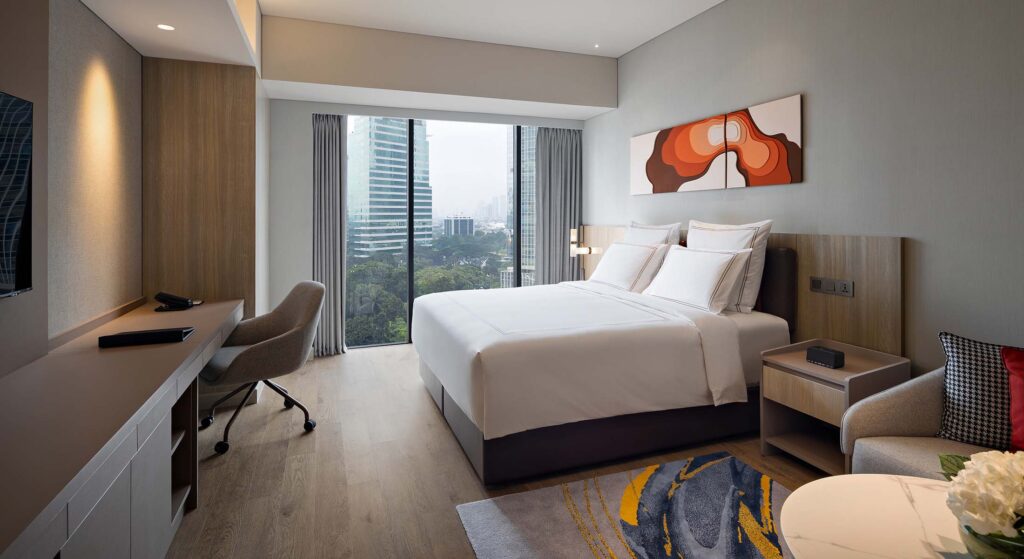
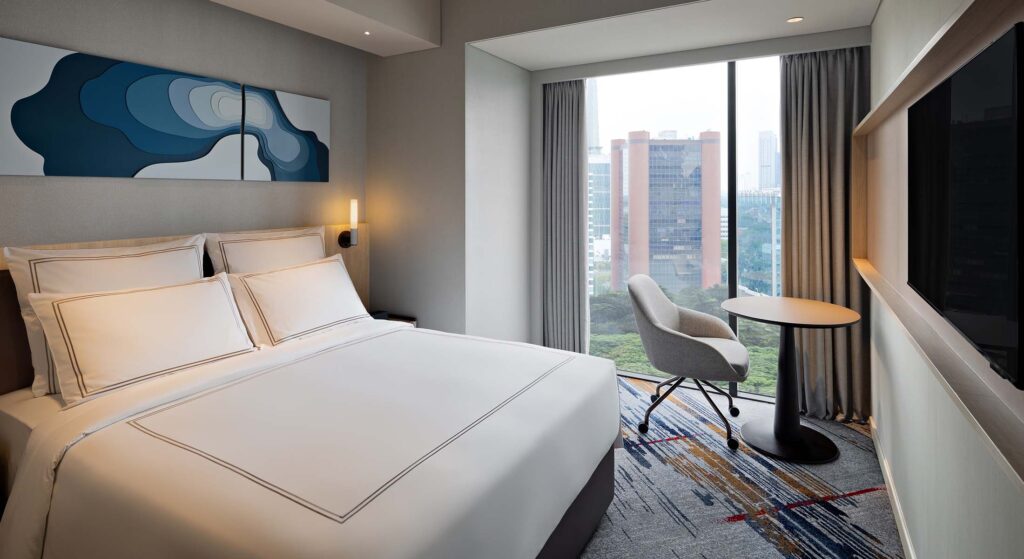
Studio layouts combine sleeping, living, and kitchen areas in open-plan designs, typically ranging from 30 to 45 square meters. These efficient configurations suit solo business travelers and couples prioritizing affordability and central locations over space. Well-designed studios incorporate room dividers, storage solutions, and multi-functional furniture to create distinct zones despite the open layout.
One-Bedroom Residences
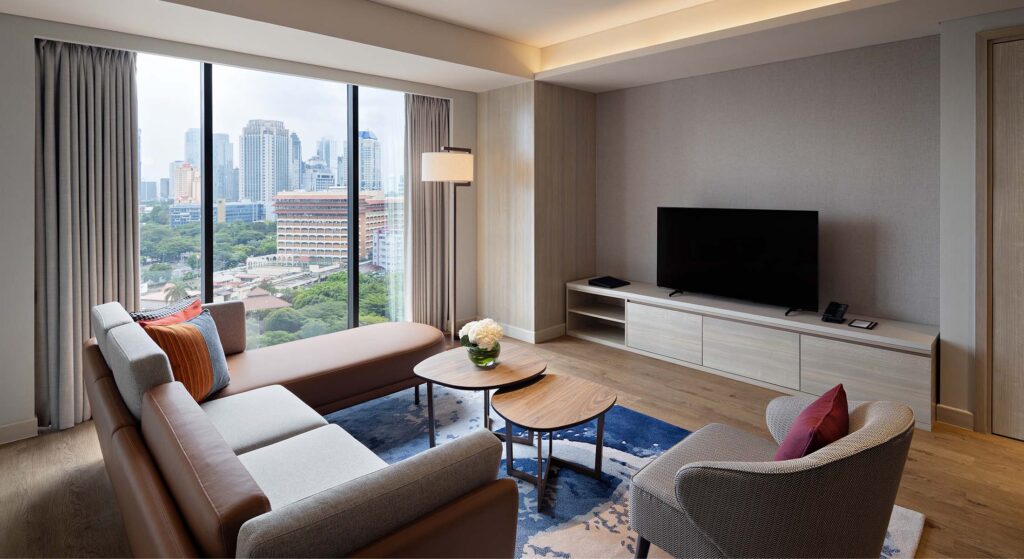
One-bedroom apartments provide sleeping areas separate from living and kitchen spaces, generally spanning 50 to 70 square meters. The bedroom separation enables work-life balance, accommodates different sleep schedules for couples, and offers privacy when hosting guests in the living area. This configuration represents the most versatile option, appealing to business professionals, couples, and small families.
Multi-Bedroom Apartments
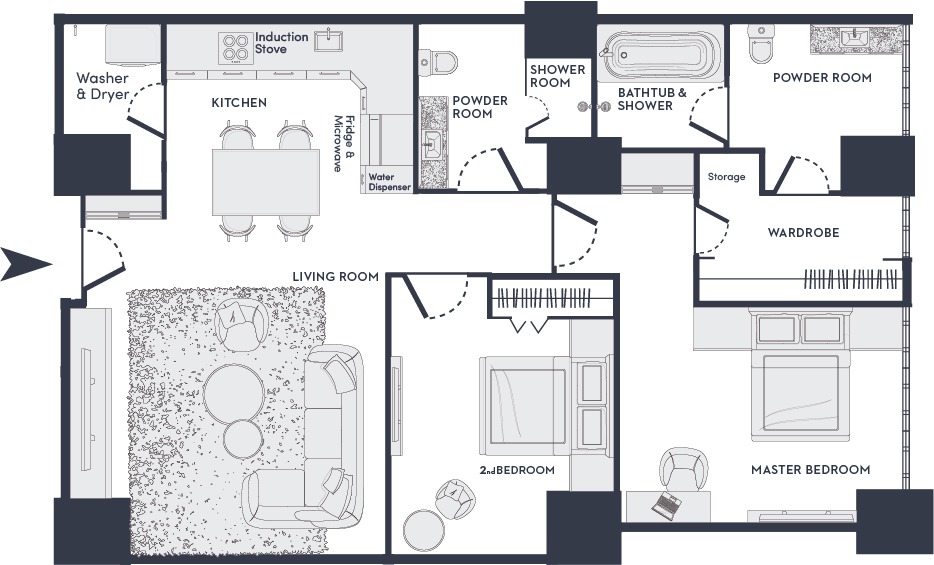
Two-bedroom and three-bedroom residences accommodate families, groups, and professionals requiring dedicated home office space. These apartments typically range from 80 to 150+ square meters, featuring multiple bathrooms, expanded kitchen and dining areas, and additional storage. Families with children, executives bringing household staff, and project teams sharing accommodation utilize these larger configurations.
| Apartment Type | Typical Size | Ideal For | Key Features |
|---|---|---|---|
| Studio | 30-45 sqm | Solo travelers, couples | Open plan, efficiency kitchen, combined living/sleeping |
| One-Bedroom | 50-70 sqm | Business professionals, couples | Separate bedroom, full kitchen, distinct living area |
| Two-Bedroom | 80-110 sqm | Families, extended groups | Multiple bathrooms, dining area, home office potential |
| Three-Bedroom | 120-150+ sqm | Large families, team housing | Full residential layout, multiple zones, expanded amenities |
Properties offering diverse apartment types can accommodate changing guest needs, enable upgrades or downgrades during extended stays, and capture broader market segments.
Pricing Models and Flexible Terms
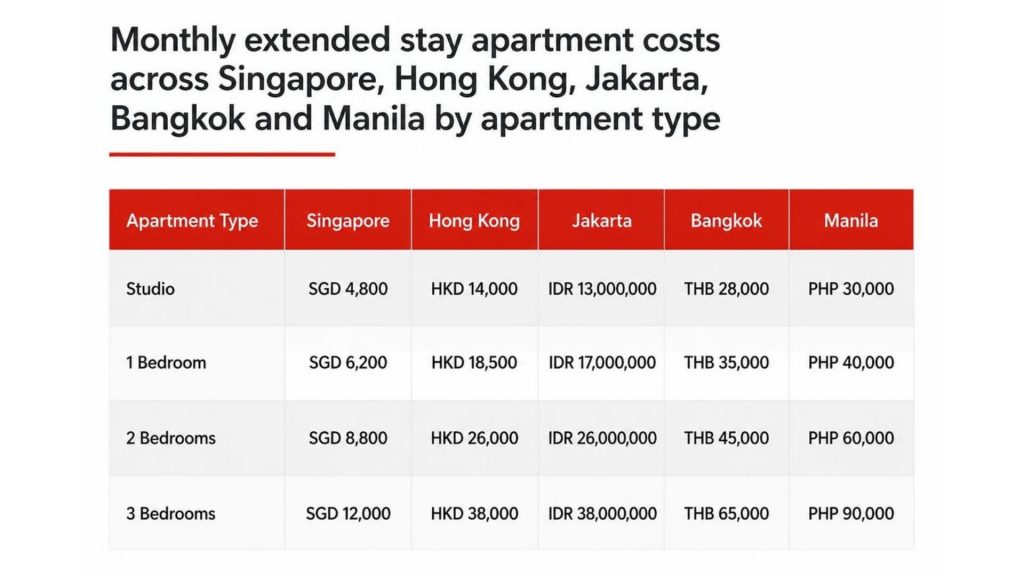
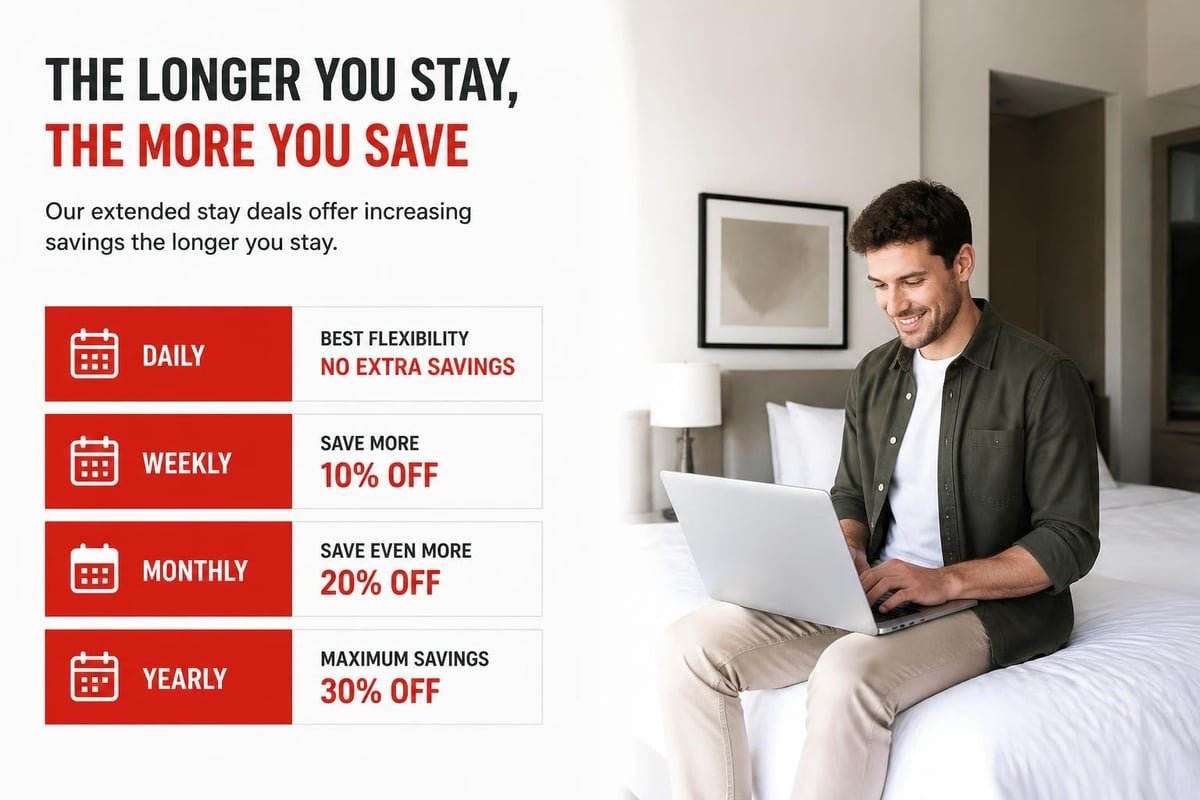
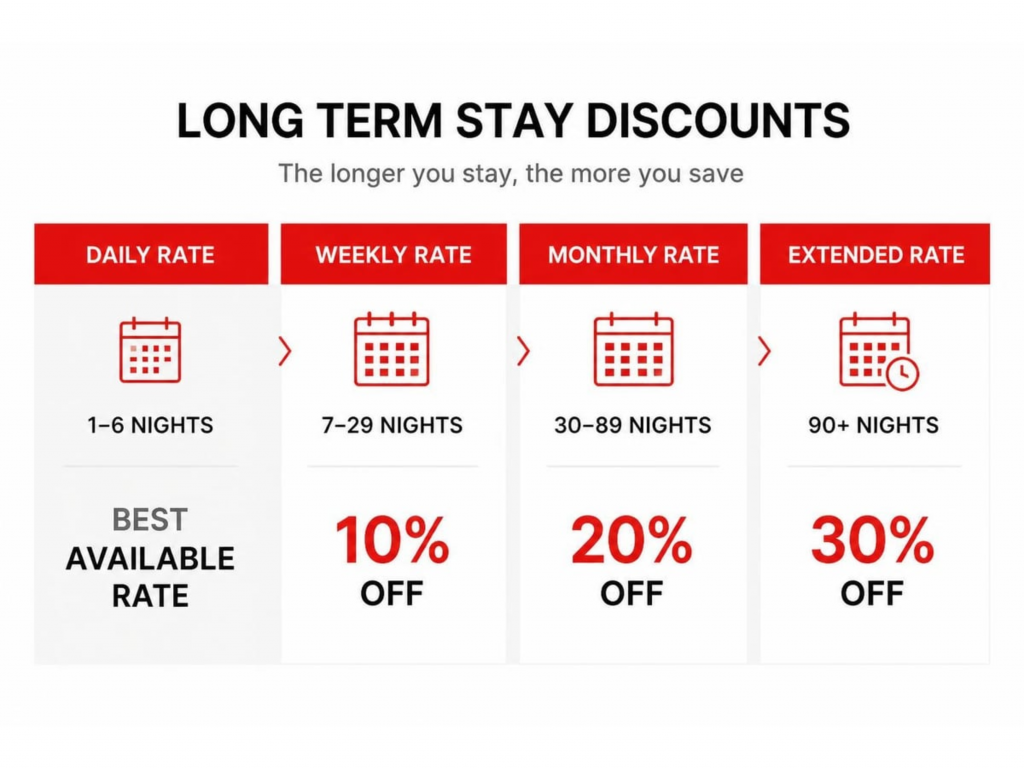
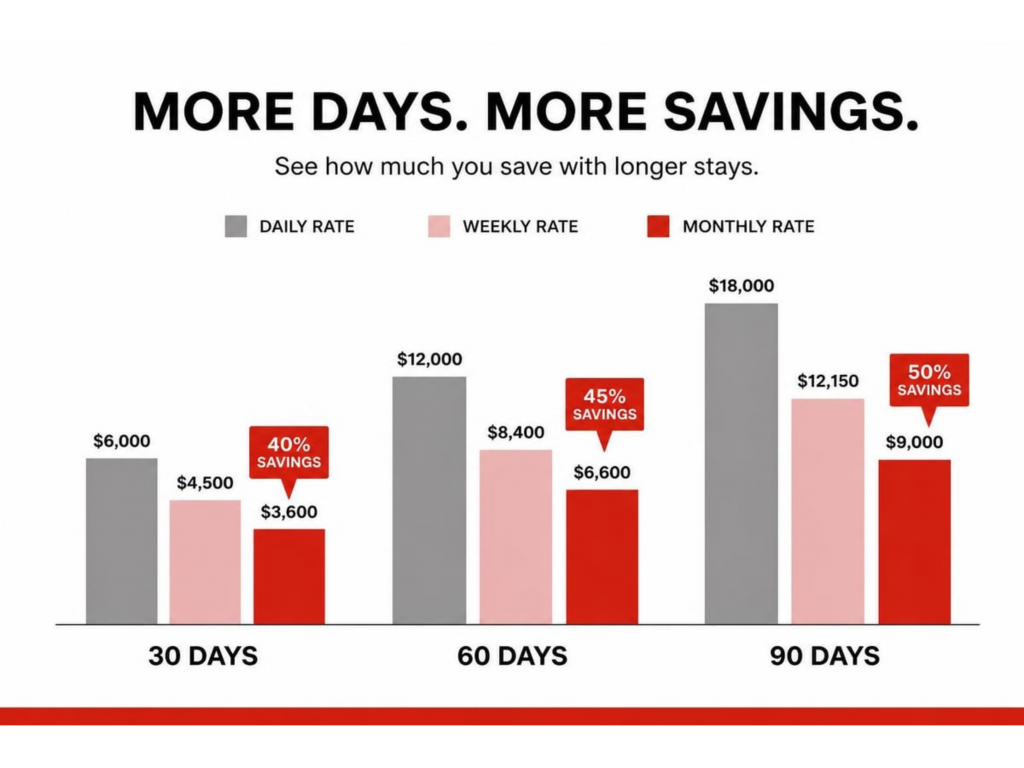
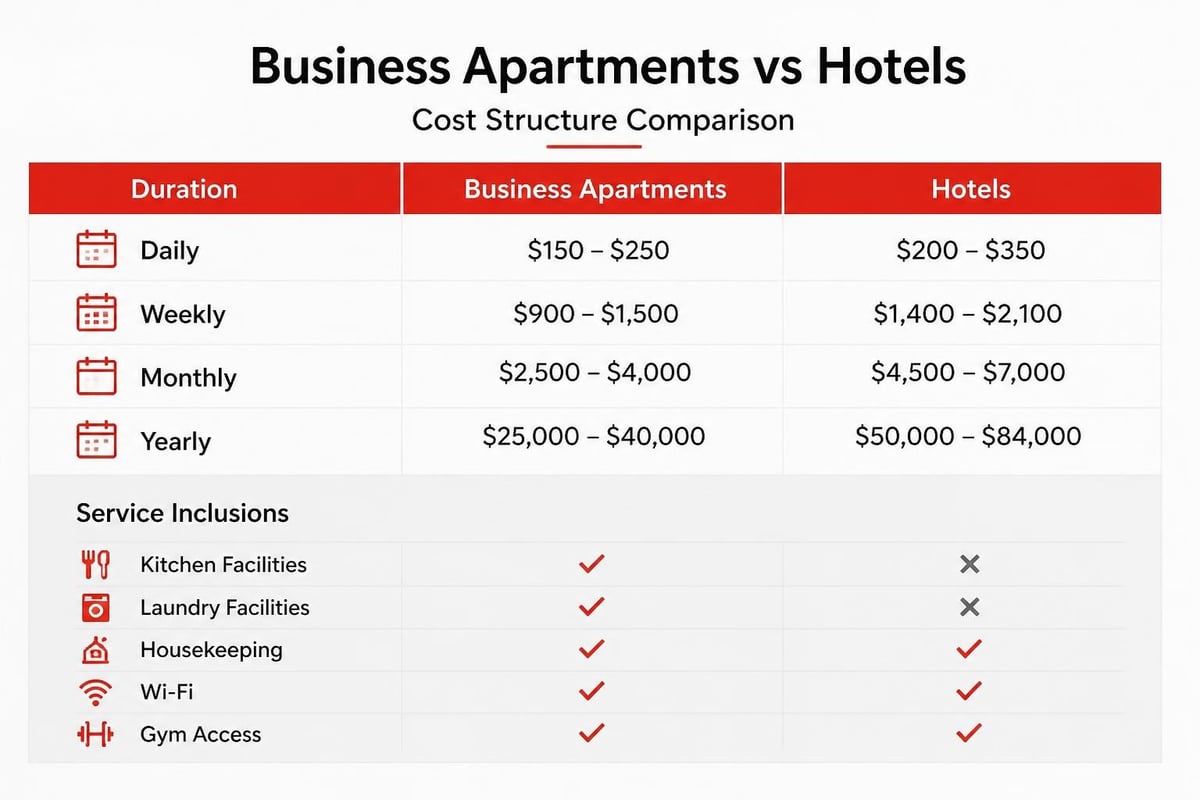
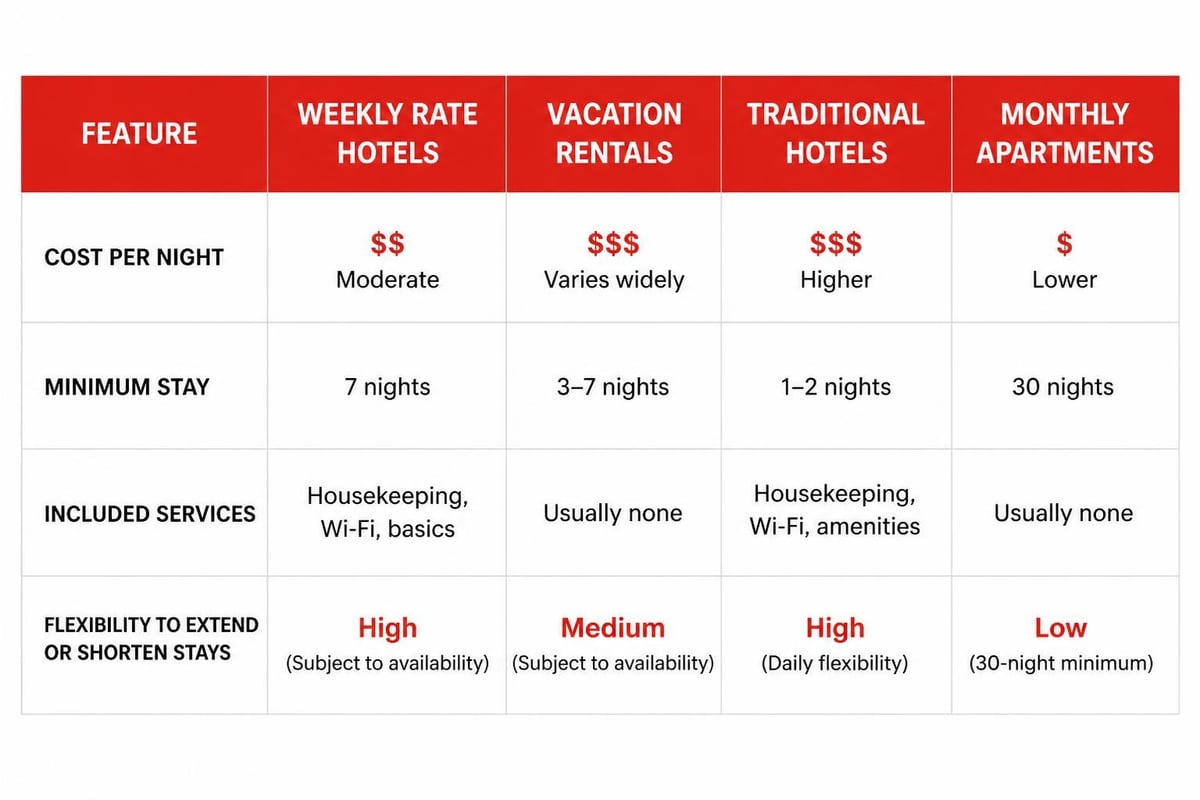
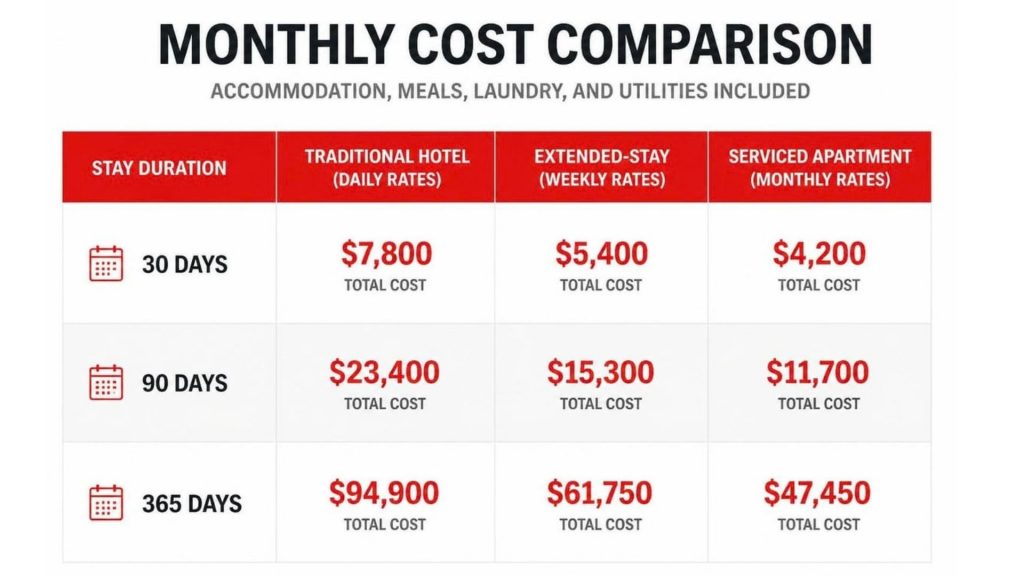
Extended living hotels employ dynamic pricing strategies that balance nightly, weekly, and monthly rates while incentivizing longer commitments. Rate structures typically decrease on a per-night basis as stay duration extends, rewarding guest loyalty and occupancy certainty.
Daily and Weekly Rates
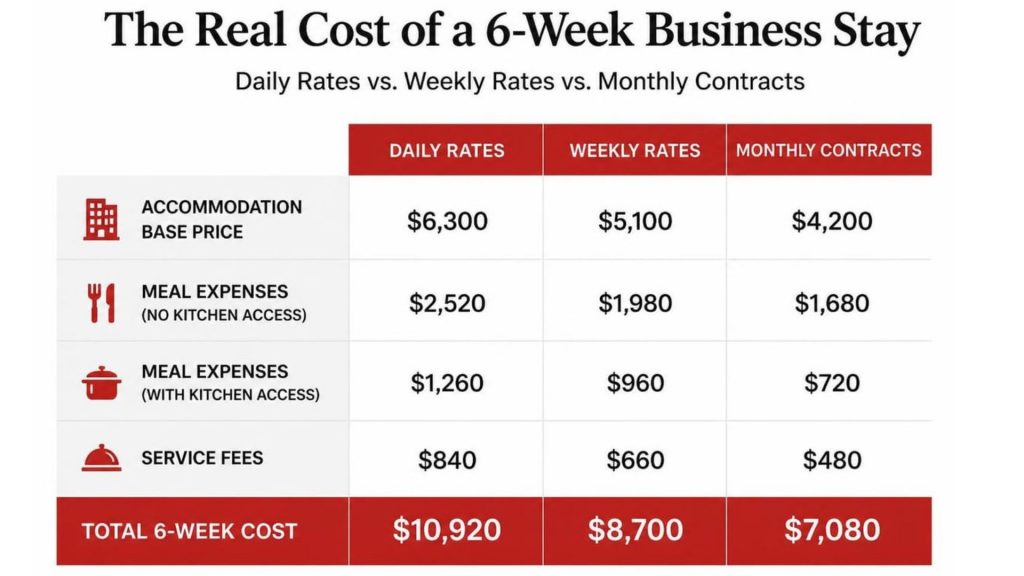
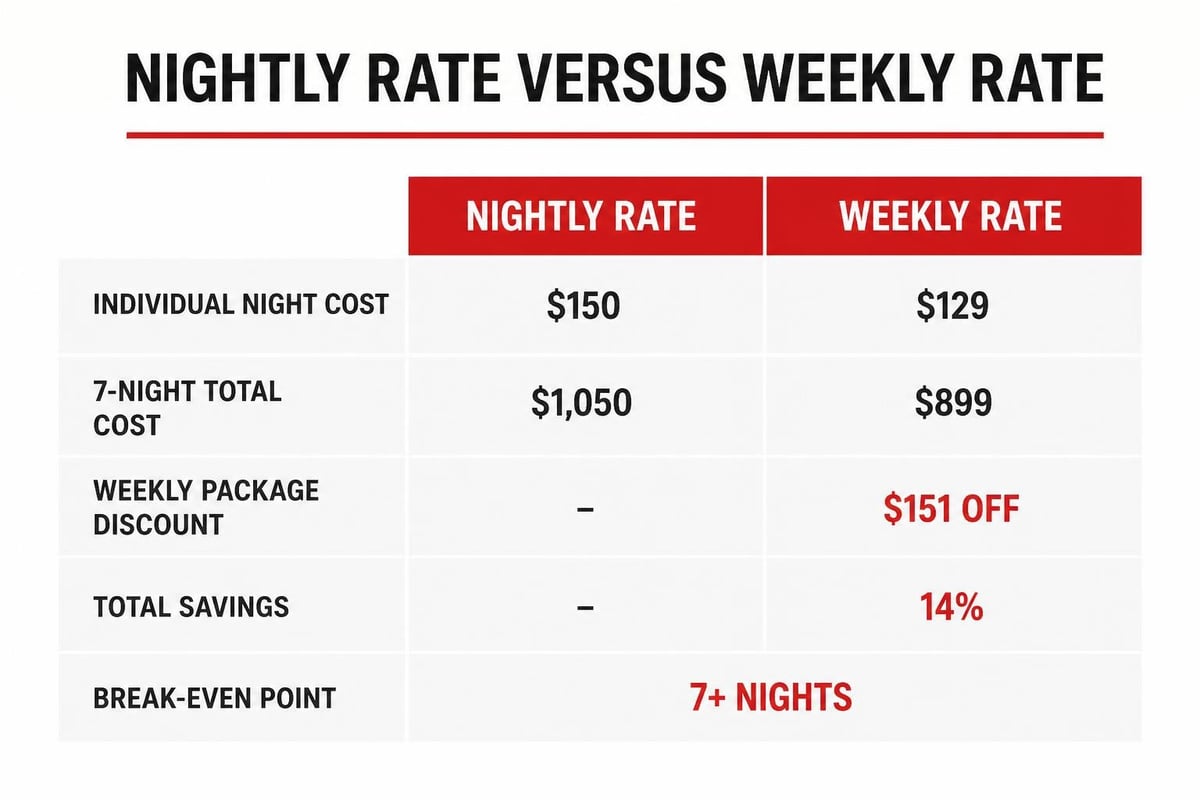
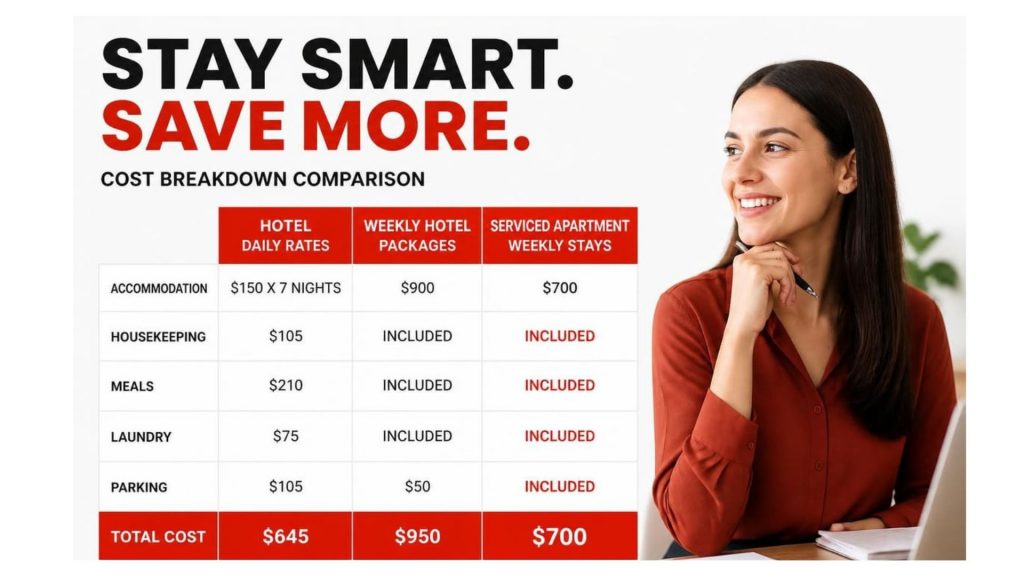
Short-term rates accommodate trial periods, bridge housing between permanent residences, and flexibility for uncertain timelines. Daily rates mirror traditional hotel pricing but provide apartment amenities. Weekly rates offer moderate discounts, typically reducing per-night costs by 10-15 percent compared to cumulative daily rates.
Monthly and Long-Term Pricing
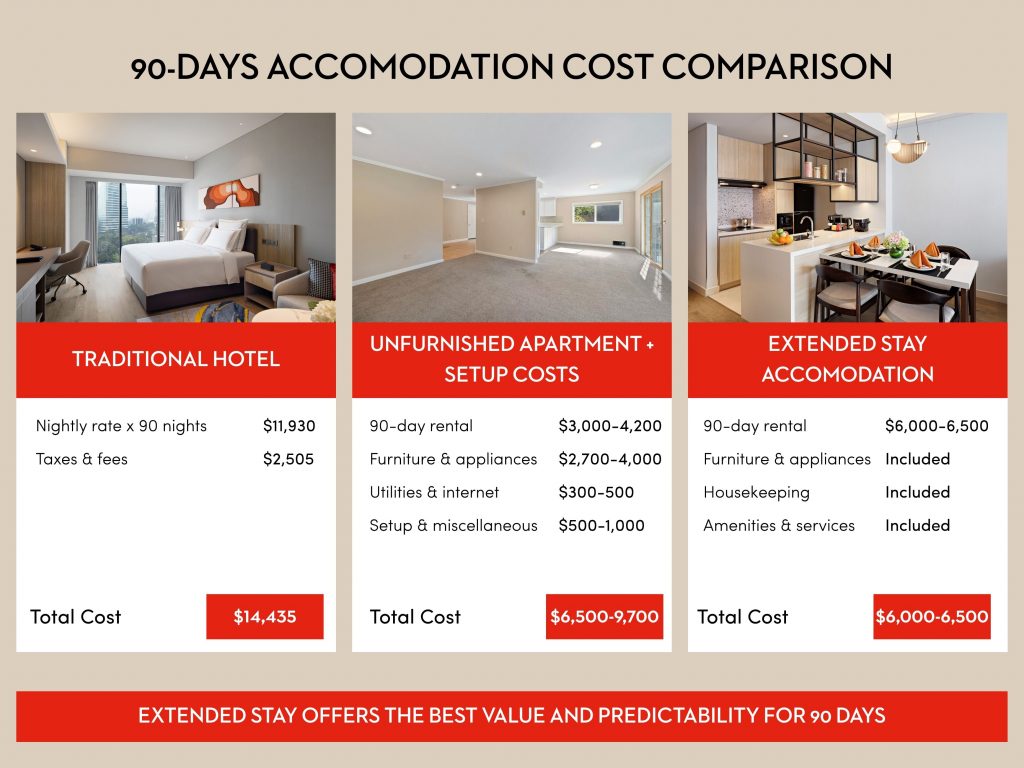
Monthly rates deliver substantial savings, often reducing per-night costs by 30-50 percent versus daily rates. These arrangements provide budget predictability for corporate clients and extended-stay guests while ensuring occupancy stability for properties. Some extended living hotels offer quarterly or annual contracts with additional discounts, particularly for corporate housing programs and expatriate assignments.
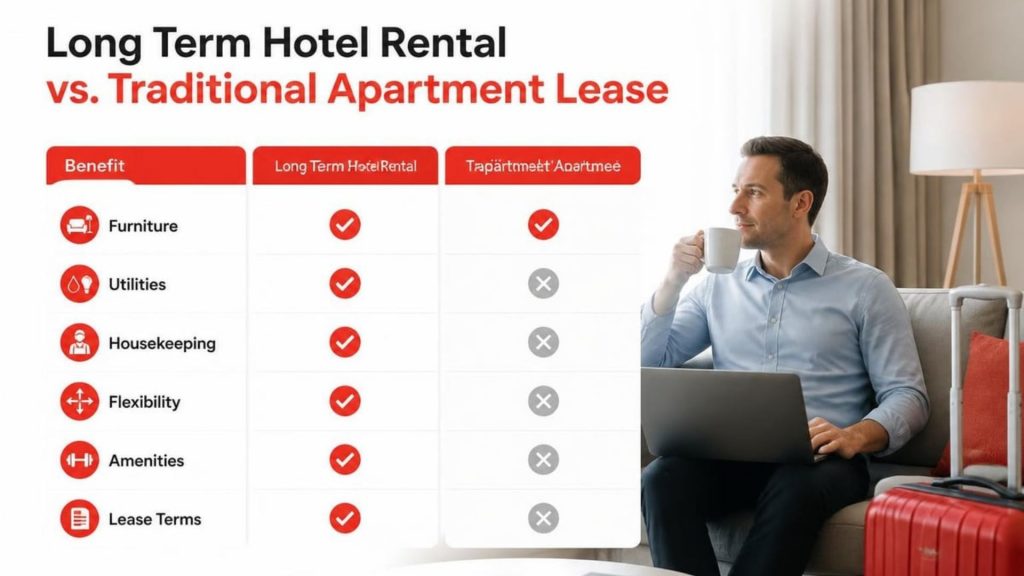
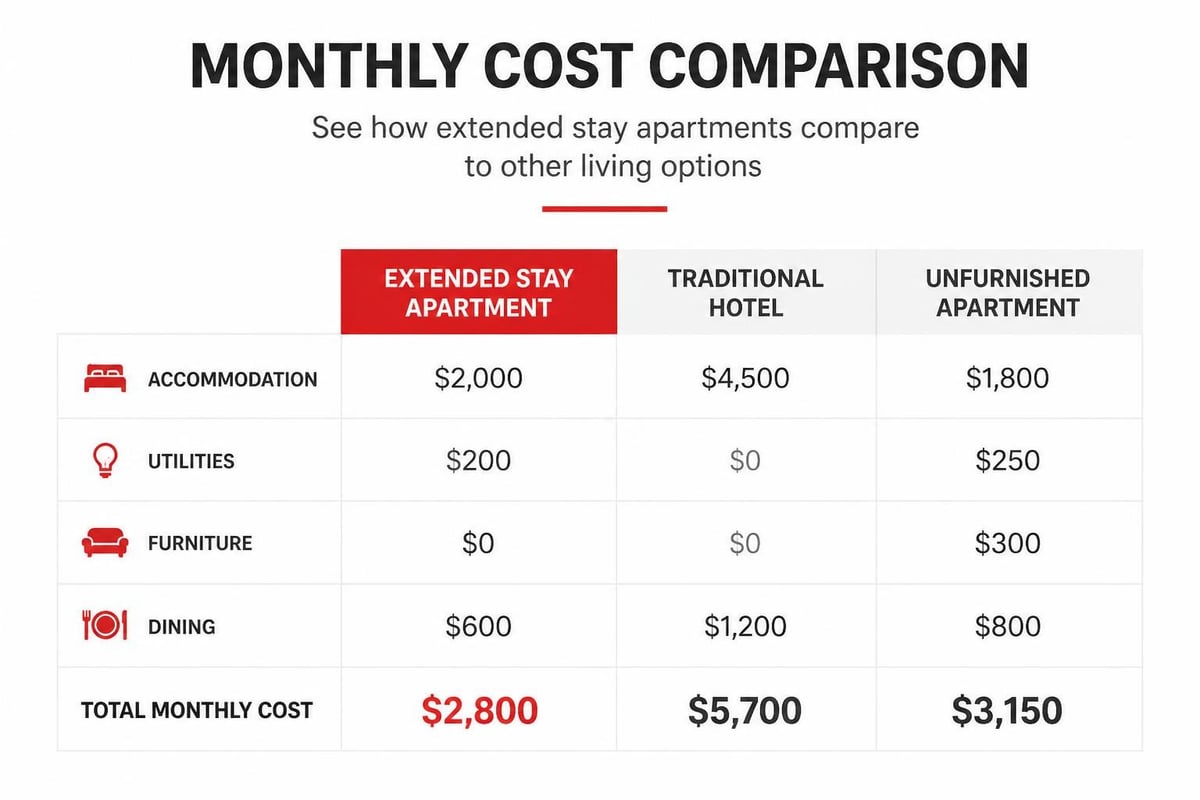
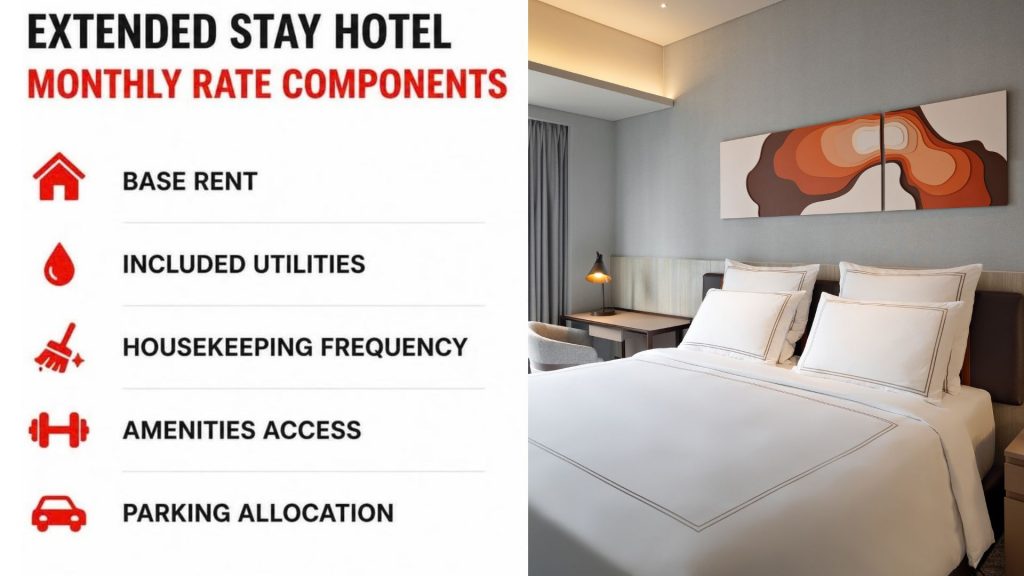
Transparent pricing without hidden fees builds trust and simplifies expense management. Inclusive rates covering utilities, internet, housekeeping, and amenity access enable accurate budgeting and differentiate extended living hotels from traditional apartments requiring separate utility accounts and service contracts.
The AHLA State of the Industry report notes that long-stay booking trends have influenced revenue management strategies across the broader hospitality sector, with properties increasingly optimizing rate structures for multi-week occupancy.
Integrated Hotel Services and Residential Comfort
The competitive advantage of extended living hotels lies in combining residential space with professional hospitality services. This integration addresses common pain points in both traditional hotels (limited space, high dining costs) and conventional apartments (setup complexity, service absence).
Daily Operations and Guest Services
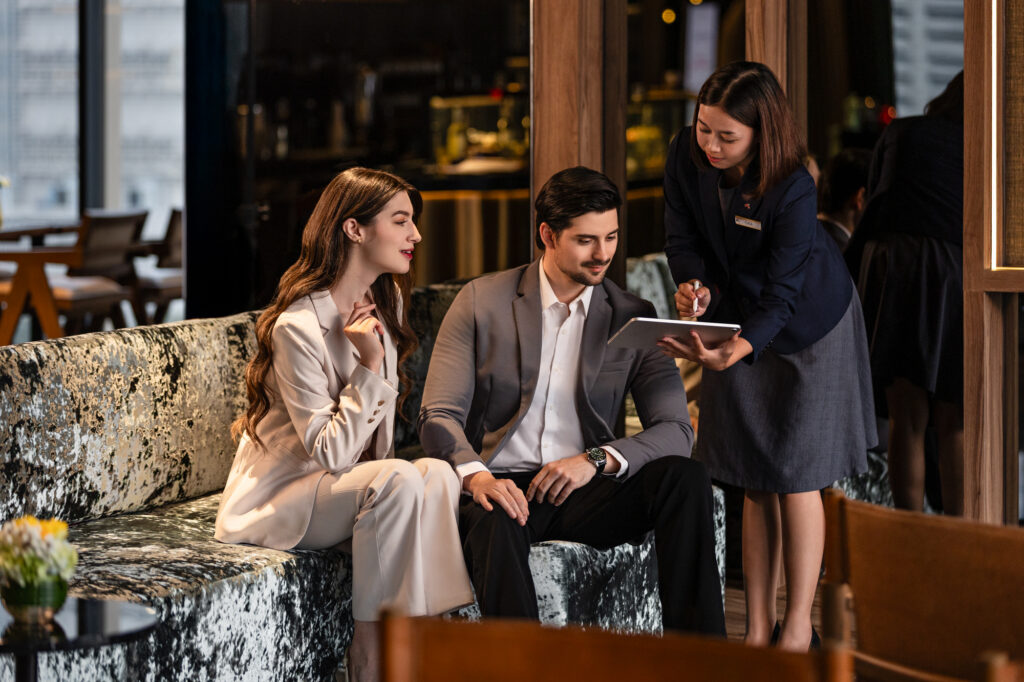
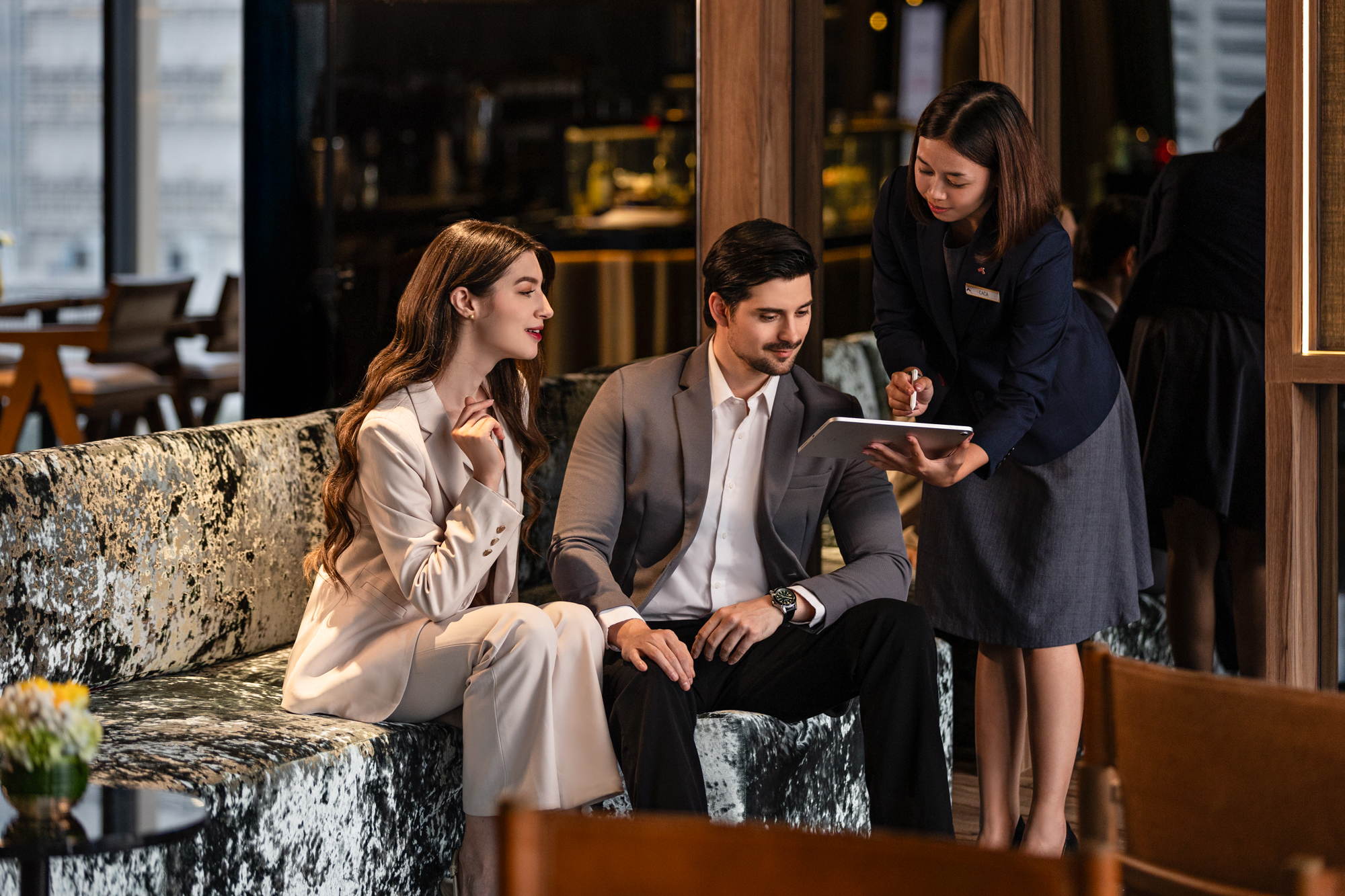
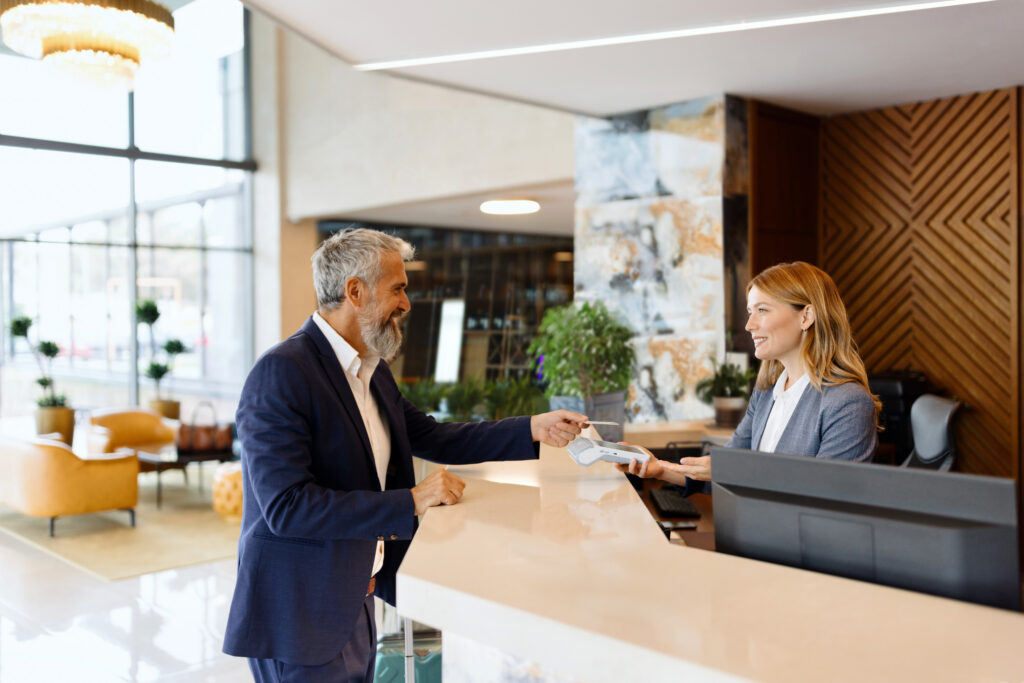
Professional front desk teams provide check-in assistance, local recommendations, mail handling, and issue resolution. Concierge services arrange transportation, dining reservations, and activity bookings. Maintenance staff respond promptly to in-unit issues, ensuring functionality without guest coordination of external contractors.
Regular housekeeping schedules maintain cleanliness while respecting residential privacy. Weekly or bi-weekly service typically includes linen changes, bathroom cleaning, kitchen maintenance, and trash removal. Guests can request additional service or defer scheduled cleaning based on preference.
Property Amenities and Facilities
Extended living hotels typically offer:
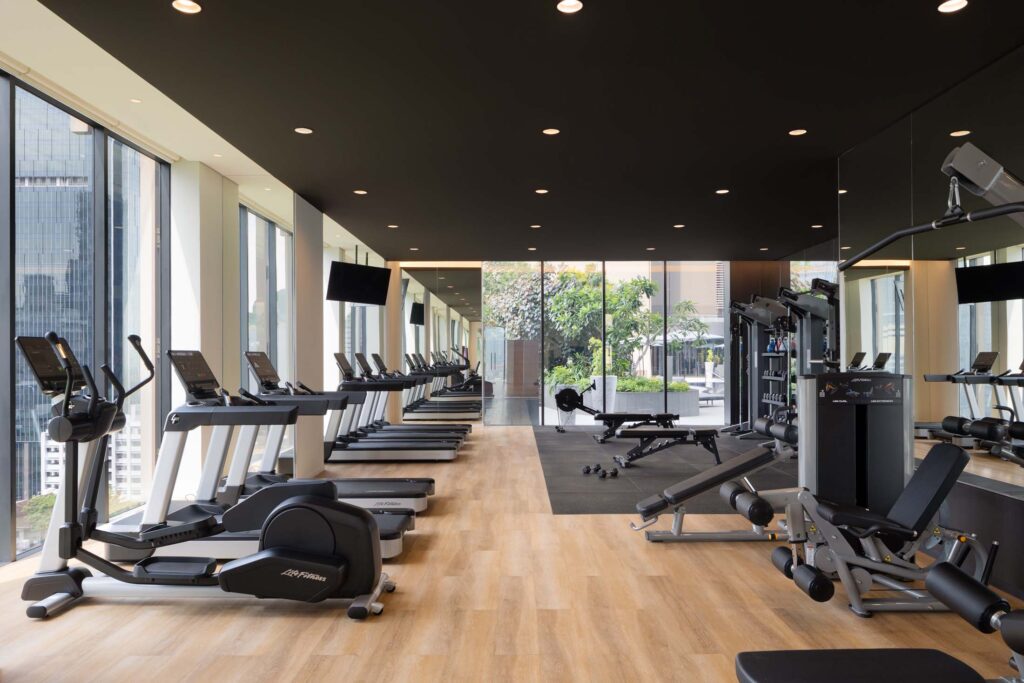
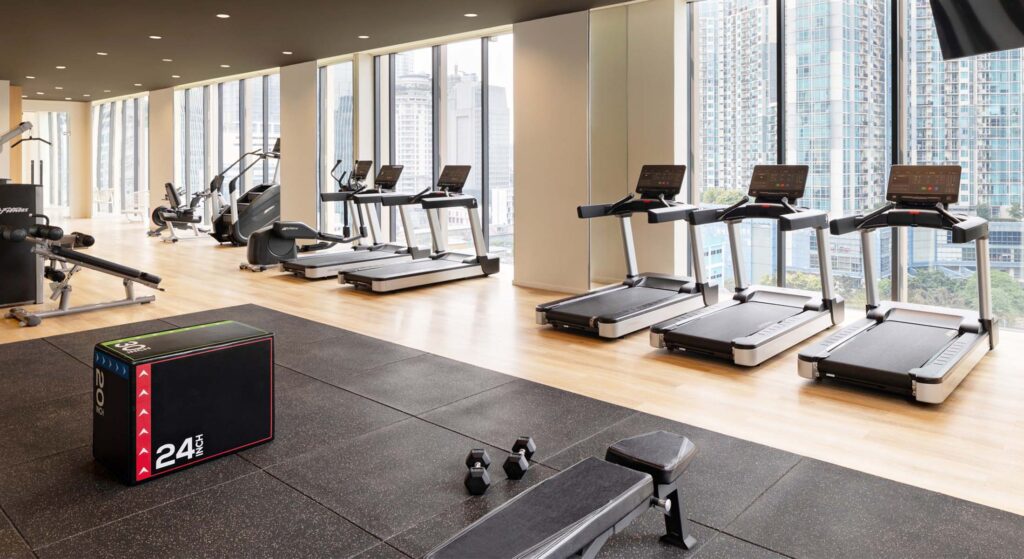
- Fitness centers with cardio equipment, weights, and exercise spaces
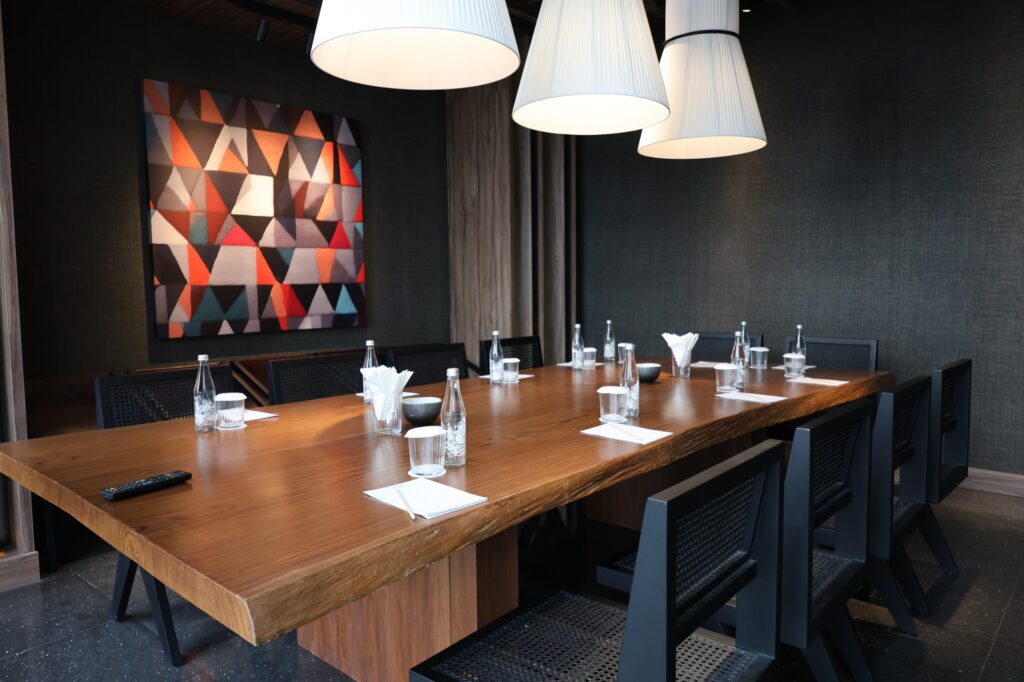
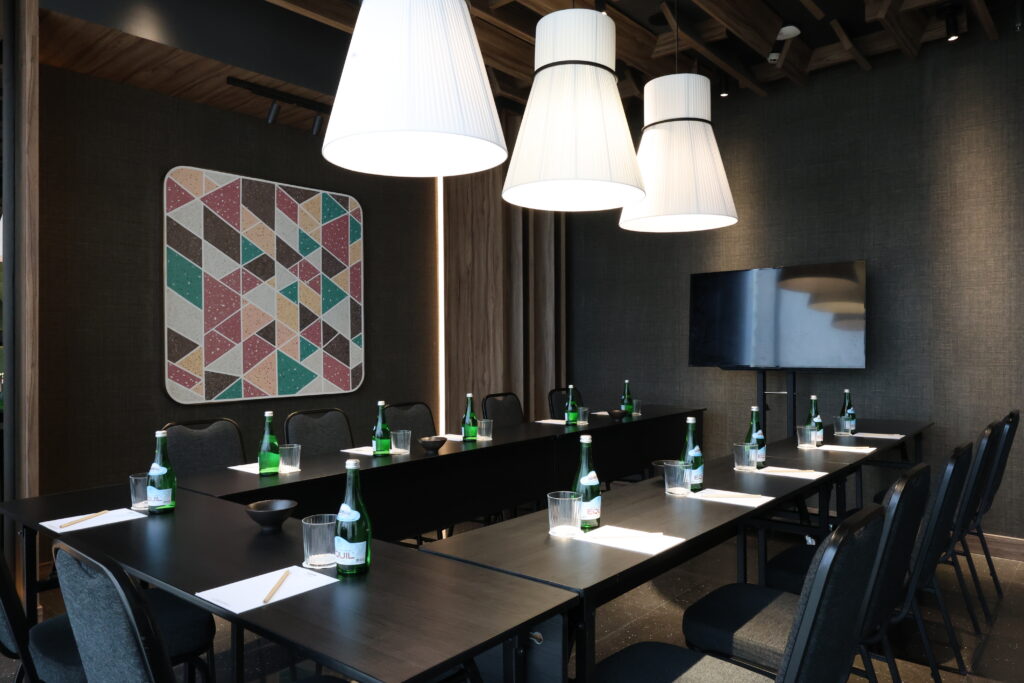
- Business centers providing workstations, printing services, and meeting rooms
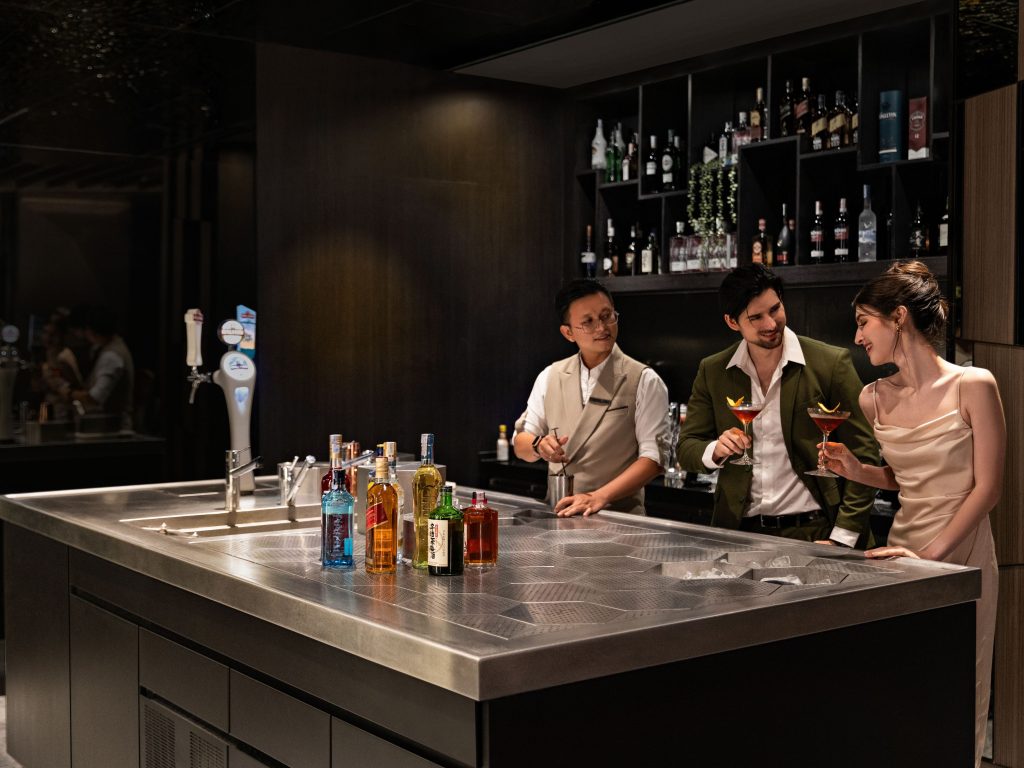
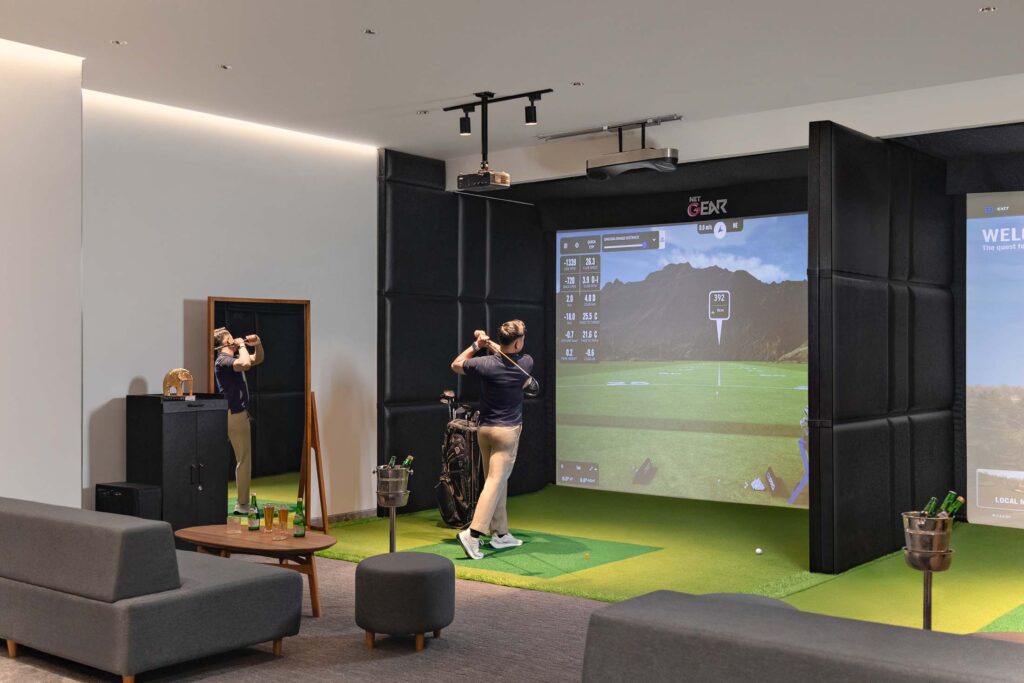
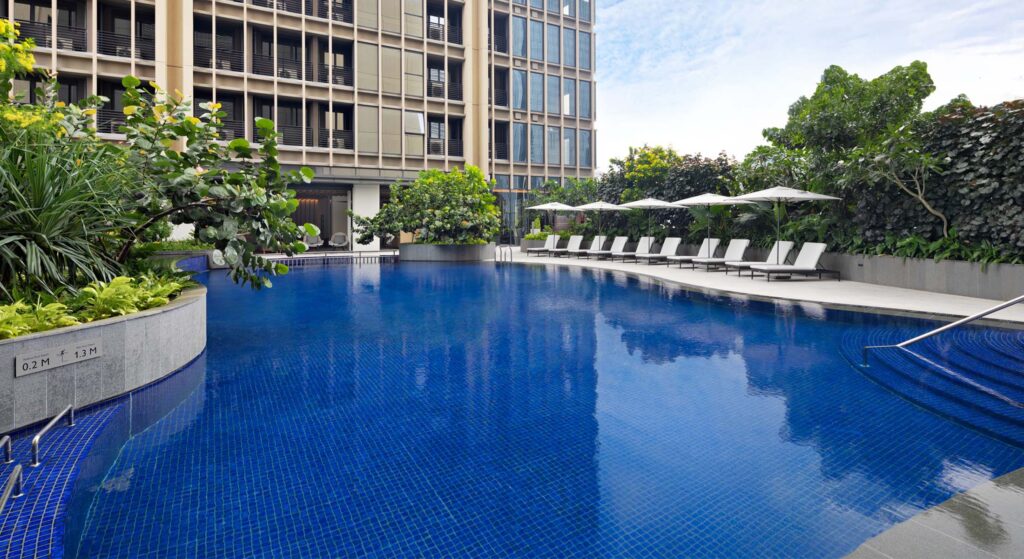
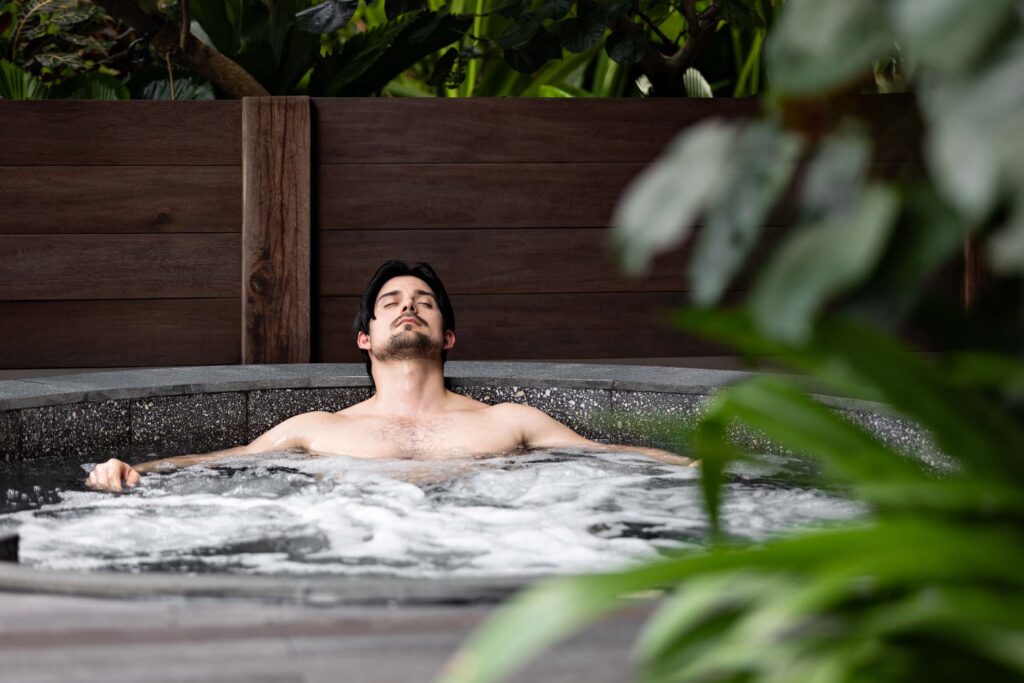
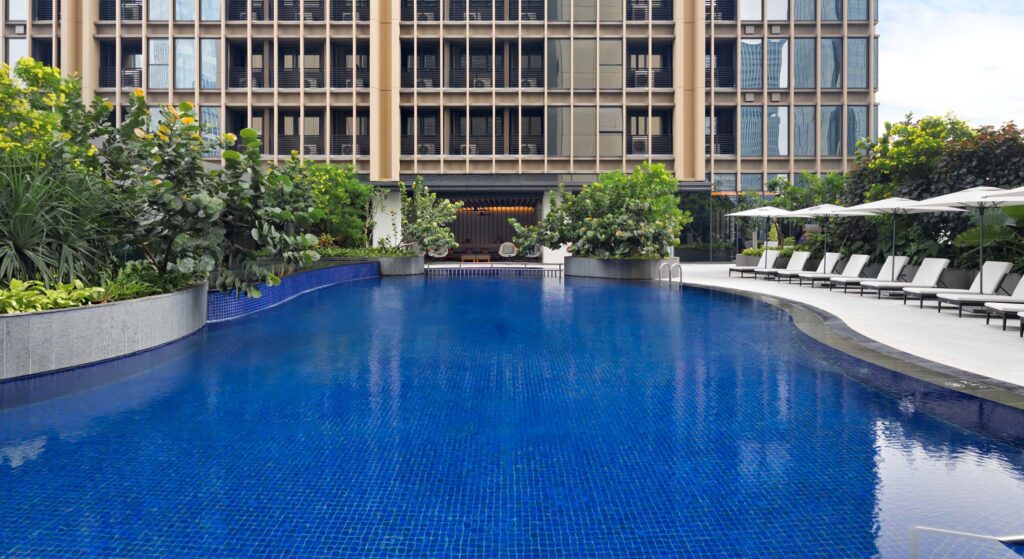
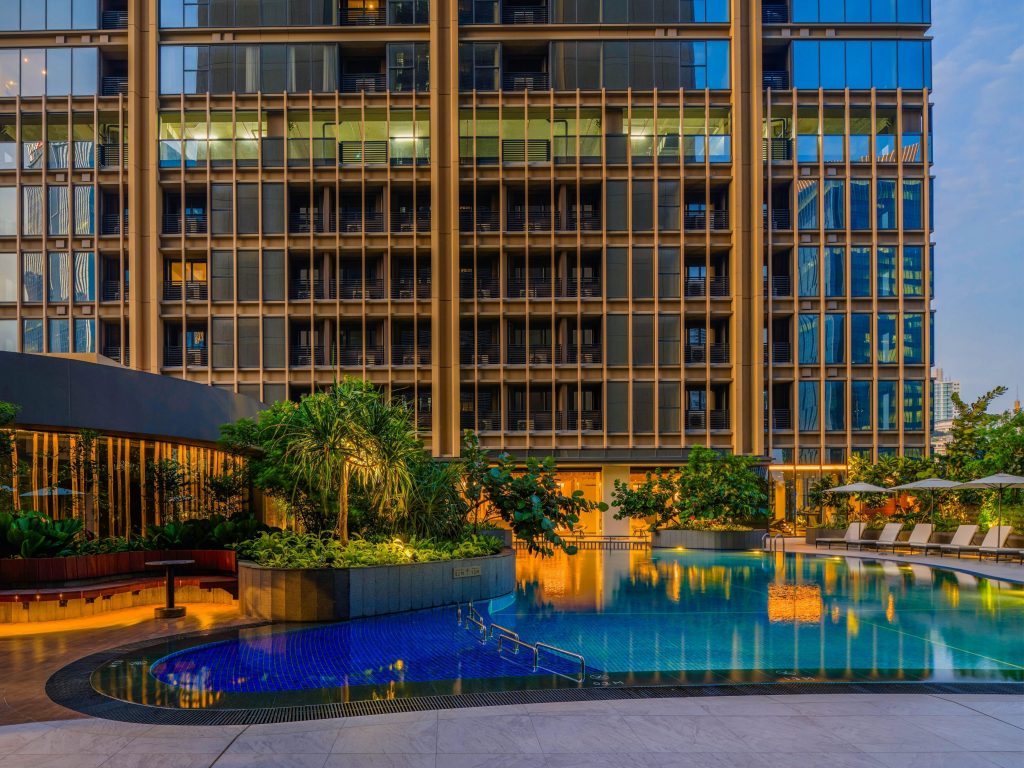
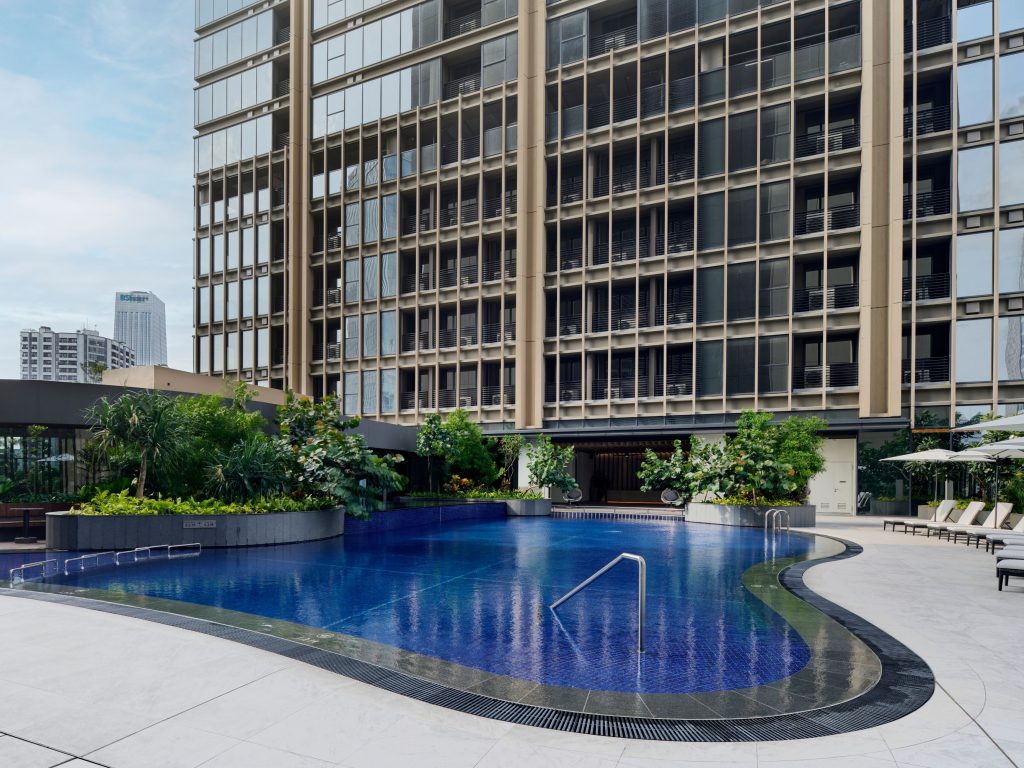
- Social spaces including lounges, communal kitchens, and outdoor areas
- Parking facilities with dedicated guest spaces or valet services
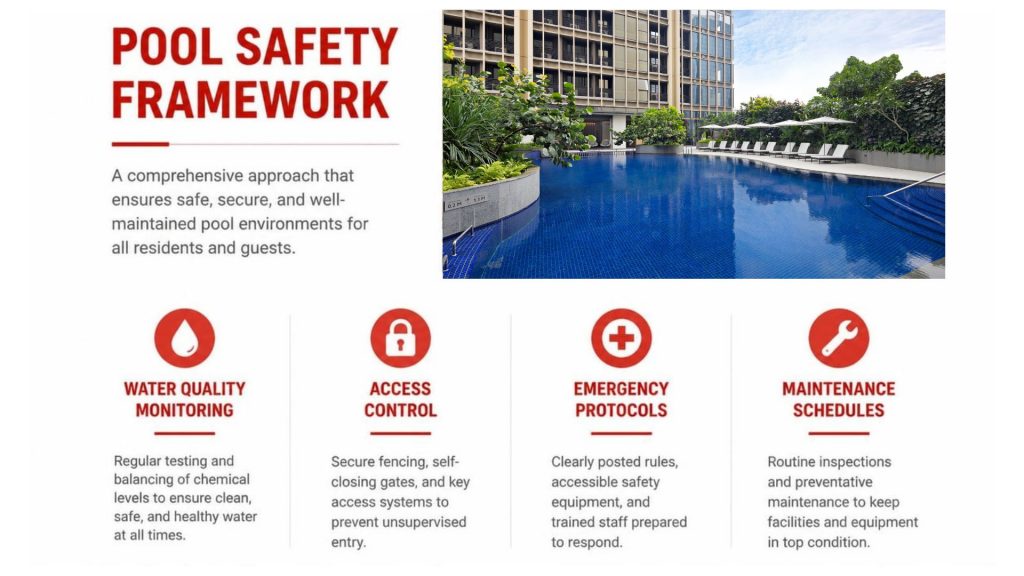
- Security systems featuring controlled access, surveillance, and 24-hour monitoring
These shared amenities replicate services found in traditional hotels while supporting the residential lifestyle of long-term guests. Fitness access eliminates external gym memberships. Business facilities enable remote work without co-working space expenses. Social areas foster community among extended-stay residents.
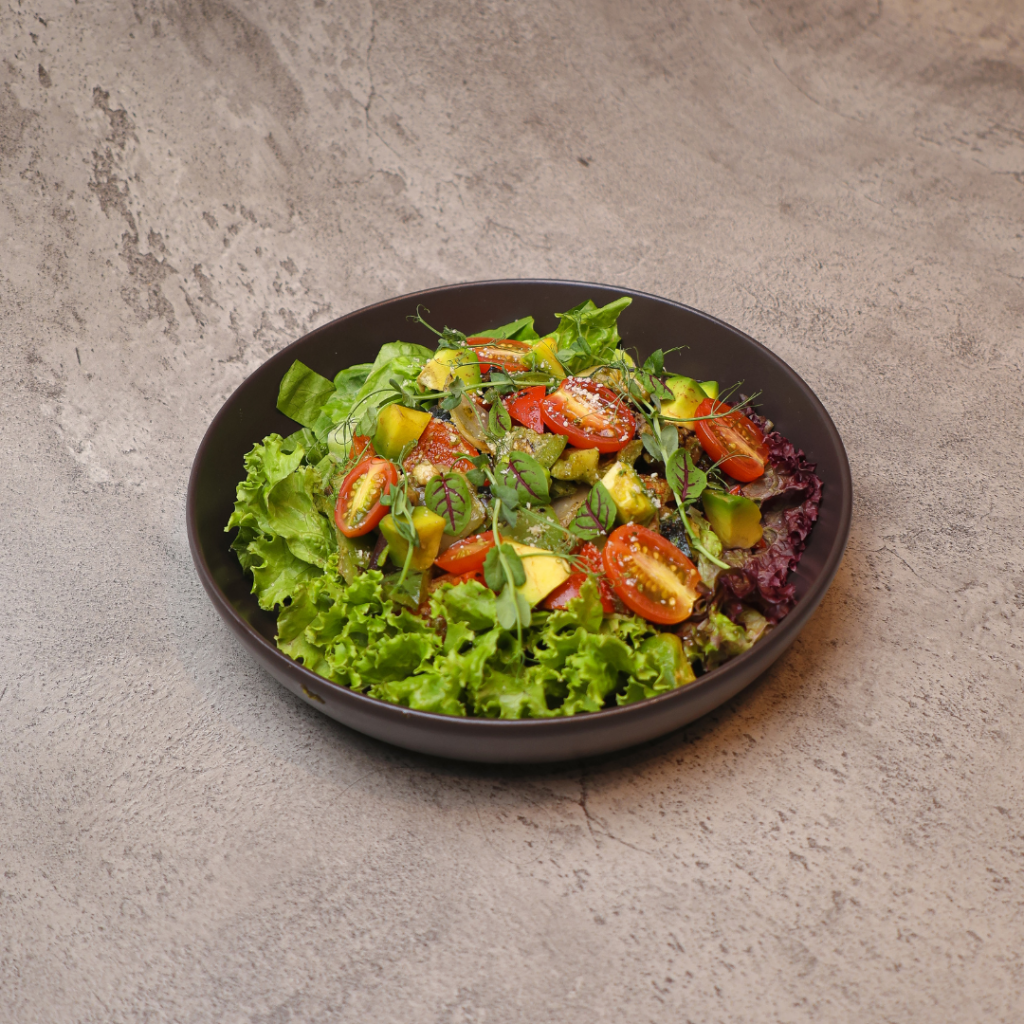
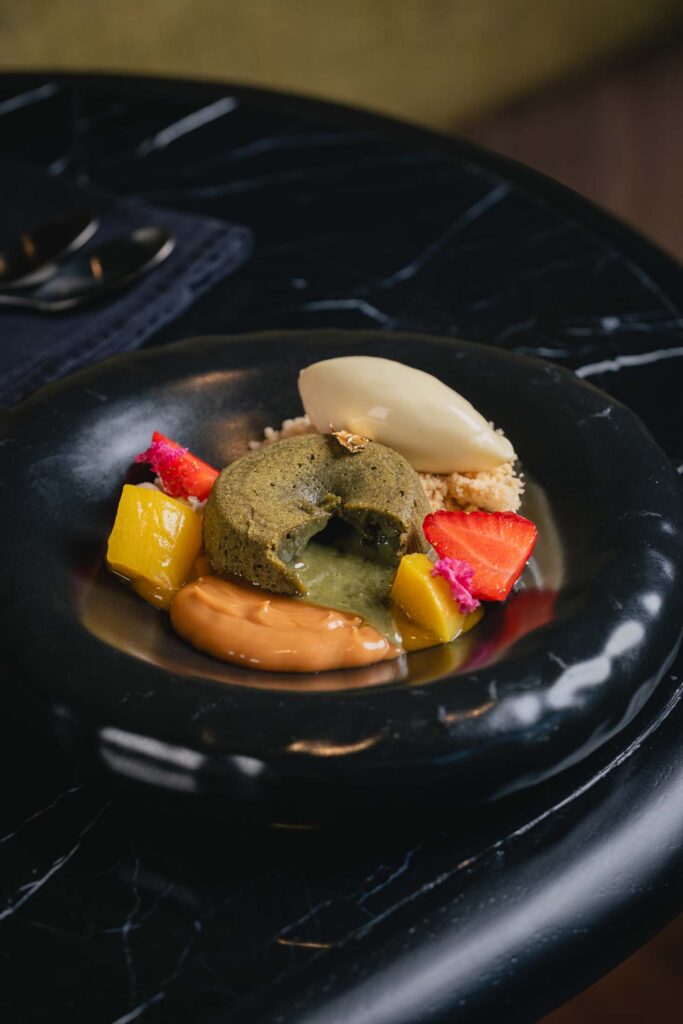
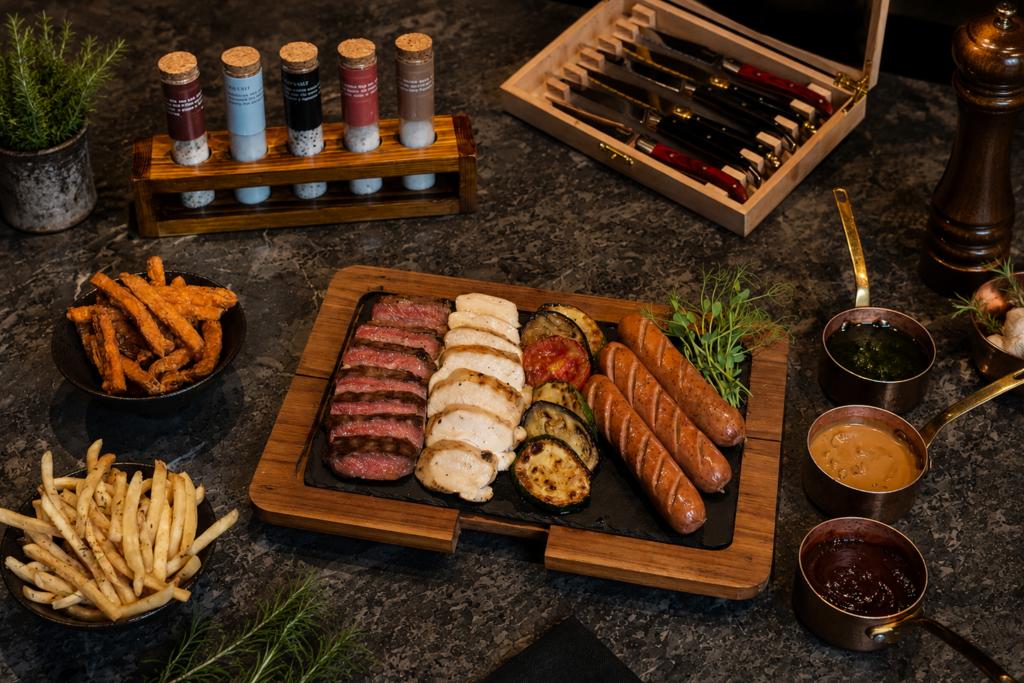
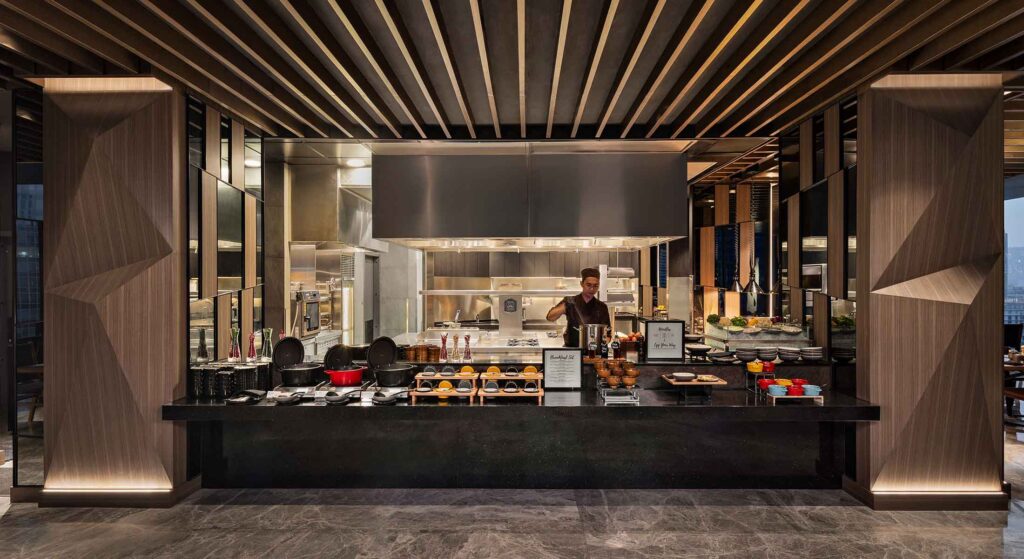
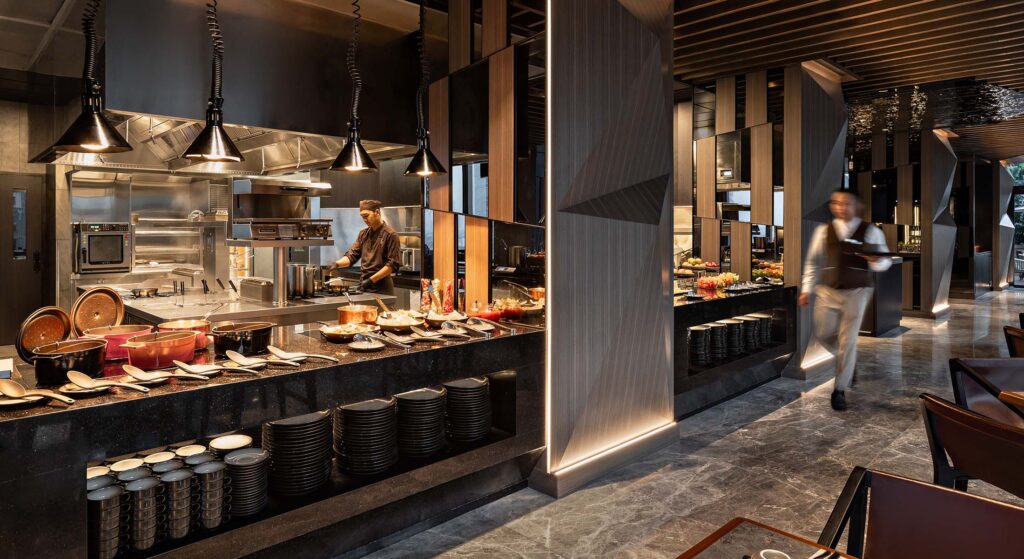
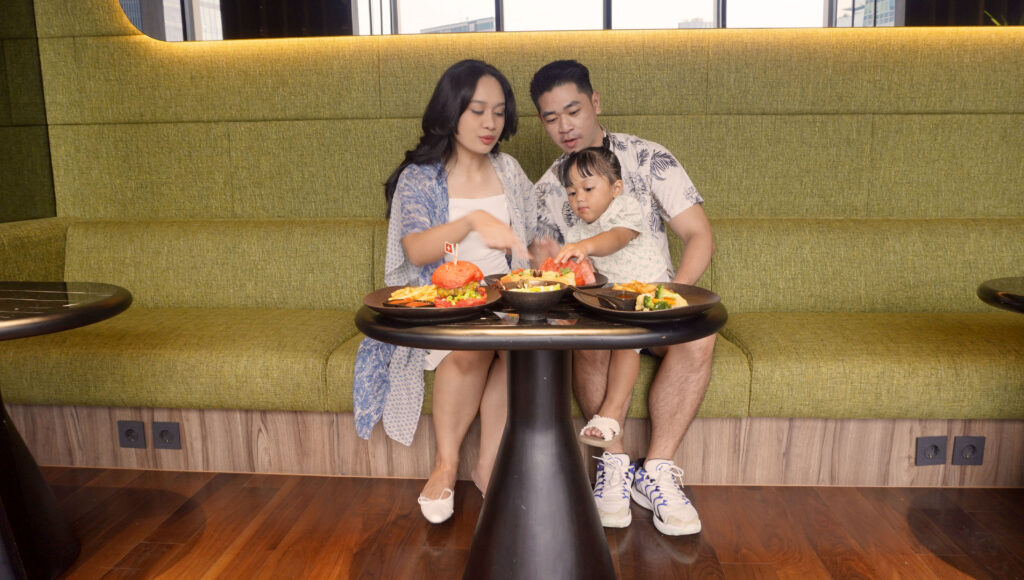
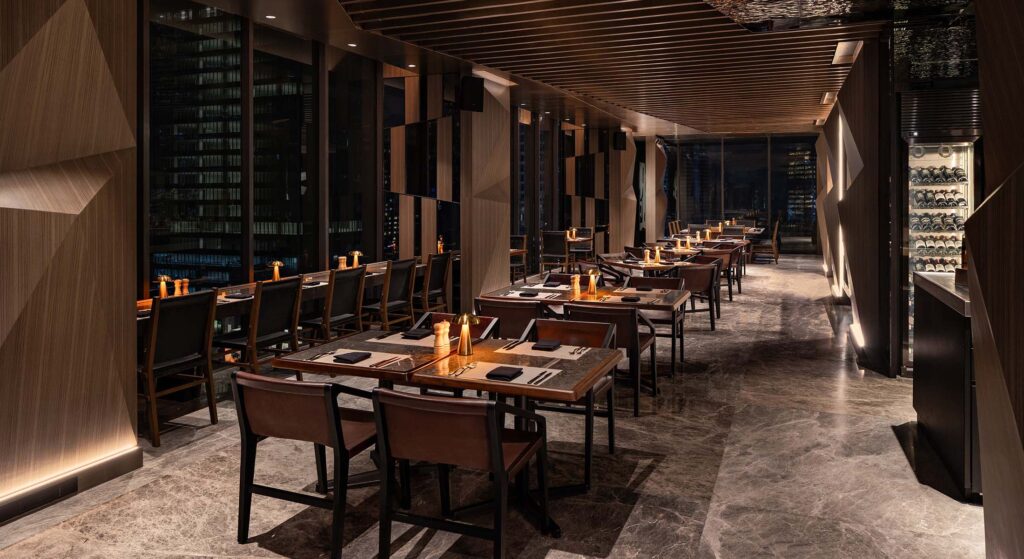
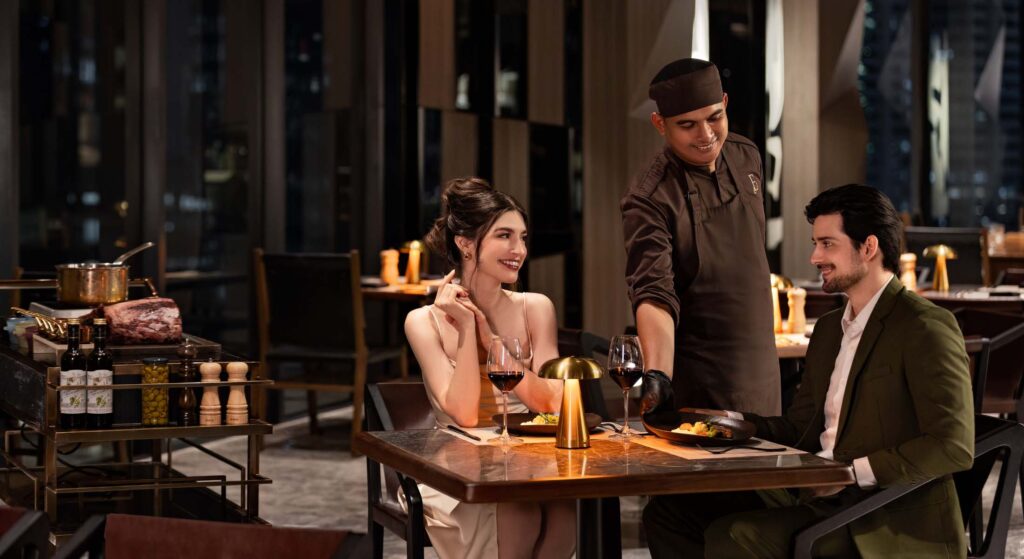
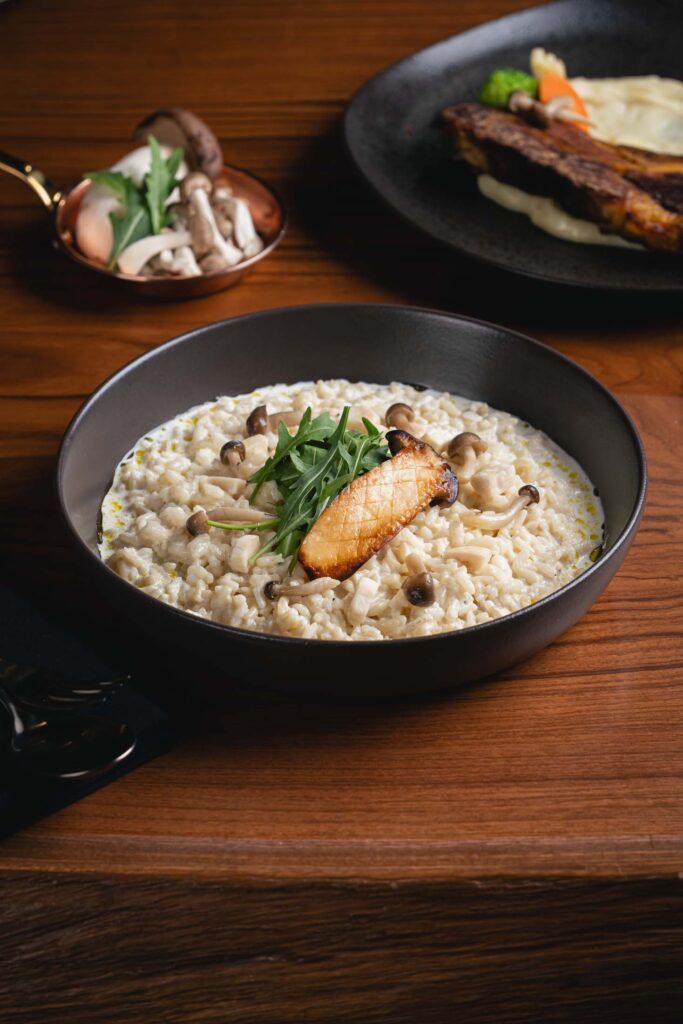
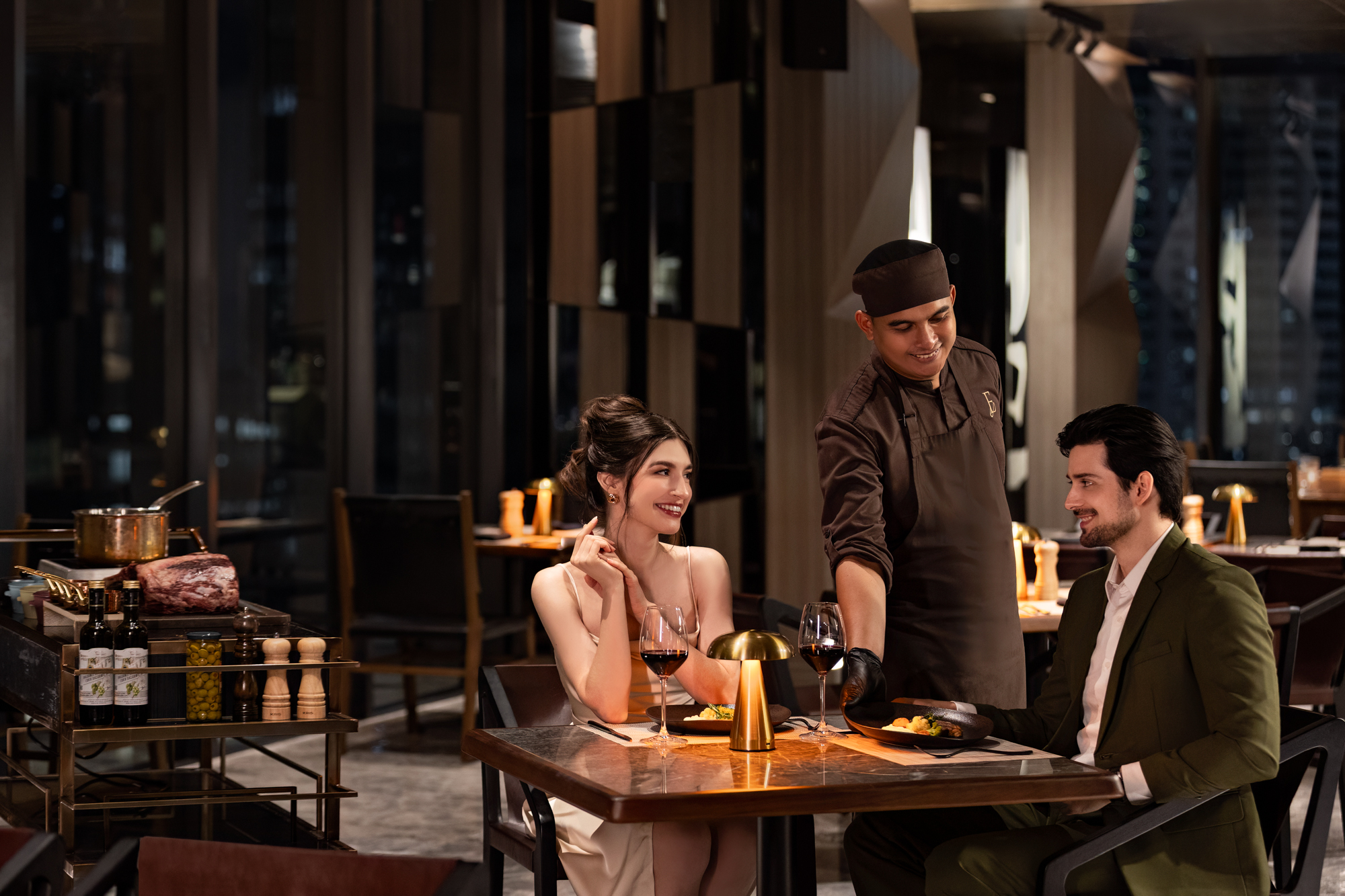
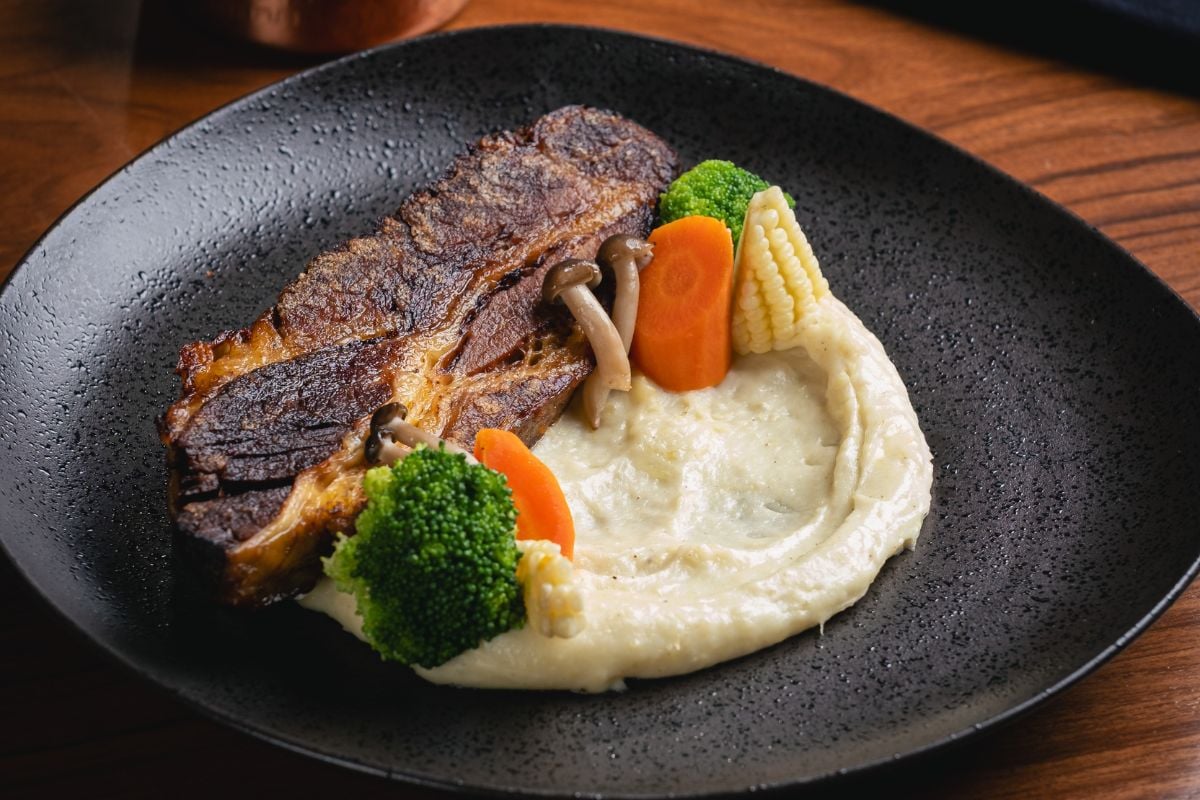
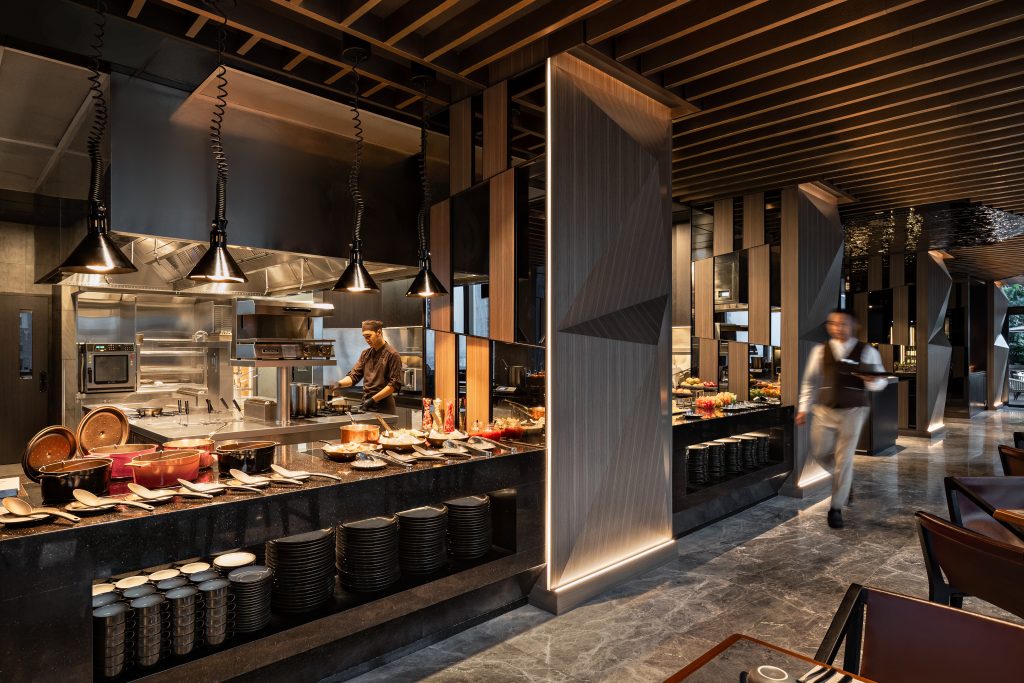
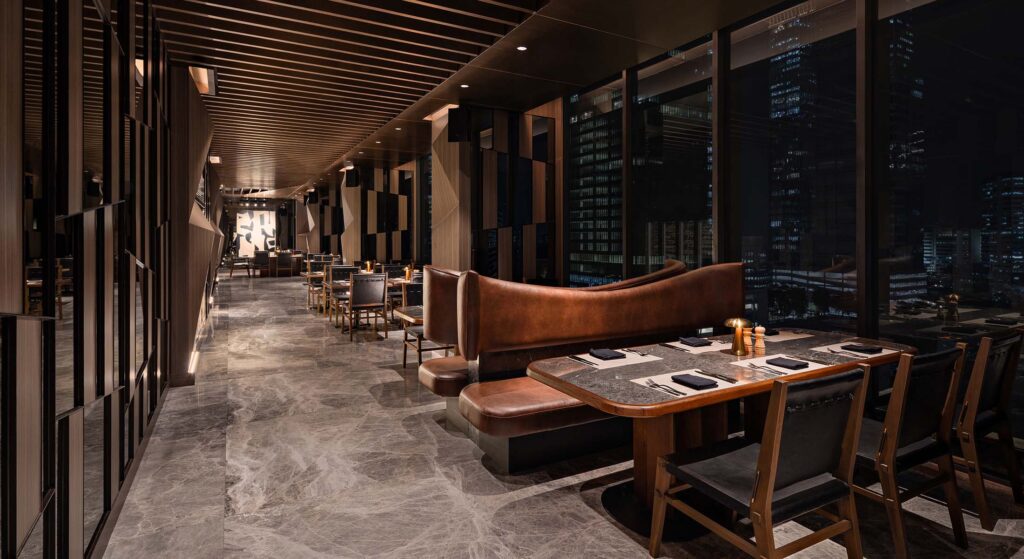
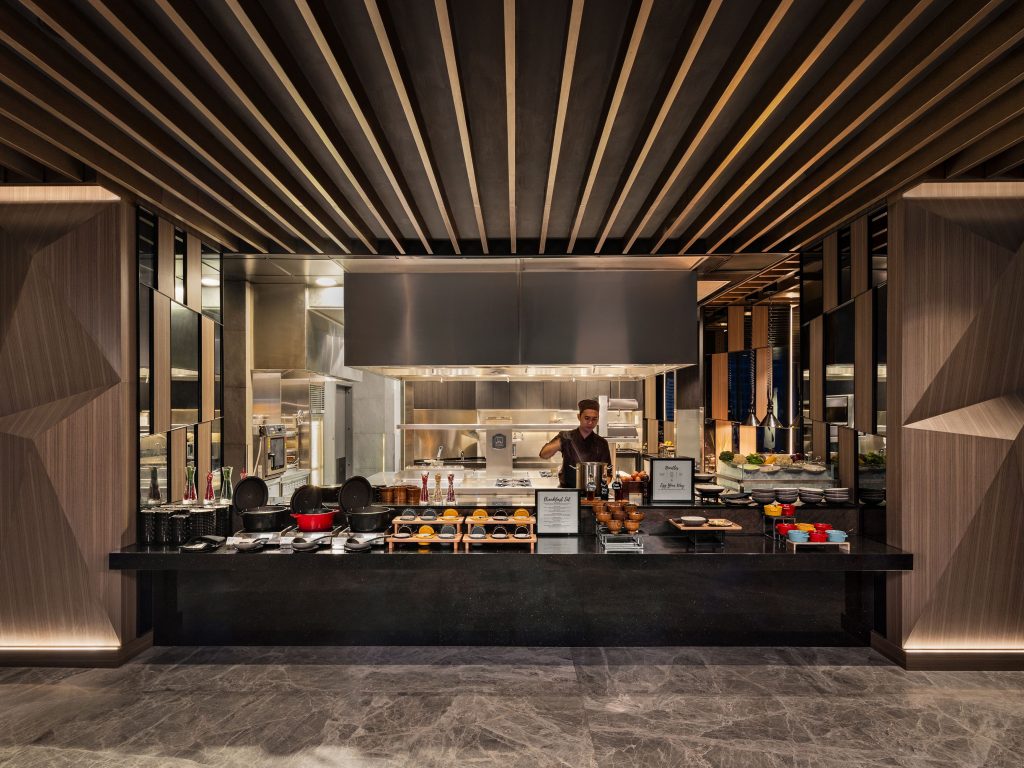
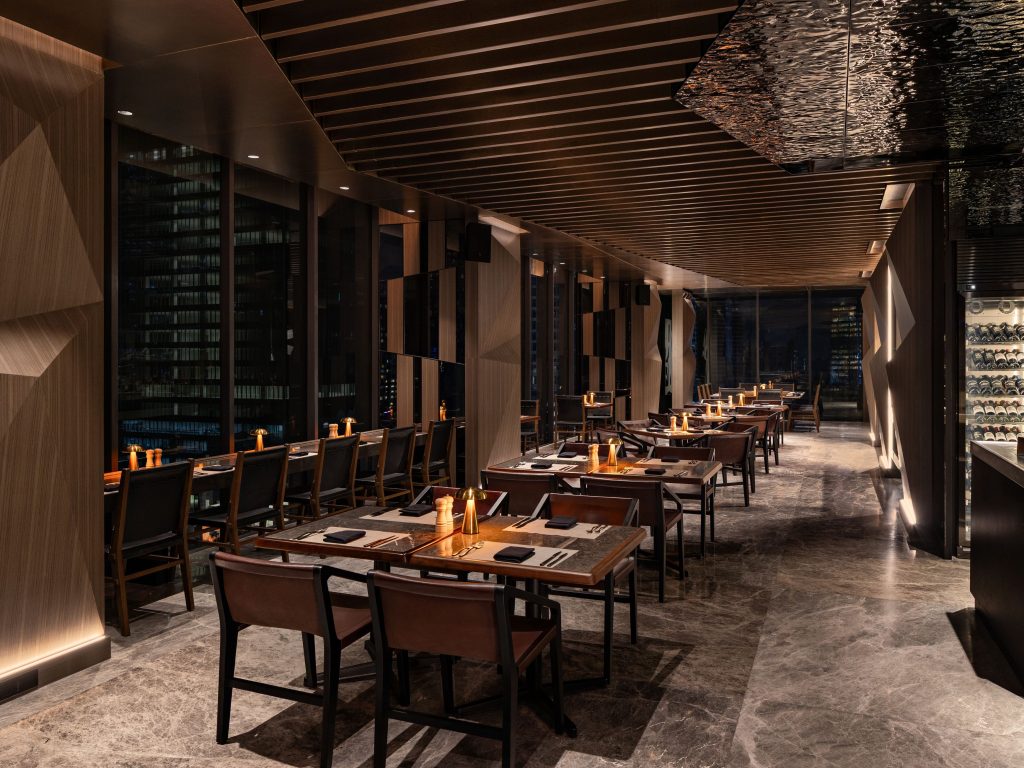
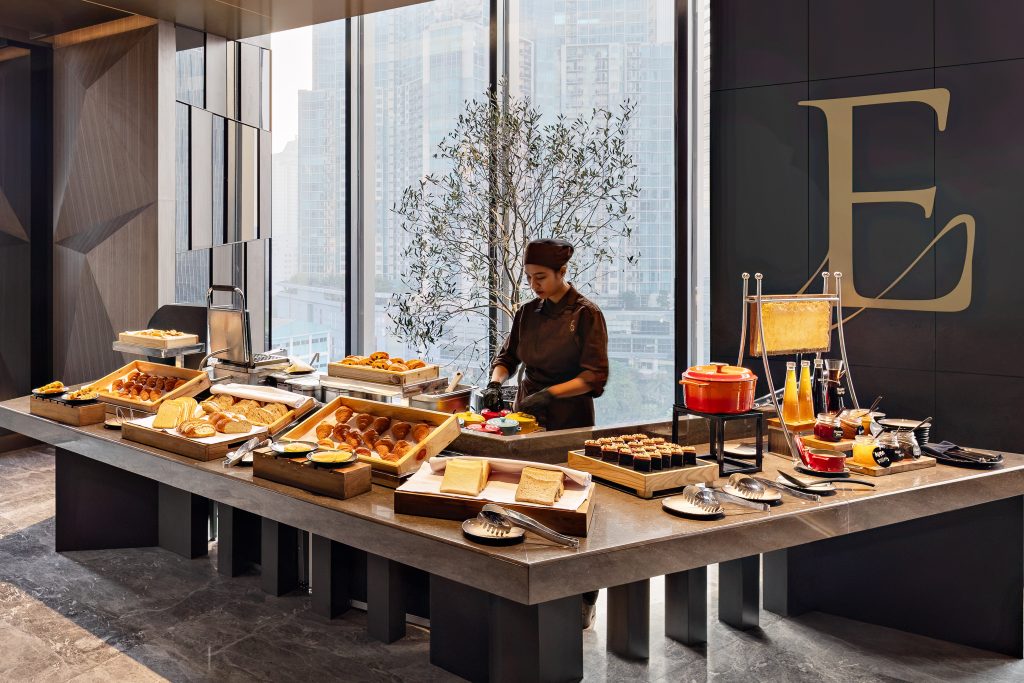
For guests seeking dining options beyond their in-unit kitchens, on-site restaurants provide convenient alternatives. After a long day, many extended-stay guests appreciate the option to enjoy professionally prepared meals without leaving the property. Embers Open-Fire Grill exemplifies this convenience, offering grilled dishes, steaks, and international cuisine using Indonesian ingredients for residents and visitors alike.
Market Performance and Industry Outlook
The extended-stay segment has demonstrated consistent growth and resilience, attracting investor attention and brand expansion. Market fundamentals support continued development and performance strength.
Supply and Demand Dynamics
JLL’s 2025 Extended-Stay Hotel Outlook projects continued supply growth as major hotel companies expand extended-stay portfolios and independent developers enter the segment. Demand drivers include remote work adoption enabling location flexibility, corporate housing needs for project-based assignments, and housing market dynamics making short-term leases attractive alternatives to traditional rentals.
Occupancy rates in the extended-stay segment typically exceed traditional hotel averages, often maintaining 75-85 percent occupancy even during slower demand periods. This stability stems from longer average stays reducing turnover, advance bookings providing occupancy visibility, and diversified guest segments mitigating seasonal fluctuations.
Operational Advantages
Extended living hotels benefit from several operational efficiencies compared to traditional hotels:
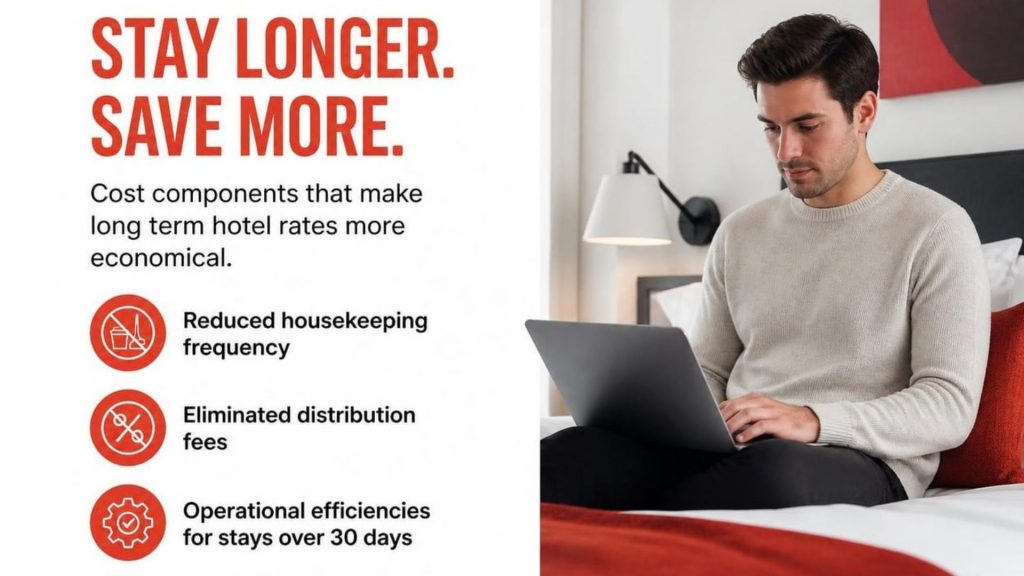
- Lower turnover costs due to extended average stay lengths reducing daily housekeeping and check-in/check-out frequency
- Reduced food and beverage requirements as guests prepare meals in-unit, minimizing restaurant and room service infrastructure
- Predictable occupancy patterns enabling more accurate staffing, inventory, and revenue forecasting
- Higher revenue per available room (RevPAR) through extended-stay premiums despite lower nightly rates
These factors contribute to favorable investment returns and sustainable operations even in competitive markets.
Technology Integration and Guest Experience
Modern extended living hotels leverage technology to enhance operational efficiency and guest convenience. Digital solutions streamline processes that become cumbersome during longer stays.
Digital Check-In and Access
Mobile check-in eliminates front desk queues and provides flexibility for late arrivals. Digital key systems enable smartphone-based room access, eliminating physical key management and enabling remote access provision for family members or colleagues. These systems also enhance security through access logging and immediate deactivation upon checkout.
Smart Room Controls and Energy Management
In-unit technology enables climate control adjustment, lighting customization, and energy monitoring. Smart thermostats learn guest preferences and optimize energy consumption during absences. These features balance comfort with sustainability objectives, reducing operational costs while supporting environmental initiatives increasingly important to corporate clients and environmentally conscious travelers.
Communication Platforms and Service Requests
Guest apps facilitate service requests, housekeeping scheduling, amenity reservations, and property communication. Digital platforms enable guests to request maintenance, order supplies, book fitness classes, or communicate preferences without phone calls or front desk visits. This convenience particularly benefits international guests managing language barriers or time zone differences.
Sustainability and Long-Term Operations
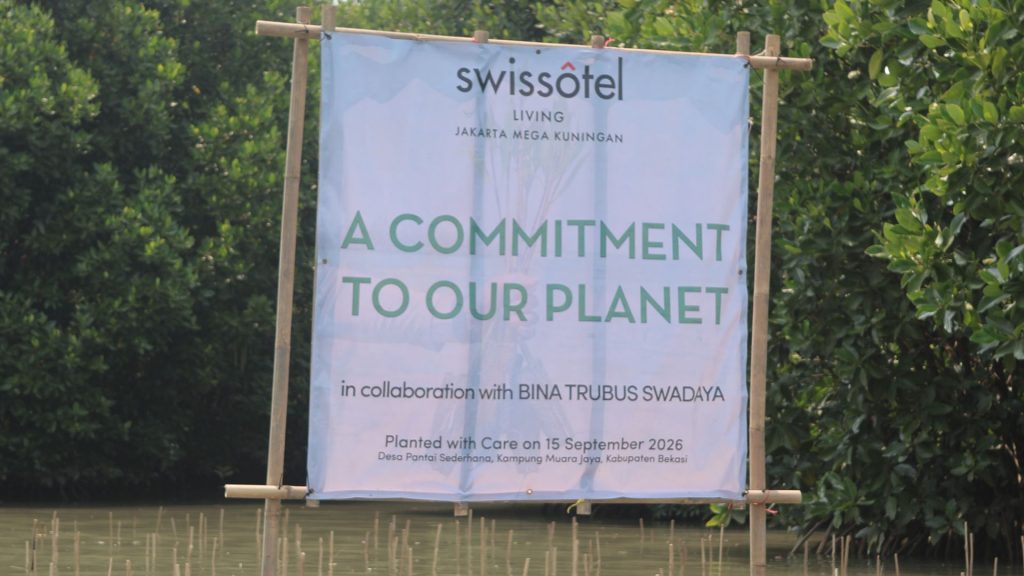
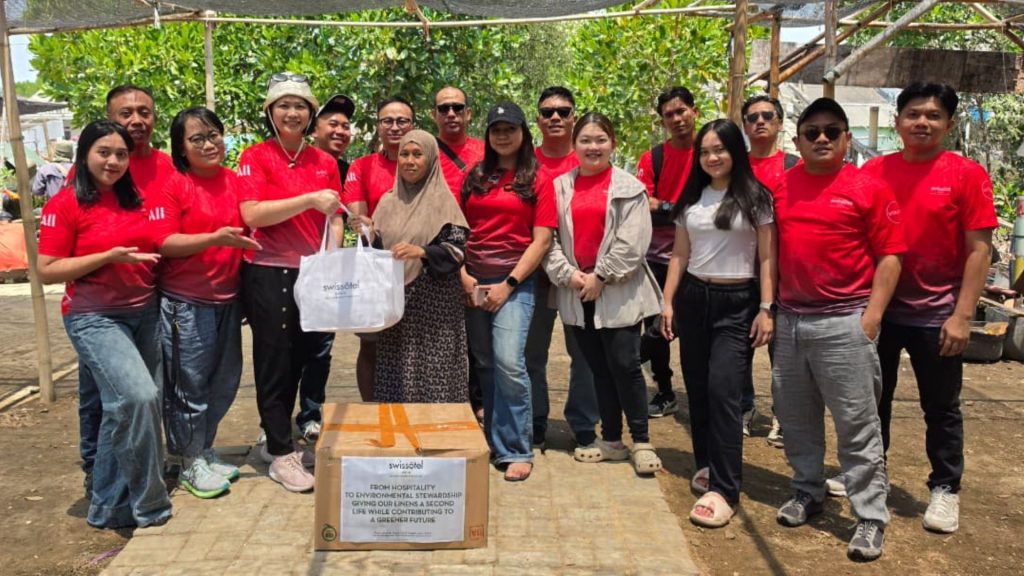
Extended living hotels face unique sustainability considerations given longer guest stays and higher resource consumption compared to transient hotels. Progressive properties implement comprehensive environmental programs addressing energy, water, waste, and community impact.
Resource Efficiency Programs
In-unit kitchens and laundry facilities increase water and energy consumption, necessitating efficient appliances and guest engagement. Energy-efficient refrigerators, induction cooktops, and front-loading washers reduce utility demands. Water-saving fixtures, low-flow showerheads, and dual-flush toilets minimize water consumption without compromising functionality.
Opt-in housekeeping programs allow guests to defer service when unnecessary, reducing water usage, chemical consumption, and labor hours. This approach also aligns with extended-stay guest preferences for privacy and routine control.
Waste Reduction and Recycling
Longer stays generate different waste profiles than traditional hotels. In-unit recycling bins, composting programs, and bulk amenity dispensers reduce single-use packaging. Properties can partner with local waste management services to implement comprehensive recycling and composting programs.
Reusable serviceware in units eliminates disposable plate, cup, and utensil waste. Bulk cleaning supply refills reduce packaging compared to individual bottles. These initiatives lower operational costs while advancing environmental objectives.
Regional Considerations: Extended Living in Asia
The extended-stay concept has gained significant traction across Asian markets, where business travel, expatriate assignments, and rapid urbanization drive demand for flexible accommodation. Regional preferences and market dynamics influence property design and service delivery.
Cultural Adaptations and Service Expectations
Asian guests often prioritize different amenities and service elements compared to Western markets. Rice cookers, electric kettles, and Asian cookware typically appear in kitchen configurations. Enhanced security features including 24-hour reception and controlled access address safety priorities. Properties may offer additional services like translation assistance, local orientation programs, and connections to expatriate communities.
Urban Density and Location Premiums
High-density Asian cities place premium value on central business district locations with transit connectivity. Properties near embassy districts, international schools, and expatriate neighborhoods attract relocating professionals and diplomatic assignments. Jakarta’s Mega Kuningan district exemplifies this positioning, offering proximity to multinational corporate offices, foreign missions, luxury retail, and international dining within South Jakarta’s central business corridor.
Corporate Housing and Multinational Demand
Multinational corporations conducting regional operations frequently utilize extended living hotels for employee relocations, project assignments, and executive housing. Properties offering apartments with kitchens and flexible terms can establish corporate partnerships, securing consistent occupancy through negotiated rates and service agreements.
Selecting Extended Living Accommodations
Guests evaluating extended living hotels should consider several factors to ensure the property aligns with stay duration, budget parameters, and lifestyle requirements.
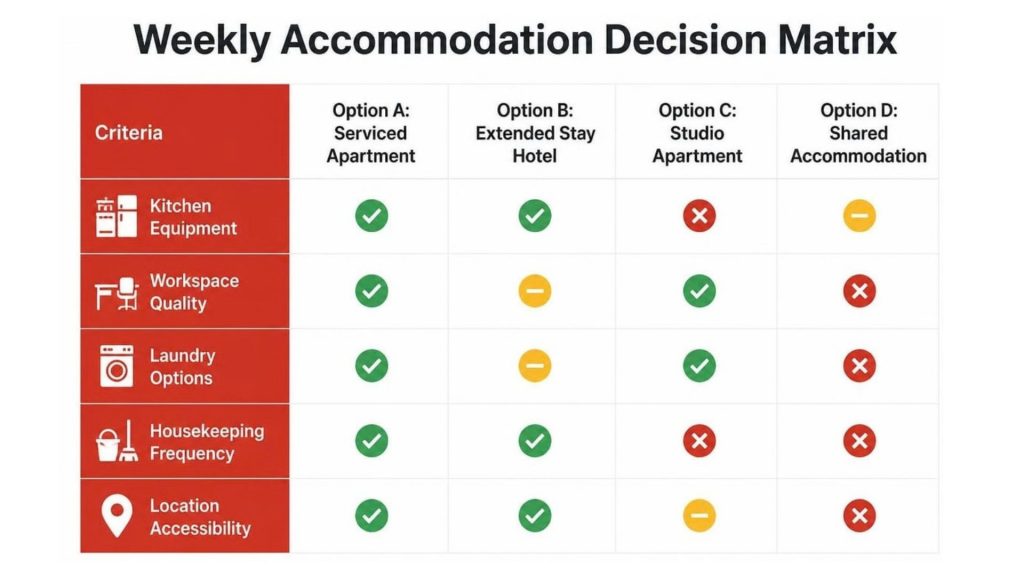
Essential Evaluation Criteria
Key assessment areas include:
- Location accessibility relative to workplace, schools, transportation, and essential services
- Apartment configuration matching group size, workspace needs, and privacy requirements
- Kitchen equipment sufficient for intended meal preparation frequency and complexity
- Lease flexibility accommodating uncertain timelines or potential stay adjustments
- Service inclusions clarifying housekeeping frequency, utilities, internet, and amenity access
- Total cost analysis comparing nightly rates, monthly packages, and additional fees
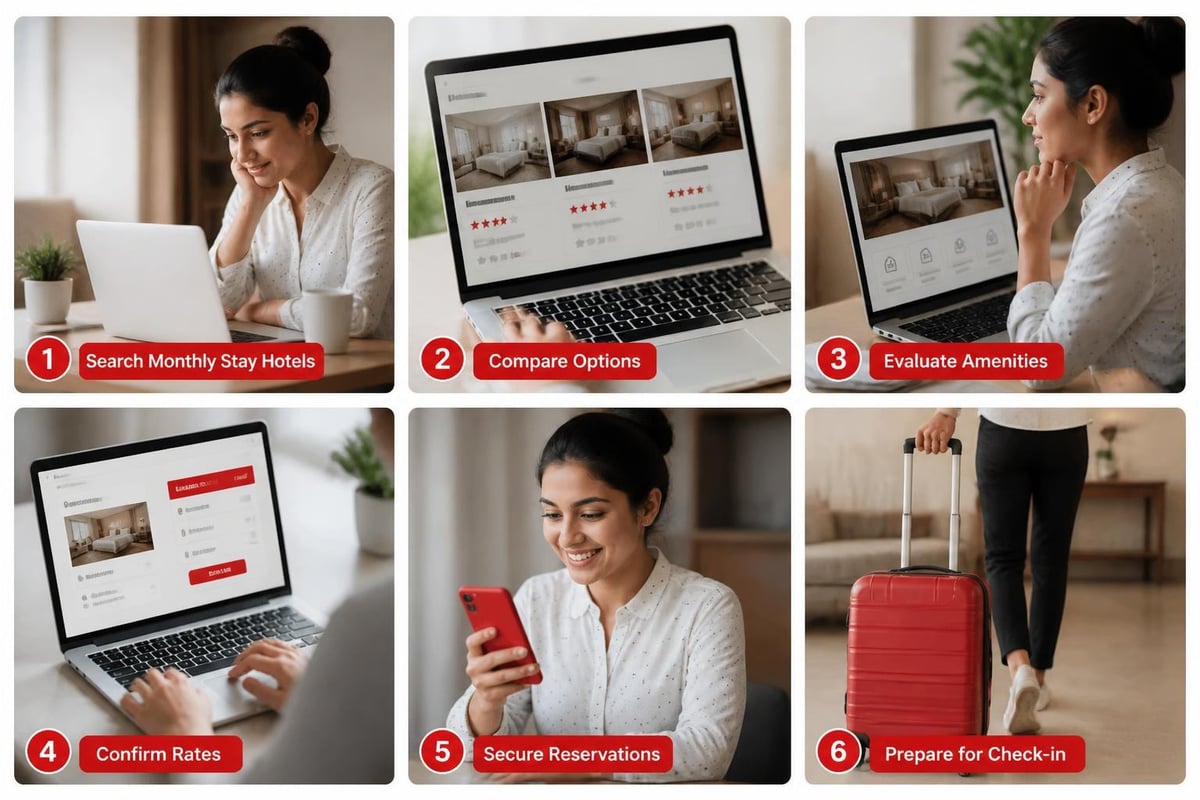
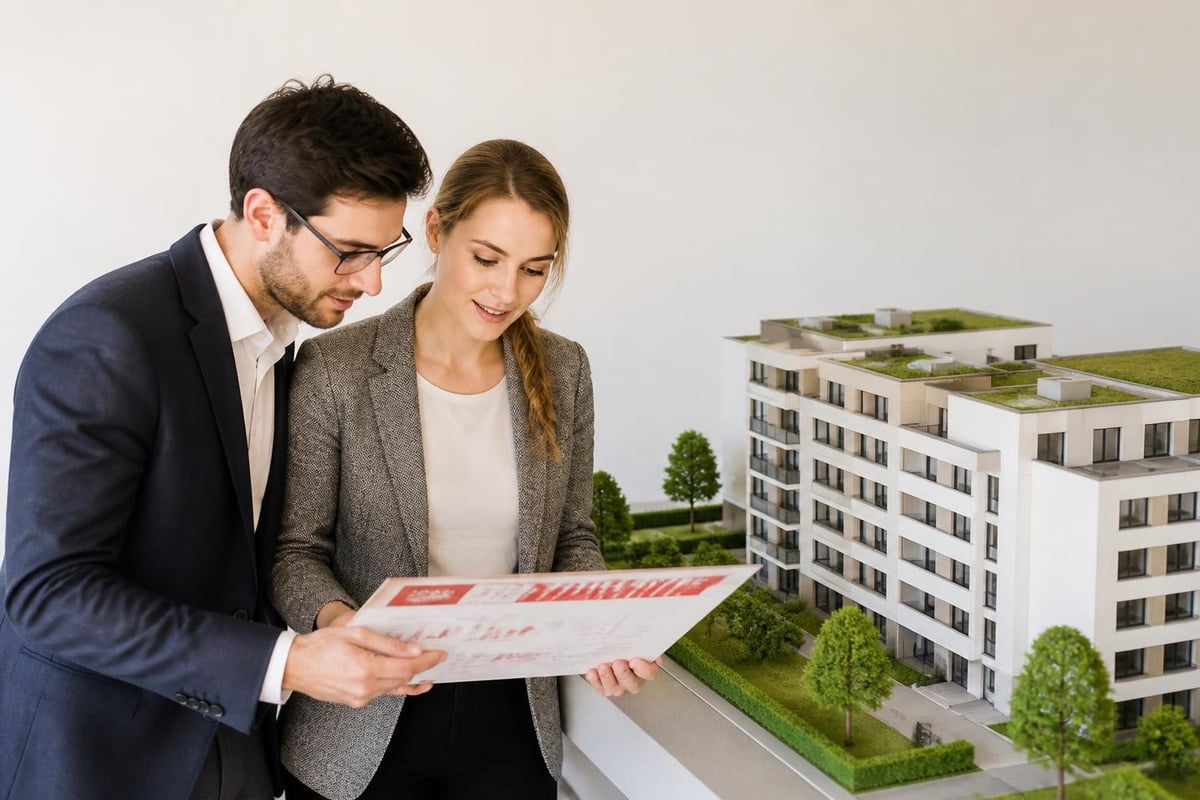
Site visits or virtual tours provide insight into apartment condition, building maintenance, neighborhood character, and actual amenities beyond marketing descriptions.
Questions for Property Management
Prospective guests should inquire about:
- Utility cost inclusions and any consumption caps or surcharges
- Parking availability, costs, and reservation requirements
- Guest policies for visitors, events, and additional occupants
- Housekeeping schedules, customization options, and linen replacement frequency
- Early termination policies and deposit refund procedures
- Maintenance response times and emergency contact protocols
Clear understanding of policies and procedures prevents misunderstandings and ensures the property meets specific needs.
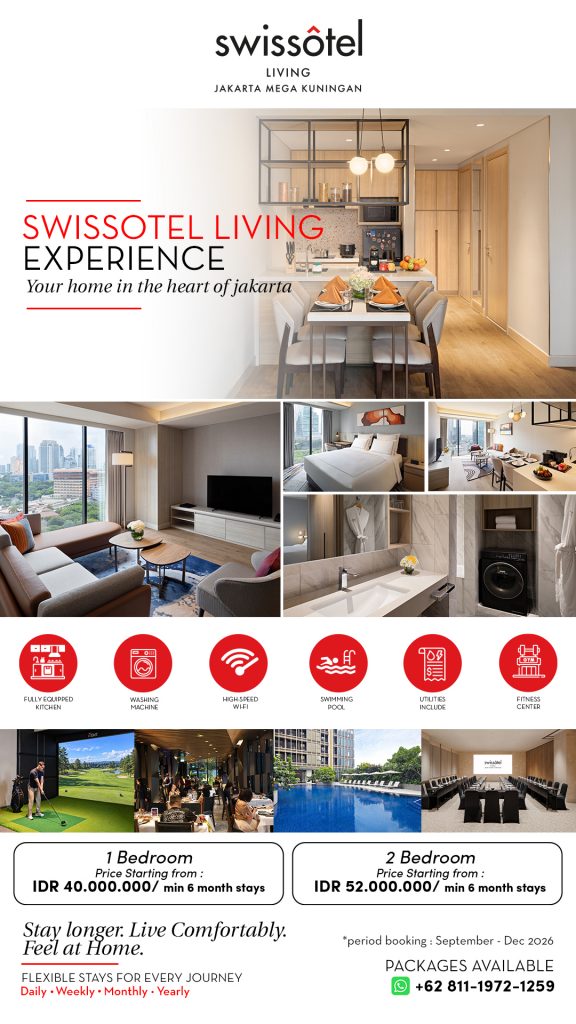
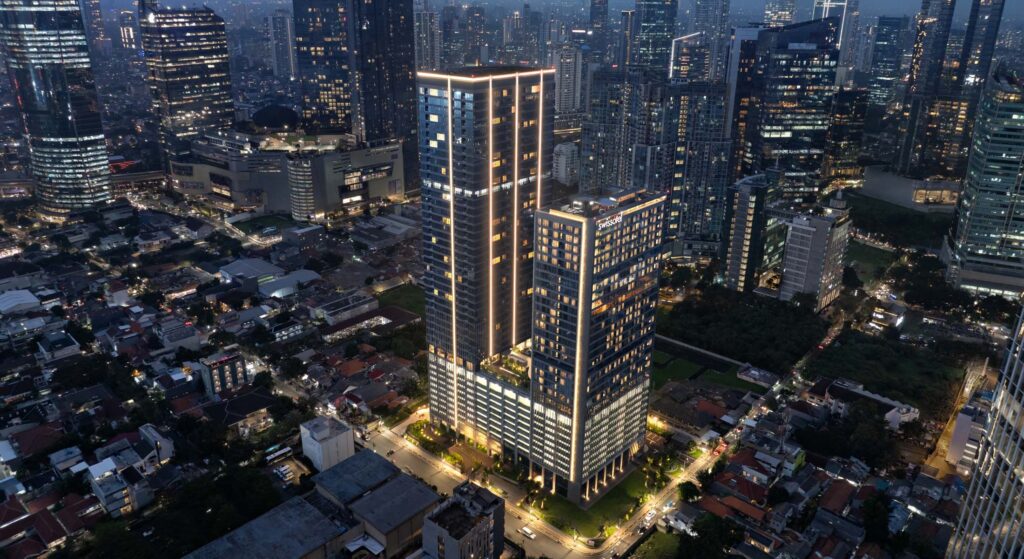
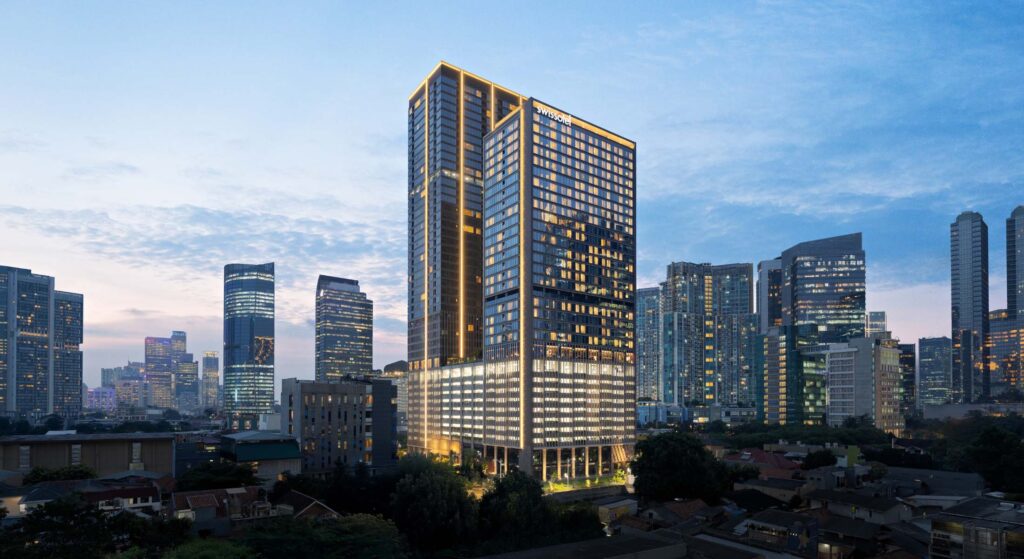
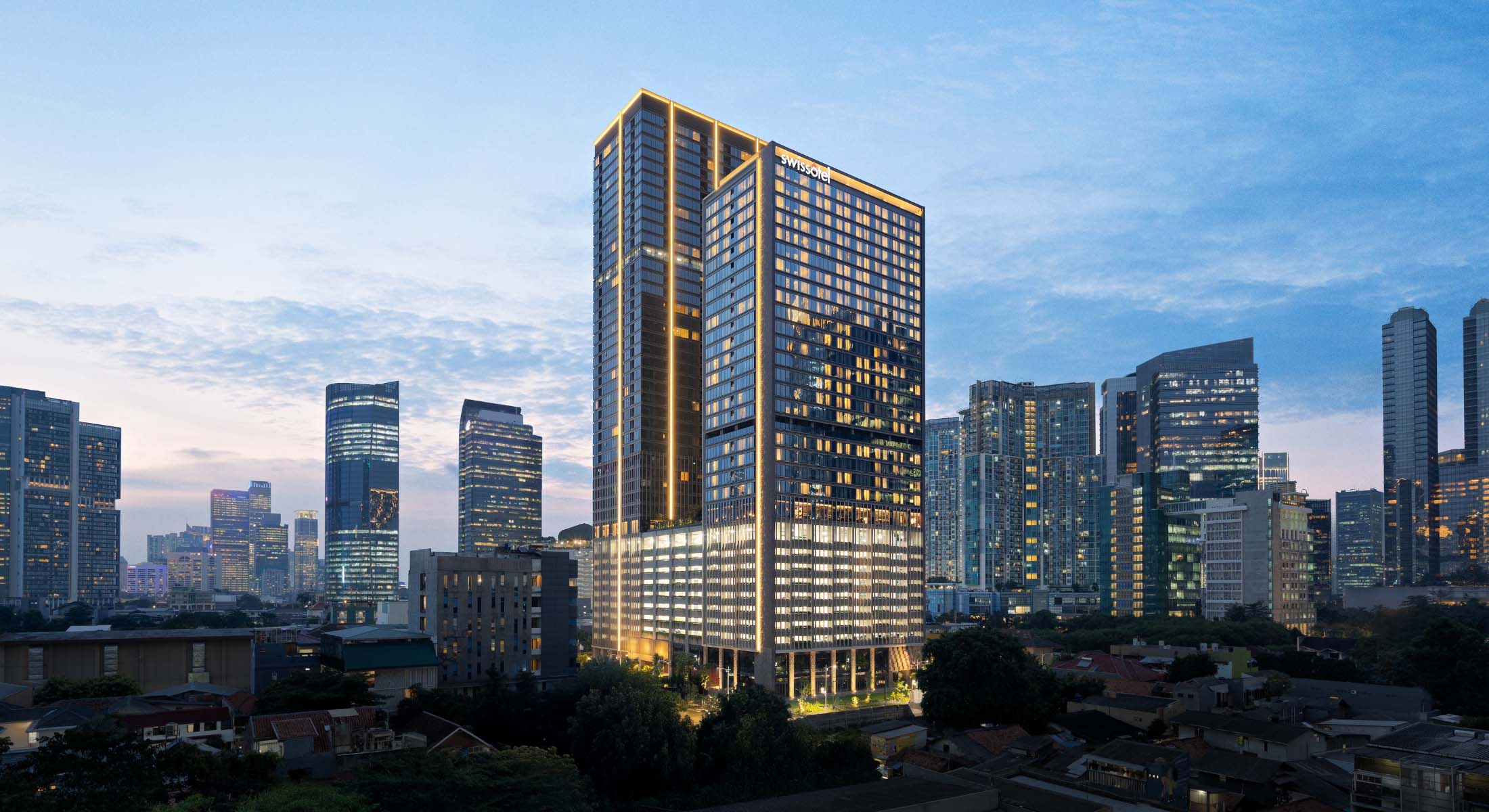
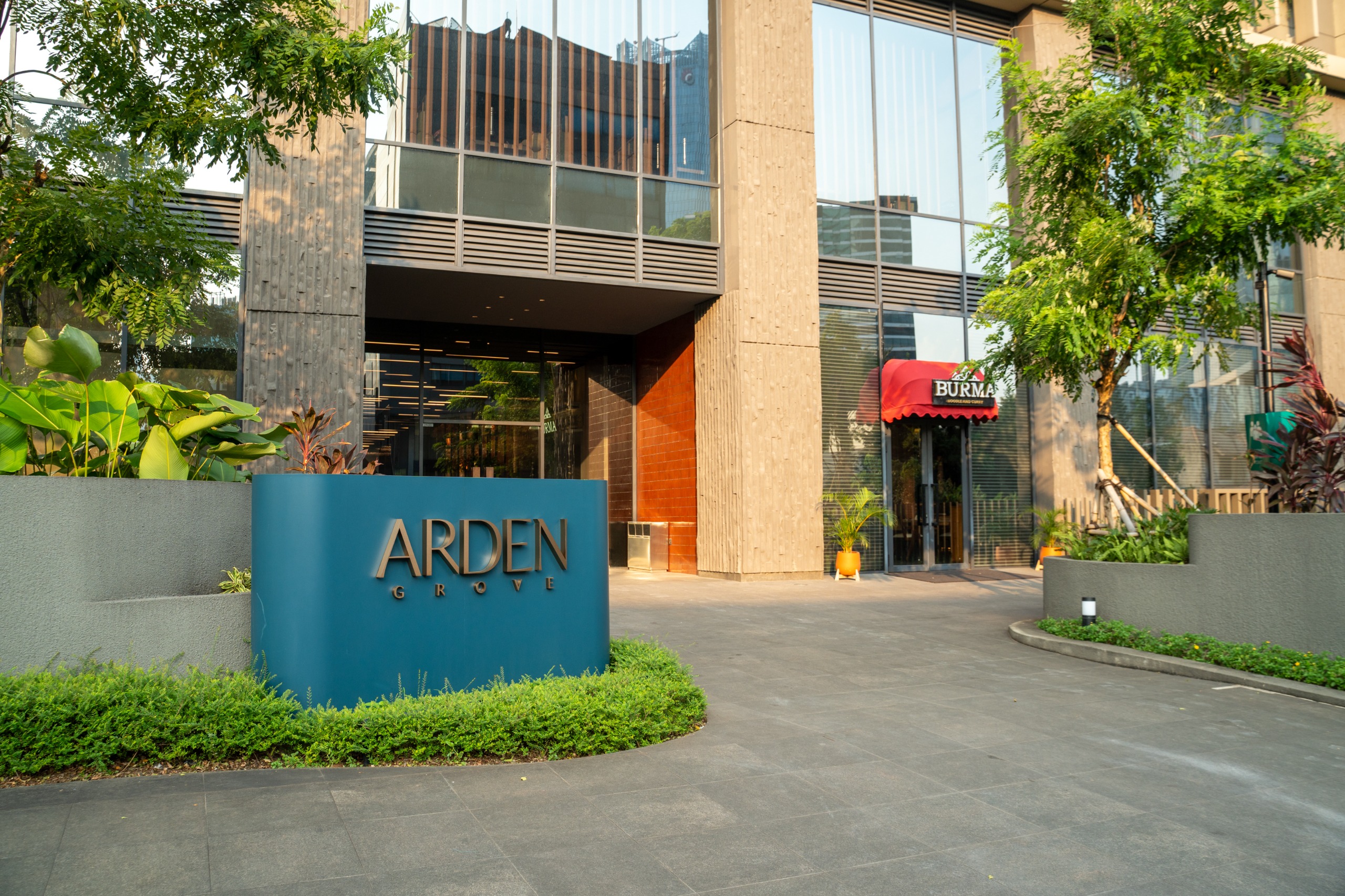
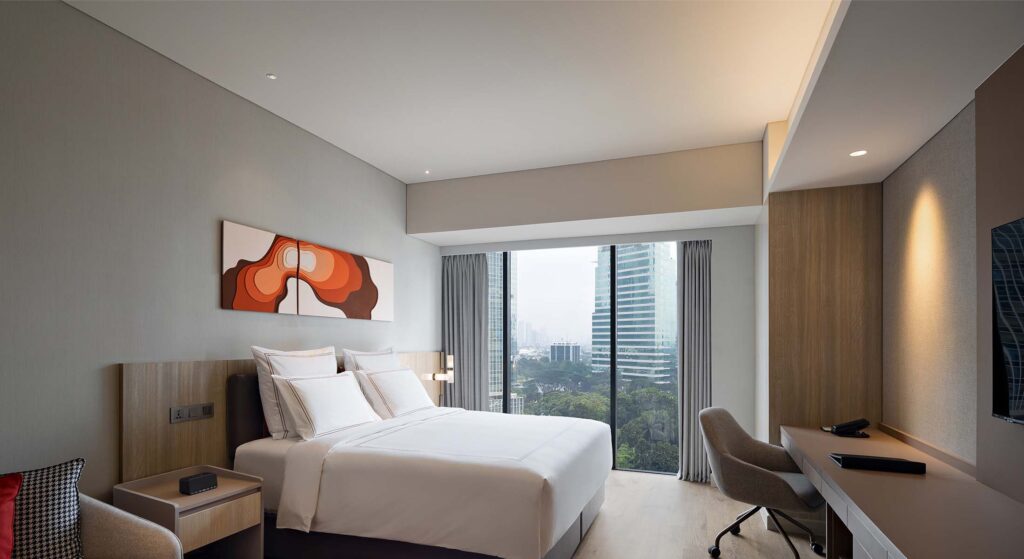
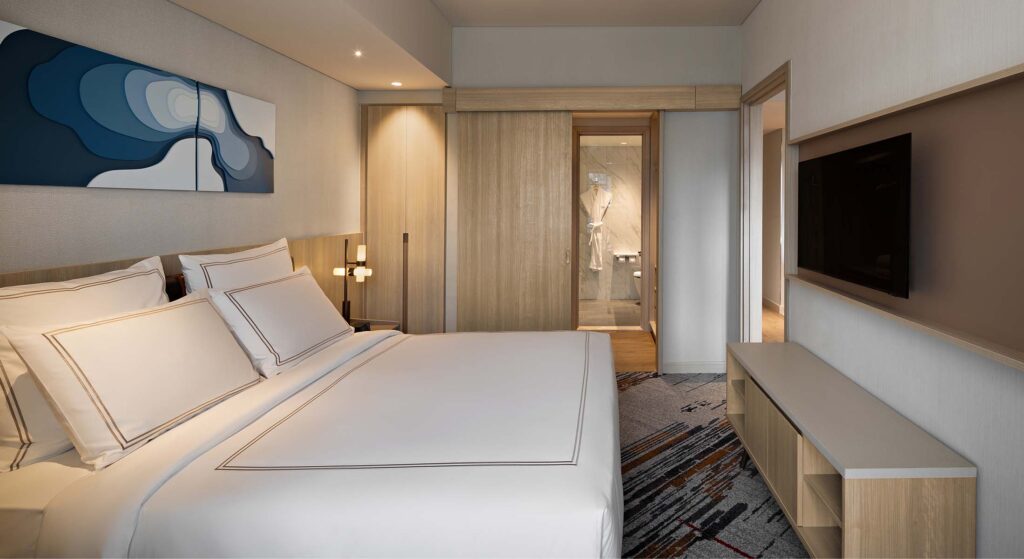
Extended living hotels provide sophisticated solutions for modern accommodation needs, blending residential comfort with professional hospitality services. The sector’s growth reflects fundamental changes in how people work, travel, and approach temporary housing in an increasingly flexible and mobile world. Whether you’re relocating for a corporate assignment, seeking transitional housing while settling in Jakarta, or requiring extended project accommodation, Swissôtel Living Jakarta Mega Kuningan offers 240 fully furnished serviced apartments in Mega Kuningan’s central business district. With studio through three-bedroom configurations, daily to yearly lease terms, and comprehensive hotel services combined with home-style living, the property delivers the flexibility and comfort that define exceptional extended-stay experiences.





































 Should You Choose an Extended-Stay Hotel or Serviced Apartment in Jakarta for a Business Trip?