
Extended Stay Accommodation: A Complete Guide for 2026
Travelers today need more than a traditional hotel room when staying weeks, months, or years in a new city. Extended stay accommodation has emerged as the solution that bridges the gap between transient lodging and permanent housing, offering fully furnished residences with the flexibility of hotel services. This shift reflects changing work patterns, international assignments, and the growing demand for spaces that feel like home while providing professional support and amenities.
Understanding Extended Stay Accommodation
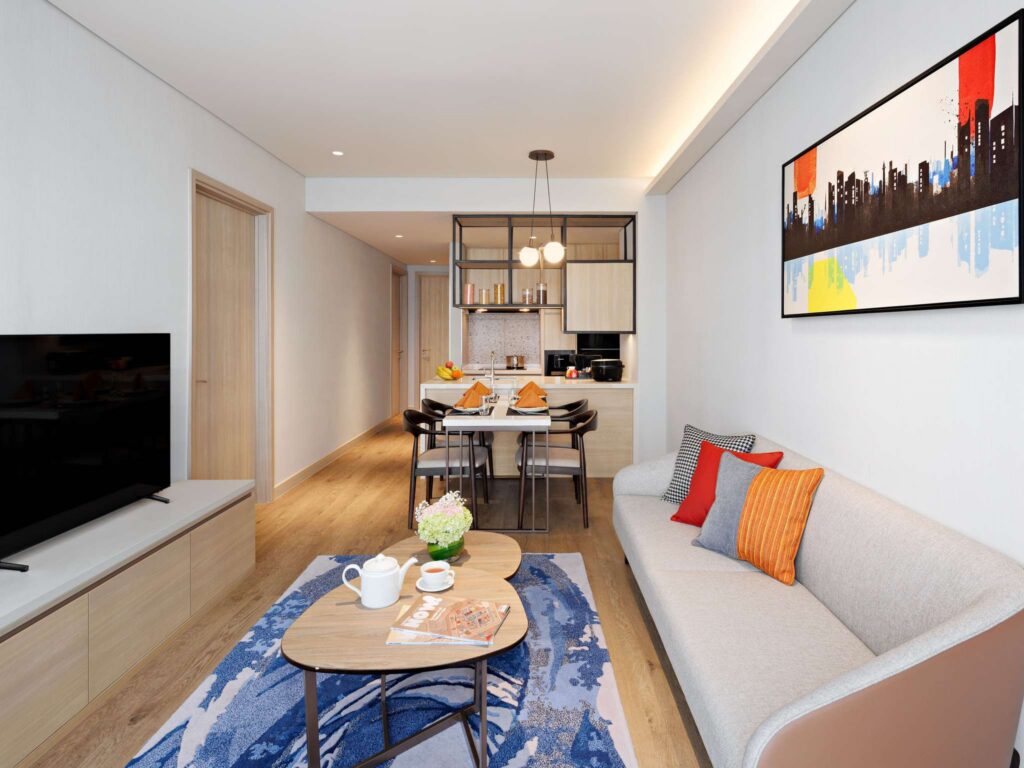
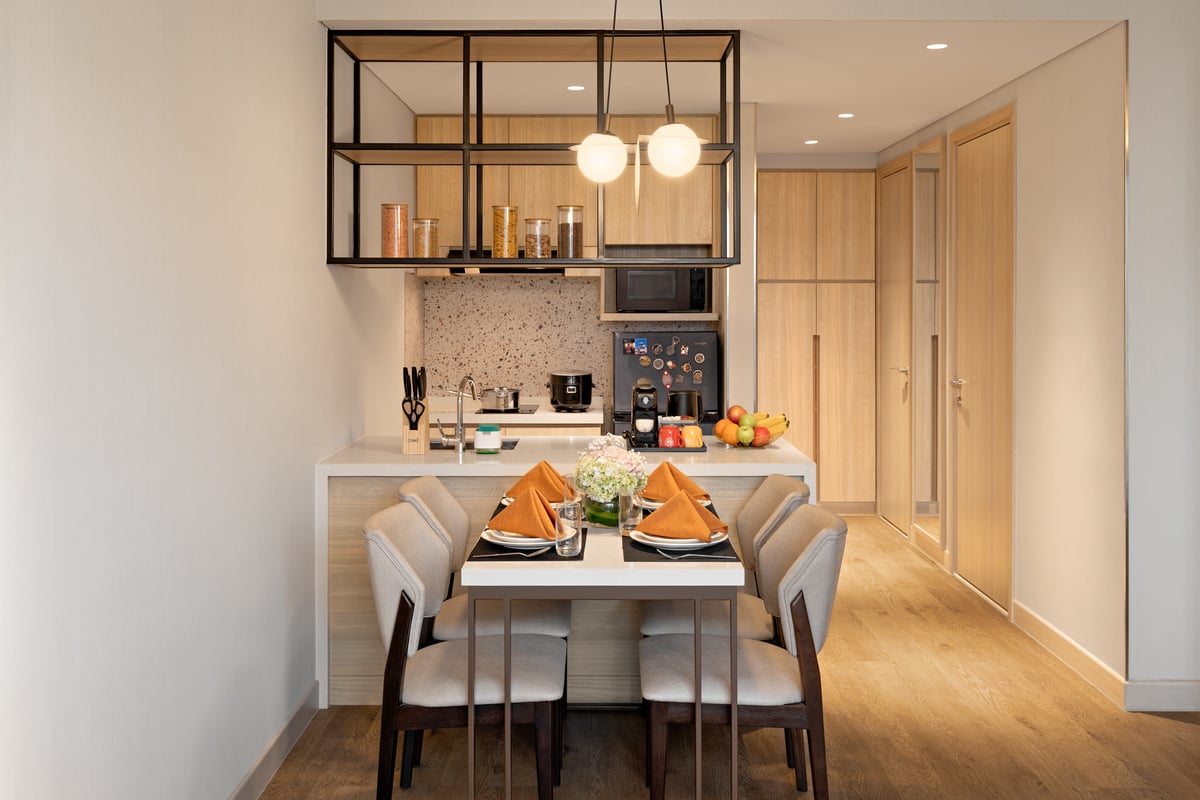
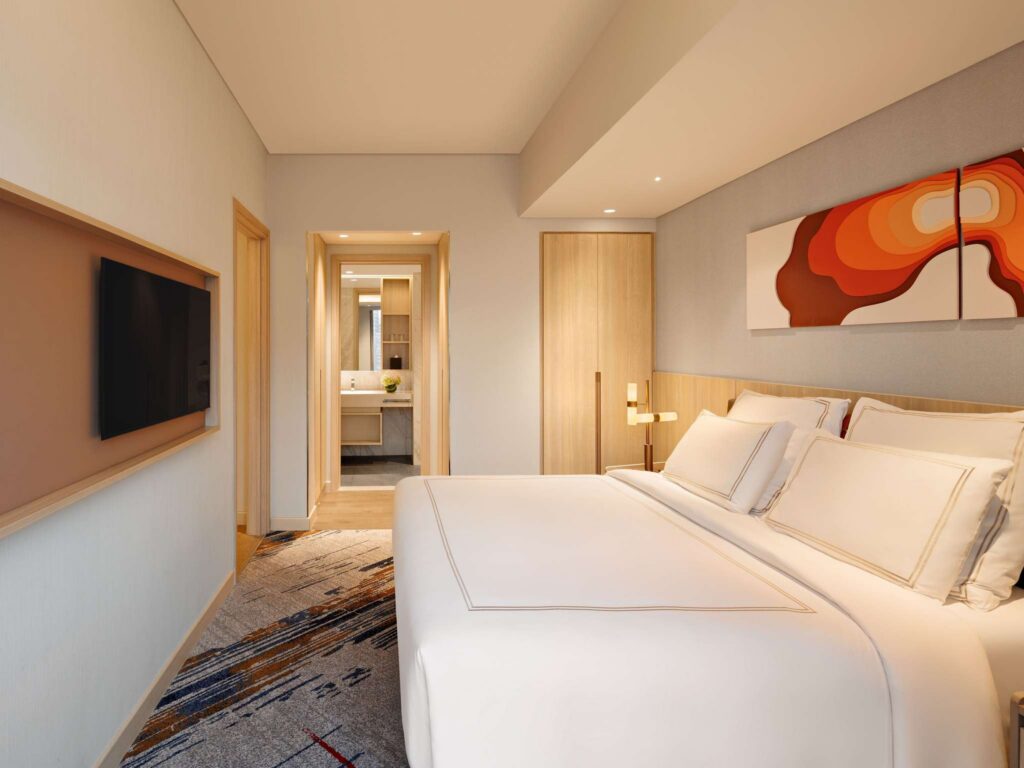
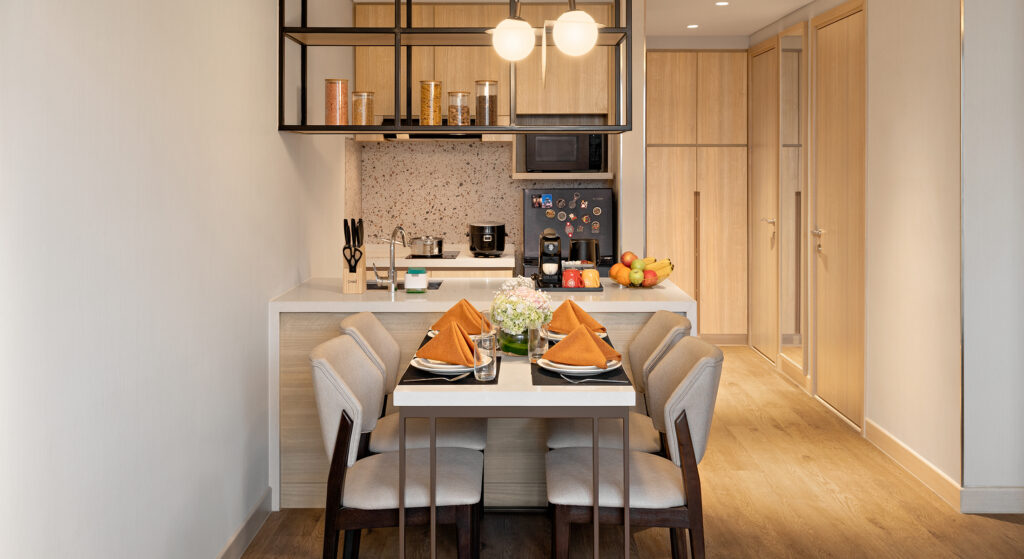
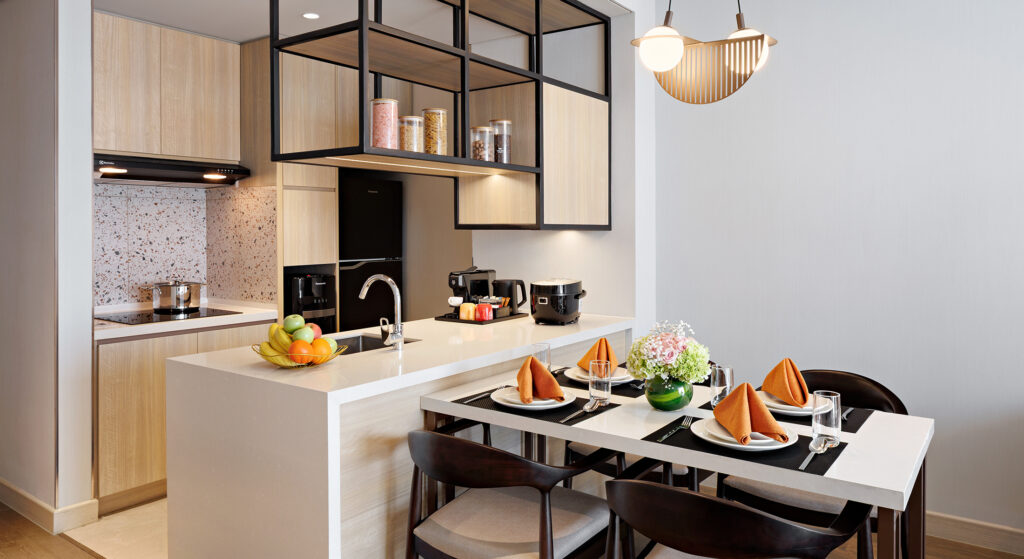
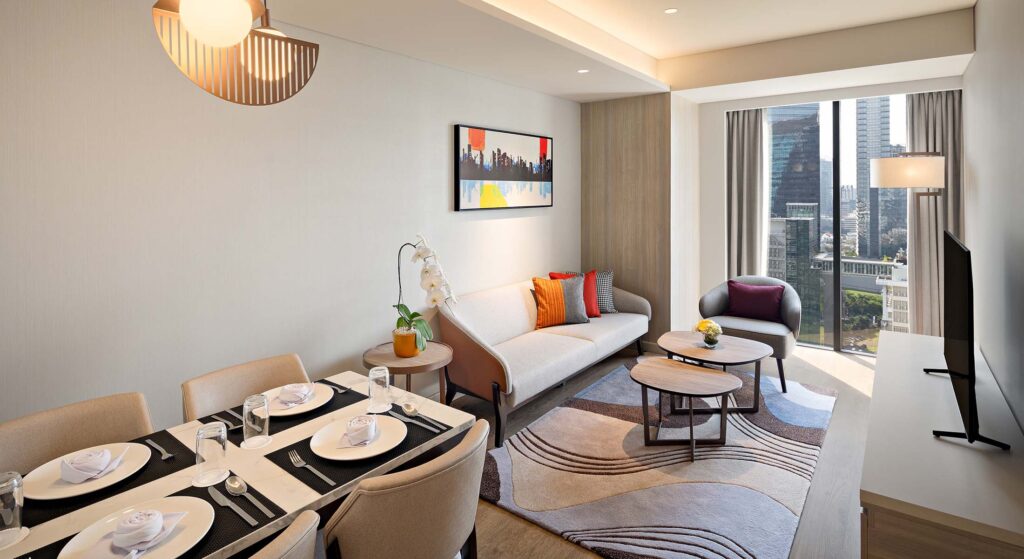
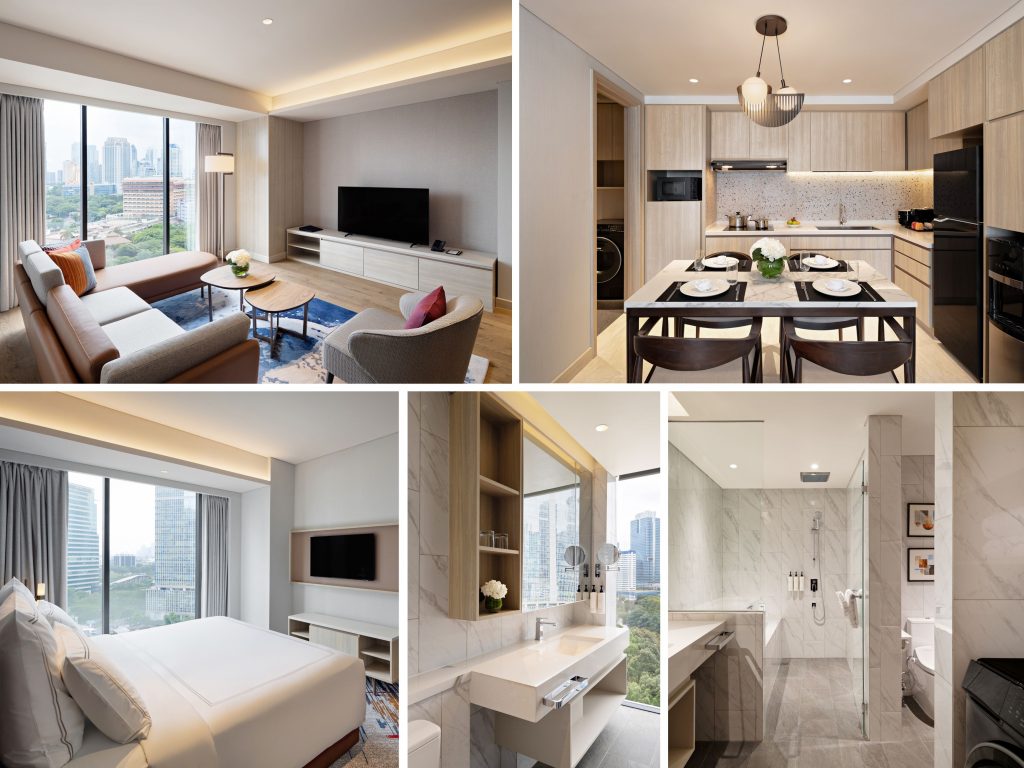
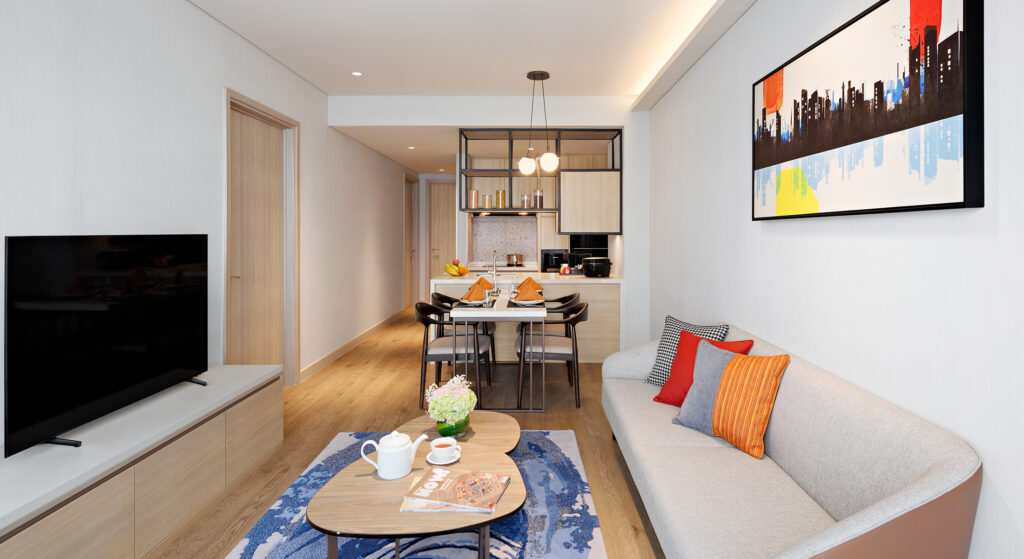
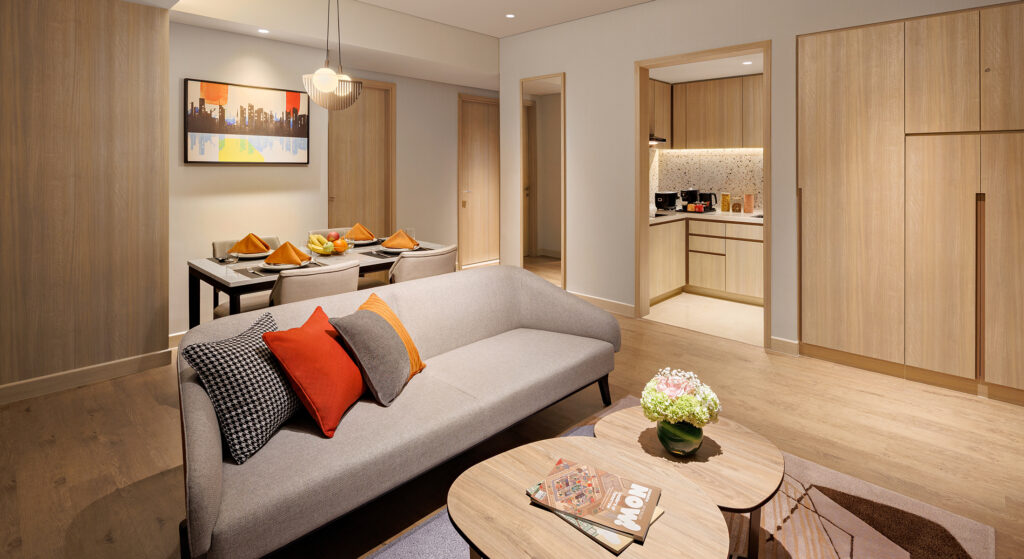
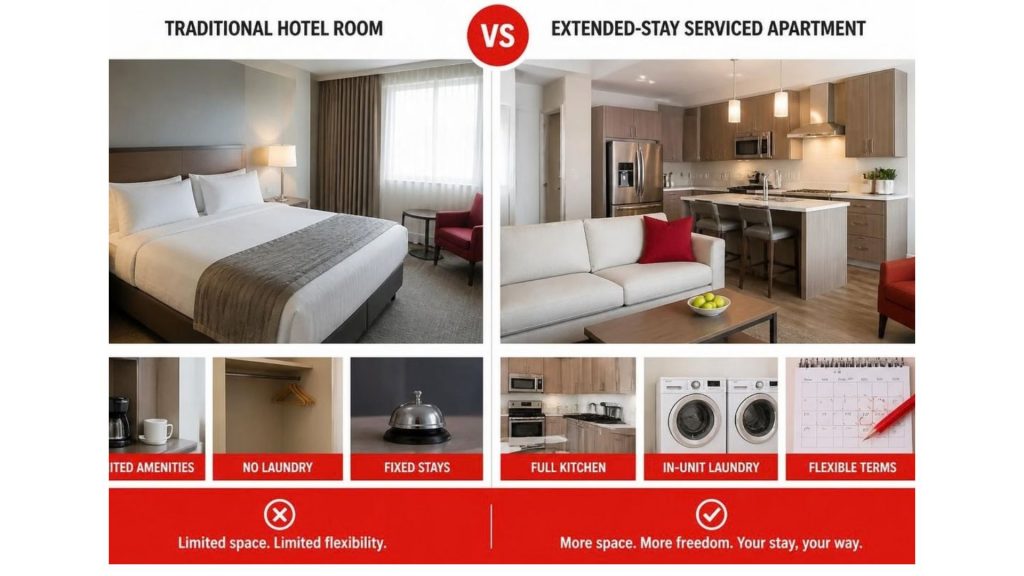
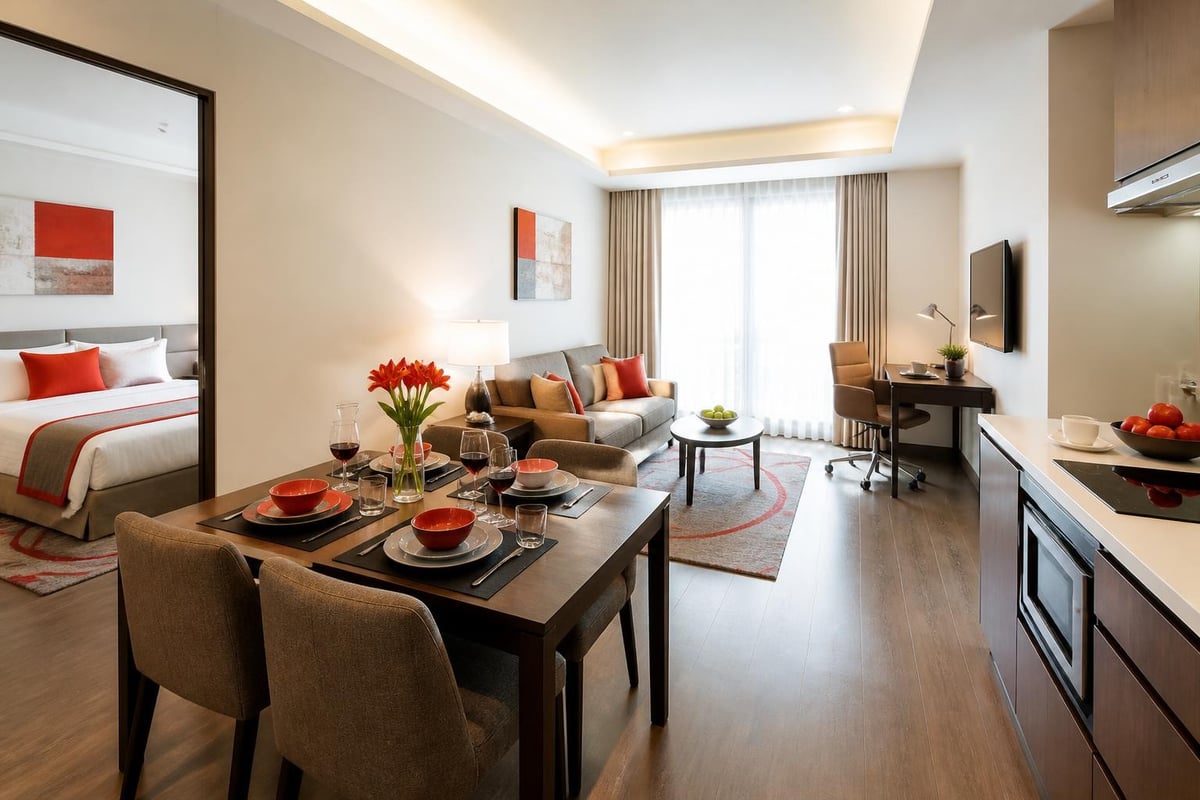
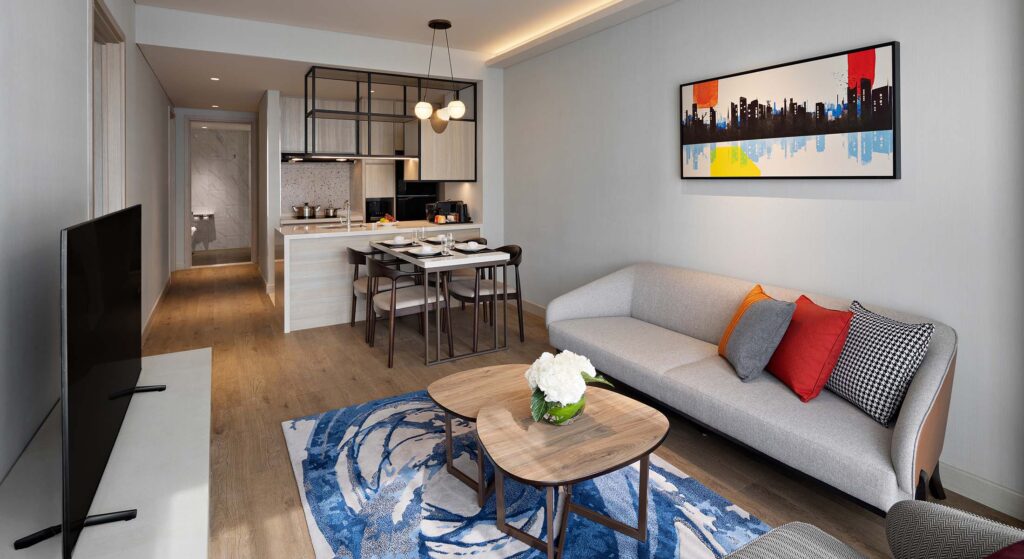
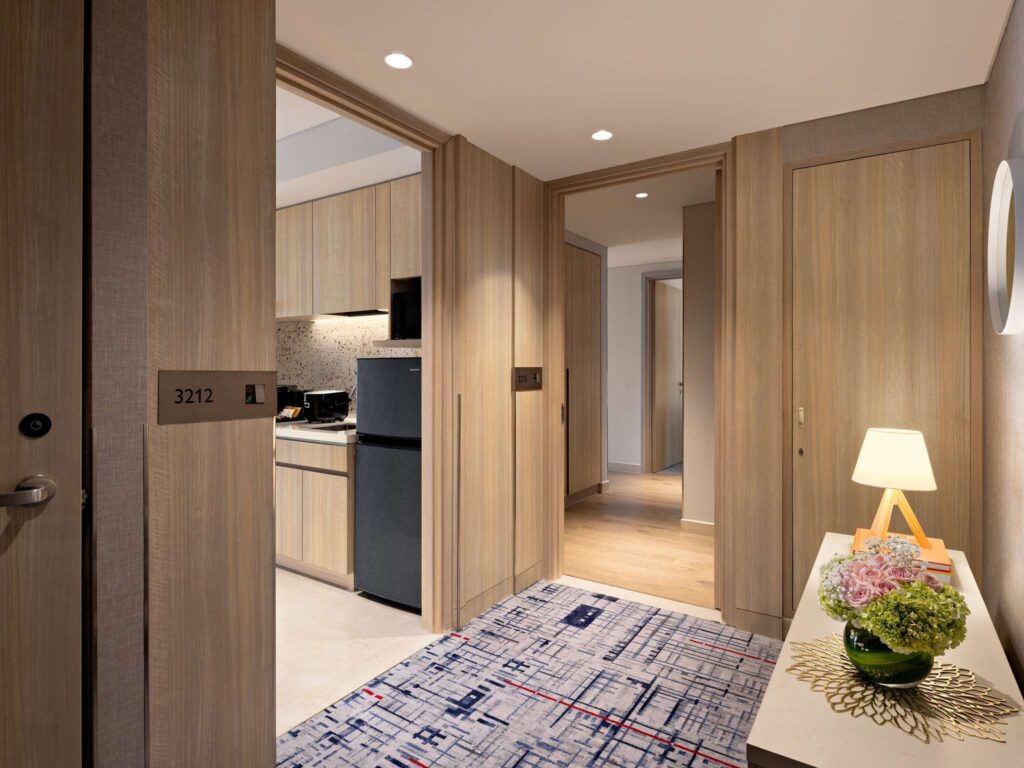
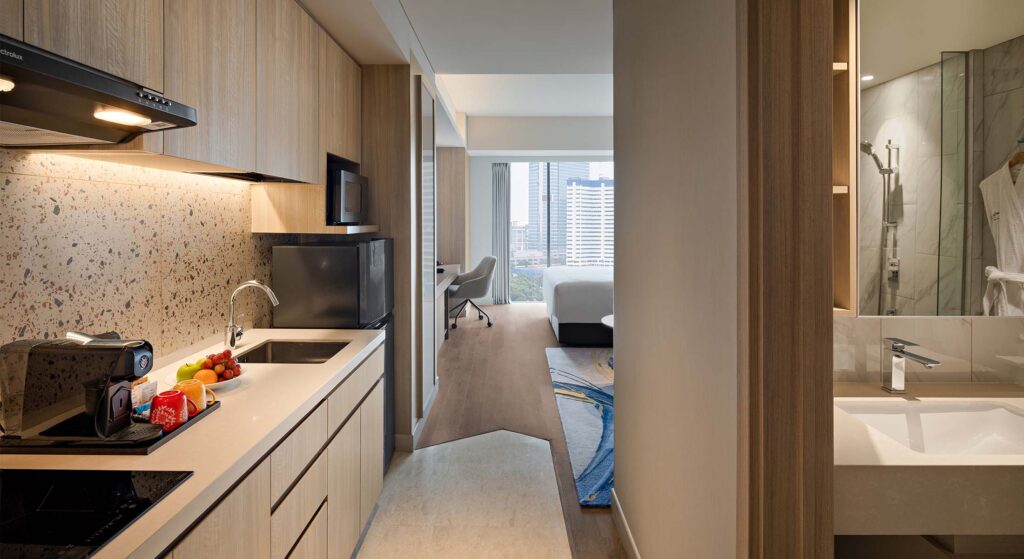
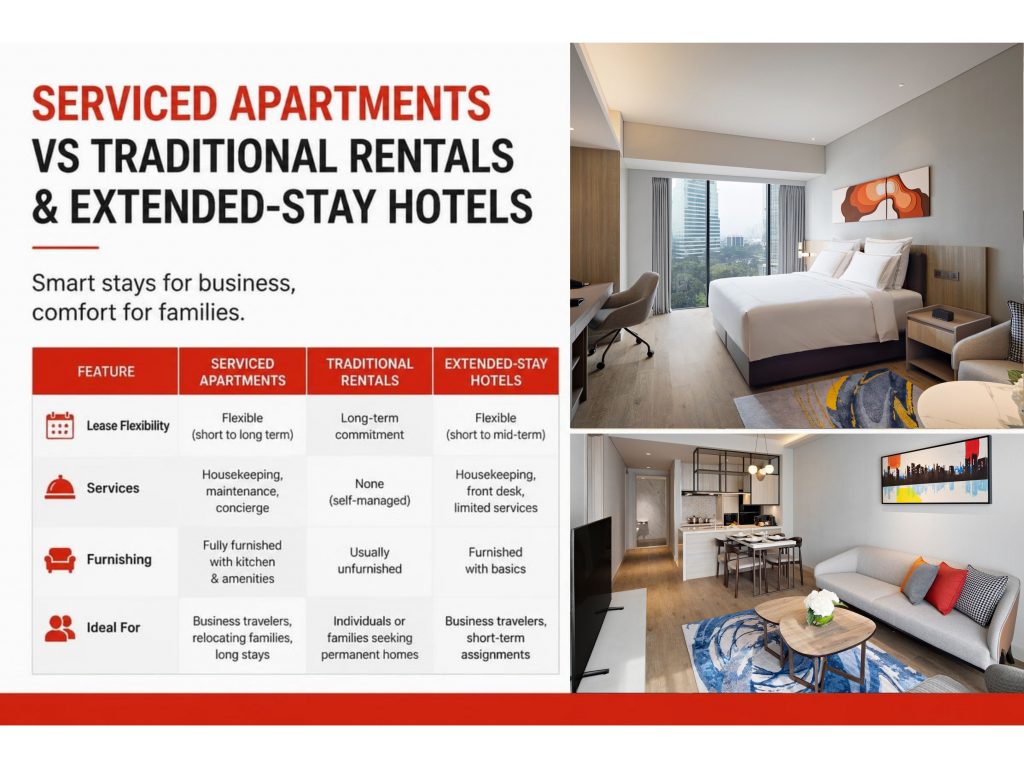
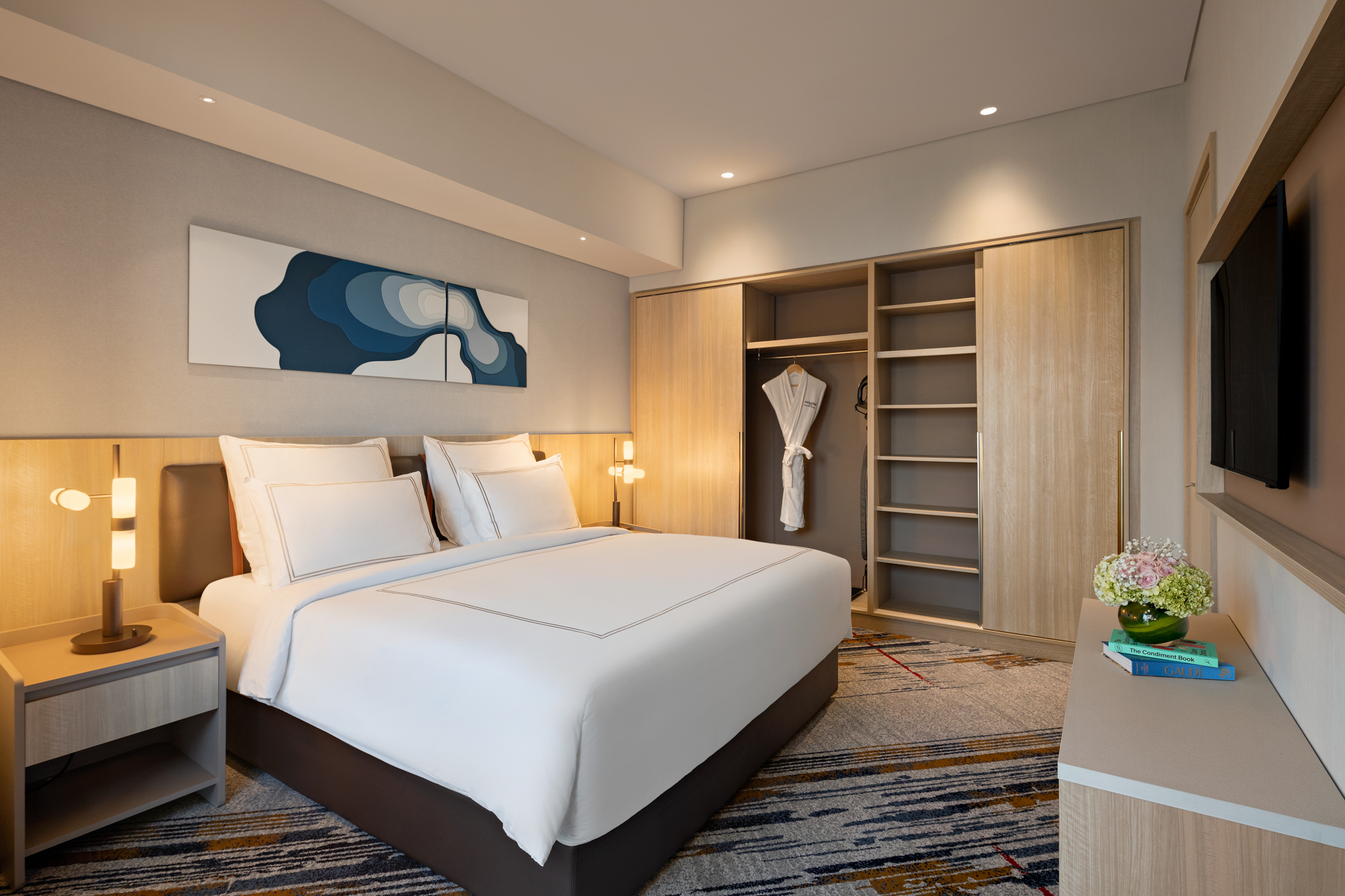
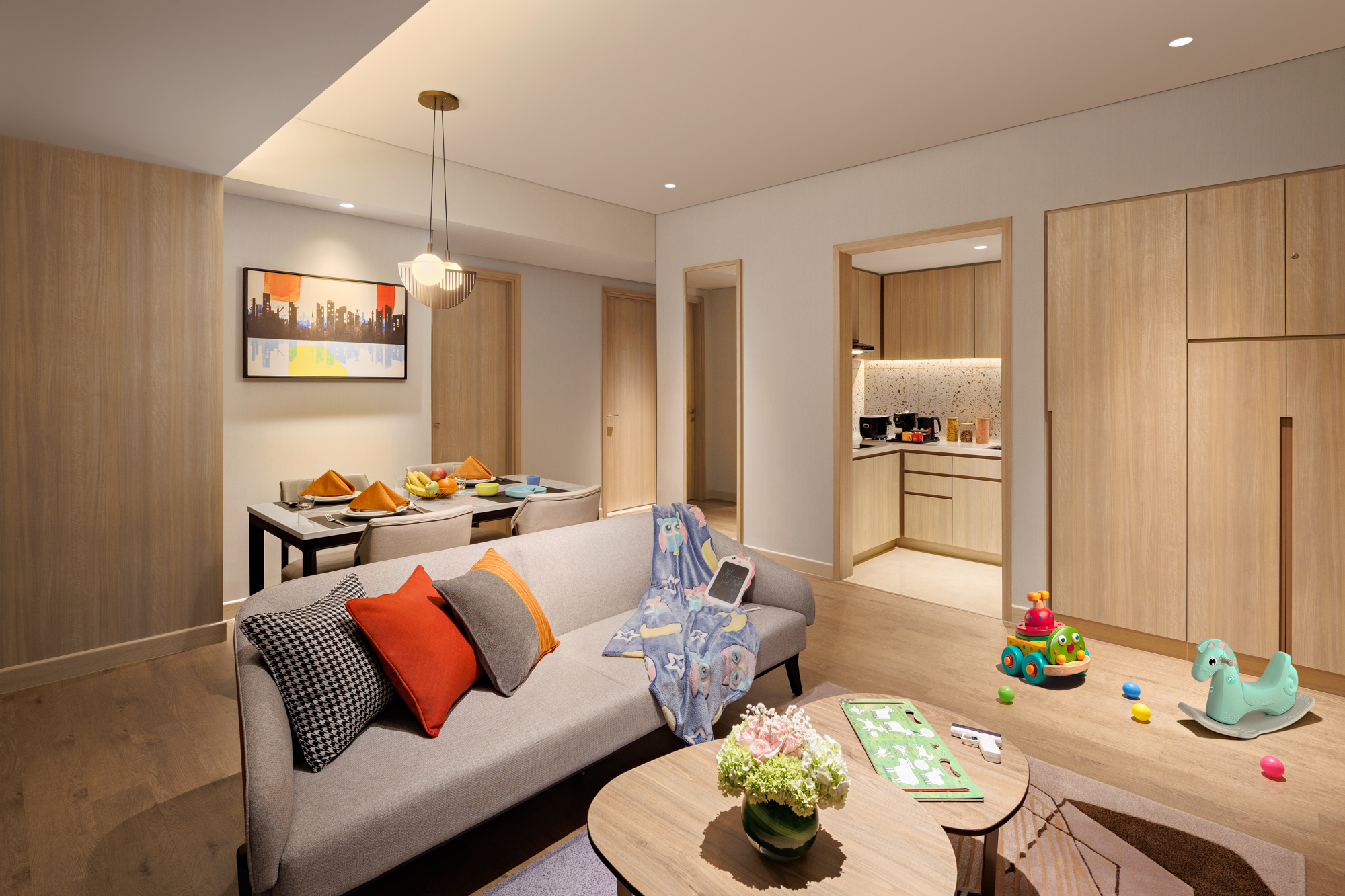
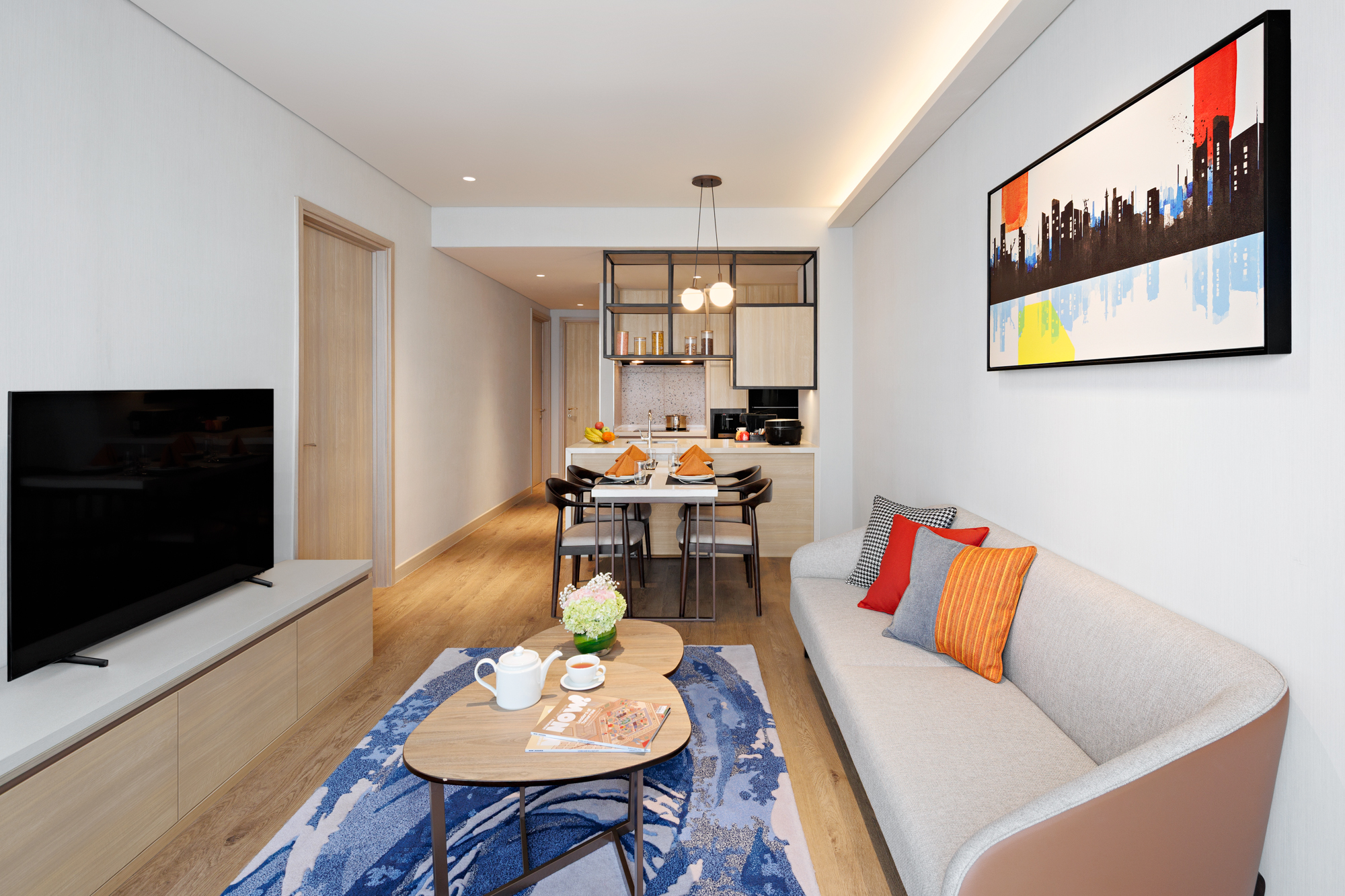
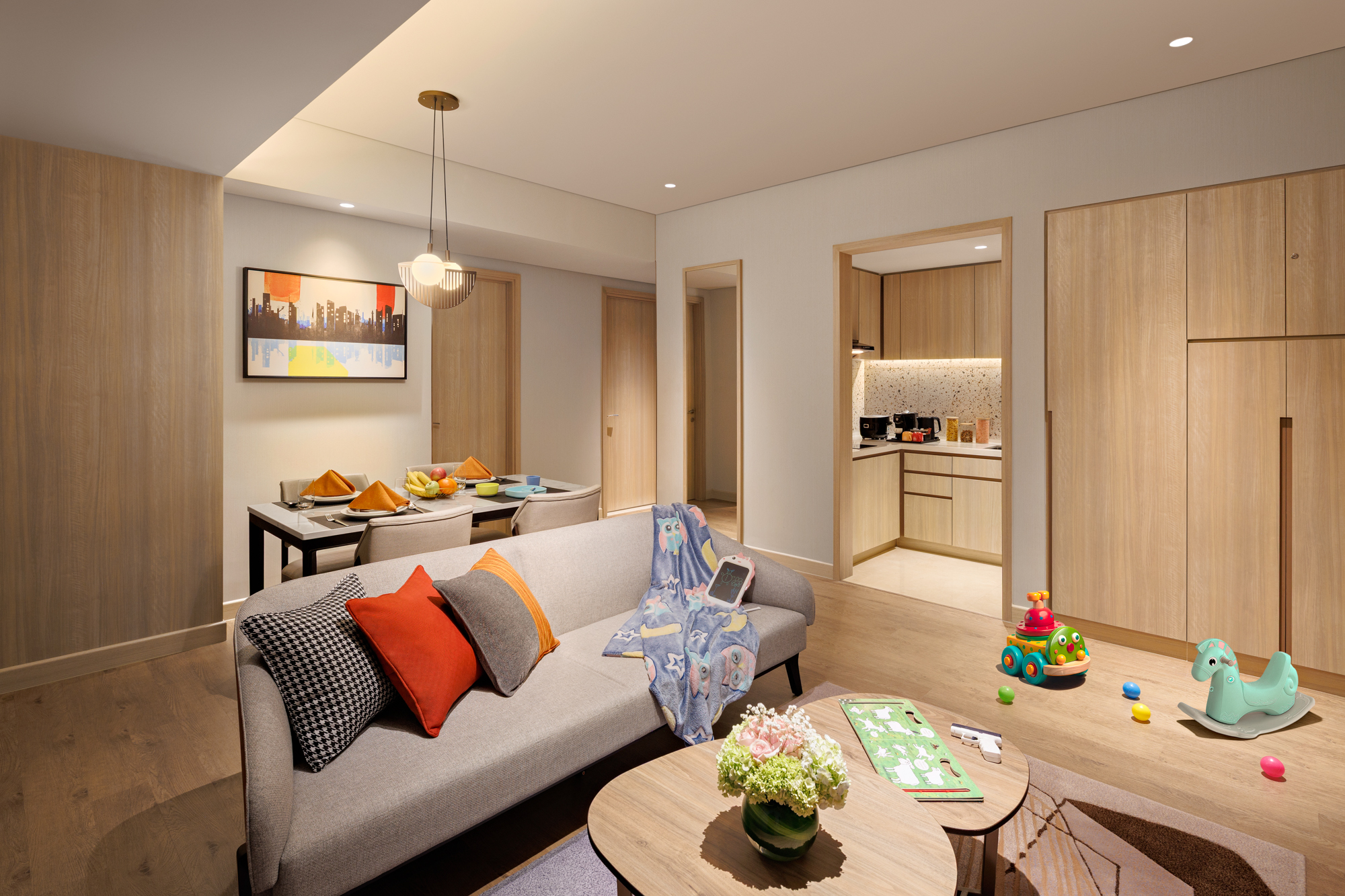
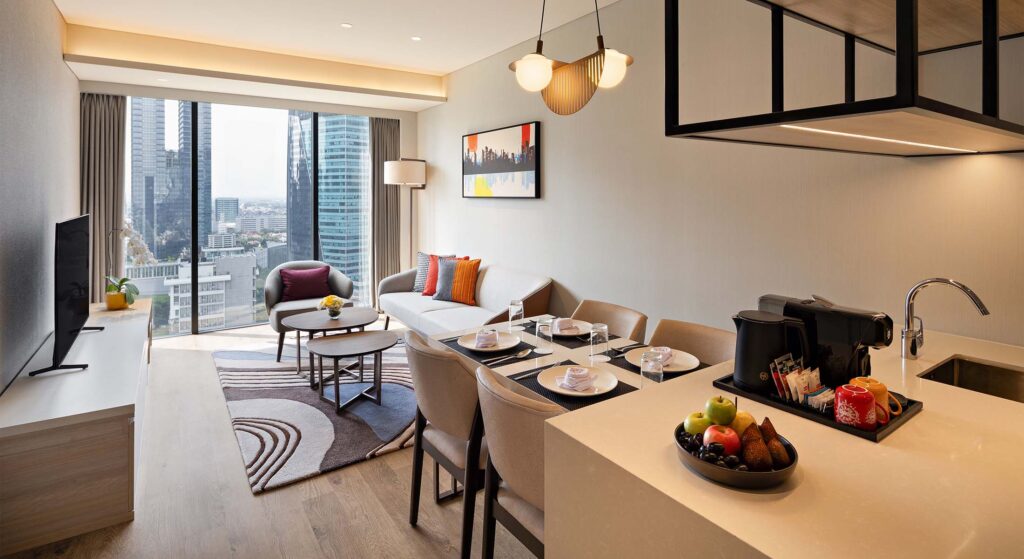
Extended stay accommodation refers to fully furnished residences designed for guests staying longer than a typical vacation or business trip. These properties provide complete living spaces with kitchens, separate sleeping and living areas, and home-style amenities while maintaining hotel-like services such as housekeeping, concierge, and security.
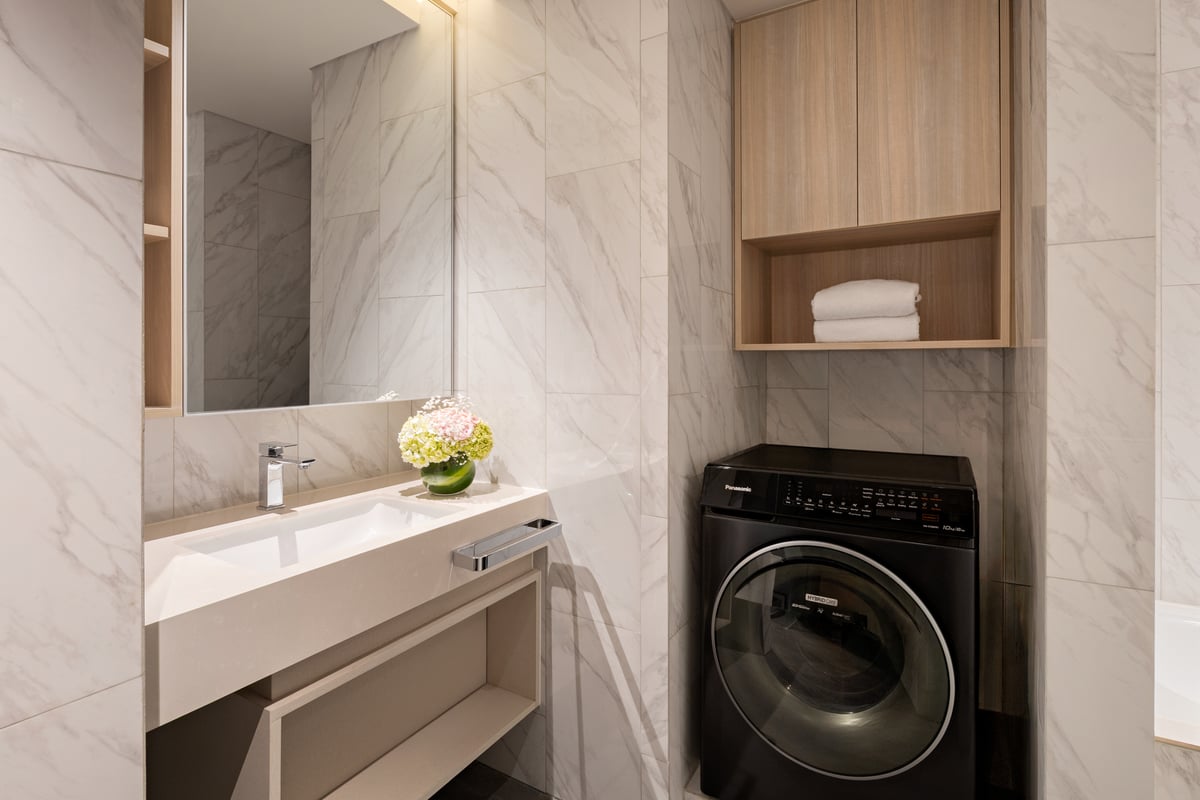
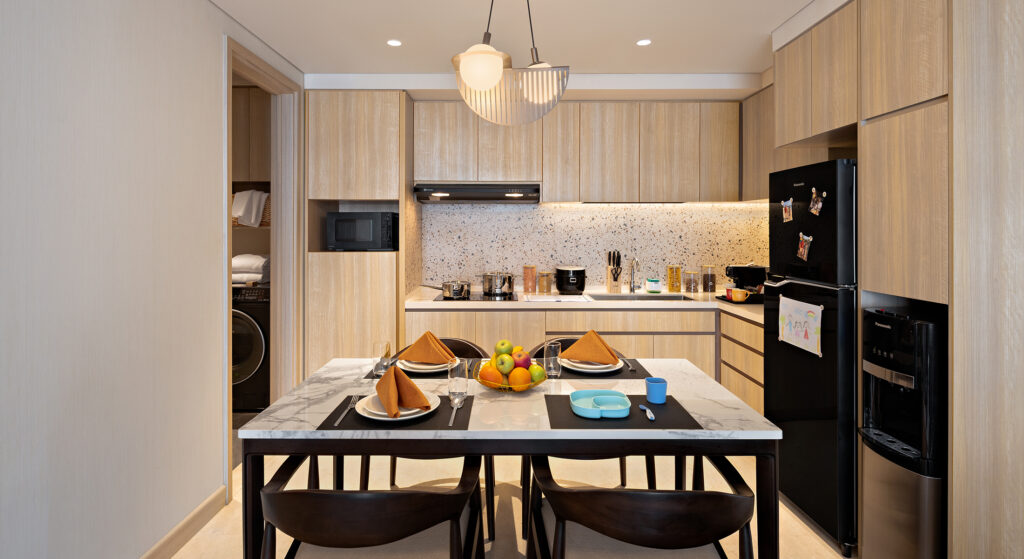
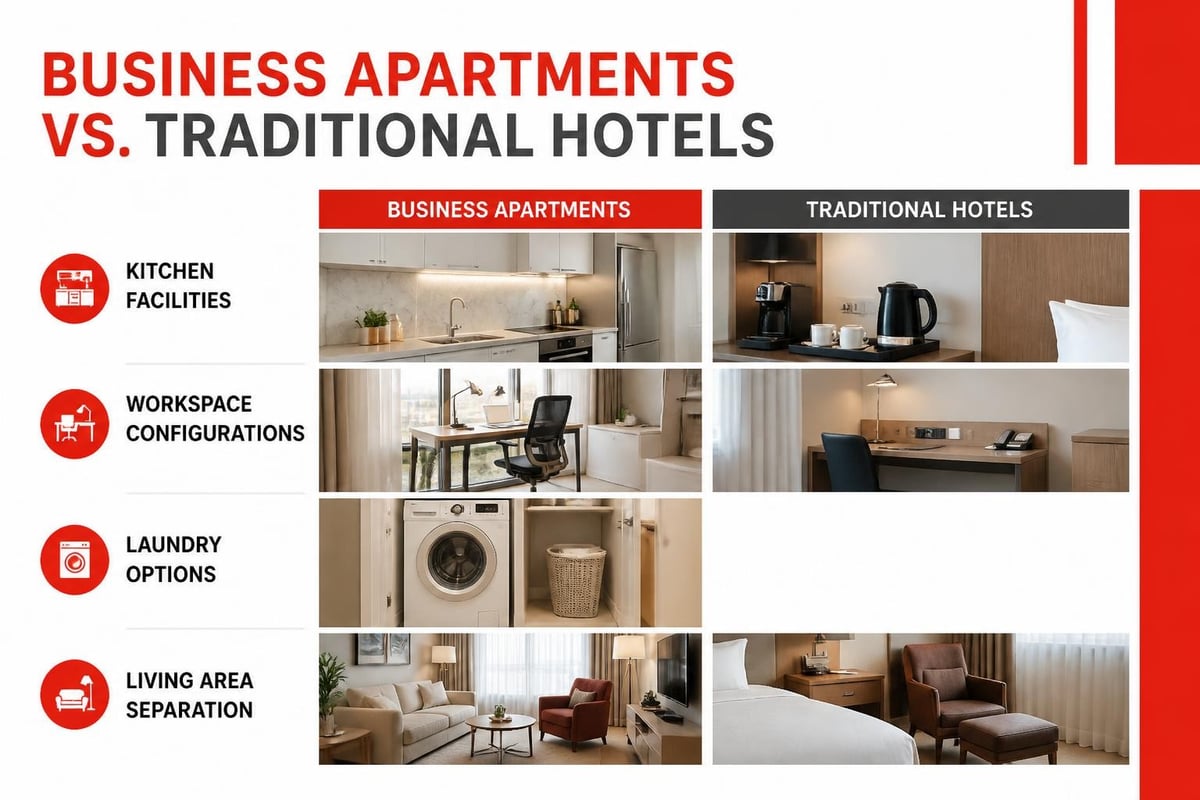
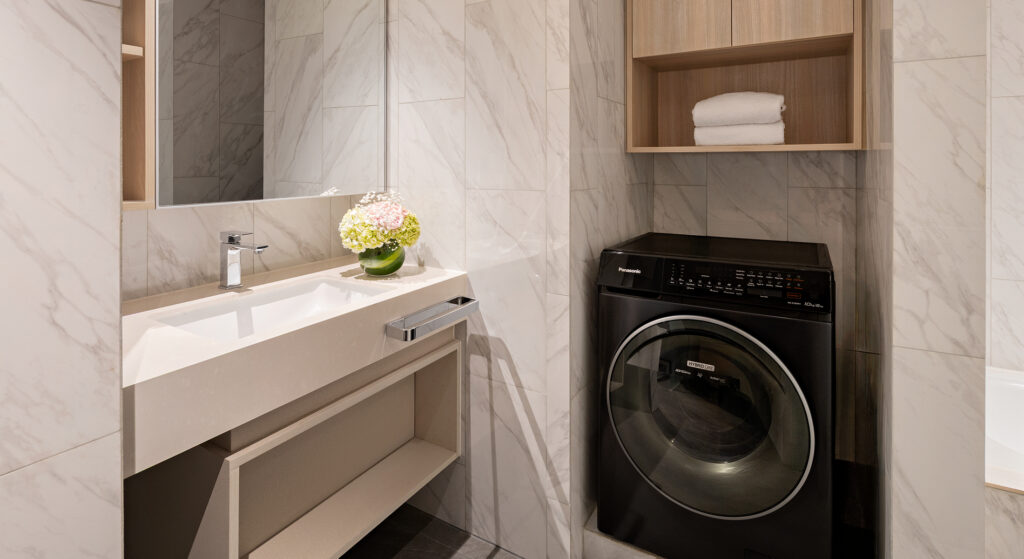
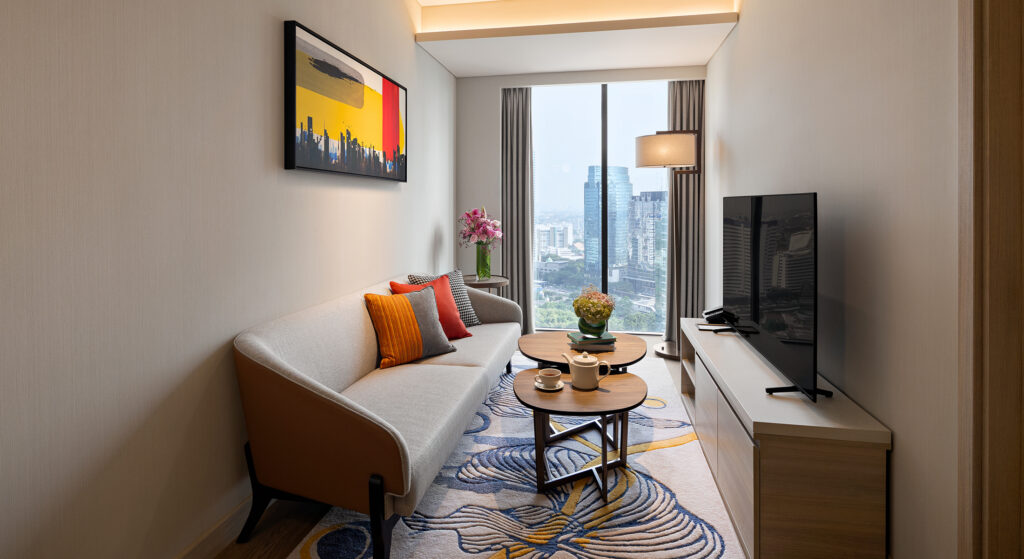
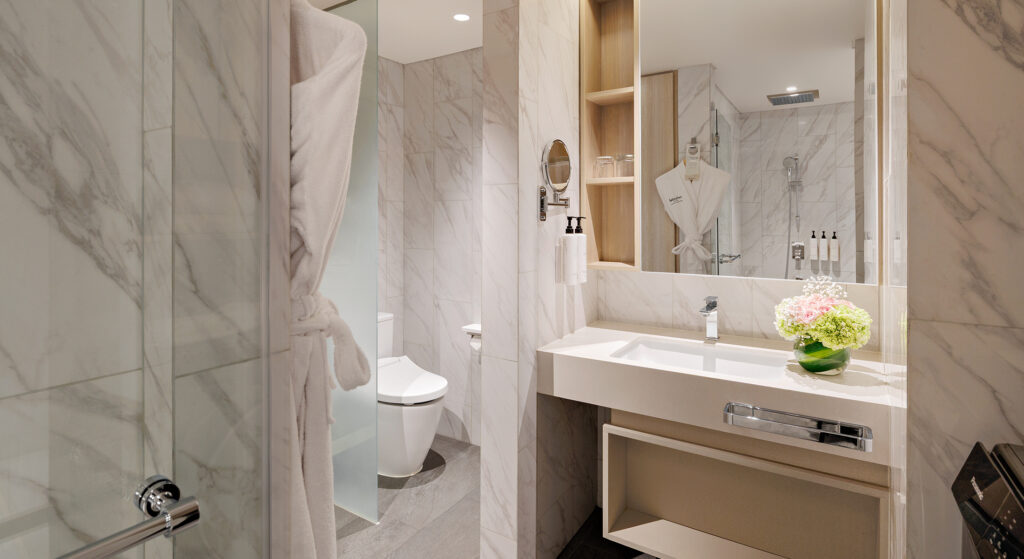
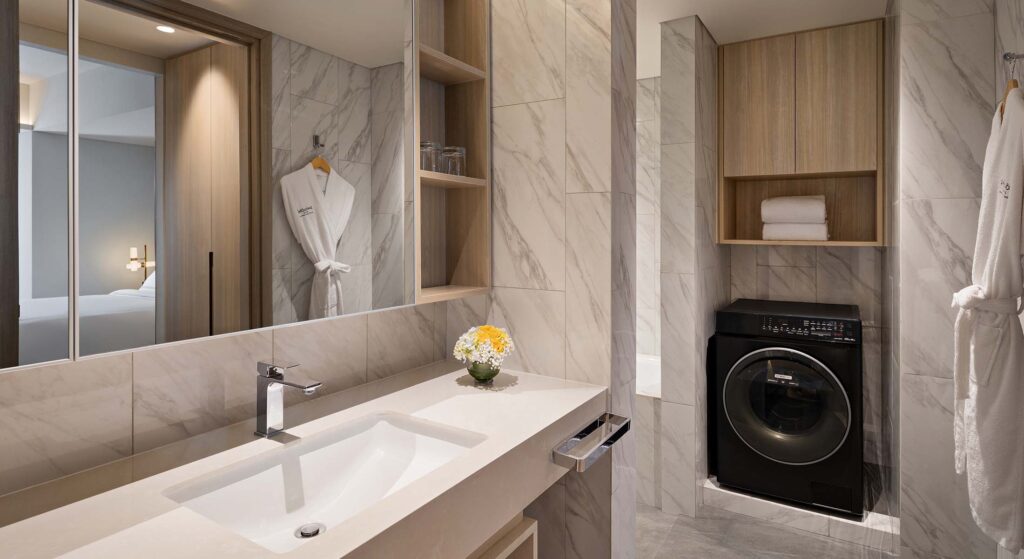
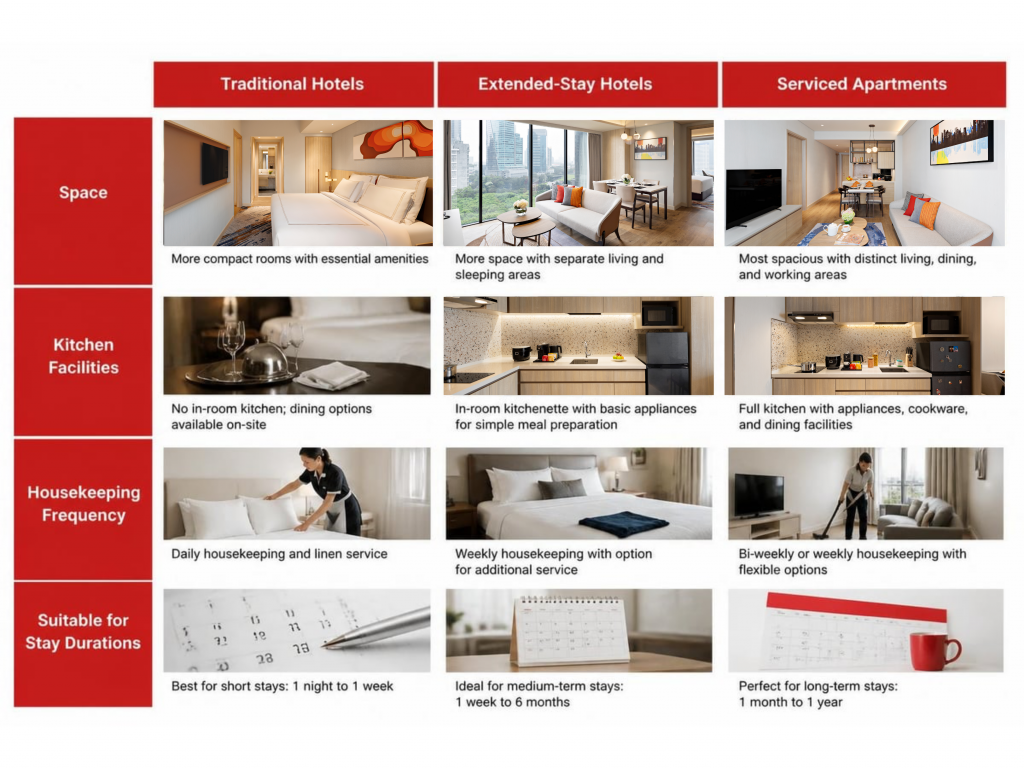
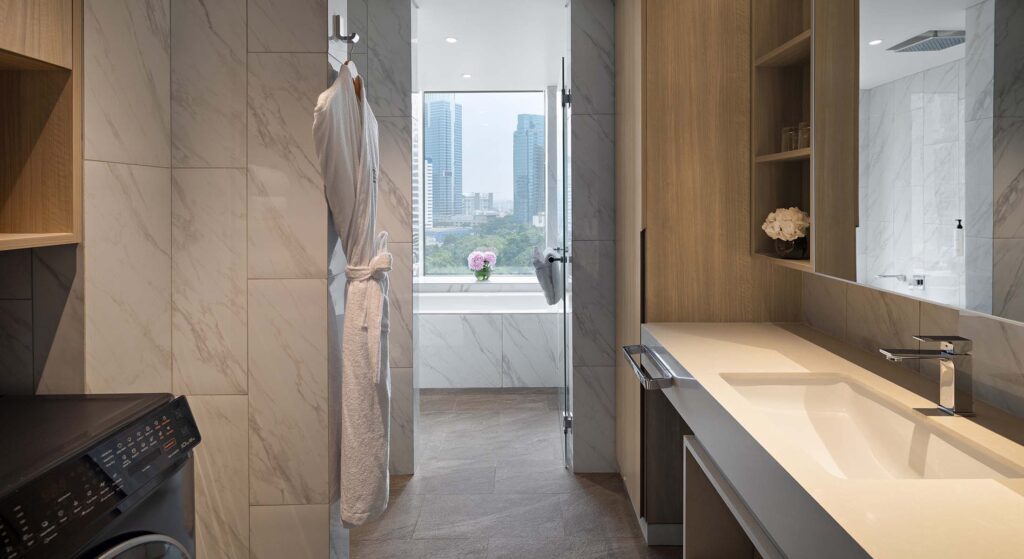
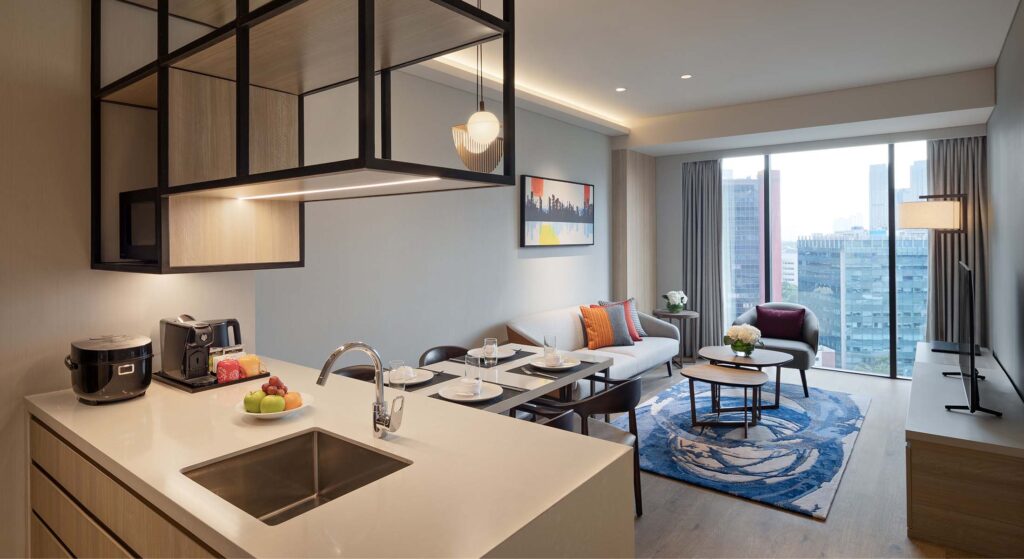
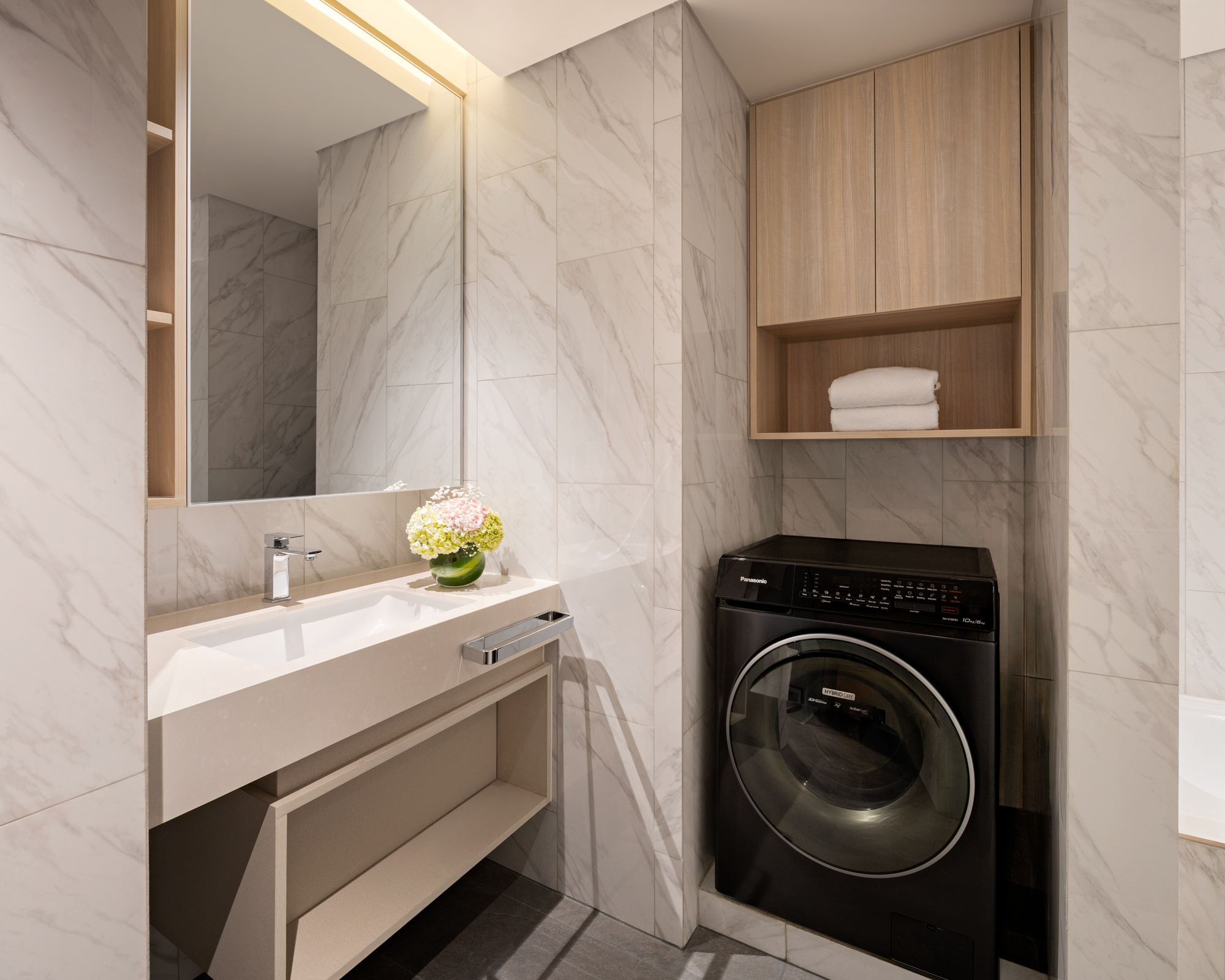
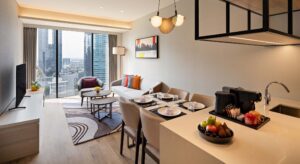
The model differs fundamentally from traditional hotels. Instead of a single room with a bed and bathroom, guests receive an entire apartment equipped with cooking facilities, dining areas, workspaces, and often laundry equipment. This configuration allows residents to maintain their daily routines, prepare meals, and separate work from leisure within their own space.
Market data confirms the sustained growth of this sector. According to 6W Research’s global extended stay hotel market analysis, the industry is projected to experience significant expansion through 2031, driven by diverse customer segments including business travelers, relocating families, and project-based professionals. The Asia-Pacific region shows particularly strong momentum as international business activity increases across major cities.
Who Chooses Extended Stay Accommodation
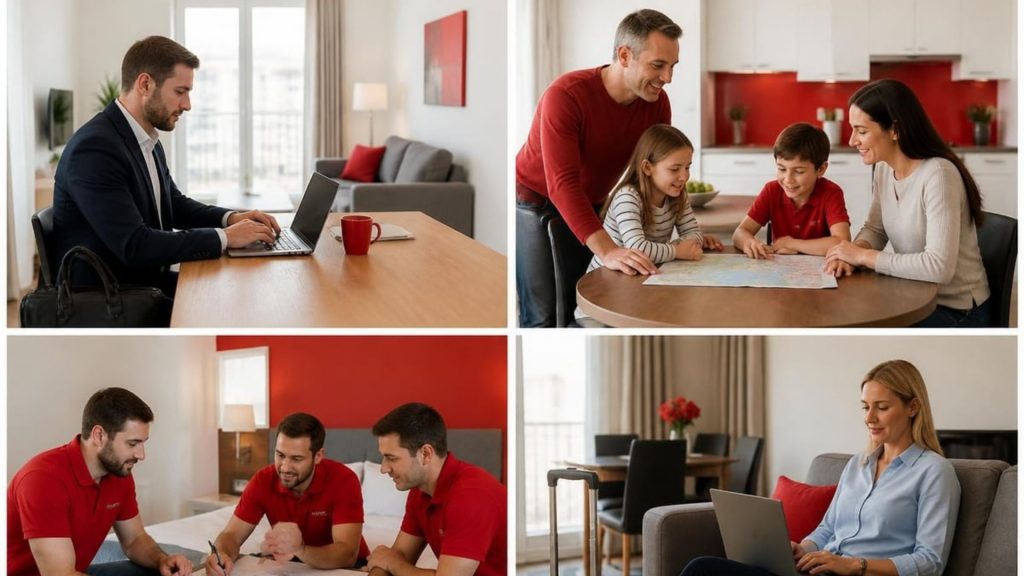
The customer base for extended stay properties spans multiple demographics, each with distinct needs:
- Corporate relocations and expatriates requiring temporary housing during transitions
- Project-based professionals working on assignments lasting several weeks to months
- Families in transition between permanent residences or exploring new cities
- Medical travelers seeking comfortable accommodation near treatment facilities
- Training participants attending extended education or certification programs
Research from Mordor Intelligence highlights how guest motivations have evolved beyond simple business travel. Displacement situations, voluntary relocations, and lifestyle choices now drive a significant portion of bookings, particularly for stays exceeding 28 nights.

Key Features That Define Quality Extended Stay Properties
Living Space Configuration
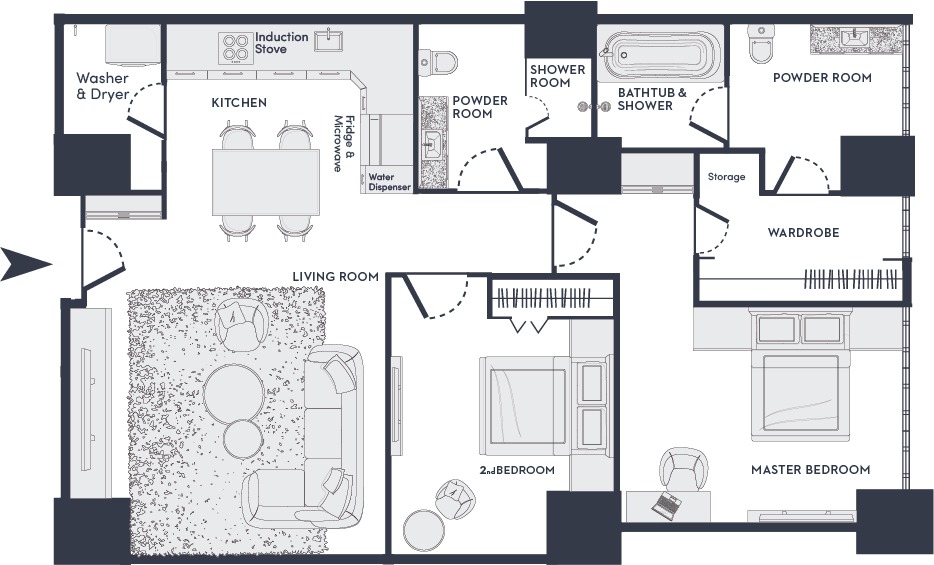
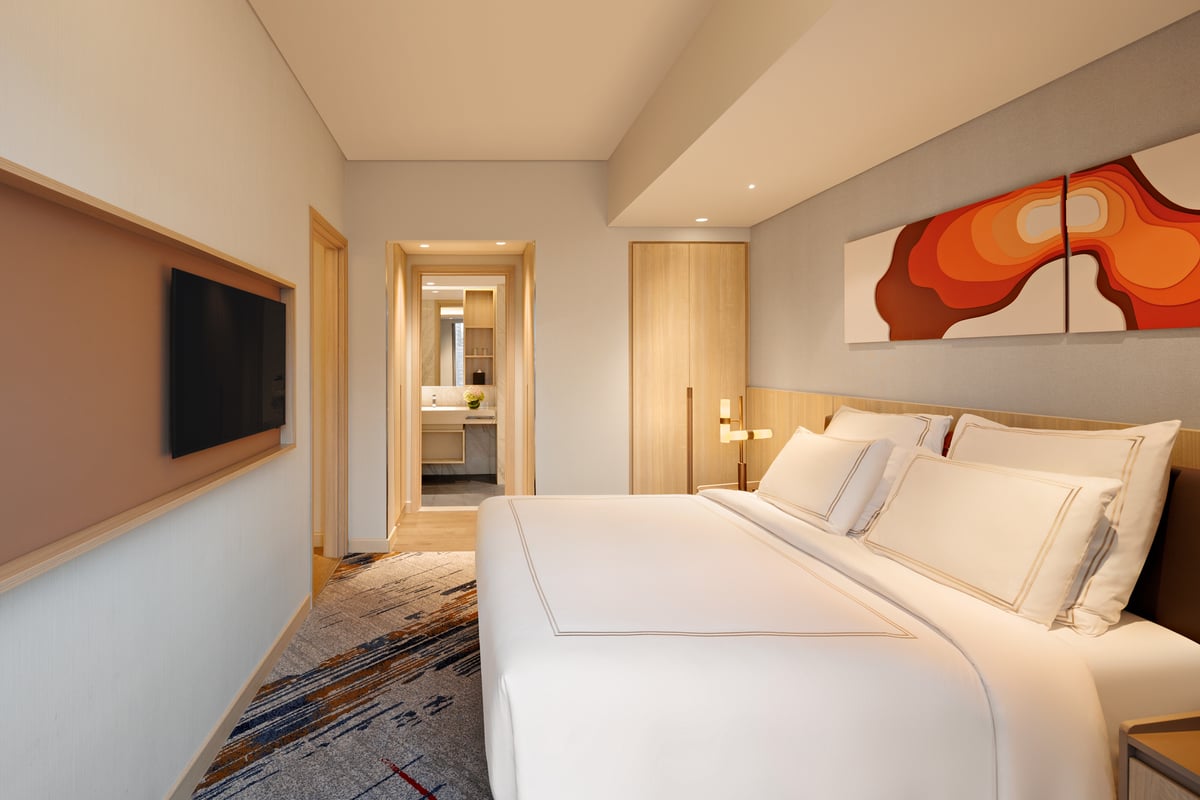
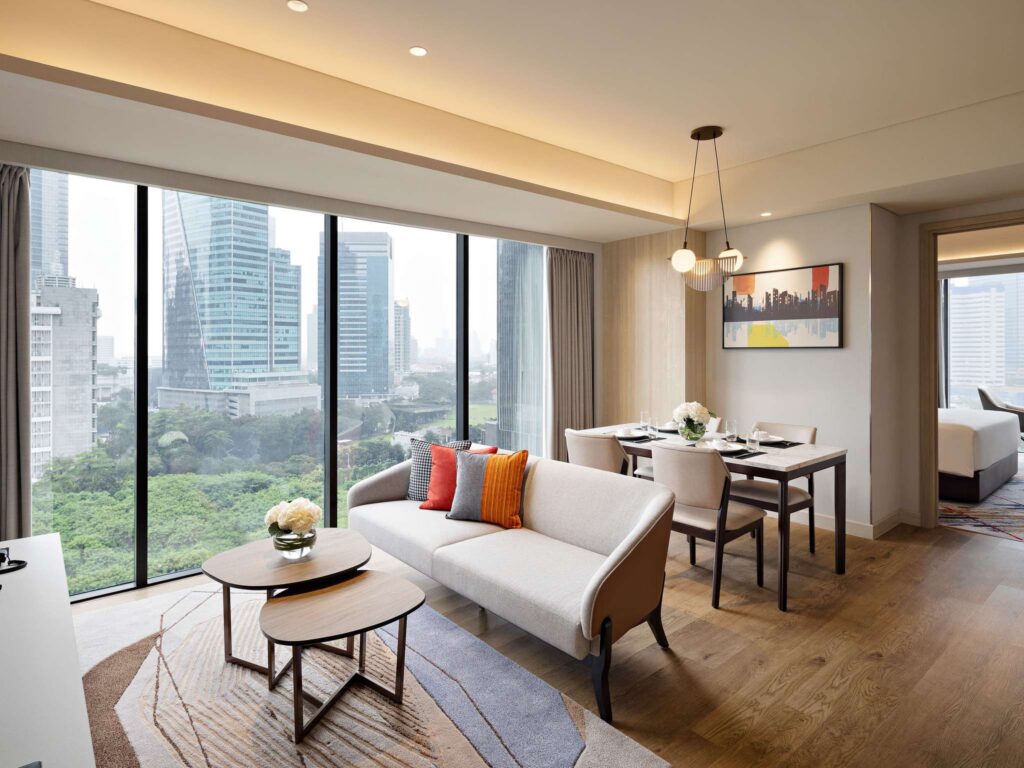
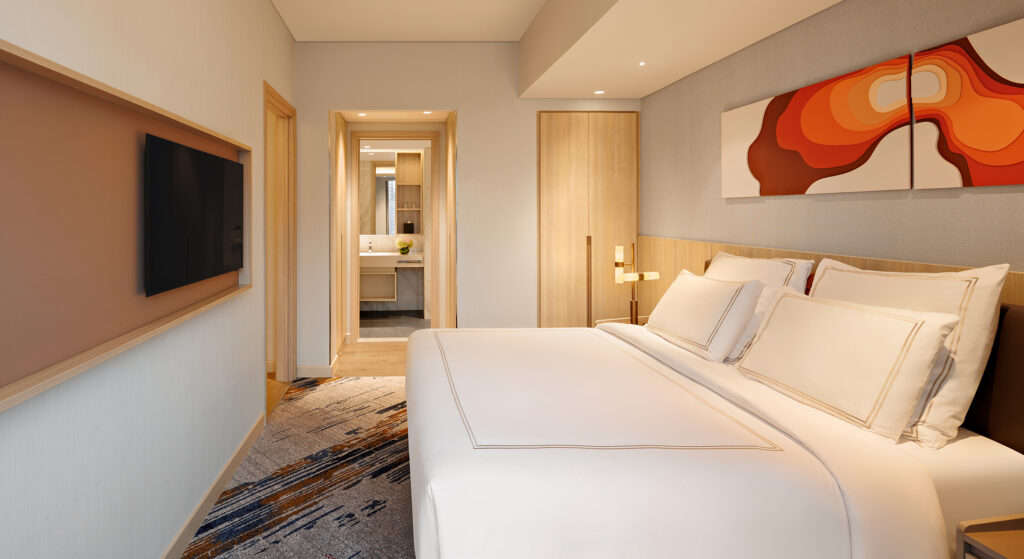
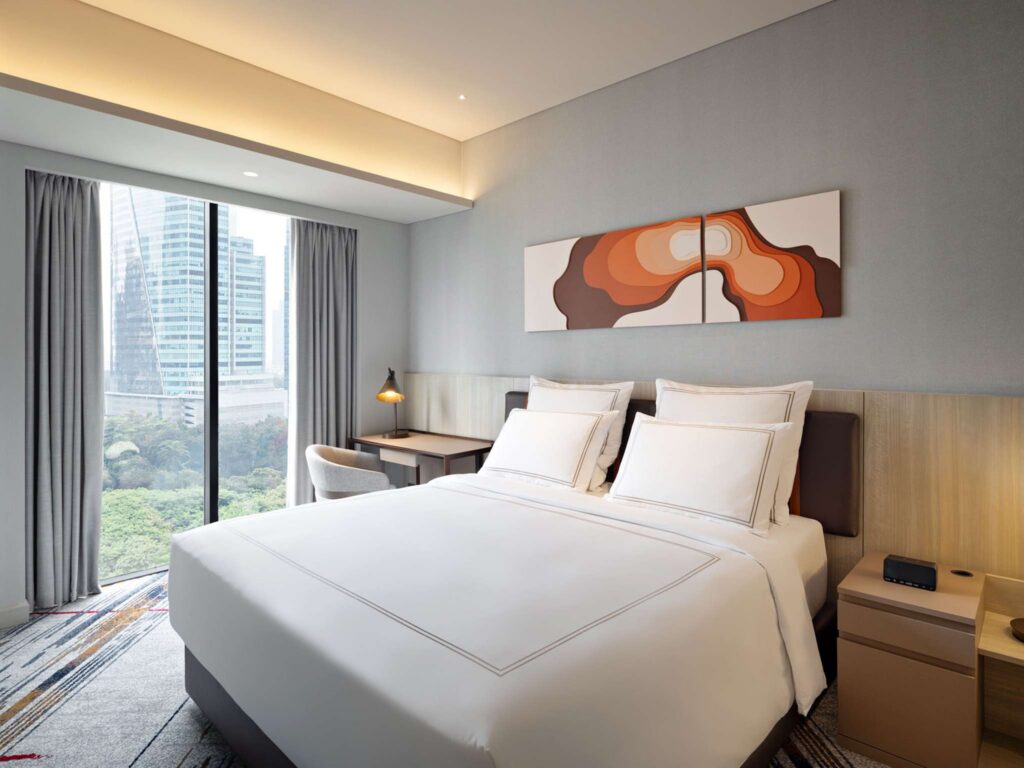
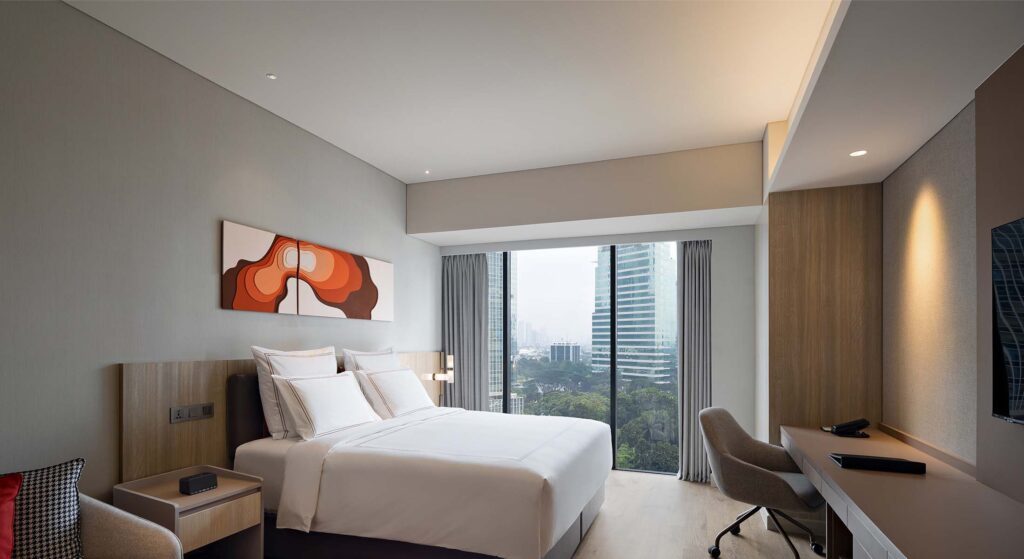
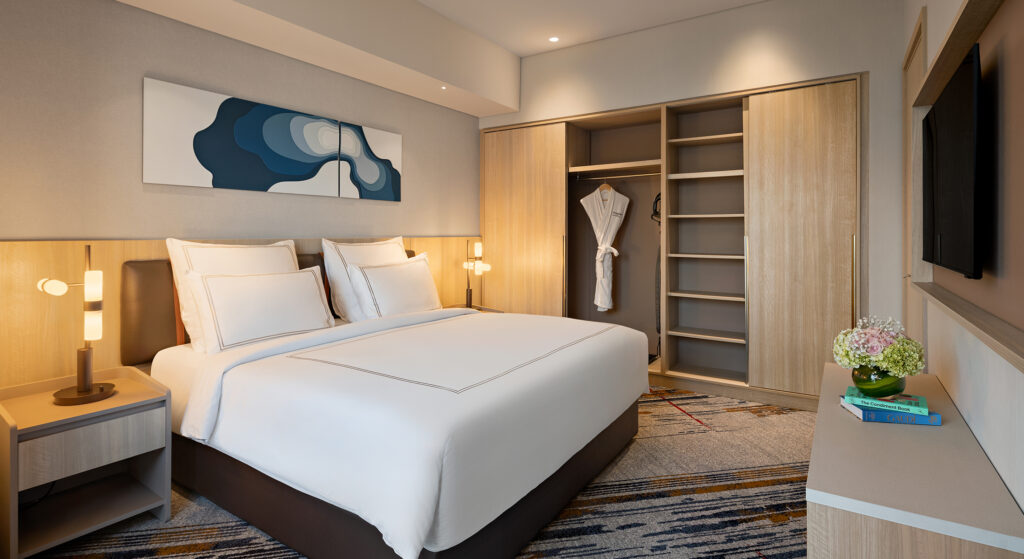
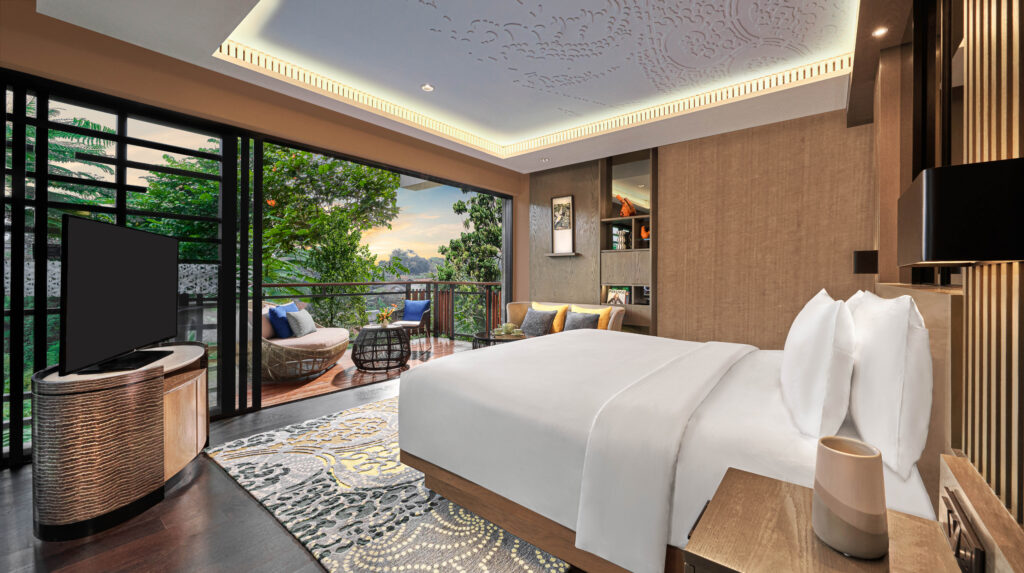
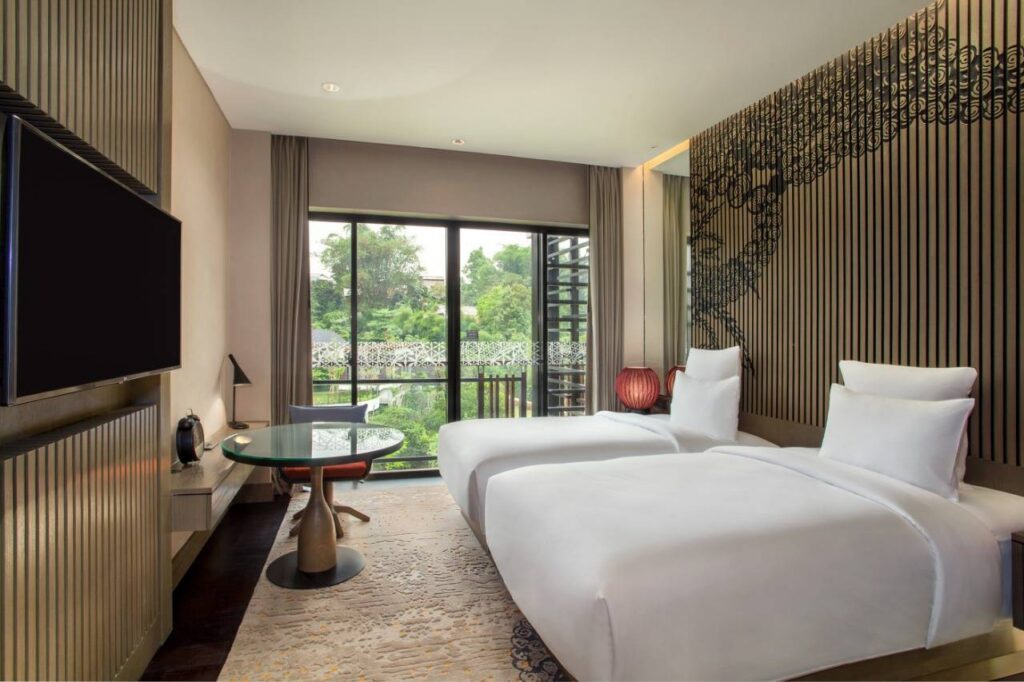
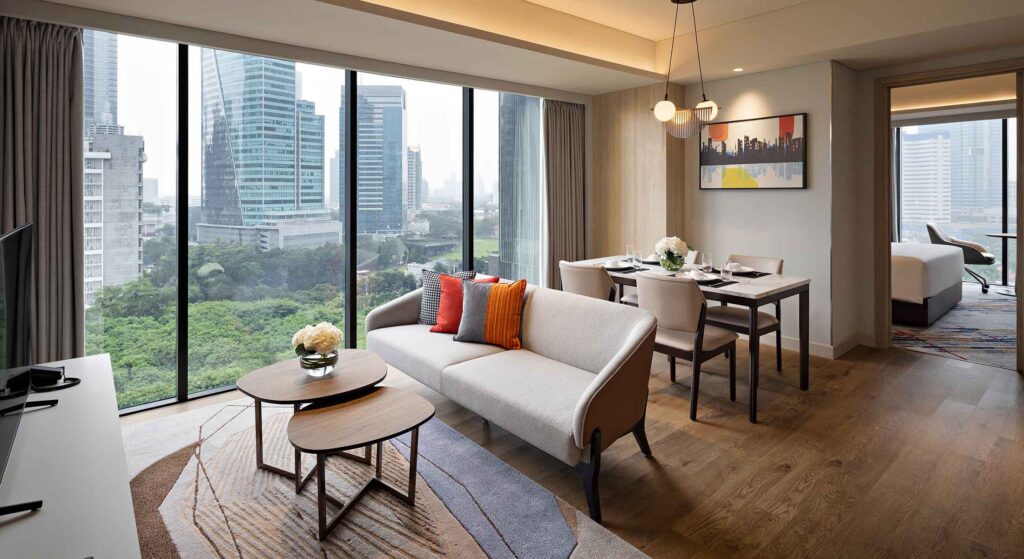
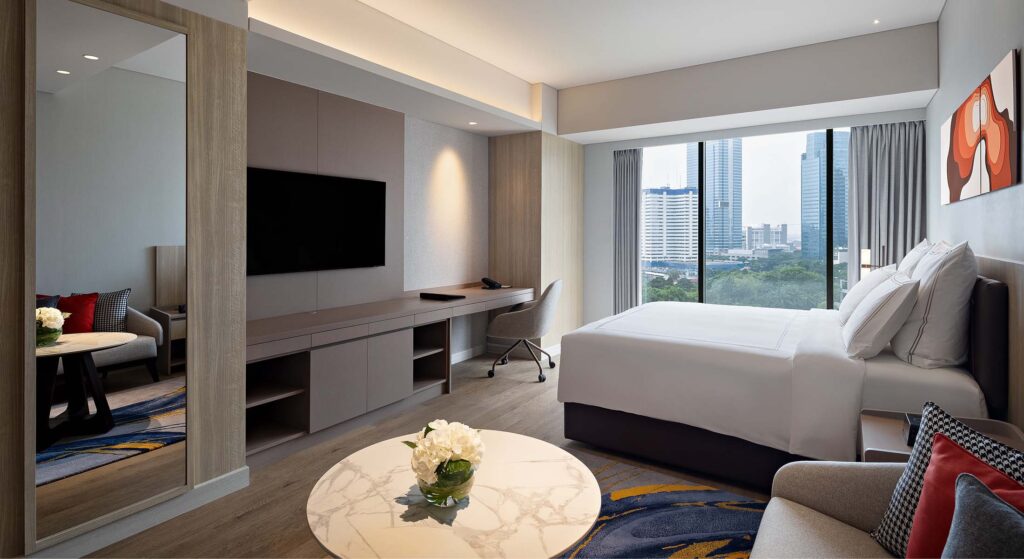
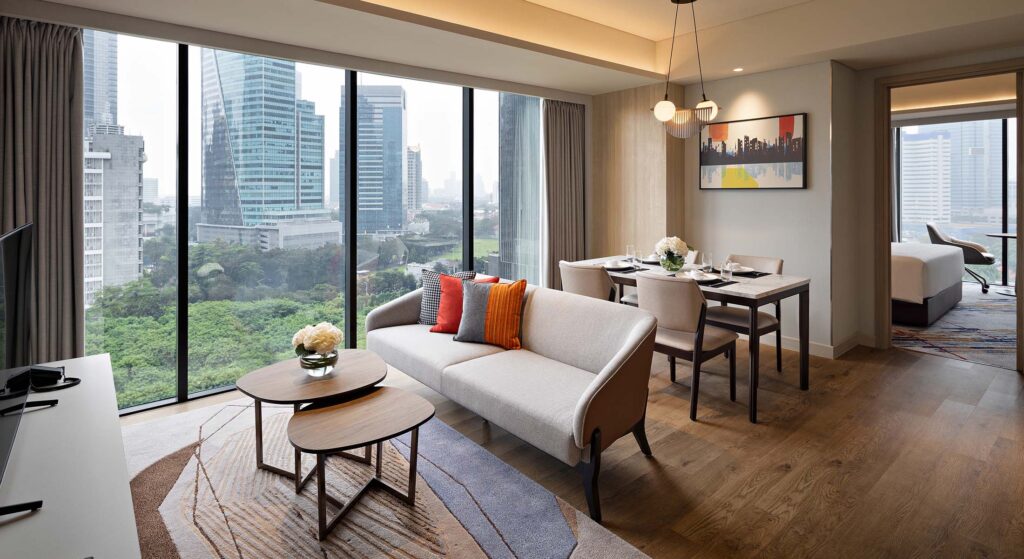
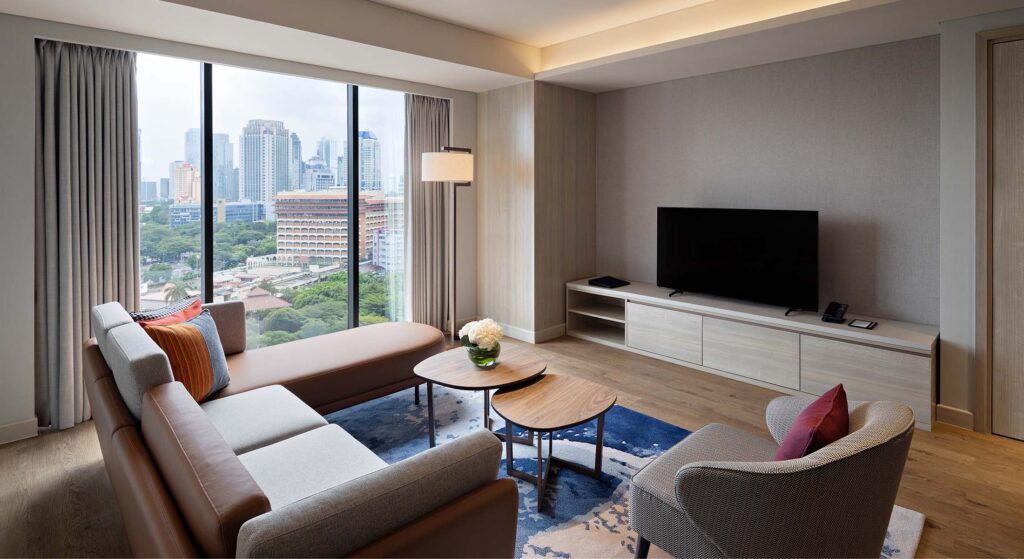
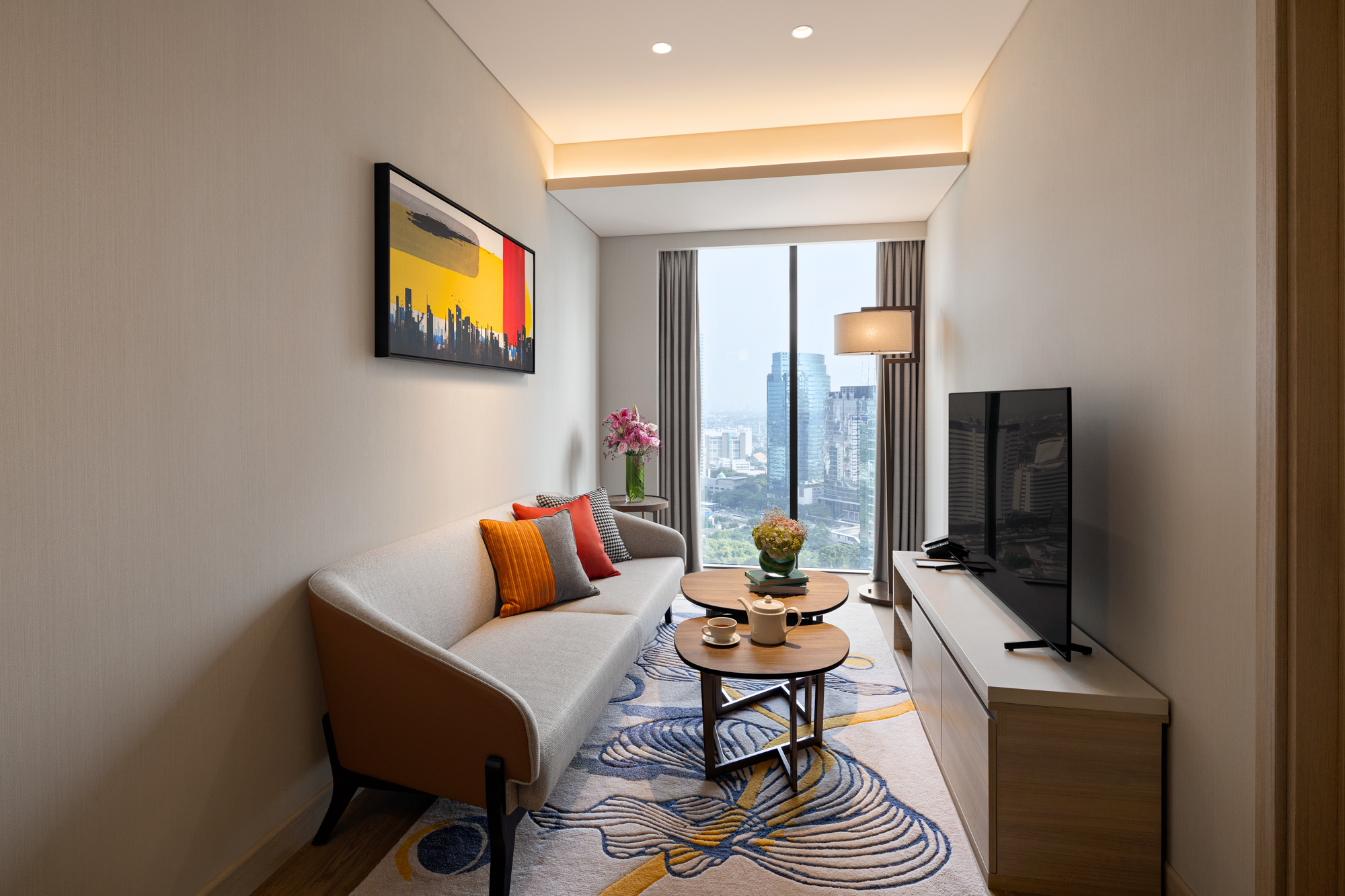
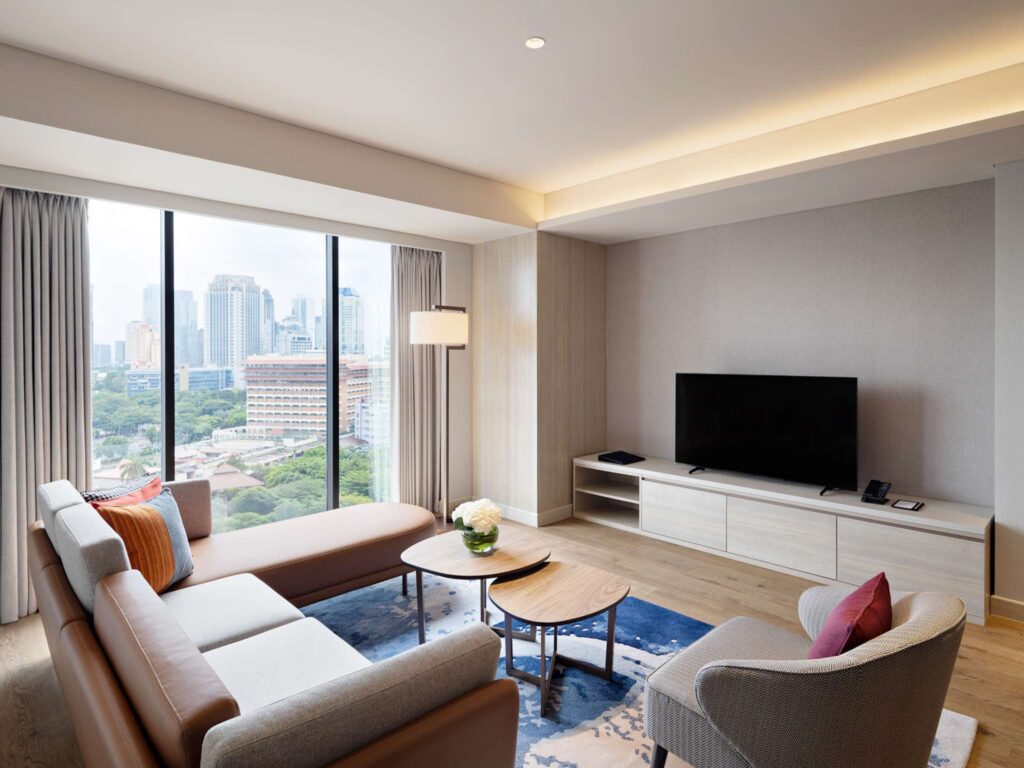
Quality extended stay accommodation provides distinct zones for different activities. Studio layouts offer efficiency with combined living and sleeping areas, while one-bedroom and larger configurations separate private sleeping quarters from entertaining and working spaces.
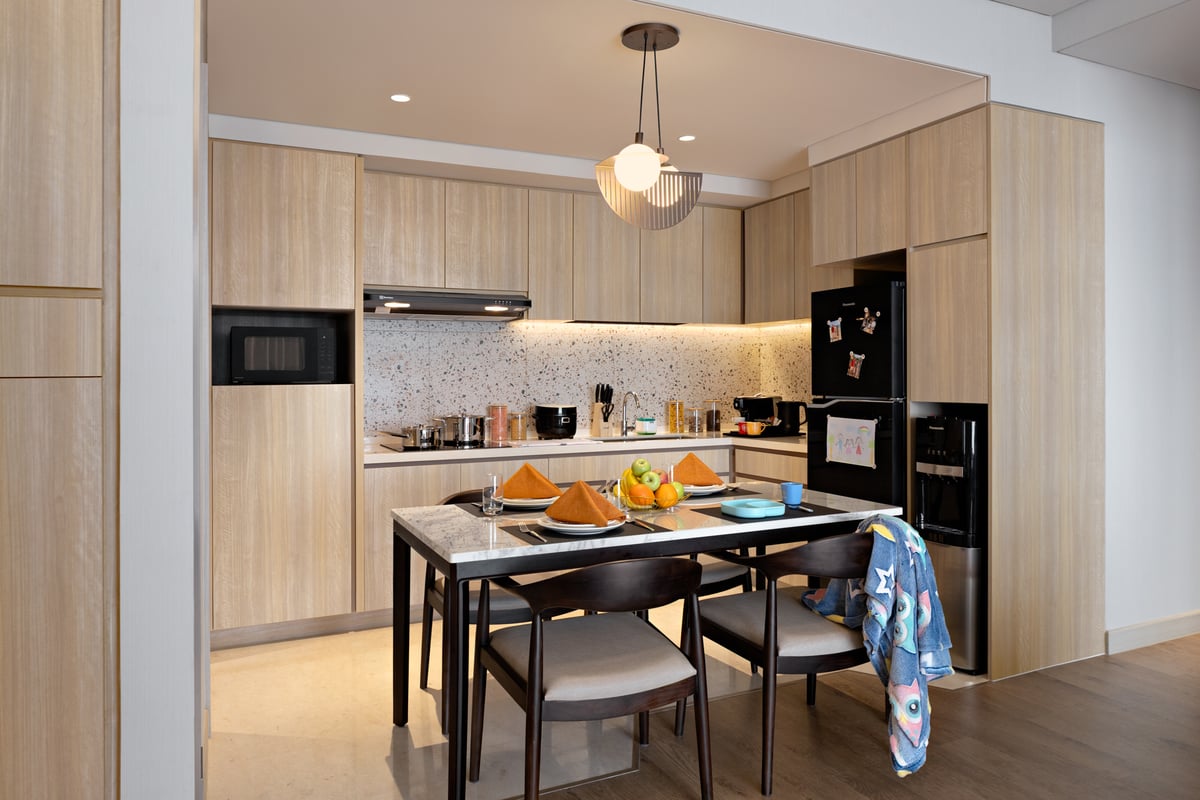
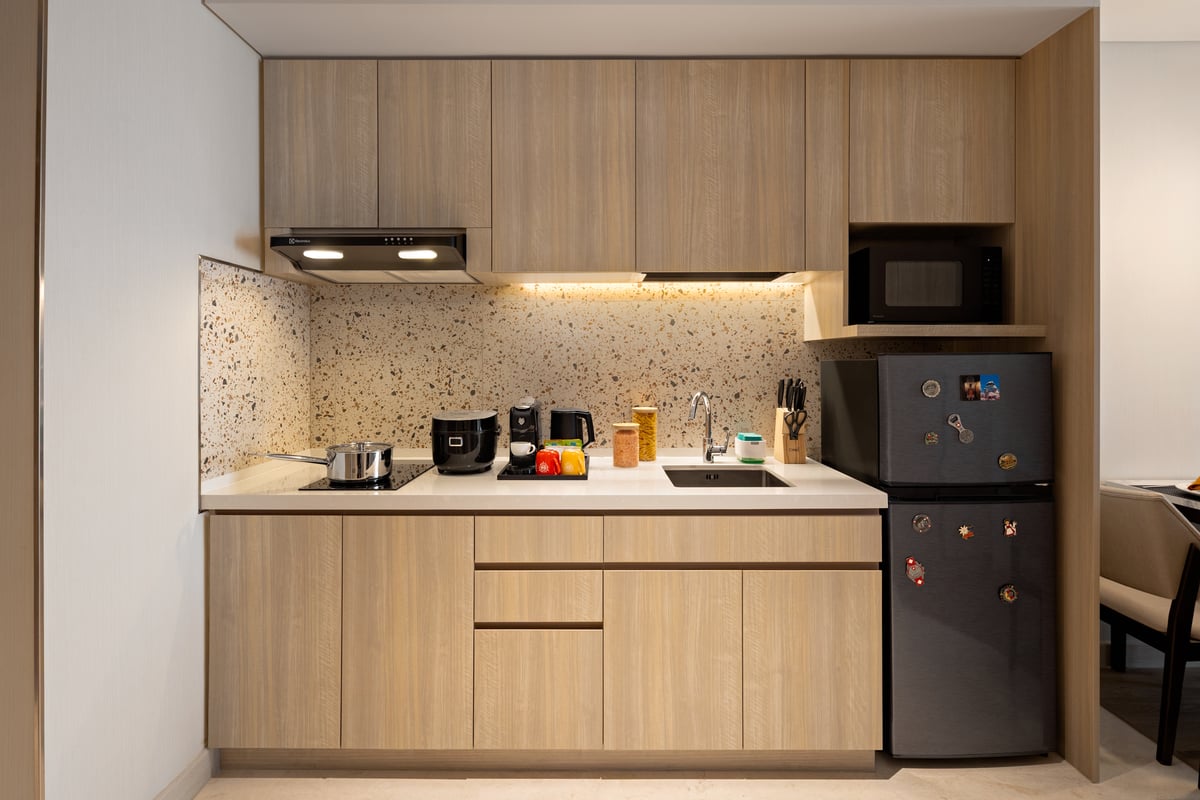
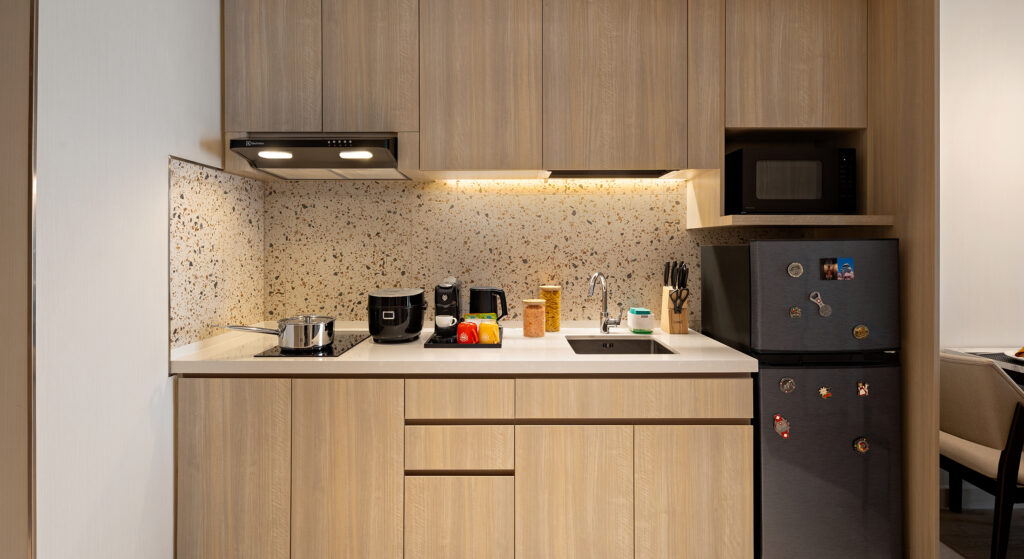
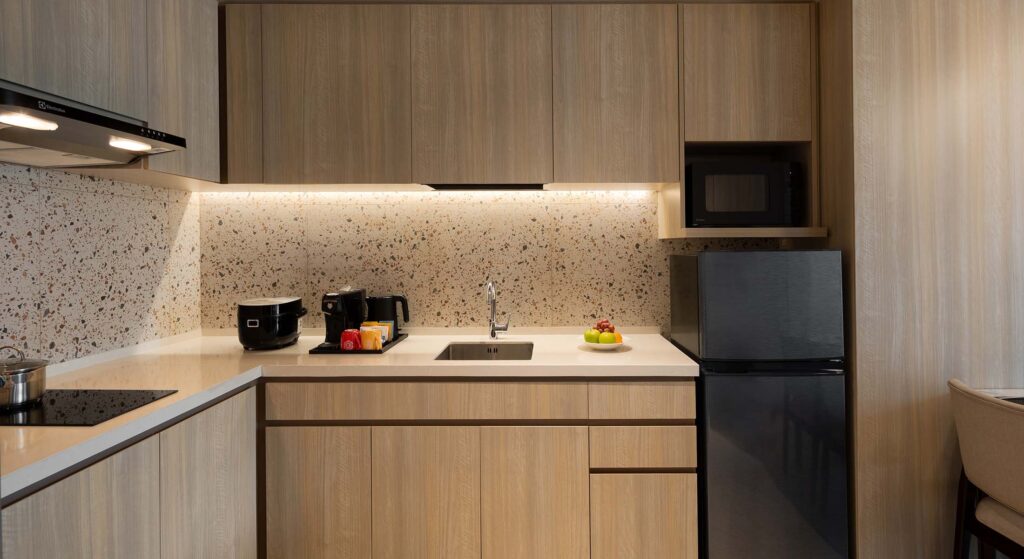
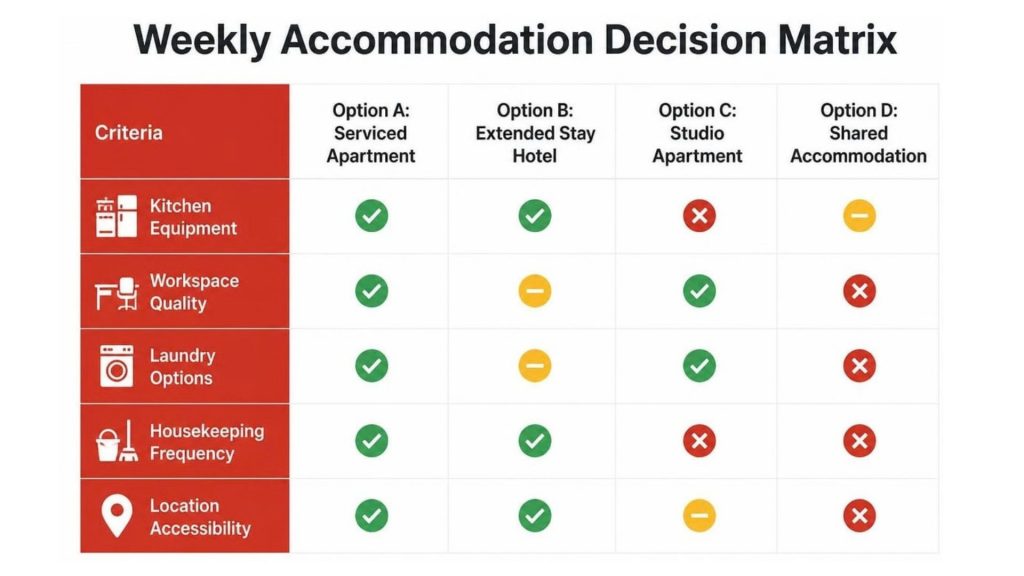
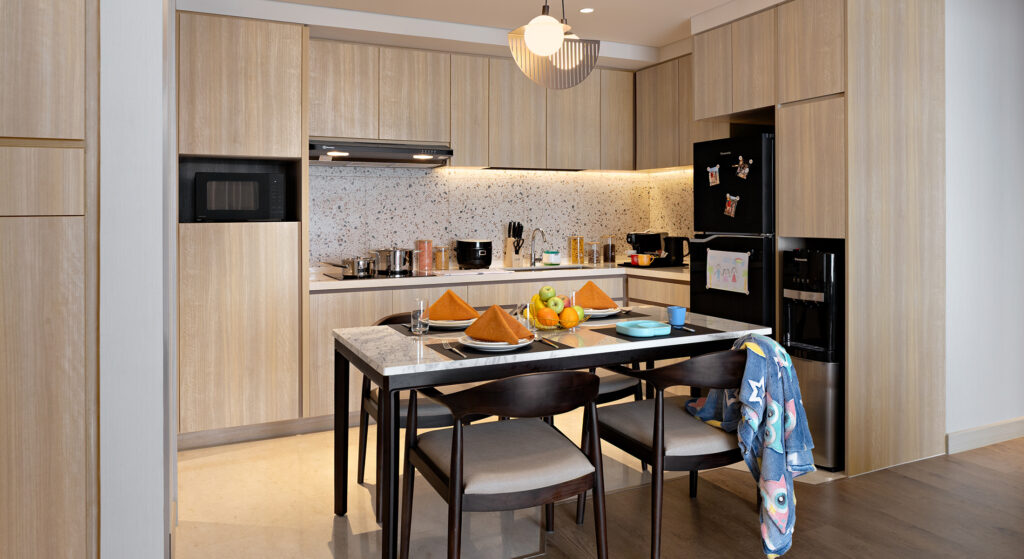
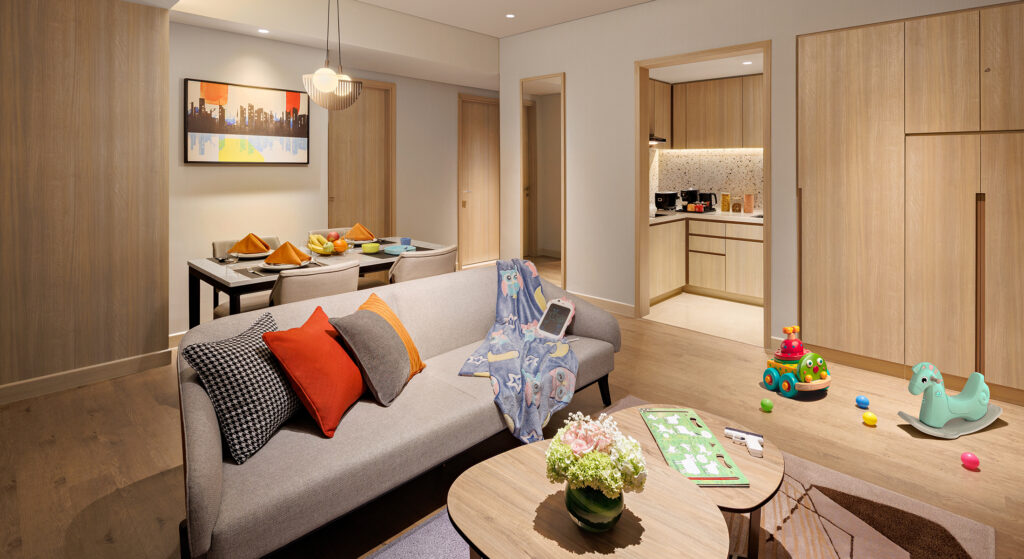
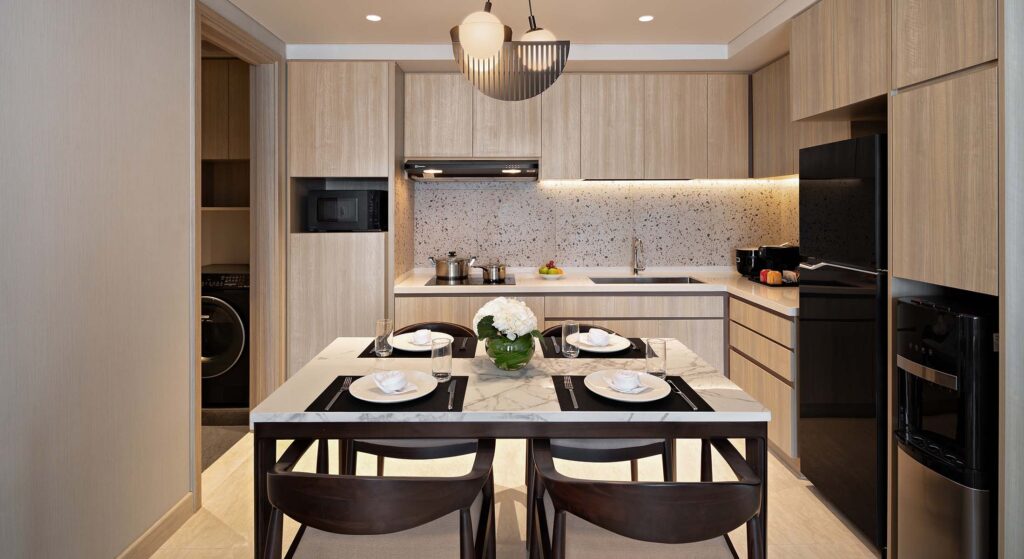
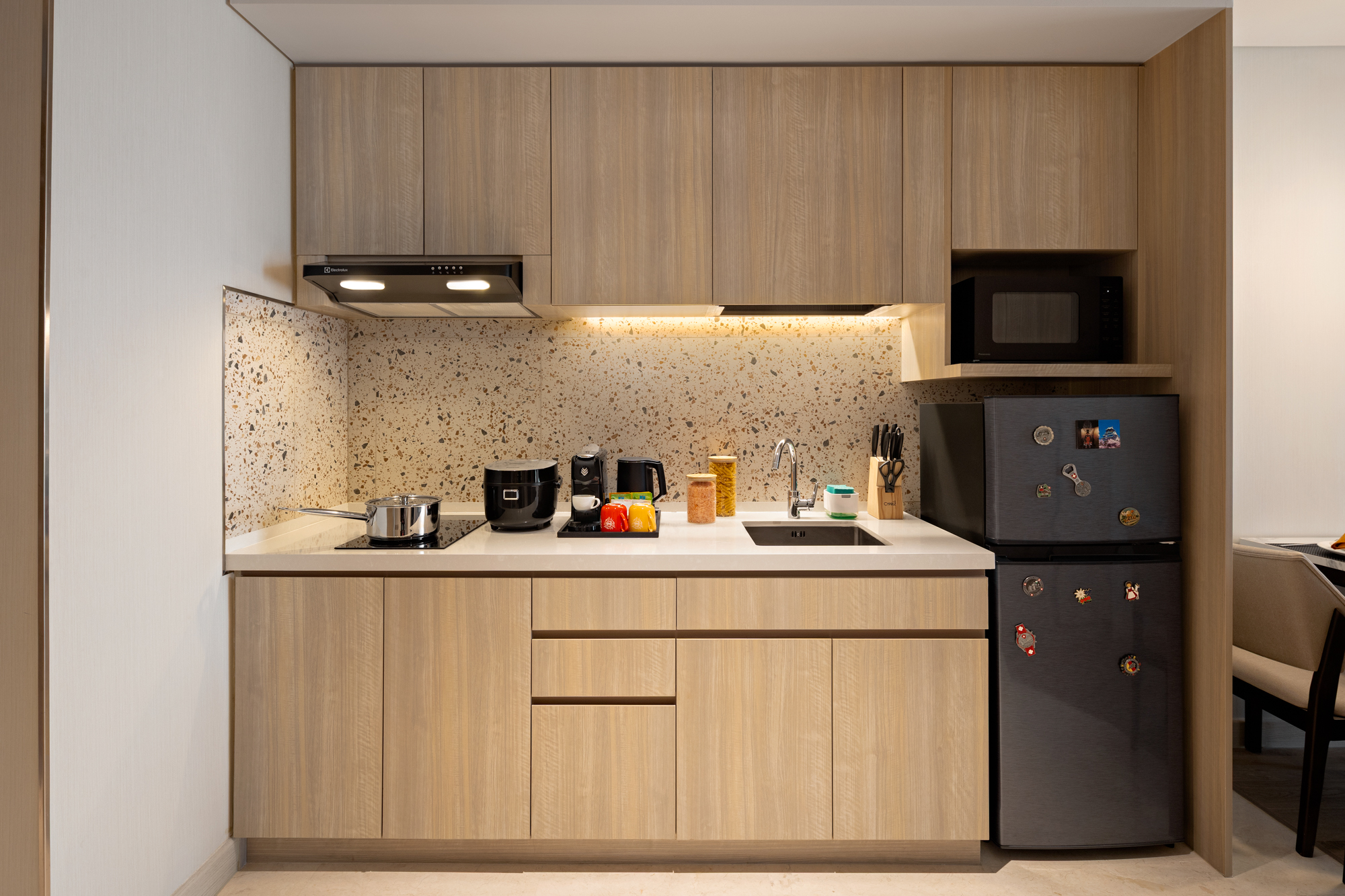
The kitchen remains the cornerstone feature. Full-size appliances including refrigerators, cooking ranges, microwaves, and dishwashers enable guests to prepare meals according to their preferences and dietary requirements. This capability delivers both cost savings and lifestyle continuity, particularly valuable for families with children or guests with specific nutritional needs.
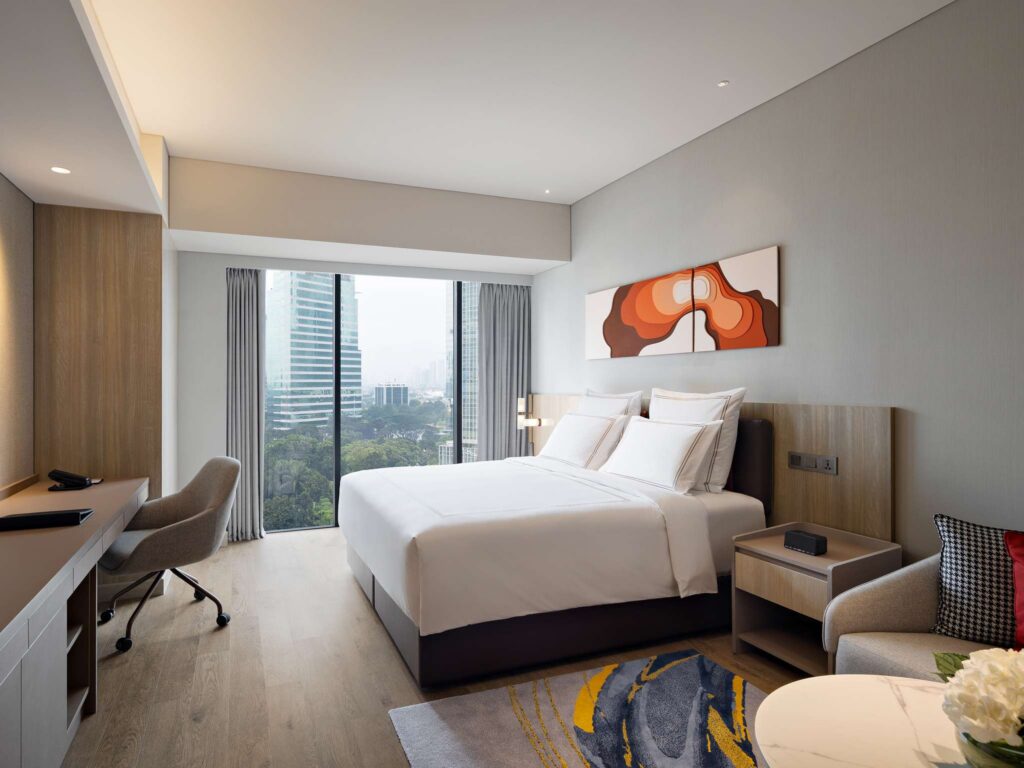
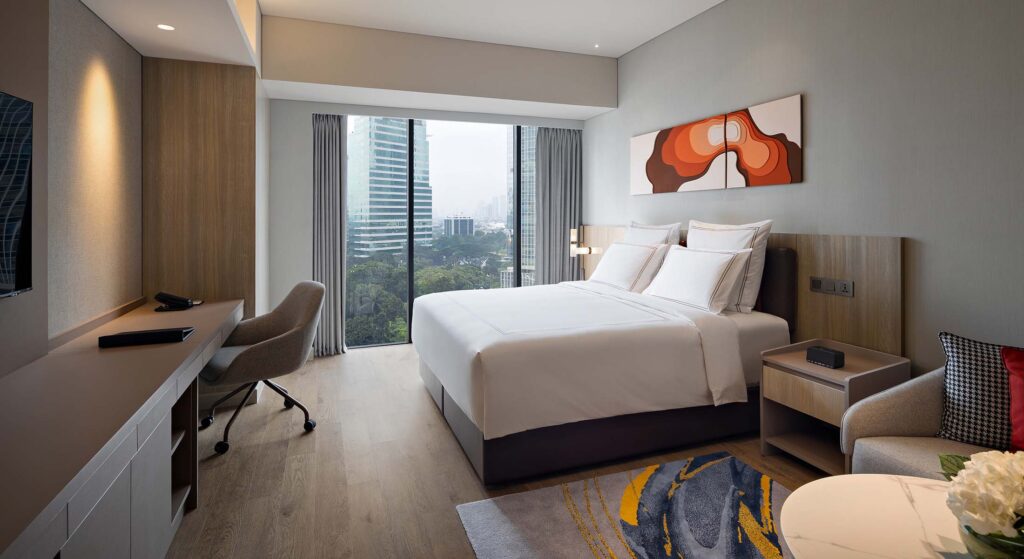
Workspace integration has become non-negotiable in 2026. Dedicated desks with ergonomic seating, high-speed internet connectivity, and adequate lighting support remote work arrangements. The 2025 Hotel Industry Outlook notes that properties successfully incorporating professional-grade workspaces report higher occupancy rates and longer average stays.
Service and Amenity Balance
Extended stay accommodation succeeds by blending residential independence with selective hotel services:
| Service Category | Typical Offering | Guest Benefit |
|---|---|---|
| Housekeeping | Weekly or bi-weekly cleaning | Maintains cleanliness without daily intrusion |
| Maintenance | 24/7 on-call support | Immediate resolution of technical issues |
| Reception | Concierge and guest services | Assistance with local navigation and logistics |
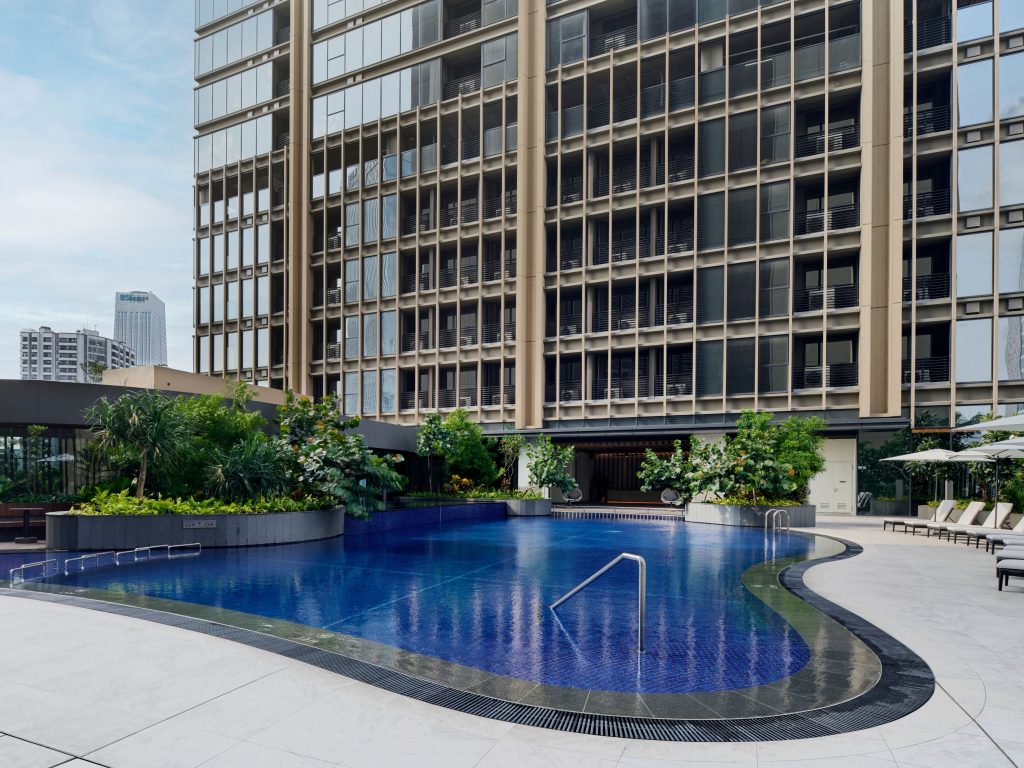
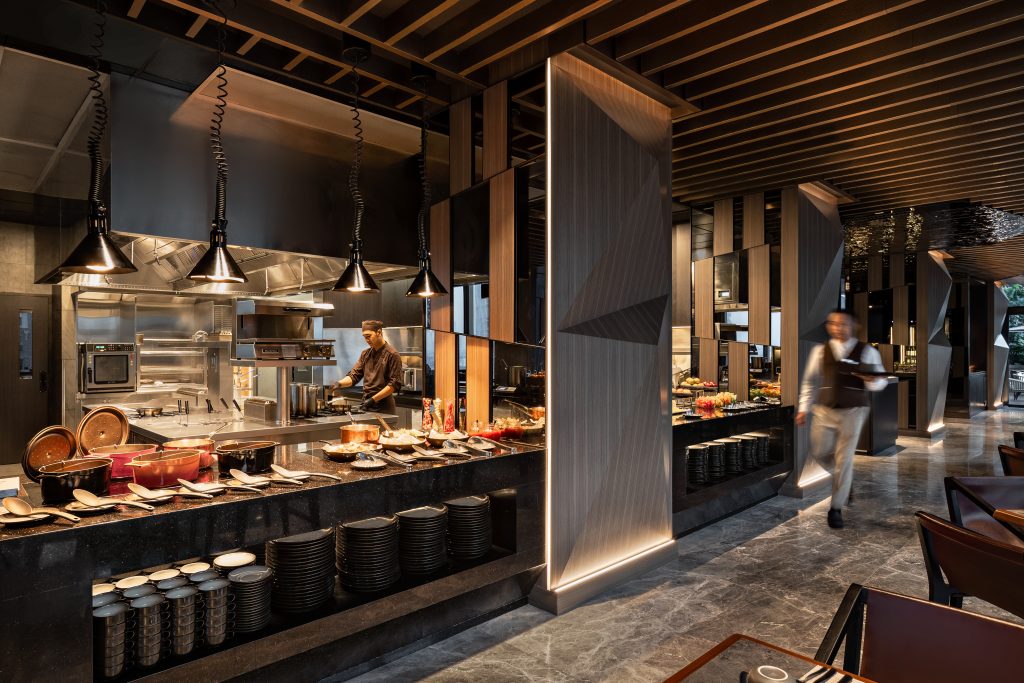
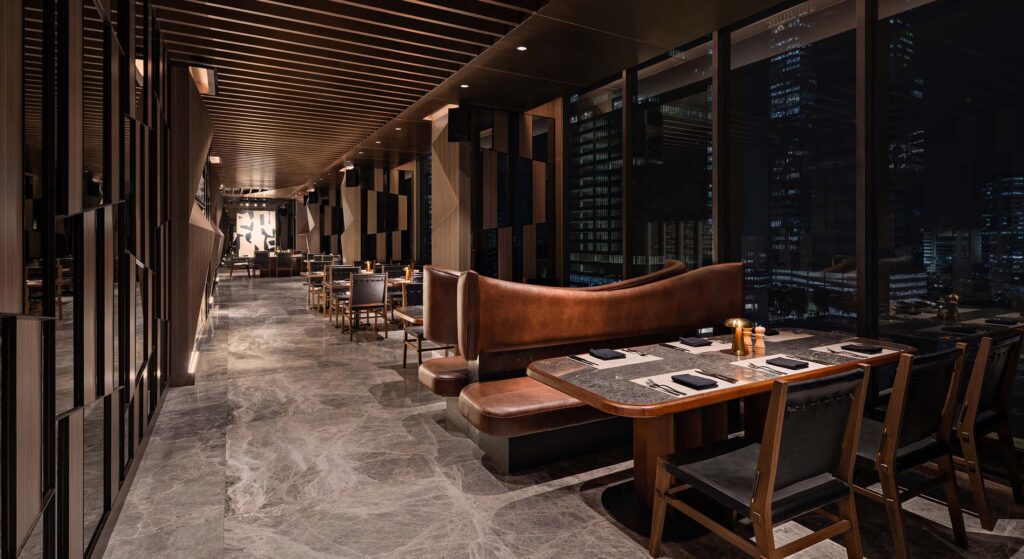
| Facilities | Fitness centers, pools, meeting rooms | Wellness and professional amenities without leaving property |
| Security | Controlled access, surveillance | Peace of mind for long-term residents |
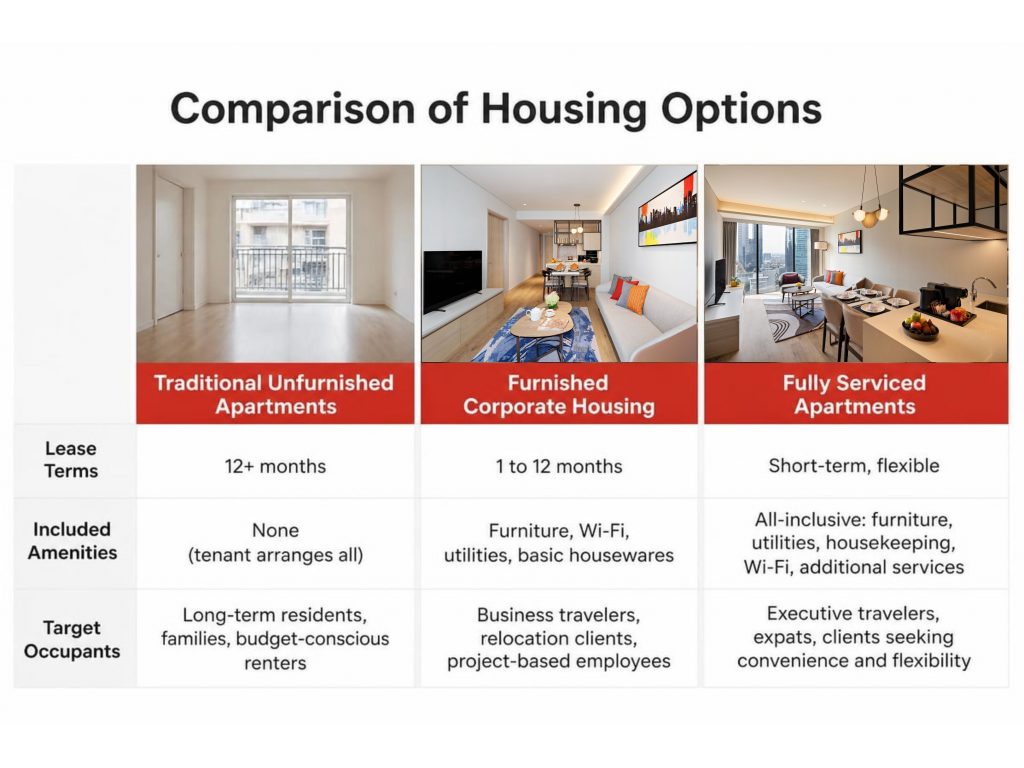
The frequency and intensity of services can often be customized based on length of stay and guest preferences, providing flexibility that neither traditional hotels nor unfurnished rentals can match.
Location Considerations for Extended Stays
Urban Connectivity Requirements
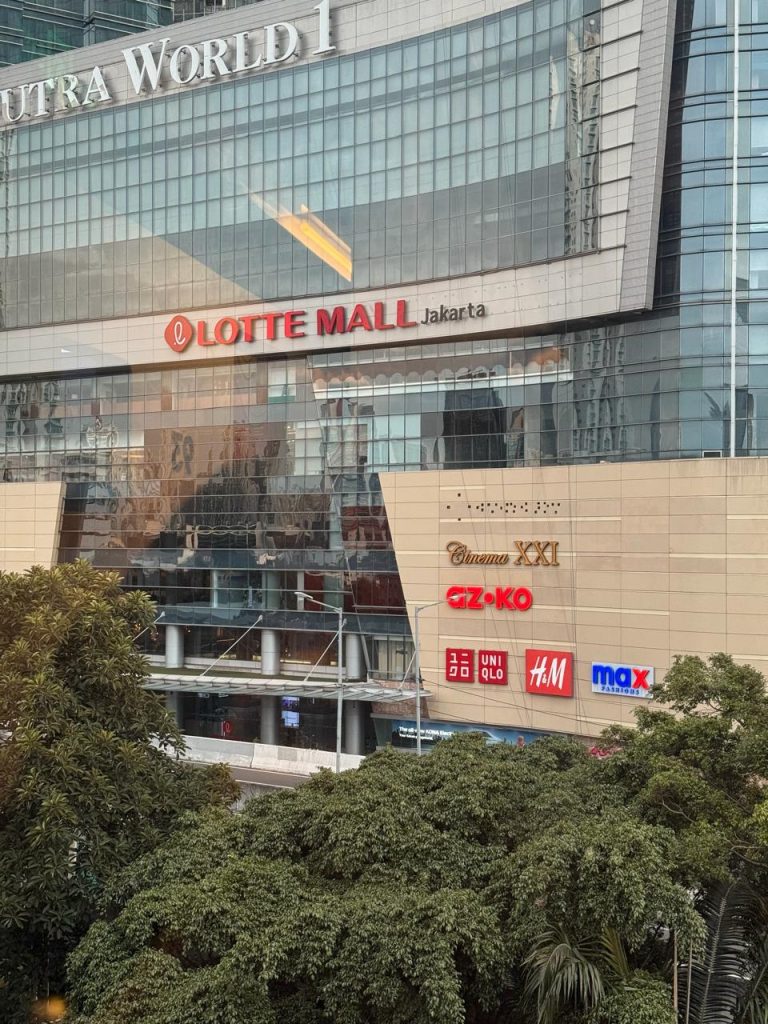
Guests selecting extended stay accommodation prioritize locations that minimize daily friction. Proximity to business districts reduces commute time and stress, while access to shopping, dining, and entertainment options supports quality of life outside working hours.
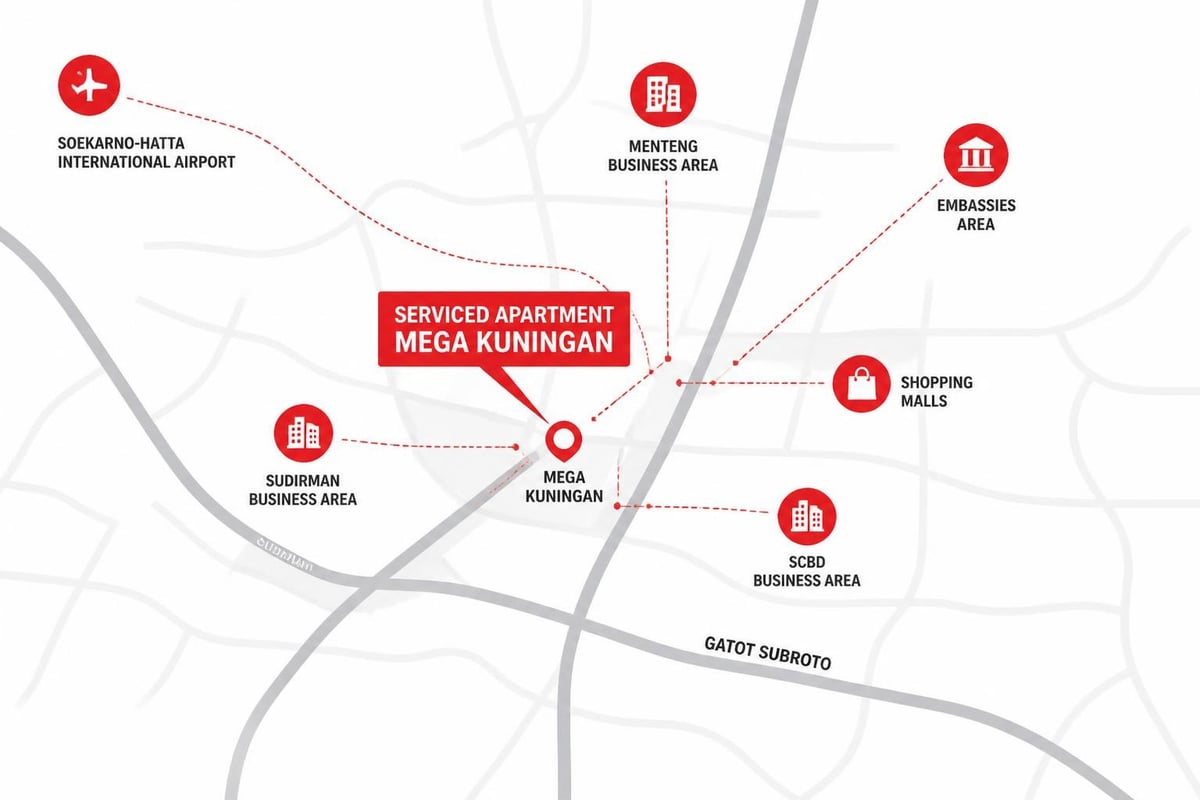
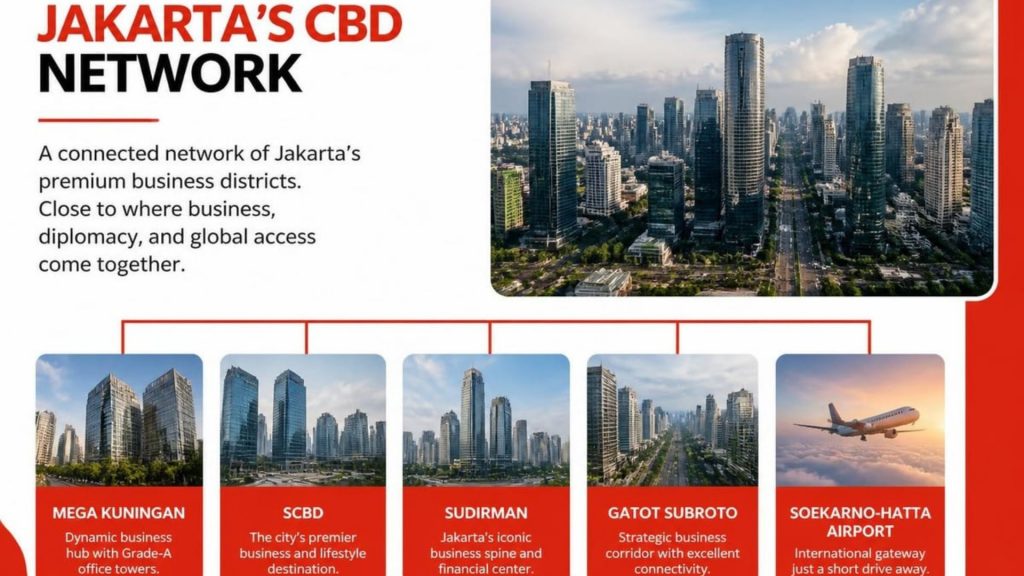
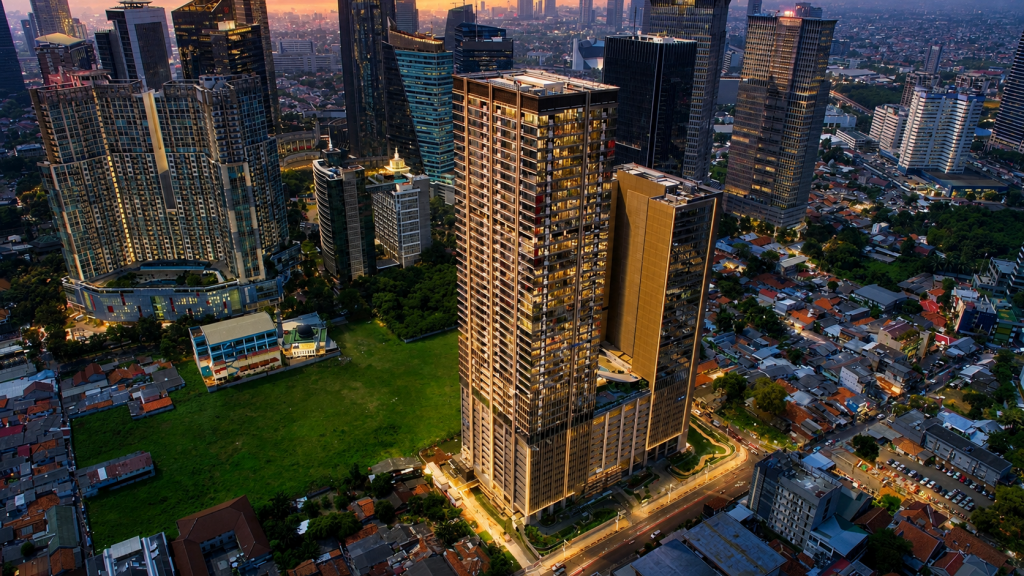
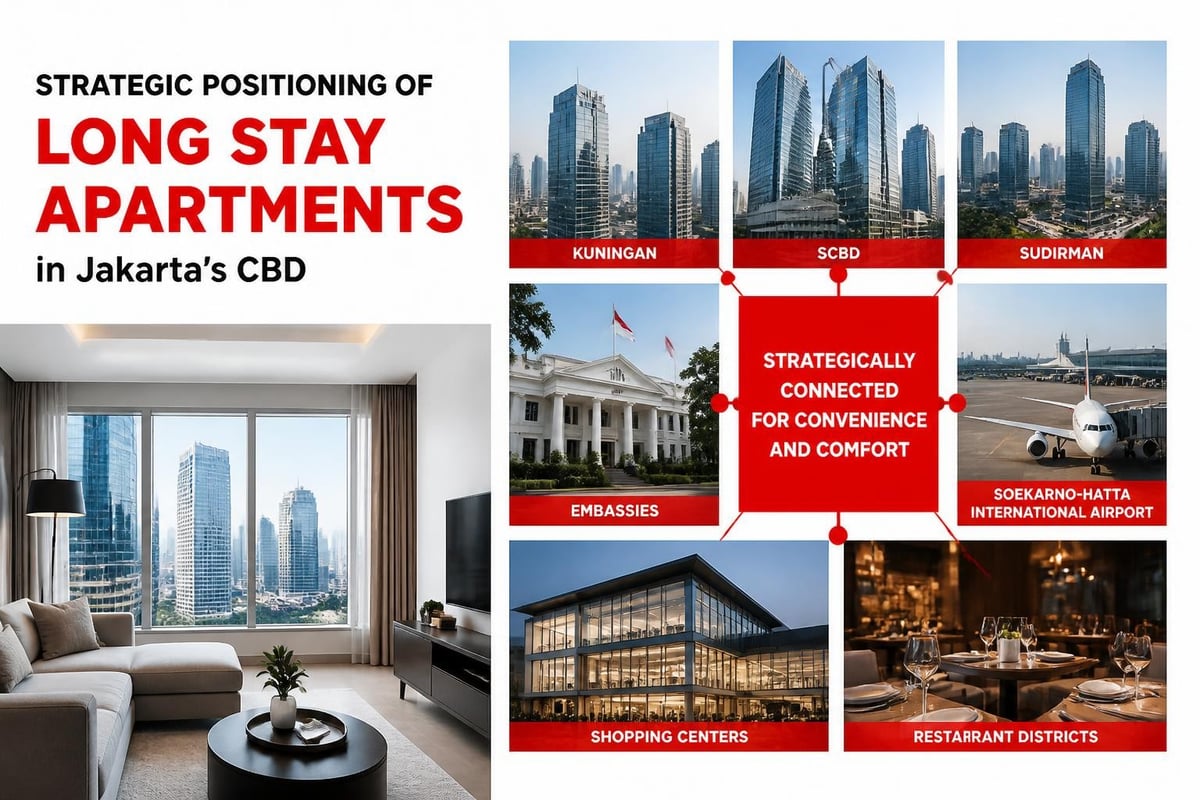
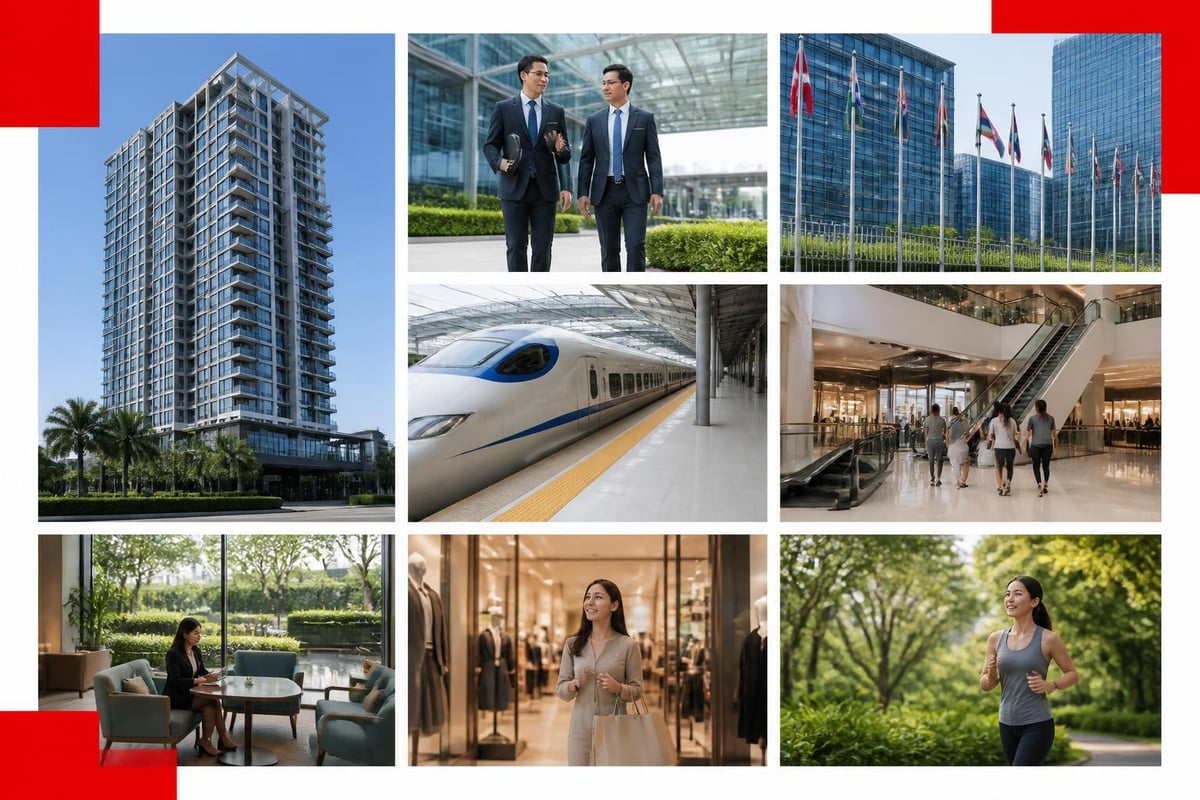
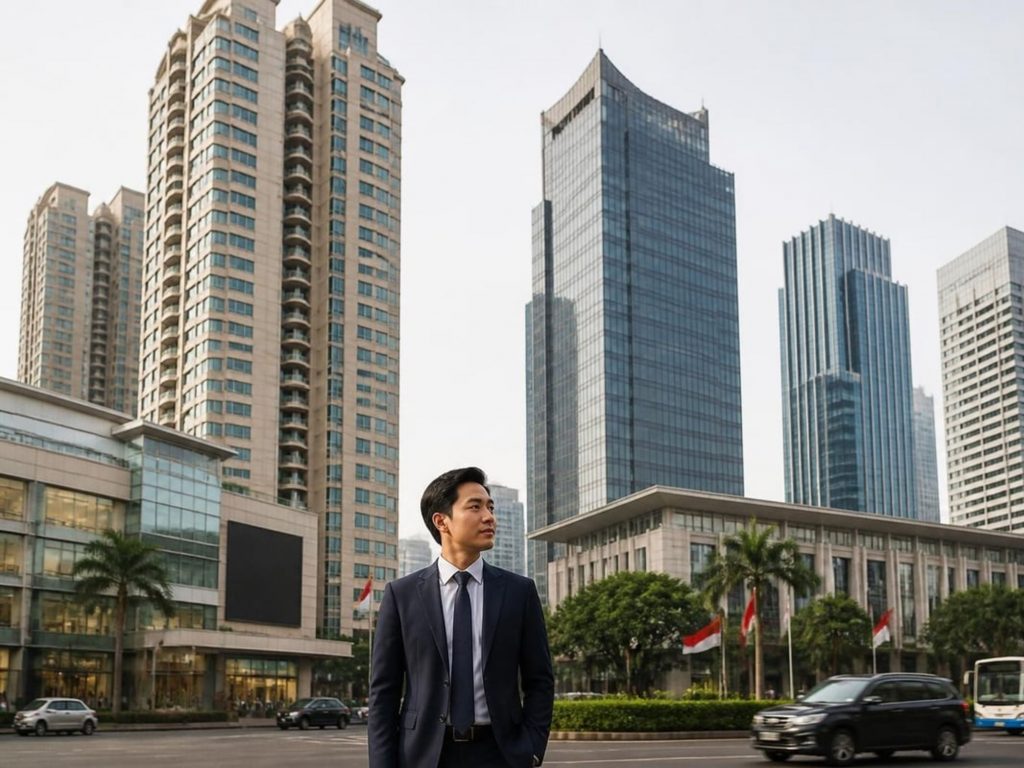
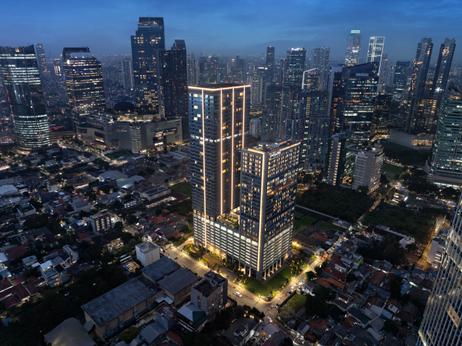
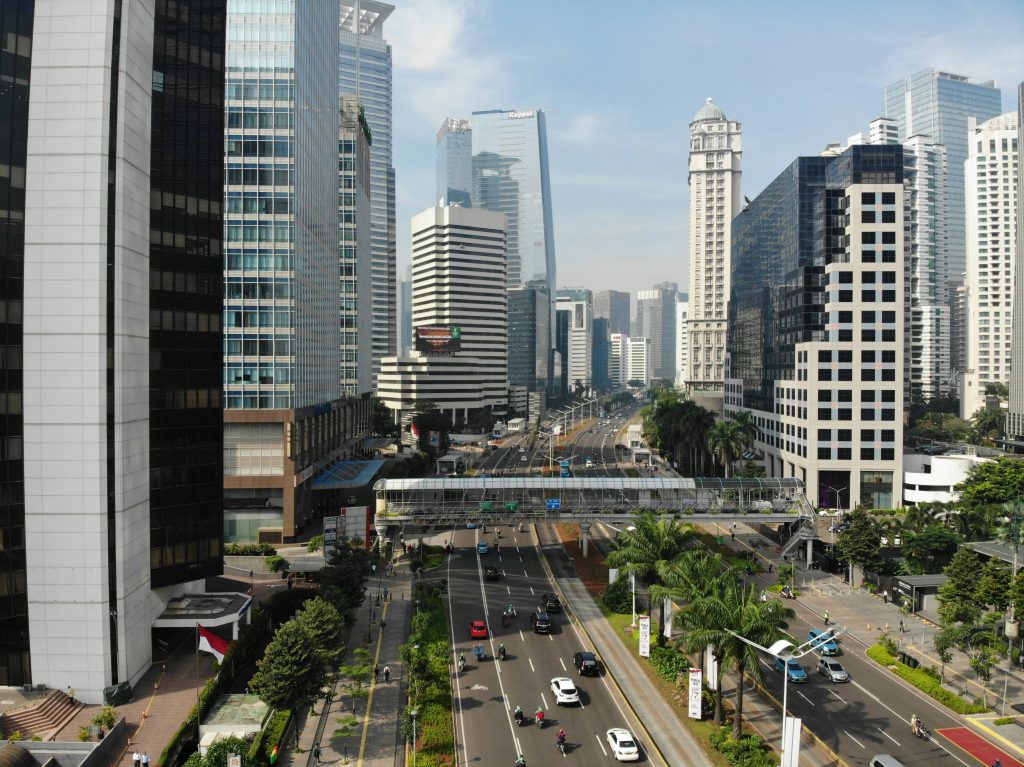
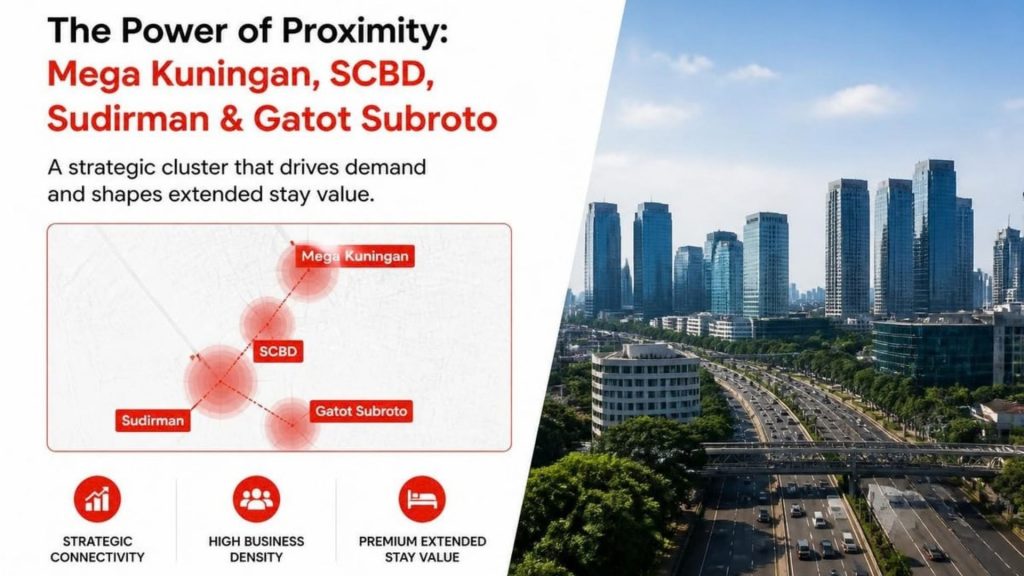
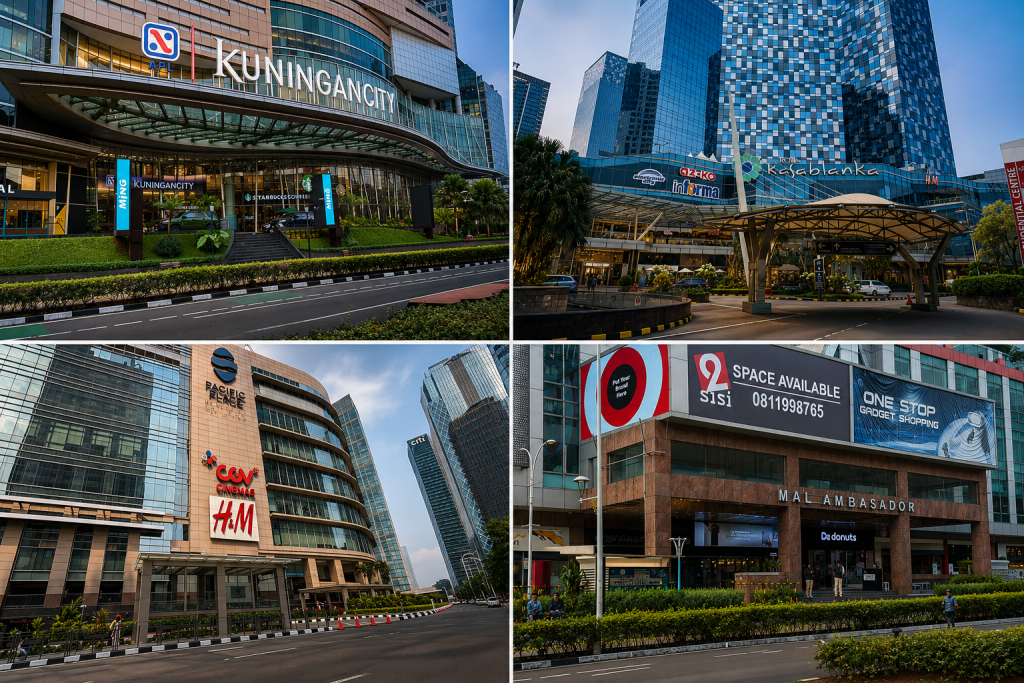
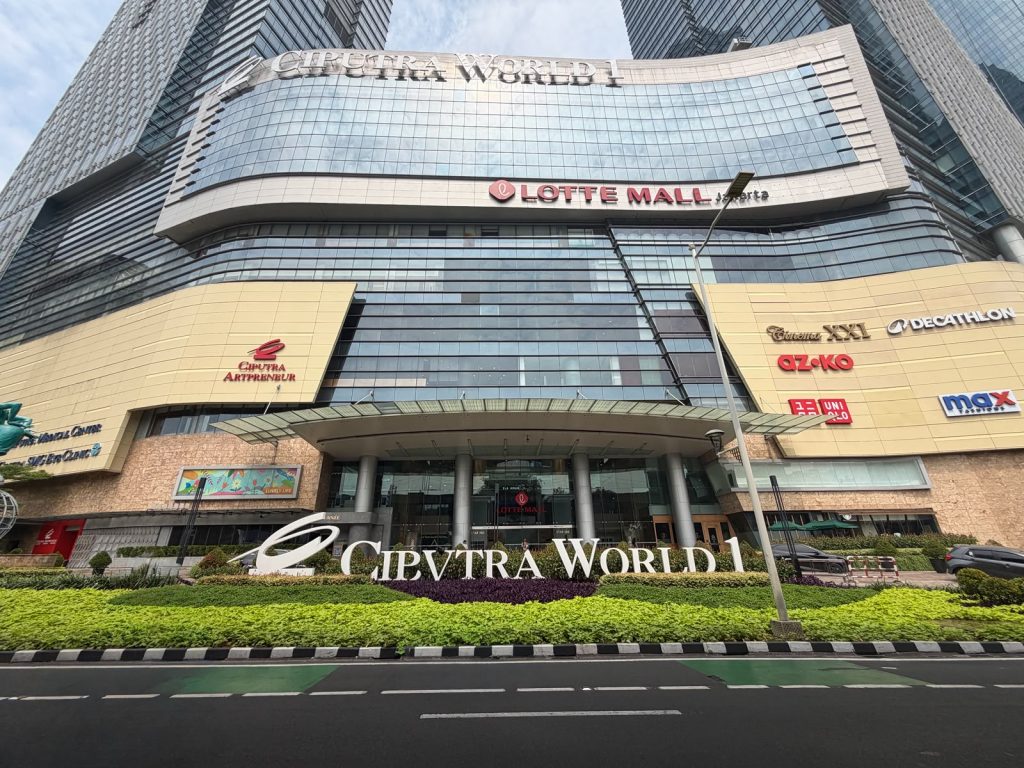
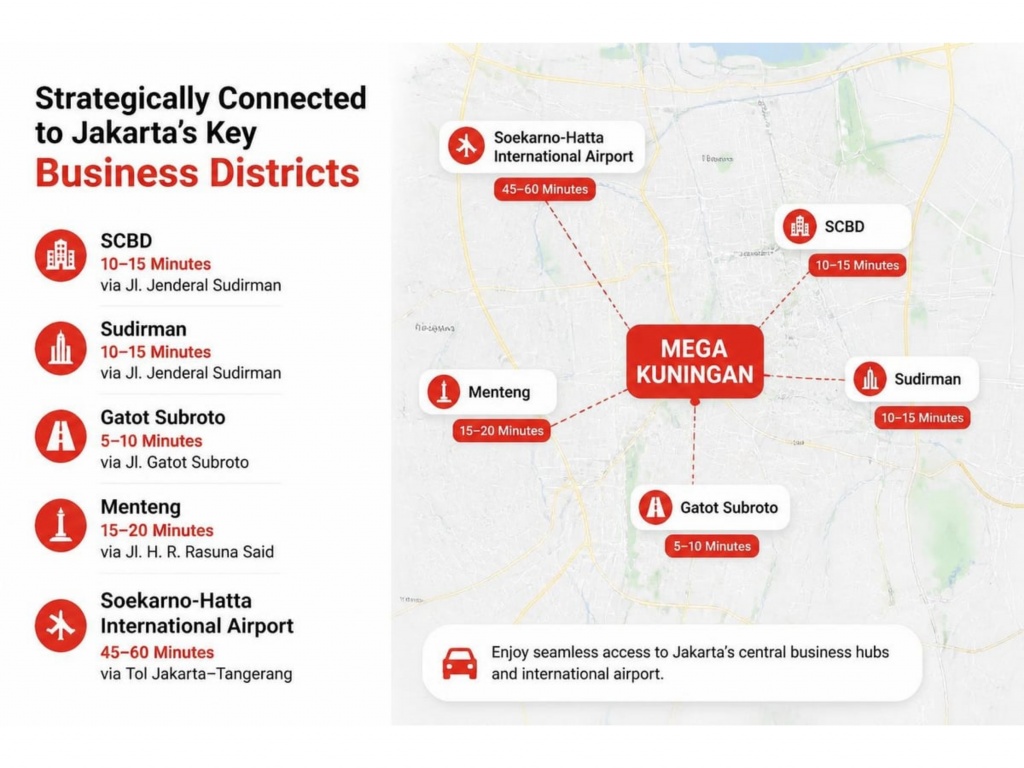
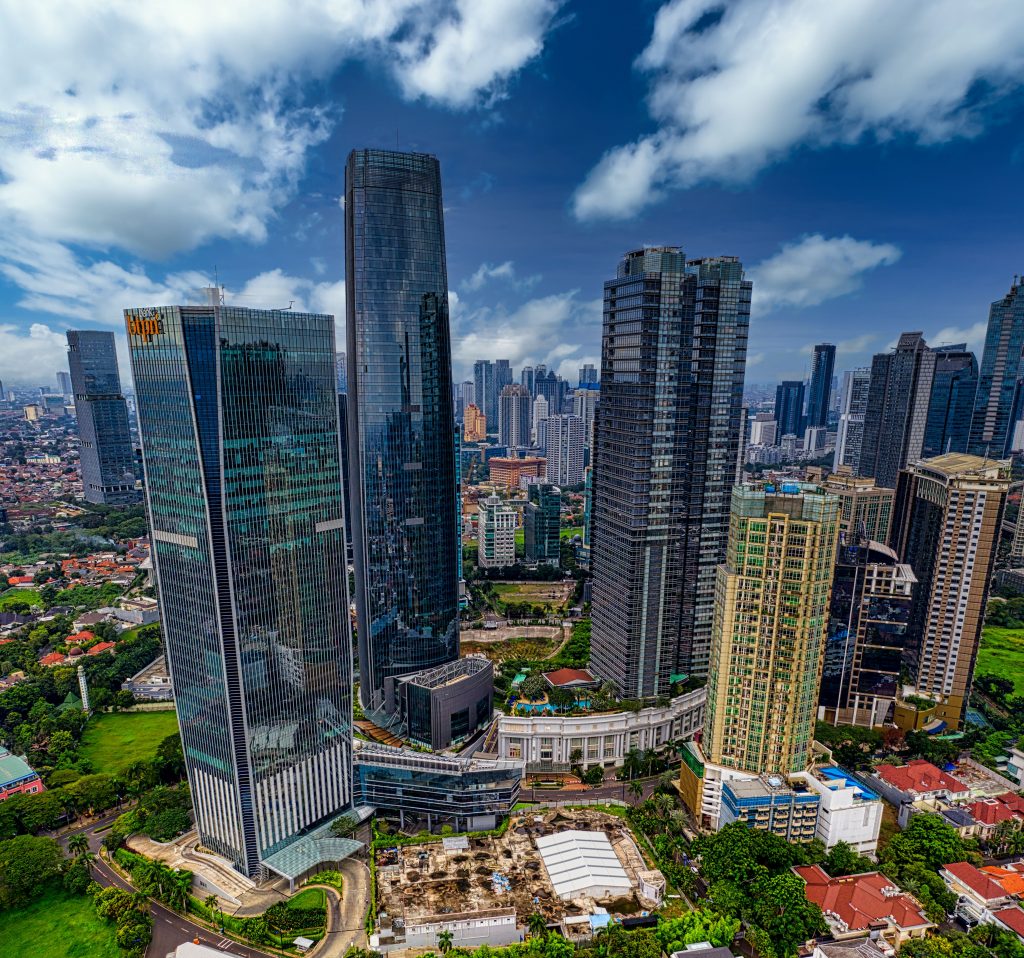
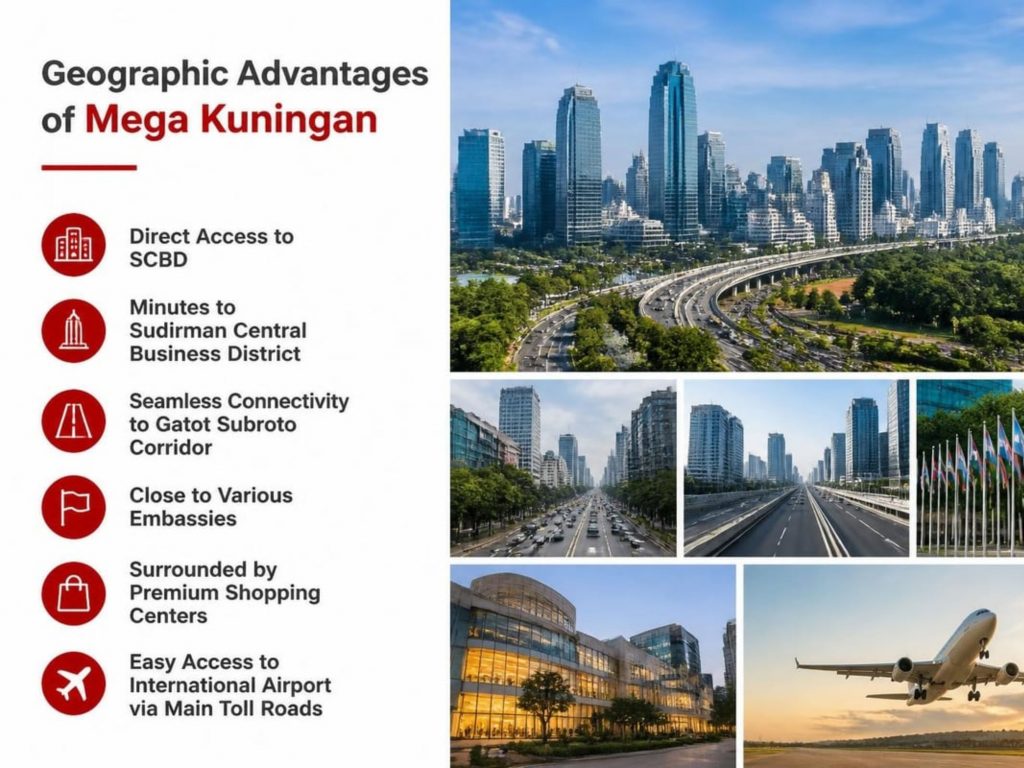
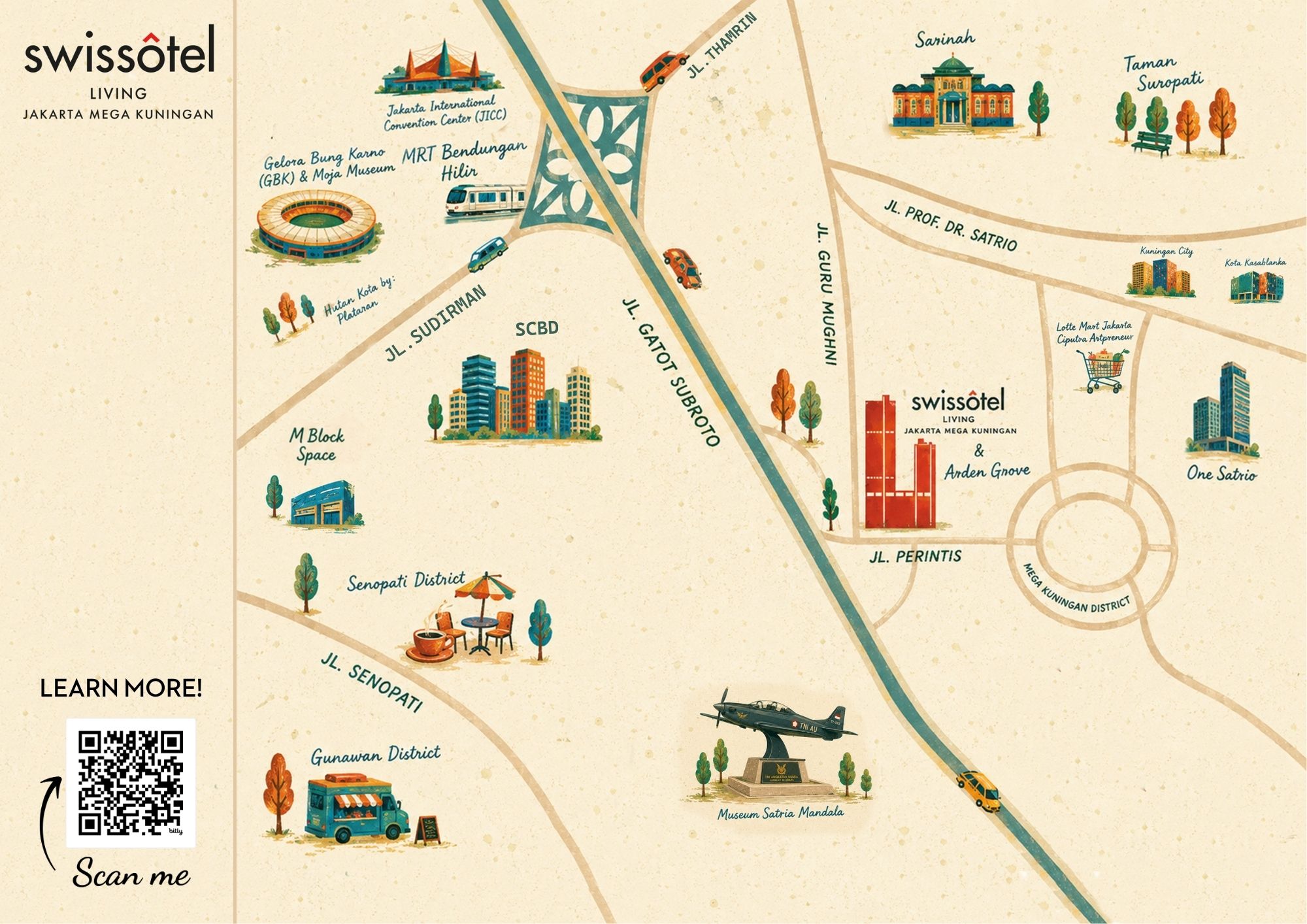
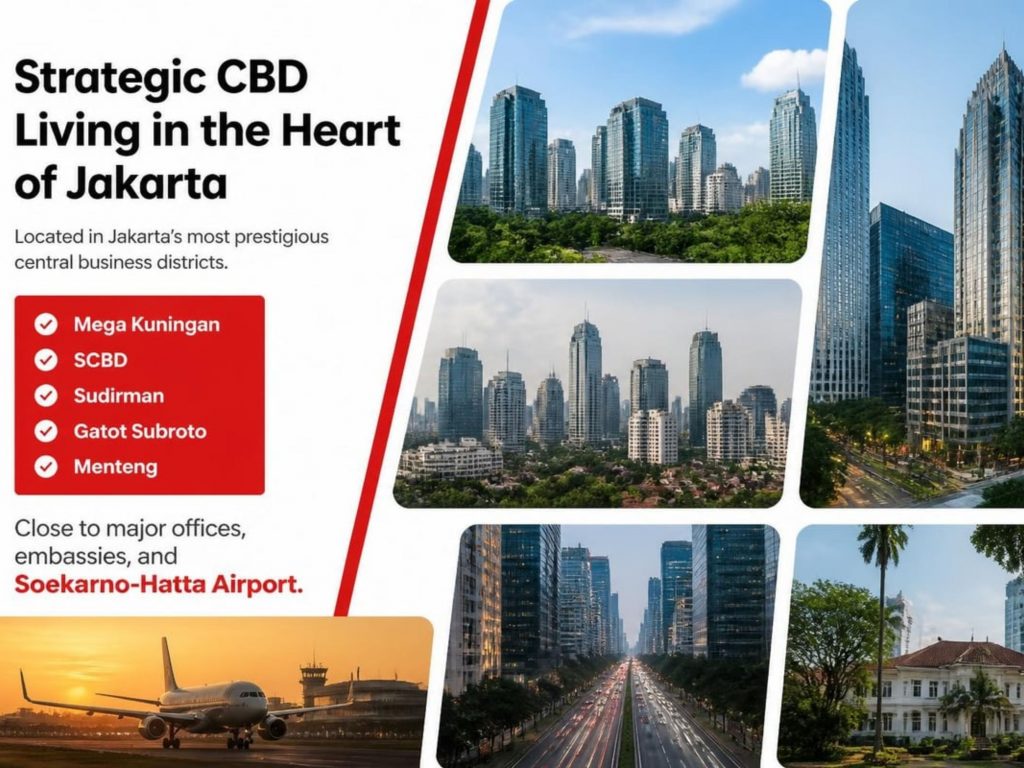
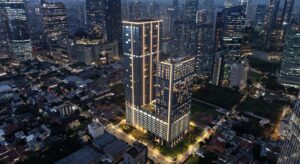
Transportation infrastructure plays a critical role. Properties near major highways, public transit stations, or airport corridors serve business travelers who need reliable mobility. In Jakarta, for instance, locations in Mega Kuningan, SCBD, and Sudirman offer direct connections to corporate offices, embassies, and international transport hubs.
Neighborhood character matters equally. Areas with established expatriate communities provide social networks and familiar services such as international schools, specialty grocery stores, and cultural organizations. For those exploring expat living in Indonesia, understanding these location factors proves essential to a successful transition.
Safety and Community Factors
Long-term guests evaluate security differently than short-term visitors. They want environments where they feel comfortable establishing routines, walking at various times, and allowing family members independence.
Established neighborhoods with residential character often outperform purely commercial zones for extended stays. The presence of local amenities, parks, healthcare facilities, and community spaces contributes to residents’ sense of belonging and well-being.
Cost Structure and Financial Planning
Pricing Models Explained
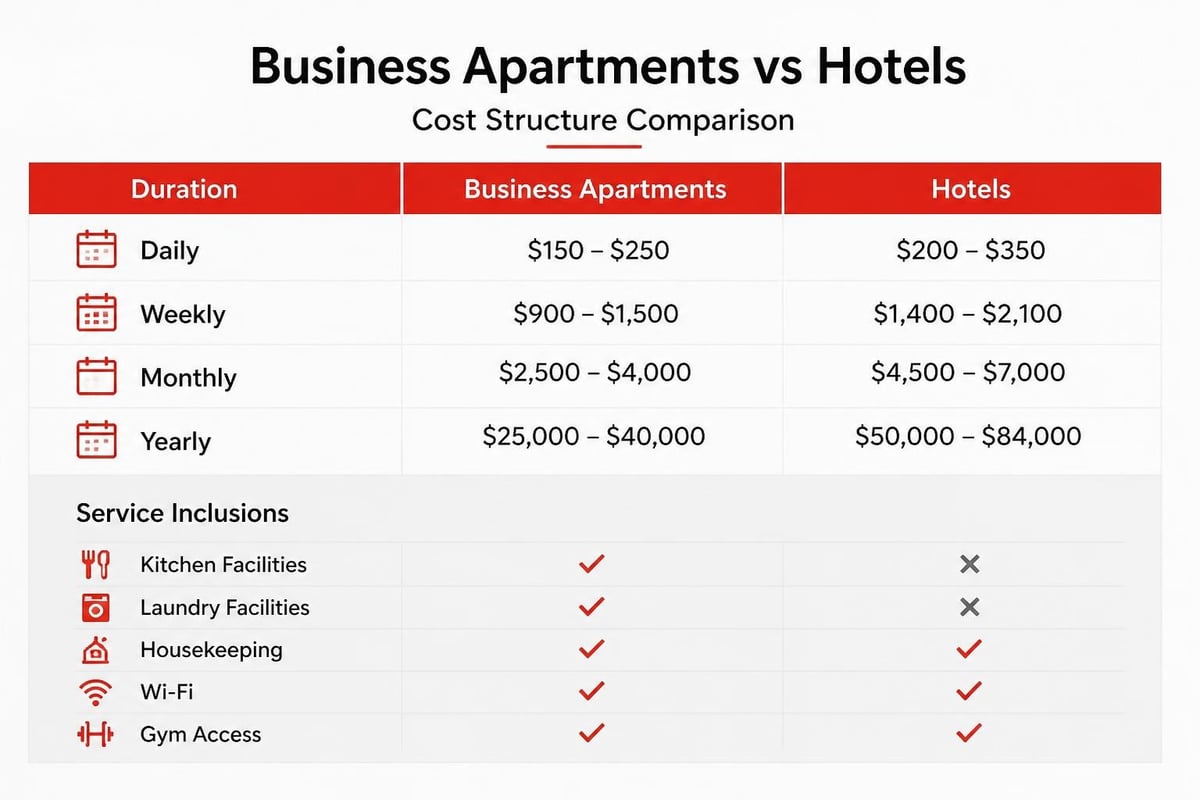
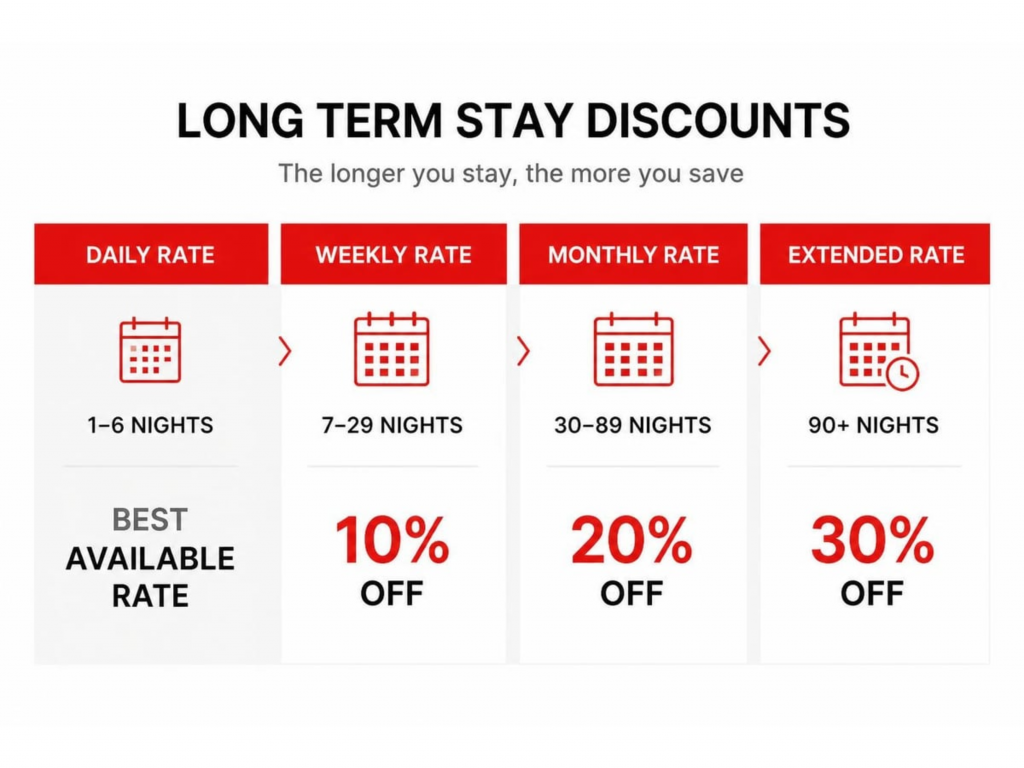
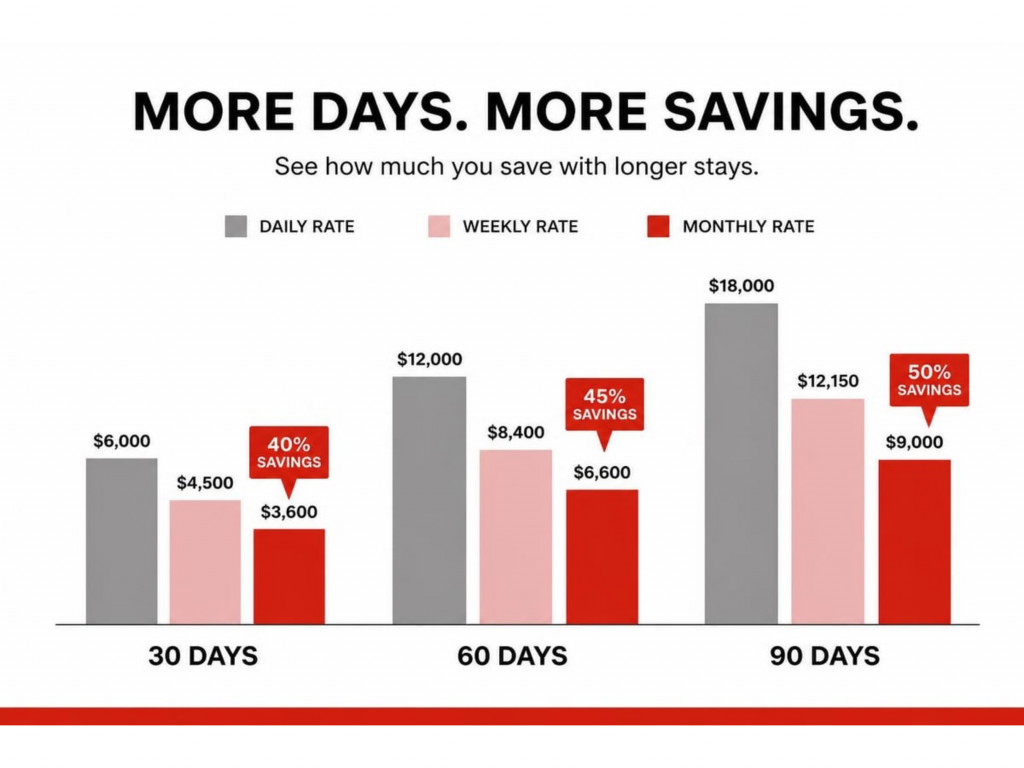
Extended stay accommodation typically offers multiple rate structures designed to reward longer commitments:
- Daily rates for initial stays or flexibility during uncertain timelines
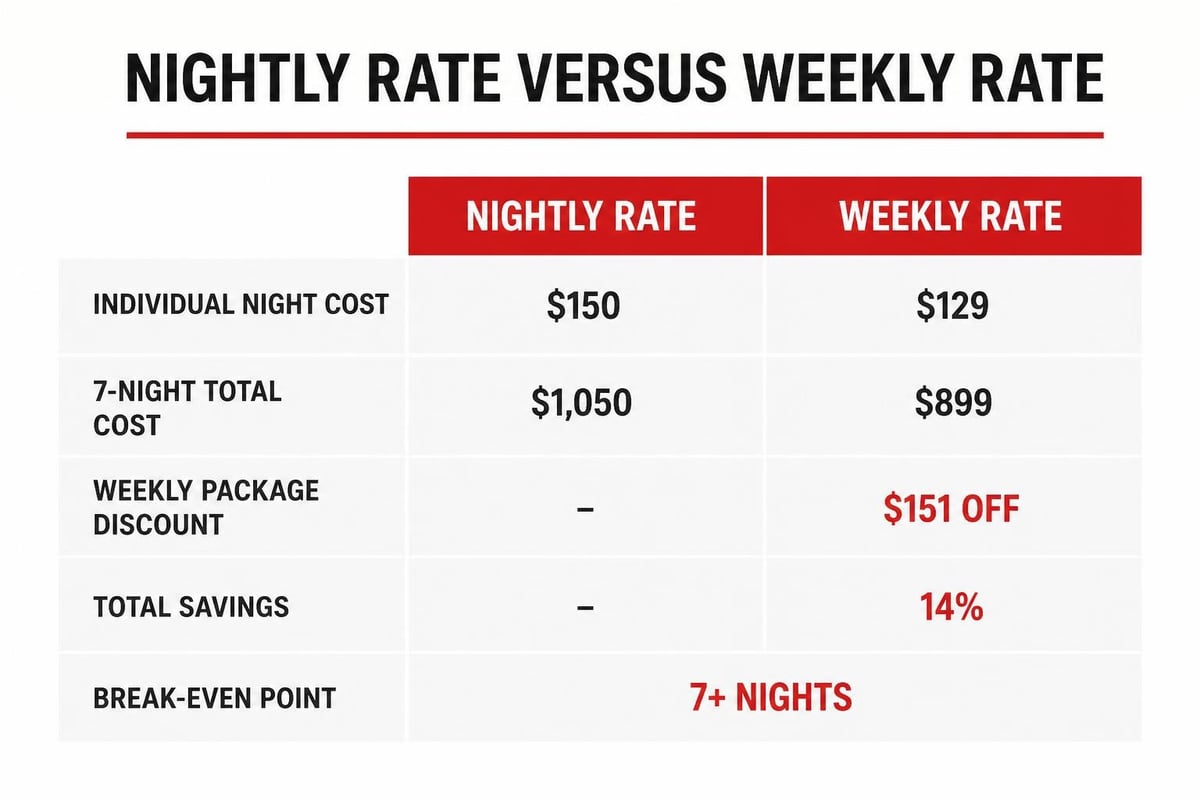
- Weekly rates providing 10-15% savings over daily equivalents
- Monthly rates delivering 20-30% reductions and simplified billing
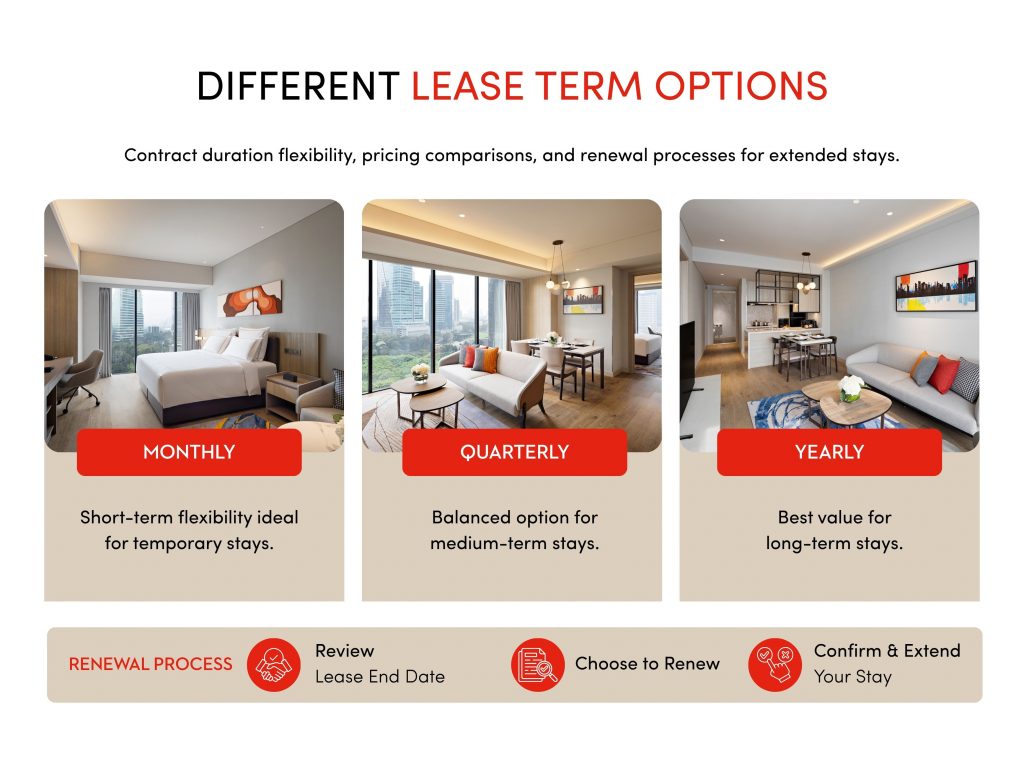
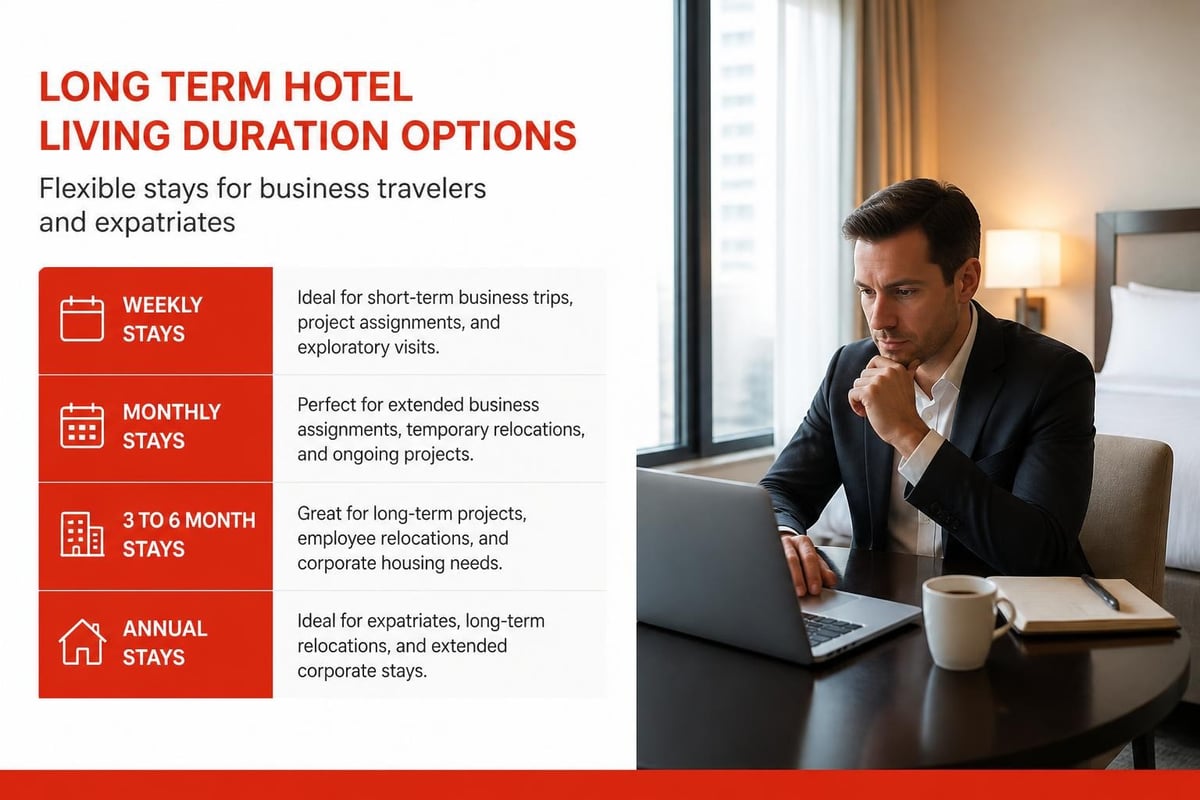
- Annual contracts offering maximum savings and stability for known long-term assignments
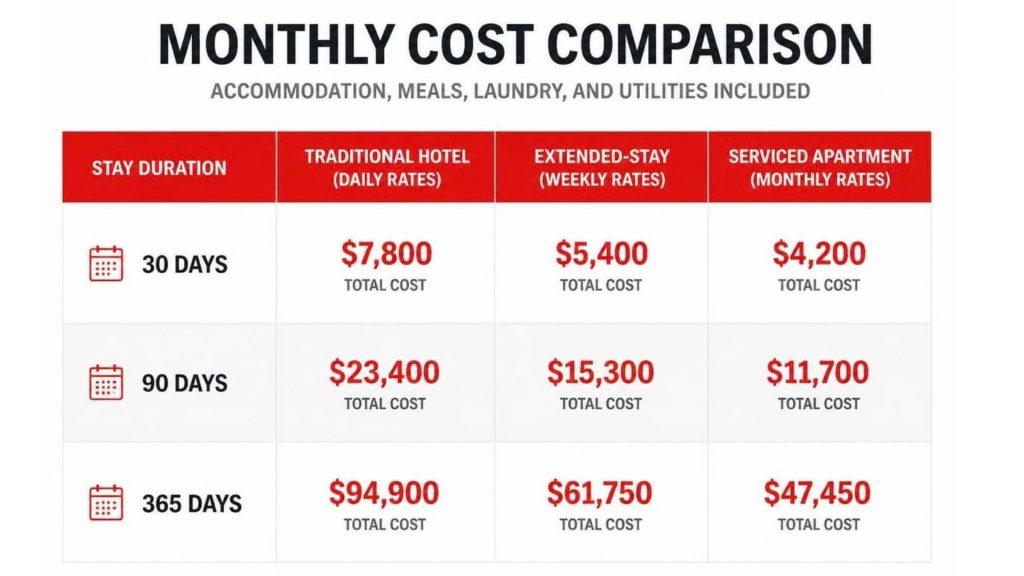
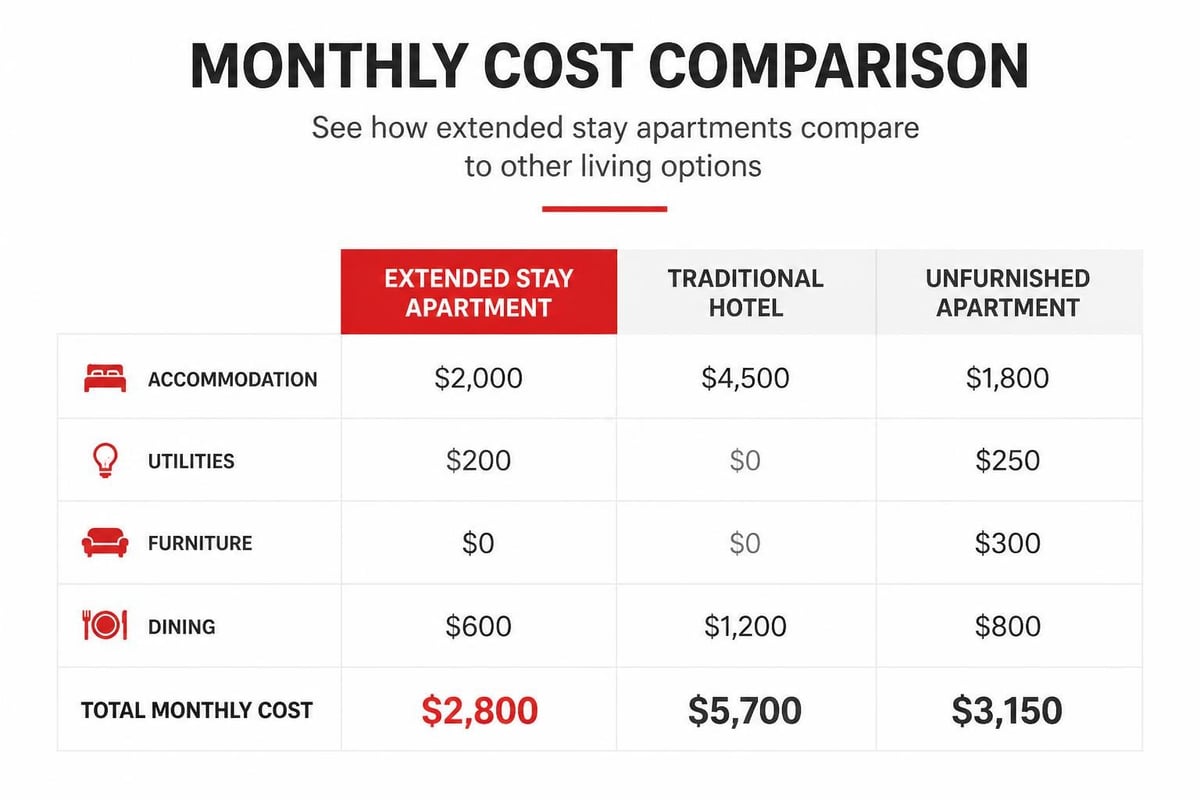
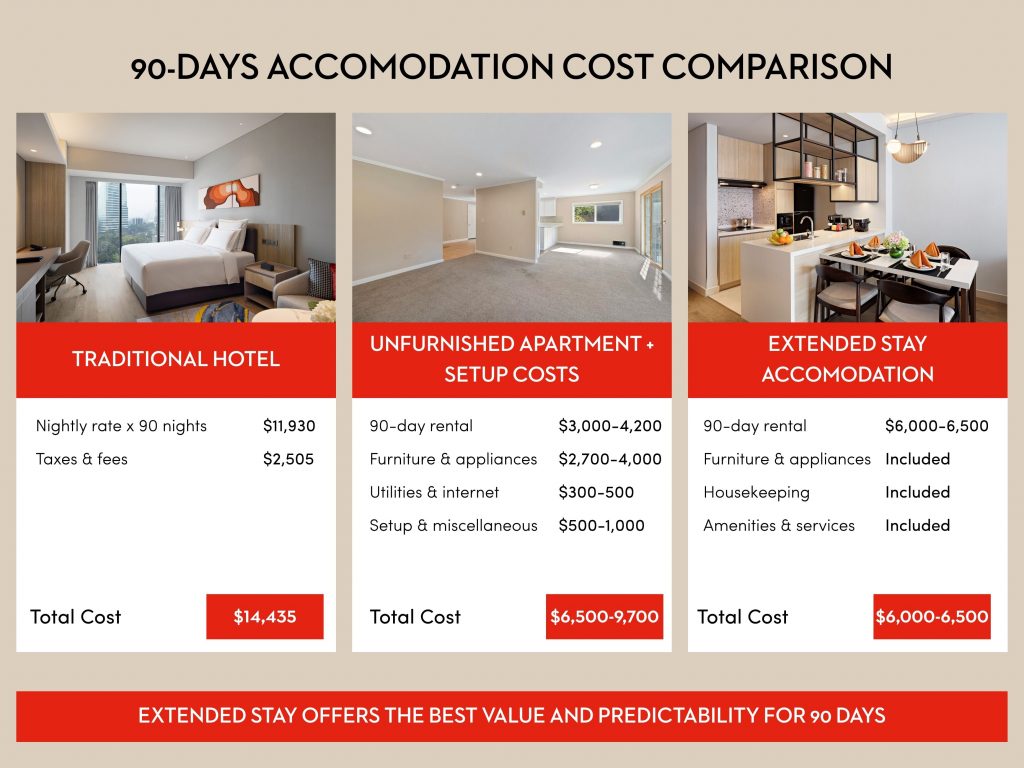
The economics become particularly attractive when comparing monthly extended stay rates to the combined costs of traditional hotels or short-term furnished rentals plus utilities, internet, and amenity access.
JLL’s extended stay outlook for 2025 confirms that revenue per available room (RevPAR) in this segment has shown resilience even during economic uncertainty, partly because corporate clients view these arrangements as cost-effective alternatives to per-diem hotel spending.
Hidden Value Components
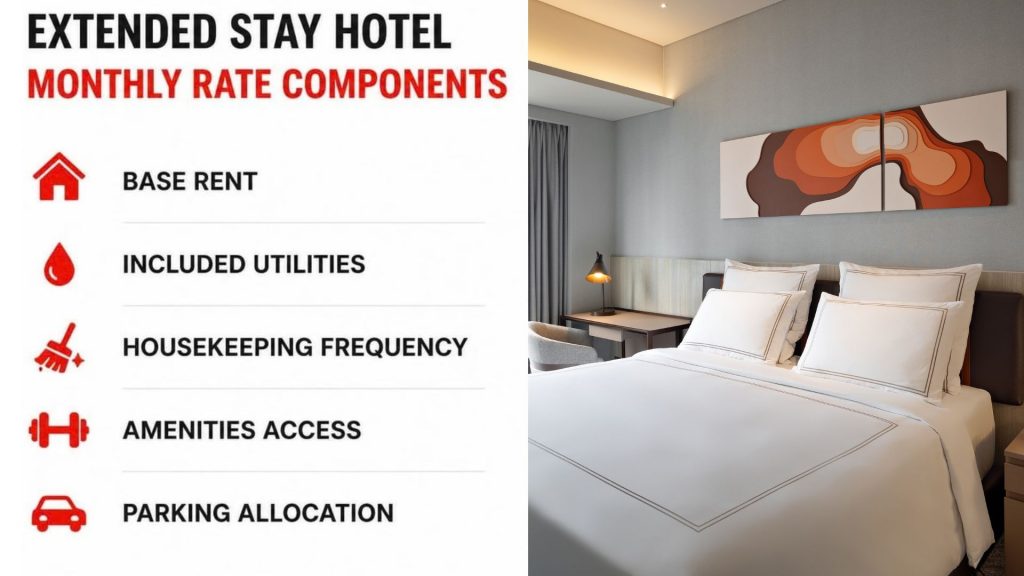
Beyond nightly rates, extended stay accommodation delivers value through included services that would otherwise require separate vendors and management:
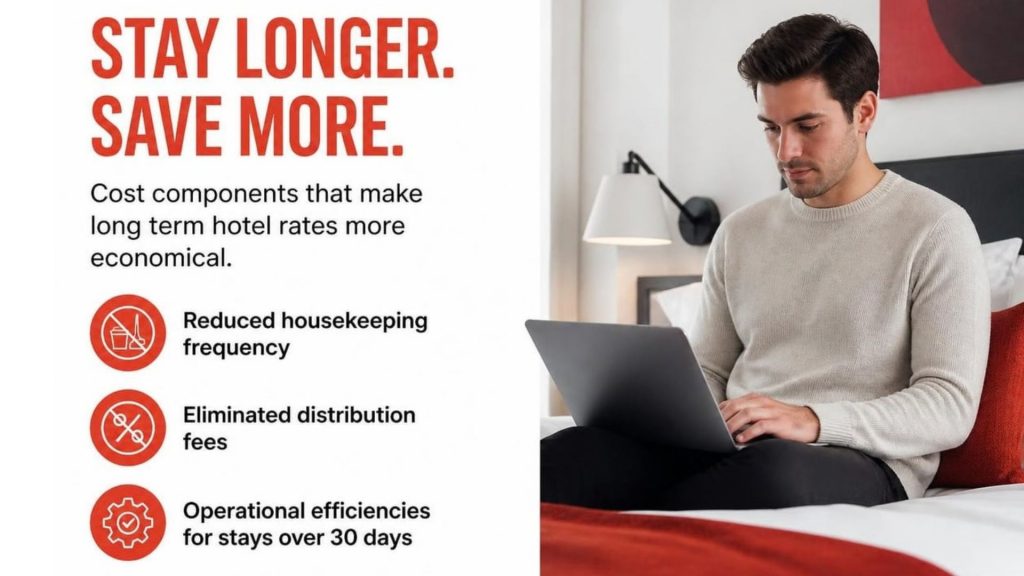
- Utilities (electricity, water, internet) bundled into one predictable payment
- Furniture and equipment eliminating purchase or rental costs
- Housekeeping supplies and linens provided regularly
- Maintenance response without tenant responsibility
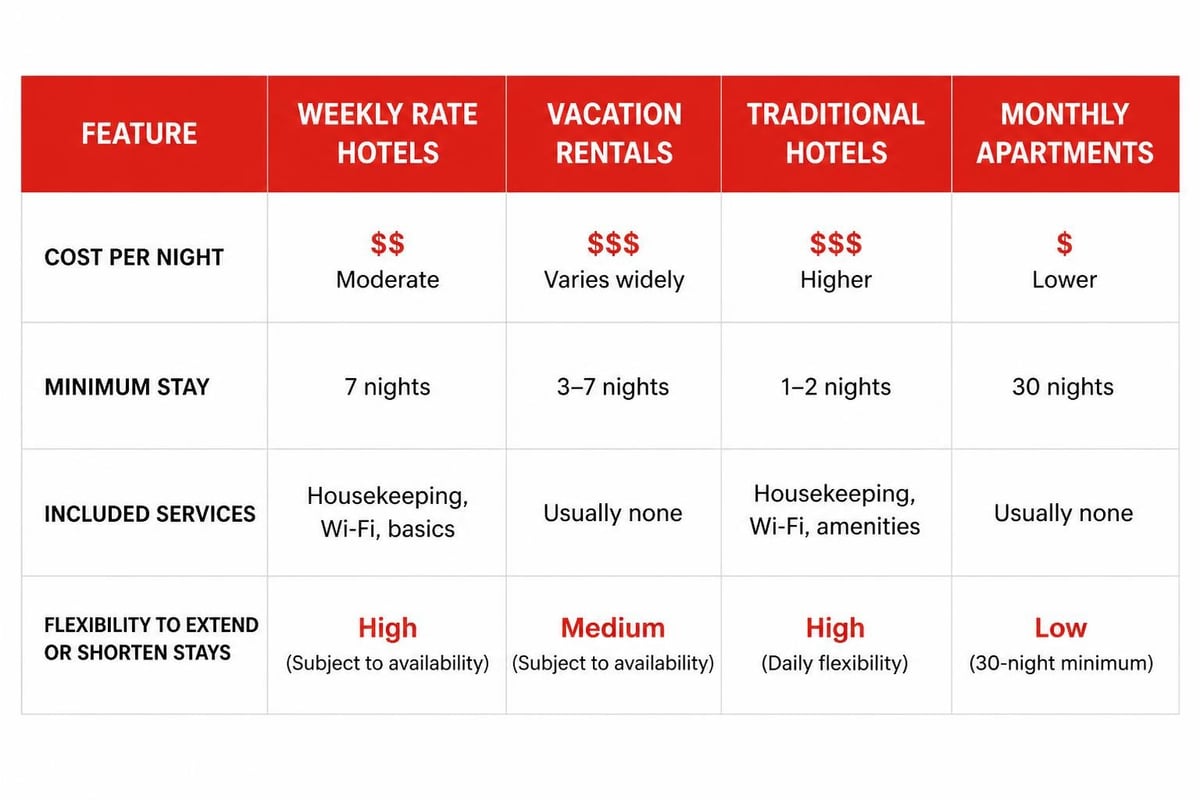
- Flexibility to extend or shorten stays with minimal penalty
These elements simplify financial planning for both corporate travel managers and individual guests, reducing administrative burden and unexpected expenses.
Selecting the Right Extended Stay Property
Apartment Type and Size Matching
Choosing appropriate accommodation size directly impacts comfort and budget efficiency. Studios suit solo professionals prioritizing location and amenities over living space. One-bedroom configurations work well for couples or individuals wanting separate work and living zones.
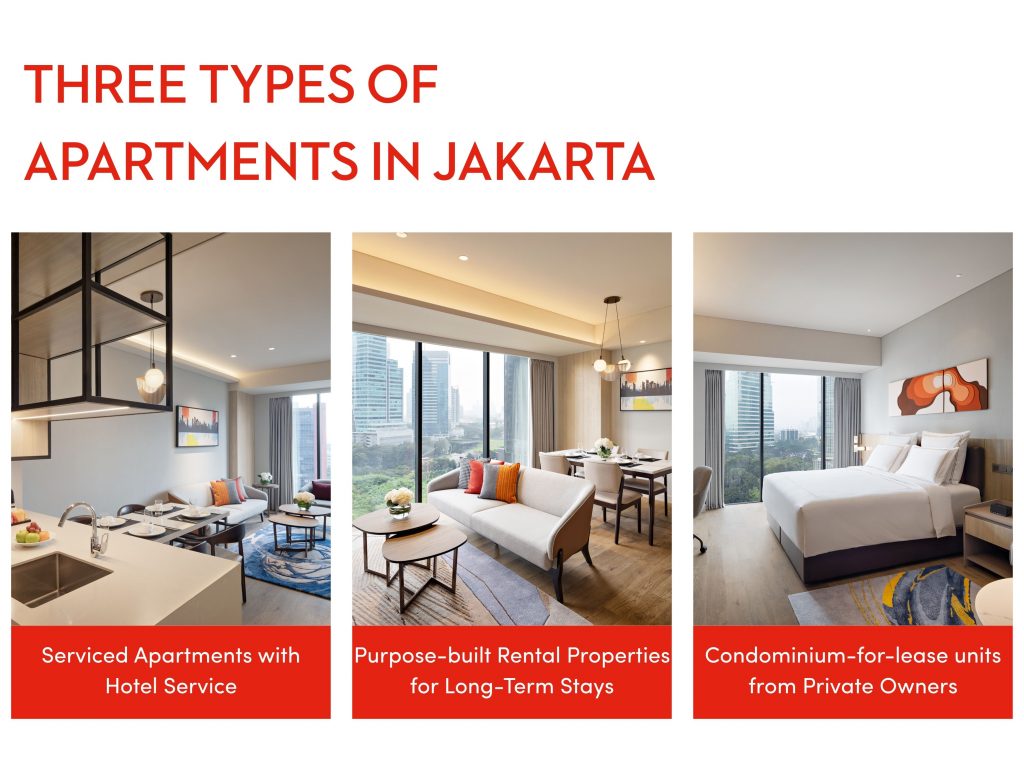
Families and small groups require two-bedroom or three-bedroom options that provide privacy while maintaining shared spaces. When finding the right three-bedroom serviced apartment in Jakarta, considerations extend beyond square footage to bedroom configuration, bathroom count, and communal area layout.
Room size measurements matter. A 37-square-meter studio offers different functionality than a 50-square-meter unit. Larger spaces accommodate storage for extended wardrobes, exercise equipment, or work materials that accumulate during long stays.
Brand and Operator Reputation
The quality of extended stay accommodation varies significantly by operator. Established hotel brands bring operational systems, service standards, and loyalty program benefits. Independent properties may offer local character and personalized service but require more due diligence regarding consistency.
Operator experience in serviced apartments specifically differs from traditional hotel management. Properties purpose-built and managed for extended stays typically outperform hotel conversions in resident satisfaction, as they’re designed from inception for long-term living rather than transient hospitality.
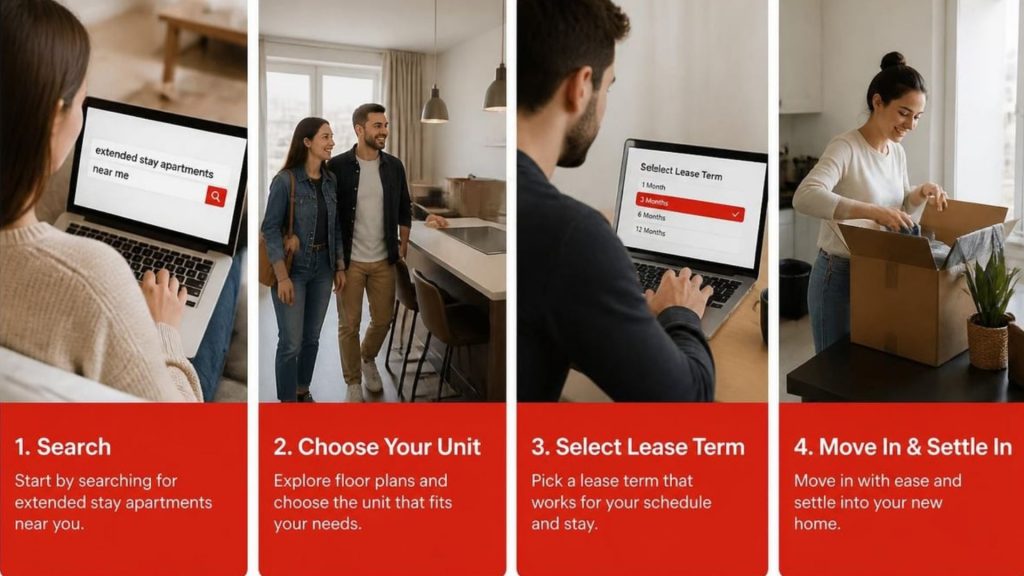
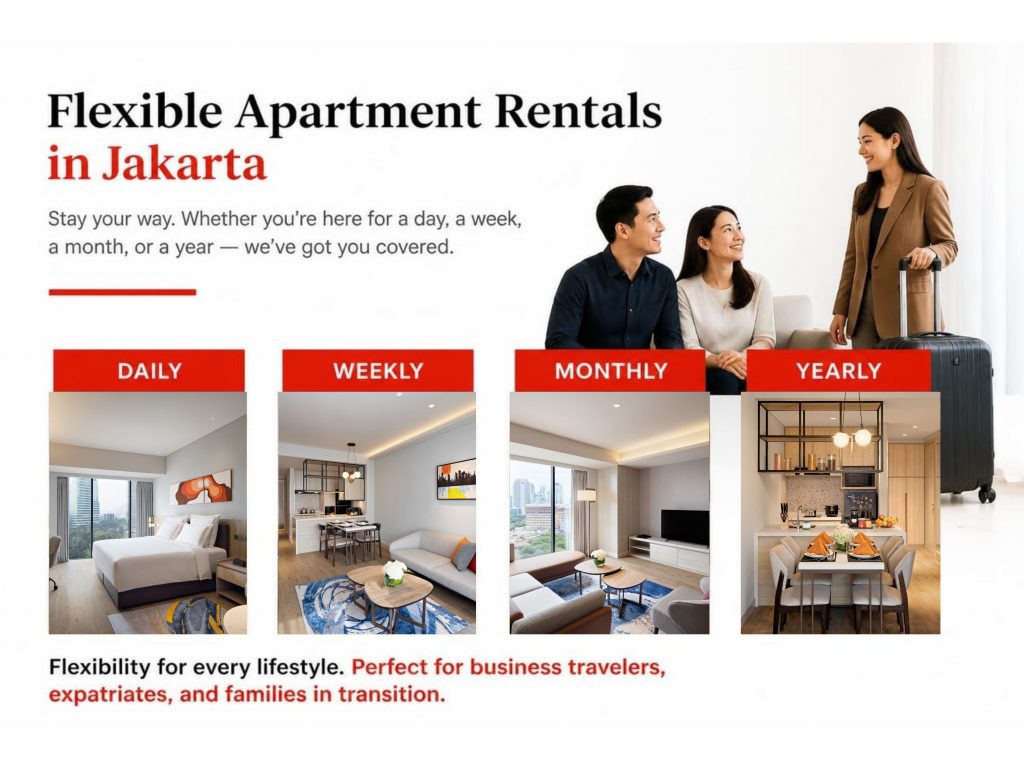
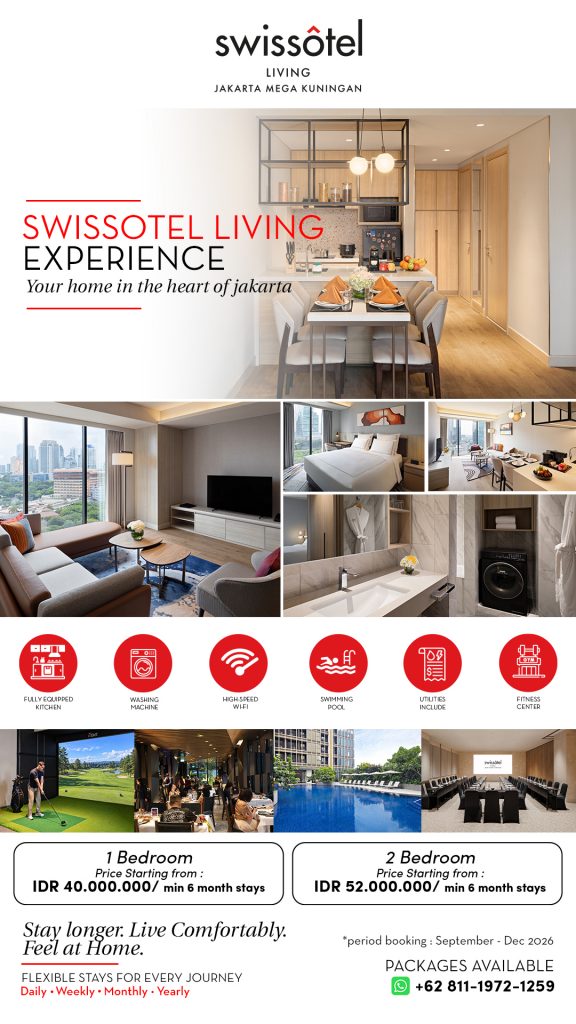
For professionals and families seeking extended stay accommodation in Jakarta’s central business district, properties offering both the residential experience and hotel-brand reliability provide the ideal combination. Serviced apartments with daily, weekly, monthly, and yearly stay options deliver flexibility that adapts to evolving assignment timelines and personal circumstances.
Technology and Connectivity Standards
Digital Infrastructure Expectations
Extended stay residents depend on robust technology infrastructure for both work and leisure. High-speed internet with sufficient bandwidth to support video conferencing, cloud applications, and streaming entertainment has become table stakes rather than a premium feature.
Smart property systems enhance the long-term living experience. Mobile apps that control temperature, lighting, and service requests allow residents to personalize their environment. Digital check-in and keyless entry reduce friction during arrival and eliminate concerns about lost keys during extended residency.
The 2025 extended stay trends analysis from Serviced Apartment News identifies technology integration as a key differentiator, with properties investing in unified platforms that manage everything from booking to maintenance requests through a single interface.
Communication and Support Channels
Long-term residents need reliable communication with property management. Multiple contact methods-phone, email, messaging apps, in-person-ensure guests can reach support through their preferred channel when issues arise.
Response time expectations differ from traditional hotels. While 24/7 emergency support remains critical, residents typically tolerate longer resolution windows for non-urgent requests in exchange for less intrusive service delivery.
Wellness and Lifestyle Amenities
Fitness and Recreation Facilities
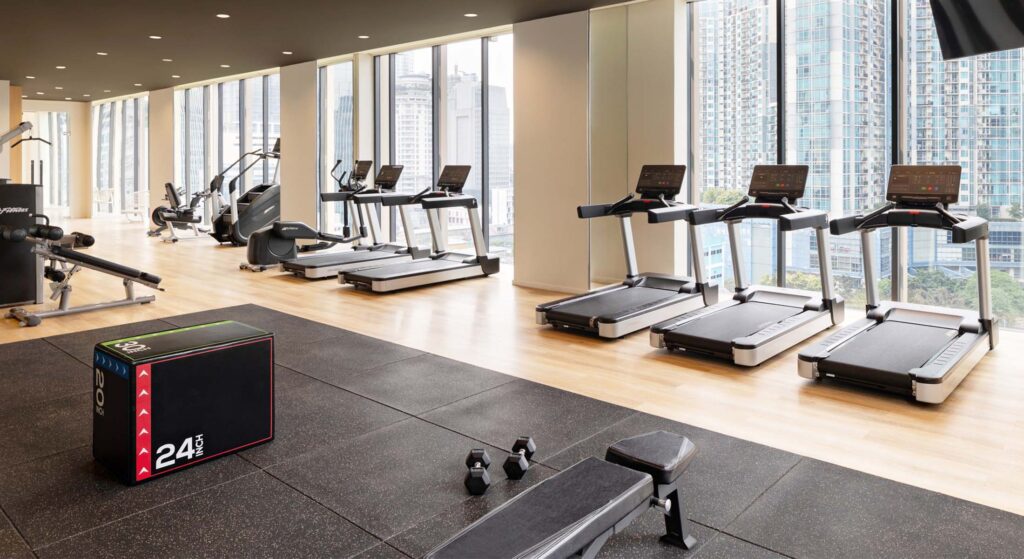
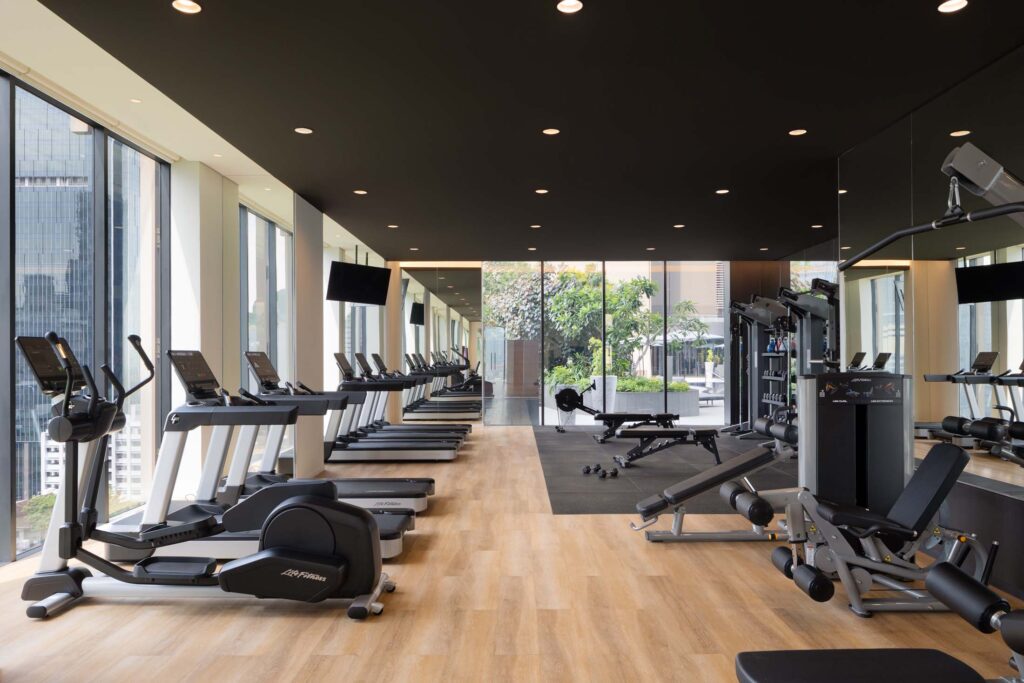
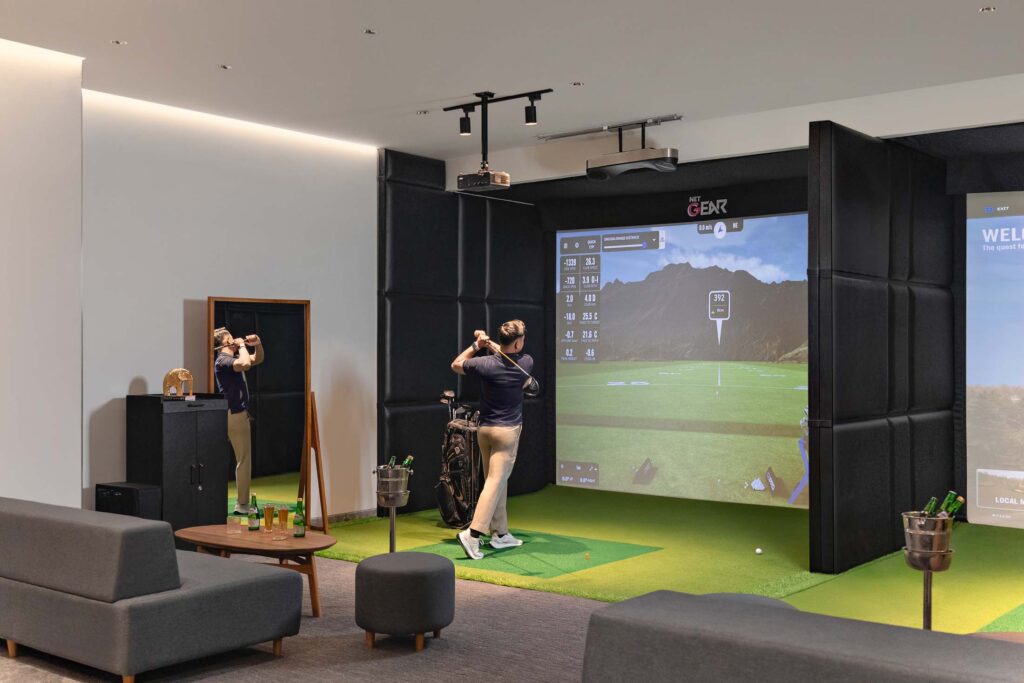
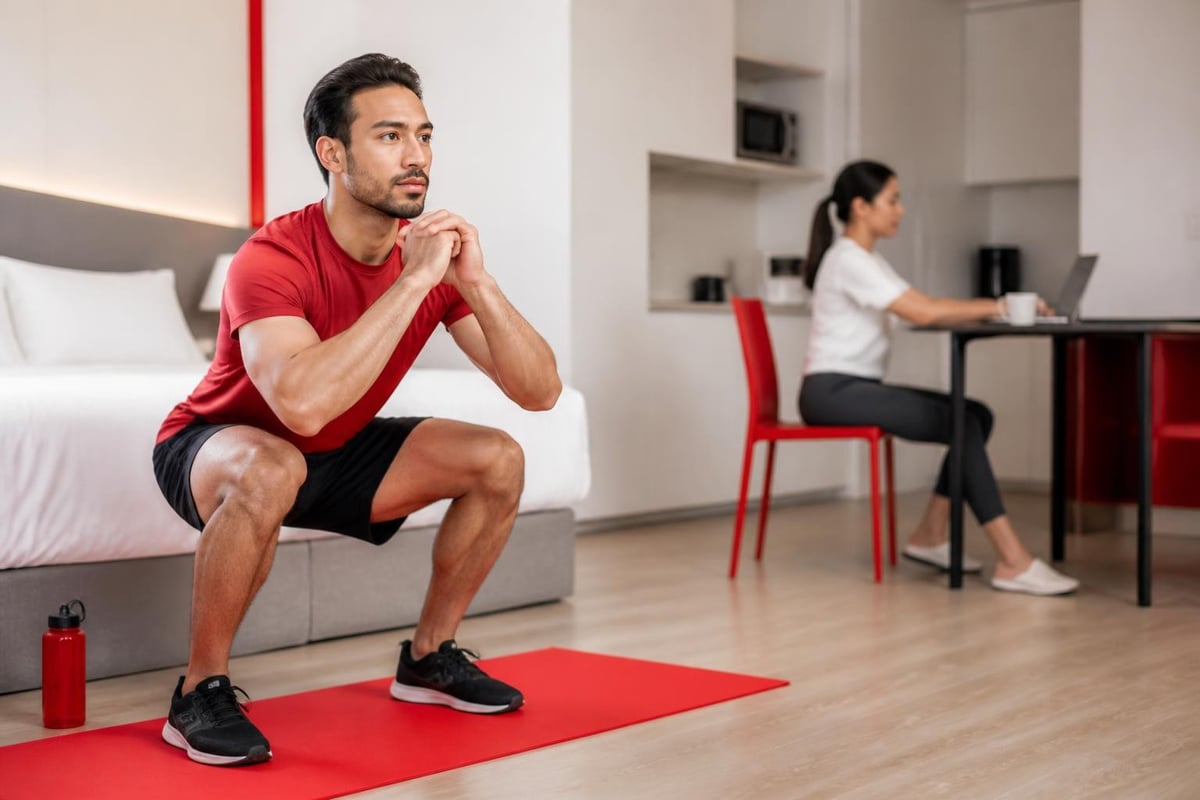
Physical wellness becomes increasingly important during extended stays when established exercise routines can falter. On-site fitness centers eliminate the need to research, join, and commute to external gyms. Well-equipped facilities with cardio equipment, weights, and functional training areas support comprehensive workout programs.
Additional wellness amenities might include:
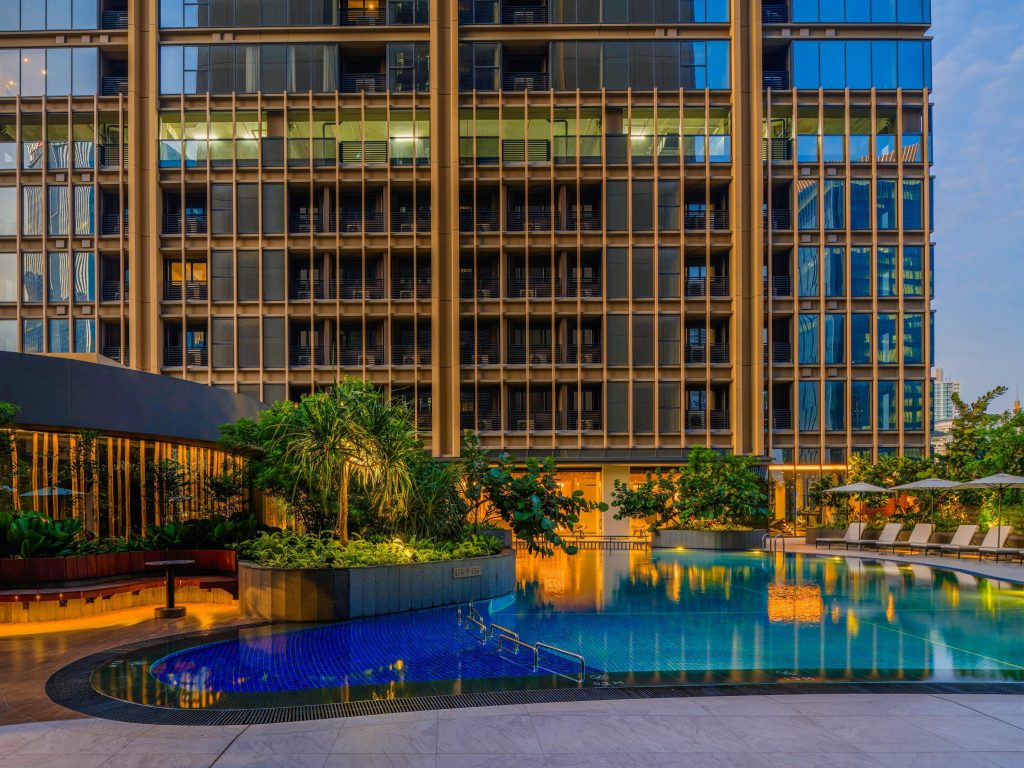
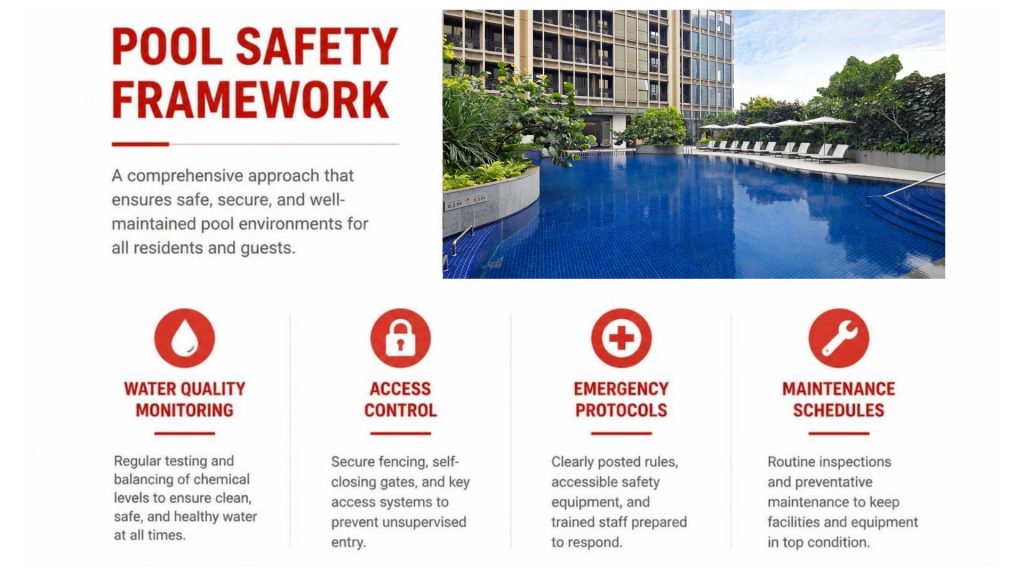
- Swimming pools for low-impact exercise and stress relief
- Yoga or multipurpose studios for flexibility and group classes
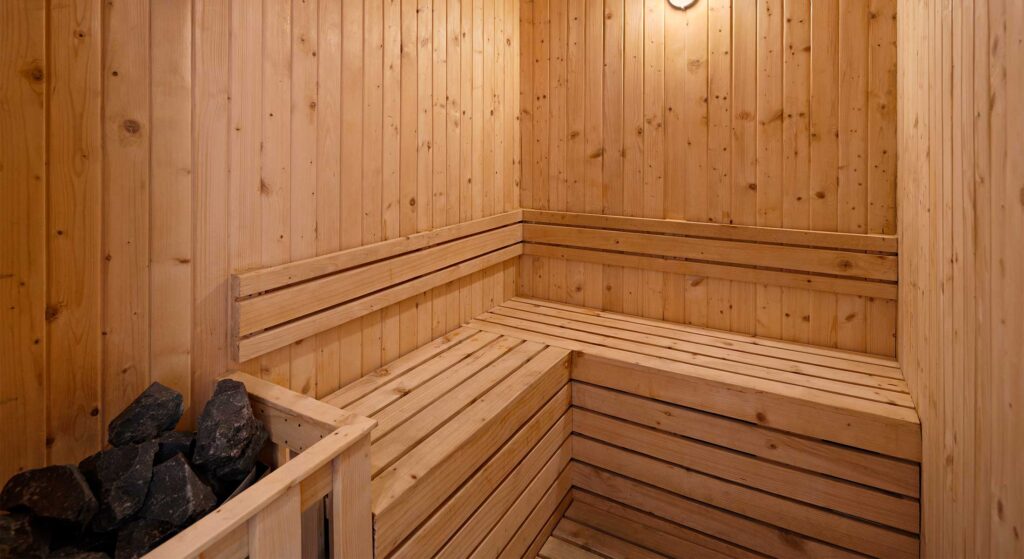
- Spa or massage services for recovery and relaxation
- Outdoor spaces for walking, running, or fresh air breaks
These facilities contribute significantly to maintaining work-life balance during an extended stay, particularly for guests whose work demands might otherwise consume all available time.
Social and Community Spaces
Isolation represents a significant risk during long-term stays away from established social networks. Properties that facilitate connection through shared spaces and organized activities help residents build community.
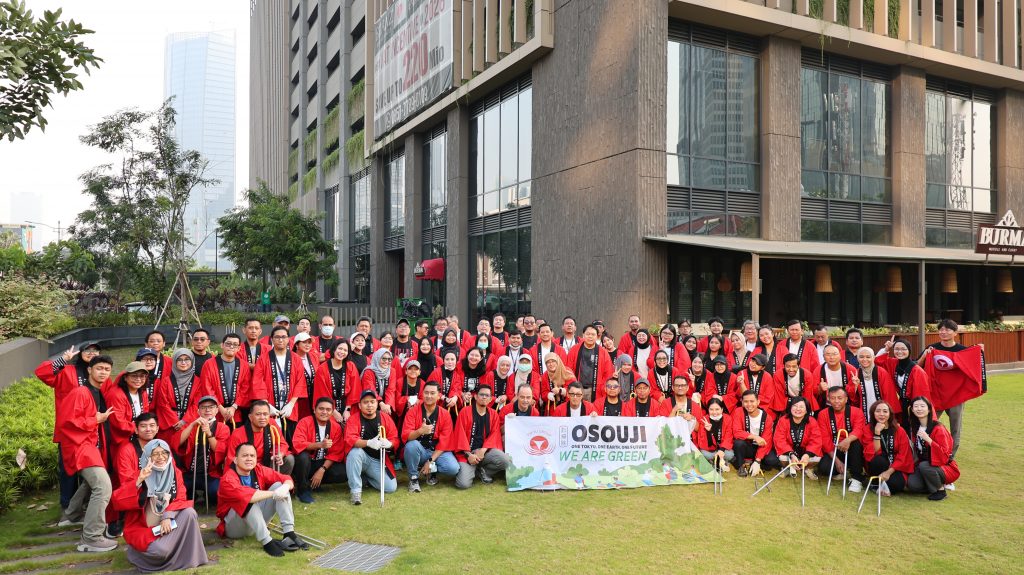
Common areas such as lounges, rooftop terraces, or co-working spaces create natural opportunities for interaction. Some properties organize regular events-networking mixers, cultural celebrations, wellness workshops-that bring residents together around shared interests.
Booking Strategy and Timing
Advance Planning vs. Flexibility
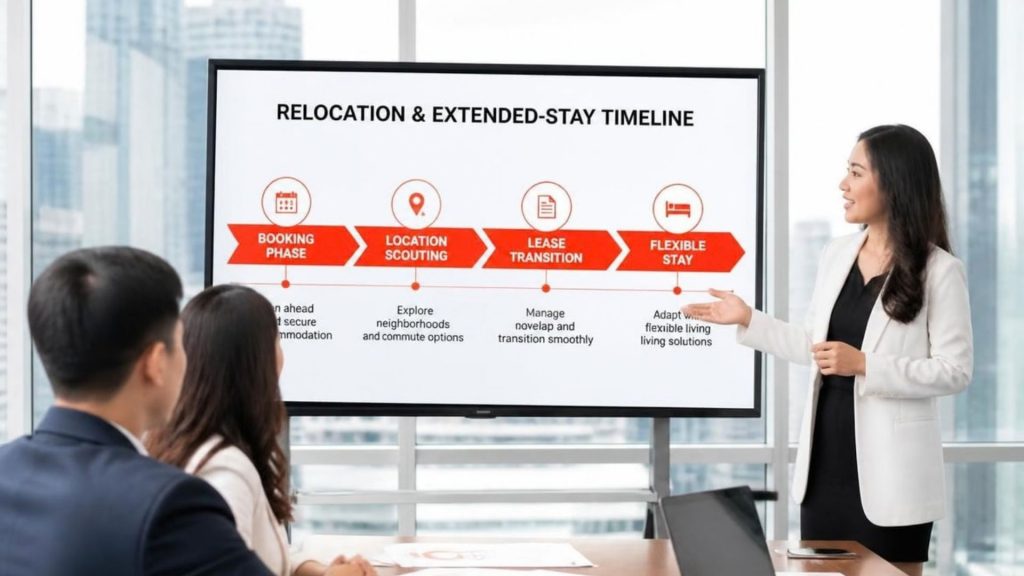
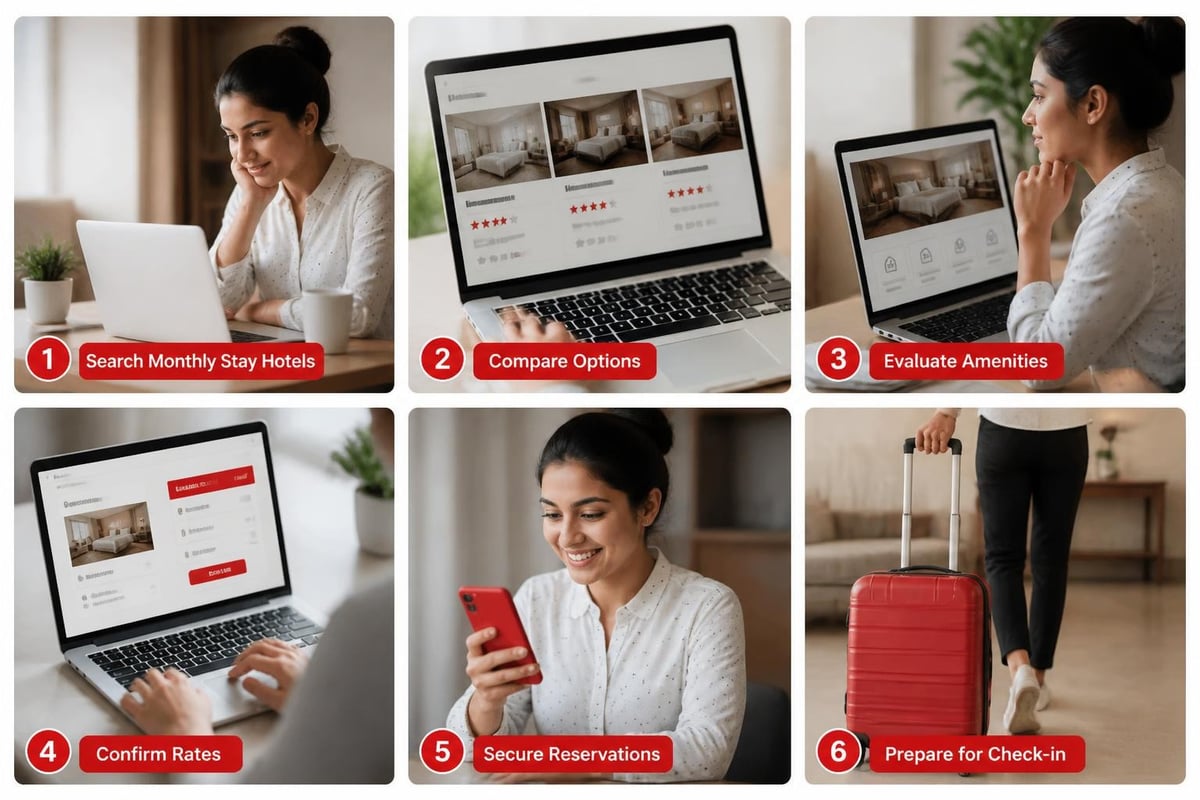
Extended stay accommodation bookings follow different patterns than vacation travel. Corporate relocations may be planned months in advance, allowing early reservations that secure preferred apartment types and sometimes preferential rates.
Conversely, project assignments or personal transitions sometimes require quick decisions. Properties maintaining good availability and offering simplified booking processes serve these urgent needs effectively.
Rate shopping requires different tactics. While dynamic pricing exists, extended stay rates tend to be more stable than transient hotel rates. Direct booking with properties often yields better long-term rates than online travel agencies, particularly when negotiating monthly or longer commitments.
Contract Terms and Flexibility Clauses
Understanding lease or booking agreements becomes crucial for extended stays. Key terms to evaluate include:
| Contract Element | Considerations | Negotiation Opportunities |
|---|---|---|
| Minimum stay | Required commitment period | May be waived for corporate accounts |
| Cancellation policy | Notice required, penalties | Extended notice periods reduce fees |
| Rate lock | Price protection for contract duration | Valuable during inflationary periods |
| Extension options | Terms for staying beyond initial booking | Pre-negotiated rates simplify extensions |
| Early termination | Conditions and costs for leaving early | Corporate clauses may provide flexibility |
Recent research, including the “Slomads Rising” analysis of booking behavior through 2024, reveals that travelers increasingly seek flexibility even in longer bookings. Properties offering adaptable terms without excessive penalties attract more bookings in uncertain economic environments.
Corporate Housing and Business Travel Programs
Structured Corporate Arrangements
Companies managing regular relocations or project deployments often establish negotiated rate agreements with extended stay properties. These corporate housing programs provide:
- Pre-negotiated rates below rack pricing
- Simplified booking and billing processes
- Consistent quality across multiple assignments
- Flexible cancellation terms recognizing business uncertainty
- Dedicated account management for complex requirements
Human resources departments increasingly rely on these arrangements to streamline employee transitions and control costs while maintaining quality standards.
Duty of Care and Employee Wellbeing
Corporate responsibility extends beyond cost management to ensuring employee safety and wellbeing during assignments. Extended stay accommodation in secure, well-maintained properties with reliable support services helps companies meet duty of care obligations.
Properties providing regular communication, emergency protocols, and local area orientation support both employee comfort and corporate risk management.
Family Considerations for Extended Stays
Child-Friendly Features and Services
Families with children require different amenities than solo professionals. Extended stay properties serving this market offer:
- Two-bedroom and three-bedroom configurations with separate children’s sleeping areas
- Full kitchens for preparing familiar meals and accommodating dietary needs
- Laundry facilities essential for managing children’s clothing
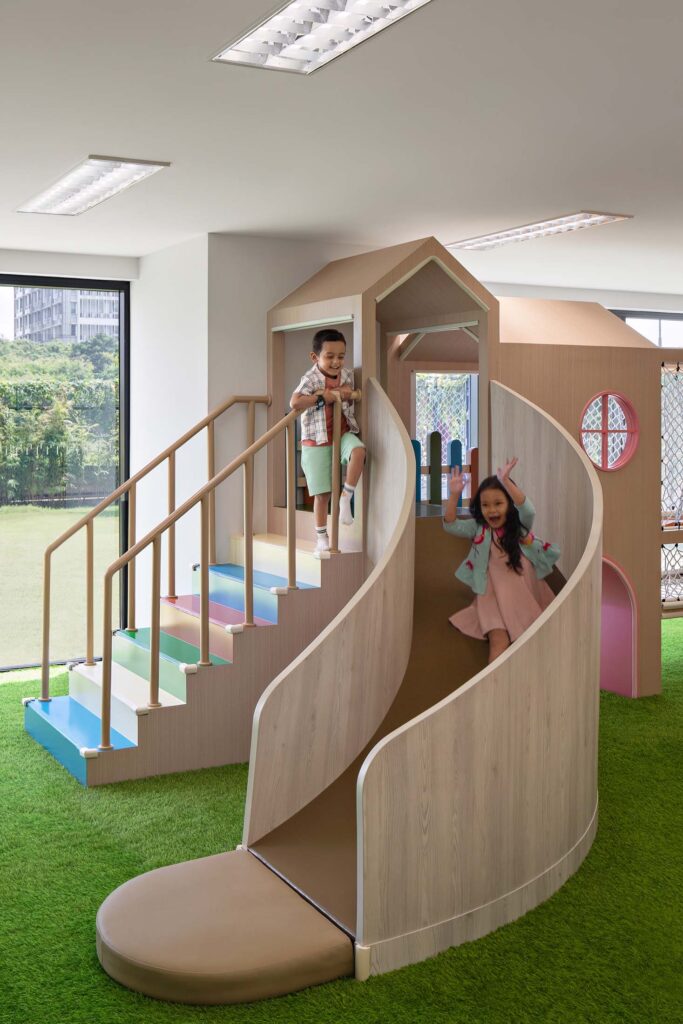
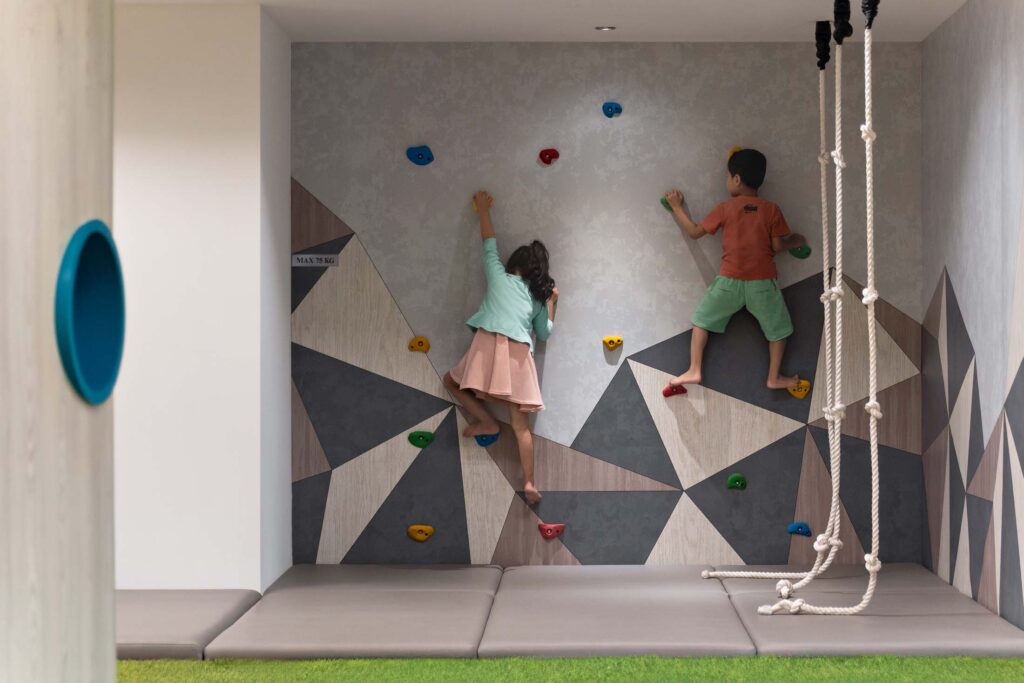
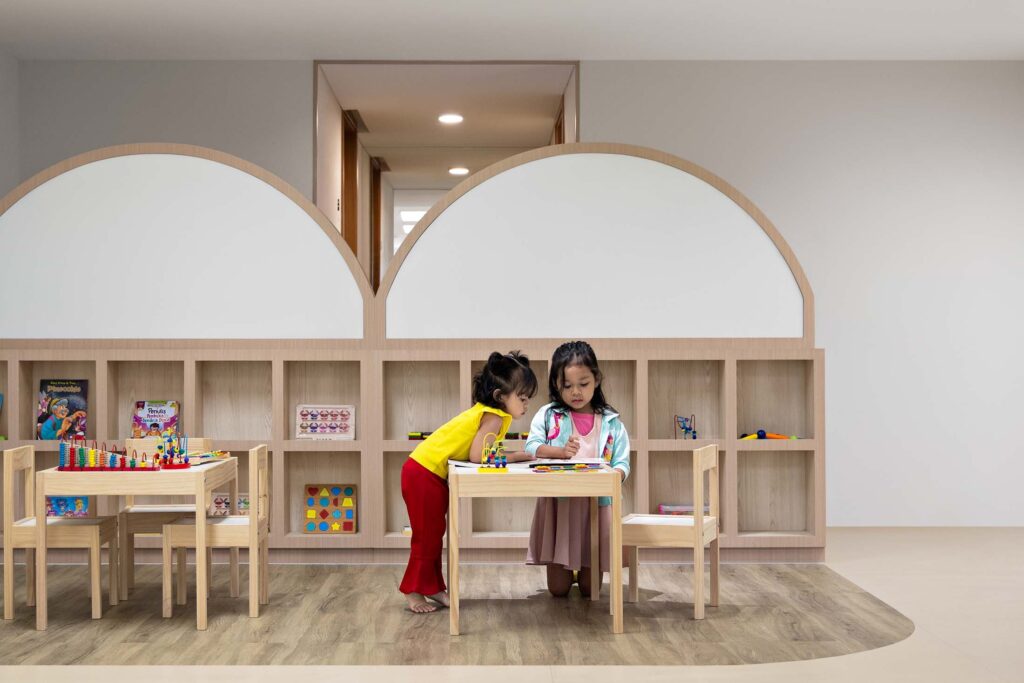
- Recreational facilities including pools and play areas
- Proximity to international schools and pediatric healthcare
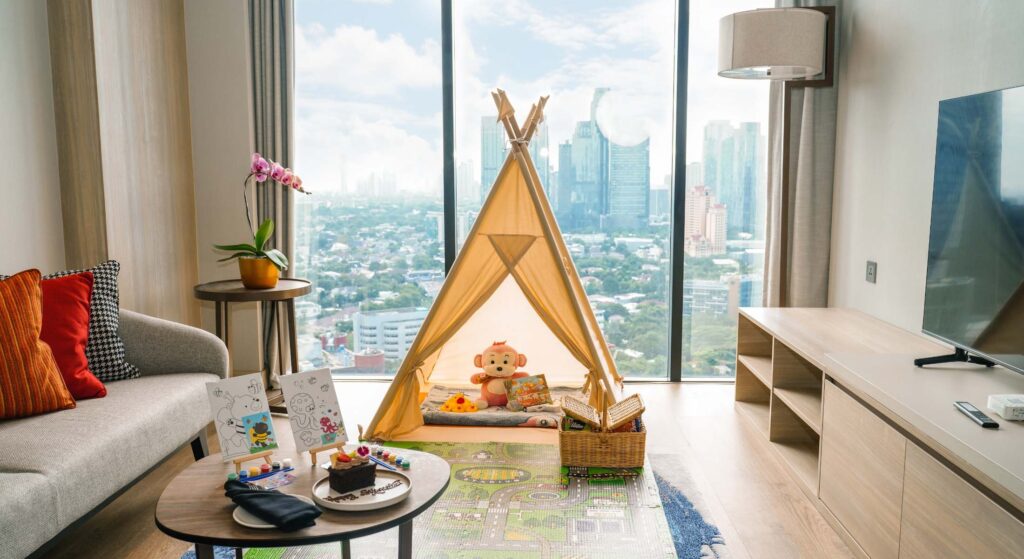
Space for toys, school supplies, and family activities becomes critical as stay duration increases. Properties designed with families in mind provide adequate storage and flexible living areas.
School Access and Educational Support
For expatriate families, proximity to international schools often drives accommodation decisions. Extended stay properties in education-rich neighborhoods simplify daily logistics and allow children to build peer relationships near home.
Some properties maintain relationships with nearby schools, providing information to new residents and occasionally facilitating enrollment processes for families unfamiliar with local education systems.
Maximizing Value During Your Stay
Leveraging Included Services
Residents sometimes underutilize available amenities and services, missing opportunities to maximize their investment. Taking full advantage of fitness facilities, business centers, social events, and concierge support enhances the extended stay experience without additional cost.
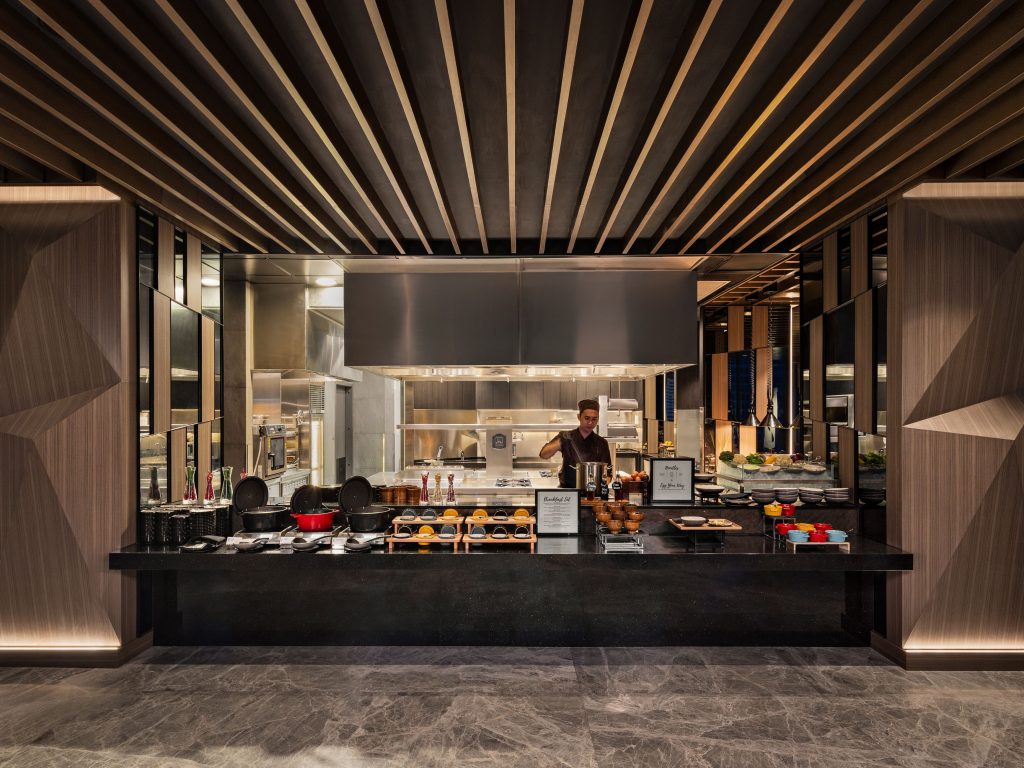
Properties offering loyalty programs or resident perks-discounts at on-site restaurants, complimentary breakfast periods, happy hour events-add value when actively utilized.
Building Local Connections
Extended stays offer time to develop genuine understanding of the destination beyond tourist experiences. Residents can:
- Explore neighborhood restaurants and markets for authentic cuisine
- Establish relationships with local service providers
- Participate in community activities and cultural events
- Develop area expertise that improves daily efficiency
- Build professional networks that outlast the assignment
Many guests find these deeper connections among the most rewarding aspects of their extended stay accommodation experience.
Future Trends Shaping Extended Stay Accommodation
Hybrid Work and Nomadic Lifestyles
The normalization of remote work has created new extended stay demand from digital nomads and distributed teams choosing temporary bases in different cities. This segment values locations with strong connectivity, coworking spaces, and lifestyle amenities over traditional business district positioning.
Properties adapting to this trend offer flexible lease terms, community-building programming, and work-life integration features that appeal to guests blending professional productivity with destination exploration.
Wellness-Centered Design
Health and wellness priorities increasingly influence extended stay accommodation design. Beyond standard fitness centers, forward-thinking properties integrate:
- Circadian lighting systems supporting sleep quality
- Air purification technology improving indoor environment
- Biophilic design elements connecting residents with nature
- Meditation or quiet spaces for mental health support
- Nutrition-focused dining options and cooking facilities
These features recognize that guest wellbeing directly impacts both satisfaction and productivity during extended assignments.
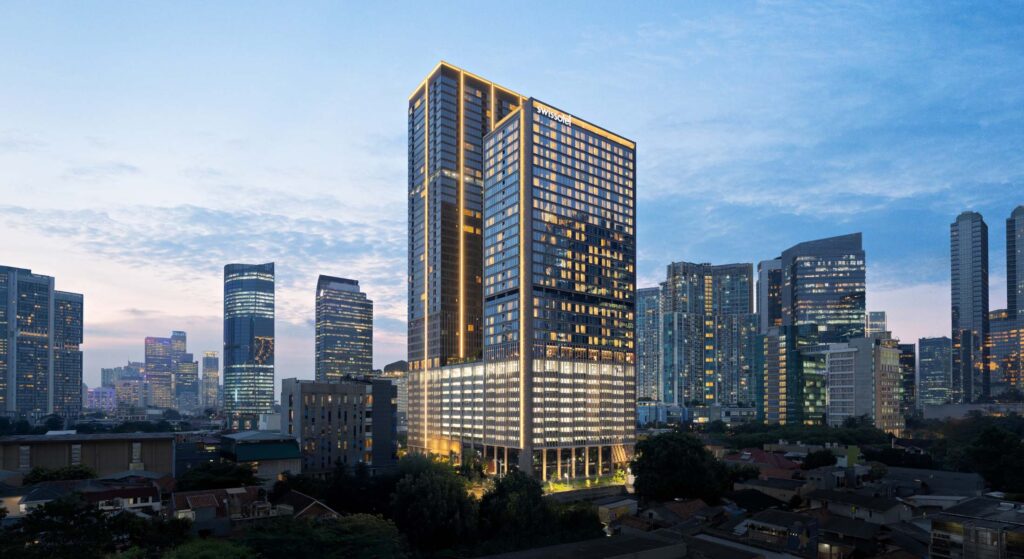
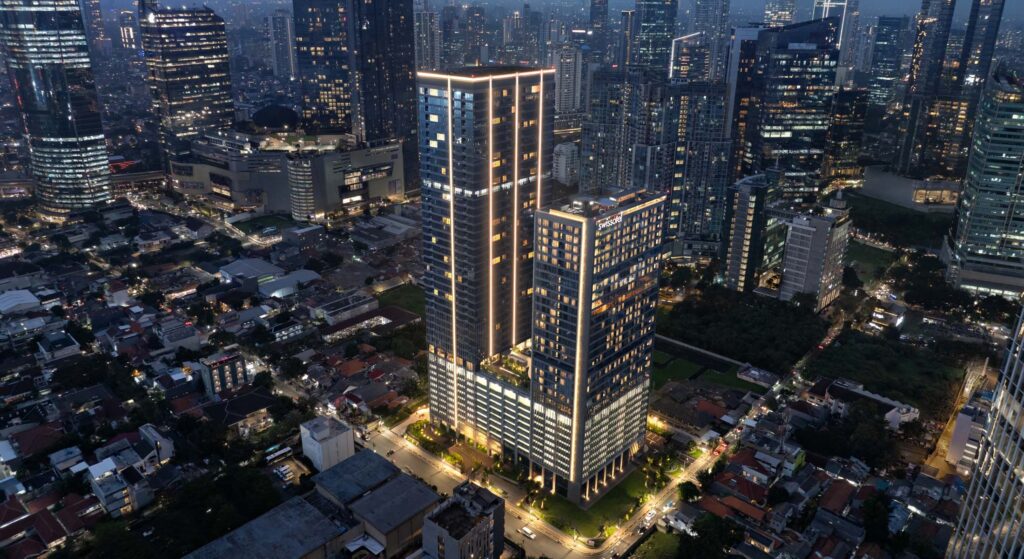
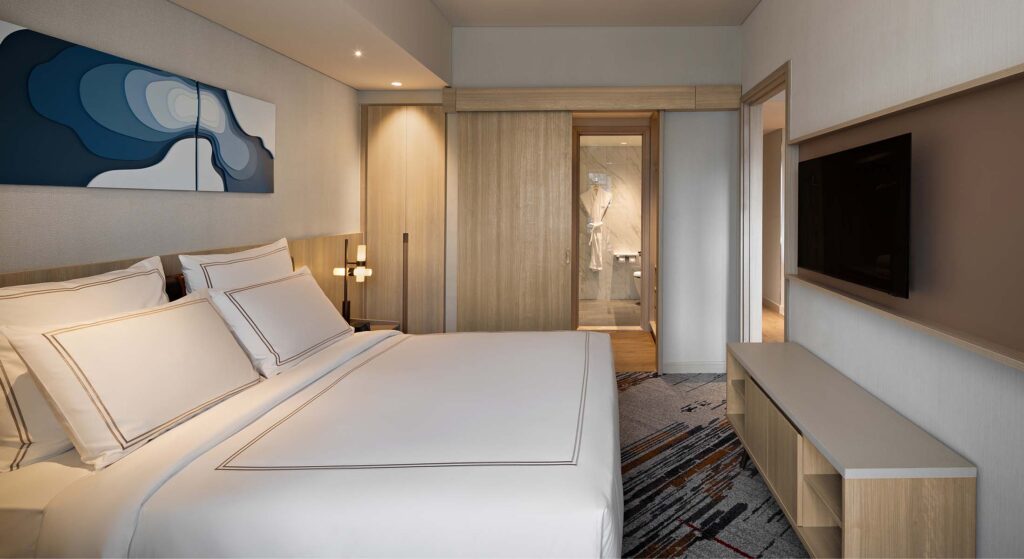
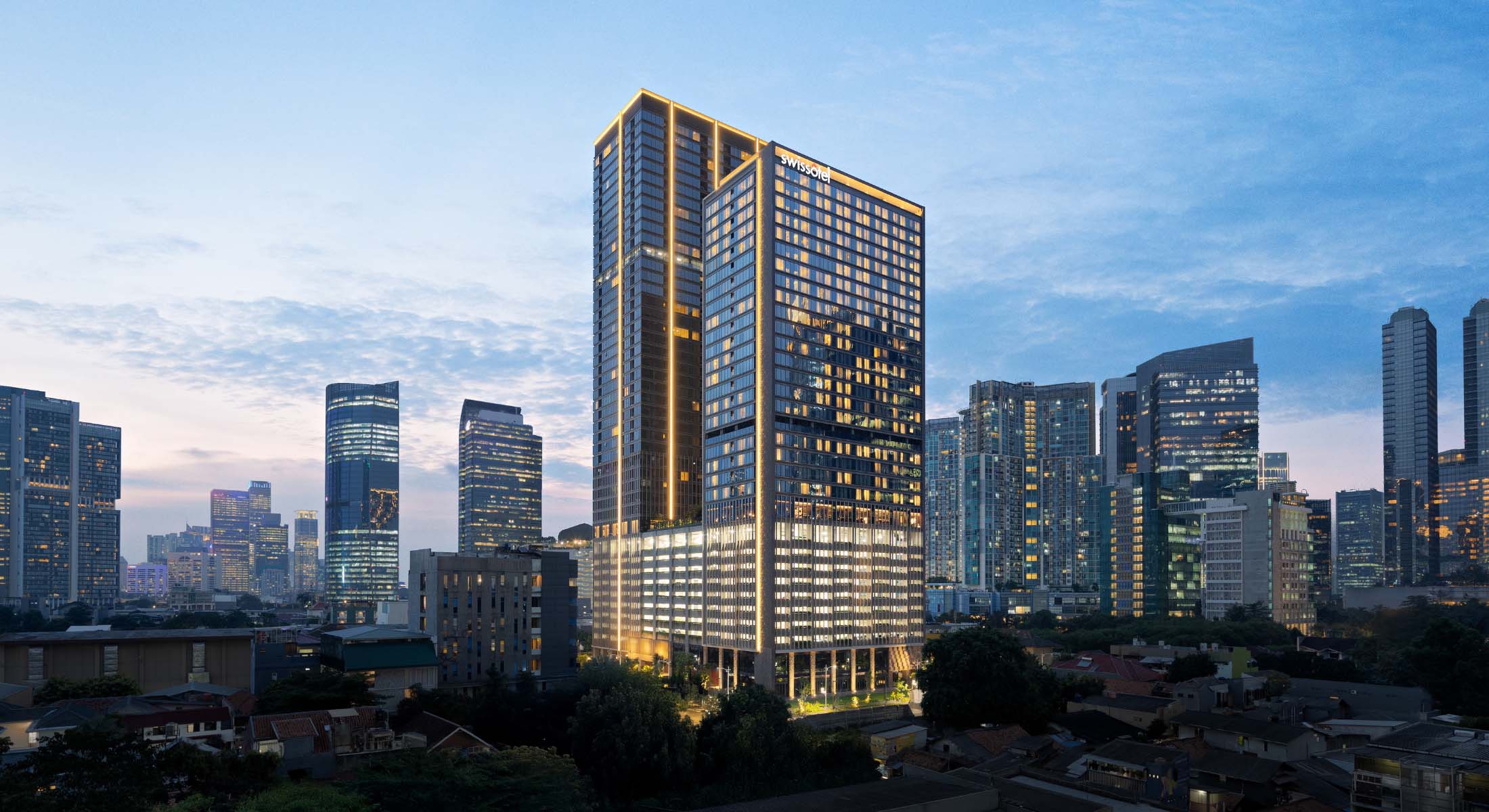
Extended stay accommodation has evolved into a sophisticated solution for modern travelers requiring flexibility, comfort, and support beyond what traditional hotels or unfurnished rentals can provide. When selecting Jakarta accommodation for business assignments, family relocations, or expatriate transitions, Swissôtel Living Jakarta Mega Kuningan offers 240 fully furnished serviced apartments in Mega Kuningan’s central business district, combining home-style living spaces with professional hotel services across Studio, One-Bedroom, Two-Bedroom, Swiss Signature Suite, and Three-Bedroom residences available for daily, weekly, monthly, and yearly stays. Discover how the right extended stay accommodation transforms temporary living into a comfortable, productive, and enriching experience.