
Long Term Hotel Room Rental: Complete 2026 Guide
The landscape of extended accommodation has evolved significantly beyond traditional short-term hotel bookings. Long term hotel room rental has become a strategic solution for business travelers, relocating families, expatriates, and anyone seeking flexible housing without the commitment of conventional leases. In 2026, the extended-stay sector continues to grow as travelers recognize the value of hotel amenities combined with apartment-style living spaces. This shift reflects changing work patterns, project-based assignments, and the increasing demand for accommodation that balances comfort, convenience, and cost-effectiveness over weeks or months.
Understanding Long Term Hotel Room Rental Options
Long term hotel room rental encompasses stays ranging from several weeks to multiple months or even years. Unlike nightly hotel bookings, these arrangements offer reduced rates, apartment-style accommodations, and flexible contract terms tailored to extended needs.
Defining Extended Stay Accommodation
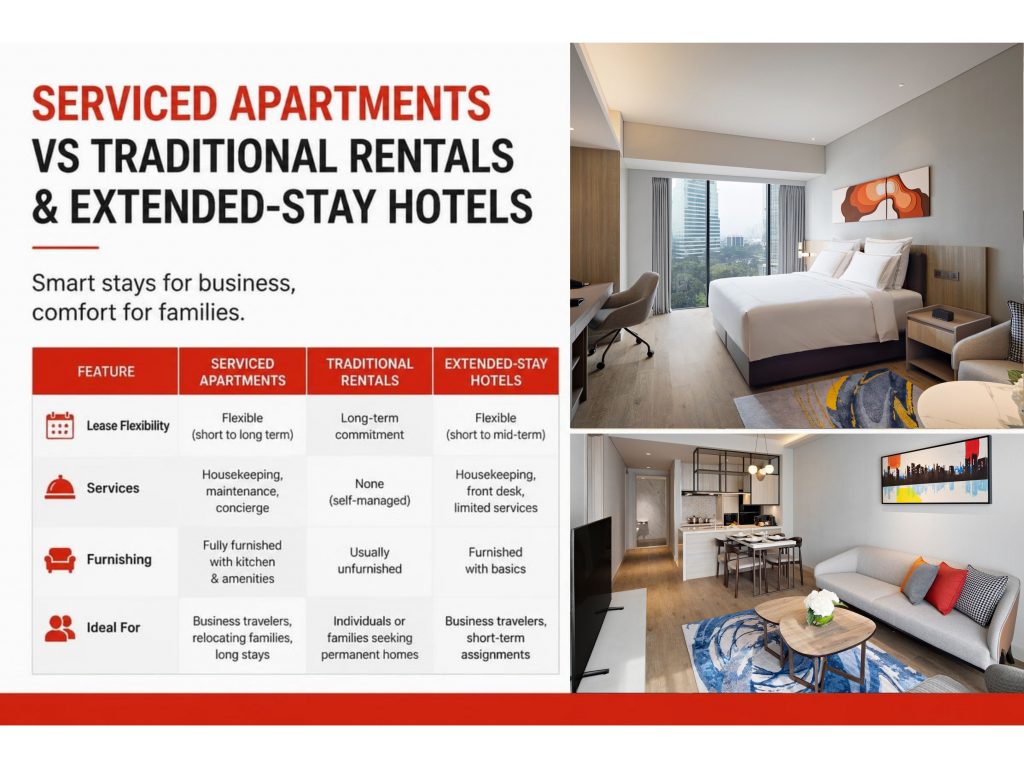
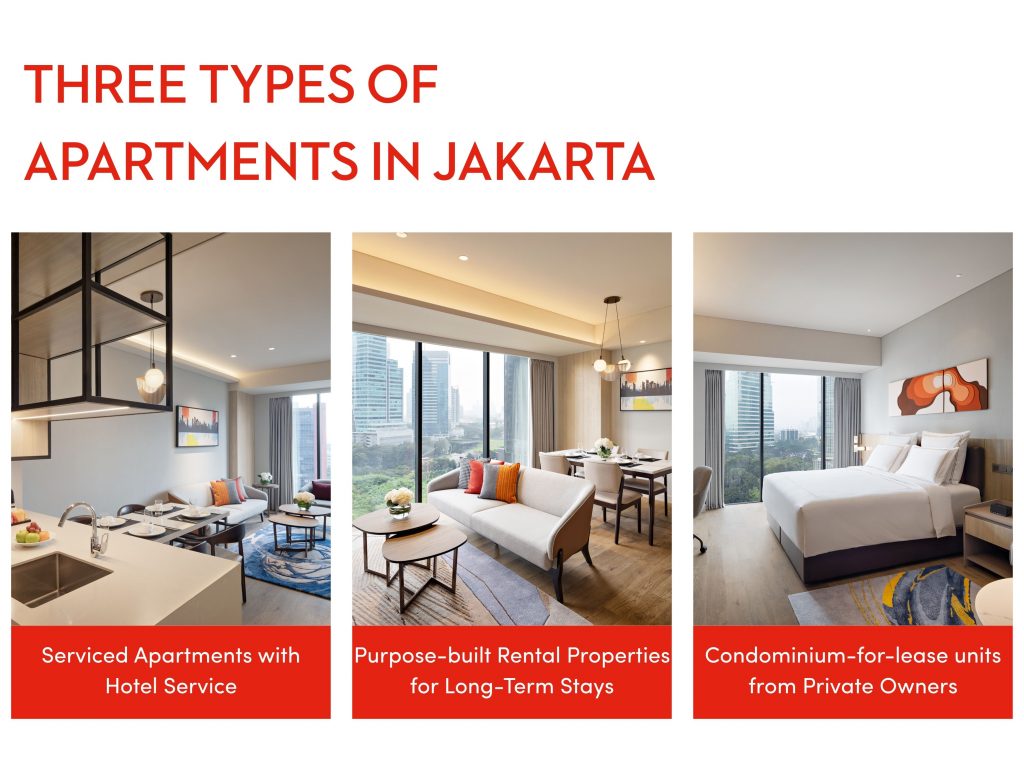
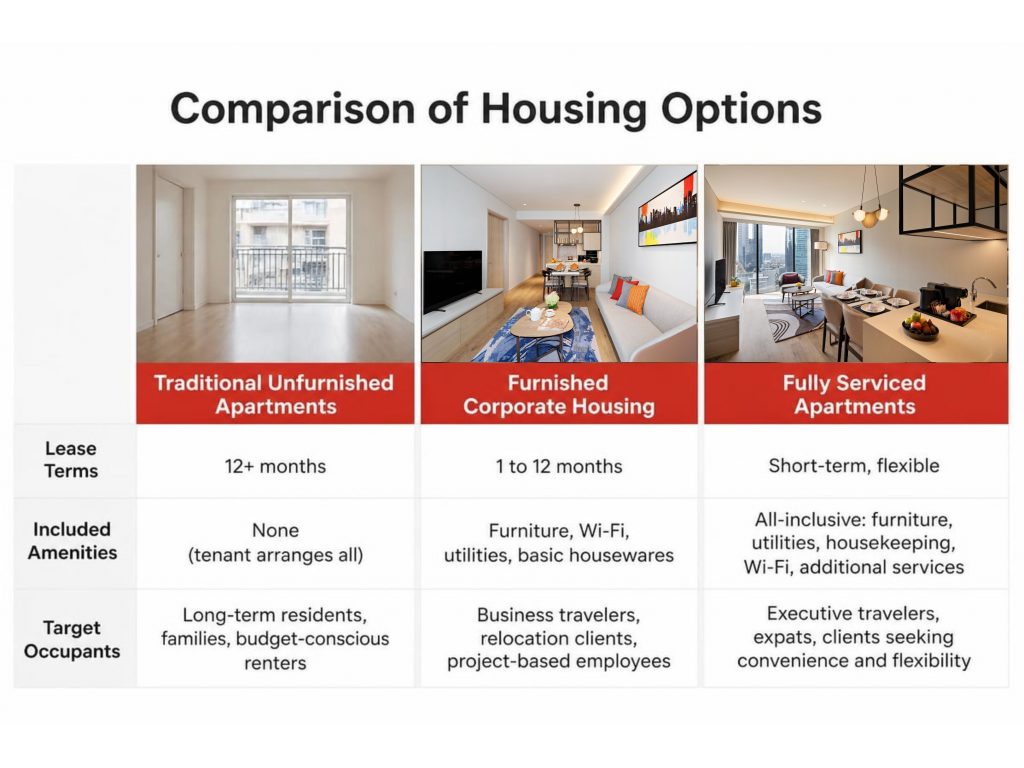
The extended-stay category includes various accommodation types. Traditional extended-stay hotels provide basic amenities with discounted weekly or monthly rates. Serviced apartments offer fully furnished residences with hotel services, kitchen facilities, and separate living spaces. Corporate housing targets business travelers with premium amenities and flexible lease terms. According to industry data on extended-stay performance, demand for long-stay options has increased steadily, with occupancy rates consistently outperforming traditional hotel segments.
Key characteristics of long term hotel room rental include:
- Minimum stay requirements (typically 7-30 nights)
- Discounted rates compared to nightly pricing
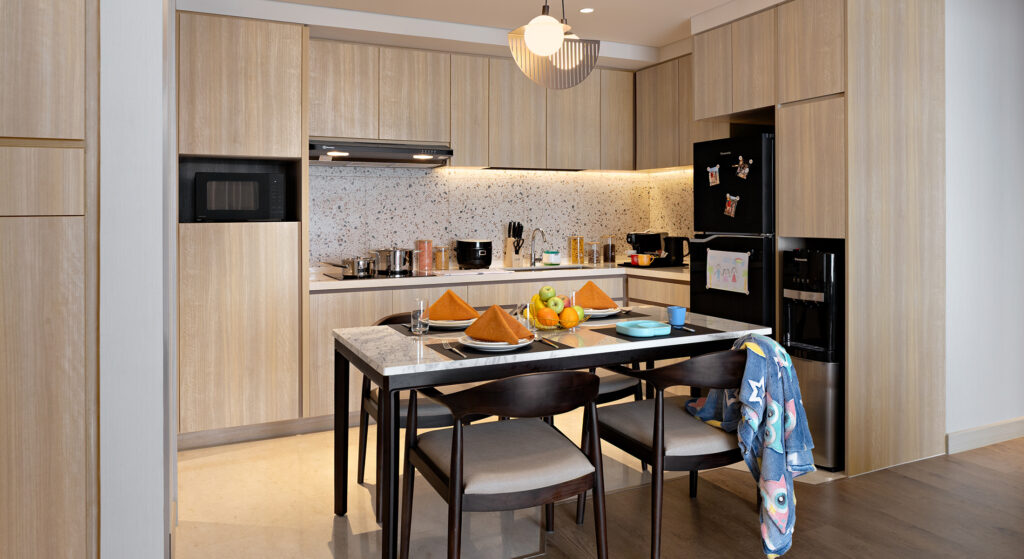
- Full kitchen facilities or kitchenettes
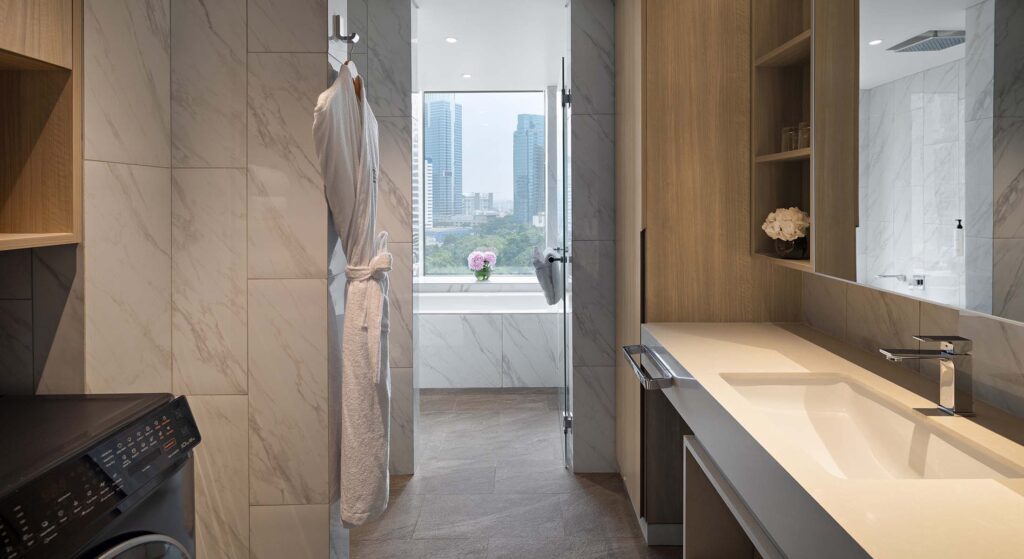
- In-unit laundry or access to laundry facilities
- Flexible lease terms without long-term binding contracts
- Hotel services such as housekeeping and maintenance
Types of Extended Stay Properties
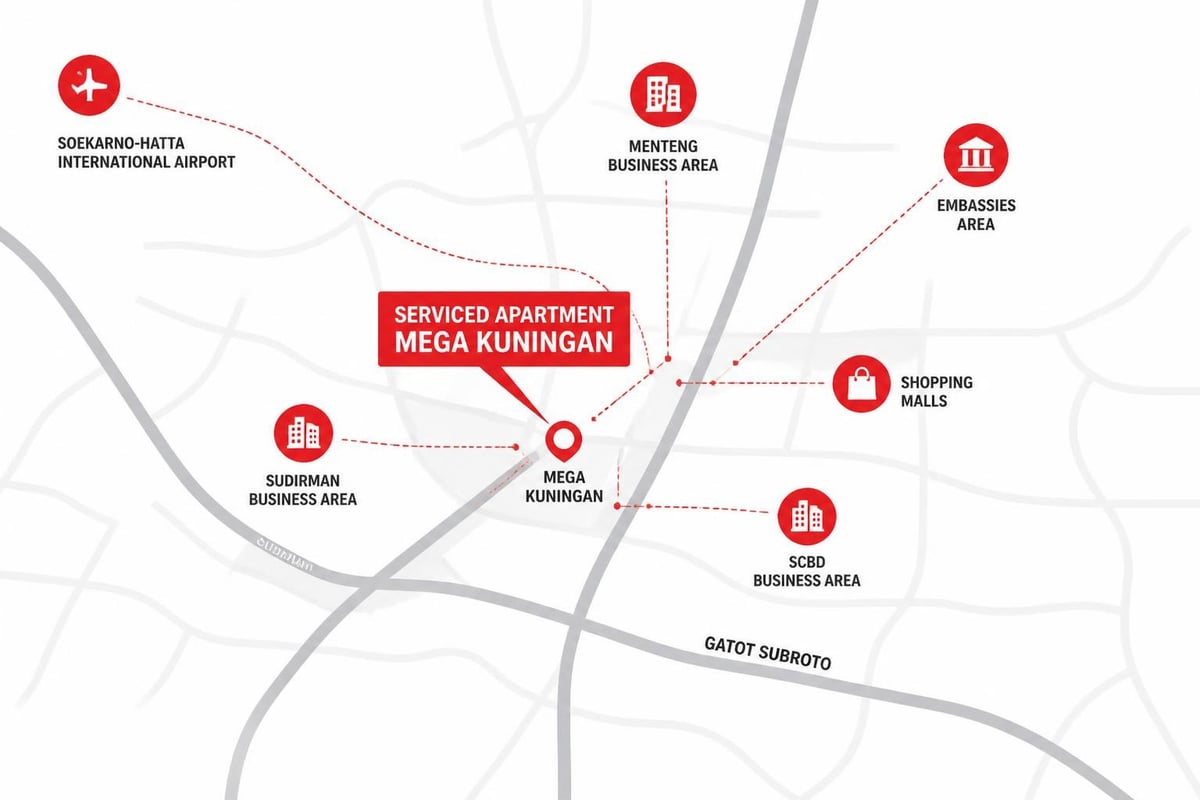
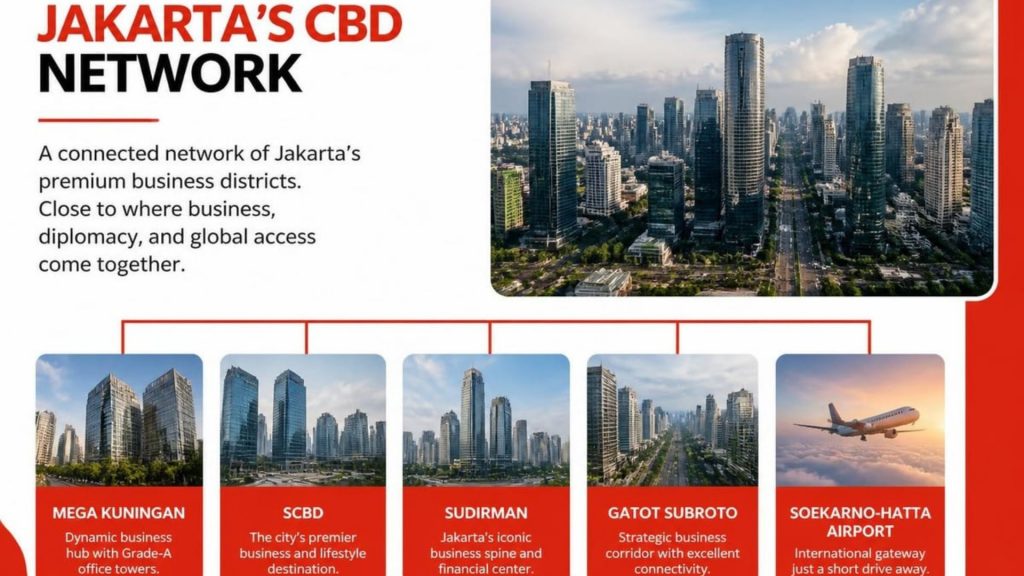
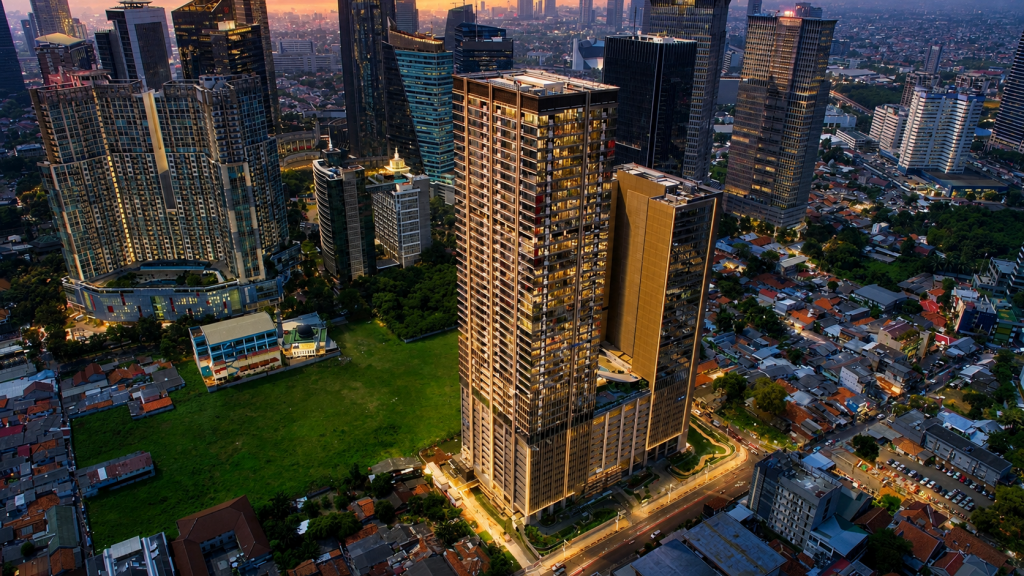
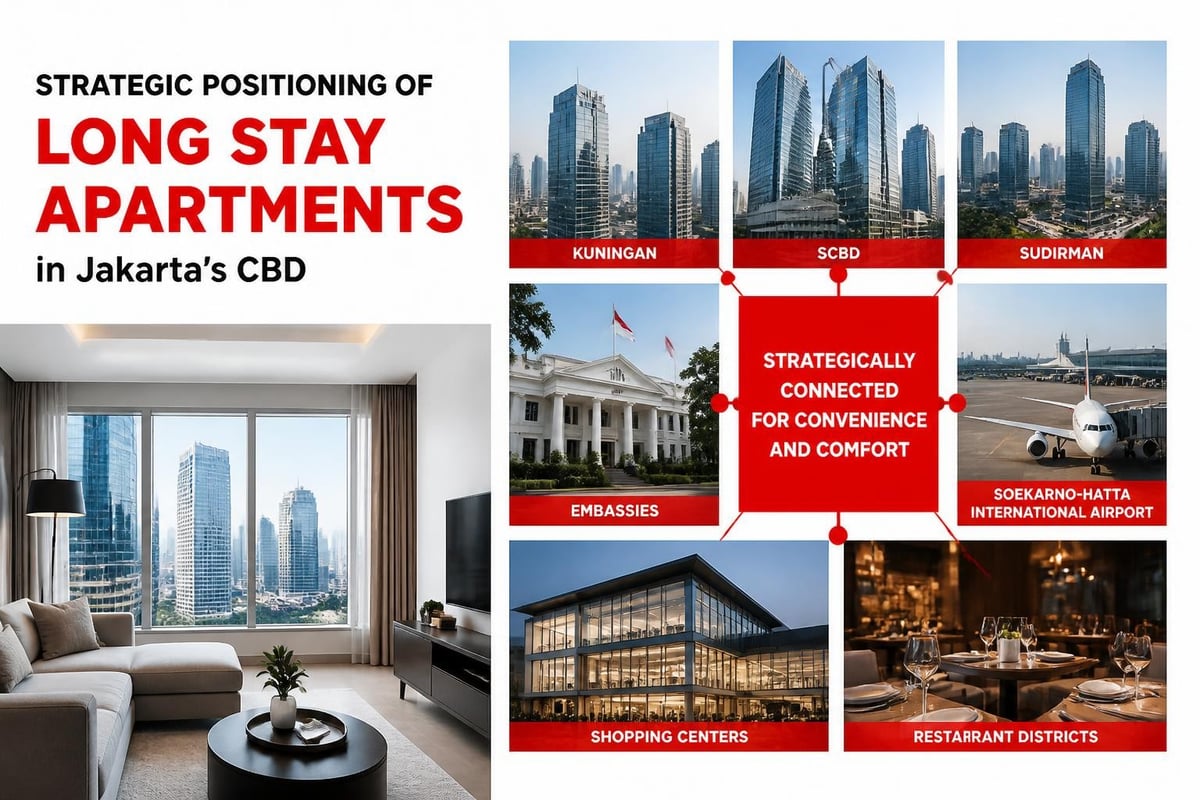
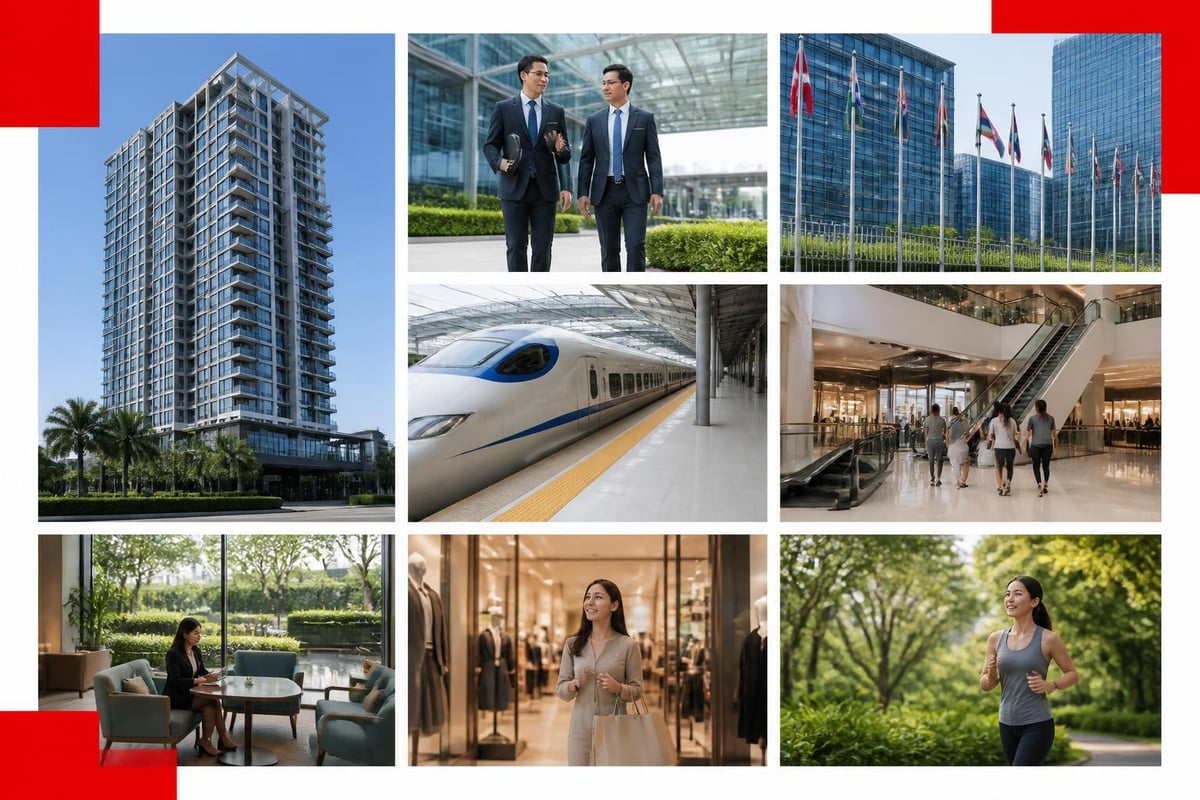
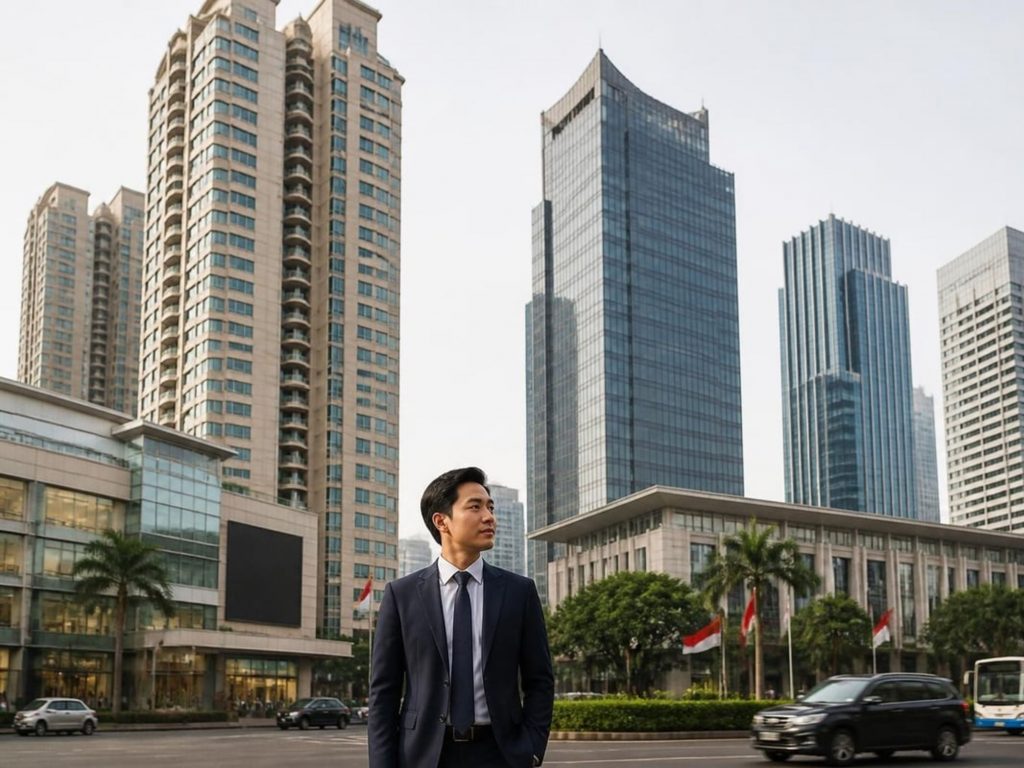
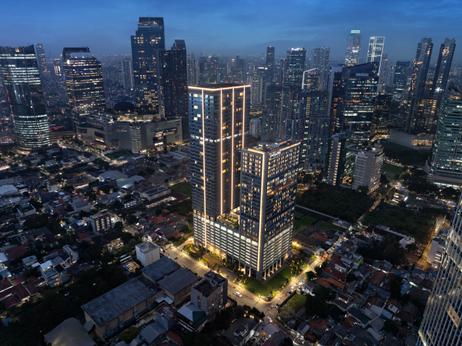
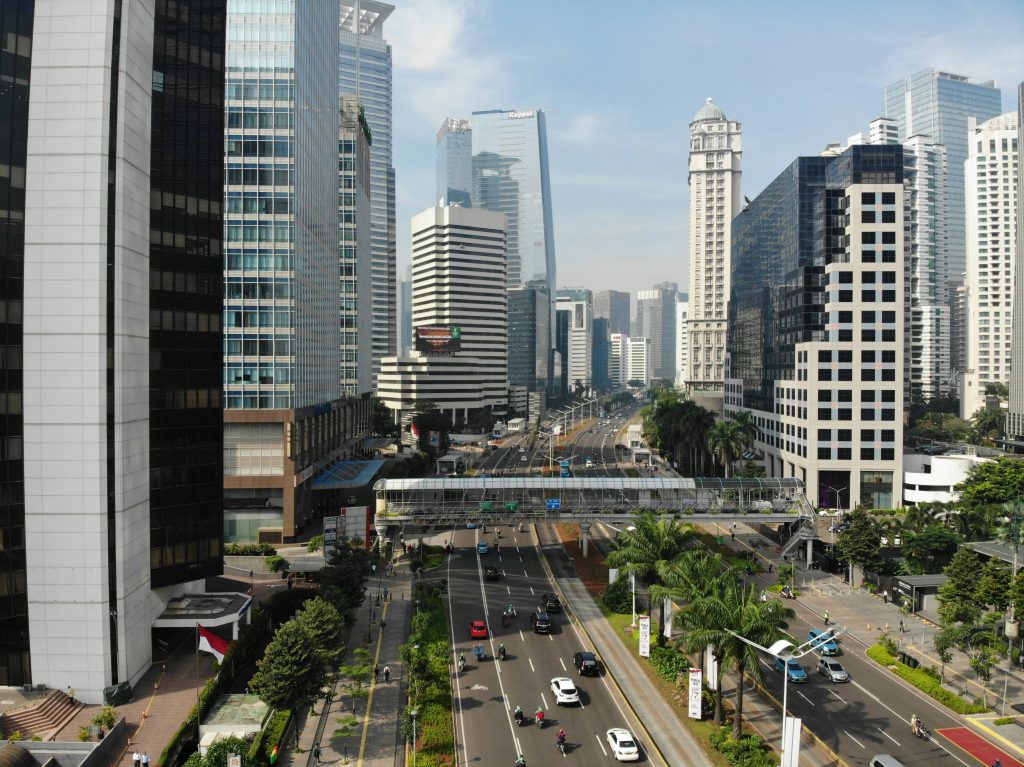
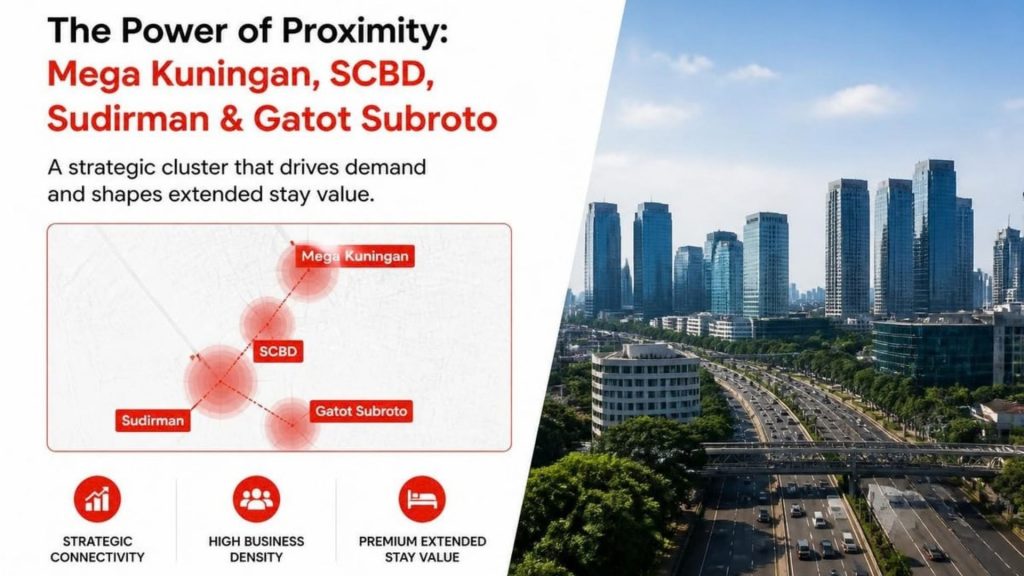
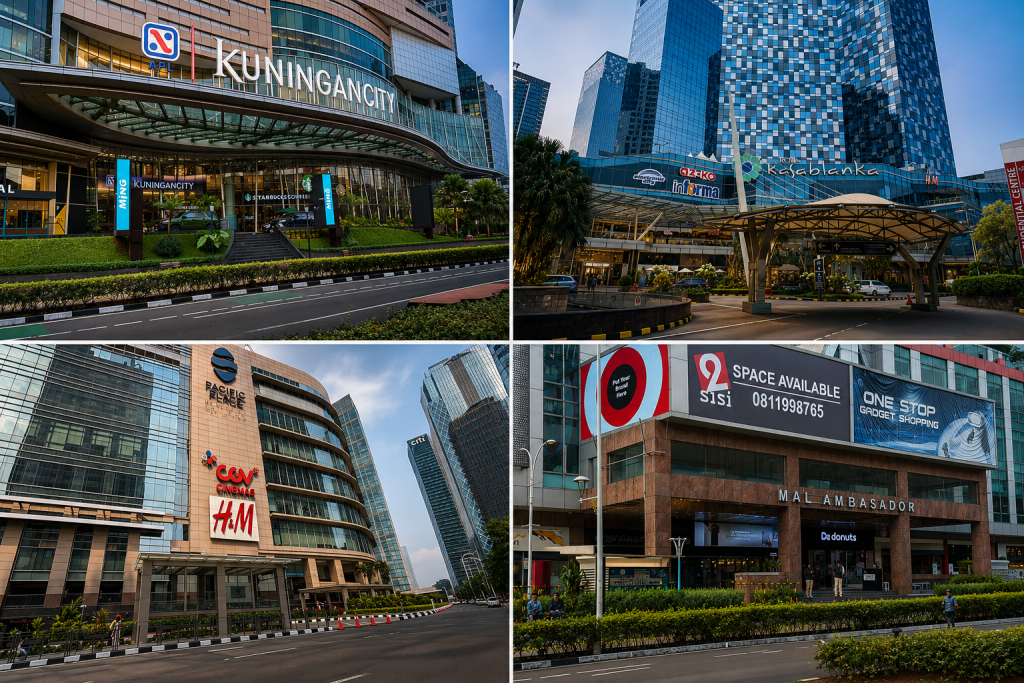
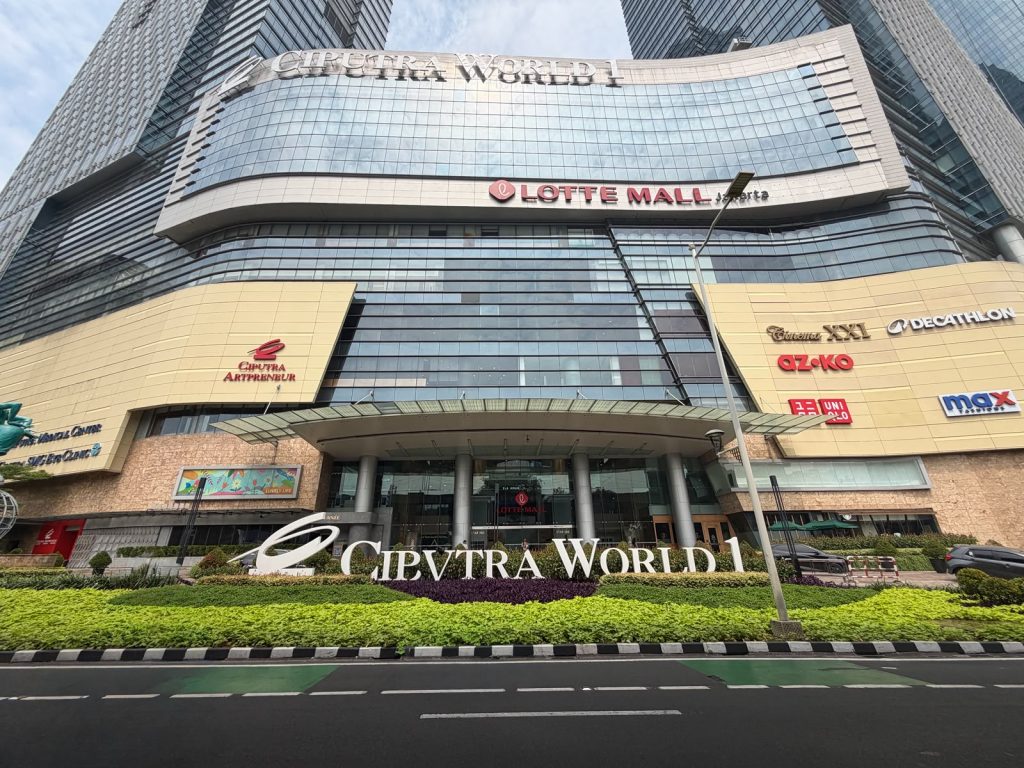
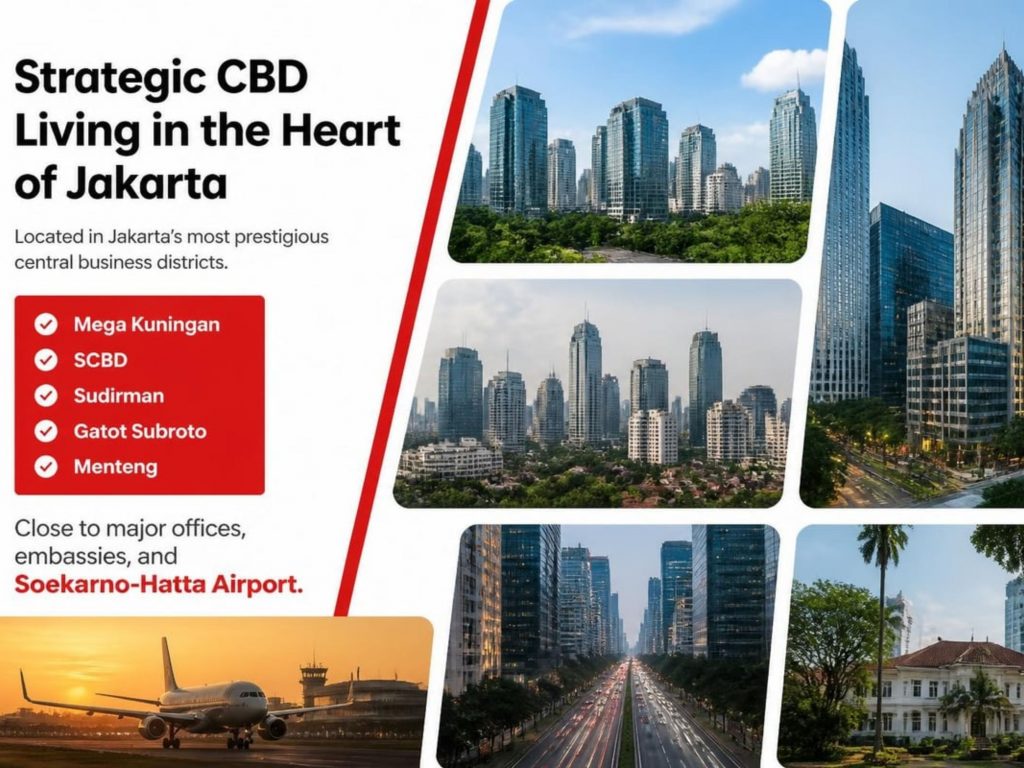
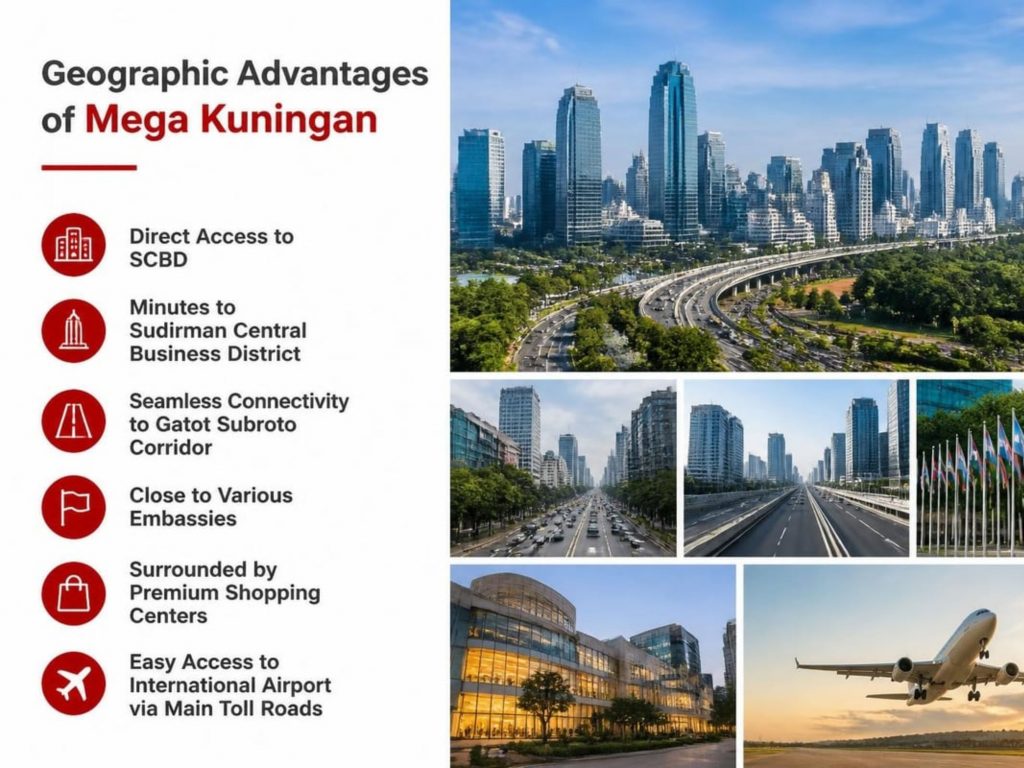
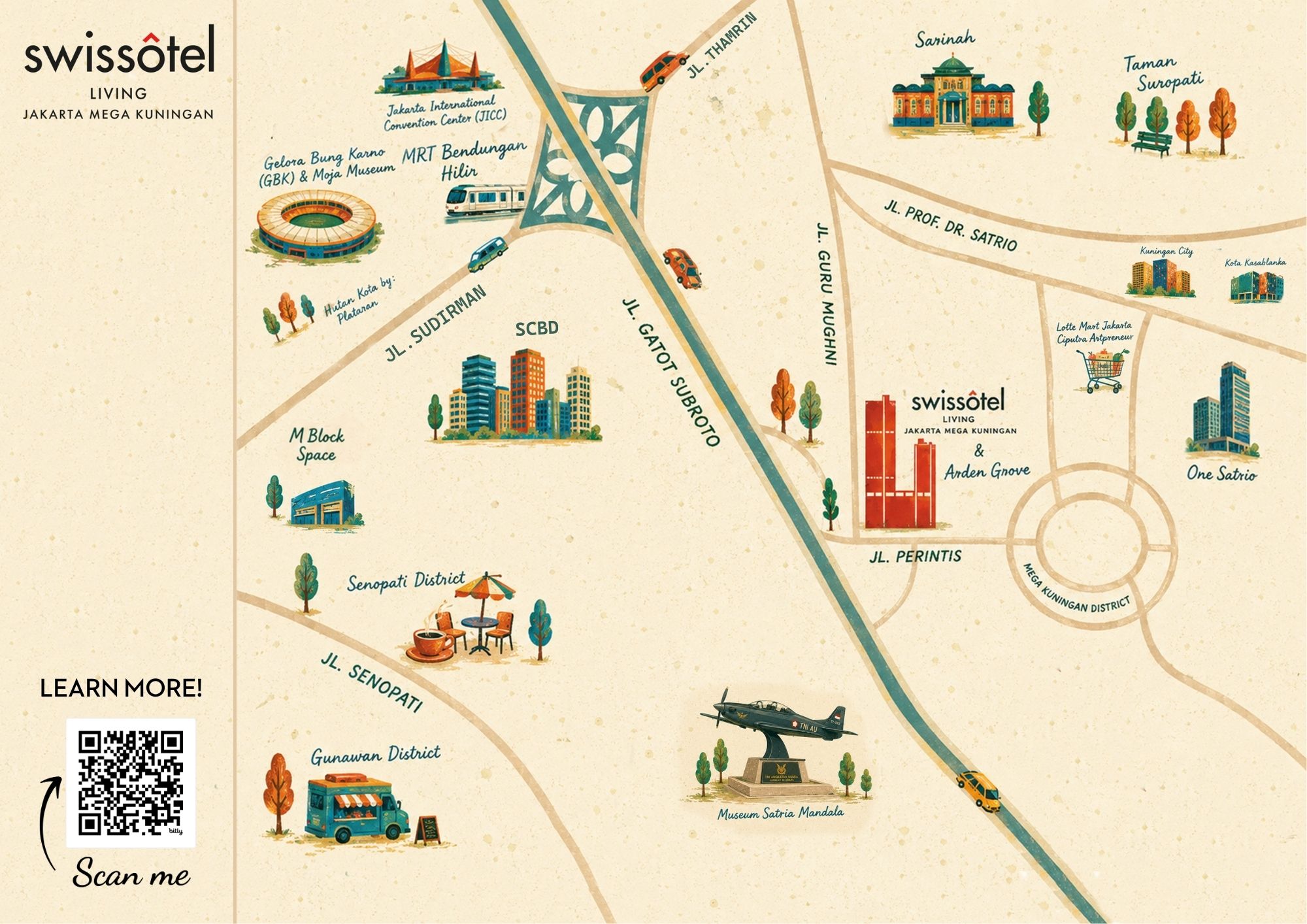
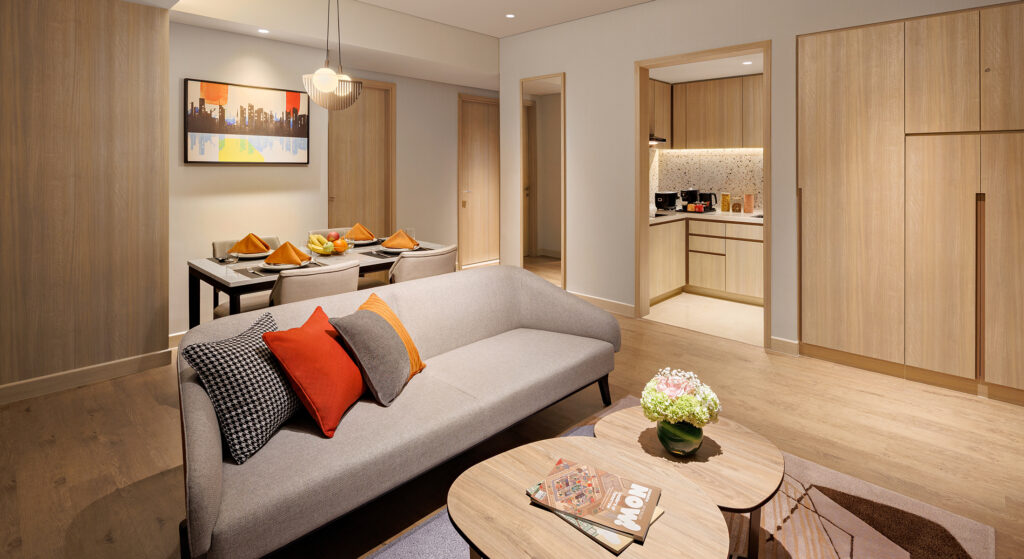
Different property types serve distinct market segments. Extended-stay hotels focus on economy and mid-scale travelers with functional spaces and weekly rates. Serviced apartments provide residential-style living with hotel amenities, targeting professionals and families who need more space and flexibility. Properties in Jakarta’s business districts, such as Mega Kuningan and SCBD areas, cater specifically to corporate travelers and expatriates requiring proximity to offices, embassies, and international business centers.
Cost Structure and Pricing Models
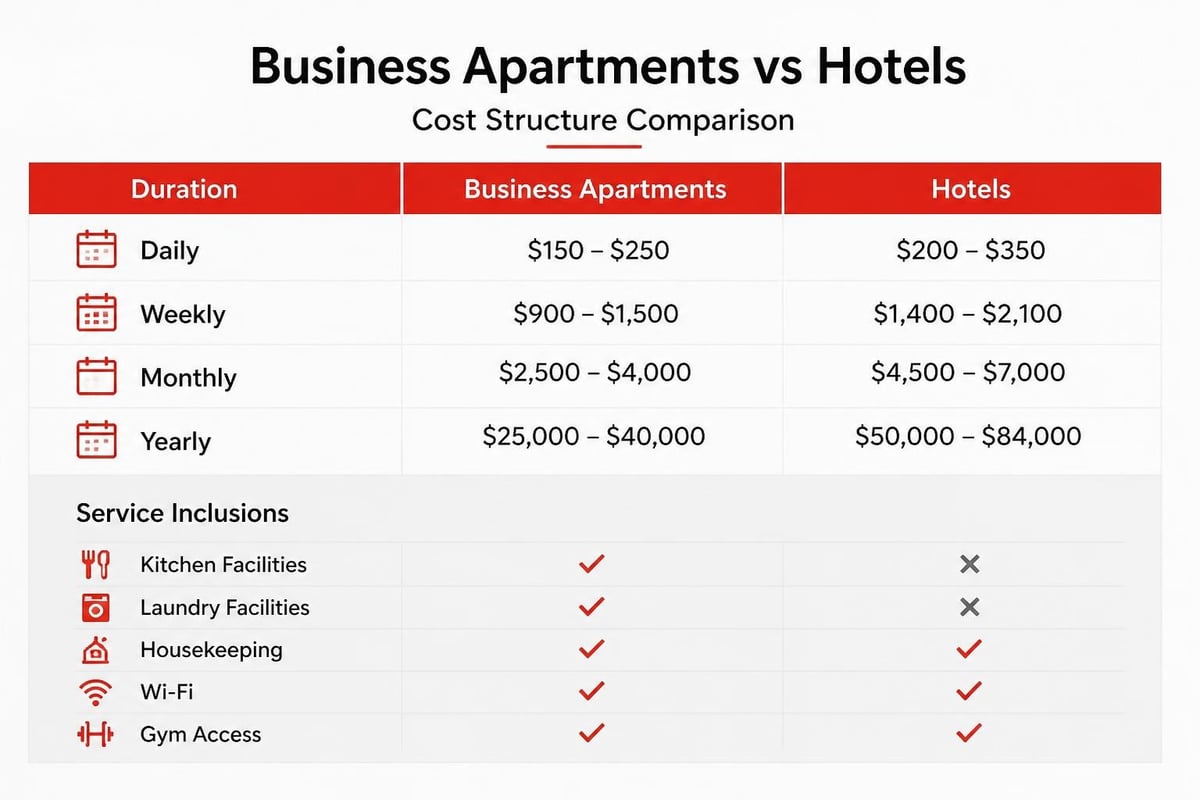
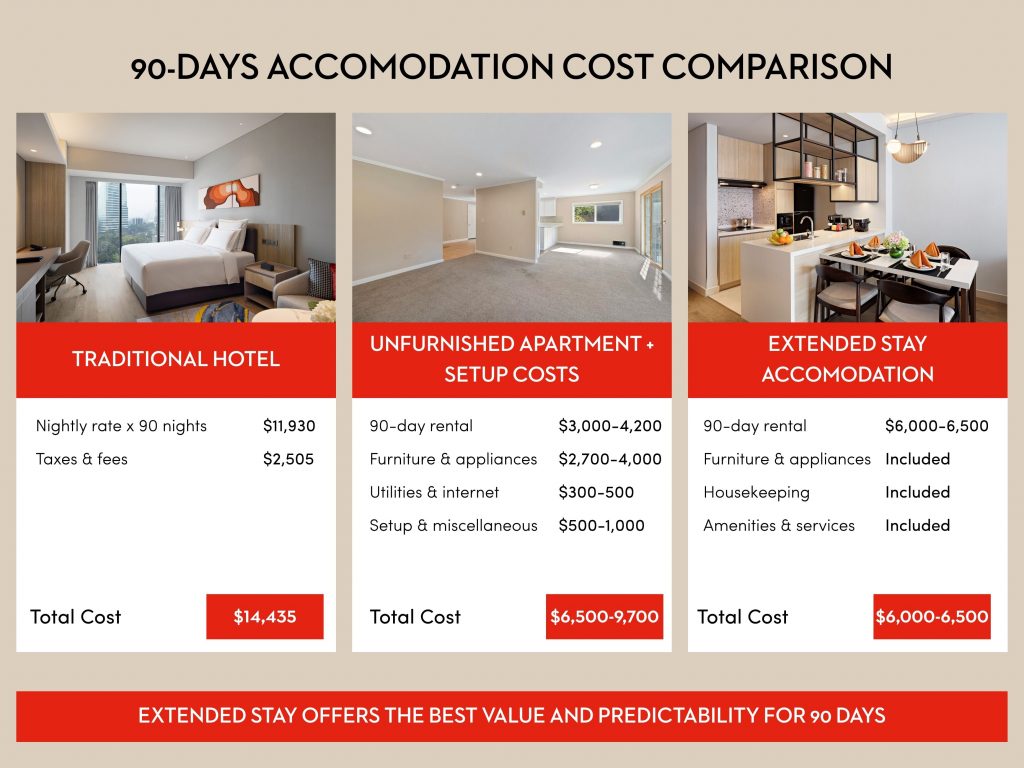
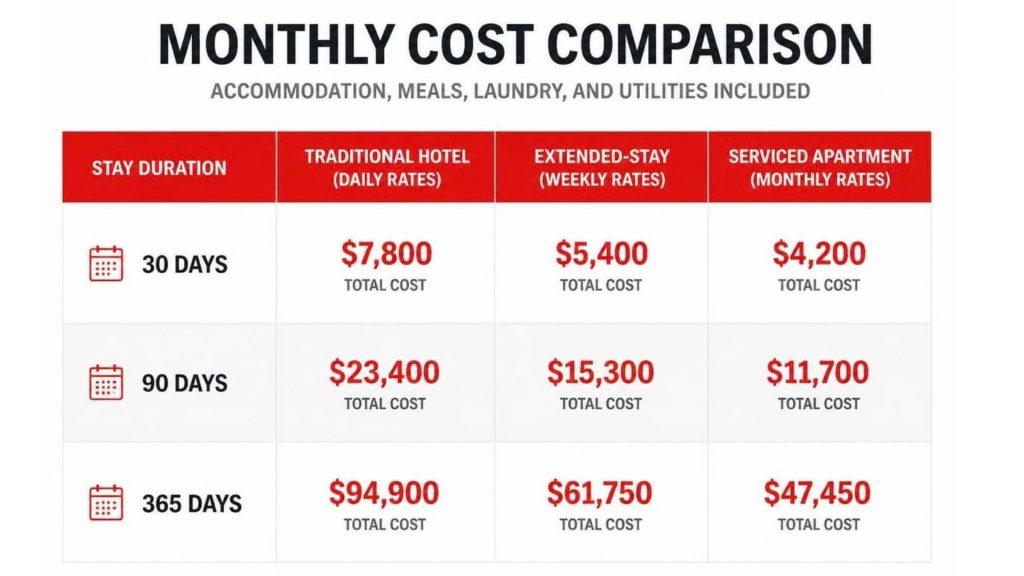
Understanding the economics of long term hotel room rental helps travelers make informed decisions. Pricing varies significantly based on location, property type, duration, and included services.
Rate Calculation Methods
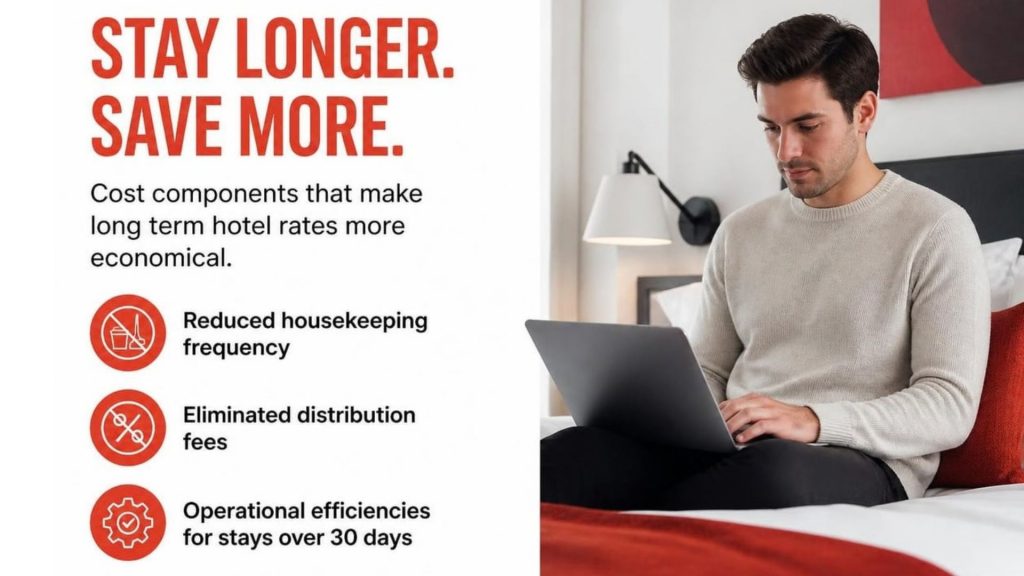
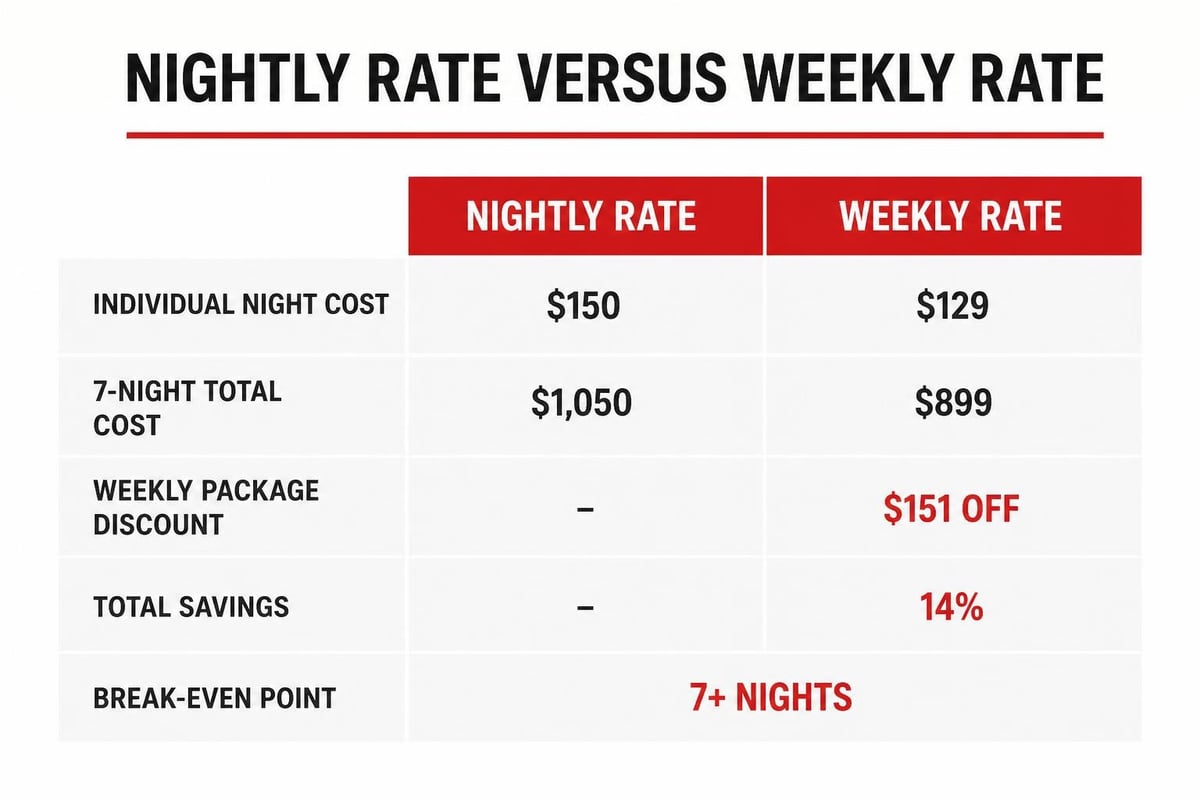
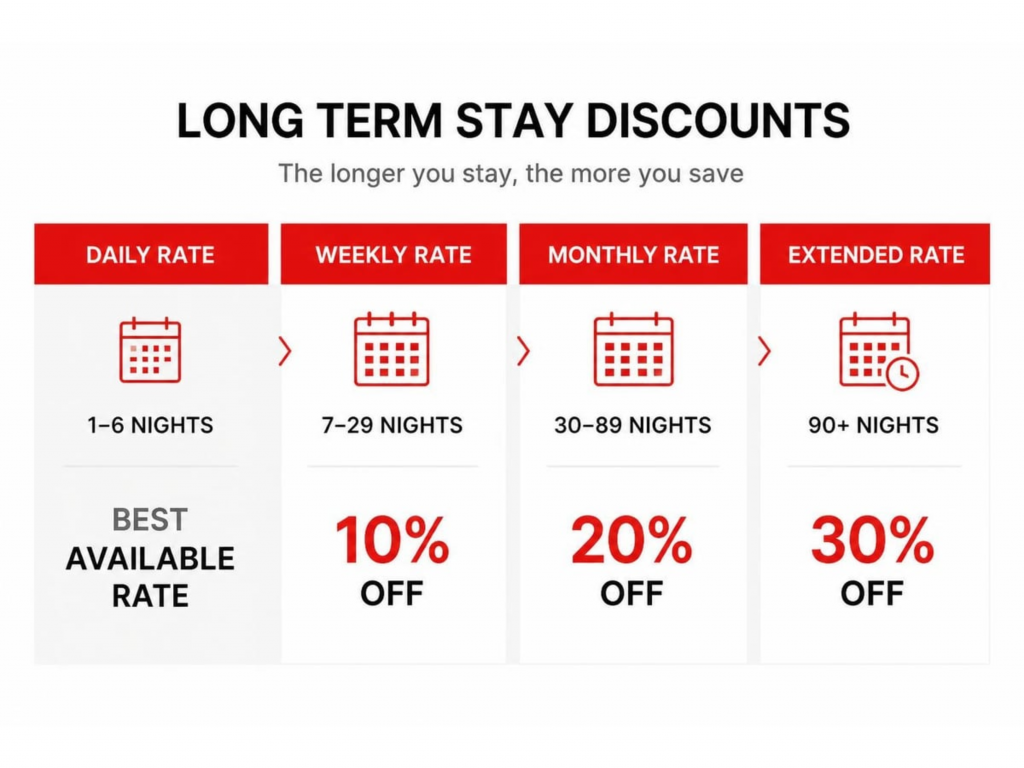
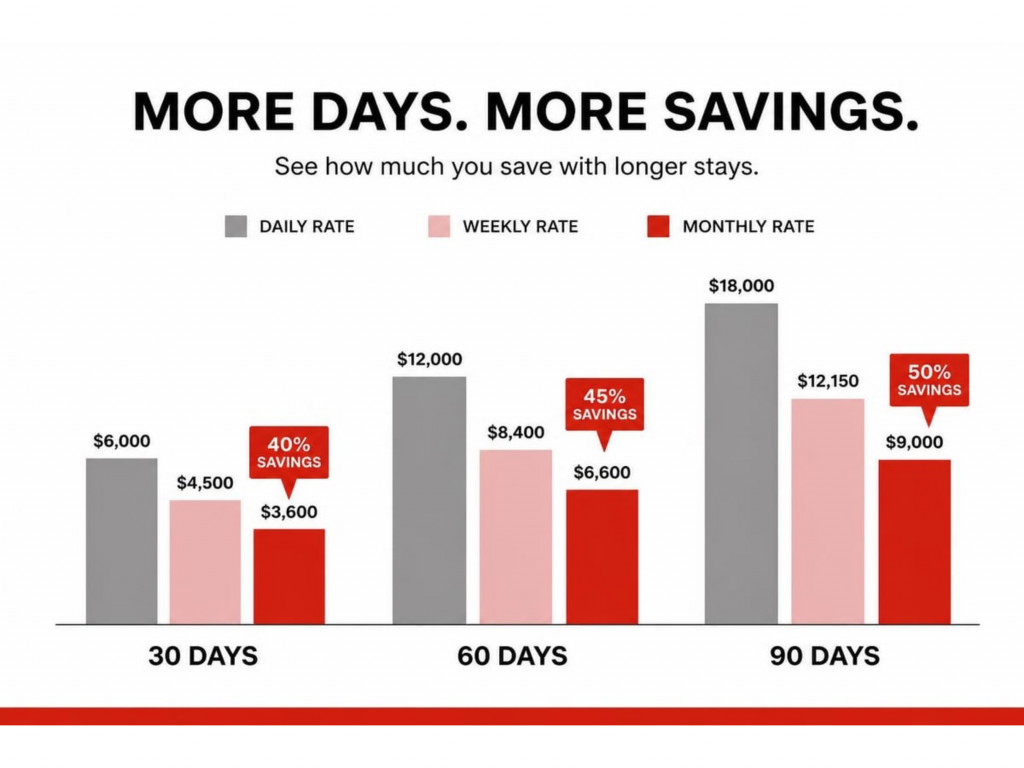
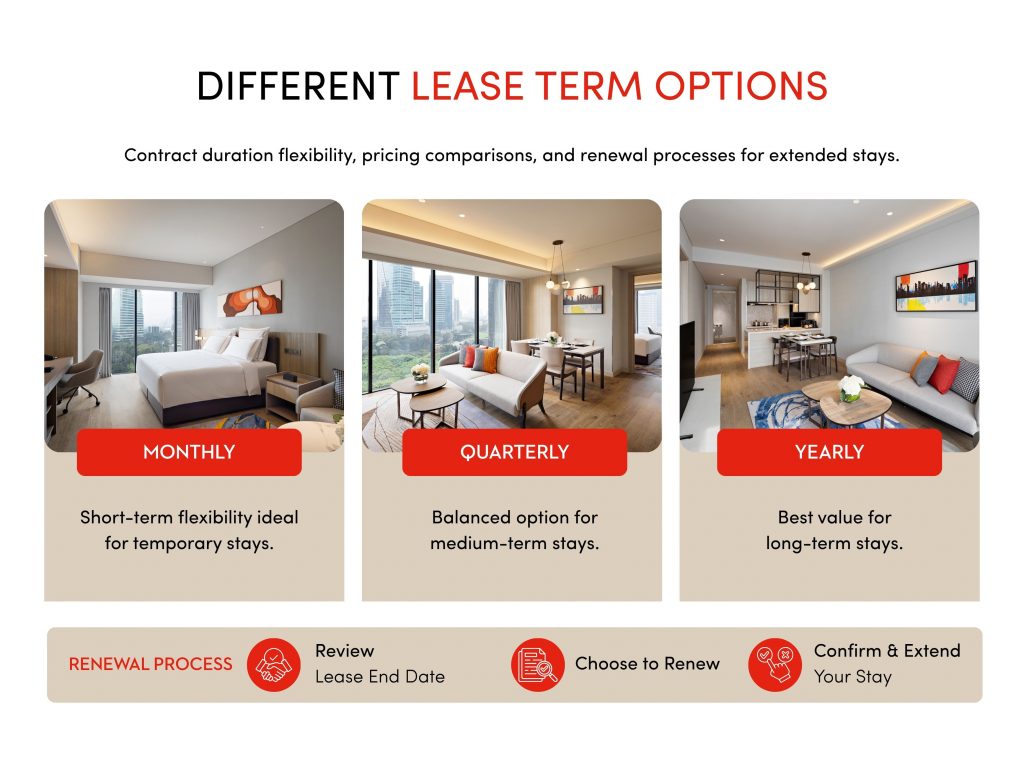
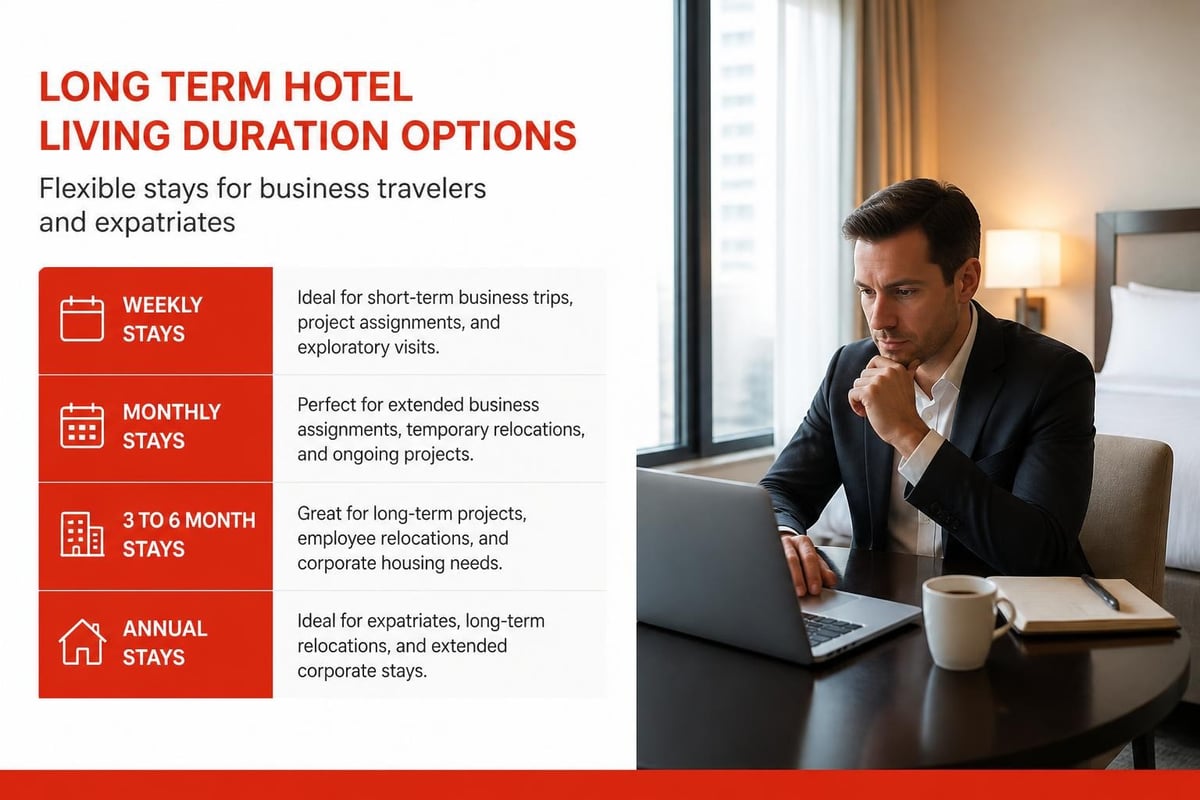
Properties typically offer tiered pricing structures. Weekly rates provide modest discounts of 10-20% compared to seven individual nights. Monthly rates deliver more substantial savings, often 30-50% below equivalent nightly bookings. Yearly contracts offer the deepest discounts, sometimes approaching conventional apartment rental rates while maintaining flexibility and services.
| Duration | Typical Discount | Contract Flexibility | Housekeeping Frequency |
|---|---|---|---|
| Weekly (7-29 nights) | 10-25% off nightly rate | High (weekly renewal) | 2-3 times per week |
| Monthly (30-89 nights) | 30-50% off nightly rate | Medium (monthly terms) | Weekly or bi-weekly |
| Long-term (90+ nights) | 40-60% off nightly rate | Negotiable contracts | Weekly or on-request |
The extended-stay market outlook for 2025 indicates that properties offering flexible pricing structures have captured increasing market share, particularly in urban business centers where demand for corporate accommodation remains strong.
What’s Included in Extended Stay Rates
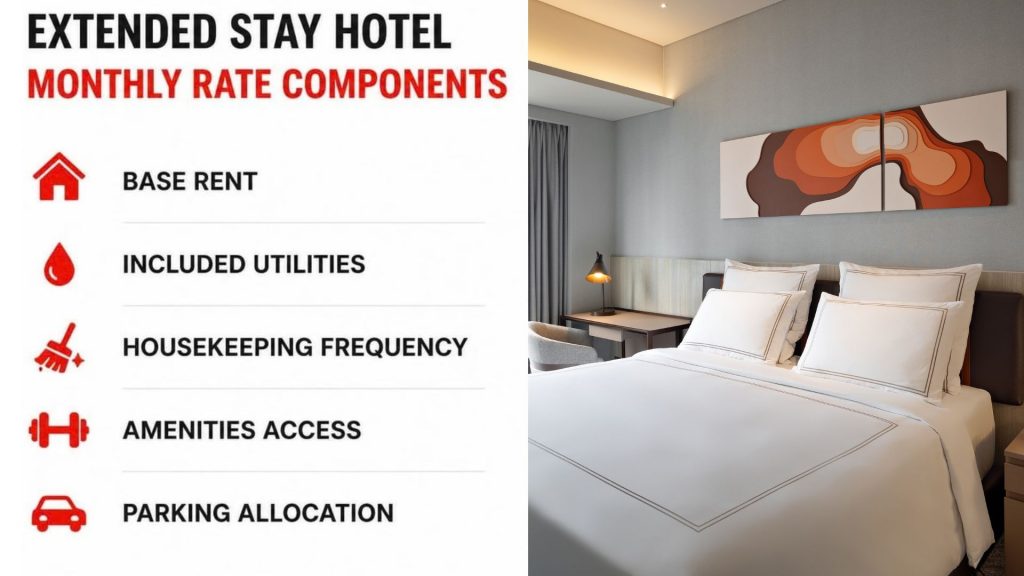
Understanding inclusions prevents unexpected costs. Most long term hotel room rental packages cover utilities (electricity, water, internet), basic housekeeping, access to fitness centers, and common area amenities. Premium serviced apartments may include additional services such as concierge assistance, parking, and access to pools or business centers.
Standard inclusions typically feature:
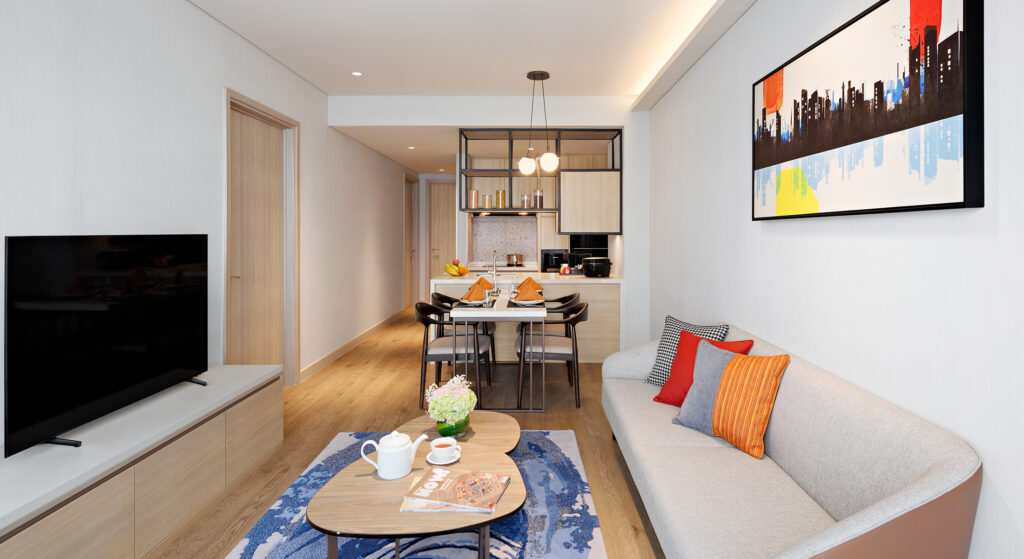
- Fully furnished living spaces with beds, sofas, and dining areas
- Equipped kitchens with appliances and cookware
- High-speed internet and cable television
- Weekly housekeeping and linen changes
- Utilities (electricity, water, heating/cooling)
- 24-hour front desk or reception services
Some properties charge separately for daily housekeeping, parking, or premium services. Clarifying these details during booking prevents budget surprises during extended stays.
Benefits for Different Traveler Segments
Long term hotel room rental serves diverse needs across multiple traveler categories. Each segment finds unique advantages in extended-stay accommodation.
Corporate and Business Travelers
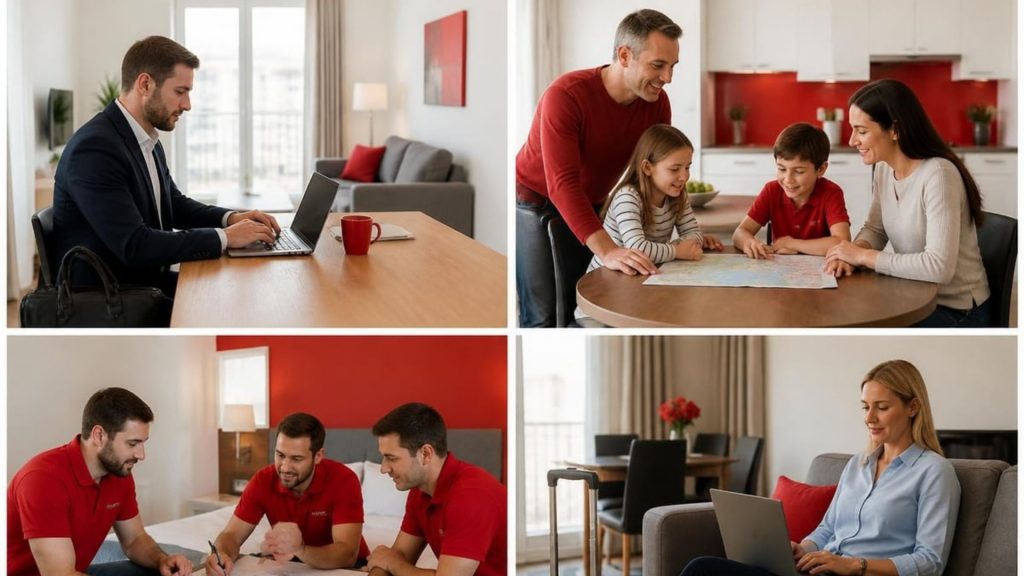
Project-based work assignments, temporary relocations, and training programs drive significant demand for extended stays. Business travelers value proximity to commercial districts, reliable internet connectivity, and professional environments suitable for remote work. Properties near Jakarta’s business centers in Kuningan, Sudirman, and Gatot Subroto provide strategic access to offices, conference facilities, and business dining options.
The tax treatment of extended business stays also matters. IRS Publication 463 provides guidance on deducting lodging expenses for work-related travel, though rules vary based on assignment duration and tax home definitions. Many corporations negotiate corporate rates directly with serviced apartment providers, securing predictable costs for frequent assignees.
Families and Relocating Households
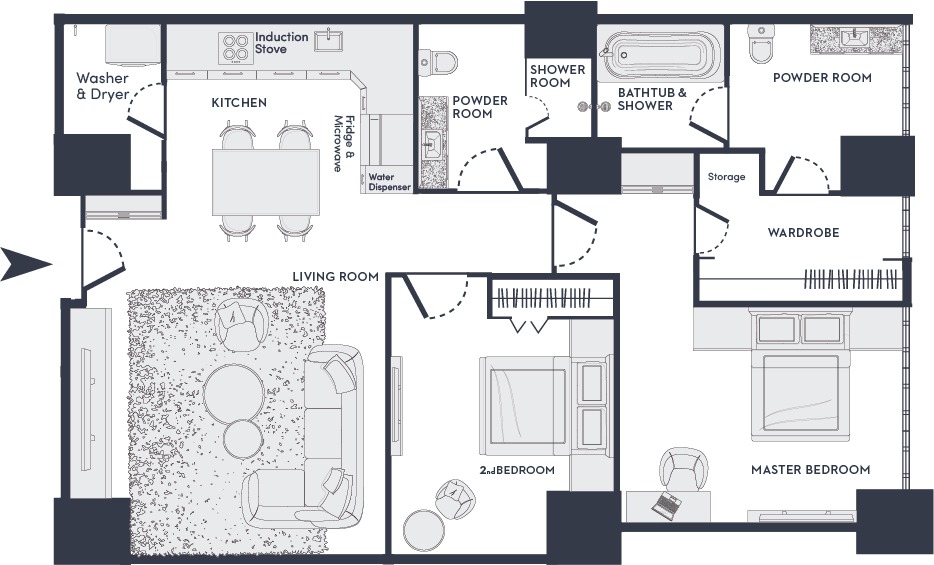
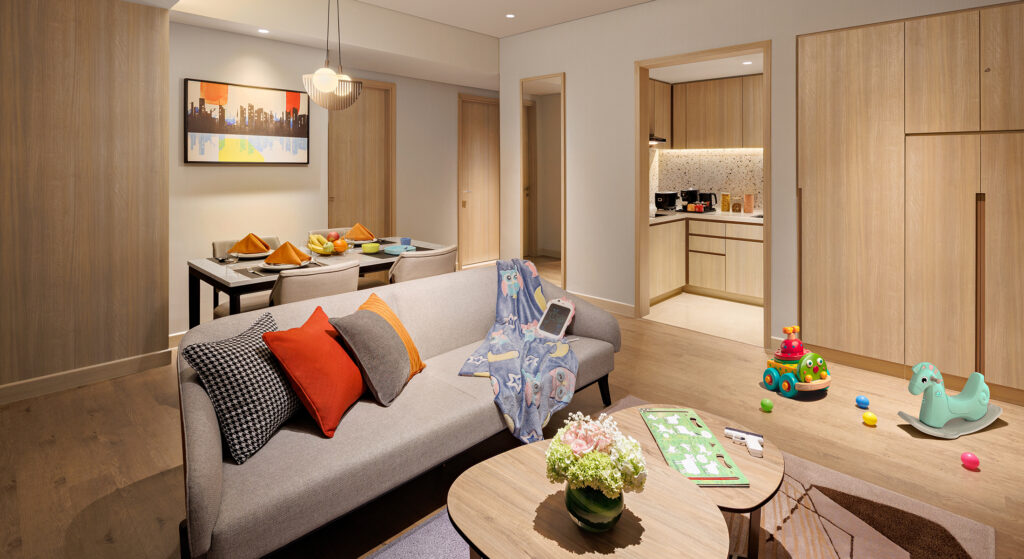
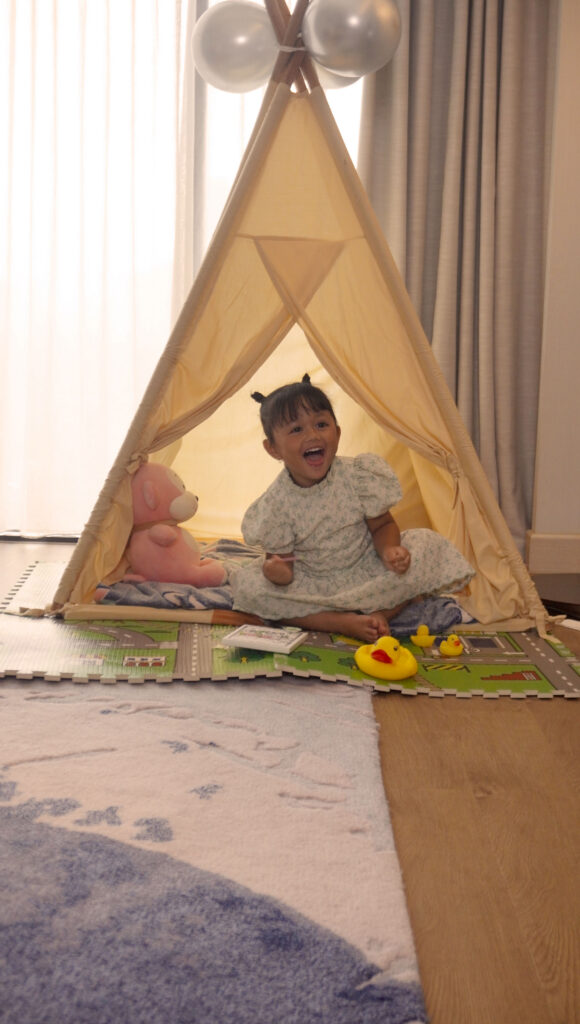
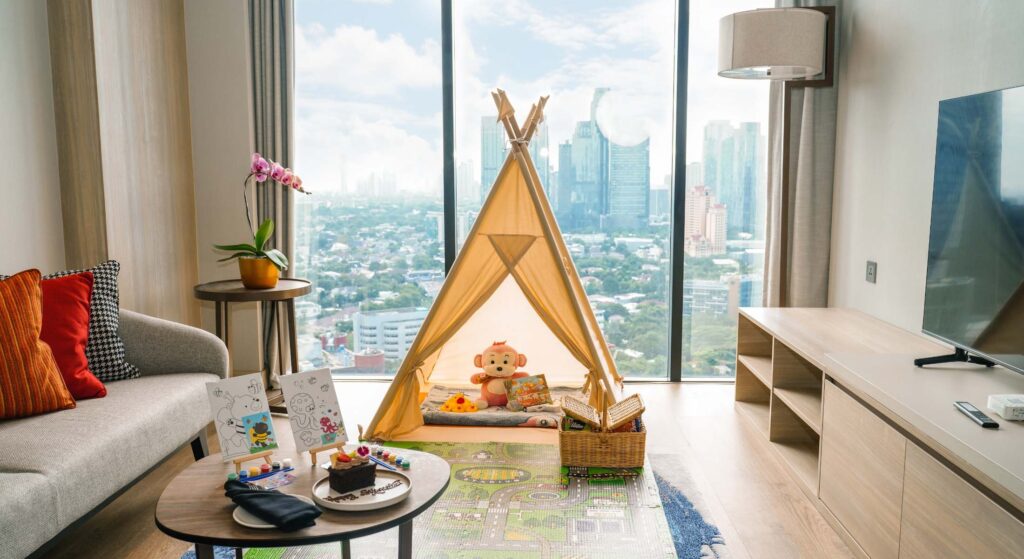
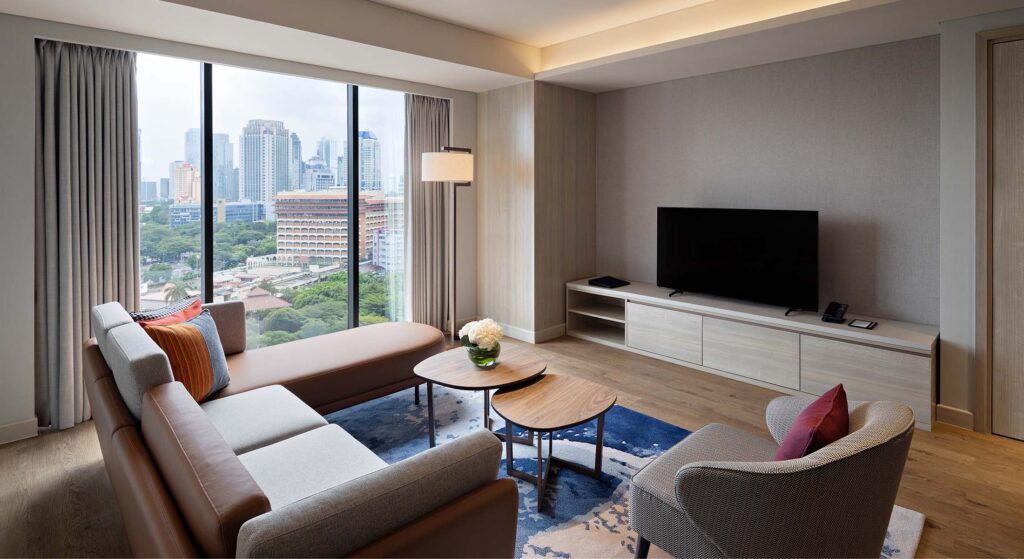
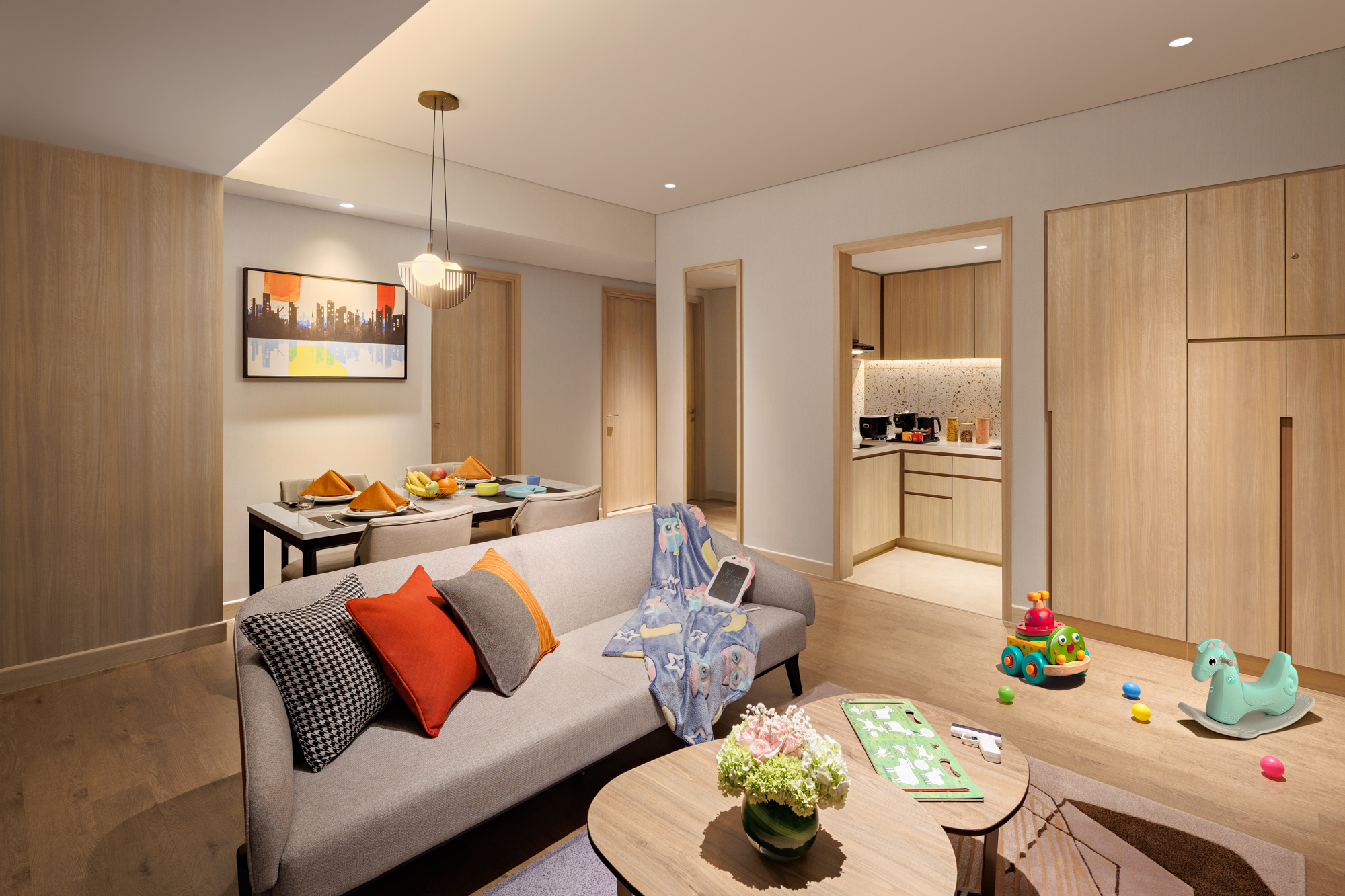
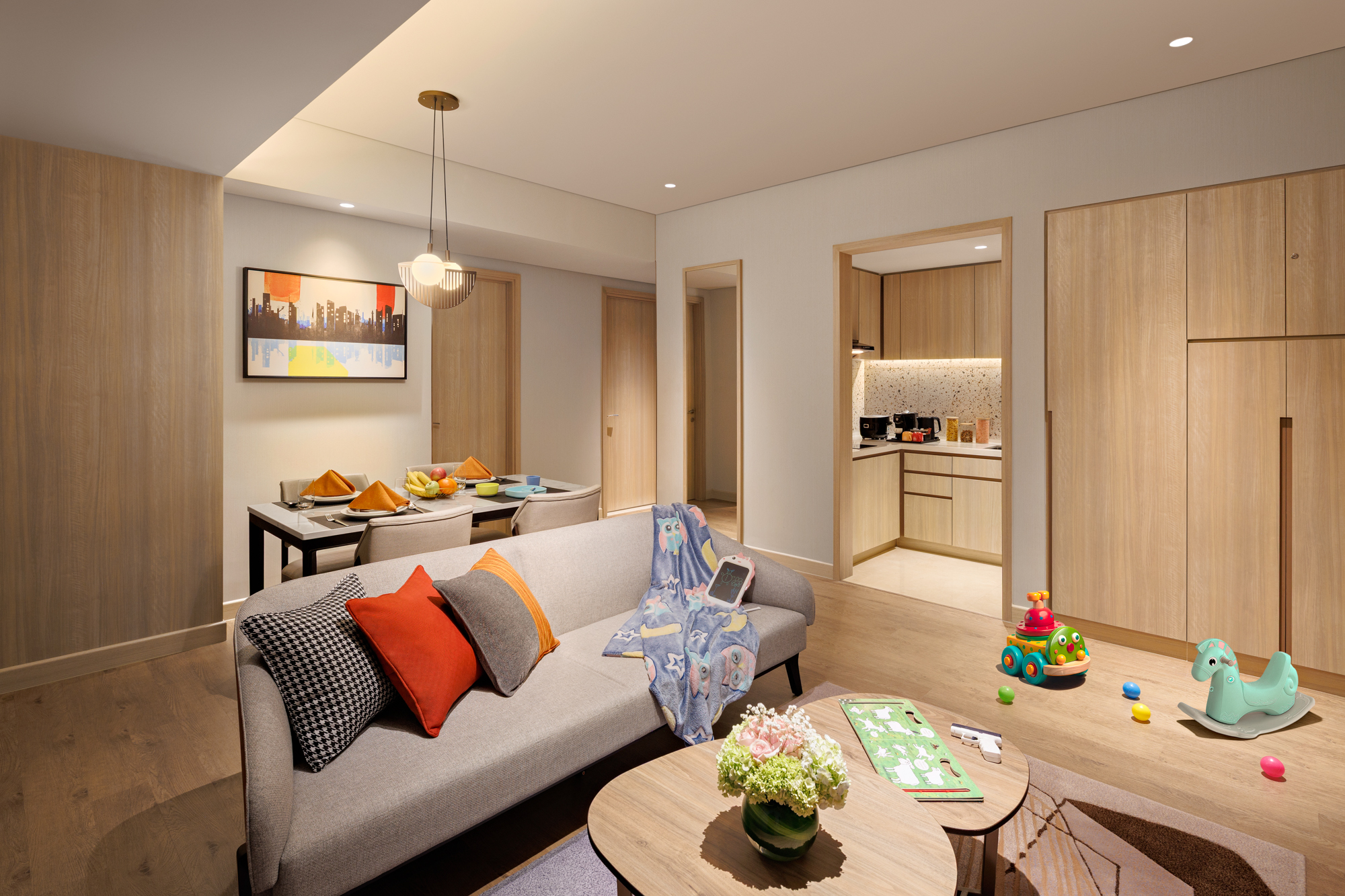
Families relocating to new cities face unique accommodation challenges. Long term hotel room rental bridges the gap between arrival and permanent housing, providing stability during home searches or waiting for residence permits. Two-bedroom and three-bedroom configurations offer space for children, separate living areas for family activities, and full kitchens for home-cooked meals.
Advantages for families include:
- Separate sleeping areas for privacy
- Kitchen facilities reducing dining costs
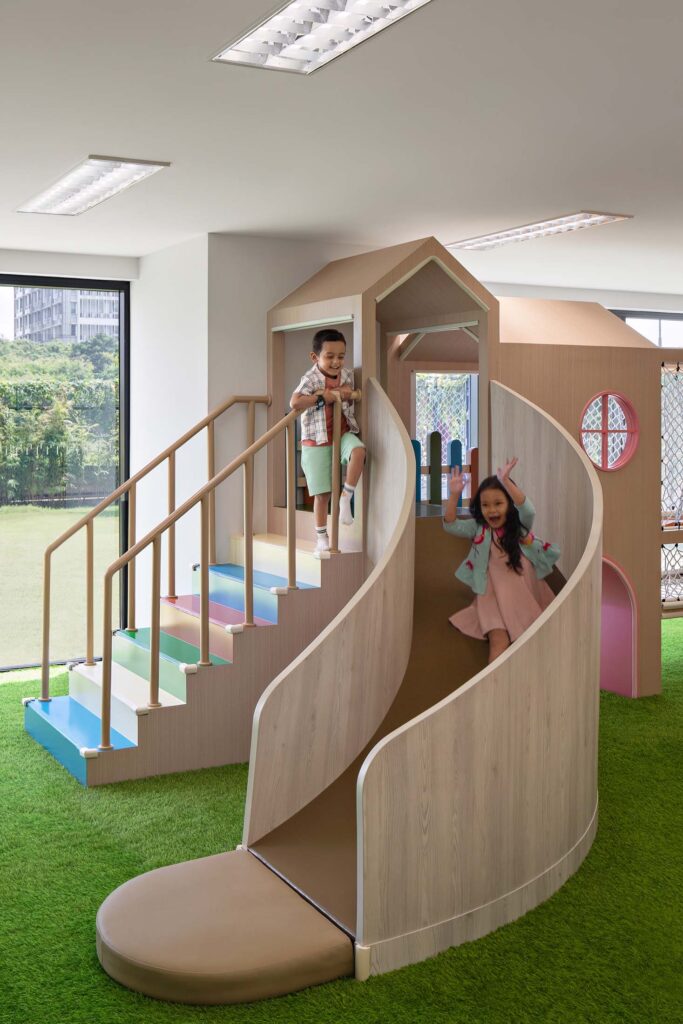
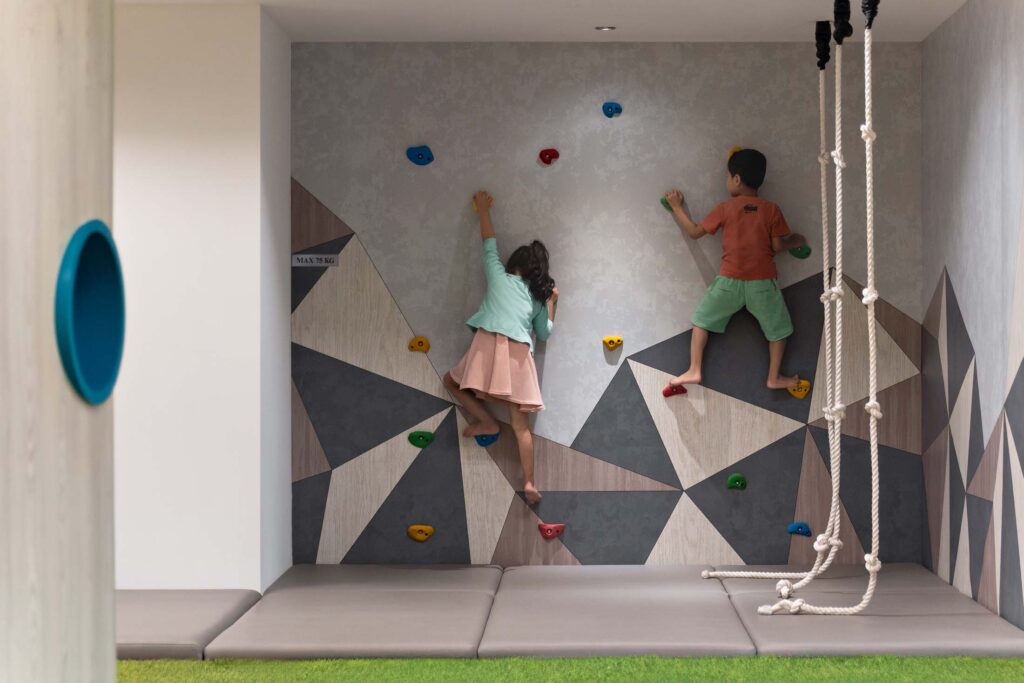
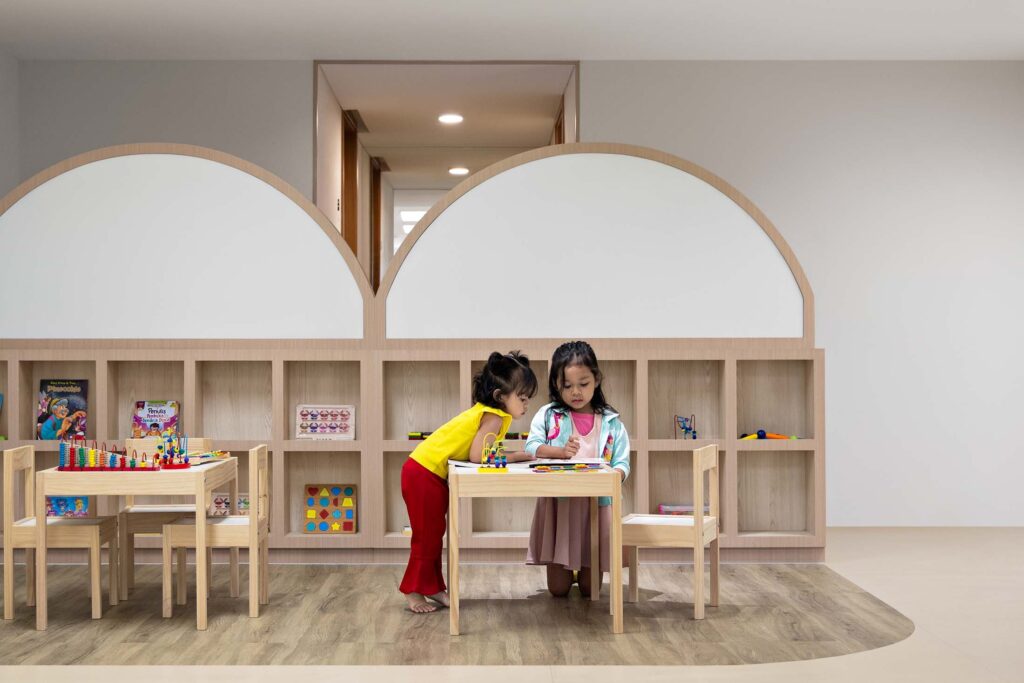
- On-site amenities like pools and play areas
- Flexible stays adjusting to school calendars
- Proximity to international schools and family services
Properties offering long-stay serviced apartments often provide family-friendly services, making transitions smoother for households with children adjusting to new environments.

Expatriates and International Assignees
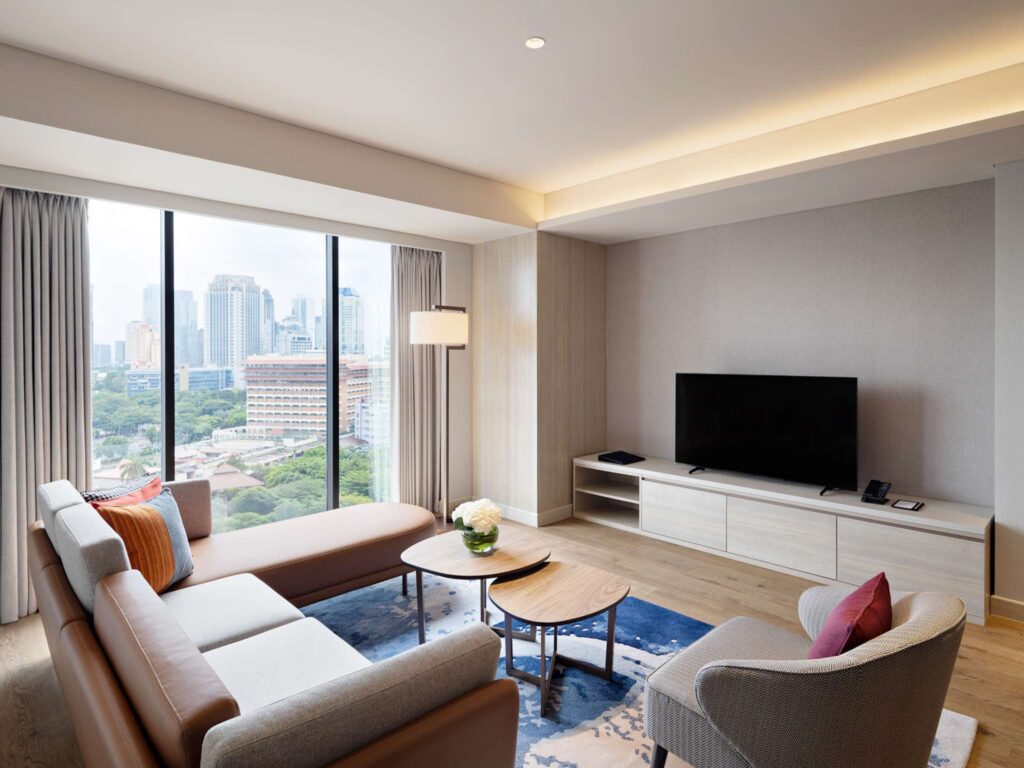
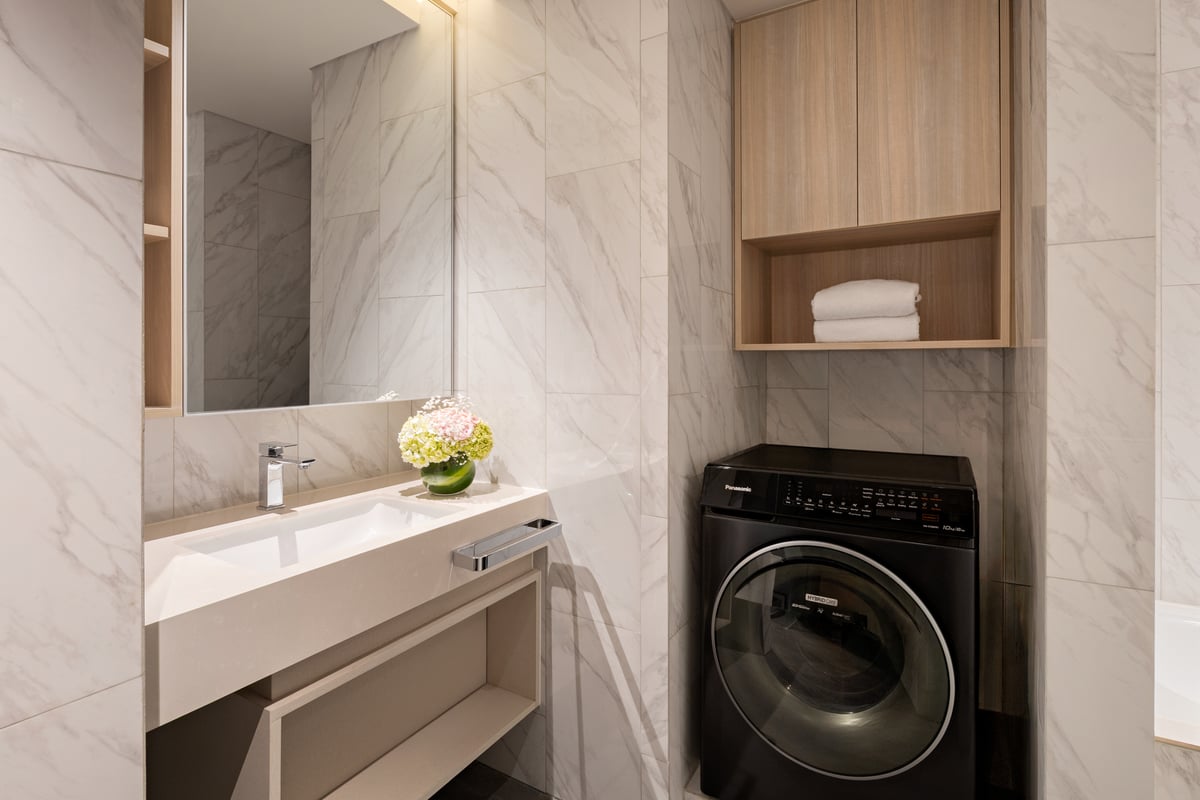
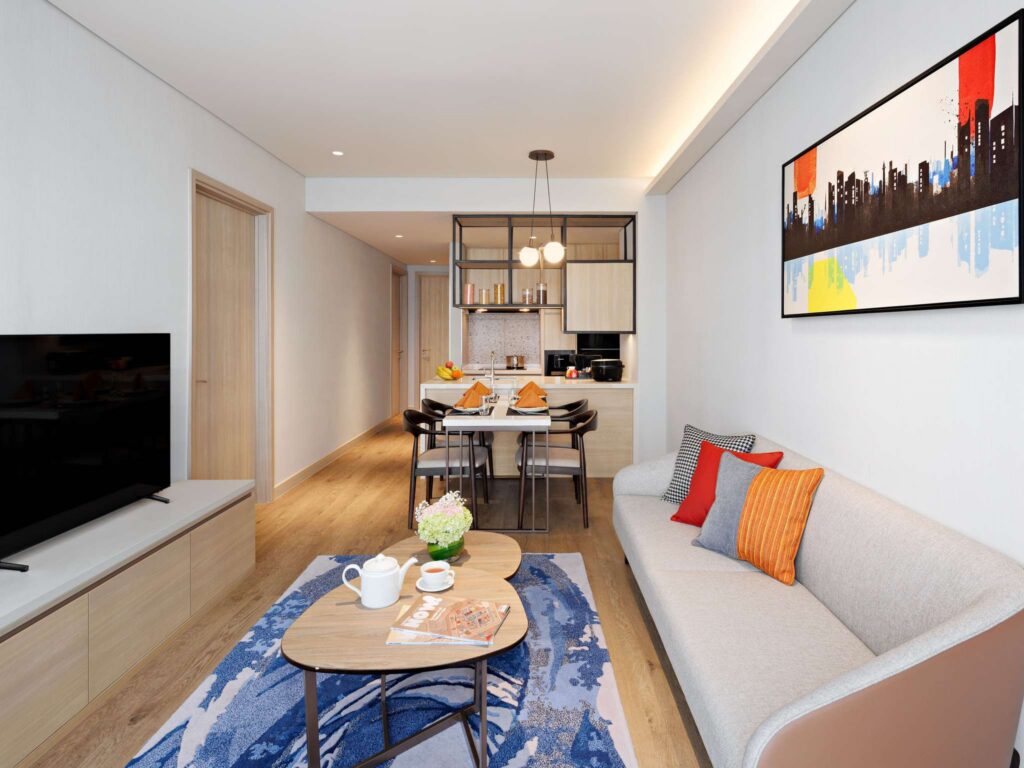
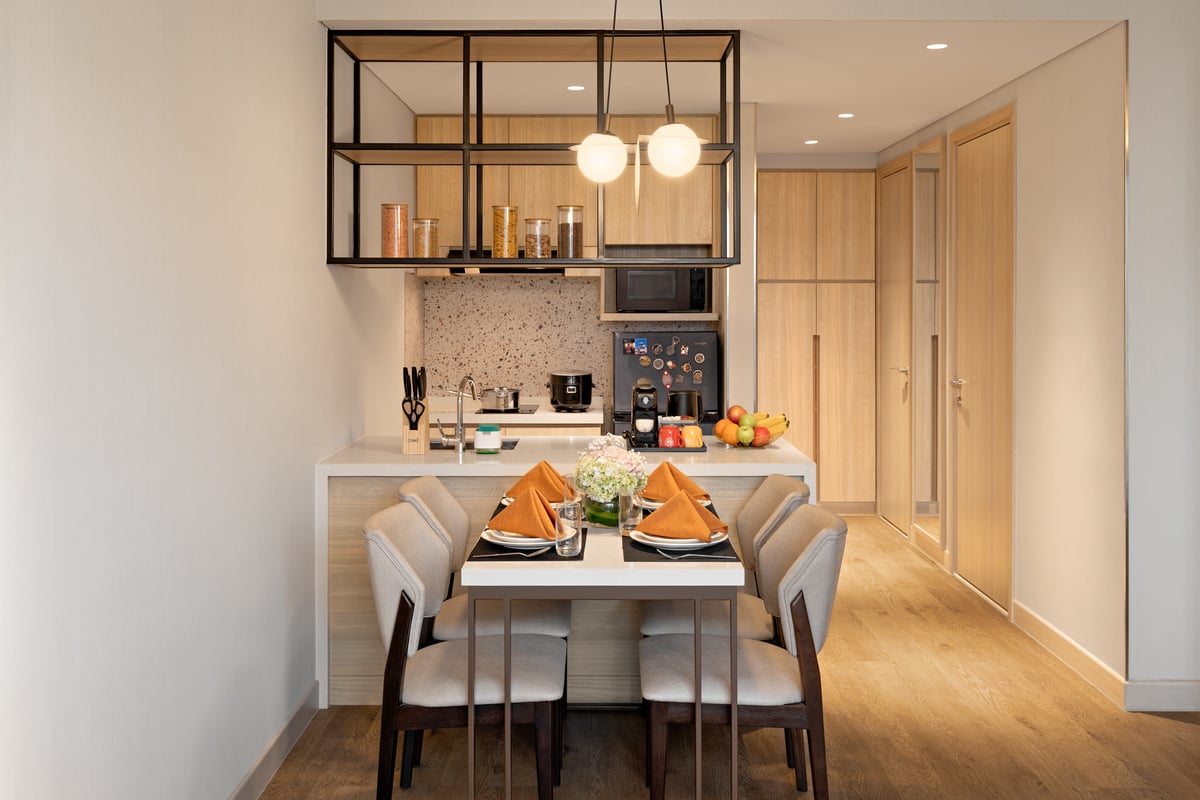
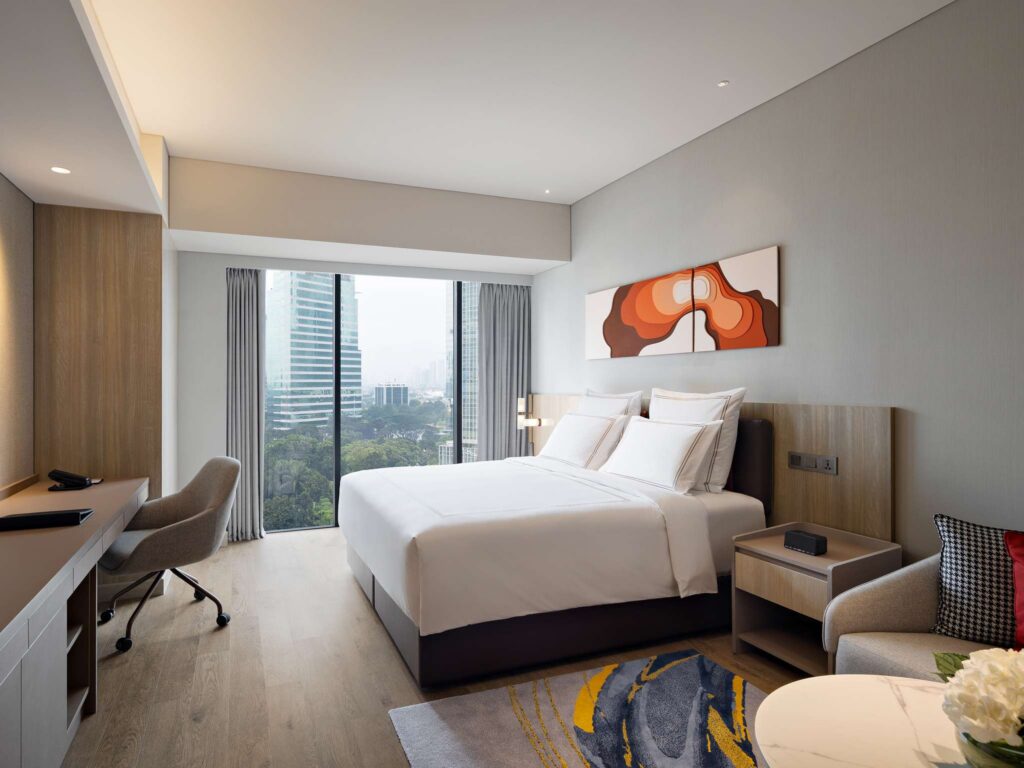
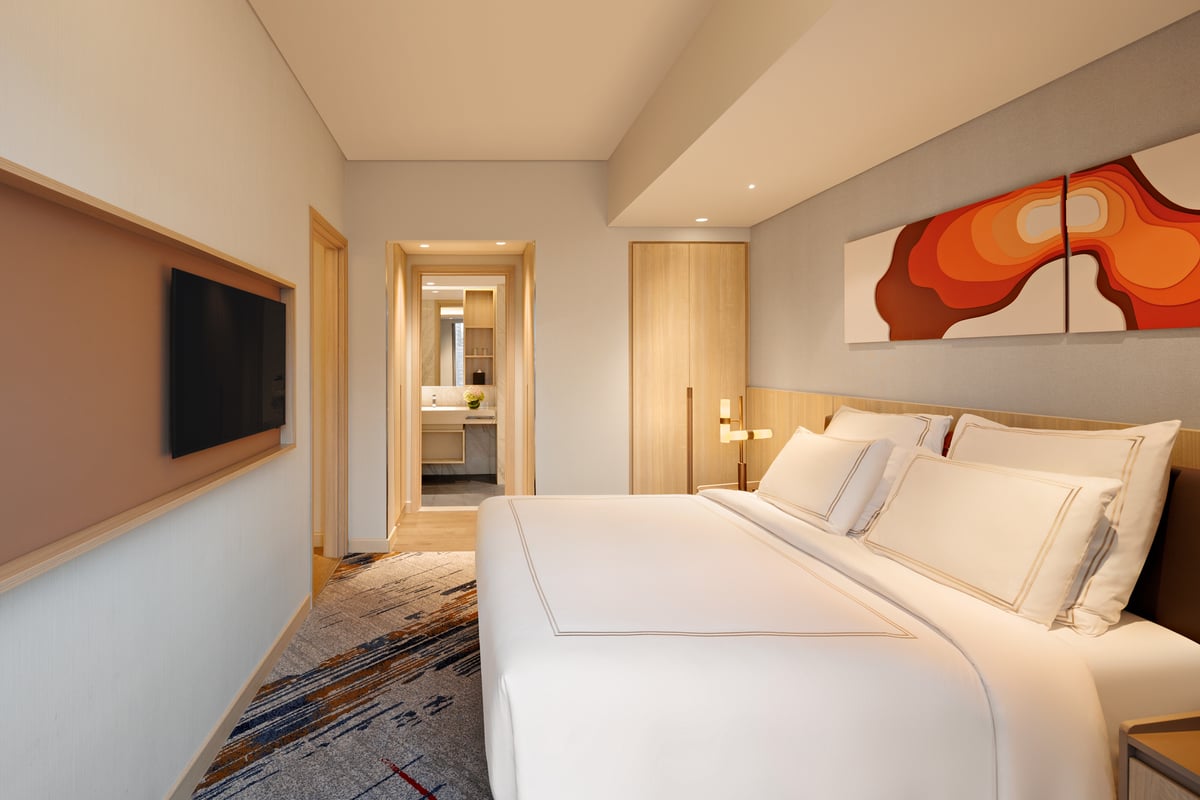
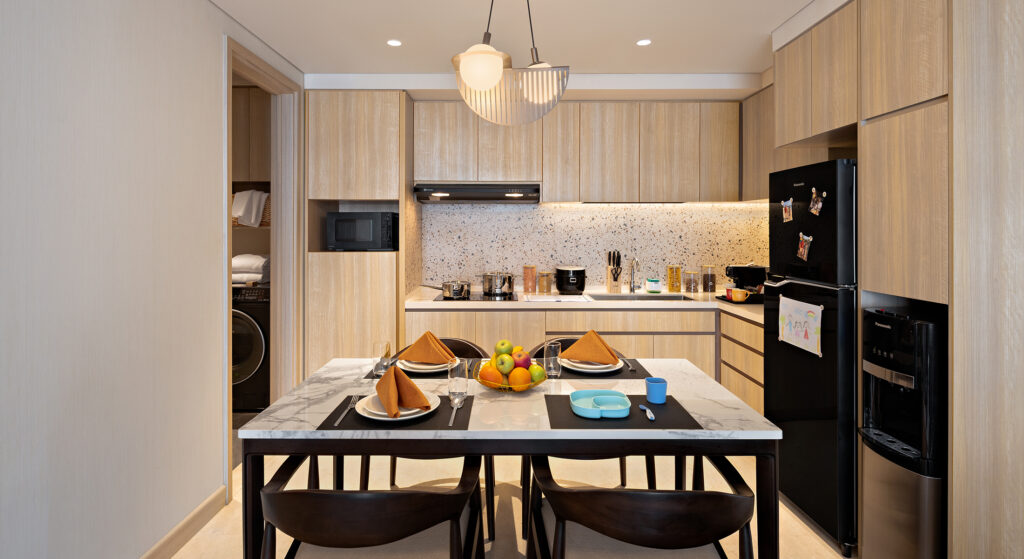
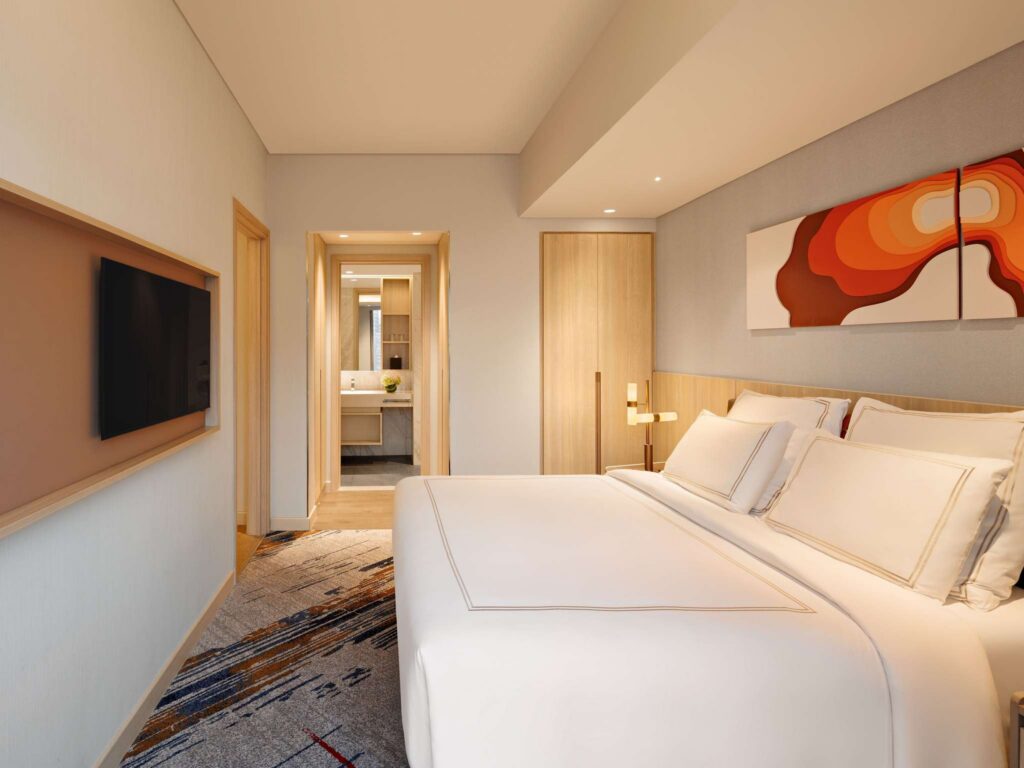
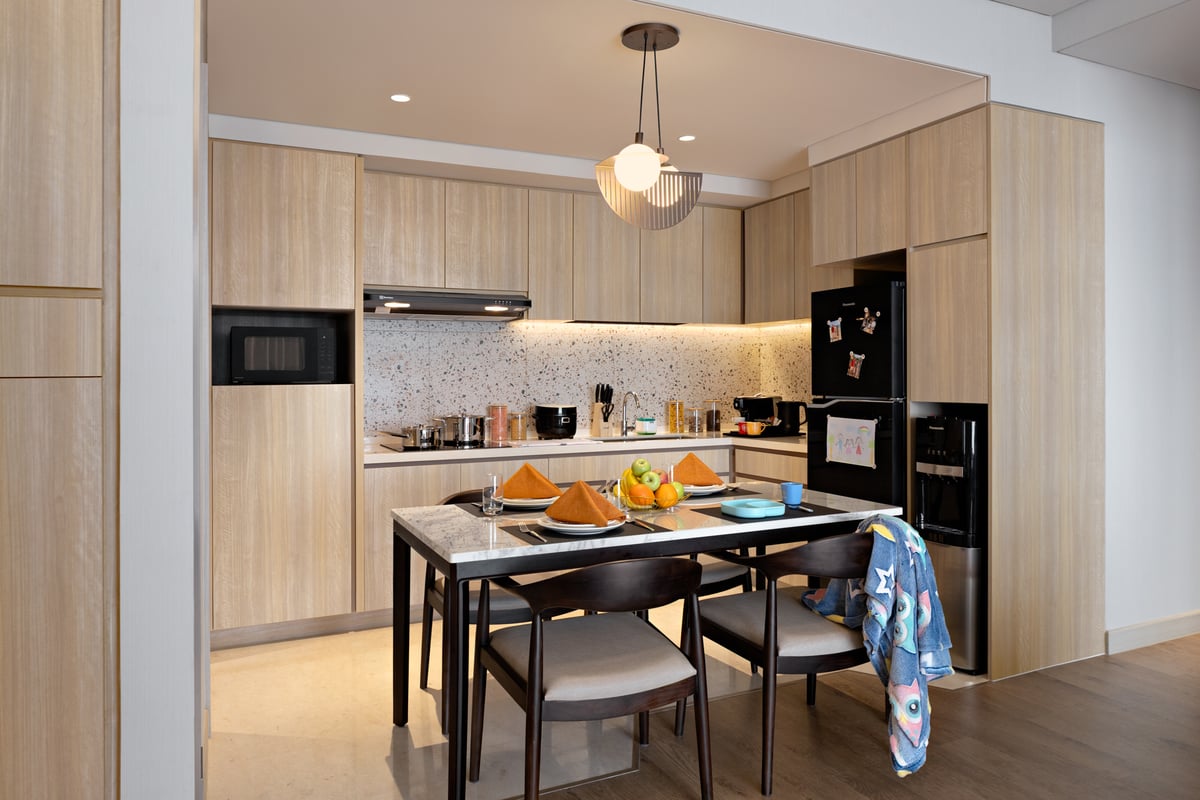
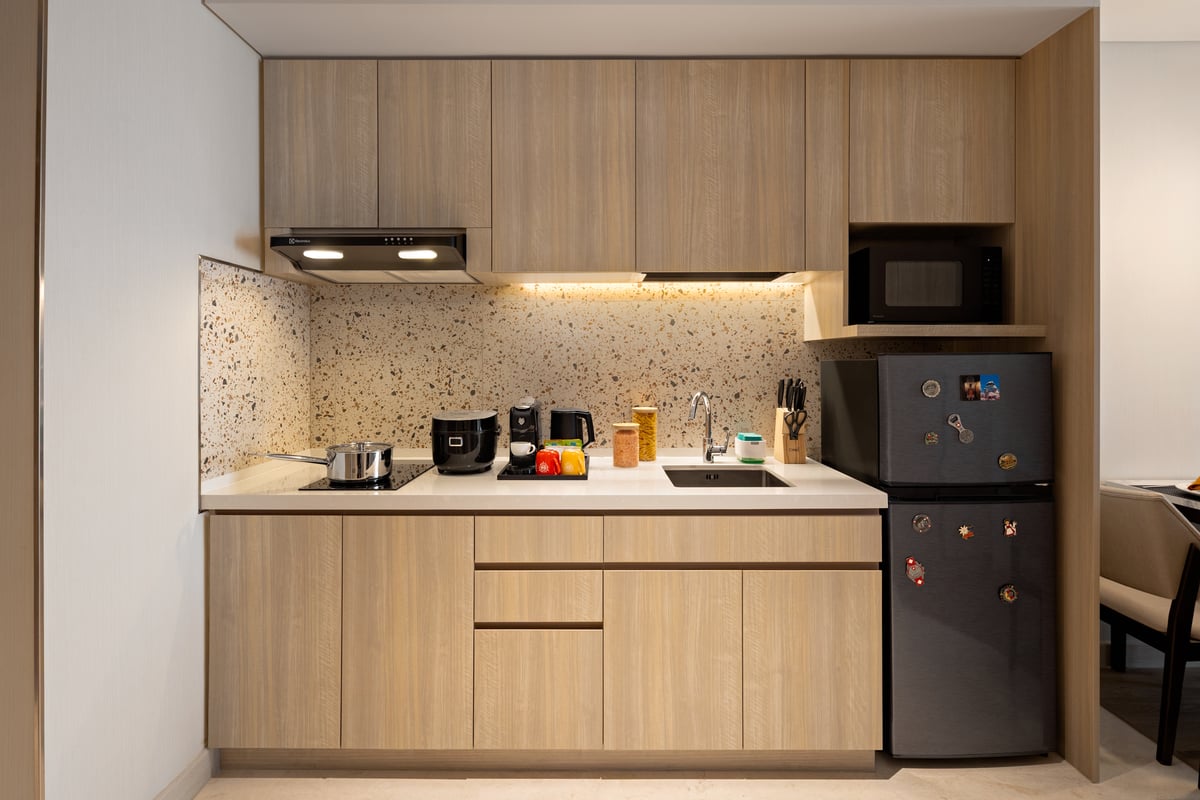
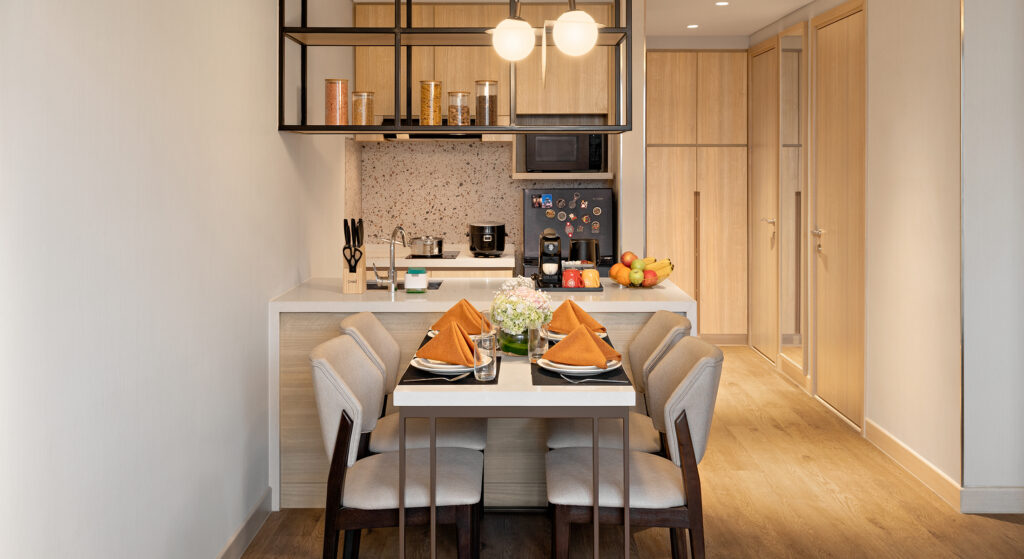
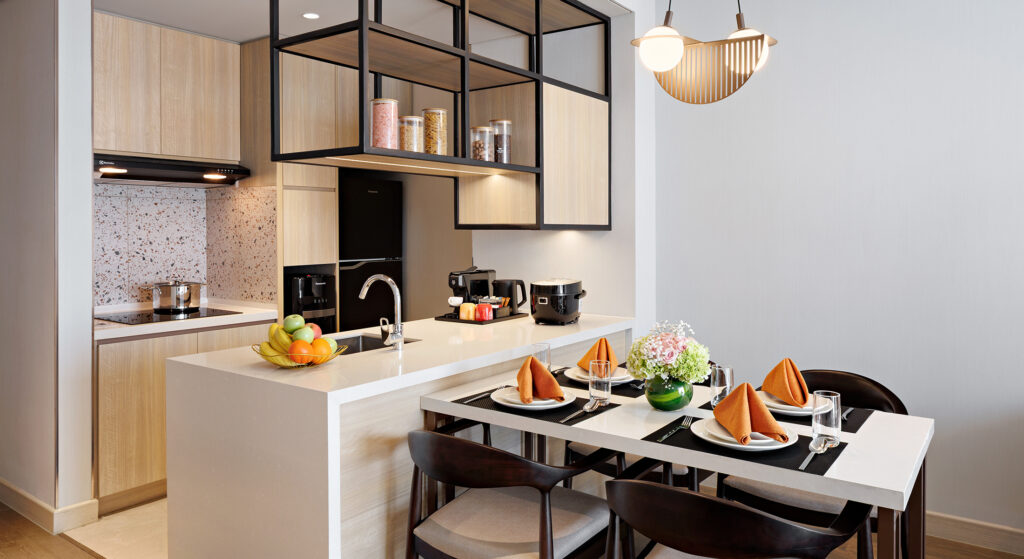
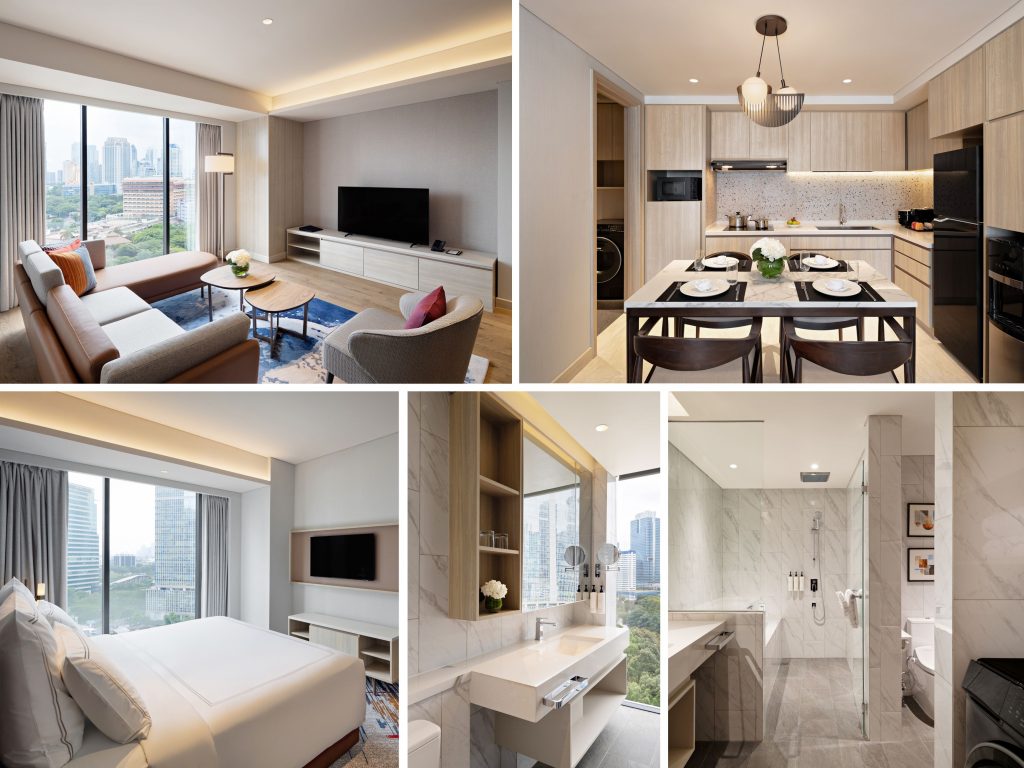
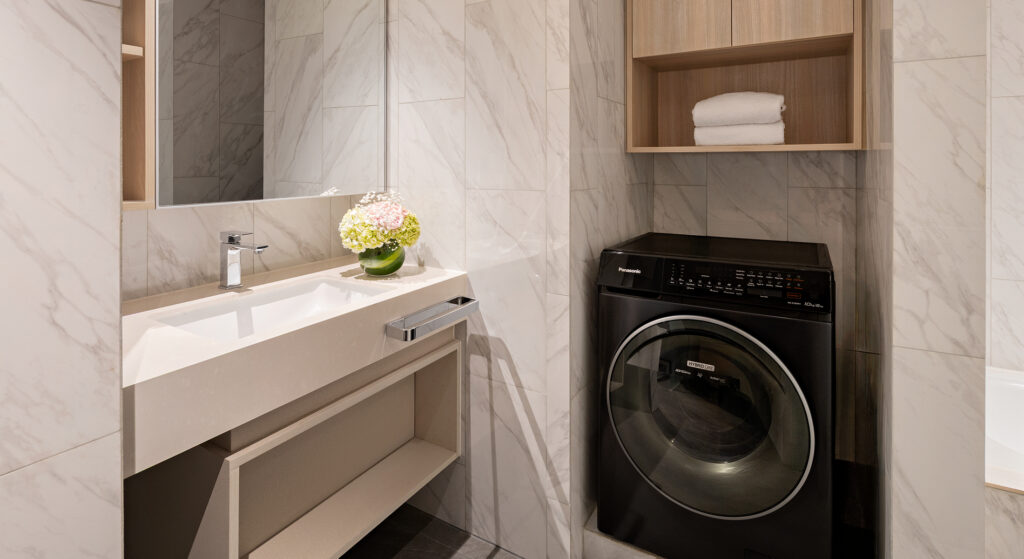
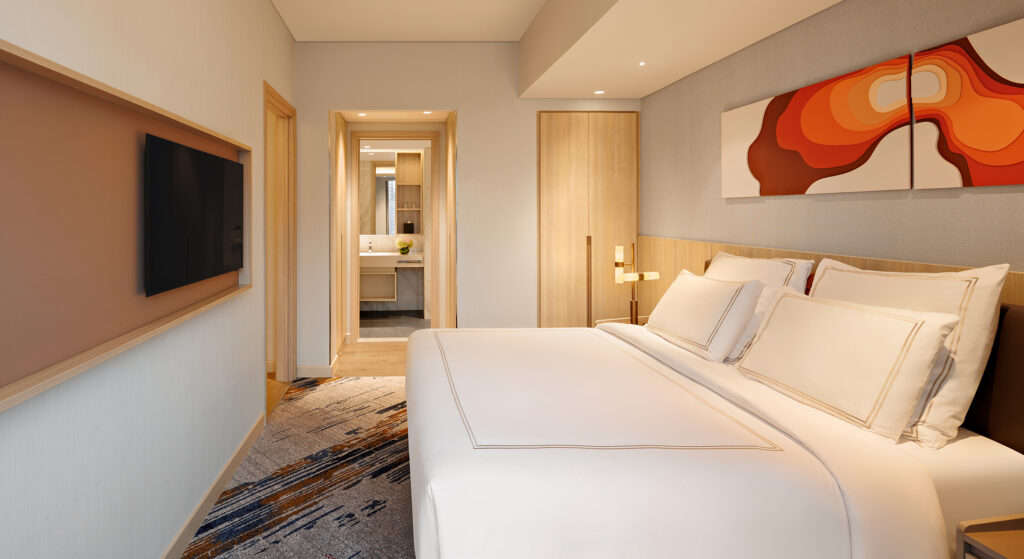
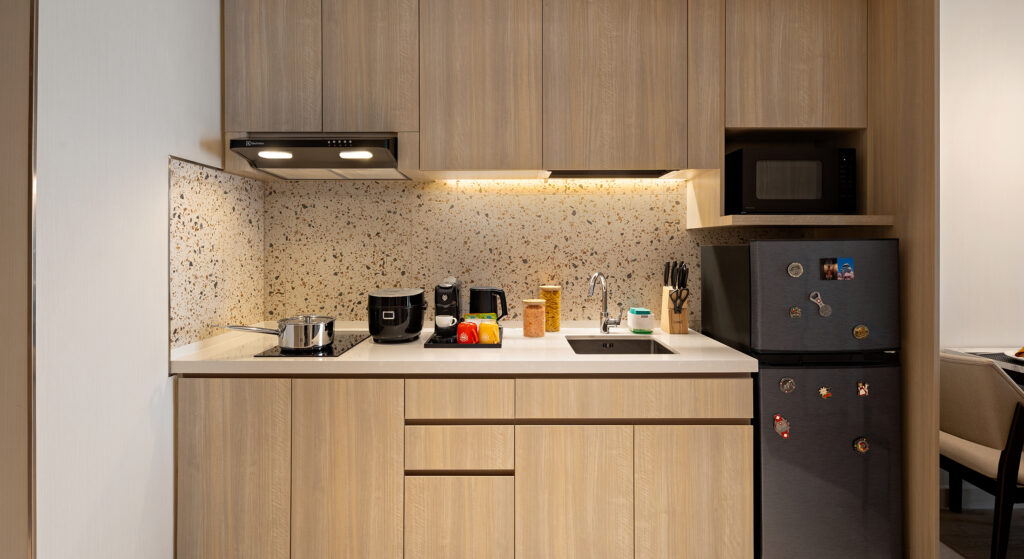
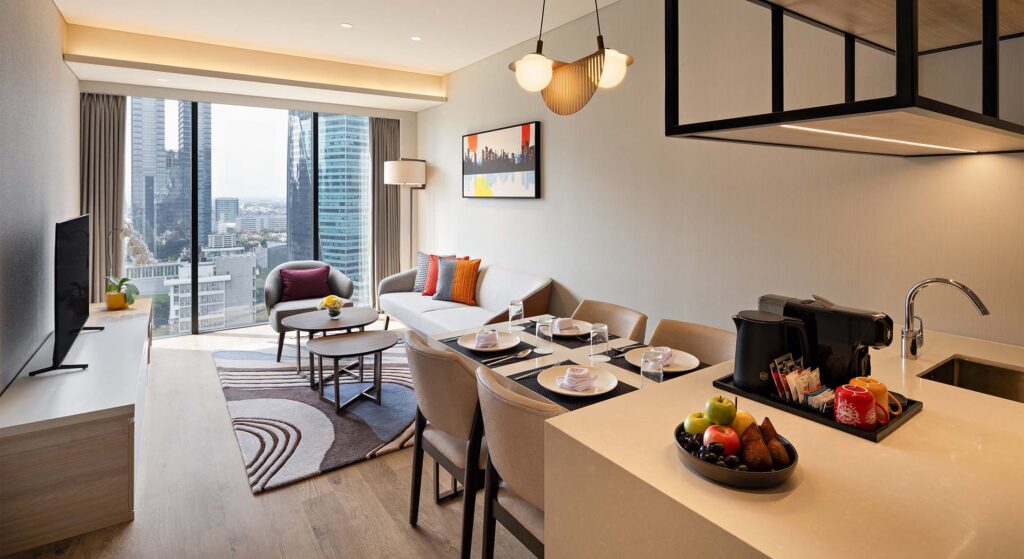
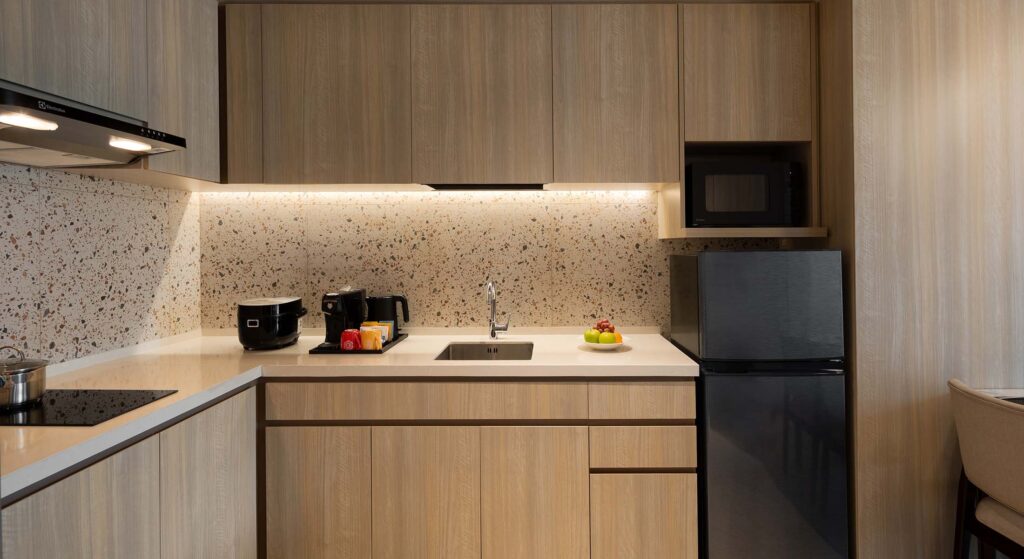
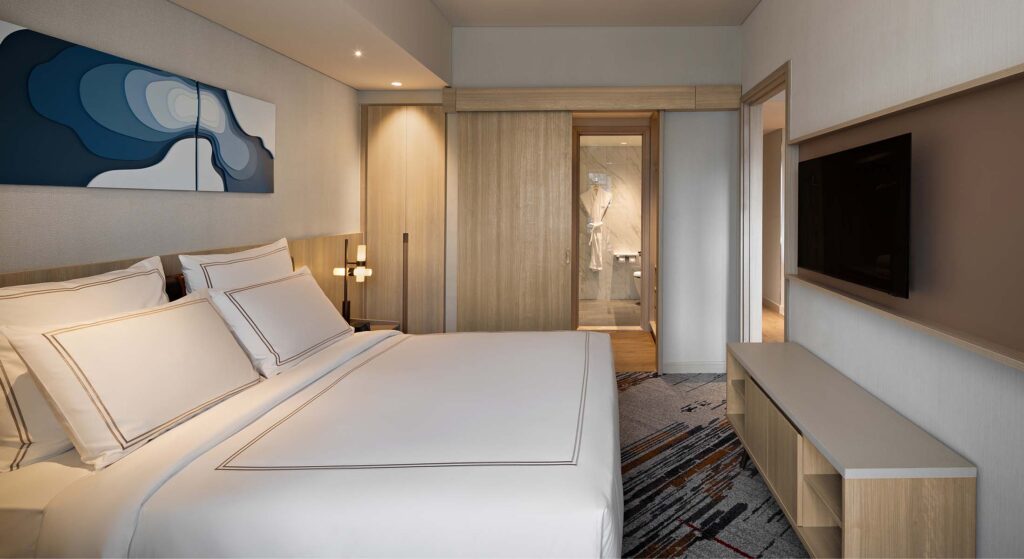
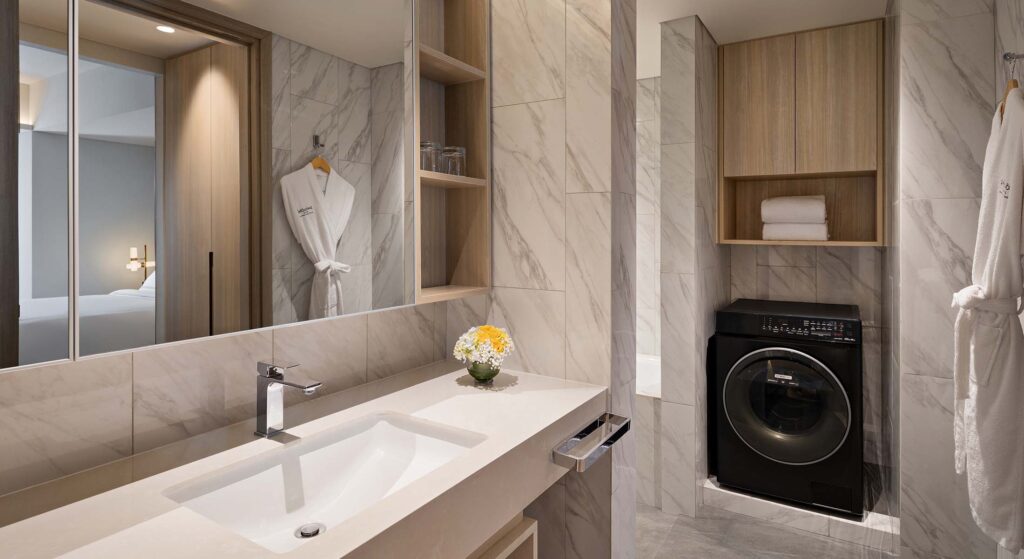
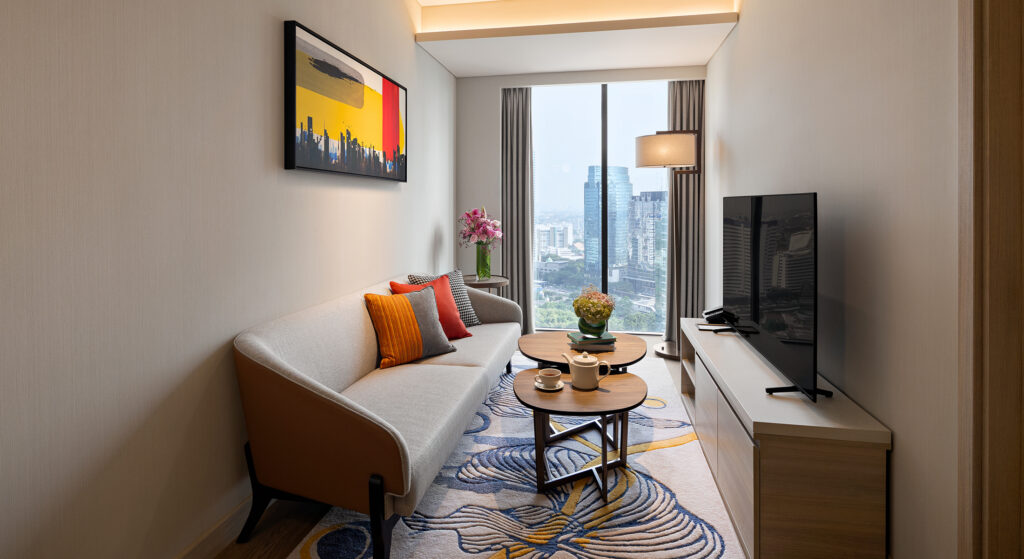
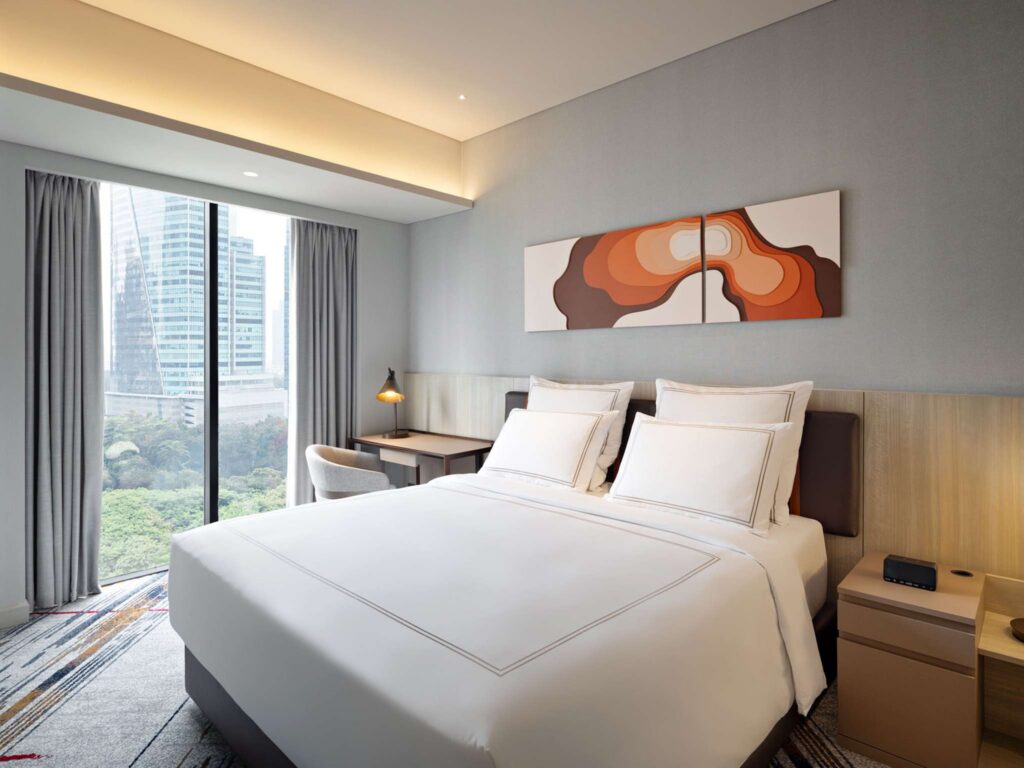
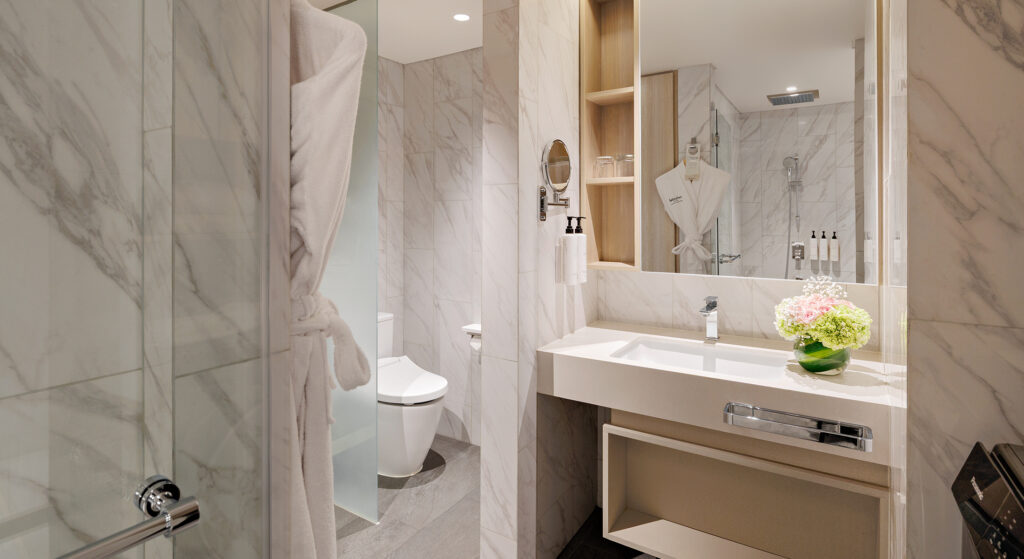
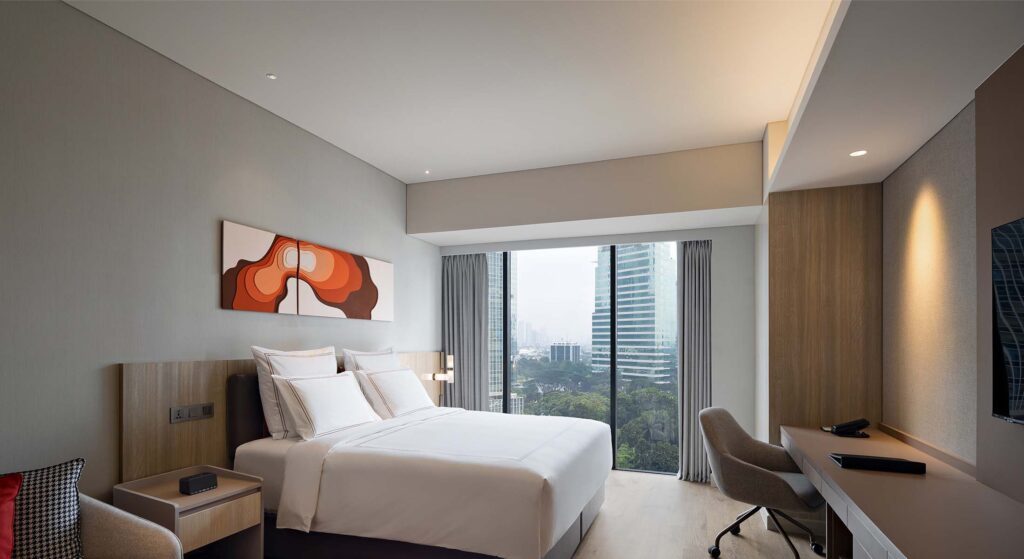
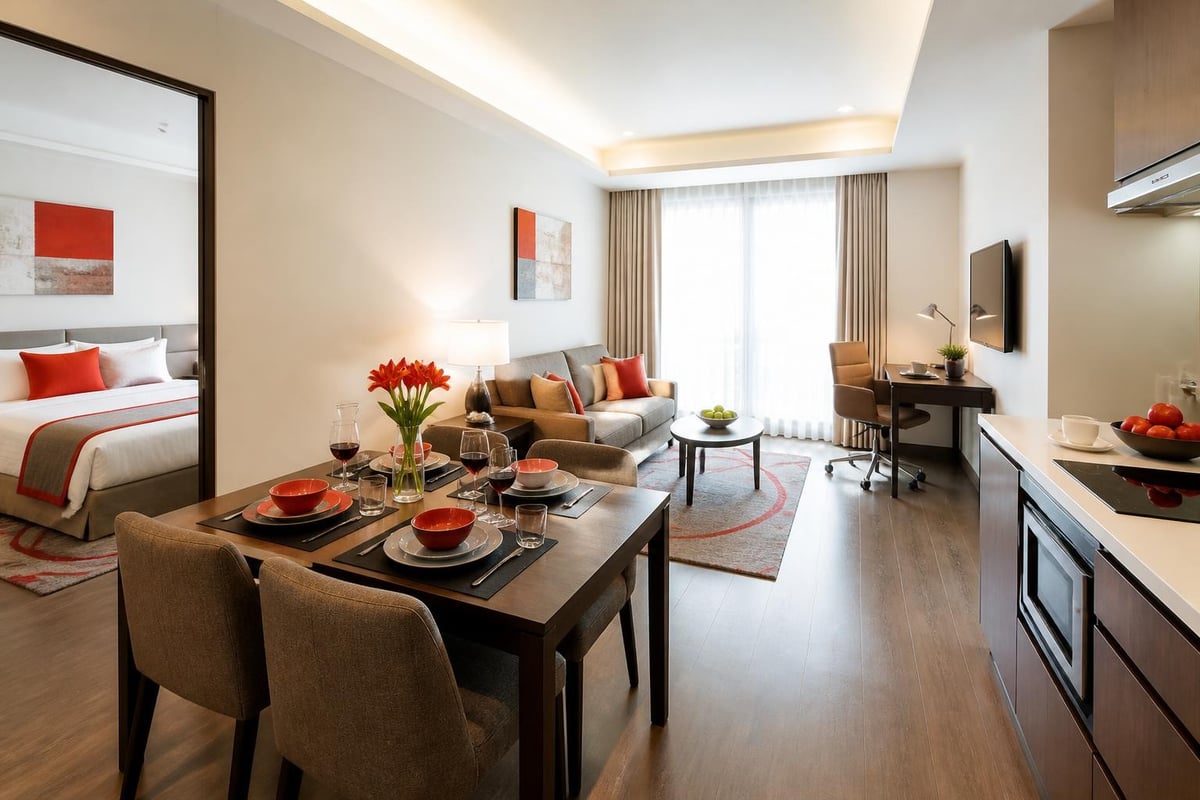
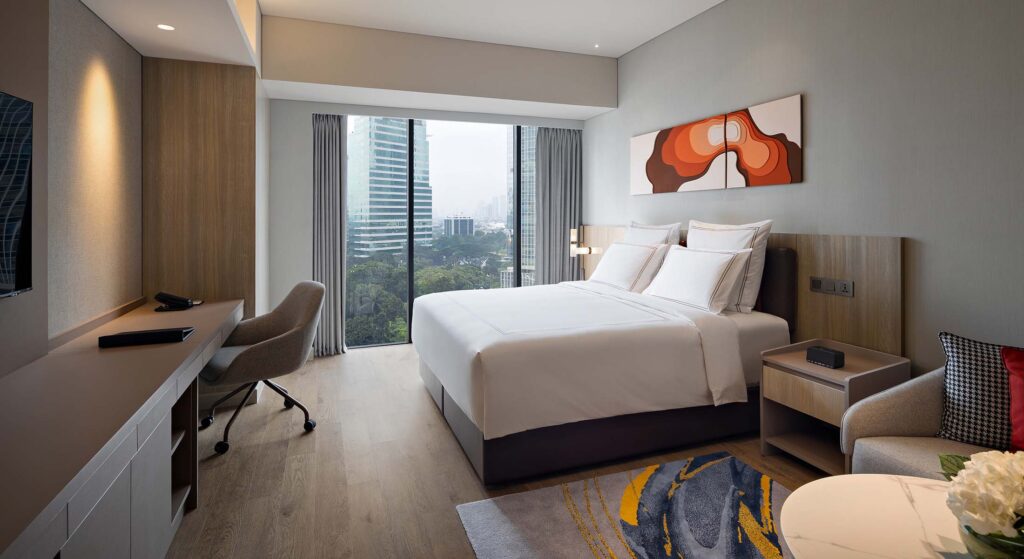
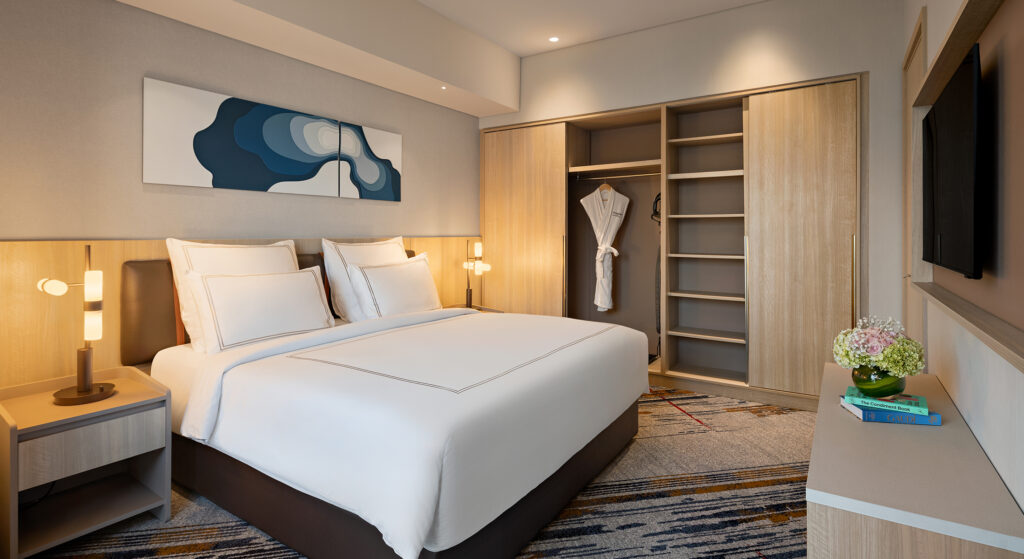
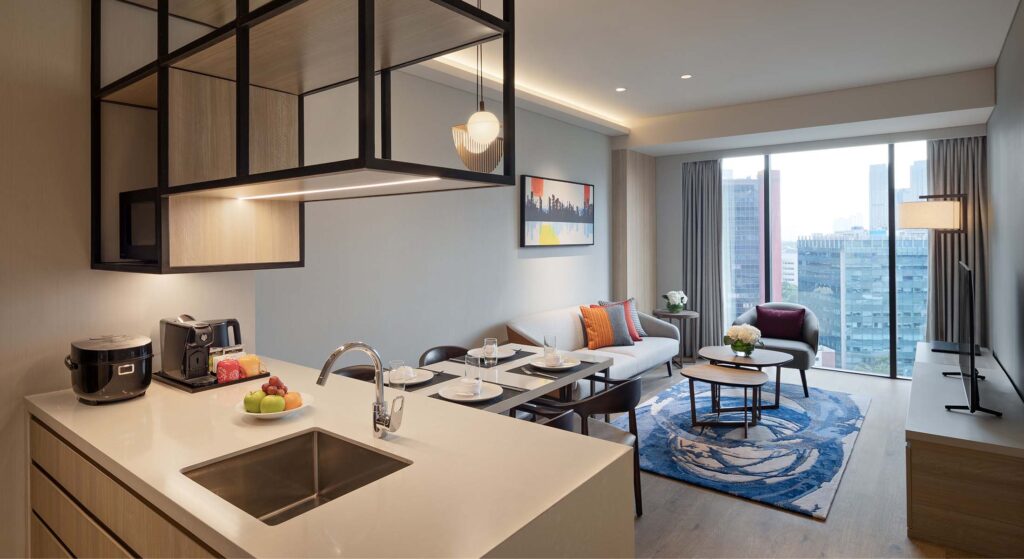
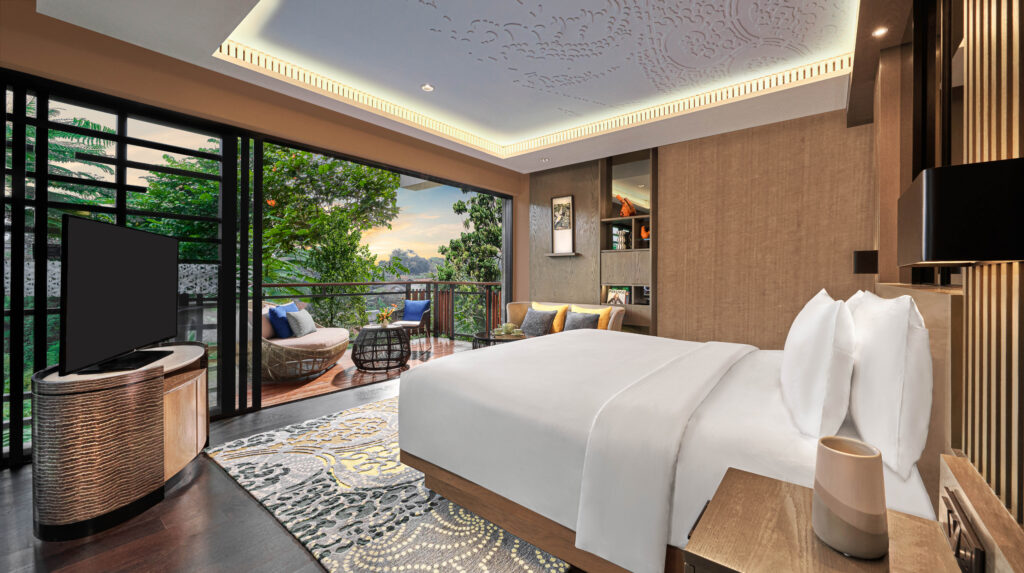
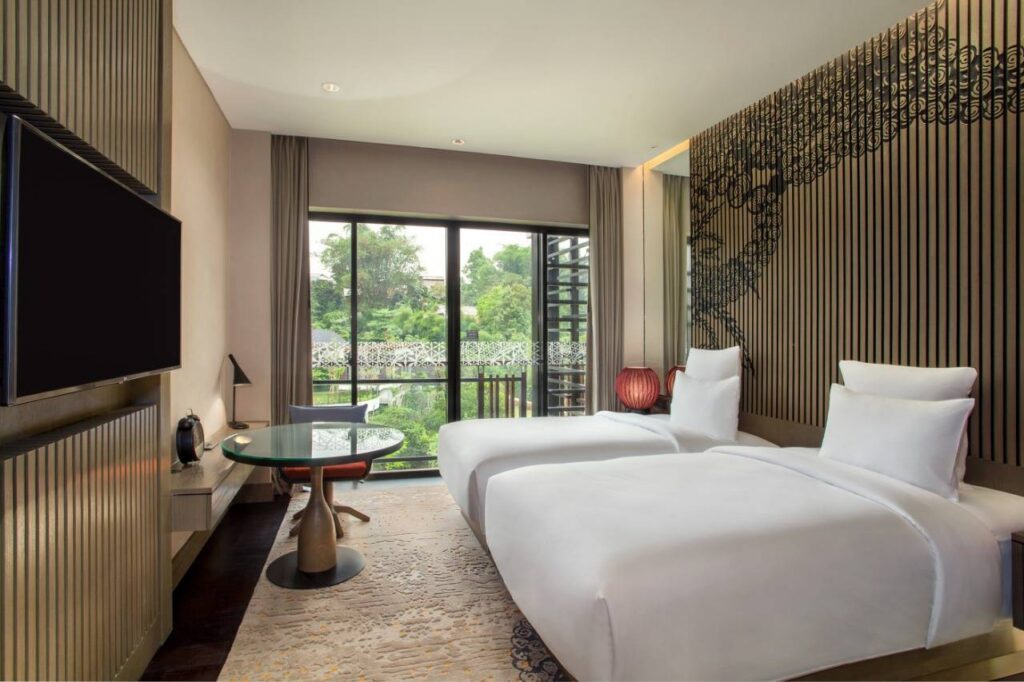
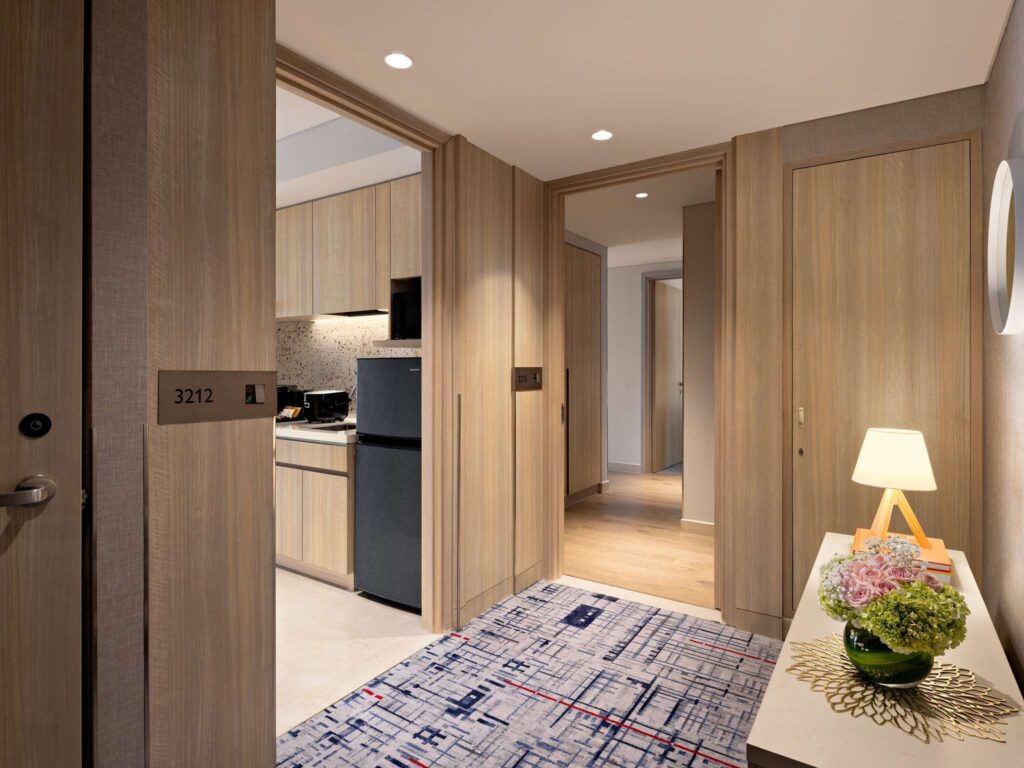
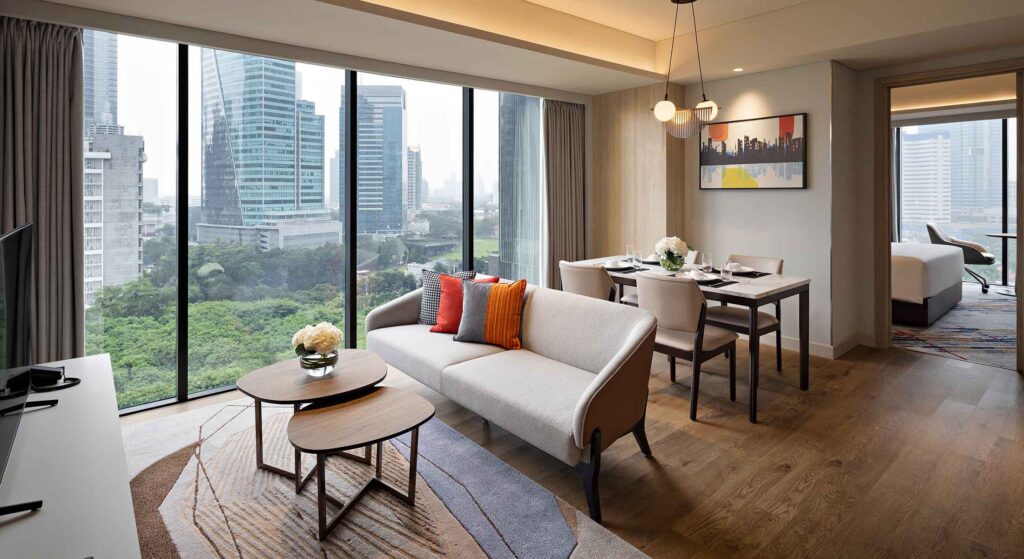
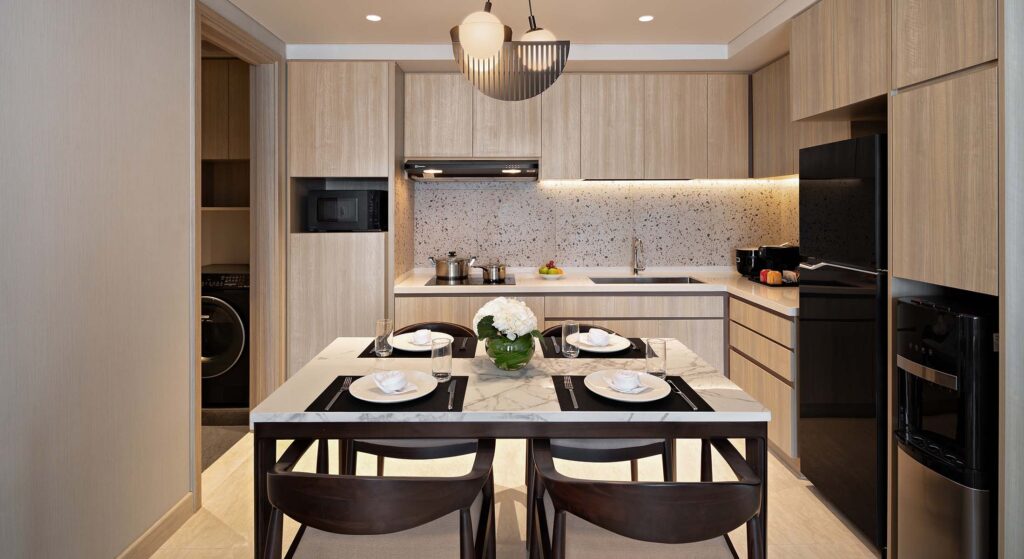
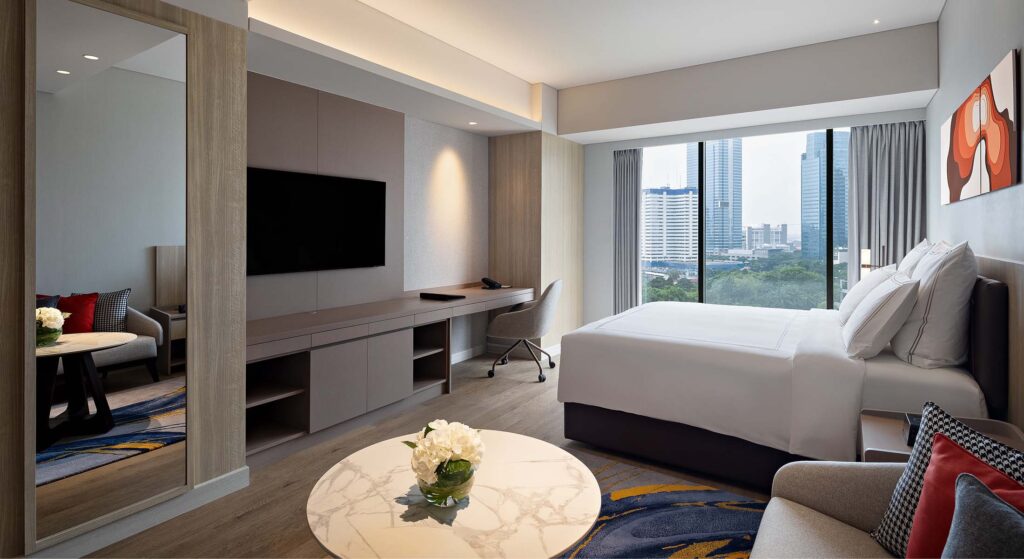
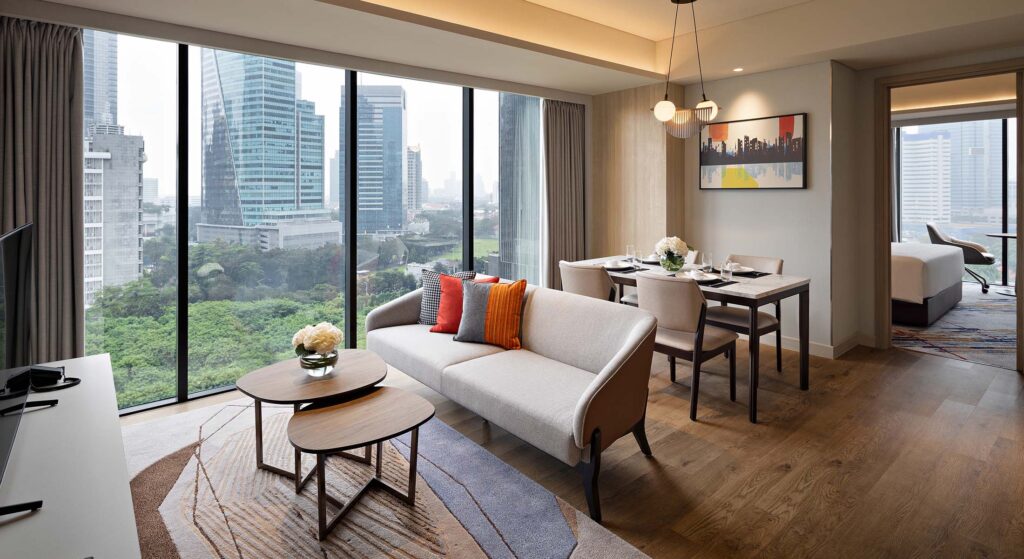
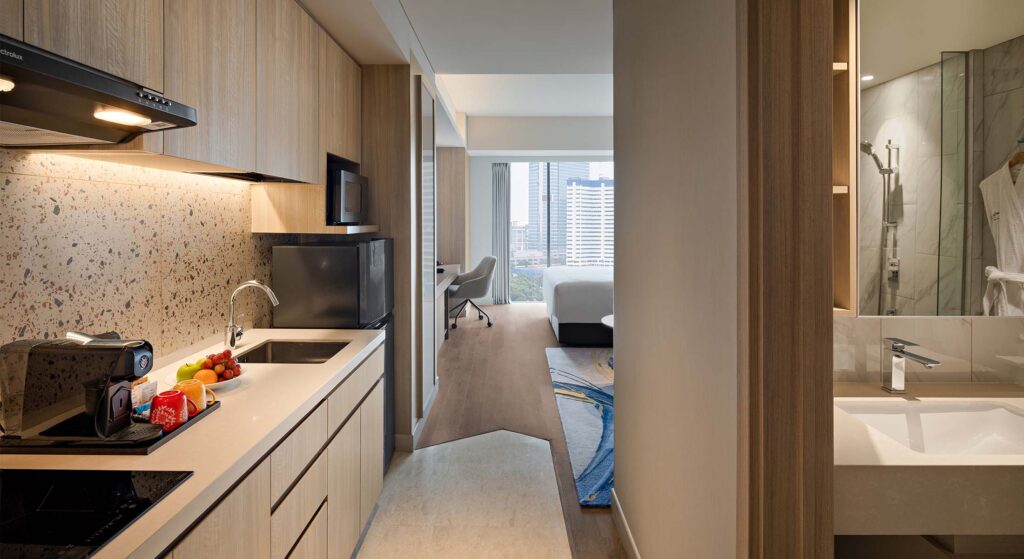
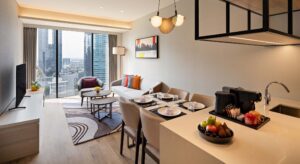
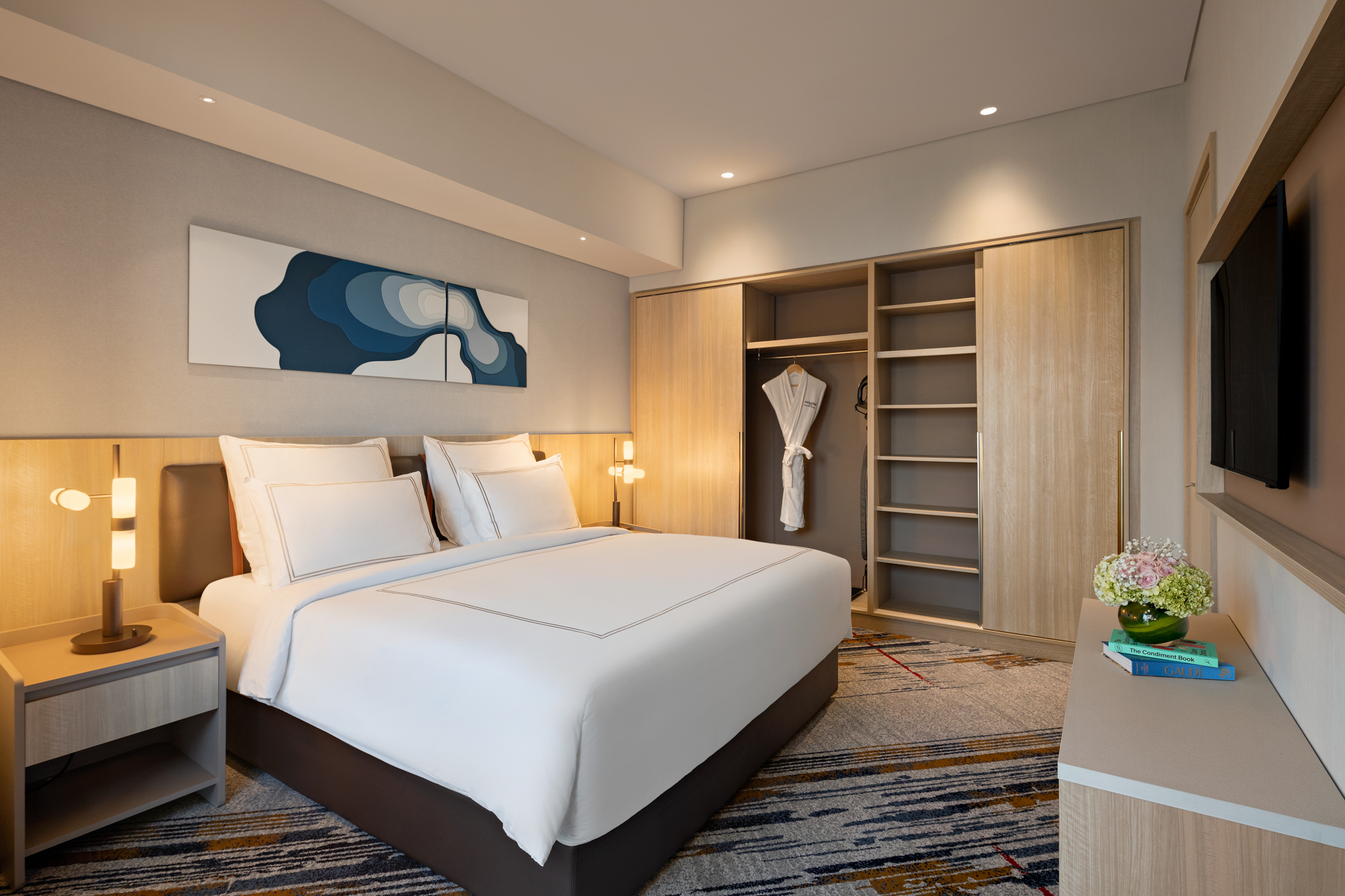
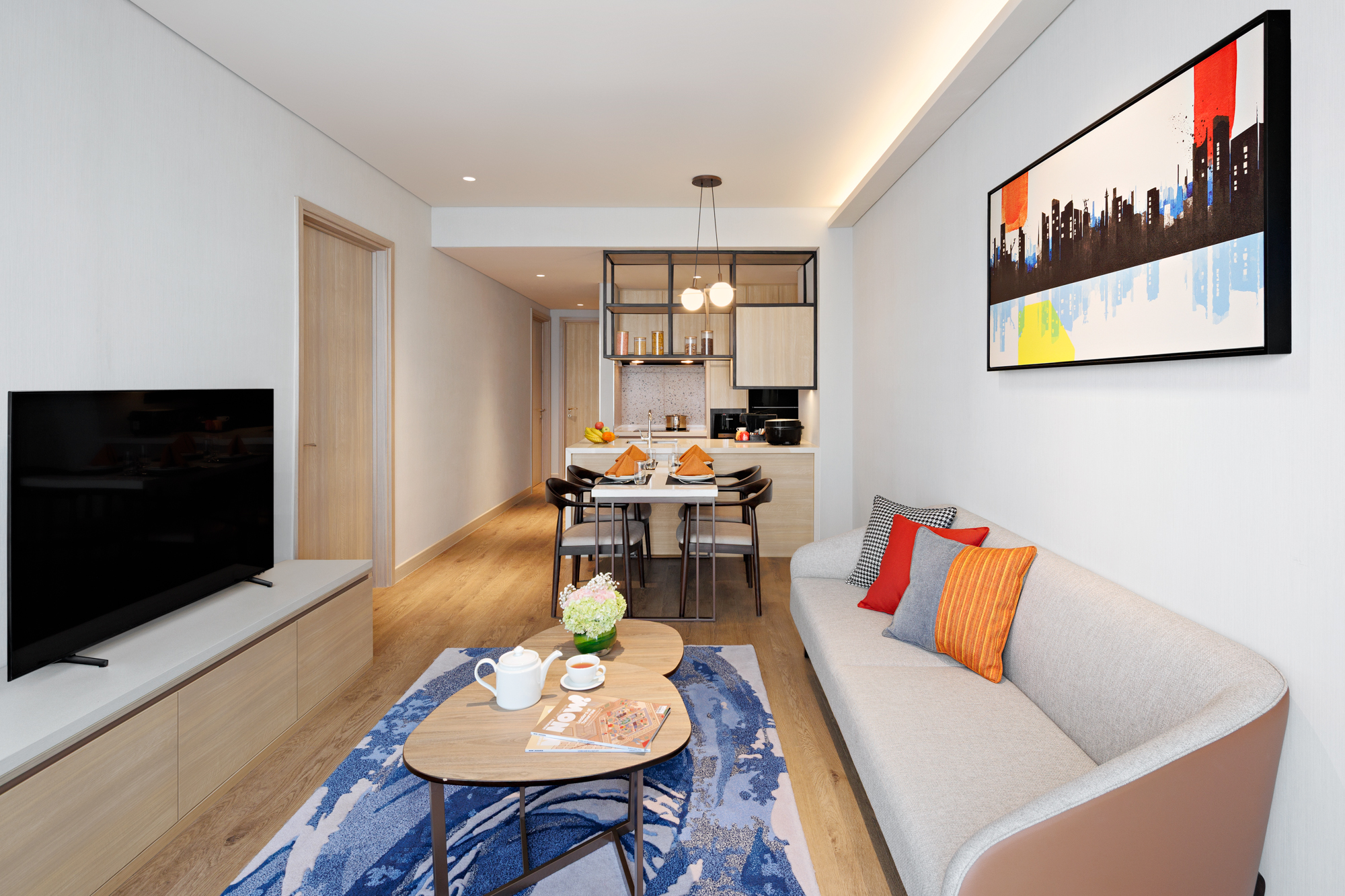
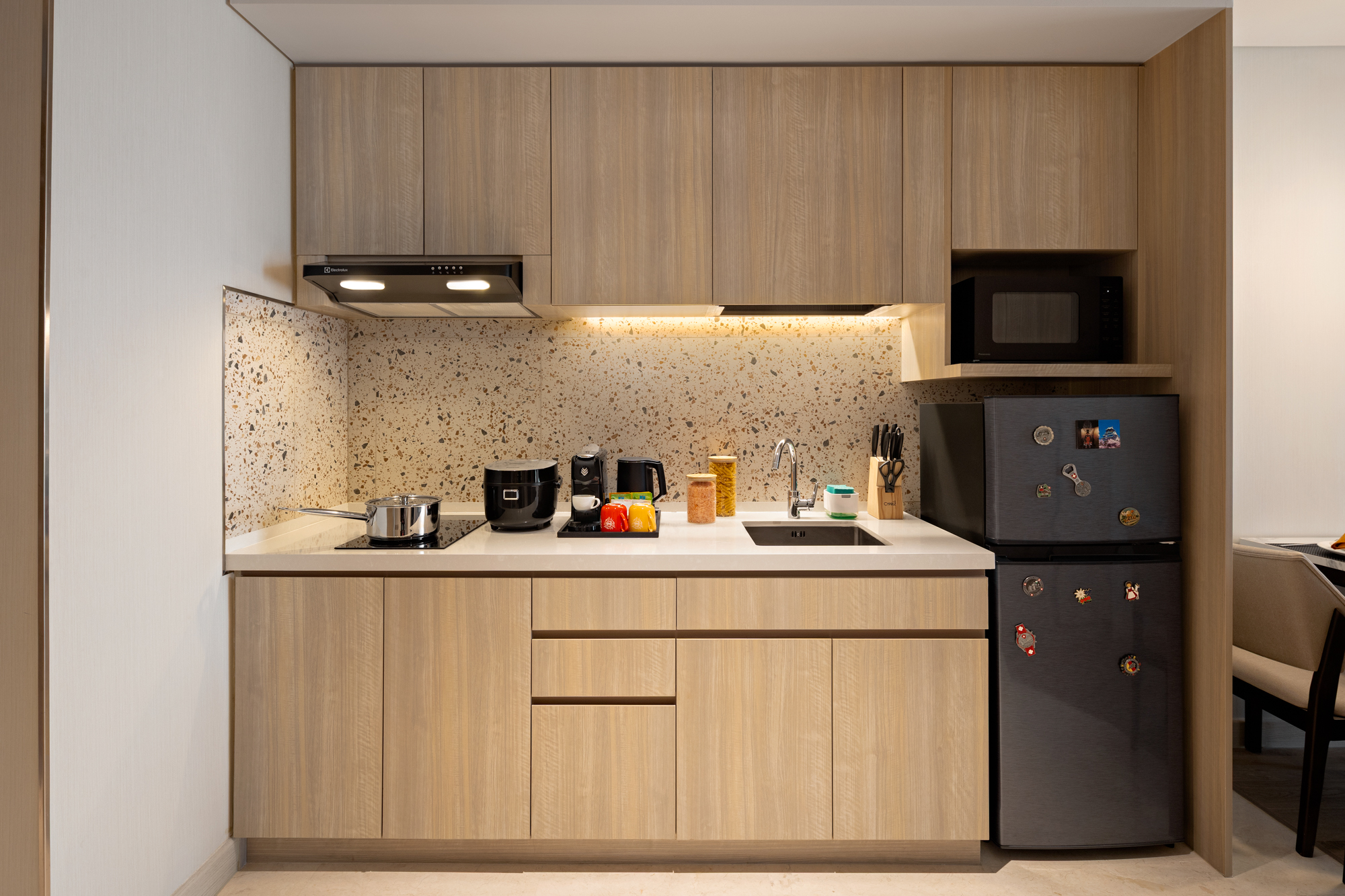
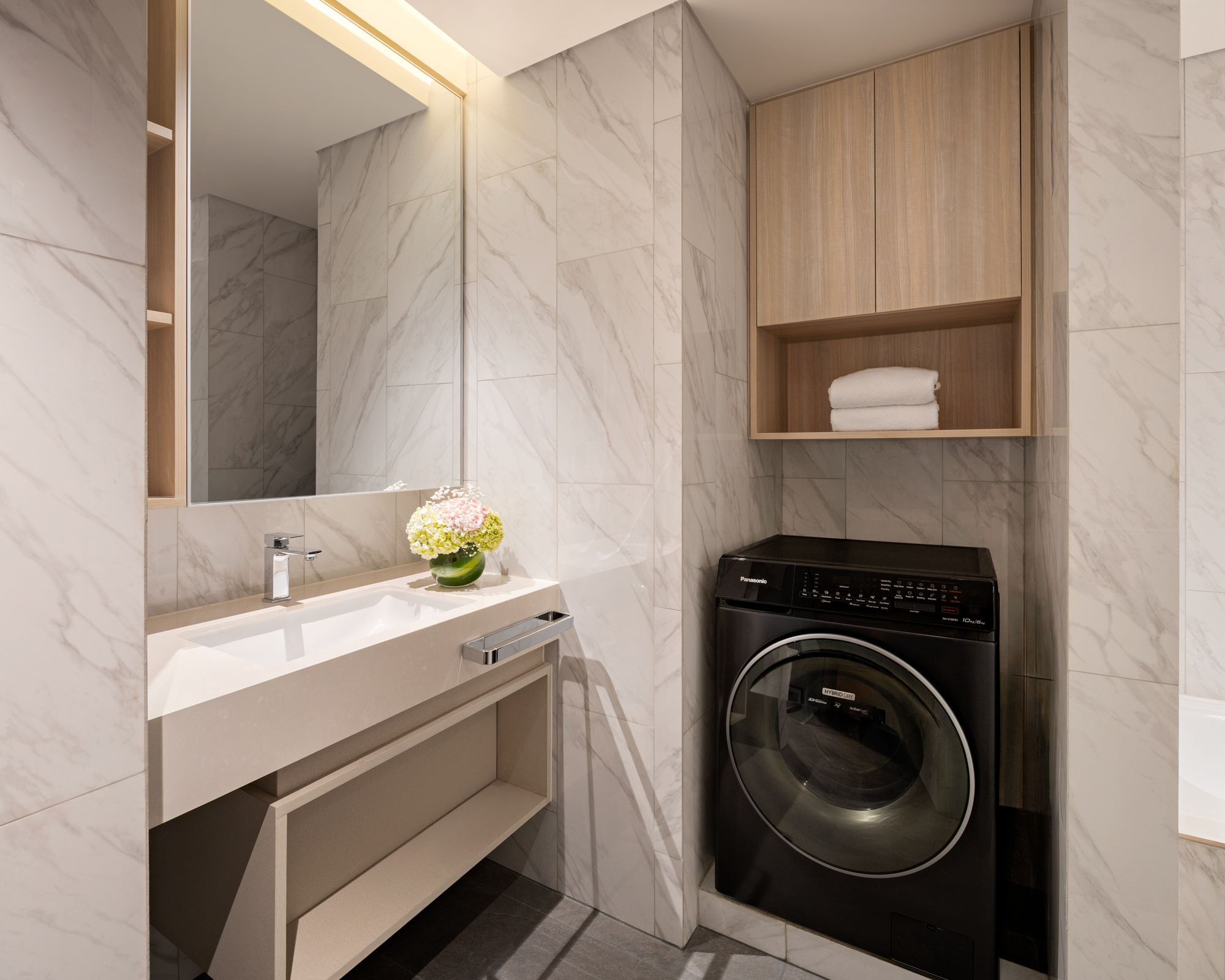
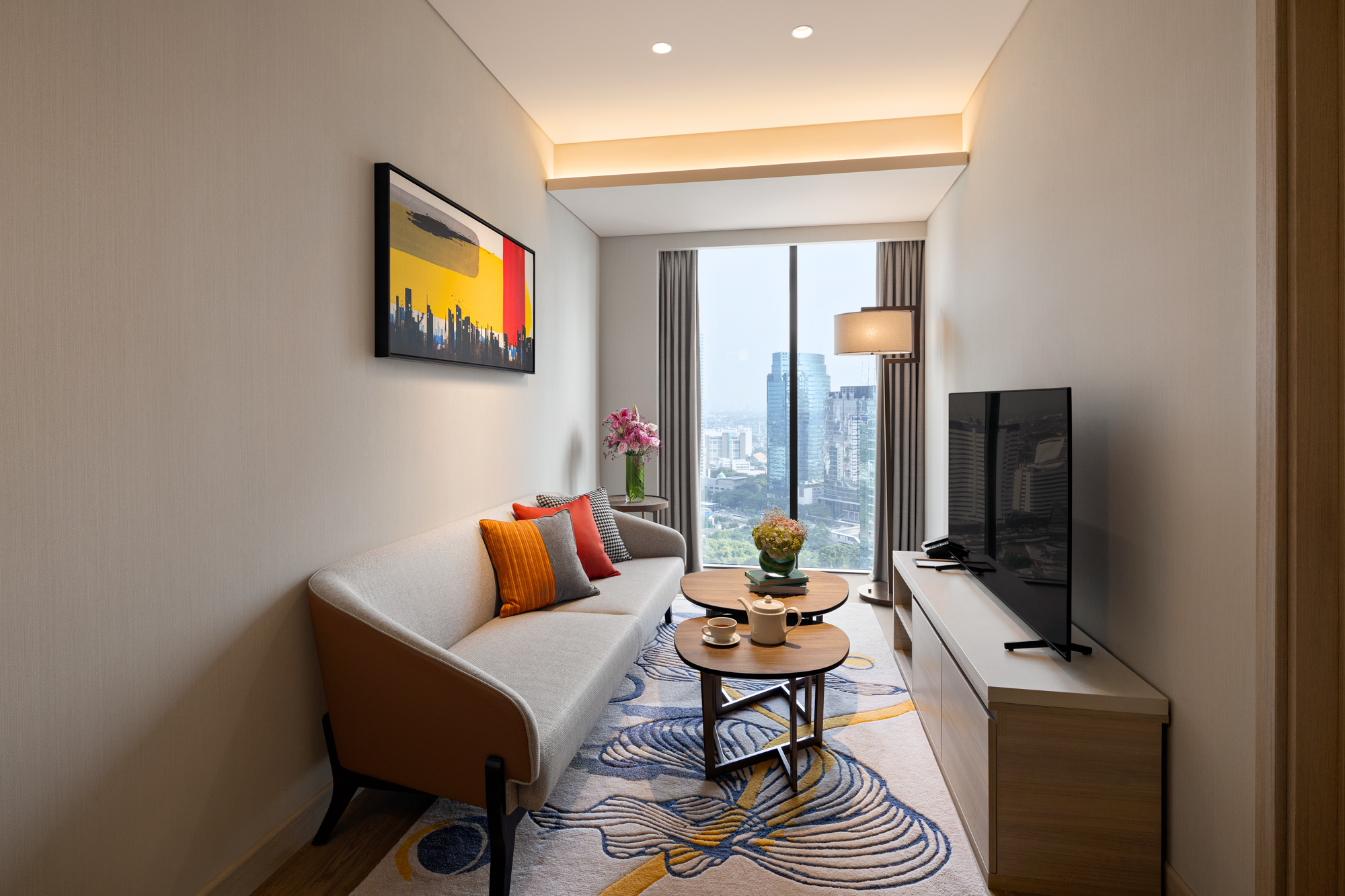
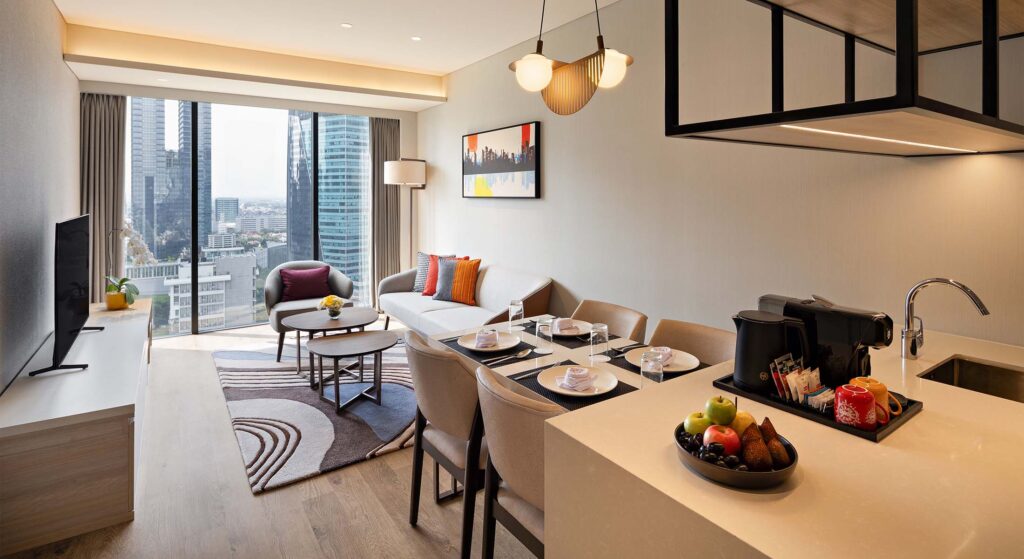
International professionals on multi-month or multi-year assignments require accommodation that feels like home while providing hotel conveniences. Serviced apartments in international business hubs offer familiar standards, English-speaking staff, and amenities matching global expectations. The Swiss Advantage Studio King provides 37 square meters of thoughtfully designed space with premium Pürovel amenities, a well-equipped kitchen including an induction stove and rice cooker, and a washing machine, delivering both comfort and practicality for extended stays.
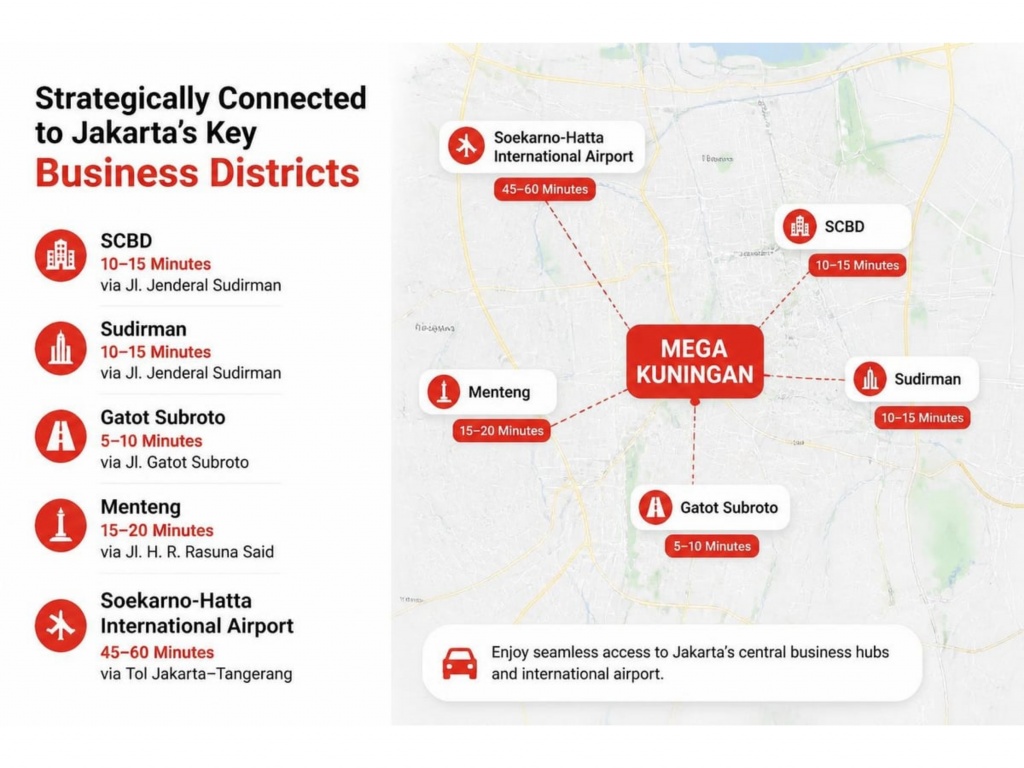
Access to international airports is crucial for expatriates maintaining connections to home countries. Properties offering convenient routes to major airports, such as Soekarno-Hatta International Airport from Jakarta’s southern business districts, save valuable time for frequent travelers.
Comparing Hotels vs. Serviced Apartments
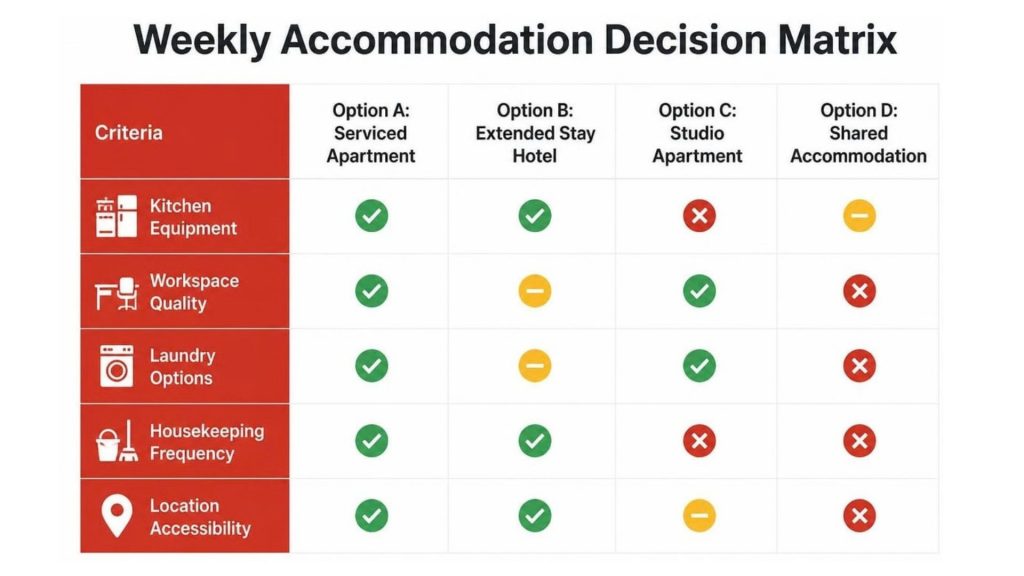
Choosing between traditional long-stay hotels and serviced apartments depends on specific needs, budgets, and lifestyle preferences.
Space and Layout Differences
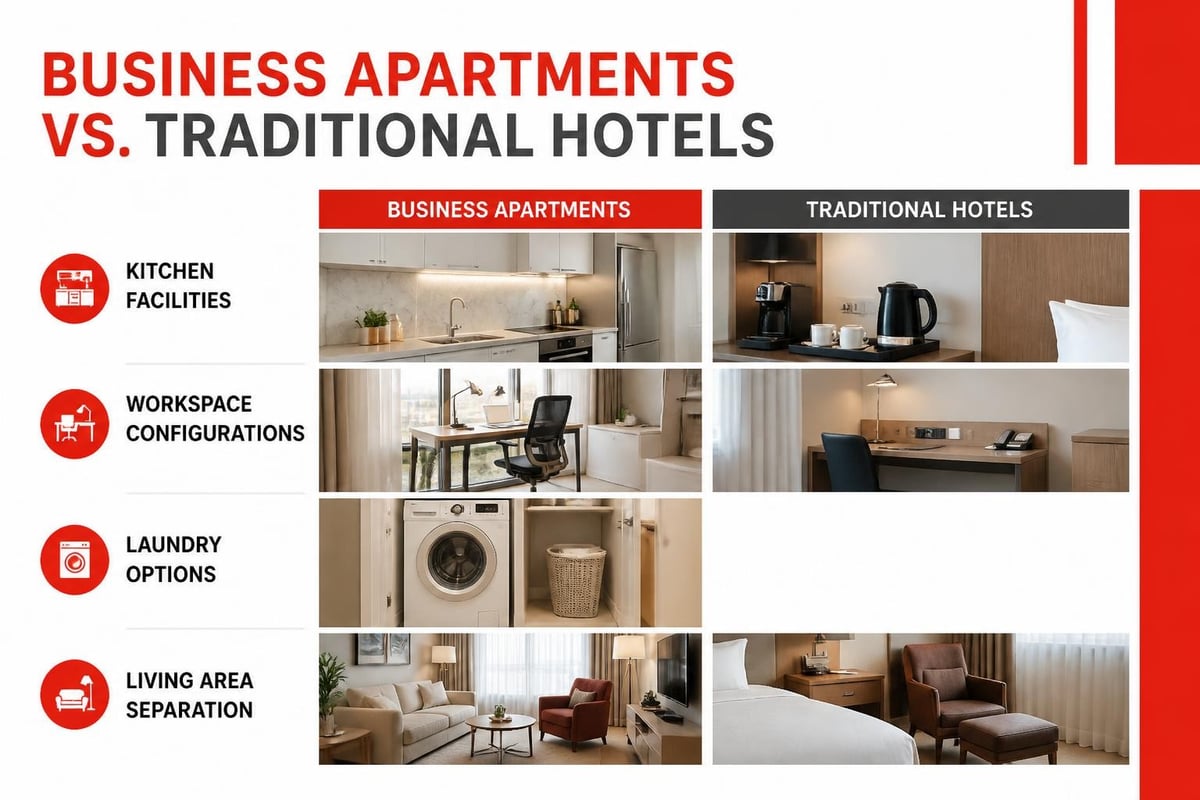
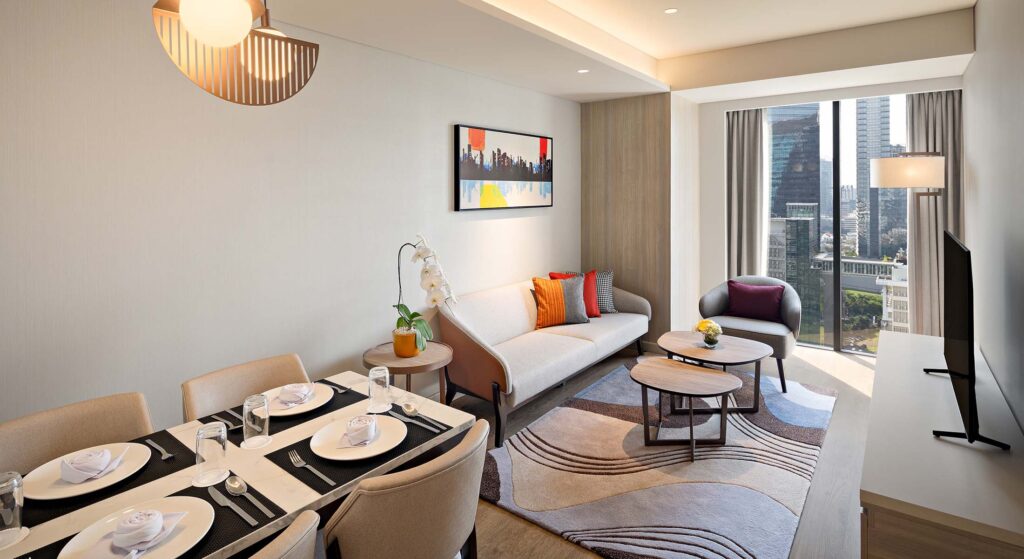
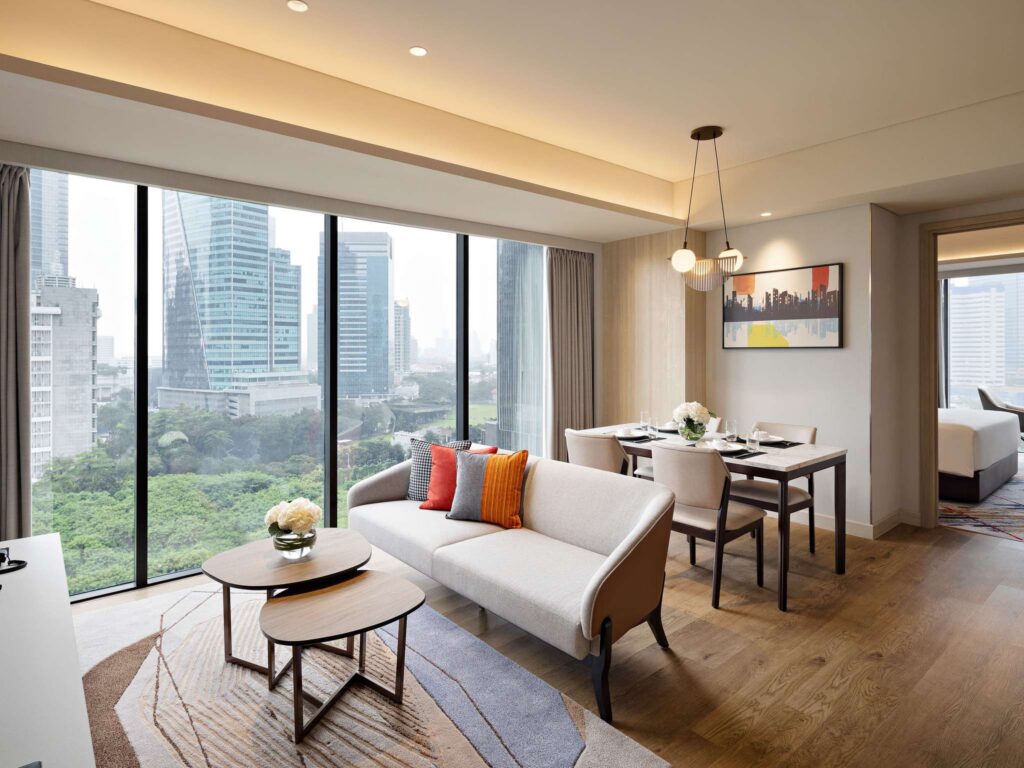
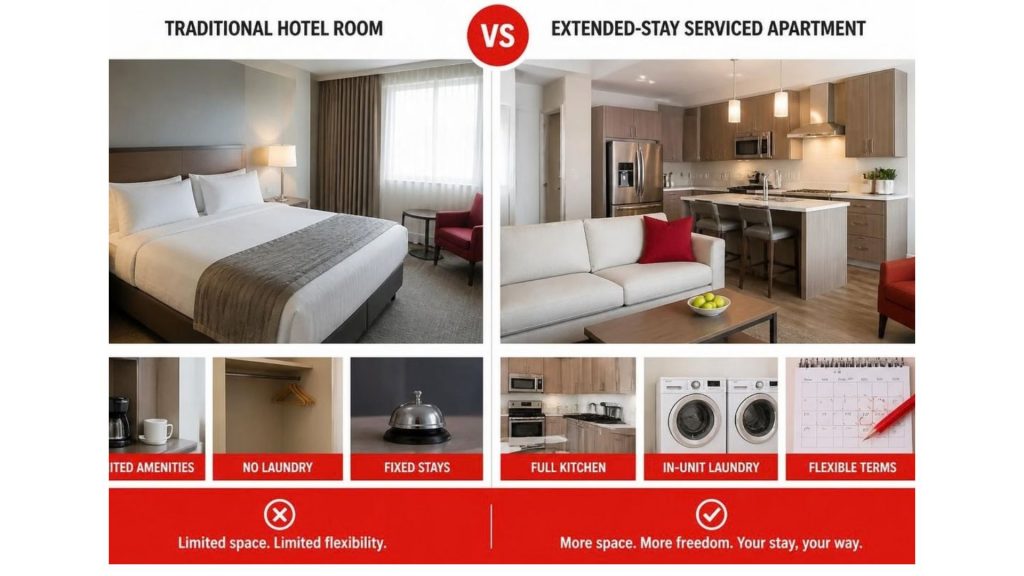
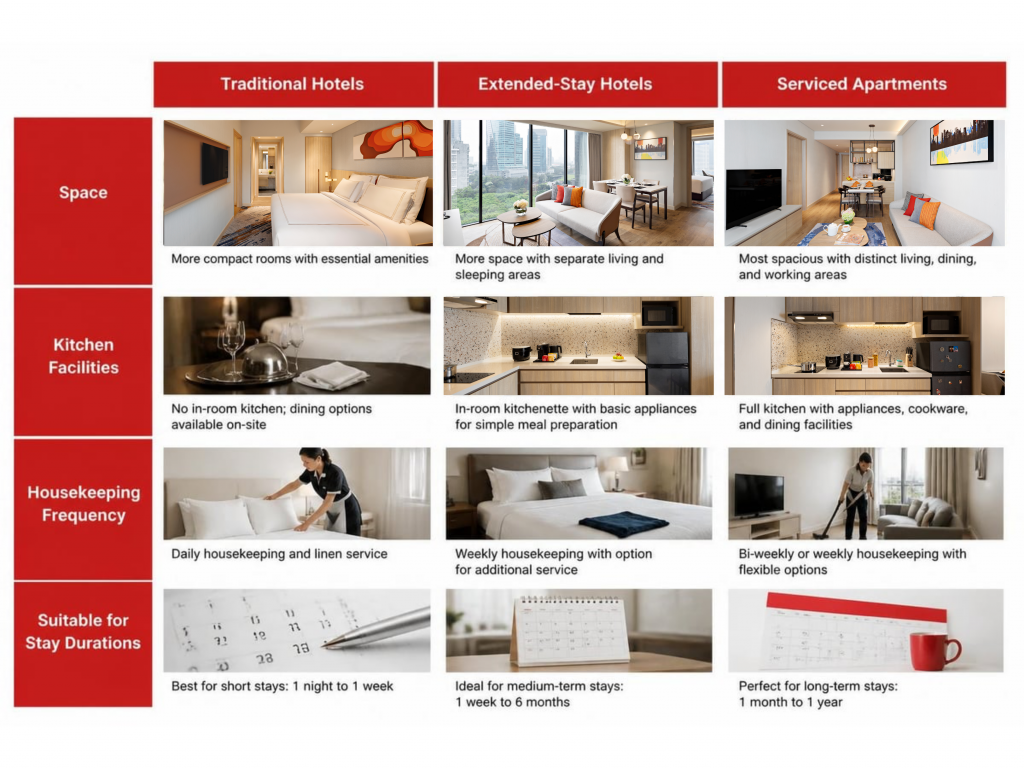
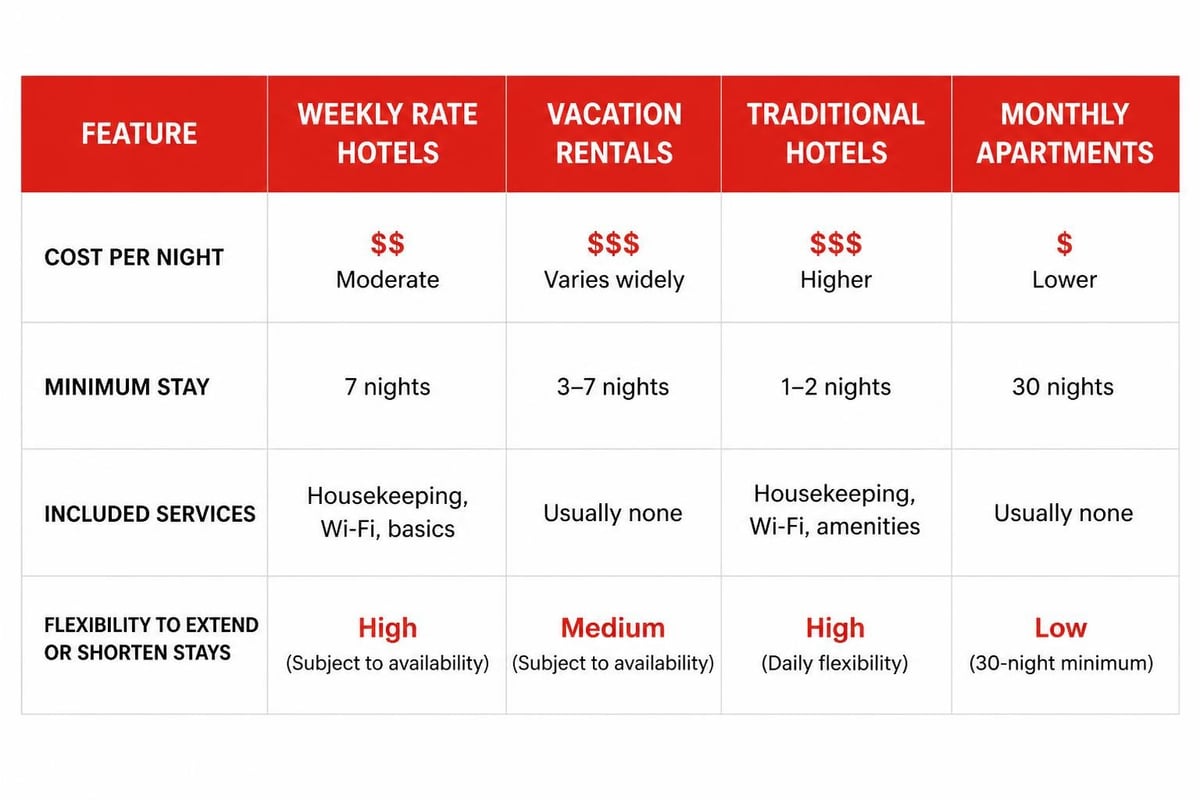
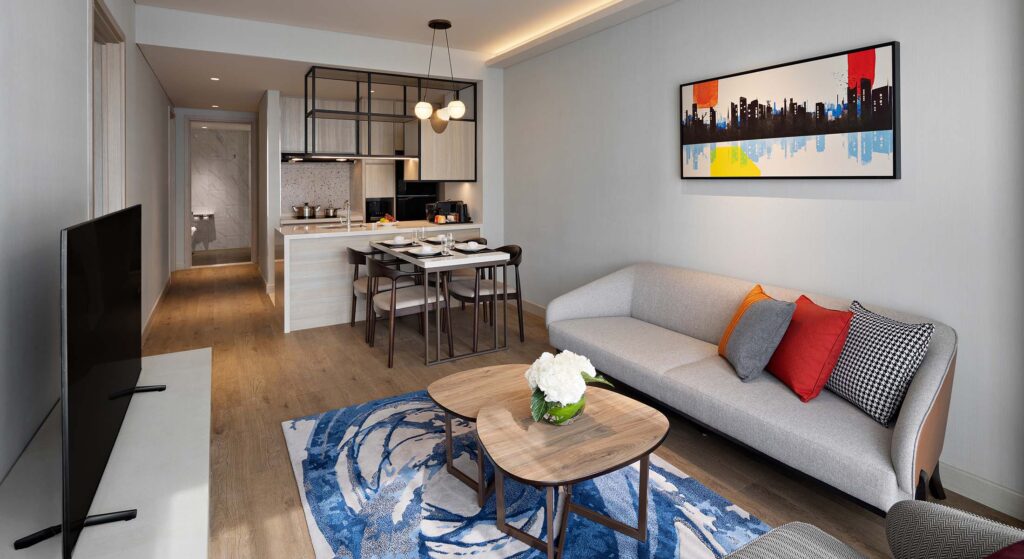
Traditional extended-stay hotels typically offer studio configurations with limited separation between sleeping and living areas. Serviced apartments provide distinct rooms, separate living spaces, full kitchens, and often multiple bathrooms in larger units. This distinction becomes critical for stays exceeding several weeks, where residential comfort significantly impacts quality of life.
The decision between hotel vs serviced apartment options in Jakarta depends on individual priorities. Hotels suit travelers prioritizing daily housekeeping and dining services, while serviced apartments appeal to those valuing independence, cooking facilities, and residential privacy.
Service Level Variations
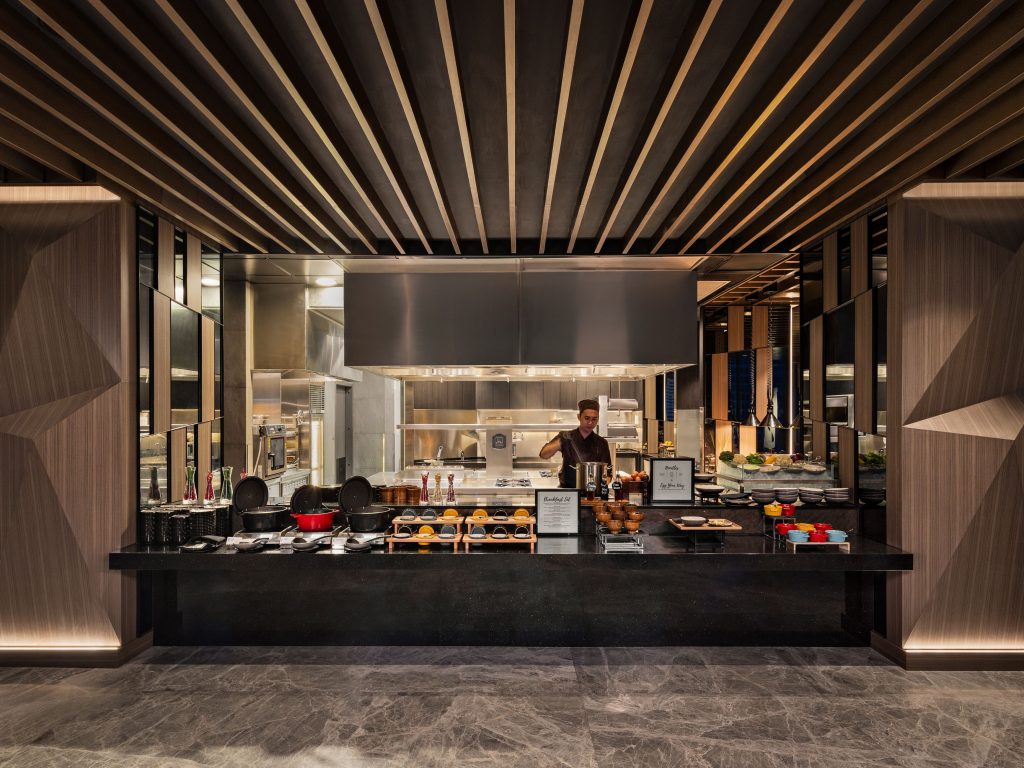
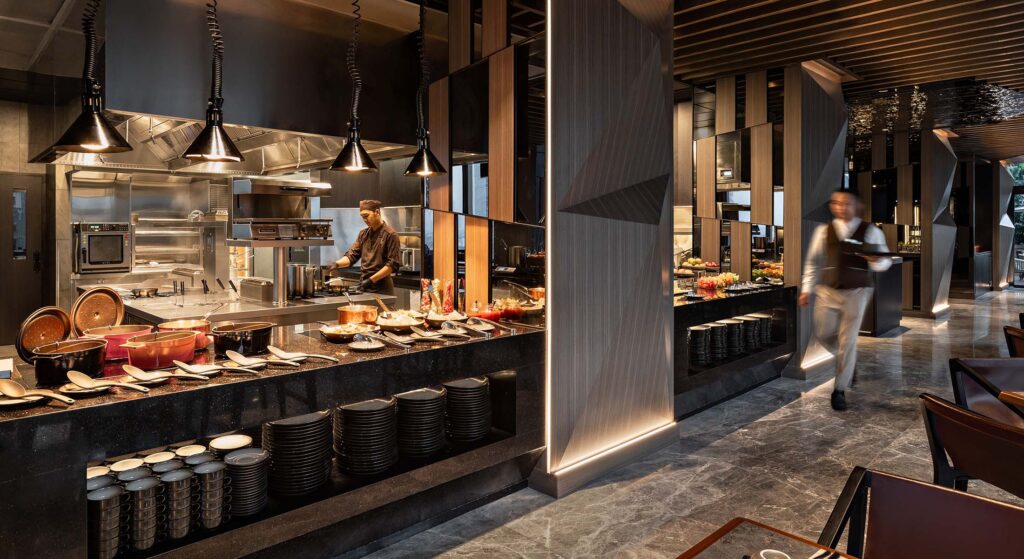
Hotels provide daily housekeeping, on-site restaurants, and immediate front-desk assistance. Serviced apartments offer more independence with reduced daily service in exchange for residential-style living. Some premium serviced apartments bridge this gap, providing hotel-quality services within apartment configurations.
| Feature | Extended-Stay Hotel | Serviced Apartment | Traditional Apartment |
|---|---|---|---|
| Kitchen | Kitchenette | Full kitchen | Full kitchen |
| Housekeeping | Daily or 2-3x weekly | Weekly or bi-weekly | None (self-service) |
| Minimum Stay | 7 nights | 30 nights typical | 6-12 months |
| Furniture | Basic furnishings | Premium furnishings | Unfurnished/furnished |
| Contract Flexibility | High | High | Low (lease binding) |
Booking Process and Contract Considerations
Securing long term hotel room rental requires understanding booking procedures, contract terms, and negotiation opportunities.
Reservation and Documentation
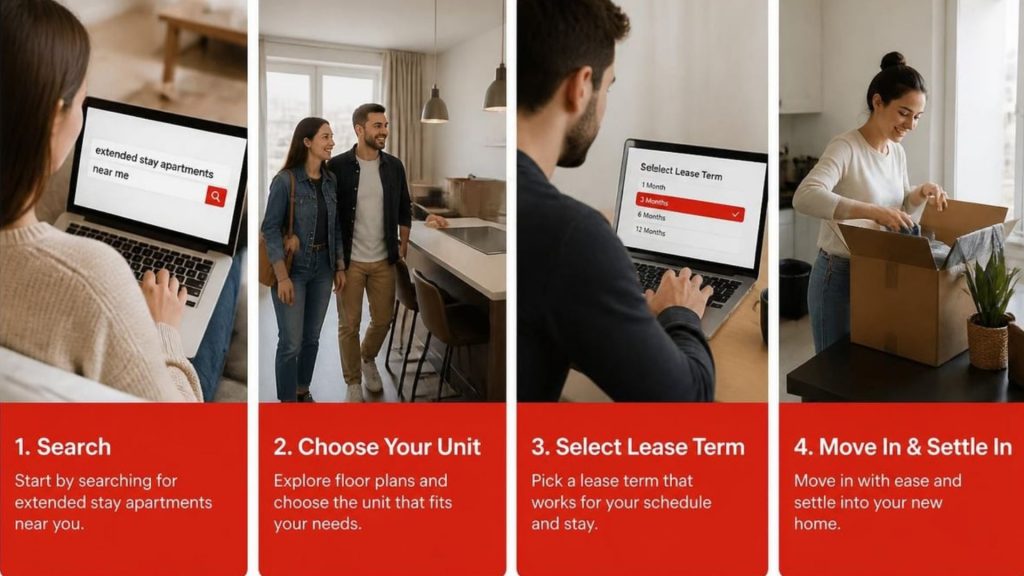
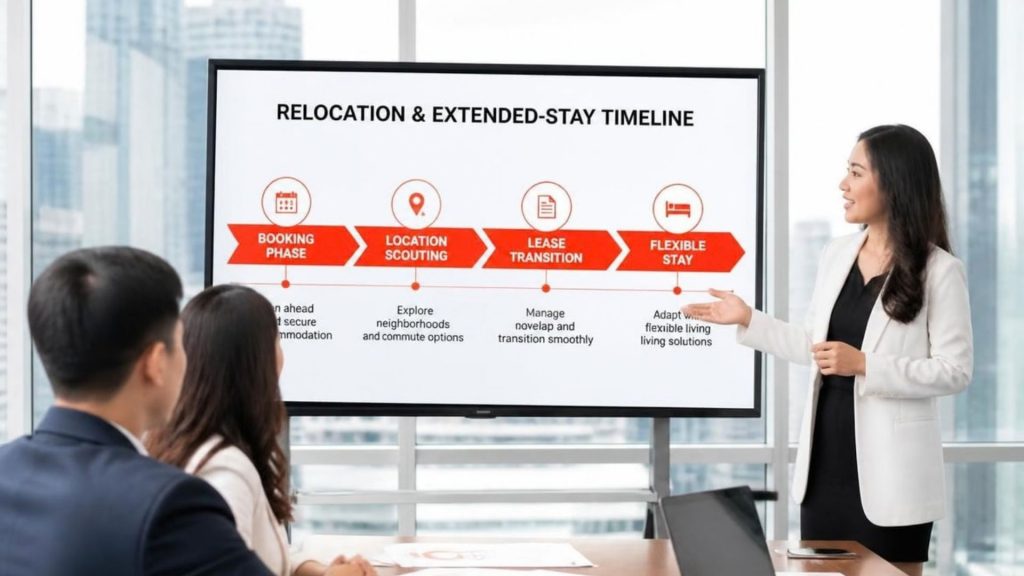
Most properties accept direct bookings through their websites, phone reservations, or email inquiries. Corporate travelers often work with relocation companies or corporate housing specialists who negotiate terms and handle administrative details. Required documentation typically includes identification, payment method verification, and sometimes employment verification or corporate letters for business stays.
The FAQ section at serviced apartment properties addresses common questions about booking procedures, payment schedules, and policy details, helping travelers prepare necessary documentation before arrival.
Understanding Lease Terms and Flexibility
Extended-stay agreements differ from traditional hotel reservations and apartment leases. Key terms include minimum stay requirements, cancellation policies, rate guarantees, extension options, and early departure penalties. Properties serving business travelers often offer more flexible terms, recognizing that project timelines change and assignments may extend or conclude earlier than planned.
Critical contract elements to review:
- Minimum and maximum stay durations
- Cancellation notice requirements (typically 30-60 days for monthly stays)
- Rate lock periods and potential rate adjustments
- Security deposit or damage deposit requirements
- Payment schedules (weekly, monthly, or upfront)
- Extension and renewal procedures
Negotiating directly with property management can yield better terms, especially for stays exceeding three months or for multiple units booked by the same company.
Location Strategy for Extended Stays
Location becomes increasingly important as stay duration extends. Proximity to work, transportation, dining, and essential services significantly impacts daily life quality.
Proximity to Business Districts
For corporate travelers, walking distance to offices eliminates commute stress and maximizes productivity. Properties in Jakarta’s central business district, with access to Kuningan, SCBD, Sudirman, and Menteng, place professionals minutes from major corporations, embassies, and financial institutions. This strategic positioning reduces transportation costs and time lost in traffic.
Industry data from hotel forecast reports shows that extended-stay properties near employment centers maintain higher occupancy rates and command premium pricing due to consistent corporate demand.
Transportation and Accessibility
Airport access matters for international assignees and business travelers with frequent flights. Properties offering efficient routes to international airports provide significant convenience for those traveling weekly or bi-weekly. Additionally, proximity to public transportation, taxi stands, and ride-sharing pickup points simplifies daily mobility.
Location factors to evaluate:
- Distance to primary workplace or business district
- Airport transfer time and transportation options
- Access to grocery stores, pharmacies, and essential services
- Proximity to international schools (for families)
- Nearby restaurants, shopping, and entertainment options
- Public transportation availability
Amenities and Services for Long Stays
The amenities that matter for overnight stays differ from those critical for extended residency. Understanding these distinctions helps select properties matching long-term needs.
Essential In-Unit Features
Full kitchens become non-negotiable for stays exceeding a few weeks. Cooking capabilities reduce dining costs dramatically and accommodate dietary preferences or restrictions. In-unit laundry facilities or on-site laundromats eliminate the inconvenience and expense of external laundry services. Adequate storage space for extended wardrobes, work materials, and personal items ensures comfortable living.
Premium properties provide thoughtful touches like rice cookers, microwaves, quality cookware, and sufficient refrigerator space. These details transform a rental unit into a functional home.
Essential amenities for monthly stays: fully equipped kitchens, in-unit laundry, workspace setup, storage solutions, and connectivity features
Building and Common Area Facilities
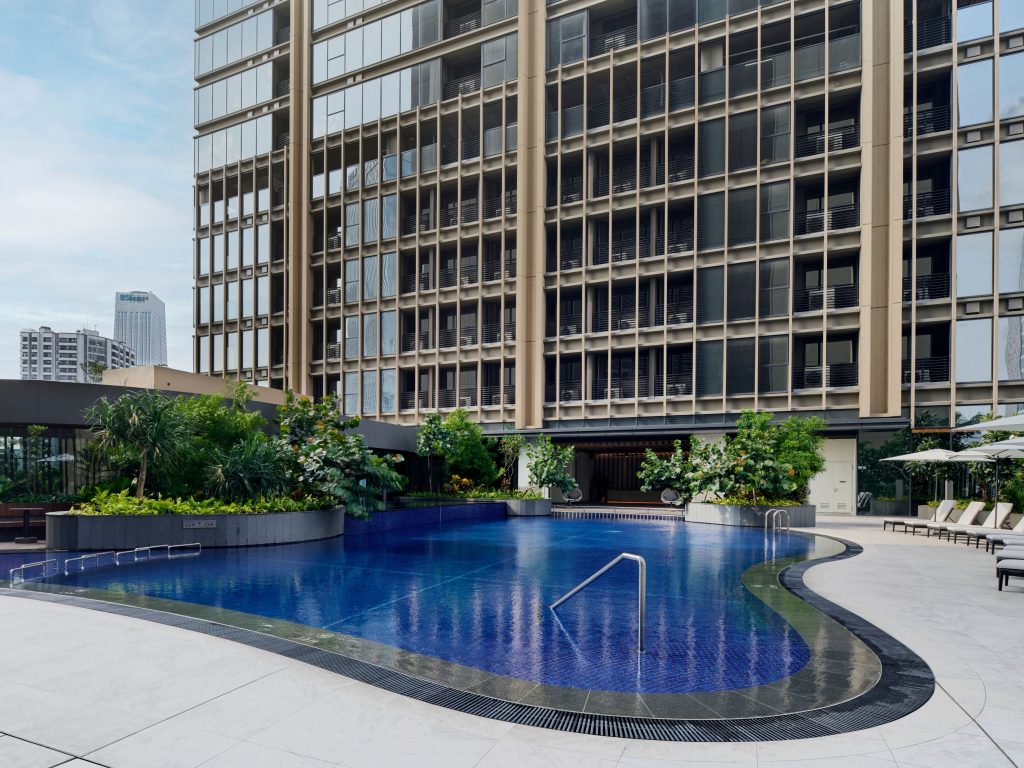
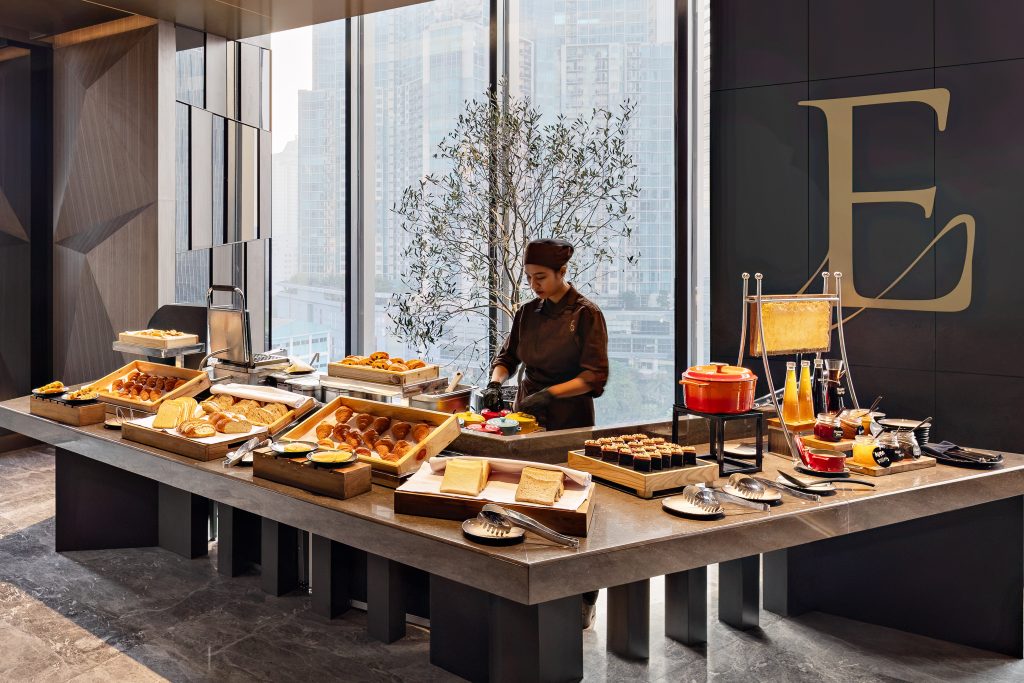
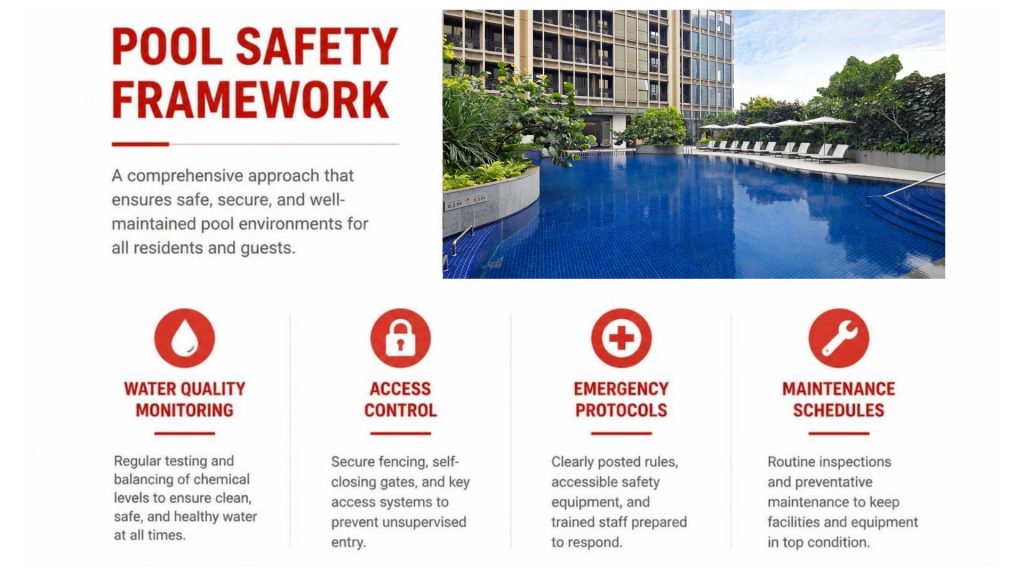
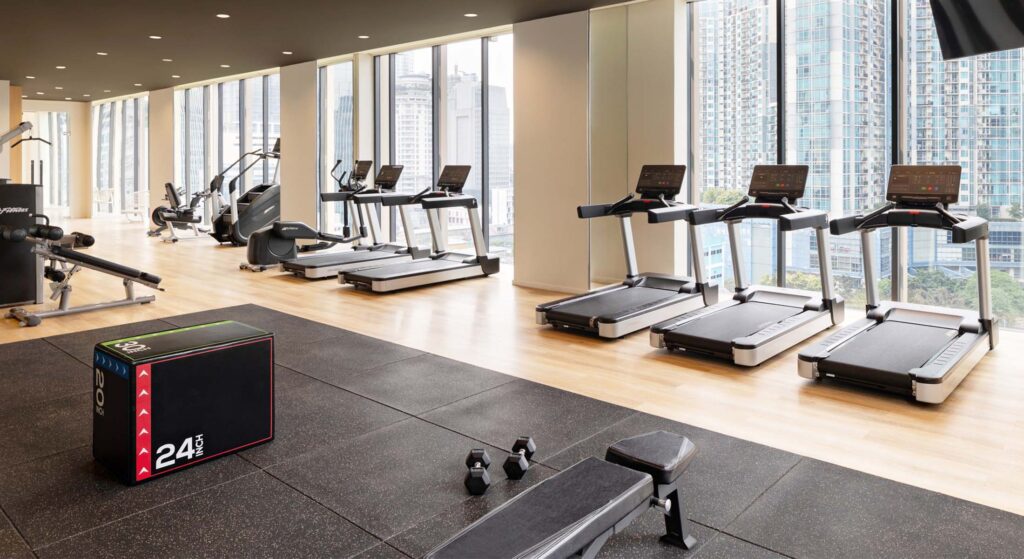
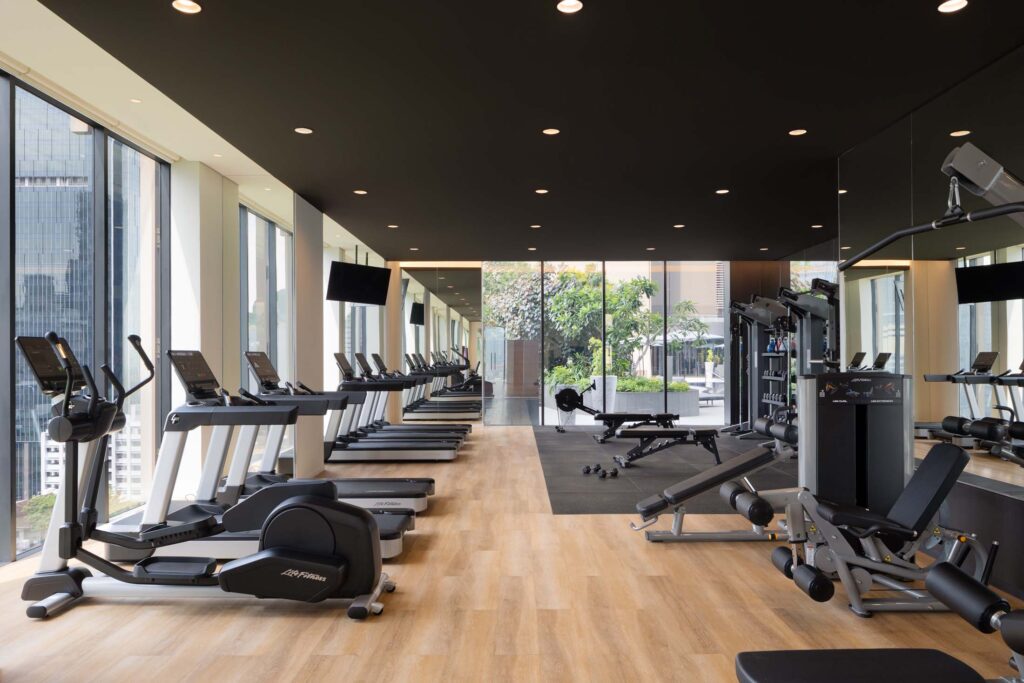
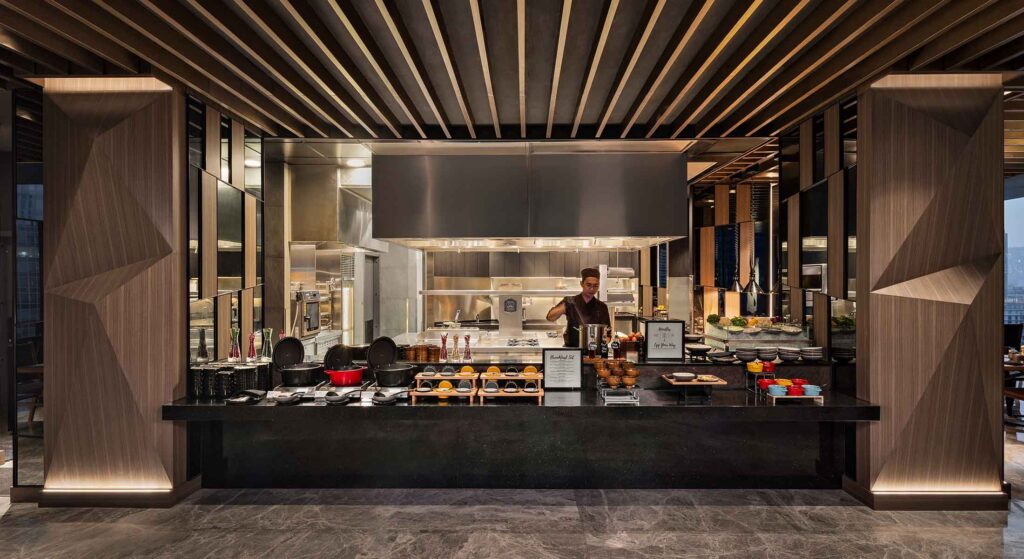
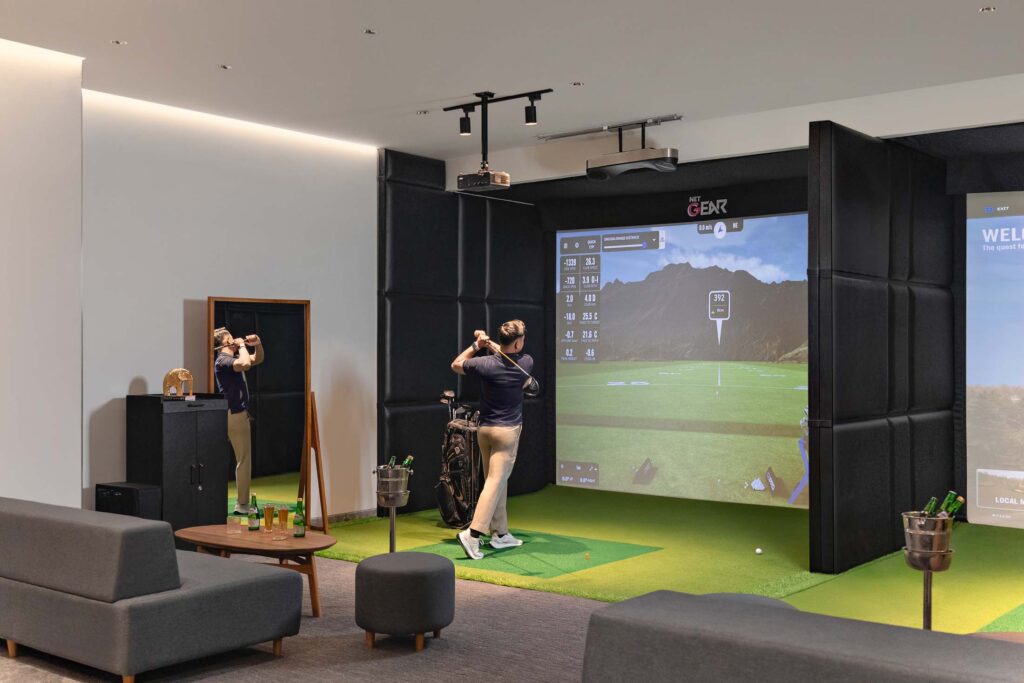
Fitness centers maintain health routines without external gym memberships. Business centers with printing, meeting rooms, and reliable internet support remote work requirements. Pools and recreational facilities provide relaxation and social opportunities, particularly valuable for isolated expatriates building new networks.
Properties like those found through extended stay deals in Jakarta often bundle access to premium facilities with discounted long-term rates, delivering comprehensive value for extended stays.
Industry Trends and Market Dynamics
The extended-stay sector has experienced significant evolution, with market dynamics shifting in response to changing work patterns and traveler expectations.
Growth in the Extended-Stay Segment
The extended-stay market has outperformed traditional hotel segments in recent years. According to comprehensive extended-stay hotel data, supply has grown steadily while demand has increased even faster, driving strong performance metrics. RevPAR growth in extended-stay properties has consistently exceeded full-service hotels, attracting investment and new development.
This growth reflects fundamental shifts in how people work and live. Remote work flexibility, project-based employment, and international mobility have created sustained demand for accommodation options between traditional hotels and permanent housing.
Post-Pandemic Market Shifts
The COVID-19 pandemic accelerated extended-stay adoption. Government agencies utilized hotels for emergency sheltering and non-congregate housing, demonstrating extended-stay flexibility for various needs. Remote workers discovered they could live anywhere, driving demand for monthly rentals in secondary markets and resort destinations.
Research on emergency evacuation and sheltering approaches during the pandemic highlighted the role of hotels in providing safe, separated accommodation during public health crises, expanding understanding of extended-stay applications beyond traditional business travel.
Making the Most of Your Extended Stay
Maximizing comfort and value during long term hotel room rental requires proactive strategies and smart resource utilization.
Setting Up Your Space
Personalize your temporary home with small touches that increase comfort. Bring favorite photos, portable speakers, or small decorative items that make spaces feel familiar. Organize kitchen cabinets logically and stock essential pantry items during your first shopping trip. Establish dedicated work zones with proper lighting and ergonomic seating.
Steps to optimize your extended-stay space:
- Unpack completely rather than living from suitcases
- Establish routines for laundry, cleaning, and grocery shopping
- Learn property amenities and staff names for better service
- Identify nearby services like dry cleaners, pharmacies, and markets
- Connect with other long-term residents for local recommendations
Building Routines and Community
Extended stays feel less isolating when you establish regular routines and connections. Find a favorite café for morning coffee, join the property’s fitness classes, or attend resident social events. Many serviced apartment communities host networking events, particularly in business-oriented properties where fellow residents share professional interests.
Exploring your neighborhood develops familiarity and comfort. Identify walking routes, discover local restaurants, and patronize nearby businesses. This engagement transforms temporary accommodation into a genuine home base.
Special Considerations and Use Cases
Long term hotel room rental serves specialized needs beyond standard business travel and relocation scenarios.
Medical and Caregiving Stays
Families supporting relatives during extended medical treatments often need accommodation near hospitals. Extended-stay properties near medical centers provide comfortable bases during challenging times, with cooking facilities allowing cost-effective meals and space for family members to rotate caregiving responsibilities.
Government and Emergency Housing
Government agencies contract extended-stay properties for disaster response, temporary workforce housing, and emergency situations. These arrangements provide immediate housing solutions when conventional options are unavailable or insufficient. Properties must meet specific standards and provide bulk availability for government contracts.
Educational and Training Programs
Universities, training centers, and corporate education programs utilize extended-stay accommodation for students and trainees attending intensive programs. The combination of private space, study areas, and hotel services supports focused learning while maintaining comfort during weeks or months away from home.
Industry resources like the American Hotel & Lodging Association’s extended-stay messaging guide provide frameworks for understanding diverse extended-stay applications and best practices for serving varied market segments.
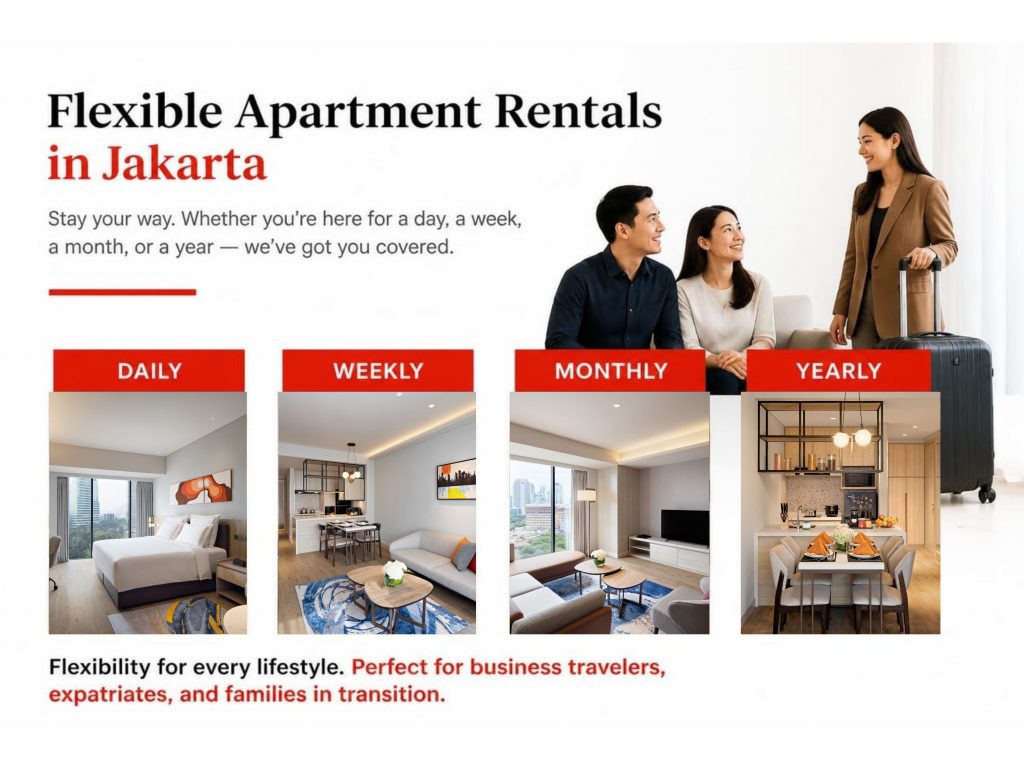
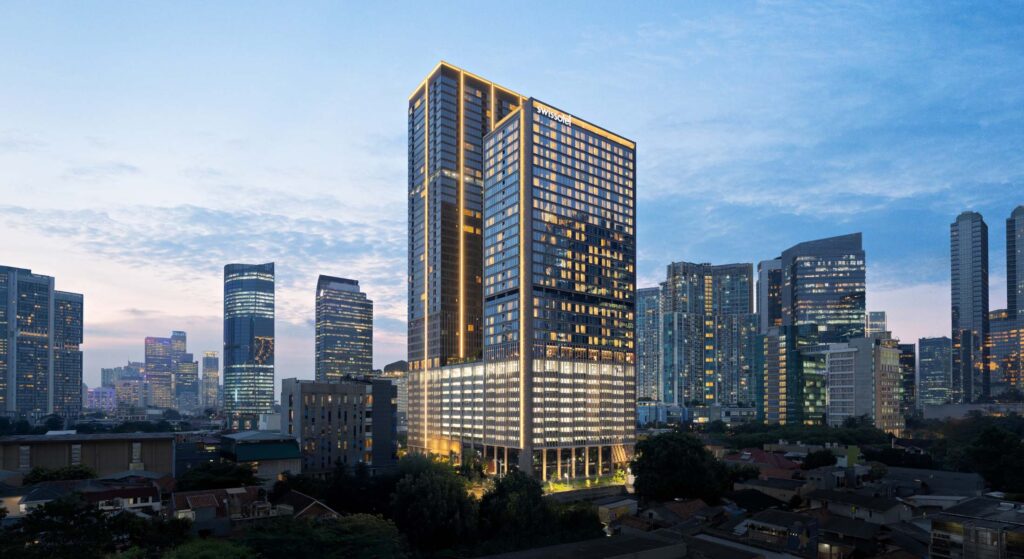
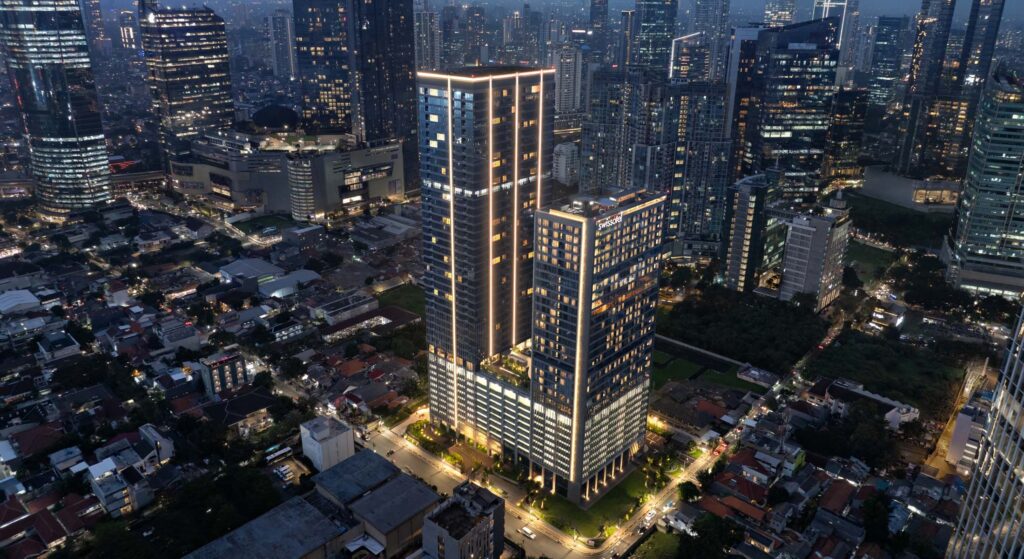
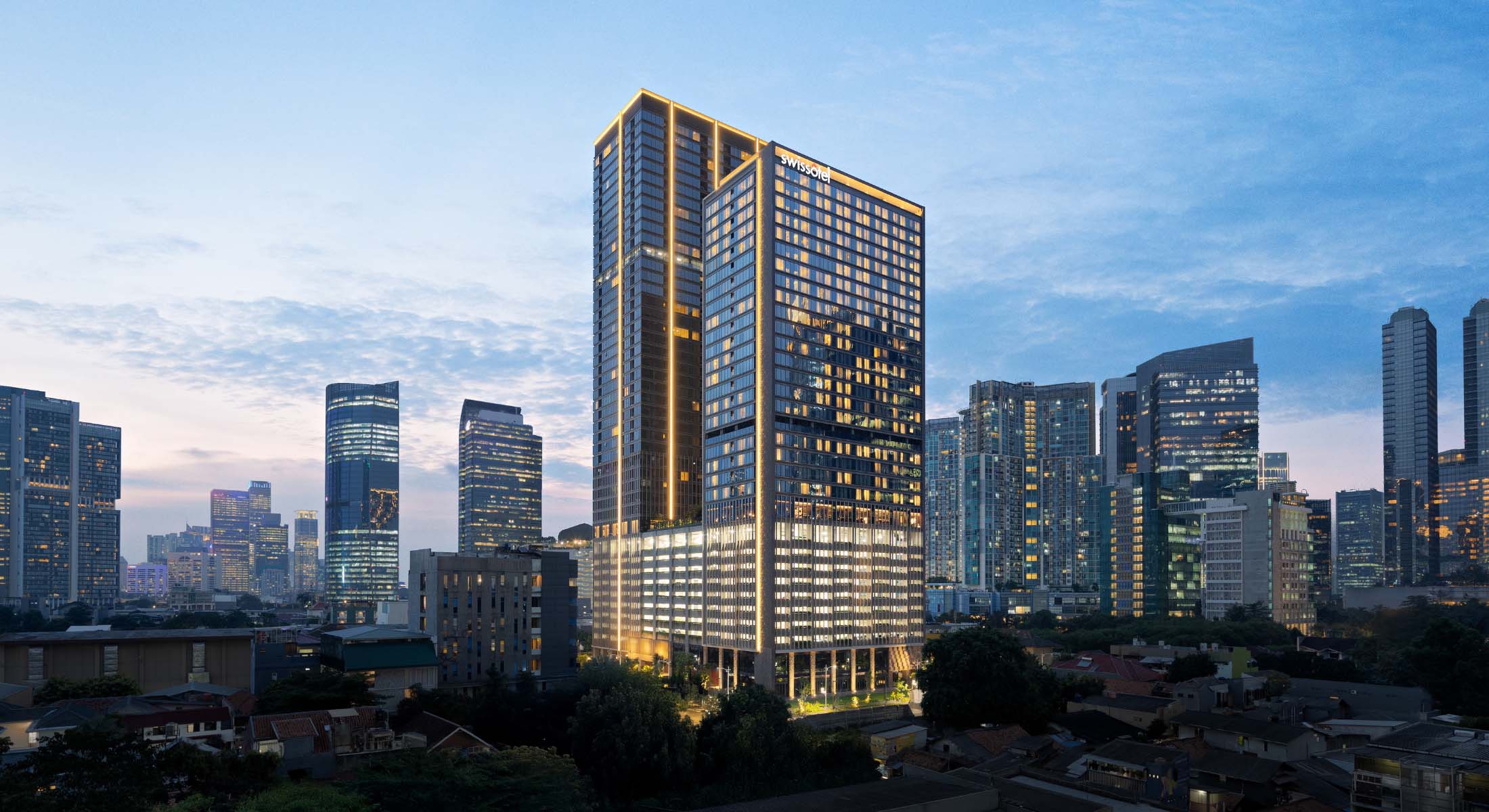
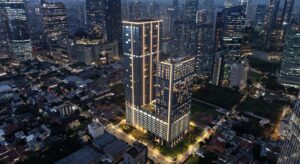
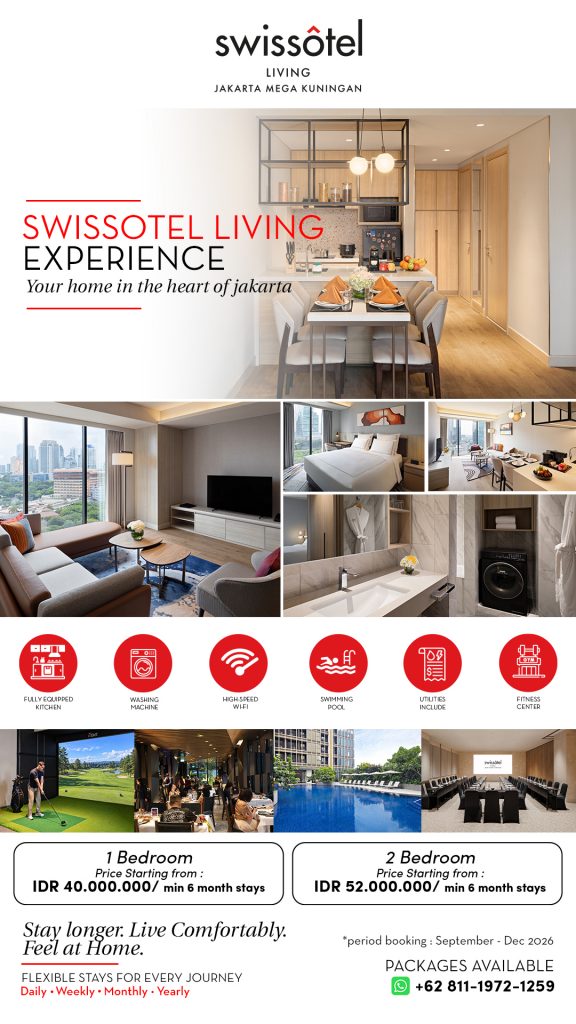
Long term hotel room rental provides flexible, cost-effective solutions for anyone requiring quality accommodation beyond typical vacation durations. Whether you’re relocating for work, managing a project assignment, or establishing yourself in a new city, the right extended-stay property combines residential comfort with hotel convenience. For travelers seeking premium serviced apartments in Jakarta’s central business district, Swissôtel Living Jakarta Mega Kuningan offers 240 fully furnished residences with flexible daily, weekly, monthly, and yearly stays, providing direct access to Kuningan, SCBD, Sudirman, and key business centers. Discover how our studio, one-bedroom, two-bedroom, and three-bedroom apartments can serve as your Jakarta home base, complete with hotel services, fitness facilities, and the convenience you need for successful extended stays.