
Long Term Hotel Rental: Guide for Extended Stays in 2026
The landscape of extended accommodation has evolved dramatically over the past decade, with long term hotel rental emerging as a preferred solution for professionals, expatriates, and families requiring flexible housing beyond traditional short-term bookings. Whether relocating for work assignments, managing business projects, or transitioning between permanent residences, the demand for stays exceeding 30 days has reshaped how hospitality properties structure their offerings and pricing models. Understanding the nuances of long term hotel rental arrangements enables travelers to make informed decisions that balance cost, convenience, and quality of life during extended periods away from home.
Understanding Long Term Hotel Rental Options
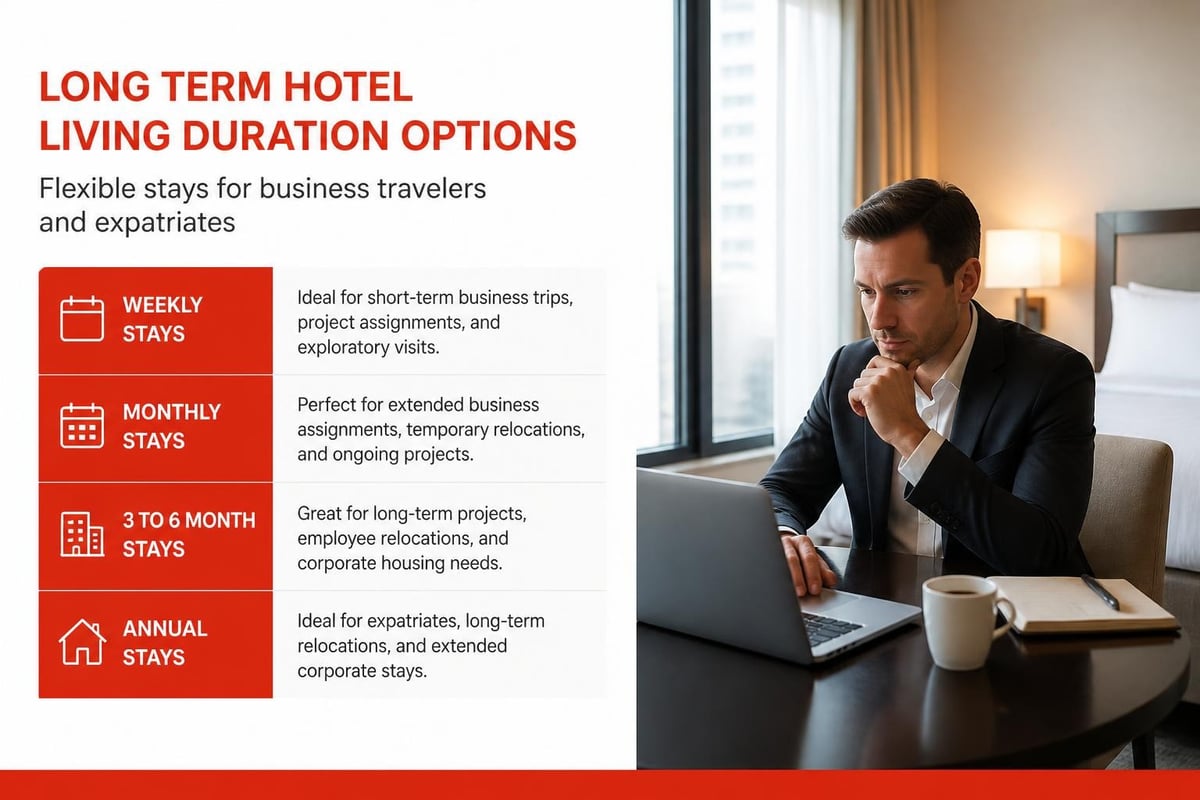
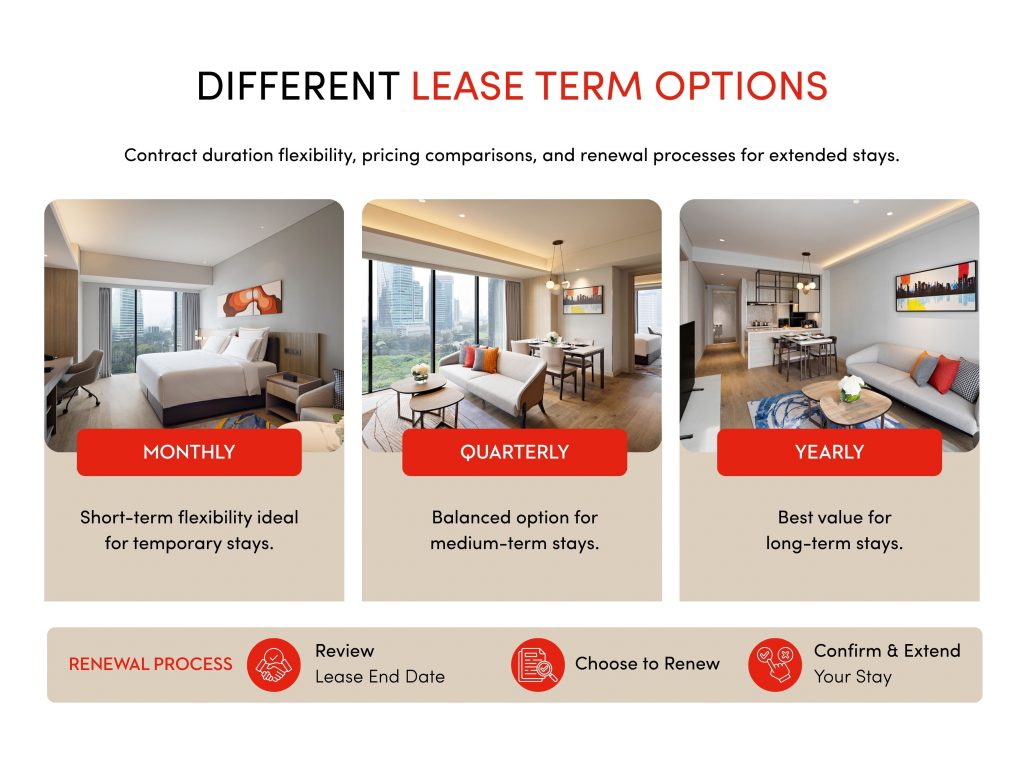
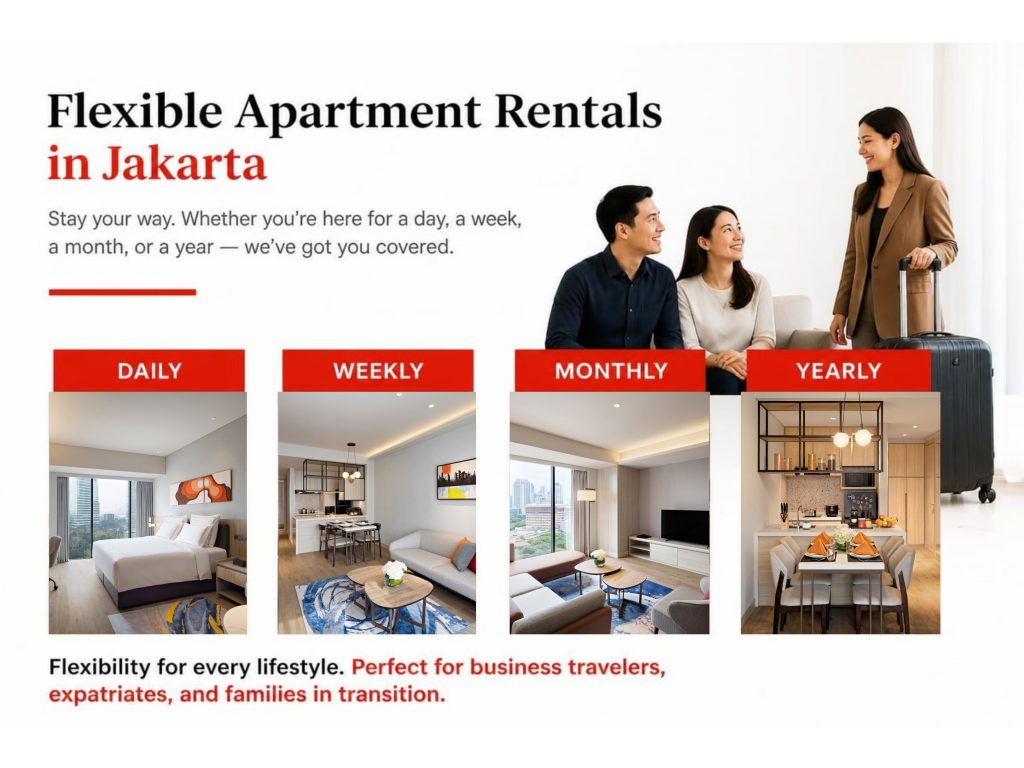
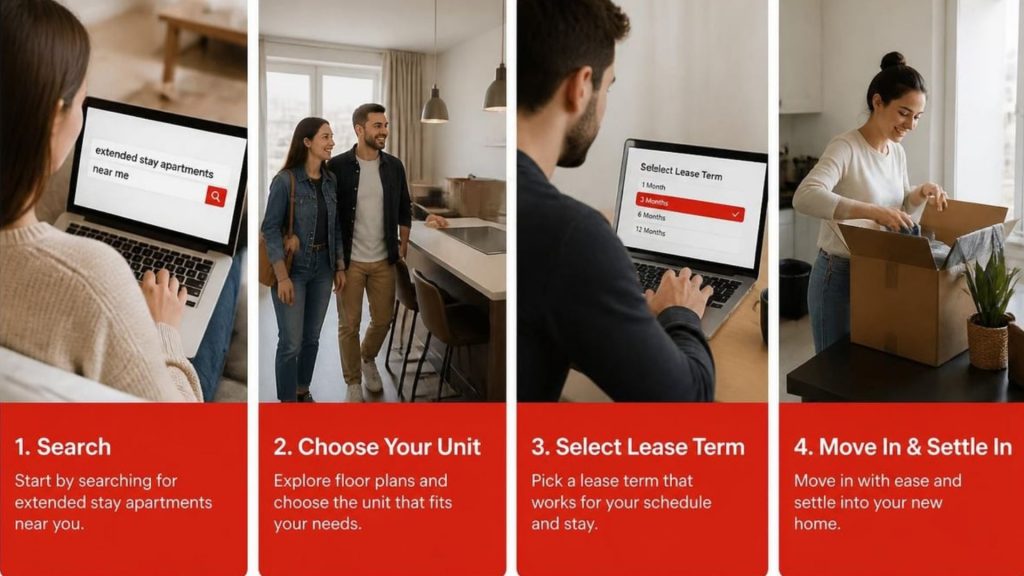
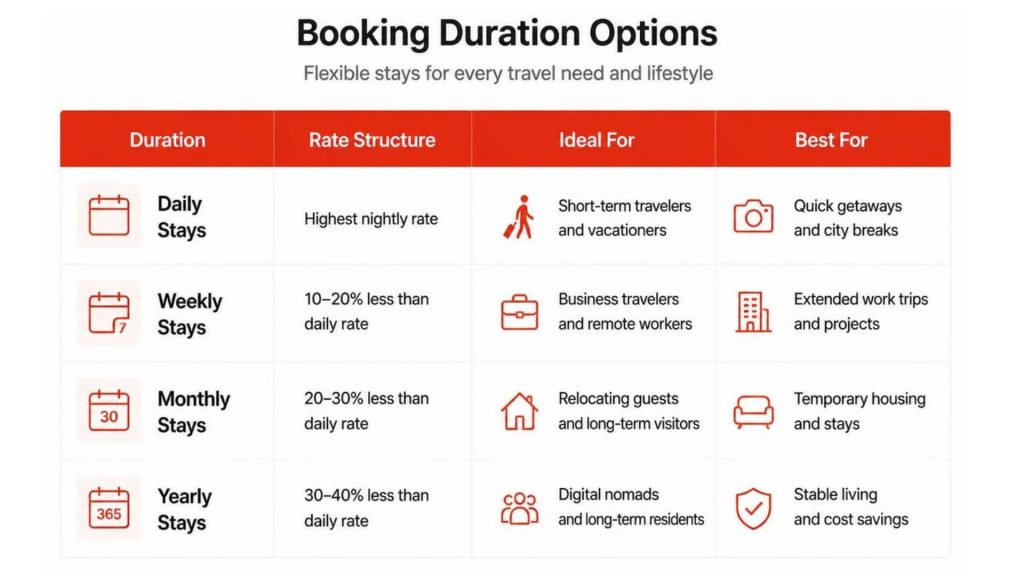
Long term hotel rental typically refers to accommodations booked for periods ranging from one month to a year or longer. Unlike traditional hotel stays measured in nights, these arrangements operate on monthly lease structures with significantly different pricing, service levels, and contractual terms.
The extended-stay segment has experienced substantial growth, with market analysis projecting continued expansion through 2030 driven by workforce mobility and evolving housing preferences. This growth reflects fundamental shifts in how people approach temporary housing solutions.
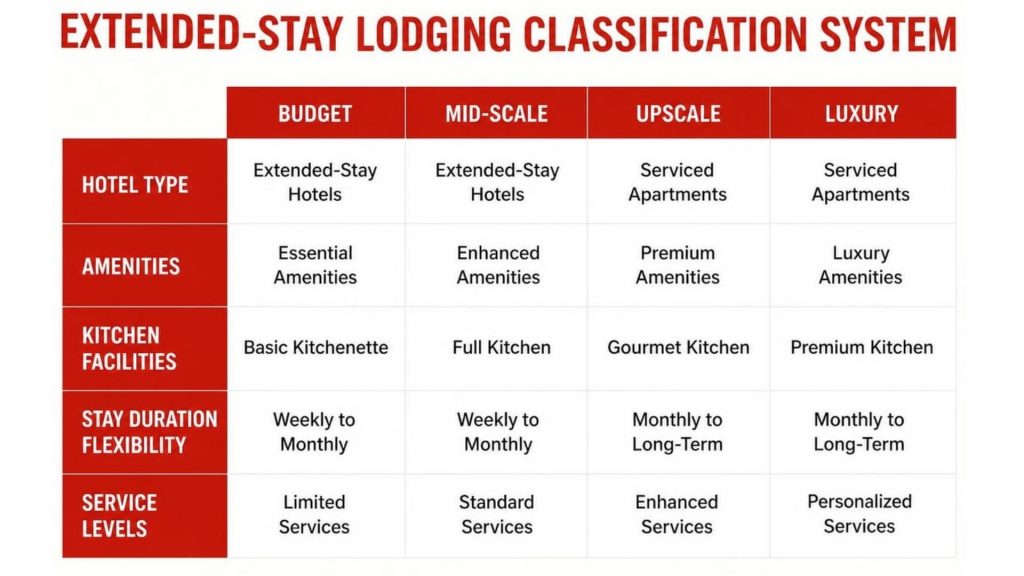
Types of Extended Stay Properties
Several accommodation categories serve the long term rental market, each with distinct characteristics:
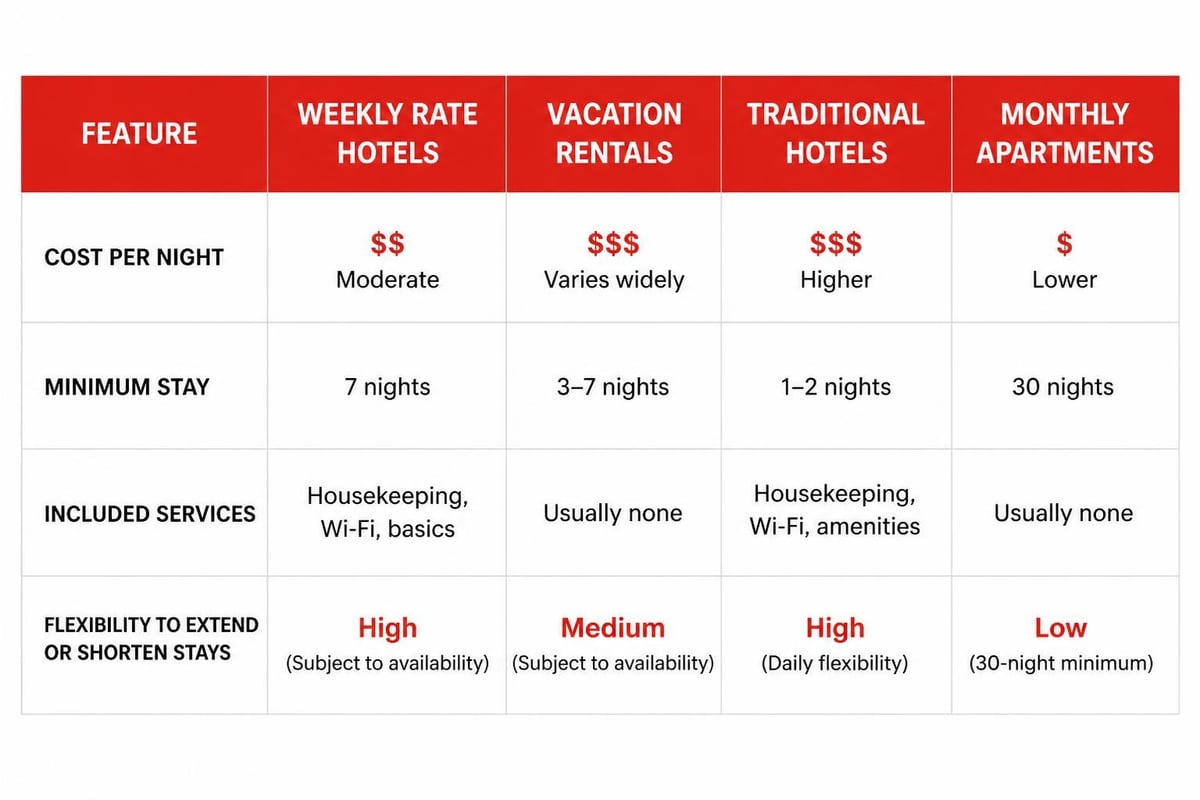
- Traditional extended-stay hotels offering basic kitchenettes and weekly housekeeping
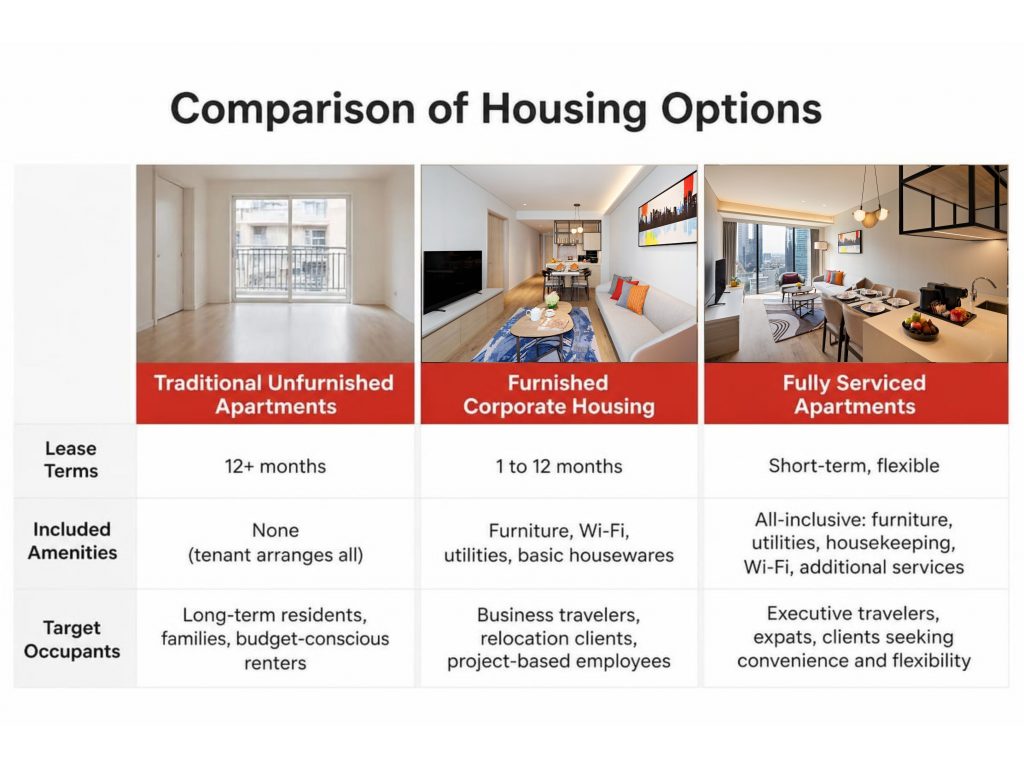
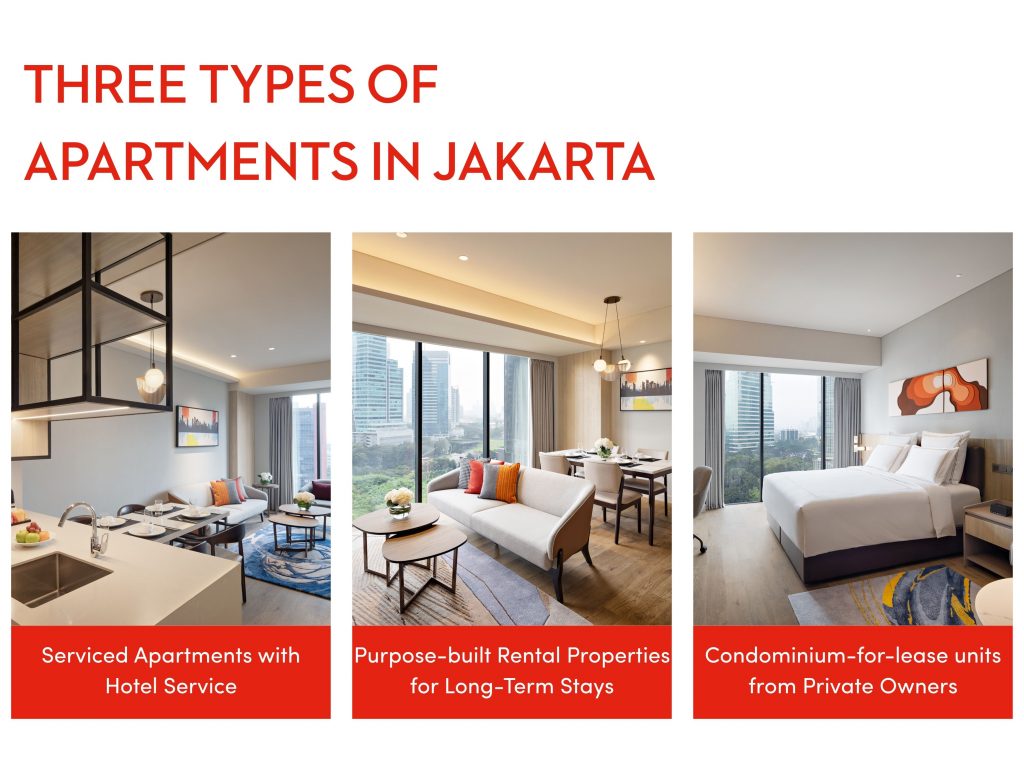
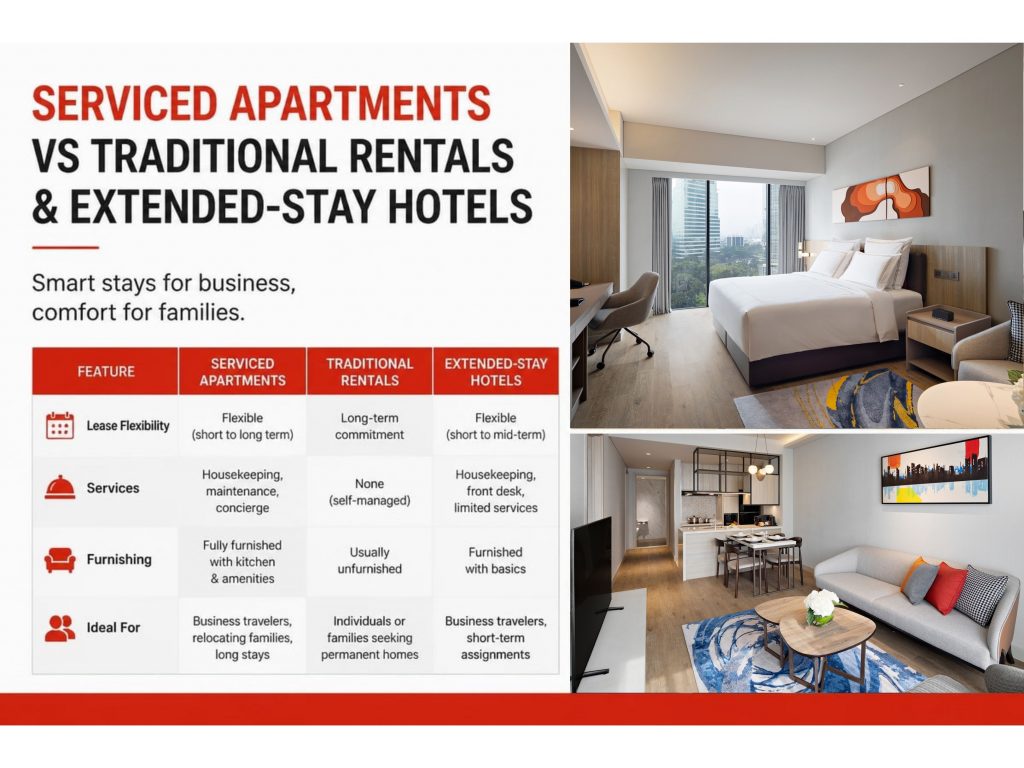
- Serviced apartments providing fully furnished residences with hotel-style services
- Aparthotels combining apartment layouts with front desk and concierge support
- Corporate housing specifically designed for business travelers and relocating employees
- Budget extended-stay chains focusing on cost-conscious guests requiring minimal amenities
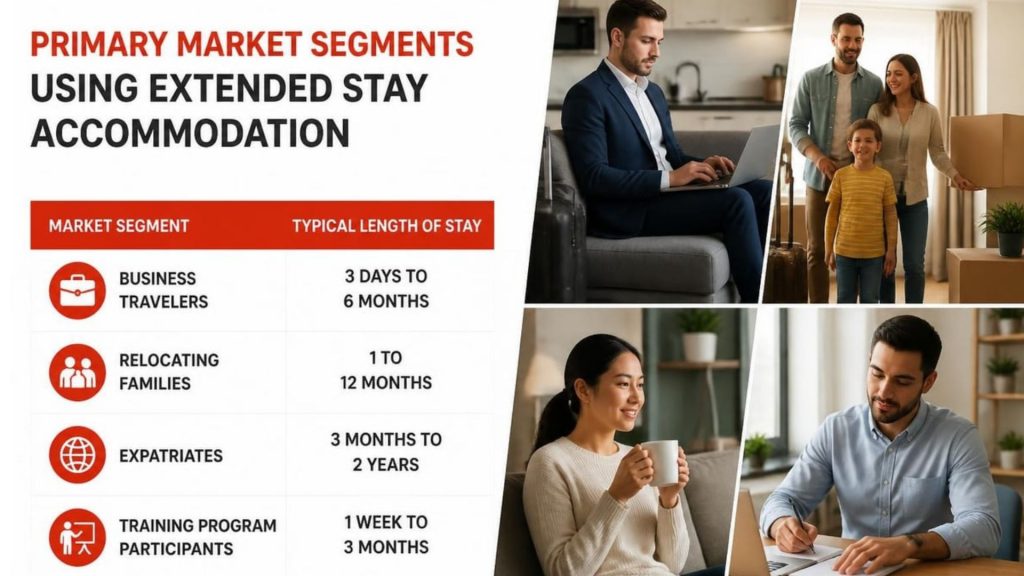
The choice between these options depends on budget constraints, desired service levels, location requirements, and length of stay. Business travelers often prioritize properties near commercial districts, while families may seek larger units with full kitchen facilities and laundry equipment.
Cost Structure and Pricing Models
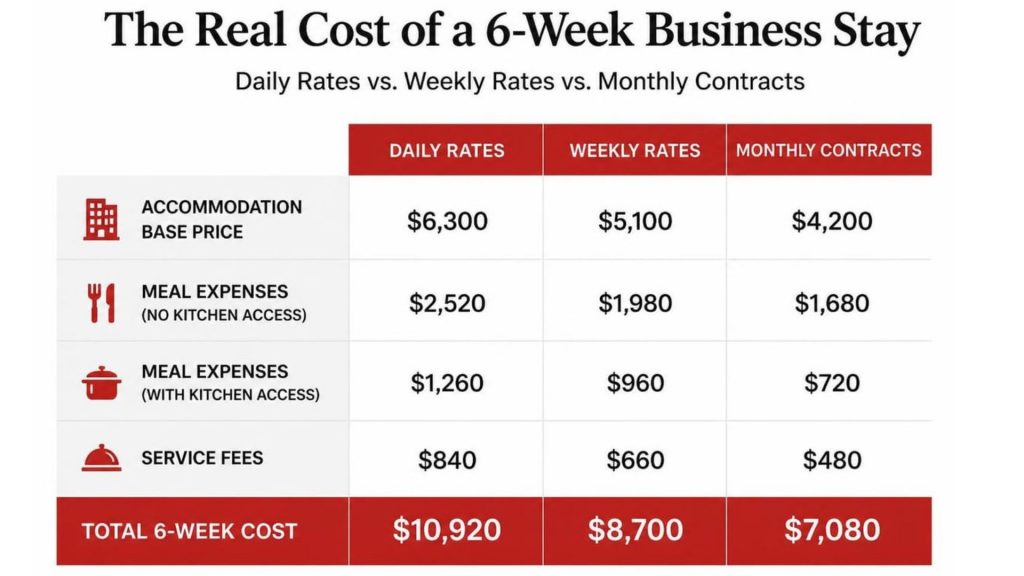
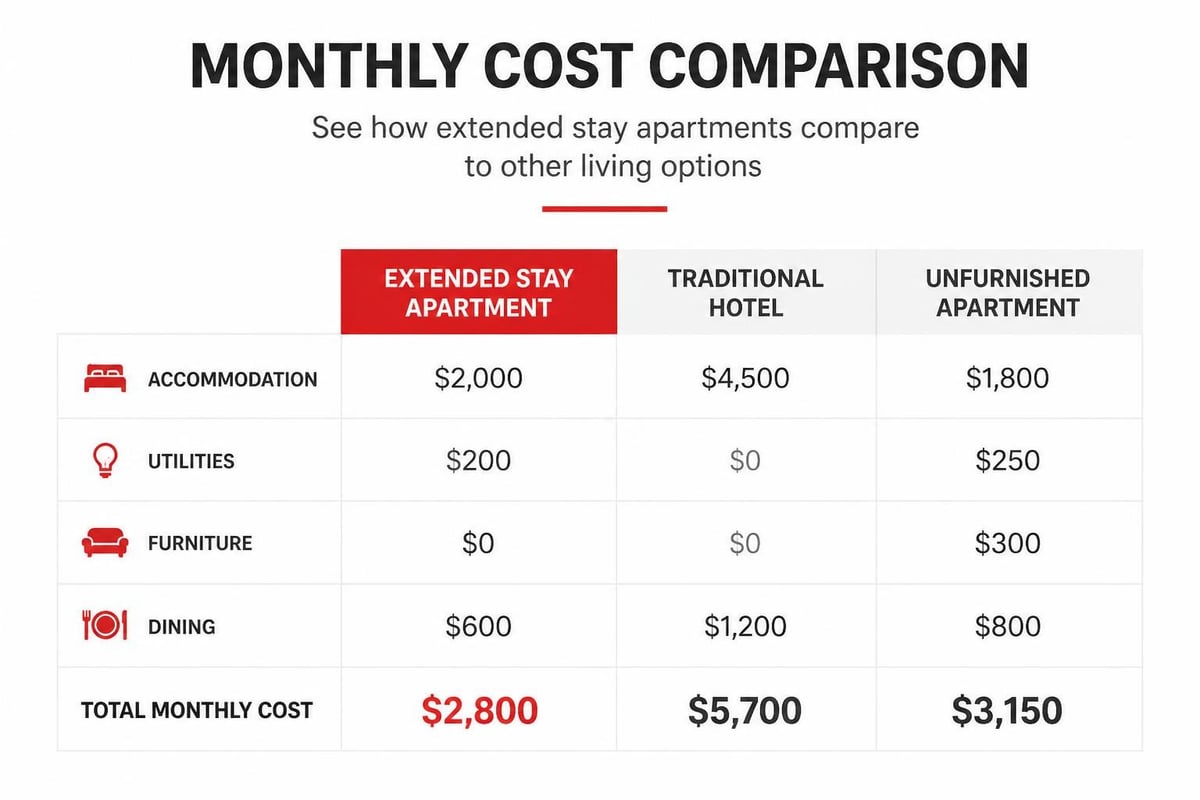
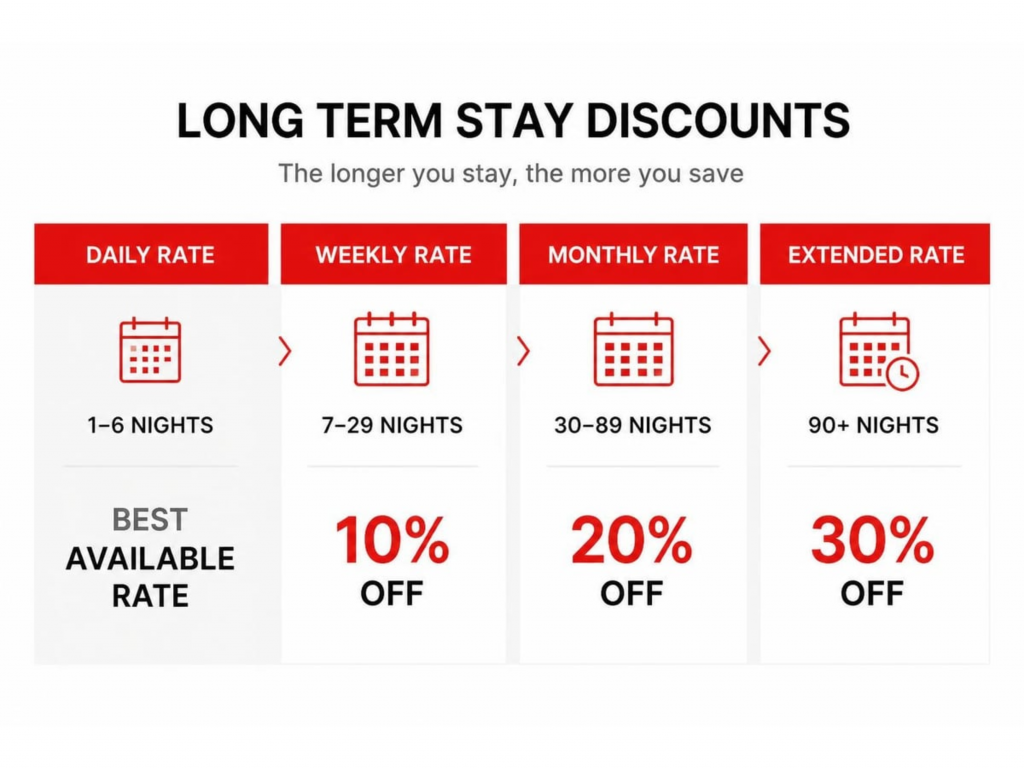
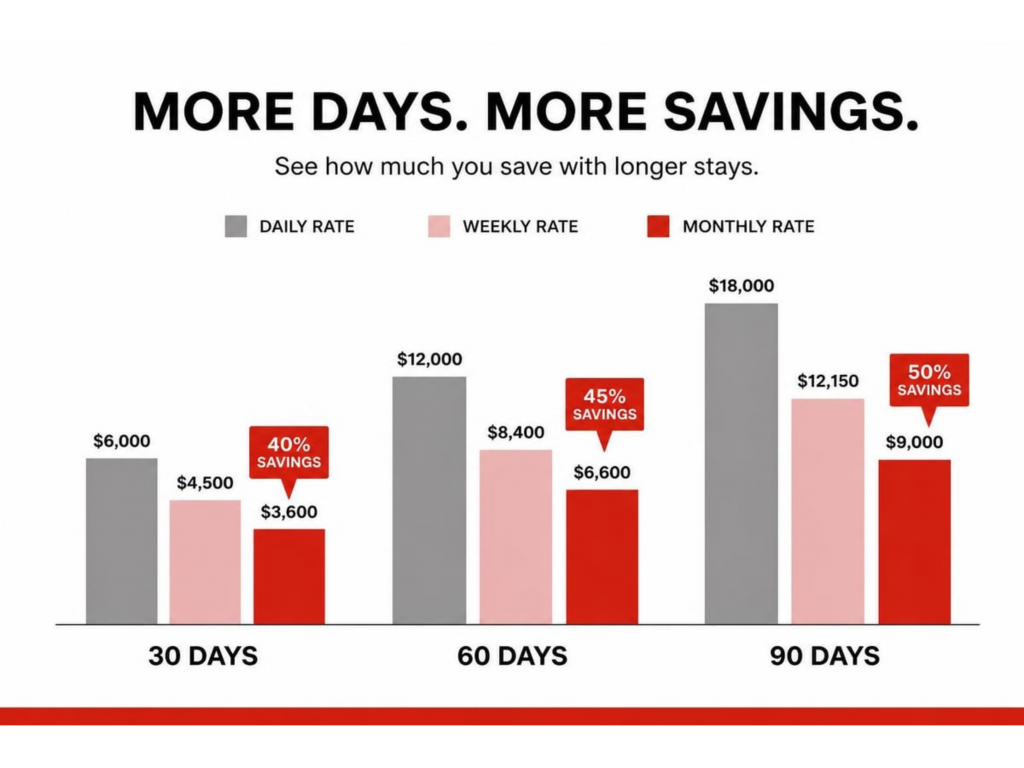
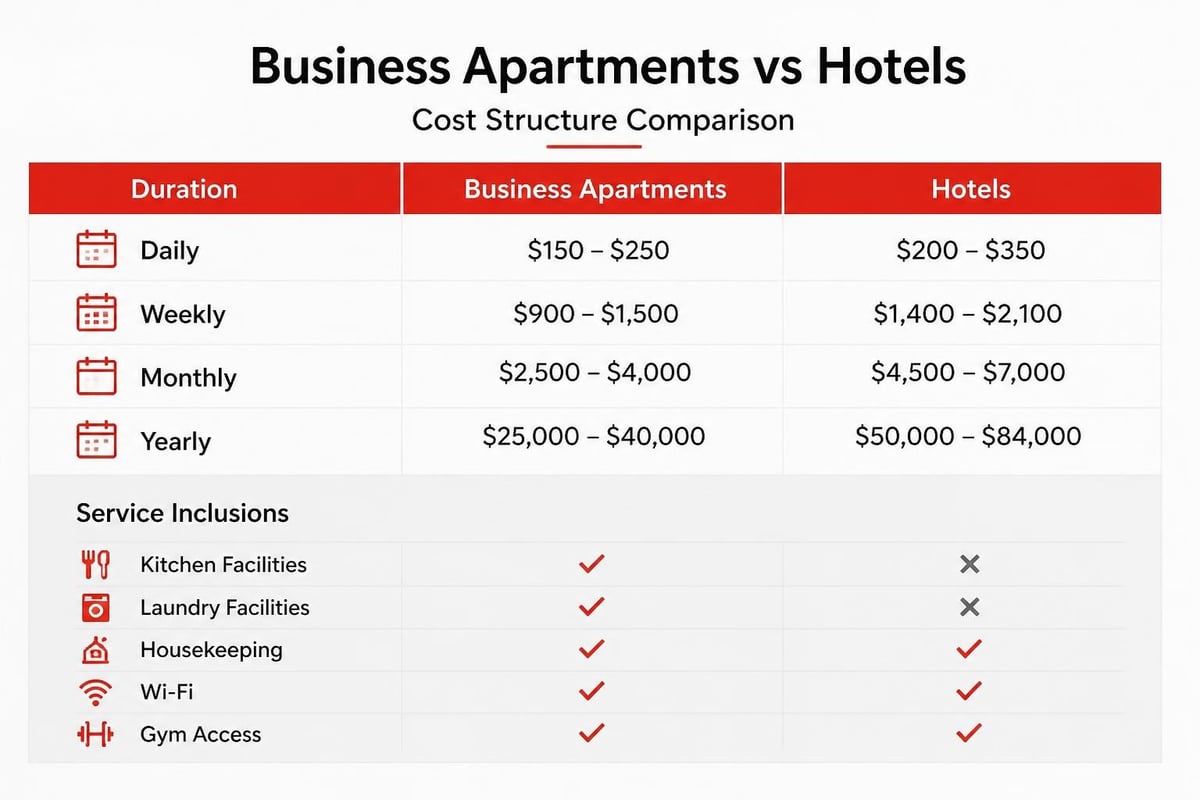
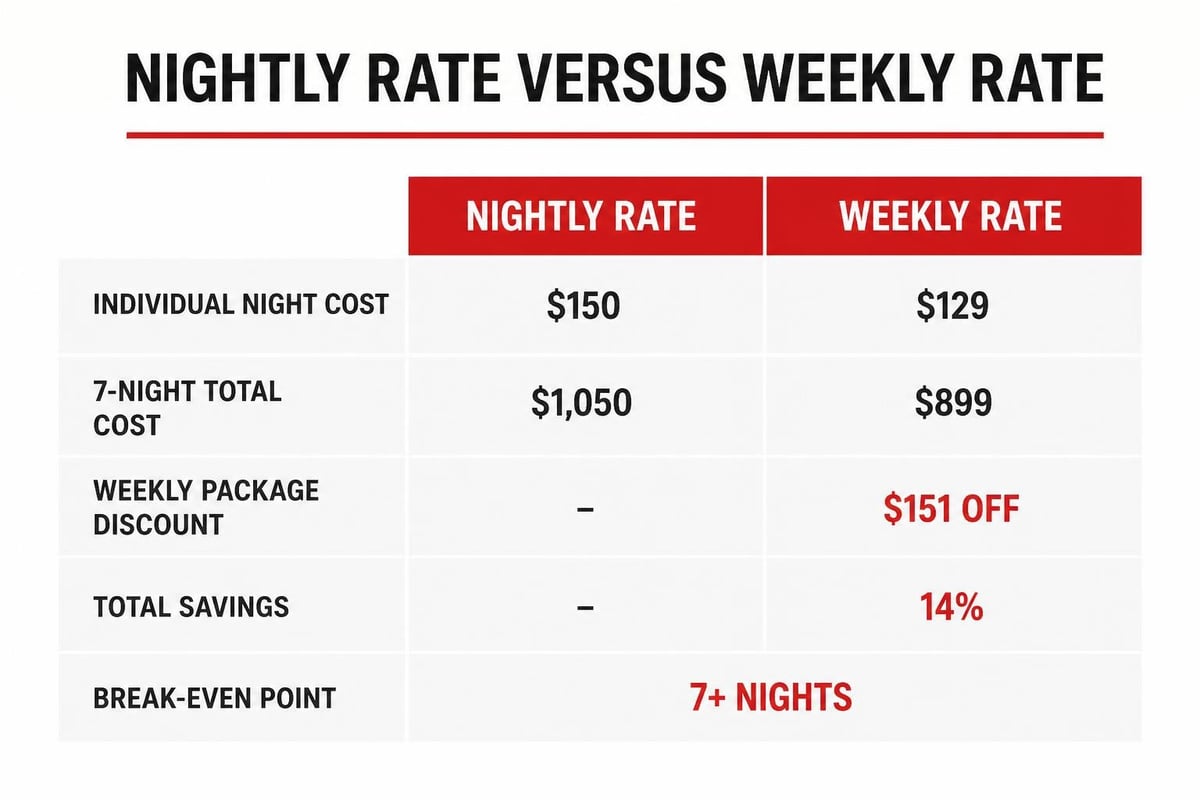
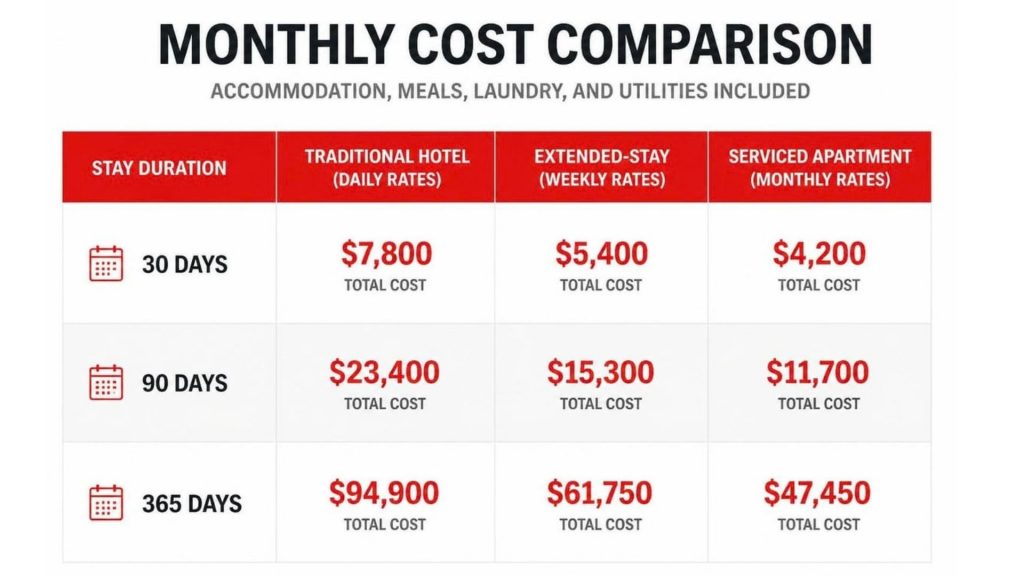
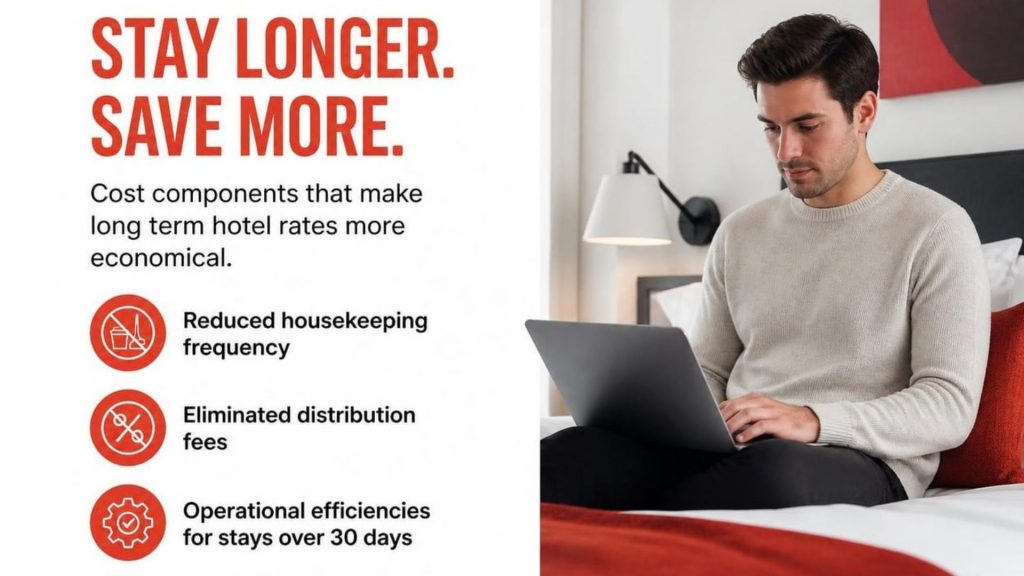
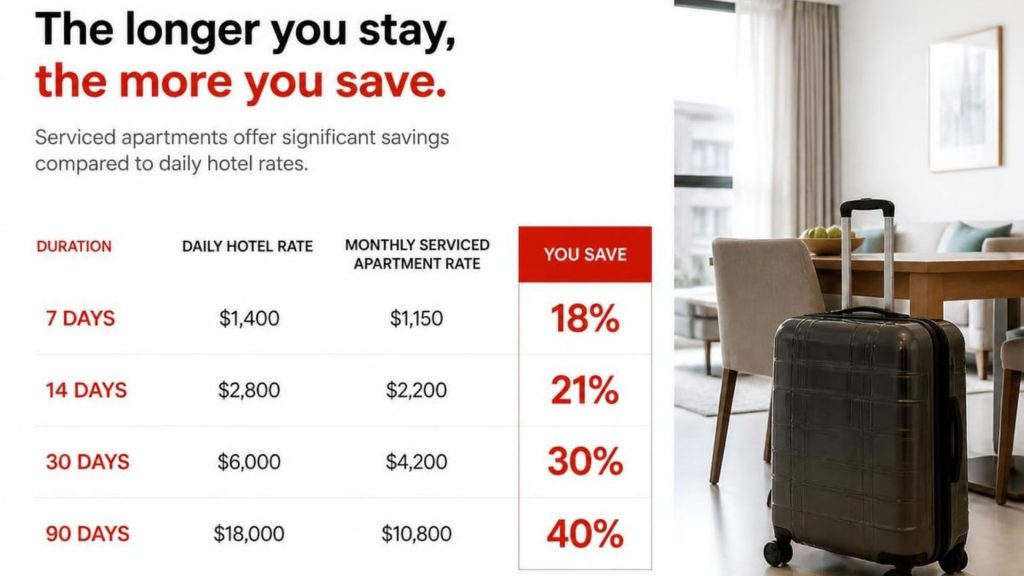
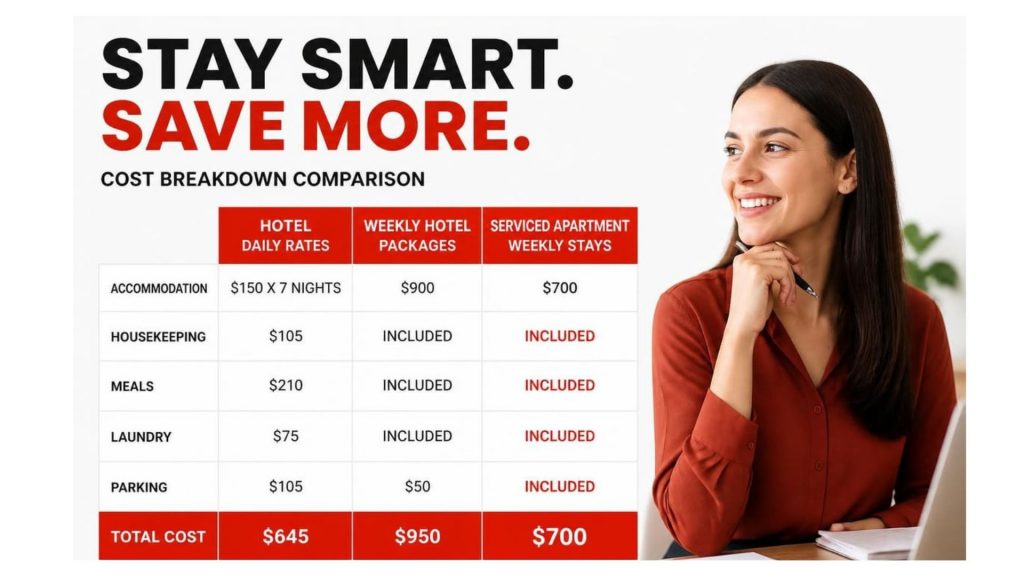
Long term hotel rental pricing differs fundamentally from nightly rates, with monthly rates typically offering 30-50% discounts compared to calculated daily rates. Understanding these pricing mechanisms helps guests negotiate favorable terms and budget accurately for extended stays.
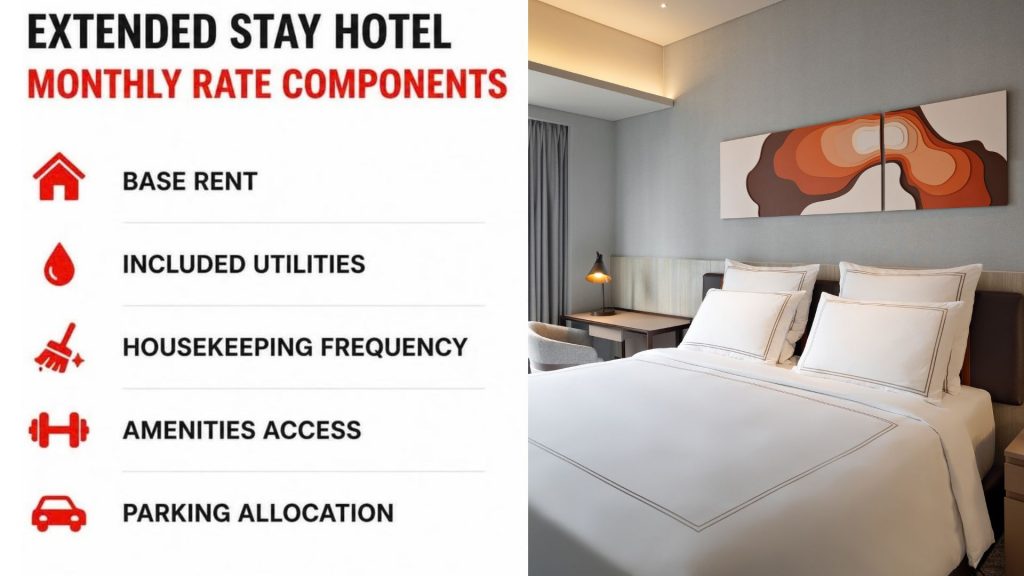
Monthly Rate Components
| Cost Element | Typical Range | Included Services |
|---|---|---|
| Base monthly rent | $2,000-$8,000 | Accommodation, utilities |
| Service fees | 10-20% of base | Housekeeping, maintenance |
| Security deposit | 1-2 months rent | Refundable upon checkout |
| Parking | $100-$300/month | Varies by location |
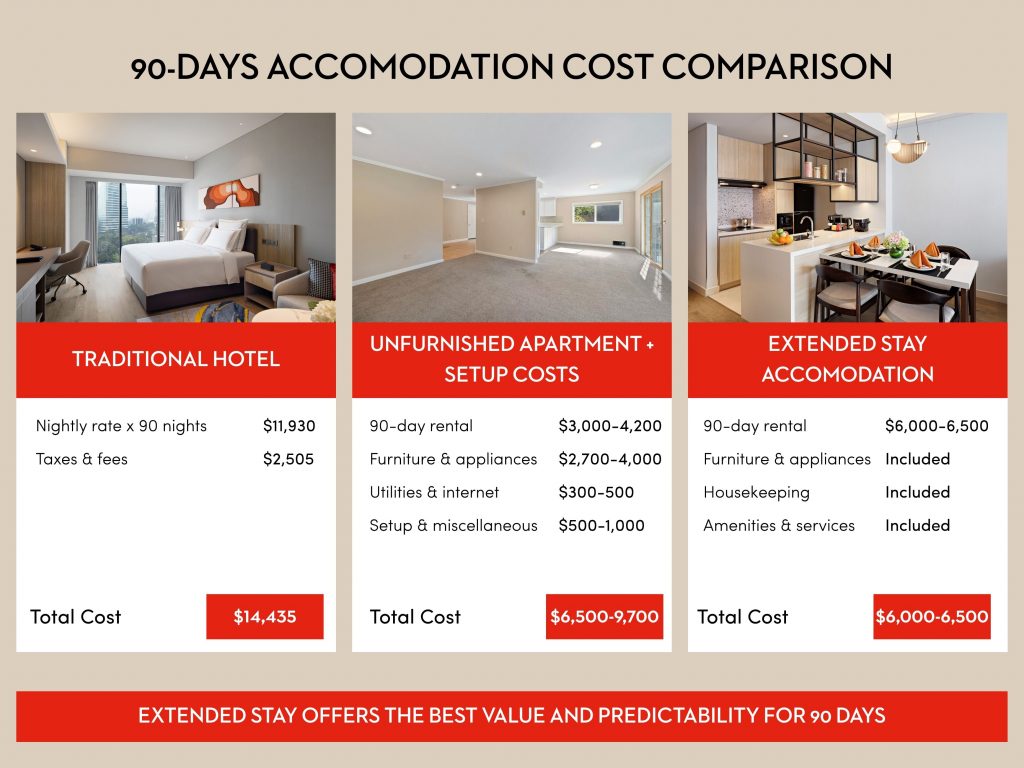
Many properties structure extended-stay pricing to compete with traditional apartment rentals while offering superior flexibility and included services. The total cost calculation must account for utilities, internet, housekeeping, and amenities that would represent separate expenses in conventional leases.
Hidden Costs and Fee Structures
Beyond base rates, long term hotel rental arrangements may include additional charges that significantly impact total expenditure. Early termination fees, damage deposits, premium amenity access, and mandatory service charges require careful review during contract negotiations.
Some properties offer all-inclusive pricing that bundles utilities, WiFi, cable television, and weekly housekeeping into a single monthly payment. This approach simplifies budgeting and eliminates unexpected charges, particularly valuable for corporate travelers managing expense reporting requirements.
Benefits of Long Term Hotel Rental
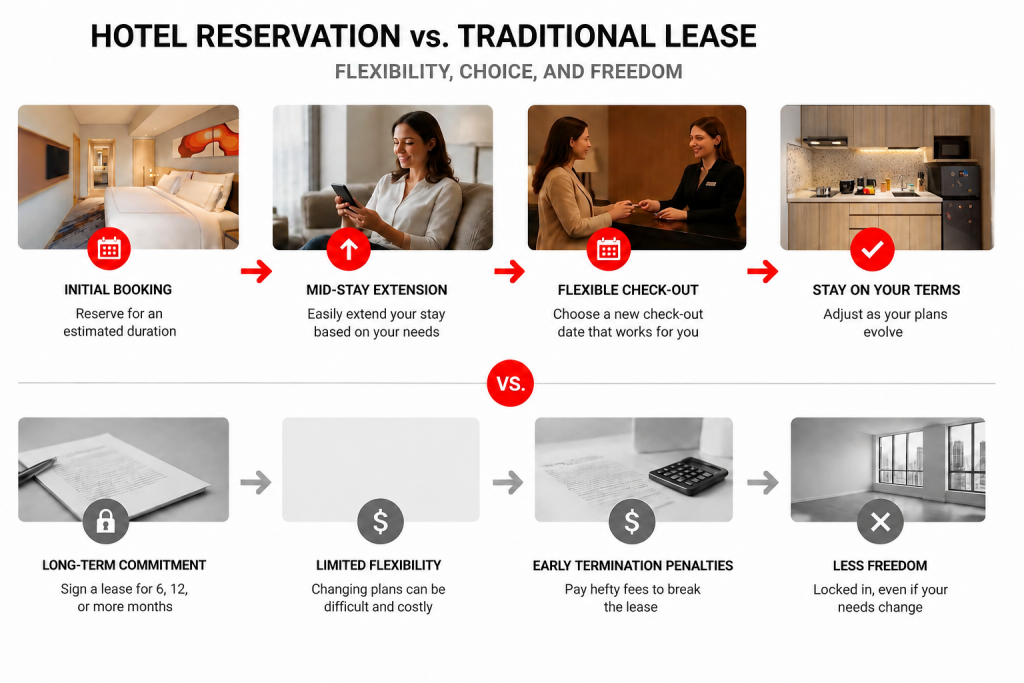
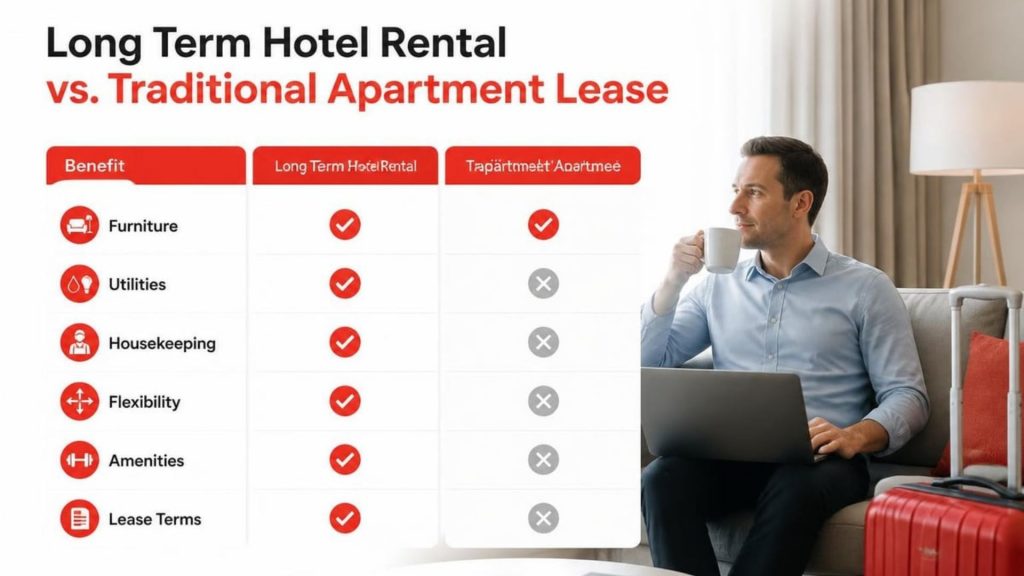
Choosing extended hotel accommodations over traditional apartment leases provides numerous advantages that justify premium pricing for many guests. The flexibility to extend or shorten stays without lease penalties represents a primary benefit for professionals managing uncertain project timelines.
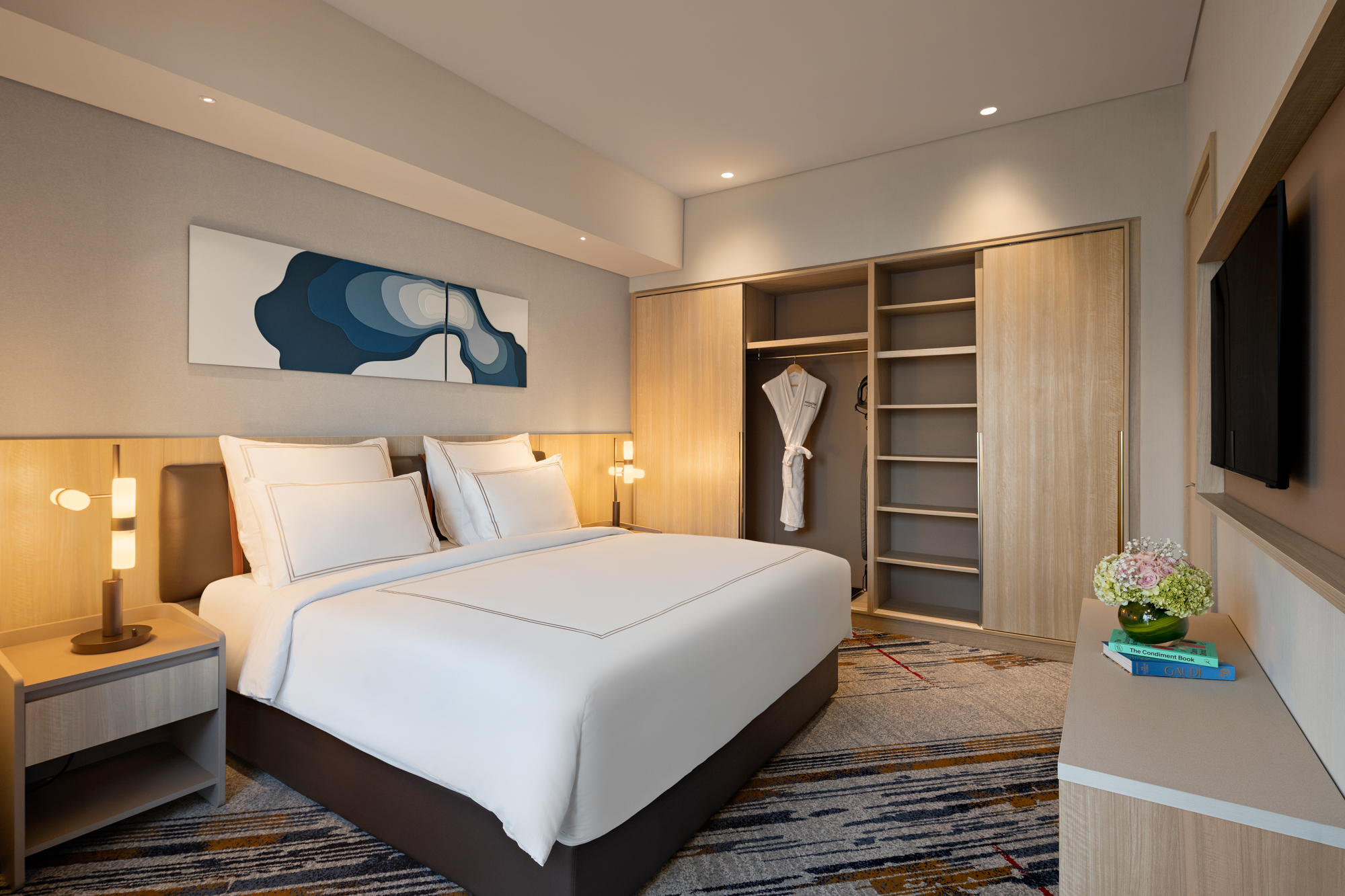
Fully furnished units eliminate the expense and logistics of furniture rental or purchase, particularly valuable for international relocations where shipping household goods proves impractical or cost-prohibitive. This turnkey approach allows guests to arrive with personal belongings only, significantly reducing relocation complexity.
Service and Amenity Advantages
Daily or weekly housekeeping maintains living spaces without personal effort, while 24-hour front desk support addresses maintenance issues, package deliveries, and guest inquiries regardless of schedule. These services replicate hotel conveniences within a residential context.
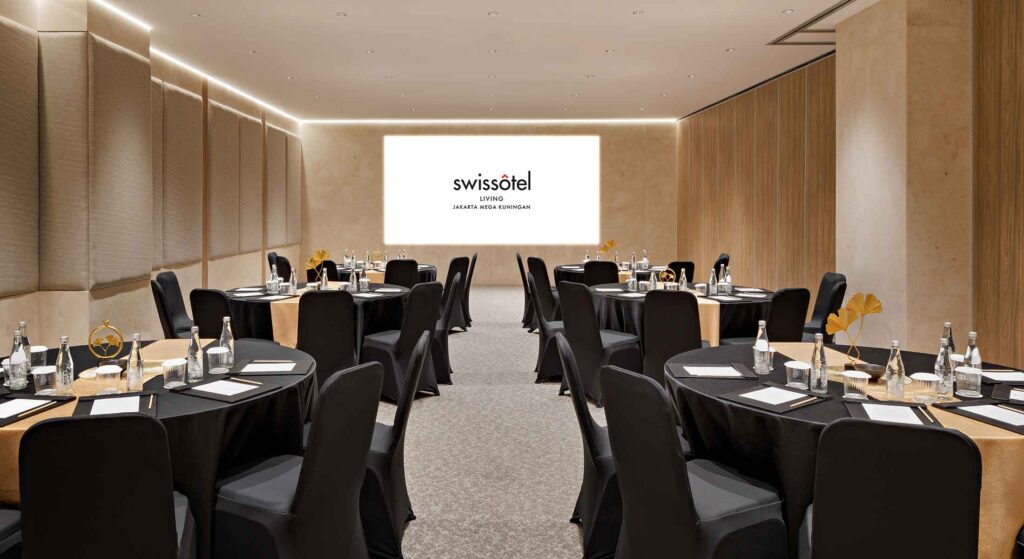
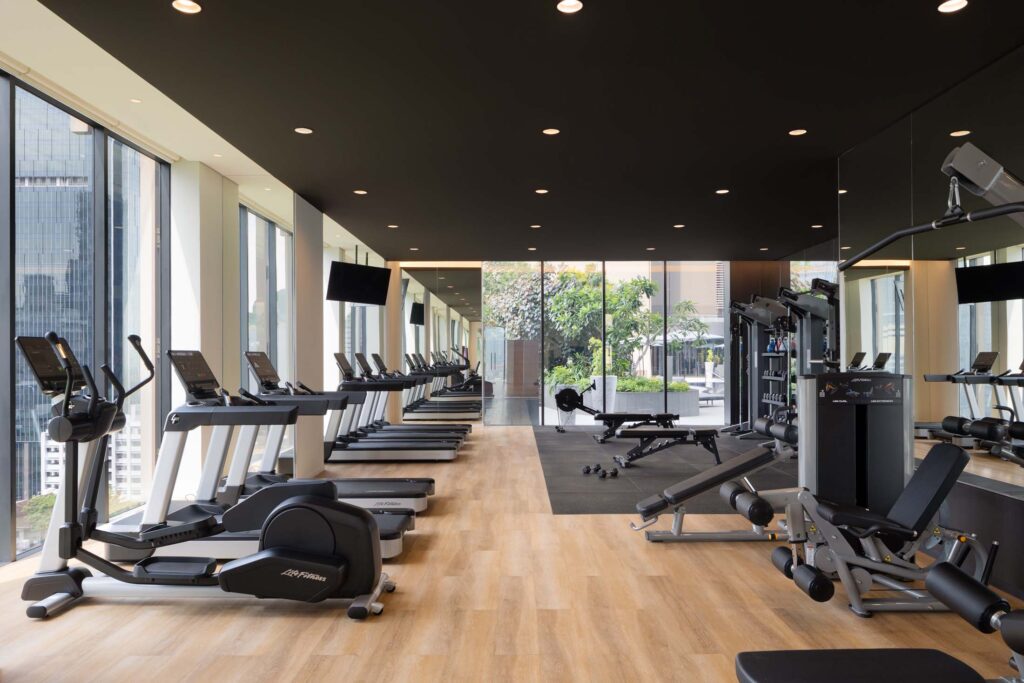
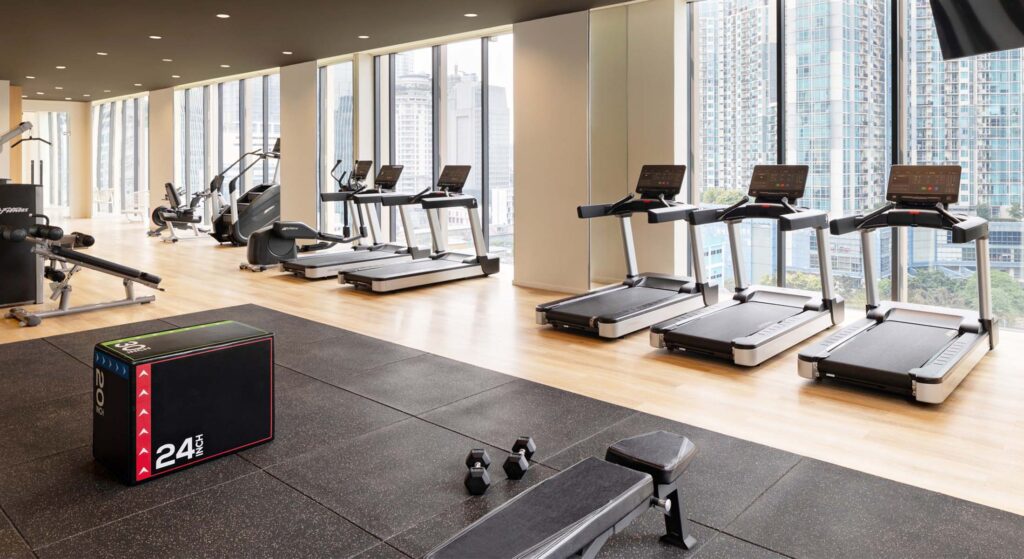
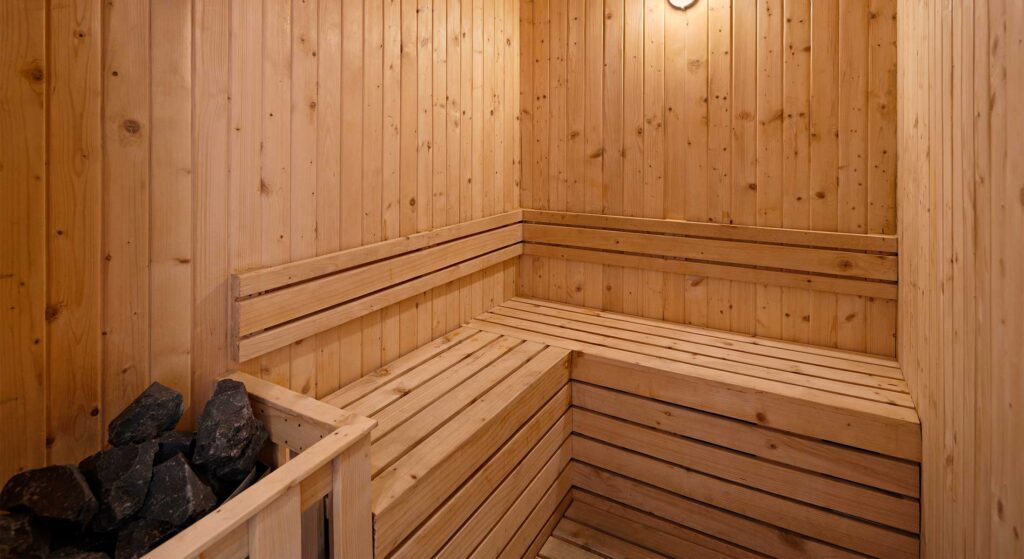
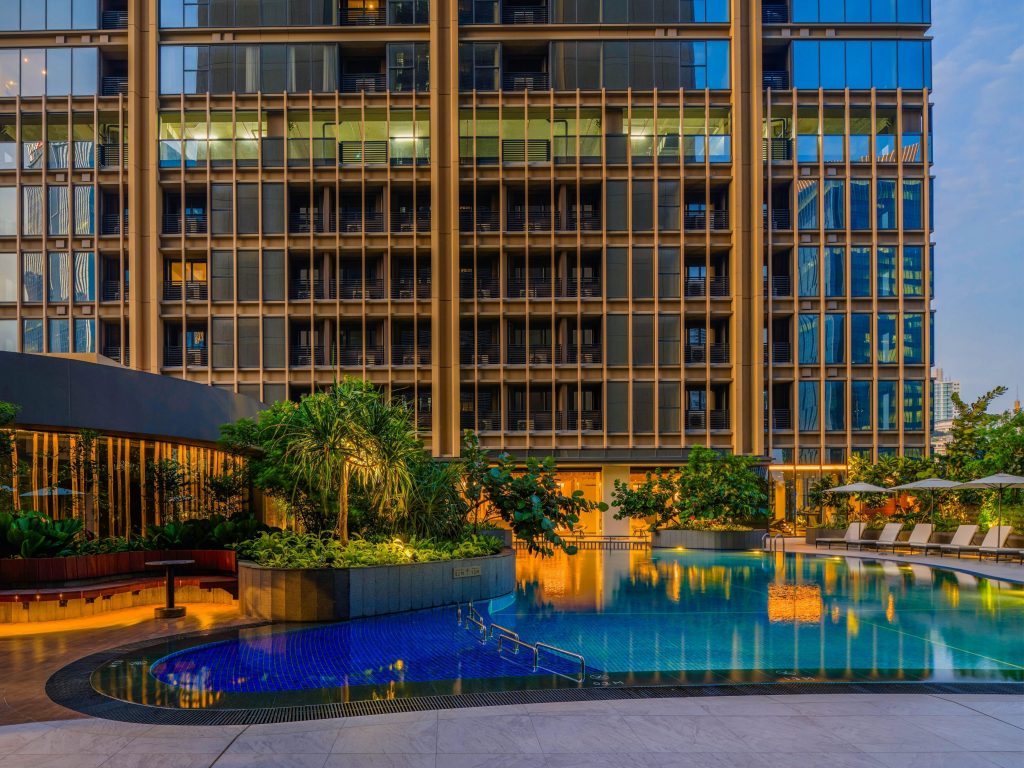
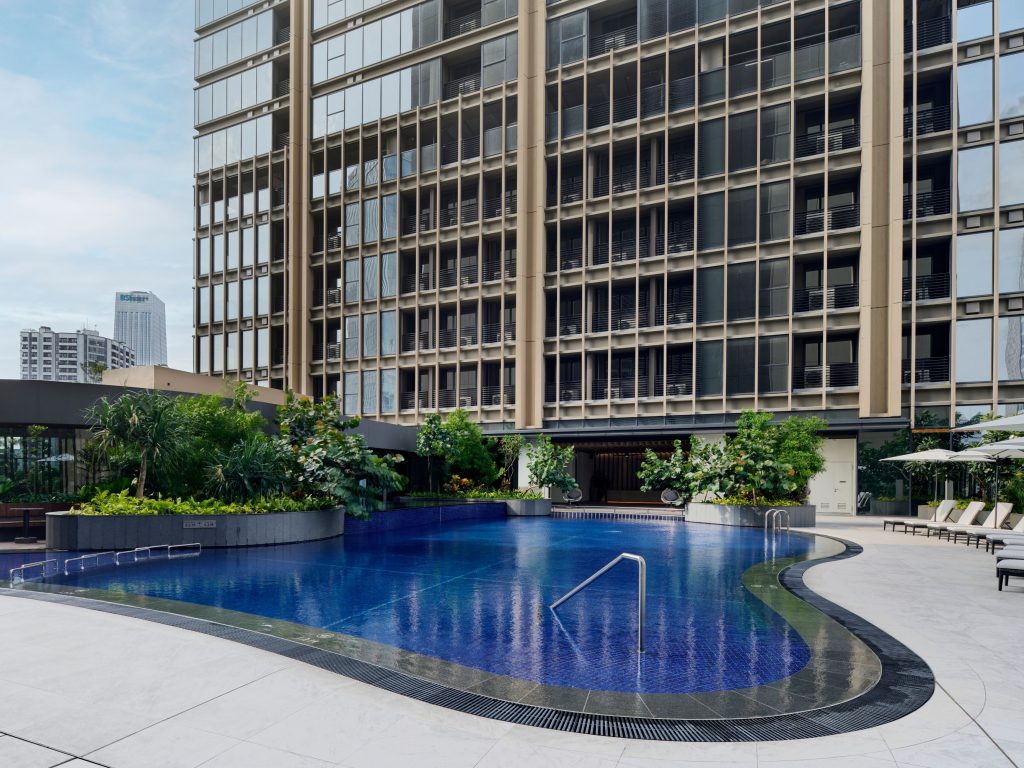
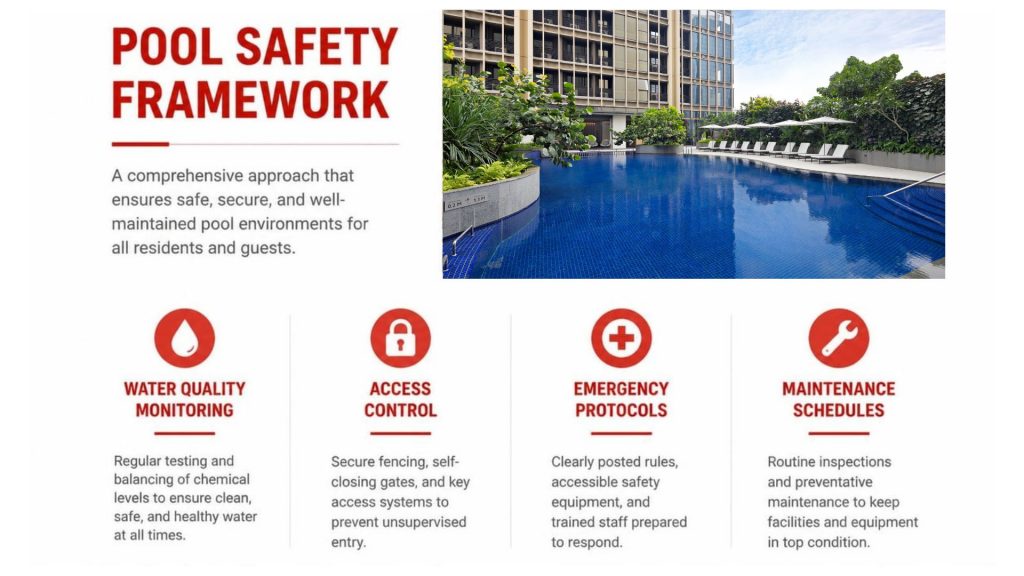
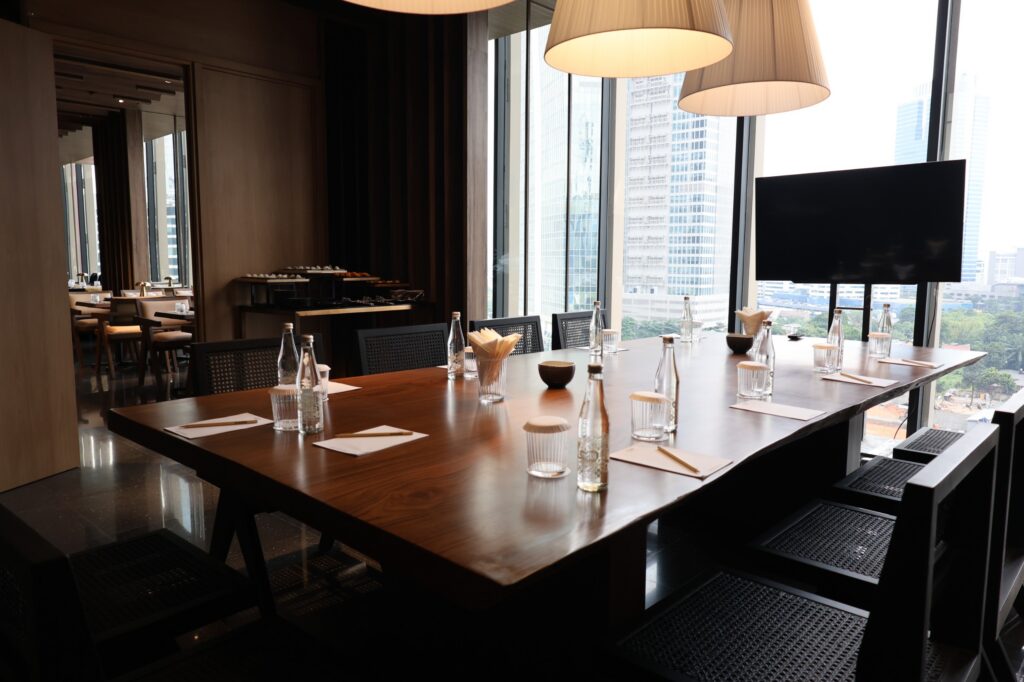
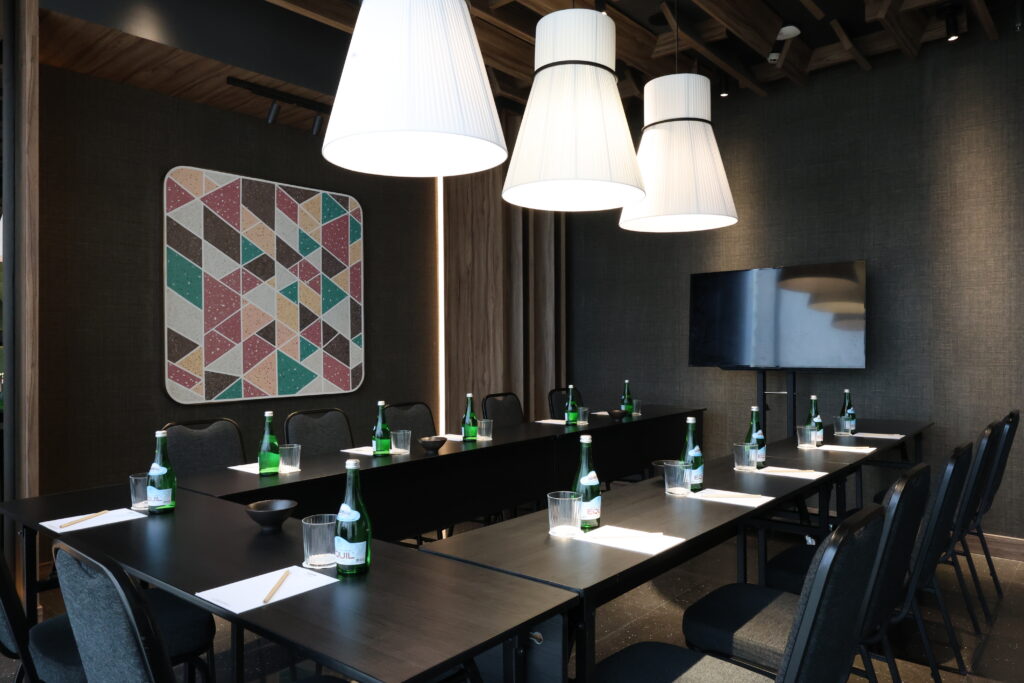
Access to fitness centers, swimming pools, business centers, and meeting spaces adds value without separate membership fees. Properties in business districts often include shuttle services to commercial areas, reducing transportation costs and commute stress for working professionals.
The absence of utility setup requirements streamlines move-in processes. Electricity, water, internet, and cable services activate immediately upon arrival, eliminating the typical 2-3 week waiting period associated with apartment leases and utility account establishment.
Ideal Candidates for Extended Hotel Stays
Certain traveler profiles derive maximum value from long term hotel rental arrangements compared to alternative accommodation options. Understanding whether this model aligns with specific needs prevents overspending on unnecessary services or sacrificing essential amenities.
Business Travelers and Corporate Assignments
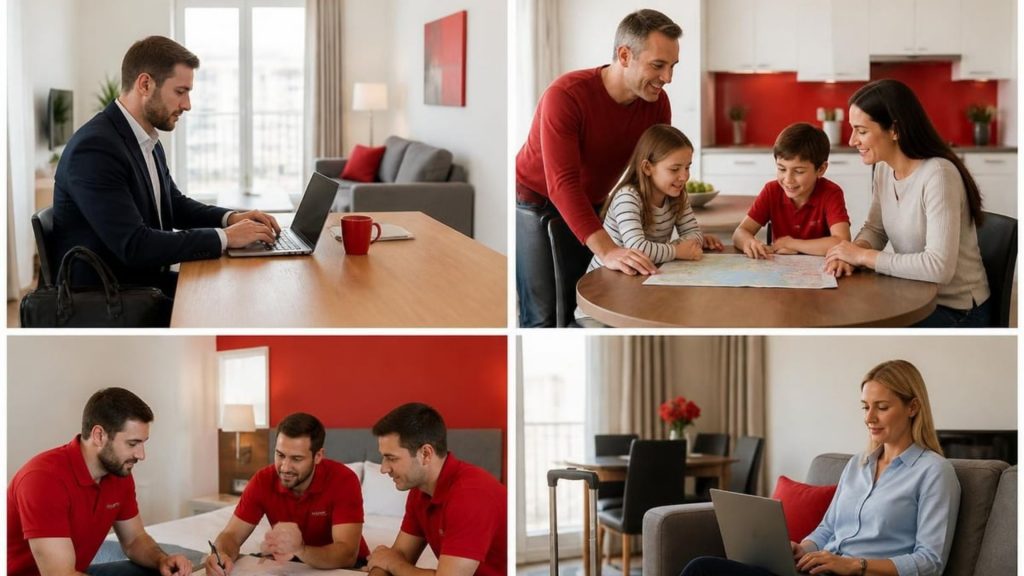
Professionals on temporary assignments lasting 1-12 months represent the core demographic for extended stays. Project-based work, training programs, corporate relocations, and interim leadership positions create demand for accommodation that balances home comfort with business functionality.
According to industry performance data, corporate bookings account for approximately 60% of extended-stay demand, reflecting the segment’s alignment with workforce mobility trends. Companies increasingly budget for serviced accommodations recognizing the productivity and satisfaction benefits over isolated apartment living.
Expatriates and International Relocations
Families and individuals relocating internationally benefit from extended hotel arrangements during the initial settlement period. This bridge housing allows time to explore neighborhoods, understand local rental markets, and secure permanent residences without pressure from temporary accommodation expirations.
The cultural adjustment period proves less stressful when supported by hotel services, multilingual staff, and established expatriate communities within serviced apartment properties. Many international business hubs cluster extended-stay properties near embassy districts and multinational corporate headquarters specifically to serve this demographic.
Additional Guest Profiles
- Home renovation residents requiring temporary housing during major construction projects
- Insurance claimants displaced by fire, flood, or other property damage
- Medical patients and caregivers needing proximity to treatment facilities for extended periods
- Graduate students and interns on semester-long placements or summer programs
- Seasonal workers in industries with cyclical employment patterns
Each profile prioritizes different amenities and services, influencing property selection and negotiation leverage for customized arrangements.
Location Considerations for Extended Stays
Geographic positioning significantly impacts both daily convenience and total cost for long term hotel rental arrangements. Properties in central business districts command premium rates but reduce transportation expenses and commute time for working professionals.
Jakarta Market Dynamics
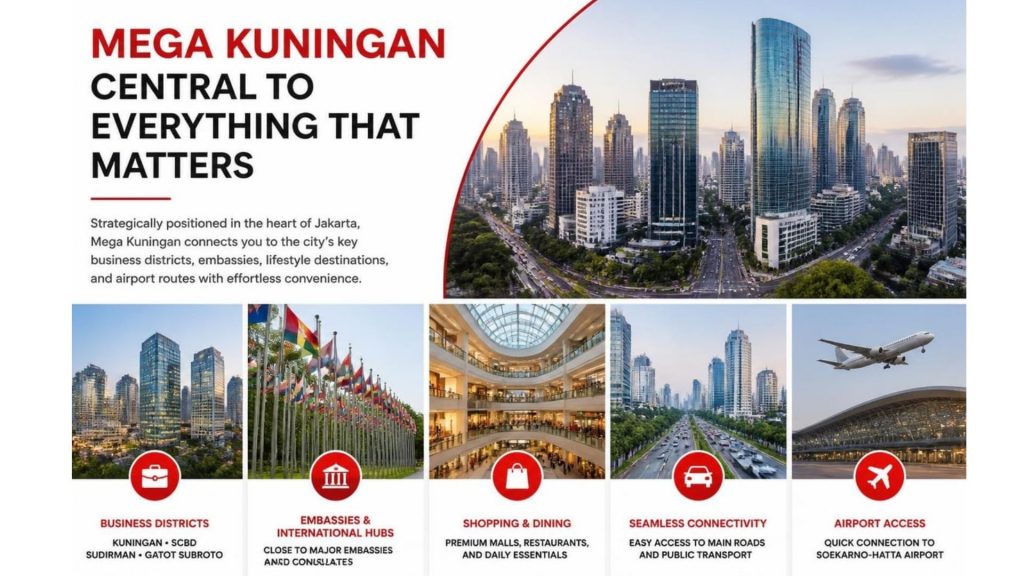
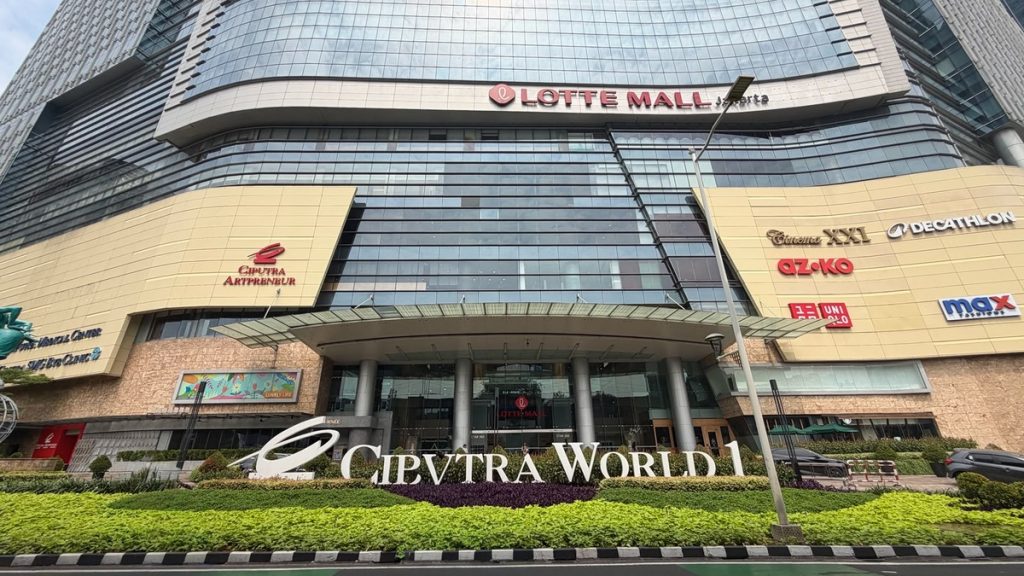
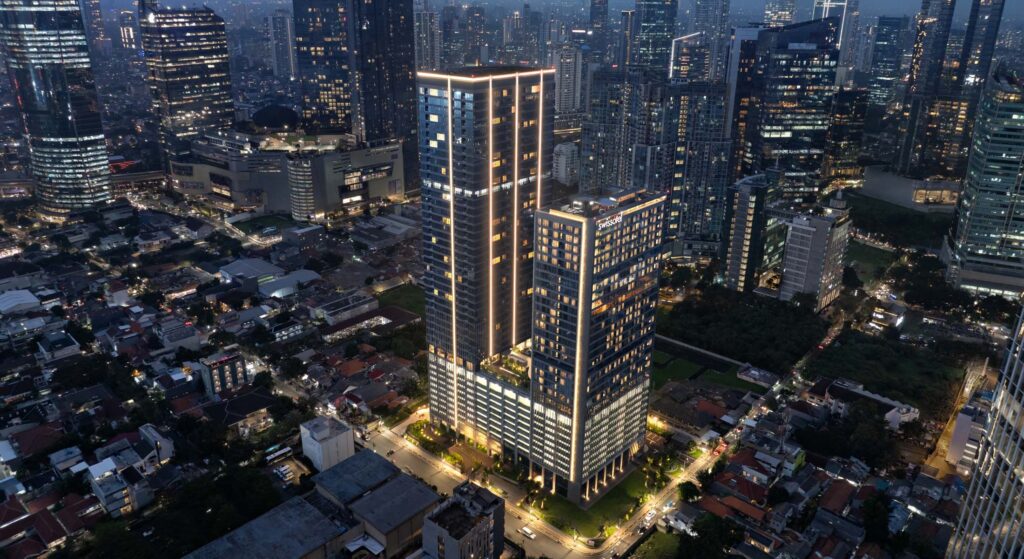
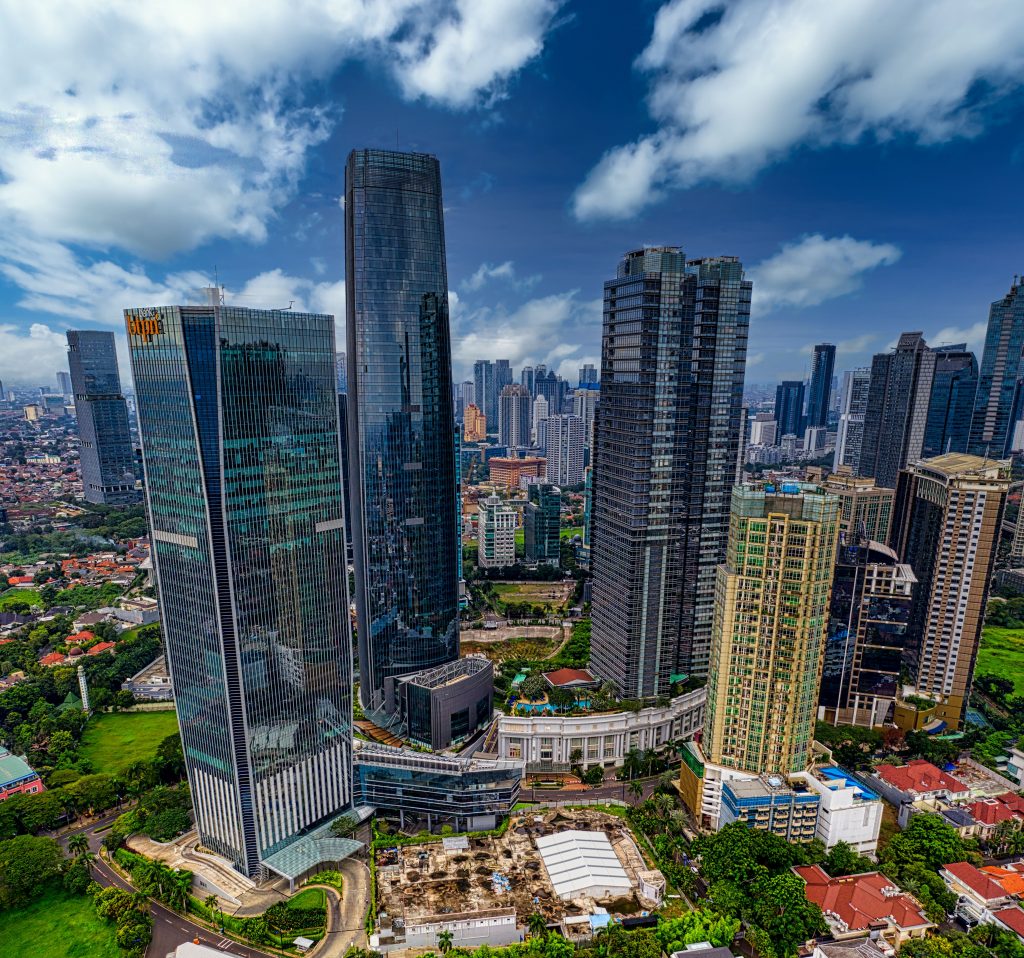
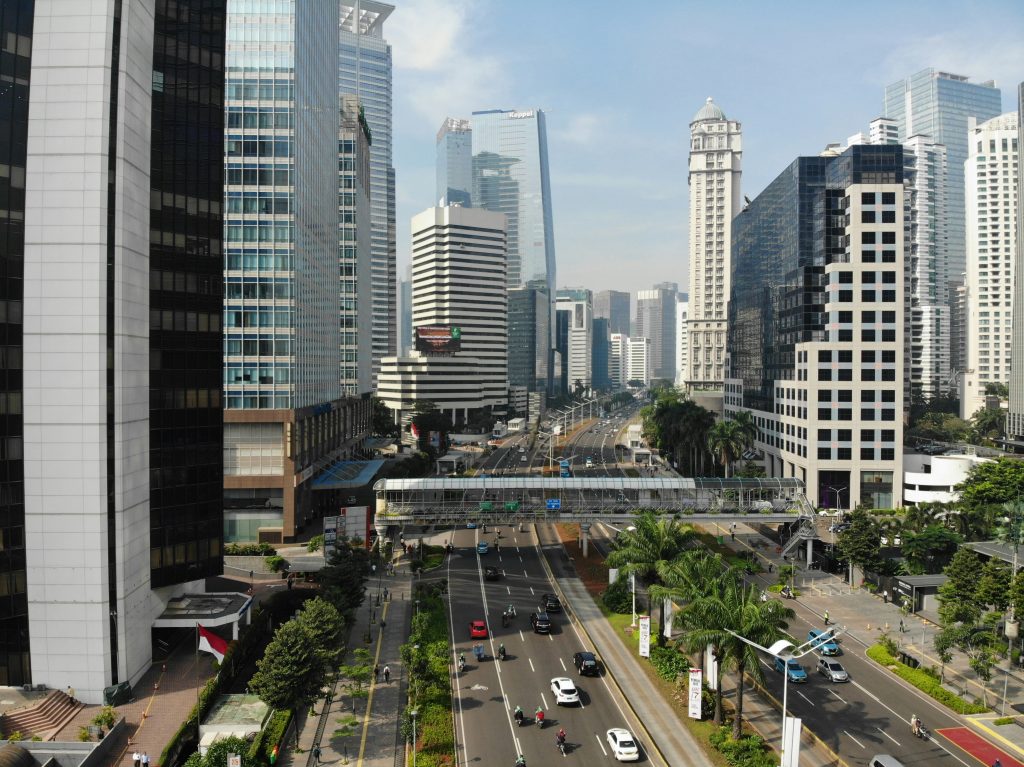
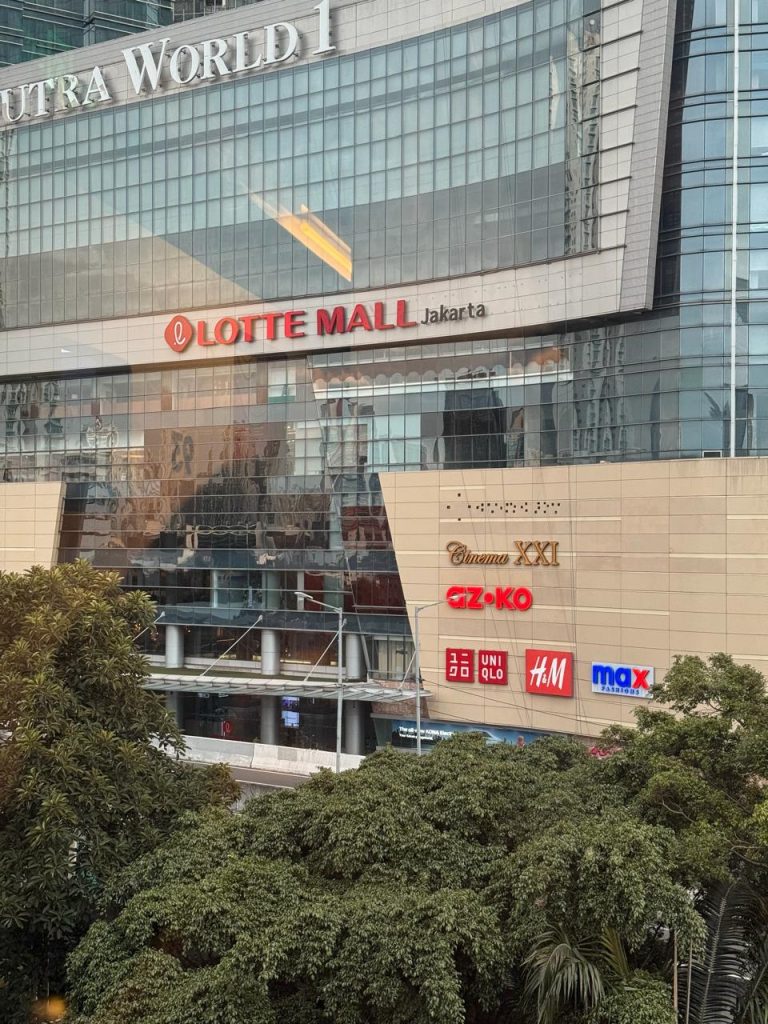
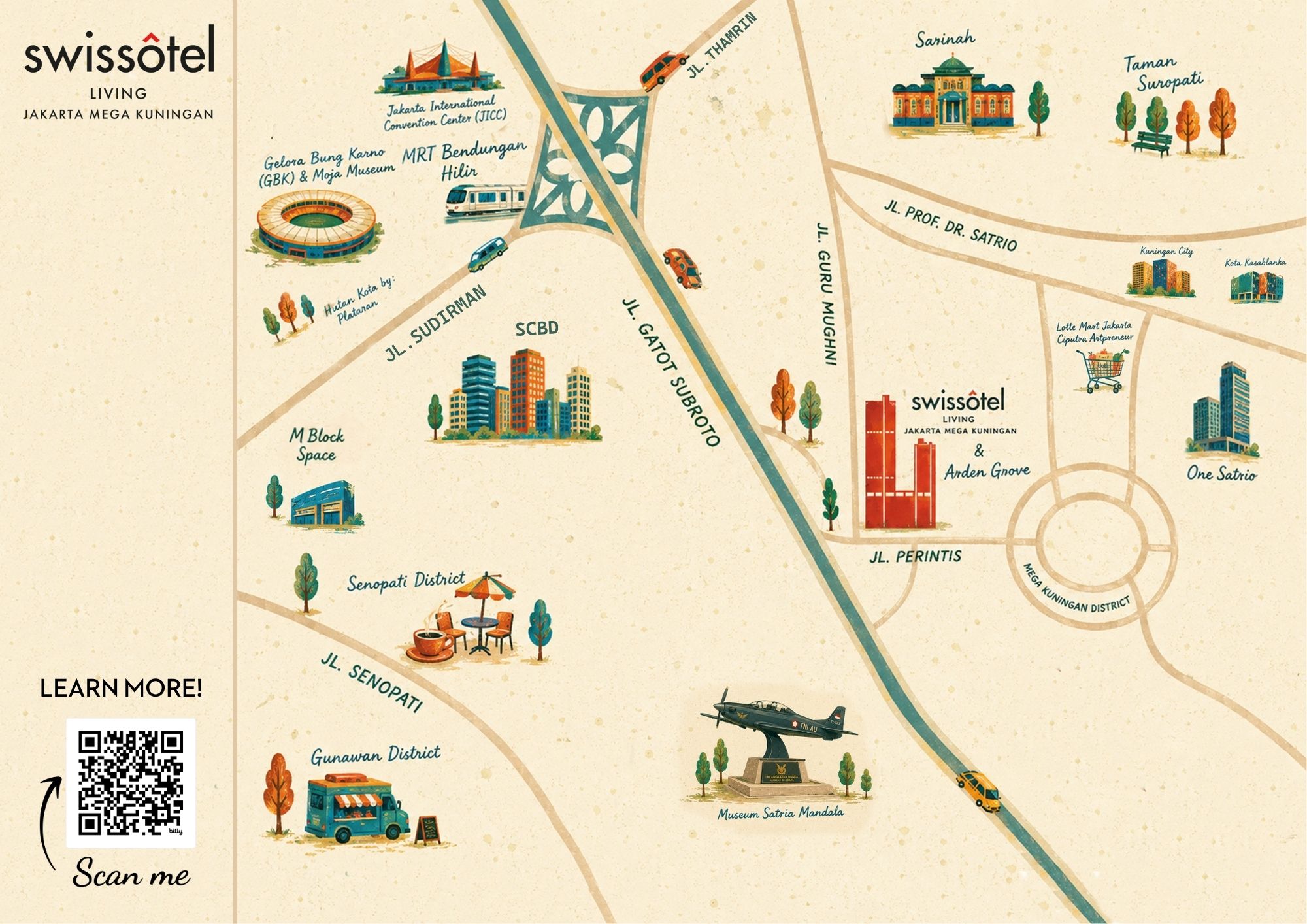
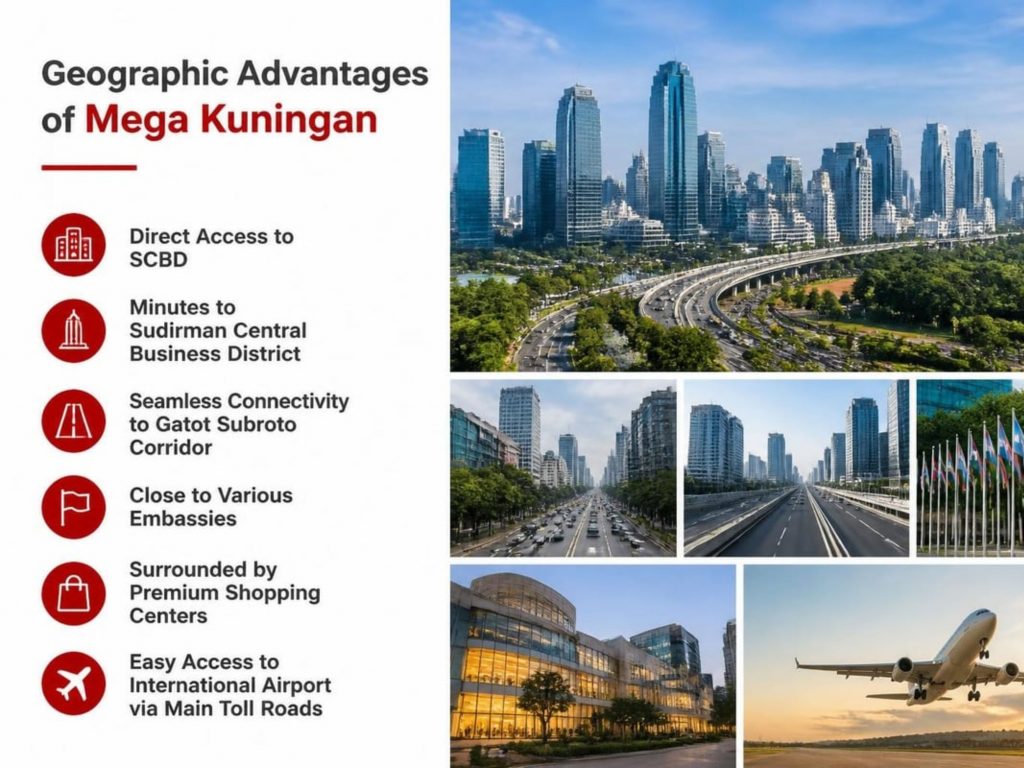
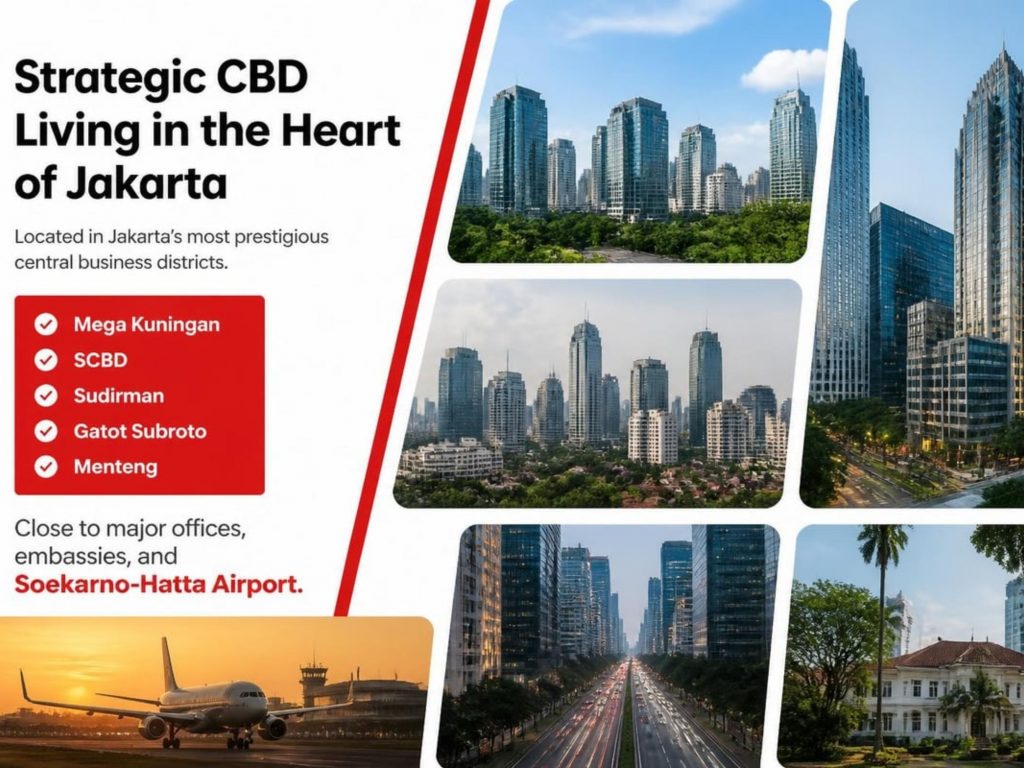
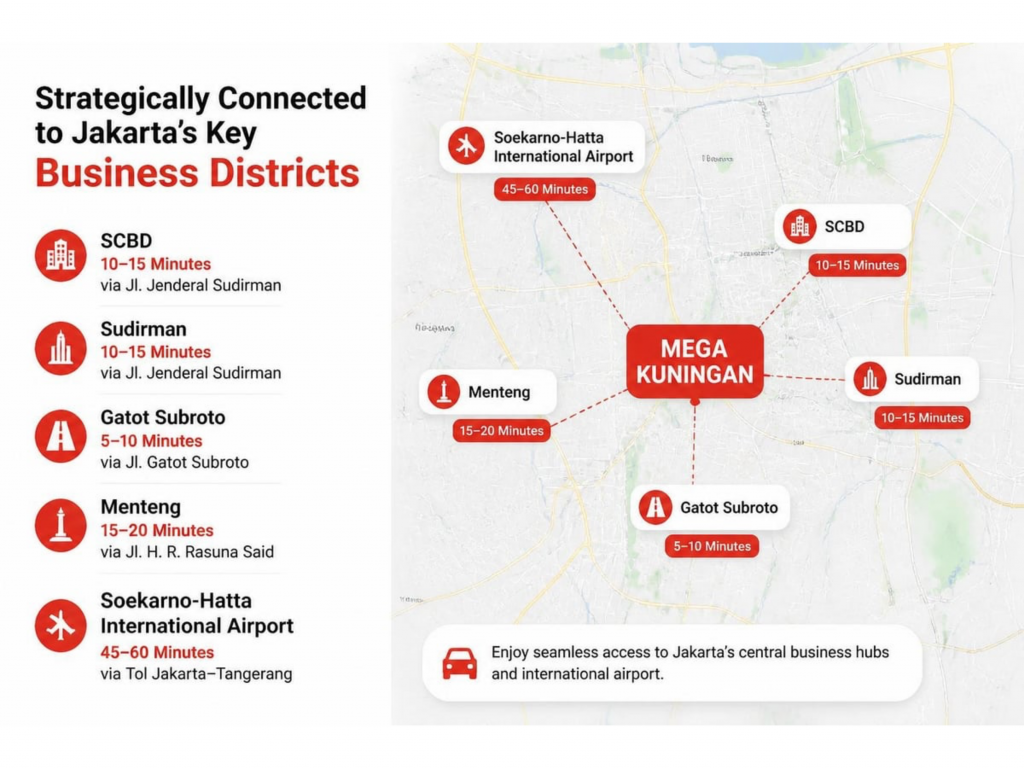
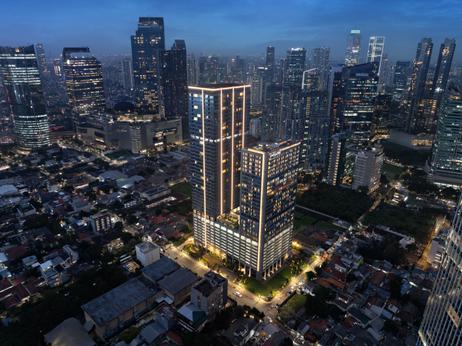
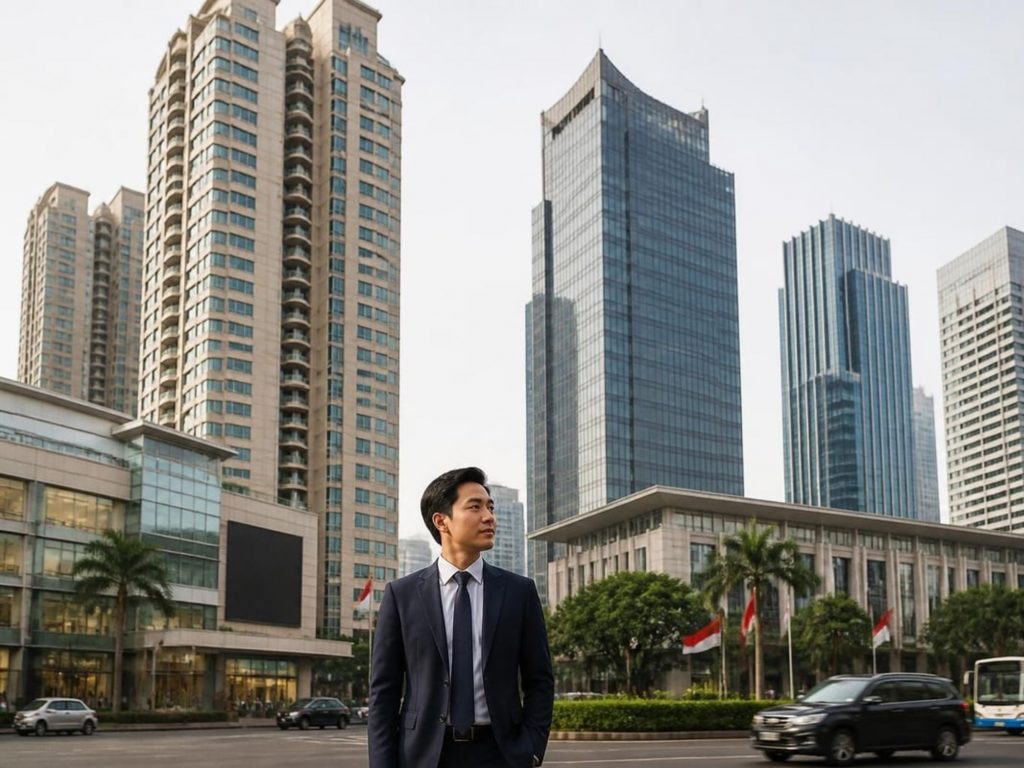
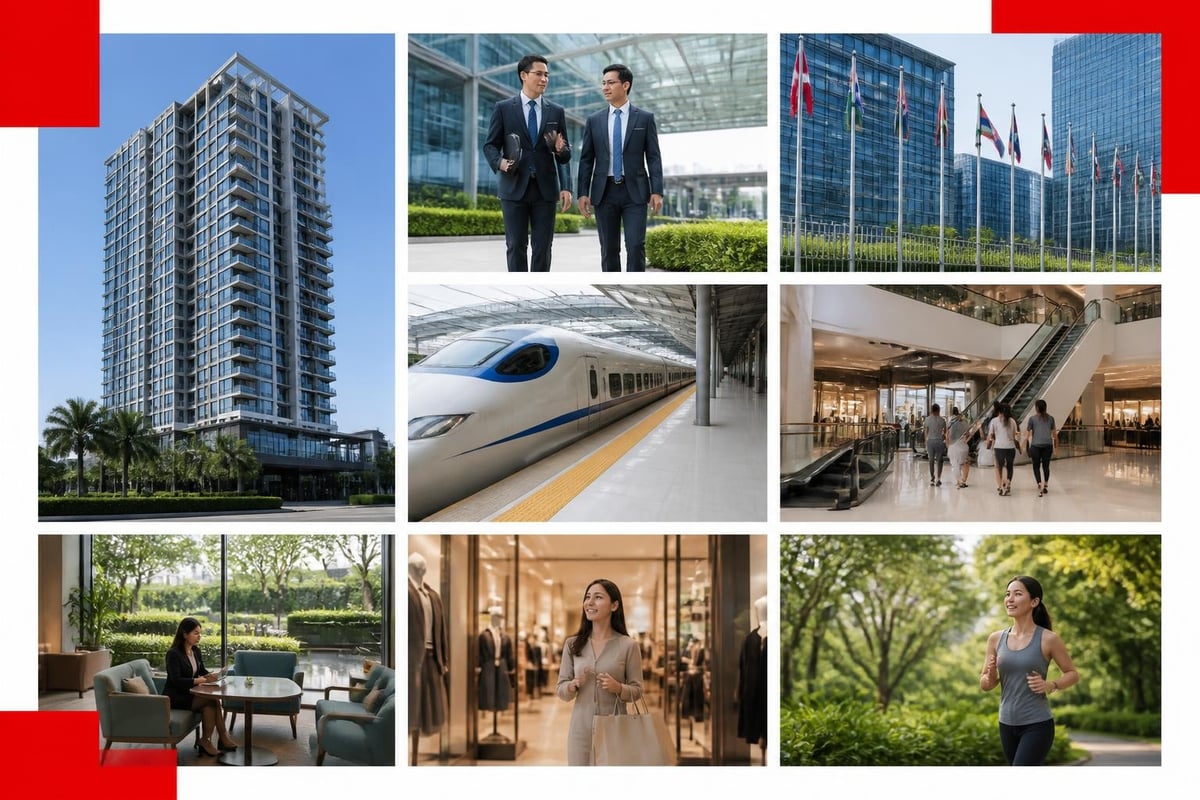
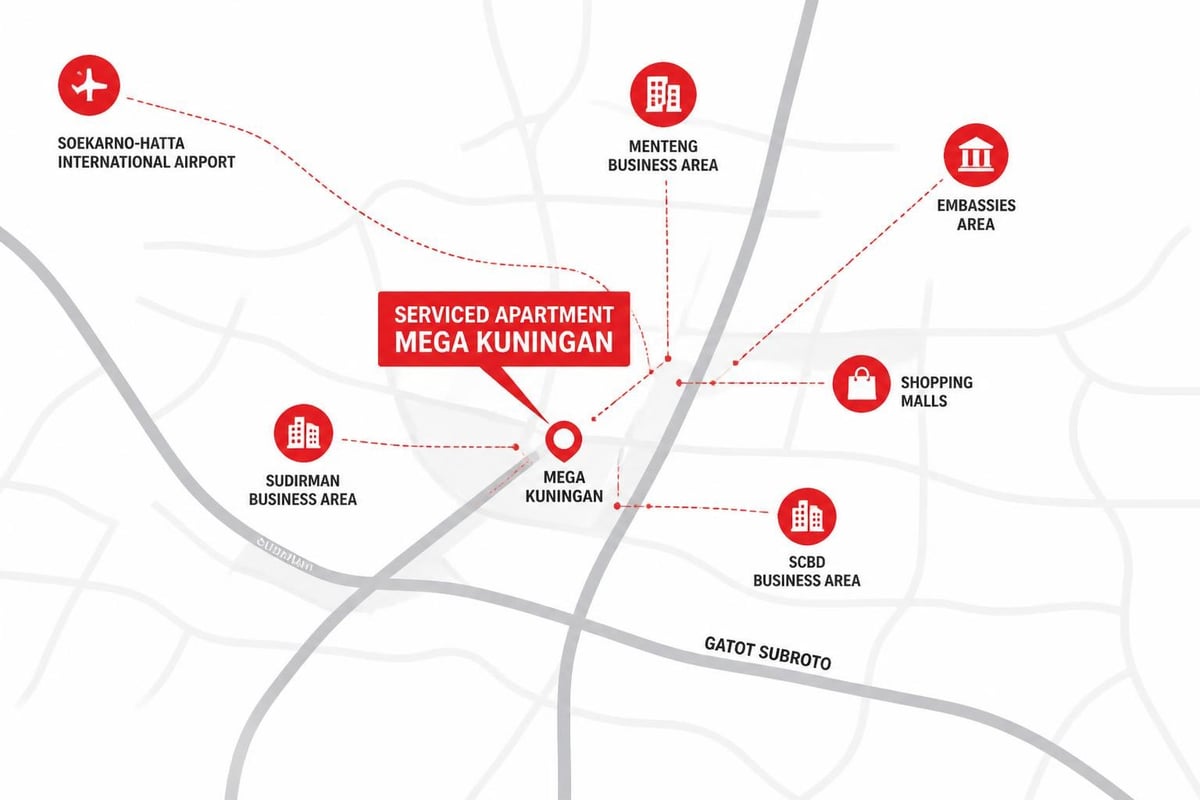
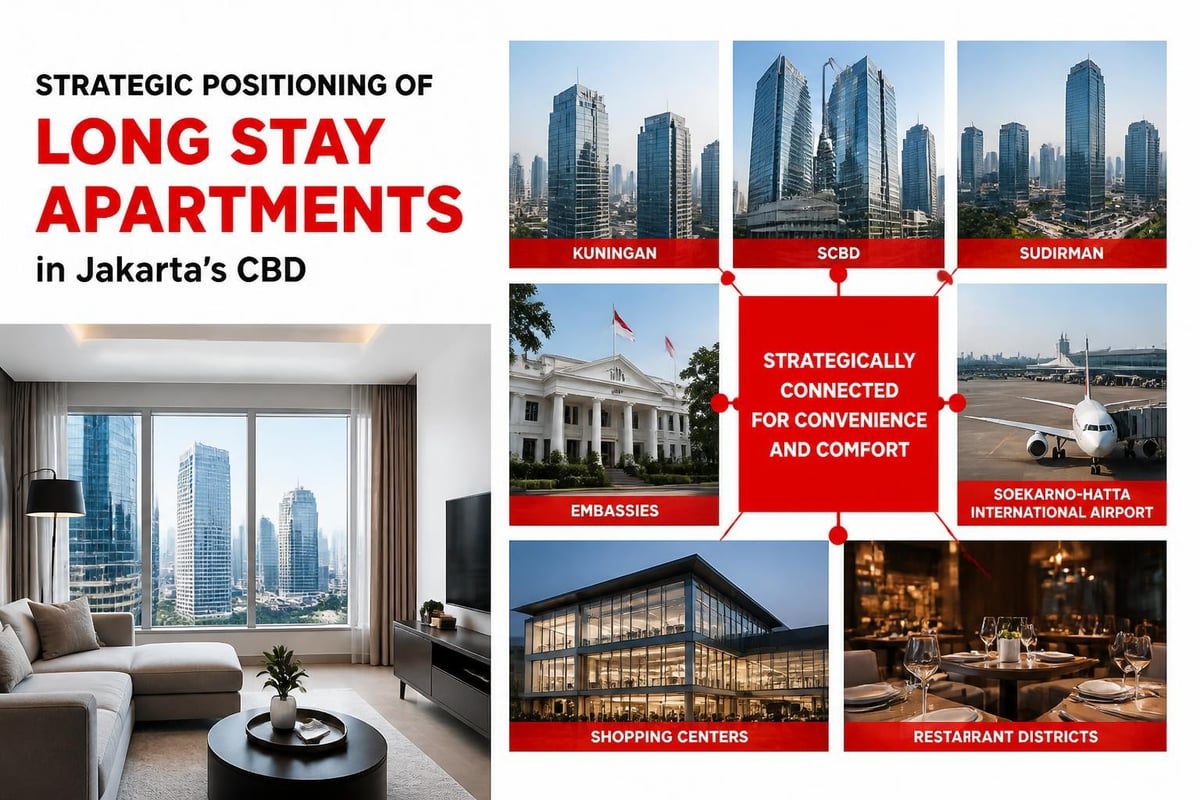
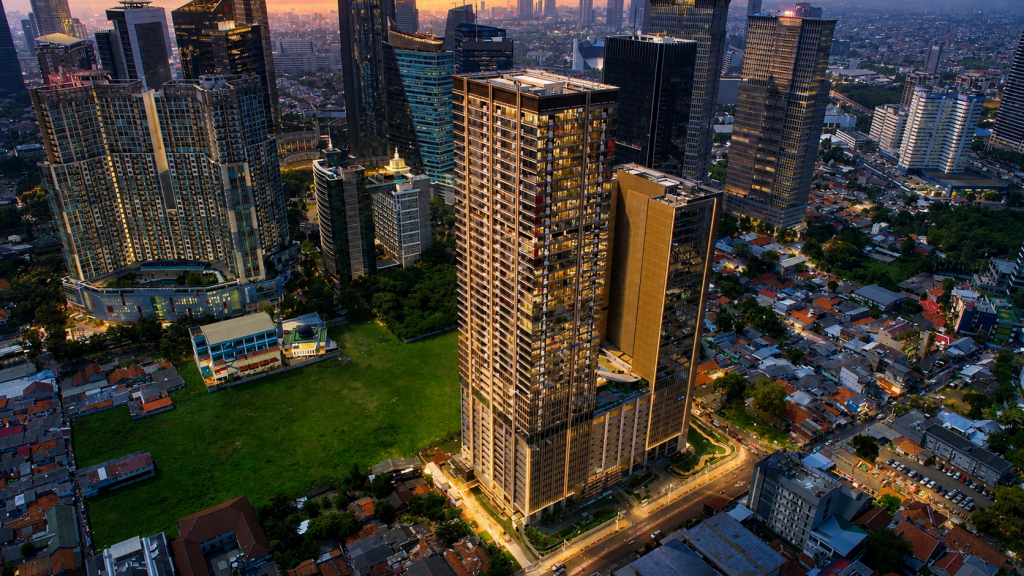
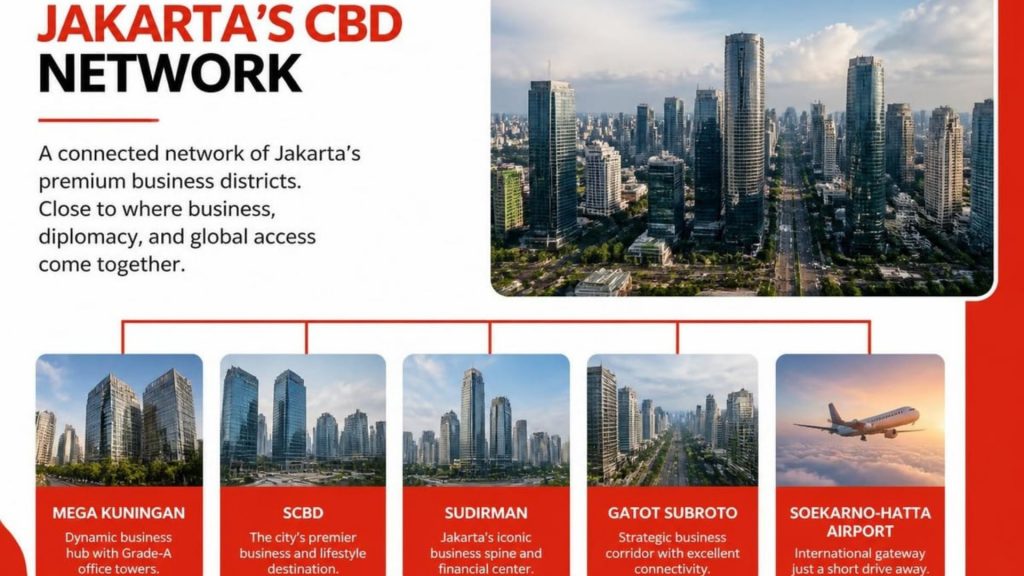
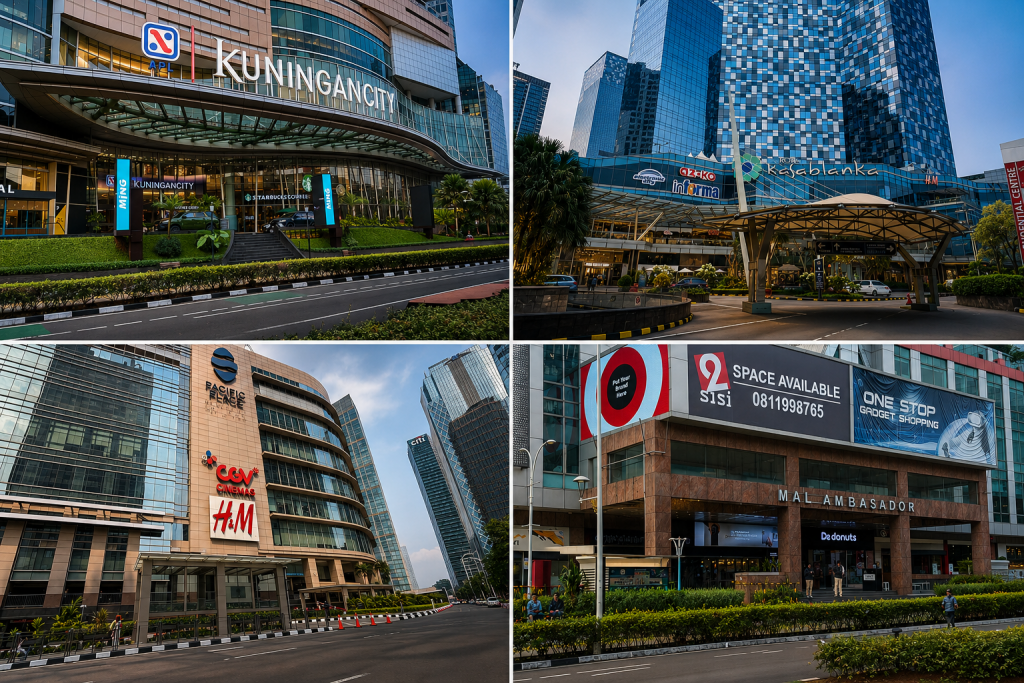
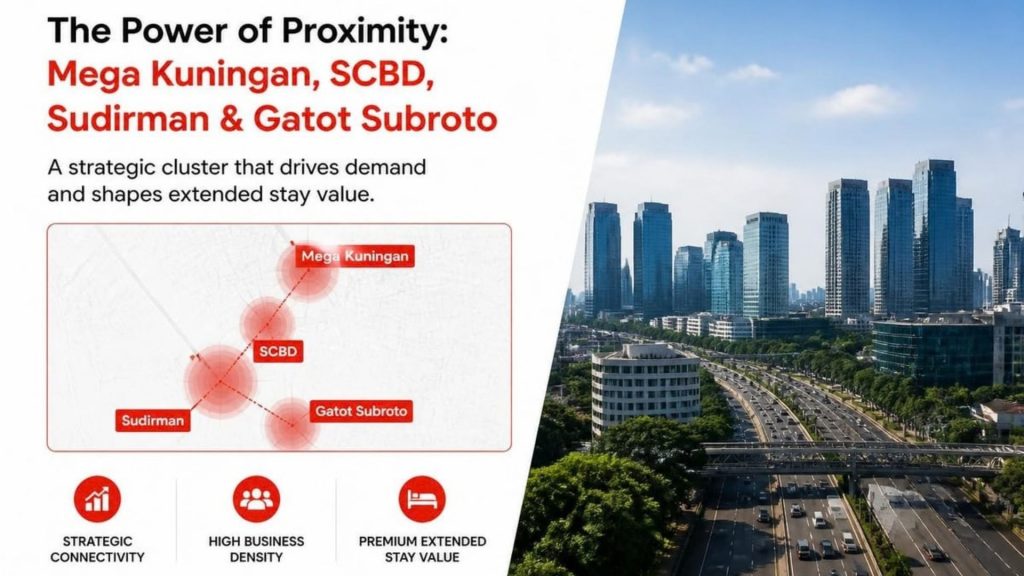
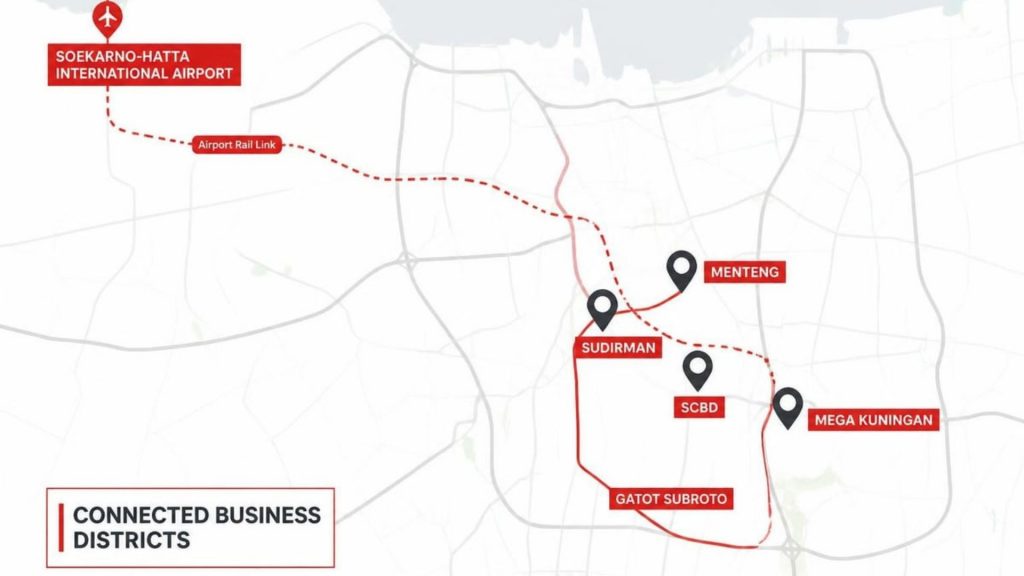
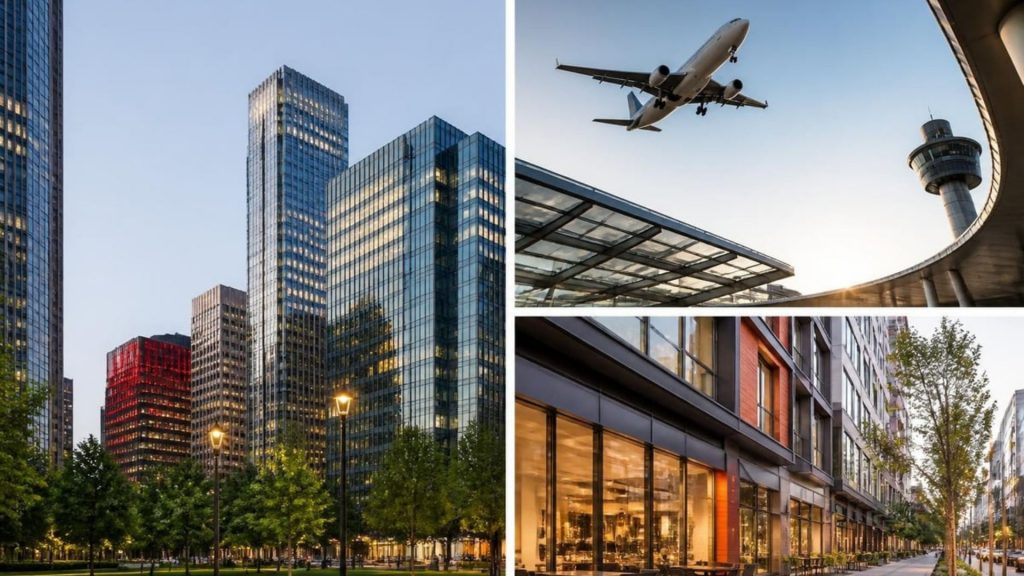
Jakarta’s extended-stay market concentrates in key business corridors including Kuningan, SCBD, Sudirman, and Gatot Subroto. These areas provide proximity to multinational corporate offices, embassies, international schools, and upscale shopping districts serving expatriate and business communities.
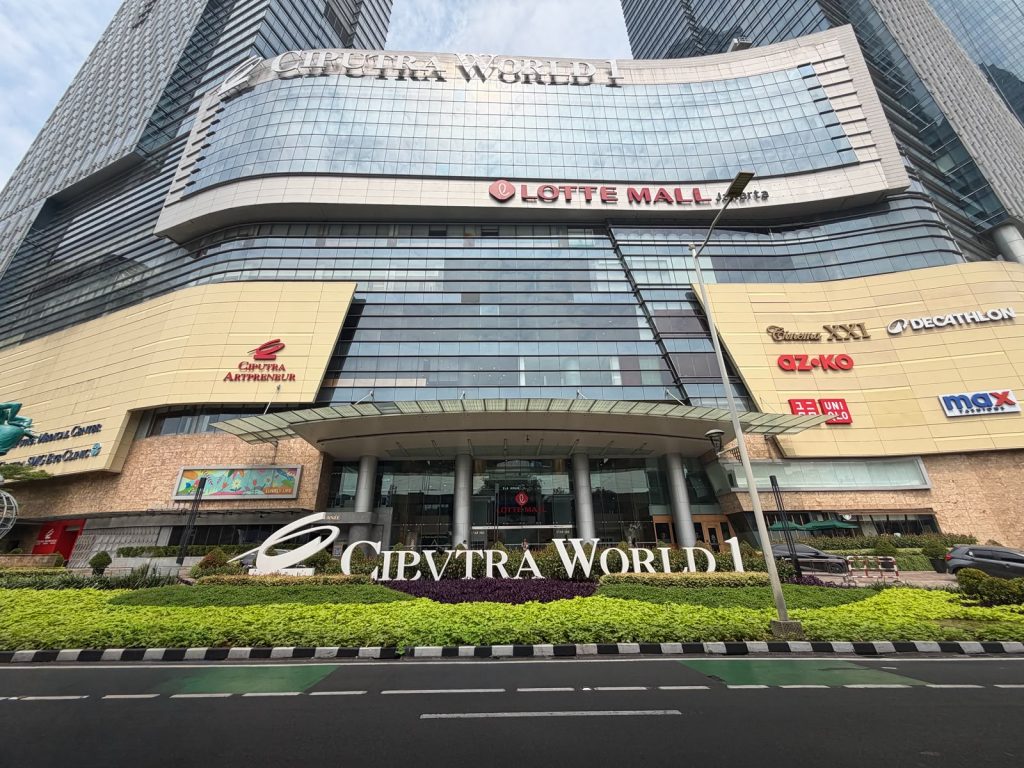
For professionals working in South Jakarta’s business districts, accommodation in Mega Kuningan offers direct access to major commercial zones while maintaining reasonable distances to Soekarno-Hatta International Airport for frequent travelers. The concentration of serviced apartments in this corridor reflects sustained corporate demand and limited commuting alternatives in Jakarta’s traffic conditions.
Neighborhood Infrastructure
Essential location factors include:
- Transportation access to primary work locations and airports
- Grocery stores and markets for self-catering residents
- Restaurants and dining options for varied meal preferences
- Healthcare facilities including hospitals and pharmacies
- Banking and postal services for administrative requirements
- Recreation and entertainment for work-life balance
Properties in established business districts typically offer superior infrastructure compared to residential neighborhoods, though often at higher monthly rates. The cost-benefit analysis must weigh rental premiums against time and transportation savings over multi-month stays.
Booking and Negotiation Strategies
Securing favorable terms for long term hotel rental requires different approaches than standard hotel reservations. Direct property negotiations often yield better rates than third-party booking platforms, particularly for stays exceeding three months.
Optimal Booking Timing
| Stay Length | Recommended Booking Window | Negotiation Leverage |
|---|---|---|
| 1-2 months | 4-6 weeks advance | Moderate |
| 3-5 months | 6-8 weeks advance | Strong |
| 6-12 months | 8-12 weeks advance | Very strong |
| 12+ months | 3+ months advance | Maximum |
Properties value extended bookings for revenue stability and reduced vacancy risk. Guests committing to longer periods gain negotiating power for rate reductions, complimentary upgrades, included parking, or waived service fees.
Rate Negotiation Tactics
Corporate travelers should leverage company relationships and volume commitments when available. Many hotel groups maintain corporate rates for businesses generating consistent extended-stay bookings, offering 15-25% discounts below published rates.
Independent travelers can negotiate by highlighting cash flow benefits, proposing advance payment for discounts, or offering flexibility on specific unit assignment. Off-peak seasons and properties with higher vacancy rates present optimal negotiation opportunities.
Serviced Apartments as Premium Alternatives
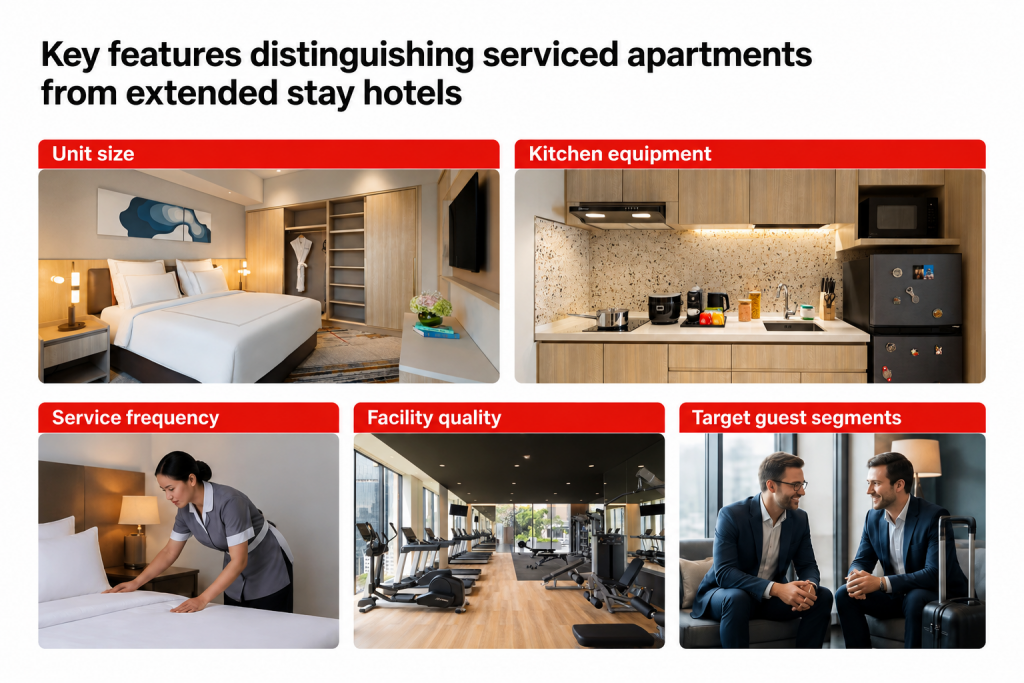
While traditional extended-stay hotels serve budget-conscious guests, serviced apartments represent the premium tier of long term hotel rental options. These properties combine residential space standards with comprehensive hotel services, targeting business executives, expatriate families, and travelers prioritizing quality of life during extended periods away from home.
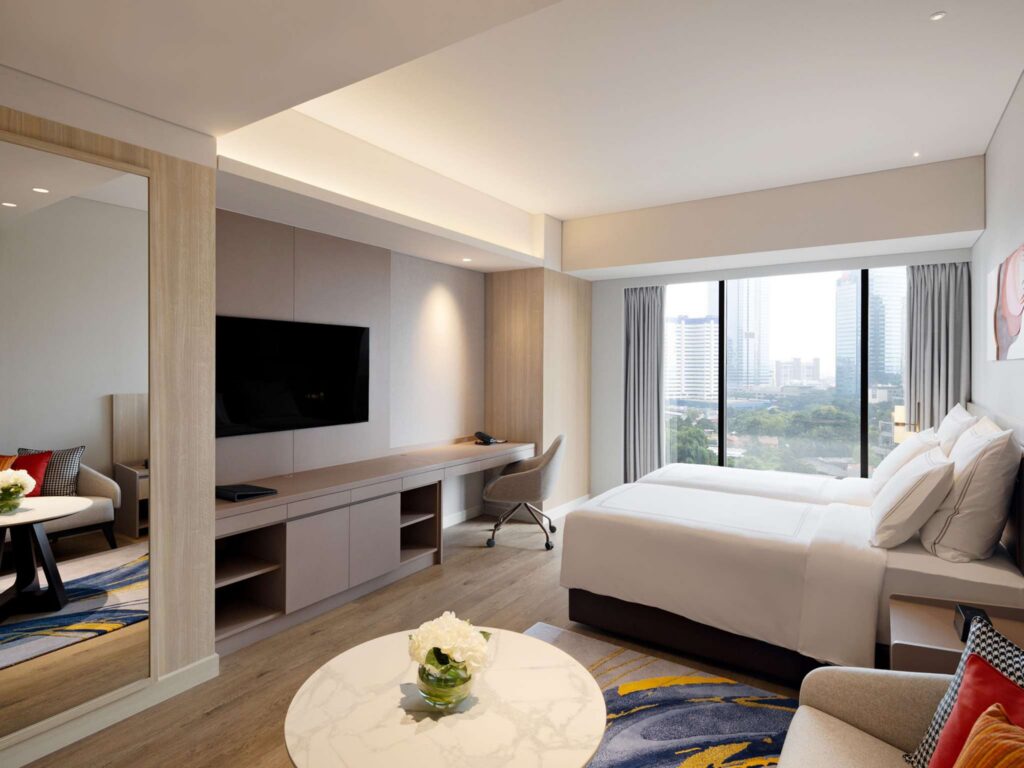
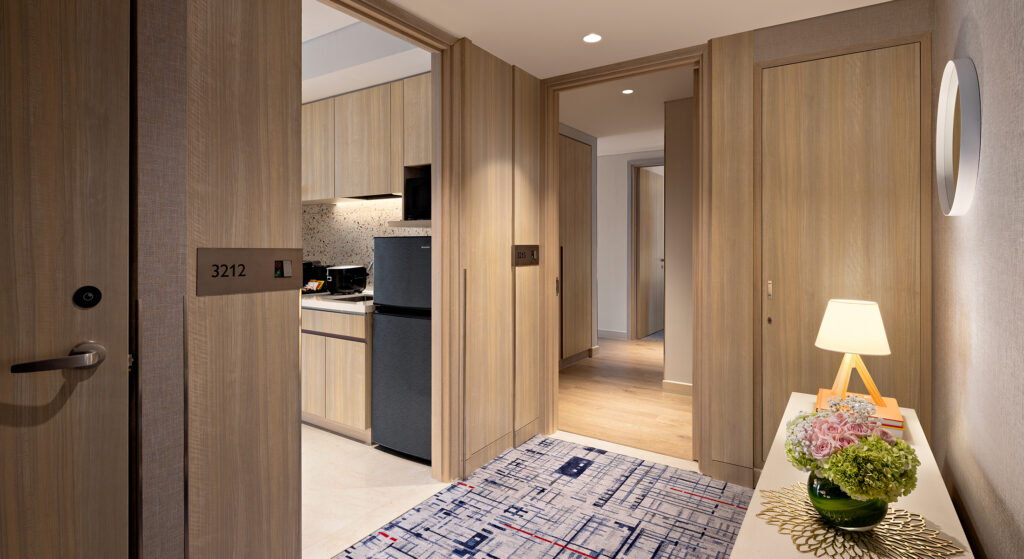
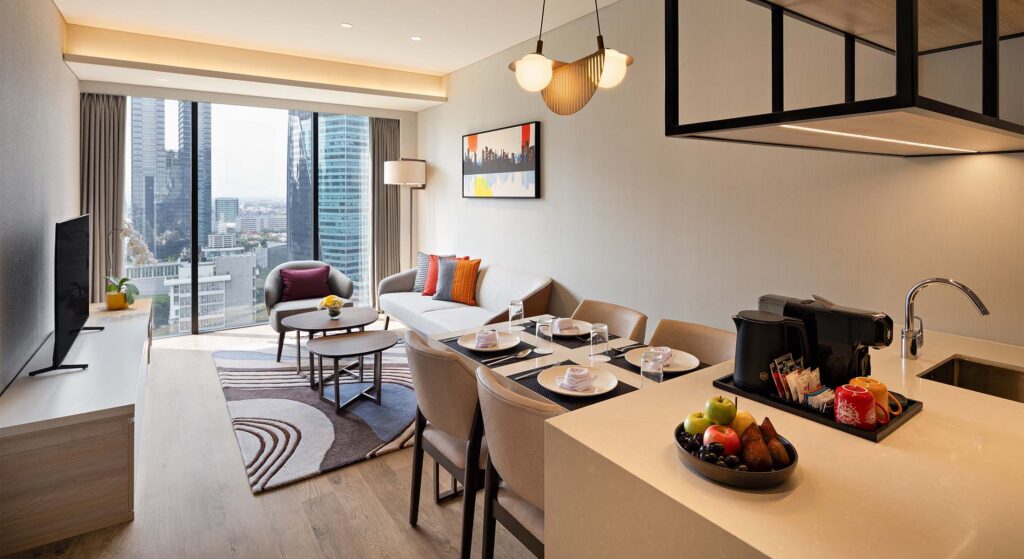
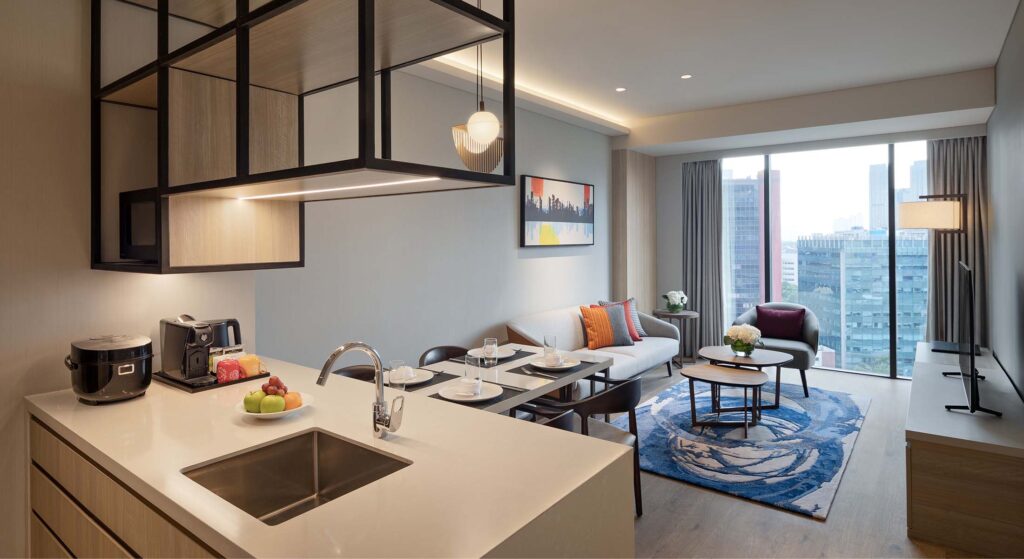
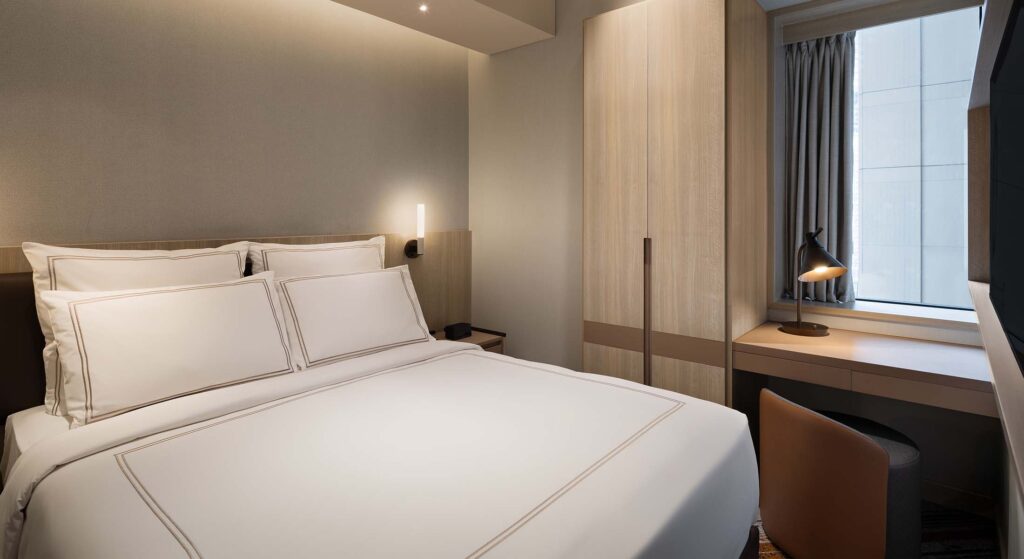
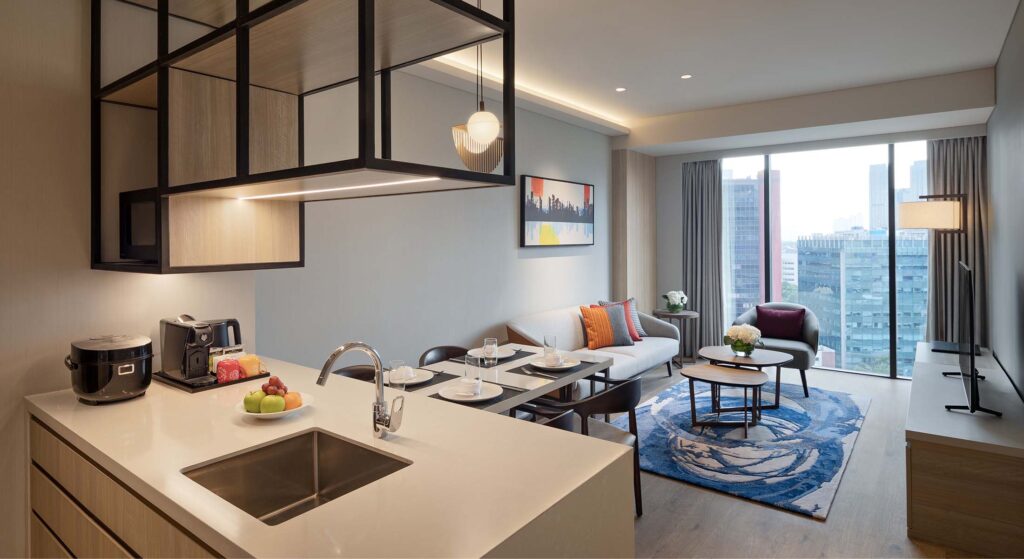
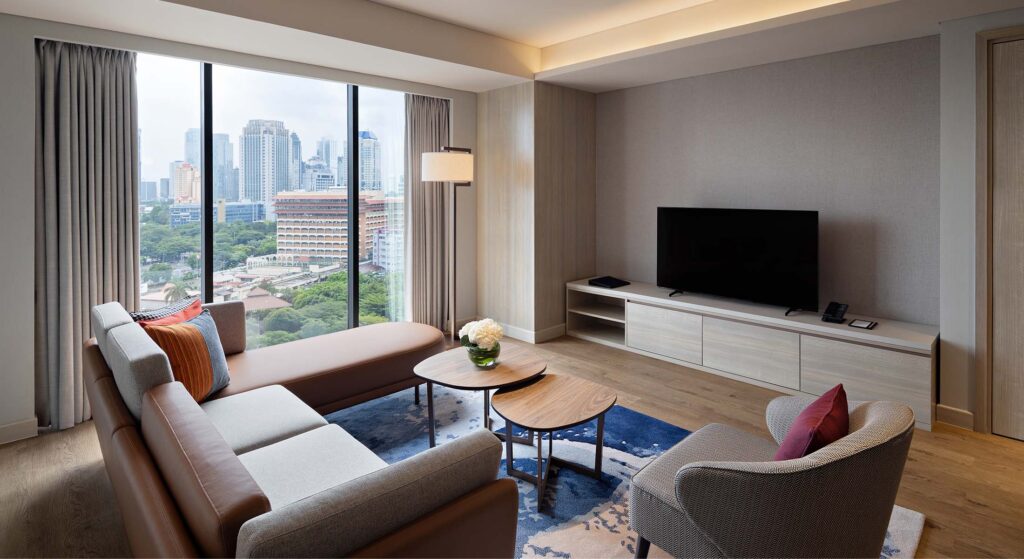
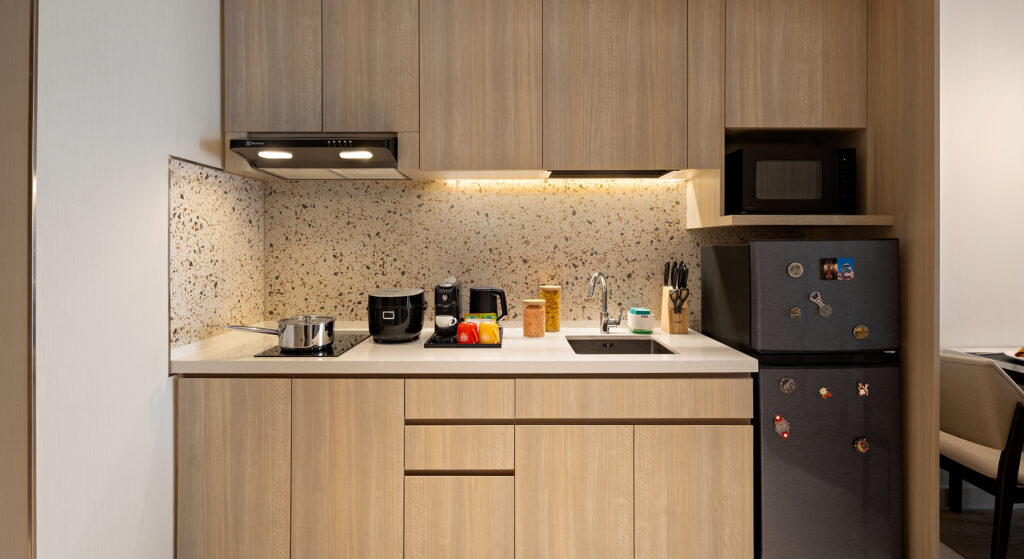
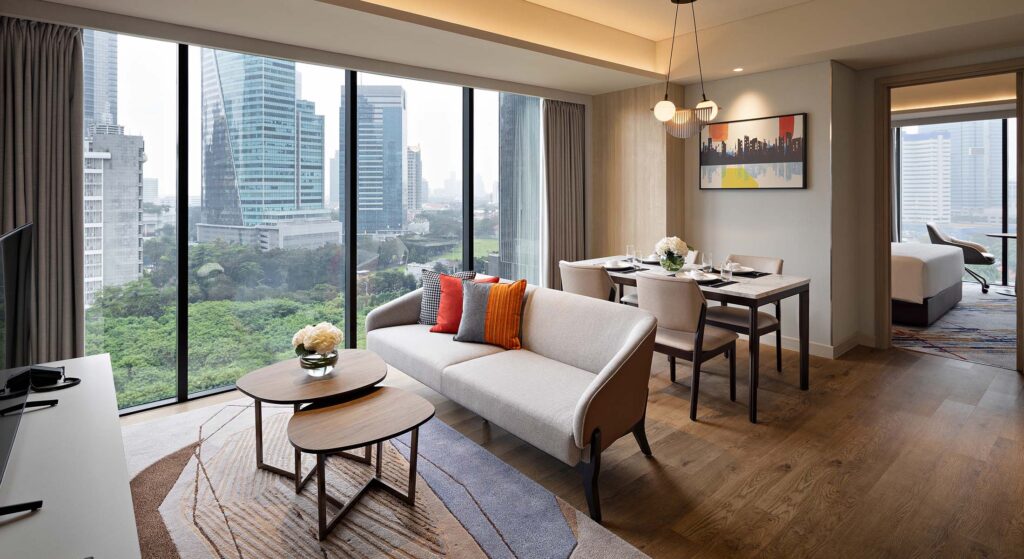
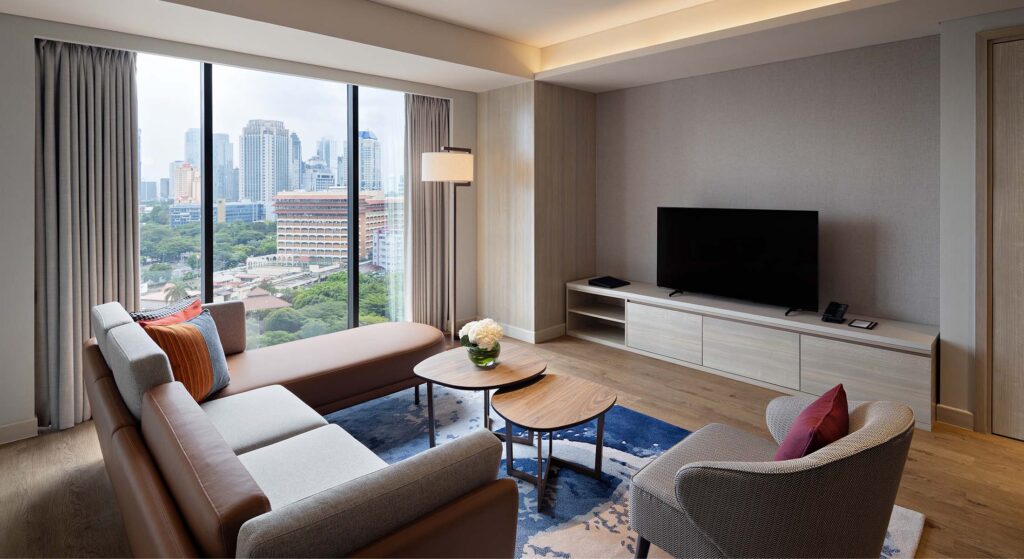
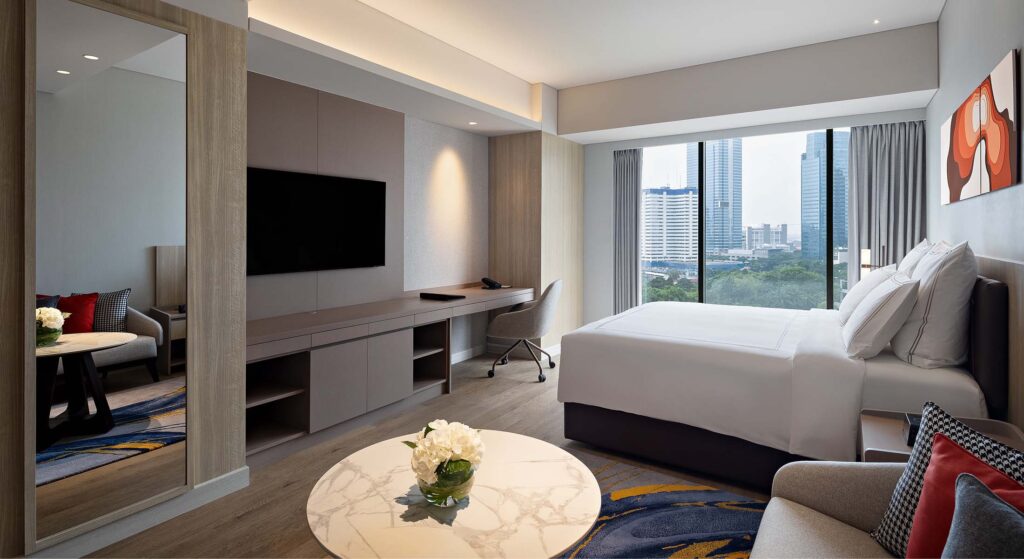
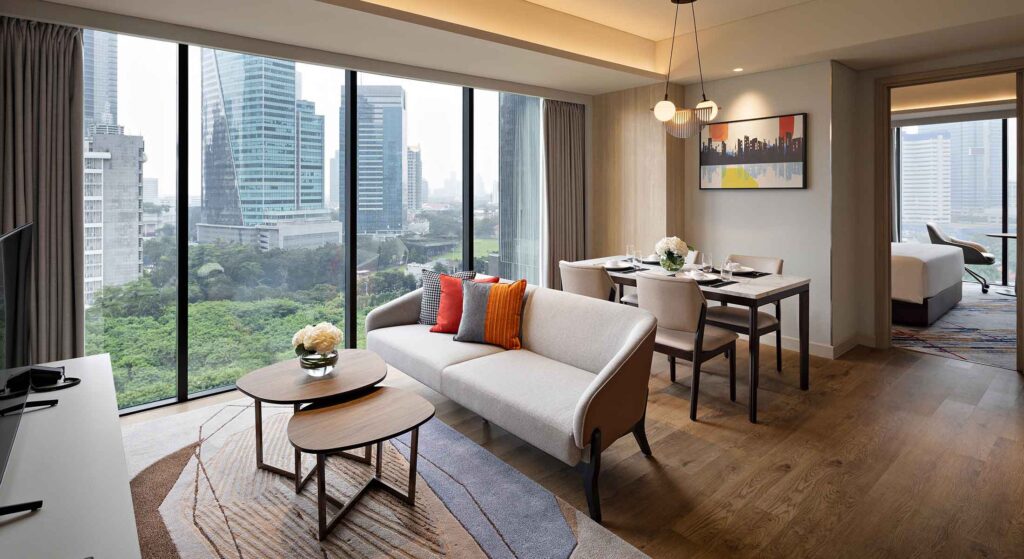
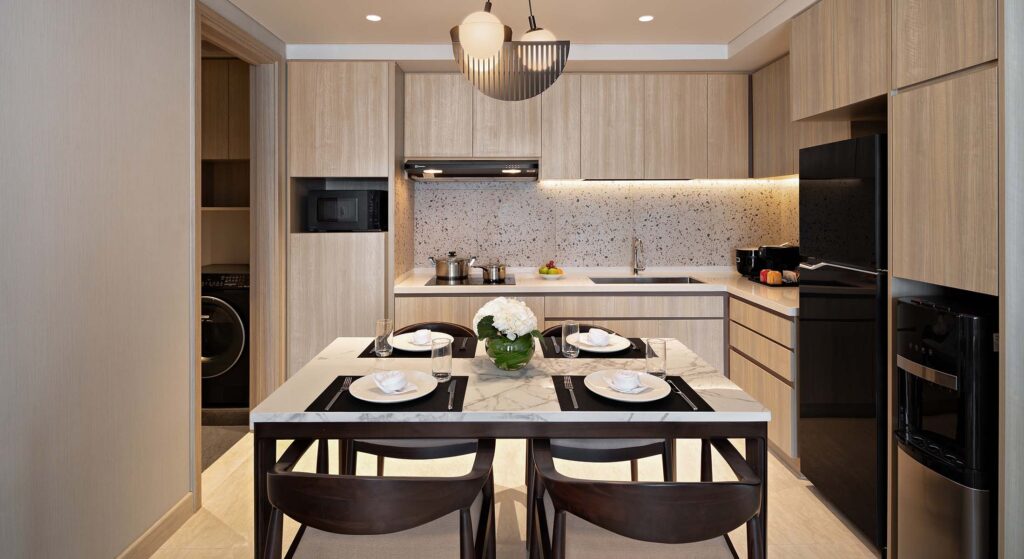
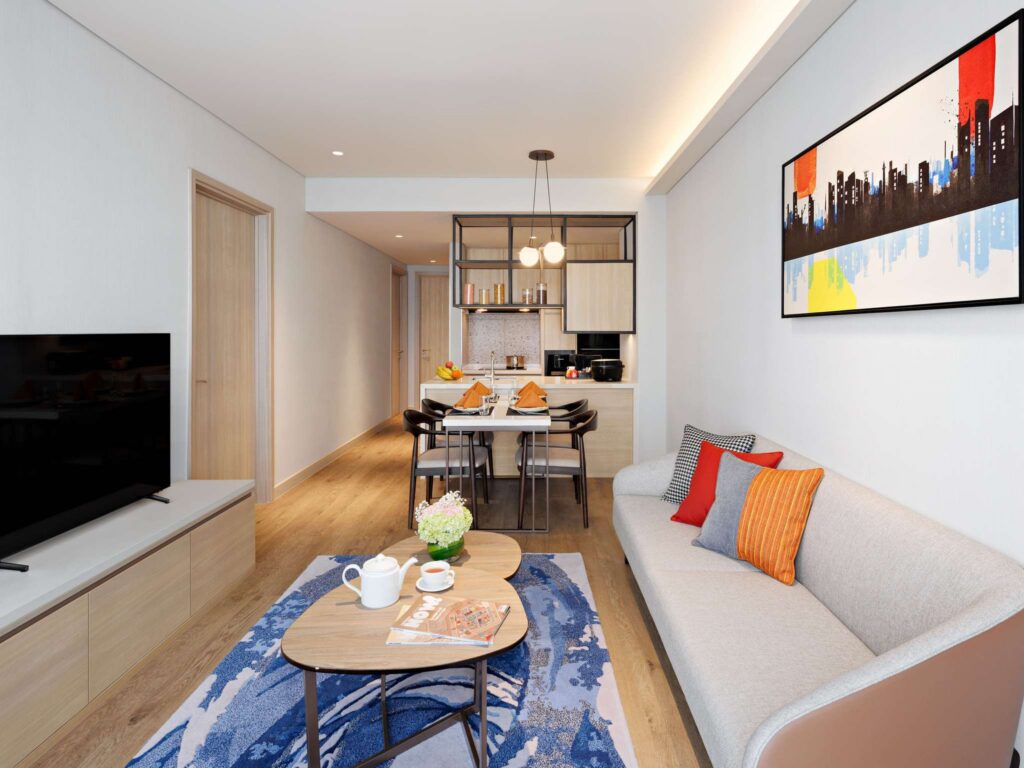
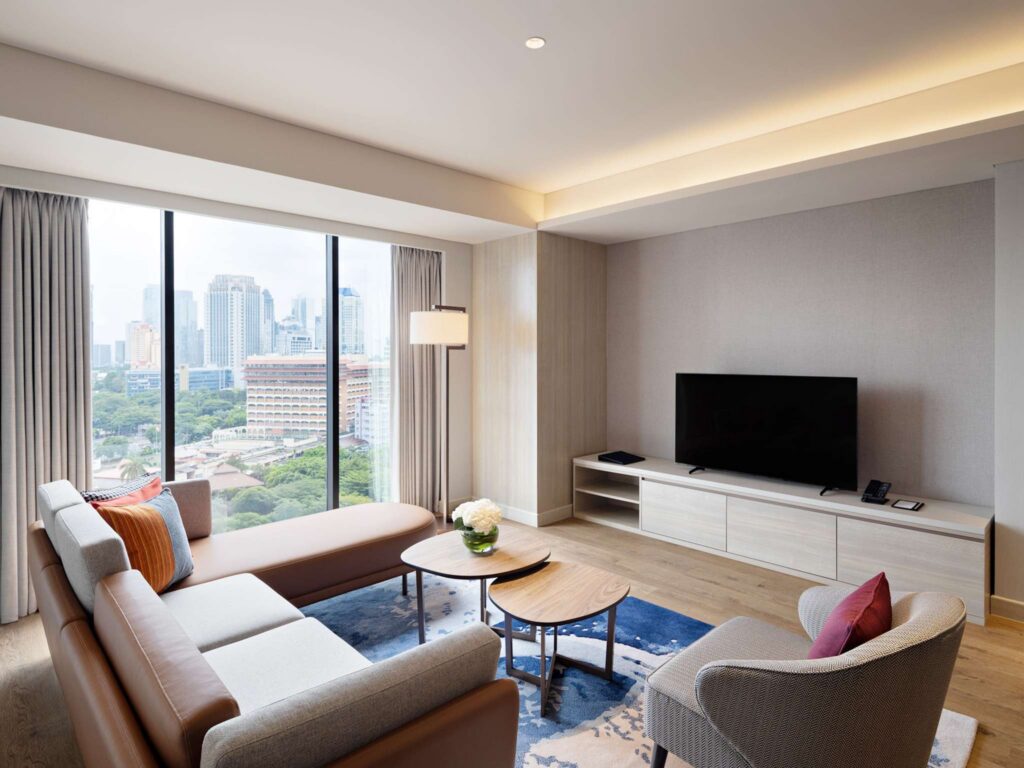
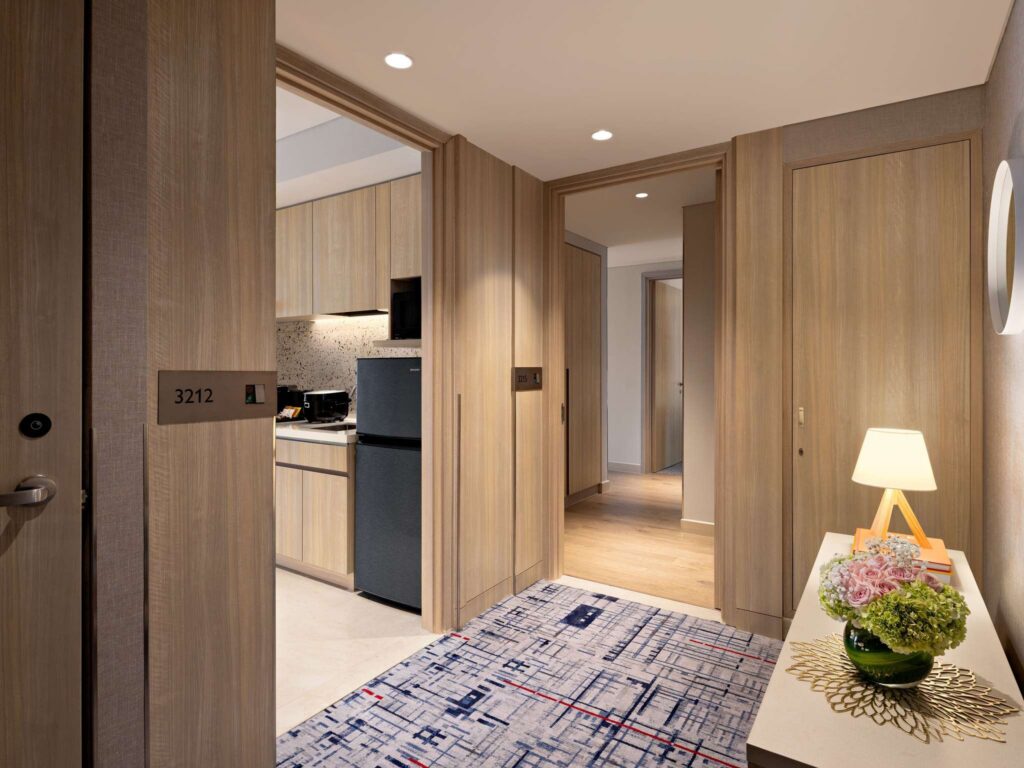
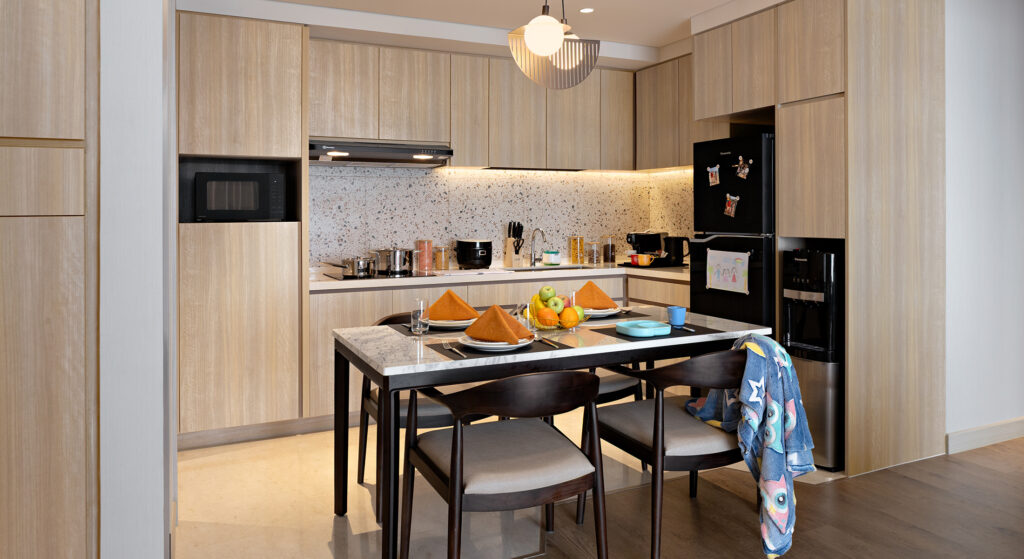
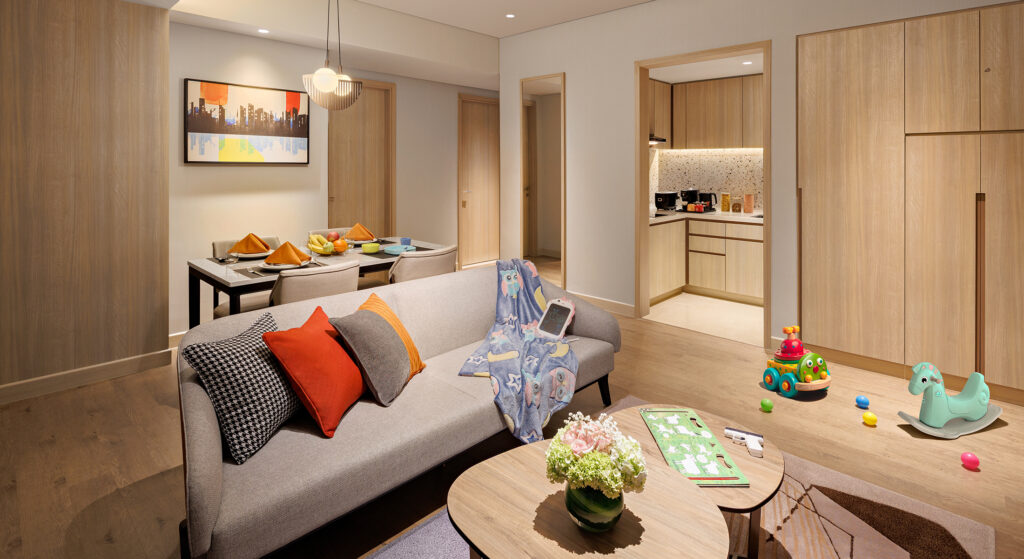
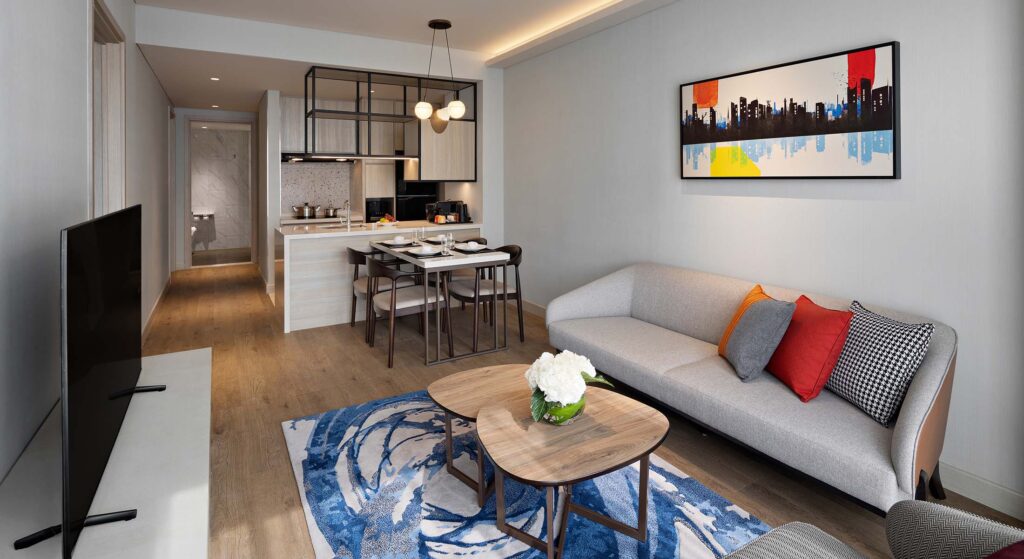
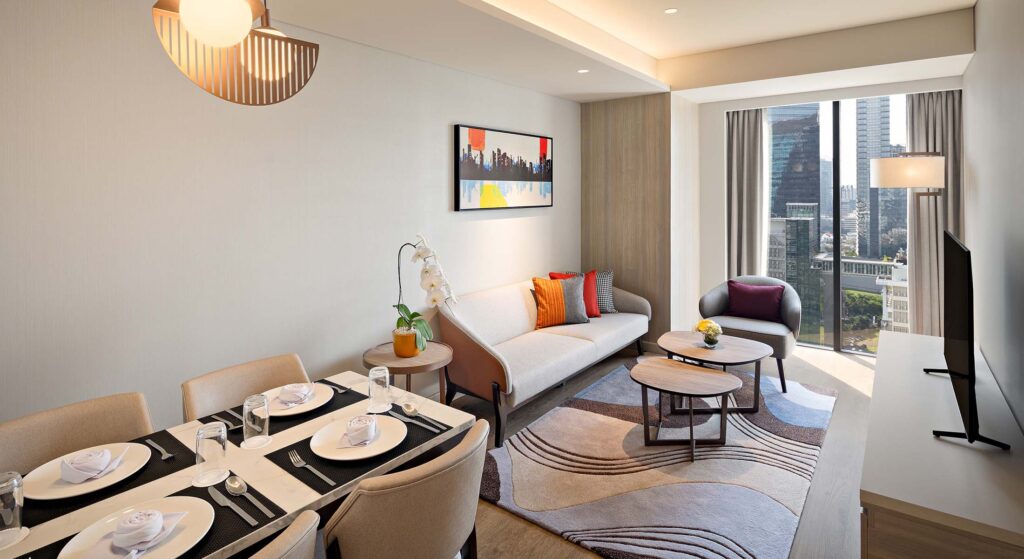
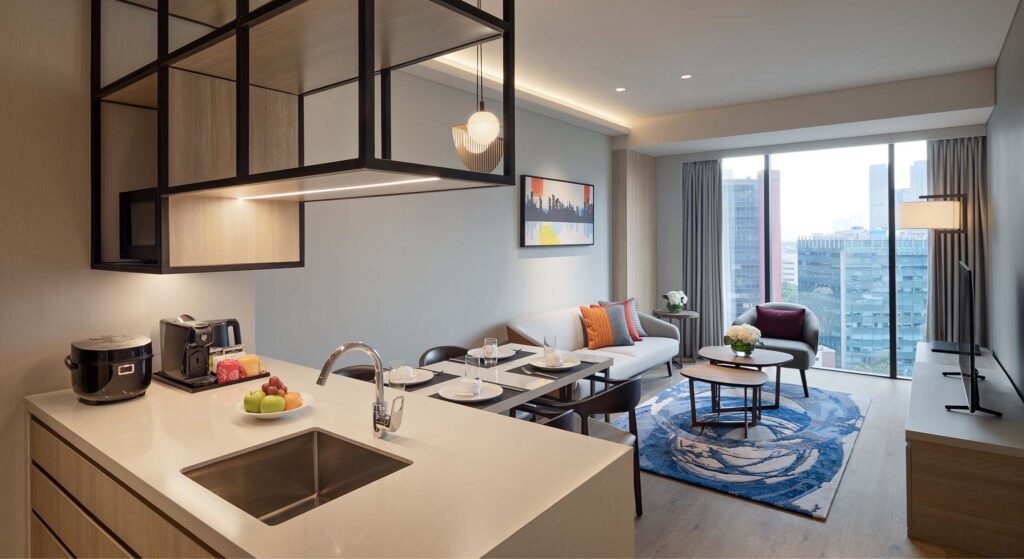
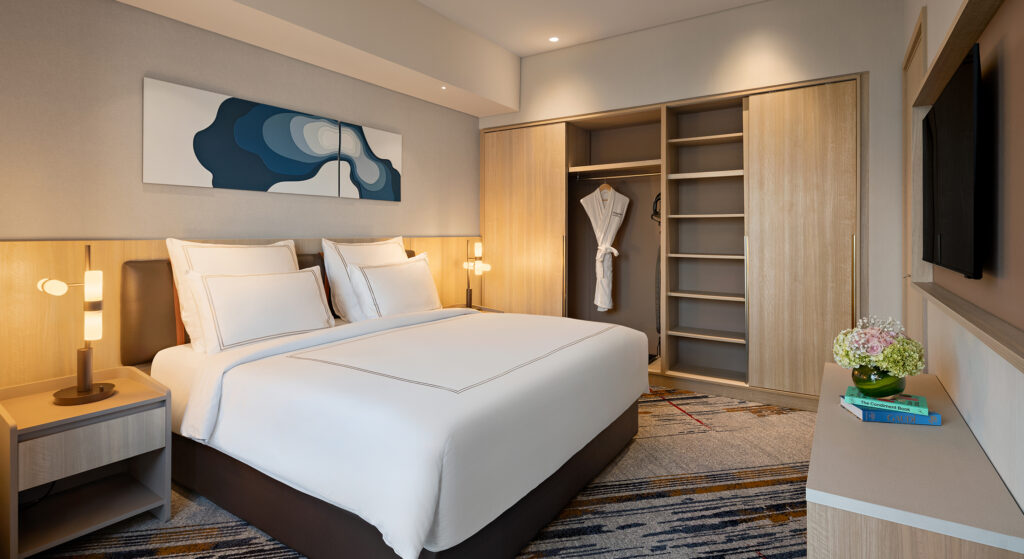
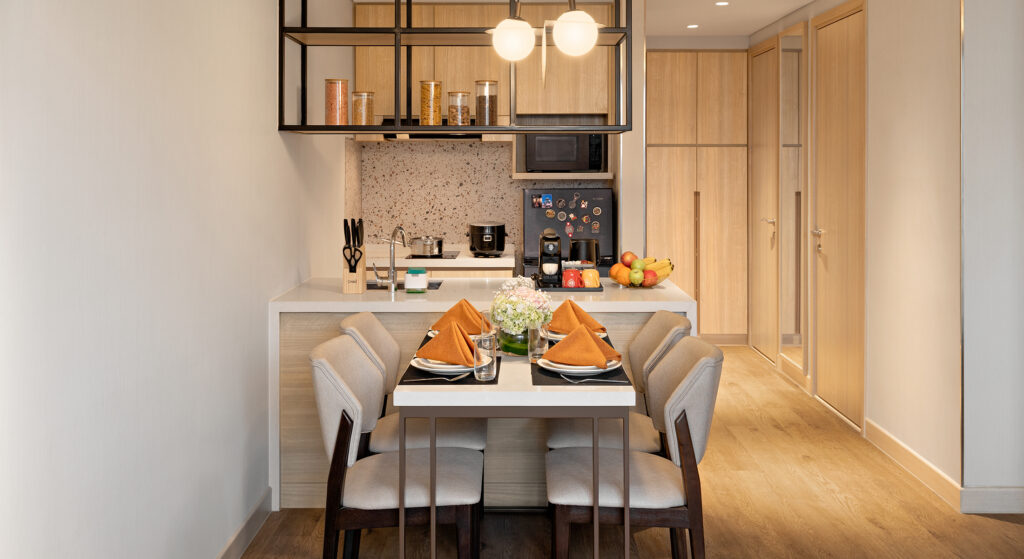
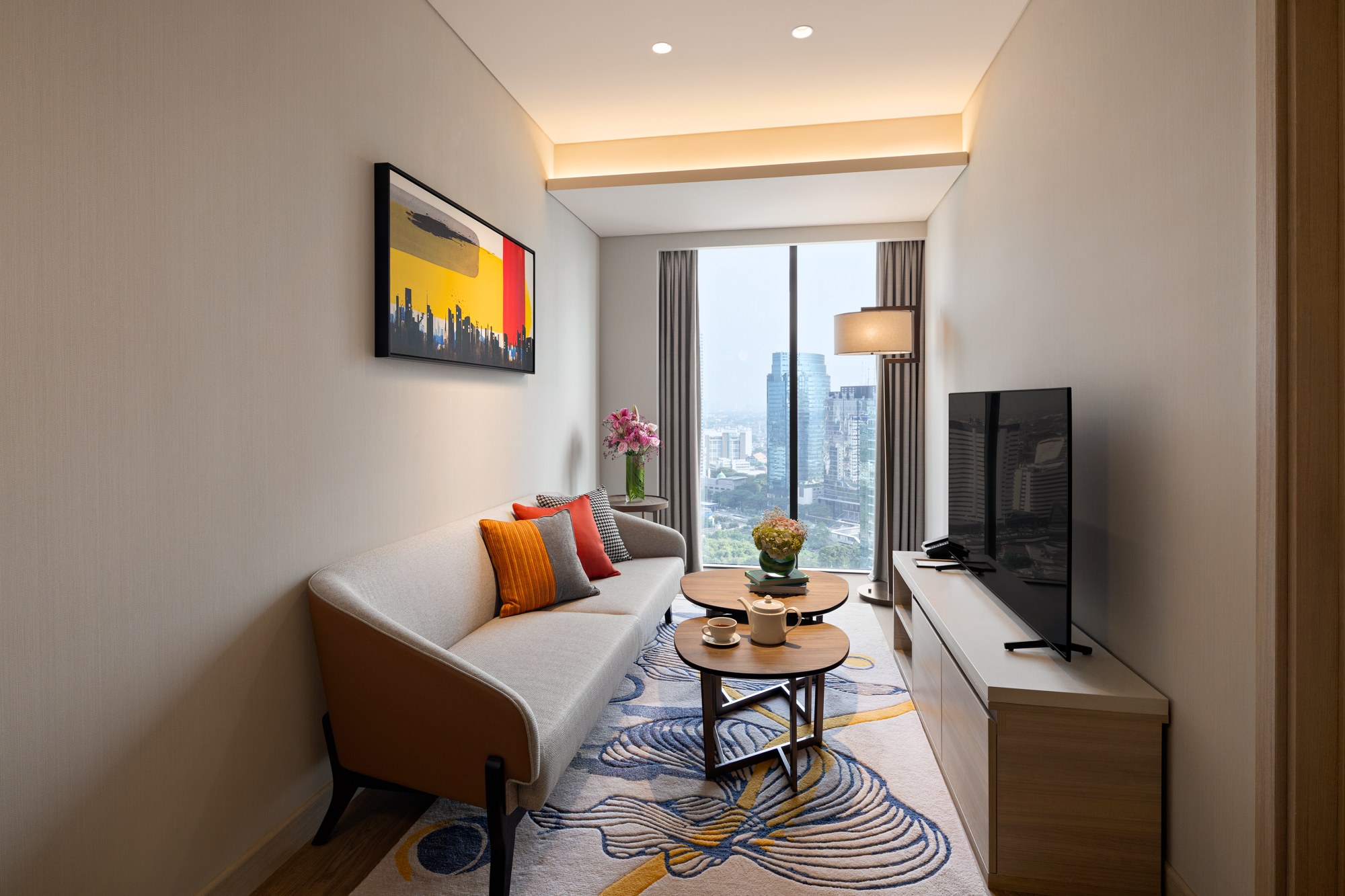
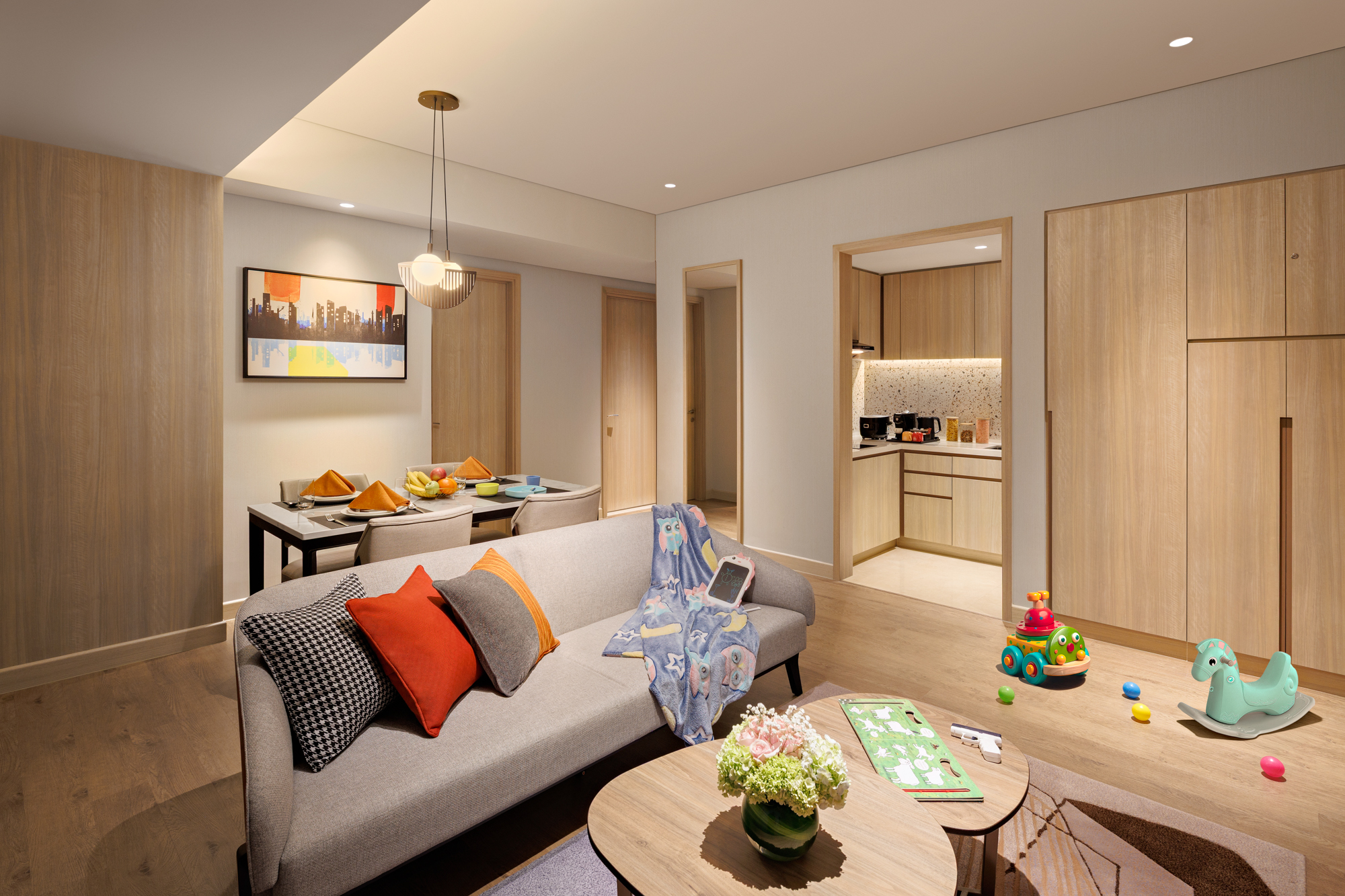
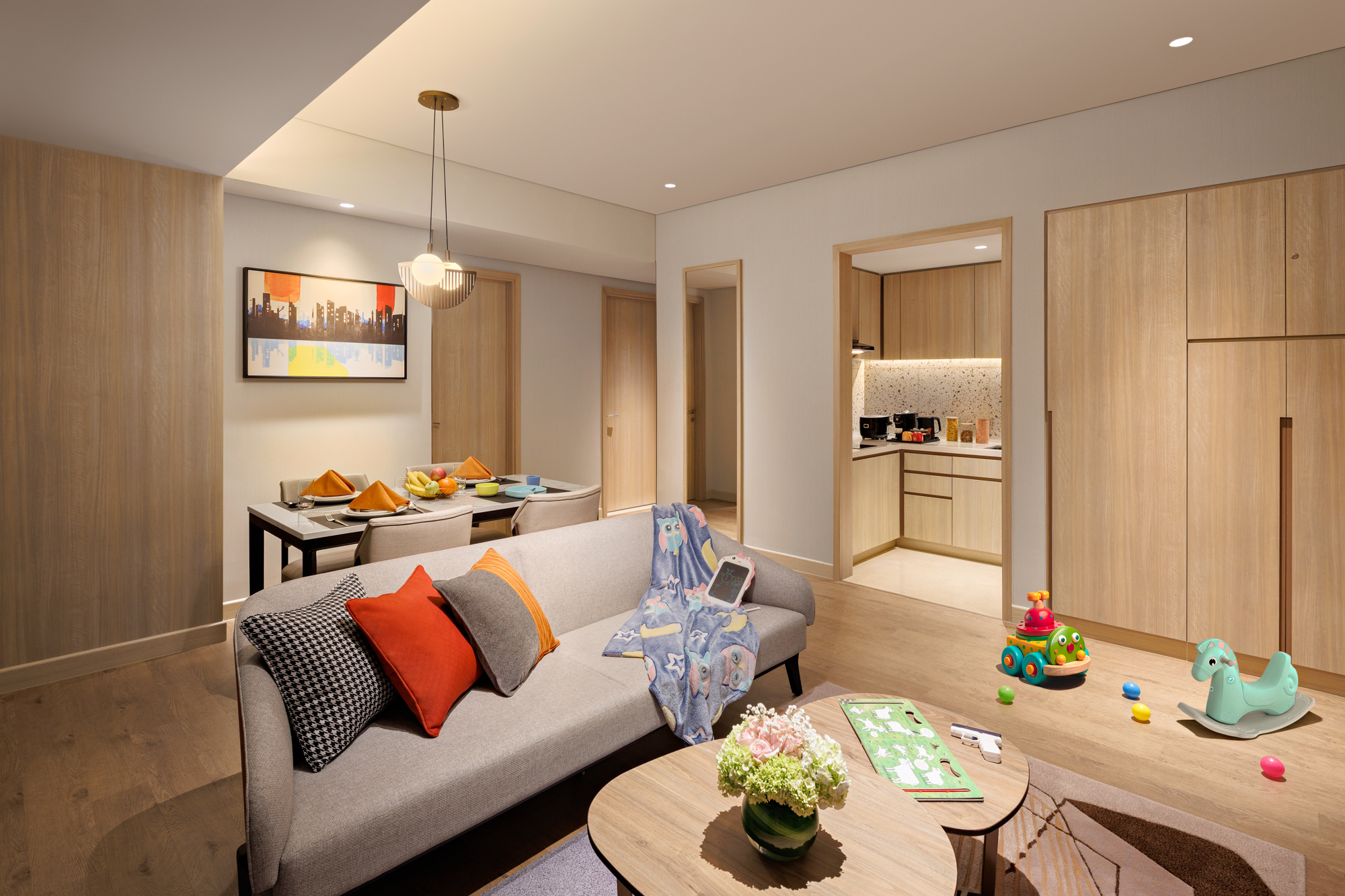
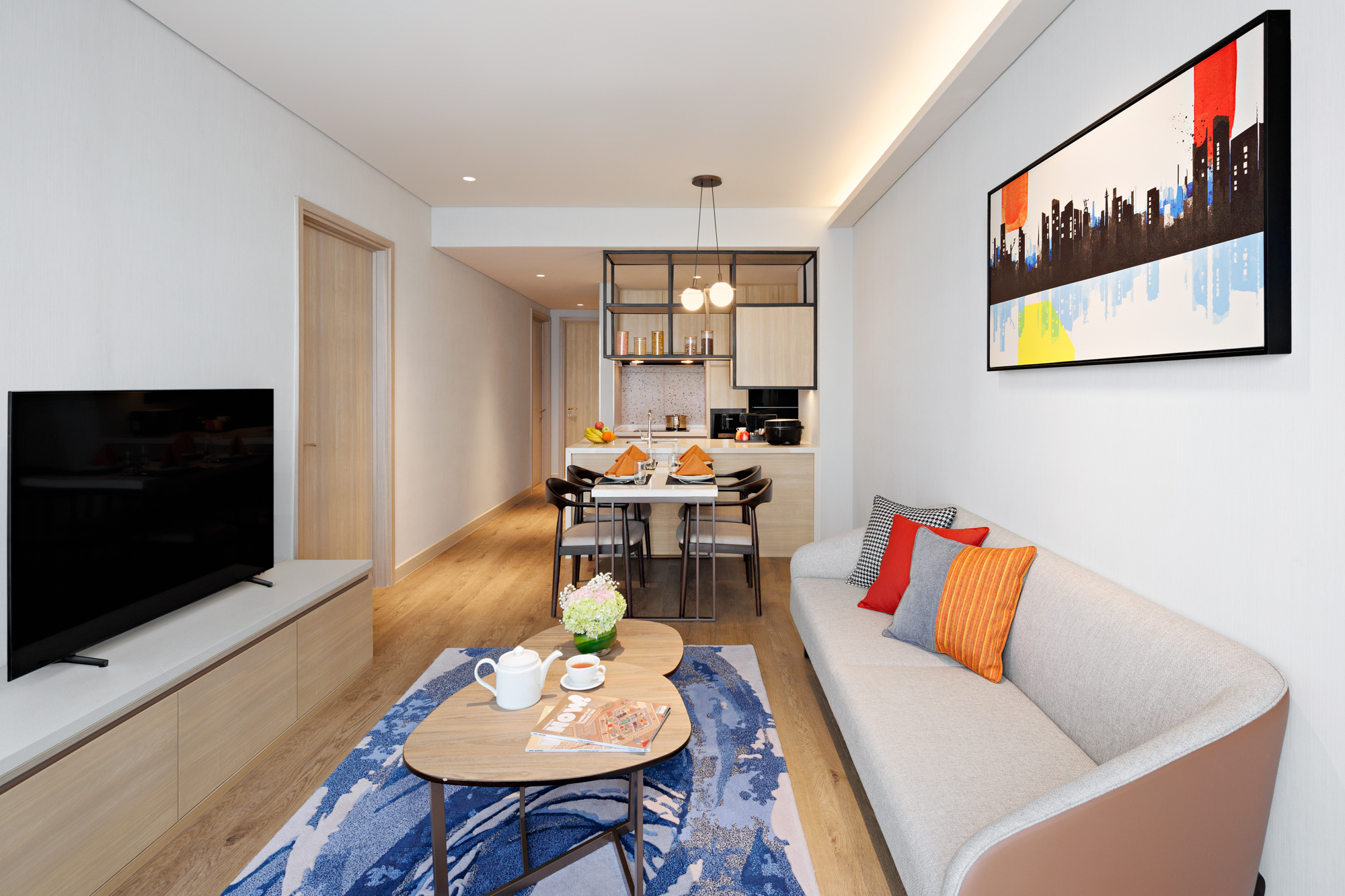
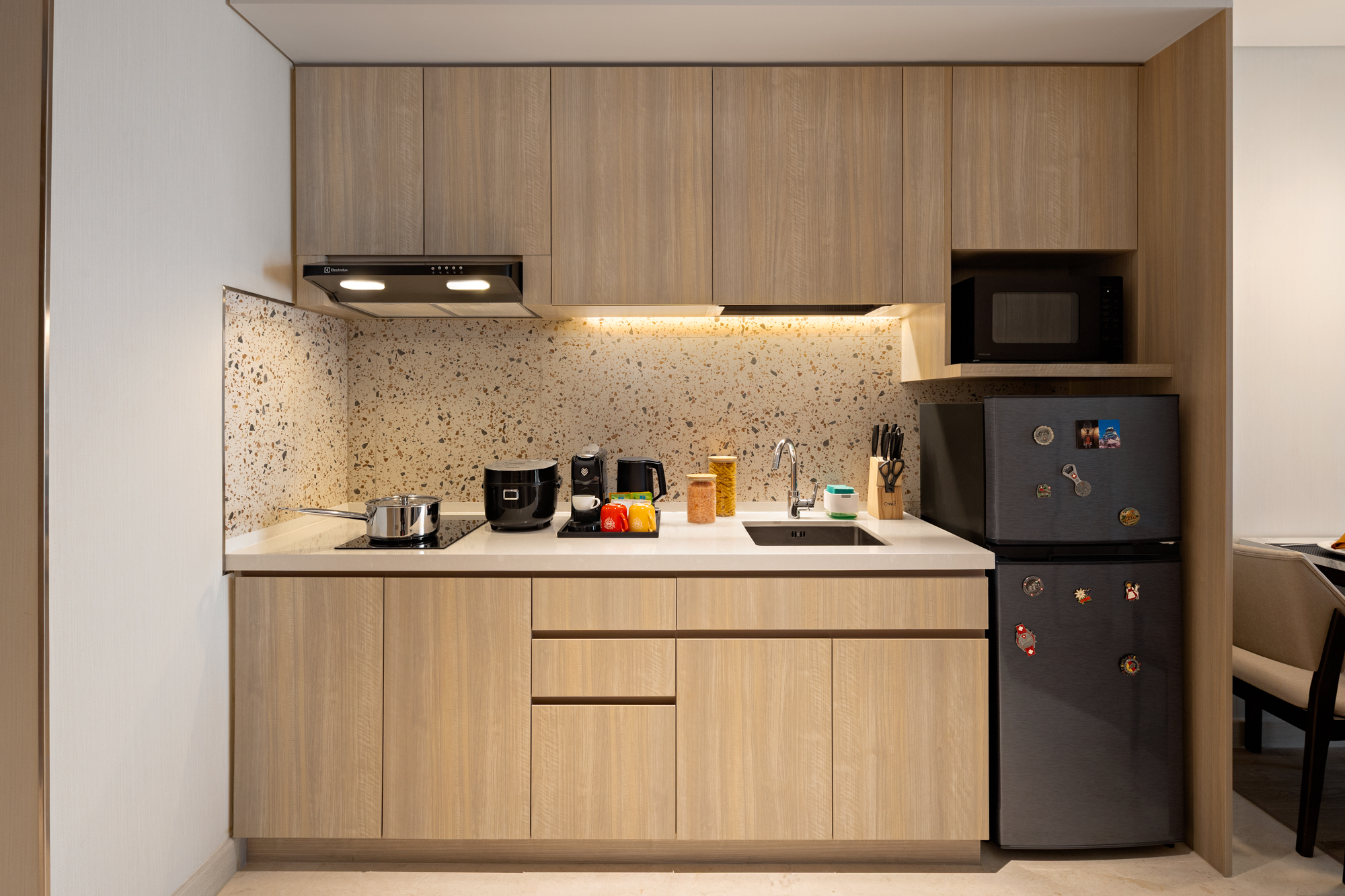
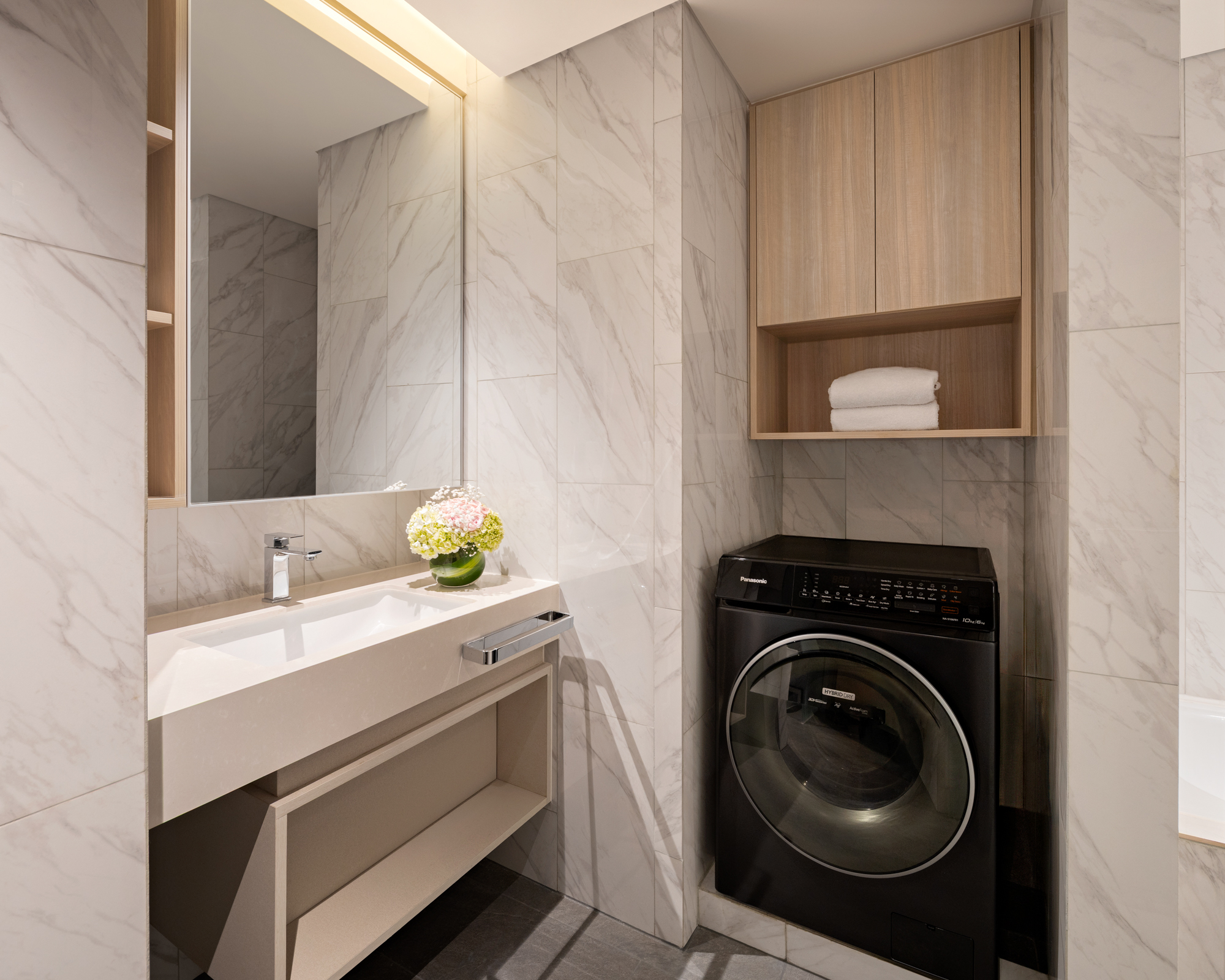
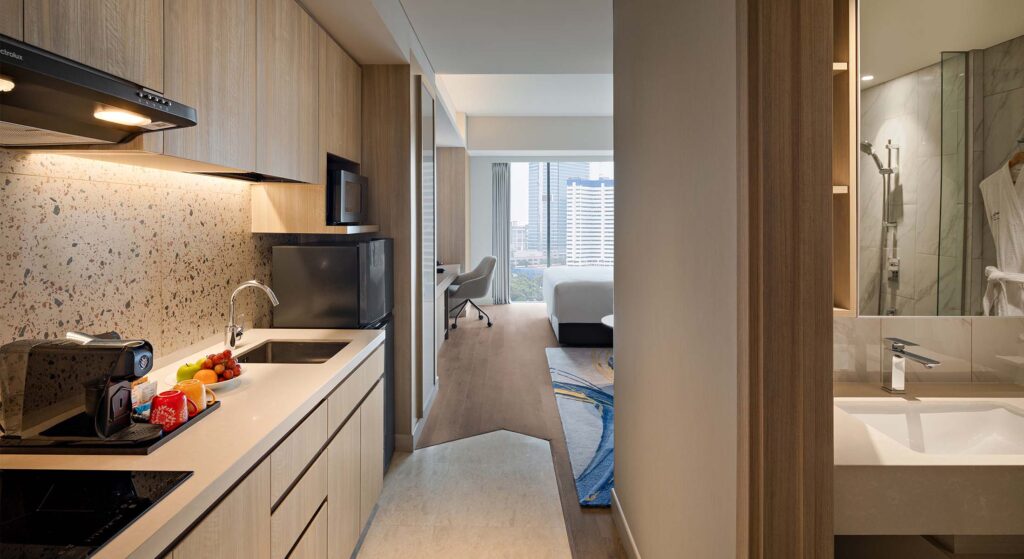
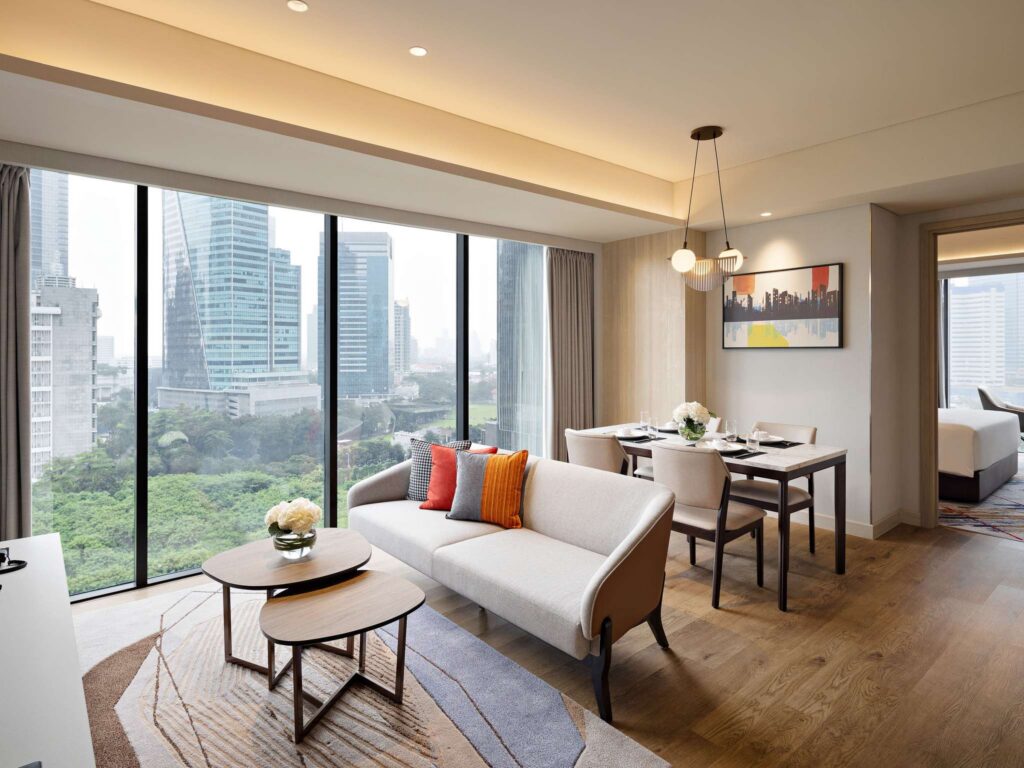
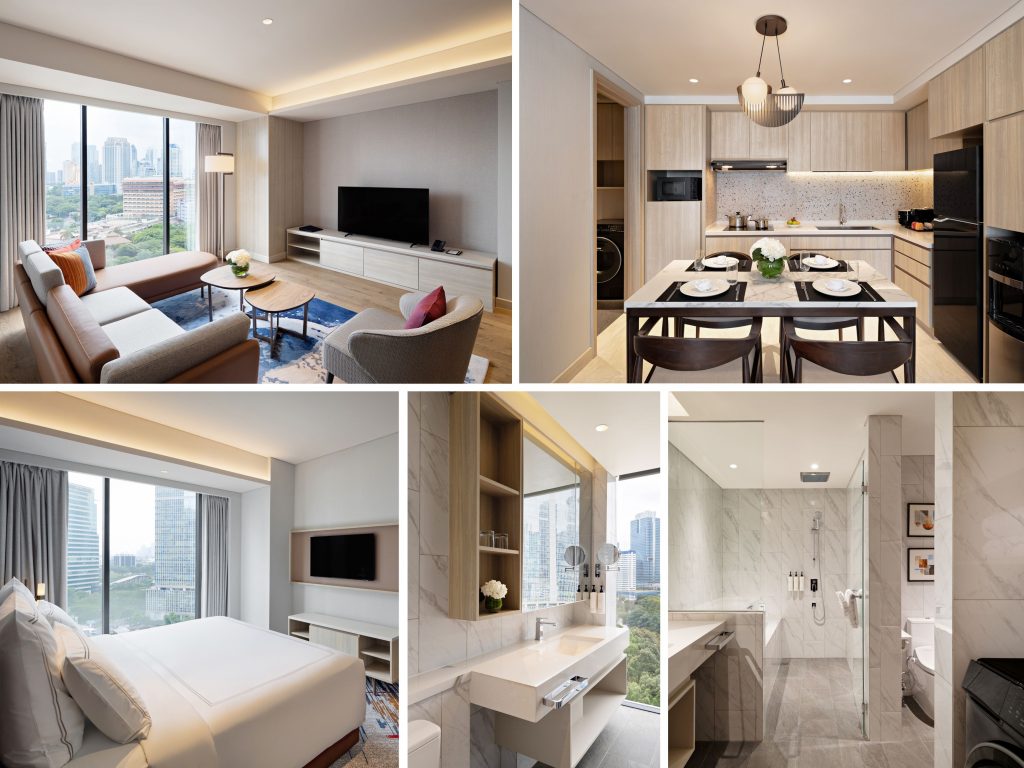
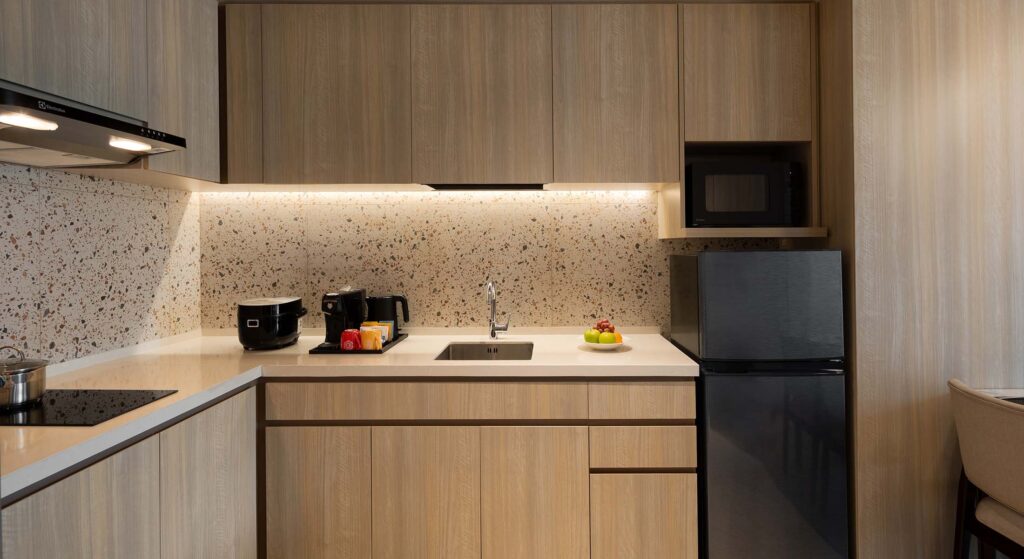
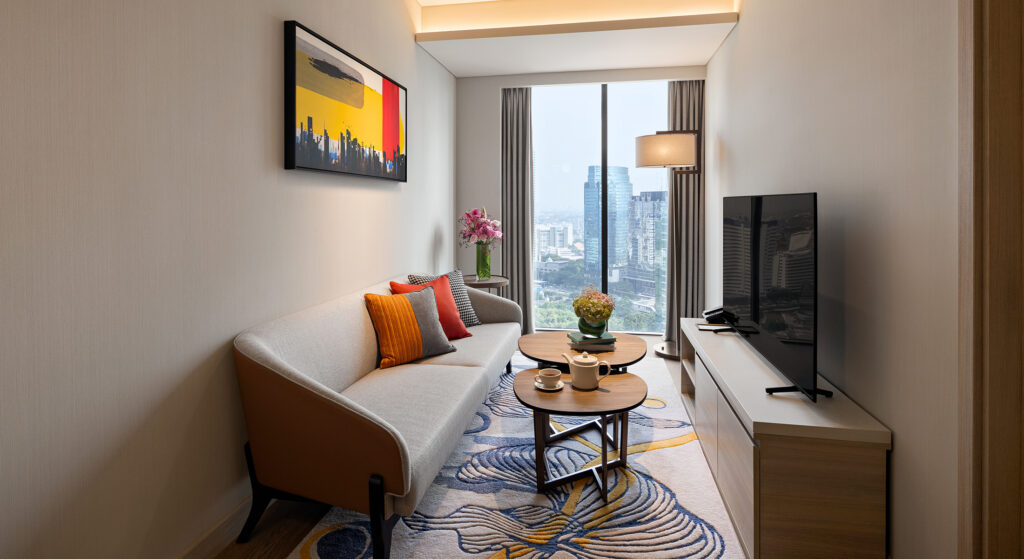
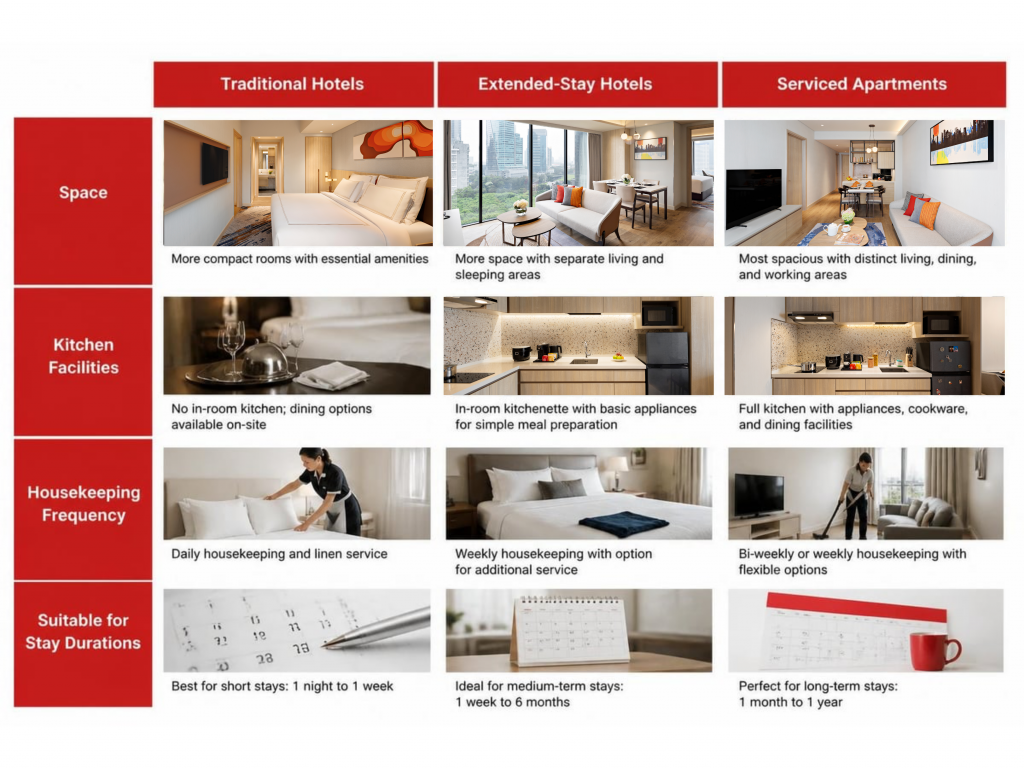
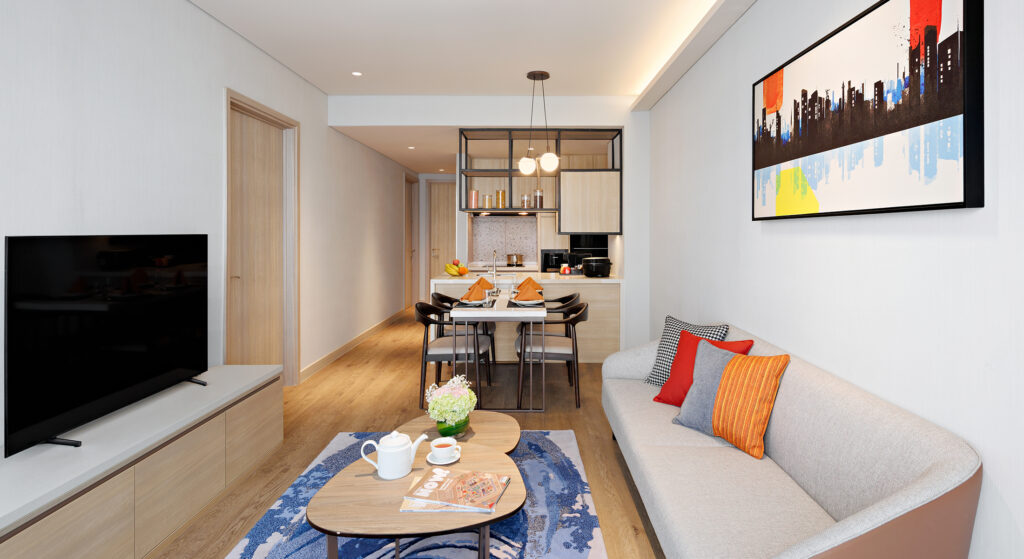
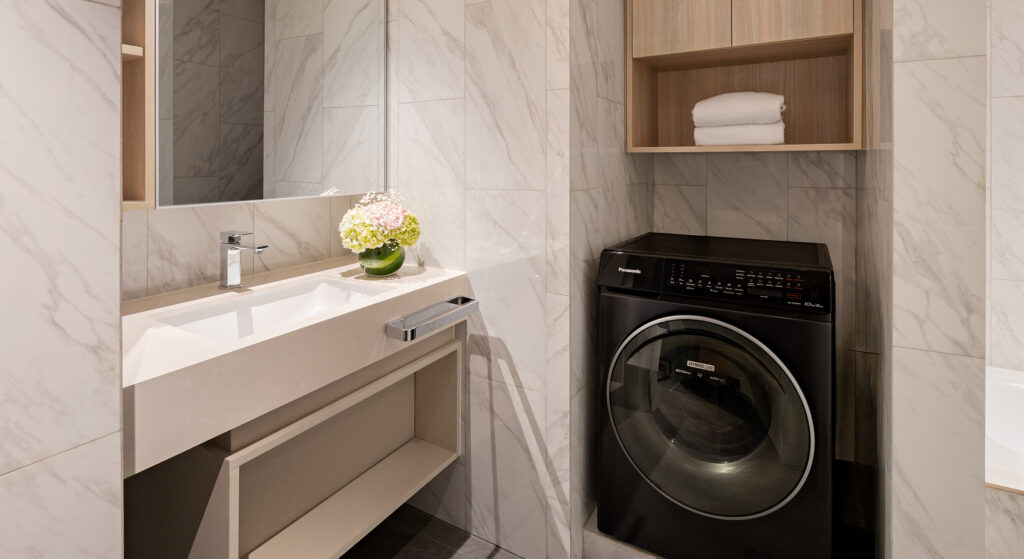
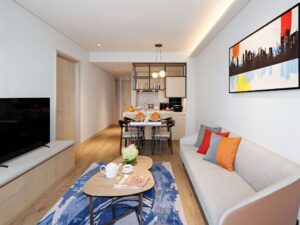
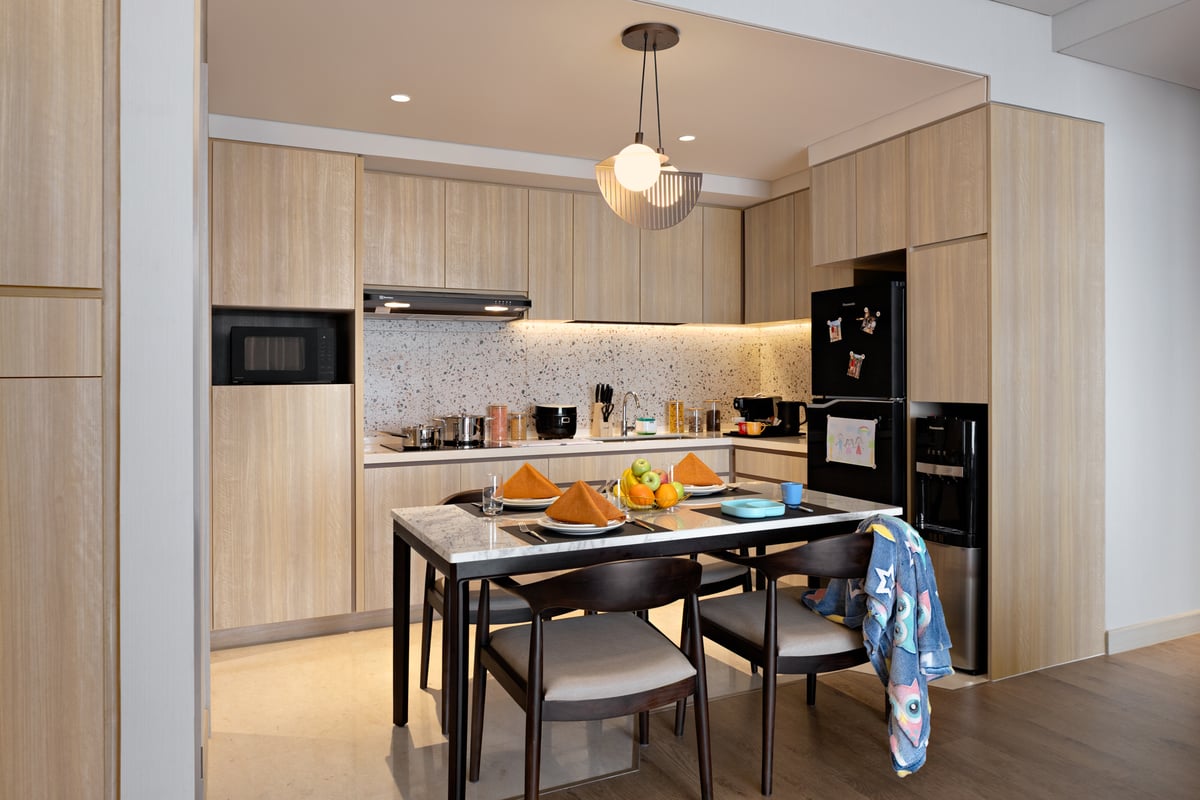
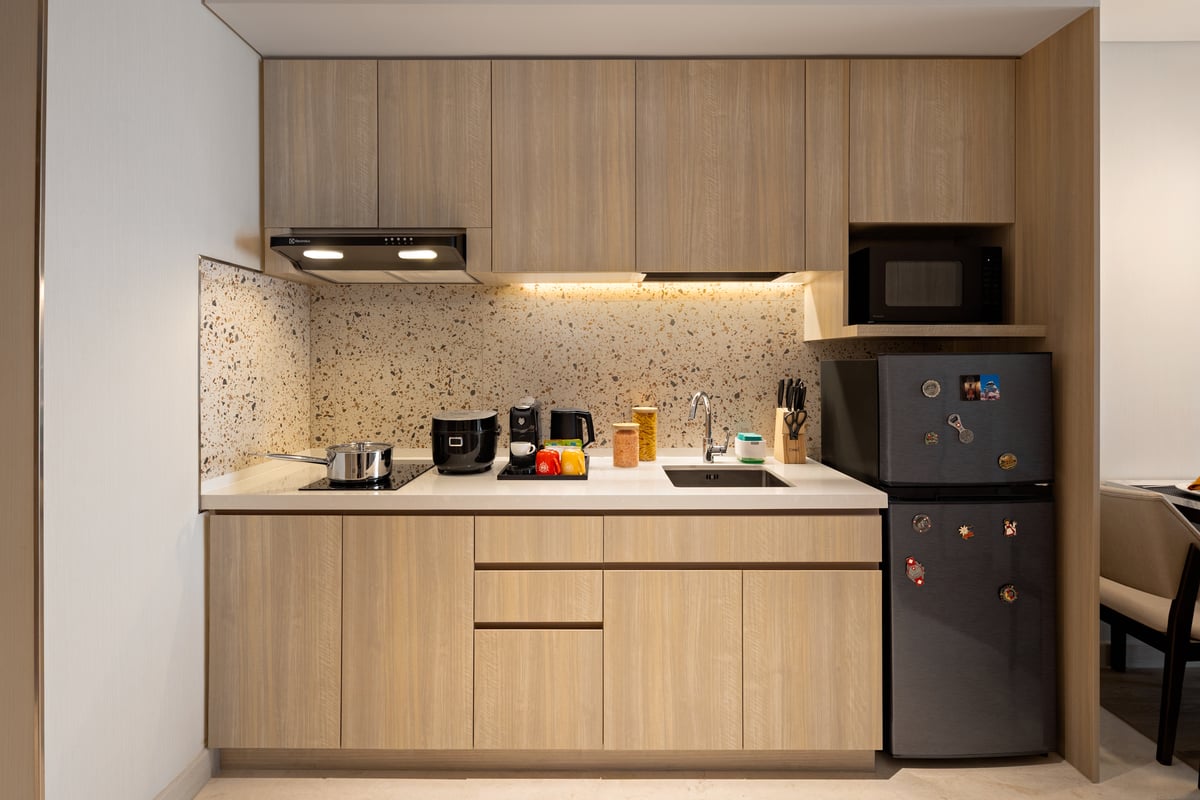
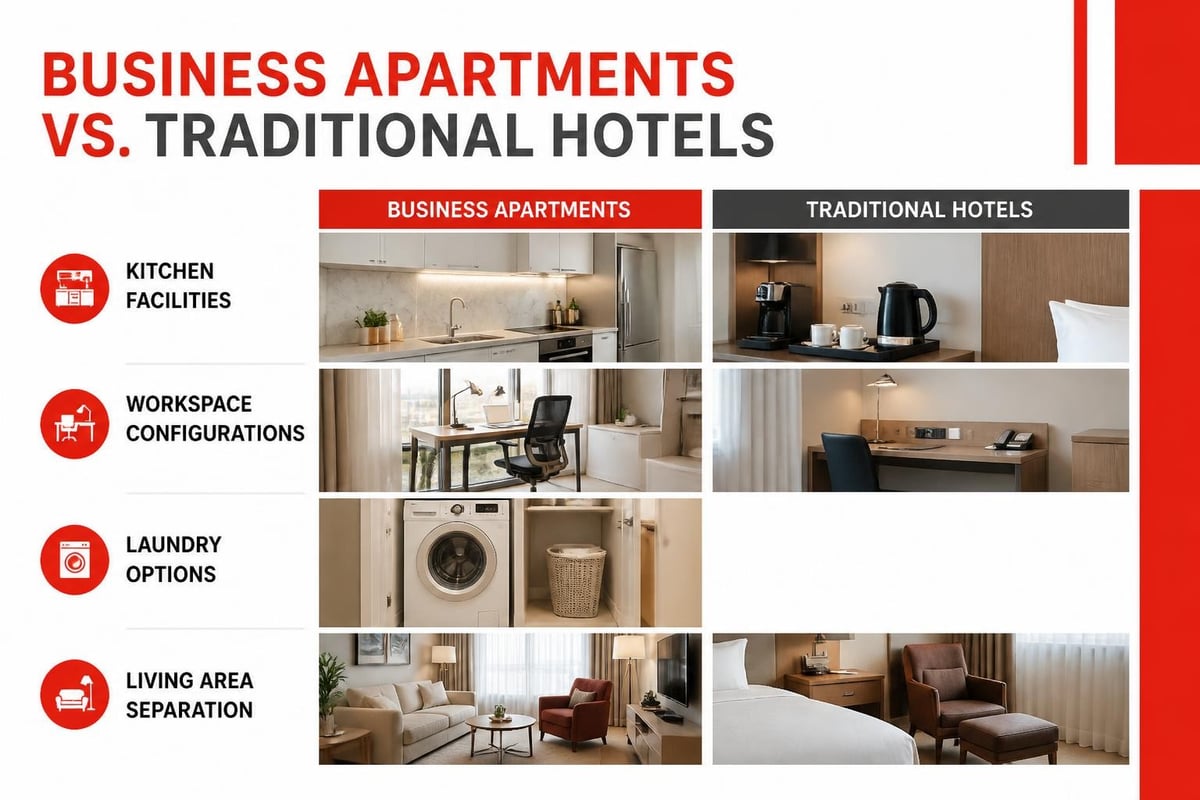
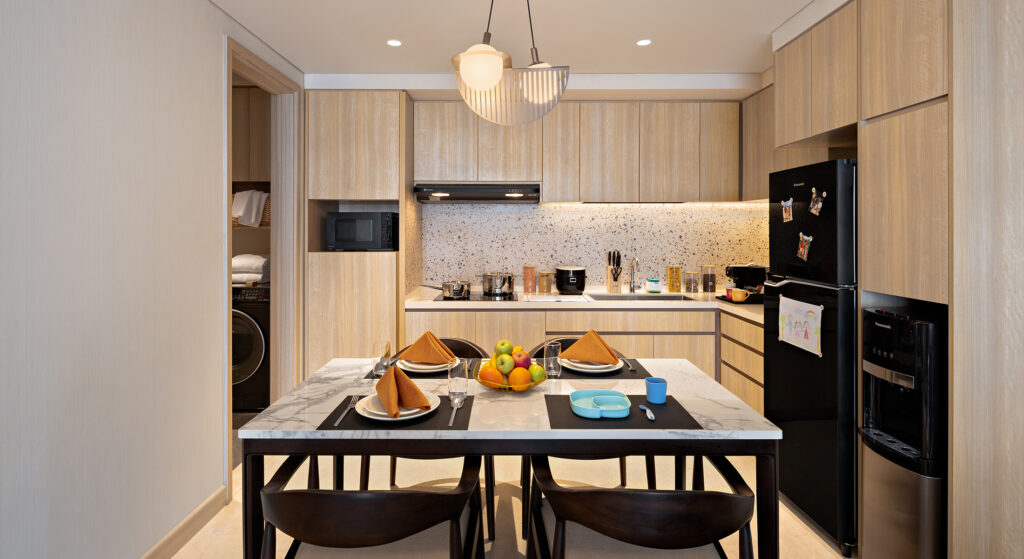
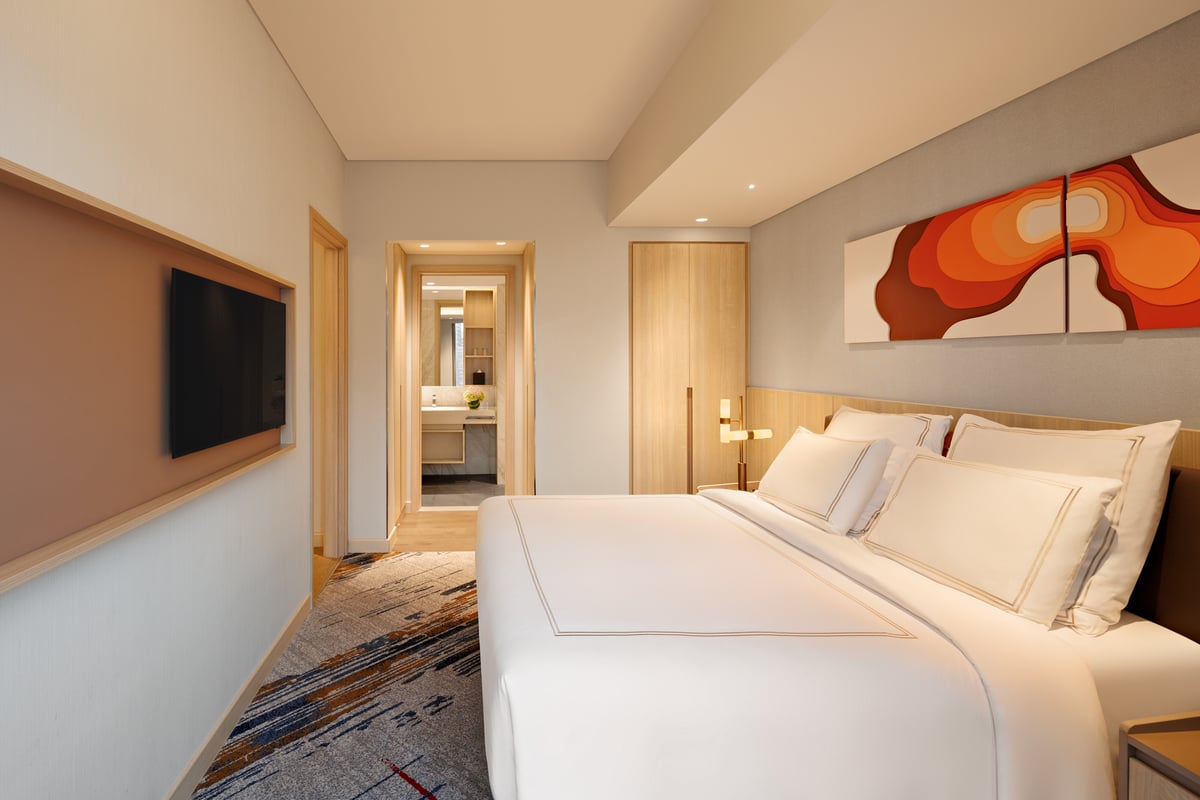
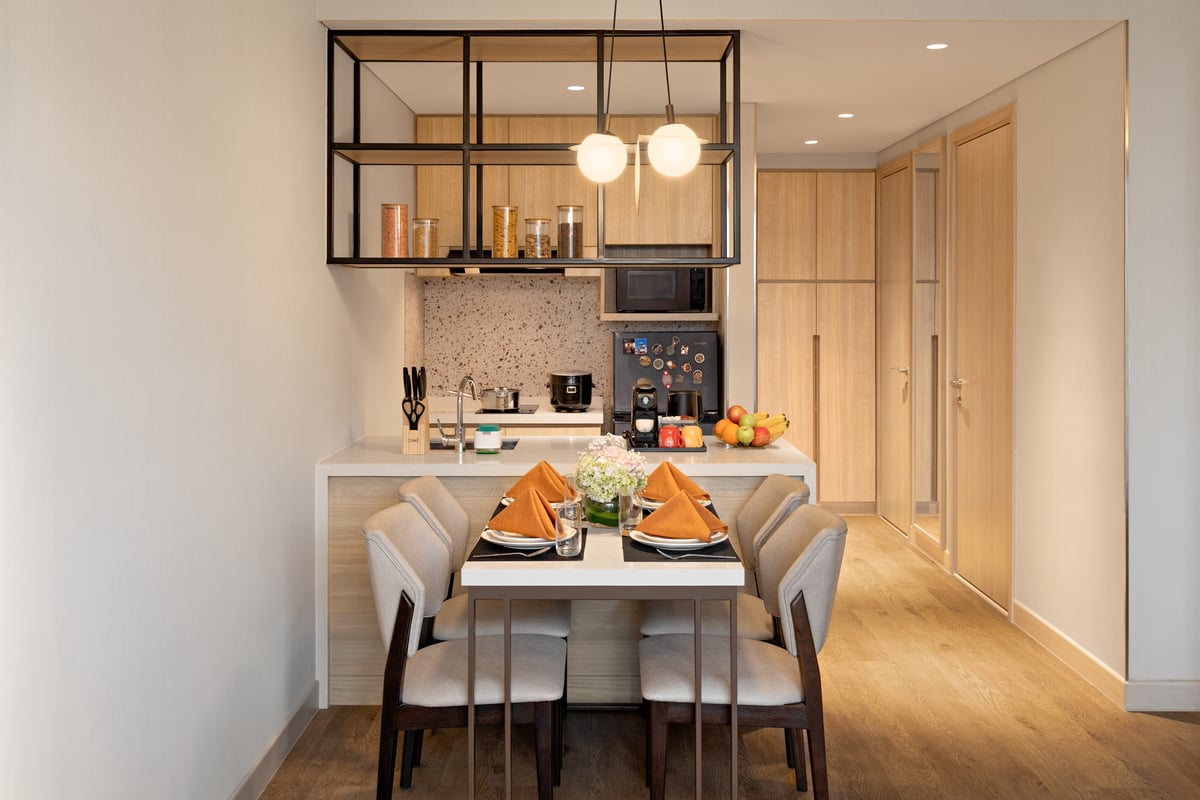
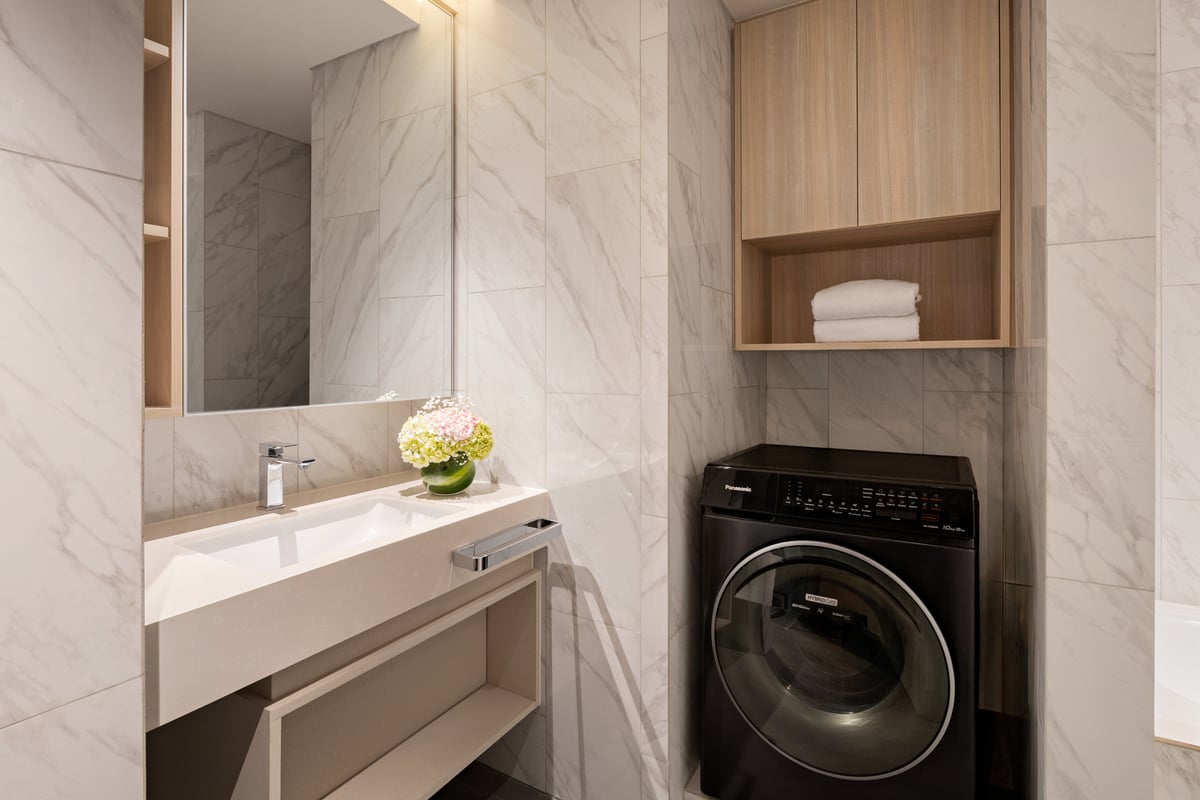
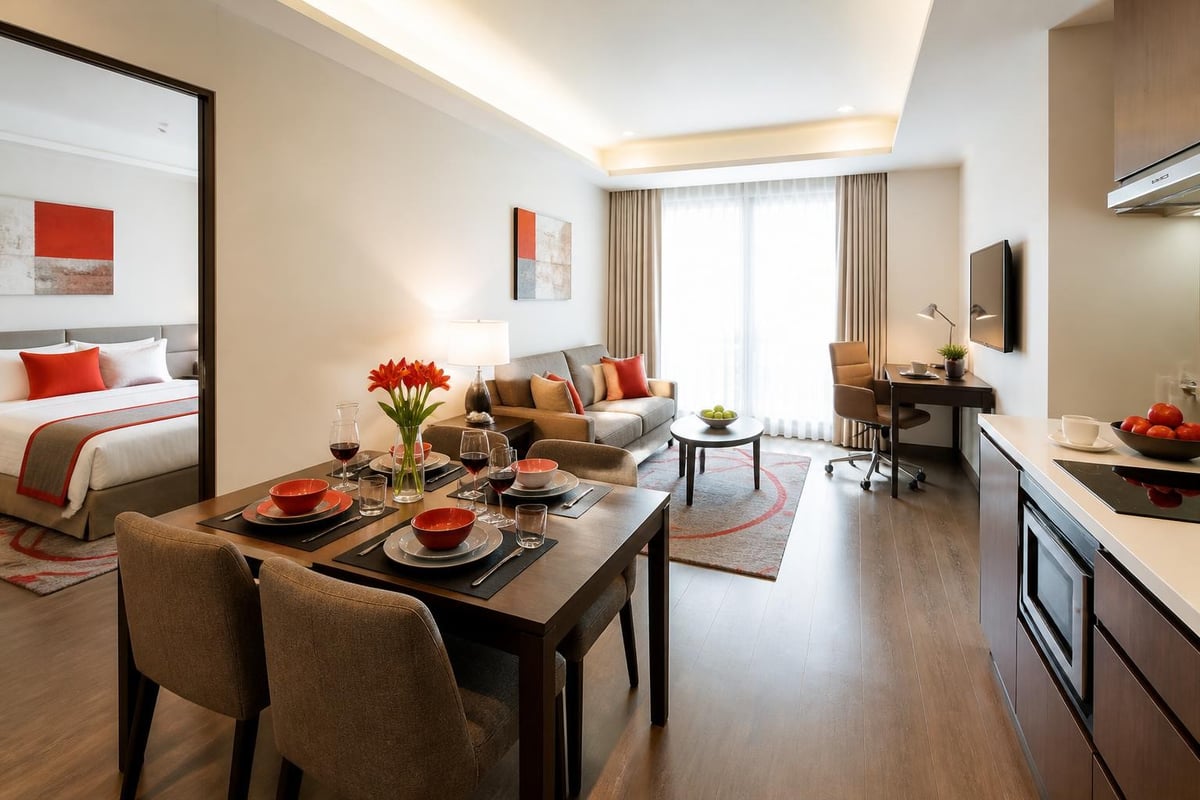
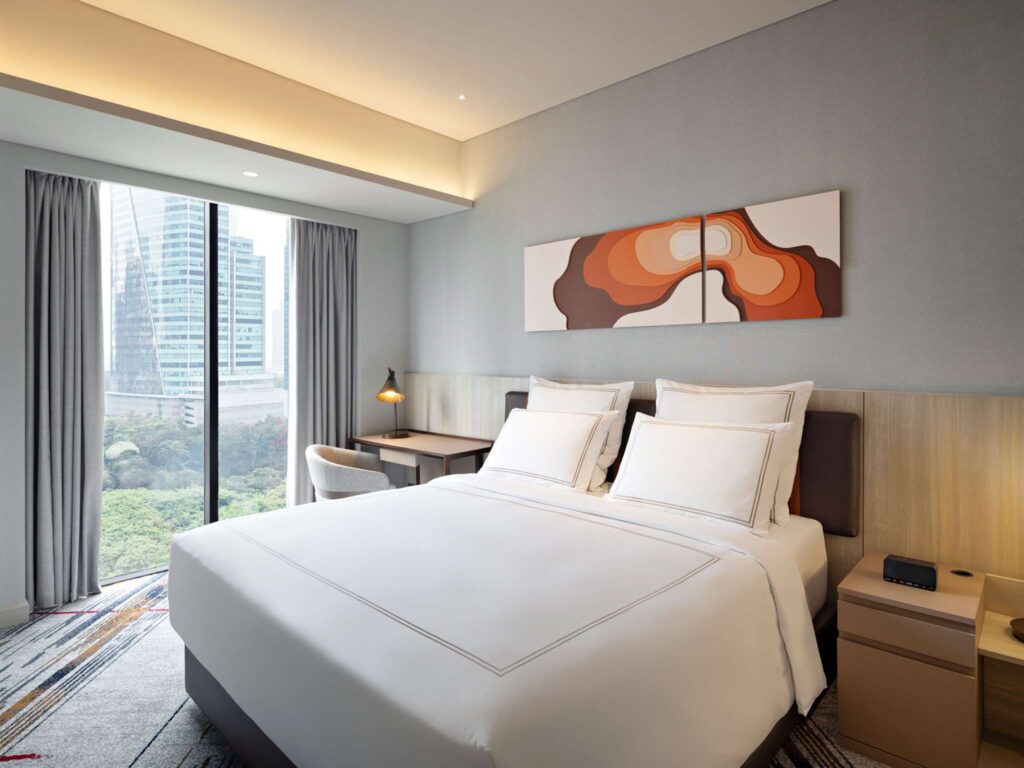
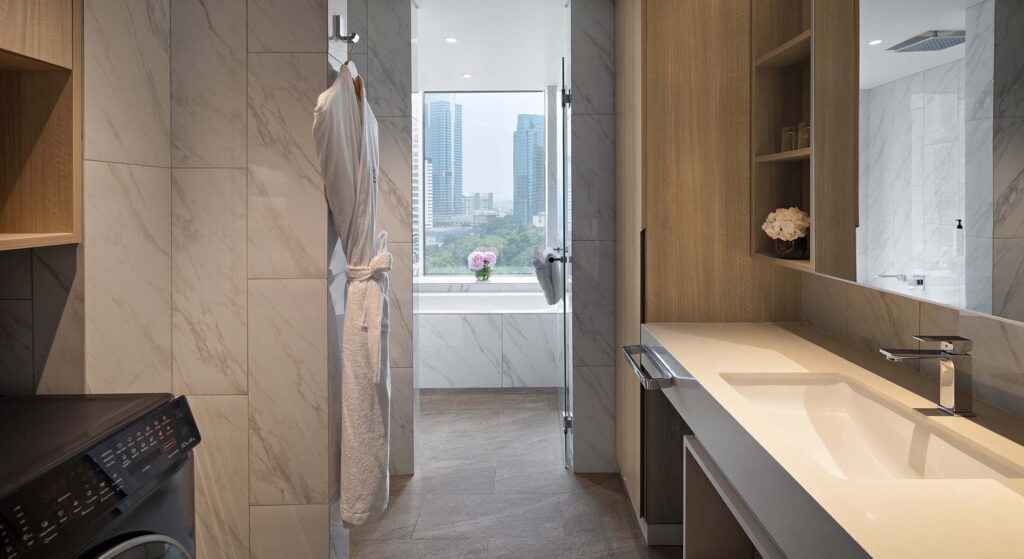
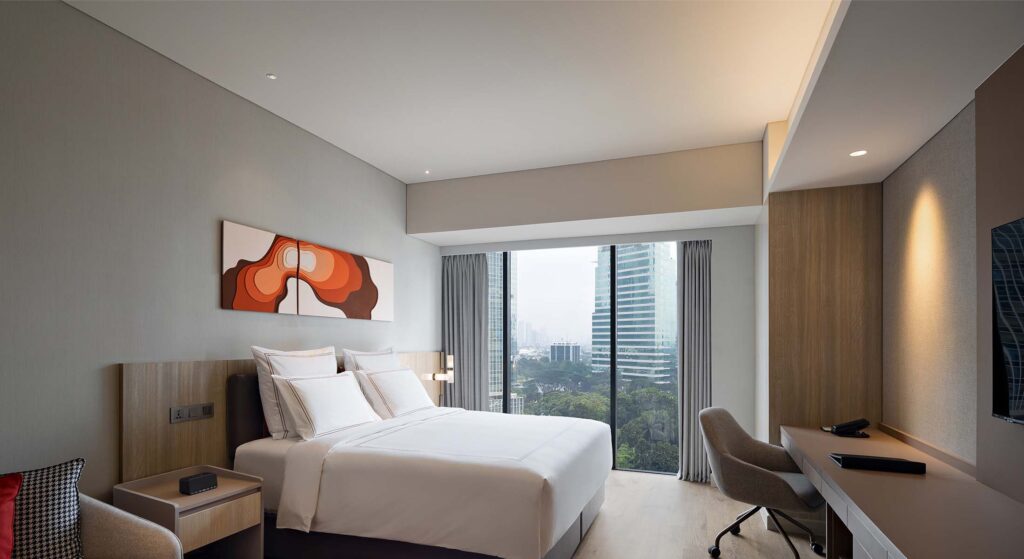
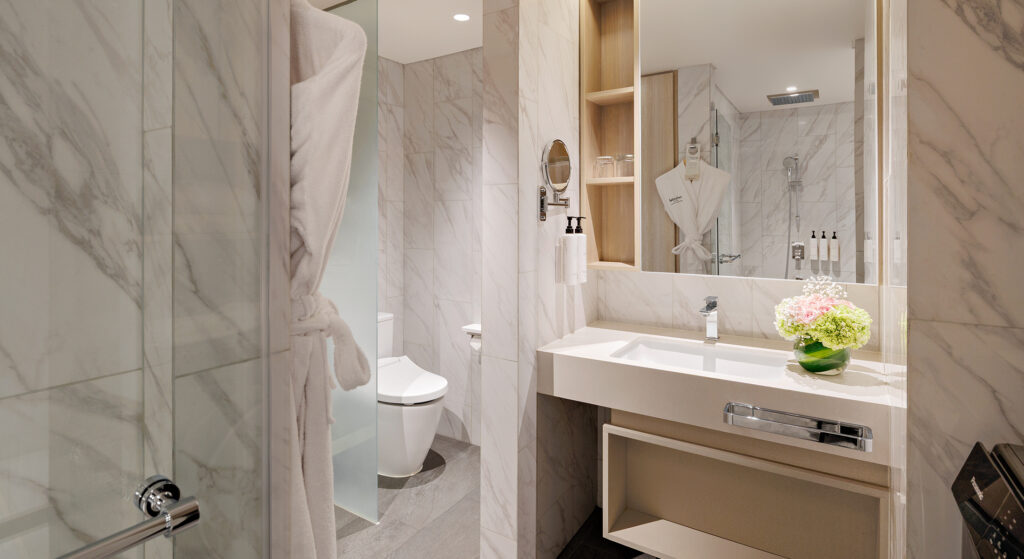
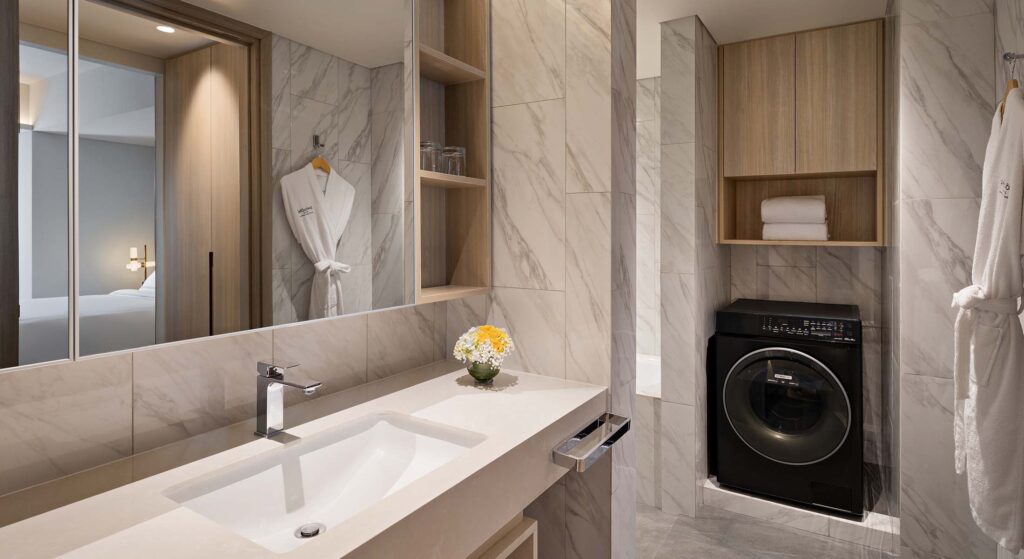
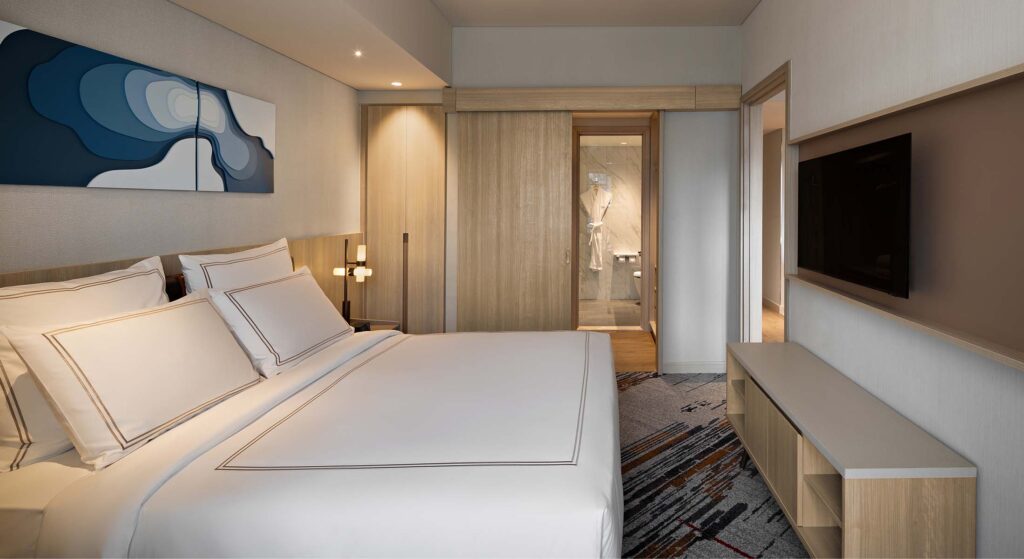
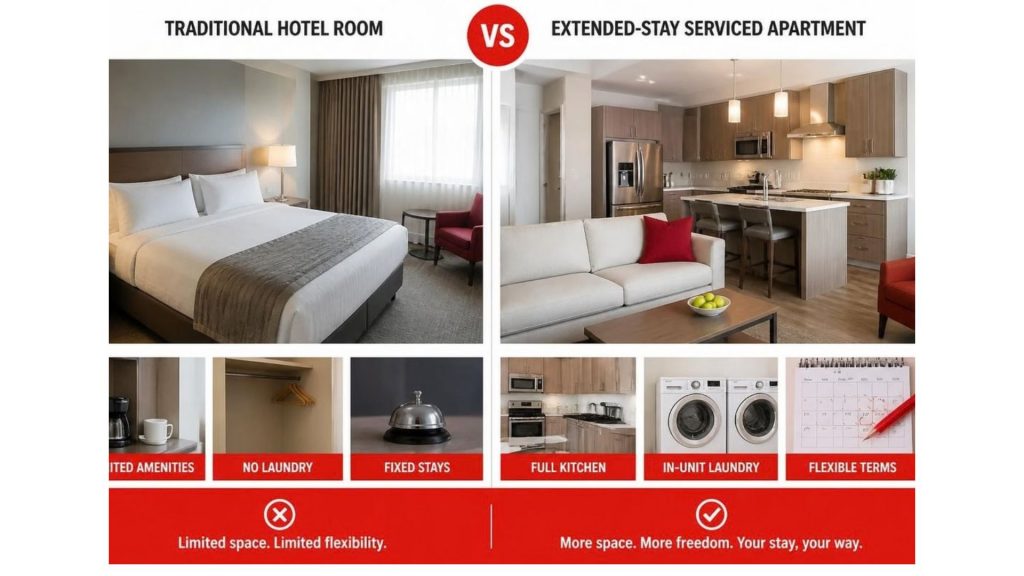
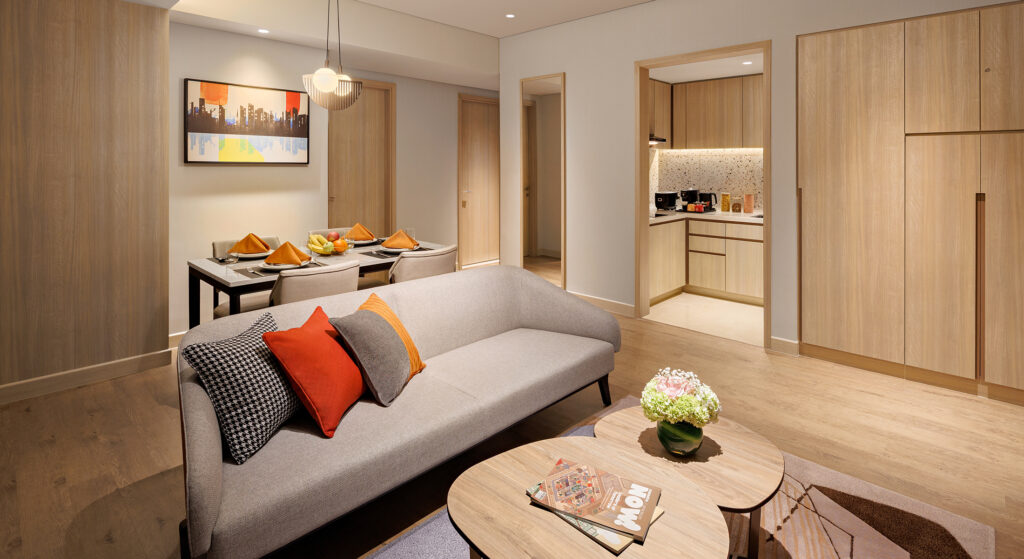
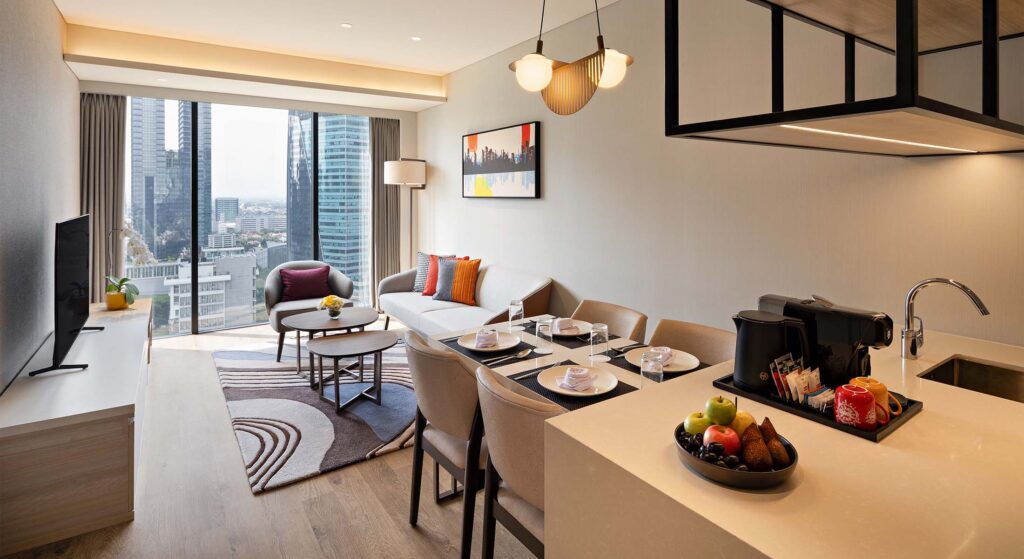
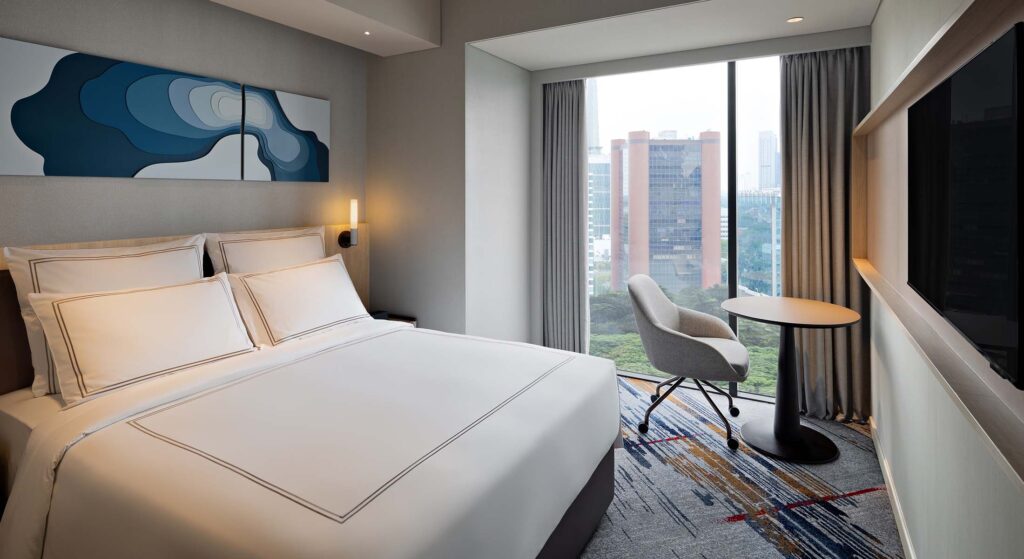
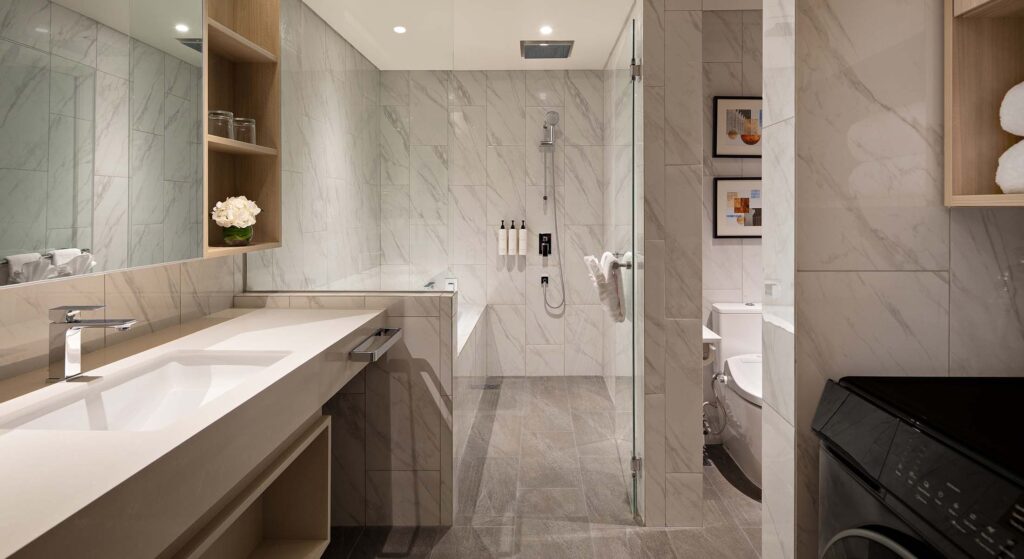
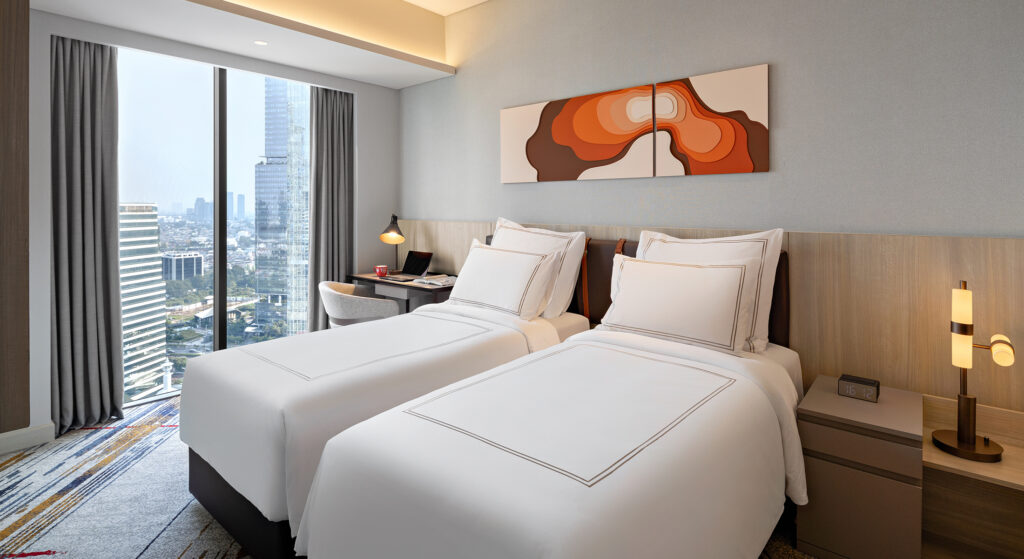
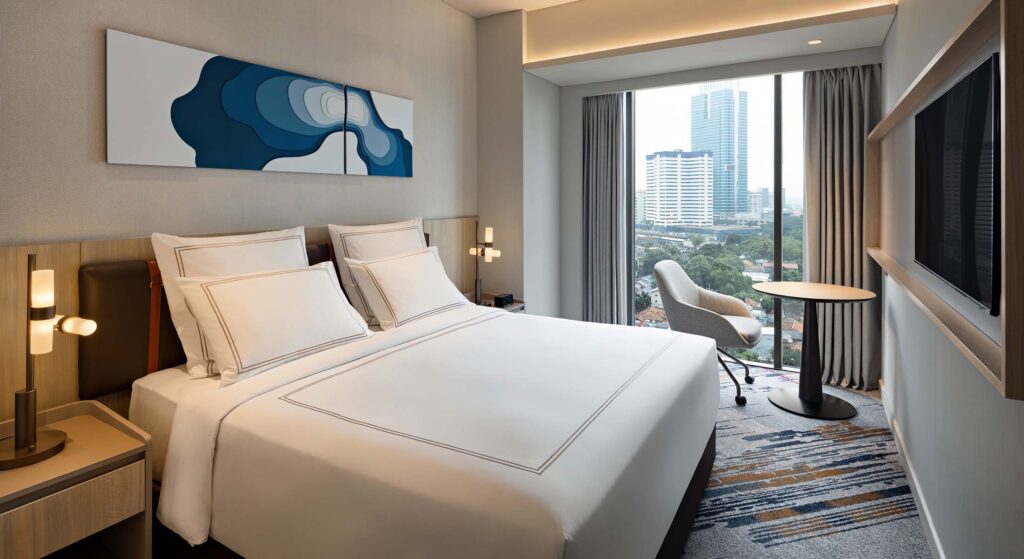
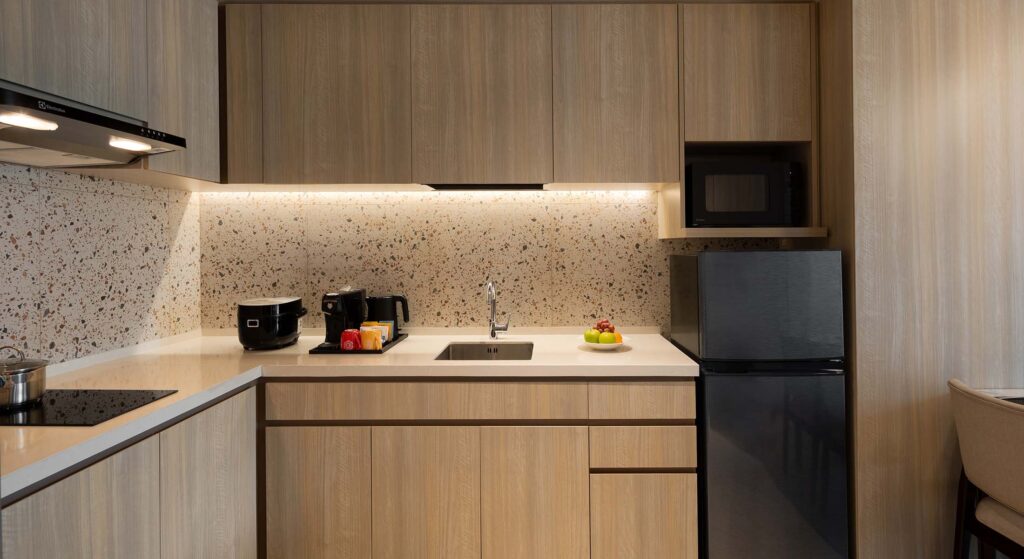
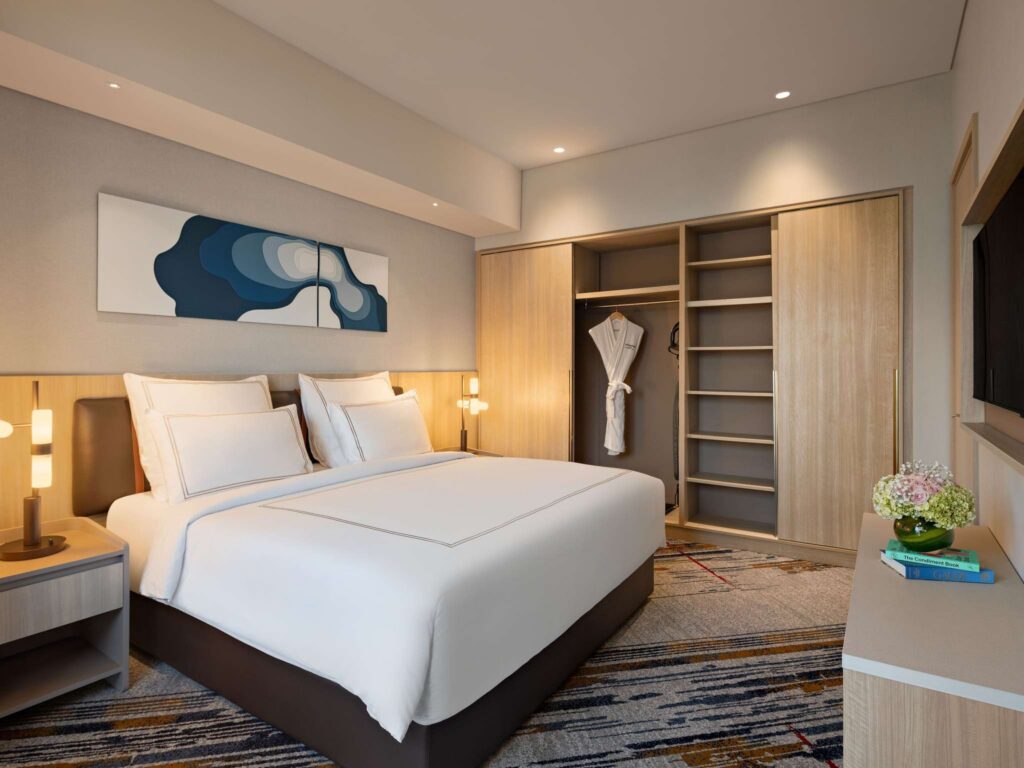
Fully furnished residences include complete kitchens with full-size appliances, separate living and sleeping areas, in-unit laundry facilities, and residential-quality finishes. This residential character distinguishes serviced apartments from hotel-format extended stays while maintaining daily housekeeping, concierge services, and amenity access.
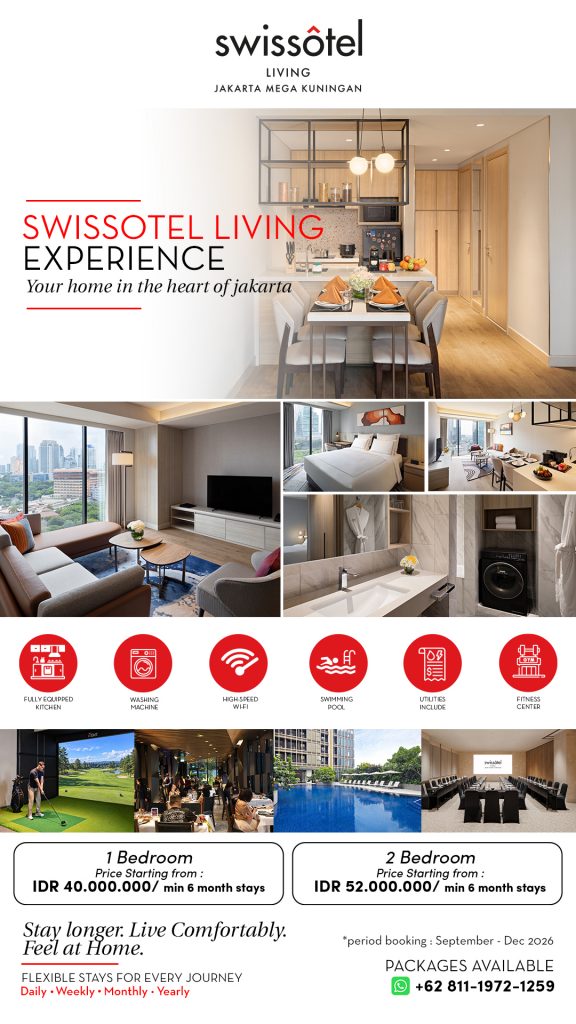
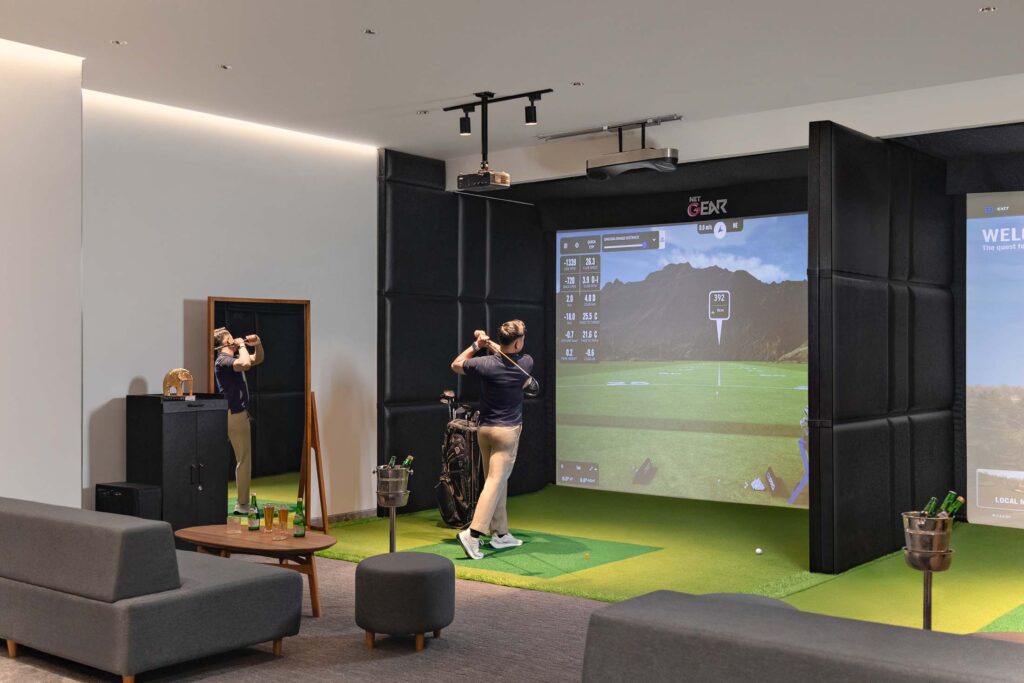
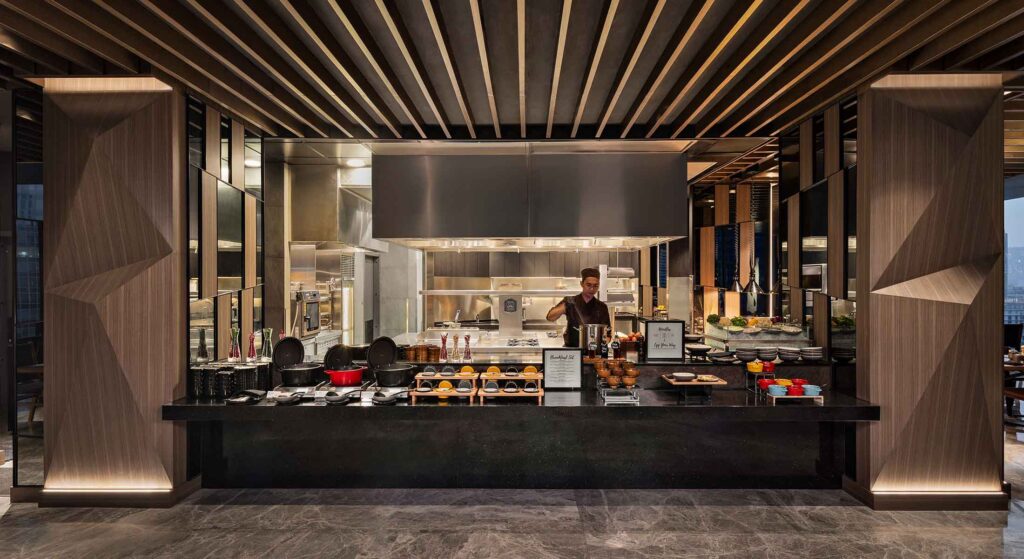
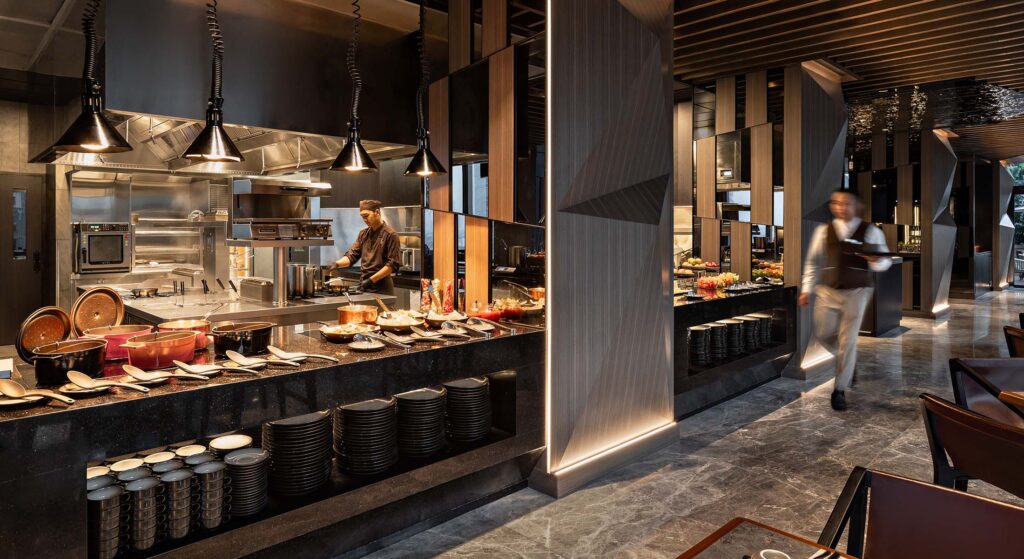
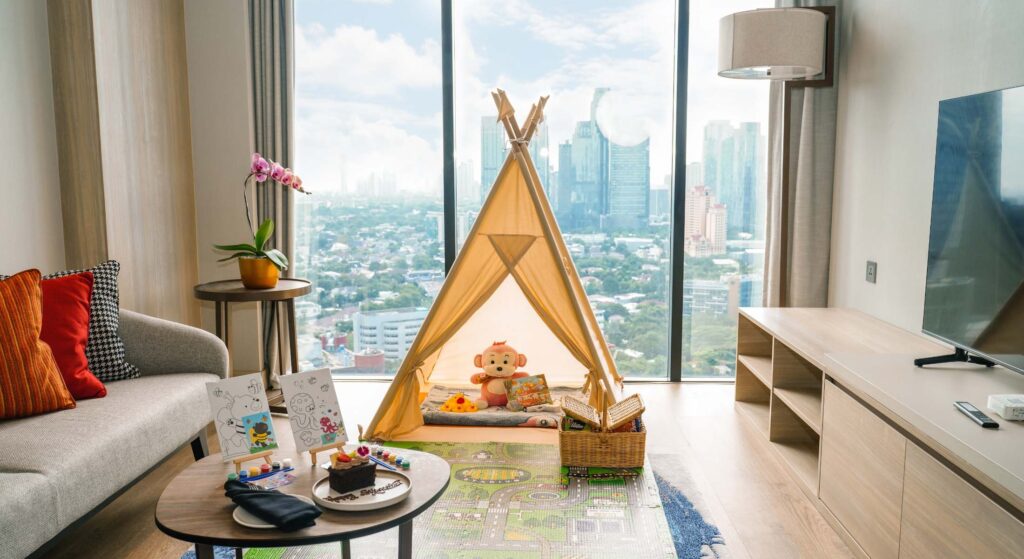
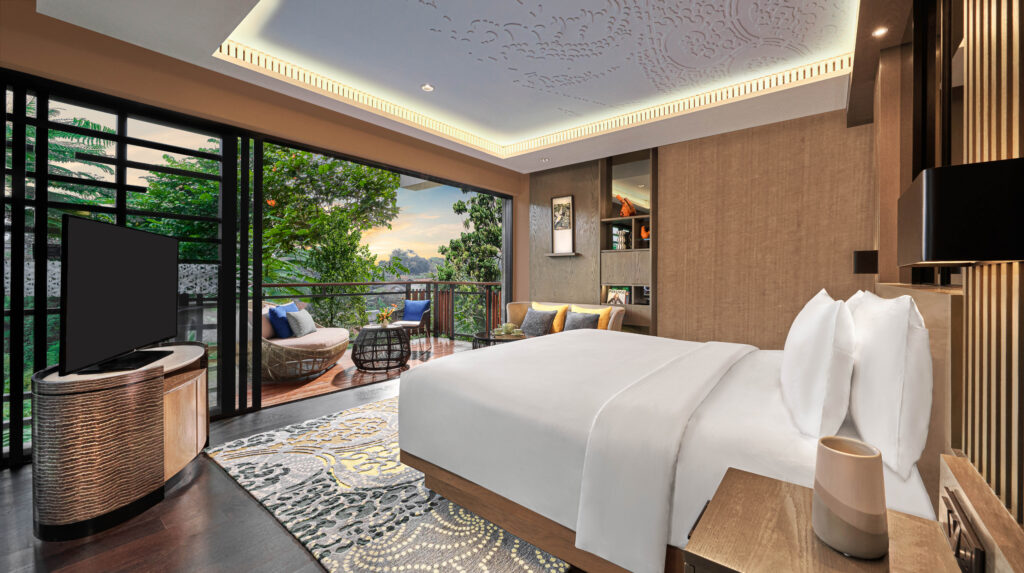
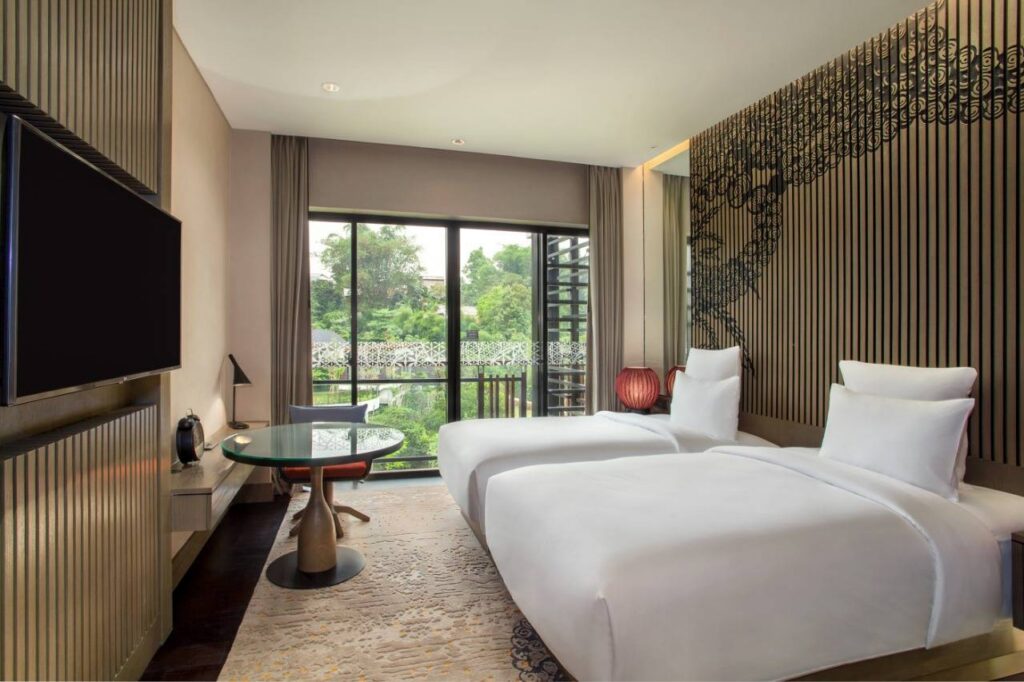
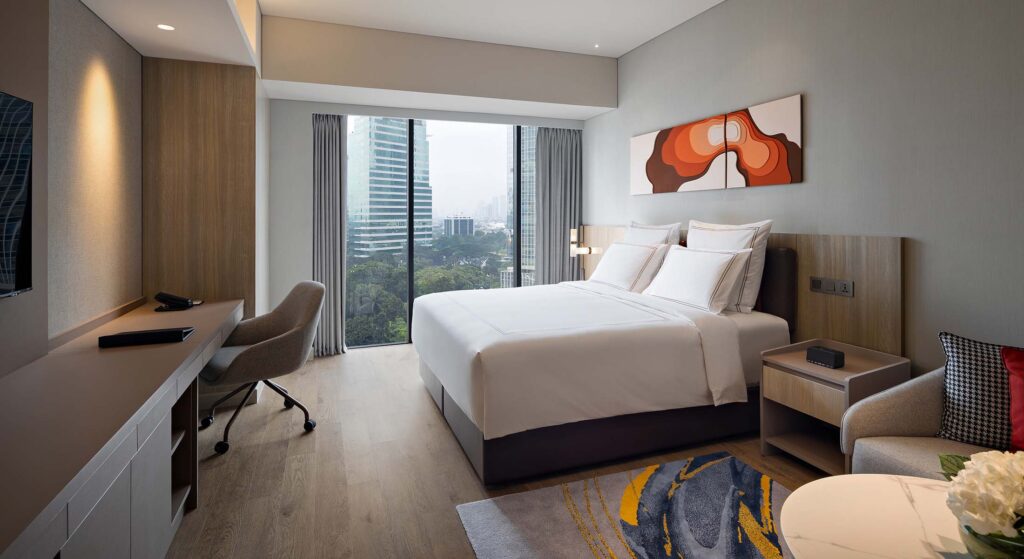
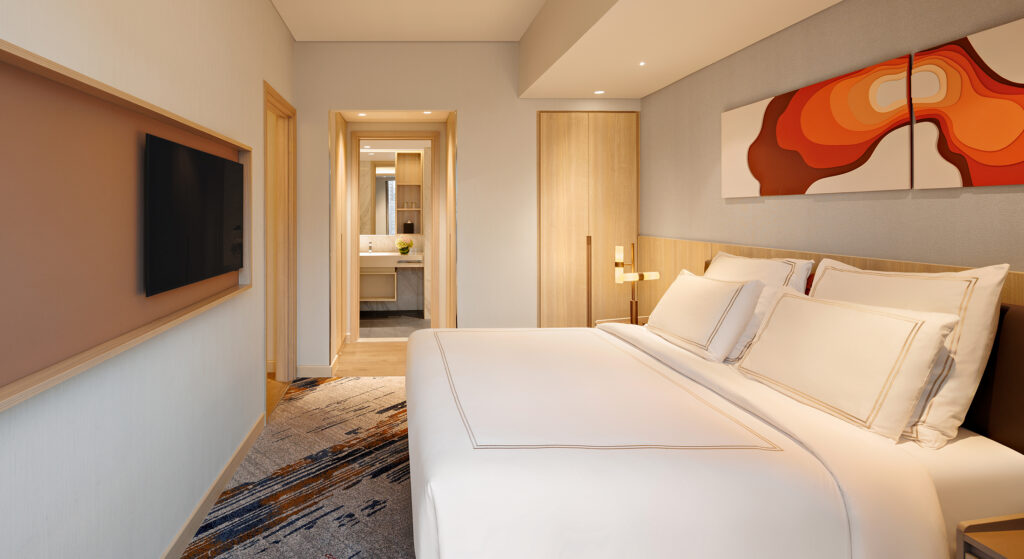
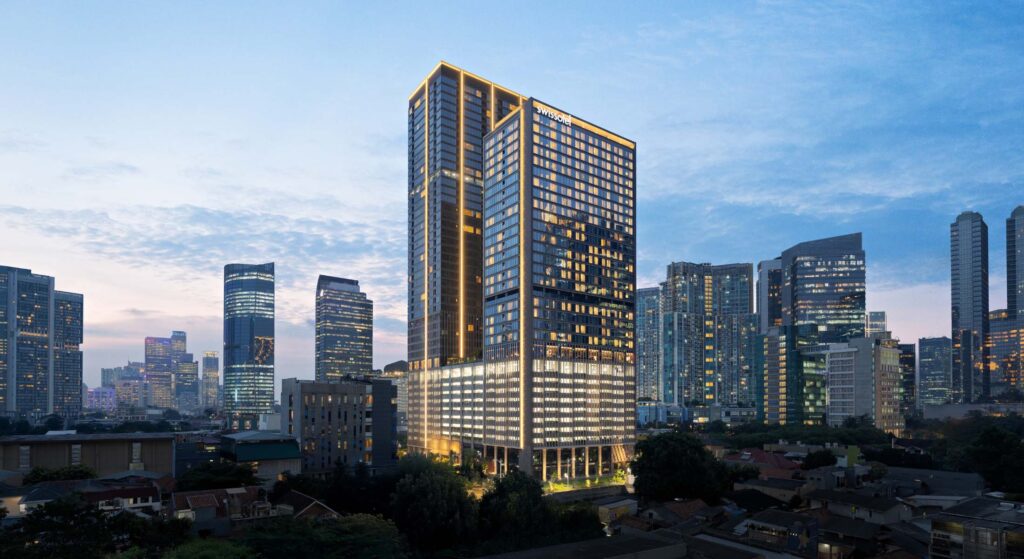
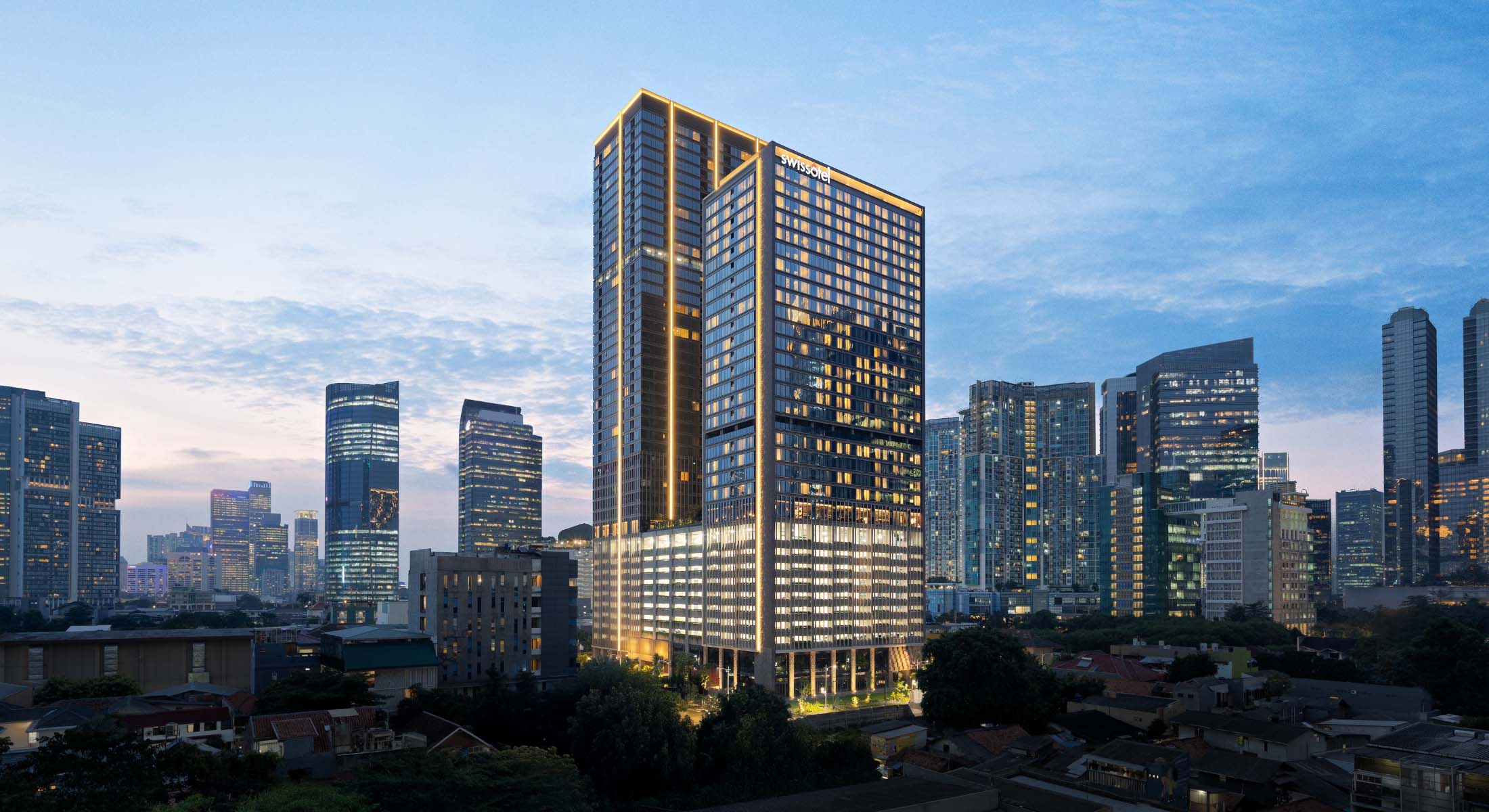
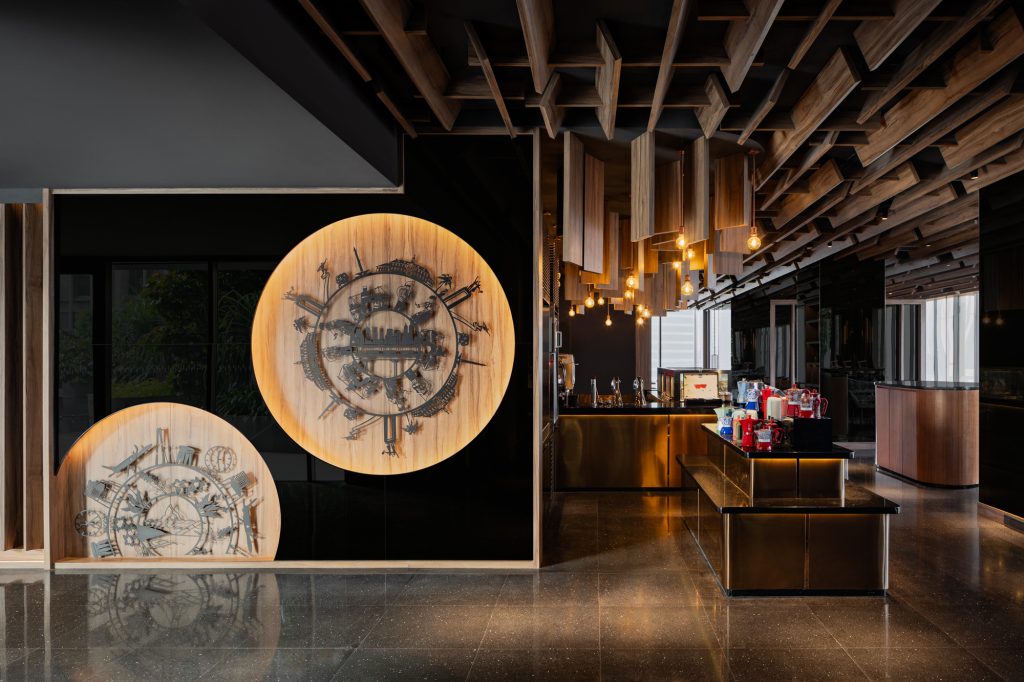
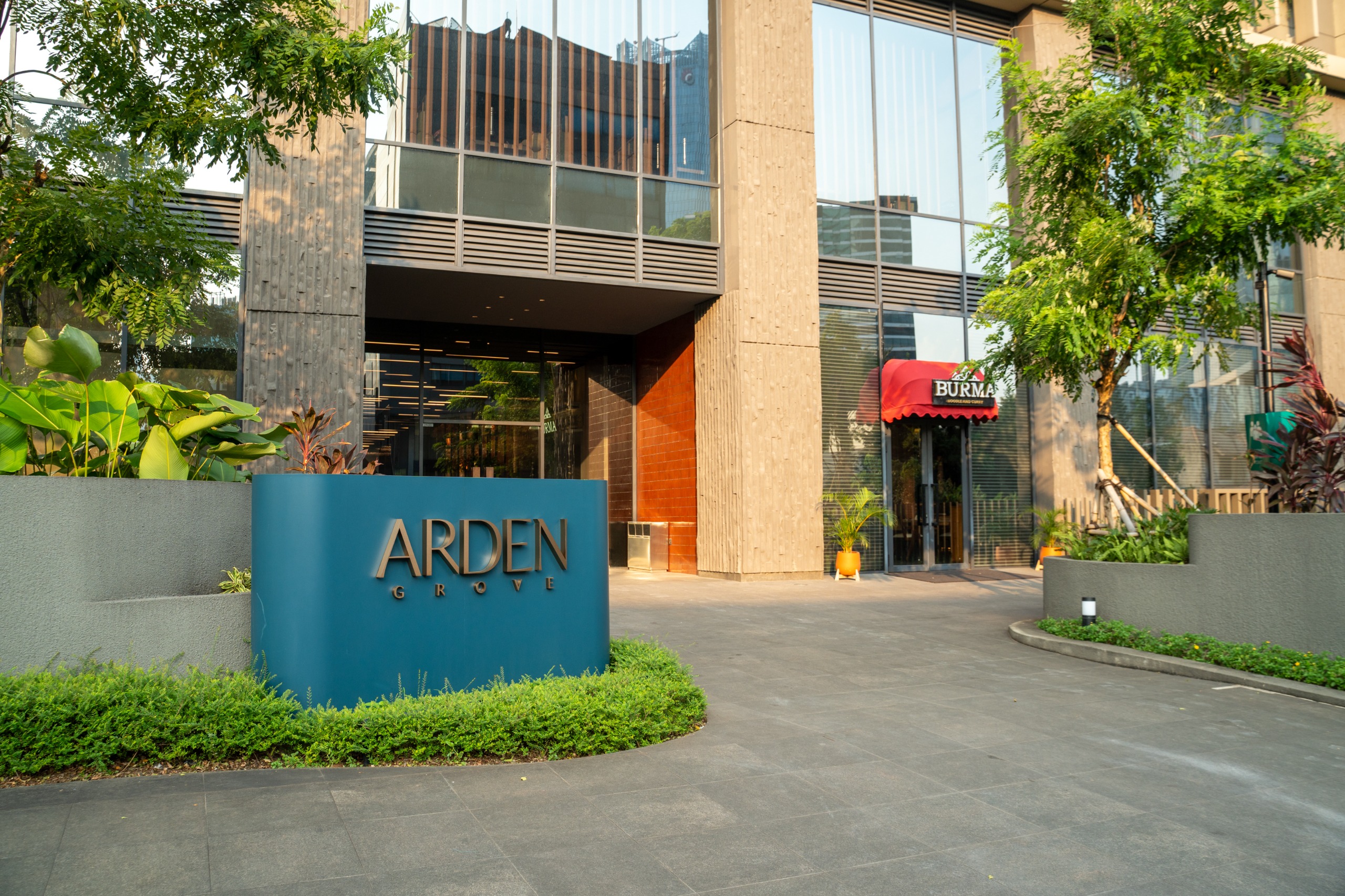
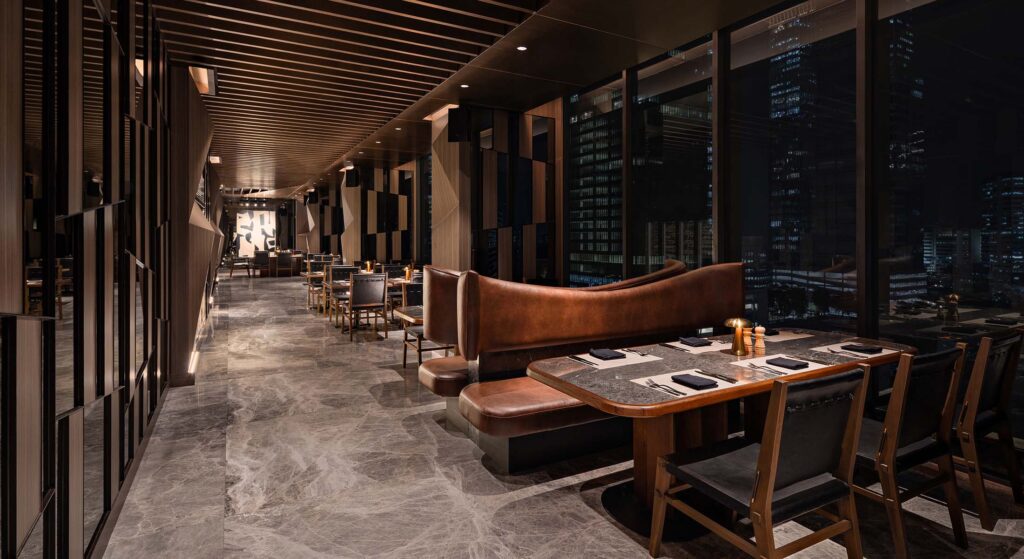
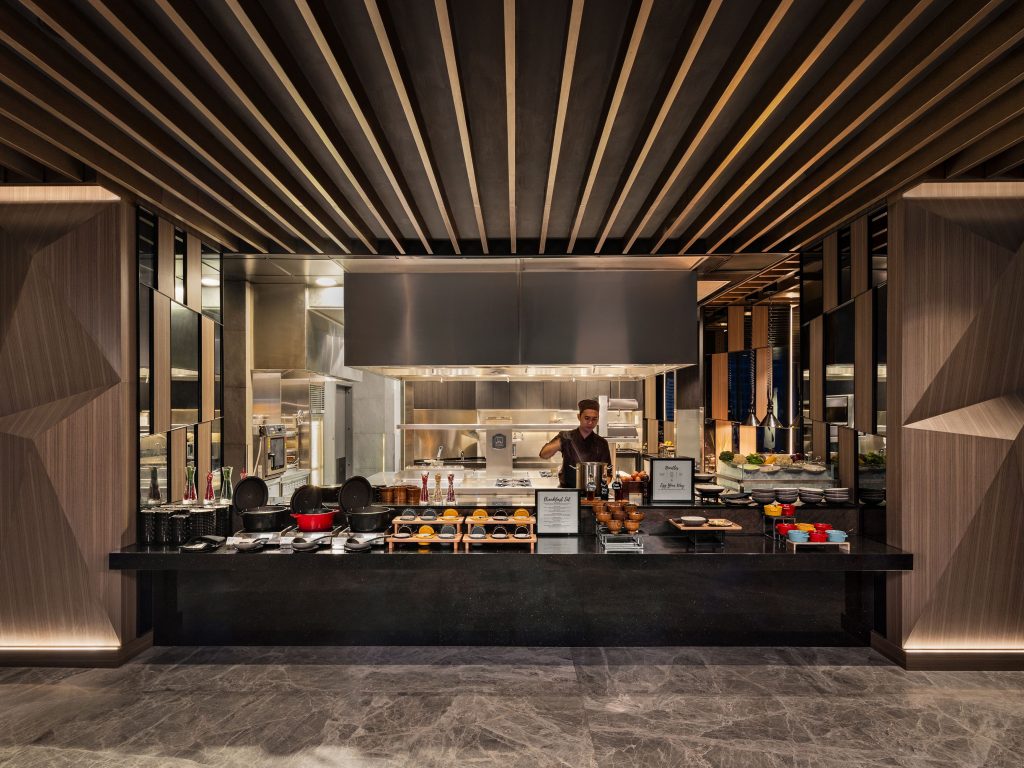
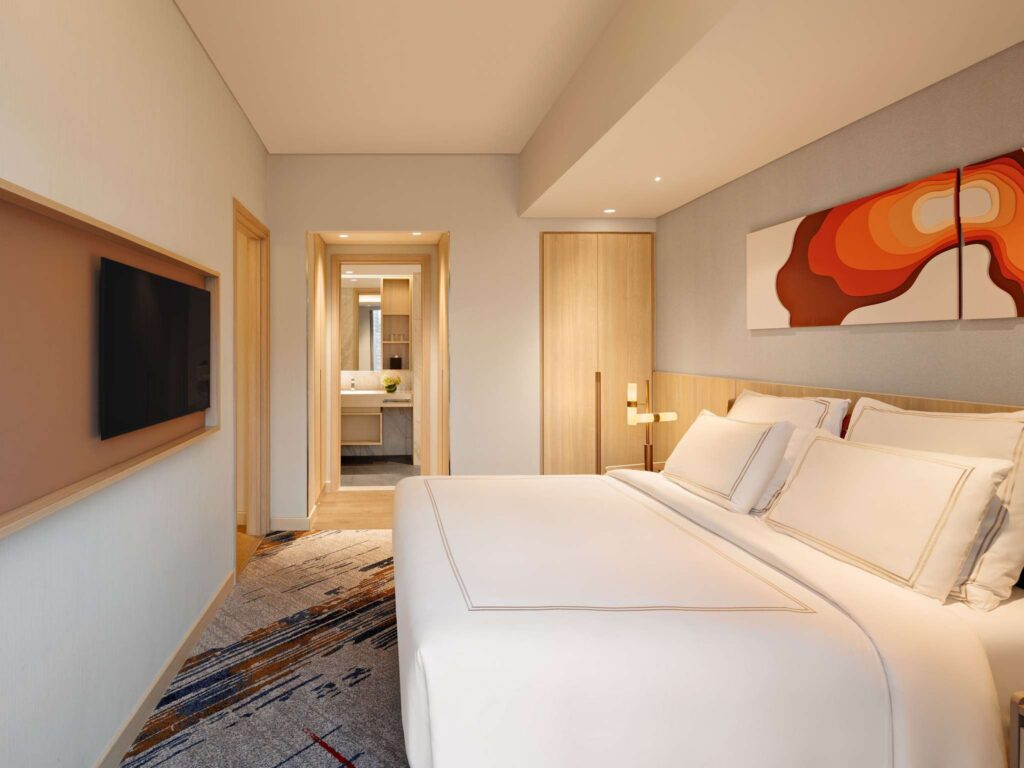
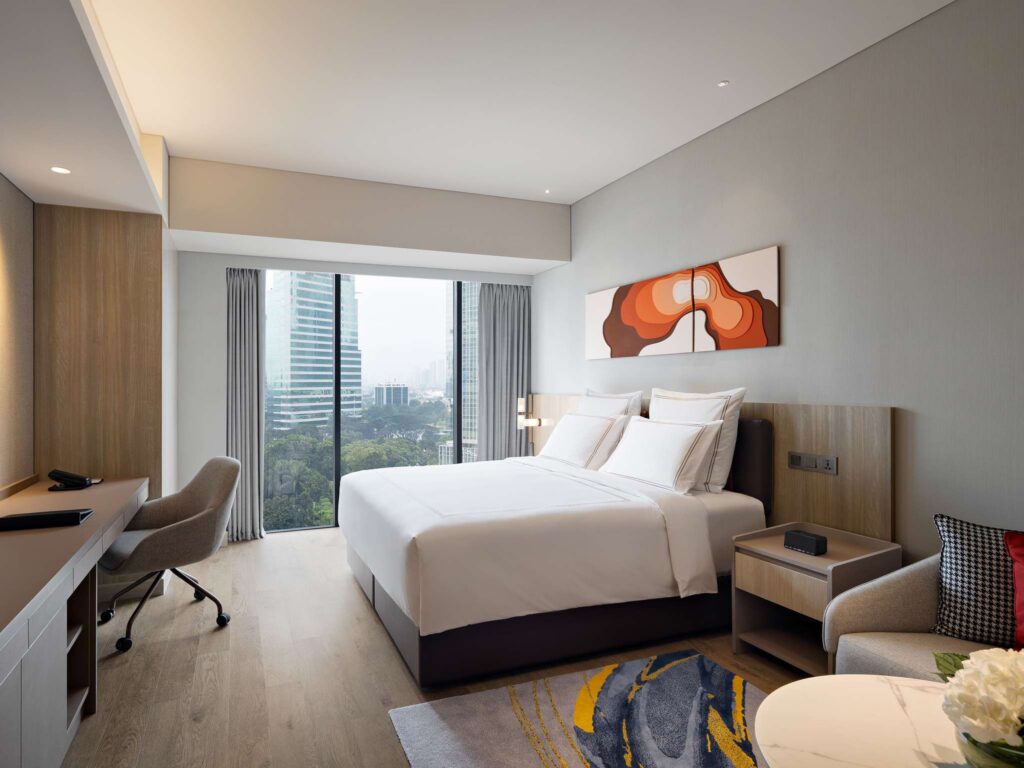
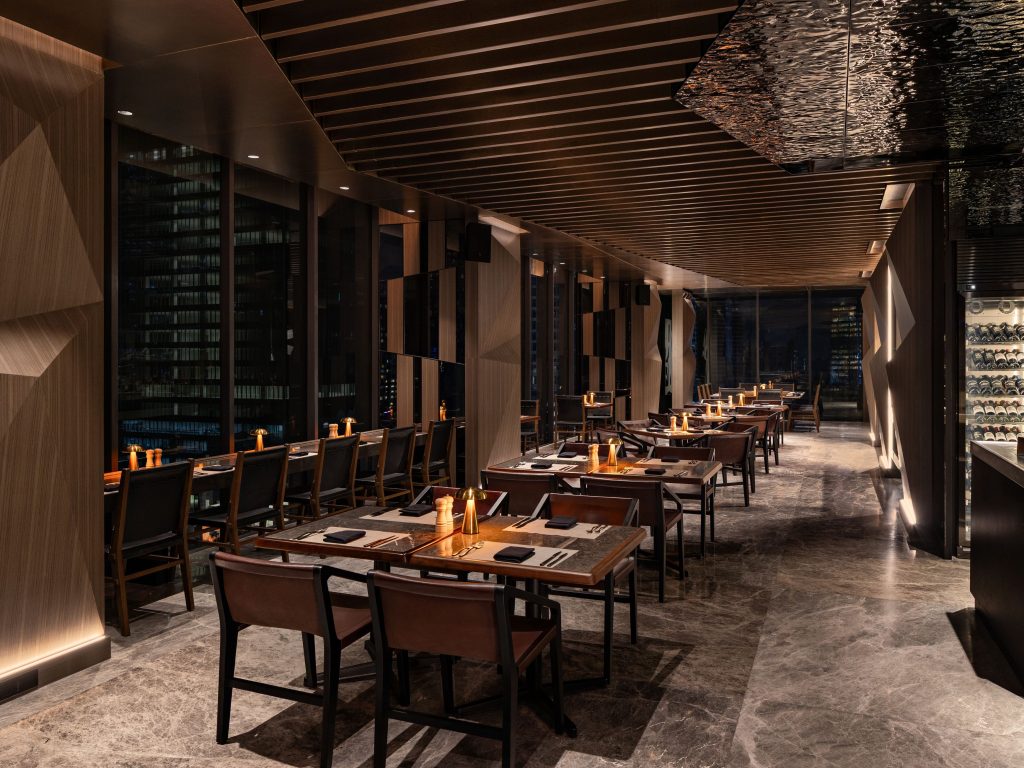
For business travelers and expatriates seeking accommodation that balances home comfort with hotel convenience, Swissôtel Living Jakarta Mega Kuningan offers 240 fully furnished serviced apartments ranging from studios to three-bedroom residences, all available for monthly and yearly stays in Jakarta’s central business district. The property’s location provides direct access to Kuningan, SCBD, and Sudirman business areas while offering fitness facilities, dining options, and professional housekeeping services.
Space and Layout Advantages
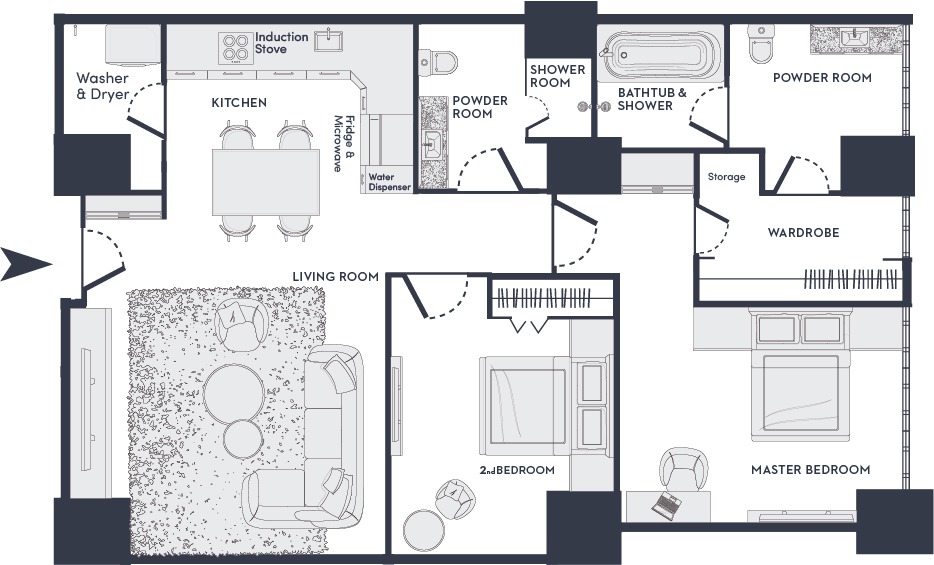
Serviced apartments typically provide 50-150% more square footage than equivalent-tier extended-stay hotel rooms. Studio units average 35-45 square meters, one-bedroom residences range from 50-70 square meters, and two-bedroom options exceed 80 square meters, allowing comfortable long-term living for individuals and families.
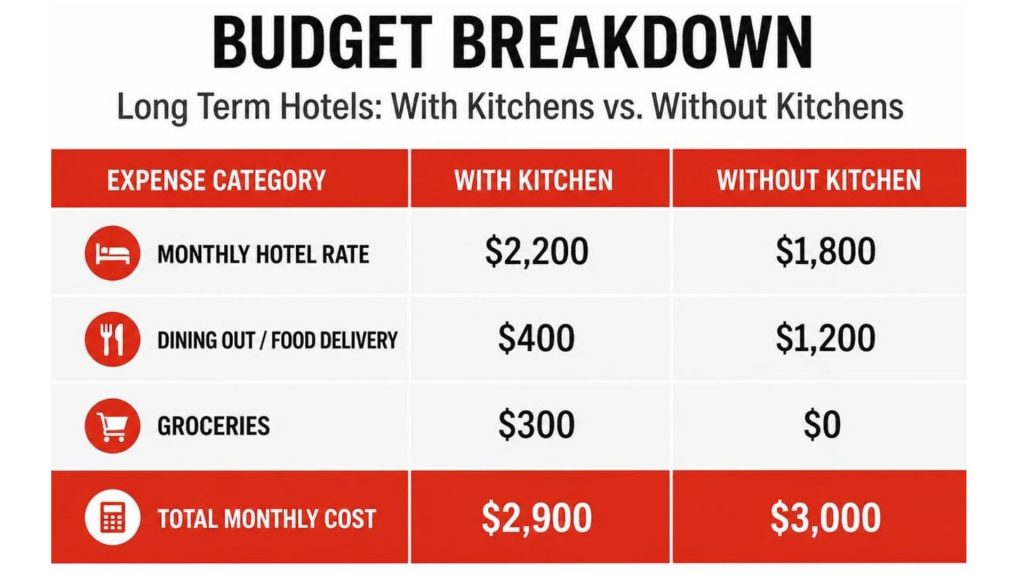
Separate rooms for sleeping, working, and living enable better work-life boundaries for remote workers and provide privacy for families. Full dining areas accommodate home-cooked meals and social gatherings, reducing restaurant dependence and associated costs over multi-month stays.
Contractual Considerations and Legal Protections
Long term hotel rental agreements occupy a unique legal position between transient hotel stays and residential tenancies. Understanding contractual terms prevents disputes and protects both guest and property interests during extended occupancy.
Essential Contract Elements
Standard agreements should specify:
- Total stay duration with specific check-in and check-out dates
- Monthly rate and payment schedule (advance payment requirements)
- Included services detailing housekeeping frequency, utilities, amenities
- Cancellation terms including notice periods and penalty structures
- Damage liability and security deposit refund conditions
- Extension options with rate guarantees or escalation terms
Unlike traditional residential leases, extended-stay agreements typically maintain hotel licensing status, avoiding landlord-tenant regulations that govern apartment rentals. This classification provides properties greater flexibility for guest removal but may limit tenant protections in certain jurisdictions.
Guest Rights and Responsibilities
Guests maintain responsibility for property care beyond normal wear and tear, with damage assessments at checkout determining security deposit refunds. Many properties conduct mid-stay inspections for extended bookings, documenting condition and addressing maintenance issues before they escalate.
Some jurisdictions establish tenant rights after continuous occupancy periods, typically 30-90 days, requiring formal eviction processes for removal. Guests should understand local regulations governing extended hotel stays, particularly in markets with strong tenant protection laws.
The policy implications of extended hotel occupancy have attracted increased attention from housing advocates and regulators concerned about informal residential conversions and potential tenant exploitation in unregulated extended-stay arrangements.
Amenities and Services Comparison
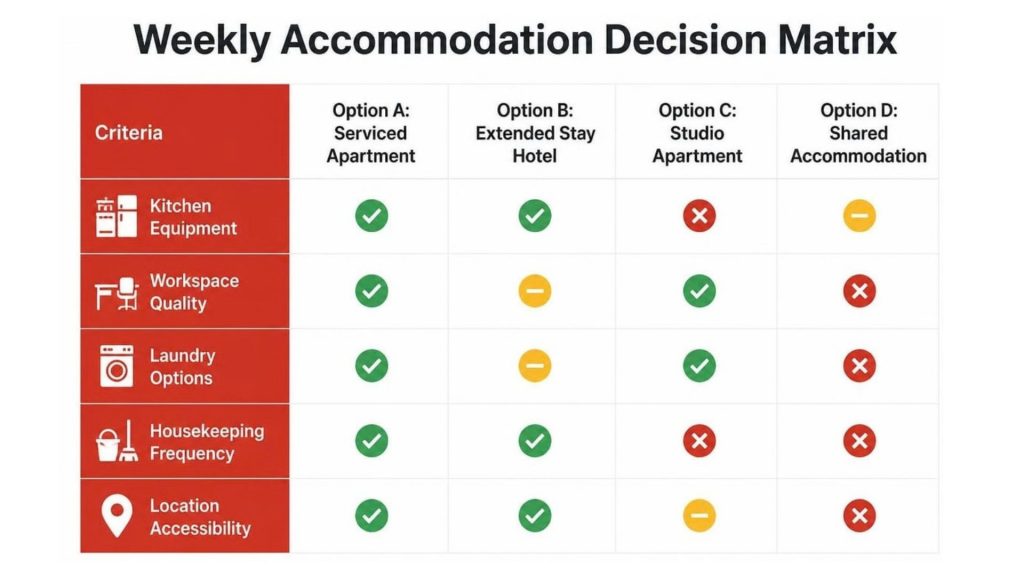
Service levels vary significantly across extended-stay property categories, directly impacting daily convenience and quality of life during long term hotel rental periods. Evaluating included amenities against personal priorities ensures satisfaction over multi-month stays.
Standard Service Packages
| Service Category | Budget Extended-Stay | Mid-Range Serviced Apartment | Luxury Serviced Residence |
|---|---|---|---|
| Housekeeping | Weekly | 2-3 times weekly | Daily |
| Kitchen equipment | Kitchenette | Full kitchen | Gourmet kitchen |
| In-unit laundry | Shared facilities | In-unit washer/dryer | In-unit plus valet service |
| Fitness access | Basic gym | Full fitness center | Premium gym + classes |
| Business services | WiFi only | Business center | Meeting rooms + secretarial |
| Concierge | Limited | Standard | Premium 24/7 |
Premium properties justify higher rates through superior service quality, residential-grade finishes, and comprehensive amenity offerings that enhance daily living experiences. The value calculation depends on individual service utilization and alternatives available in surrounding neighborhoods.
Dining and Food Service Options
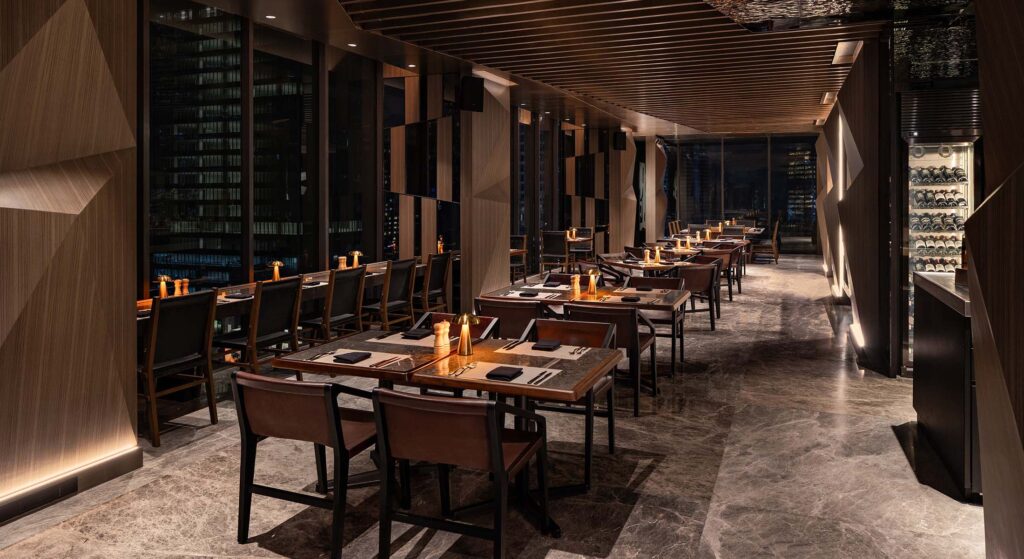
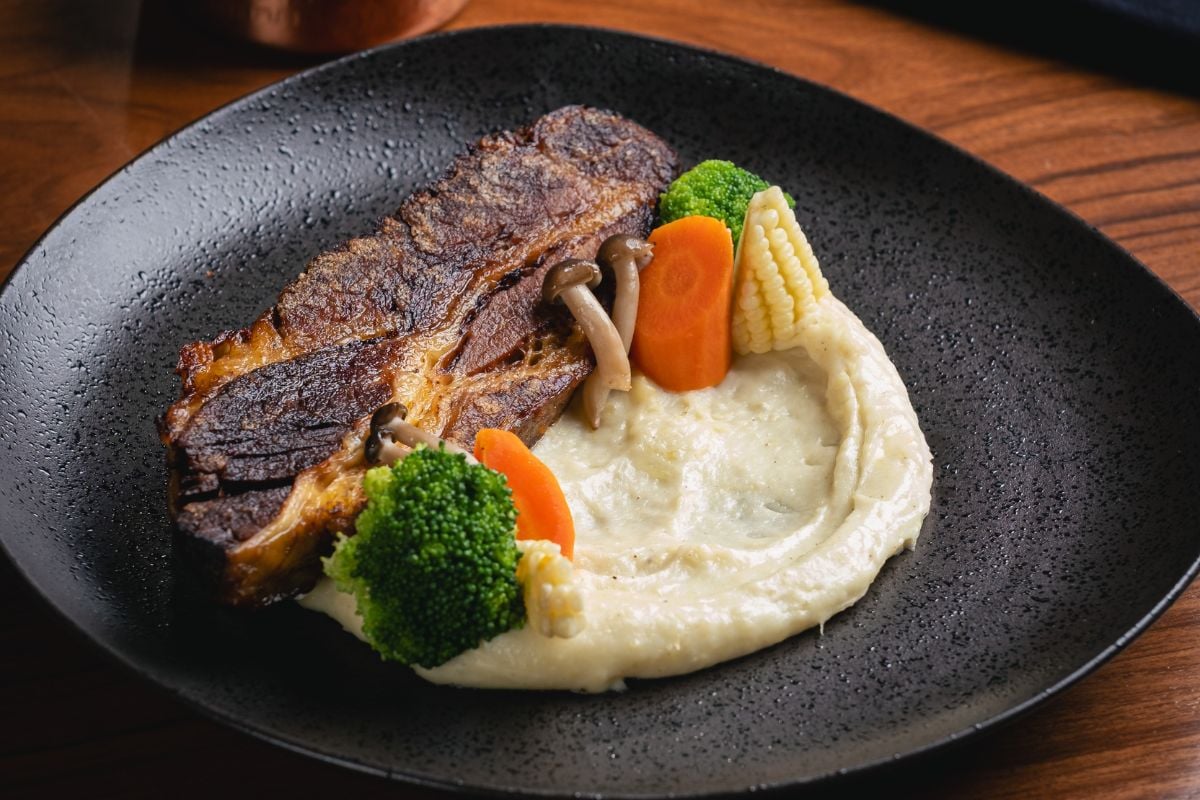
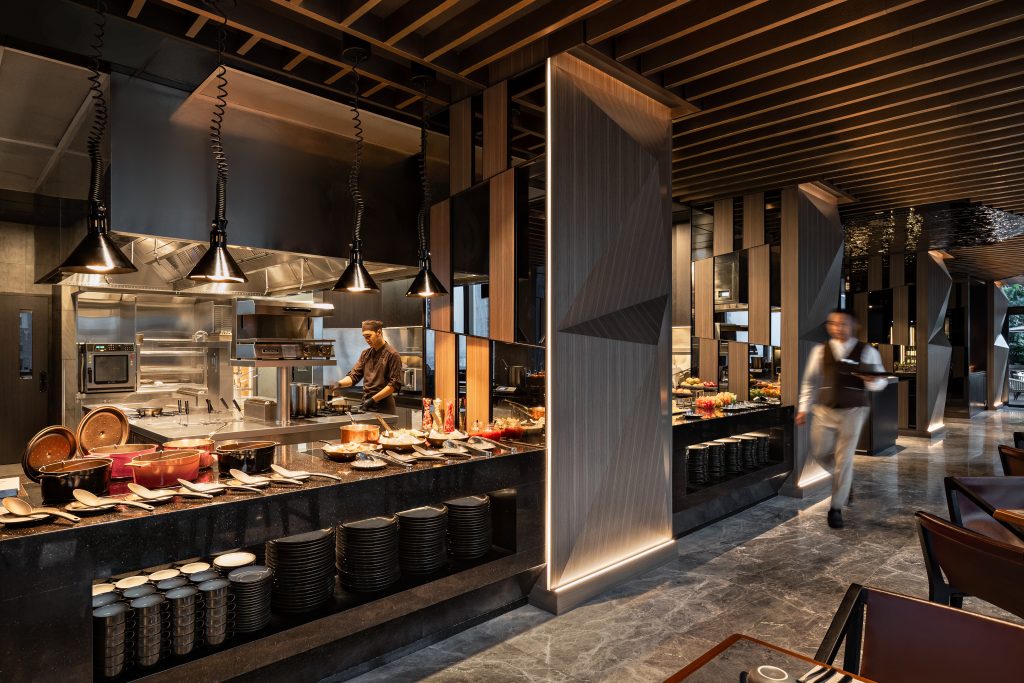
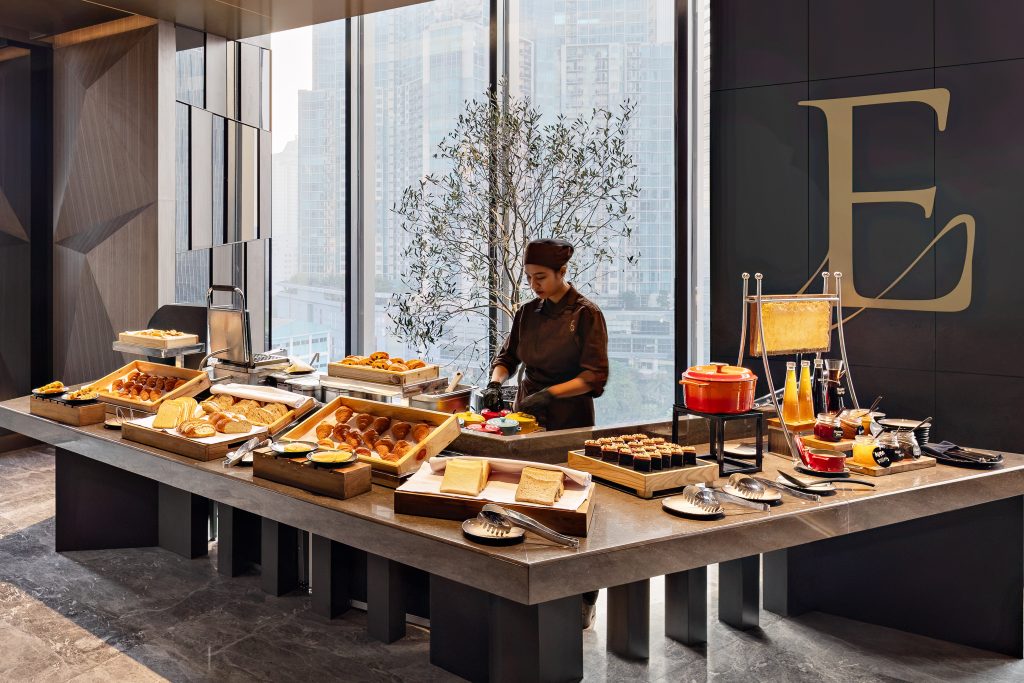
Properties with on-site restaurants provide convenient dining without external errands, particularly valuable during busy work periods or inclement weather. Full breakfast inclusion reduces morning routine complexity for working professionals, while in-residence dining services enable private entertaining.
Self-catering capabilities in units with full kitchens offer cost savings and dietary control compared to restaurant dependence. The balance between convenience dining and home cooking varies by individual preferences and work schedules.
Health, Safety, and Maintenance Standards
Extended occupancy periods heighten the importance of property maintenance, cleanliness standards, and safety protocols. Unlike short hotel stays where guests tolerate minor issues, multi-month residencies require consistent operational excellence across all facility aspects.
Maintenance Response Systems
Professional extended-stay properties maintain 24-hour maintenance availability for urgent issues including plumbing failures, electrical problems, heating/cooling malfunctions, and security concerns. Response time commitments typically guarantee emergency service within 2-4 hours and routine repairs within 24-48 hours.
Regular preventive maintenance schedules minimize disruptions through systematic HVAC servicing, appliance inspections, and building systems monitoring. Guests should clarify maintenance protocols during booking, understanding escalation procedures for unresolved issues.
Safety and Security Features
Extended-stay properties serving business travelers typically implement enhanced security measures including:
- 24-hour staffed reception controlling building access
- Electronic key card systems tracking entry/exit patterns
- CCTV surveillance in common areas and parking facilities
- In-room safes for valuables and documents
- Emergency communication systems connecting units to front desk
These features provide peace of mind for solo travelers and families, particularly in unfamiliar cities where local security conditions require assessment.
Family-Friendly Extended Stay Considerations
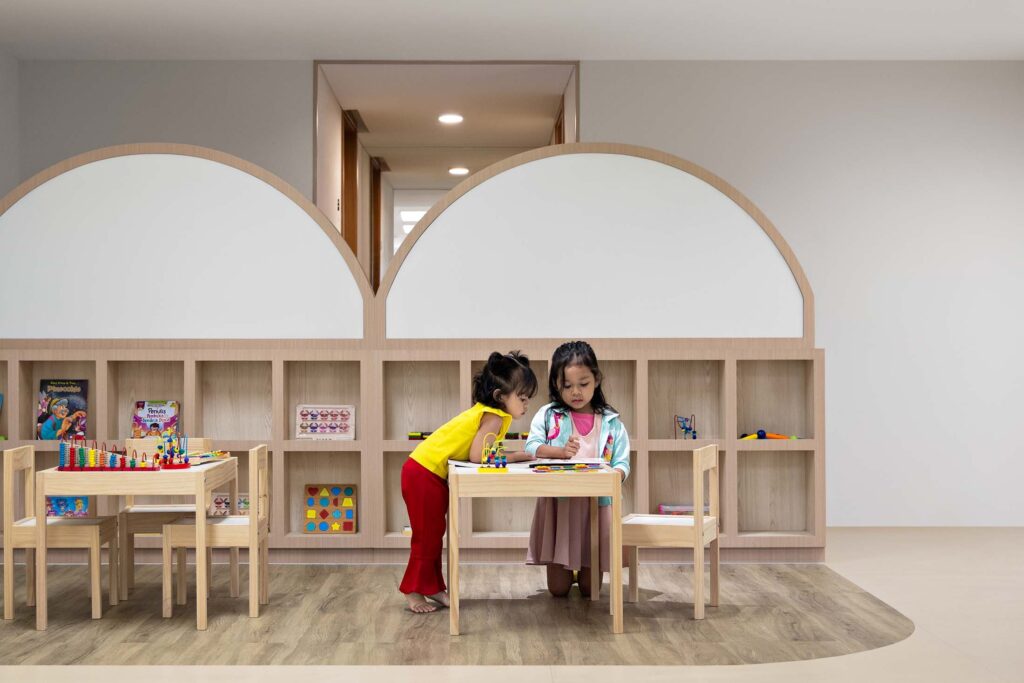
Families require different amenities and services than solo business travelers during long term hotel rental periods. Child-friendly properties understand these needs and structure offerings accordingly.
Space and Configuration Requirements
Multi-bedroom units with separate sleeping areas for parents and children prevent the cramped conditions that create stress during extended family stays. Properties offering connecting rooms or suite configurations provide flexibility for various family sizes and age distributions.
Full kitchen facilities enable familiar meal routines and dietary control for children, while in-unit laundry addresses the increased washing demands families generate. These capabilities reduce the operational complexity of extended family living compared to hotel-room constraints.
Child-Appropriate Amenities
- Swimming pools with separate children’s areas and safety features
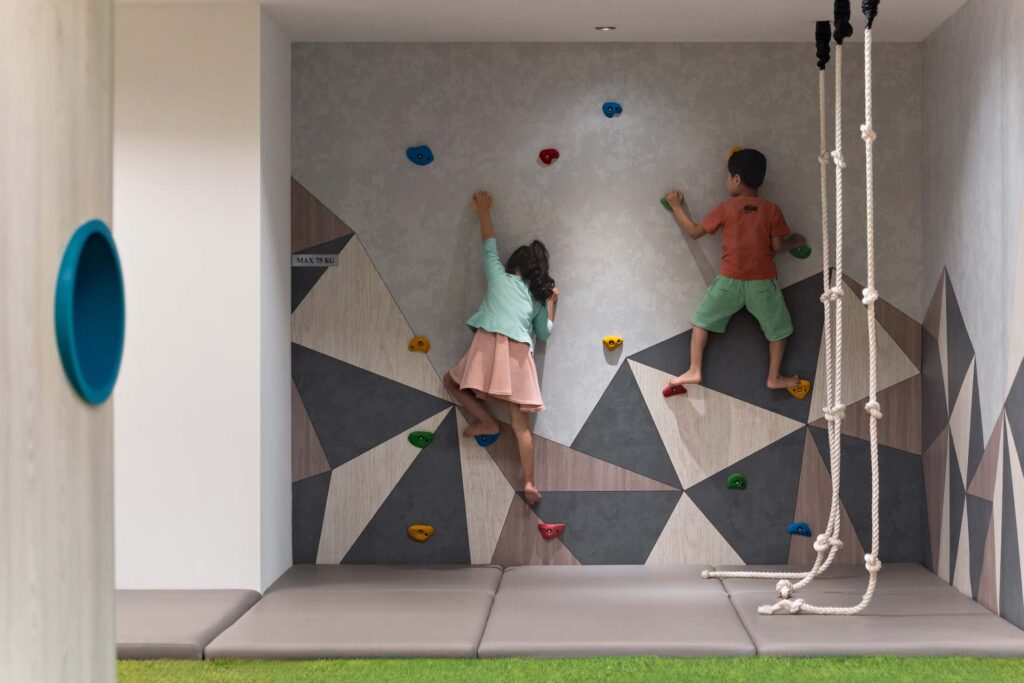
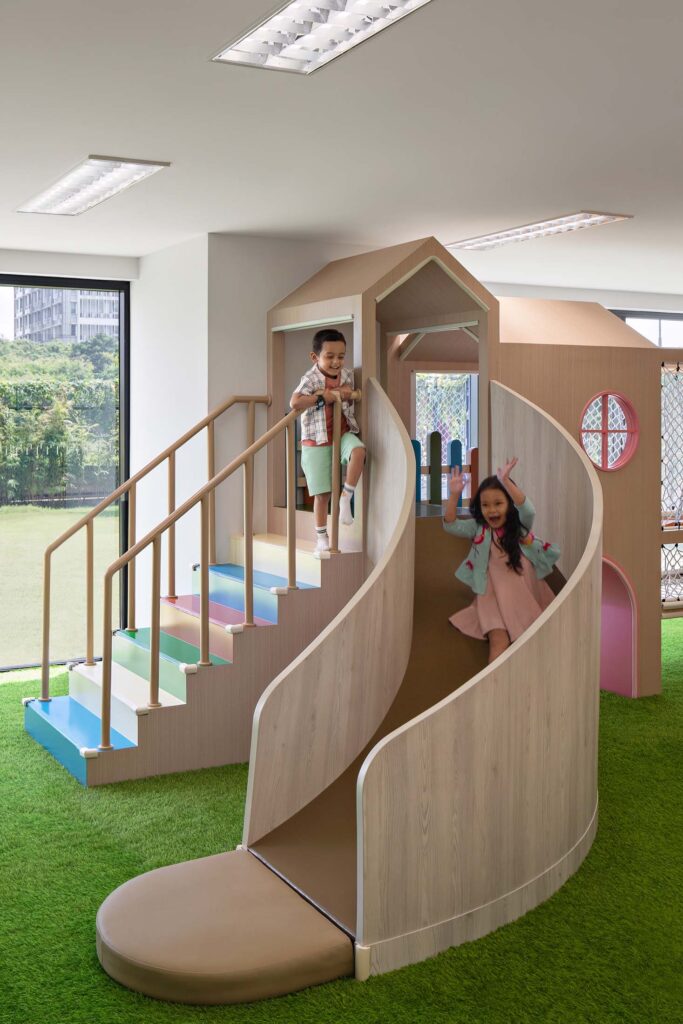
- Playground equipment for outdoor recreation
- Game rooms providing supervised entertainment options
- Proximity to international schools for expatriate families with school-age children
- Child-safe unit configurations with covered outlets and secured balconies
Properties in expatriate-heavy areas often develop family-focused services including childcare referrals, pediatric medical contacts, and connections to international family communities.
Technology and Connectivity Requirements
Remote work capabilities and digital entertainment access have become essential features for extended-stay properties in 2026. Reliable high-speed internet represents a non-negotiable requirement for business travelers and digital nomads.
Digital Infrastructure Standards
Professional-grade WiFi with minimum speeds of 50-100 Mbps supports video conferencing, large file transfers, and simultaneous device usage without performance degradation. Properties serving business communities should provide dedicated business-class connections with service level guarantees.
In-unit workspaces with proper ergonomic furniture, adequate lighting, and multiple power outlets enable productive remote work without improvising uncomfortable desk arrangements. These features have transitioned from luxury amenities to standard expectations following pandemic-driven remote work normalization.
Smart Unit Features
Modern extended-stay properties increasingly incorporate smart technology including:
- Mobile check-in/check-out eliminating front desk queues
- Digital room controls for climate, lighting, and entertainment systems
- Smart locks enabling keyless entry and guest access management
- Integrated entertainment with streaming service compatibility
- Voice assistants for hands-free control and information access
These technologies enhance convenience and control for tech-savvy guests while reducing operational costs for properties through automation.
Comparing Extended Stay Markets Globally
Long term hotel rental market characteristics vary significantly across global regions, reflecting local housing markets, regulatory environments, and corporate mobility patterns. Understanding these differences helps travelers set realistic expectations when relocating internationally.
Regional Market Variations
North American extended-stay markets emphasize budget-friendly options with limited service models, reflecting competitive apartment rental markets and strong automotive transportation patterns. Industry reports indicate sustained growth driven by domestic workforce mobility and construction project demands.
European markets feature higher serviced apartment penetration in major cities, with properties targeting corporate relocations and luxury leisure travelers. Regulatory frameworks in many European countries provide stronger tenant protections after extended occupancy periods, influencing contract structures.
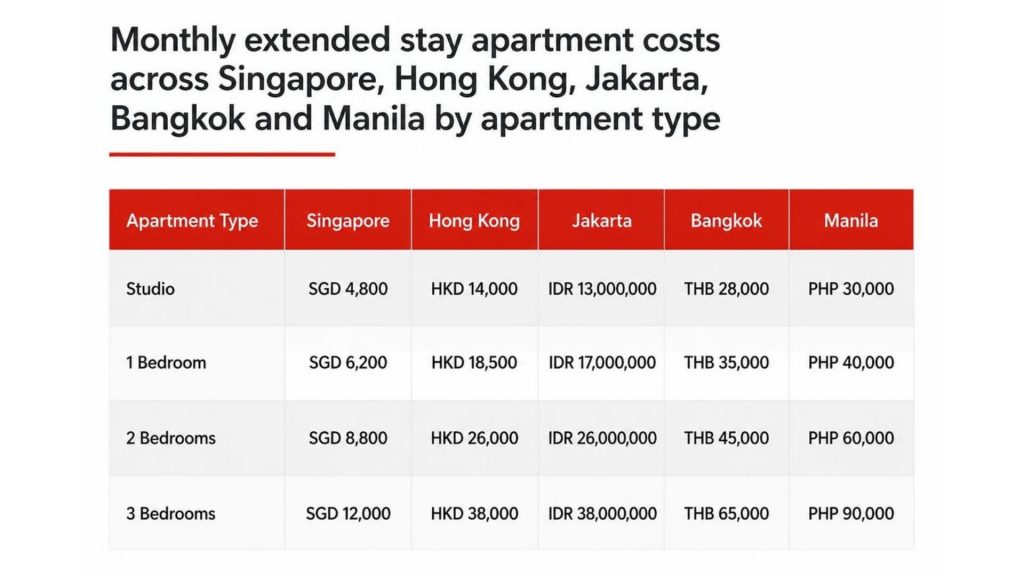
Asian markets demonstrate strong demand in business hubs serving multinational corporations and expatriate communities. Properties in cities like Singapore, Hong Kong, Tokyo, and Jakarta compete primarily on location and service quality rather than price, with monthly rates often exceeding comparable apartment rentals due to comprehensive service inclusions.
Jakarta’s Extended-Stay Landscape
Jakarta’s market serves regional headquarters operations, extractive industry rotations, and diplomatic postings requiring flexible long-term accommodation. The concentration of properties in Kuningan and SCBD reflects multinational corporate clustering and limited public transportation options that prioritize proximity over cost savings from peripheral locations.
Monthly rates in premium Jakarta properties range from $2,500-$6,000 for one-bedroom serviced apartments, with family-sized units exceeding $8,000 in luxury developments. These rates include comprehensive services that would require separate contractors and vendors in traditional apartment arrangements.
Tax and Expense Reporting Implications
Long term hotel rental creates specific tax and expense reporting considerations for corporate travelers and self-employed professionals. Understanding documentation requirements and allowable deductions prevents audit issues and maximizes legitimate tax benefits.
Corporate Expense Management
Companies typically establish per-diem rates or actual expense reimbursement policies for extended-stay accommodation. Employees should clarify approved expenditure levels, receipt requirements, and pre-approval processes before committing to long-term bookings.
Monthly invoicing from properties simplifies expense reporting compared to daily hotel bills, with single transactions covering entire month periods. Detailed invoices should separately itemize accommodation charges, service fees, taxes, and any additional expenses to facilitate proper accounting categorization.
Tax Deduction Considerations
Self-employed professionals and business owners may deduct qualifying lodging expenses as business travel costs, subject to specific tax authority regulations. Extended stays in single locations may trigger temporary residence classifications that limit deductibility compared to transient business travel.
Tax advisors can provide guidance on documentation requirements, deductibility limits, and strategies for optimizing legitimate business expense deductions related to extended accommodation arrangements. Maintaining detailed records of business purpose, duration, and cost allocation proves essential during audits.
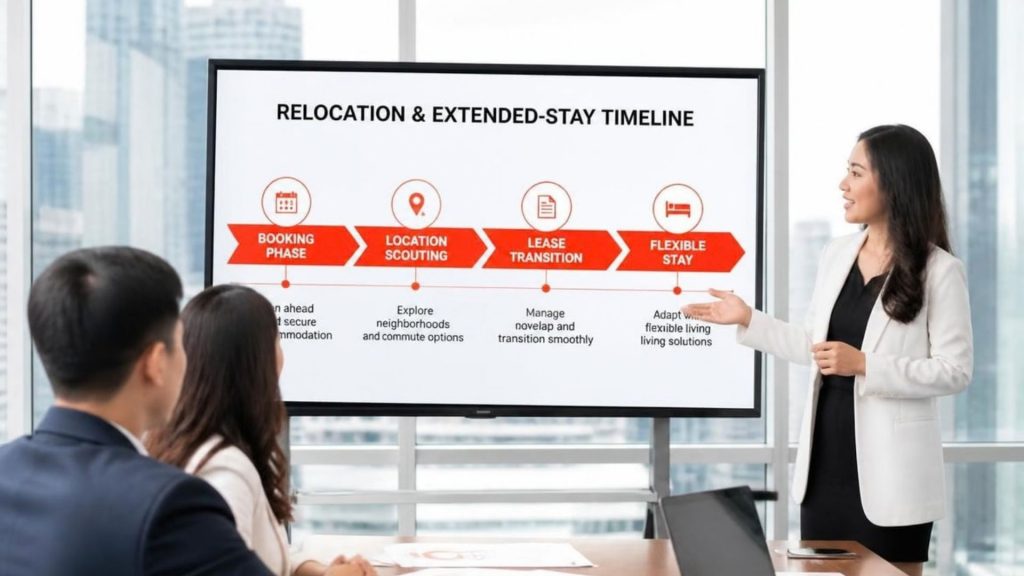
Transition Planning and Exit Strategies
Unlike permanent relocations requiring comprehensive household goods movement, long term hotel rental enables lighter transitions with reduced logistical complexity. However, stays exceeding several months accumulate personal belongings requiring removal planning.
Pre-Arrival Preparation
Coordinating arrival dates with property availability prevents gaps requiring interim accommodation. Many properties offer early check-in or luggage storage for guests arriving before official access dates, particularly valuable for international travelers managing flight schedules and time zone transitions.
Understanding included items and required personal belongings prevents over-packing while ensuring essential items availability. Properties should provide detailed inventories of furnished items, kitchenware, linens, and amenities before arrival to inform packing decisions.
Departure and Checkout Procedures
Extended-stay checkouts typically require more extensive property inspections than short hotel stays, with staff assessing unit condition, inventory completeness, and any damage beyond normal wear. Scheduling checkout appointments during business hours ensures immediate dispute resolution and security deposit processing.
Forwarding address submission and mail handling arrangements prevent important correspondence loss after departure. Some properties offer mail forwarding services for fees, while others hold packages for limited periods pending guest collection.
Specialized Extended Stay Scenarios
Certain situations create unique requirements for long term hotel rental arrangements beyond standard business travel or relocation contexts. Properties serving these specialized needs develop targeted service packages and expertise.
Medical Tourism and Treatment Stays
Patients traveling for extended medical treatment require accommodation near healthcare facilities with appropriate support services. Properties catering to medical guests often maintain relationships with nearby hospitals, arrange transportation to appointments, and provide accessible unit configurations.
Recovery-appropriate amenities including ground-floor access, grab bars, and proximity to pharmacies enhance safety and convenience during post-treatment periods. Some properties establish preferred rates with specific medical centers, creating bundled medical travel packages.
Temporary Housing During Crisis
Government programs increasingly utilize hotels for emergency housing assistance, providing temporary shelter during housing transitions or crisis situations. These arrangements require different contractual structures and support services compared to commercial bookings.
Properties participating in emergency housing programs balance social responsibility with operational considerations, often designating specific units for program participants to minimize disruption to standard commercial operations.
Long term hotel rental provides essential flexibility for modern workforce mobility, family relocations, and temporary housing needs that traditional apartment leases cannot efficiently serve. Whether you require accommodation for business assignments, expatriate transitions, or extended family stays in Jakarta’s central business district, Swissôtel Living Jakarta Mega Kuningan offers fully furnished serviced apartments with comprehensive hotel services, flexible monthly and yearly rental terms, and prime access to Kuningan, SCBD, Sudirman, and Jakarta’s key business corridors. Explore how our Studio, One-Bedroom, Two-Bedroom, and Three-Bedroom residences create comfortable, convenient extended-stay solutions tailored to your specific requirements.


































































 Should You Choose an Extended-Stay Hotel or Serviced Apartment in Jakarta for a Business Trip?