
Extended Stay Living: Complete Guide for 2026
Extended stay living has transformed the way professionals, expatriates, and families approach temporary accommodation in major business hubs worldwide. Unlike traditional hotels or unfurnished rentals, this hybrid model delivers fully equipped residences with flexible lease terms, housekeeping services, and comprehensive amenities designed for stays ranging from one week to several years. As corporate relocations, project assignments, and remote work arrangements reshape global mobility patterns in 2026, understanding the nuances of extended stay living becomes essential for anyone planning a move to a major metropolitan center.
Understanding Extended Stay Living Options
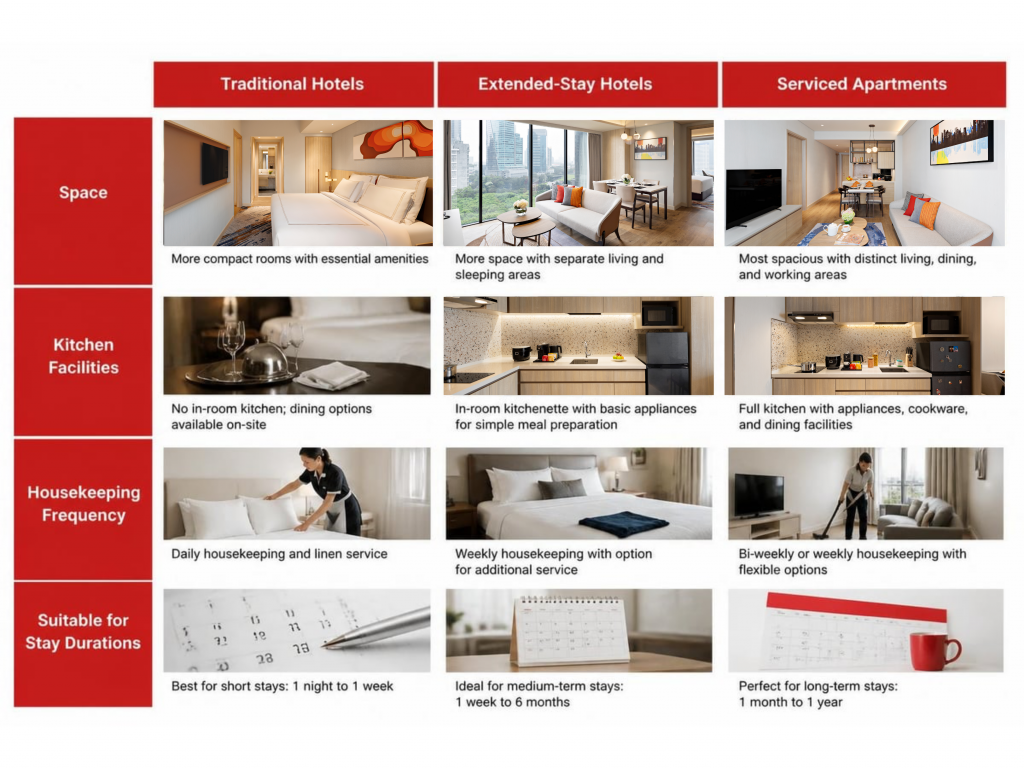
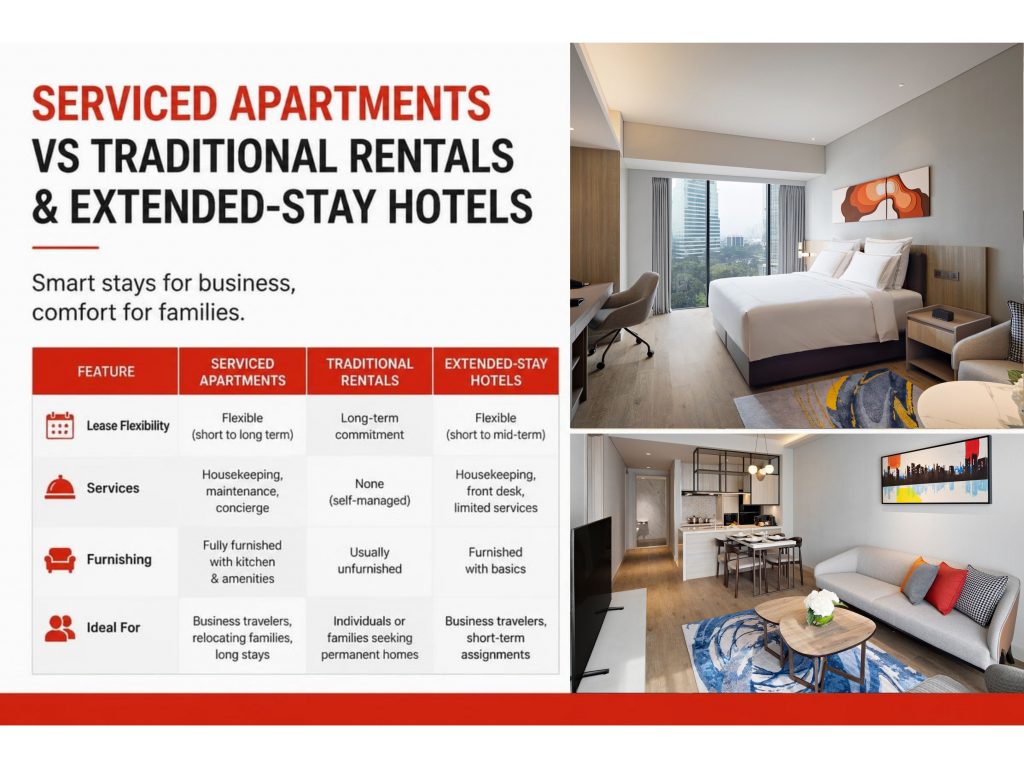
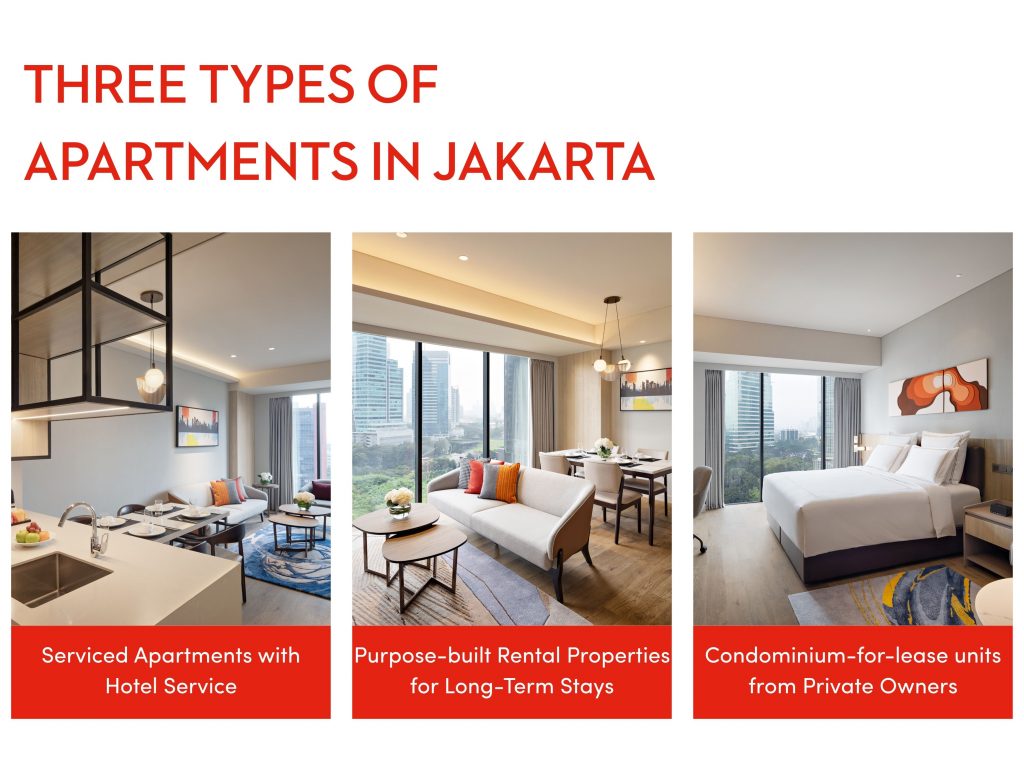
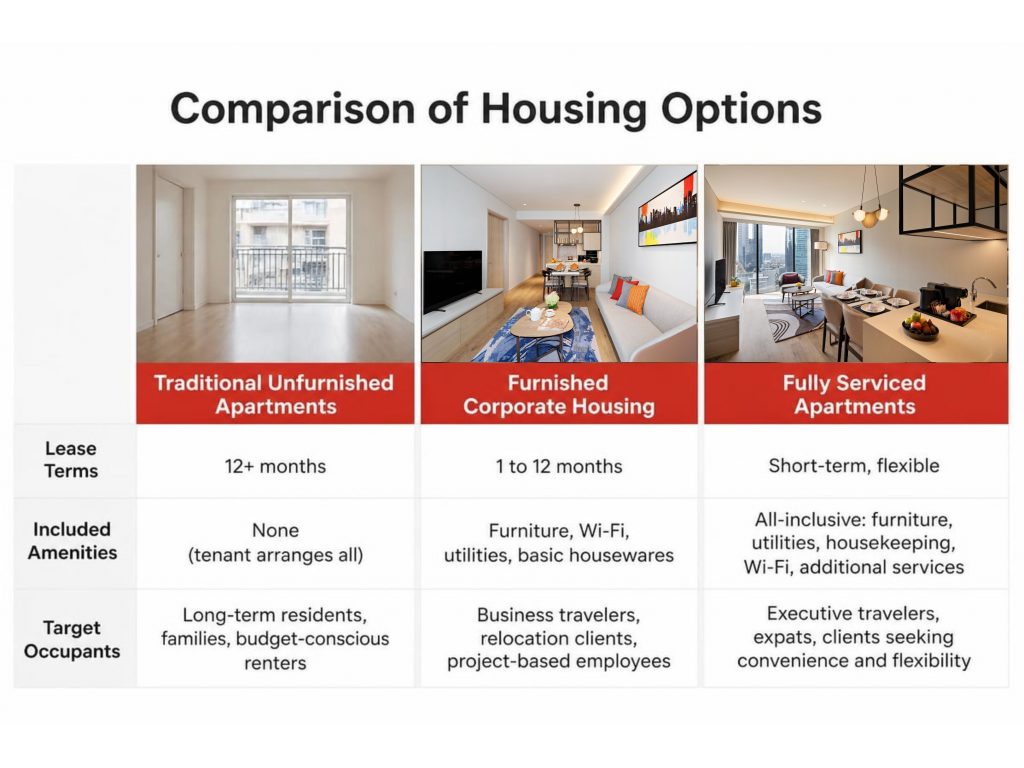
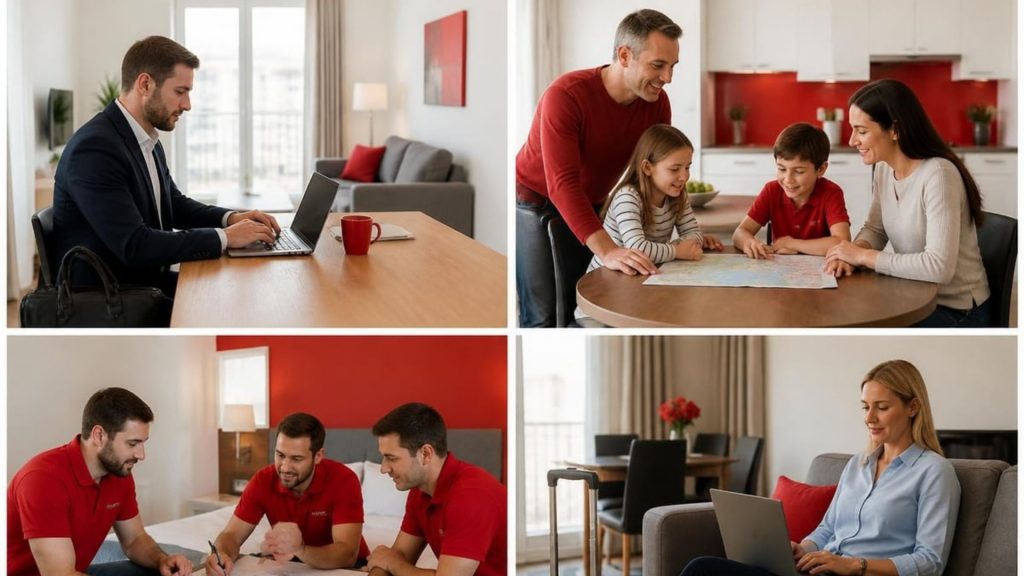
Extended stay living encompasses a spectrum of accommodation models tailored to guests requiring more than a few nights but less than a permanent lease commitment. The category includes serviced apartments, corporate housing, aparthotels, and residence hotels, each offering distinct advantages depending on stay duration and personal requirements.
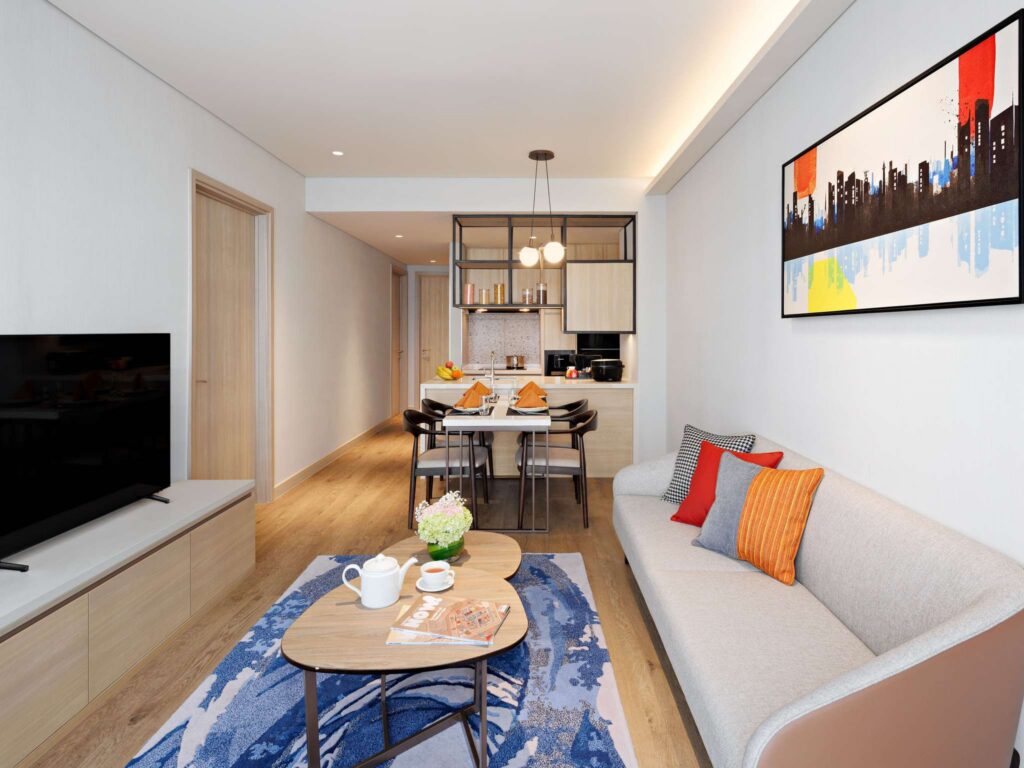
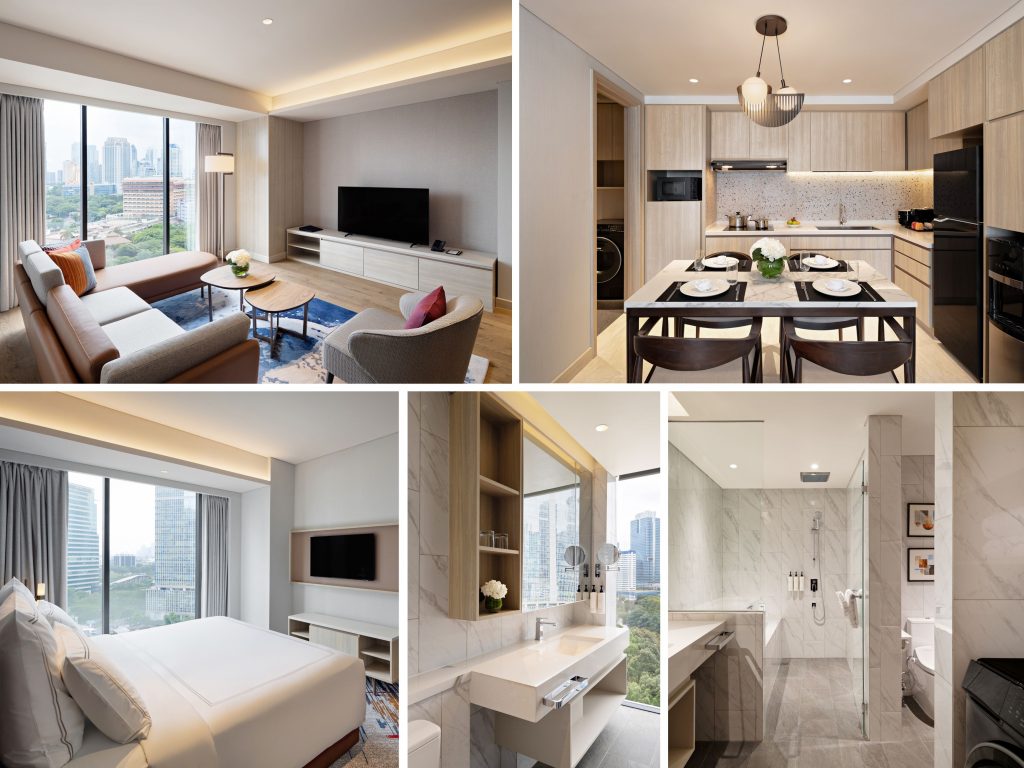
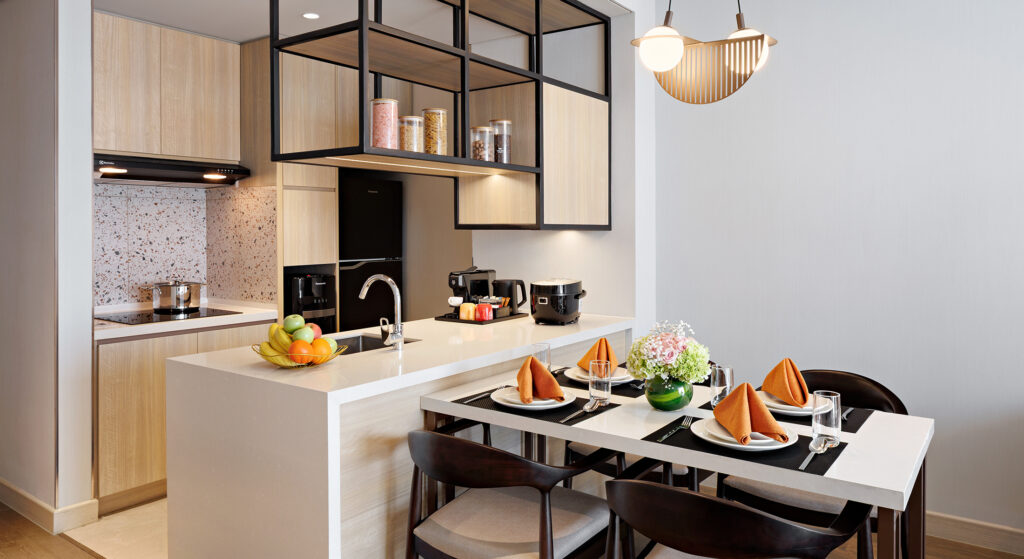
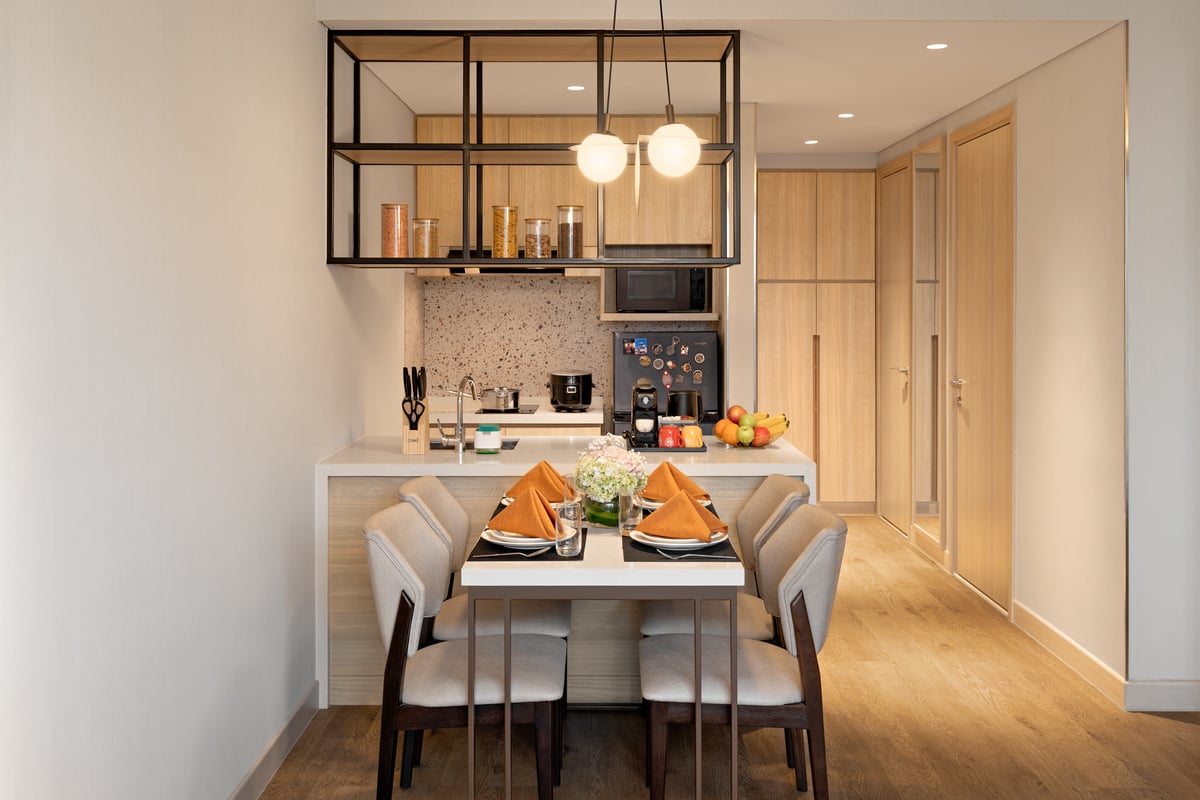
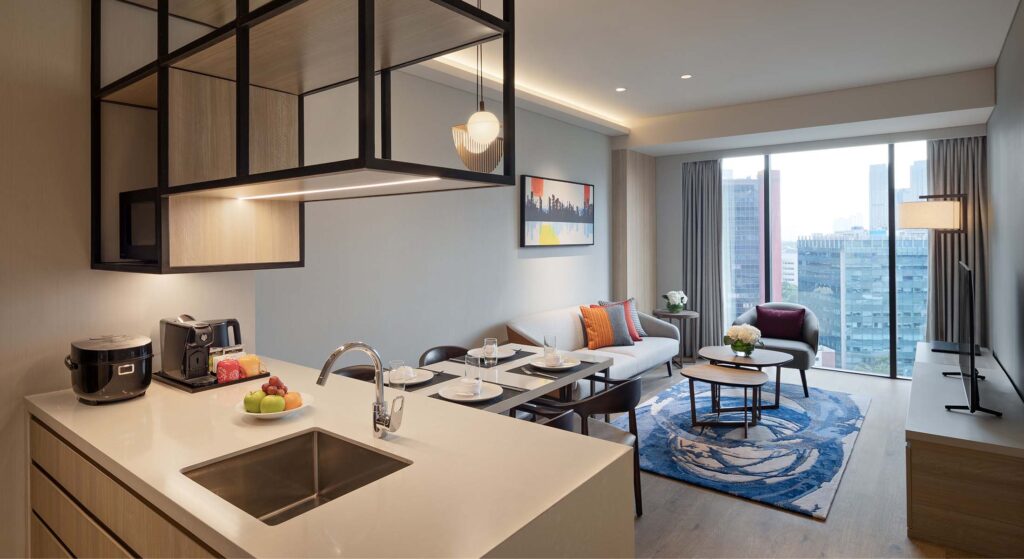
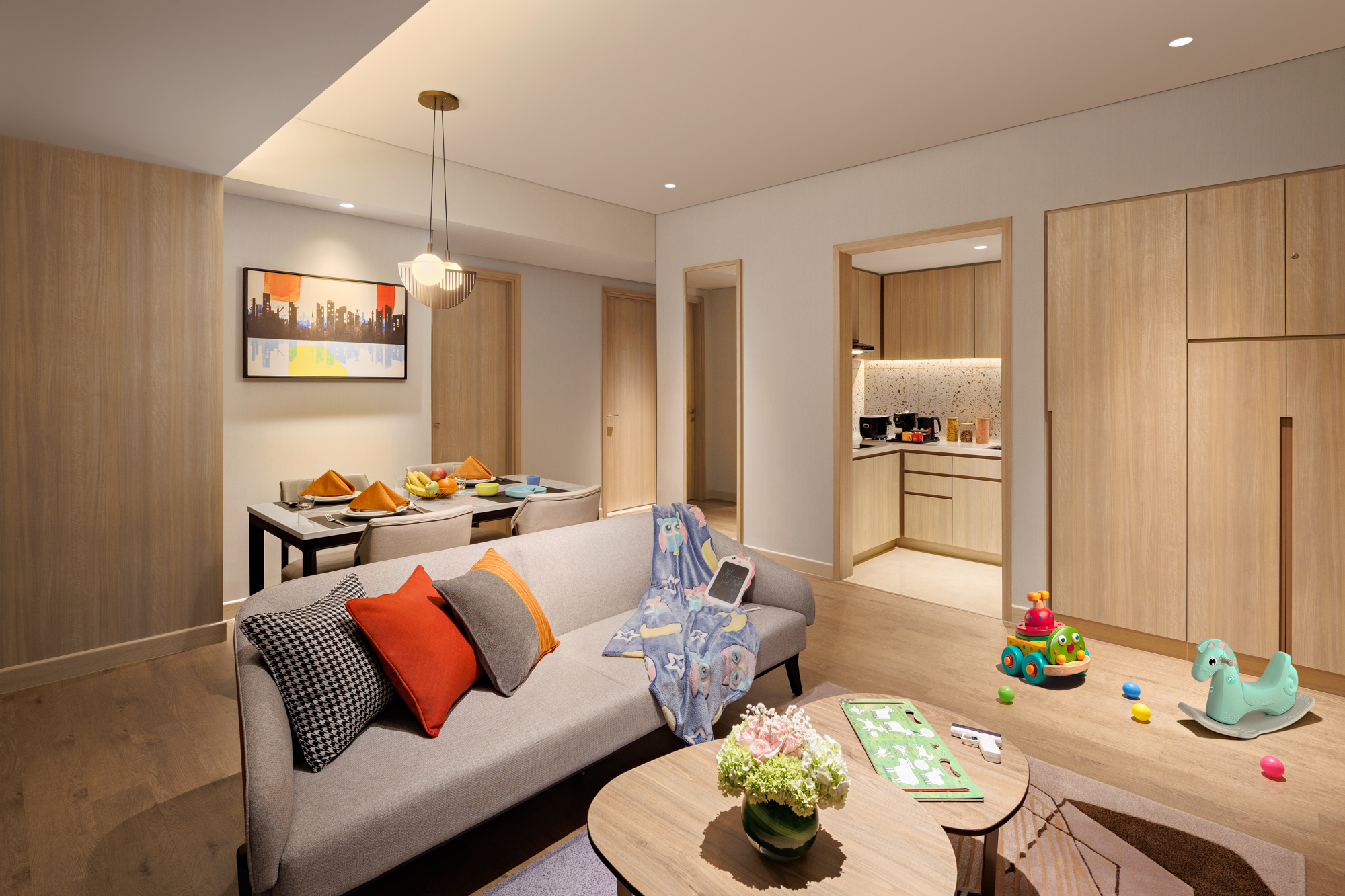
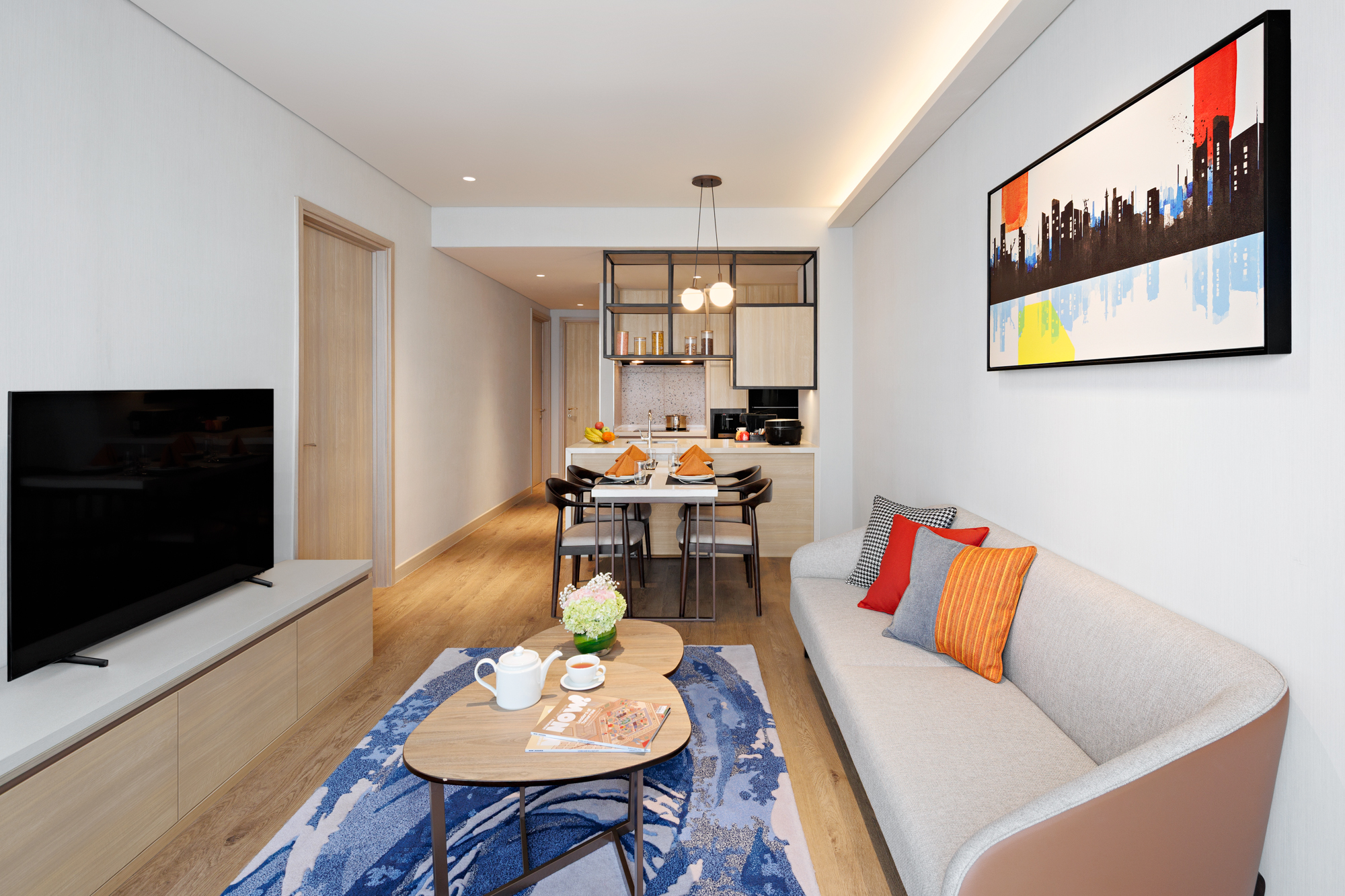
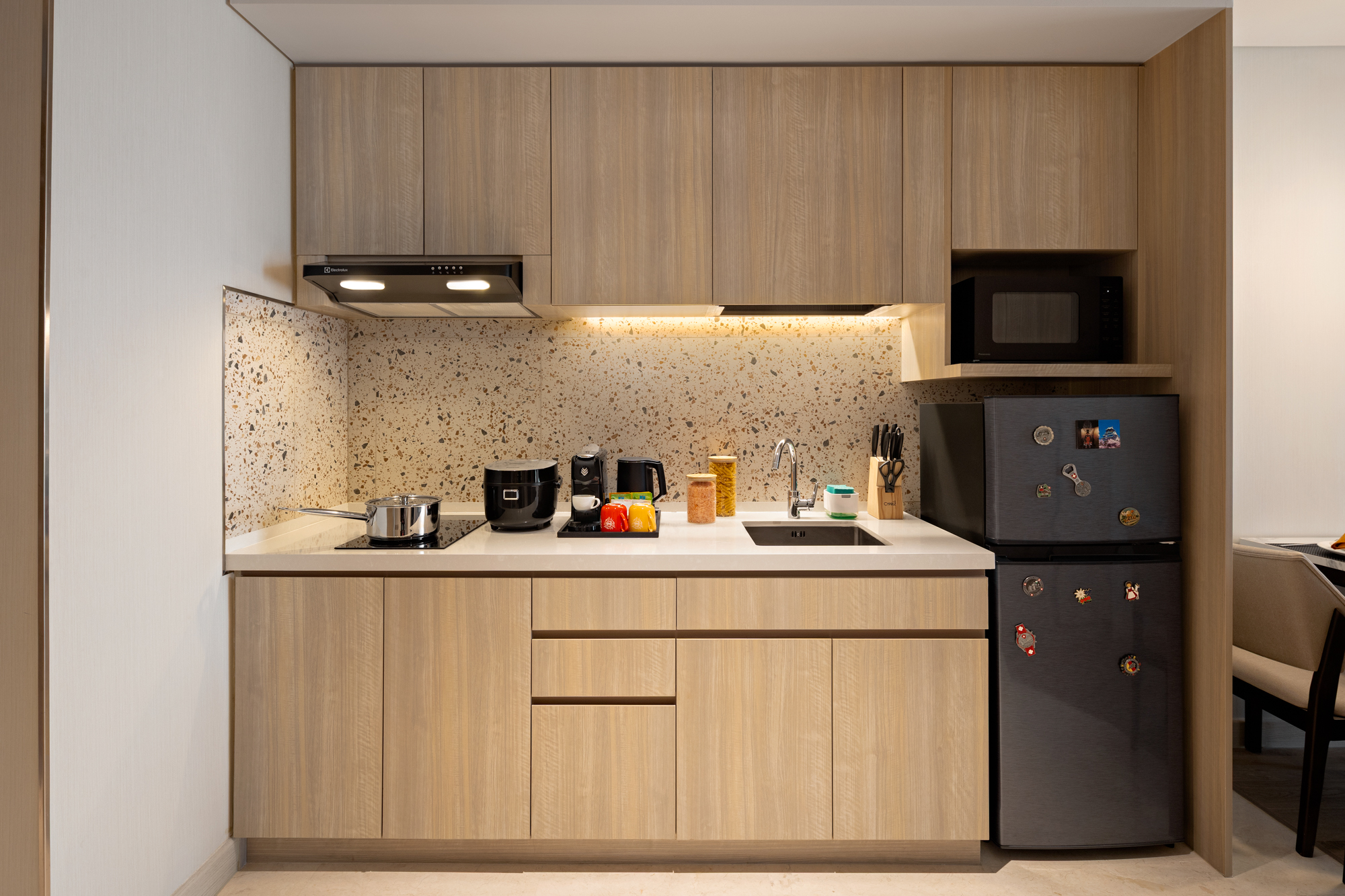
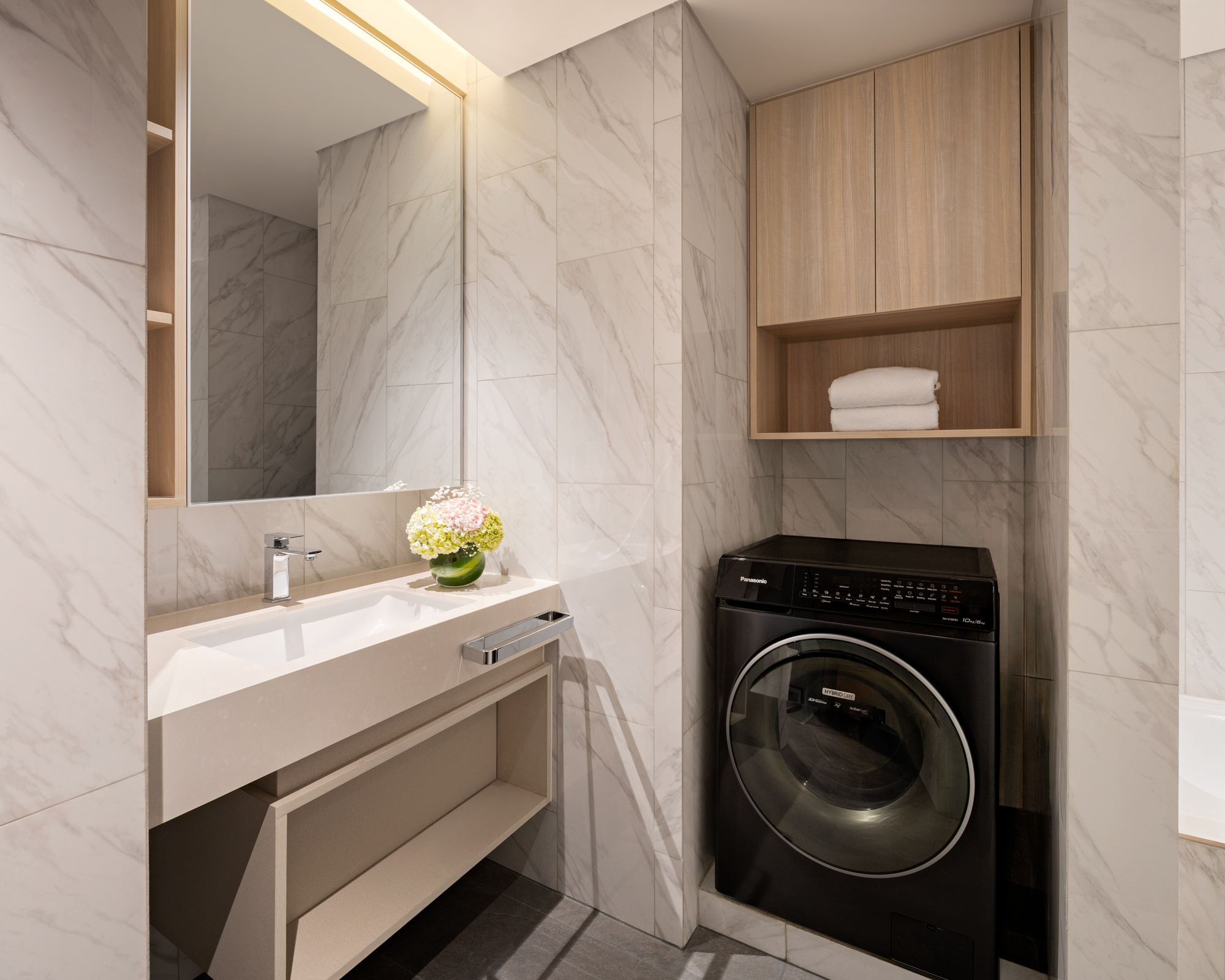
Serviced apartments represent the most comprehensive option within the extended stay living category. These fully furnished residences include:
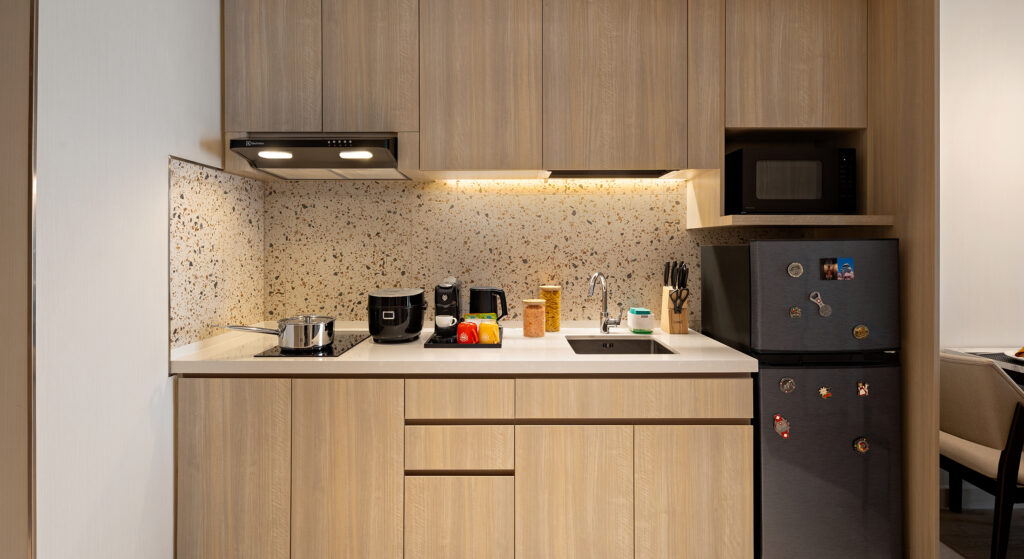
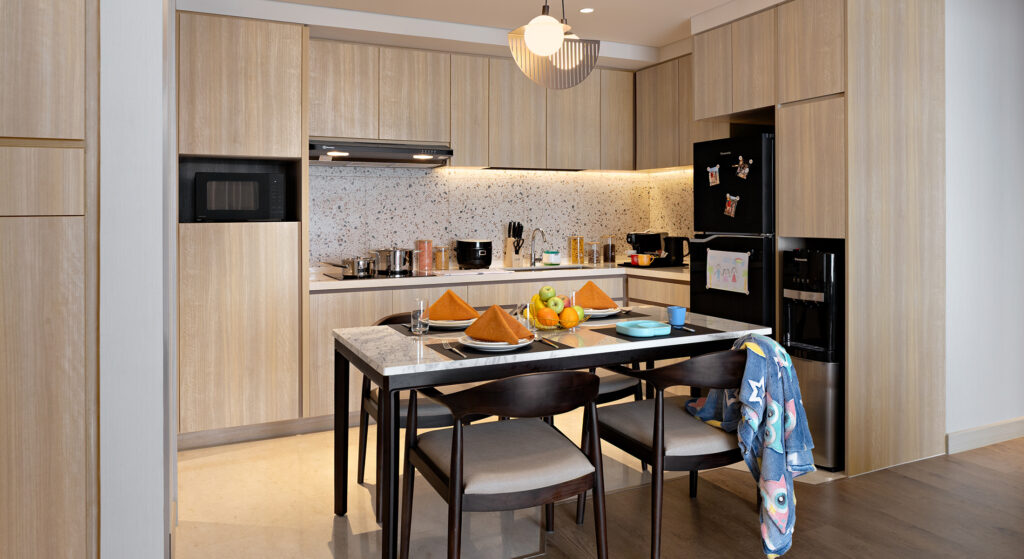
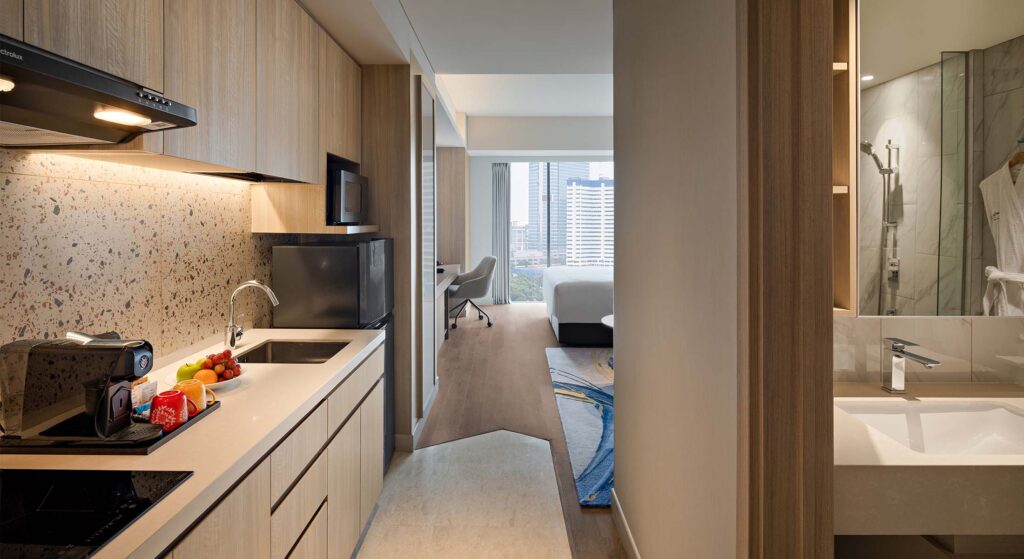
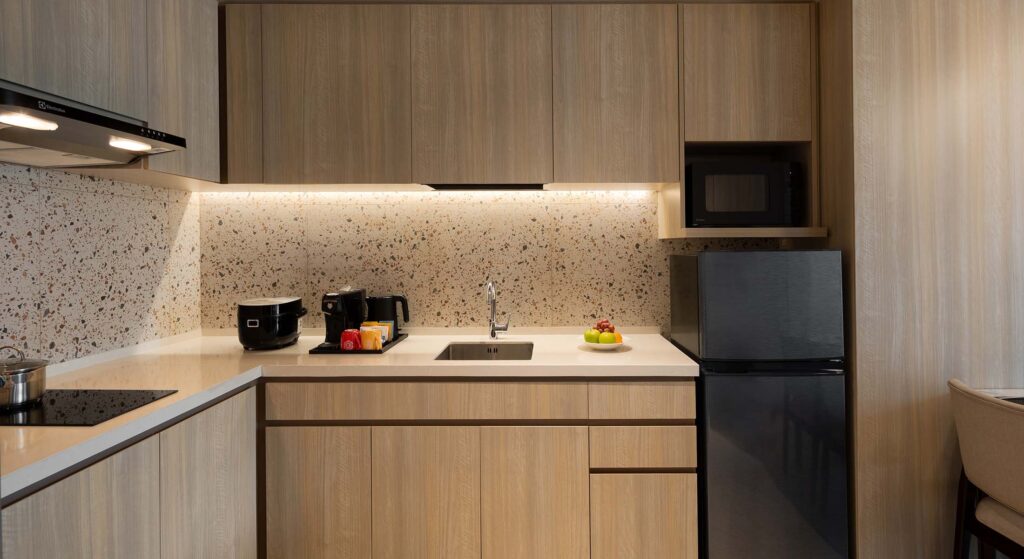
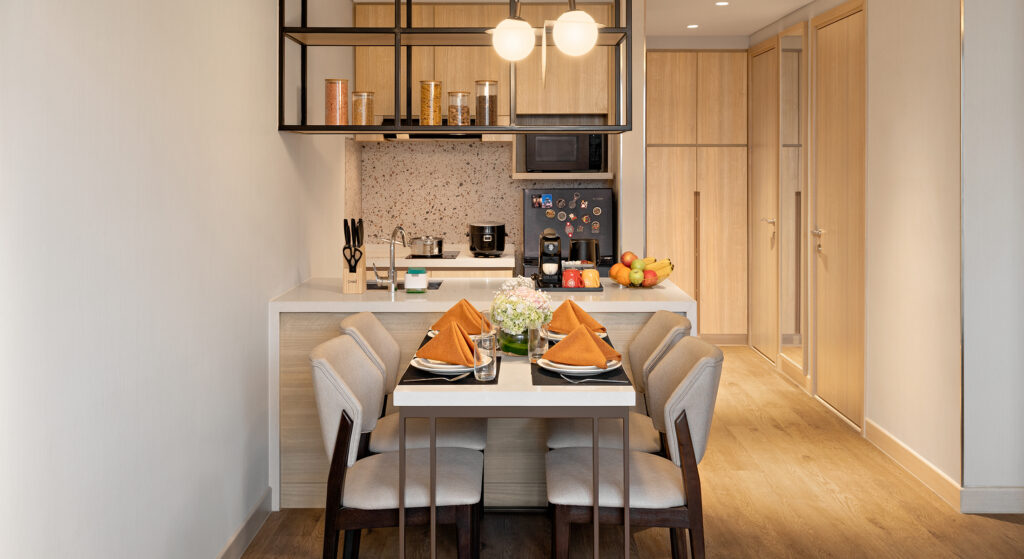
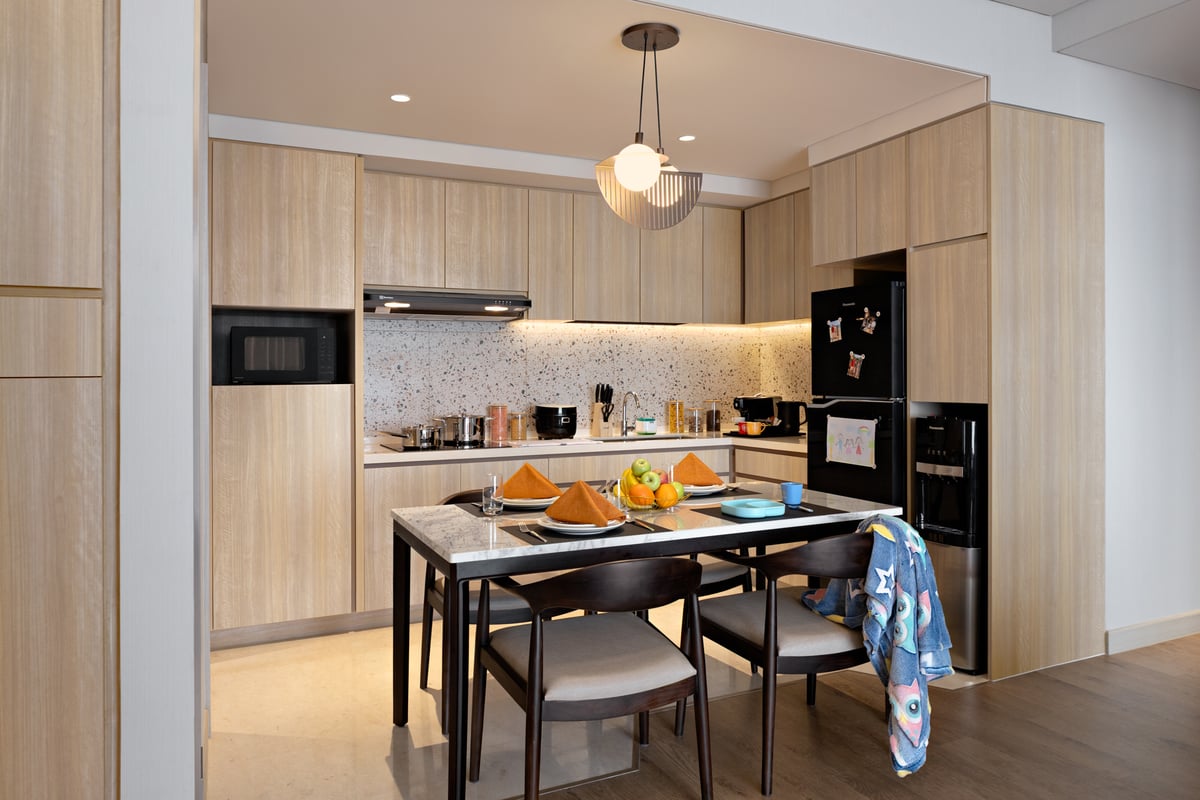
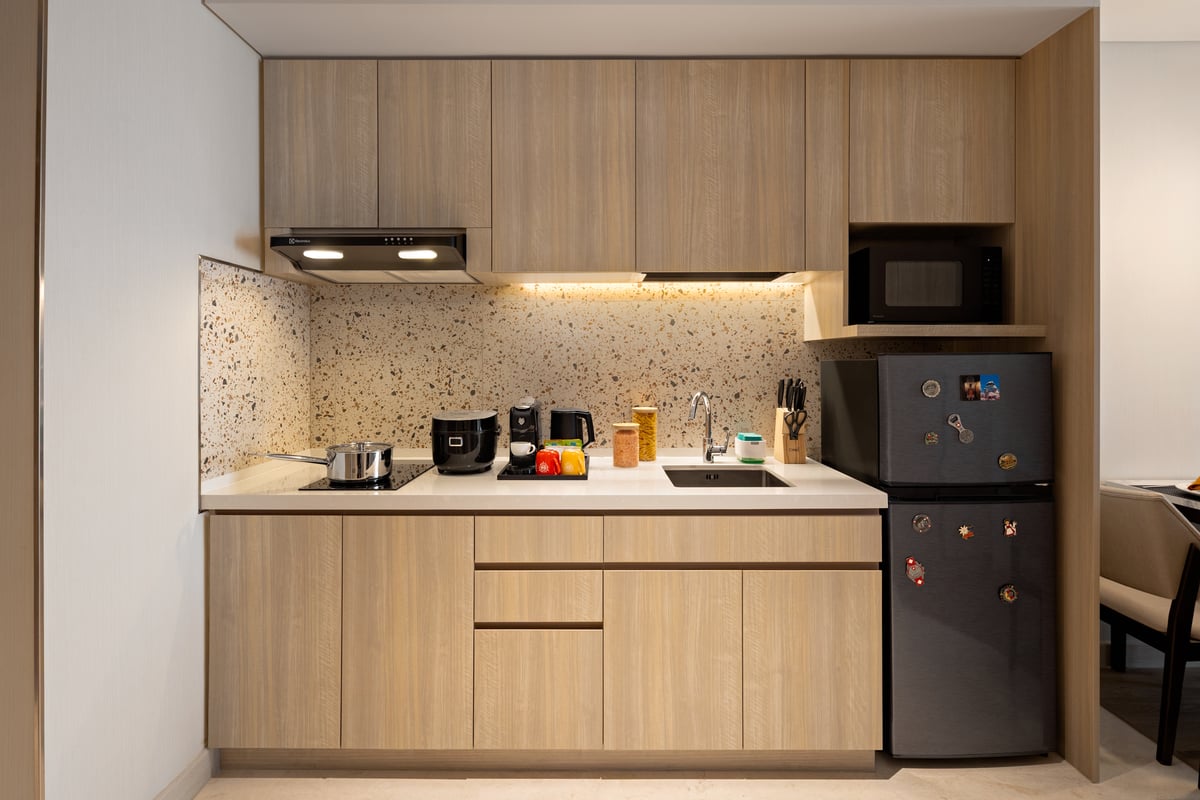
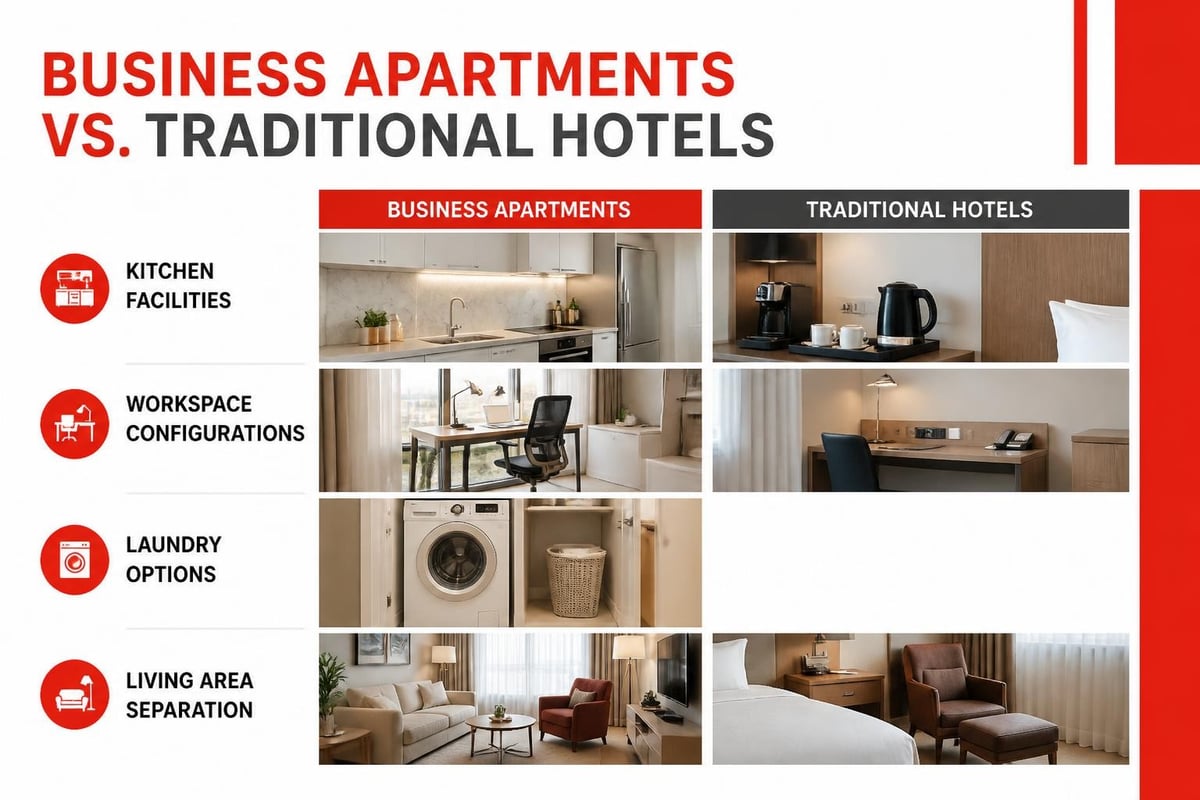
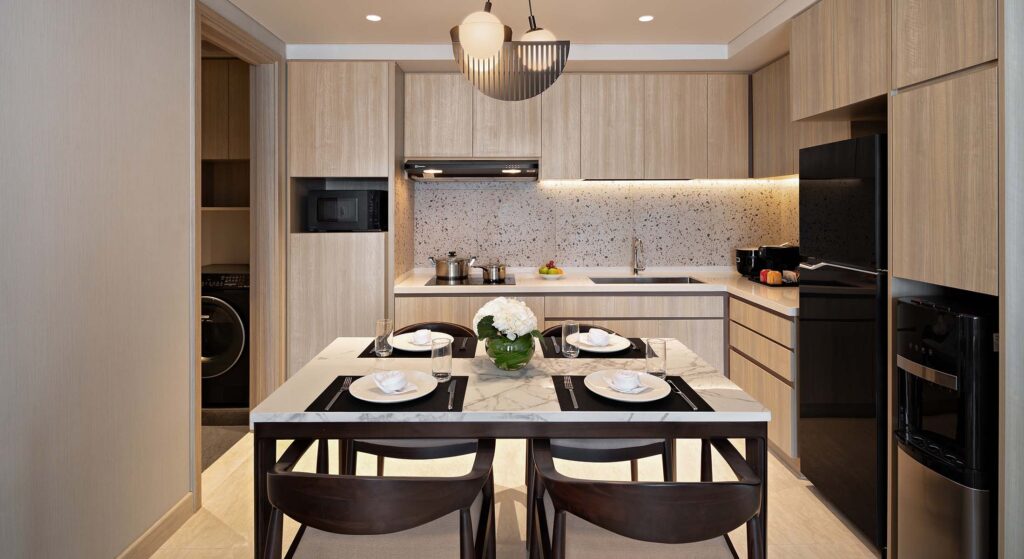
- Complete kitchen facilities with cookware, dishware, and modern appliances
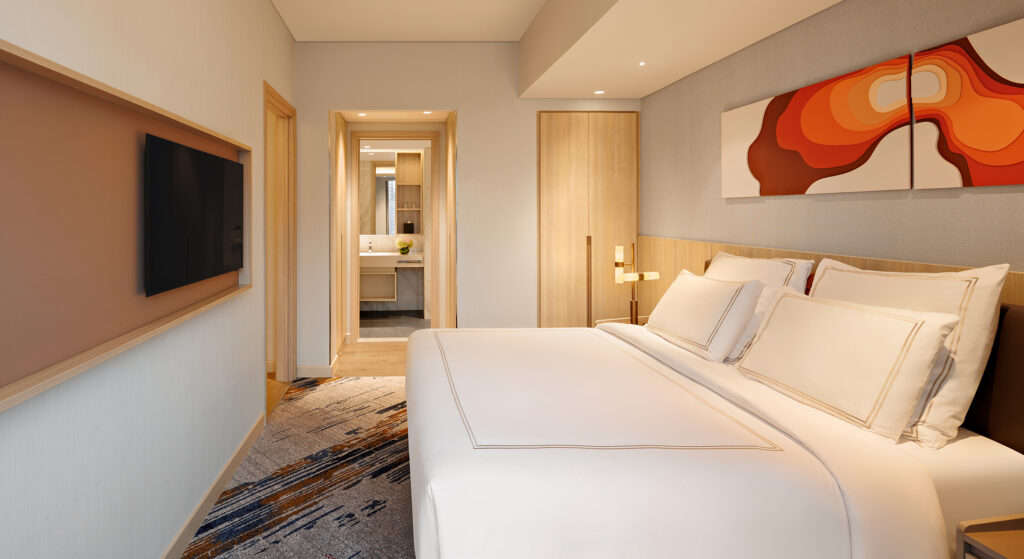
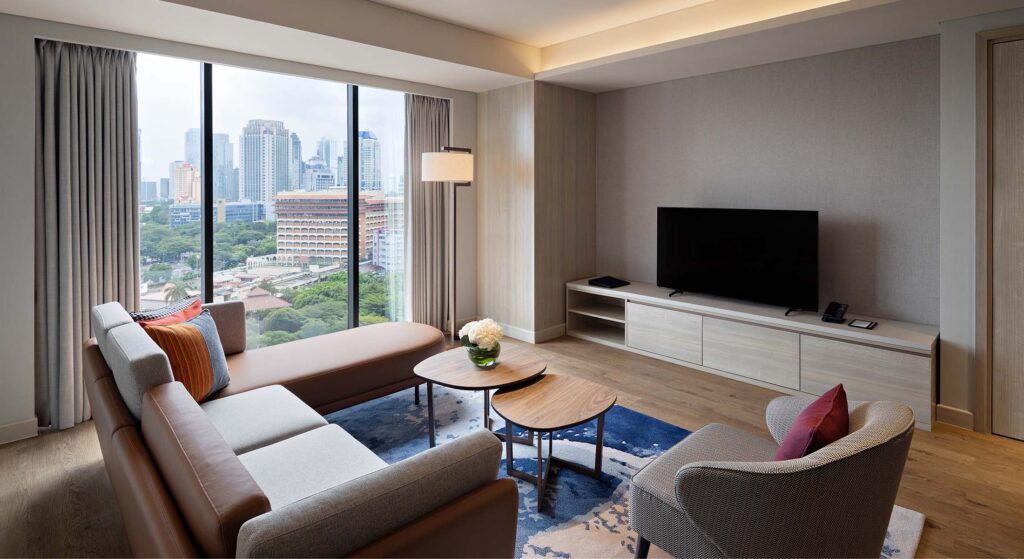
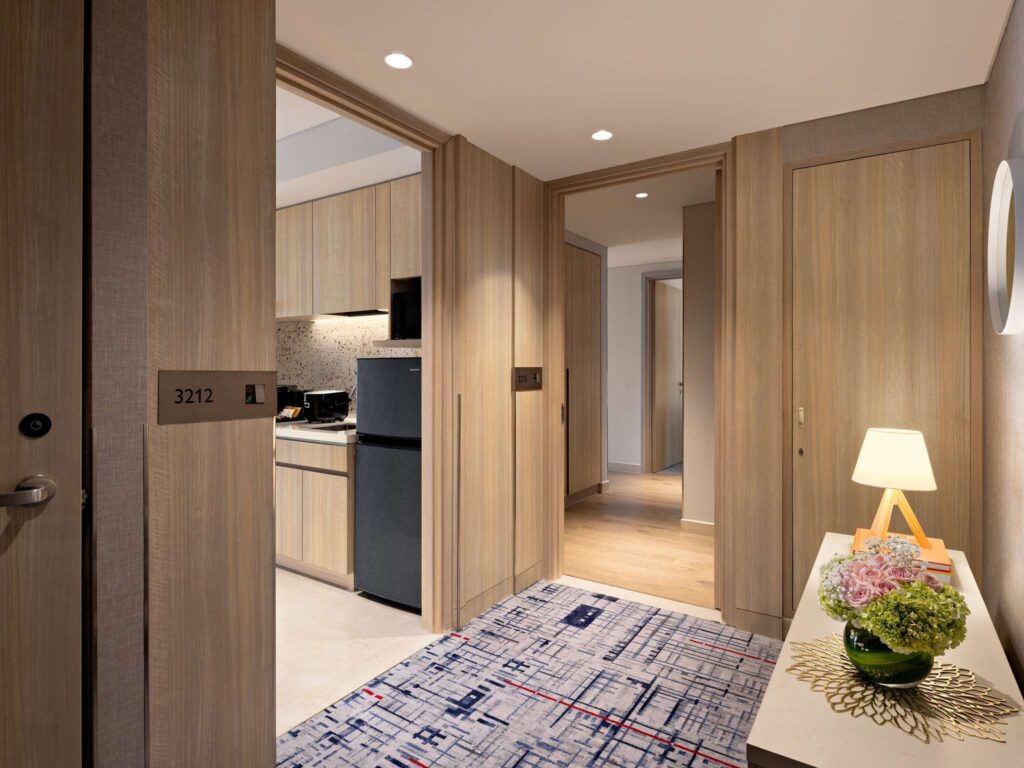
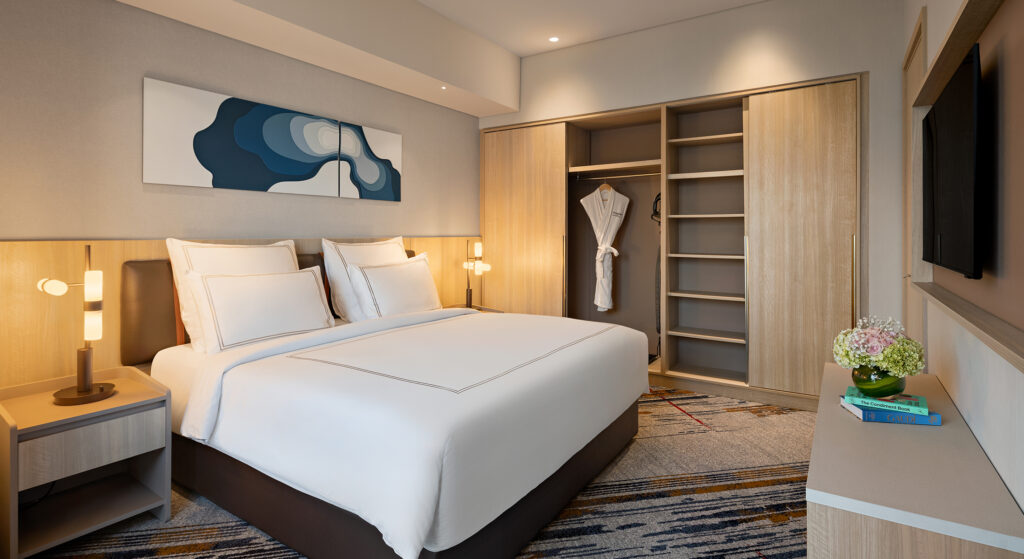
- Separate living and sleeping areas for enhanced privacy and comfort
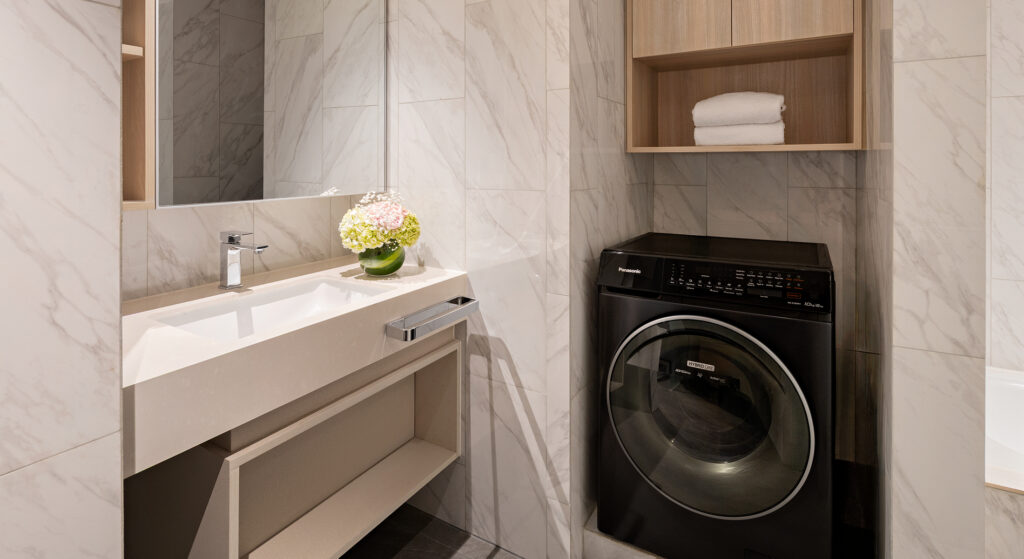
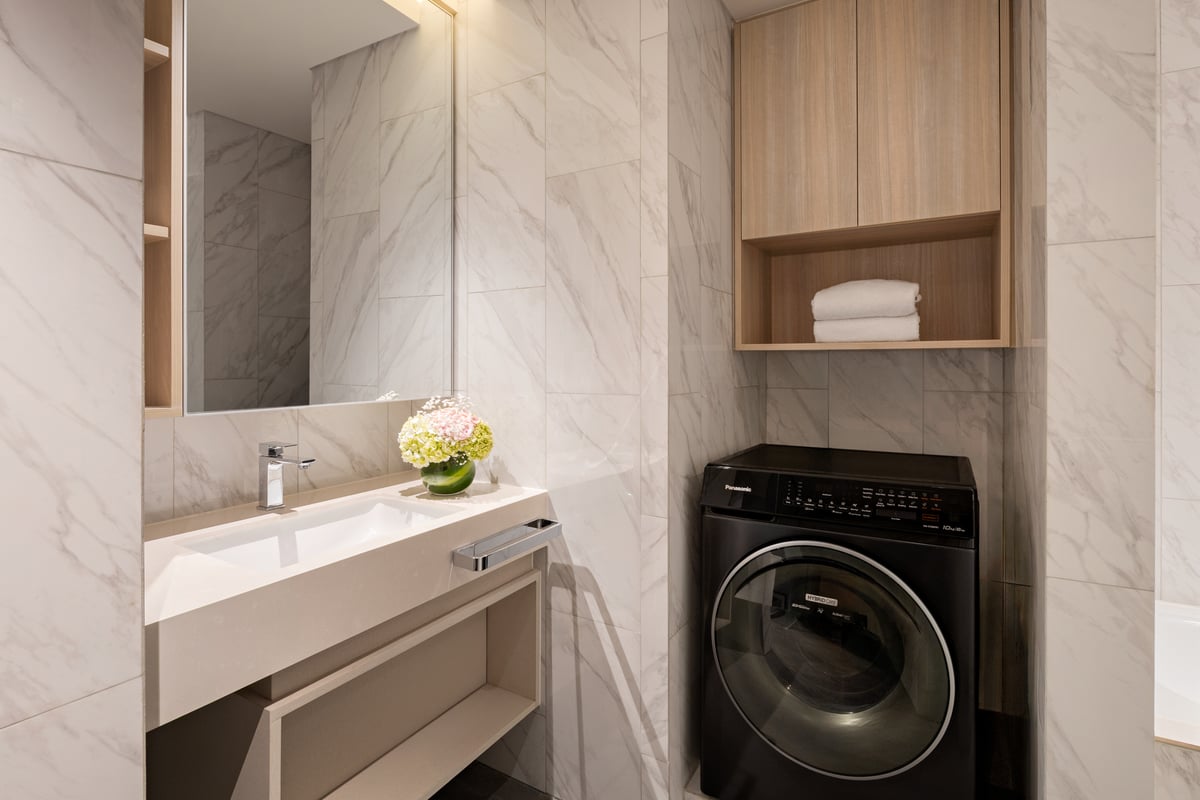
- In-unit laundry facilities or on-site laundry services
- Weekly housekeeping and linen changes
- 24-hour reception and concierge support
- Access to fitness centers, business facilities, and recreational spaces
The extended-stay hotel segment has experienced sustained growth driven by evolving business travel patterns and workforce mobility. Corporate travelers increasingly prioritize space, functionality, and cost efficiency over traditional hotel amenities, particularly for assignments lasting multiple weeks or months.
Duration-Based Accommodation Models
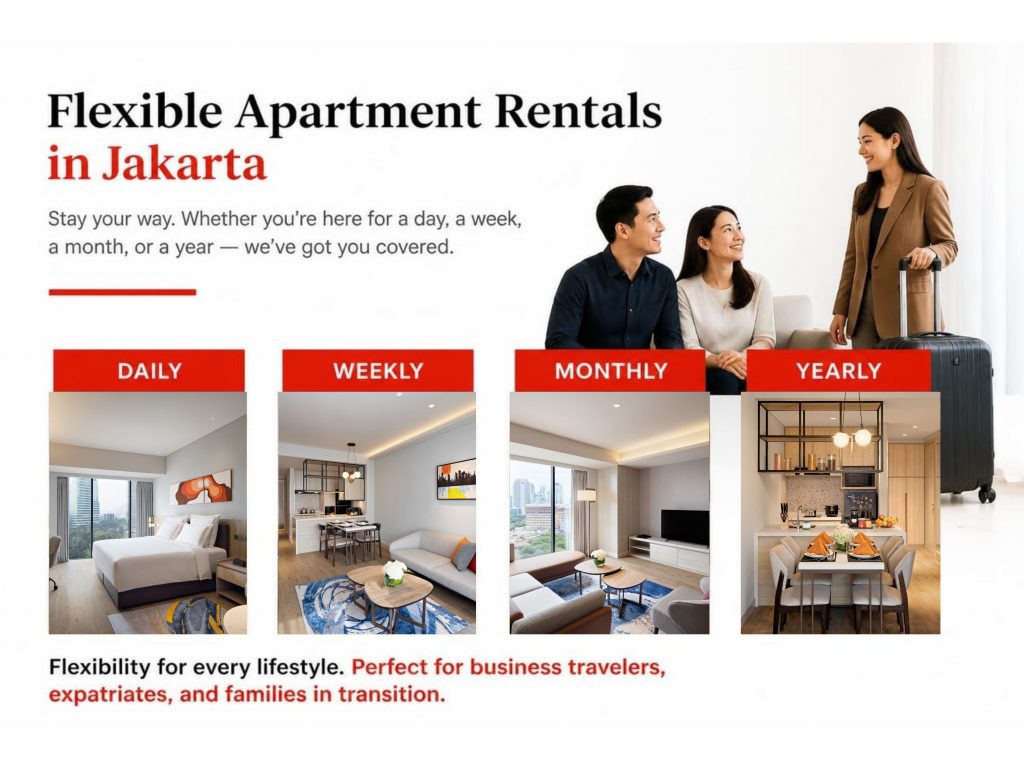
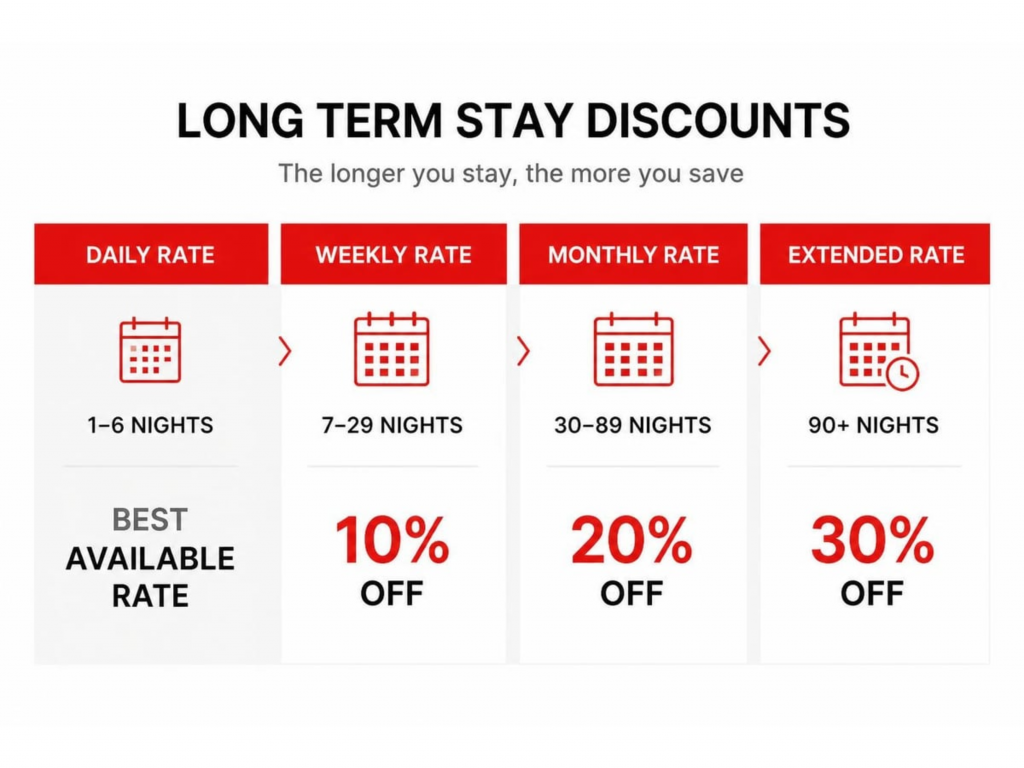
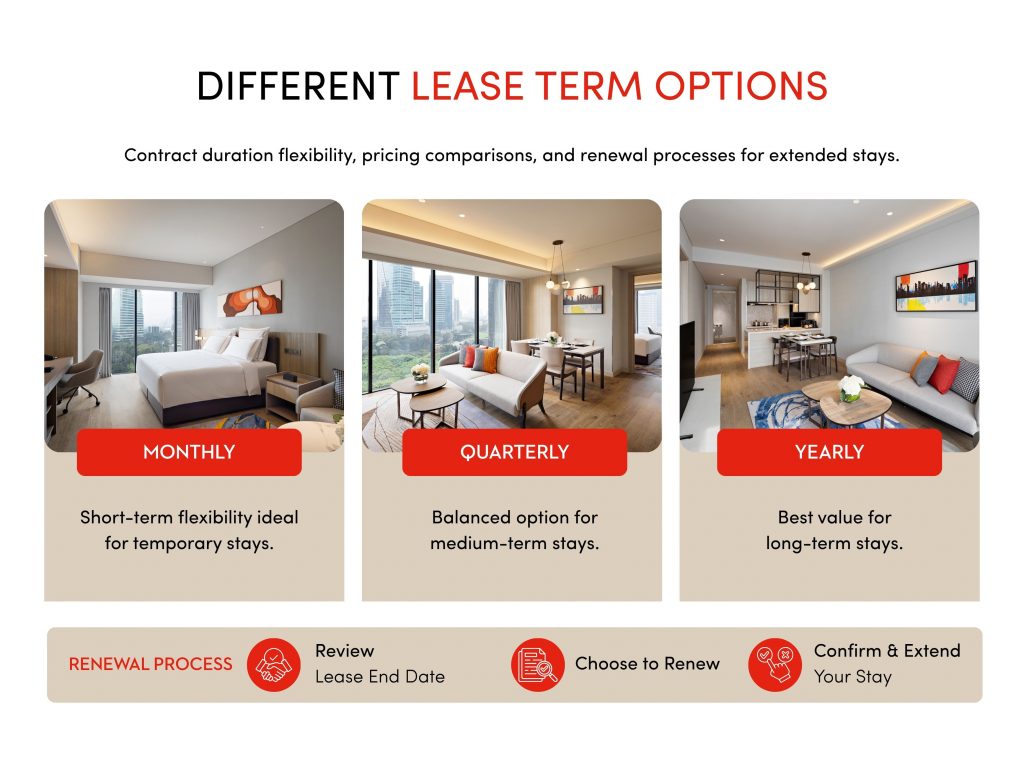
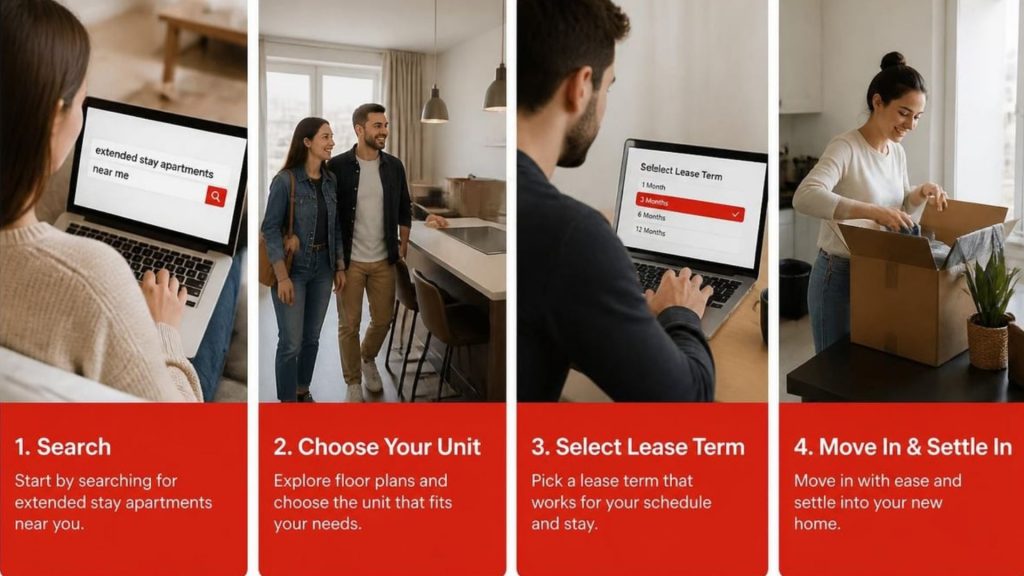
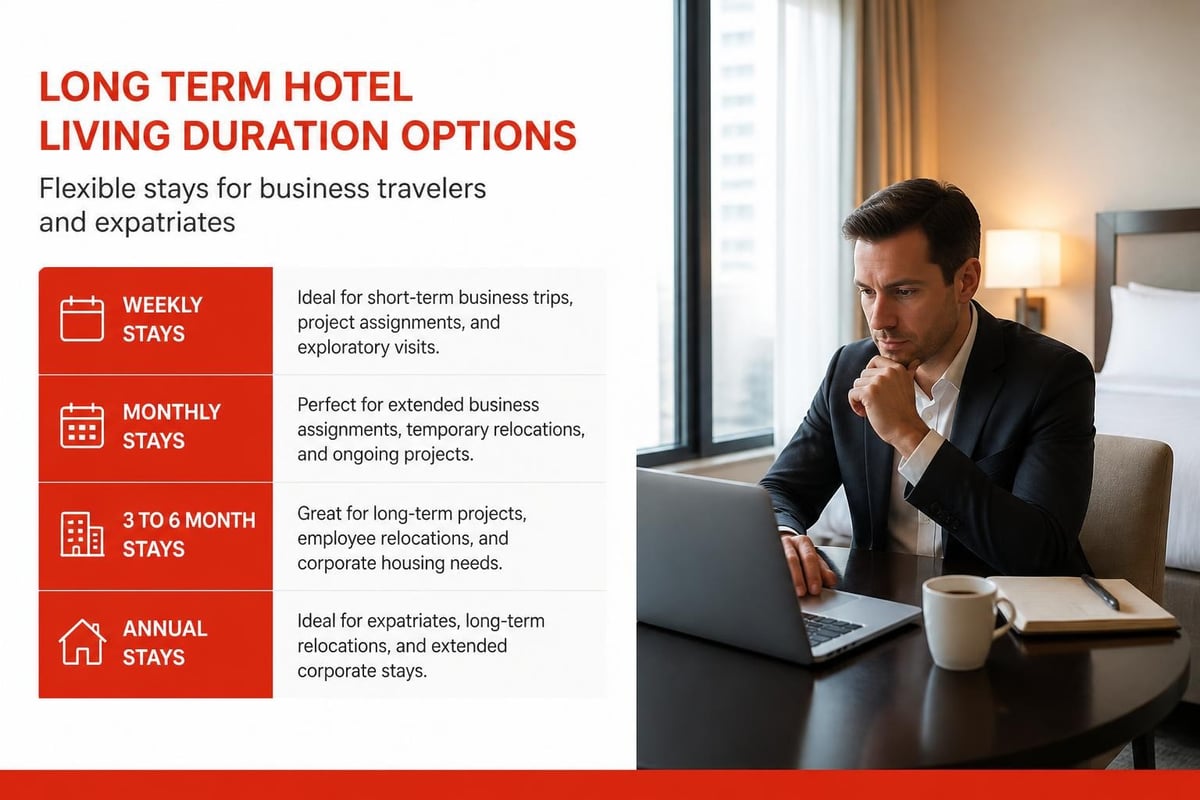
Extended stay living arrangements typically fall into four duration categories, each with specific pricing structures and service levels:
| Stay Duration | Typical Rate Structure | Included Services | Best For |
|---|---|---|---|
| 1-6 nights | Daily rate | Daily housekeeping, basic amenities | Short business trips, weekend stays |
| 7-29 nights | Weekly discounted rate | Bi-weekly housekeeping, utilities | Project assignments, training programs |
| 30-179 nights | Monthly rate (30-50% discount) | Weekly housekeeping, all utilities | Relocations, temporary assignments |
| 180+ nights | Annual contract rate | Customized service schedule | Expatriate postings, long-term projects |
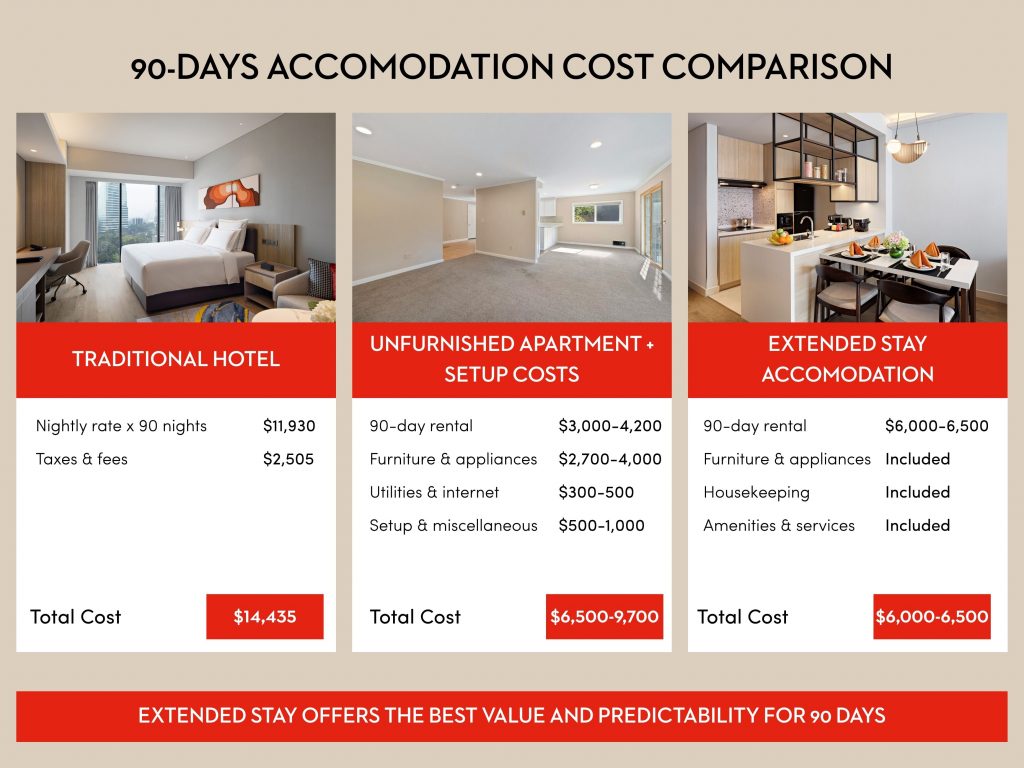
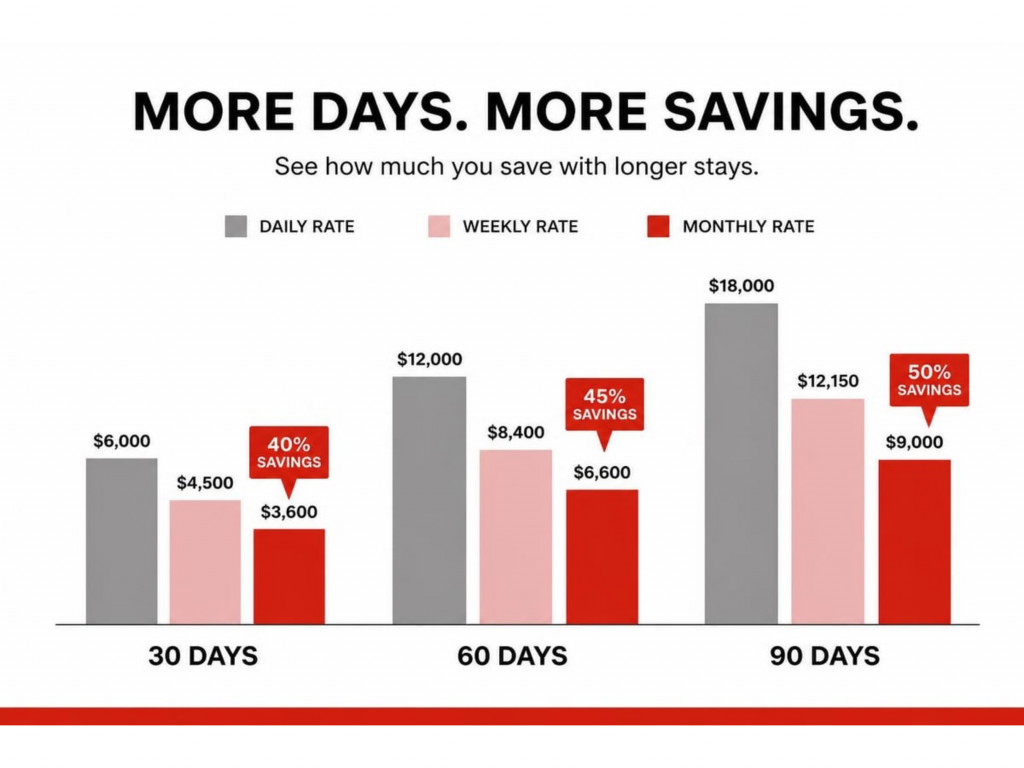
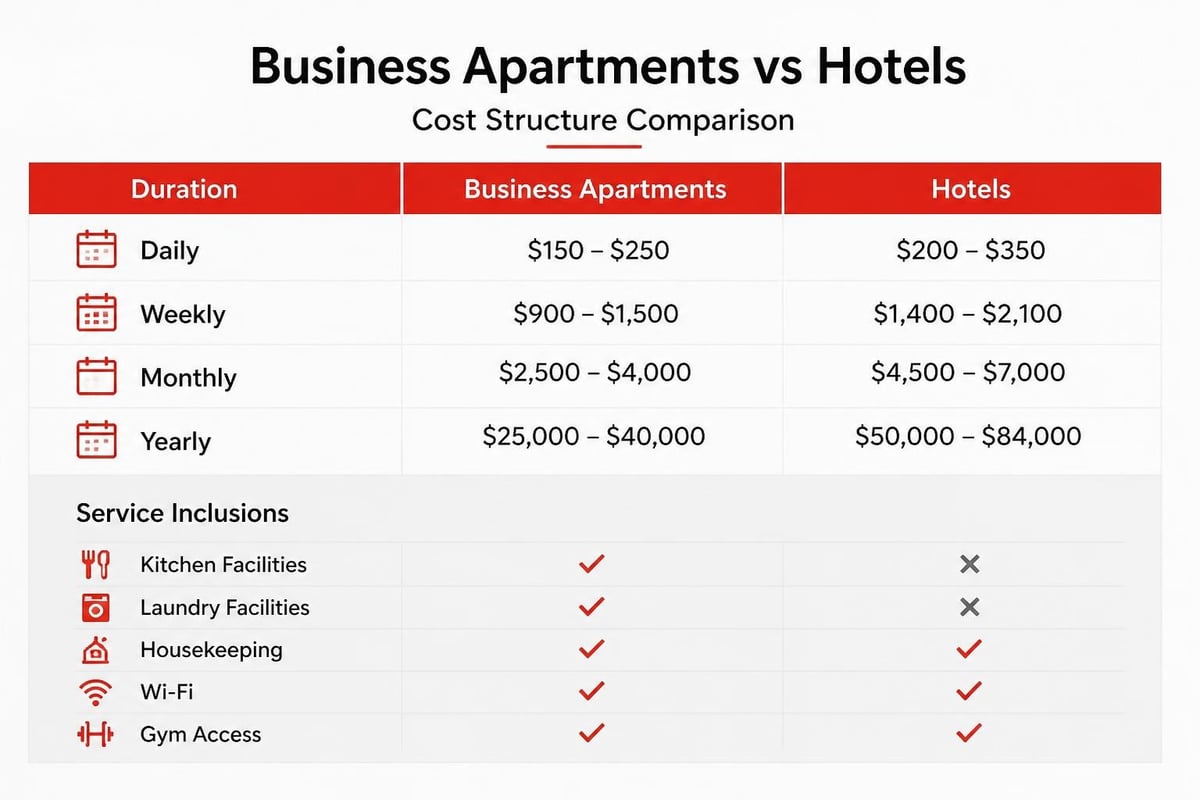
Monthly and yearly arrangements deliver the greatest value proposition for extended stay living, often reducing accommodation costs by 40-60% compared to equivalent daily hotel rates. These longer commitments also provide stability for families transitioning to new cities or professionals on extended project assignments.
Key Features That Define Quality Extended Stay Living
The distinguishing characteristics of premium extended stay living facilities extend beyond basic furnishings to encompass location strategy, space design, and integrated services that support both professional productivity and personal comfort.
Location and Connectivity
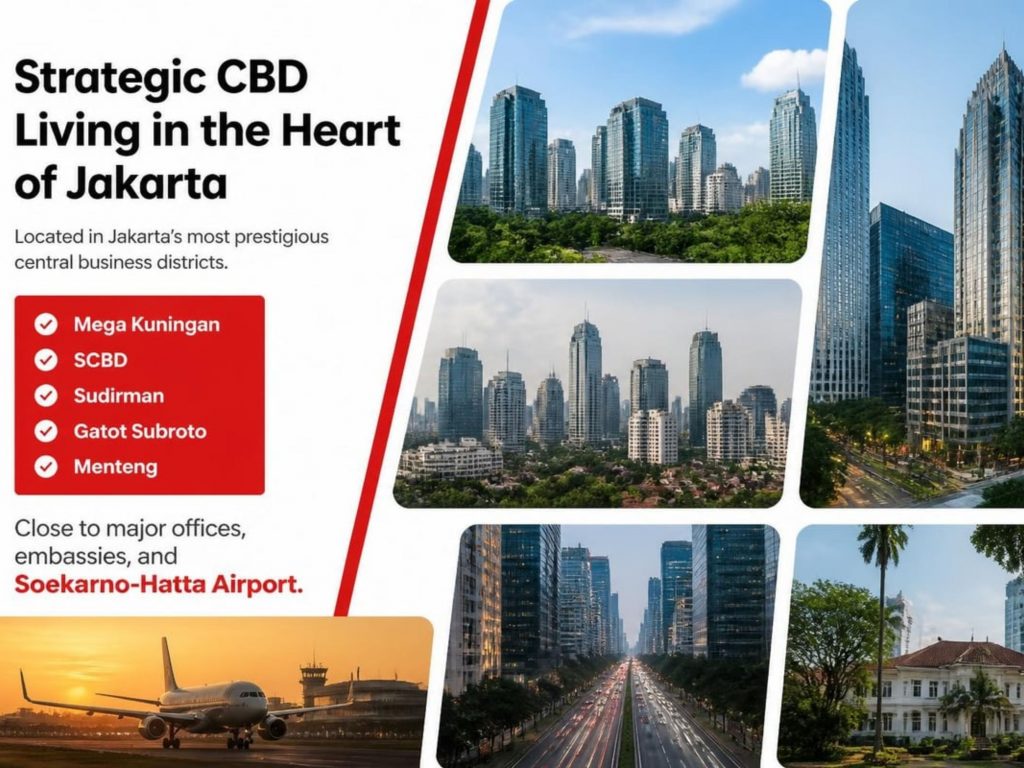
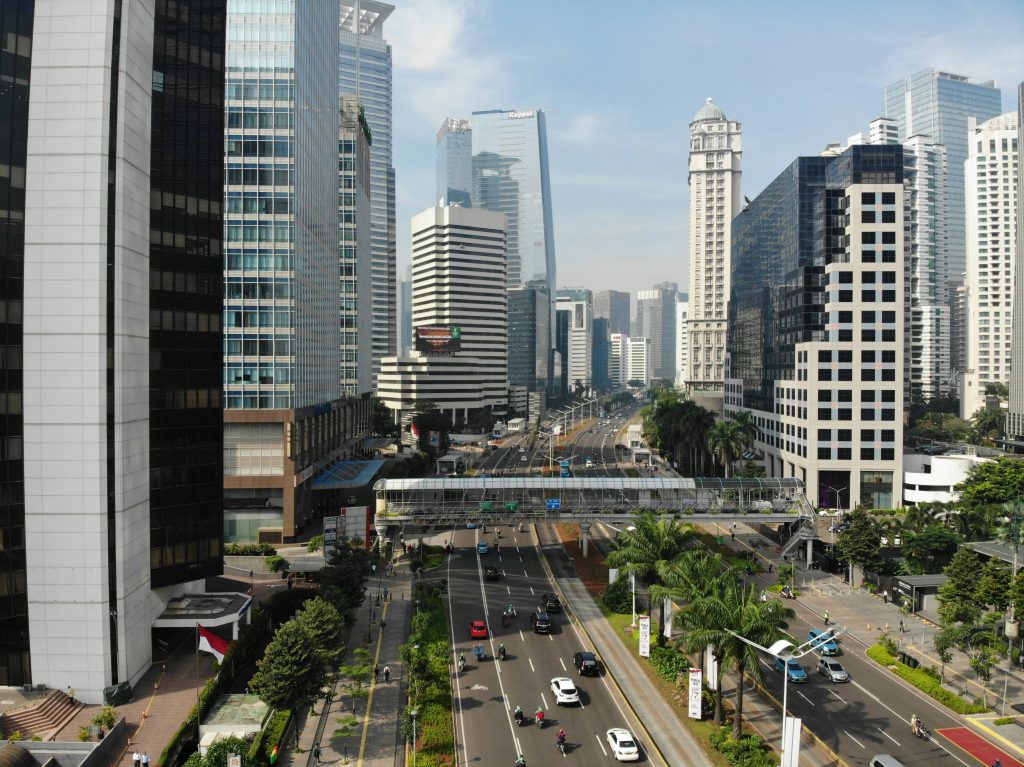
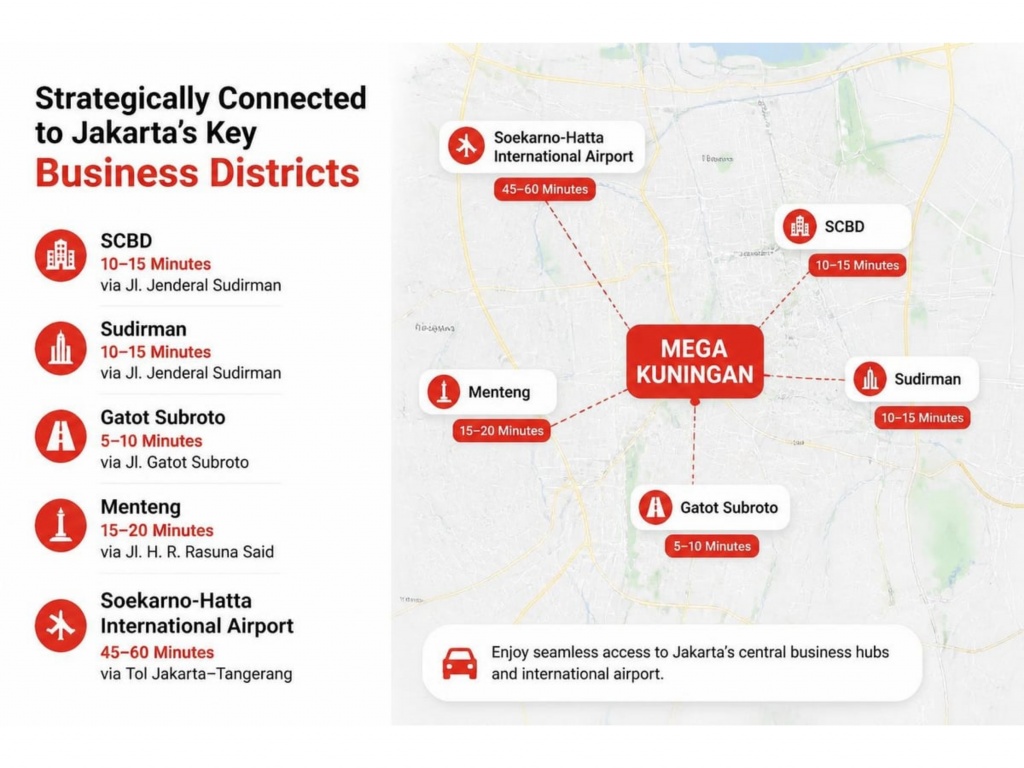
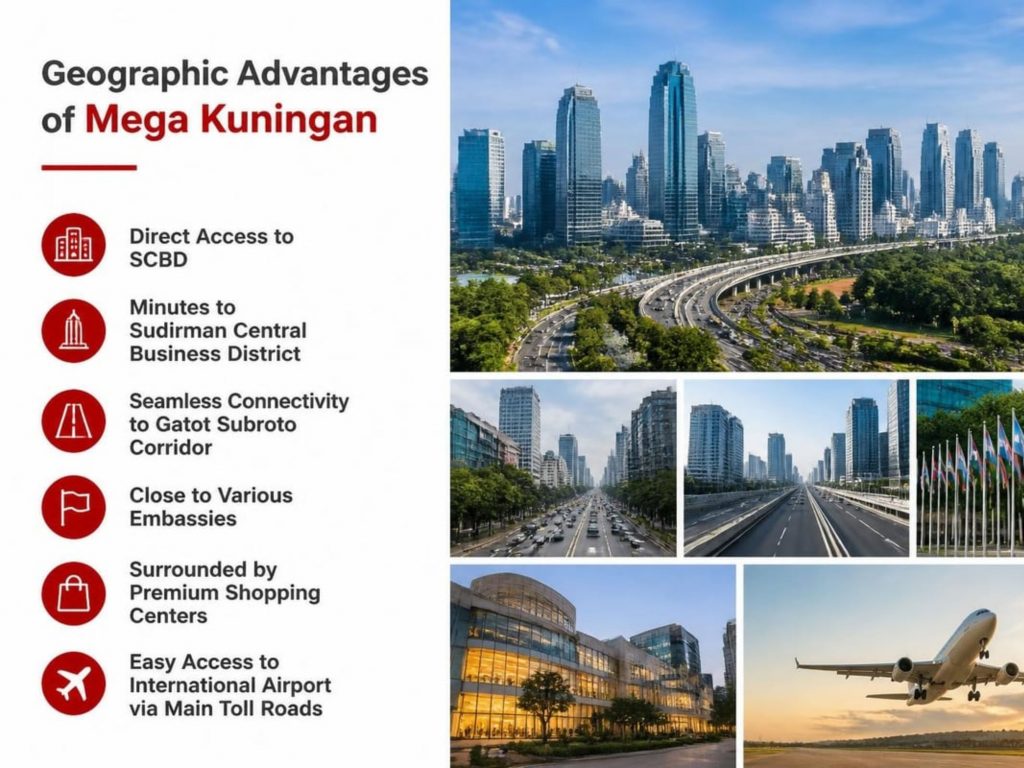
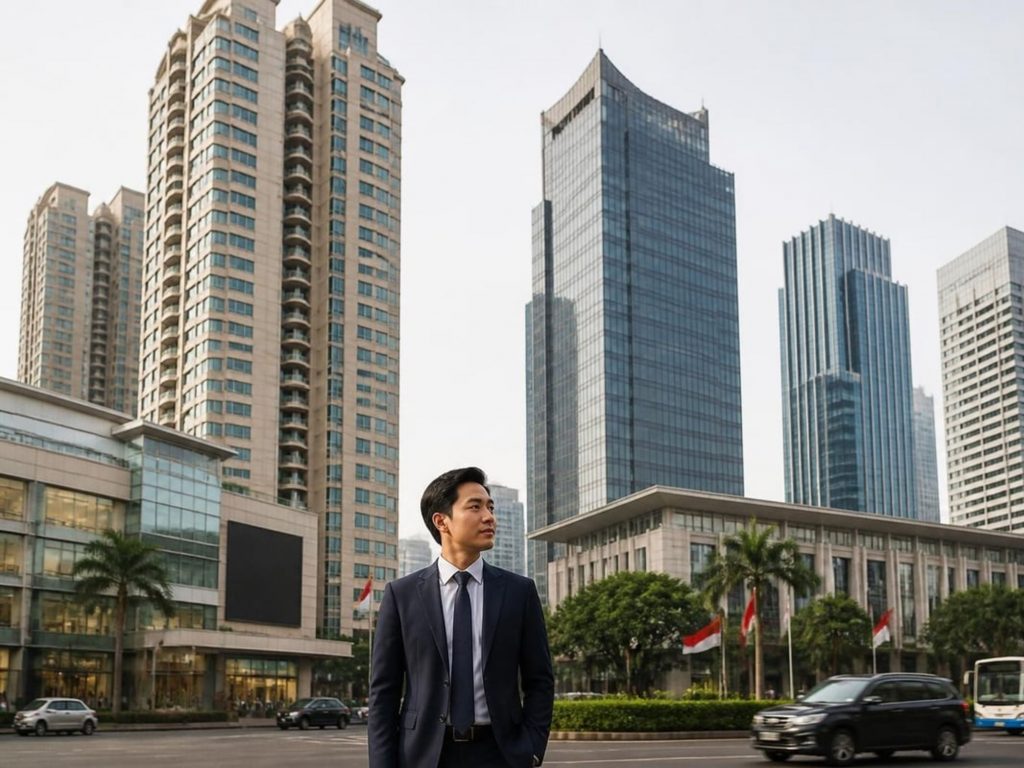
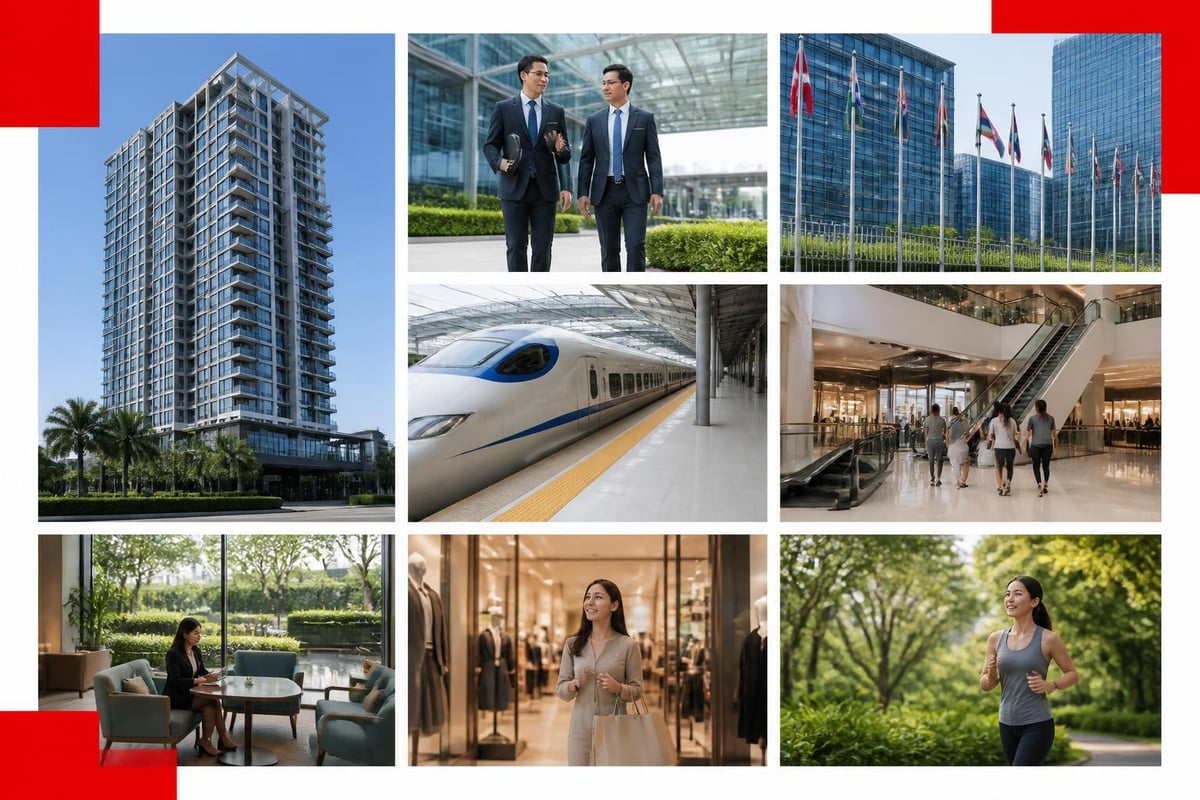
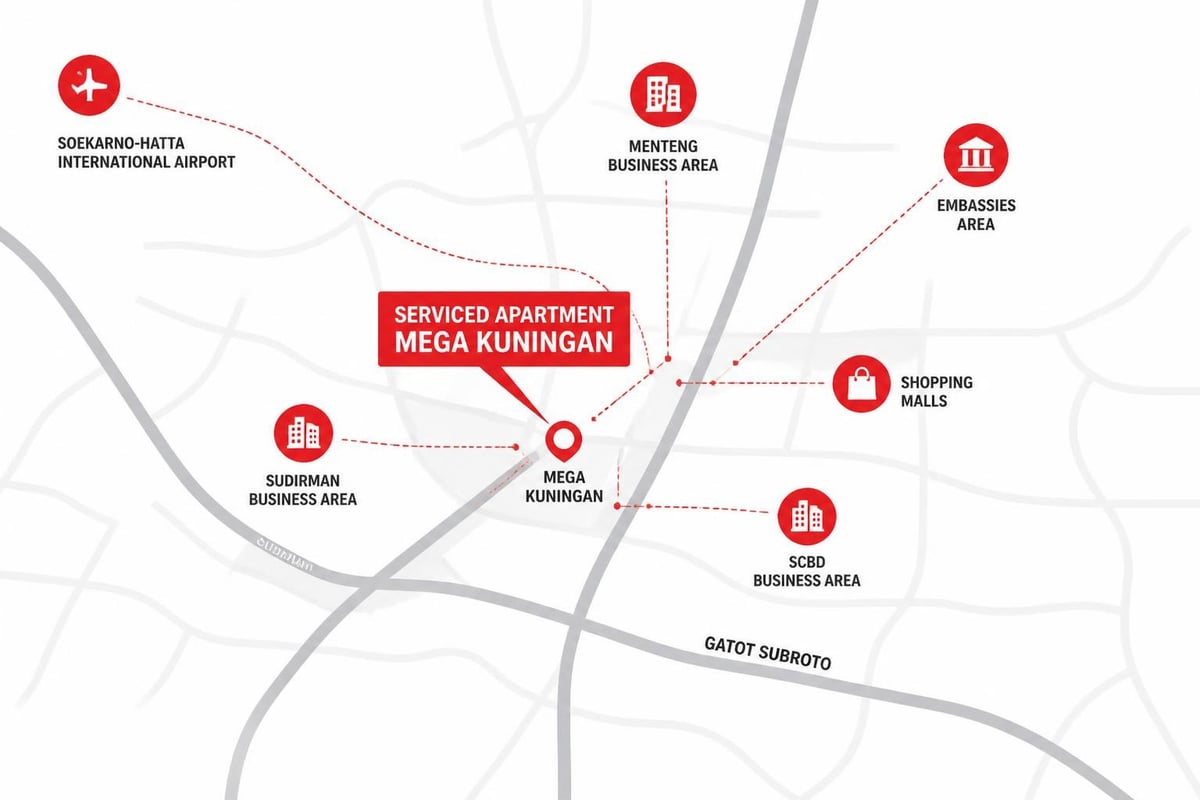
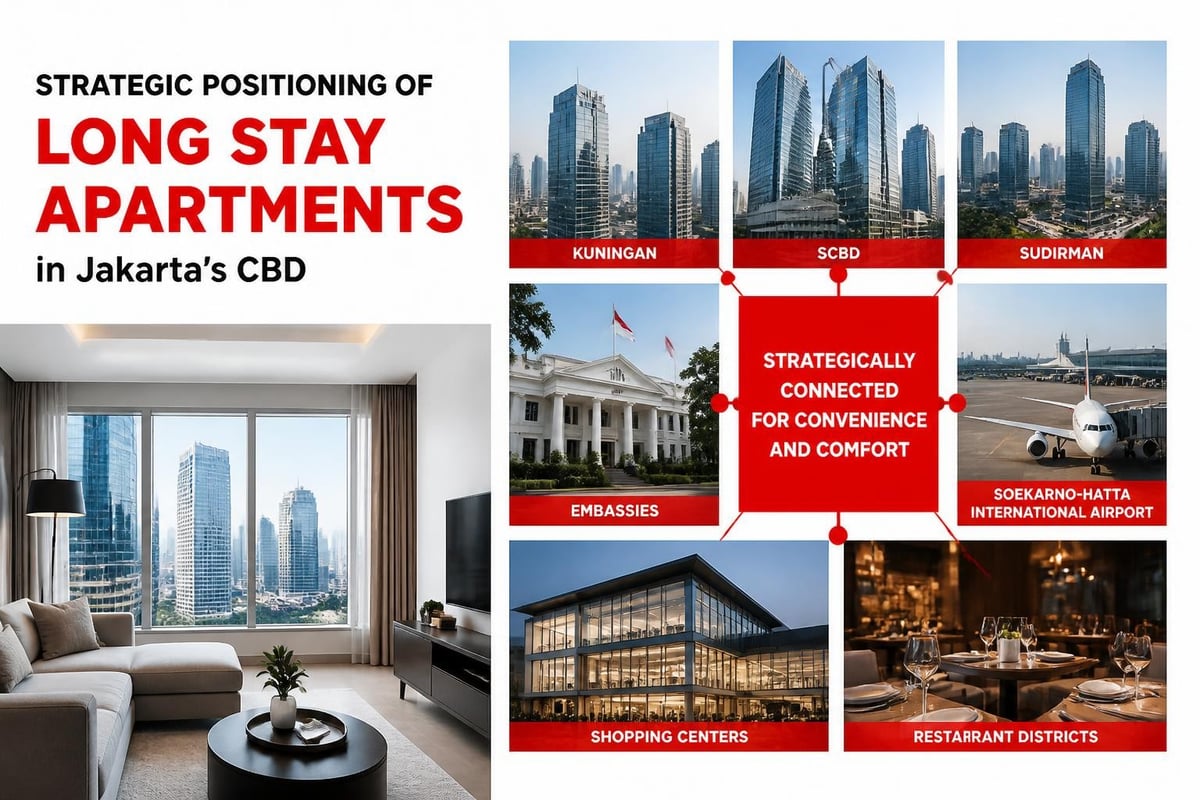
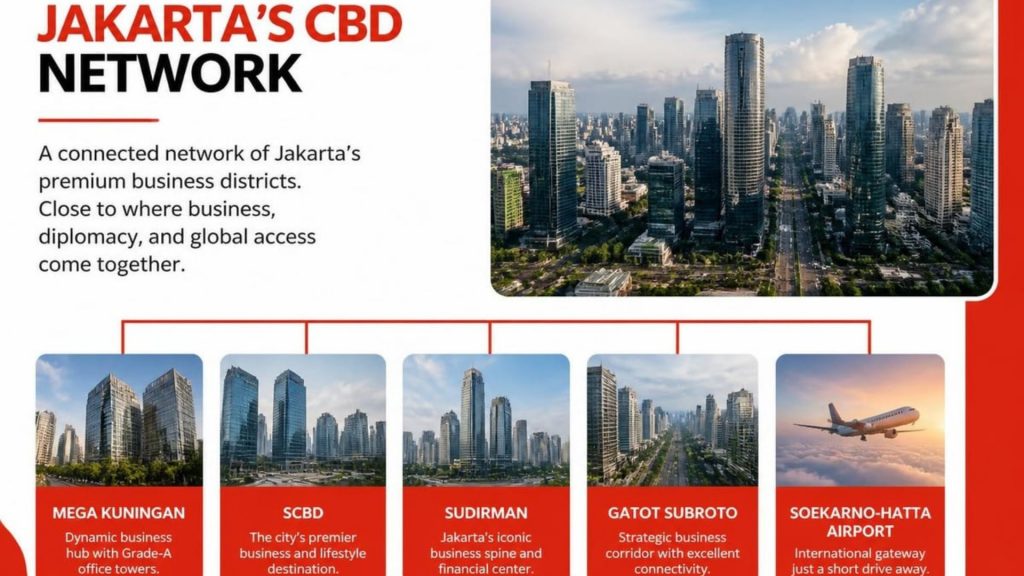
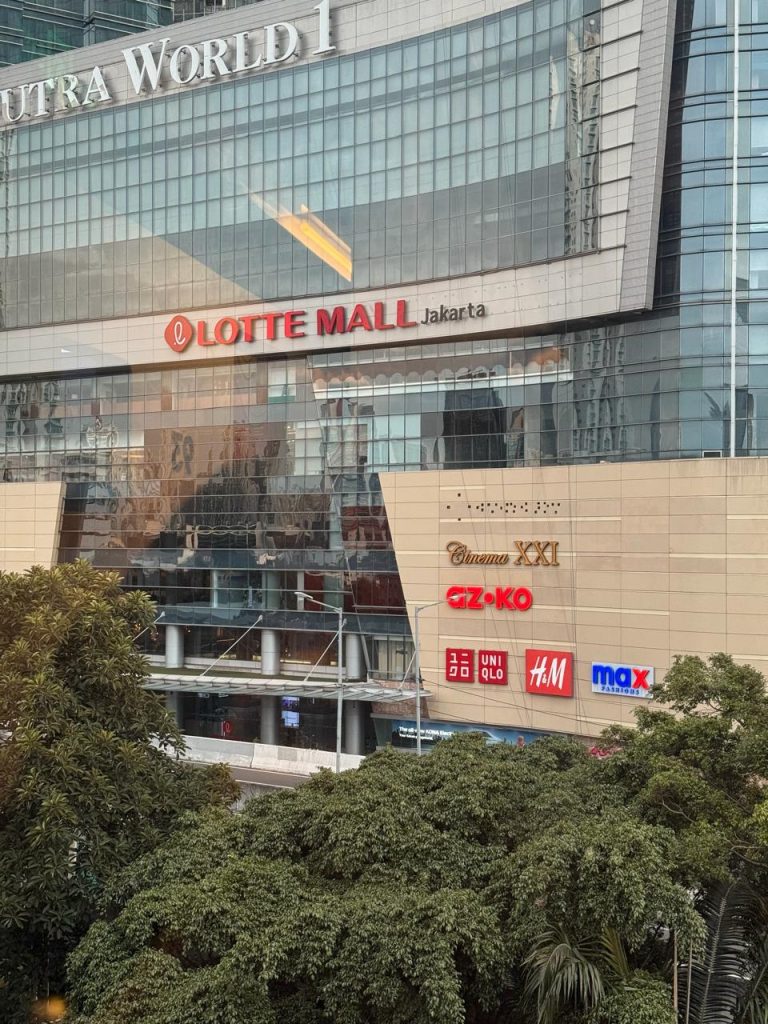
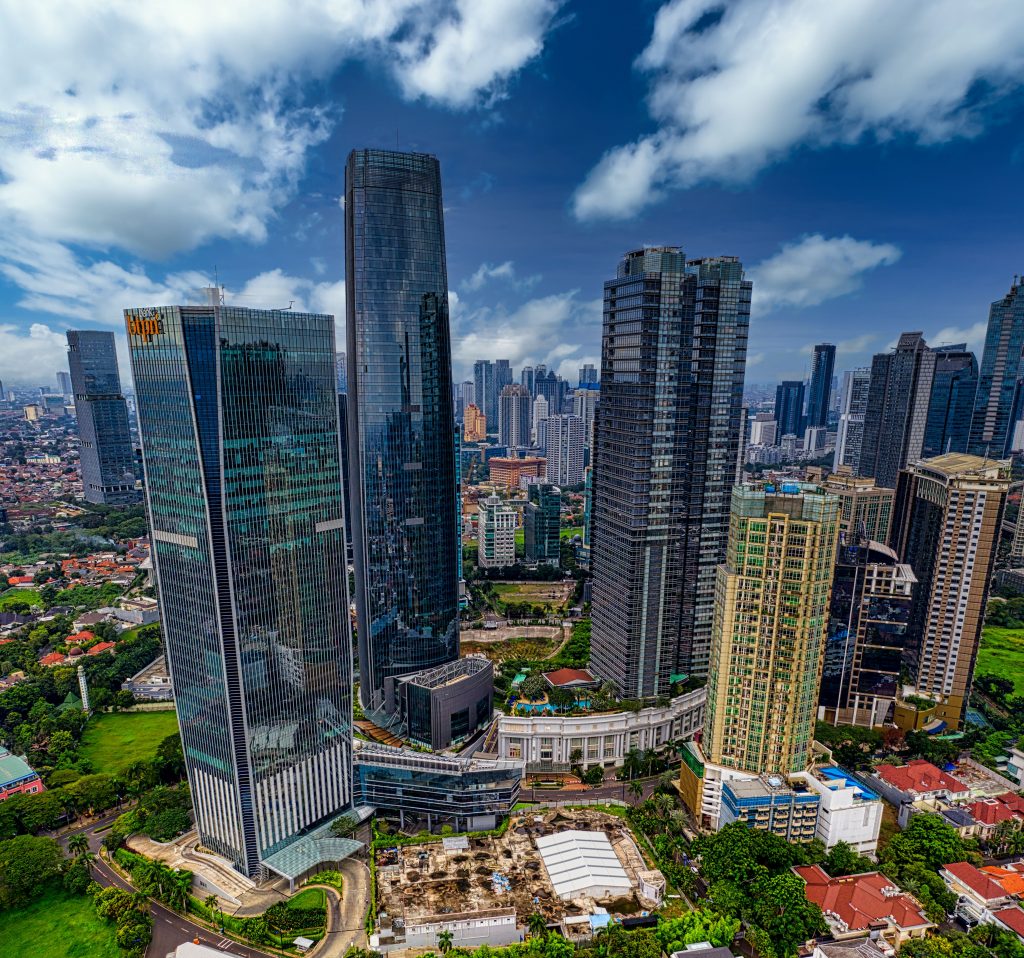
Strategic positioning within central business districts ensures residents can minimize commute times and maintain professional networks. Properties located near major commercial zones, international schools, healthcare facilities, and transportation hubs deliver maximum value for business travelers and expatriate families. Access to business districts and embassies proves particularly valuable for professionals working with government agencies or multinational corporations.
Proximity to international airports represents another critical factor. Extended stay living residents frequently maintain travel schedules that require efficient airport access, making properties within 30-45 minutes of major terminals especially attractive.
Space Configuration and Apartment Types
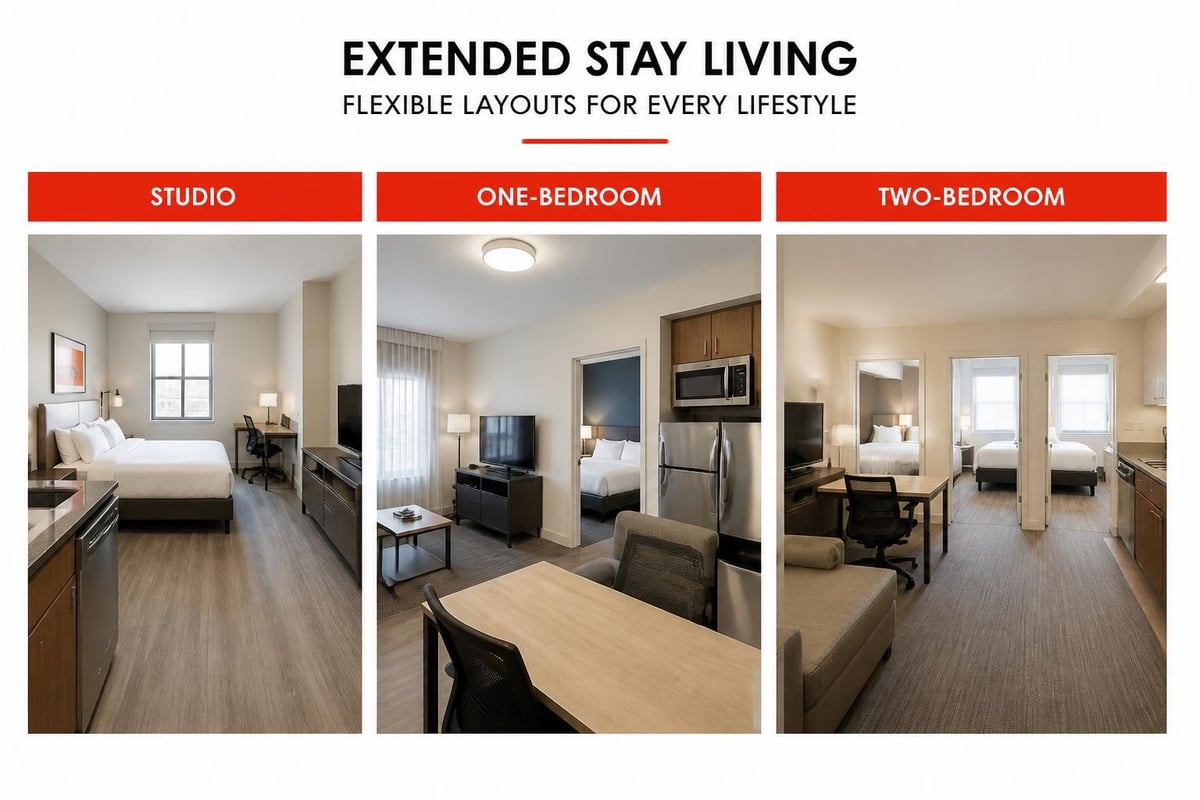
Extended stay living properties offer diverse residence configurations to accommodate varying group sizes and lifestyle requirements:
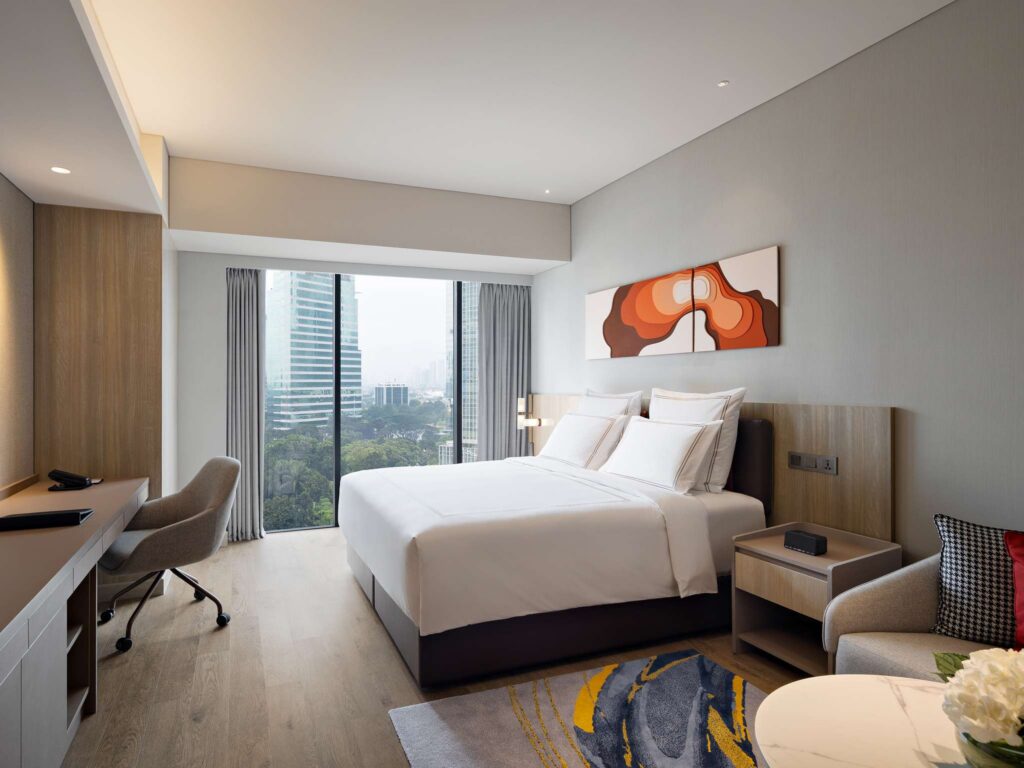
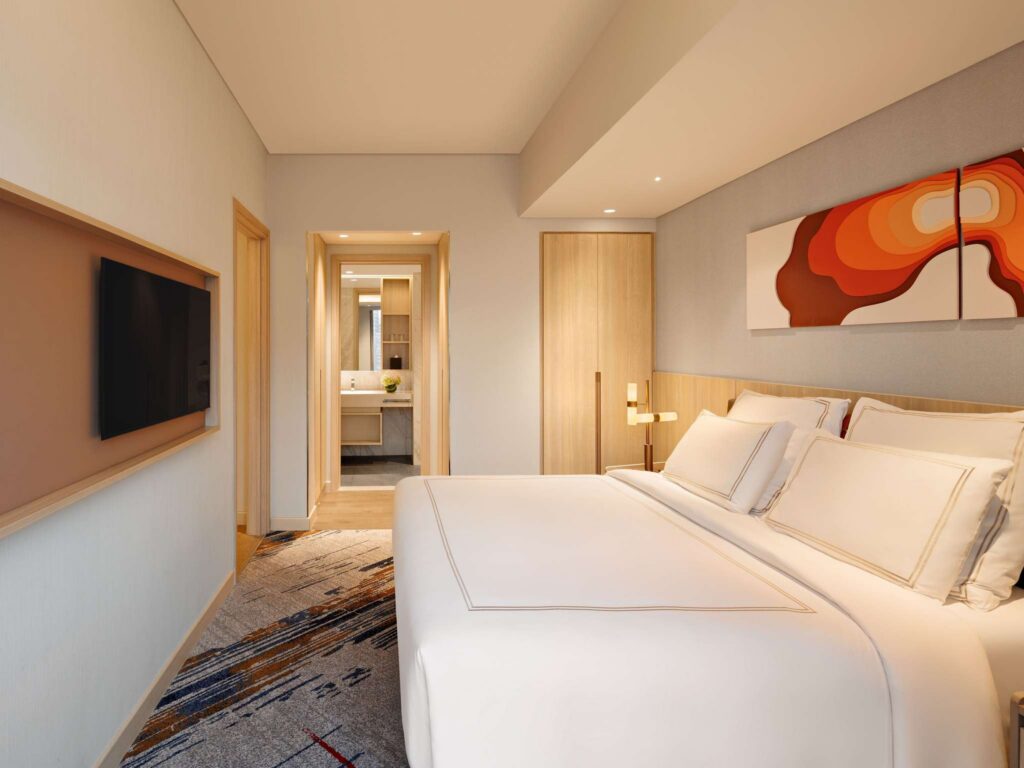
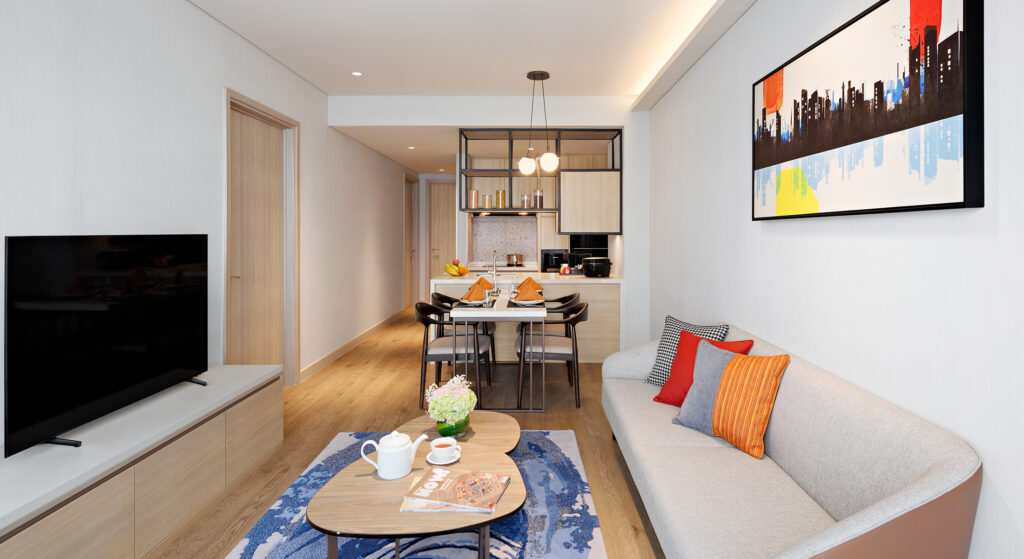
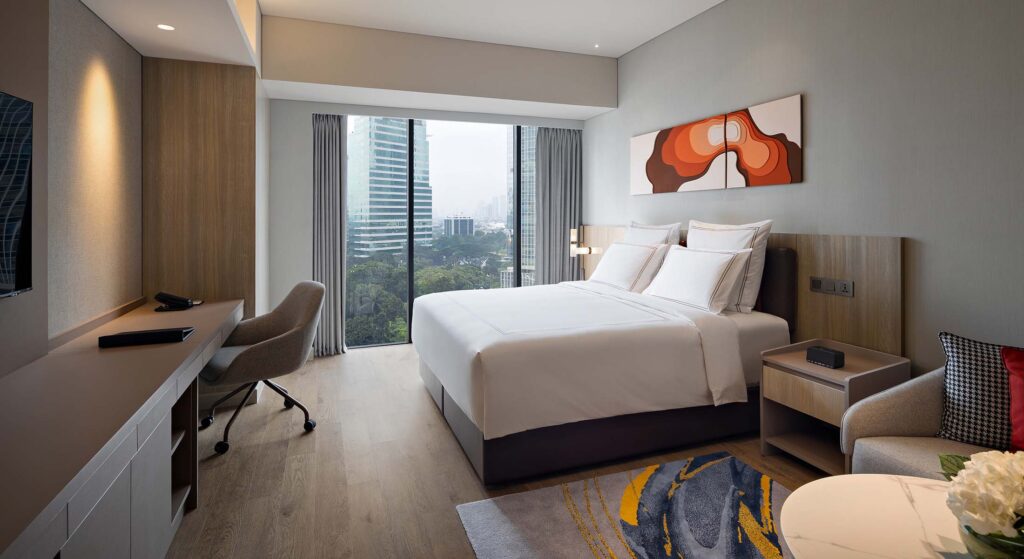
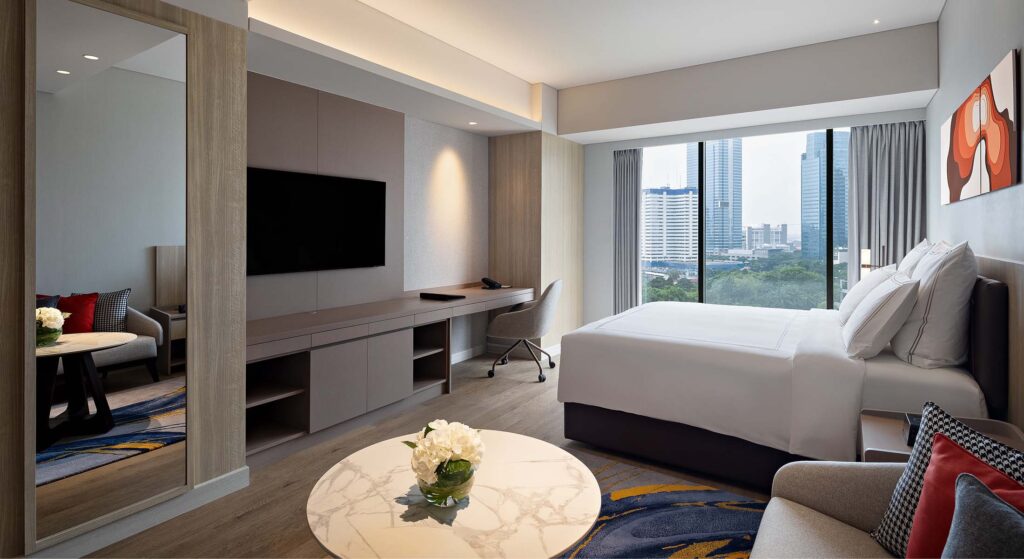
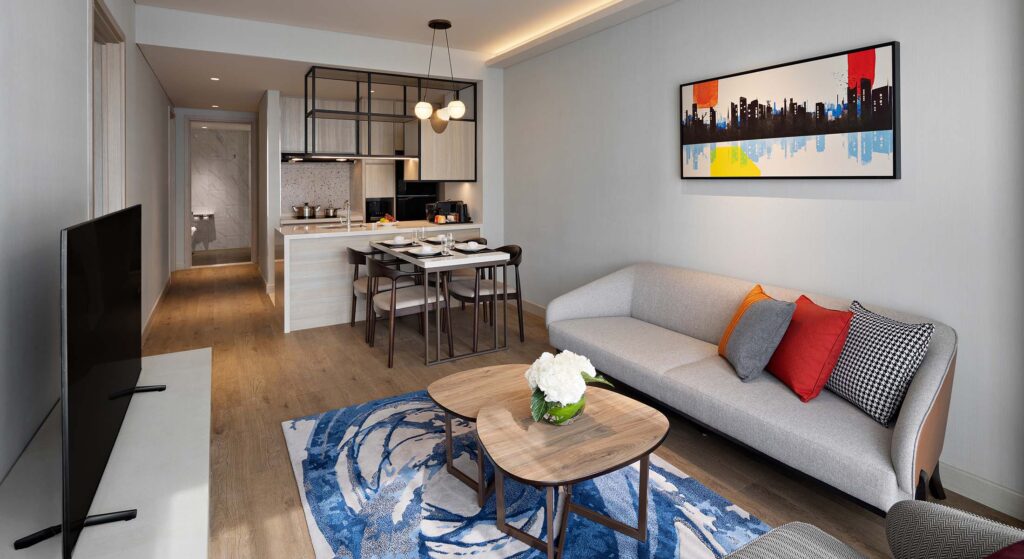
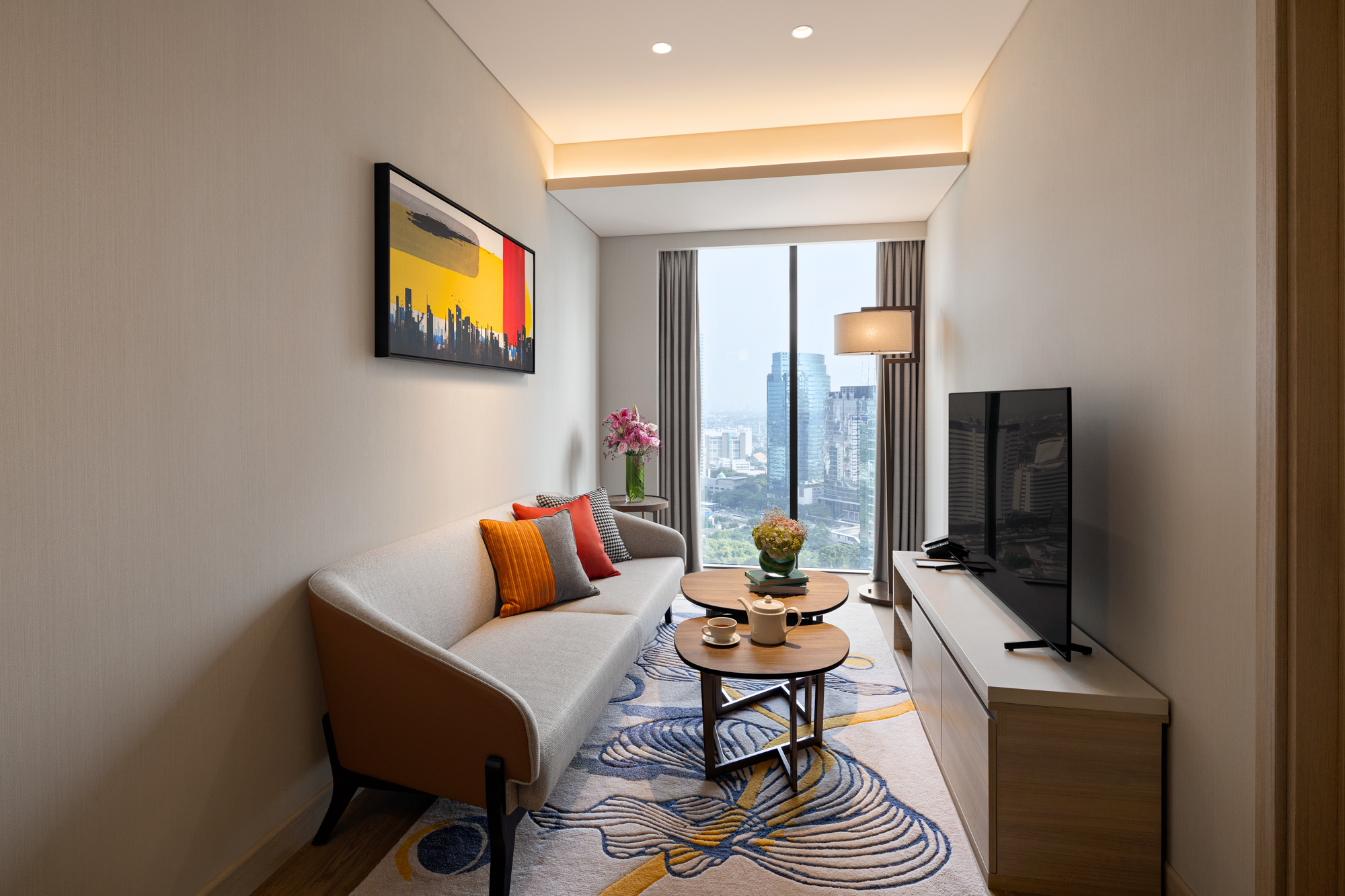
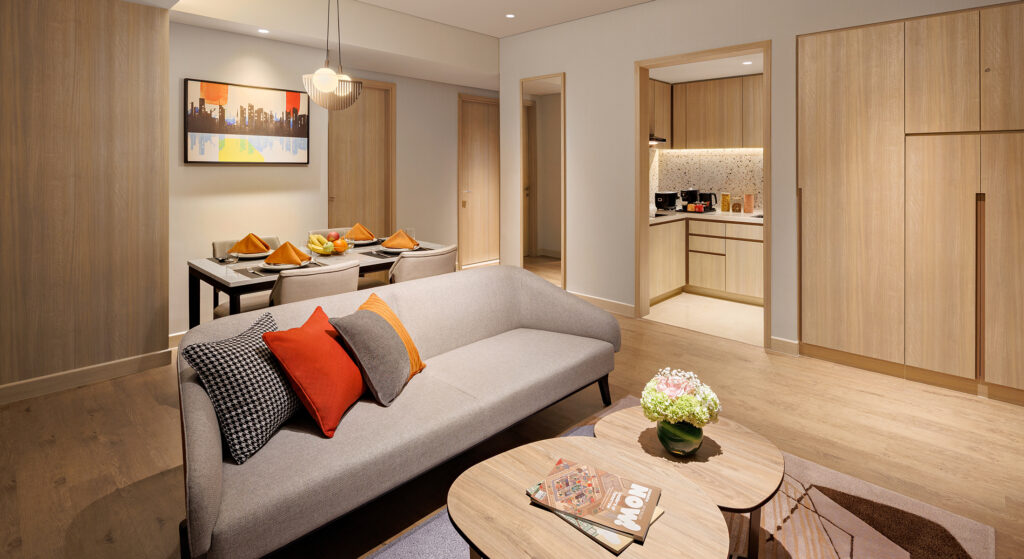
Studio apartments (35-45 square meters) suit solo business travelers and young professionals seeking efficient, self-contained spaces with integrated kitchen and living areas.
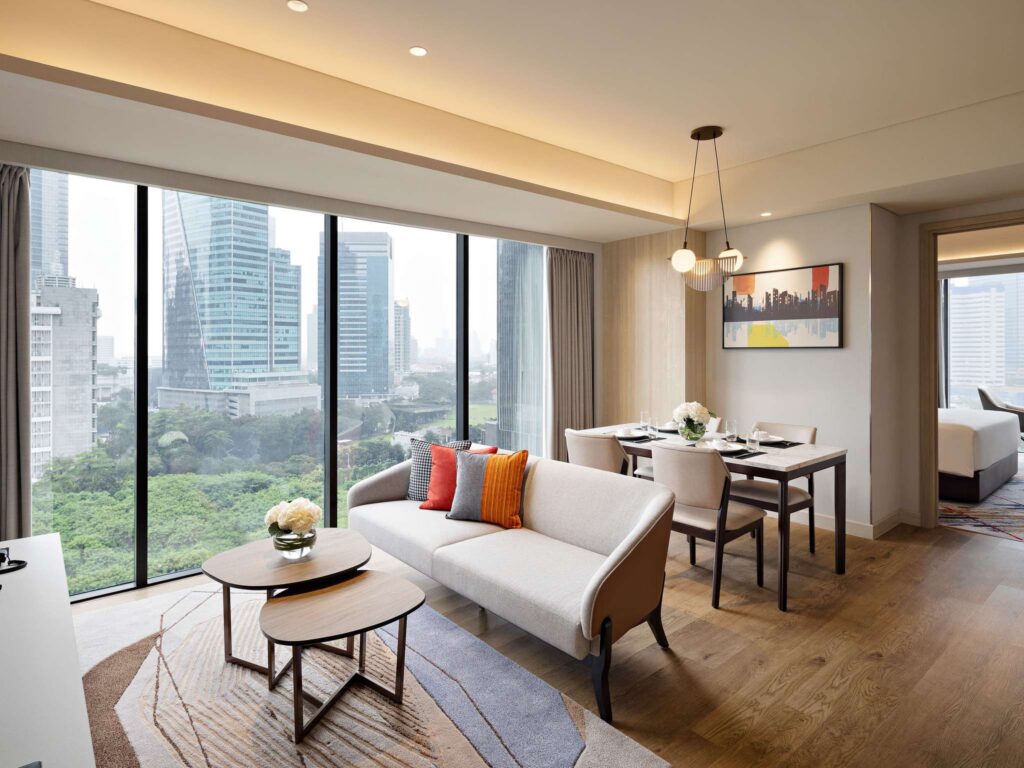
One-bedroom residences (50-70 square meters) provide separation between sleeping and living zones, creating defined spaces for rest, work, and entertaining.
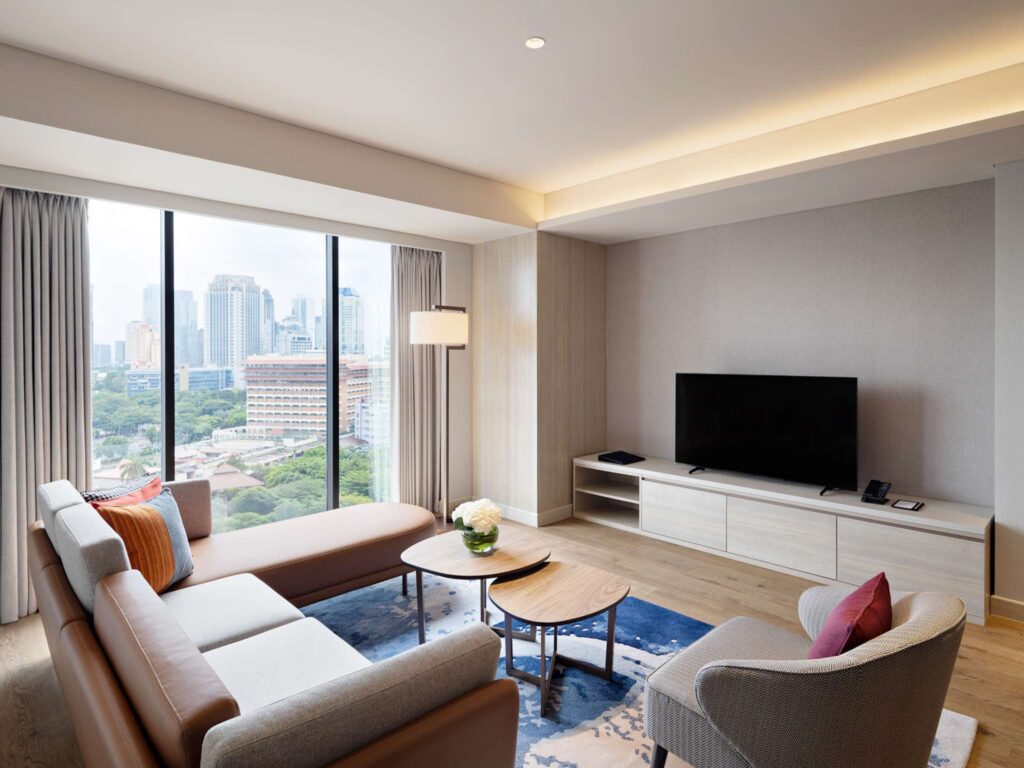
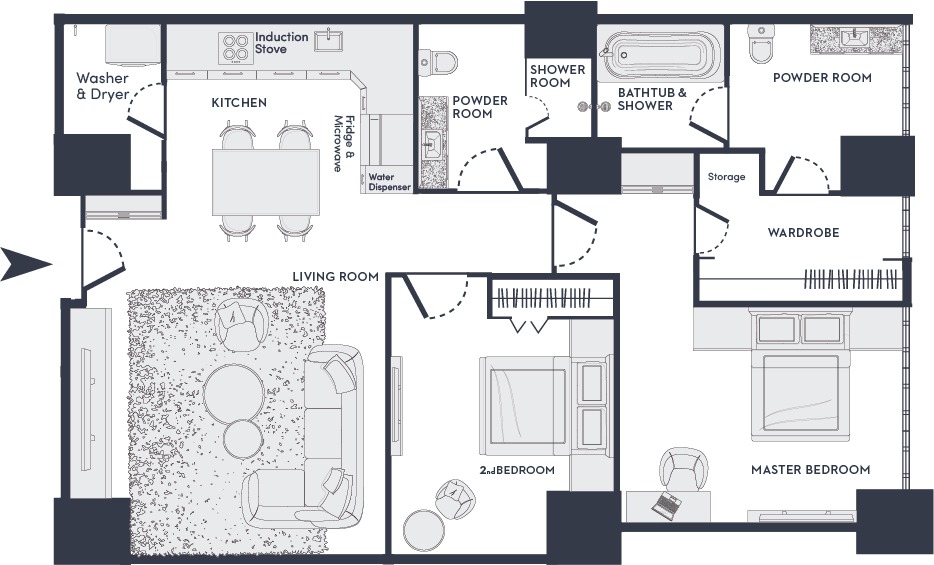
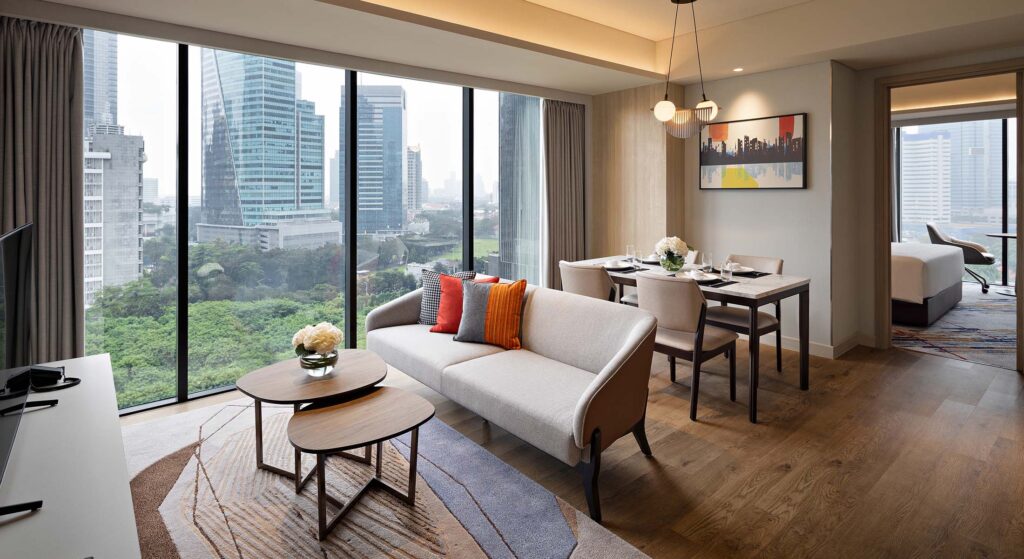
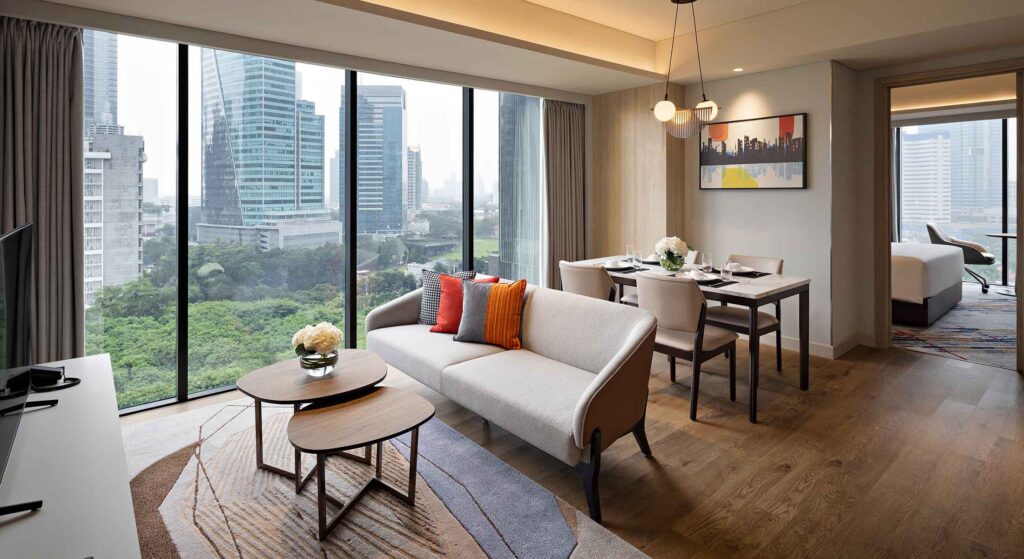
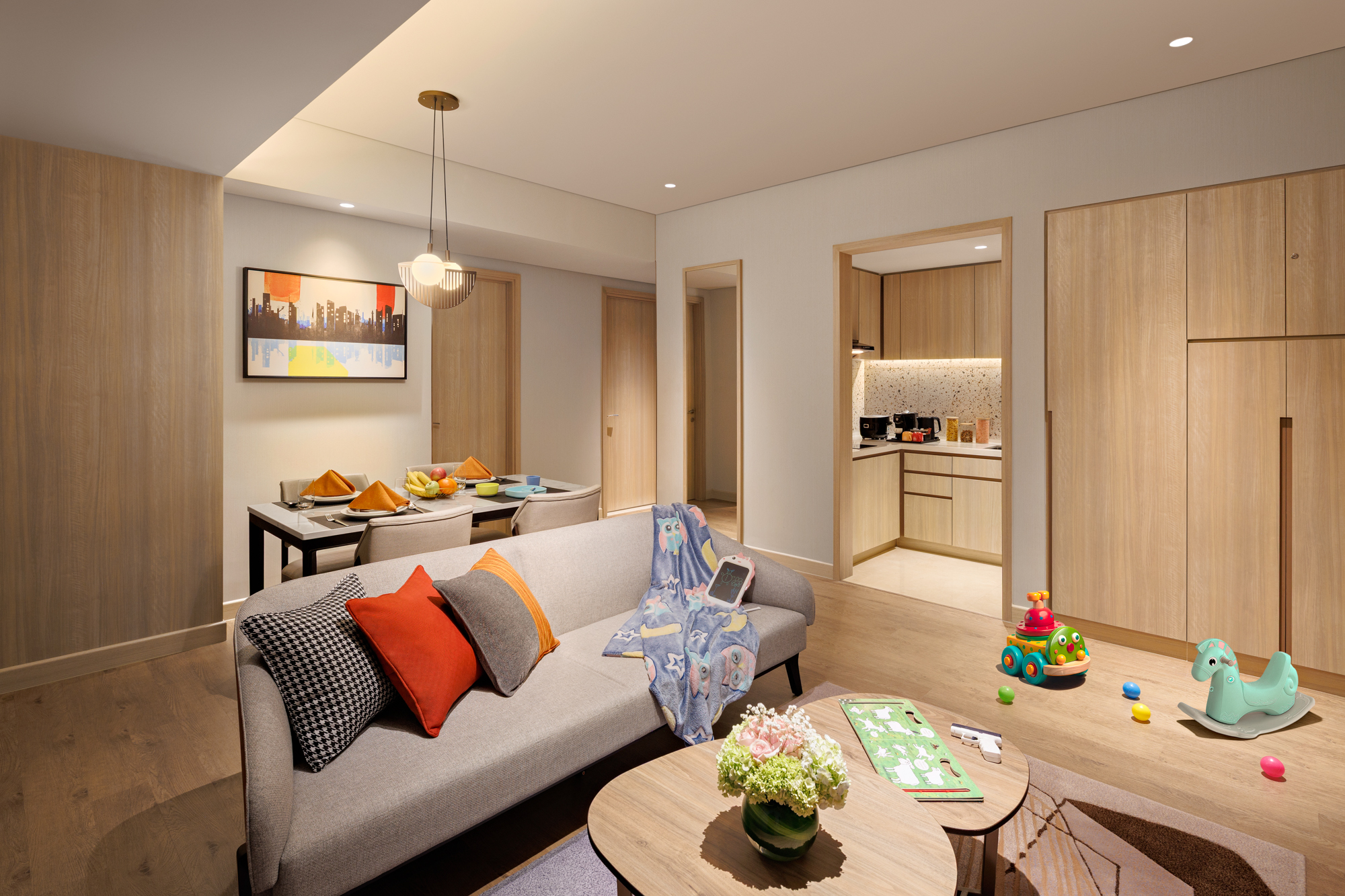
Two-bedroom apartments (80-110 square meters) accommodate families, colleagues sharing accommodation costs, or professionals requiring dedicated home office space.
Three-bedroom residences (120-160 square meters) serve larger families, senior executives, or small teams collaborating on intensive projects.
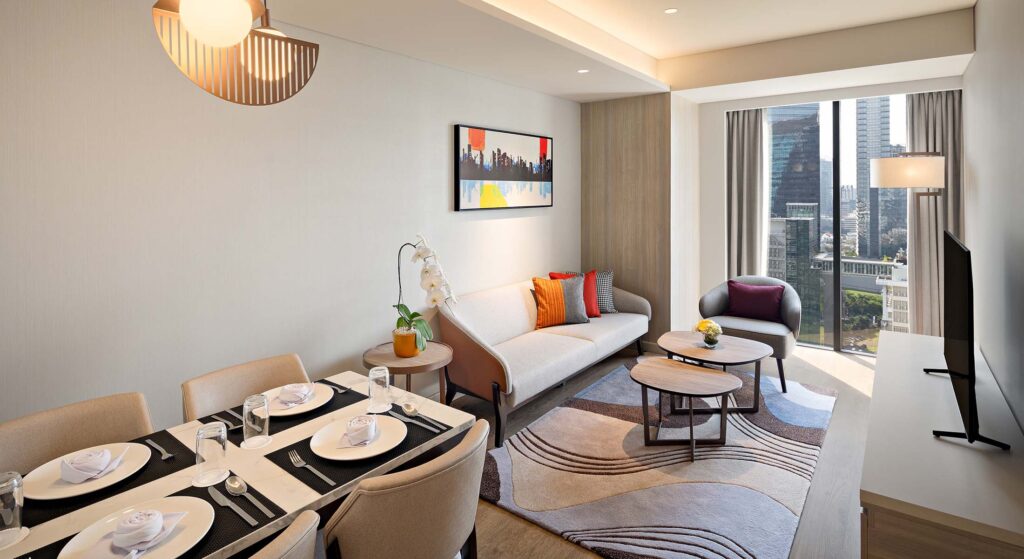
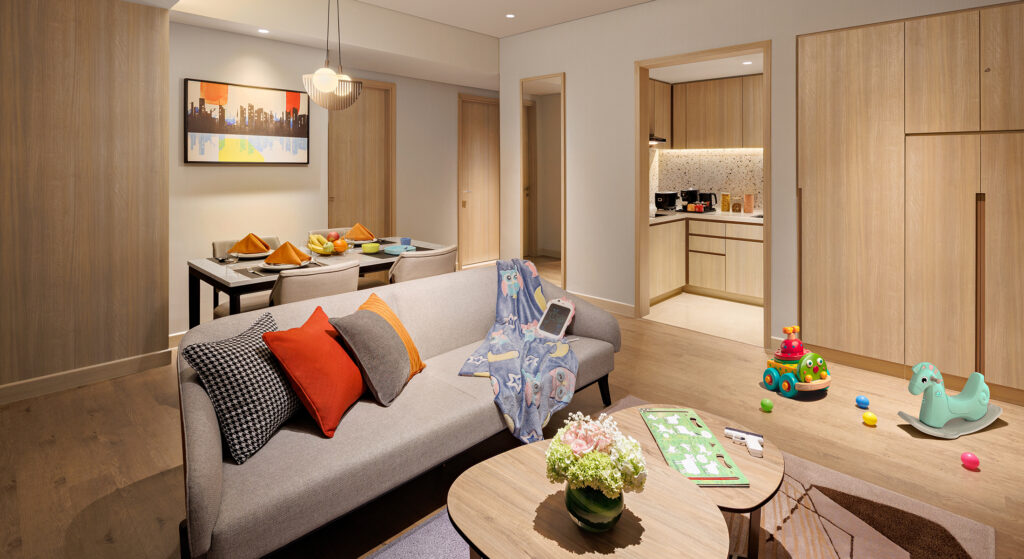
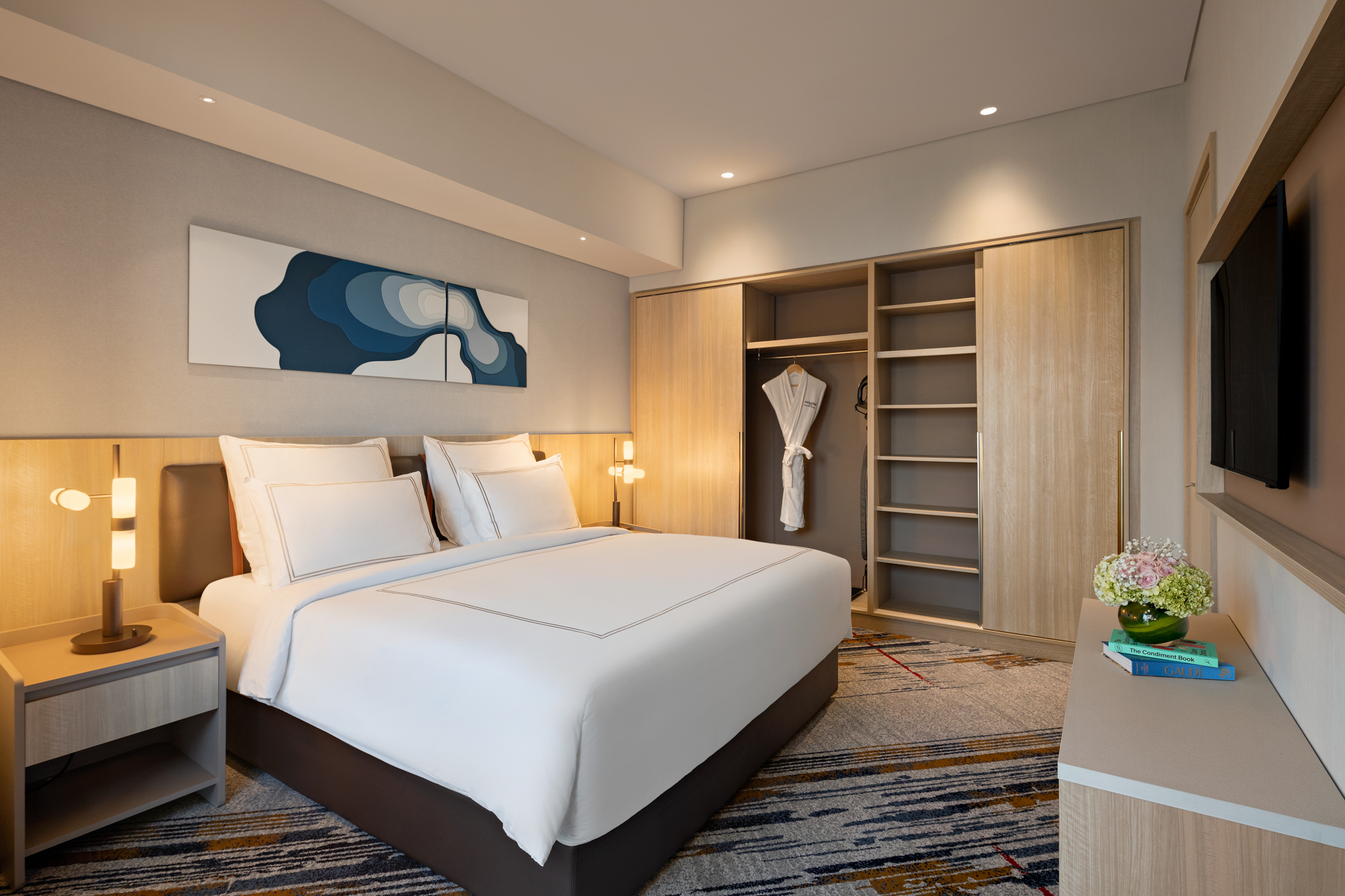
The apartment layout significantly impacts daily quality of life during extended stays. Separate bedrooms, full-size dining tables, comfortable work desks, and adequate storage distinguish quality extended stay living from cramped hotel rooms.
Financial Considerations and Cost Optimization
Understanding the total cost structure of extended stay living enables informed decision-making and budget optimization for both individual travelers and corporate travel managers.
Comparative Cost Analysis
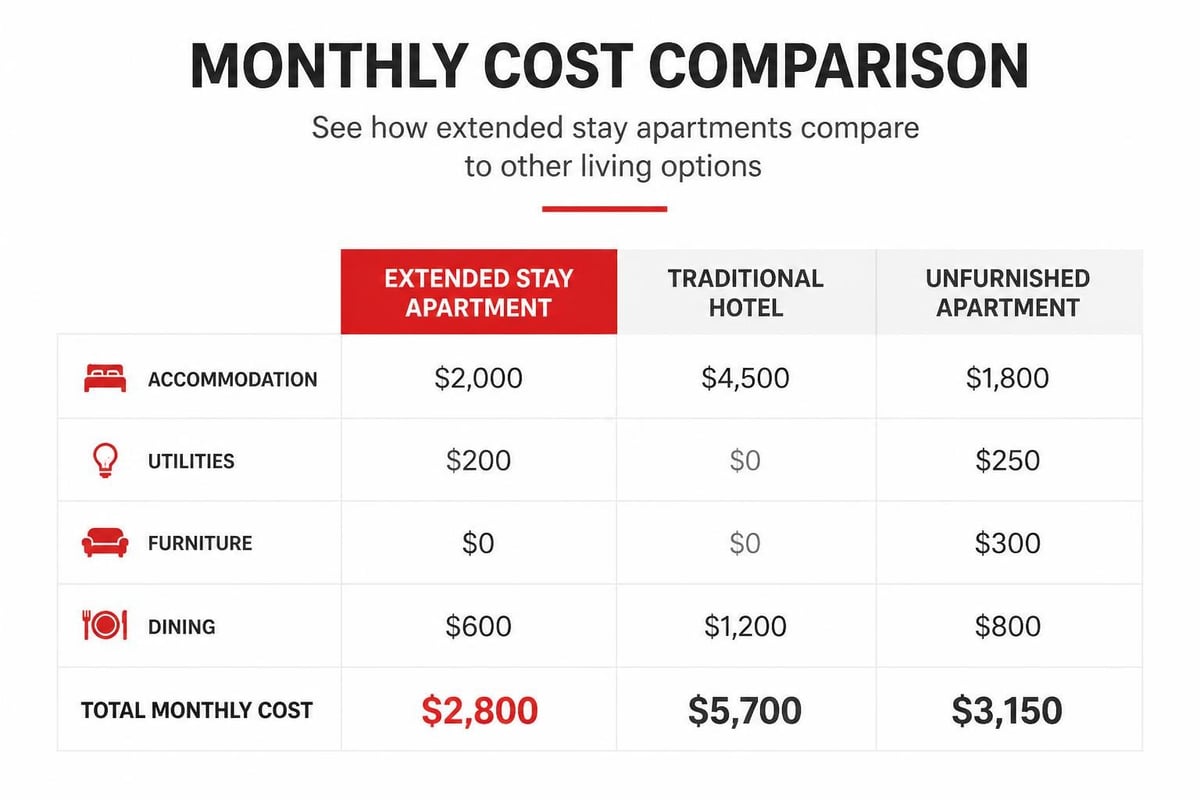
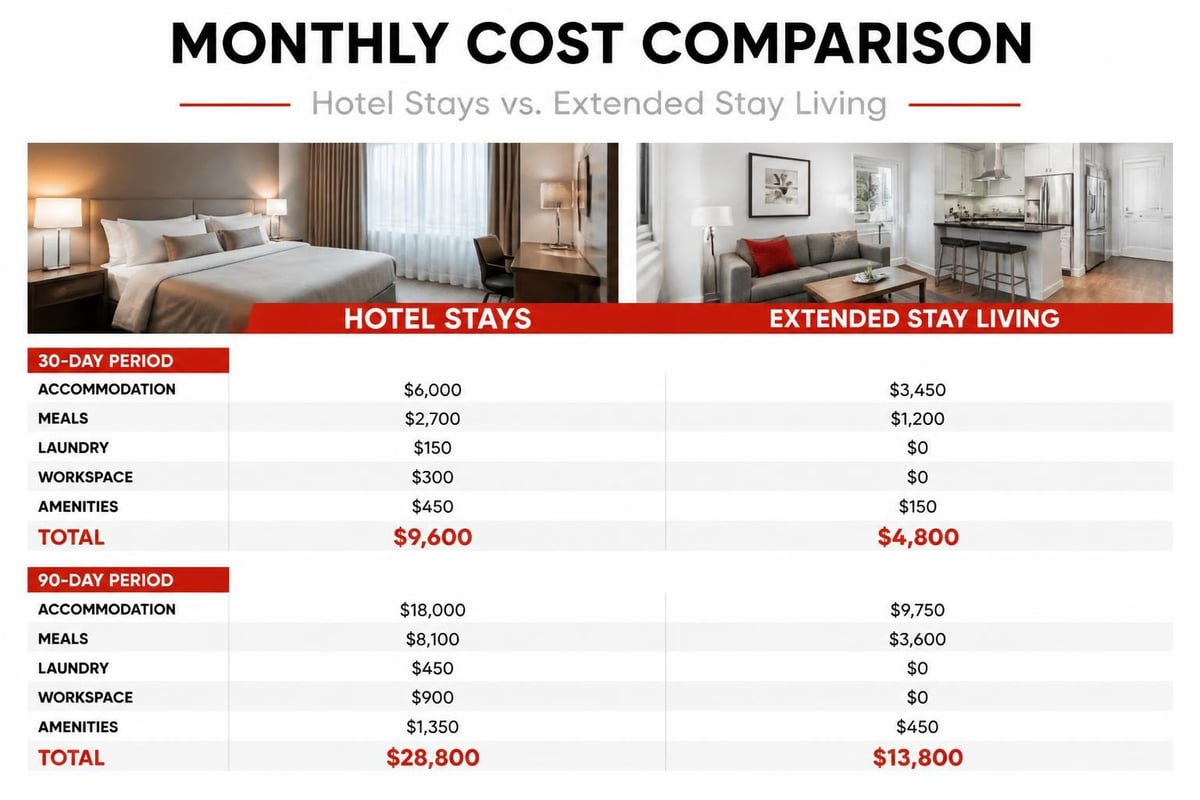
Extended stay living typically costs 30-50% less than equivalent-length hotel stays when factoring in all expenses:
- Hotel stays: Higher nightly rates, daily dining costs (three meals), limited workspace, parking fees
- Extended stay living: Lower monthly rates, in-unit cooking (reduced dining costs), included utilities, complimentary amenities
Corporate travel policies increasingly favor extended stay living arrangements for assignments exceeding two weeks, recognizing both cost savings and employee satisfaction benefits. The ability to prepare meals, maintain fitness routines, and enjoy residential privacy significantly enhances well-being during prolonged business assignments.
Tax and Reimbursement Implications
Business travelers should consult IRS Publication 463 regarding lodging expense deductibility and per diem allowances for extended stays. Tax treatment varies based on assignment duration, home office location, and employment status. Corporate finance teams often structure extended stay living arrangements to optimize both employee compensation and company tax positions.
Amenities and Services That Enhance Long-Term Comfort
Premium extended stay living properties distinguish themselves through comprehensive amenities that support health, productivity, and social connection throughout extended assignments.
Wellness and Fitness Facilities
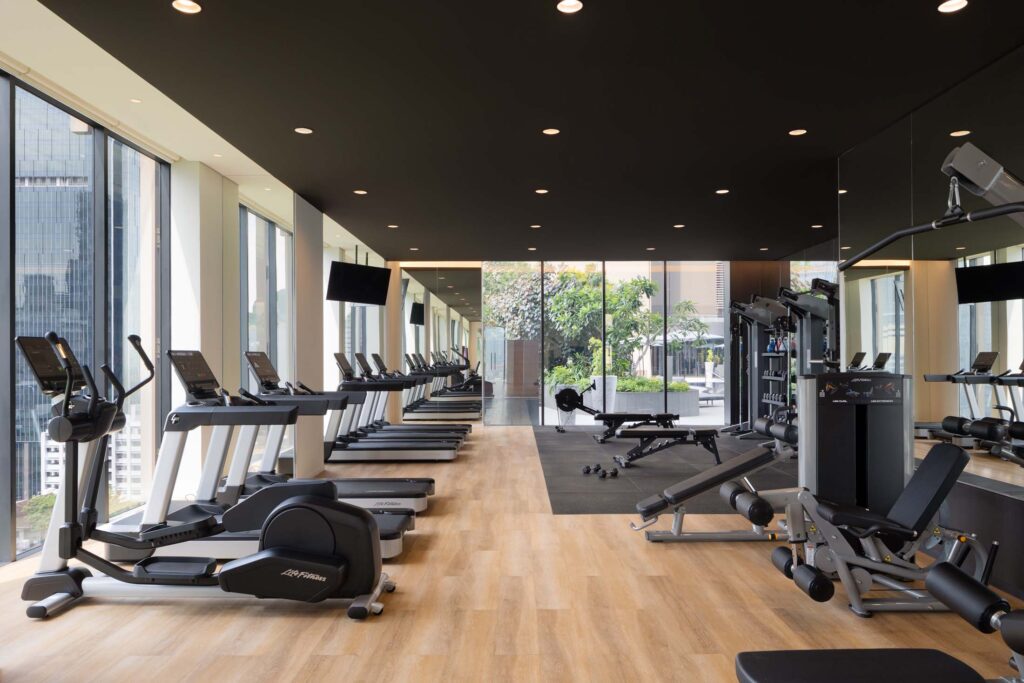
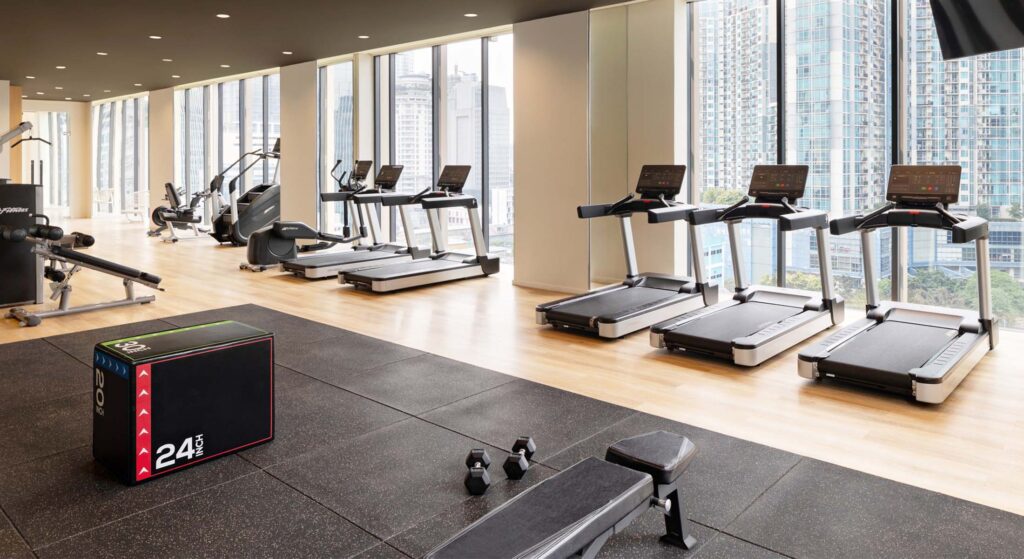
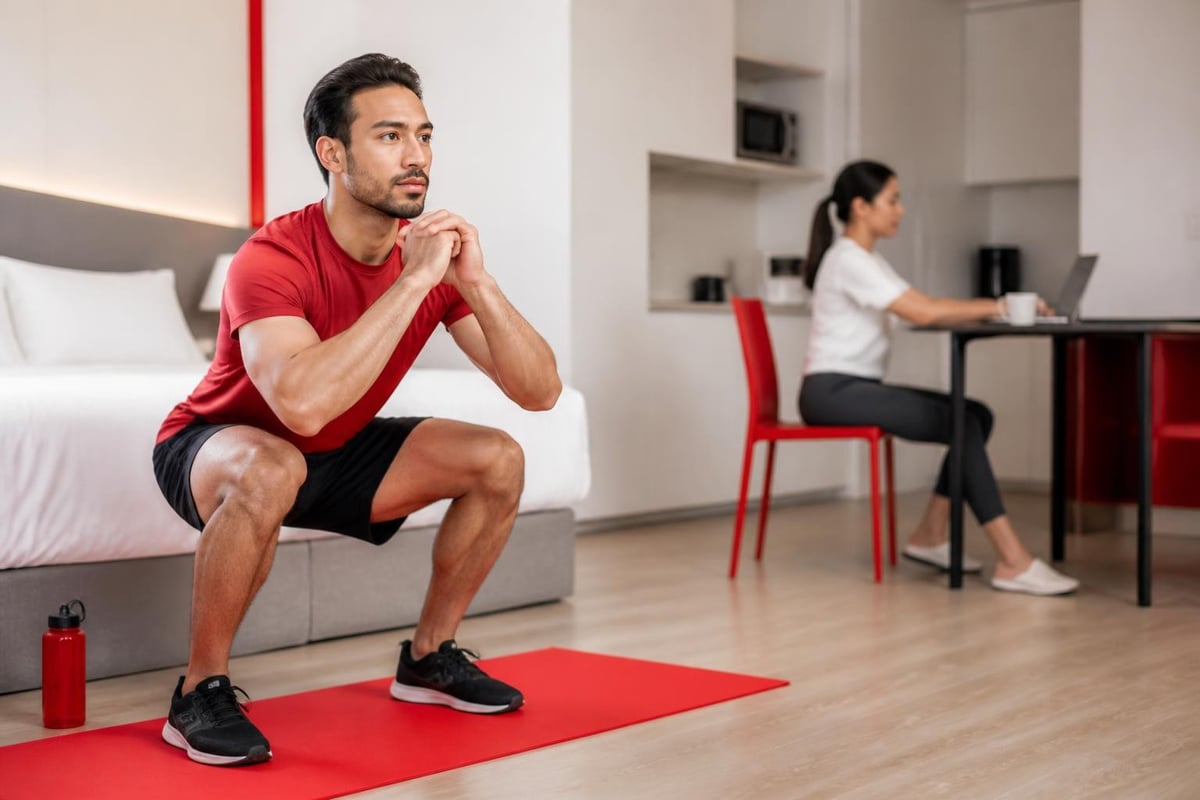
Maintaining exercise routines proves essential for physical and mental health during extended relocations. Quality properties provide:
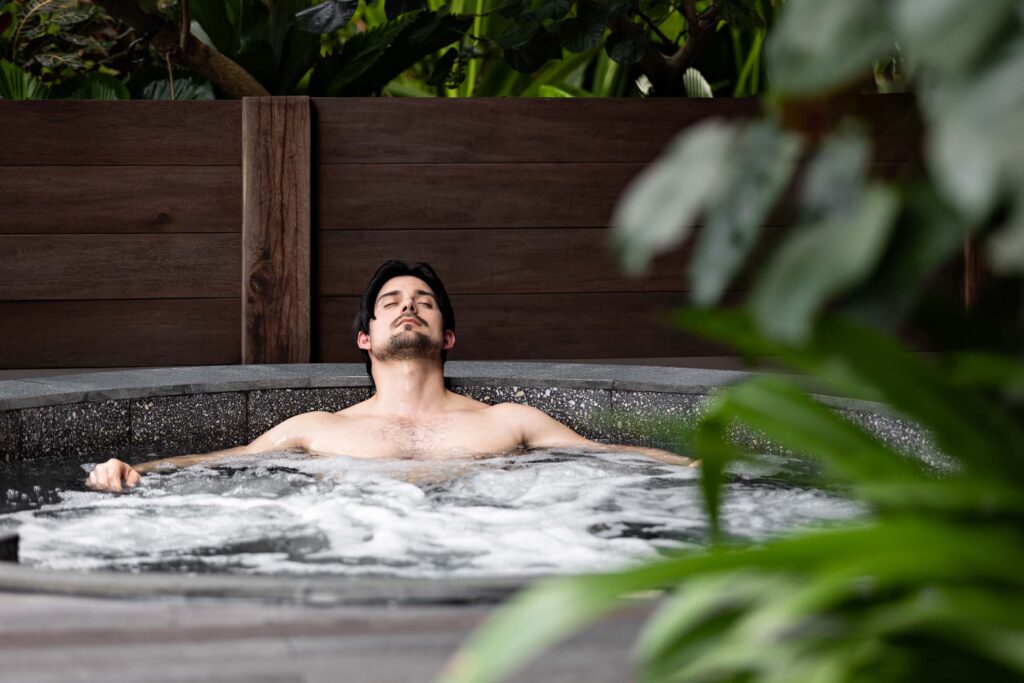
- 24-hour fitness centers with cardiovascular and strength training equipment
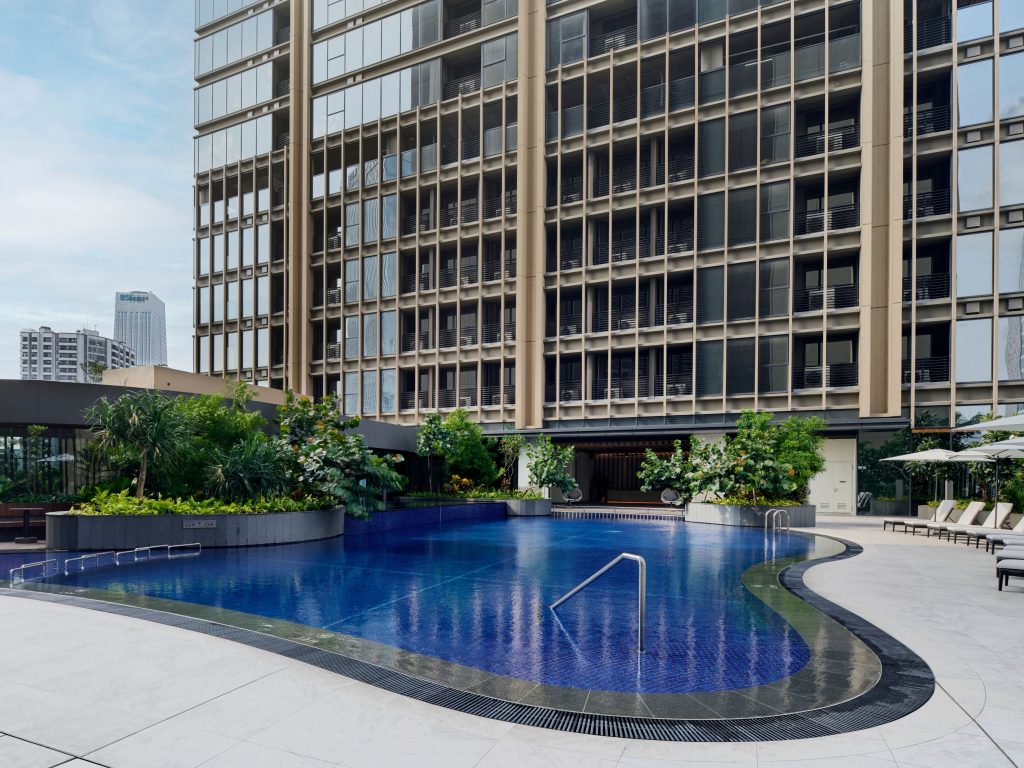
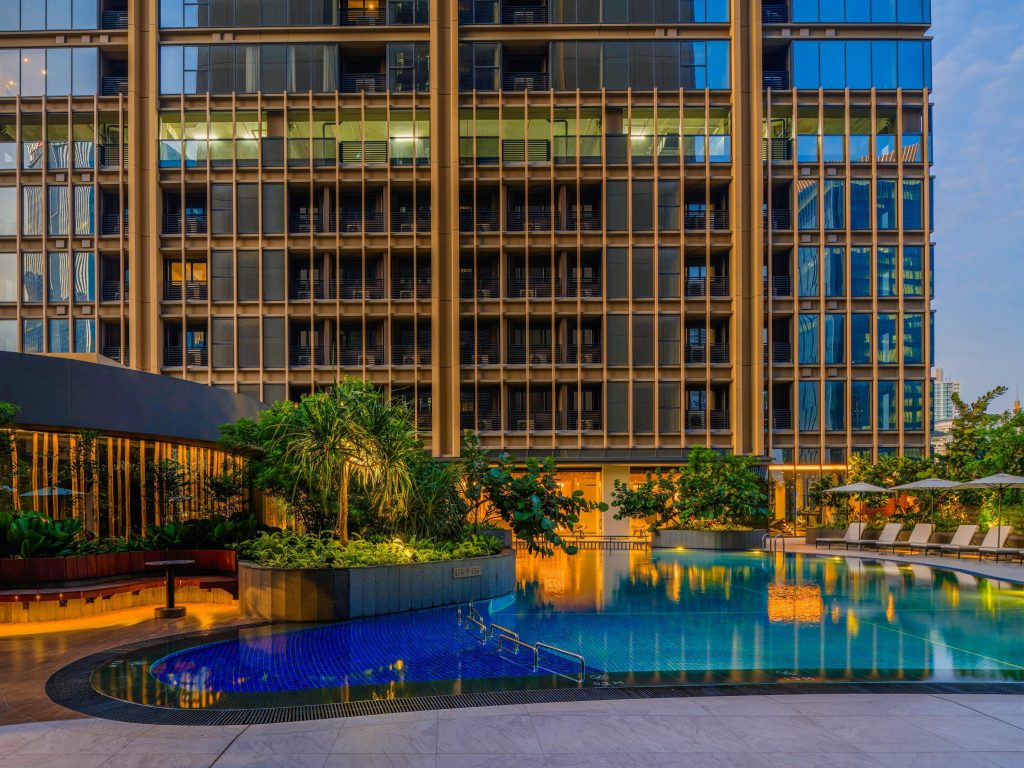
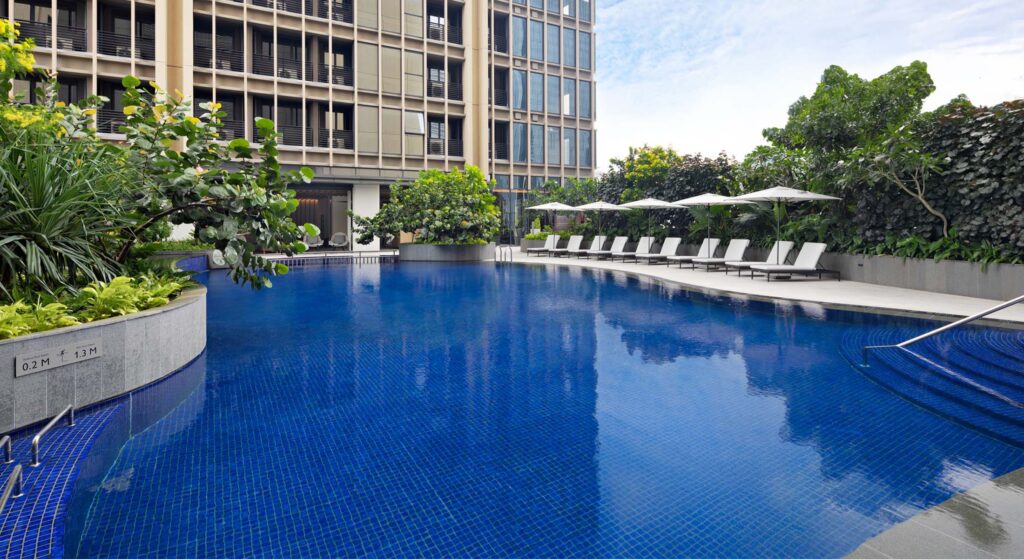
- Swimming pools and aquatic facilities
- Yoga studios or multi-purpose wellness spaces
- Outdoor recreation areas and walking paths
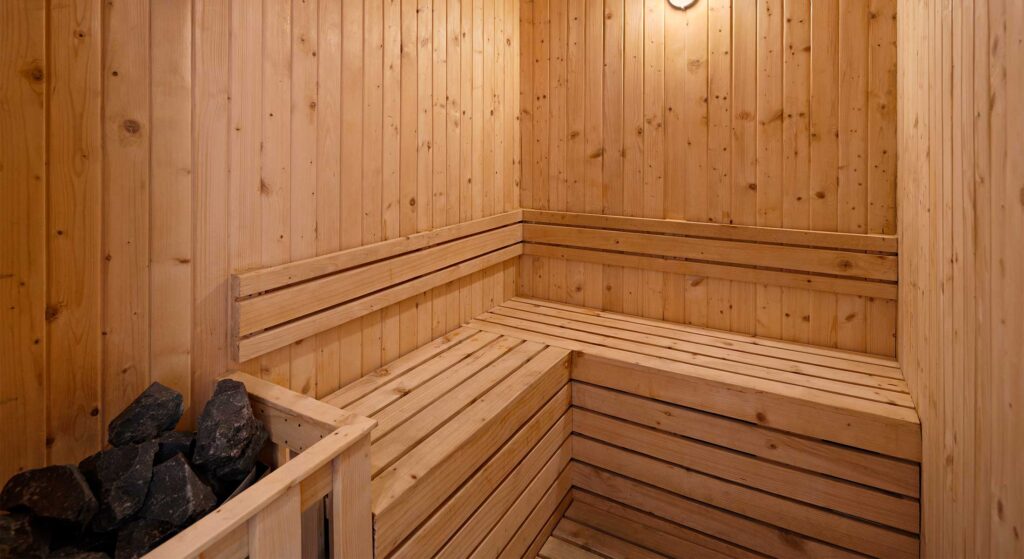
- Spa services and wellness programs
Regular physical activity combats the stress and isolation that often accompany extended business assignments in unfamiliar cities.
Business and Productivity Infrastructure
Professional productivity demands reliable infrastructure and dedicated workspace. Extended stay living facilities should offer:
- High-speed internet connectivity (minimum 100 Mbps)
- In-unit work desks with ergonomic seating
- Business centers with meeting rooms and presentation equipment
- Printing, scanning, and shipping services
- 24-hour reception for package handling and guest coordination
These facilities enable residents to maintain professional effectiveness while enjoying residential comfort.
Dining and Social Spaces
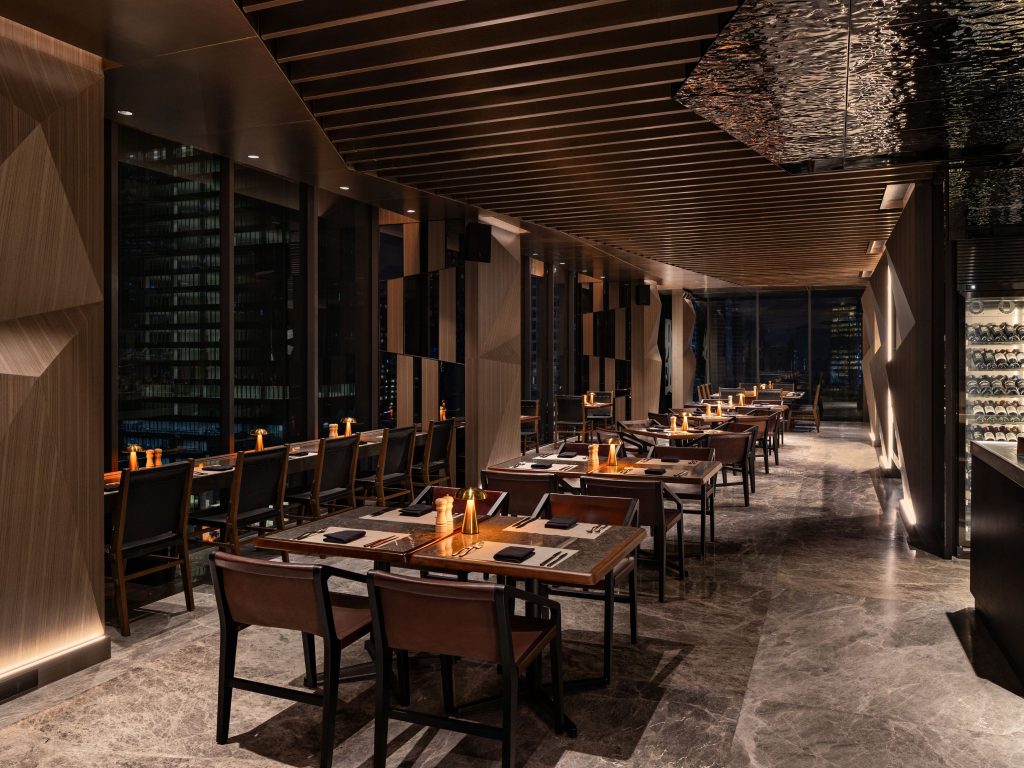
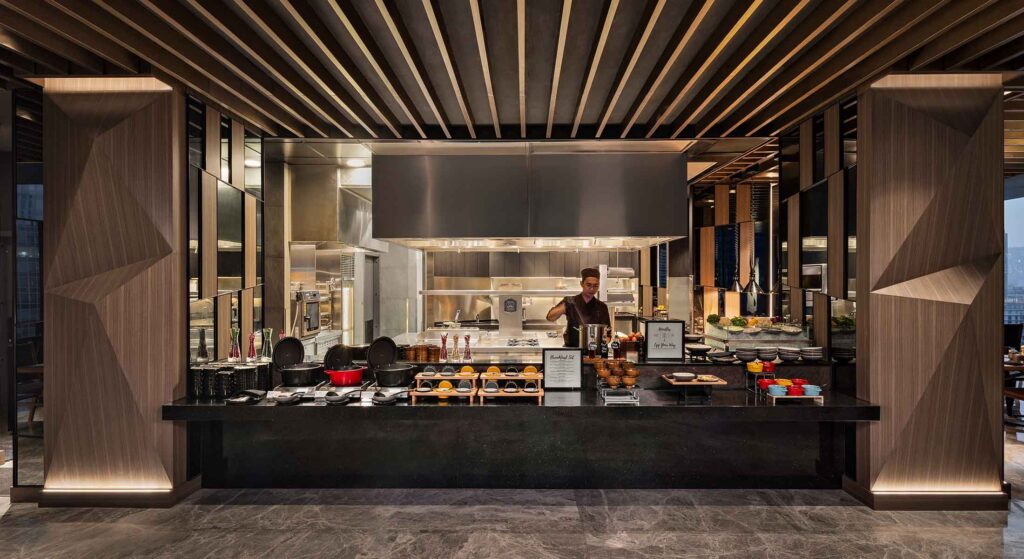
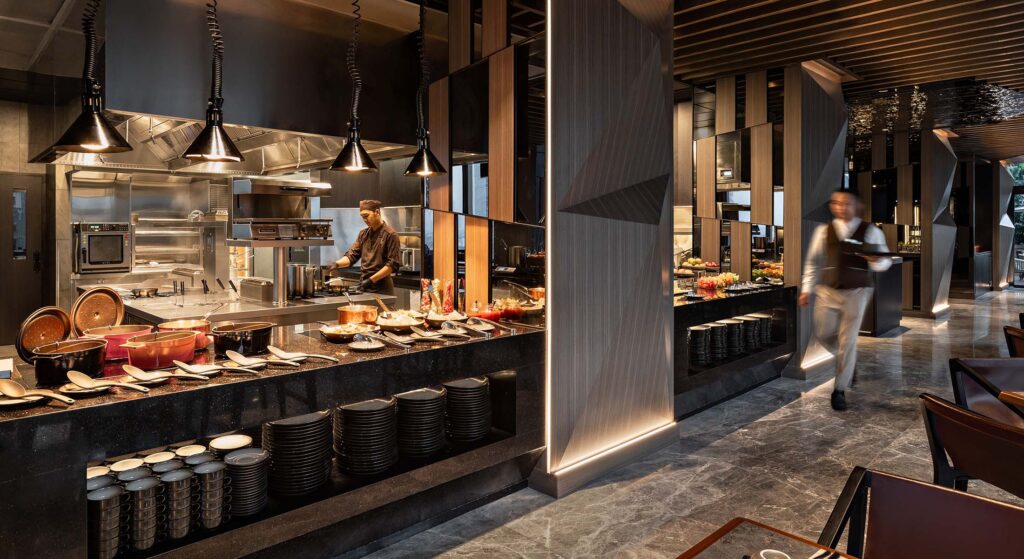
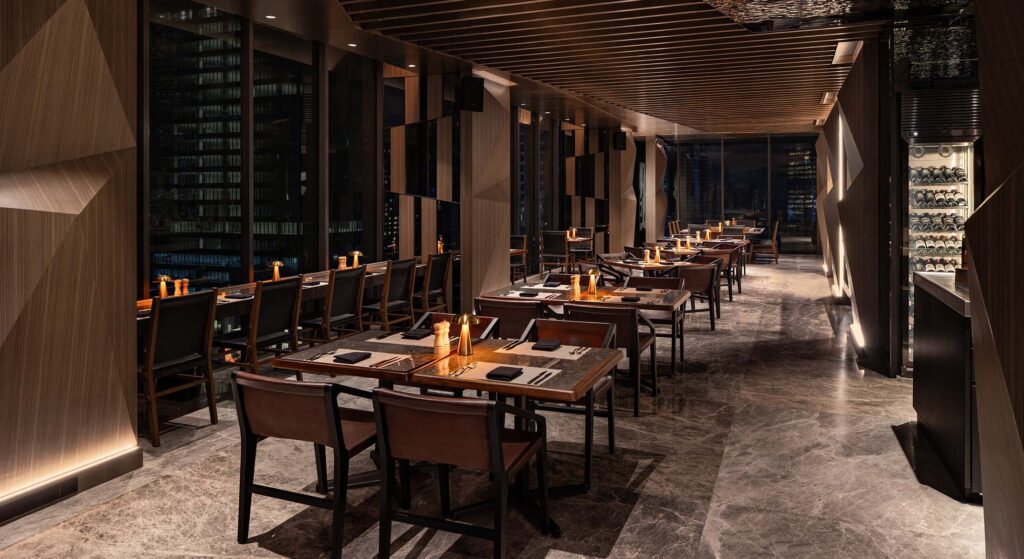
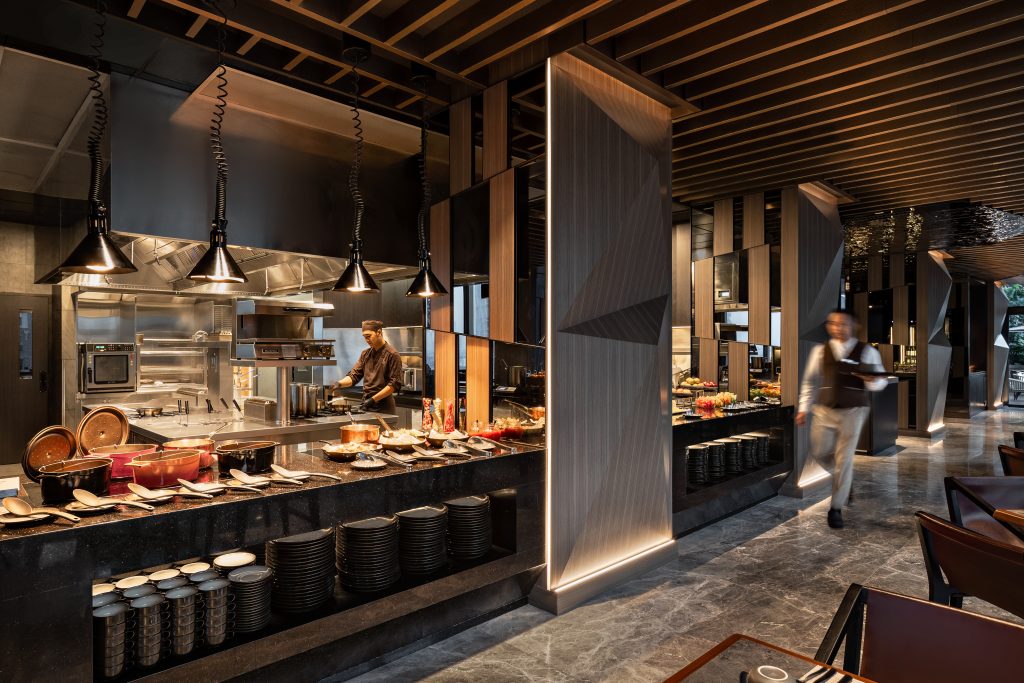
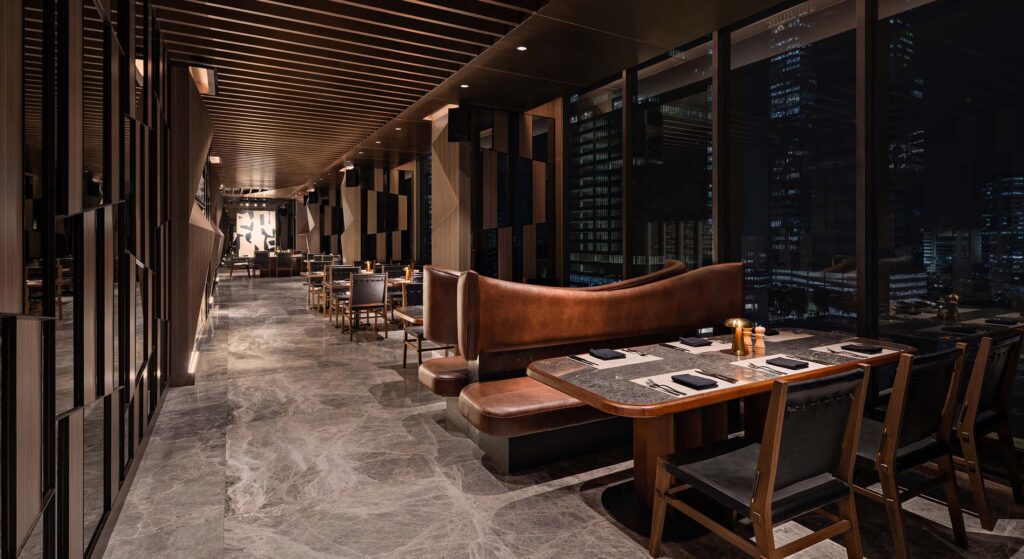
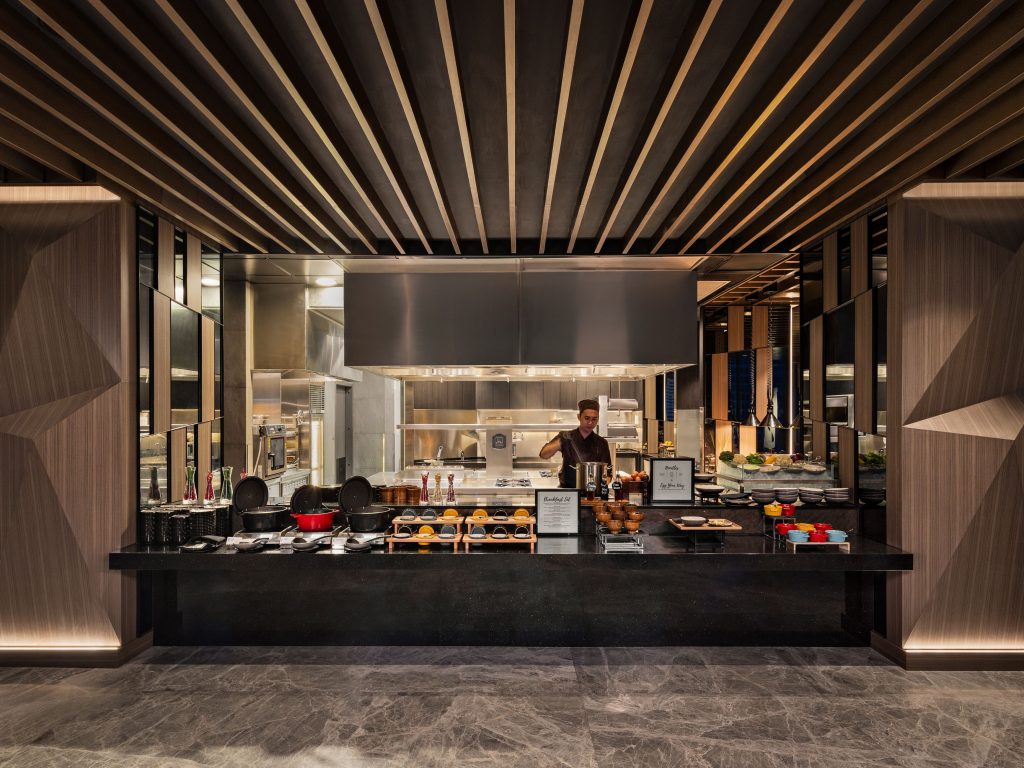
While in-unit kitchens provide cooking flexibility, on-site dining options add convenience and variety. On-site restaurants offering breakfast, lunch, and dinner services prove particularly valuable during intensive work periods or when entertaining business associates.
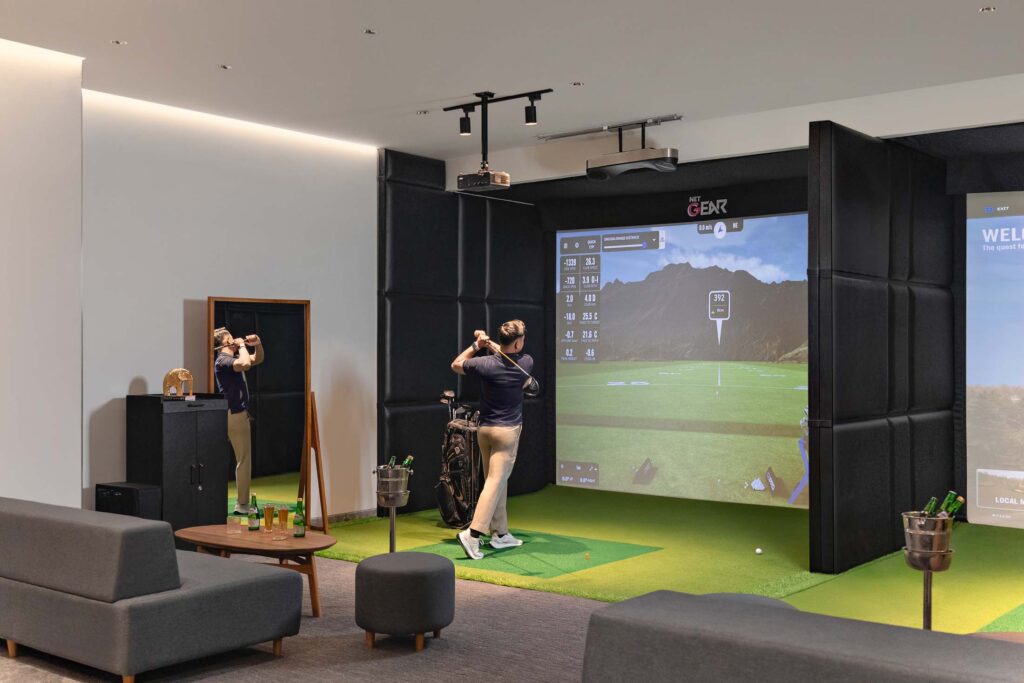
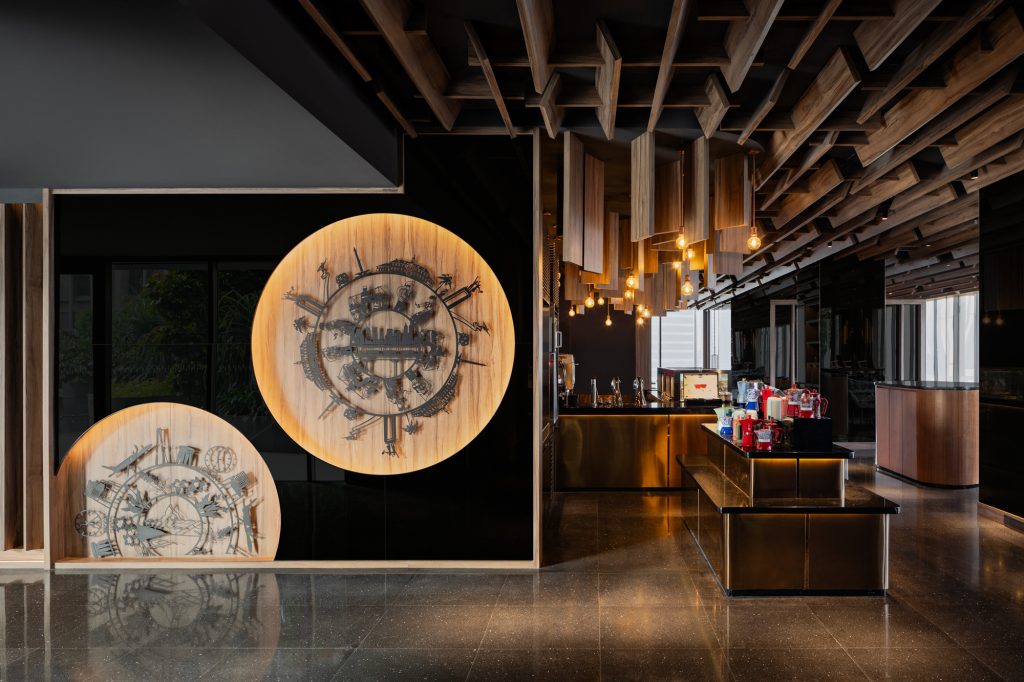
Common areas, lounges, and social spaces facilitate networking among residents and combat the isolation that extended stays can create. Many properties host resident events, cultural activities, and networking sessions that build community among long-term guests.
Selecting the Right Extended Stay Living Property
Choosing appropriate extended stay living accommodation requires systematic evaluation of location, space requirements, service levels, and cultural fit.
Essential Selection Criteria
Location analysis should examine:
- Distance to primary workplace or business district
- Access to transportation networks and airport connectivity
- Proximity to essential services (healthcare, banking, shopping)
- Neighborhood safety and walkability
- Cultural and recreational opportunities
Space assessment must account for:
- Number of occupants and bedroom requirements
- Need for dedicated office or study space
- Kitchen size and cooking frequency
- Storage requirements for extended personal belongings
- Preferred layout (open plan versus separated rooms)
Service evaluation should verify:
- Housekeeping frequency and scope
- Reception hours and concierge capabilities
- Maintenance response times and procedures
- Security systems and access controls
- Flexibility for service customization
Residence Categories and Configurations
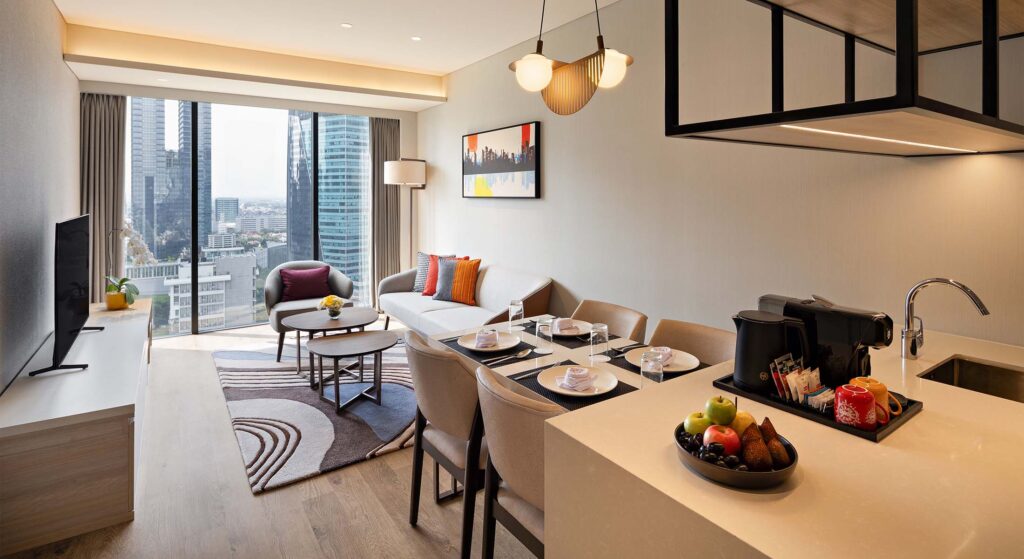
Extended stay living properties typically categorize residences by size, view, and amenity level. Understanding these distinctions helps optimize value:
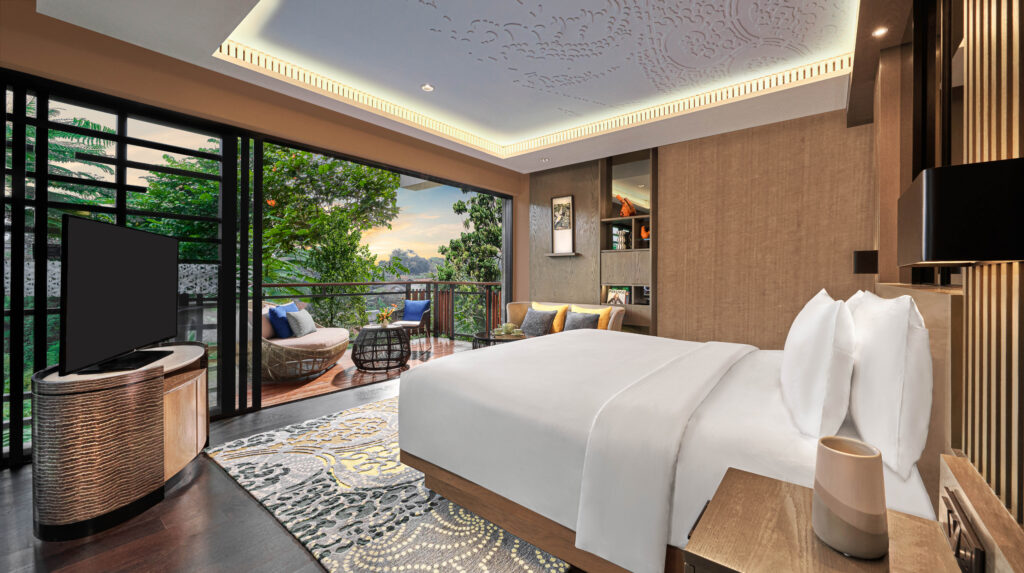
Premium categories may include enhanced views, upgraded furnishings, larger floor plates, or exclusive access to club lounges and executive services. Standard categories deliver full functionality at reduced rates, often representing the best value for budget-conscious travelers.
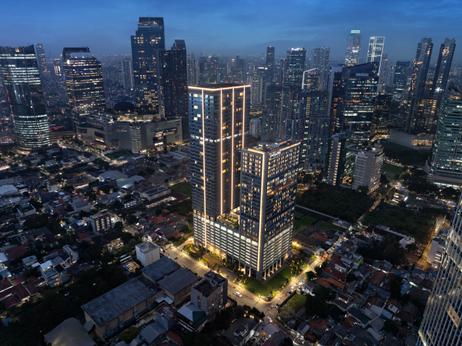
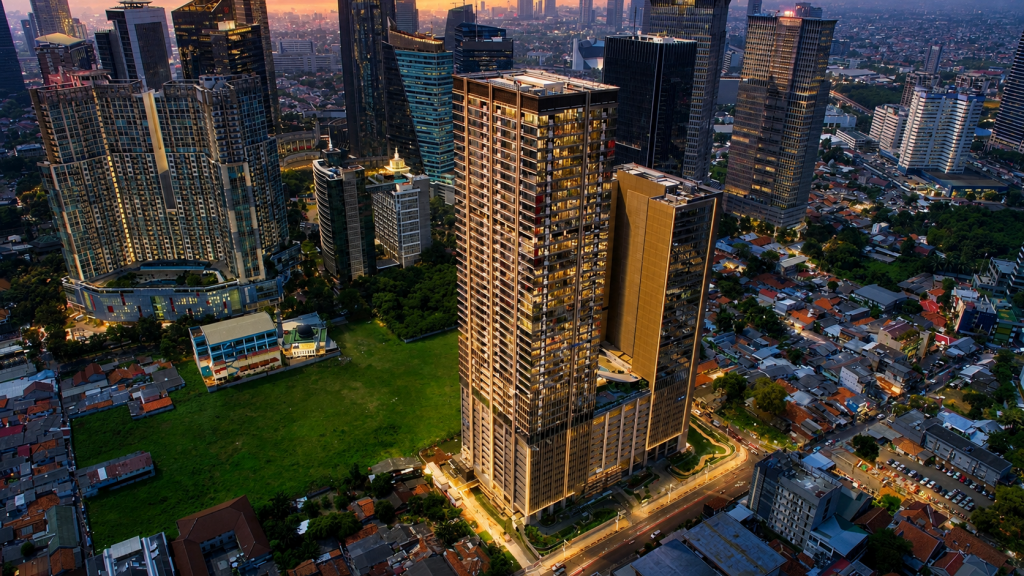
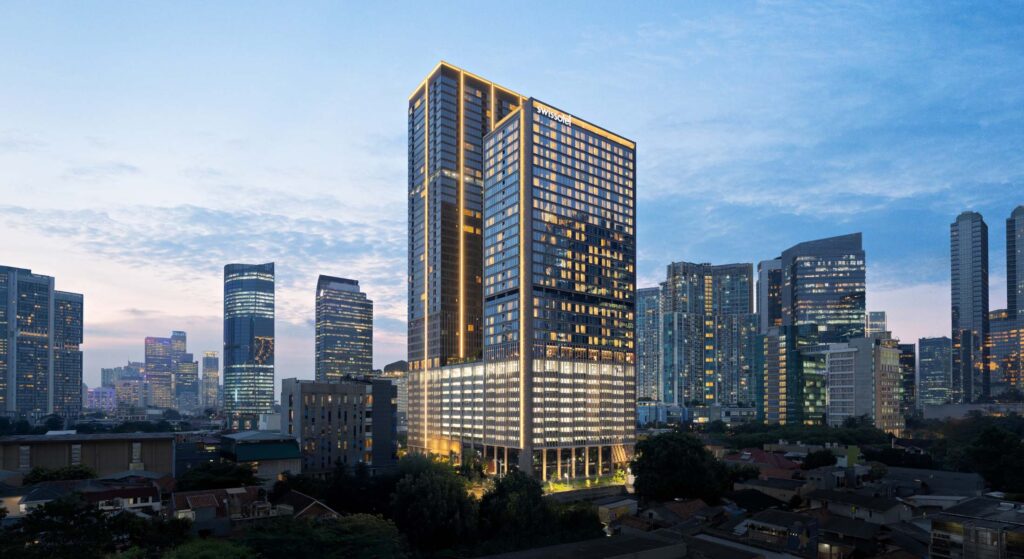
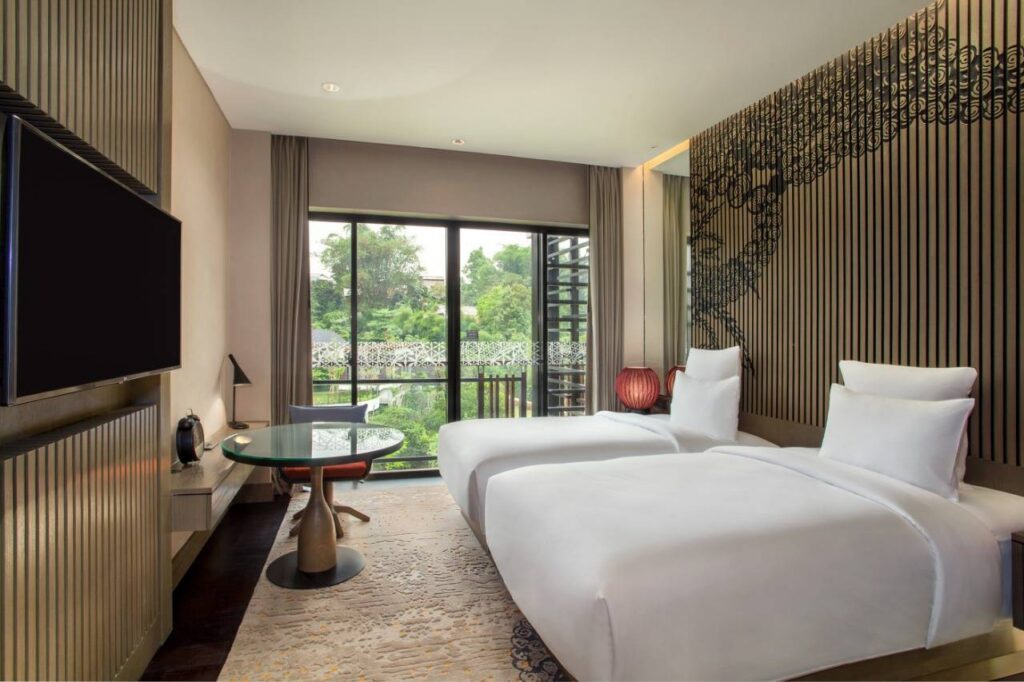
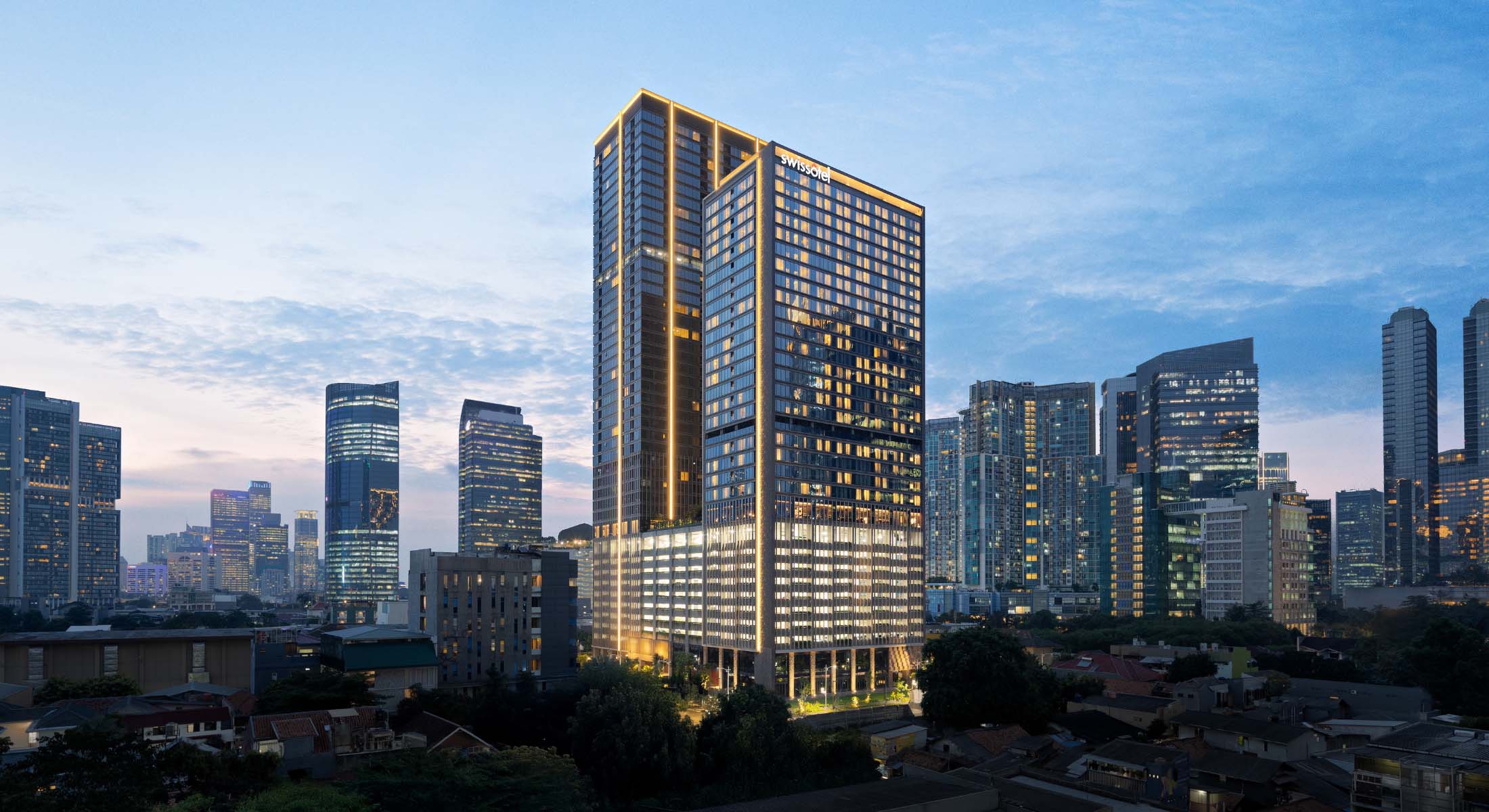
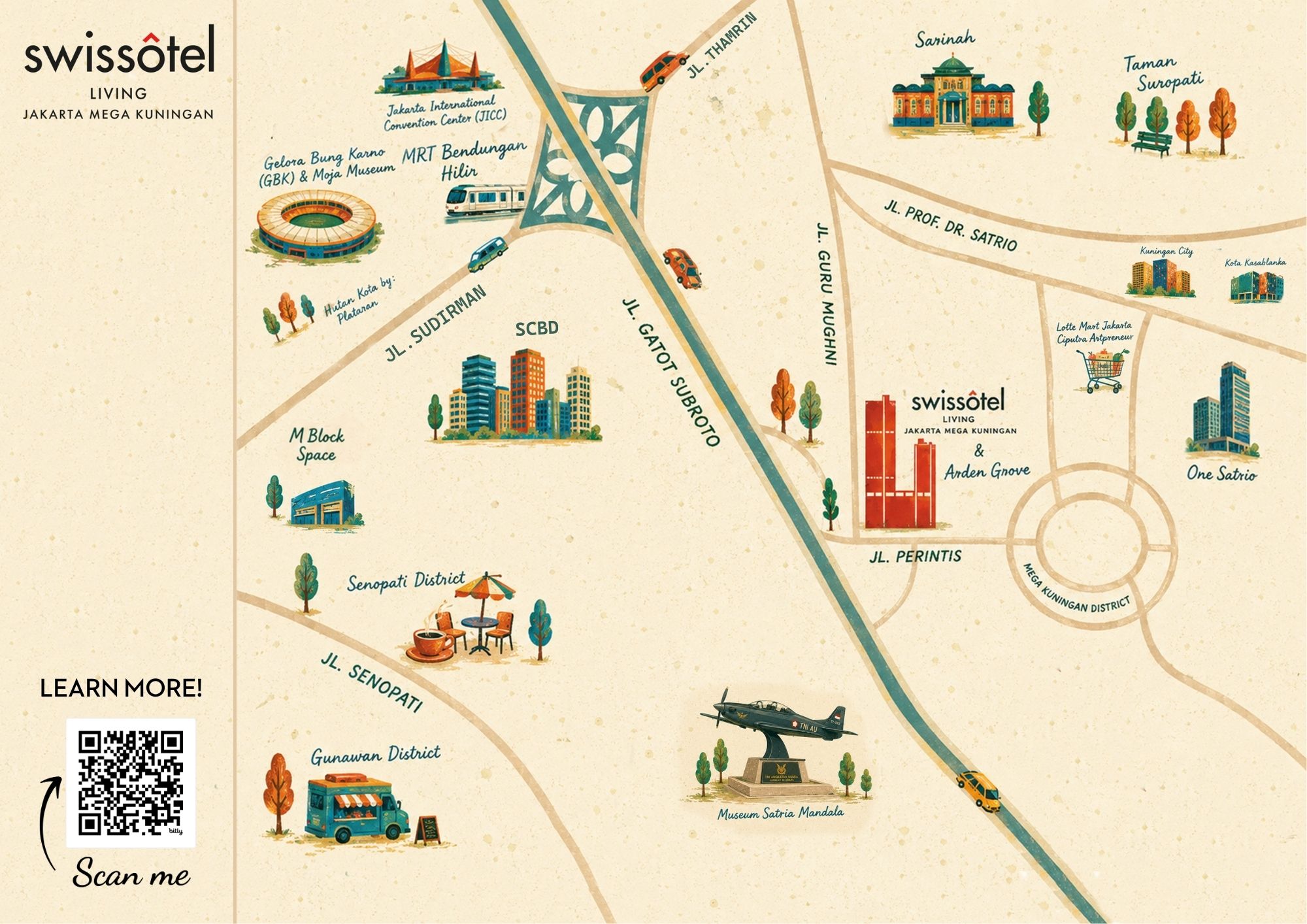
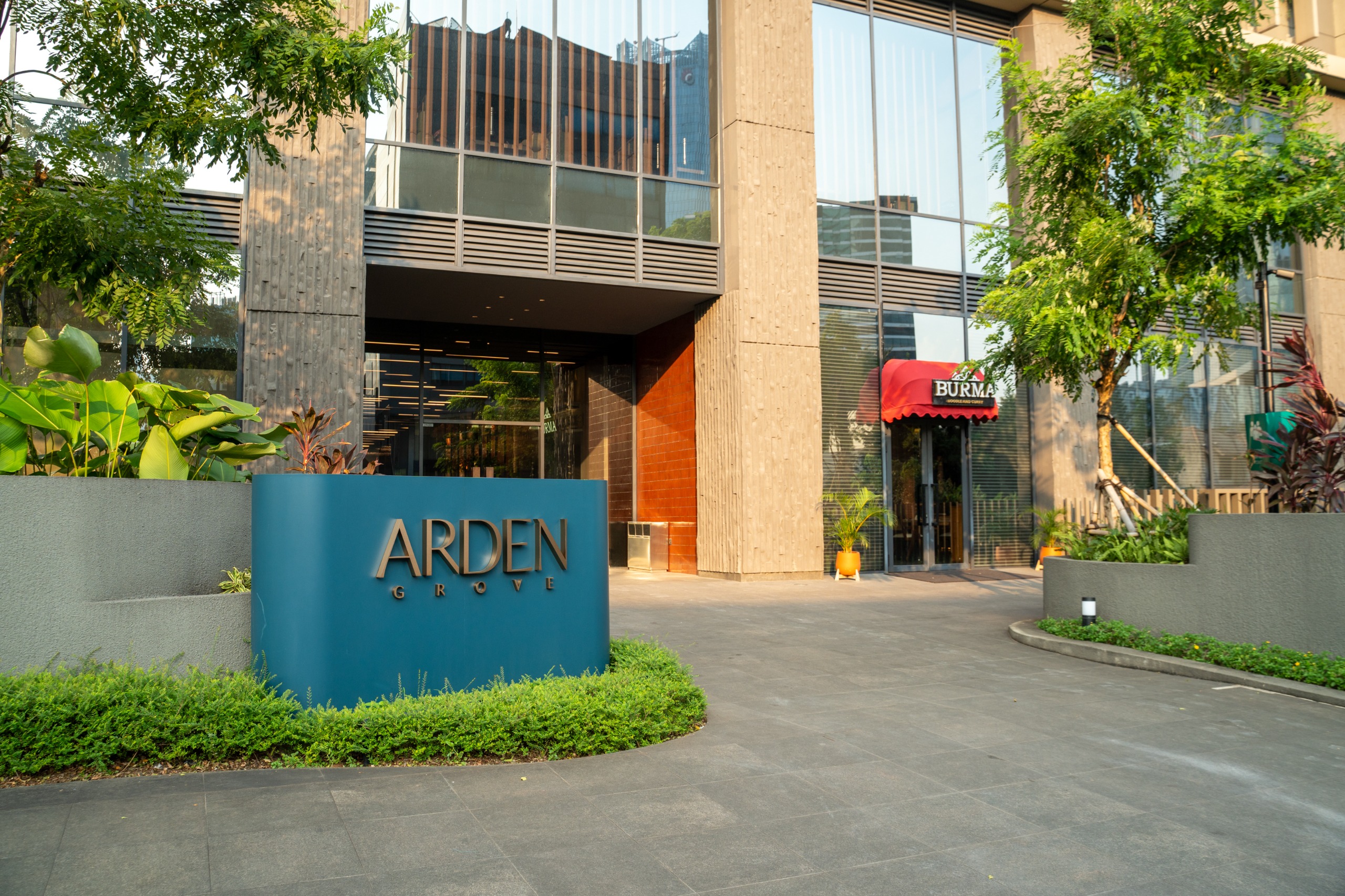
For business professionals and expatriates seeking quality extended stay living in Jakarta's central business district, serviced apartments in Mega Kuningan offer strategic positioning near major offices, diplomatic missions, and international schools. These fully furnished residences provide flexible lease terms from daily to yearly arrangements, supporting everything from short project assignments to multi-year expatriate postings.
Meeting Specific Traveler Needs
Extended stay living serves diverse traveler segments, each with distinct requirements and priorities that quality properties must address.
Corporate Relocations and Project Assignments
Companies relocating employees or staffing major projects require extended stay living solutions that minimize disruption while maintaining productivity. Key considerations include:
- Flexible contract terms accommodating uncertain project timelines
- Billing arrangements that simplify corporate reimbursement
- Dedicated account management for multi-unit bookings
- Proximity to project sites or regional headquarters
Project teams often book multiple units within the same property, creating opportunities for collaboration while maintaining individual privacy.
Expatriate Family Accommodation
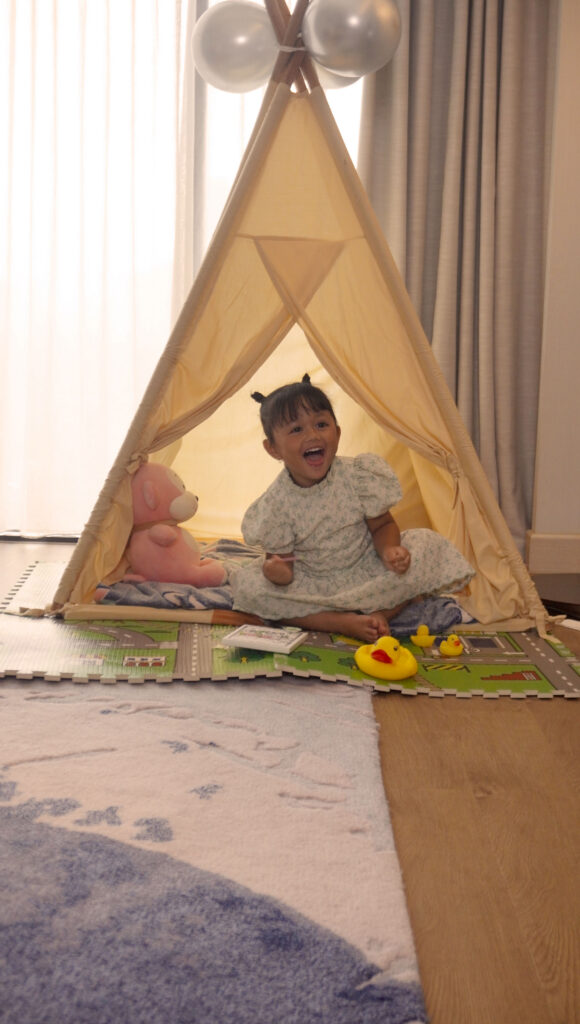
Families moving internationally for extended periods need extended stay living spaces that support children's routines, educational requirements, and social development:
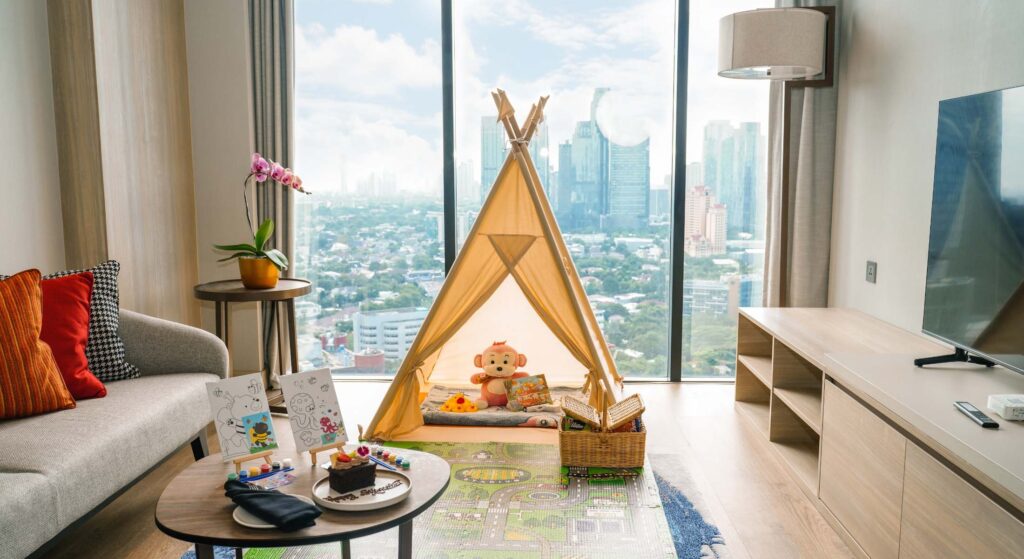
- Two and three-bedroom configurations with separate children's rooms
- Proximity to international schools and pediatric healthcare
- Safe, secure environments with family-friendly amenities
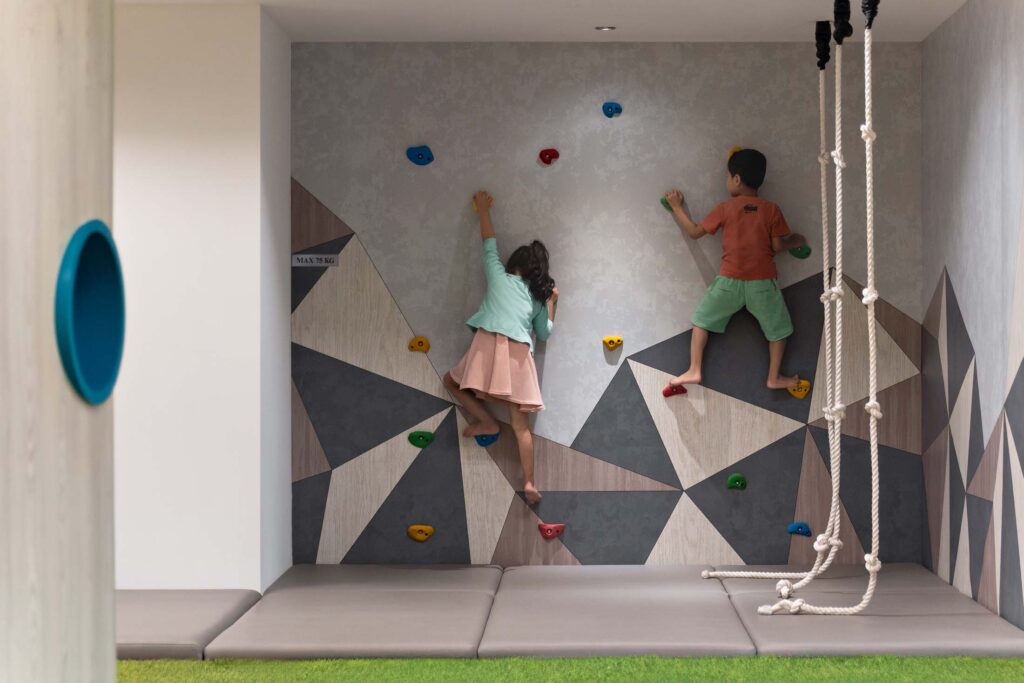
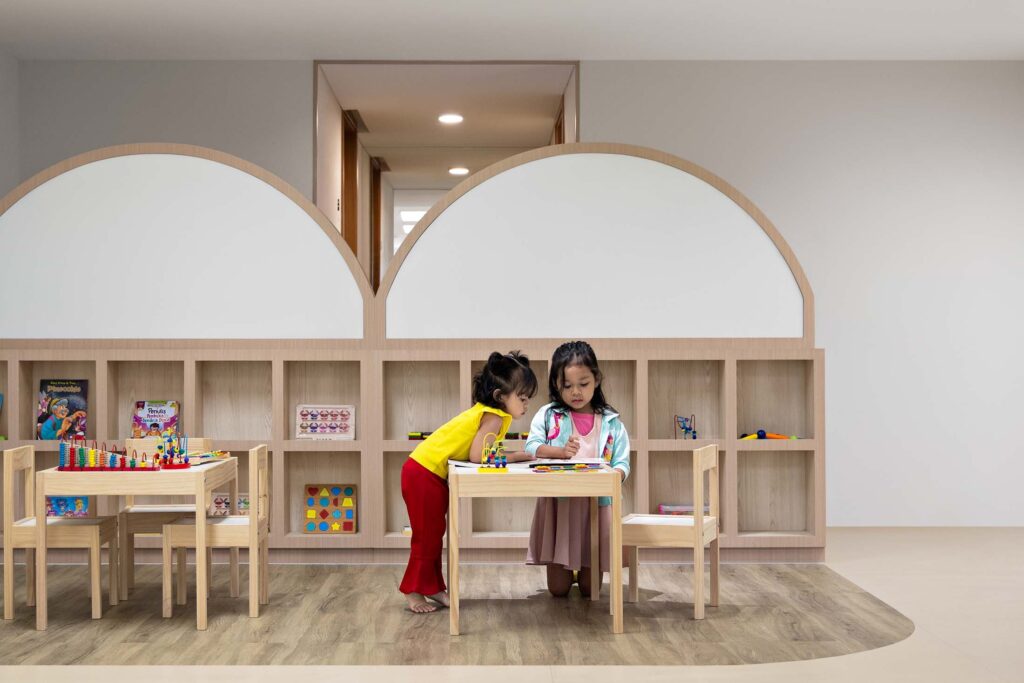
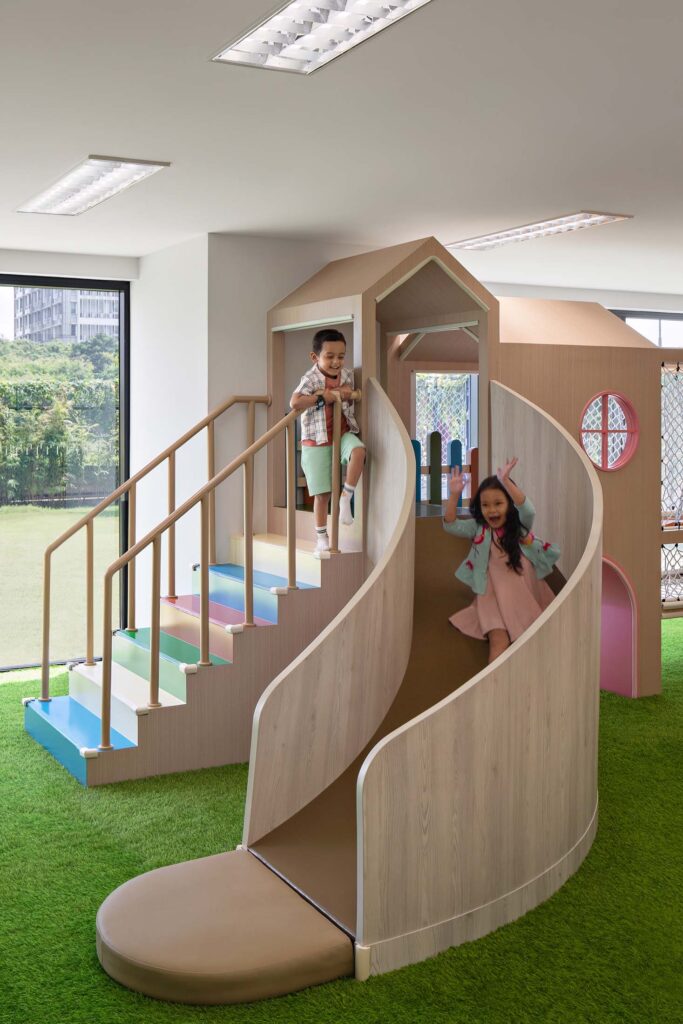
- Community spaces where children can socialize
- Laundry facilities adequate for family-size loads
Staying informed about local events helps families integrate into their new community and discover cultural experiences beyond work and school.
Digital Nomads and Remote Workers
The rise of digital nomadism has created a growing segment seeking extended stay living that combines residential comfort with coworking functionality. These travelers prioritize:
- Reliable, high-speed internet connectivity
- Comfortable, well-lit workspaces with multiple monitors
- Flexible lease terms (monthly or quarterly)
- Central locations with cultural amenities
- Community spaces for networking and collaboration
Extended stay living properties that cultivate resident communities and host networking events particularly appeal to solo remote workers seeking social connection.
Medical Tourism and Treatment Programs
Patients undergoing extended medical treatment or recovery increasingly choose serviced apartments over hotels, benefiting from:
- Kitchen facilities supporting dietary restrictions
- Quiet, private spaces conducive to healing
- Proximity to major medical centers and hospitals
- Accessibility features and mobility accommodations
- Flexible housekeeping schedules respecting rest needs
Family members accompanying patients appreciate separate bedrooms and living areas that provide personal space during stressful periods.
Sustainability and Environmental Considerations
Environmental responsibility increasingly influences extended stay living choices as travelers and corporations prioritize sustainability in accommodation decisions.
Green Building Standards and Certifications
Properties pursuing LEED certification or similar environmental standards demonstrate commitment to:
- Energy-efficient HVAC, lighting, and appliance systems
- Water conservation through low-flow fixtures and smart irrigation
- Sustainable materials in construction and furnishings
- Waste reduction and recycling programs
- Indoor air quality optimization
These measures reduce environmental impact while often lowering operating costs that translate to competitive pricing.
Resident Sustainability Practices
Extended stay living residents can enhance sustainability through:
- Cooking at home rather than relying on restaurant delivery
- Optimizing housekeeping frequency (weekly versus daily)
- Using public transportation from centrally located properties
- Participating in property recycling and waste reduction programs
Longer stays inherently reduce per-capita environmental impact compared to frequent hotel changes requiring new linen sets, disposable amenities, and intensive daily cleaning.
Regulatory and Legal Framework
Understanding the regulatory environment governing extended stay living helps travelers navigate lease agreements, tenant rights, and local housing policies.
Lease Structures and Contractual Terms
Extended stay living agreements typically fall between hotel bookings and residential leases, creating hybrid contractual frameworks:
- Daily and weekly stays usually operate under hotel-style terms with flexible cancellation
- Monthly and longer arrangements may require formal lease agreements
- Deposits, advance payments, and cancellation policies vary by property and duration
- Tenant rights and landlord responsibilities differ from traditional residential leases
Reviewing contract terms carefully before committing ensures clear understanding of responsibilities, cancellation penalties, and service guarantees.
Housing Market Interactions
Extended stay living properties occupy a unique position within local housing markets, providing flexible inventory that supports workforce mobility without permanently reducing residential housing stock. Policymakers increasingly recognize serviced apartments as essential infrastructure for business tourism and economic development.
Technology Integration and Smart Living
Modern extended stay living properties leverage technology to enhance convenience, security, and operational efficiency throughout the guest experience.
Digital Check-In and Access Systems
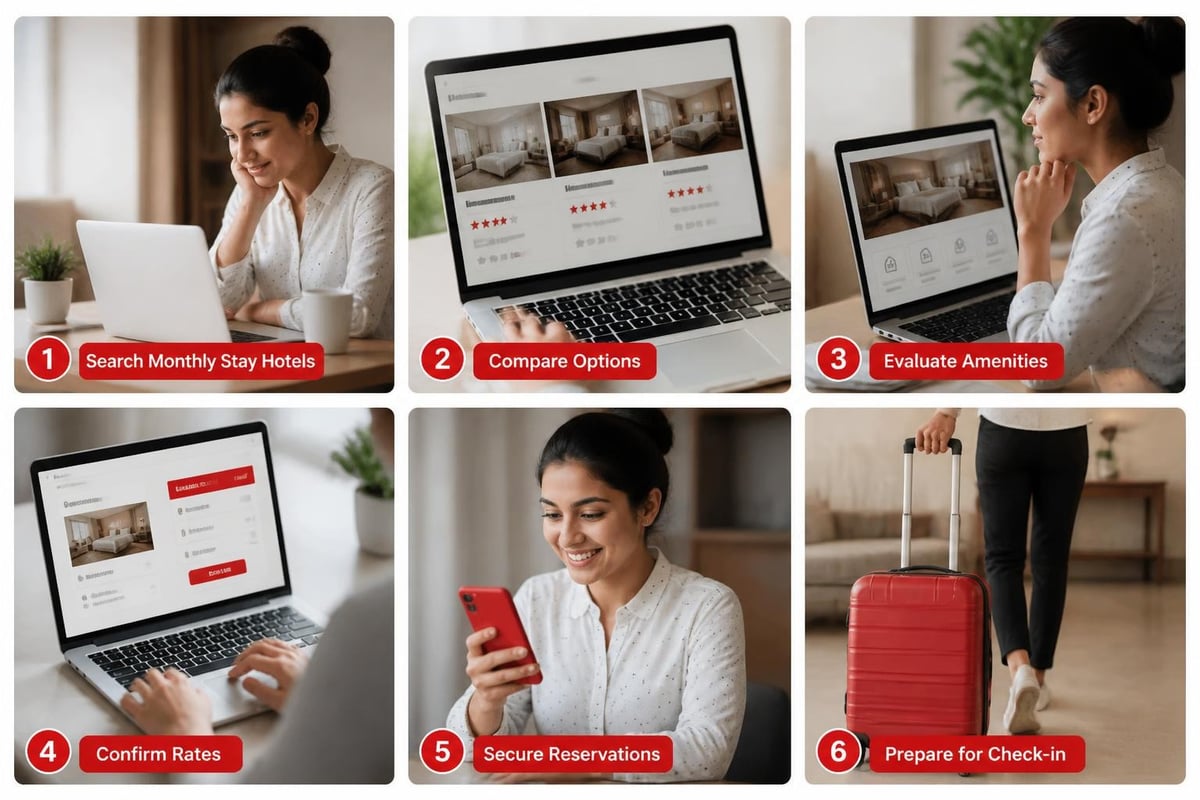
Contactless arrival procedures allow residents to:
- Complete registration online before arrival
- Receive digital keys via smartphone applications
- Access buildings and units without physical key exchange
- Manage service requests through resident portals
These systems reduce arrival friction while maintaining security standards appropriate for extended residency.
Smart Home Features
In-unit technology increasingly includes:
- Climate control systems with smartphone integration
- Voice-activated assistants for information and controls
- Smart TVs with streaming service integration
- High-speed Wi-Fi with mesh network coverage
- Occupancy sensors optimizing energy efficiency
Technology should enhance rather than complicate the living experience, with intuitive interfaces and reliable performance.
Preparing for Your Extended Stay
Successful extended stay living begins with thorough preparation addressing practical, professional, and personal considerations.
Pre-Arrival Planning
Essential preparation steps include:
- Document review: Confirm lease terms, cancellation policies, included services, and payment schedules
- Inventory assessment: Verify provided furnishings, kitchen equipment, and household items to determine what requires supplementation
- Logistics coordination: Arrange airport transfers, initial grocery delivery, and utility setup if not included
- Communication establishment: Save property contact numbers, emergency contacts, and local service providers
- Cultural research: Study local customs, basic language phrases, and cultural norms for your destination city
Packing Strategy for Extended Stays
Extended stay living allows more comprehensive packing than short hotel visits:
- Professional wardrobe: Full range of business attire for your stay duration
- Personal items: Toiletries, medications, and comfort items from home
- Work equipment: Laptop accessories, monitors, specialized equipment
- Kitchen supplements: Favorite spices, specialty ingredients, cooking tools
- Personal electronics: Streaming devices, gaming systems, hobby equipment
While serviced apartments provide comprehensive furnishings, personal items significantly enhance comfort during extended assignments.
Establishing Routines and Local Connections
Successful adaptation to extended stay living requires intentional community building:
- Explore the neighborhood during the first week to identify grocery stores, pharmacies, restaurants, and services
- Establish fitness and wellness routines using property amenities
- Connect with colleagues, fellow residents, or local professional associations
- Investigate cultural attractions, recreational opportunities, and weekend destinations
- Maintain connections with home through scheduled video calls and regular communication
Special promotions and packages often provide cost savings for extended commitments while delivering enhanced amenities.
Best Practices From Industry Leaders
Industry guidance emphasizes several best practices that distinguish exceptional extended stay living providers from basic accommodation options.
Service Customization and Flexibility
Premium properties recognize that extended stay living guests develop individual preferences and routines throughout longer residencies. Successful operators offer:
- Customizable housekeeping schedules aligned with resident preferences
- Flexible amenity access hours accommodating diverse work schedules
- Personalized service recognition acknowledging repeat guests
- Responsive maintenance addressing issues within contracted timeframes
This flexibility transforms extended stay living from transactional accommodation into genuine residential experience.
Community Building and Resident Engagement
Properties that cultivate resident communities create environments where extended stay living guests feel connected rather than isolated:
- Regular social events, cultural celebrations, and networking opportunities
- Resident communication channels sharing local information and recommendations
- Partnerships with local businesses offering resident discounts and privileges
- Feedback mechanisms incorporating resident input into property improvements
These initiatives prove particularly valuable for international guests navigating unfamiliar cities and cultures.
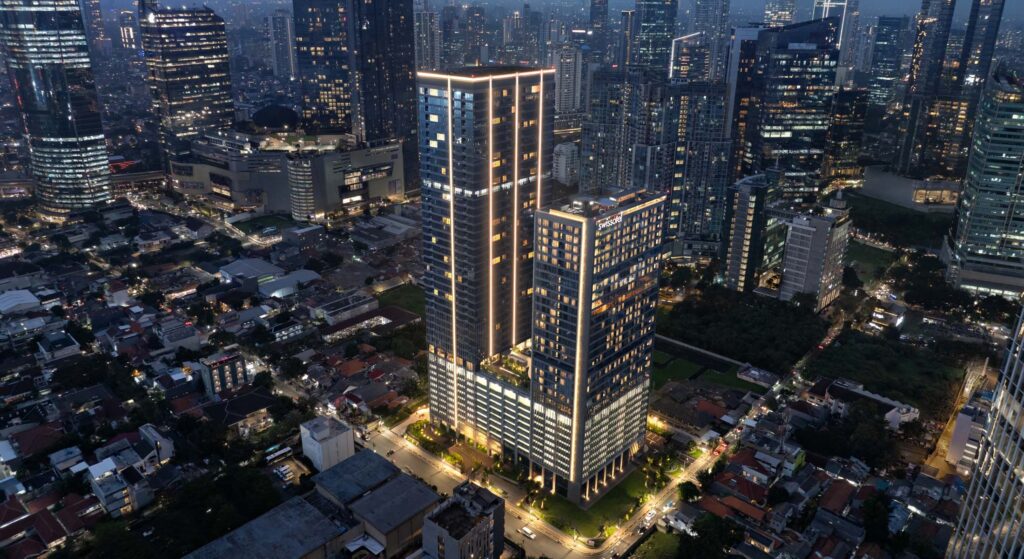
Extended stay living represents the optimal accommodation solution for business travelers, expatriates, and families requiring flexible, fully furnished residences with comprehensive services for weeks, months, or years. The combination of residential space, hotel-quality amenities, and strategic locations delivers unmatched value and comfort for extended assignments in major business centers. Whether you're relocating to Jakarta for a corporate project, expatriate posting, or extended business engagement, Swissôtel Living Jakarta Mega Kuningan provides Asia's first Swissôtel Living experience with 240 fully furnished serviced apartments in Mega Kuningan's central business district, offering Studio through Three-Bedroom residences with flexible daily, weekly, monthly, and yearly lease options designed specifically for extended stay living.