
Hotel Long Term Stay Rates: 2026 Pricing Guide Jakarta
Understanding hotel long term stay rates is essential for business travelers, expatriates, and families planning extended accommodation in Jakarta. As the serviced apartment market continues to evolve in 2026, pricing structures have become more sophisticated, balancing competitive daily rates with substantial discounts for weekly, monthly, and annual commitments. Whether you’re relocating for work in Mega Kuningan, managing a corporate assignment in SCBD, or seeking family accommodation near international schools, knowing how these rates are structured helps you negotiate better terms and budget accurately for your stay.
Understanding Hotel Long Term Stay Rate Structures
Hotel long term stay rates differ fundamentally from traditional nightly hotel pricing. Properties structure these rates to incentivize longer commitments while maintaining profitability across different occupancy periods.
Progressive Discount Thresholds
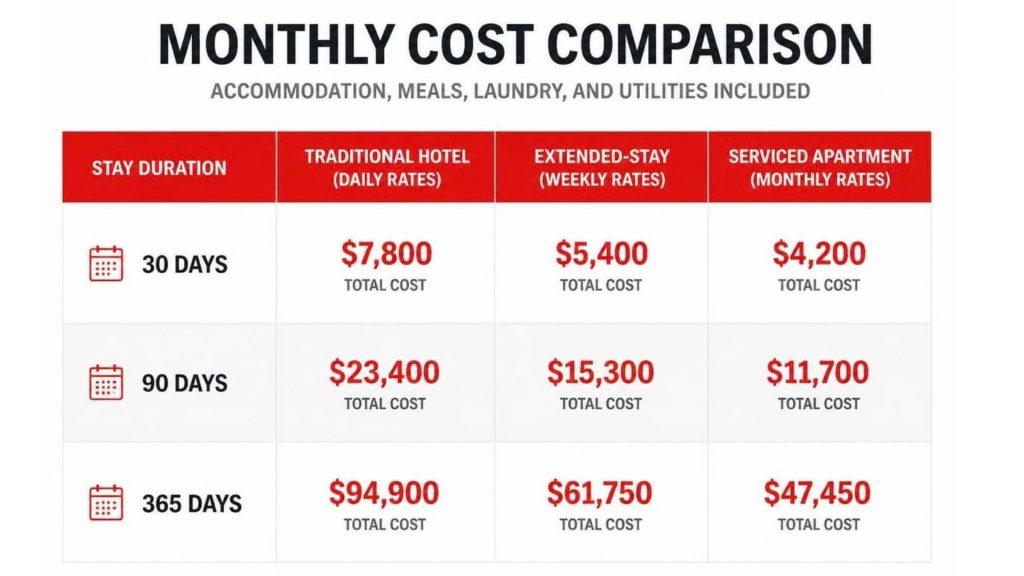
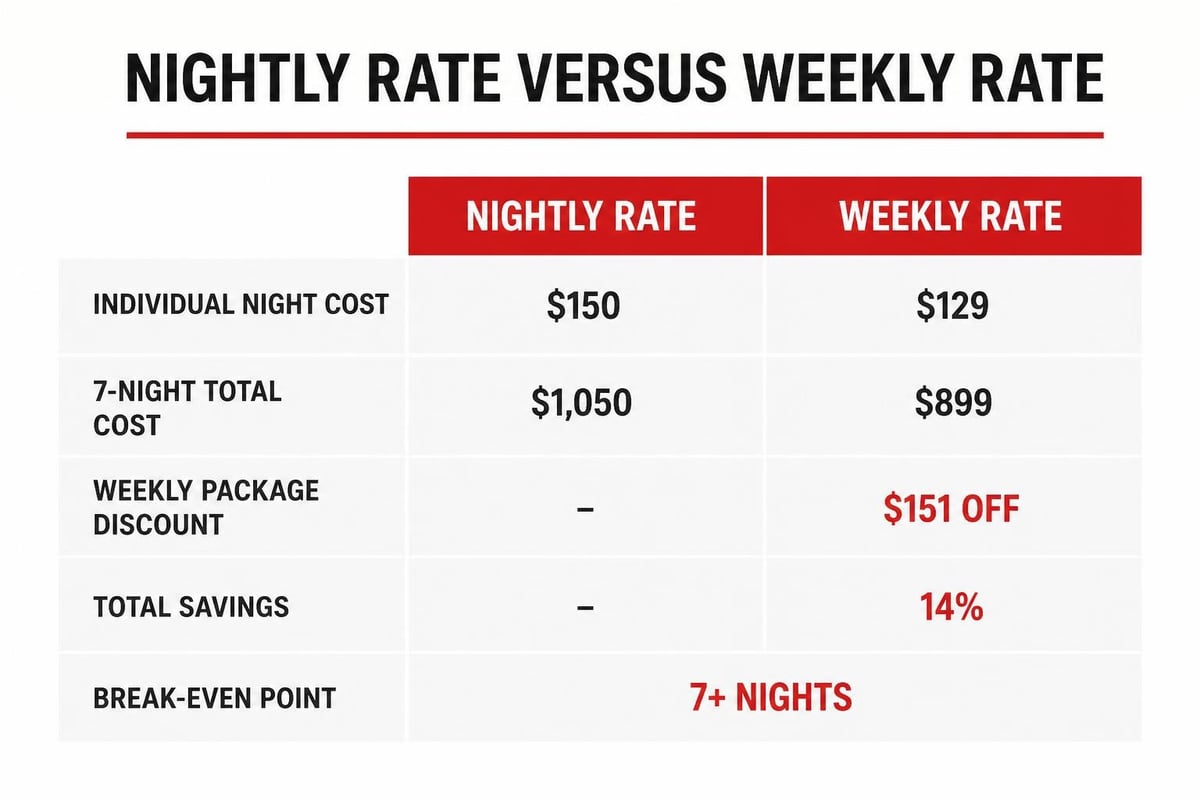
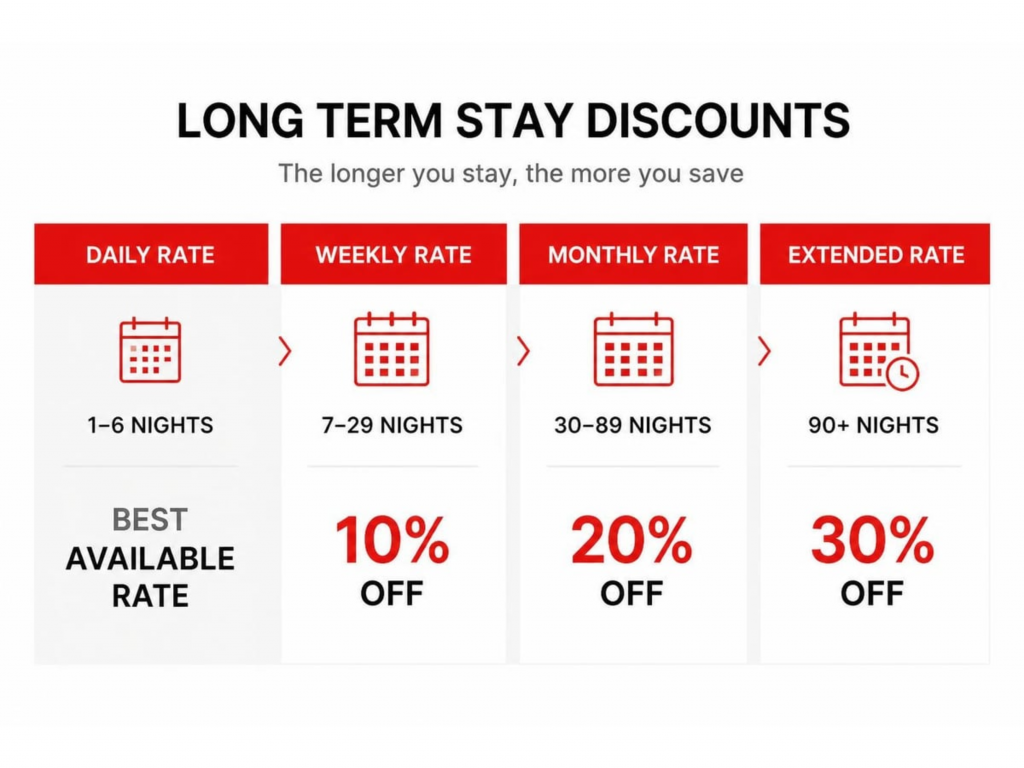
Extended-stay properties typically implement tiered discount structures based on commitment length. Recent data from Japanese hotels shows concrete discount patterns: approximately 10 percent reduction at two nights, roughly 15 percent at seven nights, and around 20 percent at 30-plus nights. These benchmarks reflect international market standards that Jakarta properties often mirror.
The discount structure serves multiple purposes:
- Occupancy stability reduces administrative turnover costs
- Predictable revenue allows better financial forecasting
- Lower marketing expense per occupied room-night
- Reduced housekeeping frequency for monthly residents
- Minimized vacancy gaps between short-term bookings
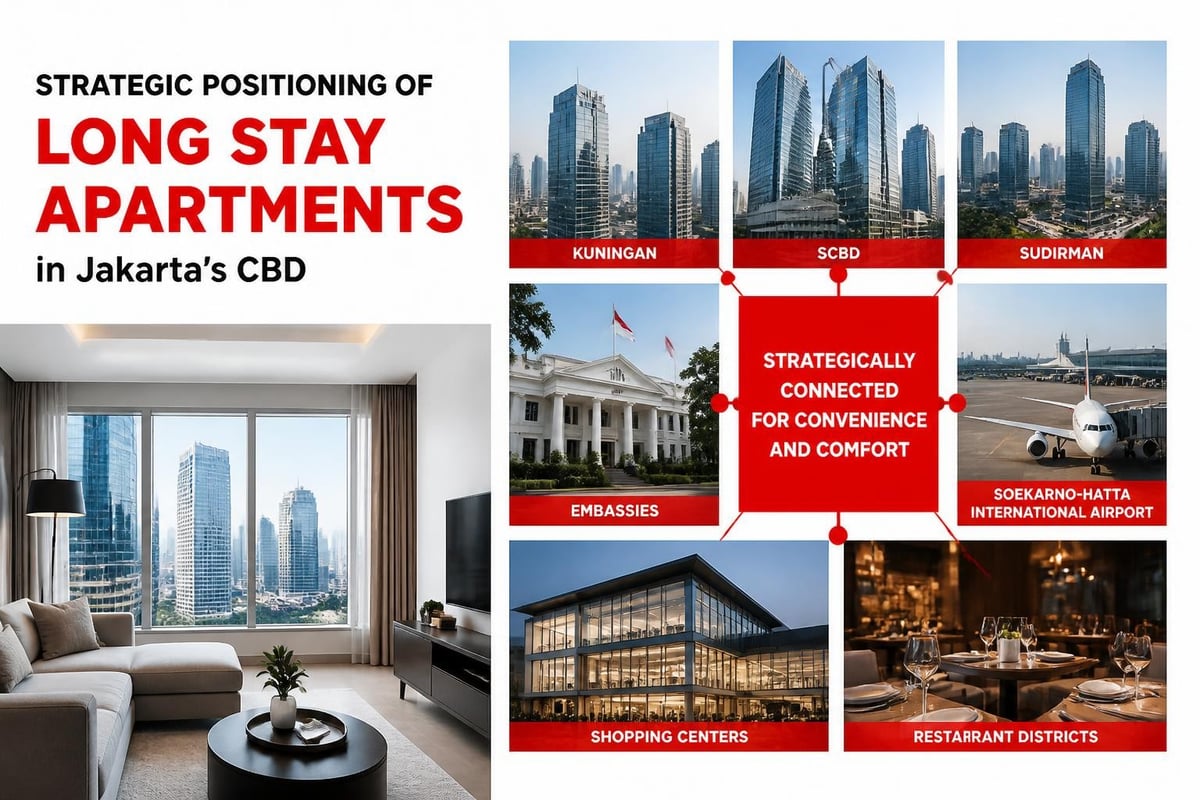
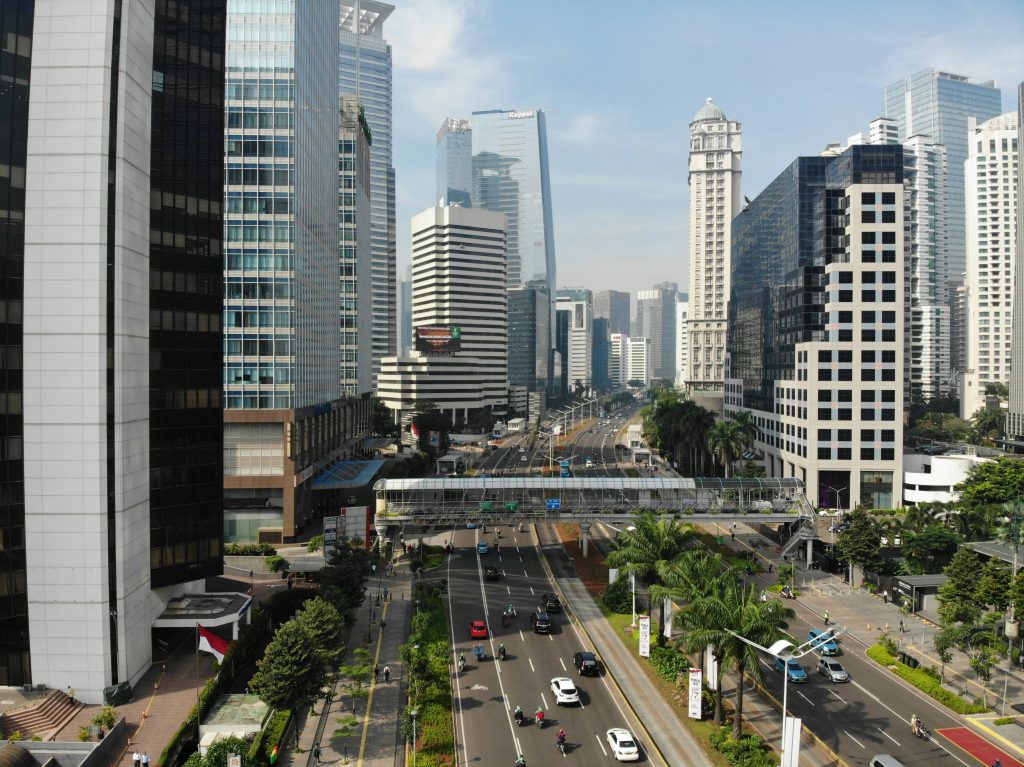
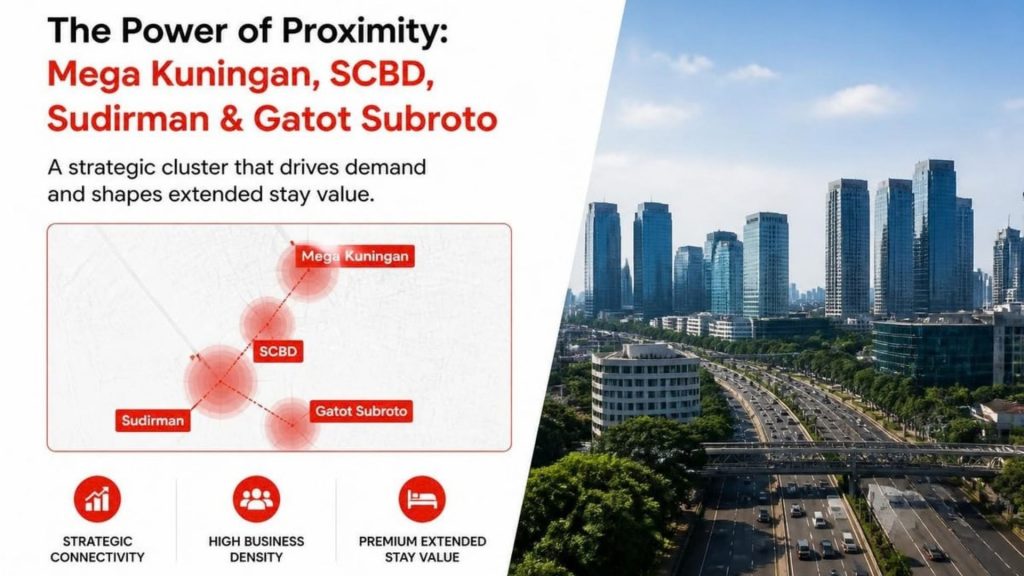
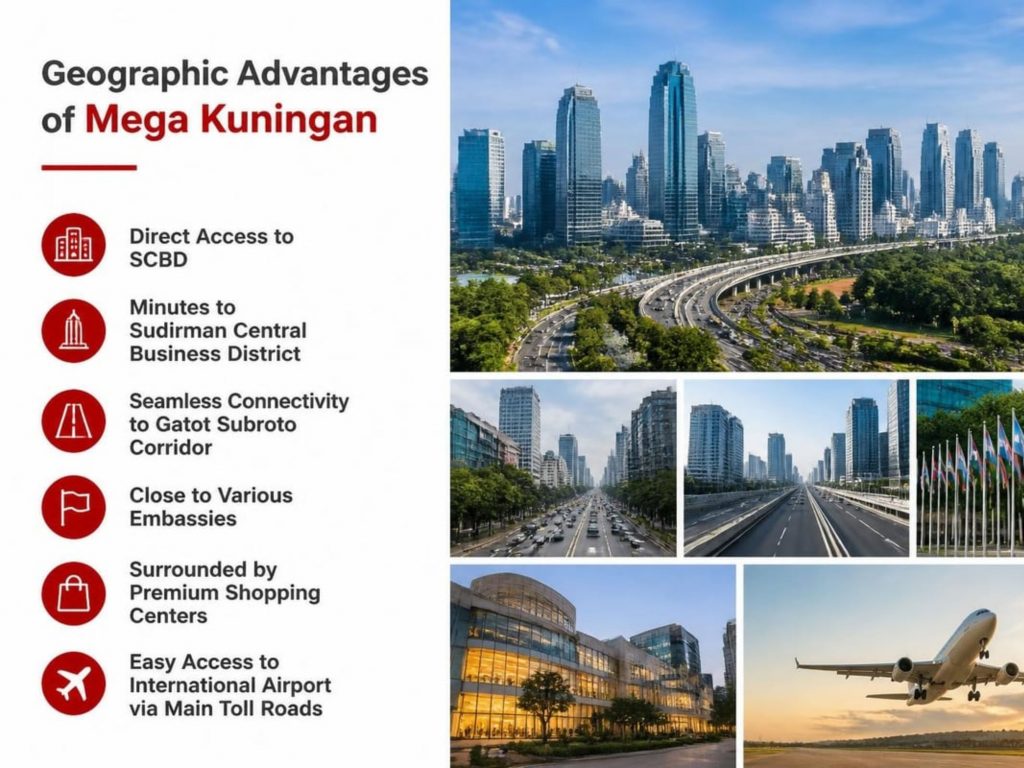
Properties in Jakarta’s central business district often apply similar frameworks but adjust percentages based on local market conditions, seasonal demand fluctuations, and competitive positioning within the Kuningan, Sudirman, and SCBD corridors.
Rate Components and Inclusions
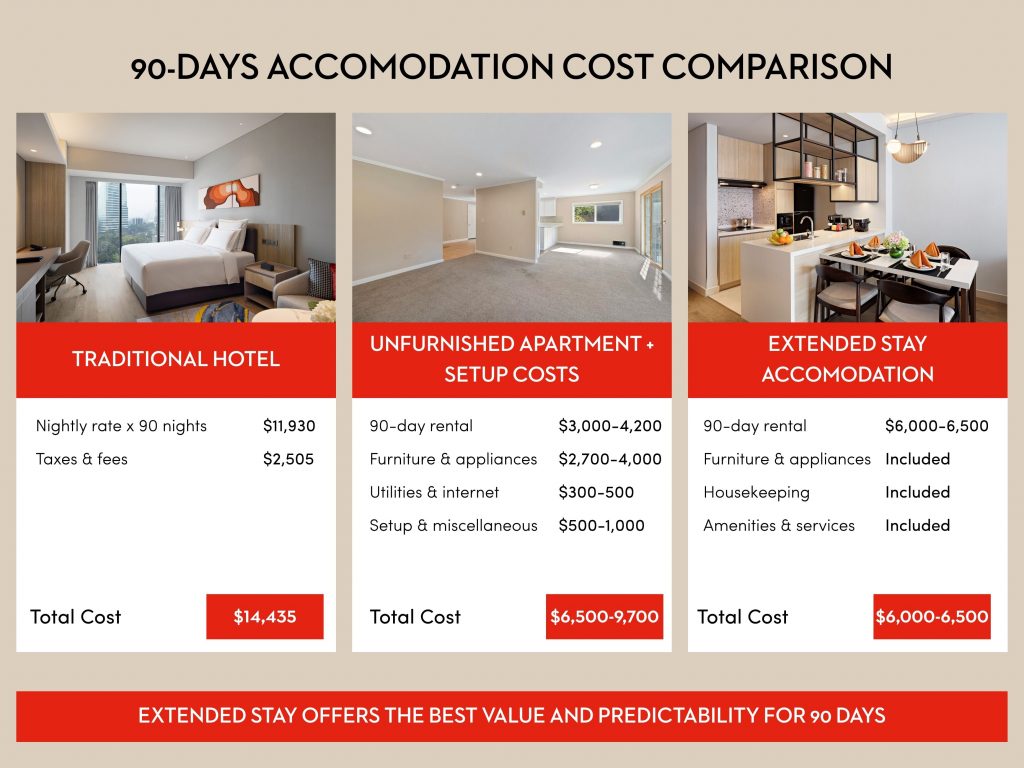
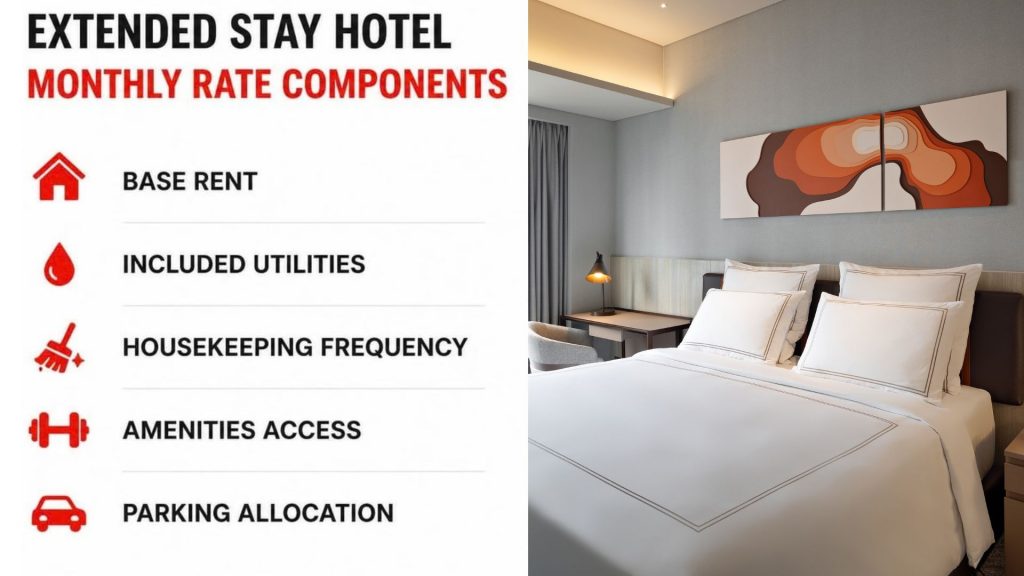
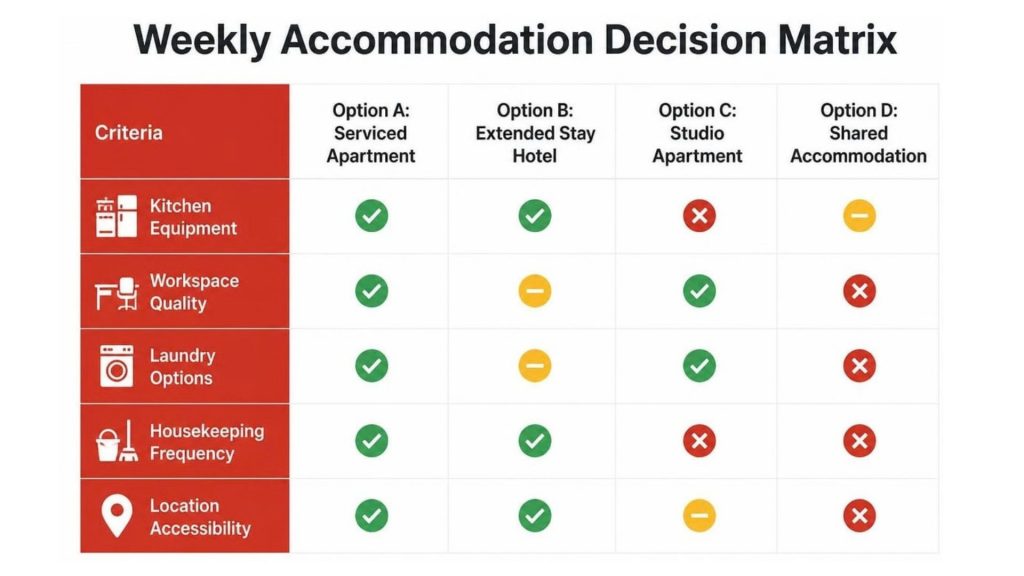
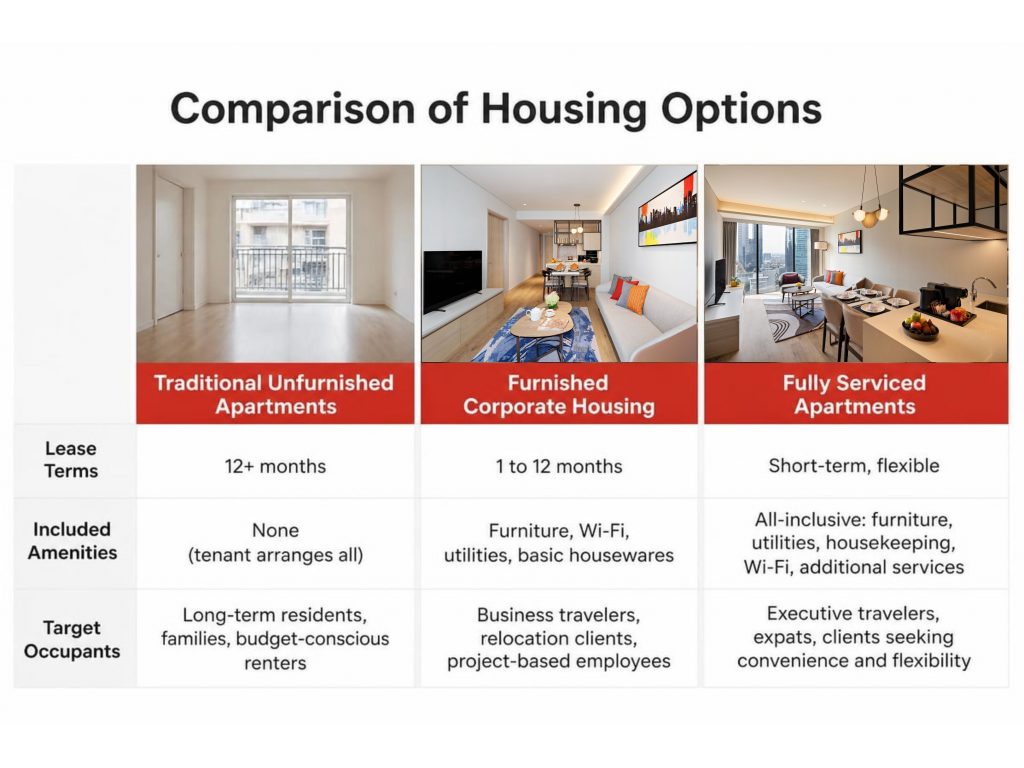
Hotel long term stay rates encompass multiple service components that differentiate them from bare apartment rentals. Understanding what’s included helps evaluate true value:
| Rate Component | Typical Daily Rate | Weekly Rate | Monthly Rate |
|---|---|---|---|
| Furnished accommodation | Included | Included | Included |
| Utilities (electricity, water) | Included | Included | Usually capped or metered |
| Internet connectivity | Included | Included | Included |
| Housekeeping frequency | Daily | 2-3x weekly | Weekly or bi-weekly |
| Linen changes | Daily | 2x weekly | Weekly |
| Concierge services | Full access | Full access | Full access |
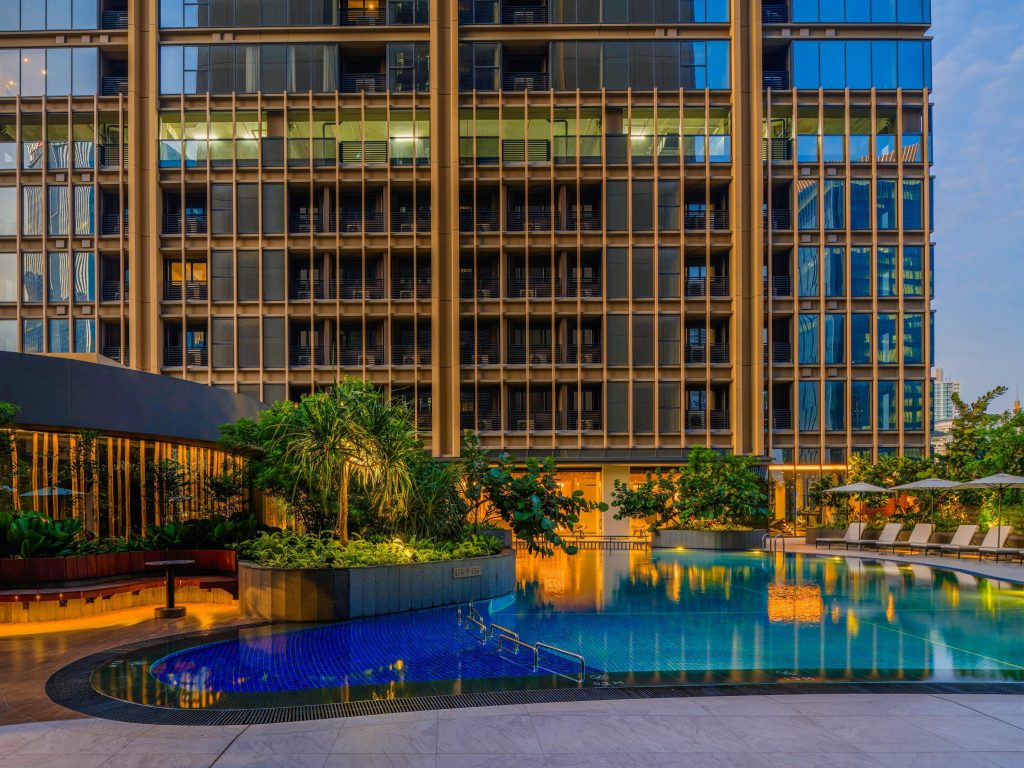
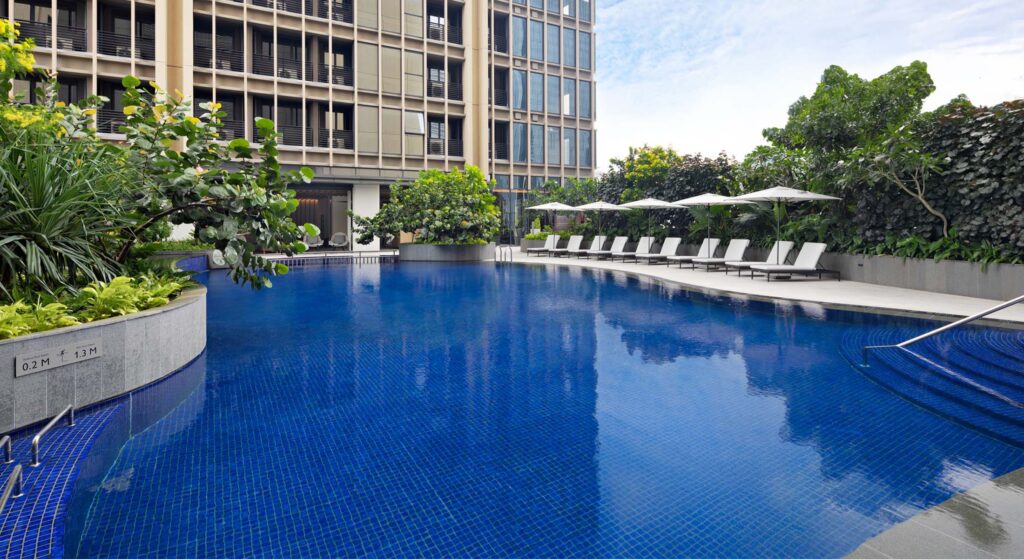
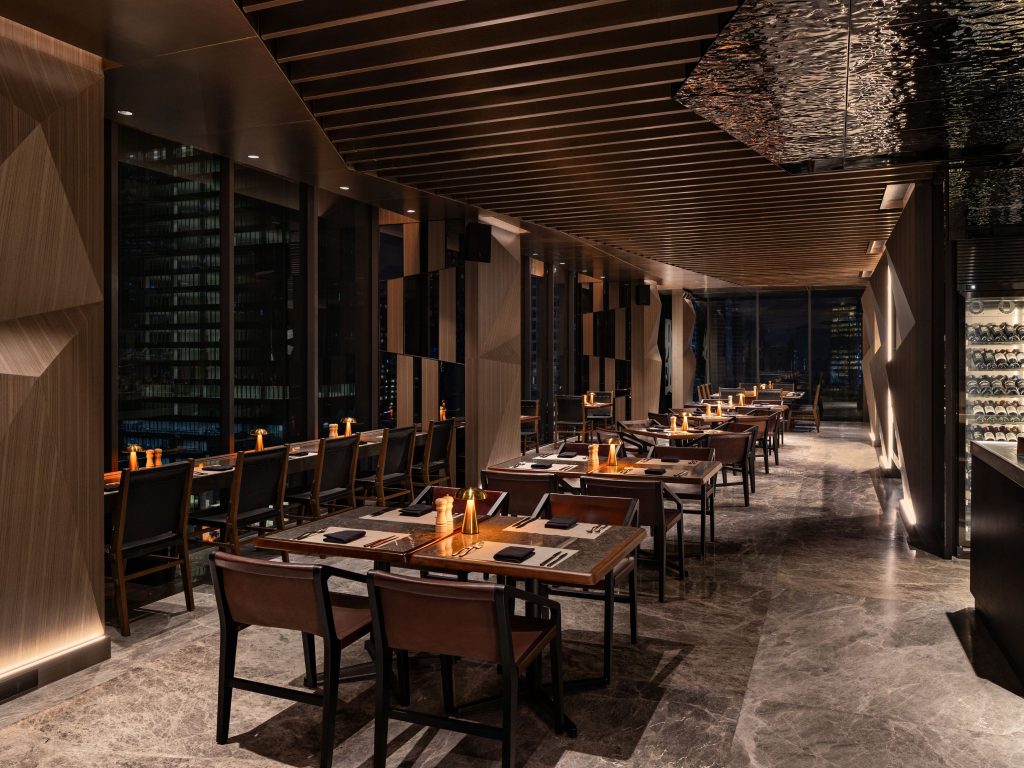
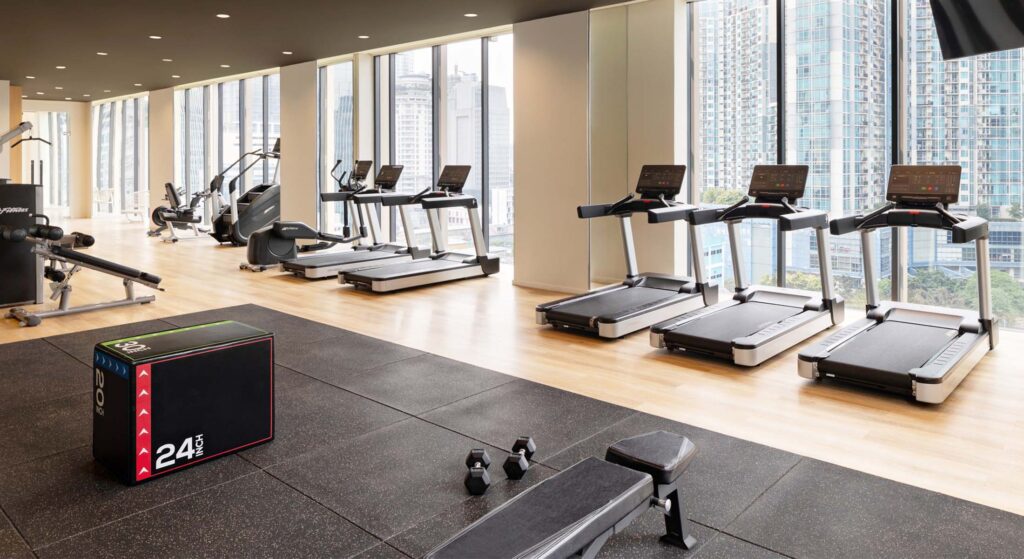
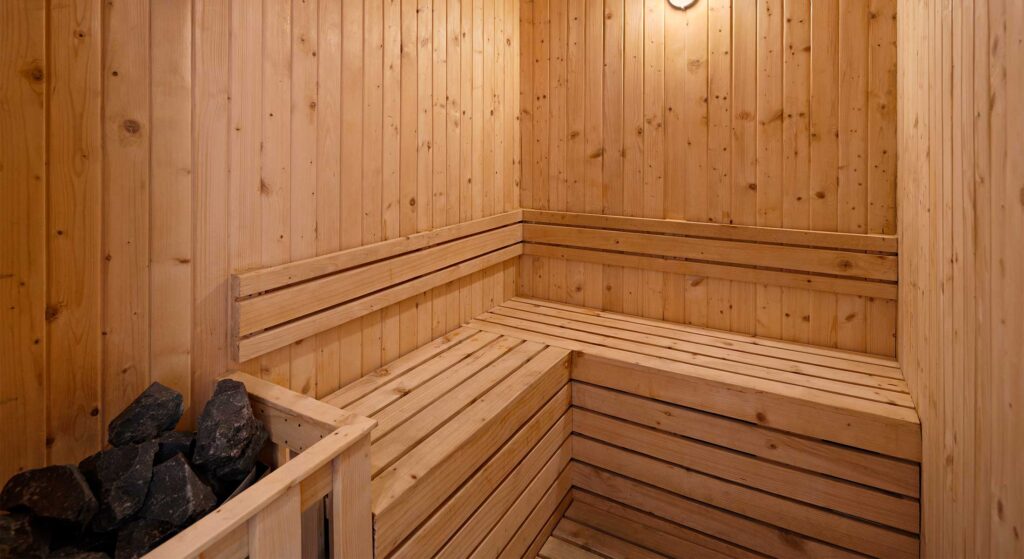
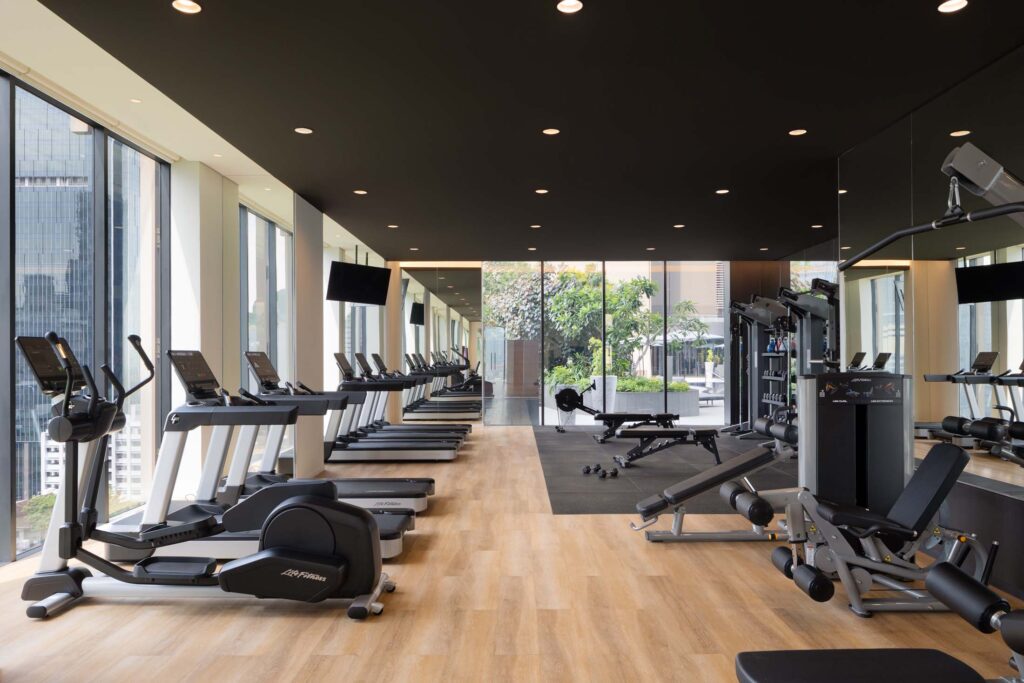
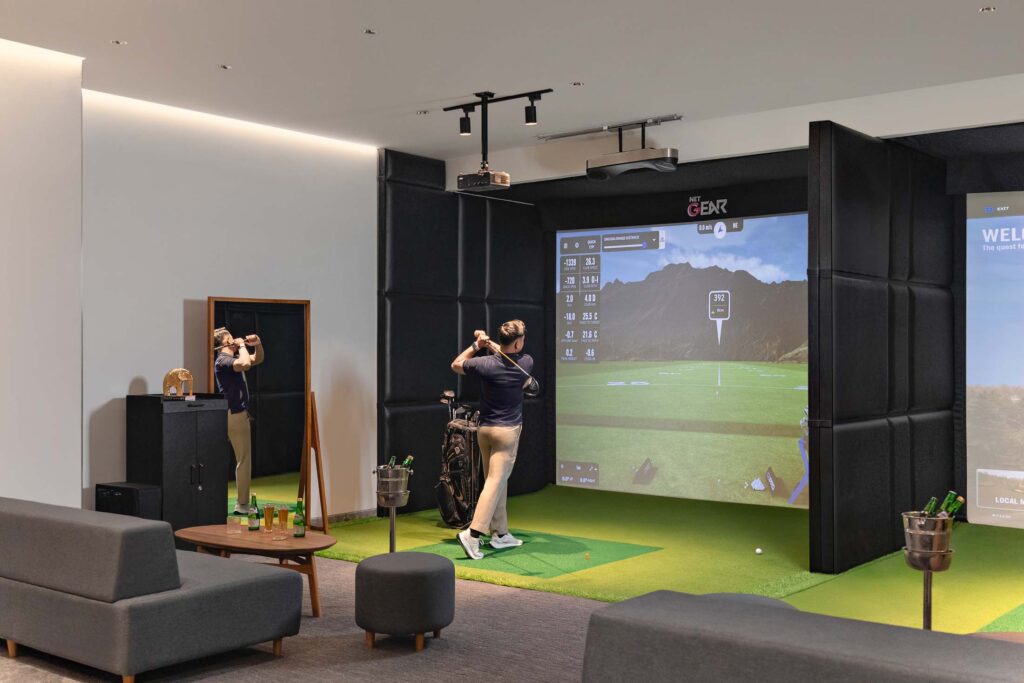
The shift from daily to monthly housekeeping represents significant cost savings that properties can pass to guests through reduced monthly rates. At properties offering long-stay living with fitness and wellness facilities, access to these amenities remains constant regardless of rate category, adding measurable value to monthly commitments.
Market Dynamics Influencing Long-Stay Pricing
Extended-stay performance metrics reveal how supply, demand, and occupancy patterns shape hotel long term stay rates across different markets.
Current Performance Indicators
The extended-stay segment has experienced notable shifts in 2026. Recent analysis shows extended-stay performance has slipped in some Indonesian markets due to increased supply, yet the sector maintains stronger occupancy than traditional hotels. Average daily rates, revenue per available room, and occupancy percentages vary significantly by property tier.
March 2026 data indicates that upscale extended-stay properties command premium rates while maintaining occupancy advantages over standard hotels. Economy and mid-price segments compete more aggressively on rate, particularly for stays exceeding 30 days.
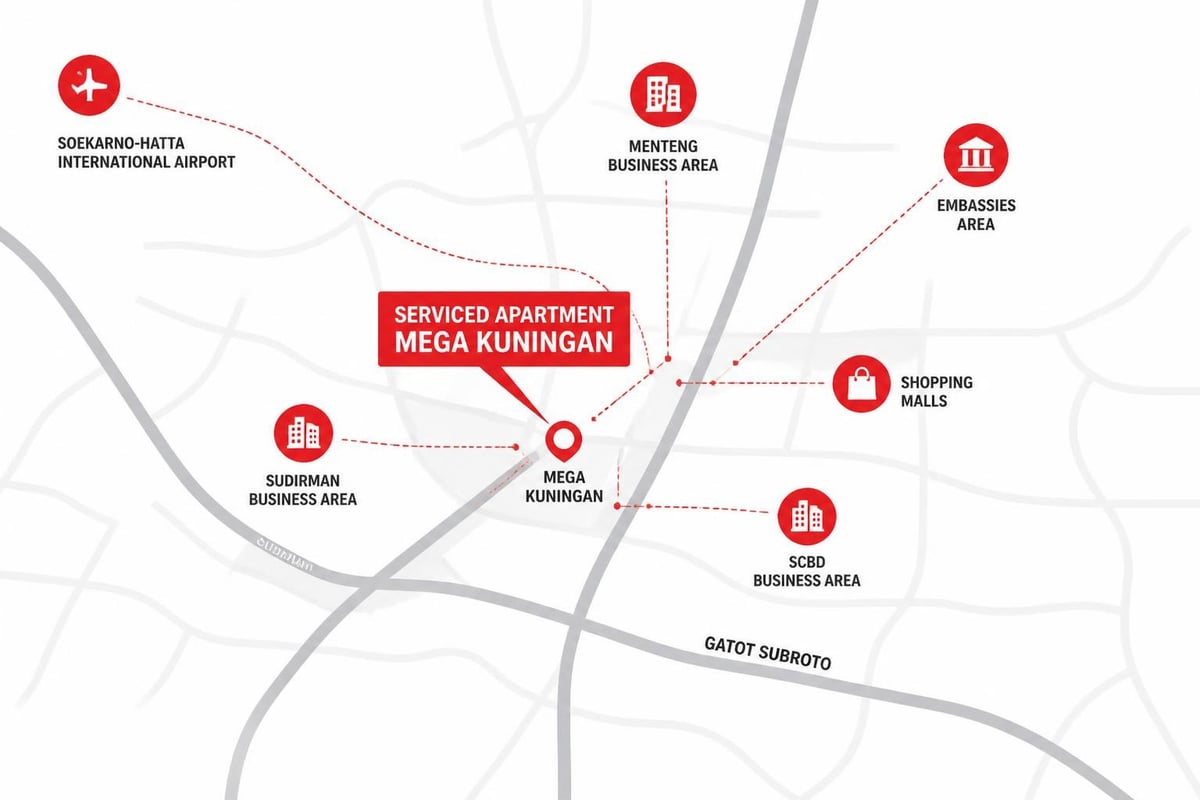
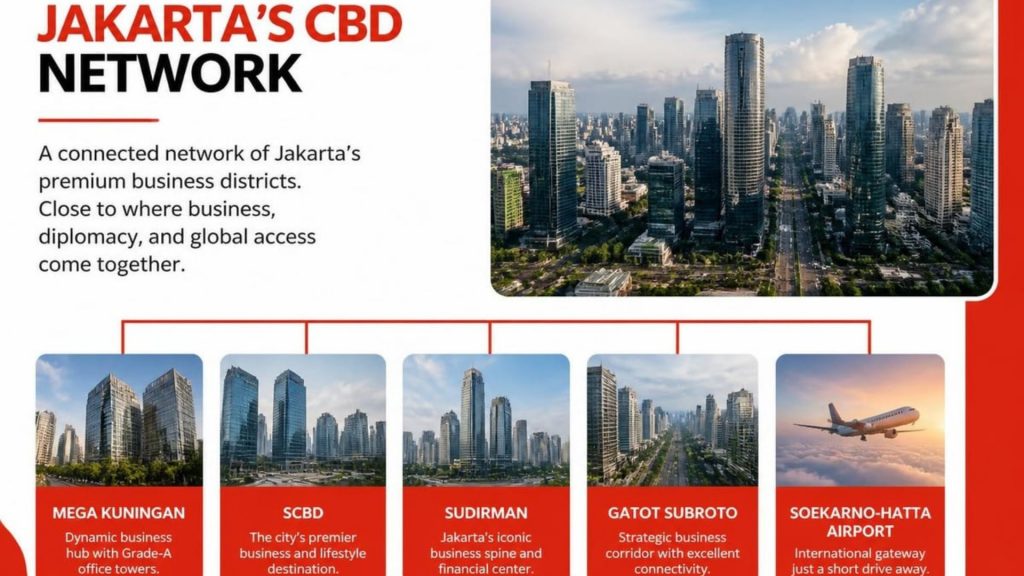
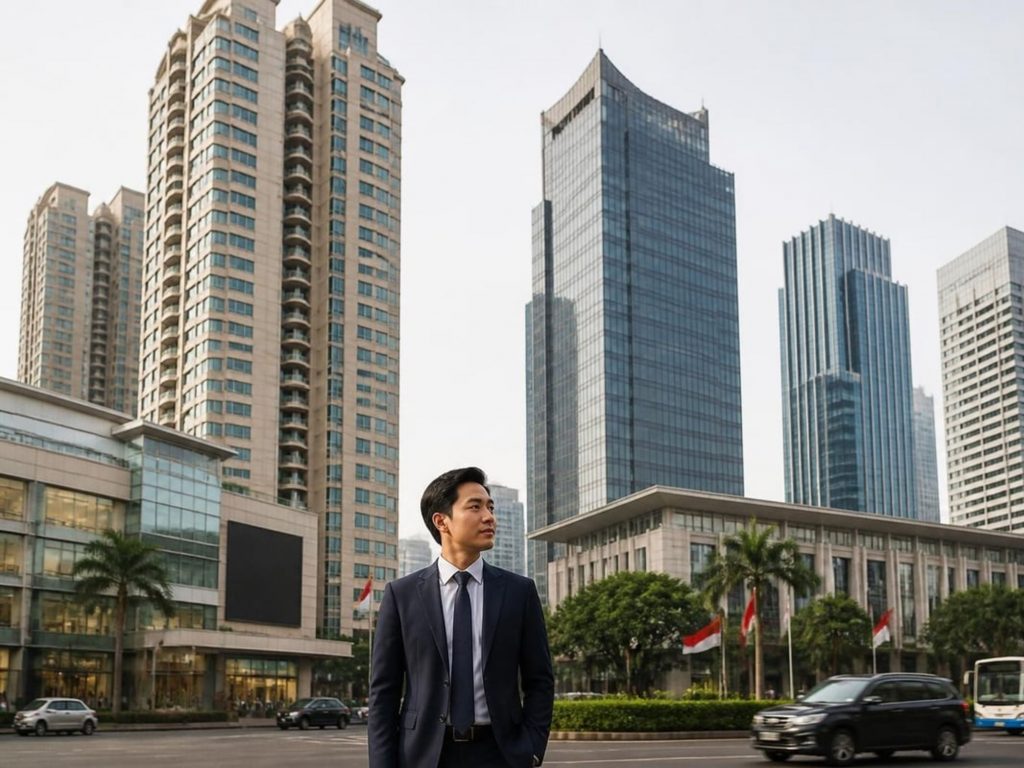
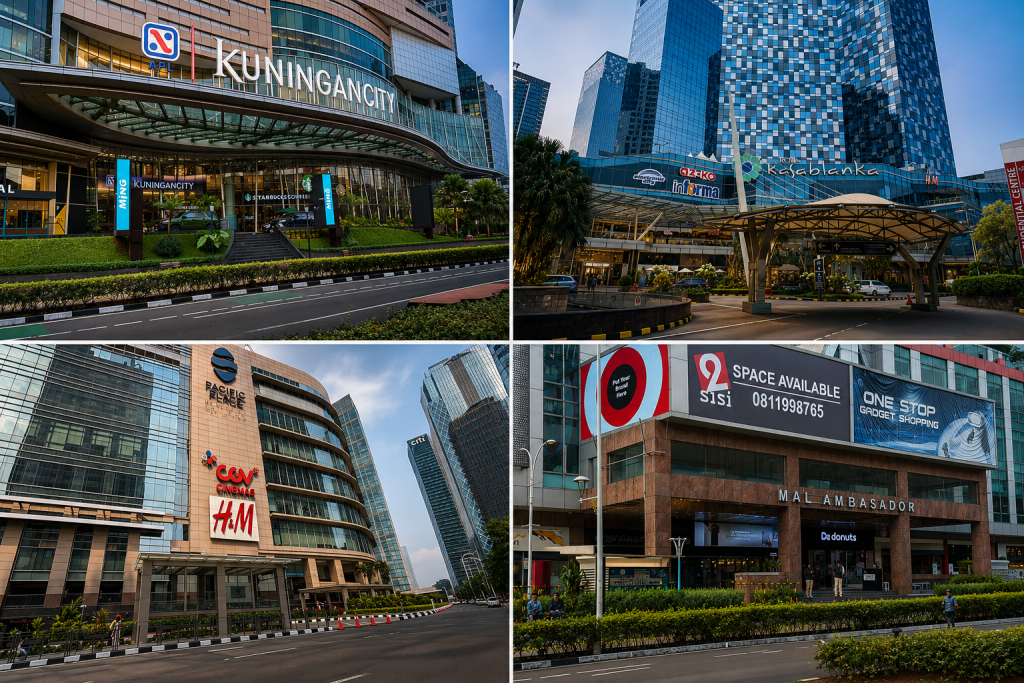
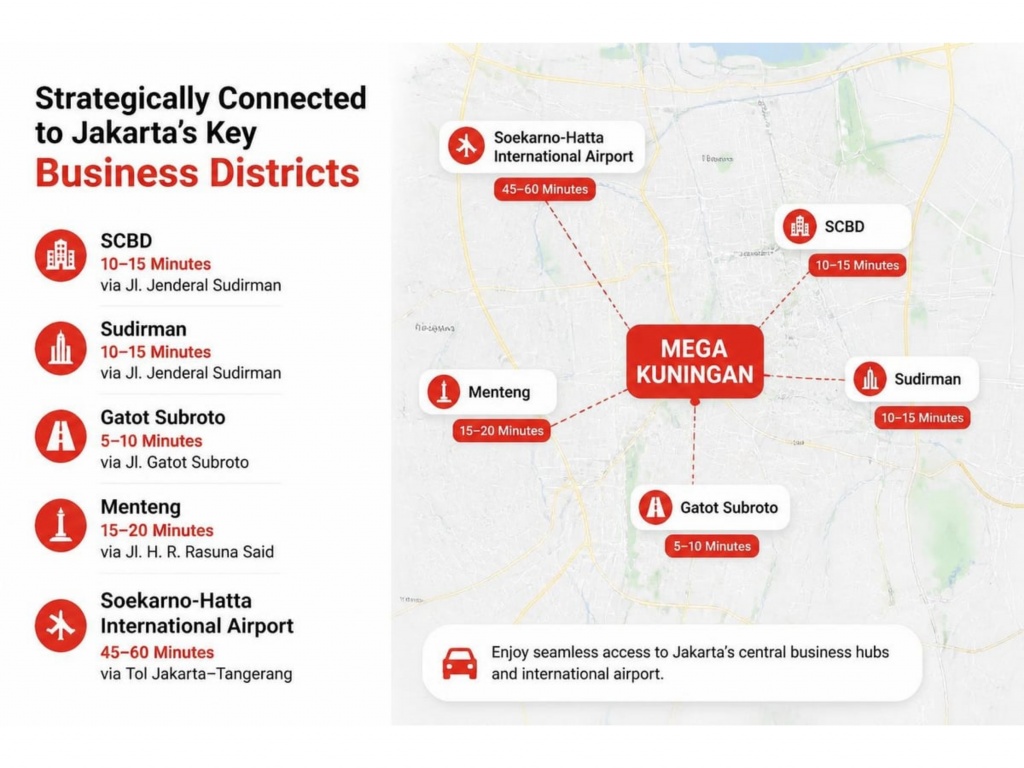
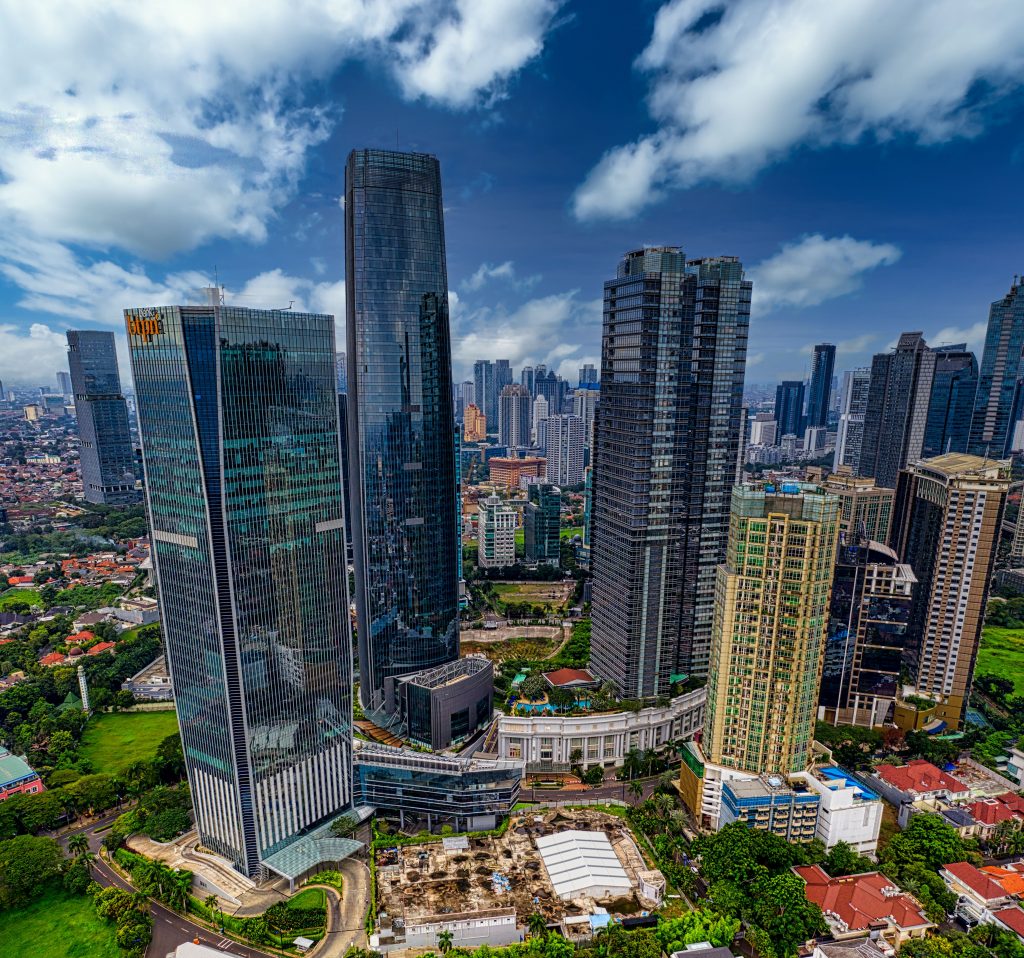
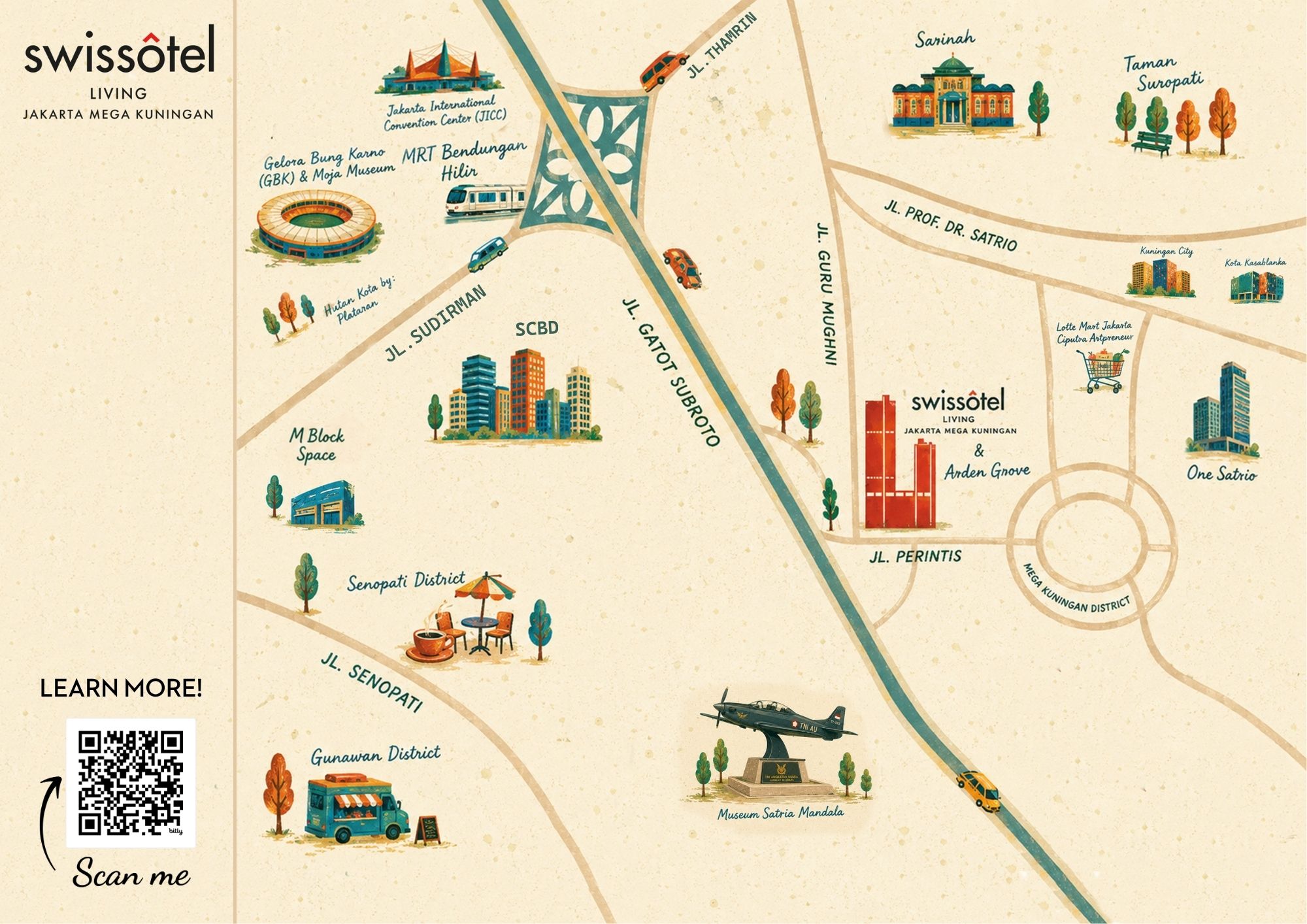
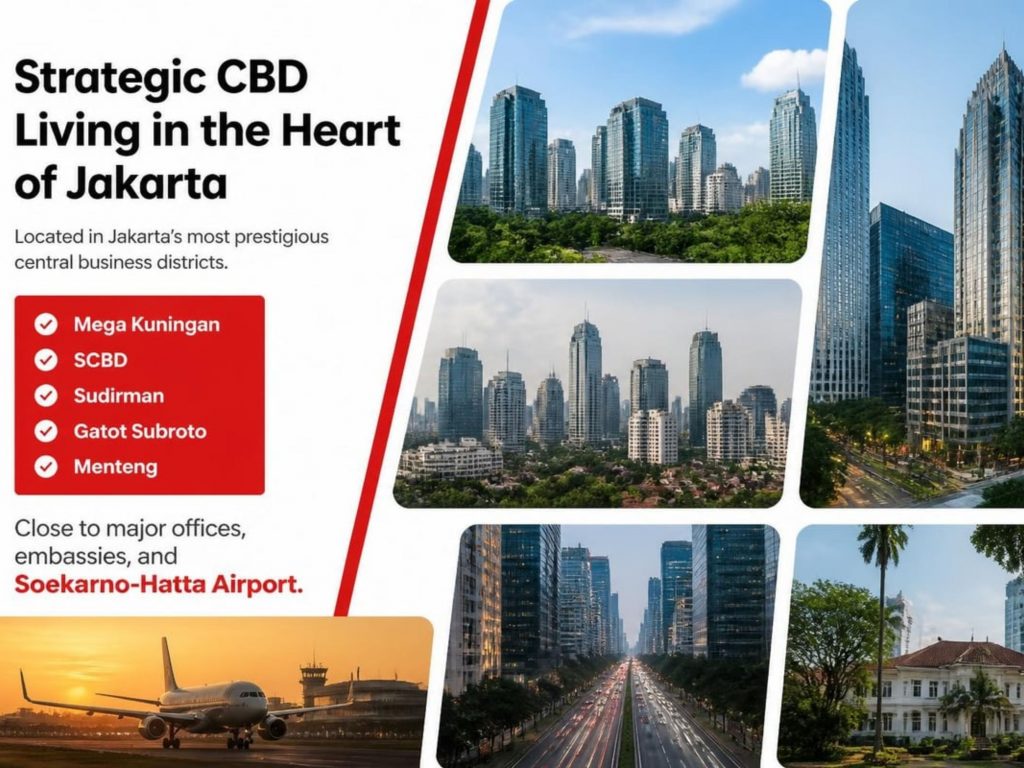
For Jakarta’s market, these global trends translate into competitive pressure among serviced apartments in Mega Kuningan, SCBD, and Sudirman. Properties differentiate through location proximity to business districts, apartment size and configuration, included amenities, and service quality rather than price alone.
Stability Through Economic Uncertainty
Extended-stay properties demonstrate resilience during market volatility. Industry reports highlight how extended-stay demand and rate trends provide portfolio stability when traditional hotel segments face occupancy challenges. Longer booking commitments create predictable revenue streams that buffer against short-term market fluctuations.
This stability becomes particularly valuable in Jakarta’s dynamic business environment, where corporate relocations, project assignments, and expatriate placements generate consistent demand for monthly and quarterly accommodation regardless of tourism seasonality.
Calculating Your Optimal Stay Duration
Determining the most cost-effective booking length requires analyzing your specific situation against available rate structures.
Break-Even Analysis for Different Stay Lengths
Consider a hypothetical Jakarta serviced apartment with the following rate structure:
| Stay Duration | Daily Rate | Total 30-Day Cost |
|---|---|---|
| 1-3 Months | Start from $65 | Start from $1,870 |
| 4-6 Months | Start from $58,5 | Start from $1,755 |
| 7-12 Months | Start from $57 | Start from $1,699 |
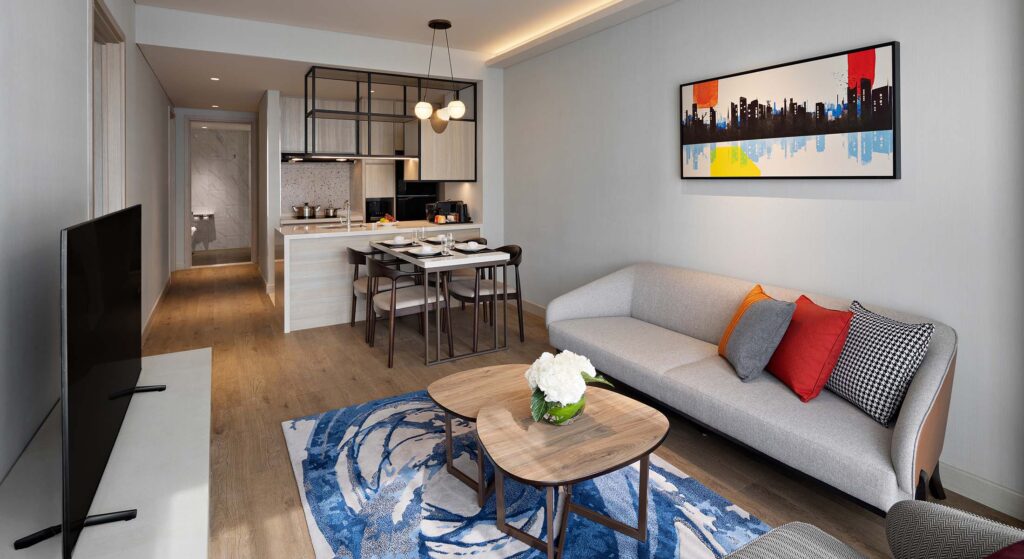
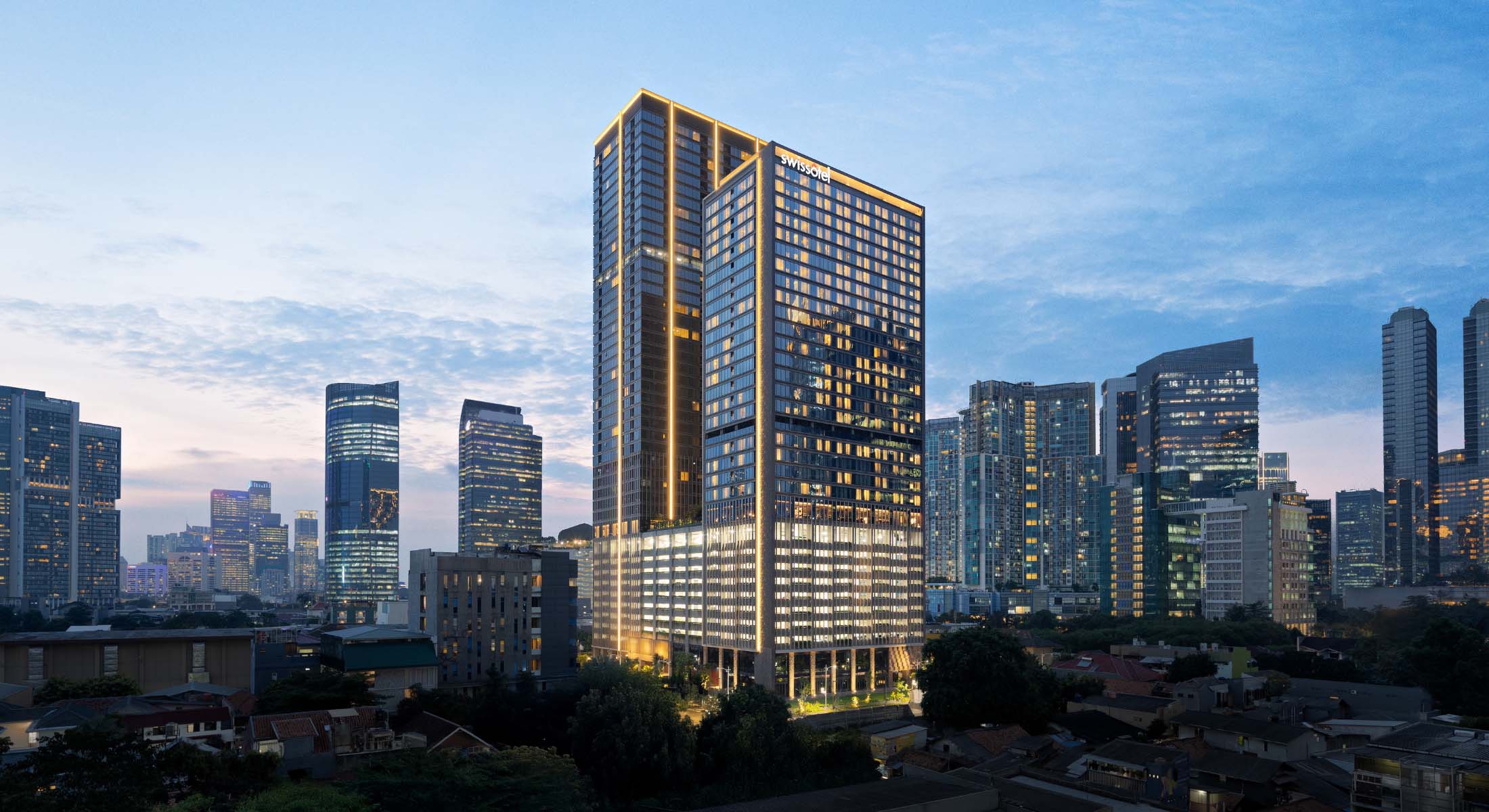
This rate structure applies to Swissôtel Living Jakarta Mega Kuningan, starting from the Swiss Signature Studio Apartment category. The rates shown are starting rates and are exclusive of applicable taxes and service charges. The total 30-day cost is calculated based on the applicable daily rate for each stay duration.
Flexibility Versus Savings Trade-Offs
Hotel long term stay rates often require commitment trade-offs:
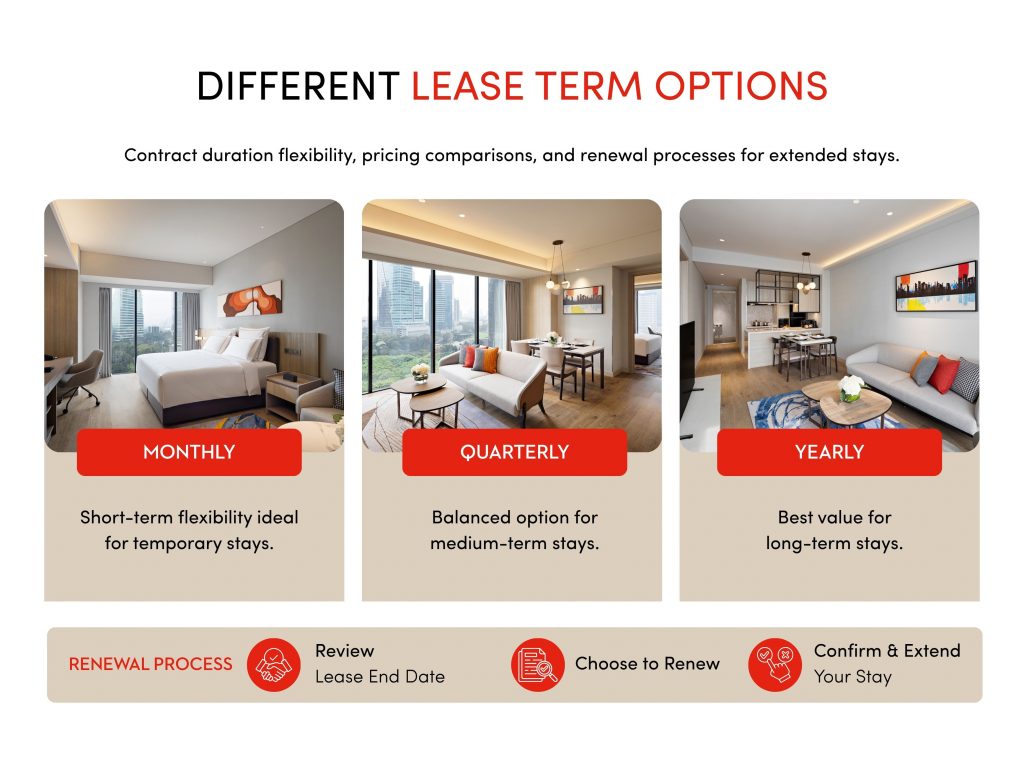
Flexible arrangements typically feature higher per-night costs but allow early termination, date changes, or room upgrades with minimal penalties. These suit uncertain project timelines or trial relocation periods.
Committed bookings deliver maximum savings but may include cancellation fees, minimum stay requirements, or prepayment terms. These work best for defined assignments, confirmed relocations, or established work rotations.
For business travelers managing projects in Kuningan or SCBD, understanding these trade-offs helps balance financial efficiency against operational flexibility. When you’re choosing an extended stay in South Jakarta, clarity about your minimum and likely maximum stay duration enables more strategic rate negotiations.
Rate Negotiation Strategies for Extended Stays
Corporate clients and individual guests can often secure better hotel long term stay rates through informed negotiation.
Corporate Account Advantages
Companies placing multiple employees or running ongoing projects gain significant leverage. Corporate rates typically offer:
- Pre-negotiated discounts of 20-40 percent off published rates
- Guaranteed availability during peak periods
- Flexible payment terms (monthly invoicing, credit lines)
- Complimentary upgrades based on availability
- Streamlined booking processes for multiple employees
Jakarta’s central business districts host numerous multinational corporations requiring regular extended accommodation. Properties compete for these accounts through customized rate structures that reward volume and commitment.
Individual Guest Negotiation Tactics
Even without corporate leverage, individual guests can improve their rates:
- Direct booking advantage – Bypass third-party platforms and negotiate directly with reservation teams
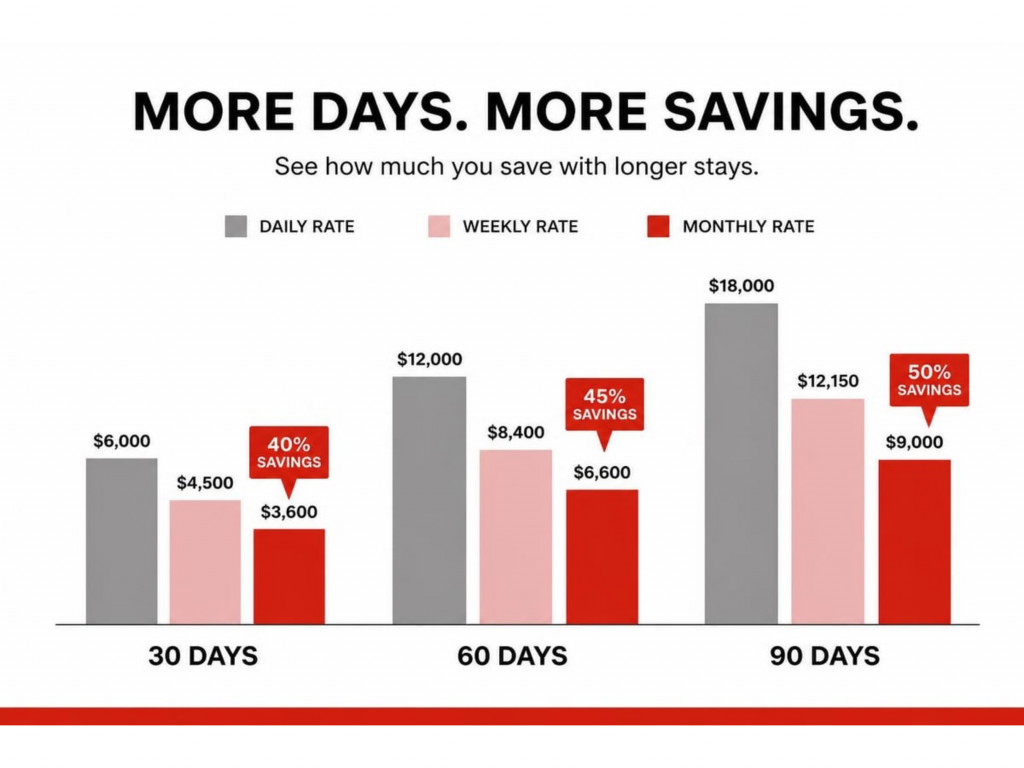
- Length commitment – Offer to commit to 60 or 90 days instead of 30 for steeper discounts
- Off-peak timing – Book during lower-demand periods (avoid conference seasons, major events)
- Payment upfront – Propose prepayment in exchange for additional percentage off
- Multiple residence inquiry – If traveling with family or colleagues, bundle bookings for group discounts
Properties in Mega Kuningan particularly value direct bookings that reduce commission expenses and build guest relationships. When comparing hotel versus serviced apartment options, direct engagement often reveals unpublished rate options not visible on booking platforms.
Cost Factors Beyond Base Rate
Comprehensive budget planning requires understanding all expenses beyond the quoted hotel long term stay rates.
Variable Cost Components
Monthly accommodation budgets should account for:
Utility overages – Some properties cap electricity at a reasonable threshold but charge for excess consumption. Jakarta’s climate necessitates air conditioning, making this consideration particularly relevant for larger apartments.
Parking fees – Daily or monthly parking may or may not be included. Corporate travelers and families typically require one or two parking spaces, adding $100-200 monthly per vehicle.
Extra occupant charges – Base rates often assume single or double occupancy. Additional family members may incur supplementary fees of $15-30 per person daily.
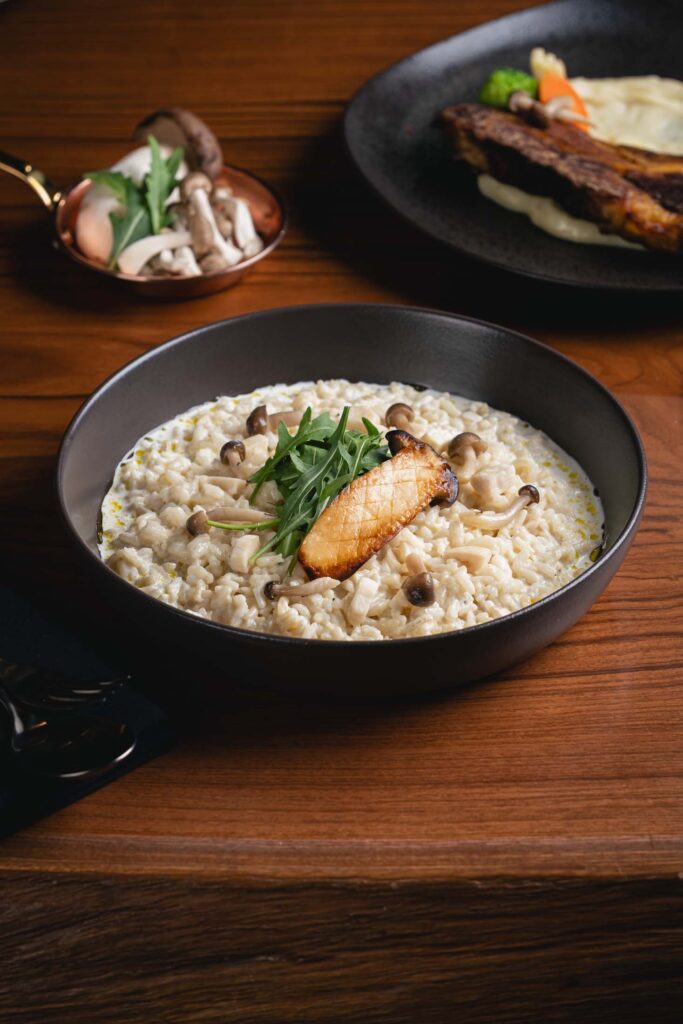
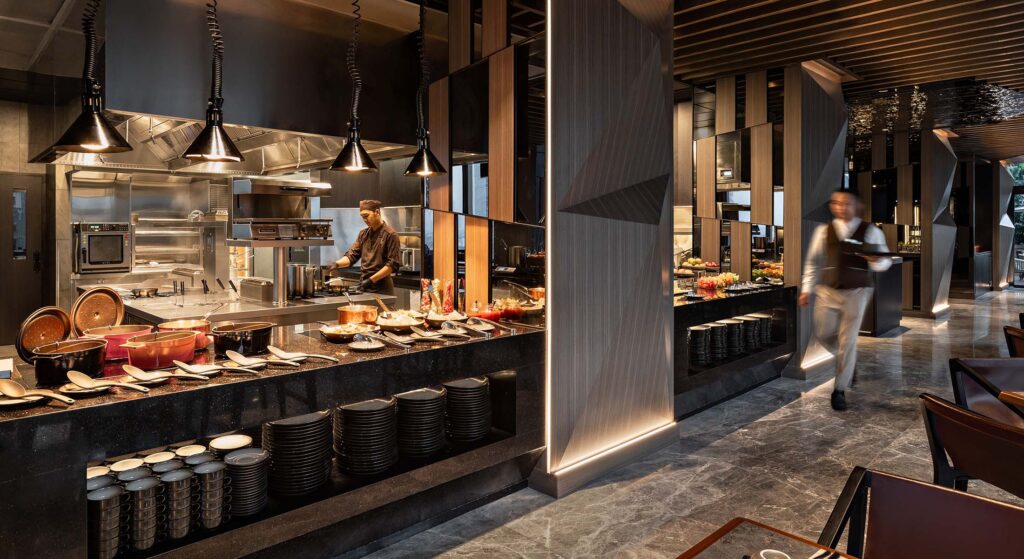
Minibar and dining – Unlike all-inclusive arrangements, most serviced apartments charge separately for in-room consumption and restaurant dining.
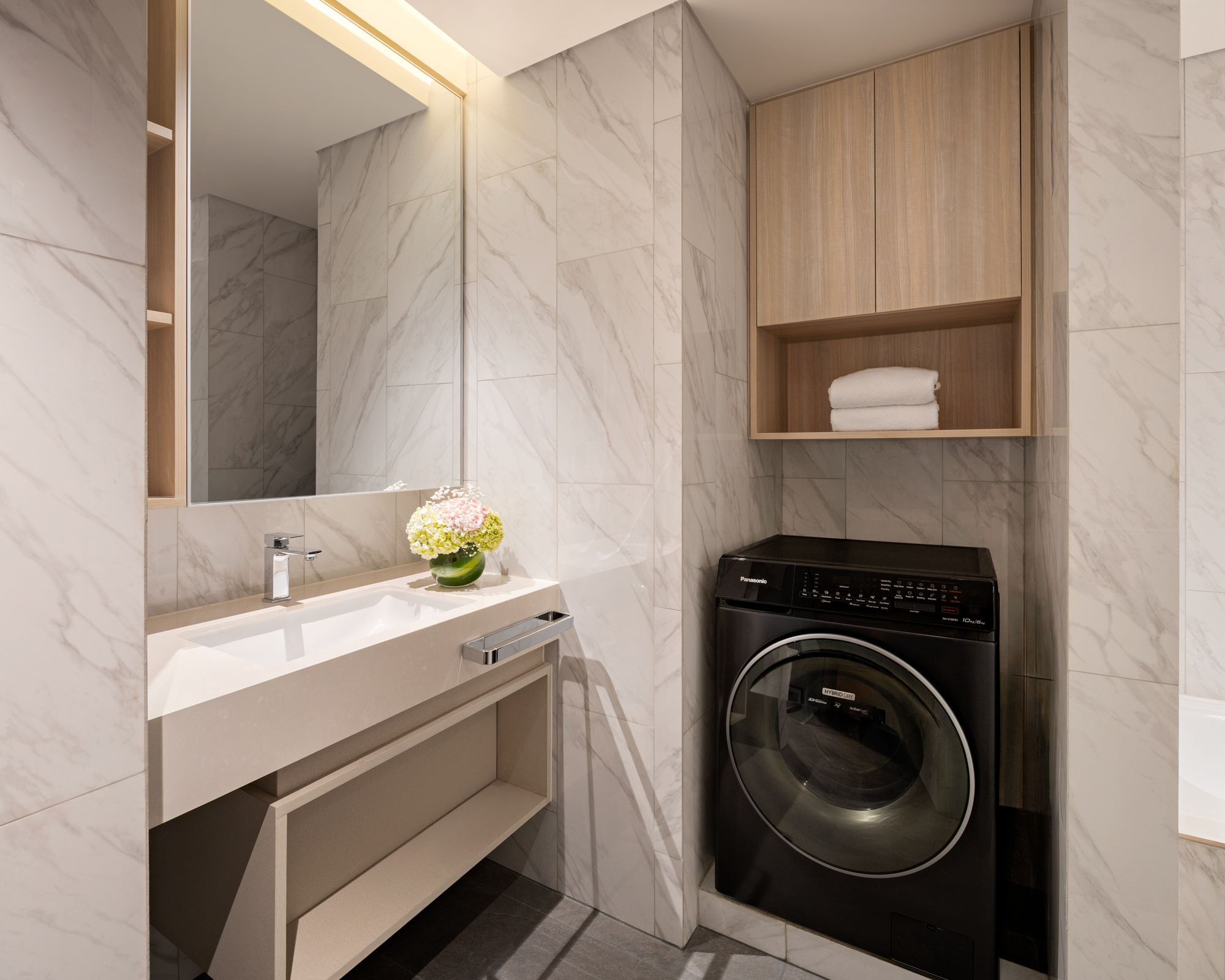
Laundry services – While washing machines are standard in Jakarta serviced apartments, professional laundry services carry additional costs beyond basic in-unit washing.
Hidden Value in Included Services
Conversely, hotel long term stay rates often include services that represent substantial value:
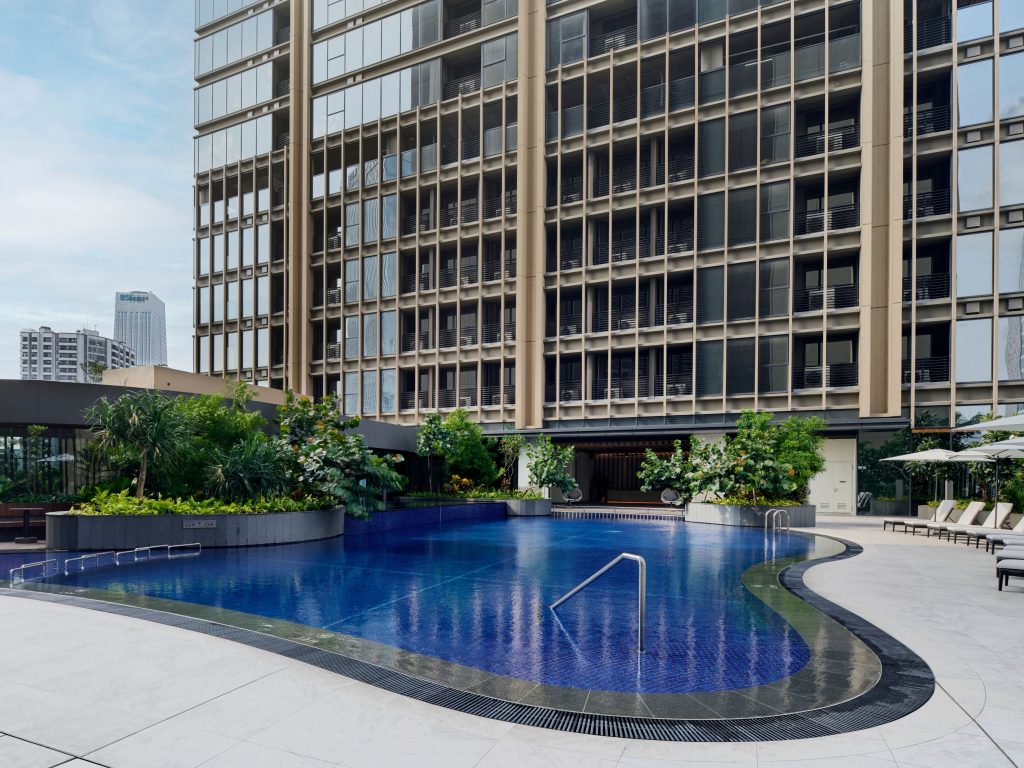
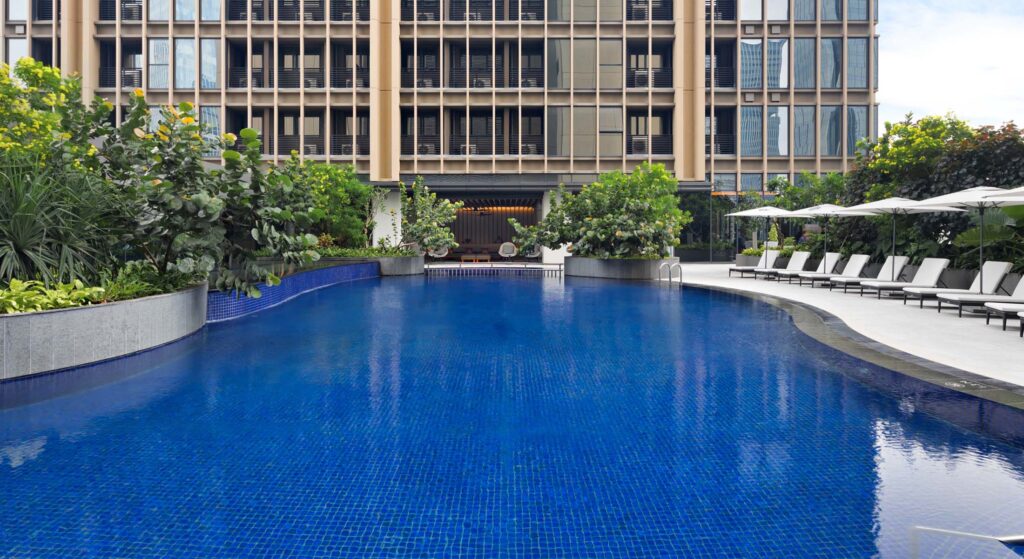
- Fitness center access
- Swimming pool facilities
- Business center services ($30-60 monthly value)
- Security and reception
- Maintenance response
For expatriates settling in Jakarta, these bundled services eliminate the complexity of arranging separate gym memberships, security systems, and maintenance contracts that independent apartment living requires.
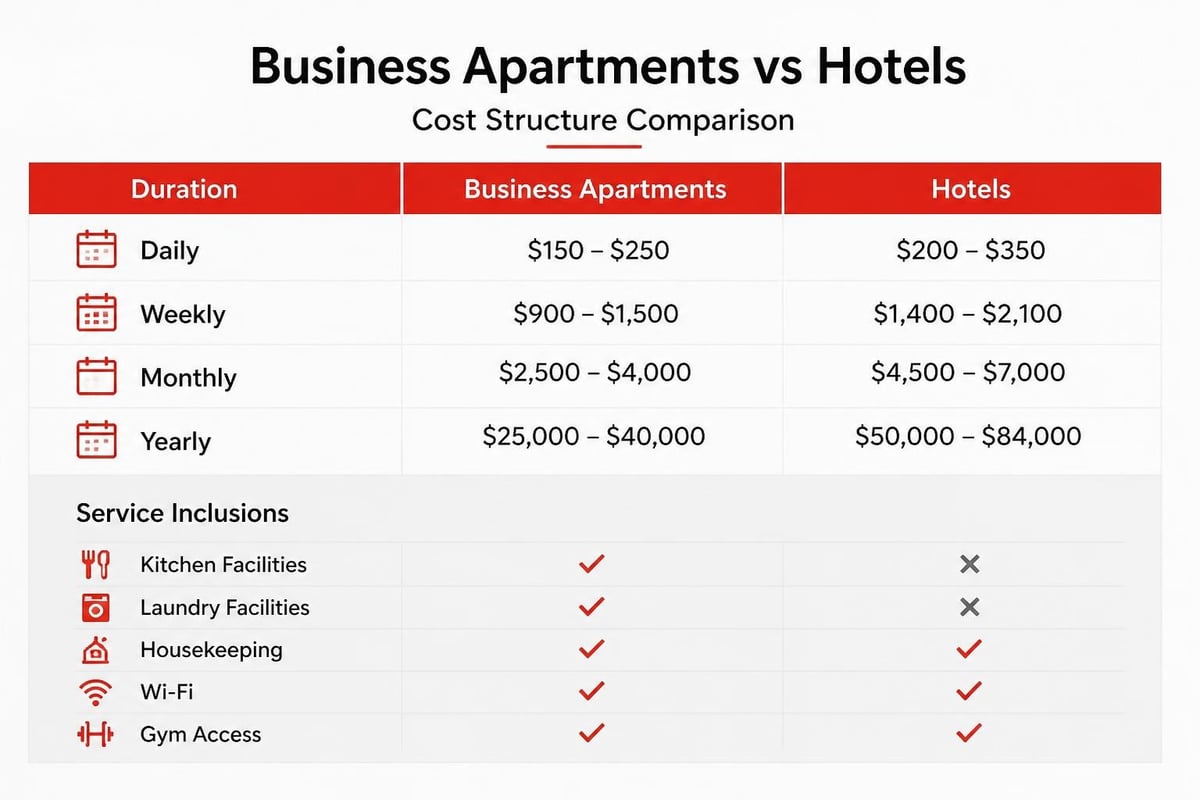
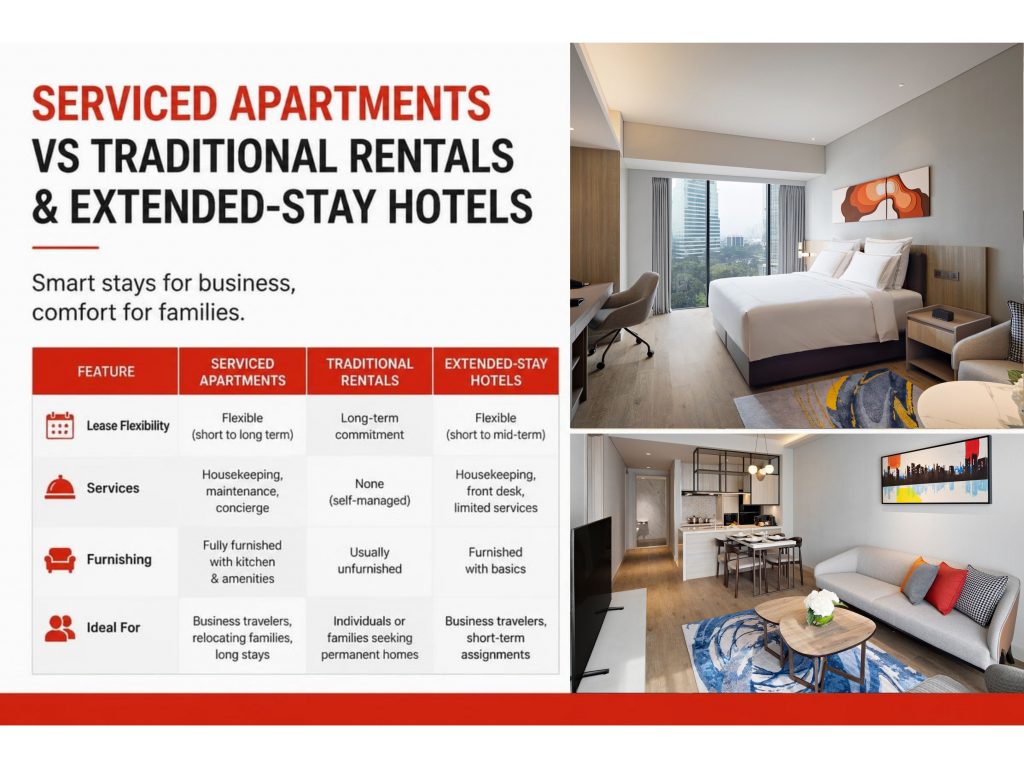
Serviced Apartments Versus Traditional Hotels
The choice between traditional hotels and serviced apartments significantly impacts long-term accommodation value and lifestyle quality.
Space and Functionality Advantages
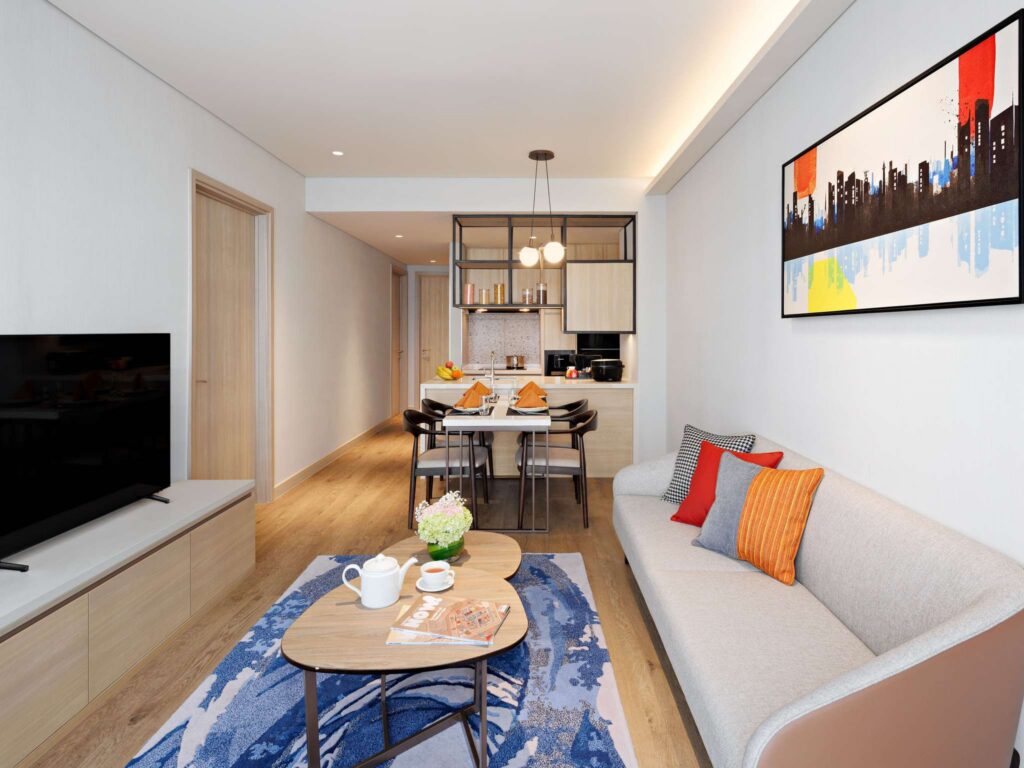
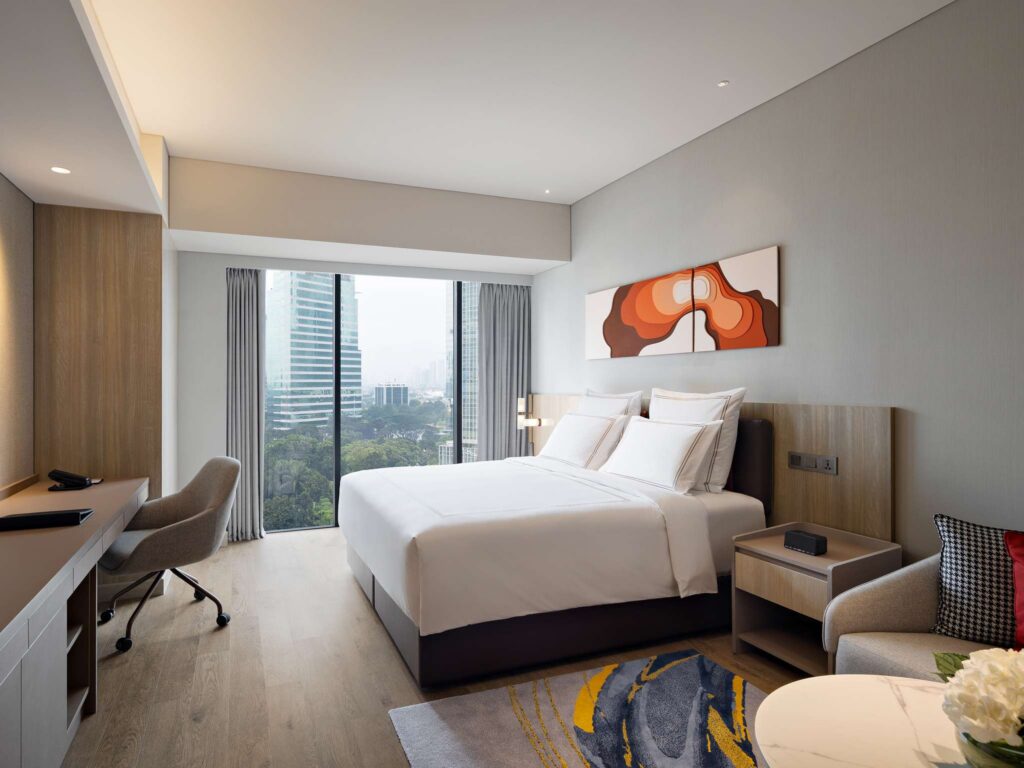
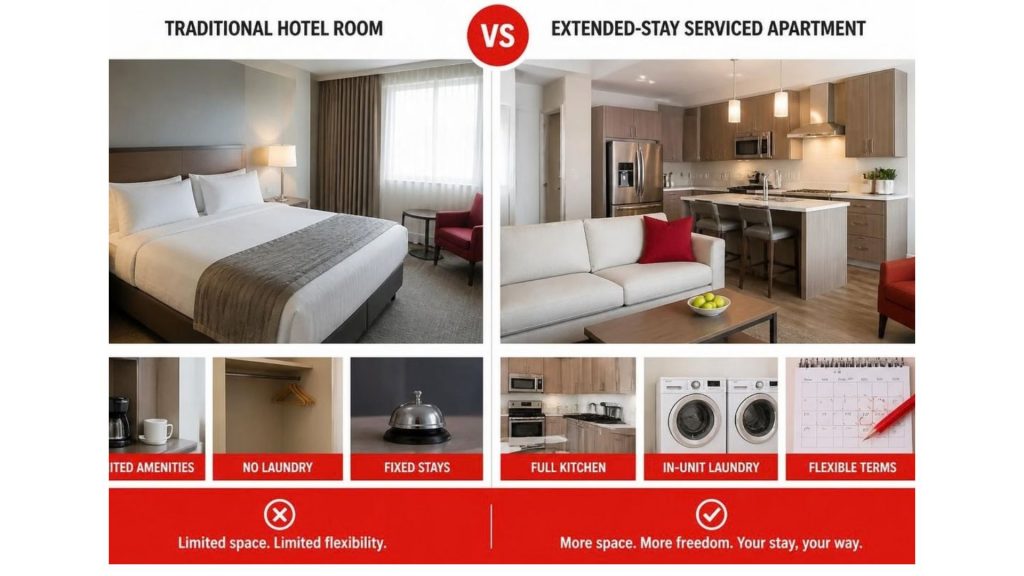
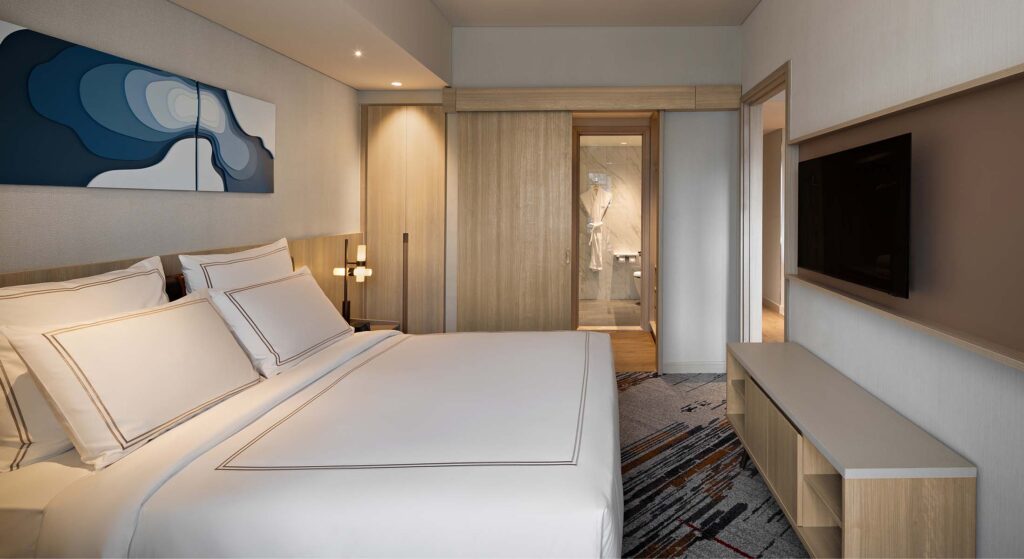
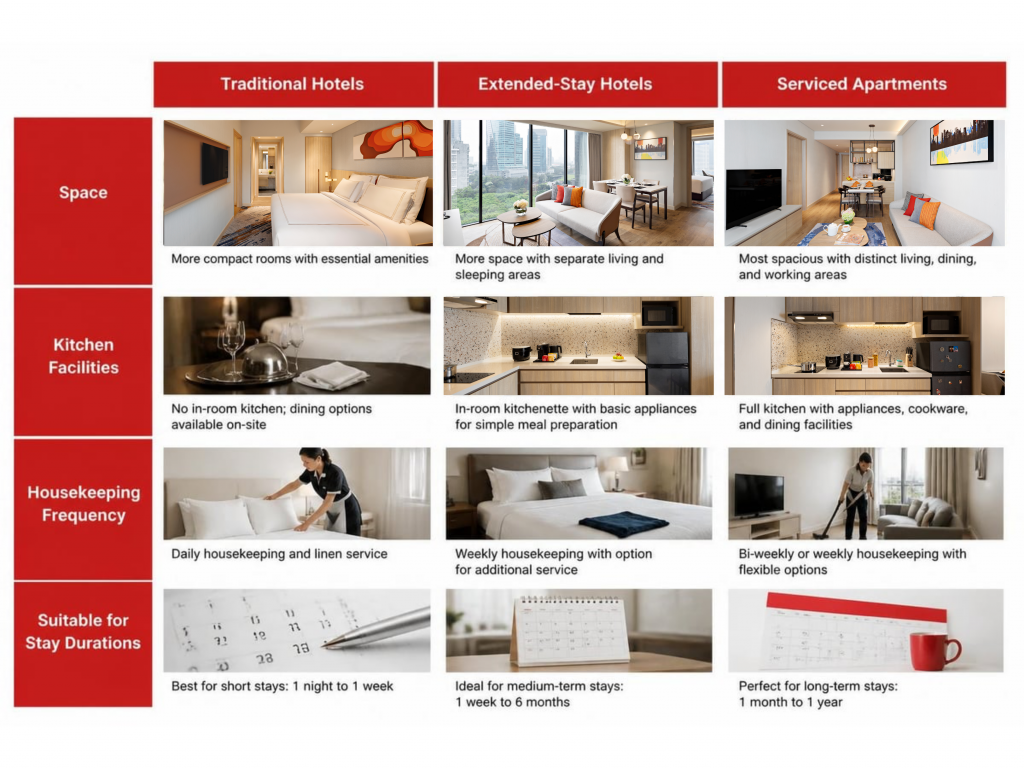
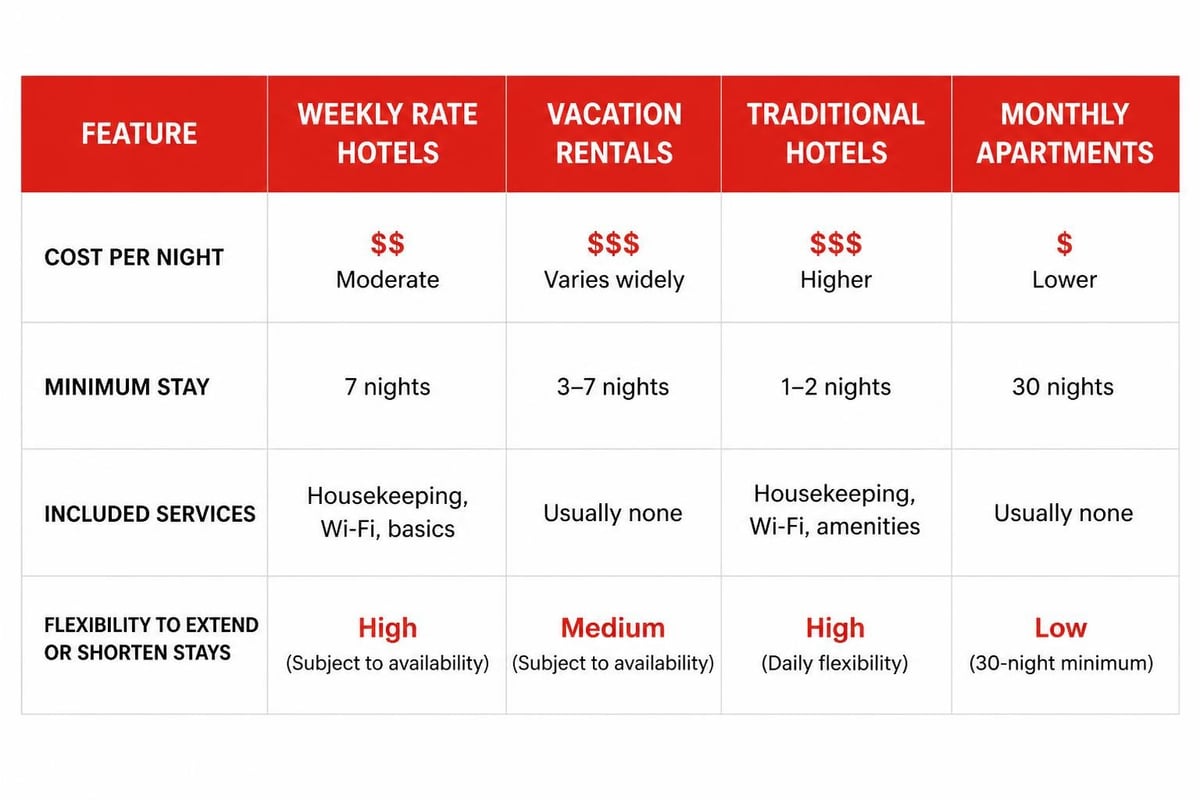
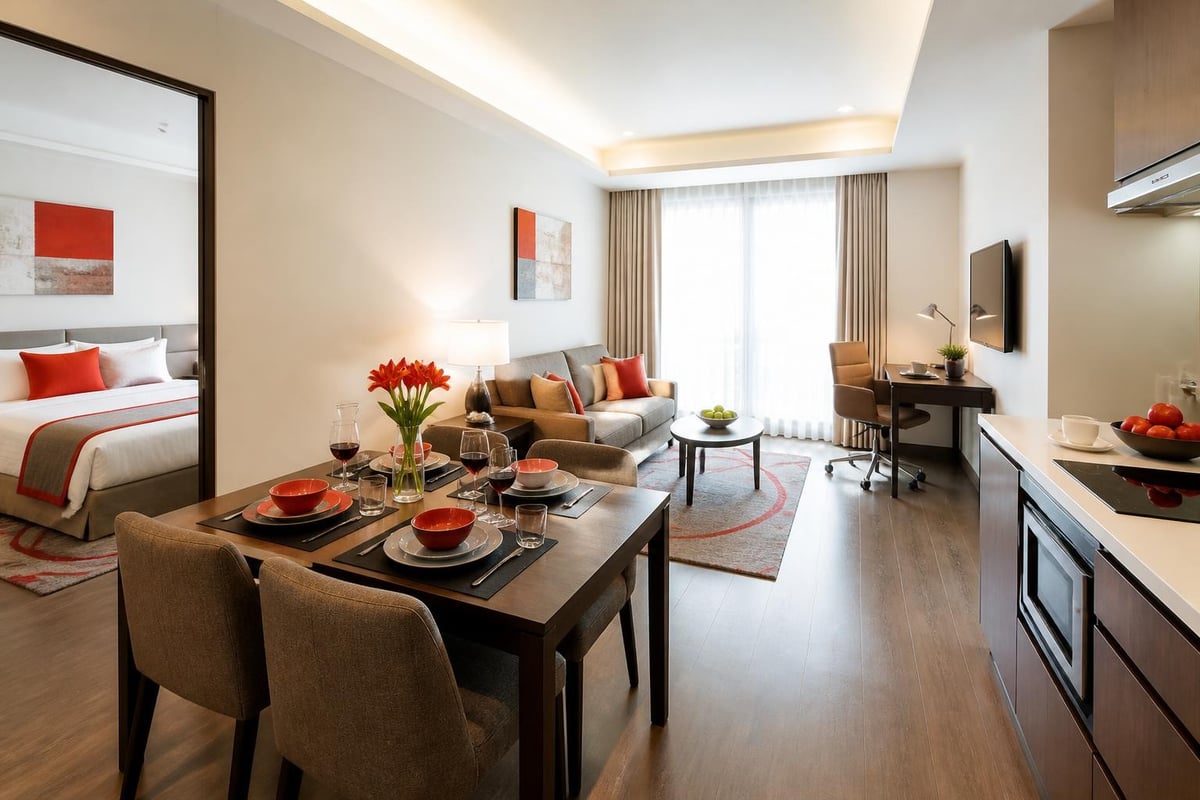
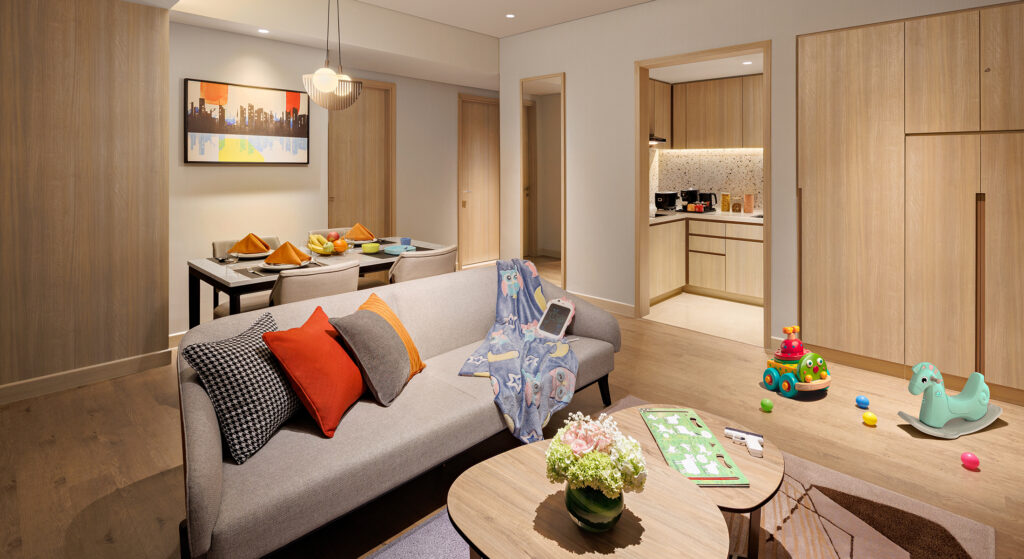
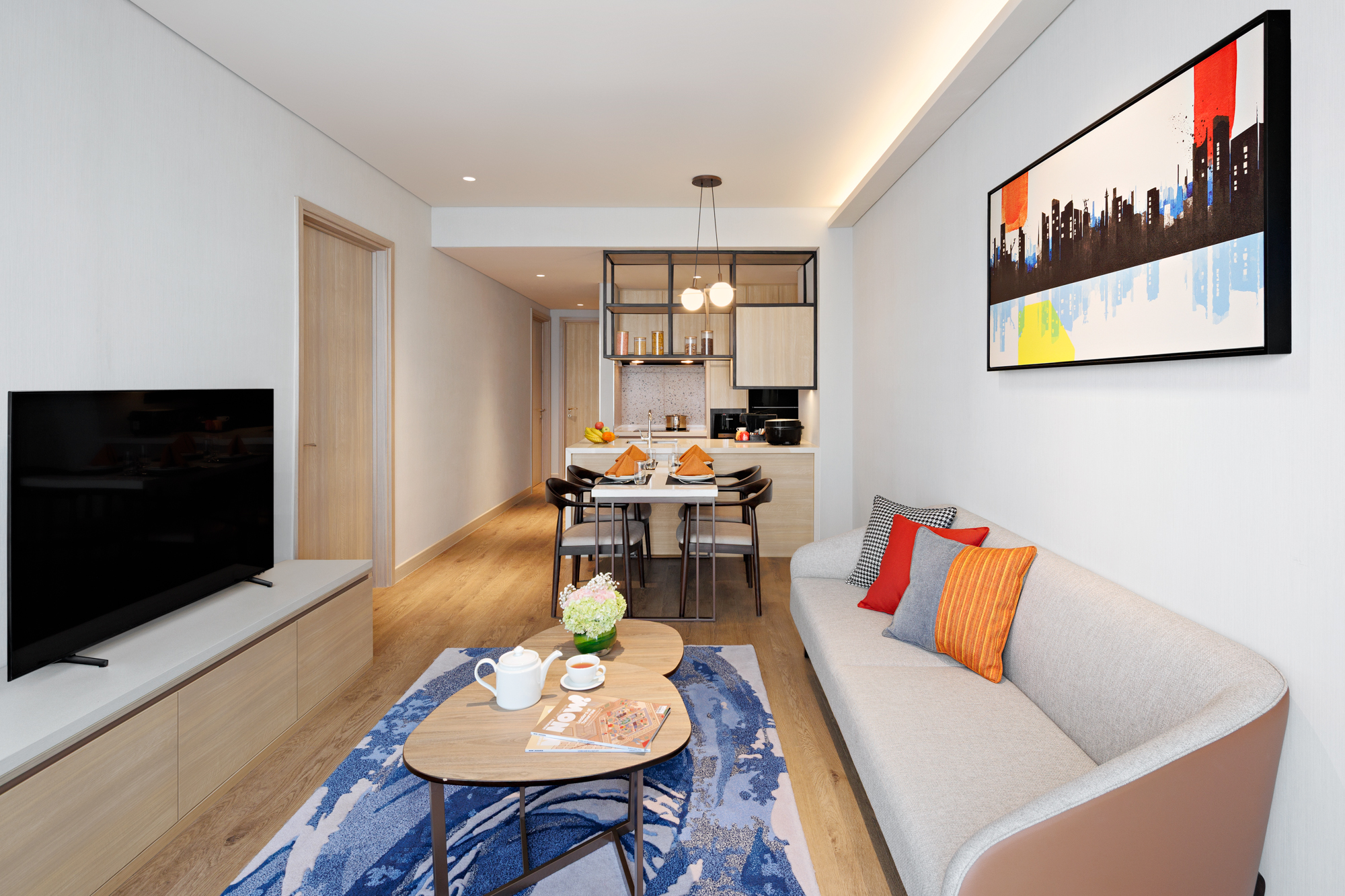
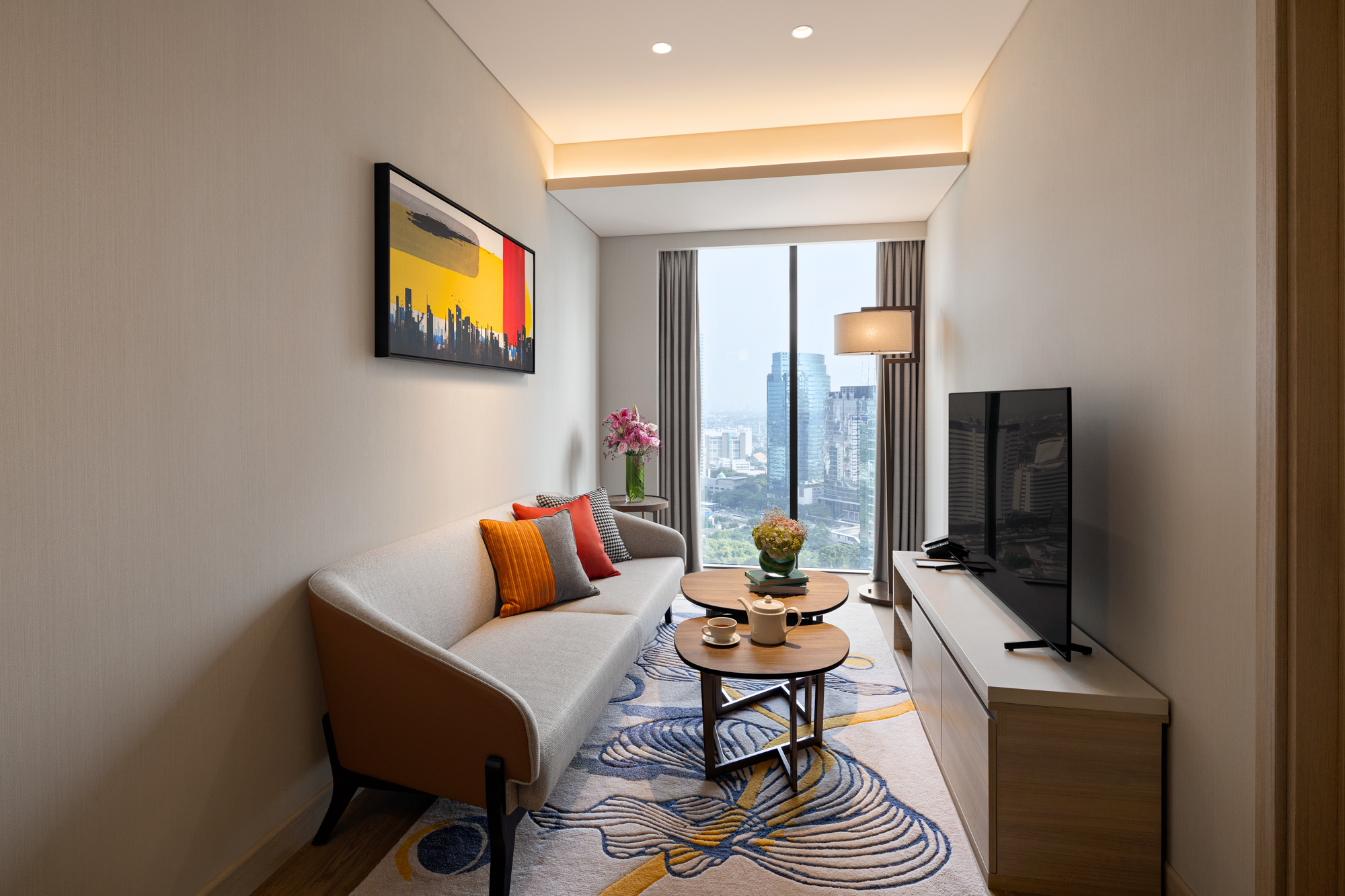
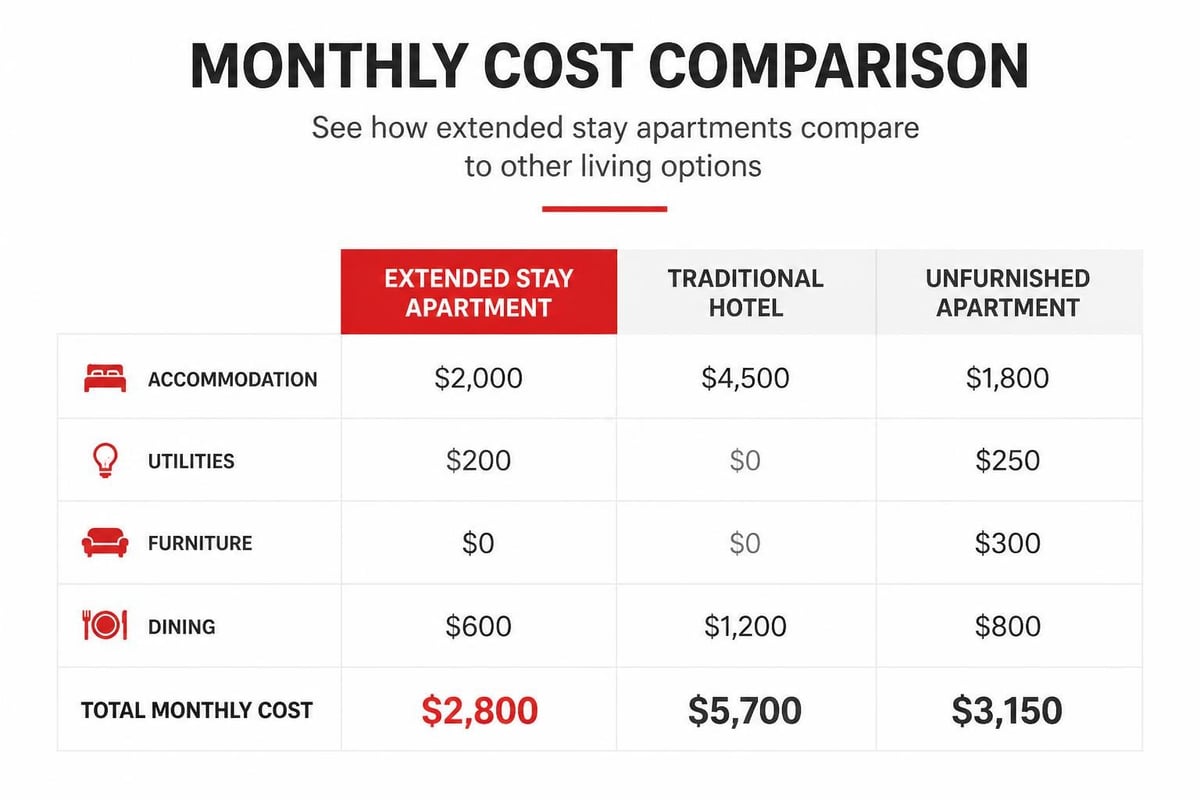
Serviced apartments typically offer 40-100 percent more living space than hotel rooms at comparable rates. A 37-square-meter studio serviced apartment provides separate sleeping, living, and cooking areas, while a standard hotel room of similar rate offers primarily sleeping space.
This space differential becomes crucial for stays exceeding two weeks. The ability to prepare meals, host small meetings, and maintain work-life separation within your accommodation delivers measurable quality-of-life improvements and potential cost savings.
Service Level Variations
Traditional hotels provide daily housekeeping, turndown service, and extensive food and beverage options. Extended-stay serviced apartments adjust service intensity to suit longer stays while maintaining professional standards.
For business professionals working in Kuningan, SCBD, or Sudirman, why more professionals choose extended stays often relates to this service balance – enough support to maintain hospitality standards without the daily intrusion of hotel-style housekeeping.
Serviced Apartment Rate Structures in Jakarta
Jakarta’s serviced apartment market offers diverse options across different price segments and locations, with hotel long term stay rates varying significantly by property tier and neighborhood.
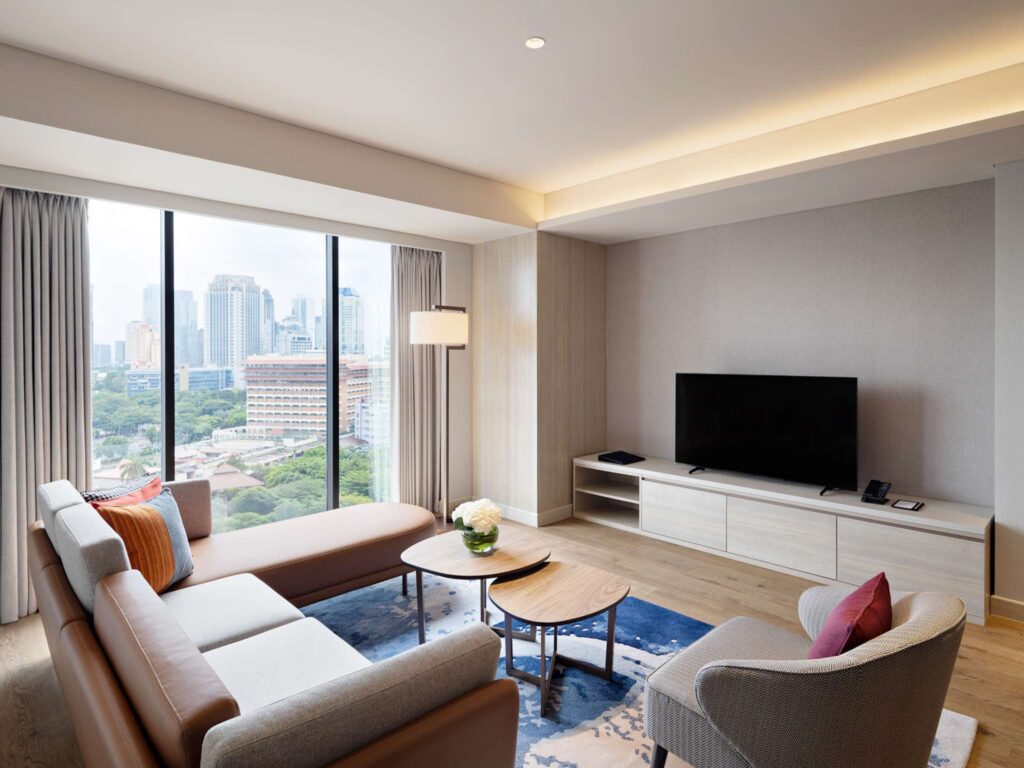
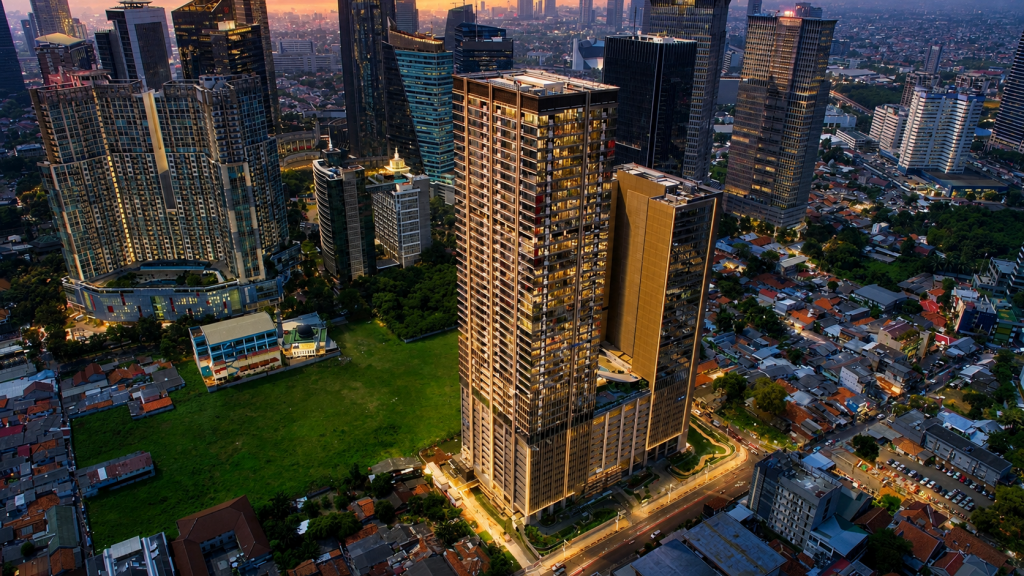
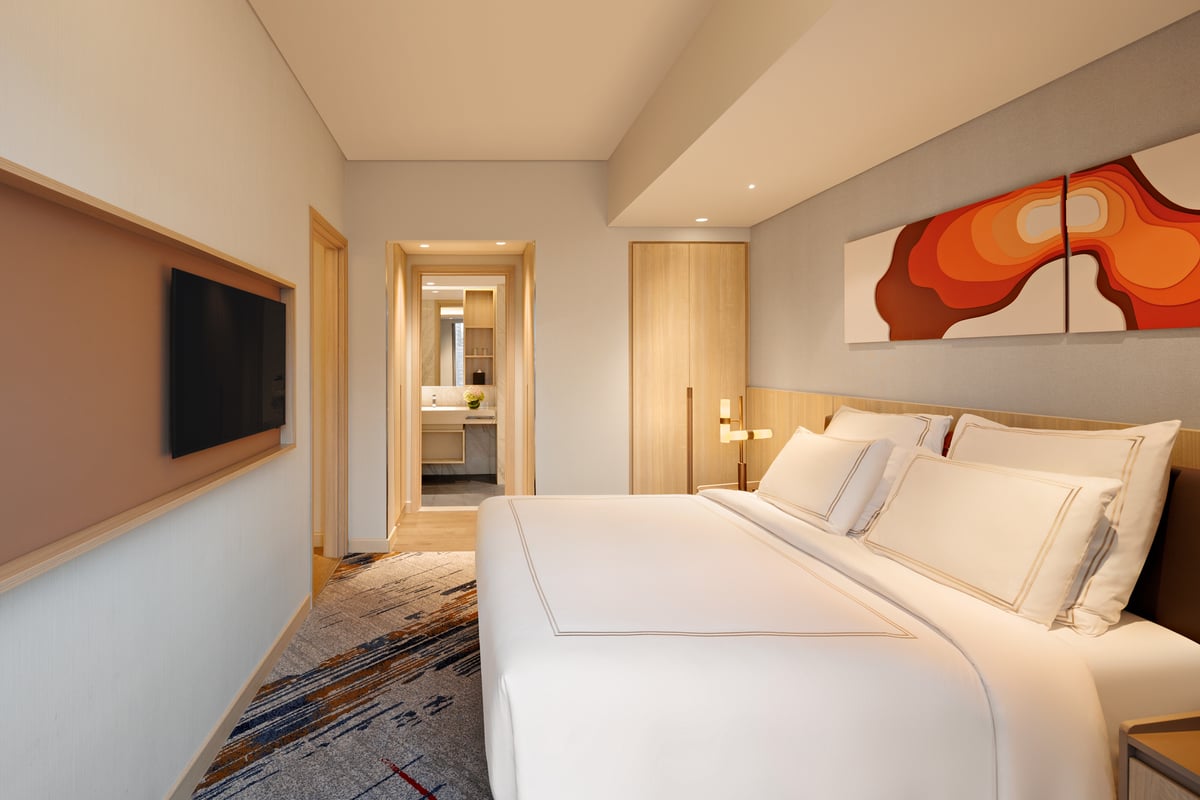
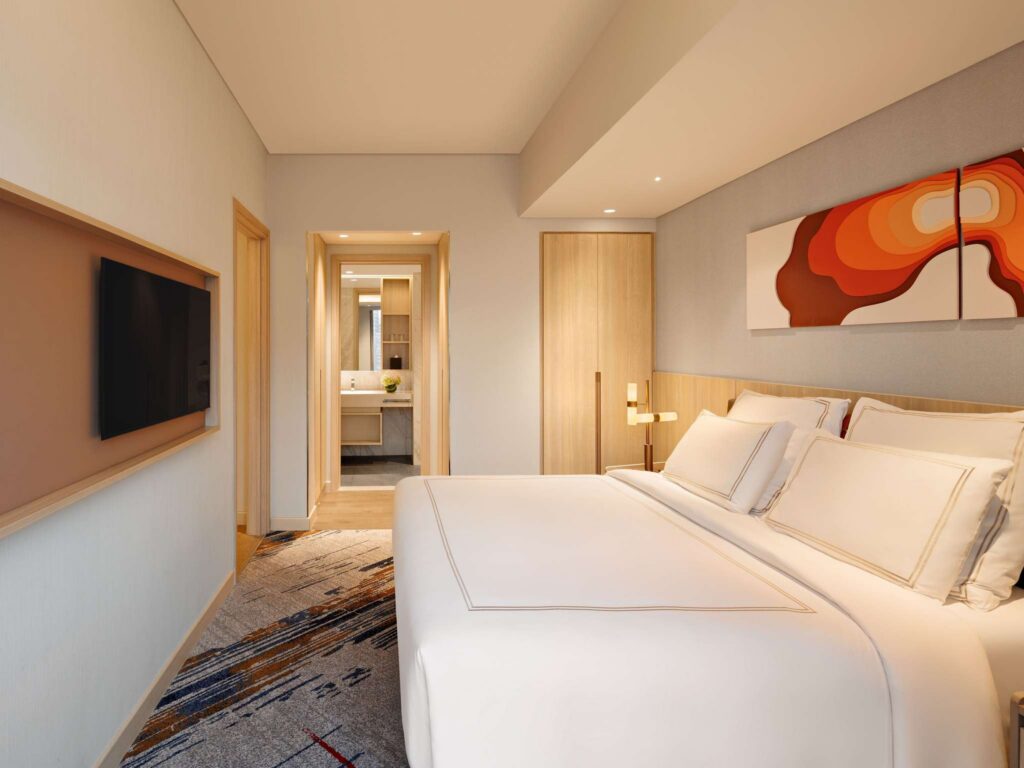
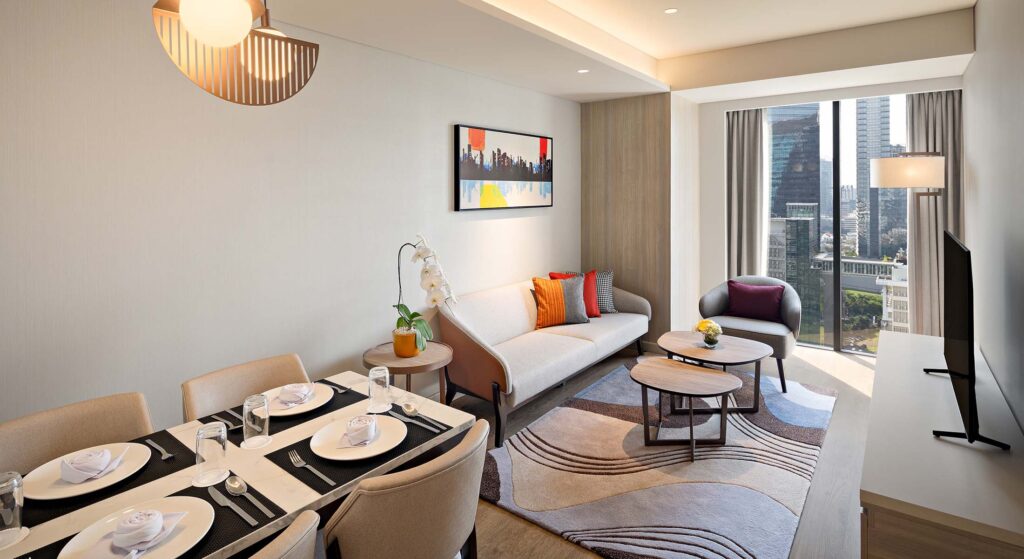
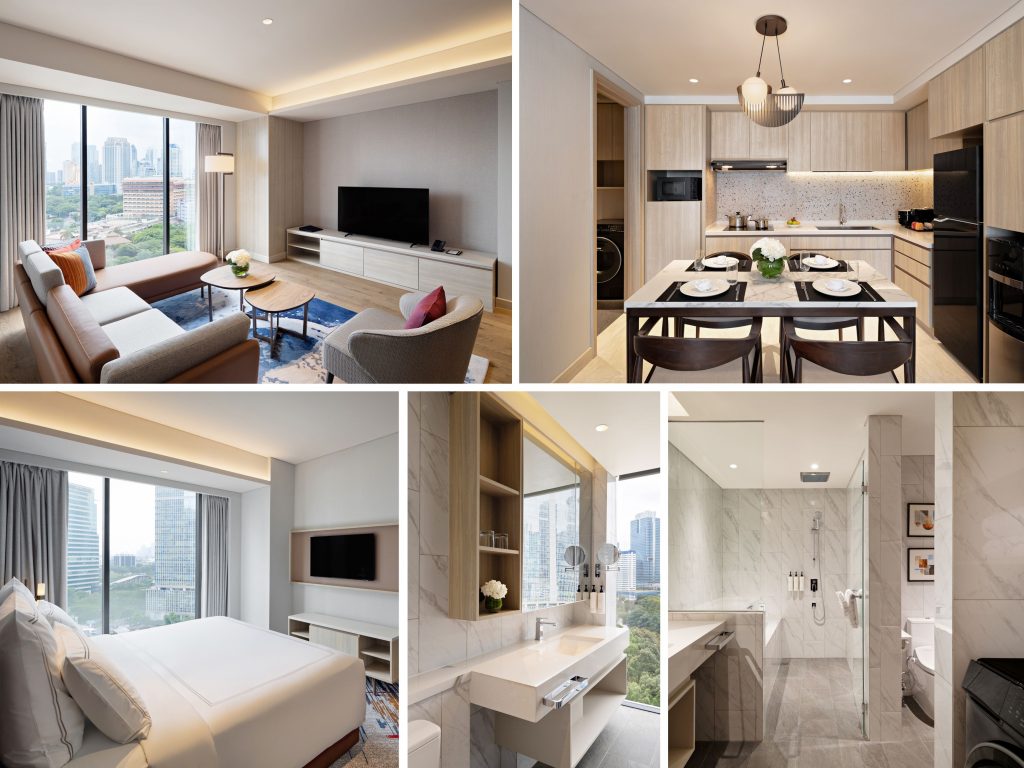
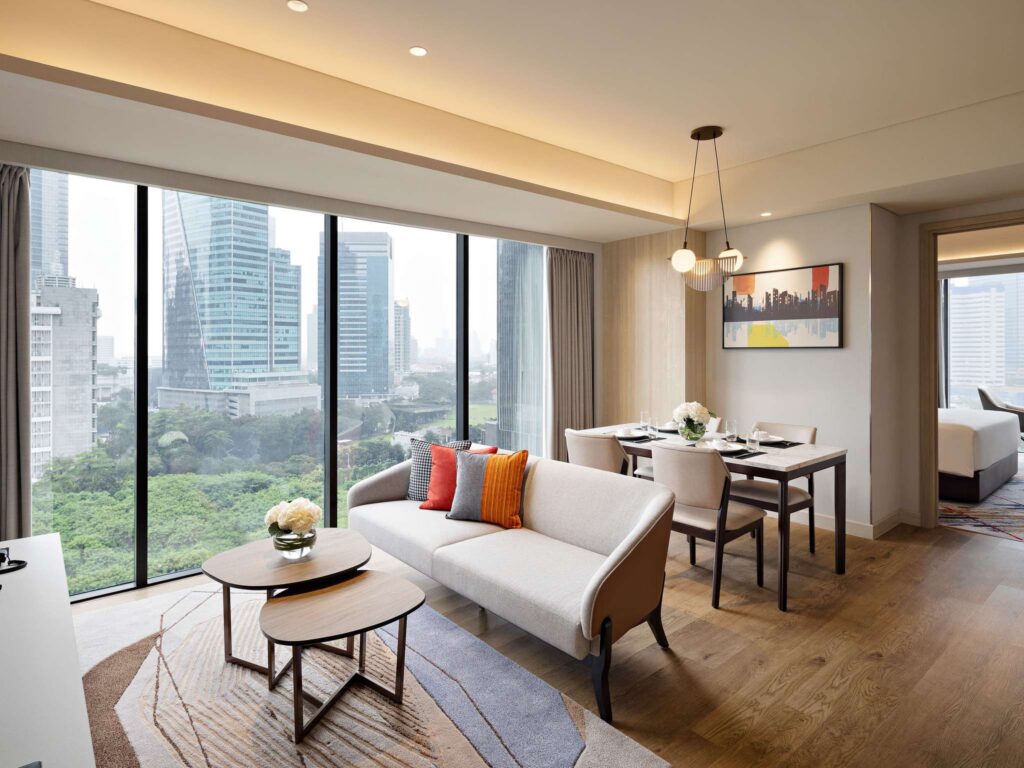
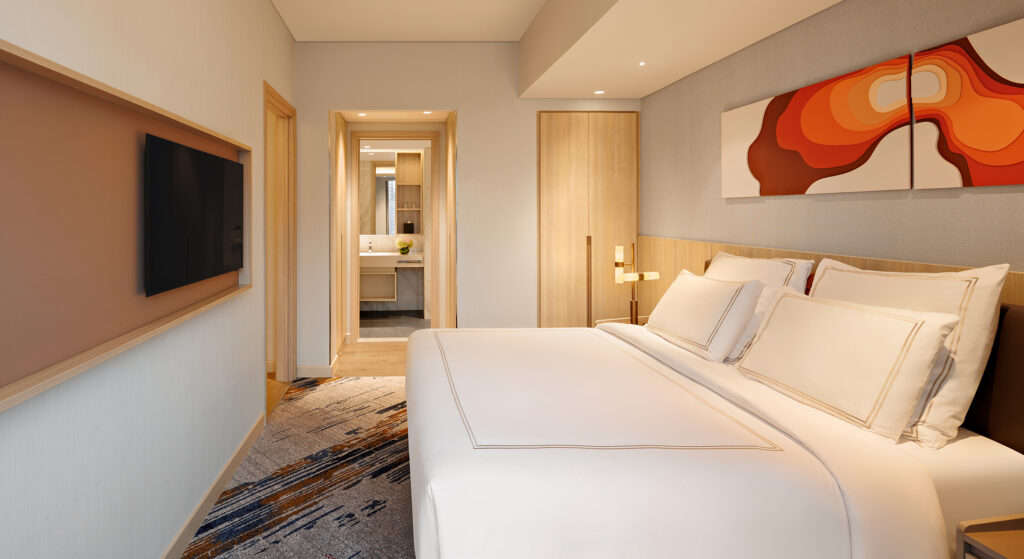
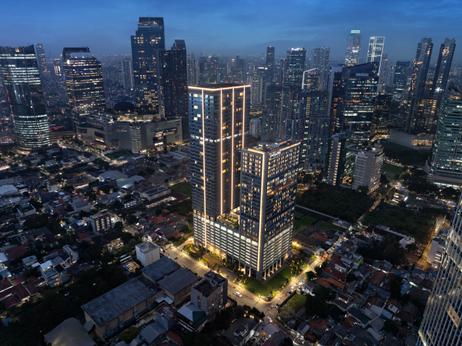
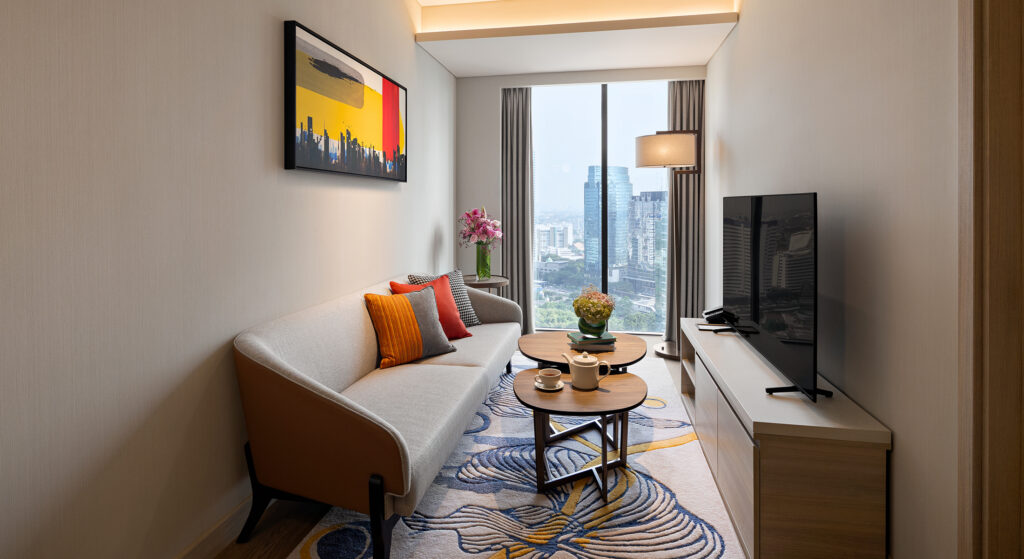
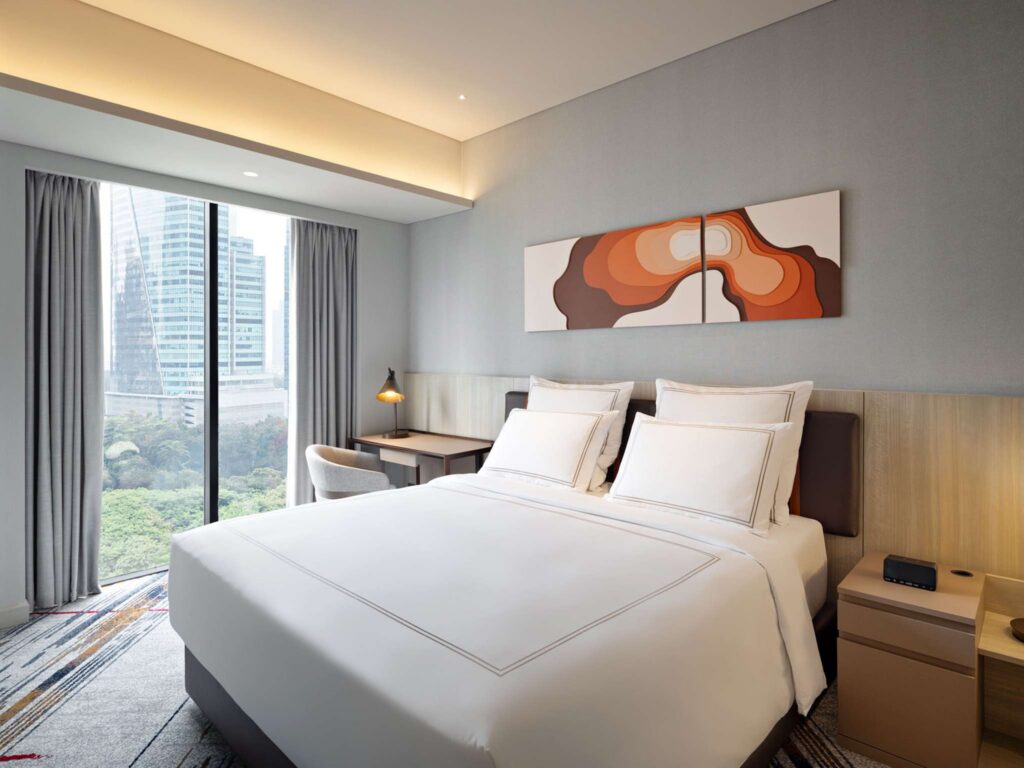
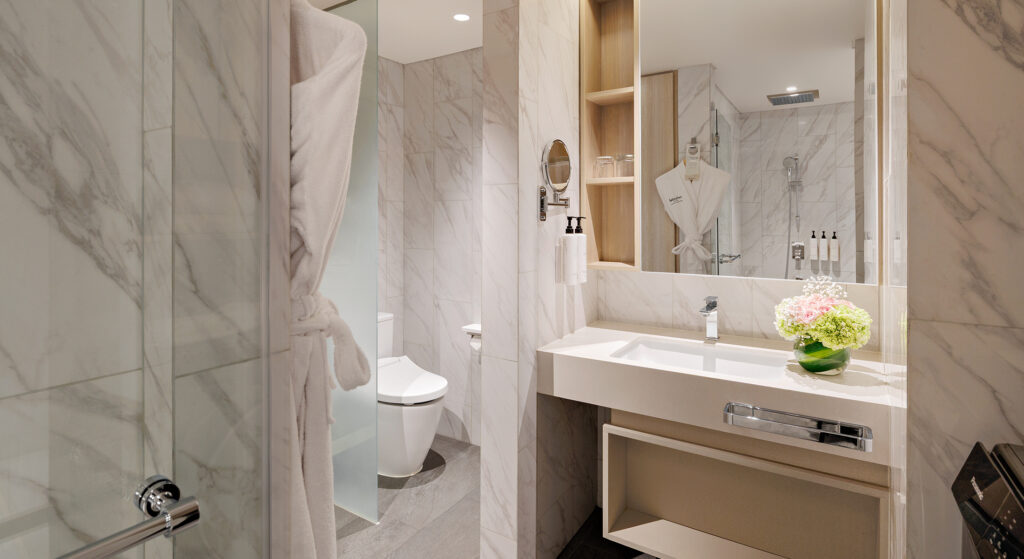
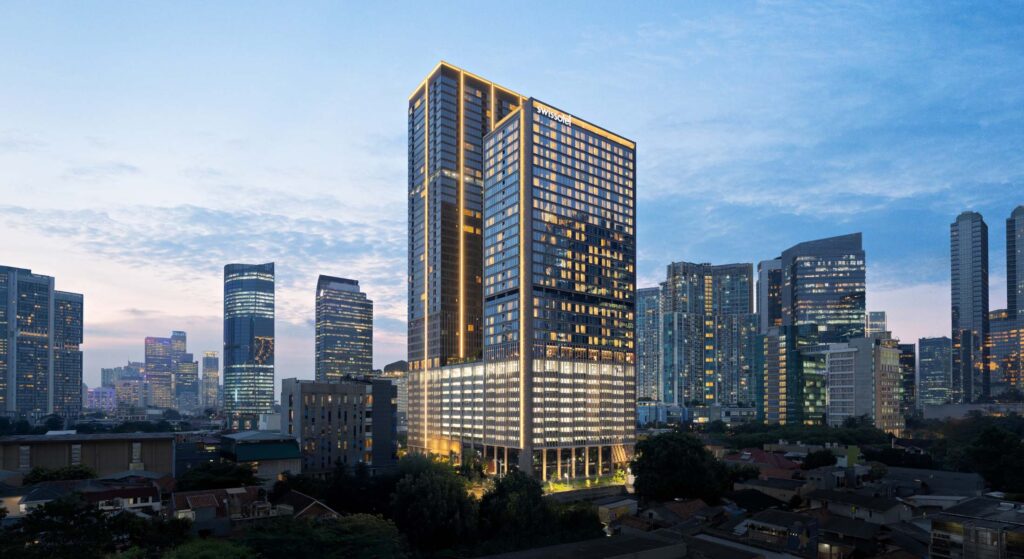
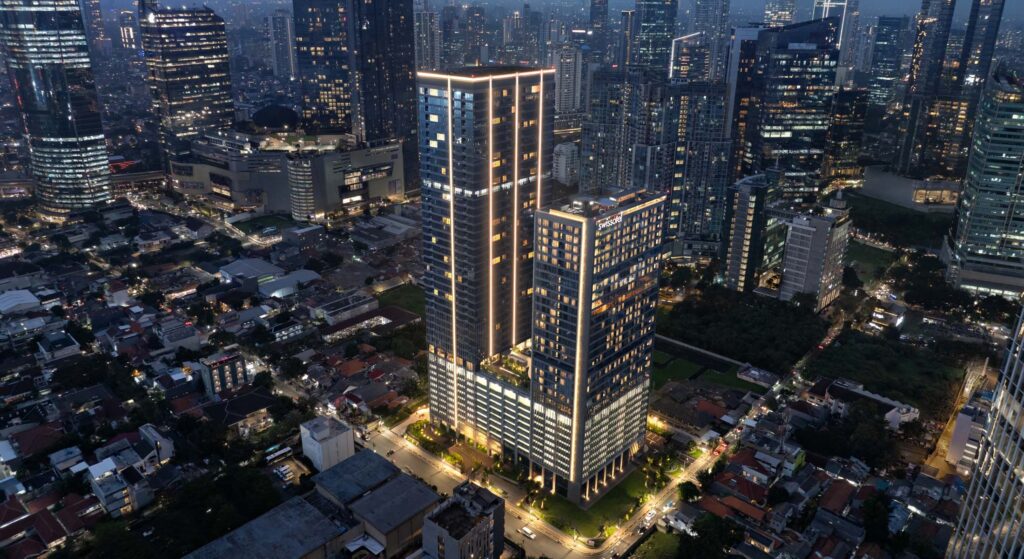
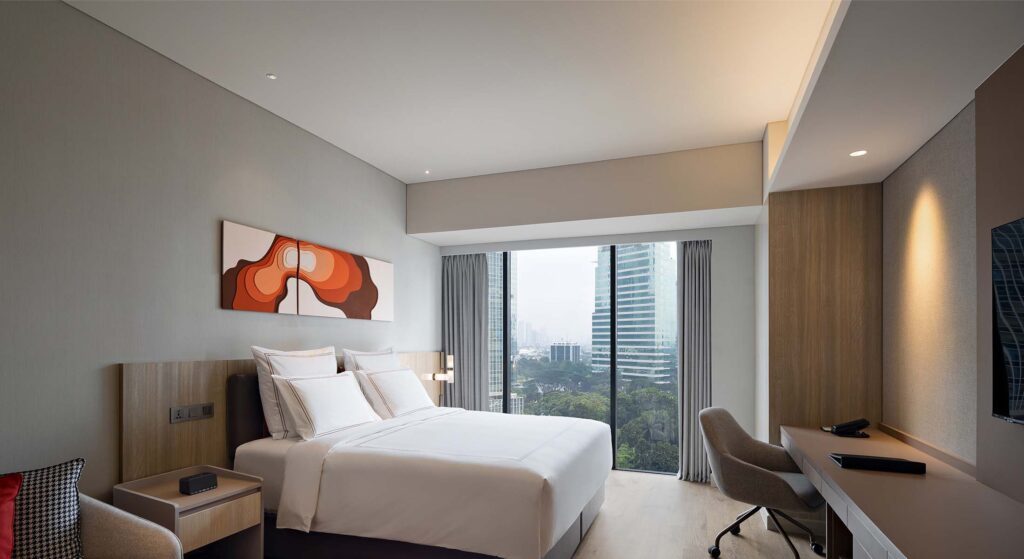
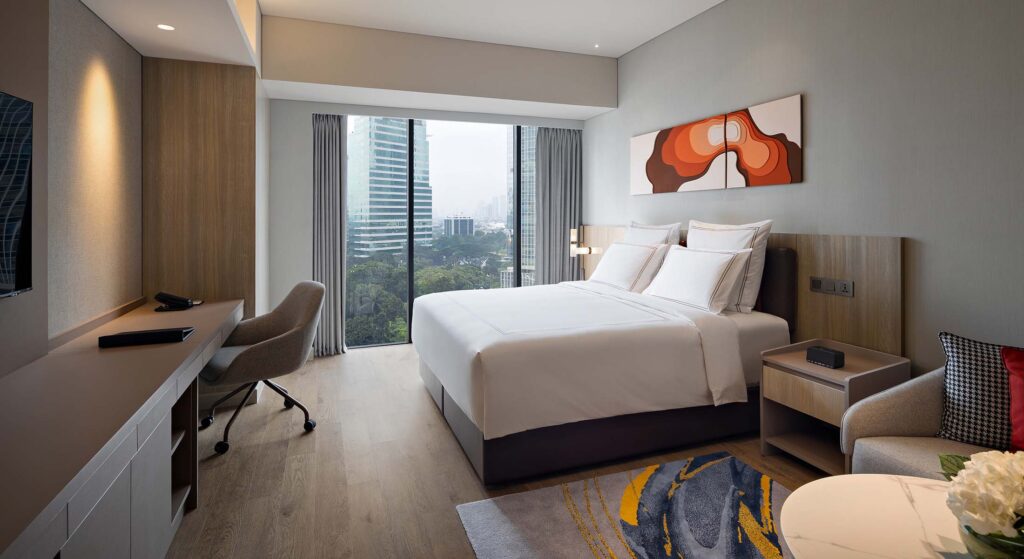
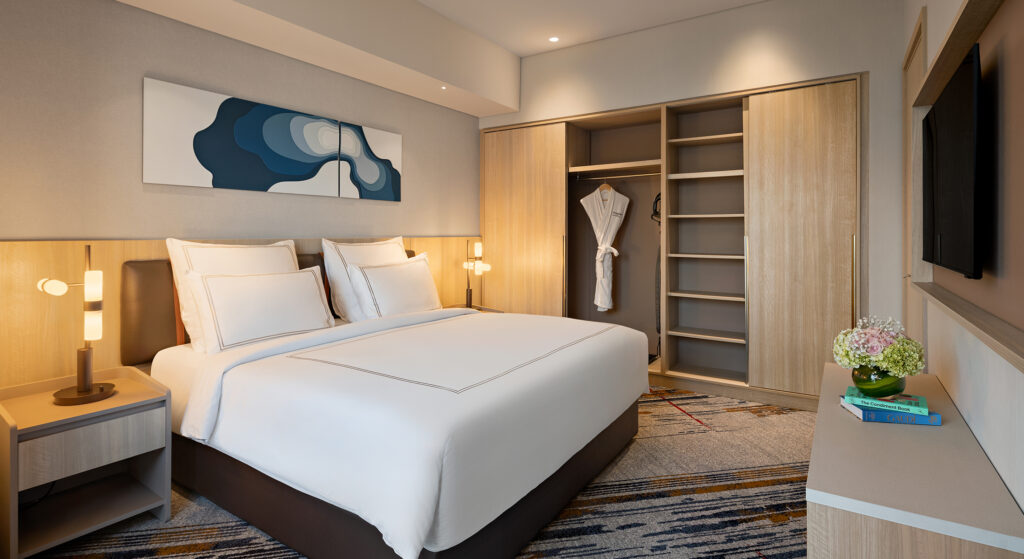
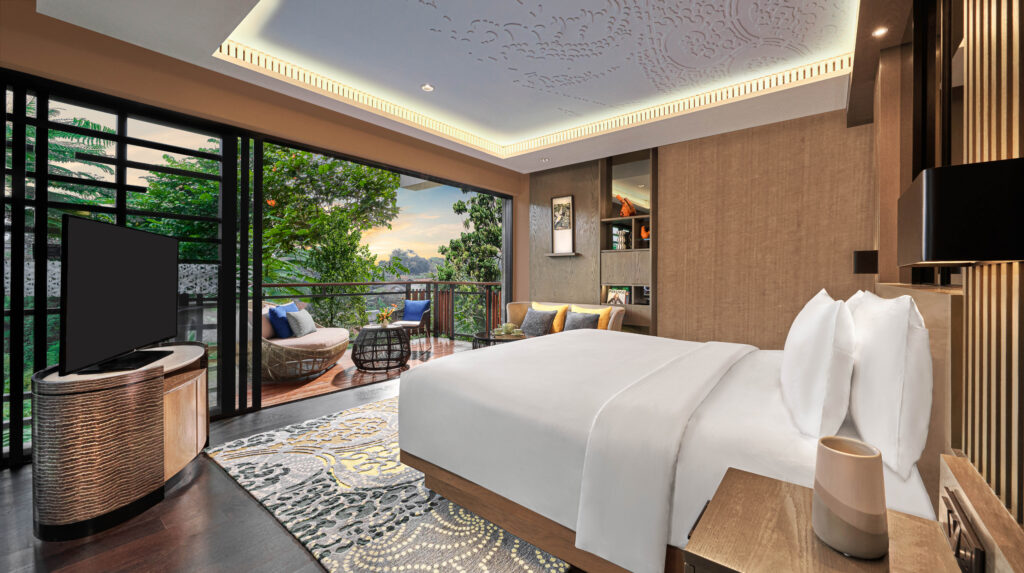
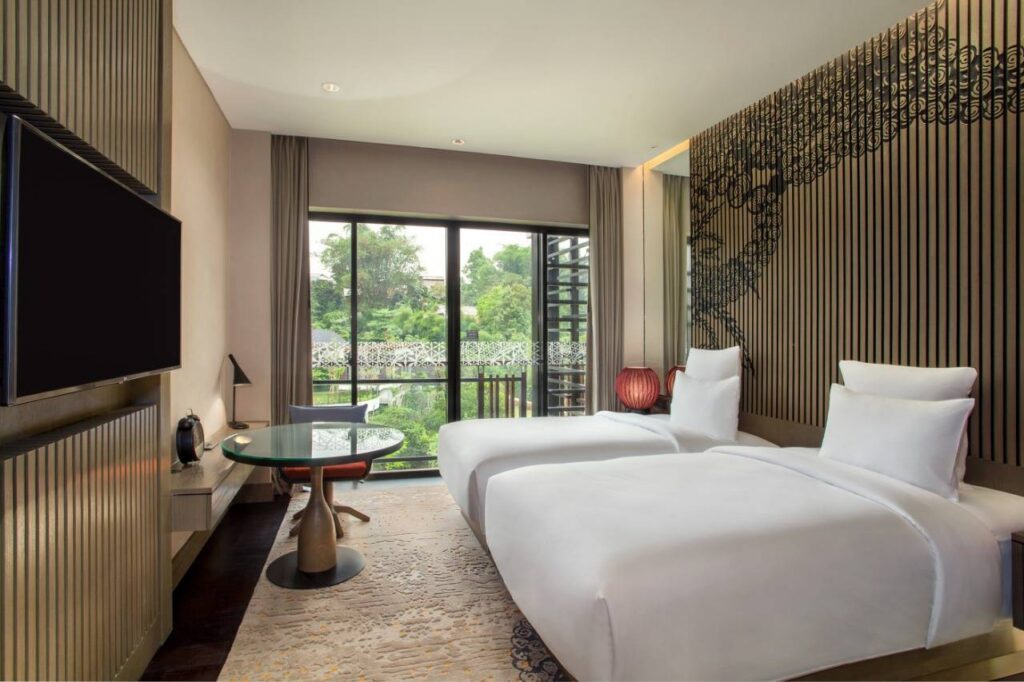
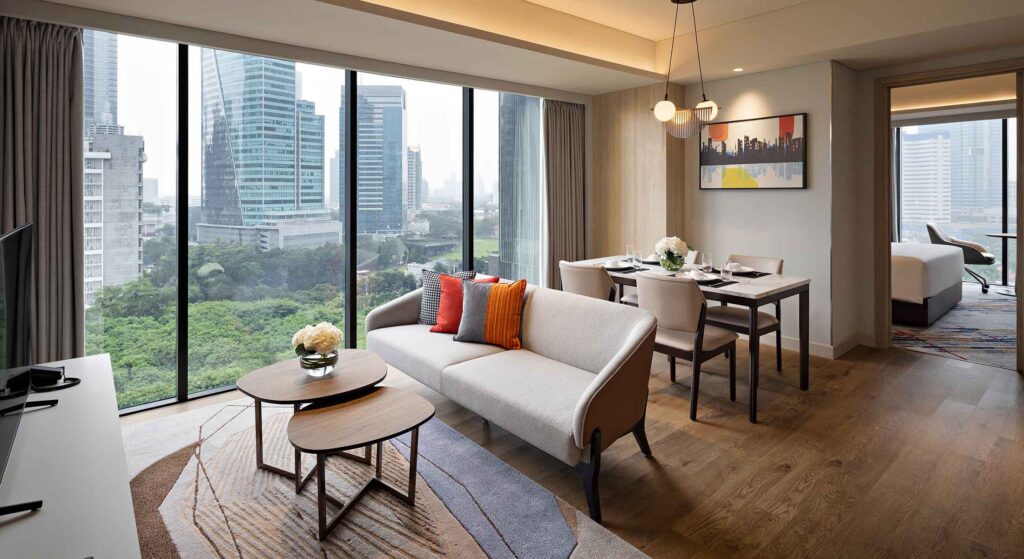
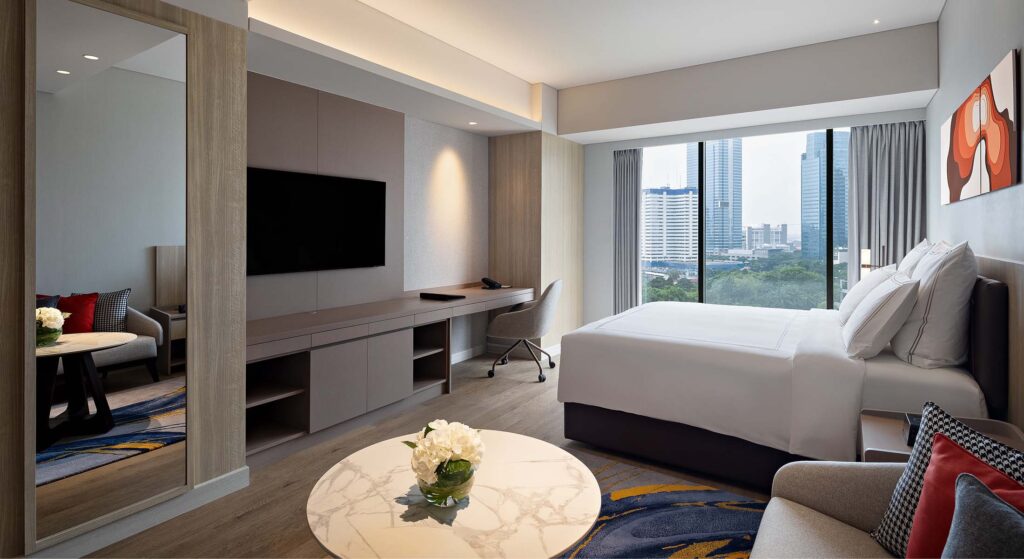
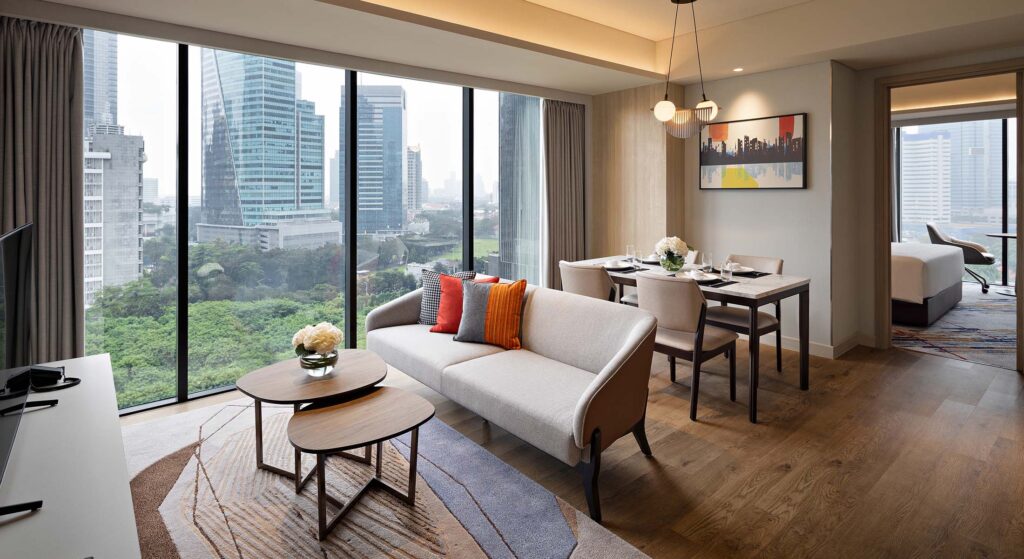
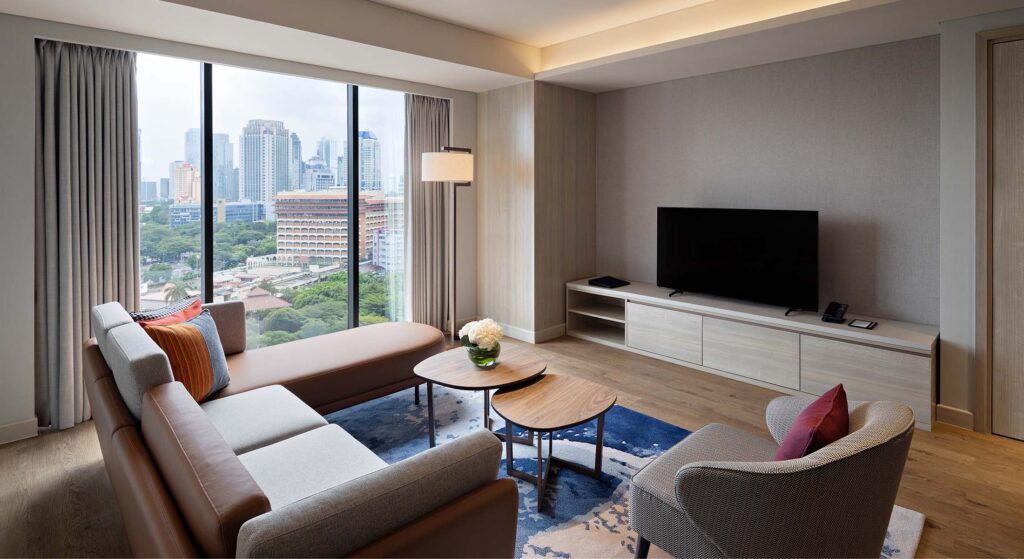
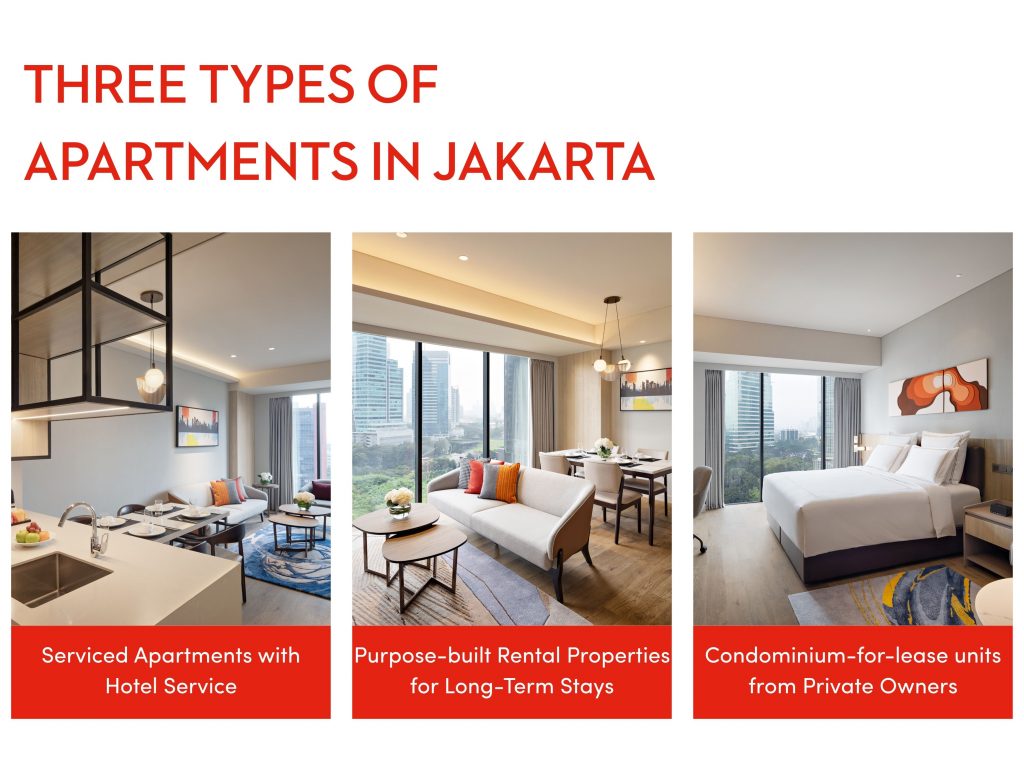
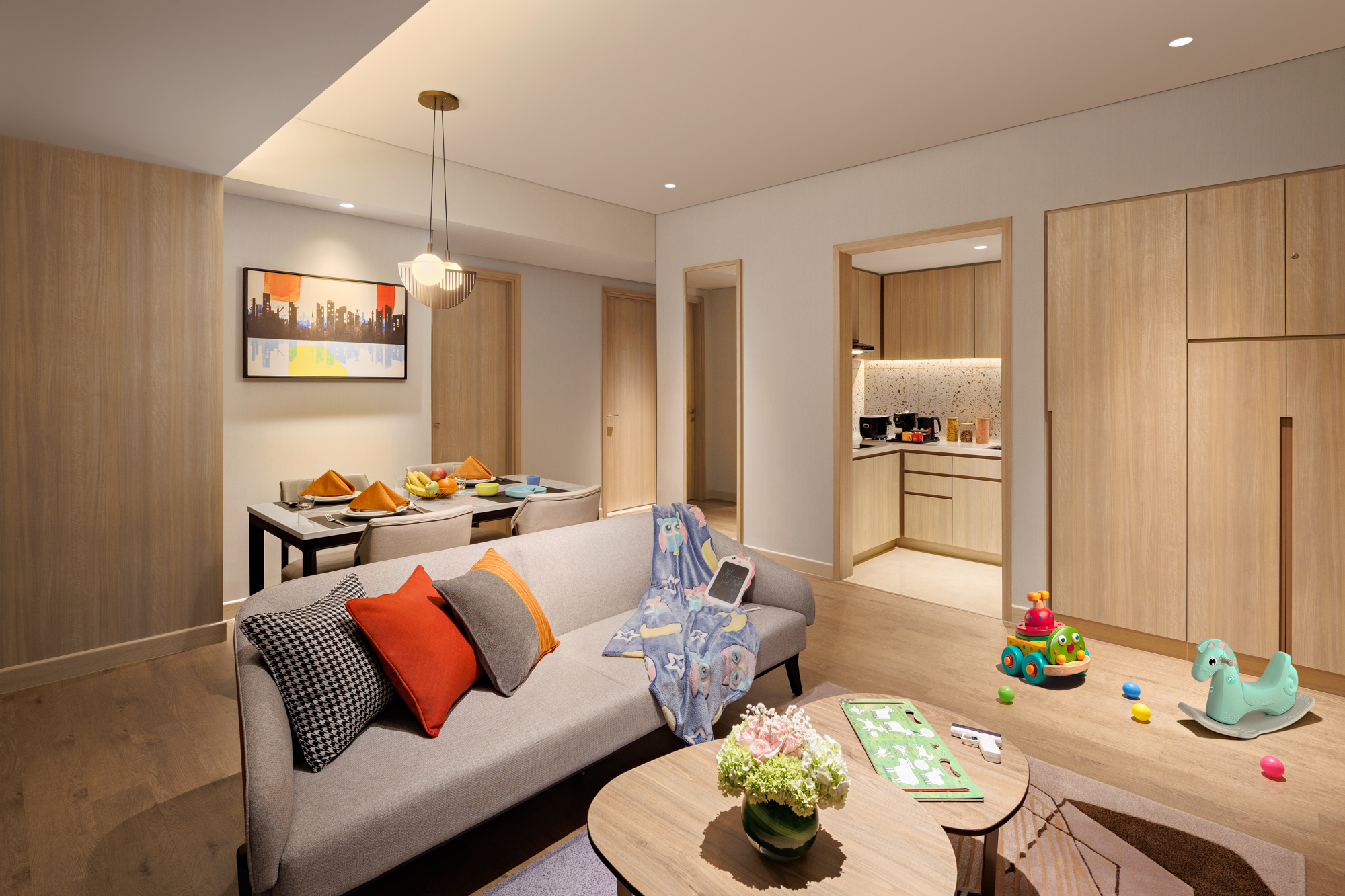
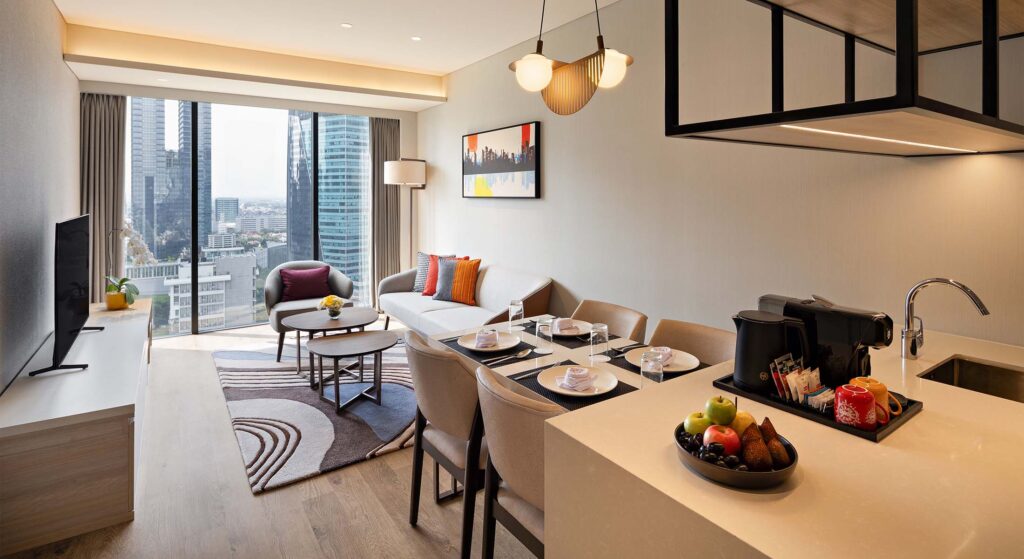
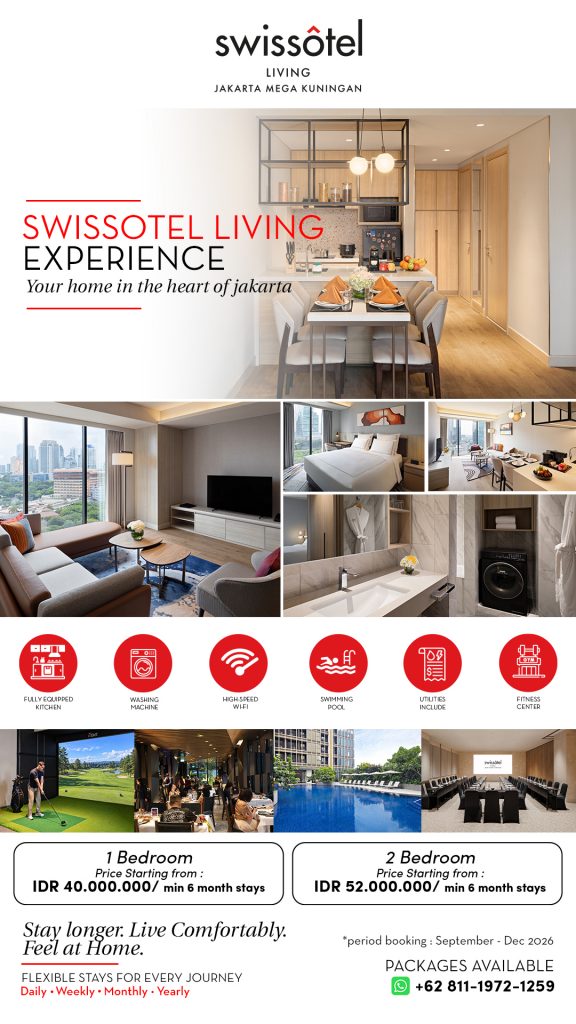
Swissôtel Living Jakarta Mega Kuningan exemplifies premium extended-stay accommodation designed specifically for business travelers, expatriates, and families requiring monthly or yearly residence. The property offers flexible serviced apartment options from Studio to Three-Bedroom configurations, with rates structured to reward longer commitments while maintaining the service quality expected from an Accor-operated property.
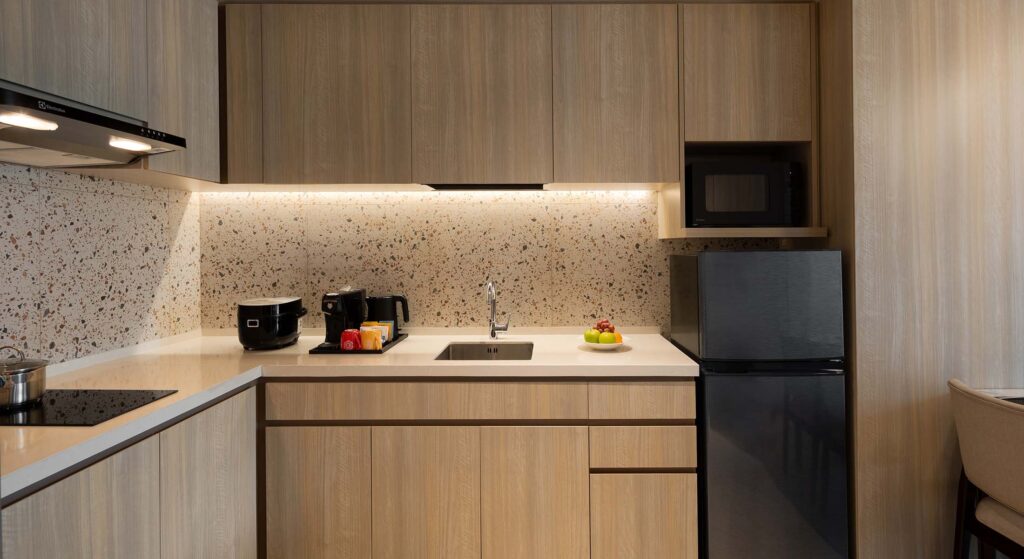
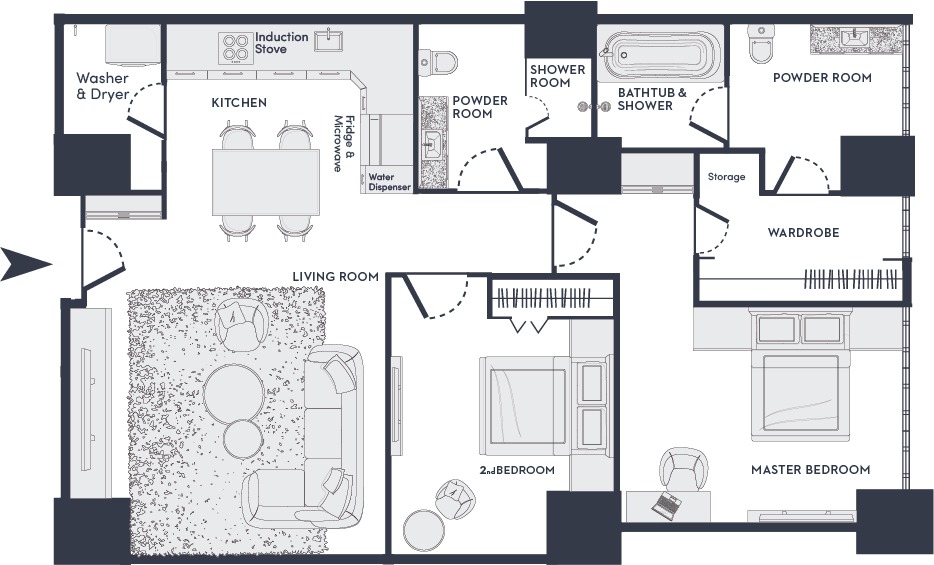
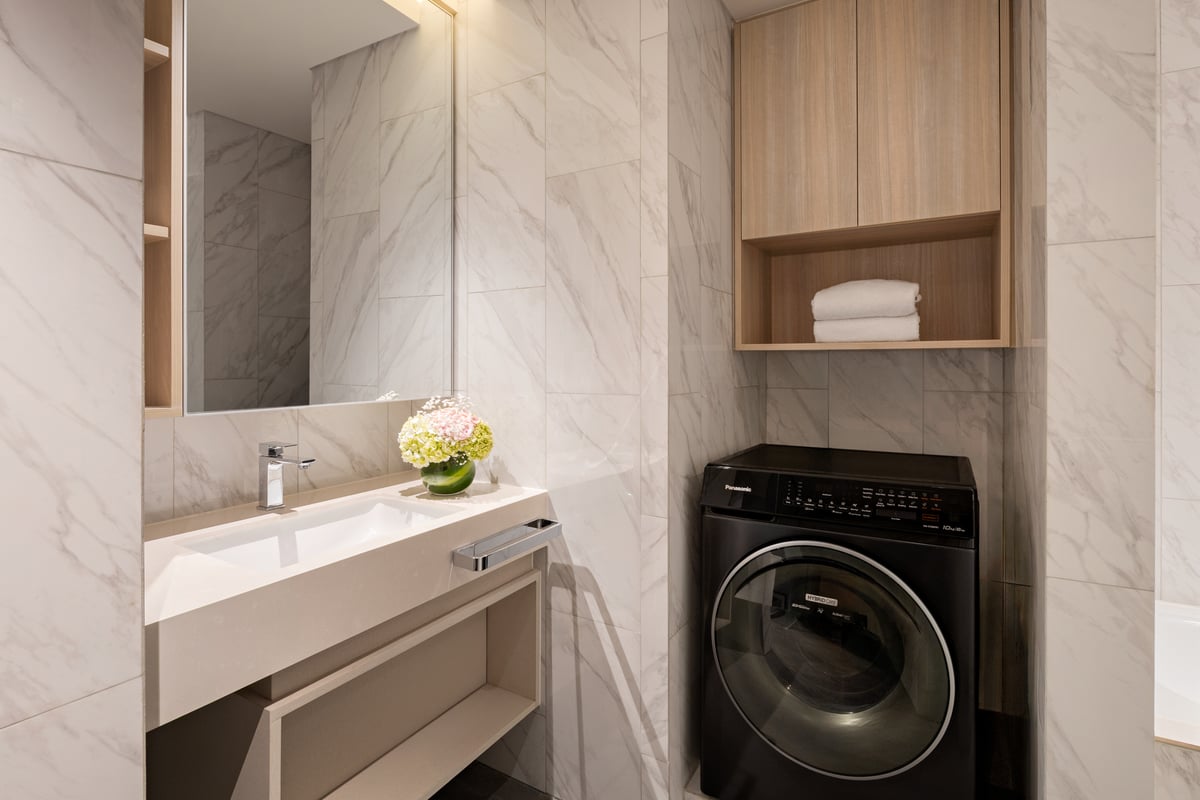
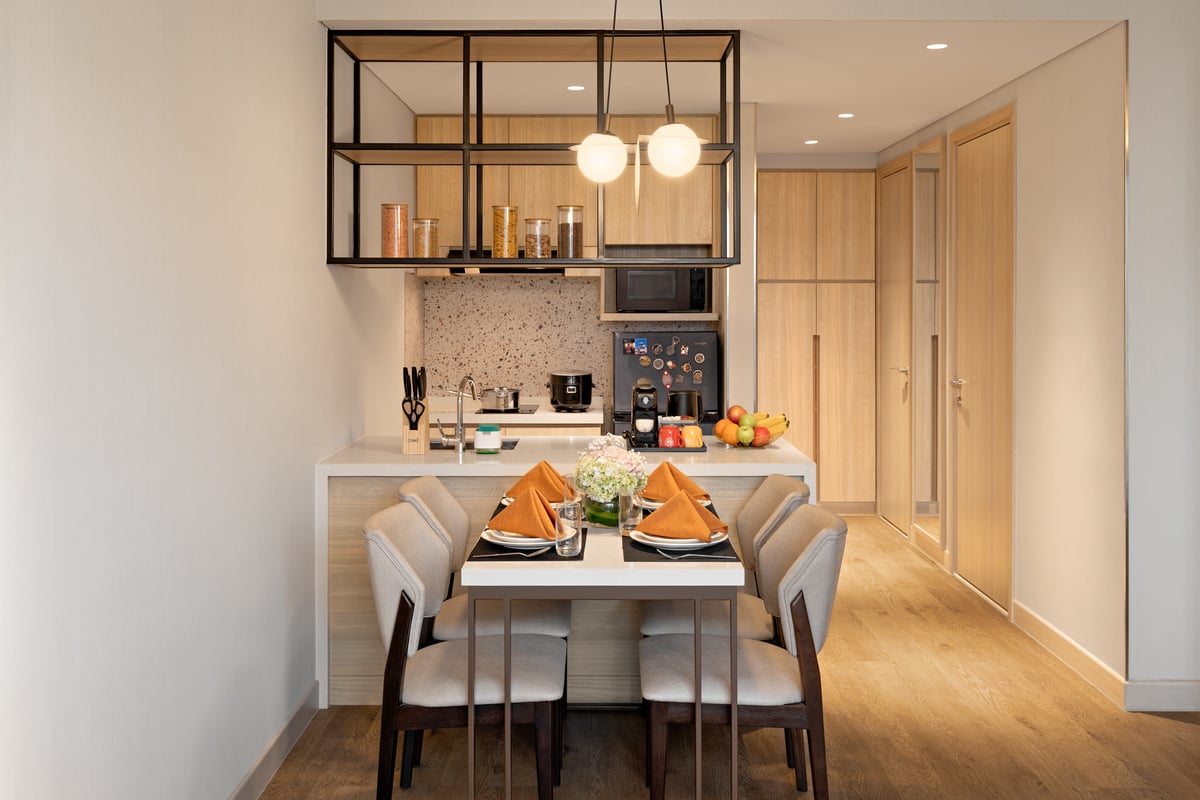
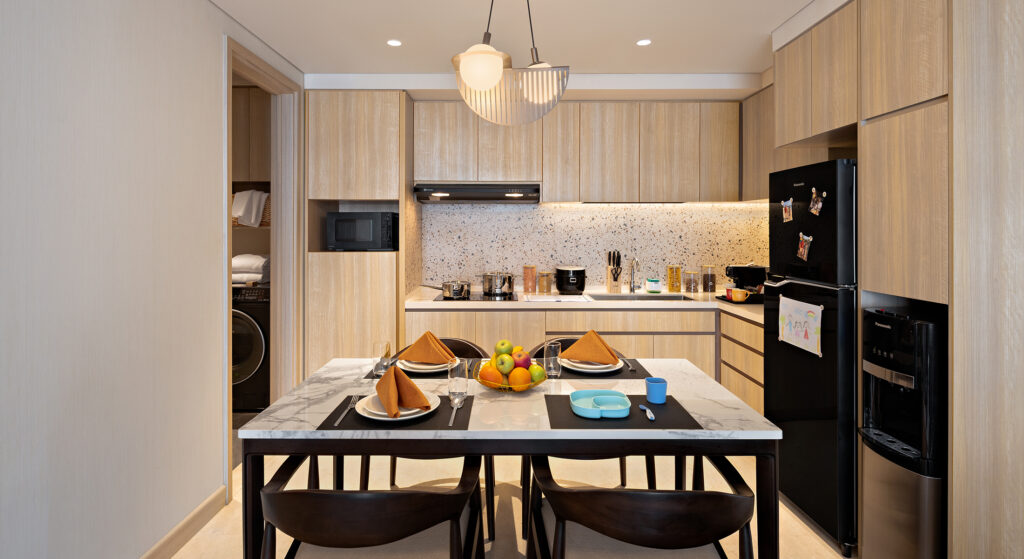
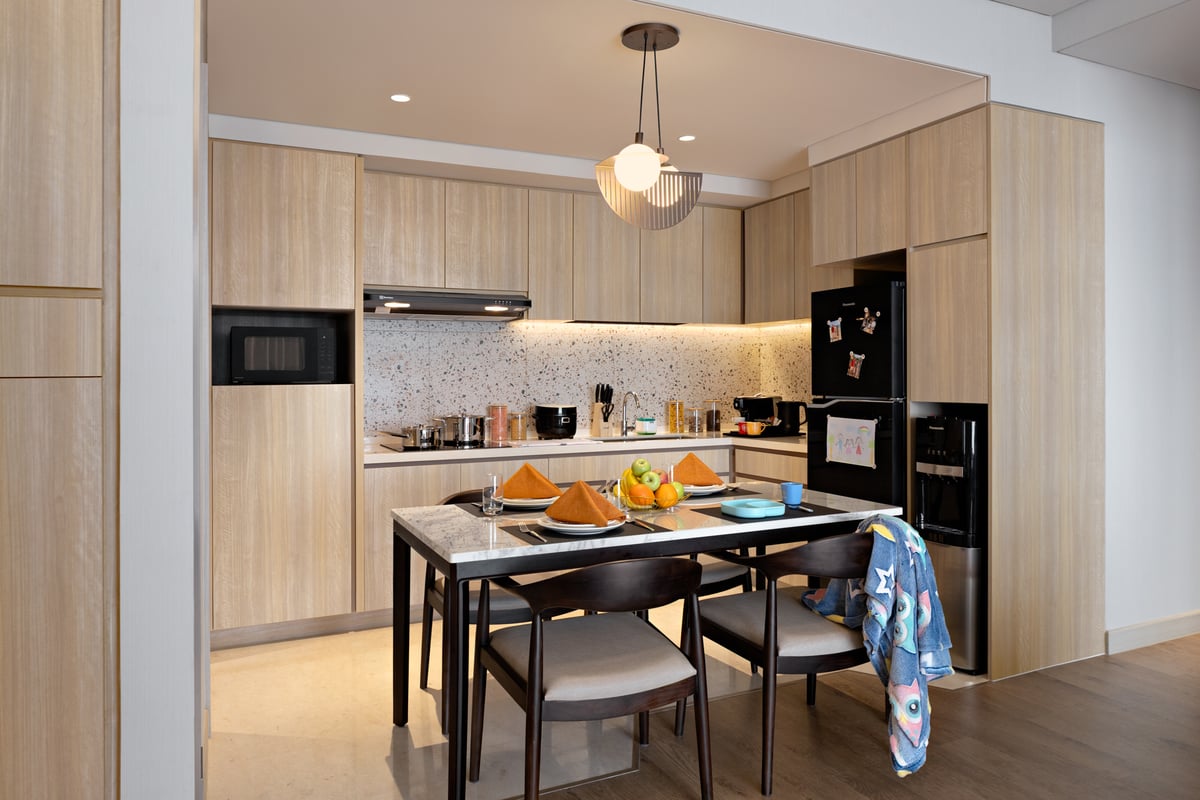
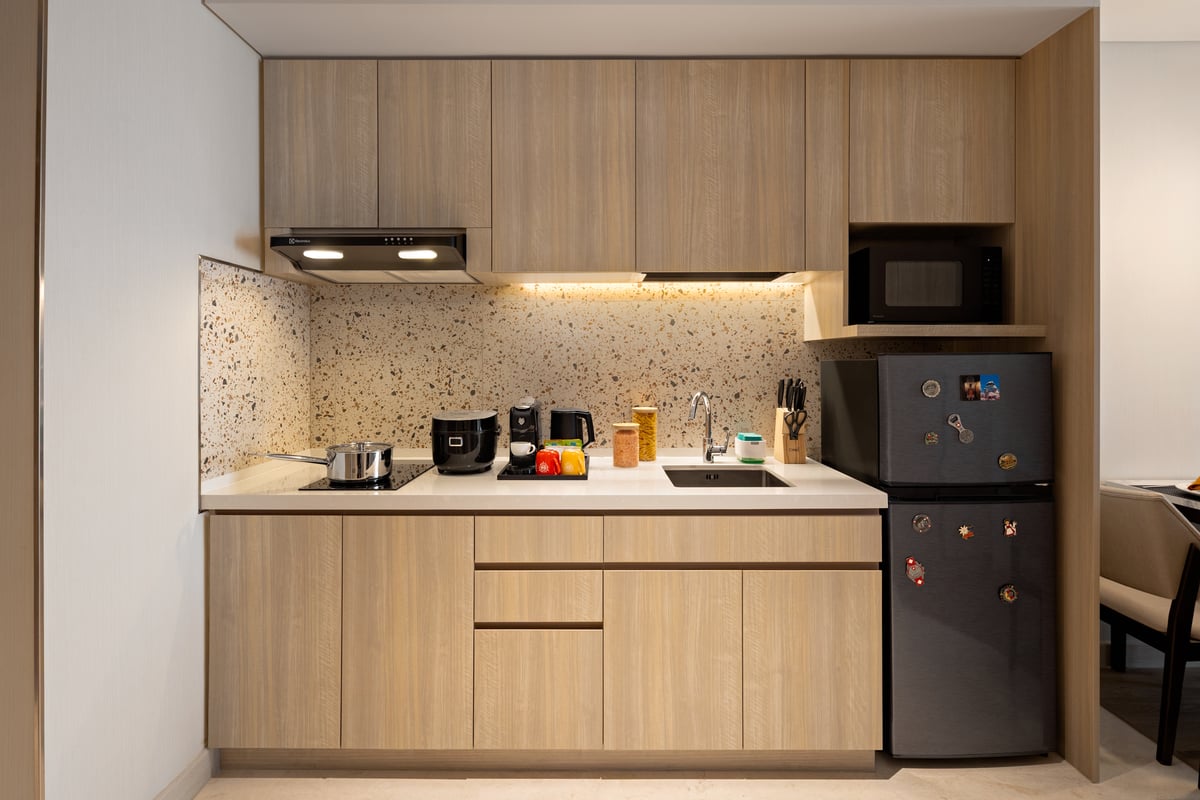
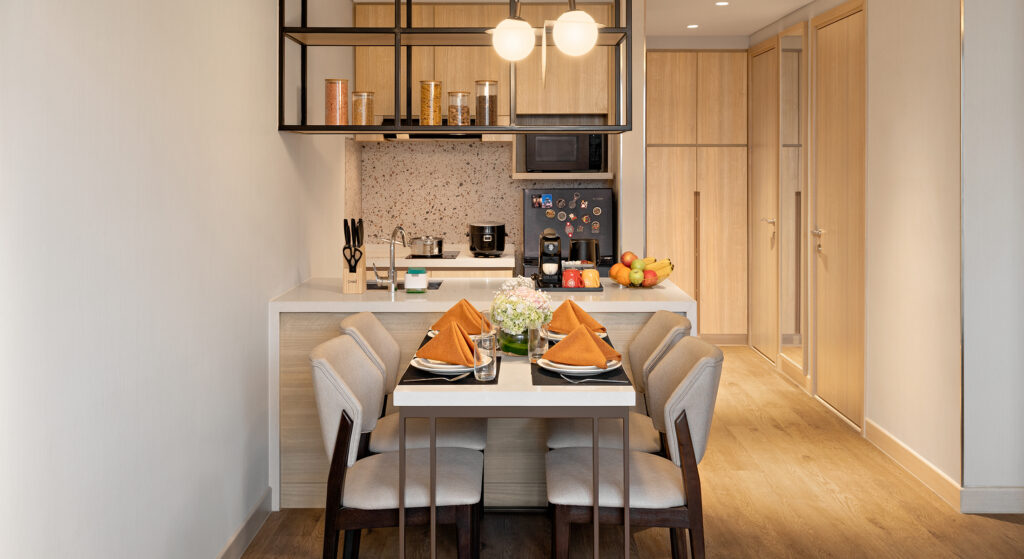
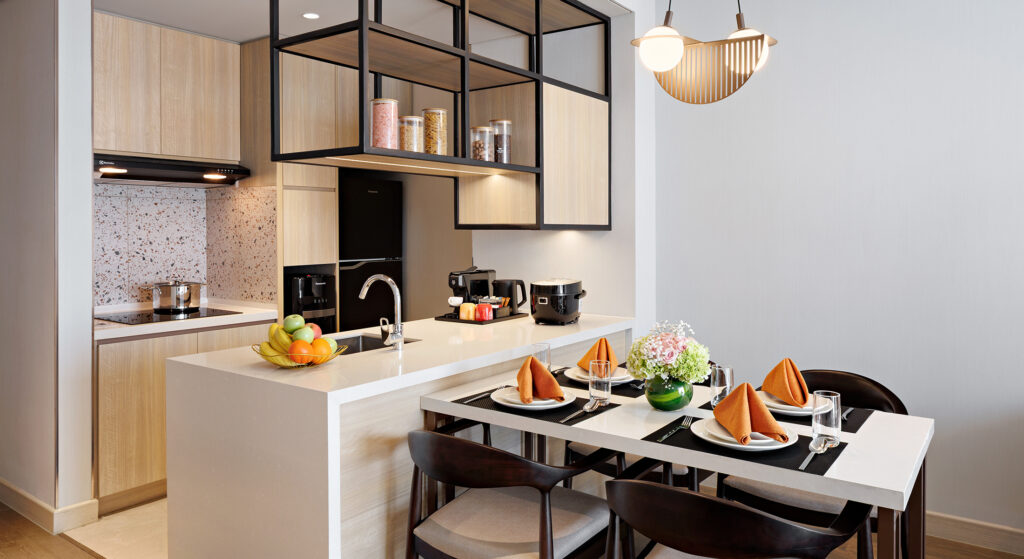
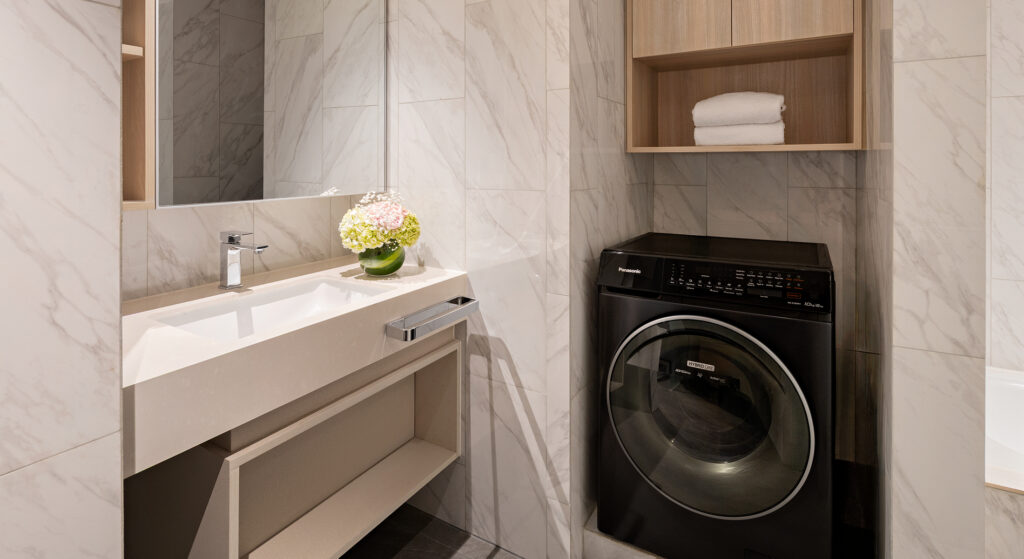
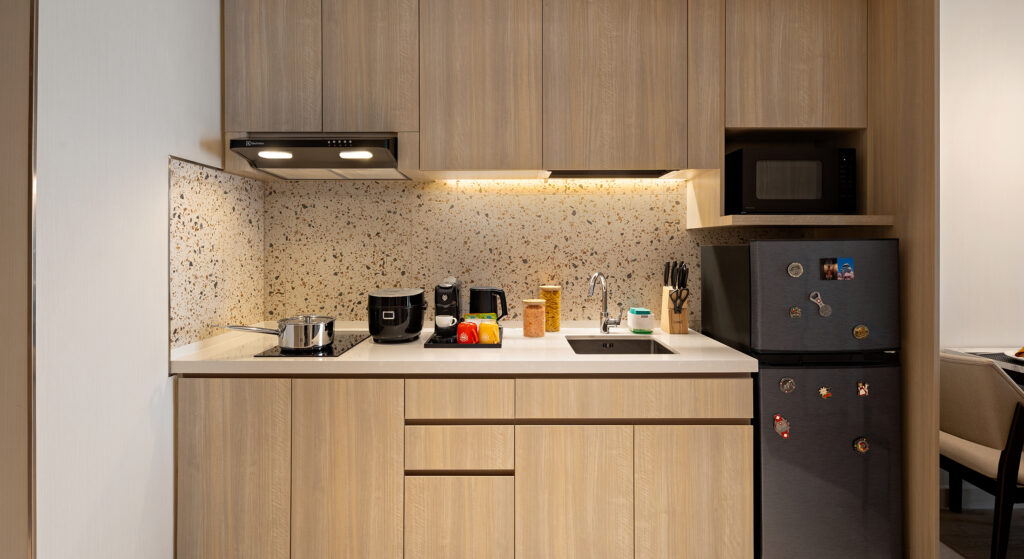
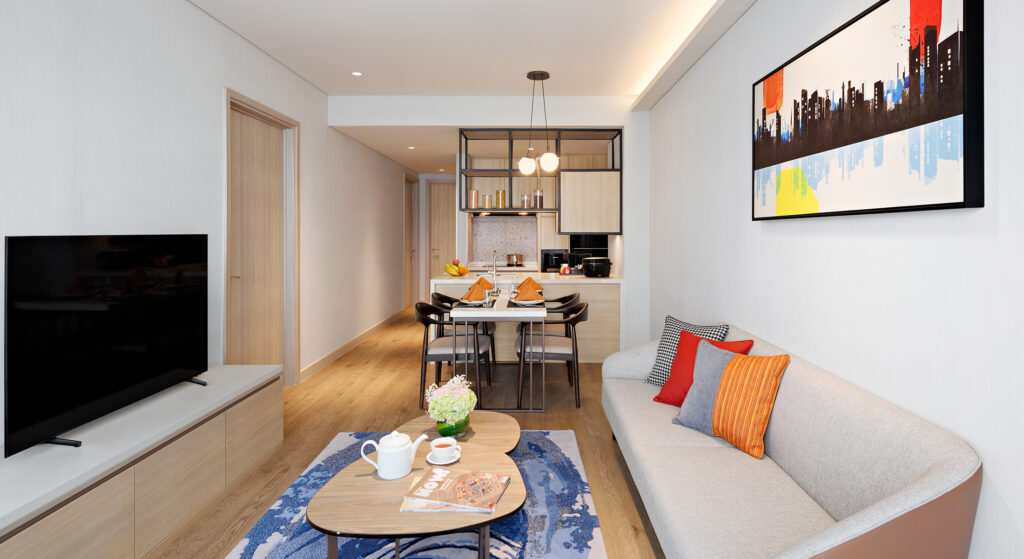
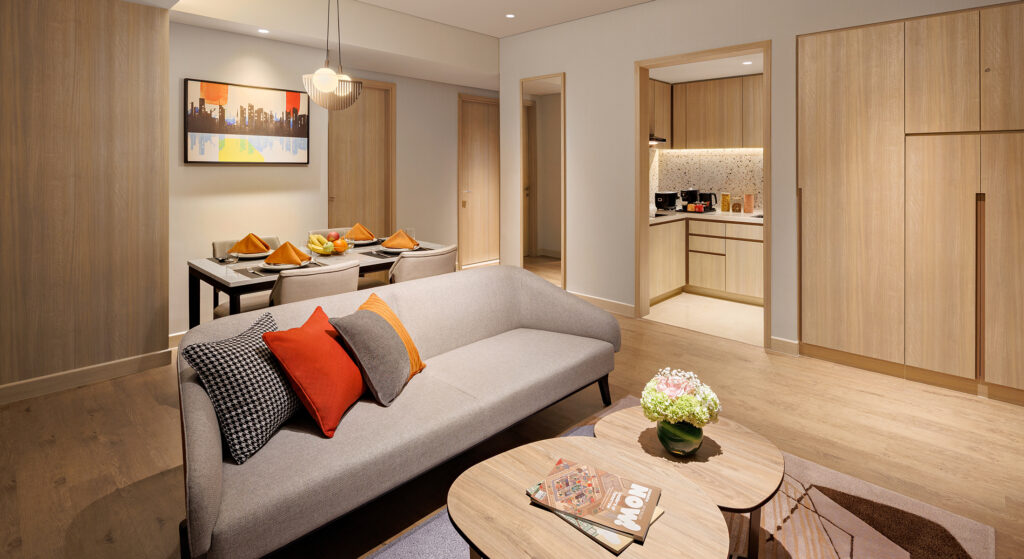
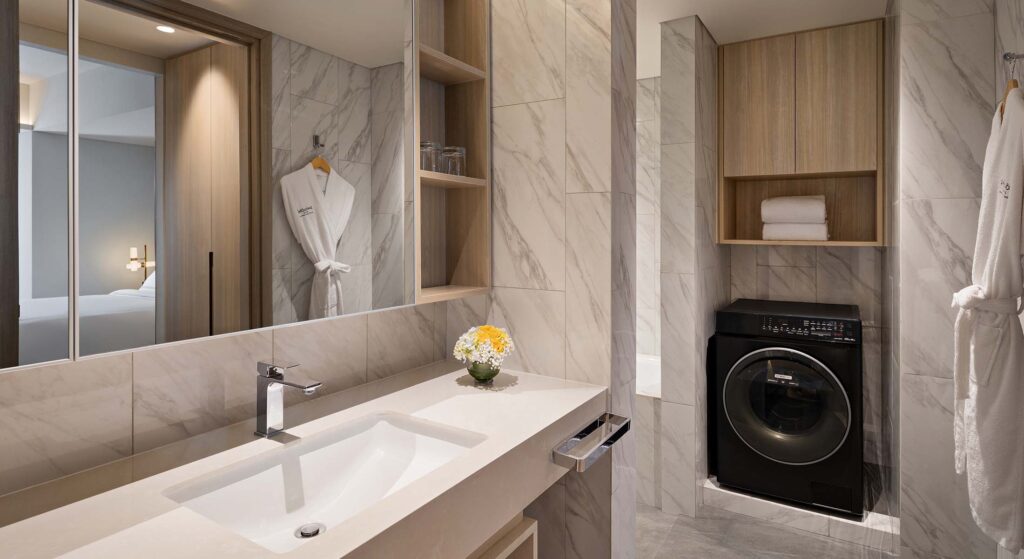
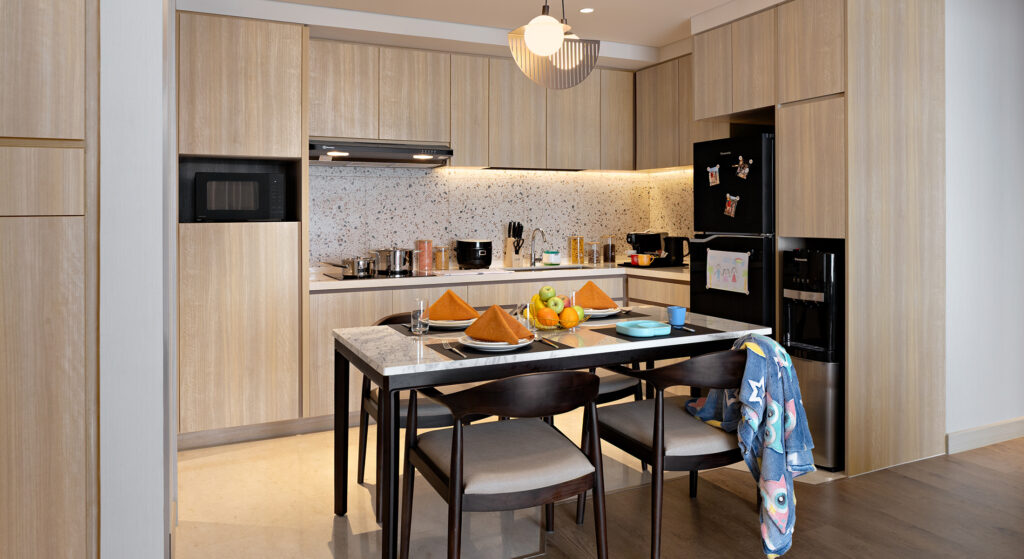
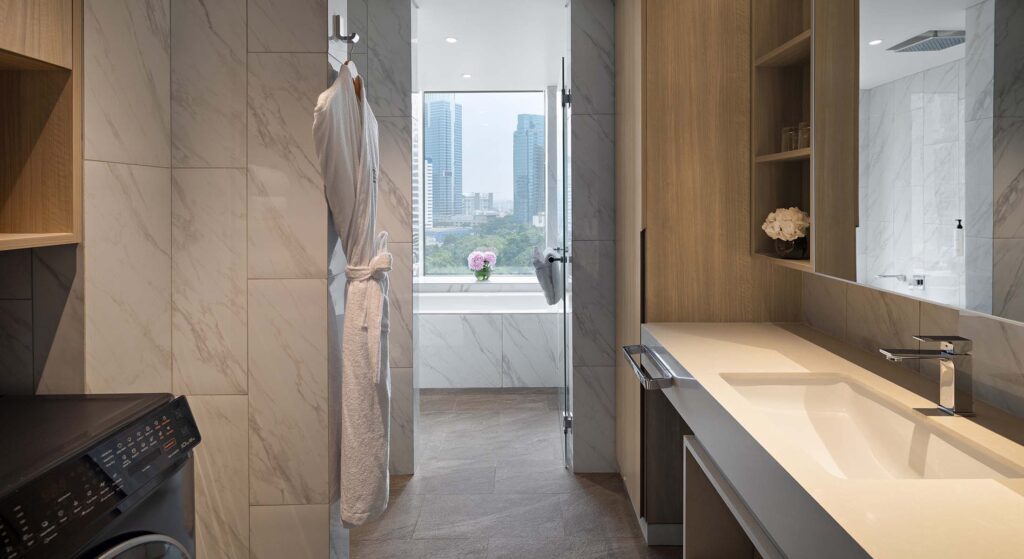
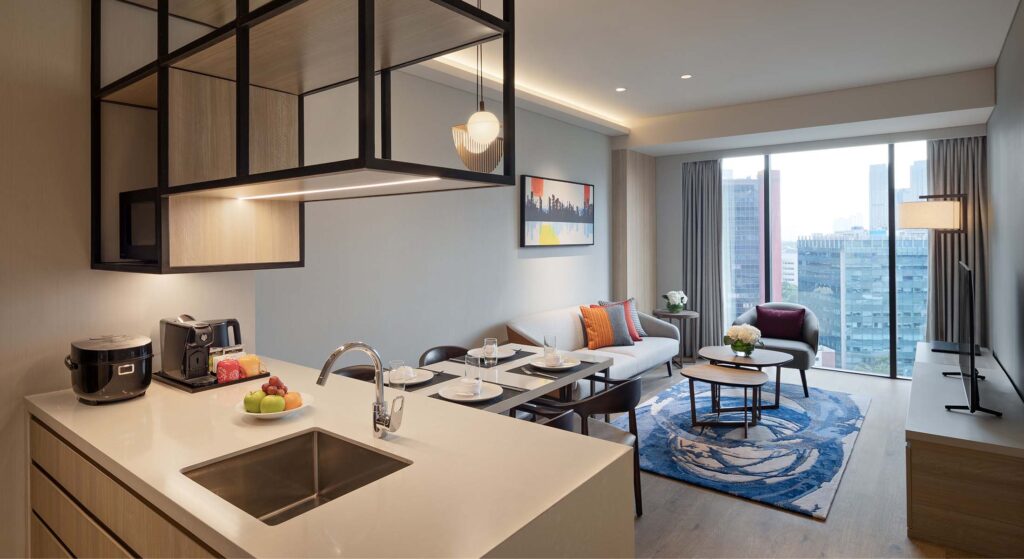
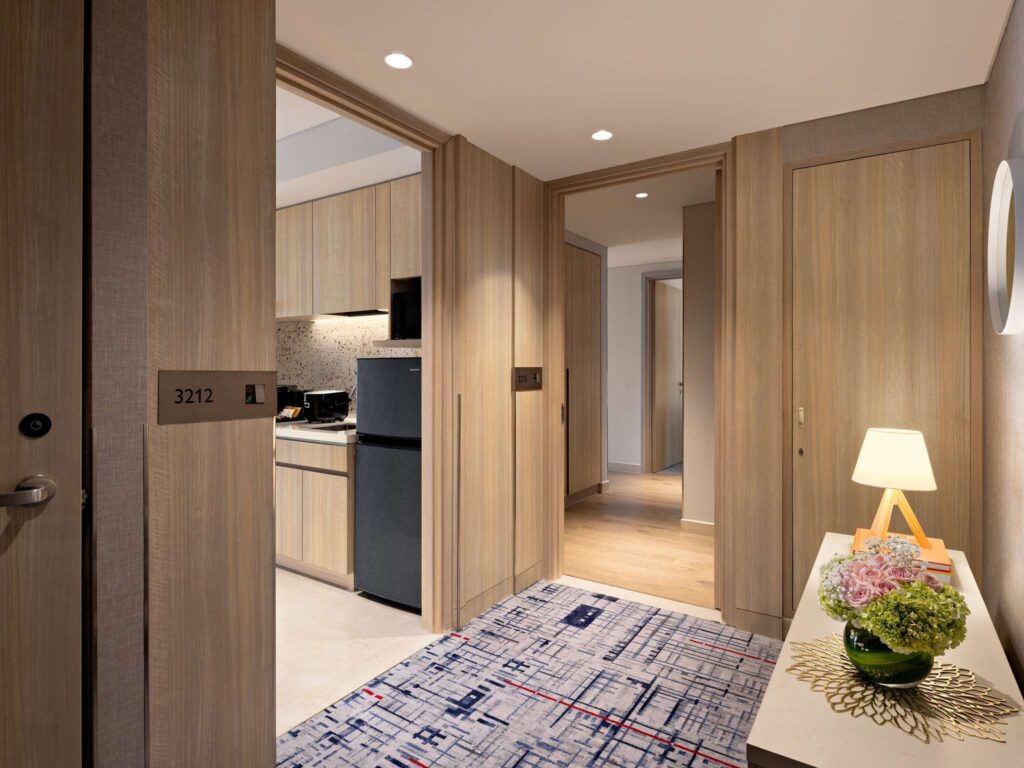
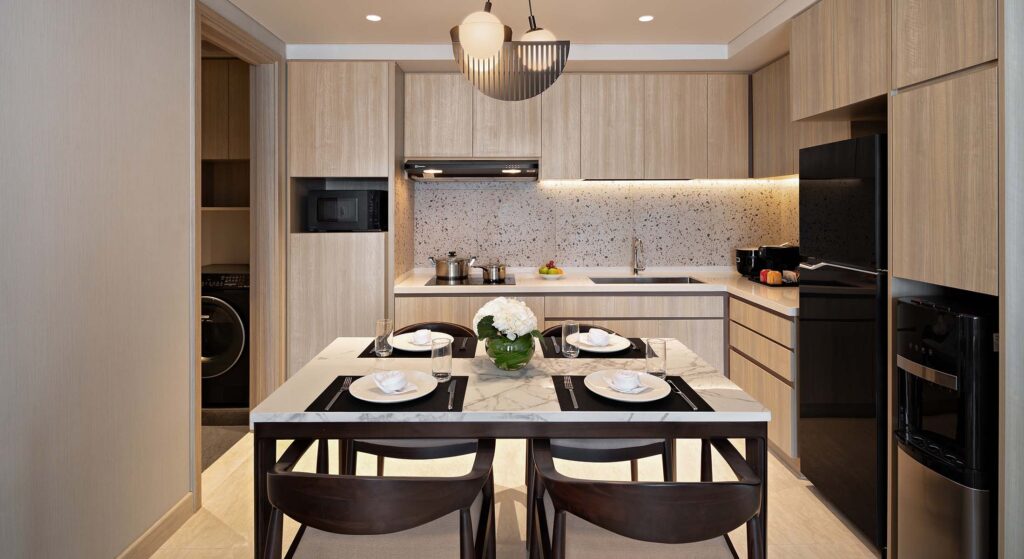
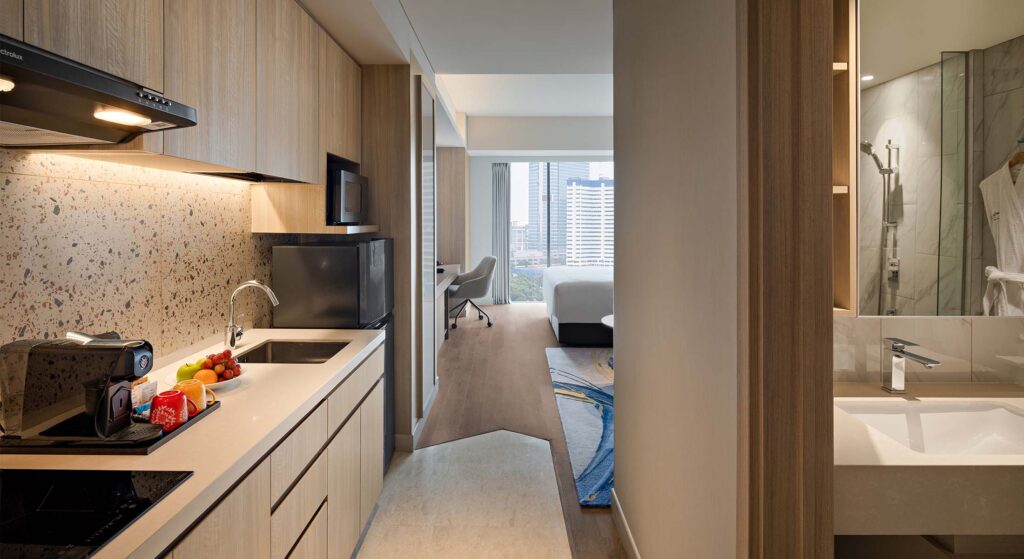
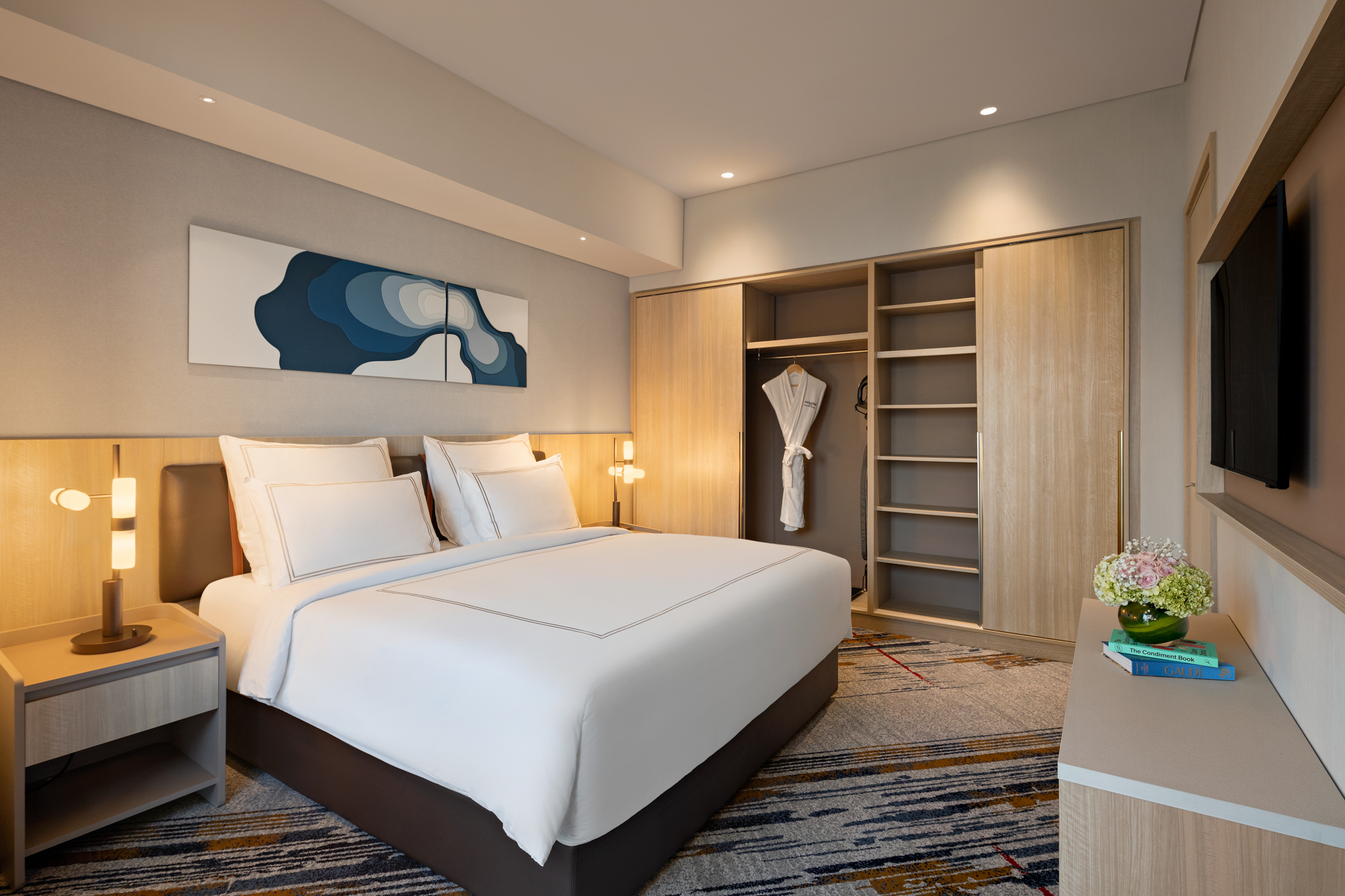
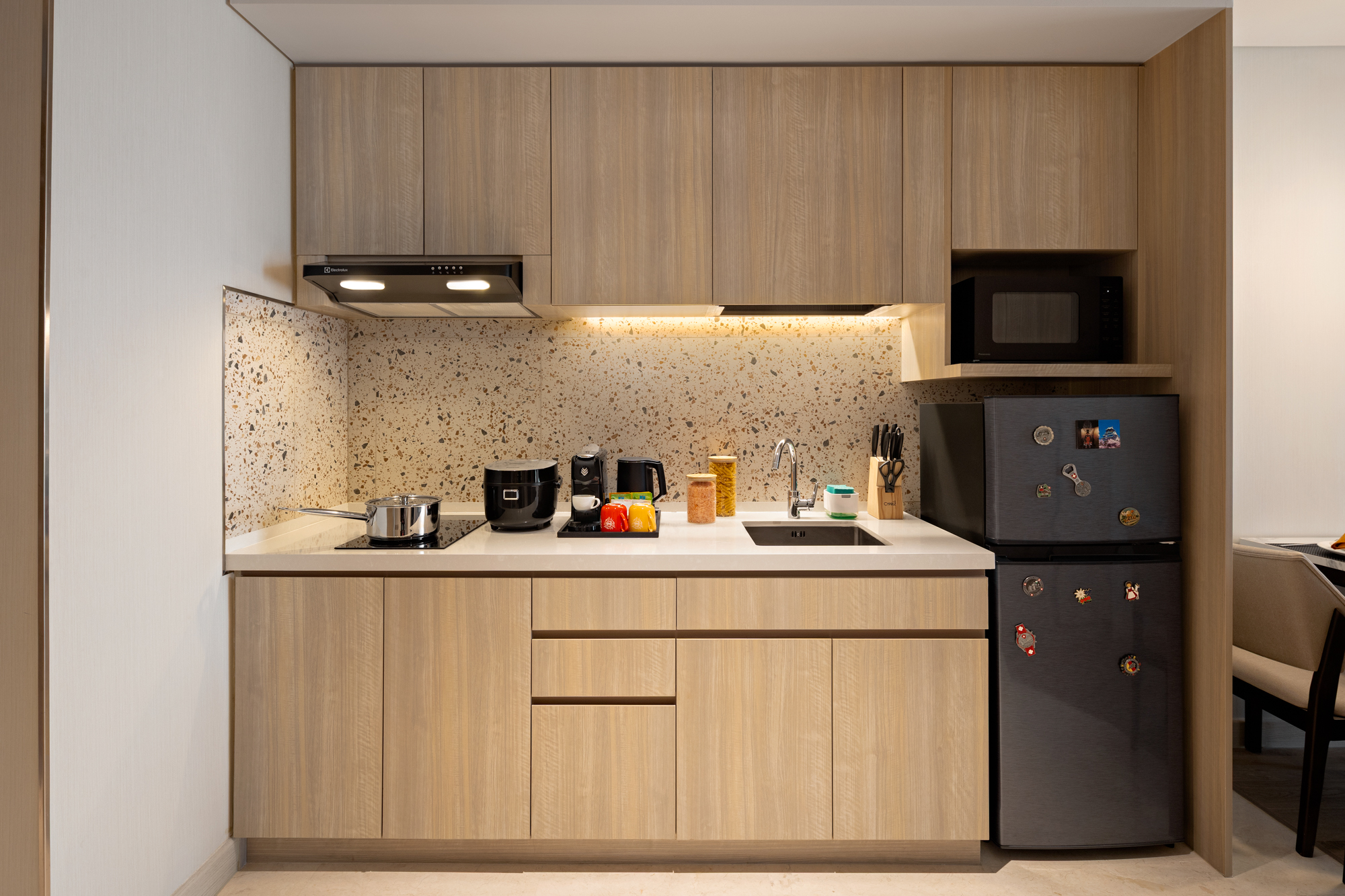
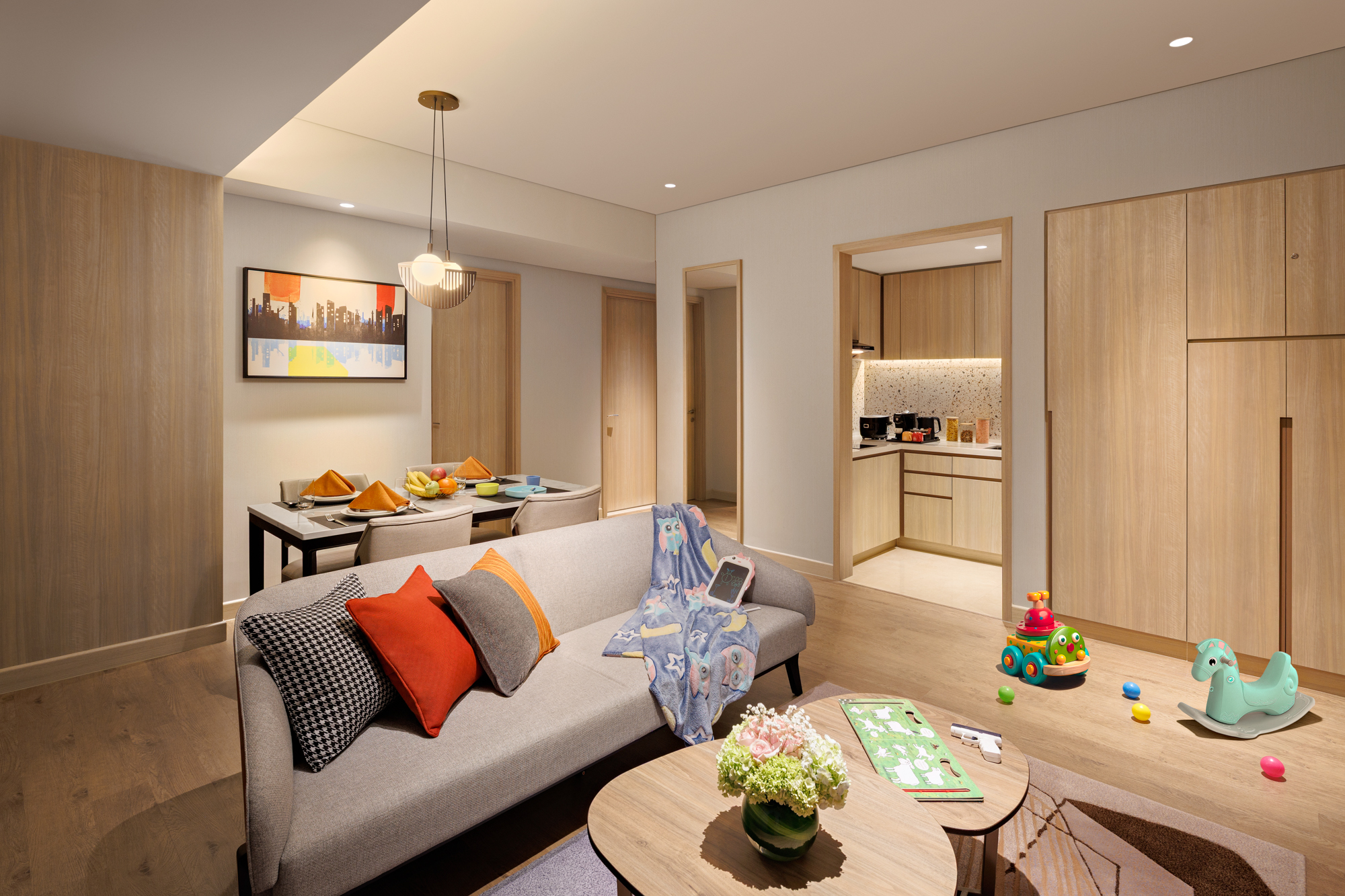
The property’s 240 fully furnished residences include well-equipped kitchens with induction stoves, microwaves, rice cookers, refrigerators, and washing machines – amenities that enable genuine home-style living while maintaining hotel service standards. This combination proves particularly valuable for monthly and yearly stays where cooking facilities, laundry capability, and adequate living space directly impact daily life quality and total living costs.
Regional Market Comparisons
Hotel long term stay rates vary substantially across different Asian markets, influenced by local economic conditions, property supply, and demand patterns.
Southeast Asian Rate Benchmarks
Jakarta’s rates typically position competitively within the Southeast Asian market:
| City | Studio Monthly (USD) | One-Bed Monthly (USD) | Market Characteristics |
|---|---|---|---|
| Jakarta (Mega Kuningan) | $2,400-3,200 | $3,200-4,500 | CBD premium, expatriate demand |
| Singapore (CBD) | $4,500-6,000 | $6,000-8,500 | Highest regional rates, limited supply |
| Bangkok (Sukhumvit) | $1,800-2,800 | $2,500-3,800 | Competitive market, abundant supply |
| Kuala Lumpur (KLCC) | $1,600-2,400 | $2,200-3,400 | Strong value proposition |
| Manila (Makati) | $2,000-3,000 | $2,800-4,200 | Corporate demand driven |
Jakarta rates reflect the city’s status as Indonesia’s business capital and the concentration of multinational corporations in districts like Mega Kuningan and SCBD. Properties offering superior locations, modern facilities, and recognized international brands command premium positioning within these ranges.
Performance During Market Disruption
Extended-stay properties demonstrated notable resilience during recent economic disruptions. Research examining hotel performance during COVID-19 found extended-stay properties outperformed traditional hotels in occupancy and operational metrics due to longer guest stays and more stable demand from essential workers and displaced residents.
This stability pattern continues in 2026 as companies maintain flexible work arrangements that blend home-office rotations with periodic Jakarta assignments, creating consistent demand for monthly accommodation regardless of tourism fluctuations.
Family and Expatriate Considerations
Hotel long term stay rates for families and expatriates involve additional considerations beyond business traveler requirements.
Multi-Bedroom Rate Economics
Families typically require One-Bedroom or larger configurations. The incremental cost between studio and two-bedroom units often represents better value than booking multiple hotel rooms:
Studio rate: $2,800/month (37 sqm)
One-Bedroom rate: $3,600/month (60 sqm) – 28 percent more cost, 62 percent more space
Two-Bedroom rate: $4,800/month (85 sqm) – 33 percent more cost, 42 percent more space
This progressive value improvement makes larger units particularly cost-effective for families who would otherwise require multiple hotel rooms at combined costs exceeding single apartment rates.
School and Activity Proximity
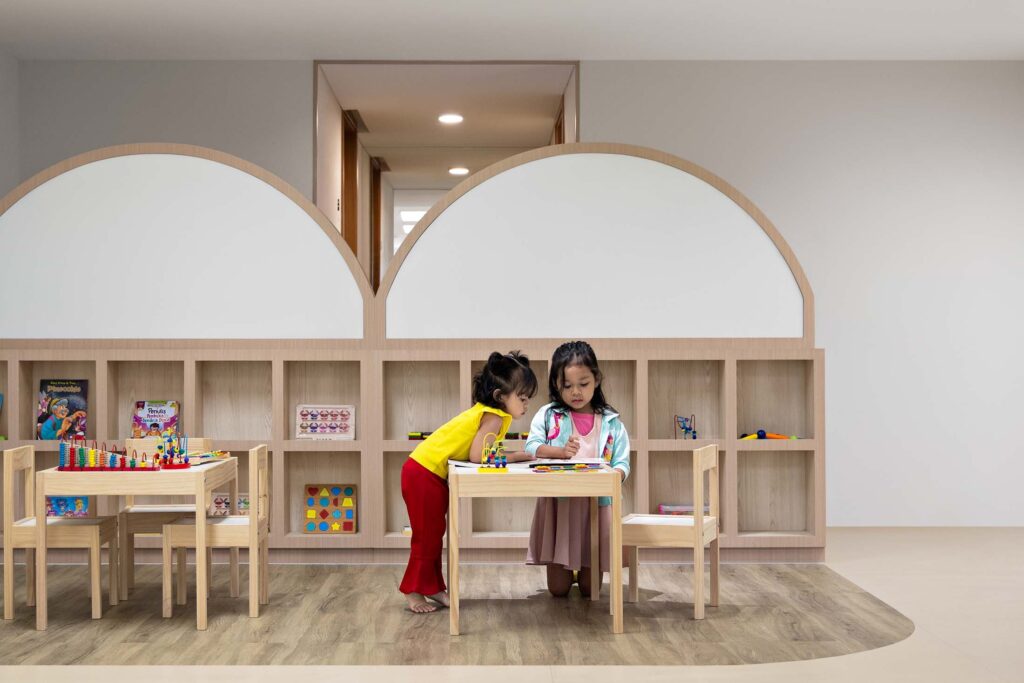
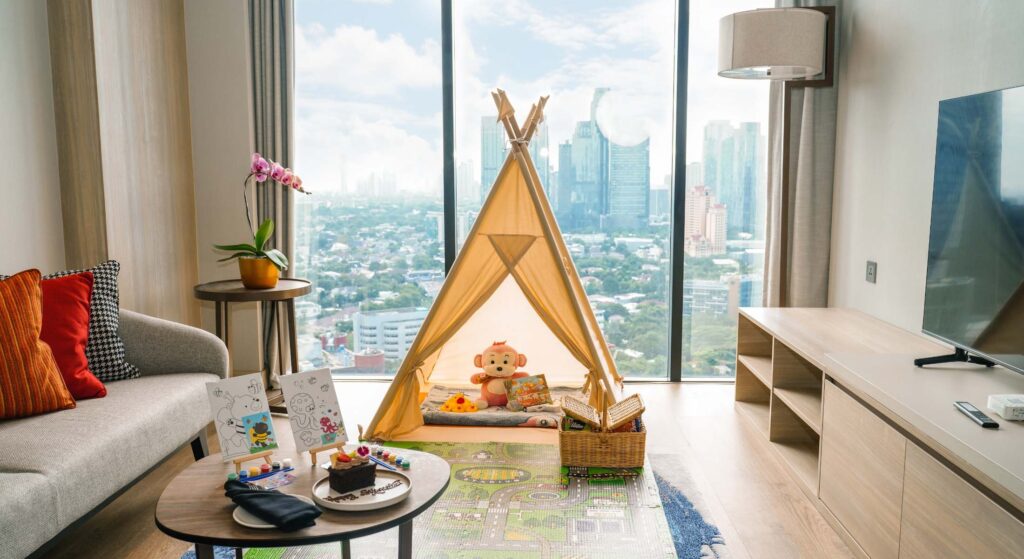
For families planning staycations or extended stays, proximity to international schools, recreational facilities, and family-friendly dining significantly impacts location decisions and acceptable rate ranges. Properties in Mega Kuningan offer convenient access to Jakarta Intercultural School, British International School, and other educational institutions that serve expatriate families.
Understanding what’s available in Jakarta helps families evaluate whether premium CBD rates deliver commensurate value through reduced transportation time, enhanced safety, and comprehensive amenity access.
Booking Timing and Seasonal Patterns
Strategic timing can significantly impact the hotel long term stay rates you secure.
Peak and Off-Peak Cycles
Jakarta experiences distinct business cycles that influence extended-stay demand:
Peak periods (January-March, September-November):
- Corporate year starts and fiscal planning periods
- Conference season in SCBD and Kuningan
- Expatriate relocations aligned with school calendars
- Tighter availability, stronger rate positioning
Moderate periods (April-May):
- Steady corporate demand
- Some conference activity
- Standard rate positioning
Lower-demand periods (June-August, December):
- Holiday season slowdowns
- Reduced corporate travel
- Potential for negotiated rate improvements
- Greater room category availability
Booking during moderate or lower-demand periods often yields better negotiating position, though corporate assignments rarely offer such timing flexibility.
Advance Booking Advantages
Extended-stay bookings benefit from advance planning:
- 90+ days advance: Maximum negotiating leverage, full inventory access, potential early-booking discounts
- 30-60 days advance: Good selection, standard negotiated rates
- Under 30 days: Limited inventory, less negotiating flexibility, potential premium pricing during peak periods
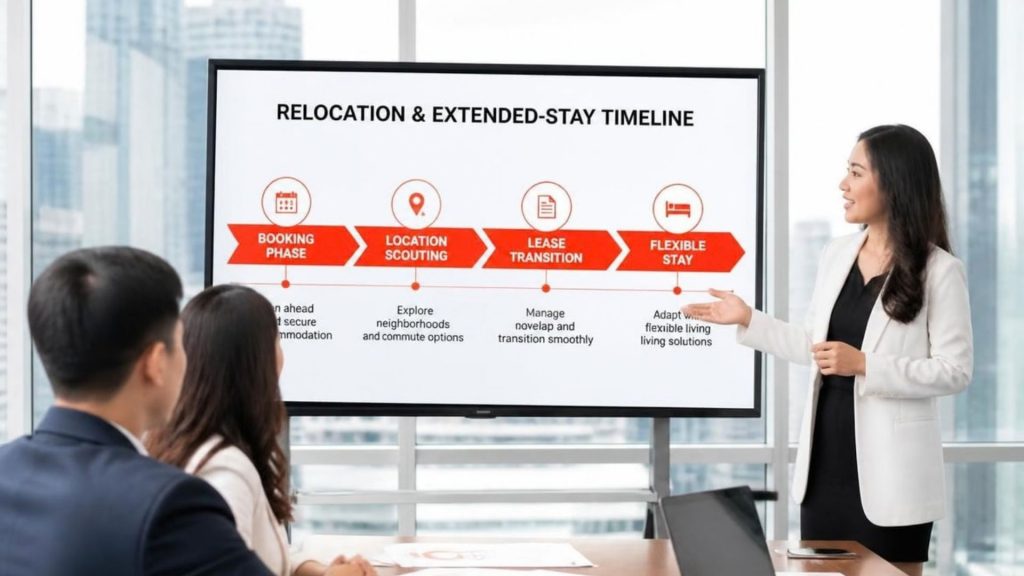
For corporate relocations to positions in Kuningan business parks or SCBD offices, early coordination with accommodation providers ensures optimal unit allocation and rate confirmation before arrival.
Payment Structures and Financial Terms
Hotel long term stay rates involve various payment arrangements that impact cash flow and total costs.
Payment Frequency Options
Properties offer multiple payment schedules:
- Monthly prepayment – Pay each month in advance, maintains flexibility
- Quarterly prepayment – Three months paid upfront, often 3-5 percent discount
- Full-stay prepayment – Entire stay paid at booking, potential 5-10 percent discount
- Corporate credit terms – Monthly invoicing post-consumption for qualified accounts
Payment method may also influence pricing. Credit card payments sometimes carry processing fees (2-3 percent), while bank transfers avoid these costs. International wire transfers may incur banking charges that effectively increase total accommodation expense.
Security Deposits and Guarantees
Most extended-stay properties require security deposits:
- Refundable deposit: Equivalent to one month’s rate, returned upon satisfactory checkout
- Credit card hold: Authorization rather than charge, released post-departure
- Corporate guarantee: Company letter of guarantee substitutes for individual deposit
These deposits protect properties against damage and unpaid charges while providing guests accountability assurance. Understanding deposit requirements and return procedures prevents surprise cash flow impacts.
Technology and Rate Transparency
Modern booking platforms and property websites have increased hotel long term stay rates transparency while introducing new complexity.
Direct Versus Third-Party Booking
Rate parity regulations notwithstanding, direct property bookings often deliver advantages:
Direct booking benefits:
- Access to unpublished long-stay rates not available on OTAs
- Ability to negotiate customized terms
- Direct communication for special requests
- Loyalty program participation and benefits
- No intermediary commission markup
Third-party platform benefits:
- Broad comparison across multiple properties
- Consolidated review access
- Single interface for multiple bookings
- Potential bundled discounts (flight + accommodation)
For extended stays exceeding 30 days, direct engagement with properties like Swissôtel Living Jakarta Mega Kuningan typically yields superior outcomes through customized arrangements that standard booking platforms cannot accommodate.
Dynamic Pricing Considerations
Many properties employ revenue management systems that adjust hotel long term stay rates based on:
- Current and forecasted occupancy levels
- Booking pace versus historical patterns
- Competitive rate positioning
- Seasonal demand patterns
- Special events or disruptions
This dynamic approach means rates may vary day-to-day. Monitoring rates over several days before committing to a long-term booking can reveal pricing patterns and optimal booking windows, though excessive delay risks losing preferred inventory during high-demand periods.
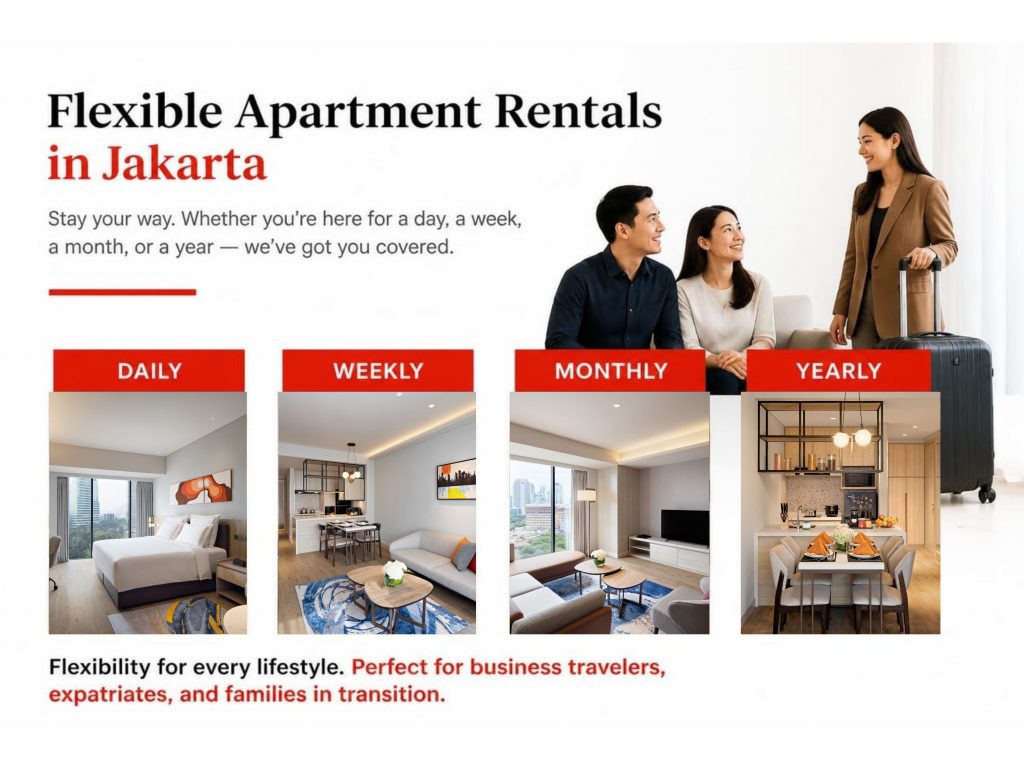
Hotel long term stay rates in 2026 reflect a sophisticated balance between property economics, market positioning, and guest value delivery, with significant savings available for those who understand rate structures and negotiate strategically. Whether you’re planning a business assignment in Jakarta’s central business district, an expatriate relocation, or extended family accommodation, Swissôtel Living Jakarta Mega Kuningan offers flexible daily, weekly, monthly, and yearly rates across 240 fully furnished residences designed specifically for extended stays in Mega Kuningan. Contact the reservations team directly to discuss customized rate arrangements that match your specific stay duration and accommodation requirements.