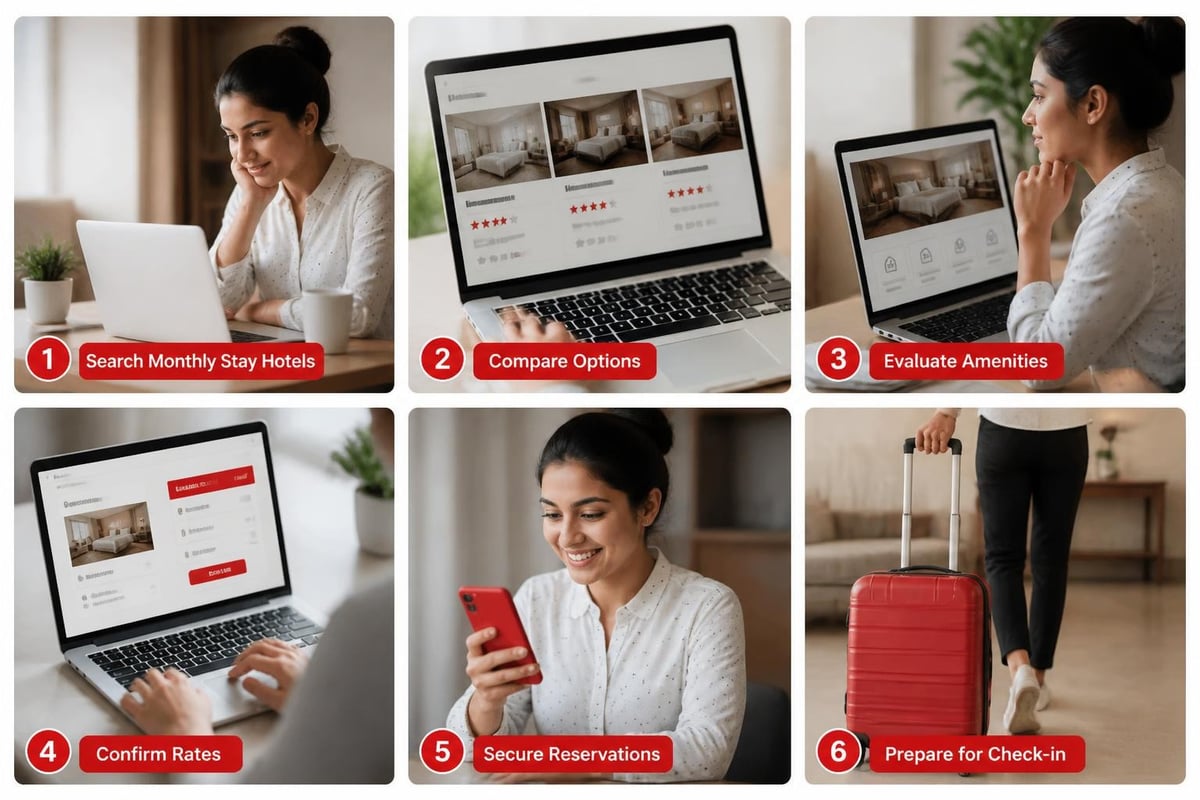

Extended Hotel Stay: Guide to Long-Term Accommodation
The traditional hotel experience has evolved significantly to meet the needs of modern travelers who require accommodations beyond a few nights. An extended hotel stay represents a distinct category of lodging that bridges the gap between temporary hotel rooms and permanent residential leases. This accommodation model has gained substantial traction among business professionals, expatriates, relocating families, and anyone seeking the comfort of home combined with the convenience of hotel services for periods ranging from one week to several years.
Understanding Extended Hotel Stay Accommodations
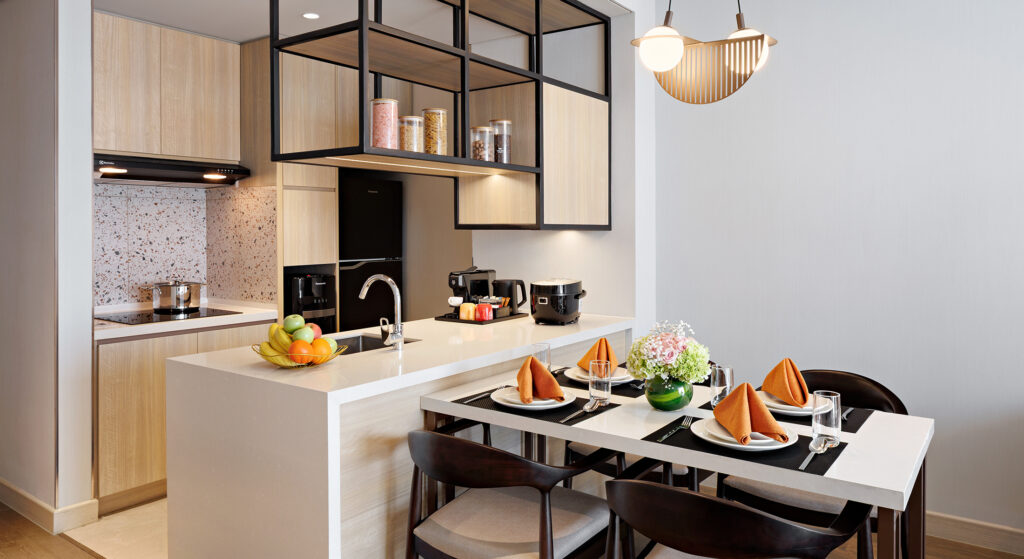
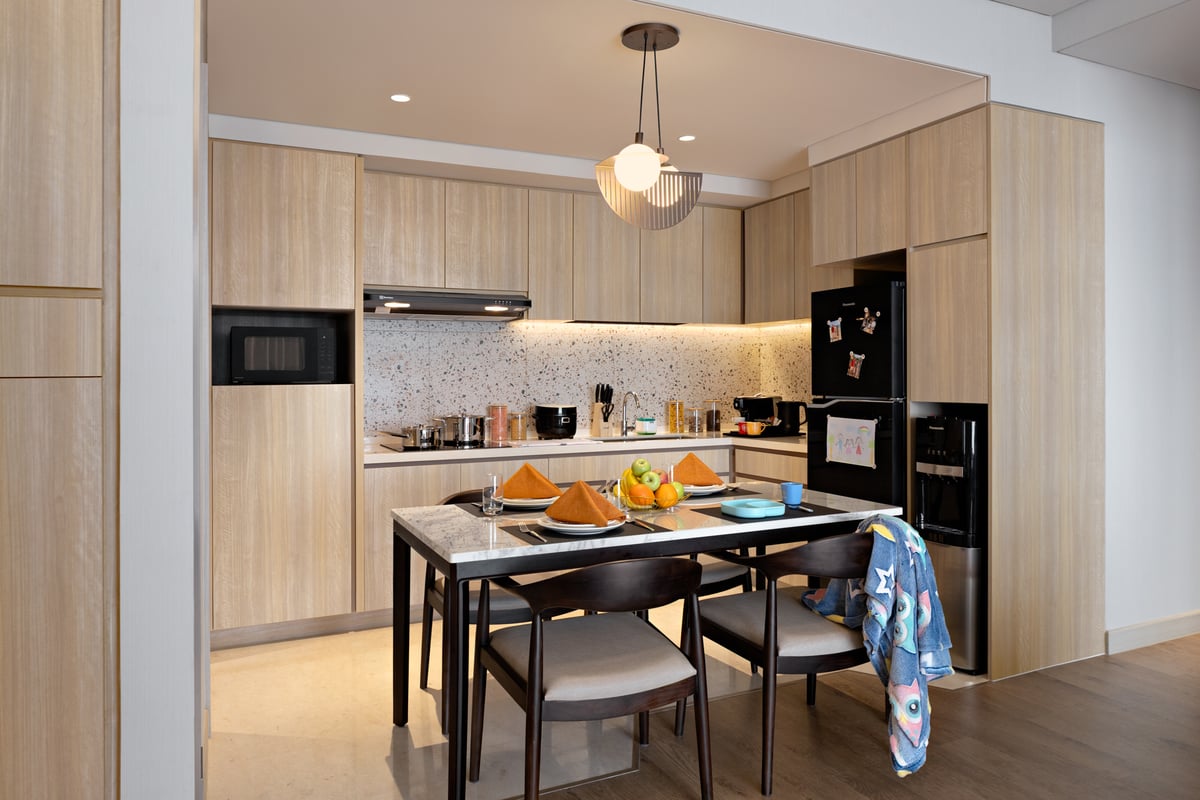
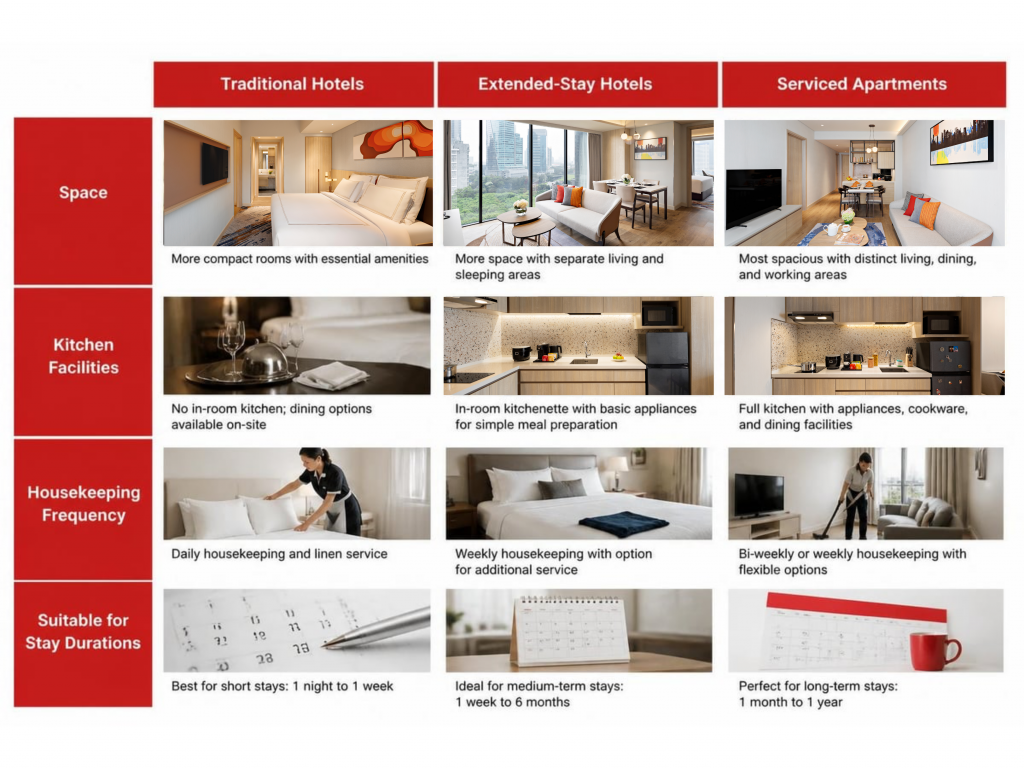
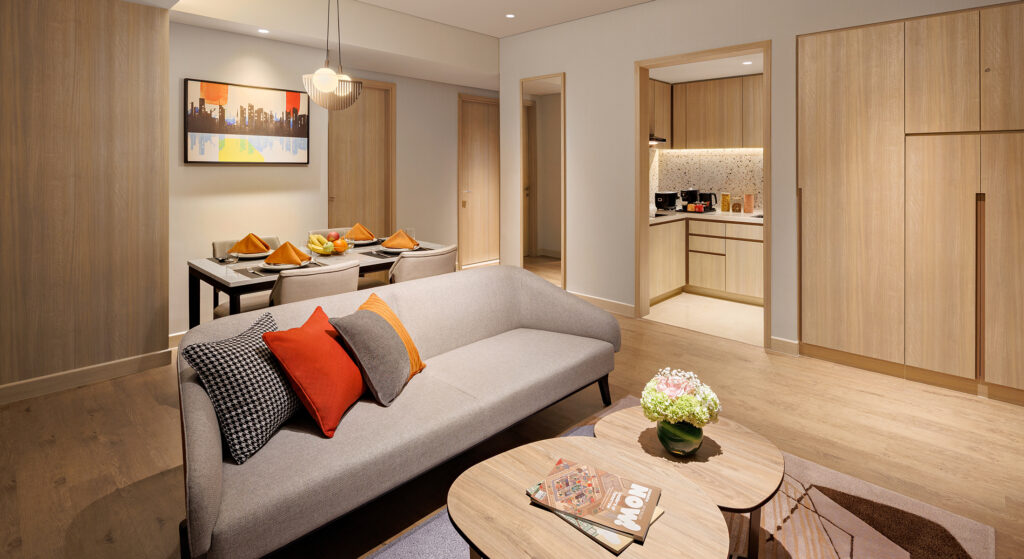
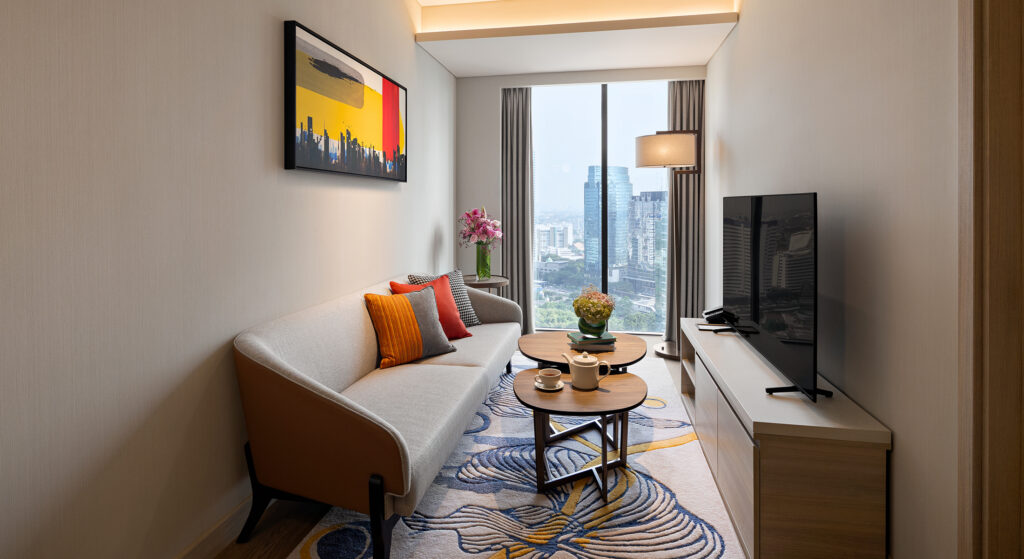
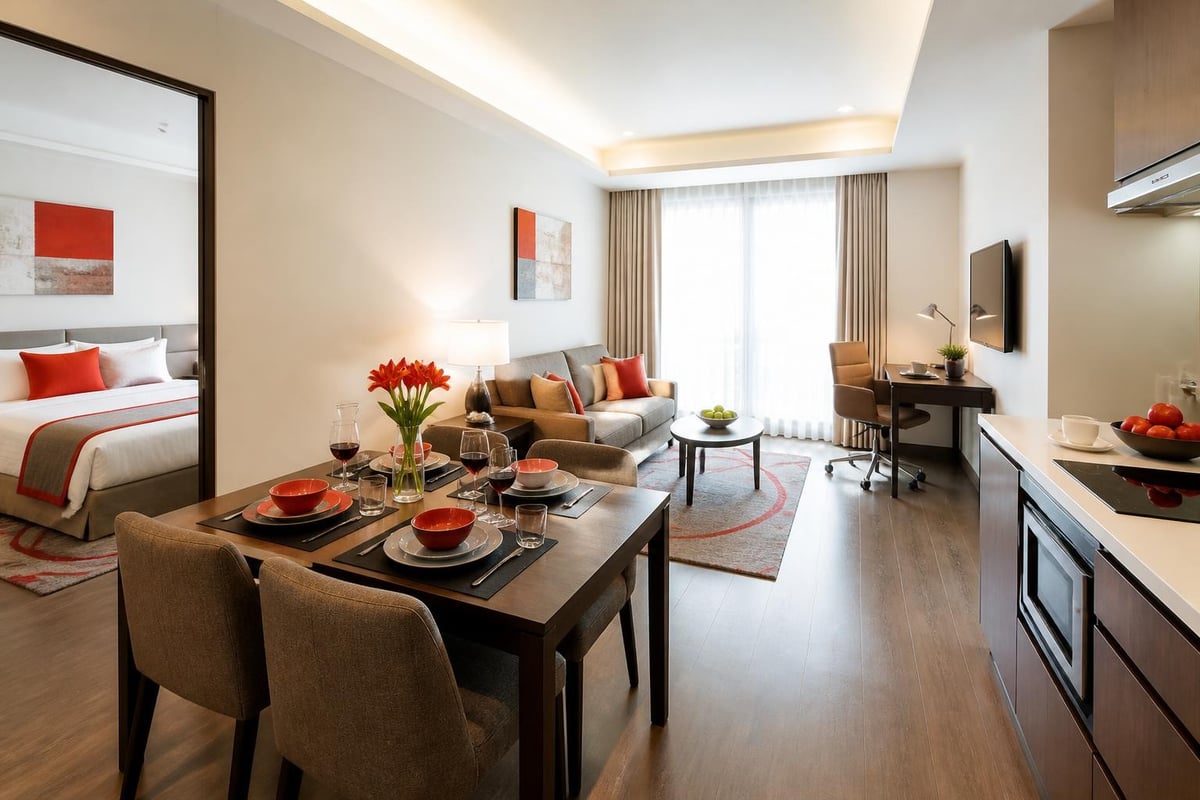
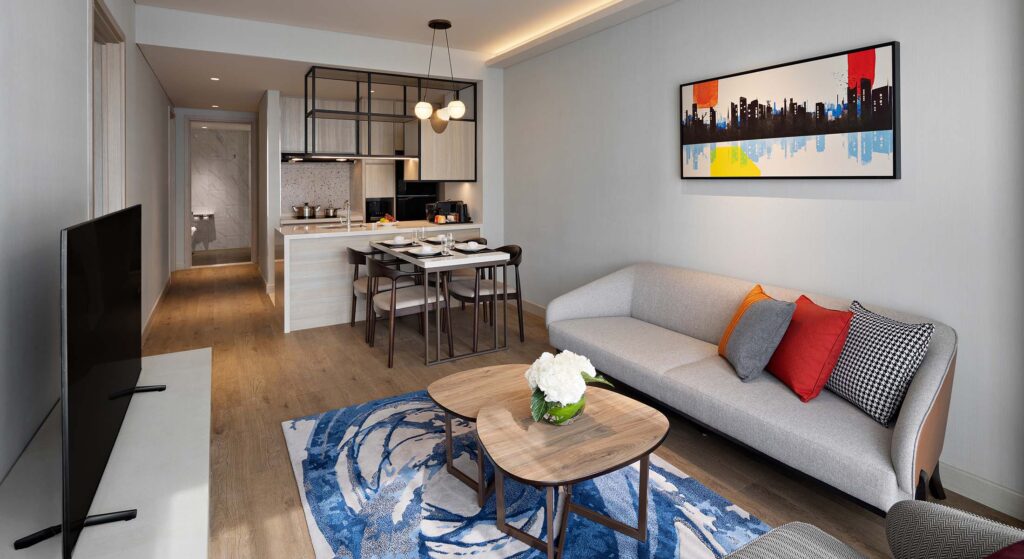
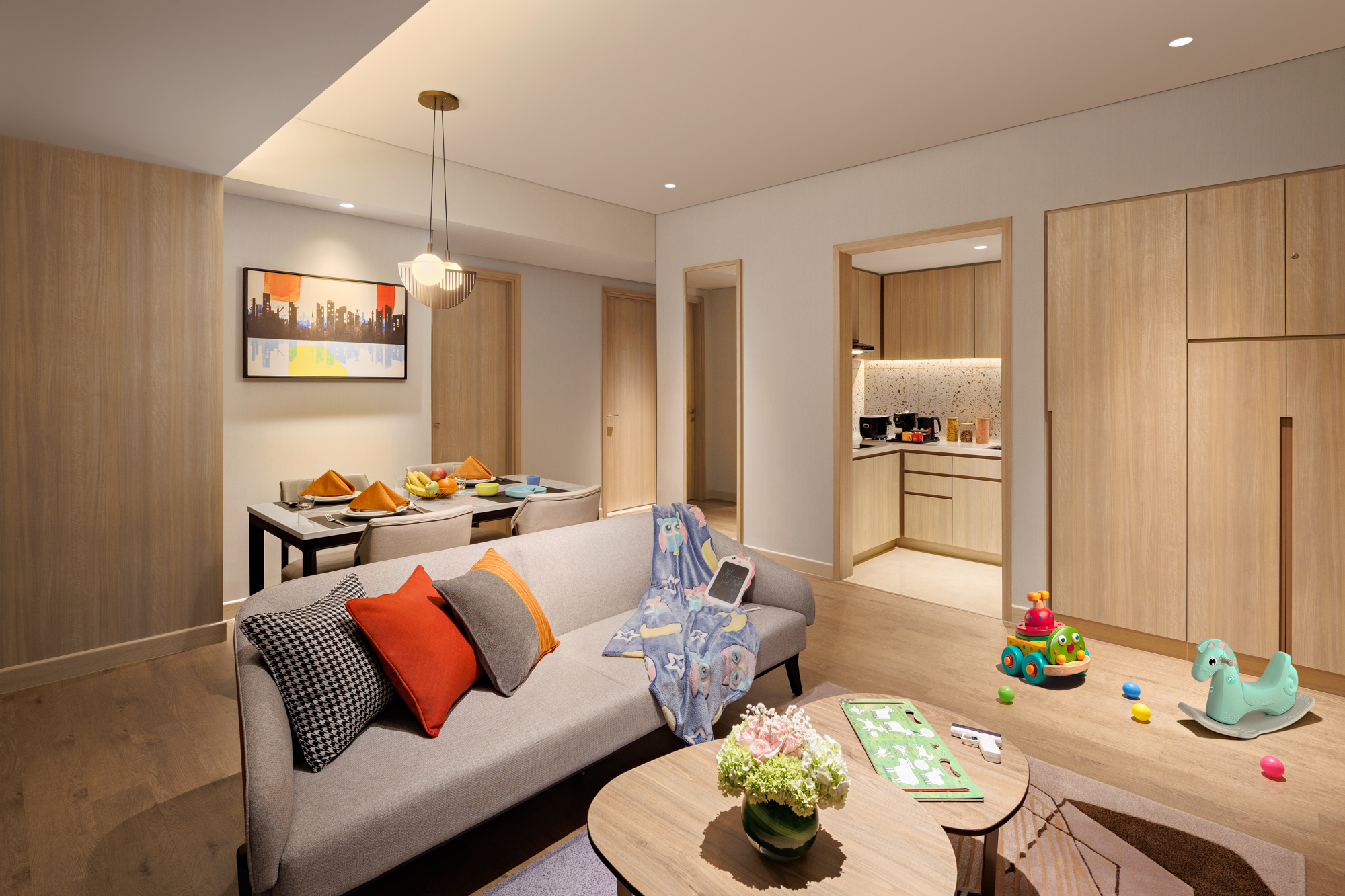
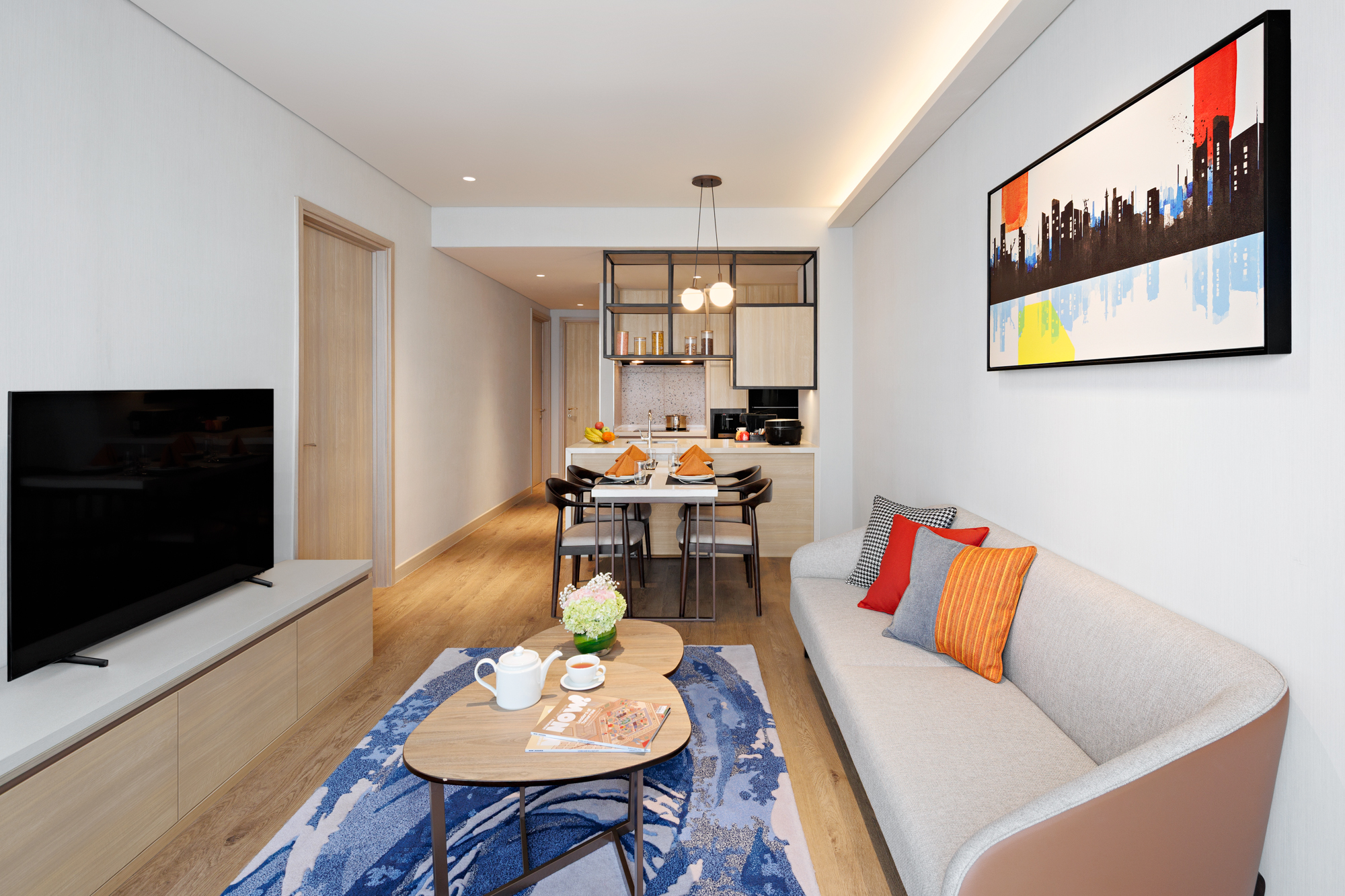
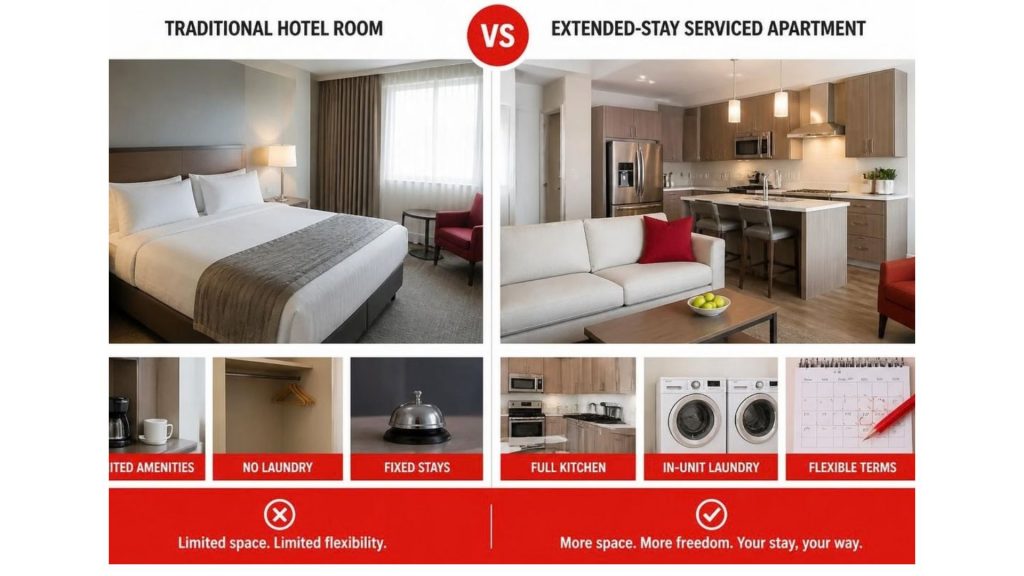
An extended hotel stay typically refers to any lodging arrangement lasting more than seven consecutive nights, though many properties and industry analysts define it as stays exceeding 30 days. Unlike traditional hotels designed for overnight or weekend guests, extended-stay properties offer residential-style accommodations with full kitchens, separate living areas, and enhanced storage space. These facilities recognize that guests require different amenities and services when staying for weeks or months rather than days.
The extended-stay hotel sector continues to show strong performance, with industry research indicating sustained demand driven by corporate relocations, project-based assignments, and lifestyle preferences. This growth reflects fundamental shifts in how people work, travel, and define temporary housing.
Key Characteristics of Extended-Stay Properties
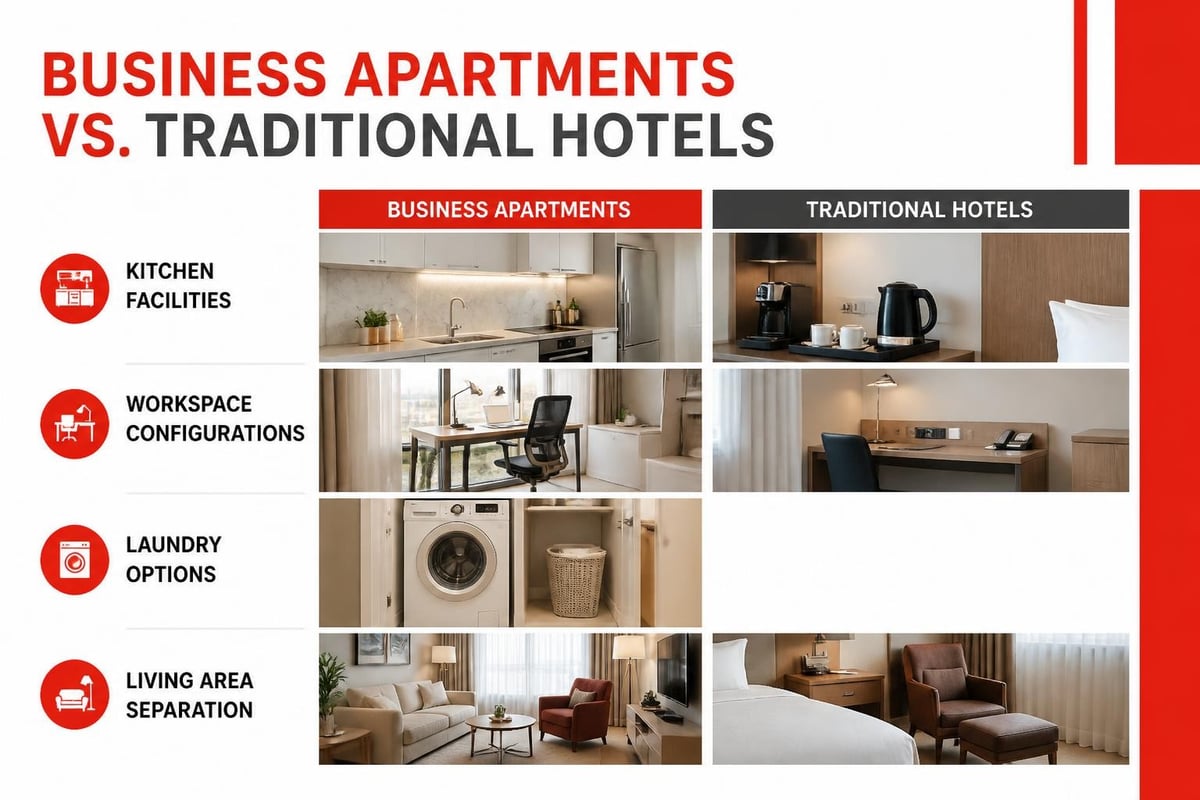
Extended-stay accommodations distinguish themselves through specific features that traditional hotels typically lack:
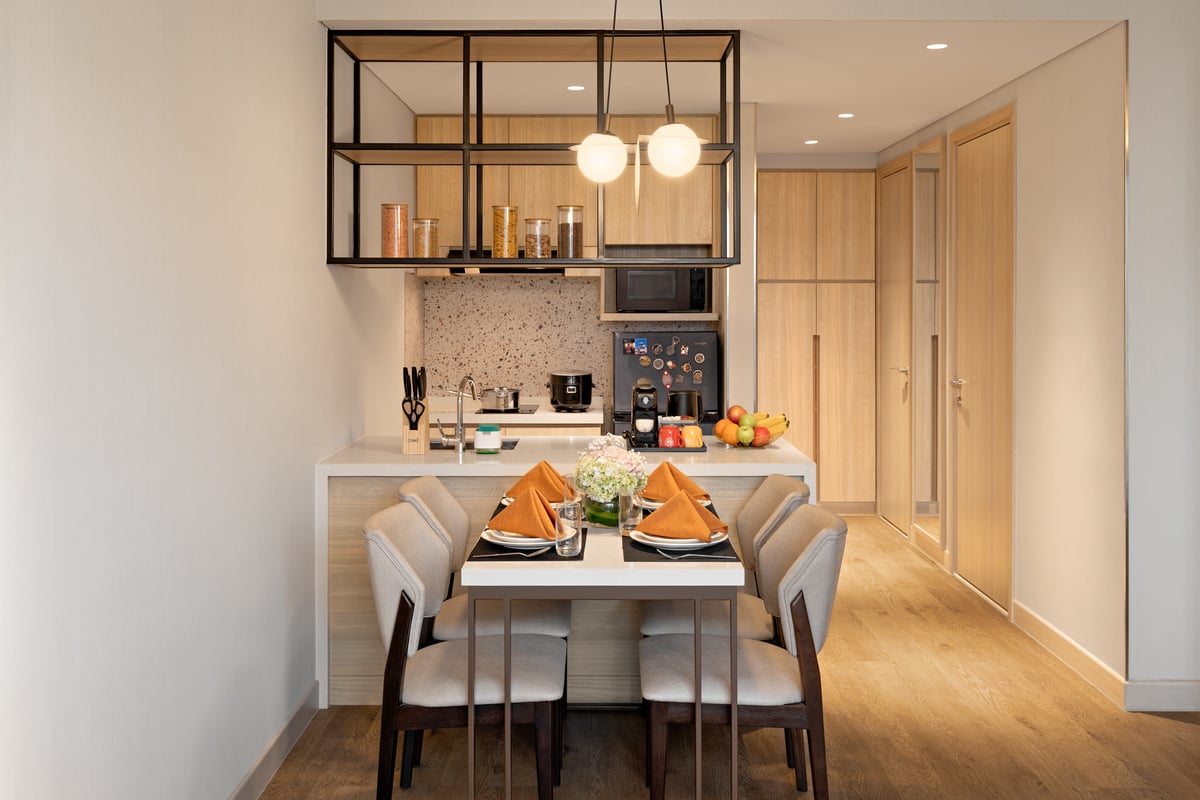
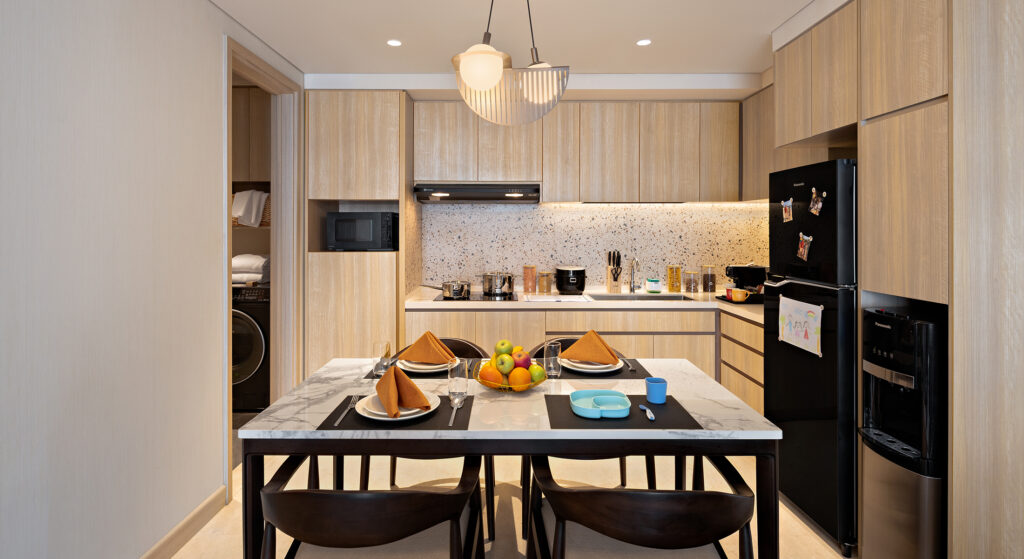
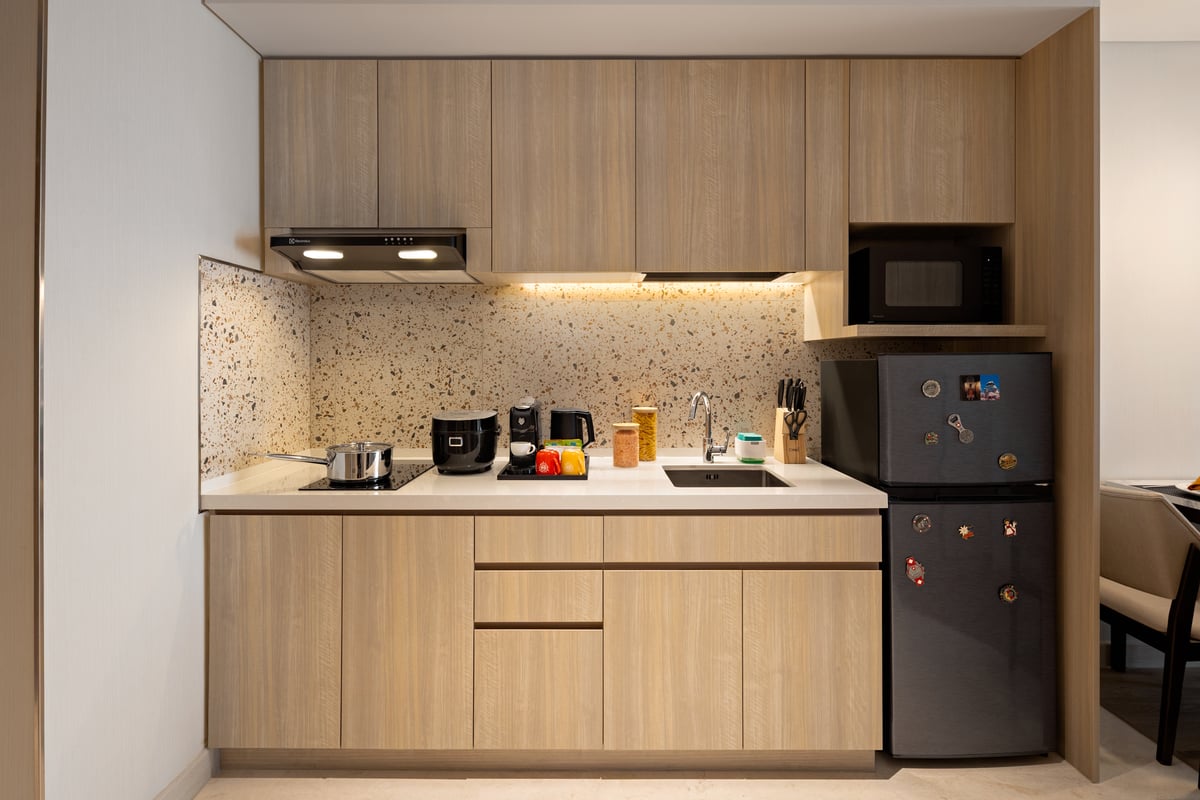
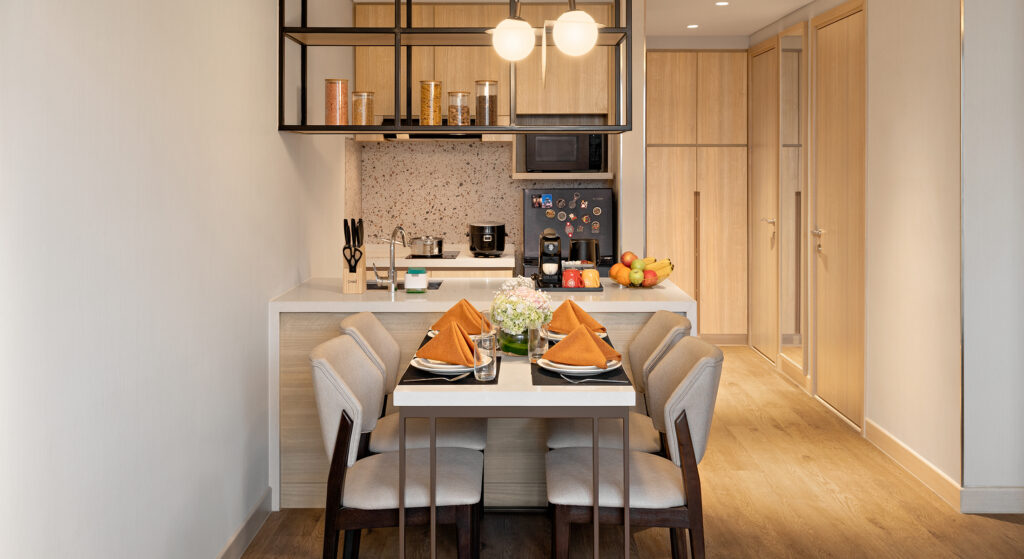
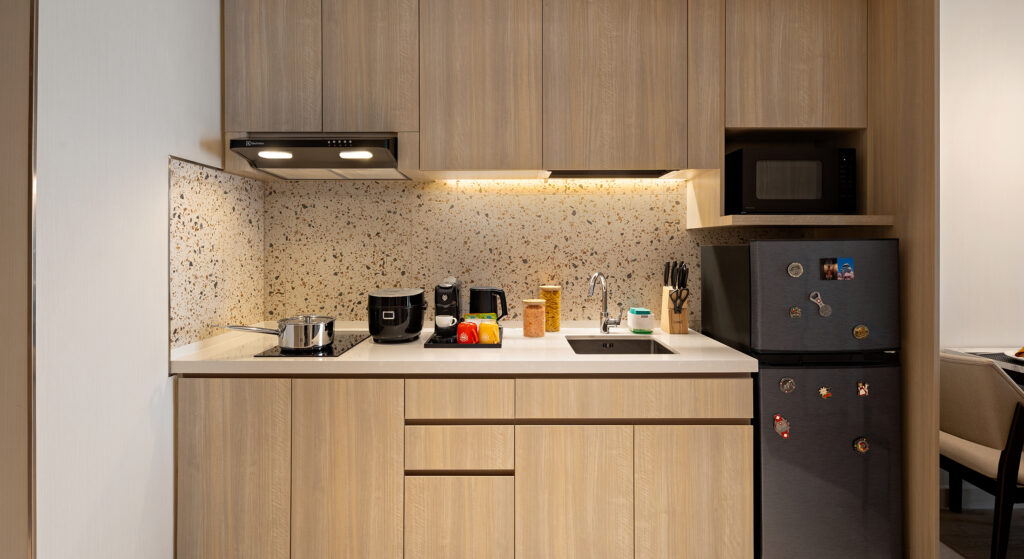
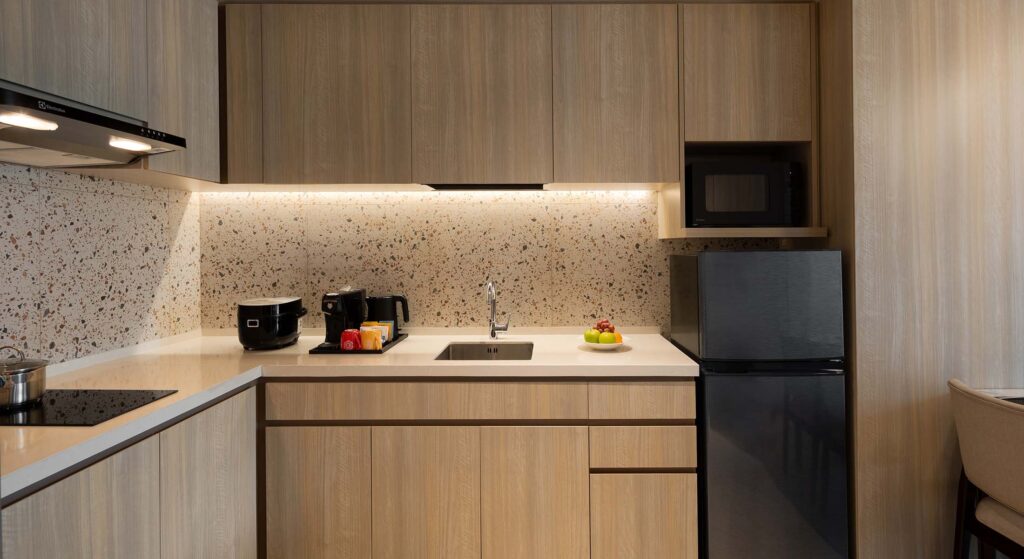
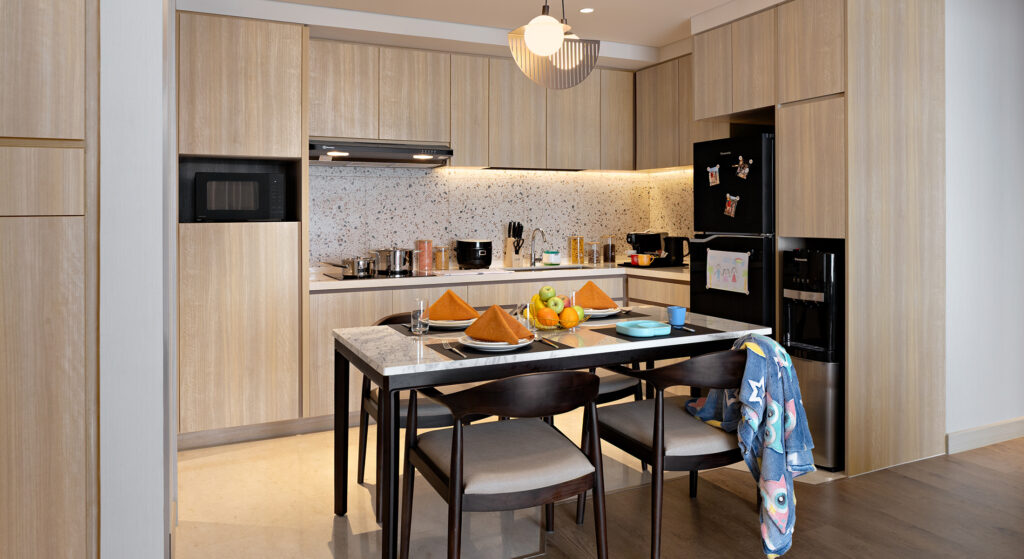
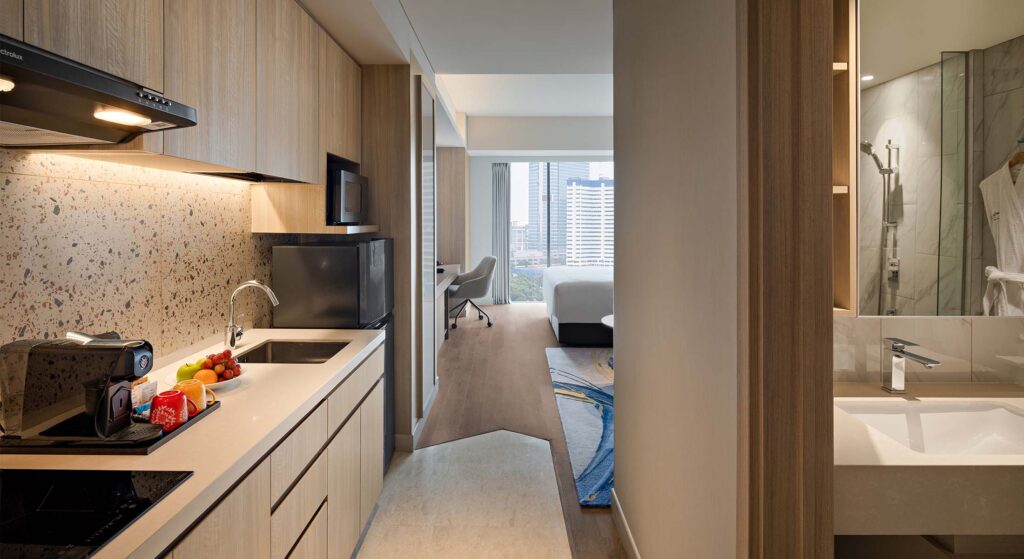
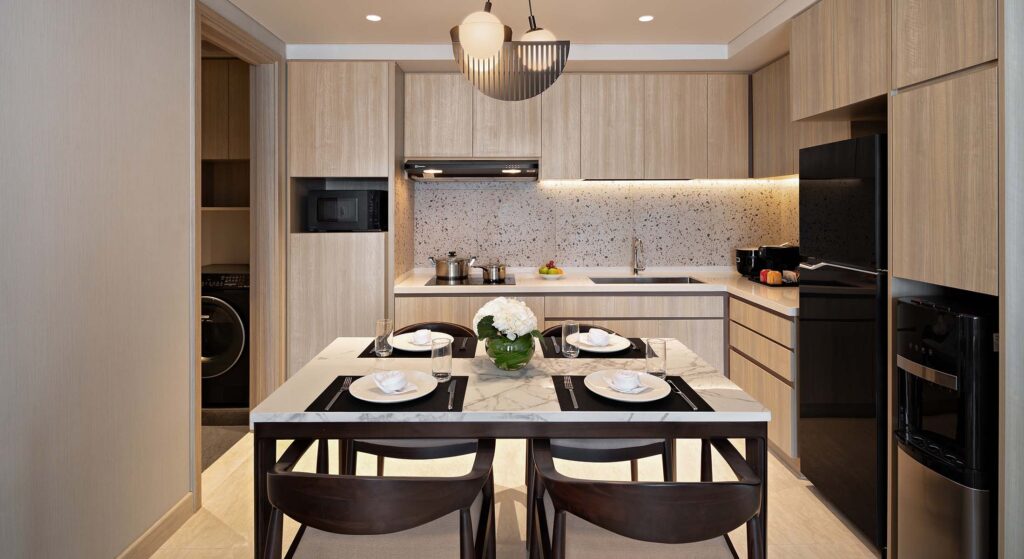
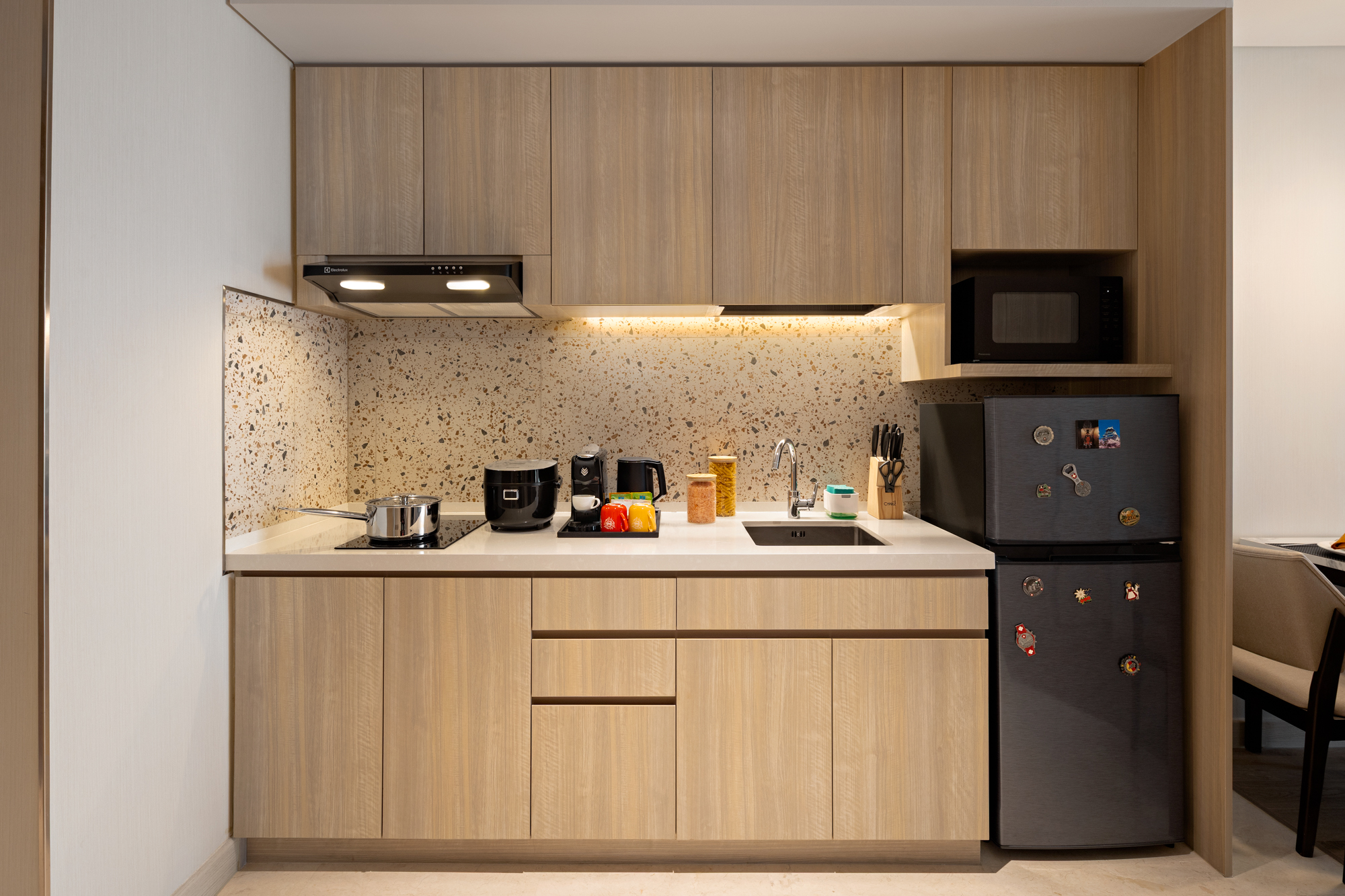
- Full kitchen facilities including refrigerators, stovetops, microwaves, and cookware
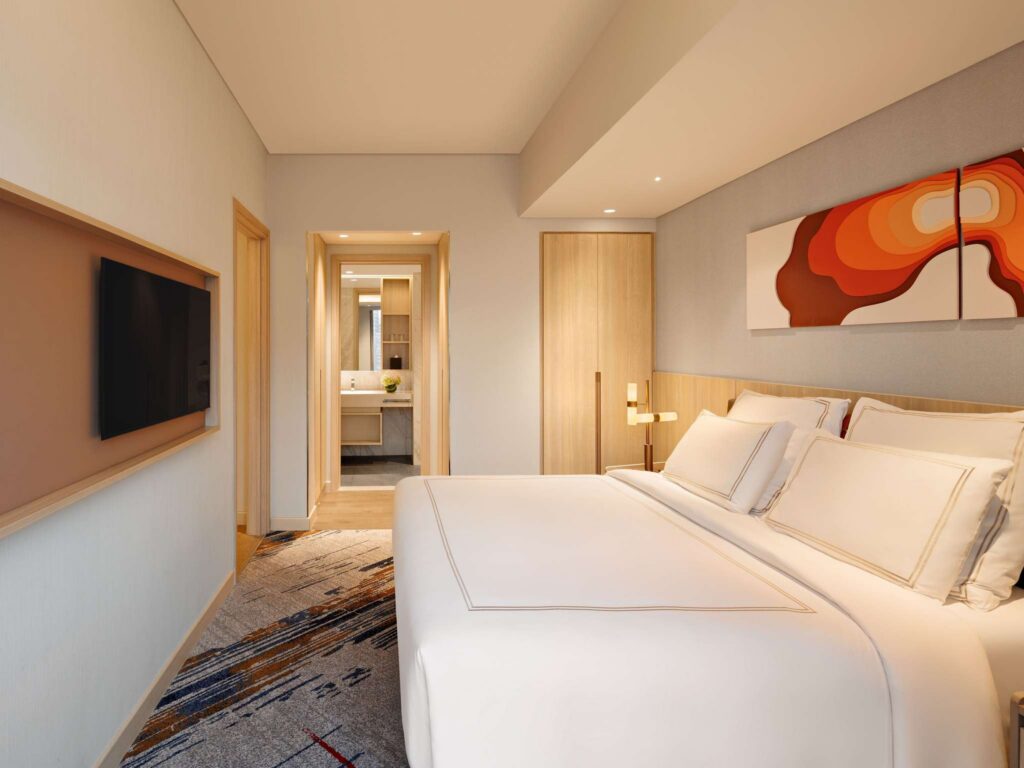
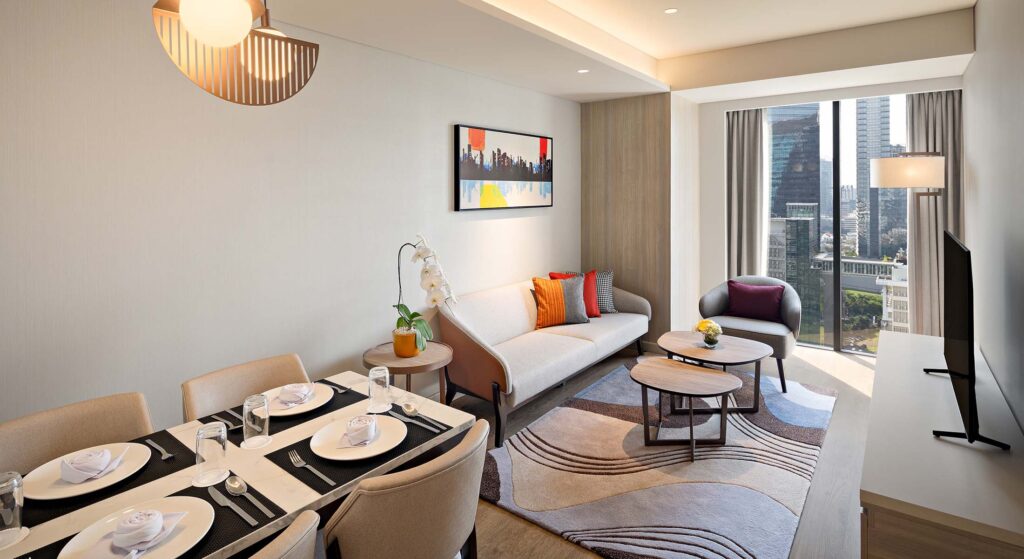
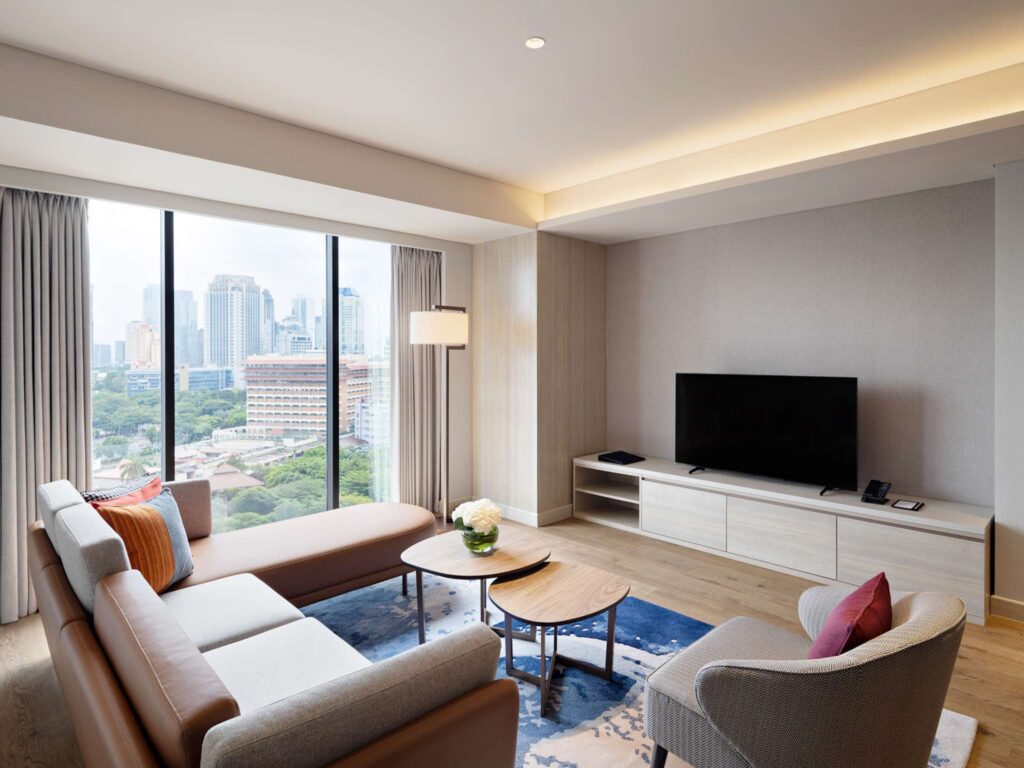
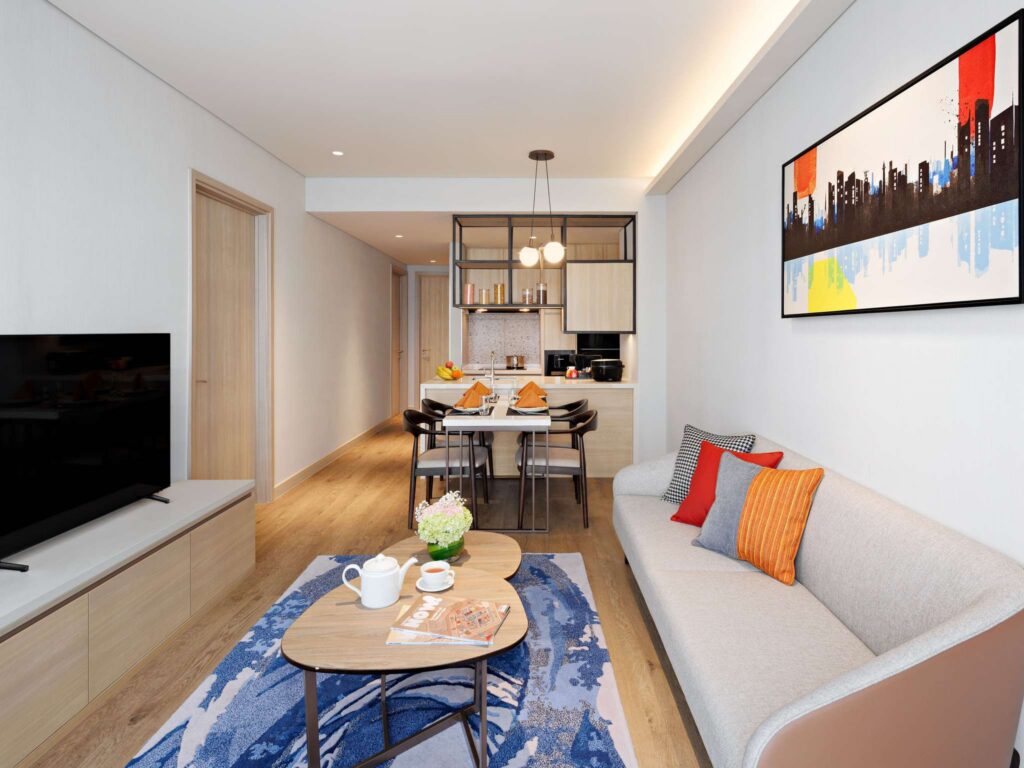
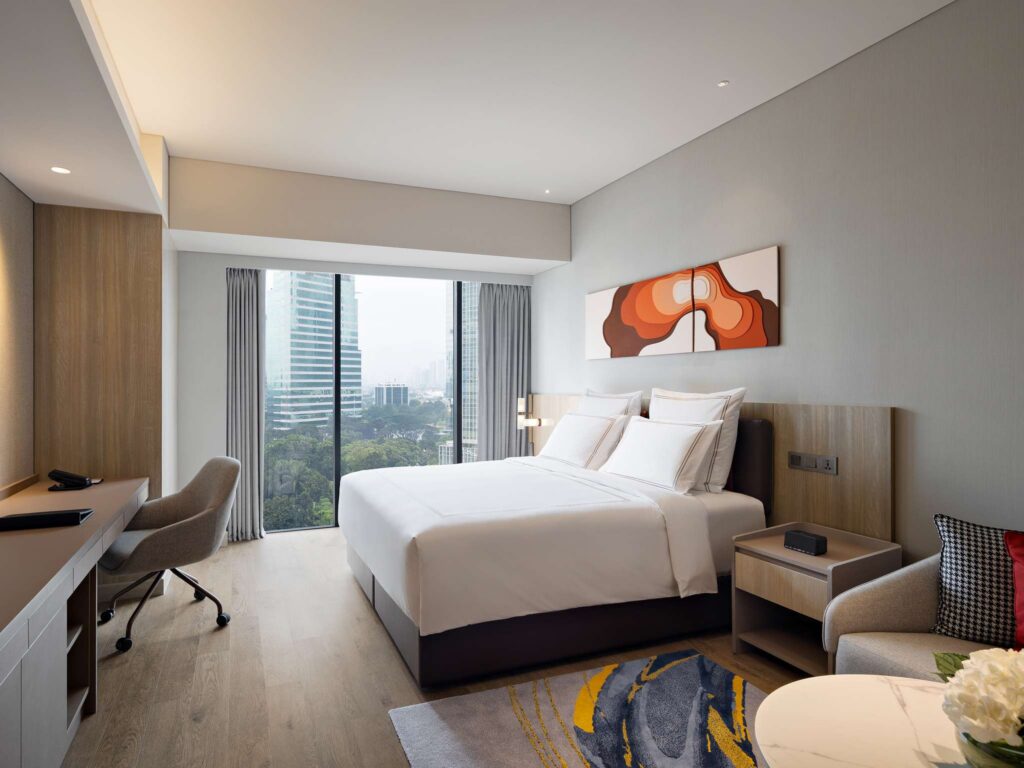
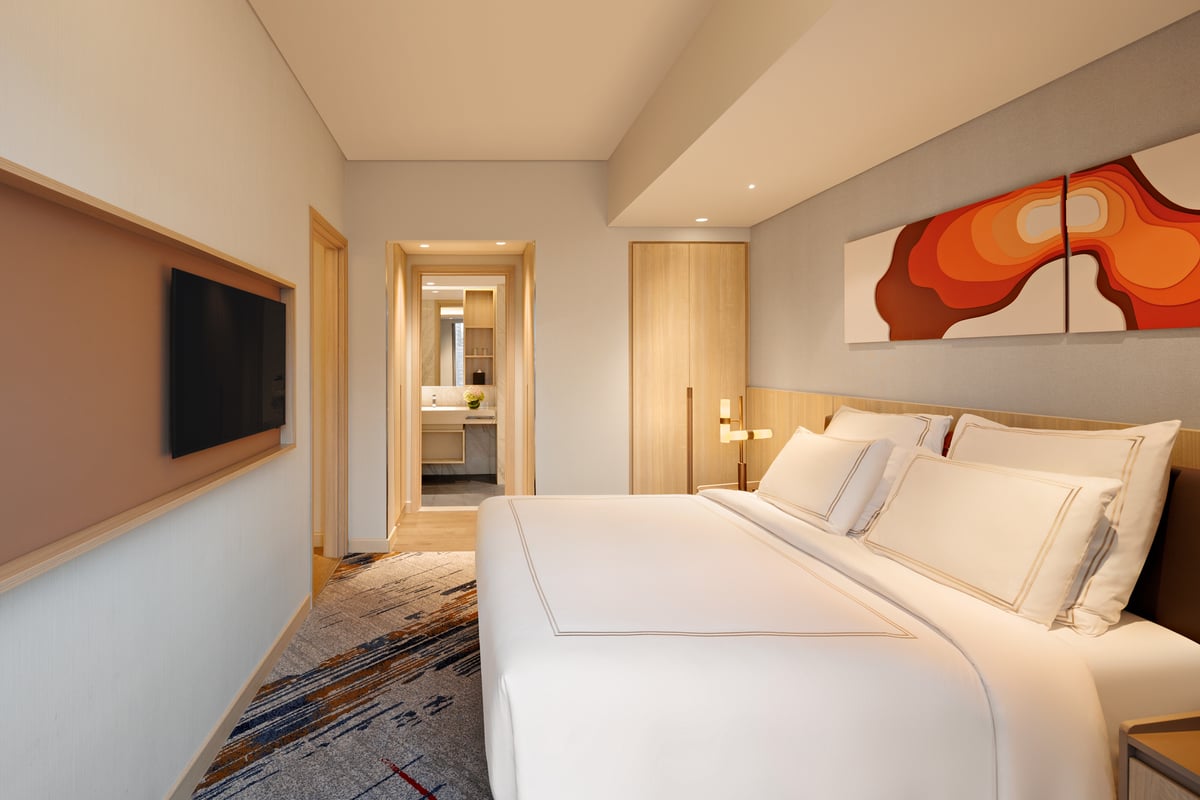
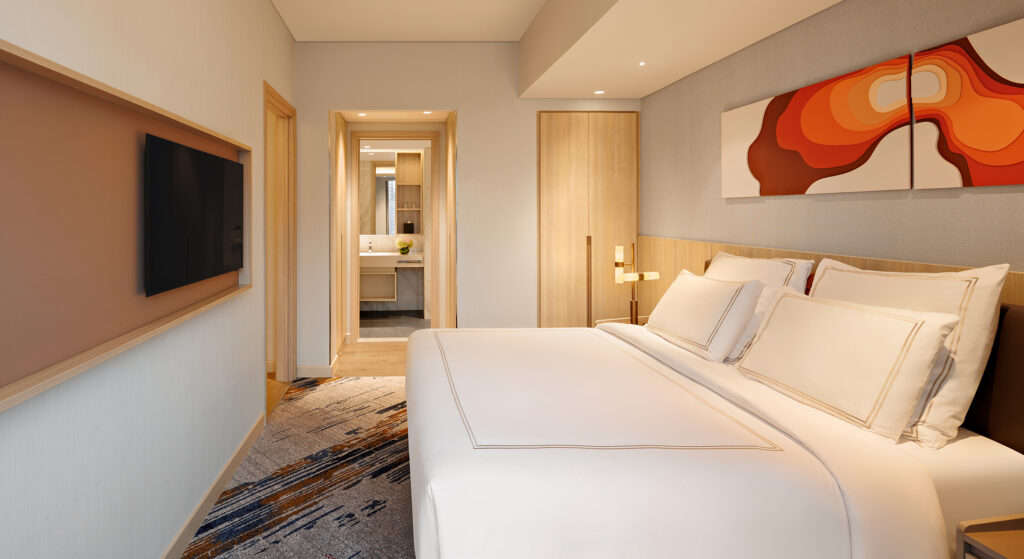
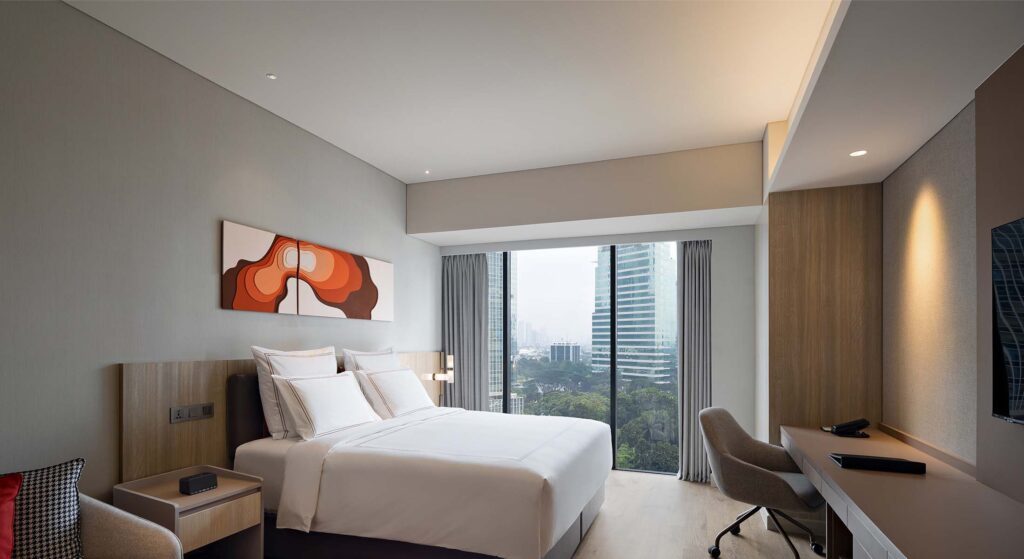
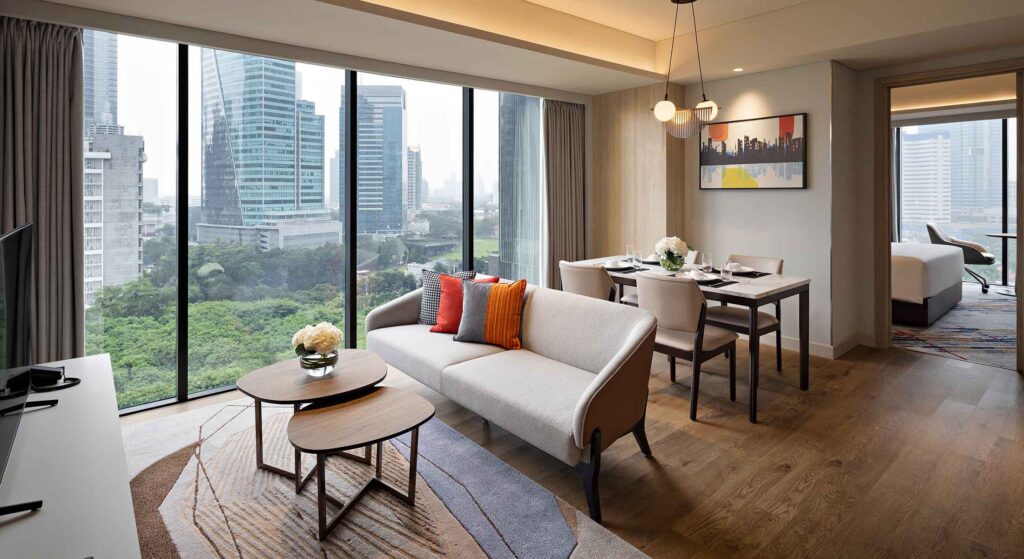
- Separate living and sleeping areas providing distinct spaces for work and rest
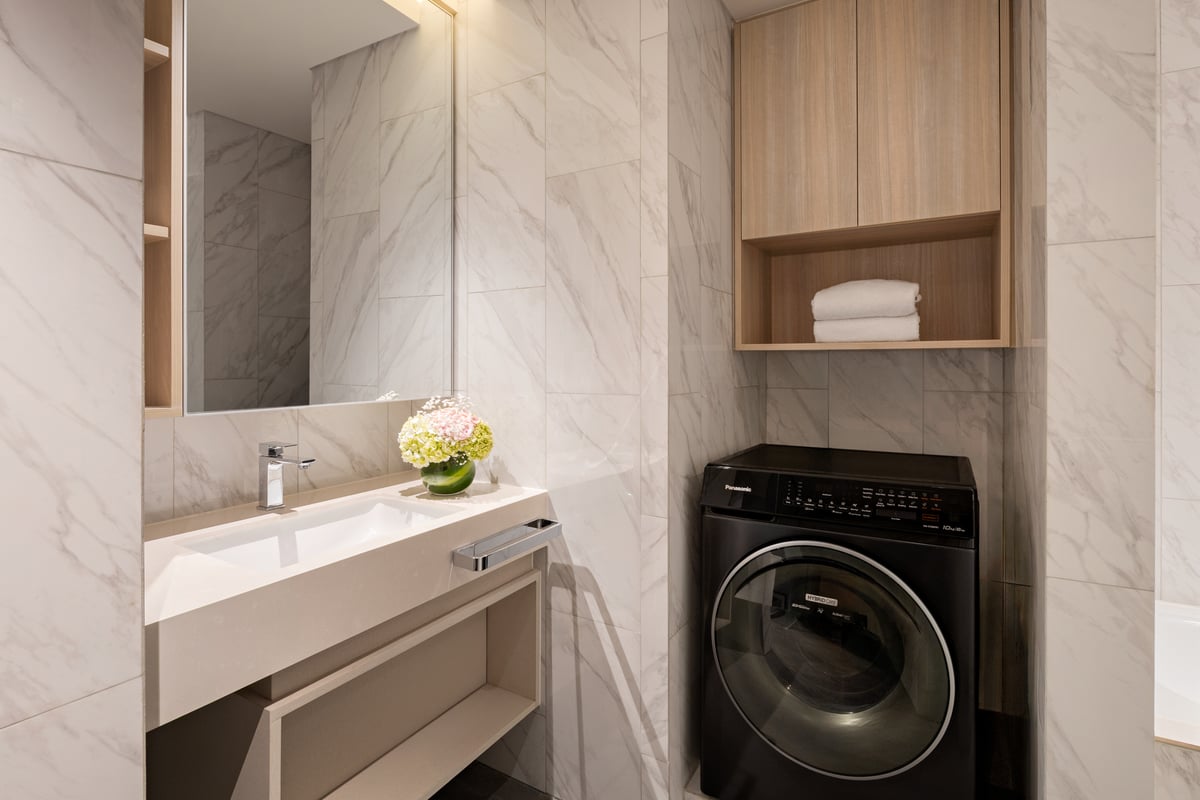
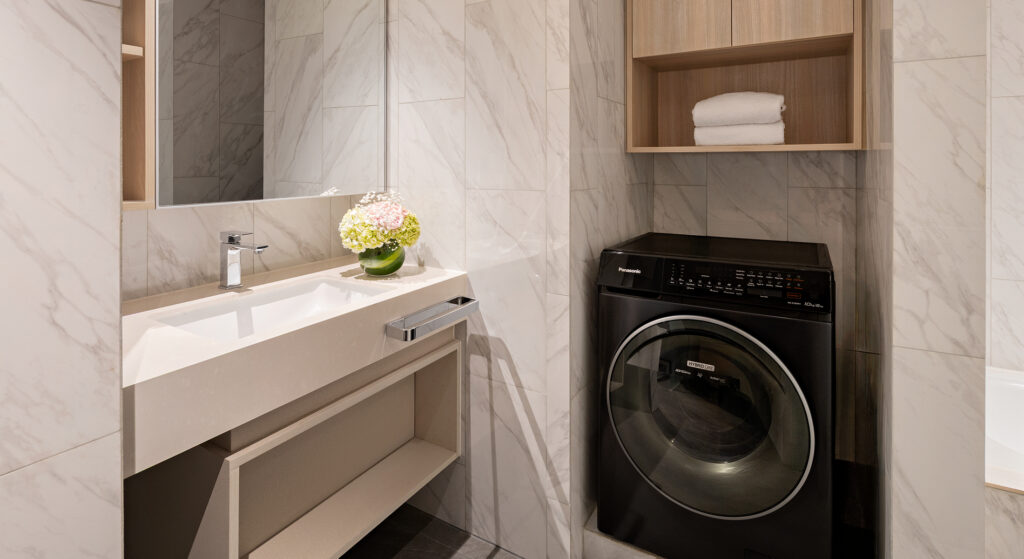
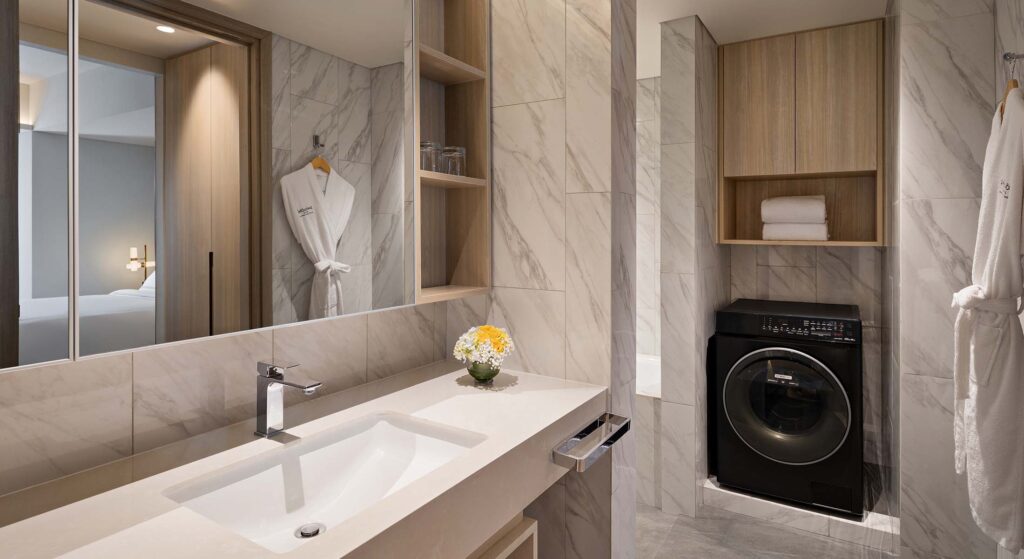
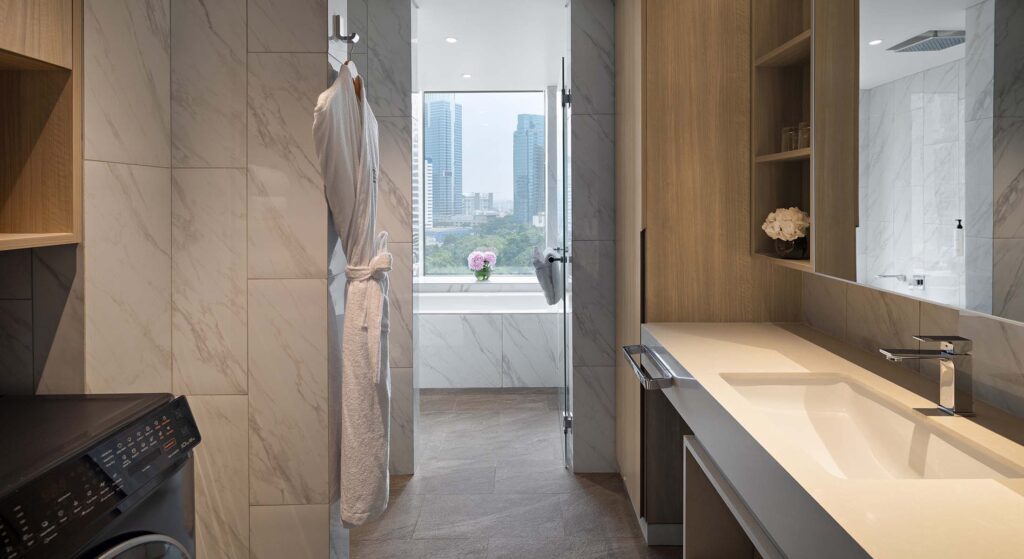
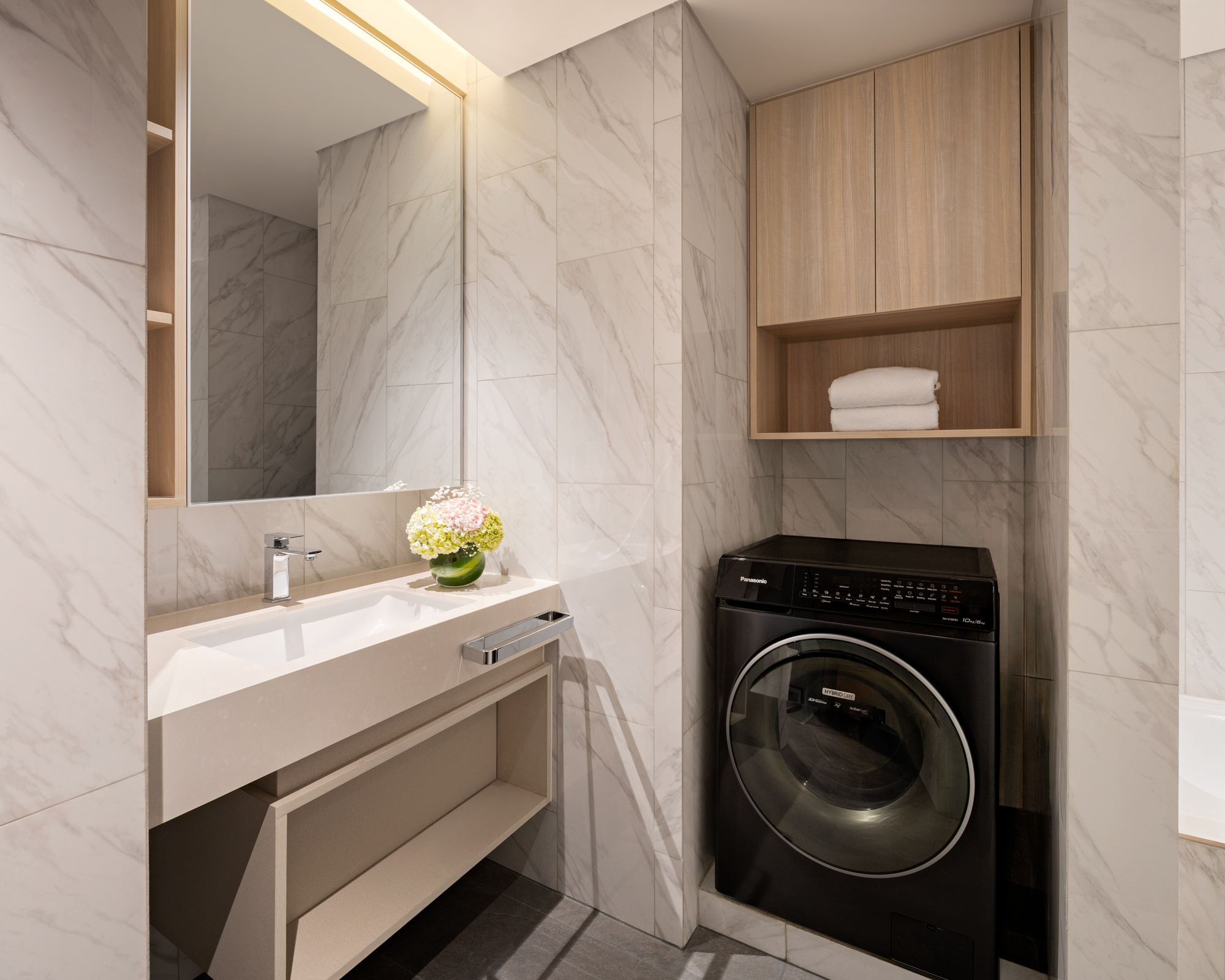
- In-unit laundry facilities or convenient on-site laundry services
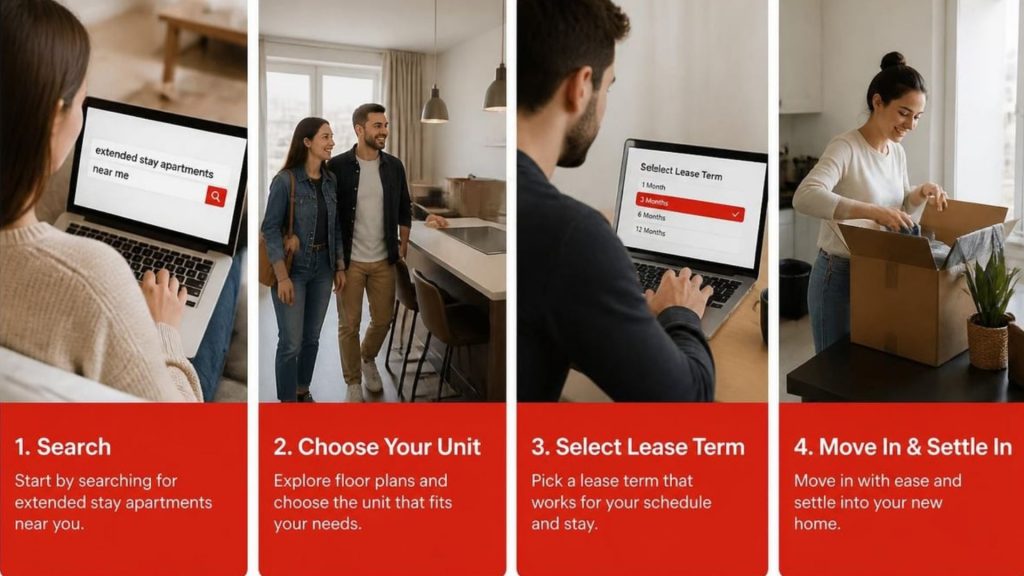
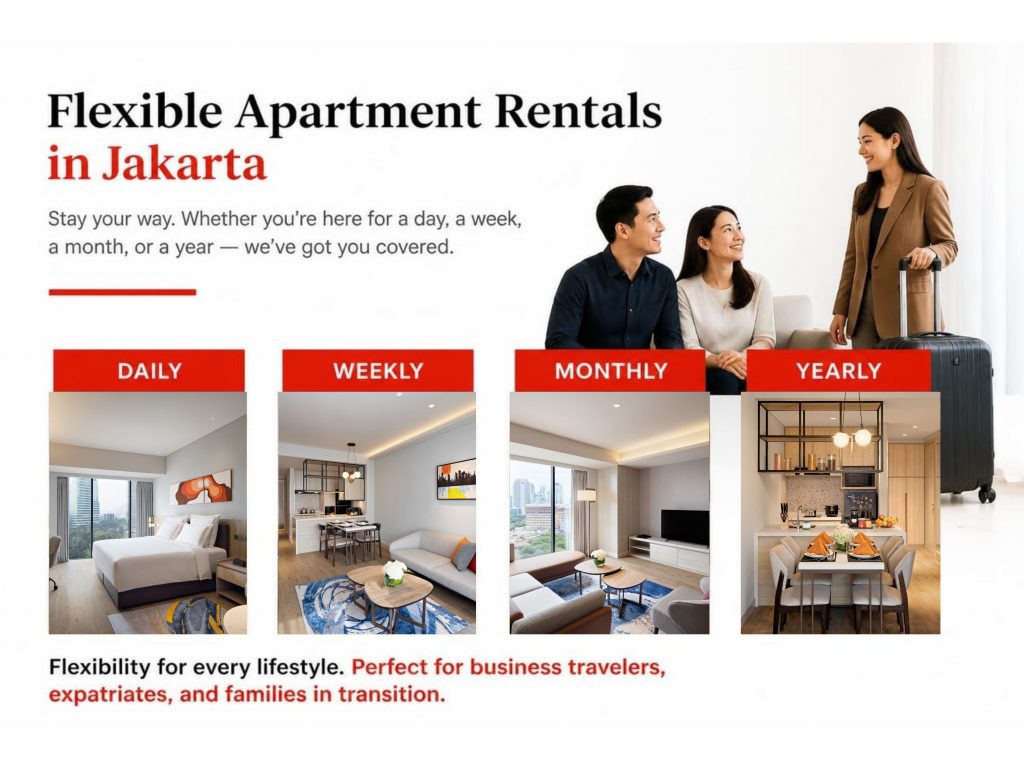
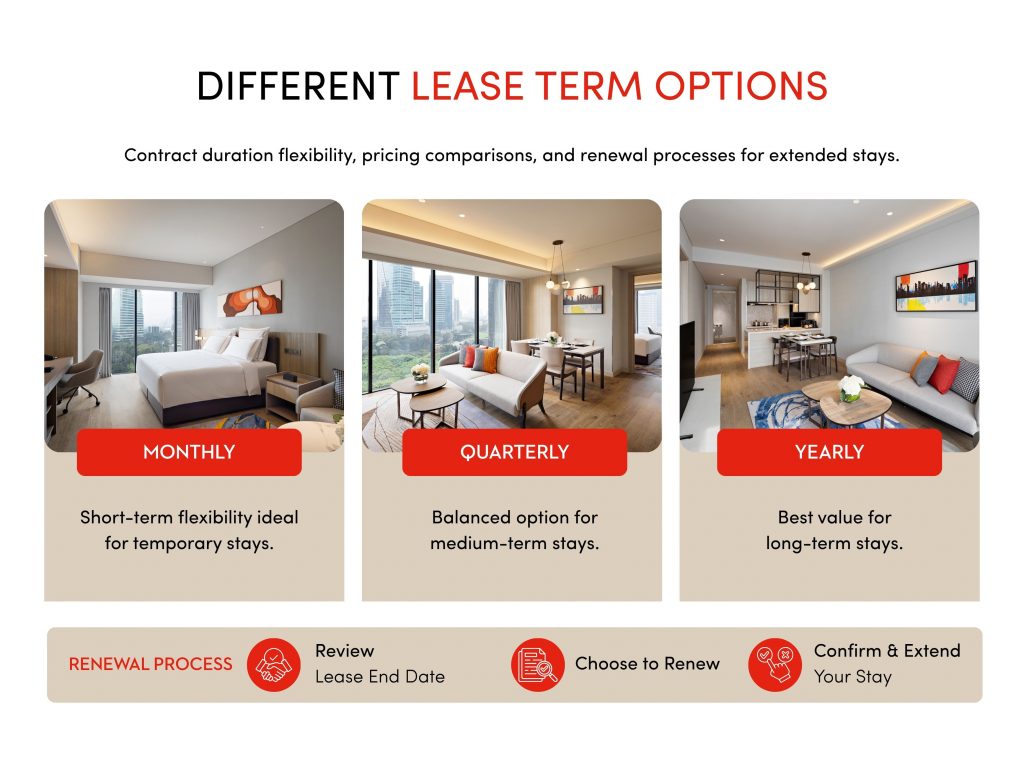
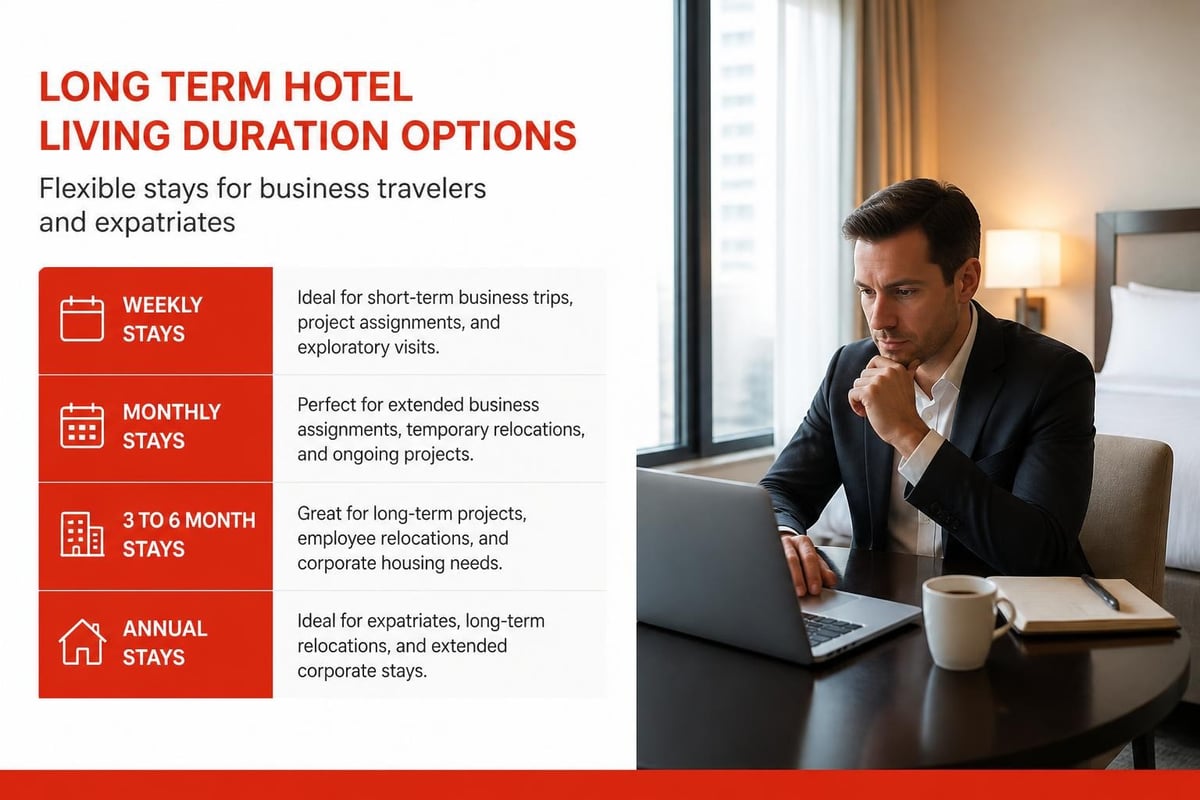
- Flexible lease terms accommodating daily, weekly, monthly, or yearly arrangements
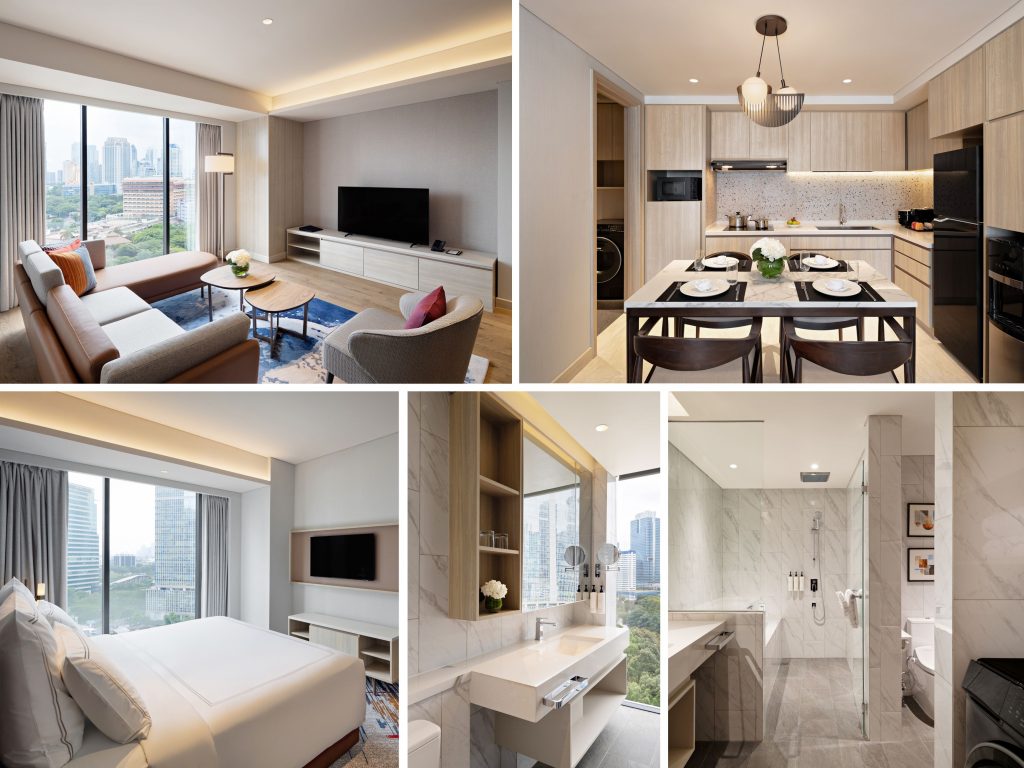
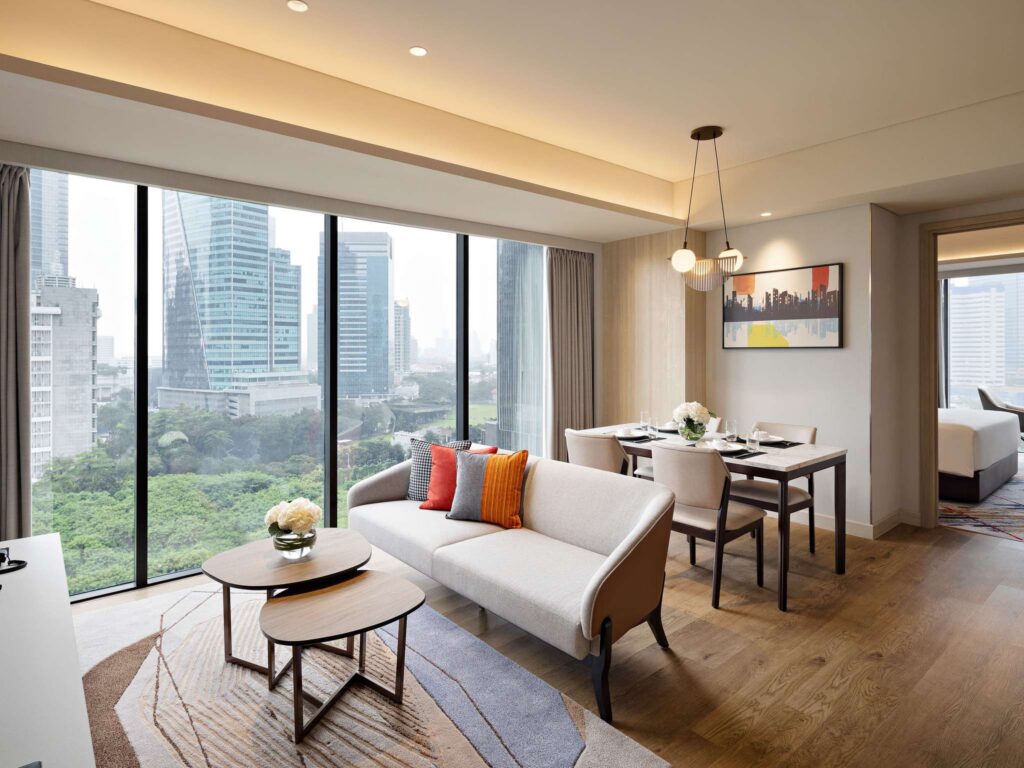
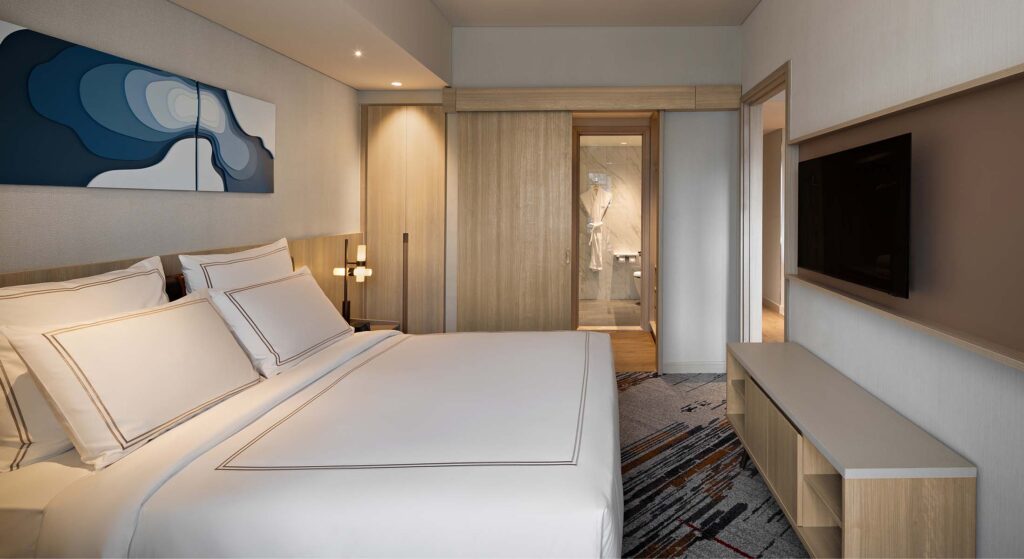
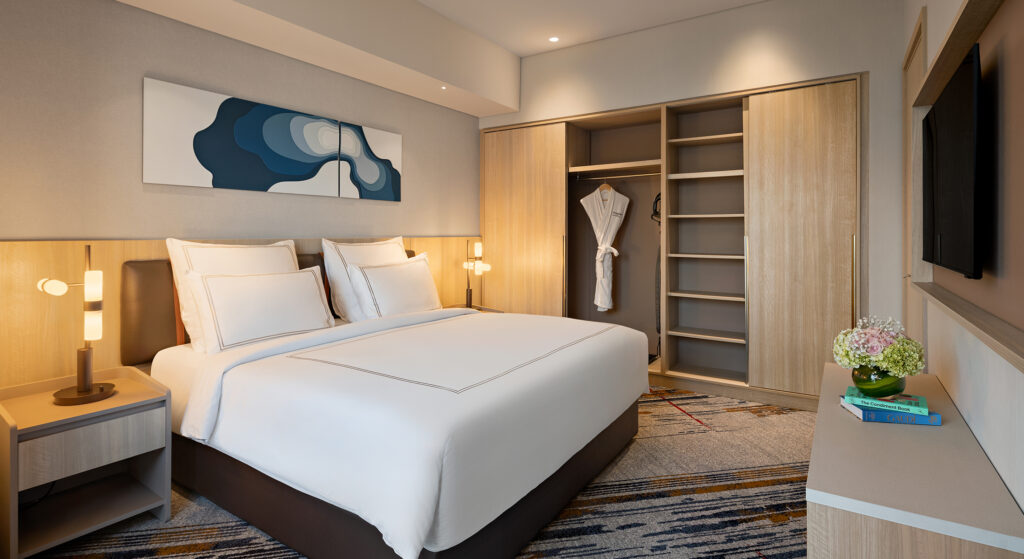
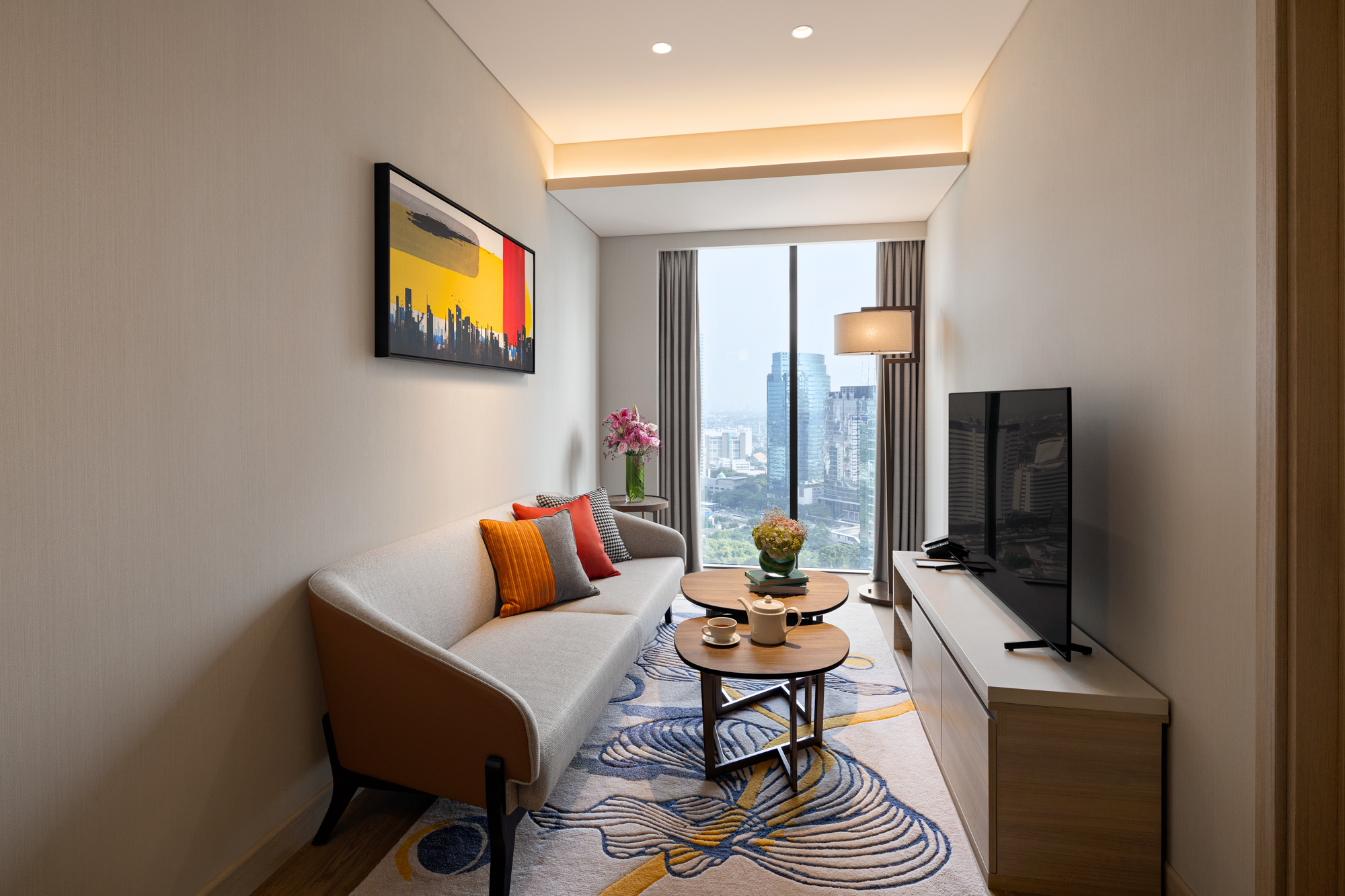
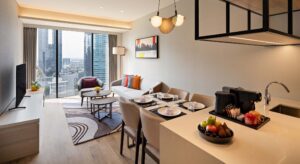
- Residential-style furnishings creating a home-like atmosphere
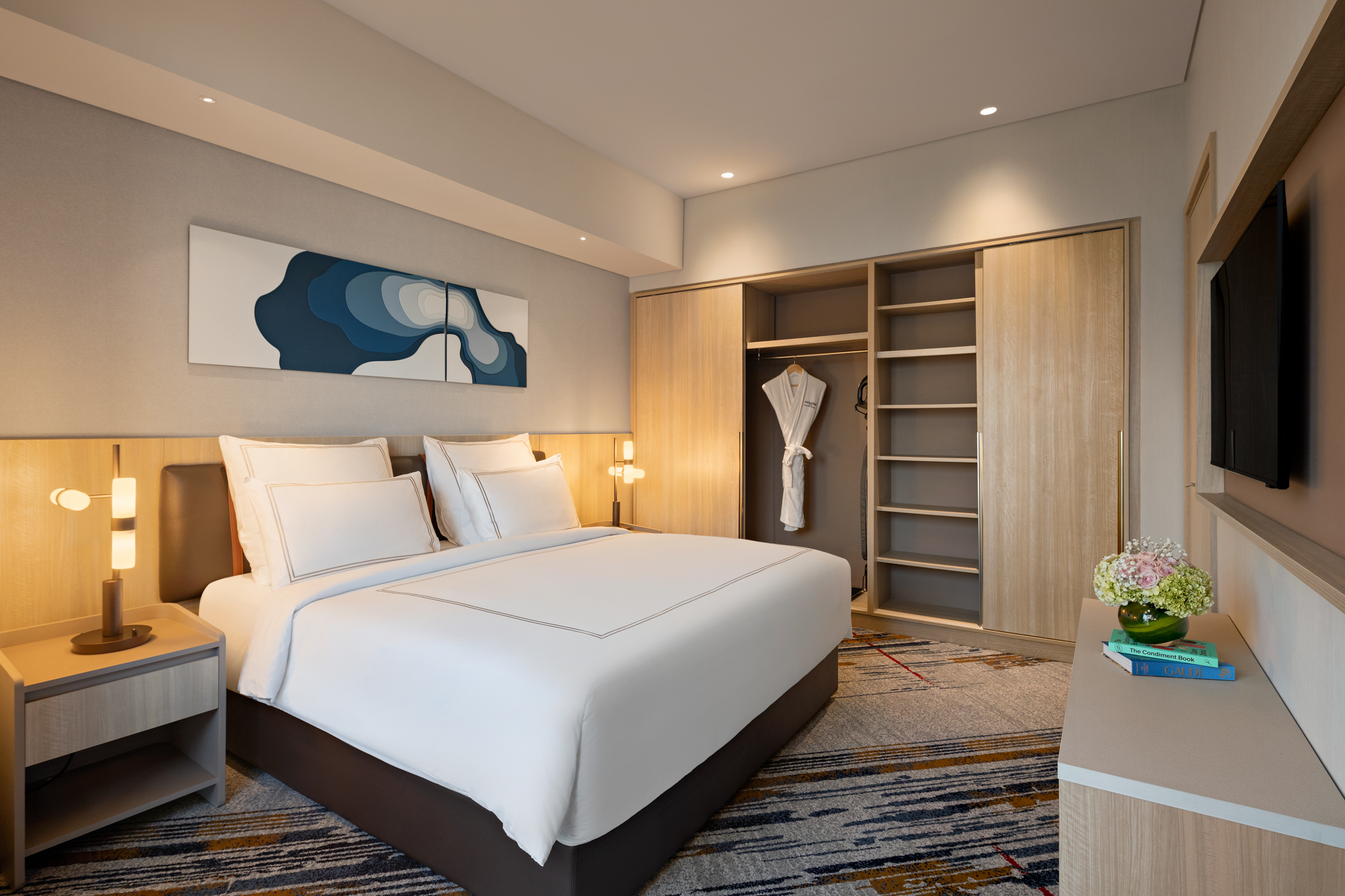
- Enhanced storage solutions including closets and cabinets for extended wardrobes
These features transform a temporary accommodation into a functional living space where guests can maintain their normal routines, prepare meals, and genuinely settle in rather than merely pass through.
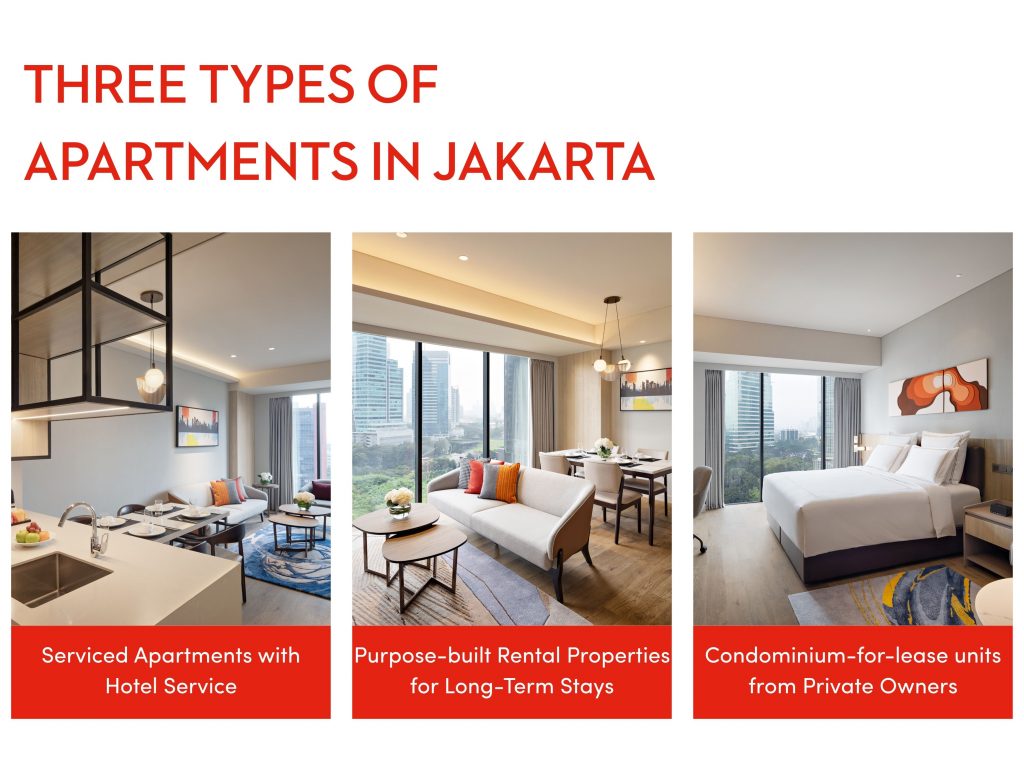
Types of Extended Hotel Stay Options
The extended-stay market encompasses several distinct property types, each serving specific needs and preferences. Understanding these categories helps travelers select the most appropriate accommodation for their situation.
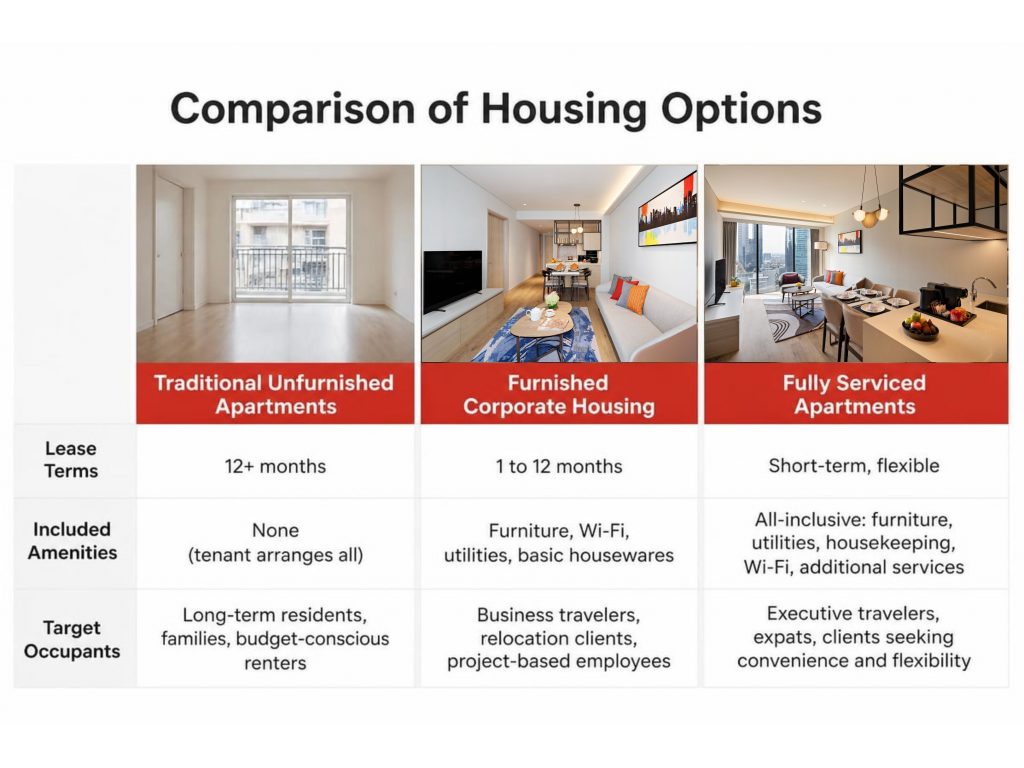
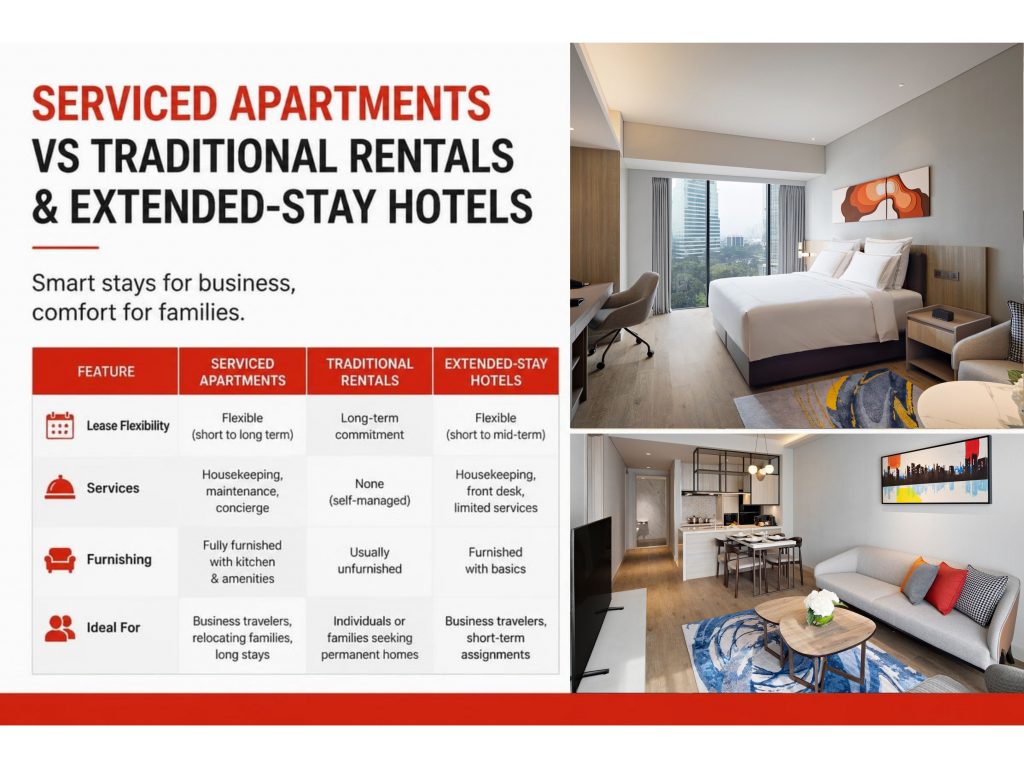
Serviced Apartments
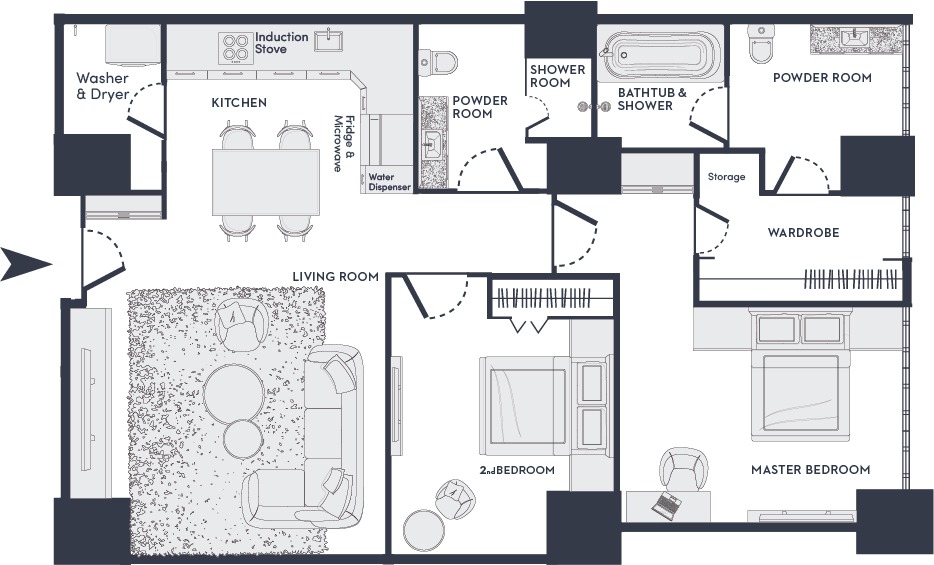
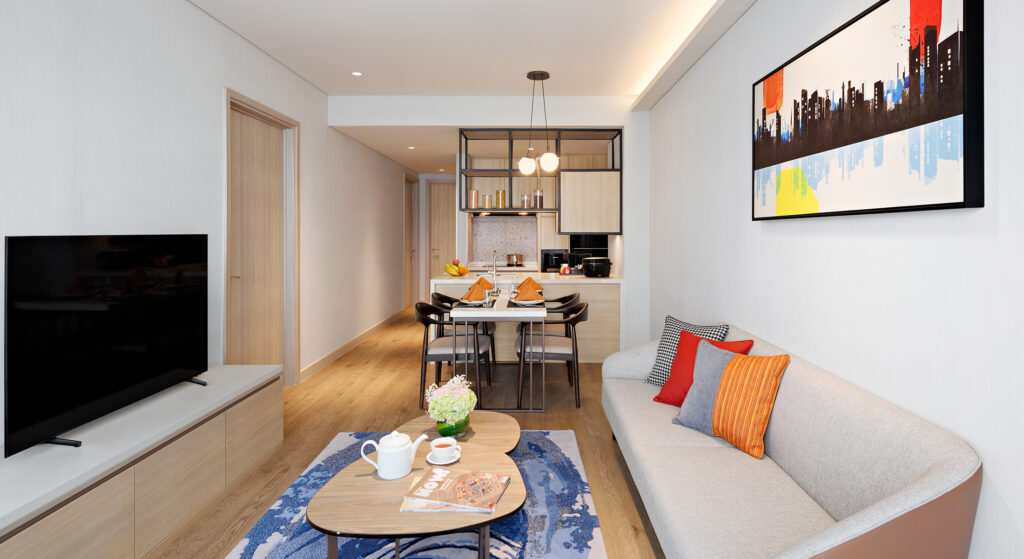
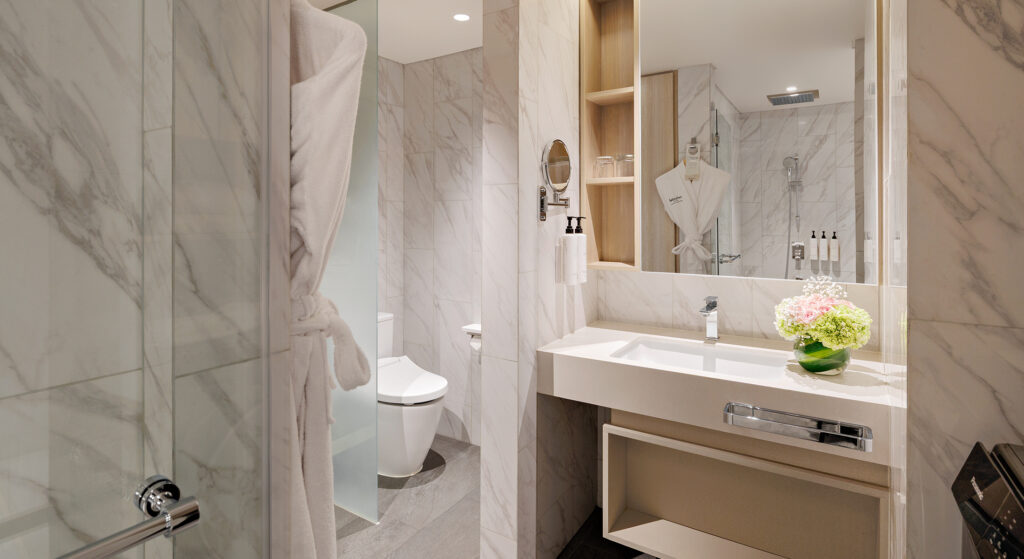
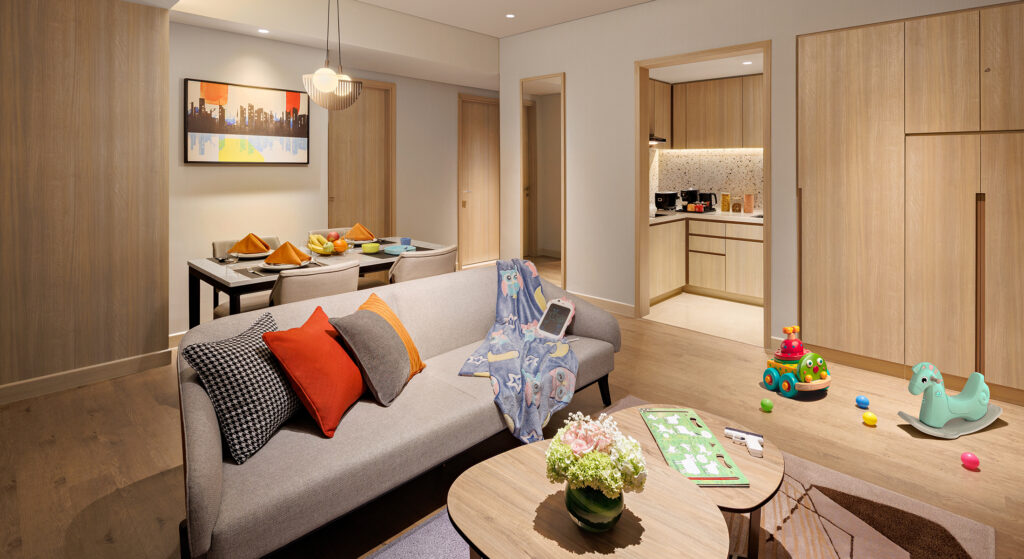
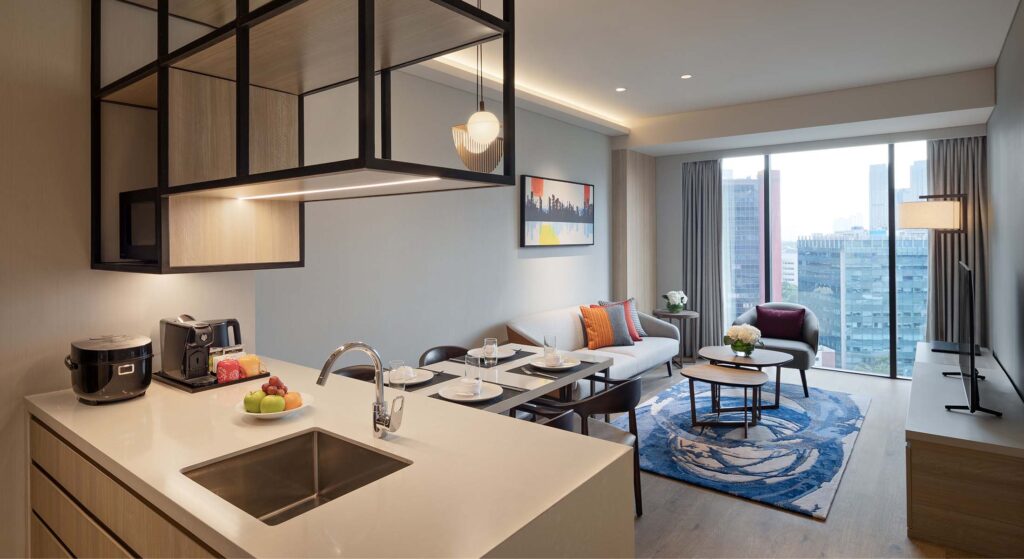
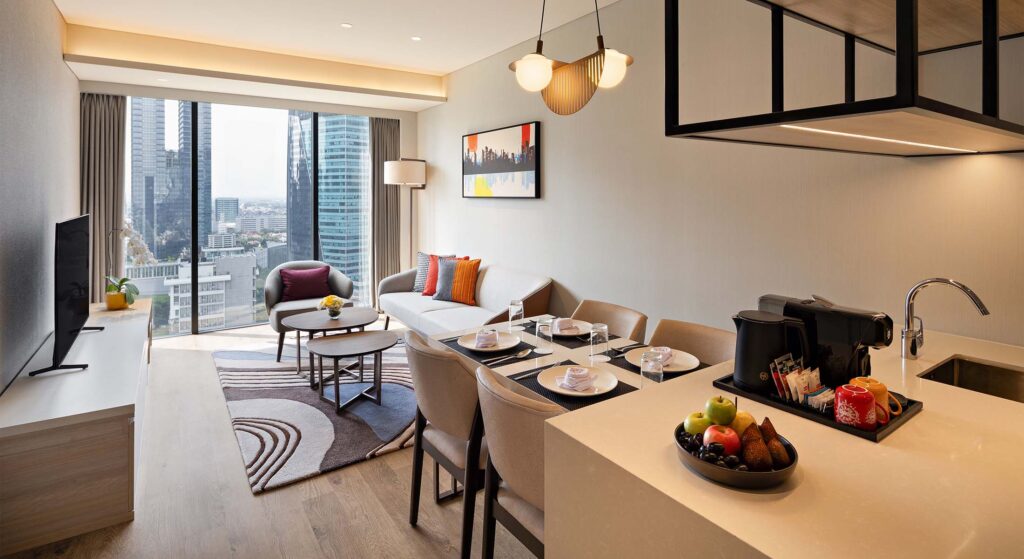
Serviced apartments represent the premium tier of extended-stay accommodations. These fully furnished residences combine the space and privacy of an apartment with hotel-style services such as housekeeping, concierge assistance, and 24-hour security. Properties typically offer studio, one-bedroom, two-bedroom, and larger configurations to accommodate individuals, couples, families, or groups.
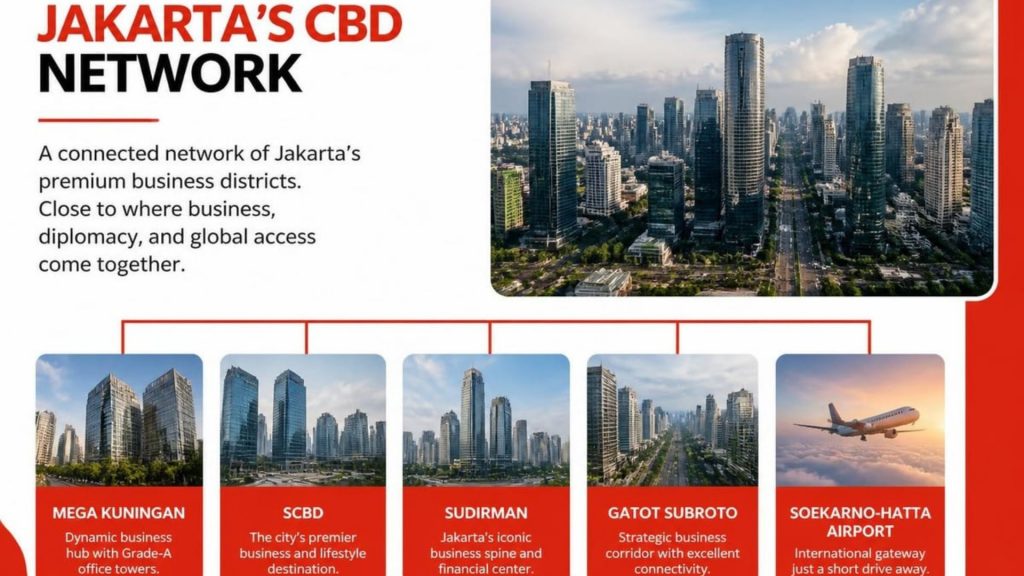
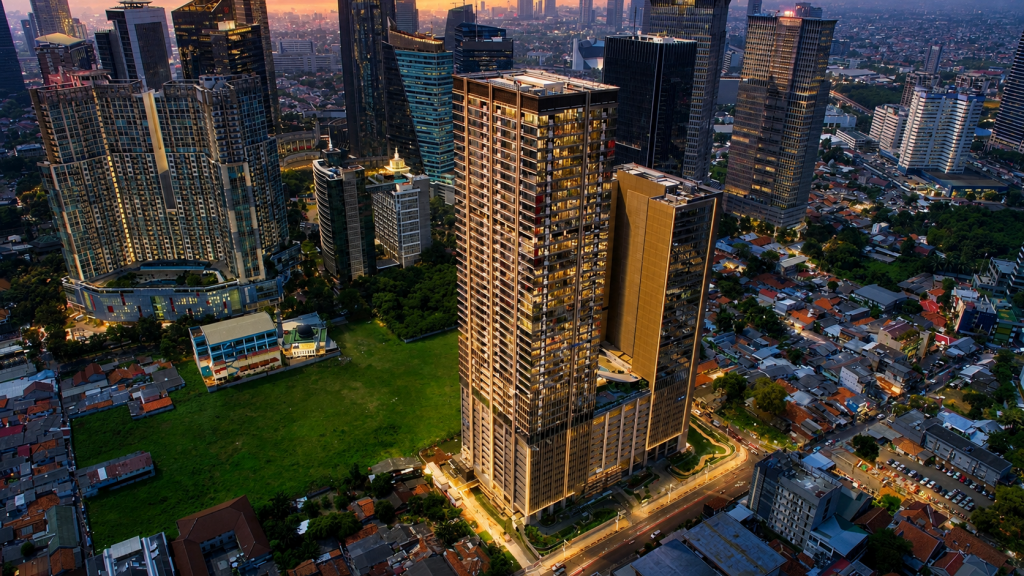
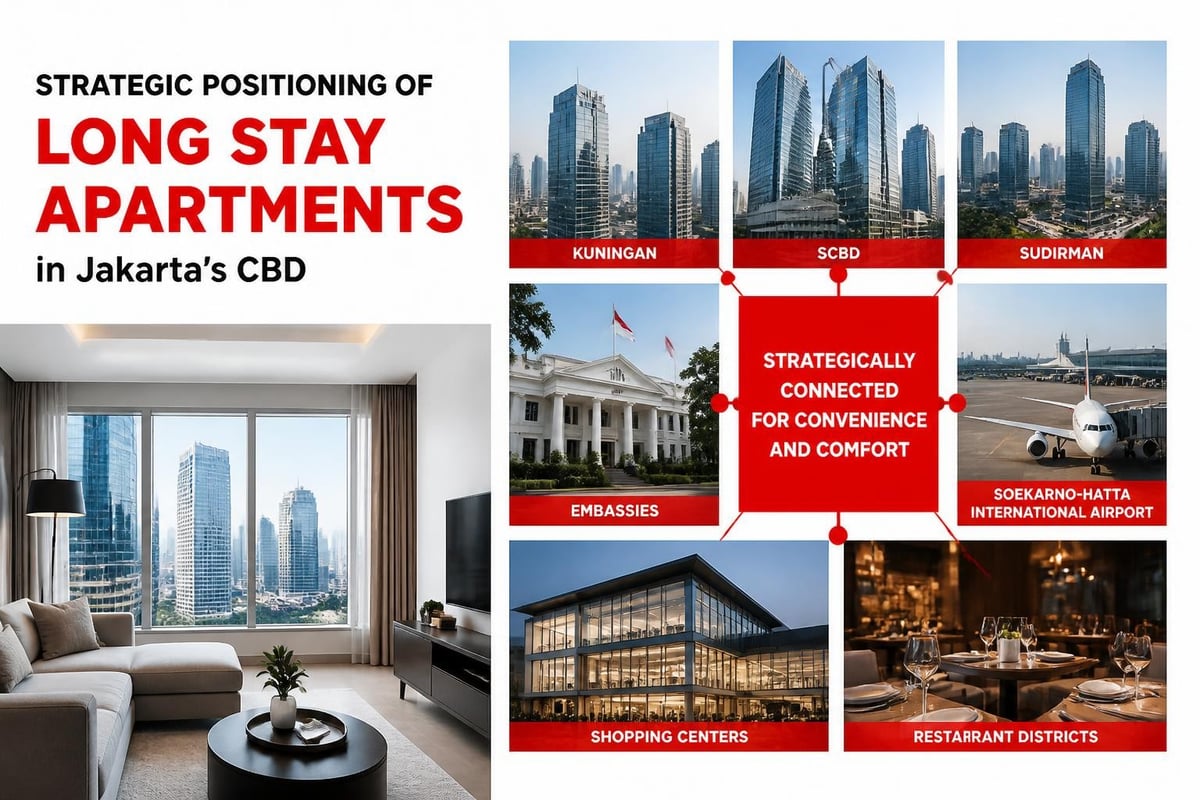
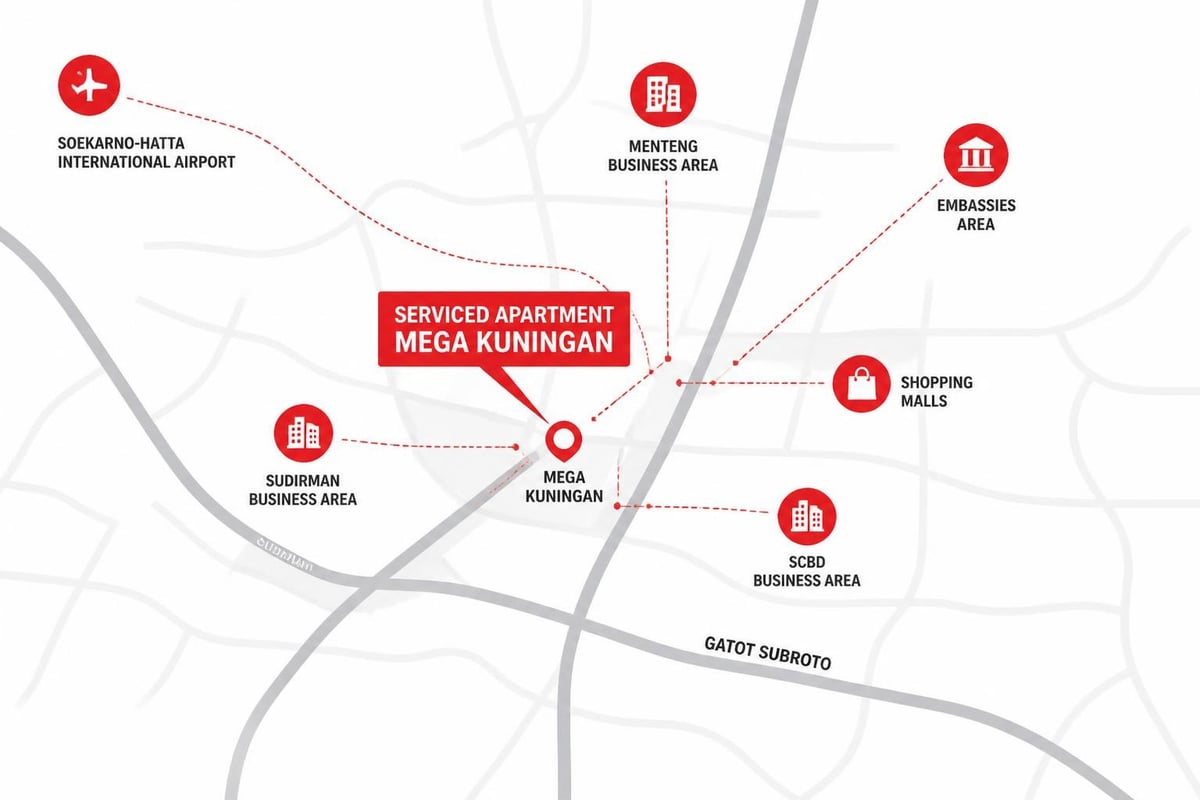
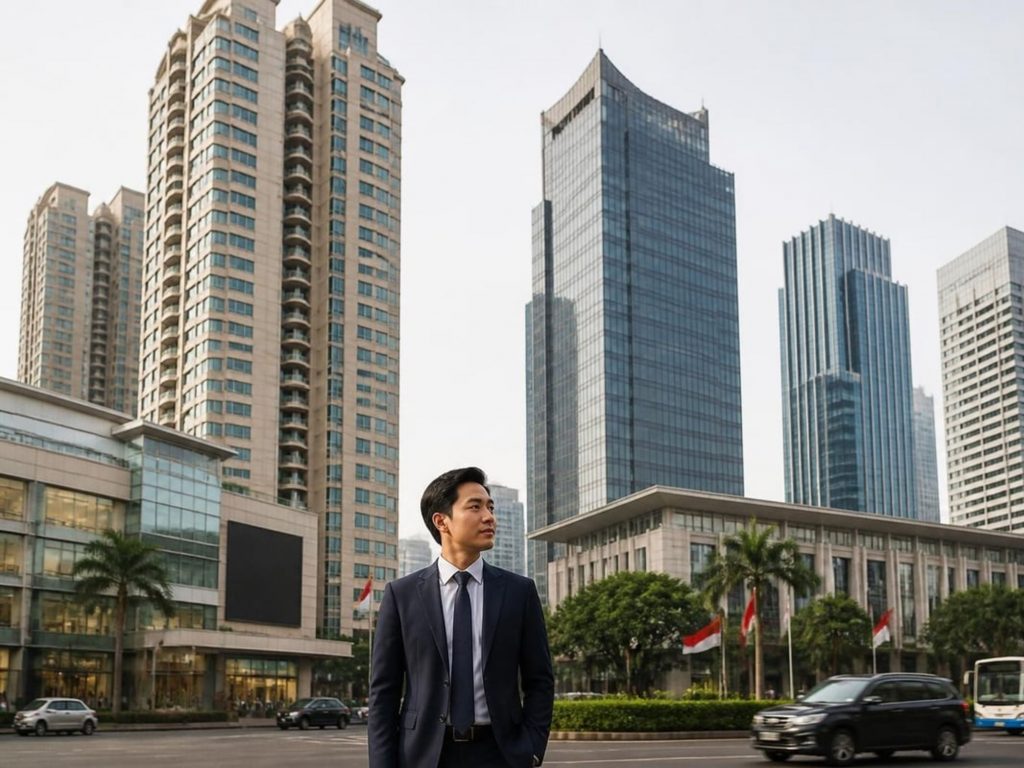
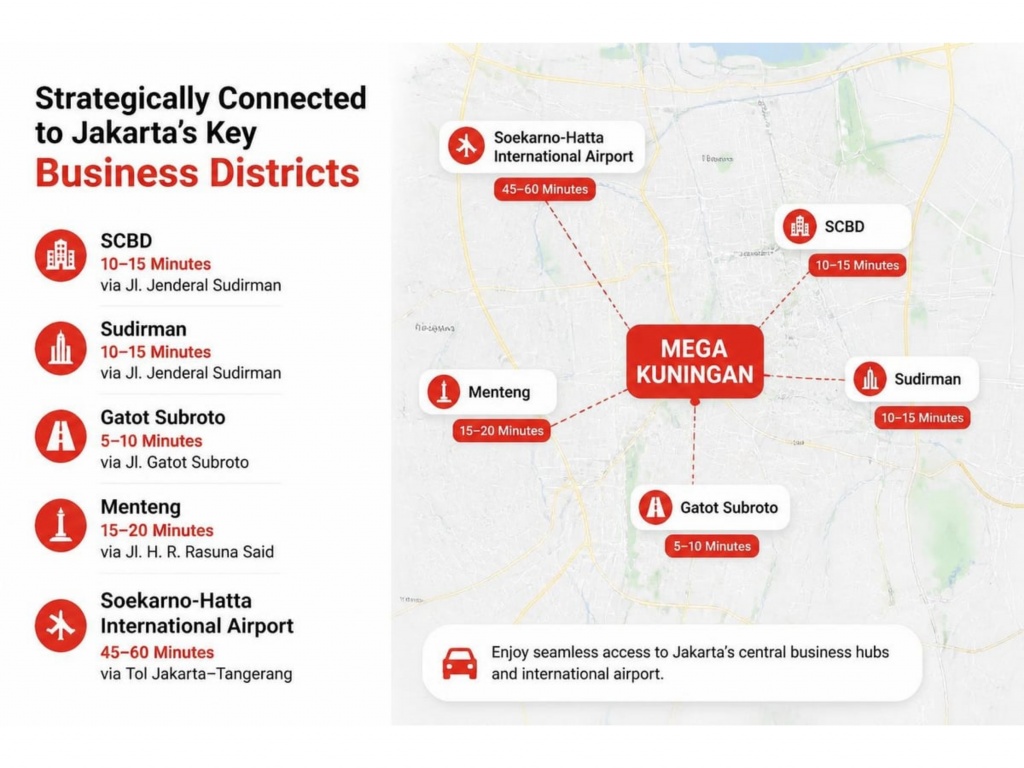
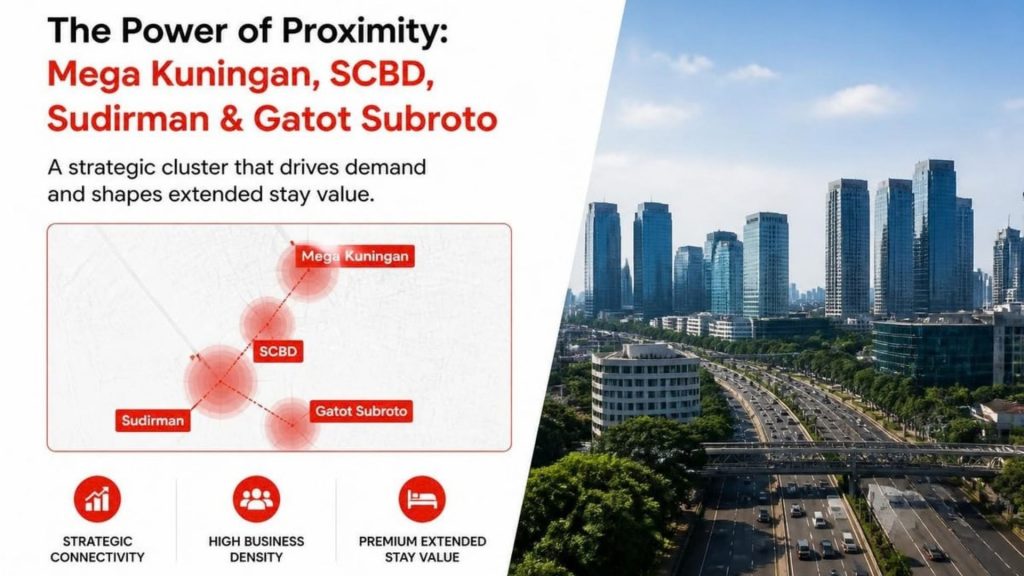
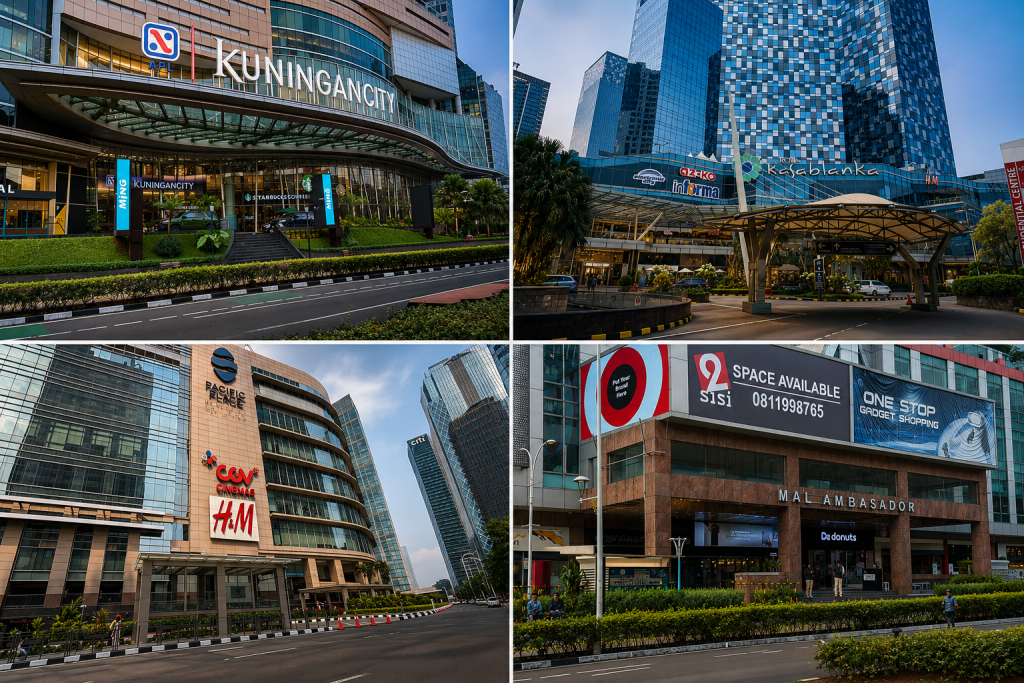
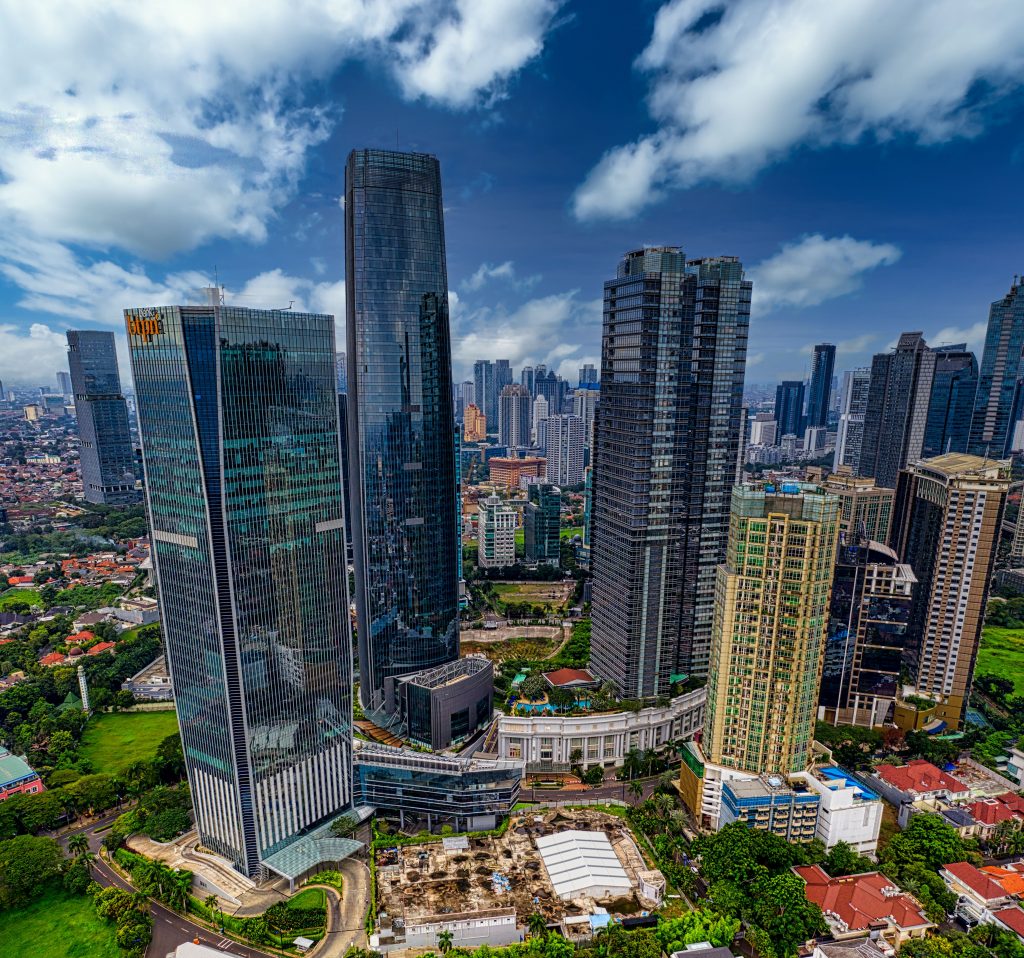
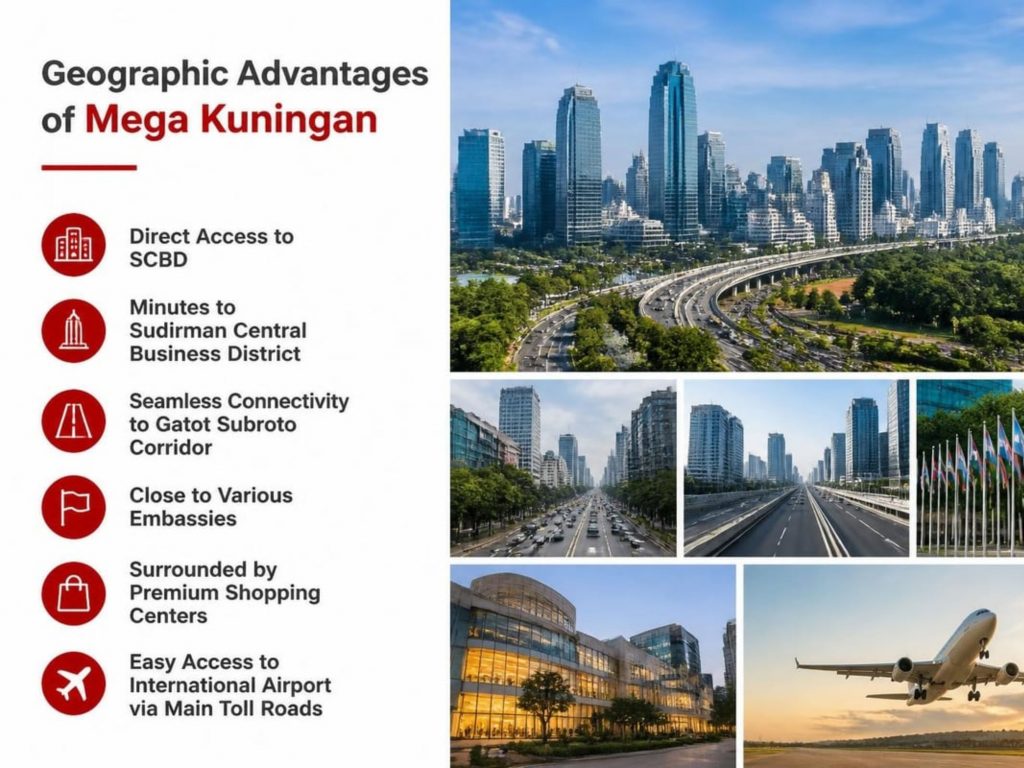
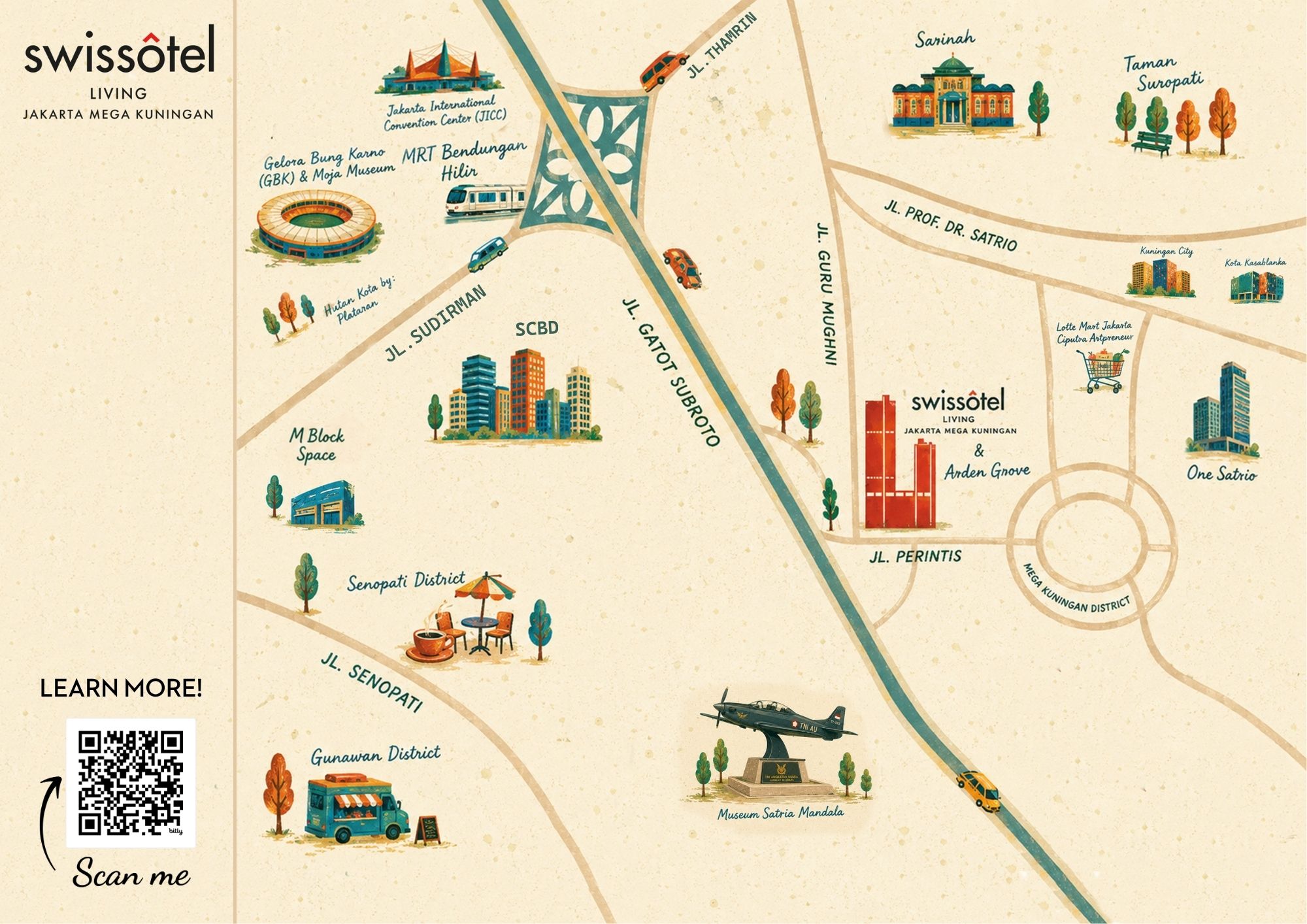
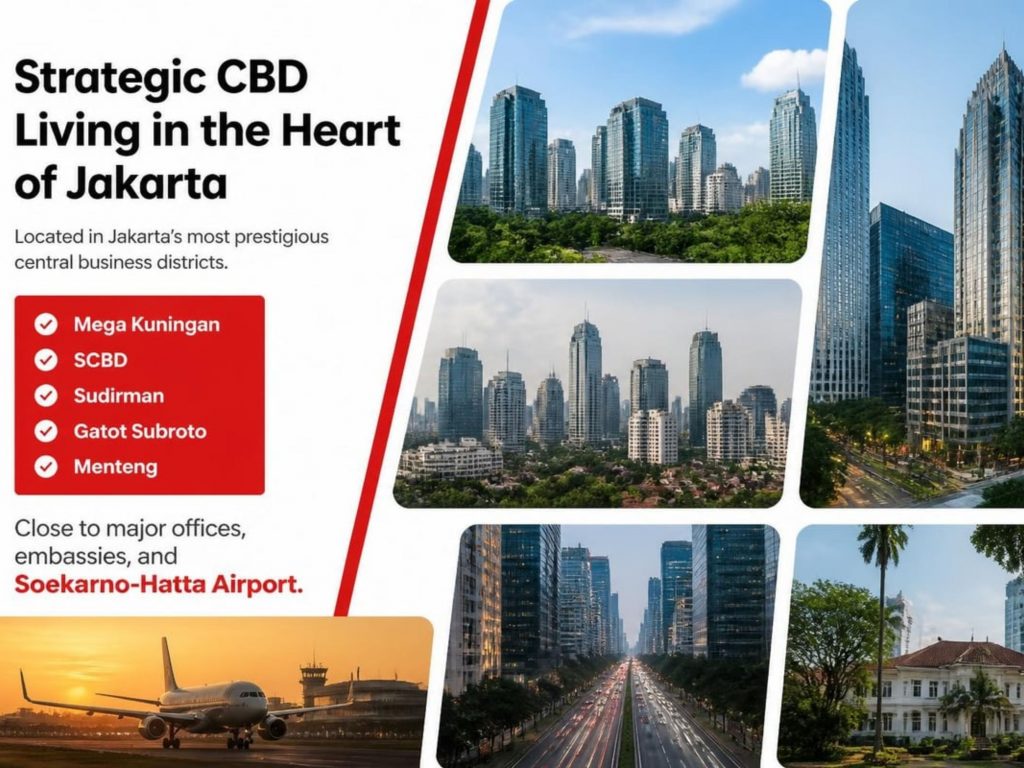
For business professionals and expatriates requiring long-term accommodation in Jakarta’s central business district, serviced apartments provide an ideal balance of comfort, convenience, and professional amenities. The Mega Kuningan area, with its proximity to SCBD, Sudirman, and major business districts, has become a preferred location for corporate housing.
Extended-Stay Hotel Brands
Major hospitality chains operate dedicated extended-stay brands featuring simplified services and competitive pricing structures. These properties typically offer smaller units than serviced apartments but maintain essential amenities like kitchenettes and workspace. The American Hotel & Lodging Association provides comprehensive guidance on how these properties position themselves within the broader hospitality industry.
Corporate Housing
Corporate housing providers specialize in furnished apartments specifically for business travelers and relocating employees. The Corporate Housing Providers Association establishes industry standards that distinguish corporate housing from traditional extended-stay hotels, emphasizing higher-quality furnishings, more personalized service, and greater flexibility in lease terms.
| Accommodation Type | Typical Unit Size | Service Level | Ideal Duration | Target Guest |
|---|---|---|---|---|
| Serviced Apartment | 37-150+ sqm | Full hotel services | 1 week – 1 year+ | Business, families, expatriates |
| Extended-Stay Hotel | 25-50 sqm | Limited services | 1 week – 3 months | Budget travelers, project workers |
| Corporate Housing | 50-120 sqm | Customized services | 1 month – 1 year | Corporate relocations |
| Traditional Hotel | 20-40 sqm | Daily housekeeping | 1-7 nights | Short-term travelers |
Pricing Models and Cost Considerations
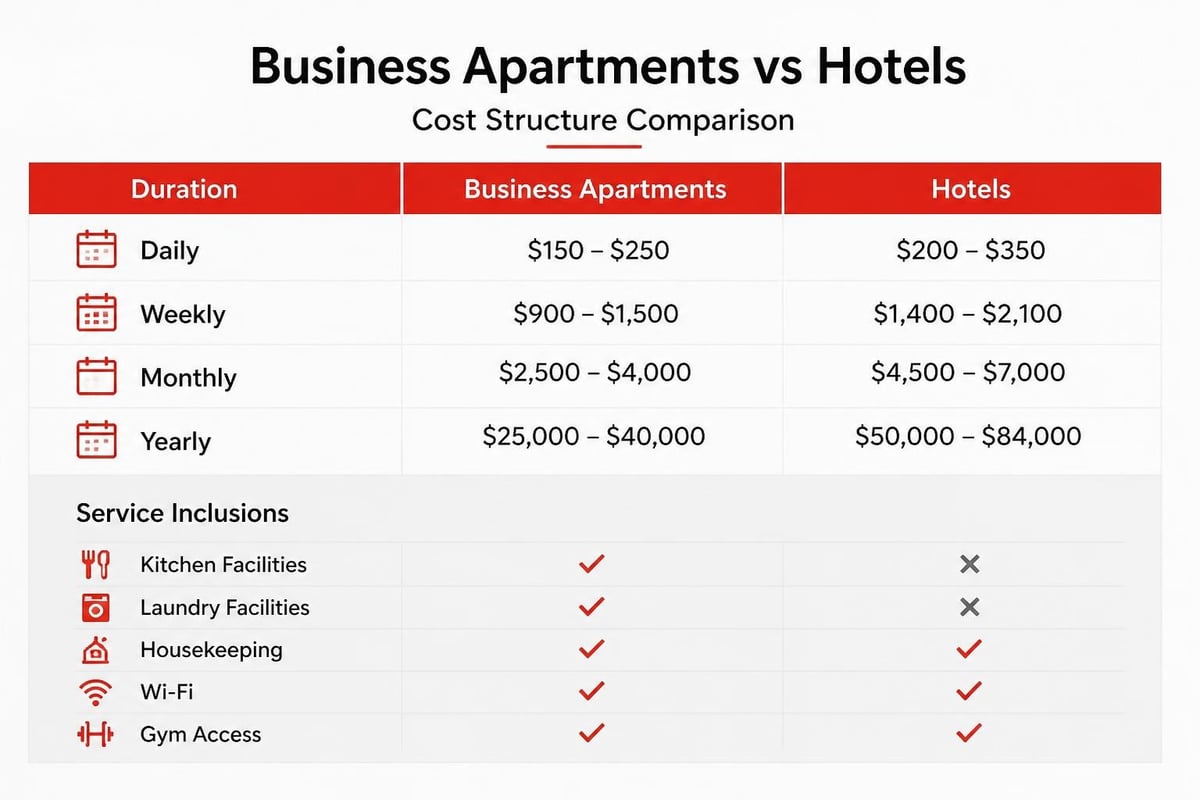
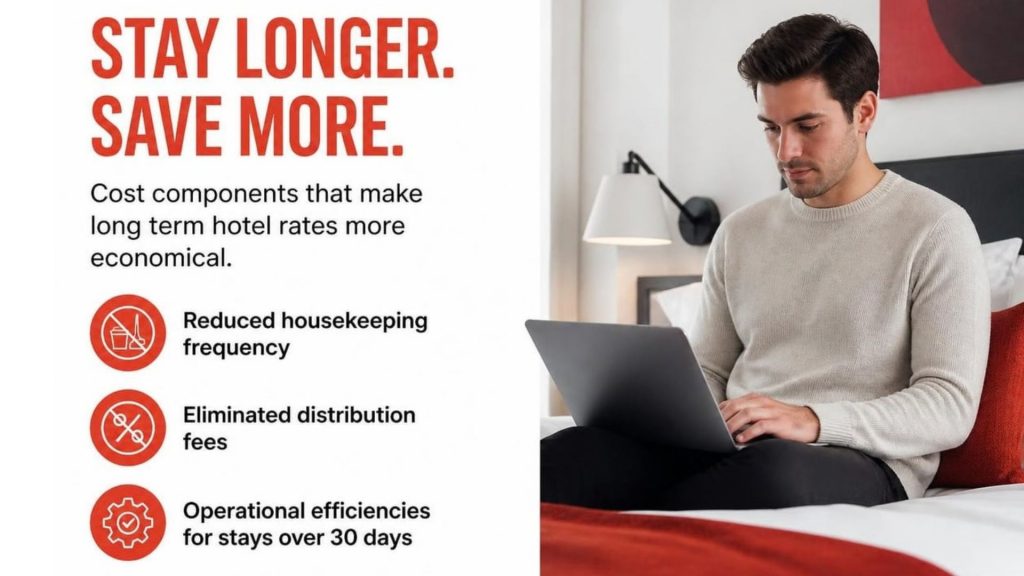
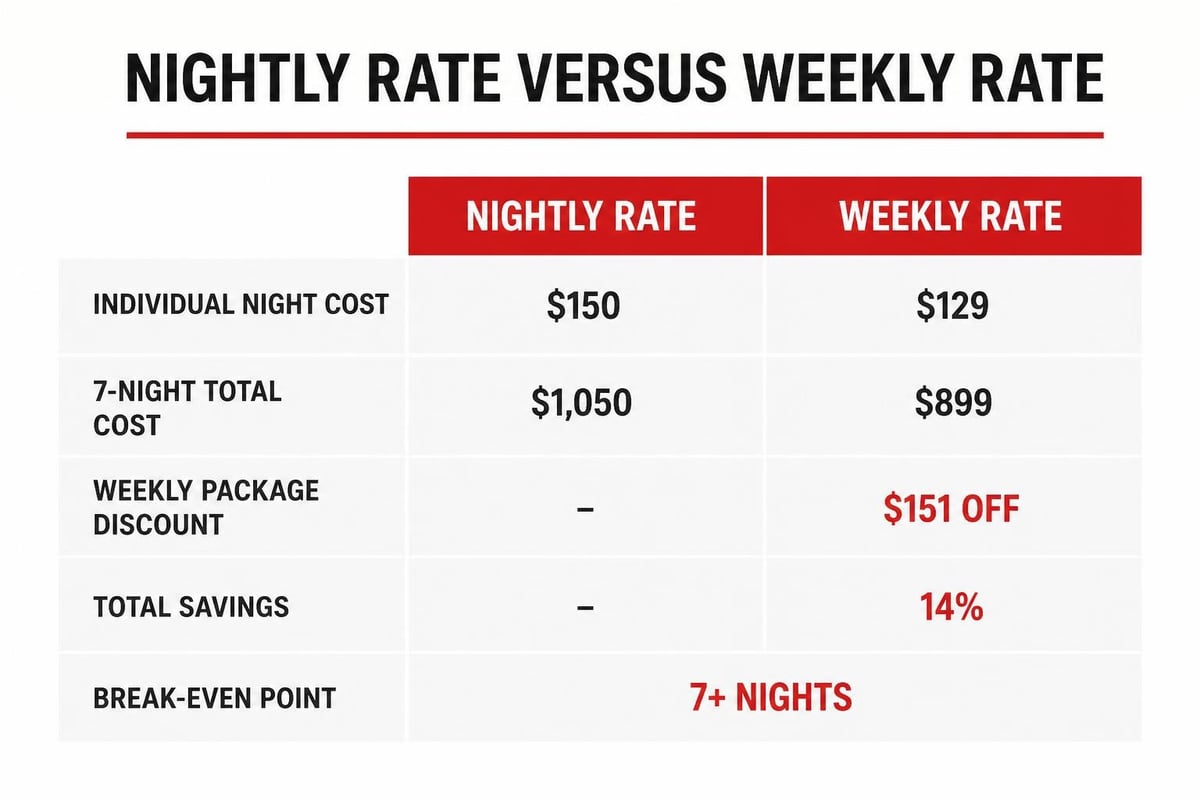
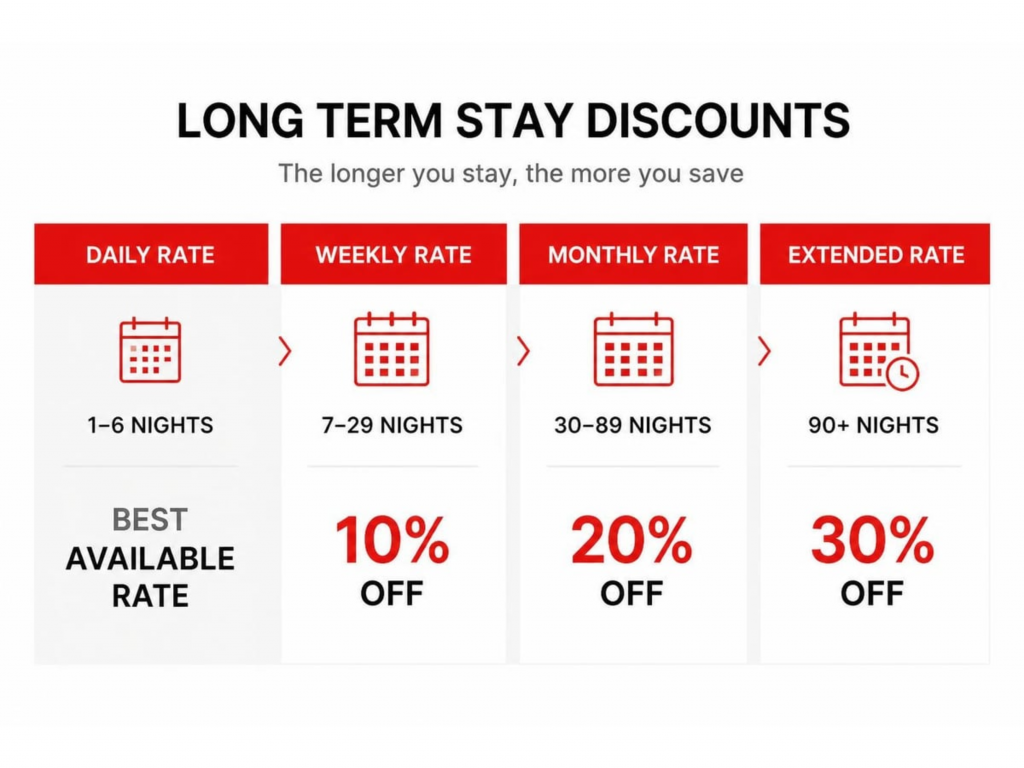
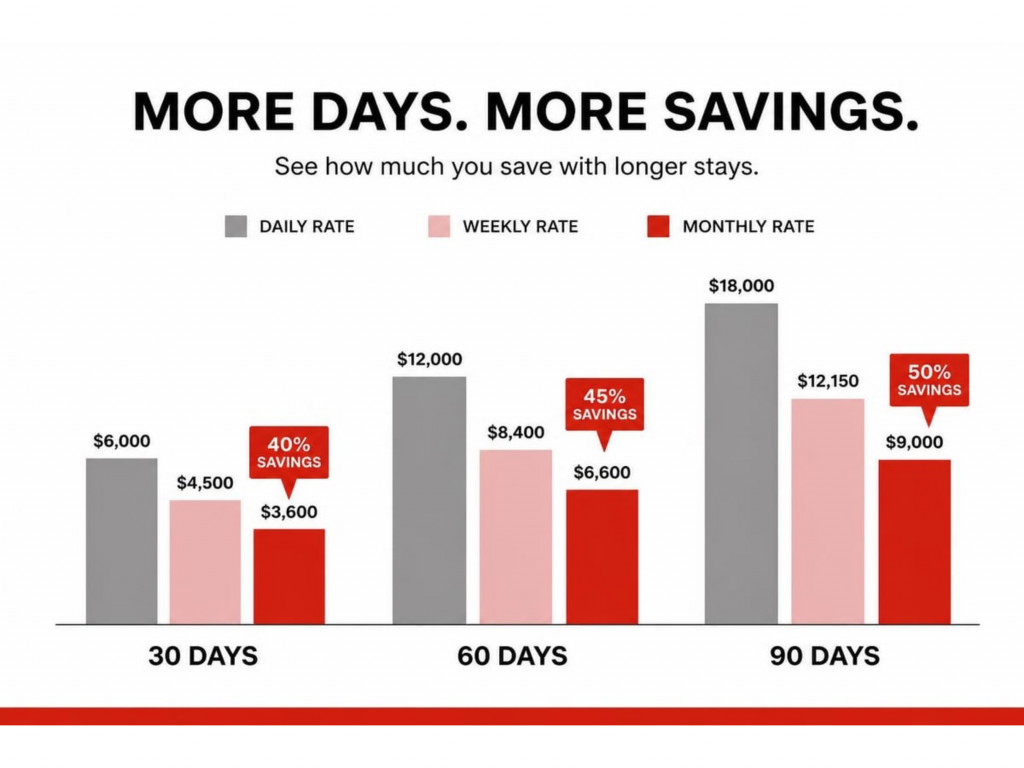
Extended hotel stay pricing operates differently from traditional nightly hotel rates. Properties typically offer progressive discounts as stay duration increases, recognizing that longer commitments reduce turnover costs and vacancy risk.
Weekly and Monthly Rate Structures
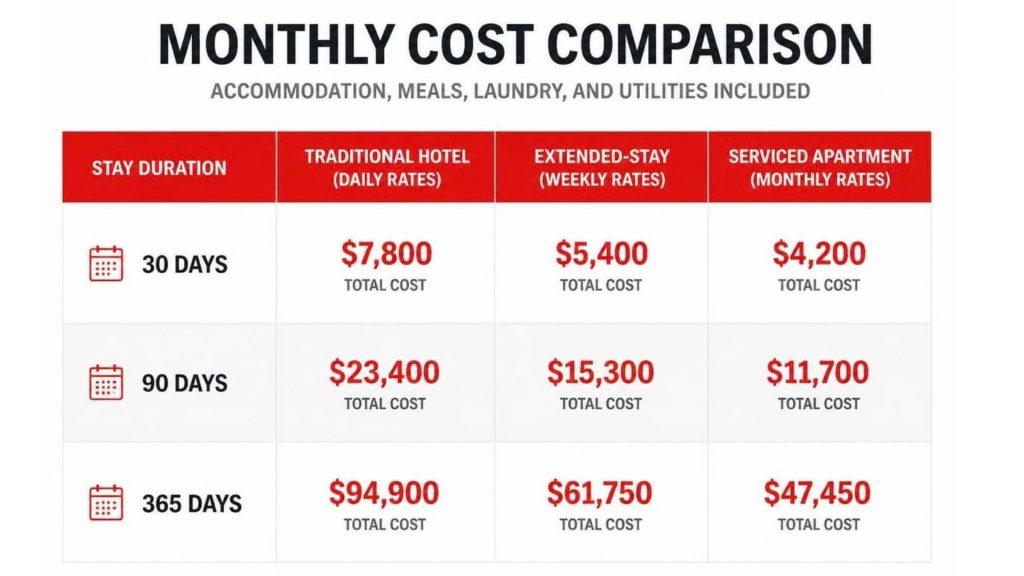
Most extended-stay properties publish weekly rates that offer 10-20% savings compared to multiplying the daily rate by seven. Monthly rates provide even greater value, often reducing the effective nightly cost by 30-50%. Annual contracts can deliver the most significant savings, though they require greater commitment and typically involve different contract terms.
Understanding federal per diem rates and policies becomes crucial for government contractors and employees whose extended-stay accommodations must comply with official guidelines. These rates vary by city and can significantly influence property selection and budgeting for extended assignments.
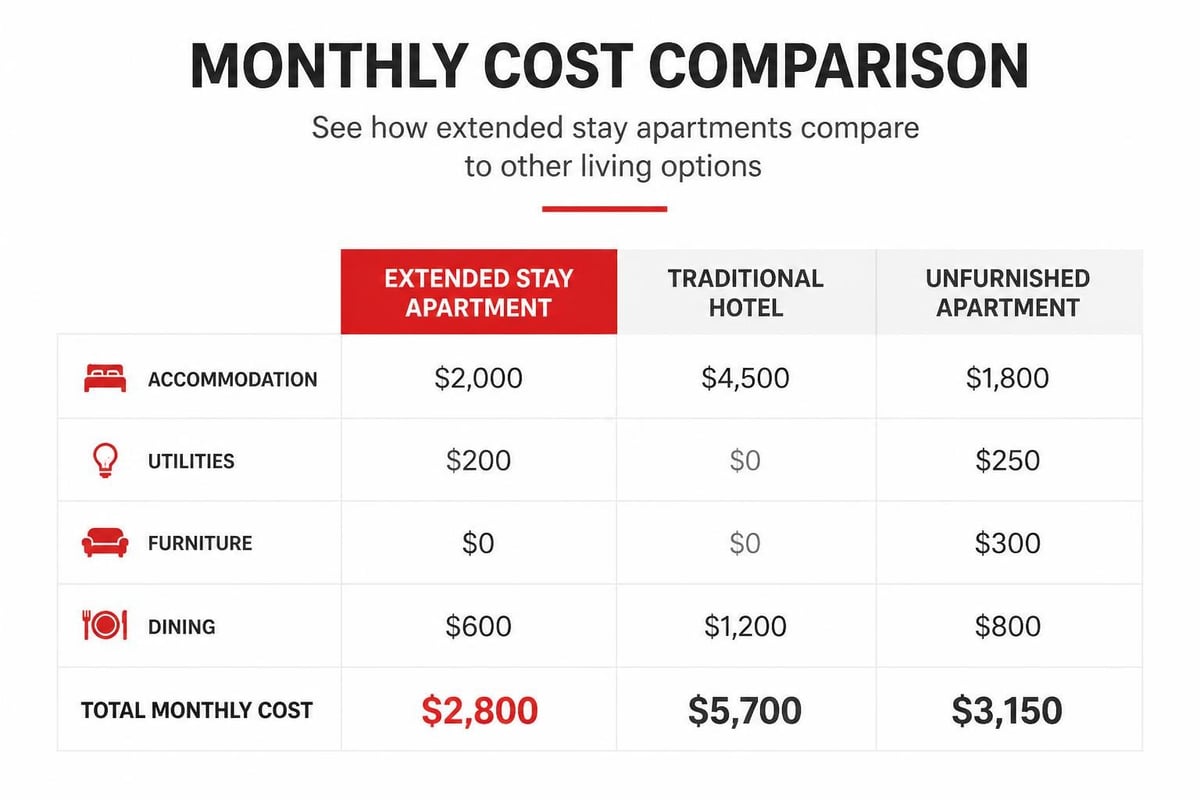
When evaluating costs, travelers should consider the total value proposition:
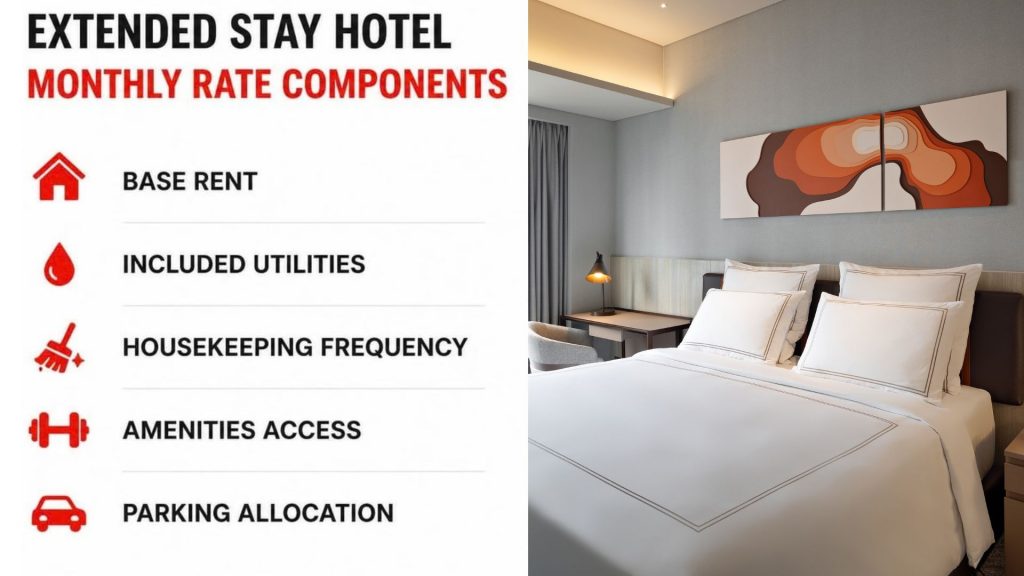
- Base accommodation rate (weekly, monthly, or yearly)
- Utility costs (often included in serviced apartments)
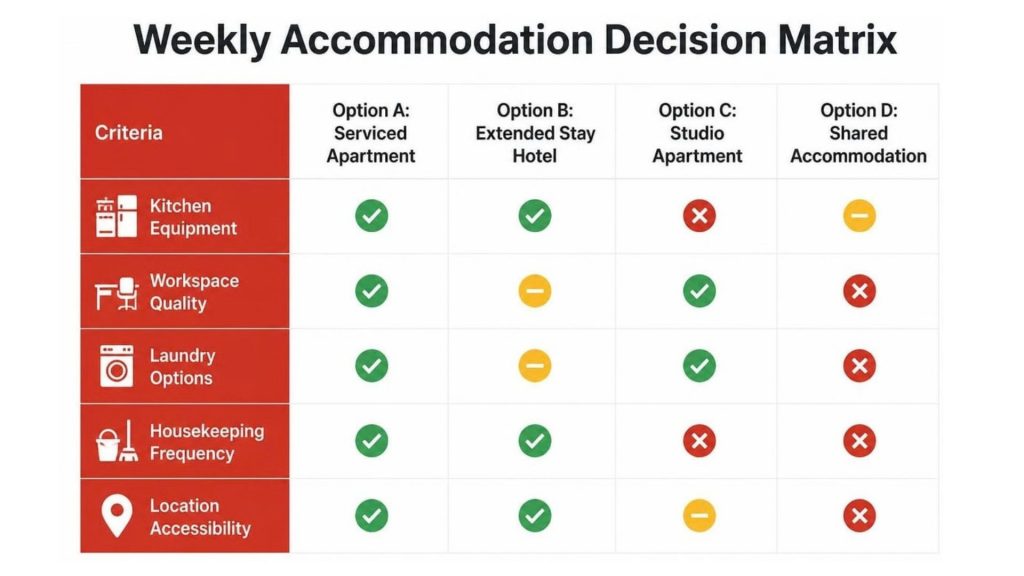
- Housekeeping frequency (varying by property and rate plan)
- Parking fees (sometimes included, sometimes additional)
- Internet and communication services (typically included)
- Kitchen facilities savings (reducing dining expenses)
Hidden Cost Advantages
Extended hotel stay accommodations offer financial benefits beyond the quoted rate. Access to full kitchen facilities enables guests to prepare meals rather than relying solely on restaurants, generating substantial savings over weeks or months. In-unit laundry facilities eliminate expensive hotel laundry services or time-consuming trips to commercial laundromats.
Benefits for Business Travelers and Corporate Guests
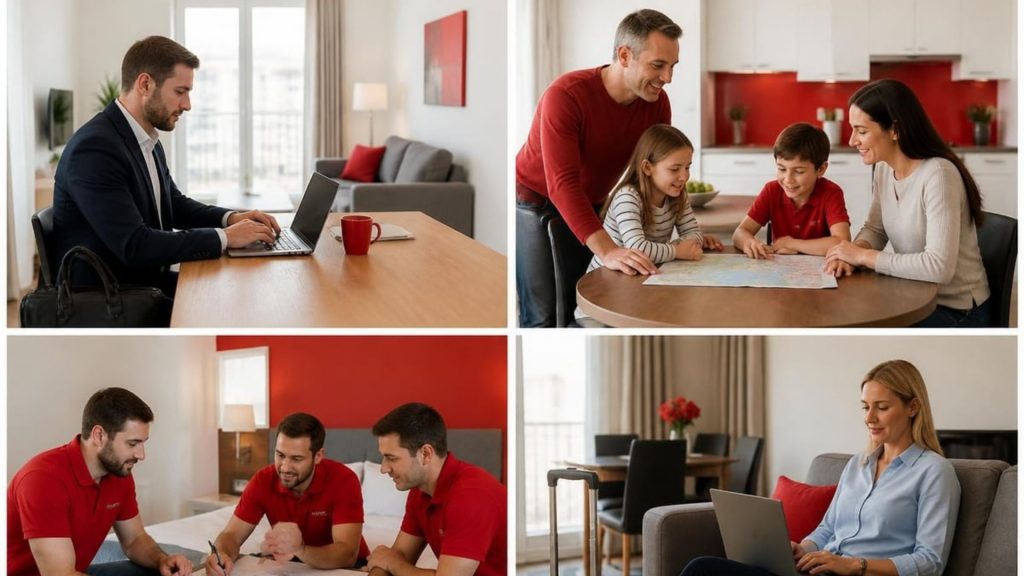
Corporate travelers represent a primary market segment for extended hotel stay properties. Project assignments, training programs, temporary relocations, and international postings all generate demand for accommodation lasting beyond typical business trips.
Productivity and Work-Life Balance
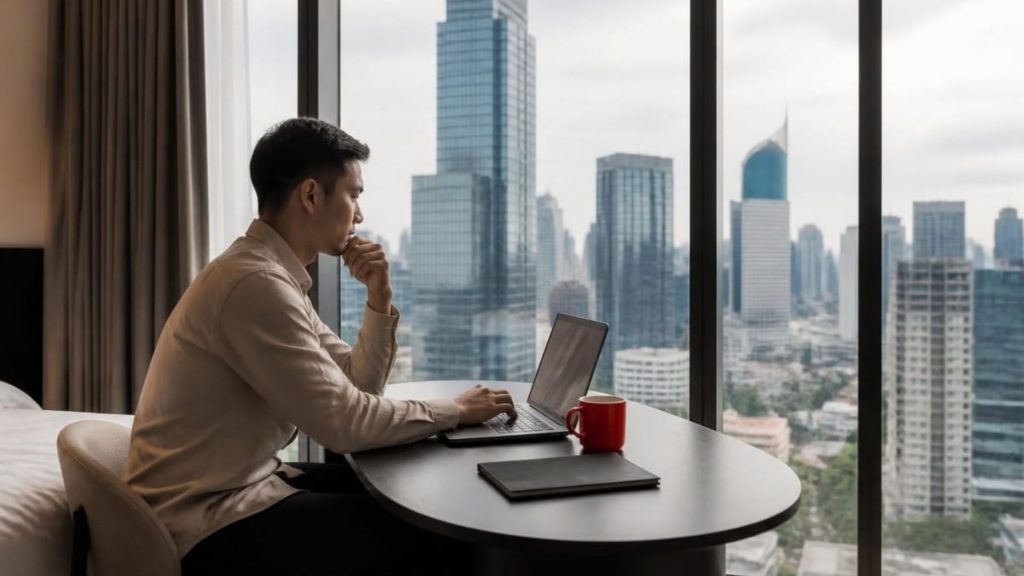
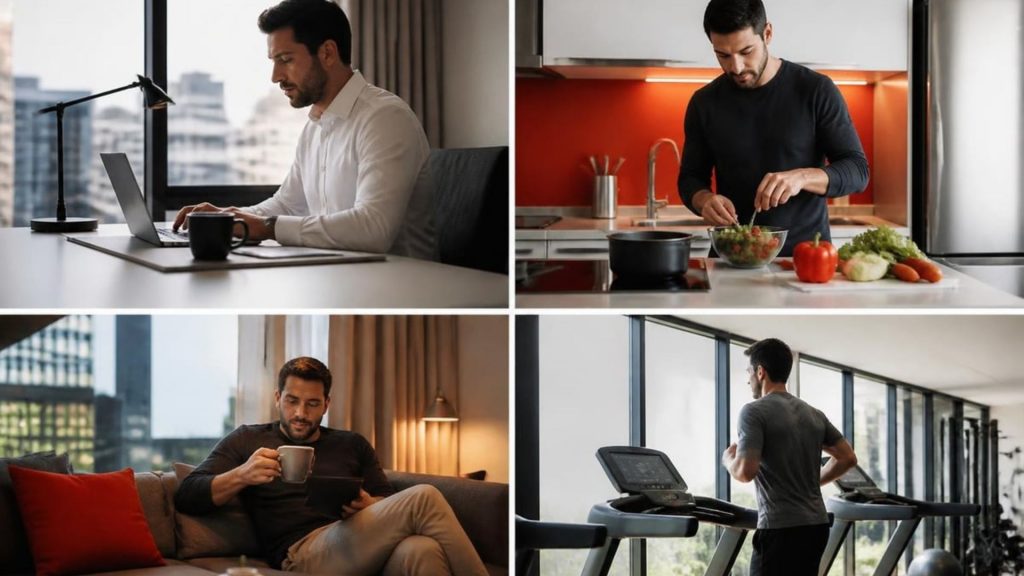
Separate living and working spaces within extended-stay units enable professionals to maintain boundaries between work and personal time. A dedicated workspace with proper desk, ergonomic seating, and reliable high-speed internet creates a productive environment comparable to an office setting. After work hours, guests can transition to distinct living areas, preparing meals in their kitchen and relaxing in residential-style comfort.
This separation proves particularly valuable for remote workers and digital nomads who might spend weeks or months in a single location while maintaining their regular work responsibilities. The residential atmosphere reduces the psychological strain of living continuously in a traditional hotel room.
Proximity to Business Districts
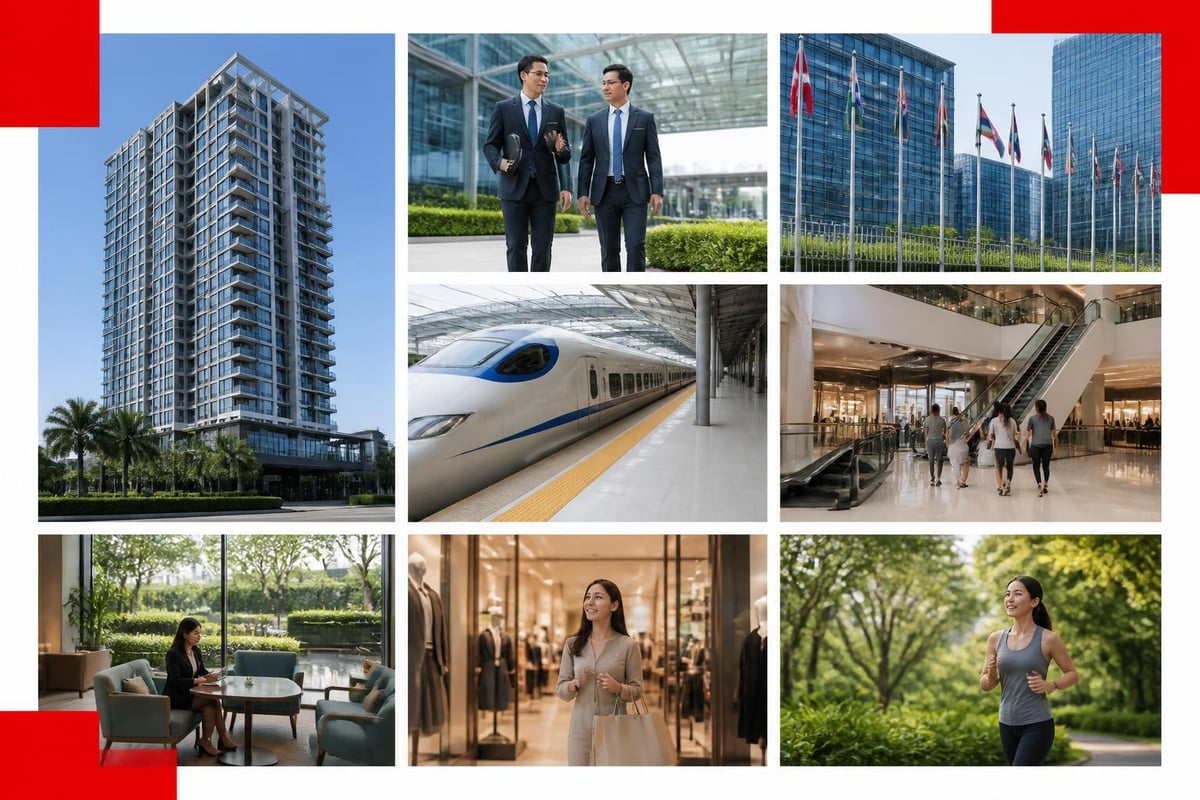
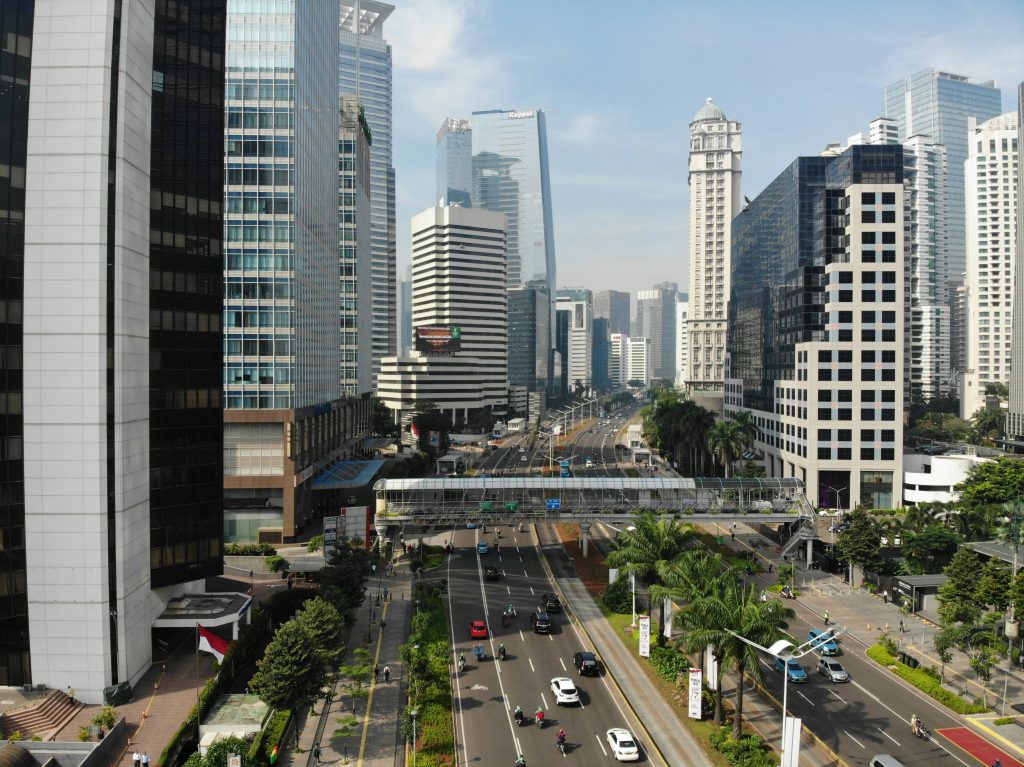
Location considerations weigh heavily in extended-stay decisions. Properties situated near major business districts minimize commute times and maximize convenience for professionals attending daily meetings or working on-site at client facilities. Jakarta’s Mega Kuningan area exemplifies an ideal extended-stay location, offering immediate access to Kuningan, SCBD, Sudirman, Gatot Subroto, and Menteng business zones, as well as numerous embassies and multinational corporate offices.
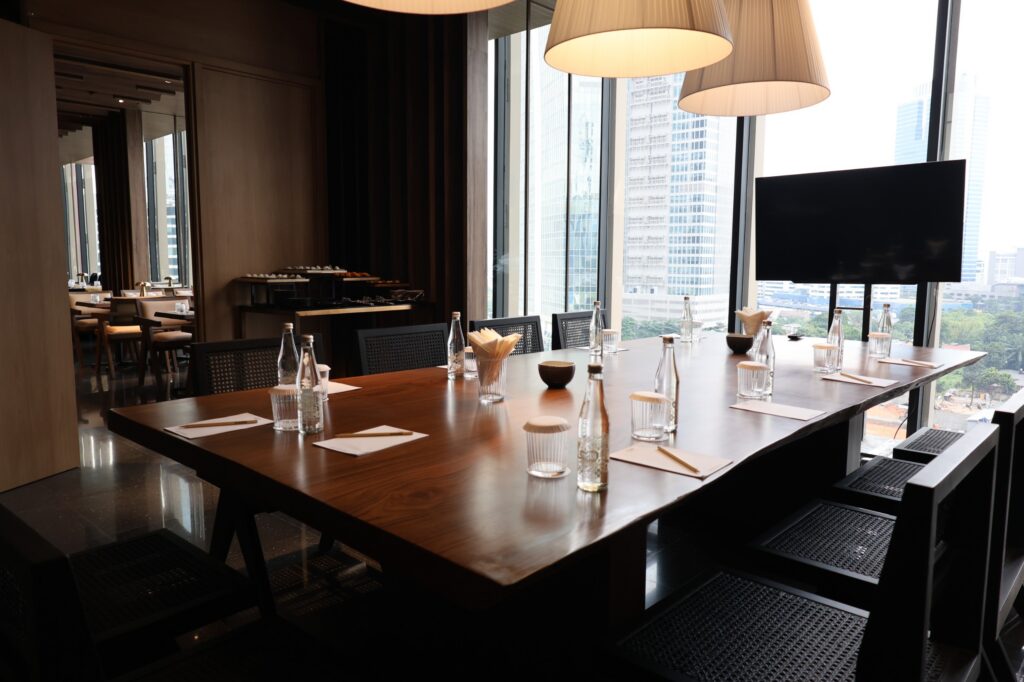
Many extended-stay properties also provide meeting rooms, business centers, and conference facilities, enabling guests to host small meetings without traveling to external venues.
Family Accommodation and Expatriate Living
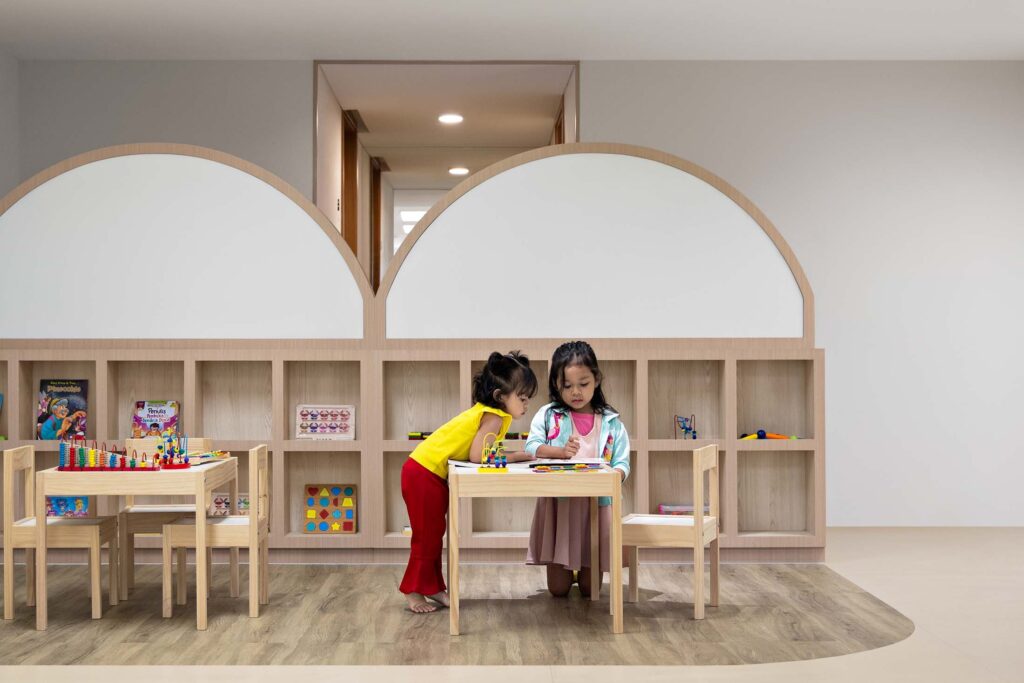
Families relocating internationally or domestically face unique accommodation challenges that extended hotel stay properties address effectively. Whether moving for a parent’s job assignment, educational opportunities, or lifestyle changes, families require space, privacy, and home-like amenities that traditional hotels cannot provide.
Space and Configuration Options
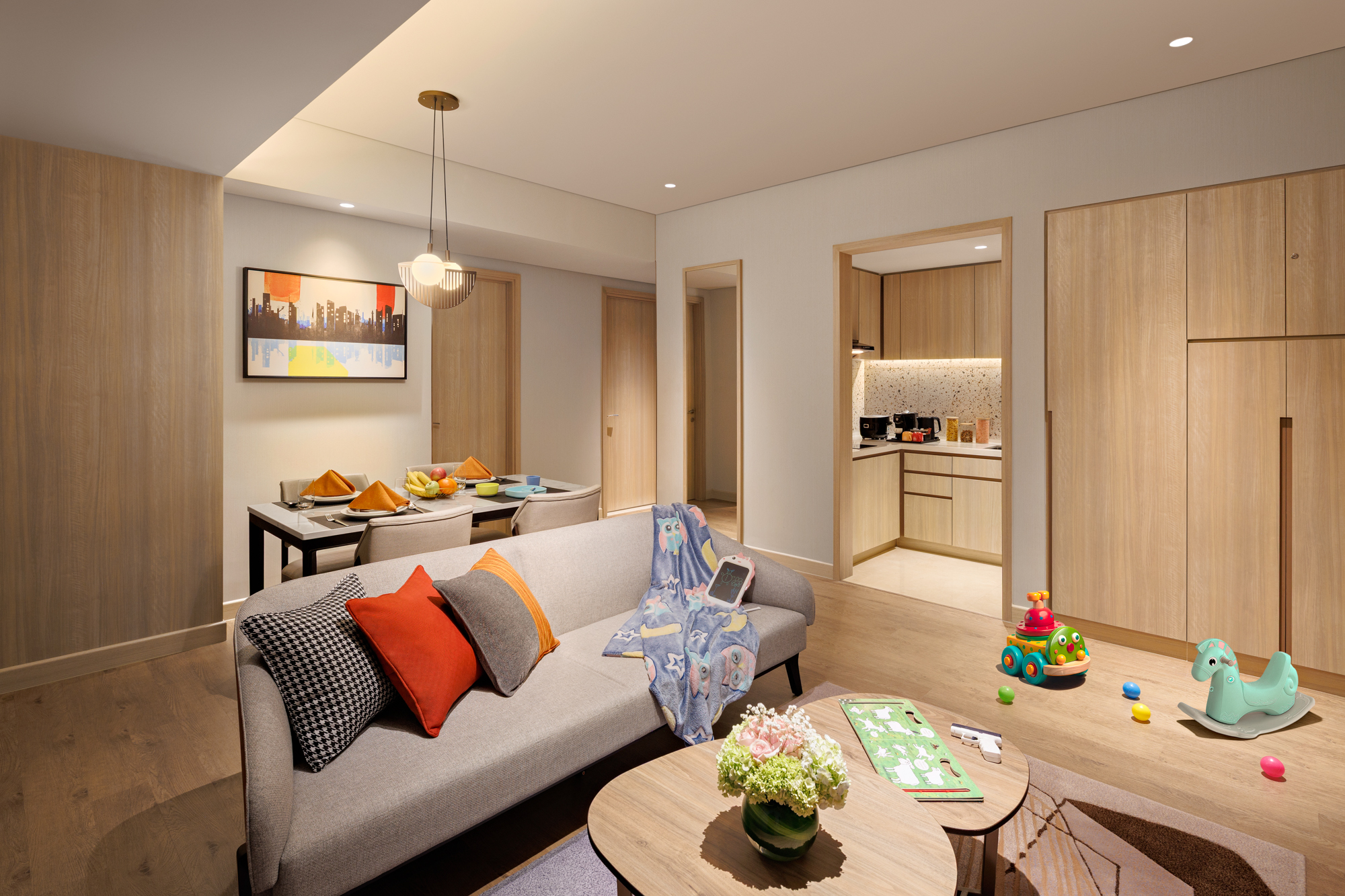
Multi-bedroom serviced apartments offer families the space they need to live comfortably during transitions. Two-bedroom and three-bedroom configurations provide separate sleeping areas for parents and children, maintaining family dynamics and privacy. Full kitchens enable families to maintain dietary preferences and routines, particularly important when children require specific meal schedules or have dietary restrictions.
Living areas create spaces where families can gather, children can complete homework, and parents can unwind after work. This residential layout proves essential for extended stays exceeding a few weeks, when the novelty of hotel living fades and the need for normalcy intensifies.
School Proximity and Community Access
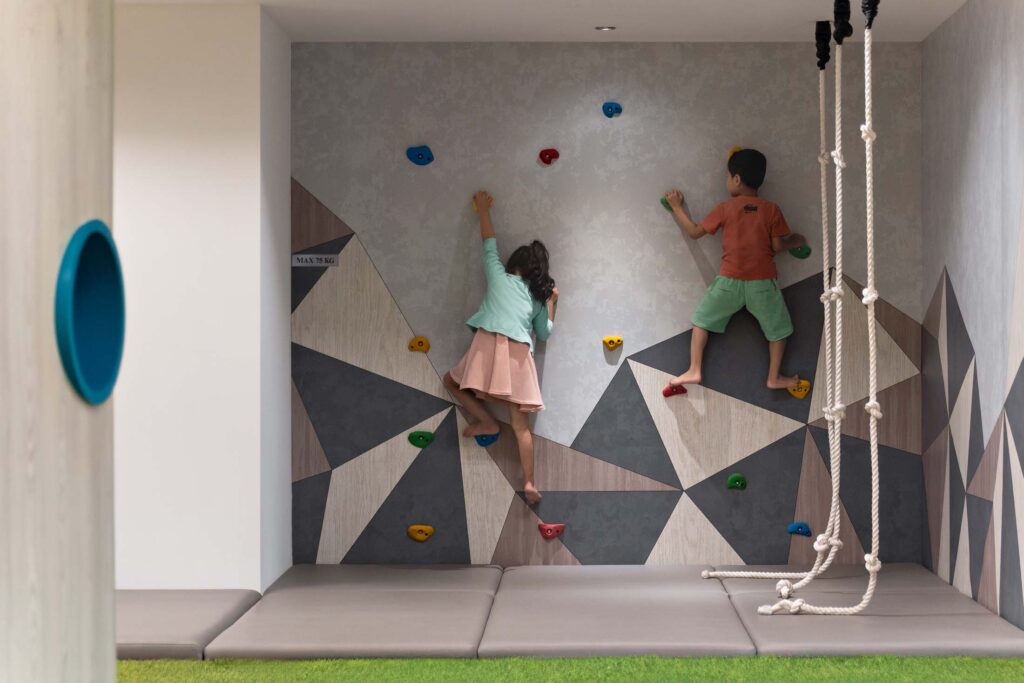
Expatriate families with school-age children prioritize locations offering convenient access to international schools, recreational facilities, and community resources. Extended-stay properties in established residential neighborhoods often provide superior access to these amenities compared to hotels in purely commercial districts. The serviced apartment model also facilitates community building, as families staying for months often connect with neighbors experiencing similar transitions.
Properties should meet accessibility requirements and ADA guidelines to accommodate families with diverse needs, ensuring that extended-stay facilities provide inclusive environments for all guests.
Amenities and Services That Matter
The amenity package distinguishes premium extended-stay properties from basic accommodations. Guests staying for weeks or months utilize facilities differently than overnight visitors, requiring amenities that support long-term living rather than brief visits.
Essential Residential Amenities
Kitchen Equipment:
Complete kitchen setups should include four-burner stovetops or induction cookers, full-size refrigerators with freezers, microwaves, rice cookers (particularly important in Asian markets), comprehensive cookware sets, dinnerware, and utensils. These facilities enable guests to prepare everything from simple breakfasts to elaborate meals.
Laundry Facilities:
In-unit washing machines represent a premium amenity that significantly enhances convenience for extended stays. Properties without in-unit laundry should provide easily accessible, well-maintained common laundry rooms with sufficient capacity.
Technology and Connectivity:
High-speed Wi-Fi with sufficient bandwidth for video conferencing, streaming, and multiple devices has become non-negotiable. Smart TVs, adequate electrical outlets, and USB charging ports throughout the unit address modern connectivity needs.
Hotel-Style Services
Serviced apartments maintain hotel-standard services that differentiate them from unfurnished leases:
- Weekly or bi-weekly housekeeping with linen changes
- 24-hour reception and security
- Concierge services for reservations and local information
- Maintenance support for any unit issues
- Package receiving and storage
For business professionals relocating to Jakarta, comprehensive serviced apartments combine residential comfort with professional services, creating an environment that supports both work productivity and personal well-being. Properties offering fully furnished accommodations with flexible terms address the complete spectrum of extended-stay needs from one-week assignments to year-long expatriate postings.
Selecting the Right Extended-Stay Property
Choosing an appropriate extended hotel stay accommodation requires evaluating multiple factors beyond price and location. The decision impacts daily comfort, productivity, and overall satisfaction throughout the stay duration.
Location and Transportation Access
Proximity to primary destinations (workplace, schools, medical facilities) should drive location selection. Properties near major transportation hubs, including airports and public transit, provide flexibility for both daily commuting and occasional travel. In Jakarta, locations offering convenient access to Soekarno-Hatta International Airport prove valuable for business travelers who maintain frequent flight schedules.
Neighborhood characteristics matter for extended stays. Access to grocery stores, pharmacies, restaurants, and recreational facilities enhances quality of life during long-term accommodation. Areas like Mega Kuningan provide comprehensive infrastructure supporting both business and personal needs.
Property Reviews and Reputation
Extended-stay decisions warrant thorough research. Guest reviews from travelers who stayed for weeks or months provide more relevant insights than feedback from overnight guests. Pay attention to comments regarding maintenance responsiveness, housekeeping quality, noise levels, and management professionalism, as these factors significantly impact long-term satisfaction.
Properties operated by established hospitality brands or management companies often maintain higher consistency in service delivery and amenity quality. Brand standards provide assurance regarding cleanliness, safety protocols, and service expectations.
Lease Terms and Flexibility
Contract terms for extended stays vary significantly across properties. Key considerations include:
- Cancellation policies (notice periods and penalties)
- Rate lock guarantees (protection against mid-stay rate increases)
- Extension options (procedures and pricing for extending stays)
- Early departure terms (refund policies if plans change)
- Deposit requirements (security deposits and advance payment)
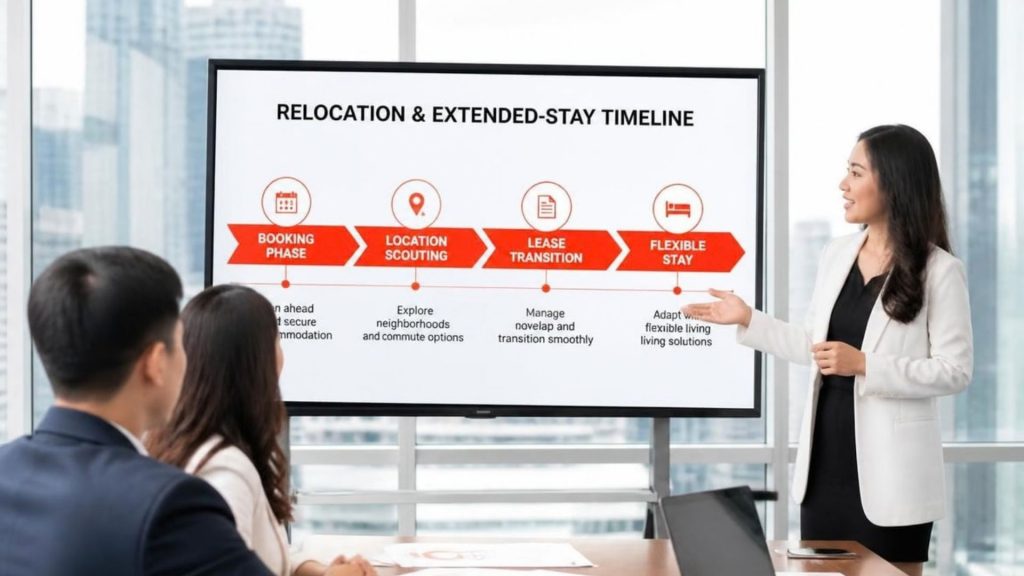
Flexible terms prove particularly valuable when stay duration remains uncertain, as often occurs with project-based assignments or exploratory relocations.
Revenue Management and Booking Strategies
Understanding how extended-stay properties price their inventory helps guests secure optimal rates. Unlike traditional hotels that adjust daily rates based on demand fluctuations, extended-stay properties employ specialized revenue management strategies that balance length of stay, seasonal patterns, and occupancy targets.
Optimal Booking Timing
Extended-stay rates typically remain more stable than traditional hotel rates, though seasonal variations exist. Business districts experience higher demand during peak corporate travel periods (typically excluding major holidays and summer months). Residential markets may see demand peaks aligned with school calendars, as families prefer relocating between academic terms.
Booking directly with properties often yields better rates than third-party platforms for extended stays. Many properties offer direct-booking discounts or value-added benefits (complimentary parking, upgraded units, flexible cancellation) to guests who book through official channels. Corporate rates and negotiated agreements provide additional savings for business travelers affiliated with specific companies or organizations.
Negotiation Opportunities
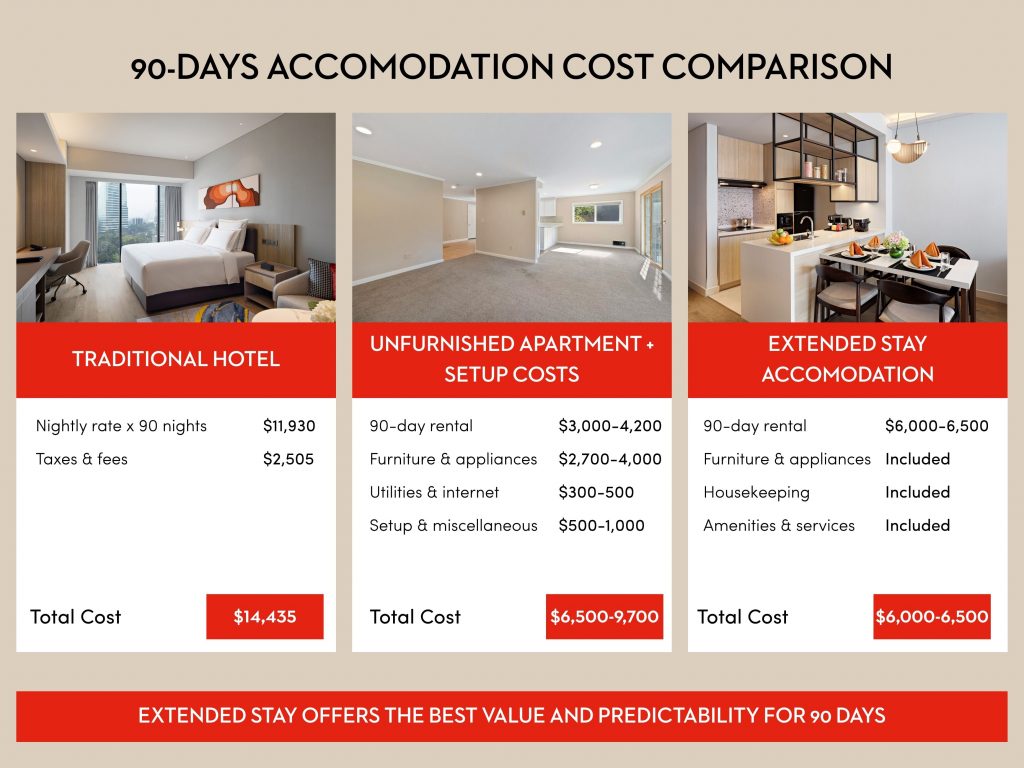
Extended-stay commitments create negotiation leverage that overnight bookings lack. Properties value long-term occupancy that reduces vacancy risk and turnover costs, making them receptive to discussions regarding rates, amenities, and service levels. Guests committing to 90-day or longer stays should explore opportunities to negotiate customized packages incorporating preferred housekeeping schedules, upgraded units, or additional services.
| Stay Duration | Typical Discount | Negotiation Potential | Key Leverage Points |
|---|---|---|---|
| 7-13 nights | 10-15% | Low | Request late checkout, parking |
| 14-29 nights | 15-25% | Moderate | Negotiate weekly housekeeping, rate lock |
| 30-89 nights | 25-40% | High | Custom service package, unit upgrades |
| 90+ nights | 40-60% | Very High | Significant rate reduction, premium amenities |
Health, Wellness, and Lifestyle Considerations

Extended hotel stay experiences impact physical and mental well-being differently than brief hotel visits. Properties that recognize and address these long-term health considerations provide superior living environments for guests staying weeks or months.
Fitness and Recreation Facilities
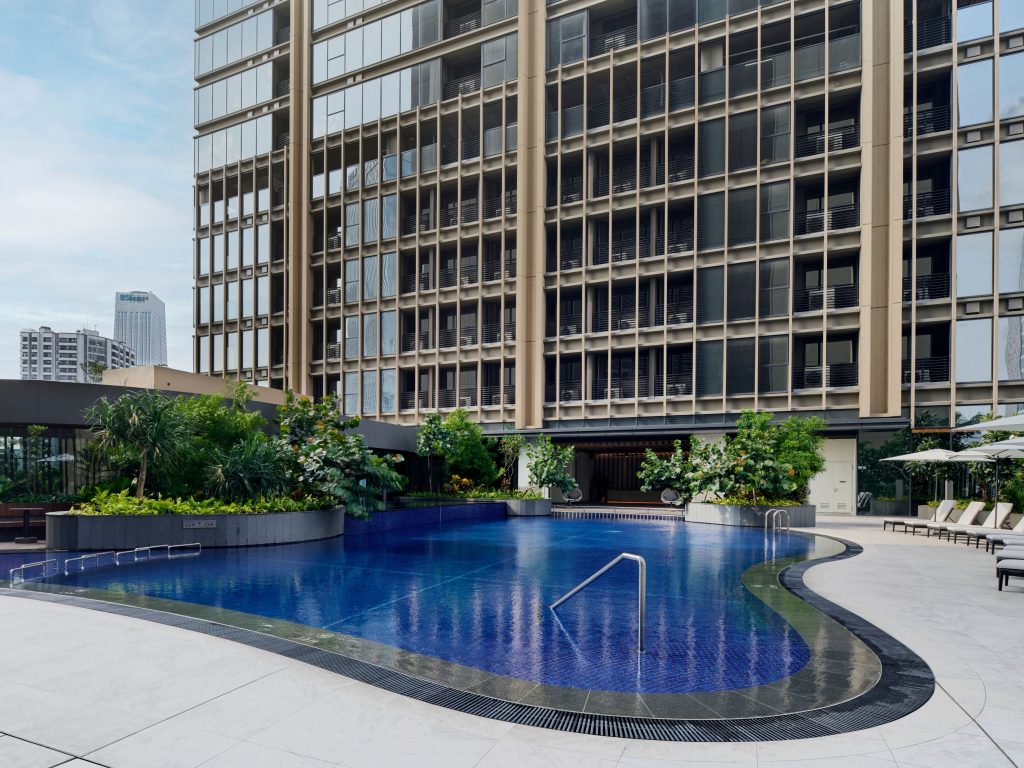
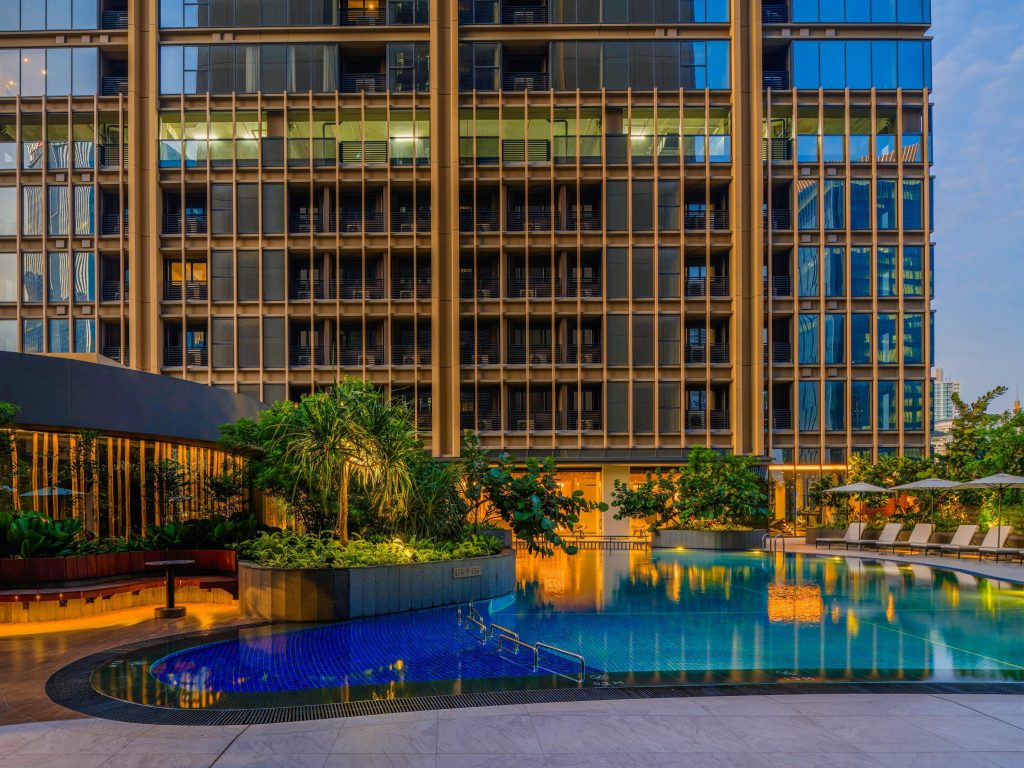
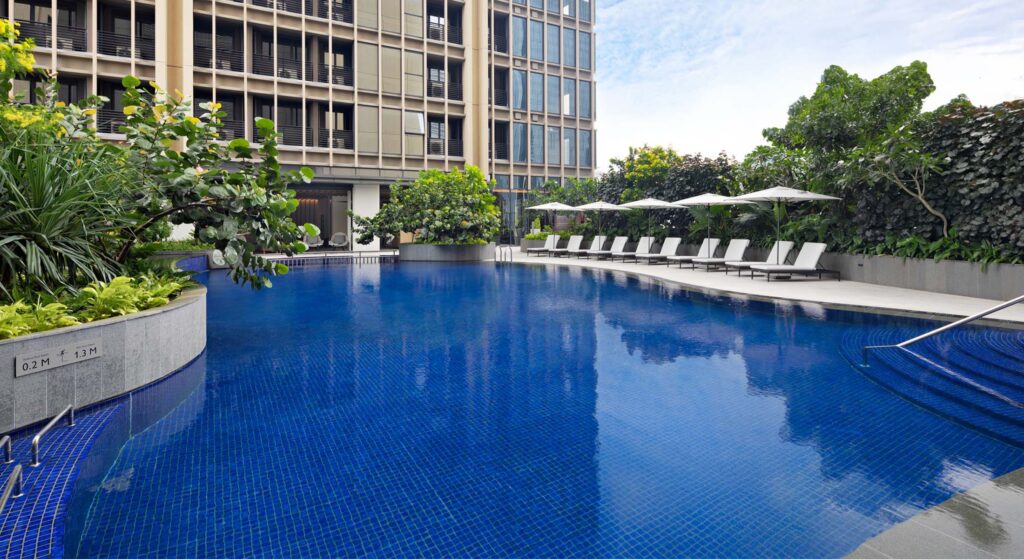
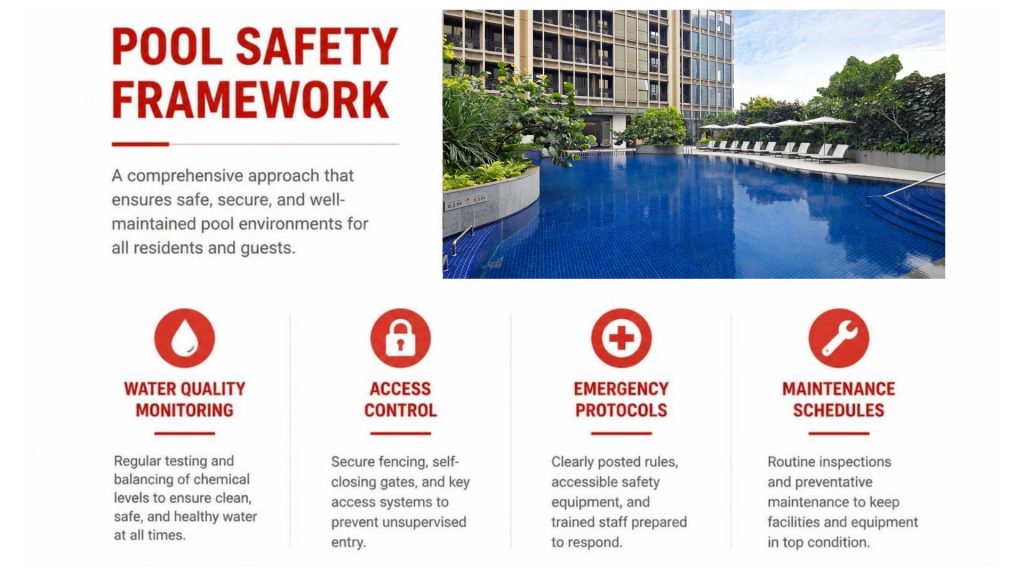
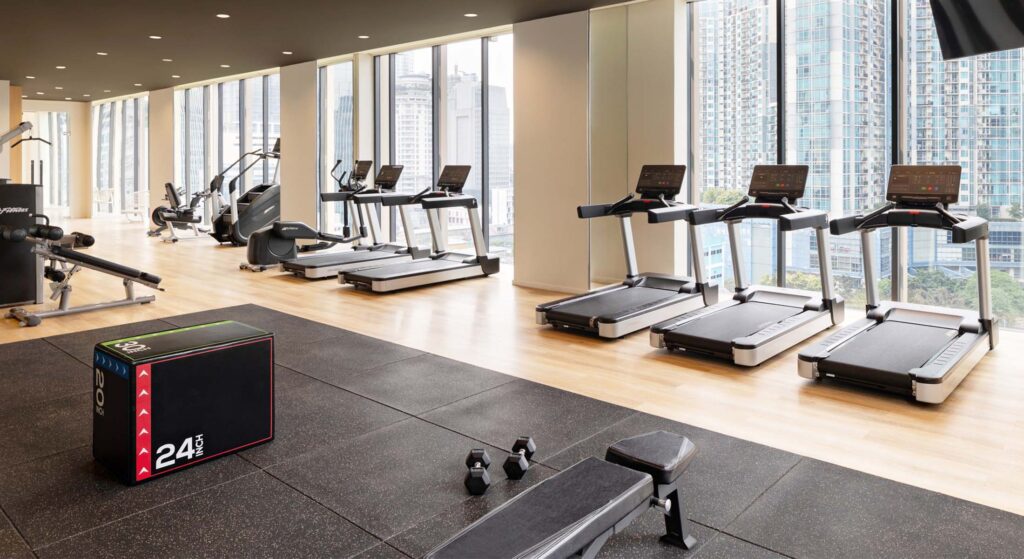
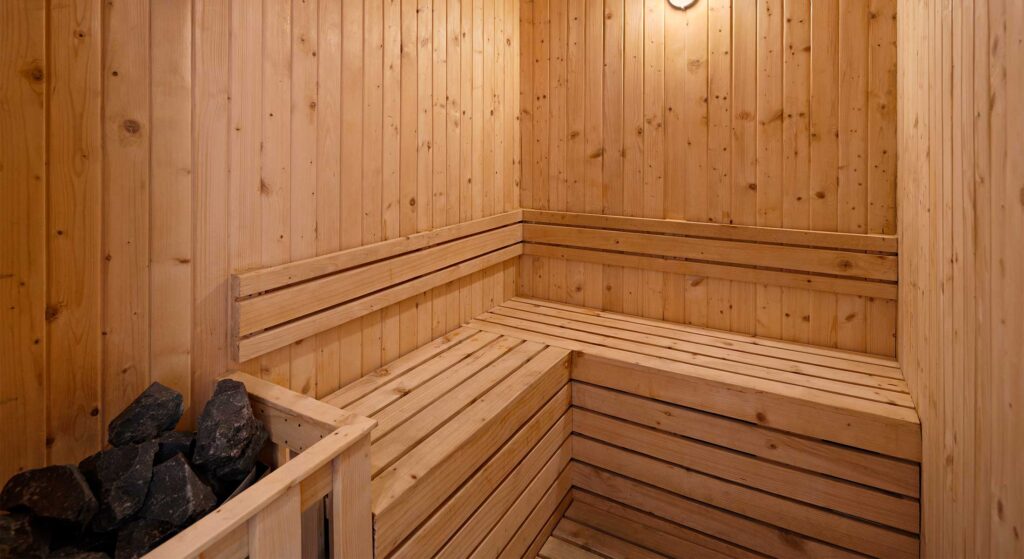
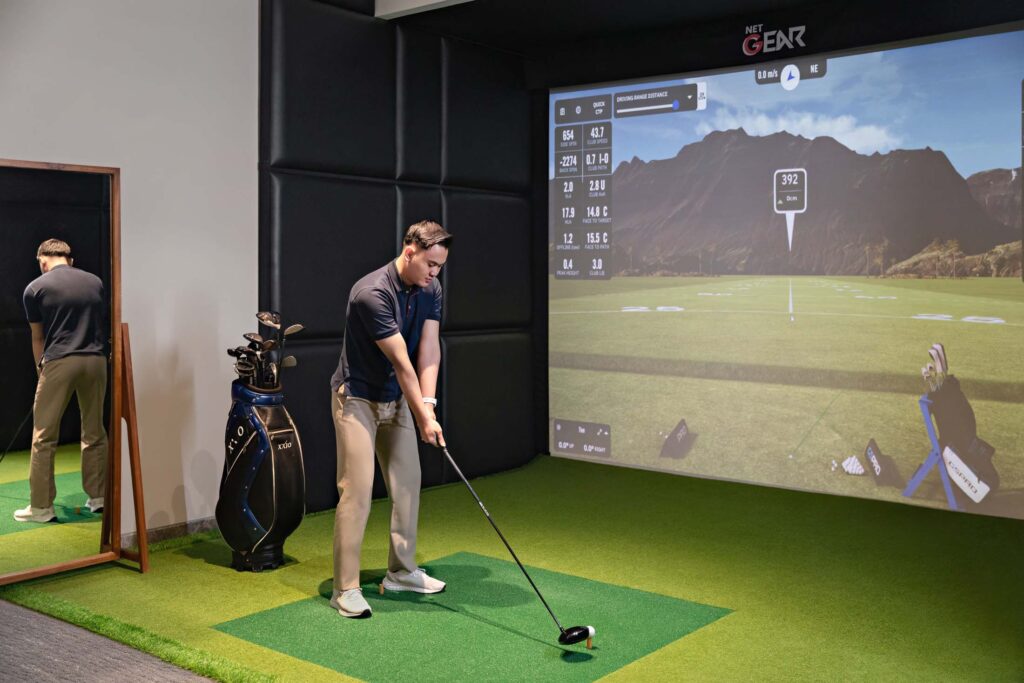
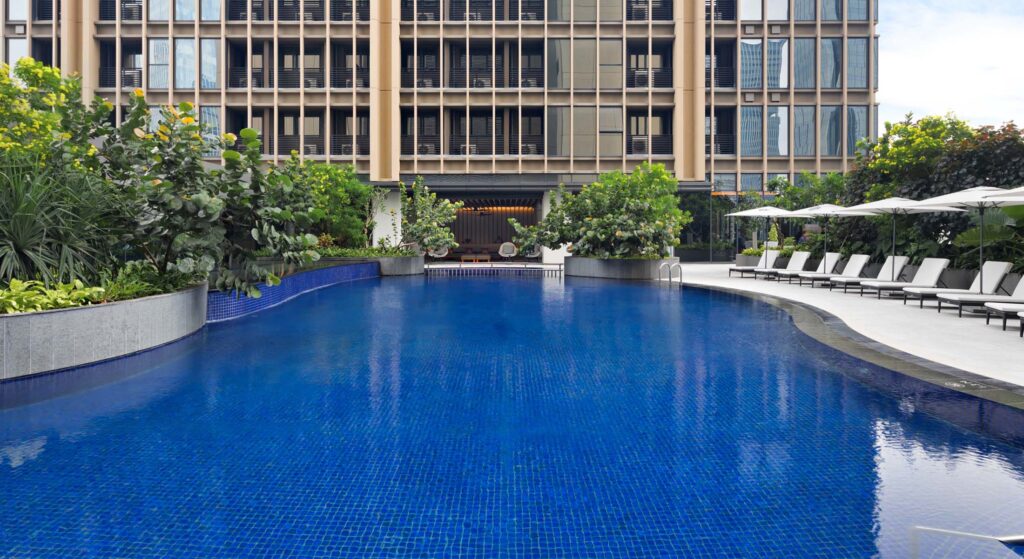
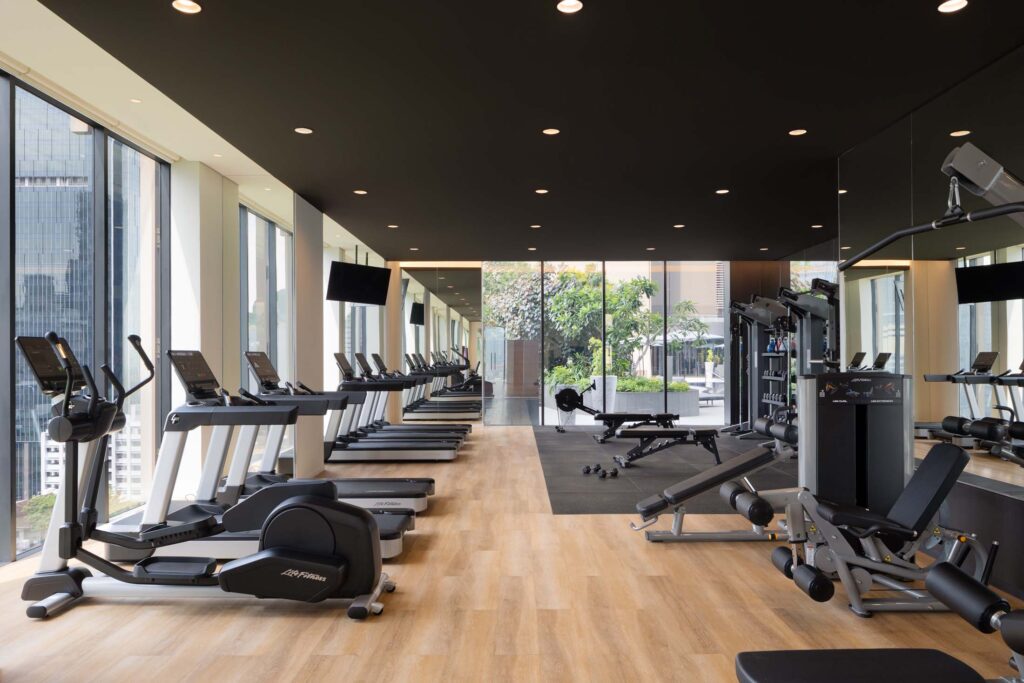
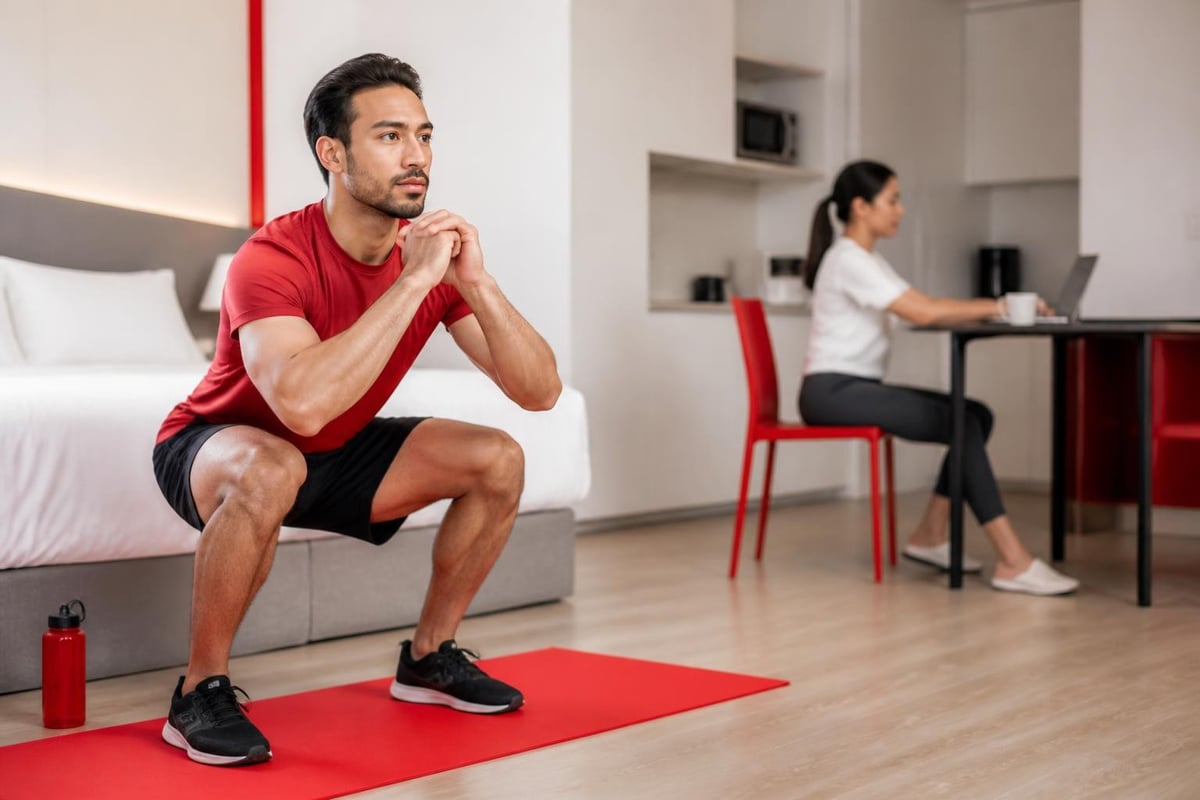
Access to fitness centers, swimming pools, and recreational spaces proves essential for maintaining health during extended stays. Well-equipped gyms enable guests to maintain exercise routines without purchasing temporary memberships at external facilities. Pools provide low-impact exercise options and stress relief after long work days.
Properties should offer facilities comparable to residential apartment complexes, including adequate equipment, appropriate operating hours, and sufficient space to avoid overcrowding during peak usage periods.
Mental Health and Community
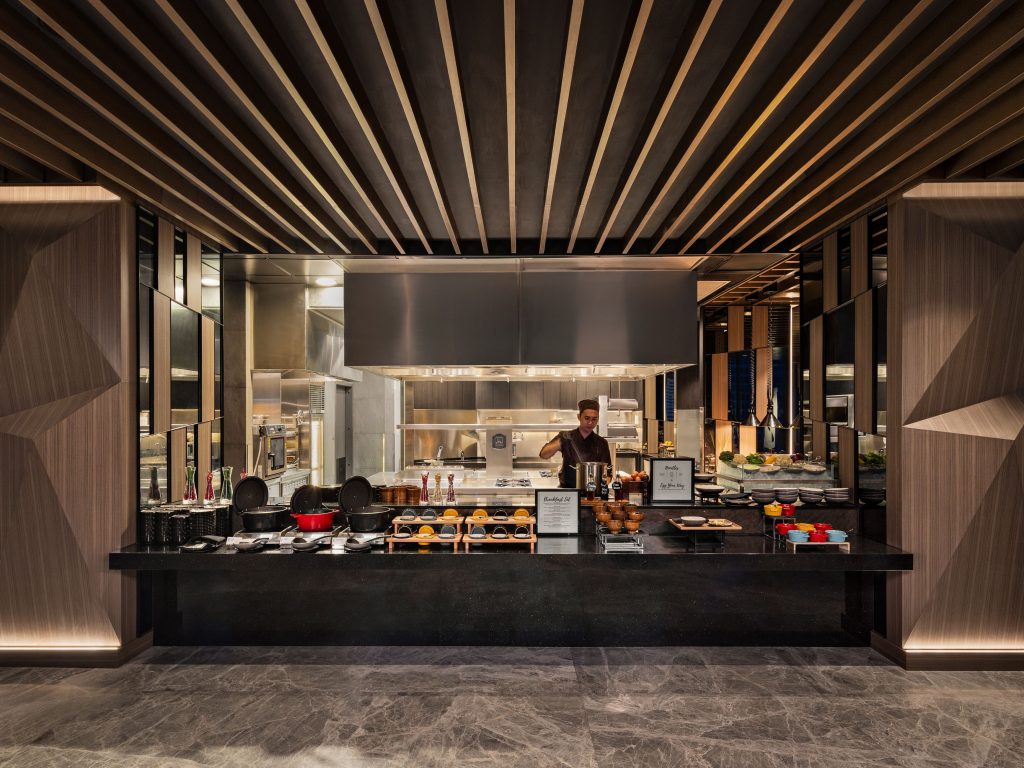
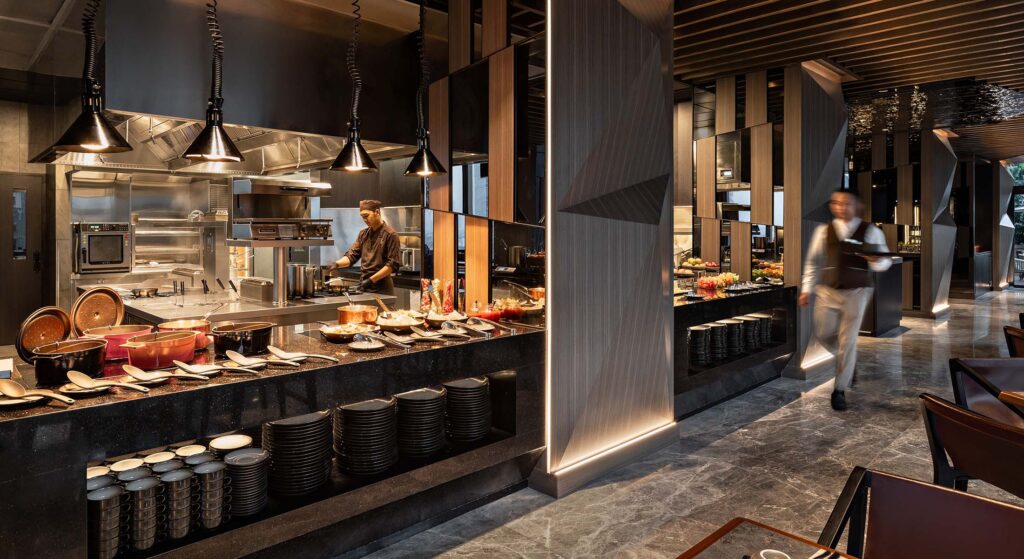
Extended stays, particularly for solo business travelers and expatriates, can create feelings of isolation. Properties fostering community through common areas, social events, or resident programs help combat loneliness and facilitate networking. Communal spaces where residents naturally interact (lounges, rooftop terraces, dining areas) create opportunities for connection.
For expatriate families adjusting to new countries, these community aspects prove particularly valuable, providing social support during challenging transition periods.
Comparing Jakarta’s Extended-Stay Market
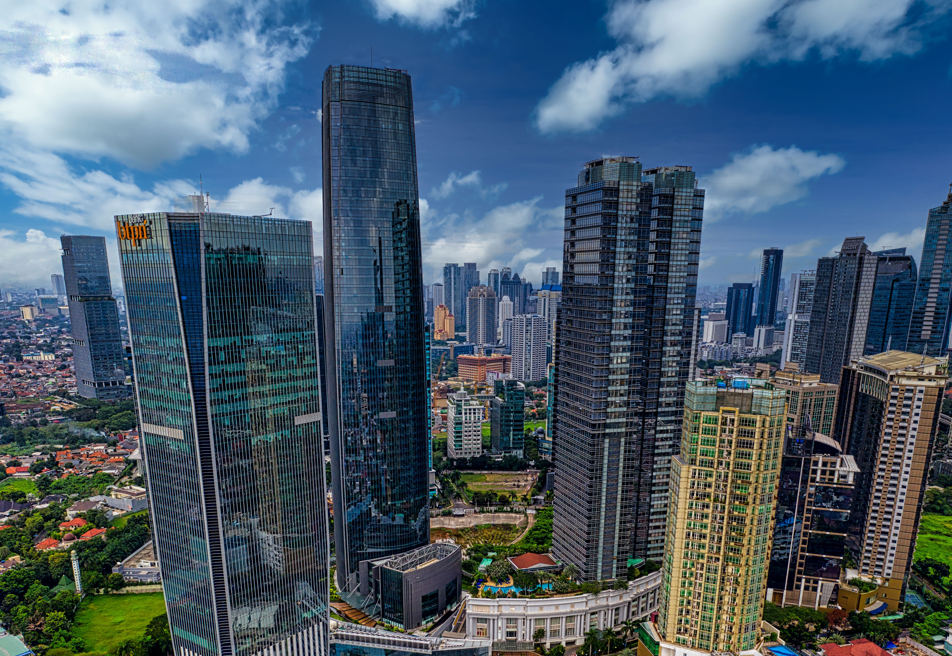
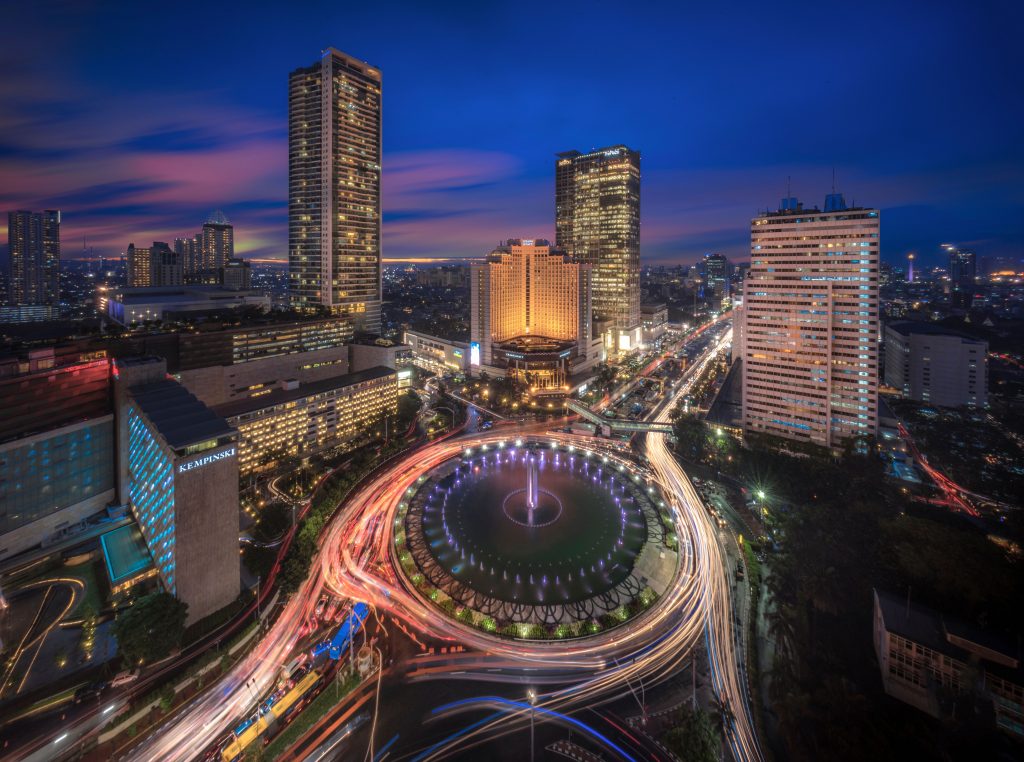
Jakarta’s extended-stay market has evolved substantially to serve the city’s growing expatriate community, multinational corporations, and business travelers. The concentration of properties in Mega Kuningan, SCBD, and Sudirman reflects demand patterns aligned with Jakarta’s primary business districts.
Market Positioning and Value
Properties in Jakarta’s central business districts vary significantly in quality, amenities, and pricing. Understanding these distinctions helps travelers select accommodations aligned with their priorities and budgets. Premium serviced apartments operated by international hospitality groups typically command higher rates while delivering superior amenities, more spacious units, and comprehensive services.
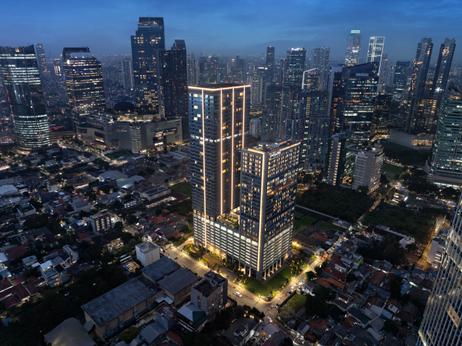
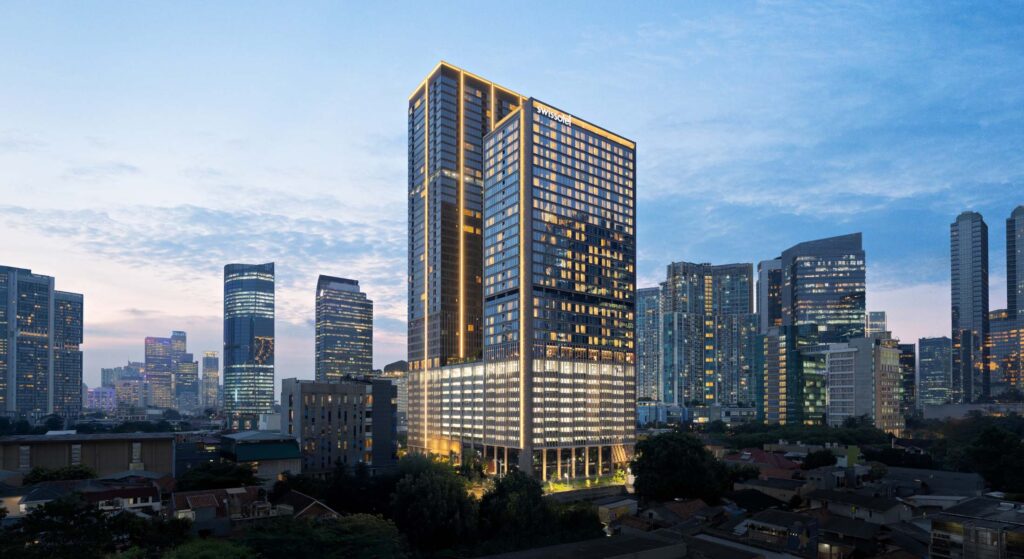
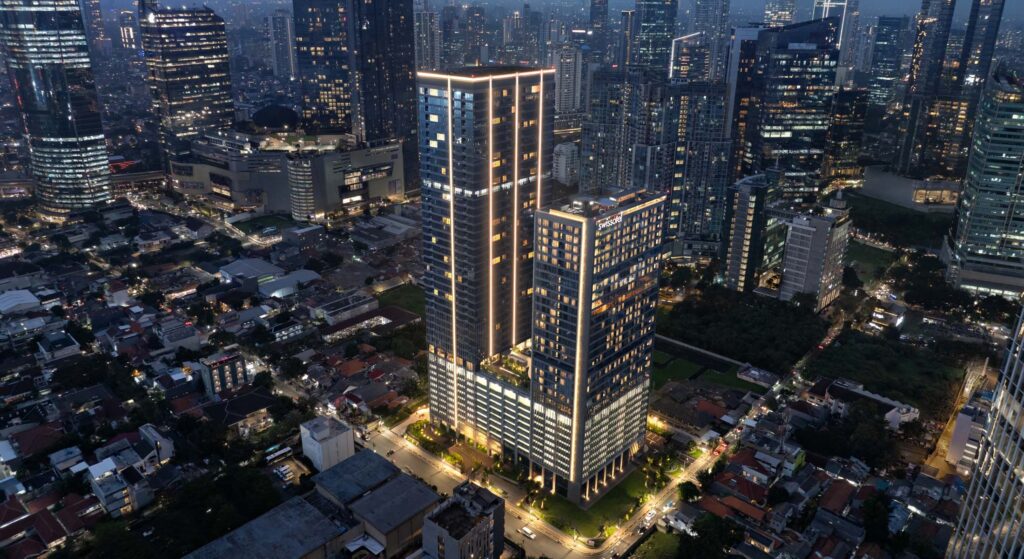
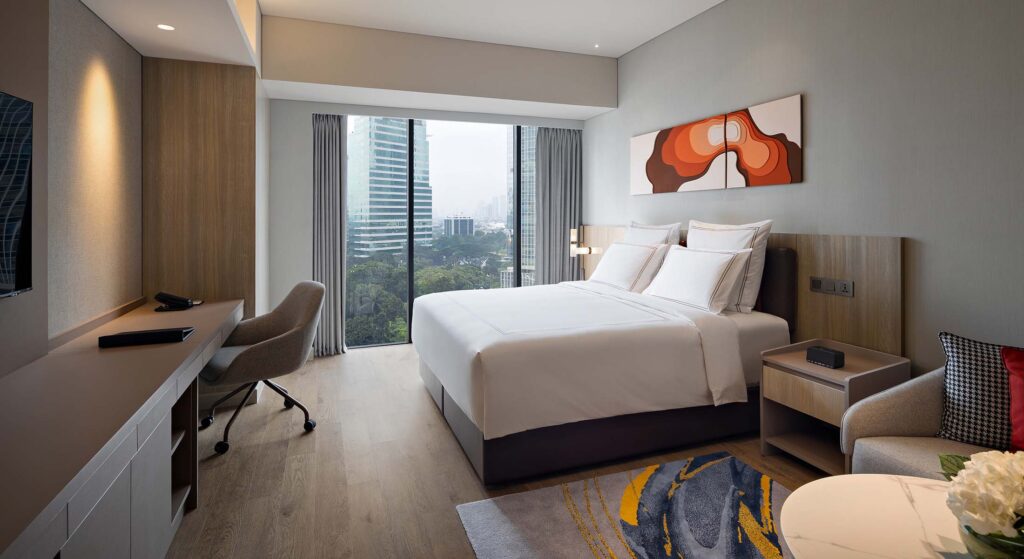
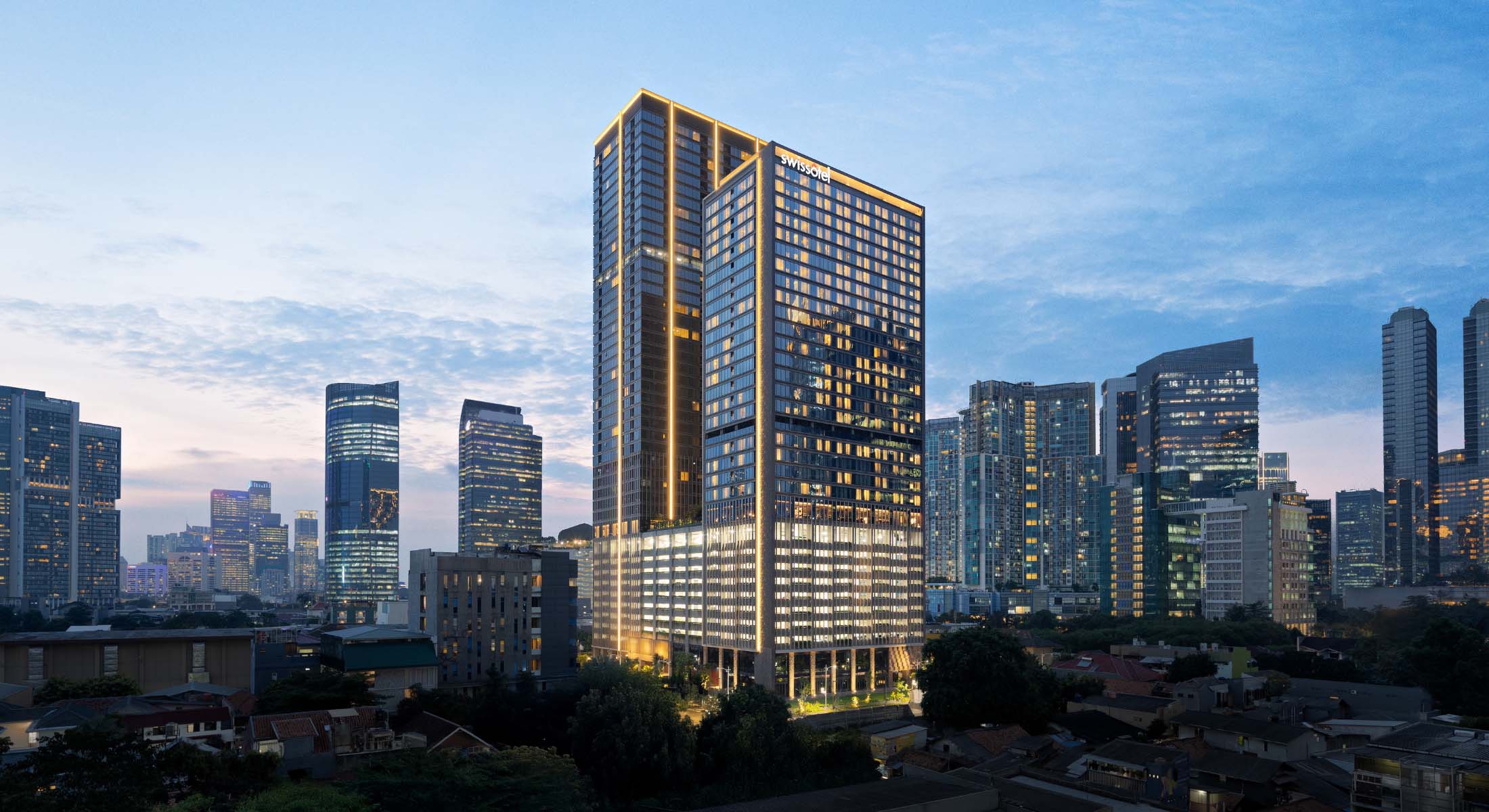
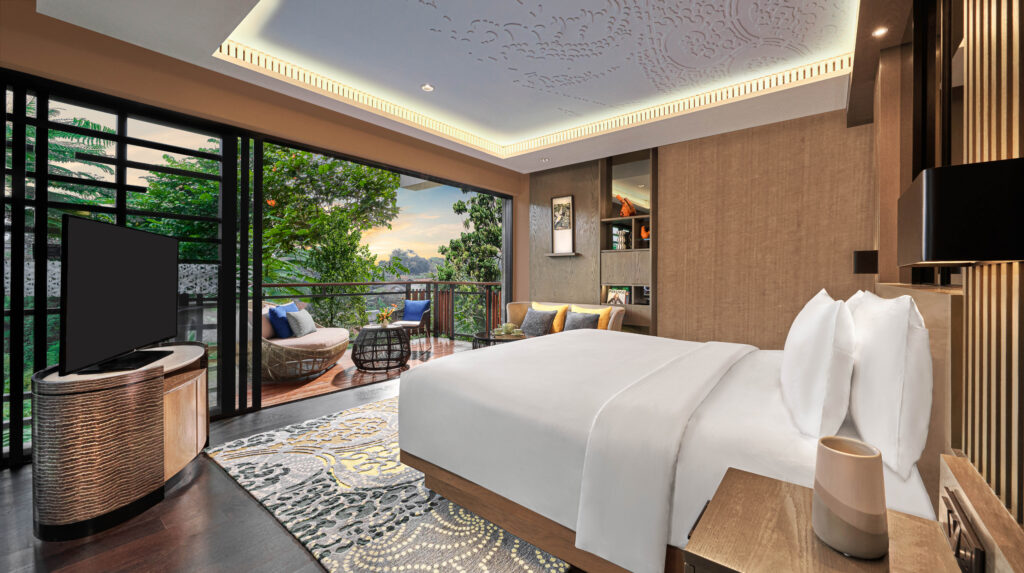
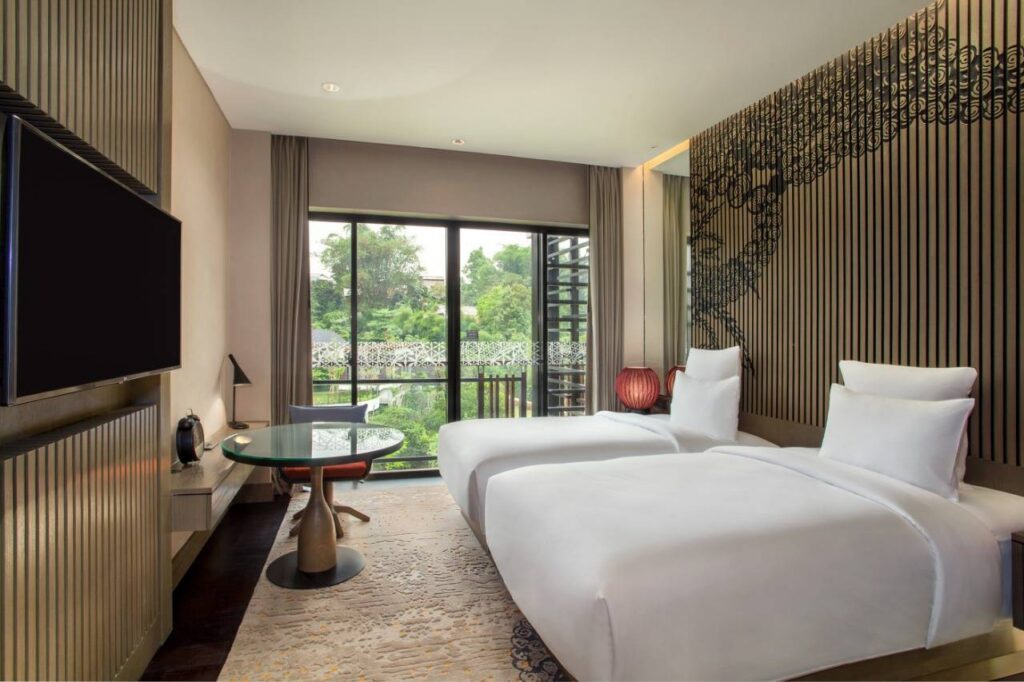
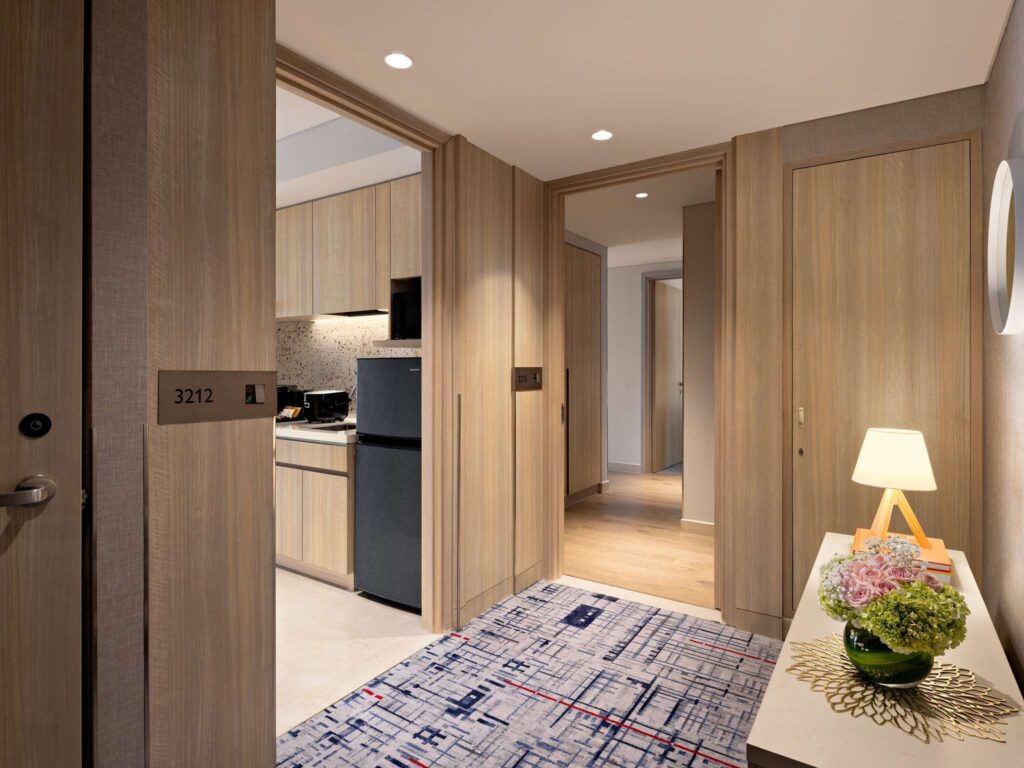
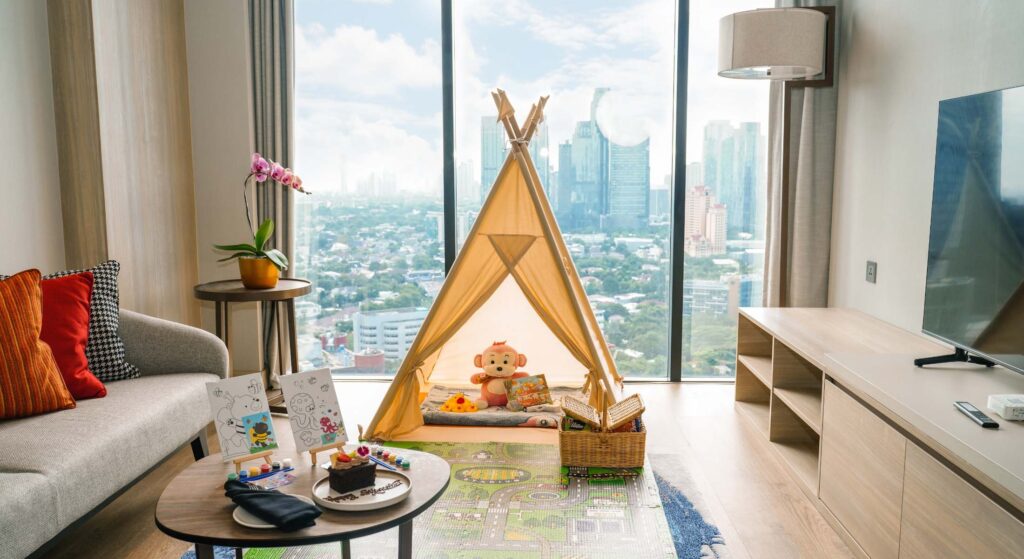
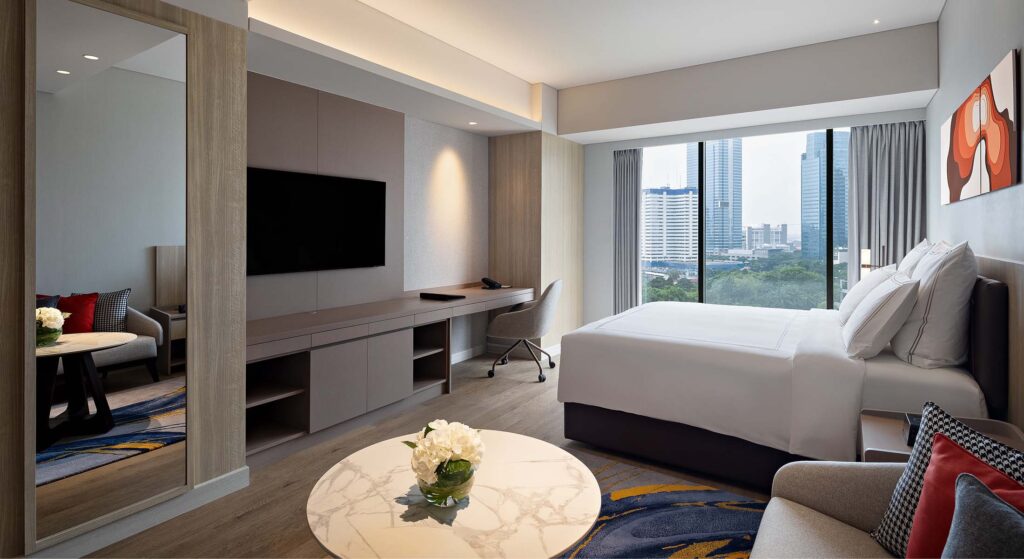
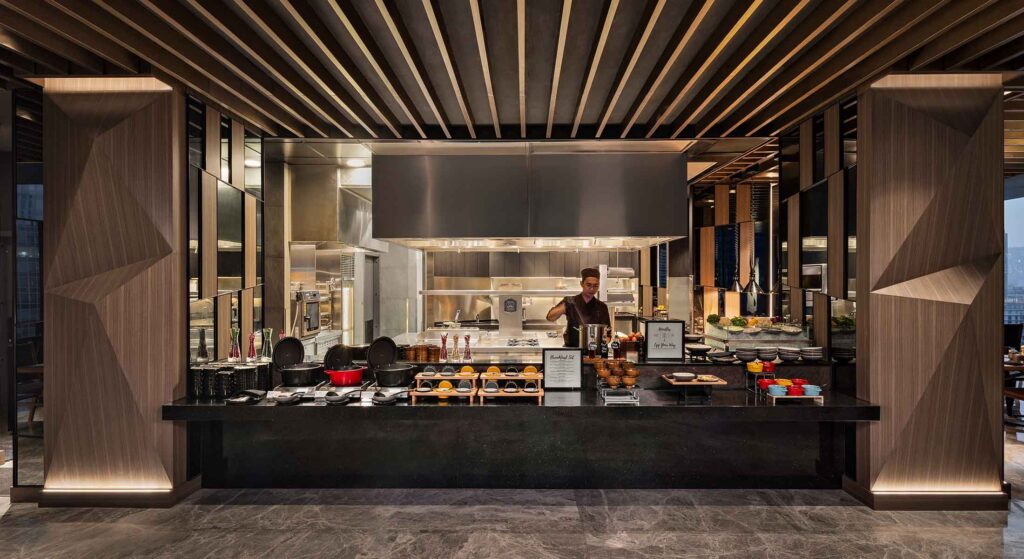
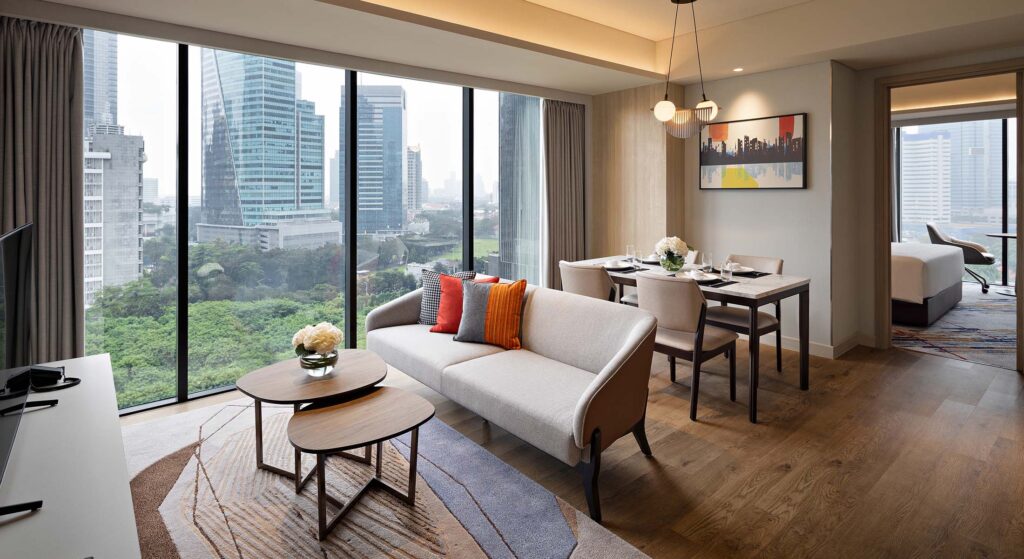
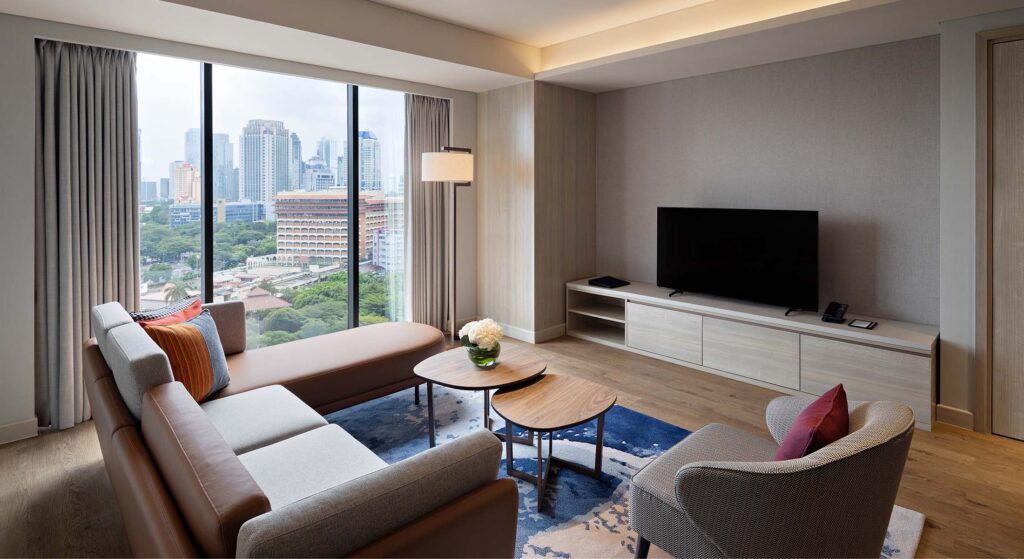
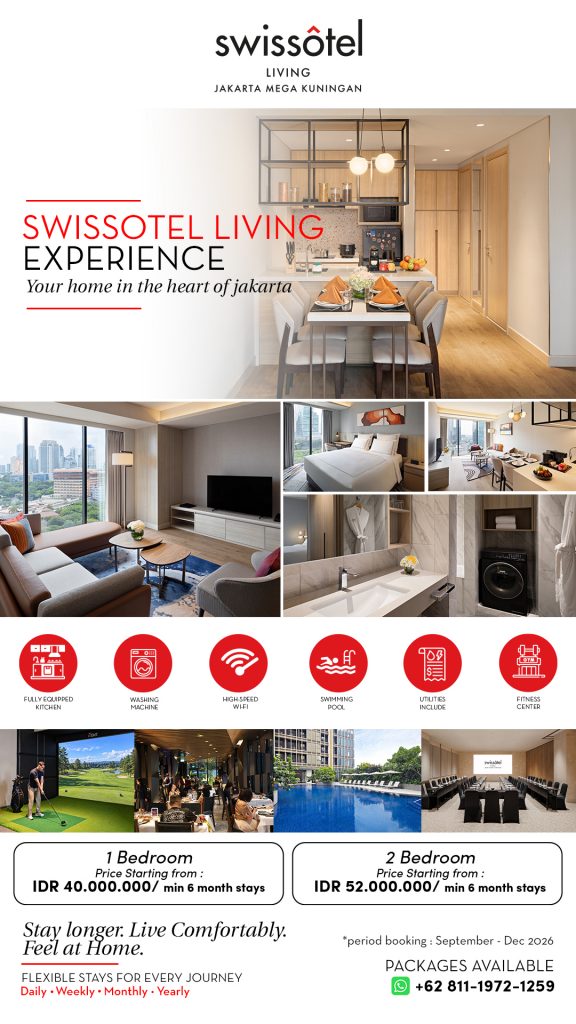
The 240-residence property operated by Accor as Asia’s first Swissôtel Living exemplifies the premium tier, offering studio through three-bedroom configurations designed specifically for extended stays. These fully furnished units accommodate daily, weekly, monthly, and yearly arrangements, addressing needs ranging from short business trips to long-term expatriate accommodation.
Access and Connectivity
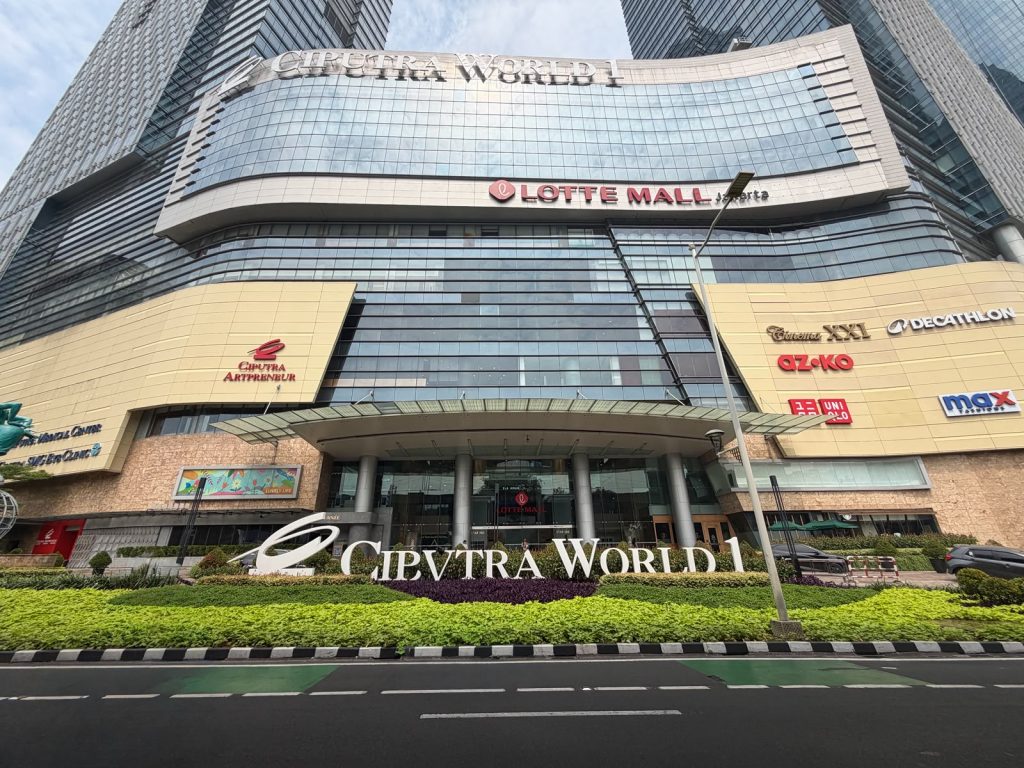
Jakarta’s traffic congestion makes location selection crucial for extended stays. Properties within walking distance of offices or adjacent to major thoroughfares (Gatot Subroto, Sudirman) minimize daily commute stress. Access to shopping malls, restaurants, and services within immediate proximity enhances convenience for guests who may lack personal transportation or prefer avoiding Jakarta’s complex traffic patterns.
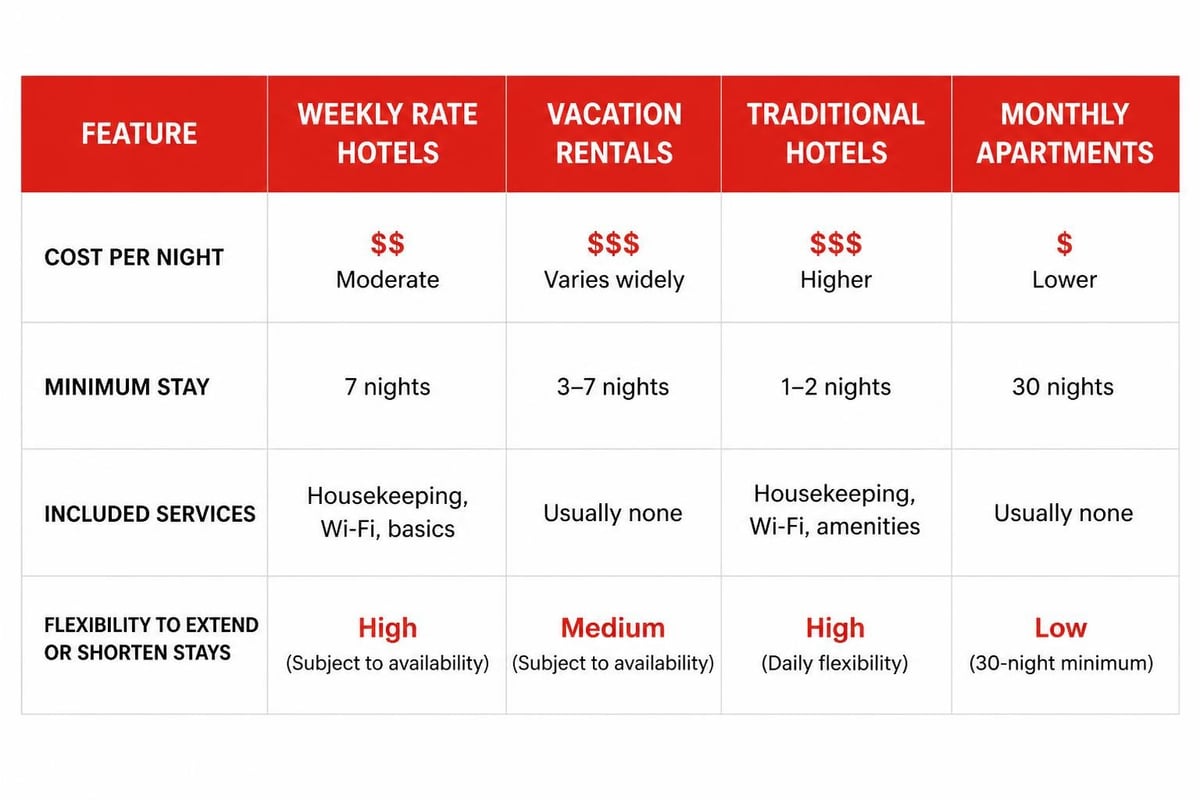
Understanding comparative accommodation options helps business travelers evaluate whether traditional hotels or serviced apartments better suit their extended-stay requirements and budgets.
Legal and Compliance Considerations
Extended hotel stay arrangements involve legal considerations distinct from overnight hotel bookings. Understanding these requirements protects both guests and property operators while ensuring compliance with local regulations.
Visa and Immigration Requirements
International guests staying for extended periods must ensure their visa classifications permit the intended stay duration. Tourist visas typically limit stays to 30-60 days, while business visas, work permits, or long-term resident permits enable longer accommodation periods. Properties may request visa documentation to verify guests’ legal status and stay authorization.
Guests should clarify these requirements before booking extended accommodations to avoid complications arising from visa limitations that conflict with contracted stay durations.
Tax and Residency Implications
Extended stays can trigger tax residency determinations depending on jurisdiction and duration. Business travelers staying in foreign countries for extended periods should consult tax advisors regarding potential tax obligations in both their home country and host location. Some jurisdictions impose different tax treatments for accommodations exceeding specific duration thresholds.
Properties should provide documentation (invoices, receipts, stay confirmations) supporting business expense deductions or tax reporting requirements that guests may need for corporate or personal tax purposes.
Future Trends in Extended-Stay Accommodation
The extended hotel stay sector continues evolving in response to changing work patterns, technology adoption, and guest expectations. Understanding emerging trends helps travelers anticipate how extended-stay experiences will develop in coming years.
Remote Work Integration
The normalization of remote work has fundamentally altered extended-stay demand patterns. Digital nomads and remote workers increasingly seek accommodations supporting month-long or longer stays in attractive destinations. Properties responding to this trend enhance workspace amenities, ensure robust connectivity, and create community programming that appeals to location-independent professionals.
Sustainability and Wellness Focus
Modern travelers prioritize environmental responsibility and health-conscious living. Extended-stay properties incorporating sustainable practices (energy-efficient systems, waste reduction programs, local sourcing) and wellness amenities (air purification, natural lighting, fitness programming) align with these values while differentiating themselves in competitive markets.
Technology Enhancement
Smart home technology integration, mobile check-in systems, keyless entry, and in-room automation increasingly appear in premium extended-stay properties. These technologies enhance convenience while enabling personalization that supports long-term comfort. Properties investing in technology infrastructure position themselves to meet evolving guest expectations.
The extended hotel stay market will continue expanding as work patterns become more flexible, corporate structures embrace distributed teams, and travelers seek accommodation models that provide residential comfort with hospitality convenience. Properties that understand and address the distinct needs of extended-stay guests will capture growing demand across business, expatriate, and lifestyle travel segments.
Extended hotel stay accommodations have transformed the hospitality landscape by recognizing that travelers staying for weeks or months require fundamentally different environments than overnight guests. The combination of residential space, hotel services, and flexible terms creates living solutions that support productivity, comfort, and well-being during temporary relocations or extended assignments. Whether you’re a business professional on a project assignment, an expatriate family adjusting to Jakarta, or a relocating employee seeking temporary housing, Swissôtel Living Jakarta Mega Kuningan offers fully furnished serviced apartments designed specifically for extended stays, with studio through three-bedroom residences available for daily, weekly, monthly, or yearly arrangements in the heart of Jakarta’s central business district.