
Apartments With Swimming Pool: A Complete Guide 2026
Living in apartments with swimming pool facilities has become a defining feature of modern urban accommodation in 2026. For business travelers, expatriates, and families seeking fully furnished serviced apartments, access to a swimming pool represents more than just a recreational amenity. It signifies a commitment to wellness, community, and elevated living standards that transform a simple residence into a comprehensive lifestyle solution. As cities like Jakarta continue to develop world-class accommodation options, understanding the value and practical considerations of pool access helps residents and long-stay guests make informed decisions about their living arrangements.
The Growing Demand for Pool Amenities in Serviced Apartments
Market research consistently demonstrates that swimming pool facilities rank among the top three most desired amenities in multifamily housing and serviced apartment complexes. According to industry analysis covered by Multifamily Dive, residents increasingly prioritize wellness-focused community spaces over individual unit upgrades. This shift reflects broader trends in how people approach their living environments, particularly those on business trips or extended stays who seek hotel-quality services combined with residential comfort.
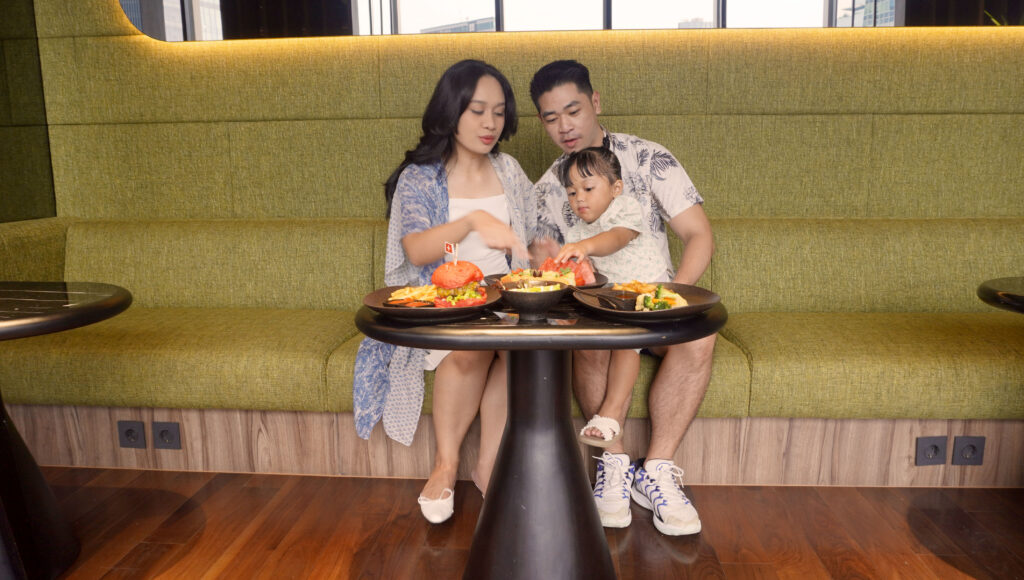
The demand extends across demographic segments. Young professionals value swimming pools for fitness and social connection. Families with children prioritize safe recreational spaces within secure environments. Expatriates on monthly or yearly stays appreciate pools as stress-relief zones that recreate resort-style living. Business travelers increasingly select accommodations based on comprehensive wellness offerings that support work-life balance during extended assignments.
Key factors driving pool amenity demand:
- Health and fitness integration into daily routines
- Social spaces that foster community connection
- Property differentiation in competitive rental markets
- Perceived value enhancement for monthly and yearly lease terms
- Family-friendly recreational options within secure environments

Types of Swimming Pool Facilities in Modern Apartment Developments
Apartments with swimming pool access vary significantly in design, size, and functionality. Understanding these variations helps prospective residents evaluate which features align with their lifestyle needs and usage patterns.
Standard Recreational Pools
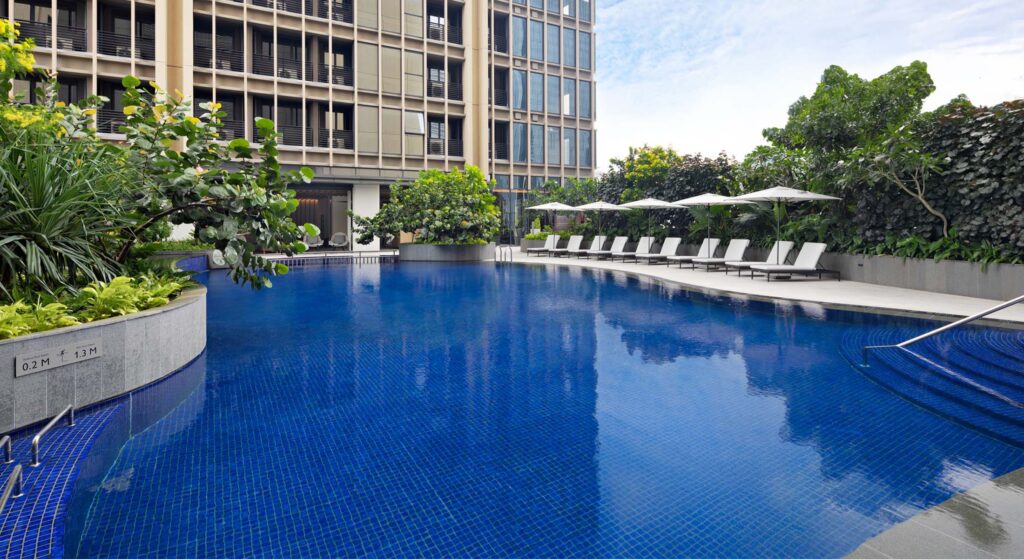
These pools typically measure 15 to 25 meters in length and serve general recreational purposes. They accommodate multiple users simultaneously, offering lap swimming lanes during designated hours and open swim periods throughout the day. Most serviced apartment developments in major business districts feature this configuration, balancing space constraints with resident demand for aquatic facilities.
Infinity and Rooftop Pools
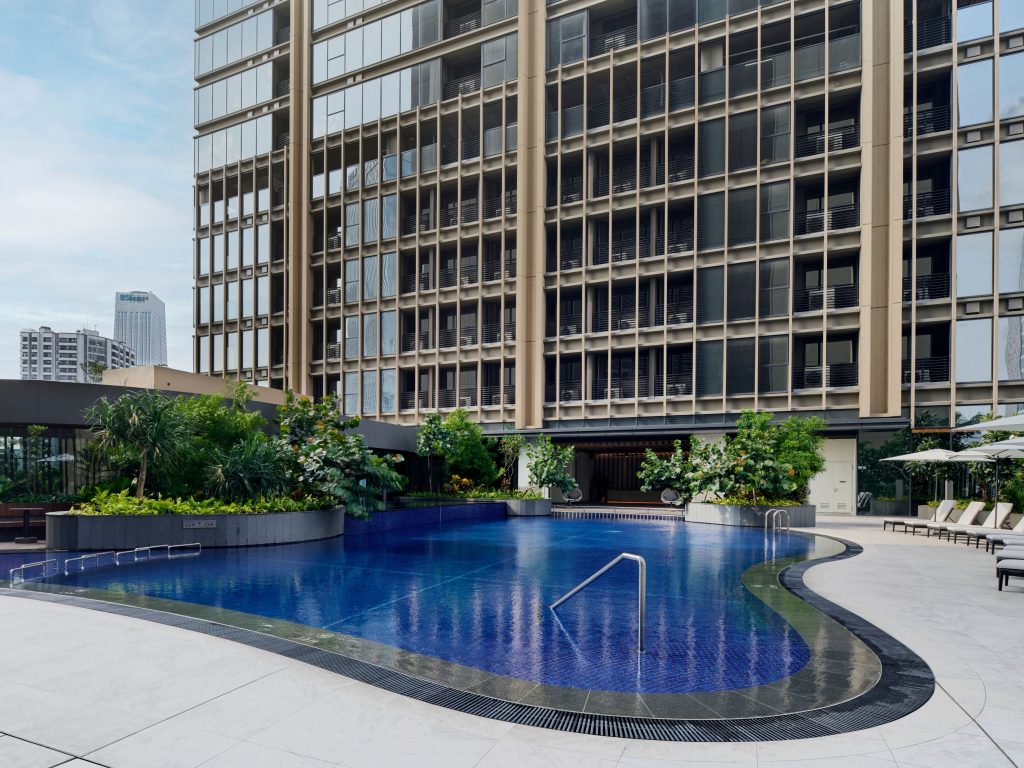
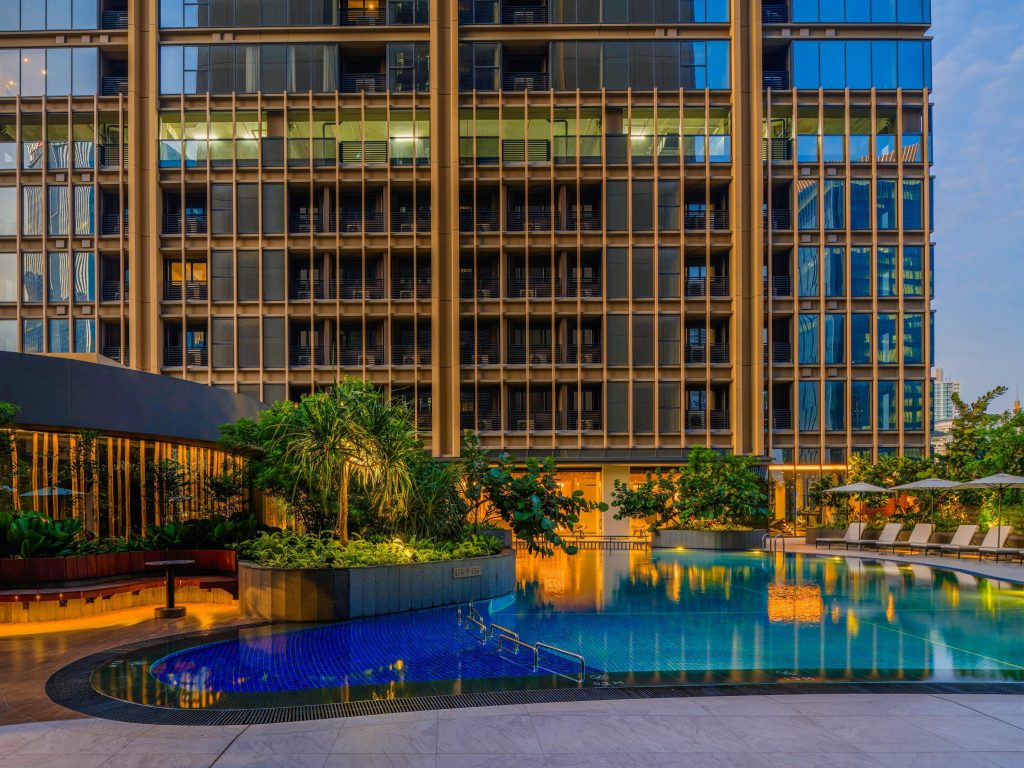
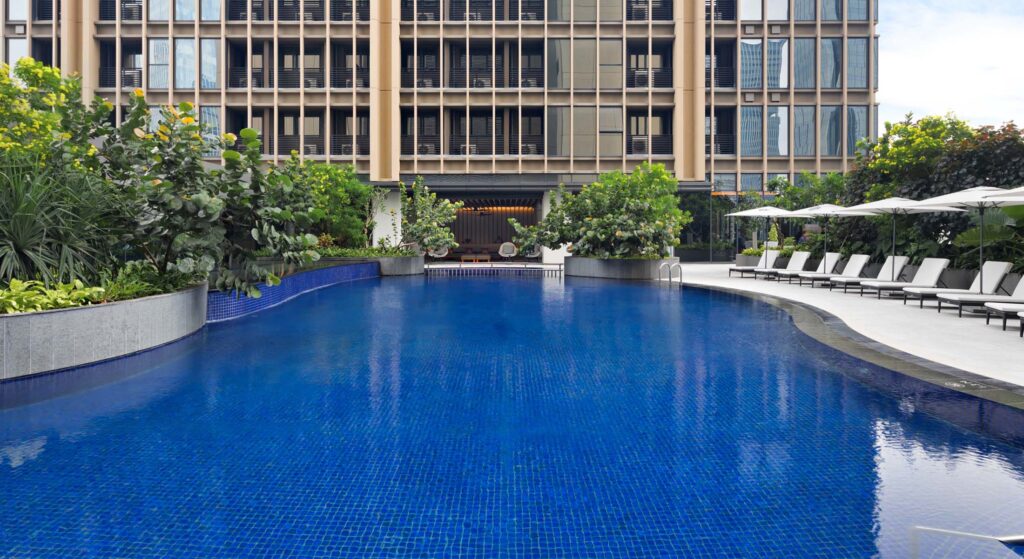
Premium serviced apartment properties increasingly incorporate infinity-edge or rooftop pool designs that combine recreation with panoramic city views. These installations serve dual purposes as fitness facilities and social gathering spaces, particularly popular among expatriates and long-stay guests seeking resort-style experiences within urban environments.
Family-Focused Pool Areas
Developments targeting family stays often include dedicated children’s pools with shallow depths and safety features. These separate areas allow families to enjoy pool time together while maintaining appropriate supervision and safety standards. Properties near international schools or embassy districts frequently prioritize this configuration.
| Pool Type | Typical Dimensions | Primary Users | Best For |
|---|---|---|---|
| Recreational | 15-25m length | All residents | General fitness and leisure |
| Infinity/Rooftop | Variable | Adults, business travelers | Relaxation, city views |
| Children’s Pool | 0.5-1m depth | Families | Safe play for young children |
| Lap Pool | 20-50m length | Fitness enthusiasts | Serious swimming training |
The choice of pool configuration reflects the property’s target demographic and overall positioning within the serviced apartment market.
Health and Wellness Benefits of Regular Pool Access
Swimming represents one of the most comprehensive forms of exercise available to residents. Unlike high-impact activities, swimming provides cardiovascular benefits while minimizing joint stress, making it suitable for individuals across age ranges and fitness levels.
Regular pool access supports multiple wellness dimensions. Cardiovascular health improves through consistent swimming routines that elevate heart rate without excessive strain. Muscular strength develops as water resistance engages multiple muscle groups simultaneously. Mental health benefits from the meditative qualities of repetitive swimming motions and the stress-reducing properties of aquatic environments.
For business travelers and expatriates managing demanding schedules, having a pool within their serviced apartment complex eliminates transportation barriers to fitness. The convenience factor significantly increases usage rates compared to off-site gym memberships. Early morning or evening swims integrate seamlessly into work routines, providing energy boosts or decompression opportunities without lengthy commutes.
Therapeutic and Recovery Applications
Beyond fitness, swimming pools serve therapeutic purposes for residents recovering from injuries or managing chronic conditions. The buoyancy of water reduces body weight by approximately 90 percent when immersed to neck level, allowing movement patterns impossible on land. Physical therapists frequently recommend aquatic exercise for rehabilitation protocols.
Water temperature also affects therapeutic benefits. Pools maintained between 82-86°F (28-30°C) promote muscle relaxation and pain relief, while cooler temperatures between 78-82°F (26-28°C) energize and invigorate swimmers during fitness-focused sessions.
Safety Standards and Compliance for Apartment Pools
Operating swimming pools within residential developments requires adherence to comprehensive safety standards and regulatory frameworks. Property operators must maintain constant vigilance regarding water quality, facility maintenance, and risk mitigation protocols.
In the United States, apartment pools must comply with local health codes, the ADA accessibility requirements, and electrical safety standards outlined in NFPA Article 680. While Jakarta operates under Indonesian regulatory frameworks, international serviced apartment operators typically implement standards that meet or exceed global best practices to ensure guest safety and maintain brand reputation.
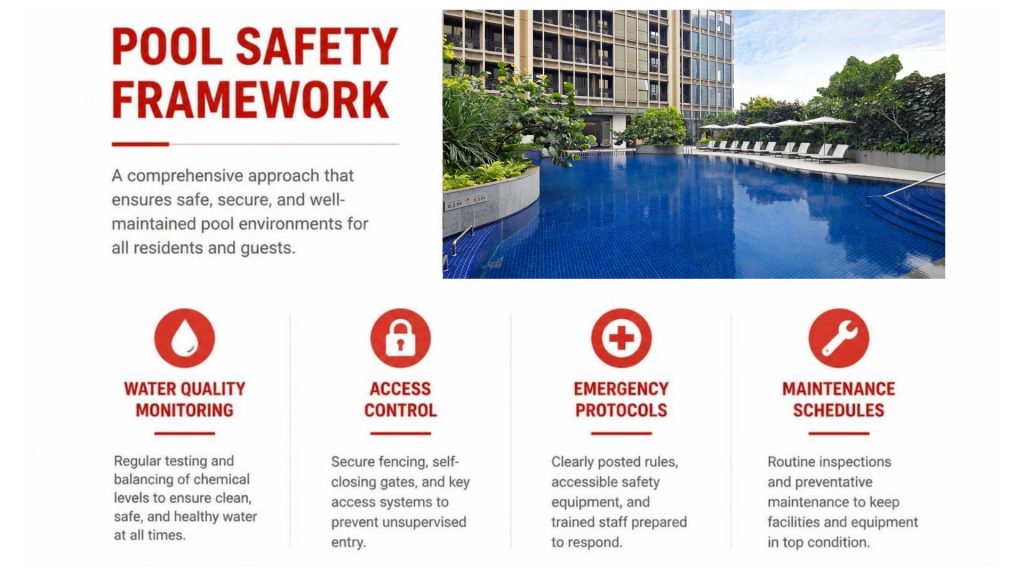
Essential safety elements for apartment pools:
- Barrier protection through fencing, gates, and access control systems
- Water quality monitoring with regular chemical testing and filtration maintenance
- Depth markers and safety signage in multiple languages
- Emergency equipment including life rings, reaching poles, and first aid stations
- Surveillance systems providing continuous monitoring of pool areas
- Staff training in water safety, CPR, and emergency response protocols
The Department of Housing and Urban Development provides guidance on housing quality standards that inform best practices for multifamily pool operations, emphasizing preventive maintenance and systematic inspection protocols.
Operational Costs and Environmental Considerations
Managing swimming pool facilities represents a significant operational expense for serviced apartment properties. Understanding these costs provides context for how pool amenities affect overall property value and rental pricing structures.
Energy and Water Consumption
Pool pumps and heating systems consume substantial energy. Traditional single-speed pumps operate at full capacity regardless of actual demand, resulting in inefficient energy usage. The Department of Energy has established efficiency standards for pool equipment that encourage adoption of variable-speed pumps, which reduce energy consumption by 30-70 percent compared to conventional models.
Water usage extends beyond initial pool filling. Evaporation accounts for most water loss, particularly in outdoor pools or facilities in warm climates. According to EPA WaterSense guidance, pool covers reduce evaporation by 95 percent when properly deployed, representing both water conservation and heating cost savings as retained water maintains temperature more effectively.
Maintenance and Chemical Management
Professional pool maintenance includes daily water testing, chemical balancing, filtration system monitoring, and periodic deep cleaning. Serviced apartment operators typically employ dedicated facilities teams or contract specialized pool service providers to maintain consistent water quality and equipment functionality.
Chemical costs fluctuate based on pool size, usage intensity, and environmental conditions. Chlorine or alternative sanitization systems require ongoing replenishment, while pH balancers, algaecides, and shock treatments address specific water chemistry needs. Advanced properties increasingly adopt saltwater chlorination systems that reduce chemical handling while providing consistent sanitization.
| Maintenance Category | Frequency | Annual Cost Range (Medium Pool) |
|---|---|---|
| Chemical supplies | Daily/Weekly | $2,000 – $4,000 |
| Energy (pump/heat) | Continuous | $3,000 – $8,000 |
| Water replacement | Monthly | $800 – $1,500 |
| Professional service | Weekly | $4,000 – $6,000 |
| Equipment repair/replacement | As needed | $1,500 – $3,500 |
These operational realities inform rental pricing for apartments with swimming pool access, as properties must recover infrastructure costs while remaining competitive within their market segments.
Insurance and Liability Considerations for Pool Amenities
Swimming pools introduce specific liability exposures that serviced apartment operators must address through comprehensive insurance coverage and risk management practices. Insurance Journal analysis highlights pools as significant liability factors in multifamily property insurance underwriting.
Premises liability coverage protects property owners against claims arising from pool-related injuries. Insurers evaluate multiple factors when determining coverage terms and premium rates, including pool depth, safety equipment, supervision protocols, access control measures, and historical incident data.
Risk mitigation strategies directly affect insurance costs and liability exposure. Properties that implement robust safety programs, maintain detailed maintenance records, enforce clear pool rules, and provide adequate supervision demonstrate lower risk profiles. Many operators require residents and guests to acknowledge pool safety guidelines as part of lease agreements or check-in procedures.
Selecting Apartments With Swimming Pool Access
When evaluating serviced apartments with pool facilities, prospective residents should assess multiple factors beyond the pool’s mere presence. The quality, accessibility, and integration of pool amenities into the overall property offering significantly impact daily living experiences.
Location and Accessibility Within Property
Pool placement affects usage frequency and convenience. Ground-floor pools offer immediate access but may lack privacy or views. Rooftop installations provide panoramic vistas and psychological escape from street-level urban density but require elevator access that may be inconvenient for multiple daily visits. Consider personal usage patterns when evaluating pool location relative to your specific apartment unit.
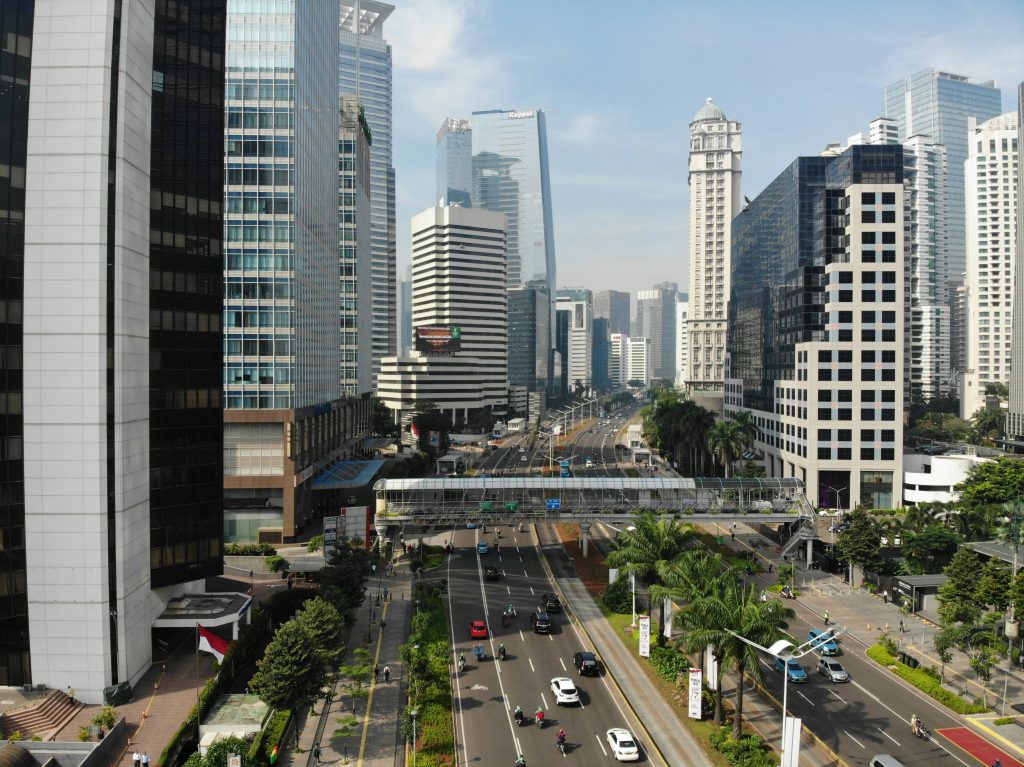
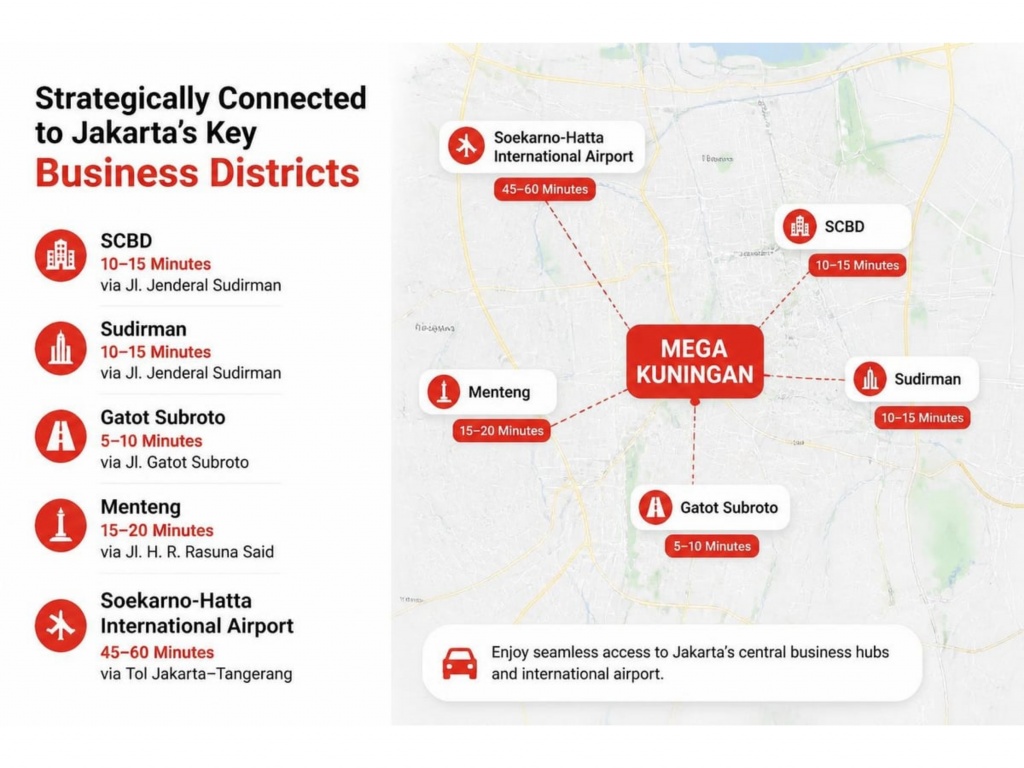
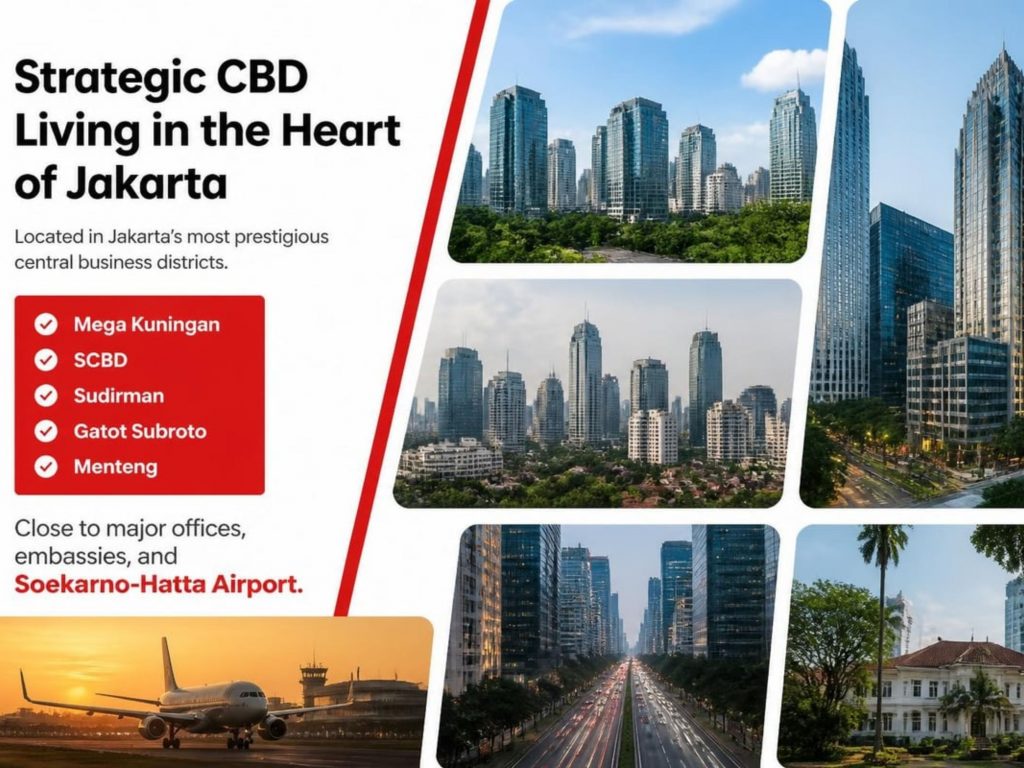
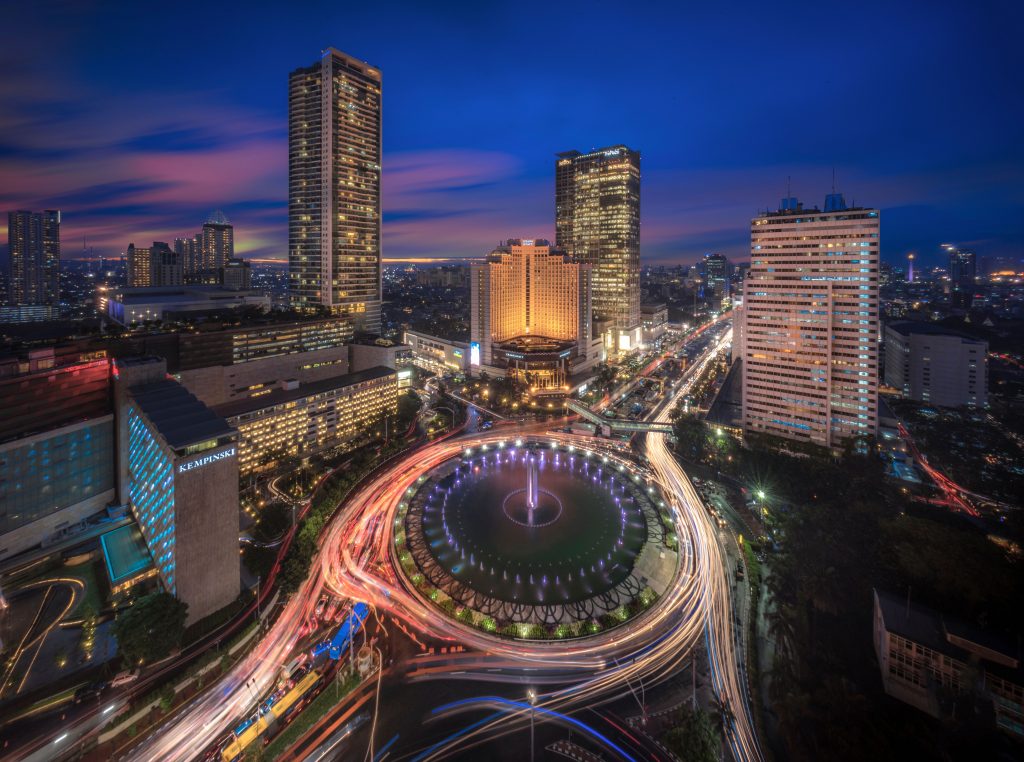
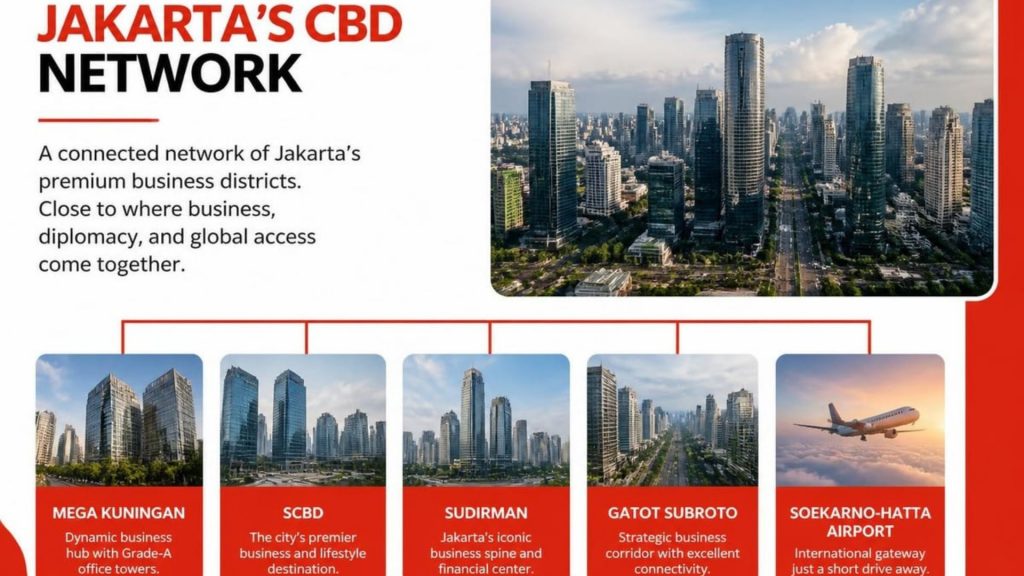
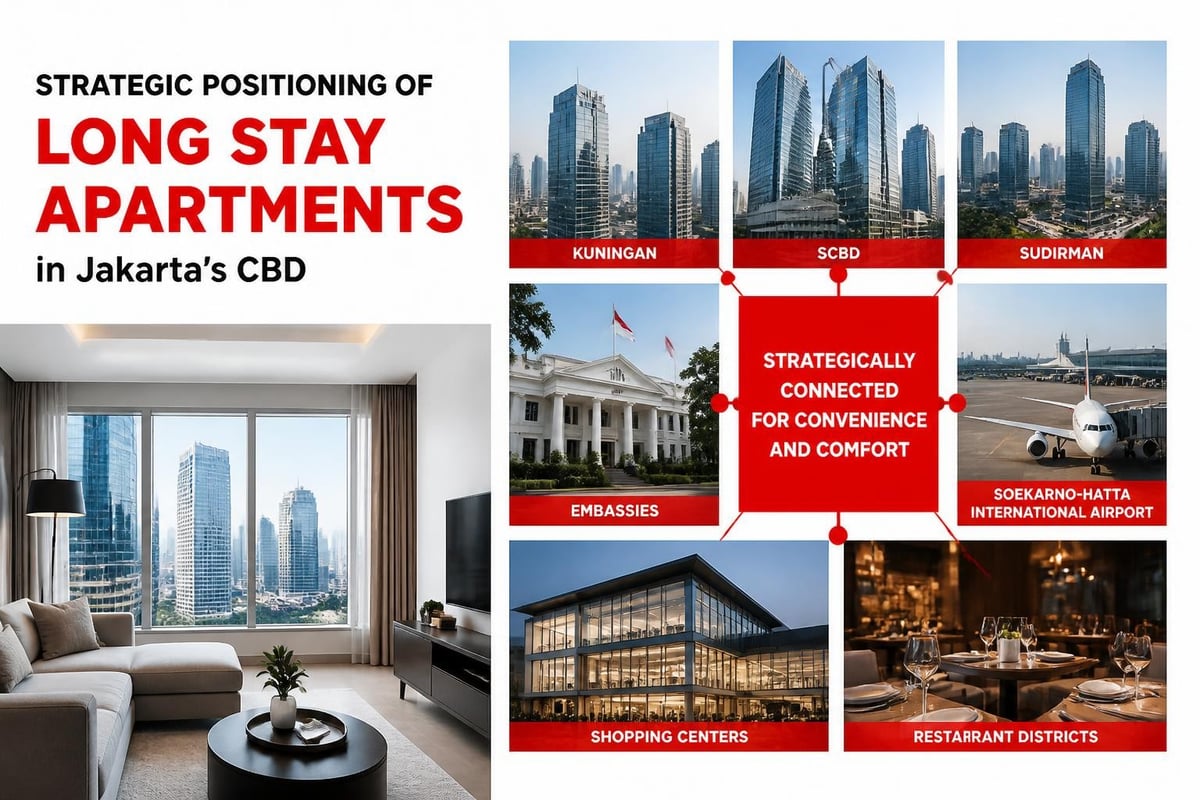
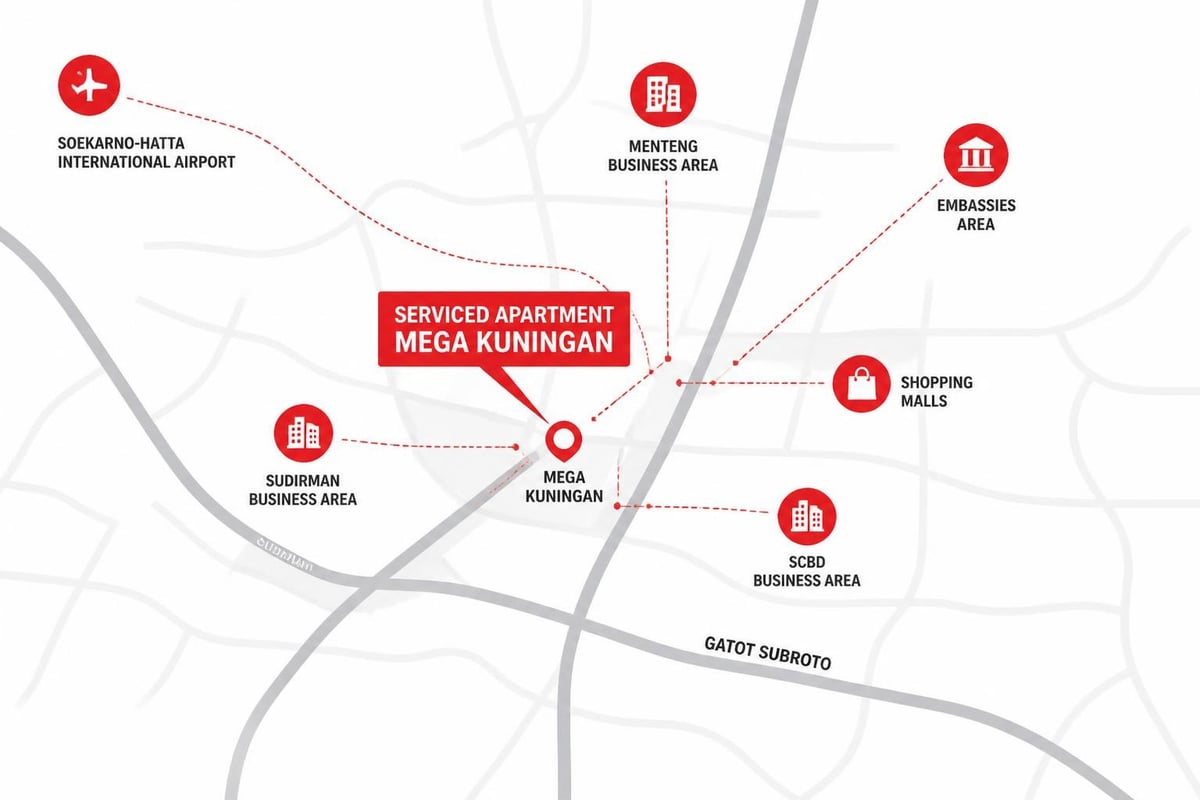
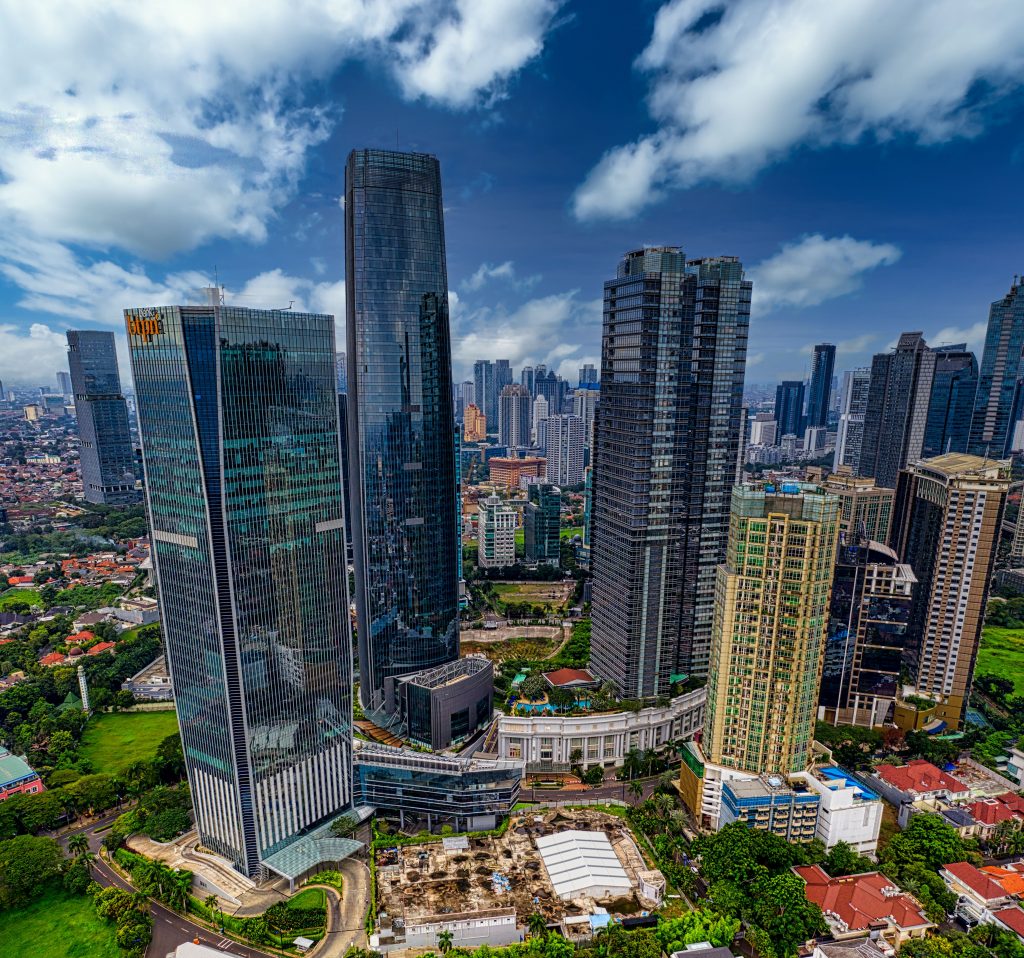
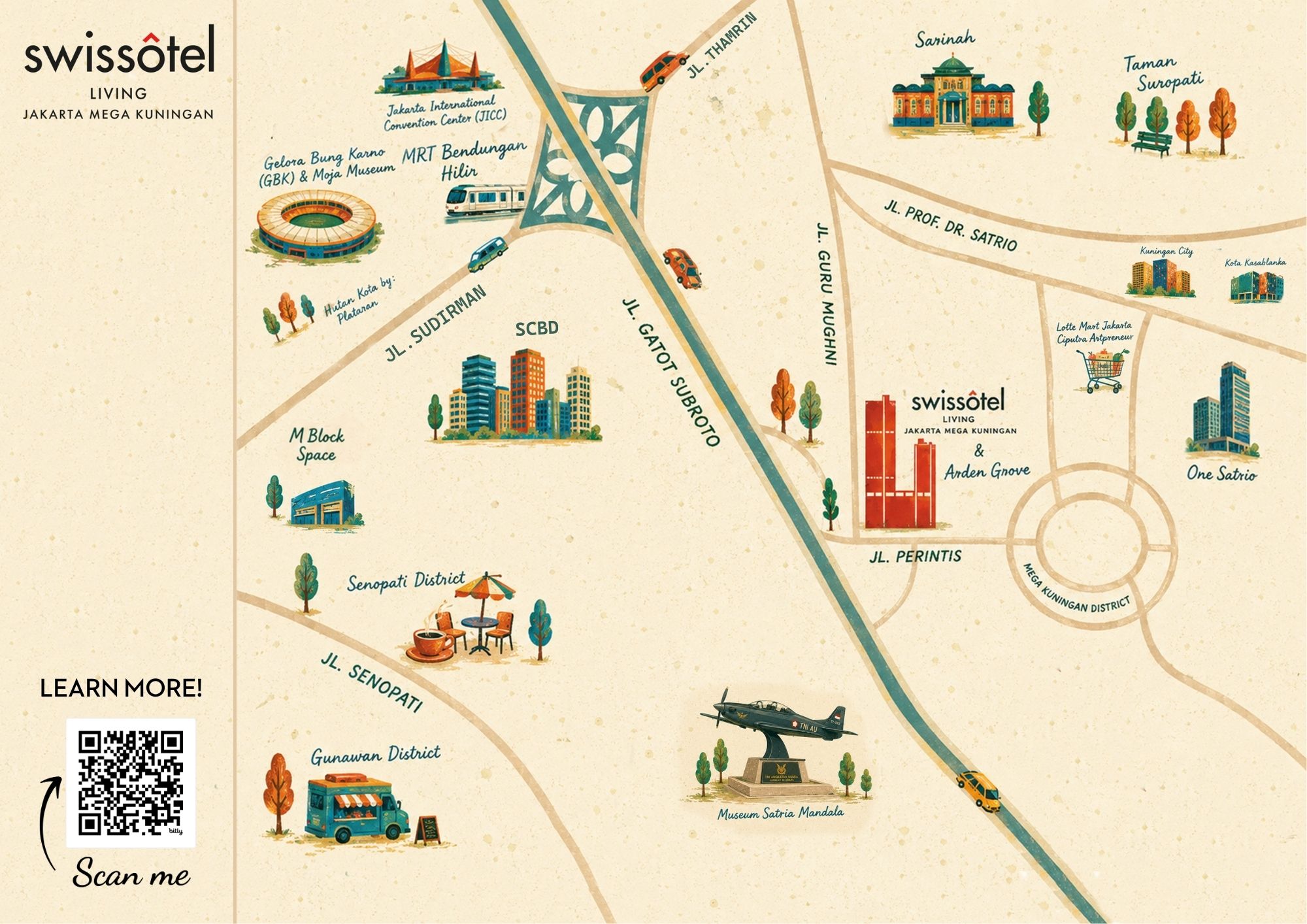
Properties in Jakarta’s business districts like Mega Kuningan, SCBD, and Sudirman increasingly position pool facilities on upper floors to maximize limited land footprints while creating distinctive amenity spaces. For professionals working long hours, proximity to residential units becomes a decisive factor in whether pool facilities receive regular use or remain occasional indulgences.
Operating Hours and Access Policies
Swimming pool hours vary significantly across properties. Some serviced apartments maintain 24-hour access for residents, while others implement restricted schedules based on security, supervision, or noise considerations. Extended operating hours particularly benefit business travelers whose work schedules may limit daytime availability.
Access policies also differ regarding guest privileges. Some properties permit residents to bring visitors to pool areas, while others restrict access to registered tenants only. Families hosting relatives or business travelers entertaining clients may find these policies relevant to their accommodation selection.
Additional Aquatic and Wellness Facilities
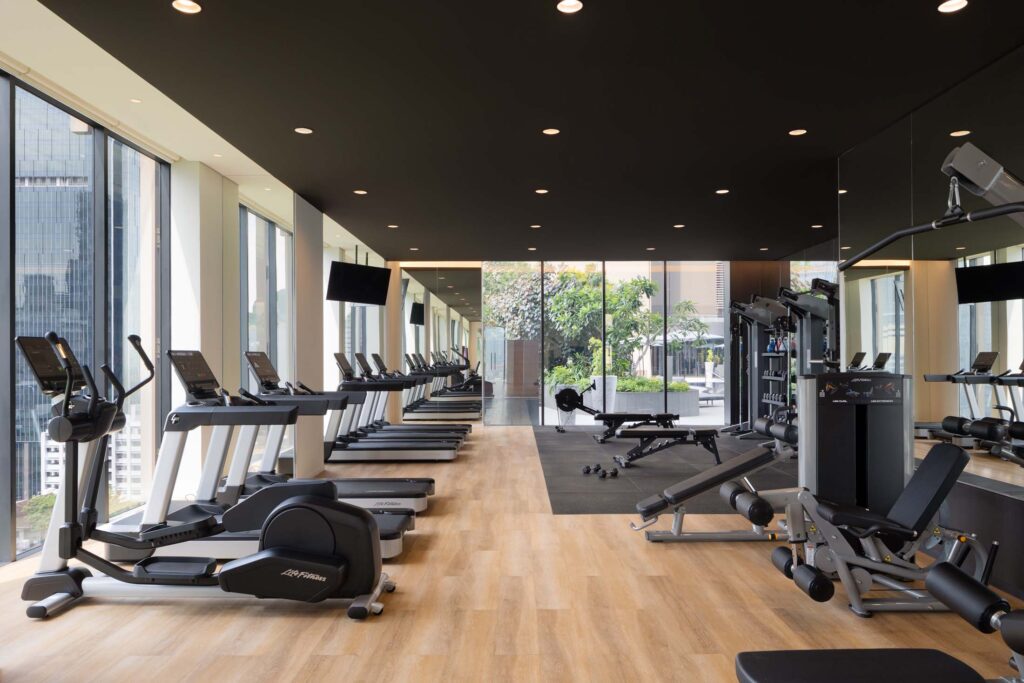
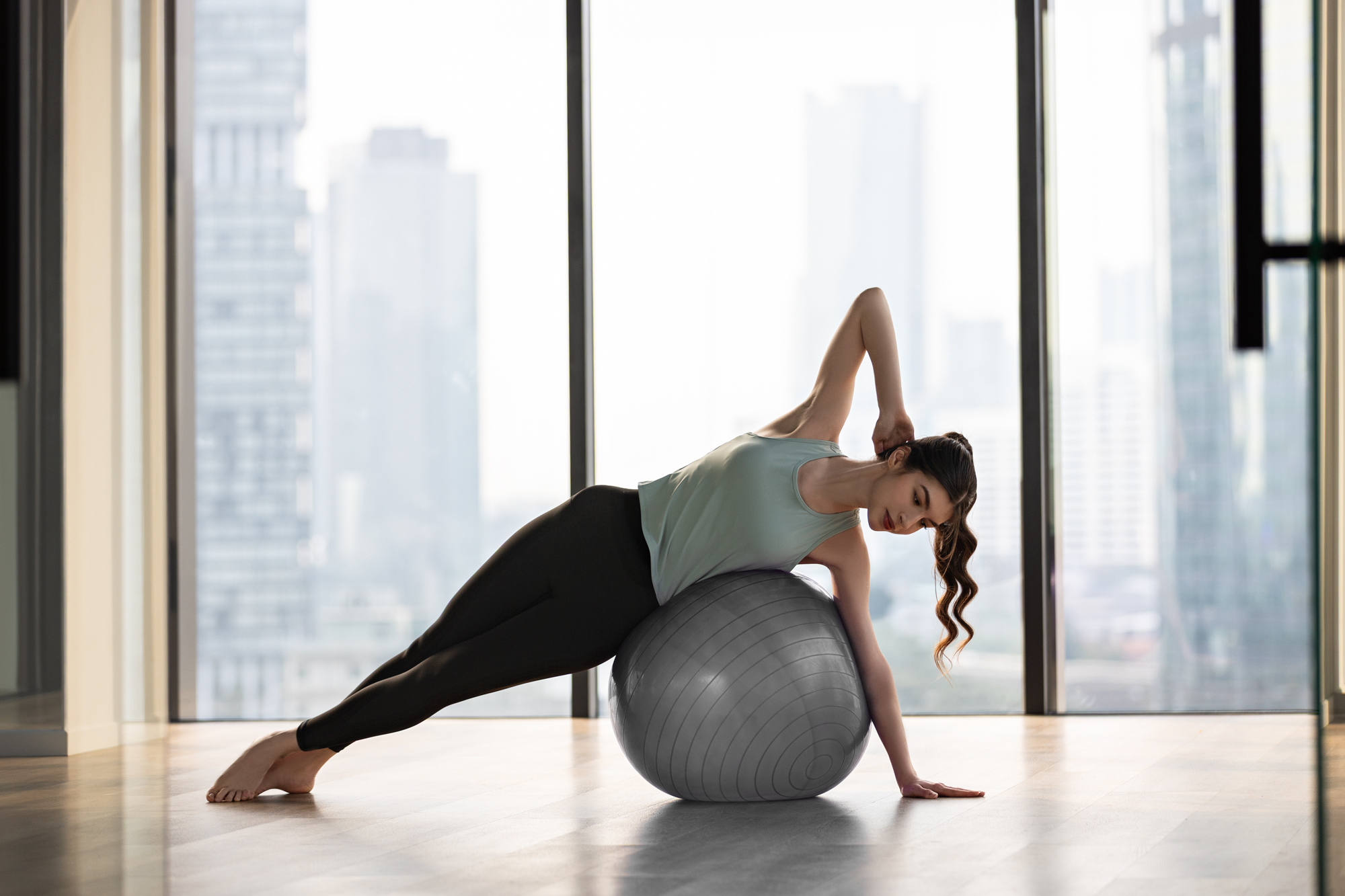
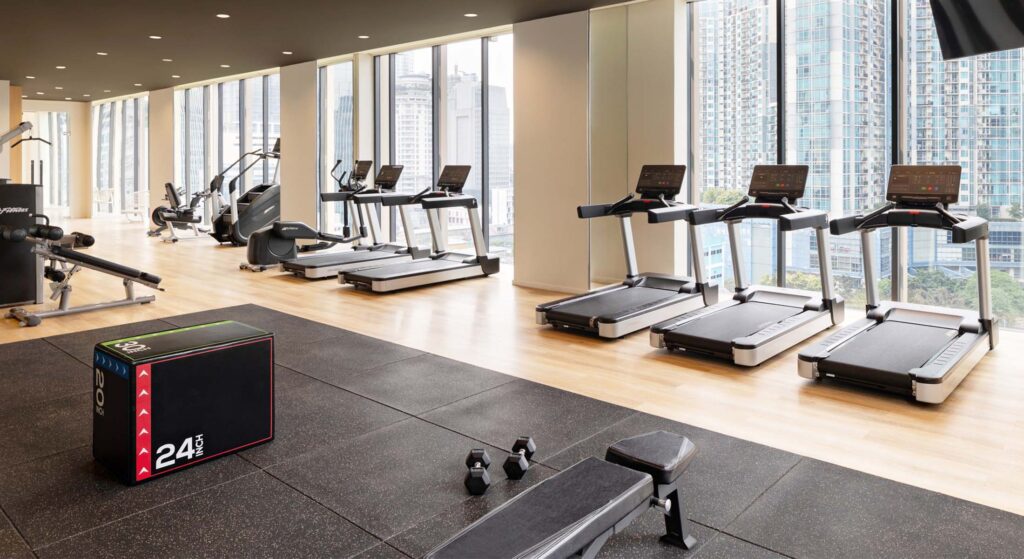
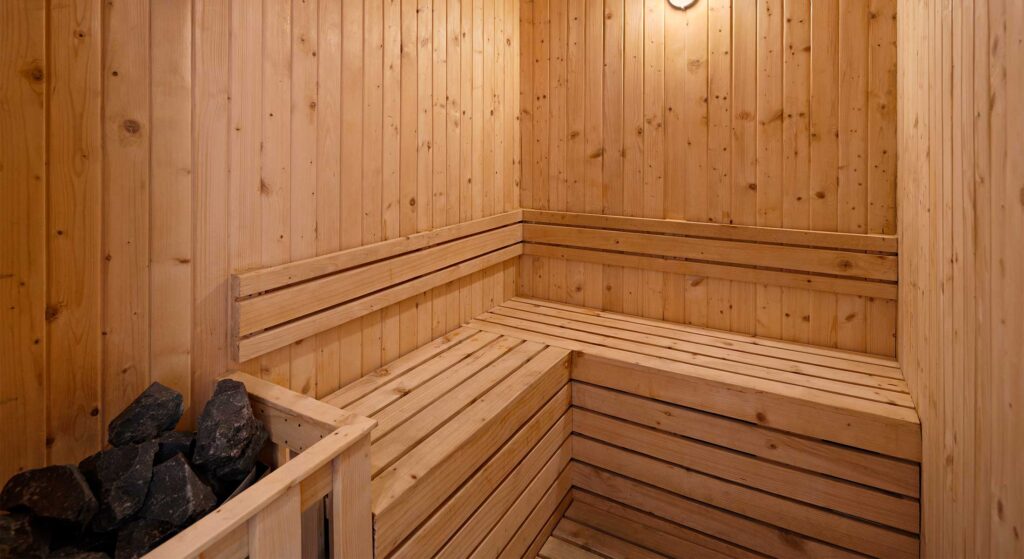
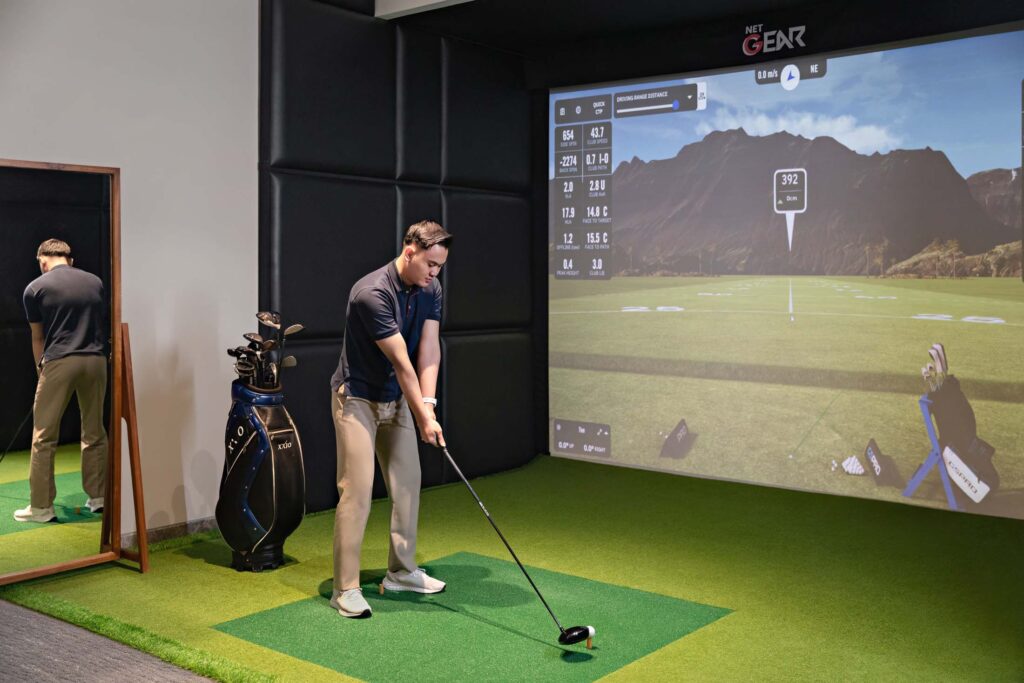
Comprehensive wellness offerings extend beyond swimming pools to include fitness centers, spa facilities, and recreational spaces. Properties that integrate these elements create holistic wellness environments supporting diverse lifestyle needs. Proximity of fitness facilities to pool areas enables circuit training that alternates between weight training and swimming, maximizing workout efficiency.
Pool Amenities in Jakarta’s Serviced Apartment Market
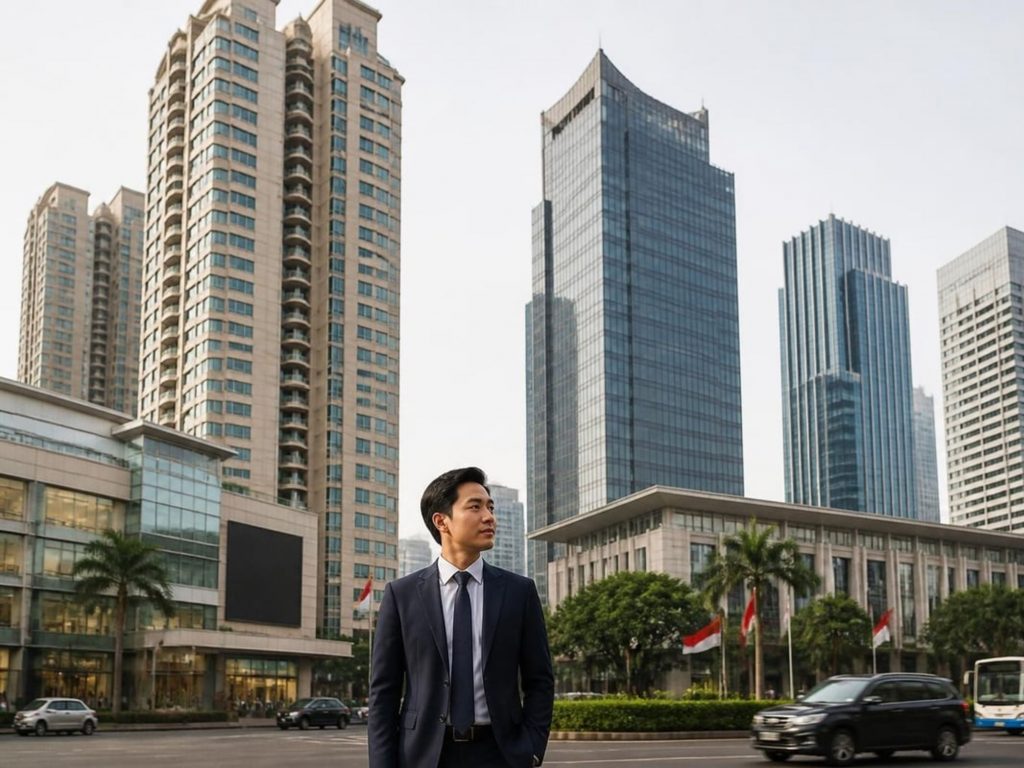
Jakarta’s serviced apartment sector has evolved dramatically over the past decade, with international operators establishing premium properties throughout key business districts. These developments target expatriates, business travelers, and local executives seeking fully furnished accommodation with comprehensive amenities including swimming pool facilities.
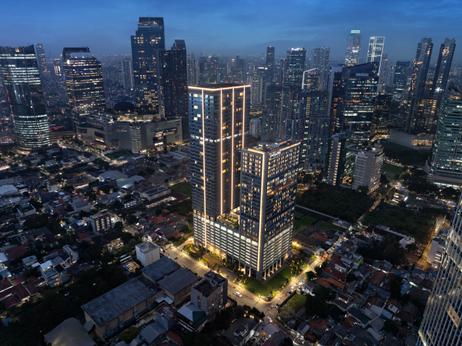
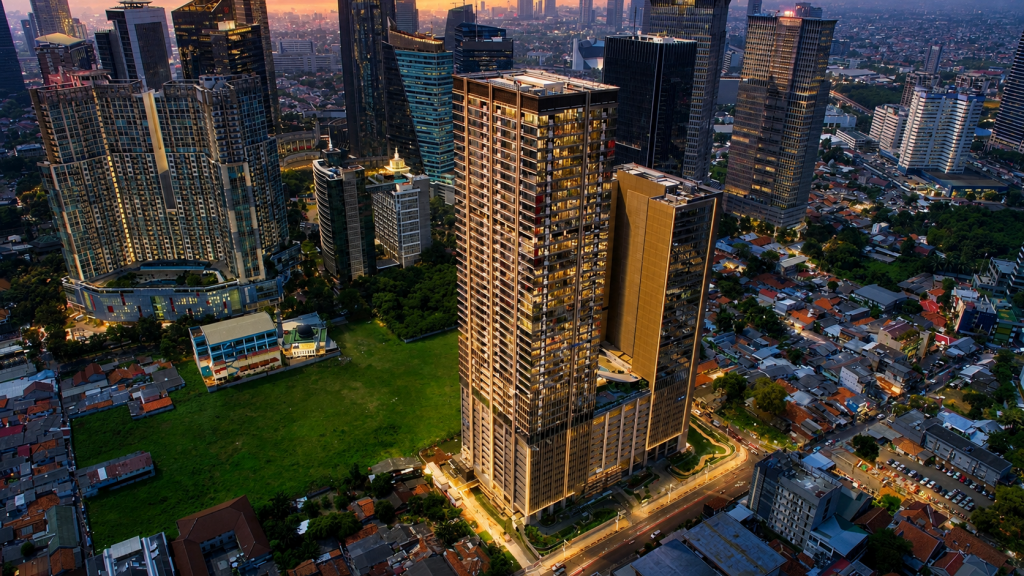
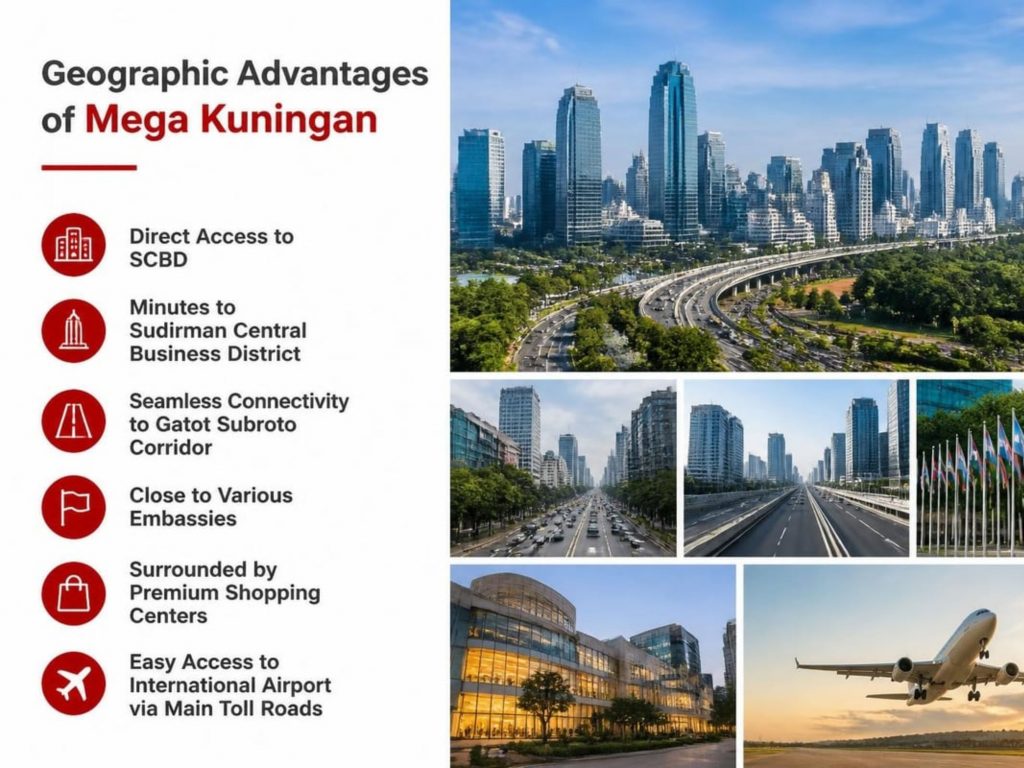
The concentration of serviced apartments in areas like Mega Kuningan reflects the district’s status as a primary business and diplomatic hub. Properties in this location serve multinational corporations, embassies, and international organizations requiring accommodation for executives on monthly or yearly assignments. For these residents, swimming pools represent essential wellness infrastructure that maintains routine and reduces stress associated with international relocations.
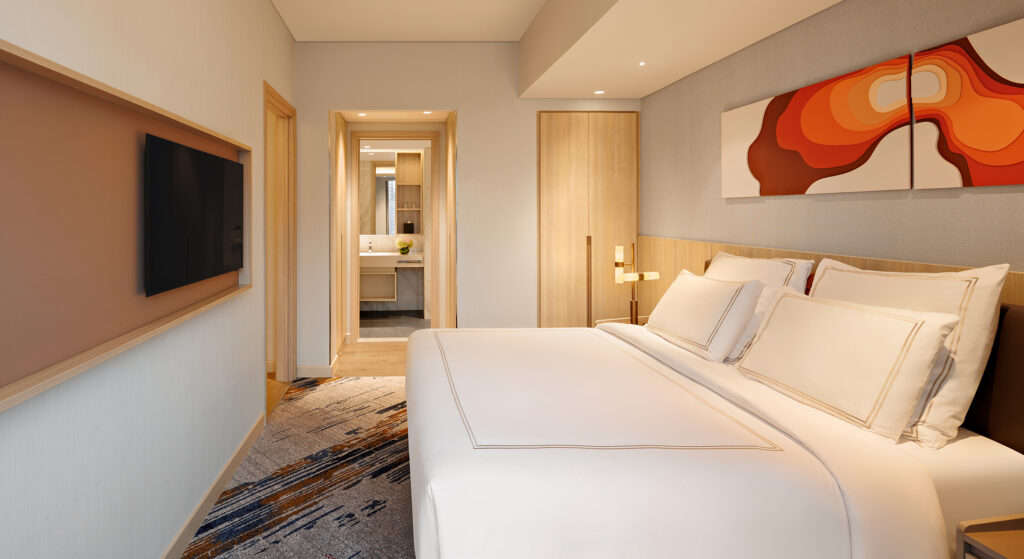
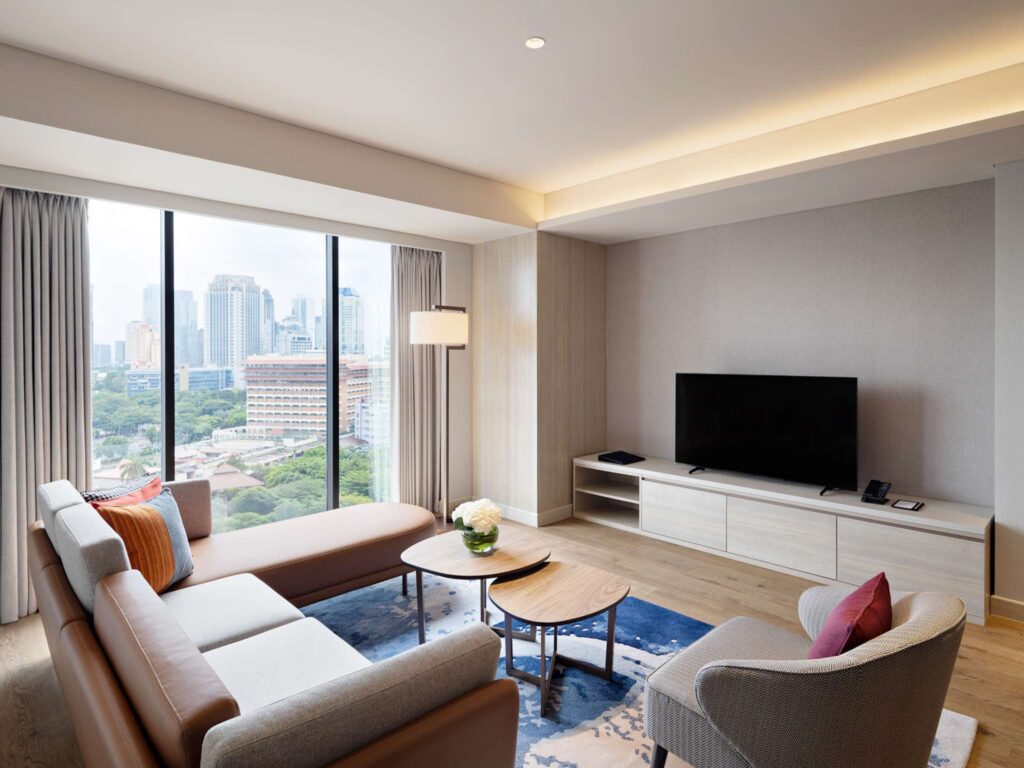
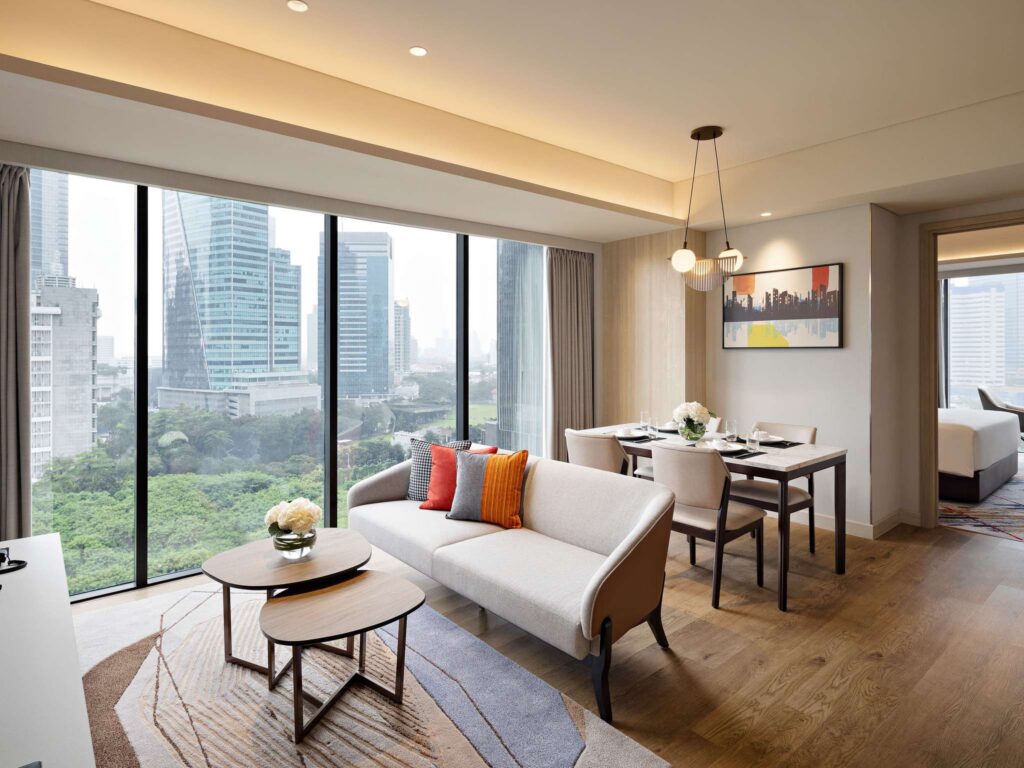
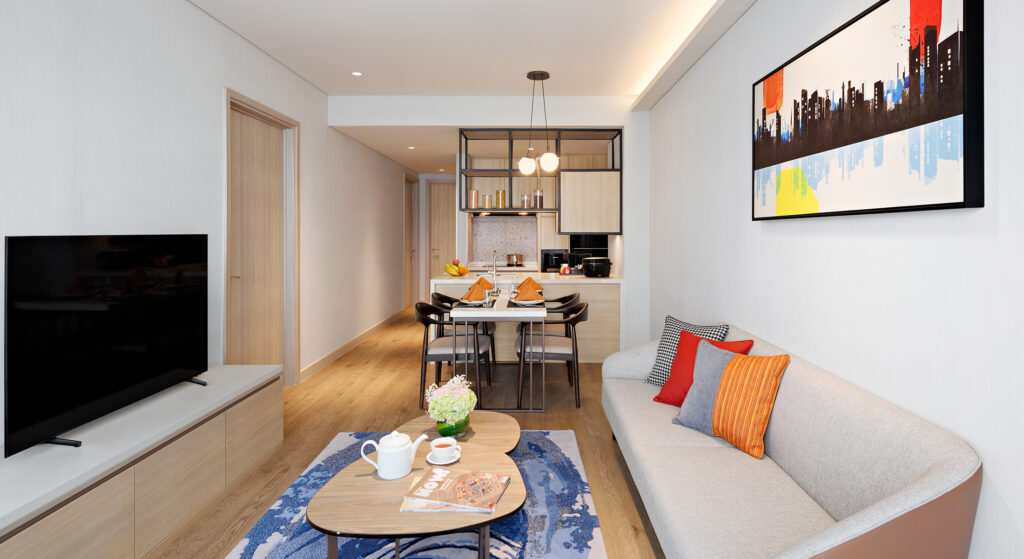
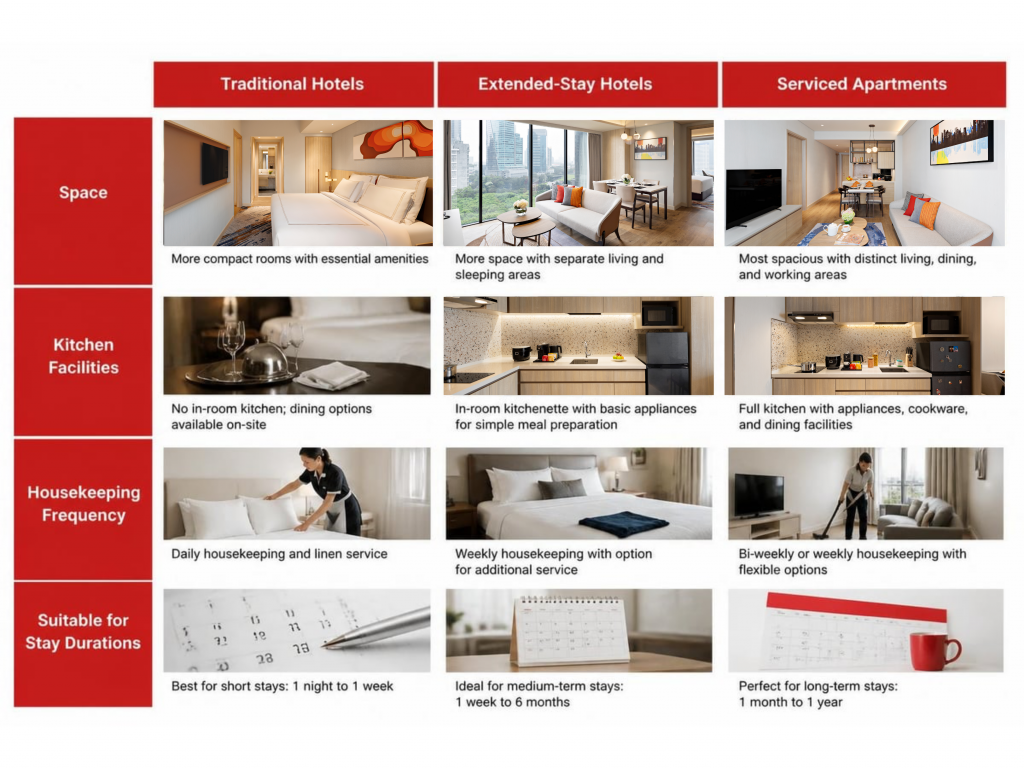
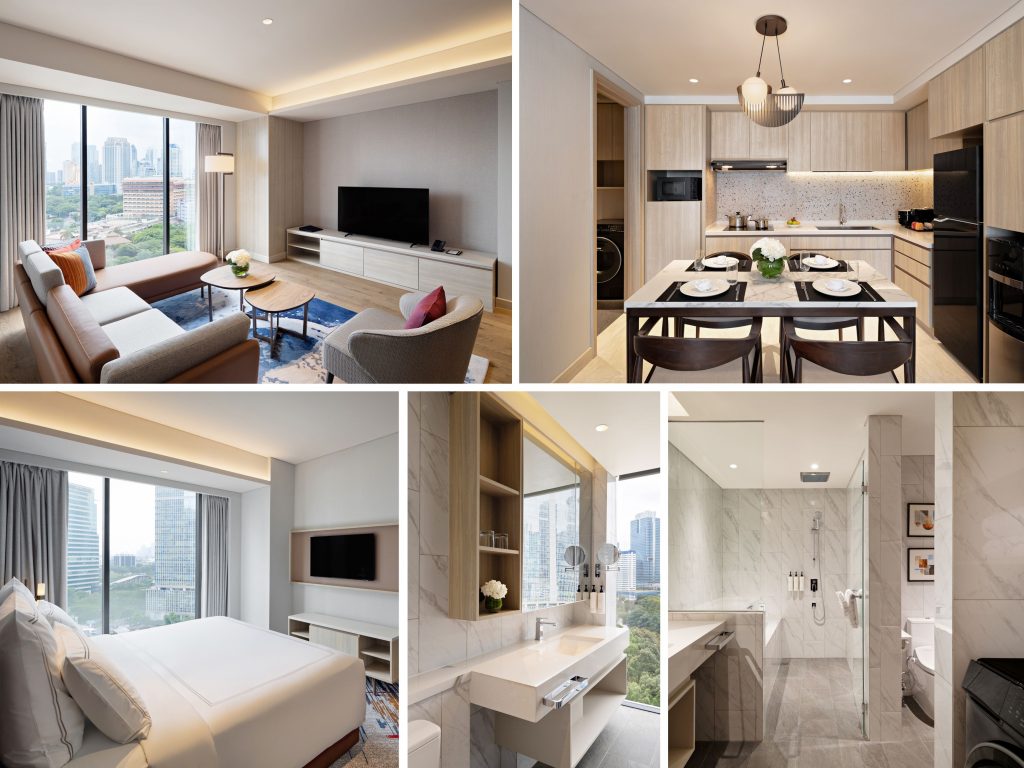
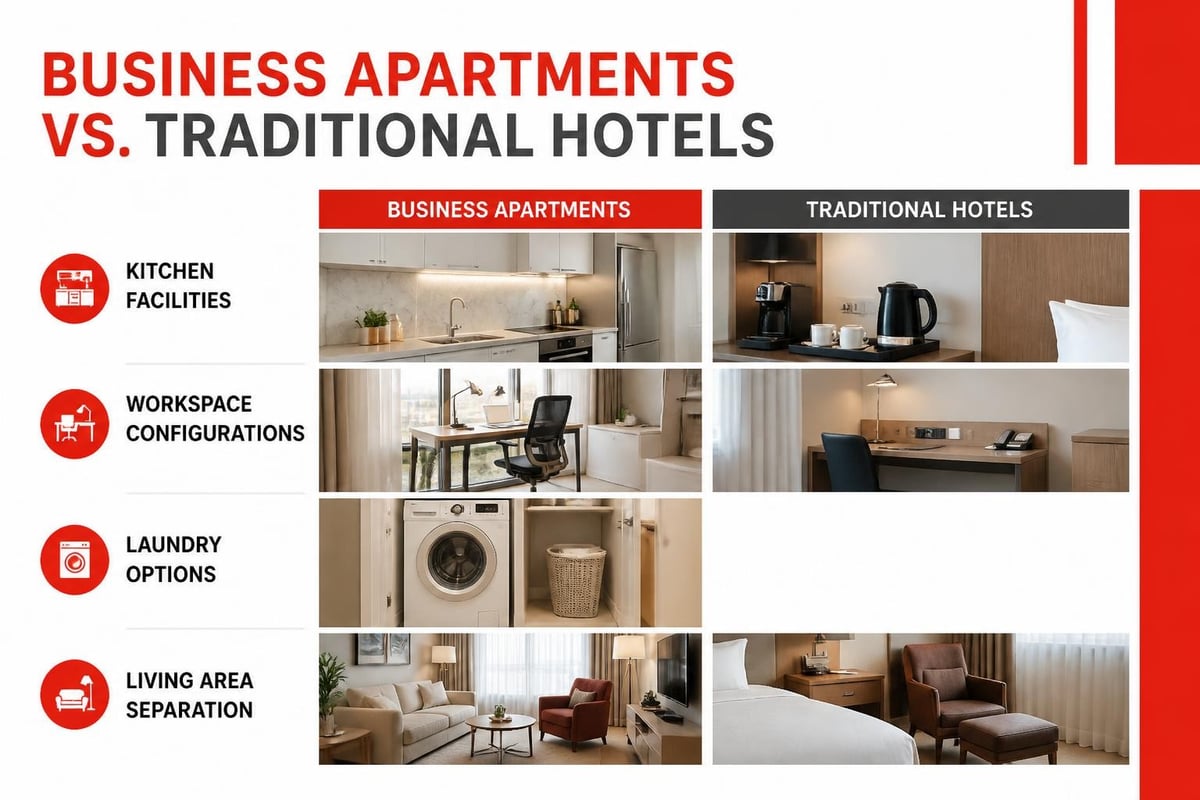
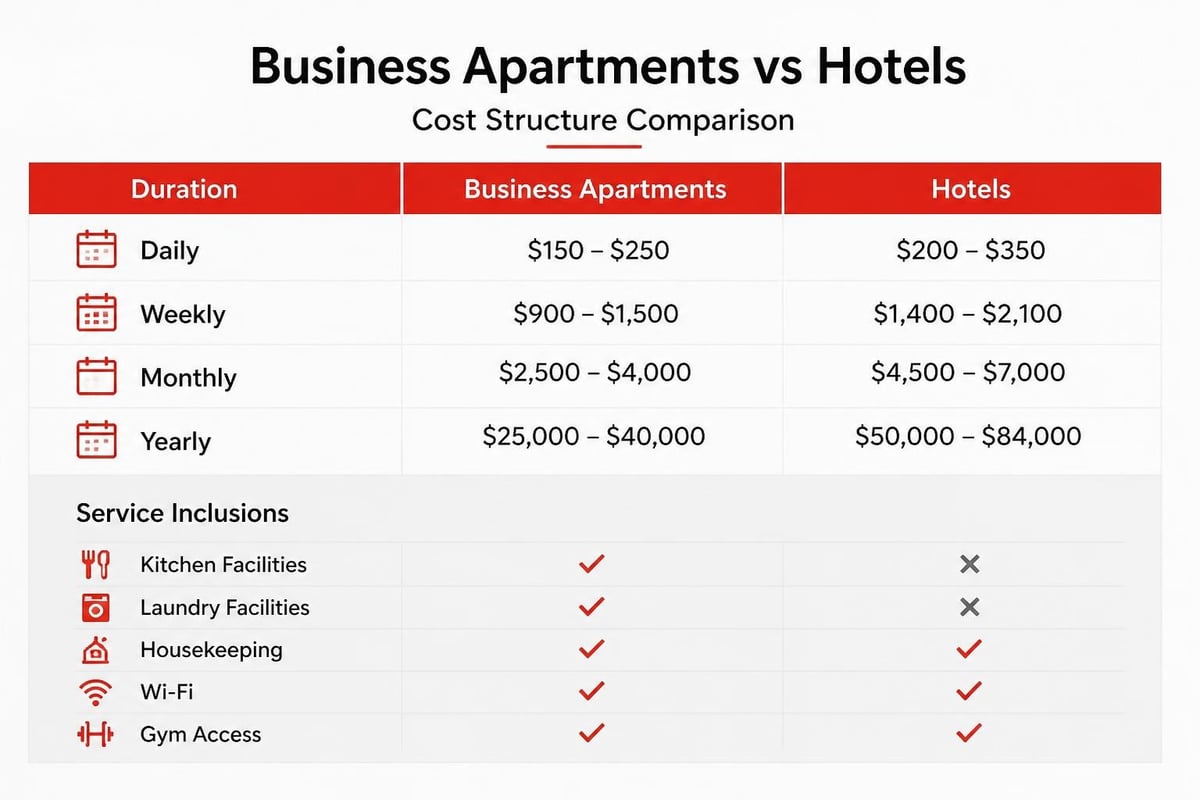
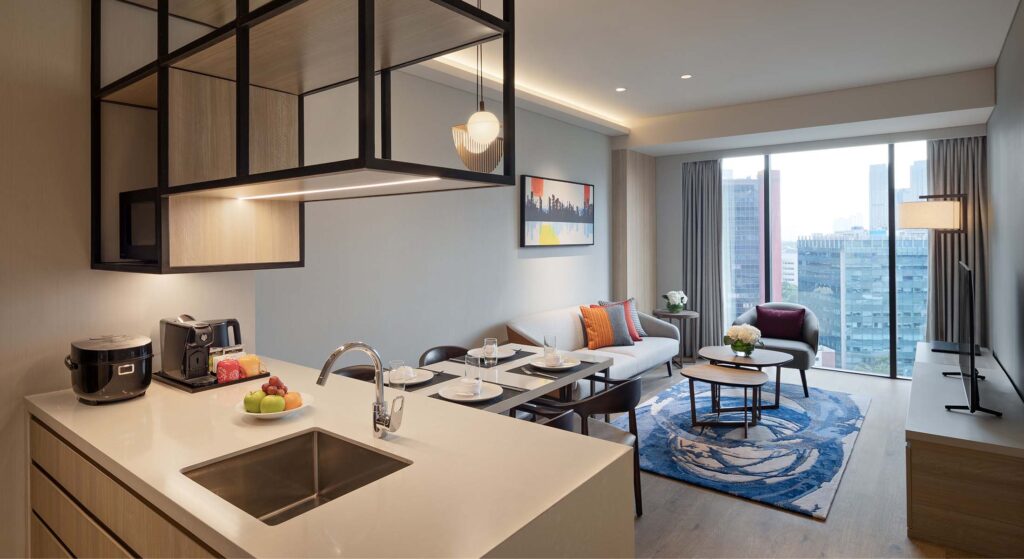
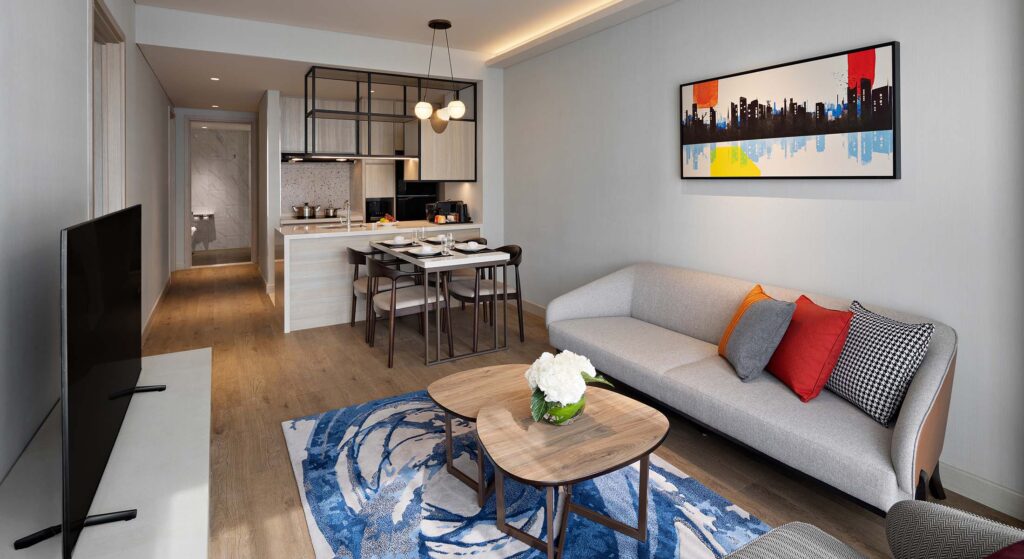
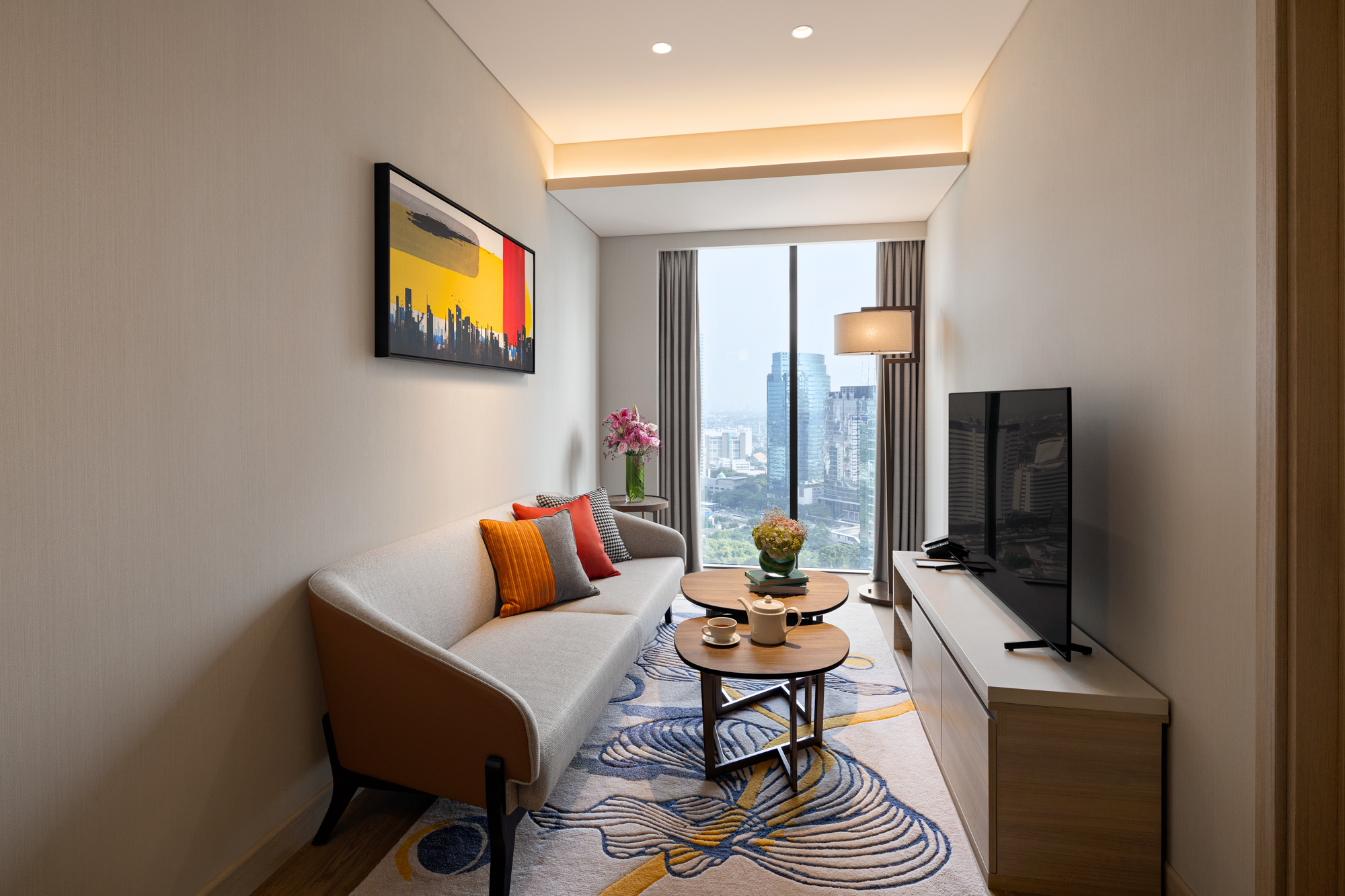
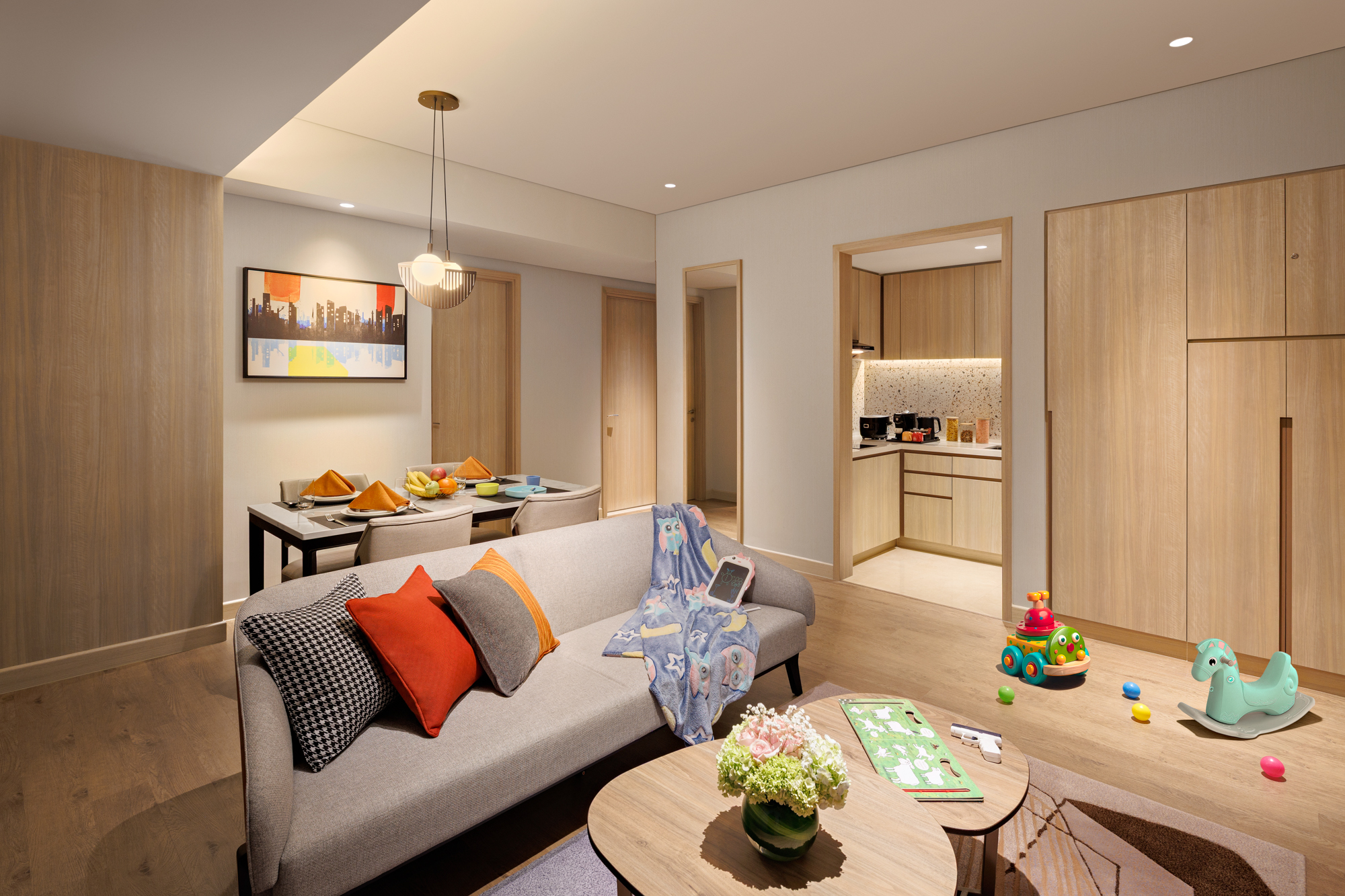
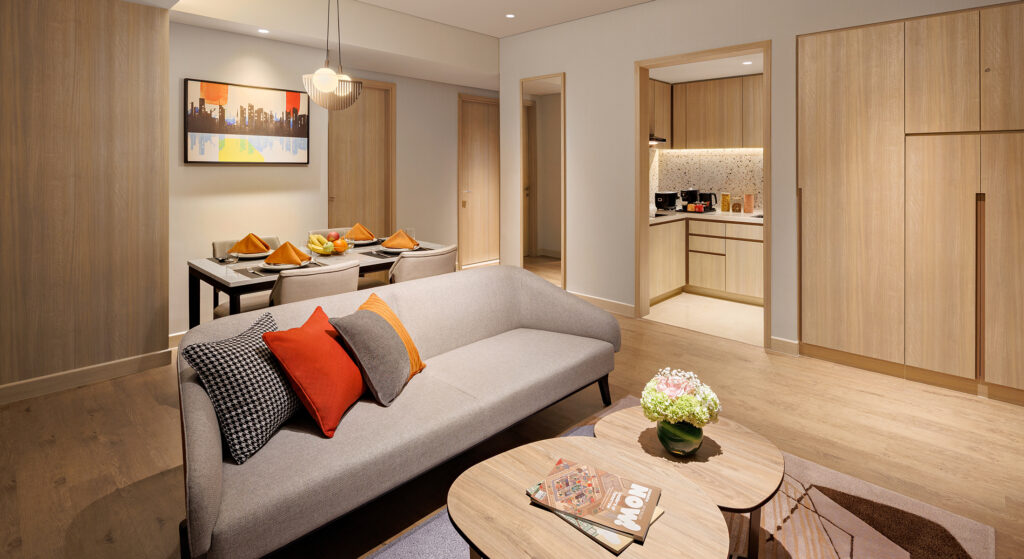
Serviced apartments in Jakarta’s central business districts offer distinct advantages over traditional hotels for extended stays. Fully furnished residences with pool access provide the space and amenities families need while maintaining hotel-standard services. This combination proves particularly valuable for expatriates transitioning to Jakarta, where having recreational facilities within secure, managed environments eases adaptation to new surroundings.
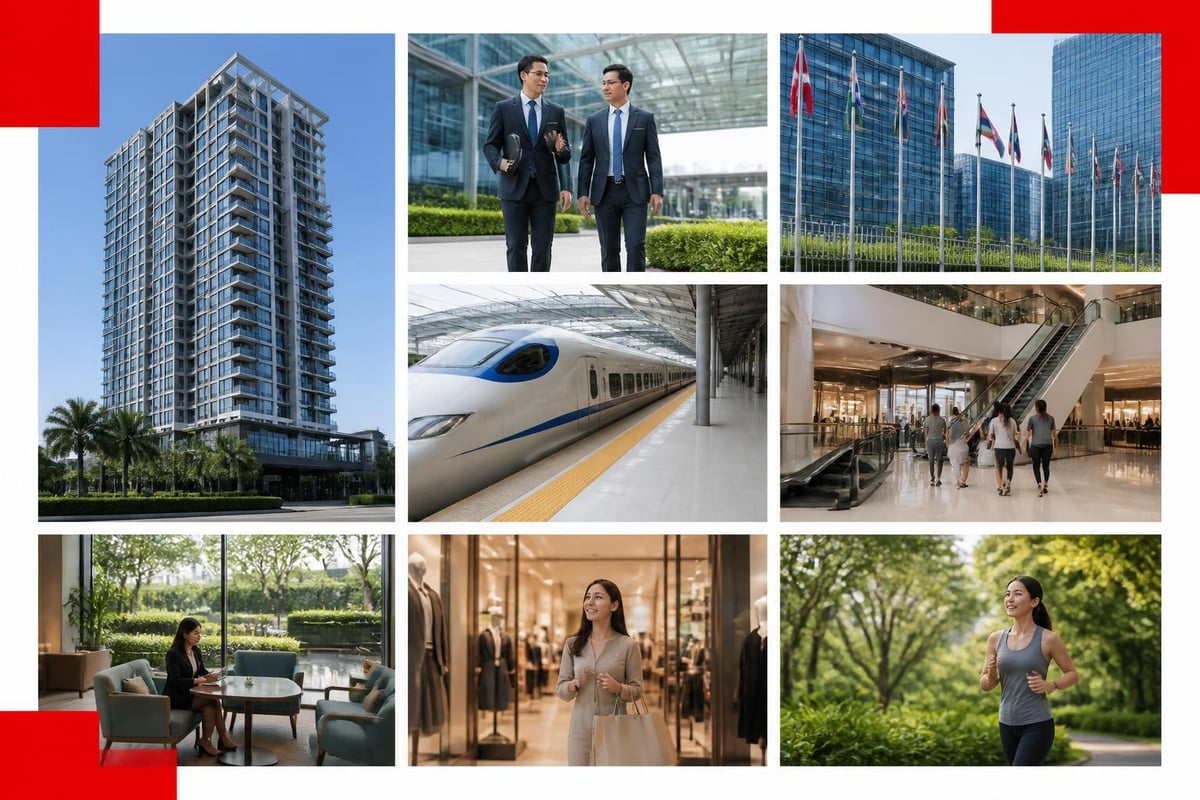
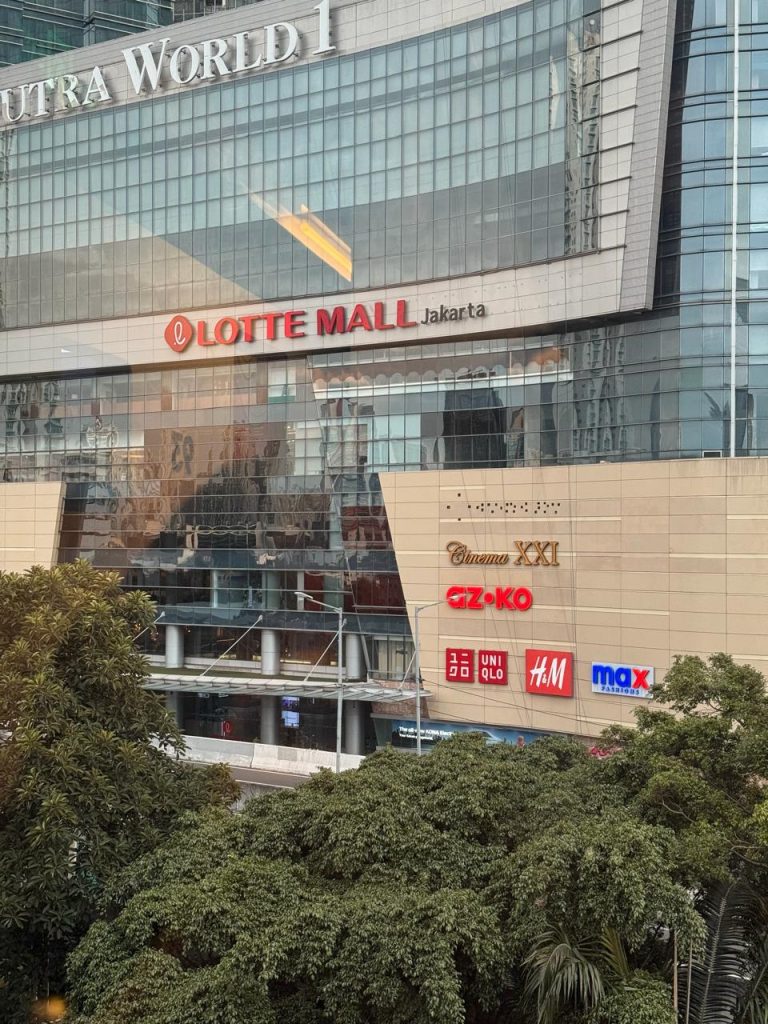
The proximity to business districts, shopping destinations, restaurants, and transportation links enhances the value proposition. Residents can maintain professional commitments while accessing wellness amenities without lengthy commutes, a significant consideration in Jakarta’s traffic conditions.
Integration of Pool Facilities With Modern Smart Home Technology
Technology integration increasingly enhances swimming pool experiences within premium serviced apartment developments. Smart pool systems allow property managers to monitor and control water chemistry, temperature, filtration cycles, and lighting through centralized platforms, ensuring consistent conditions while optimizing energy consumption.
For residents, mobile applications provide real-time information about pool availability, current temperature, scheduled maintenance, and operating hours. Some advanced properties implement occupancy monitoring systems that display current user density, helping residents choose optimal swimming times based on privacy preferences or social interaction desires.
Automated systems also improve safety through continuous monitoring. Sensors detect unusual activity patterns and alert security personnel to potential emergencies. Underwater lighting systems with programmable schedules enhance evening swimming experiences while reducing energy waste during unoccupied periods.
Social and Community Benefits of Shared Pool Spaces
Beyond individual fitness benefits, swimming pools serve as community focal points that facilitate social connections among residents. This aspect proves particularly valuable in serviced apartment contexts where tenants may be new to the city, temporarily relocated for business, or seeking to establish local networks.
Shared amenity spaces create organic opportunities for interaction that isolated apartment units cannot replicate. Parents connect while supervising children at play. Business professionals engage in casual conversations that sometimes evolve into professional relationships. Expatriates find peer support through informal poolside interactions with others navigating similar relocation experiences.
Property operators increasingly program pool areas for community events, including swimming lessons, water fitness classes, and social gatherings. These initiatives transform pools from passive amenities into active community-building tools that enhance resident satisfaction and support lease renewal rates.
The psychological benefits of community connection extend beyond immediate social enjoyment. Research demonstrates that social integration significantly affects adjustment success for individuals in new environments, making community-oriented amenities valuable for the expatriate and business traveler populations that serviced apartments primarily serve.
Seasonal and Climate Considerations for Tropical Pool Facilities
Jakarta’s tropical climate enables year-round swimming pool usage, eliminating the seasonal limitations that affect temperate regions. Consistent temperatures and humidity levels mean residents can incorporate swimming into daily routines without weather-related interruptions, maximizing the return on pool amenity investments.
However, tropical conditions also present specific maintenance challenges. Higher ambient temperatures increase water evaporation rates, requiring more frequent water replacement and chemical rebalancing. Intense sunlight accelerates chlorine degradation, necessitating higher sanitizer dosing or more frequent application cycles. Property operators in tropical climates must implement aggressive maintenance protocols to sustain water quality standards.
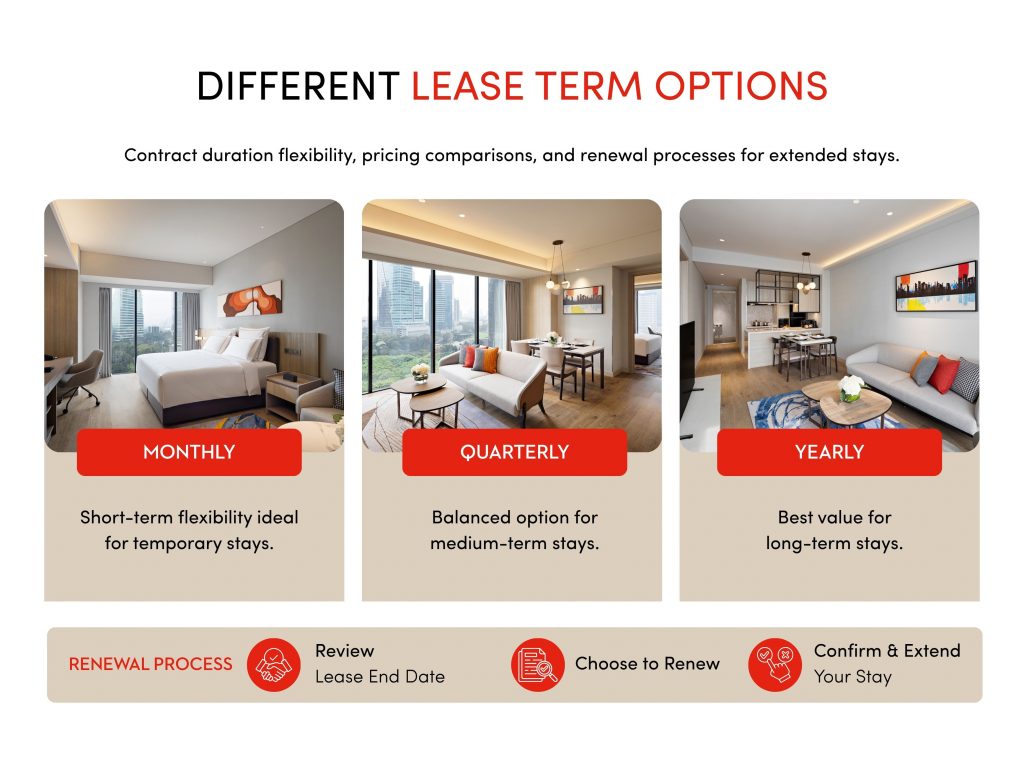
The year-round usability factor significantly enhances value for residents on long-term stays. Unlike seasonal pools that sit dormant for months, tropical apartment pools provide consistent wellness support throughout yearly lease terms, making them more integral to daily living patterns and justifying their inclusion in accommodation selection criteria.
Future Trends in Apartment Pool Design and Functionality
The evolution of apartments with swimming pool facilities continues as developers respond to changing resident expectations and technological capabilities. Several emerging trends will shape pool amenities in serviced apartment developments over the coming years.
Sustainability-focused design increasingly prioritizes water conservation, energy efficiency, and eco-friendly chemical alternatives. Solar heating systems, rainwater collection for pool replenishment, and natural filtration methods using plants and beneficial bacteria reduce environmental footprints while maintaining water quality standards.
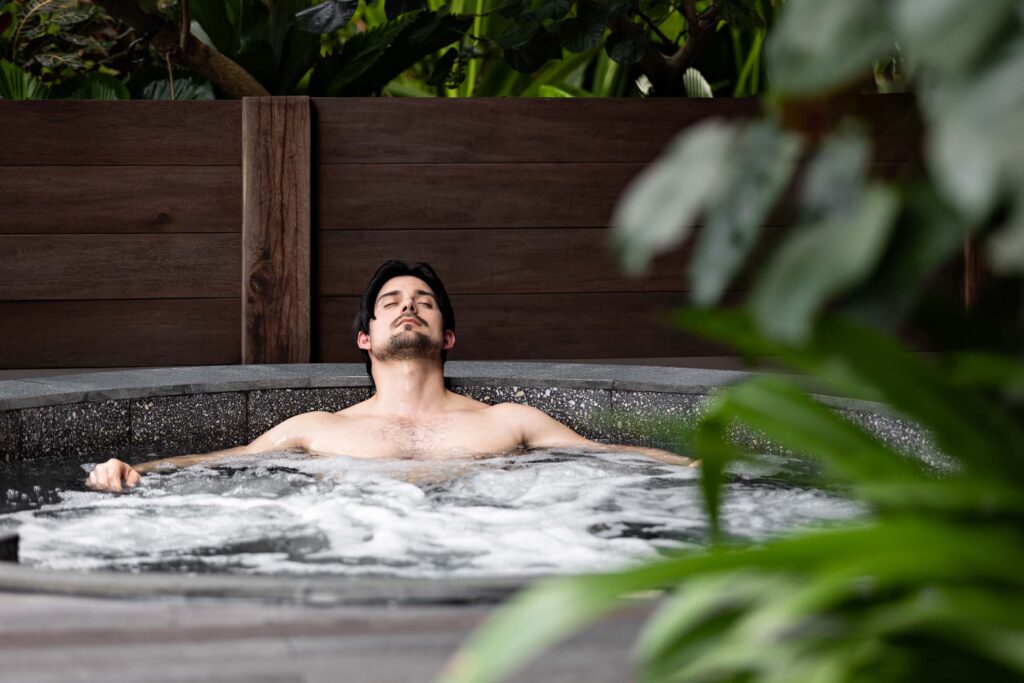
Multi-functional aquatic spaces blend swimming pools with hot tubs, cold plunge pools, and hydrotherapy features, creating comprehensive aquatic wellness centers that address diverse therapeutic and recreational needs. These integrated designs maximize limited space while expanding amenity value.
Biophilic integration incorporates natural elements like living walls, native landscaping, and natural materials to create psychologically restorative pool environments. This approach recognizes that wellness extends beyond physical exercise to encompass mental restoration through connection with natural settings, even within urban contexts.
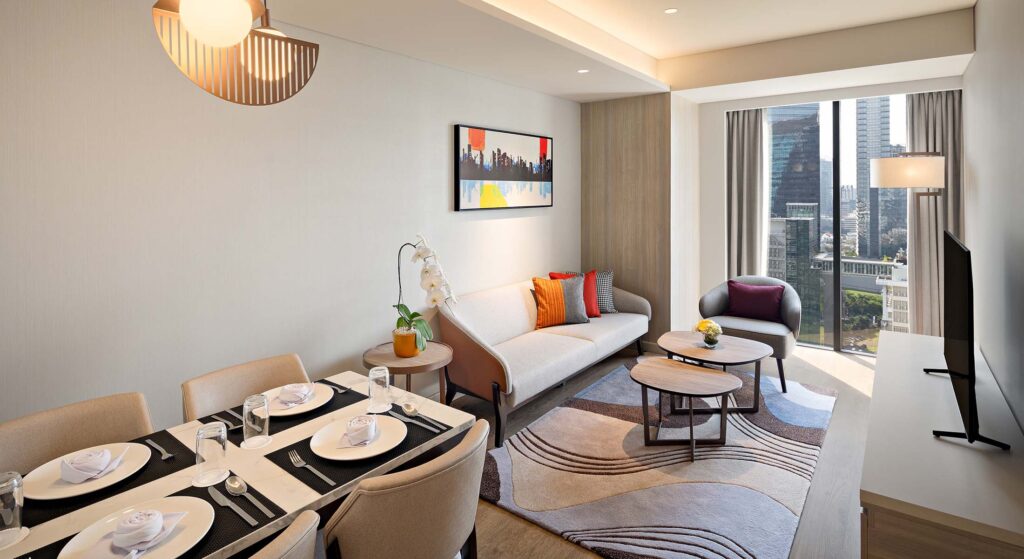
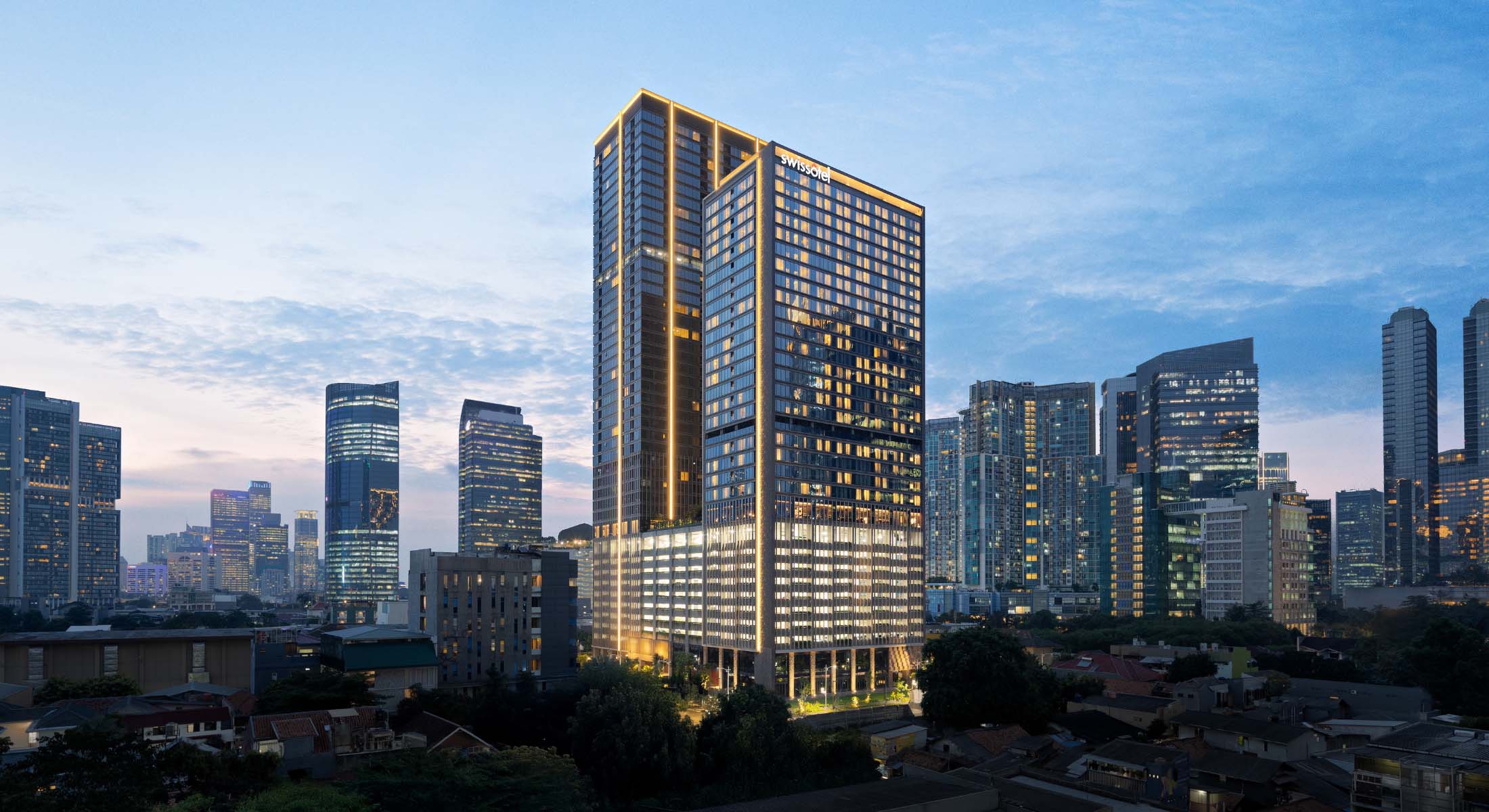
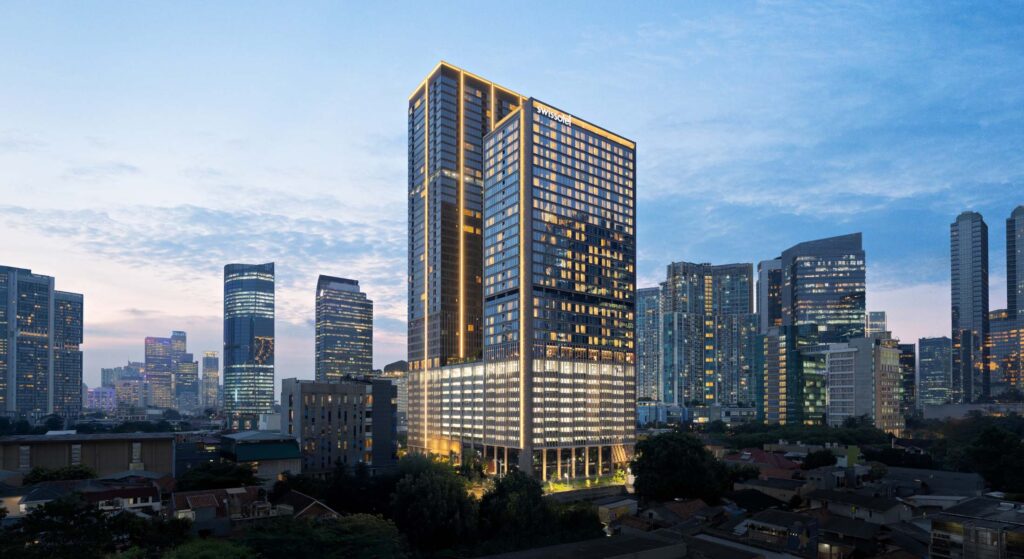
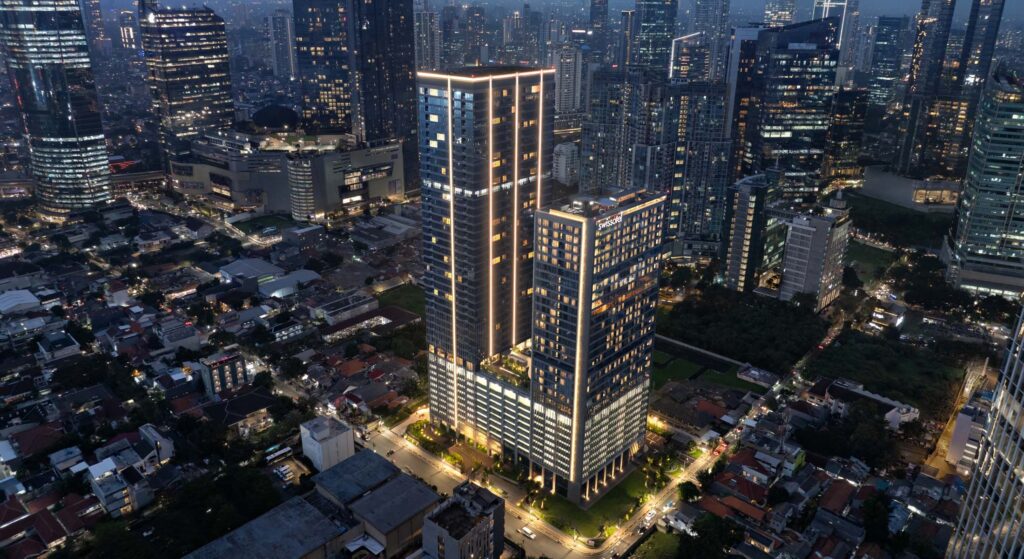
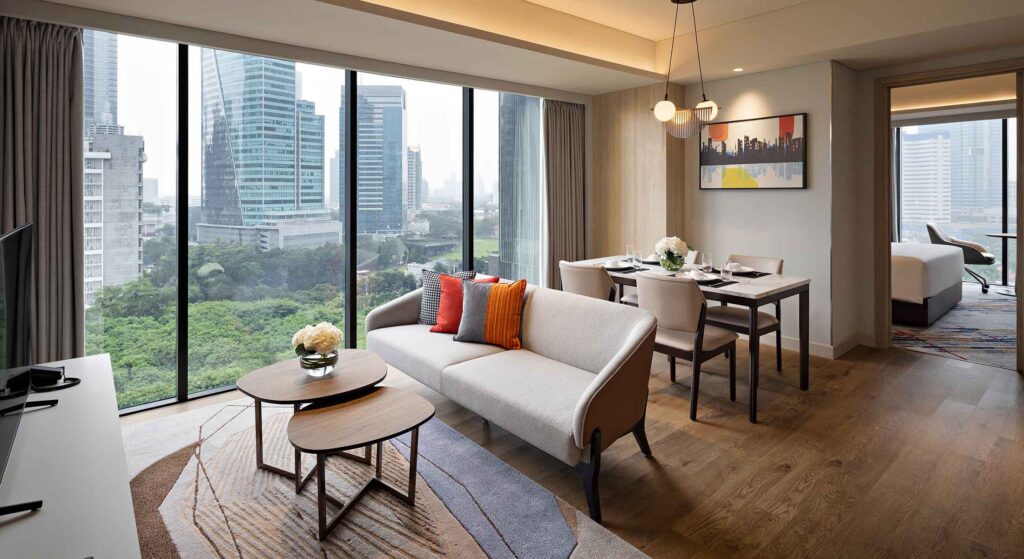
Apartments with swimming pool access deliver measurable wellness, lifestyle, and community benefits that enhance daily living experiences for residents across demographics. Whether you’re a business traveler seeking fitness continuity during extended assignments, an expatriate family establishing new routines in Jakarta, or a local professional prioritizing wellness-integrated accommodation, pool amenities represent a valuable component of modern serviced apartment living. Swissôtel Living Jakarta Mega Kuningan combines fully furnished residences with comprehensive wellness facilities in the heart of Jakarta’s business district, delivering the convenience, comfort, and lifestyle support that today’s discerning residents expect from premium serviced apartments.