

Service Apartments: Jakarta’s Modern Living Solution
Service apartments have transformed how professionals, families, and expatriates approach temporary and extended accommodation in major business hubs worldwide. Unlike traditional hotels that offer single-room layouts, service apartments provide fully furnished residential spaces equipped with kitchens, separate living areas, and flexible lease terms ranging from daily to yearly arrangements. This accommodation model has gained significant traction in Southeast Asian cities like Jakarta, where business districts demand solutions that balance professional requirements with residential comfort.
Understanding the Service Apartment Model
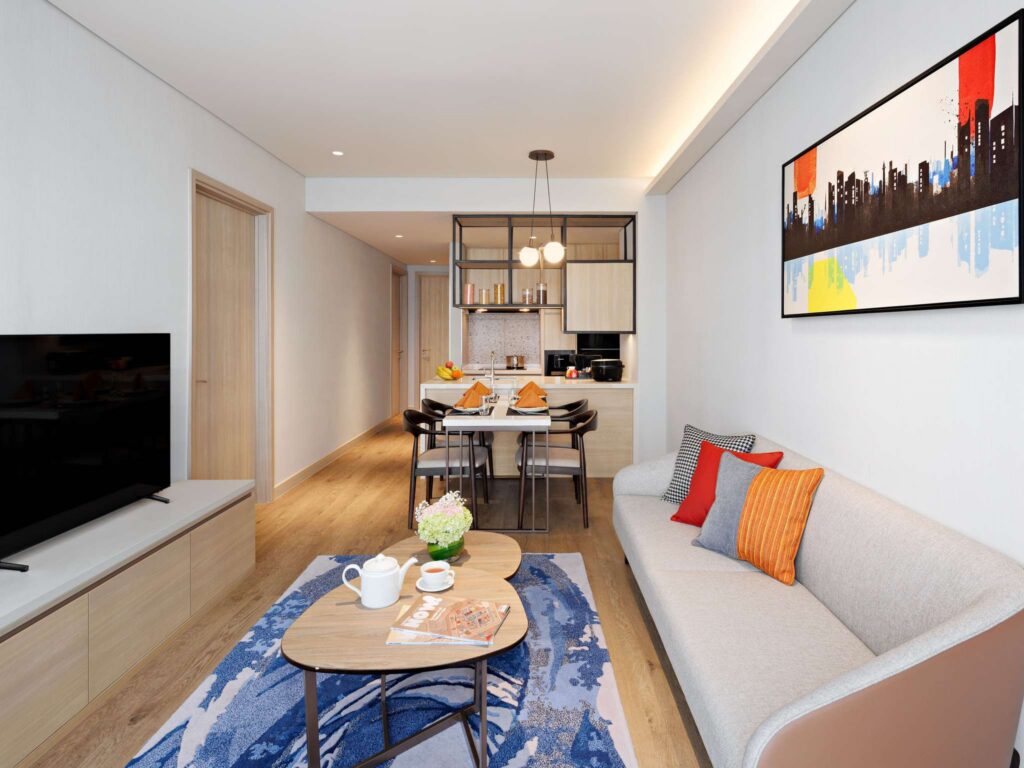
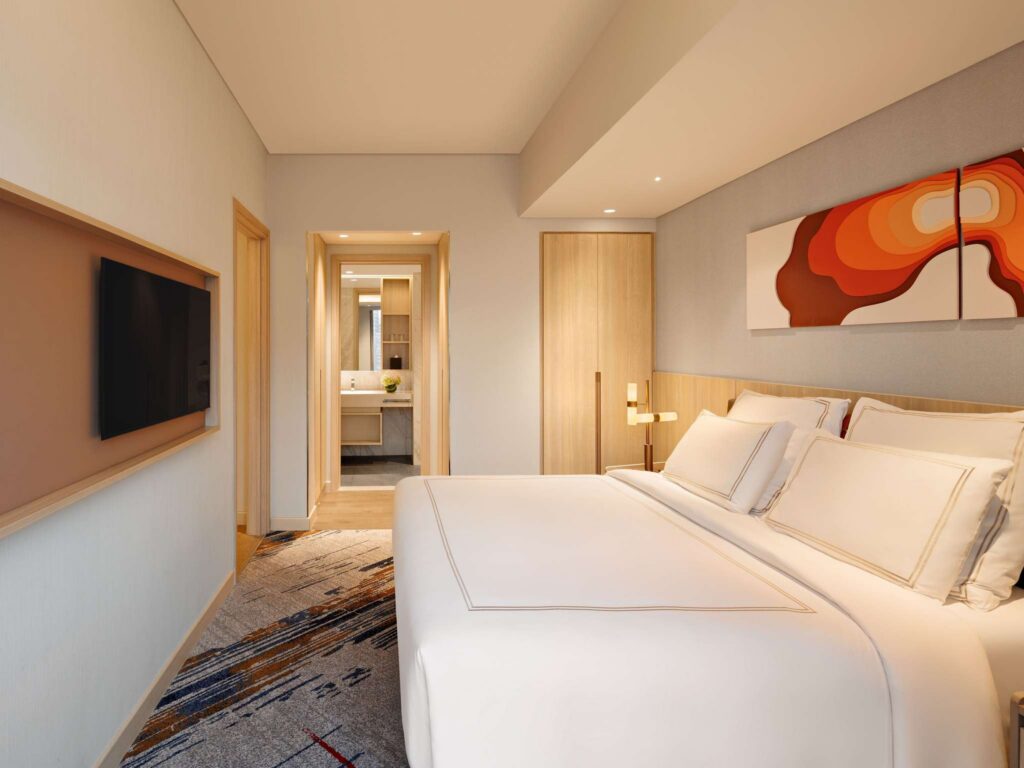
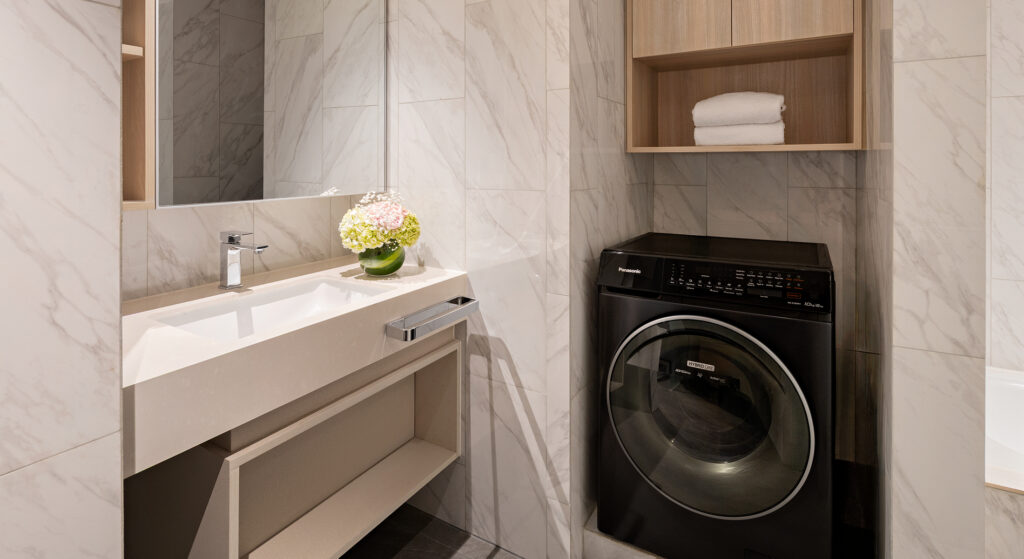
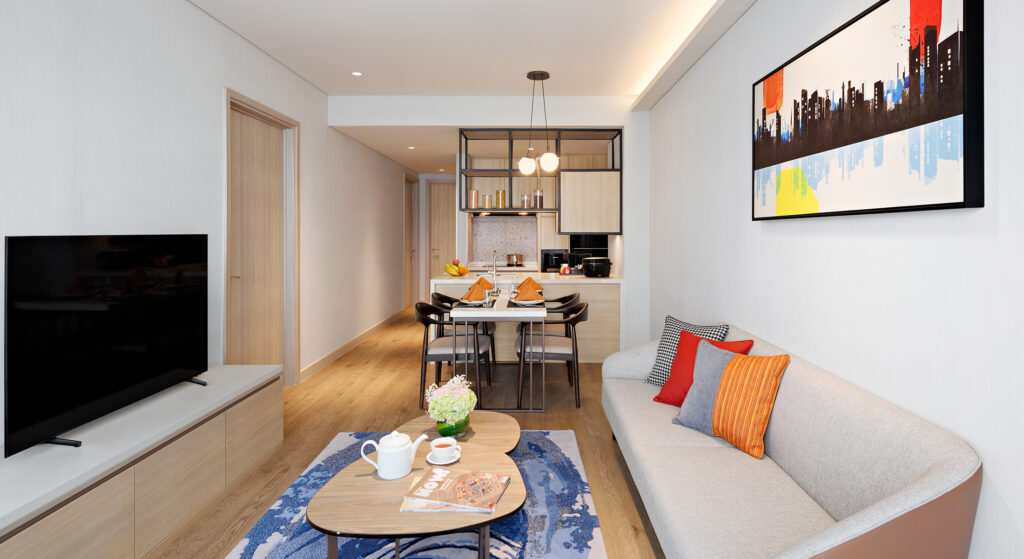
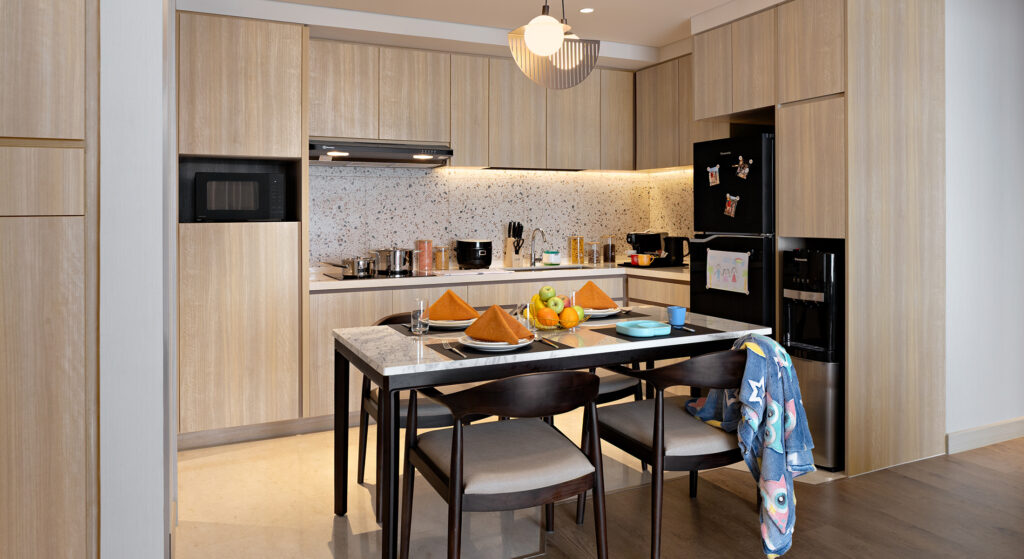
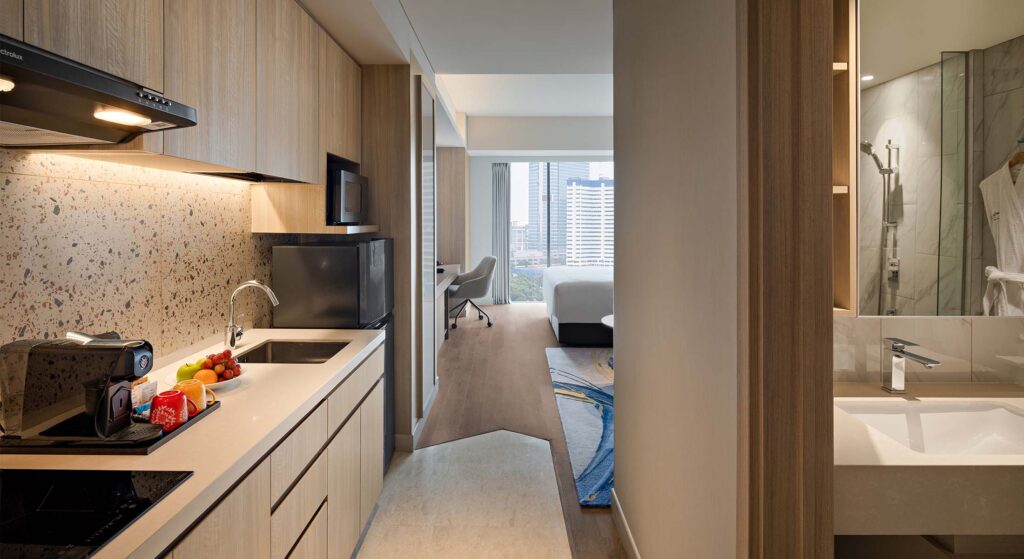
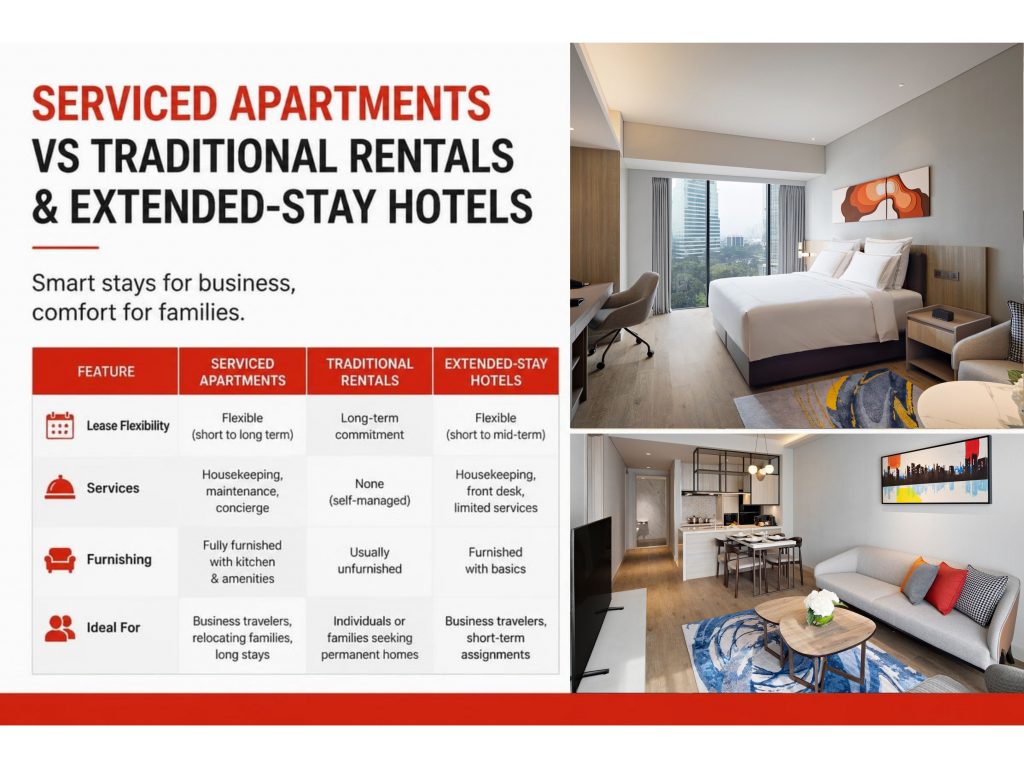
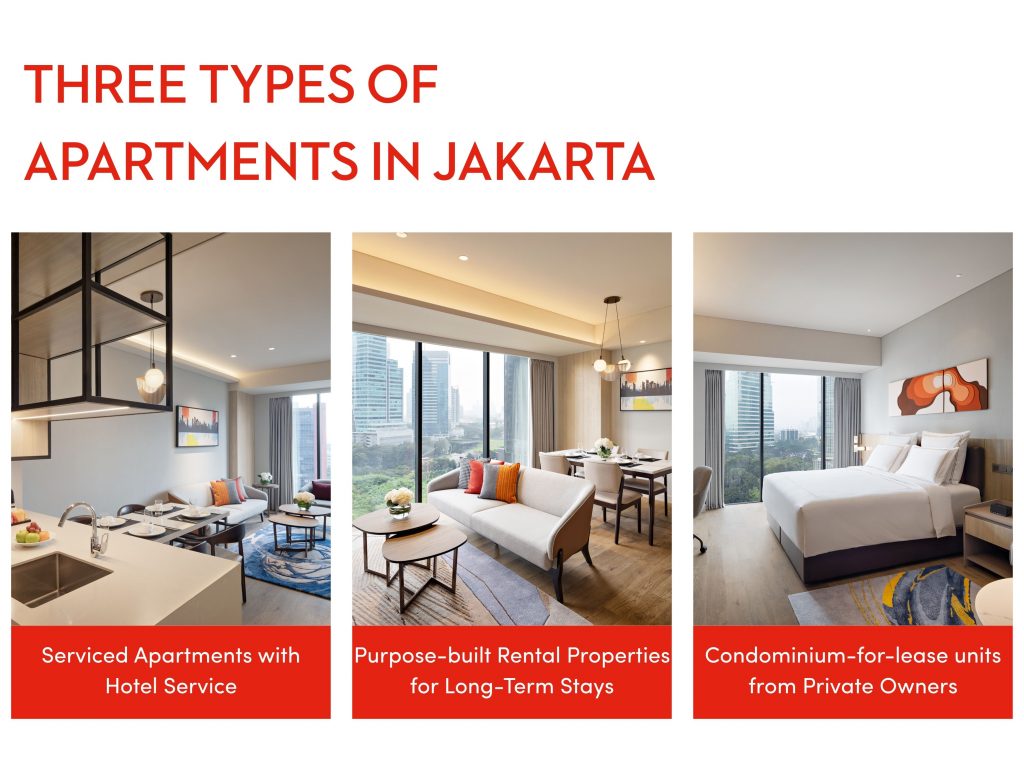
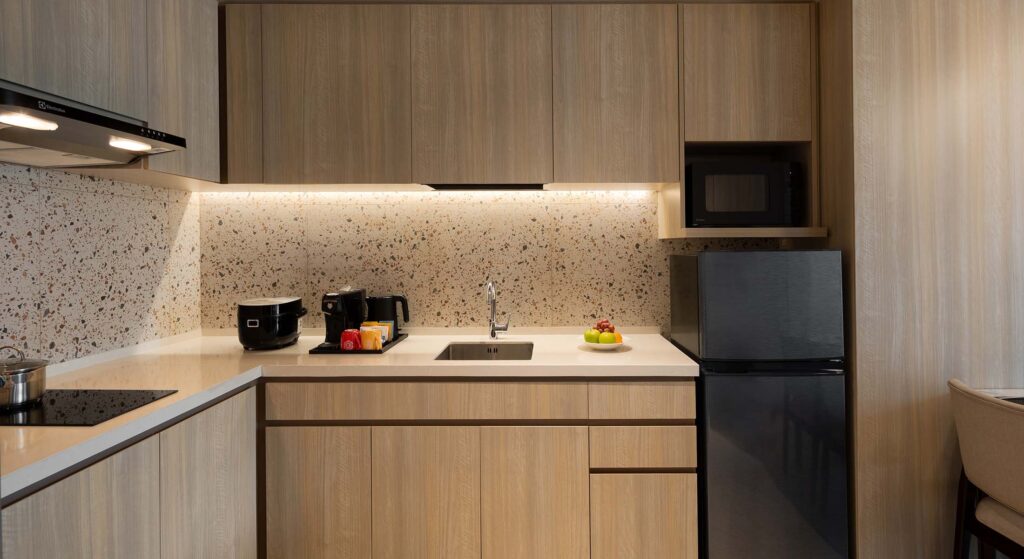
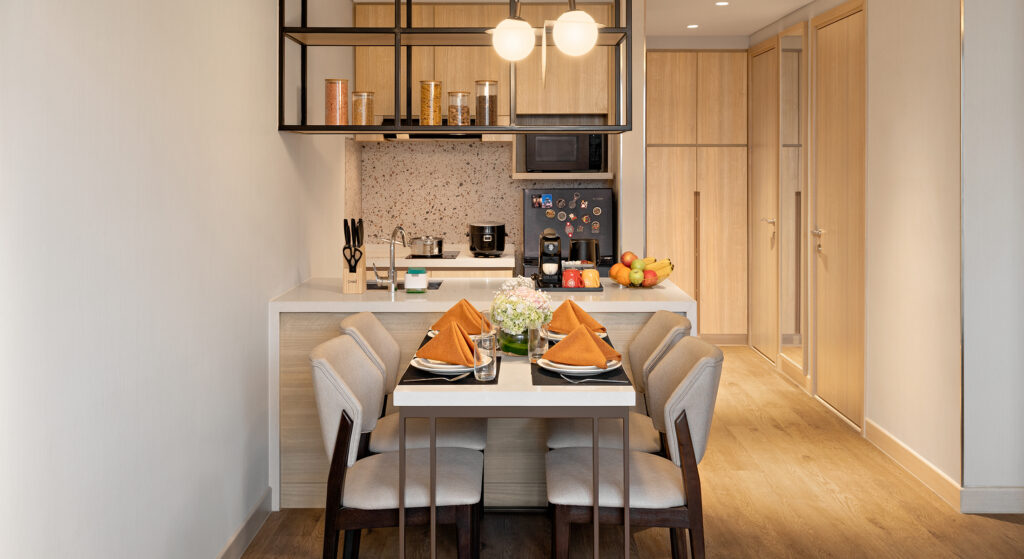
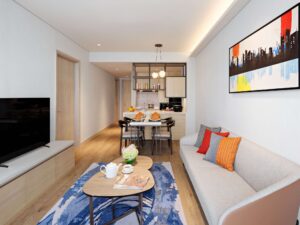
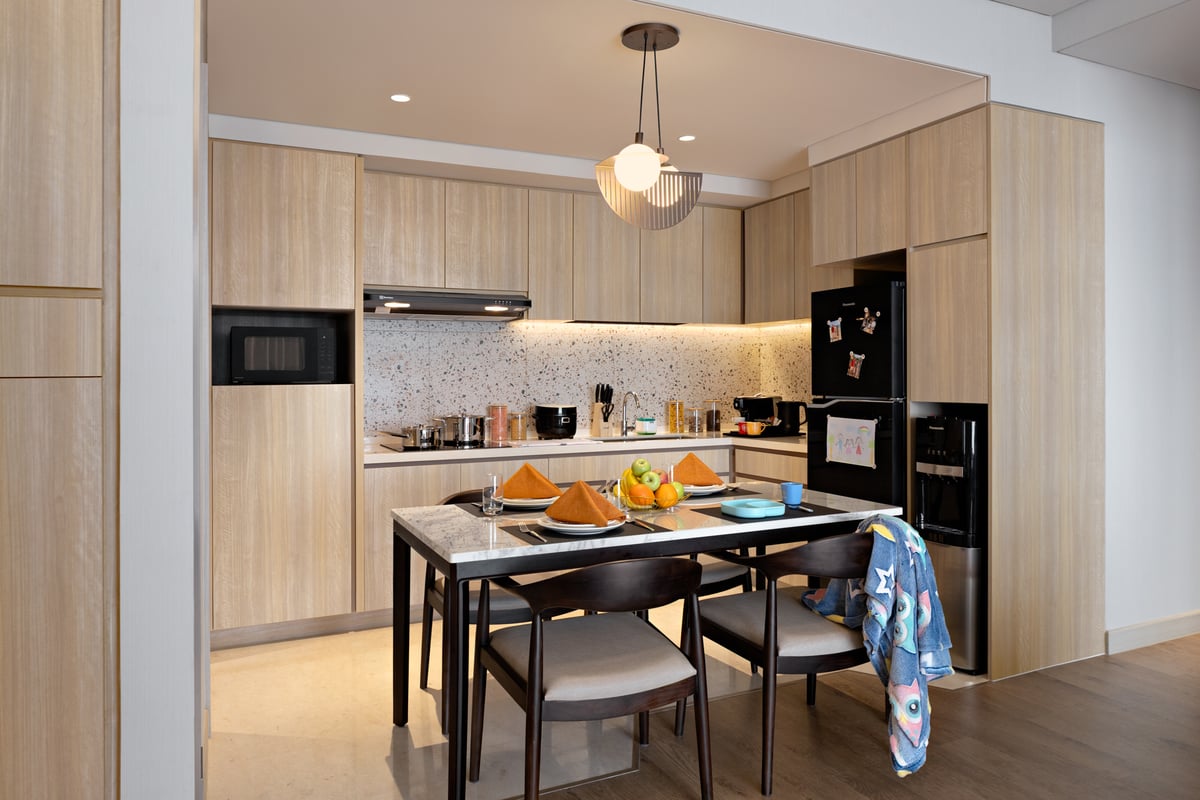
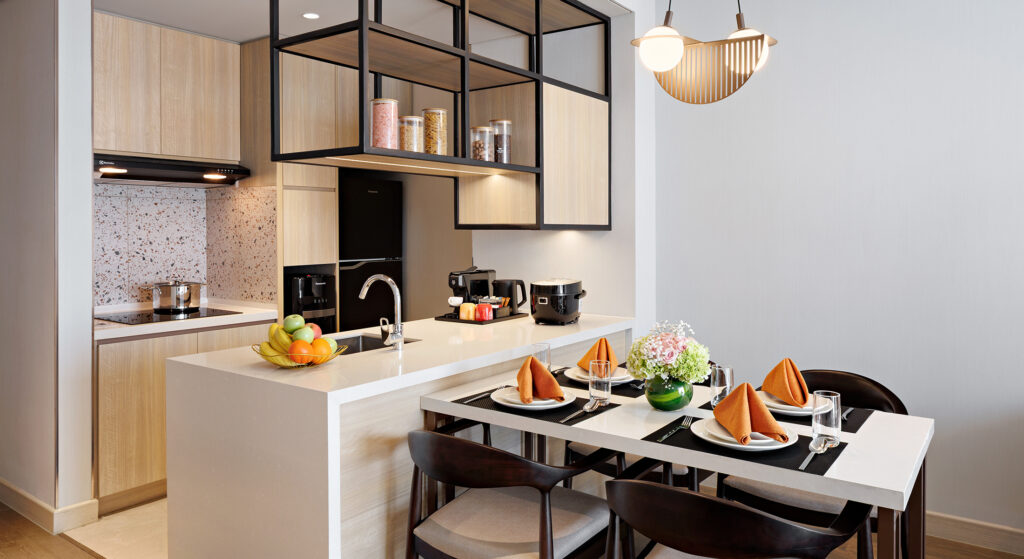
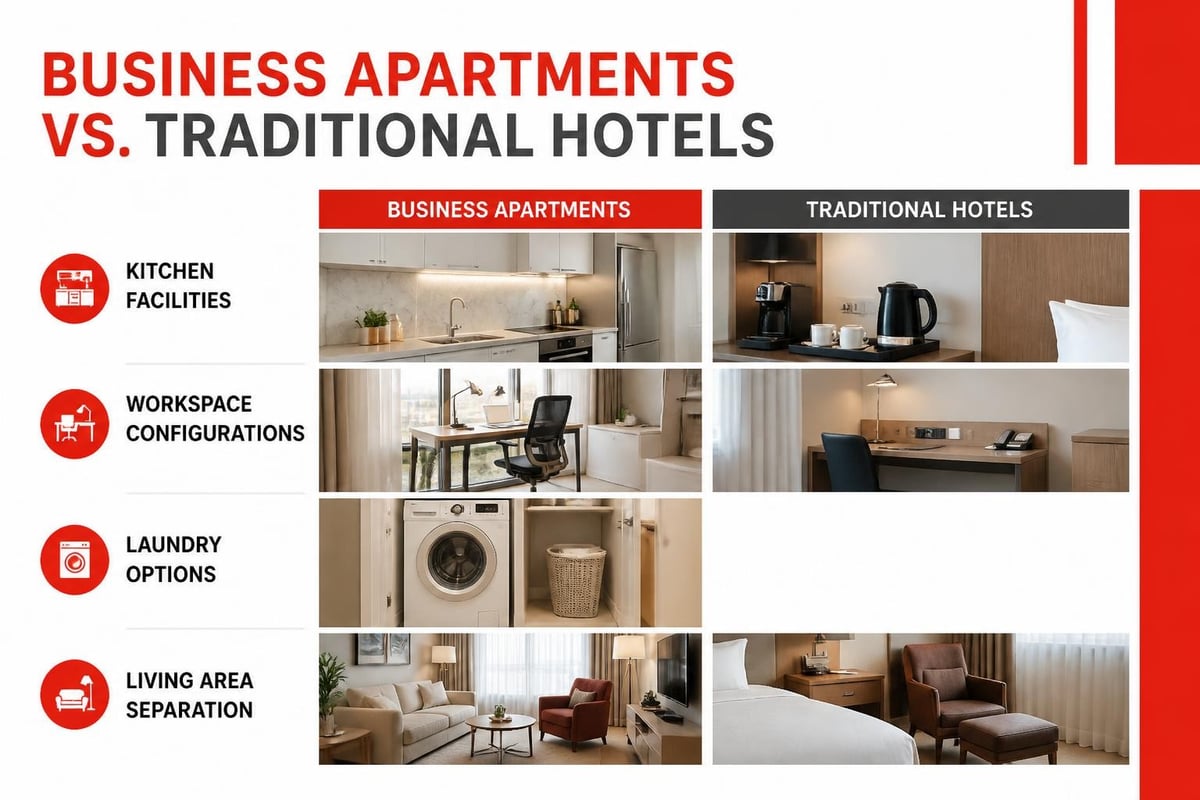
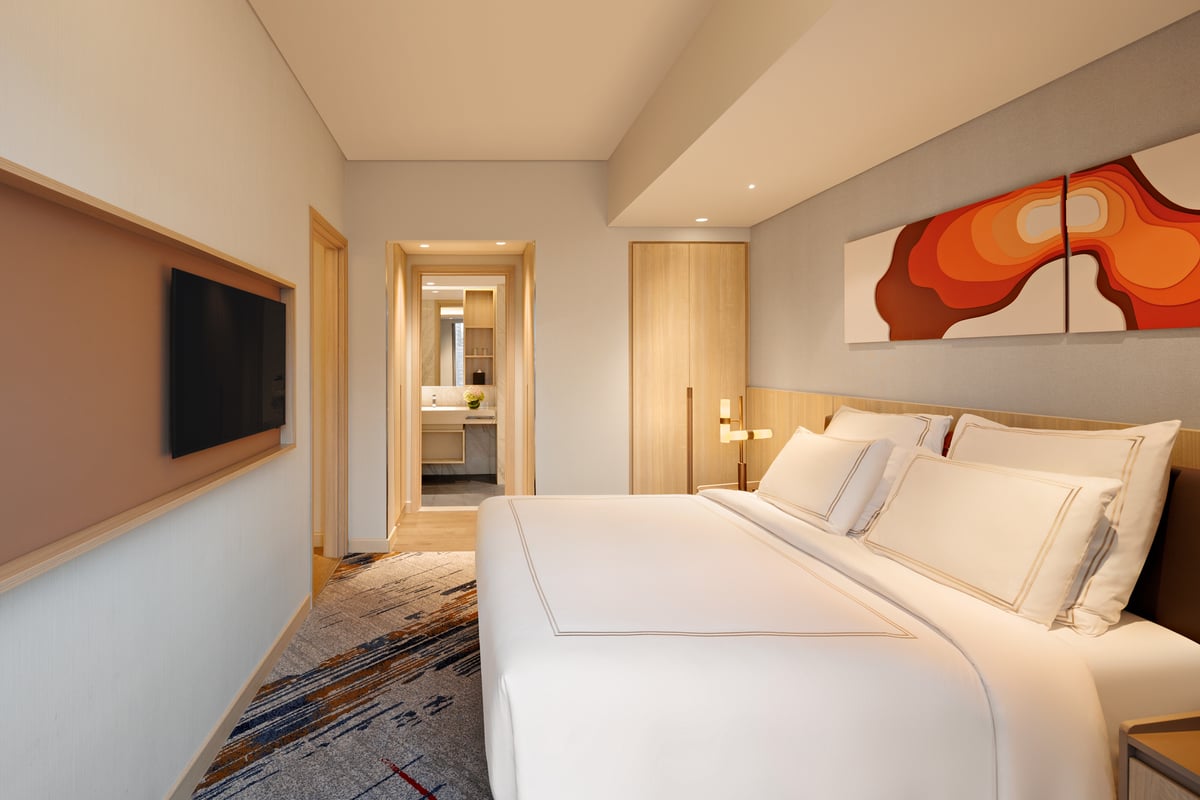
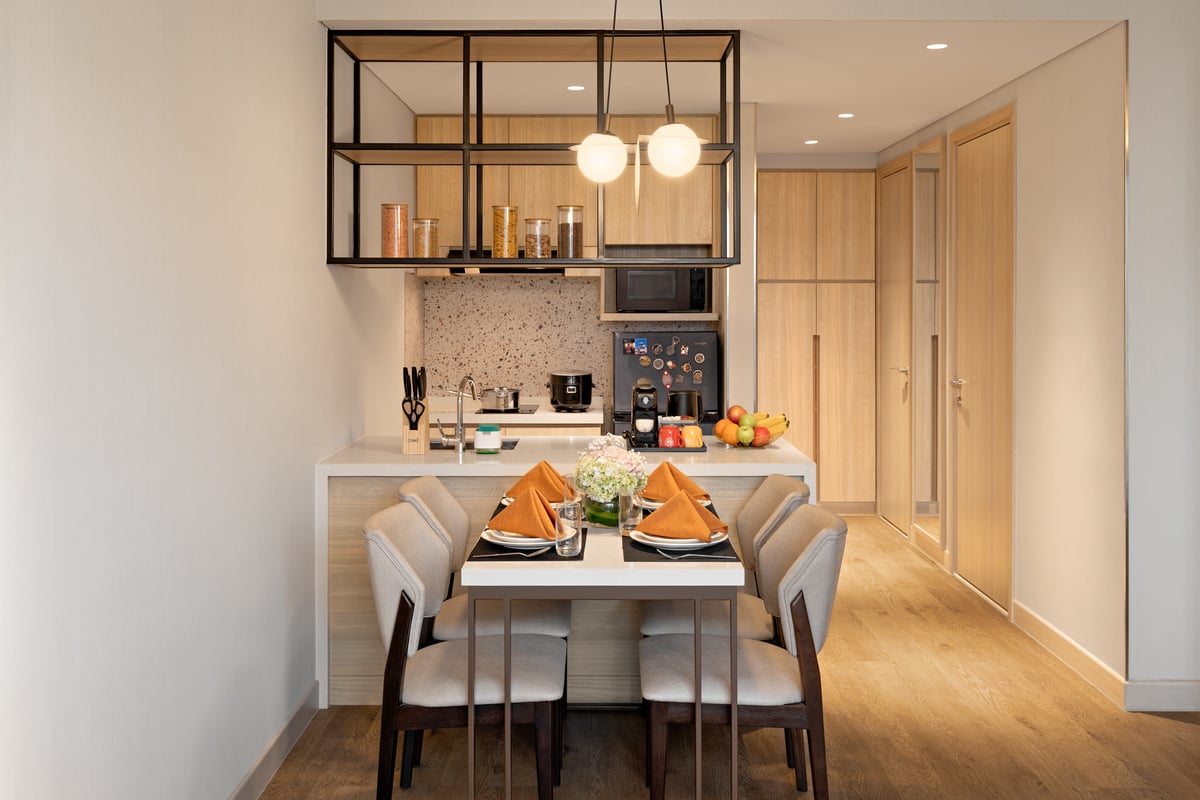
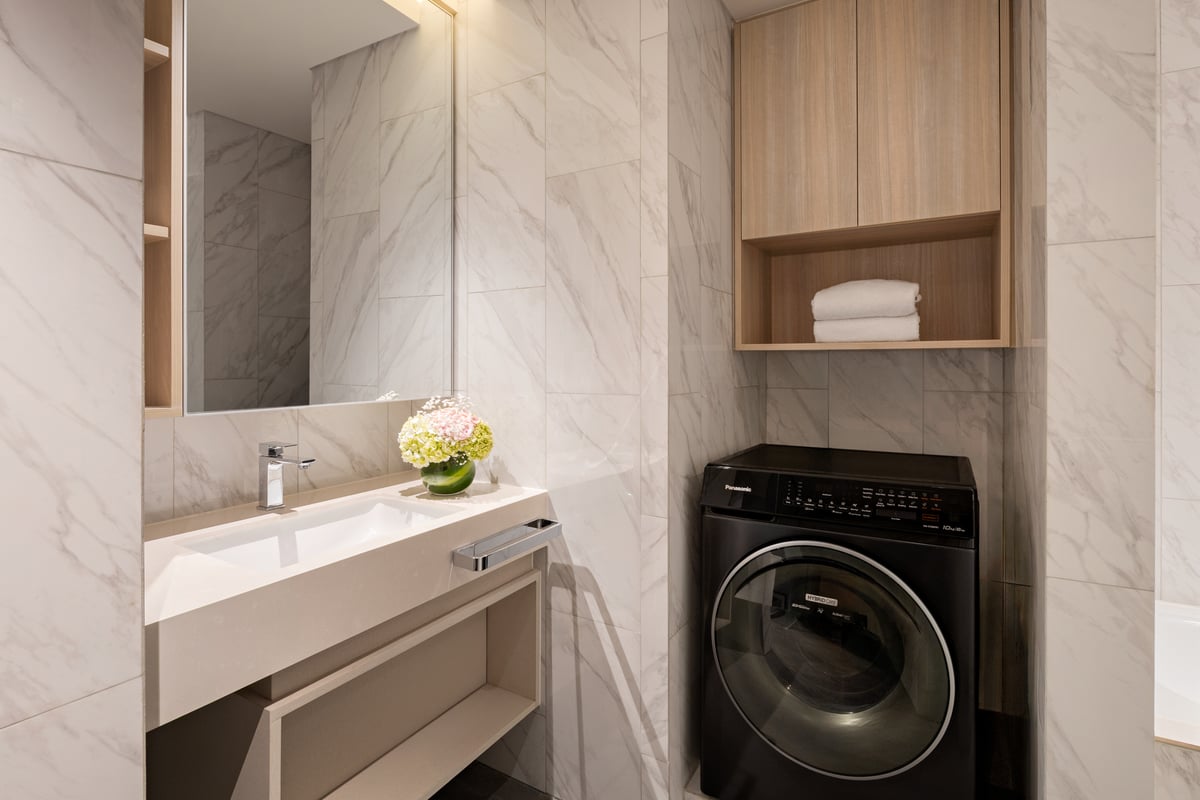
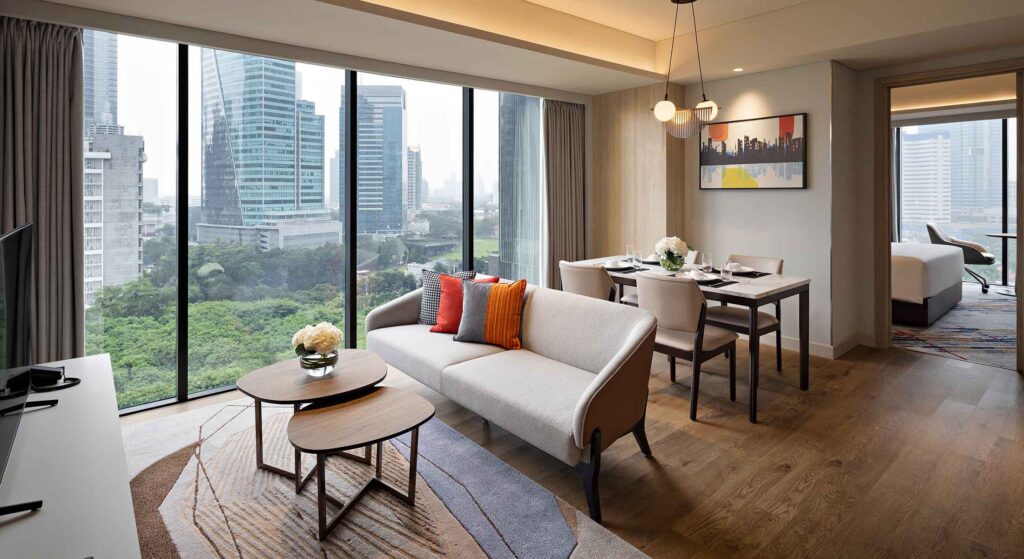
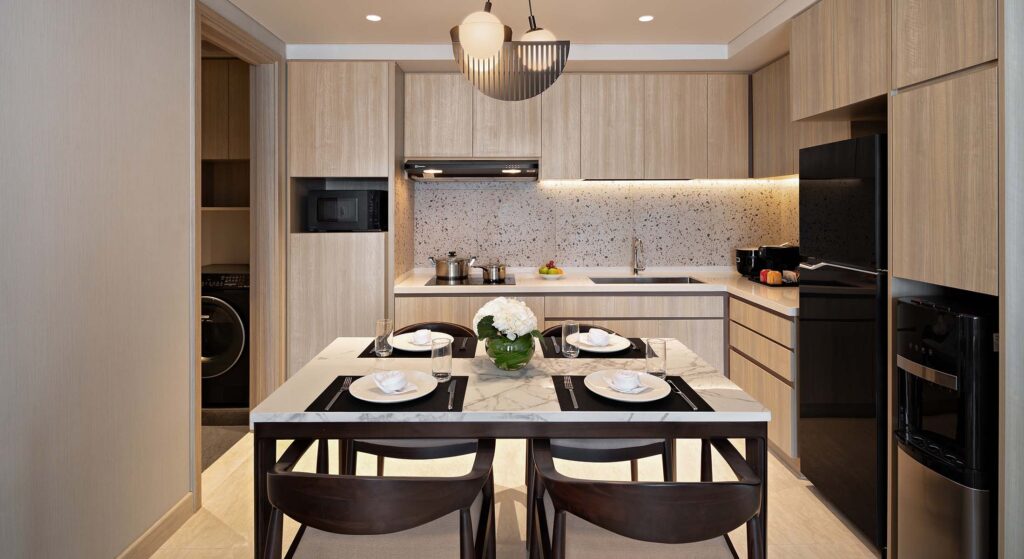
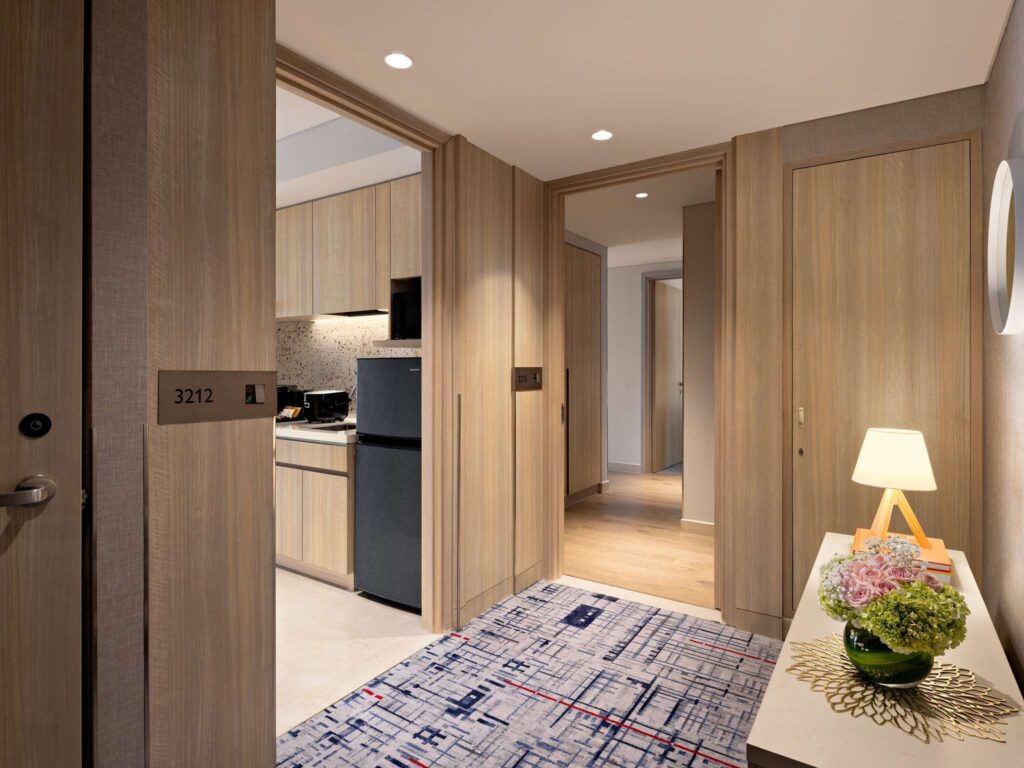
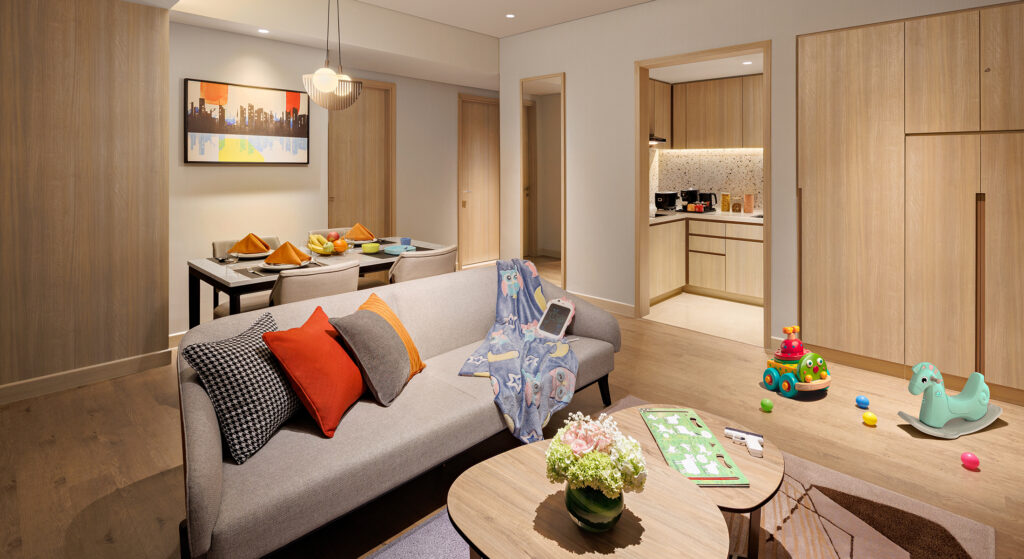
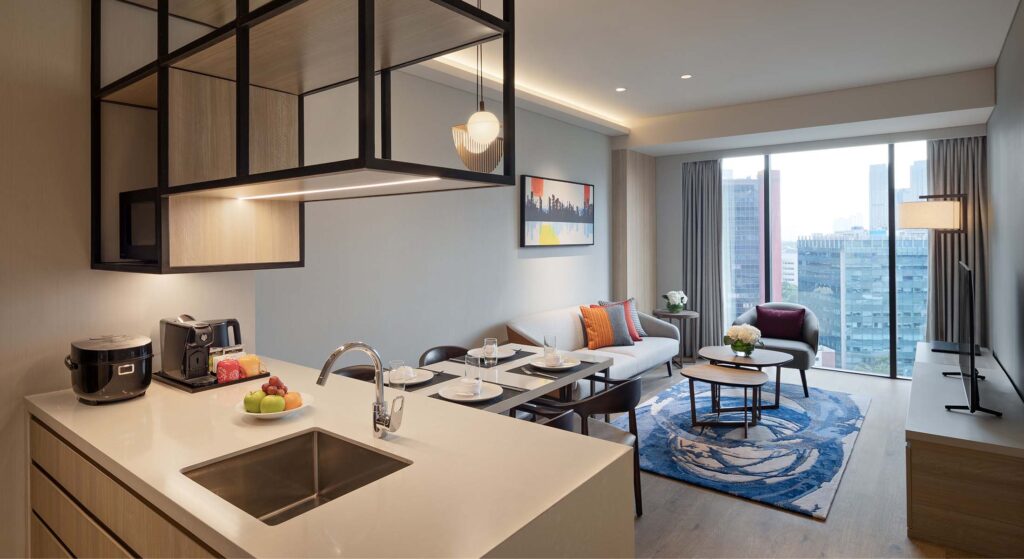
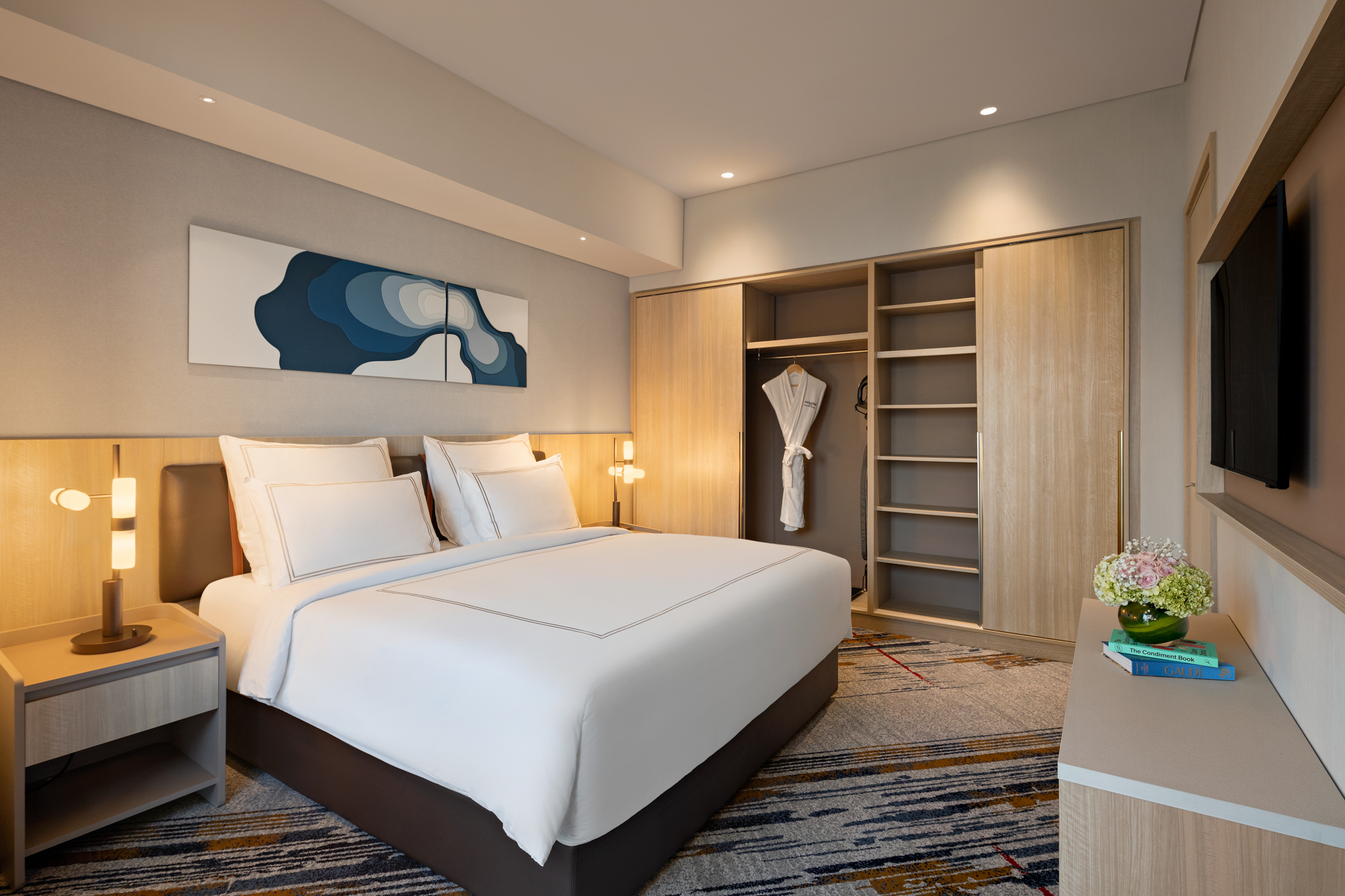
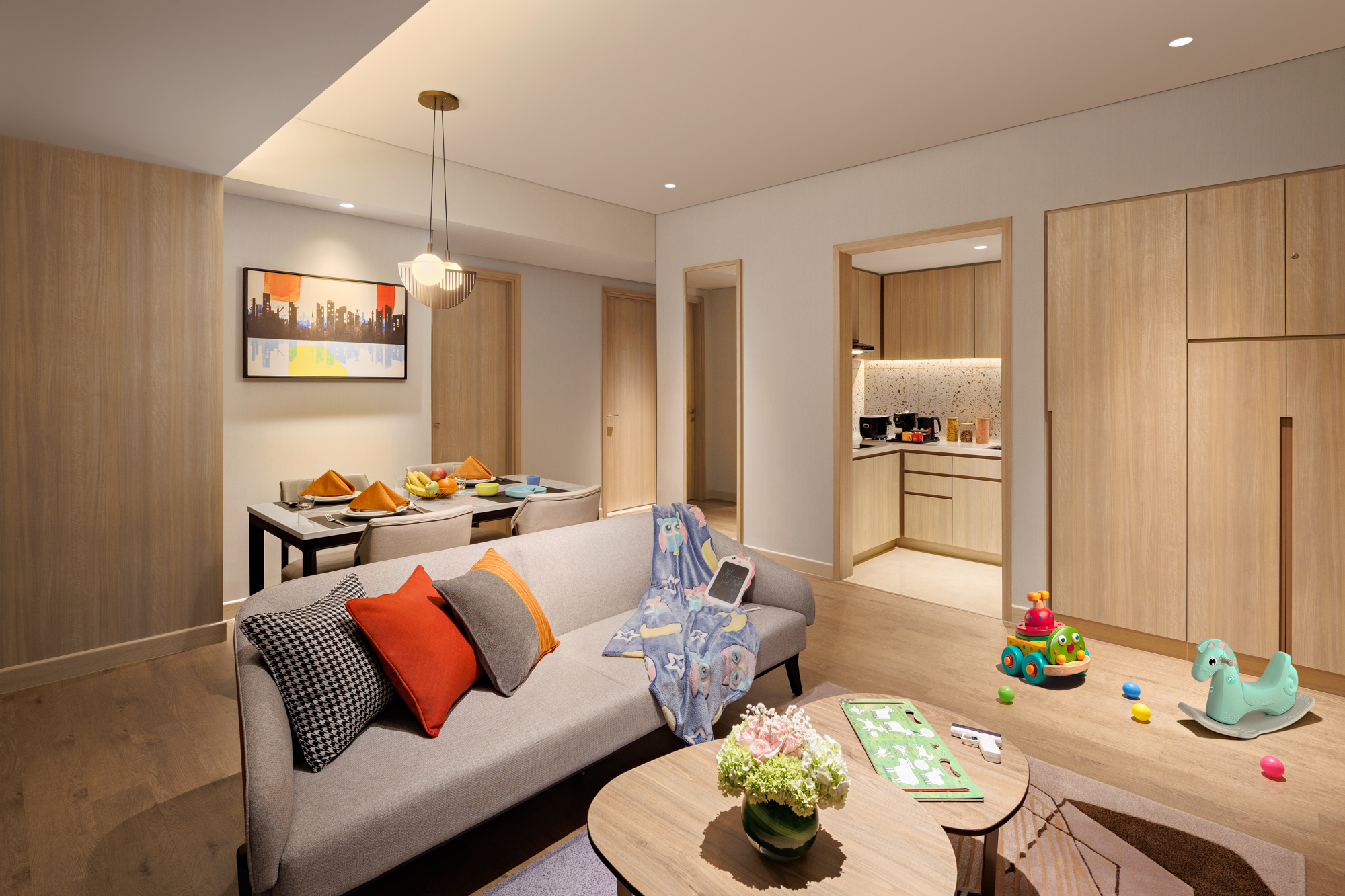
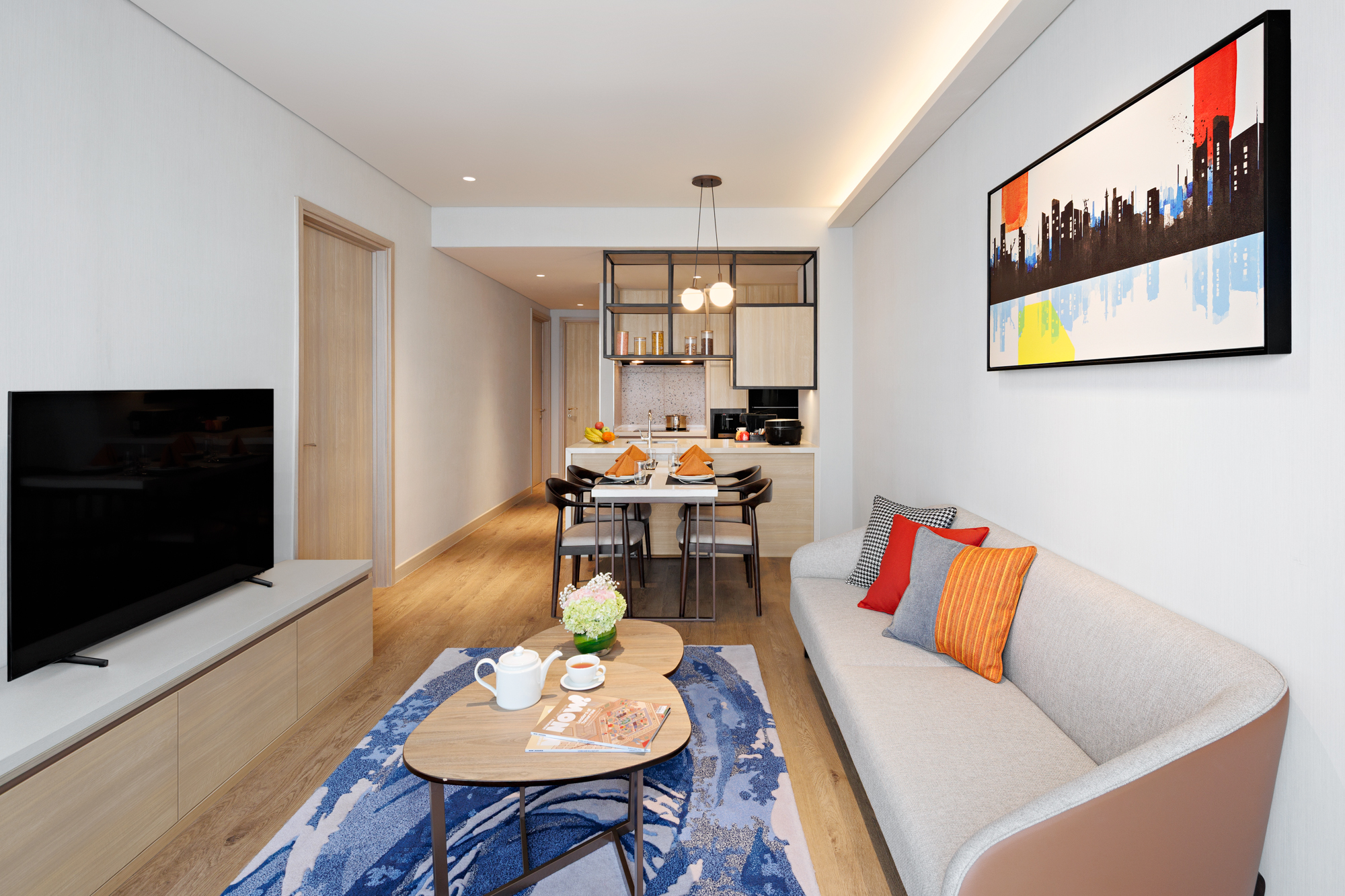
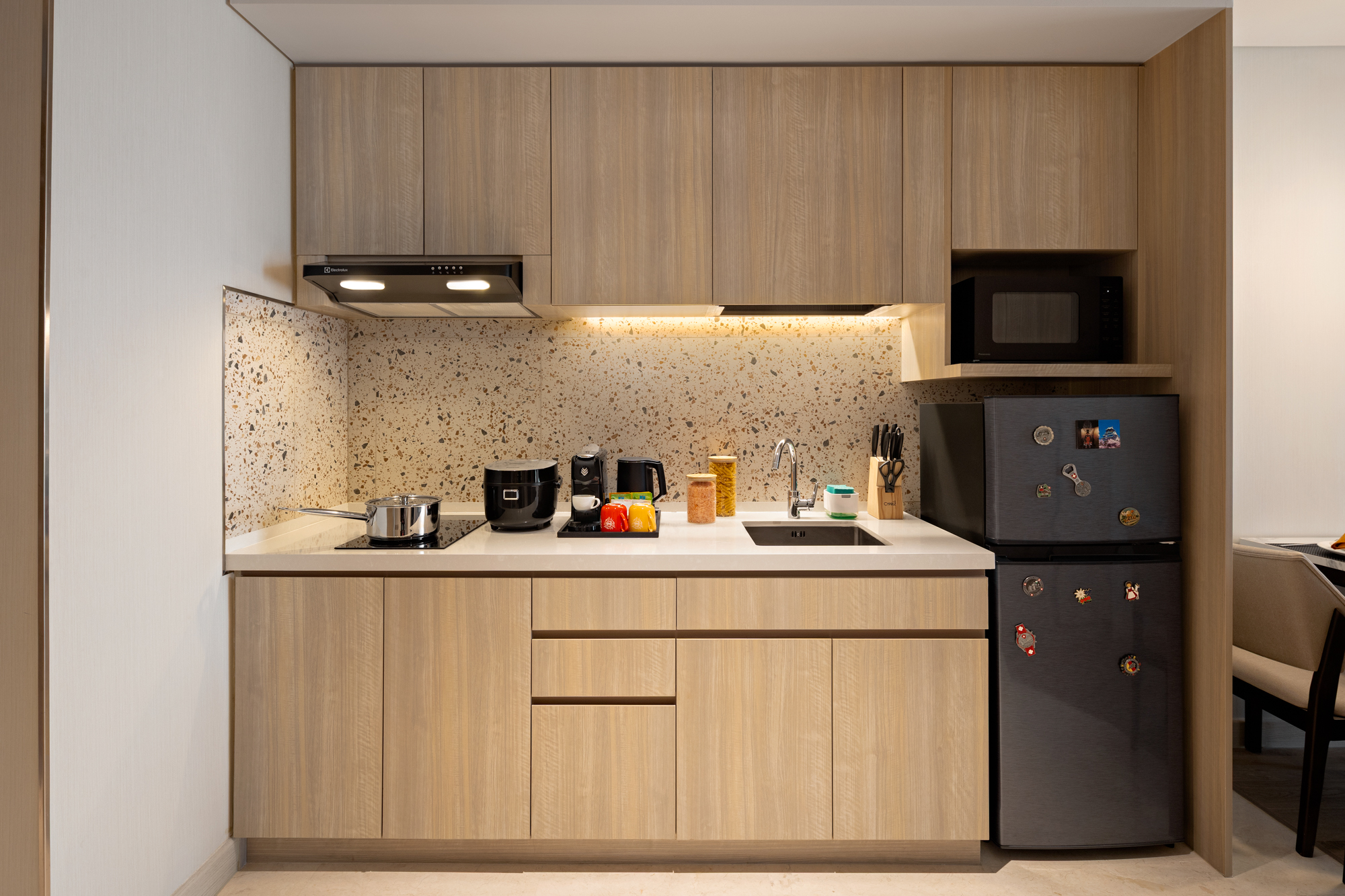
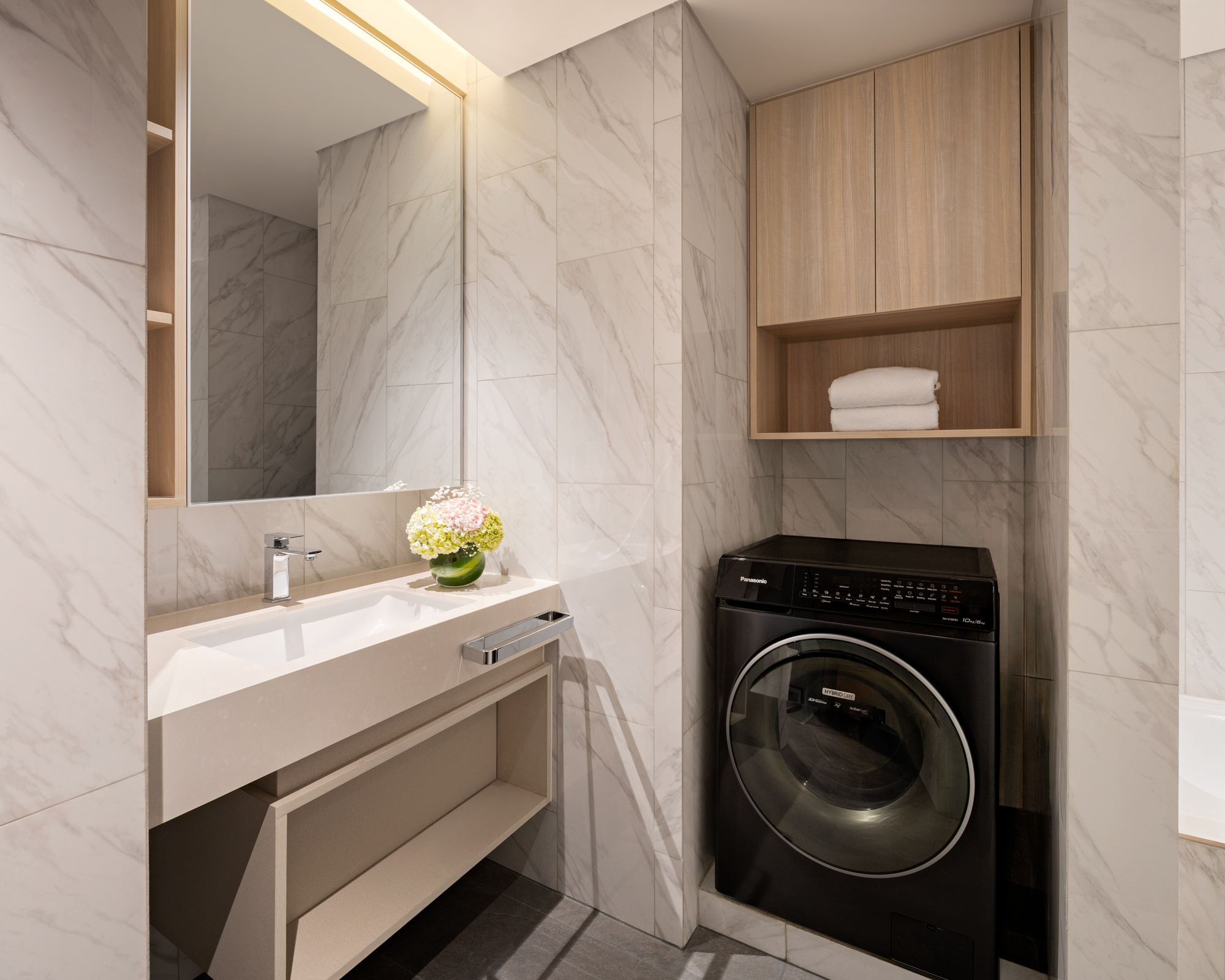
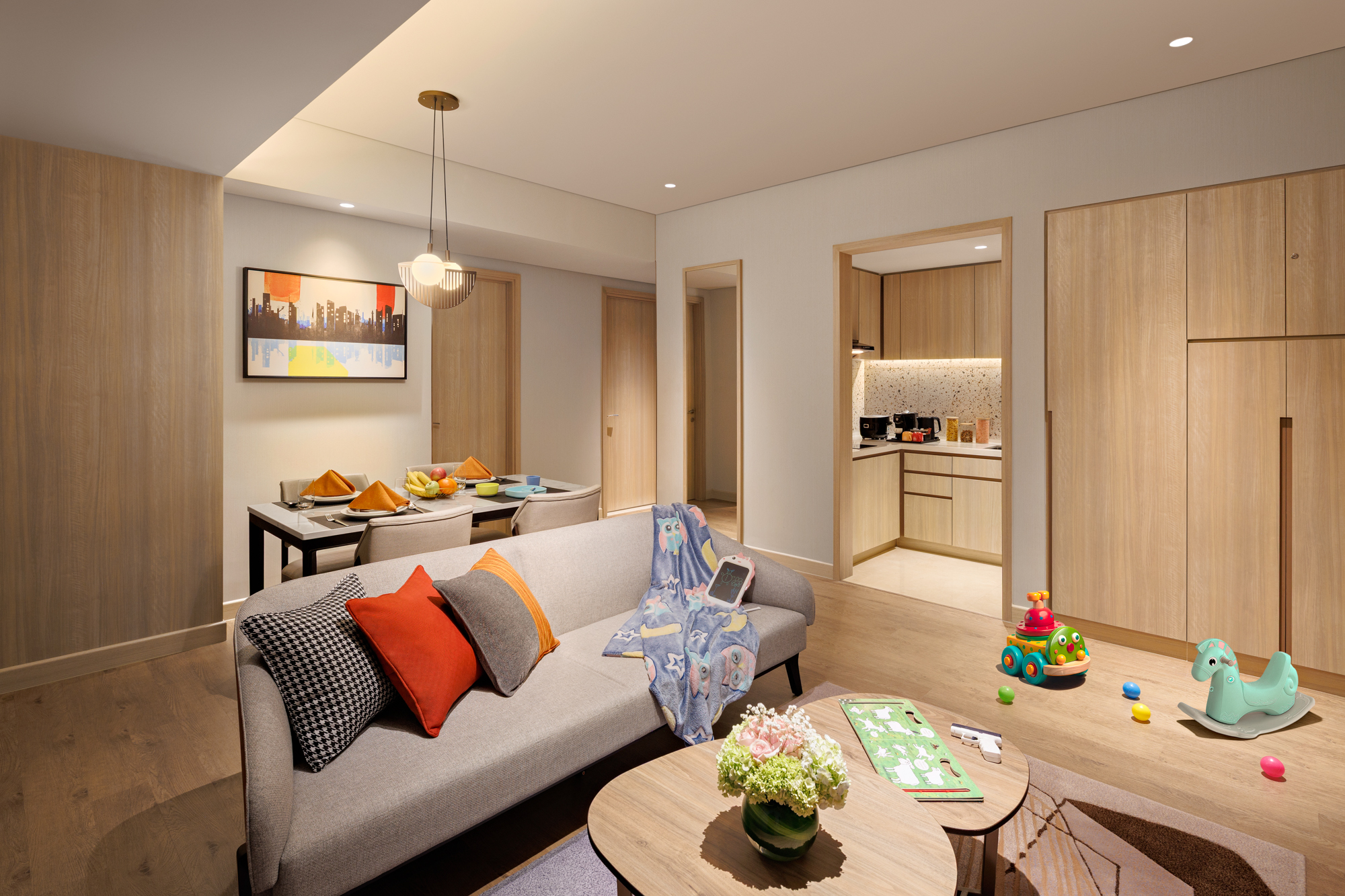
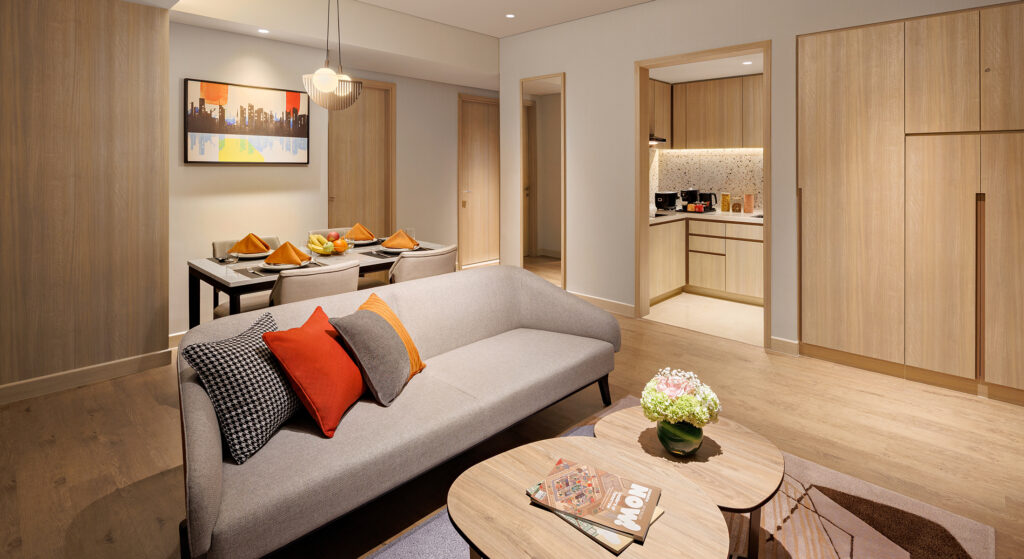
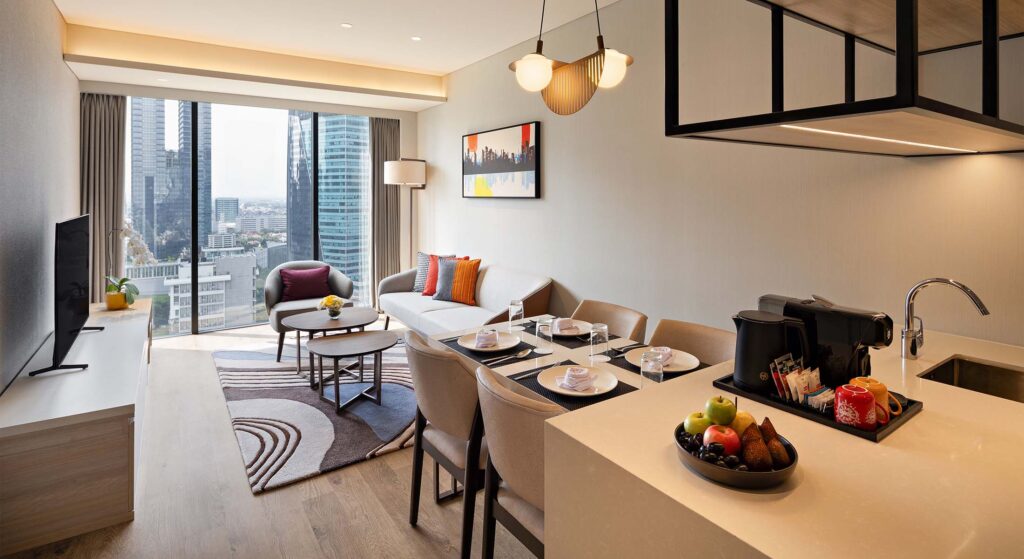
Service apartments represent a hybrid accommodation category that merges the autonomy of apartment living with the convenience of hotel services. Each unit functions as a self-contained residence, typically featuring a full kitchen with cooking equipment, dedicated sleeping quarters, living spaces, and in-unit laundry facilities. Property management provides housekeeping, concierge services, and maintenance support similar to hotels, yet residents enjoy the privacy and space of independent living.
Key Characteristics That Define Service Apartments
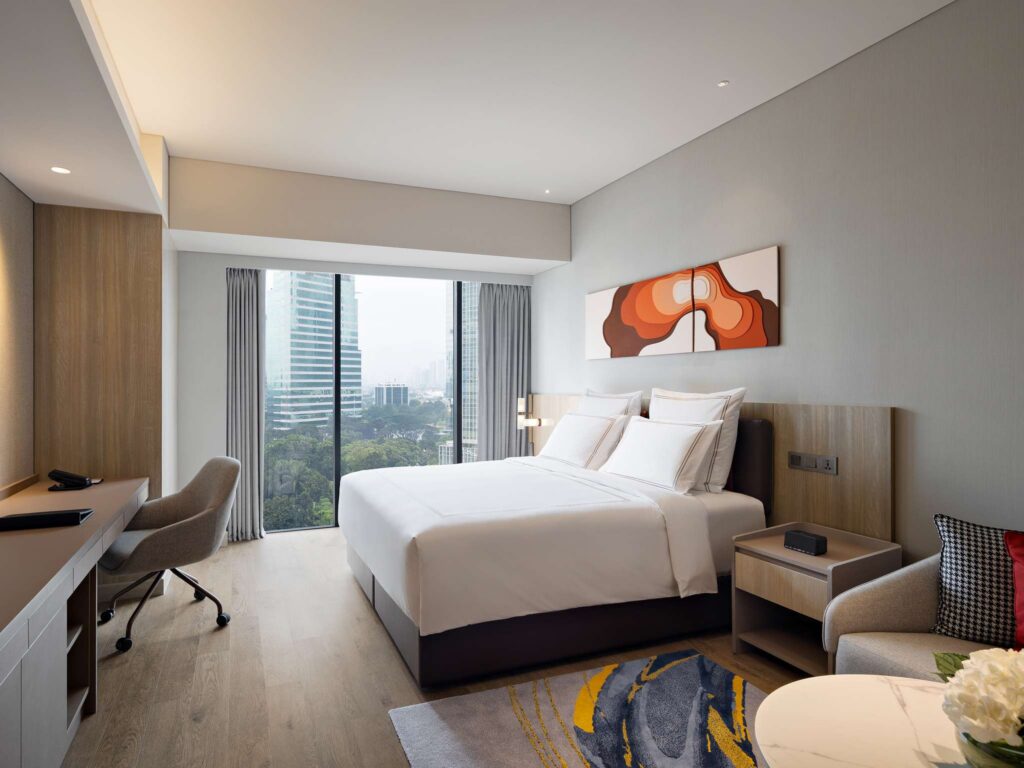
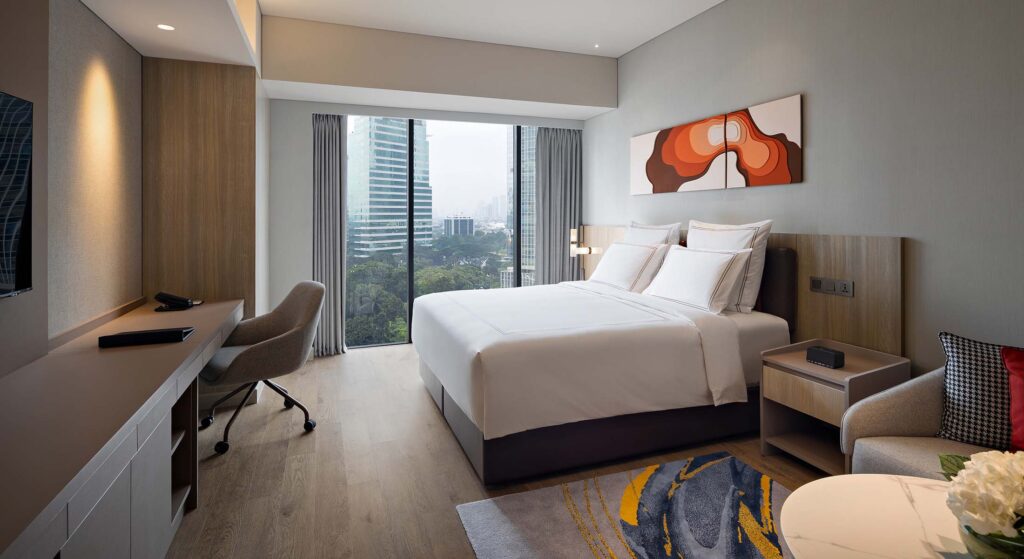
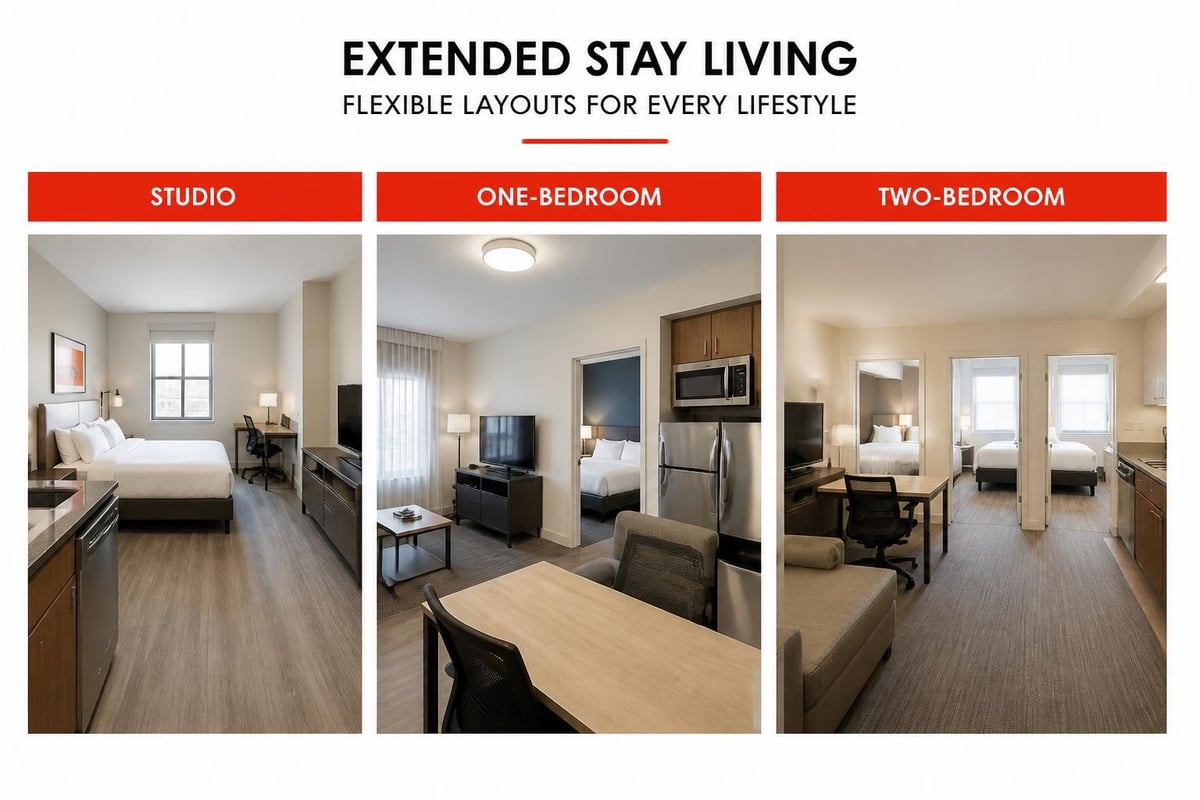
The fundamental distinction between service apartments and conventional hotels lies in unit configuration and service delivery. Most properties offer multiple floor plans to accommodate different group sizes and stay durations. Studio configurations suit solo business travelers, while one-bedroom, two-bedroom, and three-bedroom layouts cater to families, executive teams, and expatriate relocations.
Standard amenities across service apartments include:
-
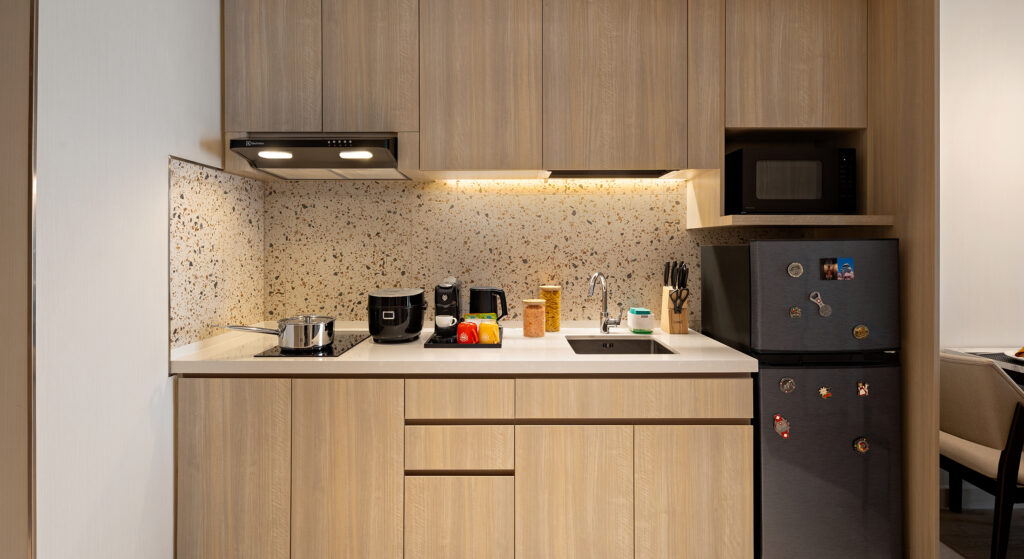
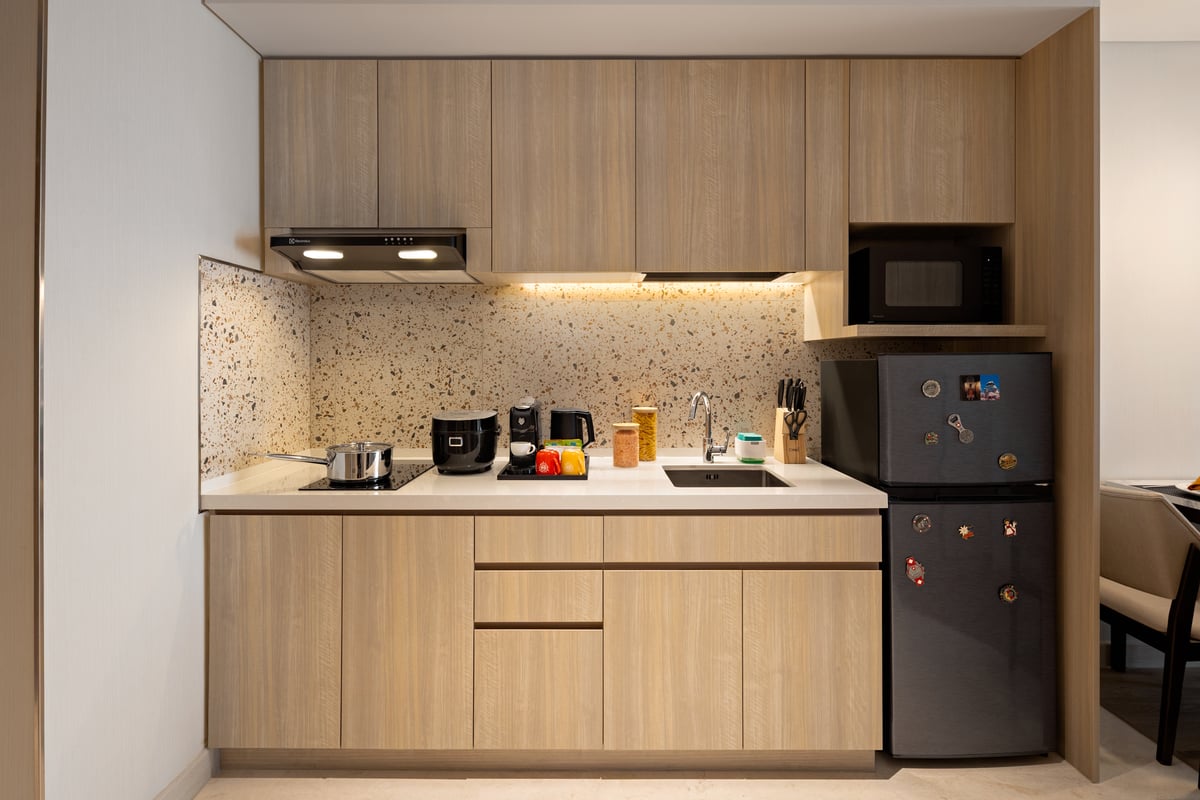
Fully equipped kitchens with refrigerators, stoves, microwaves, and cookware
-
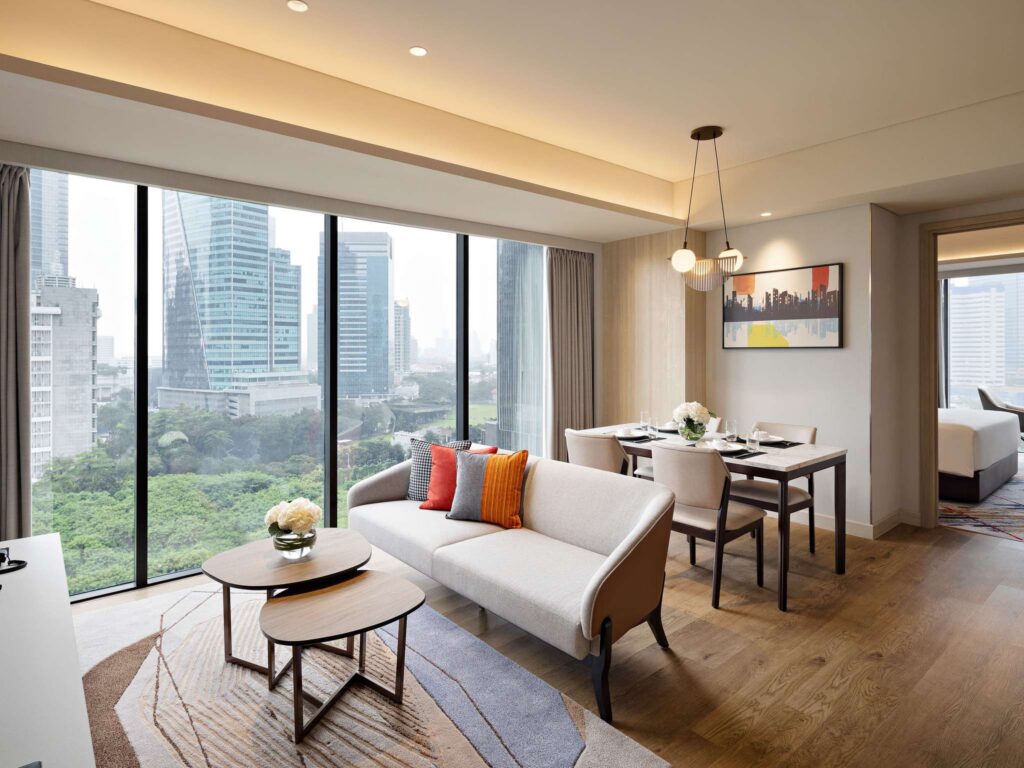
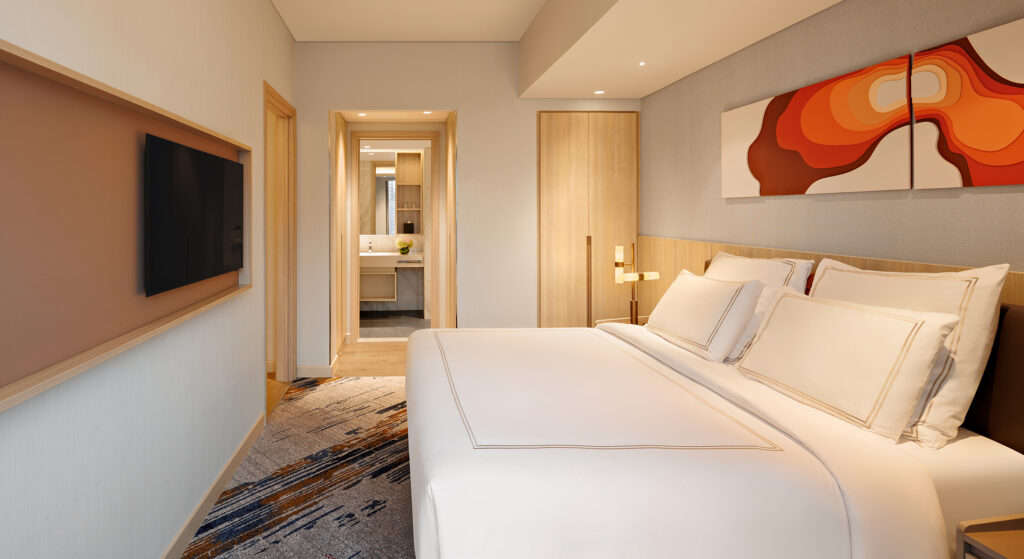
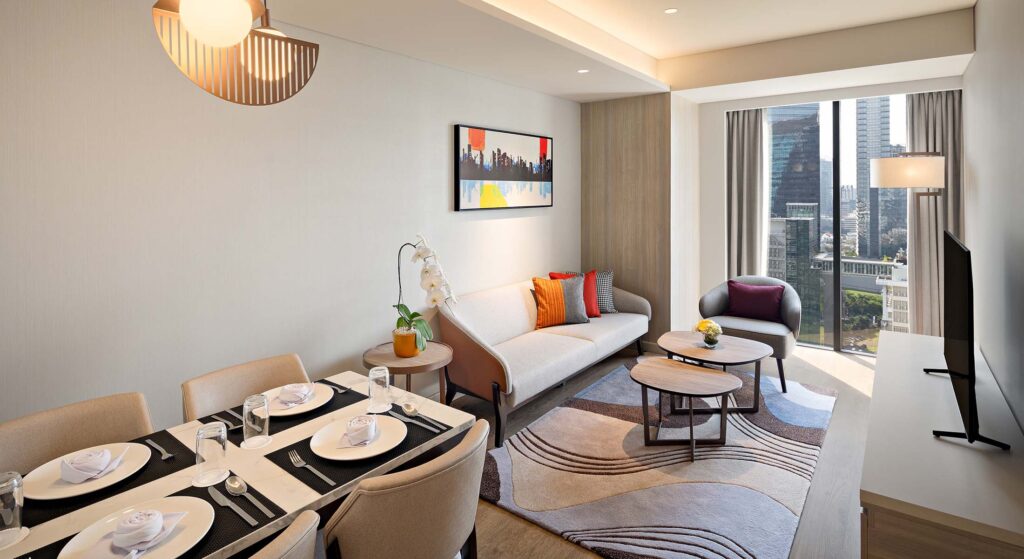
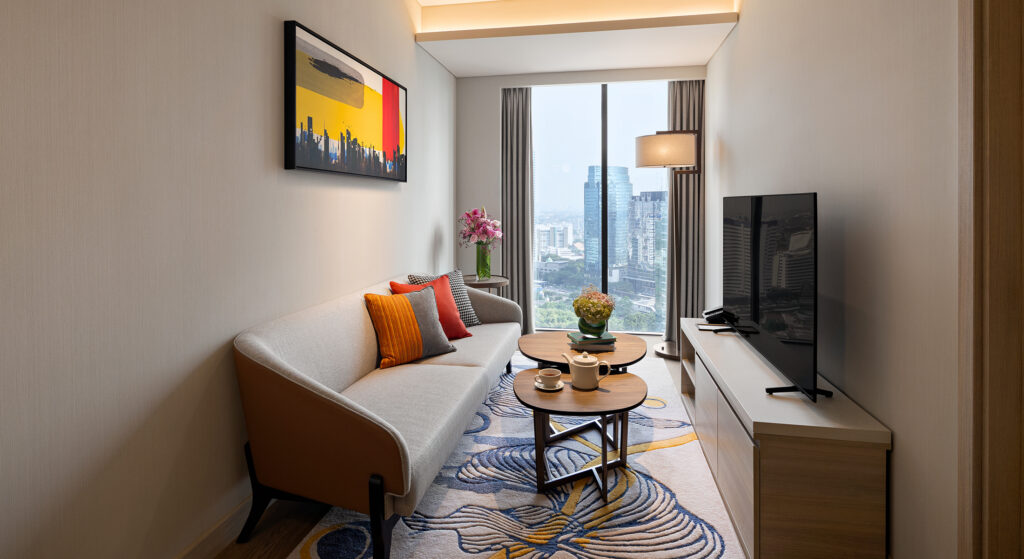
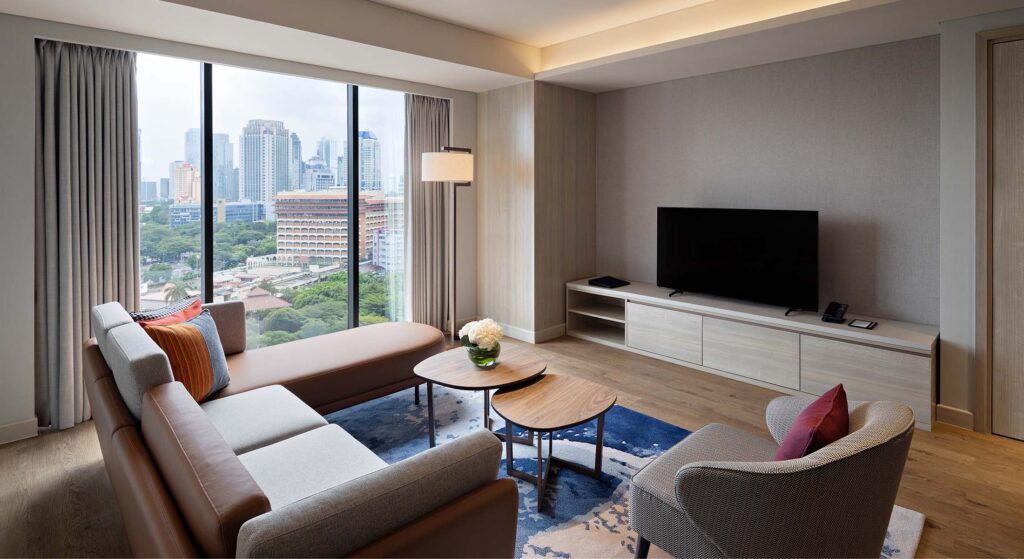
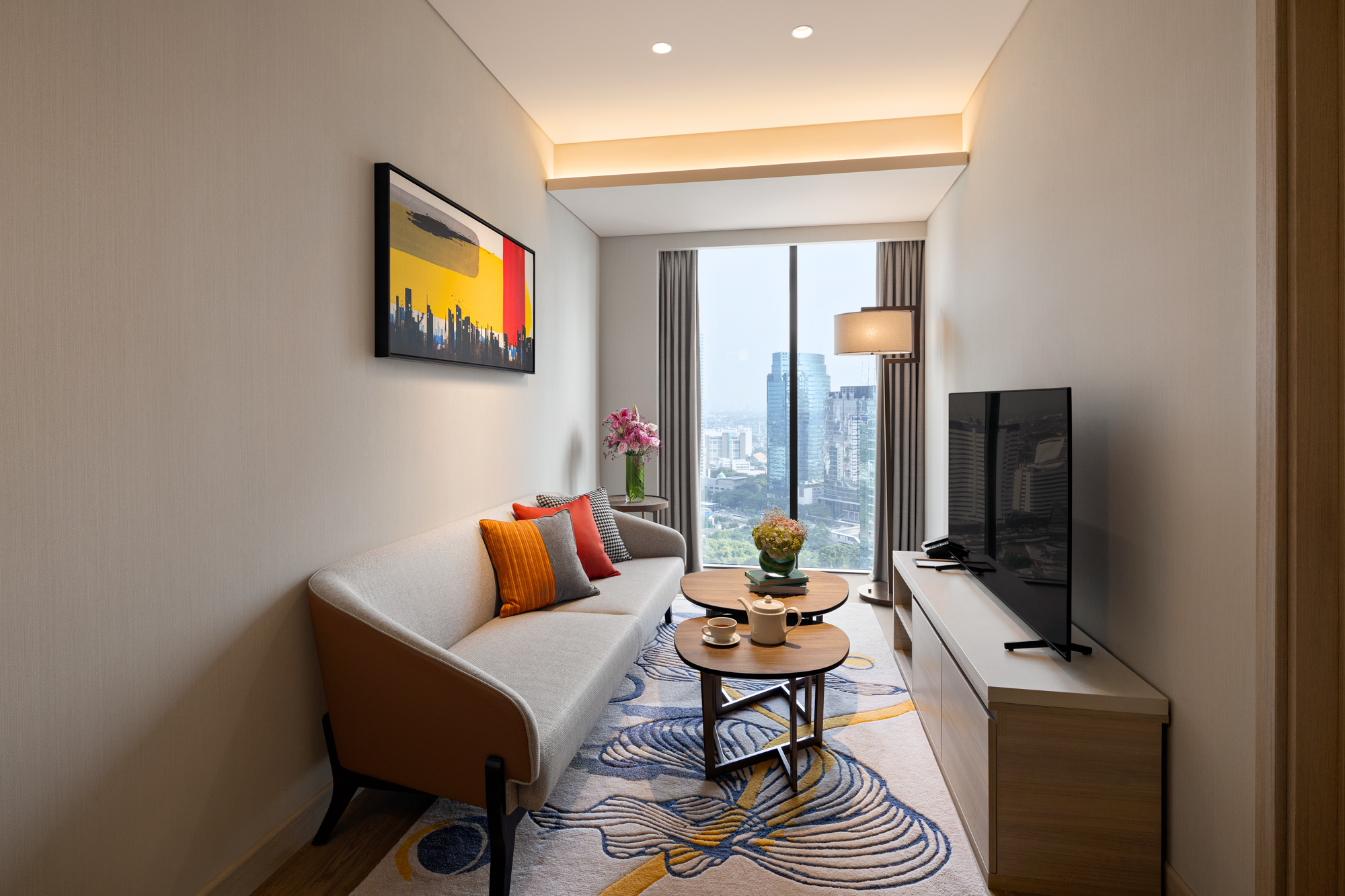
Separate living and sleeping areas with proper furnishings
-
In-unit washing machines and dryers
-
Dedicated workspaces with high-speed internet connectivity
-
Weekly or bi-weekly housekeeping services
-
24-hour security and front desk support
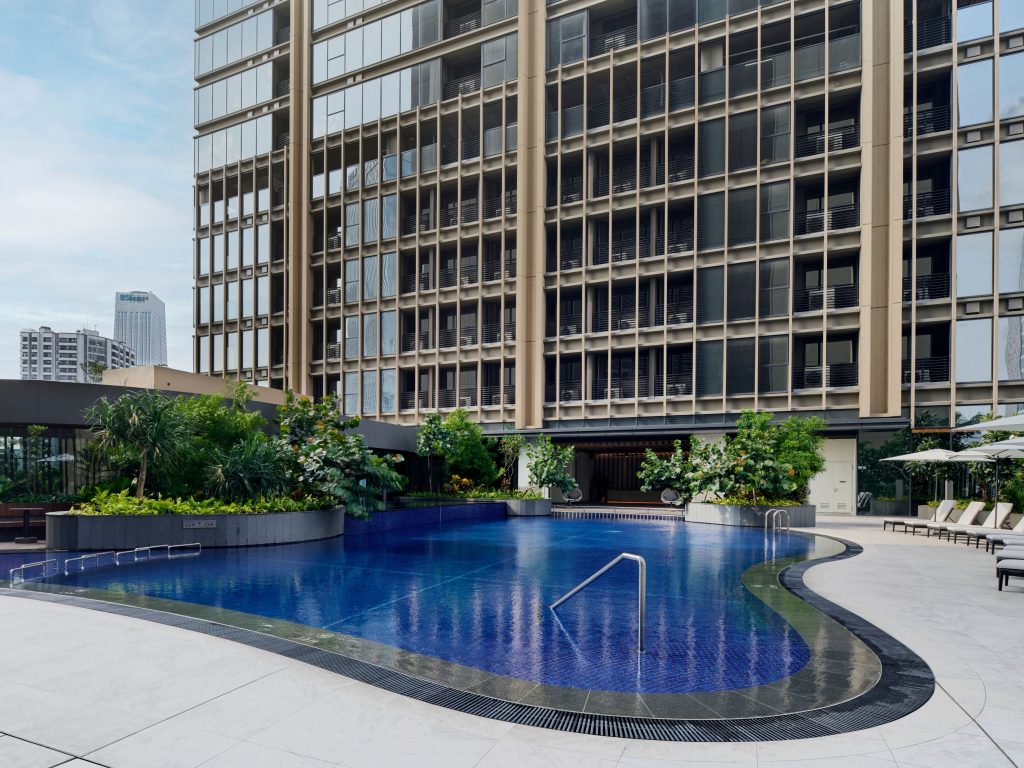
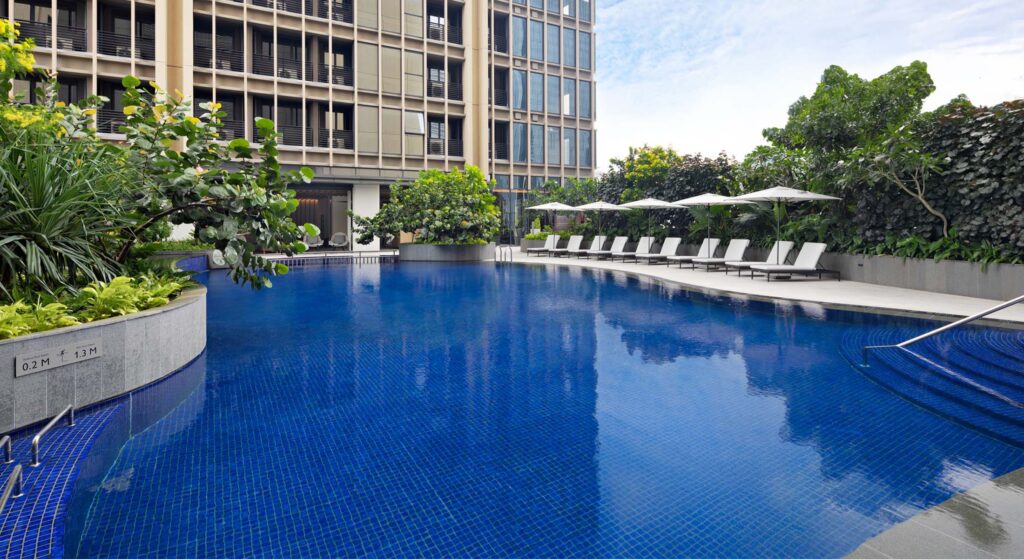
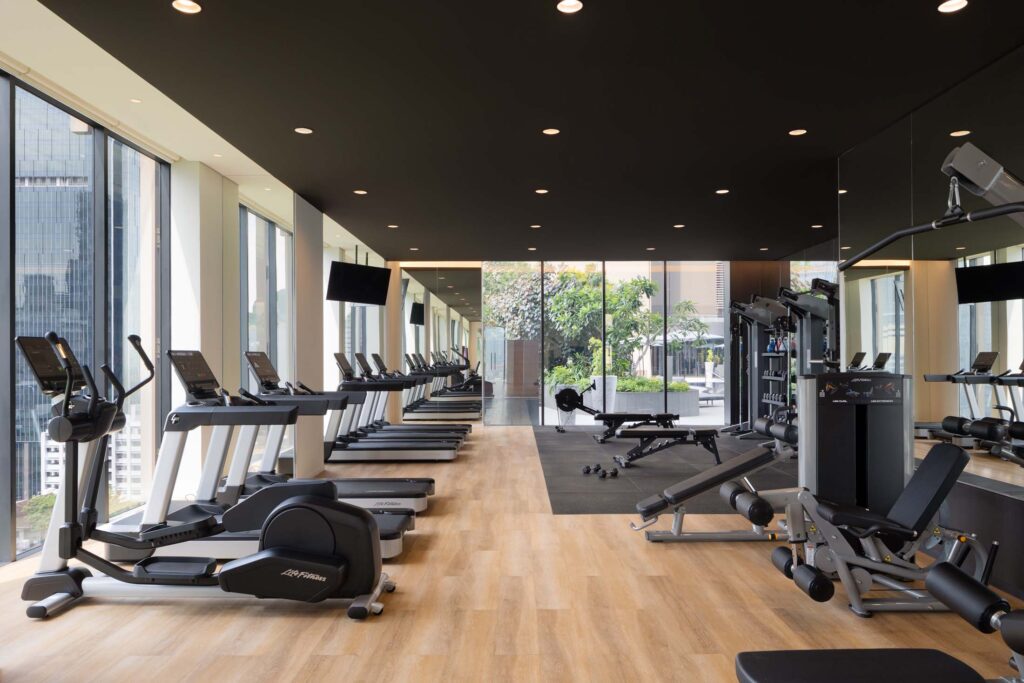
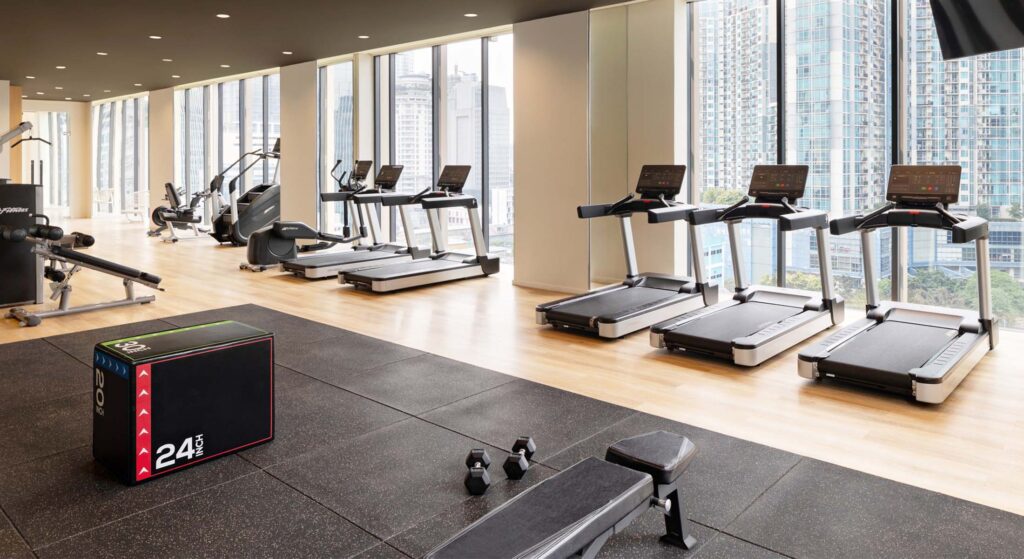
Properties in central business districts typically provide additional facilities such as fitness centers, swimming pools, meeting rooms, and on-site dining options. The JLL extended-stay outlook indicates growing demand for these hybrid models as corporate travel patterns shift toward longer, project-based assignments.
Who Benefits Most from Service Apartments
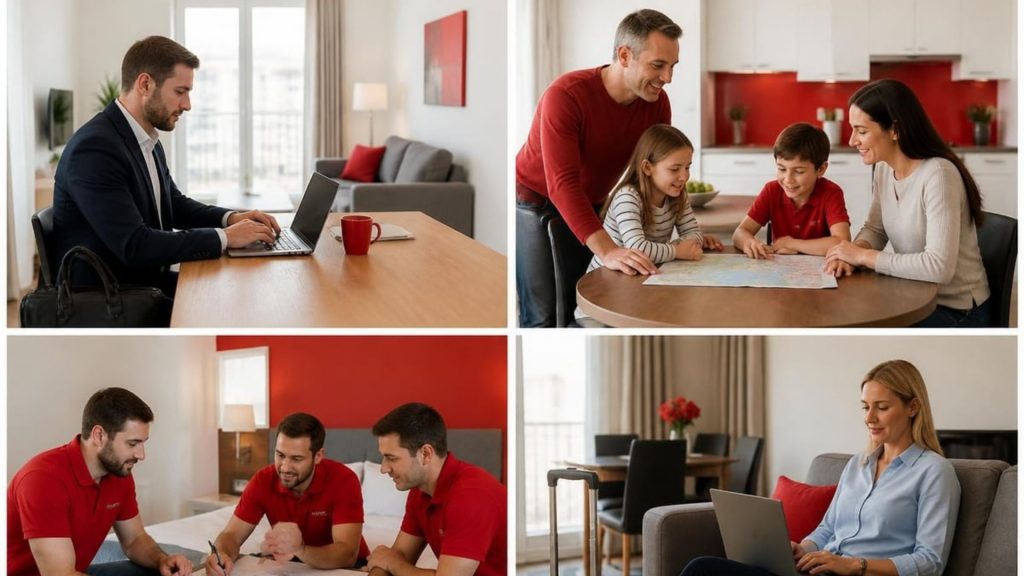
Different traveler segments find value in service apartments for distinct reasons. Business professionals on extended assignments appreciate the ability to maintain normal routines with cooking facilities and separate work areas. Families relocating to new cities use service apartments as temporary homes while searching for permanent housing. Expatriates often choose monthly or yearly stays to avoid long-term lease commitments while adjusting to new environments.
Corporate Travelers and Extended Assignments
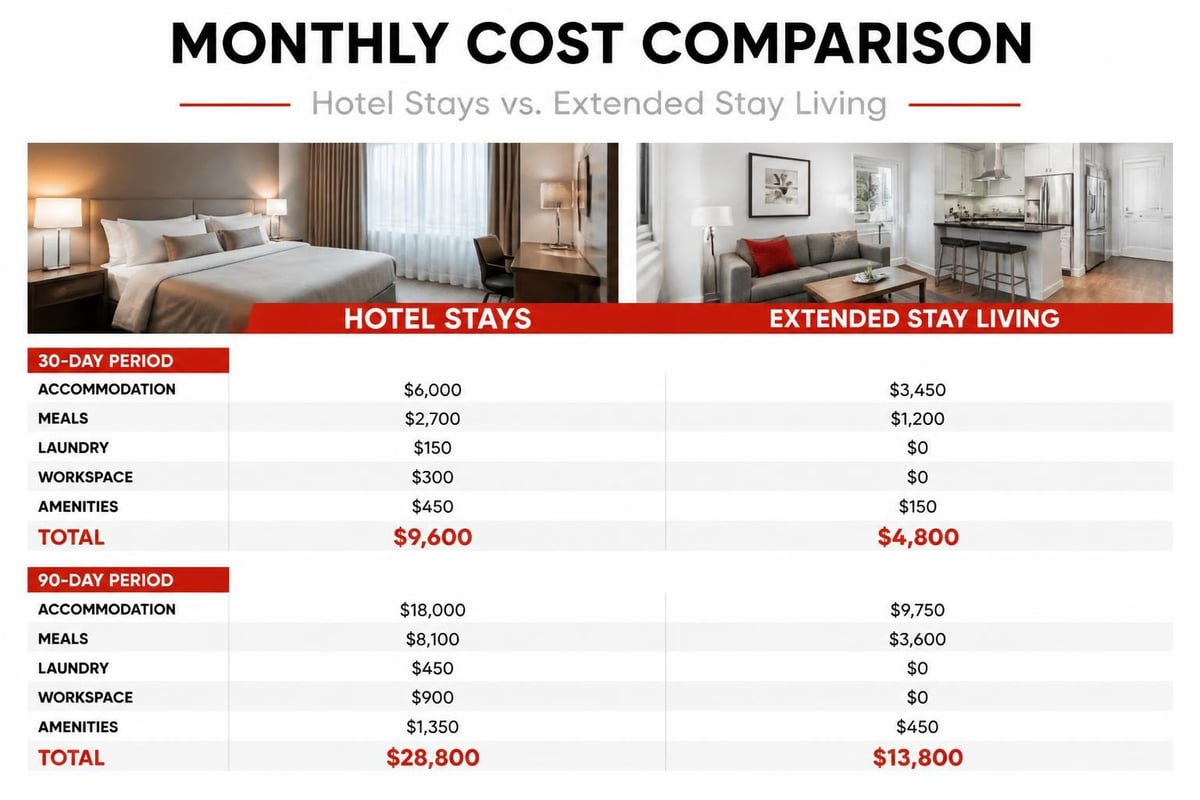
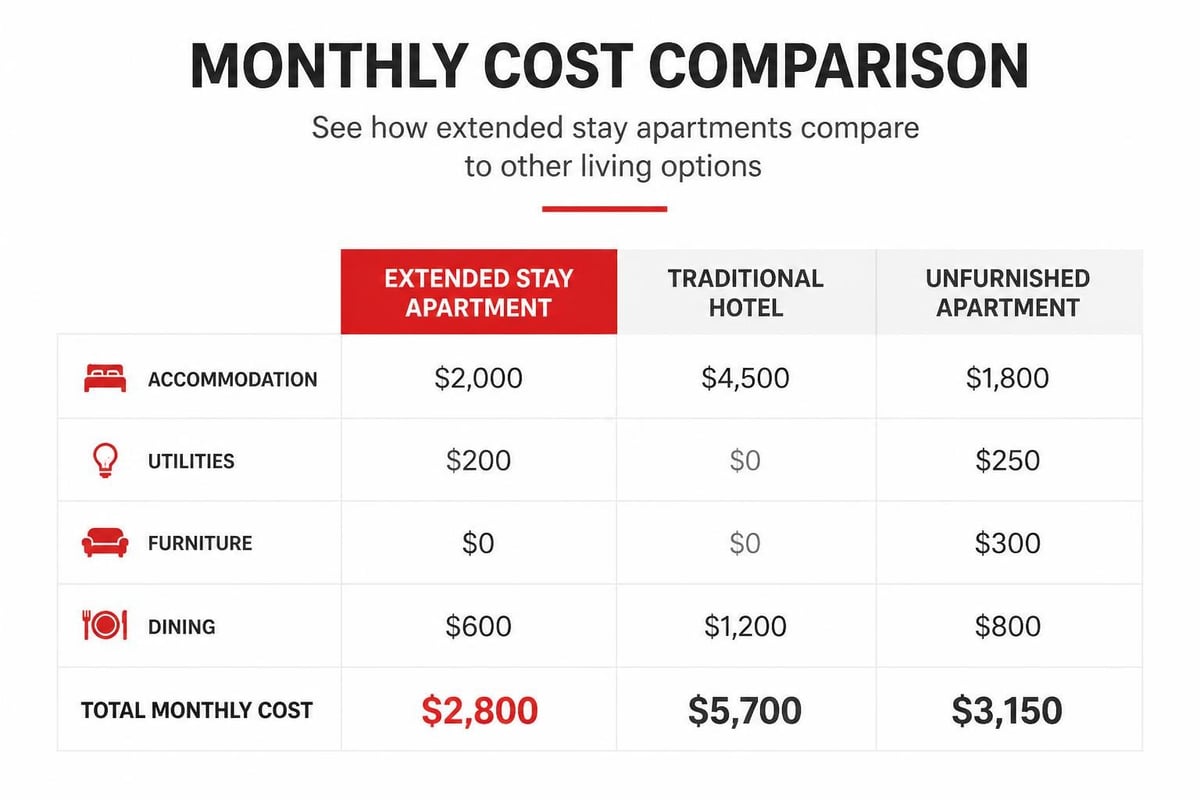
Companies increasingly favor service apartments over traditional hotels for employees on multi-week projects or temporary transfers. The cost savings become substantial when comparing nightly hotel rates to monthly service apartment fees. A business traveler staying 30 days in a hotel accumulates significant dining expenses, whereas access to a full kitchen in service apartments reduces meal costs considerably.
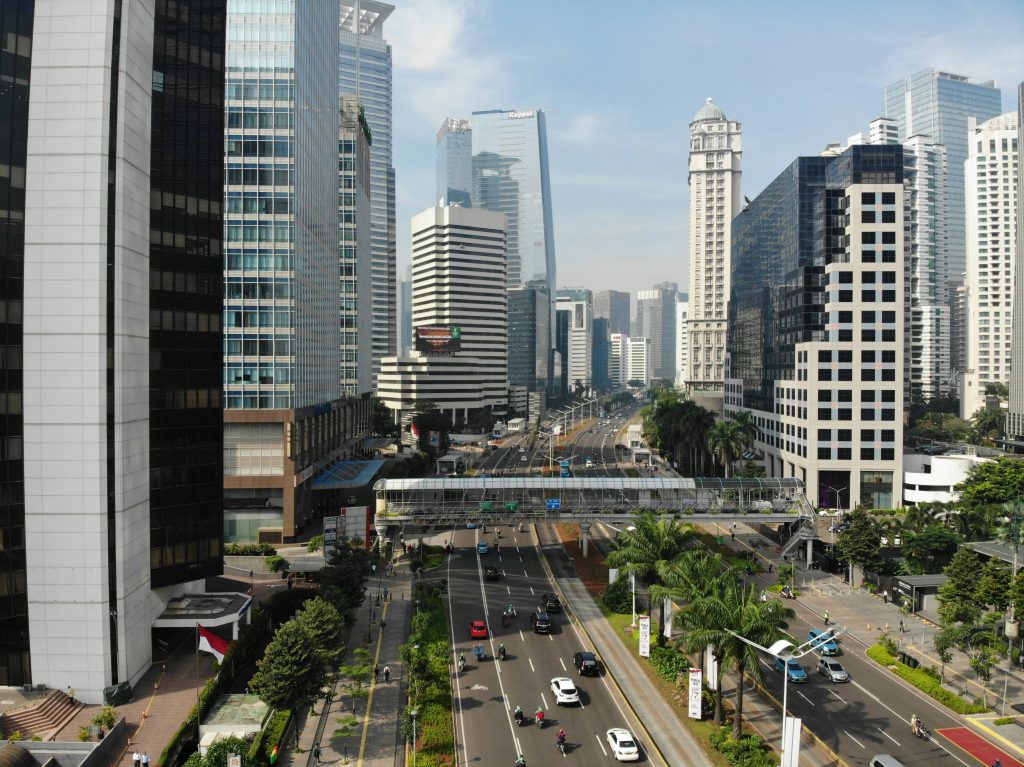
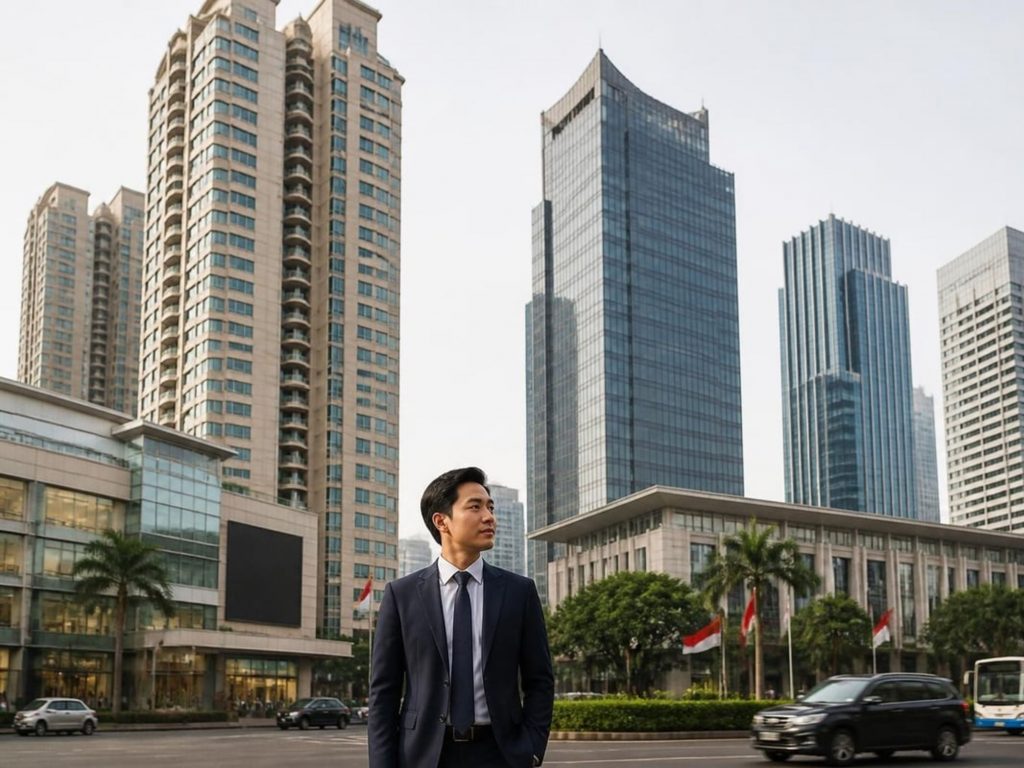
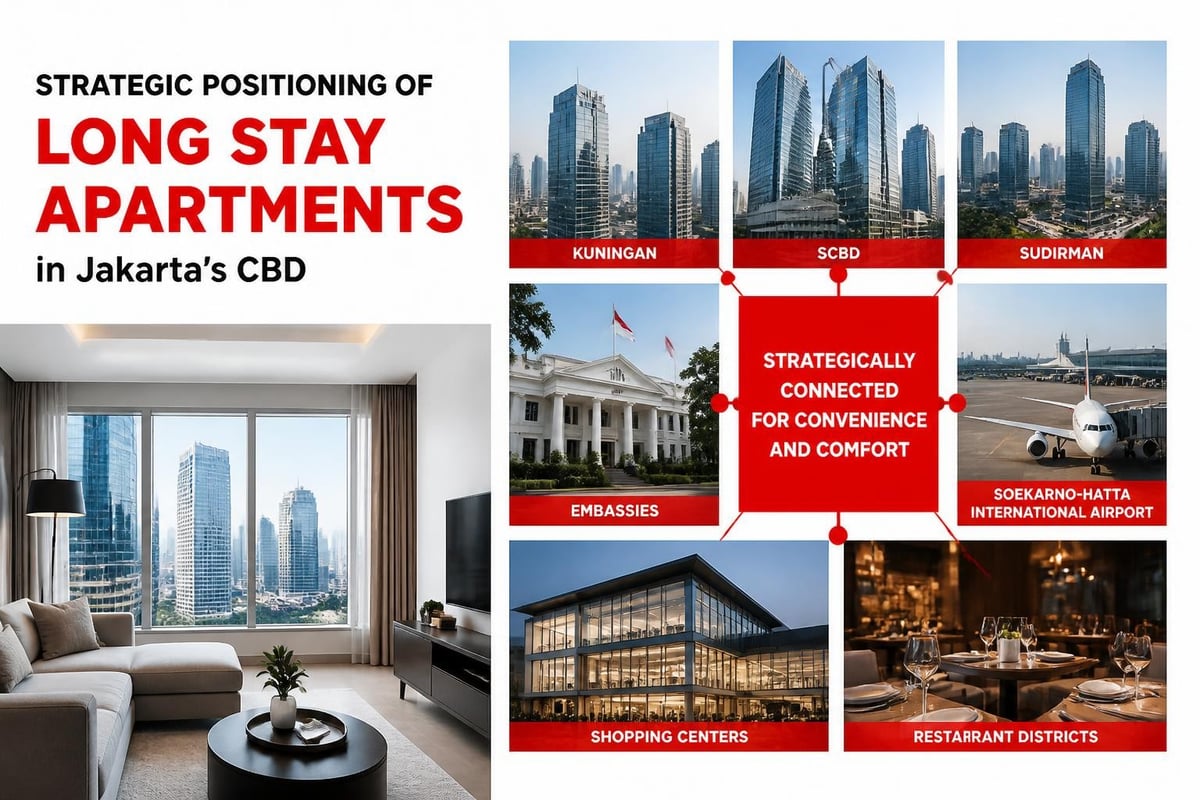
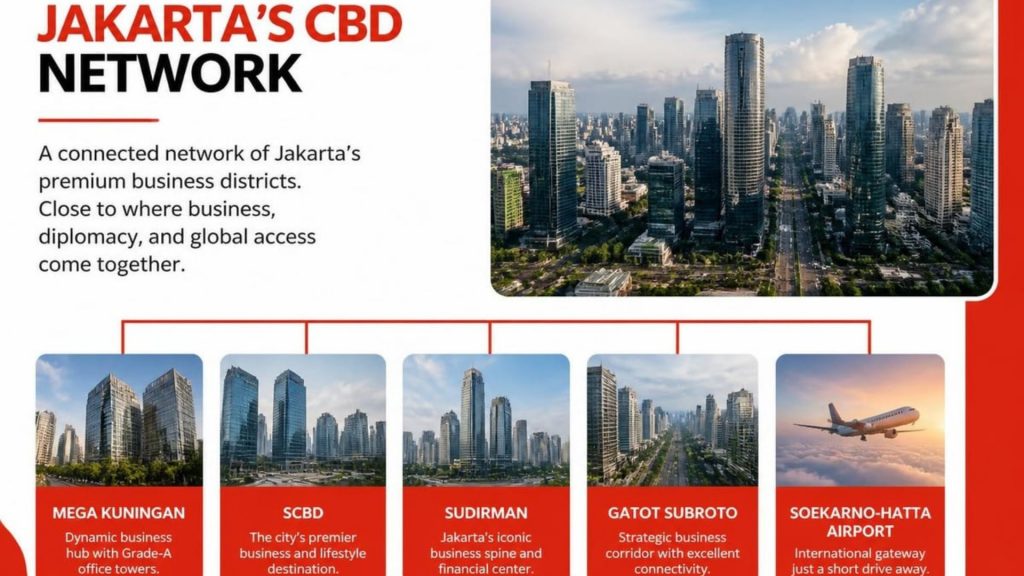
The workspace factor matters equally. Service apartments provide proper desks, ergonomic seating, and reliable internet infrastructure that support productive work-from-home arrangements. Many properties in Jakarta’s business corridors offer proximity to corporate offices in Kuningan, SCBD, and Sudirman, minimizing commute times for professionals stationed in these districts.
Family Accommodation and Relocation Transitions
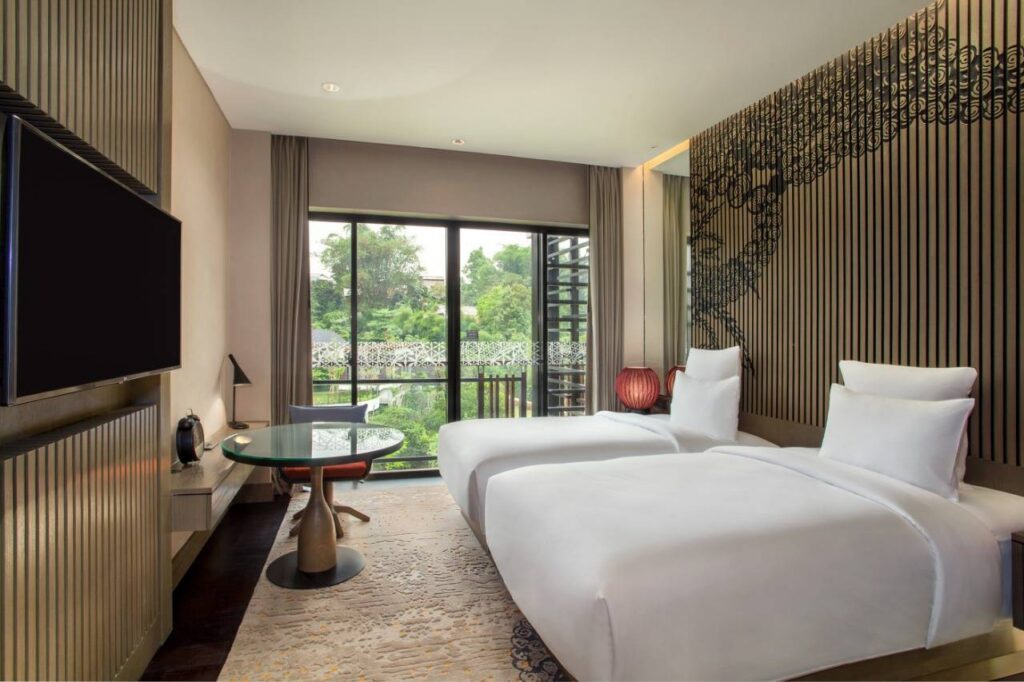
Families moving internationally or domestically face unique challenges during transition periods. Service apartments deliver immediate living functionality without requiring furniture purchases, utility setup, or lengthy lease negotiations. Parents appreciate separate bedrooms for children, living spaces for family time, and kitchens that accommodate dietary preferences and schedules.
|
Traveler Type |
Typical Stay Duration |
Primary Requirements |
|---|---|---|
|
Business Travelers |
1-12 weeks |
Workspace, proximity to offices, high-speed internet |
|
Relocating Families |
1-6 months |
Multiple bedrooms, kitchen, school access, safe neighborhoods |
|
Expatriates |
6-24 months |
Flexible lease terms, cultural district access, community amenities |
|
Project Teams |
2-8 weeks |
Multiple units, meeting facilities, cost efficiency |
The flexibility inherent in service apartments addresses the unpredictability common in relocation scenarios. If a permanent home takes longer to secure or corporate assignments extend unexpectedly, residents can adjust their stay duration without penalties typical of traditional apartment leases.
Location Strategy and Accessibility Considerations
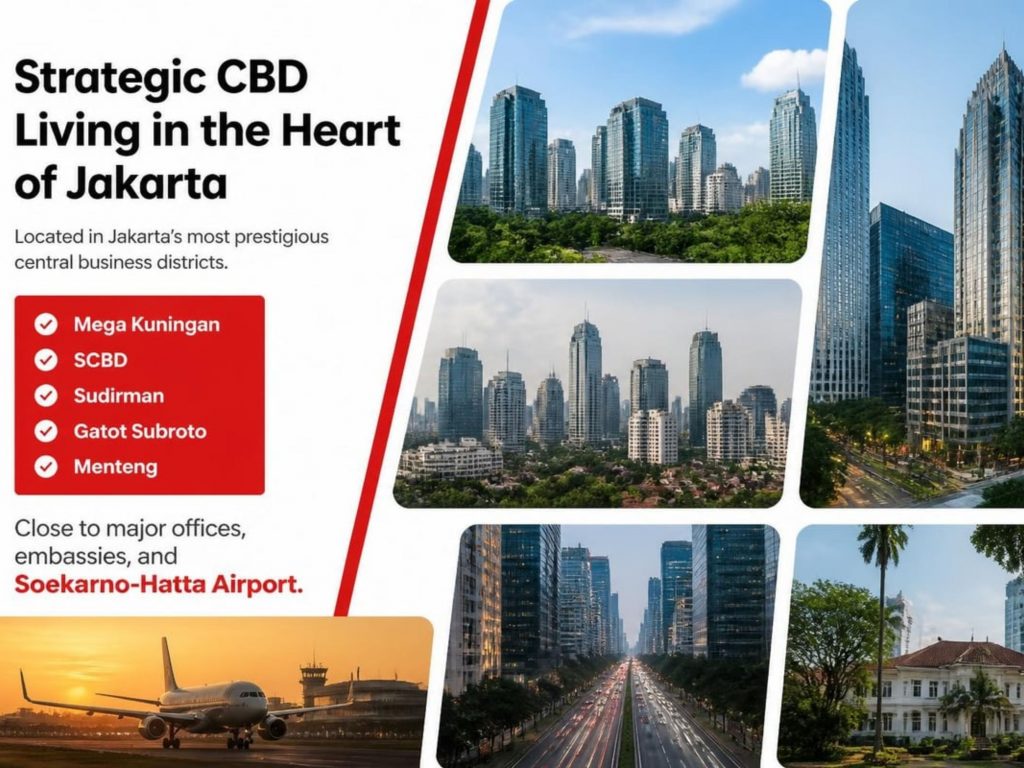
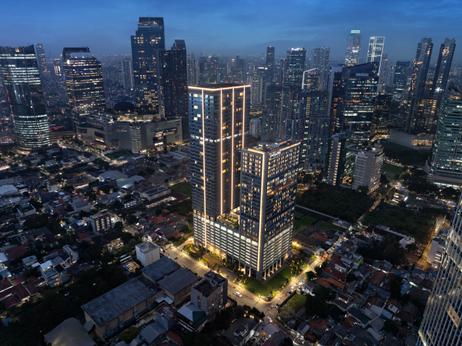
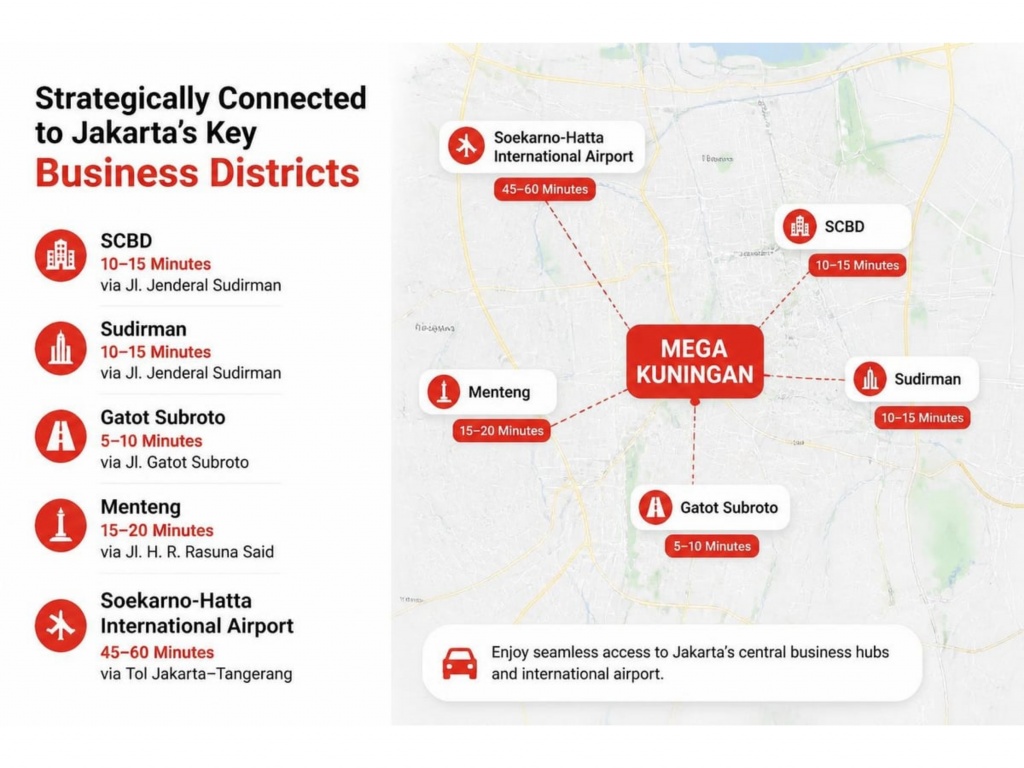
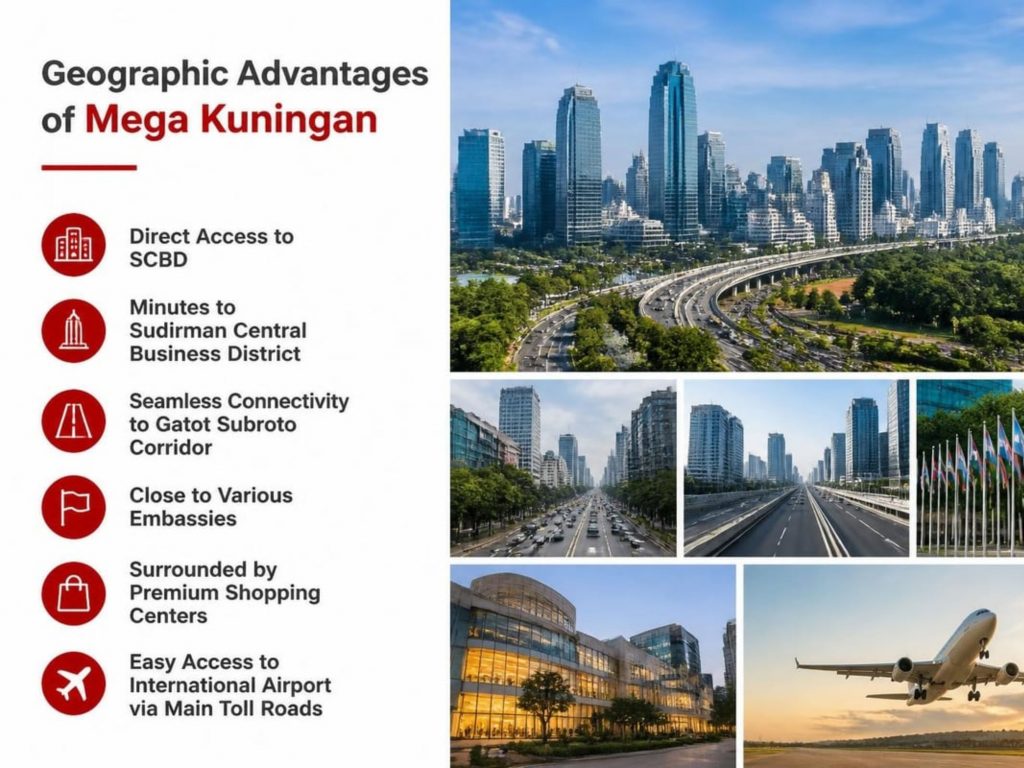
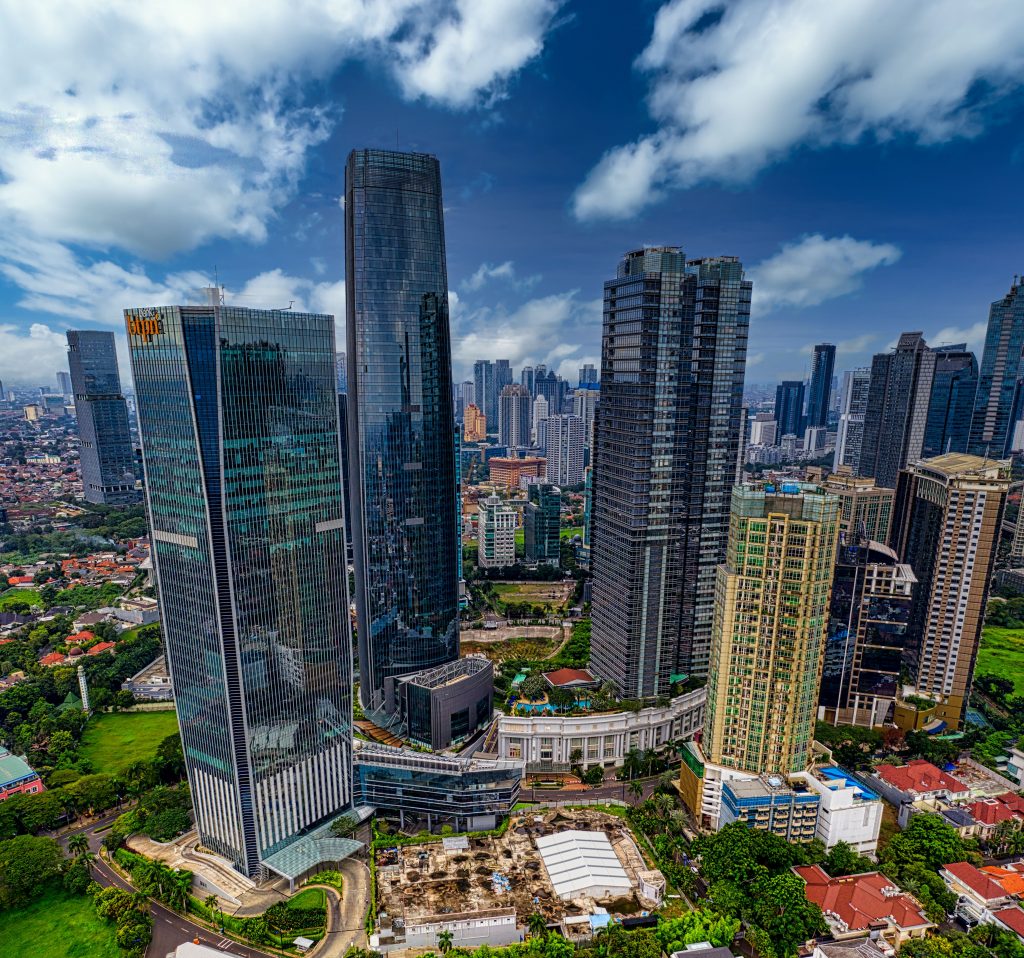
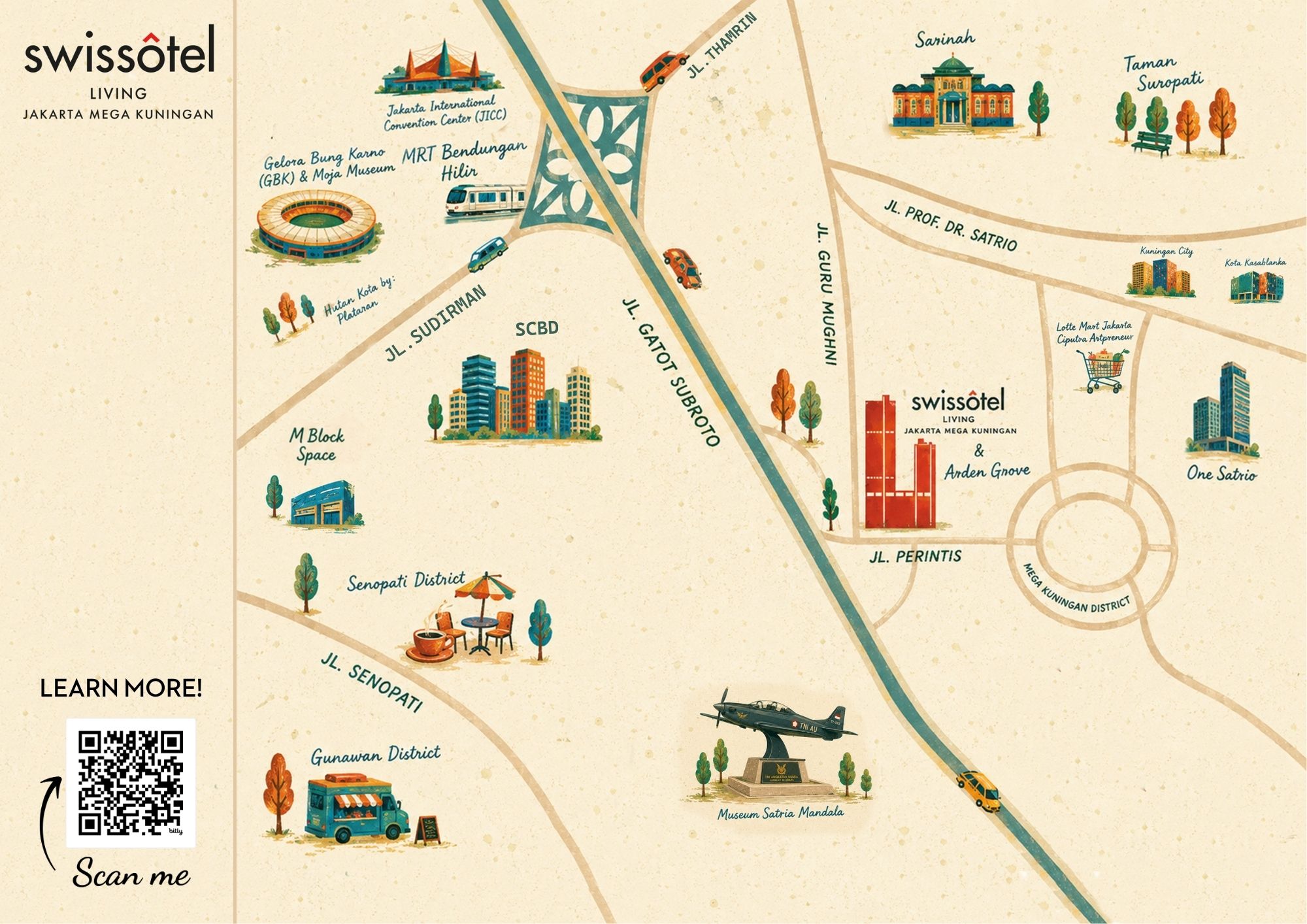
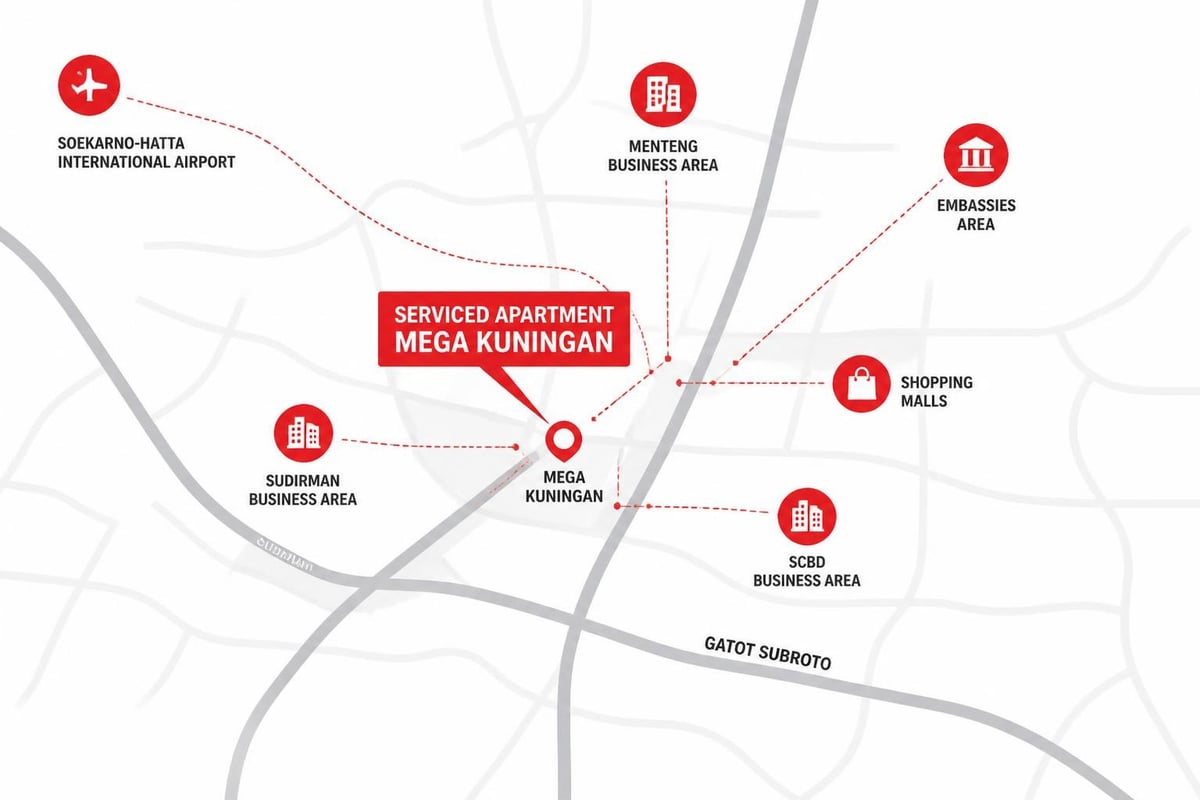
Real estate professionals recognize that service apartment success depends heavily on strategic location selection. Properties positioned in central business districts command premium rates due to proximity to corporate headquarters, government offices, and commercial infrastructure. Jakarta’s Mega Kuningan area exemplifies this principle, hosting numerous multinational corporations, embassies, and financial institutions within a compact geography.
Transportation and Connectivity Requirements
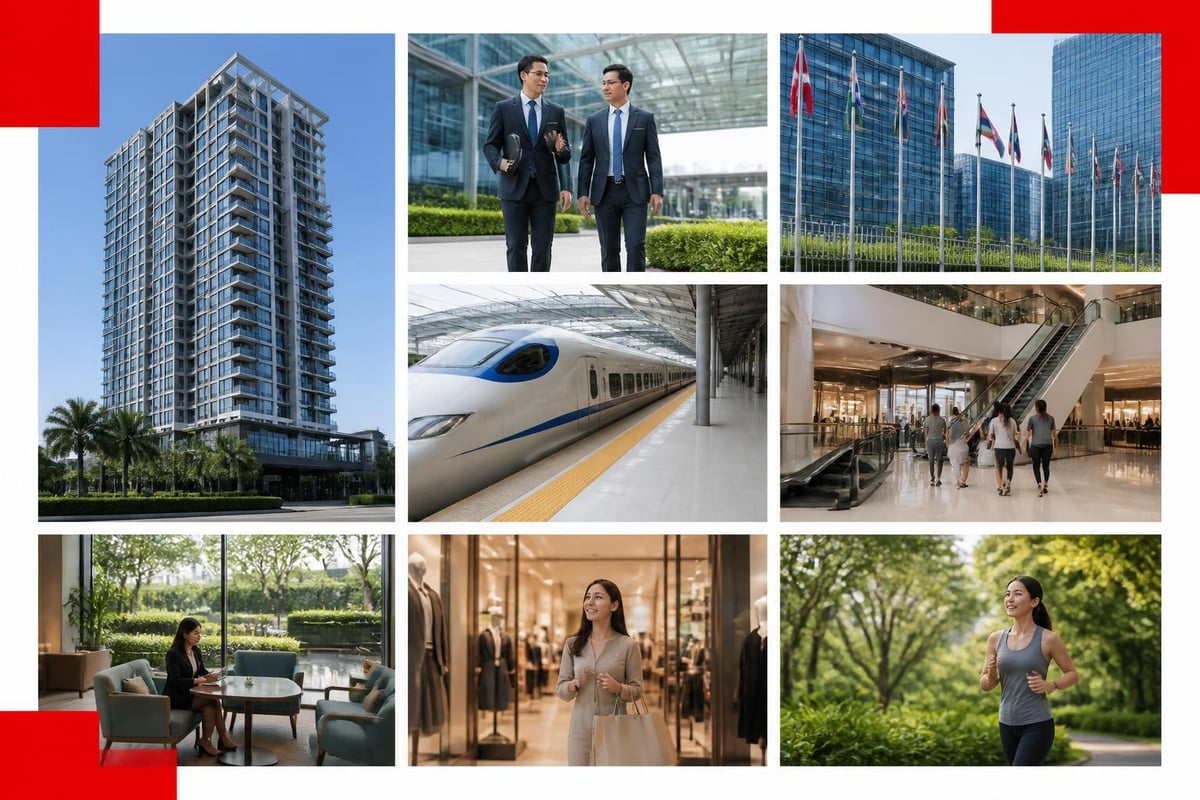
Service apartments that provide efficient access to airports, public transportation, and major roadways deliver measurable value to business travelers. Time spent commuting directly impacts productivity and work-life balance, particularly for professionals managing tight project schedules. Properties near arterial roads like Gatot Subroto and Sudirman enable faster movement across Jakarta’s extensive urban landscape.
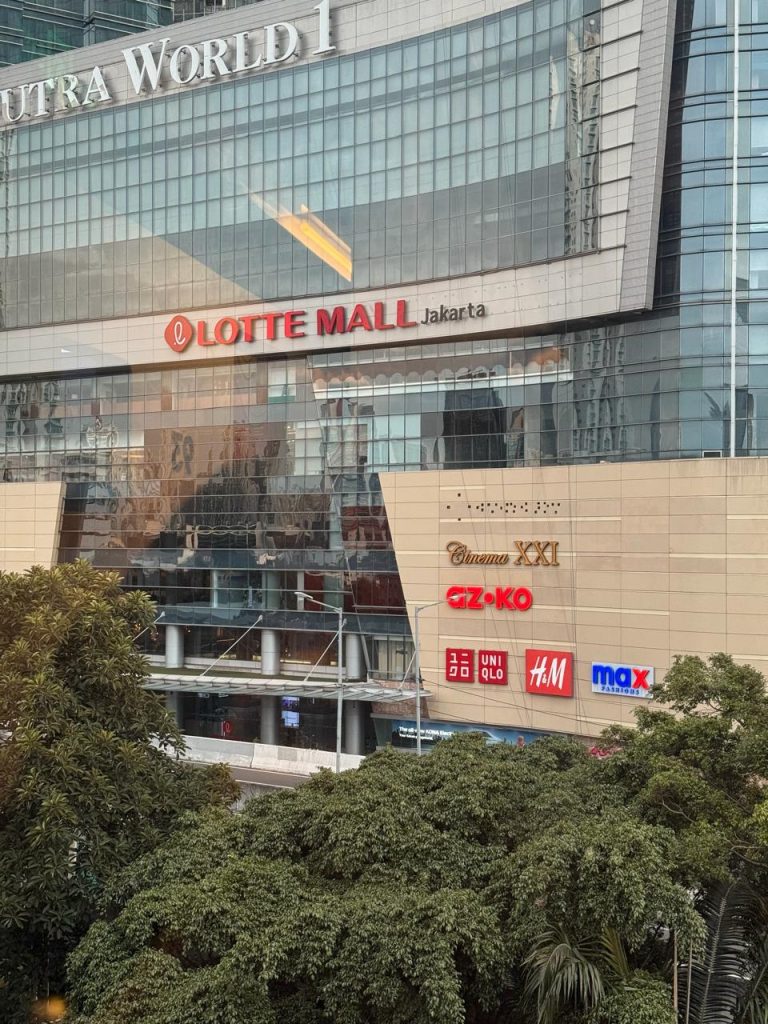
The surrounding ecosystem matters equally. Residents prioritize walkable access to restaurants, shopping centers, medical facilities, and recreational spaces. Service apartments in mixed-use developments or established neighborhoods reduce reliance on vehicles for daily needs, an important consideration in cities with heavy traffic congestion.
Critical location factors for service apartments:
-
Distance to primary business districts and office clusters
-
Airport transfer time and transportation options
-
Proximity to international schools for family relocations
-
Access to grocery stores, pharmacies, and essential services
-
Safety, security, and neighborhood reputation
-
Availability of dining and entertainment options
Comparing Service Apartments to Alternative Accommodations
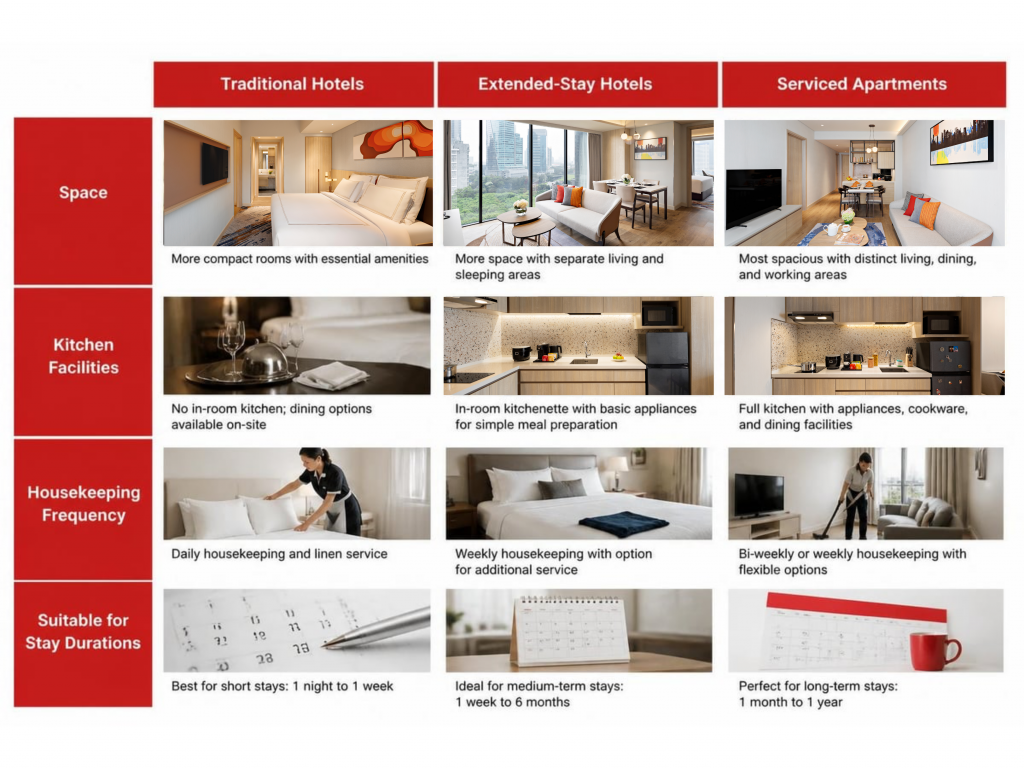
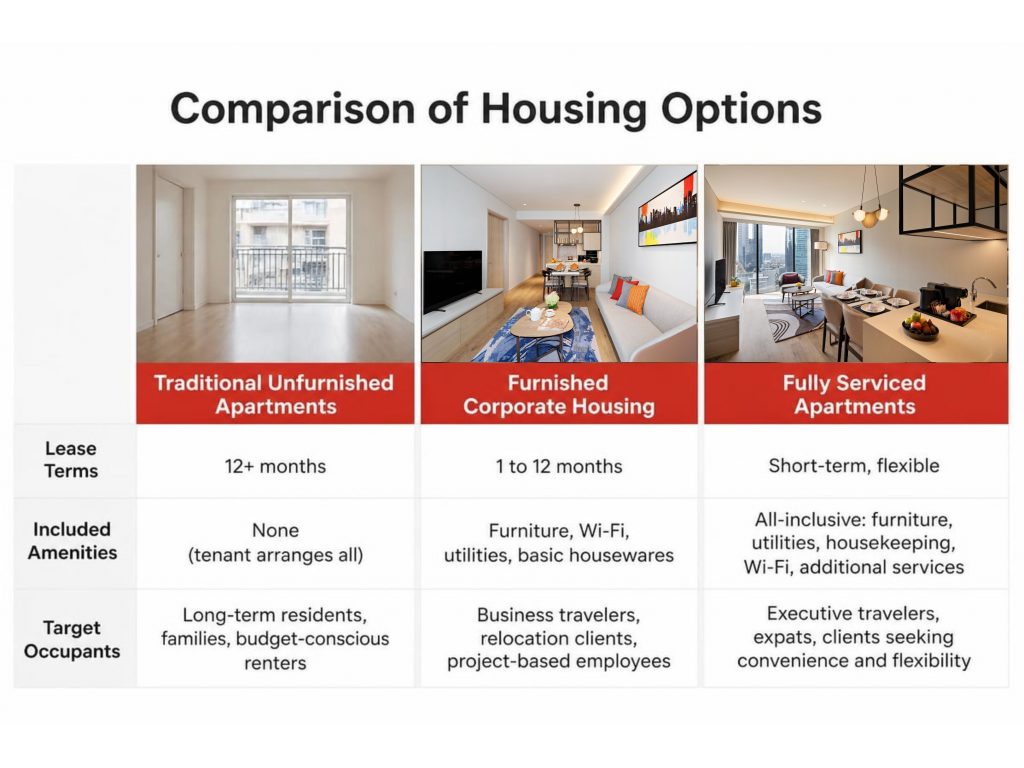
Travelers weighing accommodation options must evaluate service apartments against hotels, traditional rentals, and corporate housing programs. Each category offers distinct advantages depending on stay duration, budget constraints, and lifestyle preferences. Hotels excel at short-term convenience with daily housekeeping and on-site dining, but lack residential functionality for extended periods. Traditional apartment rentals provide full autonomy yet require significant upfront commitments and self-managed utilities.
Cost Analysis Across Stay Durations
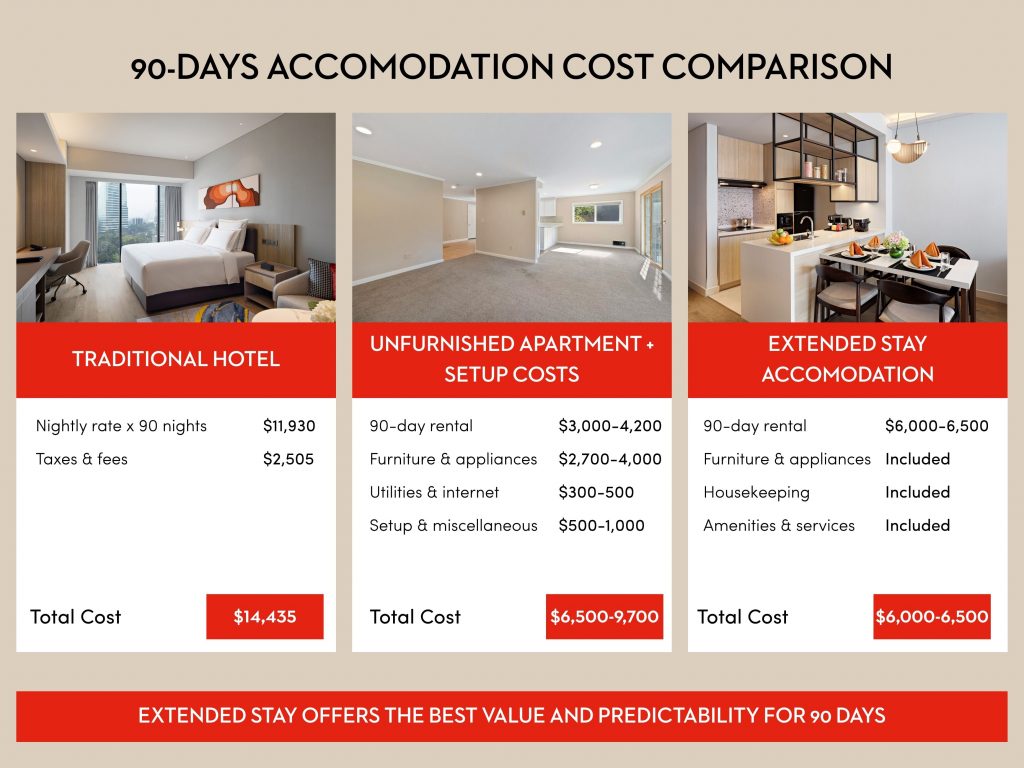
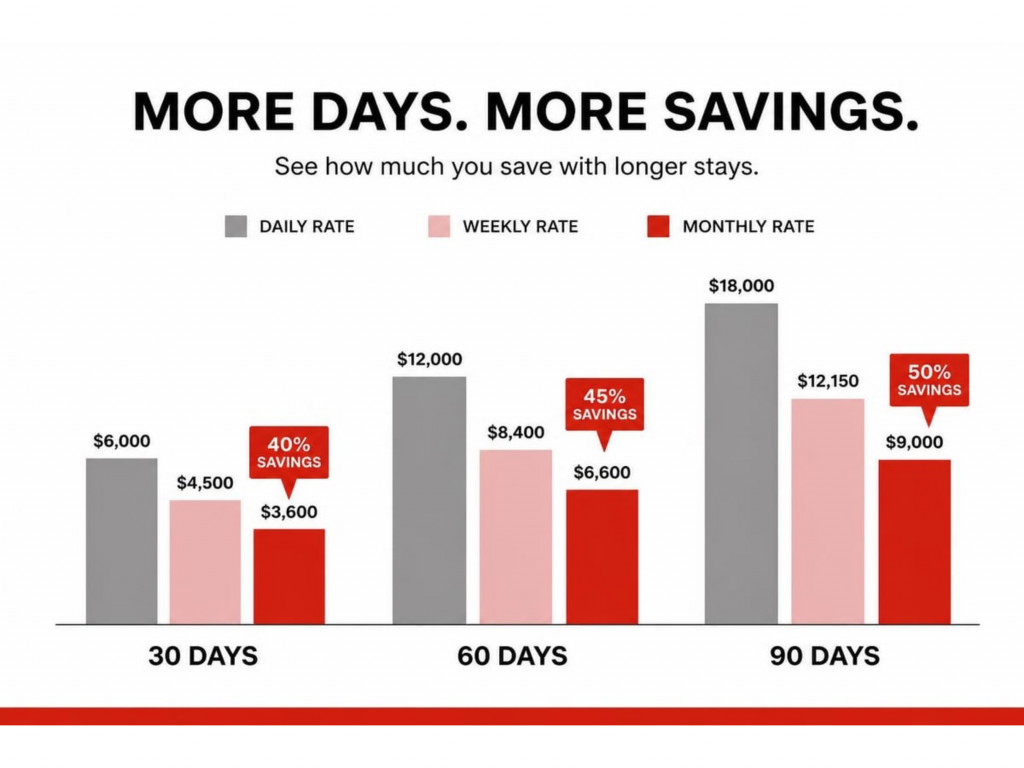
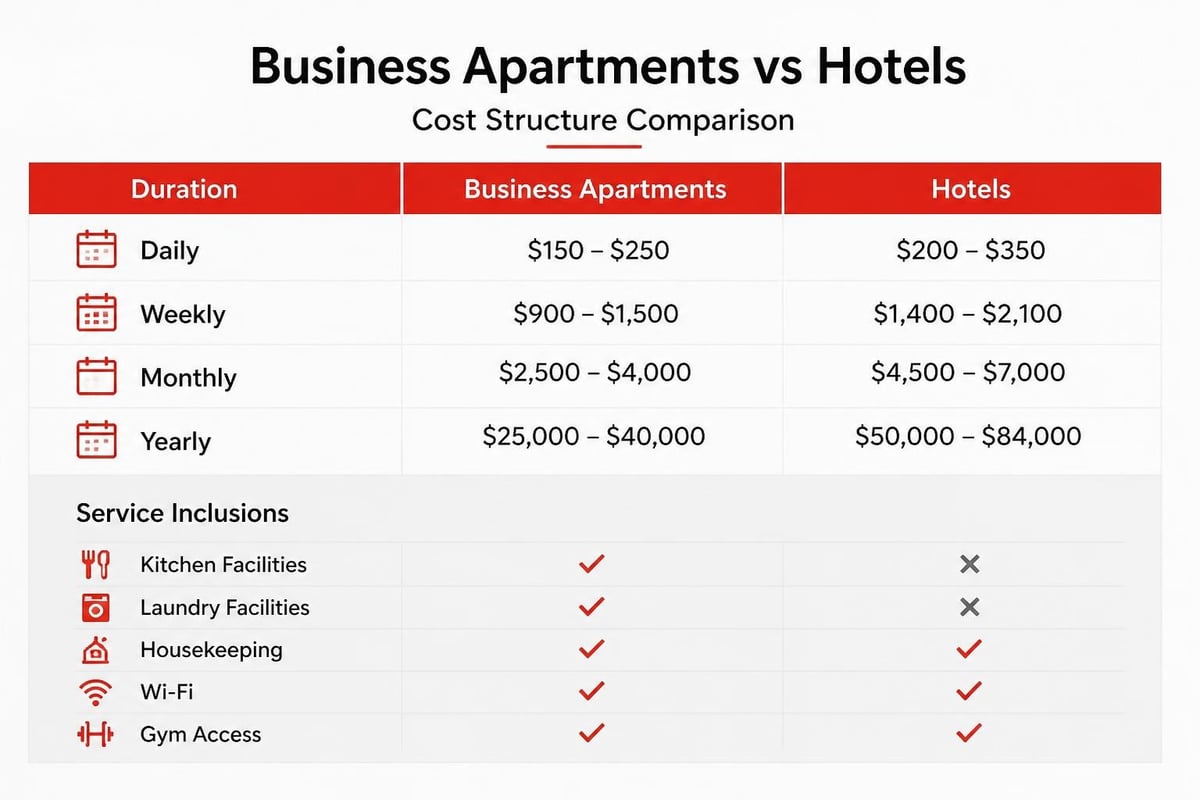
Financial considerations shift dramatically based on intended length of stay. For trips under one week, hotels typically offer competitive rates when factoring in the simplicity of check-in/check-out processes. Beyond two weeks, service apartments begin demonstrating cost advantages, particularly when daily restaurant meals are replaced with home cooking. Monthly and yearly rates in service apartments often undercut hotel extended-stay programs by 30-50 percent.
The Savills European serviced apartments spotlight reveals similar patterns across global markets, with occupancy rates highest among corporate travelers booking 30-90 day stays. Properties offering flexible pricing tiers capture both short-burst business trips and long-term expatriate arrangements within the same inventory.
|
Accommodation Type |
Ideal Duration |
Typical Nightly Cost (Range) |
Key Advantages |
|---|---|---|---|
|
Standard Hotel |
1-7 days |
$150-$300 |
Daily service, minimal commitment, central locations |
|
Service Apartment |
7 days – 2 years |
$100-$250 (declining with duration) |
Kitchen, space, flexible terms, cost-effective for extended stays |
|
Traditional Rental |
12+ months |
$80-$200 |
Full autonomy, long-term cost savings, permanent address |
|
Corporate Housing |
1-6 months |
$120-$280 |
Company-negotiated rates, furniture included, corporate billing |
Service Quality and Hospitality Standards
The service component distinguishes superior service apartments from basic furnished rentals. Professional management teams maintain cleanliness standards, respond to maintenance requests promptly, and ensure facility operations meet guest expectations. Front desk availability, security protocols, and concierge assistance create the hospitality experience that business travelers and families expect.
Amenities That Elevate the Experience
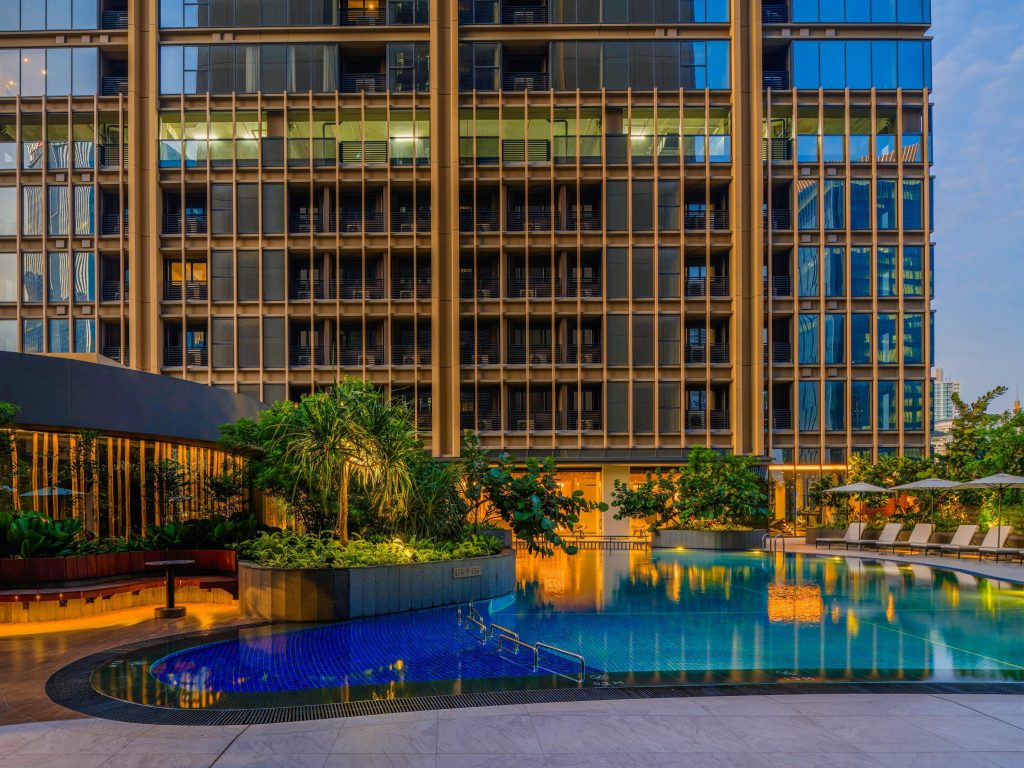
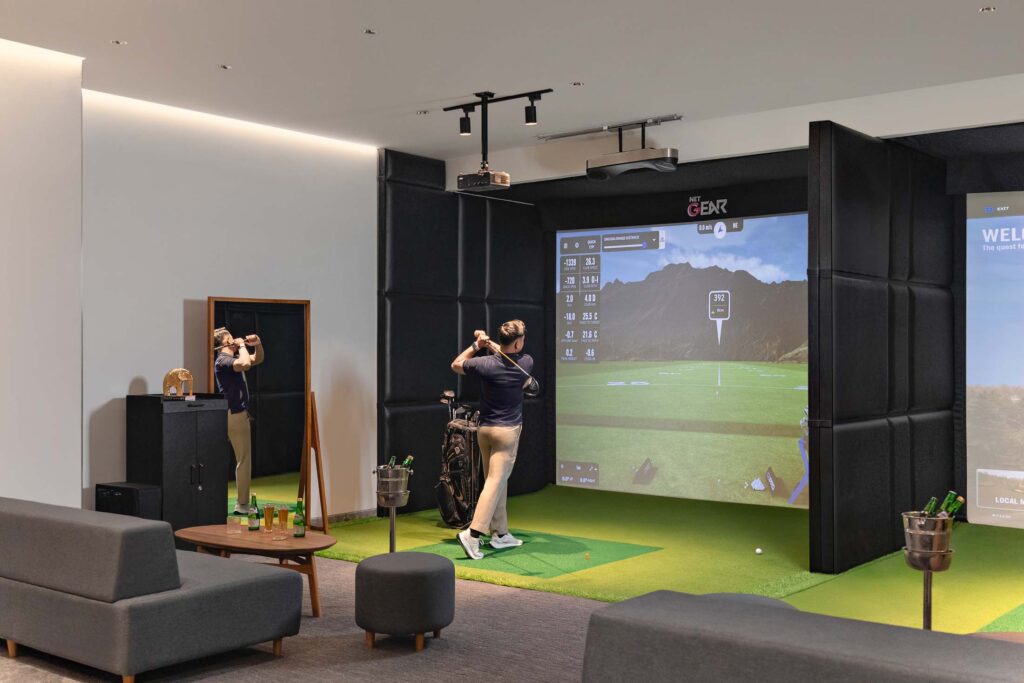
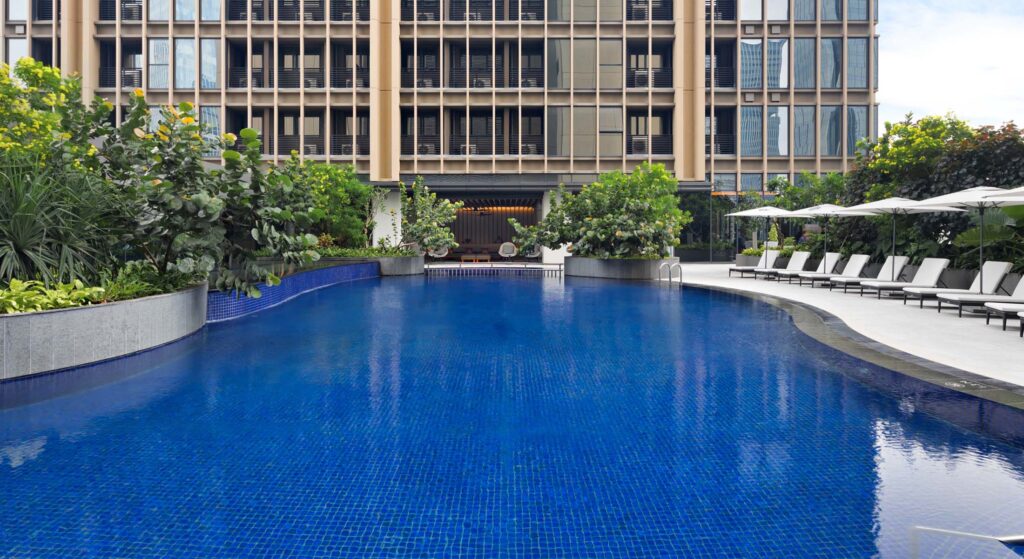
Modern service apartments compete on amenities that enhance both productivity and relaxation. Fitness facilities allow residents to maintain wellness routines without gym memberships. Swimming pools and recreational areas provide family-friendly spaces, particularly valuable for children adjusting to new environments. Business centers and meeting rooms support remote work requirements and client meetings.
Properties operated by established hospitality groups benefit from brand standards and operational expertise developed across hotel portfolios. These operators implement quality control systems, staff training programs, and guest feedback mechanisms that maintain consistency. The integration of hotel service culture with residential formats creates a distinctive value proposition.
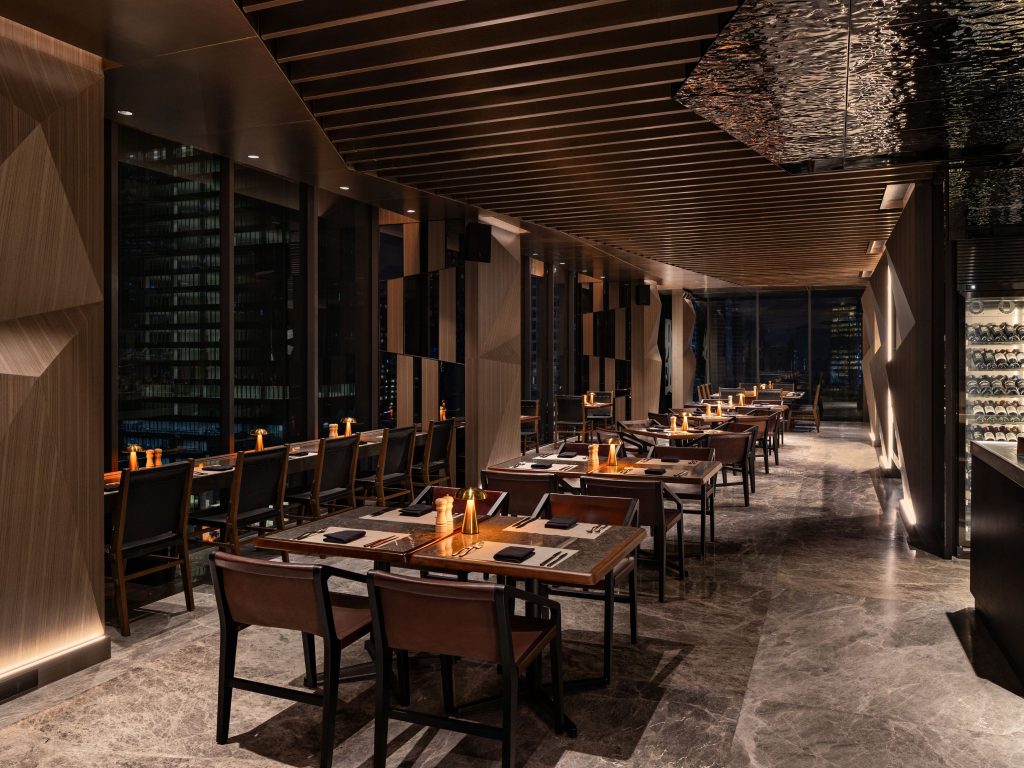
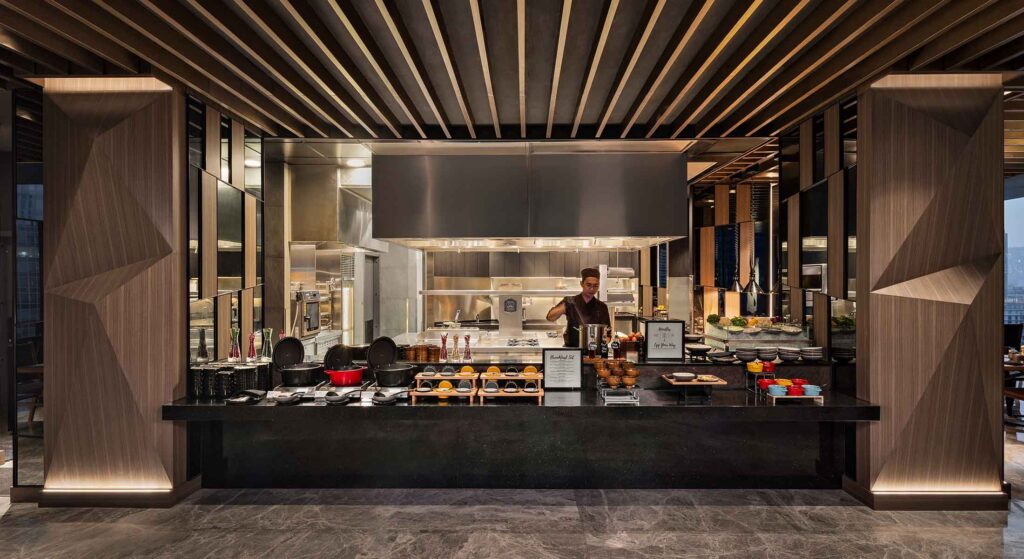
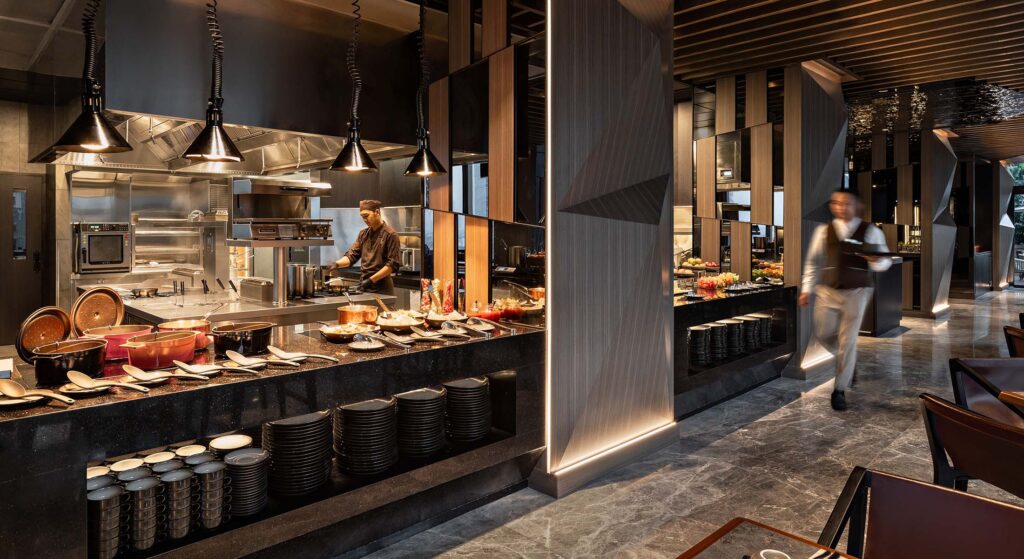
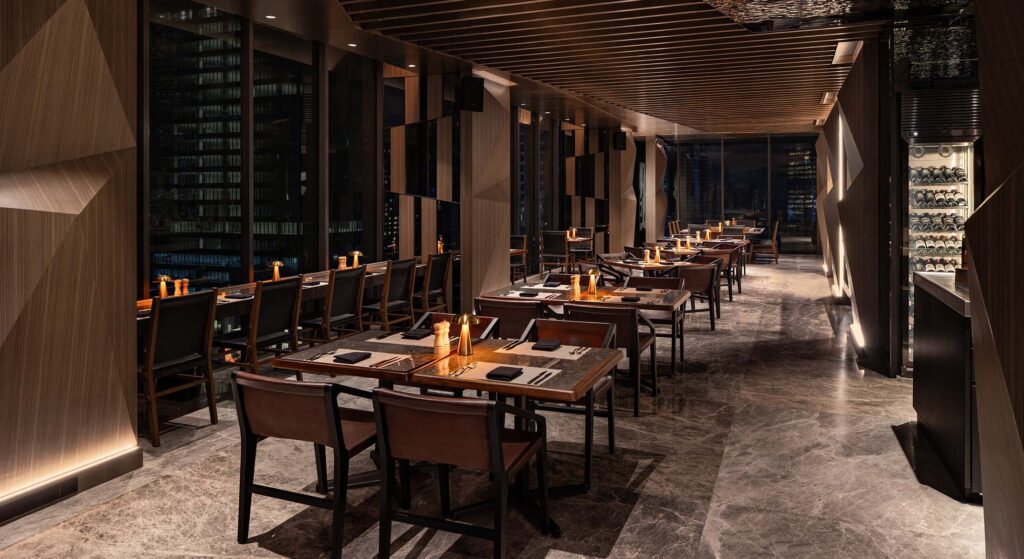
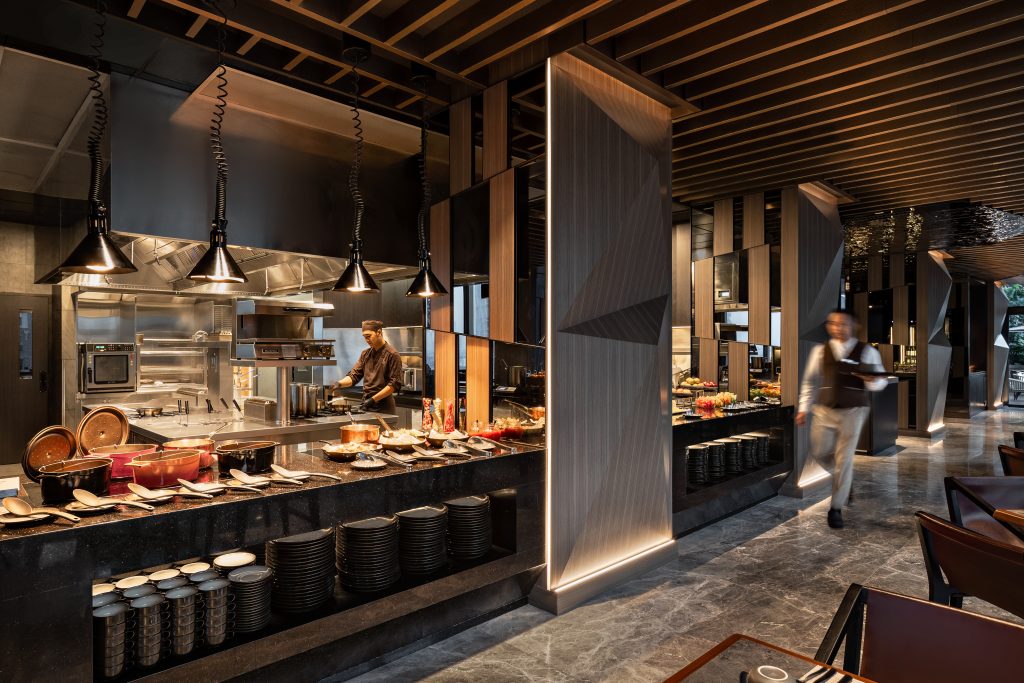
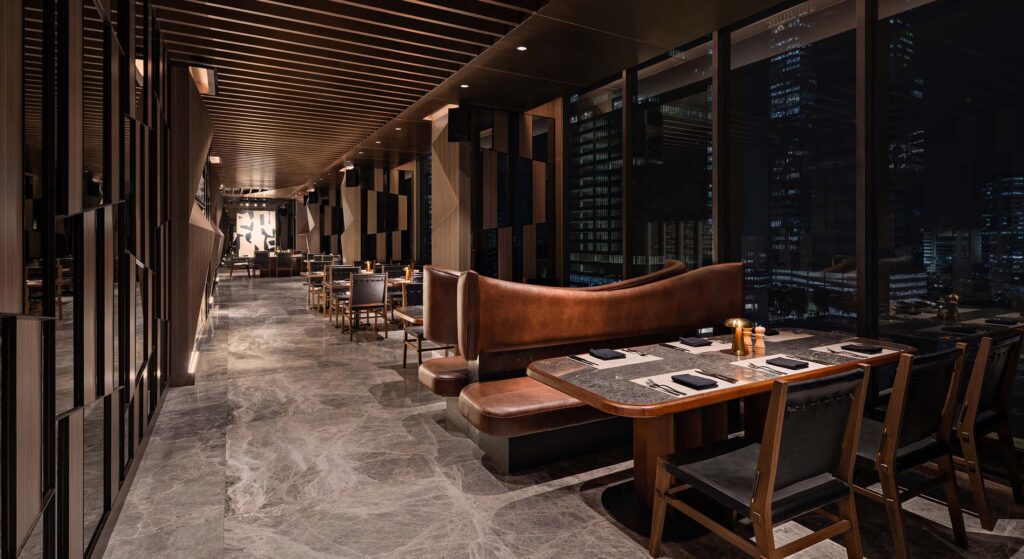
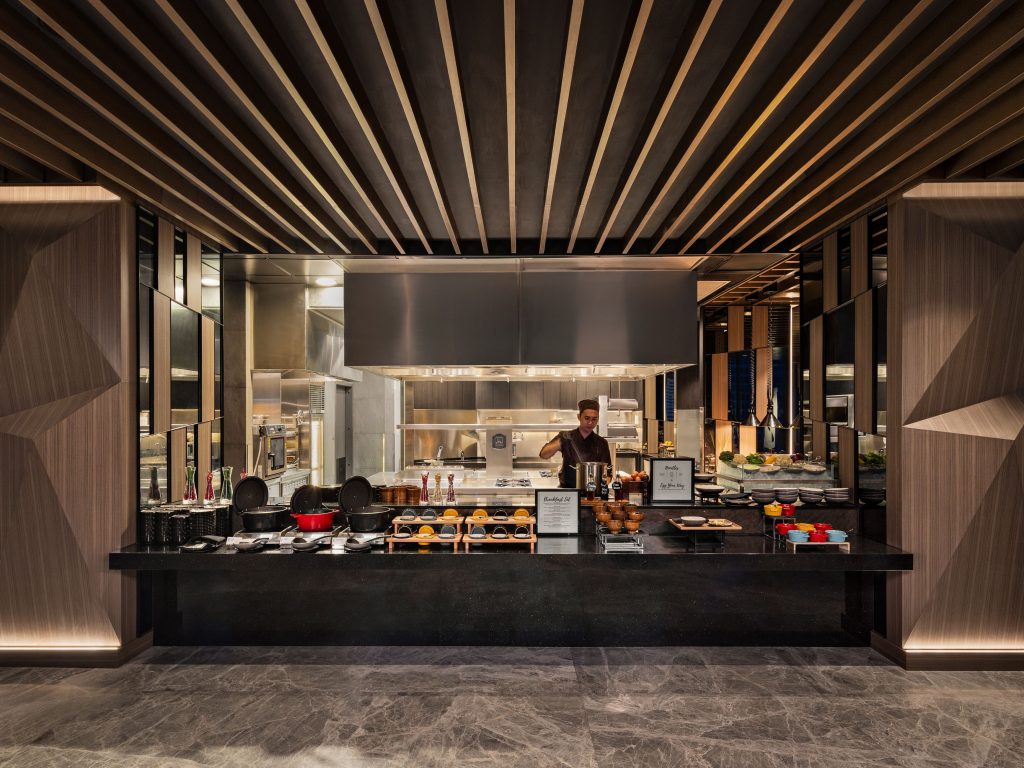
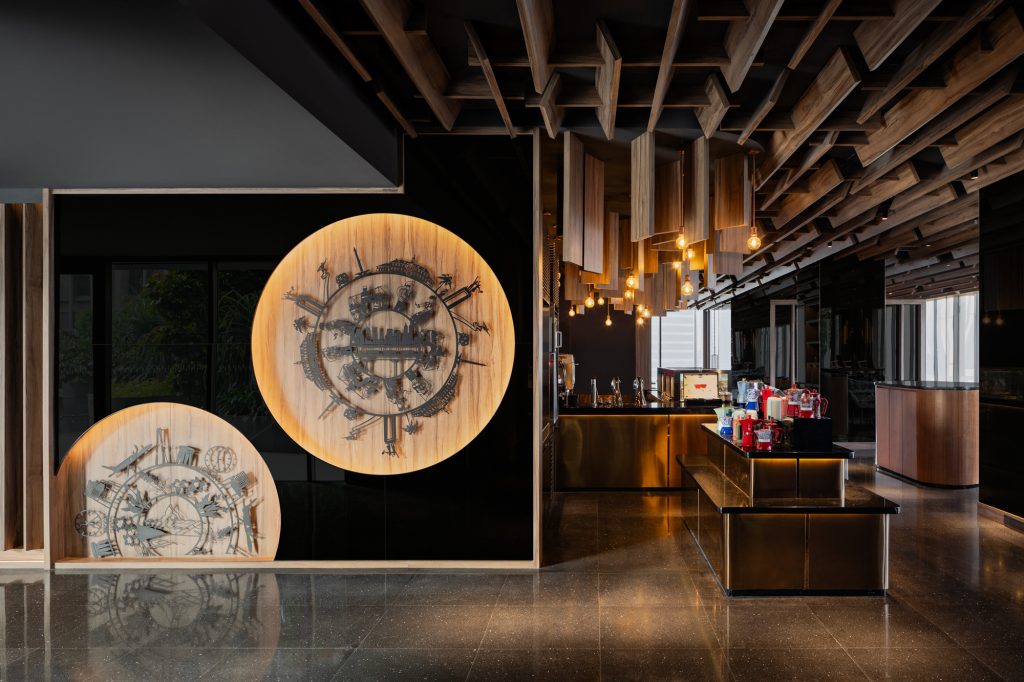
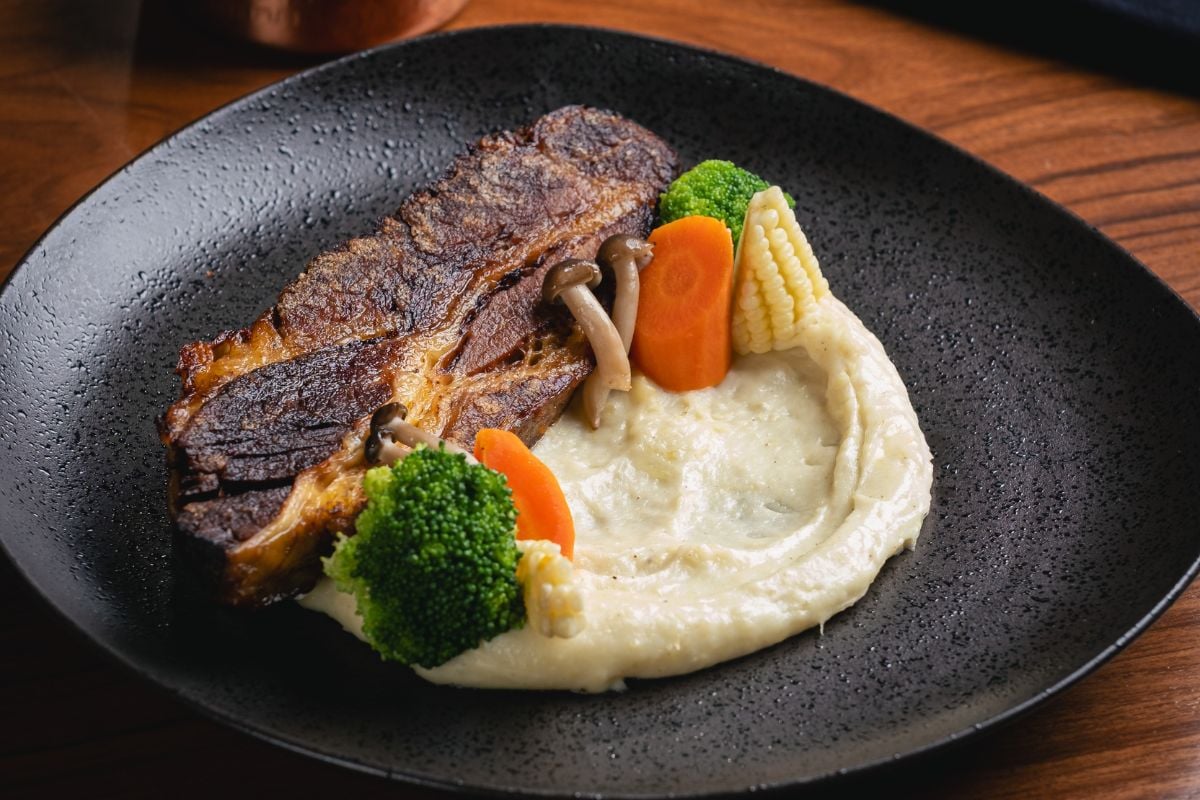
Some service apartments now incorporate dining facilities directly within properties. After a long day navigating Jakarta’s business districts, having access to quality on-site restaurants saves time and provides social spaces for residents. Embers Open-Fire Grill demonstrates this trend, offering grilled specialties and international cuisine that cater to both quick meals and business dining occasions.
Design and Space Planning in Service Apartments
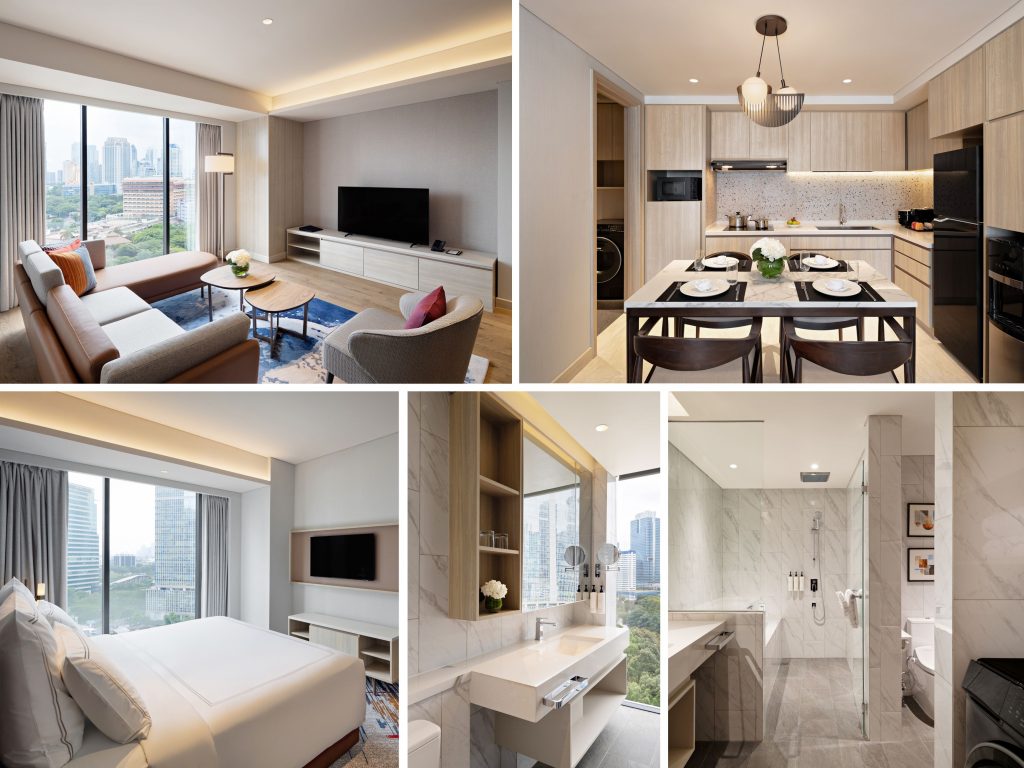
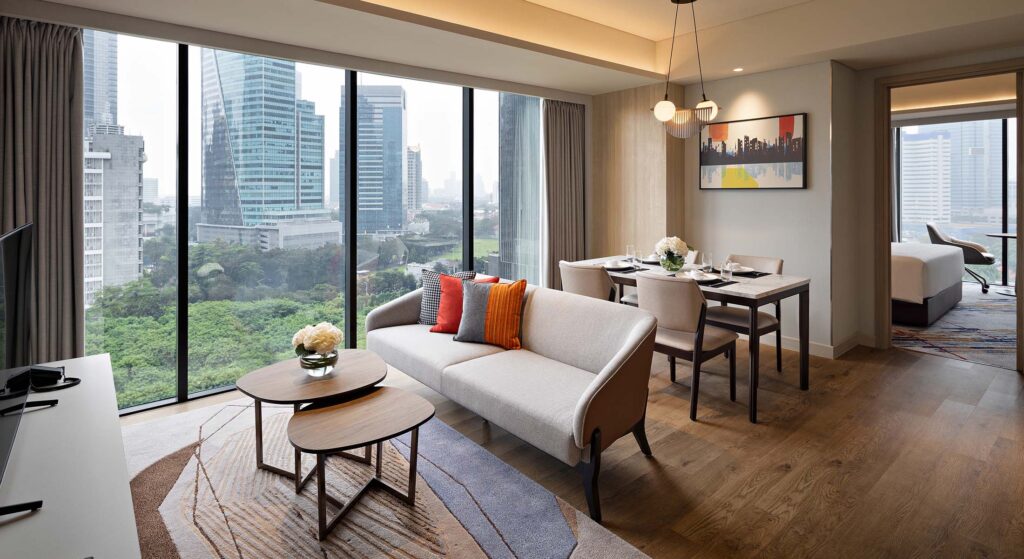
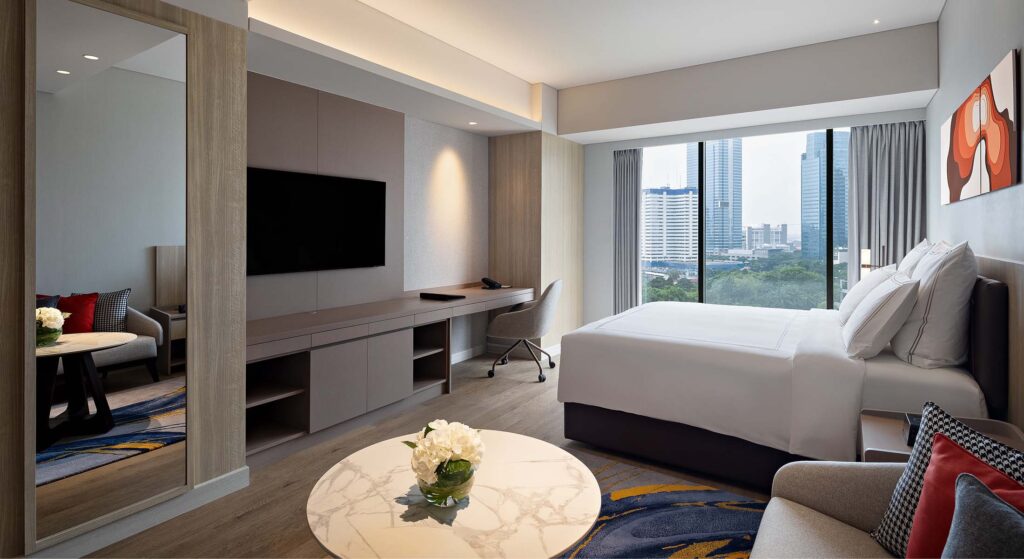
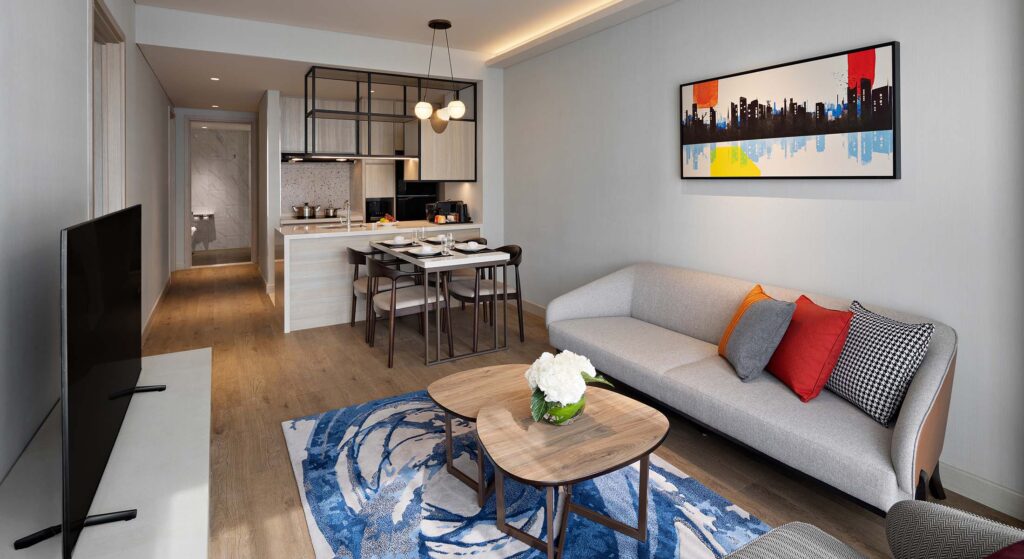
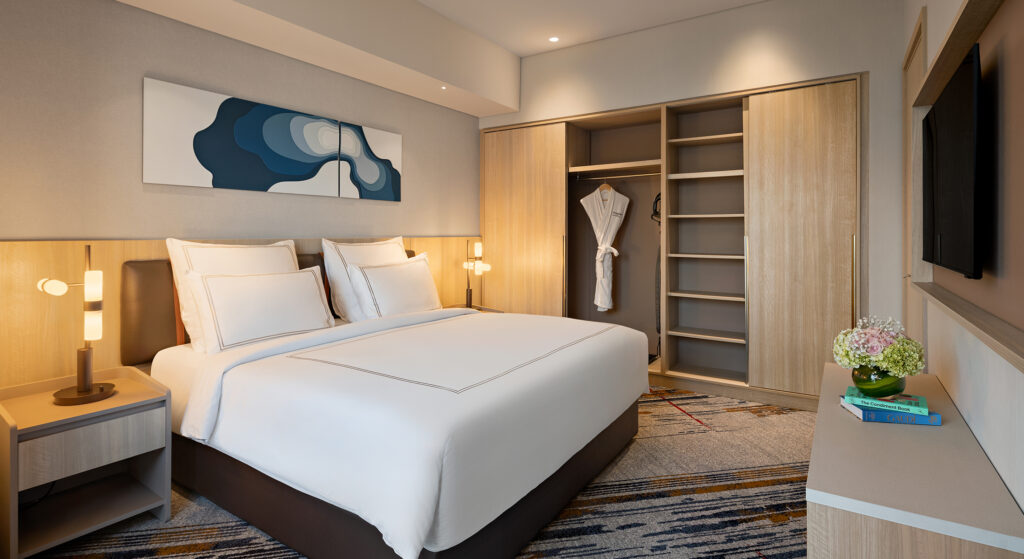
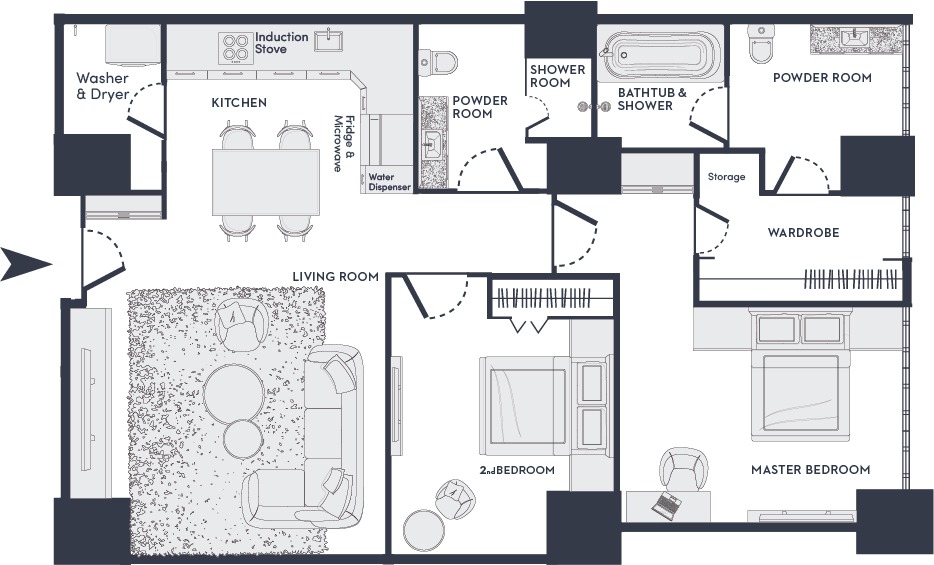
Residential unit design directly impacts livability, particularly during extended stays. Thoughtful space planning separates functional zones within apartments, creating distinct areas for sleeping, working, cooking, and relaxing. Natural light access, storage solutions, and furniture quality contribute to comfort levels that influence guest satisfaction and repeat bookings.
Room Configuration and Size Standards
Service apartments targeting business travelers and families require sufficient square footage to avoid the confined feeling common in hotel rooms. Studio units typically range from 35-45 square meters, providing enough space for a compact kitchen, sleeping area, and small work desk. One-bedroom configurations expand to 55-75 square meters, adding separate bedrooms that enable privacy for couples or small families.
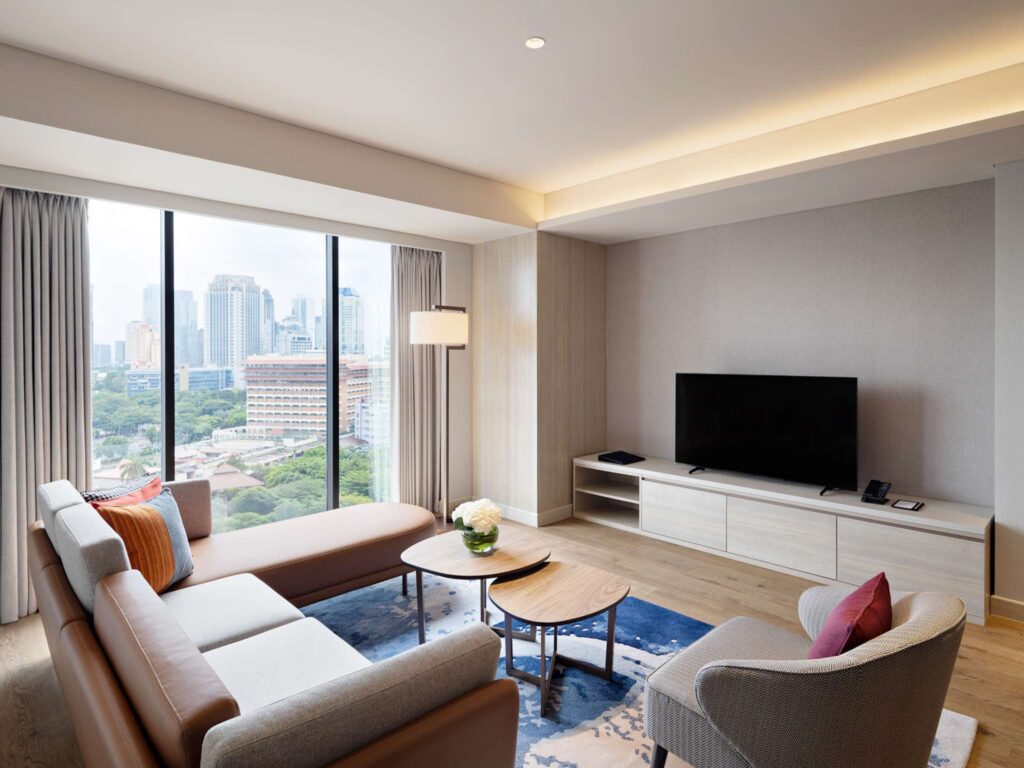
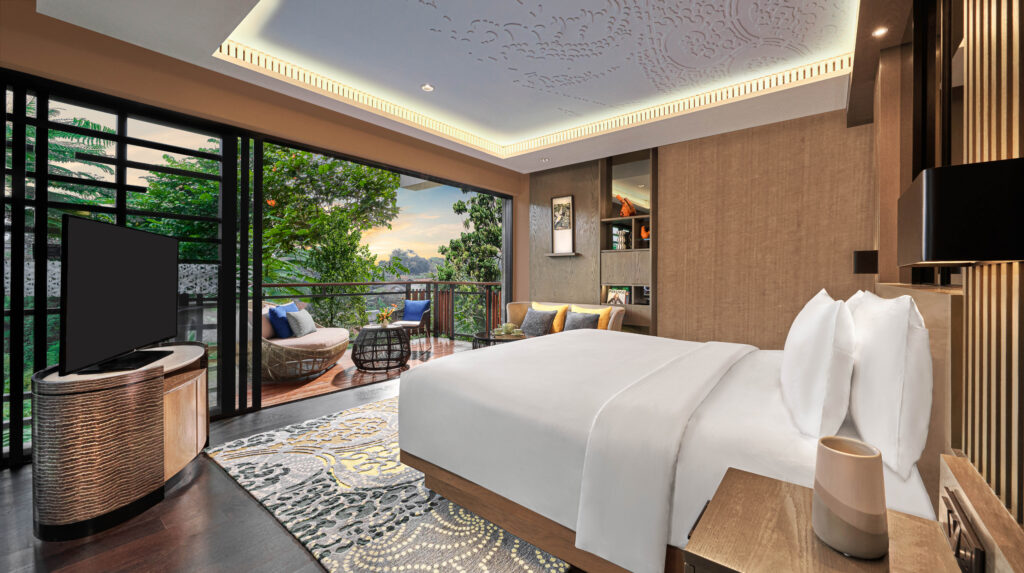
Larger units accommodate extended families and executive teams. Two-bedroom apartments generally span 80-110 square meters, while three-bedroom residences can exceed 120 square meters. Premium categories like signature suites incorporate upgraded finishes, enhanced views, and additional amenities that justify higher nightly rates.
Functional elements in well-designed service apartments:
-
Kitchen layouts with adequate counter space and storage
-
Bathroom configurations with bathtubs for family units
-
Closet systems sized for long-term wardrobe storage
-
Living rooms with proper seating for entertaining guests
-
Workspaces positioned near windows for natural light
-
Soundproofing between units for privacy
The JLL consumer experience research highlights growing expectations around residential design quality, with travelers willing to pay premiums for apartments that feel authentically residential rather than institutionally furnished.
Operational Flexibility and Lease Structures
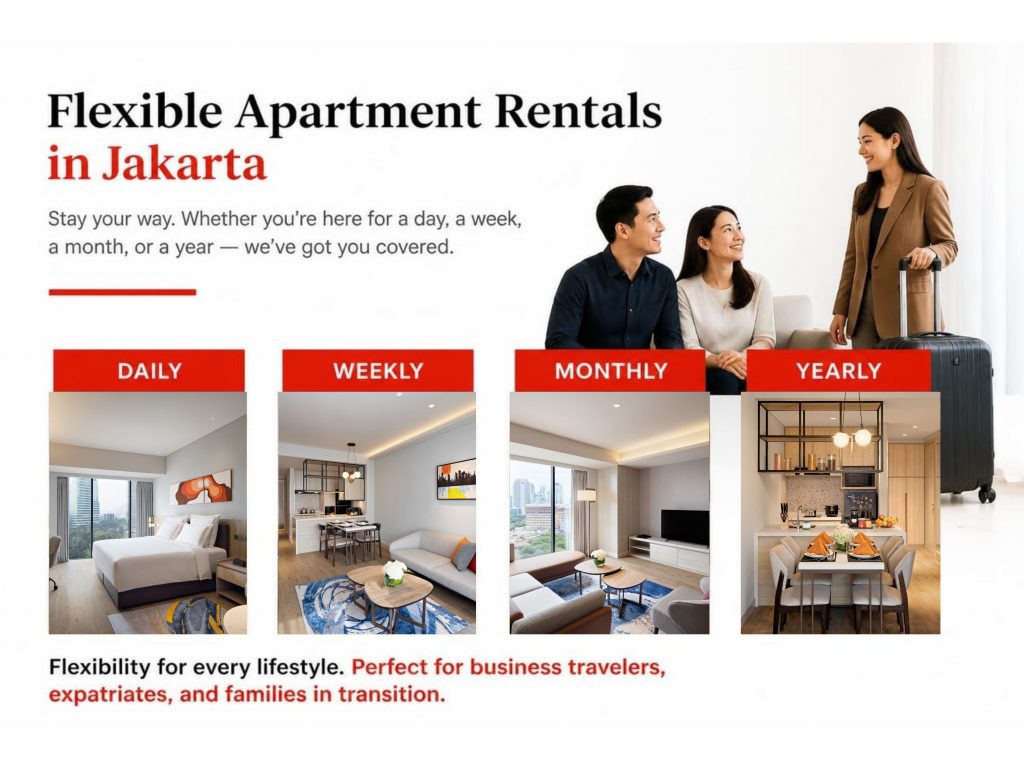
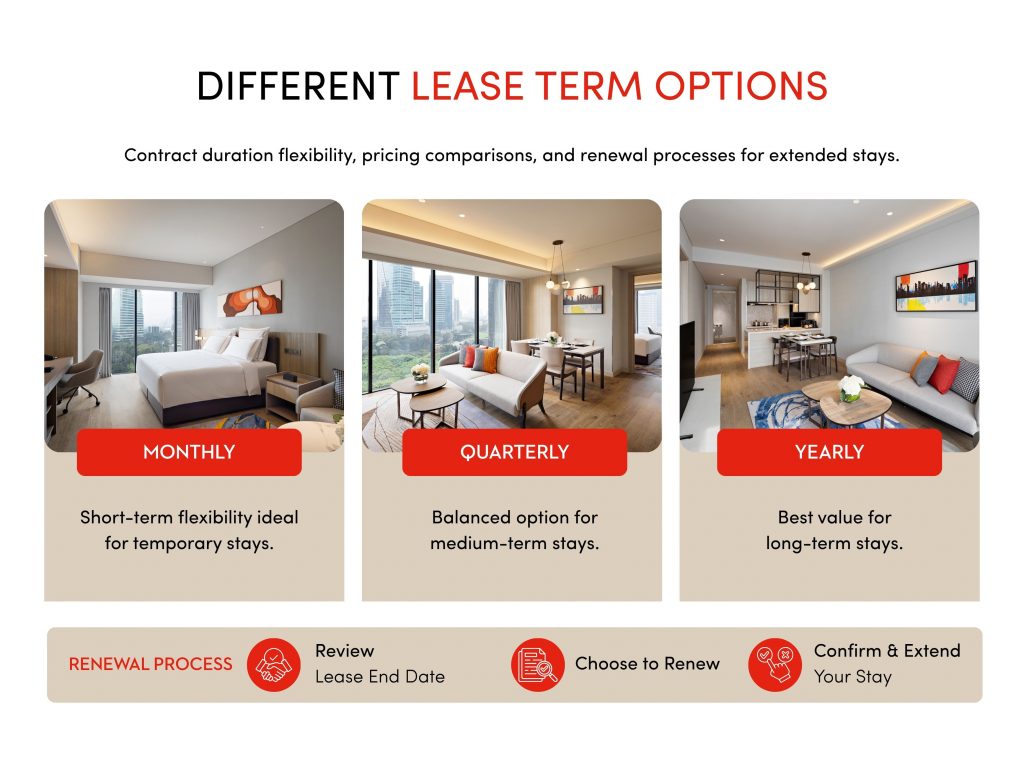
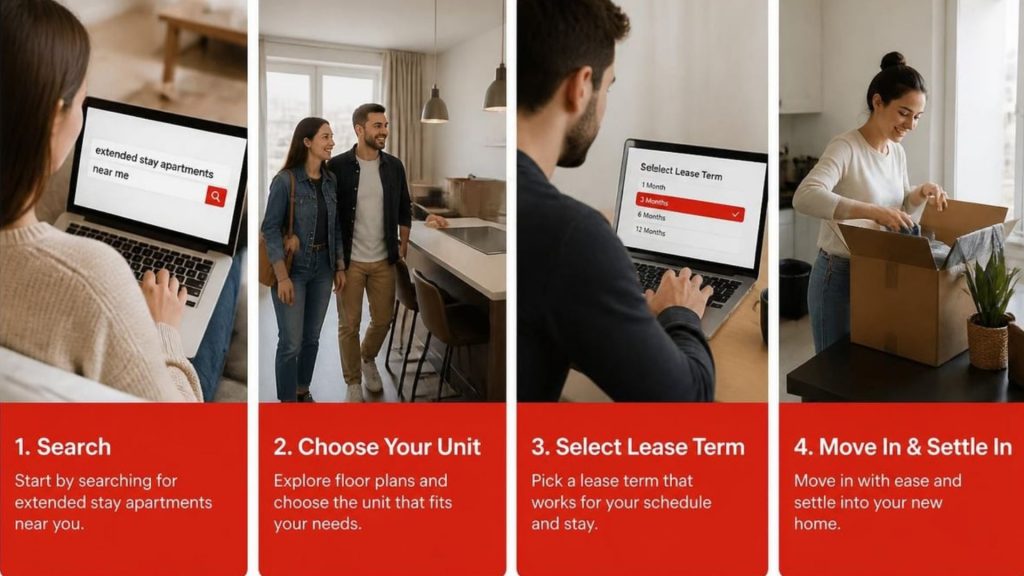
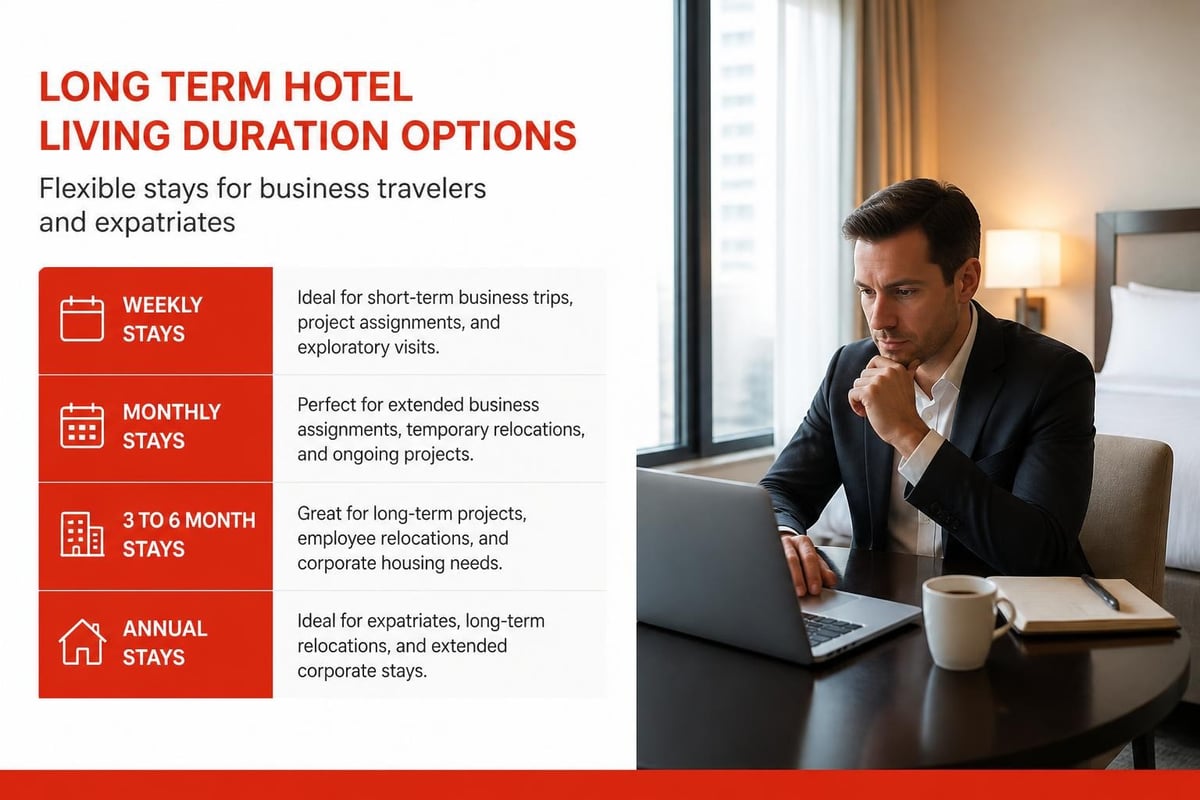
Service apartments distinguish themselves through variable lease terms that accommodate unpredictable travel schedules and corporate project timelines. Unlike traditional rentals requiring 12-month commitments, service apartments offer daily, weekly, monthly, and yearly options. This flexibility proves essential for businesses unable to predict assignment lengths accurately or families managing complex relocation timelines.
Booking Processes and Rate Optimization
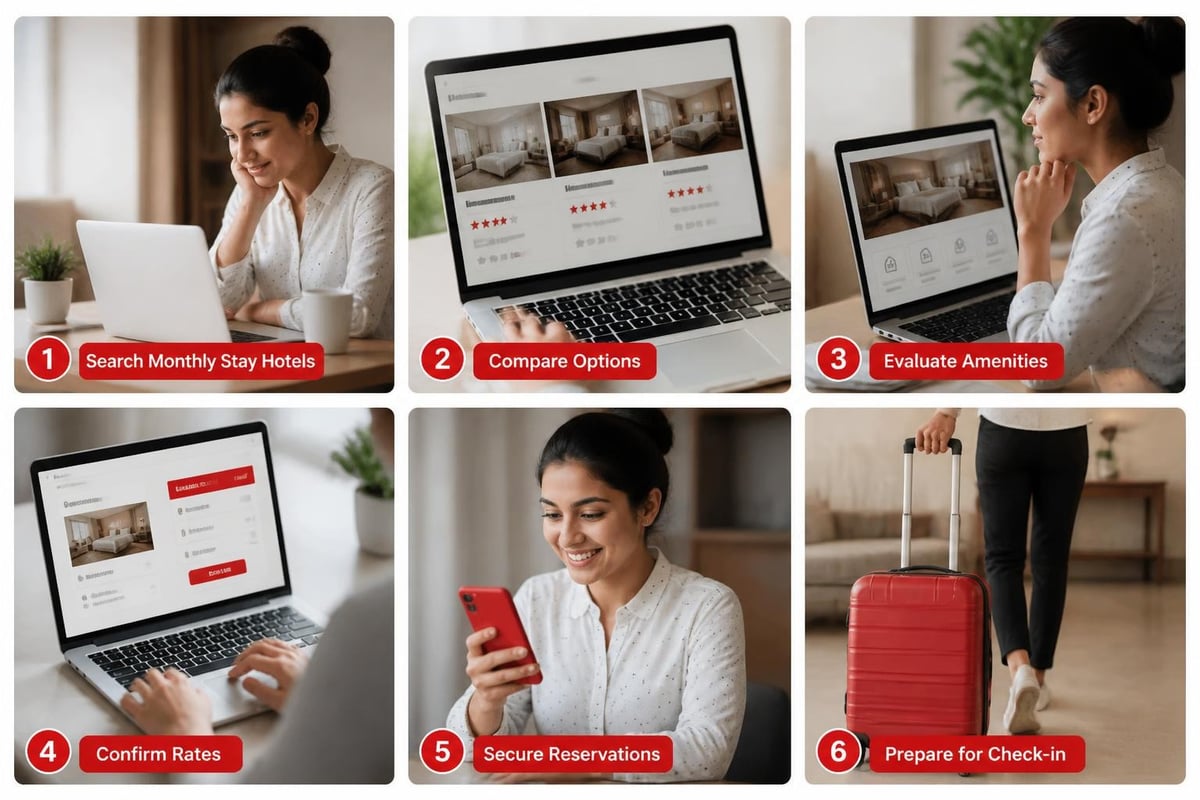
Reservation systems for service apartments mirror hotel booking platforms, enabling online reservations, instant confirmations, and transparent pricing. Corporate clients often negotiate contracted rates for multiple units or guaranteed inventory during peak seasons. Direct booking through property websites typically yields better rates than third-party platforms, particularly for stays exceeding 30 days.
Dynamic pricing models adjust rates based on demand patterns, seasonality, and booking lead times. Properties in Jakarta’s business districts experience higher occupancy during corporate fiscal periods when project work intensifies and expatriate assignments commence. Conversely, holiday periods may see softer demand from business segments but increased interest from families and leisure travelers.
Many service apartments implement tiered pricing where per-night costs decrease with stay duration. A seven-day rate might be 15 percent lower than transient nightly pricing, while monthly rates could offer 30-40 percent discounts. Yearly contracts provide maximum savings, appealing to expatriates and companies managing long-term relocations.
Service Apartment Markets in Southeast Asia
Southeast Asian cities have embraced service apartments as solutions to housing crunches, expatriate demand, and tourism growth. Singapore, Bangkok, Kuala Lumpur, and Jakarta host substantial inventories serving regional business hubs and multinational corporate headquarters. Each market exhibits unique characteristics shaped by local real estate dynamics, regulatory environments, and demographic patterns.
Jakarta’s Growing Service Apartment Sector
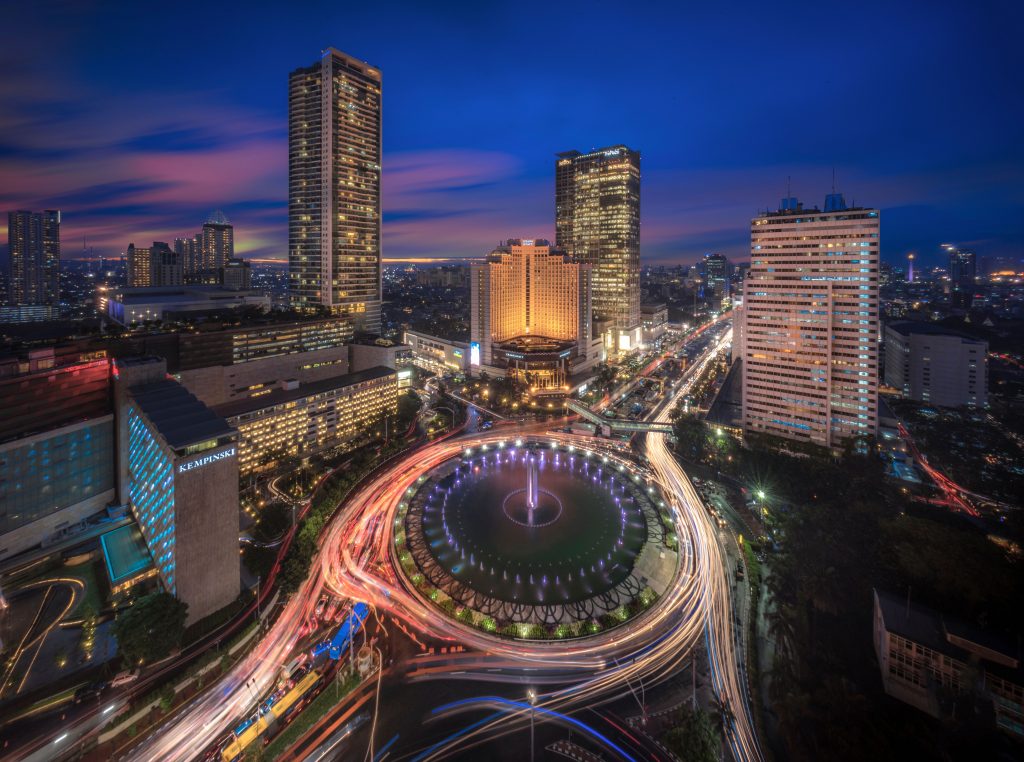
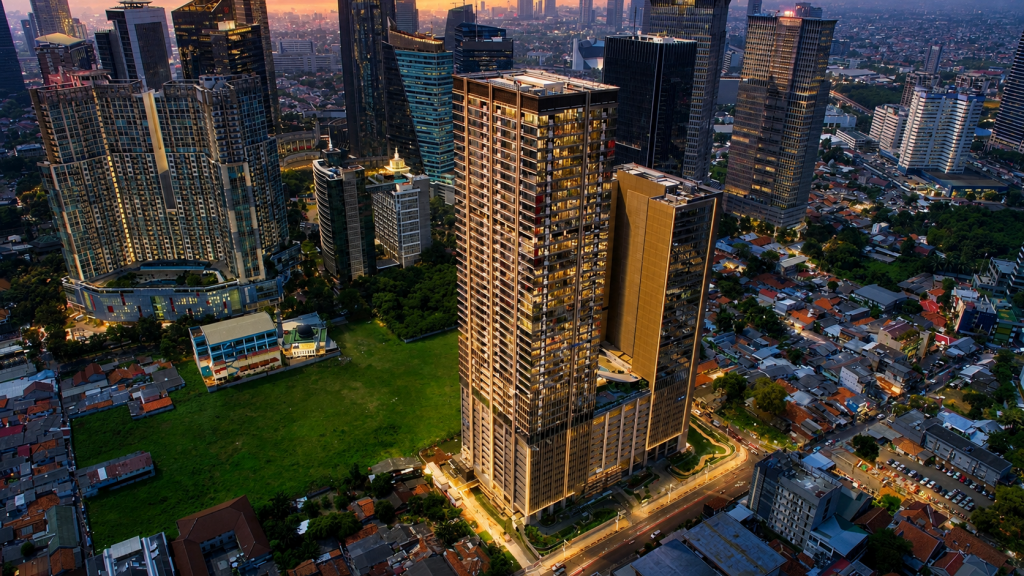
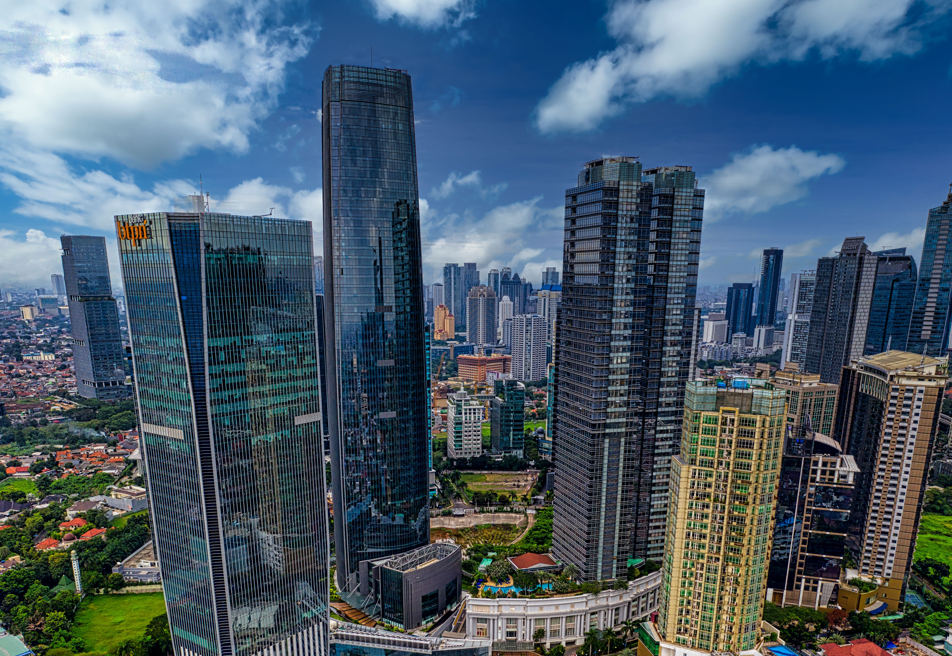
Indonesia’s capital has experienced significant service apartment development concentrated in established business districts. Mega Kuningan, SCBD, and Sudirman host numerous properties targeting expatriate executives, regional managers, and corporate teams supporting Jakarta-based operations. The city’s traffic congestion makes location proximity to offices particularly valuable, driving demand for accommodations within business corridors.
Properties that offer comprehensive solutions perform strongest in Jakarta’s market. Beyond basic furnished units, successful service apartments provide transportation support, local area information, and cultural orientation assistance that helps international residents navigate Indonesian business practices and daily life. Some properties coordinate airport transfers, assist with work permit documentation, and connect residents with local service providers.
The diversity of apartment sizes matters in Jakarta’s market, where corporate clients may require simultaneous housing for solo executives and relocating families. Properties offering studio through three-bedroom configurations within single buildings capture multiple client segments and facilitate team cohesion when colleagues reside in the same development.
Technological Integration and Smart Apartment Features
Modern service apartments increasingly incorporate technology that enhances convenience, security, and operational efficiency. Smart room controls, mobile check-in systems, and integrated communication platforms reflect guest expectations shaped by broader digital transformation trends. Properties investing in these capabilities differentiate themselves in competitive markets while improving operational workflows.
Guest-Facing Technology Solutions
Digital key systems eliminate physical check-in queues, allowing guests to access apartments directly via smartphone apps. This proves particularly valuable for late arrivals following international flights or professionals managing tight meeting schedules. In-room control systems manage lighting, climate, and entertainment through unified interfaces, creating hotel-like convenience within residential settings.
High-speed internet infrastructure constitutes a non-negotiable requirement for business travelers and remote workers. Properties providing fiber-optic connectivity, redundant systems, and dedicated bandwidth support video conferencing, cloud applications, and streaming services that define contemporary work and leisure activities. Some service apartments now offer enterprise-grade WiFi with guaranteed speeds and priority support.
Technology features enhancing service apartment experiences:
-
Mobile apps for service requests, billing, and property information
-
Smart locks with remote access and guest credential management
-
Integrated entertainment systems with streaming service compatibility
-
Voice-controlled room features and virtual assistant integration
-
High-capacity internet with business-grade reliability
-
Digital concierge platforms for local recommendations and bookings
Sustainability and Wellness Considerations
Environmental consciousness and health-focused design increasingly influence service apartment selection, particularly among corporate clients implementing sustainability goals and employees prioritizing wellness. Properties incorporating energy-efficient systems, waste reduction programs, and healthy building materials align with these priorities while reducing operational costs.
Green Building Practices in Service Apartments
Service apartments pursuing environmental certifications implement comprehensive sustainability strategies covering energy consumption, water usage, waste management, and material sourcing. LED lighting, efficient HVAC systems, and solar installations reduce carbon footprints while lowering utility expenses that flow through to operating costs. Water-saving fixtures and recycling programs demonstrate environmental commitment to environmentally conscious guests.
Indoor air quality matters particularly in urban environments with pollution concerns. Advanced filtration systems, low-VOC materials, and proper ventilation design create healthier indoor environments that impact resident wellbeing. Some properties incorporate biophilic design elements like living walls, natural materials, and abundant greenery that enhance psychological comfort during extended stays.
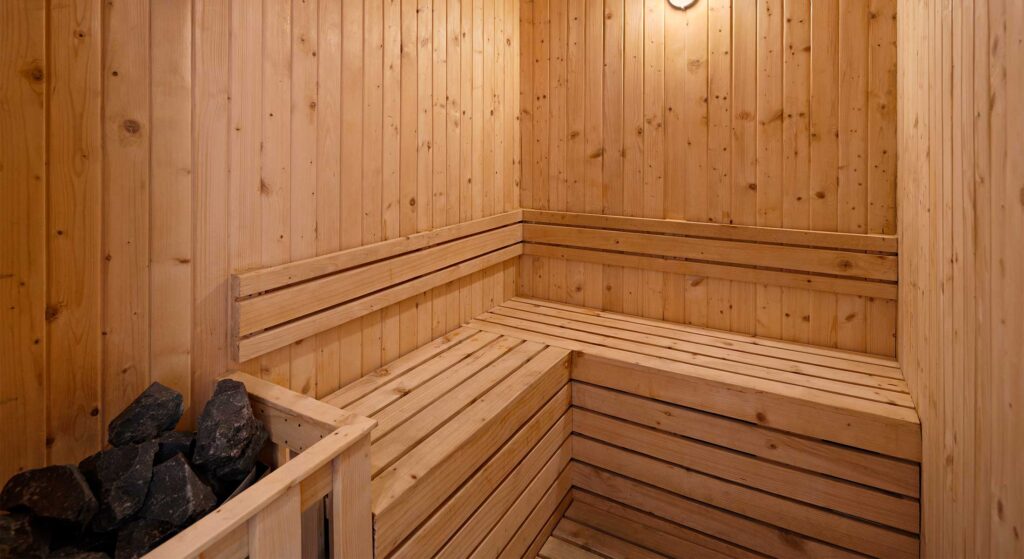
Wellness amenities extend beyond traditional fitness centers. Yoga studios, meditation spaces, and outdoor recreational areas support holistic health approaches. Properties in Jakarta’s business districts that provide these facilities help residents manage stress associated with demanding work schedules and cultural adjustment challenges.
Future Trends Shaping Service Apartment Development
The service apartment sector continues evolving in response to demographic shifts, work pattern changes, and guest expectation evolution. Remote work normalization expands the potential guest base beyond traditional business travelers to include digital nomads, remote employees, and location-independent professionals seeking temporary bases in multiple cities throughout the year.
Hybrid Work and Extended Flexibility
Companies adopting permanent hybrid work models enable employees to split time between home offices, corporate headquarters, and regional locations. This creates demand for service apartments that function as temporary work bases during periodic office visits. Properties offering strong business infrastructure, collaborative spaces, and monthly booking flexibility position themselves to capture this emerging segment.
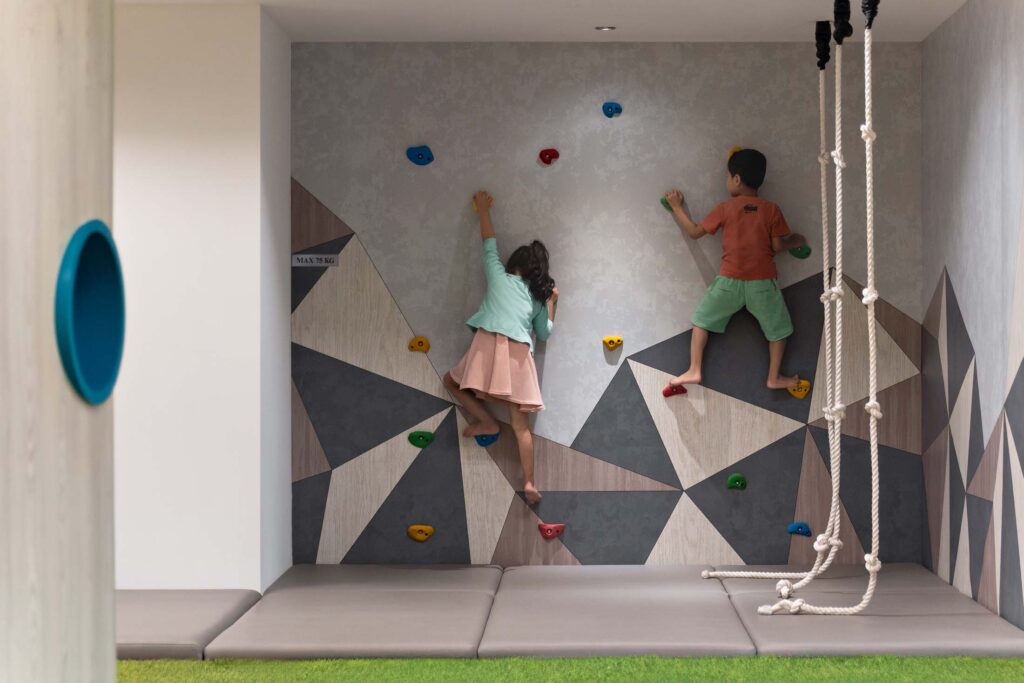
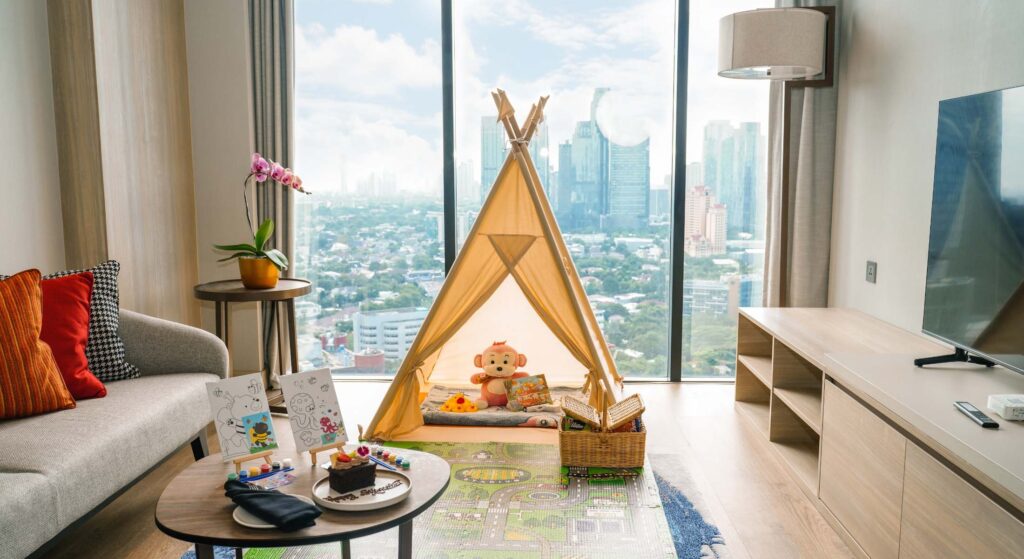
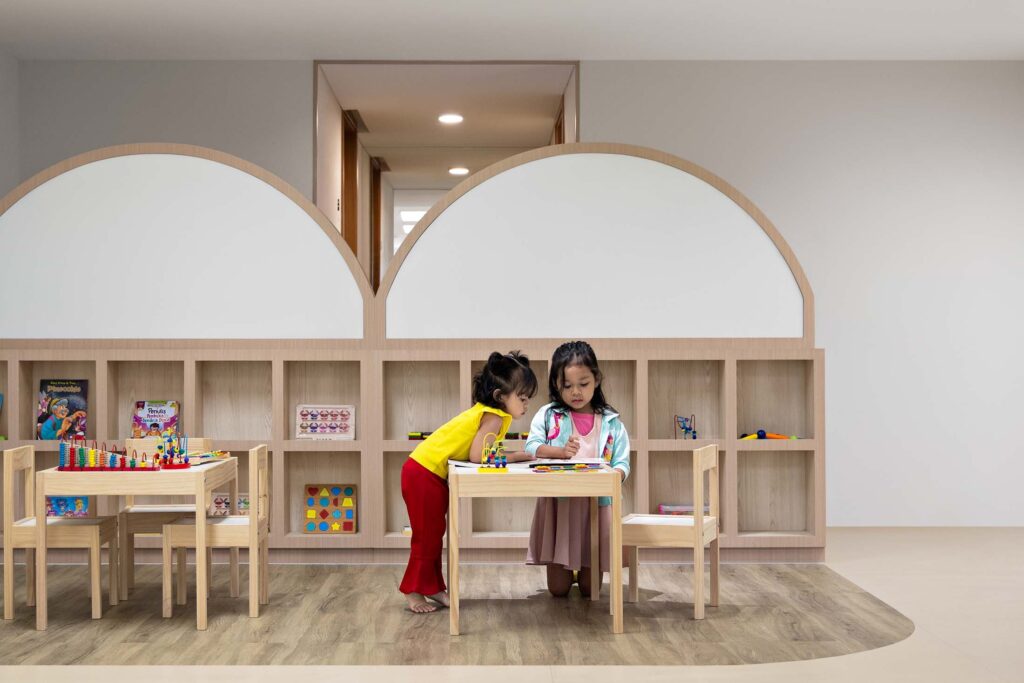
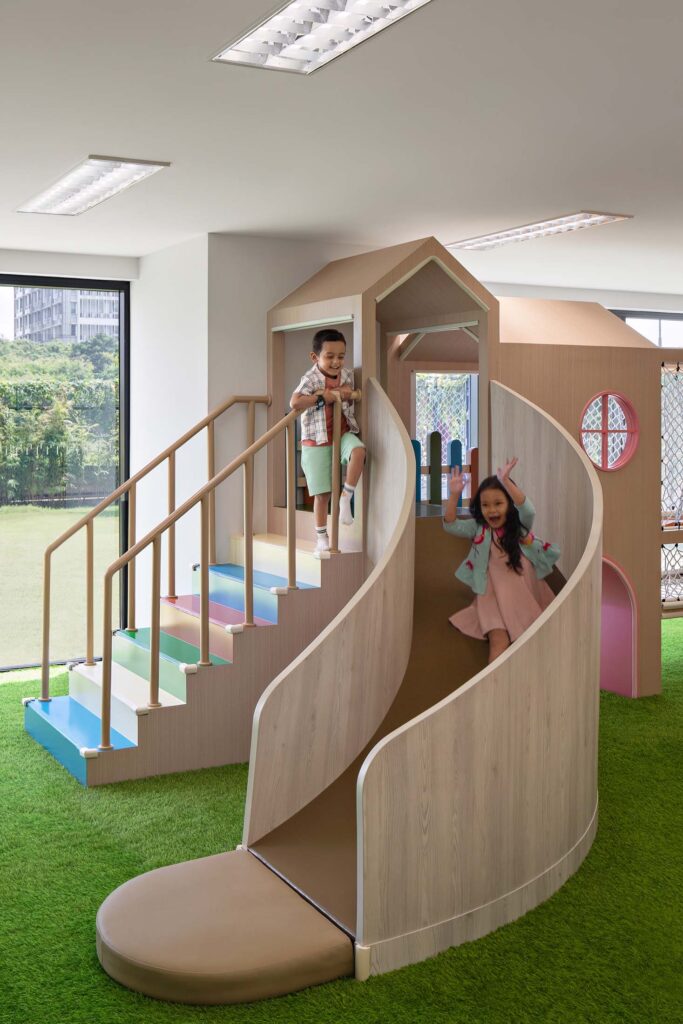
The rise of “bleisure” travel blending business and leisure components influences service apartment design and programming. Families increasingly accompany business travelers on extended assignments, requiring apartments with family-friendly amenities, children’s facilities, and connections to international schools. Properties that accommodate these blended needs through diverse unit types and comprehensive services expand their addressable market.
Experiential programming differentiates premium service apartments from commodity competitors. Cultural events, cooking classes, fitness programs, and social gatherings create community among residents while showcasing local culture. These initiatives transform service apartments from purely transactional accommodations into lifestyle environments that enhance the overall relocation or extended-stay experience.
Selecting the Right Service Apartment for Your Needs
Choosing an appropriate service apartment requires systematic evaluation of location, unit configuration, amenities, service quality, and cost against specific requirements. Business travelers prioritize proximity to offices and meeting venues, while families emphasize school access and recreational facilities. Expatriates value cultural integration support and community atmosphere that ease adjustment periods.
Essential Evaluation Criteria
Begin by defining non-negotiable requirements based on stay purpose and duration. Corporate assignments demand reliable workspace infrastructure and transportation efficiency. Family relocations require multiple bedrooms, kitchen functionality, and safe neighborhoods with child-friendly amenities. Budget constraints establish the range of properties worth considering, though lowest cost rarely delivers optimal value for extended stays.
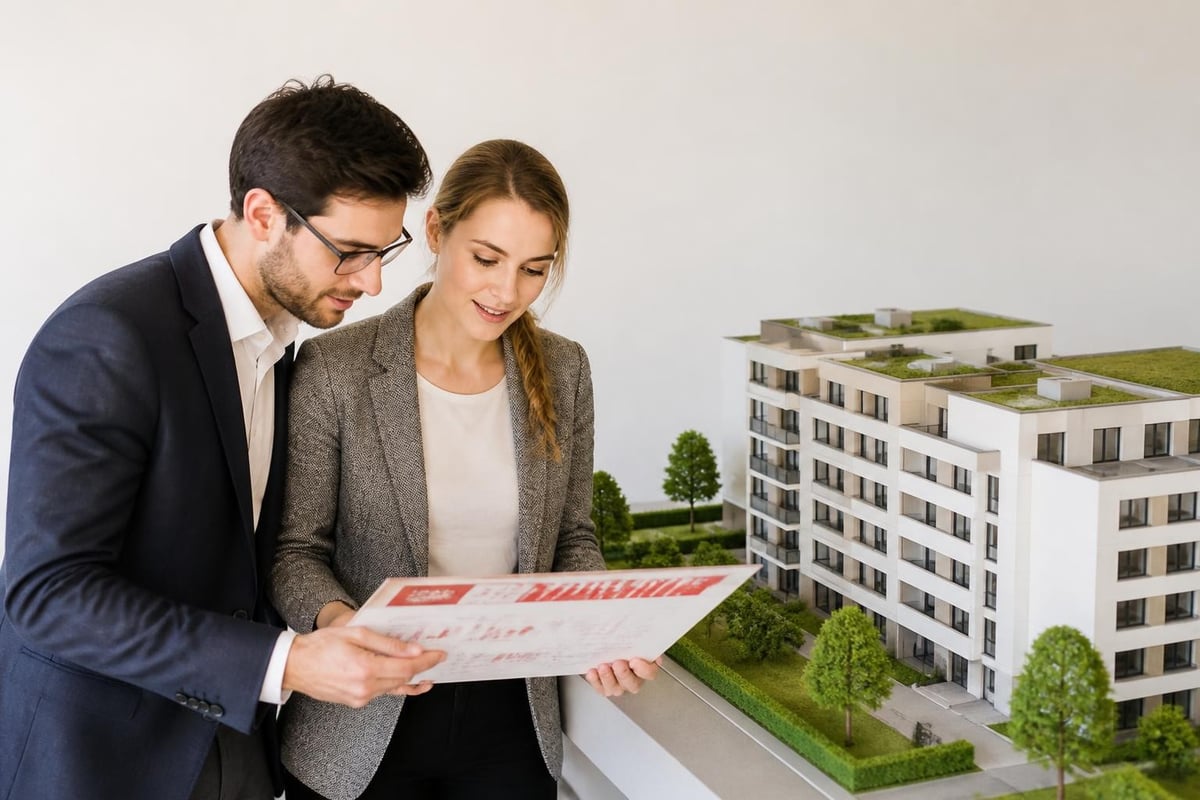
Property reputation and management quality significantly impact satisfaction during weeks or months of residence. Research online reviews focusing on maintenance responsiveness, staff professionalism, and cleanliness standards. Request virtual tours or site visits when possible to assess actual conditions versus marketing representations. Speaking with current or former residents provides unfiltered insights into daily living experiences.
Questions to ask when evaluating service apartments:
-
What is included in the quoted rate versus additional charges?
-
How frequently is housekeeping provided, and can frequency be adjusted?
-
What maintenance response times can be expected for urgent issues?
-
Are utilities and internet included or separately metered?
-
What cancellation policies apply to different booking durations?
-
How accessible are grocery stores, pharmacies, and essential services?
-
What security measures protect residents and property?
Service Apartment Investment Perspective
Real estate investors view service apartments as attractive assets combining hospitality revenue potential with residential stability. The sector has demonstrated resilience during economic fluctuations, with corporate demand providing steady occupancy even when leisure travel softens. Institutional investors increasingly allocate capital to service apartment development and acquisition as the asset class matures.
Market Fundamentals and Performance Metrics
Service apartment investments evaluate performance through metrics including occupancy rates, average daily rates, revenue per available unit (RevPAU), and operating margins. Strong properties in primary business districts maintain occupancy above 80 percent with healthy rate premiums over comparable residential rentals. Management quality directly influences these metrics through effective marketing, revenue management, and operational efficiency.
Development projects require careful feasibility analysis balancing construction costs, target market demand, competitive supply, and achievable rates. Urban infill locations with constrained land supply but strong corporate demand often justify higher development costs through superior revenue potential. Properties securing corporate accounts with multinational firms establish dependable baseline occupancy that supports financing and stabilization.
The operational model influences investment returns significantly. Some developers operate properties internally through dedicated hospitality divisions, while others contract with established hotel management companies bringing brand recognition and distribution networks. Each approach presents distinct advantages regarding control, expertise access, and cost structures that investors must weigh against strategic objectives.
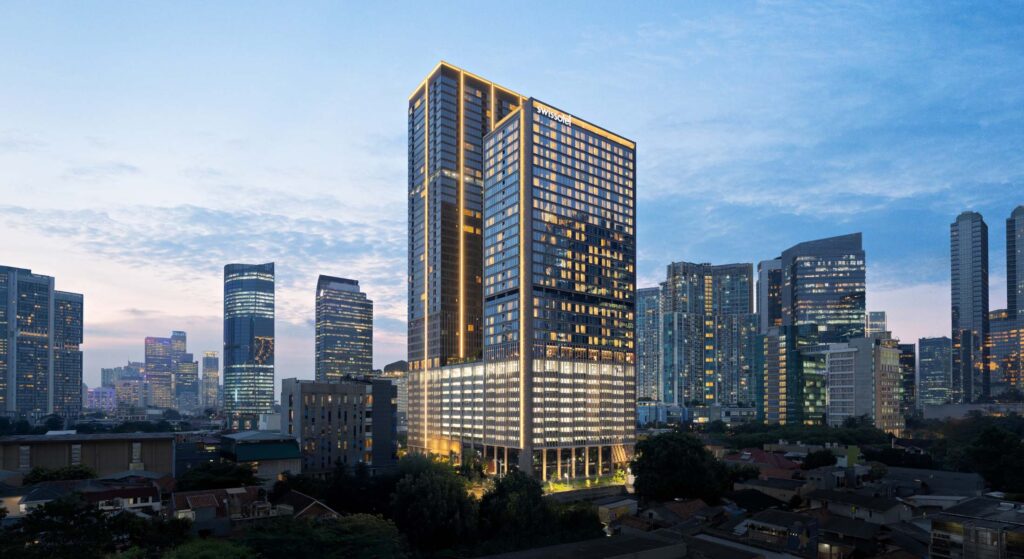
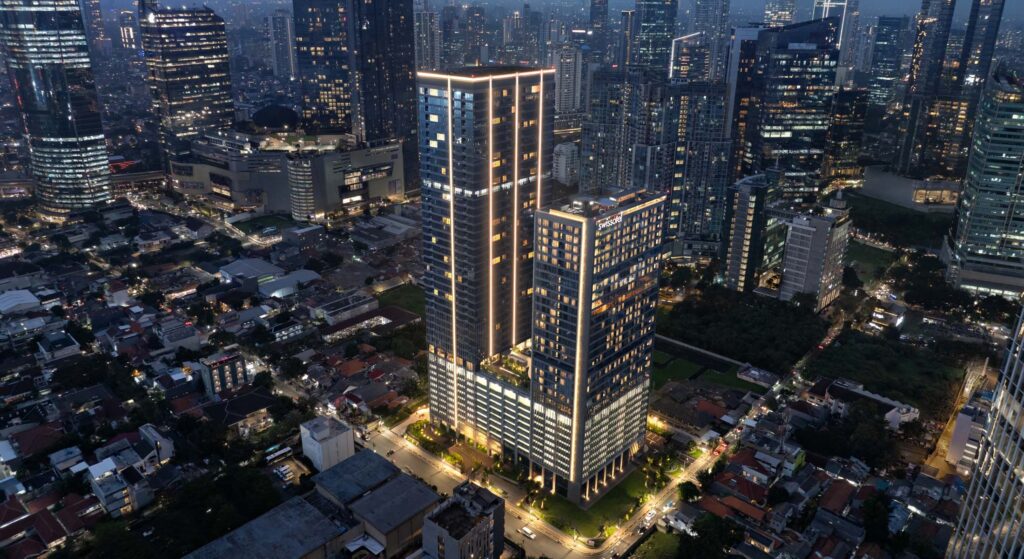
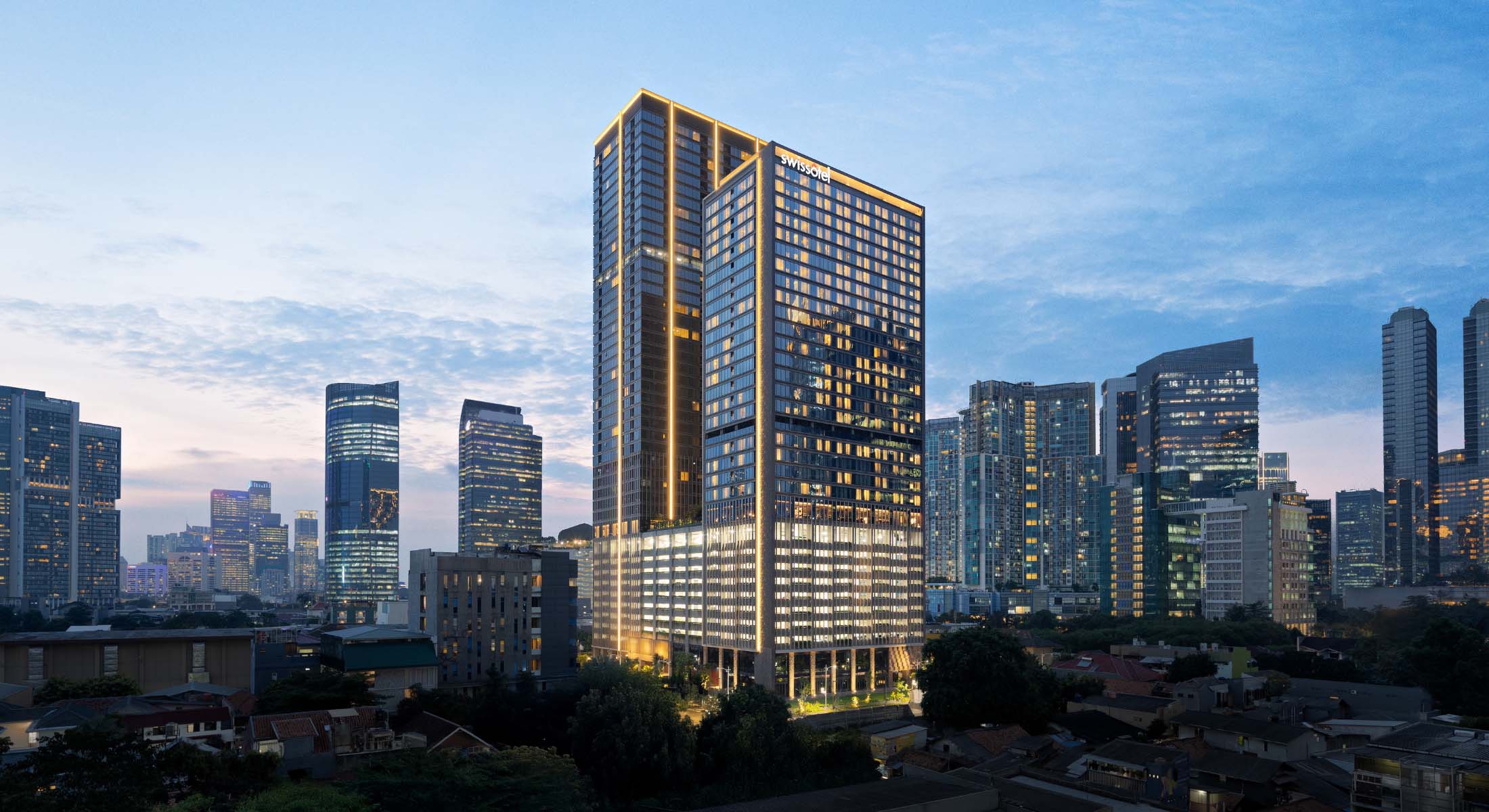
Service apartments deliver flexible, cost-effective accommodation solutions combining residential comfort with professional hospitality services for business travelers, relocating families, and expatriates requiring temporary housing in major business centers. Their growth across Southeast Asian markets reflects changing work patterns, corporate travel policies, and lifestyle preferences that value autonomy alongside convenience. Whether you need a productive workspace during a project assignment, a comfortable family home during relocation, or a flexible living arrangement while exploring Jakarta, Swissôtel Living Jakarta Mega Kuningan offers 240 fully furnished residences in Mega Kuningan’s central business district with daily, weekly, monthly, and yearly options tailored to short stays, extended assignments, and expatriate living throughout South Jakarta’s premier corporate corridor.