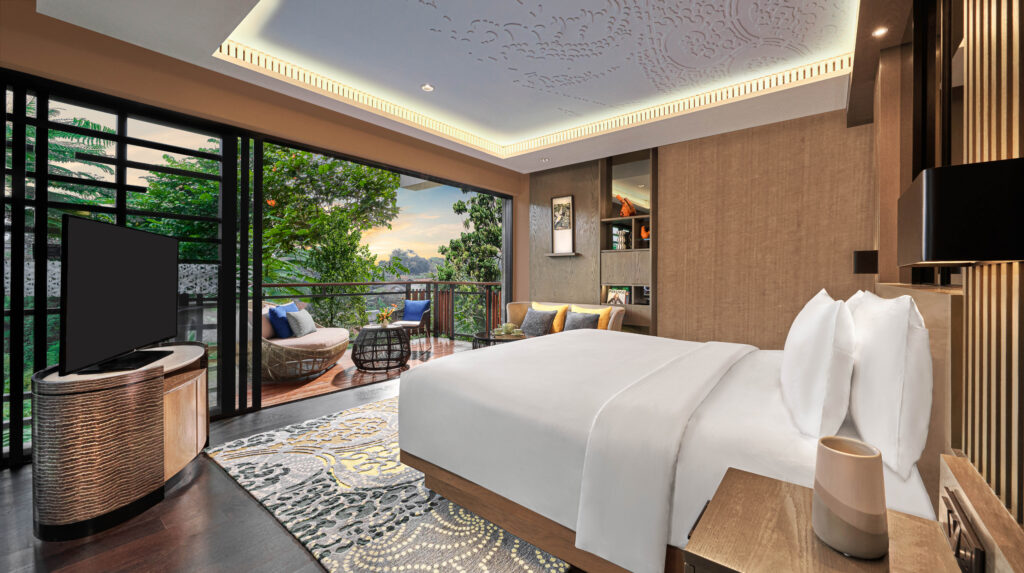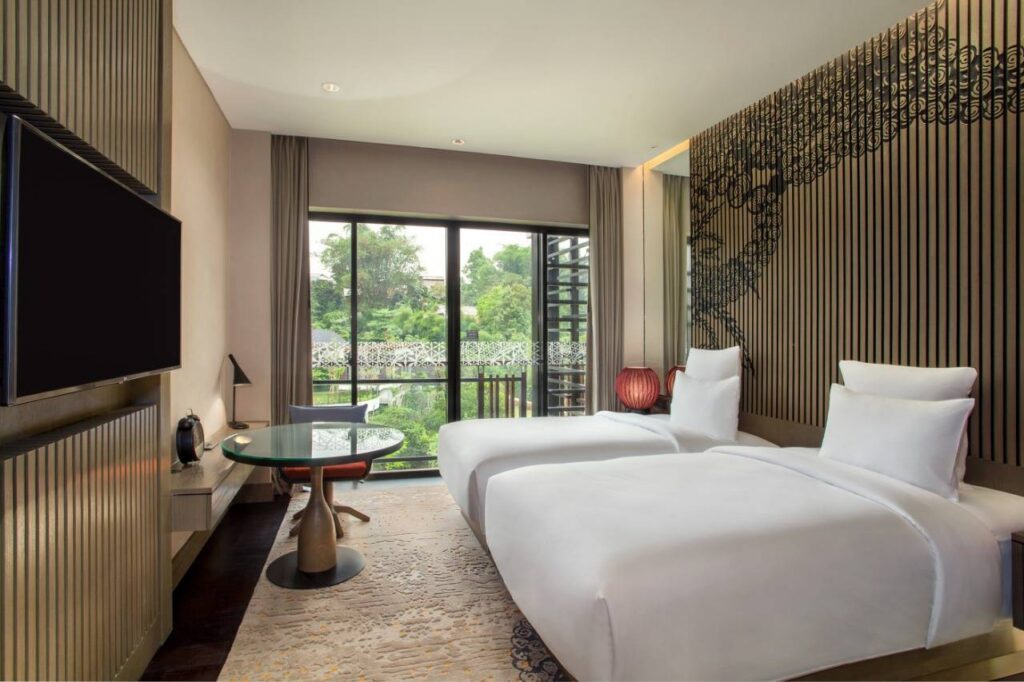

Apartments Hotel: Modern Hybrid Stays in 2026
The apartments hotel concept has fundamentally changed how travelers approach extended stays in major cities across the globe. This hybrid accommodation model combines the professional services and amenities of a traditional hotel with the space, privacy, and self-sufficiency of a fully furnished apartment. As business travel patterns shift and remote work becomes more prevalent in 2026, the apartments hotel sector has experienced significant growth, particularly in central business districts where professionals require flexible accommodation options that support both productivity and comfort during stays ranging from a few days to several months.
Understanding the Apartments Hotel Model
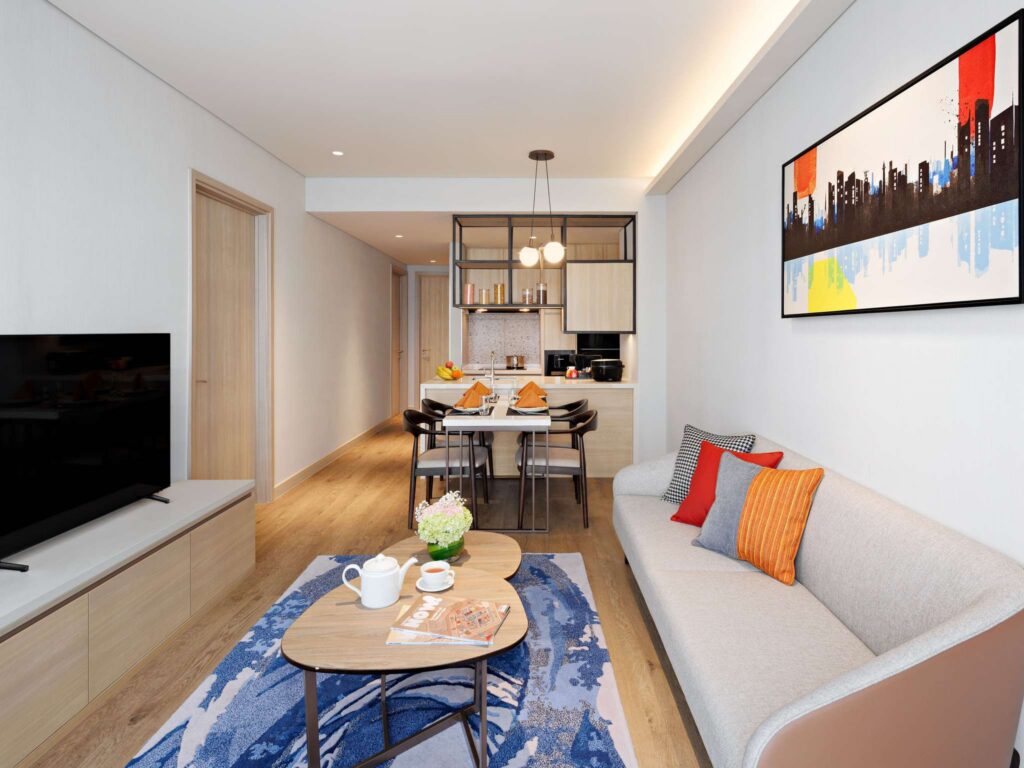
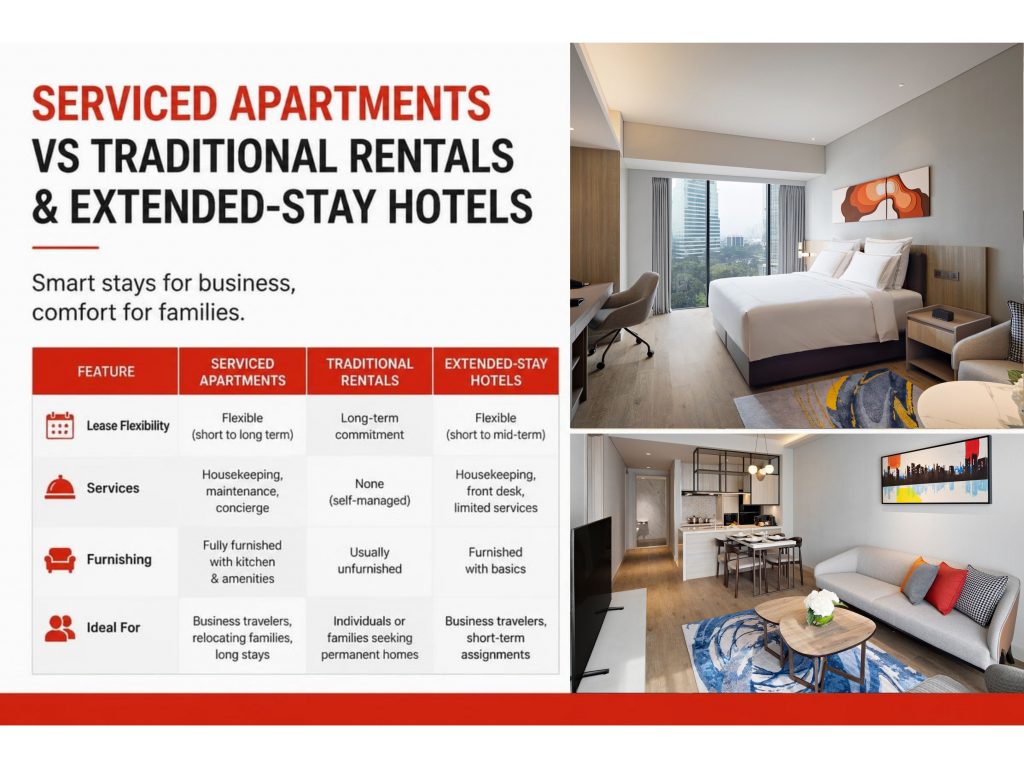
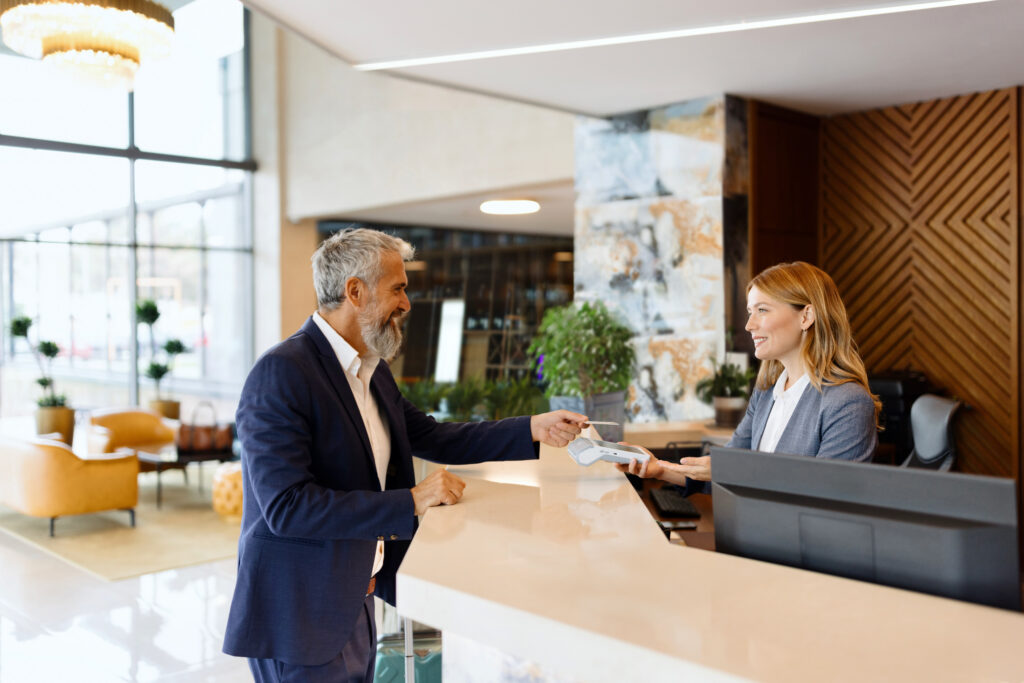
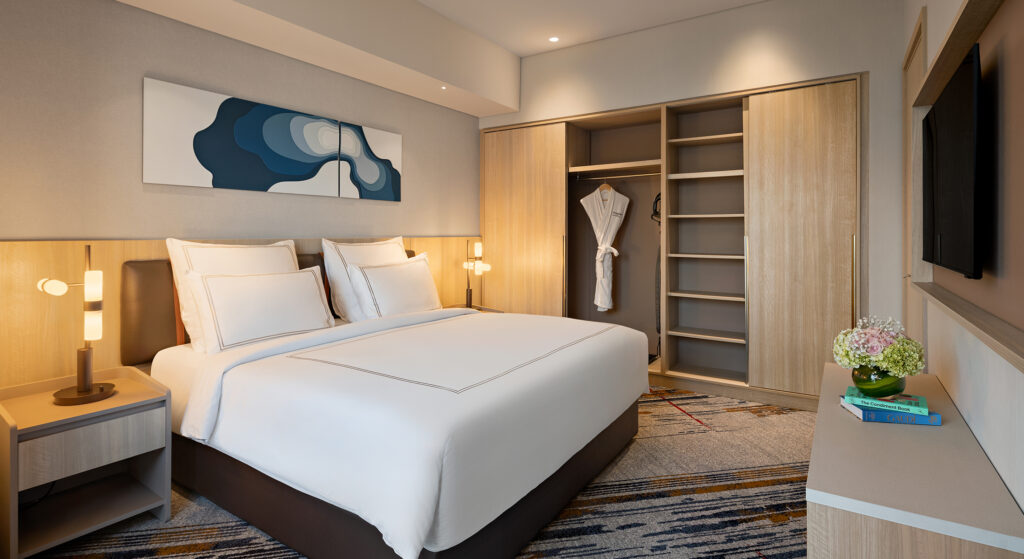
The apartments hotel represents a distinct category within the hospitality industry, offering accommodations that bridge the gap between conventional hotels and residential apartments. Unlike standard hotel rooms with limited amenities, these properties provide fully equipped kitchens, separate living areas, and residential-style furnishings while maintaining hotel-quality housekeeping, concierge services, and 24-hour reception.
Key Features That Define Apartments Hotels
Modern apartments hotel properties deliver a comprehensive set of features designed for both short and extended stays:
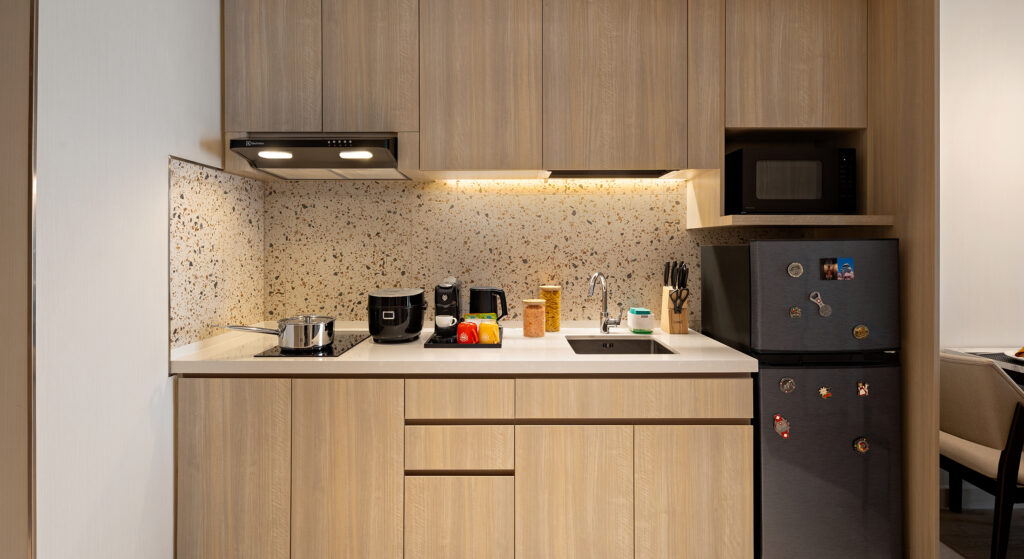
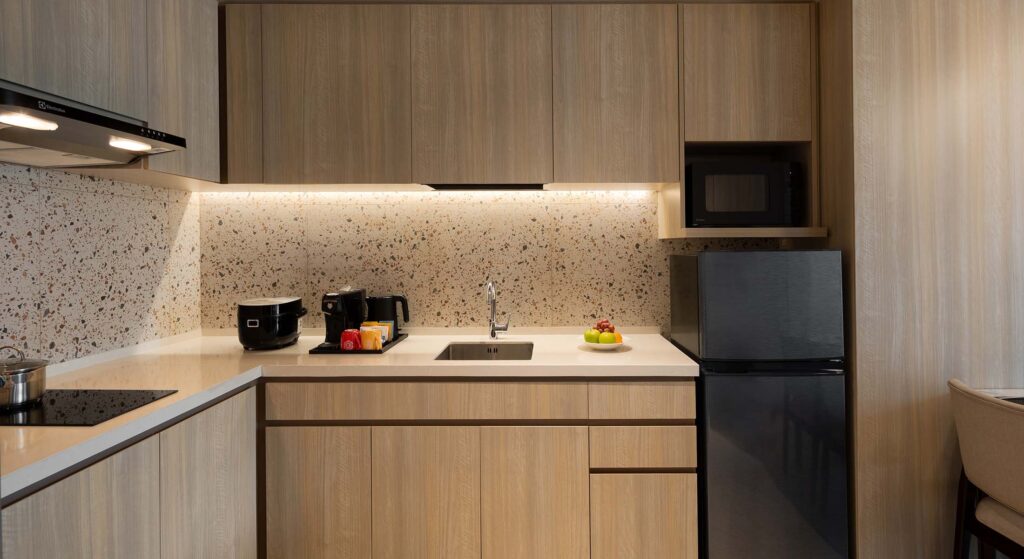
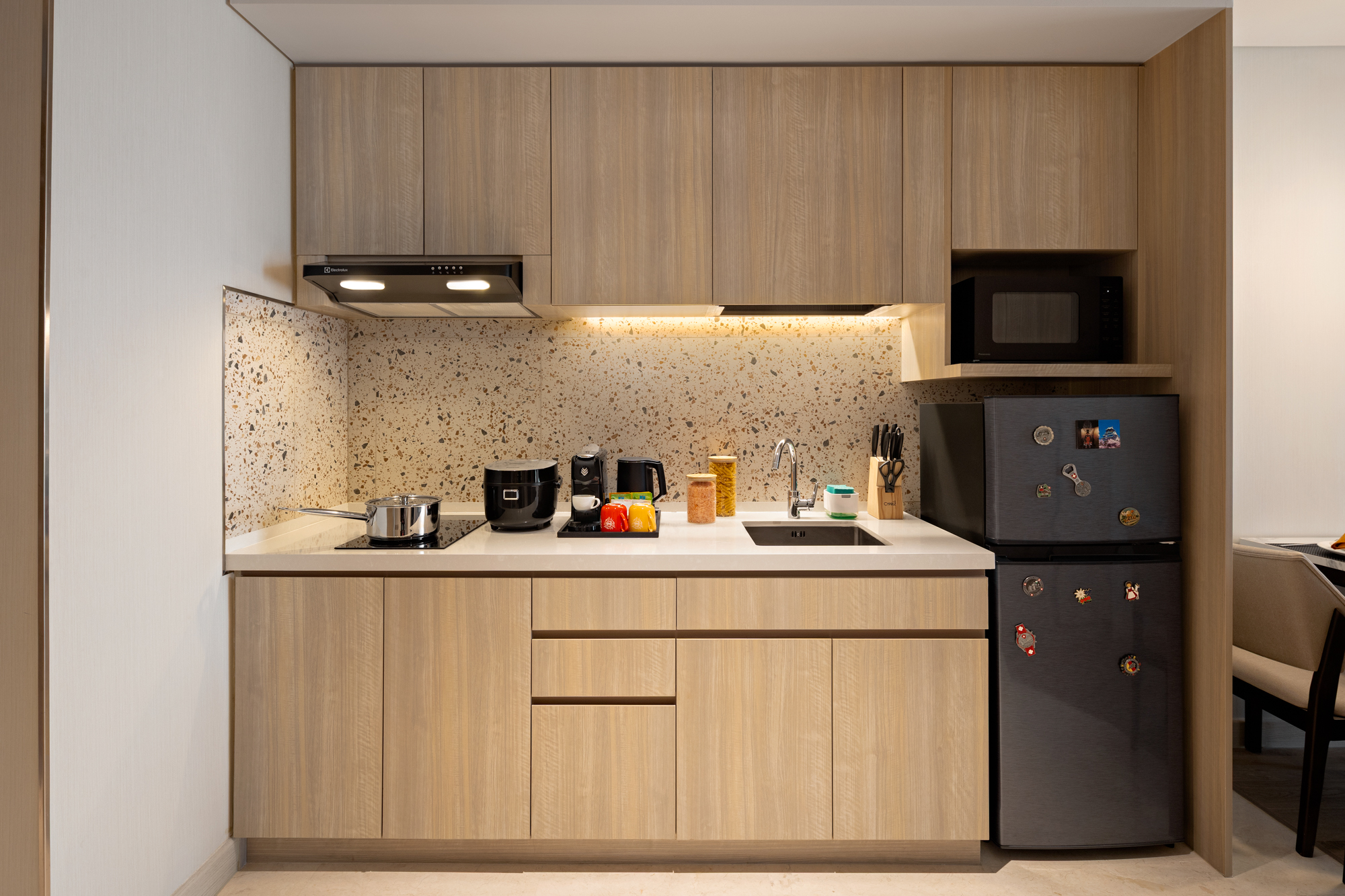
- Fully equipped kitchens with refrigerators, cooking appliances, and complete cookware
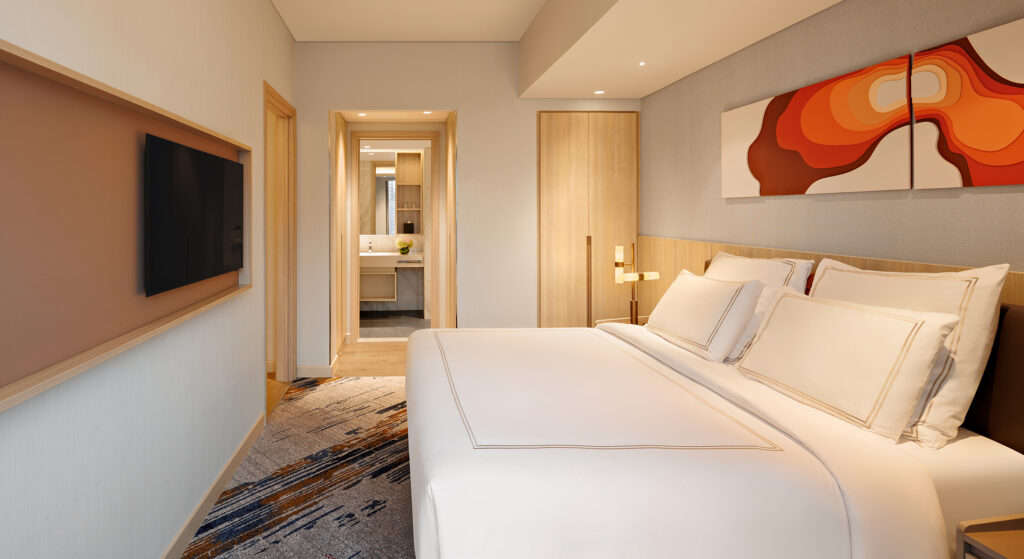
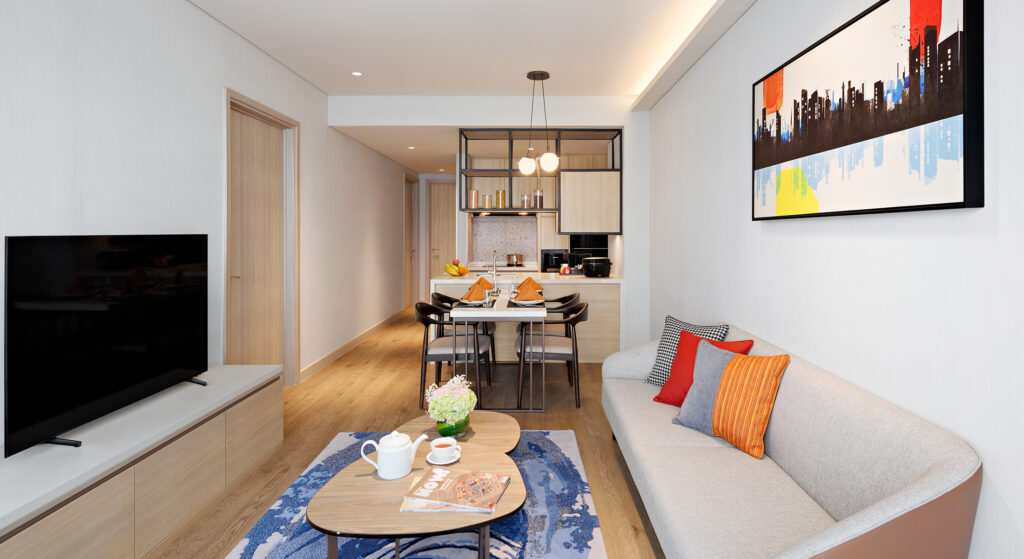
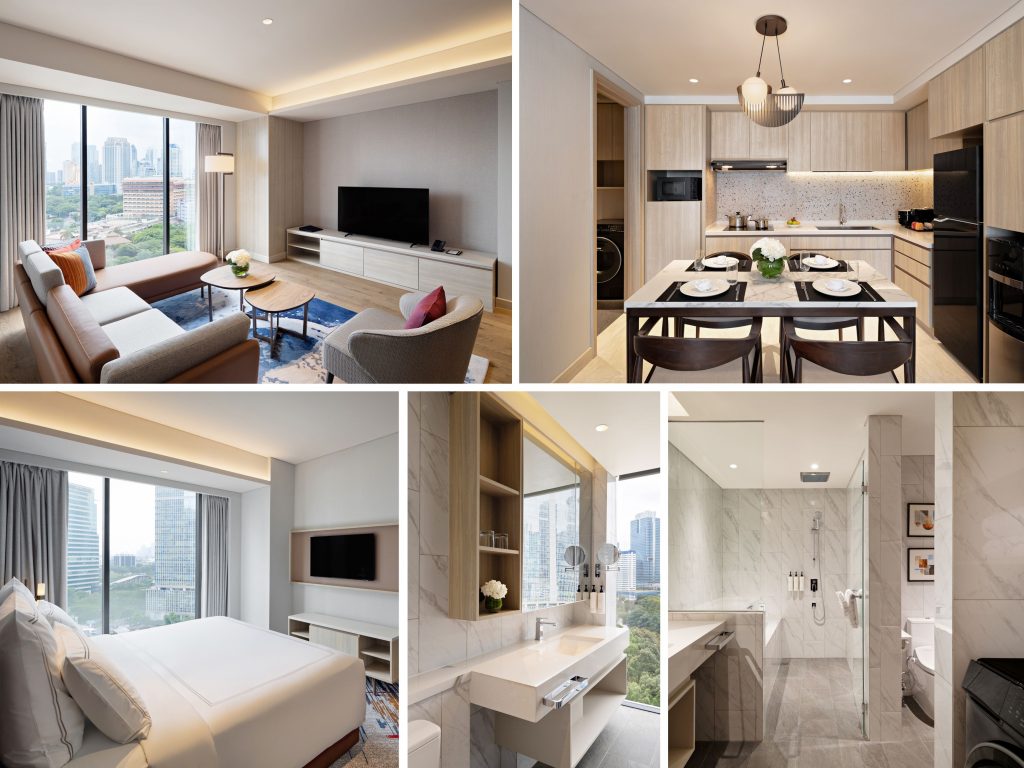
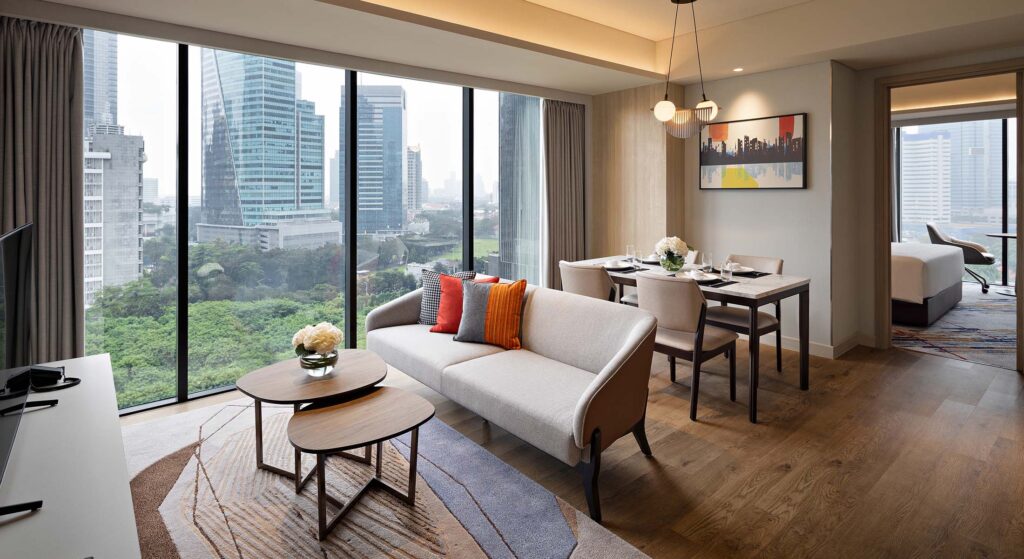
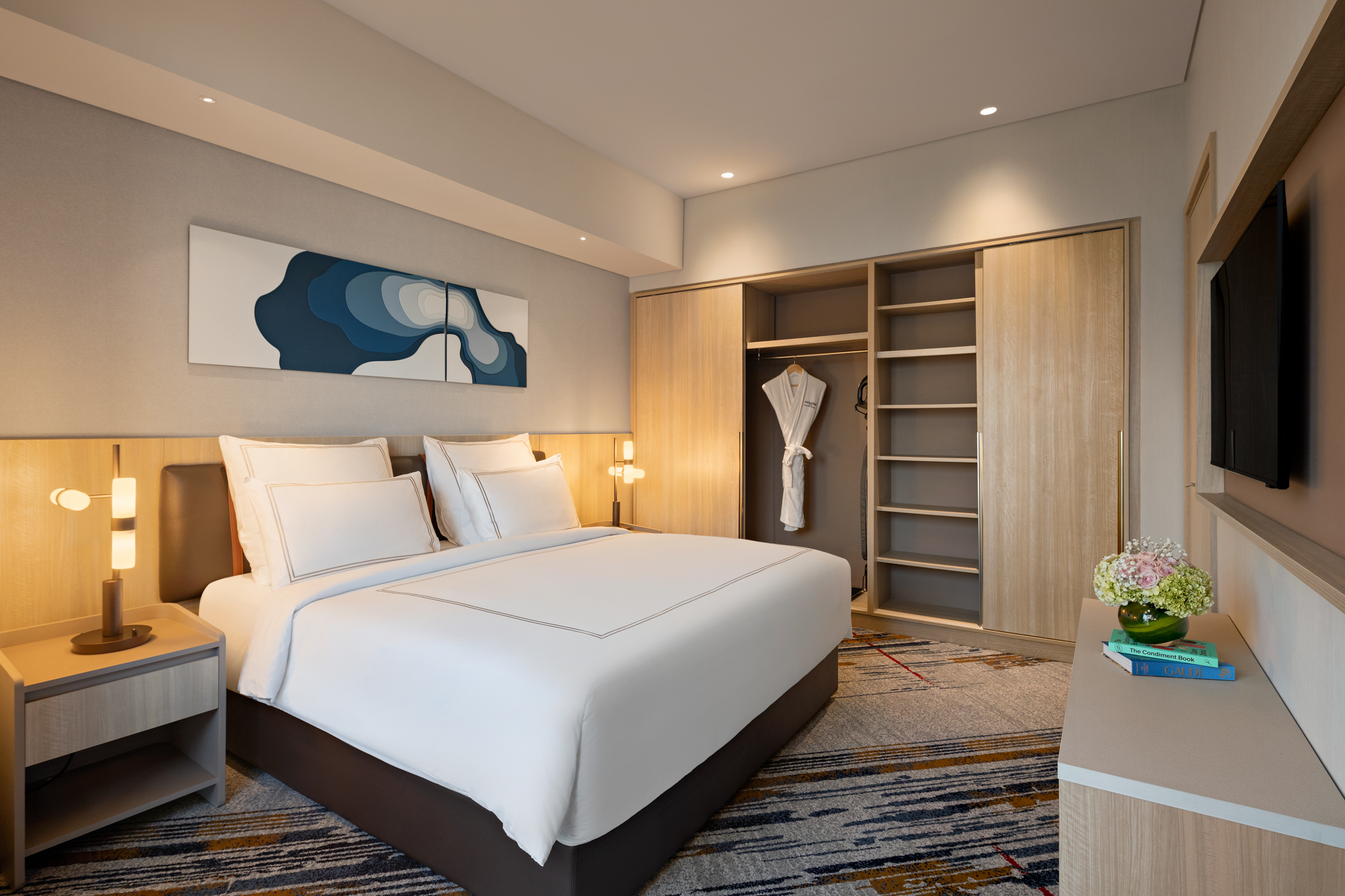
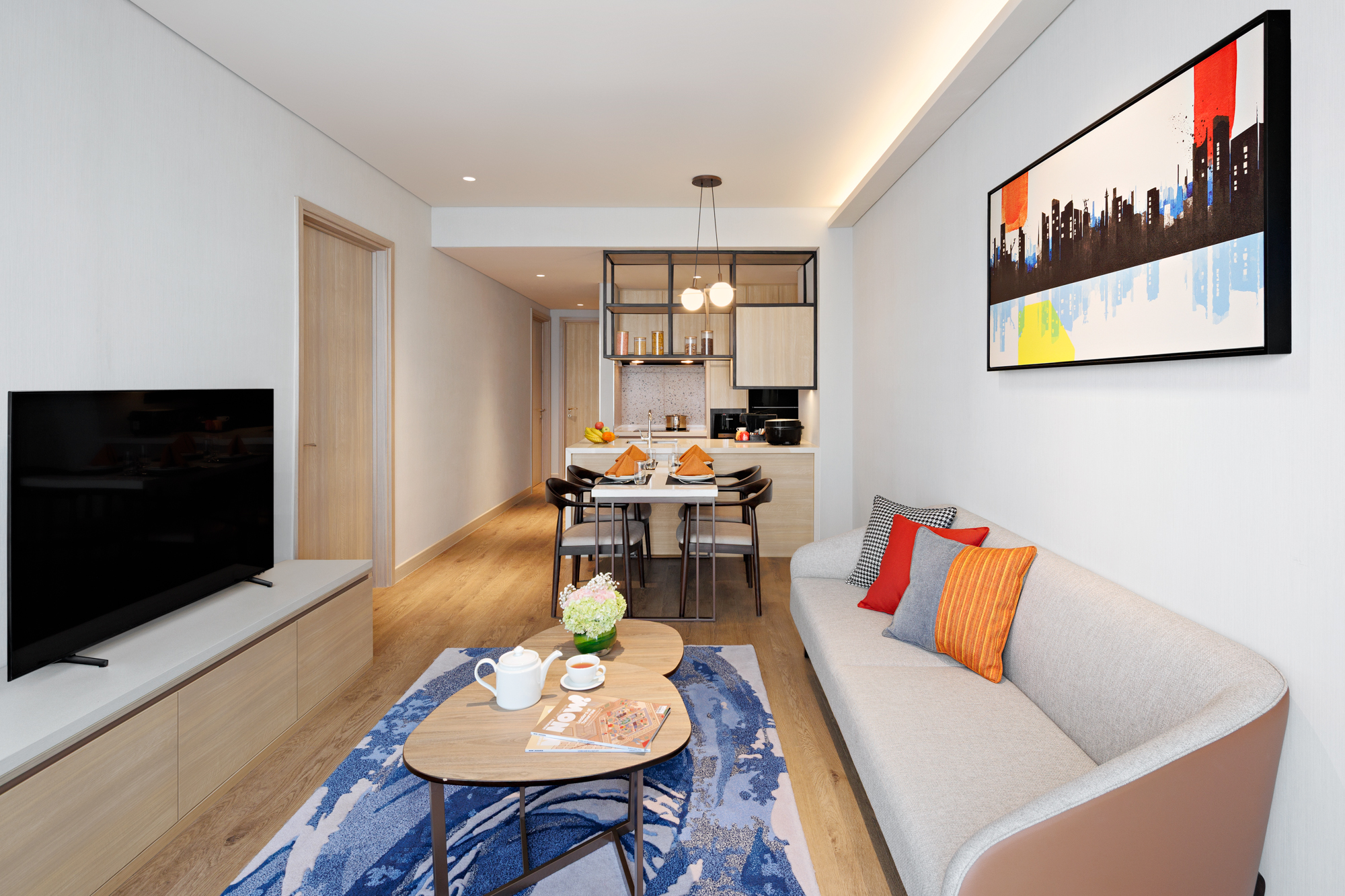
- Separate living and sleeping areas that create distinct zones for work and rest
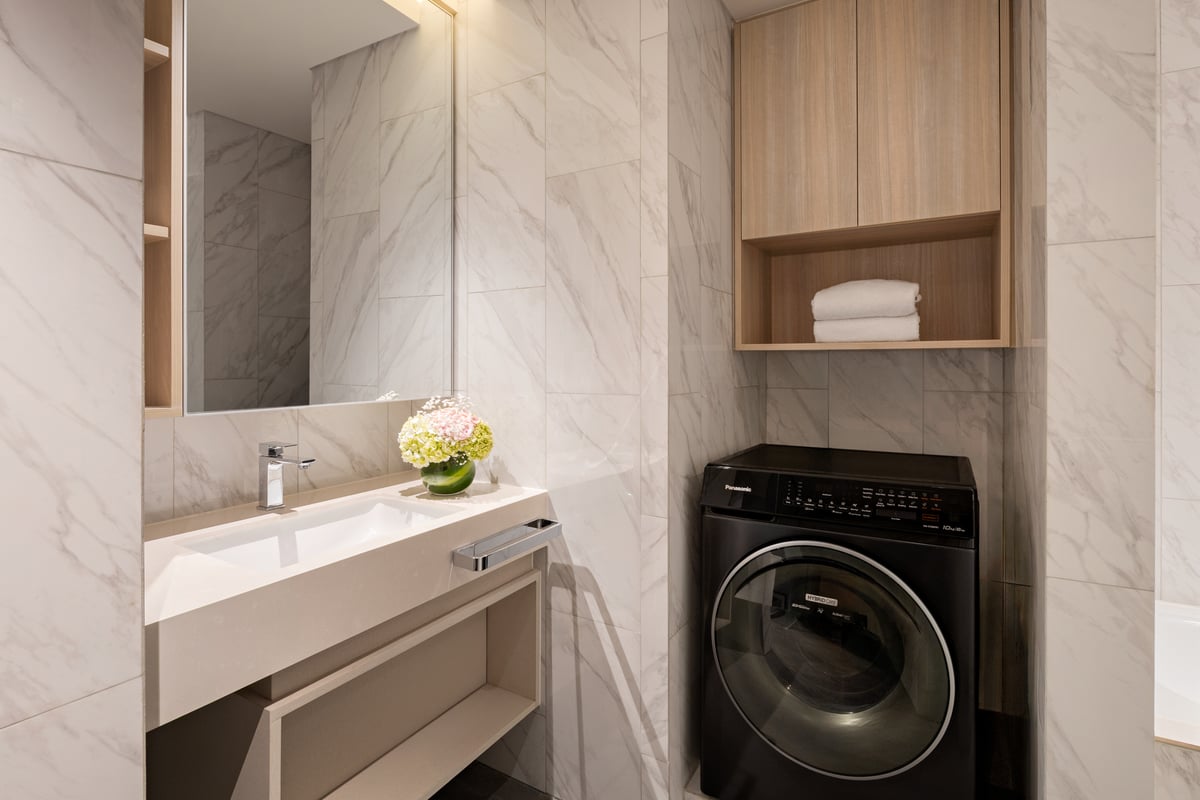
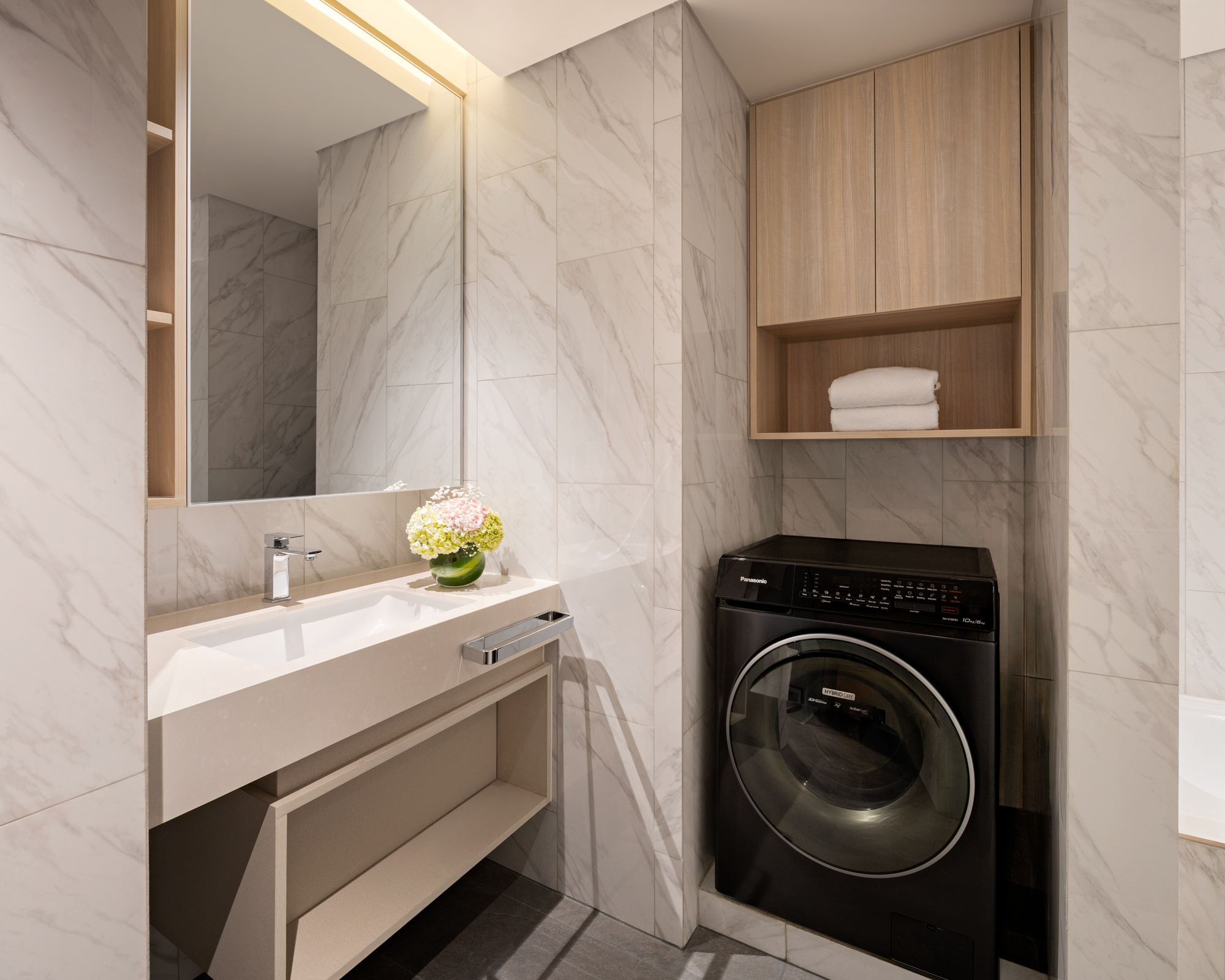
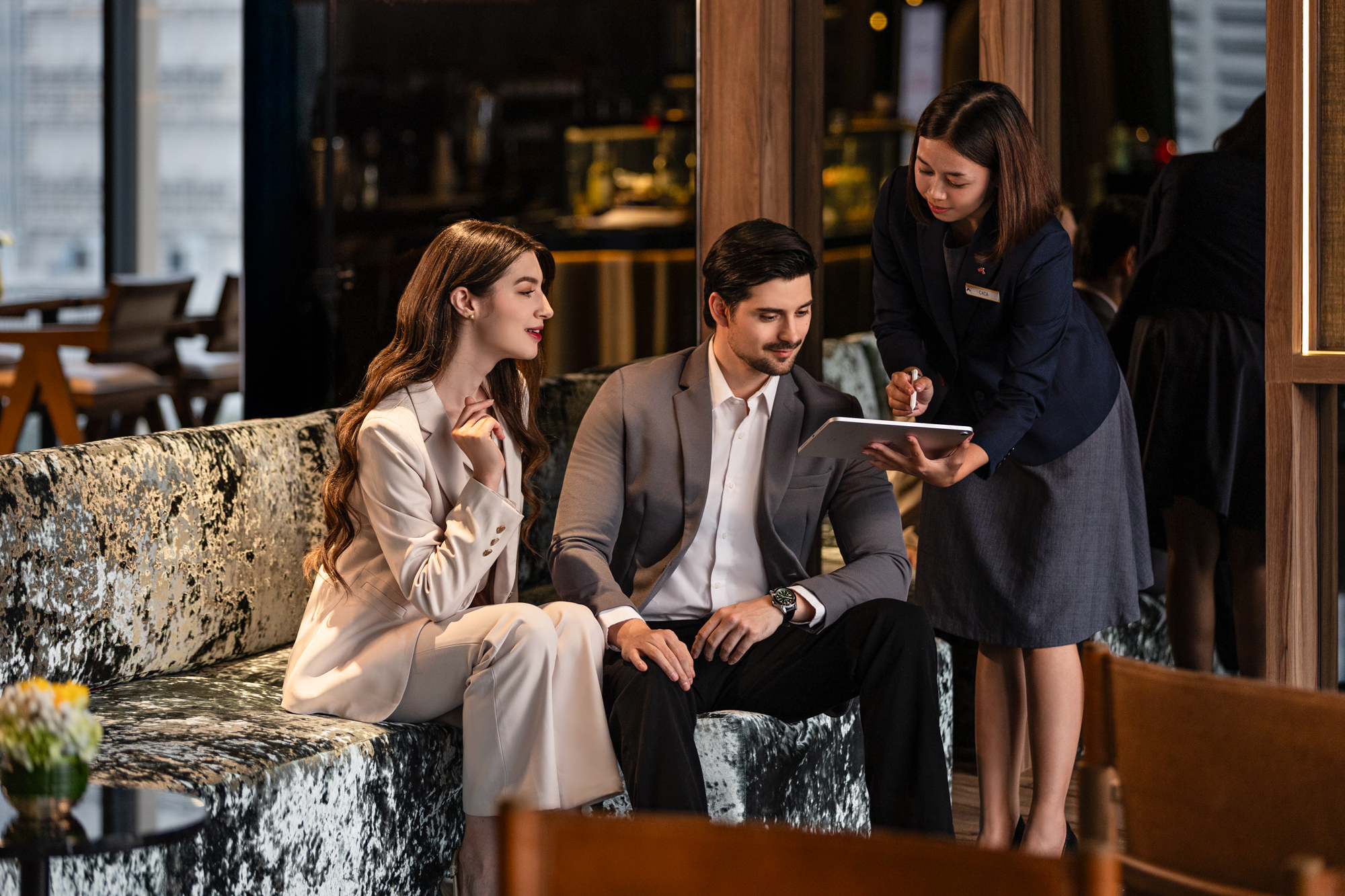
- Hotel-standard services including housekeeping, laundry, and front desk support
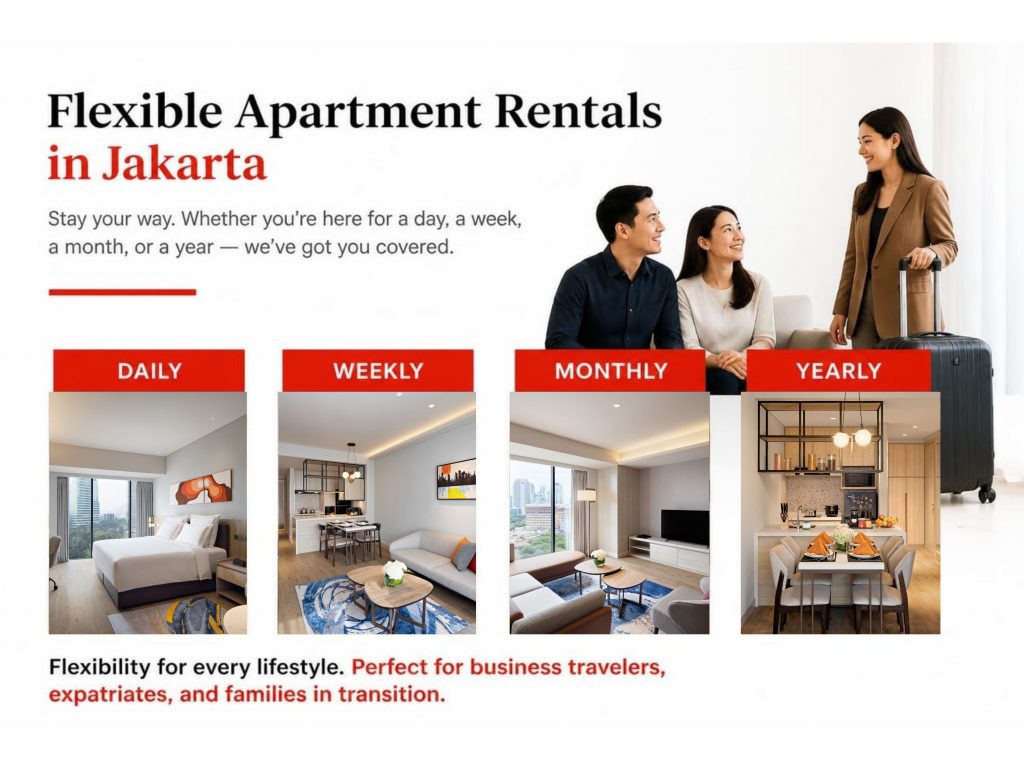
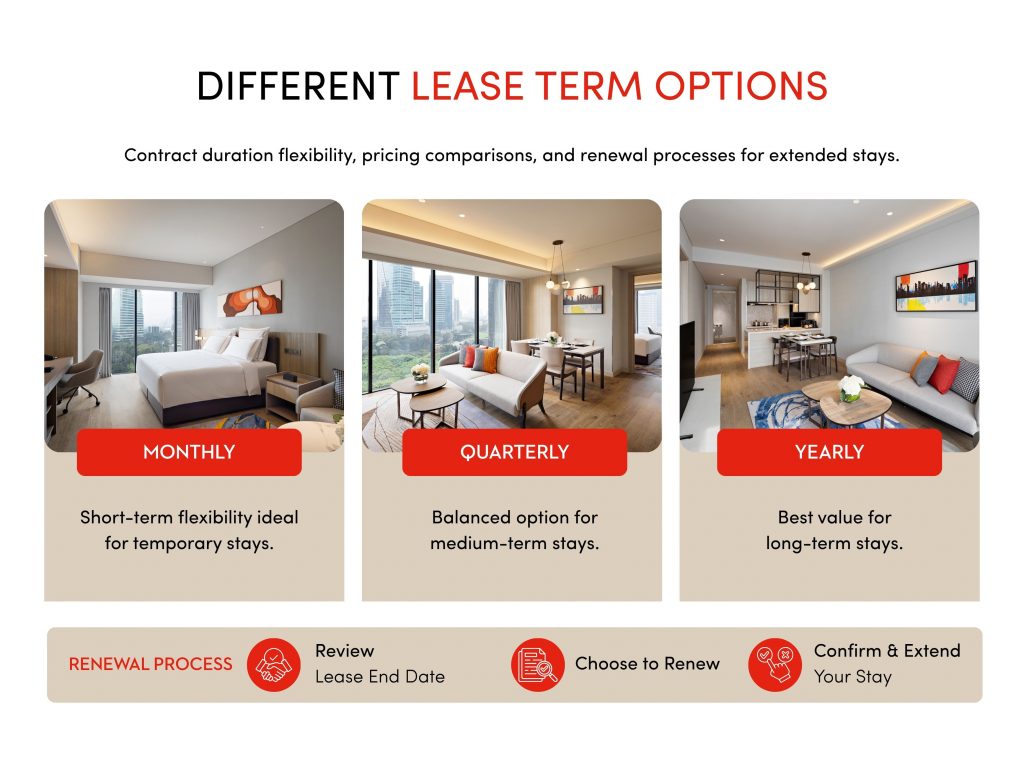
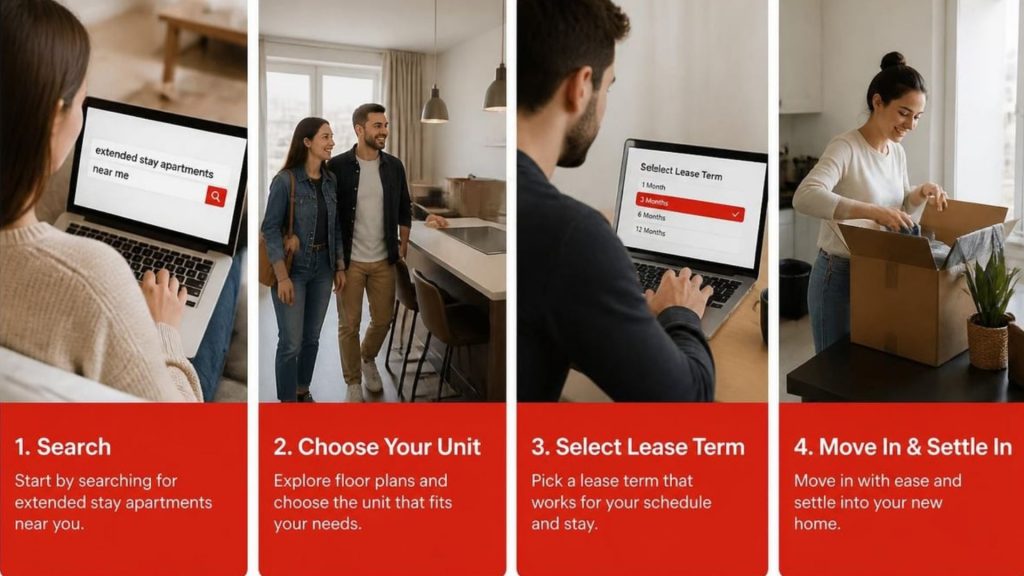
- Flexible lease terms from daily to yearly contracts
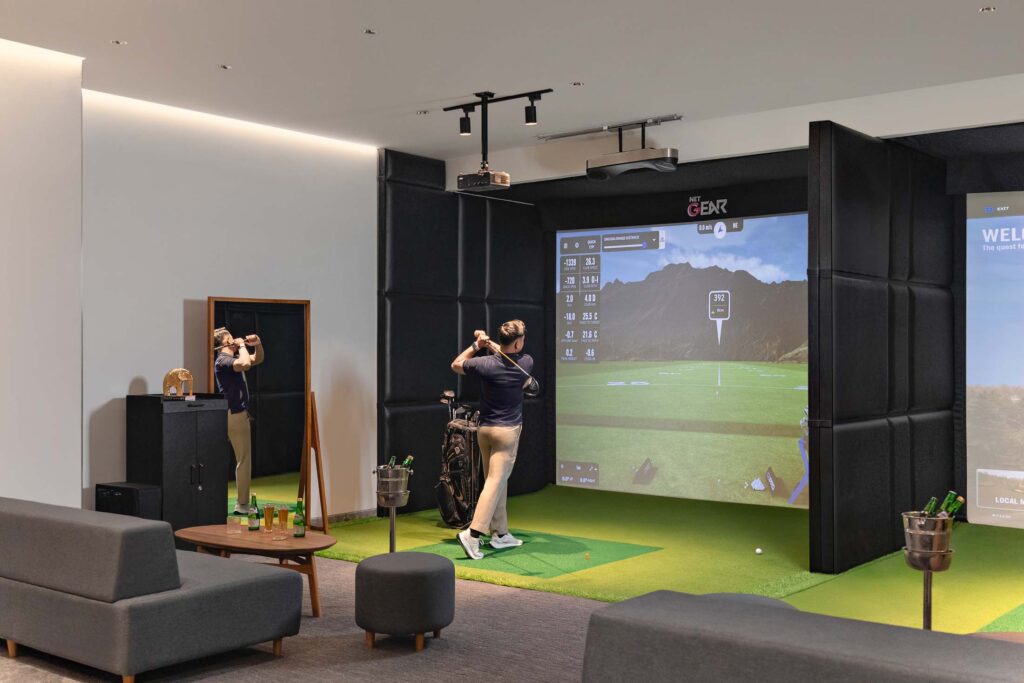
- On-site amenities such as fitness centers, business facilities, and dining options
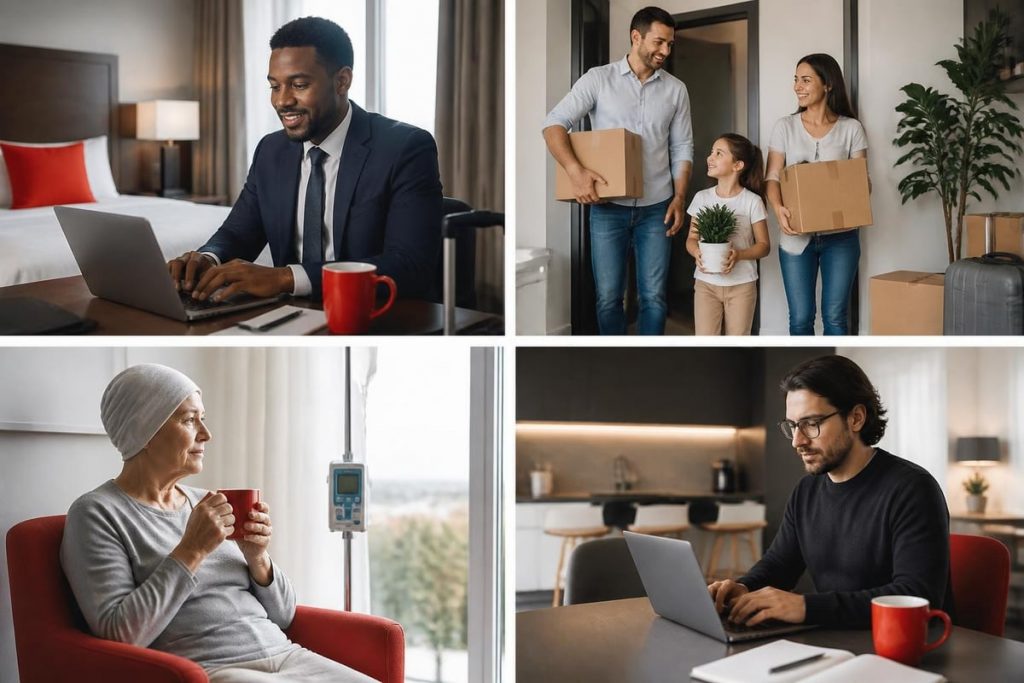
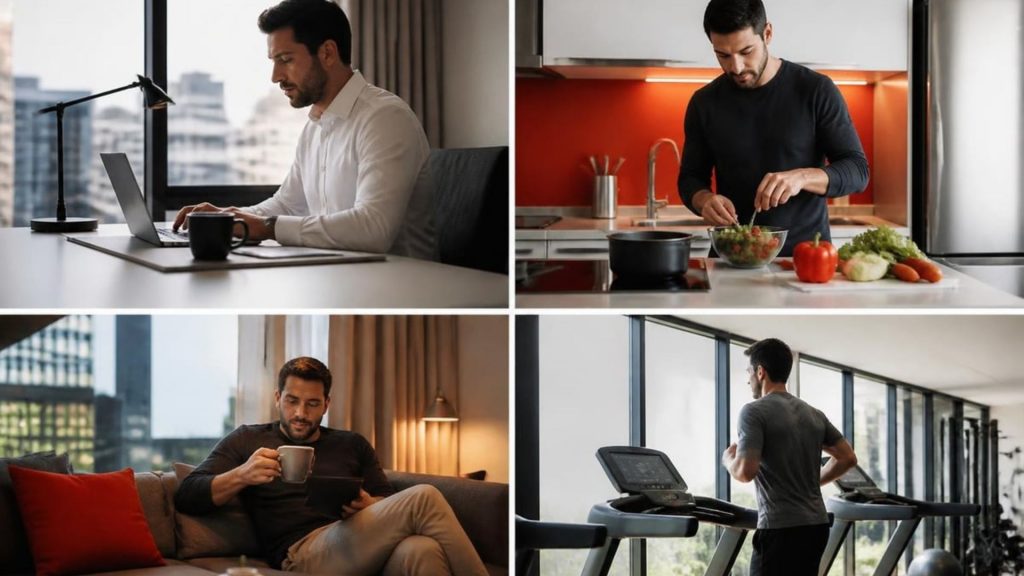
The residential character of these properties appeals particularly to business travelers who spend weeks or months in a single location. Rather than eating every meal in restaurants or working from a hotel bed, guests enjoy the normalcy of preparing meals, hosting small meetings in their living room, and maintaining a routine similar to home.
Market Growth and Investment Trends
The apartments hotel sector has attracted substantial investor interest throughout 2026, driven by strong occupancy rates and revenue performance. According to JLL’s extended-stay hotel outlook, this segment continues to outperform traditional hotel categories in key metropolitan markets, with developers responding to corporate demand for quality extended-stay options.
European markets have demonstrated similar momentum, with Savills Research highlighting robust pipeline growth across serviced apartment properties in major business hubs. This expansion reflects both corporate relocations and the increasing prevalence of project-based work requiring temporary housing solutions.
Types of Apartments Hotel Accommodations
Different travelers require different spatial configurations, prompting apartments hotel operators to offer varied unit types that address specific needs and group sizes.
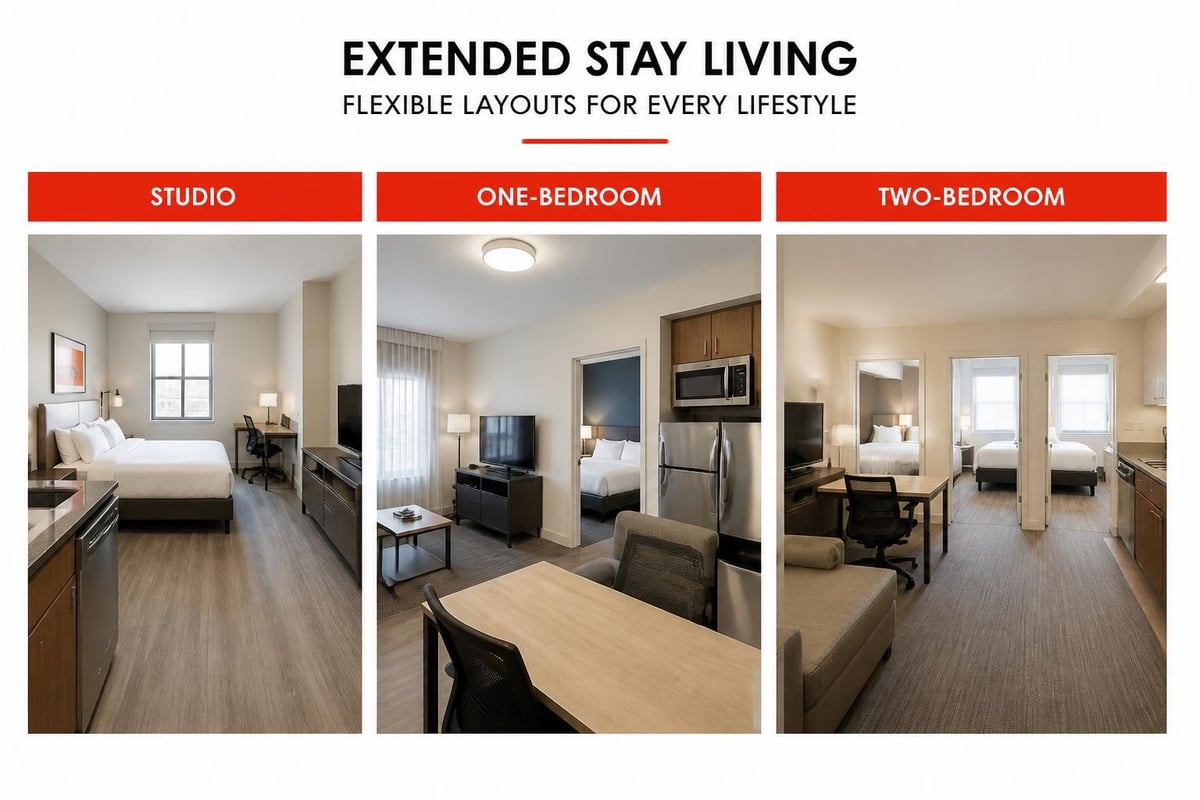
| Unit Type | Typical Size | Best For | Standard Features |
|---|---|---|---|
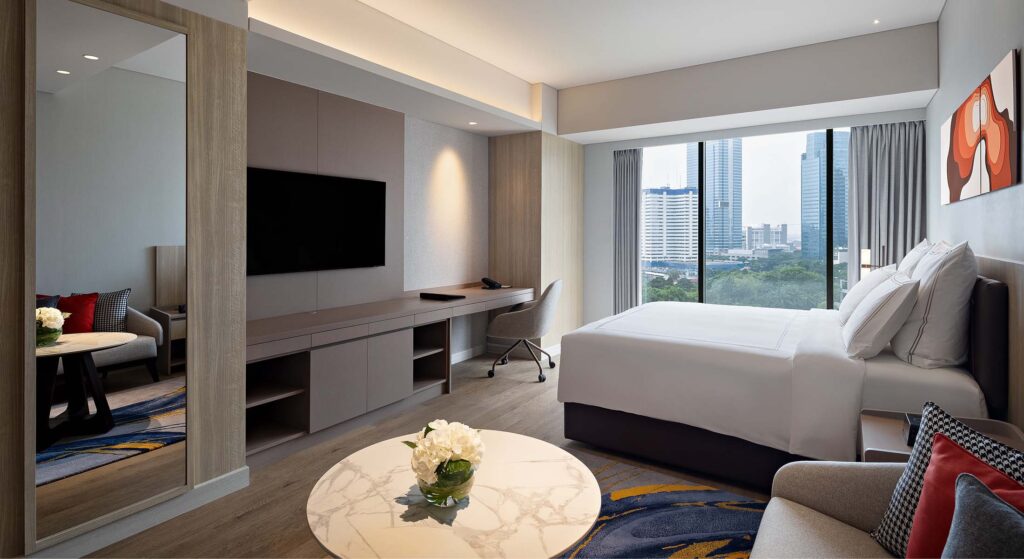
| Studio | 30-45 sqm | Solo business travelers, short stays | Combined living/sleeping area, kitchenette, bathroom |
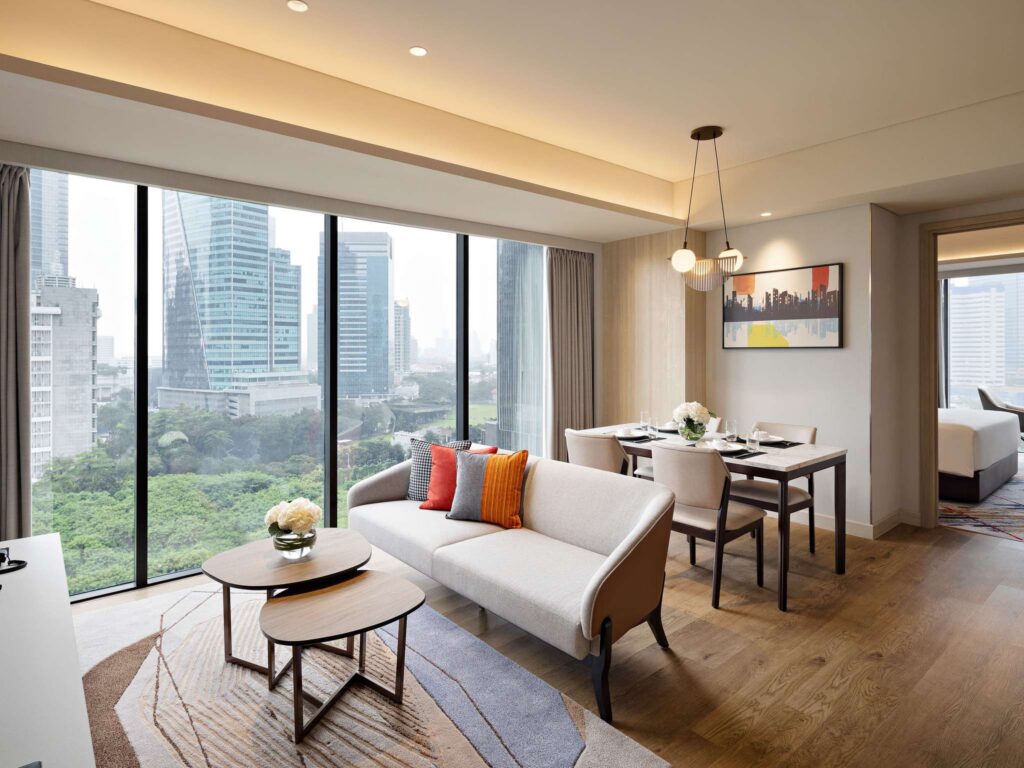
| One-Bedroom | 50-70 sqm | Extended business stays, couples | Separate bedroom, full kitchen, living room |
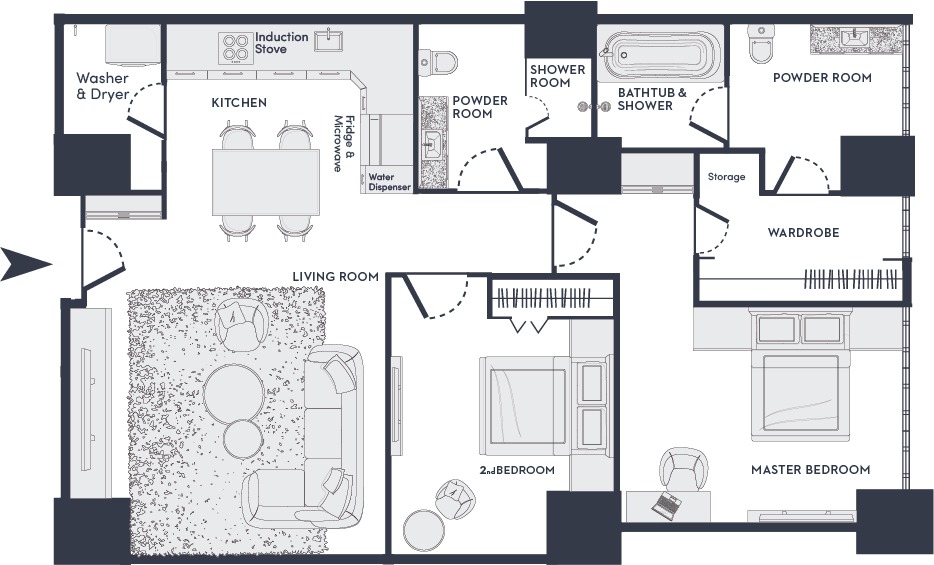
| Two-Bedroom | 80-110 sqm | Families, team relocations | Two bedrooms, full kitchen, dining area |
| Three-Bedroom | 120-150 sqm | Large families, executive housing | Multiple bedrooms, full kitchen, multiple bathrooms |
Studio Apartments for Efficient Business Stays
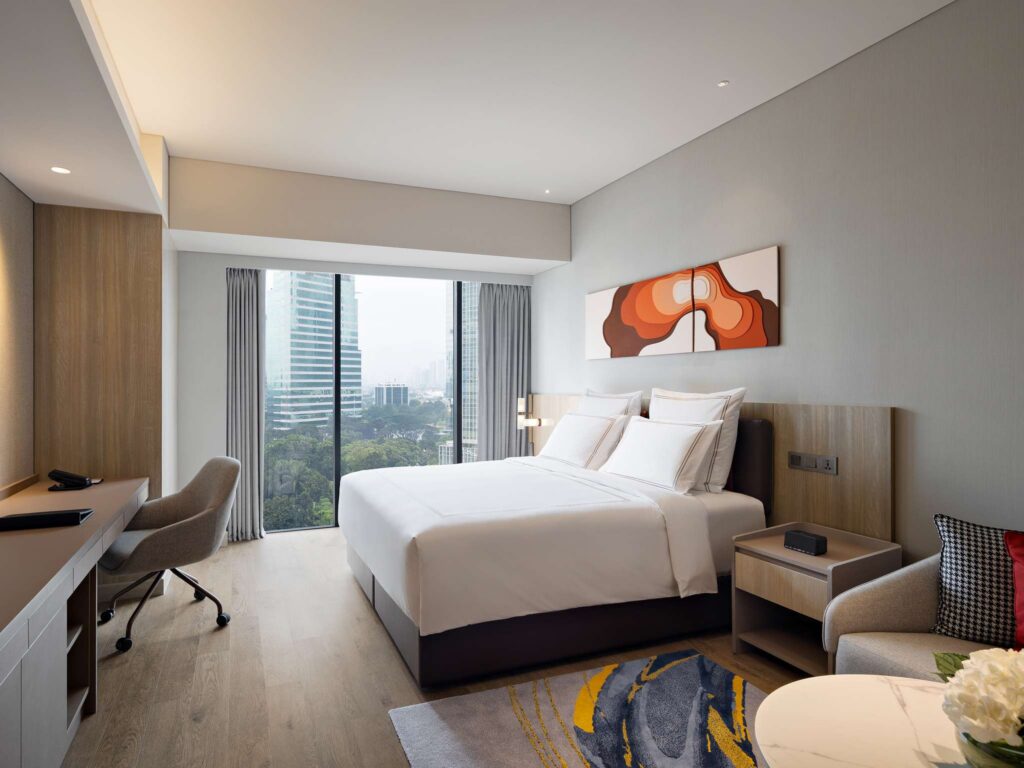
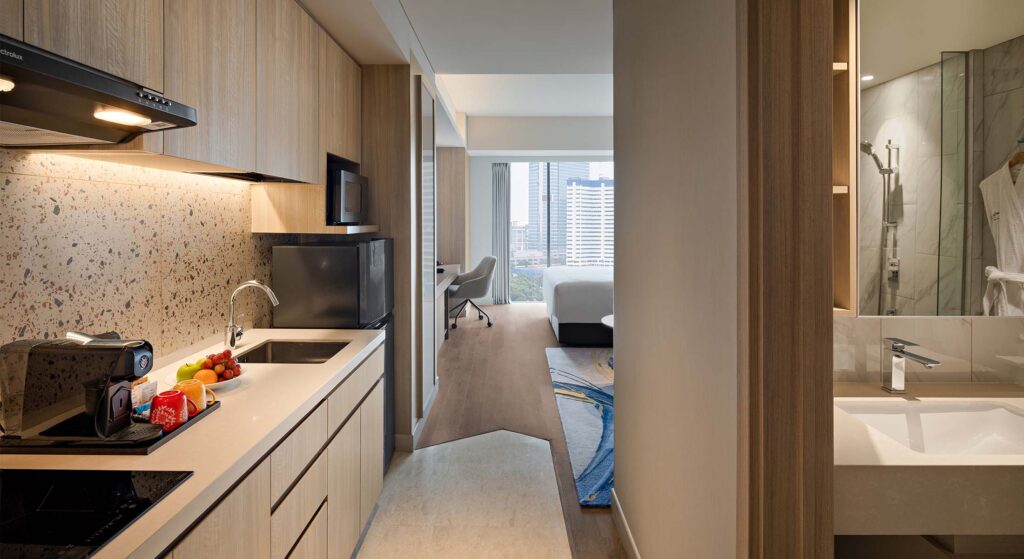
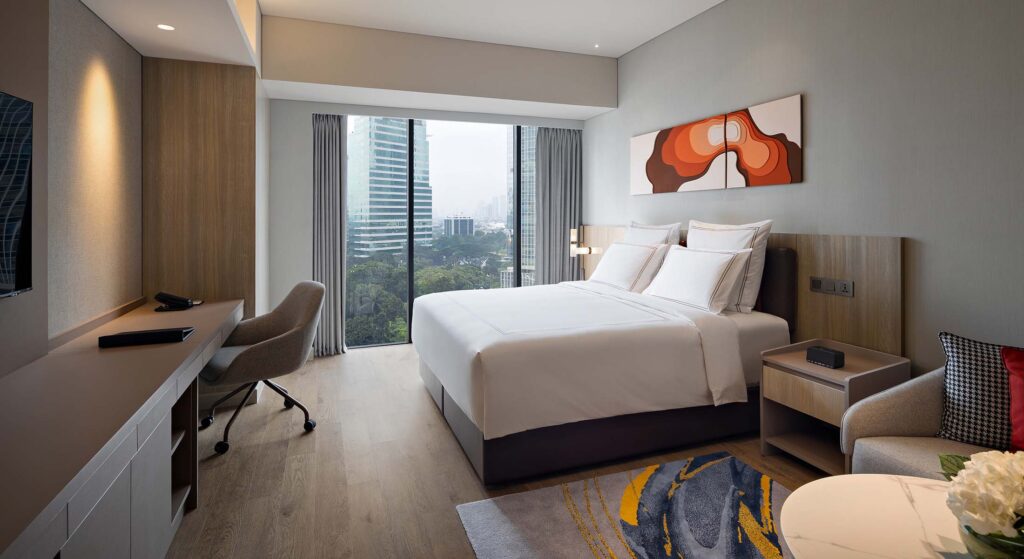
Studio units within an apartments hotel provide an economical option for business professionals requiring more than a standard hotel room but less than a full apartment. These spaces typically incorporate a well-designed layout that maximizes functionality within a compact footprint, including a sleeping area, workspace, kitchenette with essential appliances, and bathroom facilities.
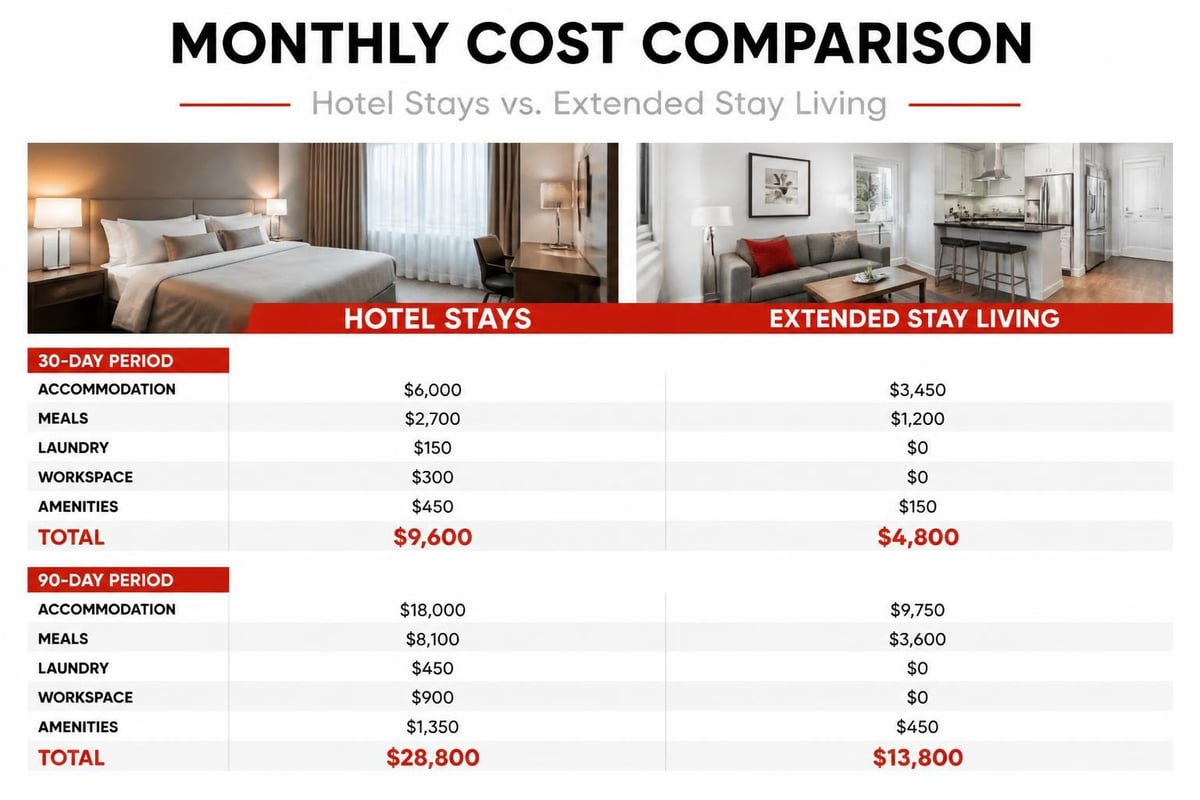
The efficiency of studio apartments makes them particularly suitable for consultants, project managers, and other professionals on assignments lasting several weeks to a few months. The presence of cooking facilities allows guests to maintain dietary preferences and reduce meal expenses, while the integrated living space provides adequate room for relaxation after work hours.
Multi-Bedroom Options for Families and Teams
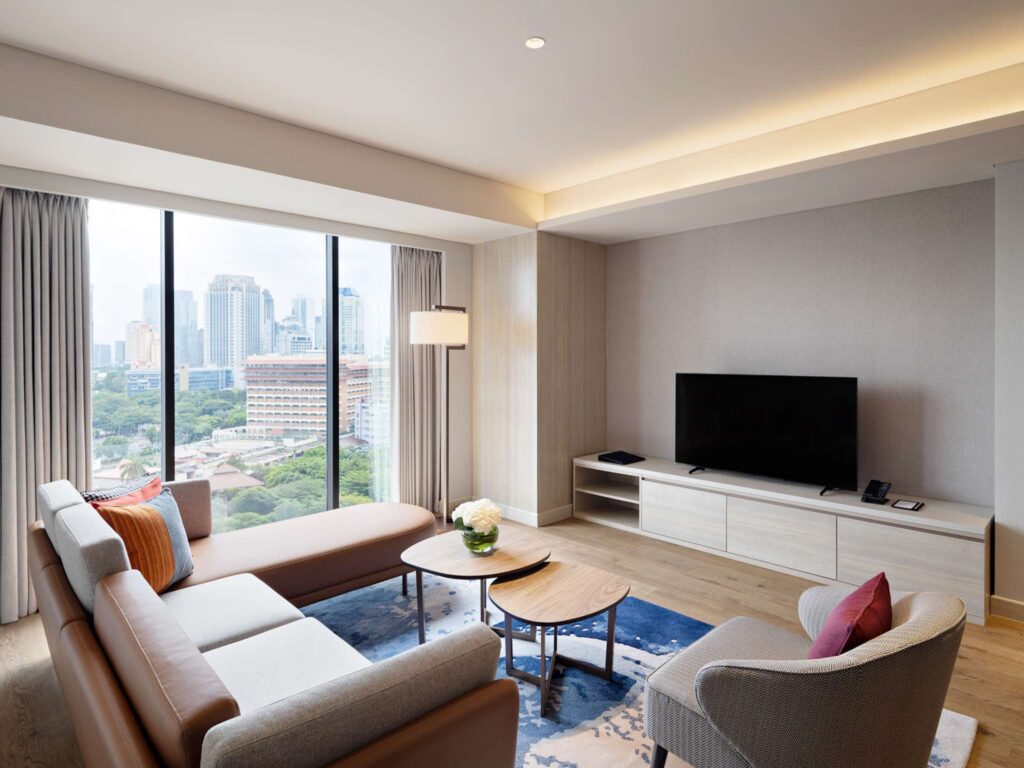
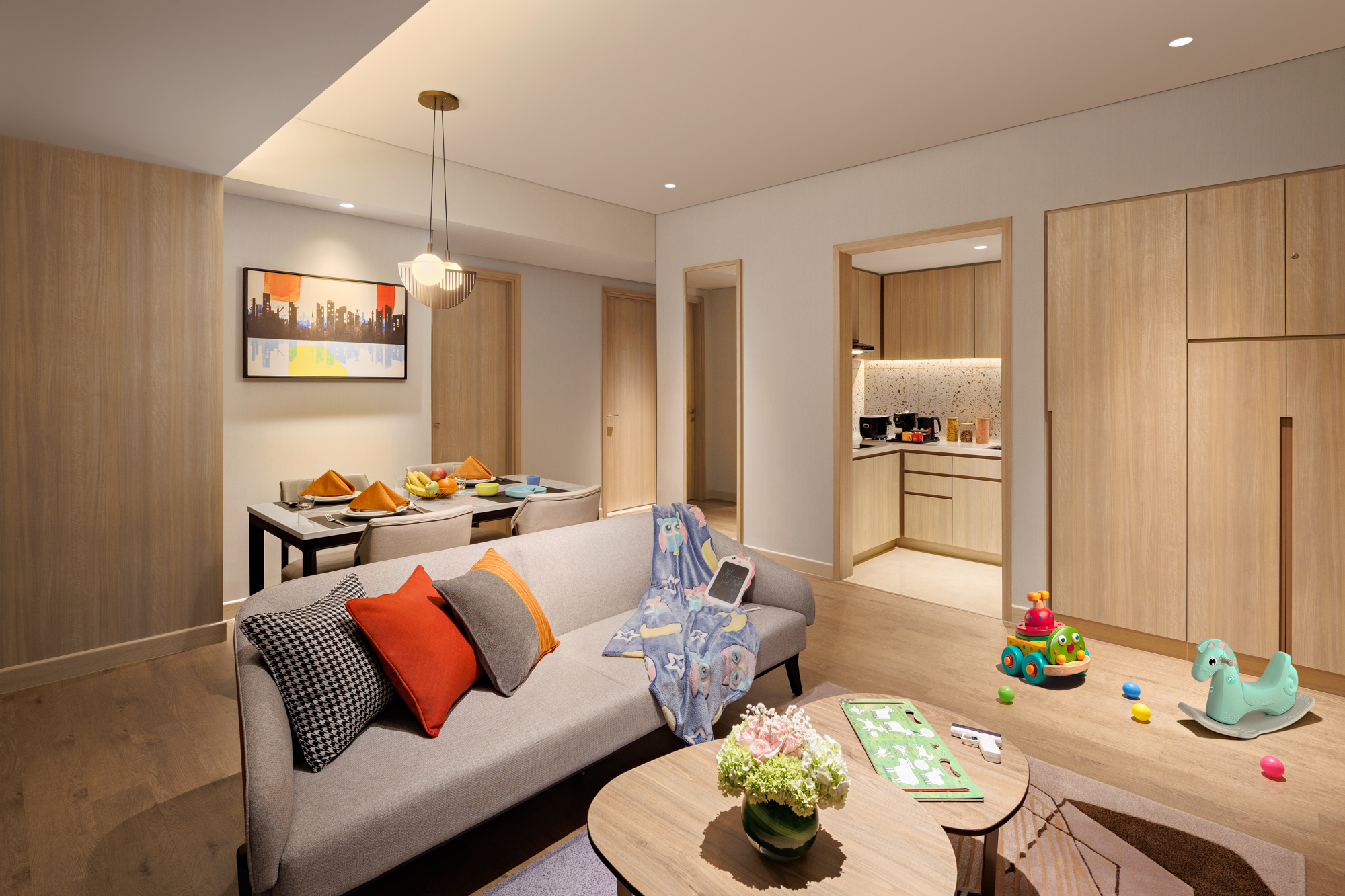
Larger apartments hotel units cater to families relocating to a new city or corporate teams requiring proximity during intensive project periods. Two-bedroom and three-bedroom residences provide the spatial separation necessary for privacy while keeping household members or colleagues within the same accommodation.
These larger units prove especially valuable for expatriate families settling into a new location before securing permanent housing. Parents appreciate having dedicated bedrooms for children, a proper kitchen for family meals, and living areas that recreate the feel of a home environment during a transitional period.
Location Strategy in Business Districts
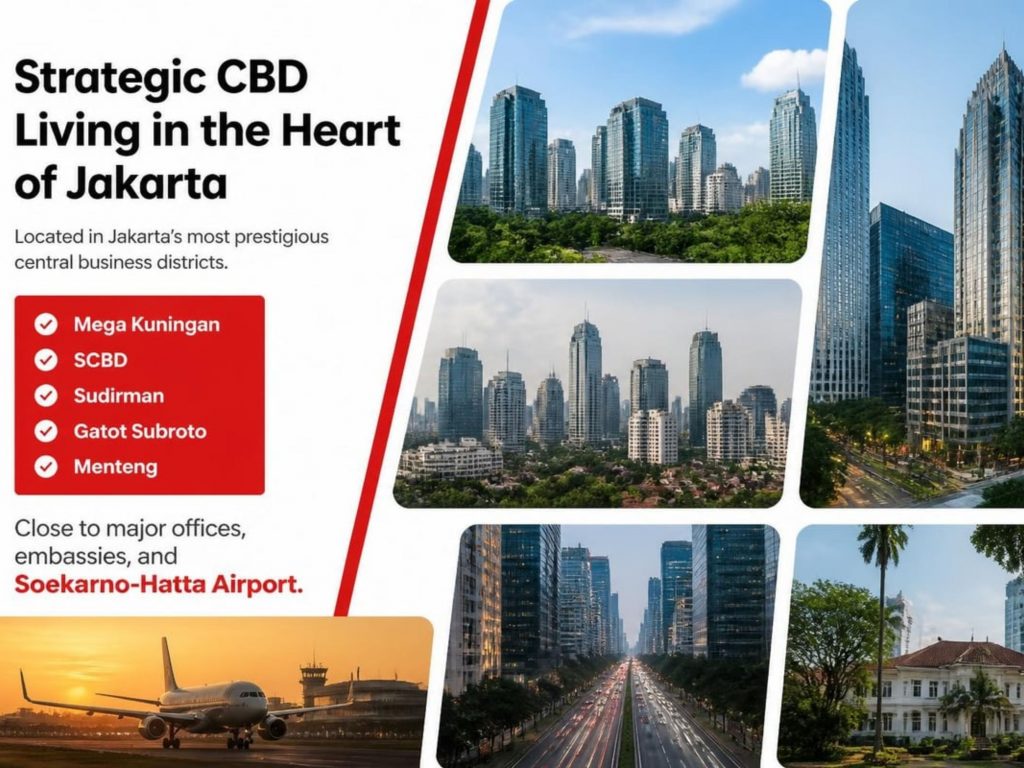
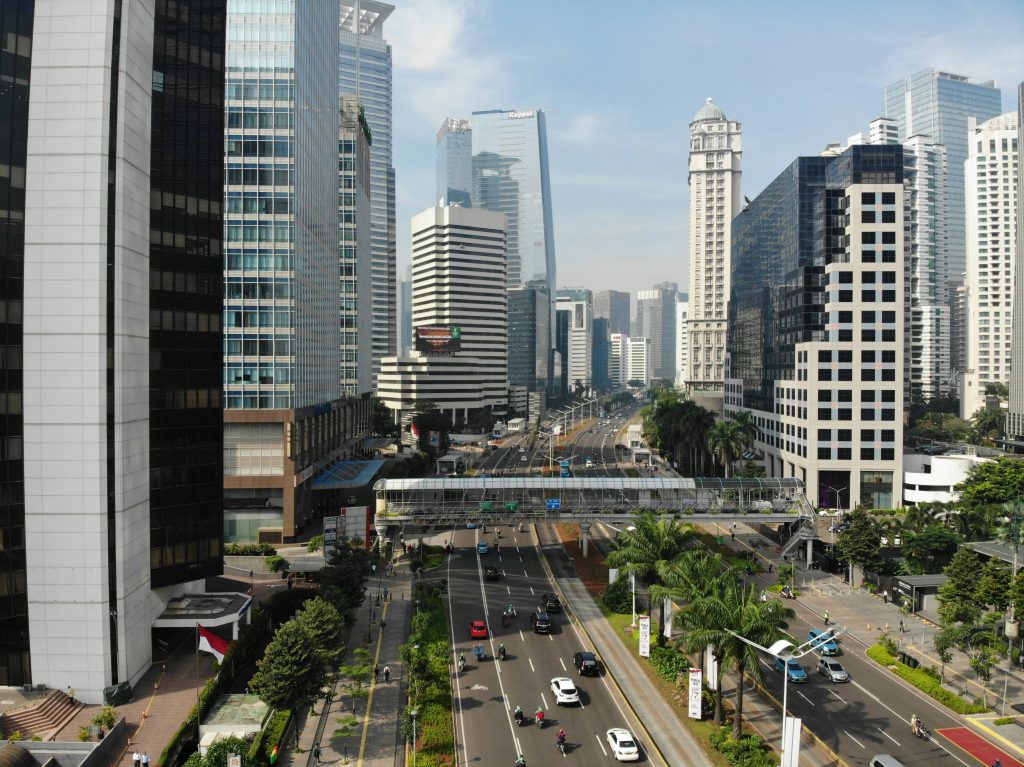
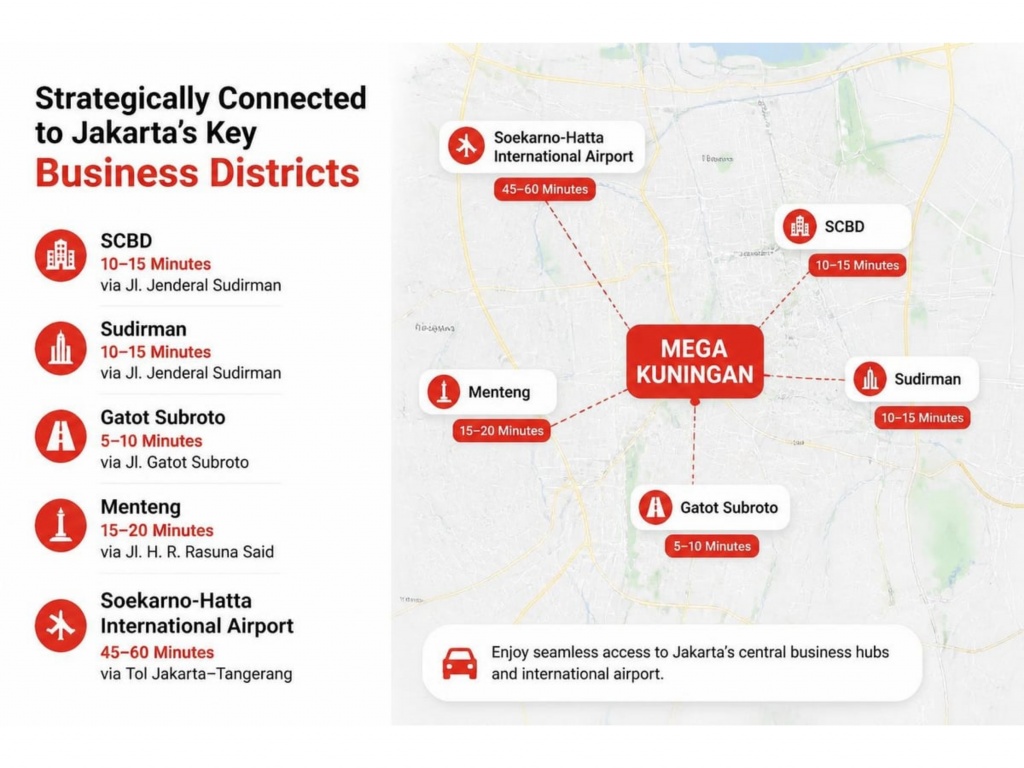
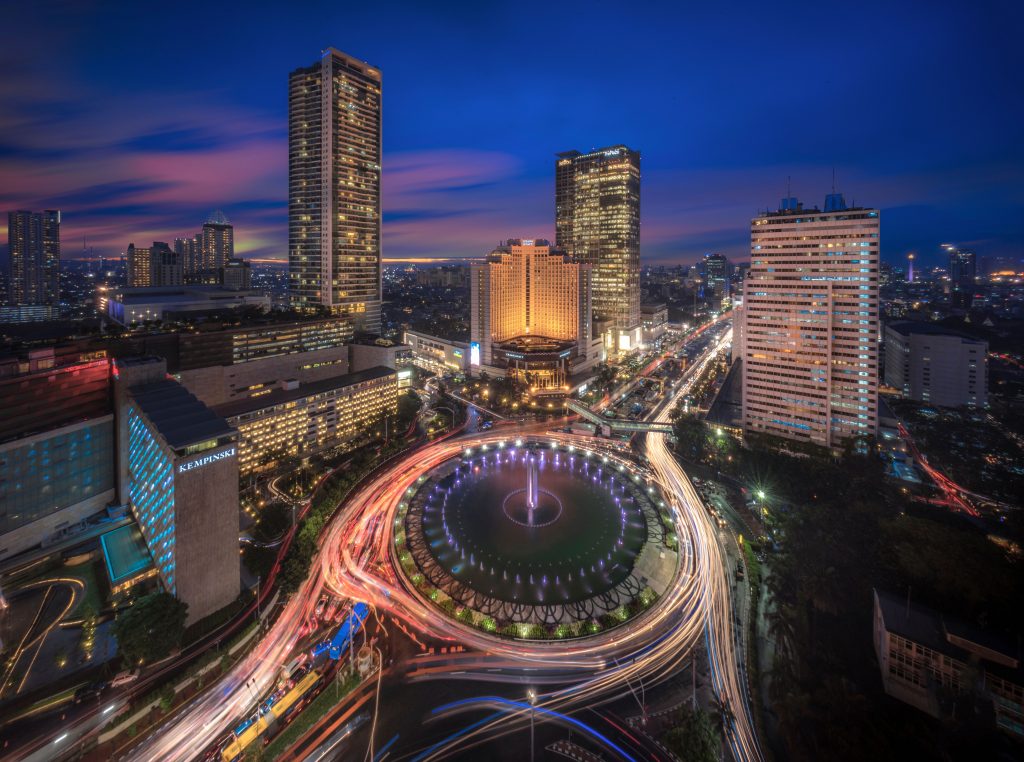
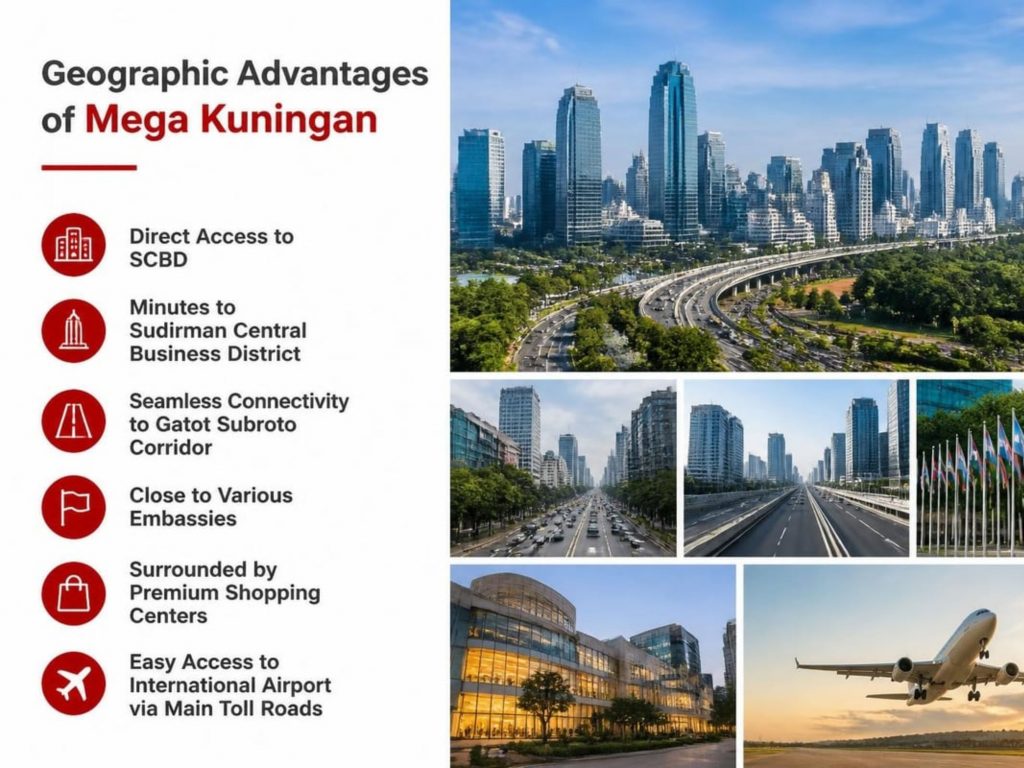
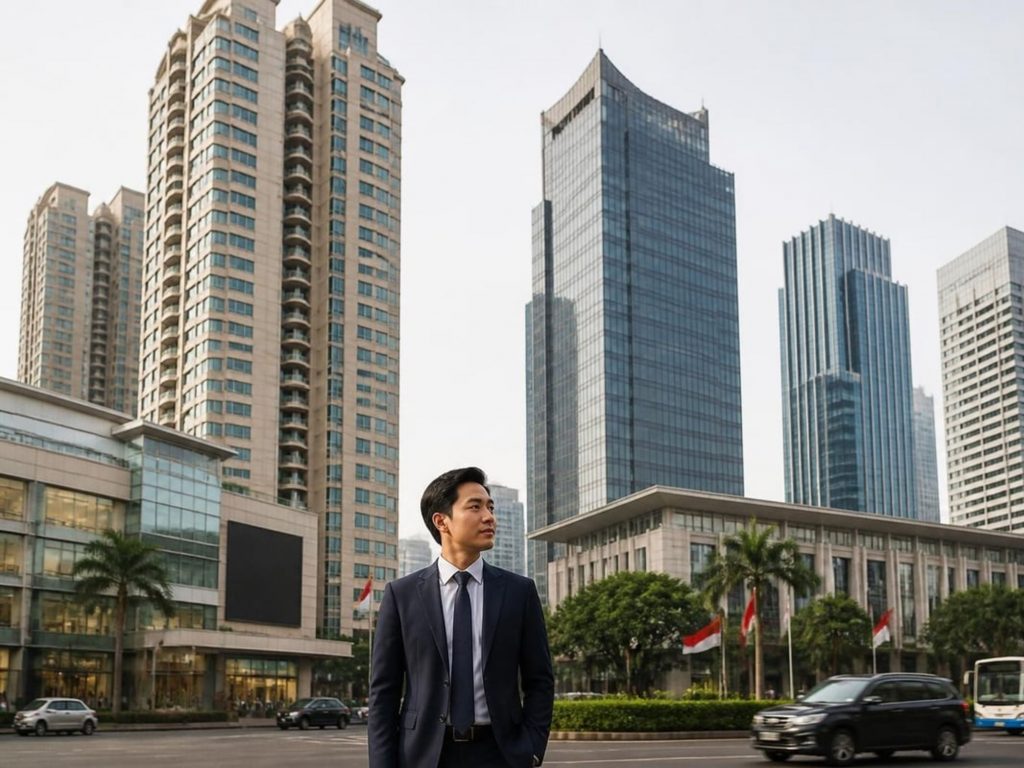
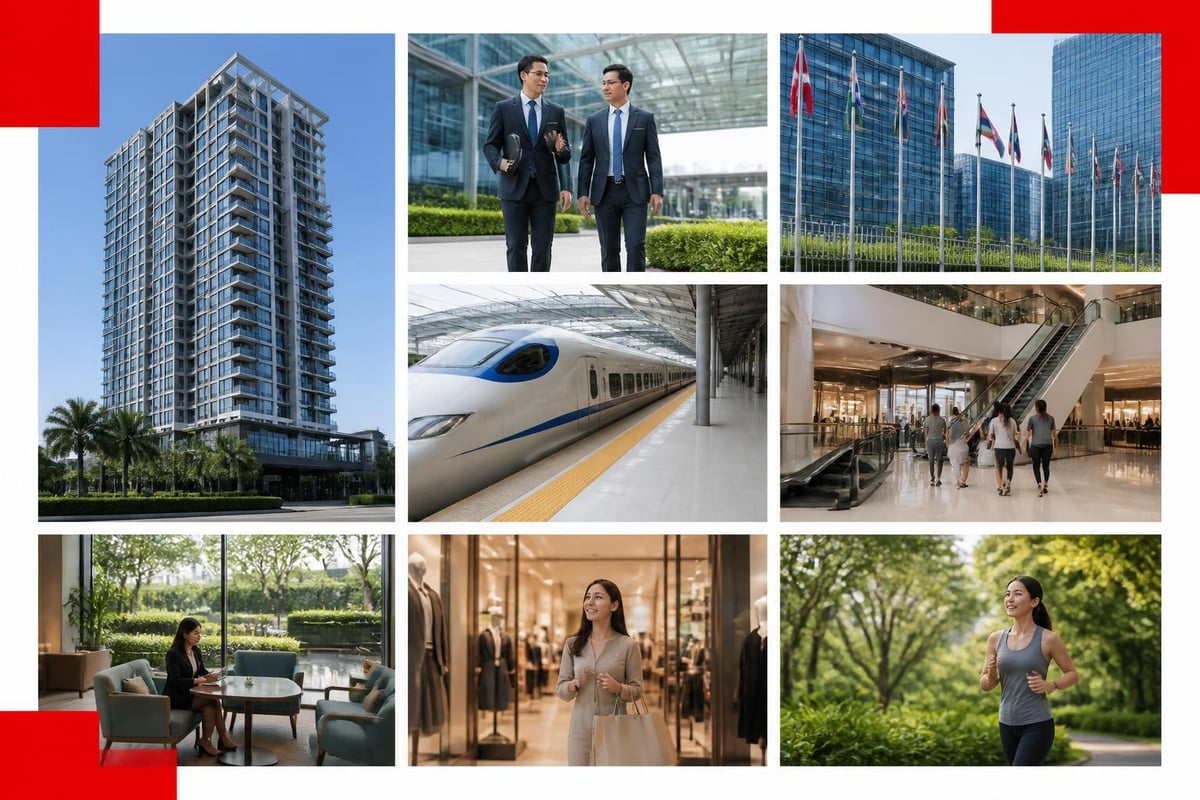
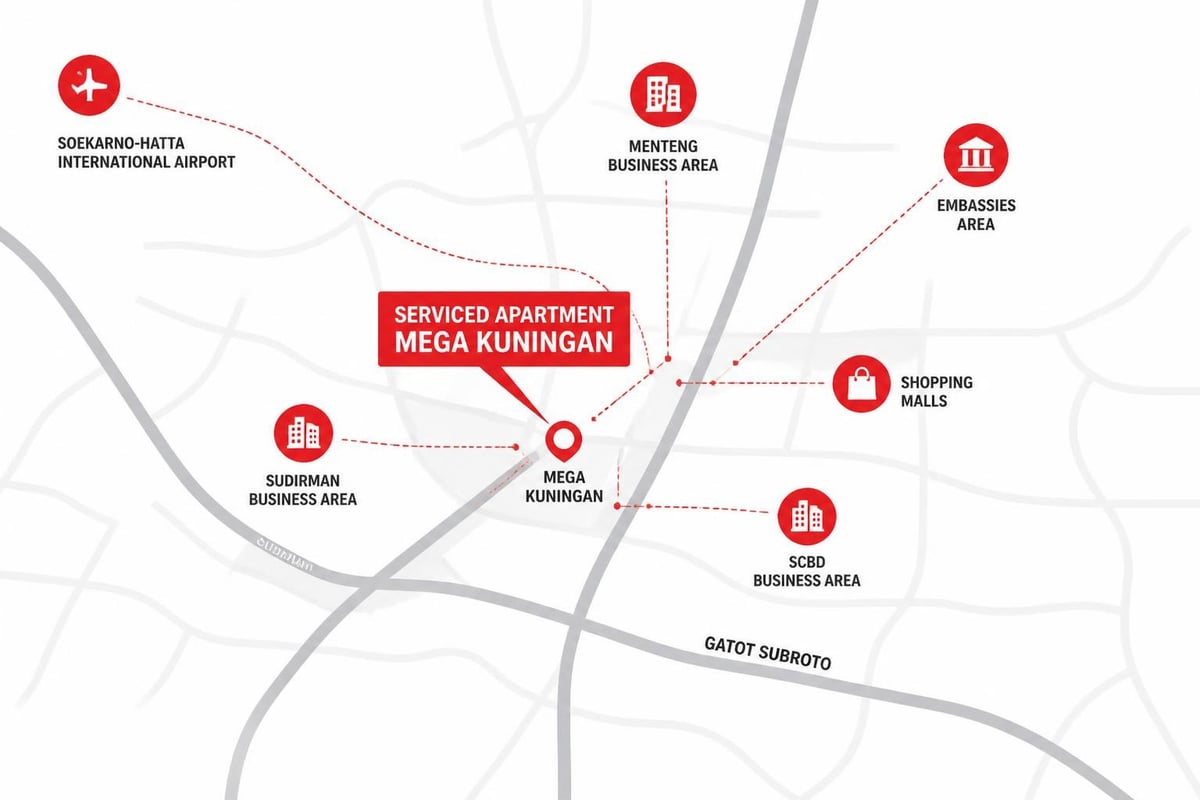
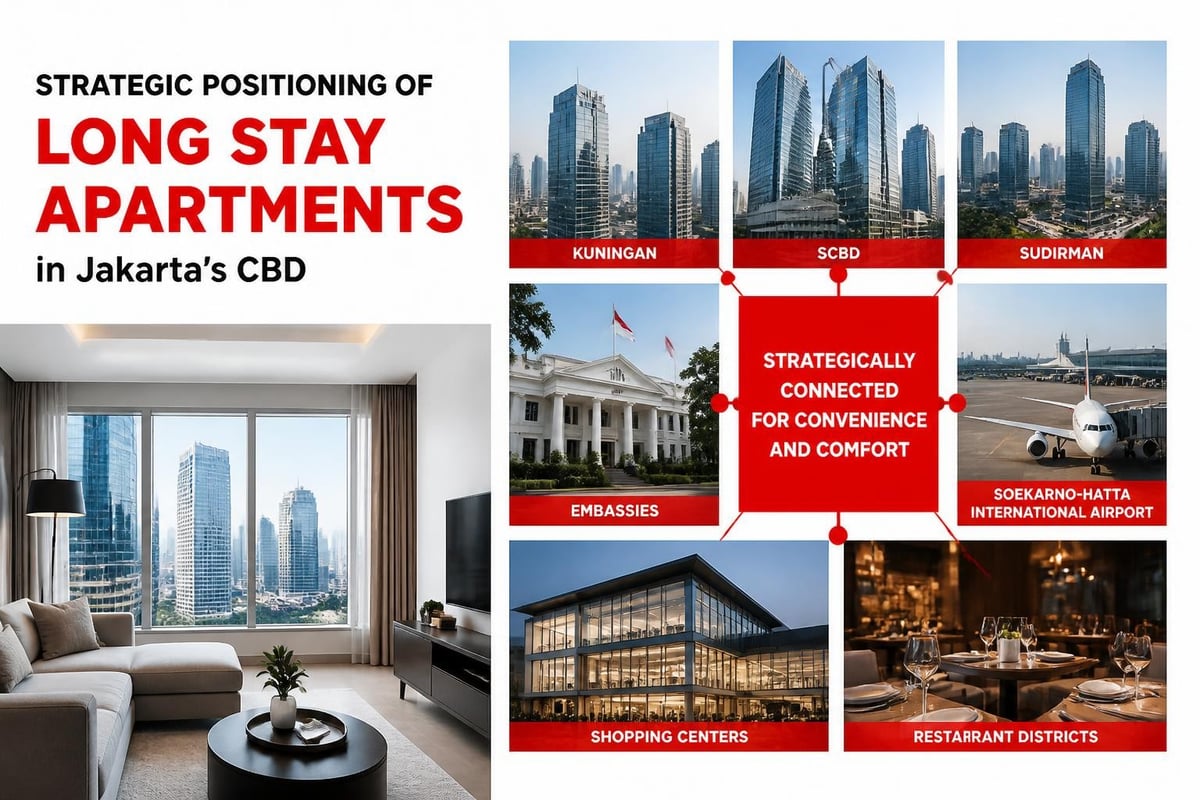
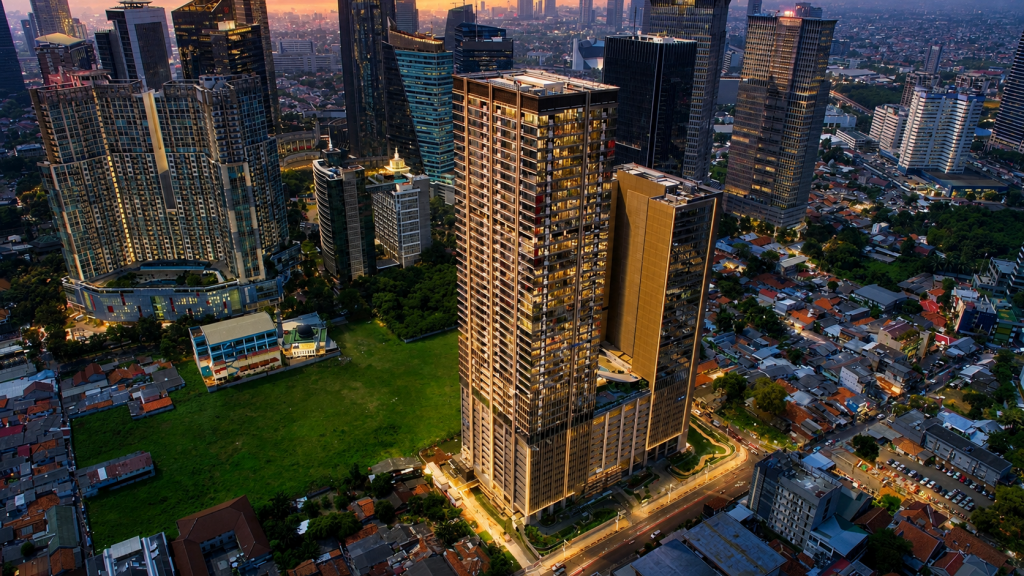
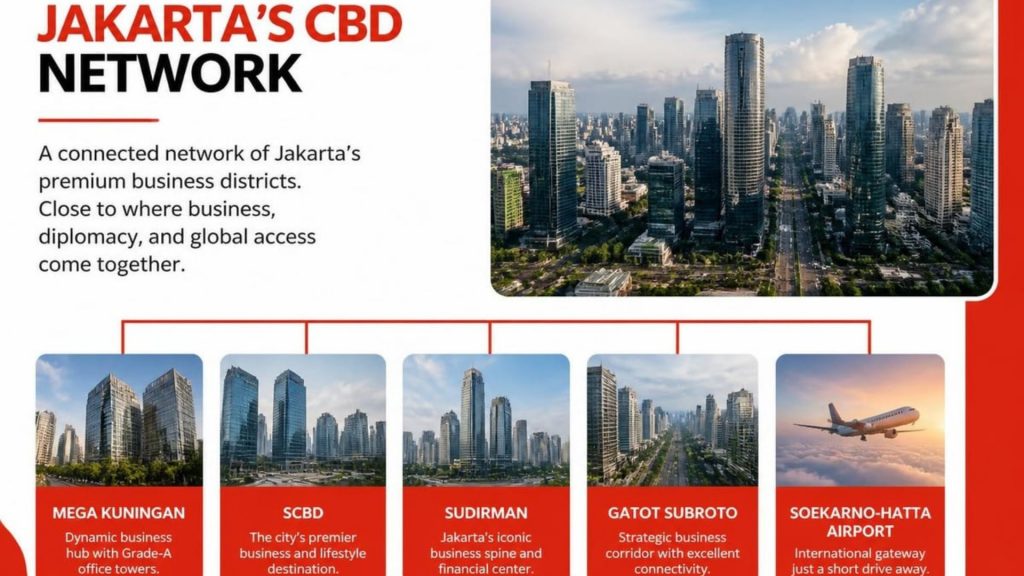
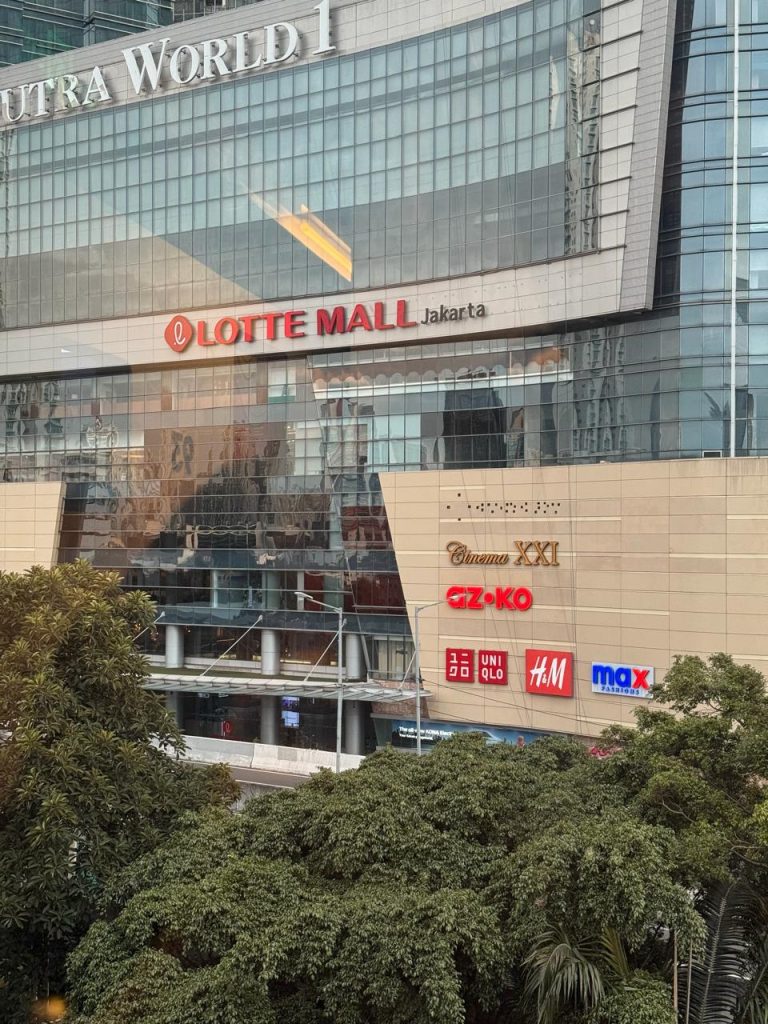
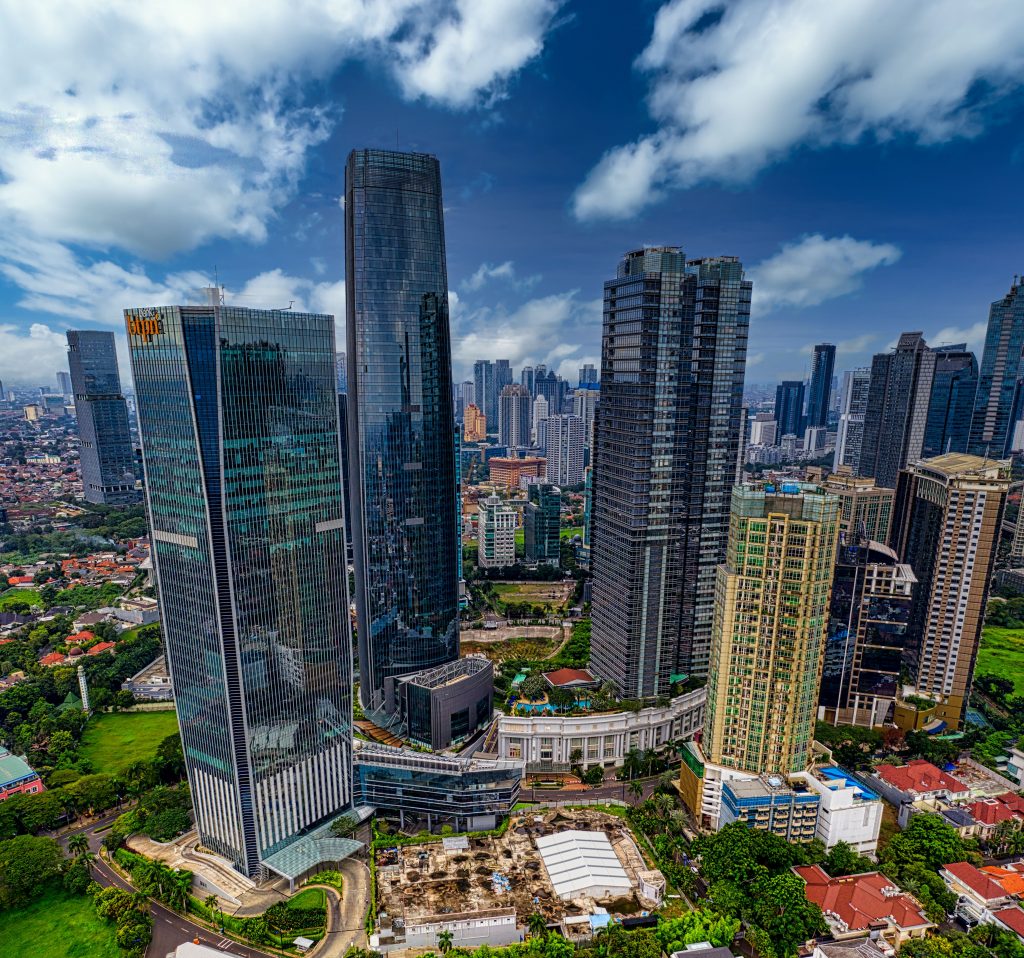
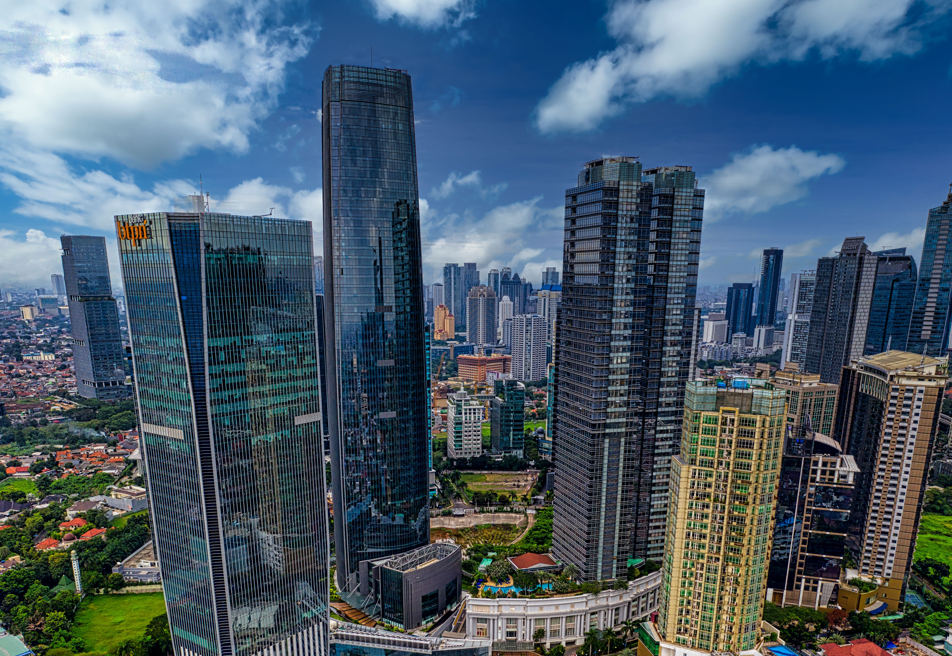
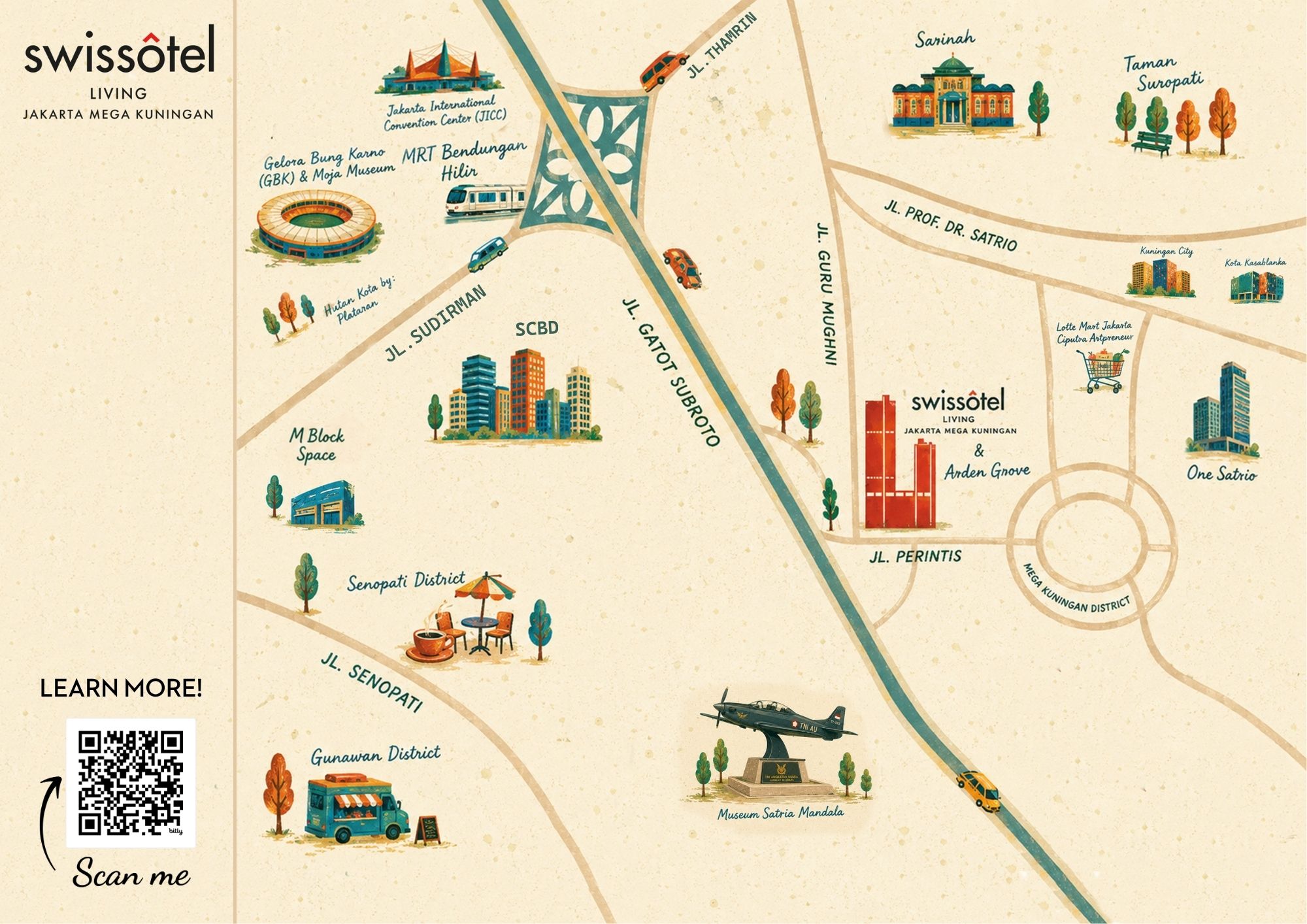
The most successful apartments hotel properties position themselves within or near central business districts, where corporate demand concentrates and access to offices, transportation, and services remains optimal. Properties in areas like Mega Kuningan, SCBD, and Sudirman in Jakarta, or similar CBD locations globally, maintain higher occupancy rates due to their proximity to multinational corporations, embassies, and financial institutions.
Accessibility and Transportation Connections
Location selection for an apartments hotel prioritizes several transportation factors:
- Proximity to major office districts (within 15-minute commute)
- Airport connectivity through direct highways or rail links
- Public transportation access for daily commuting
- Walkability to restaurants and services for convenience
- Taxi and ride-share availability for flexible mobility
Business travelers selecting an apartments hotel consistently rank location as their primary decision factor, often prioritizing proximity to their workplace over price or unit size. Properties that offer quick access to multiple business districts expand their potential customer base significantly.

Flexible Stay Durations and Pricing Models
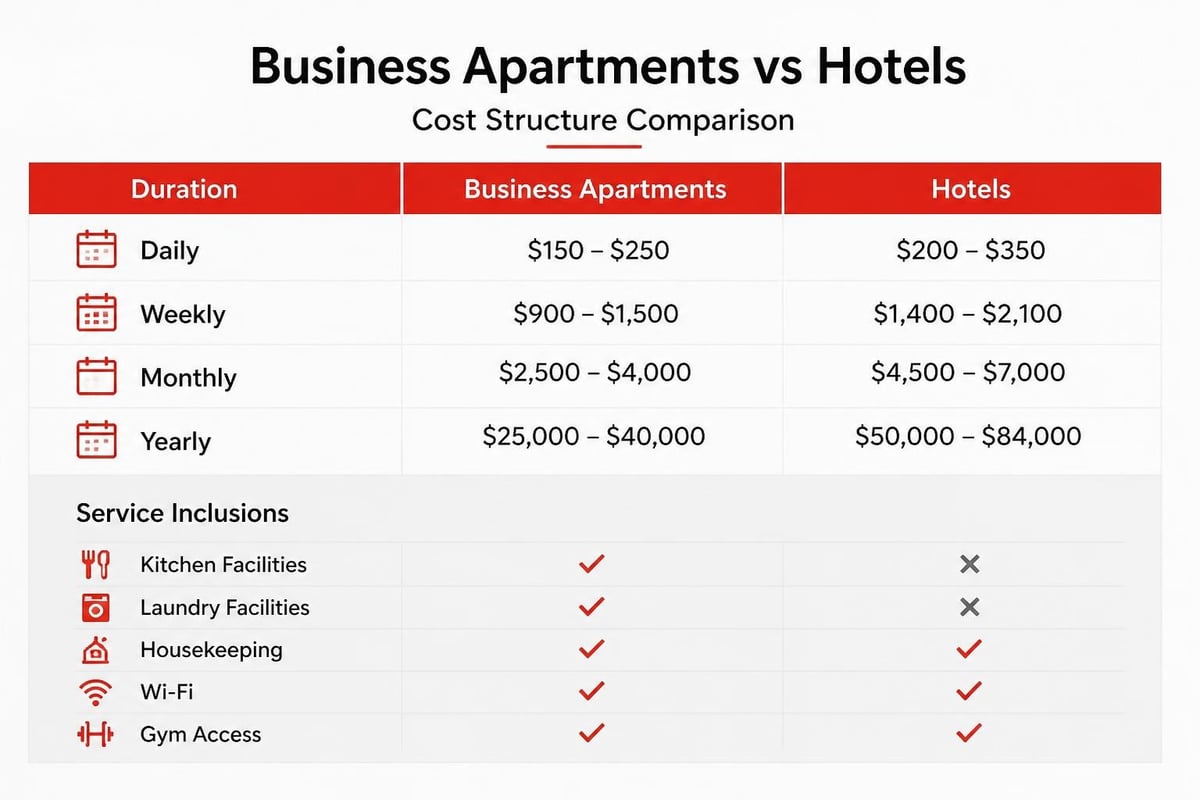
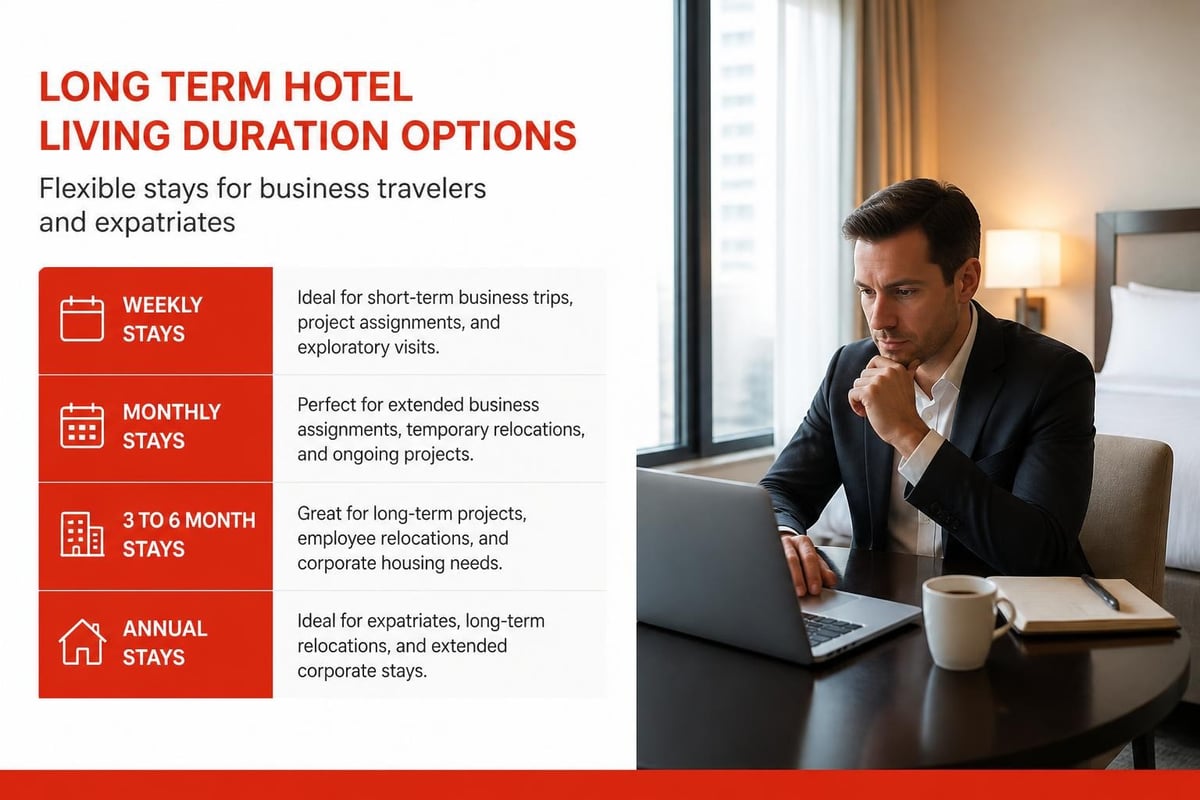
One defining characteristic of the apartments hotel category involves the flexibility of stay durations and corresponding pricing structures. Unlike traditional hotels that primarily accommodate nightly bookings or conventional apartments requiring annual leases, these properties adapt to various timeframes.
Daily and Weekly Rates for Short Assignments
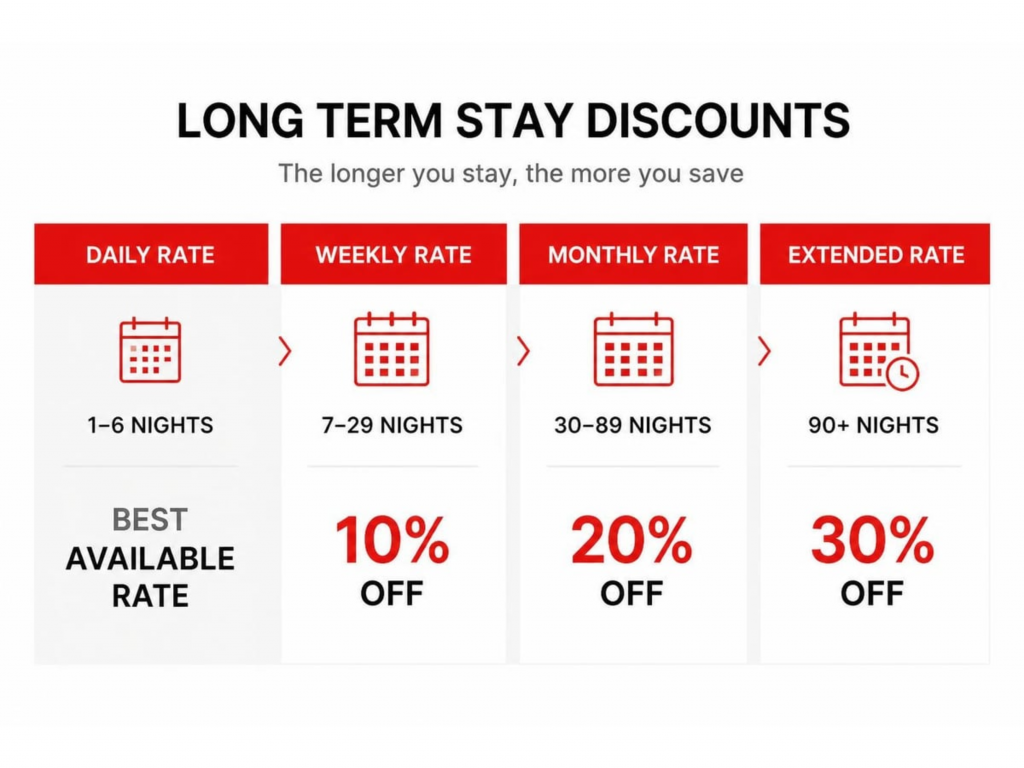
Short-term stays ranging from a few days to several weeks receive daily or weekly rates that provide cost savings compared to traditional hotel rooms of equivalent space. Business travelers on project assignments, training programs, or temporary postings benefit from this flexibility without committing to monthly contracts.
The daily rate structure typically includes utilities, internet access, housekeeping services, and access to property amenities. This all-inclusive approach simplifies expense management for corporate travel departments while providing predictable costs for individual travelers.
Monthly and Yearly Contracts for Extended Residence
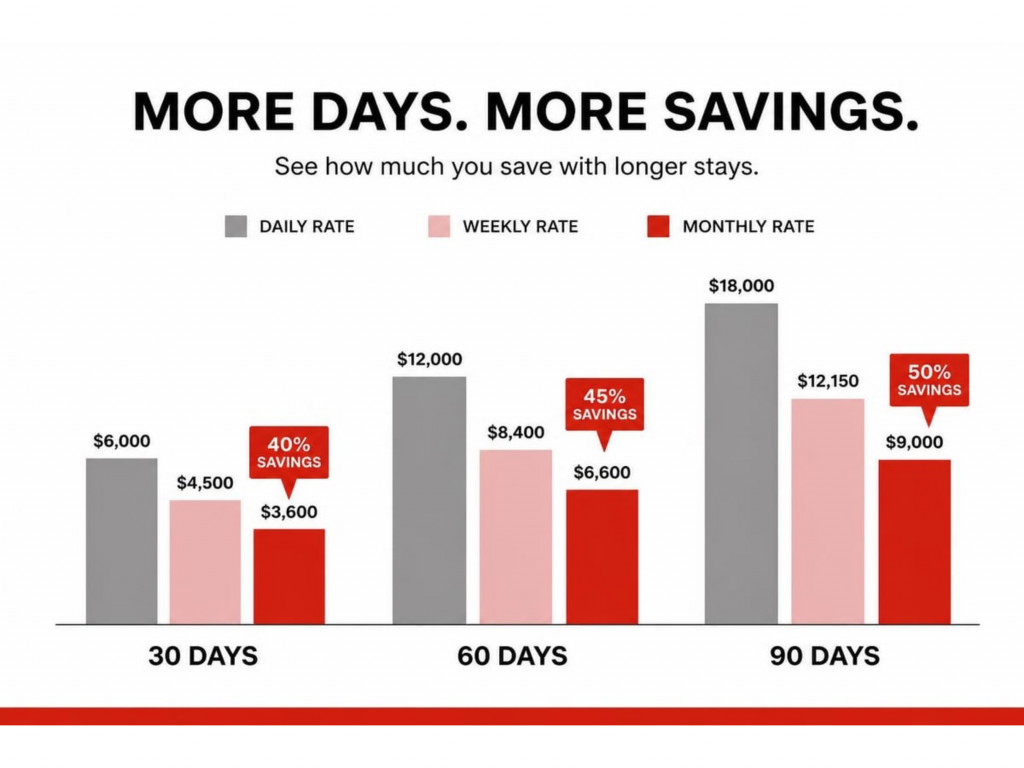
Extended-stay guests, including expatriates, long-term contractors, and families in transition, often negotiate monthly or yearly contracts that deliver substantial discounts compared to daily rates. These arrangements transform an apartments hotel into a temporary home with the security of hotel management and maintenance.
| Stay Duration | Rate Structure | Typical Discount | Services Included |
|---|---|---|---|
| 1-6 nights | Daily rate | Base price | Daily housekeeping, amenities |
| 7-29 nights | Weekly rate | 10-20% off daily | Weekly housekeeping, amenities |
| 30-89 nights | Monthly rate | 30-40% off daily | Bi-weekly housekeeping, amenities |
| 90+ nights | Quarterly/annual | 40-50% off daily | Weekly housekeeping, amenities |
Services and Amenities Beyond the Room
The “hotel” component of apartments hotel properties manifests through professional services and shared facilities that distinguish these accommodations from conventional rental apartments.
Housekeeping and Maintenance Support
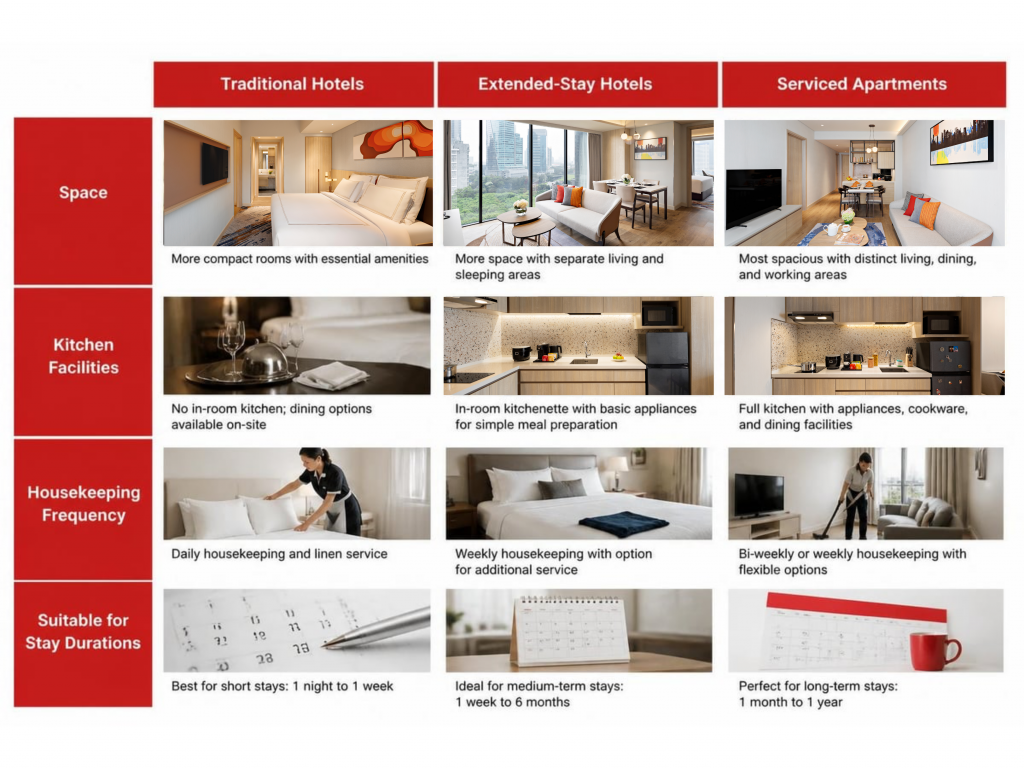
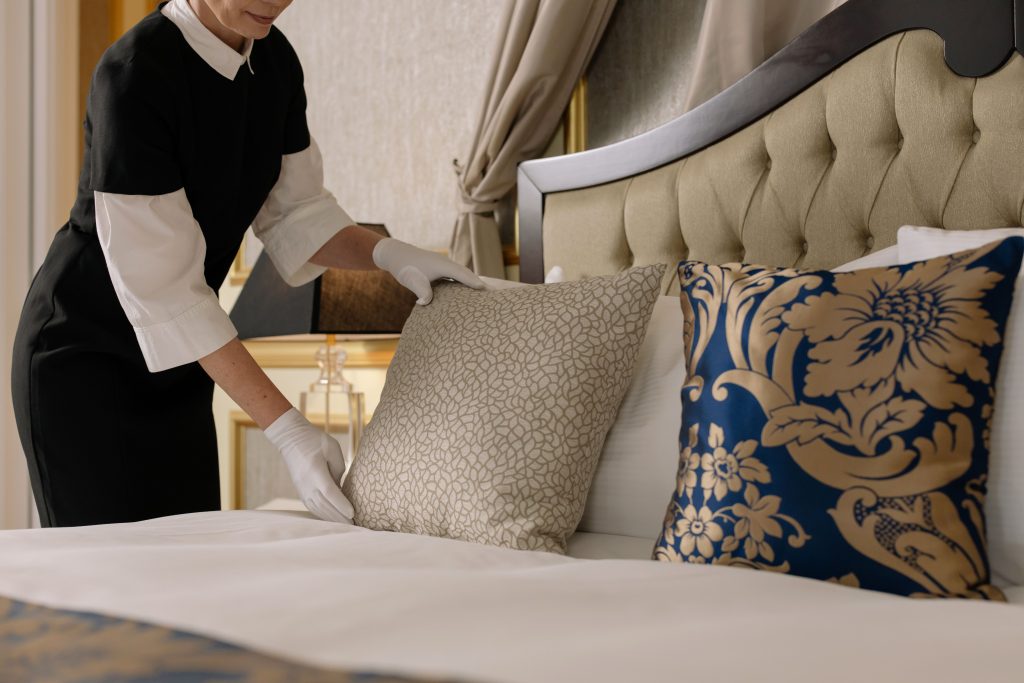
Regular housekeeping services eliminate the domestic burden from guests who prefer to focus on work or exploration rather than cleaning. While the frequency may vary based on stay length (daily for short stays, weekly for monthly guests), the availability of professional cleaning maintains the quality standards guests expect from hotel-branded properties.
Maintenance responsiveness represents another critical service element. When appliances malfunction or facilities require repairs, apartments hotel guests contact the front desk for immediate assistance rather than navigating landlord relationships or service contracts independently.
Fitness and Wellness Facilities
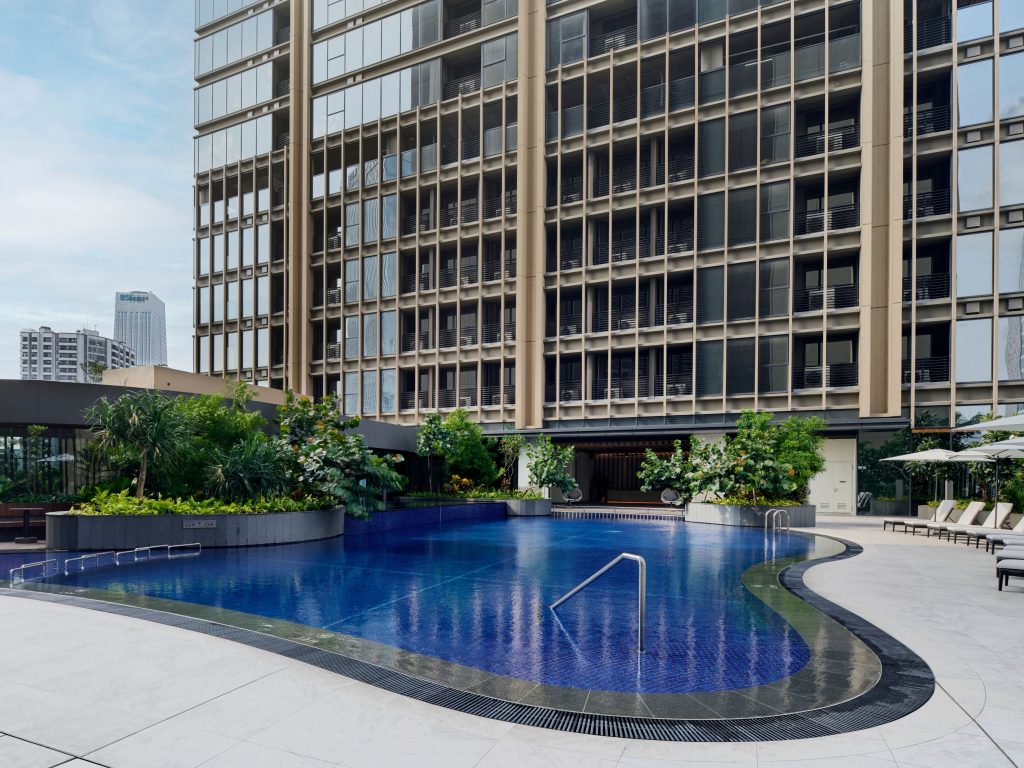
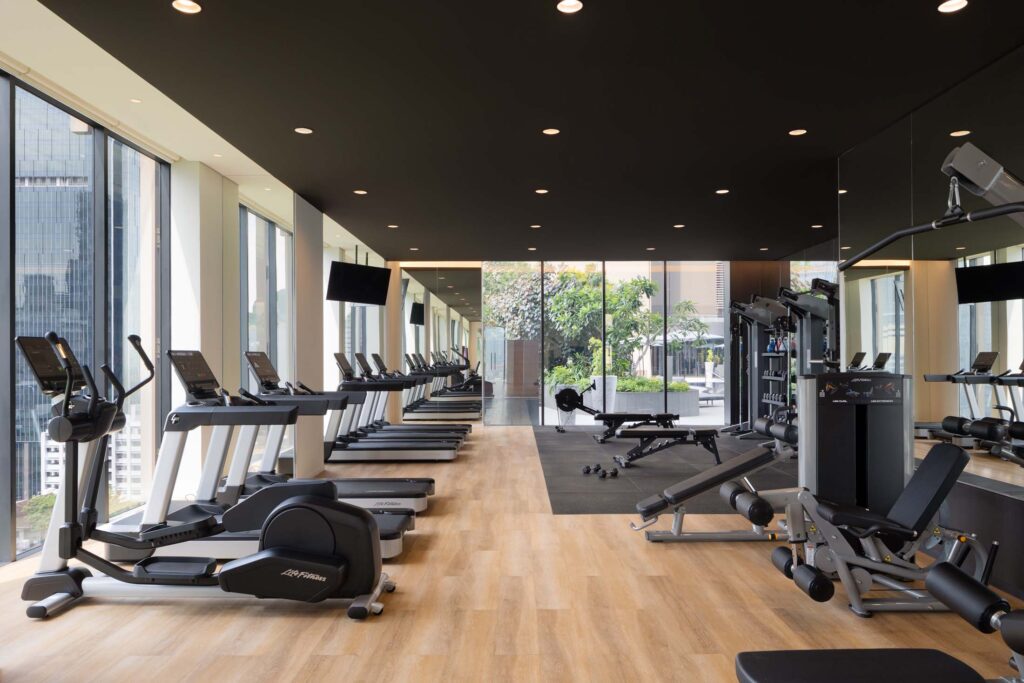
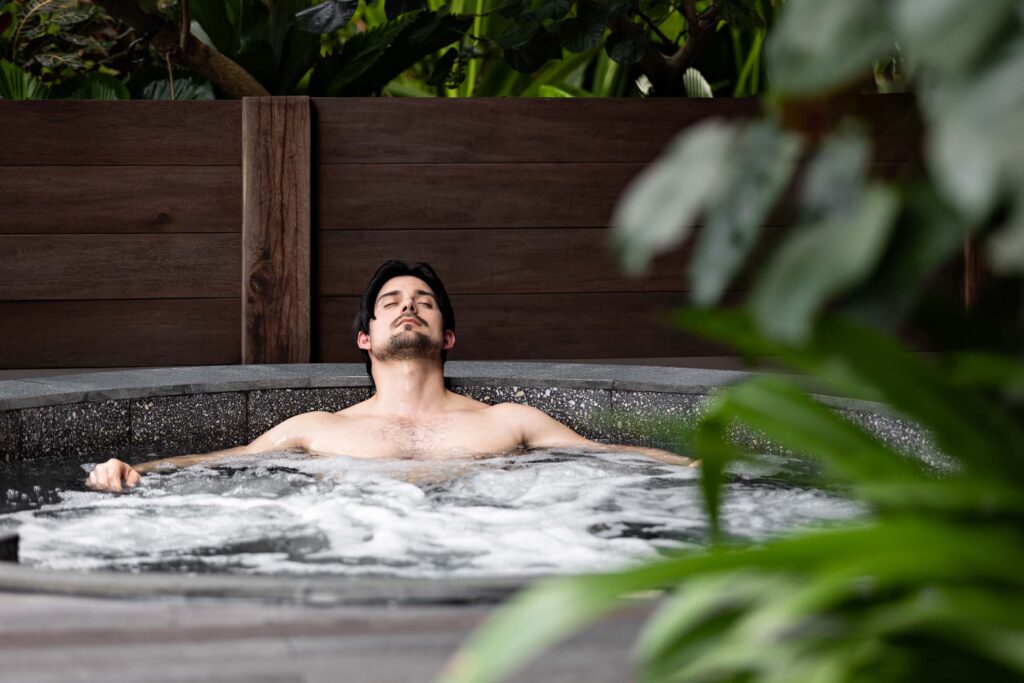
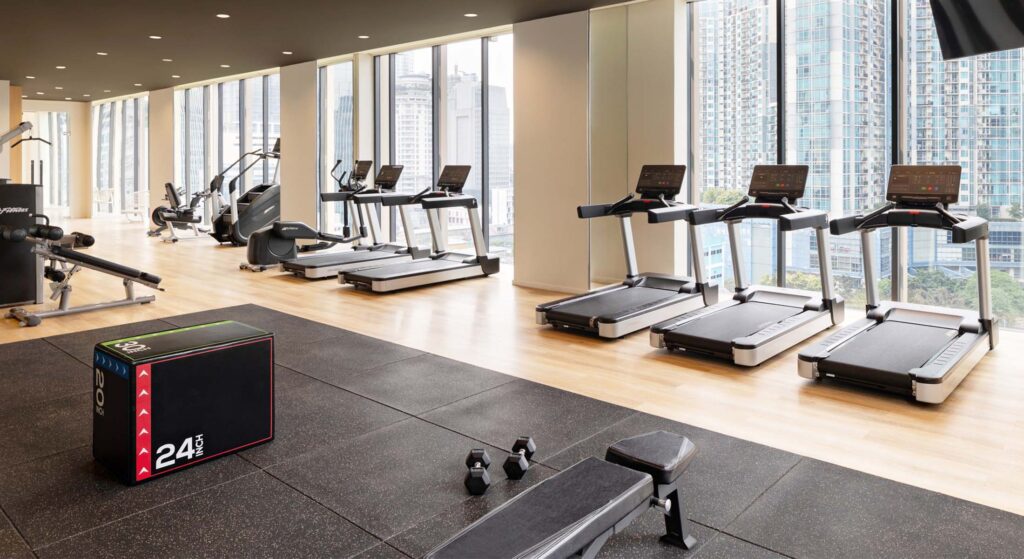
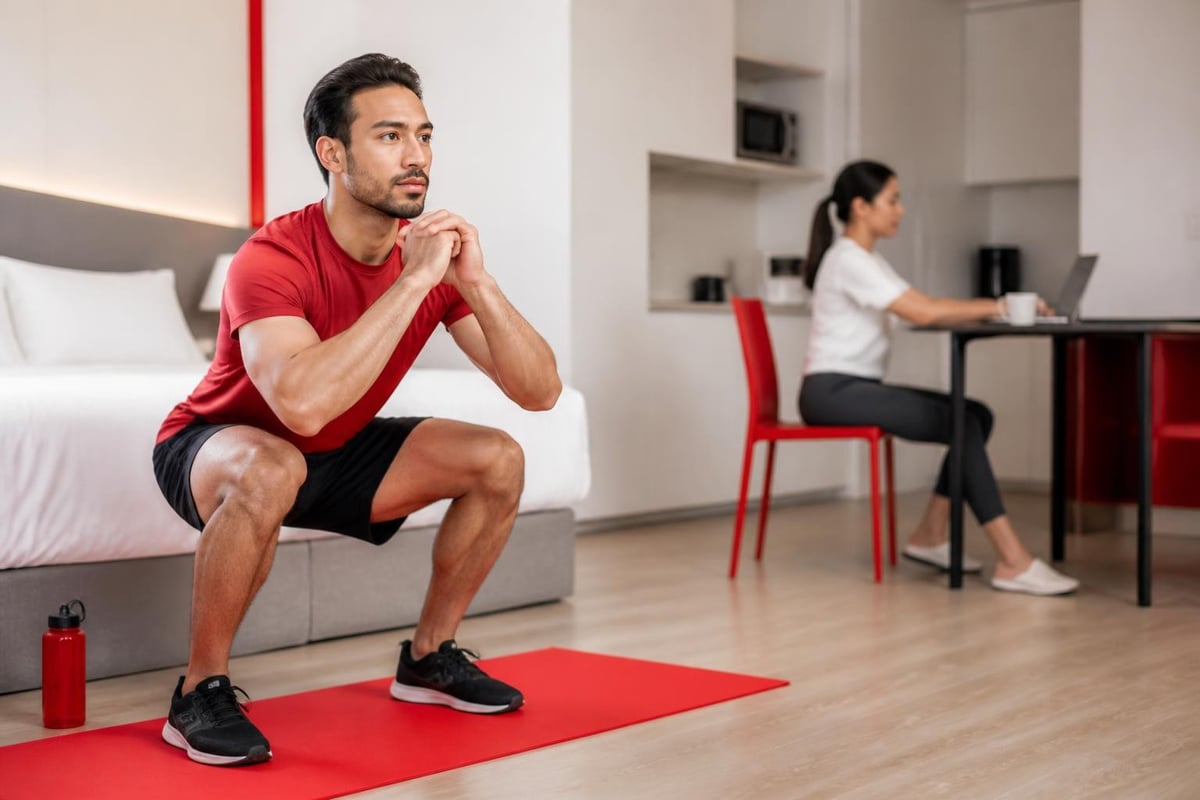
Most quality apartments hotel properties incorporate fitness centers equipped with cardiovascular machines, strength training equipment, and sometimes group exercise spaces. These facilities support guests maintaining health routines during extended stays without requiring external gym memberships.
Additional wellness amenities may include:
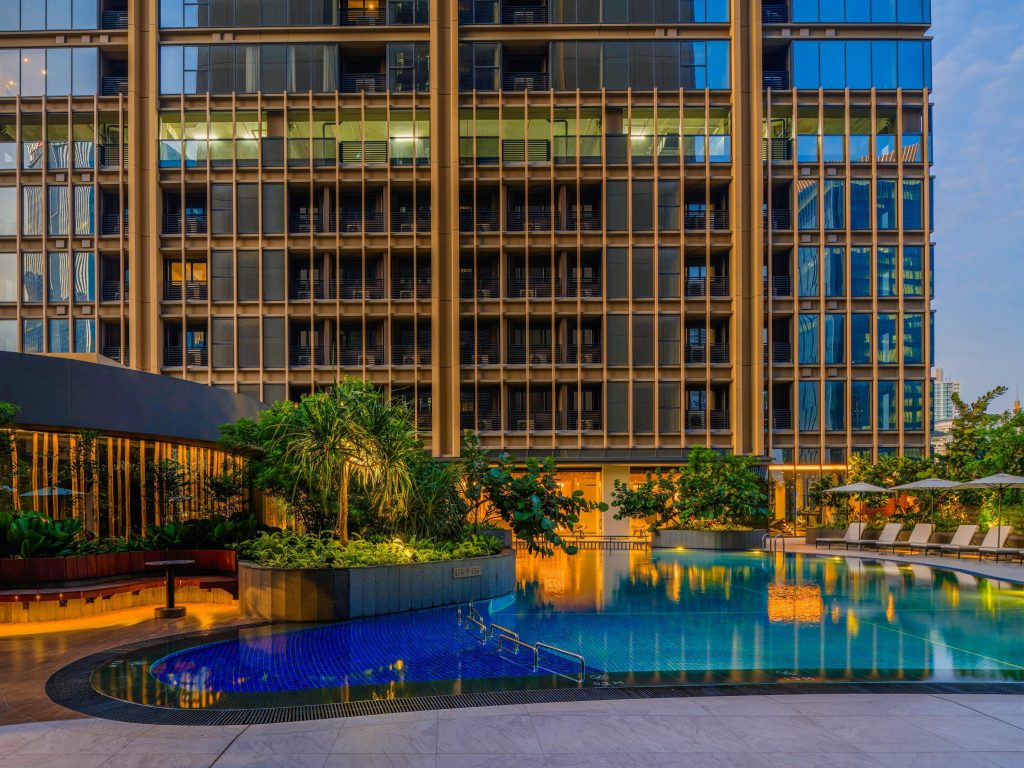
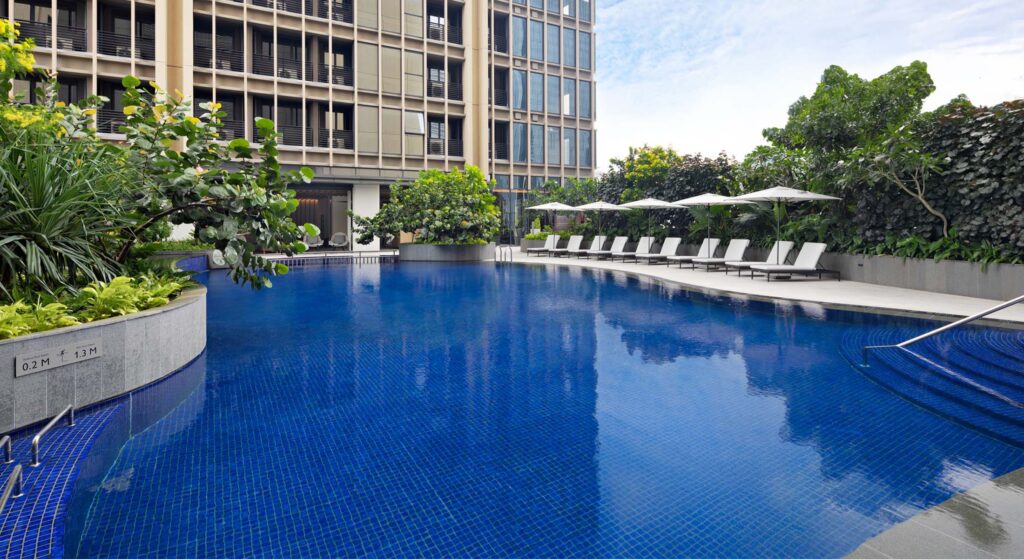
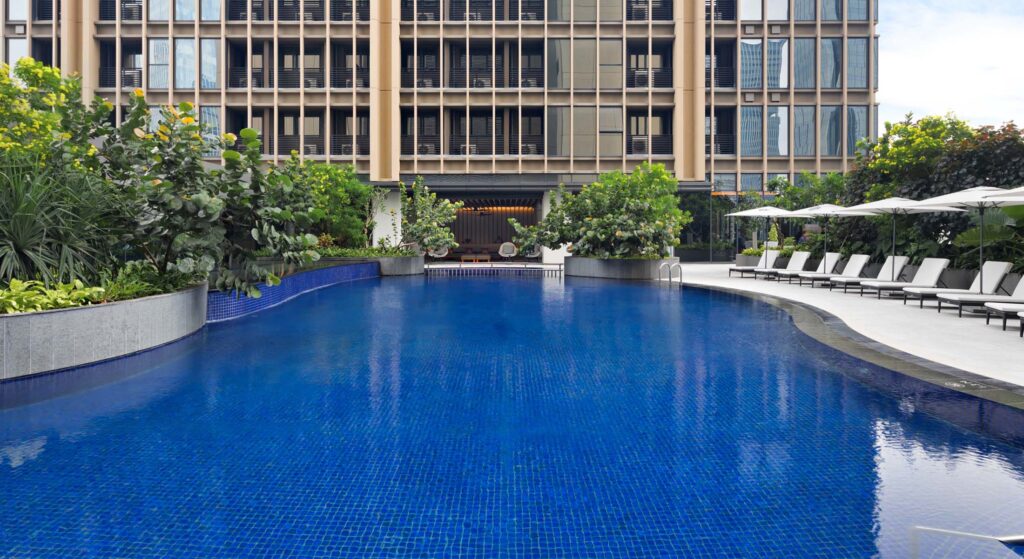
- Swimming pools for recreation and exercise
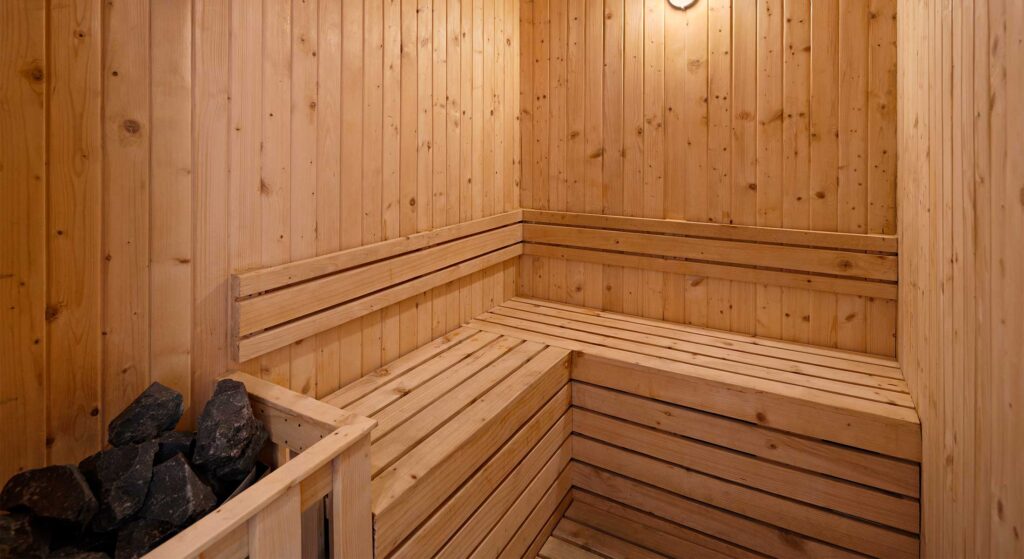
- Spa facilities or treatment rooms
- Yoga studios or multipurpose fitness rooms
- Jogging paths or outdoor exercise areas
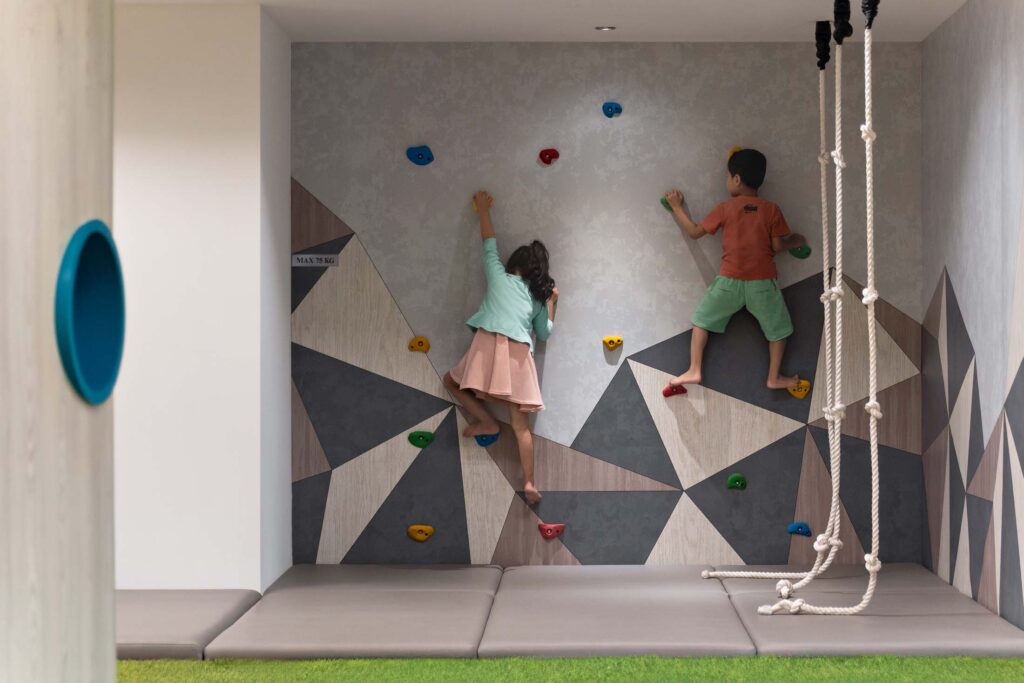
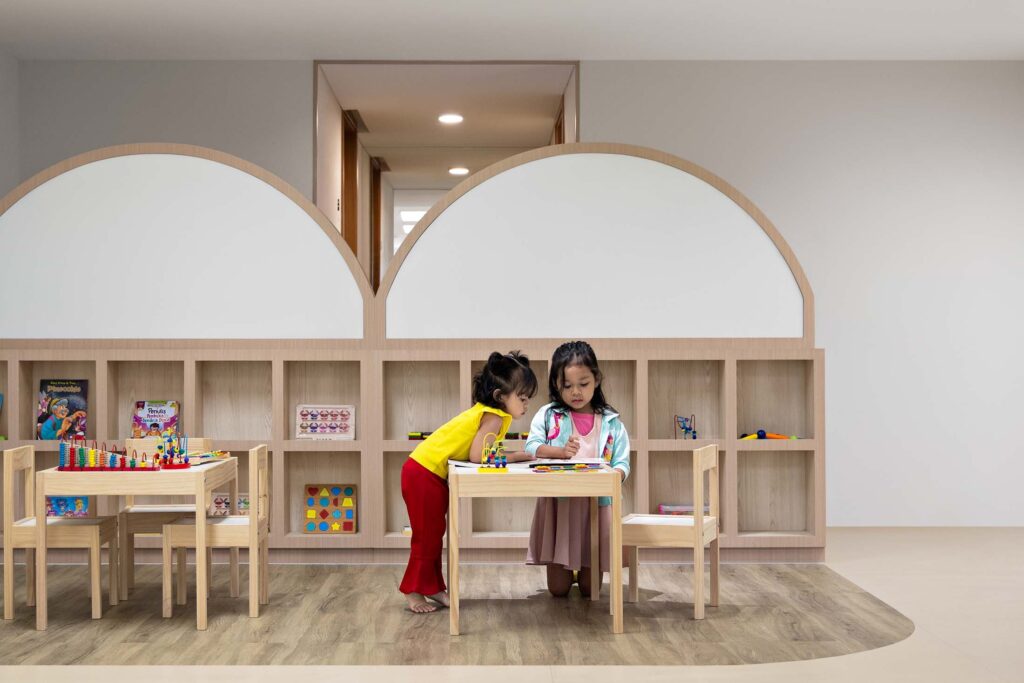
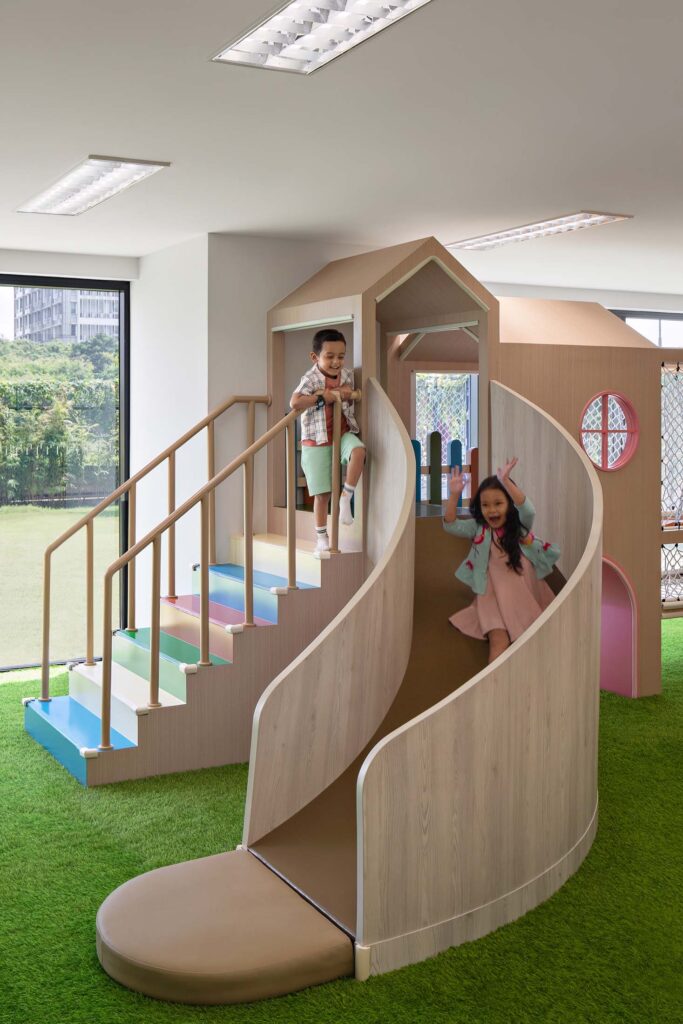
For families staying at an apartments hotel, facilities like children’s playgrounds provide safe recreational spaces that keep younger guests entertained while parents work or manage relocation logistics.
On-Site Dining Options
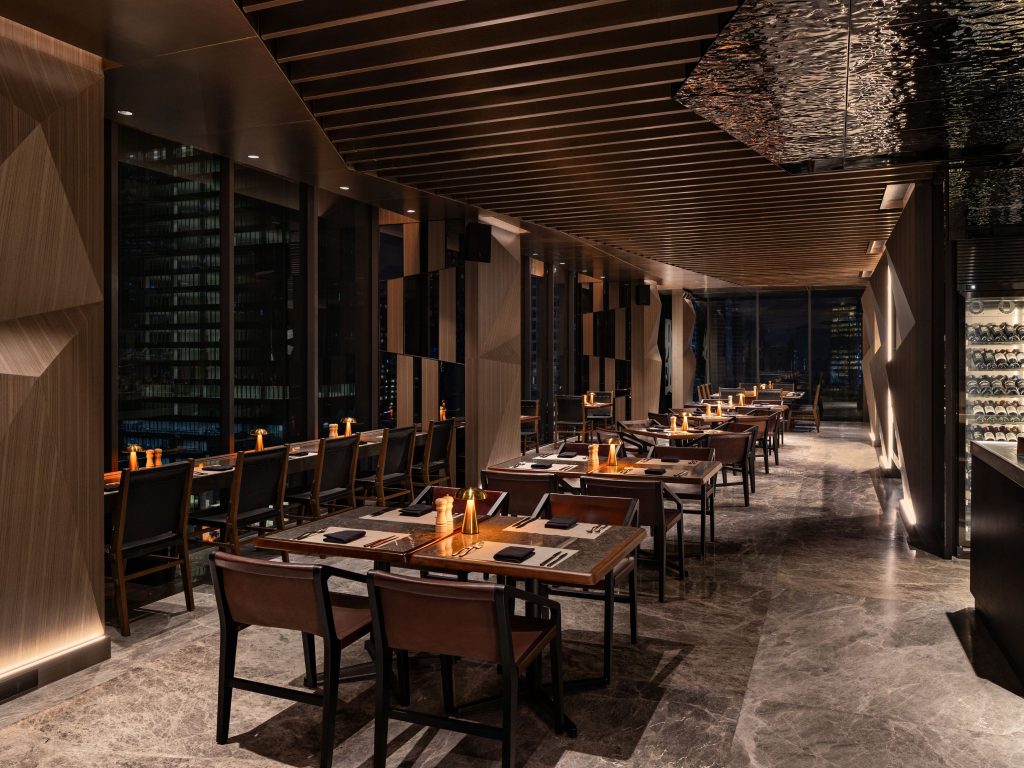
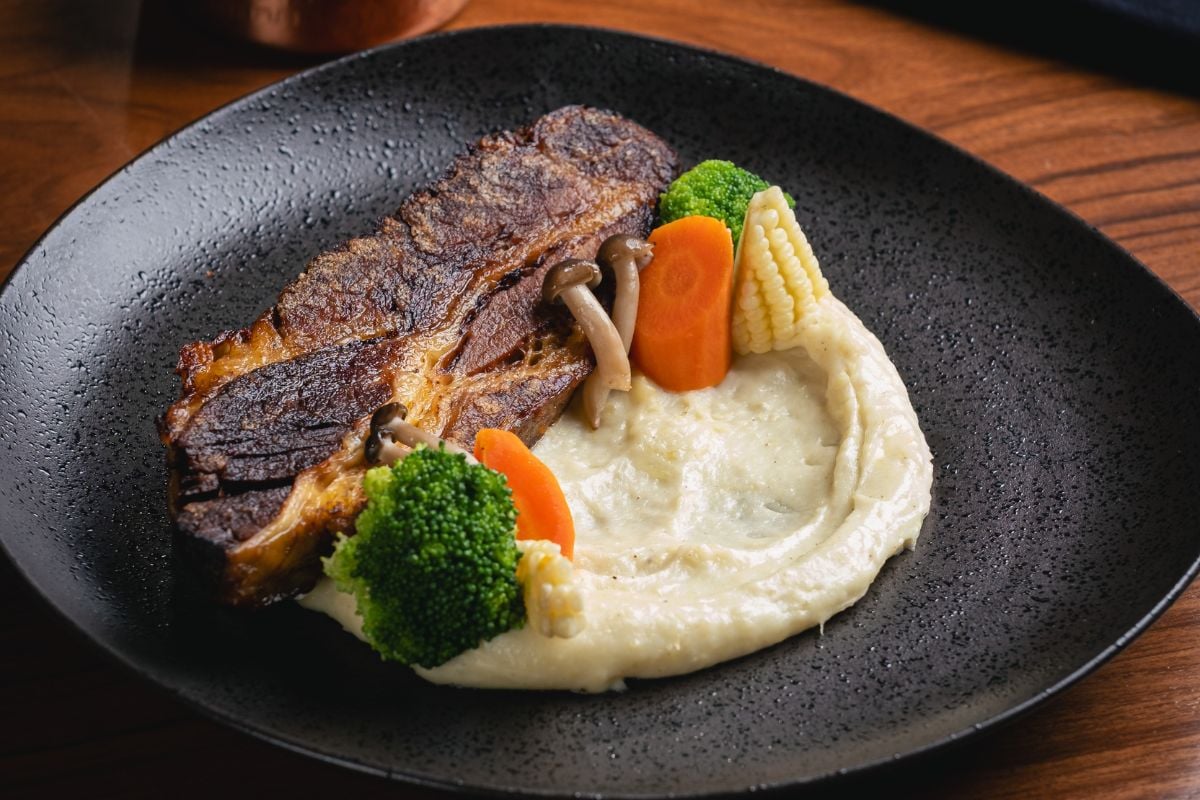
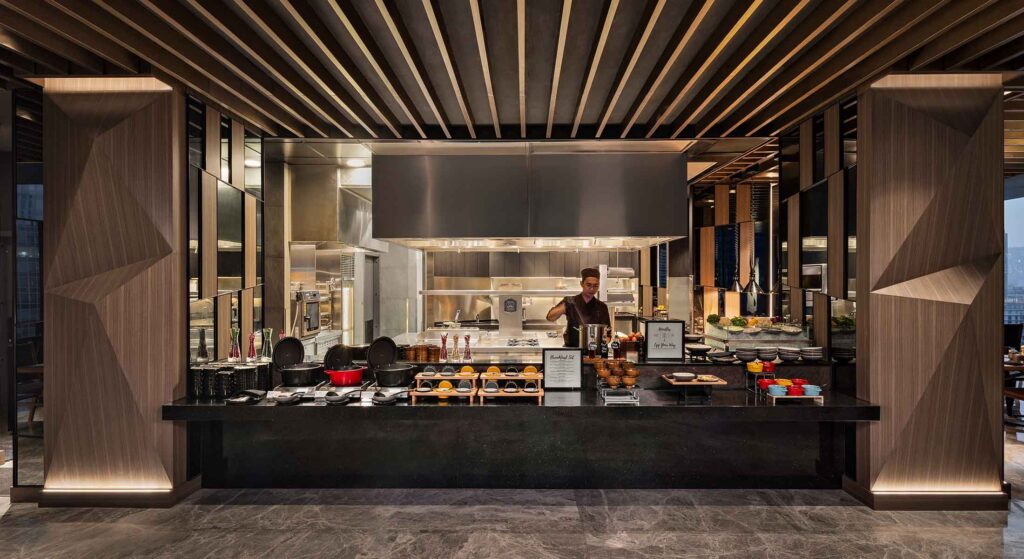
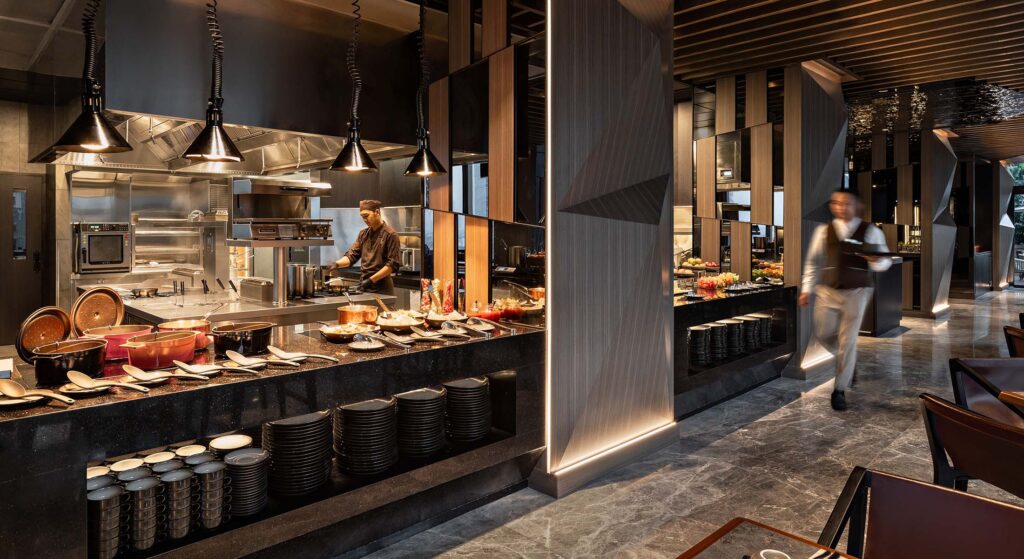
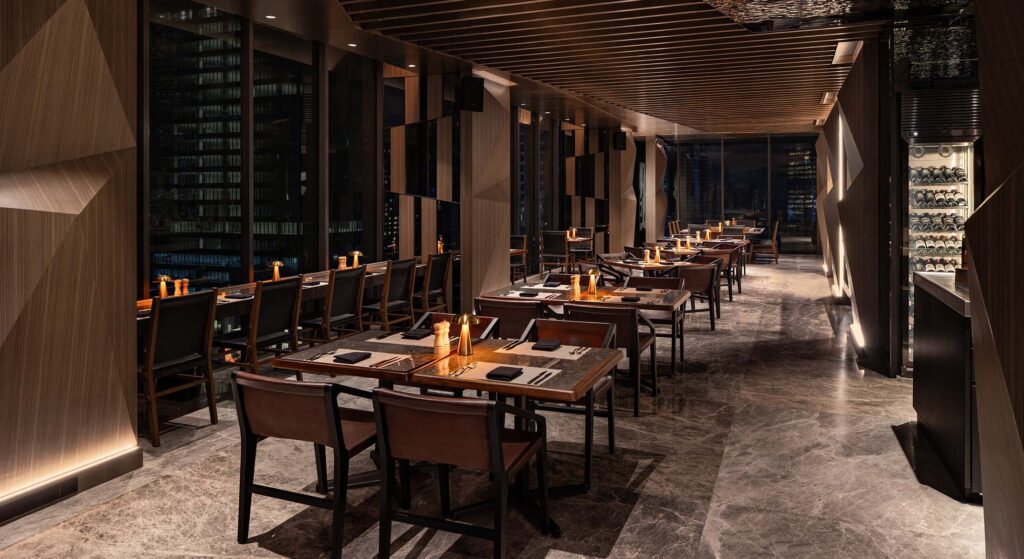
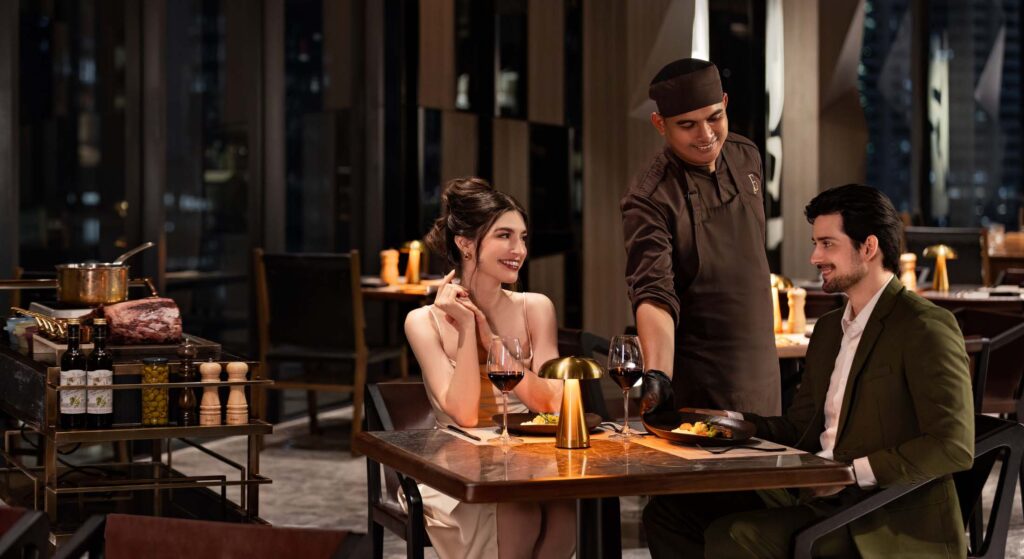
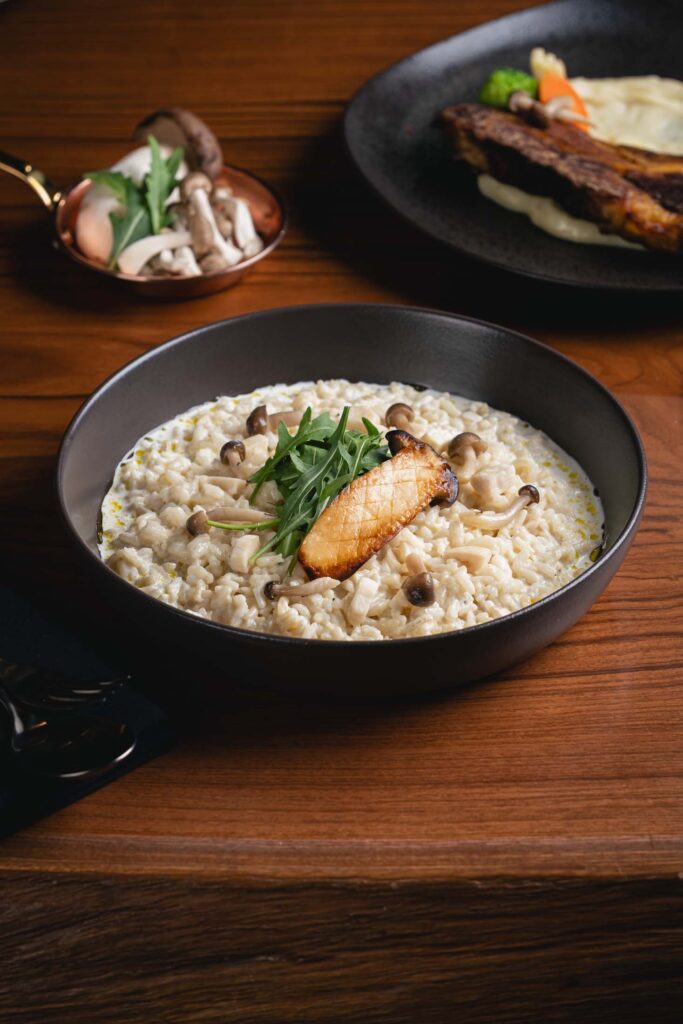
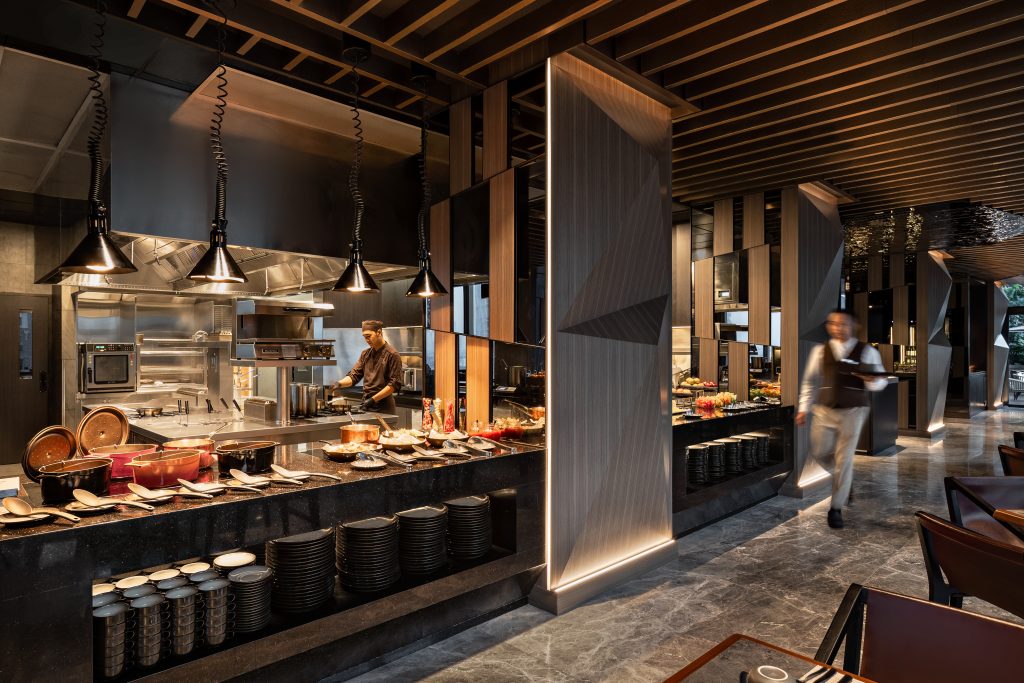
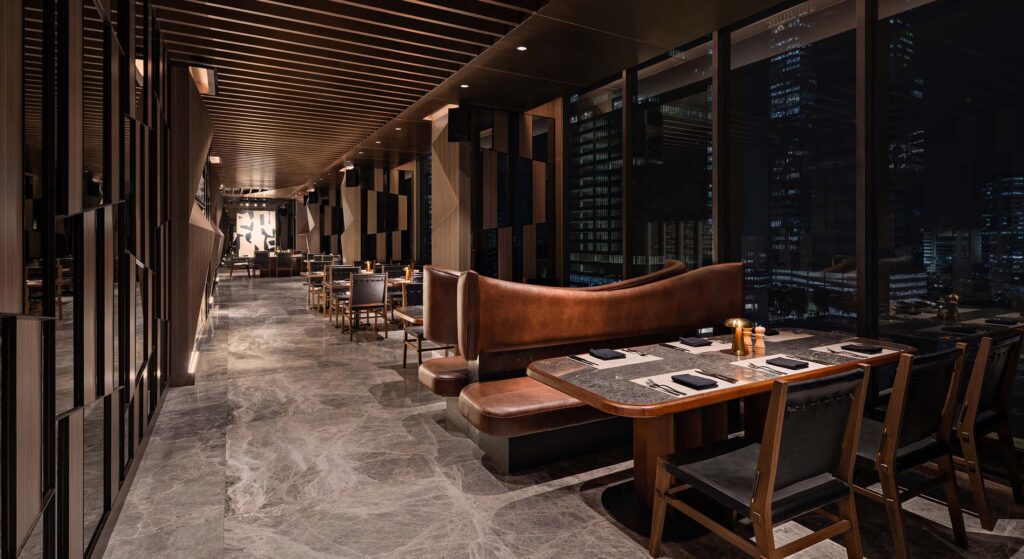
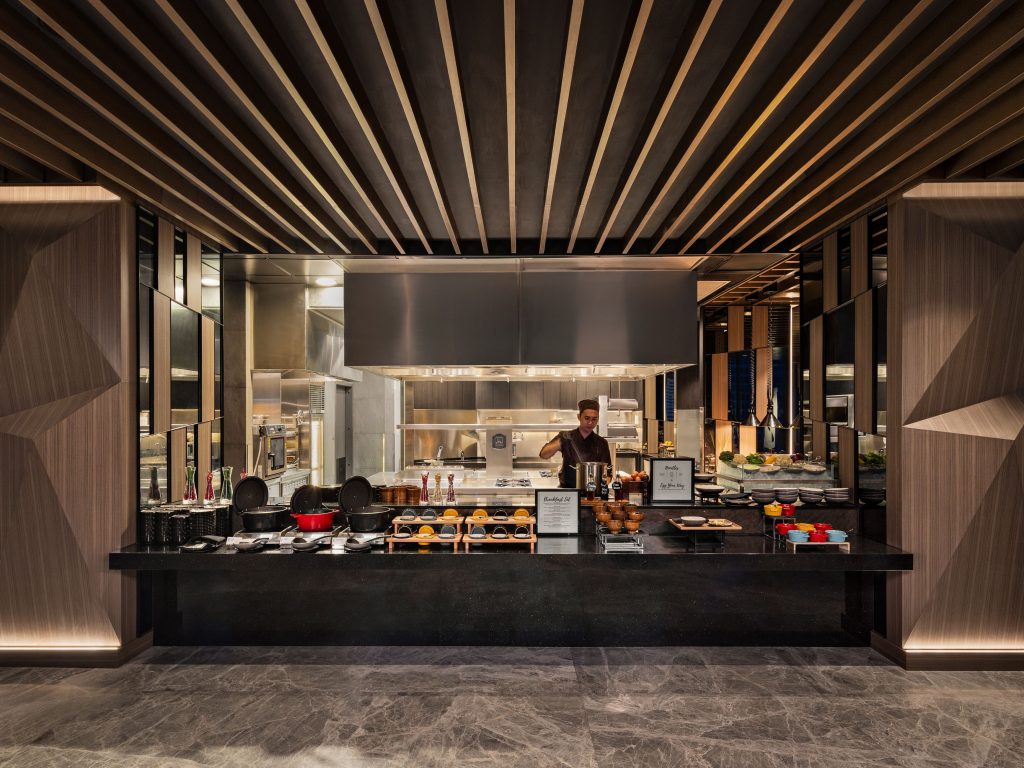
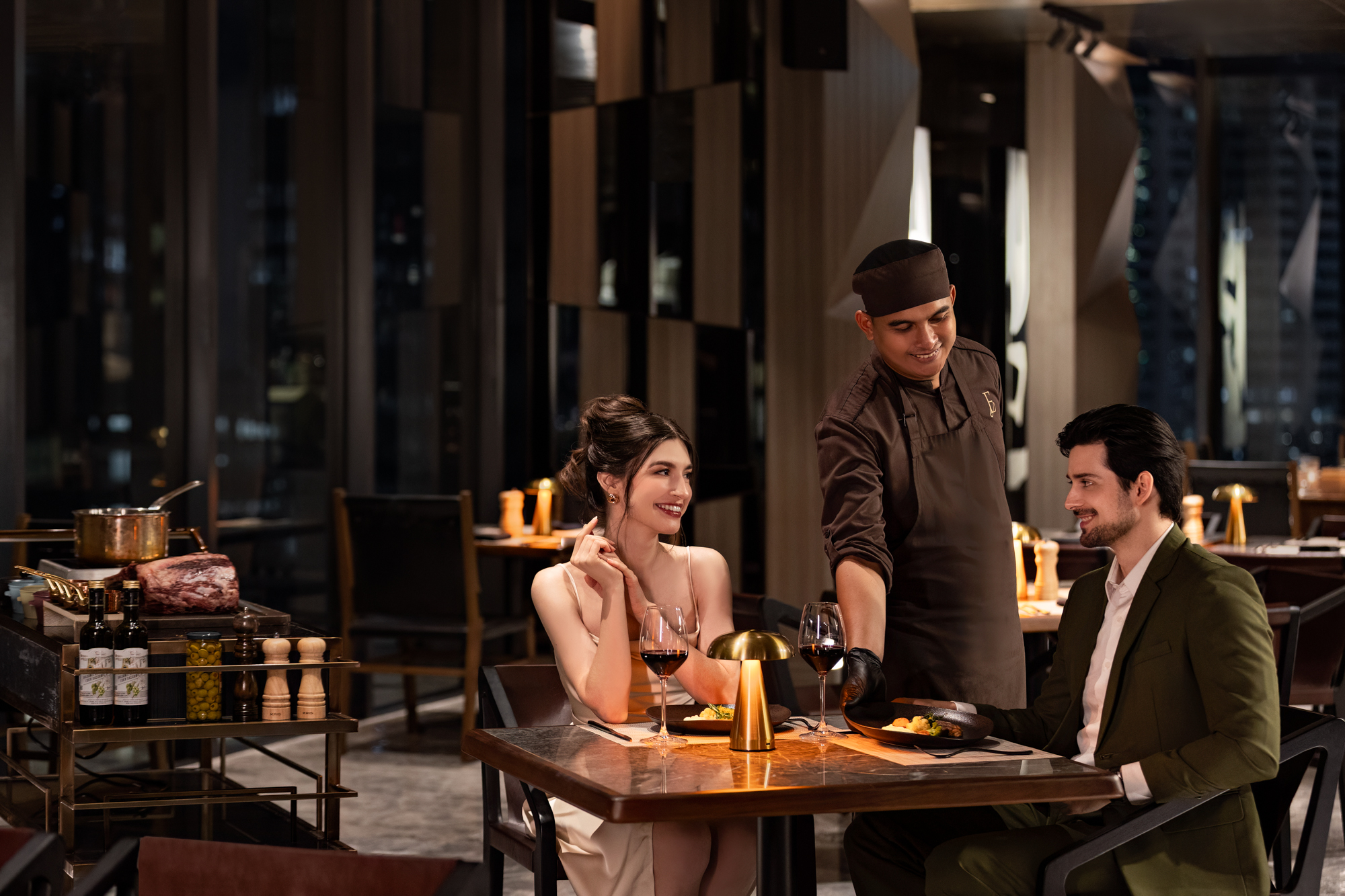
While the presence of full kitchens encourages self-catering, many apartments hotel guests appreciate having on-site dining venues for business meals, special occasions, or evenings when cooking seems unappealing. Restaurants within these properties often blend international cuisine with local specialties, creating options that appeal to both expatriate tastes and visitors wanting to experience regional flavors.
Target Markets for Apartments Hotel Properties
Different guest segments select apartments hotel accommodations for distinct reasons, creating diverse revenue streams for operators.
Corporate Relocations and Long-Term Assignments
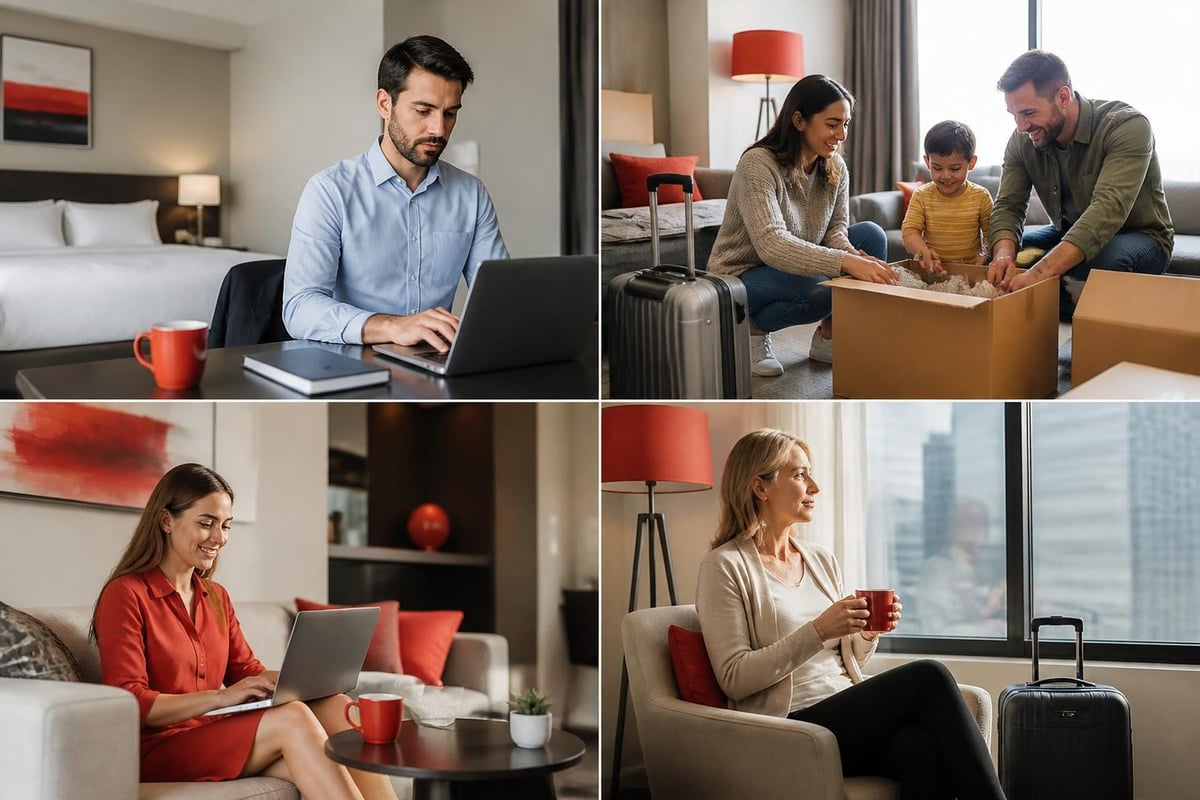
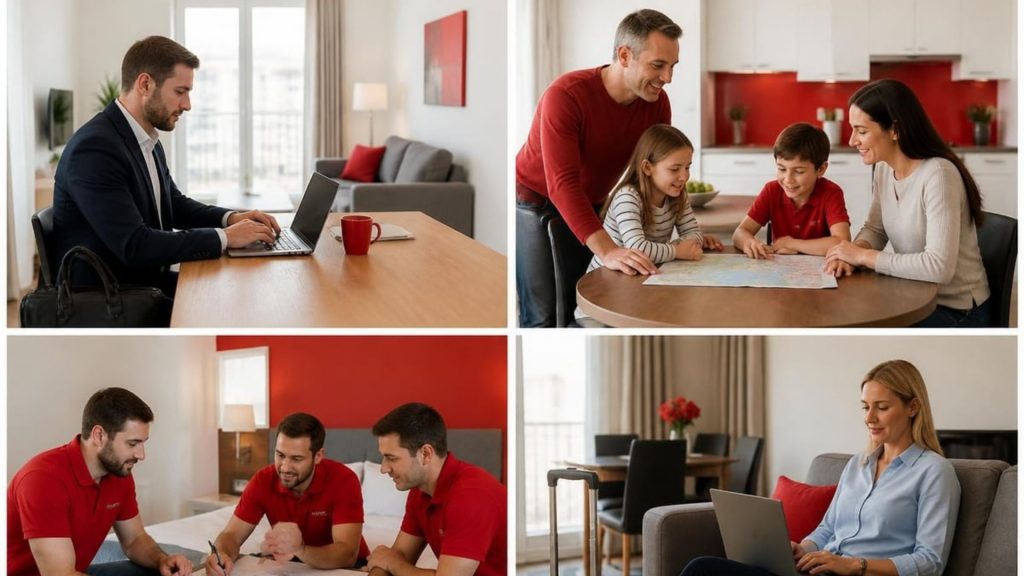
Multinational corporations frequently house employees in apartments hotels during relocations, extended projects, or training assignments. These arrangements provide companies with predictable costs, professional accommodations that reflect well on the organization, and flexibility to extend or shorten stays as business needs change.
Employees benefit from this arrangement through comfortable, home-like environments that ease the stress of temporary assignments. Rather than searching for short-term rentals in unfamiliar cities or enduring months in cramped hotel rooms, relocated staff enjoy proper living spaces that support both professional performance and personal well-being.
Expatriate Families in Transition
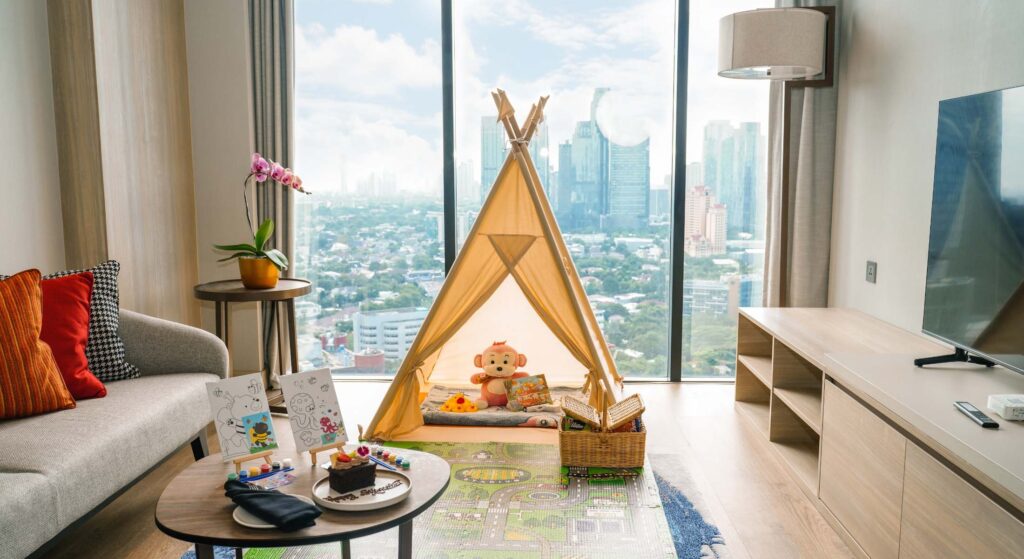
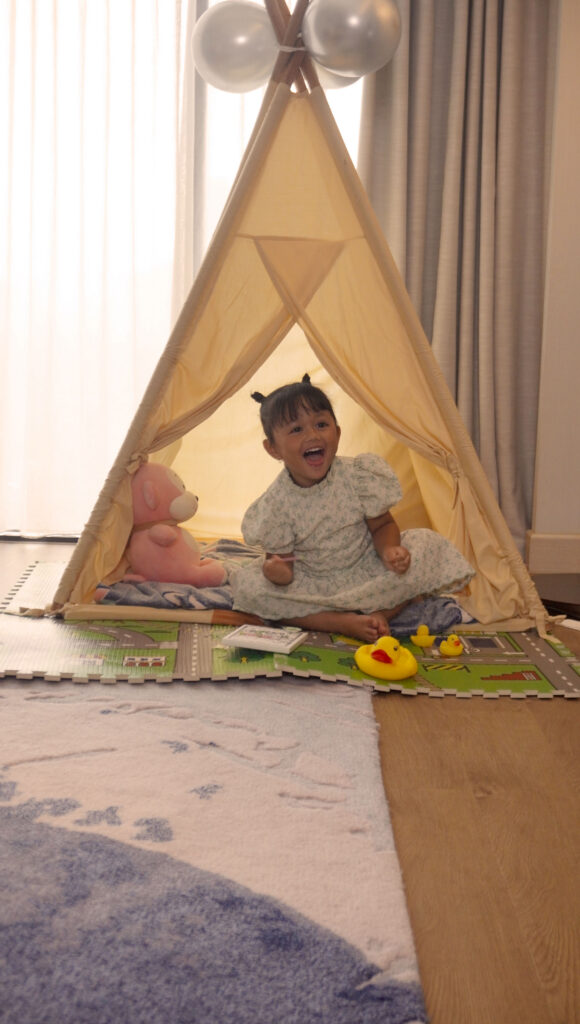
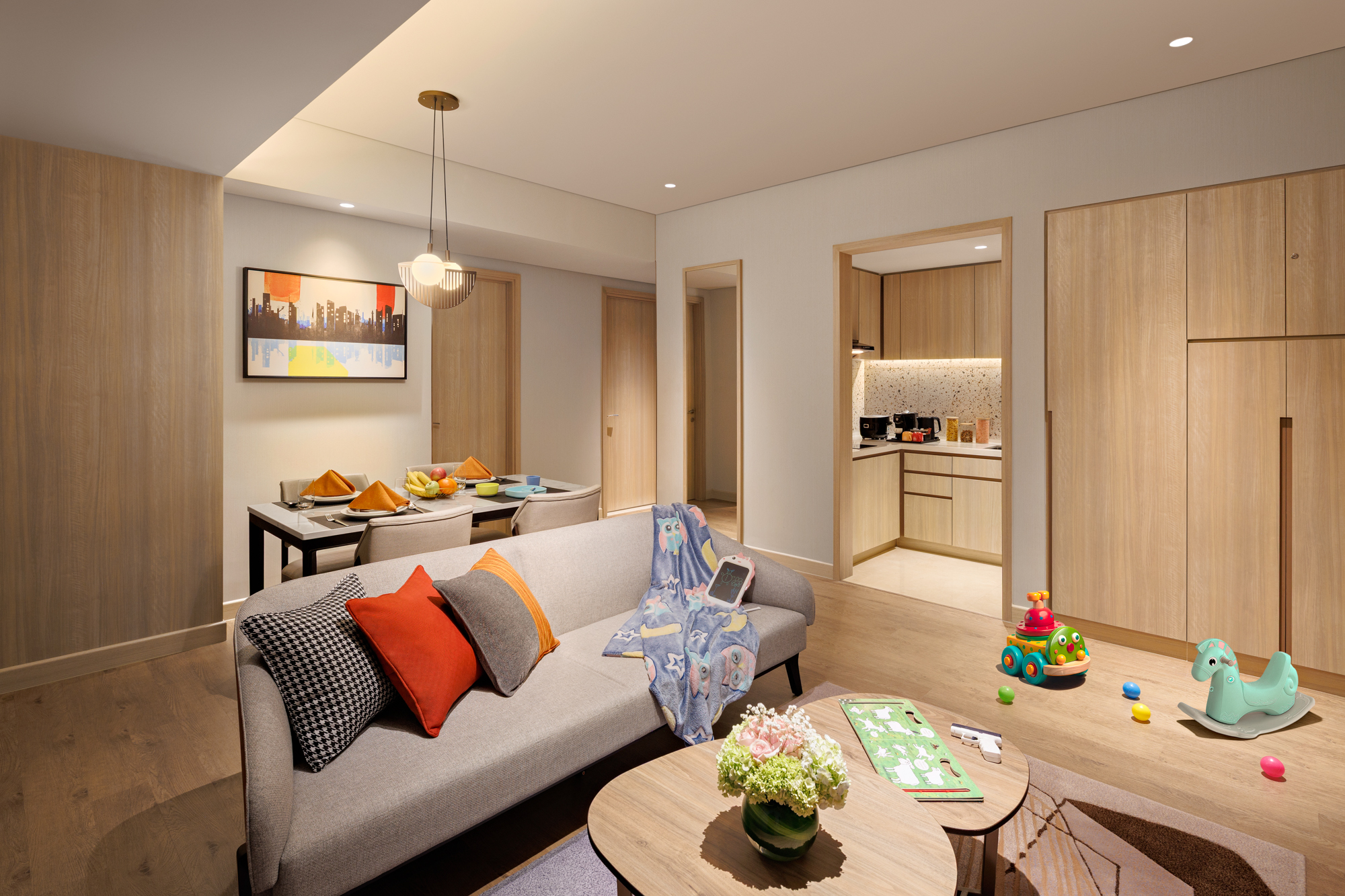
Families moving internationally often spend weeks or months in an apartments hotel while searching for permanent housing, enrolling children in schools, and learning a new city. This bridging accommodation provides stability during a chaotic transition period, offering familiar hotel-quality services while allowing families to live as they would in a home.
The availability of multiple bedrooms, full kitchens, and living areas proves essential for families needing space and routine. Parents can prepare meals children enjoy, establish homework spaces, and maintain some semblance of normal family life while navigating relocation challenges.
Project Teams and Training Groups
Organizations sometimes house entire project teams or training cohorts in apartments hotel properties to facilitate collaboration and reduce commuting time. Placing team members in the same building enhances project efficiency through spontaneous meetings, shared meals, and stronger working relationships.
These group bookings represent valuable business for apartments hotel operators, often filling multiple units simultaneously and extending across several weeks or months. Properties that can accommodate team requirements with meeting spaces, group dining options, and proximity to corporate offices position themselves advantageously in this market segment.
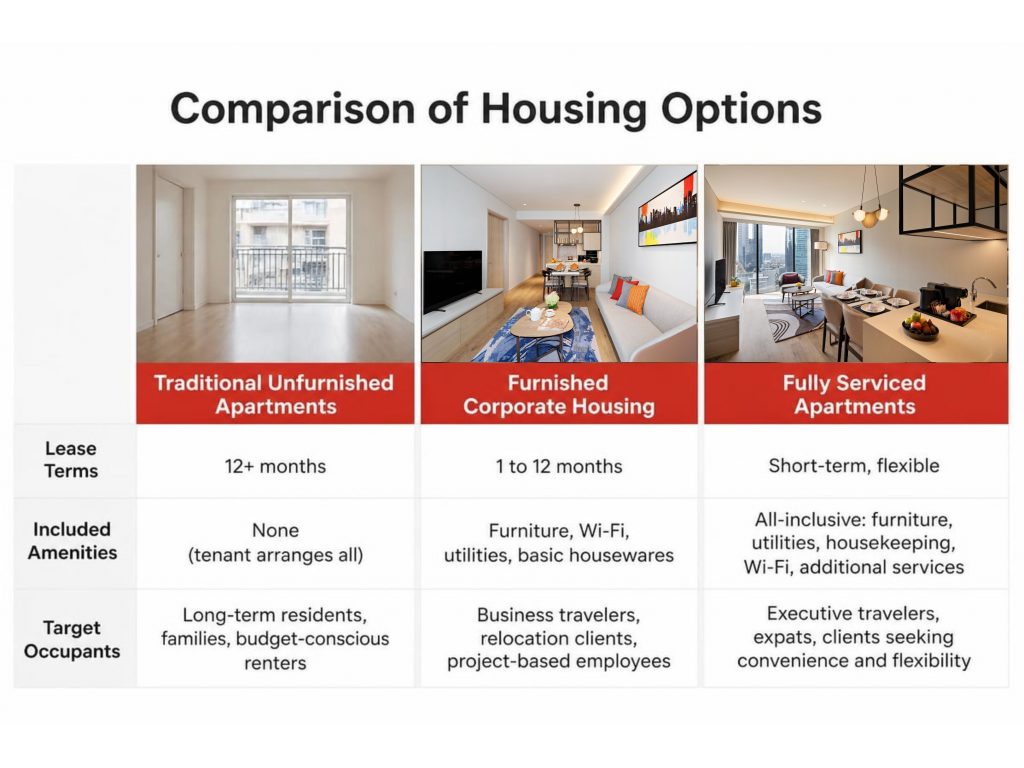
Comparing Apartments Hotels to Alternative Accommodations
Travelers selecting temporary housing weigh apartments hotel options against several alternatives, each with distinct advantages and limitations.
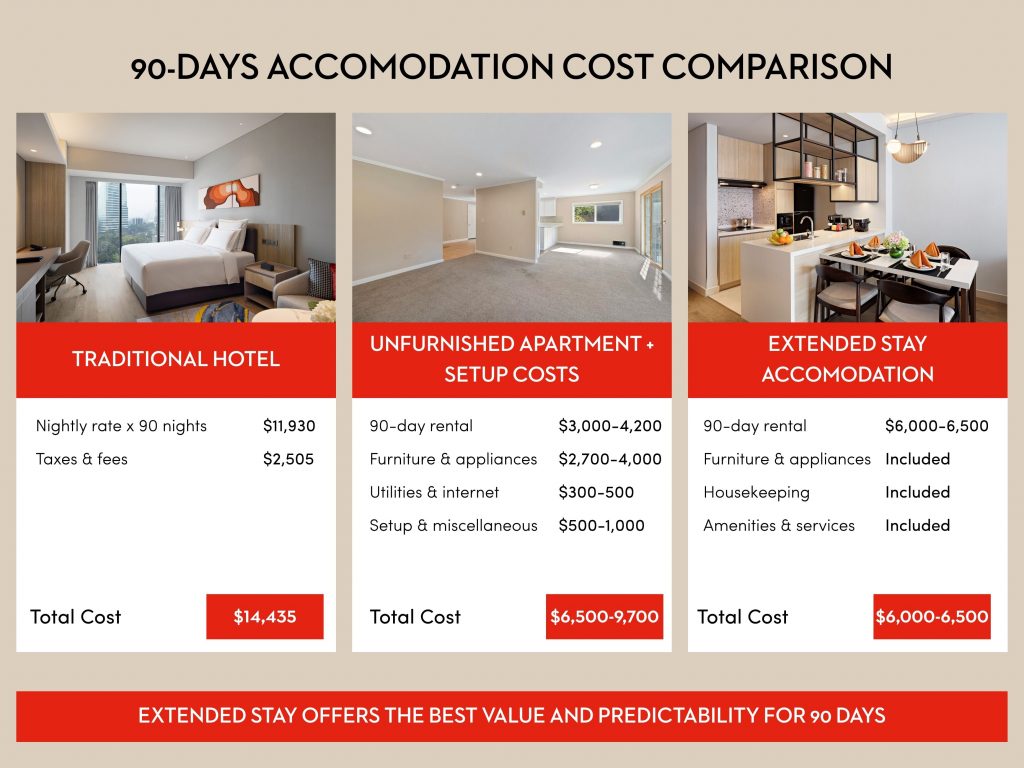
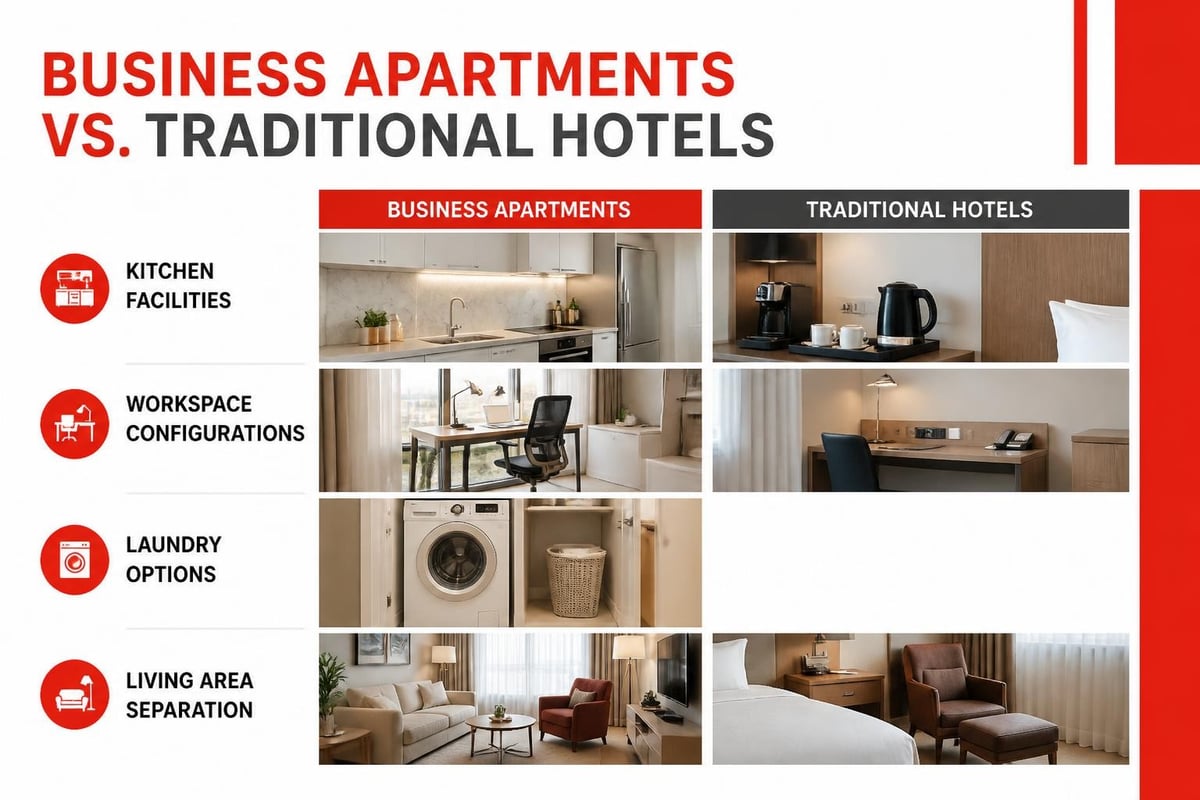
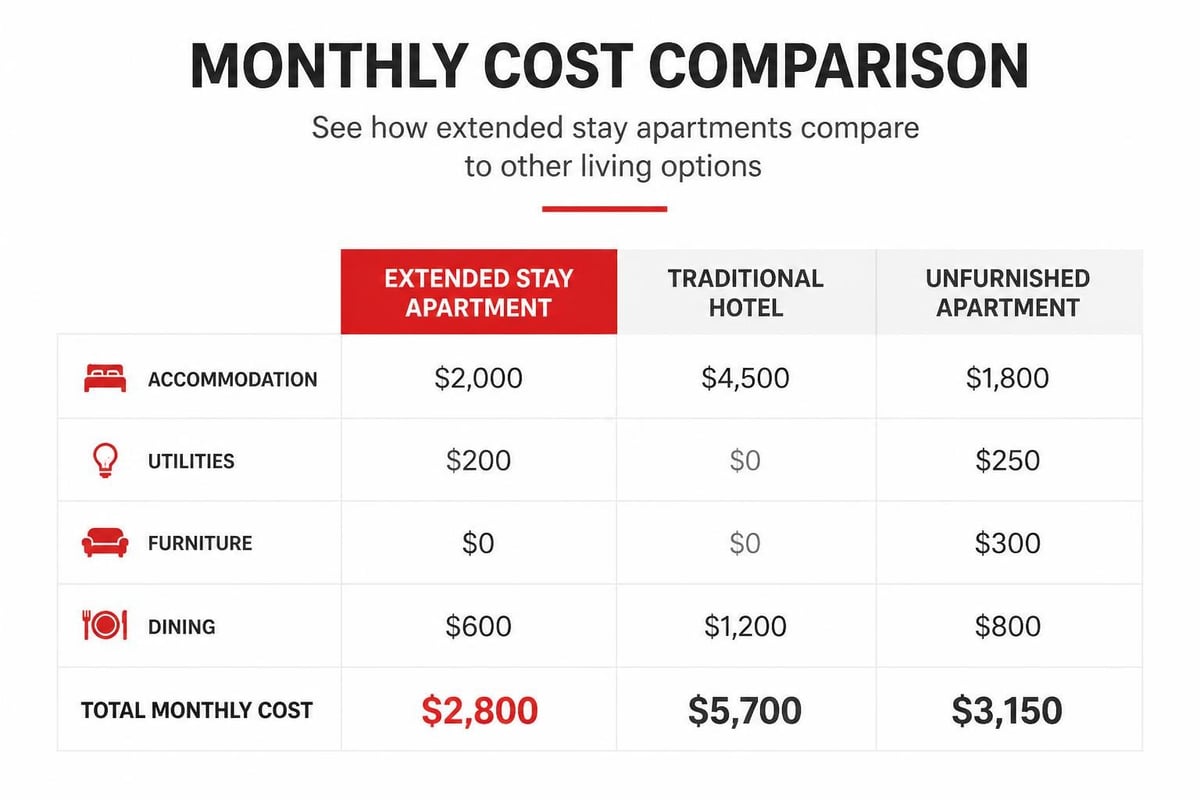
Traditional hotels offer comprehensive daily services and central locations but lack kitchen facilities and separate living spaces. For stays beyond a few nights, the absence of cooking capability and the confinement of a single room become significant drawbacks, particularly for families or those monitoring meal costs.
Conventional apartment rentals provide residential space and kitchens but typically require longer lease commitments, security deposits, furniture purchases, and utility setup. The administrative complexity and financial requirements make traditional rentals impractical for stays under three months.
Corporate housing services specialize in furnished apartments for business travelers but often operate with limited inventory, higher pricing, and less flexibility than dedicated apartments hotel properties. The boutique nature of many corporate housing providers also means fewer on-site services and amenities.
Extended-stay hotels offer some kitchen facilities but generally provide smaller units with limited cooking capability. While suitable for stays of several weeks, these properties rarely accommodate the multi-month or yearly arrangements common in the apartments hotel sector.
Design and Furnishing Standards
Quality apartments hotel properties invest in residential-style furnishings and finishes that create authentic home environments rather than institutional hotel atmospheres.
Kitchen Equipment and Appliances
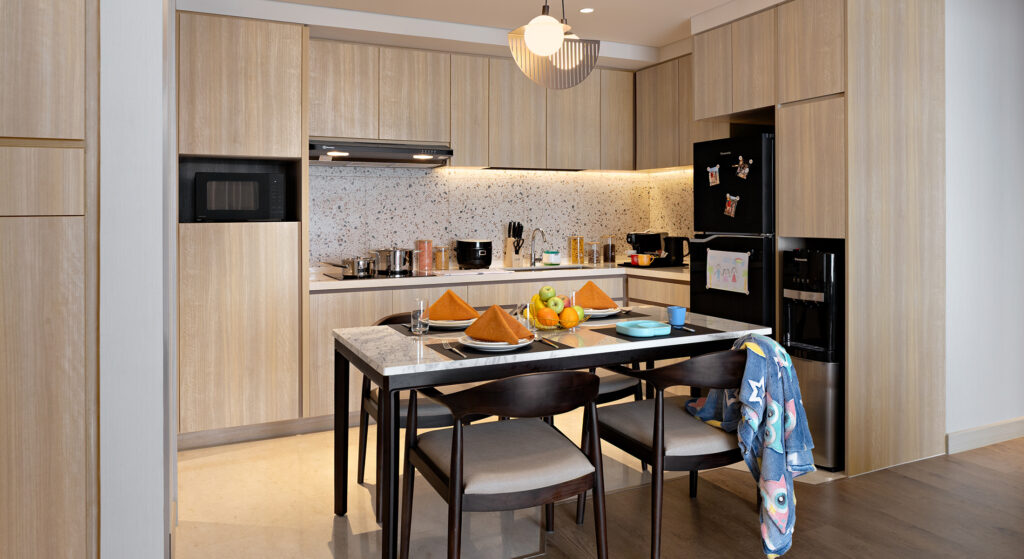
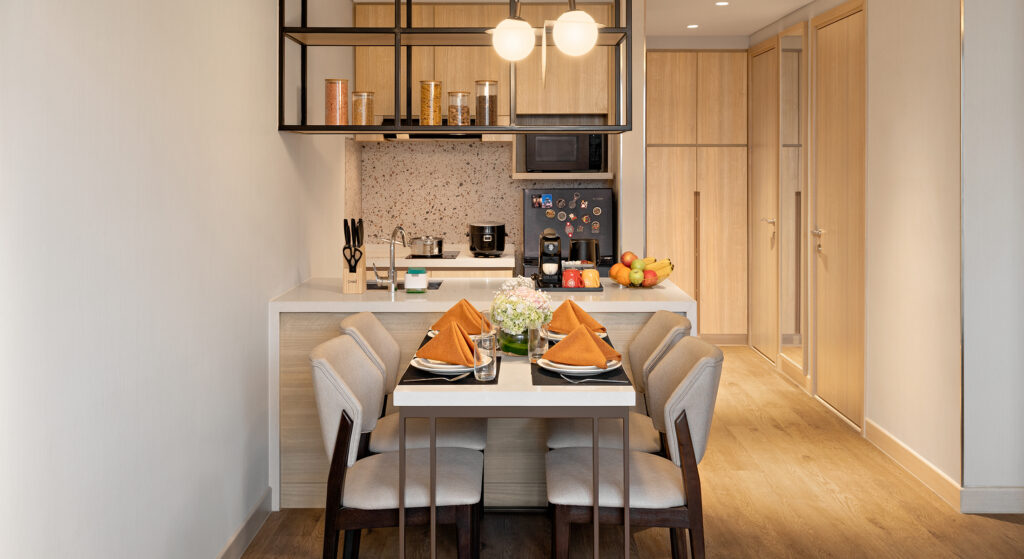
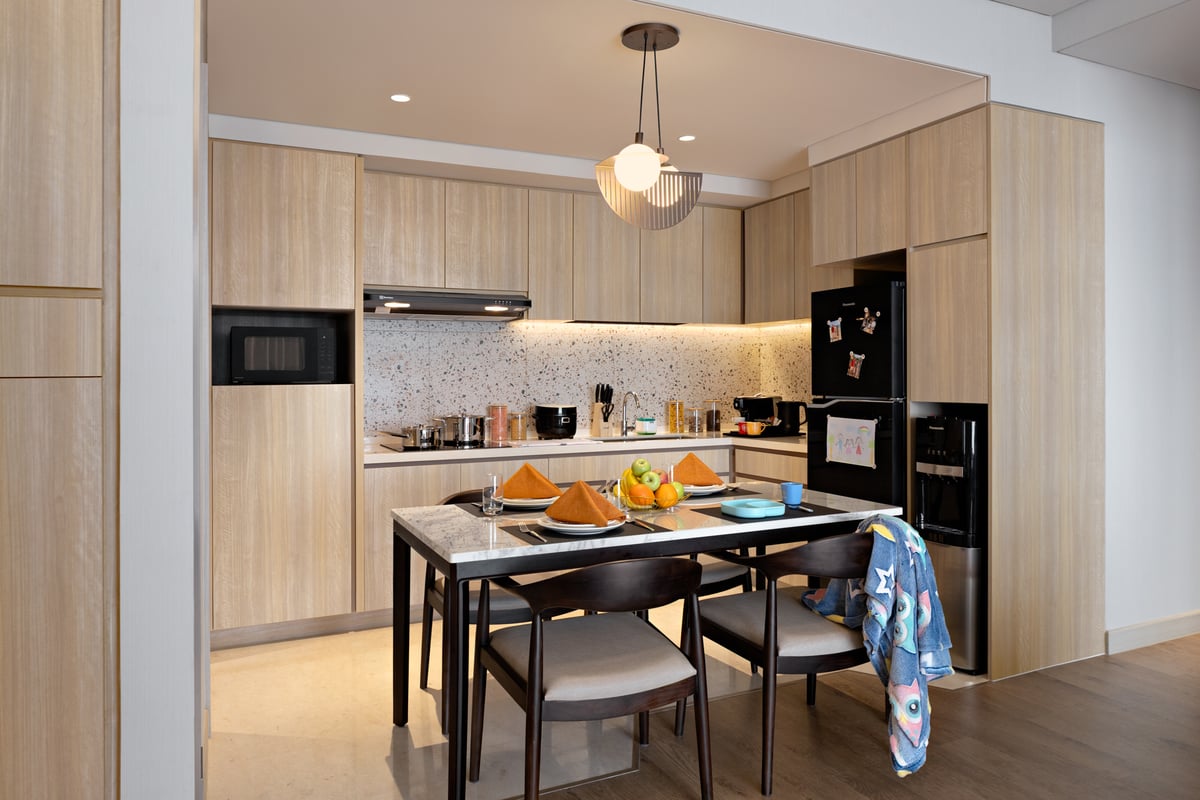
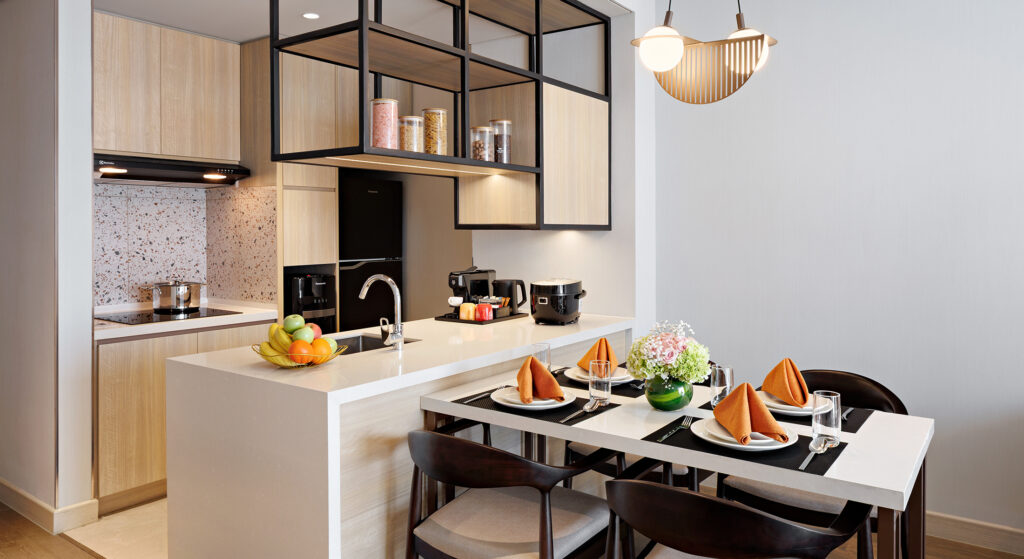
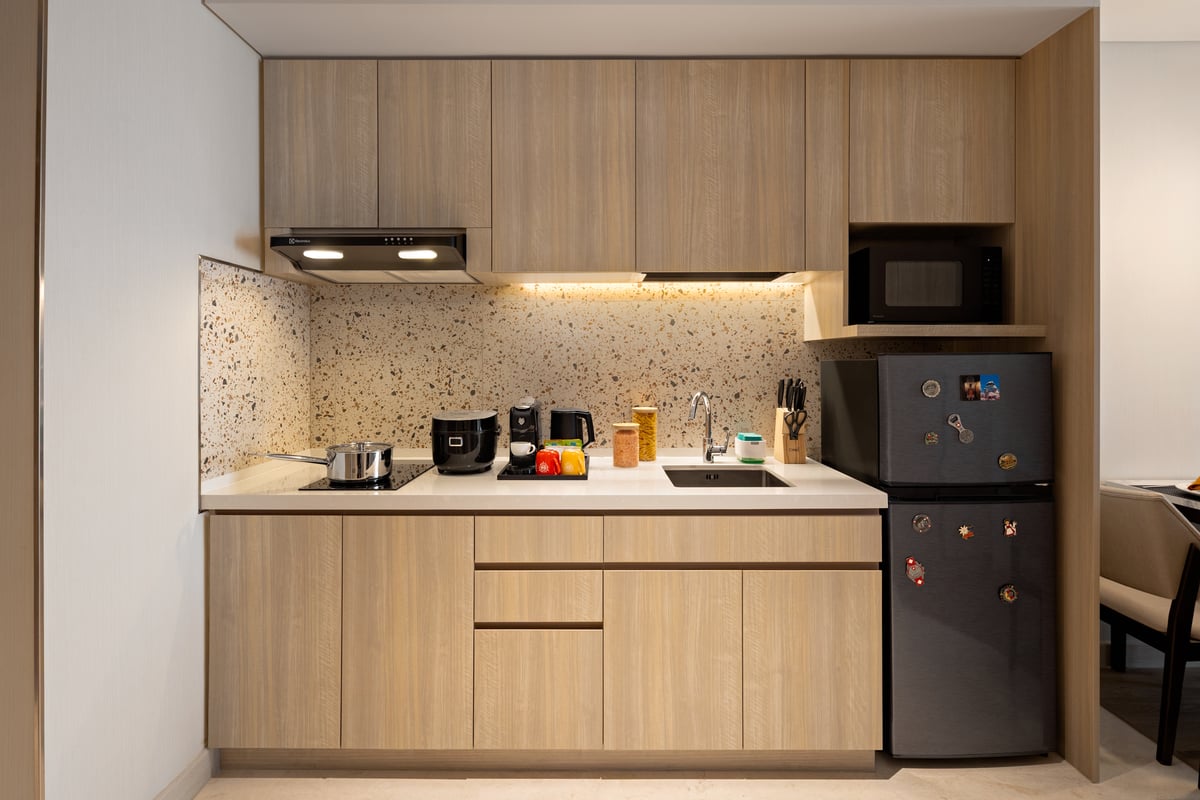
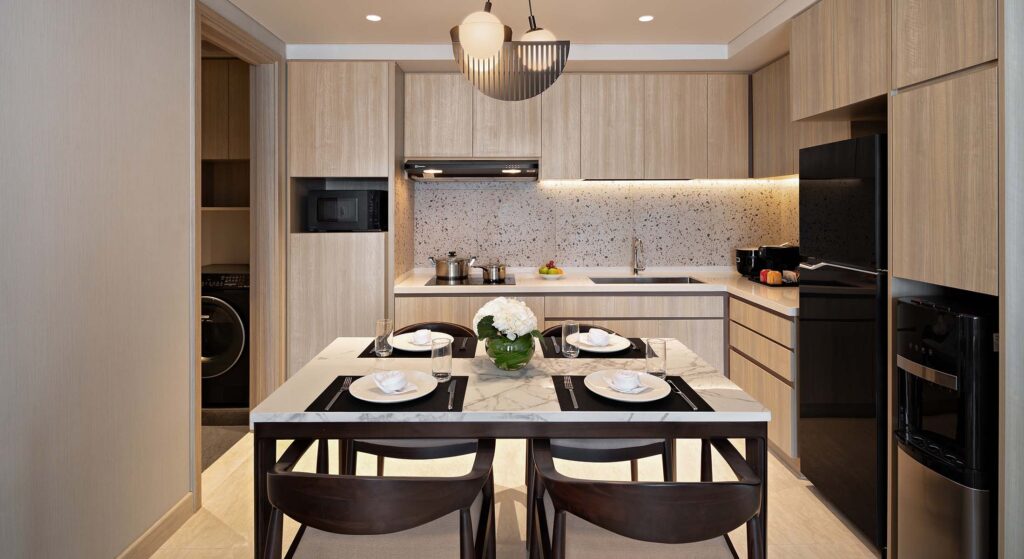
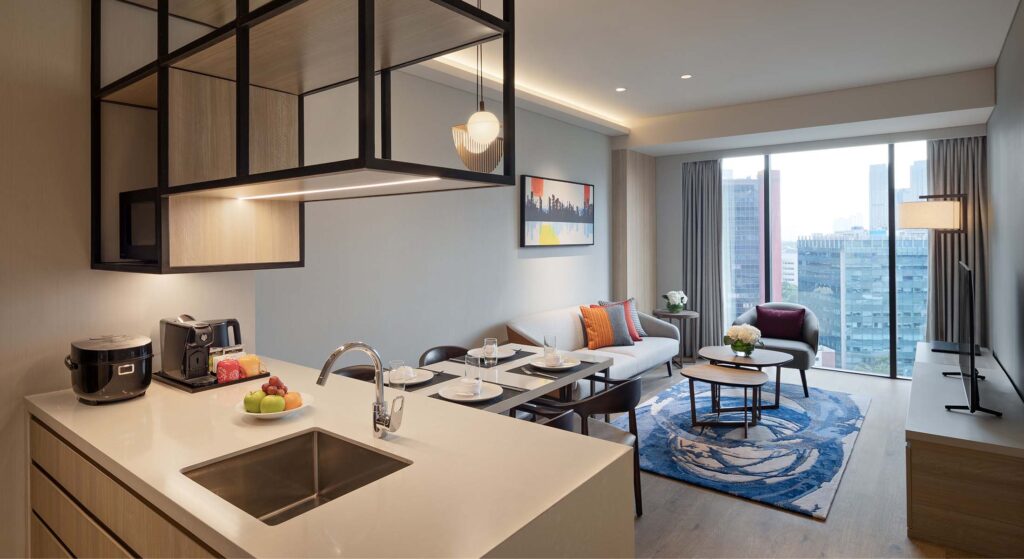
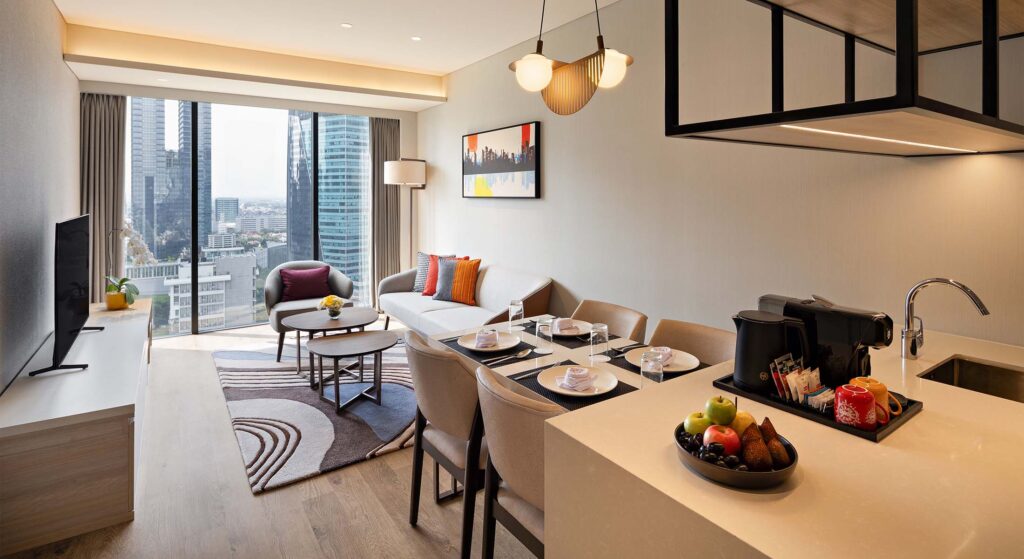
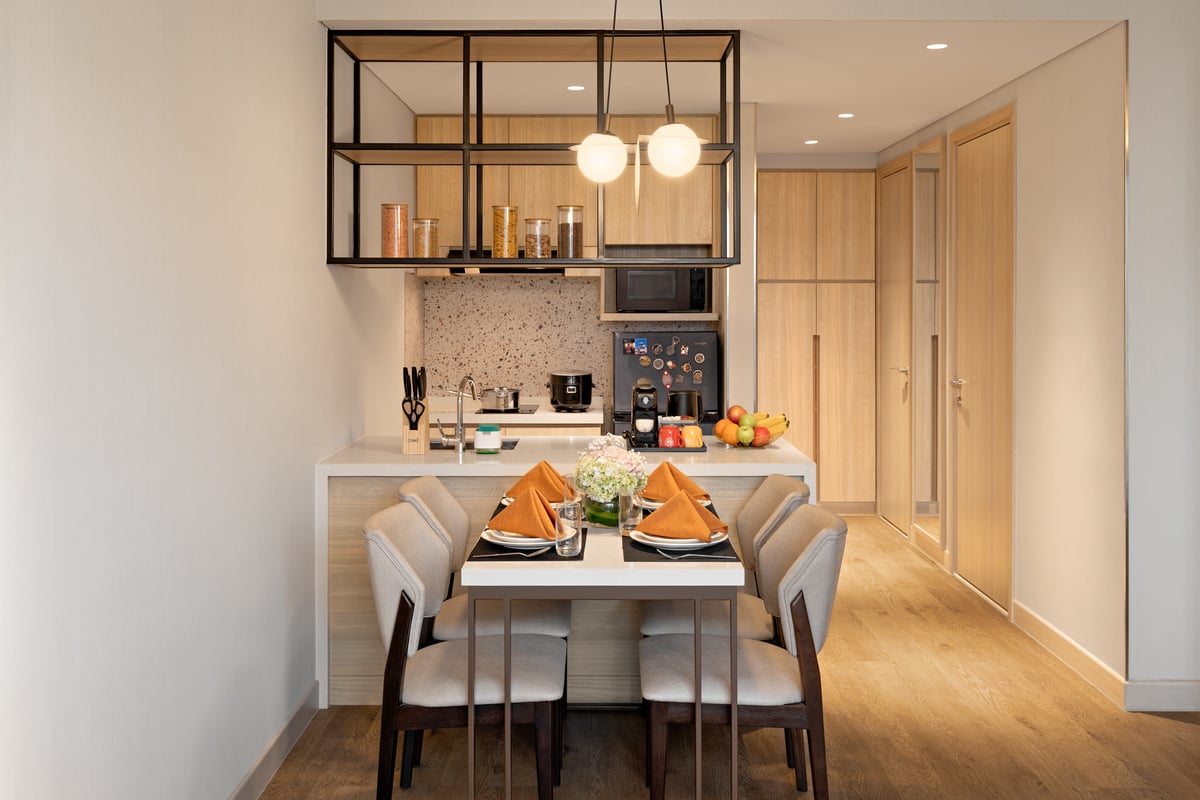
Full kitchens in apartments hotel units include appliances that enable complete meal preparation:
- Refrigerator and freezer for grocery storage
- Cooking appliances such as induction stoves or electric ranges
- Microwave ovens for quick heating
- Rice cookers in Asian markets where rice forms a dietary staple
- Complete cookware including pots, pans, utensils, and dishes
- Small appliances like coffee makers, kettles, and toasters
The inclusion of these amenities transforms the apartments hotel experience, allowing guests to shop at local markets, prepare familiar meals, and significantly reduce dining expenses over extended stays.
Living and Workspace Configuration
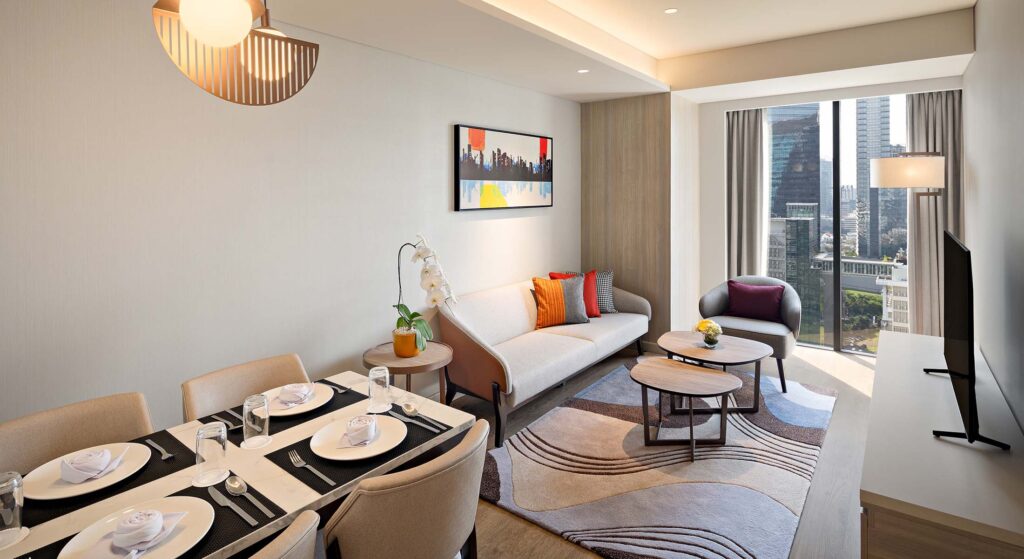
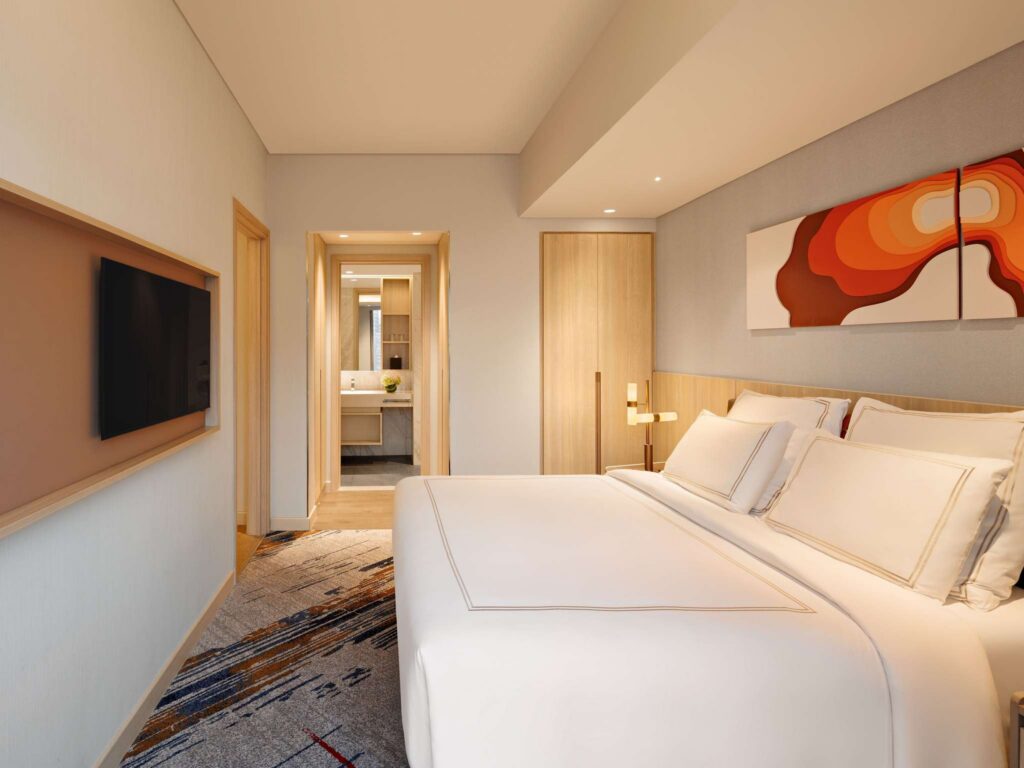
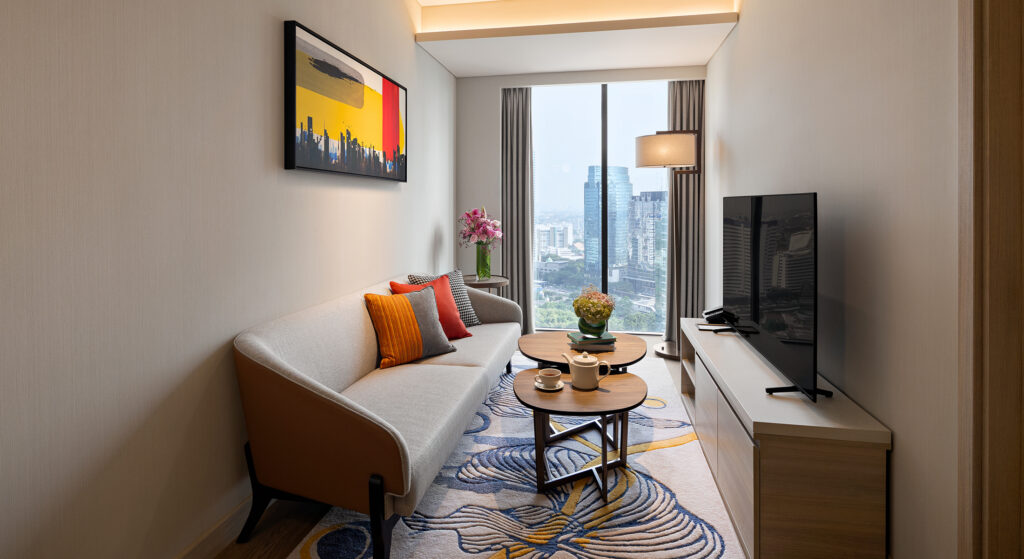
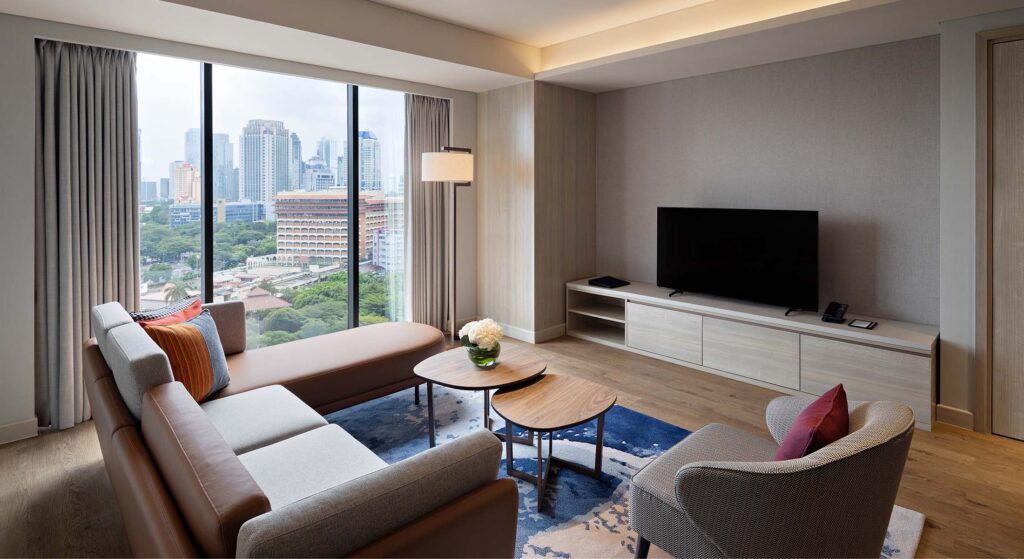
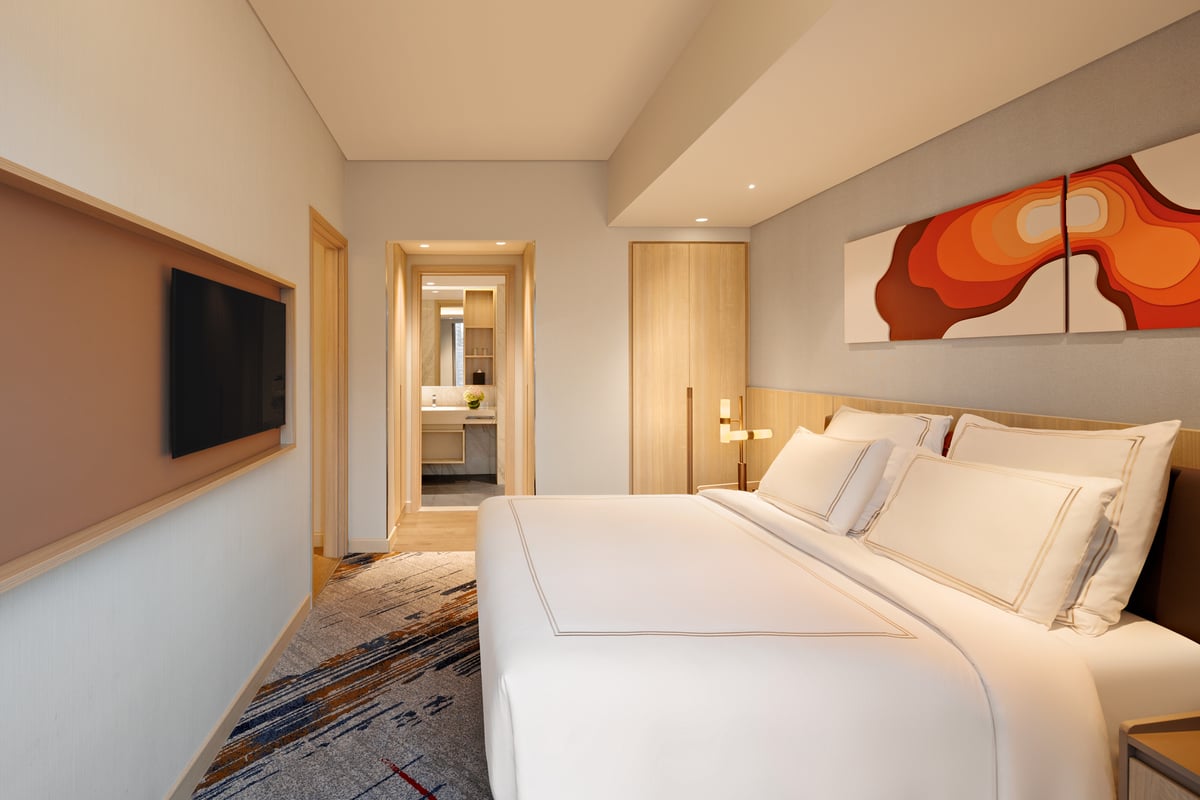
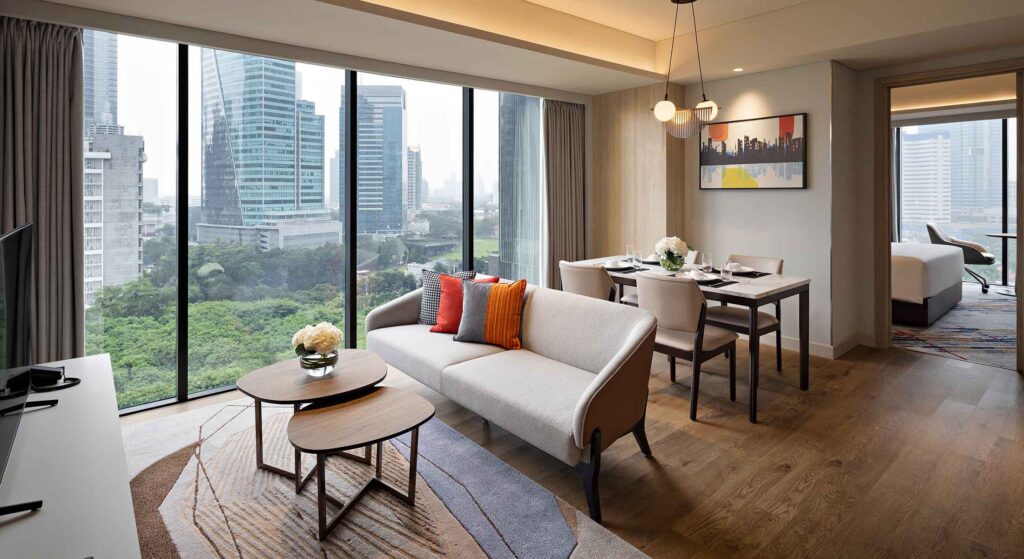
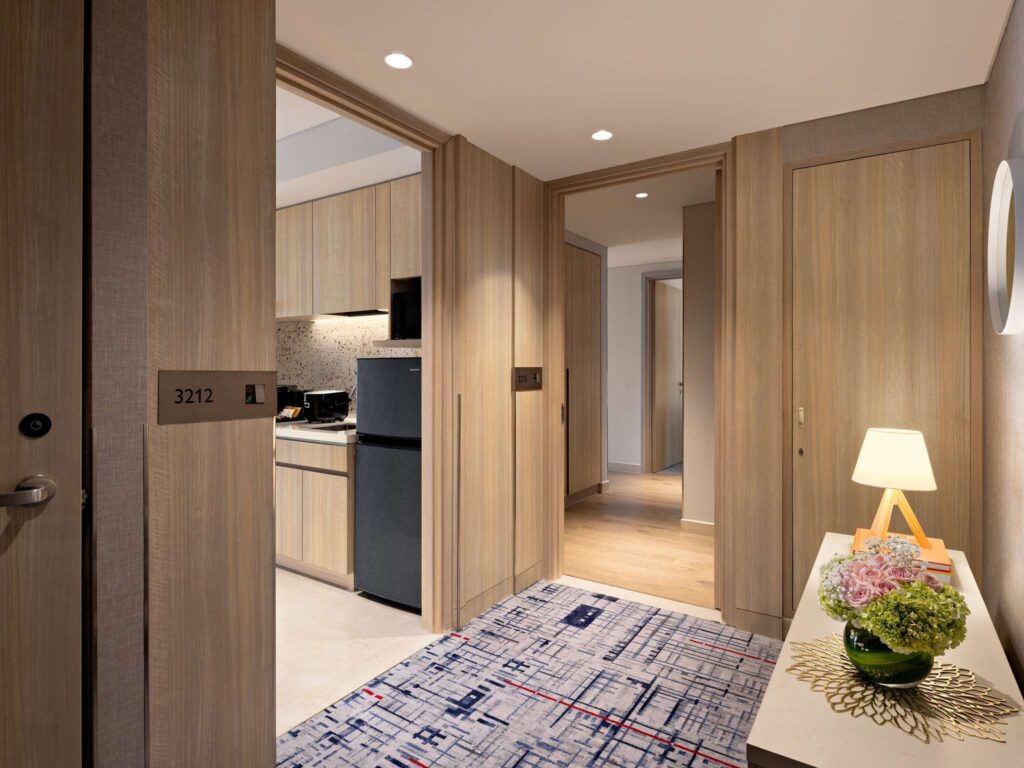
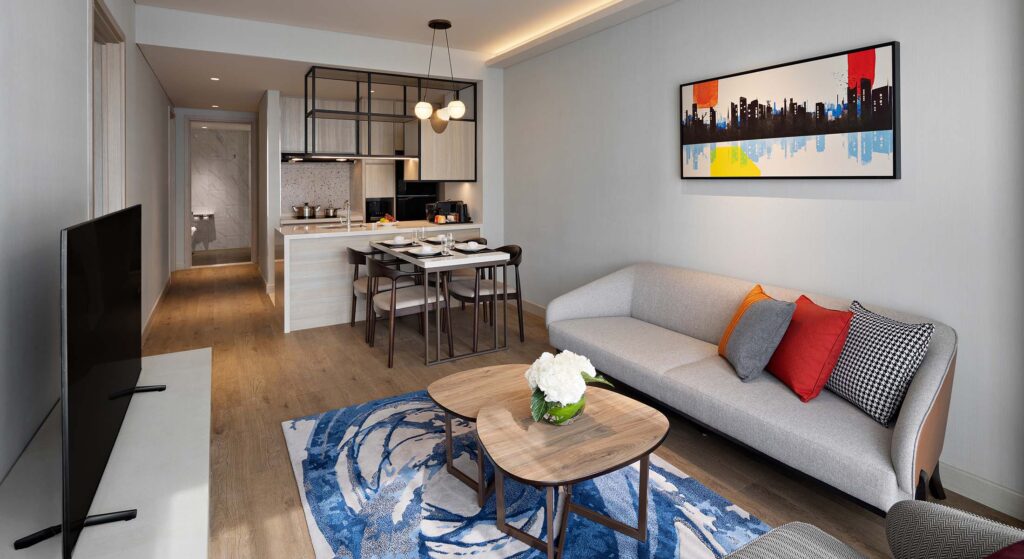
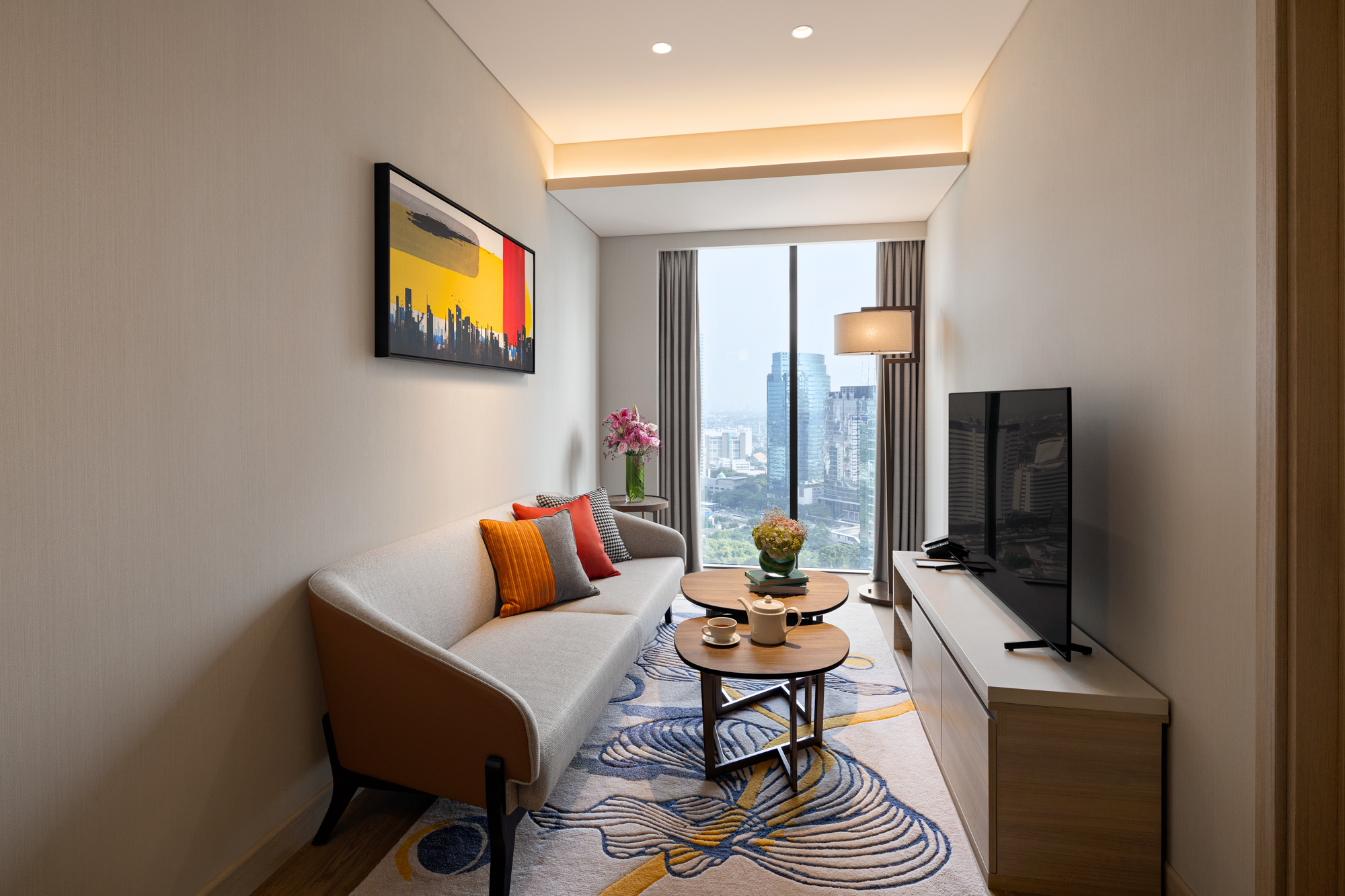
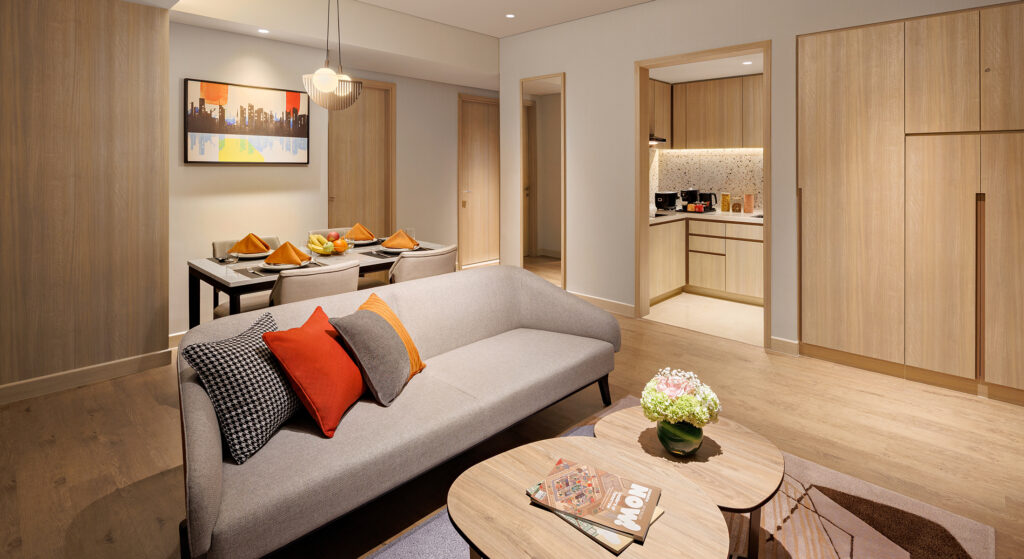
Thoughtful space planning creates distinct zones within apartments hotel units, separating sleeping areas from living spaces and incorporating dedicated work zones. Many properties now include ergonomic desks, office chairs, and enhanced internet connectivity that support remote work and video conferencing.
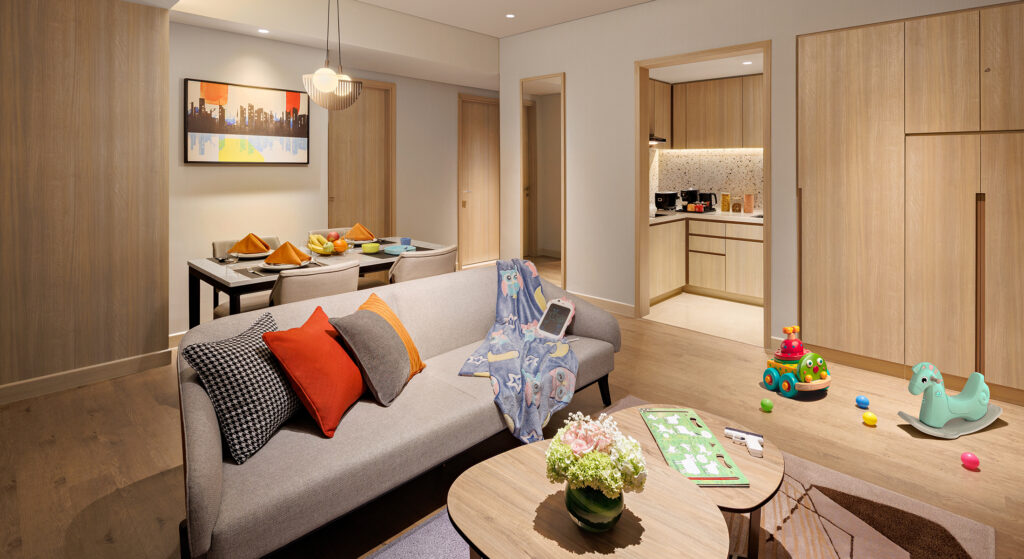
The living room serves multiple functions, acting as a relaxation space after work hours, an informal meeting area for small groups, and an entertainment zone for families. Quality furnishings, adequate lighting, and residential décor create environments where guests feel comfortable spending evenings and weekends.
Technology Integration for Modern Guests
Contemporary apartments hotel properties integrate technology systems that enhance convenience, security, and connectivity throughout the guest experience.
High-speed internet access throughout units and common areas supports business communications, video calls, and streaming entertainment. Many properties now provide fiber-optic connections with speeds sufficient for multiple devices and bandwidth-intensive applications.
Smart room controls allow guests to adjust climate, lighting, and entertainment systems through mobile apps or voice commands. This technology creates personalized environments while improving energy efficiency across the property.
Security systems incorporate keycard access, surveillance cameras in common areas, and sometimes in-unit safes for valuables. The 24-hour reception desk provides an additional security layer that conventional apartments lack.
Operational Considerations for Apartments Hotel Providers
Successfully operating an apartments hotel requires balancing hotel service standards with the residential expectations of long-stay guests.
Housekeeping protocols adapt to varying stay lengths, with daily service for short-term guests scaling back to weekly or bi-weekly for monthly residents who prefer more privacy. Linen changes, deep cleaning, and restocking of amenities follow schedules that respect guest preferences while maintaining cleanliness standards.
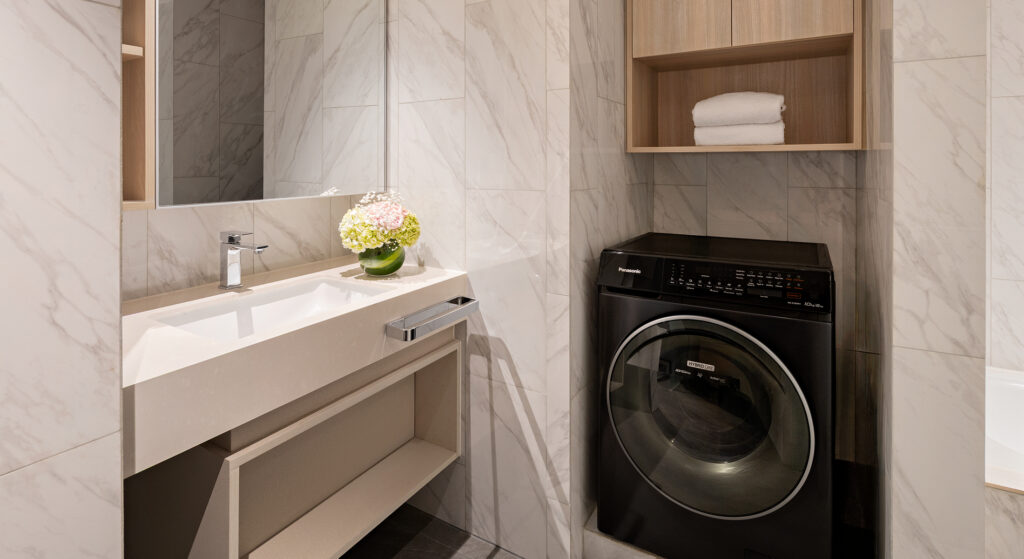
Maintenance teams must respond quickly to issues with kitchen appliances, laundry machines, and other residential equipment that standard hotels don’t manage. The complexity of maintaining full apartments exceeds typical hotel room upkeep, requiring broader technical skills and parts inventory.
Revenue management strategies differ from traditional hotels due to the mix of daily, weekly, and monthly rates. Operators must balance immediate revenue from short-term bookings against the guaranteed income and lower turnover costs of extended-stay contracts.
Choosing the Right Apartments Hotel
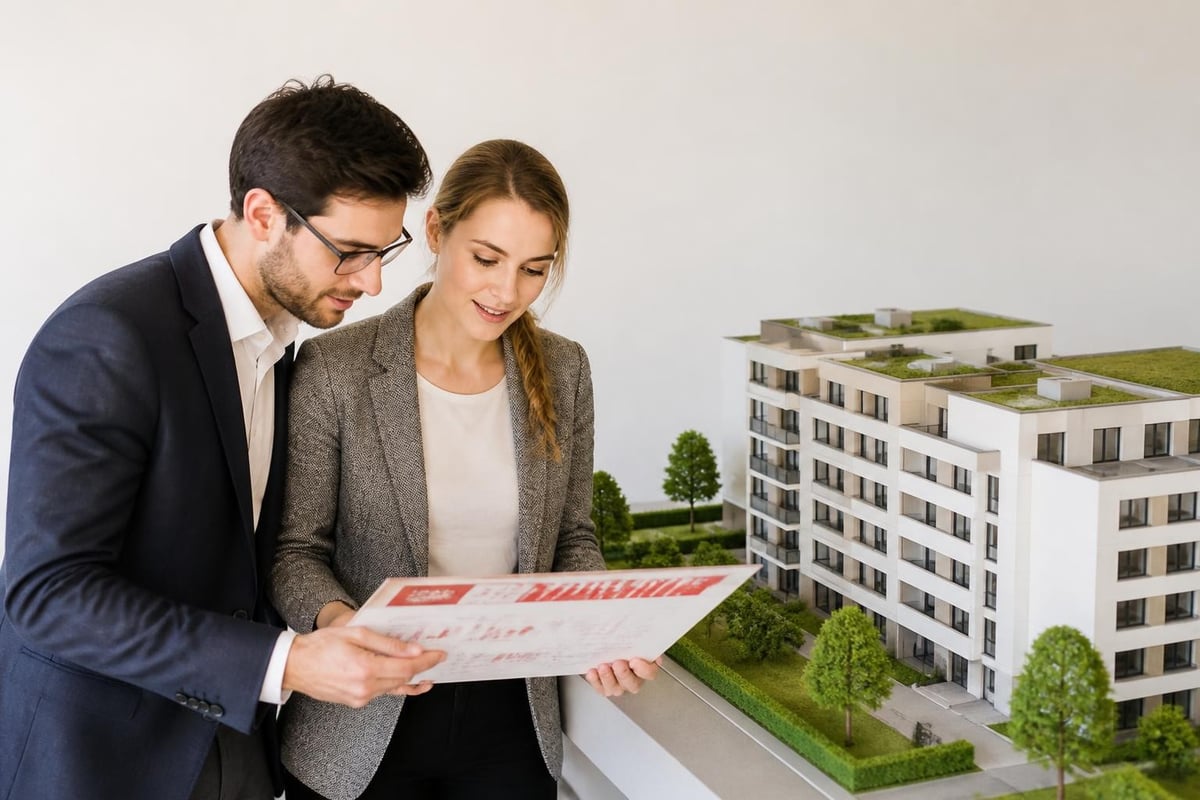
Guests selecting an apartments hotel should evaluate several factors to ensure the property meets their specific requirements. Location relative to work obligations, transportation access, and desired amenities forms the foundation of any decision.
Unit size and configuration must accommodate the number of guests and their space needs. Solo business travelers may find studios adequate, while families or professionals hosting visitors require multi-bedroom options. Reviewing floor plans and square footage prevents unpleasant surprises at check-in.
Service levels vary across properties, with some apartments hotels offering daily housekeeping and comprehensive concierge services while others provide minimal support to keep costs lower. Understanding what services are included versus available for additional fees clarifies the total cost of a stay.
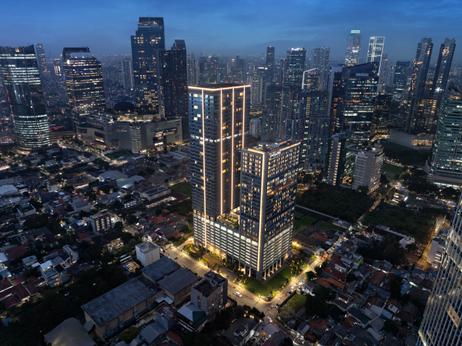
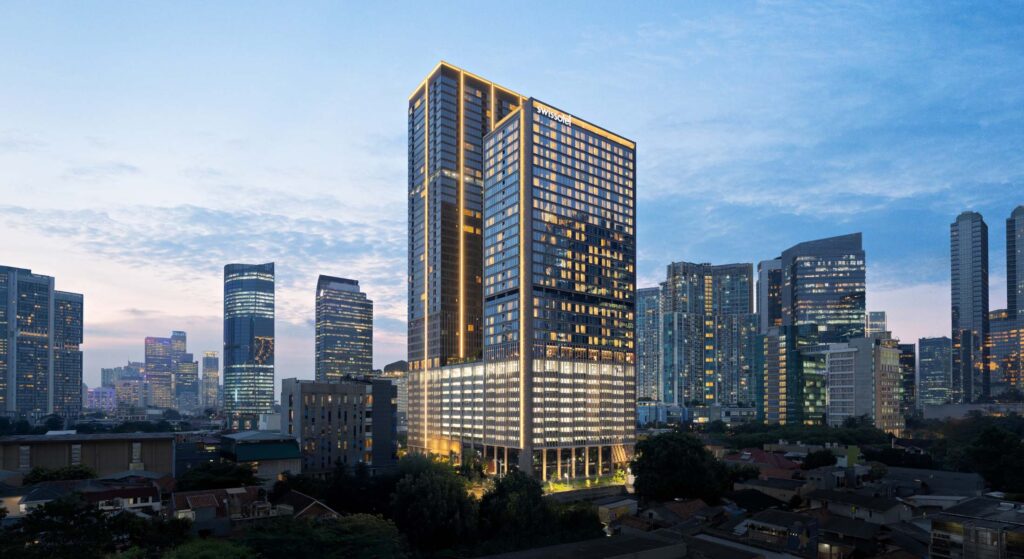
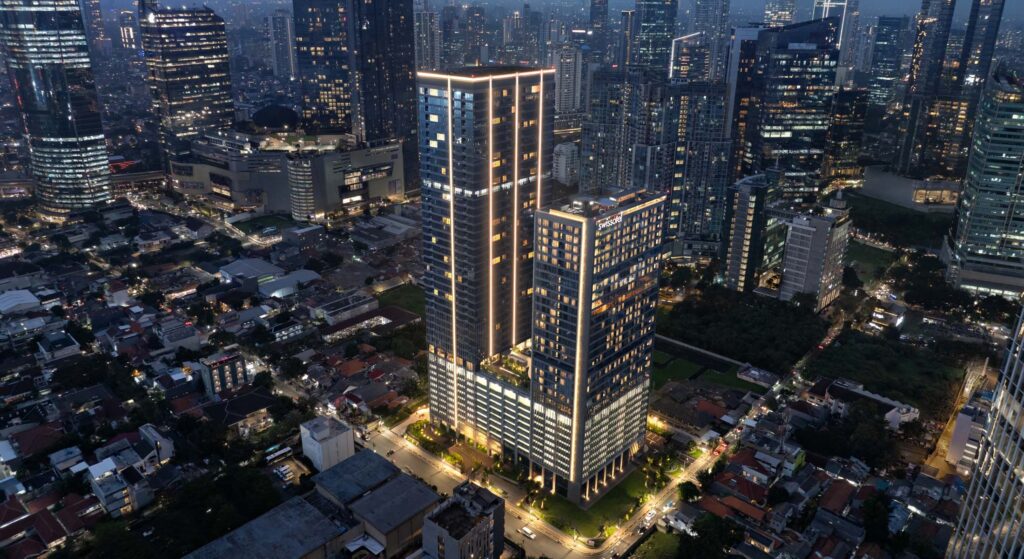
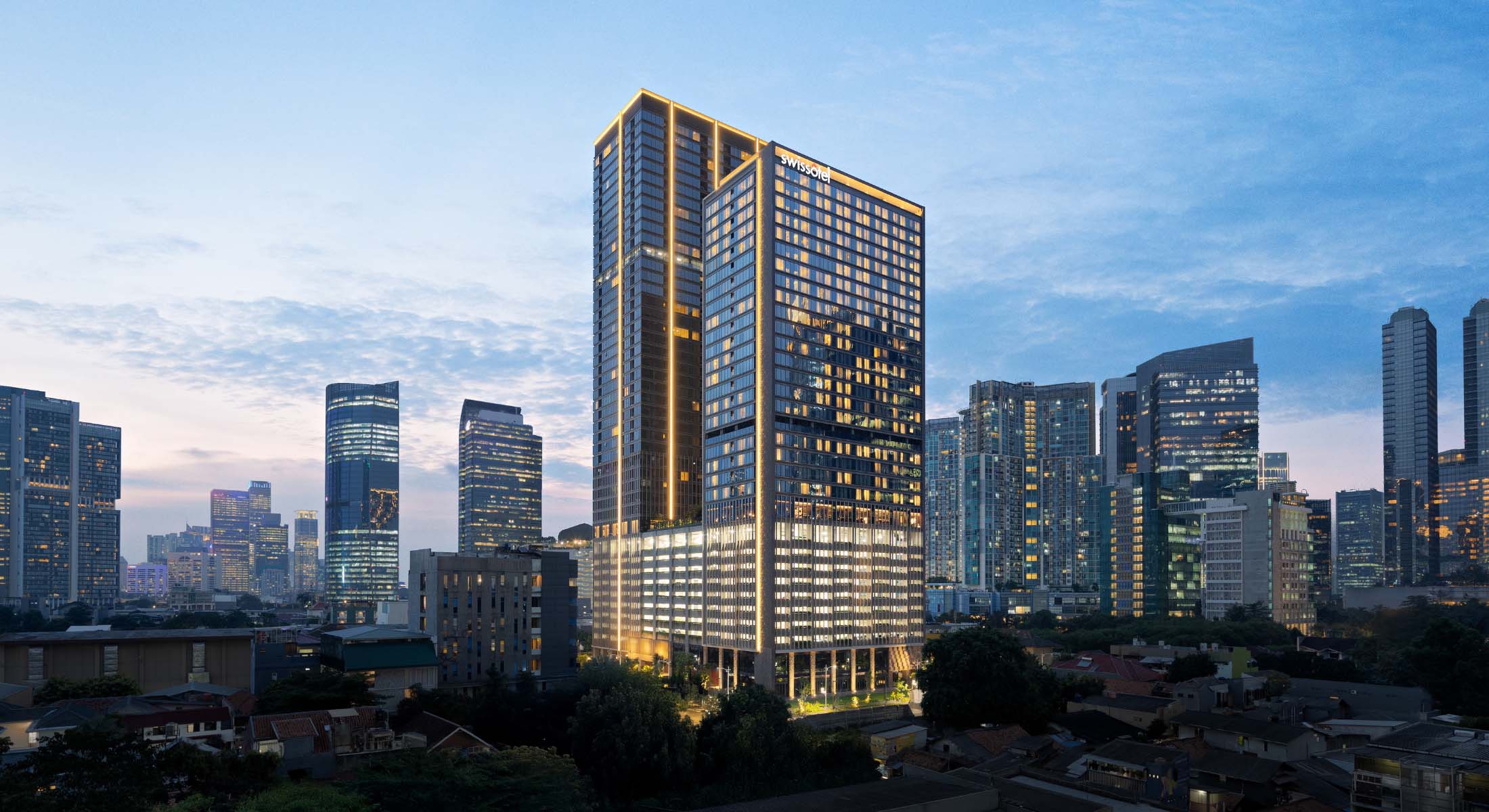
For those seeking an apartments hotel in Jakarta, properties in Mega Kuningan offer exceptional positioning within the capital’s central business district. Swissôtel Living Jakarta Mega Kuningan provides 240 fully furnished serviced apartments ranging from studios to three-bedroom residences, all available for daily, weekly, monthly, or yearly stays with comprehensive hotel services and amenities.
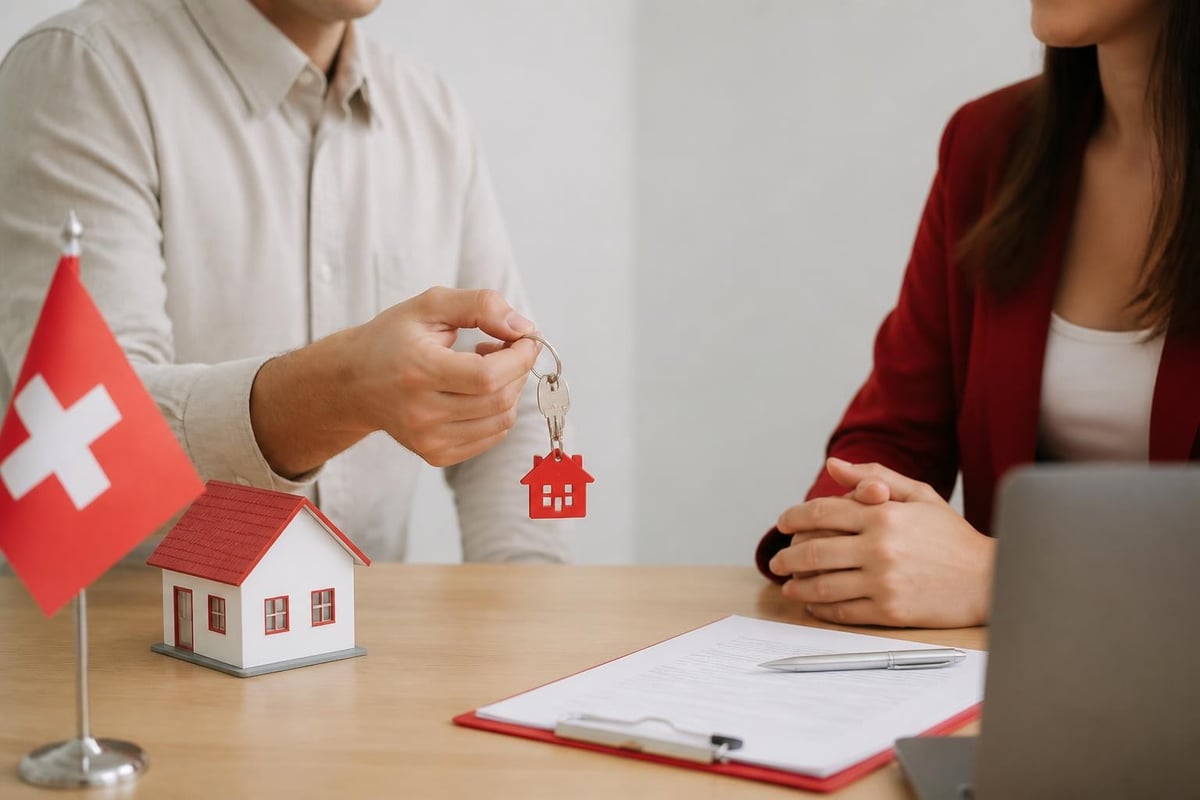
Lease terms and cancellation policies require careful review, particularly for extended stays. Some apartments hotel properties offer flexible policies that accommodate changing business plans, while others impose penalties for early departures. Understanding these terms prevents financial surprises if circumstances change.
Future Trends in the Apartments Hotel Sector
The apartments hotel category continues evolving in response to changing work patterns, traveler expectations, and urban development trends across 2026.
Hybrid work arrangements have increased demand for apartments hotel units with enhanced home office features, including standing desks, dual monitors, and dedicated video conferencing backgrounds. Properties investing in workspace upgrades position themselves favorably for the business travel segment.
Sustainability initiatives now influence property selection, with corporate travel policies increasingly favoring accommodations that demonstrate environmental responsibility through energy efficiency, waste reduction, and sustainable operations. Apartments hotel providers implementing green building certifications and operational practices attract environmentally conscious guests.
Bleisure travel, combining business and leisure, has expanded the apartments hotel market beyond pure business travelers. Properties located near both business districts and recreational attractions appeal to professionals who extend work trips to explore destinations or bring family members along.
The growth of the apartments hotel sector in emerging markets continues as these cities develop mature business districts and attract multinational corporations. Asian cities particularly have seen rapid expansion in quality serviced apartment inventory catering to expatriate professionals and business travelers.
The apartments hotel concept delivers an optimal accommodation solution for travelers requiring more than a hotel room but seeking less commitment than a traditional apartment lease. By combining residential space and amenities with professional hotel services, these properties serve business professionals, expatriate families, and extended-stay guests who value flexibility, comfort, and convenience. Swissôtel Living Jakarta Mega Kuningan exemplifies this category with fully furnished residences, flexible stay options from daily to yearly, and strategic positioning in Jakarta’s premier business district. Whether you’re relocating to Jakarta for a corporate assignment, seeking temporary housing during a home search, or managing an extended business project, discover how serviced apartments provide the space, services, and flexibility that traditional hotels cannot match.