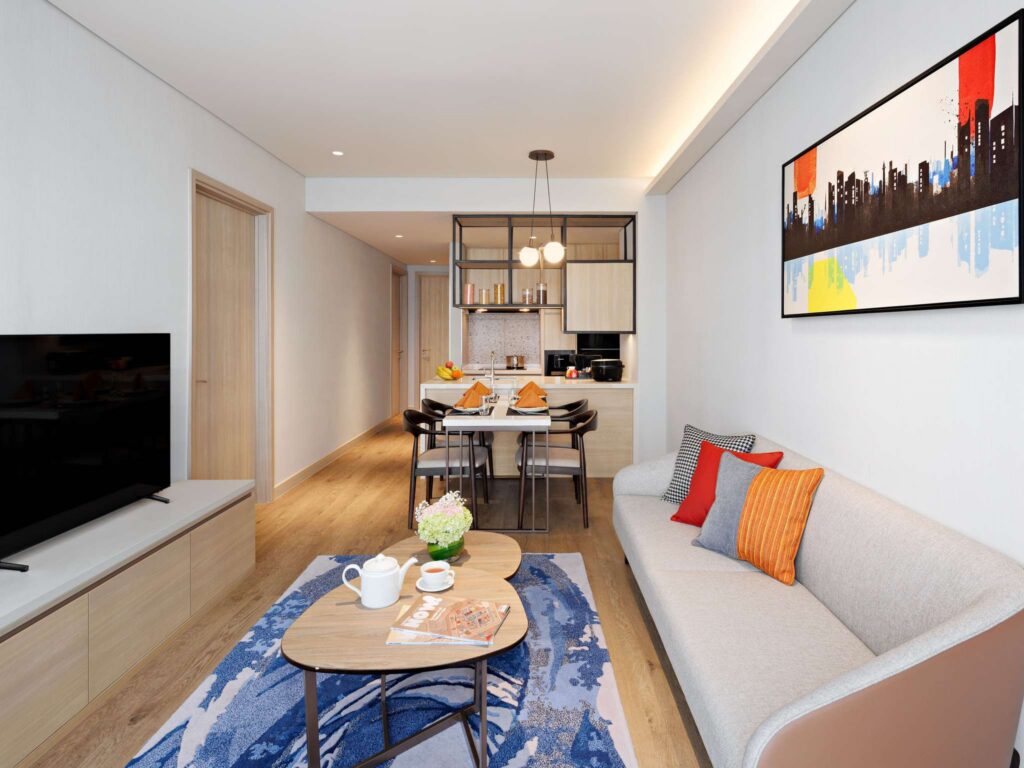
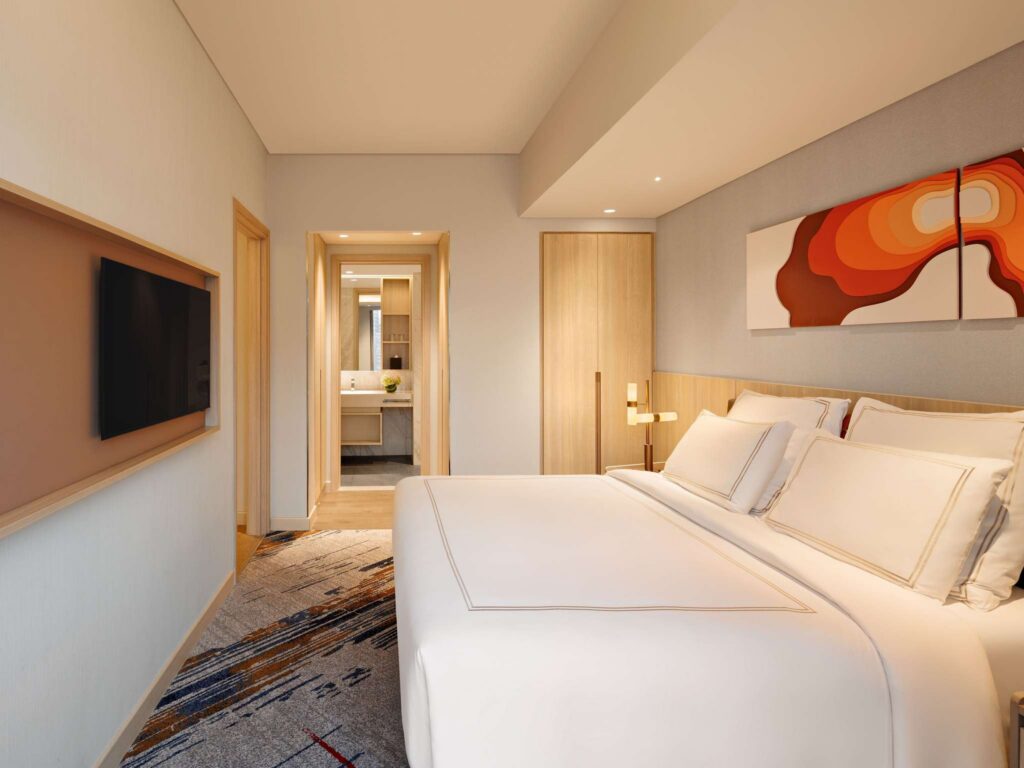
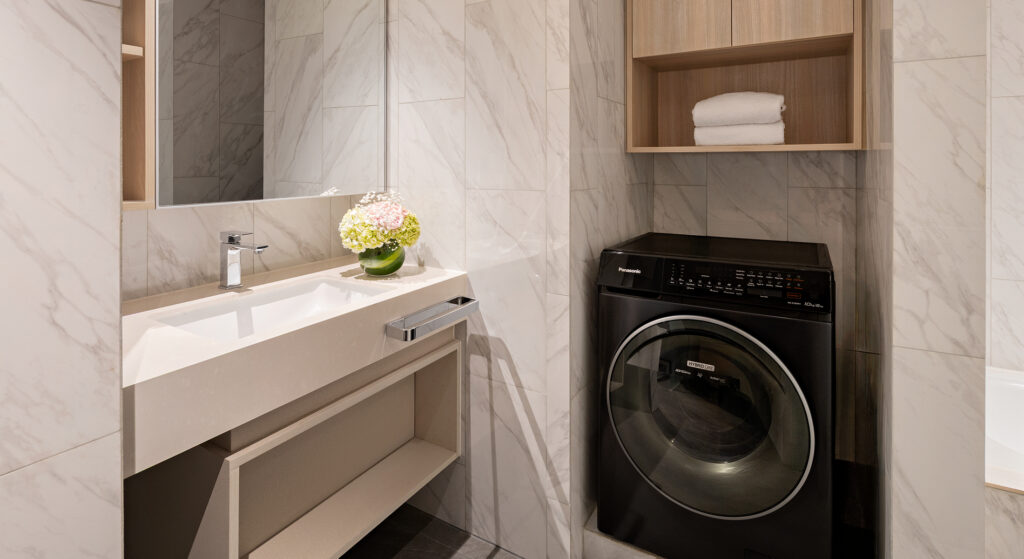
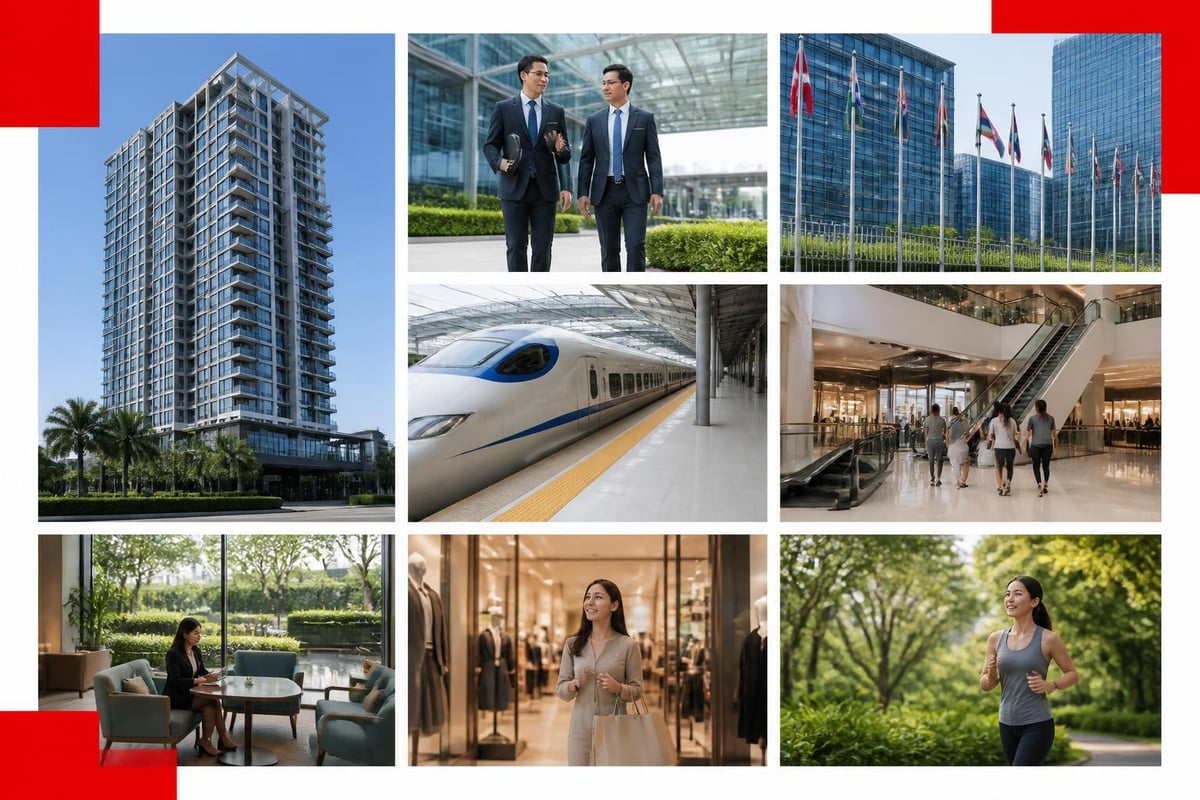
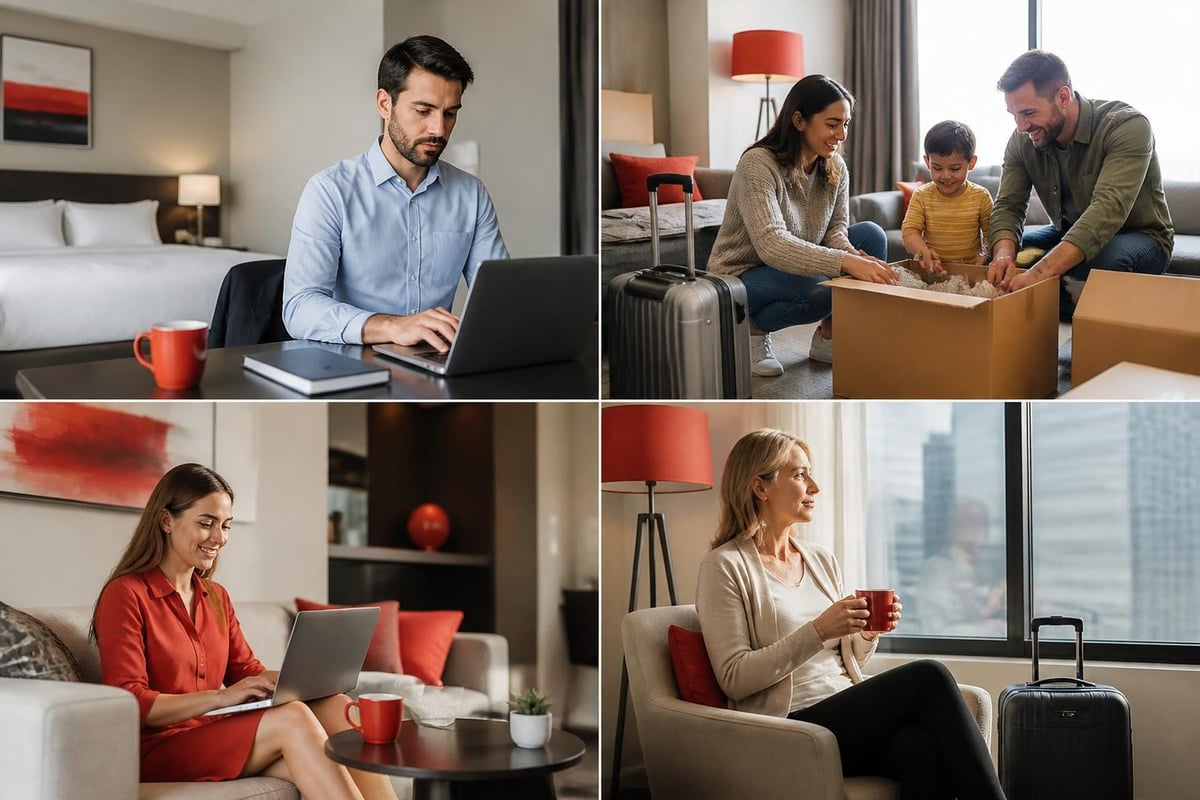
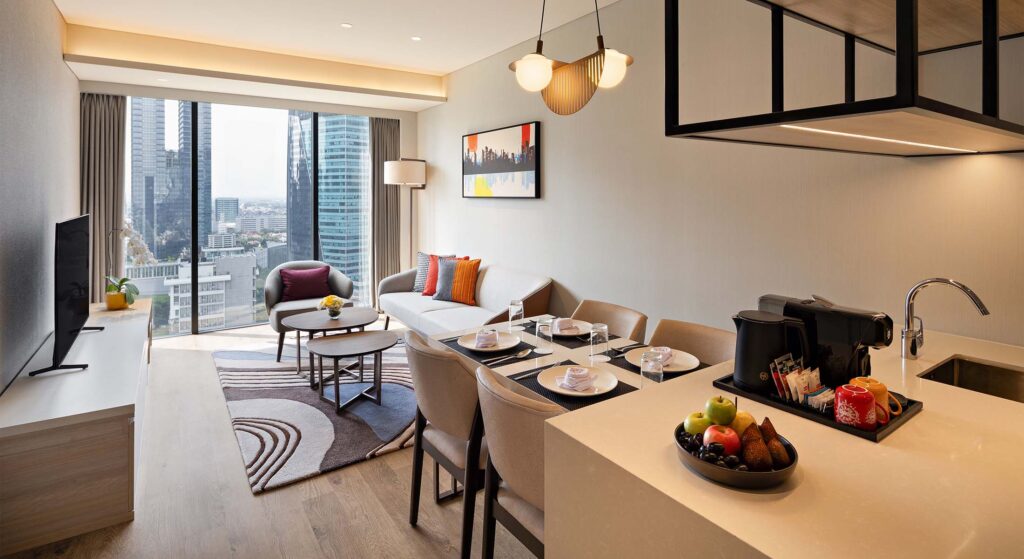
A serviced residence represents a distinct accommodation category that bridges the gap between traditional hotels and unfurnished rental apartments. This hybrid model has gained significant traction among business travelers, expatriates, and families who require the space and privacy of an apartment combined with the convenience of hotel services. In 2026, the serviced residence sector continues to evolve as corporate travel patterns shift and professionals seek accommodation solutions that align with extended stays and flexible work arrangements.
Understanding the Serviced Residence Model
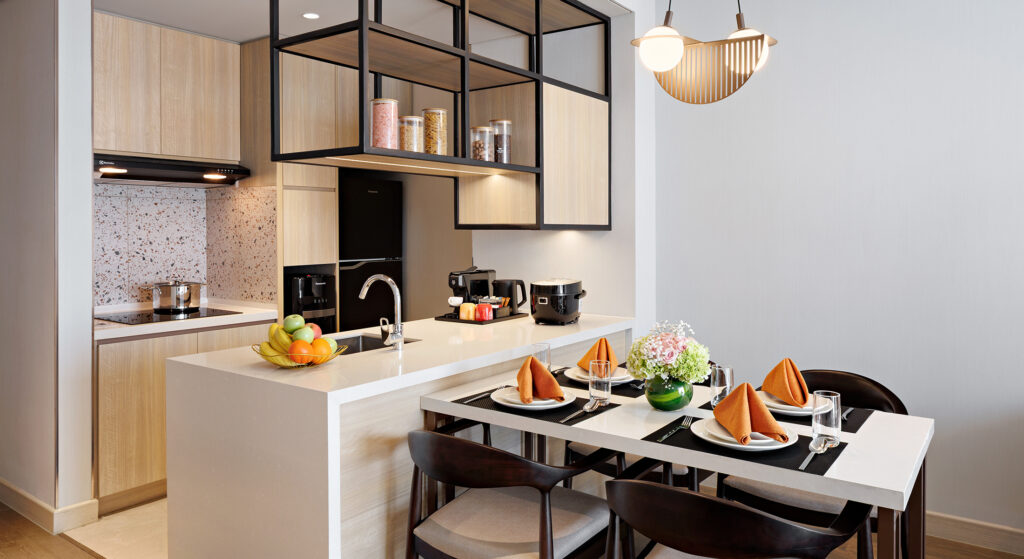
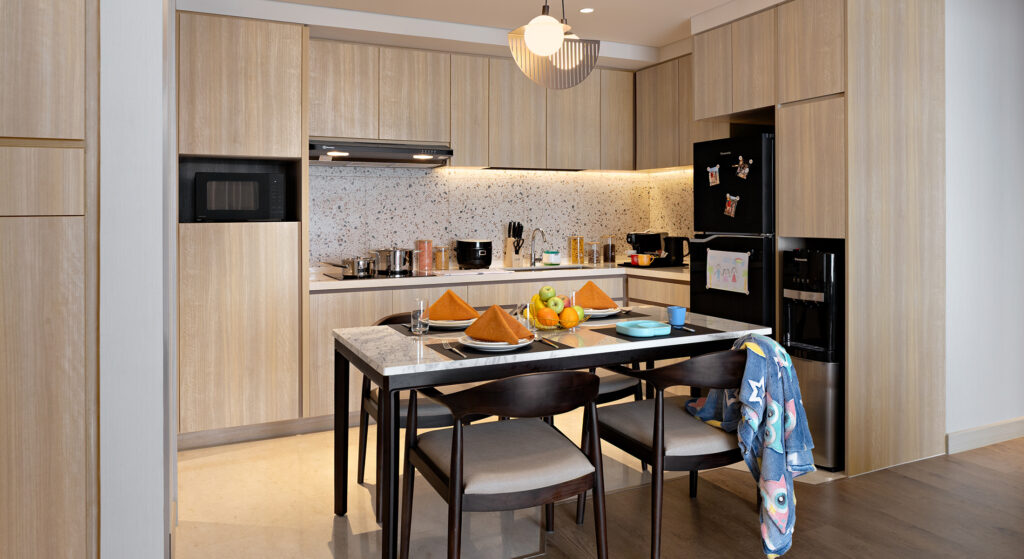
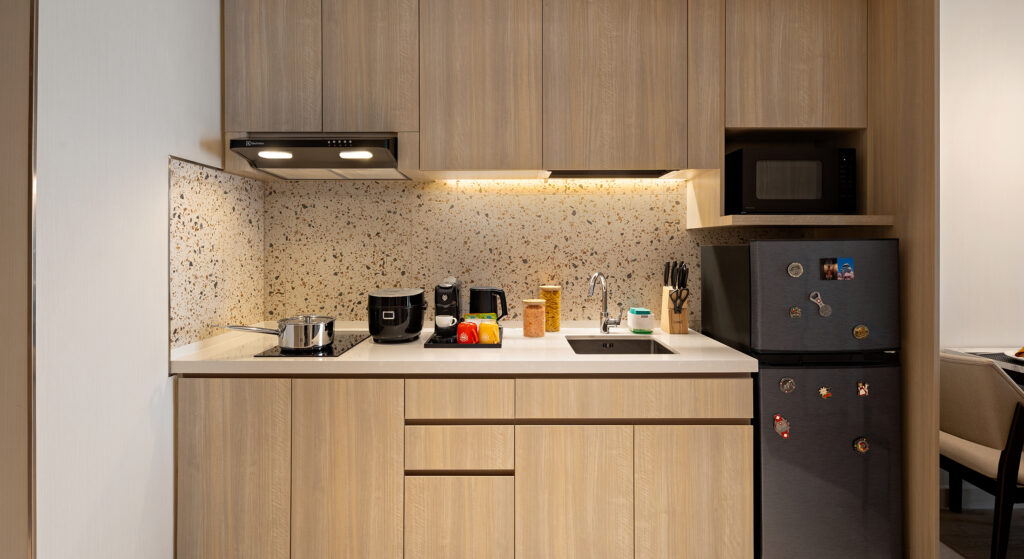
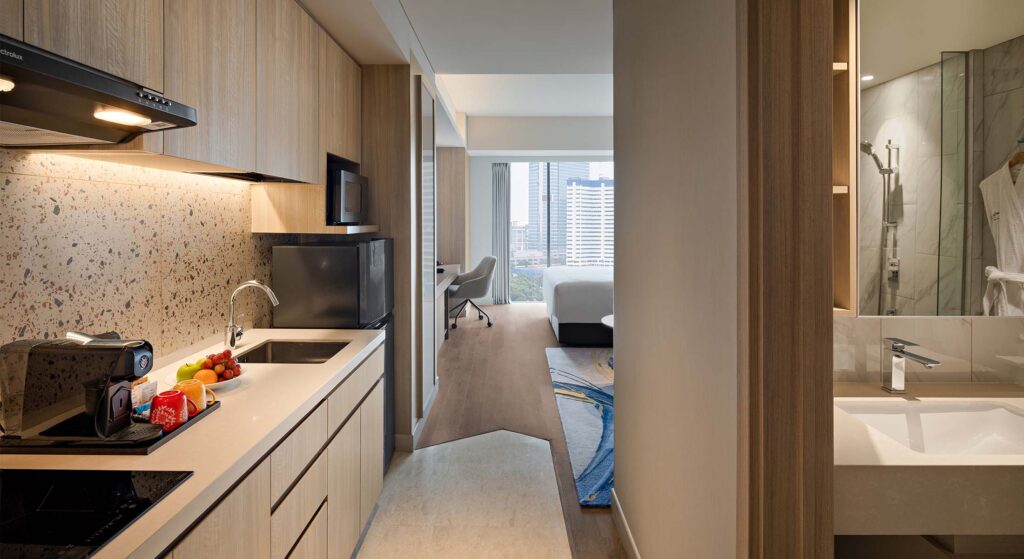
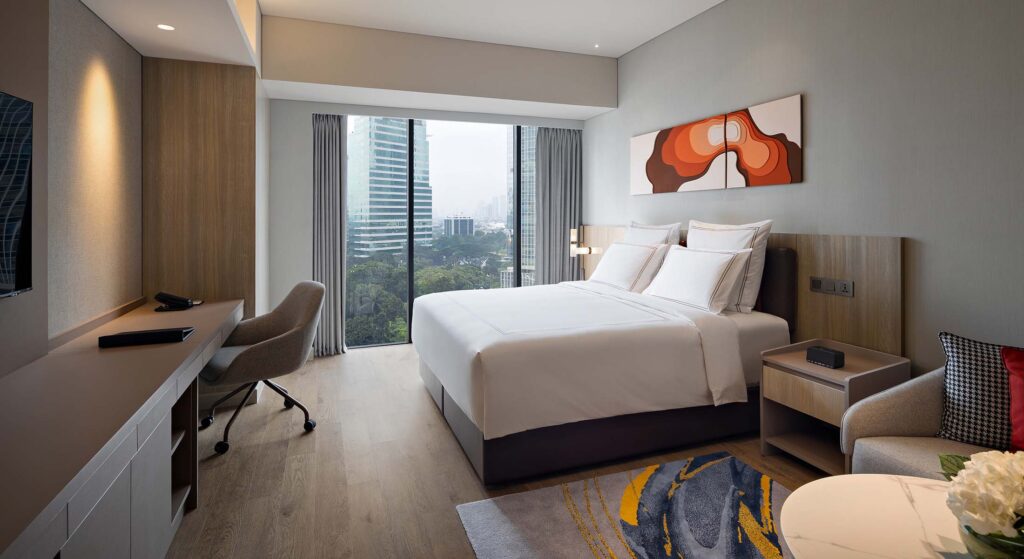
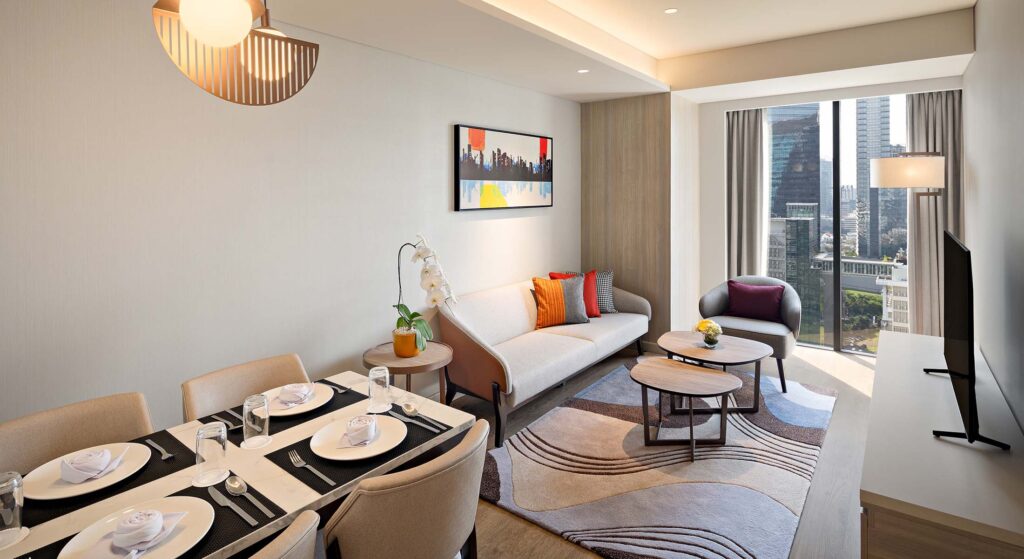
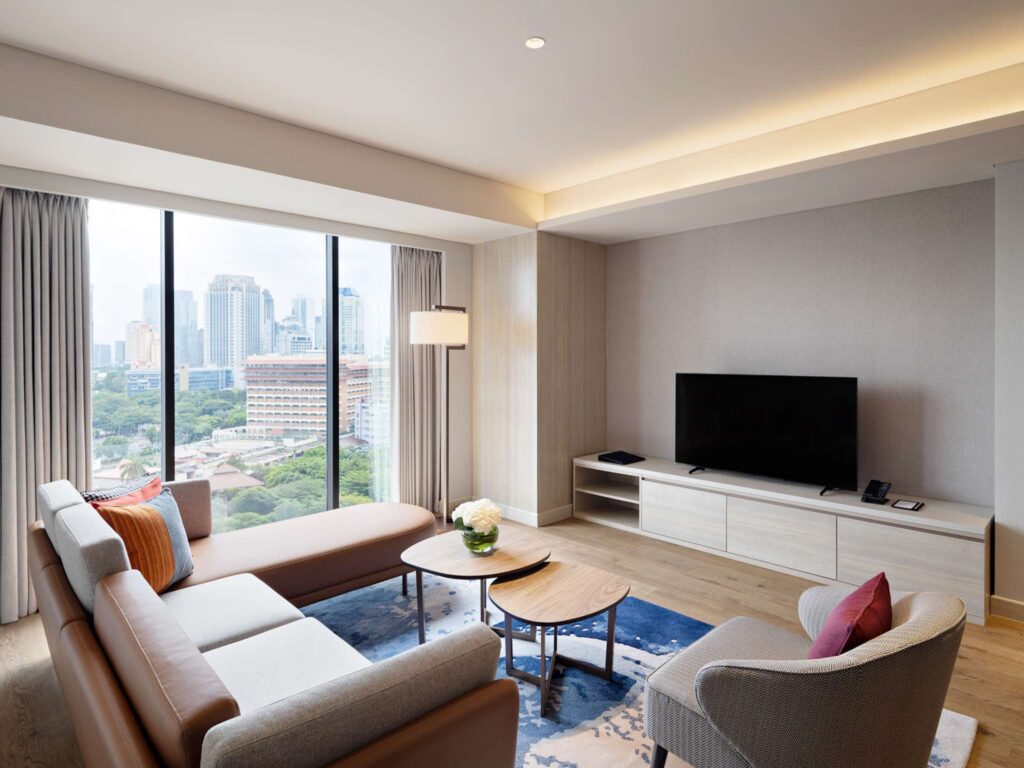
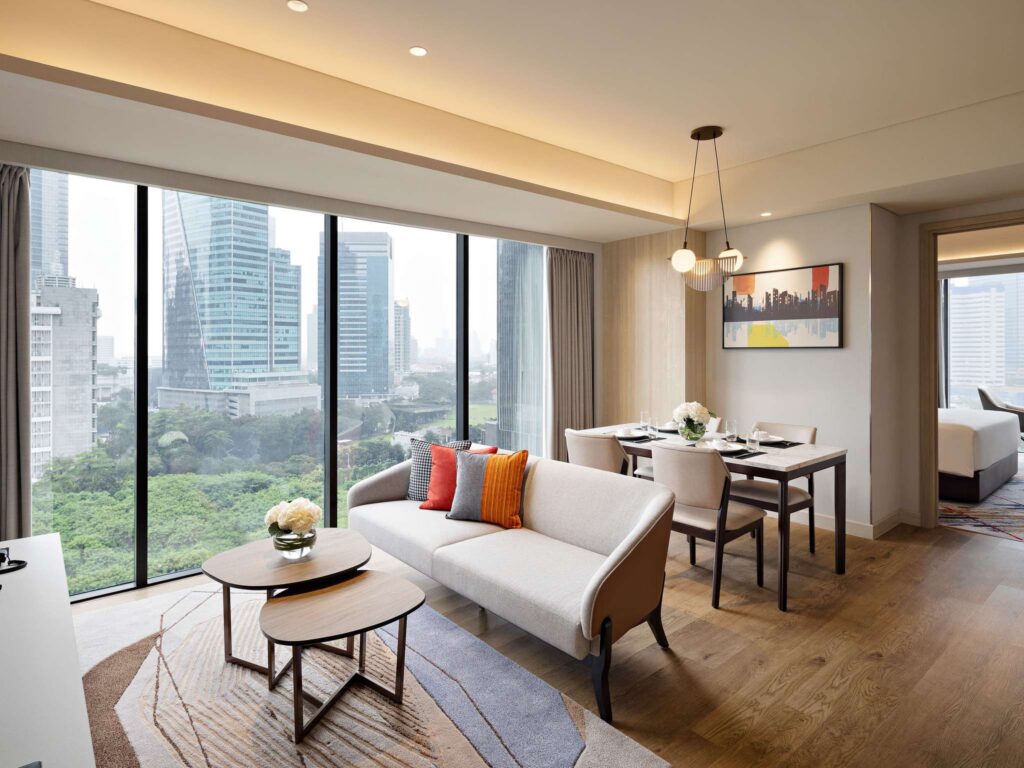
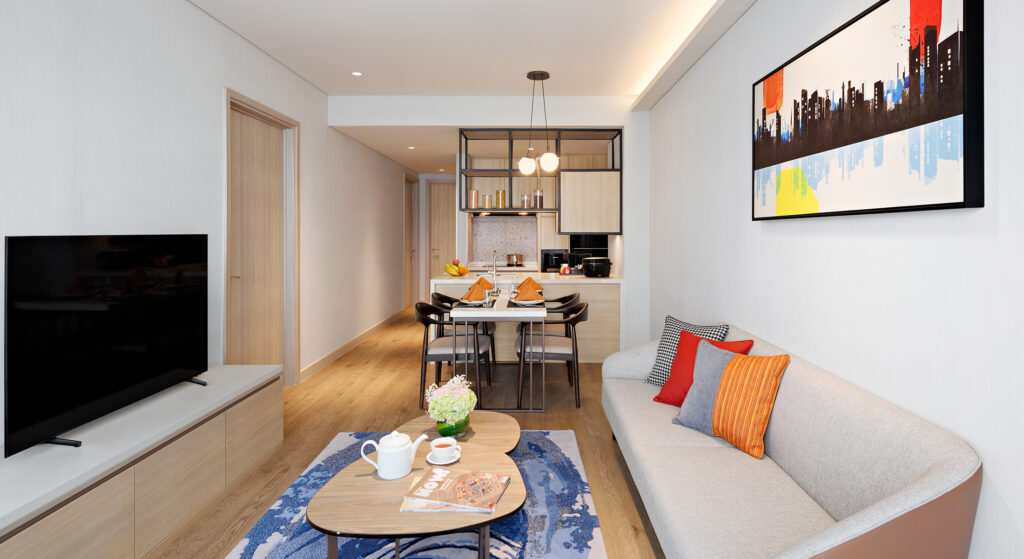
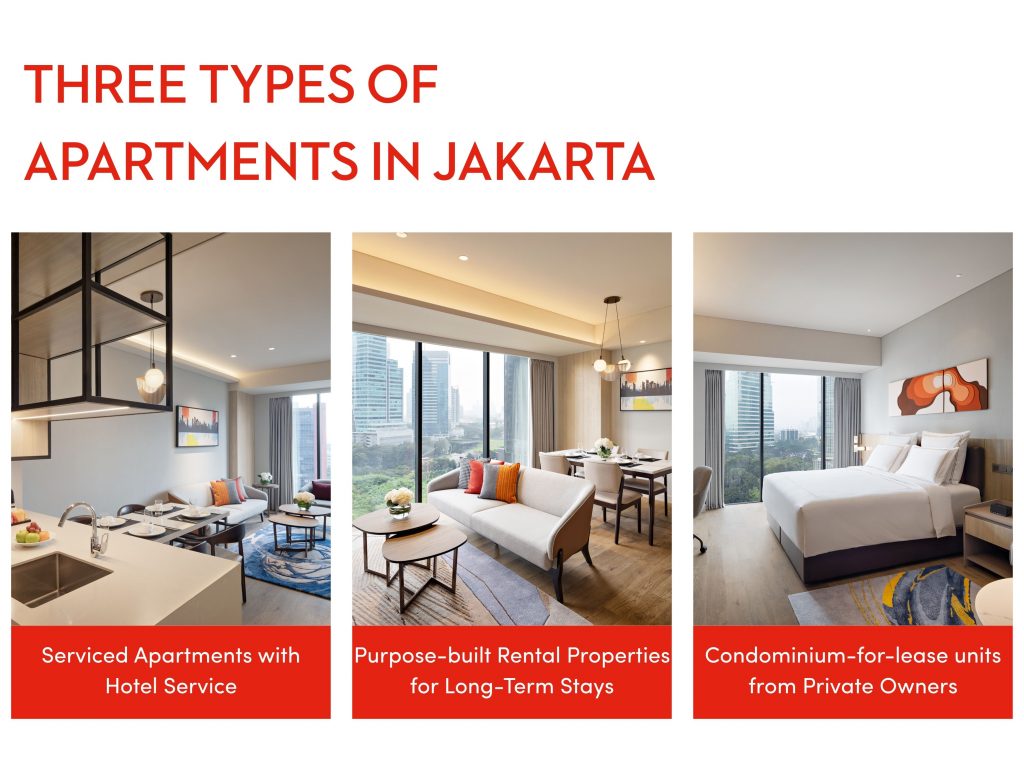
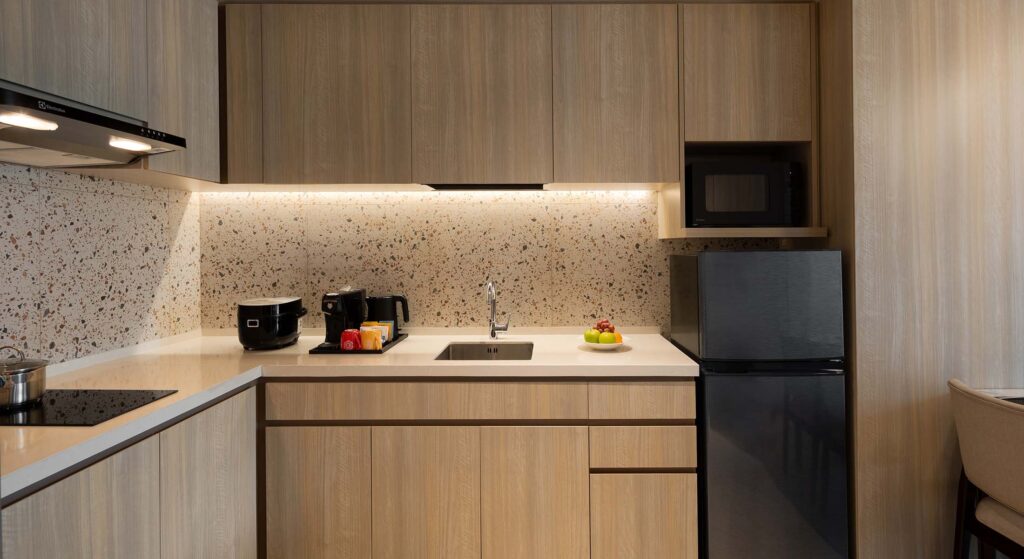
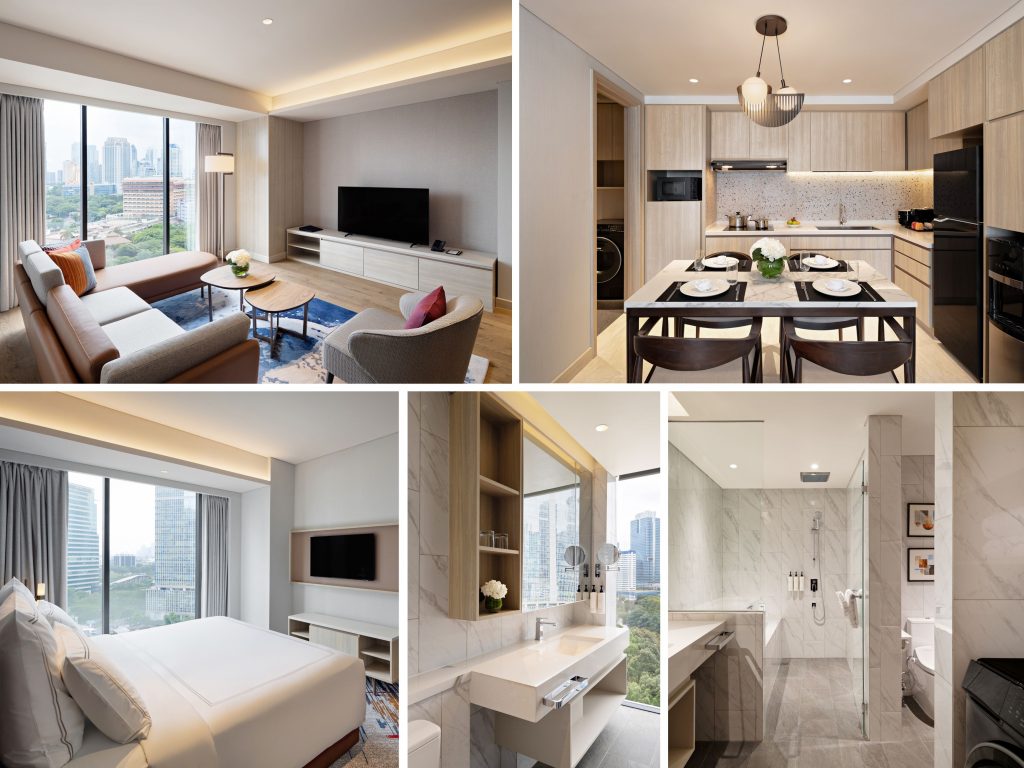
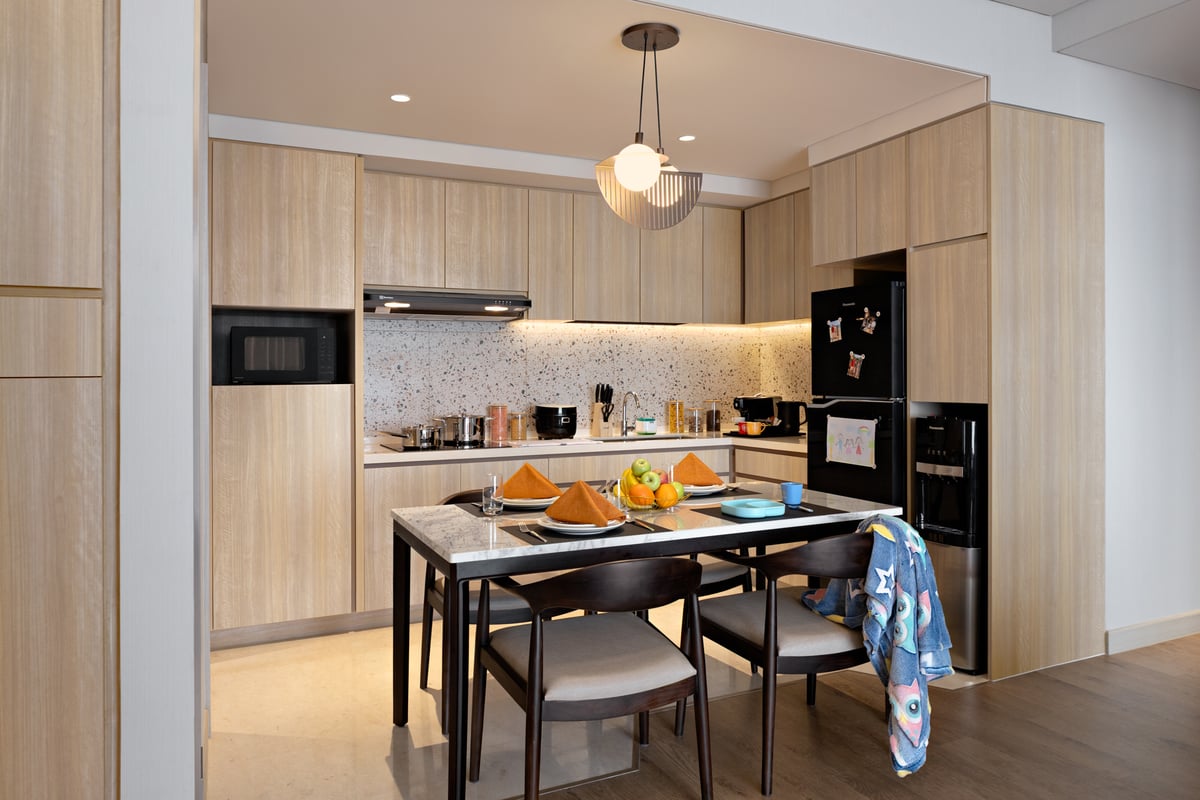
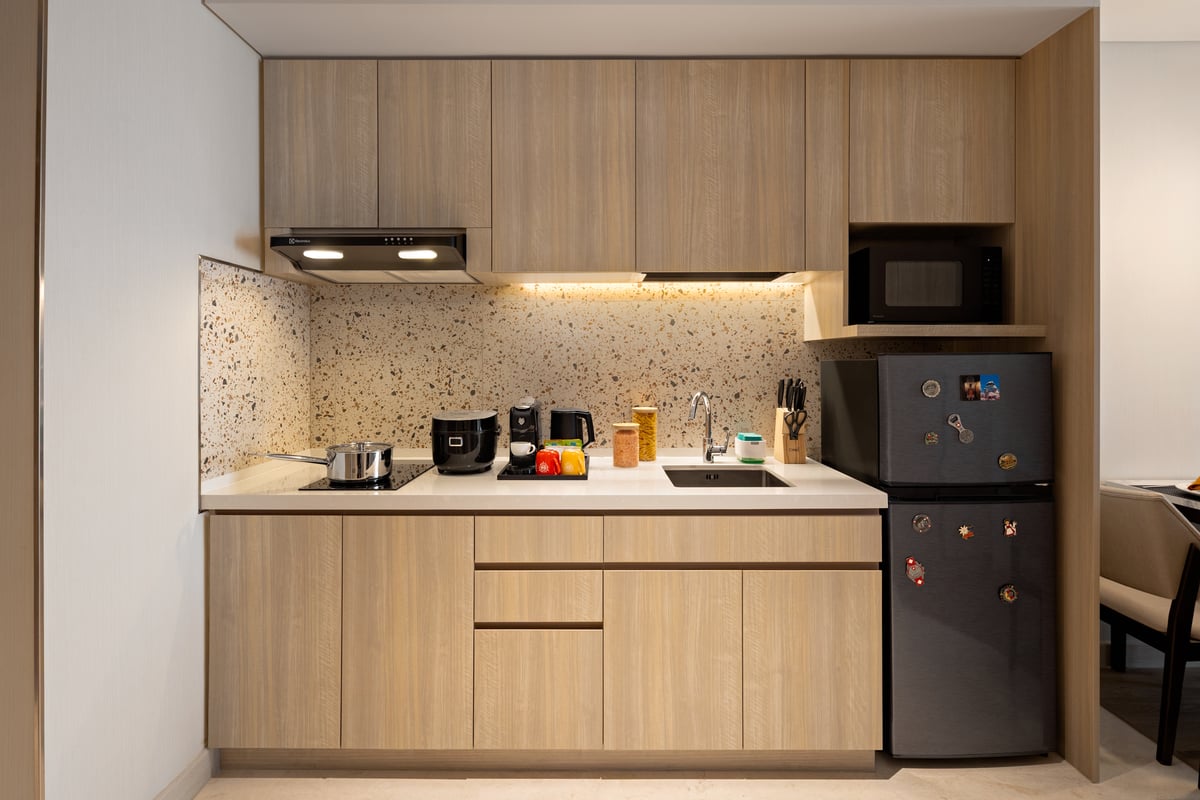
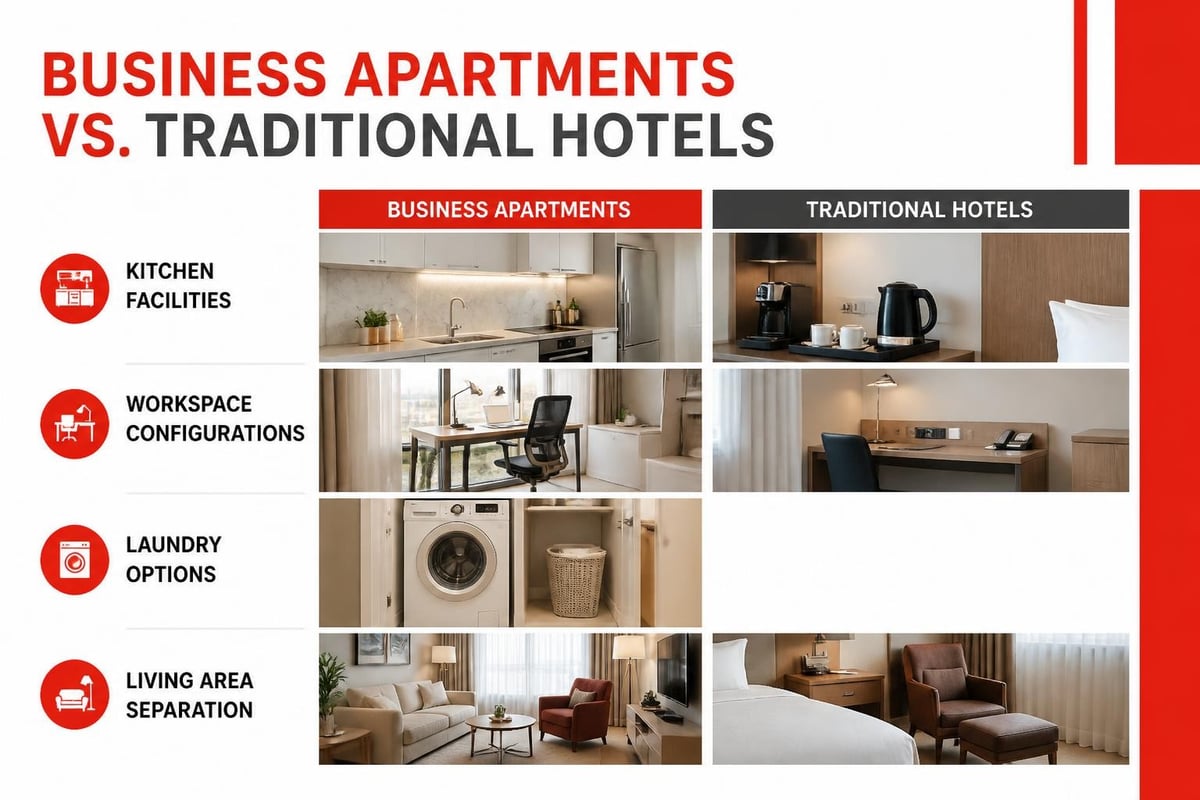
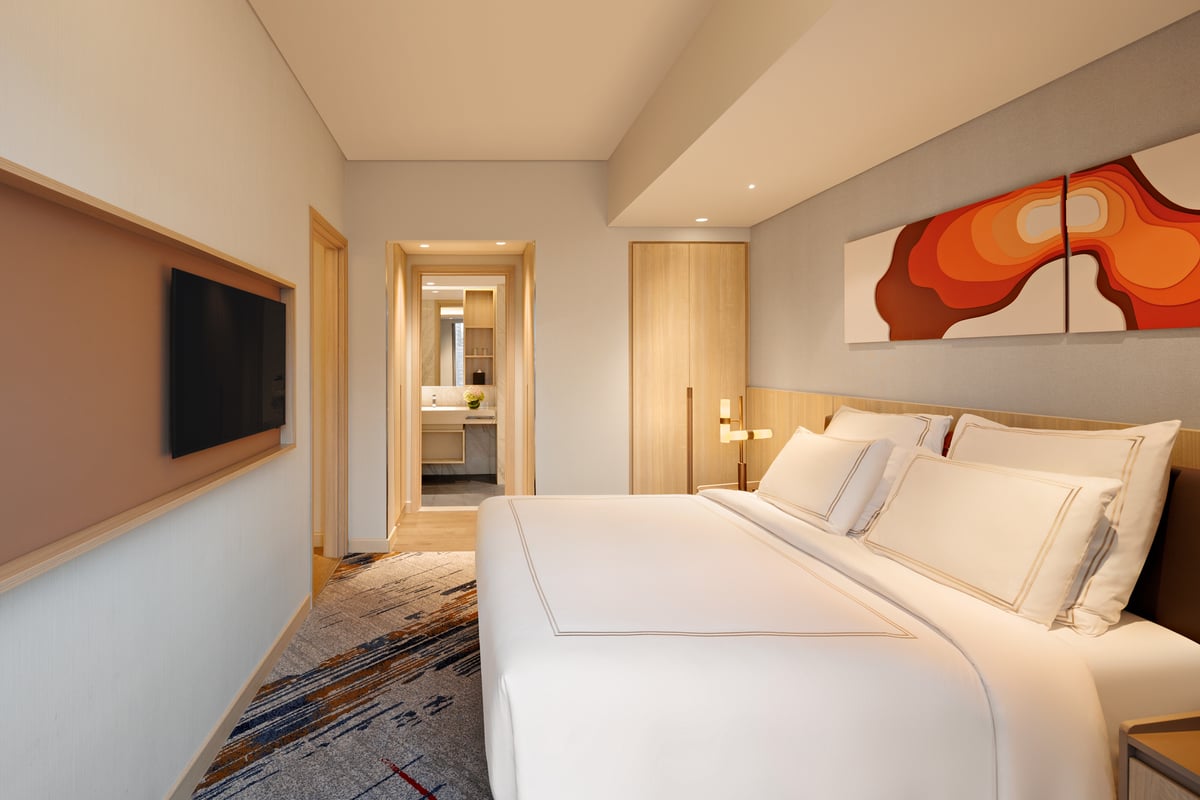
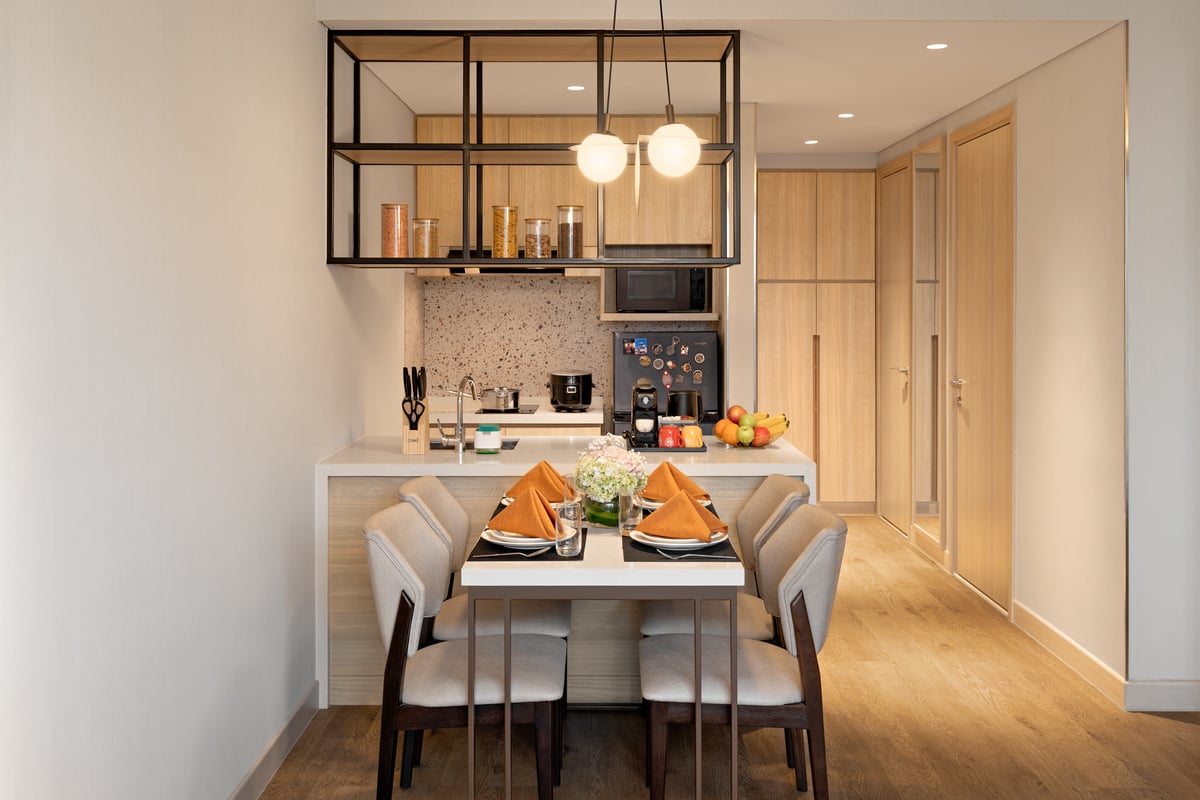
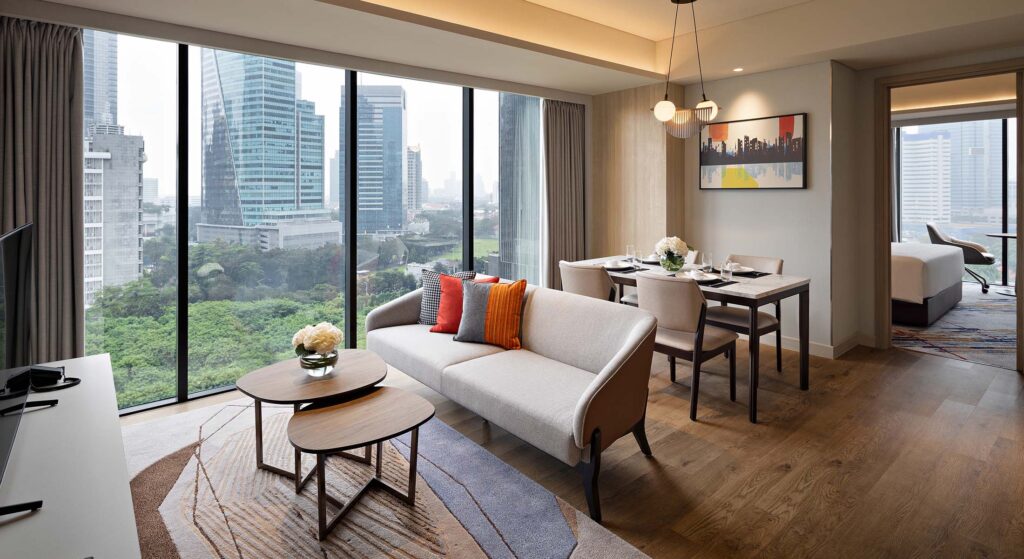
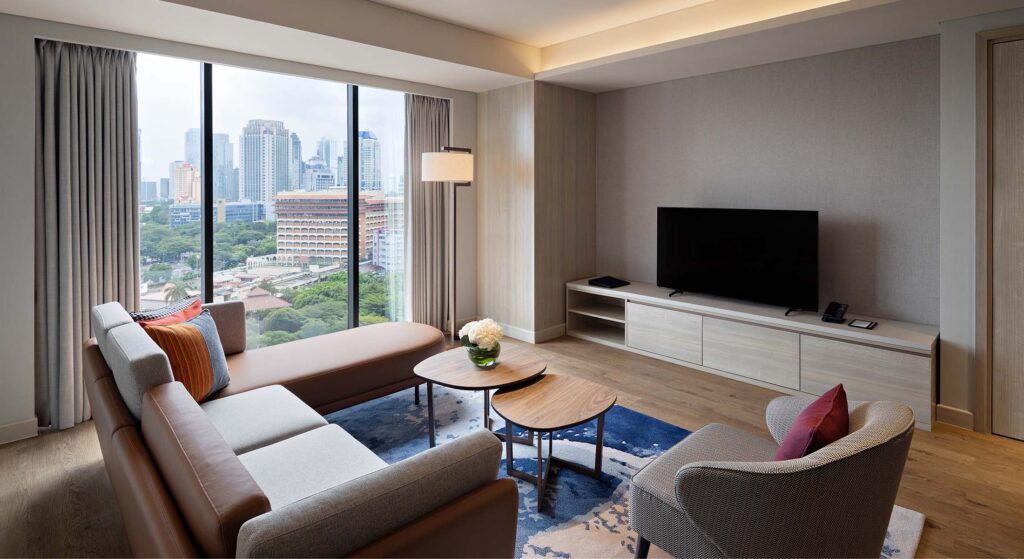
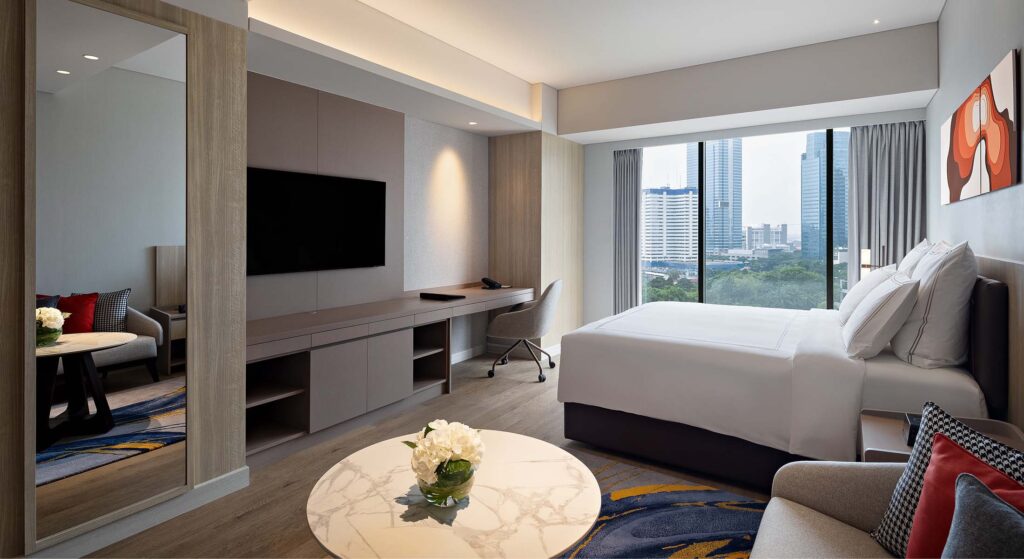
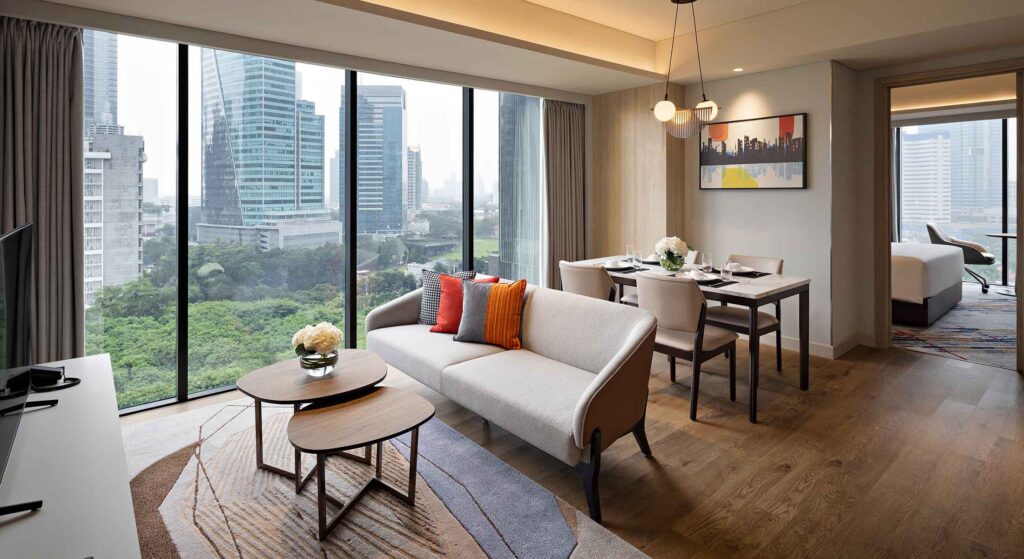
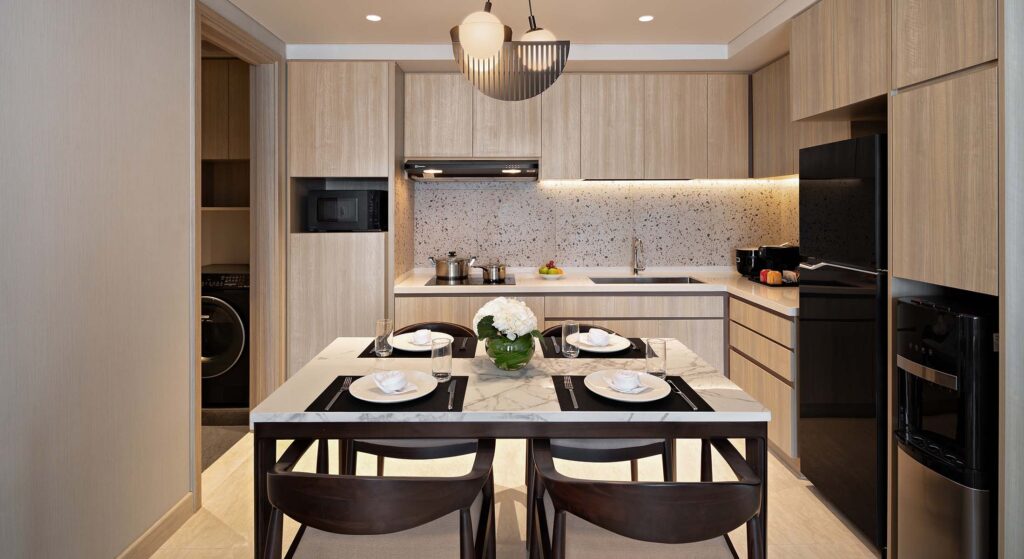
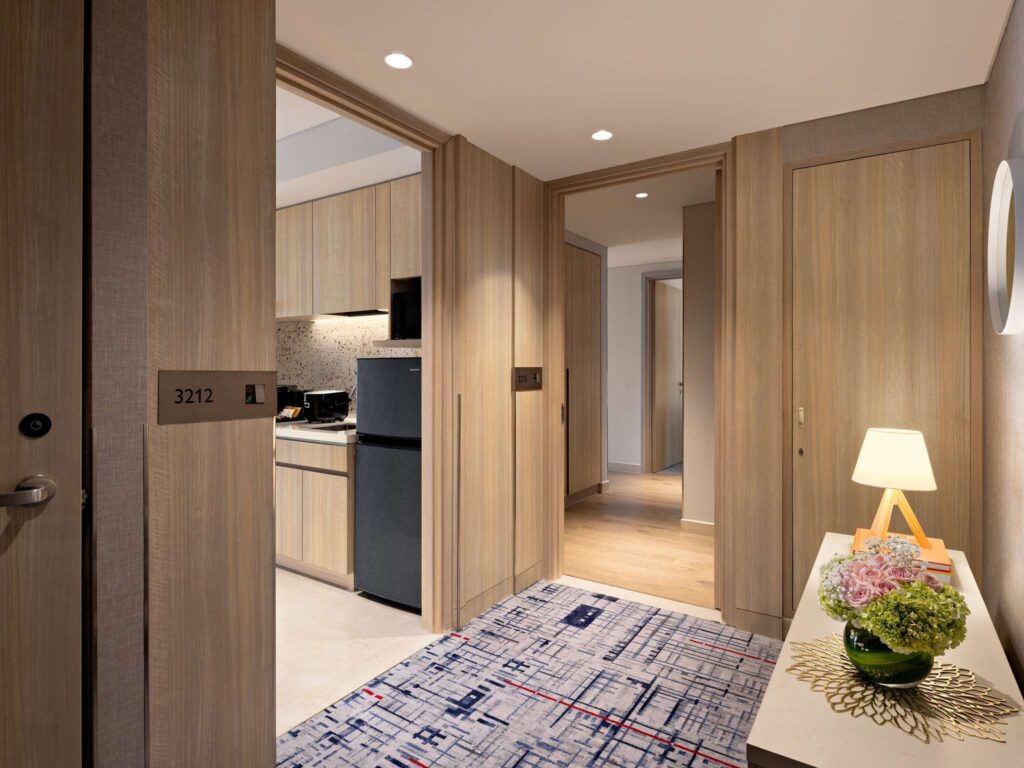
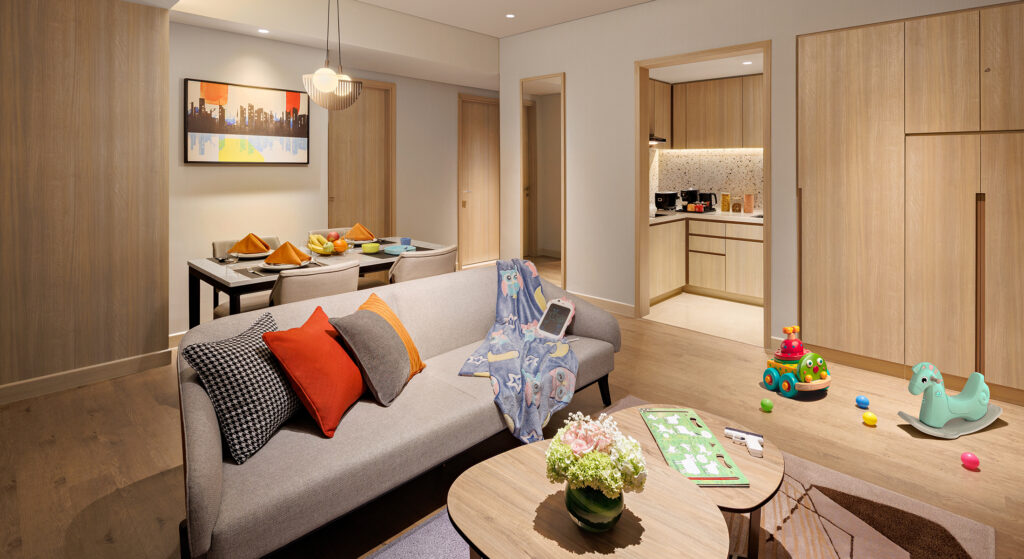
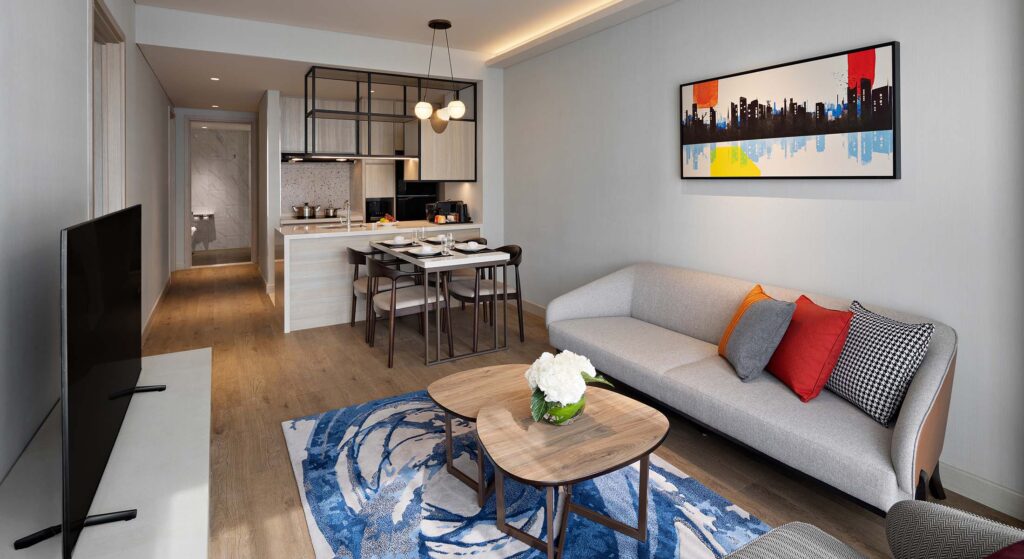
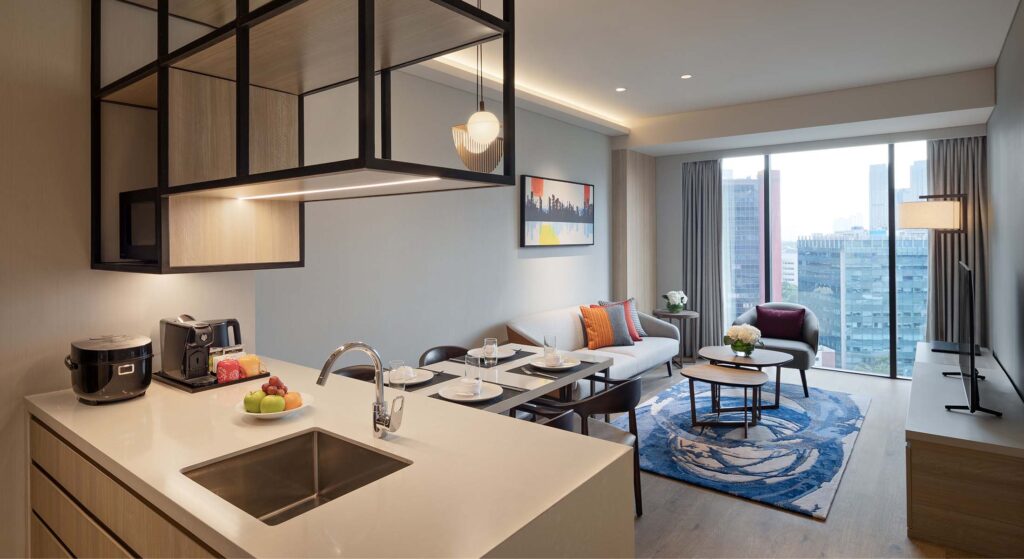
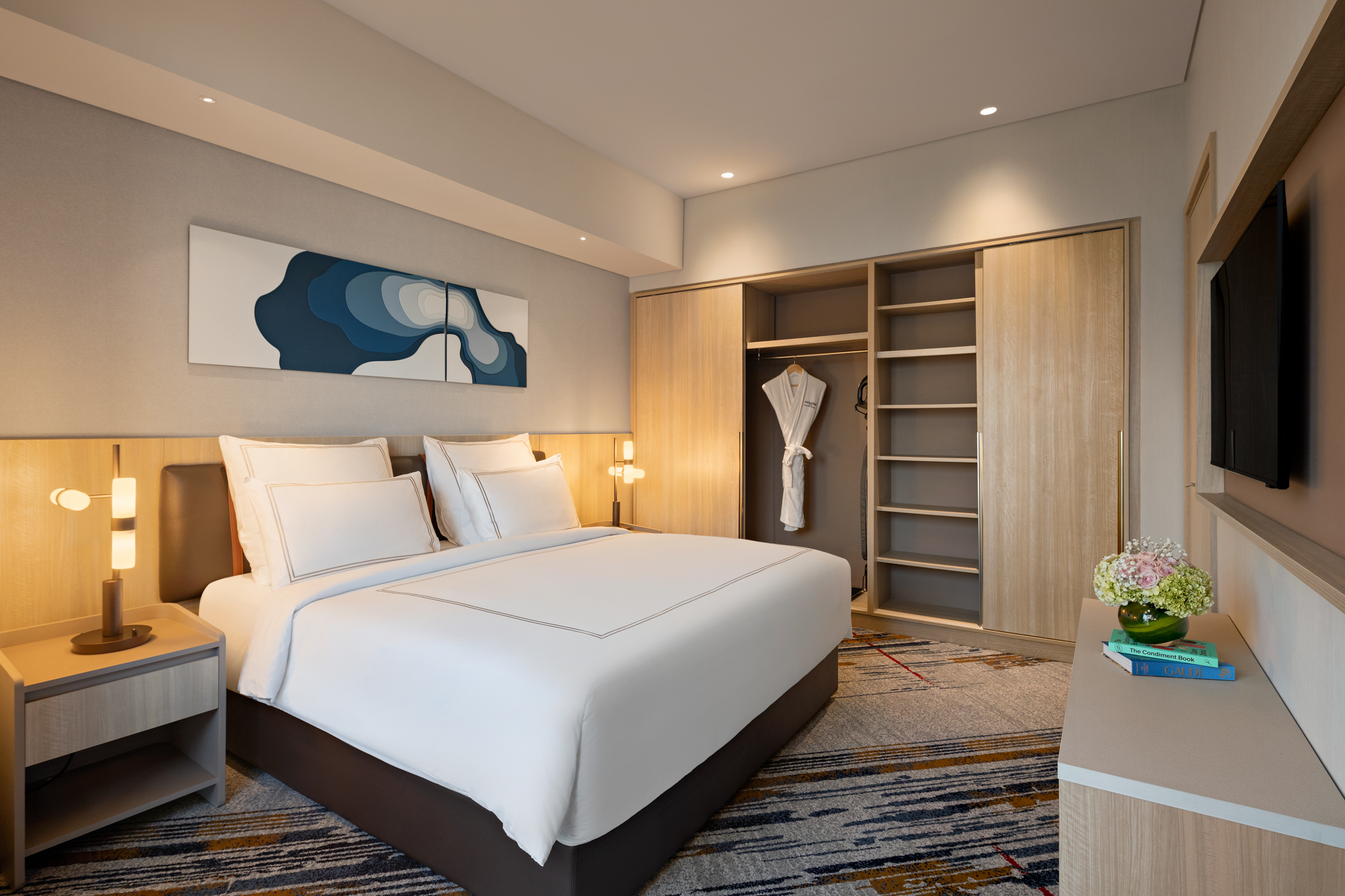
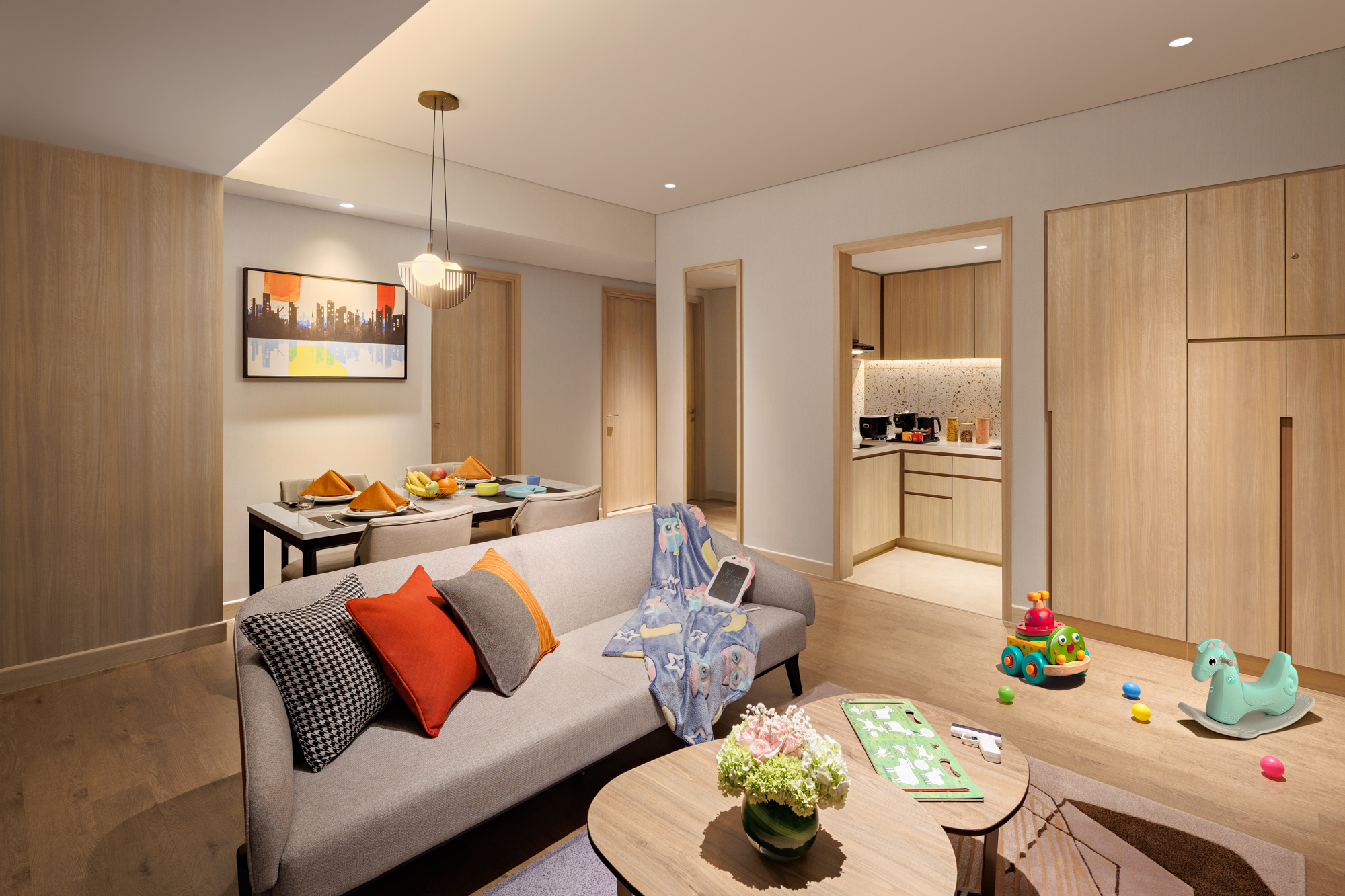
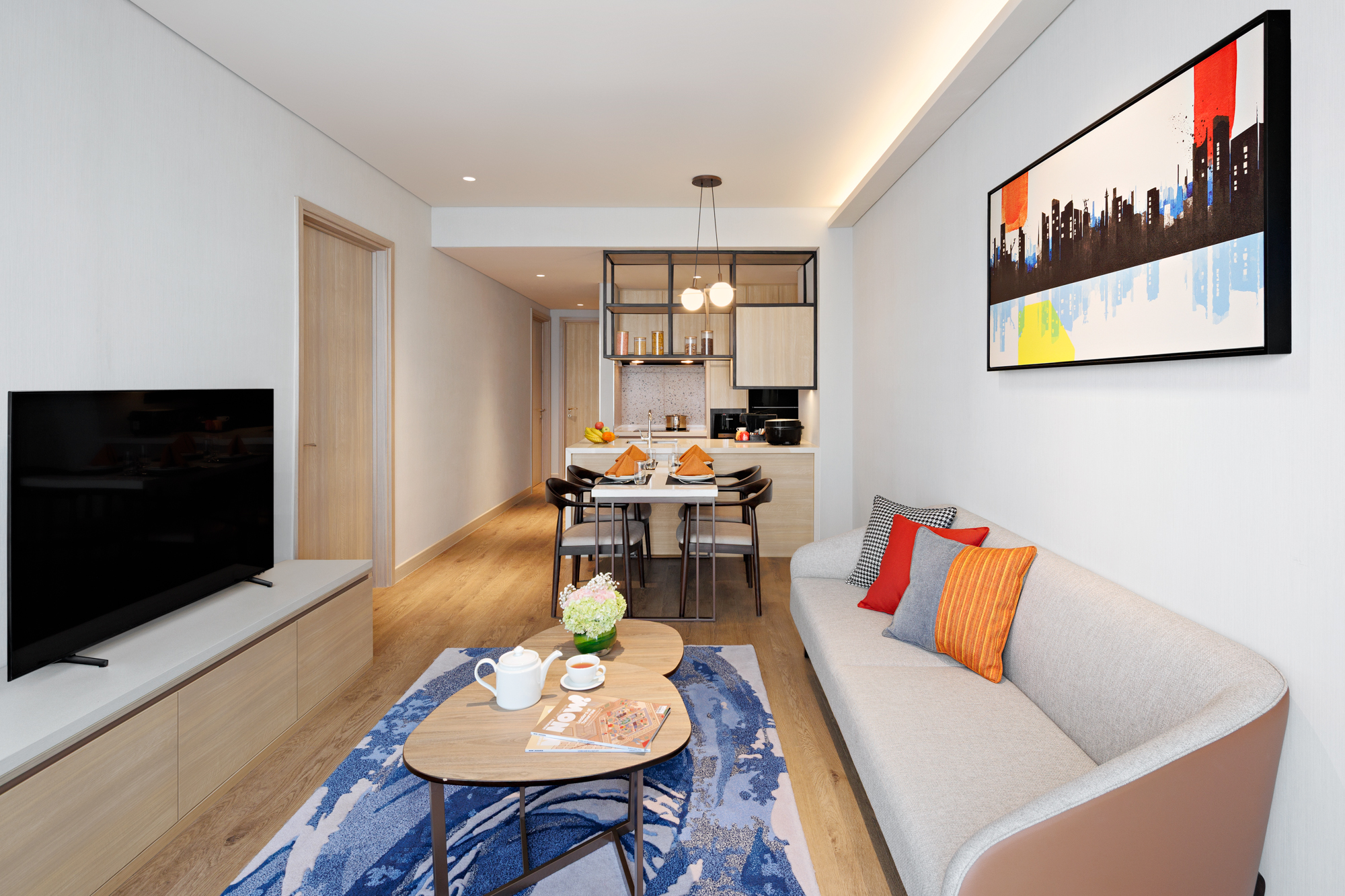
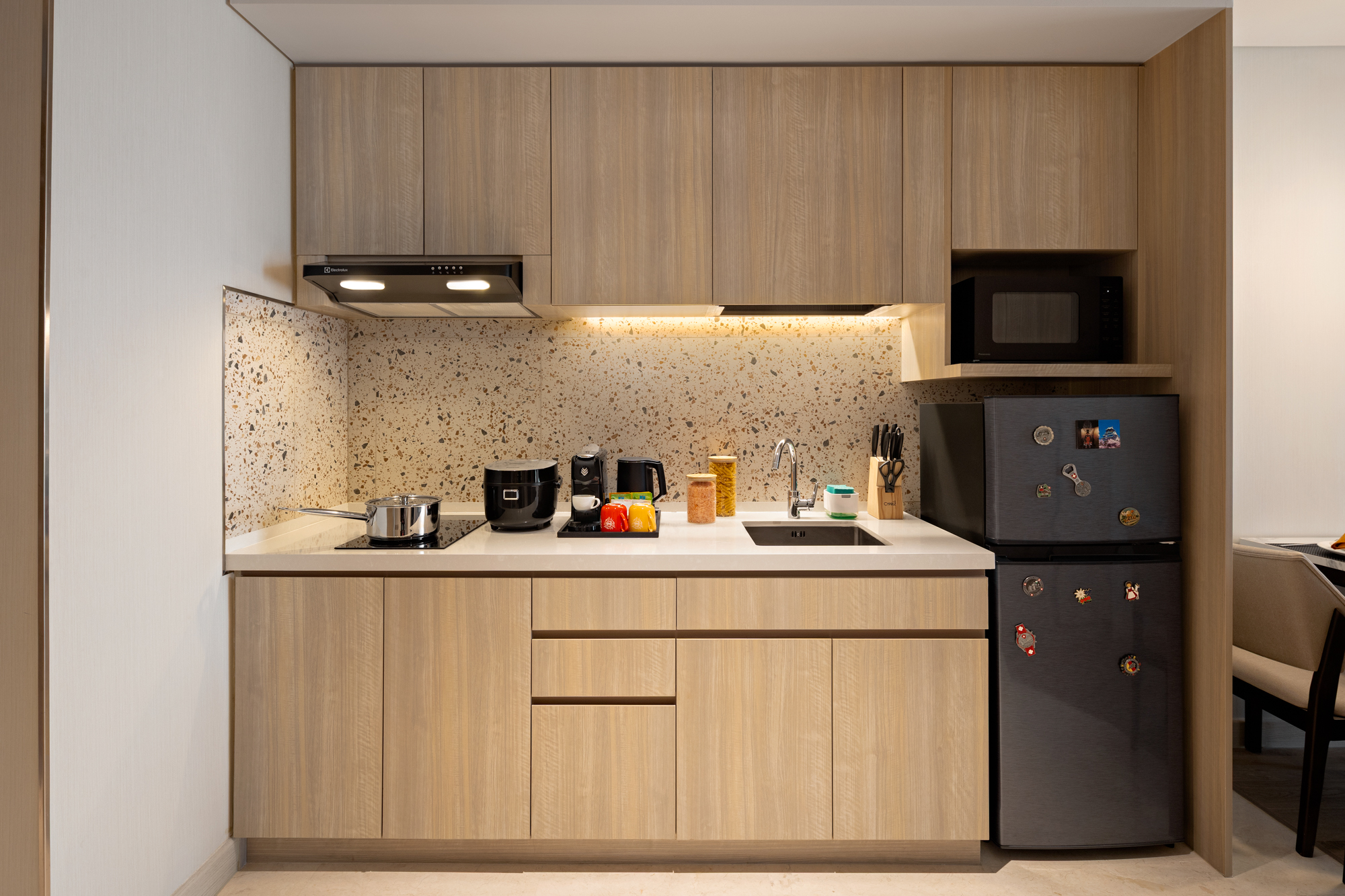
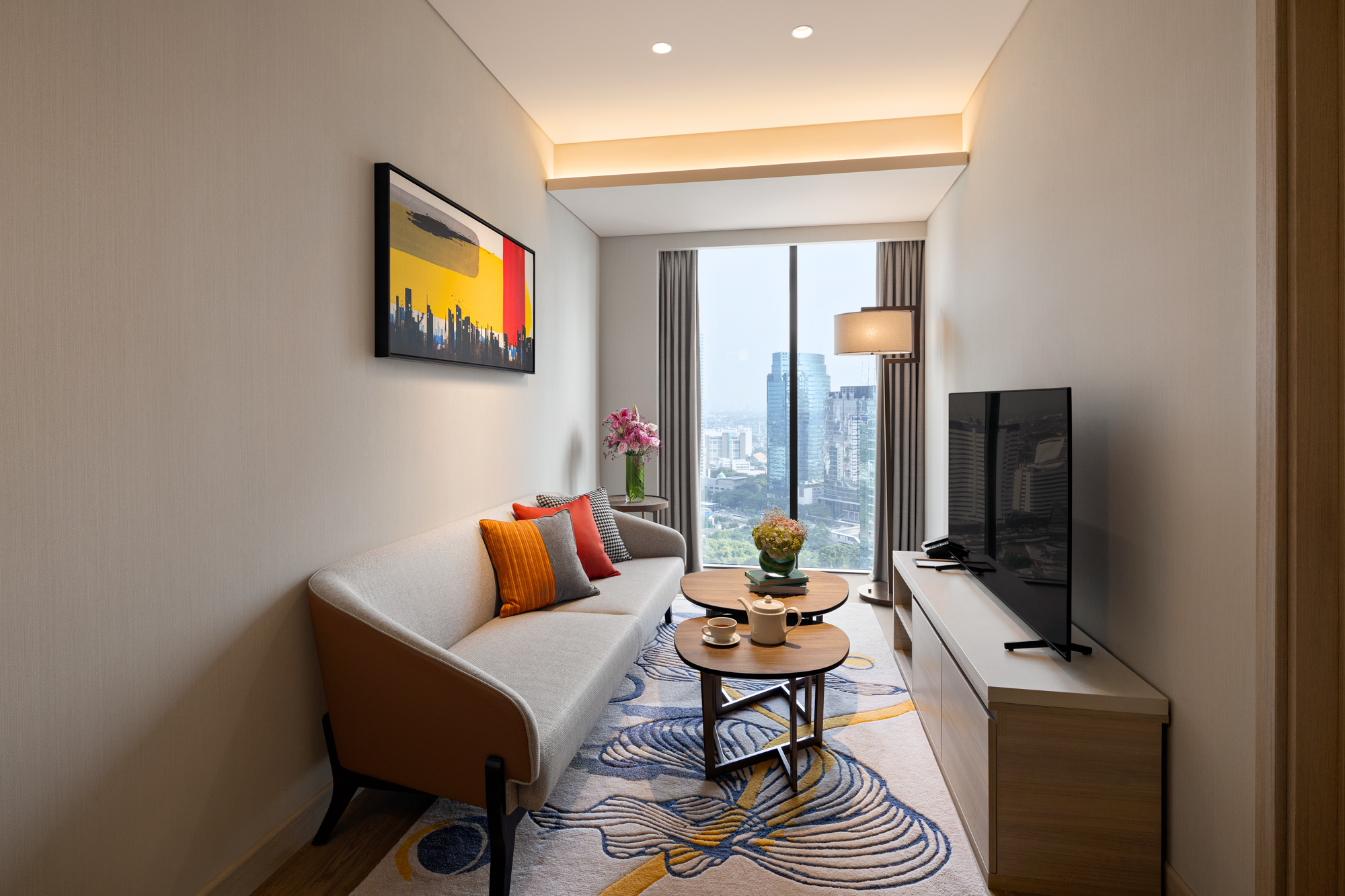
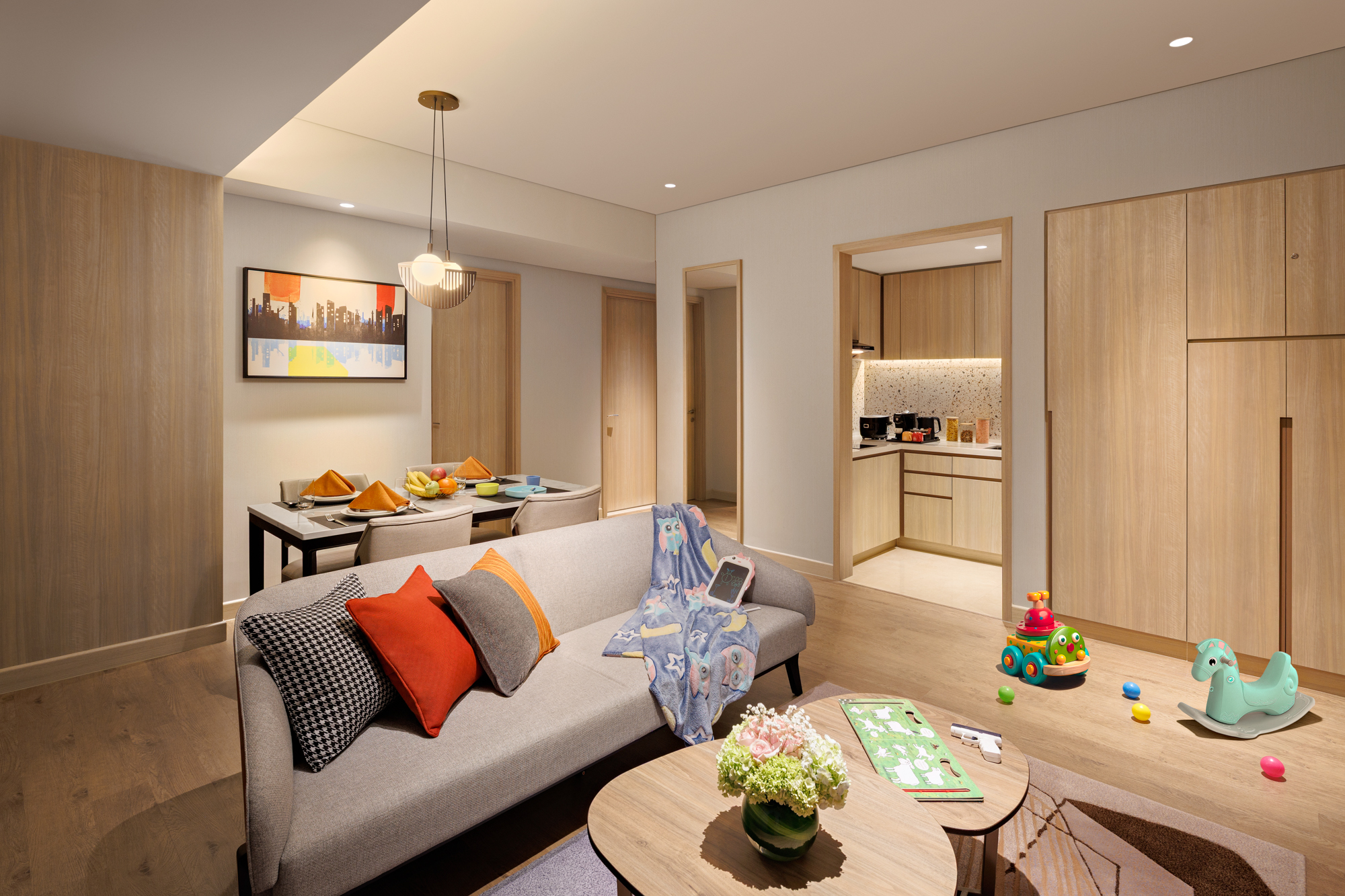
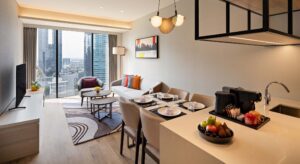
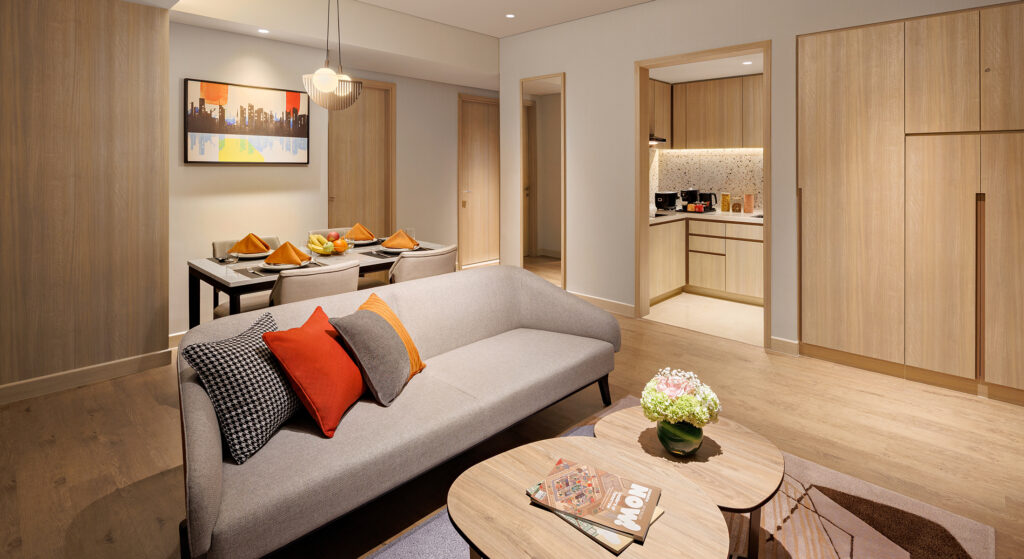
A serviced residence provides fully furnished living spaces equipped with kitchen facilities, separate living areas, and bedroom configurations that range from studios to multi-bedroom units. Unlike traditional hotels that offer single-room accommodations, these residences deliver home-style environments with dedicated spaces for cooking, working, and relaxing.
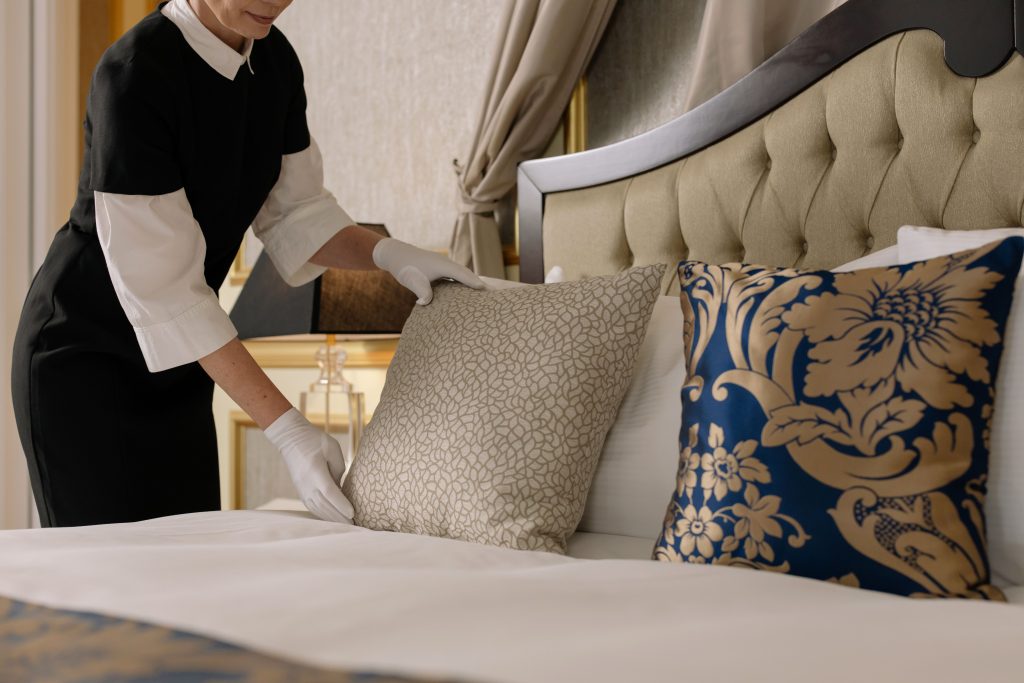
The key differentiator lies in the service component. Residents receive housekeeping, concierge assistance, maintenance support, and access to facilities such as fitness centers, business lounges, and dining venues. This combination eliminates the administrative burden of managing utilities, internet connectivity, and furnishings while preserving the autonomy and comfort of apartment living.
Service Components That Define the Category
The operational framework of a serviced residence includes several standardized offerings:
- Weekly housekeeping with linen changes and cleaning services
- 24-hour reception and security personnel
- Maintenance coordination for appliances and building systems
- Utilities management covering electricity, water, and internet
- Welcome packages with essential supplies upon arrival
Property operators typically bundle these services into a single monthly or daily rate, simplifying budgeting for corporate clients and individual guests. The Global Serviced Apartment Industry Report indicates that 78% of corporate bookers prioritize transparency in service inclusions when selecting accommodation.
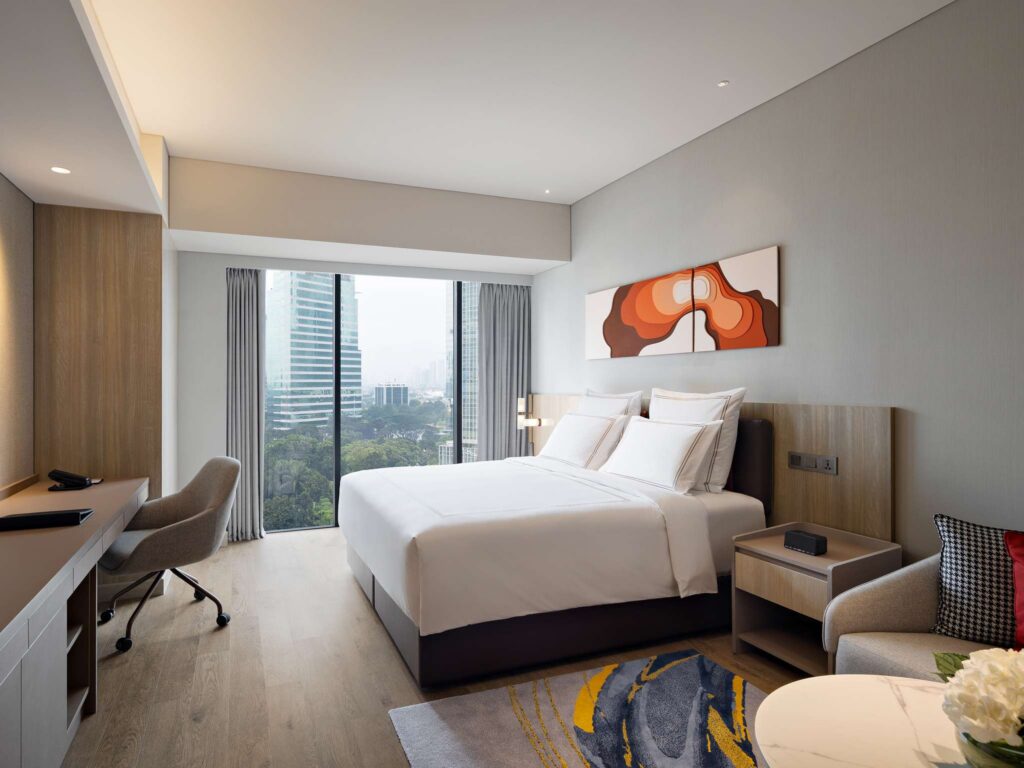
Comparing Accommodation Options: Hotels vs. Serviced Residences vs. Rentals
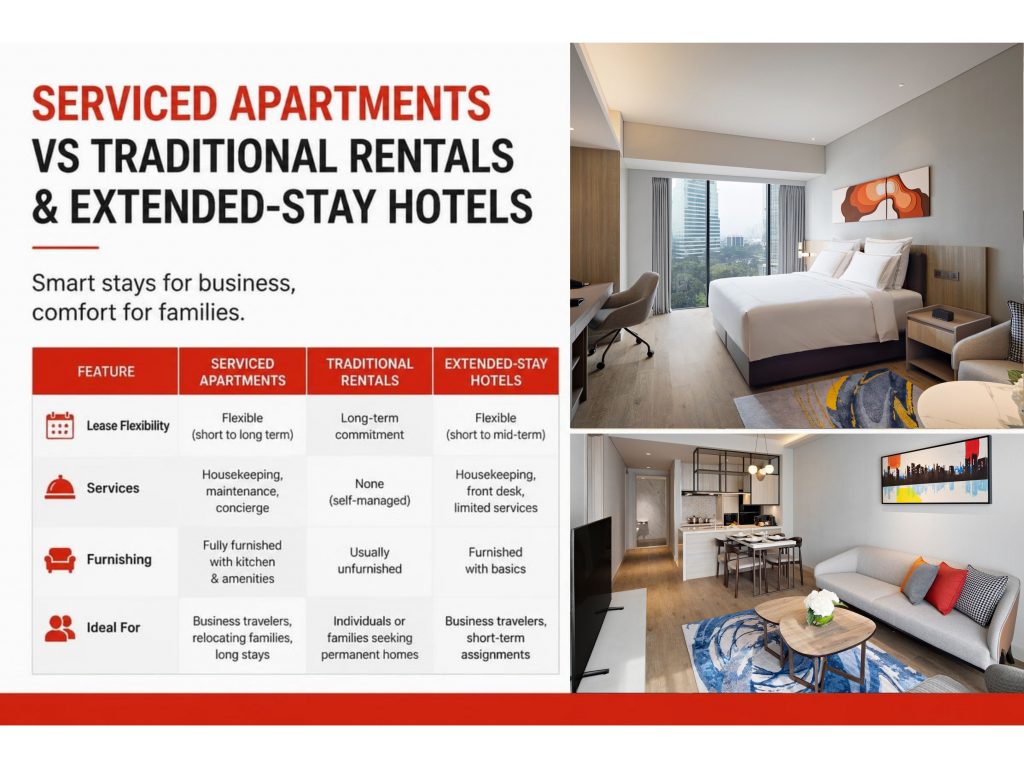
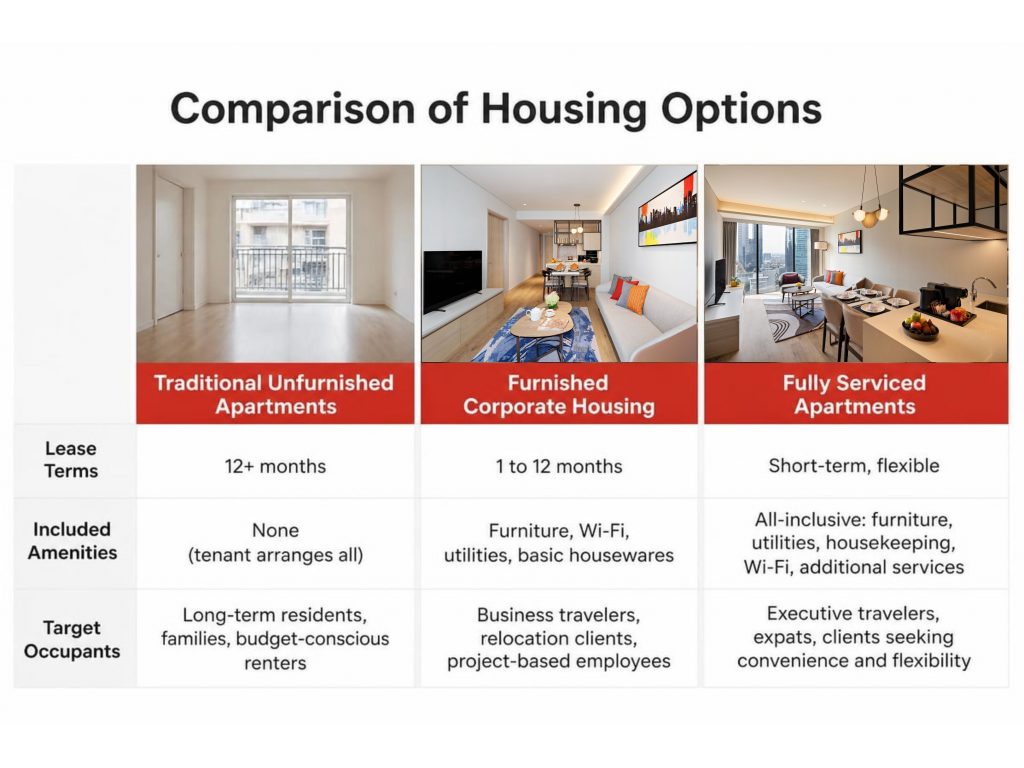
Understanding where a serviced residence fits within the broader accommodation landscape requires examining three primary alternatives.
| Feature |
Hotel |
Serviced Residence |
Unfurnished Rental |
| Minimum stay |
1 night |
7 days (typical) |
6-12 months |
| Kitchen facilities |
Limited/none |
Full kitchen |
Full kitchen |
| Housekeeping |
Daily |
Weekly |
Self-managed |
| Furniture |
Fixed room setup |
Complete furnishings |
Tenant provides |
| Utilities |
Included |
Included |
Separate billing |
| Flexibility |
High |
Moderate to high |
Low |
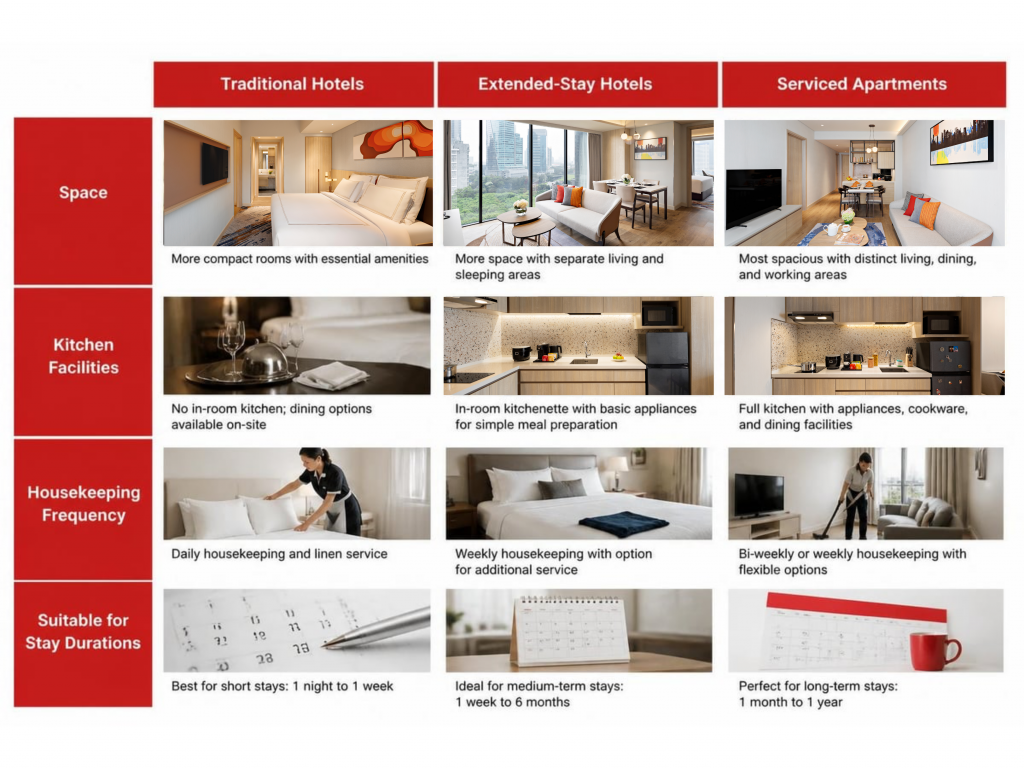
Hotels excel at short-term convenience but lack the spatial separation and cooking capabilities essential for extended stays. Guests in hotel rooms face limitations when attempting to maintain work routines, prepare meals, or accommodate family members in a single-room environment.
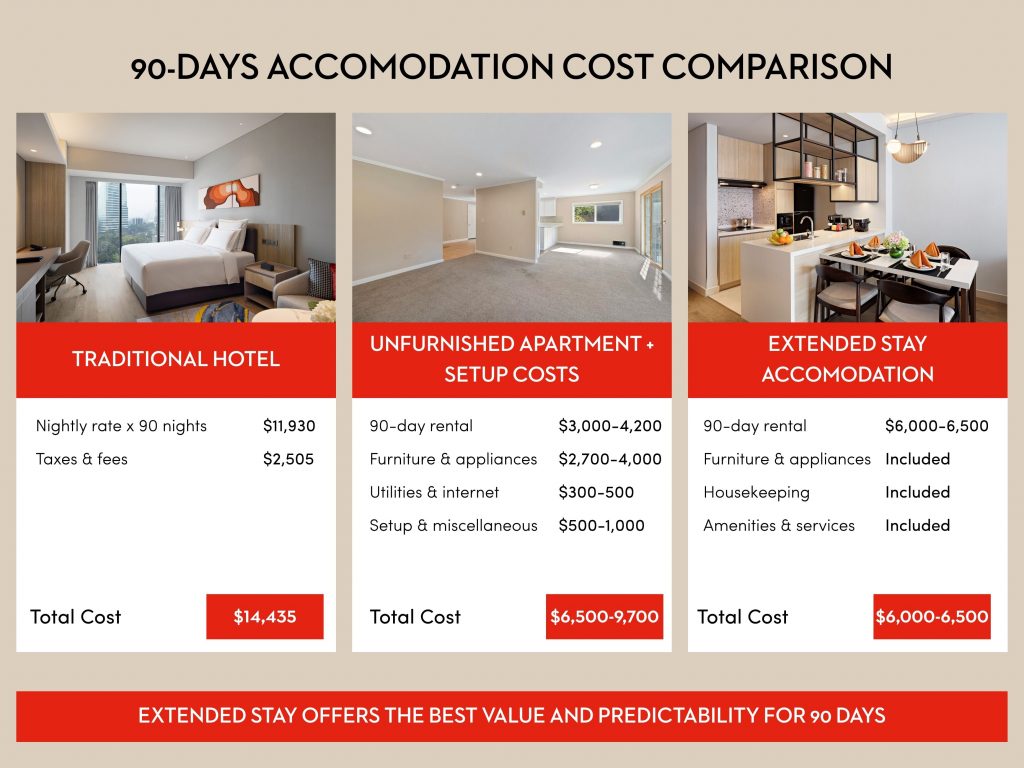
Traditional rental apartments offer space and autonomy but require significant upfront investment. Tenants must furnish units, establish utility accounts, commit to lengthy lease terms, and handle maintenance independently. For professionals on temporary assignments or families in transition, these requirements create unnecessary complexity.
The serviced residence occupies the middle ground. According to JLL’s analysis of traveler preferences, 64% of extended-stay travelers prioritize kitchen access and separate living spaces over traditional hotel amenities.
Financial Considerations Across Stay Durations
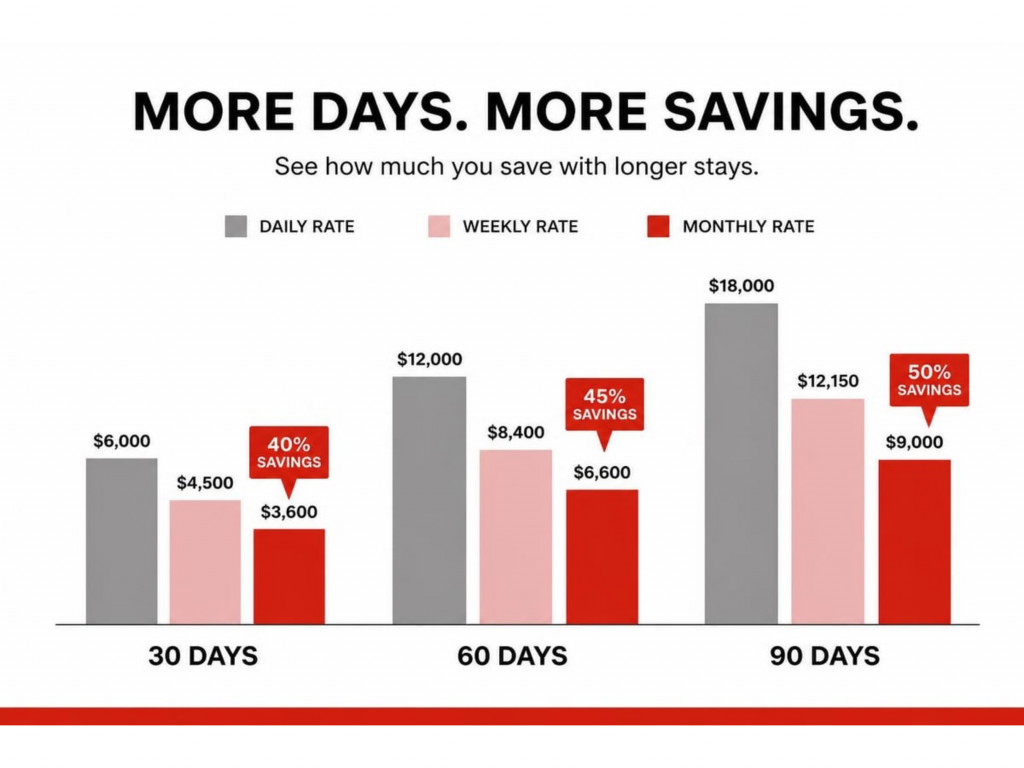
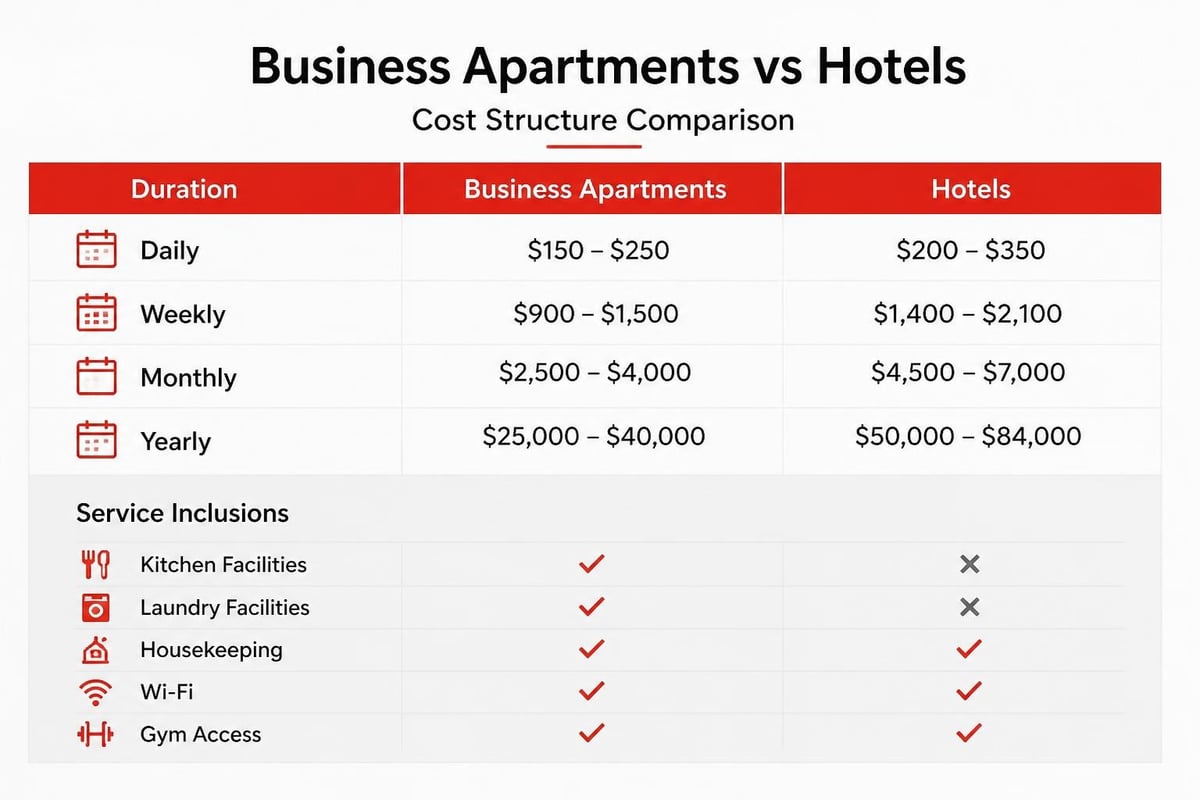
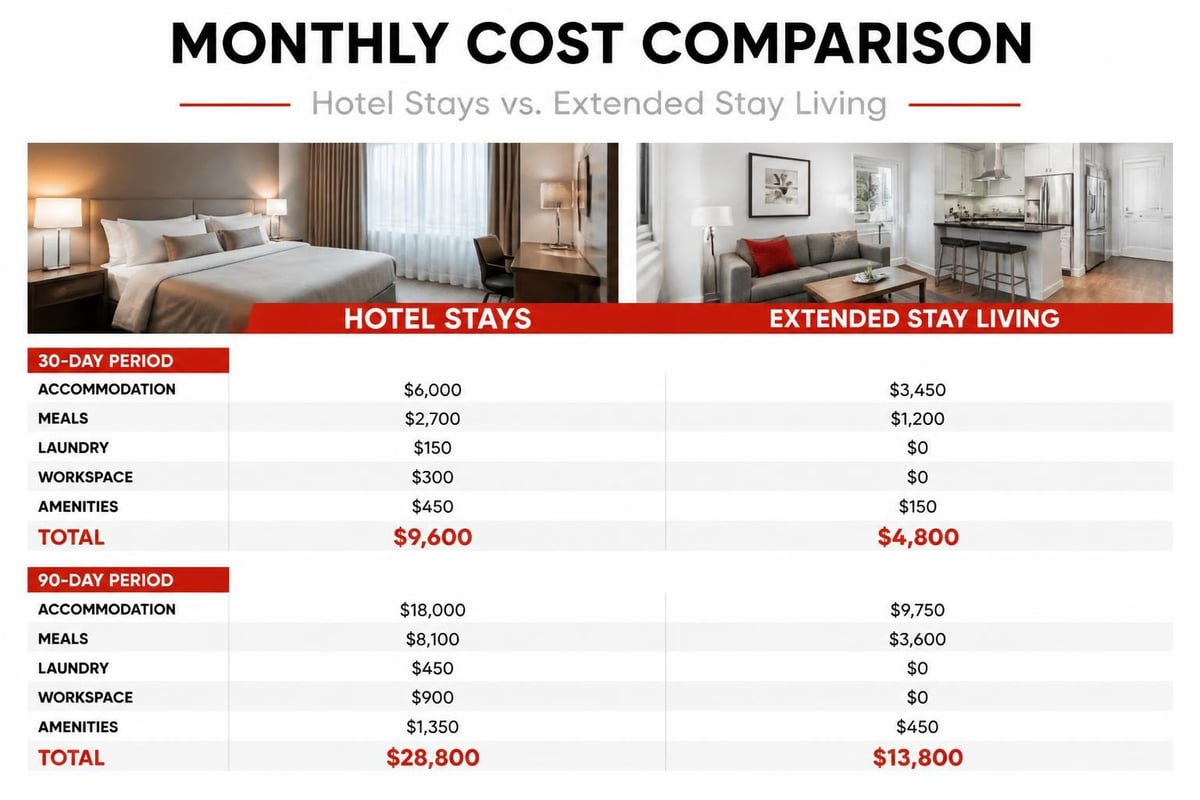
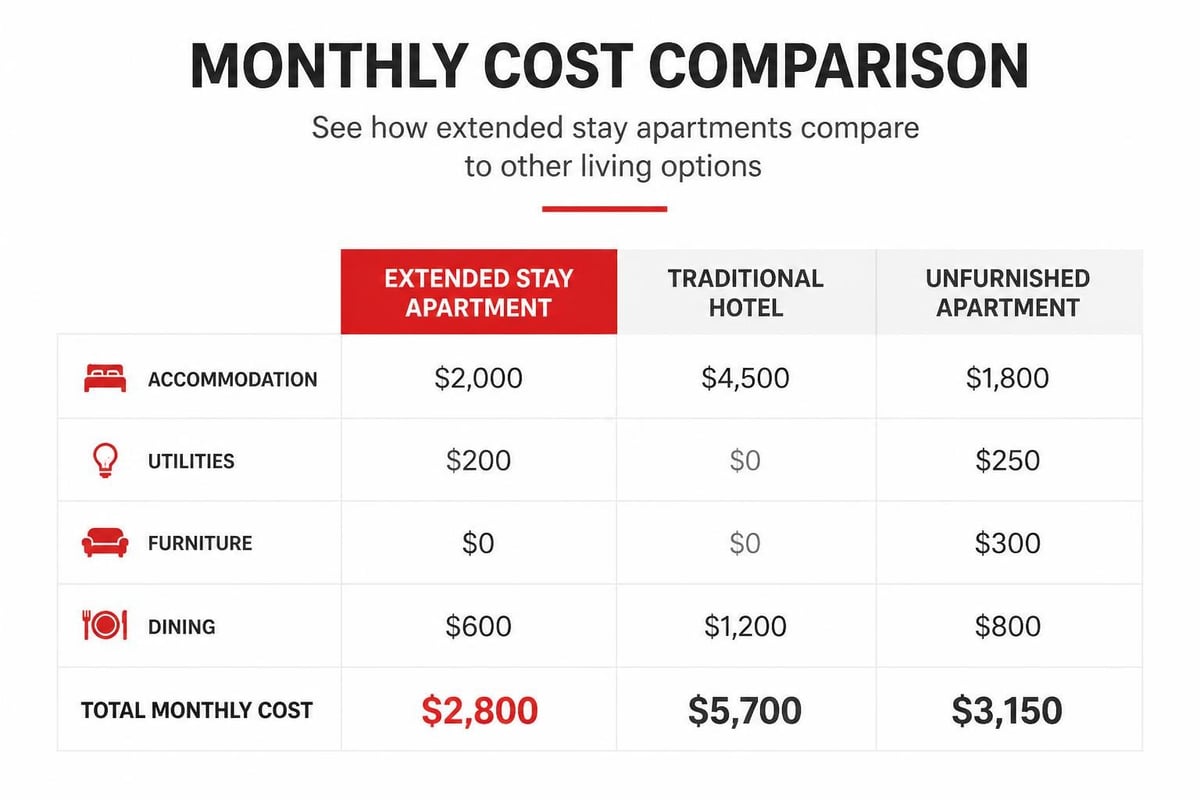
Cost efficiency varies significantly based on length of stay. Hotels generally provide better value for stays under seven days due to competitive nightly rates and promotional offers. Beyond the two-week threshold, serviced residences become more economical.
A typical calculation for a 30-day stay reveals:
- Hotel: Premium nightly rate × 30 days + dining expenses (no kitchen)
- Serviced residence: Discounted monthly rate + grocery expenses (kitchen available)
- Rental apartment: First month + security deposit + furnishing costs + utility setup
The presence of kitchen facilities in a serviced residence reduces dining expenses by an estimated 40-60% compared to hotel stays, based on industry benchmarks. This advantage compounds over longer durations, particularly for families or individuals with dietary restrictions.
Target Audiences and Usage Patterns
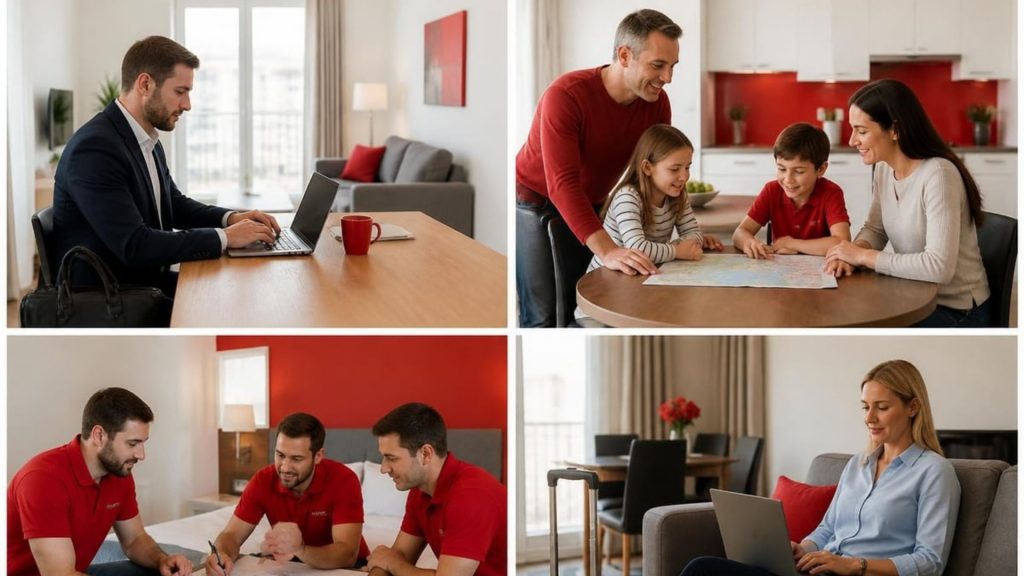
The serviced residence model serves distinct traveler segments, each with specific requirements.
Corporate Relocations and Business Assignments
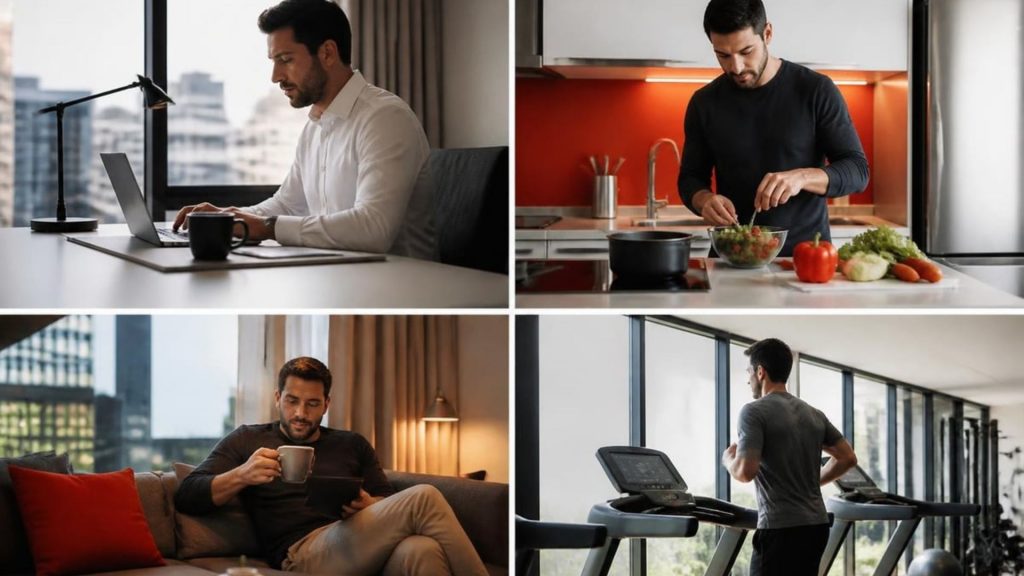
Multinational corporations utilize serviced residences for employees on project assignments, training programs, or international transfers. These accommodations provide immediate housing solutions while employees search for permanent residences or complete temporary assignments ranging from one month to two years.
Companies appreciate the simplified procurement process. A single contract covers accommodation, services, and facilities without managing multiple vendor relationships for furniture rental, housekeeping, or internet service. The Institute of Travel & Meetings reports that 82% of corporate travel managers view serviced apartments as cost-effective alternatives to extended hotel bookings.
Expatriate Families and International Assignments
Families relocating internationally face unique challenges. School enrollment, cultural adjustment, and finding permanent housing require time and local knowledge. A serviced residence offers immediate, fully equipped accommodation with sufficient space for children and personal belongings.
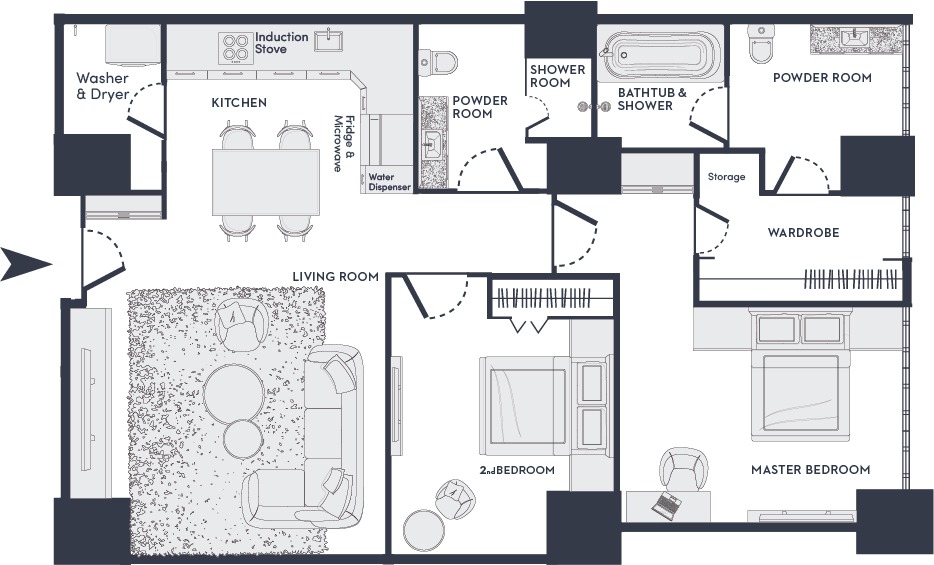
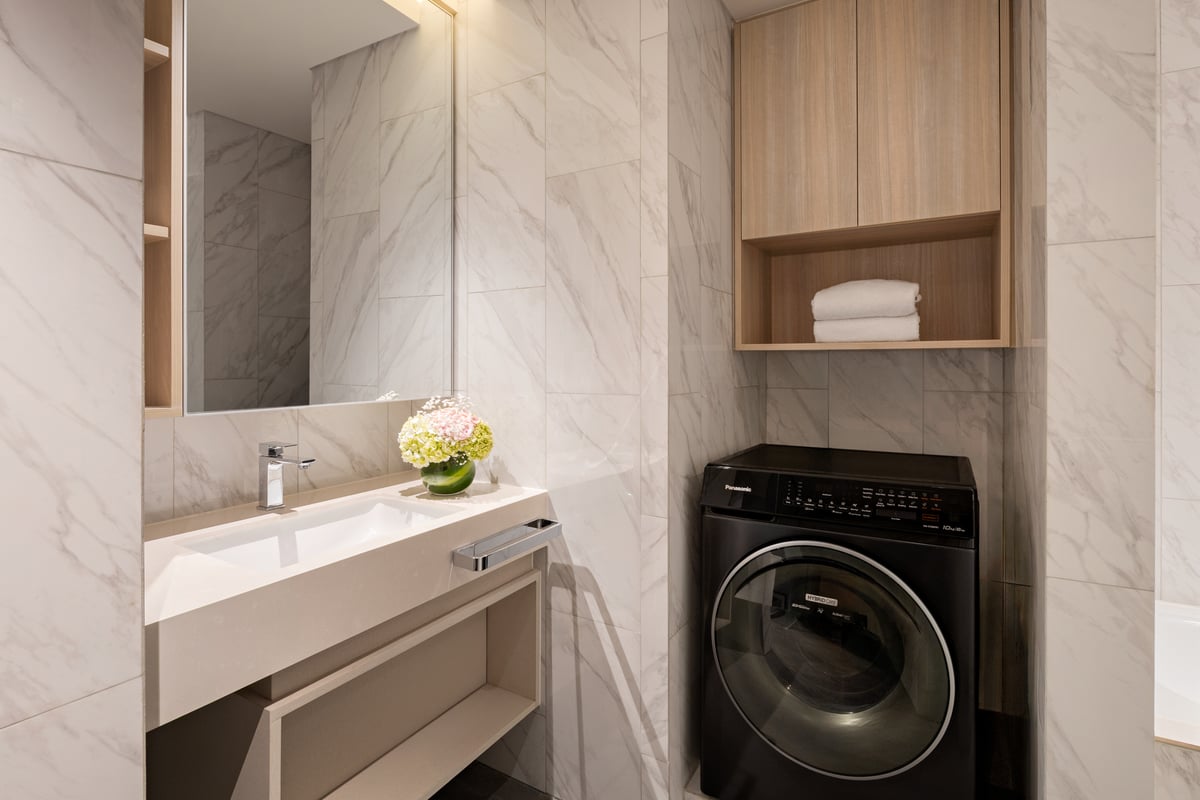
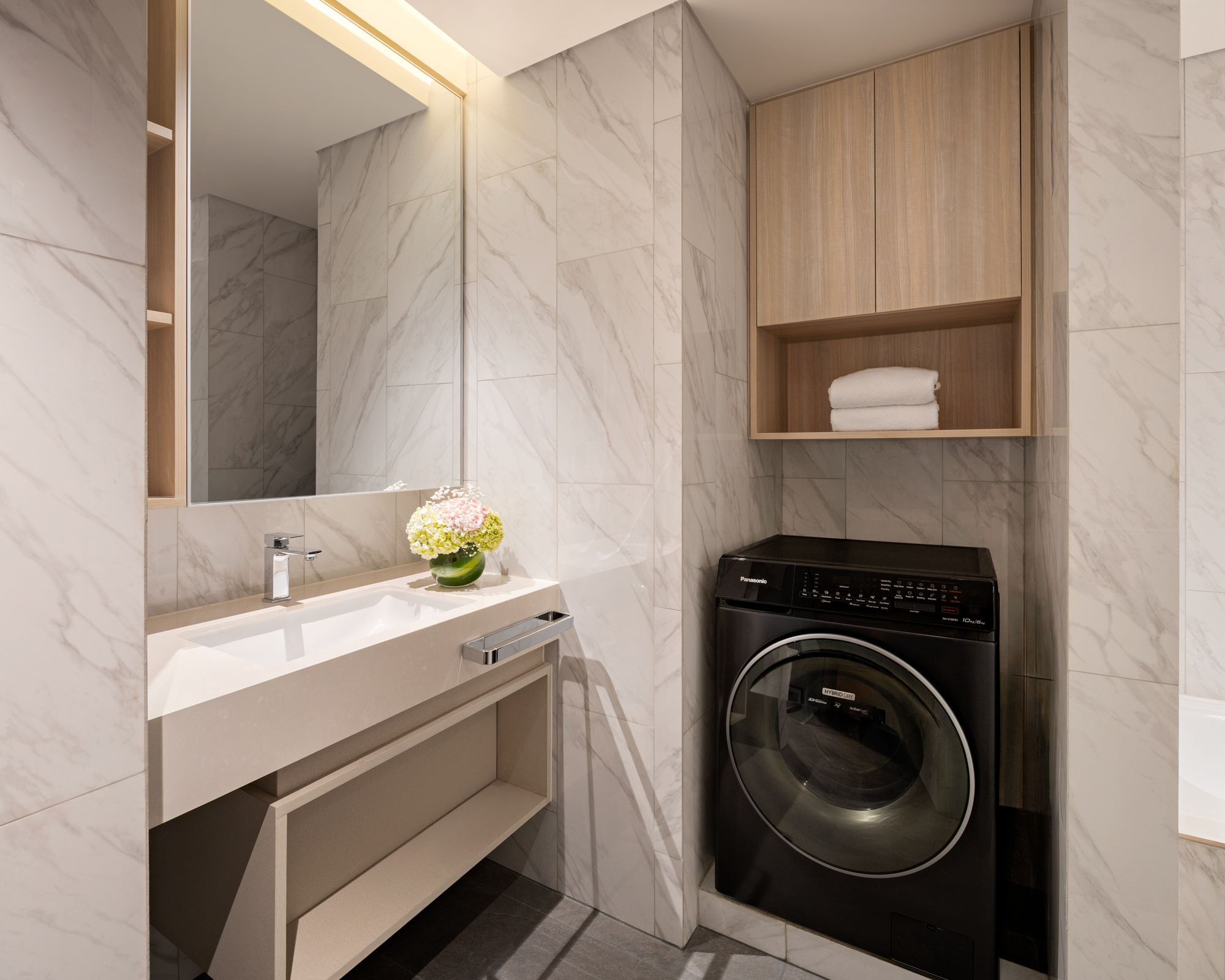
Properties designed for this market include two-bedroom and three-bedroom configurations with washer-dryer units, child-friendly facilities, and proximity to international schools. Many expatriate families utilize serviced residences for 3-6 months while establishing local connections and securing long-term housing. Those seeking serviced apartment options in Jakarta often prioritize locations near business districts and international communities.
Medical and Treatment-Related Stays
Medical tourism and extended treatment programs generate demand for serviced residences near healthcare facilities. Patients and accompanying family members require comfortable, apartment-style accommodations with cooking facilities and space for recovery.
These stays typically range from two weeks to three months, depending on treatment protocols and follow-up requirements. The home-like environment supports recovery better than hotel rooms, while professional housekeeping maintains hygiene standards critical for post-treatment care.
Location and Accessibility Factors
Geographic positioning significantly influences the value proposition of a serviced residence. Properties located in central business districts provide different advantages compared to suburban or residential locations.
Business District Advantages
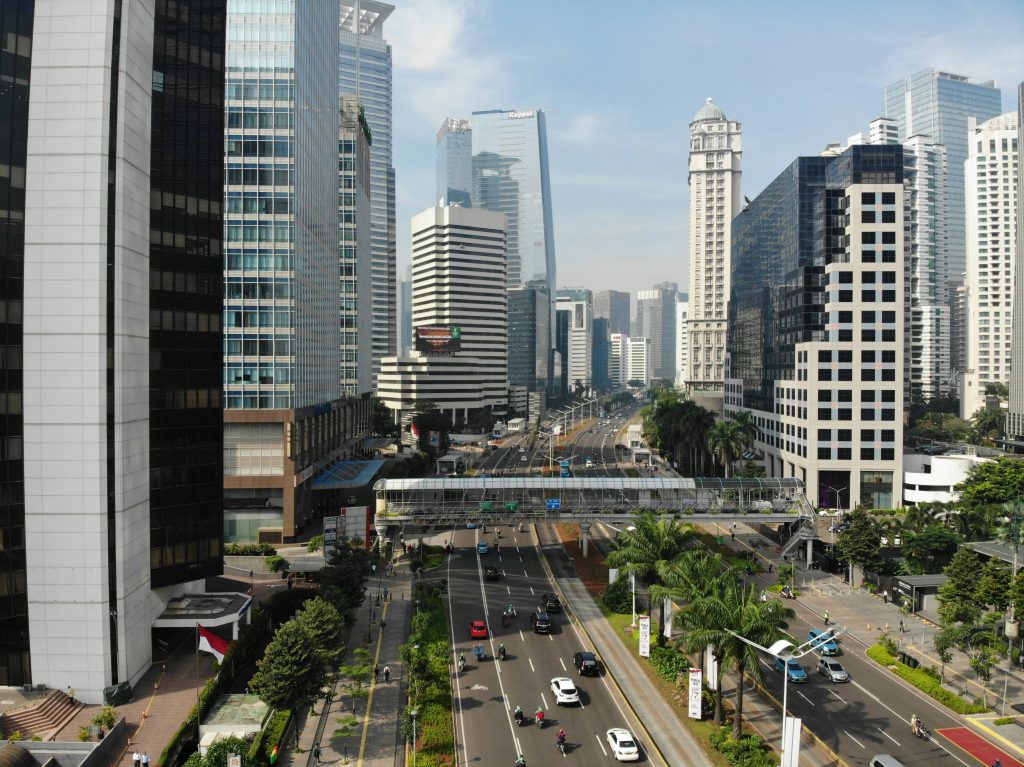
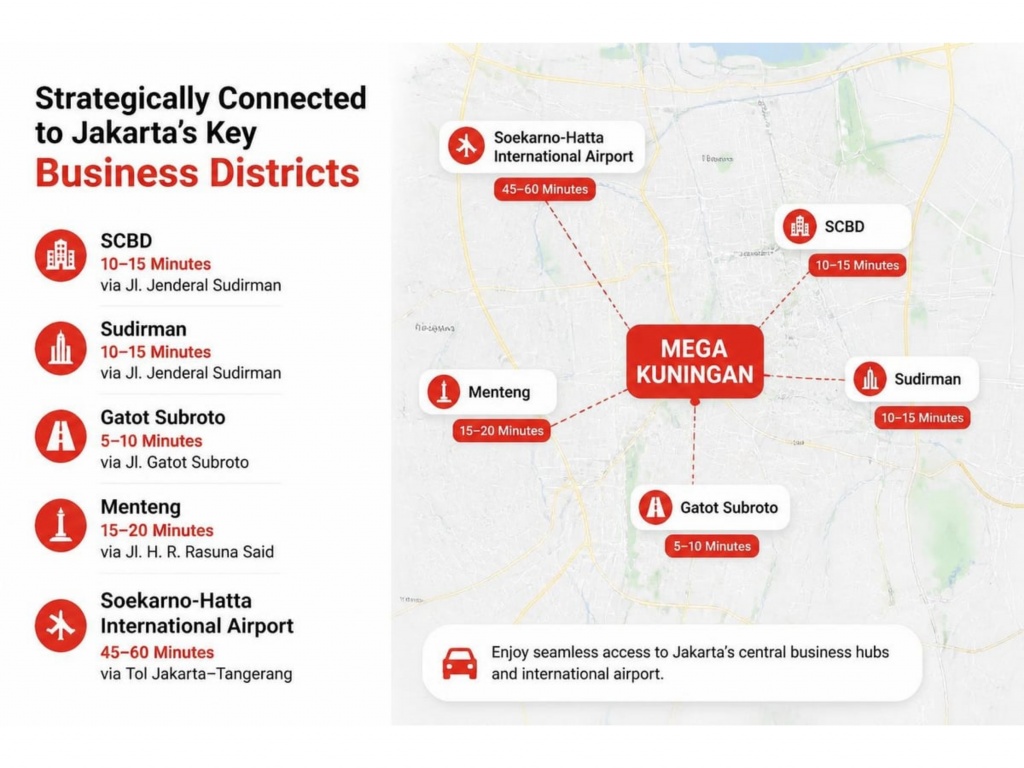
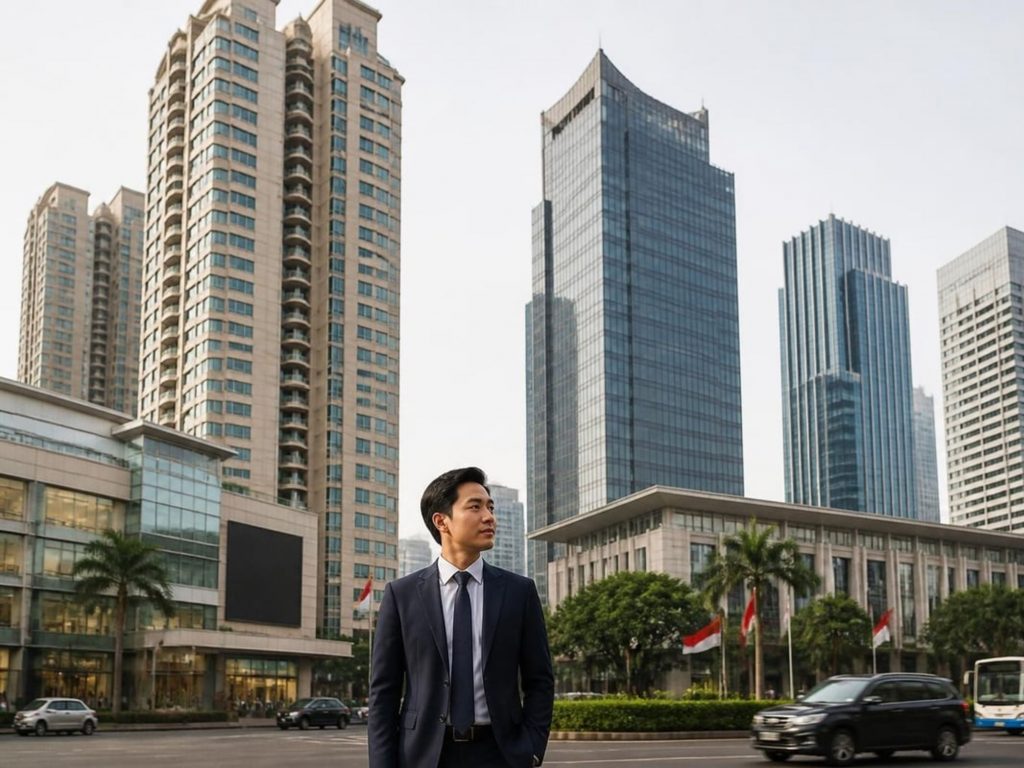
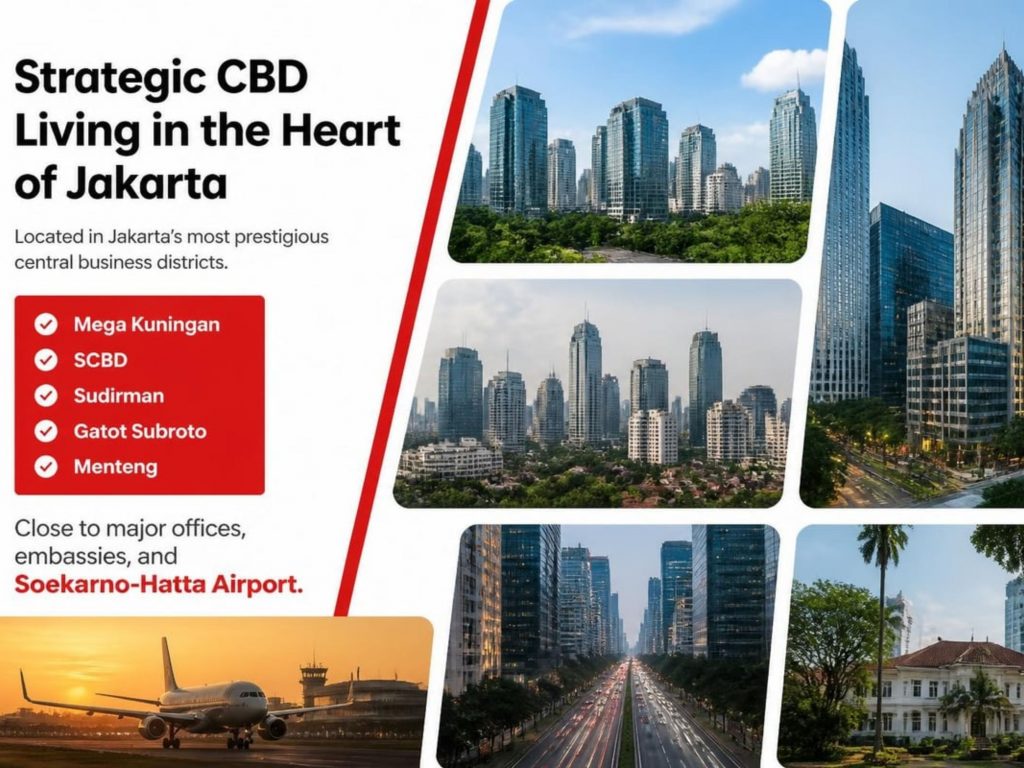
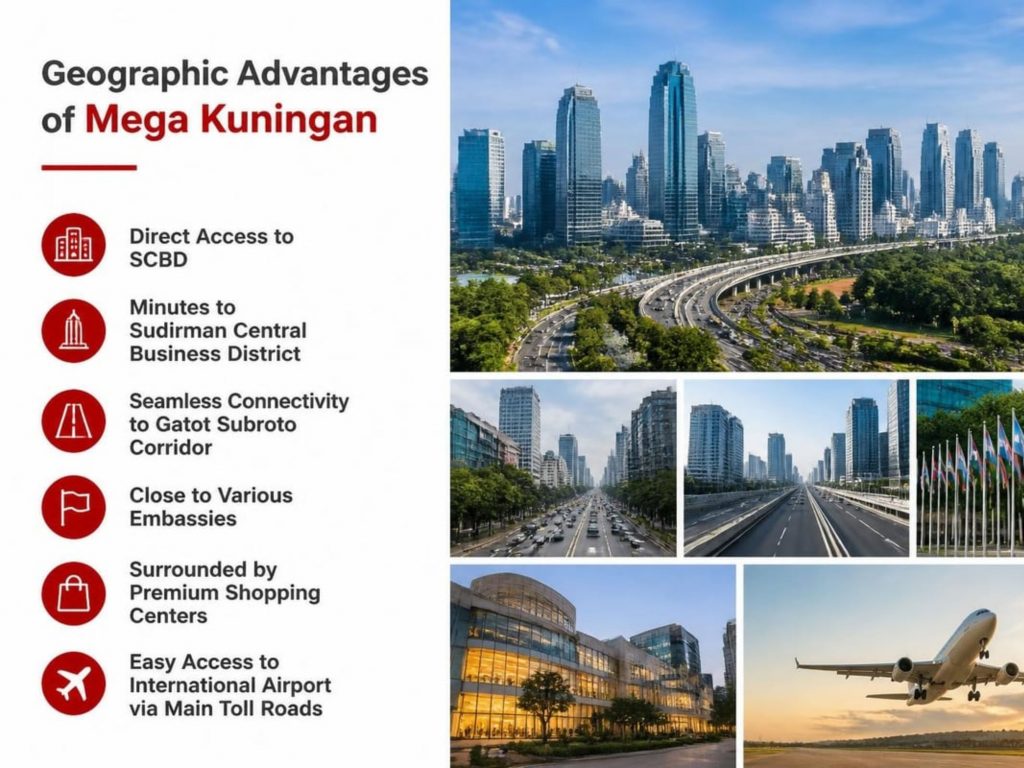
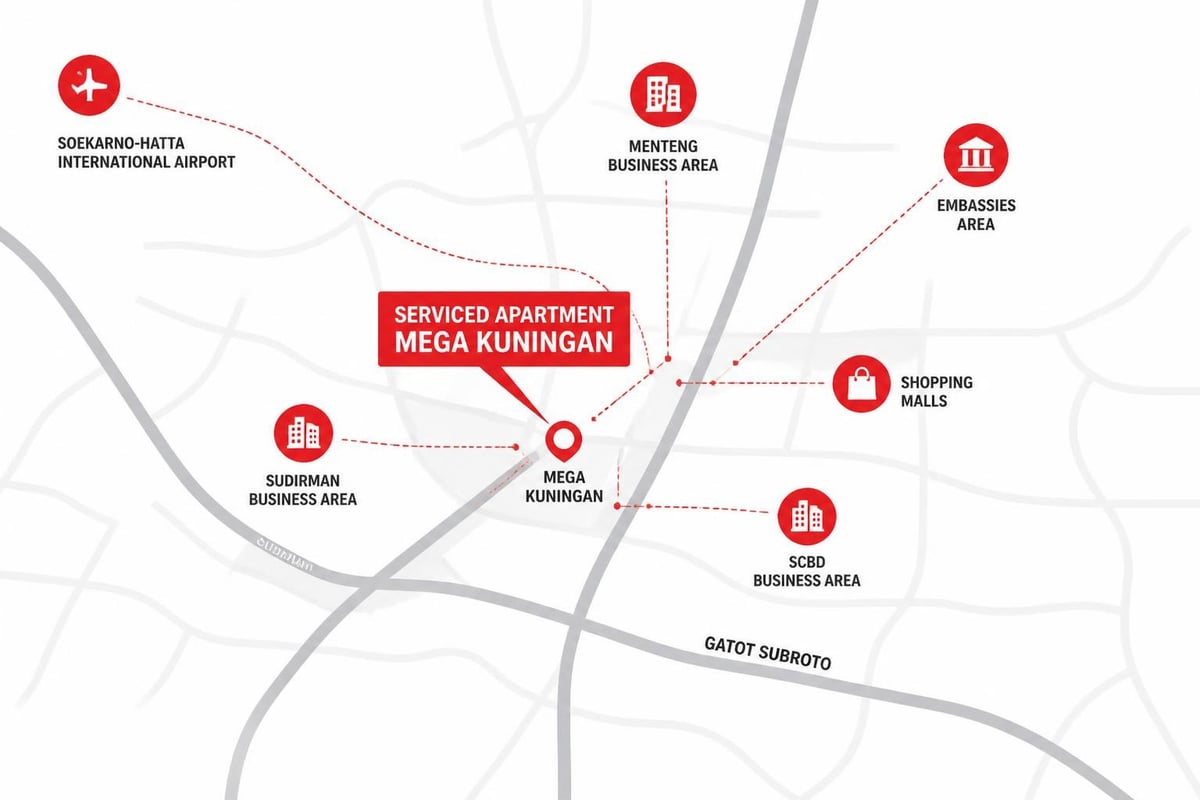
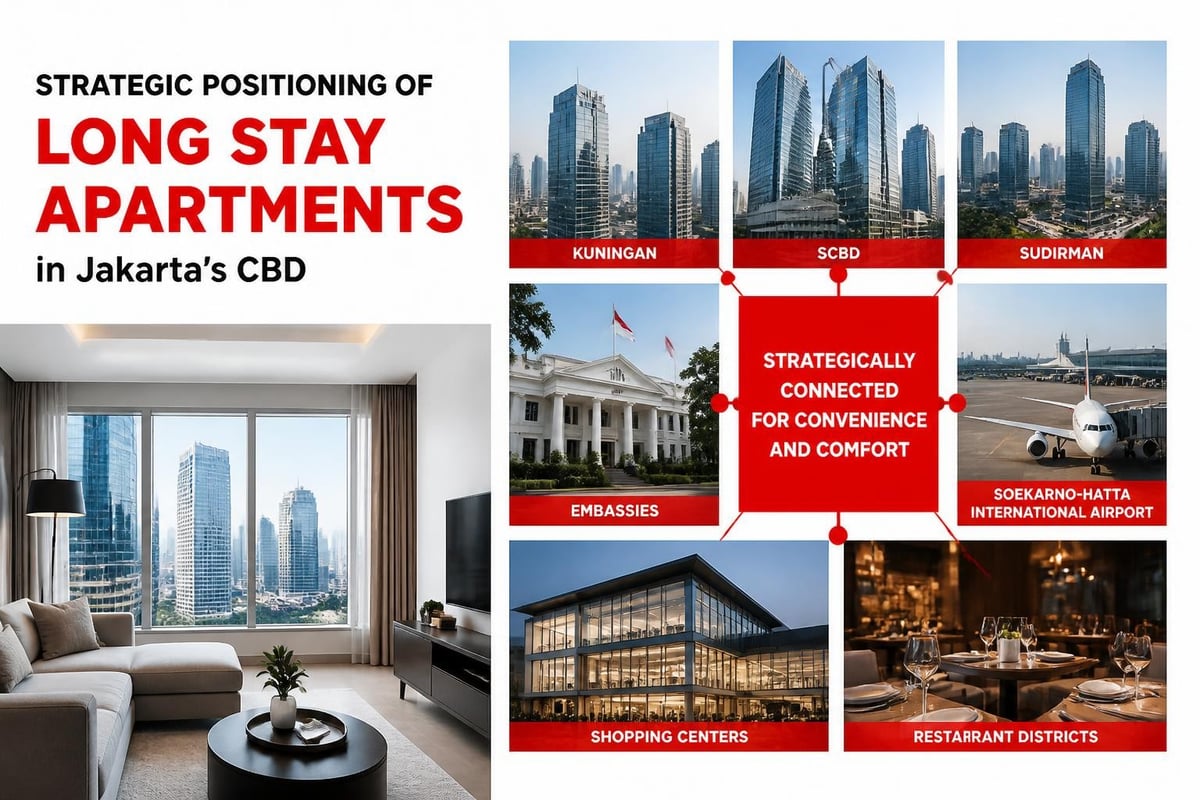
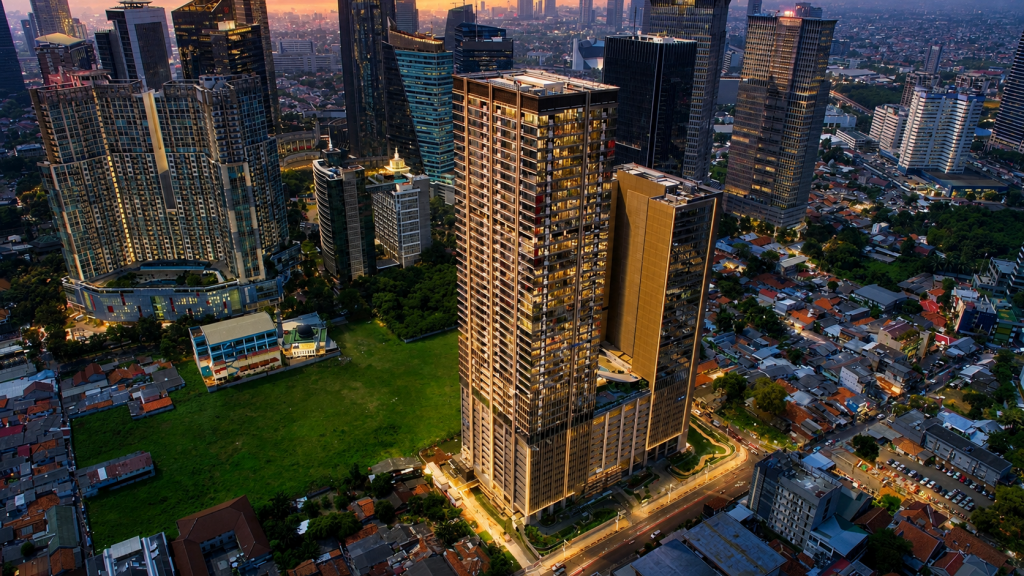
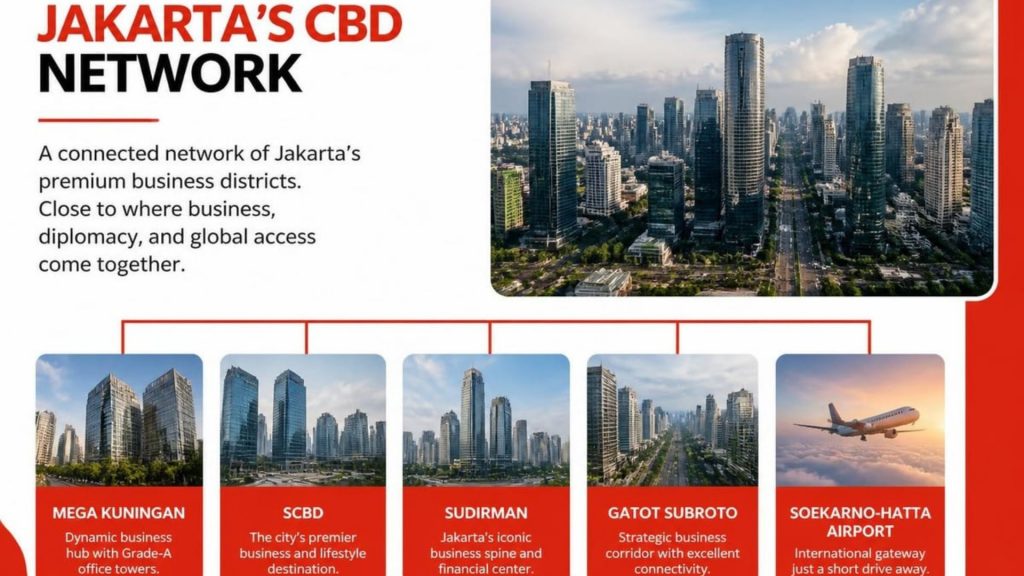
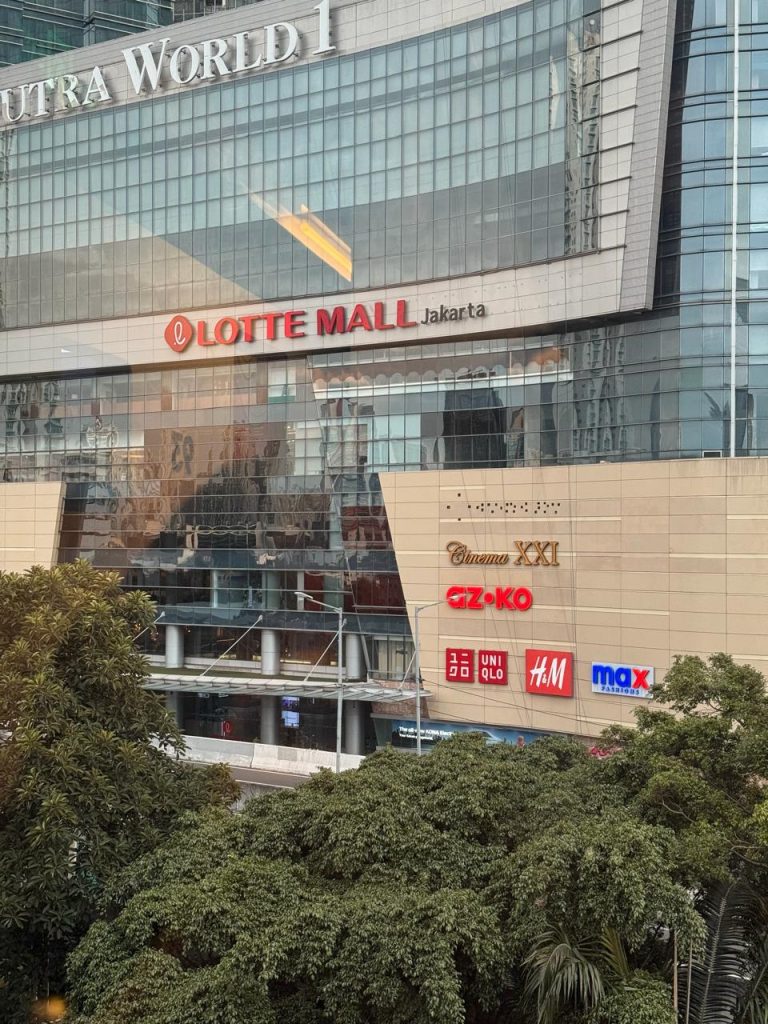
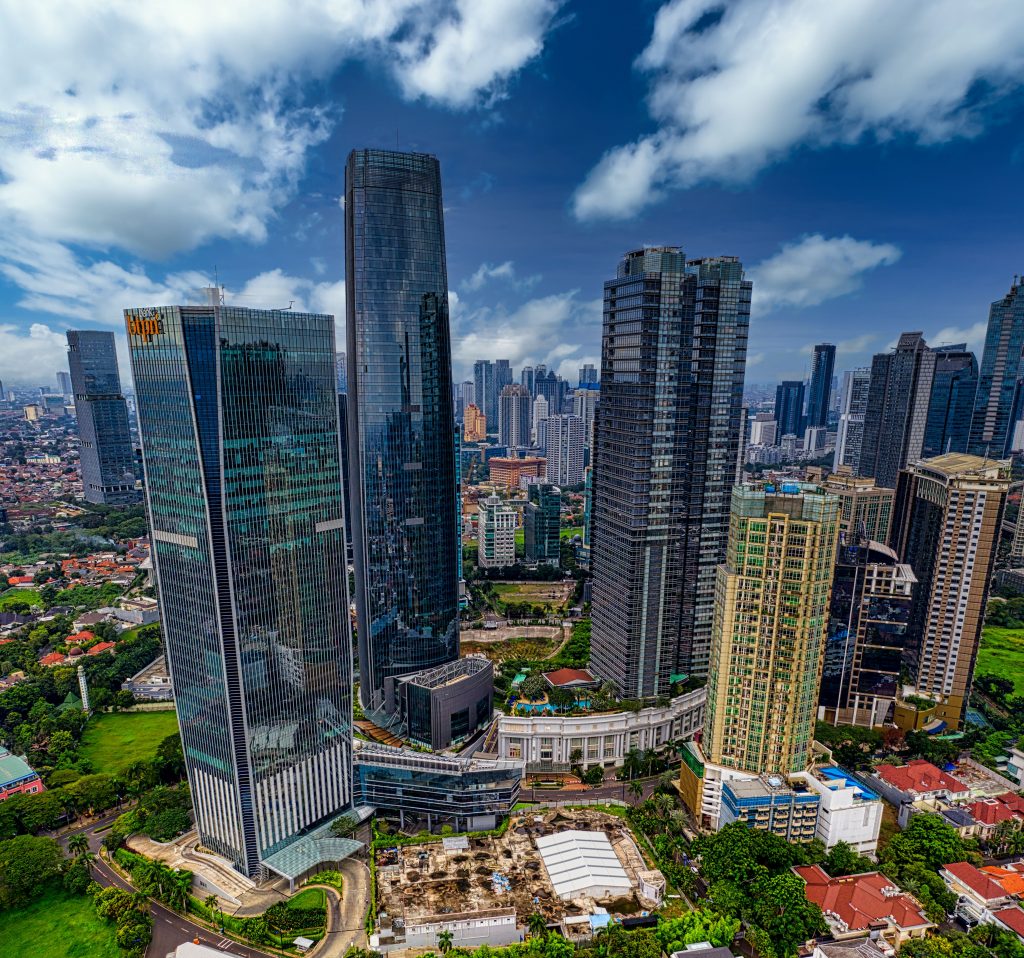
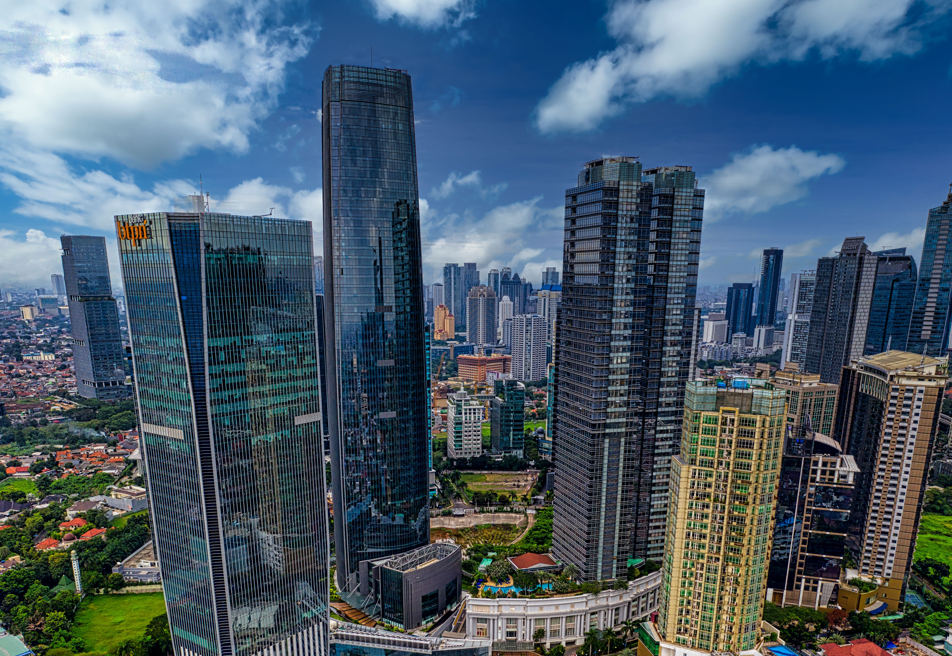
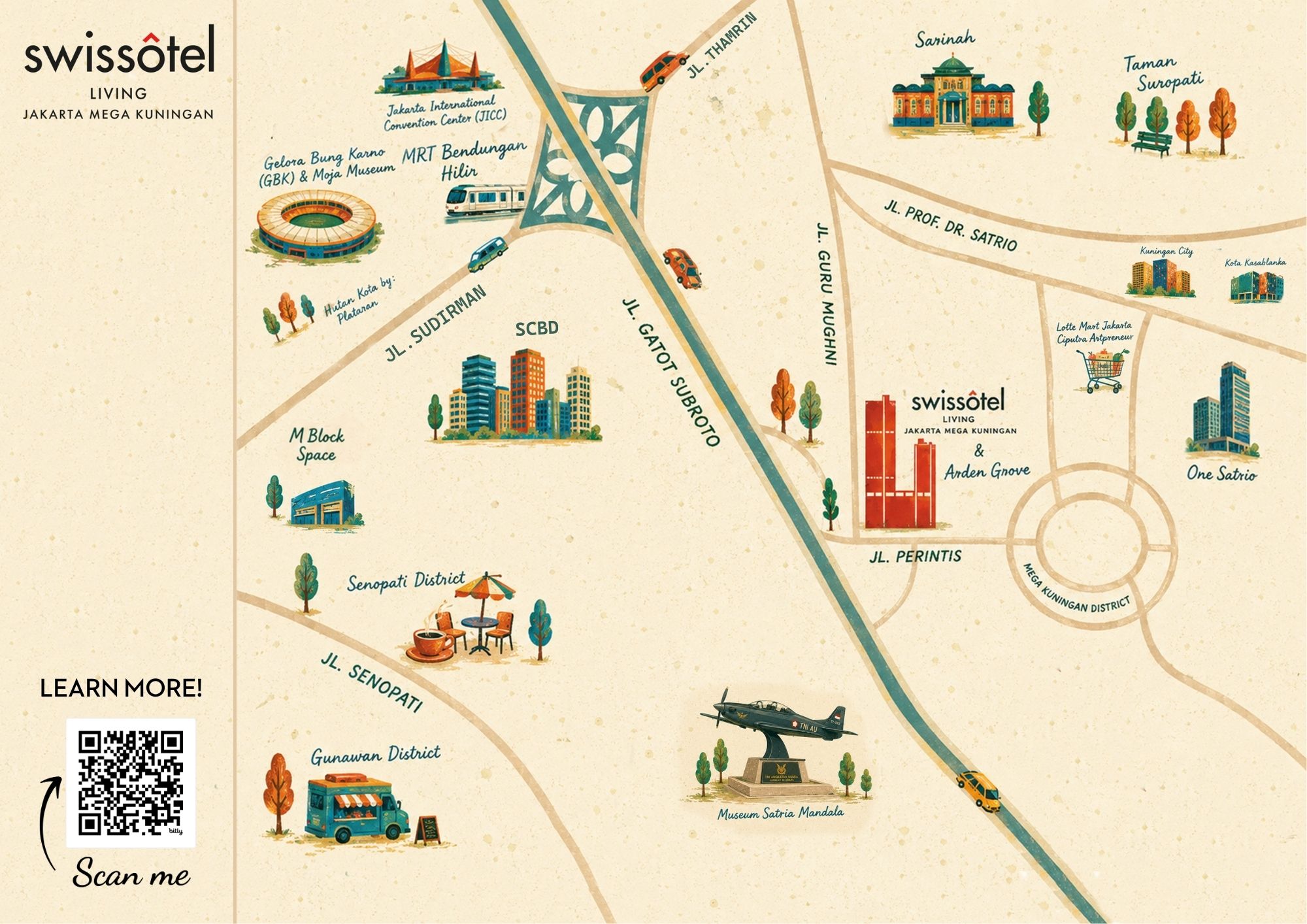
Serviced residences in commercial hubs minimize commute times for business travelers and executives. Proximity to corporate offices, conference facilities, and professional services creates efficiency for work-focused stays. Jakarta’s Mega Kuningan area exemplifies this positioning, offering access to multinational headquarters, embassy districts, and commercial infrastructure.
The European serviced apartment market analysis demonstrates that CBD-located properties maintain 8-12% higher occupancy rates compared to peripheral locations, driven by corporate demand consistency.
Transportation and Infrastructure Connectivity
Access to international airports, public transportation networks, and major roadways determines convenience for both initial arrival and ongoing mobility. Properties positioned along airport corridors serve business travelers prioritizing efficiency, while those near diplomatic quarters attract government contractors and international organization staff.
In emerging markets across Southeast Asia, serviced residences cluster near transportation nodes. Jakarta’s CBD location offers direct routes to Soekarno-Hatta International Airport while maintaining connections to SCBD, Sudirman, and Gatot Subroto districts.
Apartment Configurations and Space Planning
Serviced residence operators offer multiple unit types to accommodate varying party sizes and budgets.
Studio Residences
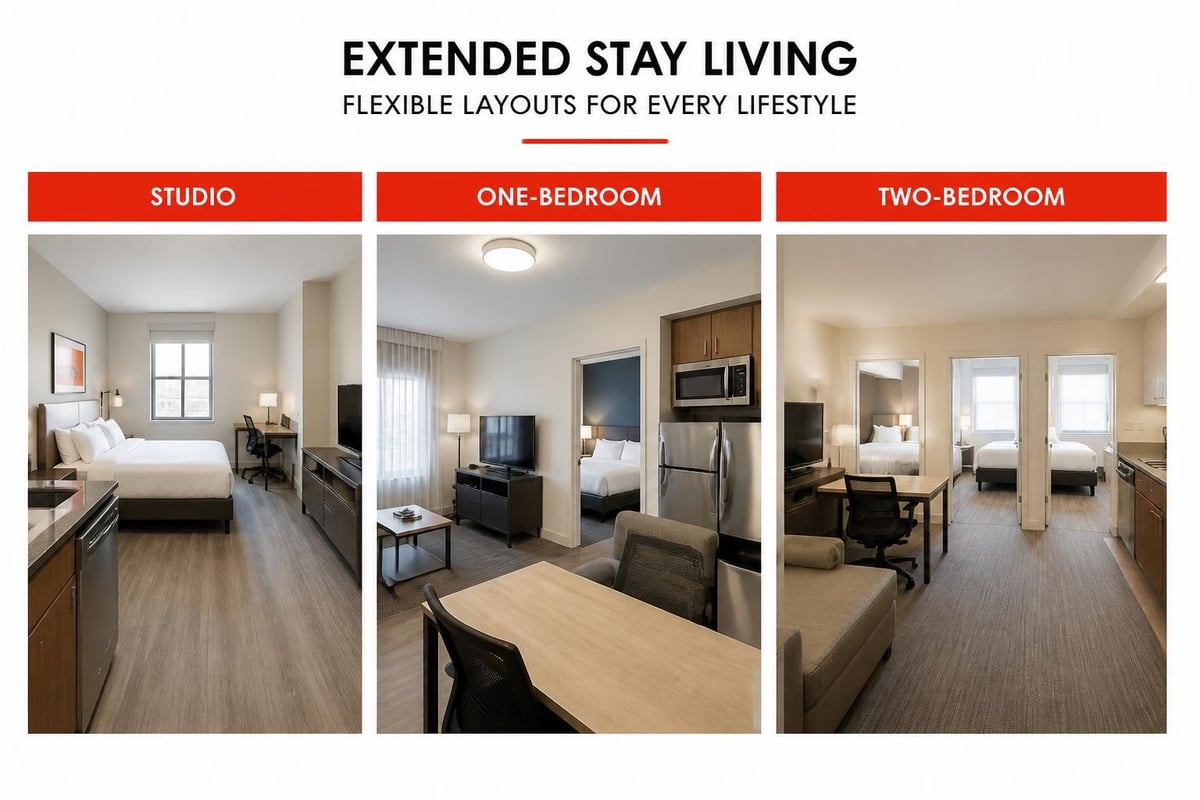
Studio units typically range from 30-45 square meters, combining sleeping, living, and kitchen areas in open-plan layouts. These configurations suit solo business travelers or couples requiring short to medium-term accommodation without children.
Efficient space planning includes murphy beds or convertible furniture to maximize usable area during waking hours. Well-designed studios incorporate distinct zones for work, sleep, and cooking despite the unified space.
One-Bedroom and Two-Bedroom Units
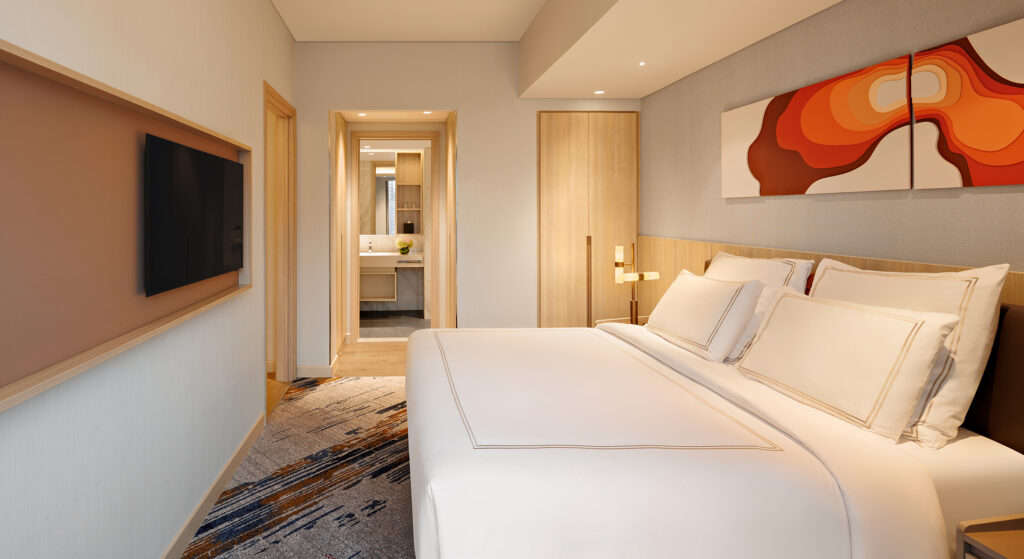
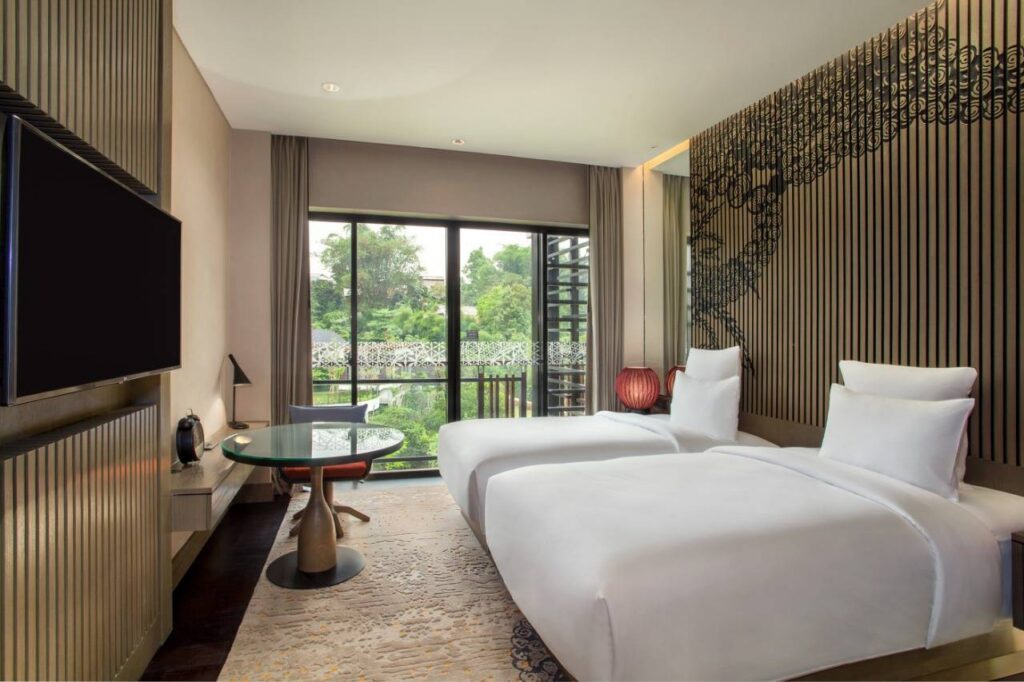
Separate bedroom configurations provide privacy essential for extended stays. One-bedroom units serve couples, professionals working from home, or individuals requiring dedicated office space. Two-bedroom residences accommodate small families or business partners sharing accommodation costs.
| Unit Type |
Typical Size |
Ideal For |
Common Features |
| Studio |
30-45 sqm |
Solo travelers, couples |
Open plan, compact kitchen |
| One-Bedroom |
50-70 sqm |
Professionals, couples |
Separate bedroom, work desk |
| Two-Bedroom |
80-110 sqm |
Families, sharers |
Multiple bathrooms, dining area |
| Three-Bedroom |
120-160 sqm |
Large families, groups |
Multiple living spaces, storage |
Premium and Suite Categories
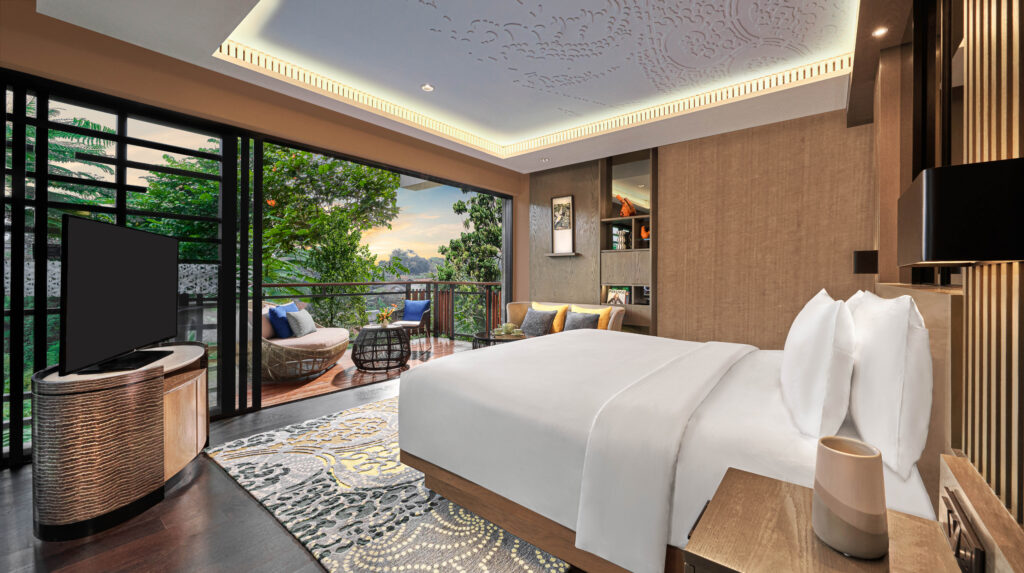
High-end serviced residences include signature suites with enhanced specifications, premium appliances, and superior furnishings. These units target executive-level guests or families requiring additional space and amenities during extended international assignments.
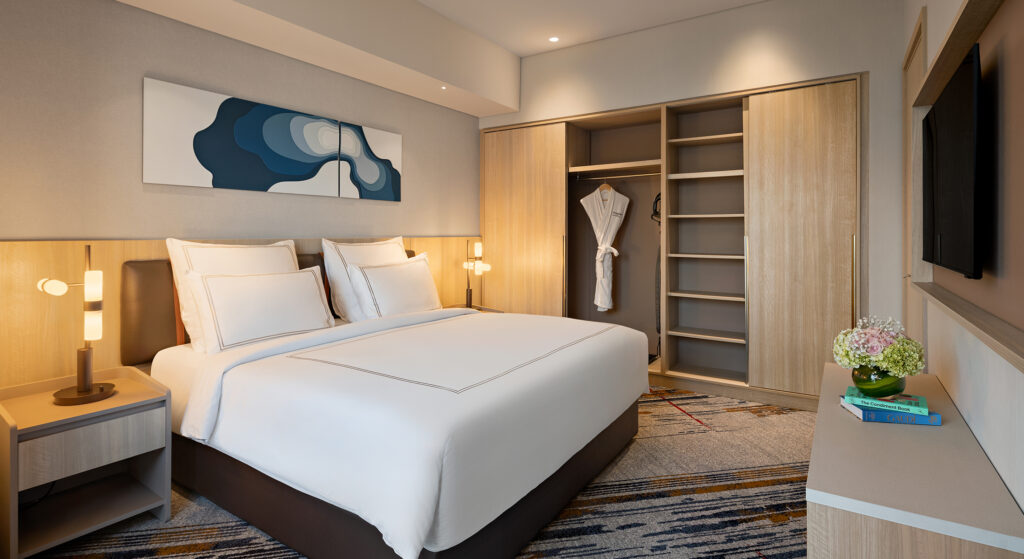
Premium categories often incorporate features such as walk-in closets, ensuite bathrooms for each bedroom, and upgraded kitchen equipment including dishwashers and wine refrigerators. Those exploring three-bedroom options in Jakarta should evaluate space allocation, storage capacity, and layout efficiency based on household size.
Flexible Stay Durations and Booking Models
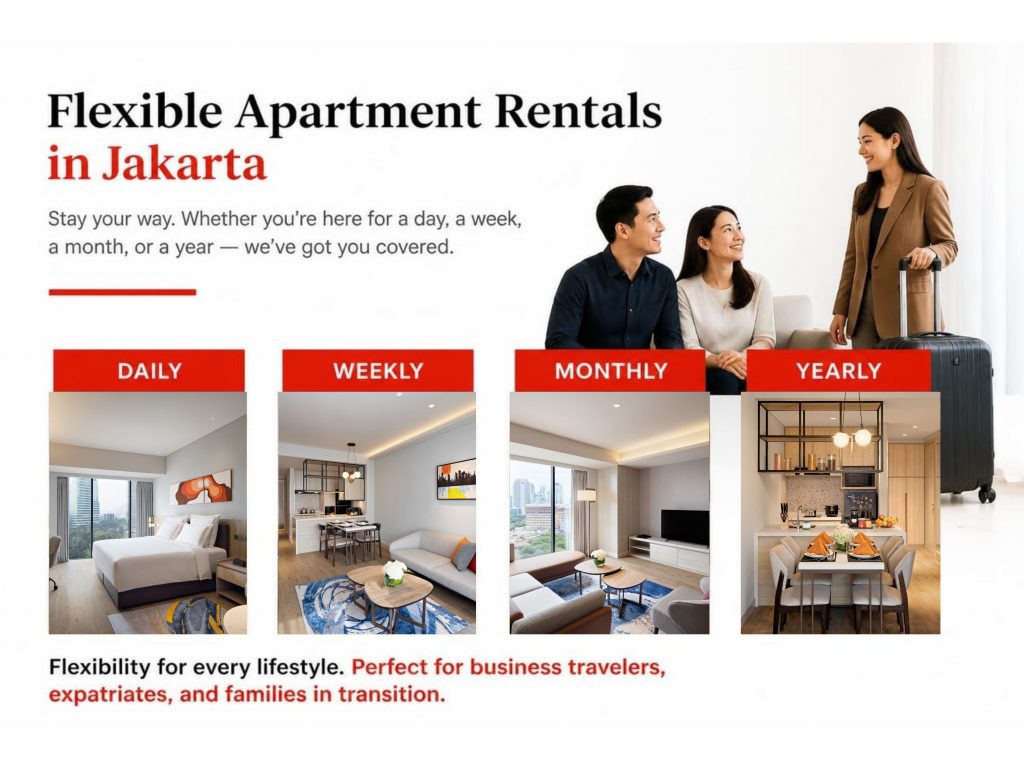
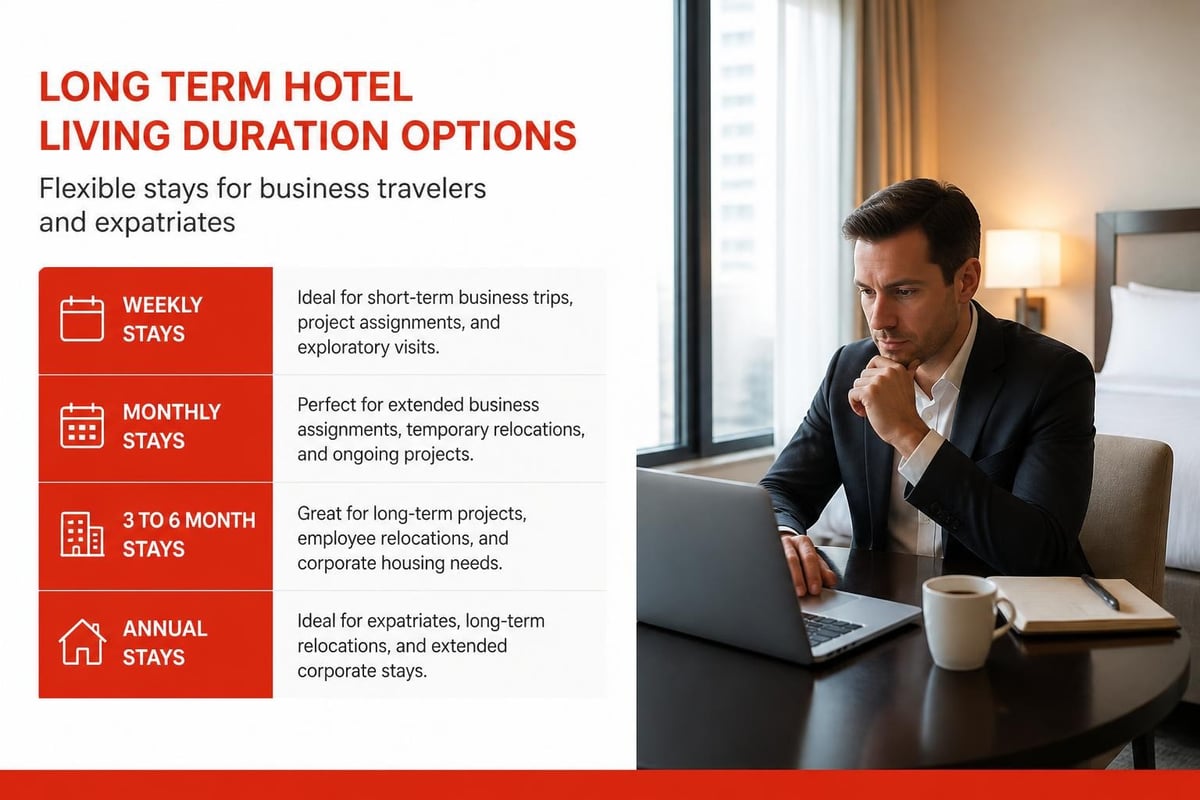
The serviced residence sector accommodates diverse stay lengths through adaptable pricing structures.
Daily and Weekly Stays
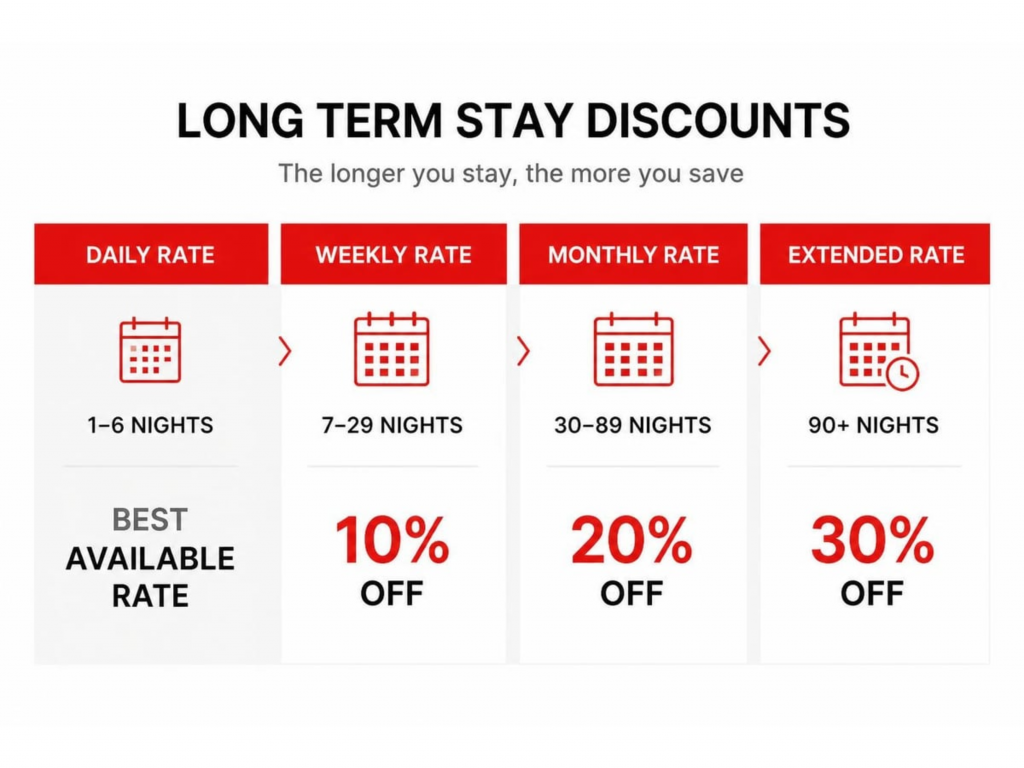
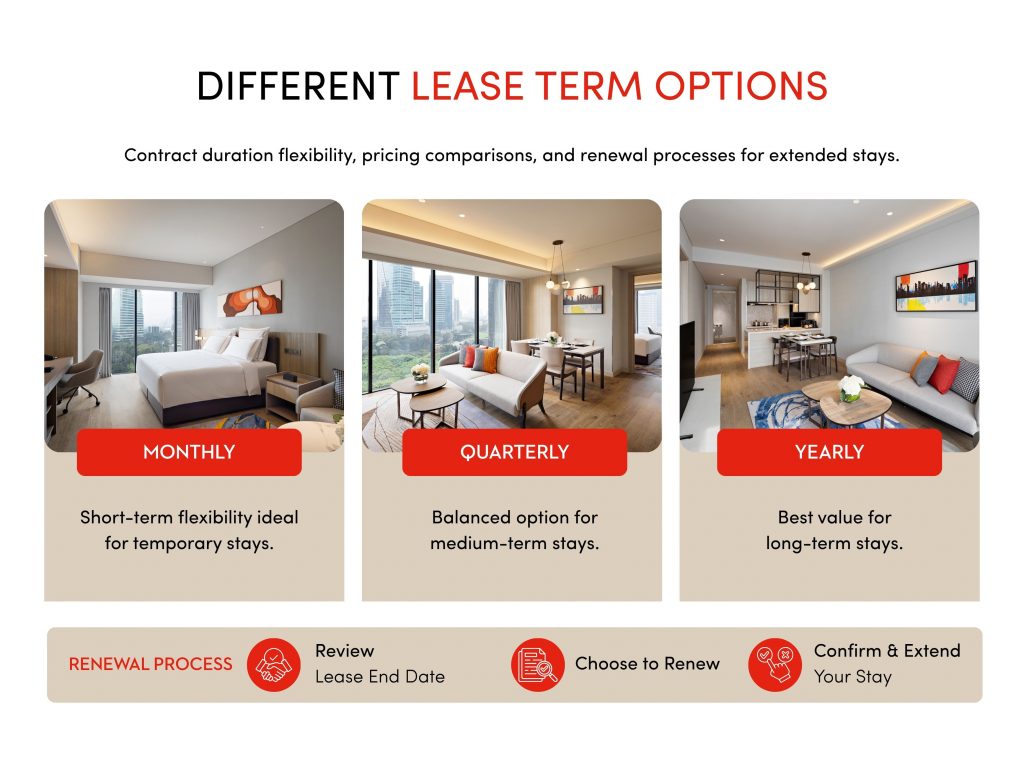
Short-term bookings mirror traditional hotel reservations but with apartment-style accommodations. Daily rates apply to stays under seven nights, often attracting leisure travelers or business visitors attending multi-day conferences. Weekly rates offer modest discounts for seven to twenty-eight night stays.
These booking models compete directly with hotels on convenience while providing superior space and kitchen access. Distribution through online travel agencies and corporate booking platforms facilitates short-term reservations alongside hotel inventory.
Monthly Extended Stays
Monthly agreements represent the core serviced residence market. Rates decrease significantly compared to daily calculations, reflecting reduced turnover costs and administrative overhead. Typical monthly pricing includes all utilities, services, and facility access in a single fixed rate.
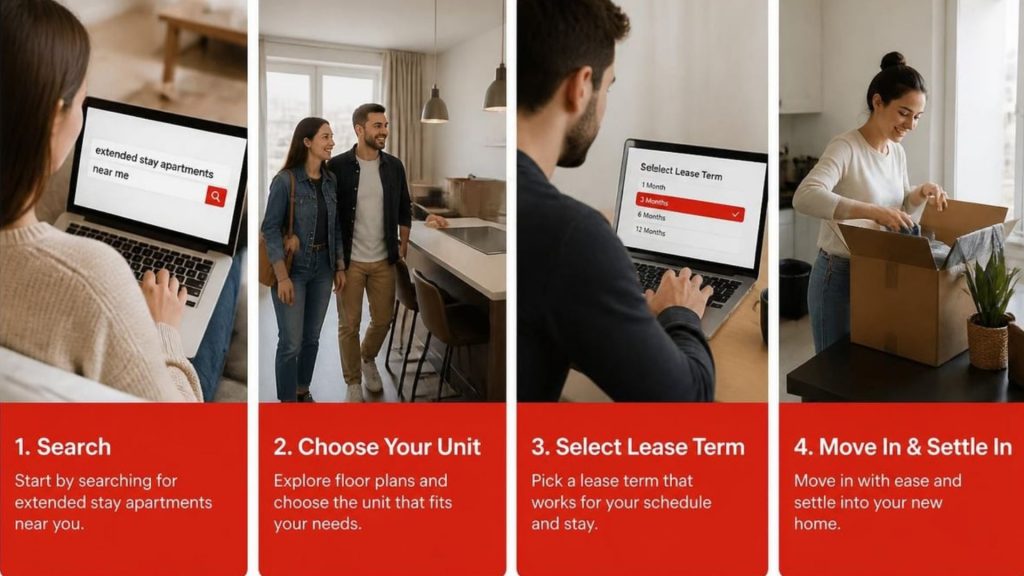
Corporate clients favor monthly terms for project-based assignments, training programs, and interim housing during relocations. Individual travelers use monthly stays for sabbaticals, extended business trips, or temporary relocations while maintaining primary residences elsewhere. Information about monthly accommodation options helps travelers compare pricing structures and service inclusions.
Annual Contracts and Long-Term Residency
Year-long agreements provide maximum cost efficiency and often include additional concessions such as furniture customization, storage access, or parking allocations. These contracts suit expatriates on multi-year assignments, corporate housing programs, or individuals in extended transition periods.
Annual residents receive the stability of fixed accommodation while retaining flexibility unavailable in traditional leases. Most serviced residence operators allow early termination with 30-60 days notice, accommodating unexpected assignment changes or personal circumstances.
Facilities and Amenities Beyond the Apartment
Shared facilities distinguish serviced residences from both hotels and standard rentals.
Fitness and Wellness Infrastructure
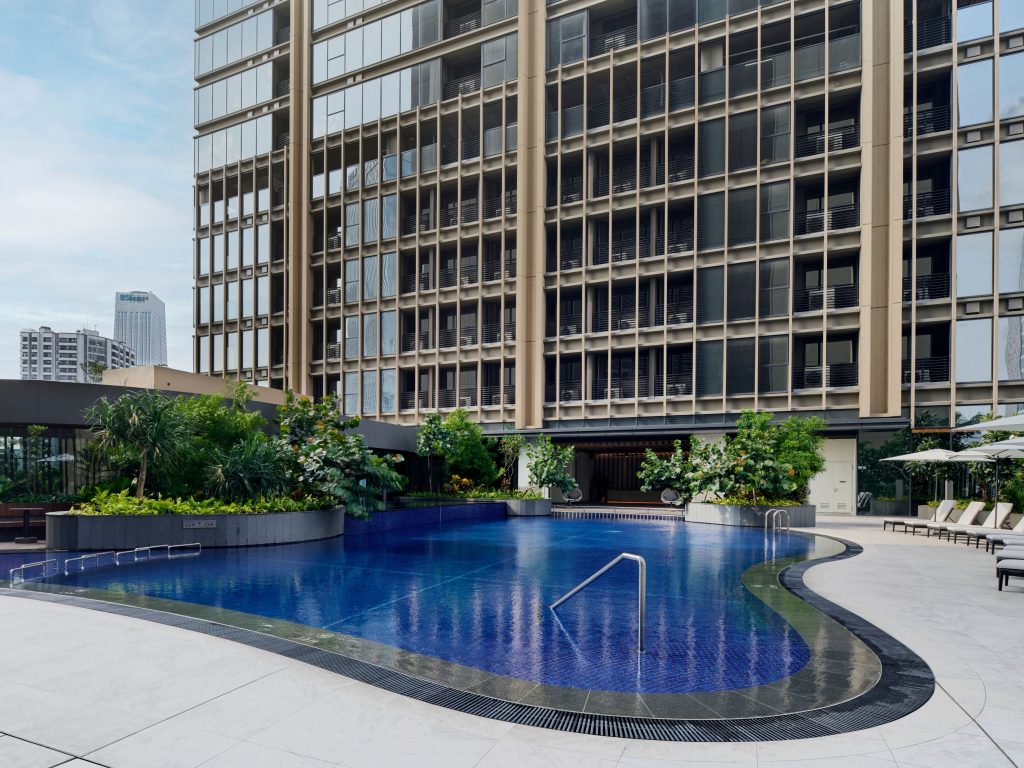
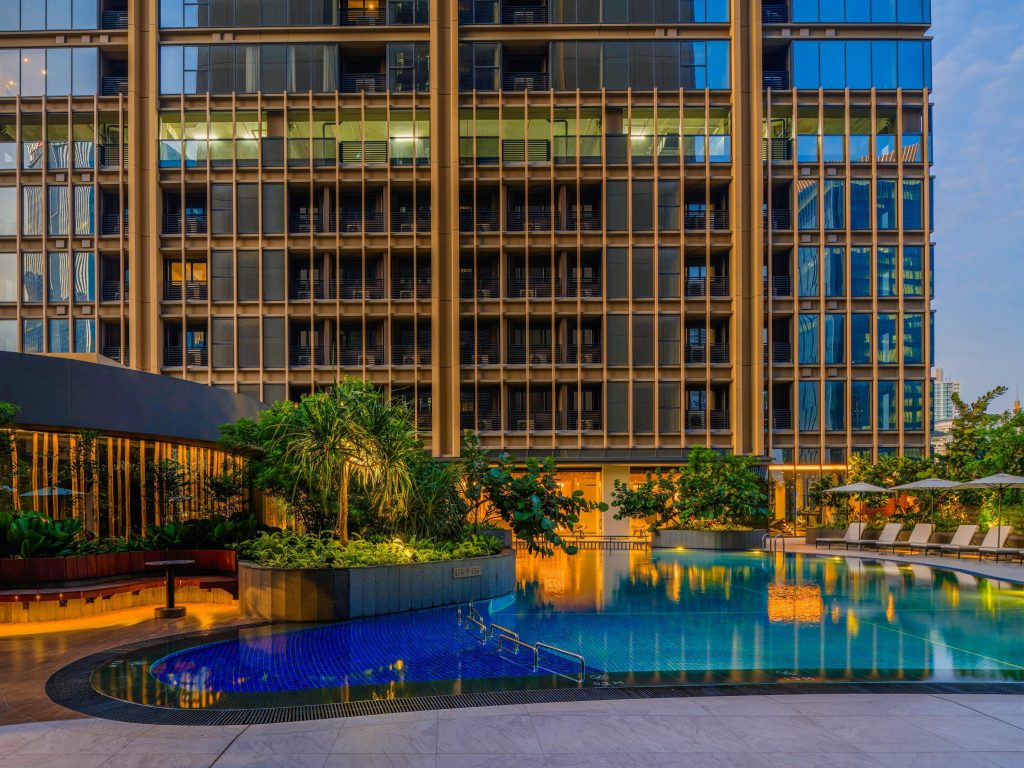
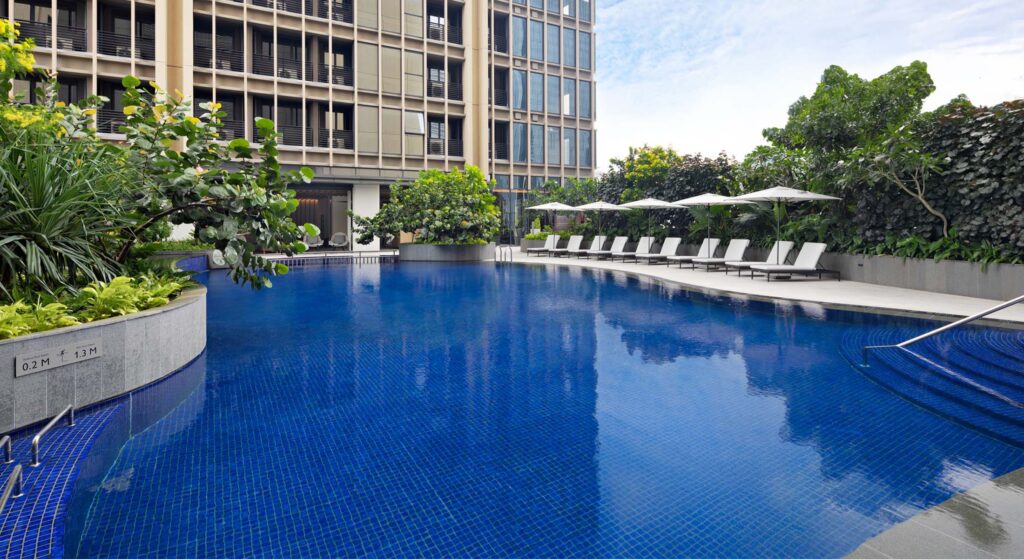
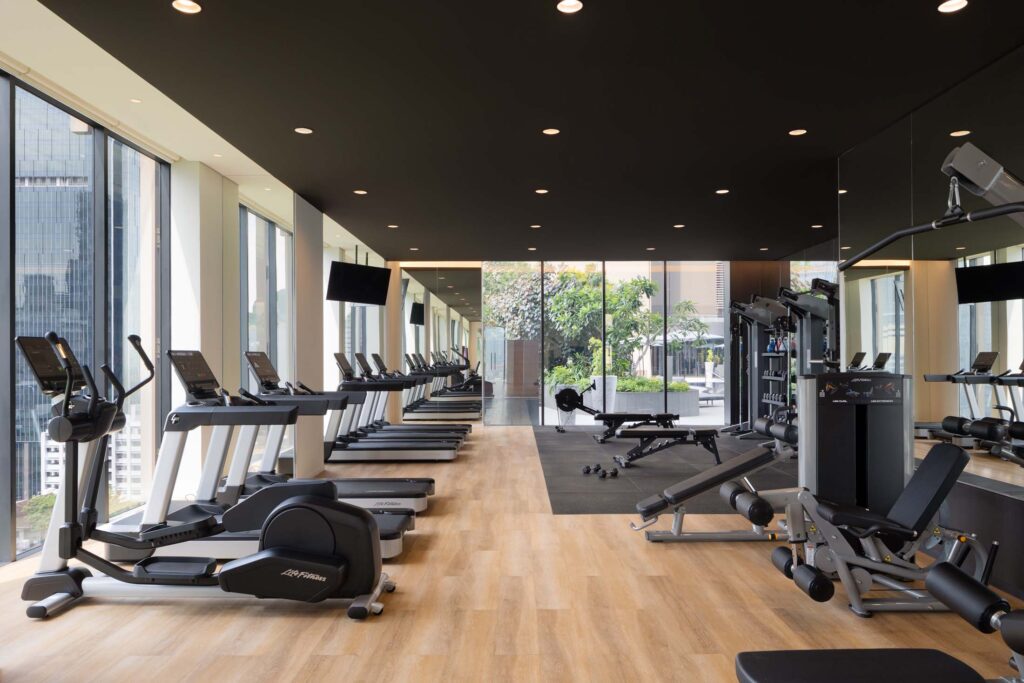
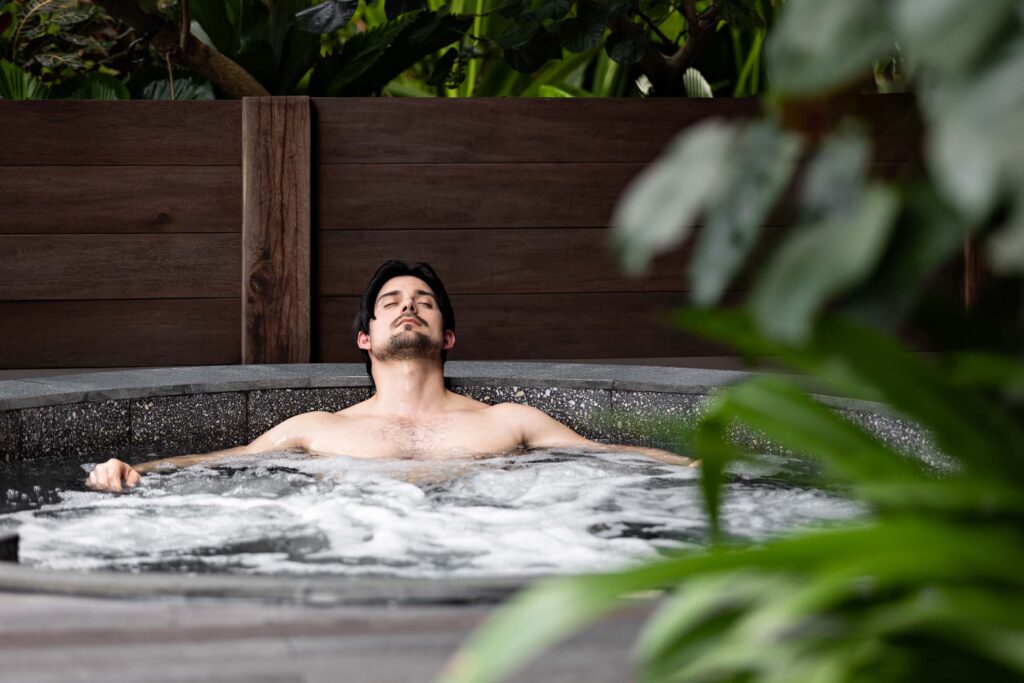
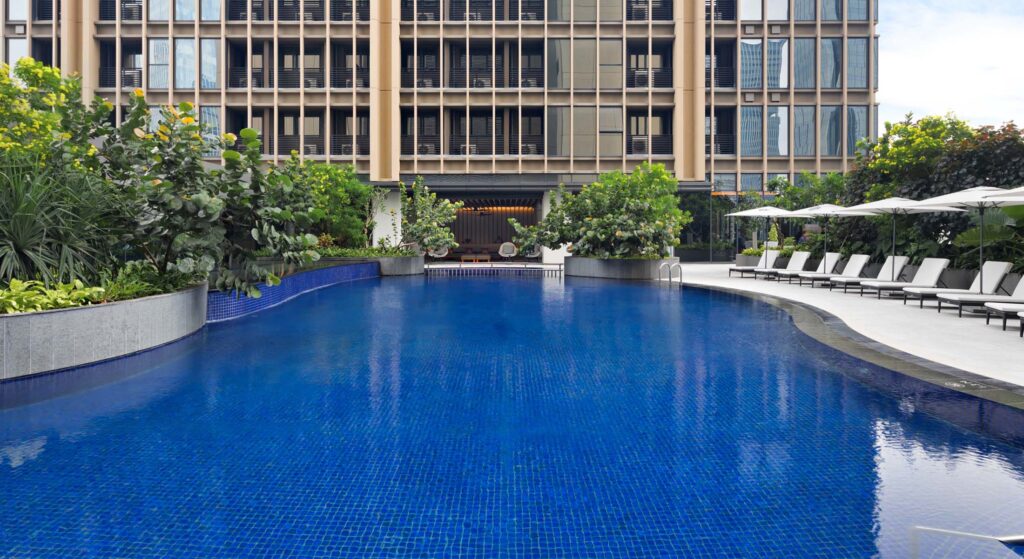
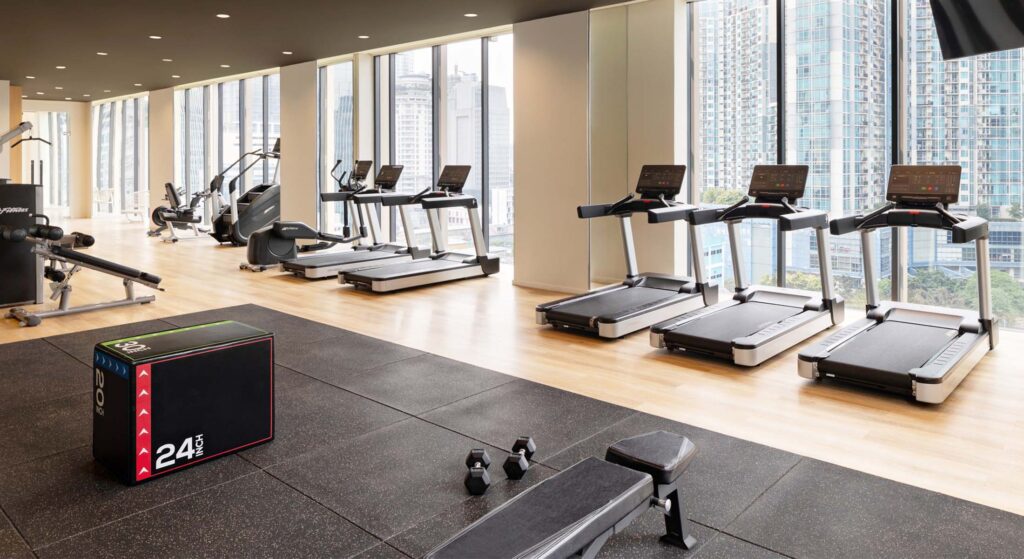
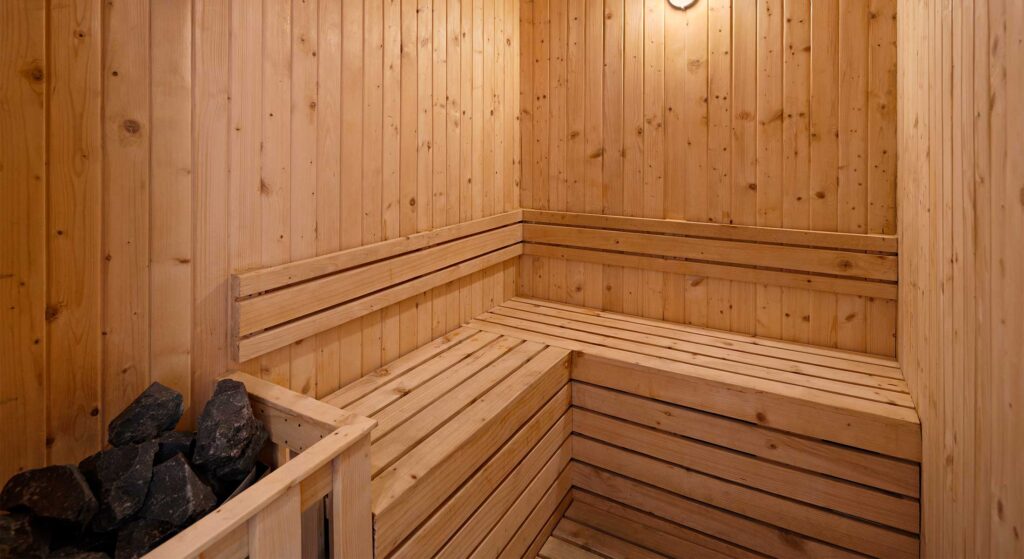
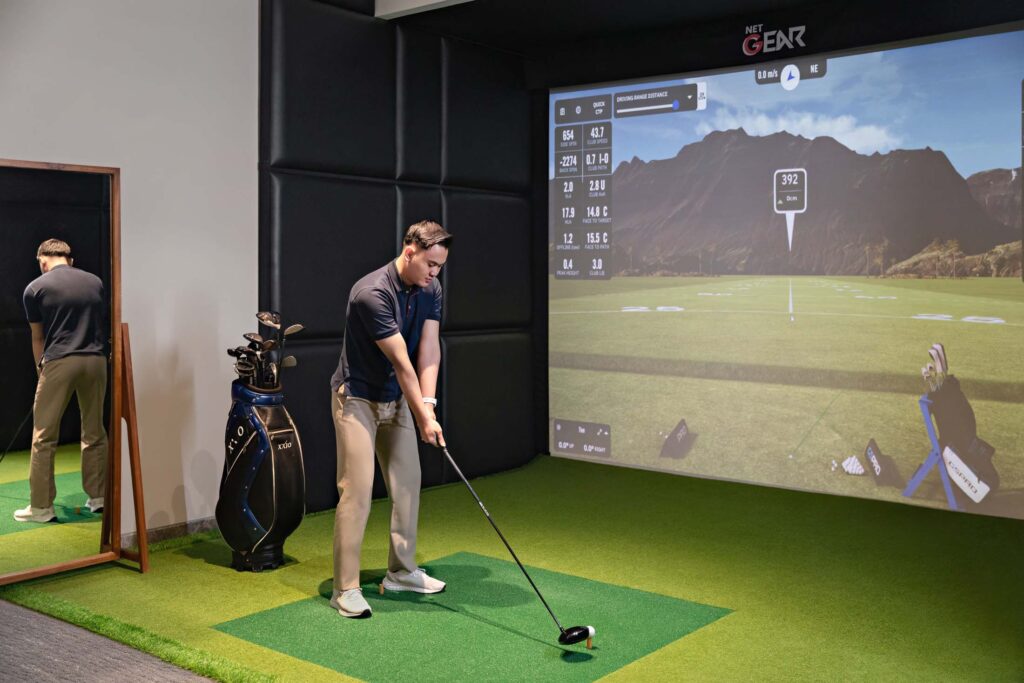
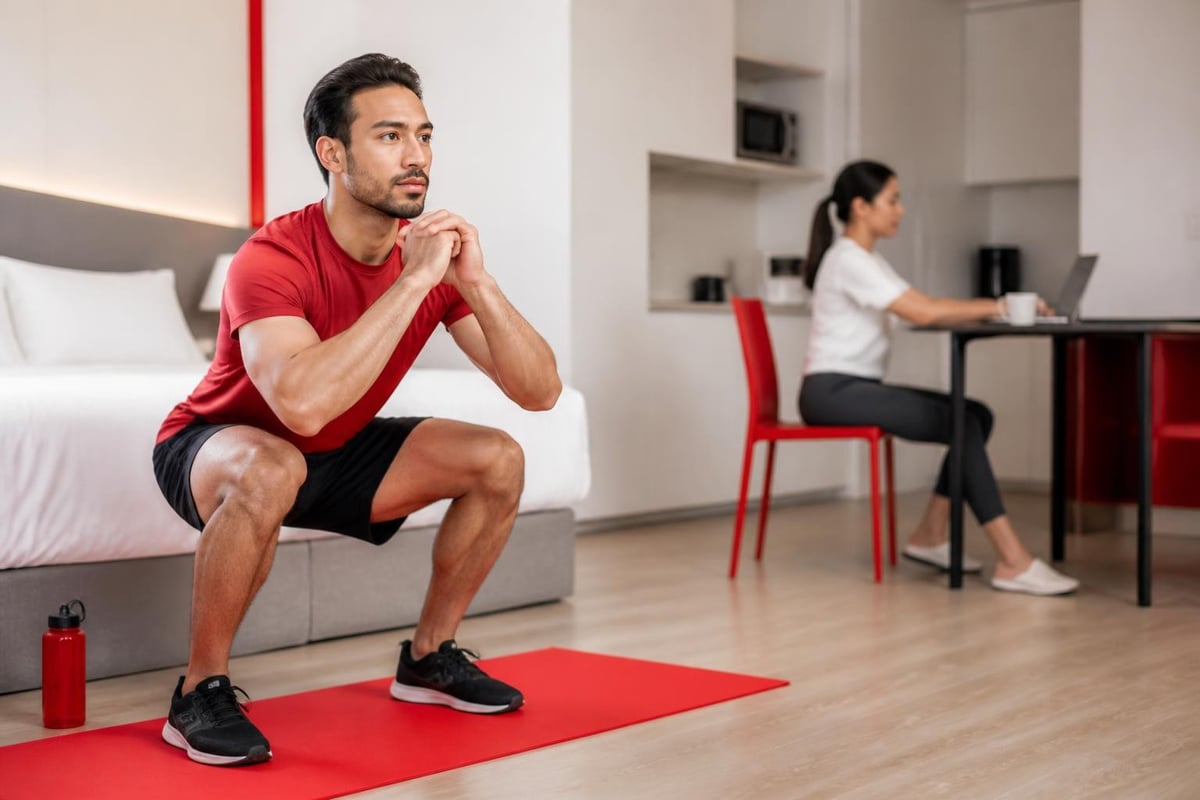
Modern properties incorporate fully equipped gymnasiums with cardiovascular equipment, strength training machines, and functional fitness areas. Some facilities include swimming pools, yoga studios, or spa services catering to health-conscious residents.
These amenities eliminate gym membership costs and provide convenient access to exercise facilities within the residential building. The integration supports wellness routines essential for professionals managing demanding travel schedules.
Business and Co-working Spaces
Dedicated business centers with meeting rooms, printing facilities, and quiet work areas serve remote professionals and entrepreneurs. High-speed internet connectivity throughout the property enables video conferencing and cloud-based collaboration.
Co-working lounges facilitate networking among residents while providing alternative work environments outside individual apartments. These spaces prove valuable for professionals conducting client meetings or requiring presentation facilities.
Dining and Social Venues
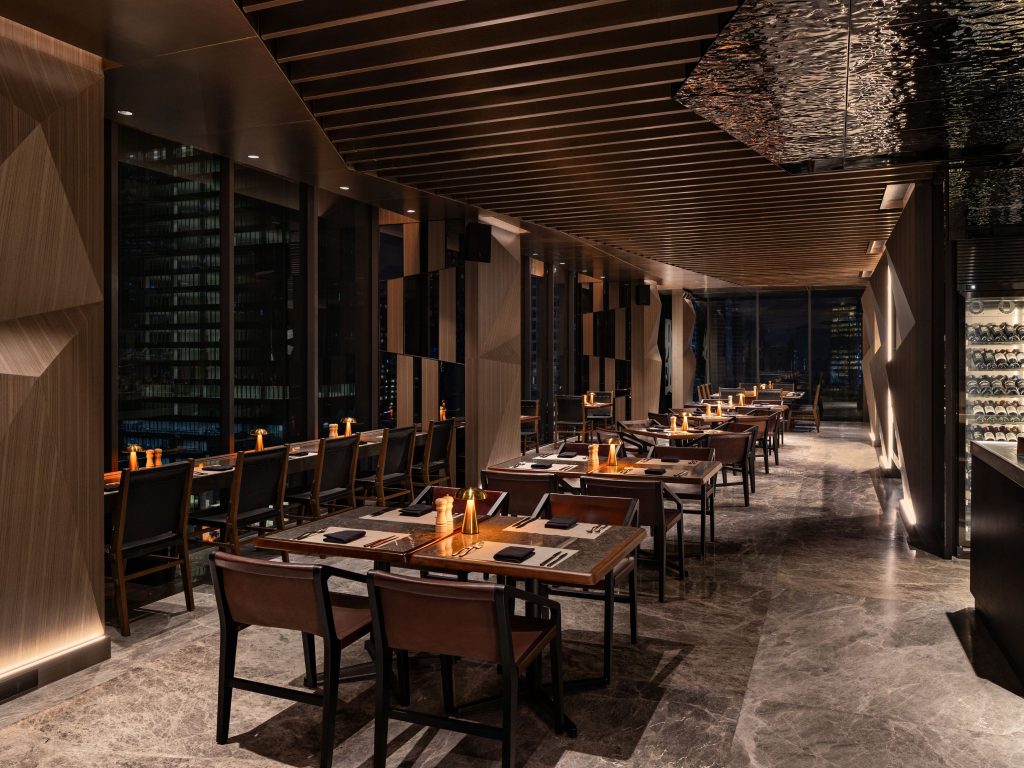
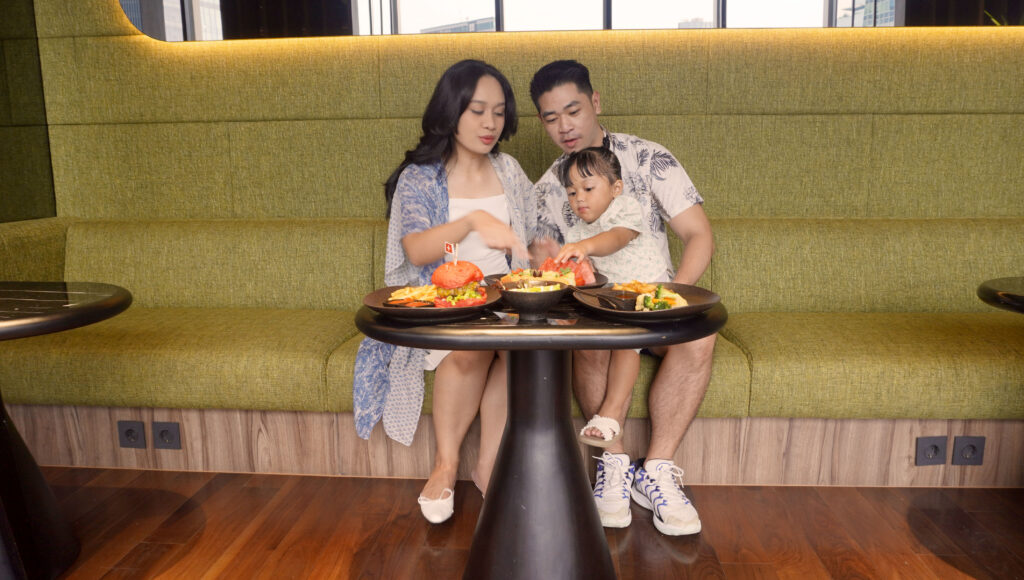
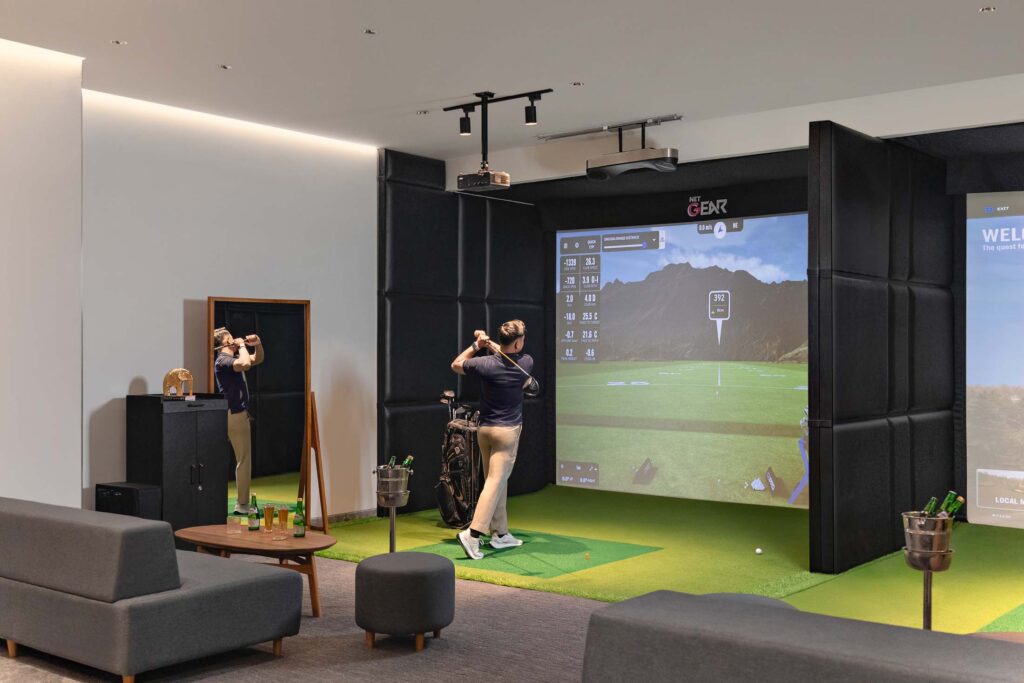
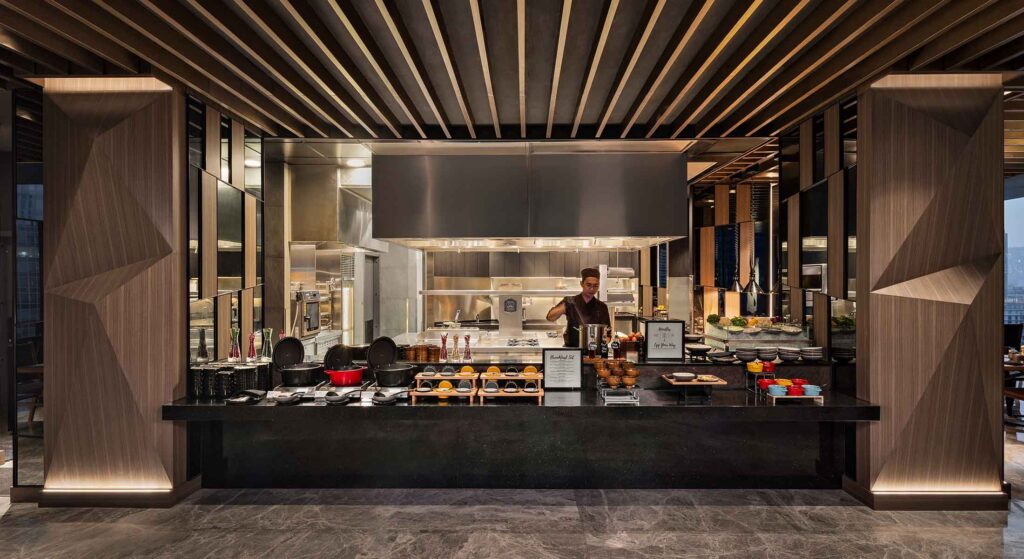
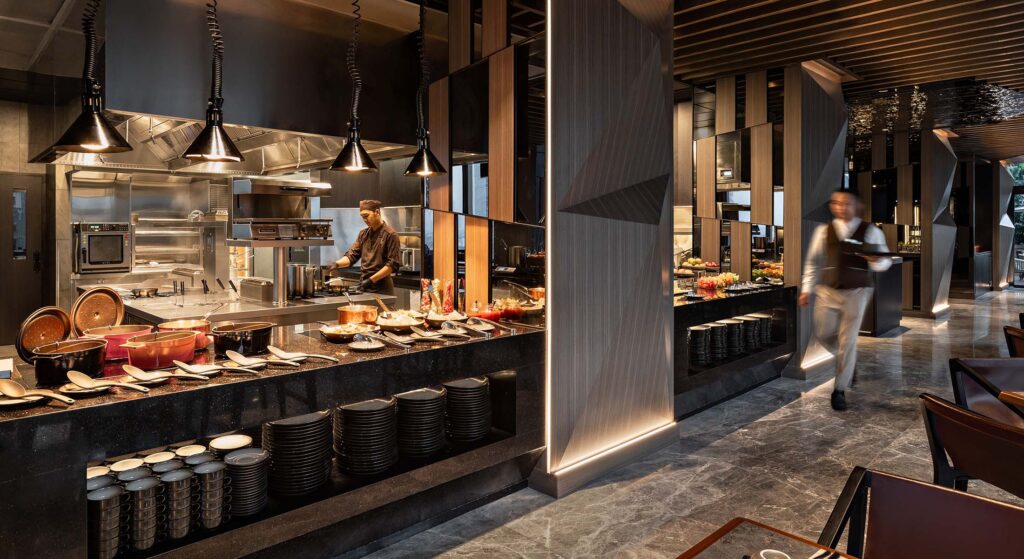
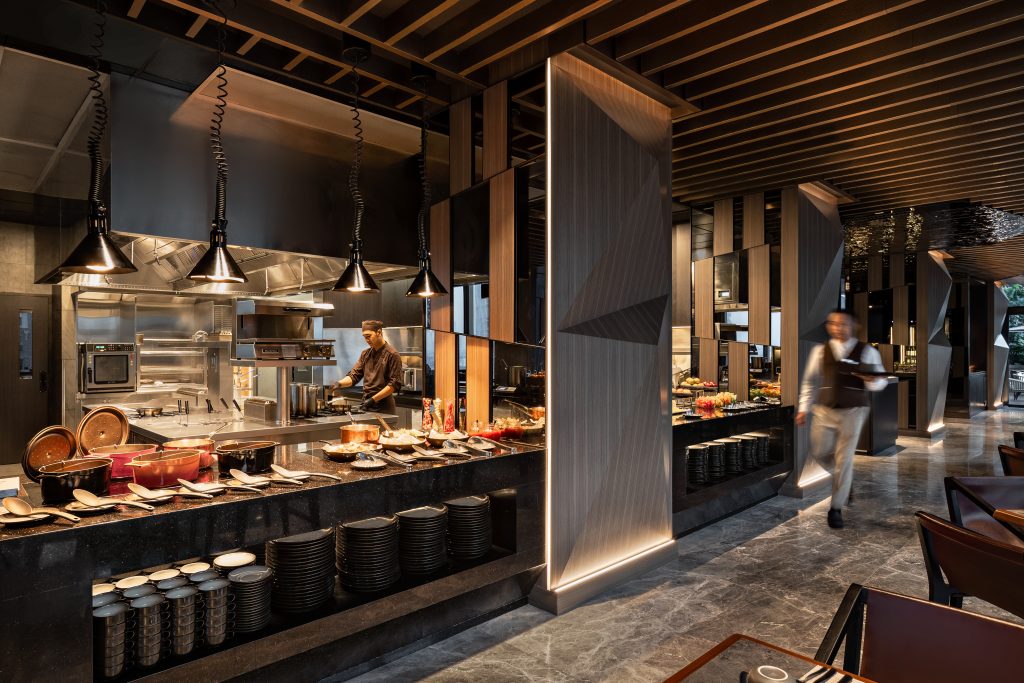
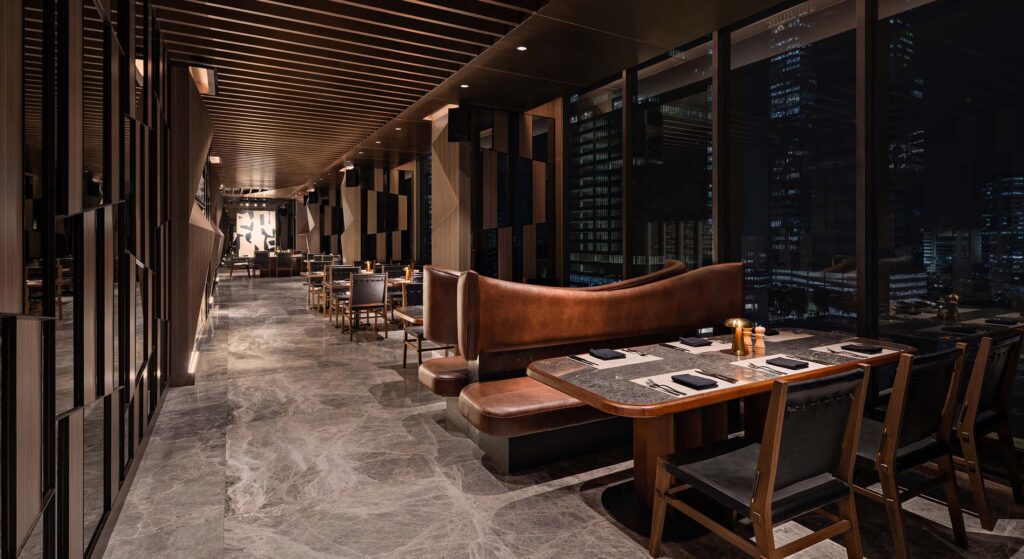
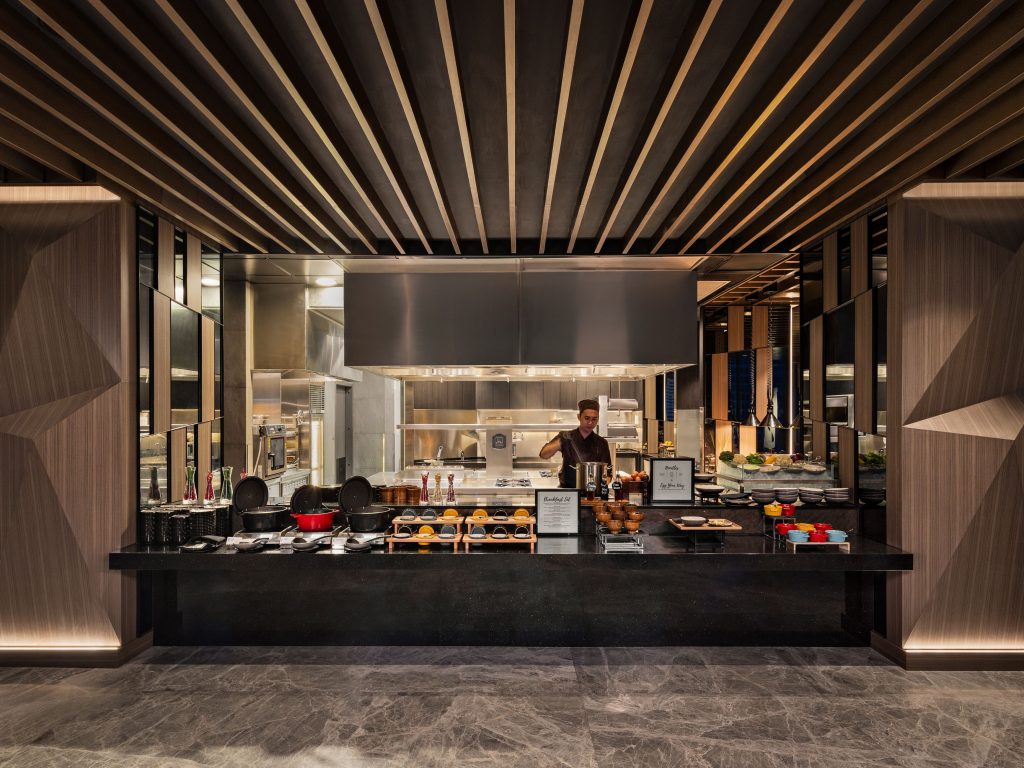
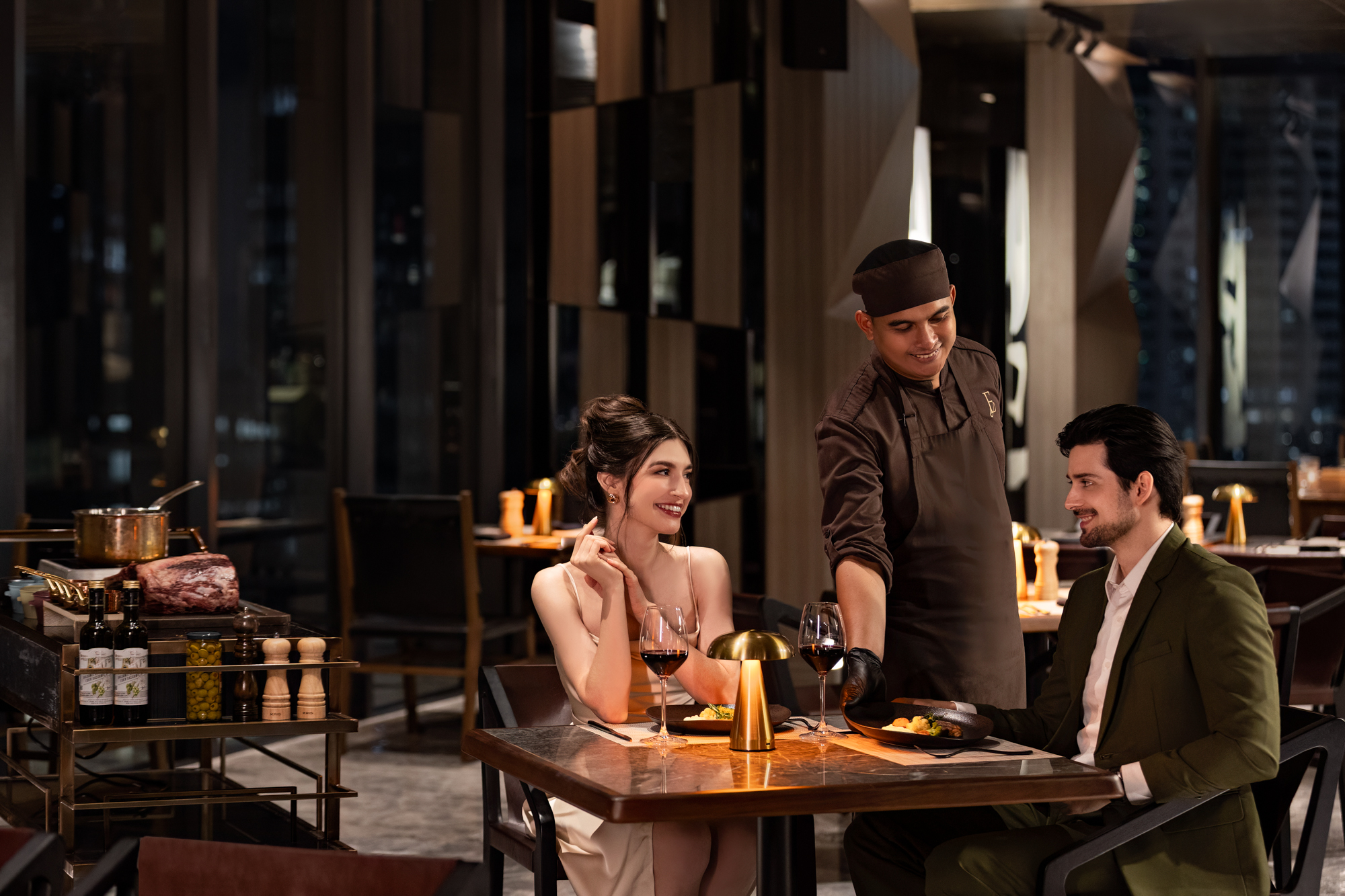
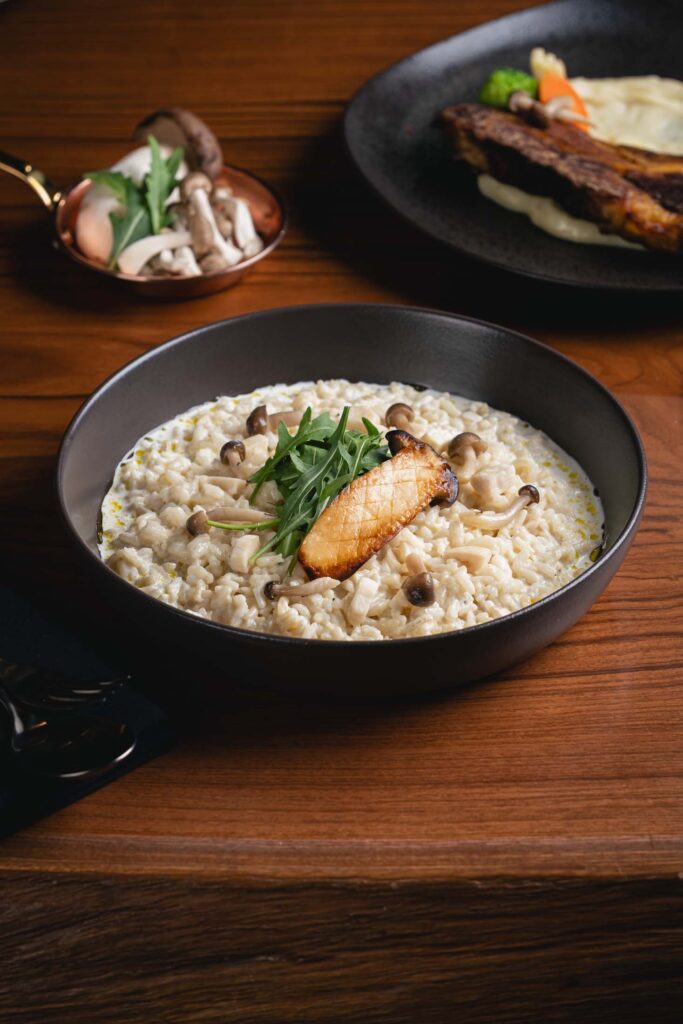
Some serviced residence properties include on-site restaurants, cafés, or bars providing dining alternatives when residents prefer not to cook. These venues create social gathering spaces and eliminate the need to travel for meals during busy periods.
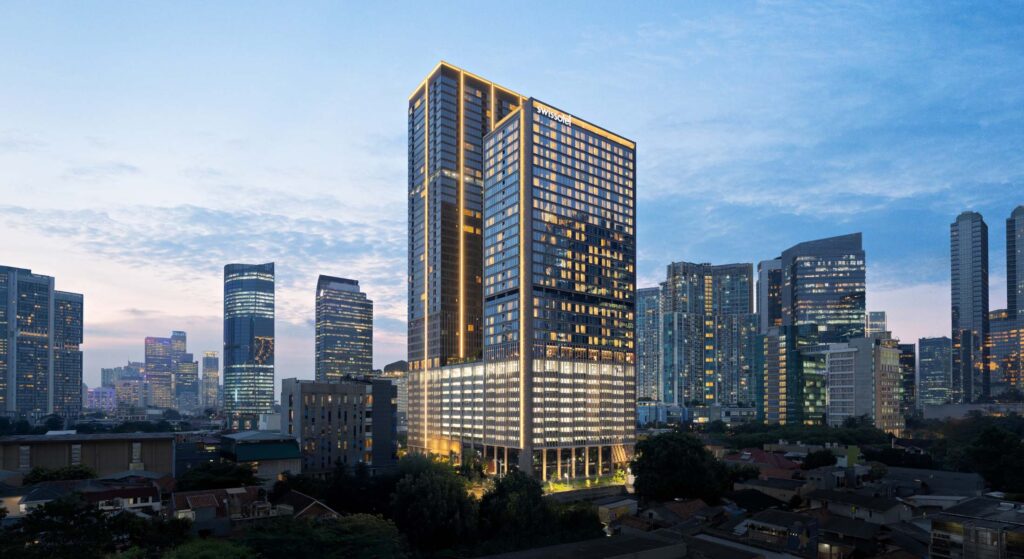
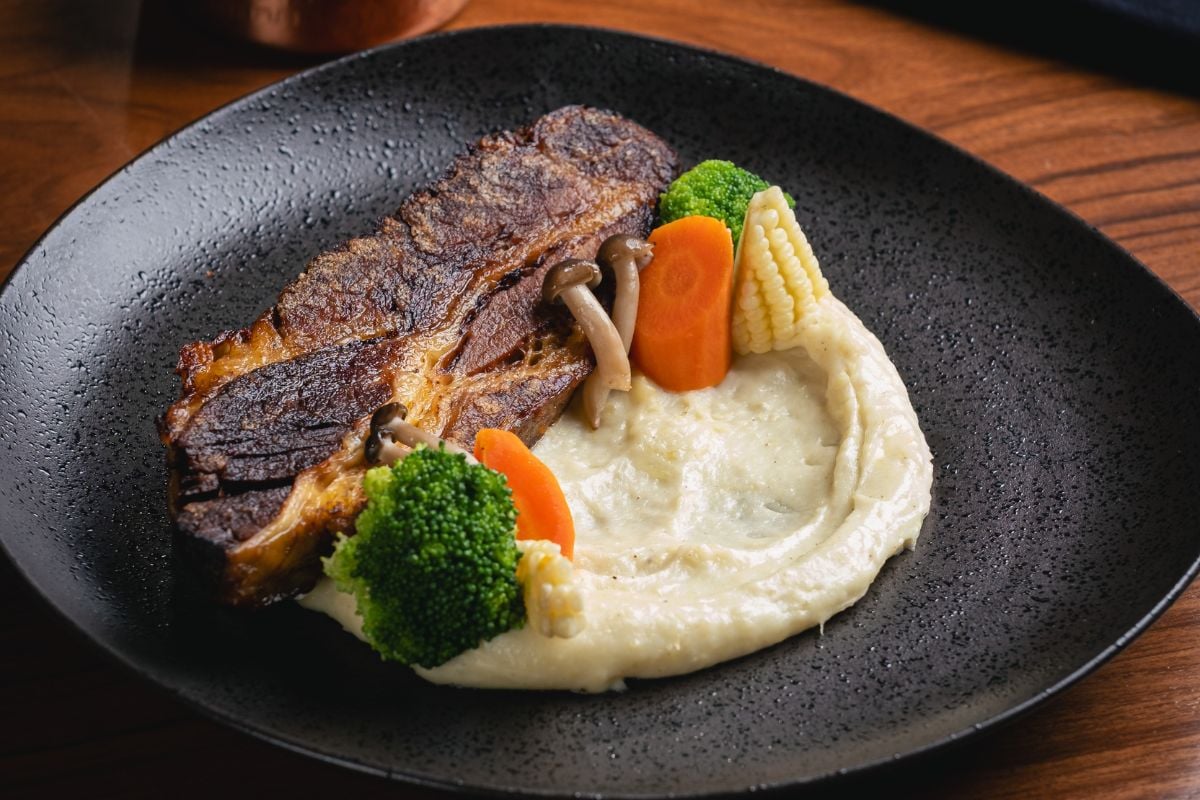
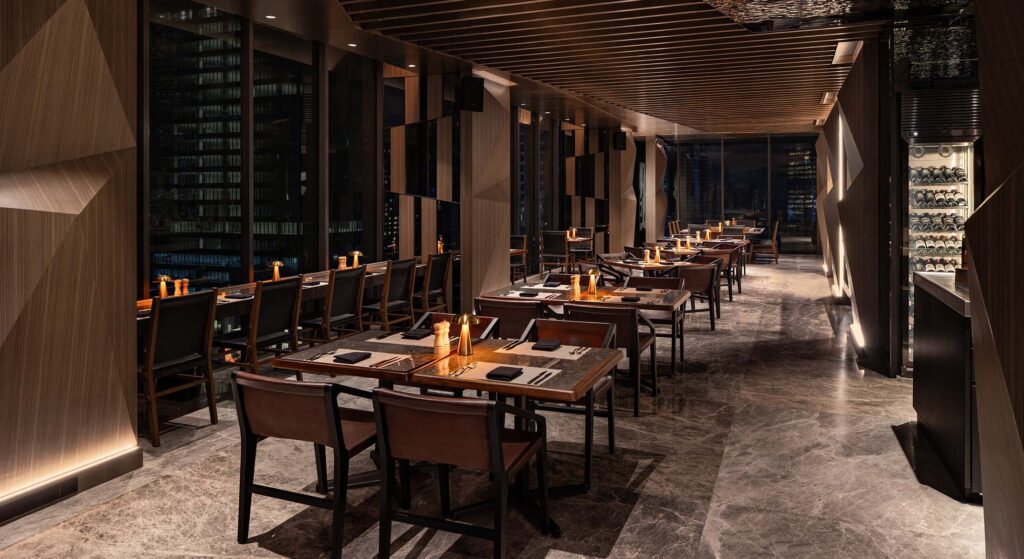
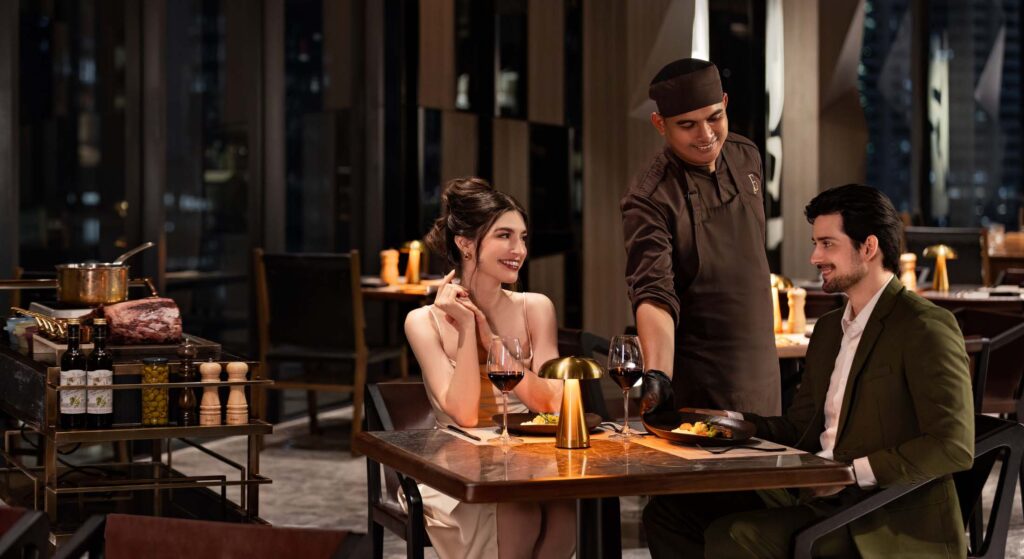
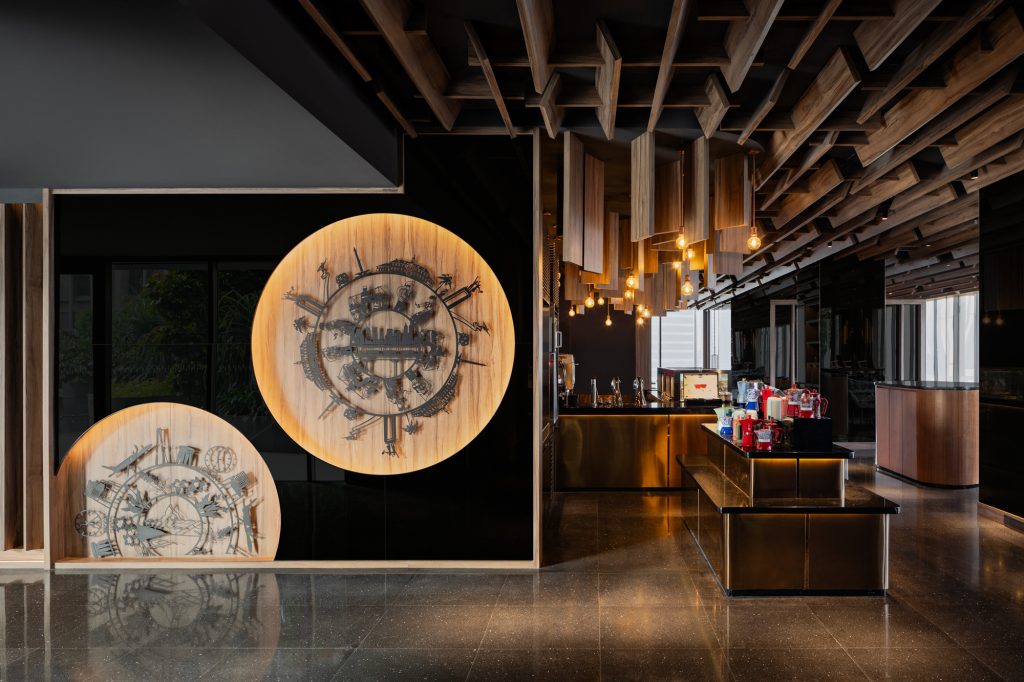
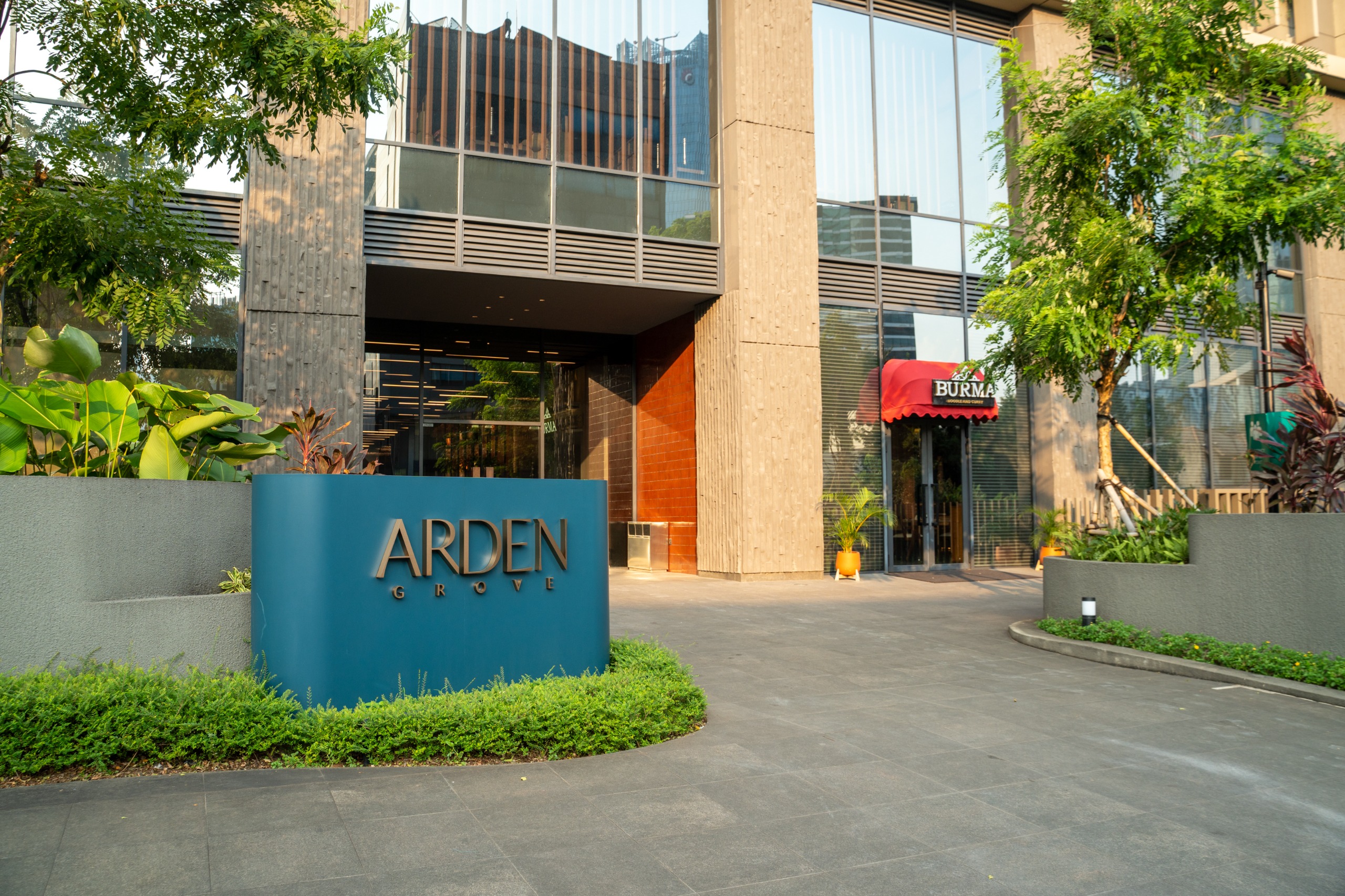
In Jakarta, properties such as Swissôtel Living Jakarta Mega Kuningan offer integrated dining through specialized concepts, allowing residents to access quality cuisine within their accommodation complex. The availability of restaurants near Mega Kuningan complements on-site options for those seeking variety.
Market Trends Shaping the Serviced Residence Sector
Several developments influence how the serviced residence category evolves in 2026.
Hybrid Work and Extended-Stay Demand
The normalization of remote work enables professionals to extend business trips, combining work obligations with leisure experiences. Digital nomads and location-independent workers utilize serviced residences as temporary bases while exploring new cities.
This trend expands the traditional corporate audience to include freelancers, consultants, and remote employees who value flexibility and quality living environments. Operators respond by offering shorter minimum stays and enhanced connectivity infrastructure.
Sustainability and Environmental Standards
Travelers increasingly prioritize environmentally responsible accommodation. Serviced residence operators implement energy-efficient appliances, waste reduction programs, and sustainable building certifications to meet these expectations.
Properties highlight green initiatives such as water conservation systems, renewable energy usage, and partnerships with local suppliers to reduce transportation impacts. These programs appeal to corporate clients with environmental, social, and governance (ESG) mandates.
Technology Integration and Contactless Services
Digital check-in processes, mobile key access, and app-based service requests streamline operations while reducing physical contact points. Residents manage housekeeping schedules, submit maintenance requests, and access building information through property-specific applications.
Smart apartment features including voice-controlled lighting, automated climate systems, and occupancy sensors enhance comfort while improving energy efficiency. These technologies align with expectations formed through smart home adoption in personal residences.
Operational Considerations for Extended Stays
Successfully utilizing a serviced residence requires understanding operational aspects that differ from hotel stays.
Initial Setup and Orientation
Upon arrival, residents receive comprehensive property orientation covering appliance operation, emergency procedures, and facility access protocols. Unlike hotels where guests simply occupy pre-configured rooms, serviced residences require familiarity with kitchen equipment, laundry machines, and climate controls.
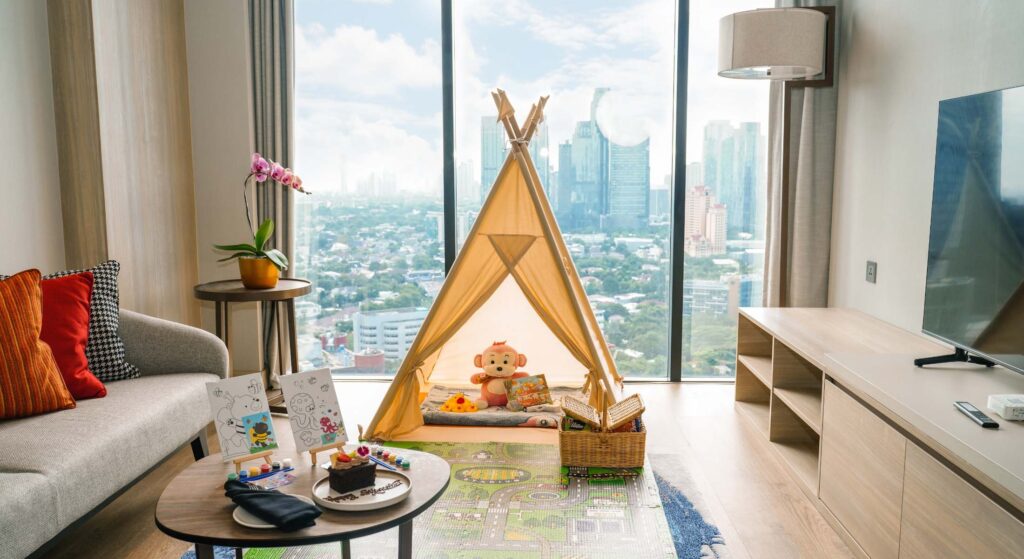
Operators typically provide welcome packages with essential supplies such as dishwashing detergent, laundry soap, and basic pantry items. These provisions enable immediate functionality without requiring shopping trips upon arrival.
Housekeeping Coordination
Weekly cleaning schedules require coordination between residents and housekeeping teams. Guests specify preferred service days and communicate special requirements such as allergen-free products or specific cleaning priorities.
This differs from daily hotel housekeeping, where services occur automatically. Residents accustomed to daily turndown service must adjust expectations, though most properties offer additional cleaning for supplemental fees.
Maintenance and Service Requests
Extended stays increase the likelihood of maintenance needs, from minor appliance issues to climate system adjustments. Responsive property management becomes critical to resident satisfaction.
Leading operators provide 24-hour maintenance support with guaranteed response times for urgent issues. Non-critical requests receive scheduled attention within established timeframes, ensuring apartments remain fully functional throughout extended occupancies.
Geographic Variations in Serviced Residence Standards
Market maturity and regional preferences create variations in how serviced residences operate across different regions.
European Market Characteristics
European serviced apartments emphasize location density in major financial centers such as London, Frankfurt, and Paris. Properties typically occupy converted buildings in established neighborhoods rather than purpose-built towers. The academic analysis of European markets highlights regulatory variations affecting minimum stay requirements and licensing.
Kitchen equipment often includes European-standard appliances such as combination washer-dryers and compact dishwashers optimized for smaller footprints. Design aesthetics favor minimalist Scandinavian or contemporary European styles.
Asia-Pacific Developments
Asian markets emphasize vertical construction with purpose-built towers incorporating serviced residences within mixed-use developments. Properties integrate retail, dining, and office components, creating live-work-play environments.
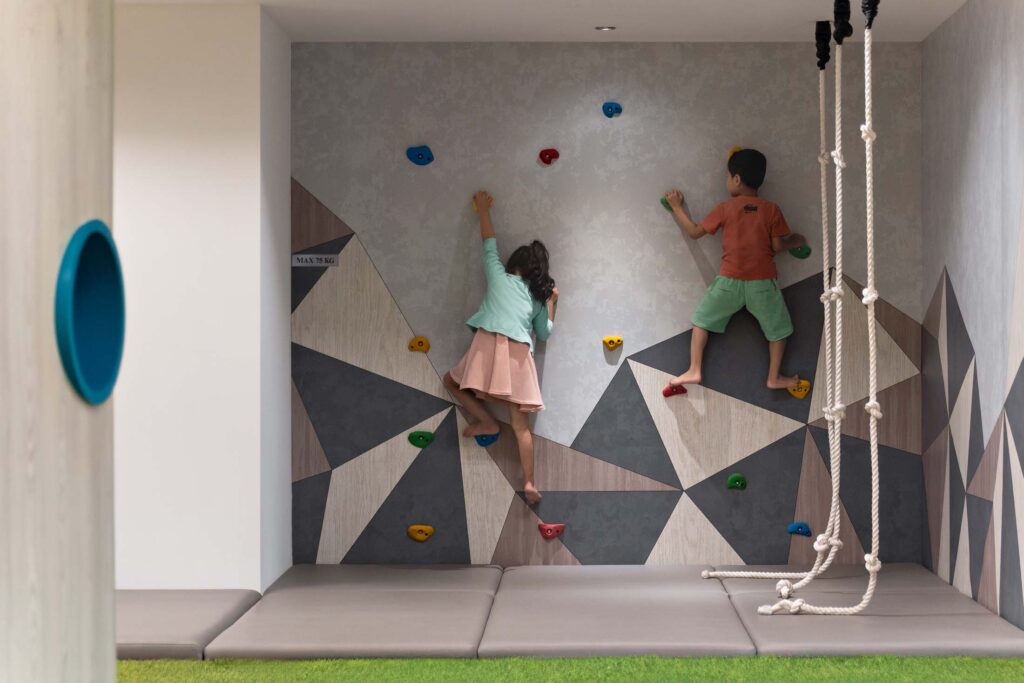
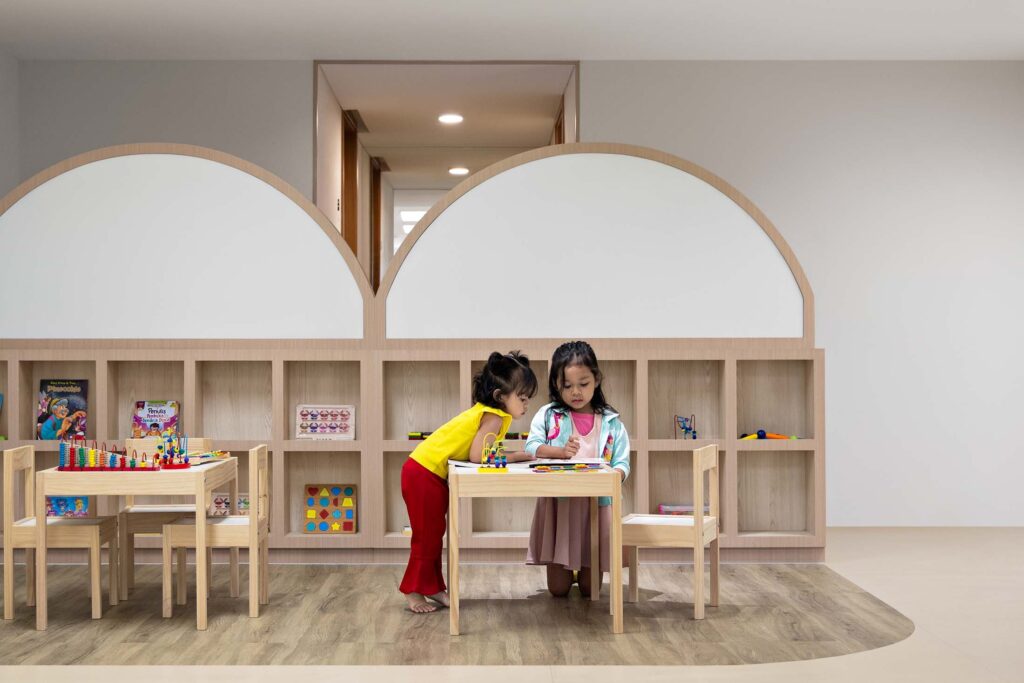
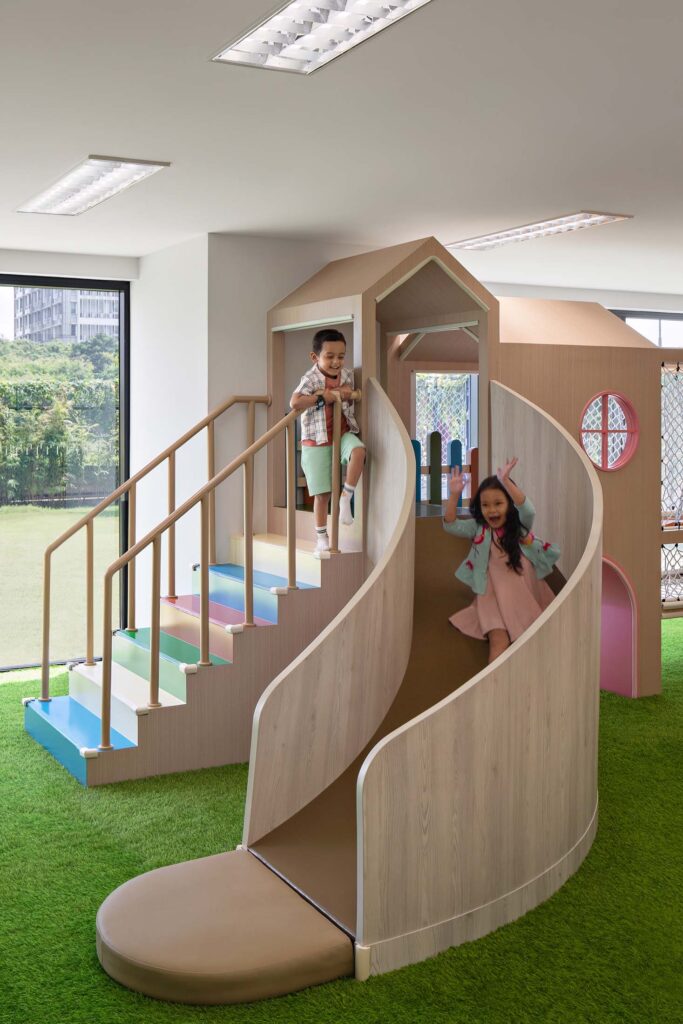
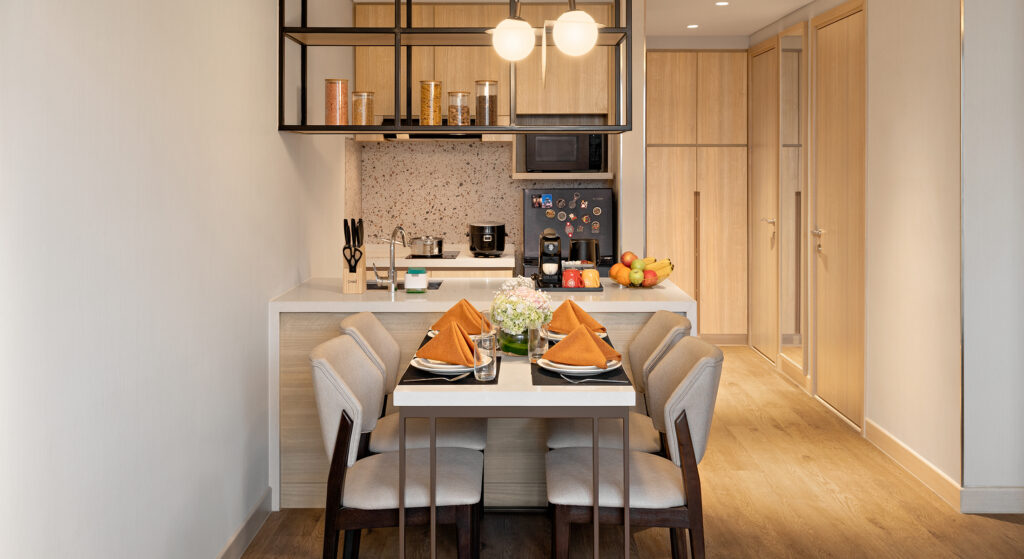
Kitchen configurations account for regional cooking methods, including rice cookers and induction stovetops suitable for high-heat Asian cuisine preparation. Building amenities often include children’s play areas and function rooms catering to multigenerational family stays.
North American Preferences
The United States and Canadian markets blur distinctions between extended-stay hotels and serviced apartments, with both categories serving similar audiences. Properties emphasize parking availability and proximity to suburban corporate campuses rather than urban cores.
Unit sizes trend larger than European equivalents, reflecting local spatial expectations. Full-size washers and dryers within individual units are standard rather than shared laundry facilities common in other regions.
Selecting the Right Serviced Residence for Your Needs
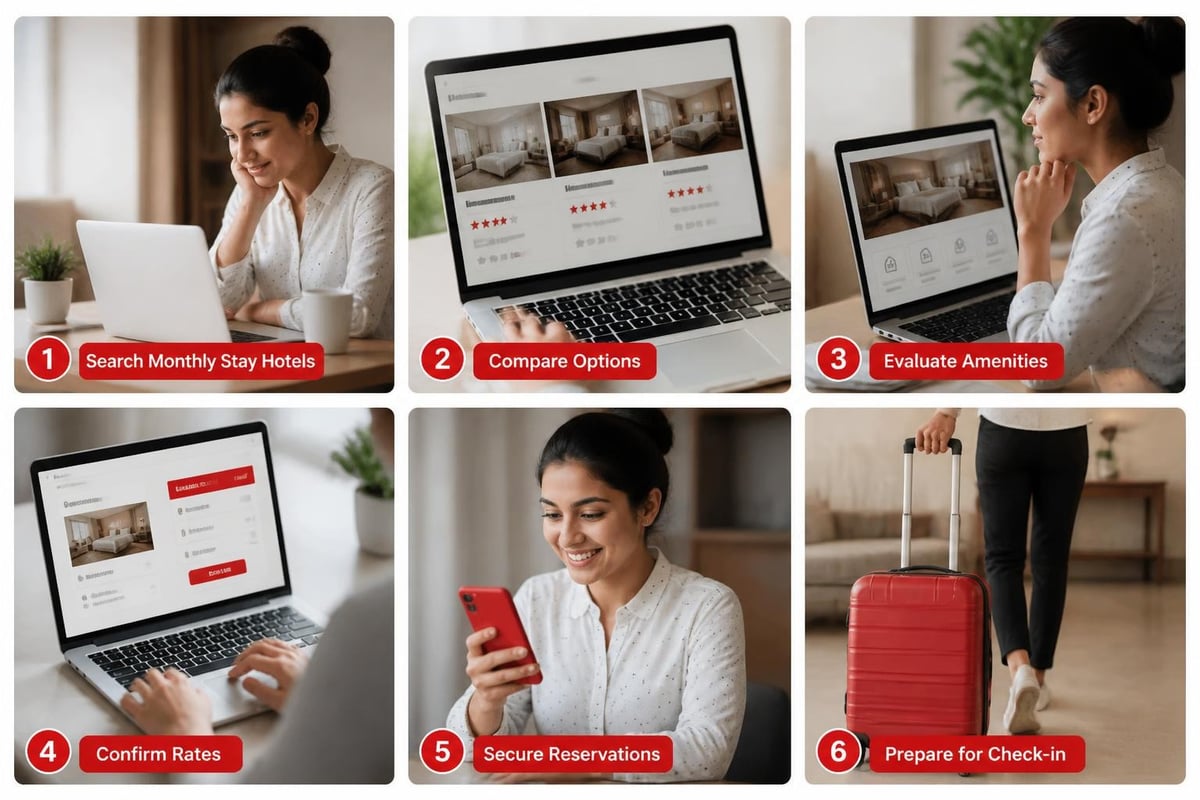
Making an informed choice requires evaluating multiple factors aligned with specific stay requirements.
Location Assessment
Identify priority destinations based on daily activities. Business travelers should calculate commute times to offices, meeting venues, and client locations. Families prioritize proximity to schools, parks, and grocery stores. Medical patients focus on distance to healthcare facilities.
Research neighborhood characteristics including safety ratings, walkability scores, and public transportation access. Urban properties offer convenience at the cost of higher rates, while suburban locations provide value with potential commute trade-offs.
Unit Configuration Selection
Match apartment size to party composition and stay duration. Solo travelers often find studios sufficient for stays under 60 days but appreciate one-bedroom separation for longer periods. Families require adequate bedroom allocation to maintain privacy and reduce stress during extended cohabitation.
Consider work-from-home requirements when evaluating layouts. Properties with dedicated office nooks or second bedrooms convertible to workspaces support productivity better than layouts requiring work at dining tables.
Service Level Verification
Confirm included services match expectations. Verify housekeeping frequency, linen change schedules, and consumable replenishment policies. Clarify utility caps or excess usage charges, particularly for properties in regions with high electricity costs.
Review facility access hours and any usage restrictions for amenities such as meeting rooms or fitness centers. Some properties charge additional fees for guest access or facility reservations beyond base rates.
Cancellation and Modification Policies
Understand contract flexibility before committing to extended stays. Corporate assignments frequently change, requiring accommodation adjustments. Verify notice periods for early termination, modification fees for date changes, and refund policies for prepaid amounts.
Monthly and annual contracts typically require 30-90 days notice for cancellation, while daily bookings follow hotel-style policies. Negotiate terms that align with assignment uncertainty, particularly for initial international relocations.
The Future Outlook for Serviced Residences
Industry projections indicate continued growth for the serviced residence sector through the remainder of the decade. Corporate travel recovery post-pandemic emphasizes quality of life during extended stays, favoring apartment-style accommodations over traditional hotels.
Demographic shifts including aging populations seeking downsized living and younger professionals prioritizing experiences over home ownership create additional demand. The flexibility inherent in serviced residences aligns with these evolving preferences.
Technology advancement enables operational efficiencies that improve profitability while maintaining or reducing costs. Automated systems for energy management, predictive maintenance, and dynamic pricing optimize performance across property portfolios.
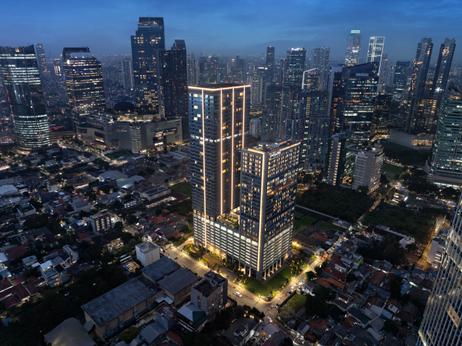
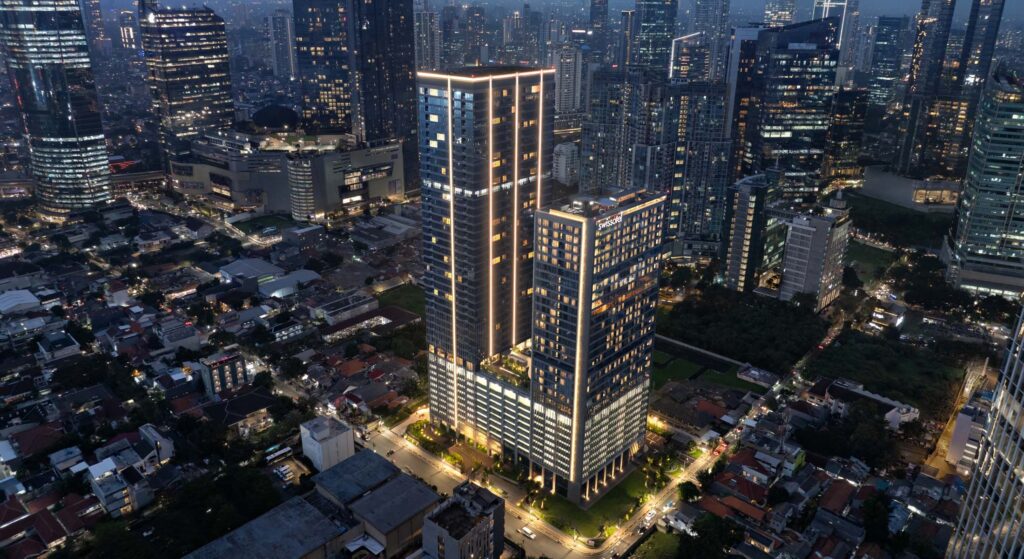
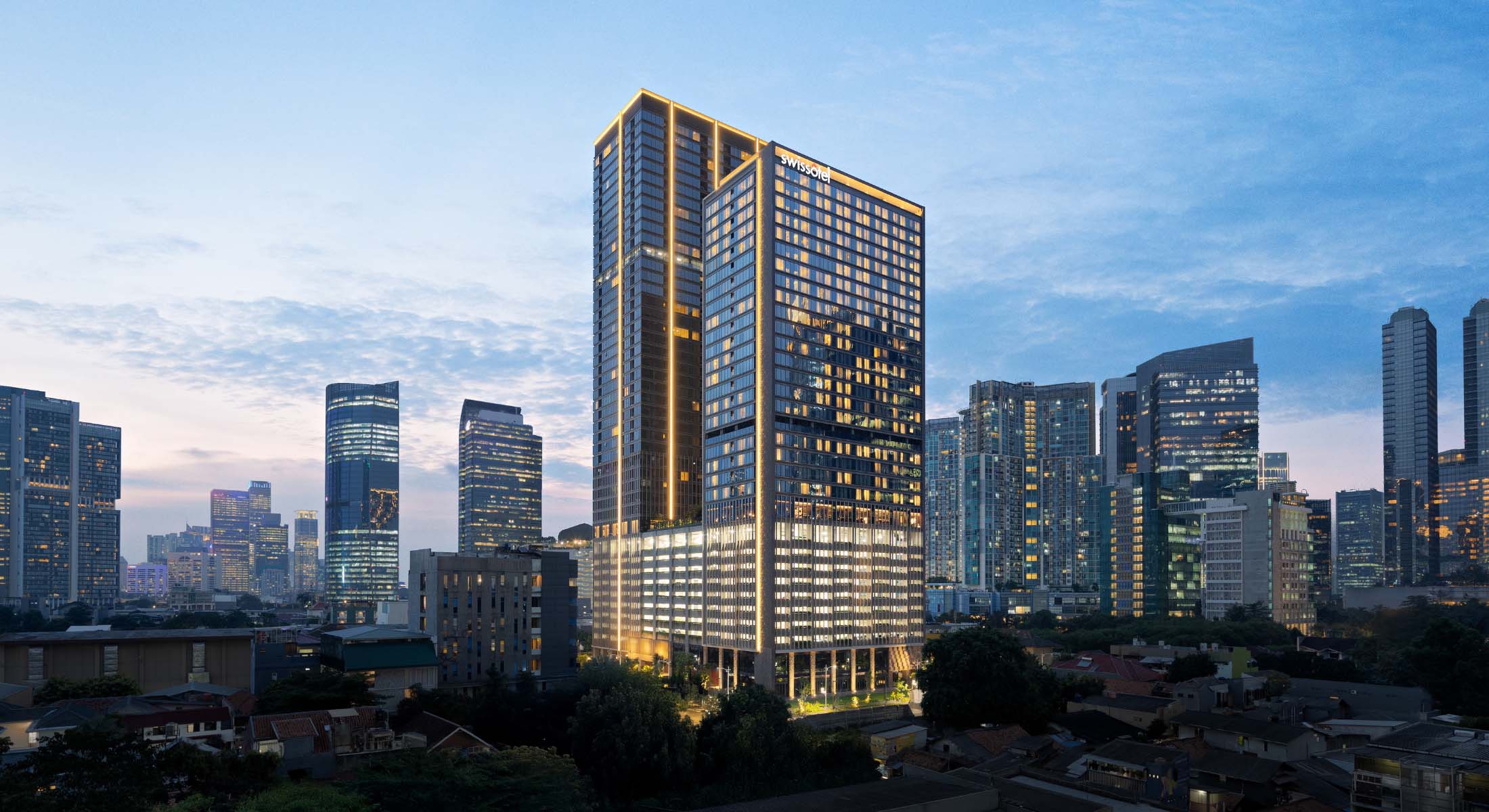
Swissôtel Living Jakarta Mega Kuningan exemplifies the modern serviced residence model, offering 240 fully furnished apartments across multiple configurations from studios to three-bedroom residences. Located in Jakarta’s central business district, the property provides flexible daily, weekly, monthly, and yearly stays with access to fitness facilities, business amenities, and integrated dining. This combination serves business travelers on short assignments, expatriate families requiring transitional housing, and professionals seeking long-stay solutions in Mega Kuningan.
The serviced residence category continues evolving to meet changing accommodation preferences across business, leisure, and relocation contexts. Properties that deliver consistent service quality, strategic locations, and transparent value propositions will capture growing demand from travelers seeking alternatives to traditional hotels and rental apartments.
Investment and Development Perspectives
Real estate investors view serviced residences as attractive assets due to diversified revenue streams and resilience during market fluctuations. Unlike traditional hotels dependent on transient tourism, serviced apartments generate stable income from corporate contracts and extended-stay guests less sensitive to economic volatility.
Development economics favor locations with strong corporate presence, international communities, and tourism infrastructure. Properties near business districts, diplomatic zones, and transportation hubs command premium rates while maintaining high occupancy.
Operators pursue both management contracts and franchise arrangements to expand portfolios without capital intensity. Brand affiliation provides marketing advantages and distribution access while maintaining quality standards across properties.
The sector attracts institutional capital seeking alternatives to traditional hotel investments. Serviced apartments offer lower operating cost ratios compared to full-service hotels due to reduced food and beverage operations and staffing requirements.
The serviced residence sector has matured into a distinct accommodation category that addresses gaps between hotels and traditional rentals. For business travelers, expatriate families, and professionals requiring flexible extended-stay solutions, these properties deliver the space and autonomy of apartment living with the convenience and services of hospitality operations. Whether you need temporary accommodation during a corporate assignment, transitional housing for an international relocation, or a comfortable base for an extended business trip, Swissôtel Living Jakarta Mega Kuningan provides fully furnished residences with flexible terms in Jakarta’s central business district.