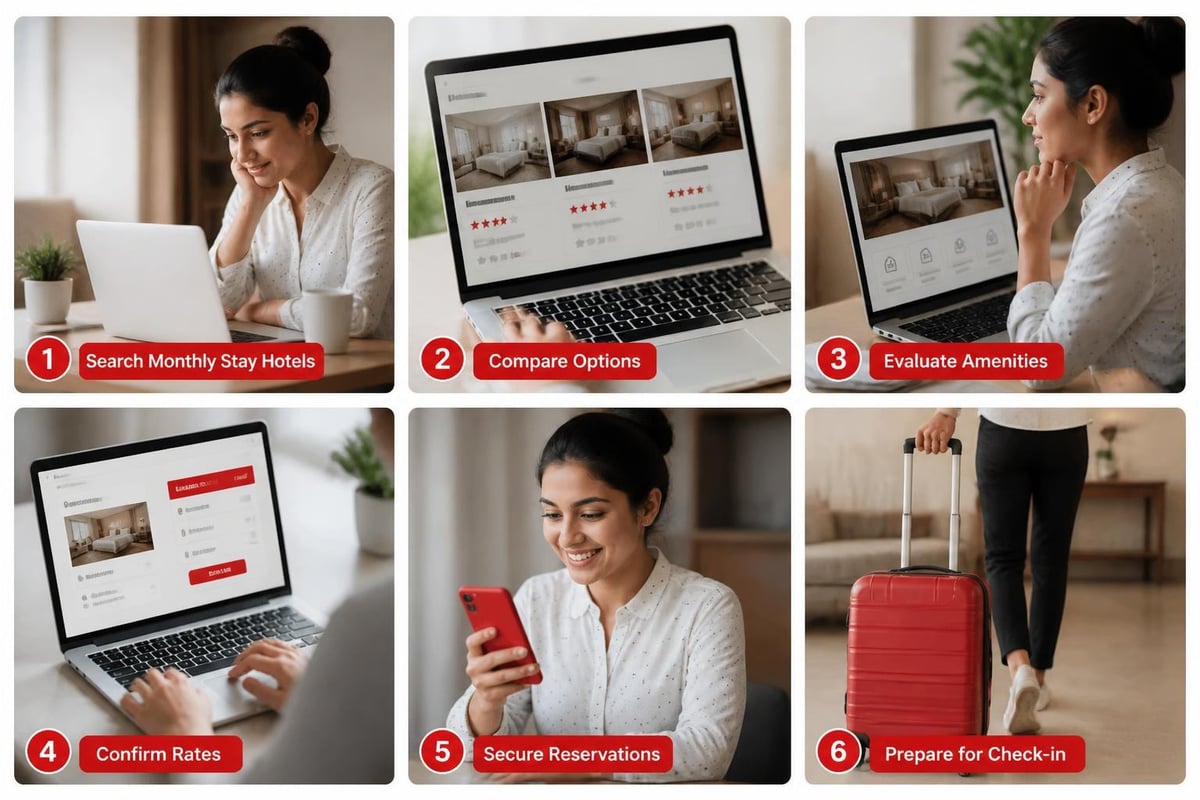

Hotel Monthly Stay: Complete Guide for Extended Living 2026
A hotel monthly stay provides a compelling alternative to traditional apartment rentals for professionals, expatriates, and families requiring flexible accommodation beyond a few nights. This arrangement combines the convenience of hotel services with the comfort of residential living, offering fully furnished spaces, housekeeping, utilities, and amenities without the commitment of a long-term lease. As extended-stay demand continues to rise across global markets, understanding how monthly hotel stays work, what they cost, and when they make financial sense has become essential for anyone planning a temporary relocation or extended business assignment.
What Defines a Hotel Monthly Stay
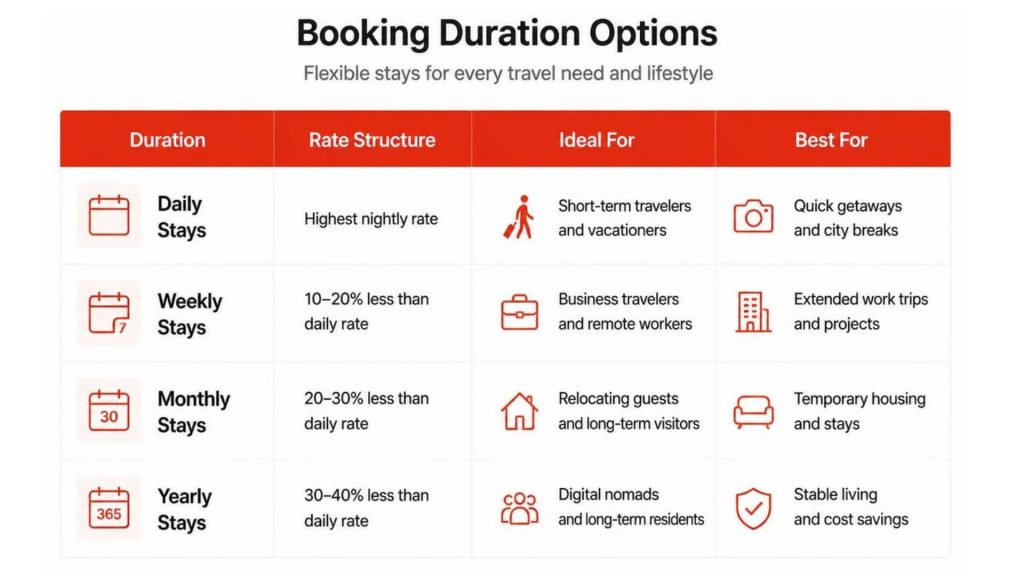
A hotel monthly stay typically refers to any continuous accommodation booking of 30 days or more at a hotel property or serviced residence. Unlike nightly bookings, monthly arrangements often include negotiated rates, simplified billing, and extended-stay amenities designed for residential comfort rather than transient hospitality.
Key Characteristics of Monthly Accommodation
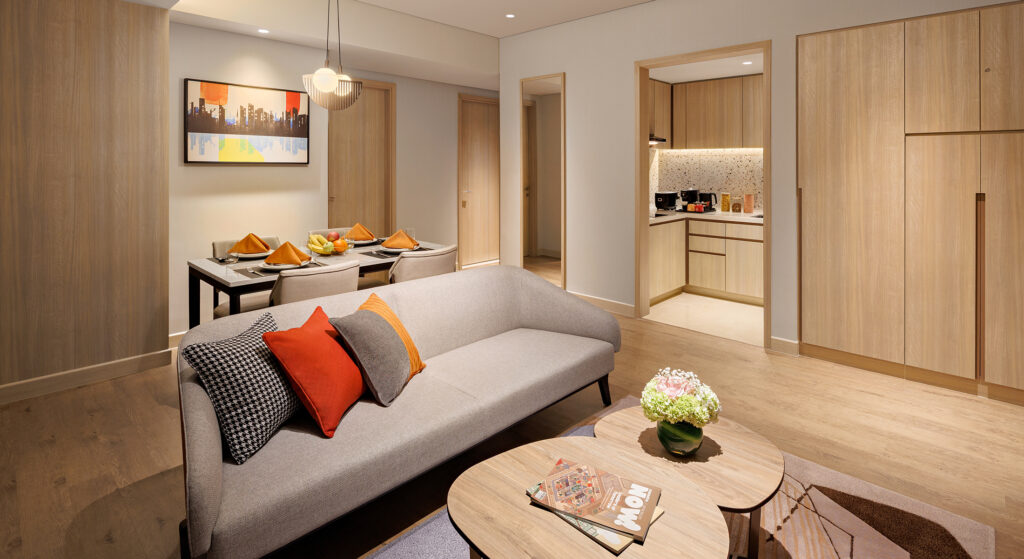
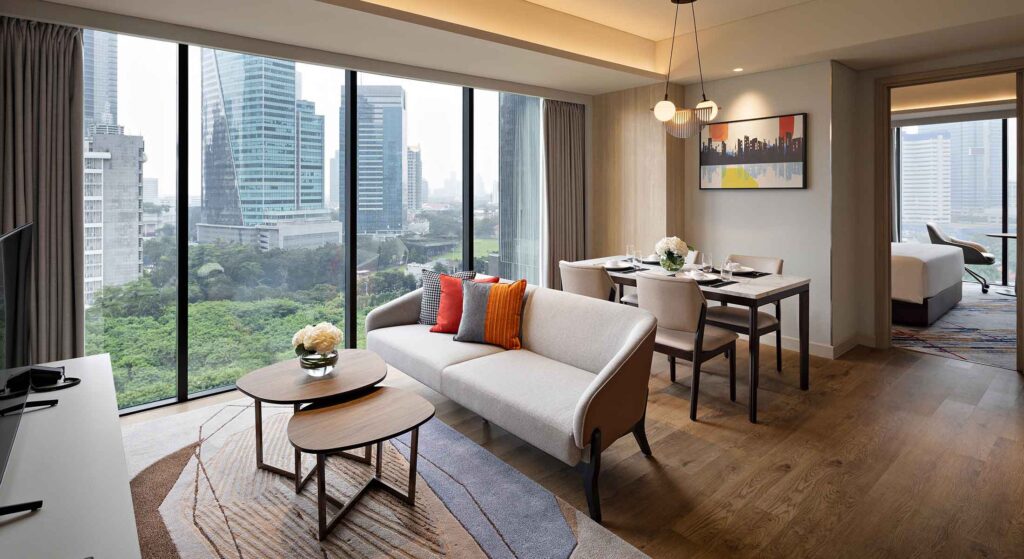
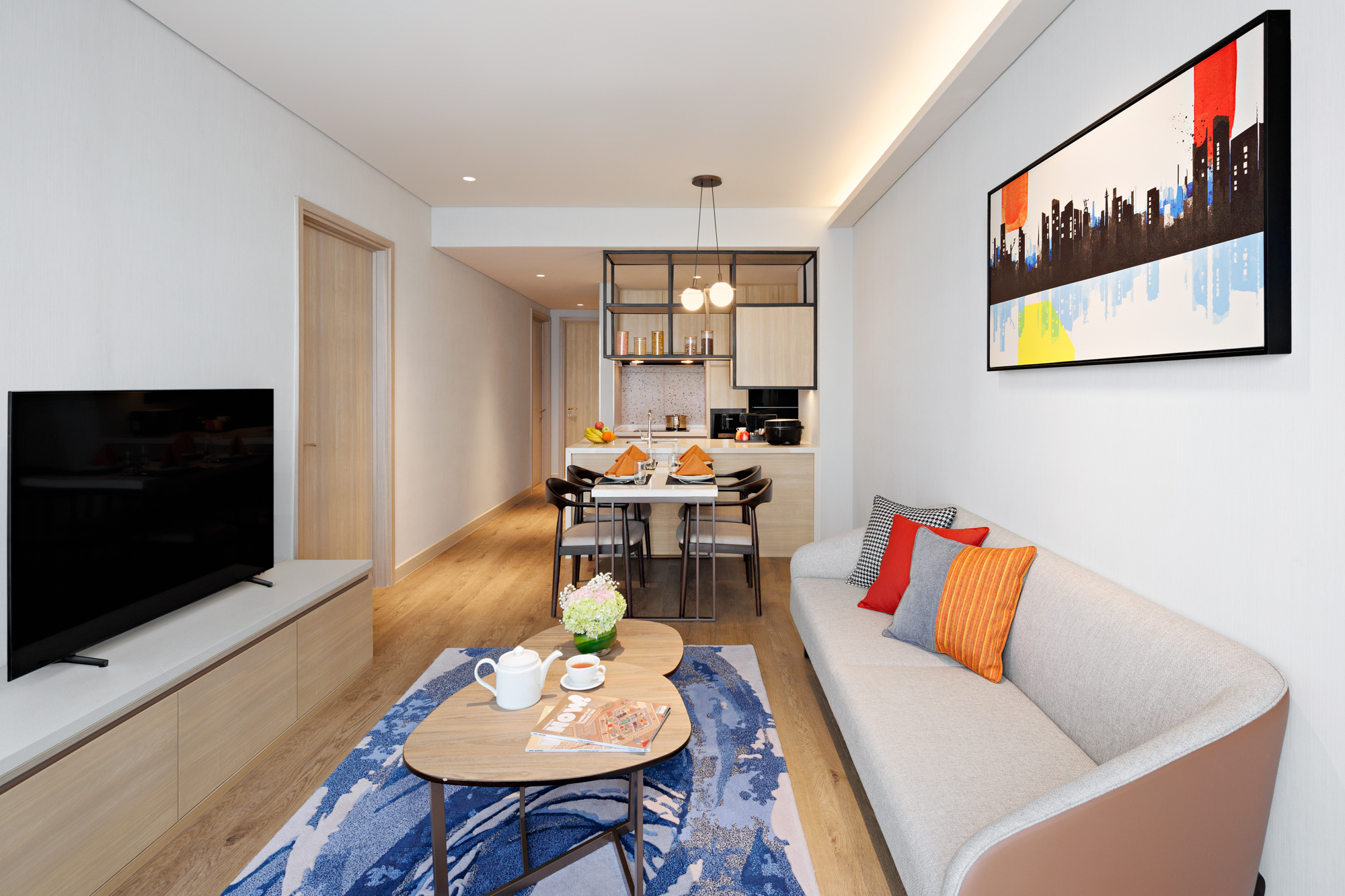
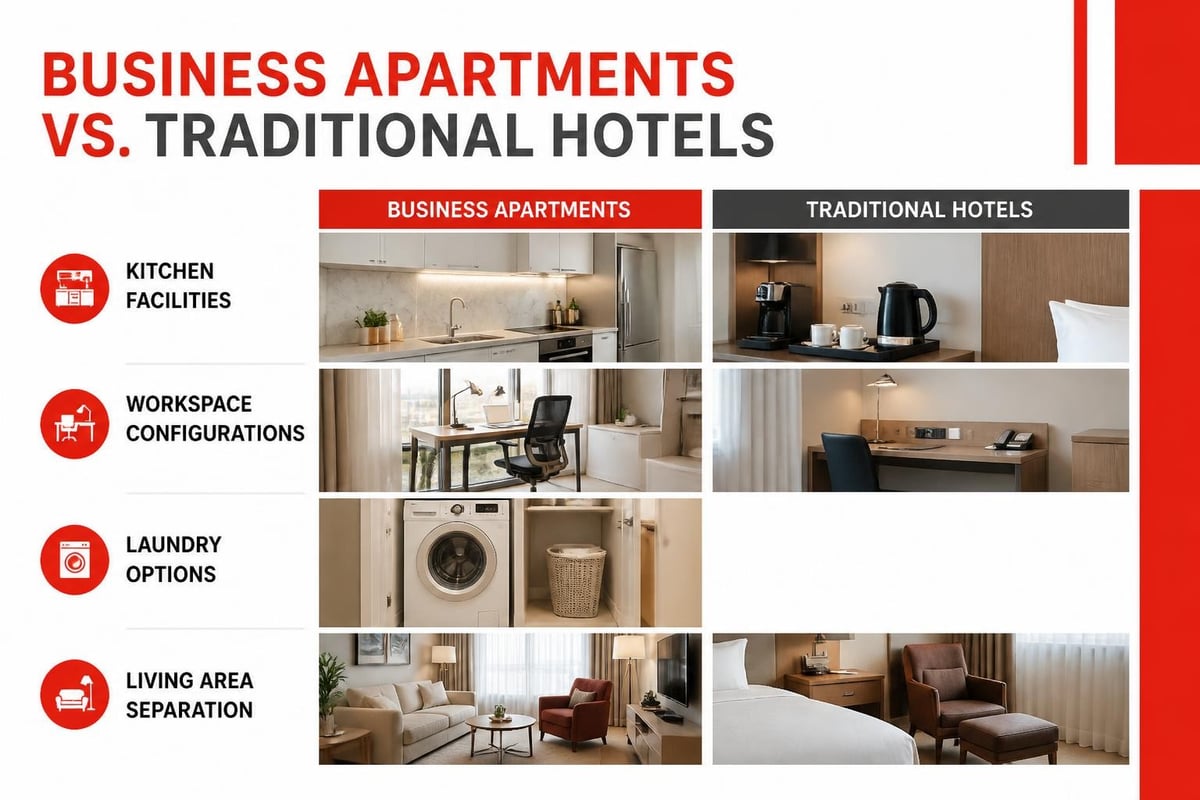
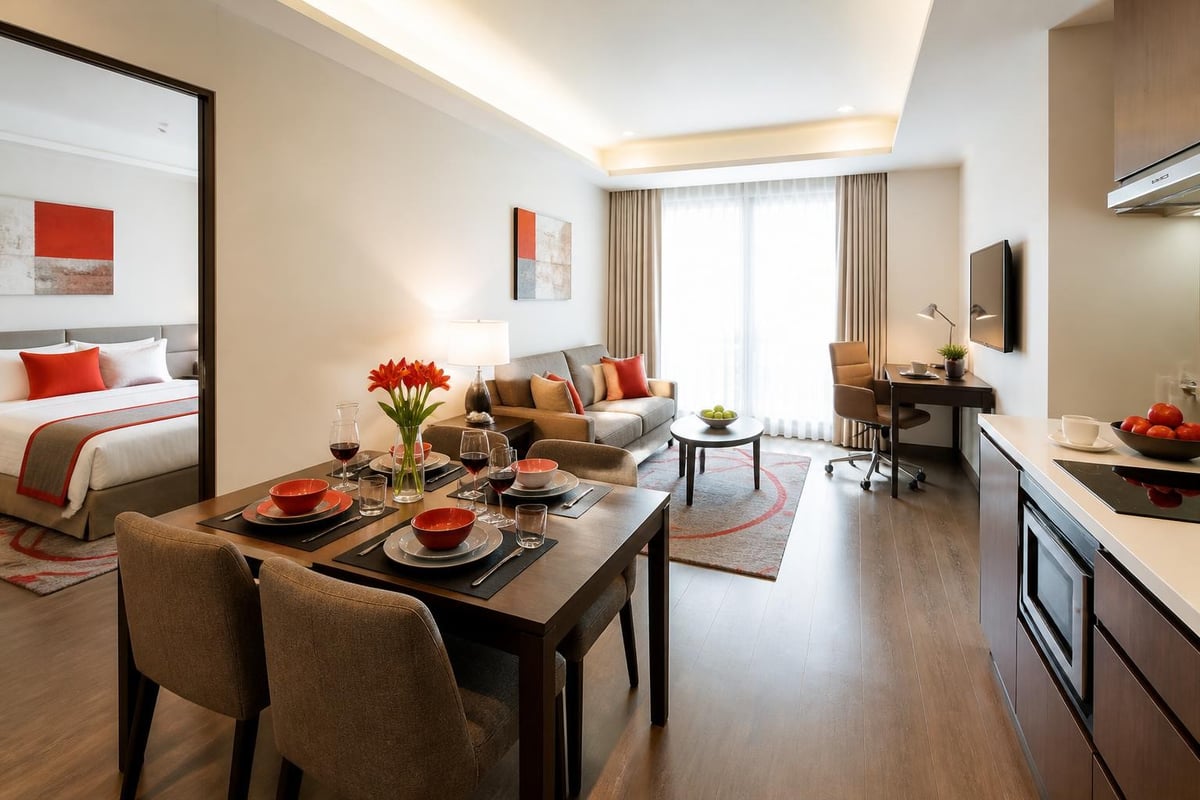
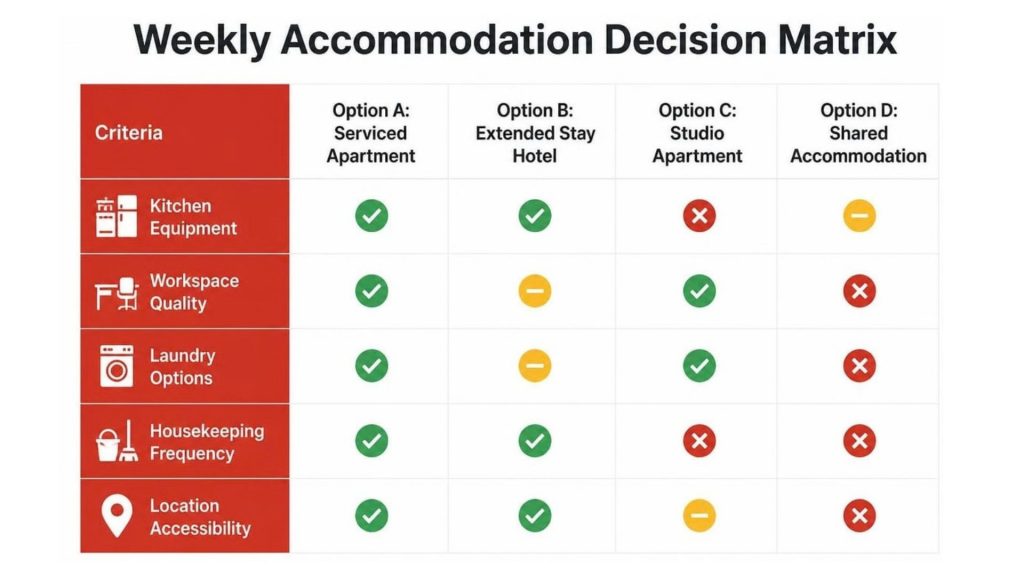
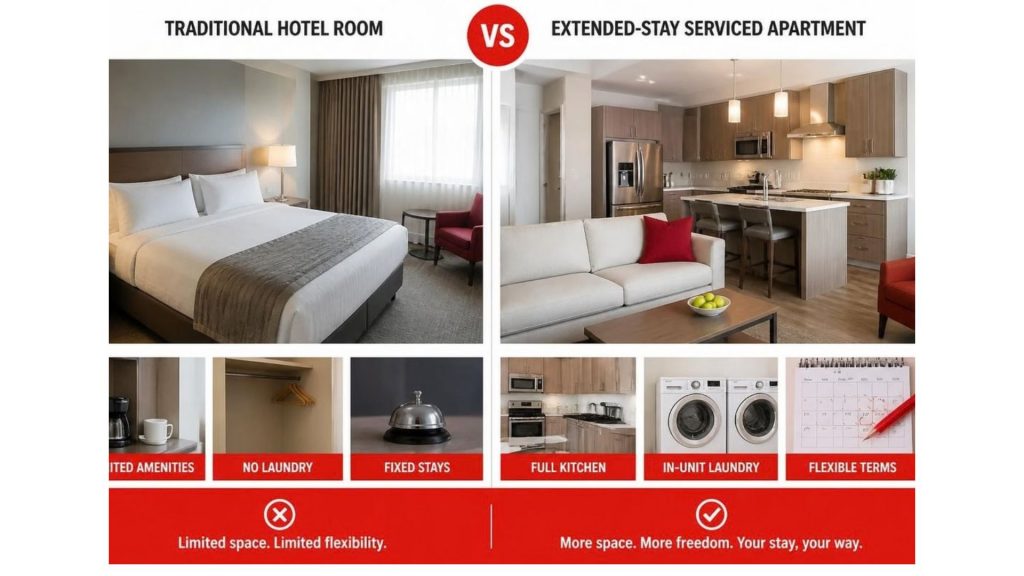
Monthly stays differ fundamentally from traditional hotel visits in structure and service delivery. Properties catering to extended guests prioritize residential features such as full kitchens, in-unit laundry, separate living areas, and workspace configurations that support daily routines rather than vacation activities.
Standard features in monthly hotel arrangements include:
- Fully furnished living spaces with kitchen equipment
- Weekly or bi-weekly housekeeping instead of daily service
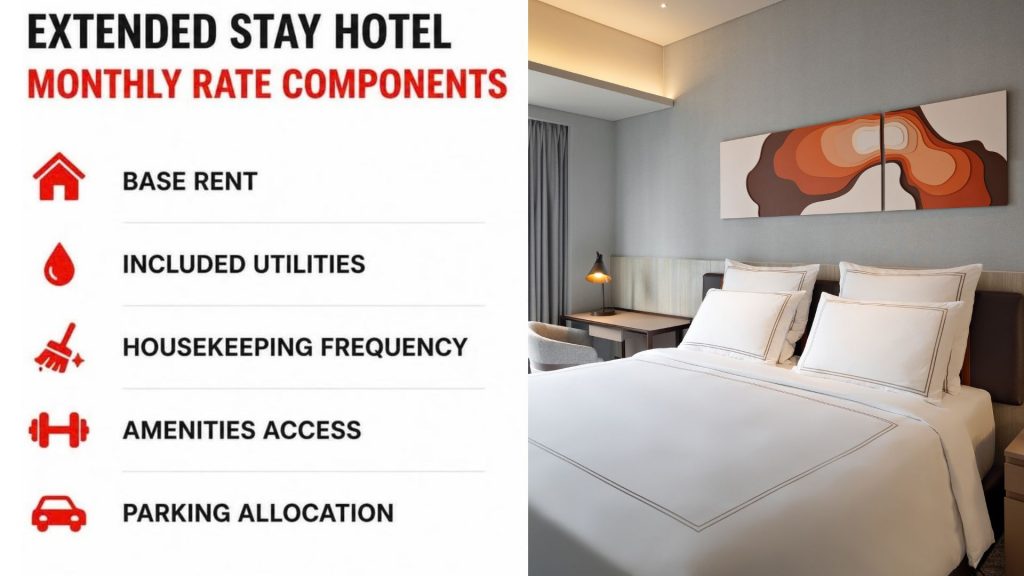
- Utilities bundled into the monthly rate
- Workspace with high-speed internet connectivity
- Access to fitness, wellness, and business facilities
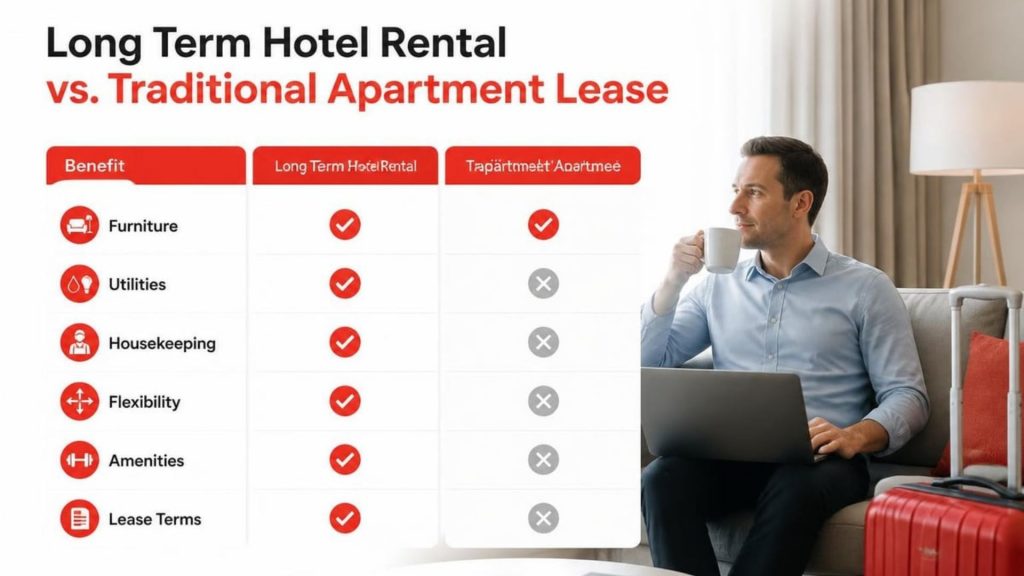
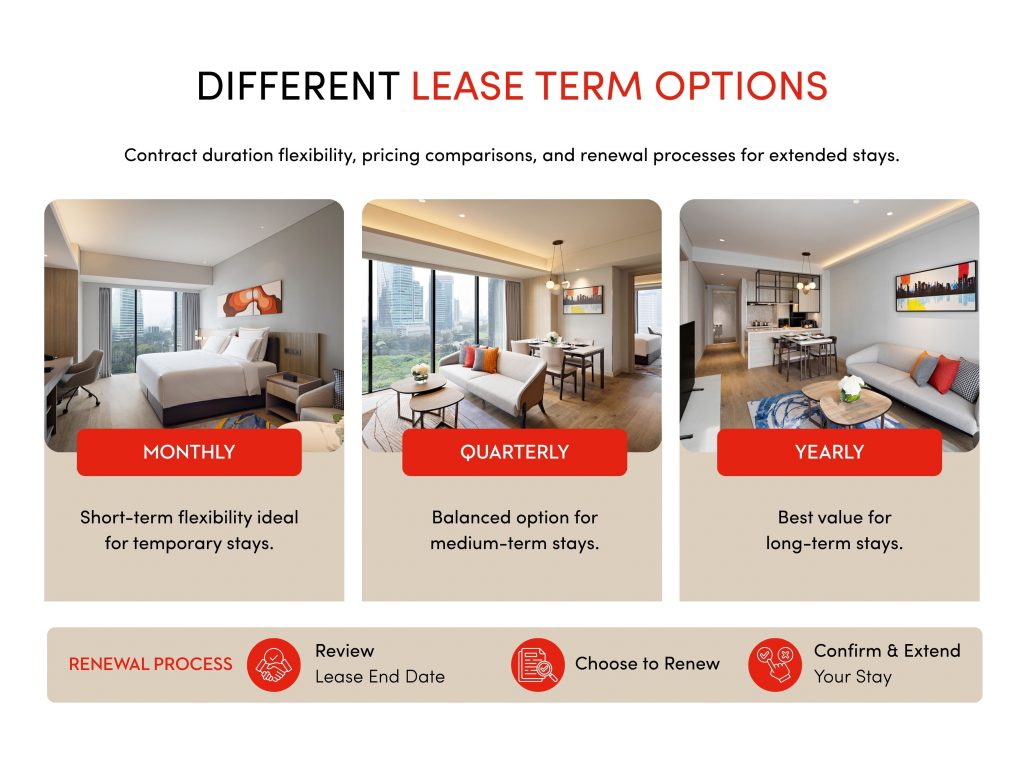
- Flexible lease terms without long-term commitment
The distinction between a hotel monthly stay and a conventional apartment lease becomes clearer when examining operational aspects. Hotels maintain 24-hour reception, concierge services, and maintenance support, while traditional rentals require tenants to manage utilities, repairs, and furnishings independently.
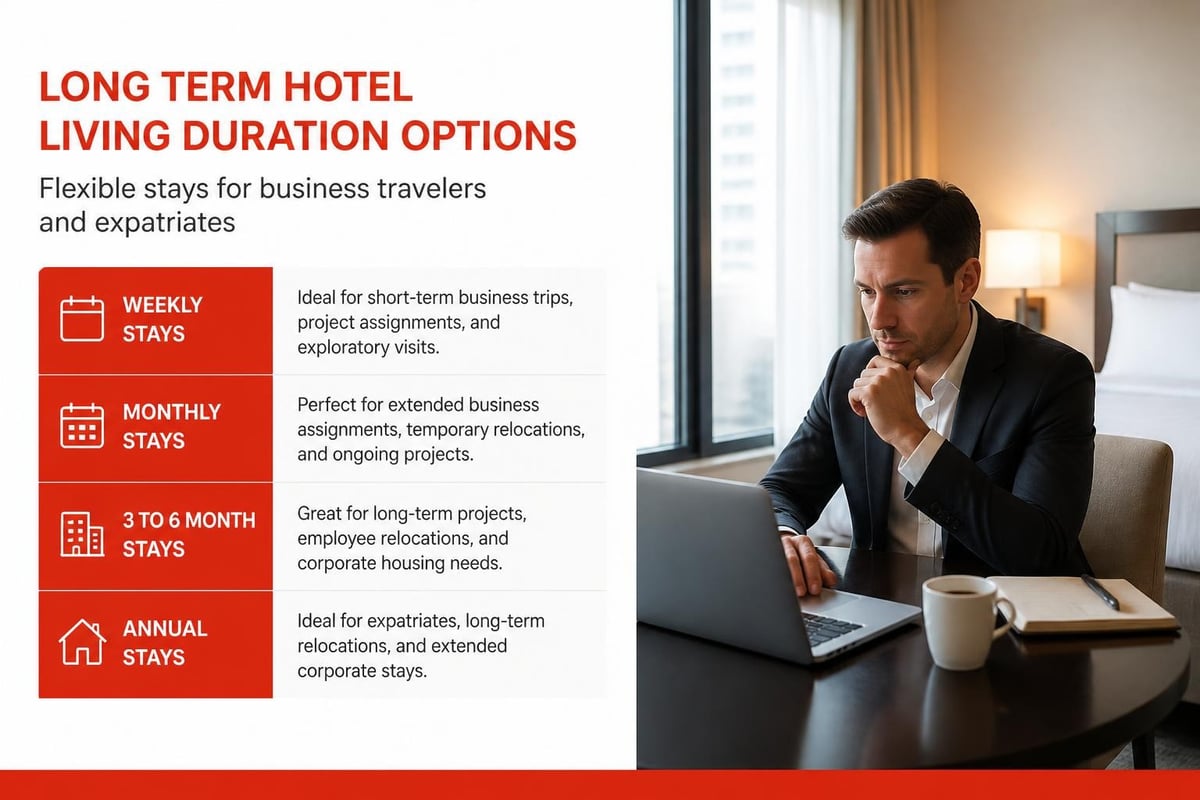
Length of Stay Categories
The hospitality industry segments accommodations by length of stay, each carrying different pricing structures and service expectations. Understanding these categories helps guests select appropriate properties and negotiate better terms.
| Stay Duration | Category | Typical Use Case | Service Level |
|---|---|---|---|
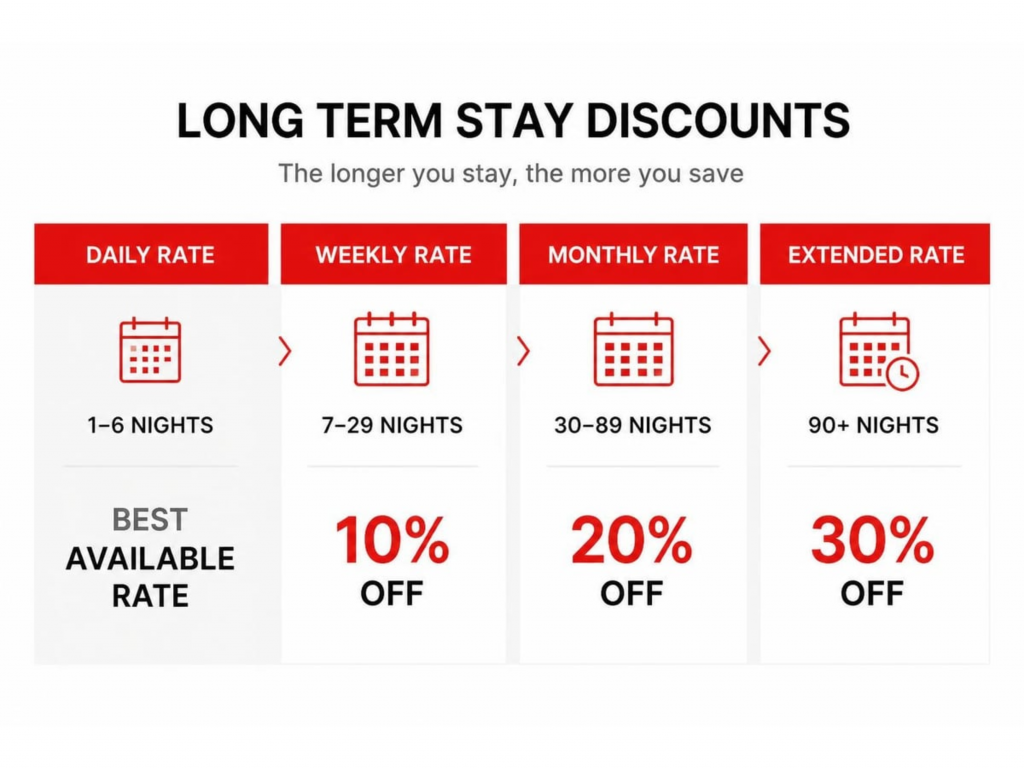
| 1-6 nights | Transient | Tourism, short business | Full daily service |
| 7-29 nights | Extended | Project work, training | Modified service |
| 30-89 nights | Monthly | Temporary assignment | Weekly service |
| 90+ nights | Long-term | Relocation, expatriate | Residential service |
Properties specializing in monthly accommodations design their operations around guests who need a home base rather than a hotel room. This operational focus influences everything from room layout to amenity offerings and pricing models.
Financial Considerations for Monthly Hotel Stays
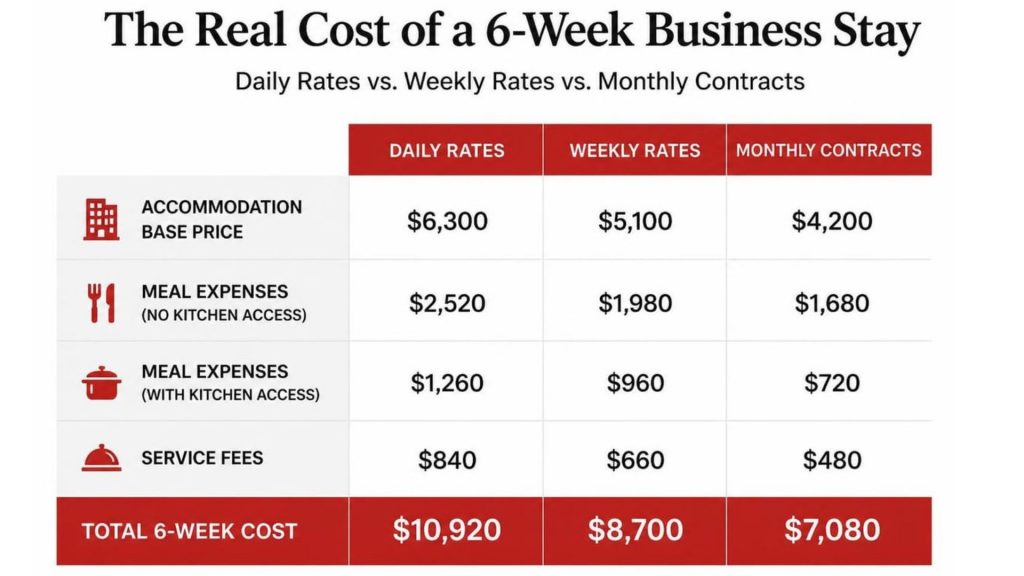
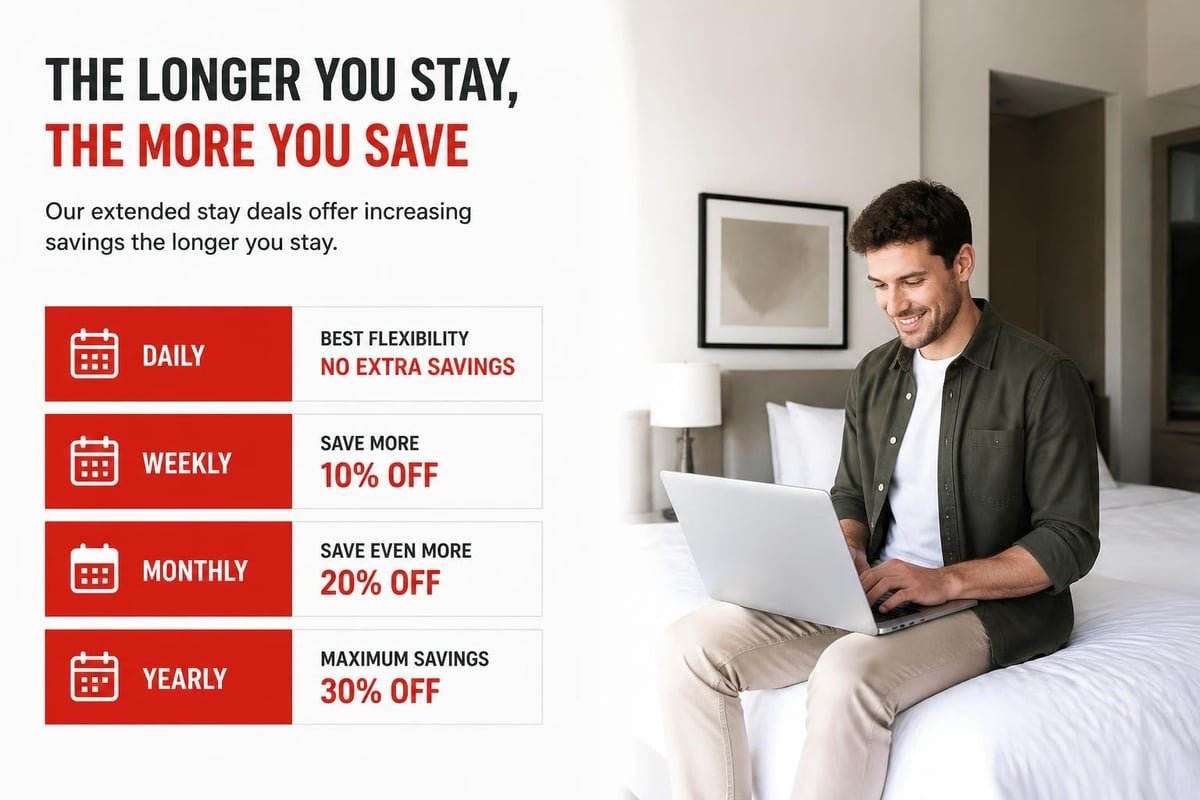
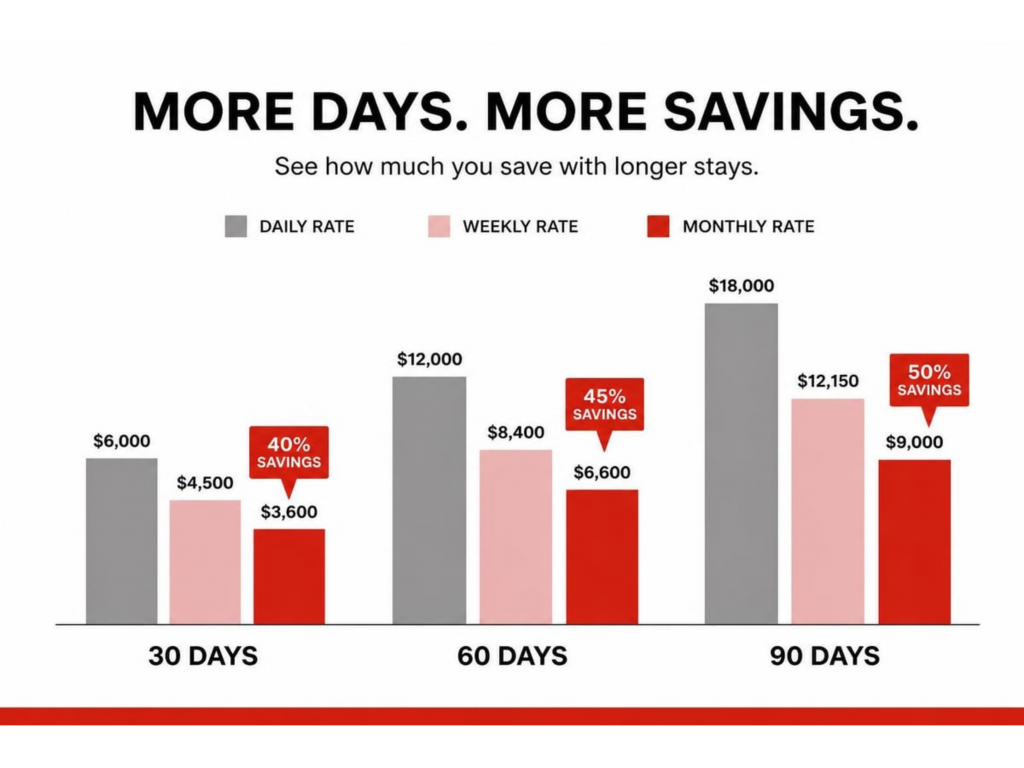
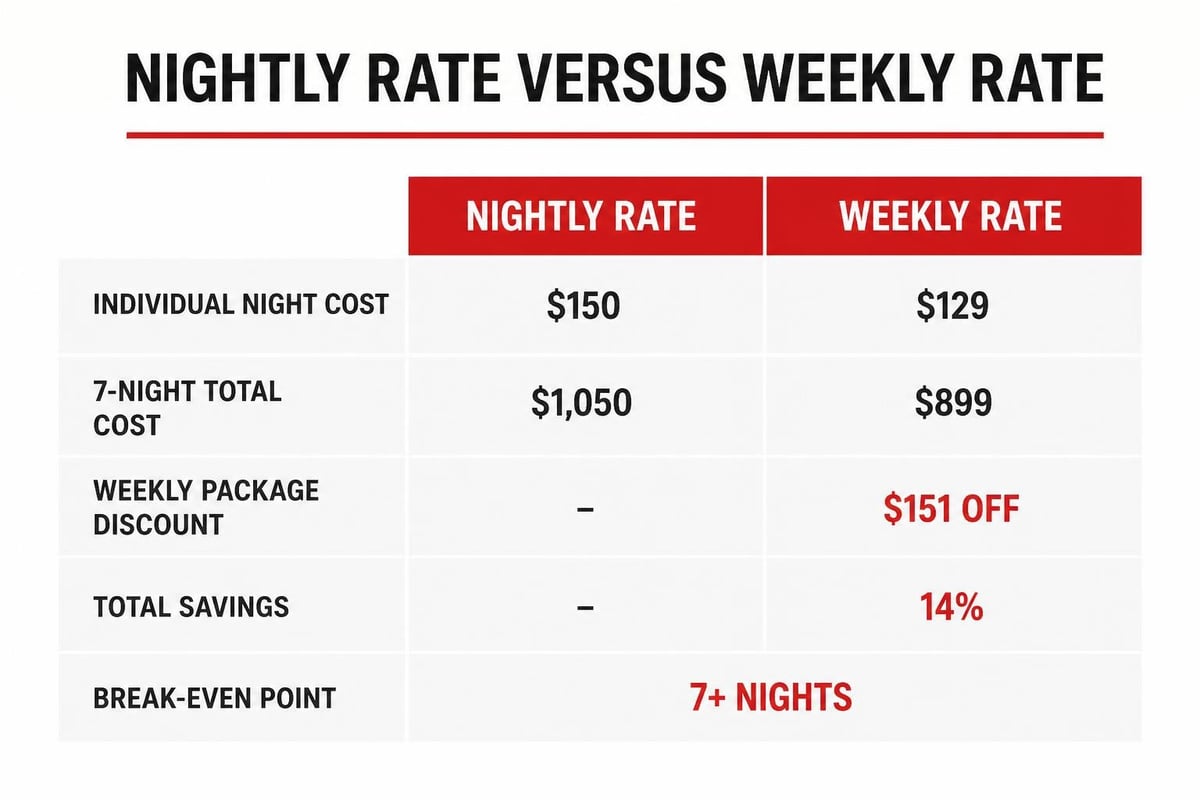
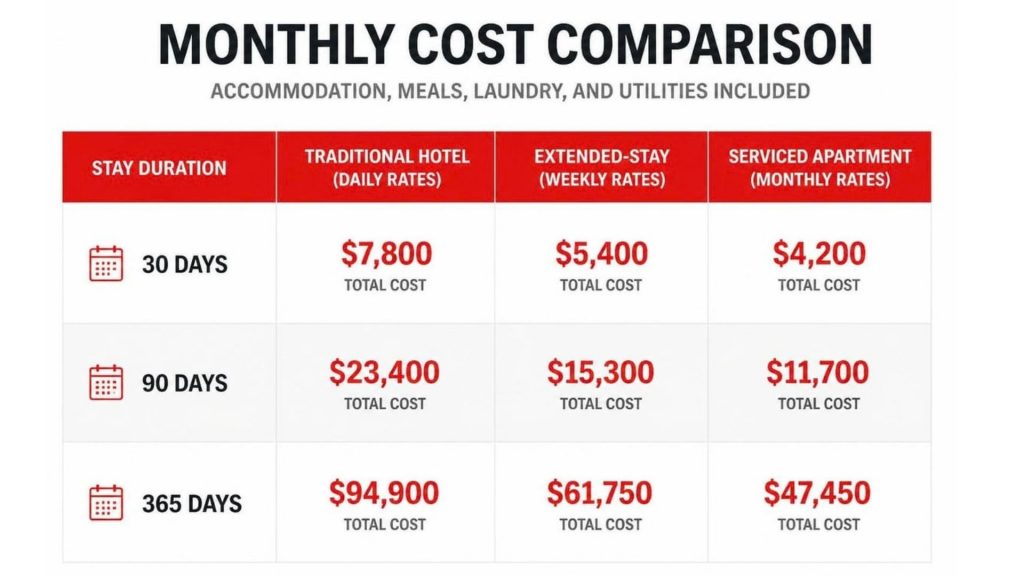
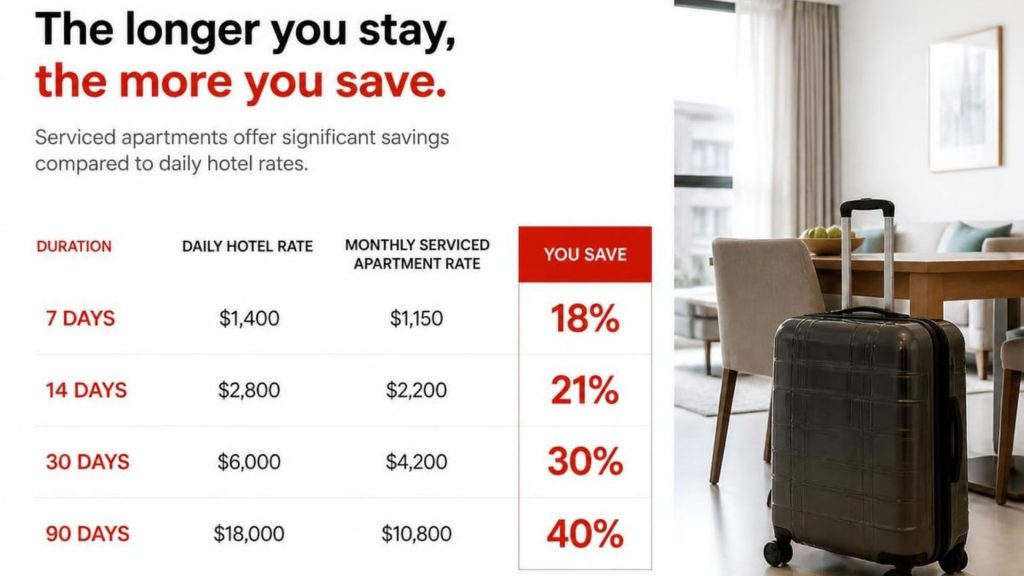
The economics of a hotel monthly stay vary significantly based on location, property type, season, and negotiation. While nightly rates multiplied by 30 days might suggest prohibitive costs, monthly rates typically offer substantial discounts compared to transient pricing.
According to JLL’s extended-stay market outlook, demand for monthly accommodations has grown consistently, with properties in business districts commanding premium rates while maintaining high occupancy. This data suggests strong value perception among corporate and relocating guests.
Tax Implications and Deductibility
The tax treatment of a hotel monthly stay varies by jurisdiction and guest circumstances. In many regions, accommodations exceeding 30 consecutive days receive different tax treatment than transient stays.
Canada’s GST/HST regulations provide that continuous accommodation of one month or more may be exempt from certain hotel taxes, reducing the effective cost for qualifying guests. Similar provisions exist in other jurisdictions, making it essential to understand local tax rules.
For business travelers, the IRS permits deduction of lodging expenses for temporary work assignments away from a tax home, subject to specific requirements. Employees on extended assignments should consult tax professionals to properly document and claim eligible deductions, as monthly hotel costs can represent significant annual expenses.
Ideal Candidates for Hotel Monthly Stays
A hotel monthly stay serves specific populations better than others based on lifestyle needs, work requirements, and personal circumstances. Identifying whether this accommodation model fits your situation prevents costly mismatches.
Corporate and Business Travelers
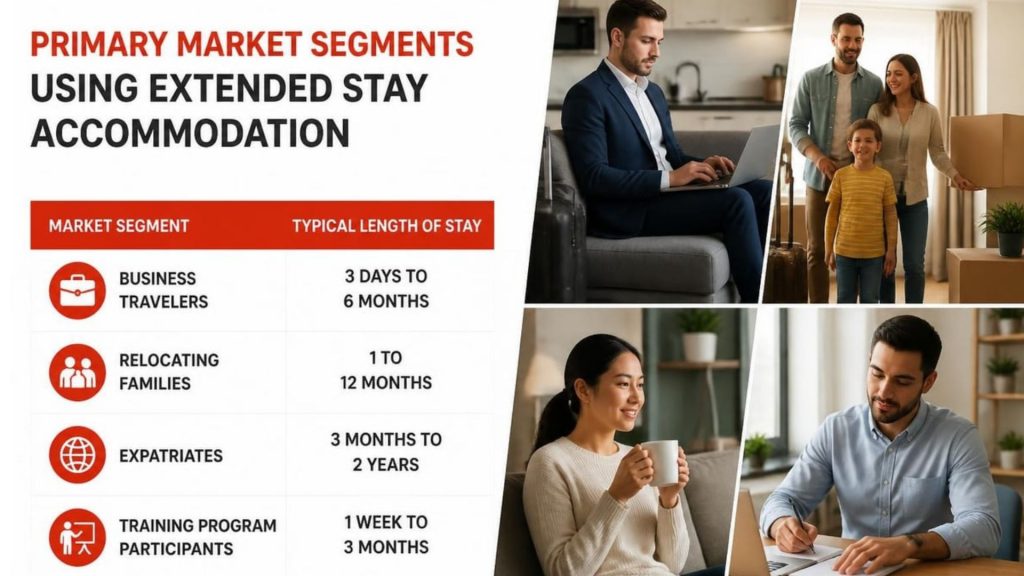
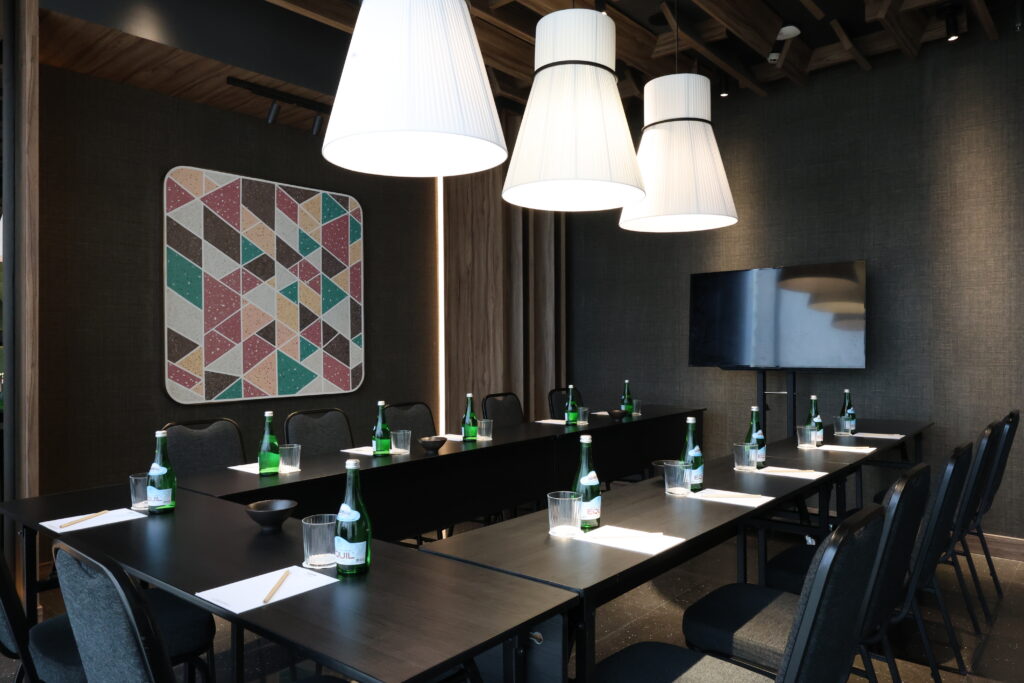
Companies frequently arrange monthly hotel stays for employees on temporary assignments, project deployments, or extended training programs. This approach eliminates the complexity of short-term apartment hunting in unfamiliar cities while providing consistent quality across multiple locations.
Corporate monthly stay advantages:
- Simplified expense reporting with consolidated monthly invoicing
- Consistent accommodation standards across different cities
- Immediate availability without apartment search delays
- Included services reducing employee administrative burden
- Flexibility to extend or shorten stays as projects evolve
Businesses often negotiate corporate rates for multiple units or guaranteed monthly bookings, reducing per-unit costs while securing priority access during high-demand periods. Performance data from Kalibri Labs shows that corporate bookings represent a substantial portion of extended-stay demand, particularly in business districts and secondary markets with project-based industries.
Relocating Professionals and Expatriates
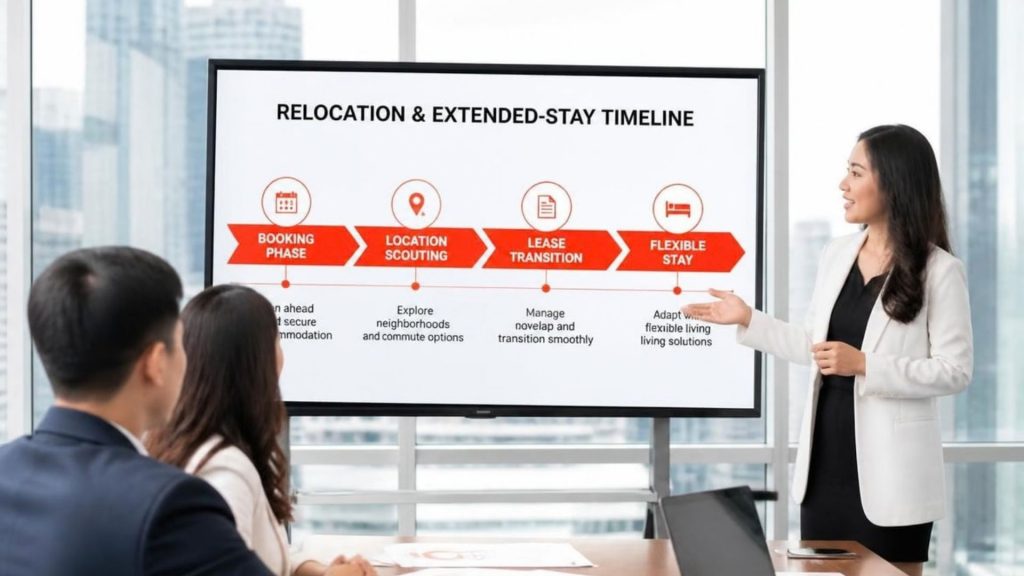
Professionals relocating to new cities, especially international expatriates, face significant challenges finding permanent housing while managing work demands. A hotel monthly stay provides immediate accommodation while they search for long-term rentals, learn neighborhoods, and complete visa or employment formalities.
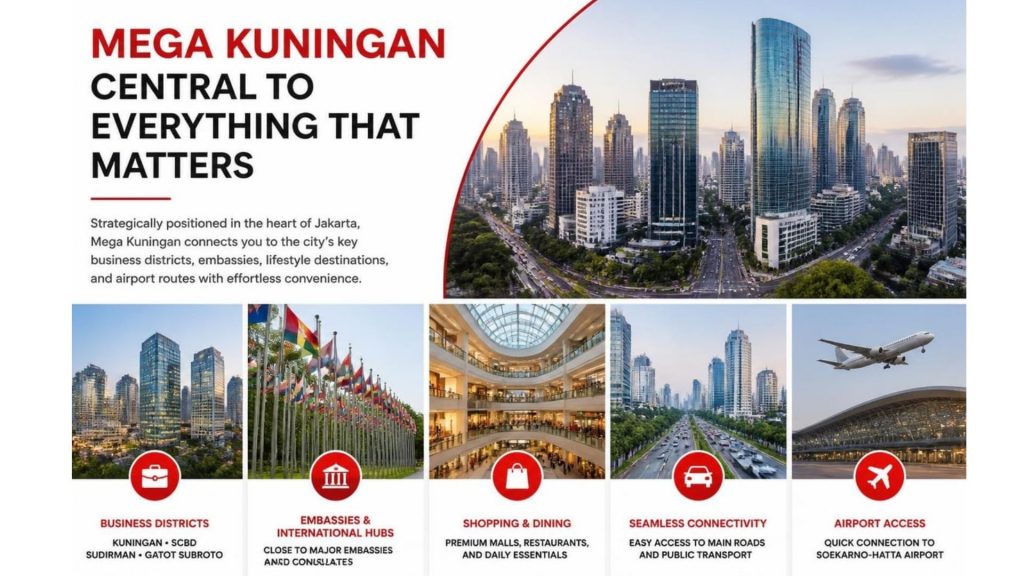
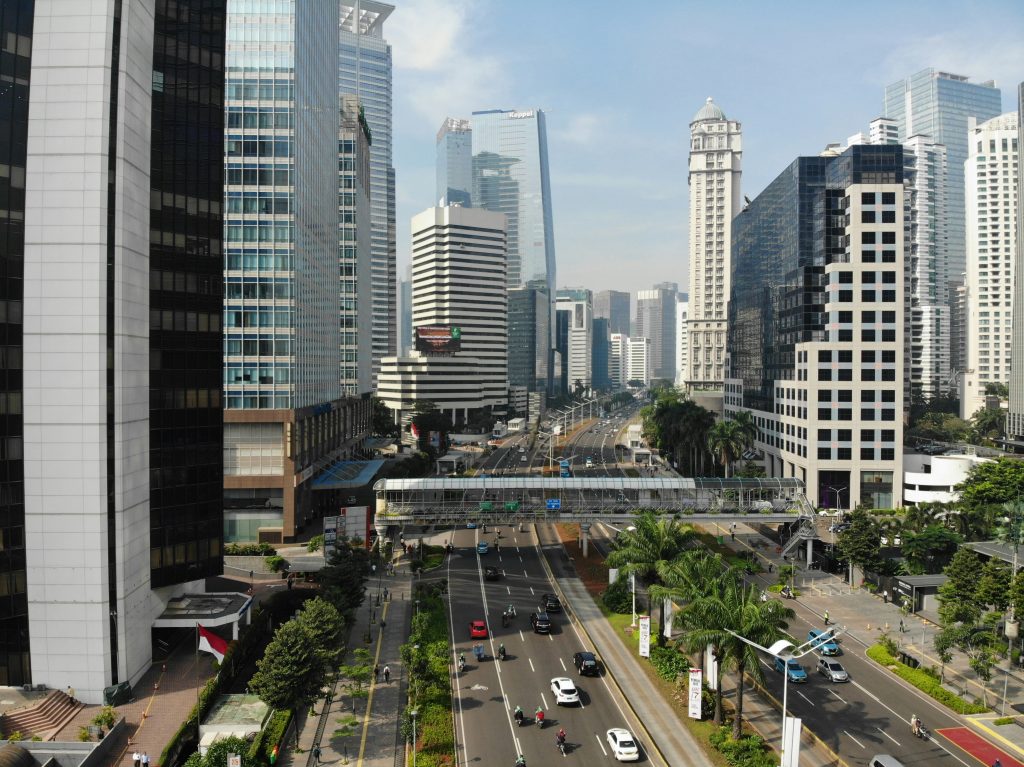
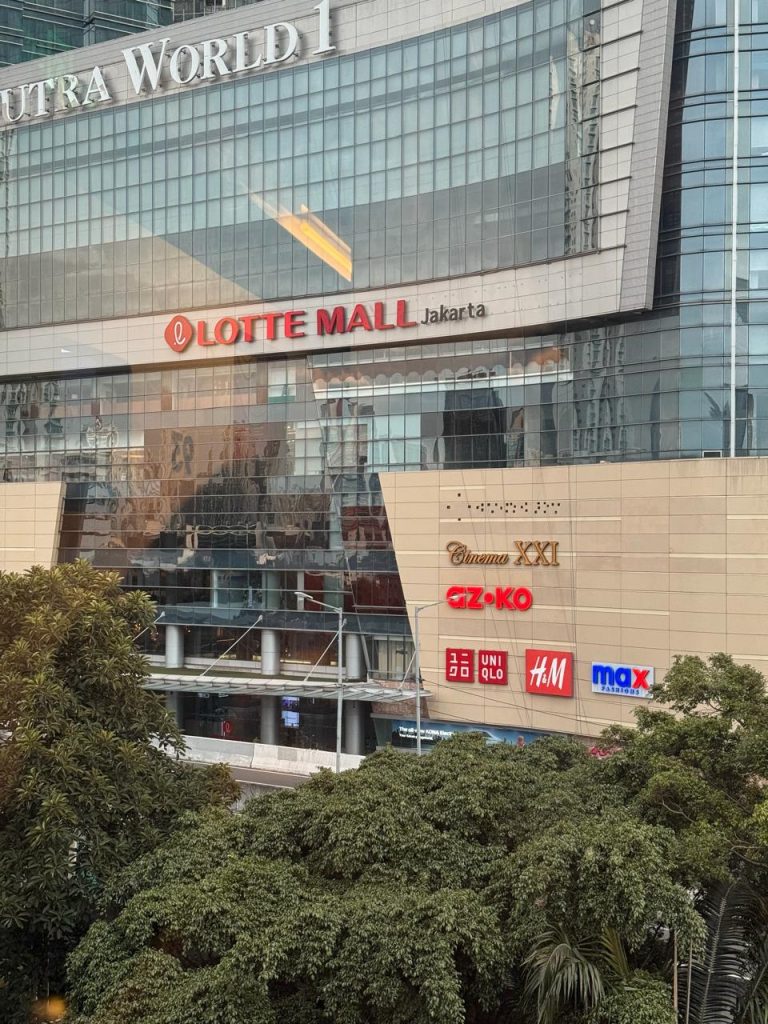
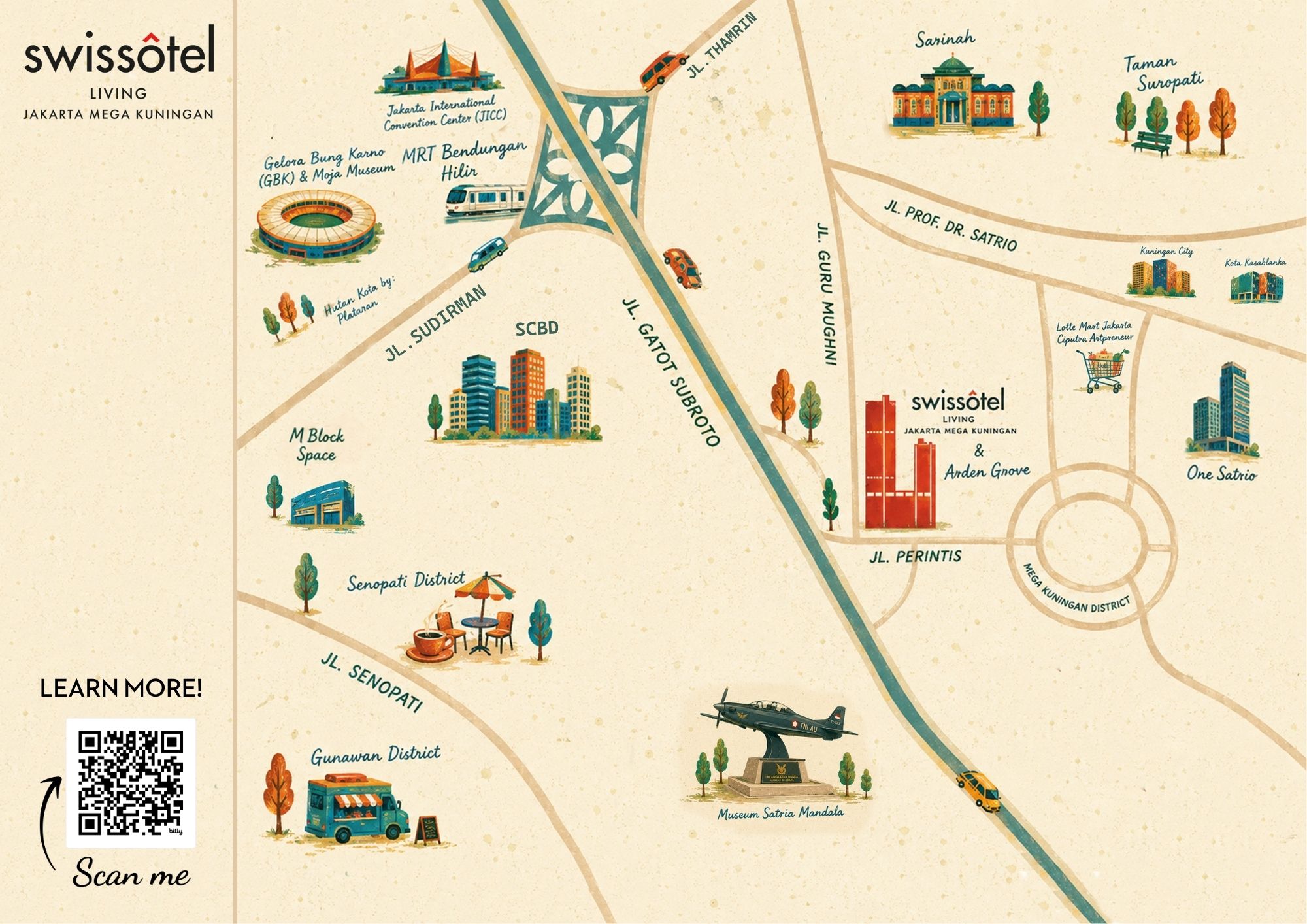
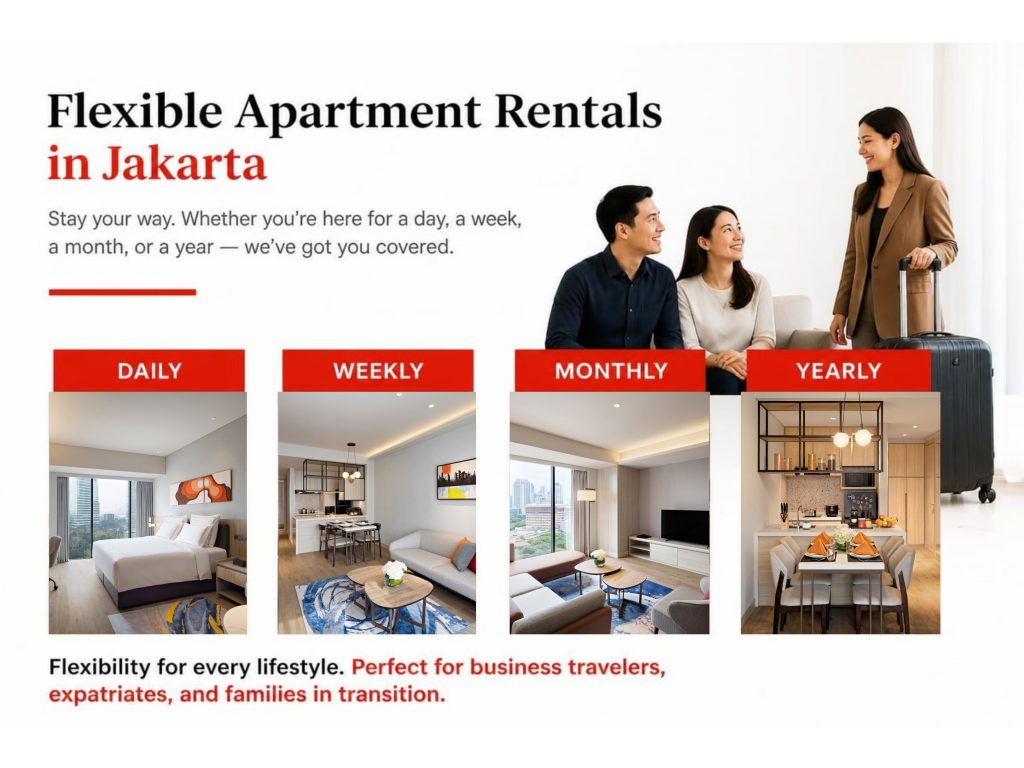
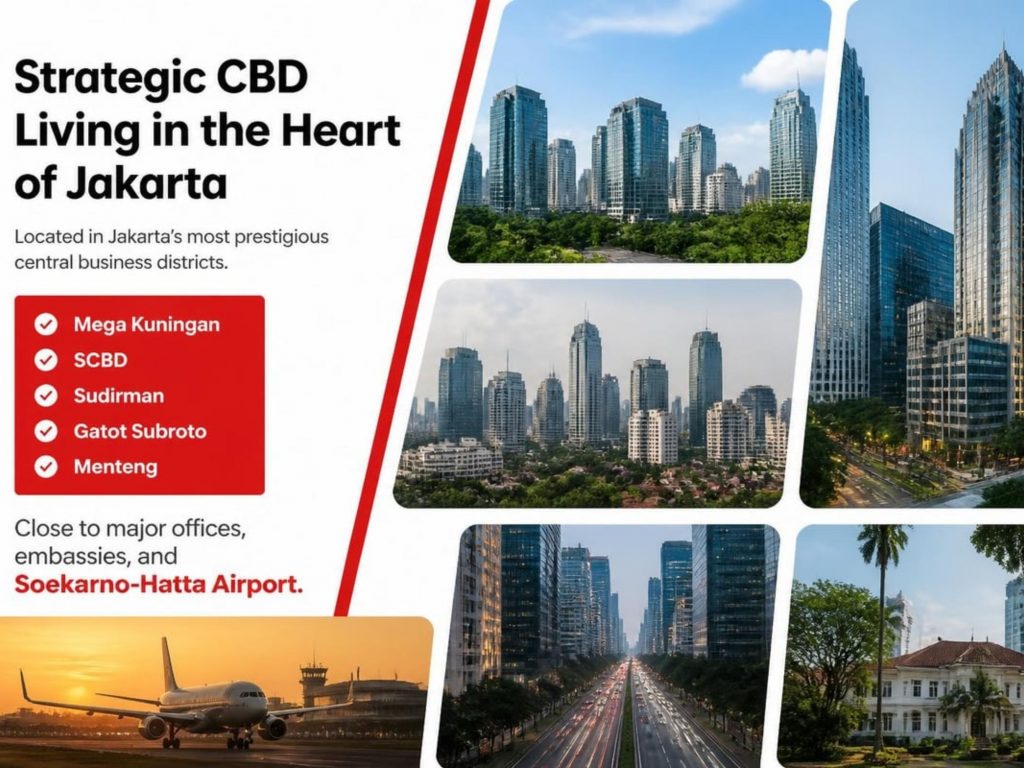
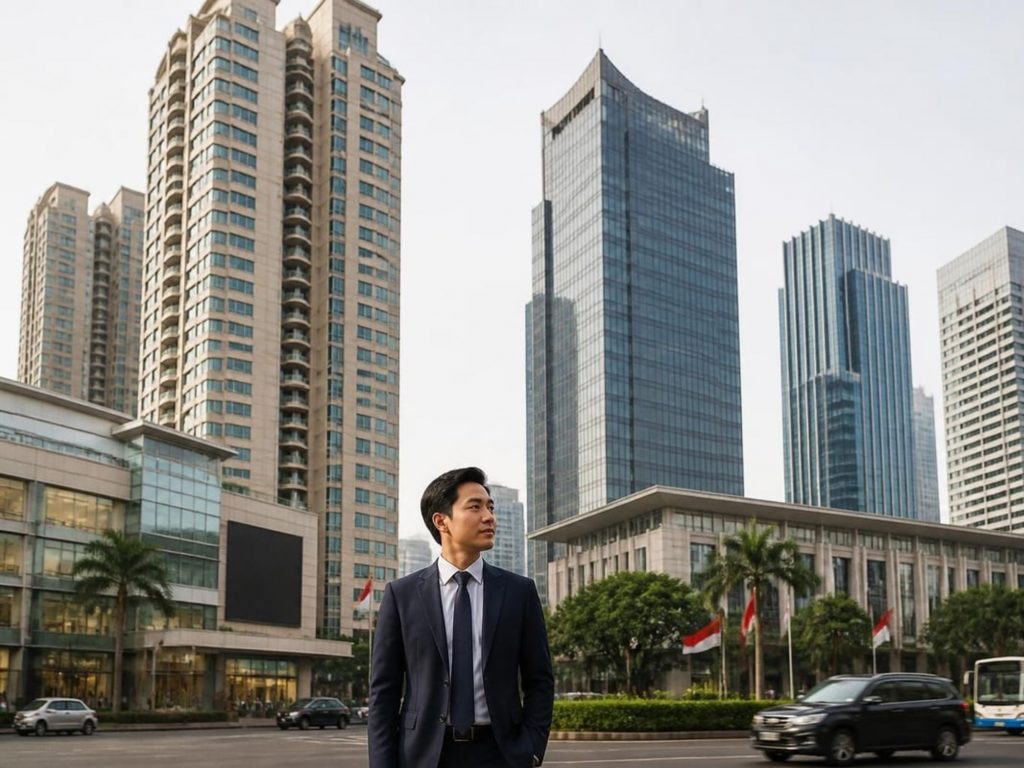
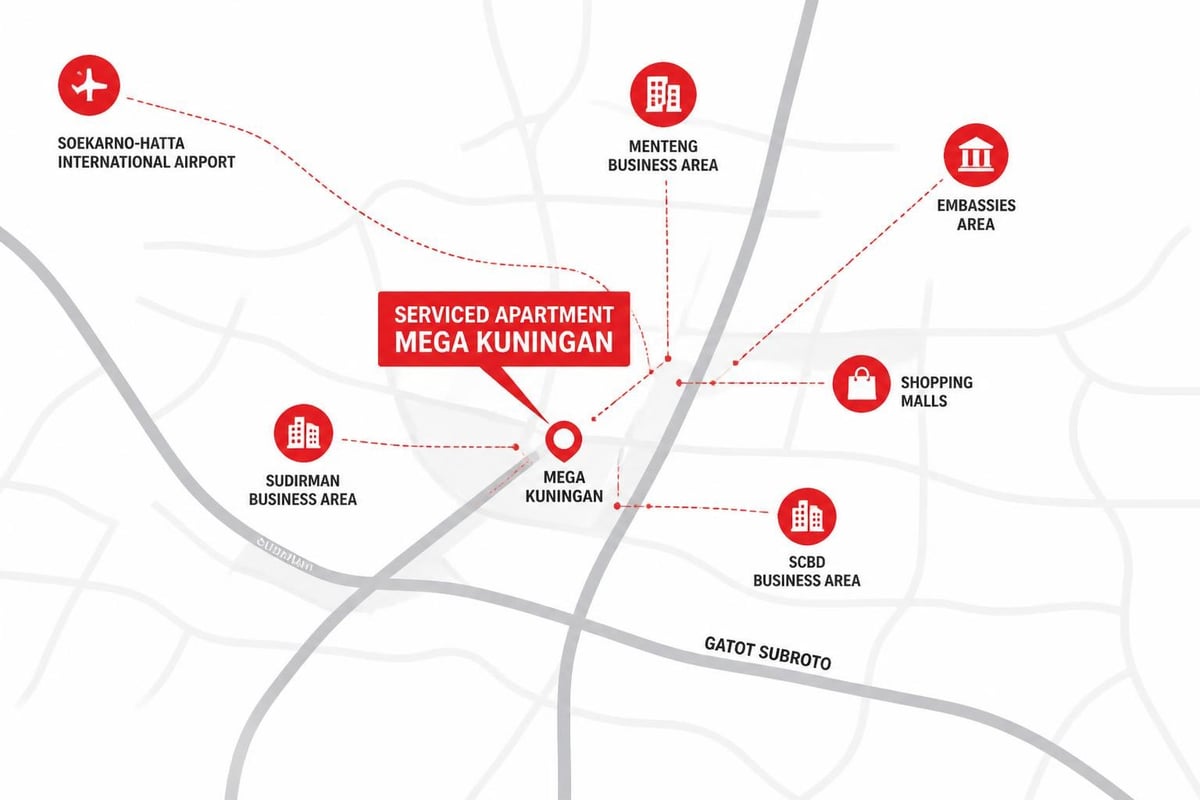
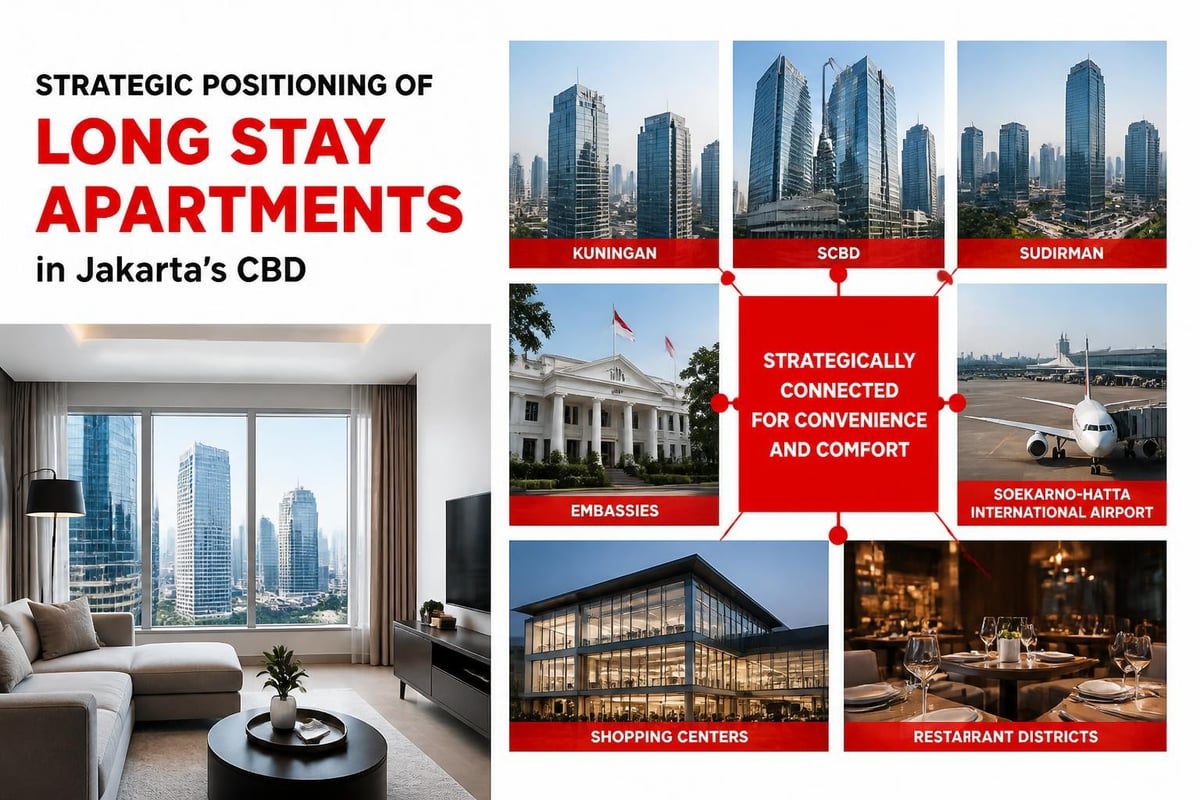
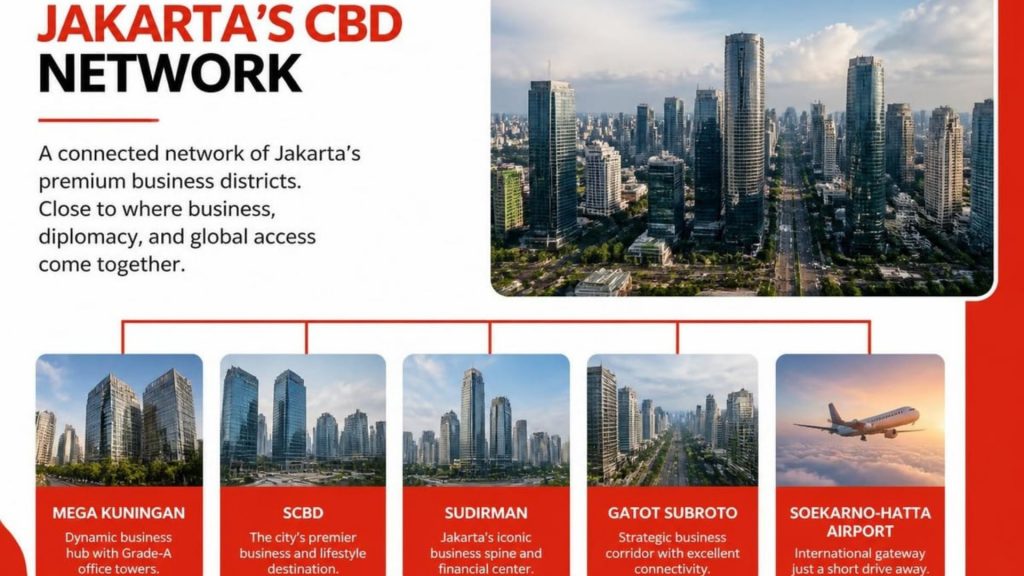
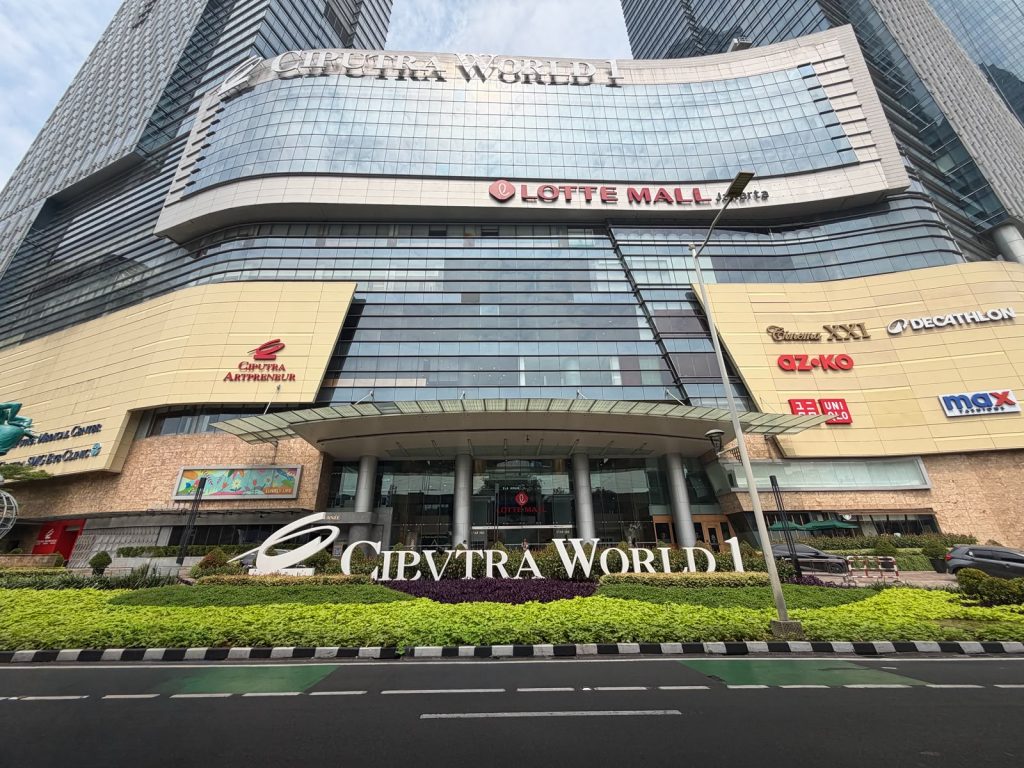
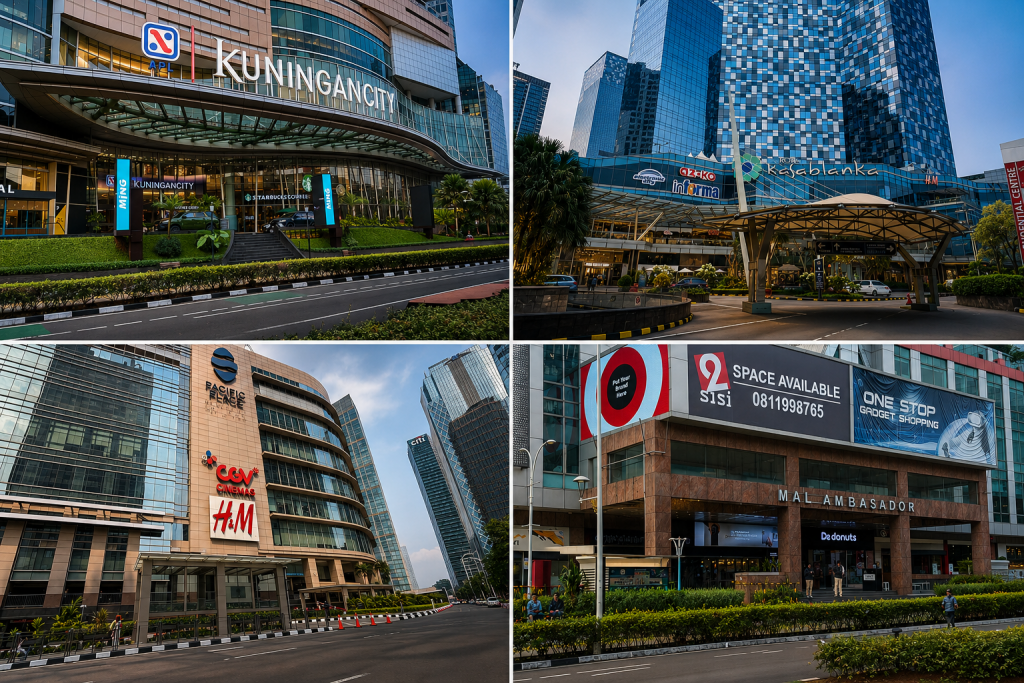
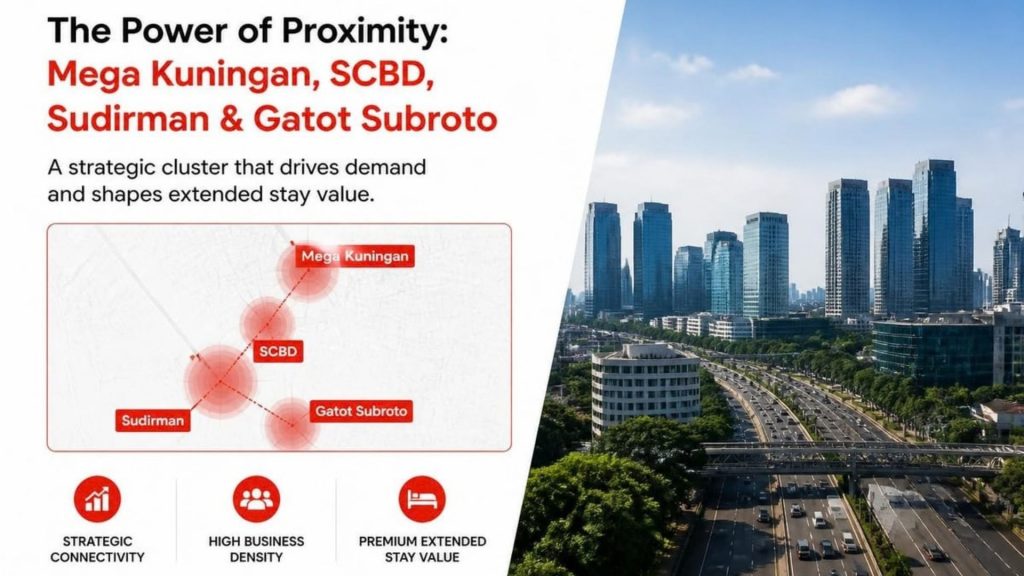
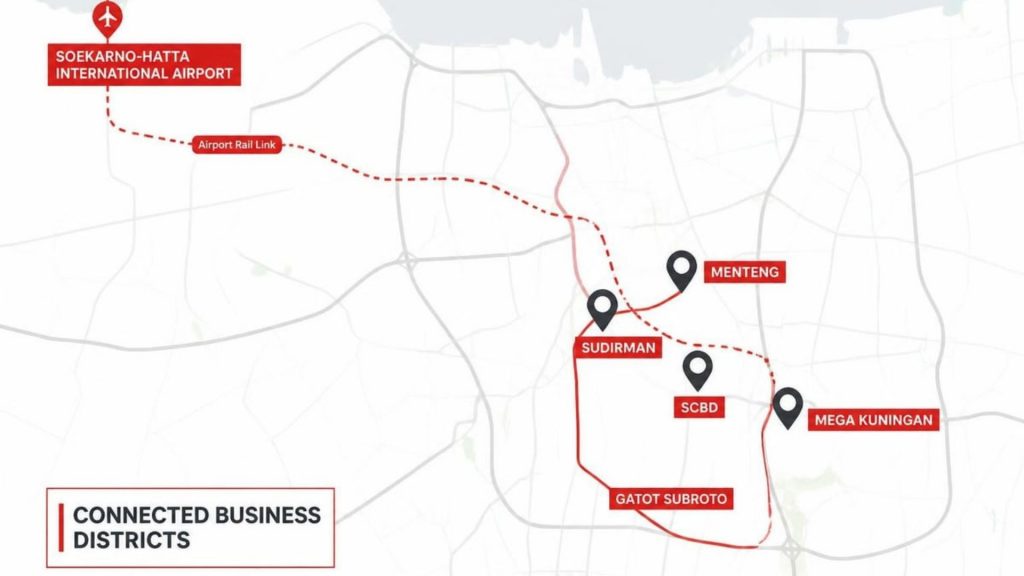
For expatriates arriving in Jakarta’s business districts such as Mega Kuningan, SCBD, or Sudirman, serviced apartments offer proximity to offices, embassies, and international schools. Properties near these areas typically provide multilingual staff, international cable channels, and familiarity with expatriate needs that traditional hotels may not offer.
The flexibility to book initially for 30 days, then extend monthly while house-hunting, eliminates pressure to commit to a year-long lease before understanding the local market. This approach has become standard practice for companies relocating senior staff or specialists to new markets.
Families in Transition
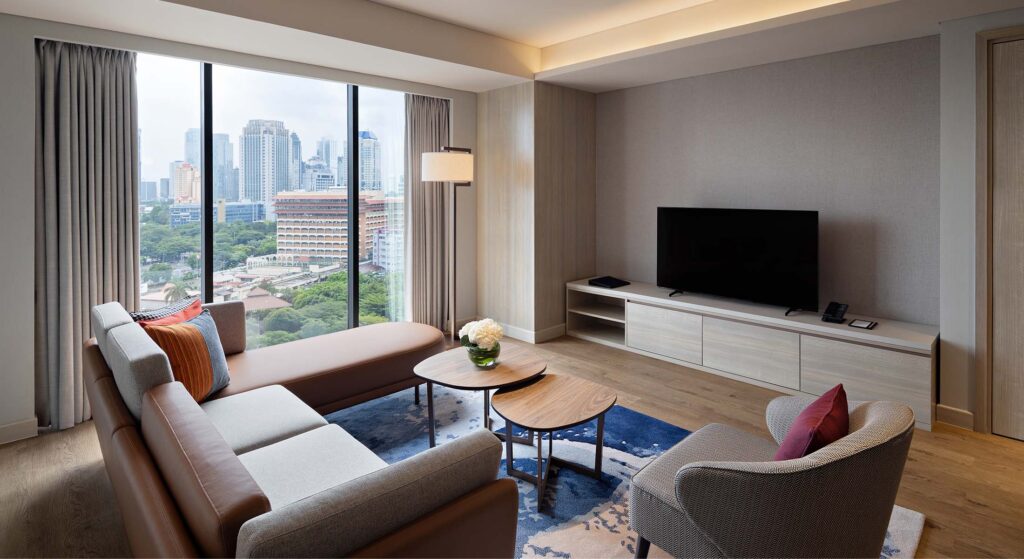
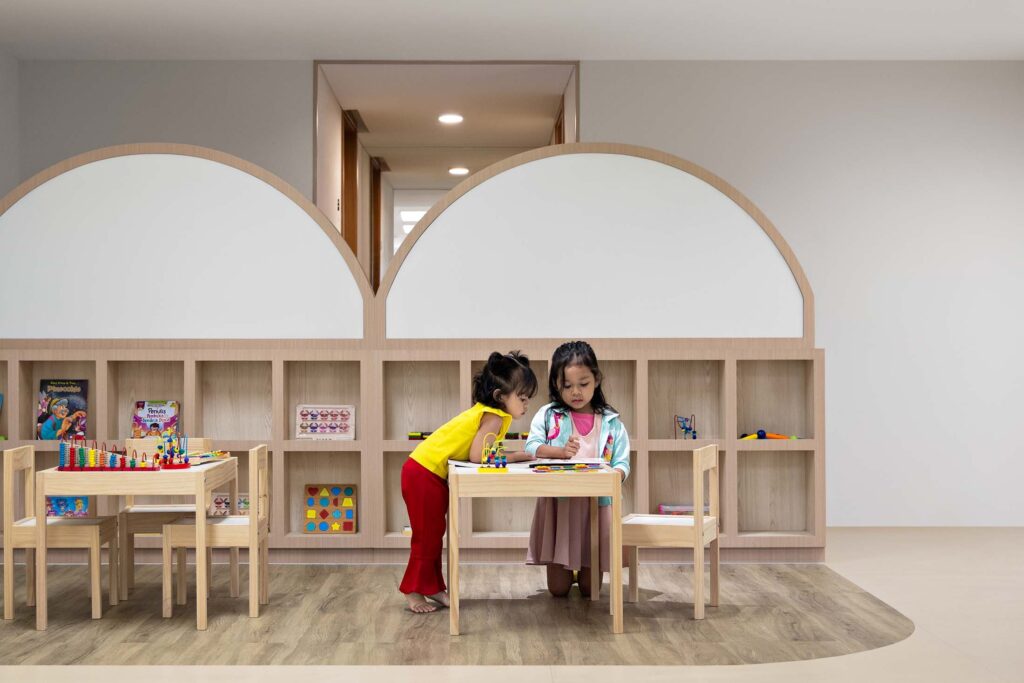
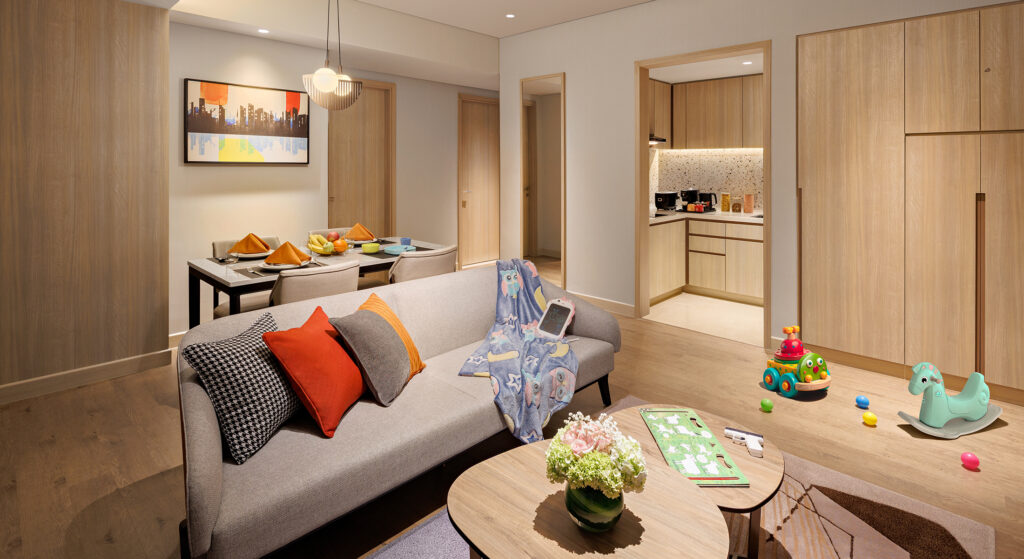
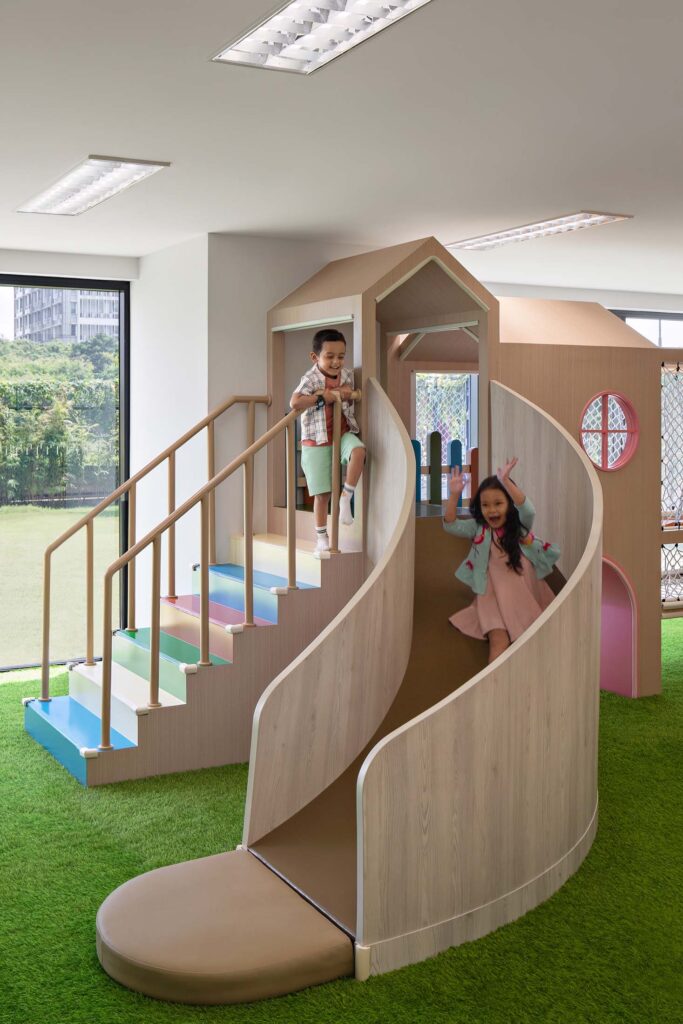
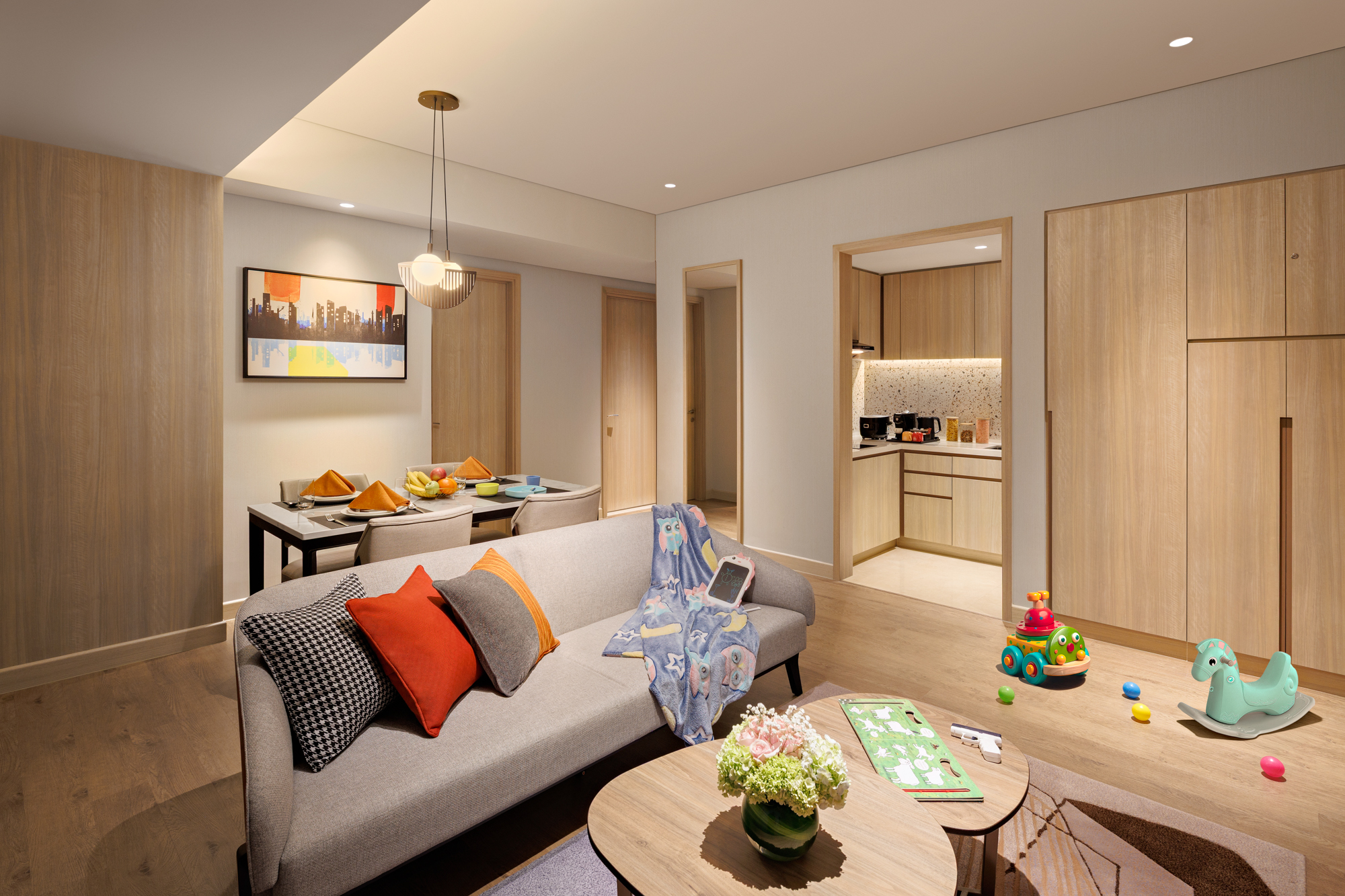
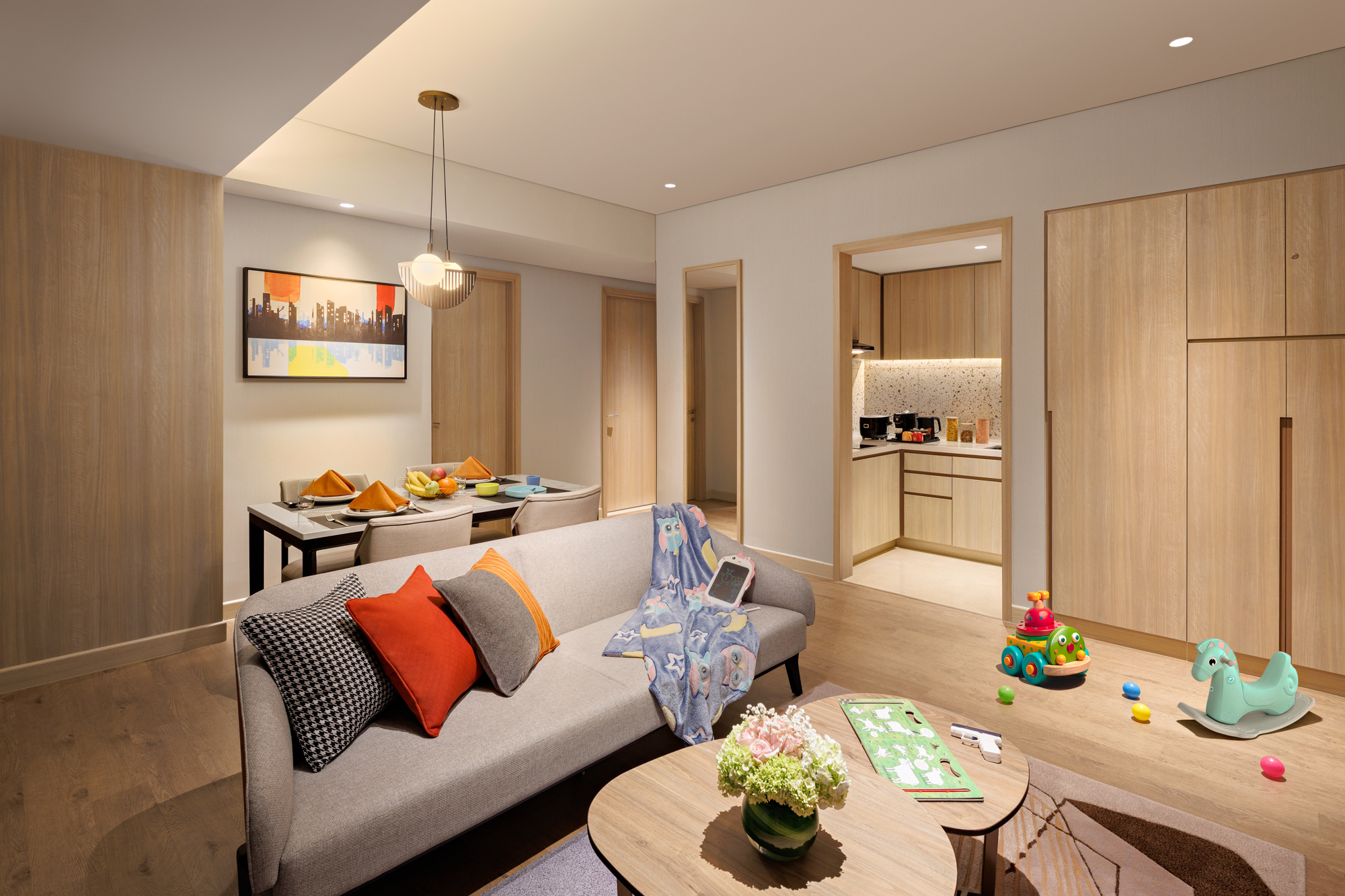
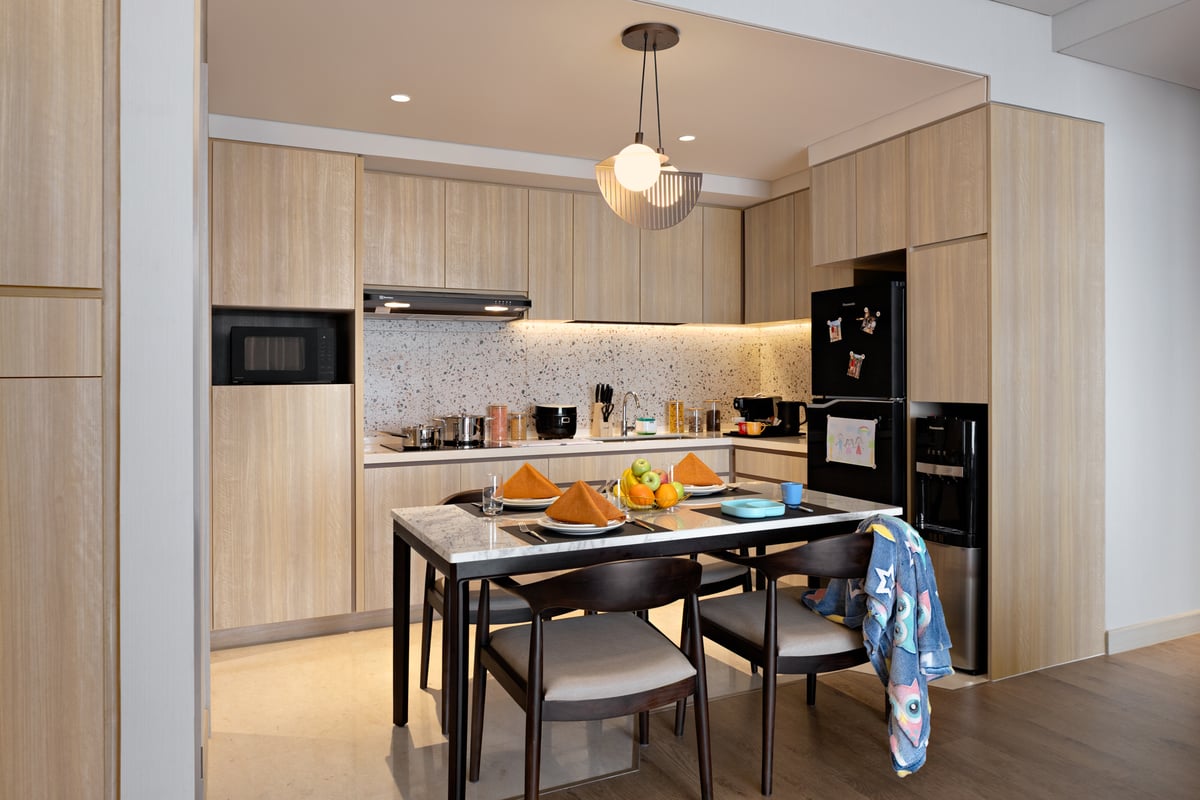
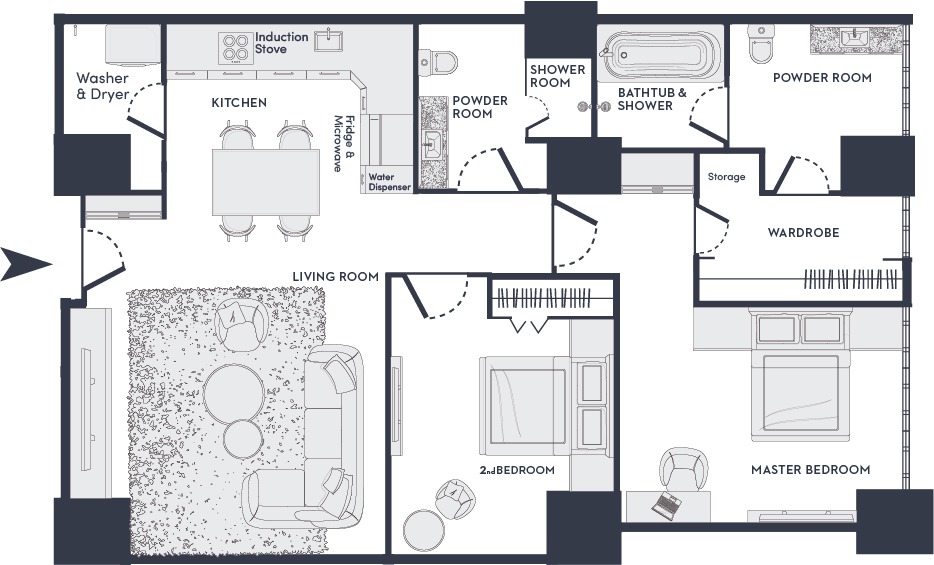
Families between homes due to relocation, renovation, or life transitions benefit significantly from monthly hotel accommodations. Unlike cramped hotel rooms, multi-bedroom serviced apartments provide space for children, in-unit laundry for managing family needs, and kitchens that support healthier eating and budget management.
Family-oriented monthly stay features:
- Separate bedrooms providing privacy for parents and children
- Full kitchens reducing restaurant expenses and supporting dietary preferences
- In-unit laundry facilities essential for families with young children
- Living areas for homework, entertainment, and family time
- Proximity to schools, parks, and family-friendly amenities
Properties offering Two-Bedroom and Three-Bedroom configurations specifically target families requiring extended stays. These larger residences maintain hotel service standards while providing residential functionality that traditional hotel suites cannot match.
Selecting the Right Property for Monthly Stays
Not all hotels or serviced apartments excel at monthly accommodations. Properties purpose-built or adapted for extended stays offer features and services that make long-term residence comfortable and practical.
Essential Amenities and Features
When evaluating properties for a hotel monthly stay, certain amenities transition from nice-to-have to essential as the stay extends beyond a week. The absence of these features creates daily frustrations that compound over 30-90 days.
| Feature Category | Essential Elements | Why It Matters |
|---|---|---|
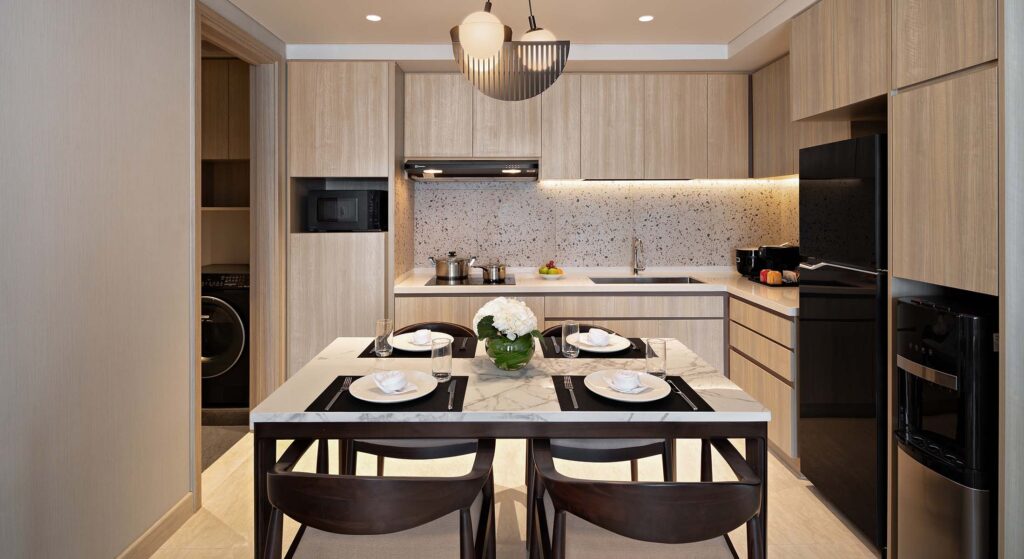
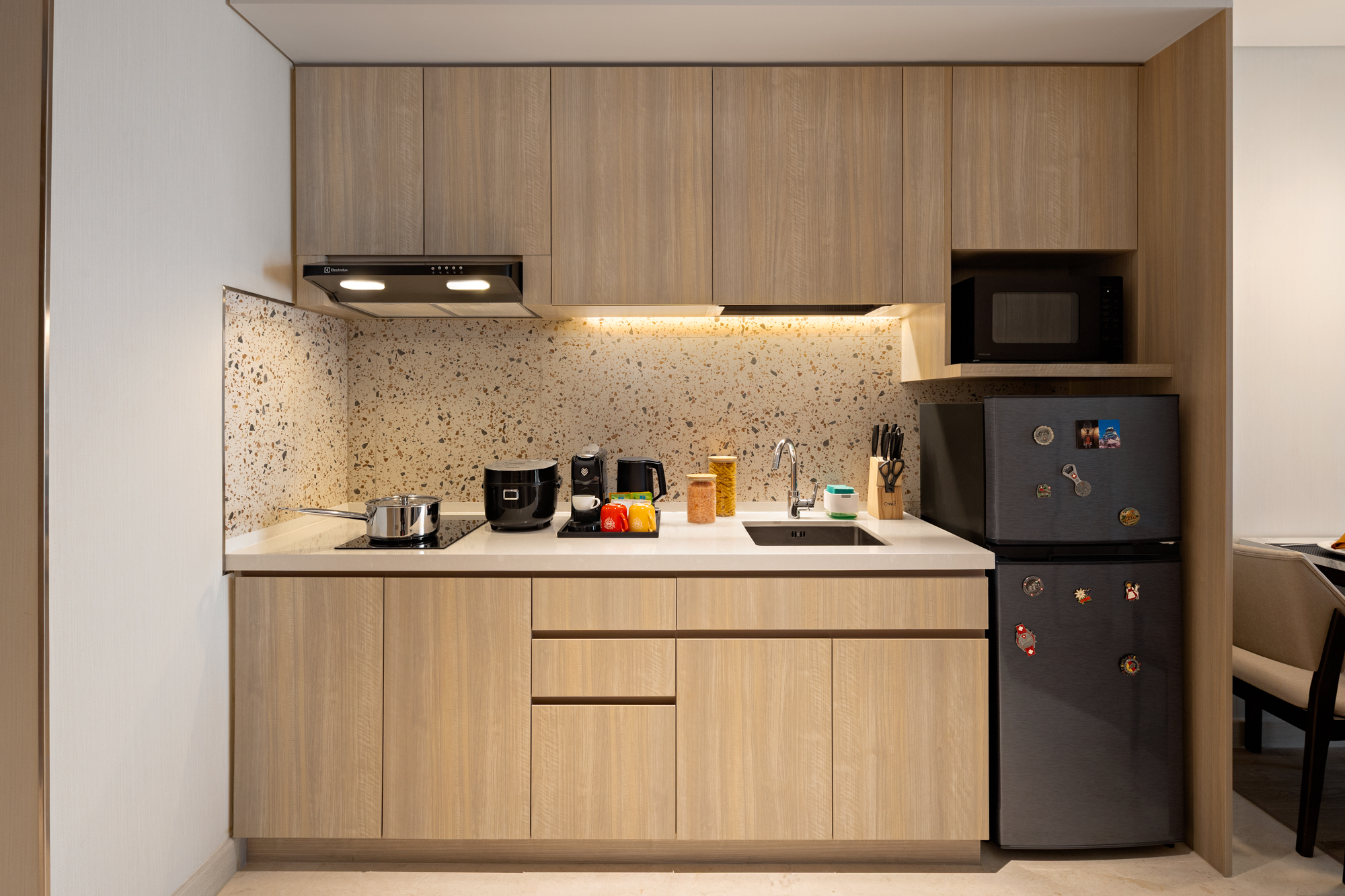
| Kitchen | Full-size refrigerator, stove/induction cooktop, microwave, dishwasher | Reduces dining costs, supports dietary needs, enables normal routines |
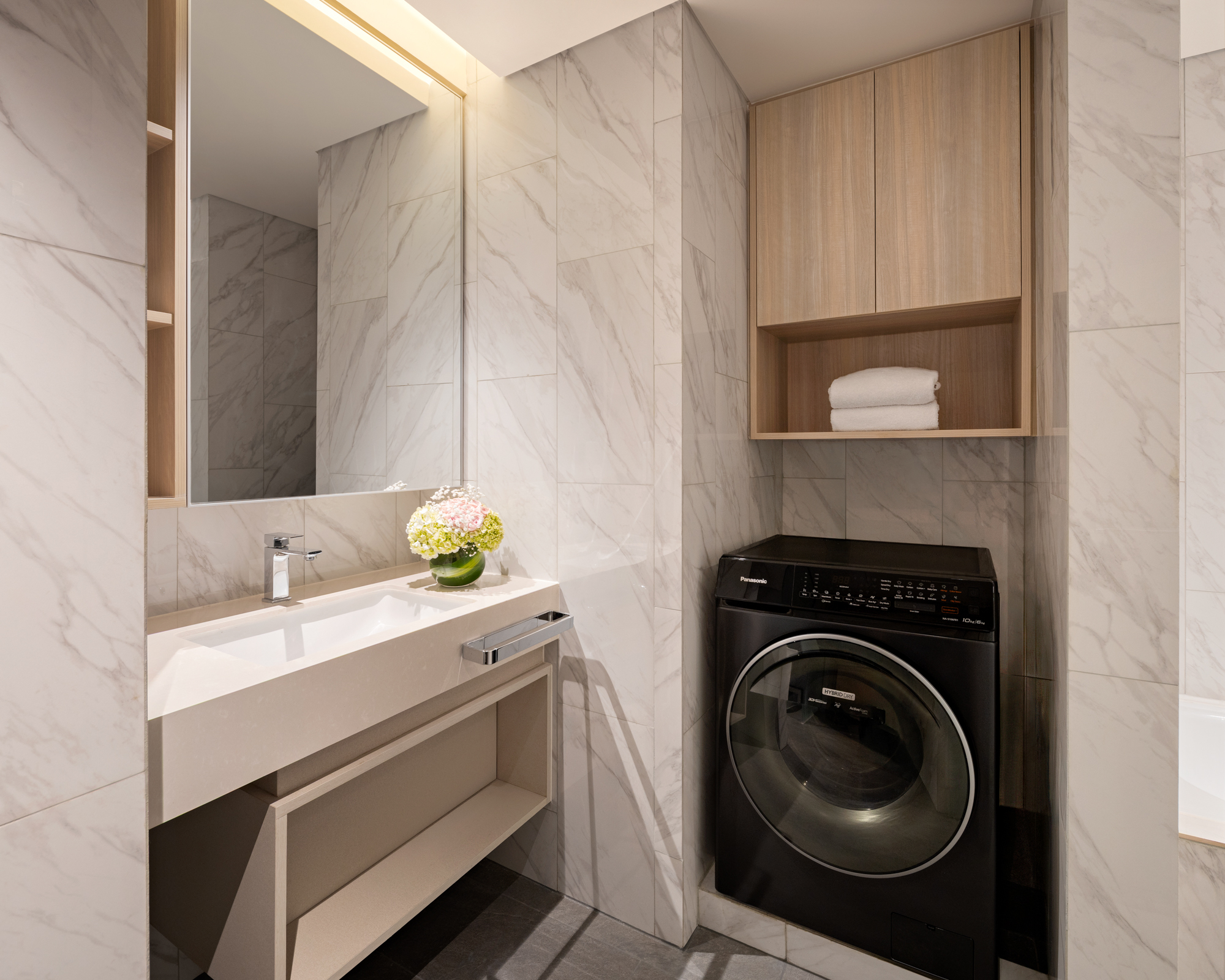
| Laundry | In-unit washer and dryer or easily accessible laundry facilities | Weekly laundry service inadequate for monthly stays |
| Workspace | Dedicated desk, ergonomic chair, strong Wi-Fi, adequate lighting | Remote work and business tasks require proper equipment |
| Storage | Adequate closets, pantry space, luggage storage | Month-plus stays require full wardrobe and personal items |
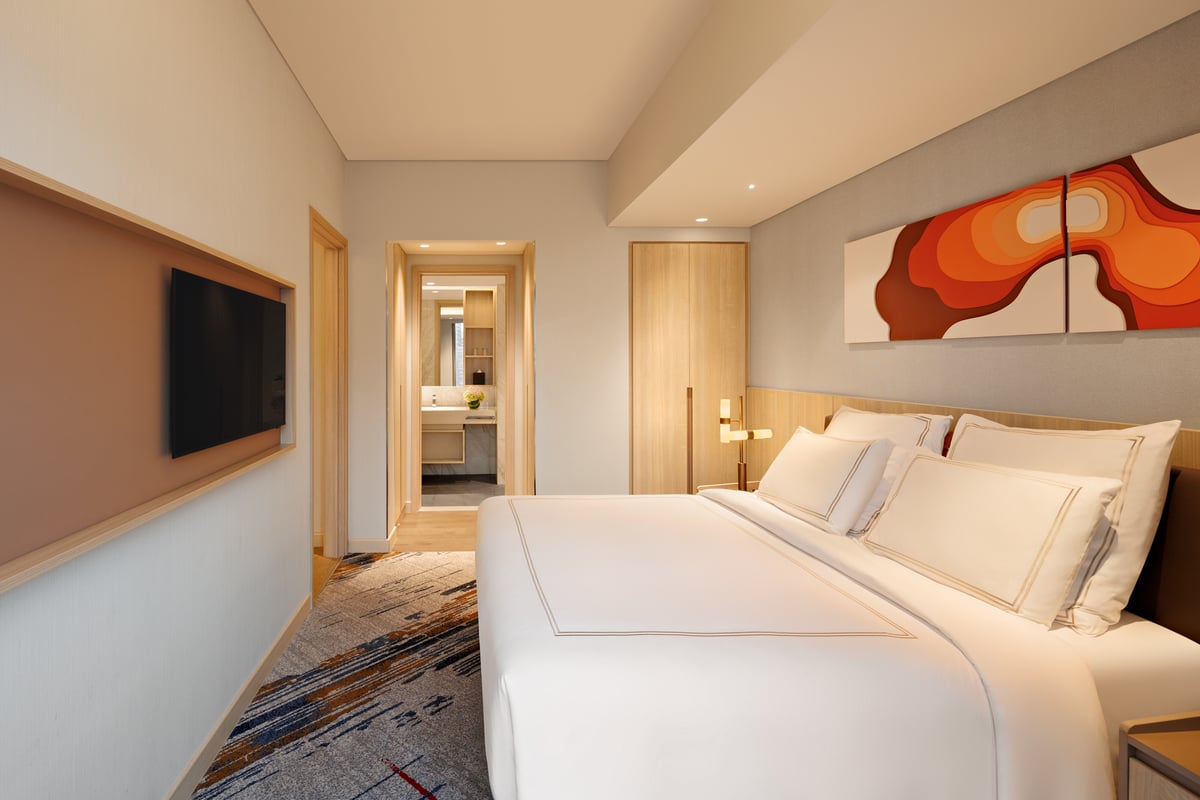
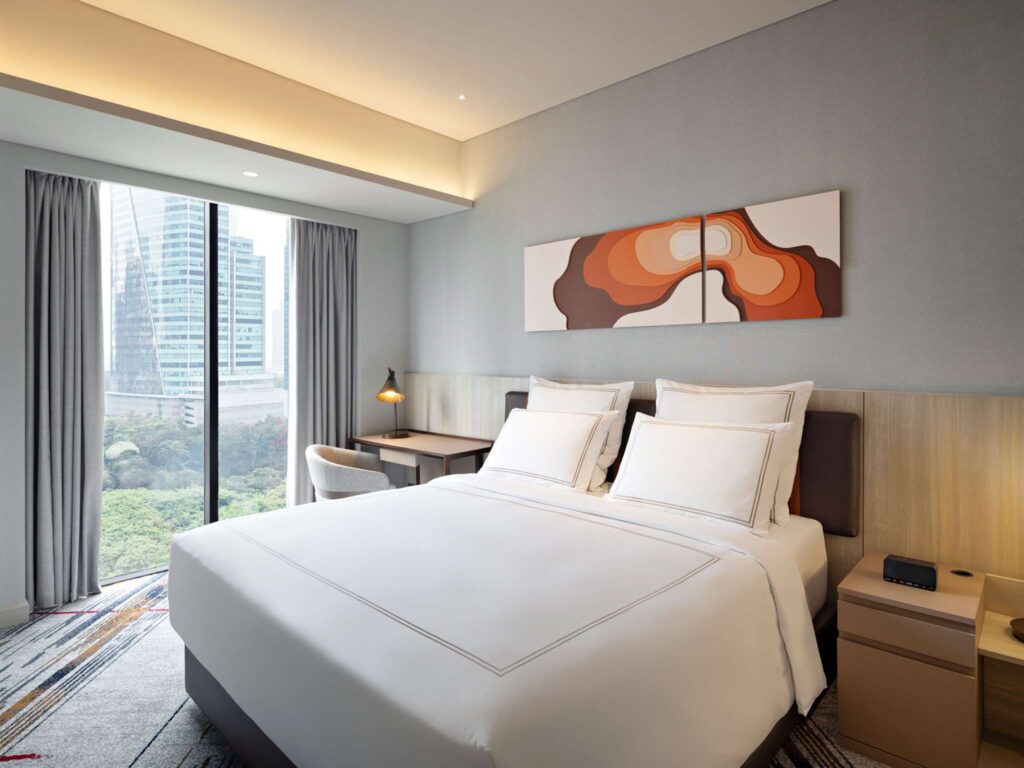
| Living Space | Separate bedroom(s) from living area | Mental health and work-life separation |
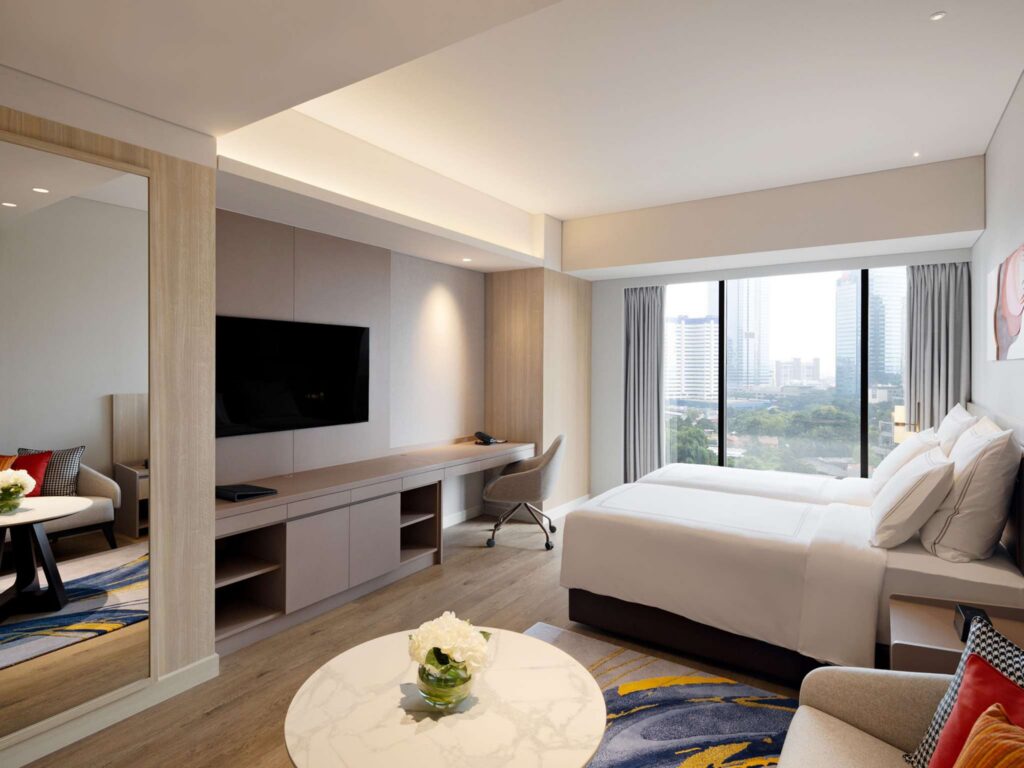
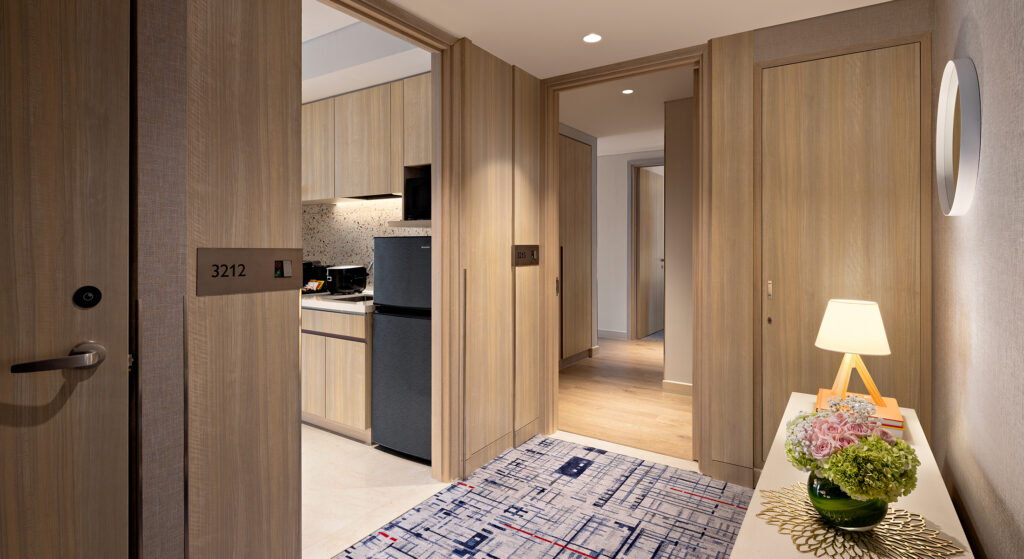
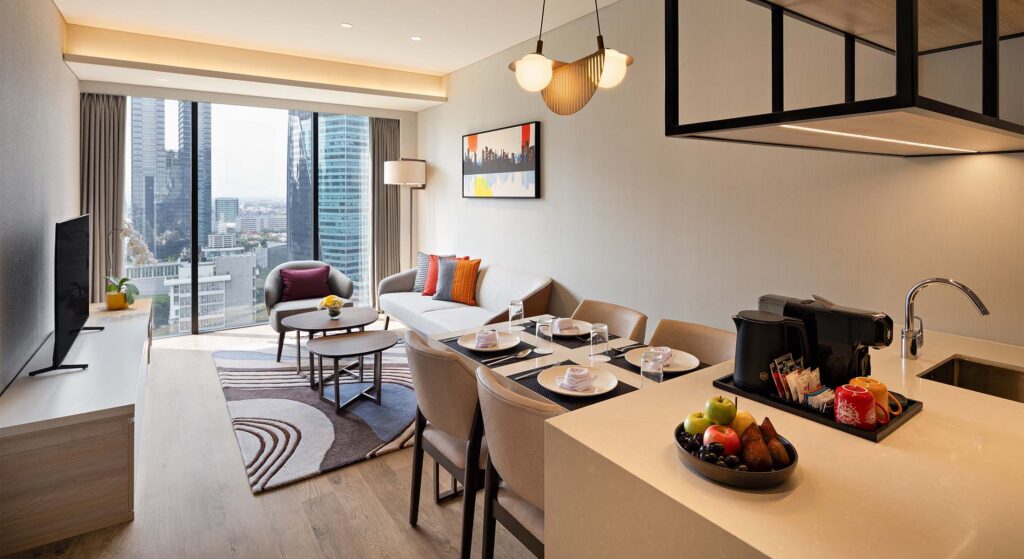
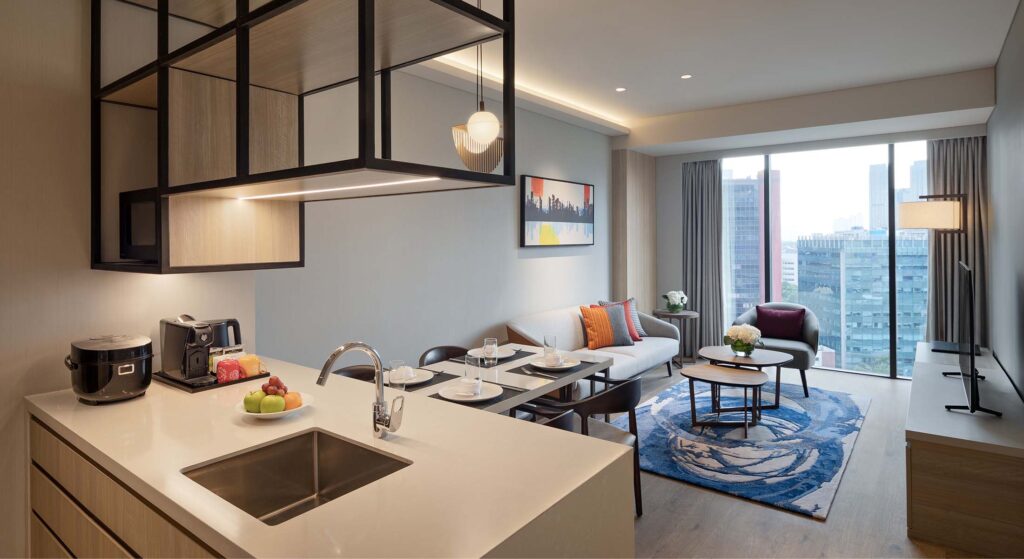
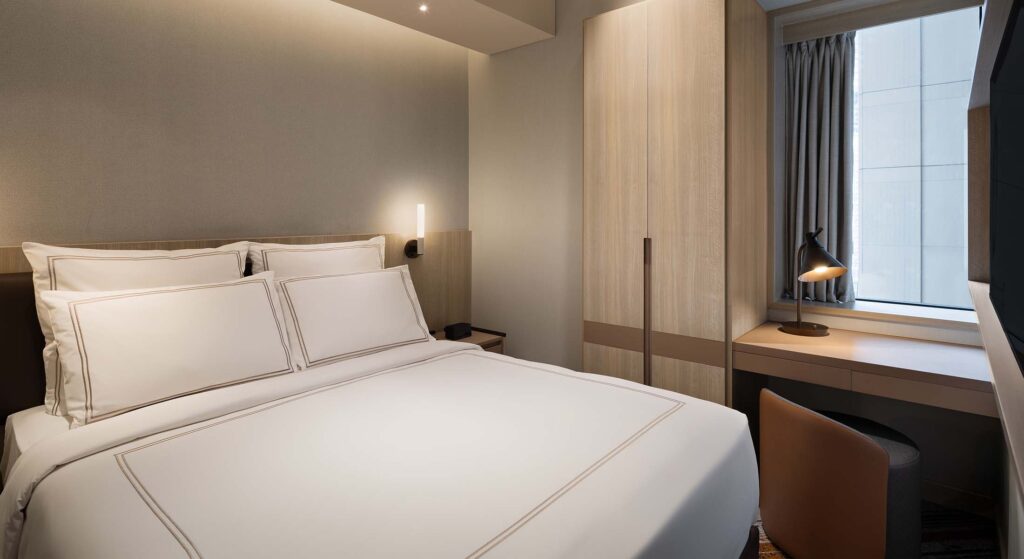
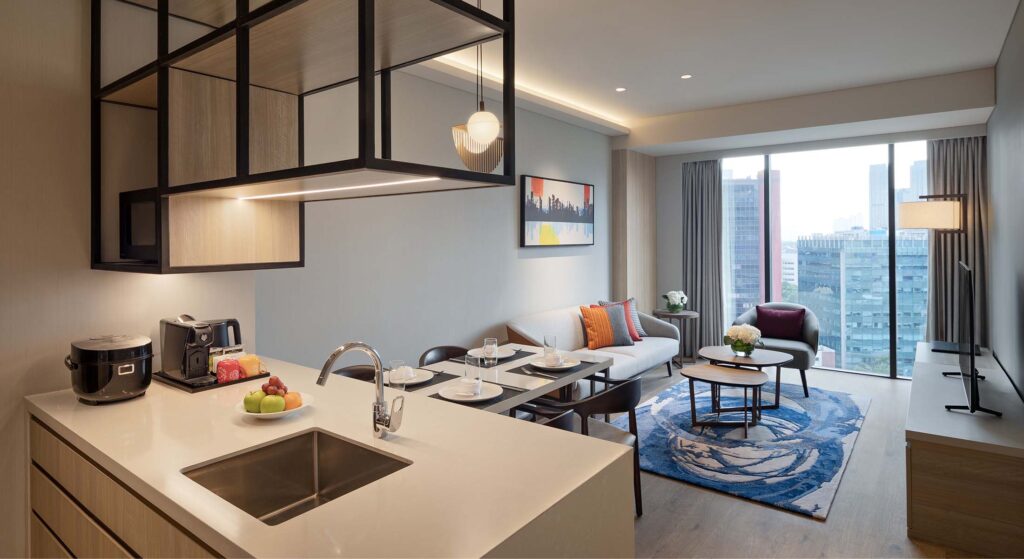
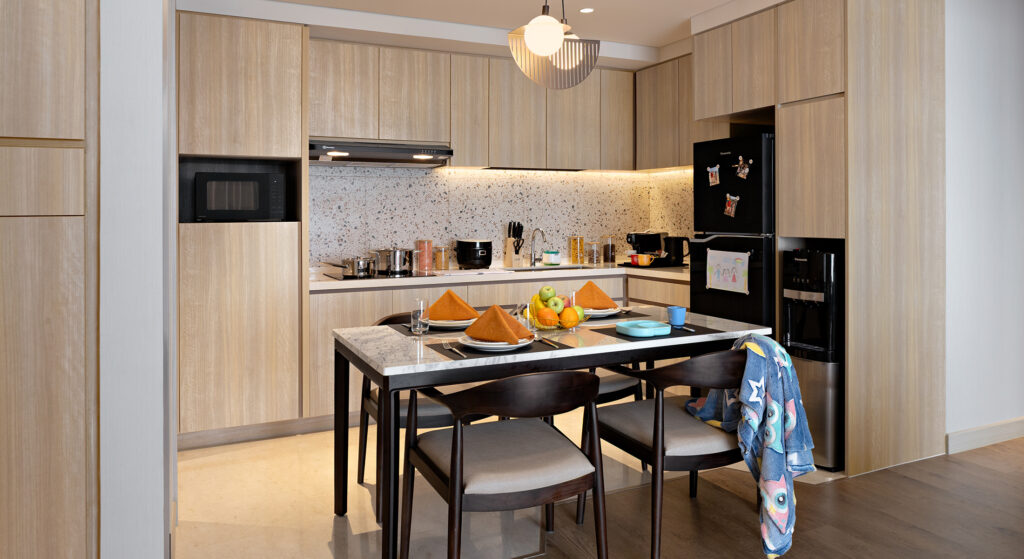
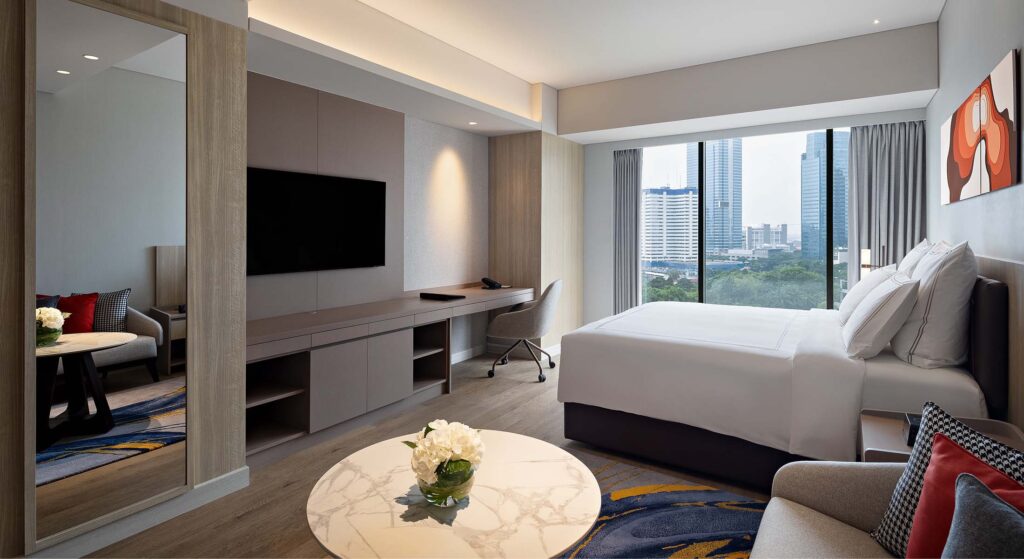
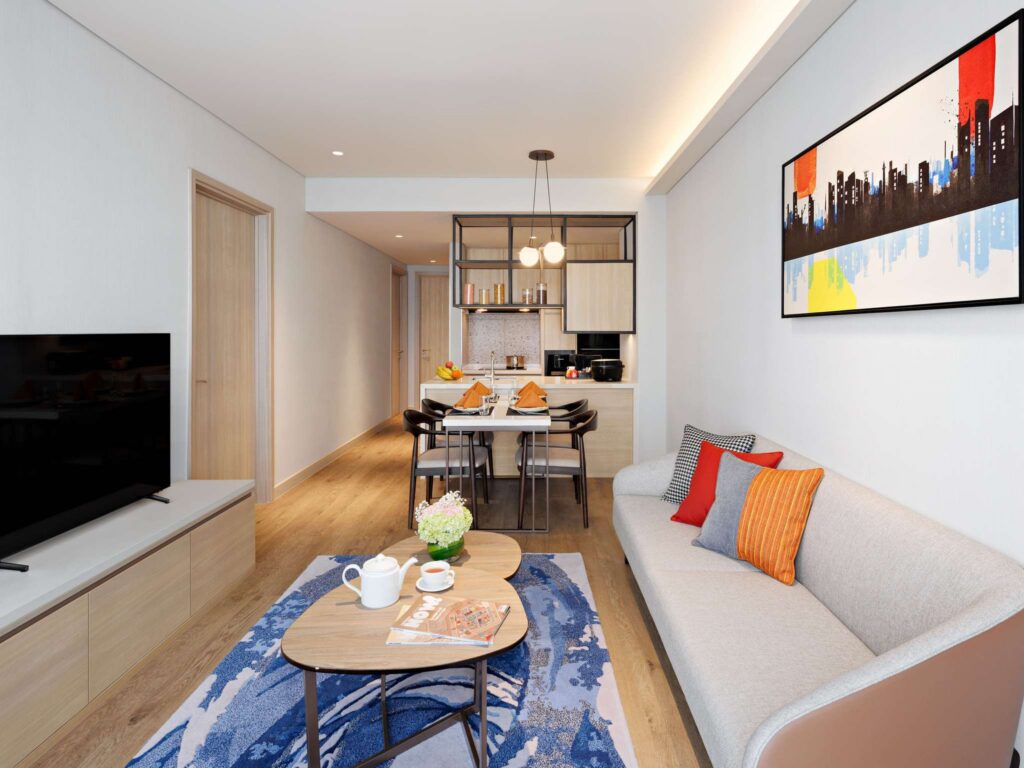
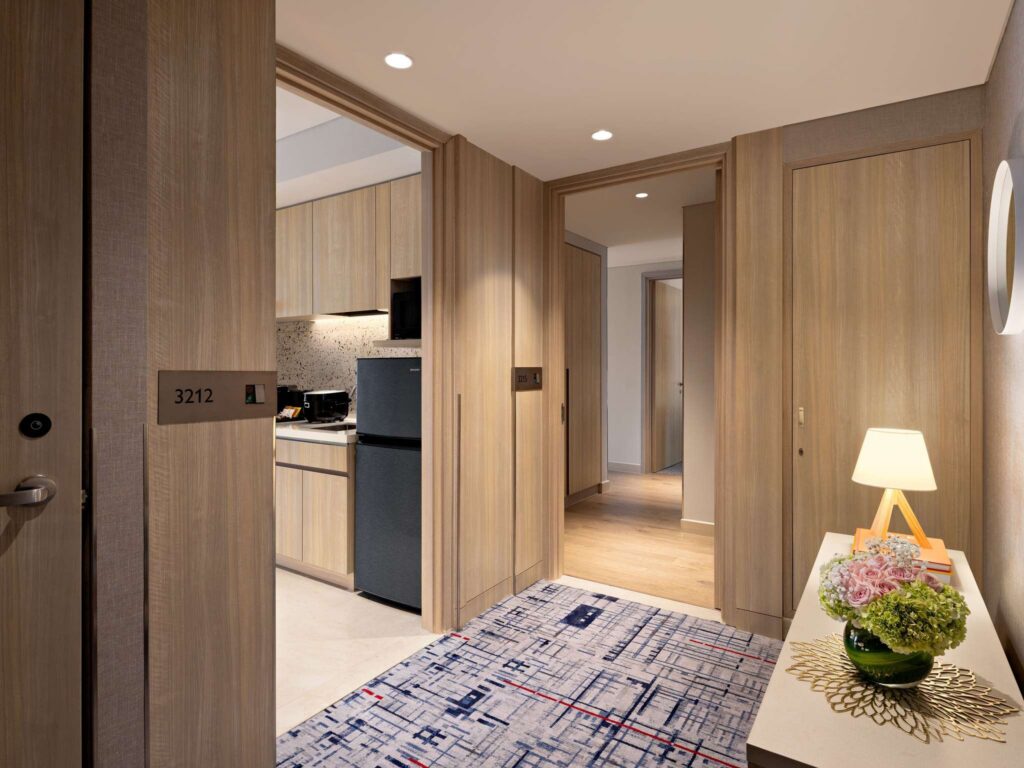
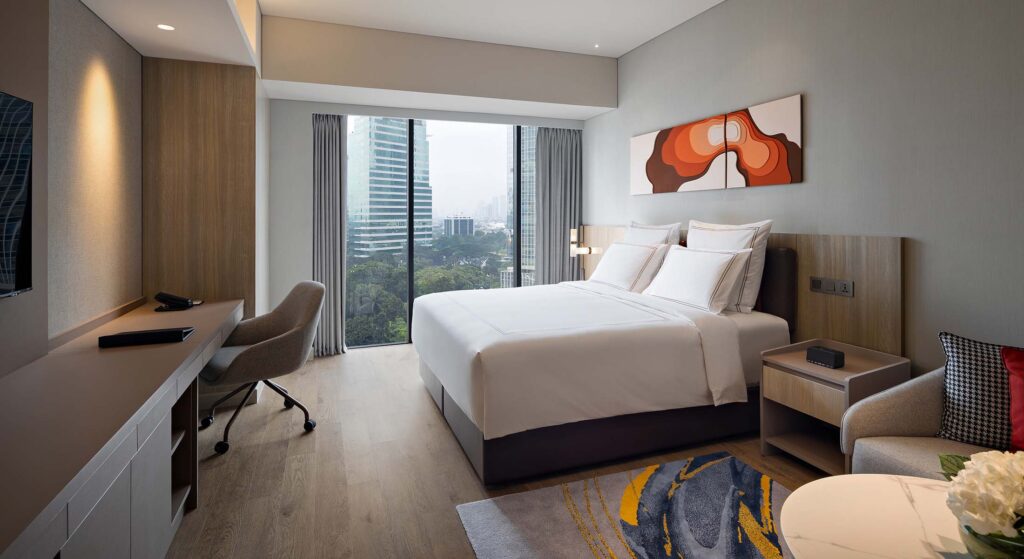
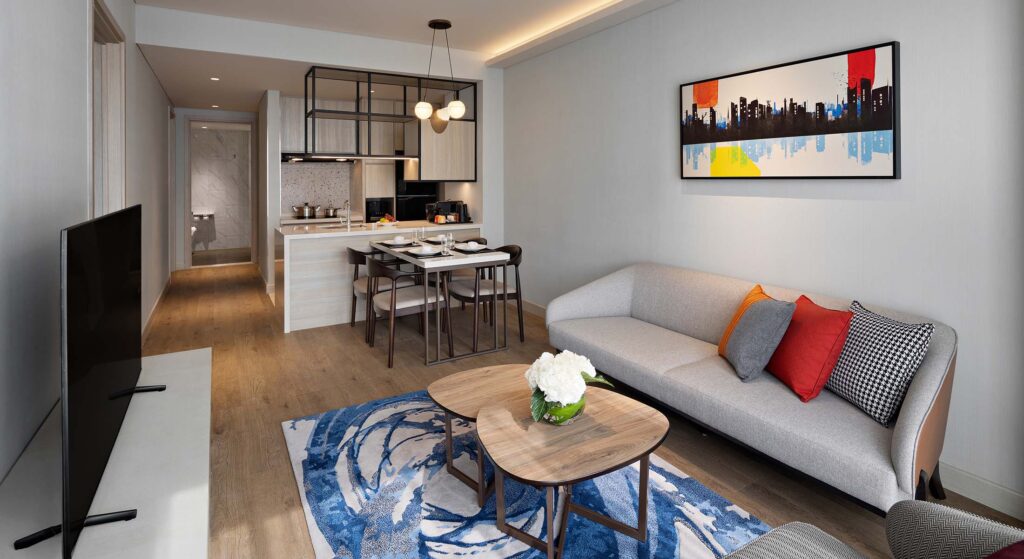
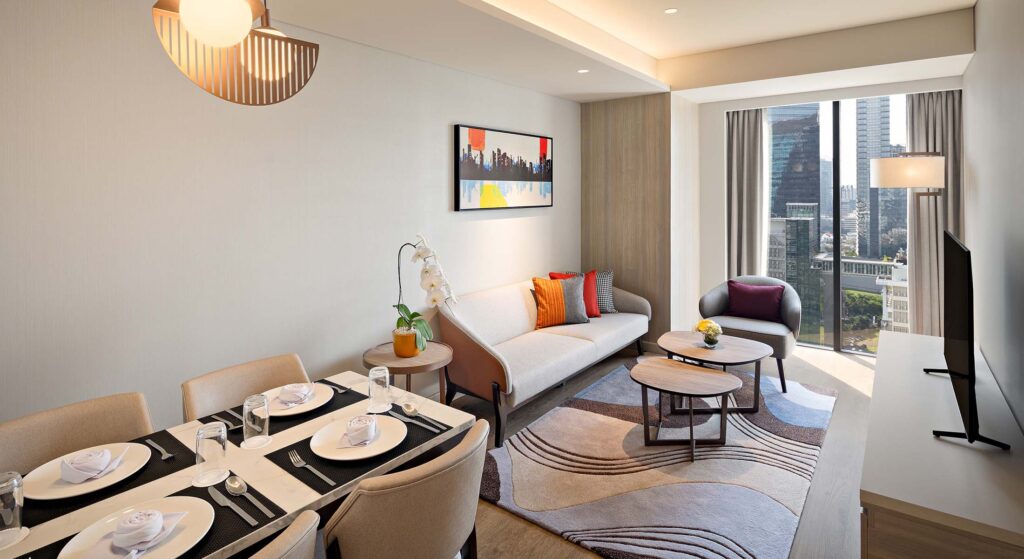
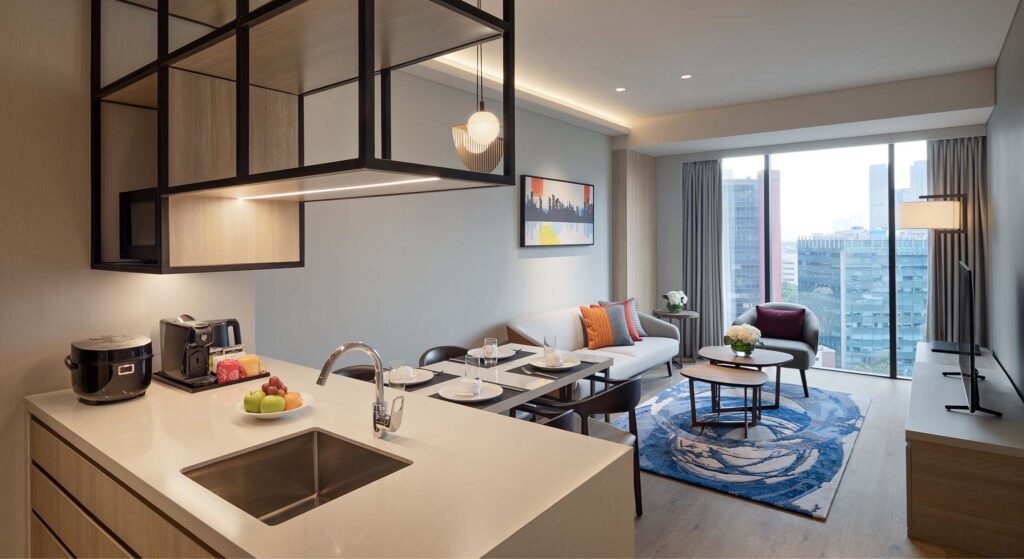
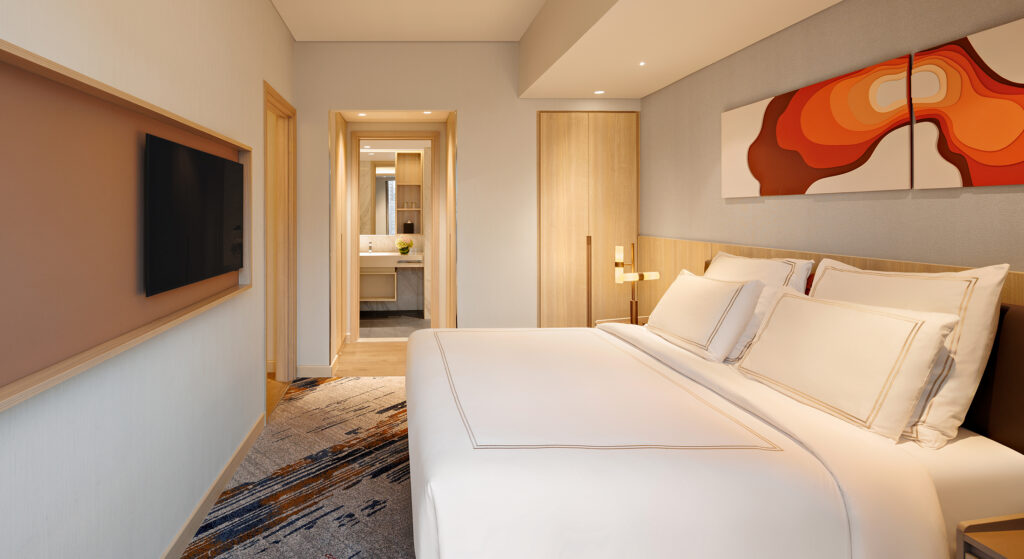
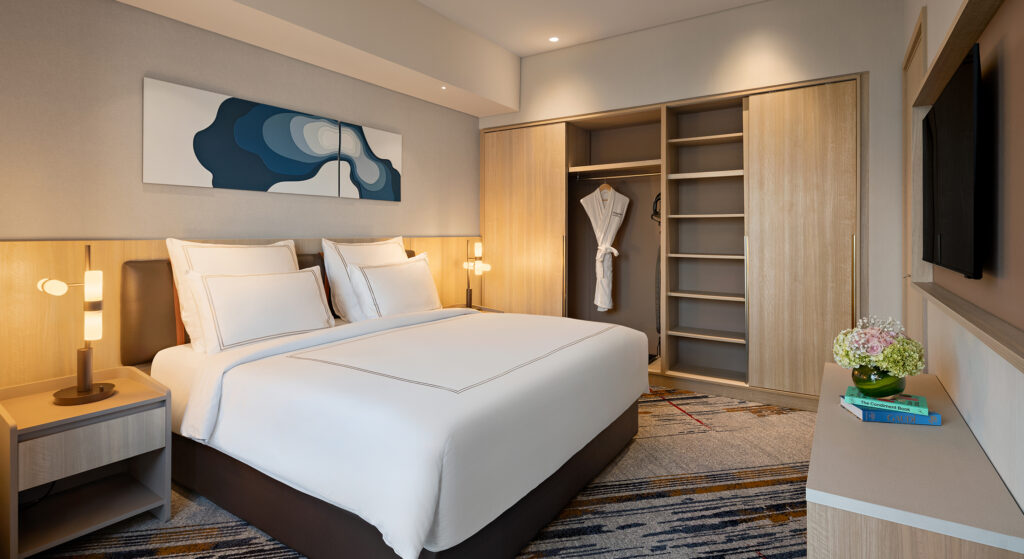
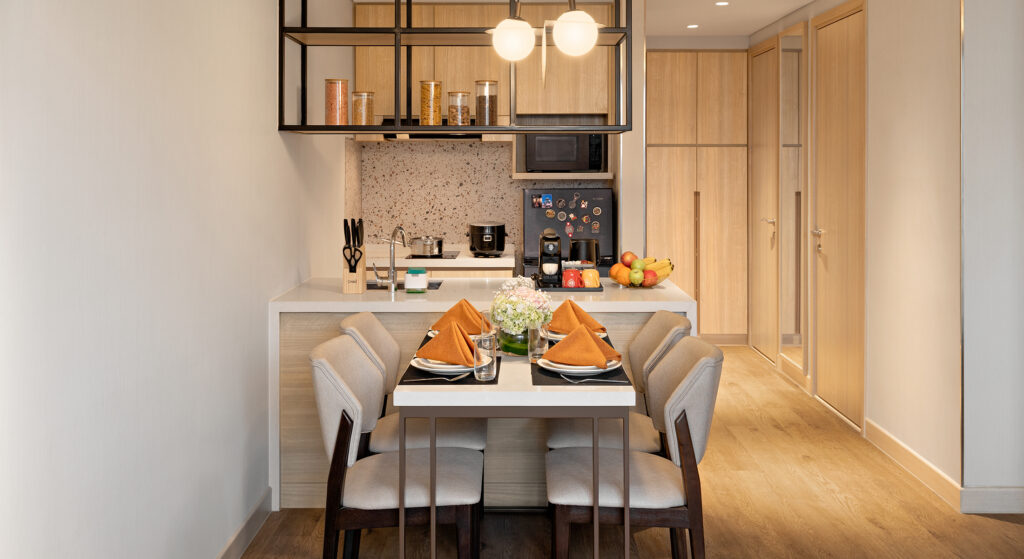
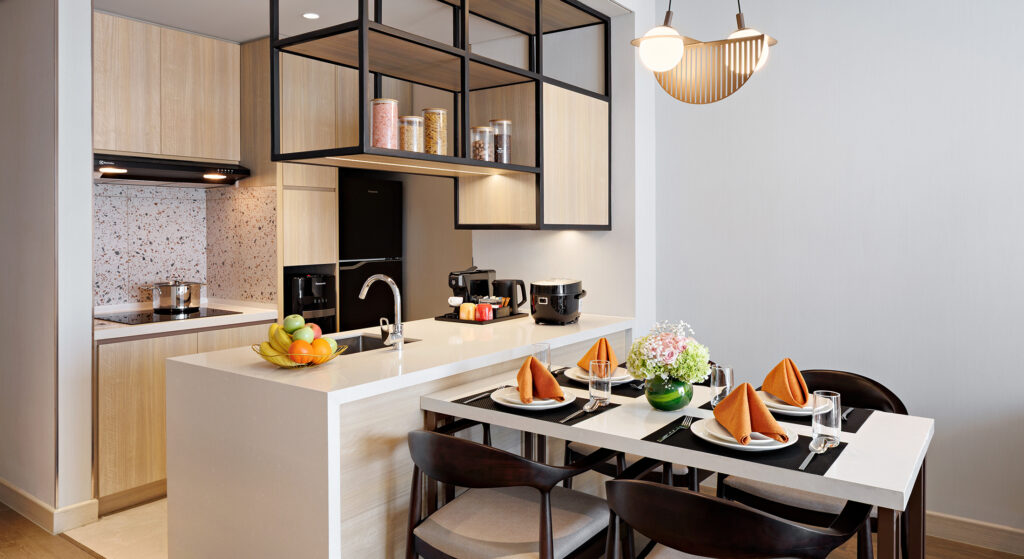
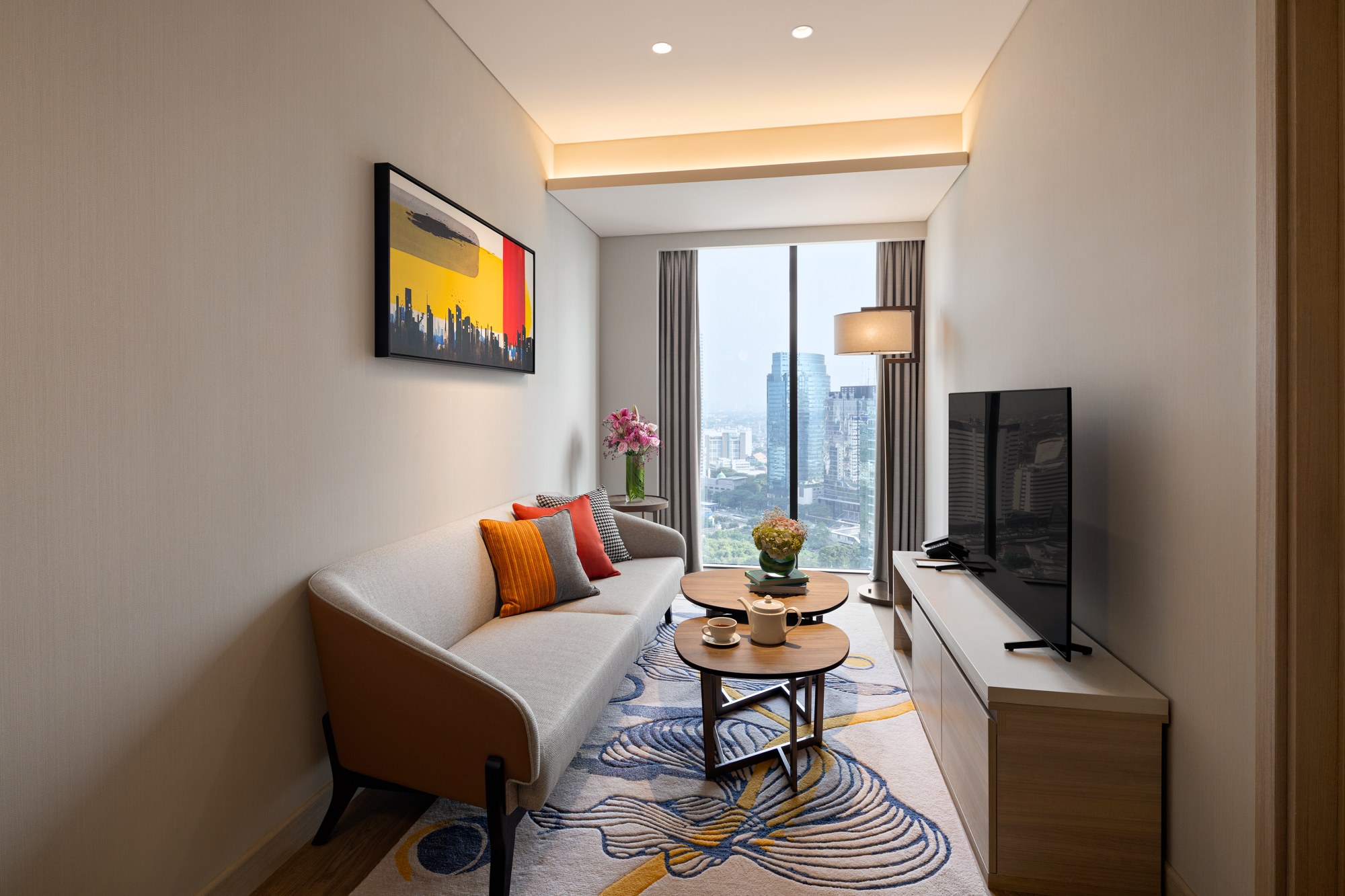
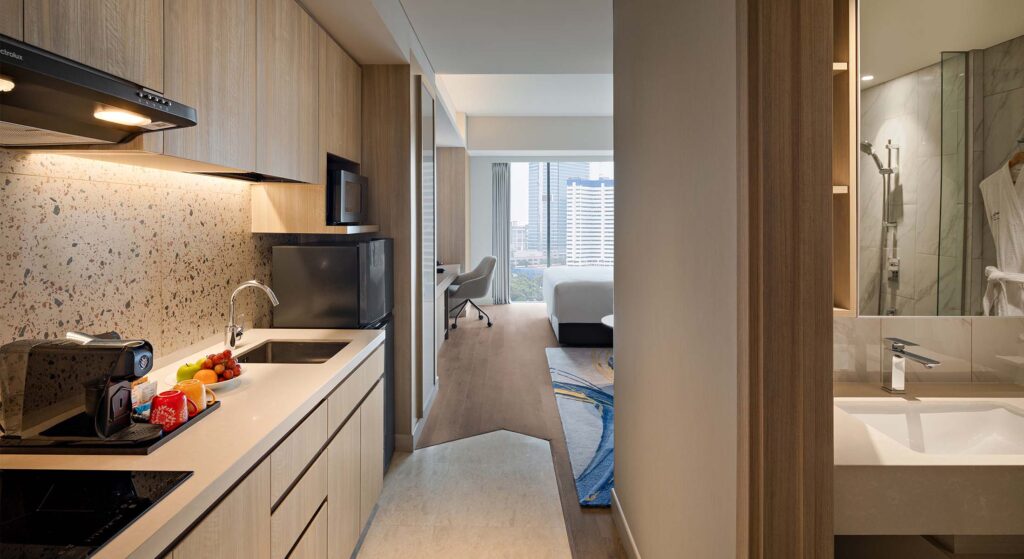
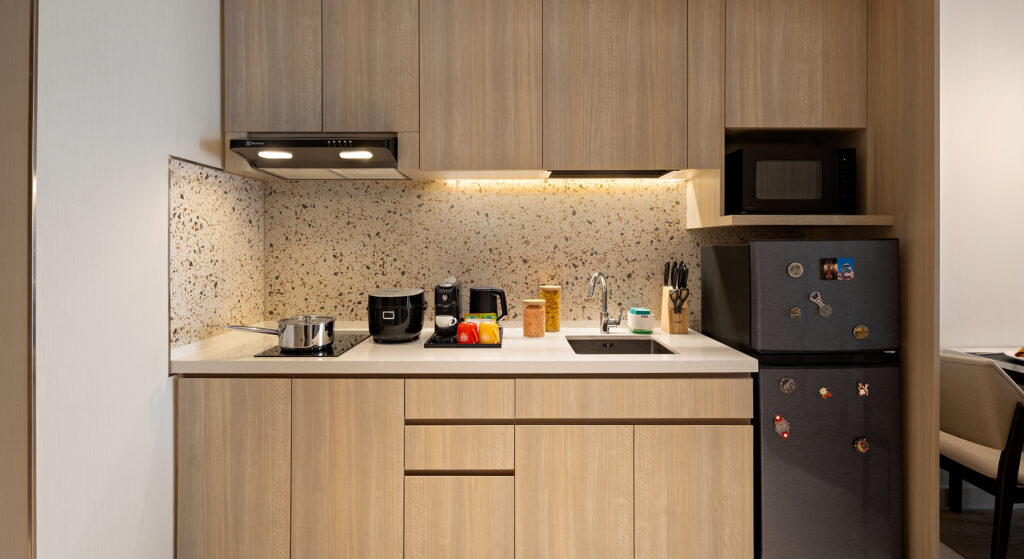
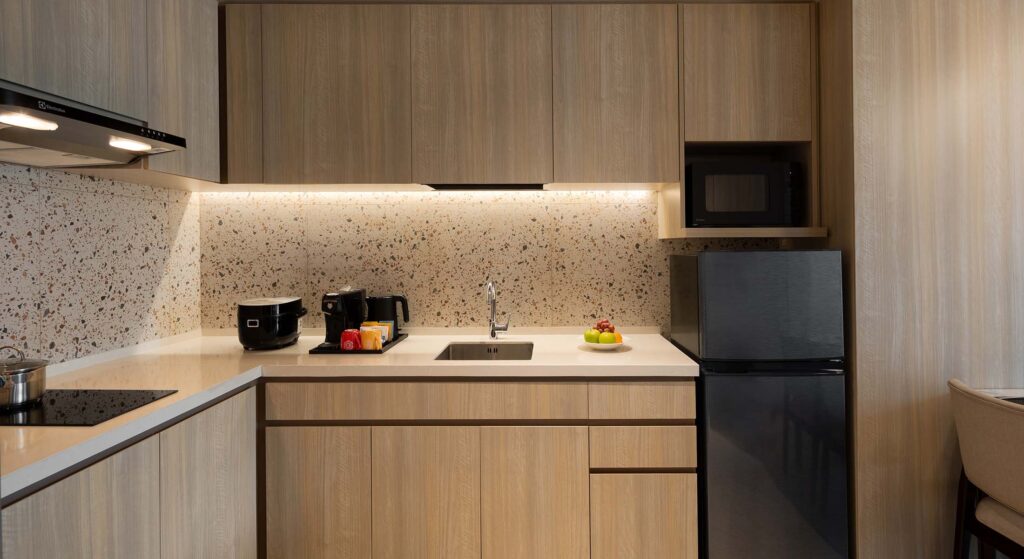
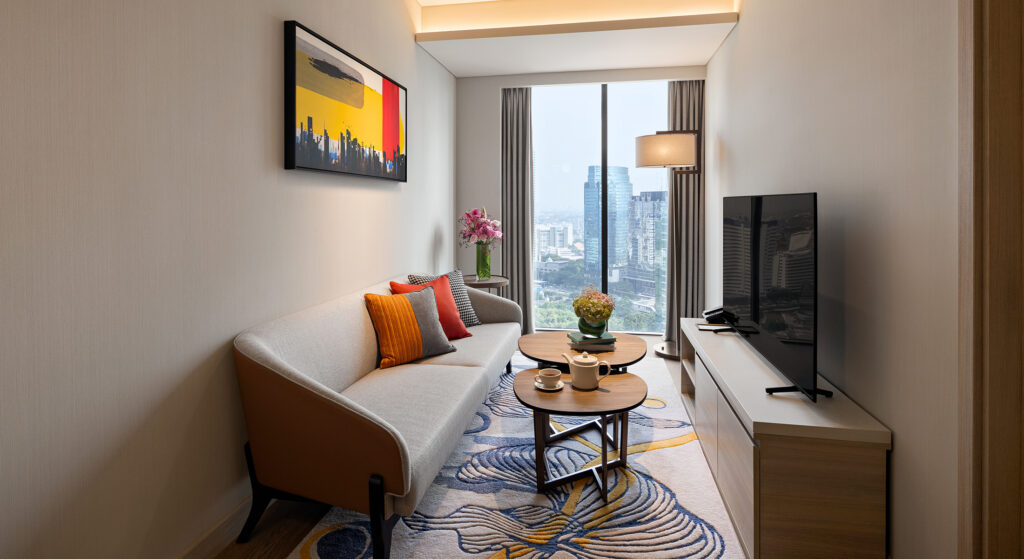
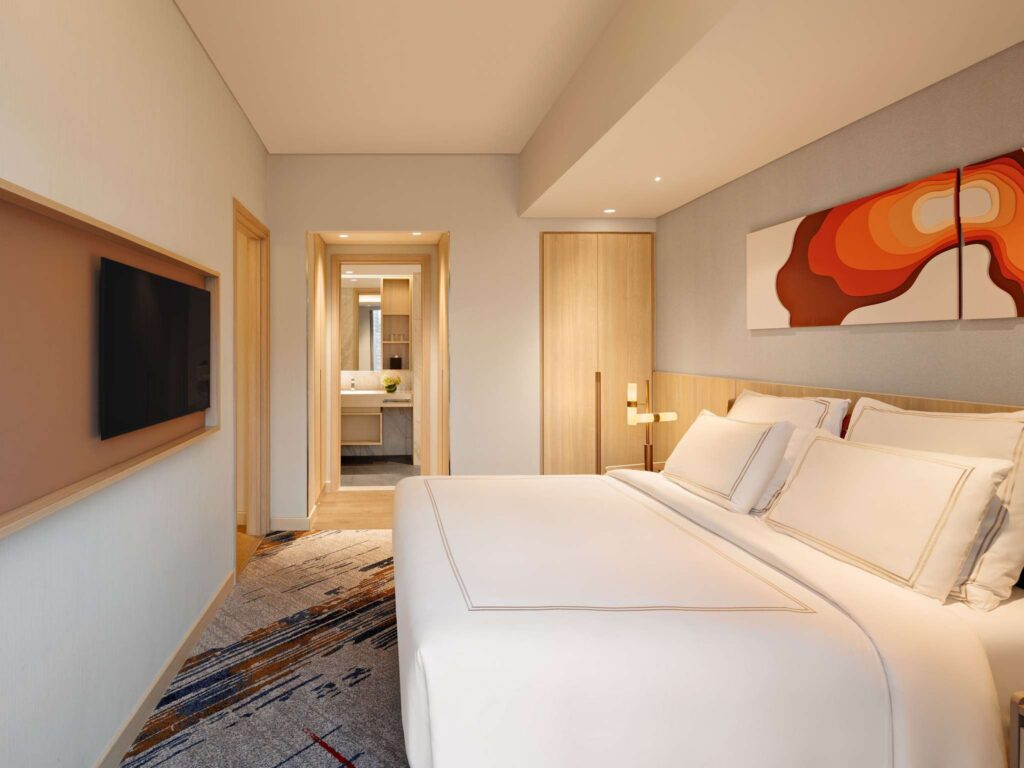
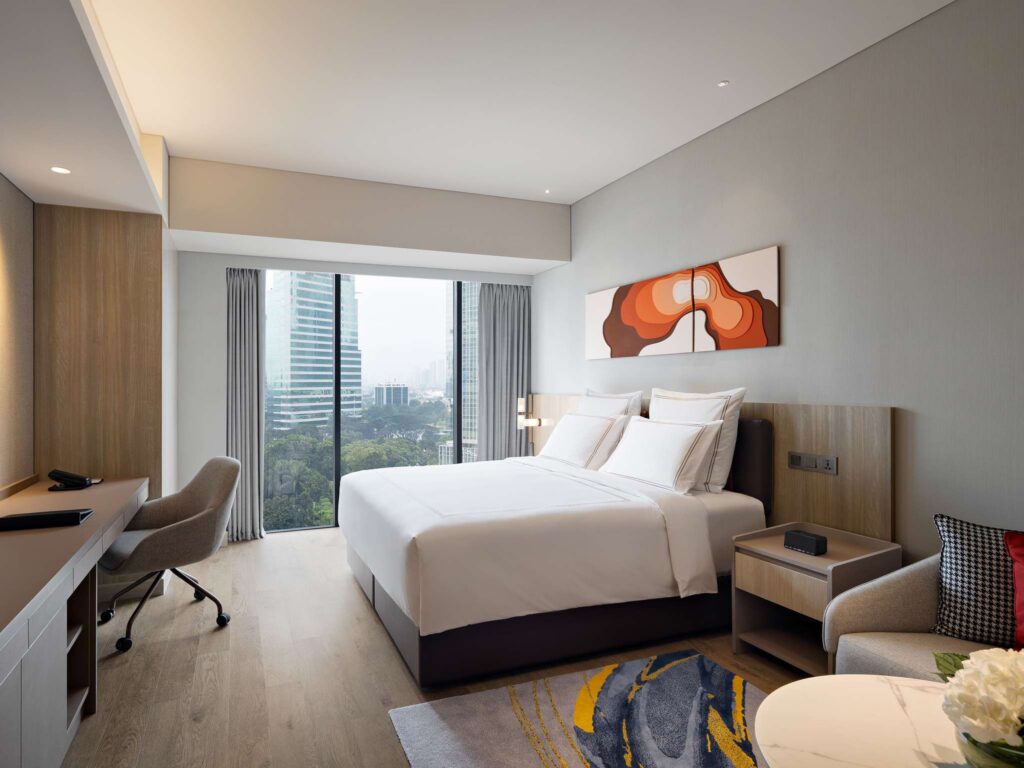
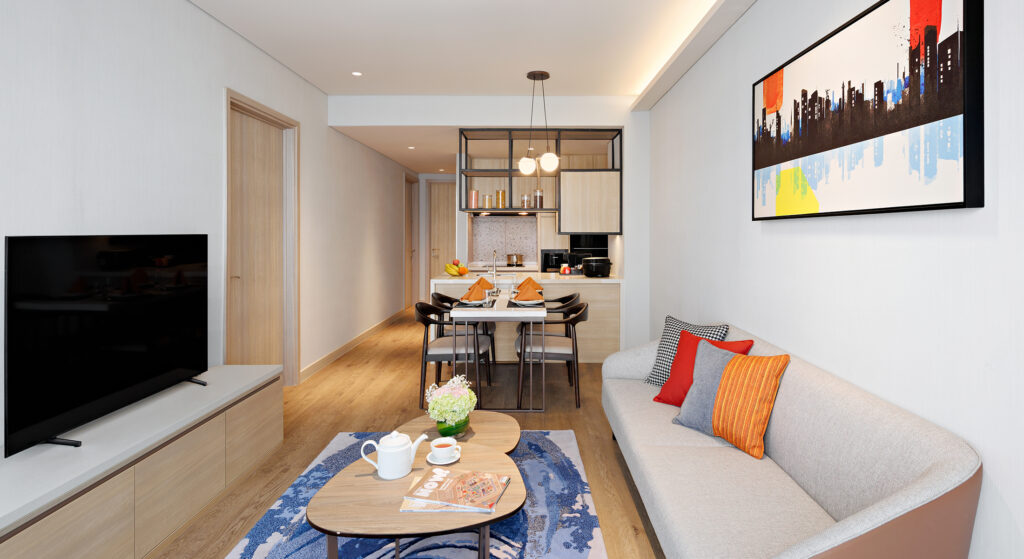
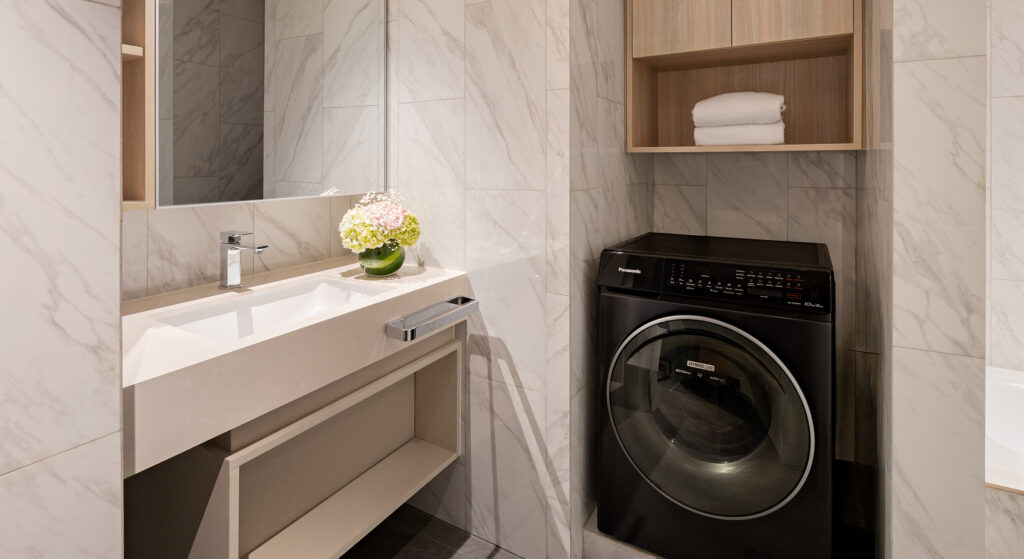
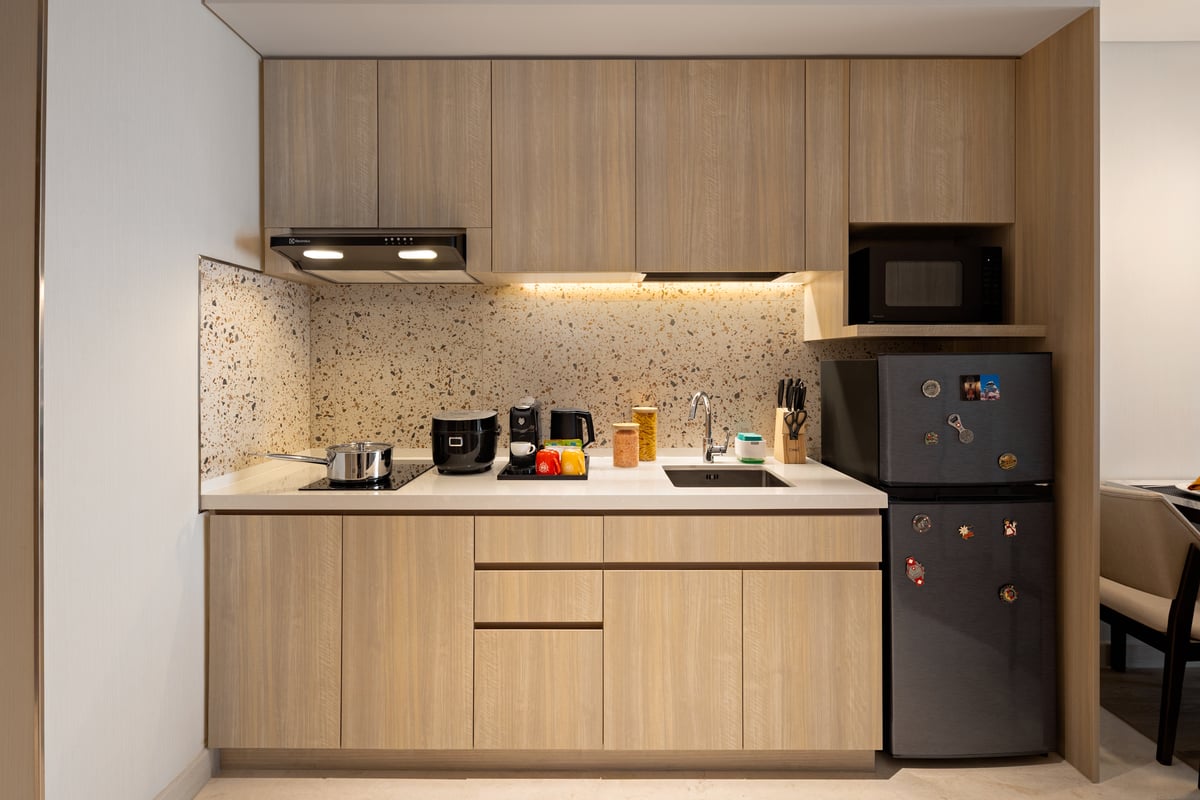
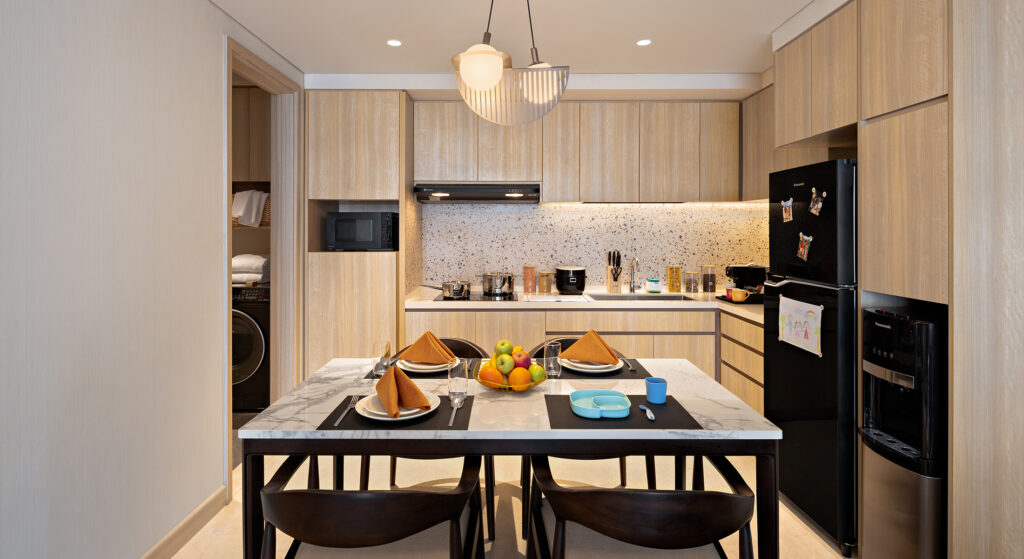
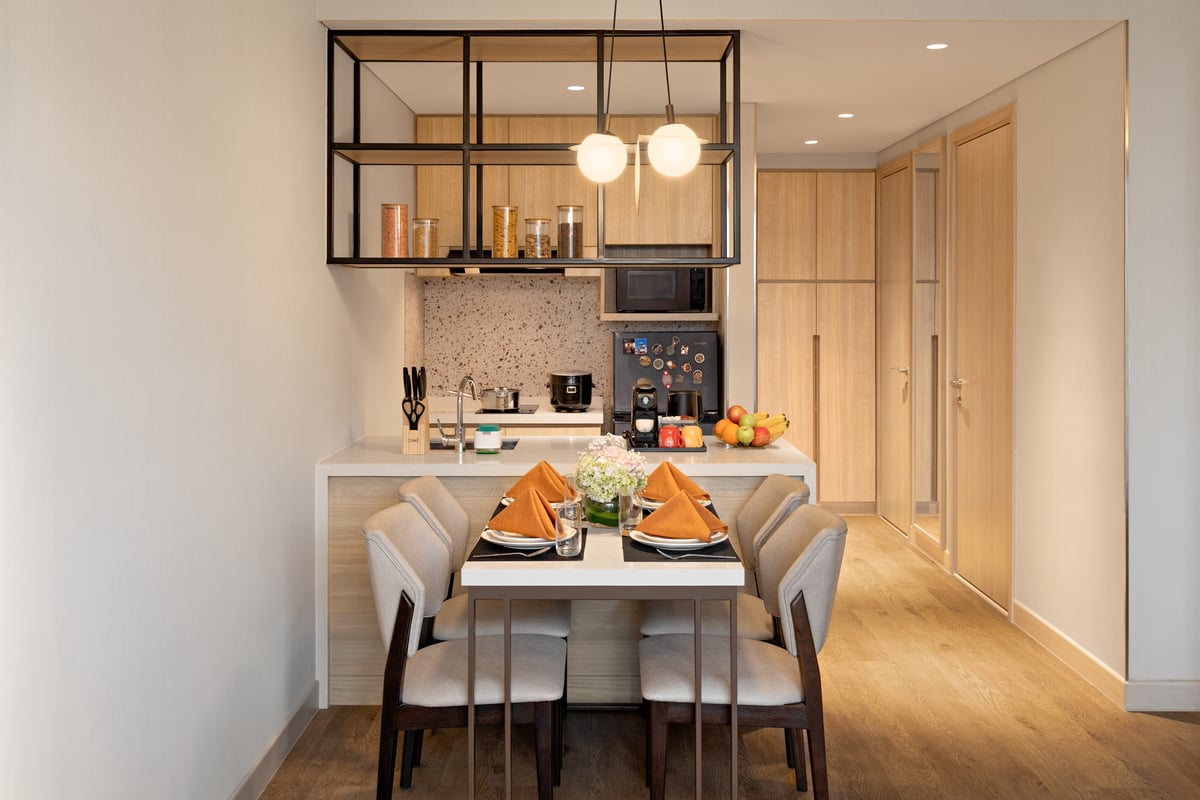
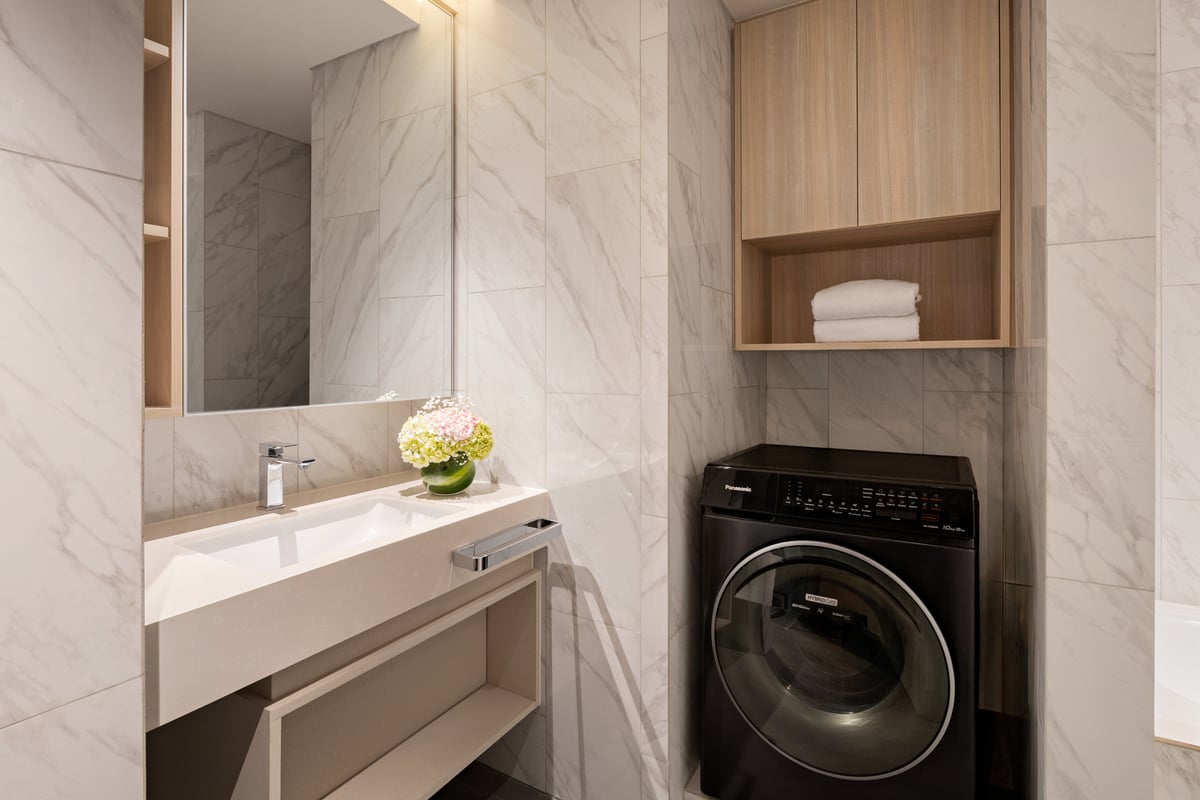
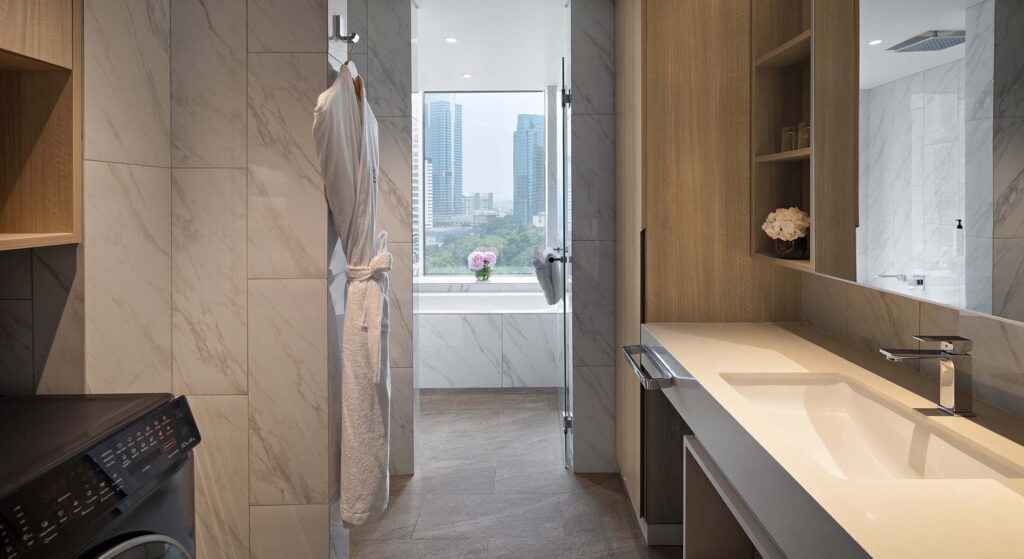
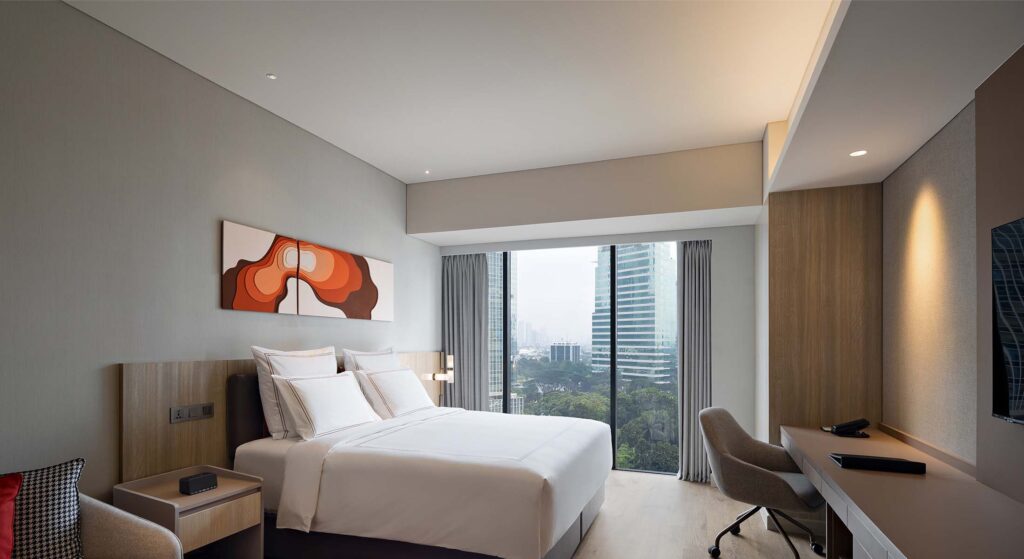
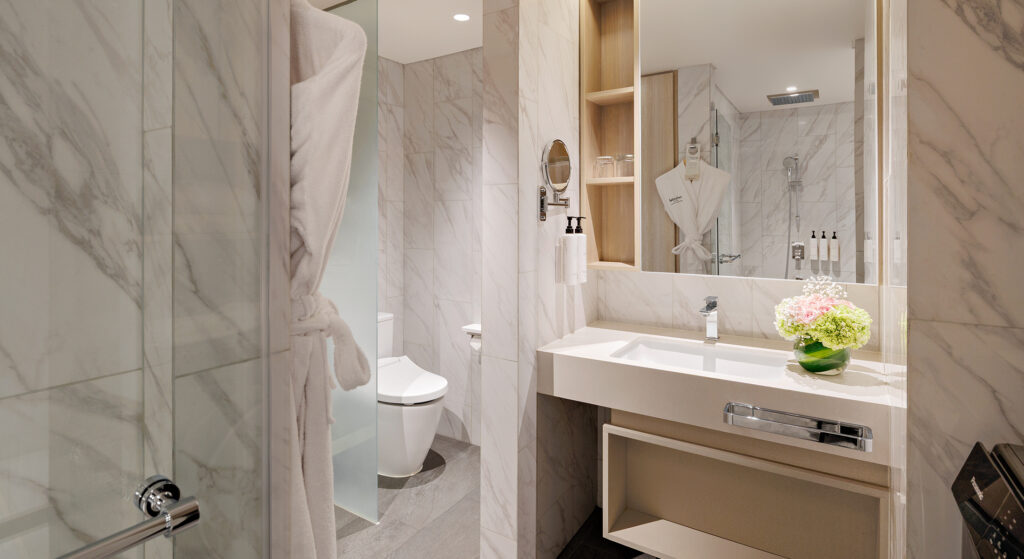
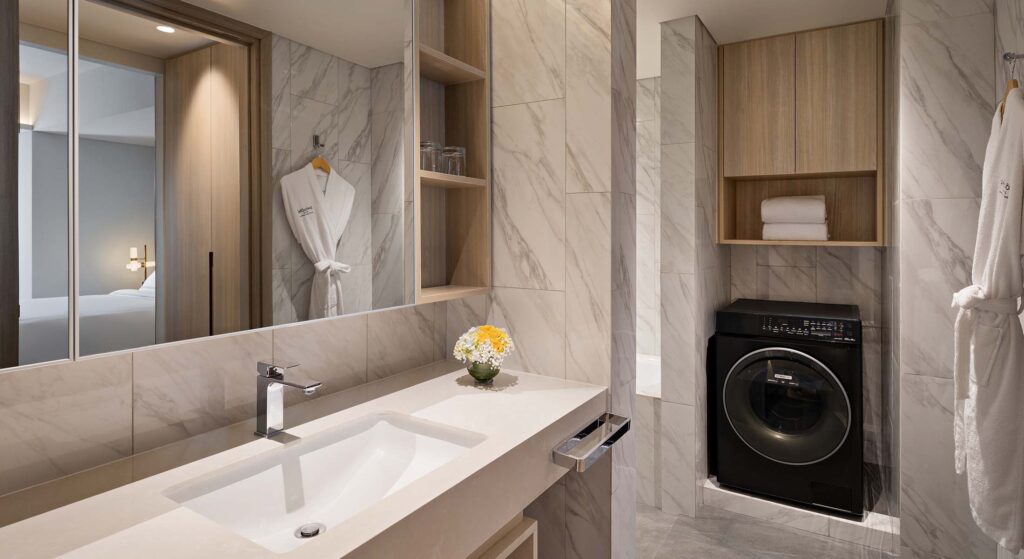
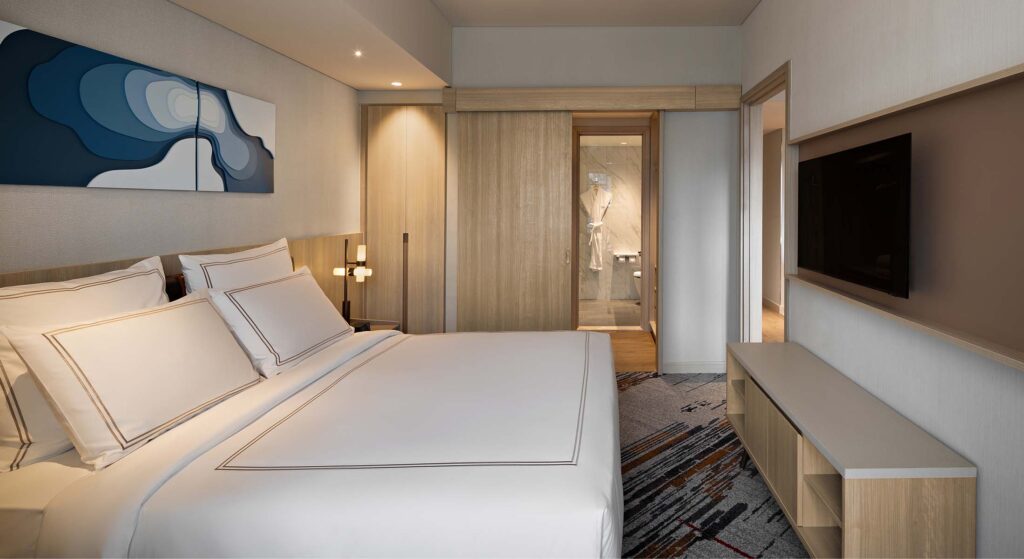
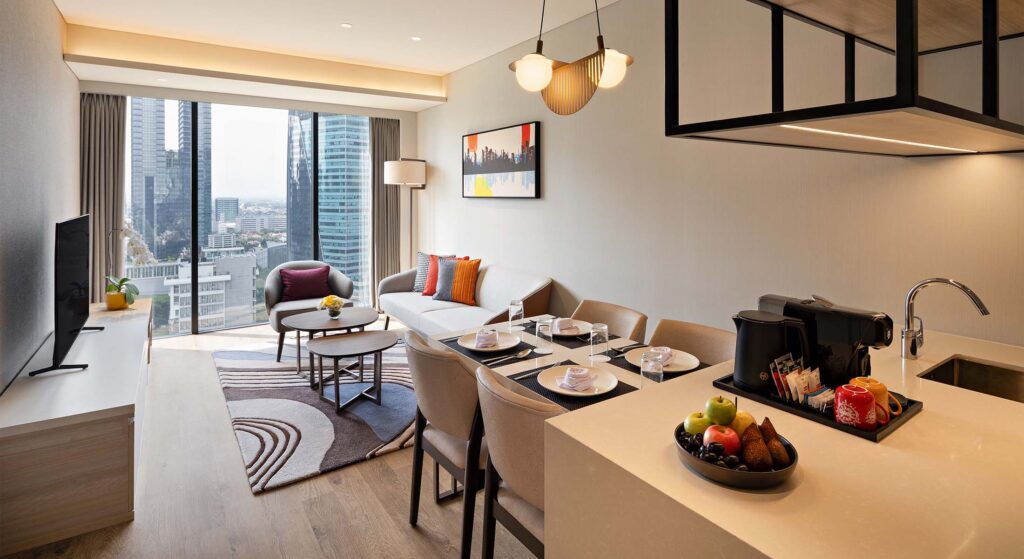
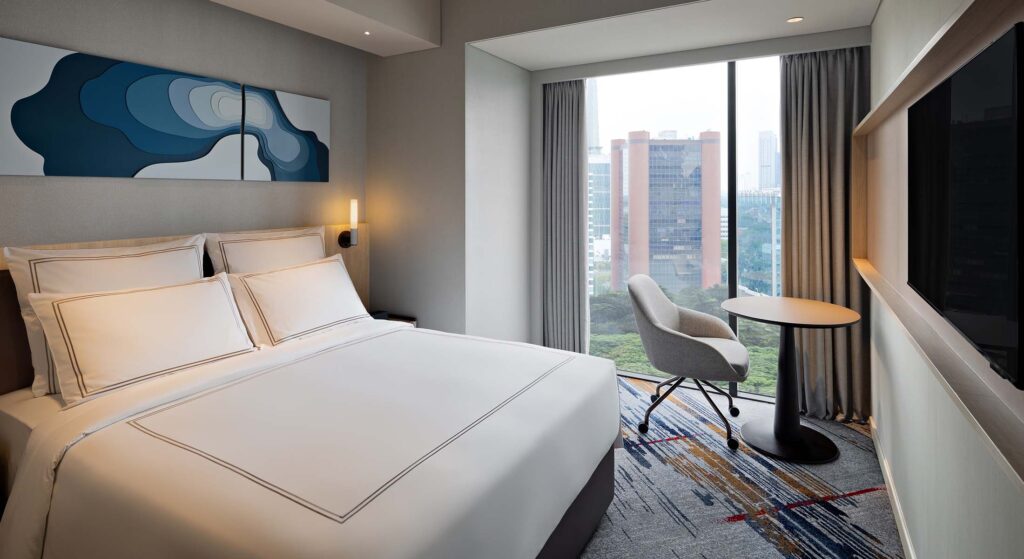
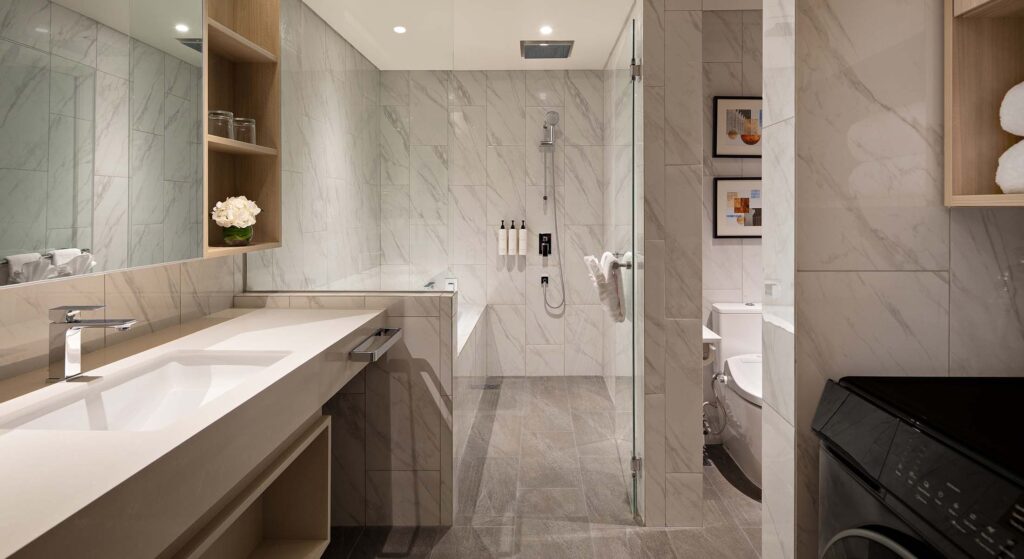
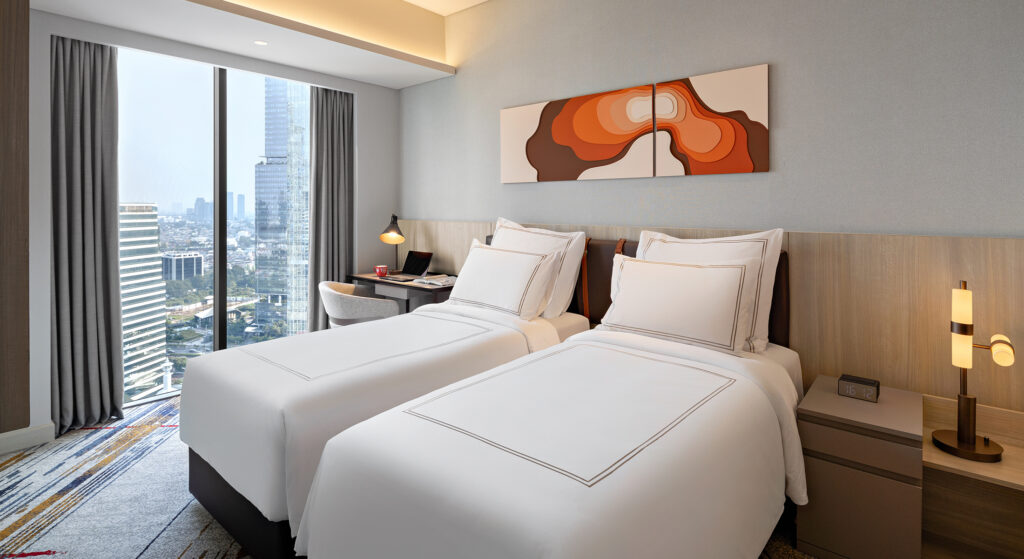
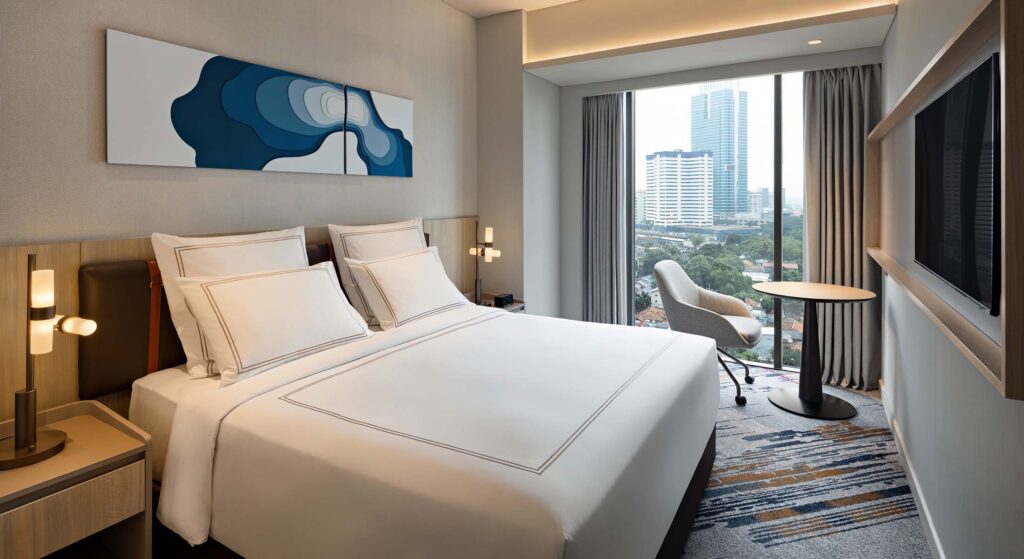
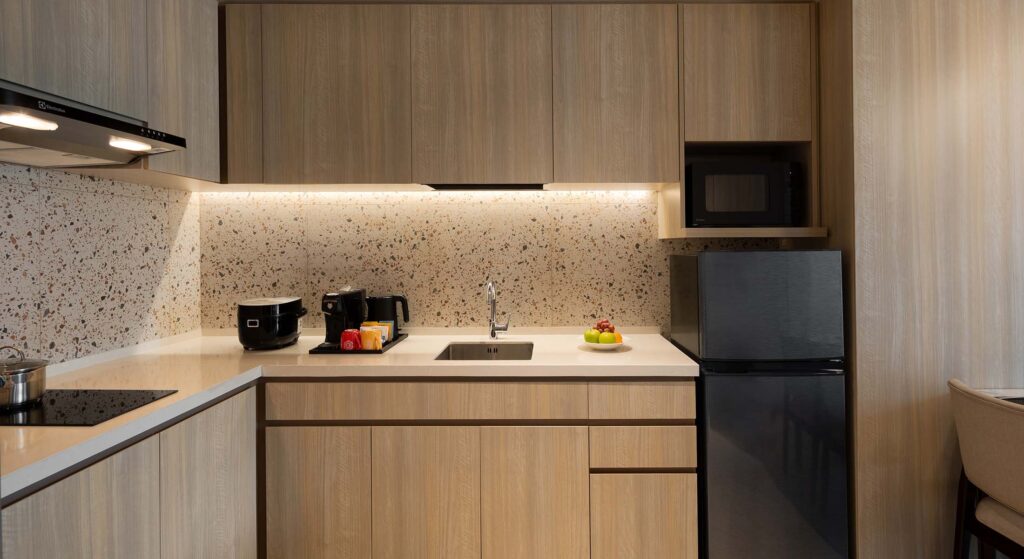
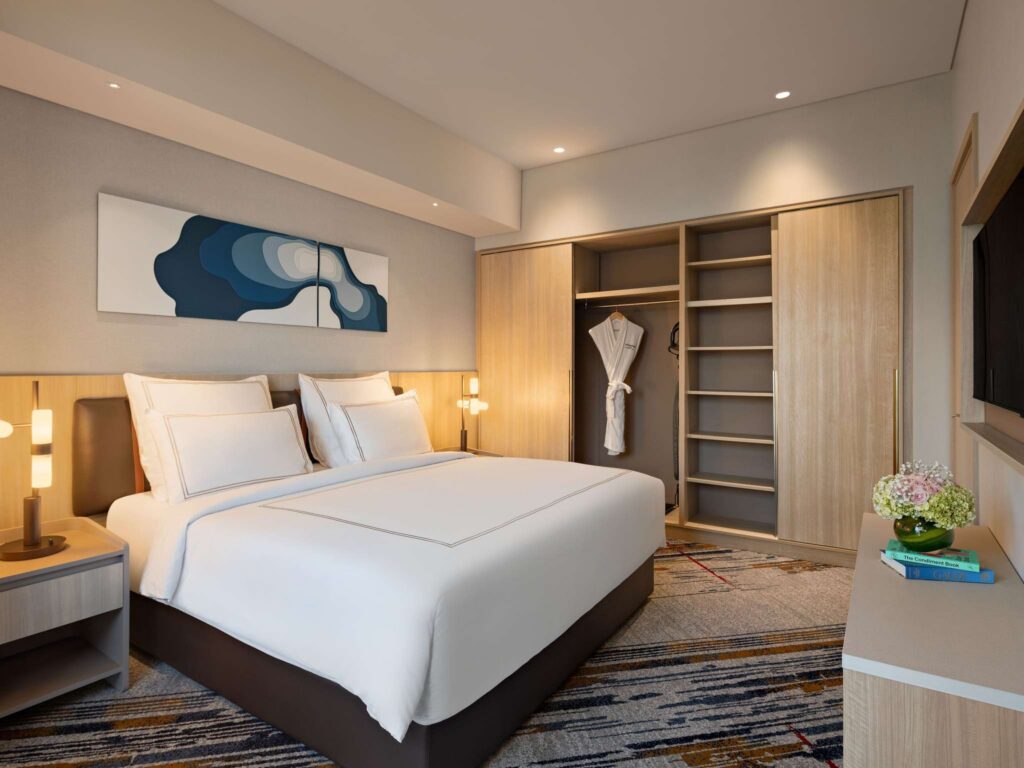
The Swiss Advantage Studio King exemplifies purpose-designed monthly accommodation with its fully equipped kitchen featuring induction stove, microwave, rice cooker, and refrigerator, plus an in-unit washing machine within a 37-square-meter layout. These features transform a hotel room into a functional residence suitable for extended occupancy.
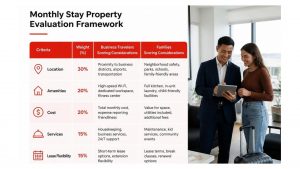
Location and Accessibility Considerations
Location requirements for monthly stays differ from vacation hotels. Proximity to workplaces, transportation hubs, grocery stores, healthcare facilities, and daily-life amenities takes precedence over tourist attractions.
Critical location factors for monthly accommodation:
- Commute time to primary workplace or business district
- Public transportation access or parking availability for personal vehicles
- Grocery stores and markets within walking distance or short drive
- Healthcare facilities and pharmacies for routine and emergency needs
- Banking, postal, and administrative services required for daily life
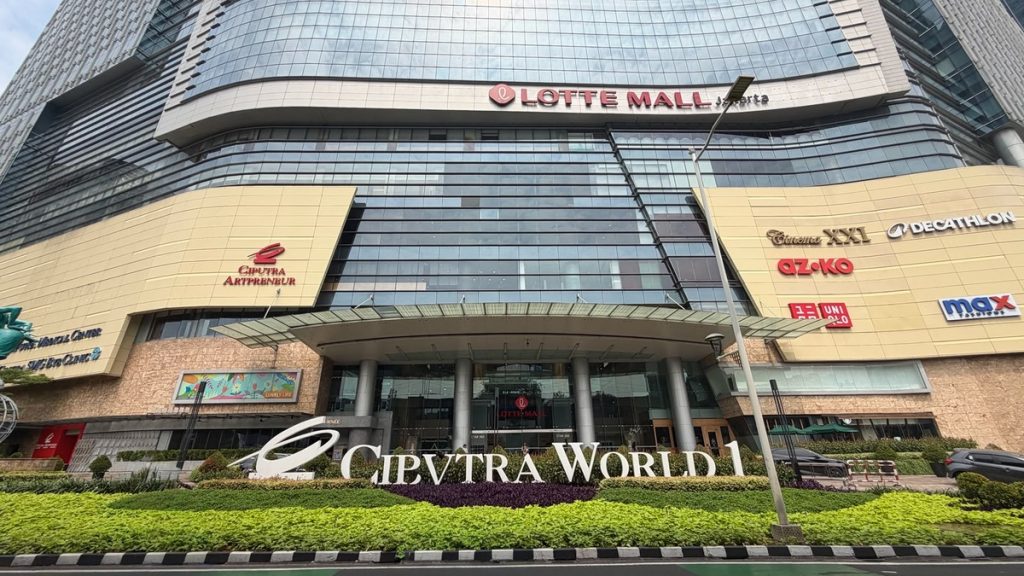
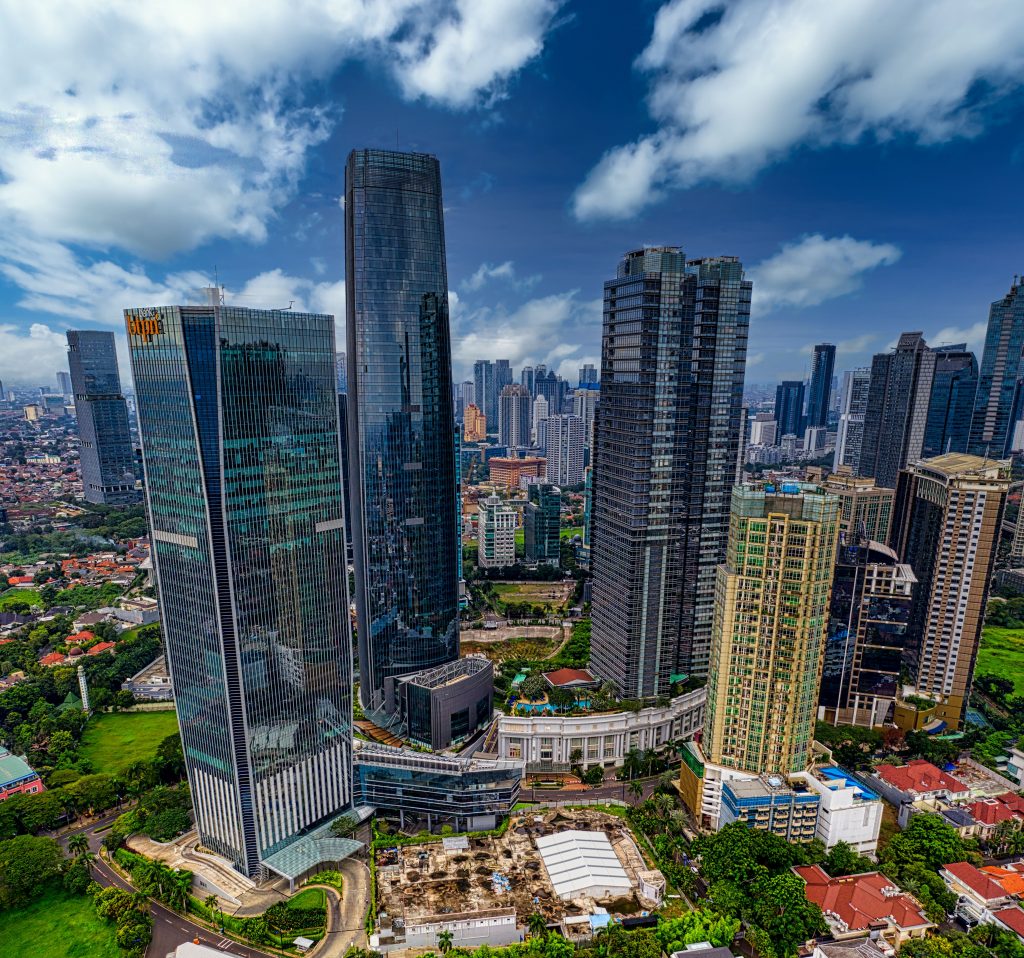
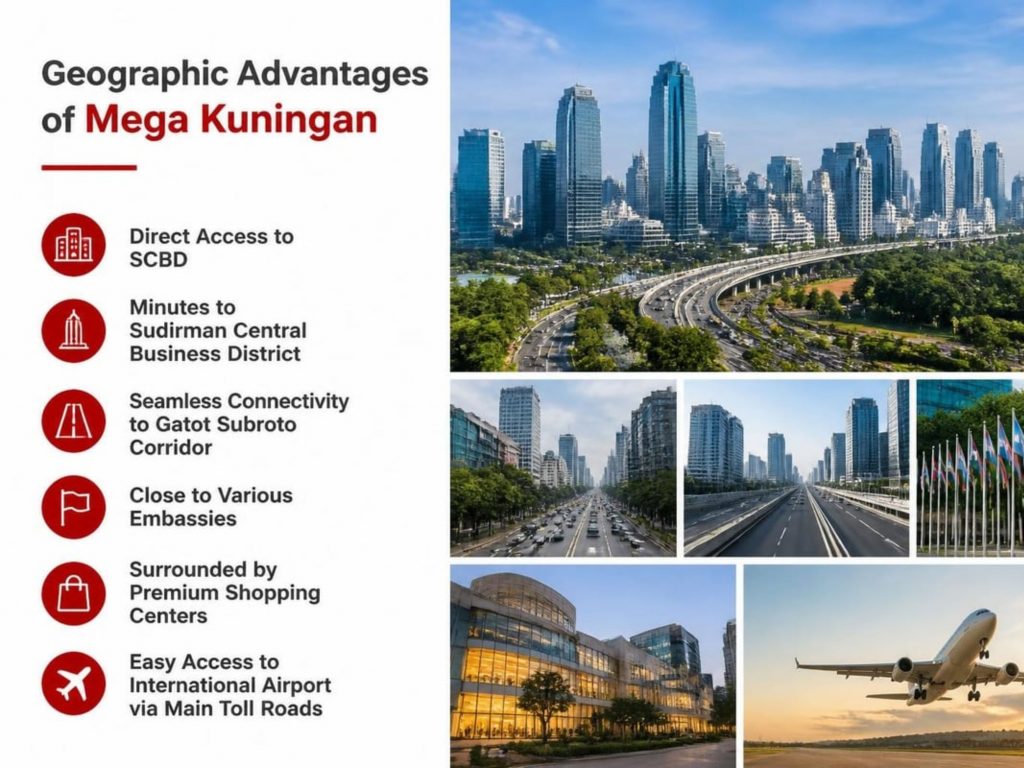
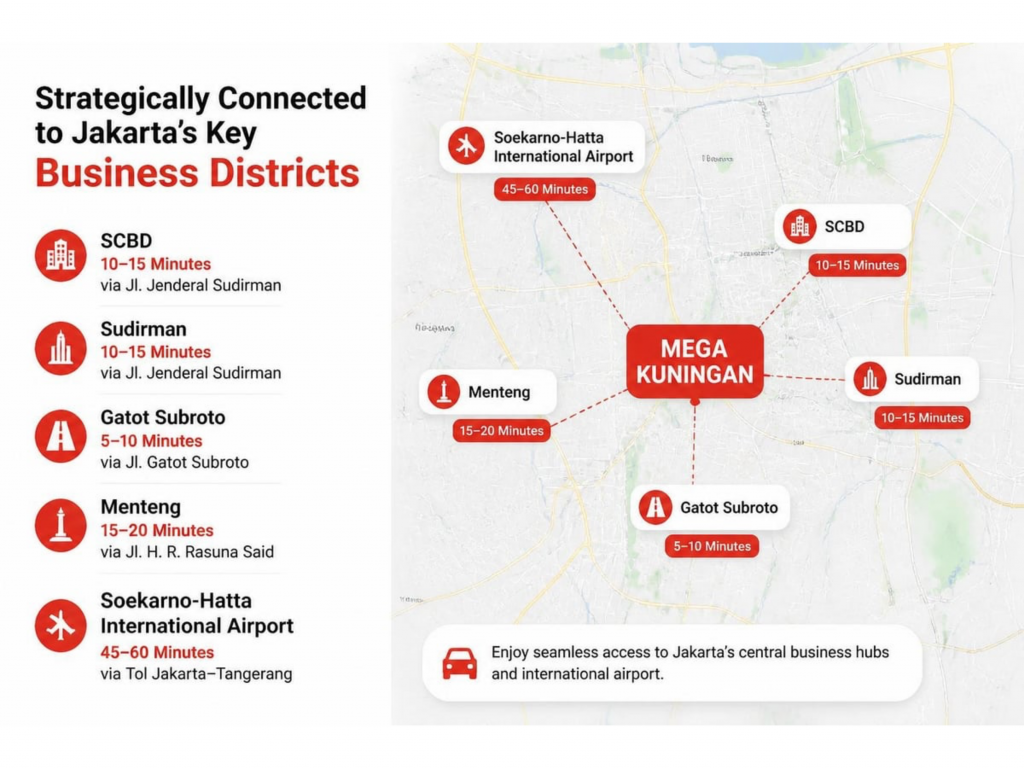
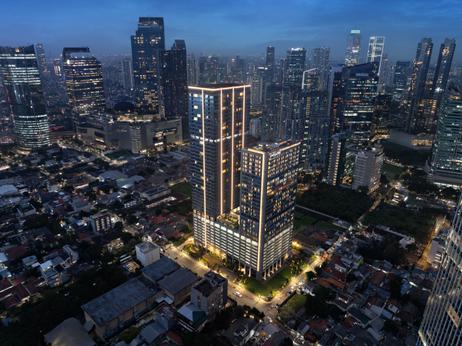
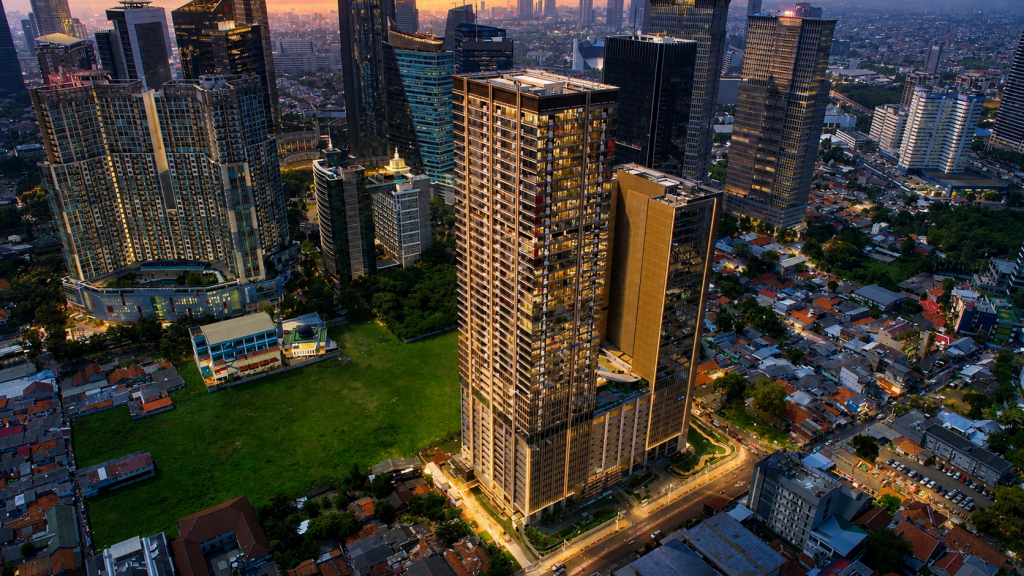
In Jakarta’s central business district, properties in Mega Kuningan offer direct access to Kuningan, SCBD, Sudirman, and Gatot Subroto areas where major corporations, embassies, and international organizations maintain offices. This centrality reduces commute stress and supports work-life balance during extended assignments.
Booking and Negotiation Strategies
Securing favorable terms for a hotel monthly stay requires different approaches than standard hotel bookings. Properties value monthly guests for revenue stability and lower operational costs, creating negotiation opportunities.
Direct Booking Versus Third-Party Platforms
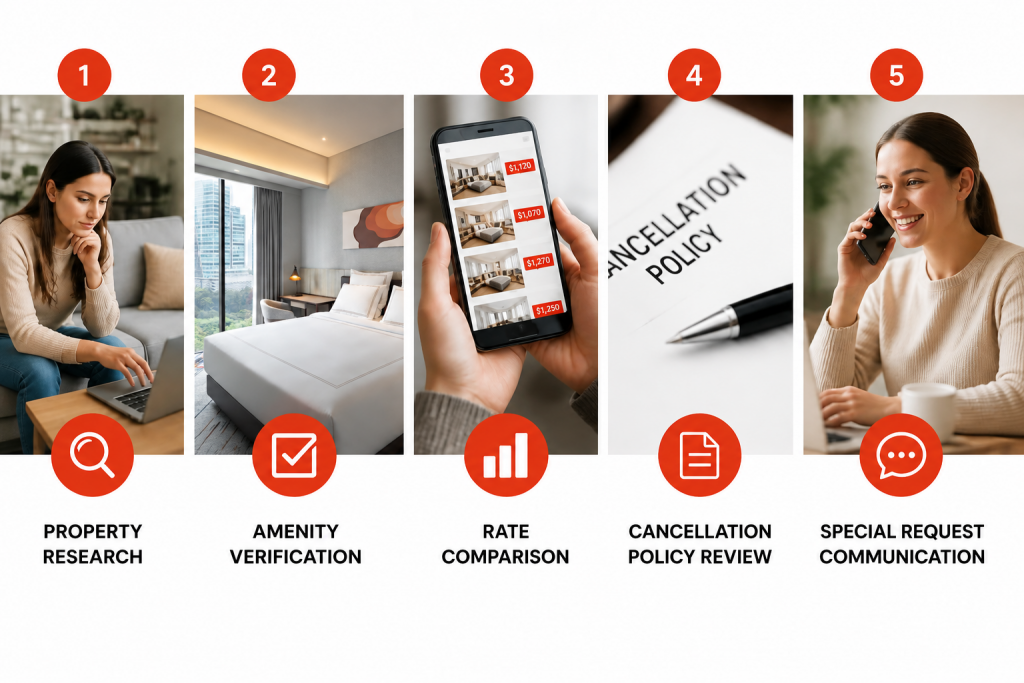
Monthly stays are typically best booked directly with properties rather than through online travel agencies. Direct contact allows negotiation of rates, services, and terms that standardized booking platforms cannot accommodate.
- Contact the property directly via phone or email to discuss monthly rates
- Inquire about corporate or extended-stay programs with published discounts
- Request detailed proposals including all fees, services, and cancellation policies
- Compare multiple properties in your target area for rate validation
- Negotiate additional value such as parking, late checkout, or service upgrades
Properties often have rate authority that reservations systems don’t reflect. A revenue manager can offer a monthly rate 20-30% below published extended-stay rates for confirmed bookings, particularly during low-demand periods or for multiple-month commitments.
Understanding Contracts and Cancellation Terms
Monthly hotel stay agreements fall into a gray area between hotel reservations and apartment leases. Clarifying terms before committing prevents disputes and unexpected costs.
Essential contract elements to verify:
- Exact rate and what it includes (utilities, internet, parking, housekeeping frequency)
- Payment schedule (advance full payment, monthly installments, deposit requirements)
- Cancellation or early departure policies and associated penalties
- Extension procedures if you need to stay beyond the initial term
- Service level agreements specifying housekeeping, maintenance response times
- Liability and insurance requirements for the guest
Some properties require a security deposit or advance payment for monthly bookings, while others bill monthly in arrears similar to an apartment lease. Understanding payment timing helps with cash flow planning and expense reporting.
Timing Your Booking for Best Value
Extended-stay rates fluctuate based on overall hotel demand, making timing a significant factor in monthly costs. Booking during peak tourist or business seasons typically yields higher monthly rates than shoulder or low seasons.
Historical extended-stay market data shows that properties in business districts often see inverse demand patterns compared to leisure destinations, with weekday strength but weekend softness. This pattern creates opportunities for monthly guests to negotiate favorable rates, particularly when booking during quarters with lower corporate travel.
Advance booking also provides leverage. Properties prefer confirmed monthly bookings that guarantee revenue over speculative transient bookings that may not materialize. A guest committing to 60-90 days with 30-45 days advance notice can often negotiate 10-15% below standard monthly rates.
Operational Aspects of Extended Hotel Stays
Living in a hotel for 30 days or more requires adjustments to routines and expectations. Understanding how daily operations differ from short stays prevents frustration and maximizes comfort.
Housekeeping and Maintenance Expectations
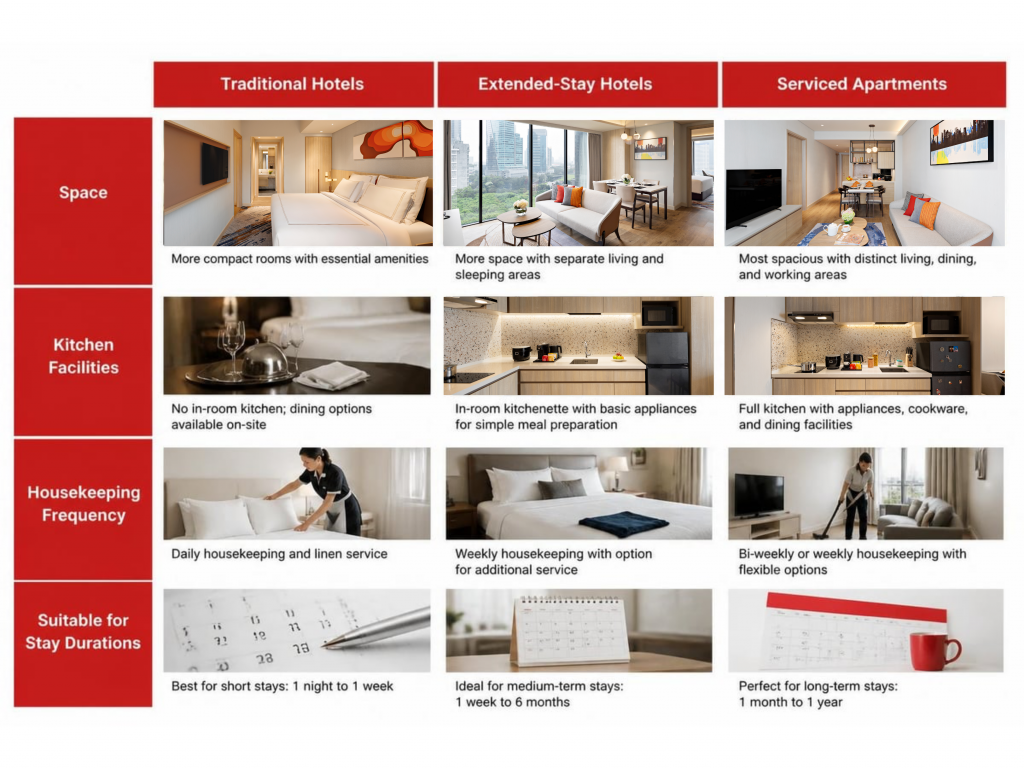
Monthly hotel stay properties typically provide modified housekeeping schedules rather than daily service. Standard arrangements include weekly or bi-weekly full cleaning with linen changes, while daily trash removal and towel exchange may be self-service or on request.
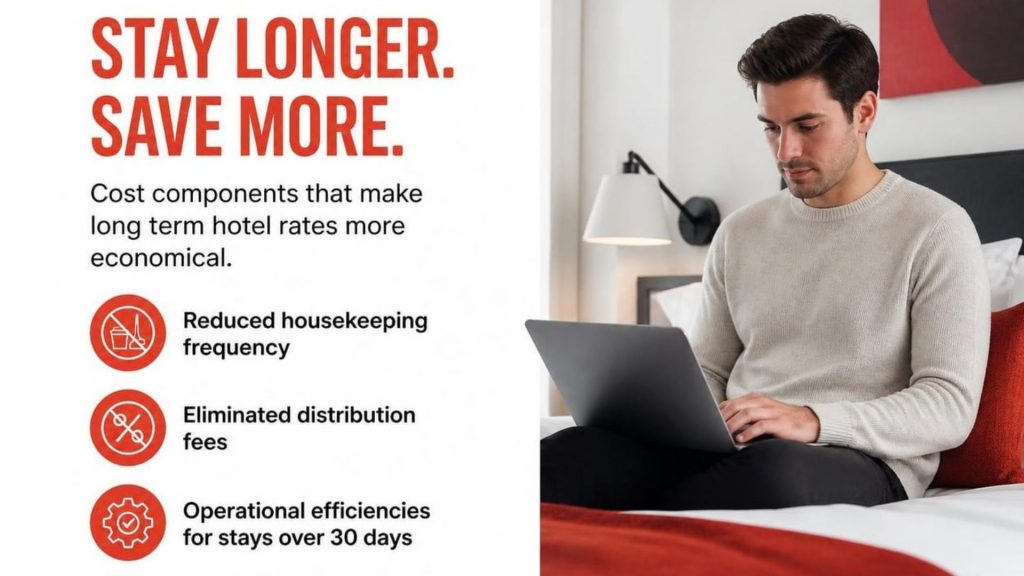
This reduced service frequency lowers operational costs that contribute to more favorable monthly rates. Guests should clarify the exact housekeeping schedule and understand how to request additional service when needed.
Maintenance response times generally remain consistent with standard hotel operations, with 24-hour availability for emergencies and scheduled service for routine requests. The property’s ability to quickly address issues becomes more important over a 30-90 day stay than during a brief visit.
Mail, Package, and Administrative Services
Receiving mail and packages at a hotel monthly stay property requires coordination with reception and concierge services. Most properties accept packages for registered guests, though procedures vary.
Administrative services to arrange:
- Package acceptance and notification procedures with front desk
- Mail forwarding or hold services if you maintain another address
- Local address for official documents if required for work permits or banking
- Storage for deliveries if you’re out when items arrive
For expatriates and professionals on extended assignments, having a reliable address for official correspondence becomes essential. Some serviced apartments provide formal address documentation suitable for visa applications, banking, and employment records.
Building Community and Local Integration
Extended hotel stays offer opportunities to establish routines and relationships impossible during brief visits. Regular interactions with staff, exploration of neighborhood restaurants and services, and connection with other long-term residents create a sense of place.
Properties with strong extended-stay cultures often facilitate resident connections through community spaces, regular social events, or informal gatherings. These connections prove valuable for newcomers seeking recommendations, professional networking, or simply social interaction.
Exploring the surrounding area systematically during your hotel monthly stay transforms unfamiliar territory into a known neighborhood. Identifying preferred grocery stores, reliable restaurants, convenient pharmacies, and pleasant walking routes makes daily life more comfortable and efficient.
Comparing Hotels to Alternative Monthly Accommodations
A hotel monthly stay represents one option among several for extended accommodation. Understanding alternatives helps confirm you’ve chosen the most suitable arrangement for your specific situation.
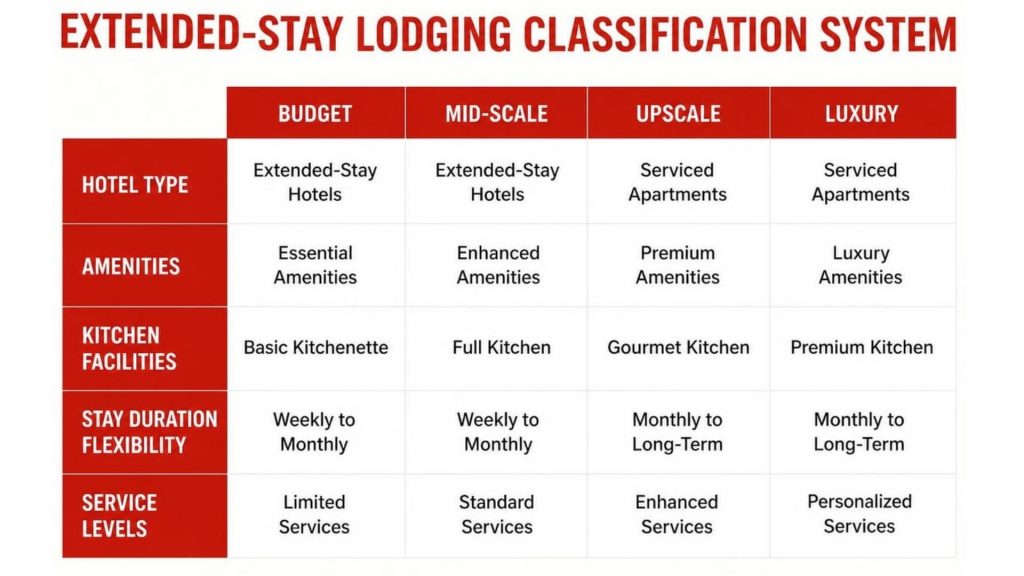
Serviced Apartments Versus Extended-Stay Hotels
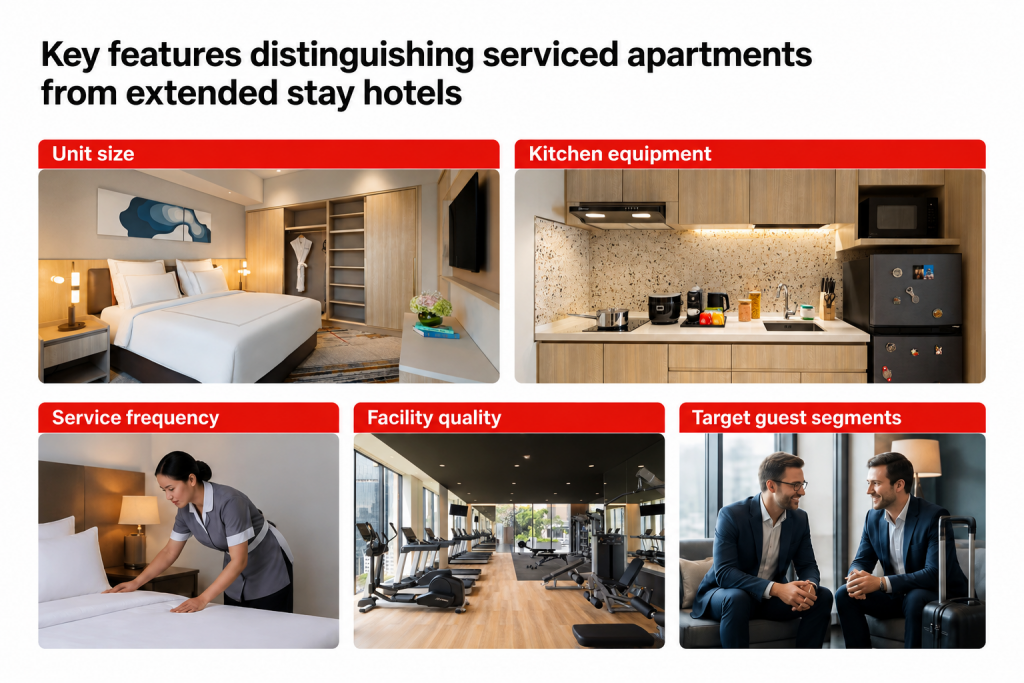
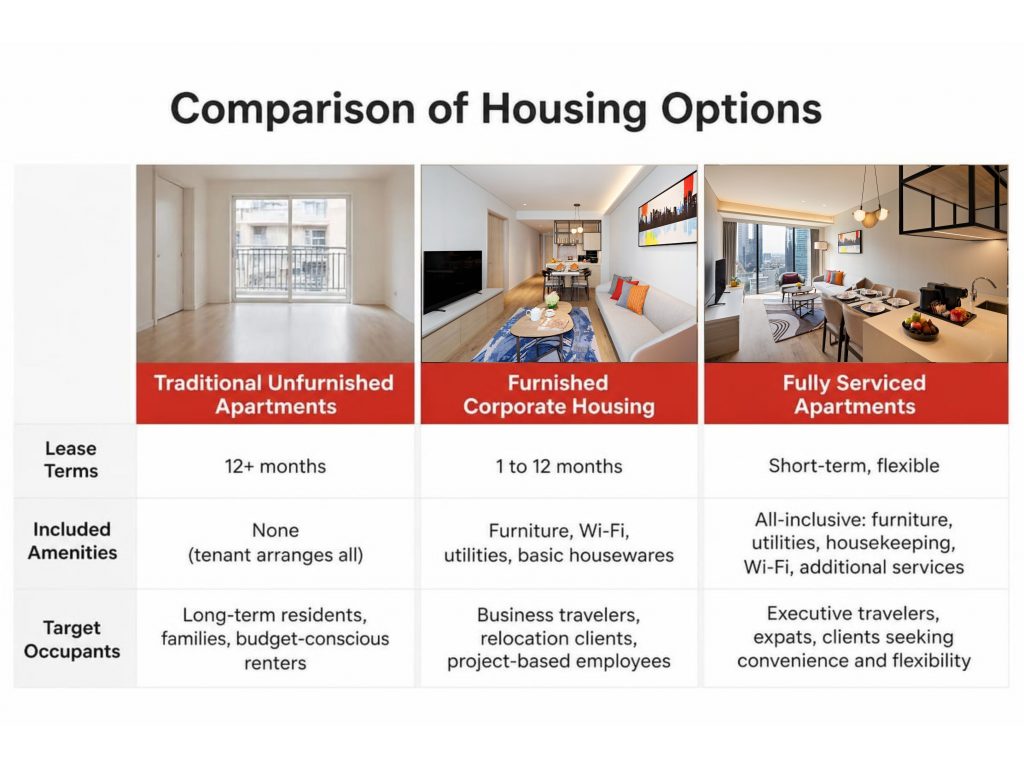
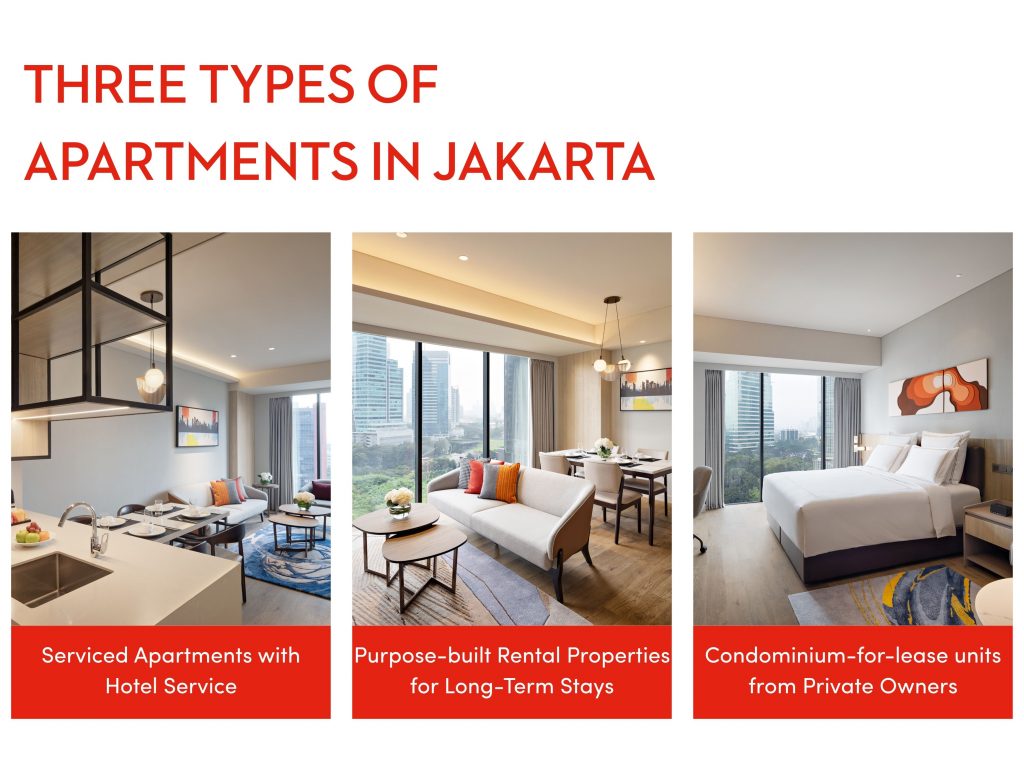
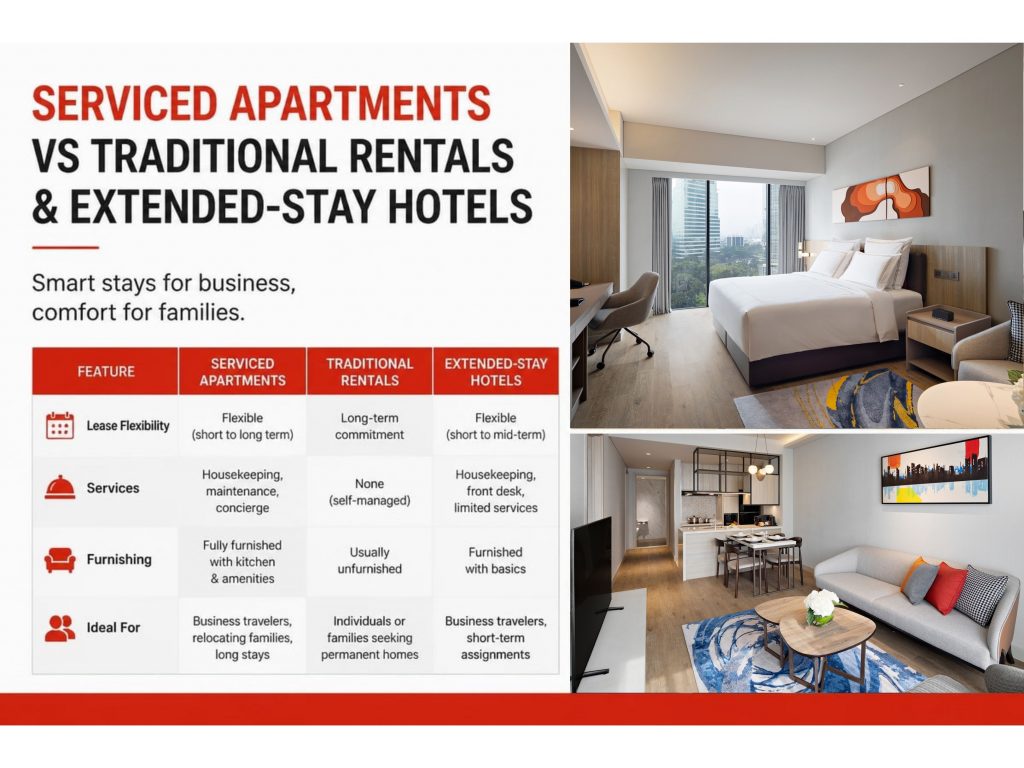
The distinction between serviced apartments and extended-stay hotels has blurred considerably, with significant overlap in target markets and service offerings. Both provide furnished accommodation with hotel-like services for guests staying weeks or months.
Serviced apartments typically offer:
- Larger living spaces with distinct bedroom and living areas
- Full kitchens with complete cooking equipment and dining areas
- Residential building design rather than hotel corridor layout
- More flexible lease terms including monthly and annual options
- Hotel services including reception, housekeeping, and concierge
Extended-stay hotel brands focus on efficiency and standardization, often with smaller units but consistent quality across multiple locations. Serviced apartments emphasize space and residential character, attracting families and executives who prioritize comfort over brand consistency.
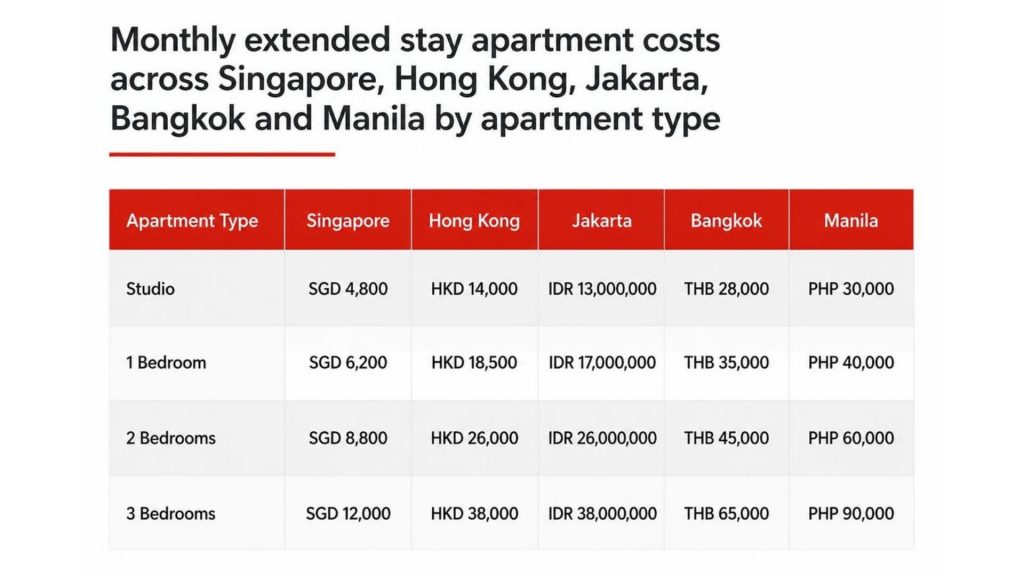
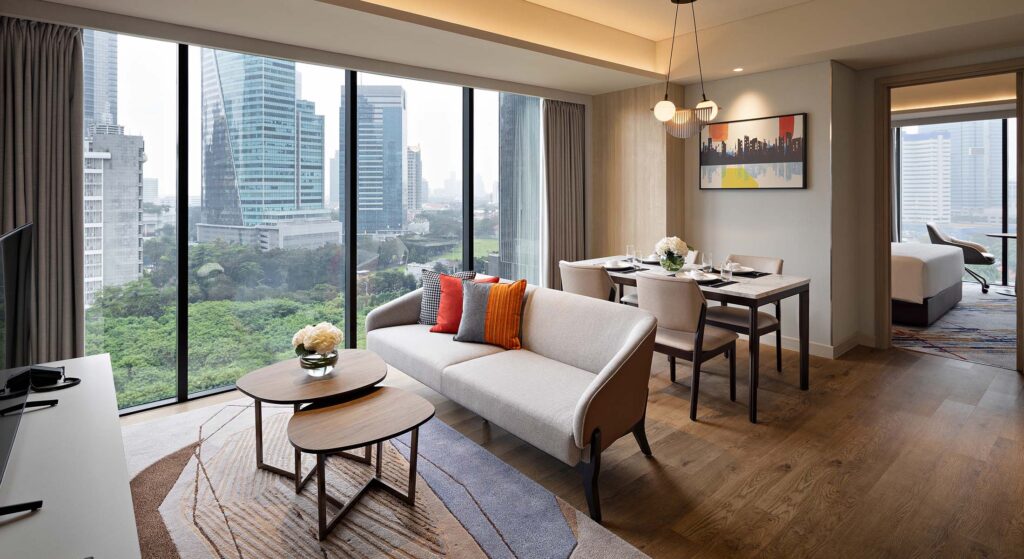
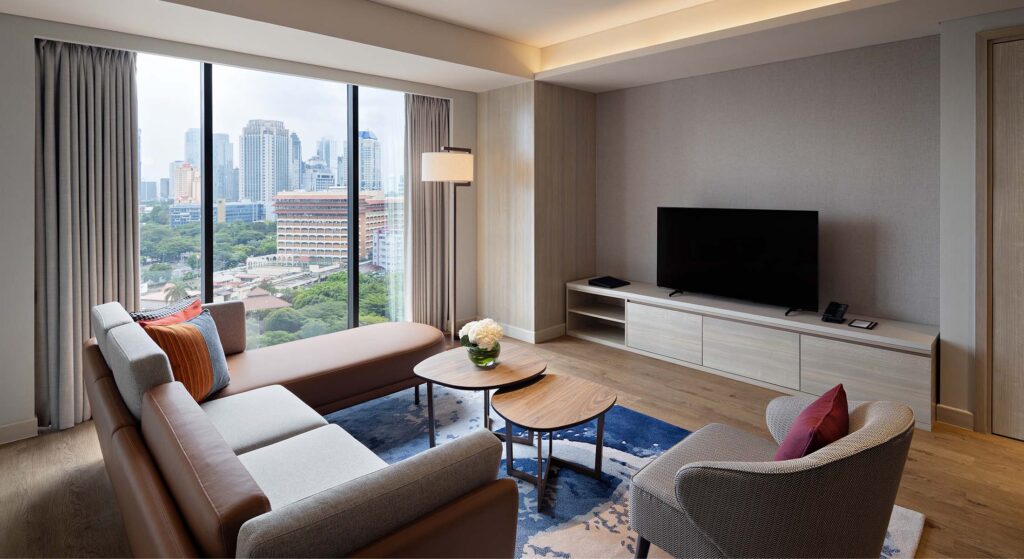
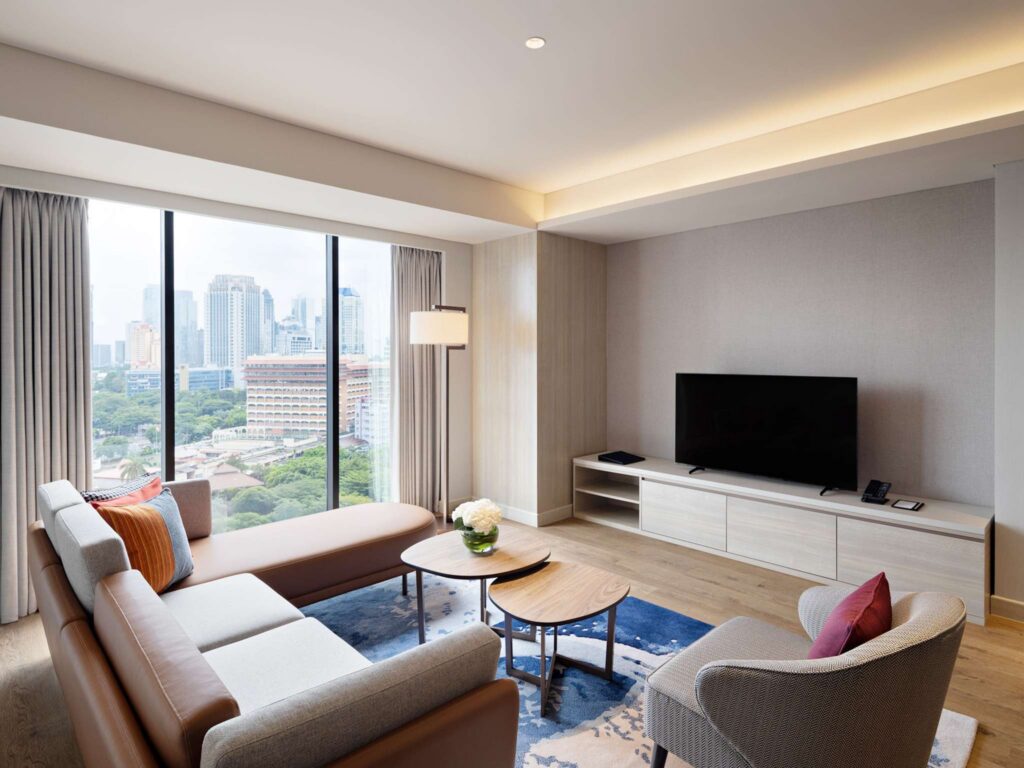
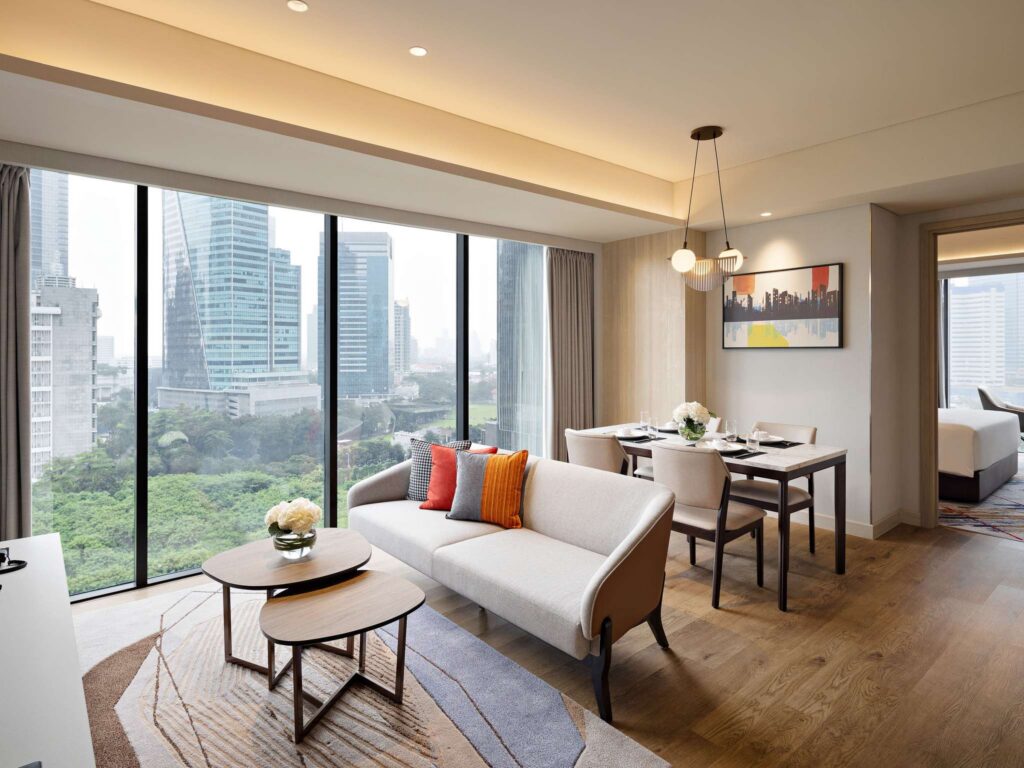
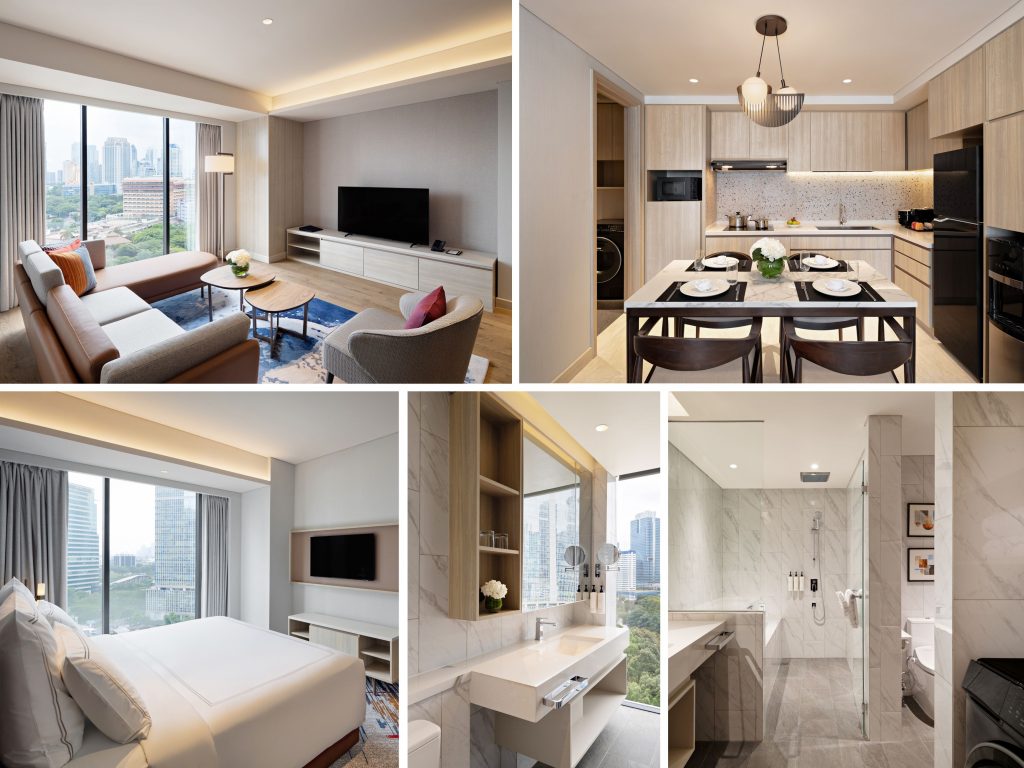
For guests requiring extended stays in Jakarta’s business districts, serviced apartments offer configurations from studios to three-bedroom residences, providing scalability as family size or team requirements vary. This flexibility proves particularly valuable for companies housing multiple employees or families with children.
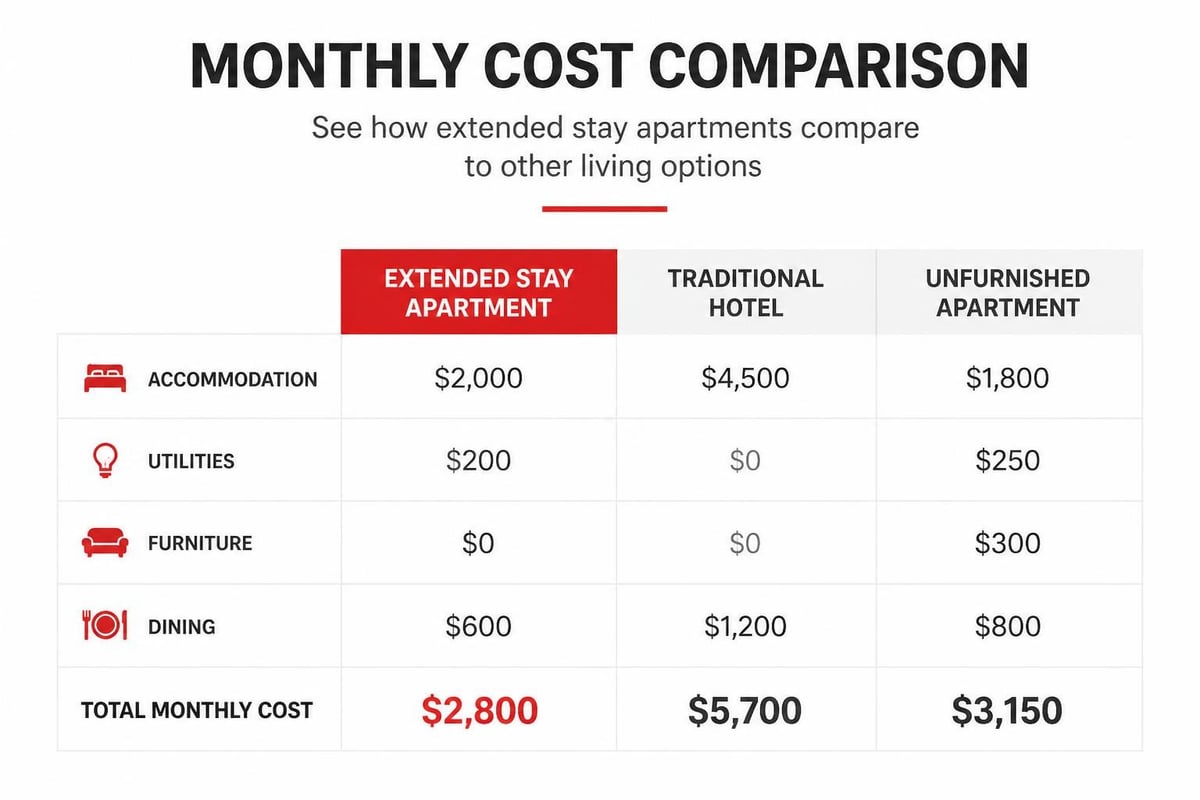
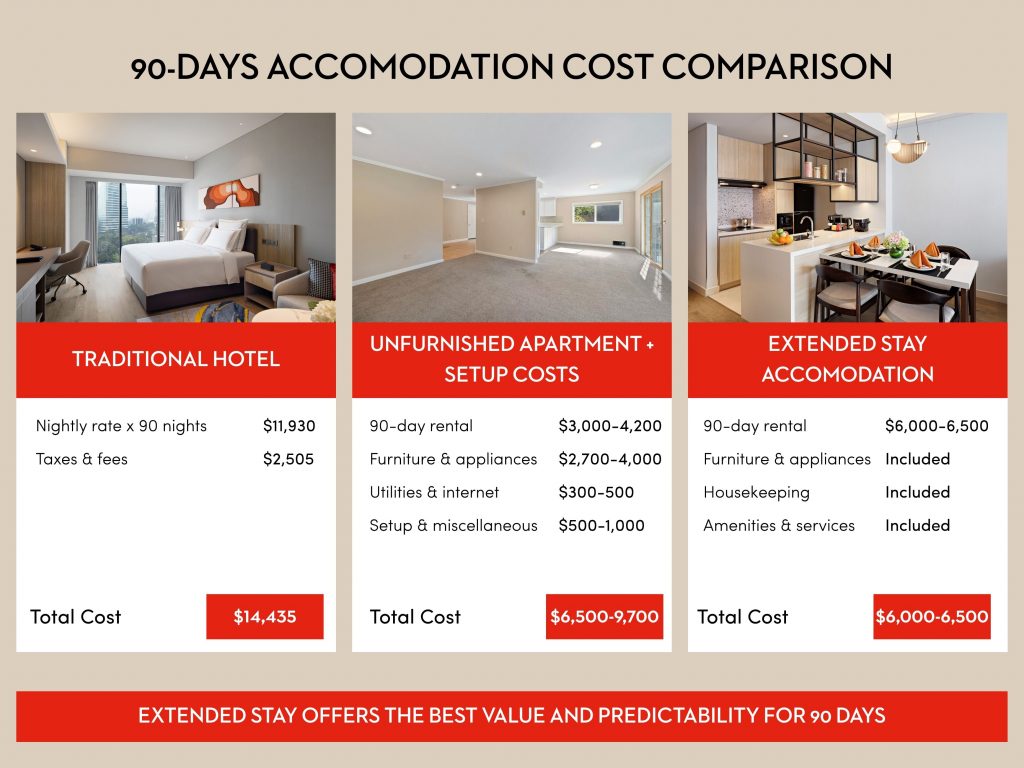
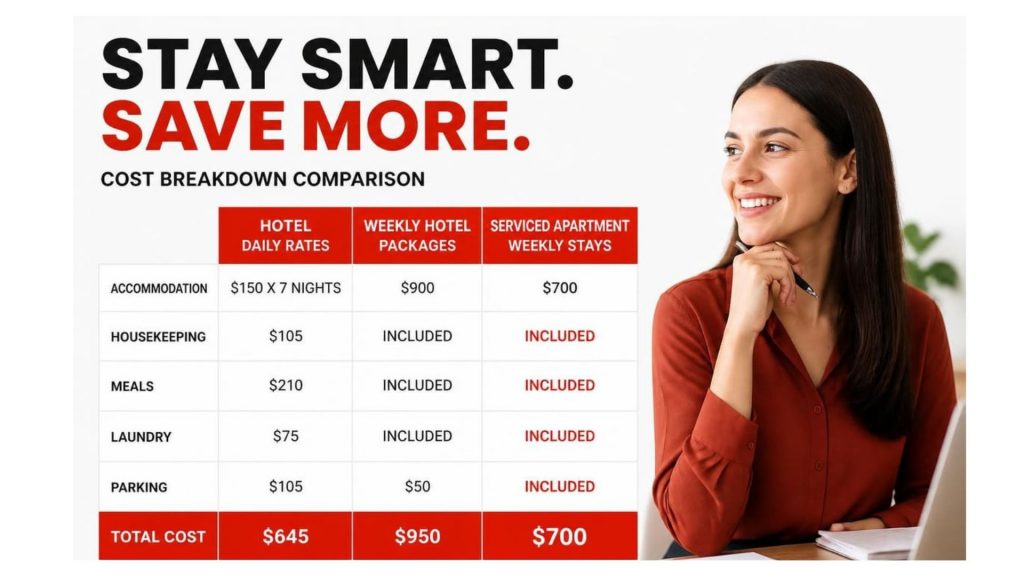
Comparing Costs Across Accommodation Types
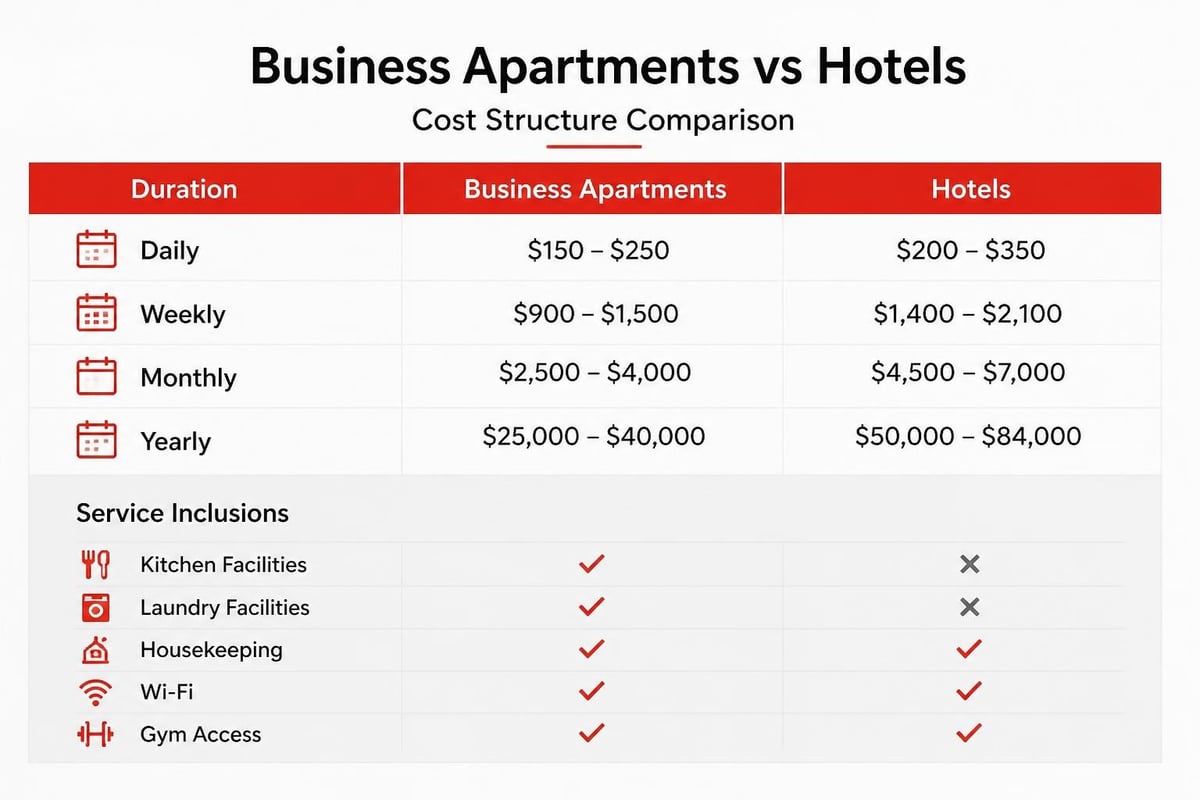
The true cost comparison between a hotel monthly stay and alternatives requires examining total expenses rather than just base rent. Hidden costs in traditional rentals can eliminate apparent savings.
| Expense Category | Hotel Monthly Stay | Furnished Rental | Unfurnished Rental |
|---|---|---|---|
| Base rent | $2,500-4,500 | $1,800-3,500 | $1,200-2,800 |
| Utilities (electric, water, gas) | Included | $150-300 | $150-300 |
| Internet and cable | Included | $80-150 | $80-150 |
| Furniture rental/purchase | Included | $0-500 | $2,000-8,000 |
| Housekeeping | Included (weekly) | $200-400 | $200-400 |
| Setup/activation fees | $0 | $200-600 | $500-1,500 |
| Security deposit | $0-500 | 1-2 months rent | 2-3 months rent |
| Total first month | $2,500-4,500 | $4,200-7,900 | $6,100-17,800 |
The analysis shows that hotel monthly stays offer significant advantages in total cost and convenience for stays under six months. Traditional rentals become more economical only when the stay extends beyond six months and setup costs amortize over longer periods.
Flexibility and Commitment Considerations
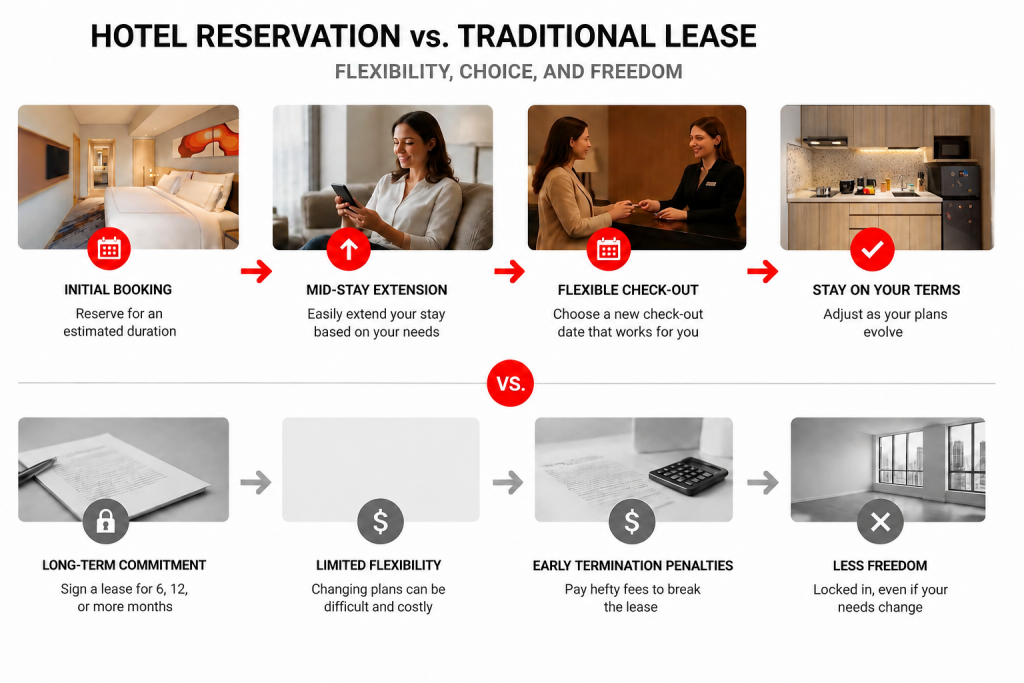
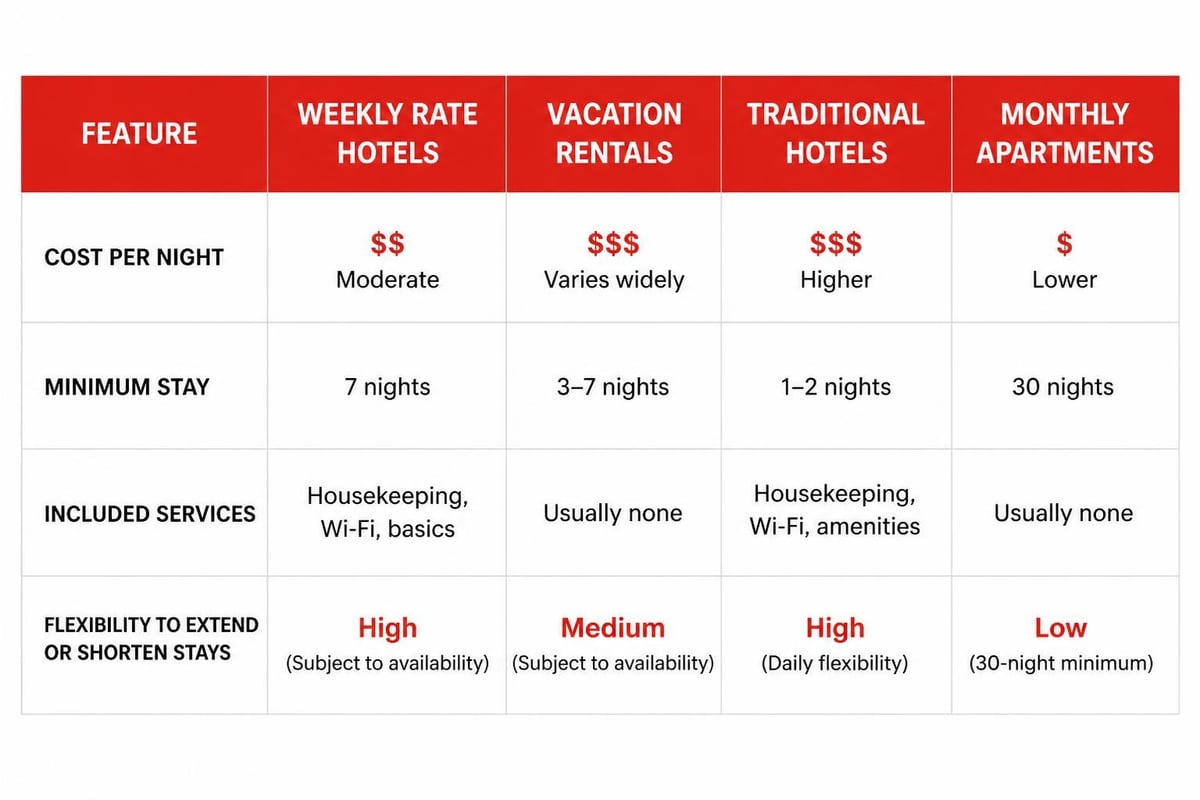
The ability to extend, shorten, or relocate without penalty represents a crucial advantage of hotel monthly stays. Traditional leases typically require 6-12 month commitments with penalties for early termination.
Flexibility dimensions to evaluate:
- Minimum commitment period and penalties for early departure
- Extension procedures and rate guarantees for additional months
- Notice requirements for departure or extension decisions
- Transfer options to different properties in the same portfolio
- Cancellation terms if plans change before arrival
For professionals on project assignments where timelines shift frequently, or expatriates uncertain about their long-term location, the flexibility premium of a hotel monthly stay justifies higher per-day costs. The ability to extend by 30 days with a week’s notice or depart after the initial term without penalty provides invaluable optionality.
Maximizing Value During Your Monthly Stay
Once committed to a hotel monthly stay, specific strategies enhance comfort, manage costs, and improve the overall experience throughout your extended residence.
Establishing Efficient Routines
Creating sustainable daily routines transforms a hotel room into a functional home. Unlike vacation stays where novelty drives activities, monthly residence requires systems for work, meals, exercise, and downtime.
Recommended routine frameworks:
- Morning workspace setup to create psychological separation between rest and work areas
- Meal planning and grocery shopping on consistent days to maintain stocked kitchens
- Regular exercise schedule using property fitness facilities or nearby gyms
- Weekly housekeeping coordination to minimize disruption while maintaining cleanliness
- Exploration time dedicated to discovering neighborhood resources and amenities
The transition from hotel guest to temporary resident happens gradually. Properties with comprehensive amenities support this transition better than those with limited facilities, as gaps in property offerings require external solutions that consume time and money.
Building Relationships with Property Staff
Long-term guests develop relationships with reception, housekeeping, maintenance, and concierge staff that enhance service quality and problem resolution. Staff members become familiar with your preferences, routines, and needs, enabling proactive service.
Simple practices like learning staff names, expressing appreciation for good service, and communicating clearly about preferences create positive dynamics. When issues arise, established relationships typically result in faster, more satisfactory resolutions than the formal complaint processes required for anonymous guests.
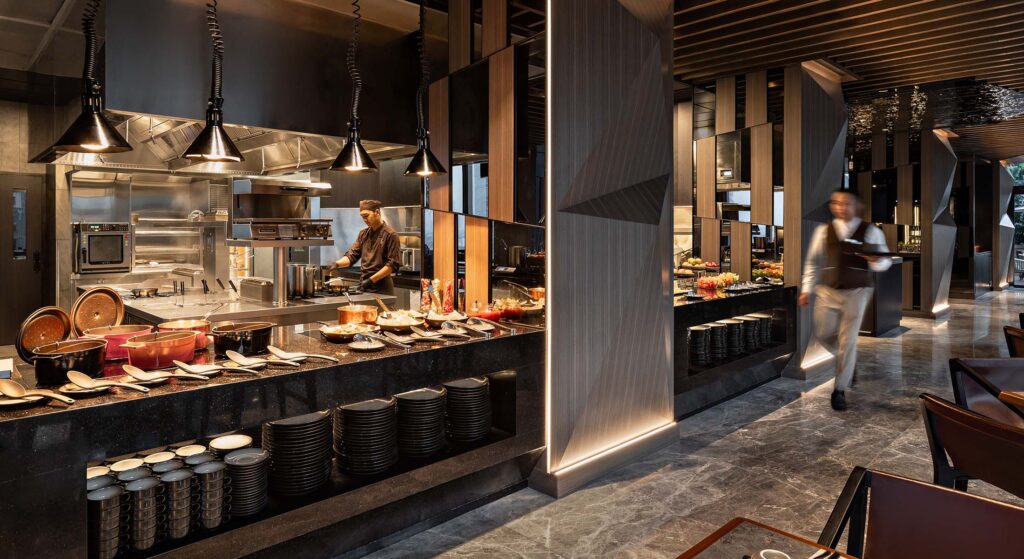
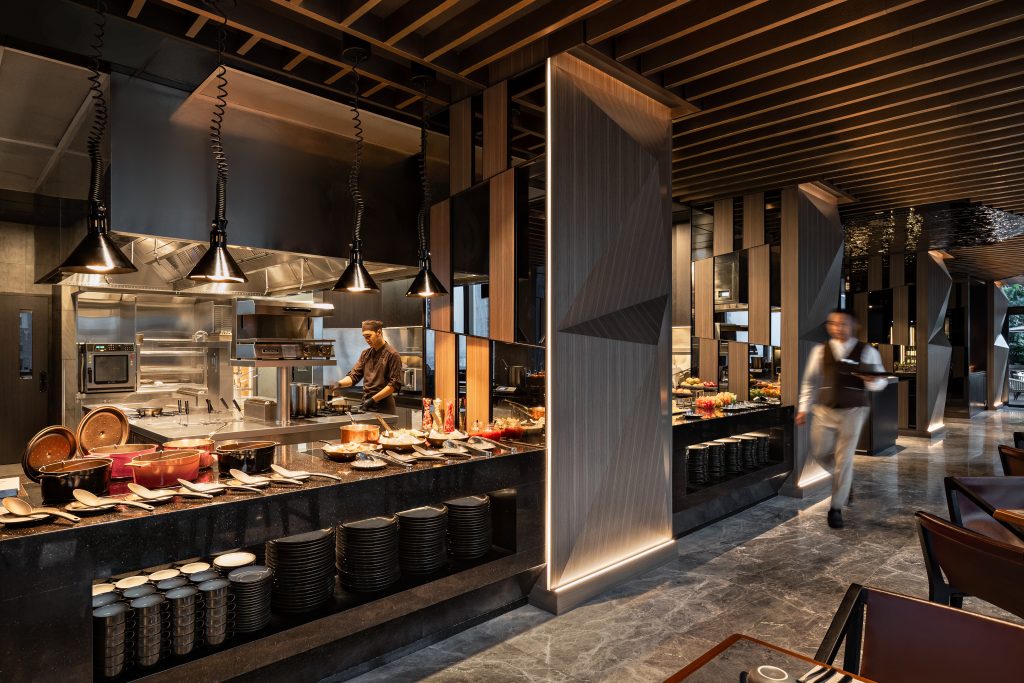
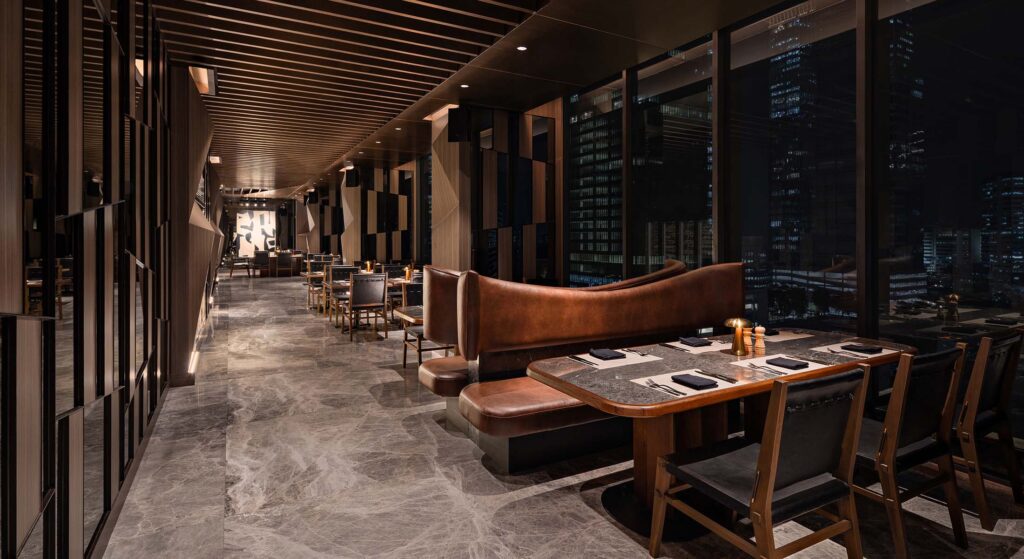
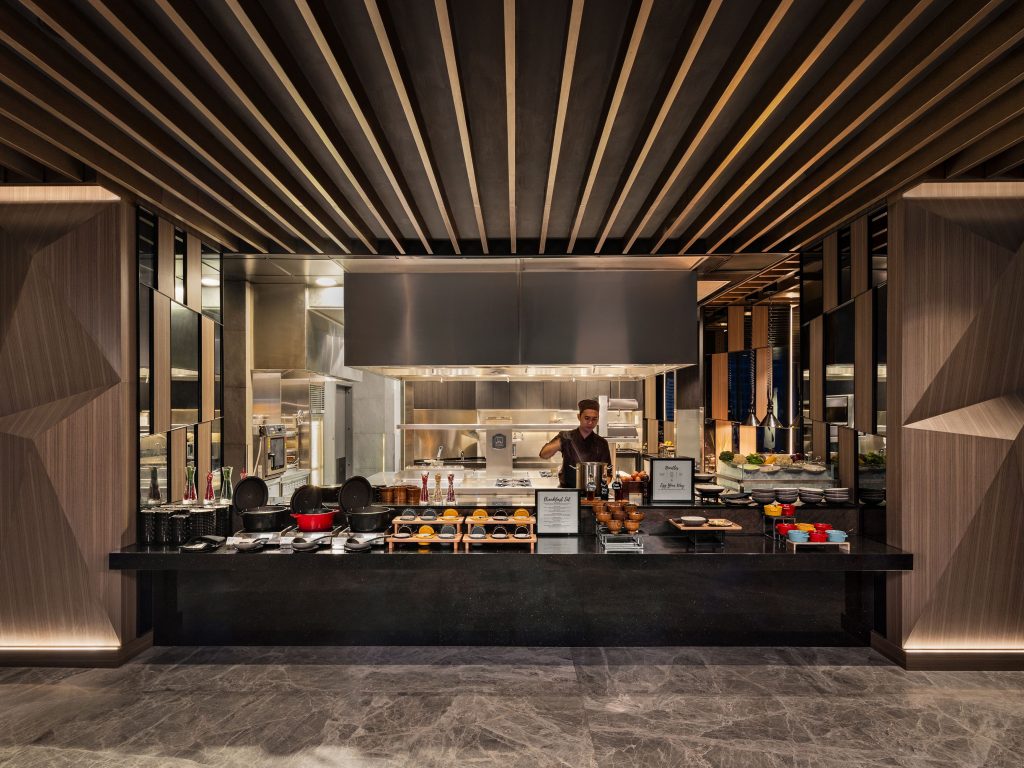
For properties with on-site dining, becoming a regular patron of the restaurant or café creates social connection and convenience. Understanding menu options, staff schedules, and daily specials makes dining decisions simpler and builds community within the property.
Expense Management and Documentation
Corporate travelers and self-employed professionals need systematic expense documentation for a hotel monthly stay. The monthly billing cycle simplifies tracking compared to daily hotel invoices, but requires different record-keeping approaches.
Essential expense documentation practices:
- Request itemized monthly invoices showing base rate, taxes, and any additional charges separately
- Maintain receipts for expenses not included in monthly rate such as parking, dining, or extra services
- Photograph accommodations and amenities for expense report substantiation if required
- Document business purpose for tax deductibility or corporate reimbursement compliance
- Track arrival and departure dates precisely for tax reporting and rate calculations
Properties providing detailed monthly invoices with clear breakdowns simplify expense reporting significantly. For frequently asked questions about billing and documentation, guests can reference property FAQ pages to understand invoice formats and request specific documentation.
Technology and Connectivity for Extended Stays
Reliable technology infrastructure becomes critical during a hotel monthly stay, particularly for remote workers and digital professionals conducting business from their accommodation.
Internet and Connectivity Requirements
Standard hotel Wi-Fi designed for email and web browsing often proves inadequate for video conferencing, large file transfers, and simultaneous device usage common during extended stays. Monthly guests should verify internet capabilities before committing.
Critical connectivity specifications to confirm:
- Download and upload speeds sufficient for your work requirements (minimum 25/10 Mbps)
- Network stability and reliability during business hours
- Device connection limits for guests with multiple devices
- Availability of ethernet connections for desktop computers or enhanced stability
- Guest network security including VPN compatibility for corporate access
- Tech support availability for connectivity issues
Properties catering to business travelers typically provide enterprise-grade internet with guaranteed speeds and redundant connections. For critical work needs, request speed test results or trial the connection before finalizing a monthly booking.
Smart Room Features and Automation
Modern serviced apartments increasingly incorporate smart technology for climate control, lighting, entertainment, and security. These systems enhance comfort but require orientation for optimal use during extended stays.
Understanding climate control systems prevents discomfort and energy waste. Many properties use advanced HVAC systems with scheduling and zone control that guests unfamiliar with the technology may not fully utilize. Brief orientation from staff or property management maximizes comfort and efficiency.
Entertainment systems in monthly accommodation typically include smart TVs with streaming capability, allowing guests to access personal accounts on Netflix, Amazon Prime, or regional services. The ability to customize entertainment to personal preferences rather than relying on cable packages improves residential comfort.
Health, Wellness, and Lifestyle Considerations
Extended hotel living impacts physical and mental health differently than brief stays. Properties with comprehensive wellness facilities and thoughtful design support healthier long-term residence.
Fitness and Wellness Facilities
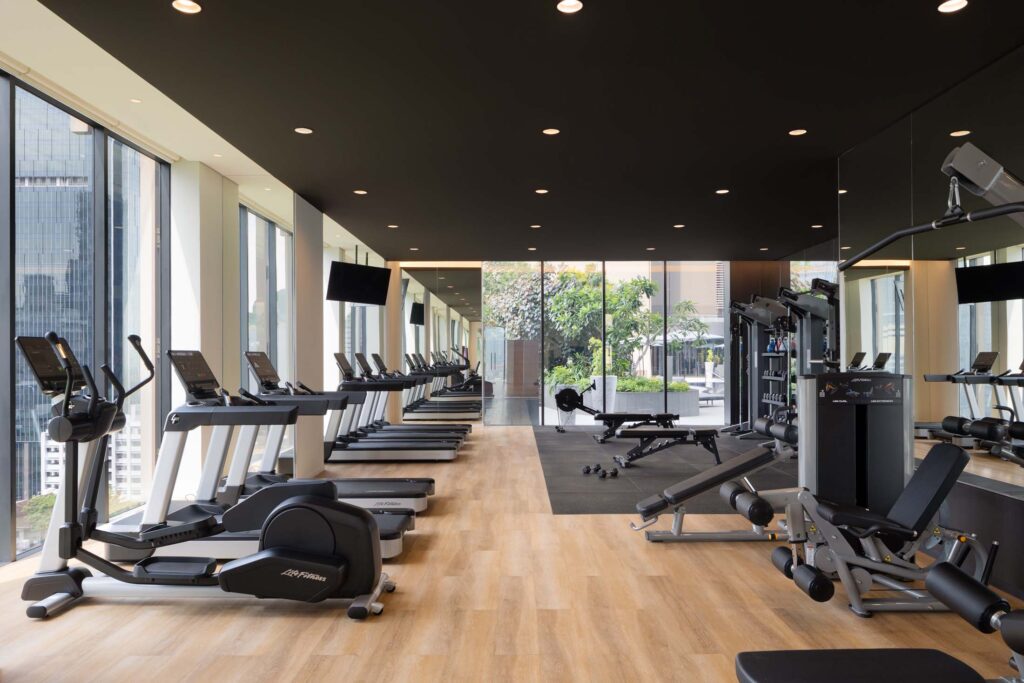
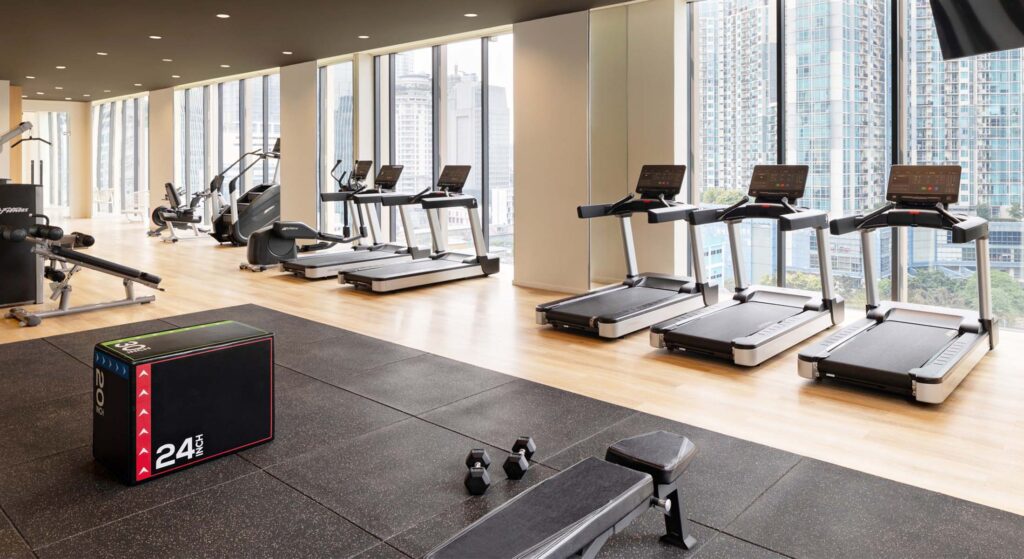
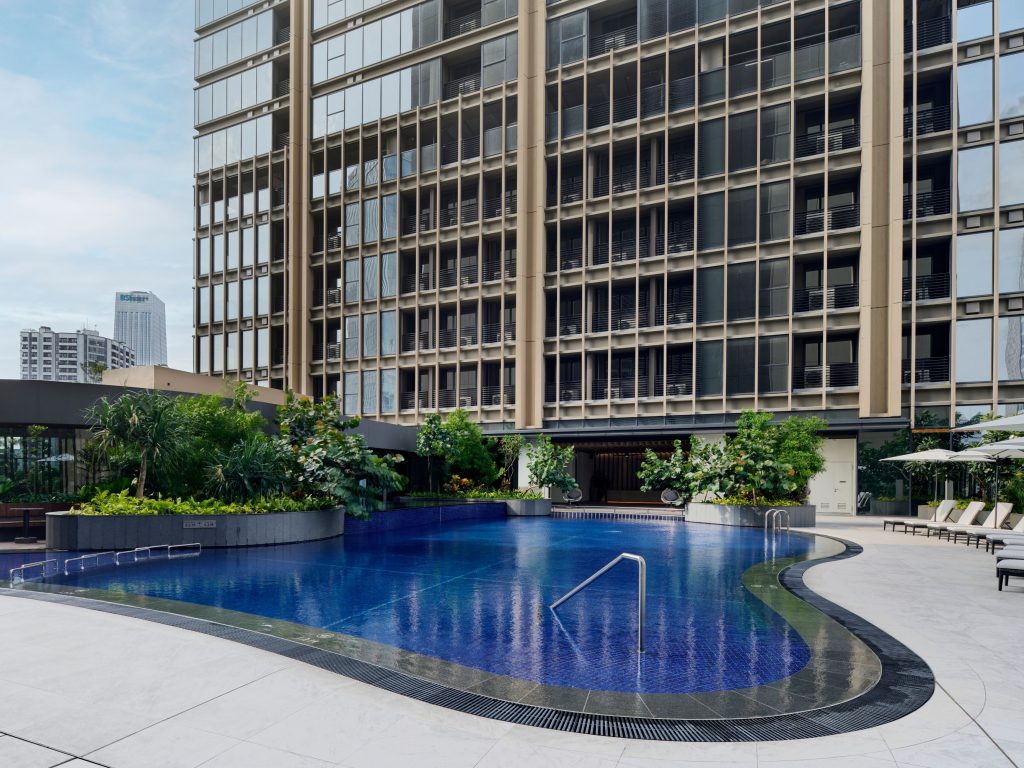
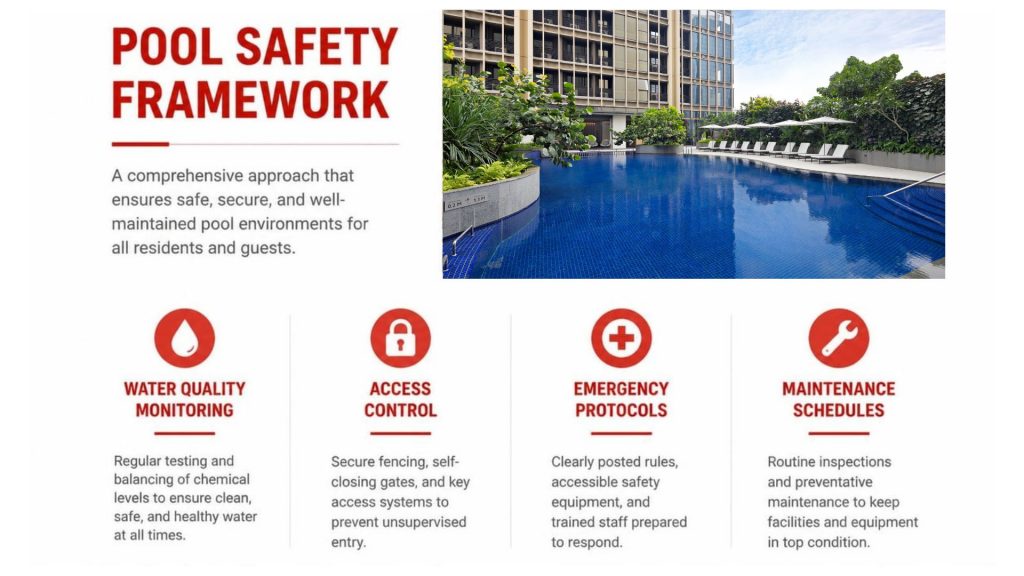
Access to quality fitness facilities within your hotel monthly stay property eliminates a significant barrier to maintaining exercise routines. On-site gyms, swimming pools, and wellness amenities provide convenient options without requiring external gym memberships or commute time.
Wellness amenities that enhance monthly stays:
- Fitness centers with cardiovascular and strength training equipment
- Swimming pools for low-impact exercise and relaxation
- Yoga or multipurpose studios for classes or individual practice
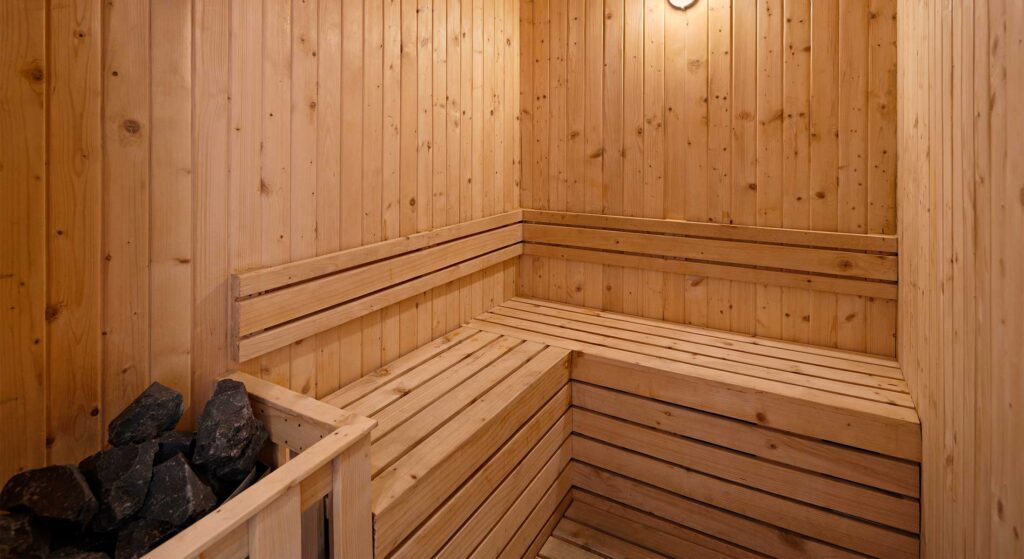
- Spa facilities for stress management and recovery
- Outdoor spaces for walking, running, or outdoor activities
Regular exercise supports both physical health and mental well-being during extended stays away from home. Properties with 24-hour fitness access accommodate varied work schedules and time zones for international business travelers.
Mental Health and Social Connection
Extended time in hotel accommodation can create feelings of isolation, particularly for solo travelers far from home. Proactive strategies for social connection and mental health support successful adjustment.
Exploring neighborhood cafes, co-working spaces, restaurants, and community centers creates familiarity and occasional social interaction. For longer stays, joining local interest groups, sports leagues, or professional organizations provides structured connection opportunities.
Properties that facilitate guest interaction through common areas, social events, or resident communities help combat isolation. Some extended-stay properties organize monthly resident gatherings, networking events, or cultural activities that create opportunities for connection among guests in similar situations.
Nutrition and Cooking in Extended-Stay Accommodation
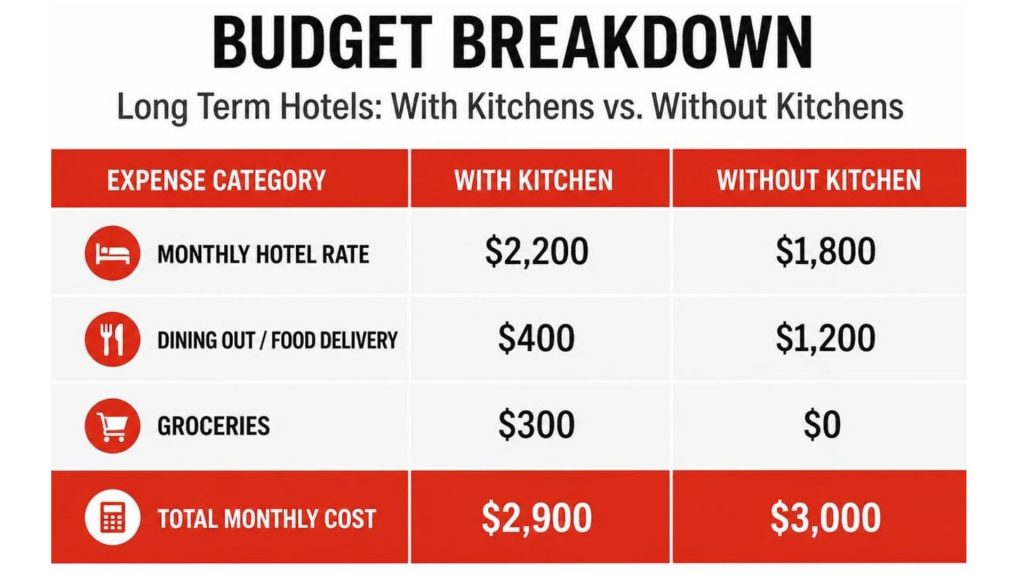
The presence of a full kitchen in a hotel monthly stay enables healthier eating and significant cost savings compared to restaurant reliance. However, stocking and maintaining a functional kitchen requires planning.
Initial kitchen setup involves purchasing basic pantry staples, spices, cooking oils, and frequently used ingredients. Many monthly guests underestimate setup costs and time, then default to restaurant dining by default rather than choice.
Essential kitchen supplies for monthly stays:
- Cooking basics: Oil, salt, pepper, basic spices
- Breakfast staples: Coffee/tea, eggs, bread, cereal
- Pantry foundations: Rice, pasta, canned goods
- Fresh ingredients: Purchased weekly based on meal plans
- Storage containers: For leftovers and meal preparation
Local grocery delivery services significantly ease the burden of initial kitchen stocking, particularly for international arrivals unfamiliar with local markets. Many Jakarta properties can recommend reliable delivery services or nearby markets within walking distance.
A hotel monthly stay offers compelling value for professionals, expatriates, and families requiring flexible extended accommodation without traditional lease commitments. The combination of residential space, hotel services, full amenities, and operational flexibility addresses needs that neither short-term hotels nor conventional rentals fully satisfy.
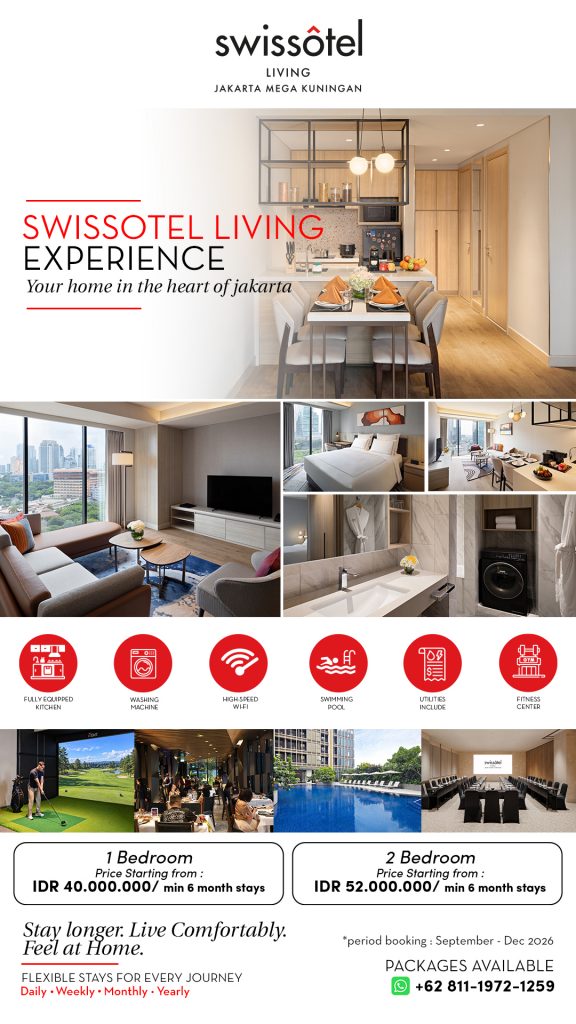
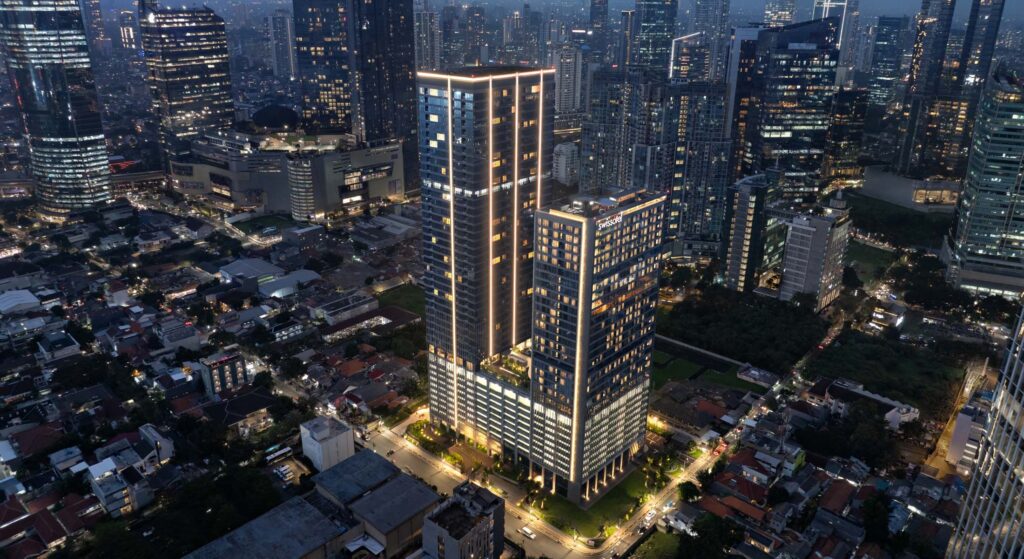
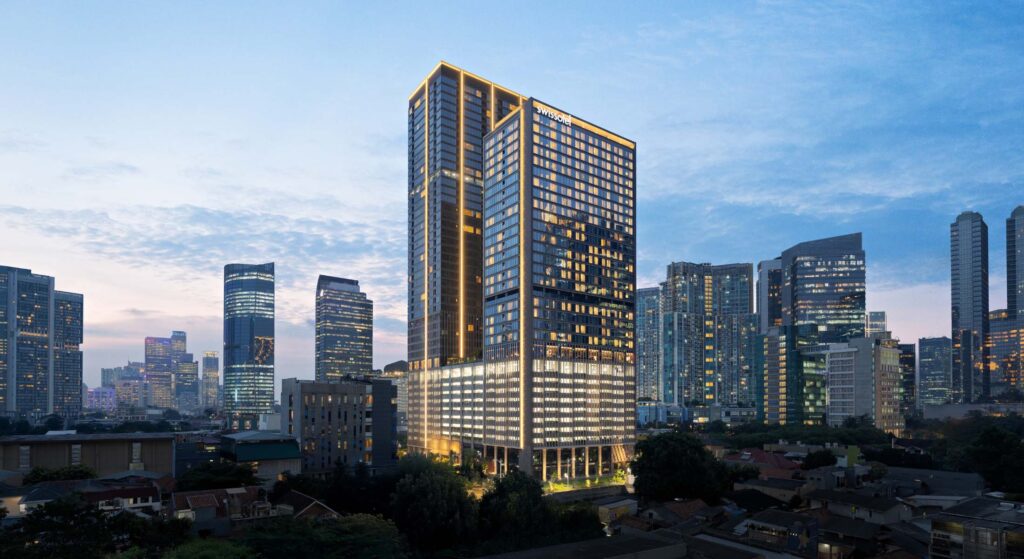
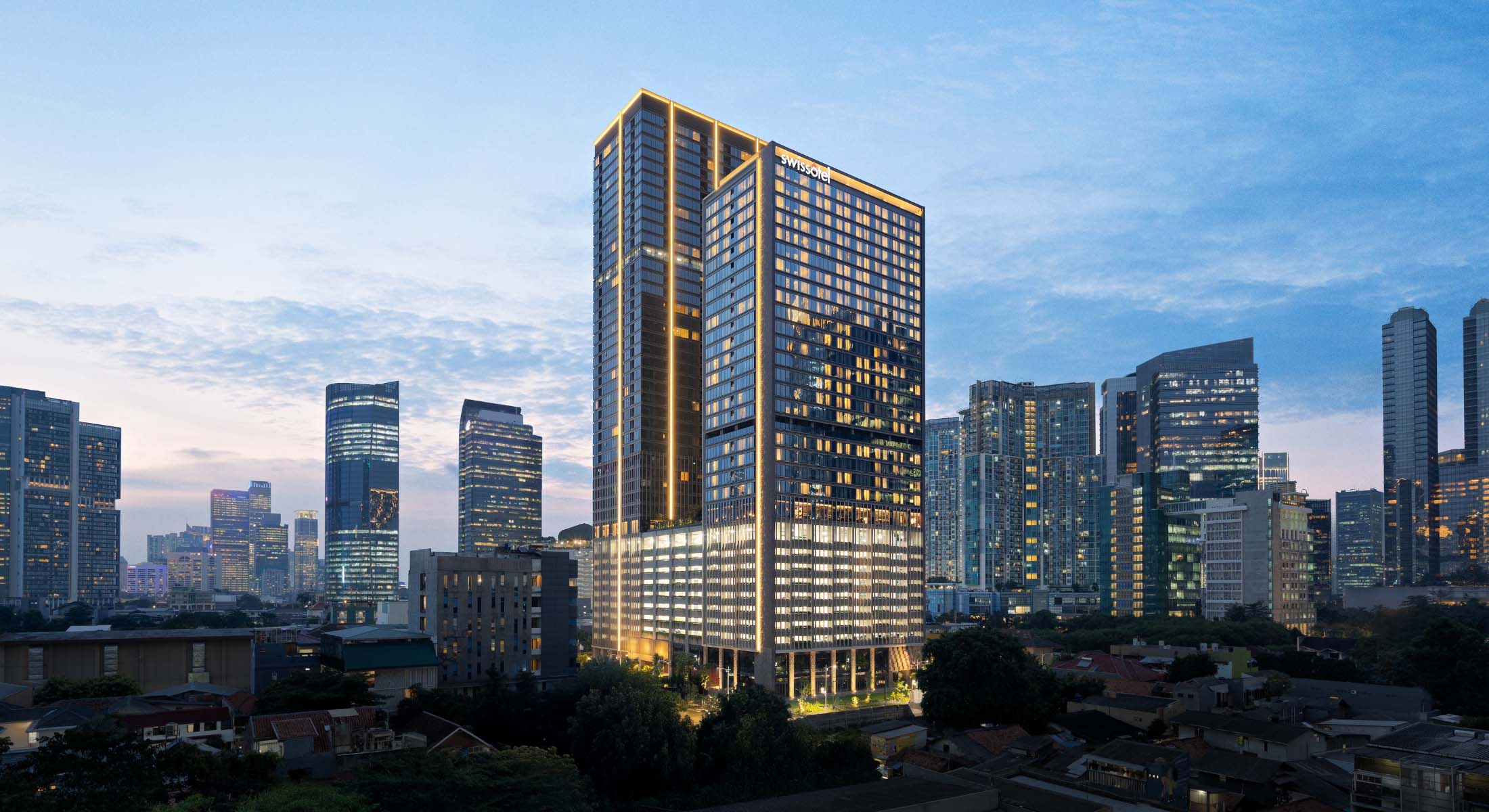
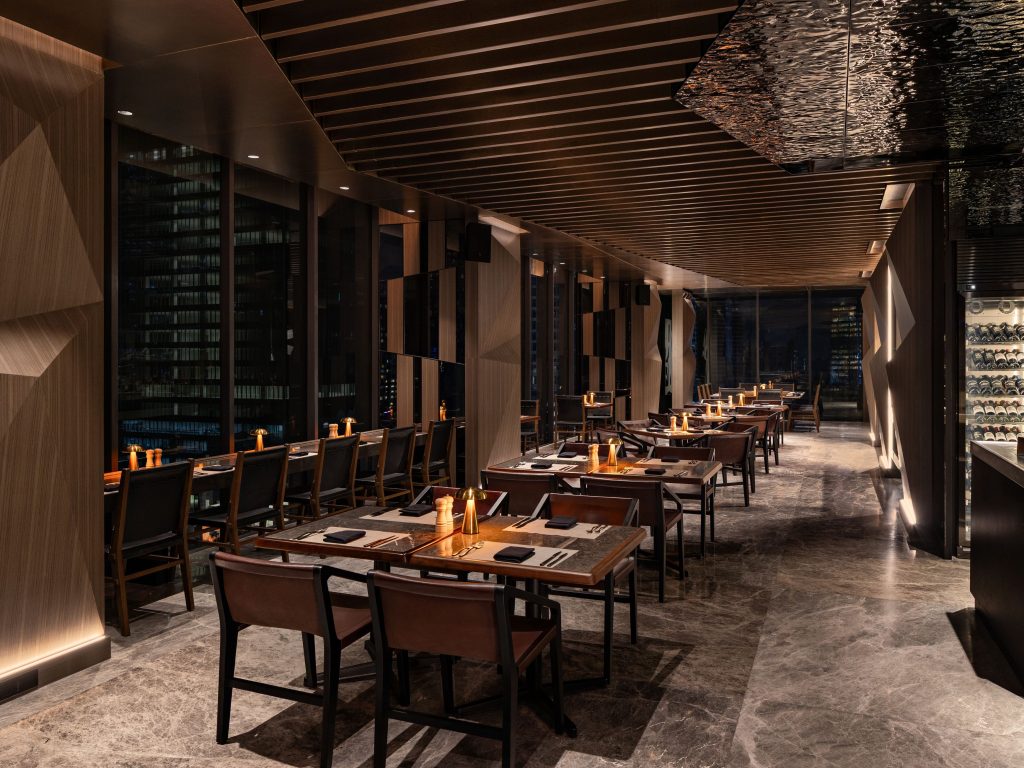
Whether you’re completing a three-month project assignment, searching for permanent housing after an international relocation, or bridging between homes during a life transition, monthly hotel accommodation provides immediate comfort with minimal administrative burden. For those seeking extended stays in Jakarta’s central business district with access to Kuningan, SCBD, and Sudirman, Swissôtel Living Jakarta Mega Kuningan offers 240 fully furnished serviced apartments from studios to three-bedroom residences, combining the space and functionality of home with the services and amenities of a premium hotel. Explore monthly and yearly stay options designed for business travelers, families, and expatriates requiring flexible, fully equipped accommodation in South Jakarta’s prime business location.







































































 Should You Choose an Extended-Stay Hotel or Serviced Apartment in Jakarta for a Business Trip?