
Extended Stay Hotel Monthly Rates: A Complete Guide
Extended stay hotel monthly rates represent a significant shift in how businesses and individuals approach long-term accommodation. Unlike traditional daily hotel rates, monthly pricing structures offer substantial savings while providing hotel-quality services in a residential setting. In 2026, the global serviced apartment market continues to evolve, with properties across Asia, Europe, and North America refining their rate models to attract corporate relocations, expatriate assignments, and extended business travelers. Understanding how these monthly rates are structured, what they include, and how they compare to traditional options enables informed decision-making for anyone planning a stay beyond 30 days.
Understanding Extended Stay Hotel Monthly Rates
Extended stay hotel monthly rates differ fundamentally from nightly hotel pricing. Most serviced apartments and extended-stay properties price their units based on calendar-month blocks rather than individual nights, creating predictable costs for budget planning.
Rate Structure and Components
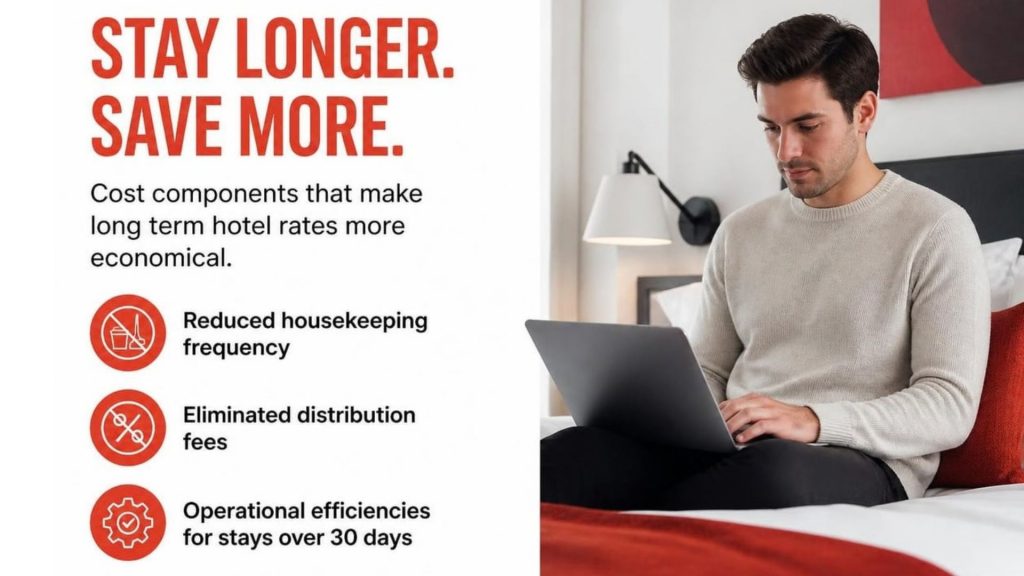
Monthly rates typically bundle several services that traditional hotels charge separately. Housekeeping, utilities, internet access, and basic cable often come included in the base monthly price. Some properties include weekly or bi-weekly cleaning, while others offer daily service at premium tiers.
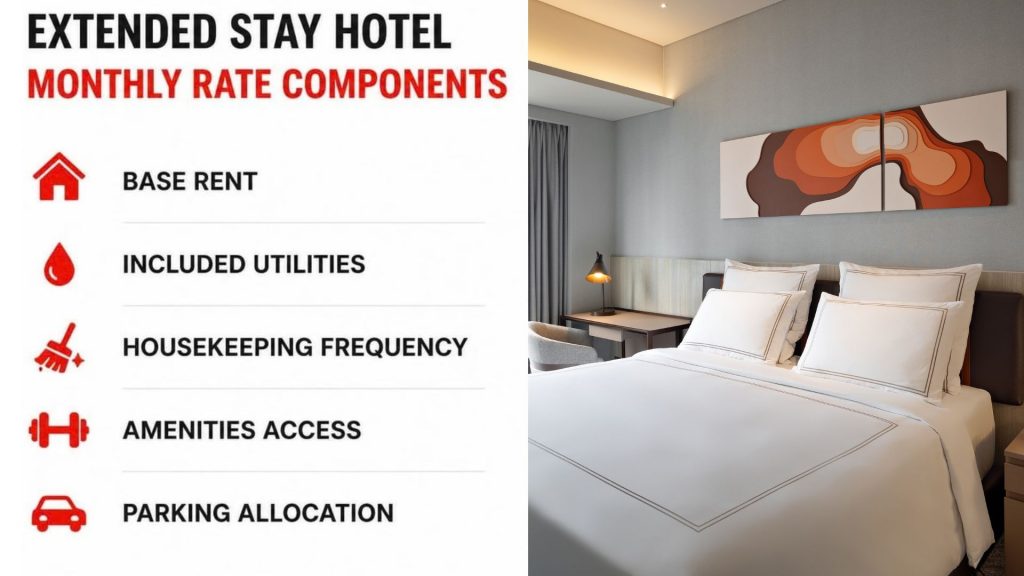
Key components of extended stay hotel monthly rates include:
- Base accommodation rate (varies by unit size and property tier)
- Utility packages (electricity, water, gas, internet)
- Housekeeping frequency (daily, weekly, or bi-weekly)
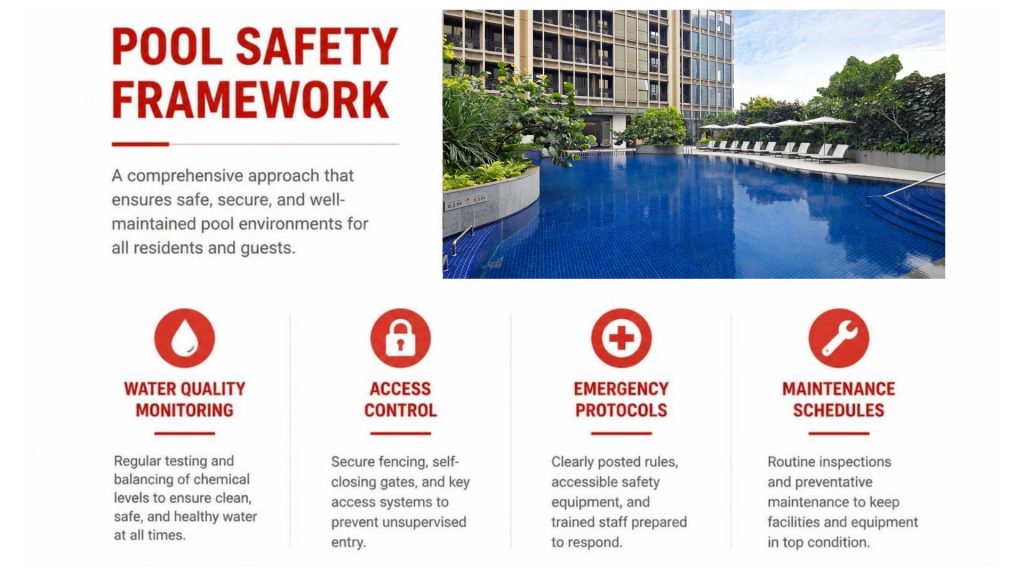
- Access to amenities (fitness centers, pools, business centers)
- Parking allocation (one or multiple spaces)
- Maintenance and repair services
The all-inclusive nature of these rates eliminates surprise charges that accumulate with traditional hotel stays. A business traveler staying 60 days in a conventional hotel faces variable costs each billing cycle, while monthly rates lock in predictable expenses.
Market Rate Benchmarks in 2026
According to the Extended Stay Lodging Association’s March 2025 bulletin, average daily rates (ADR) for extended-stay properties in the United States ranged from $85 to $165 depending on market tier and property classification. When converted to monthly commitments, these translate to substantial discounts.
| Market Tier | Daily Rate | Monthly Rate (30 days) | Discount vs Daily |
|---|---|---|---|
| Economy | $85 | $1,800-$2,100 | 20-30% |
| Midscale | $115 | $2,500-$2,900 | 25-35% |
| Upscale | $165 | $3,800-$4,500 | 25-40% |
European markets show similar patterns. The Savills European Serviced Apartments 2024 report indicates that extended-stay properties in major business districts command premium monthly rates while offering 30-40% savings compared to equivalent nightly bookings over the same period.
Factors That Influence Monthly Pricing
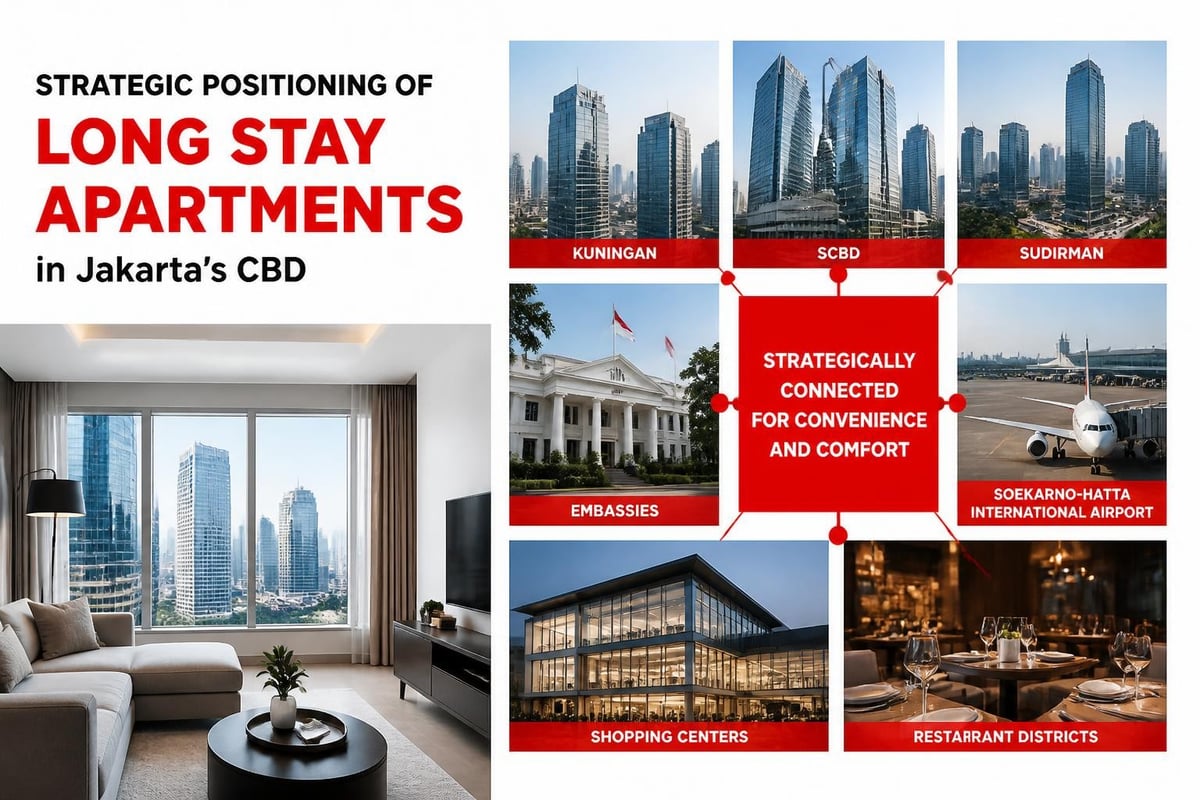
Location remains the primary driver of extended stay hotel monthly rates. Properties in central business districts command higher rates than suburban alternatives, reflecting proximity to corporate offices, embassies, and commercial infrastructure.
Geographic and Property-Level Considerations
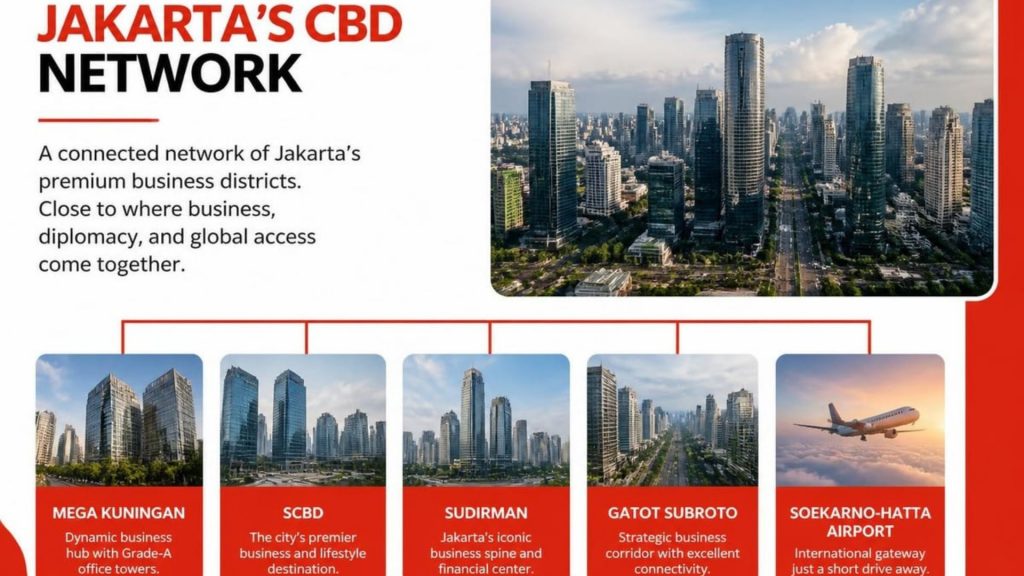
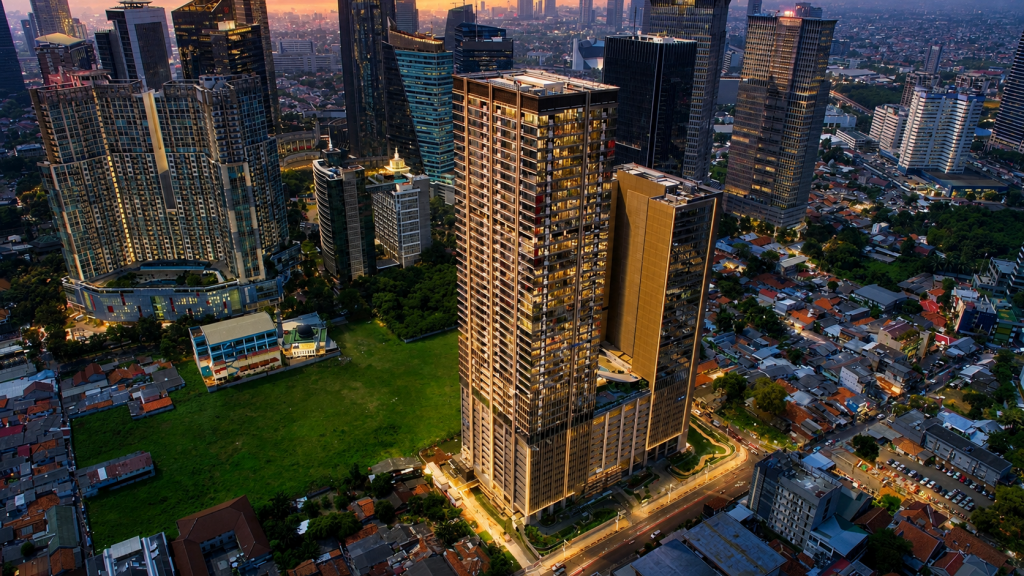
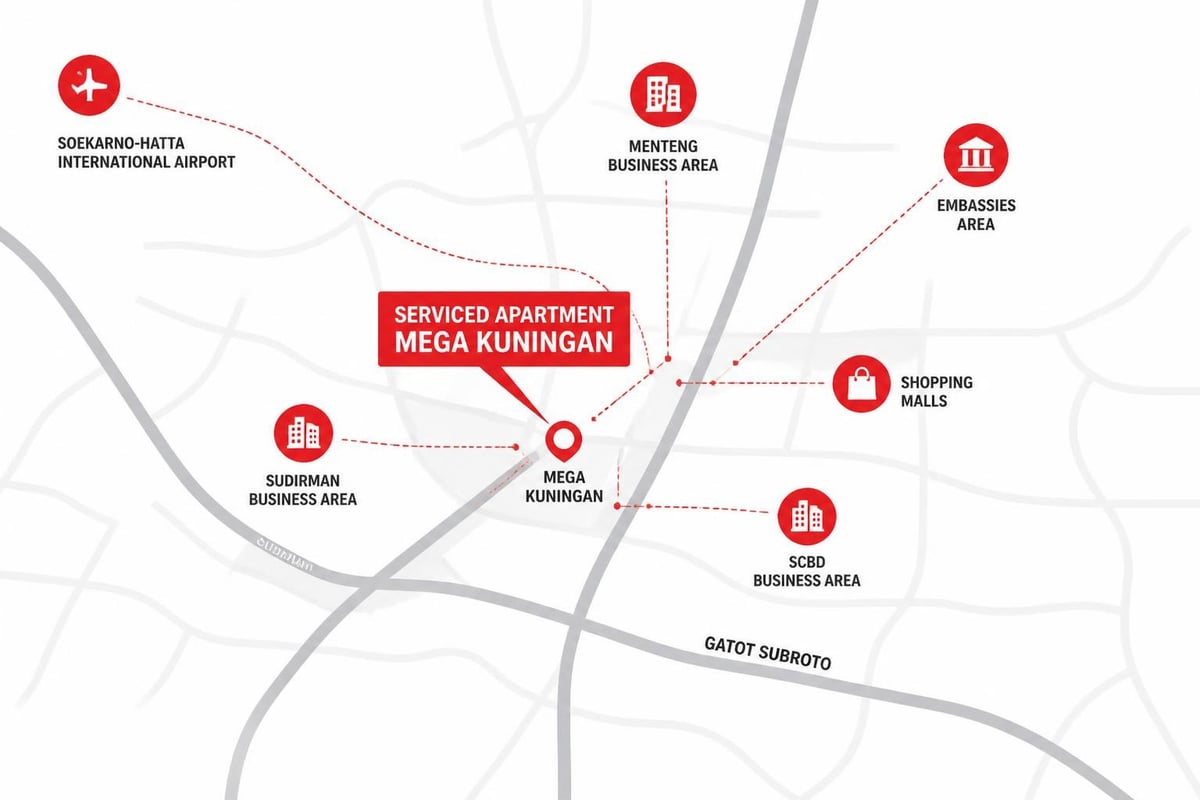
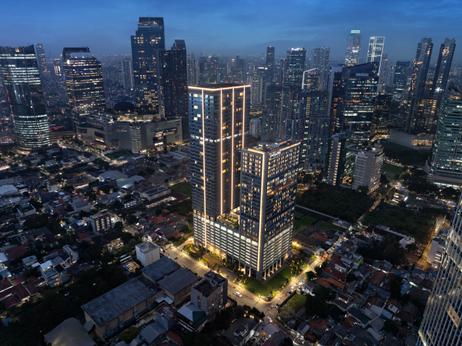
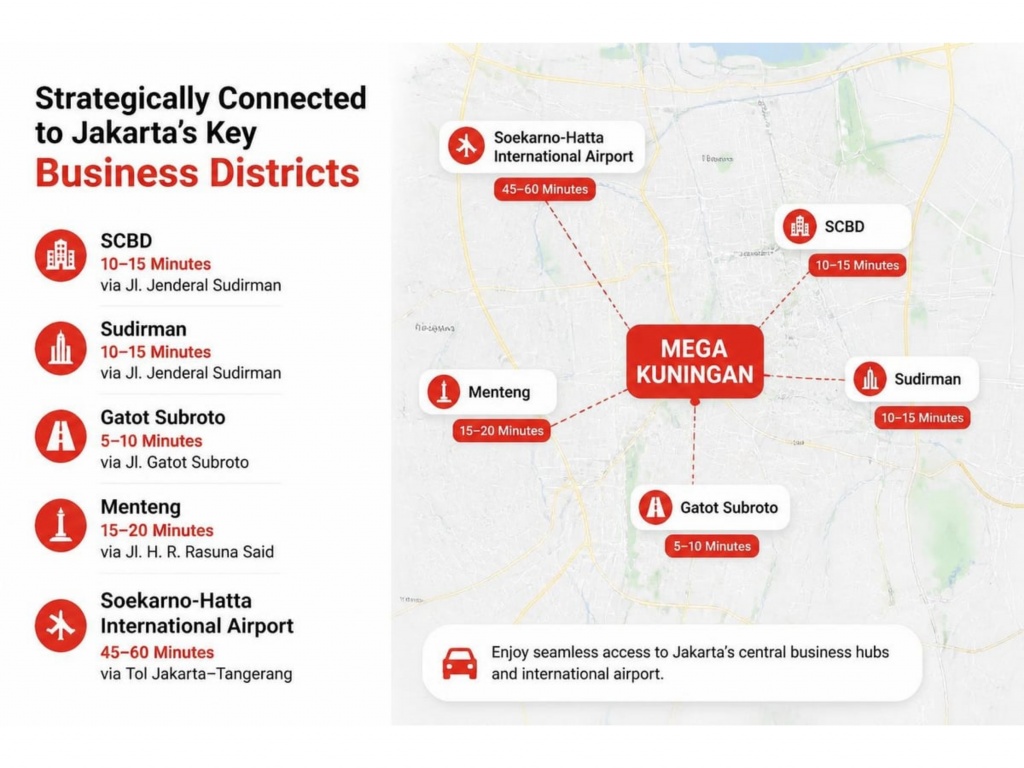
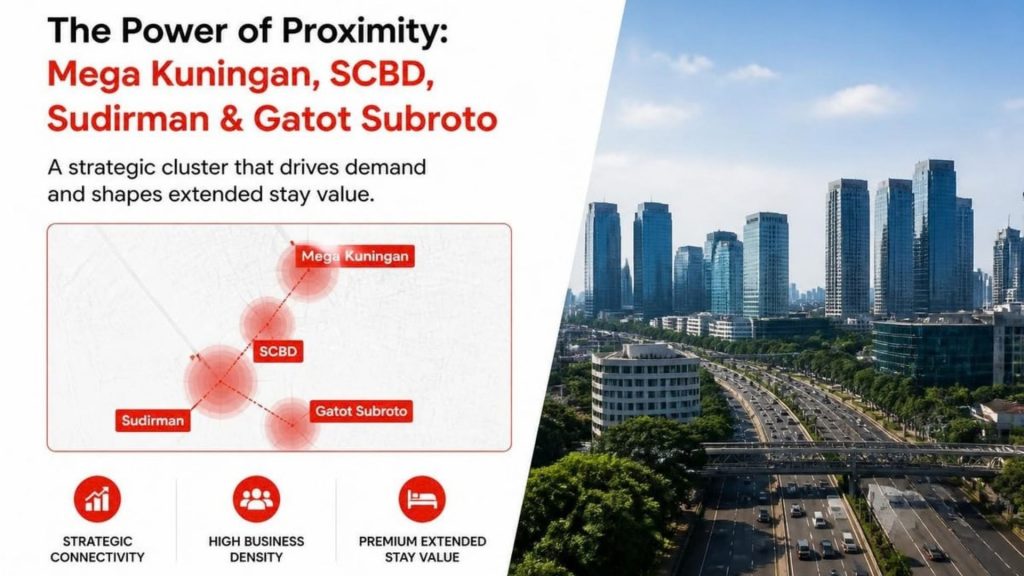
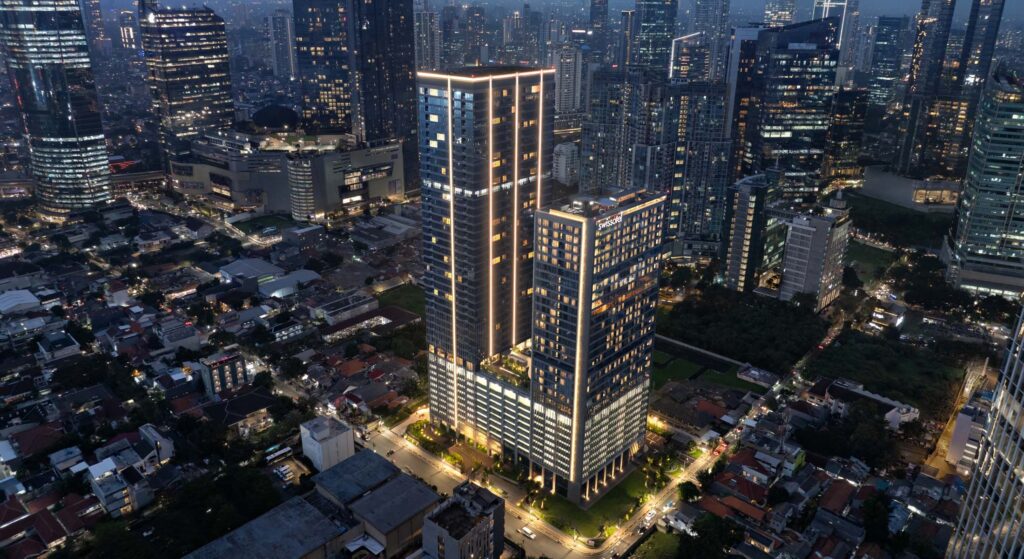
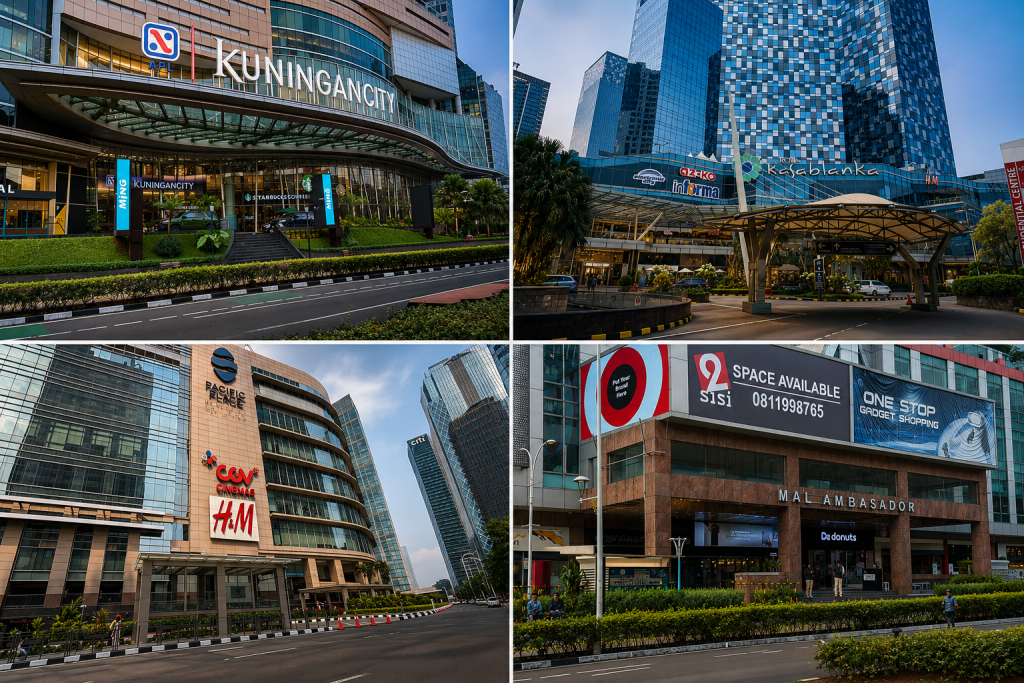
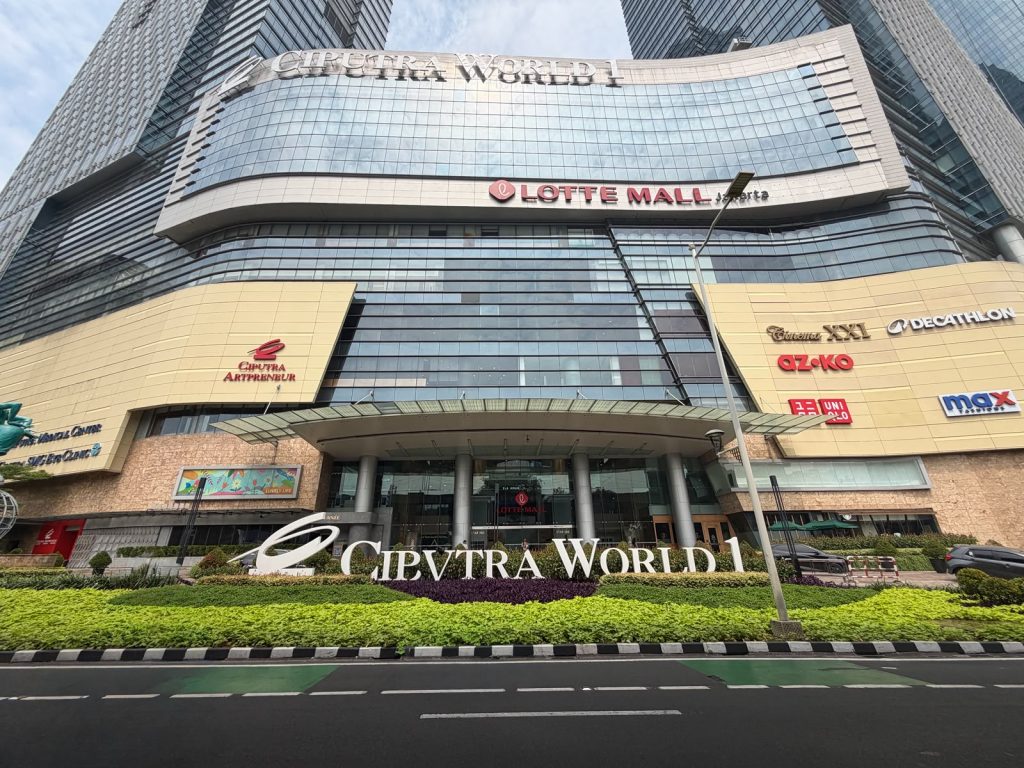
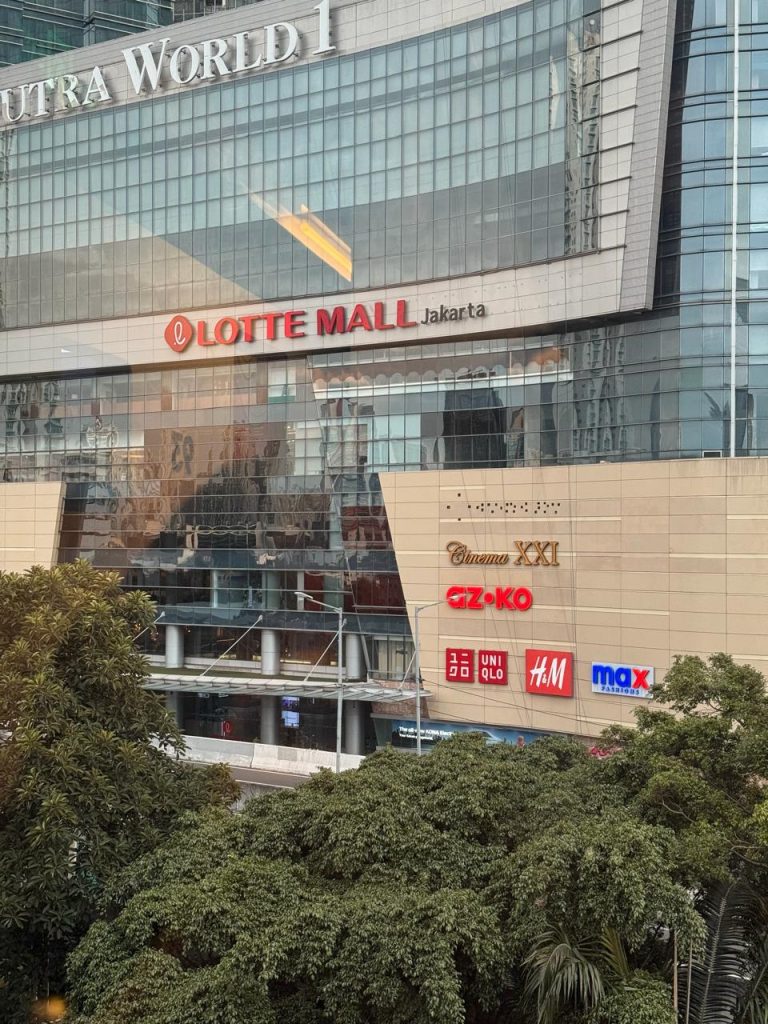
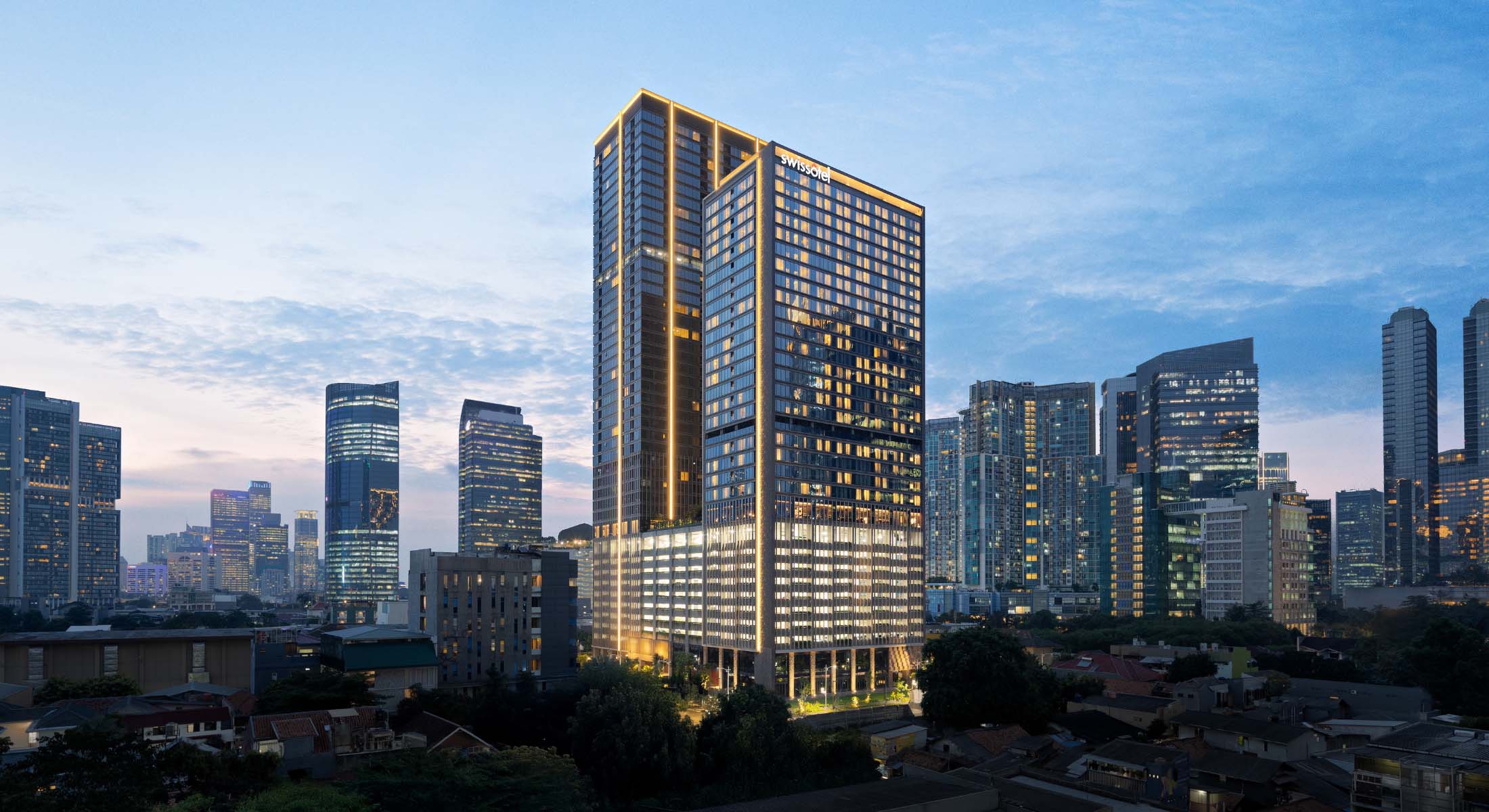
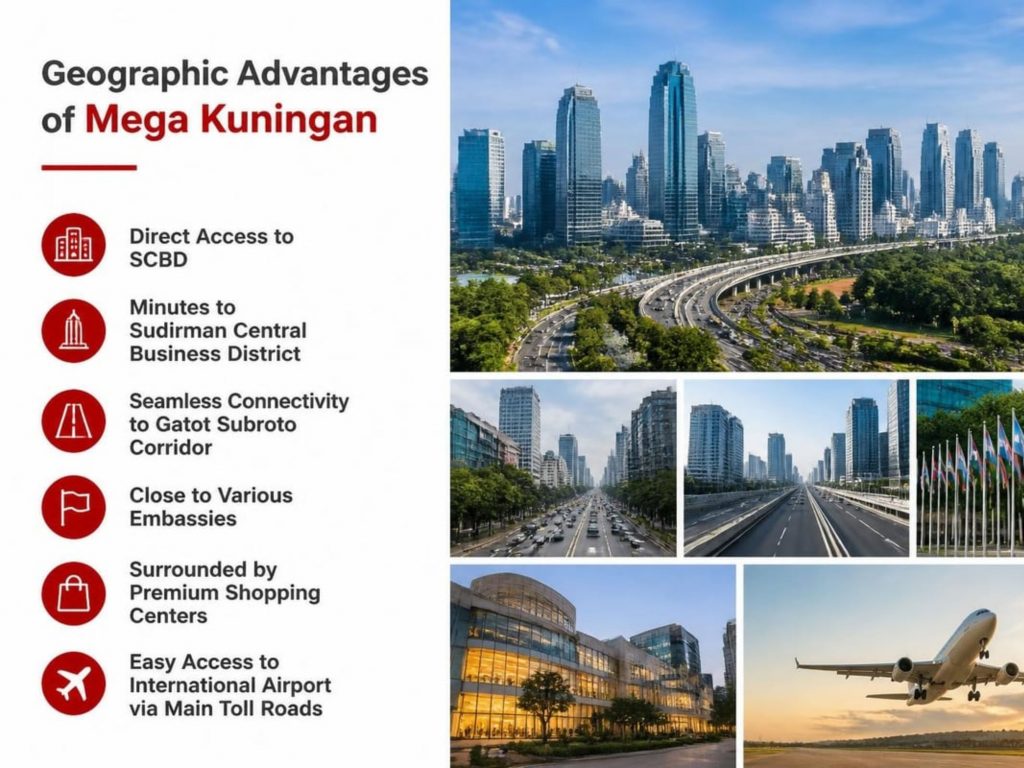
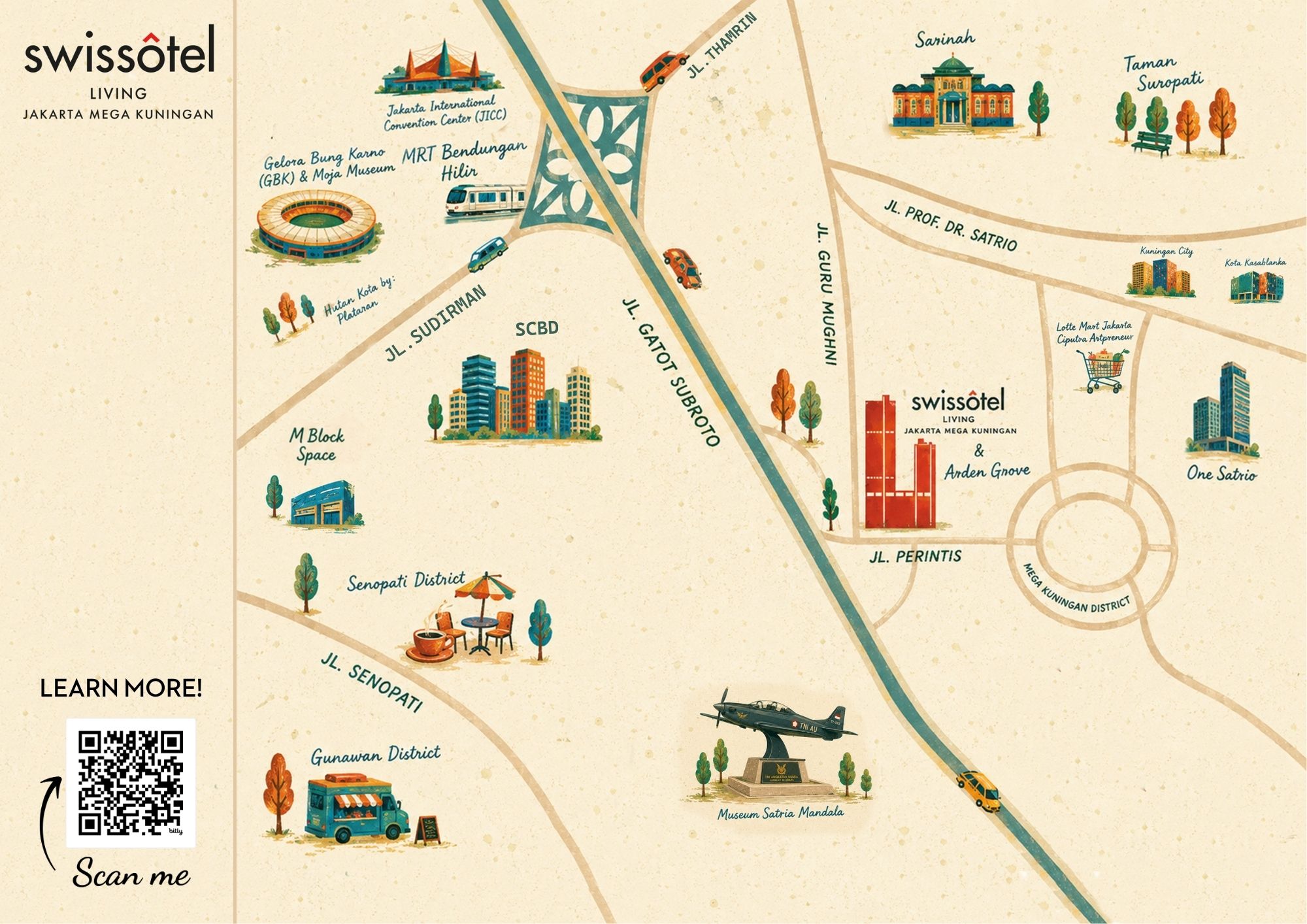
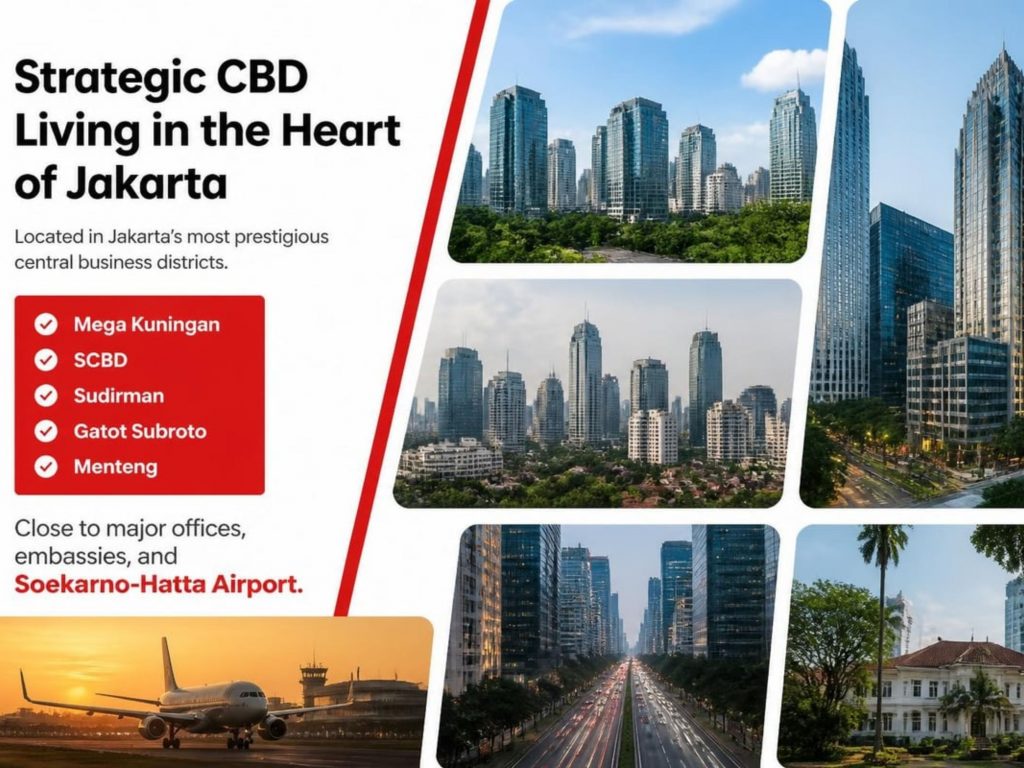
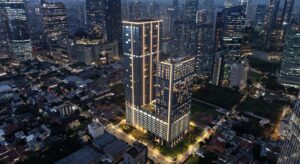
In Jakarta’s Mega Kuningan district, serviced apartments positioned near Kuningan, SCBD, and Sudirman business corridors price at premium levels due to demand from expatriates and corporate assignments. The concentration of multinational offices, diplomatic missions, and financial institutions creates sustained occupancy rates that support higher monthly pricing.
Location factors affecting rates:
- Proximity to business districts and office complexes
- Access to public transportation and highways
- Walking distance to restaurants, shopping, and services
- Quality of neighborhood and safety profile
- Distance from international airports
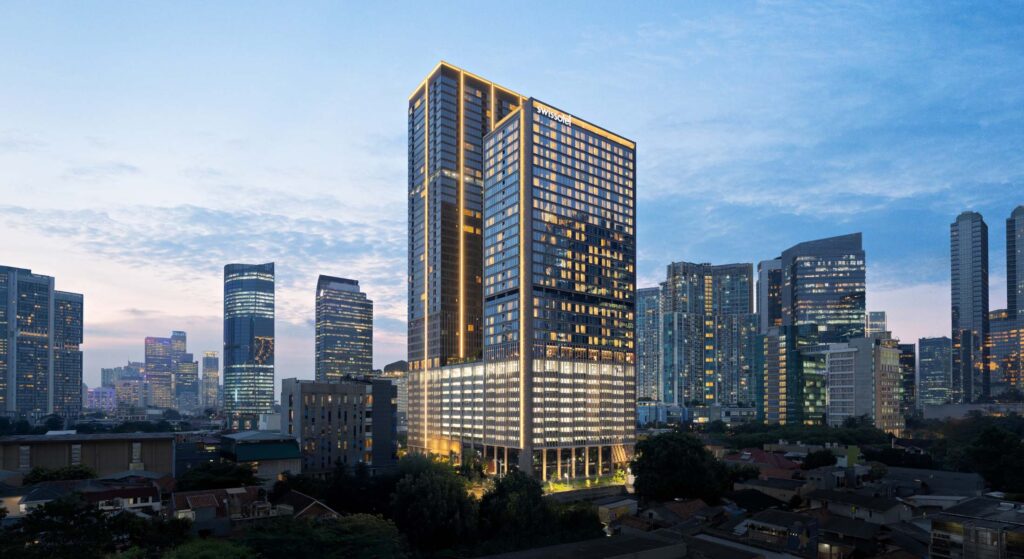
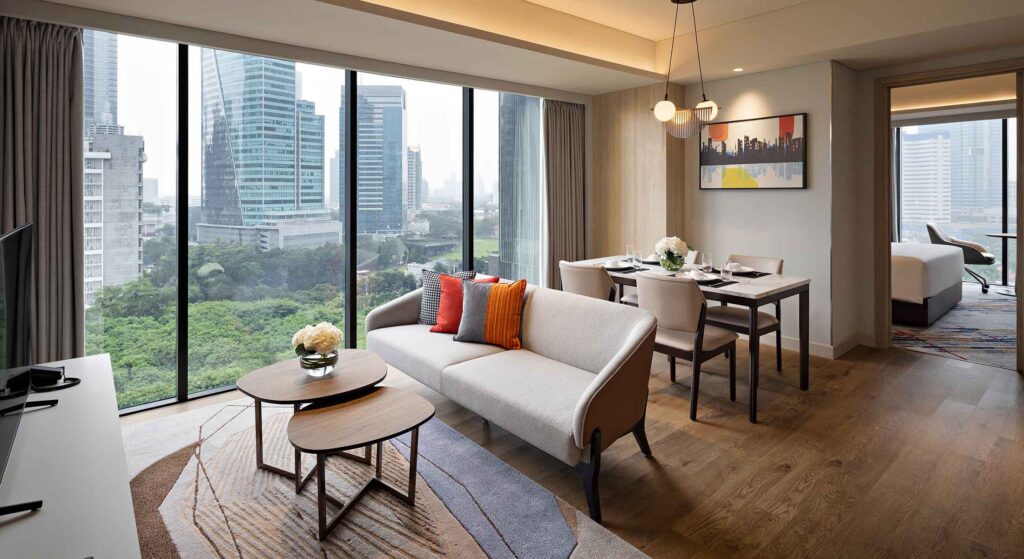
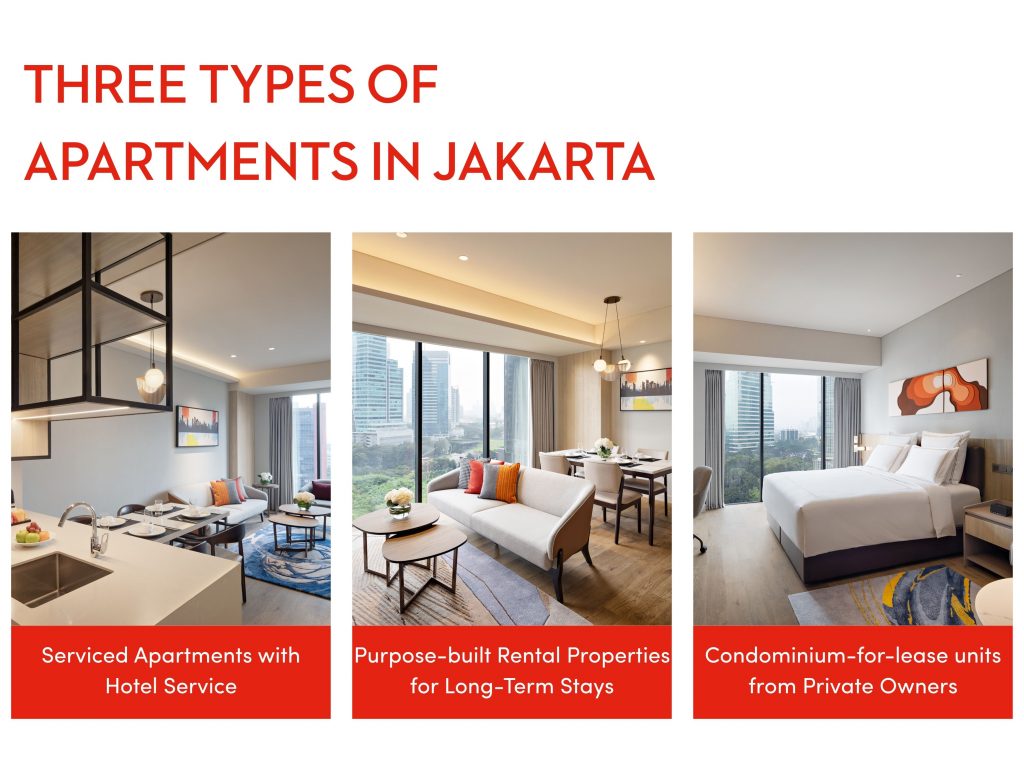
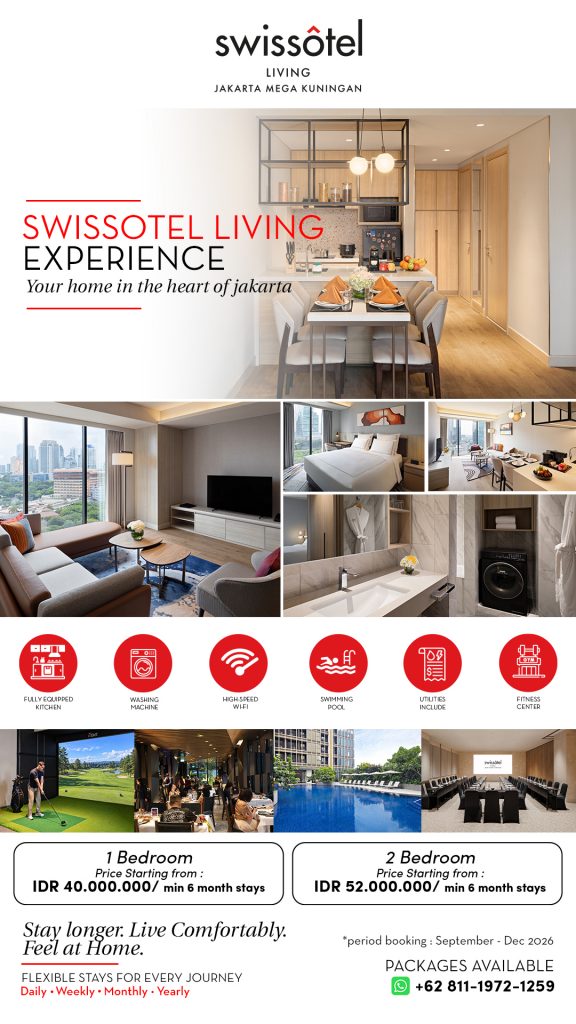
Property classification also impacts pricing substantially. A studio apartment at an economy extended-stay brand differs dramatically from a two-bedroom residence in a luxury serviced apartment building. Swissôtel Living Jakarta Mega Kuningan operates across multiple residence categories, each with distinct monthly rate structures based on space, amenities, and service levels.
Apartment Size and Configuration
Unit size directly correlates with monthly rates. Studio apartments represent the most affordable entry point, while three-bedroom residences command premium pricing suitable for families or senior executives.
| Apartment Type | Typical Size (sqm) | Monthly Rate Range | Best For |
|---|---|---|---|
| Studio | 35-45 | Base rate | Solo professionals |
| One-Bedroom | 50-70 | +30-50% | Couples, junior managers |
| Two-Bedroom | 80-120 | +80-120% | Families, regional directors |
| Three-Bedroom | 140-200 | +150-250% | Large families, C-suite |
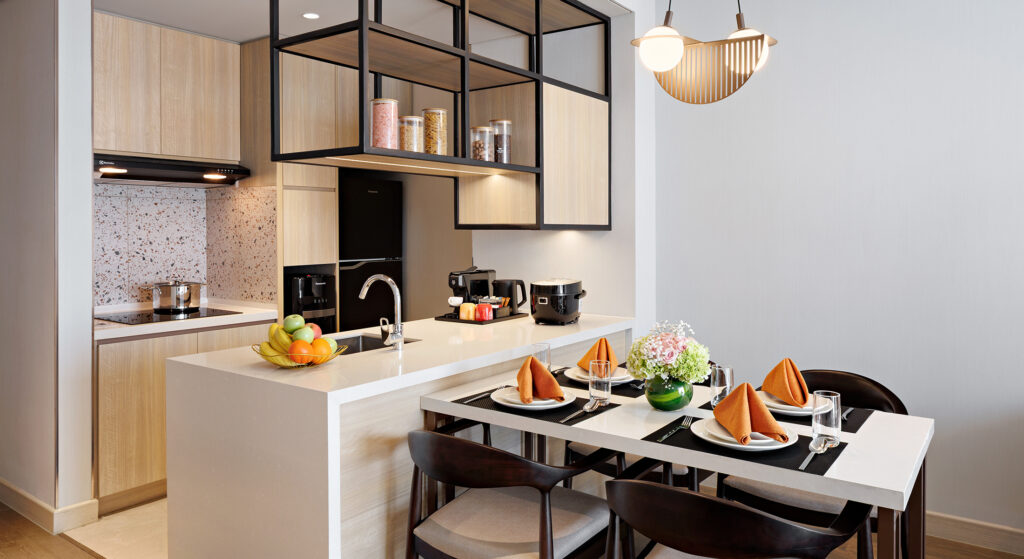
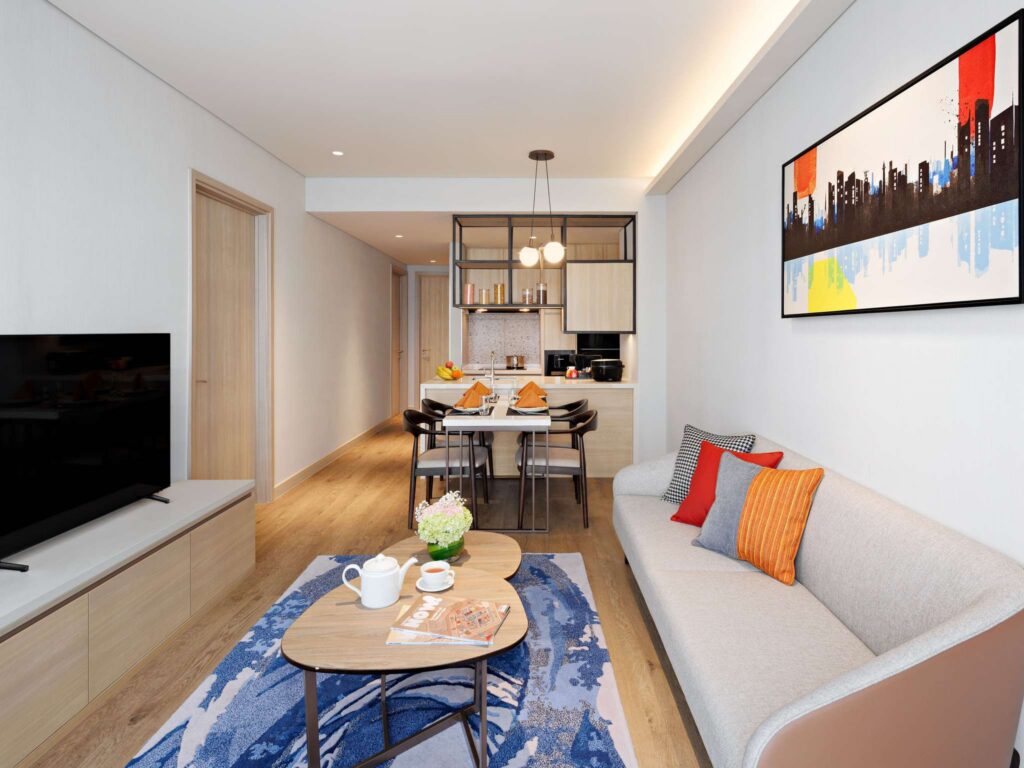
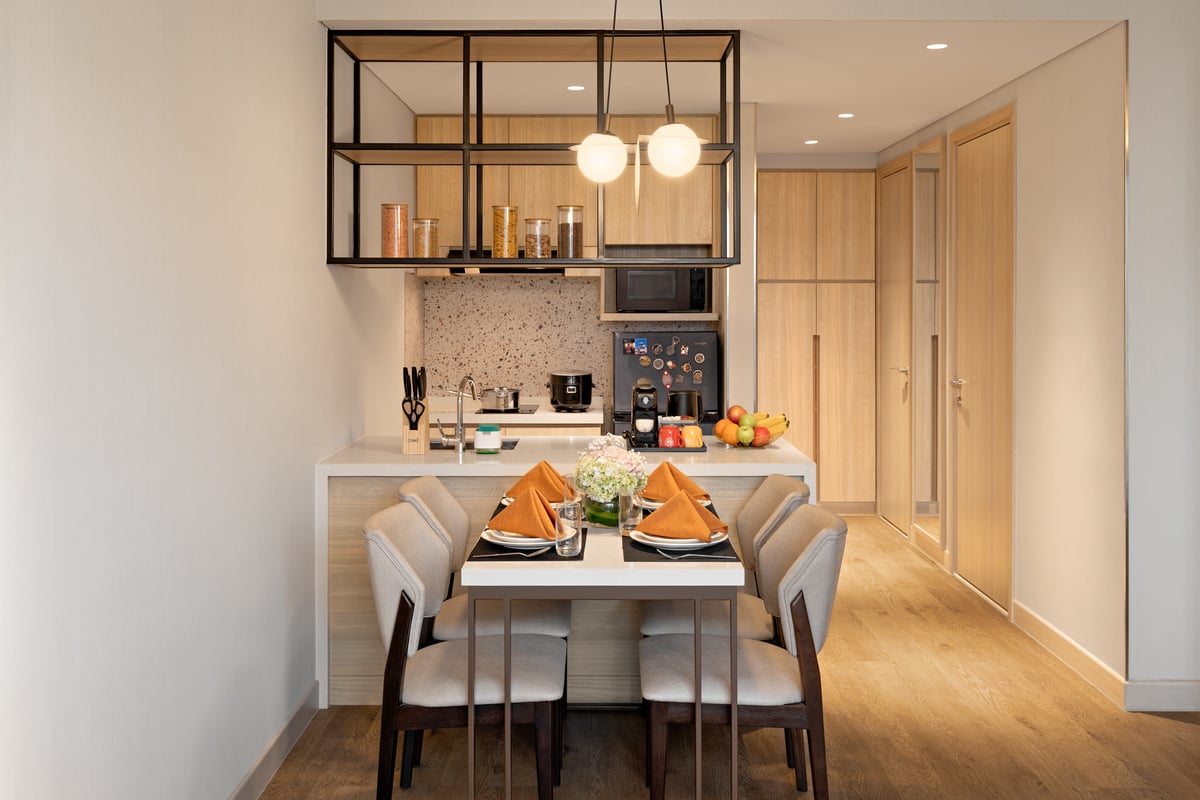
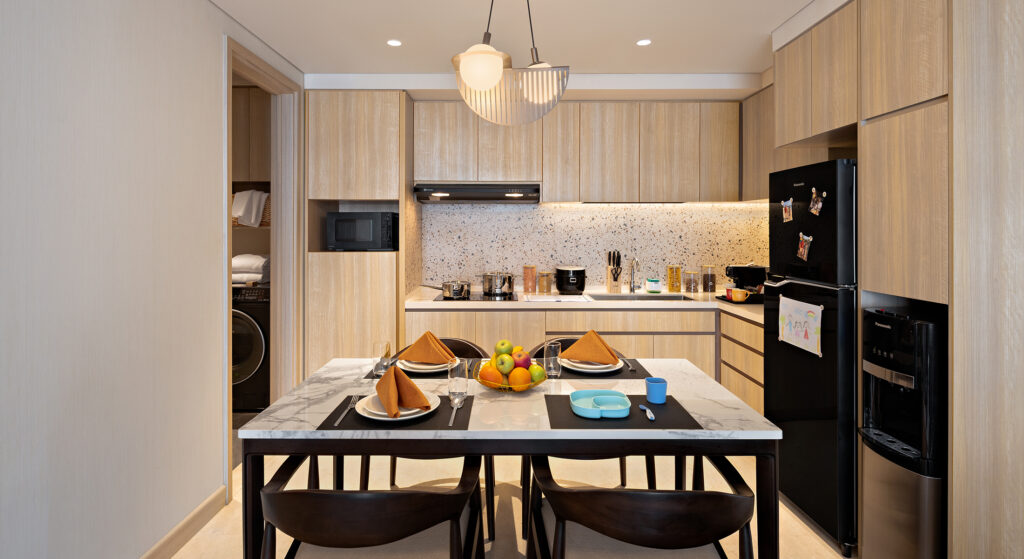
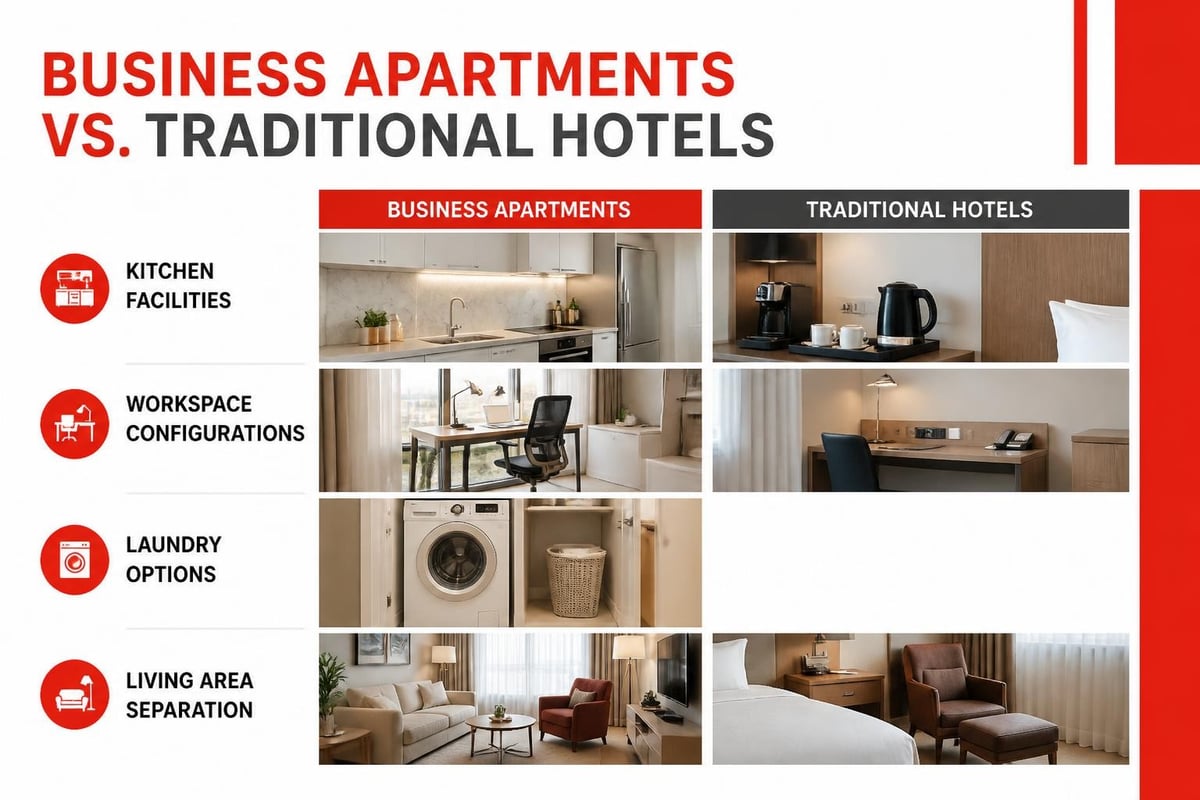
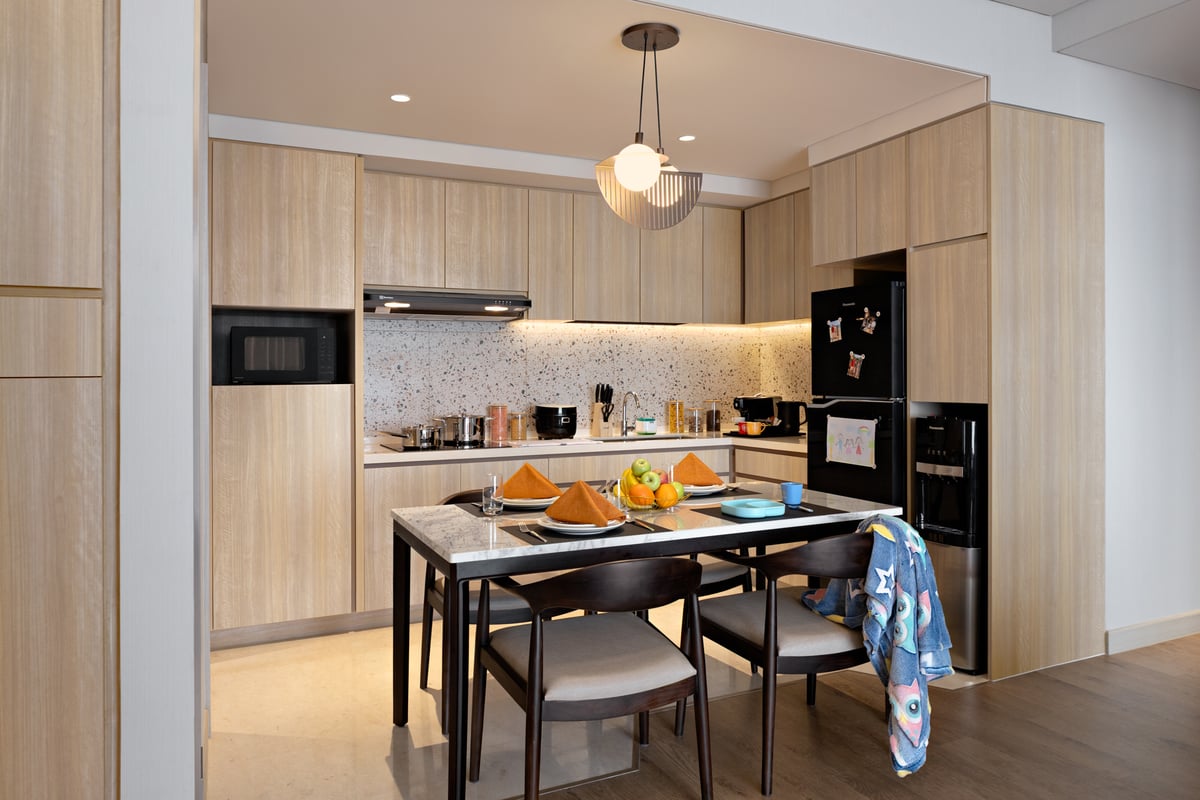
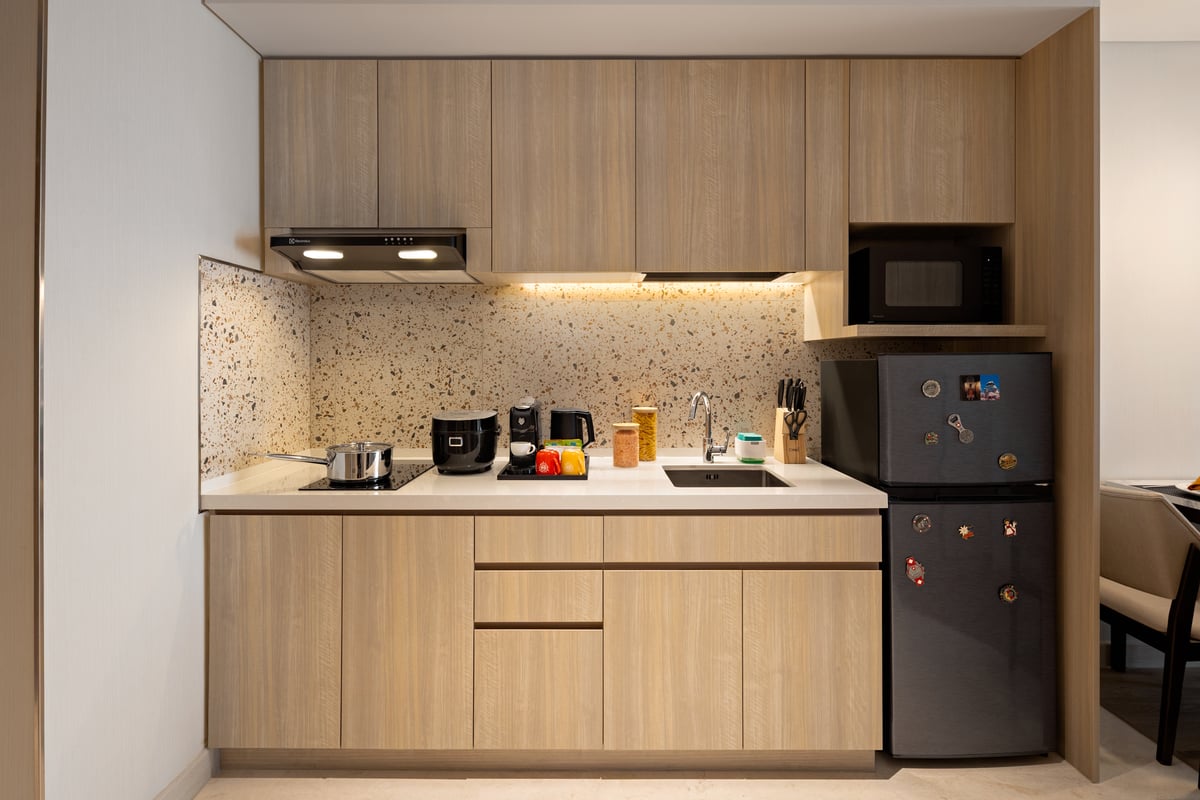
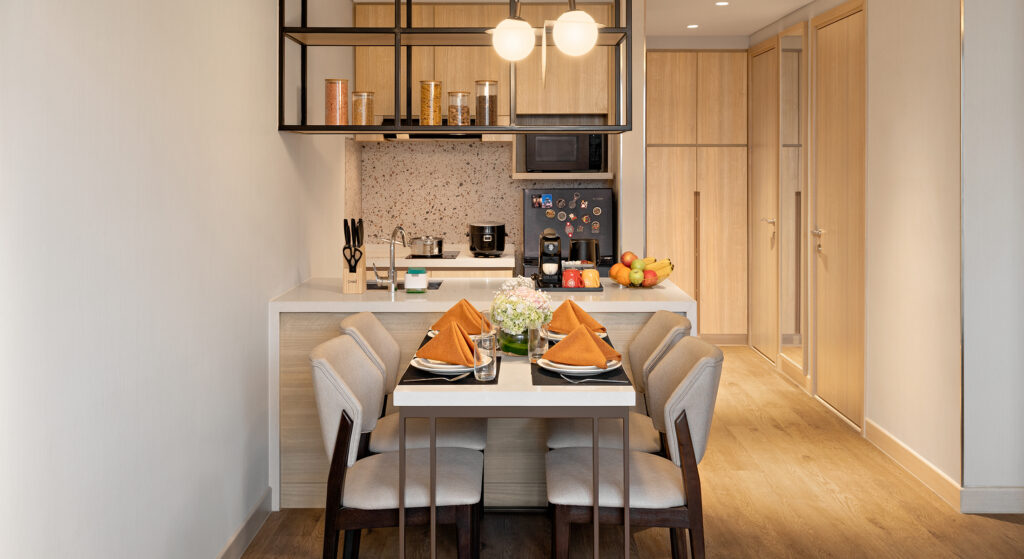
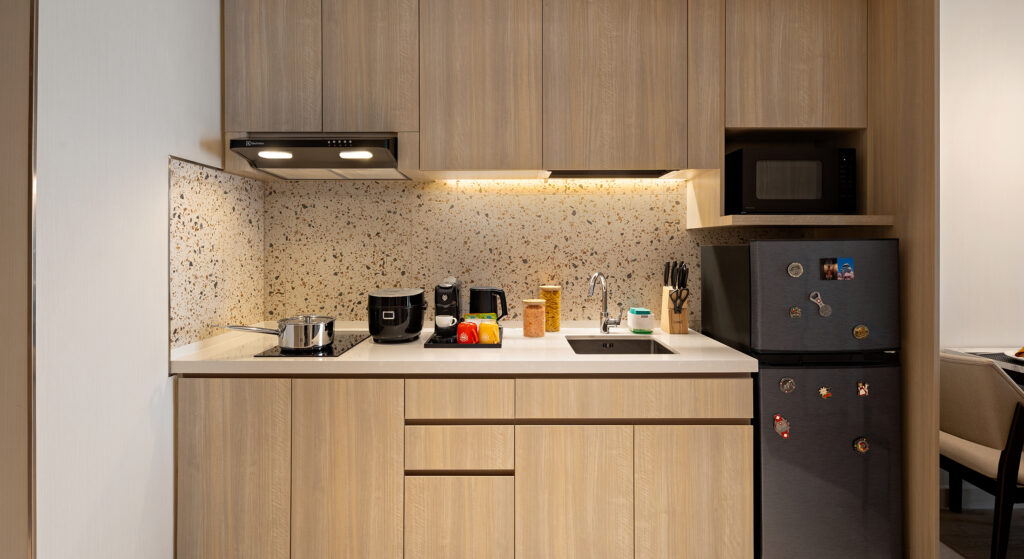
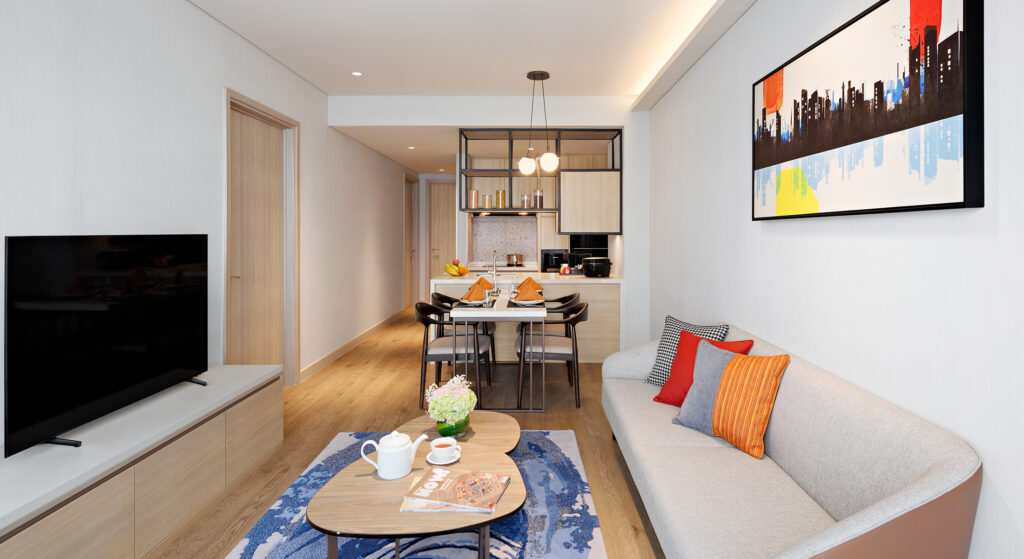
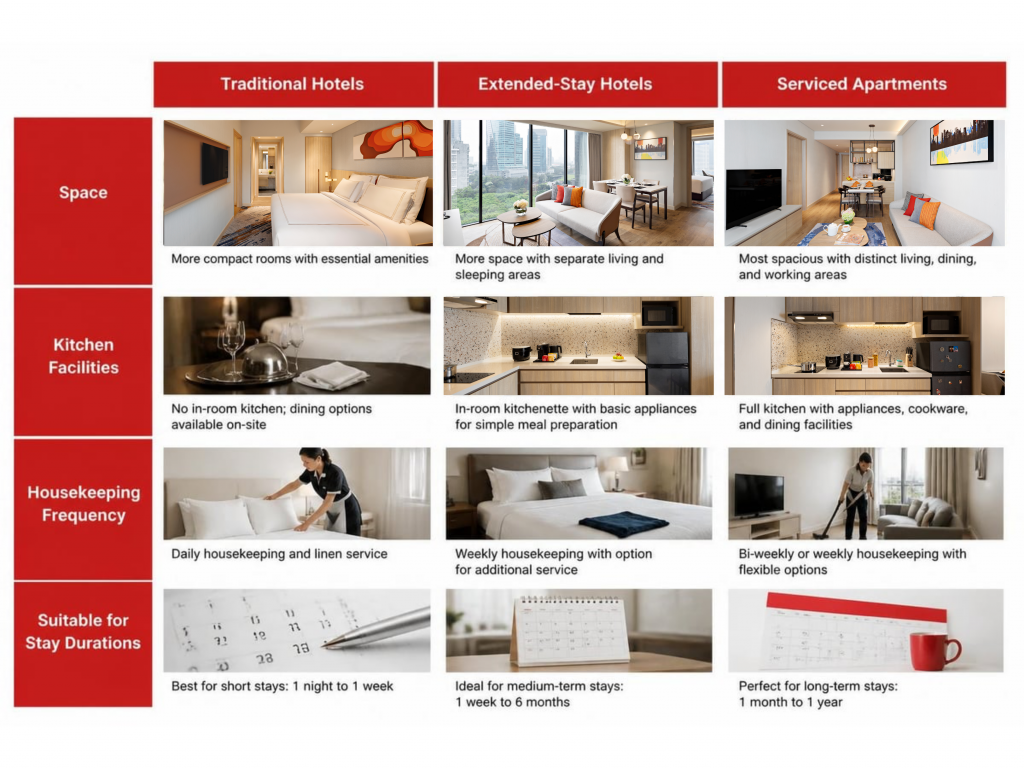
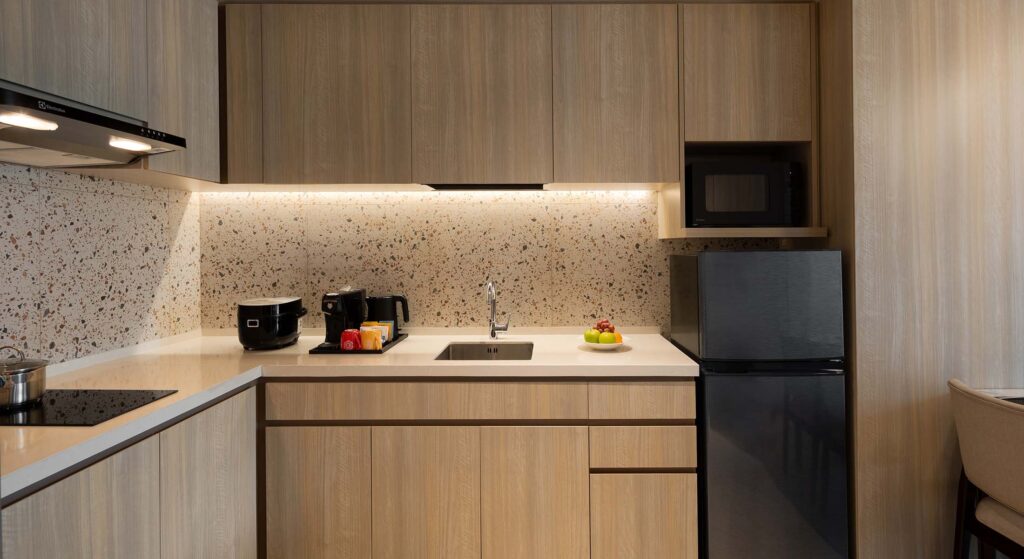
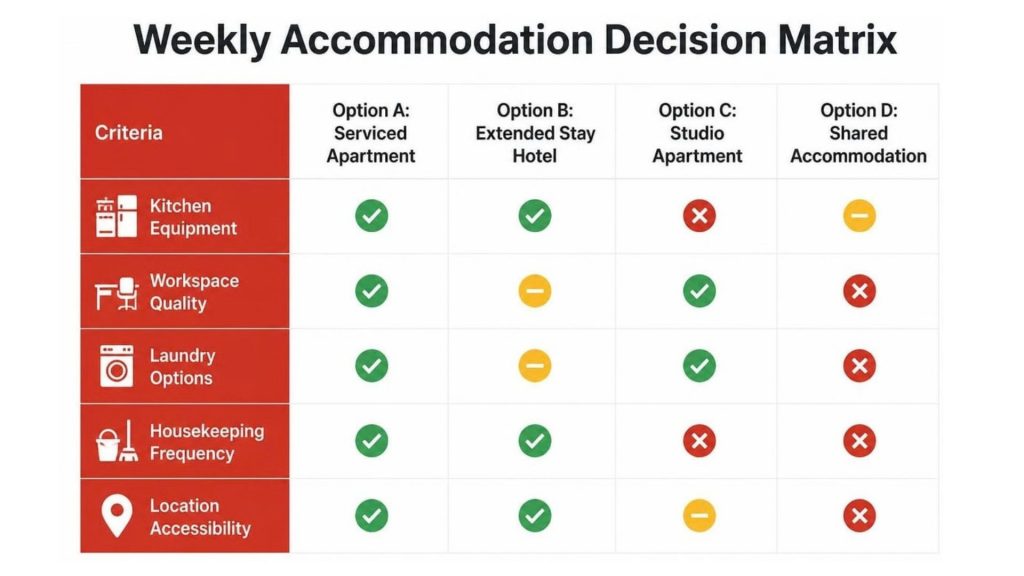
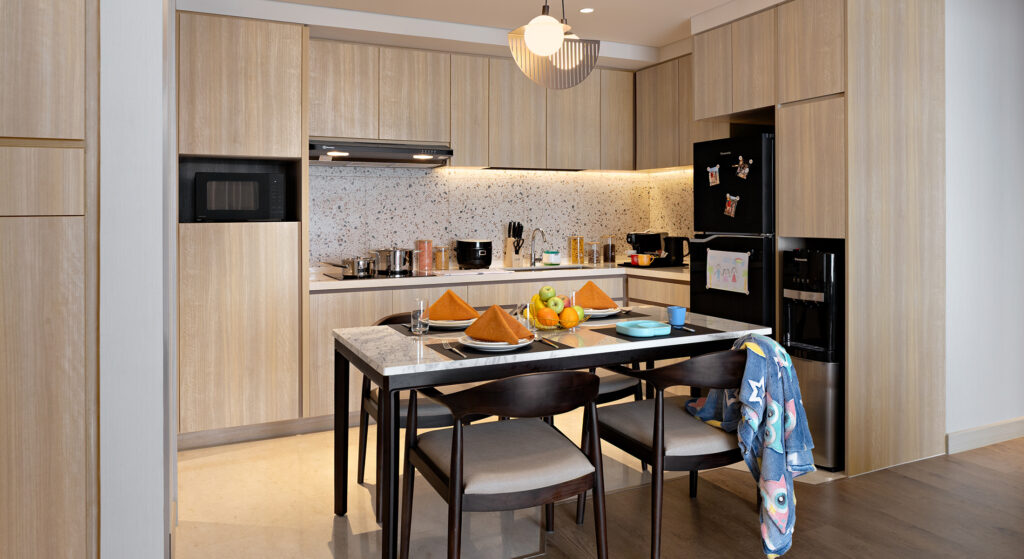
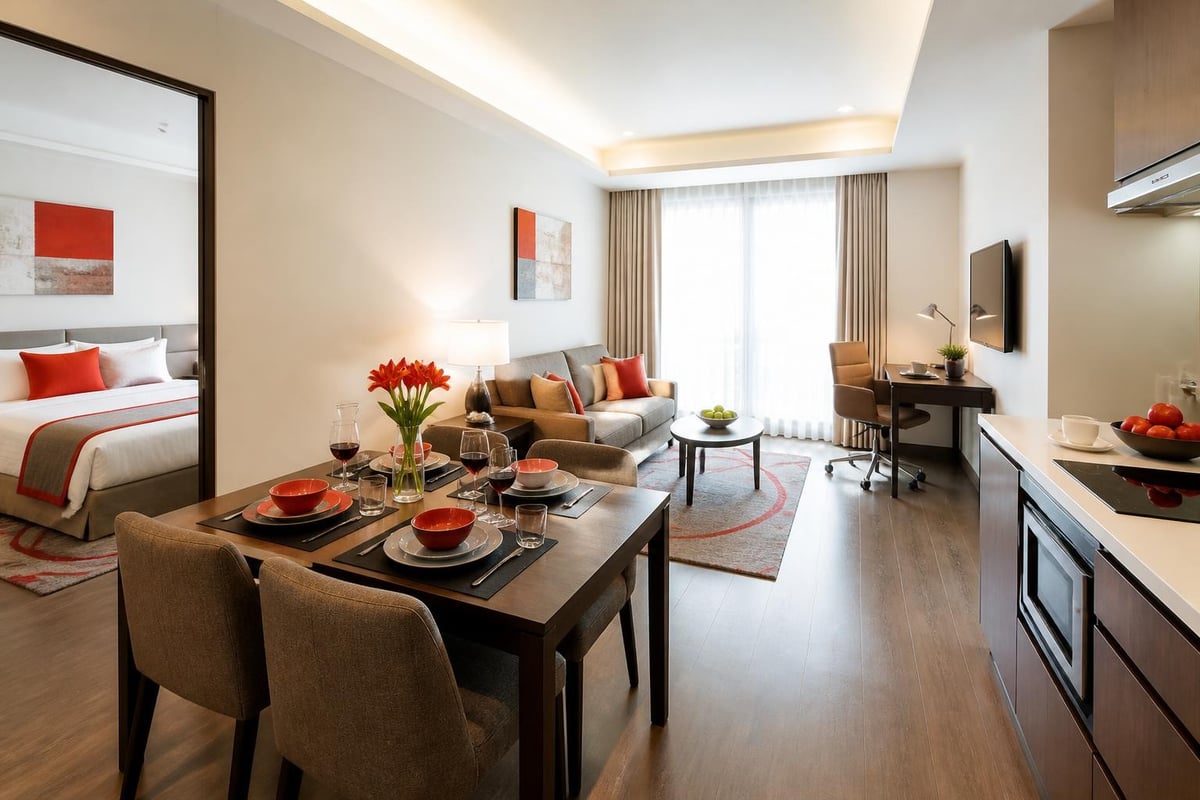
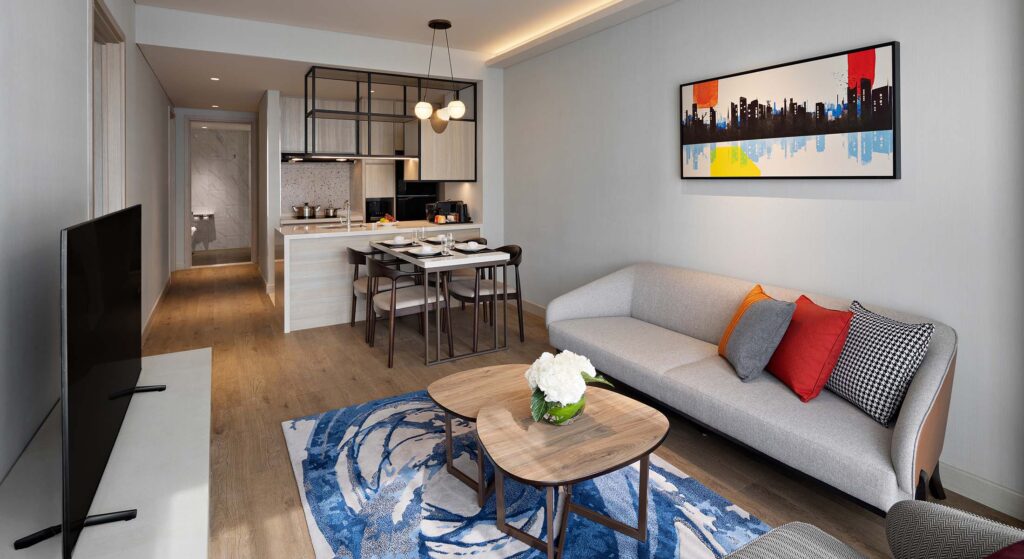
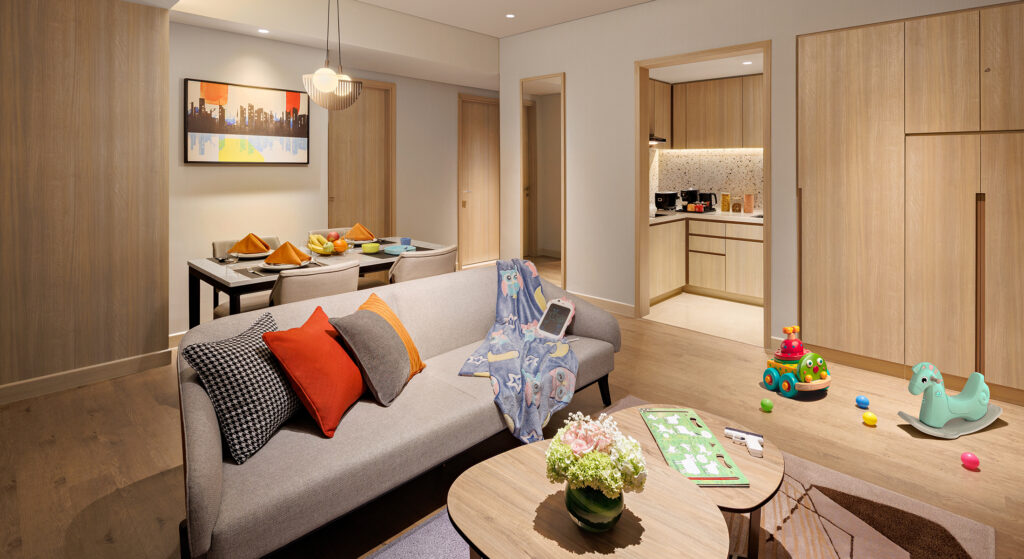
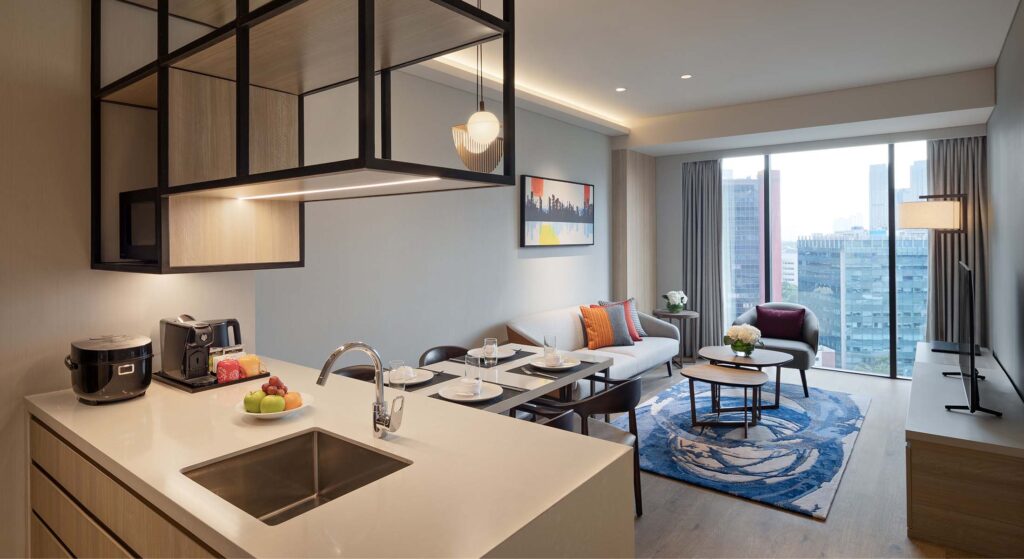
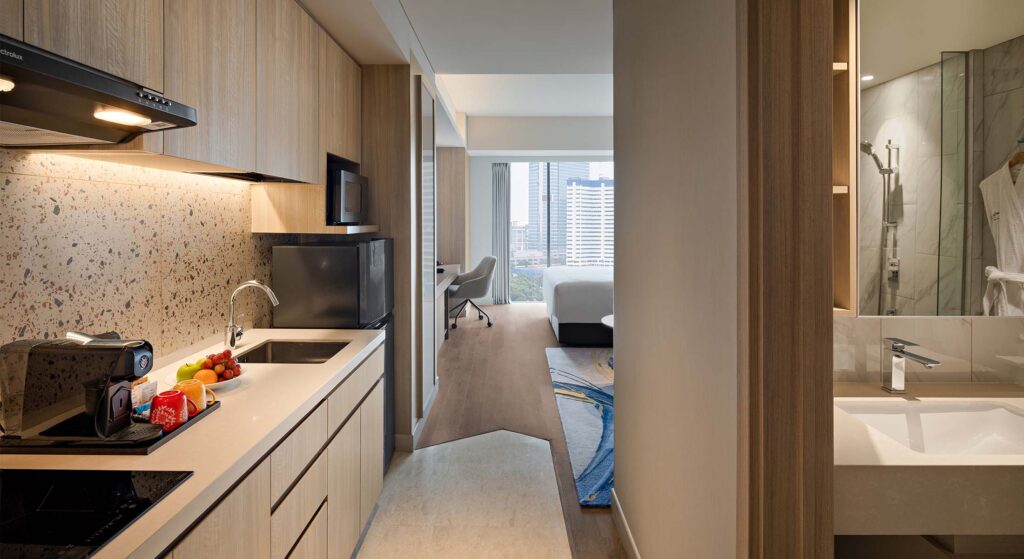
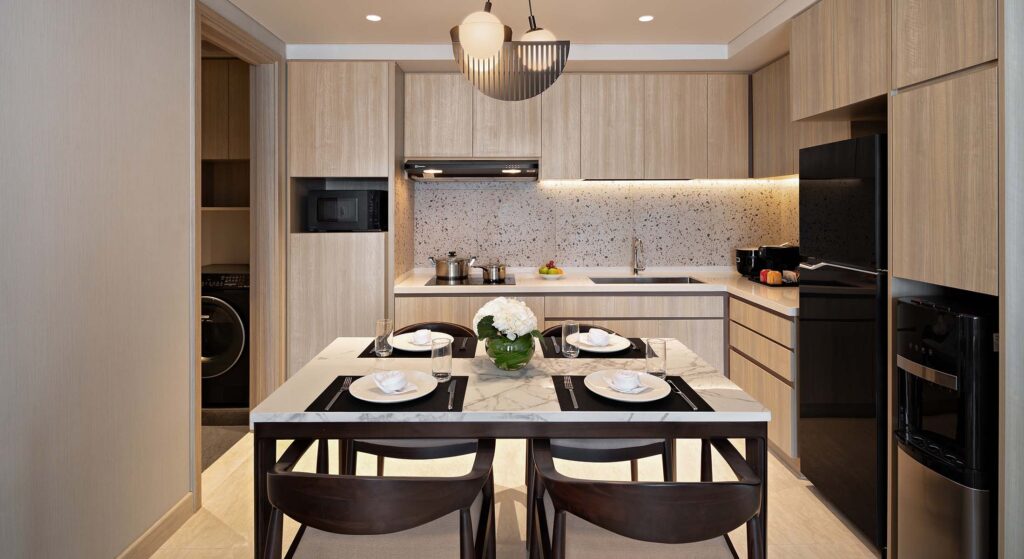
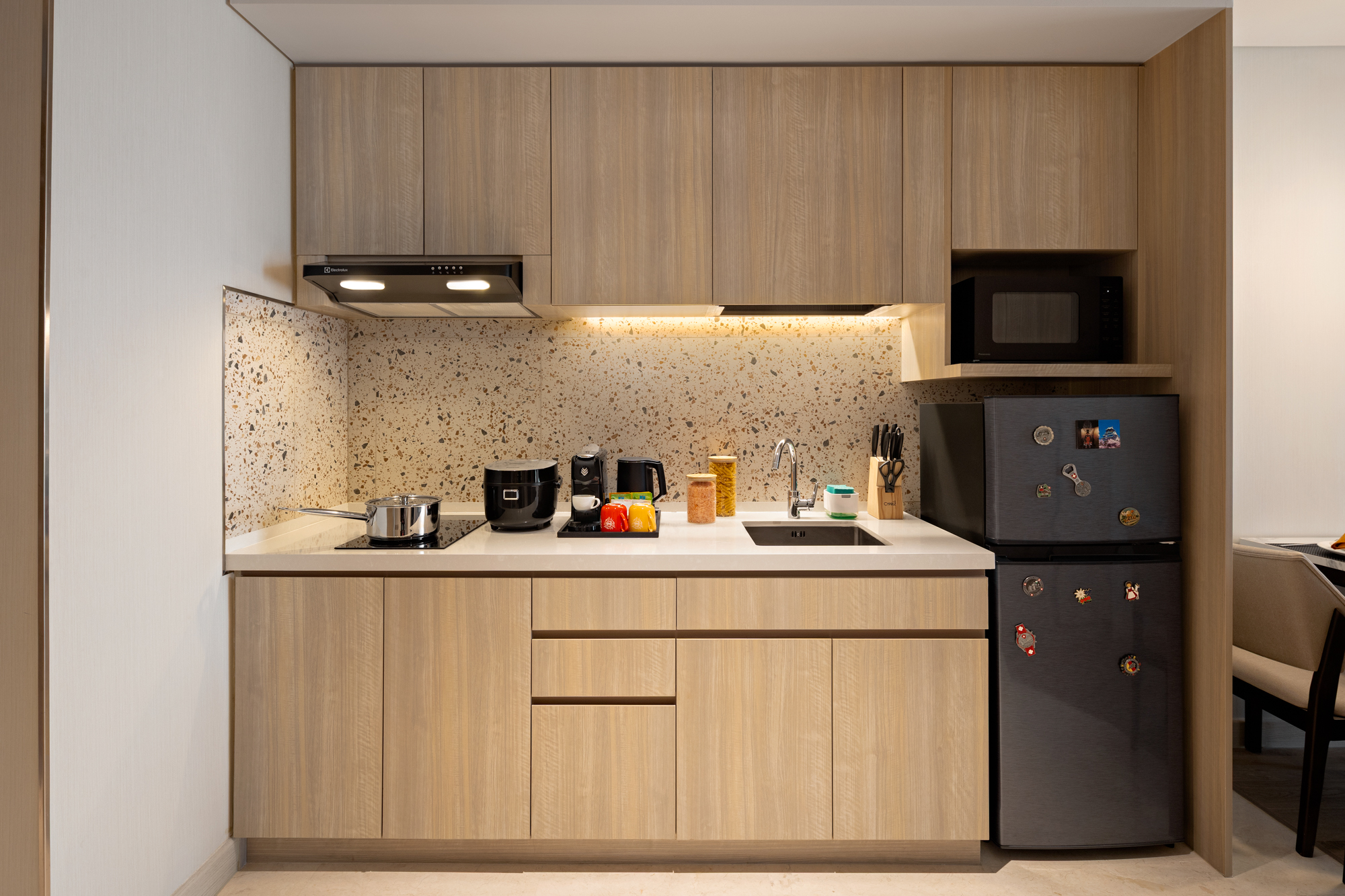
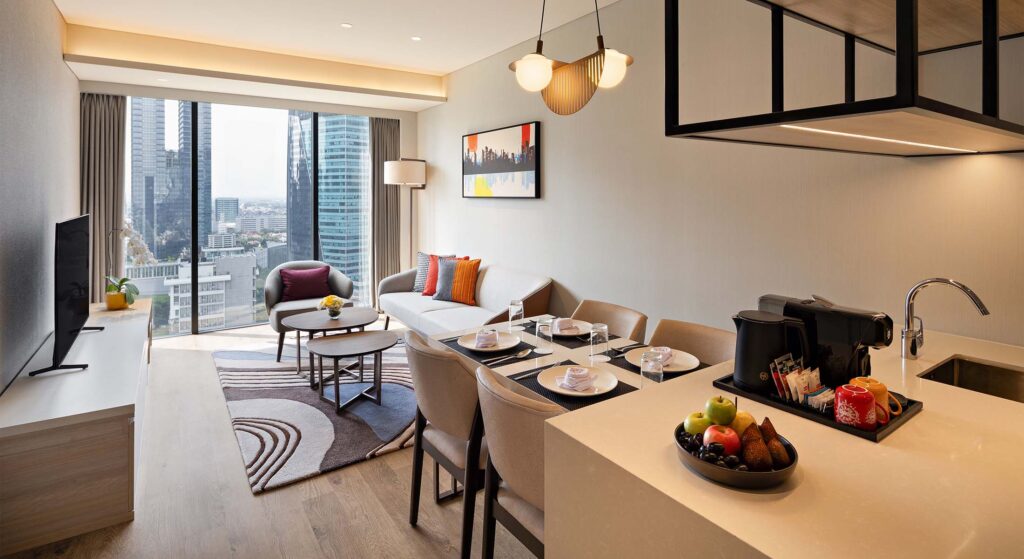
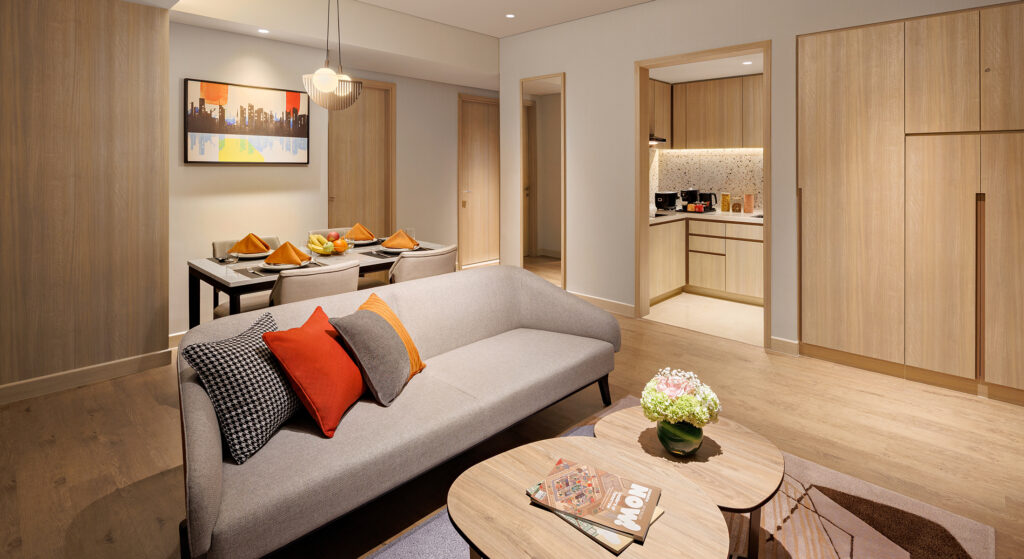
Beyond bedroom count, configuration matters. Units with fully equipped kitchens reduce dining expenses, making higher monthly rates economically viable when total living costs are calculated. Properties offering induction stoves, full-size refrigerators, microwaves, and rice cookers enable residents to prepare meals rather than rely solely on restaurants.
Services and Amenities Included in Monthly Rates
The value proposition of extended stay hotel monthly rates extends beyond square footage. Comprehensive service packages distinguish serviced apartments from traditional rental housing.
Hotel-Style Services in Residential Settings
Properties operating under international hospitality brands deliver consistent service standards. Daily or weekly housekeeping, 24-hour reception, concierge assistance, and maintenance response create a hotel experience within a residential framework.
Standard service inclusions:
- Housekeeping (frequency varies by rate tier)
- Fresh linens and towel replacement
- 24-hour front desk and security
- Concierge services for reservations and transportation
- Maintenance and repair coordination
- Package receipt and storage
Premium properties often include additional services such as dry cleaning pickup, grocery delivery coordination, and personalized welcome arrangements. These services carry tangible value when calculating the true cost of extended stays.
Amenity Access and Facility Usage
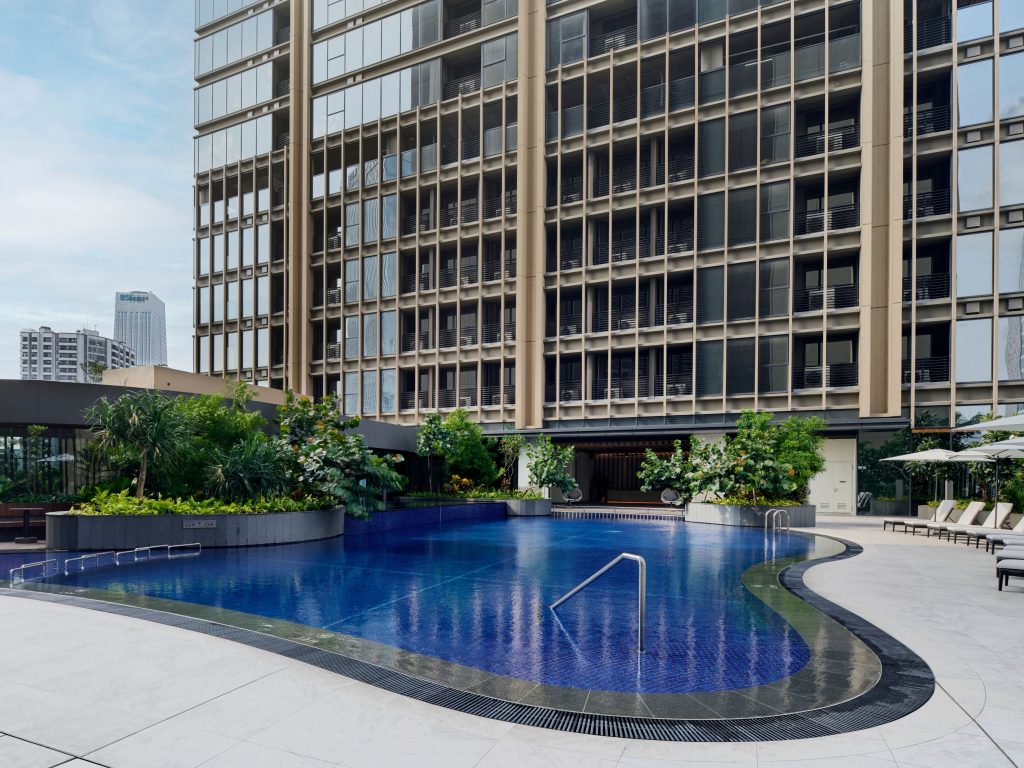
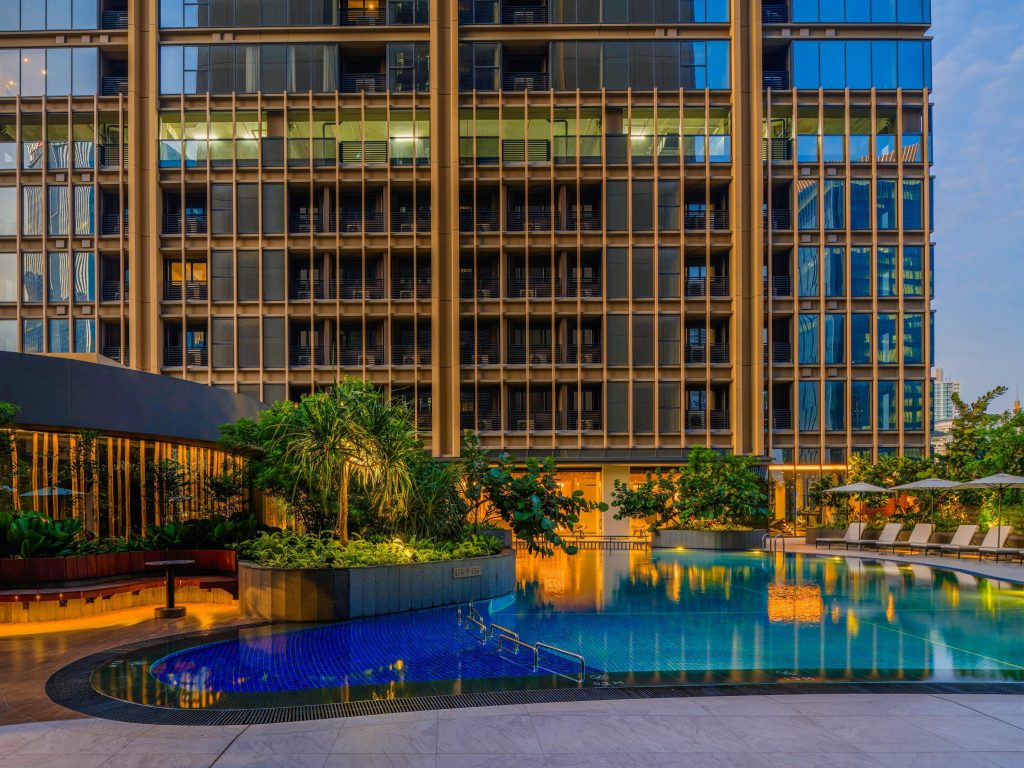
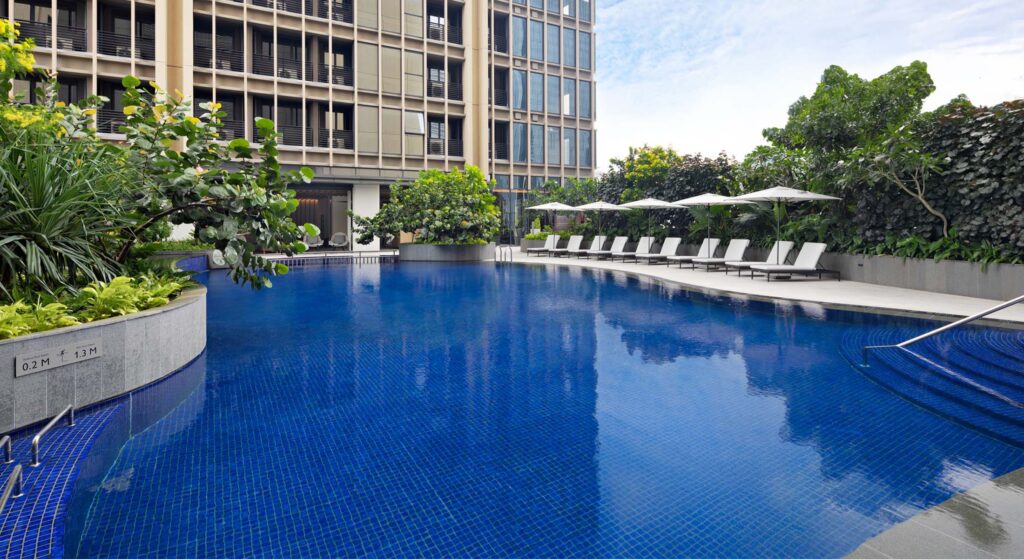
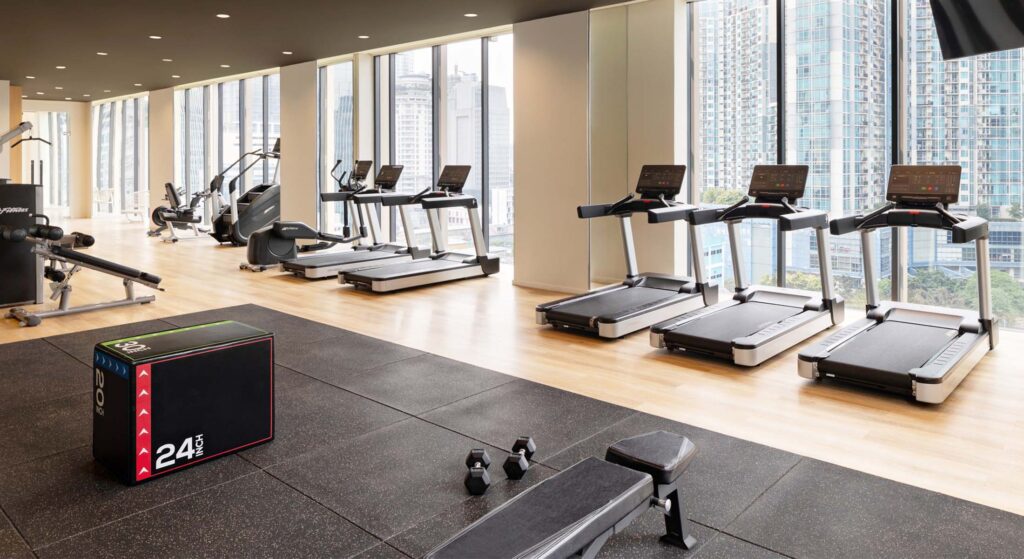
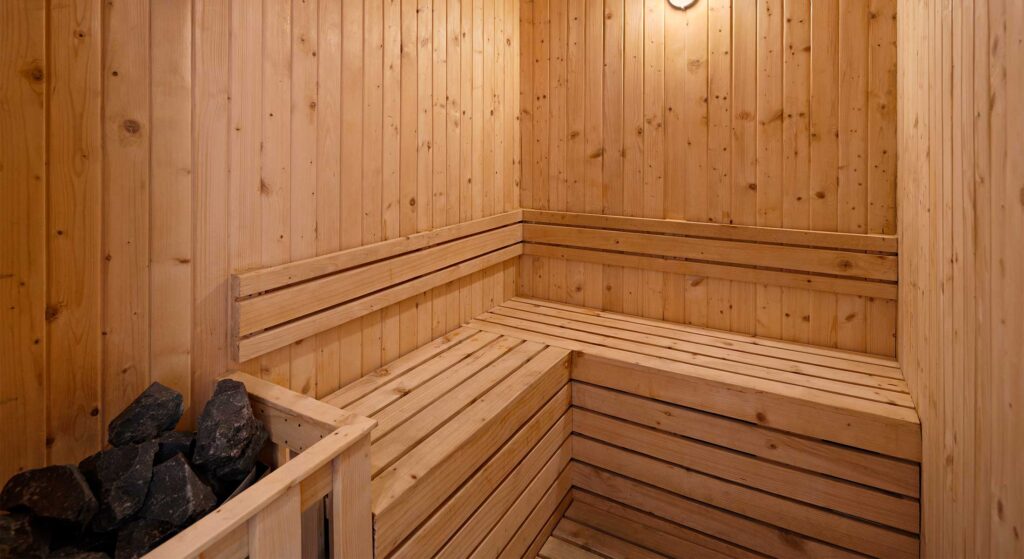
Monthly rates typically grant unlimited access to property amenities. Fitness centers, swimming pools, business centers, meeting rooms, and communal spaces become extensions of individual residences.
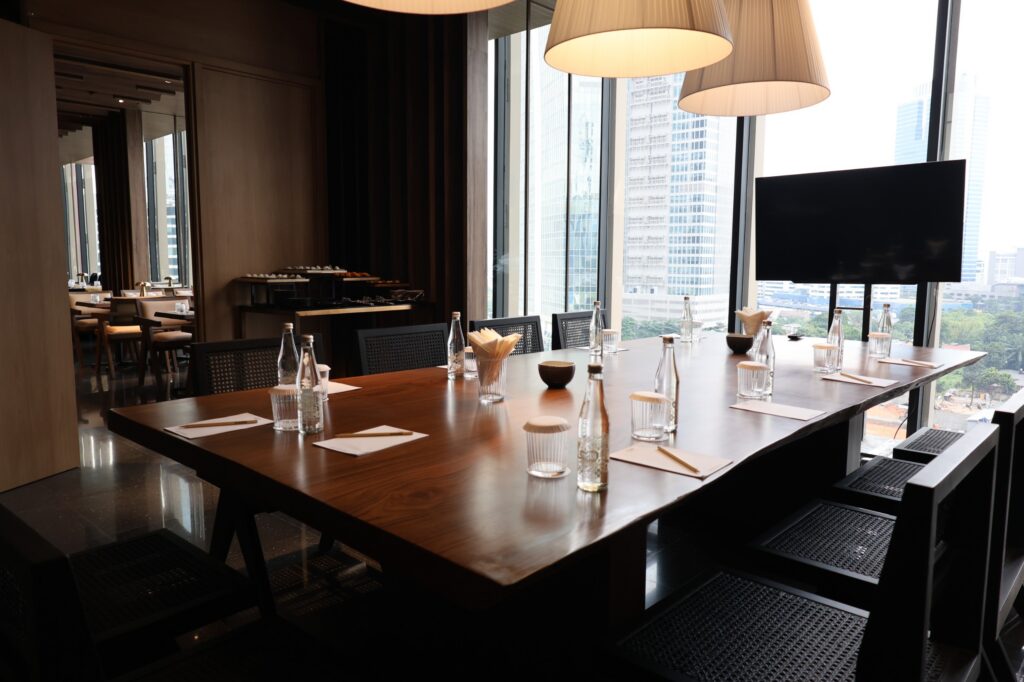
For professionals working remotely or managing regional responsibilities, business centers with high-speed internet, printing capabilities, and private meeting rooms eliminate the need for external office rentals. Families benefit from recreational facilities, while health-conscious residents utilize fitness and wellness spaces daily.
According to Highland Group research, amenity quality increasingly influences extended-stay booking decisions in 2026, with properties investing in upgraded fitness equipment, co-working spaces, and enhanced recreational facilities to justify premium monthly rates.
Comparing Monthly Rates to Alternative Accommodation
Extended stay hotel monthly rates compete with several housing alternatives, each presenting different value propositions and trade-offs.
Traditional Apartment Rentals
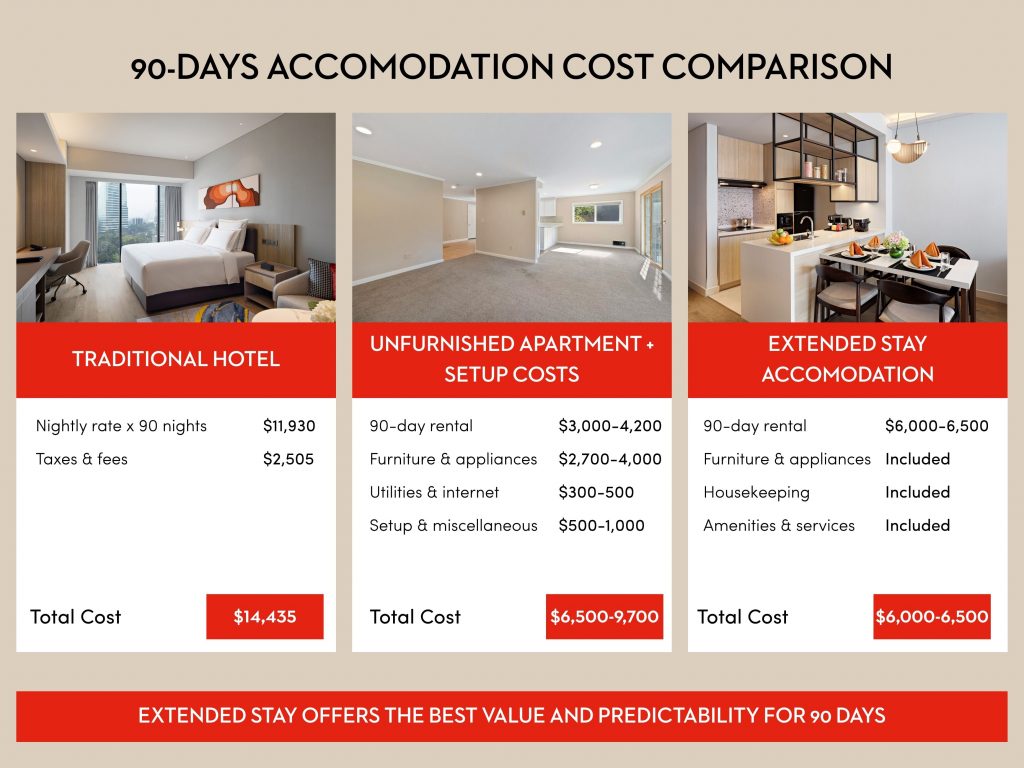
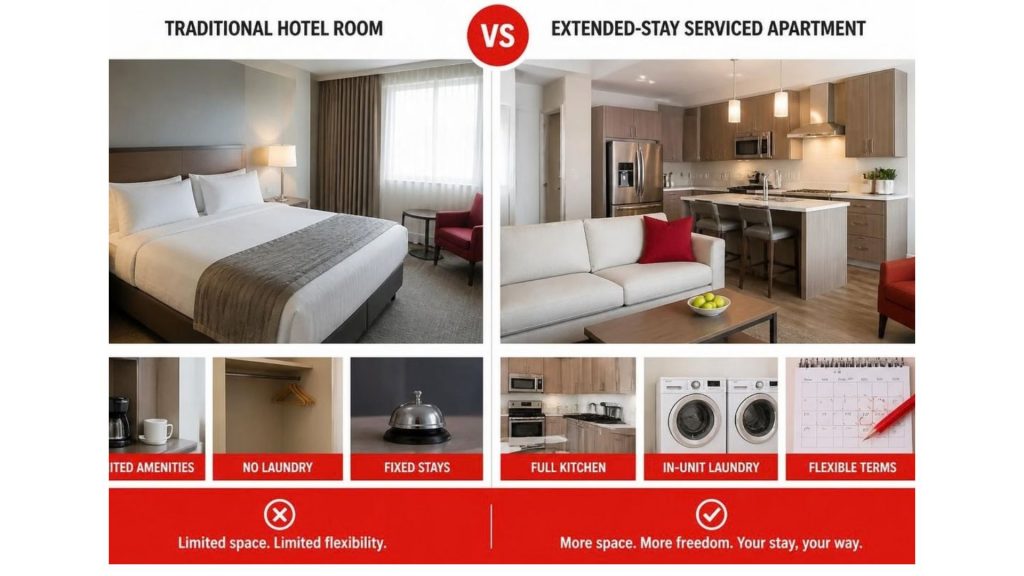
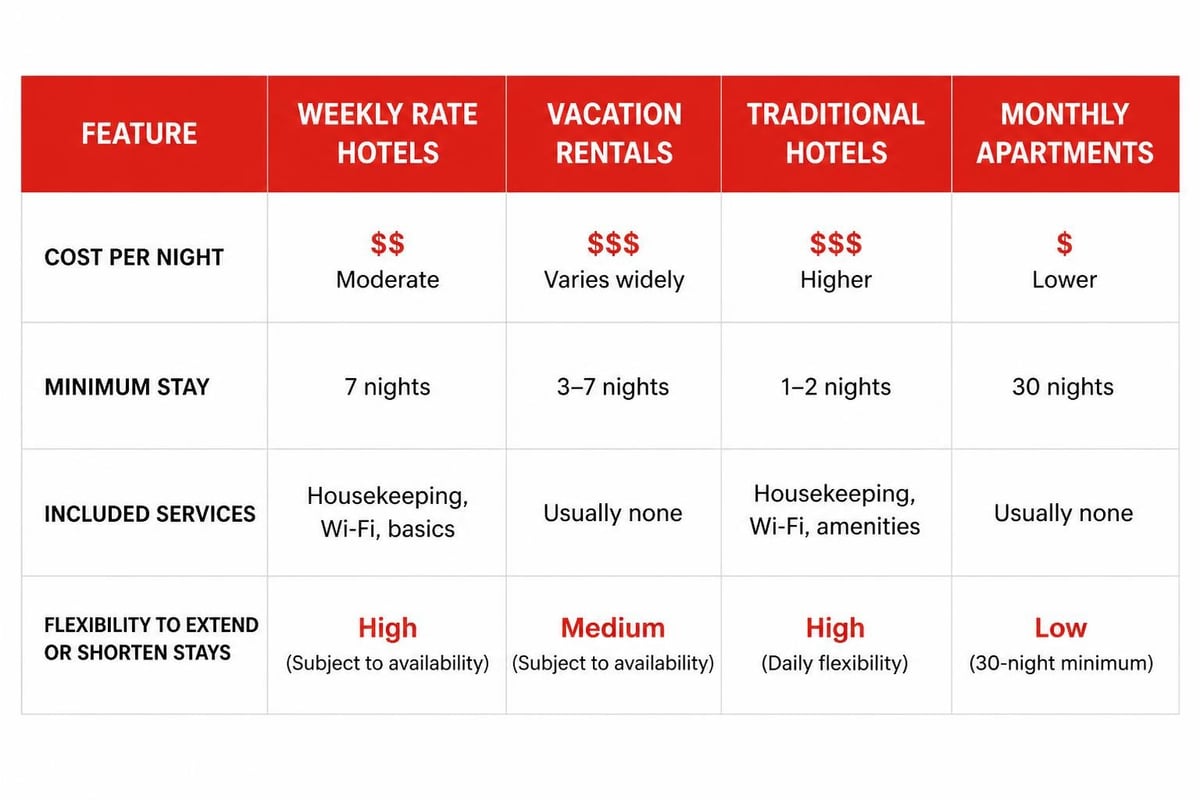
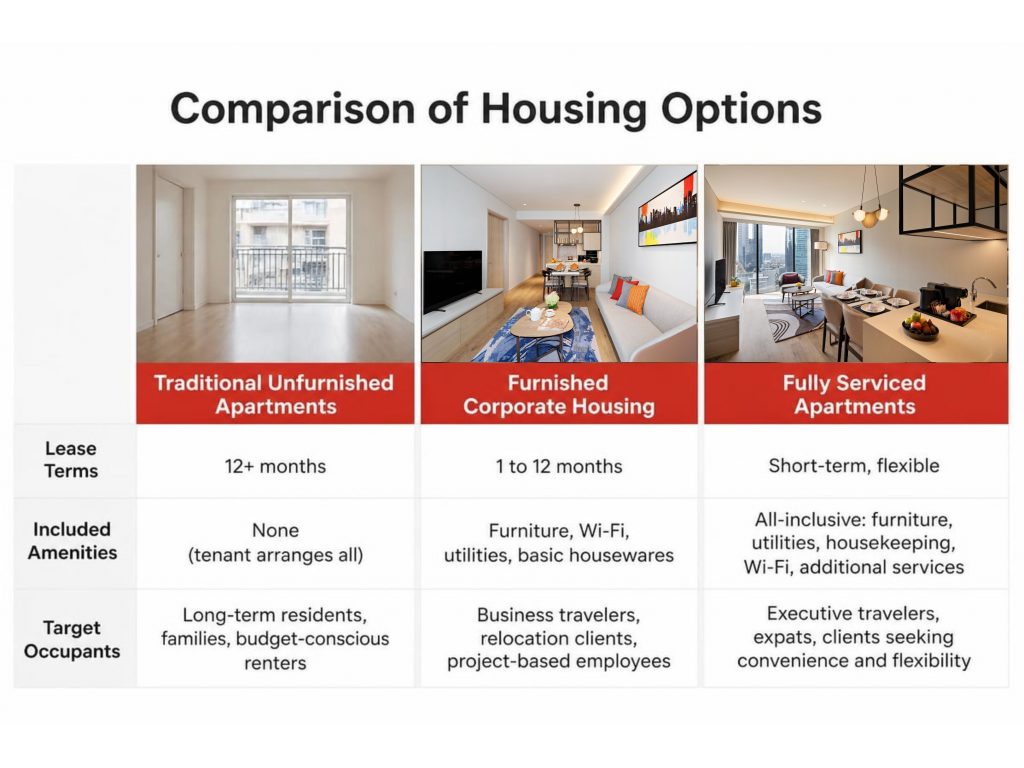
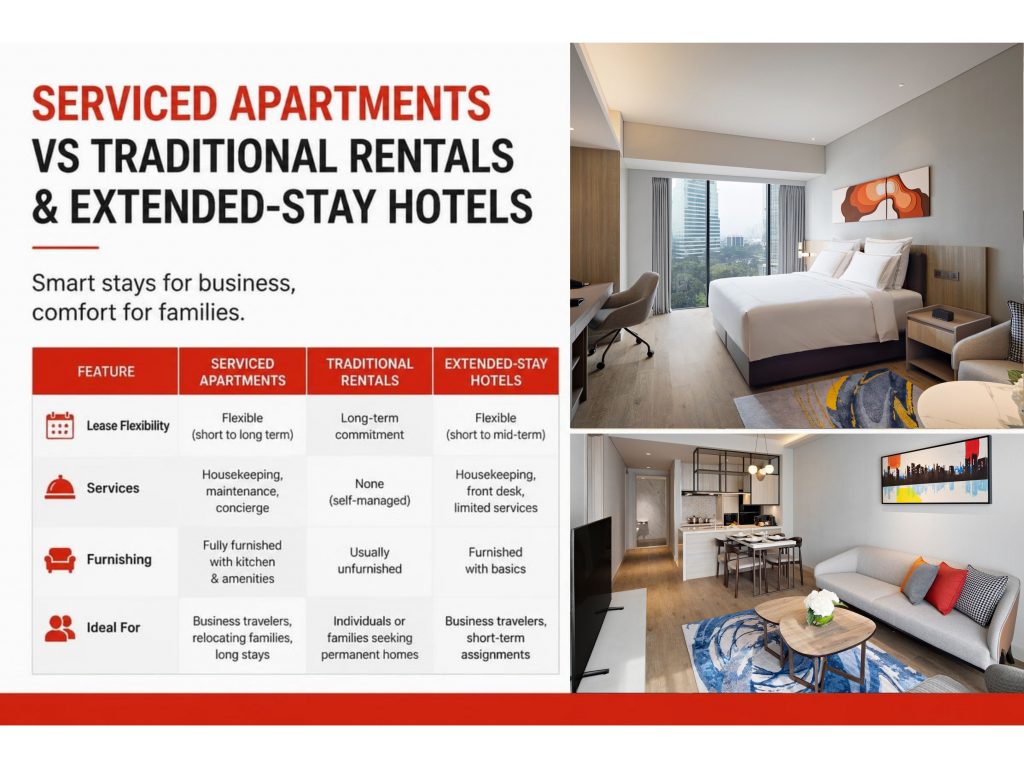
Conventional apartment leases require security deposits, utility setup, furniture acquisition, and often 12-month commitments. Extended stay monthly rates eliminate these barriers while providing flexibility and hotel-standard services.
| Factor | Traditional Rental | Extended Stay Monthly |
|---|---|---|
| Minimum commitment | 6-12 months | 30 days |
| Furniture | Tenant provides | Fully furnished |
| Utilities | Separate contracts | Included in rate |
| Housekeeping | Tenant responsibility | Provided service |
| Flexibility | Low (lease penalties) | High (monthly renewal) |
For corporate assignments, expatriate placements, and project-based work, the flexibility of monthly extended-stay arrangements outweighs the slightly higher per-month cost compared to annual leases. Professionals relocating for three to six months avoid furniture rental fees, utility deposits, and the complexity of setting up household infrastructure.
Daily Hotel Accumulation
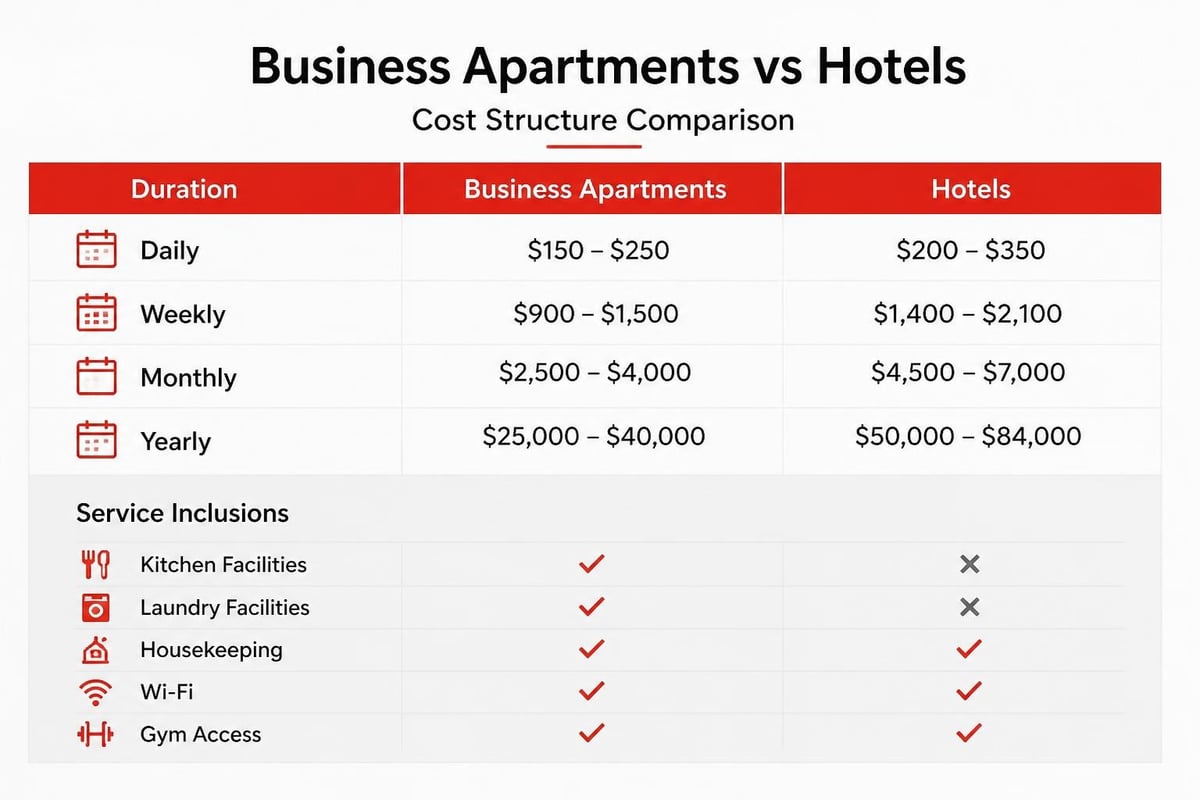
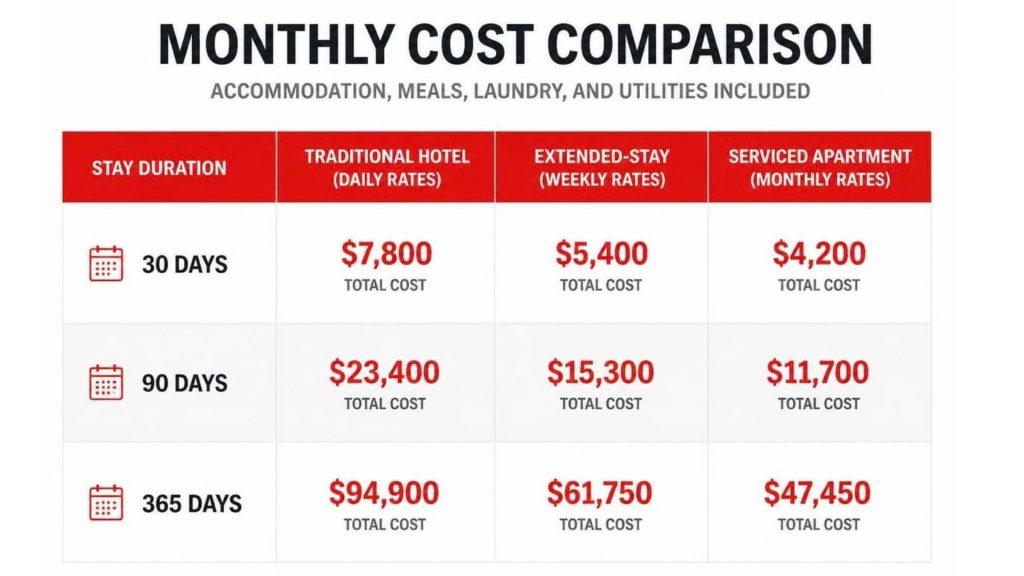
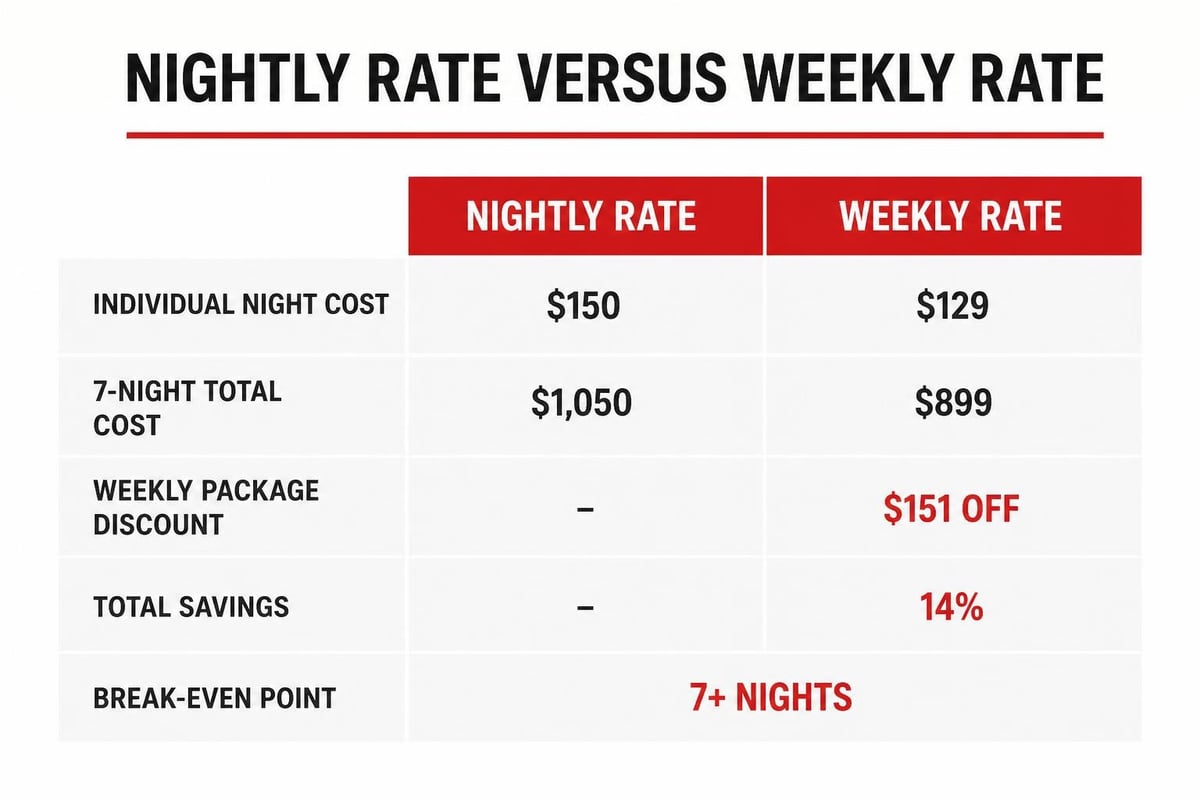
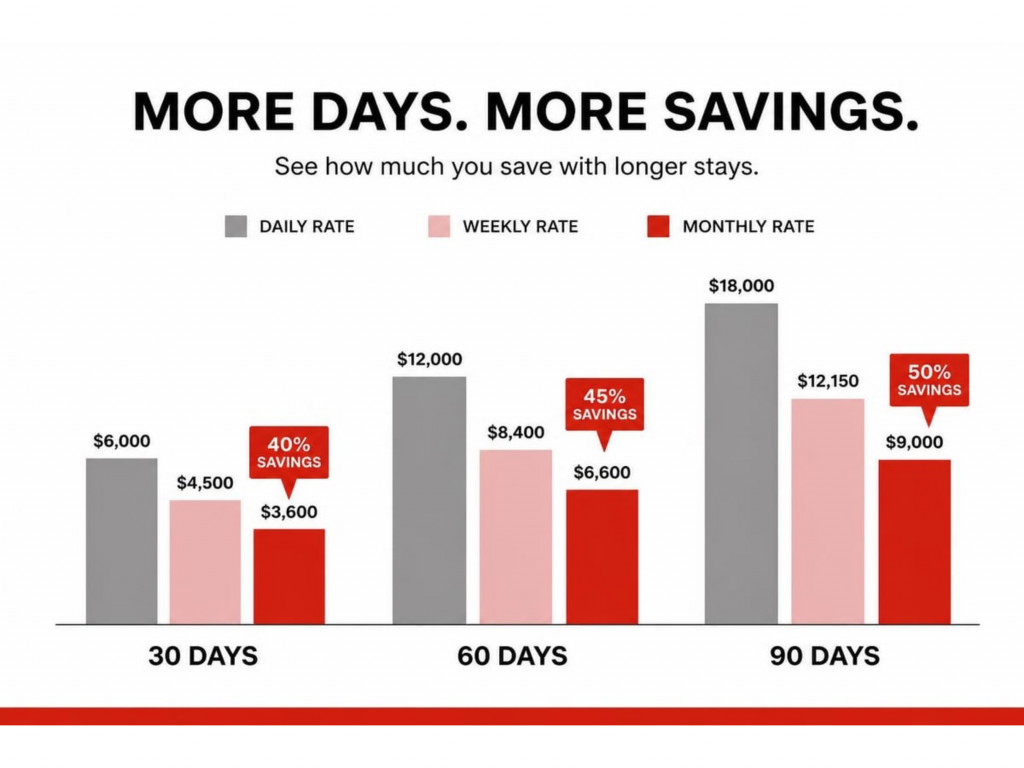
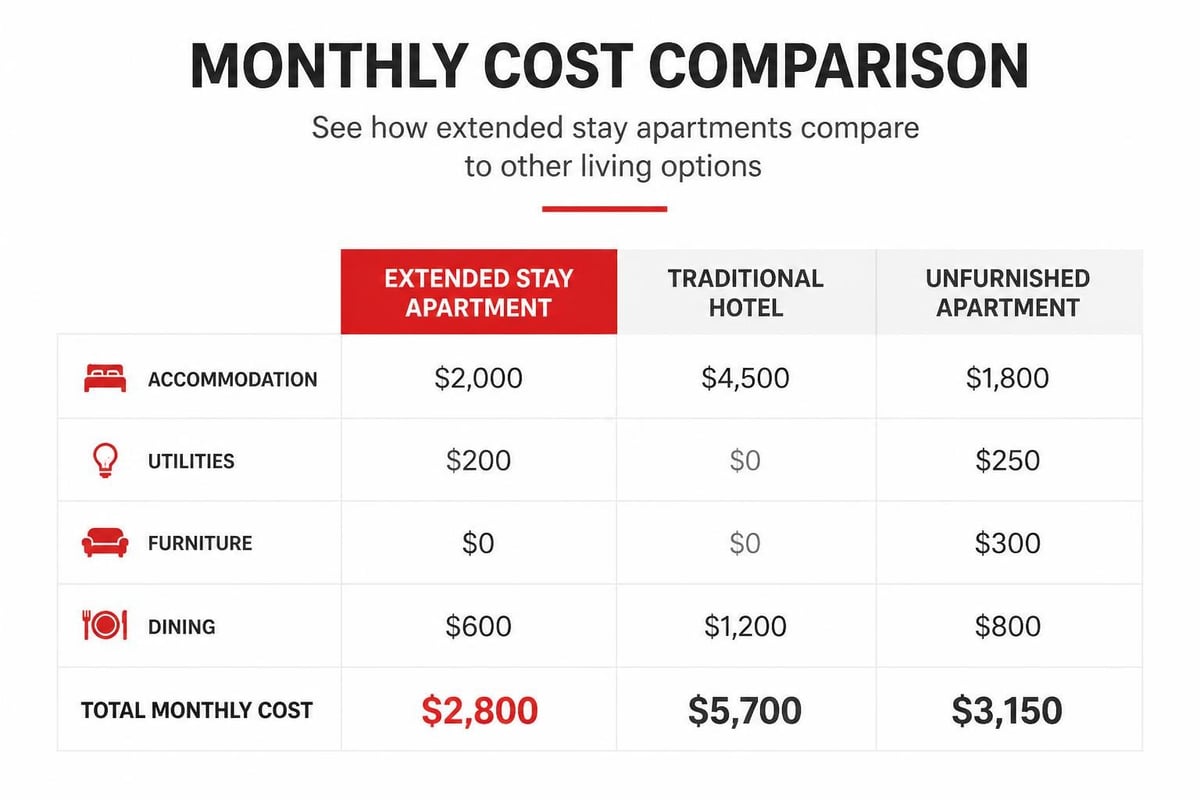
Booking traditional hotels on a daily basis for extended periods creates exponential costs. A $150 nightly hotel rate accumulates to $4,500 monthly before considering additional charges for laundry, parking, and internet upgrades.
Extended stay hotel monthly rates for equivalent quality accommodation typically range from $2,800 to $3,500, representing 25-40% savings. The differential increases when factoring in kitchen access, which reduces meal expenses by 50-70% compared to daily restaurant dining.
Negotiating and Optimizing Monthly Rates
Extended stay hotel monthly rates contain negotiation opportunities that daily hotel bookings rarely offer. Corporate volume, extended duration, and direct booking channels create leverage for rate optimization.
Corporate and Volume Discounts
Companies placing multiple employees in extended-stay accommodation negotiate corporate rates 15-30% below published monthly prices. Volume agreements covering quarterly or annual room nights unlock tiered discounting structures.
Negotiation leverage points:
- Commitment to minimum monthly room nights across the year
- Flexible check-in dates allowing property inventory optimization
- Direct booking (bypassing third-party commission)
- Multi-unit bookings within the same property
- Extended duration beyond initial 30-day commitment
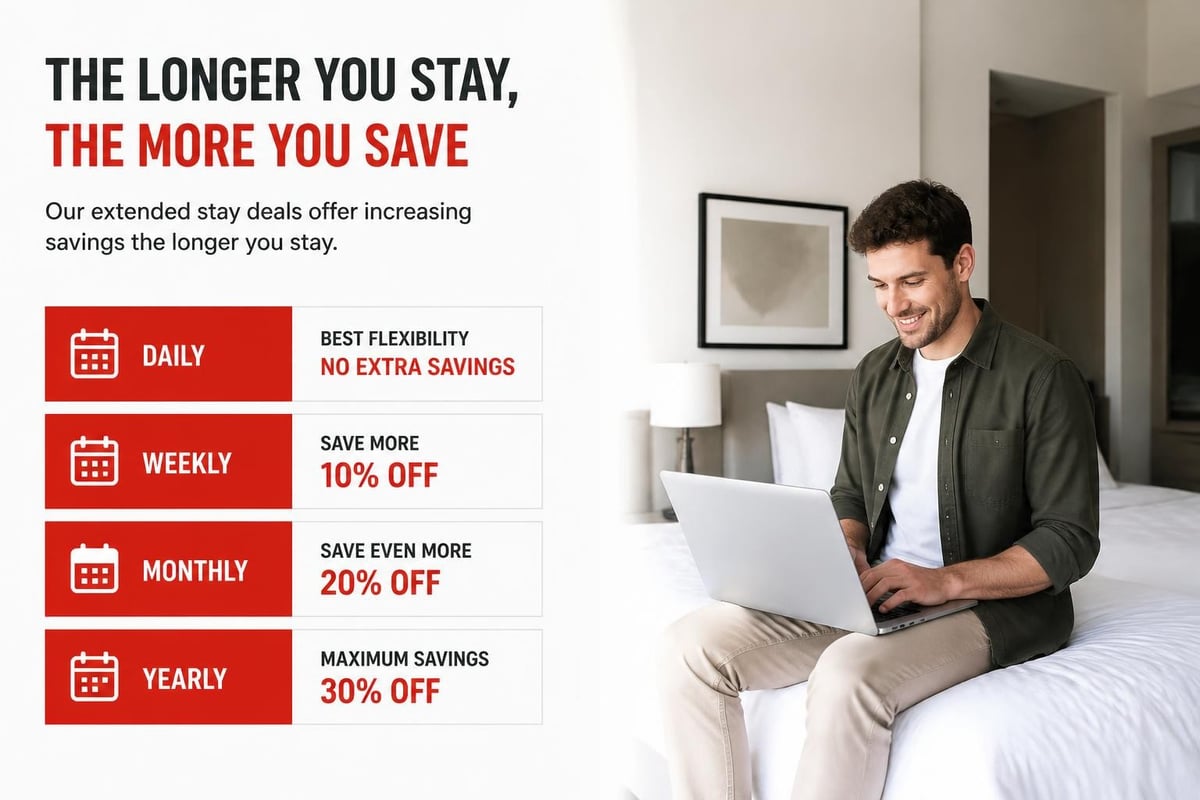
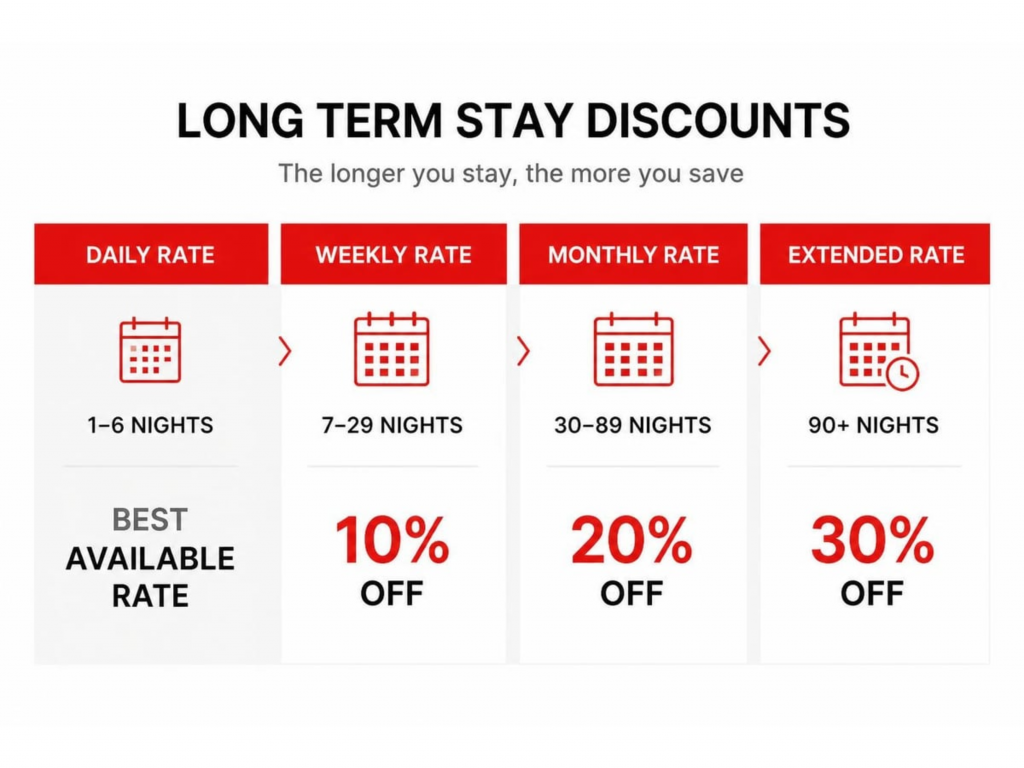
Individual travelers can access similar benefits through extended-duration bookings. Committing to 60 or 90 days upfront often secures 10-20% rate reductions compared to monthly renewals.
Seasonal and Occupancy-Based Pricing
Extended stay properties adjust monthly rates based on demand cycles. Business districts experience peak occupancy during corporate budget years and project seasons, while leisure-oriented locations fluctuate with tourism patterns.
Jakarta’s Mega Kuningan district maintains relatively stable corporate demand throughout the year, though slight softening occurs during December holidays and August summer vacations when expatriate families travel. Properties may offer modest rate adjustments during these periods to maintain occupancy levels.
What to Look for in Extended Stay Monthly Contracts
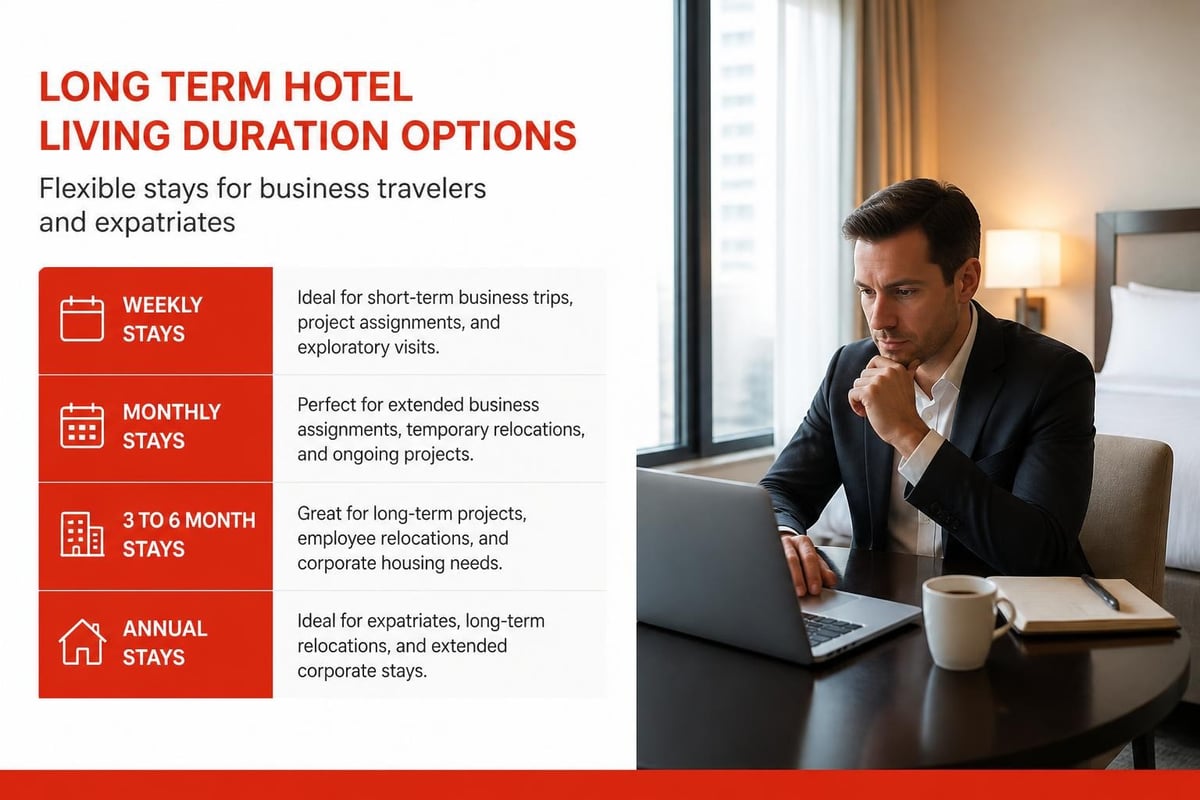
Before committing to extended stay hotel monthly rates, examine contract terms carefully. Month-to-month flexibility sounds attractive, but specific clauses govern rate changes, cancellation policies, and service levels.
Contract Duration and Renewal Terms
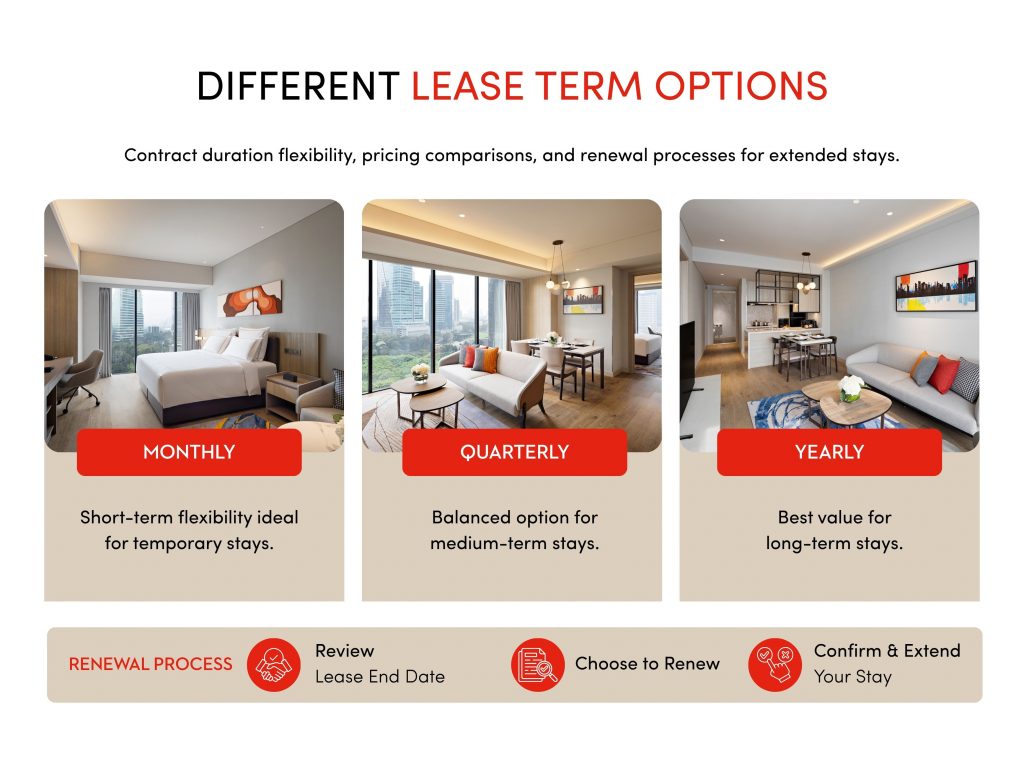
Most extended-stay properties offer initial 30-day contracts with monthly renewal options. However, rate guarantees vary. Some properties lock rates for 90 days, while others reserve the right to adjust monthly upon each renewal.
Critical contract elements:
- Rate guarantee period (30, 60, or 90 days)
- Notice required for cancellation or move-out
- Rate adjustment terms for renewals
- Security deposit or advance payment requirements
- Damage liability and insurance expectations
- Guest policy for visitors and additional occupants
Properties catering to business travelers often provide 90-day rate locks with 30-day cancellation notice, balancing flexibility with revenue stability. This arrangement suits corporate assignments where project timelines may extend or contract based on business needs.
Service Level Agreements
Monthly contracts should specify housekeeping frequency, amenity access hours, and service response times. Properties advertising “hotel services” need to define exactly what that means in practical terms.
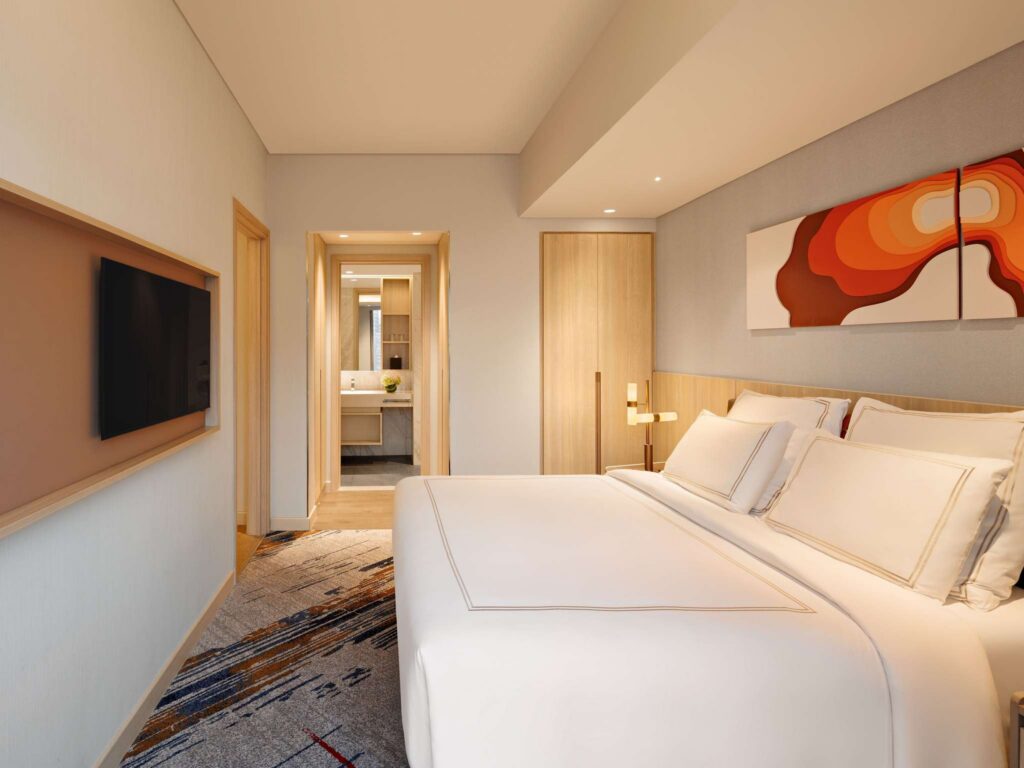
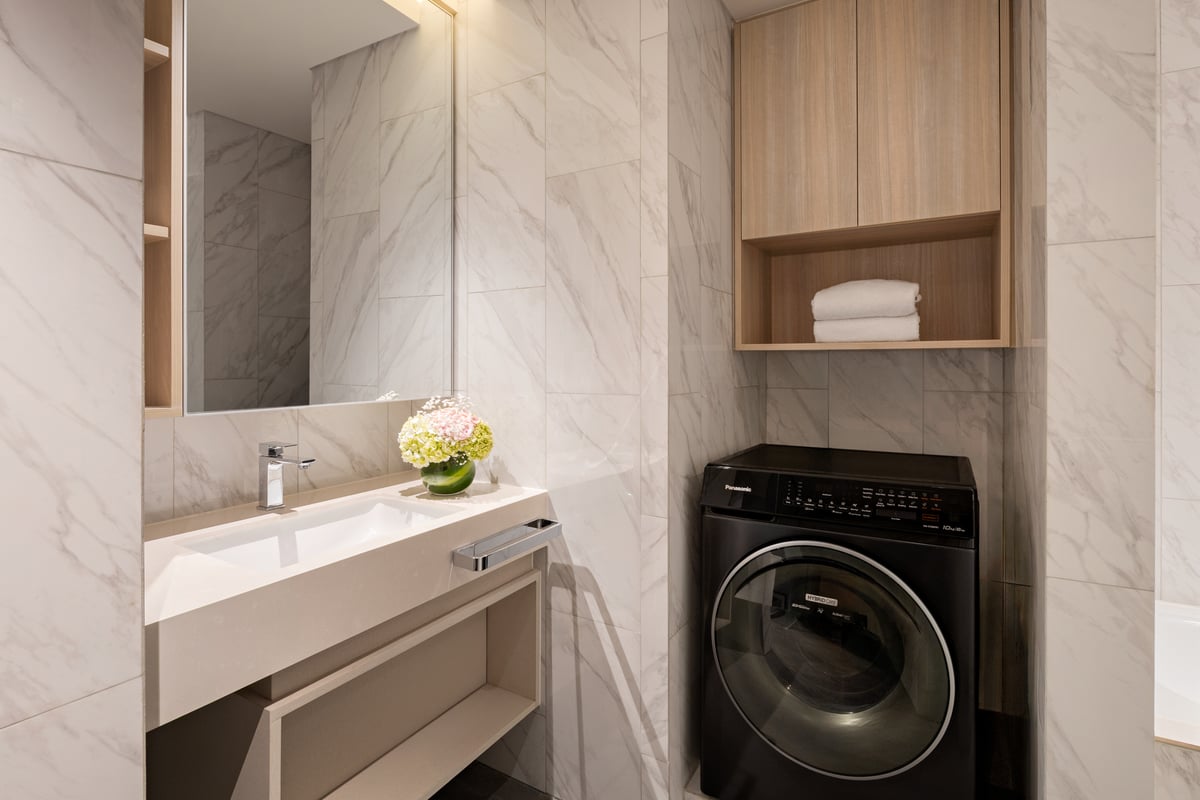
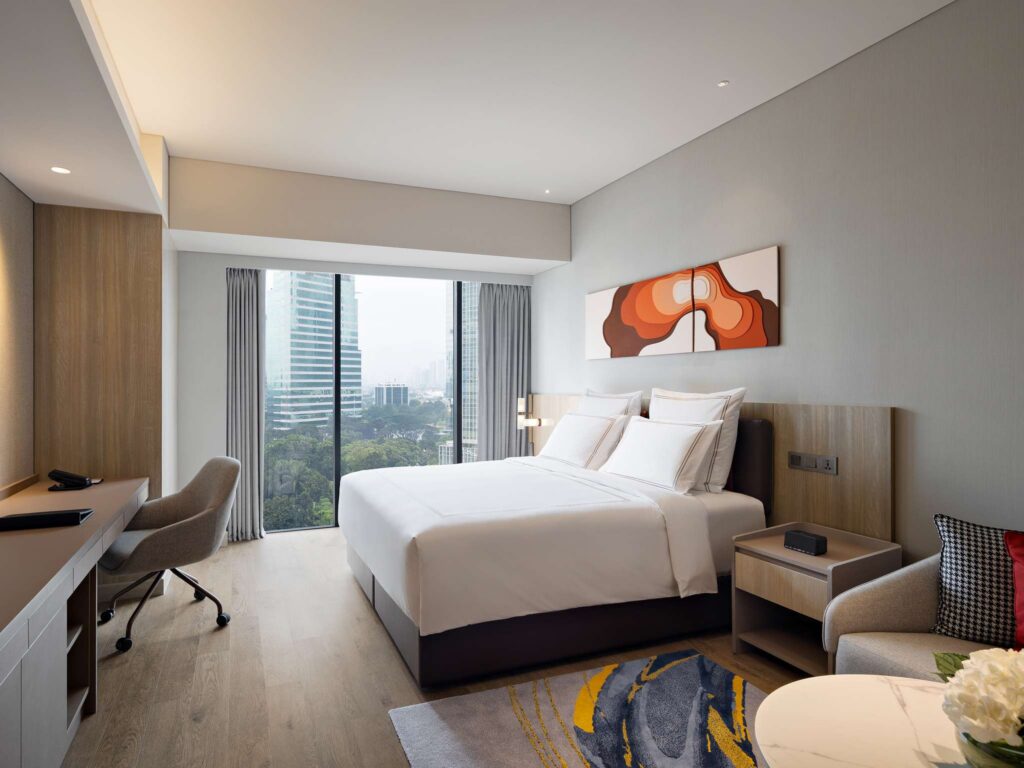
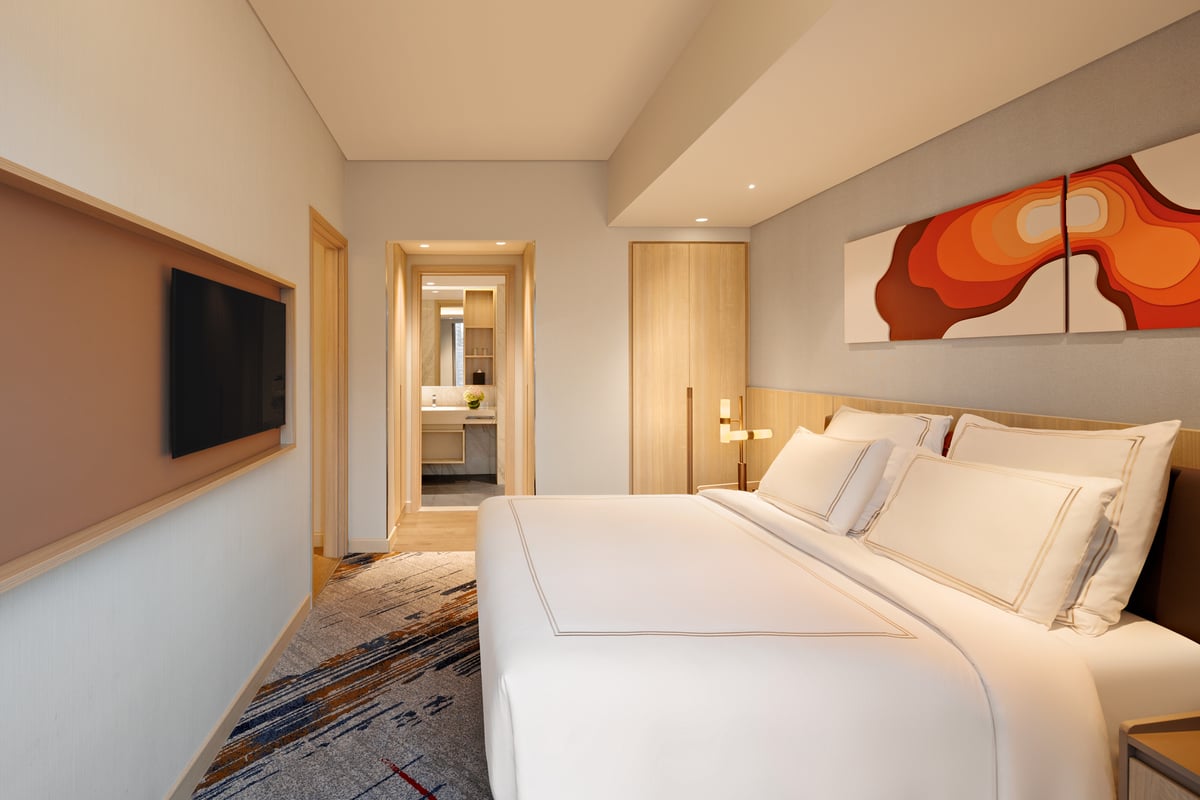
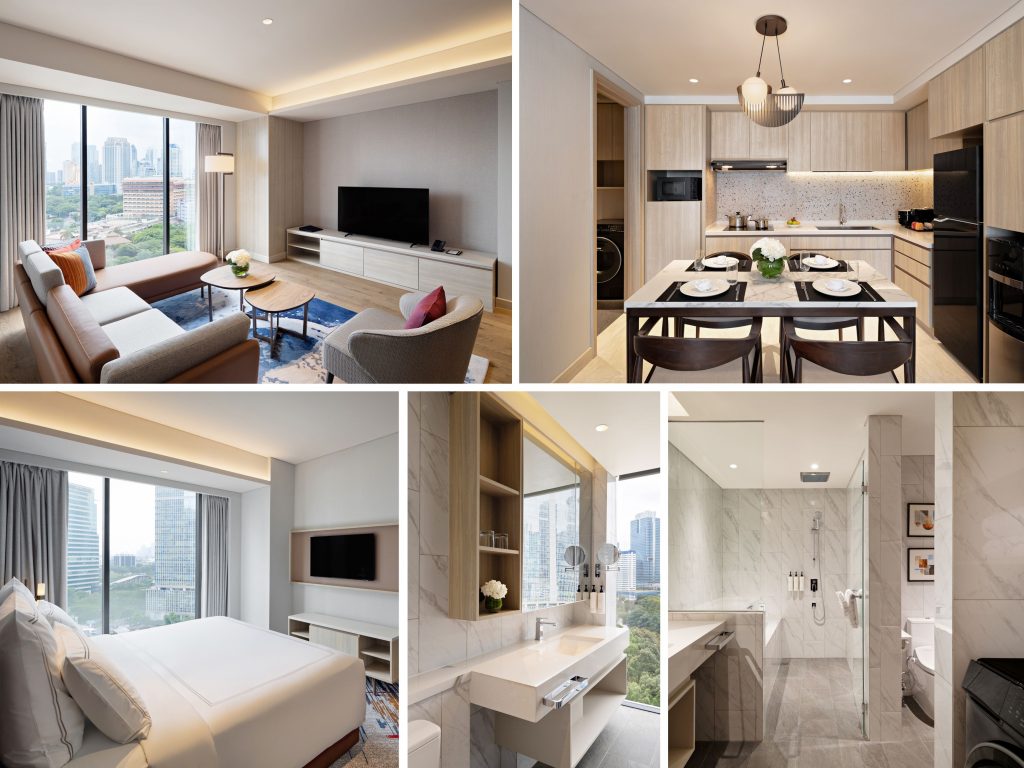
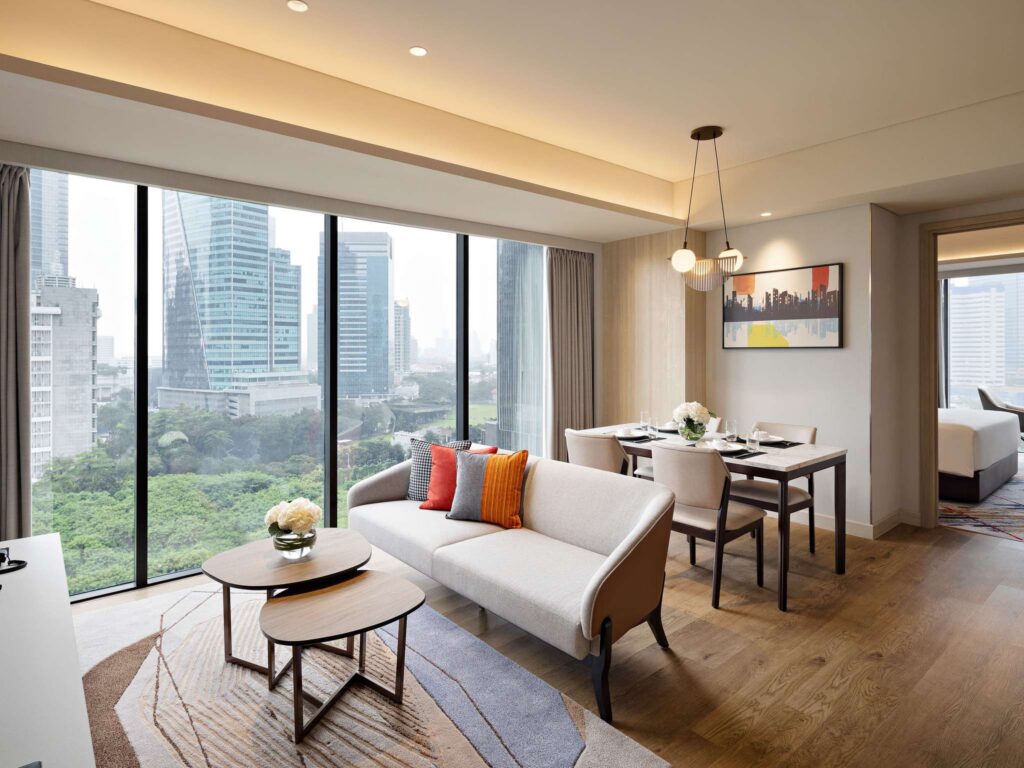
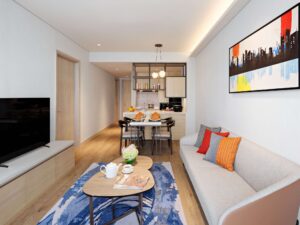
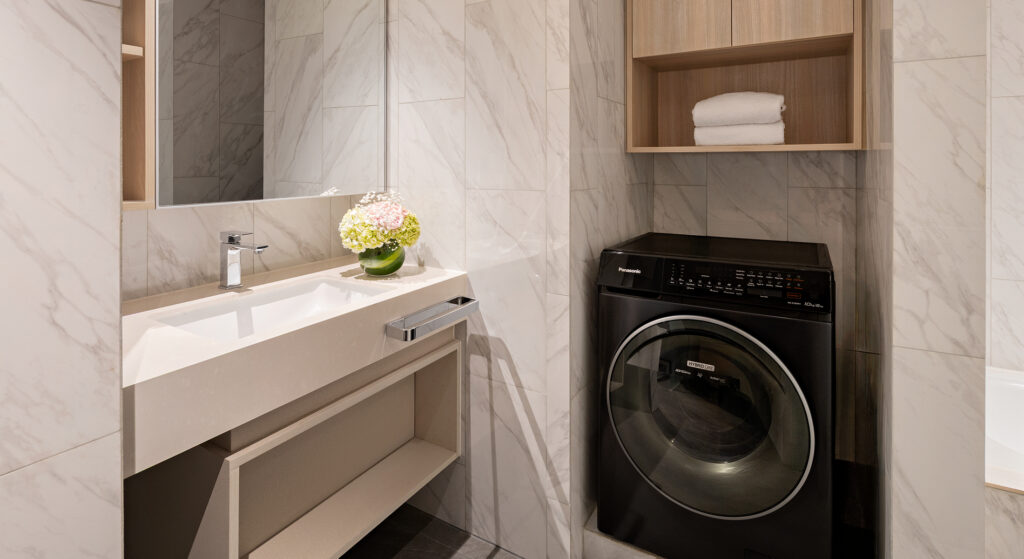
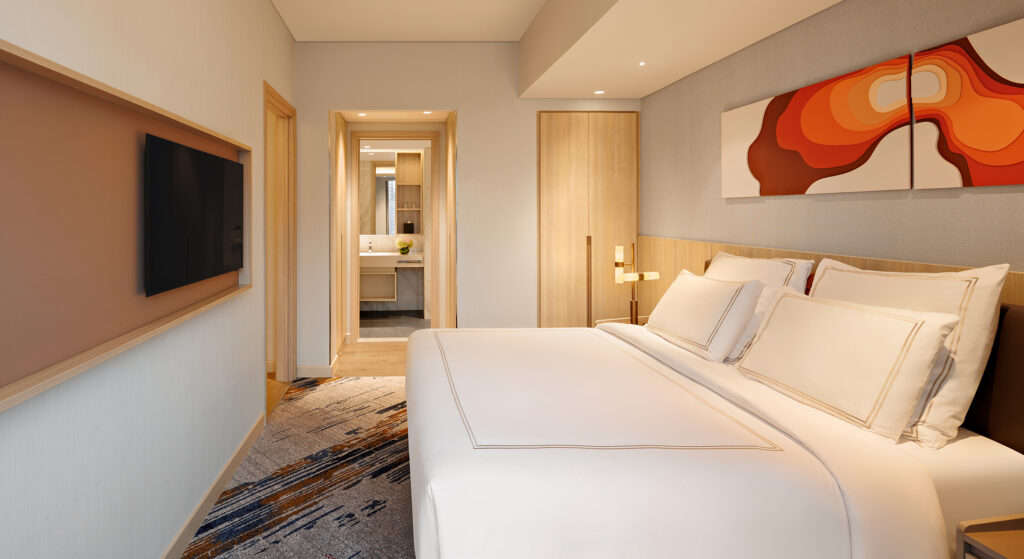
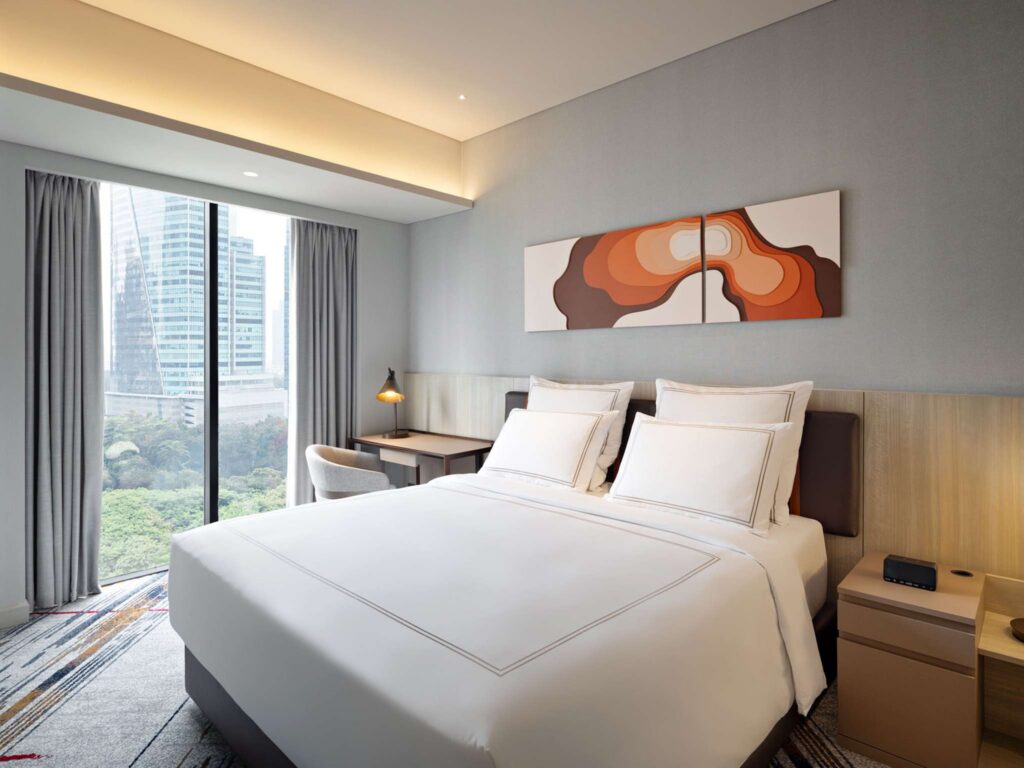
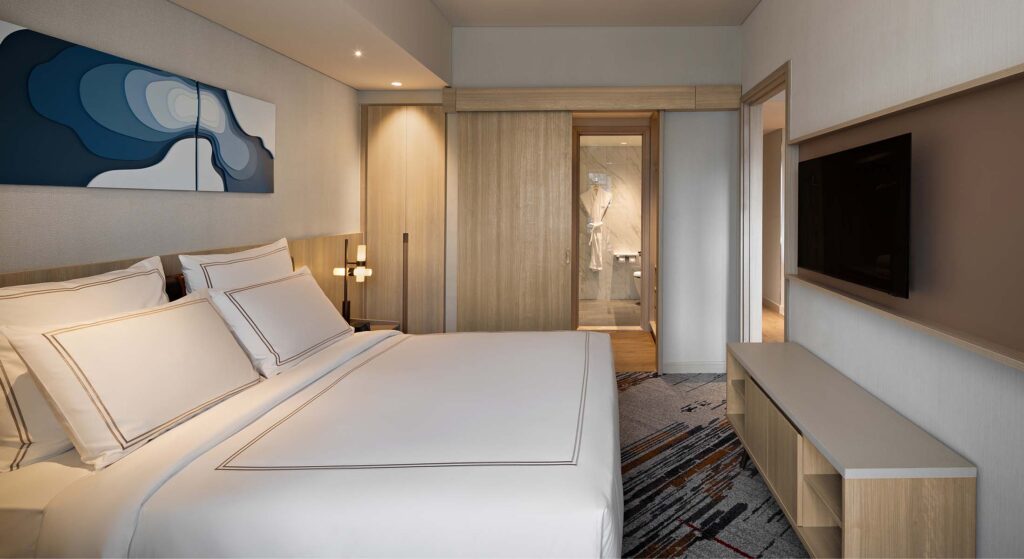
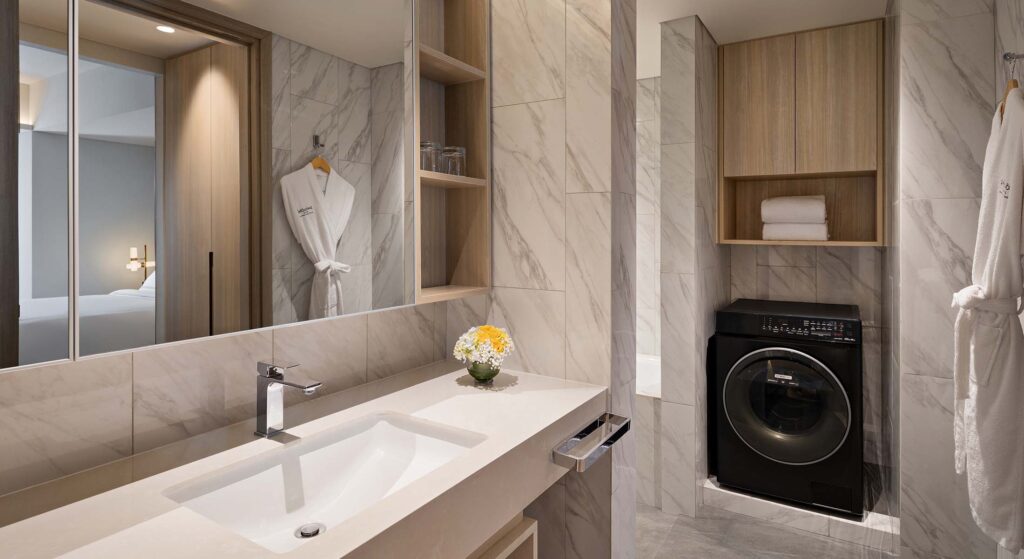
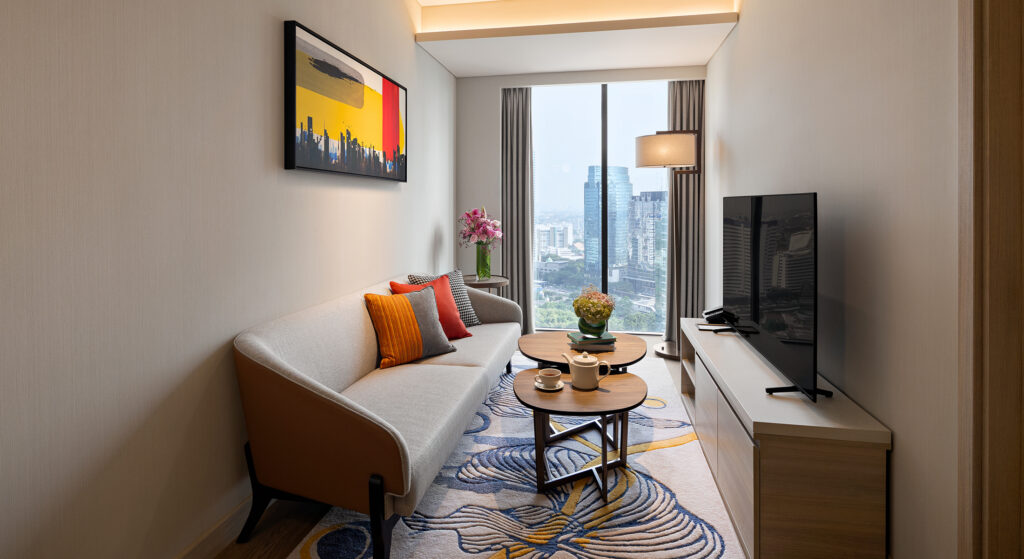
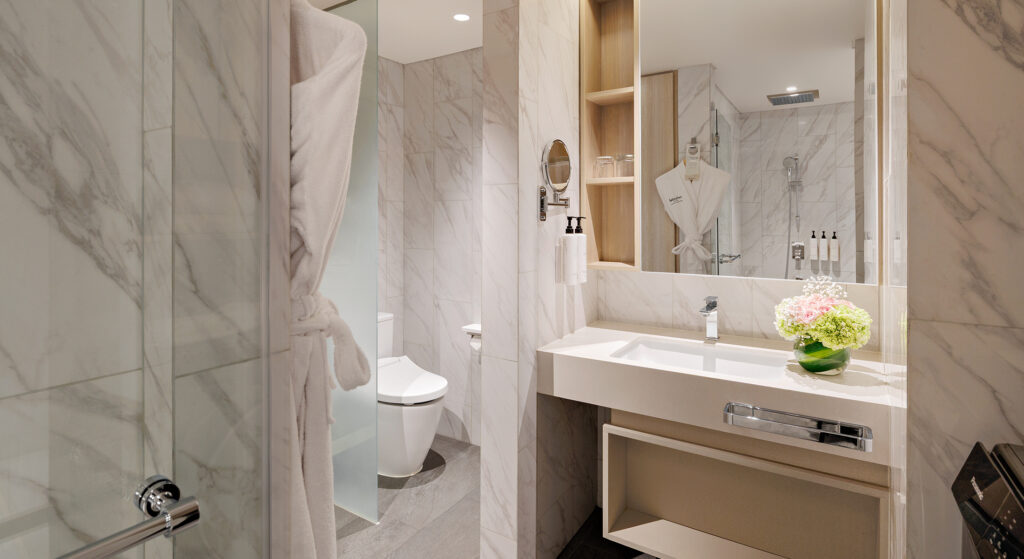
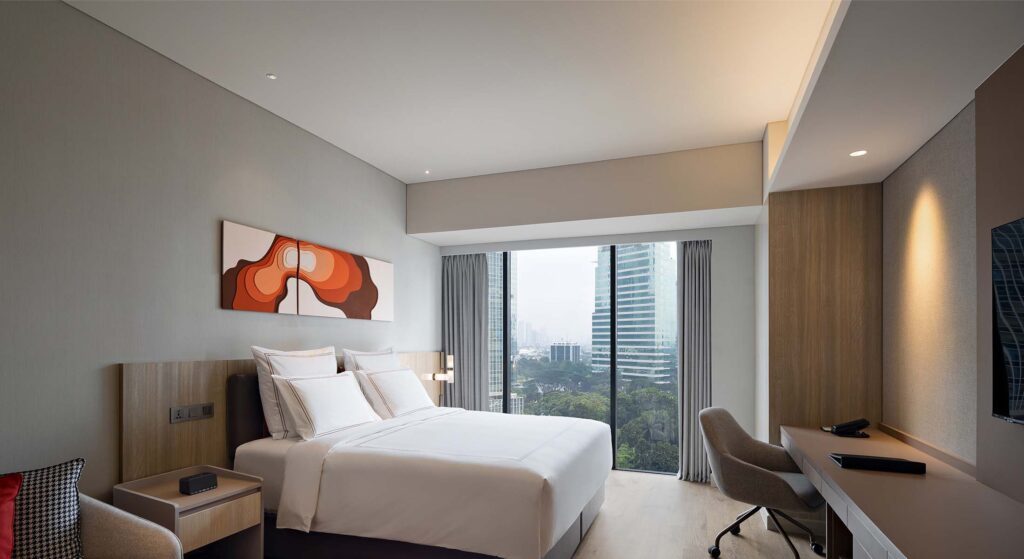
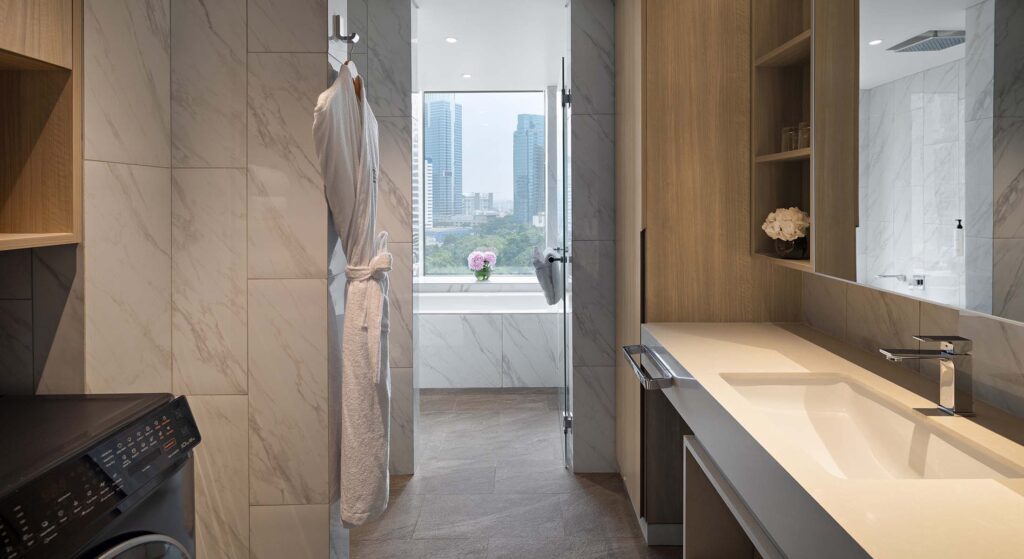
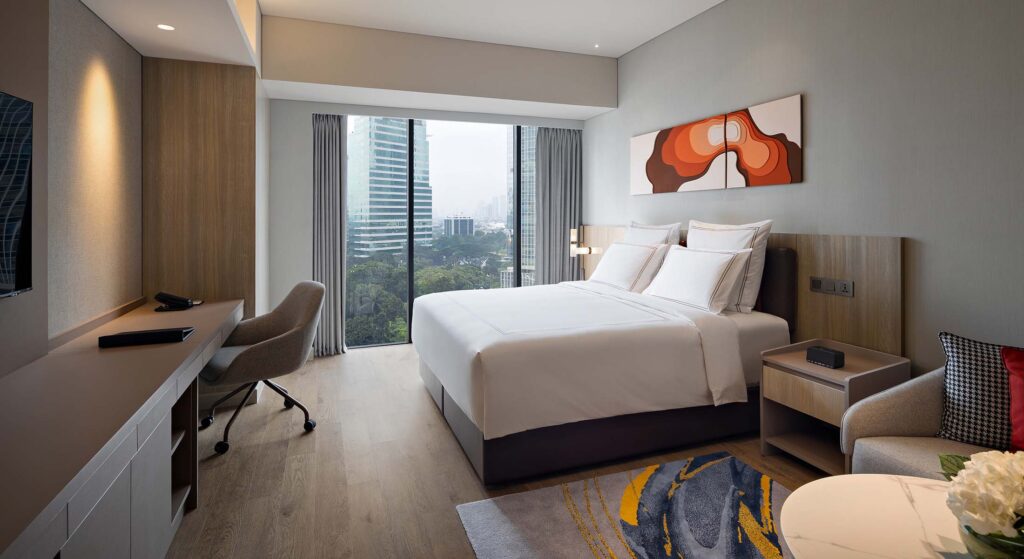
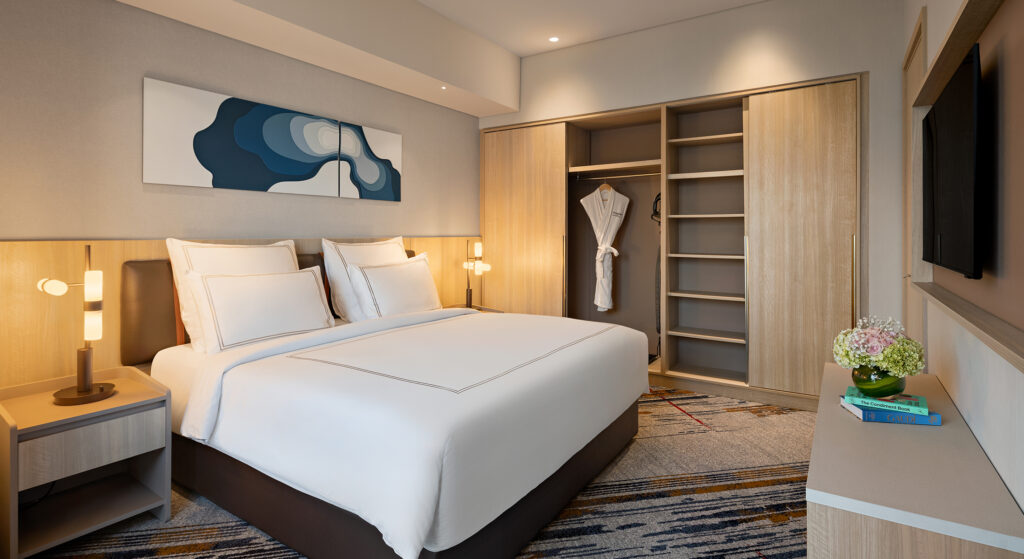
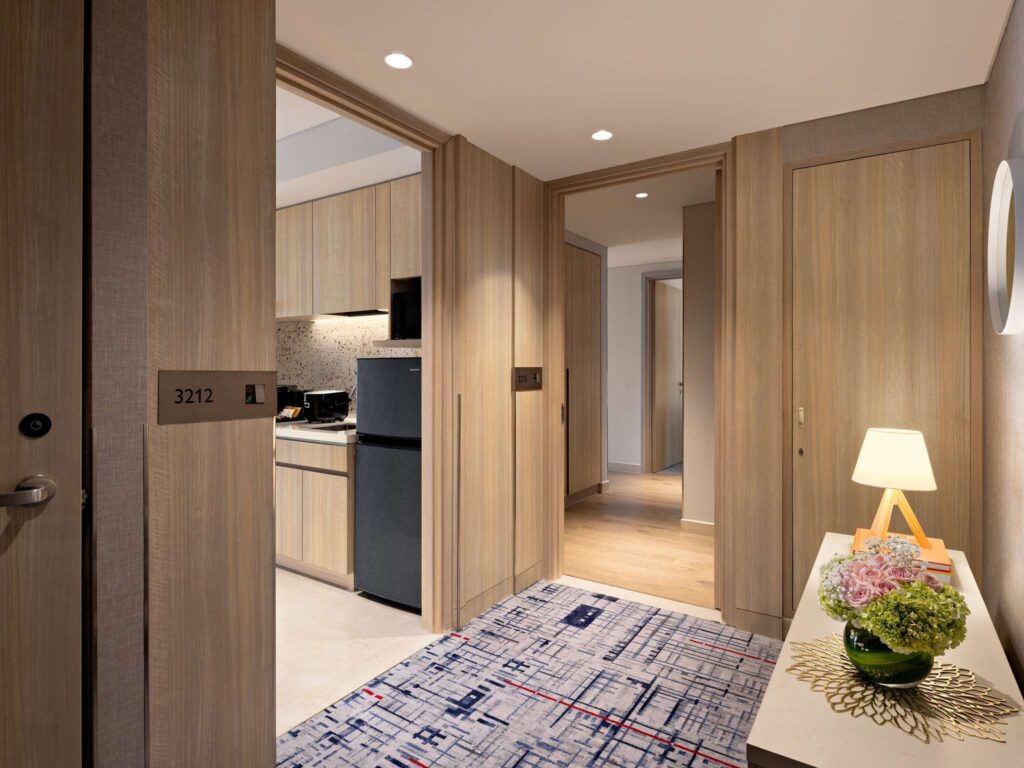
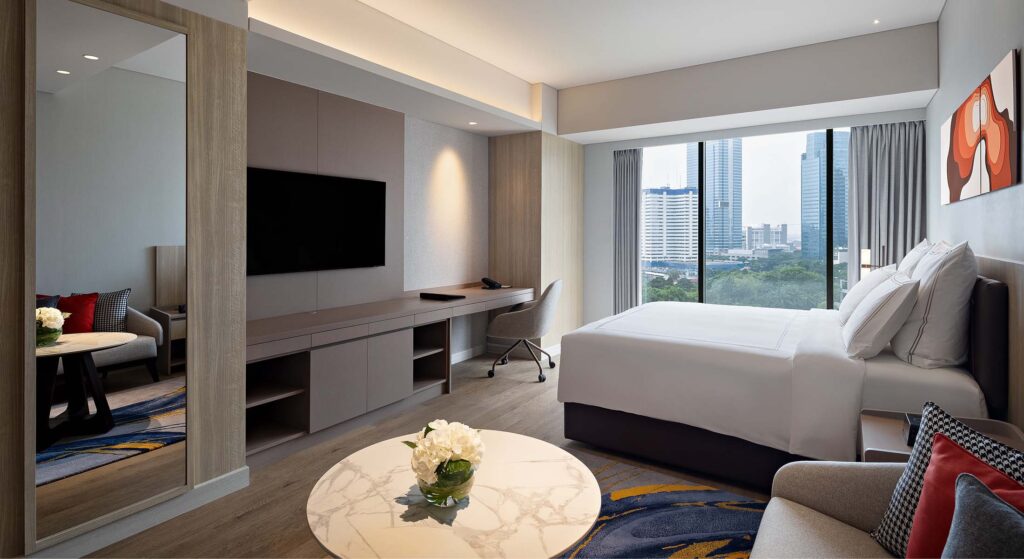
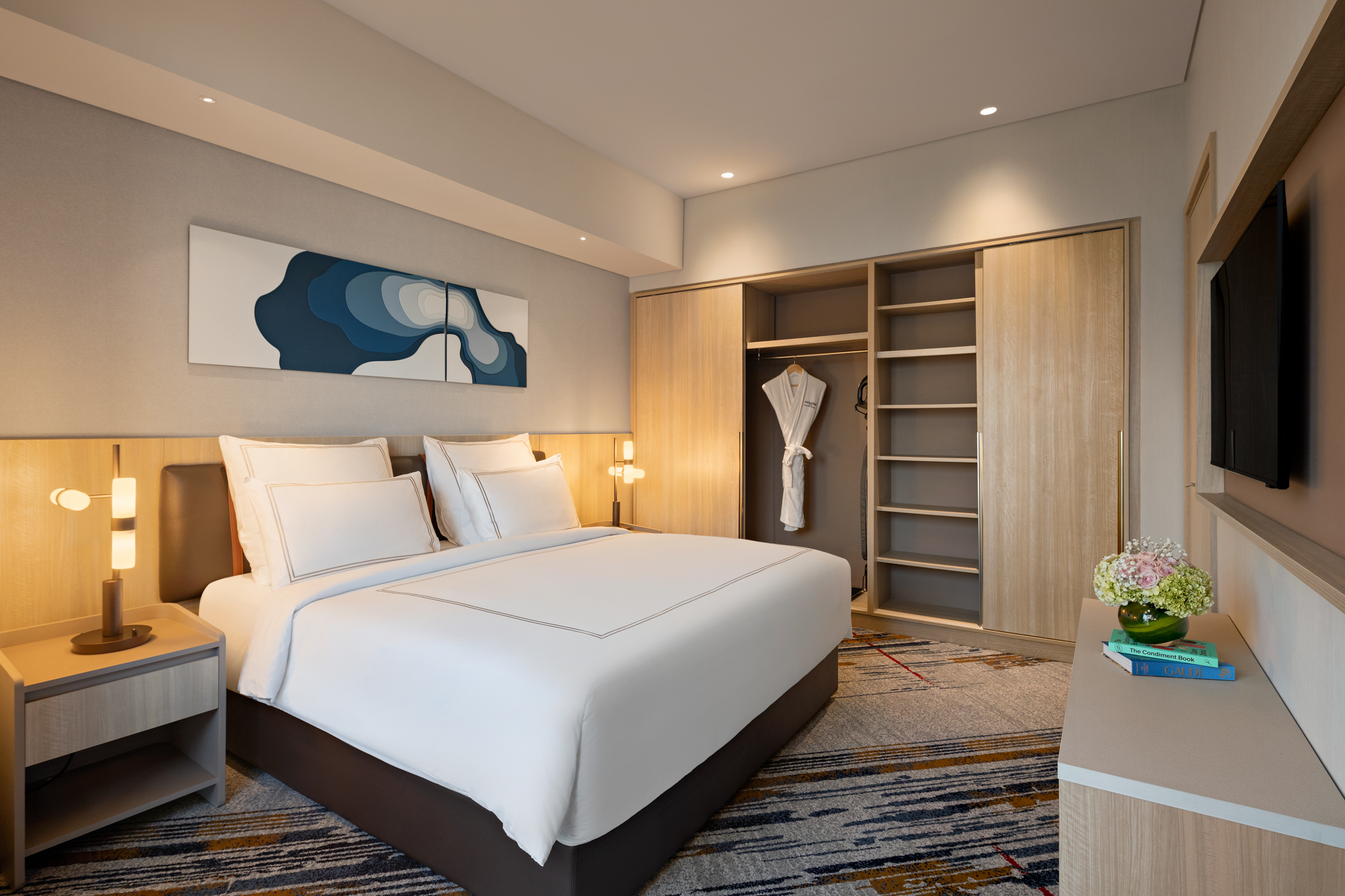
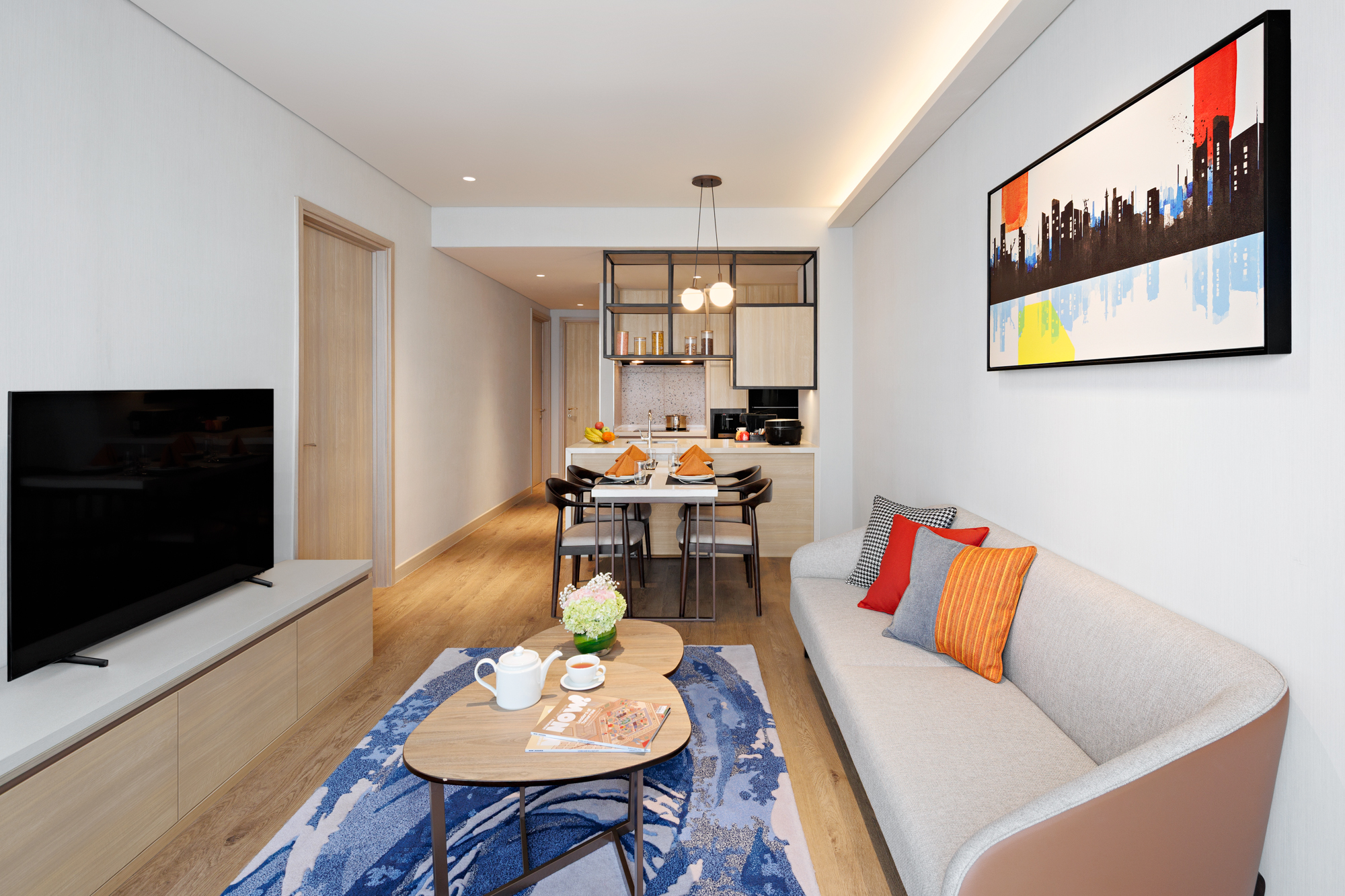
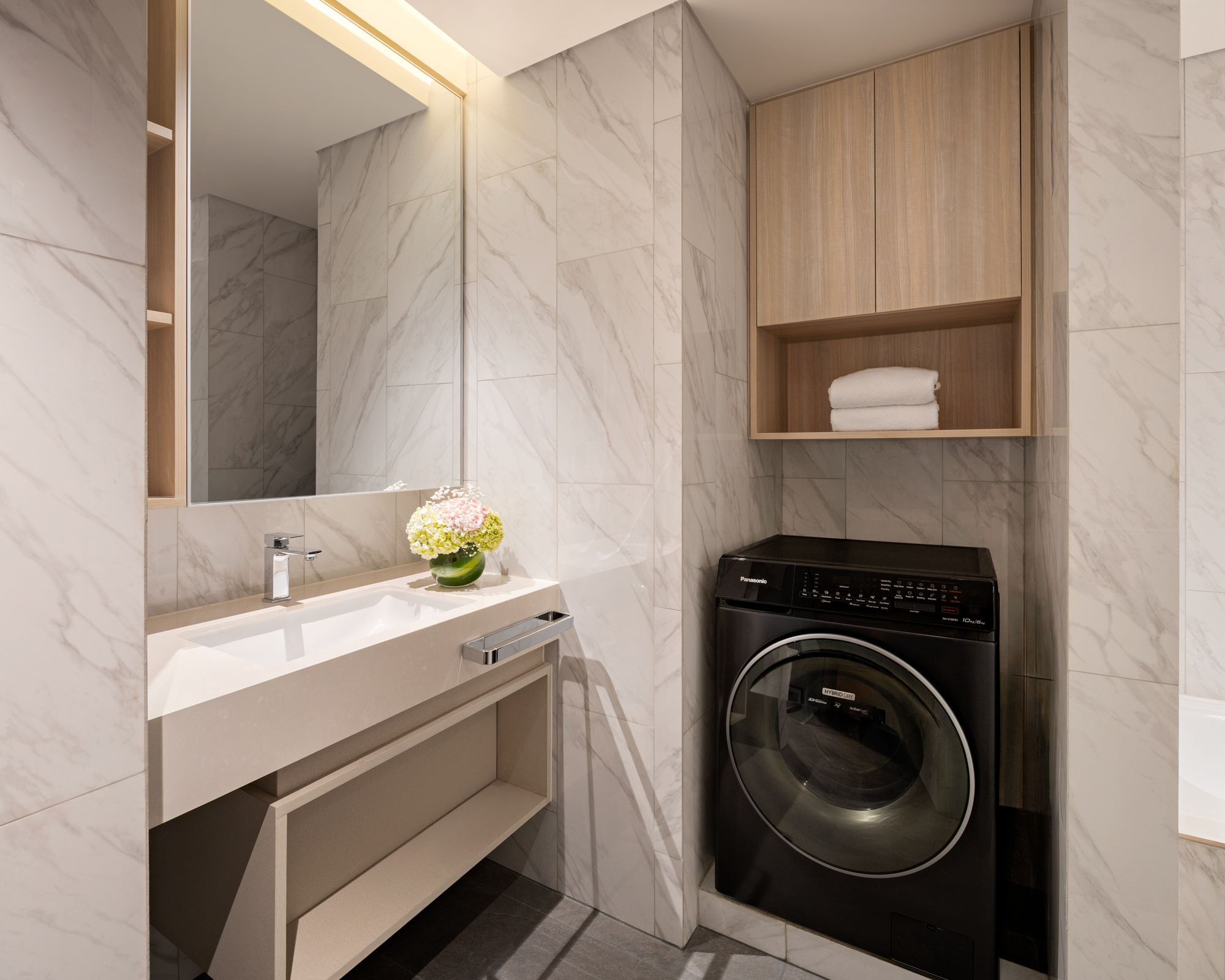
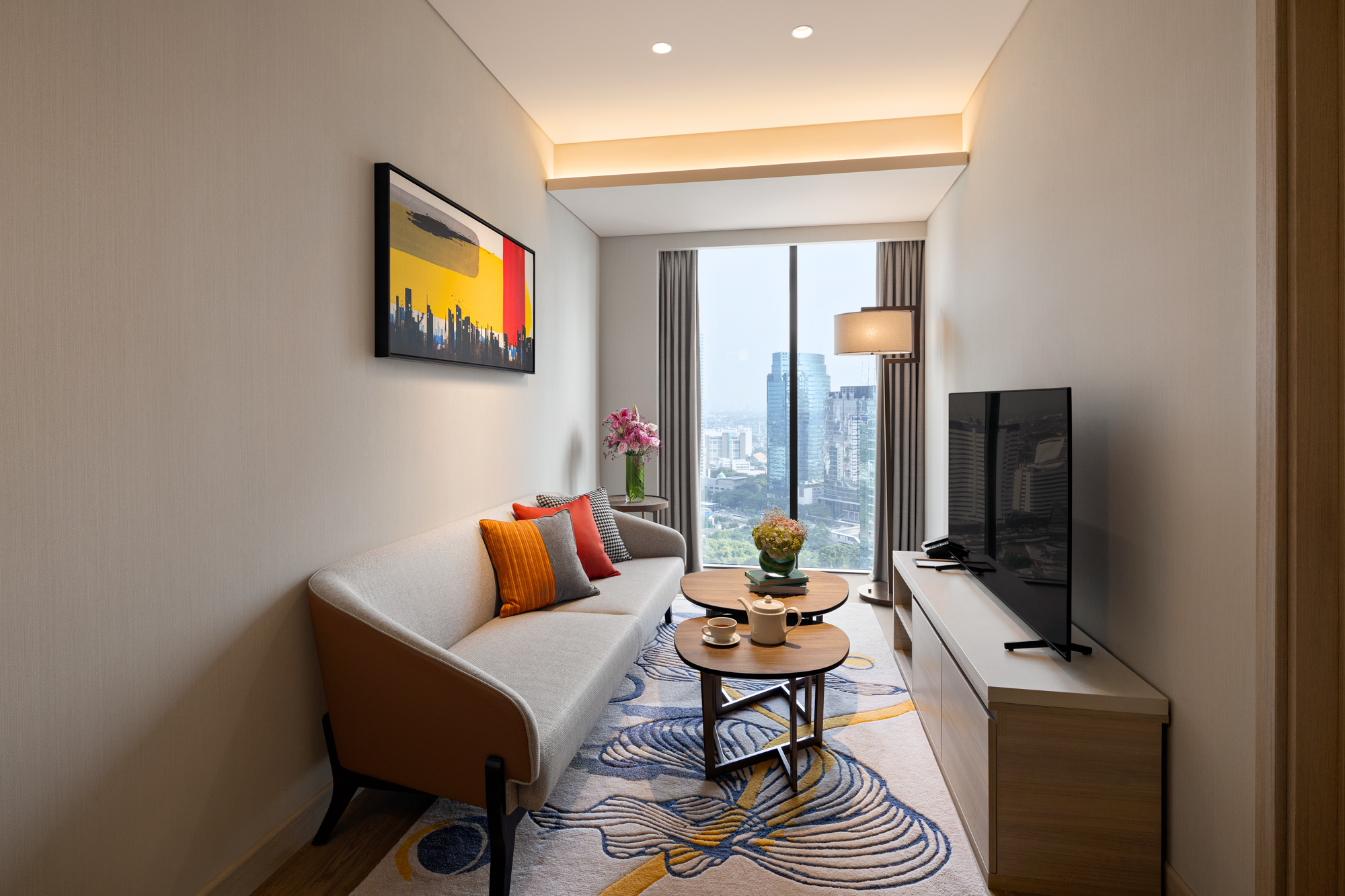
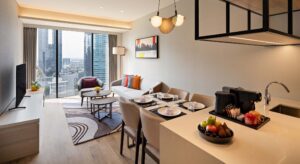
The Swiss Advantage Studio King at Swissôtel Living Jakarta Mega Kuningan exemplifies transparent service standards, with 37sqm of stylish comfort including a king-size bed, Pürovel amenities, bathroom with shower, and a well-equipped kitchen featuring an induction stove, microwave, rice cooker, fridge, and washing machine. These specific amenity details matter when evaluating whether monthly rates deliver commensurate value.

The Jakarta Serviced Apartment Market
Indonesia’s capital presents unique dynamics in extended stay hotel monthly rates. The concentration of multinational corporations, embassies, and regional headquarters creates sustained demand for quality serviced apartments.
Mega Kuningan as a Corporate Hub
South Jakarta’s Mega Kuningan district evolved into the city’s premier business address, housing major financial institutions, energy companies, technology firms, and diplomatic missions. This concentration drives demand for serviced apartments suitable for business professionals and expatriate families.
Properties positioned within walking distance of offices command premium monthly rates due to the elimination of Jakarta’s challenging commute times. The ability to walk to work, dine at nearby restaurants, and access shopping without navigating traffic represents significant quality-of-life value.
Market Positioning and Rate Variation
Jakarta’s serviced apartment market segments across economy, midscale, and luxury tiers. Economy options in outer districts may offer monthly rates from $800 to $1,500, while luxury serviced apartments in Mega Kuningan, Sudirman, and SCBD command $2,500 to $6,000 monthly depending on unit size and brand positioning.
The Savills 2026 European Serviced Apartment Report methodology for assessing market positioning applies equally to Asian markets. Location quality, property age and condition, service levels, and amenity offerings create distinct market segments with corresponding rate structures.
Family Considerations for Monthly Extended Stays
Families evaluating extended stay hotel monthly rates face different priorities than solo business travelers. Space requirements, proximity to schools, recreational facilities, and safety considerations shape decision-making.
Multi-Bedroom Value Propositions
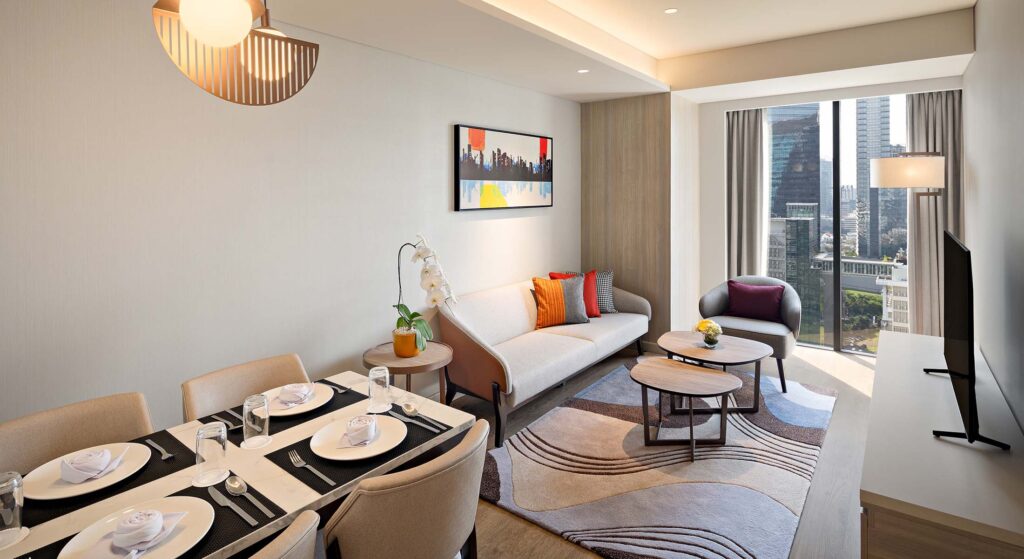
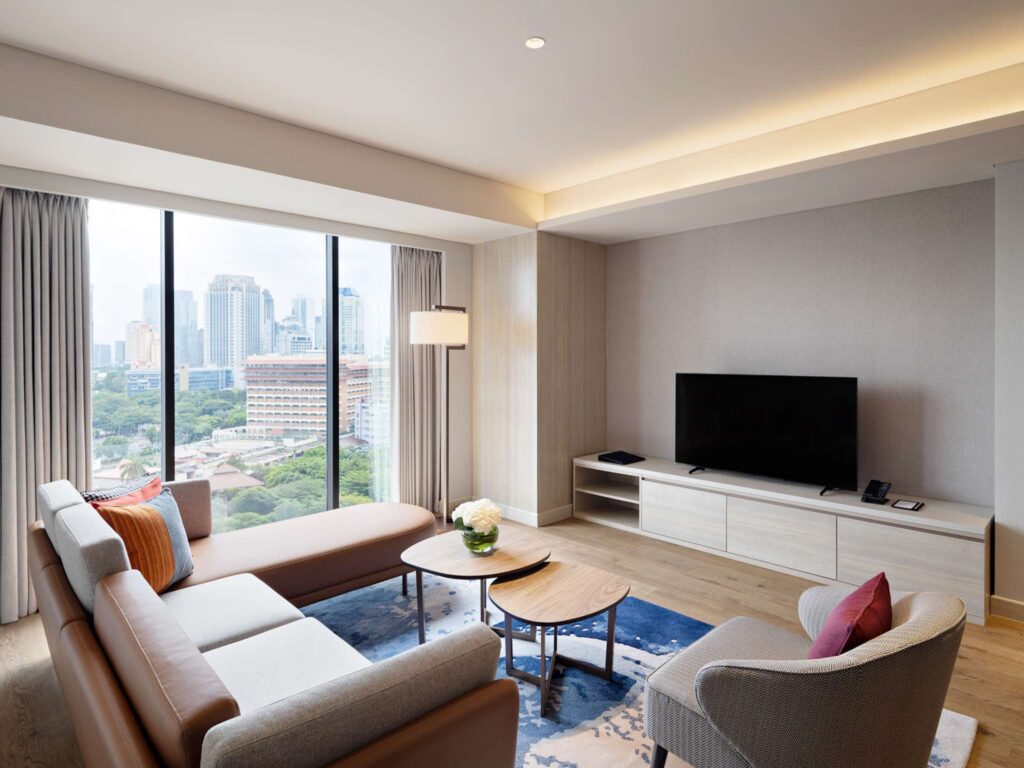
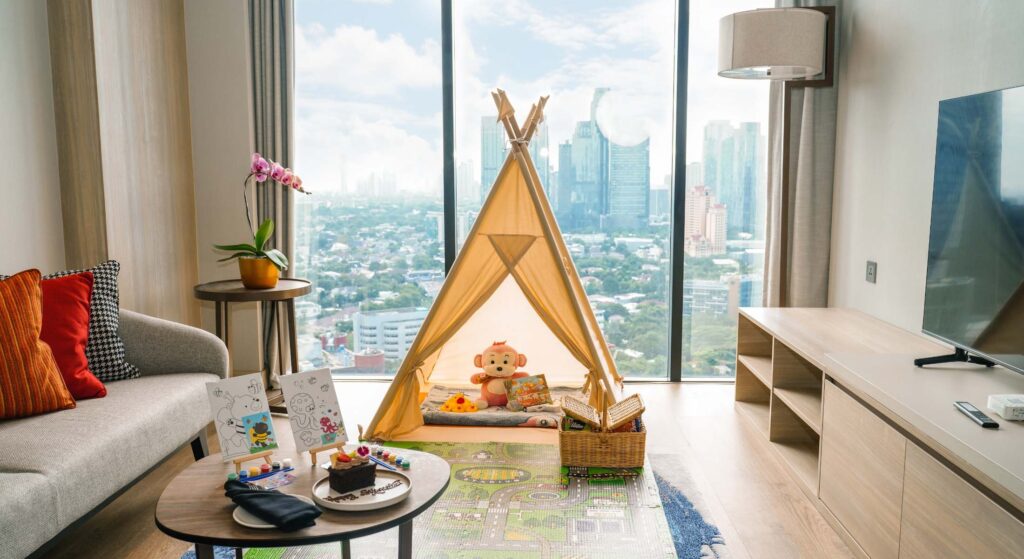
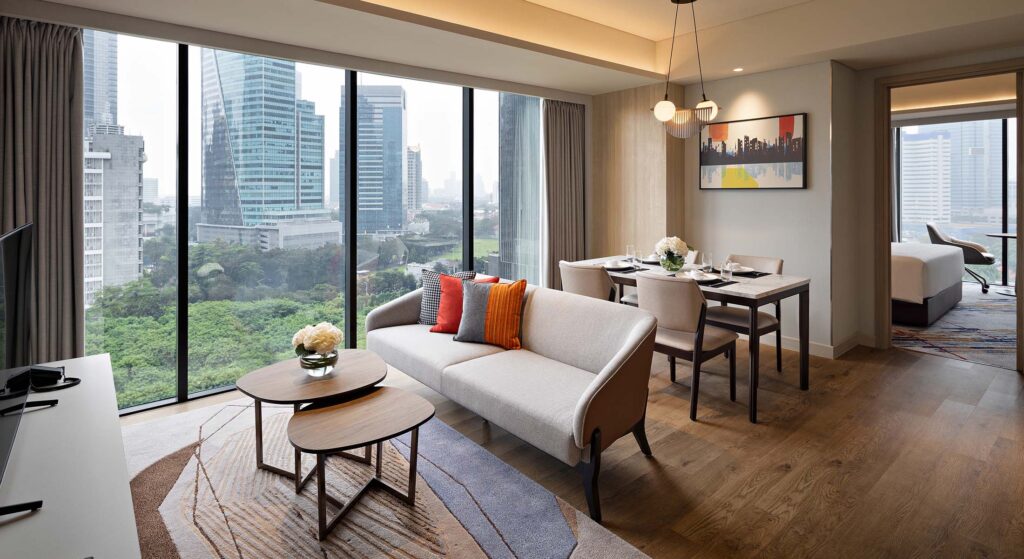
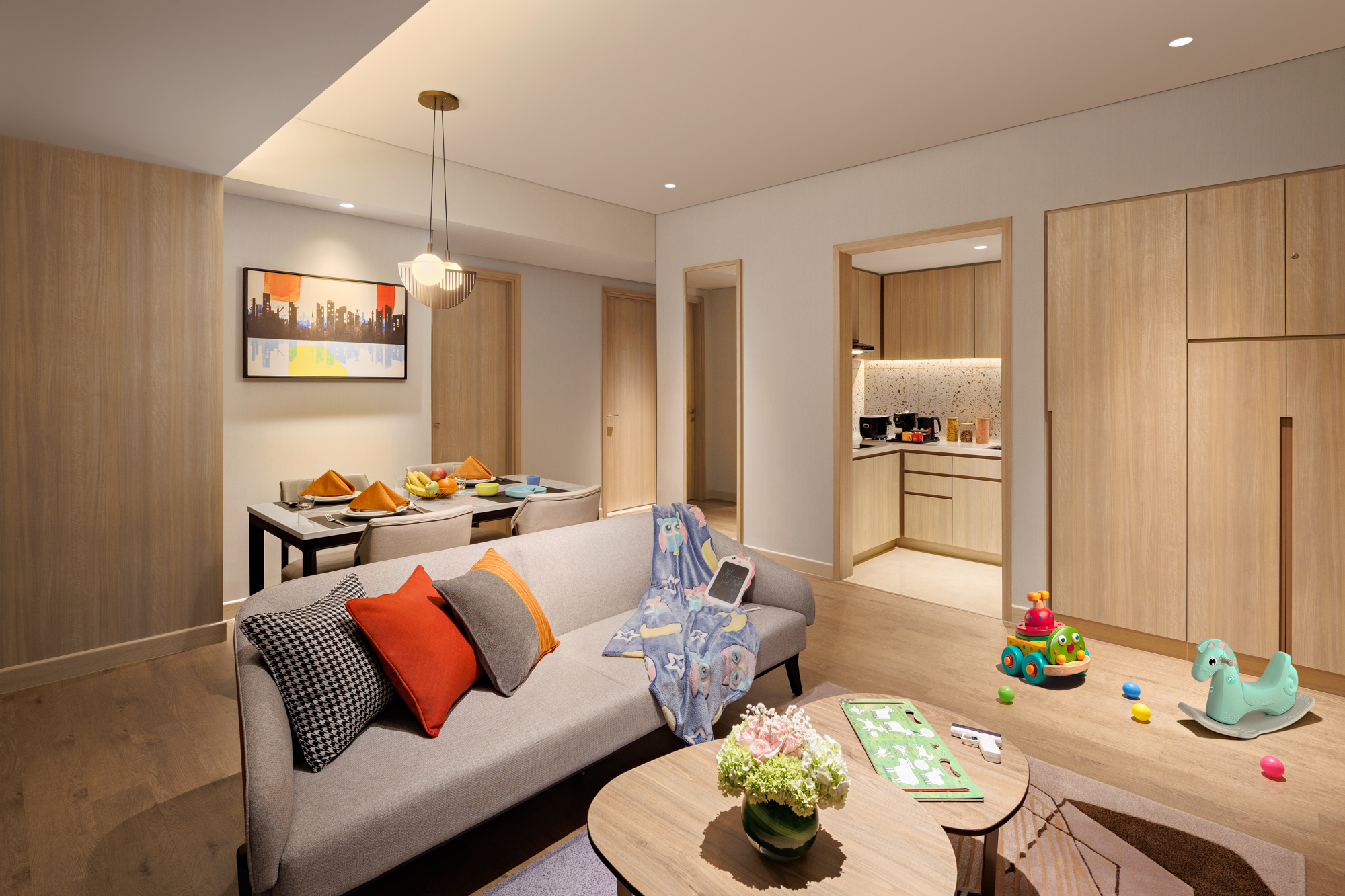
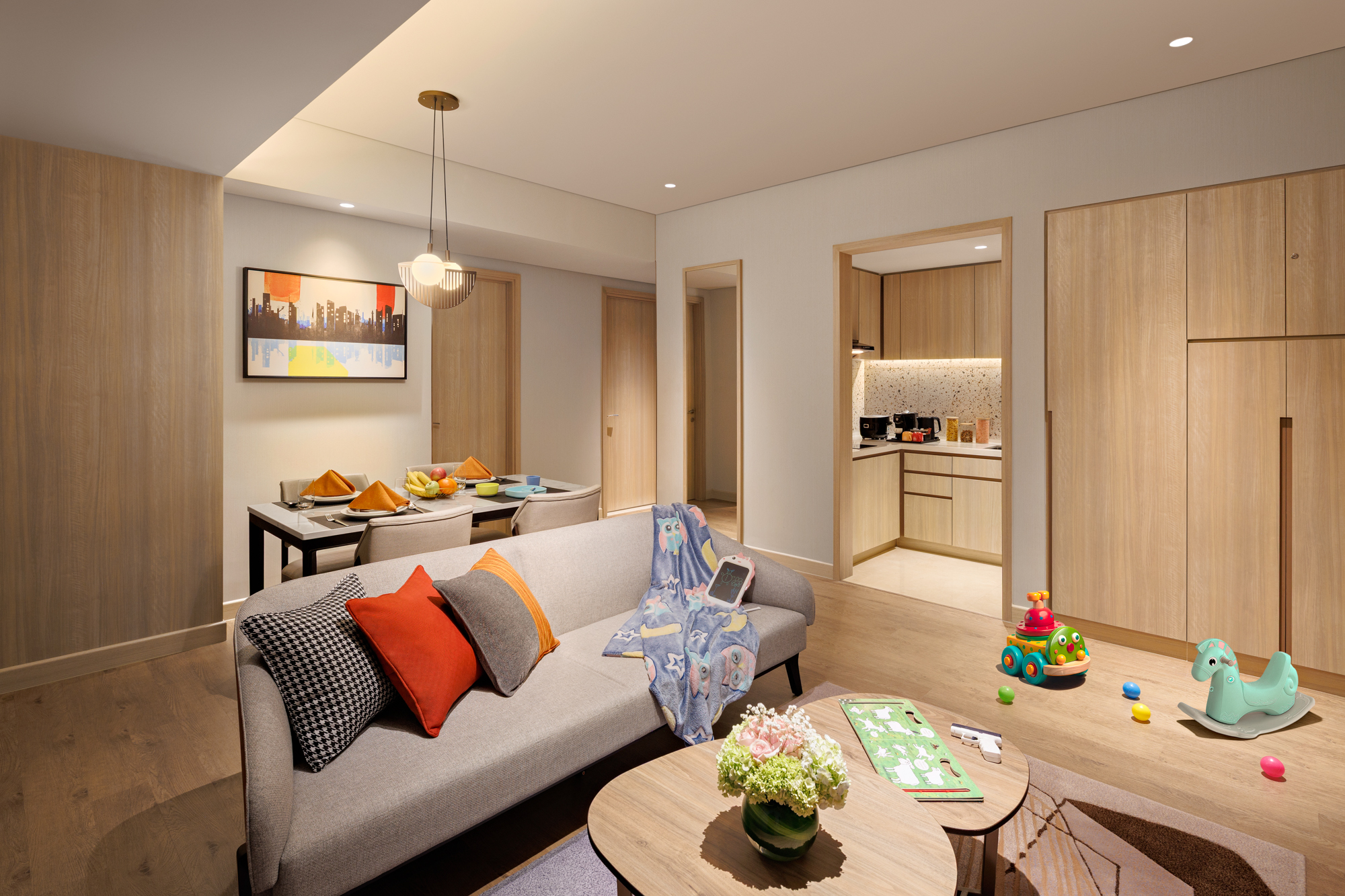
Two- and three-bedroom serviced apartments serve families relocating for corporate assignments or expatriate placements. While monthly rates increase substantially versus studios, the per-person cost often proves competitive with alternative arrangements.
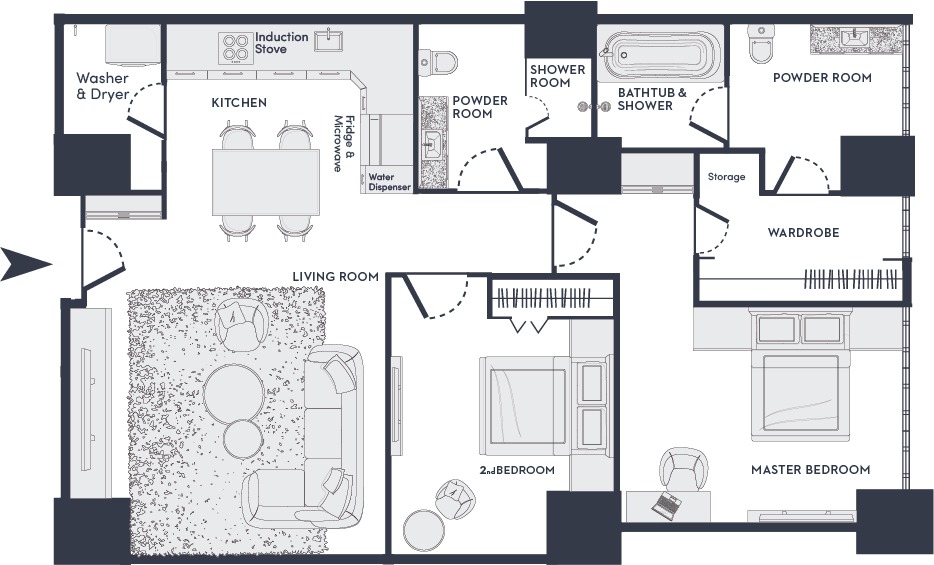
A family of four in separate hotel rooms faces expenses exceeding $8,000 monthly, whereas a two-bedroom serviced apartment with living areas, full kitchen, and in-unit laundry typically ranges from $3,500 to $5,500 in comparable quality tiers.
Family-oriented features affecting value:
- Separate bedrooms providing privacy for parents and children
- Living and dining areas for family time beyond bedroom spaces
- Full kitchens enabling home-cooked meals and dietary control
- In-unit washing machines and dryers
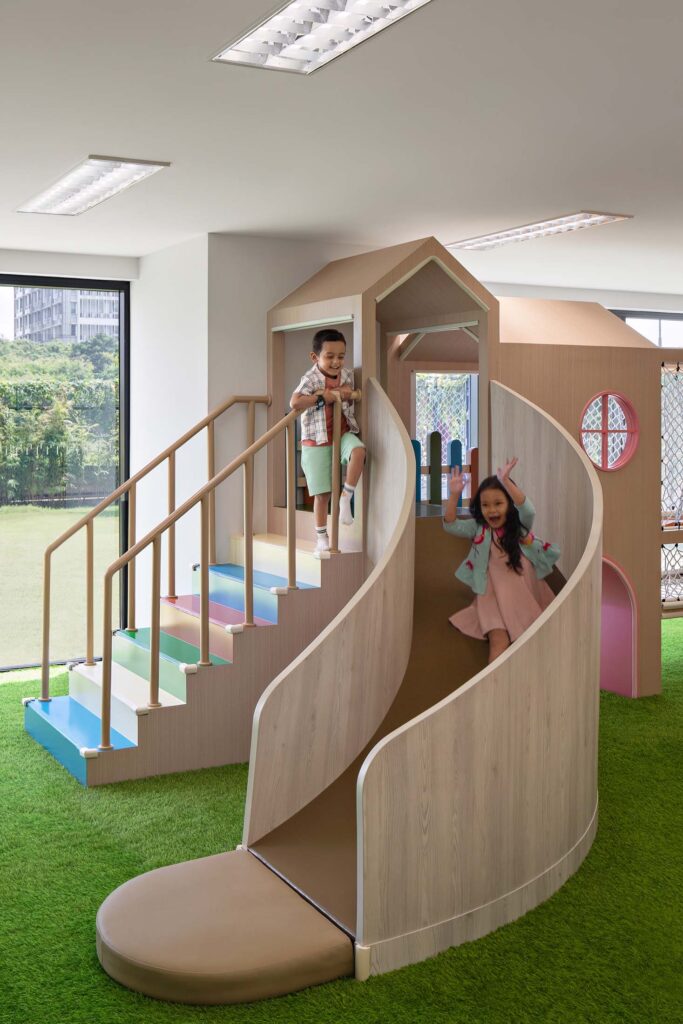
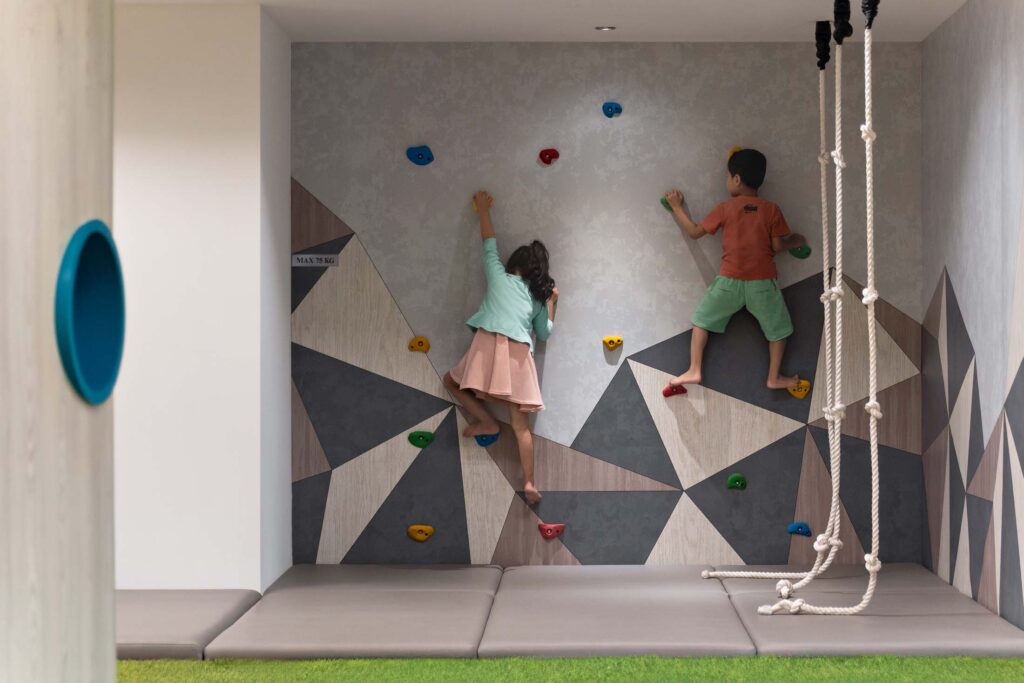
- Access to pools and recreational facilities
- Proximity to international schools and family services
Properties like Swissôtel Living Jakarta Mega Kuningan that offer family-friendly serviced apartments design space and services around household needs, justifying higher monthly rates through comprehensive family support.
Business Travel and Corporate Housing Programs
Corporations increasingly prefer negotiated extended stay hotel monthly rates over traditional per-diem arrangements for assignments exceeding 30 days. The cost predictability and quality control justify dedicated corporate housing programs.
Corporate Relocation Efficiency
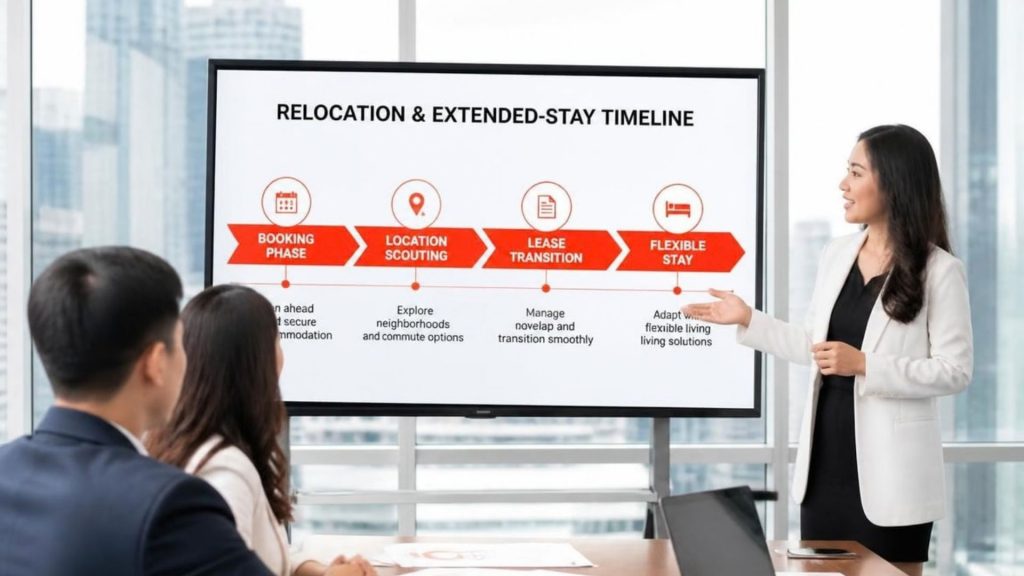
When relocating employees for projects, training, or temporary assignments, companies face housing complexity. Extended-stay properties with established monthly rate programs simplify procurement, reduce administrative overhead, and provide consistent employee experiences.
Corporate housing managers negotiate master agreements covering multiple properties in key cities, securing favorable rates while maintaining placement flexibility. Employees receive quality accommodation without individual apartment hunting, lease negotiations, or furniture acquisition.
Tax and Expense Documentation
Monthly extended-stay arrangements simplify expense reporting and tax documentation. A single monthly invoice covering accommodation, utilities, and services creates cleaner accounting than aggregating daily hotel receipts, meal expenses, and separate utility payments.
For international assignments, the clear delineation between housing and other living expenses supports tax optimization strategies. Many jurisdictions treat qualified corporate housing differently than general travel expenses, creating potential advantages when structured properly with tax advisors.
Technology and Booking Platforms
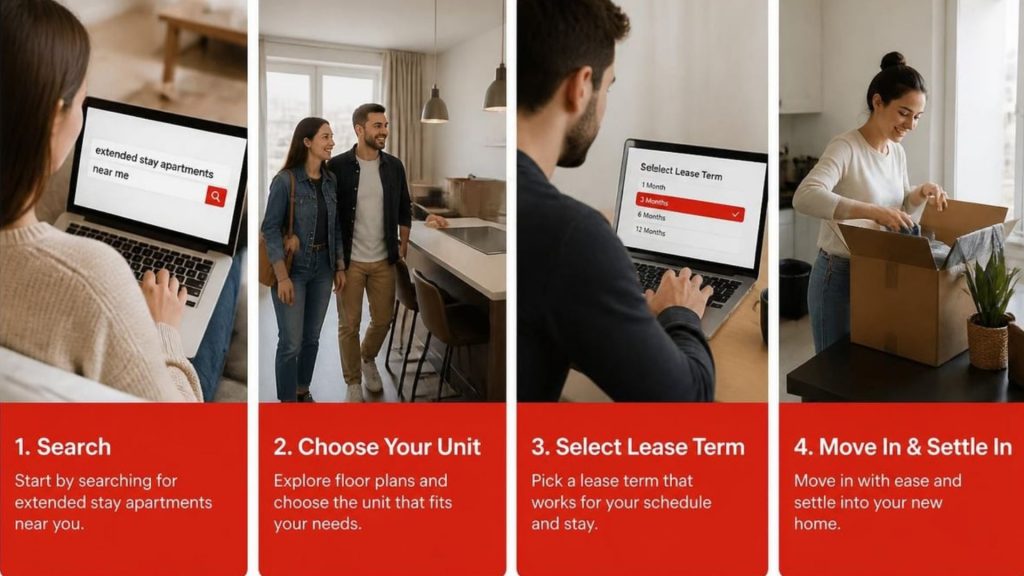
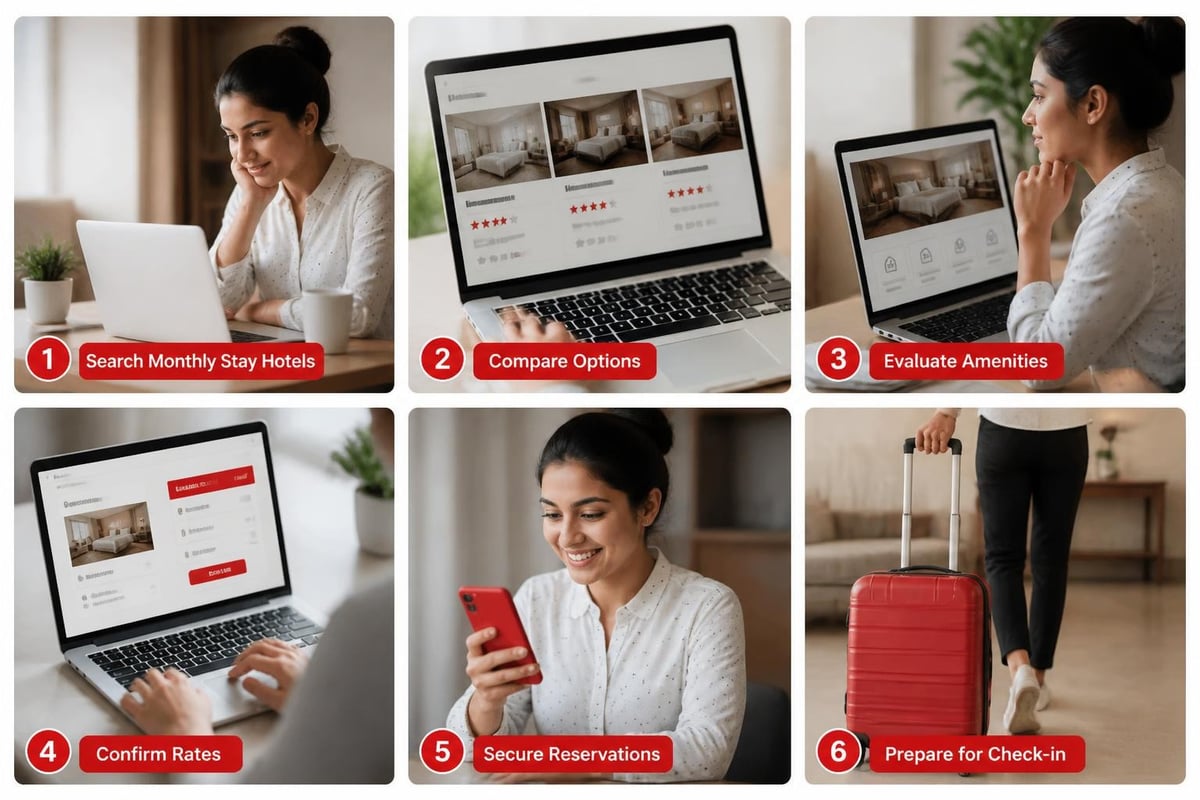
The evolution of extended stay hotel monthly rates includes digital transformation in booking and management platforms. While traditional extended-stay properties once required phone negotiations, 2026 brings increasing transparency through specialized platforms.
Direct Booking Advantages
Properties offering direct monthly booking through their websites typically provide better rates than third-party channels. The commission savings (10-25% for booking platforms) flow partially to customers through reduced monthly rates.
Direct relationships also enable better communication regarding specific needs, customization requests, and service adjustments during extended stays. A guest working directly with property management can coordinate apartment changes, service modifications, or contract extensions more efficiently than through intermediary platforms.
Emerging Digital Tools
Specialized corporate housing platforms aggregate extended-stay inventory across multiple properties and cities, enabling companies to compare monthly rates, review amenities, and manage employee placements through centralized dashboards.
These platforms increasingly incorporate virtual tours, 360-degree apartment views, and detailed amenity documentation, reducing placement friction and enabling informed decisions without property visits. For international relocations, this technology proves invaluable when employees cannot preview accommodations before arrival.
Health, Wellness, and Lifestyle Integration
Extended stay hotel monthly rates in 2026 reflect growing emphasis on wellness amenities and lifestyle integration. Properties differentiating through comprehensive fitness facilities, healthy dining options, and community programming justify premium pricing.
Fitness and Recreation Value
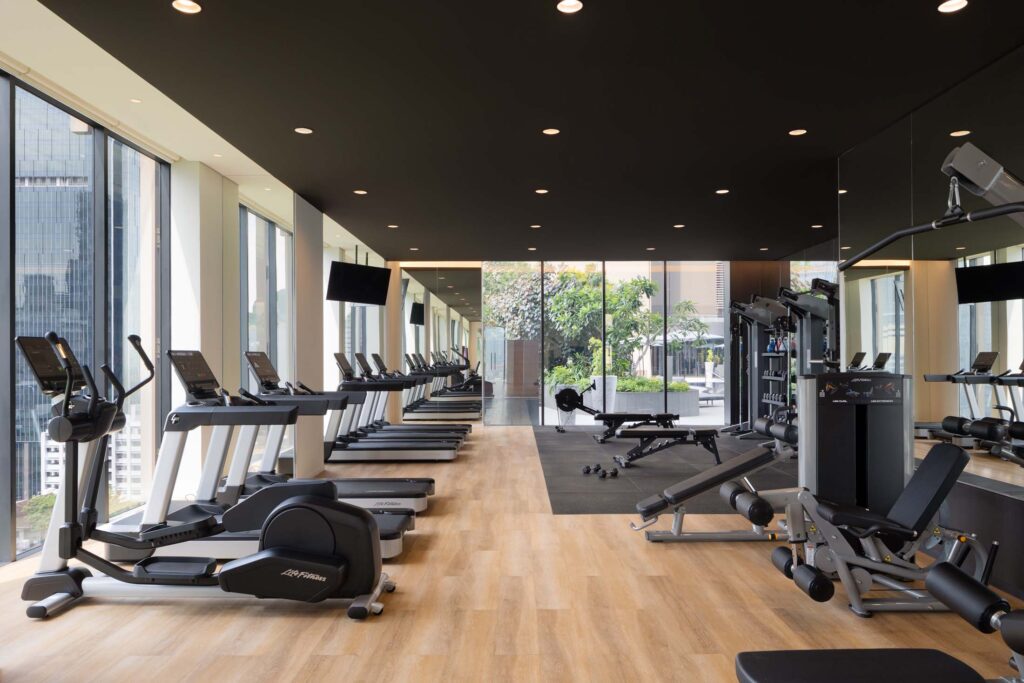
Unlimited access to quality fitness centers, pools, and wellness facilities represents substantial value in monthly rates. A separate gym membership costs $50-150 monthly, while premium facilities with trainers, classes, and spa services exceed $200 monthly.
Properties including these amenities in base monthly rates eliminate separate memberships while providing convenience. The ability to exercise before work, during lunch breaks, or evening without commuting to external gyms enhances quality of life during extended stays.
Dining and Culinary Services
While full kitchens enable home cooking, access to quality on-site dining provides flexibility for working professionals. Properties with restaurants offering breakfast, lunch, and dinner create options between full cooking and external dining.
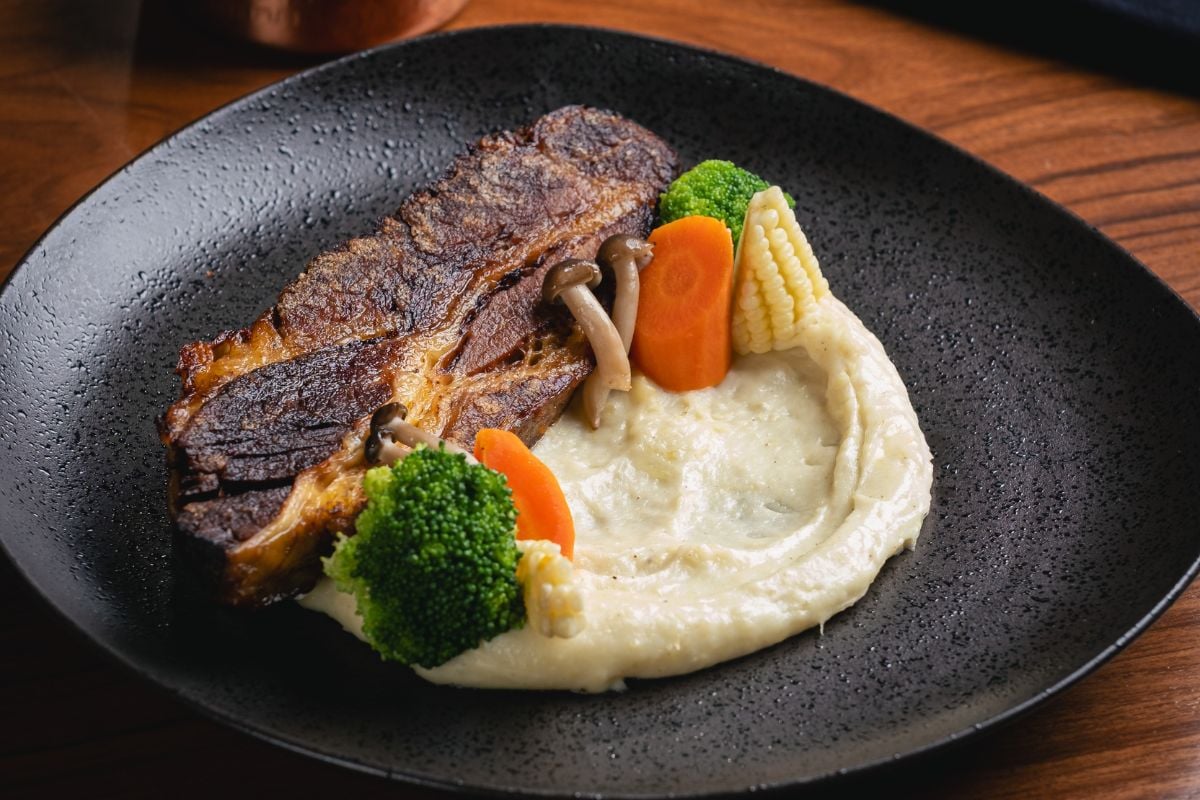
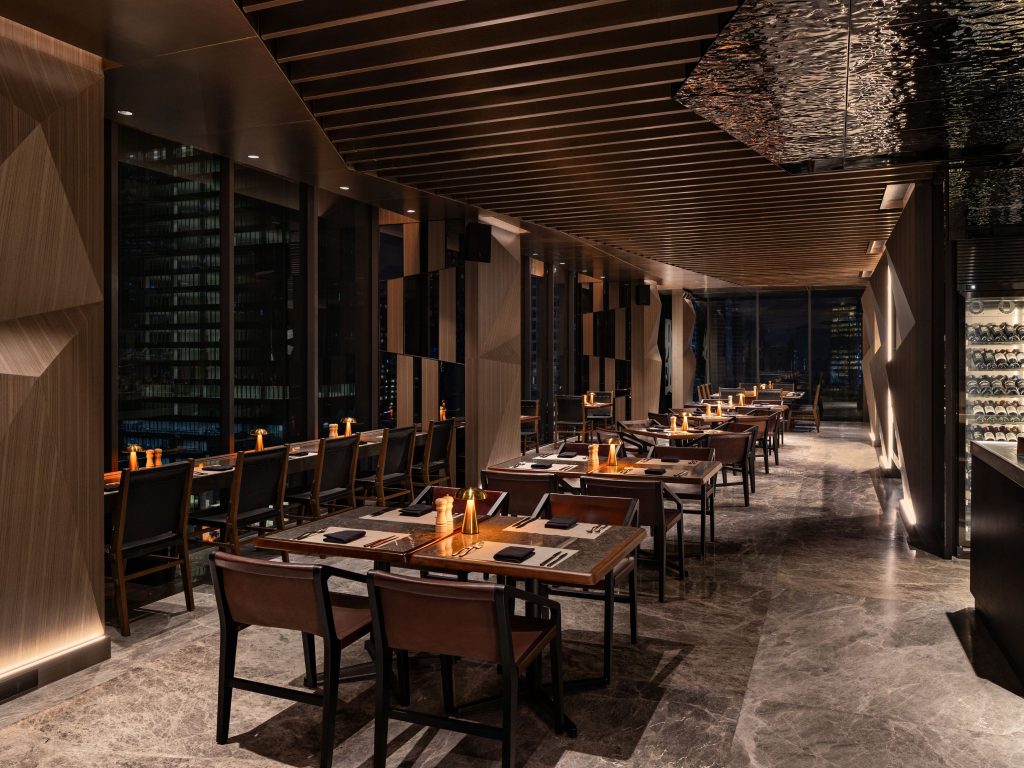
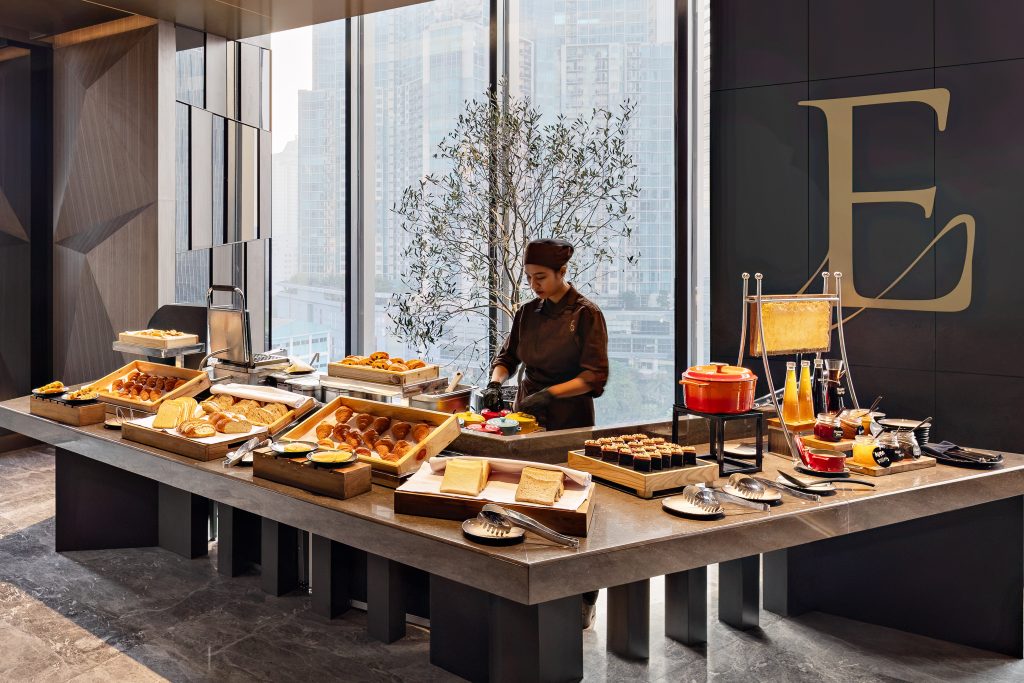
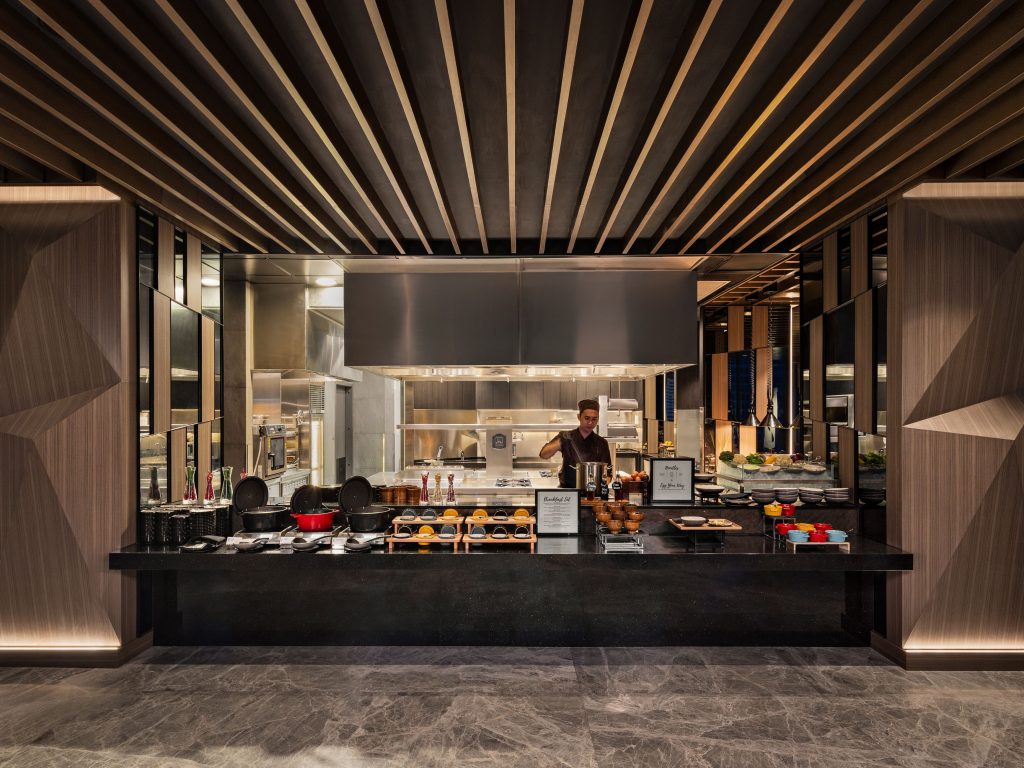
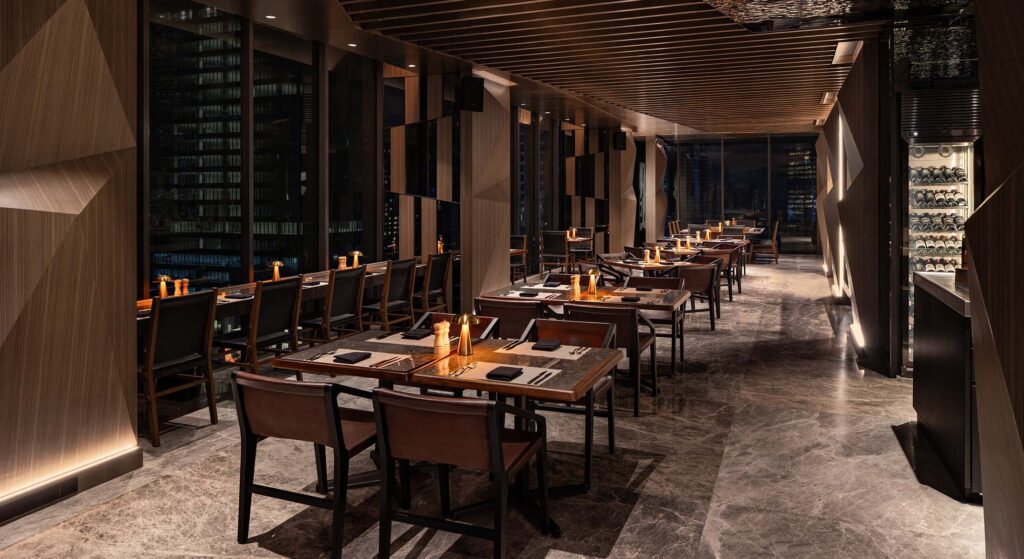
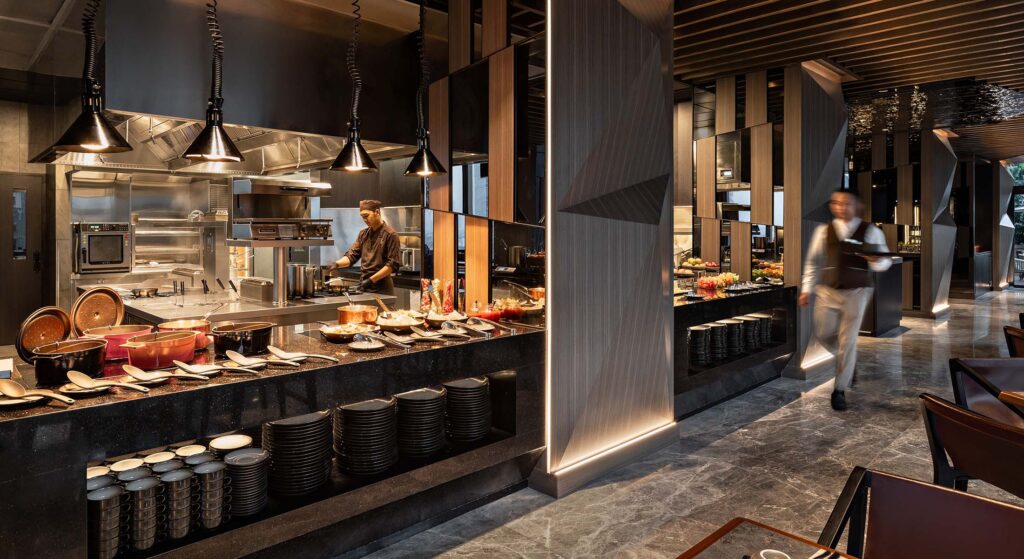
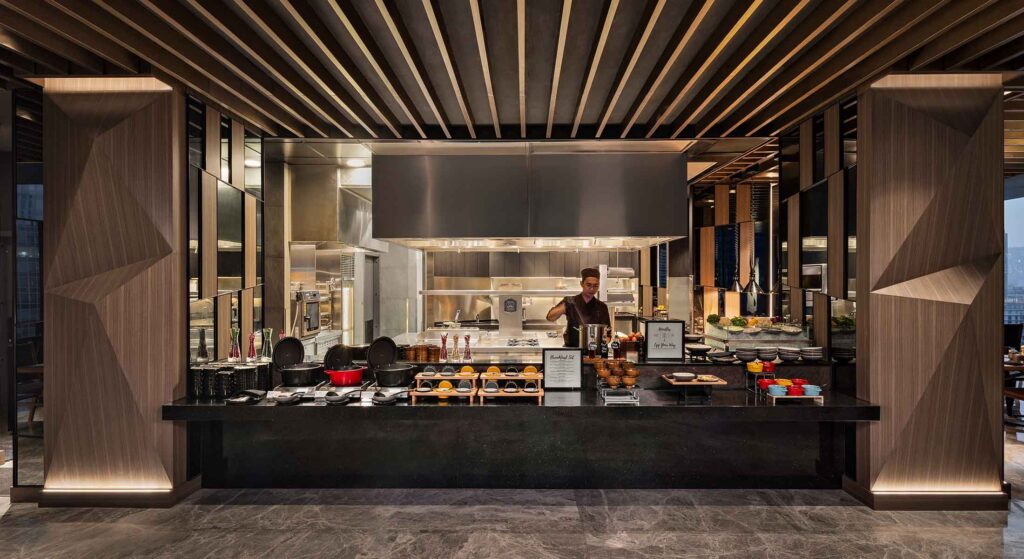
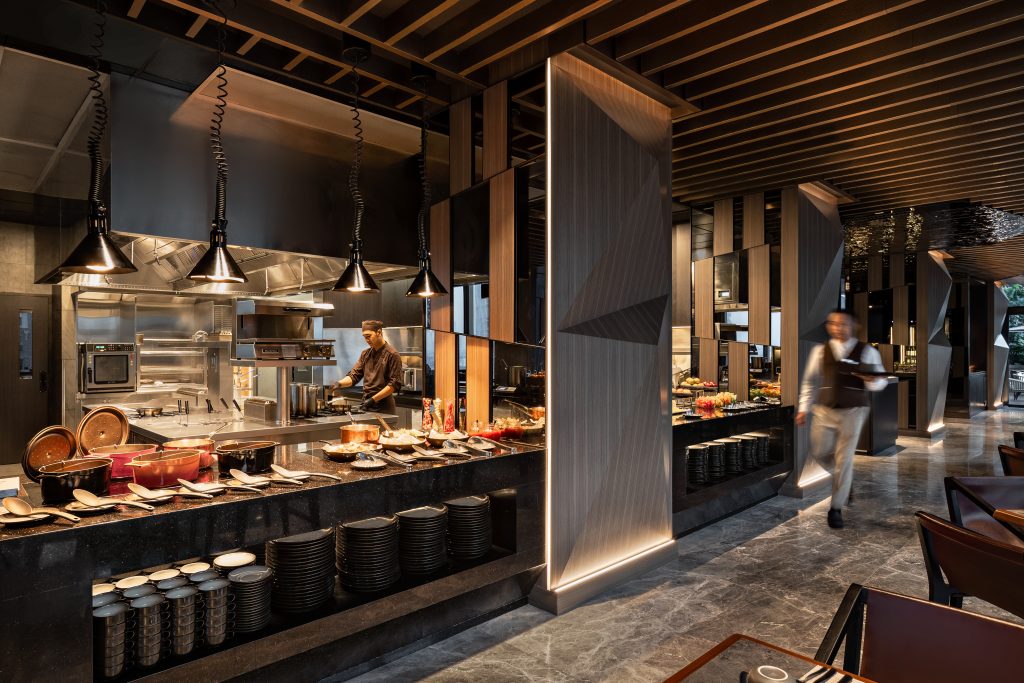
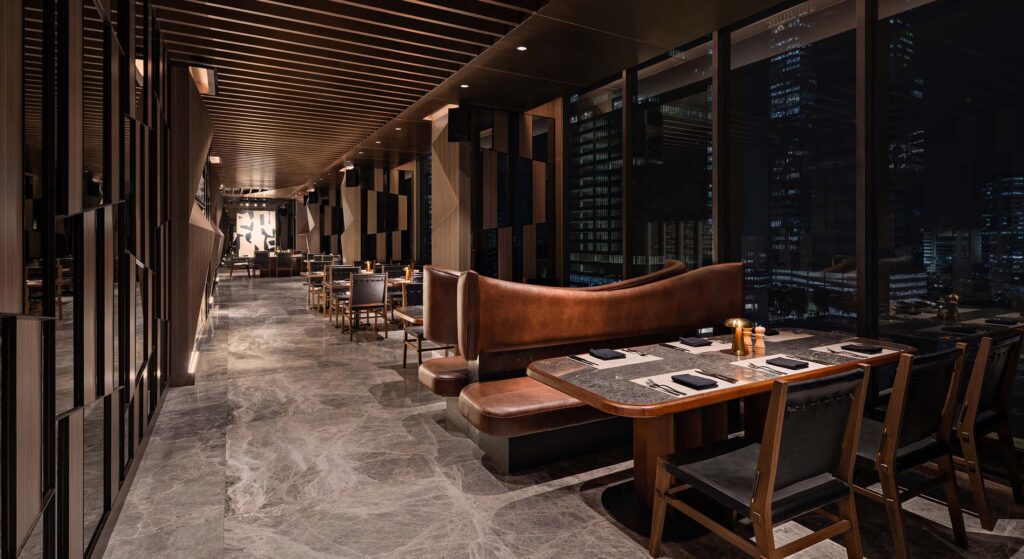
Swissôtel Living Jakarta Mega Kuningan residents can dine at Embers Open-Fire Grill when time or inclination for cooking is limited, enjoying steaks, seafood, and international cuisine without leaving the property. This convenience particularly benefits professionals managing demanding schedules during peak project phases.
Environmental Sustainability and Operating Costs
Extended stay hotel monthly rates increasingly reflect environmental operating efficiency. Properties with energy-efficient systems, water conservation, and sustainable operations can maintain competitive rates while delivering quality experiences.
Green Building Features
Newer serviced apartment properties incorporate LED lighting, high-efficiency HVAC systems, water-saving fixtures, and renewable energy integration. These features reduce operating costs, enabling properties to offer competitive monthly rates while maintaining healthy margins.
For environmentally conscious guests, sustainability certifications and green operating practices influence accommodation choices. Properties transparently communicating energy efficiency and environmental programs attract this segment while the operational savings support rate competitiveness.
Long-Term Cost Stability
Energy-efficient buildings provide more stable monthly rates over time. As utility costs fluctuate with energy markets, properties with lower consumption per square meter maintain pricing stability better than older, less efficient buildings that must pass cost increases to residents.
When evaluating extended stay hotel monthly rates across multiple properties, inquire about energy efficiency and utility cost structures. Properties absorbing utility fluctuations through efficient operations provide better rate predictability than those using variable utility pass-through models.
Future Trends in Extended Stay Monthly Pricing
The extended-stay segment continues evolving in 2026, with several trends shaping how properties structure and market monthly rates.
Hybrid work arrangements drive demand for extended stays as companies rotate employees through regional offices for quarterly collaboration periods. This pattern creates predictable monthly booking cycles that properties leverage for rate optimization.
Technology integration continues accelerating. Smart apartment features, mobile check-in, digital key access, and app-based service requests become standard rather than premium offerings. Properties incorporating these technologies improve operational efficiency, supporting competitive monthly rate structures.
Co-living concepts influence traditional extended-stay models. Shared amenity spaces, community programming, and flexible common areas appeal particularly to younger professionals and digital nomads. Properties balancing private residential space with curated community experiences command premium monthly rates from this demographic.
The market research from Newmark’s Hotel Nsights reports demonstrates how granular market data increasingly informs rate setting. Properties access detailed competitive benchmarking, enabling precise positioning and evidence-based rate optimization rather than intuition-driven pricing.
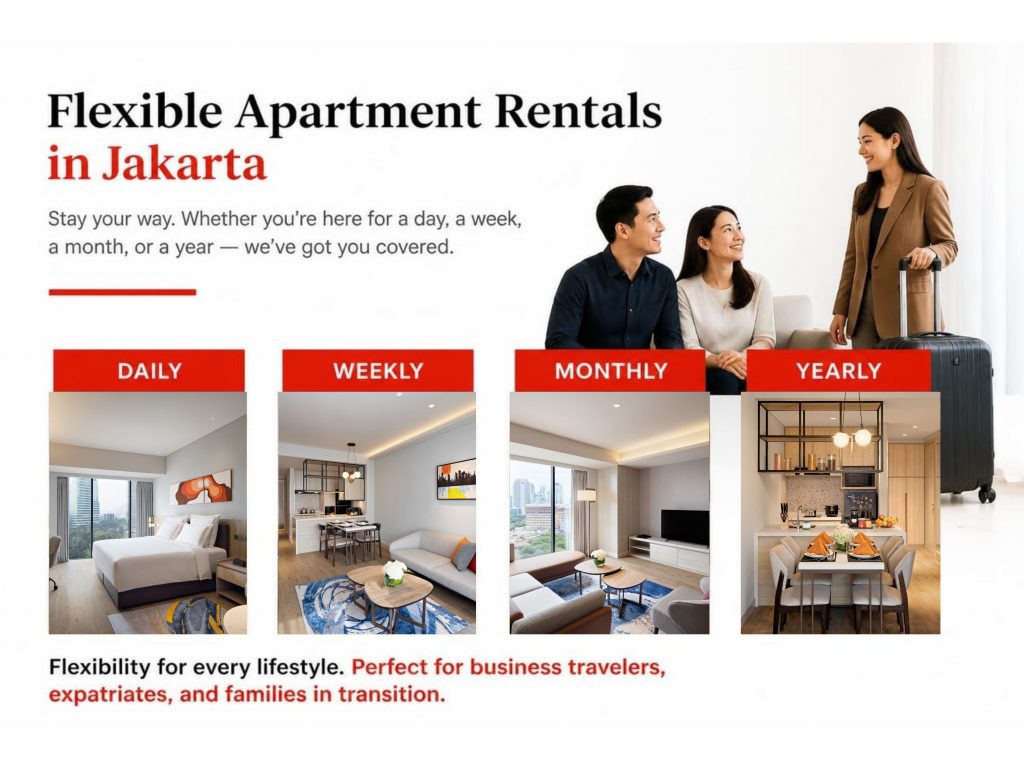
Extended stay hotel monthly rates deliver predictable costs, comprehensive services, and residential comfort for professionals, families, and corporate assignments requiring accommodation beyond traditional hotel stays. The monthly structure eliminates booking complexity while providing flexibility that traditional leases cannot match. Whether you’re planning a three-month project assignment, a six-month expatriate placement, or extended business travel in Jakarta, Swissôtel Living Jakarta Mega Kuningan offers 240 fully furnished serviced apartments designed for short stays, long stays, business trips, family accommodation, and expatriate living with access to Kuningan’s premier business district, international dining, and comprehensive hotel services.