
Monthly Hotels: Extended-Stay Solutions for 2026
The accommodation landscape has evolved significantly over the past decade, with monthly hotels emerging as a critical solution for business travelers, relocating professionals, and families seeking temporary housing. Unlike traditional hotels designed for short stays, monthly hotels provide extended-stay options that combine the flexibility of hotel services with the comfort of a fully furnished residence. As we move through 2026, this accommodation segment continues to expand, driven by changing work patterns, international assignments, and the need for flexible living arrangements that bridge the gap between hotels and permanent housing.
Understanding the Monthly Hotel Concept
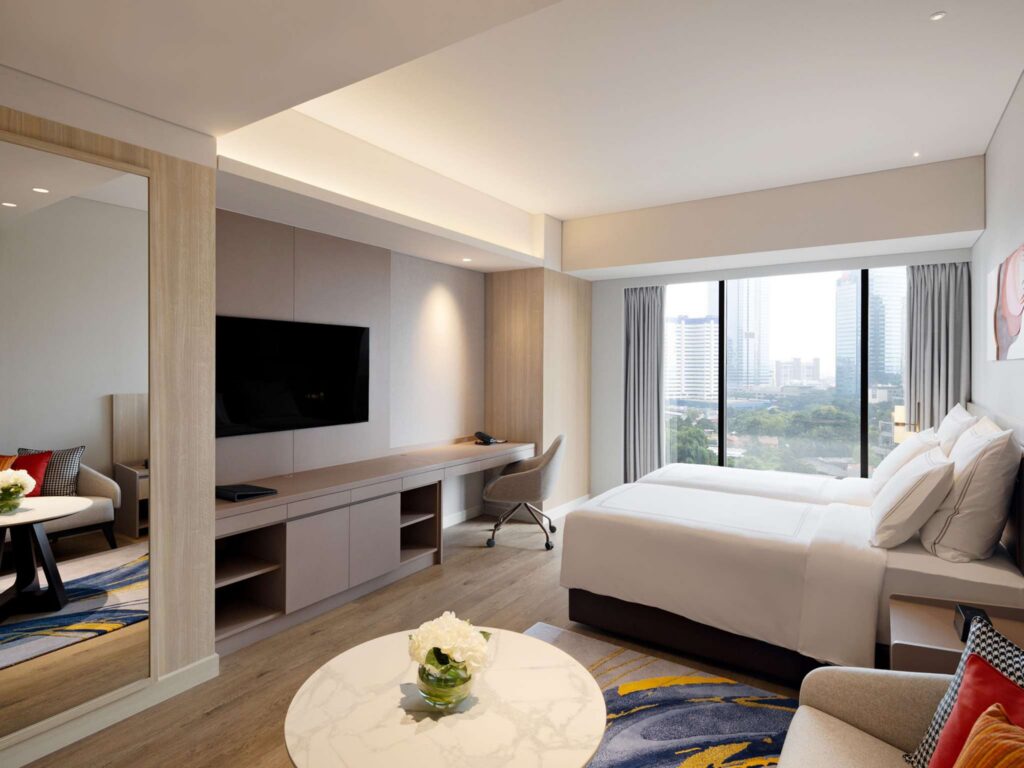
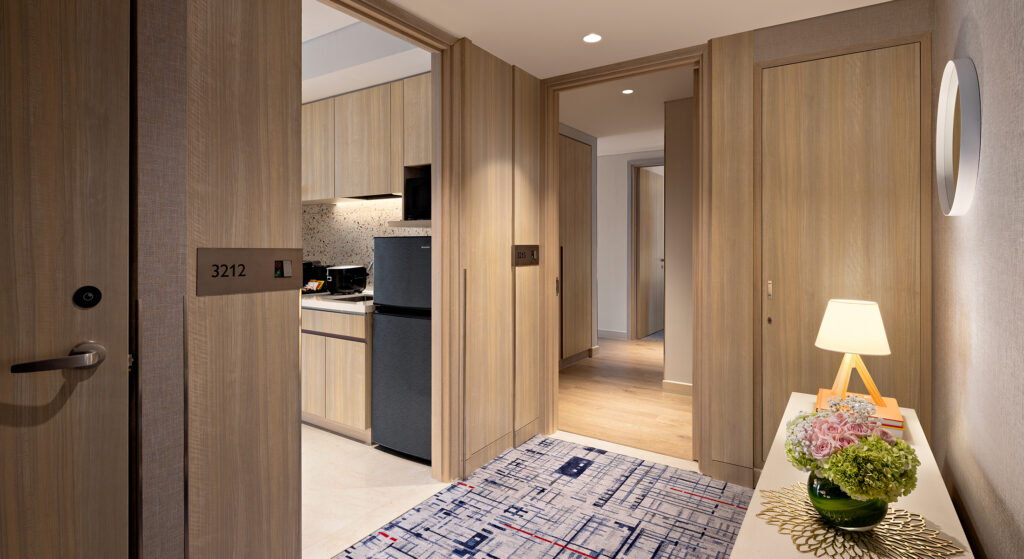
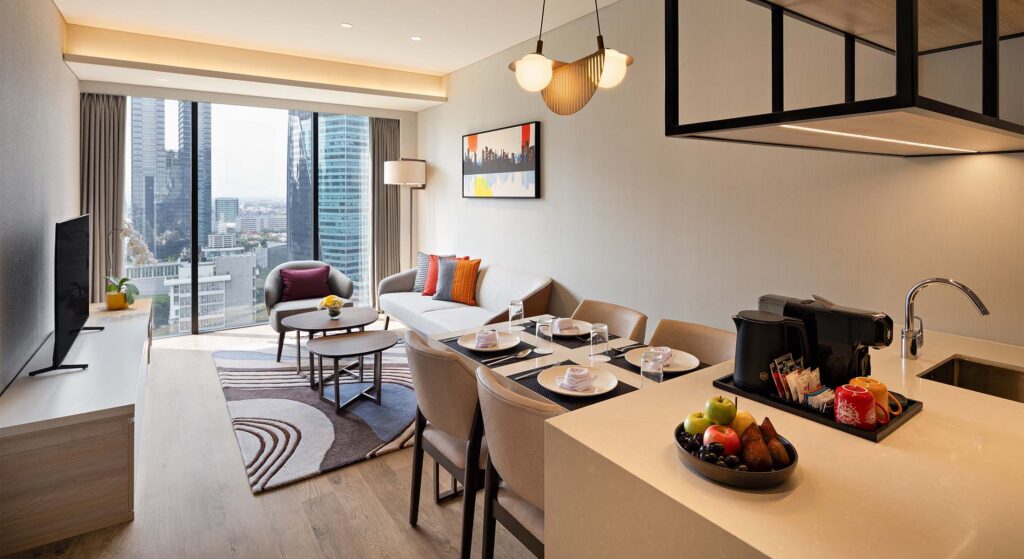
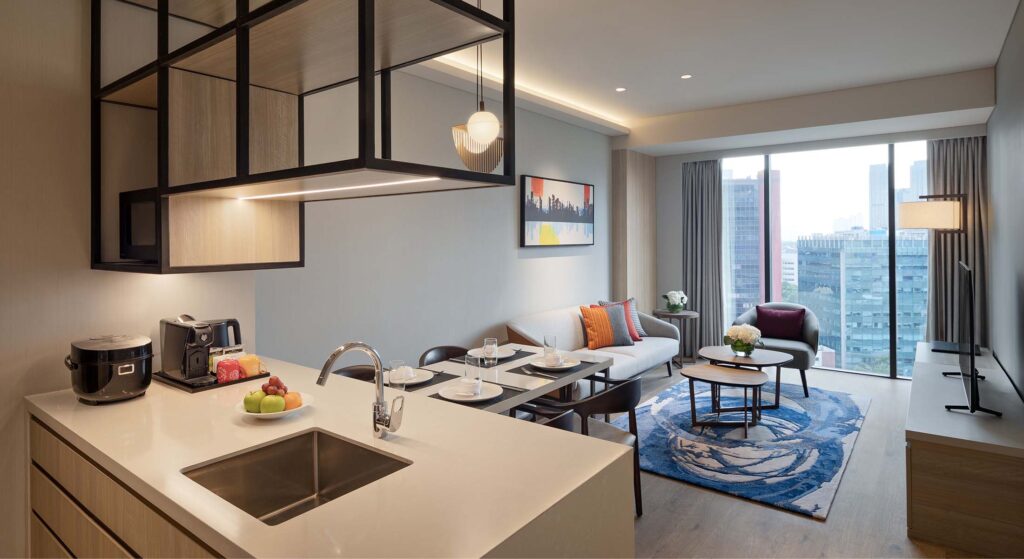
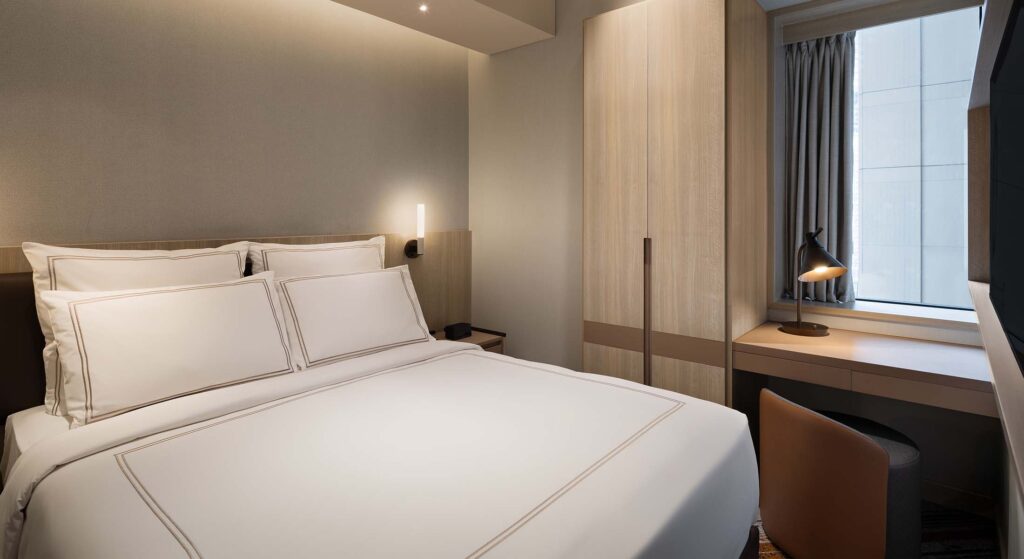
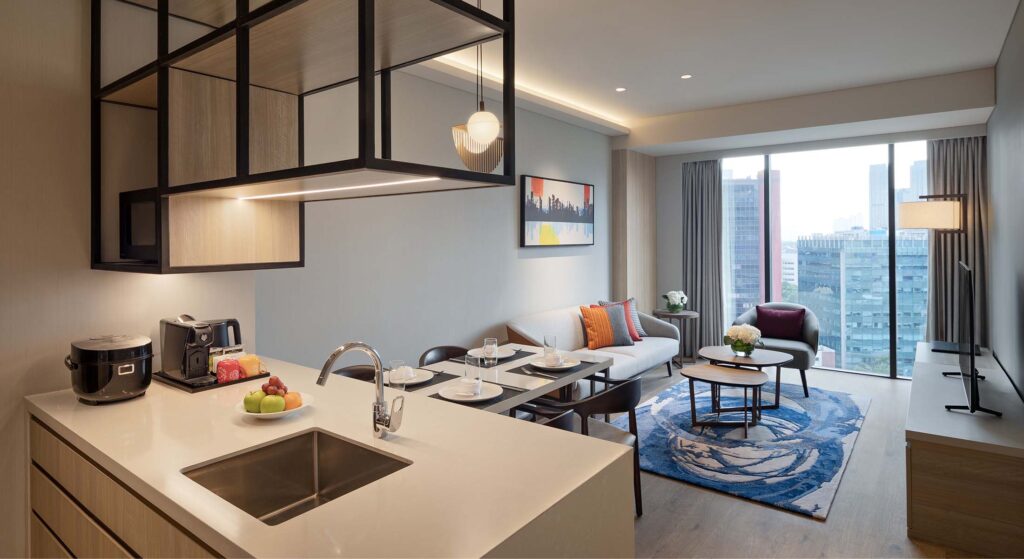
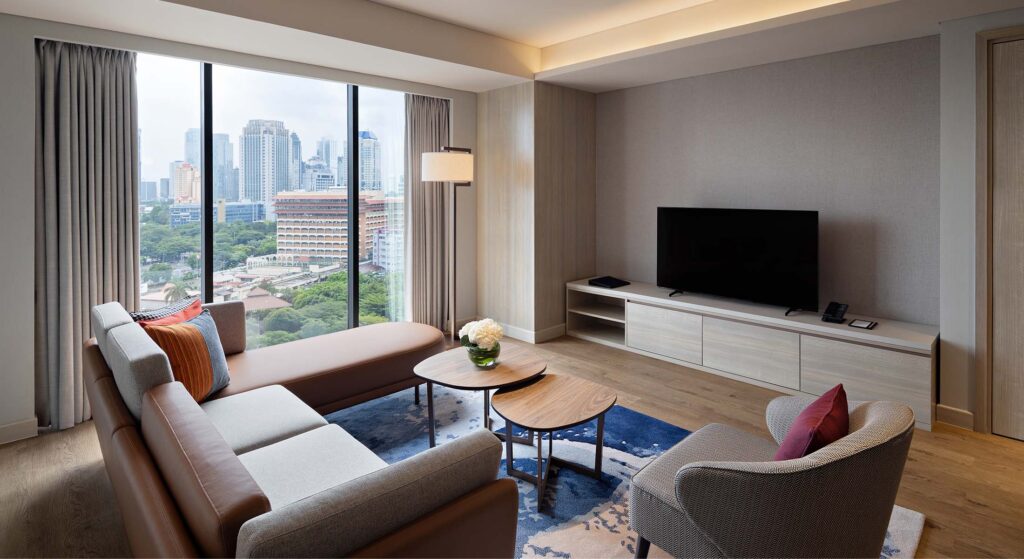
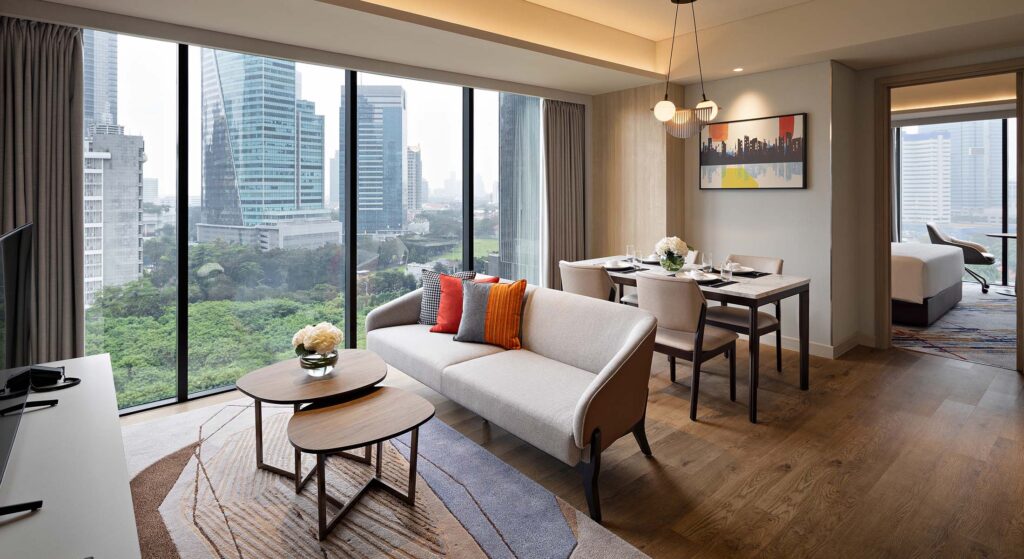
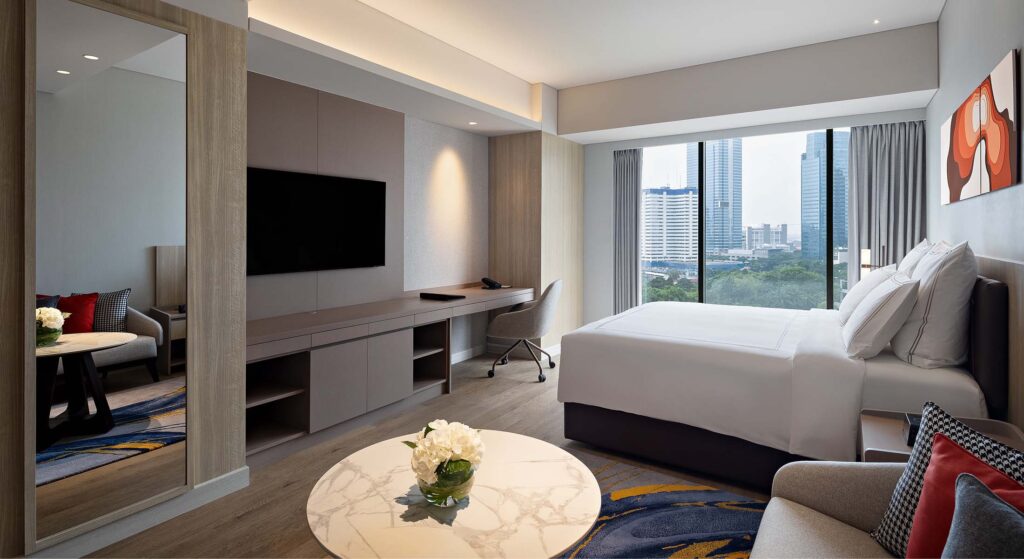
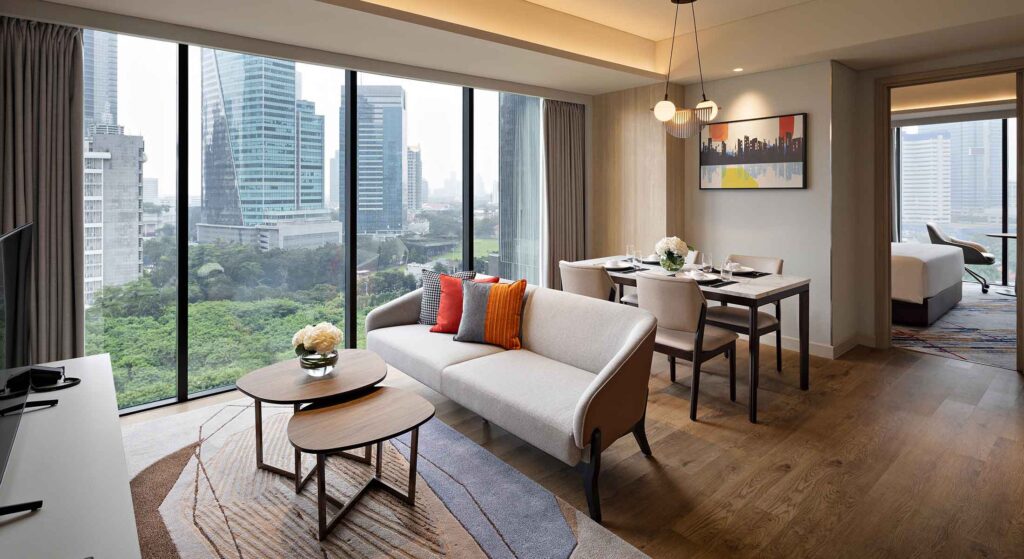
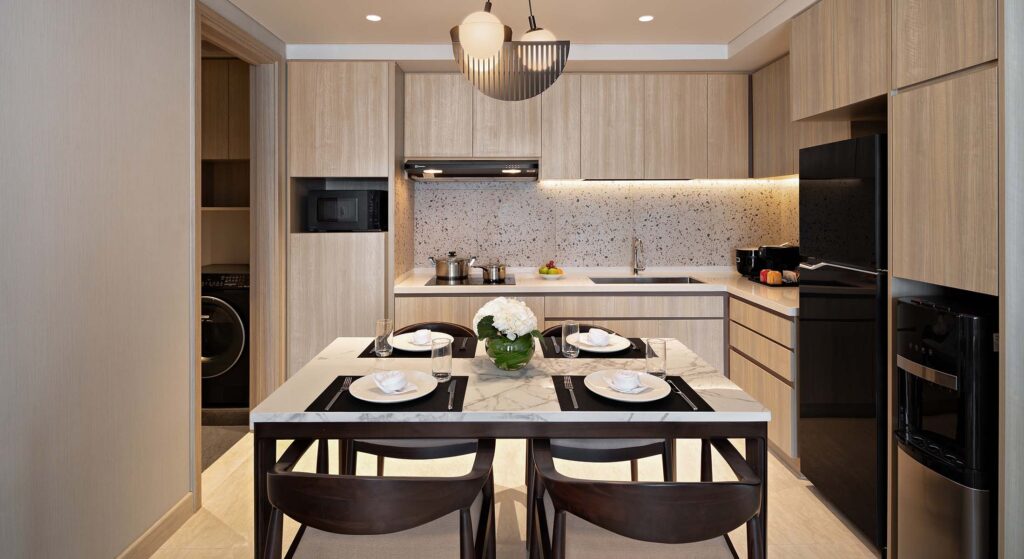
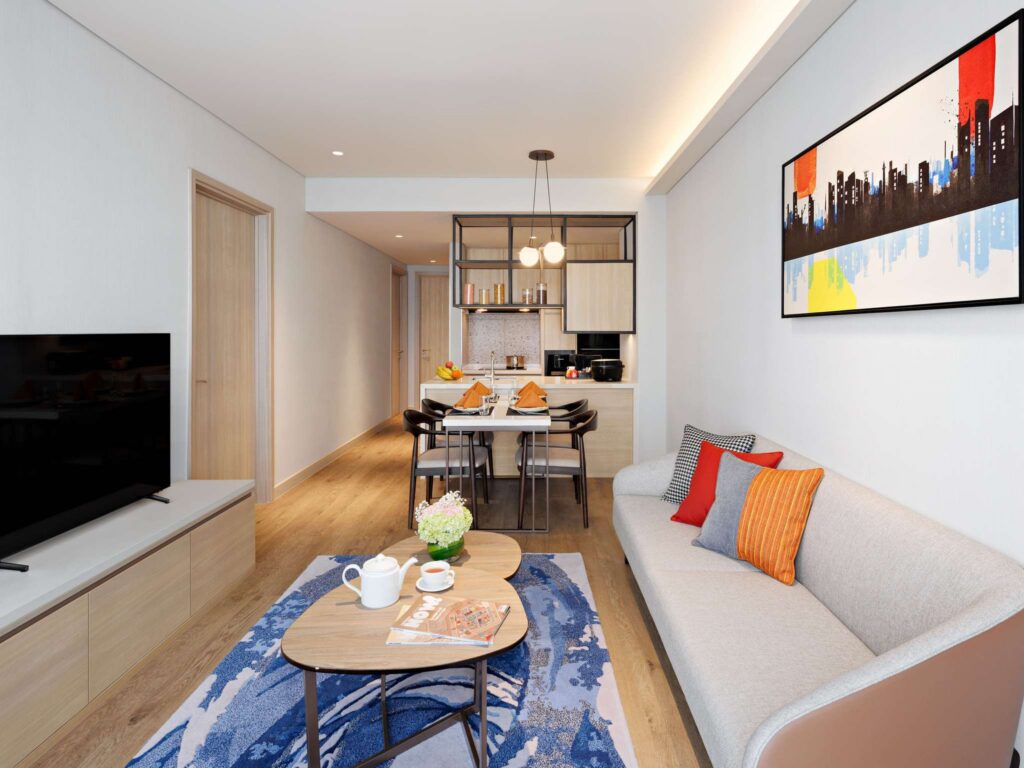
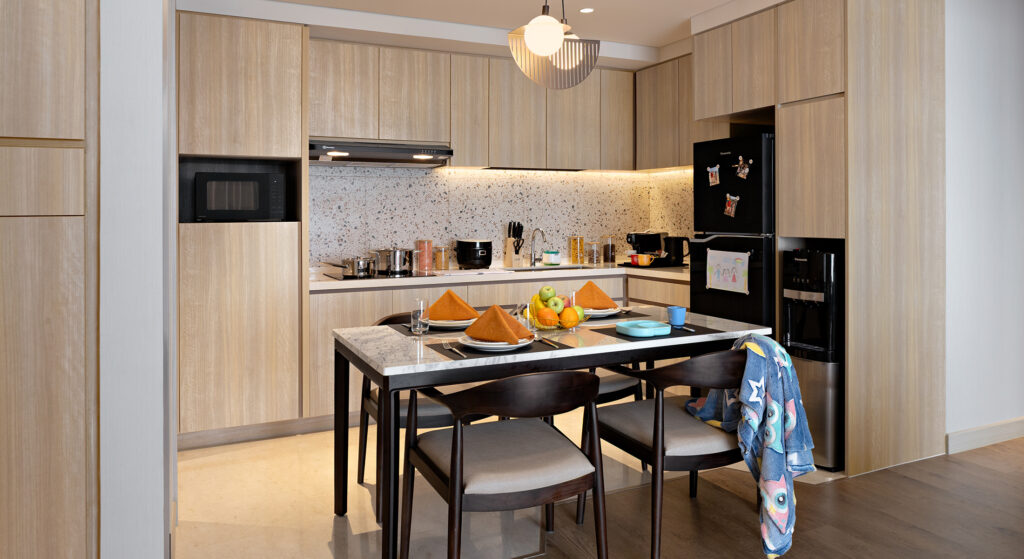
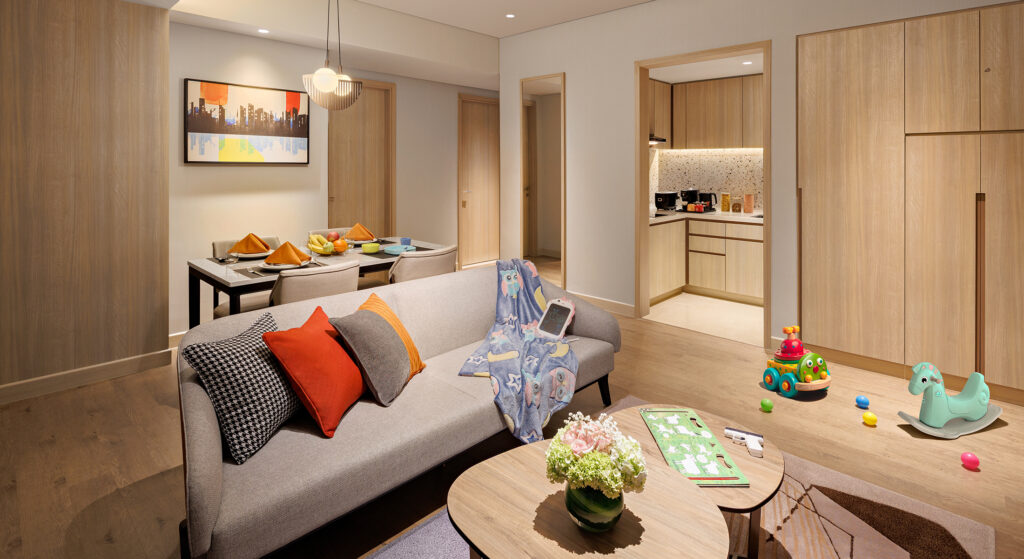
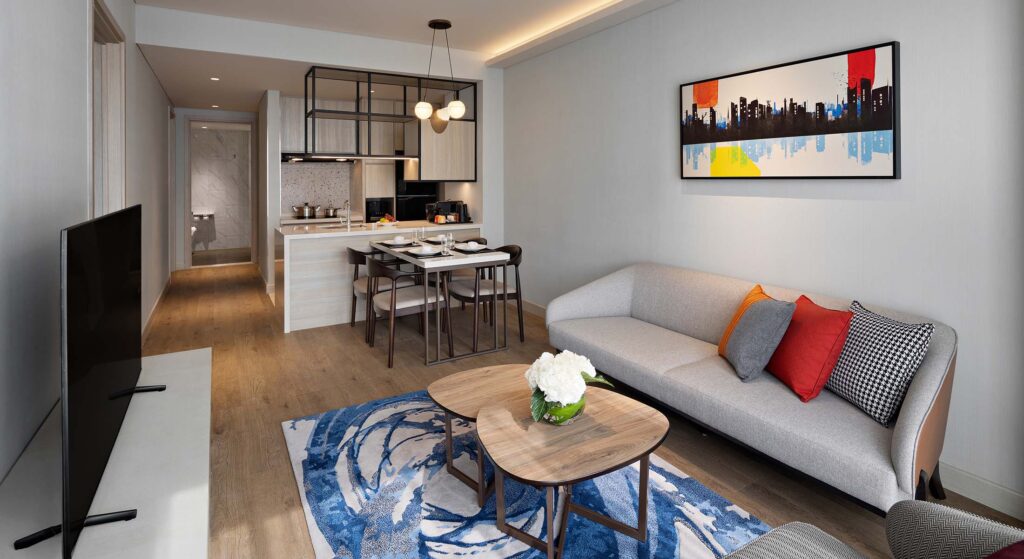
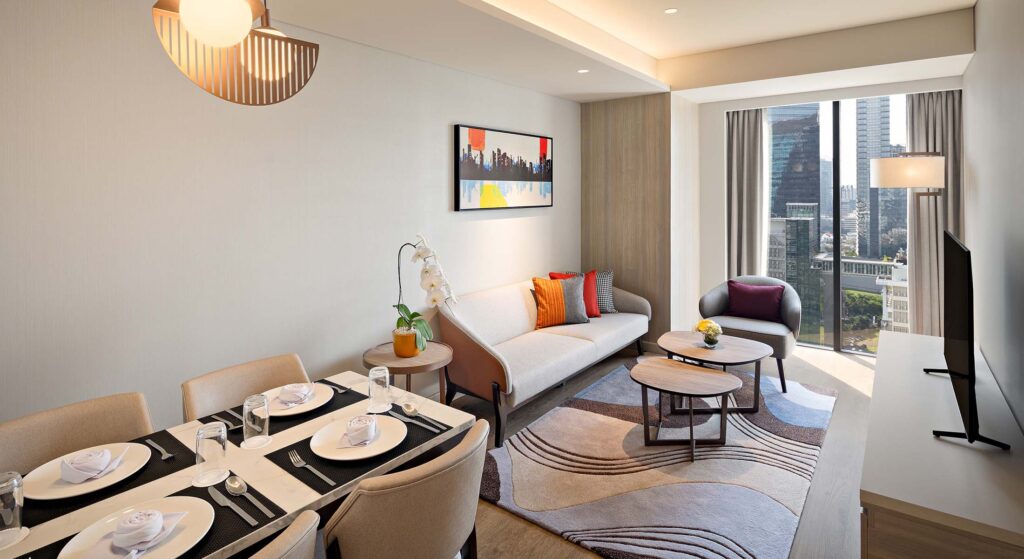
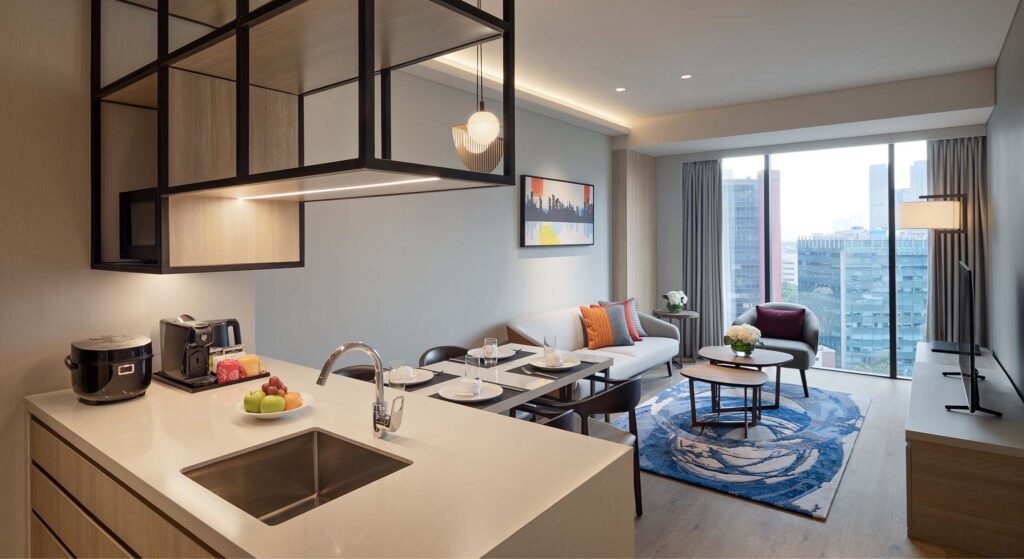
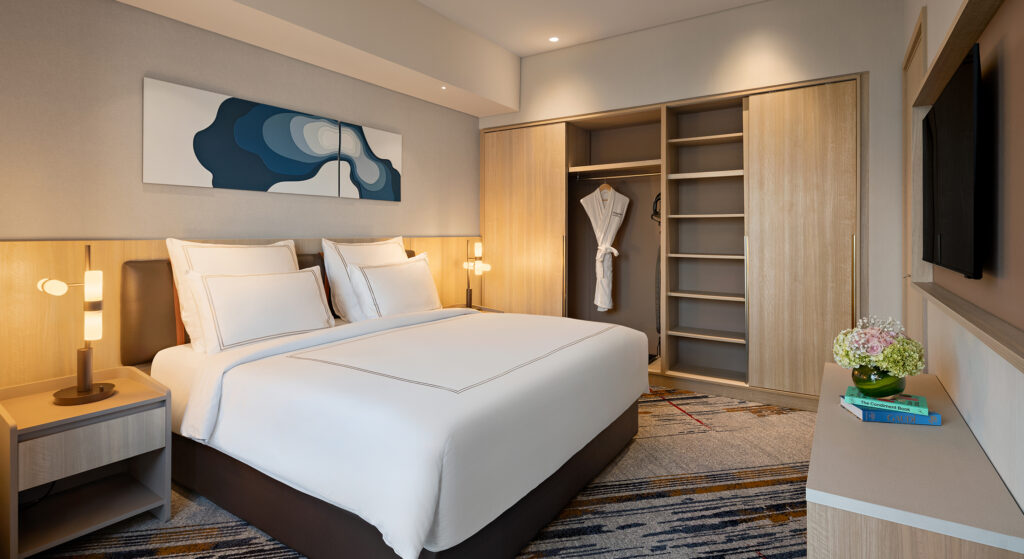
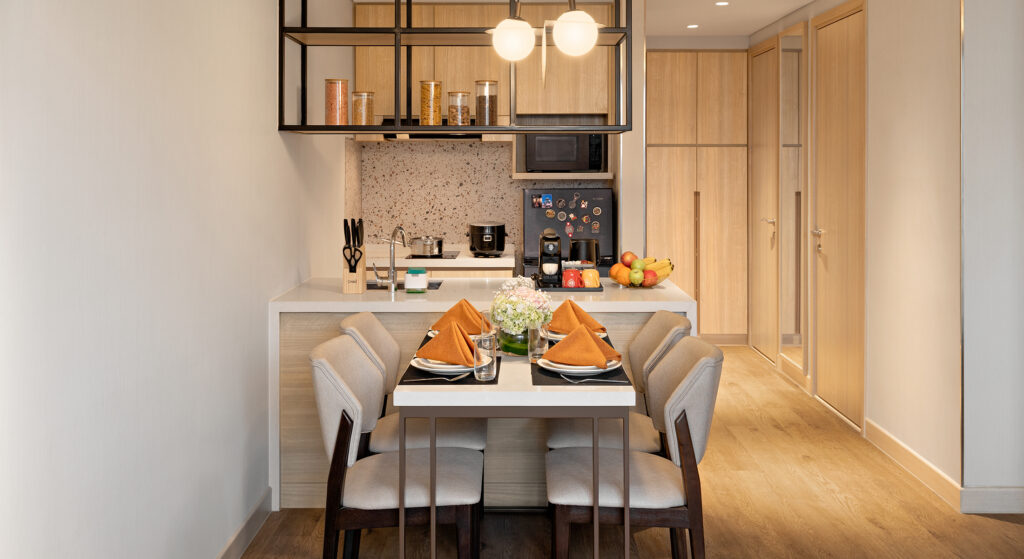
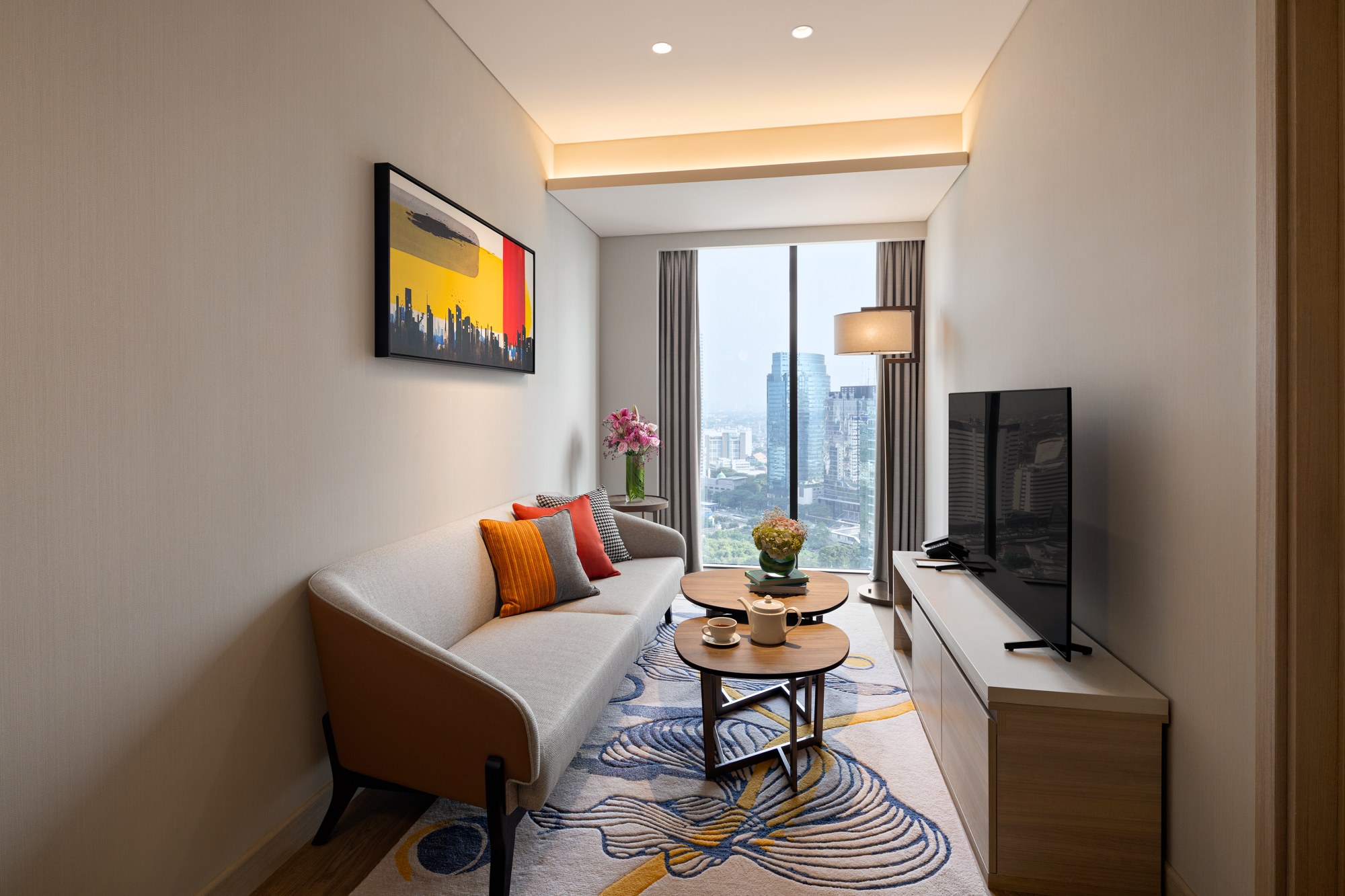
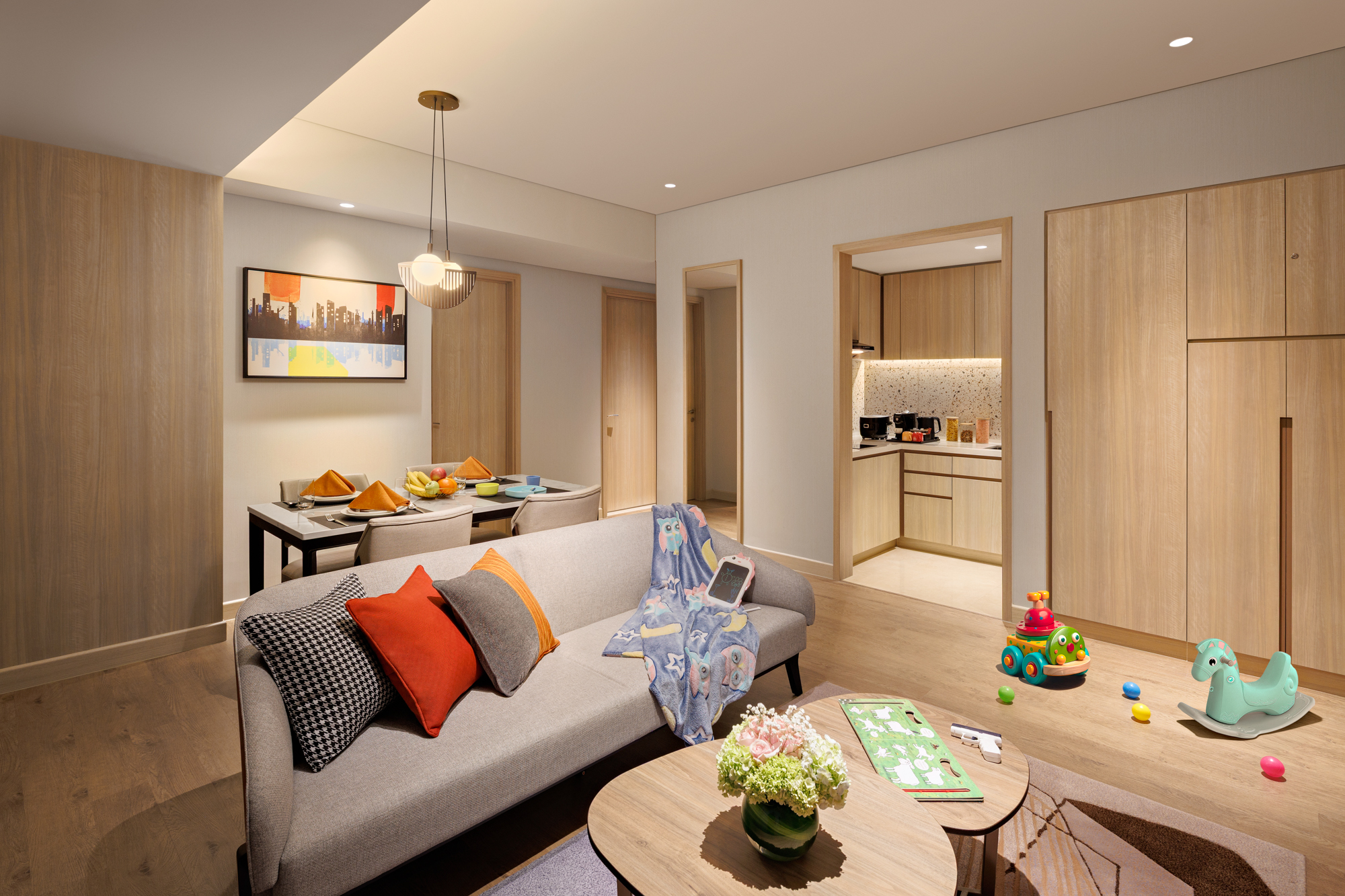
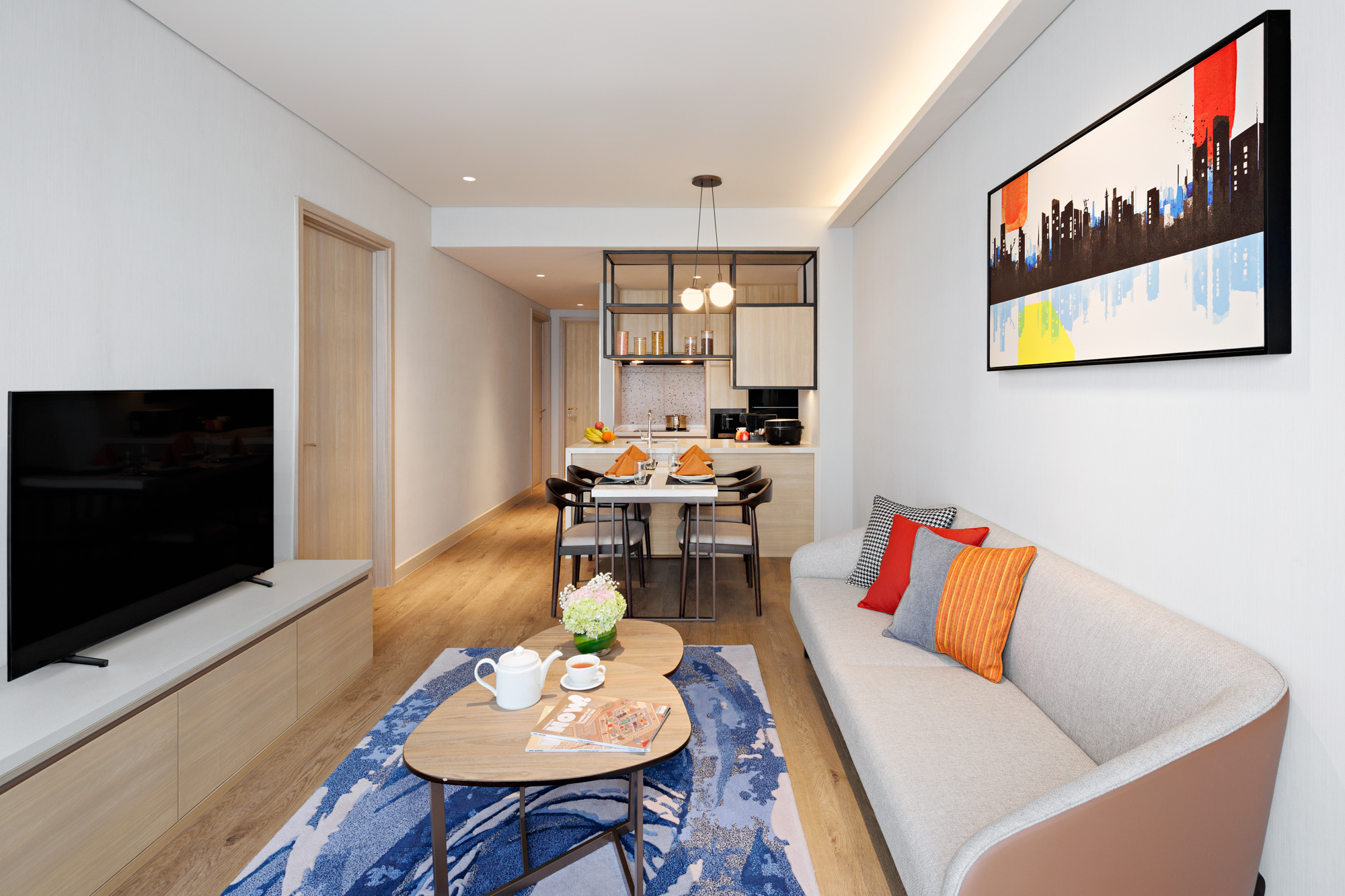
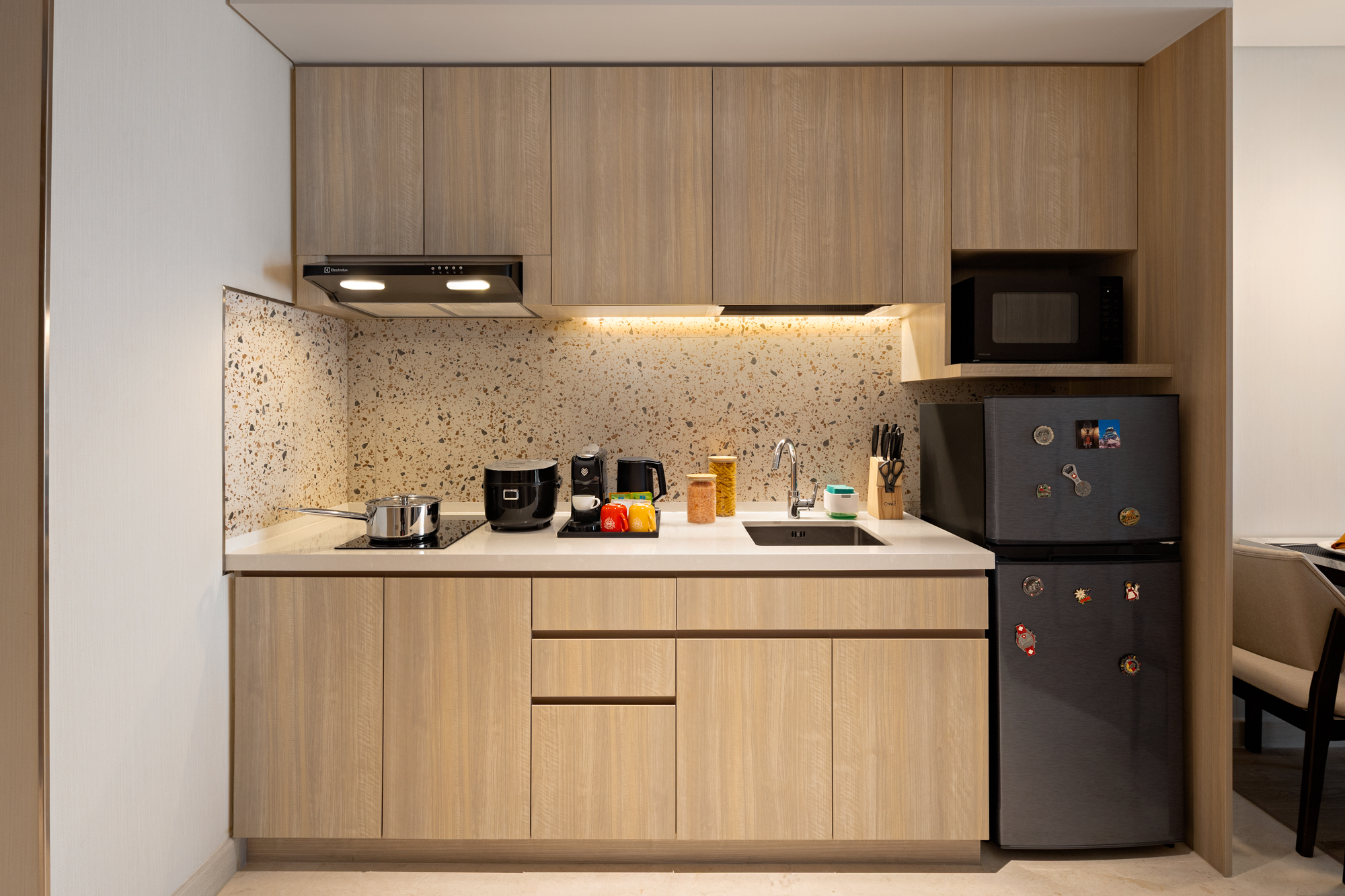
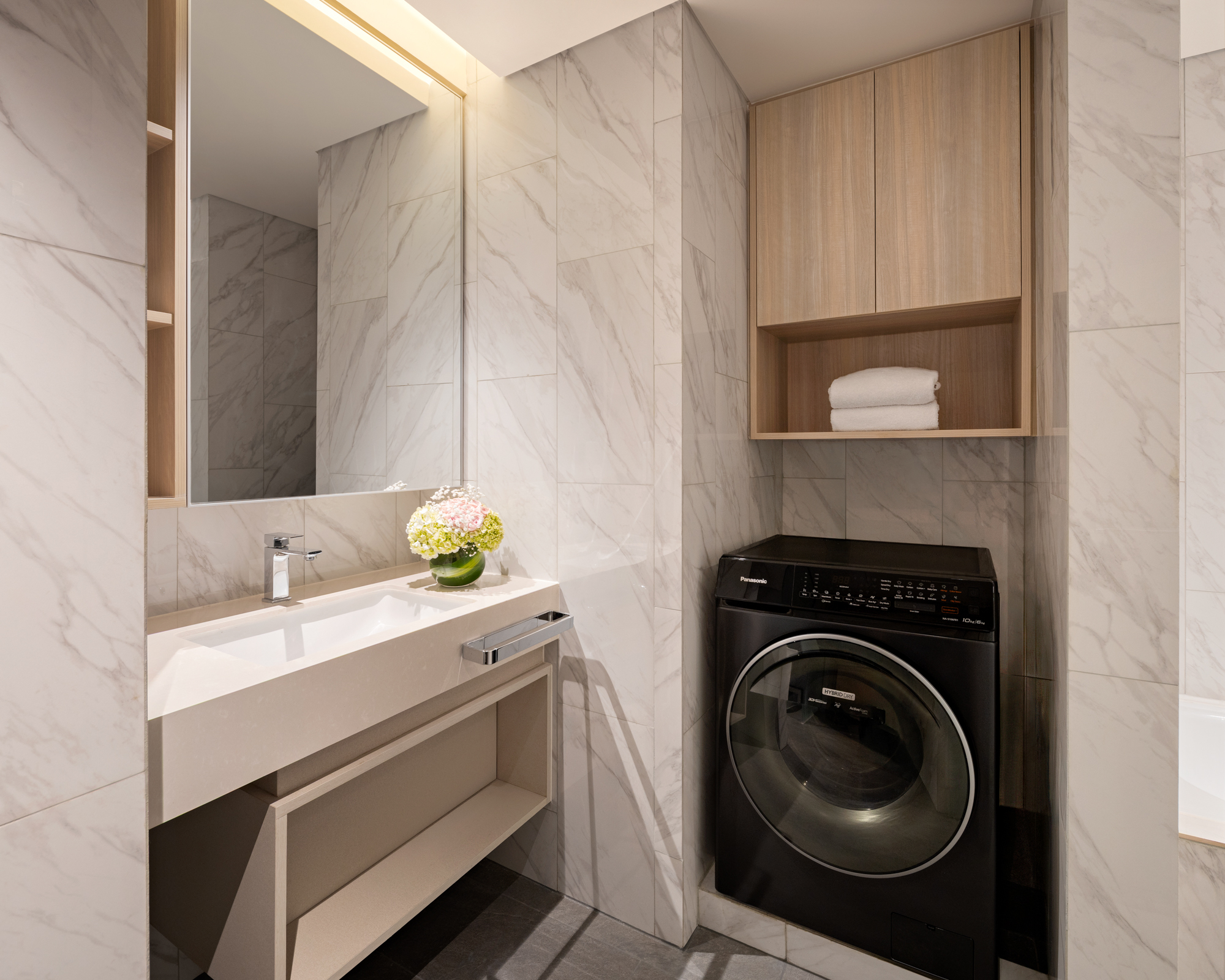
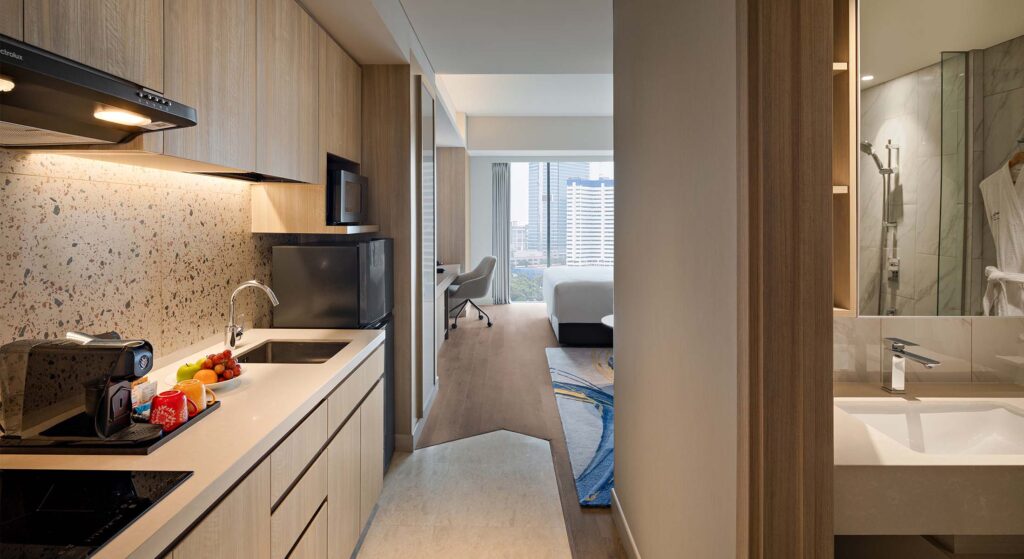
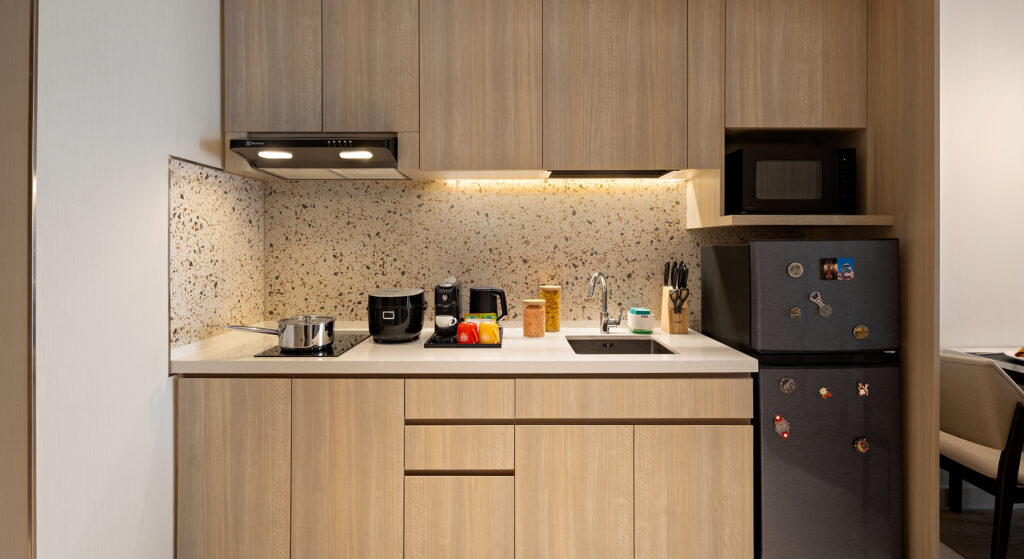
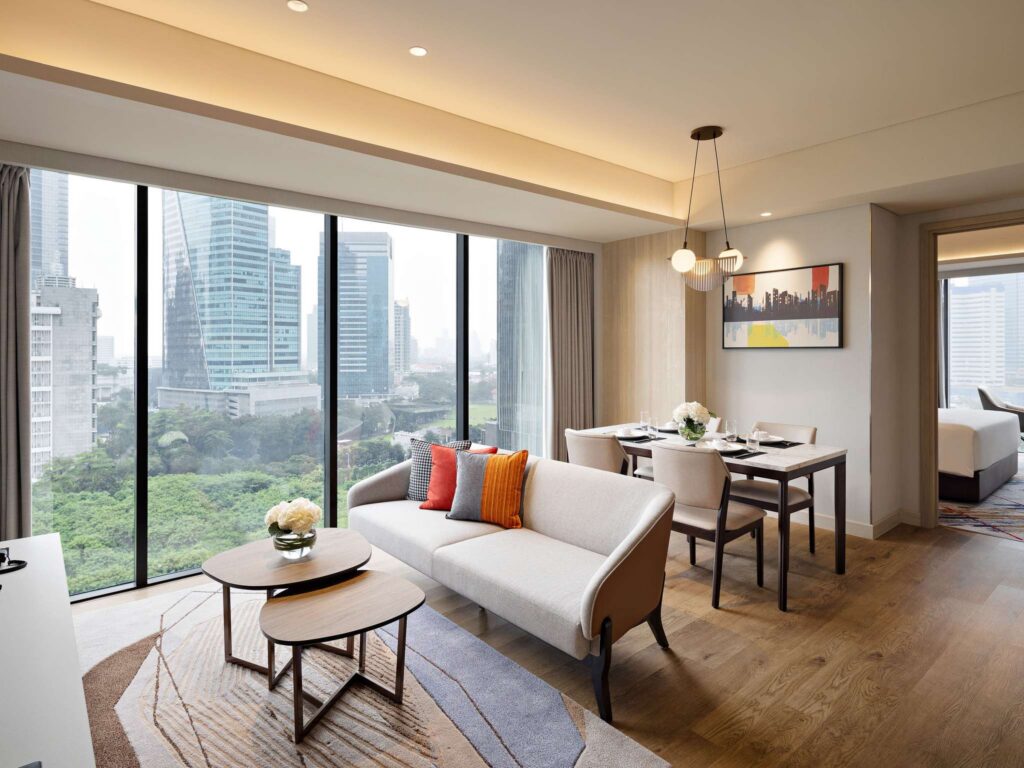
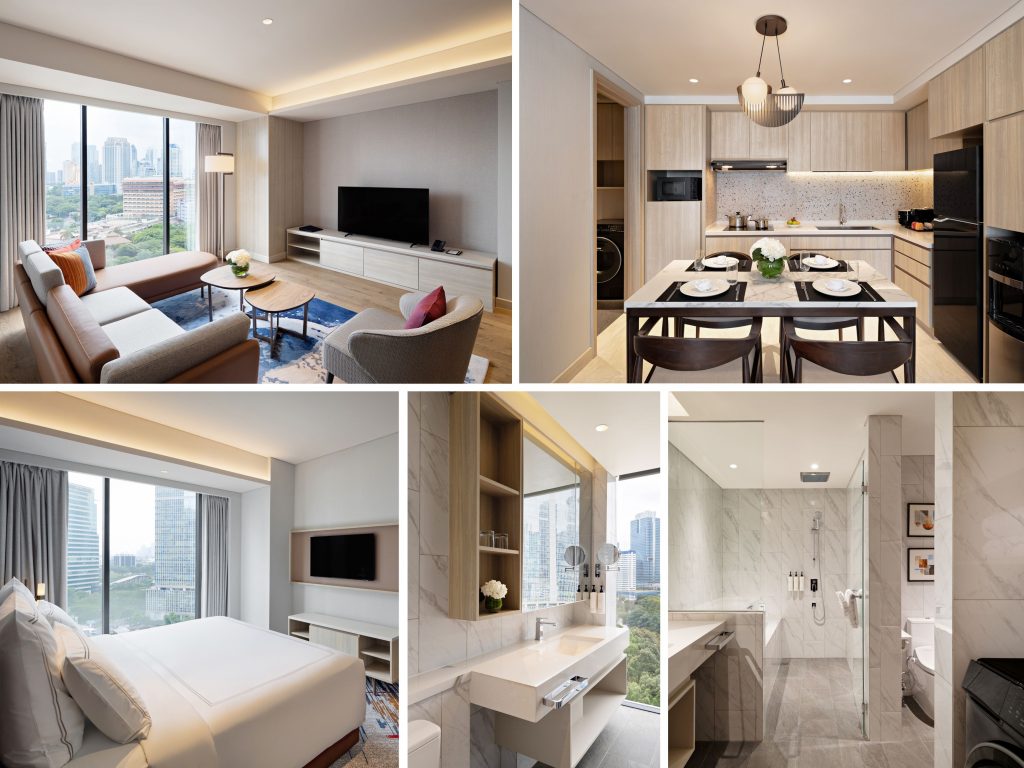
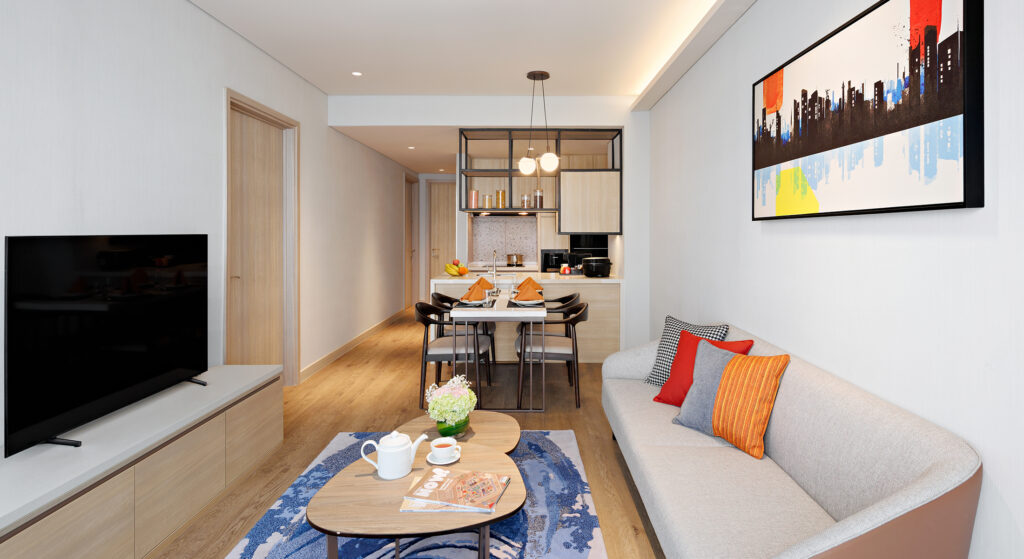
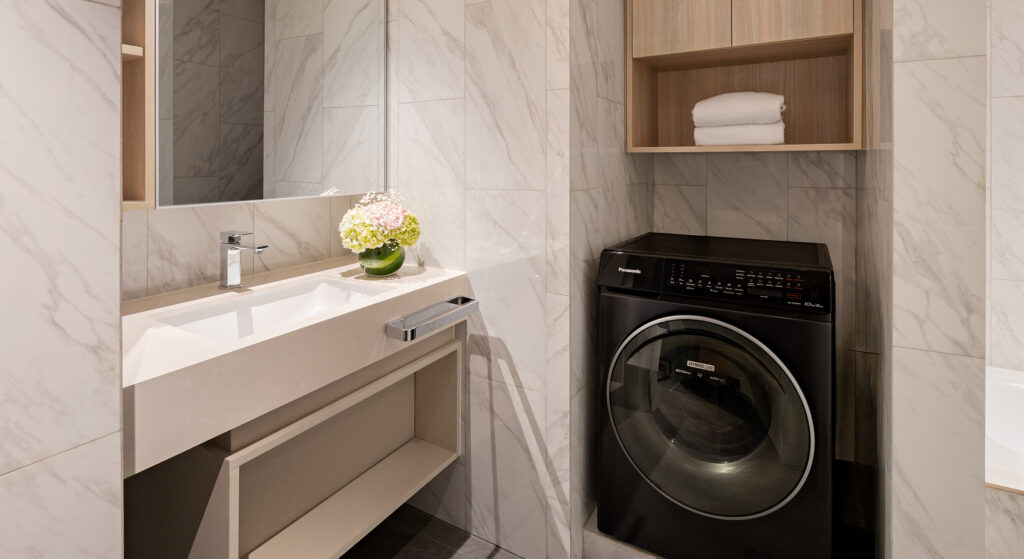
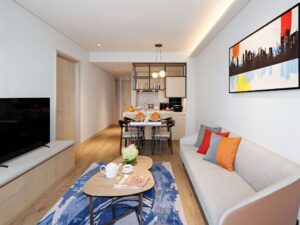
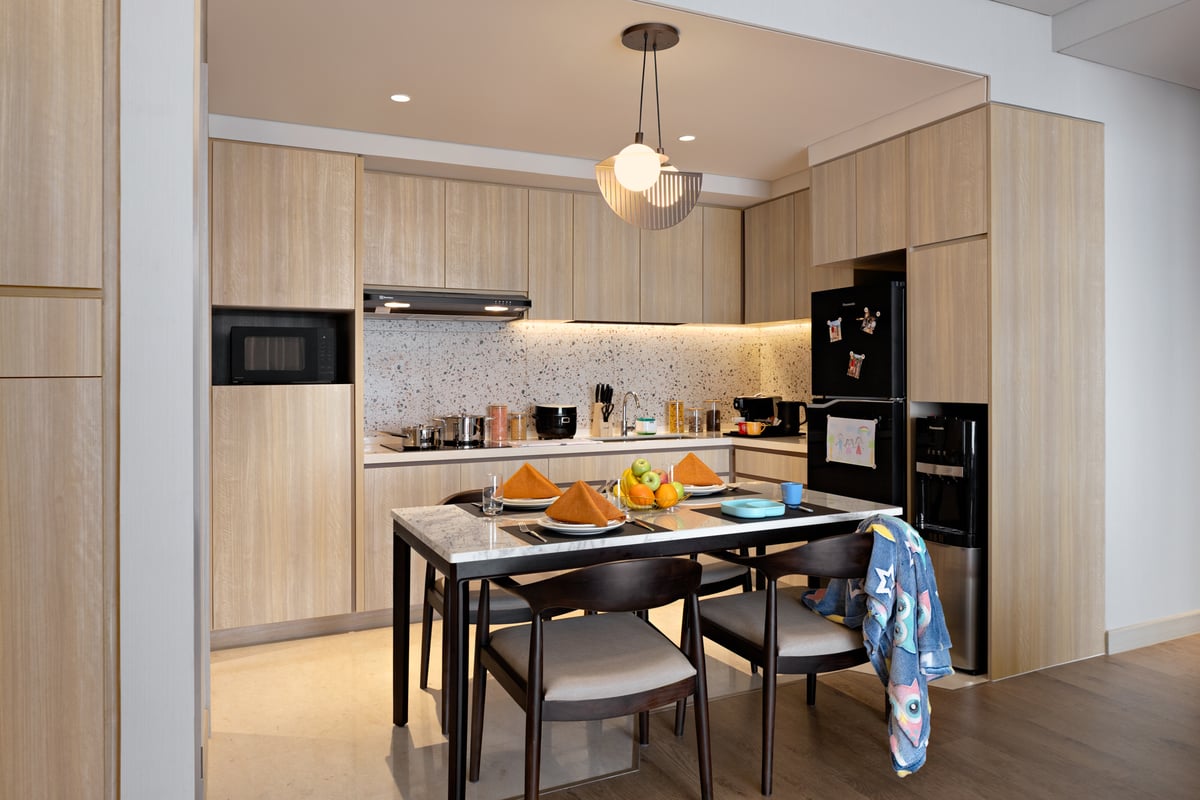
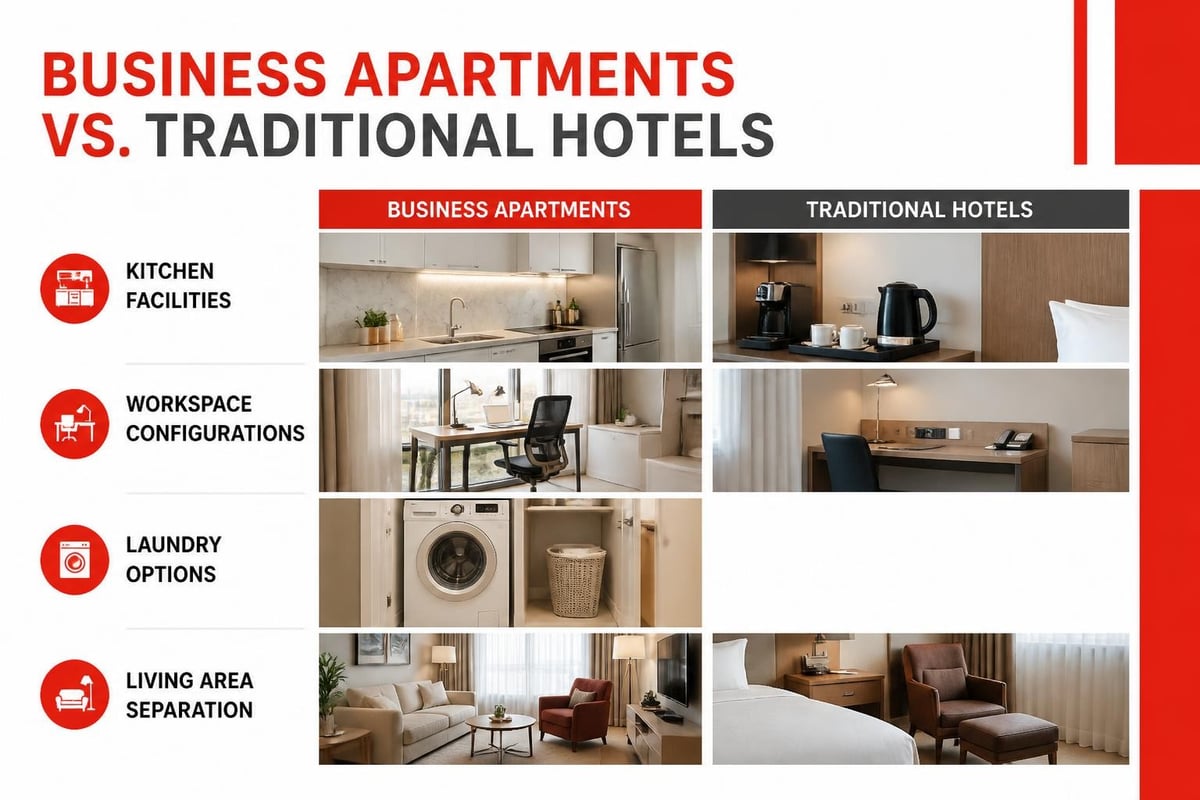
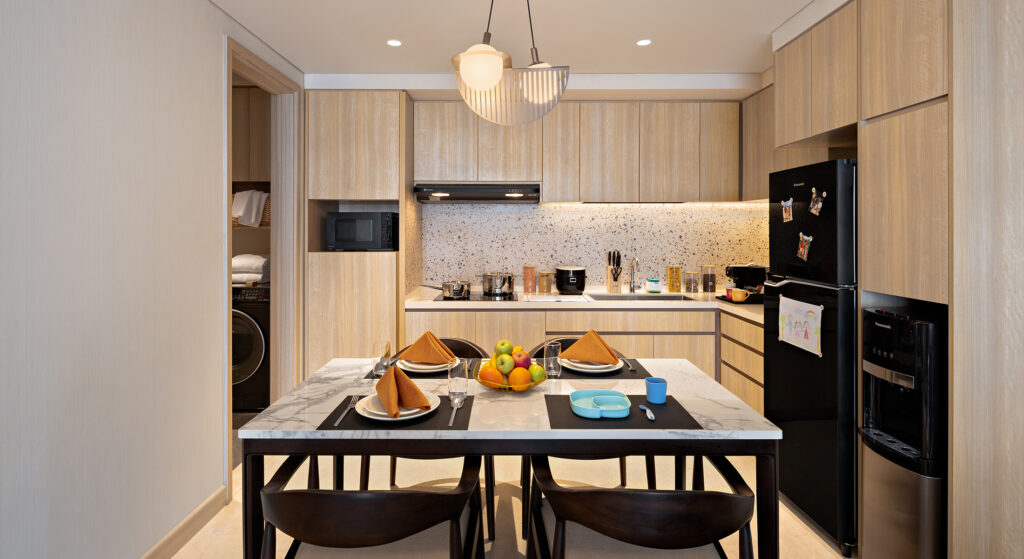
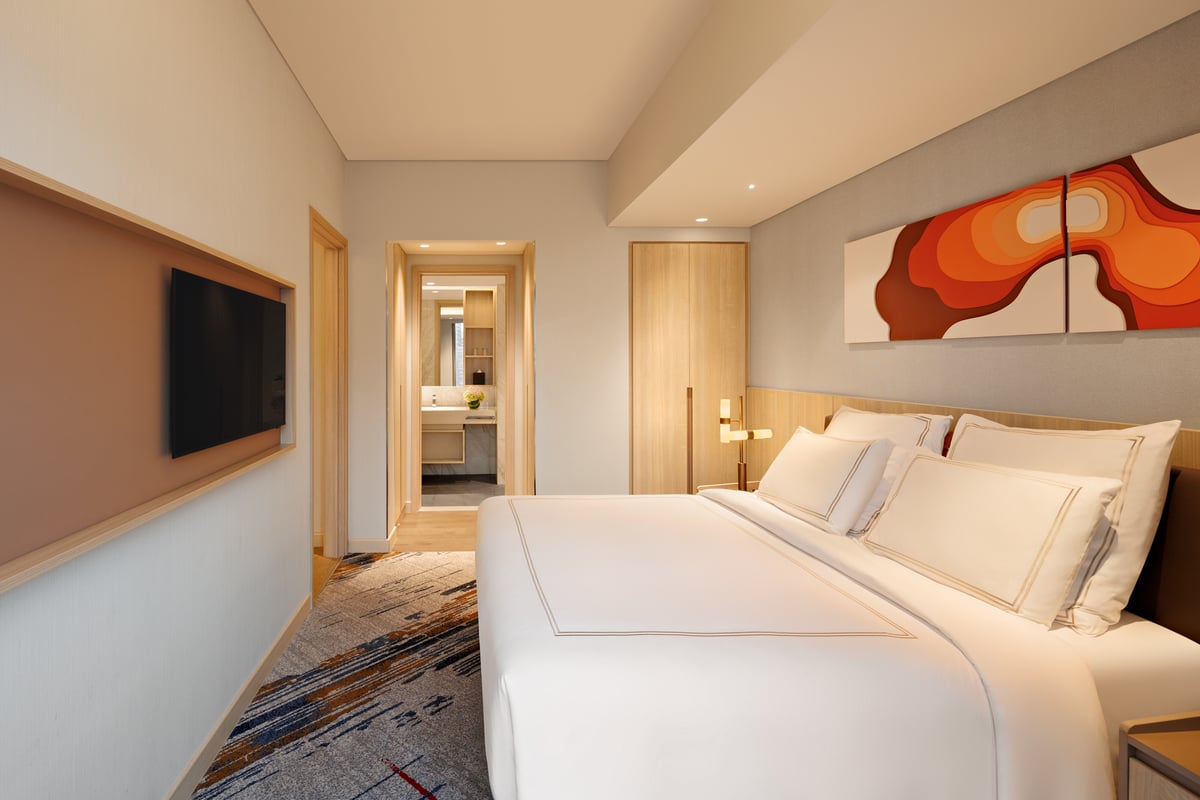
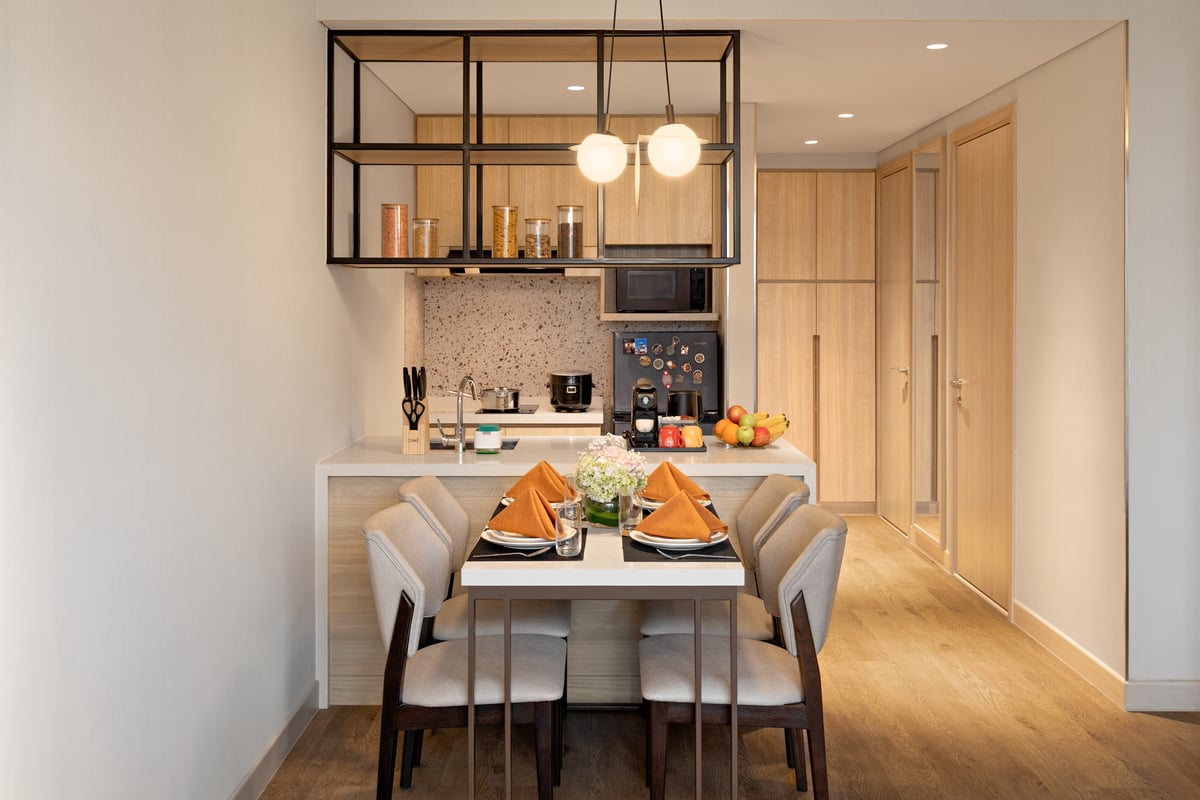
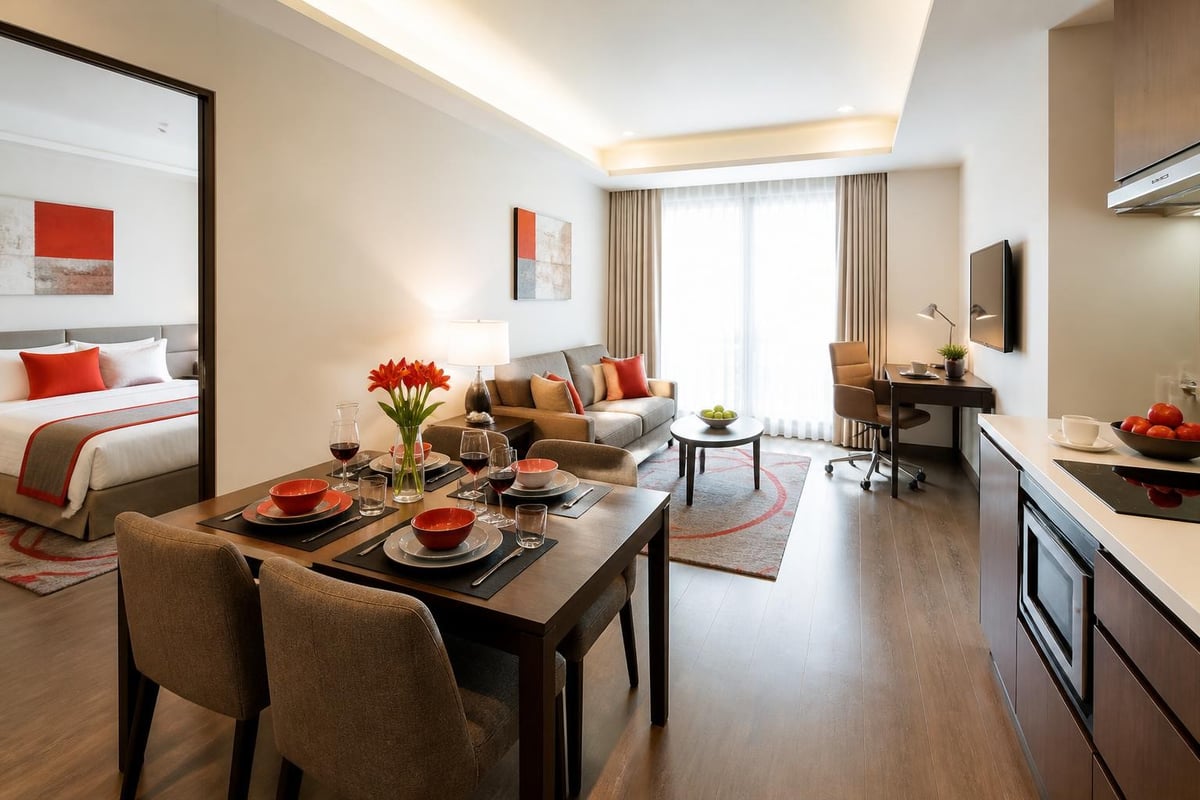
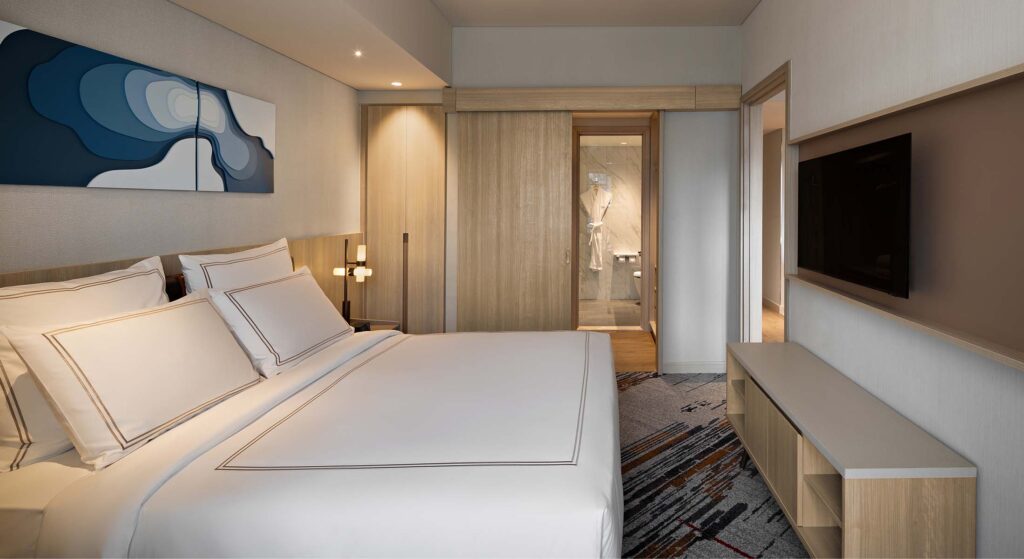
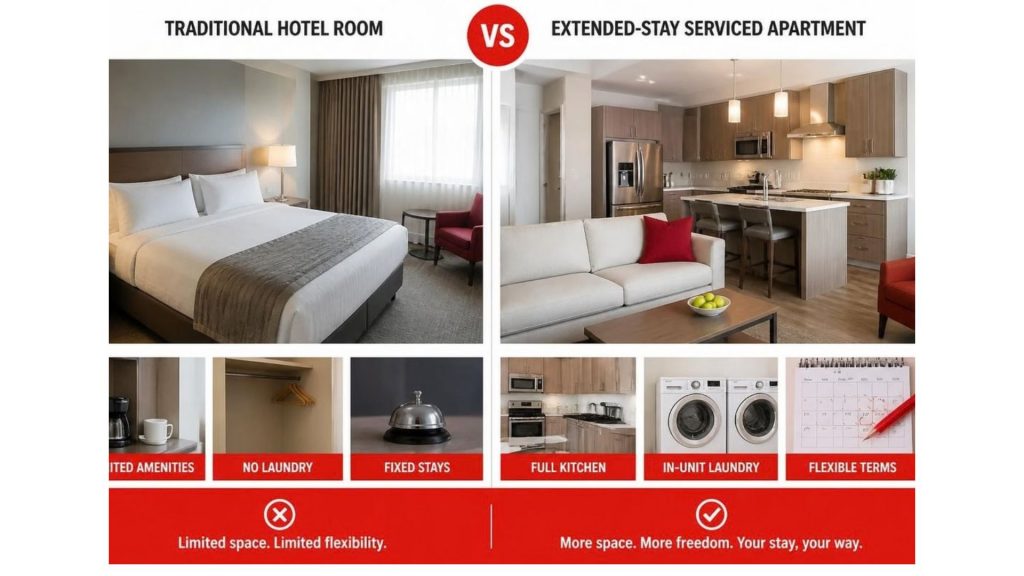
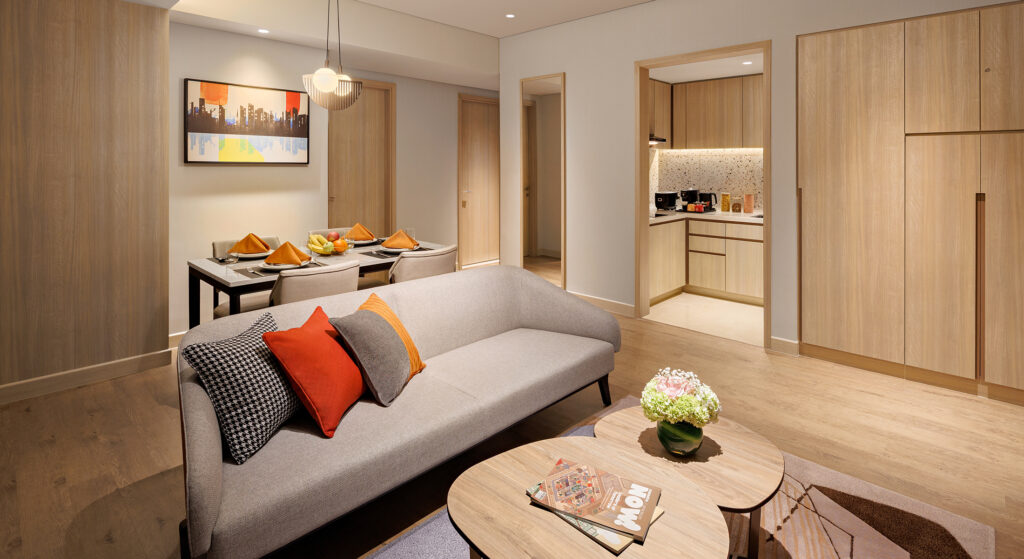
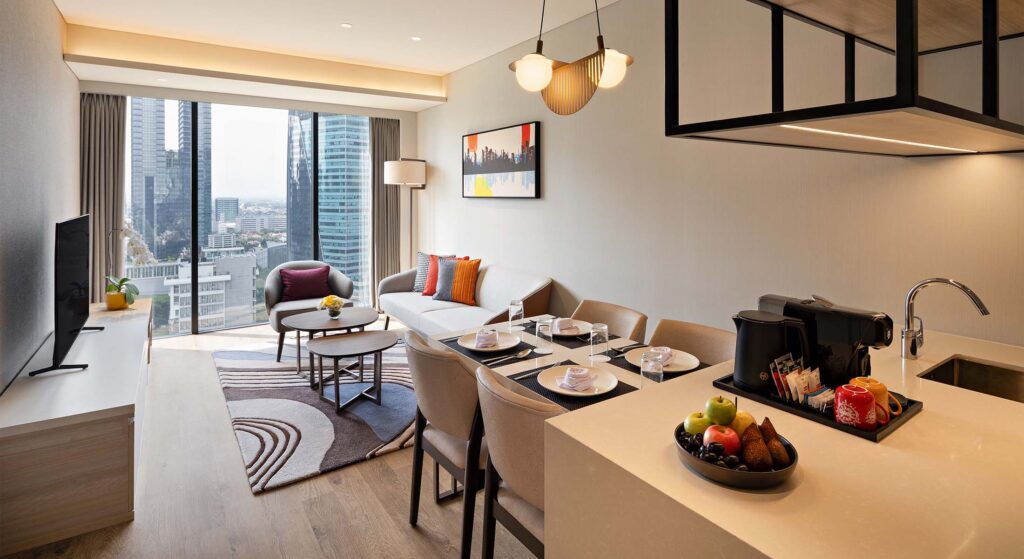
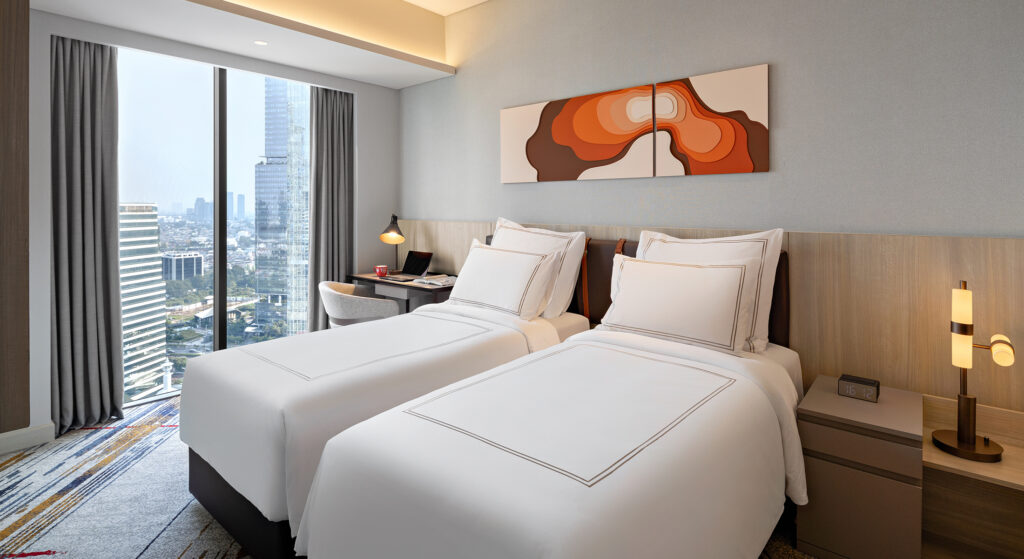
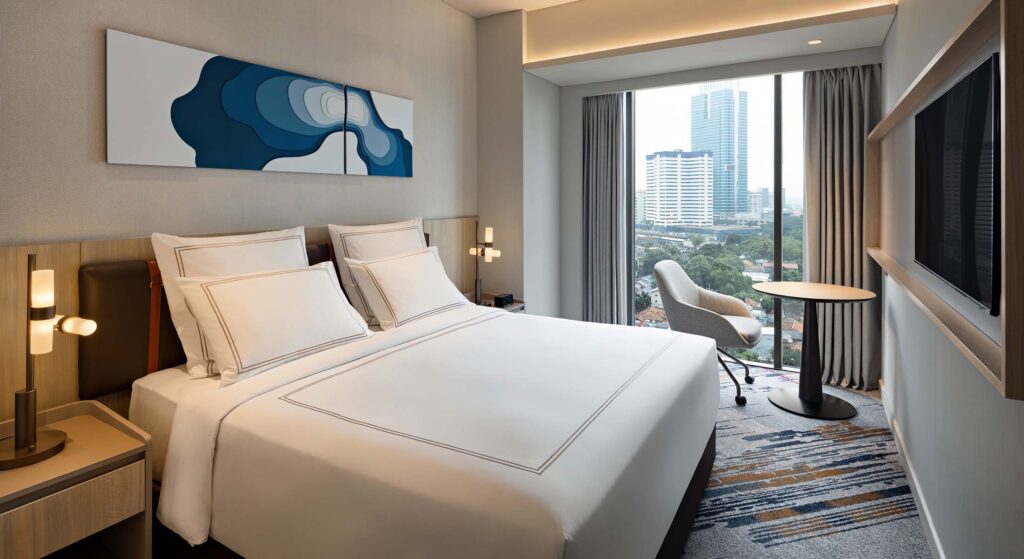
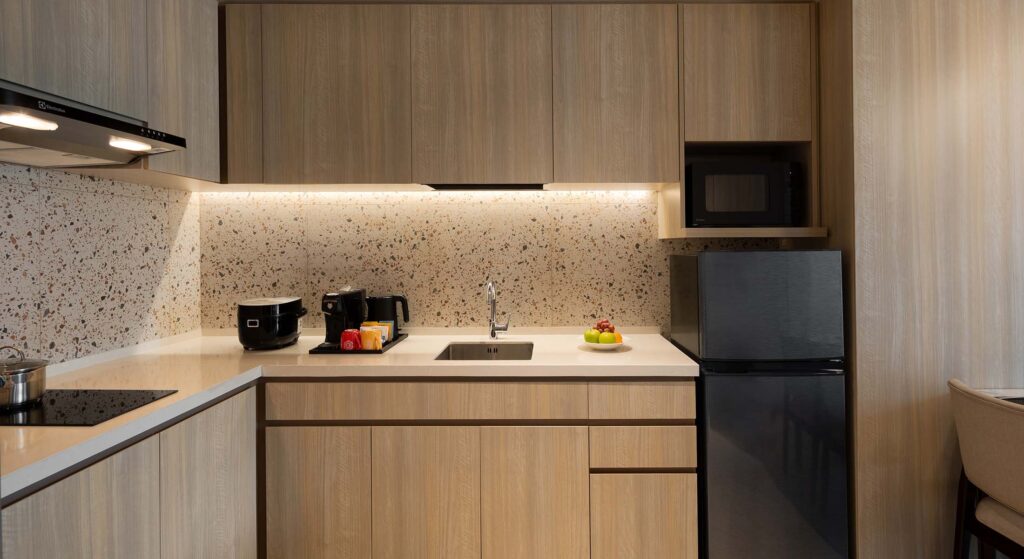
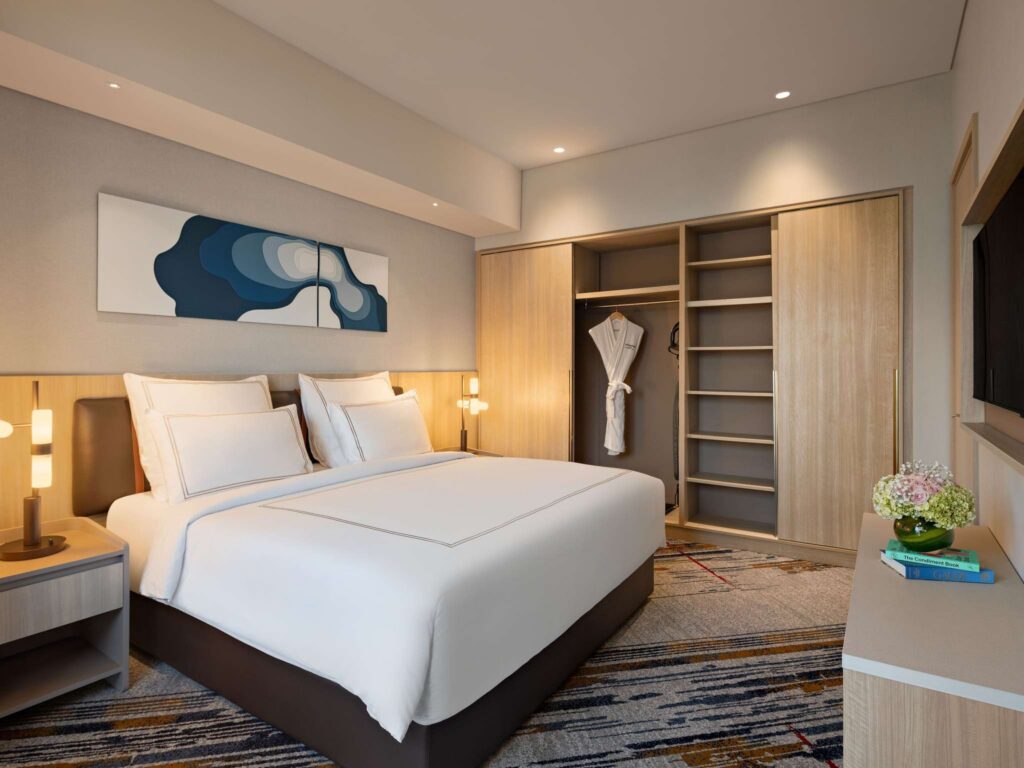
Monthly hotels represent a specialized accommodation category that caters to guests requiring housing for periods ranging from 30 days to several months or even years. These properties differ fundamentally from conventional hotels in their design, amenities, and service structure. The typical monthly hotel features fully equipped kitchens, separate living and sleeping areas, in-unit laundry facilities, and housekeeping services tailored to longer stays.
Key Characteristics of Monthly Hotels
The distinguishing features of monthly hotels set them apart from both traditional hotels and unfurnished apartments:
- Fully furnished residences with complete kitchen equipment, cookware, and dining areas
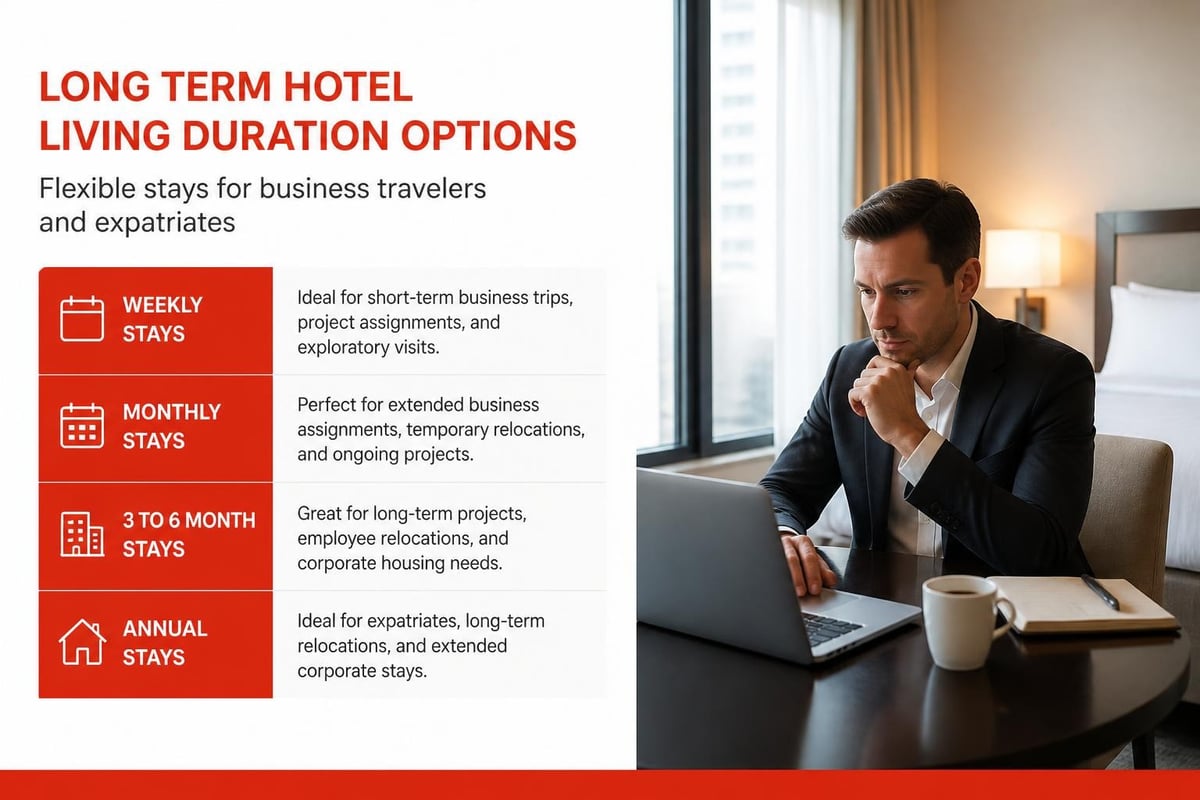
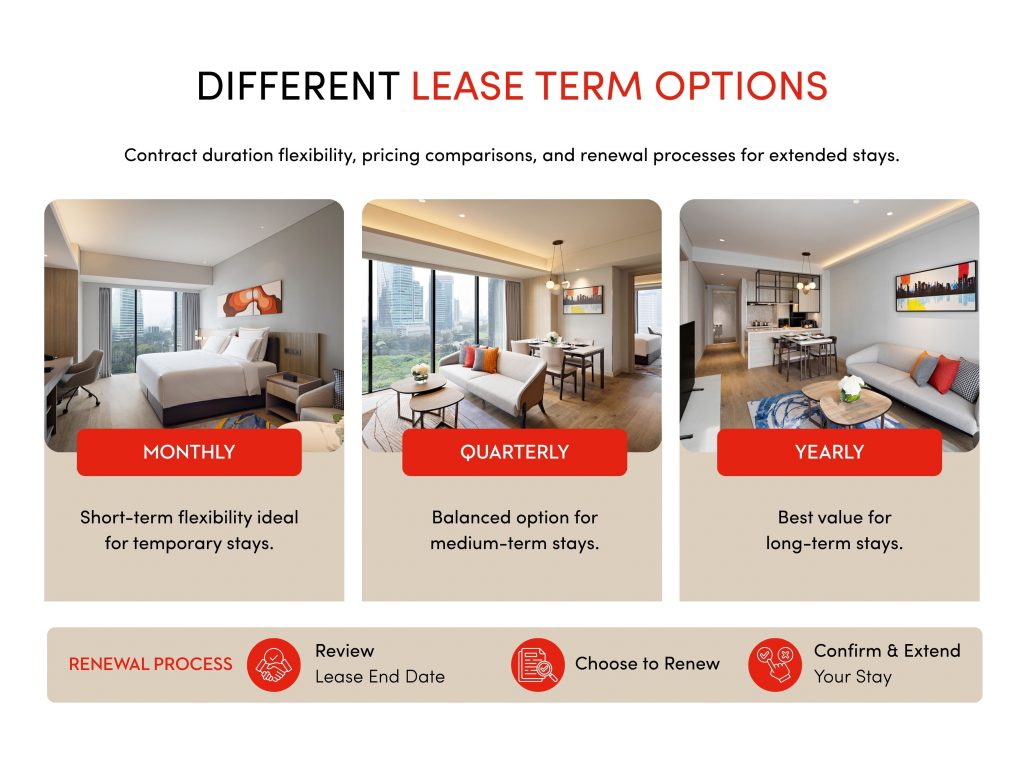
- Flexible lease terms accommodating stays from one month to multiple years
- Hotel-style services including housekeeping, maintenance, and 24-hour reception
- Utility inclusion with electricity, water, internet, and cable typically bundled into the monthly rate
- No security deposits or furniture purchases required
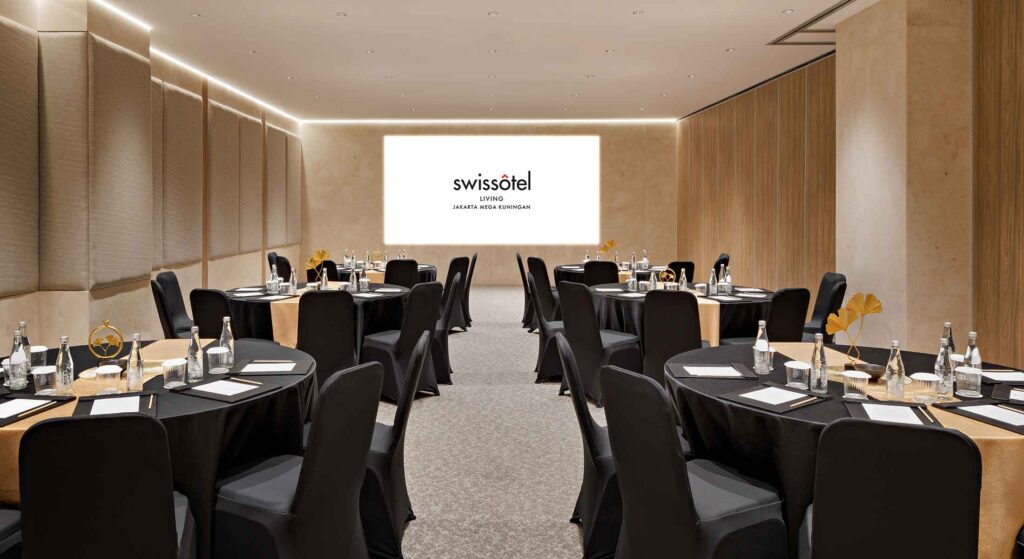
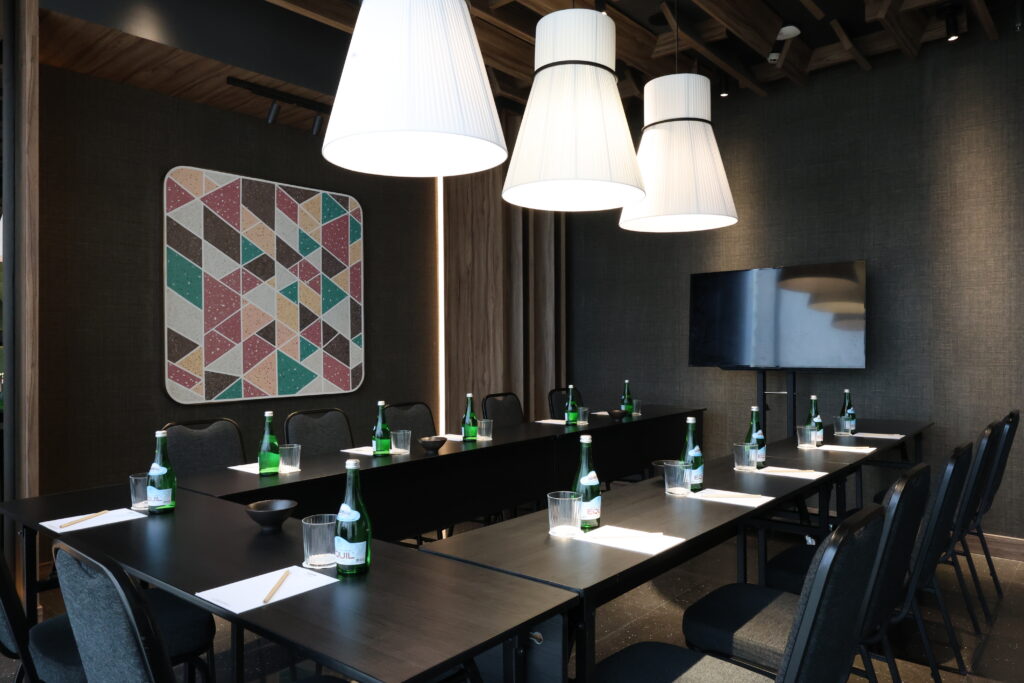
- Professional amenities such as business centers, meeting rooms, and fitness facilities
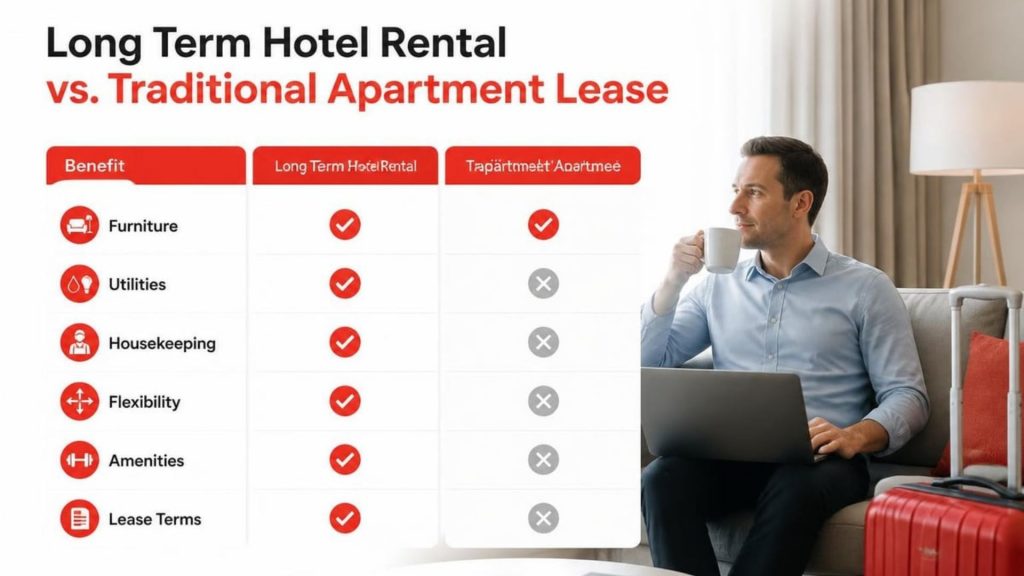
This hybrid model addresses the needs of various traveler segments who require more space and autonomy than hotels provide but desire more services and flexibility than traditional apartment rentals offer.
Market Growth and Industry Trends
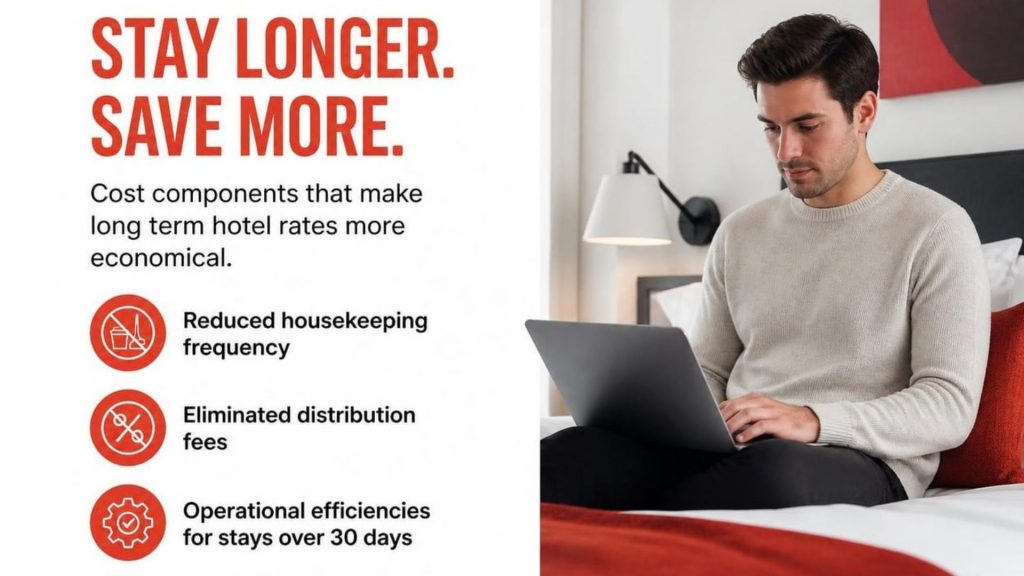
The extended-stay hotel sector has demonstrated remarkable resilience and growth throughout 2026. According to comprehensive industry research, the segment has consistently outperformed traditional hotel categories in occupancy rates and revenue metrics. Monthly hotels benefit from lower guest acquisition costs and more predictable revenue streams compared to transient hotels.
Performance Metrics for 2026
Recent data from the extended-stay industry bulletin reveals strong performance indicators through the first quarter of 2026, with occupancy rates maintaining levels above 75 percent in major business districts. Revenue per available room (RevPAR) has shown consistent growth, reflecting both increased demand and the ability to command premium rates for quality extended-stay properties.
| Performance Indicator | Monthly Hotels | Traditional Hotels | Variance |
|---|---|---|---|
| Average Occupancy | 78.5% | 66.2% | +12.3% |
| Average Length of Stay | 45 days | 2.3 days | +1,857% |
| Guest Acquisition Cost | Lower | Higher | -35% |
| Revenue Stability | High | Moderate | +40% |
The stability of monthly hotel operations stems from longer guest stays, which reduce turnover costs and create more predictable revenue forecasting. This operational efficiency has attracted significant investor interest in the sector.
Who Chooses Monthly Hotels?
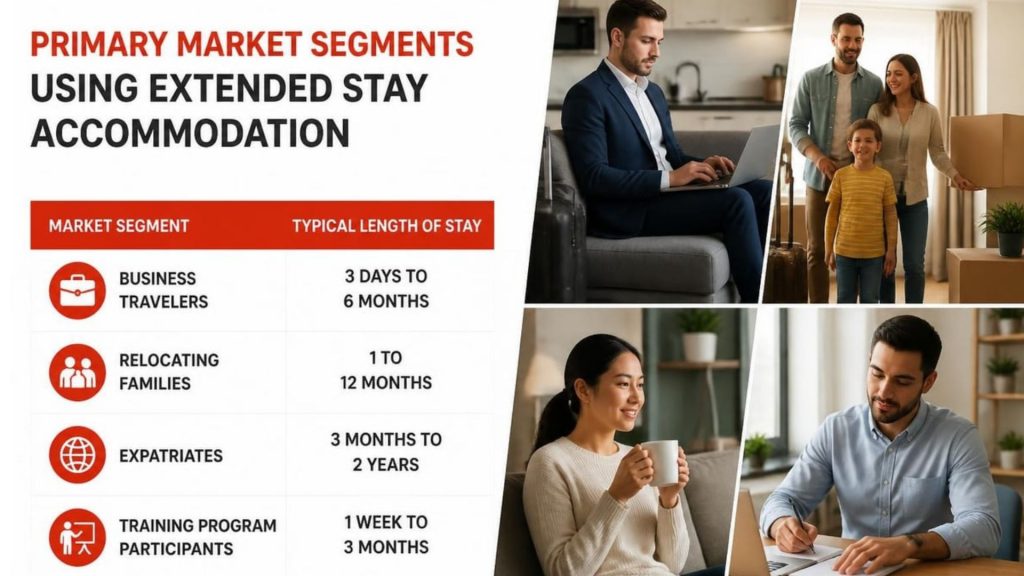
Understanding the guest profile helps explain the sustained demand for monthly hotels across different markets. The primary segments include corporate relocations, project-based assignments, international expatriates, families in housing transitions, and professionals seeking temporary accommodation during home renovations or construction.
Corporate and Business Travelers
Companies increasingly utilize monthly hotels for employees on extended assignments, training programs, or project work. The all-inclusive nature of monthly hotel pricing simplifies expense management and budgeting. Human resources departments appreciate the turnkey solution that eliminates the complexity of coordinating furniture rentals, utility setups, and lease negotiations.
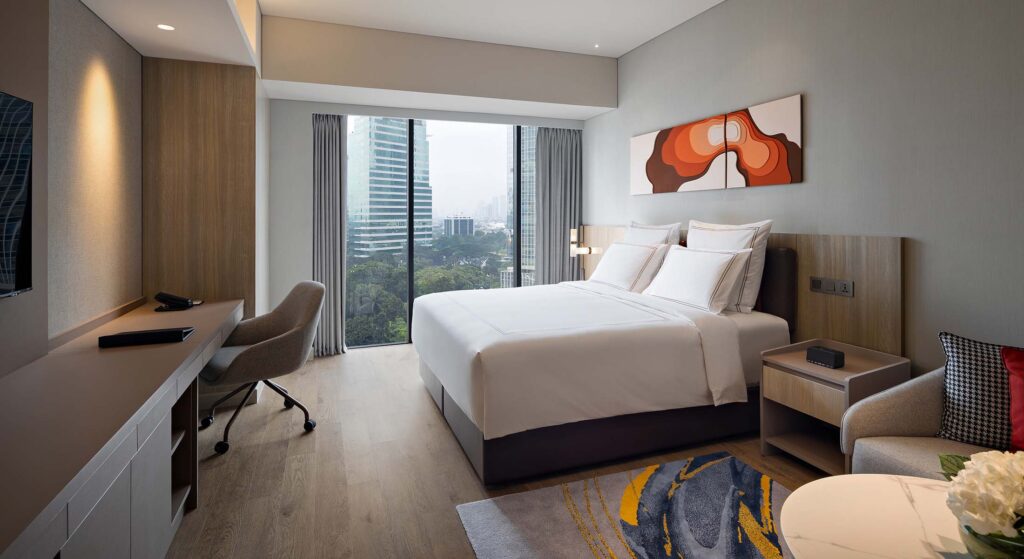
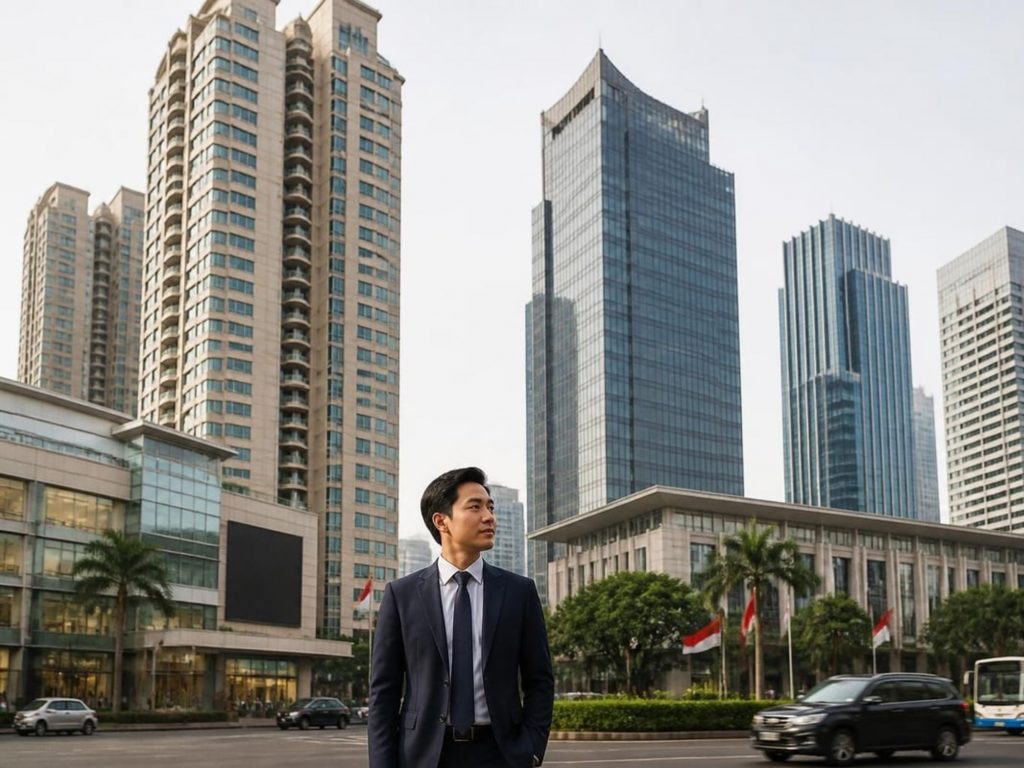
Business travelers working on multi-month projects value the combination of workspace functionality and residential comfort. A serviced apartment with a dedicated work area, high-speed internet, and proximity to business districts delivers productivity benefits that justify the premium over basic extended-stay options.
Expatriates and International Assignments
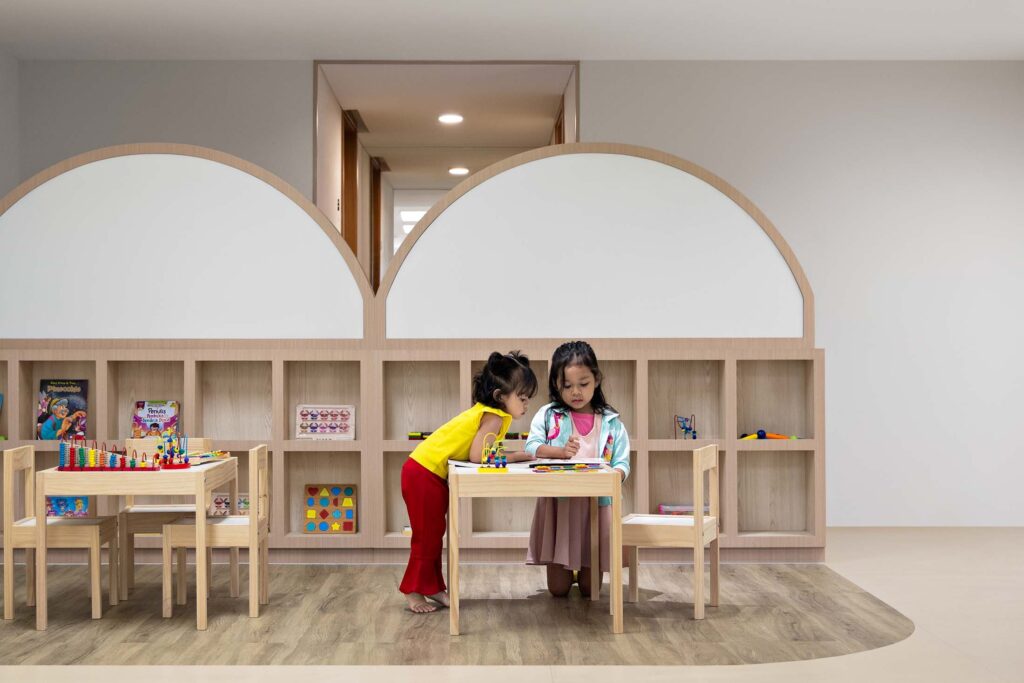
International assignees represent a significant segment of monthly hotel guests, particularly in global business centers. Newcomers to a city often lack local credit history, rental references, and familiarity with neighborhood dynamics. Monthly hotels provide immediate housing solutions while expatriates search for permanent residences, enroll children in schools, and establish themselves in a new market.
The flexibility to extend or reduce the stay duration without penalty clauses provides crucial adaptability during the settlement period. Serviced apartments located in central business districts offer expatriates convenient access to offices, international schools, embassies, and expatriate communities.
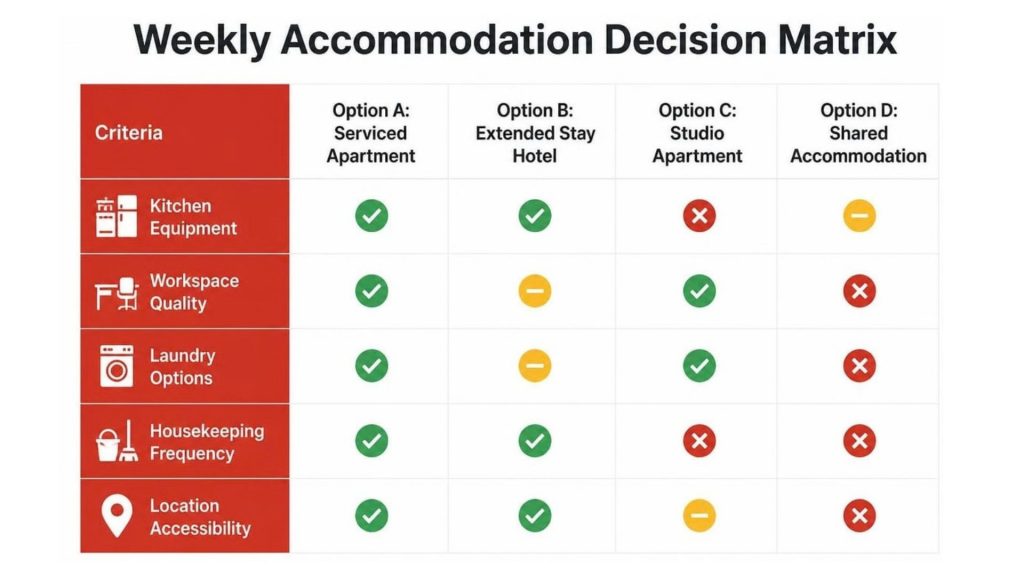
Serviced Apartments vs. Extended-Stay Hotels
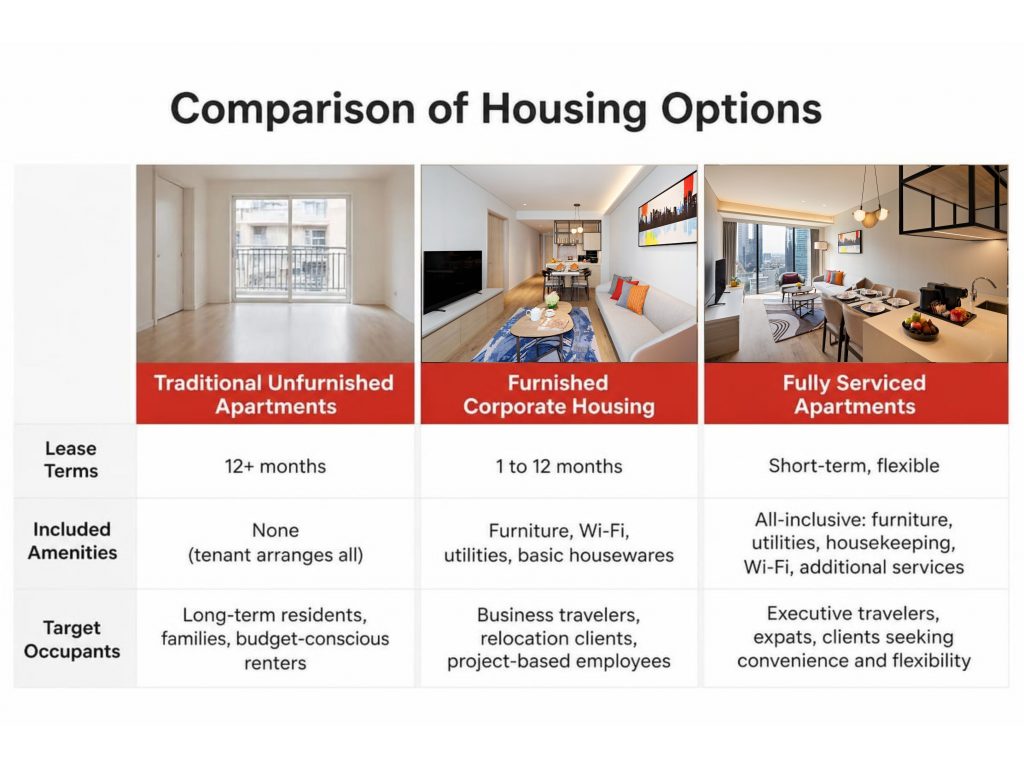
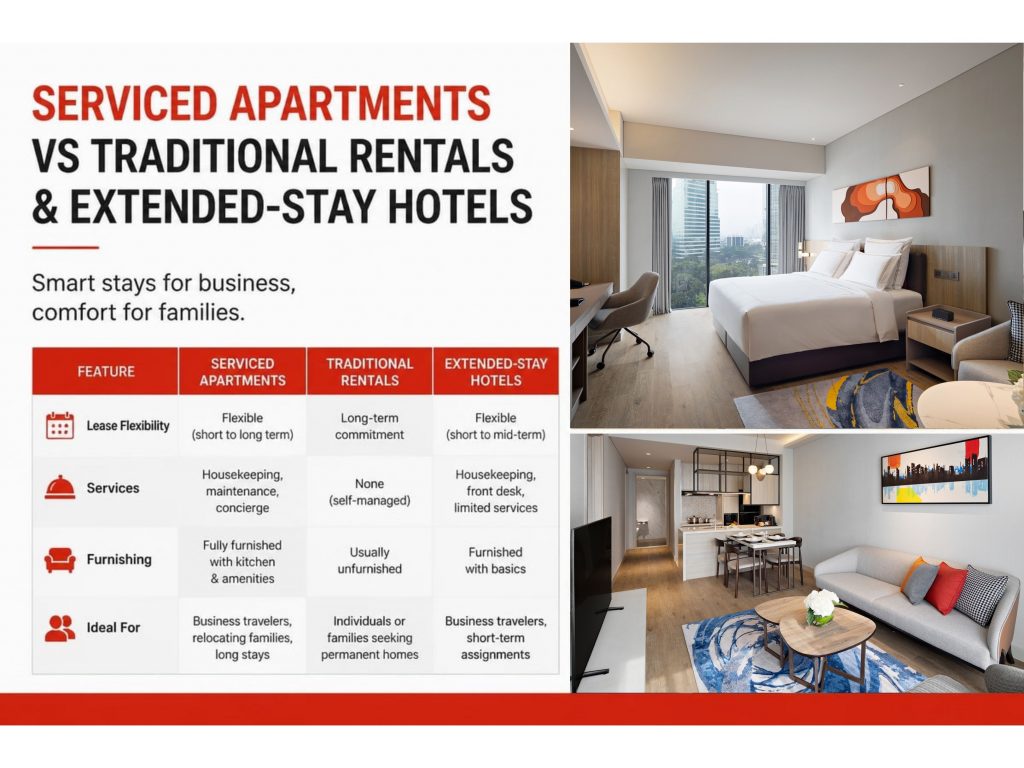
The terminology surrounding monthly hotels can be confusing, with “serviced apartments,” “extended-stay hotels,” and “aparthotels” often used interchangeably. While these categories overlap significantly, subtle distinctions exist in their positioning, amenities, and target markets.
Defining the Categories
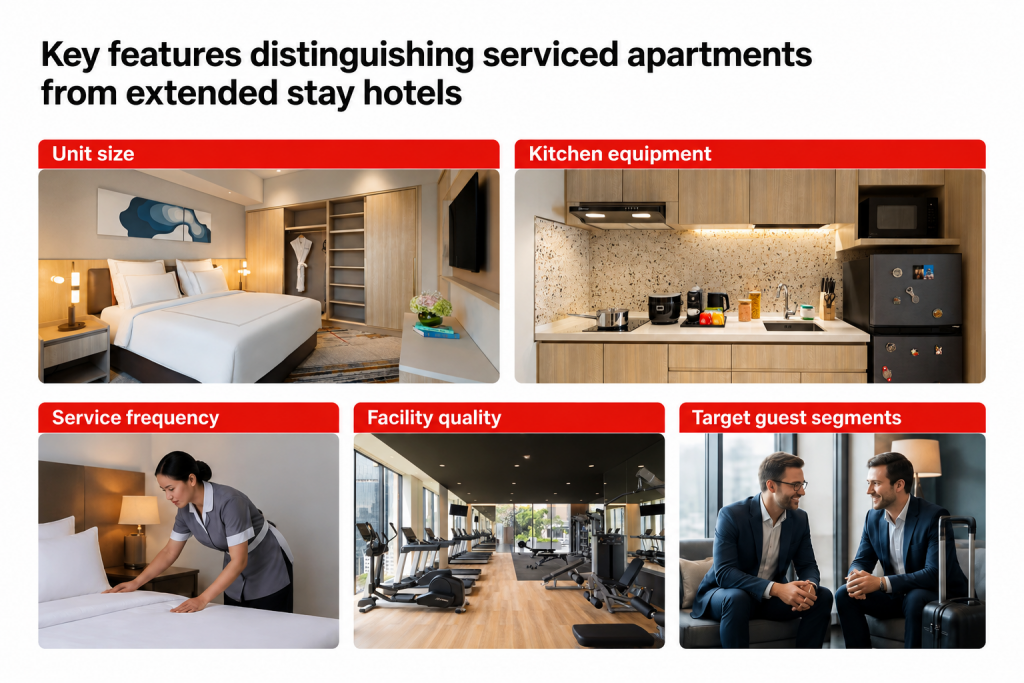
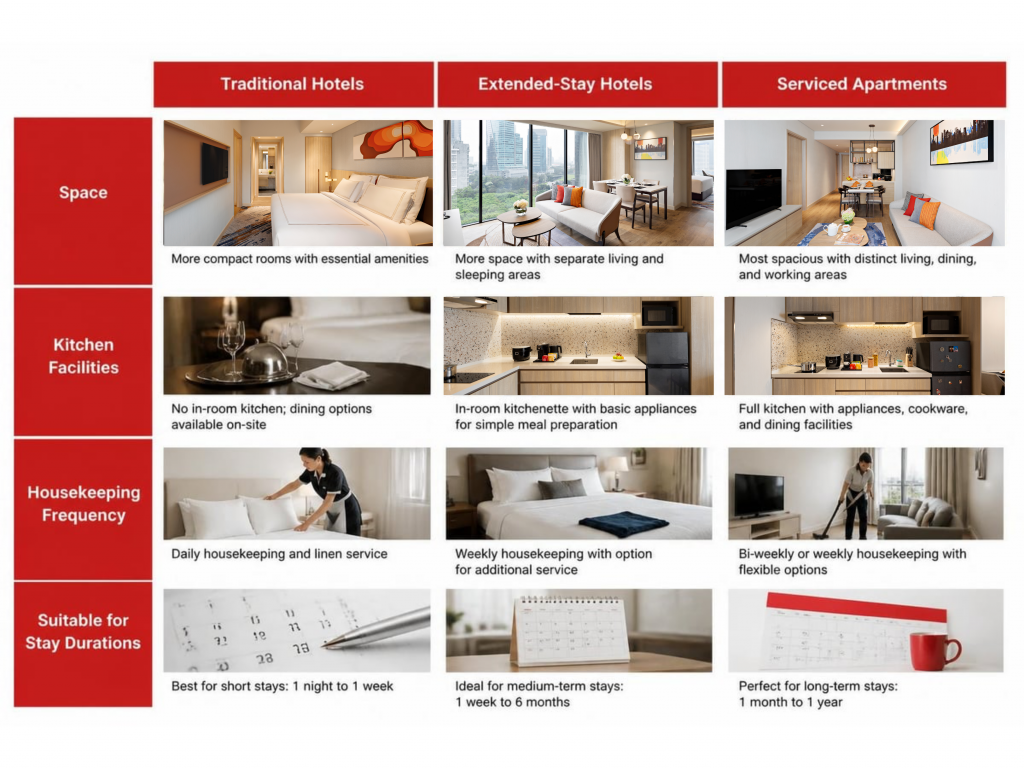
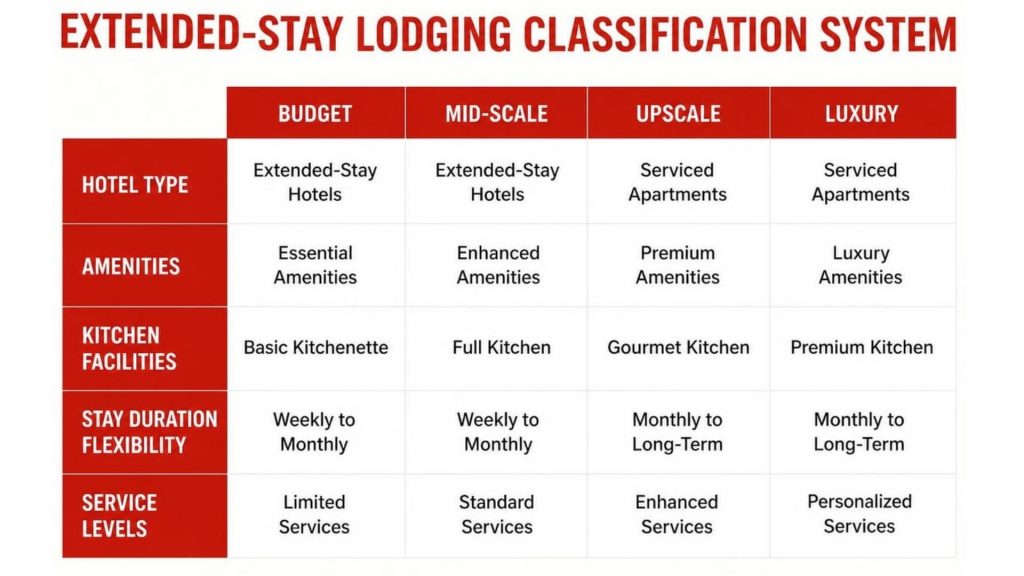
Serviced apartments typically offer larger living spaces with full kitchens, separate bedrooms, and living areas designed for stays of one month or longer. These properties often position themselves as premium options with hotel-grade services and upscale furnishings. European markets have particularly embraced the serviced apartment model, as detailed in Savills’ market analysis, which highlights strong investor demand and operational performance.
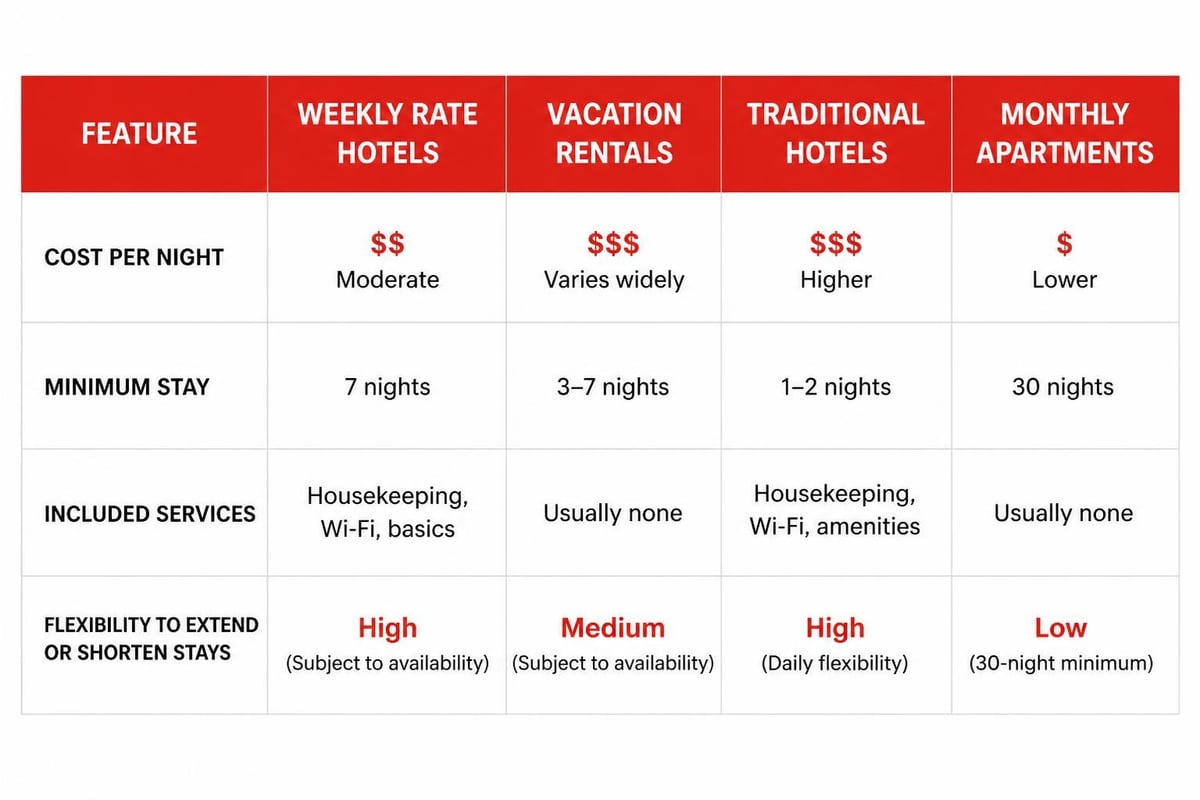
Extended-stay hotels in North American markets may include both suite-style rooms with kitchenettes and full apartment units. These properties often cater to a broader price spectrum, from economy to upscale segments. The focus remains on efficiency and value for cost-conscious extended-stay guests.
| Feature | Serviced Apartments | Extended-Stay Hotels |
|---|---|---|
| Typical Unit Size | 50-120 sqm | 30-70 sqm |
| Kitchen Type | Full kitchen | Kitchenette to full kitchen |
| Target Length of Stay | 1-12 months | 5 days-6 months |
| Service Level | Hotel-grade daily | Weekly housekeeping |
| Location | CBD, premium districts | Suburban, mixed locations |
| Price Positioning | Premium to luxury | Economy to midscale |
The choice between these options depends on budget parameters, desired service levels, location requirements, and the specific amenities needed for the planned stay duration.
Pricing Structures and Cost Considerations
Monthly hotels employ varied pricing models that differ significantly from transient hotel rate structures. Understanding these pricing mechanisms helps guests evaluate the true cost and value proposition of extended-stay accommodation.
Rate Components and Inclusions
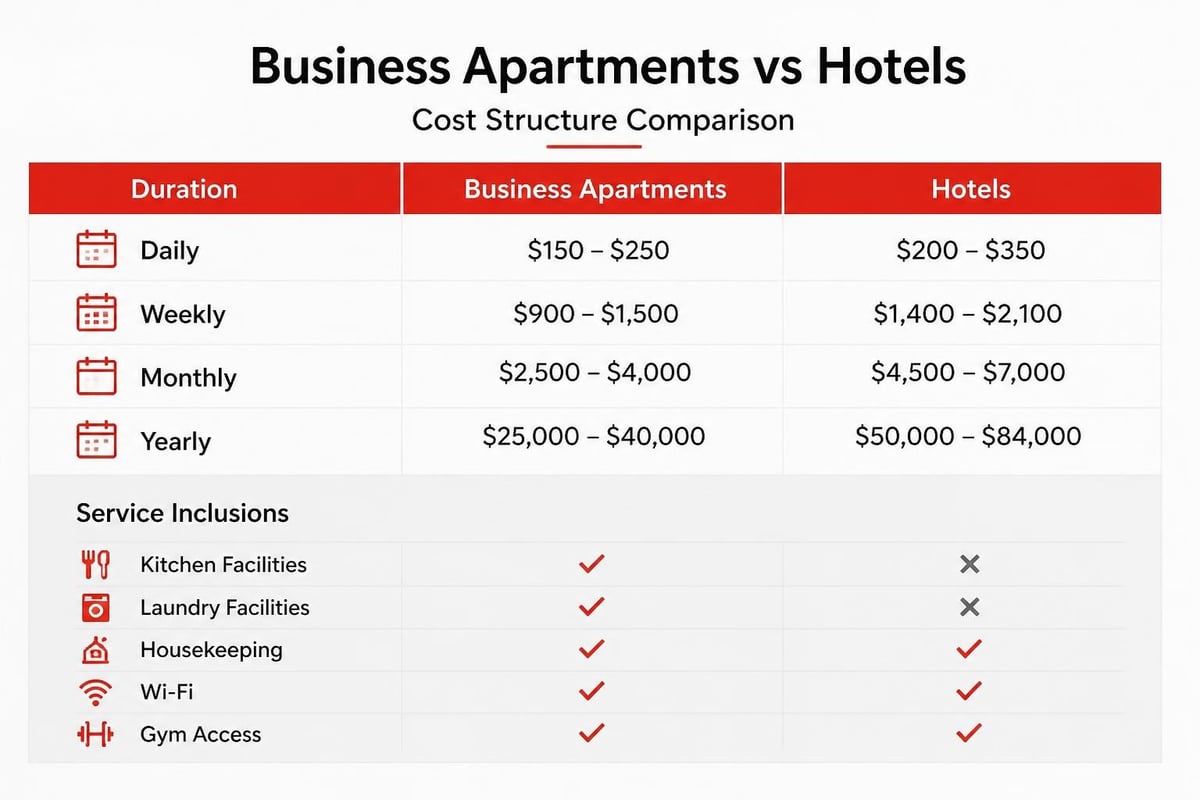
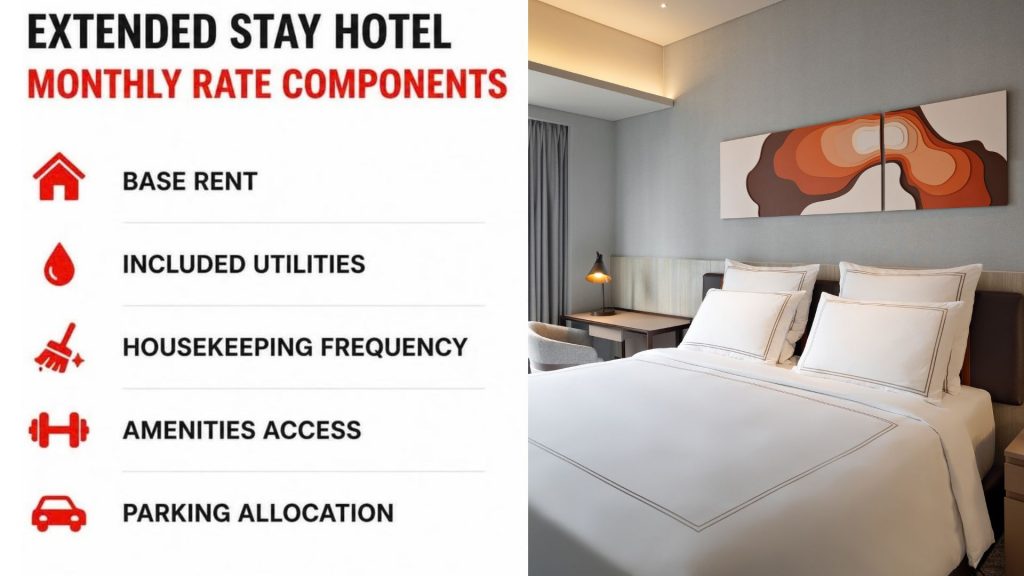
Monthly hotel rates typically bundle multiple cost elements into a single price:
- Base accommodation covering the furnished residence
- Utilities including electricity, water, heating, and cooling
- Internet and cable with high-speed connectivity
- Housekeeping services on a weekly or bi-weekly schedule
- Facility access to fitness centers, pools, and business centers
- Parking for one or more vehicles depending on the property
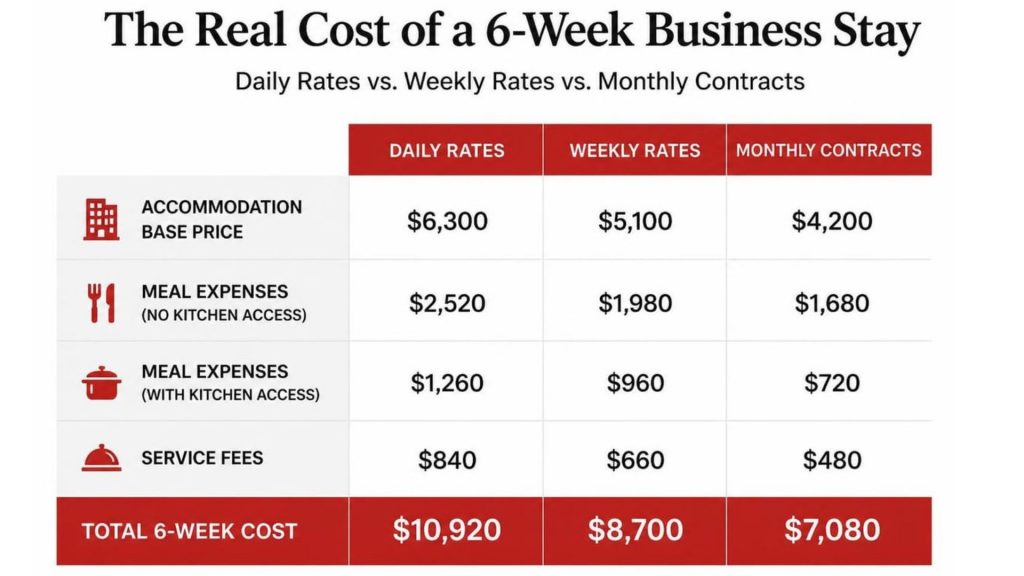
This all-inclusive approach simplifies budgeting and eliminates the surprise utility bills that can accompany traditional apartment rentals. For corporate travelers, the consolidated invoice streamlines expense reporting and reimbursement processes.
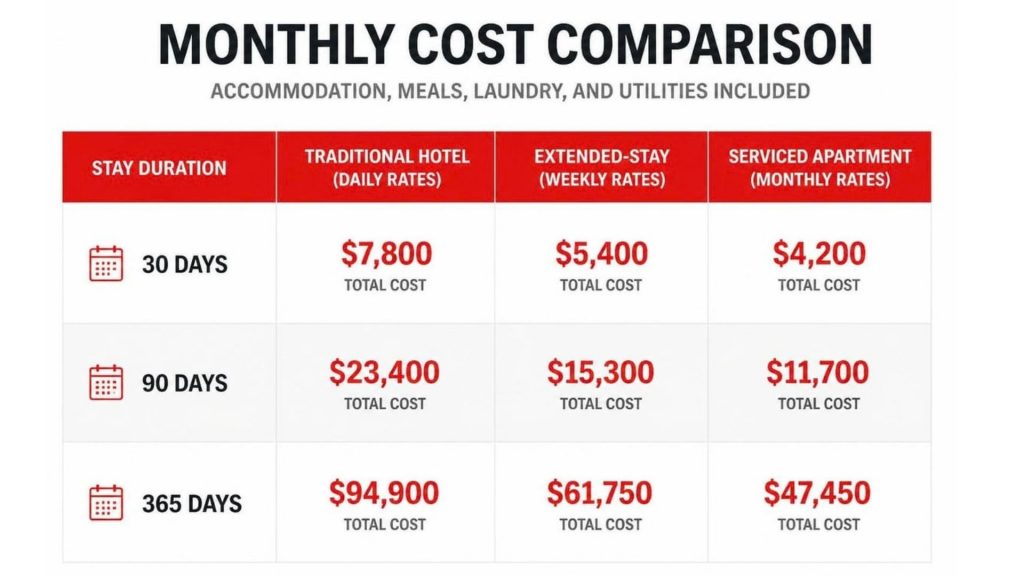
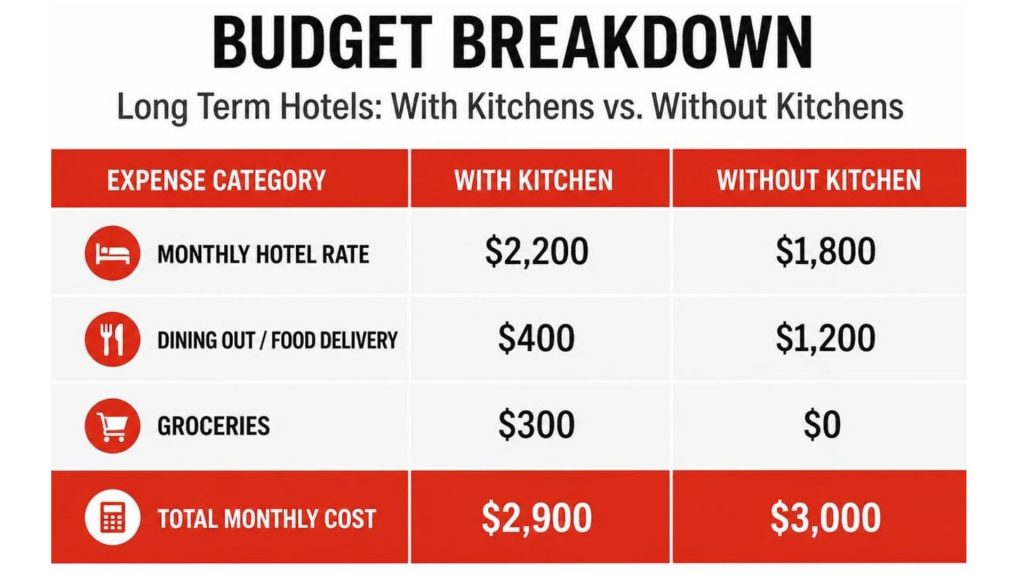
Comparing Total Cost of Occupancy
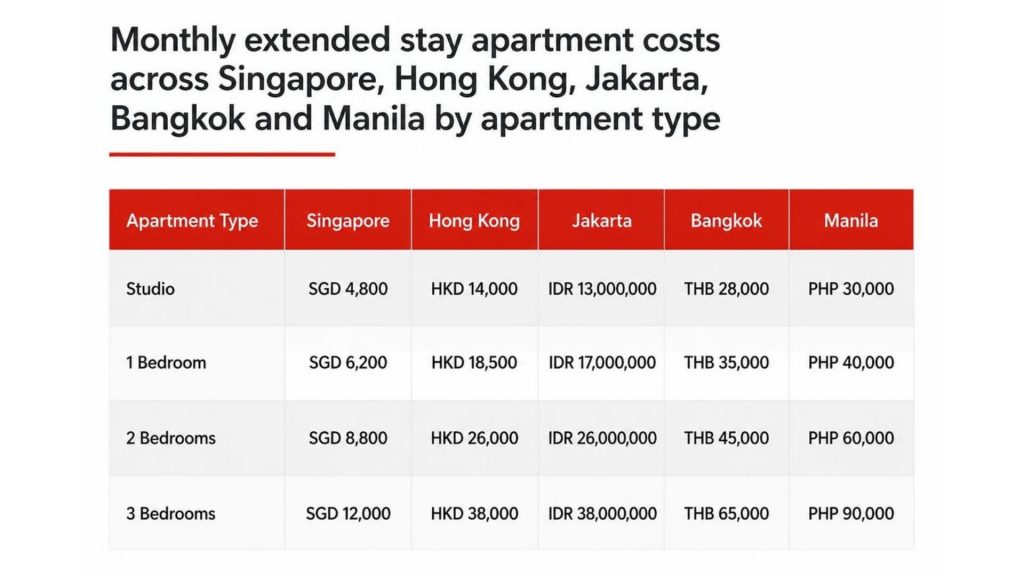
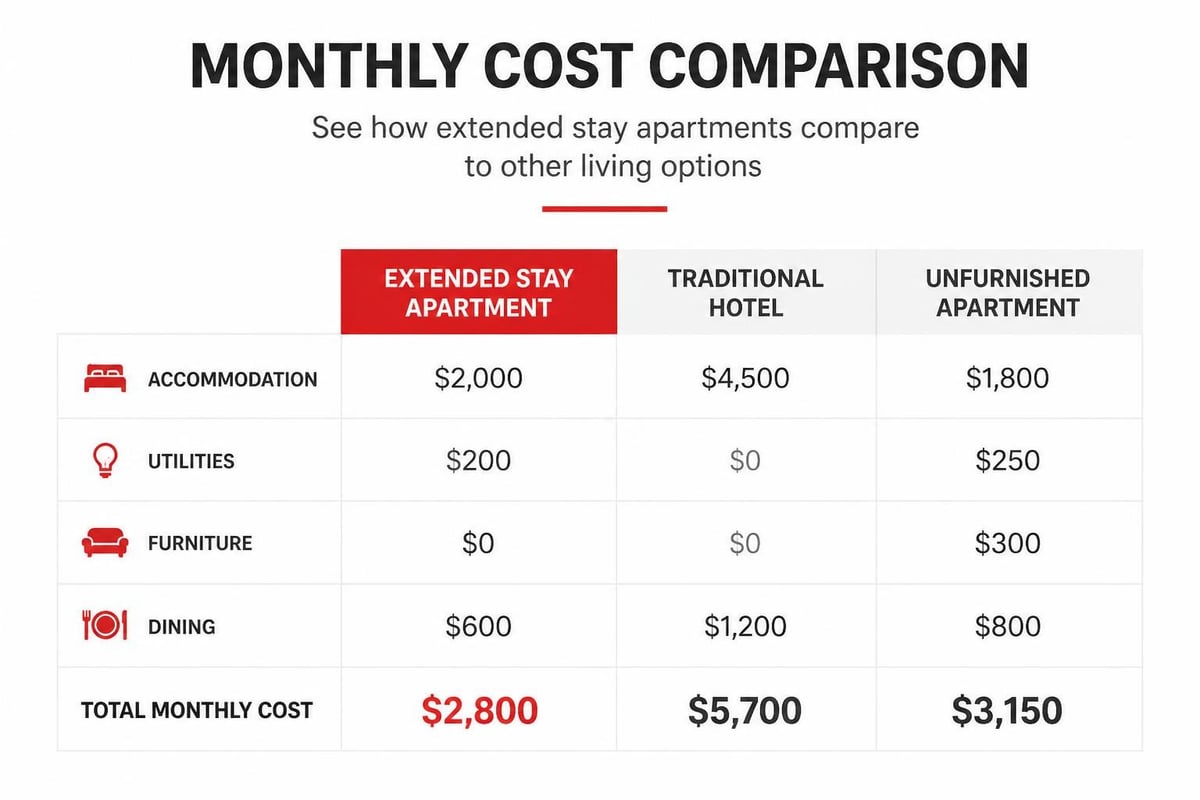
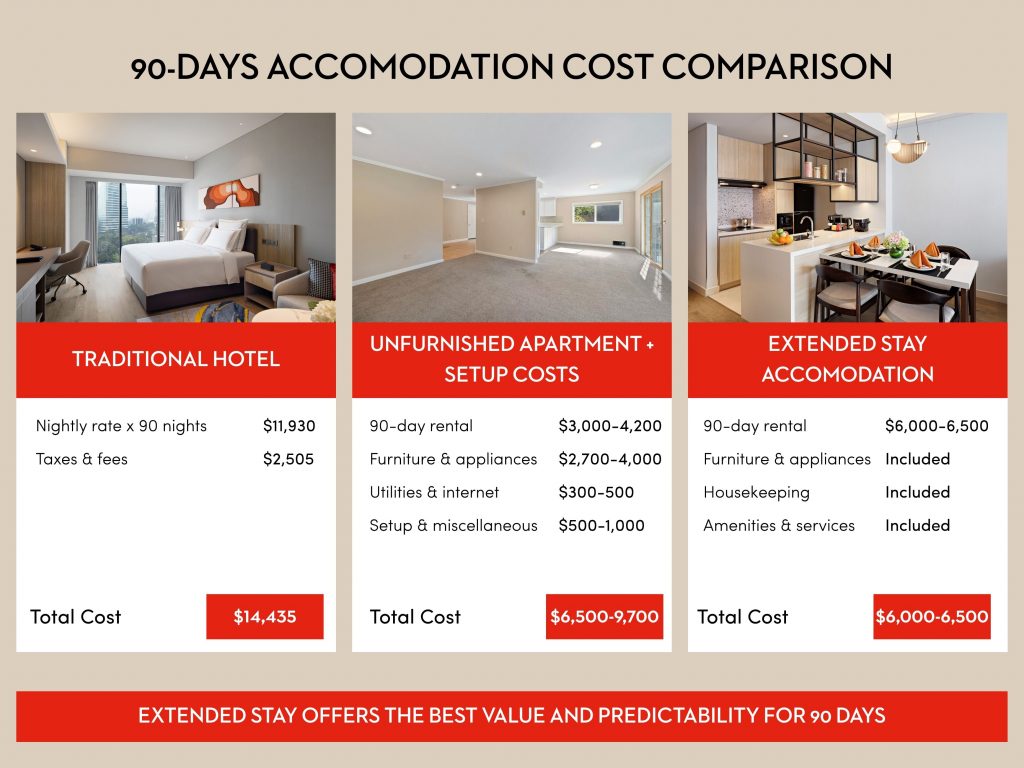
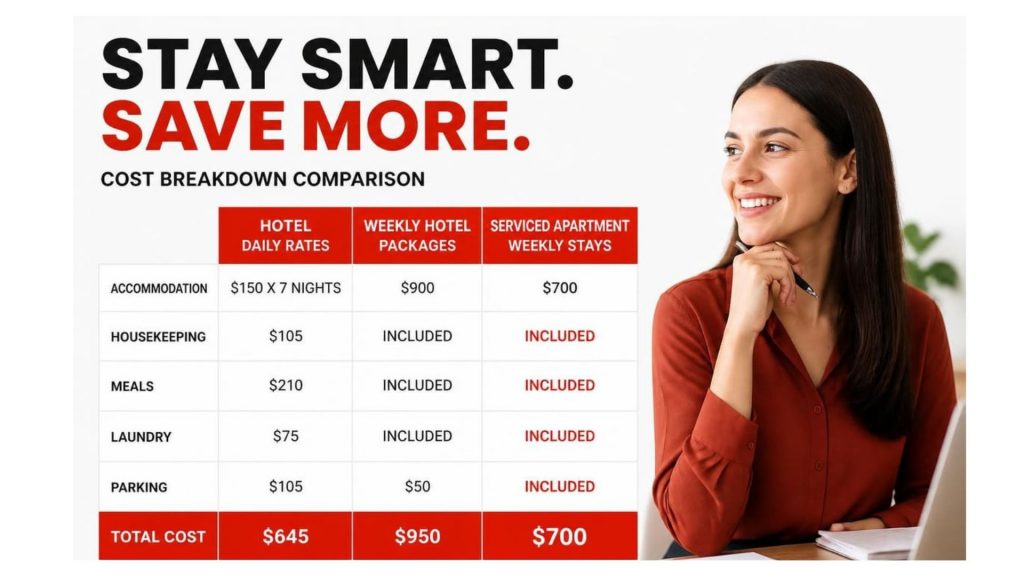
When evaluating monthly hotels against alternative accommodation options, calculating the total cost of occupancy provides clearer comparison. Unfurnished apartments require furniture purchases or rentals, utility deposits, renter’s insurance, and often first and last month’s rent plus security deposits. These upfront costs can total several thousand dollars before moving in.
A monthly hotel eliminates these barriers with immediate move-in capability and no initial capital outlay beyond the first month’s payment. For stays under six months, the convenience premium often results in comparable or lower total costs than furnished apartment rentals when factoring in all expenses.
Location and Accessibility Factors
The location of a monthly hotel significantly impacts its suitability for different guest needs. Properties situated in central business districts offer distinct advantages for business travelers, while suburban locations may appeal to families prioritizing space and schools.
Central Business District Advantages
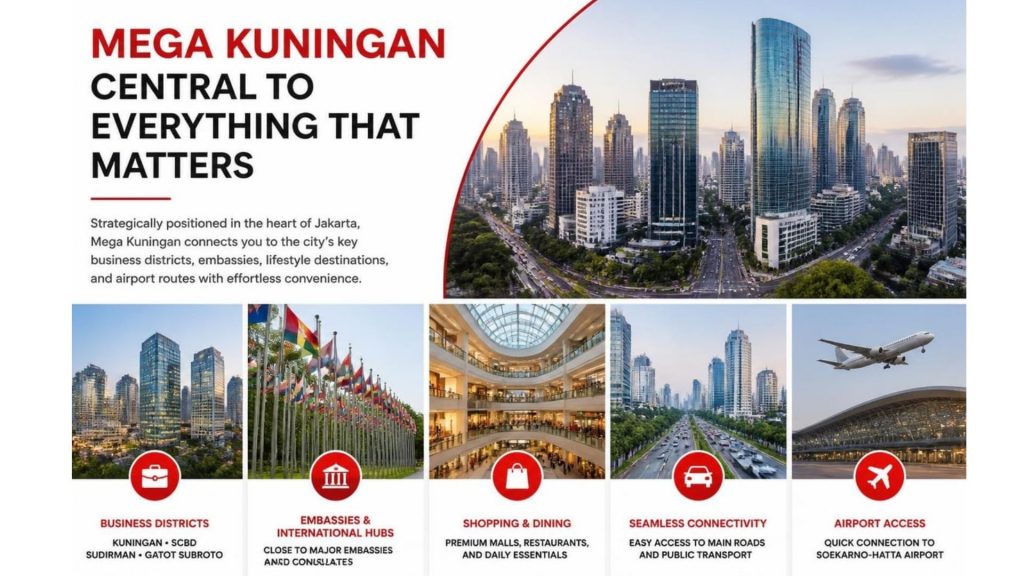
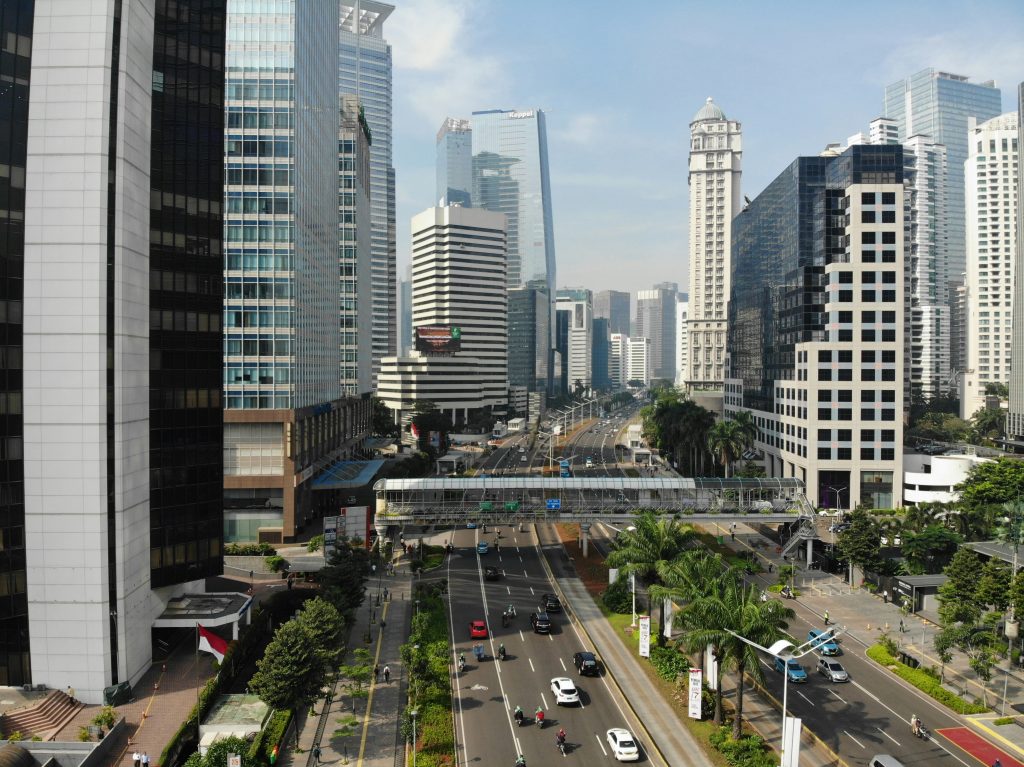
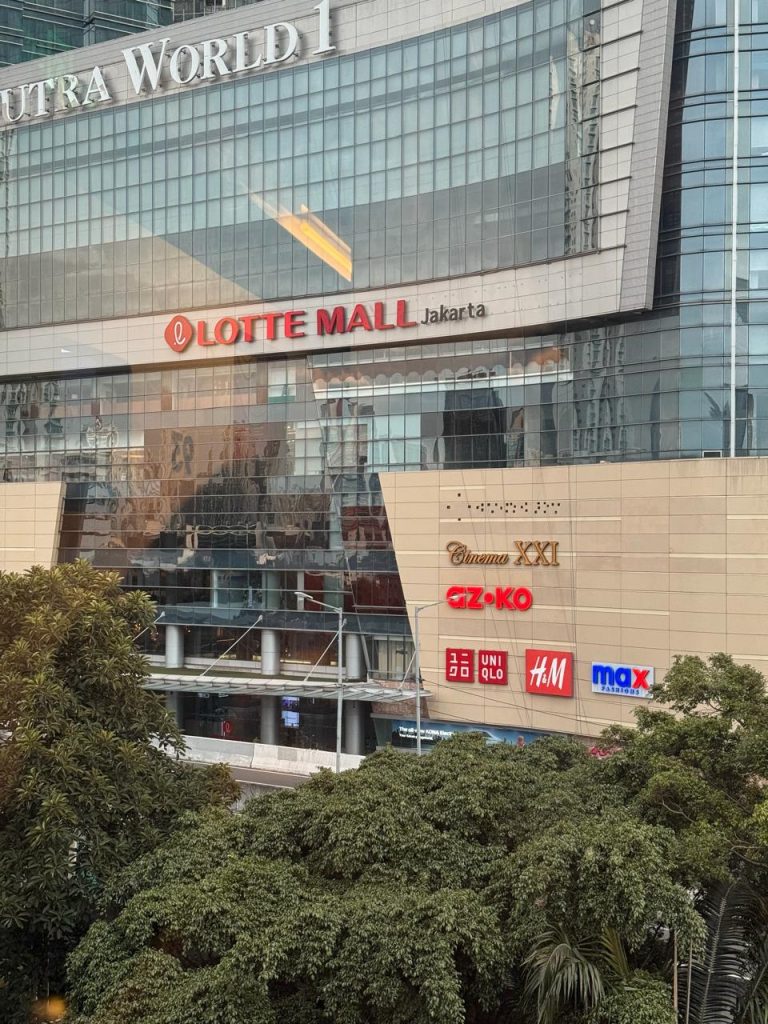
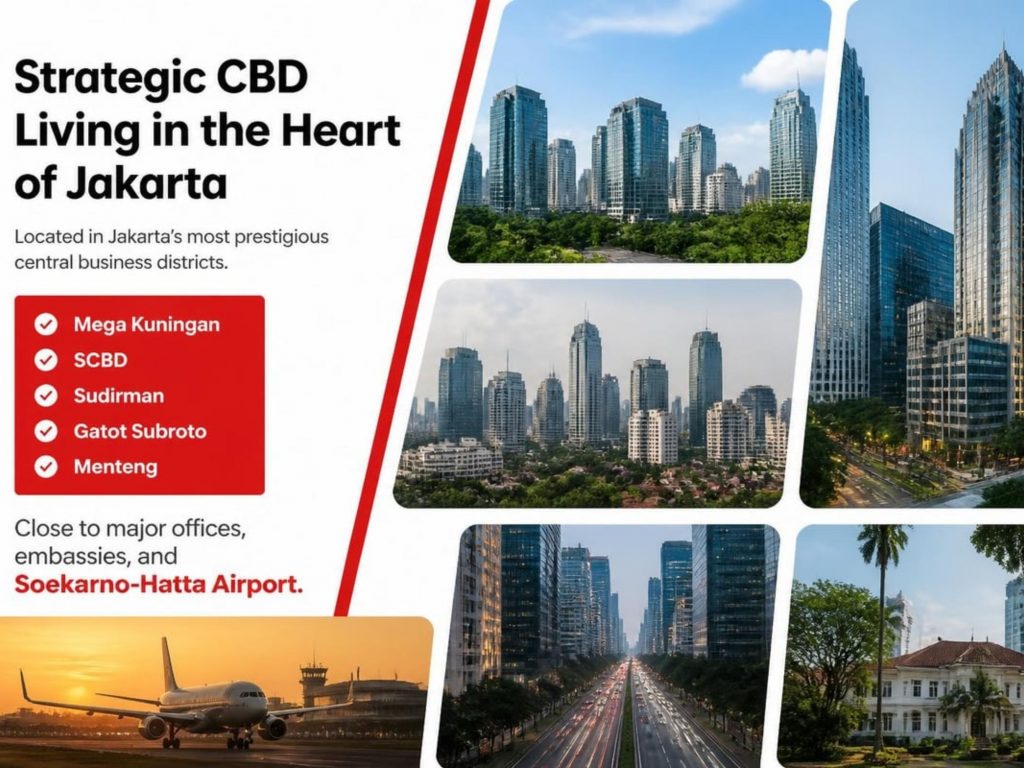
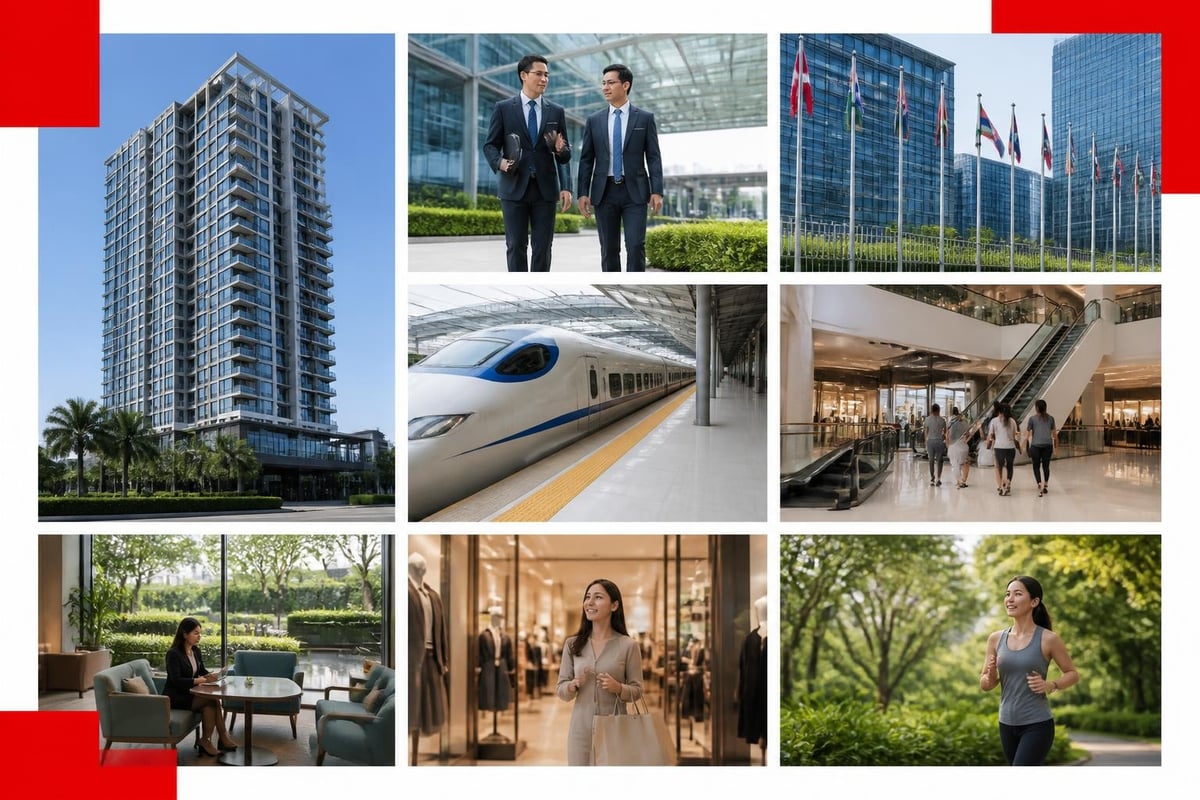
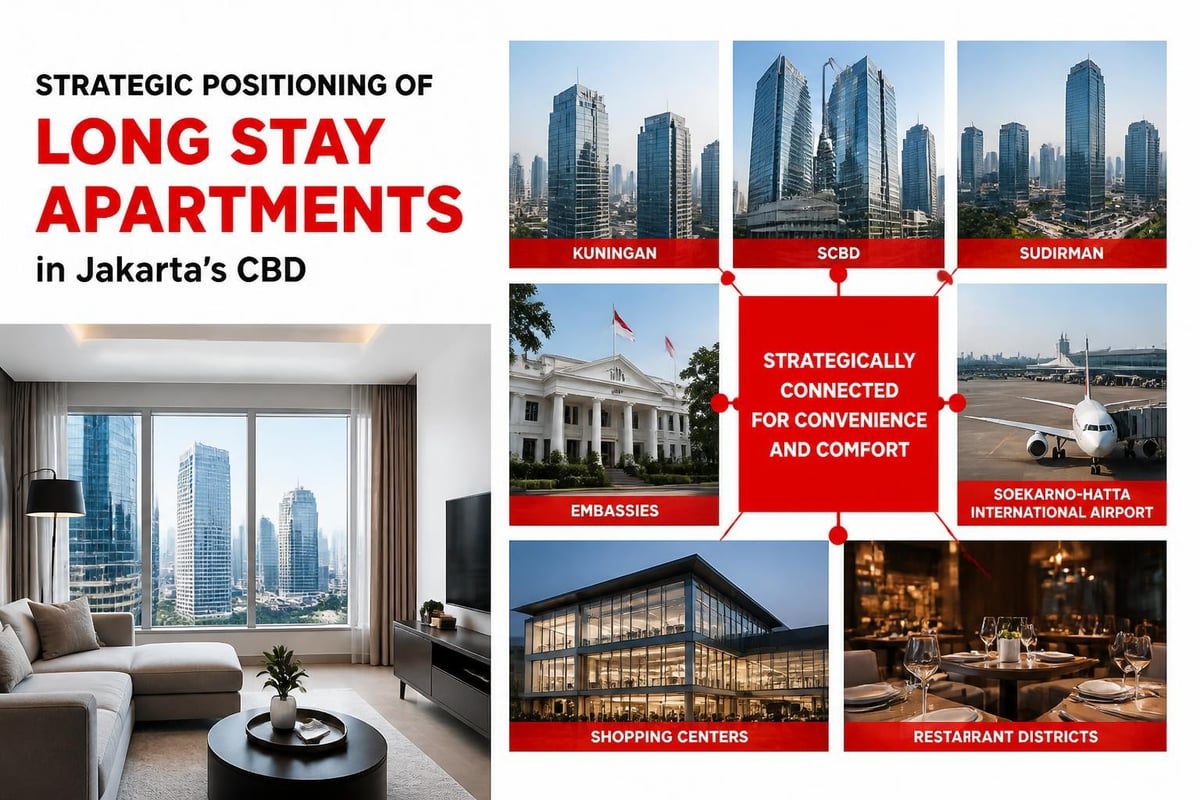
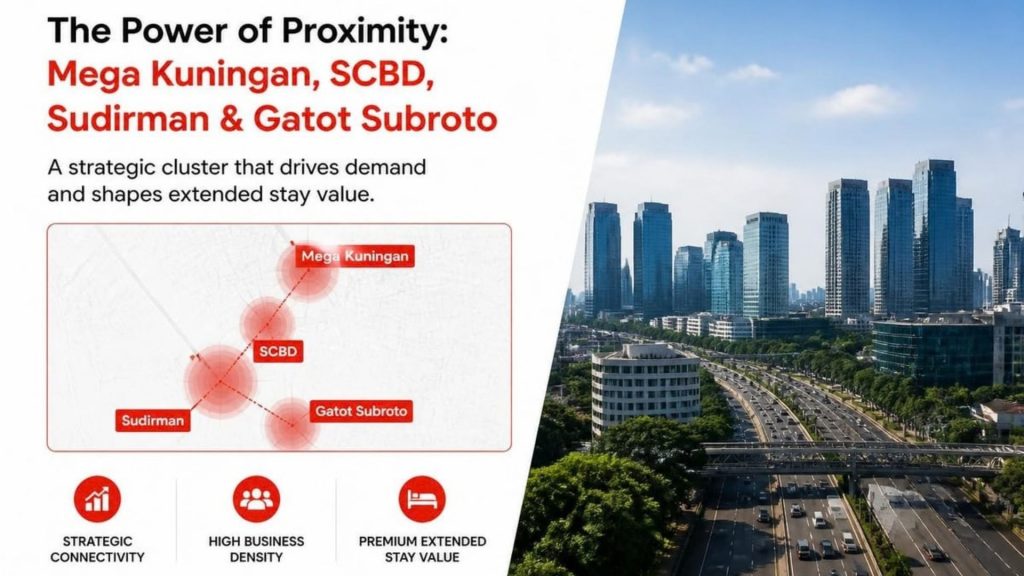
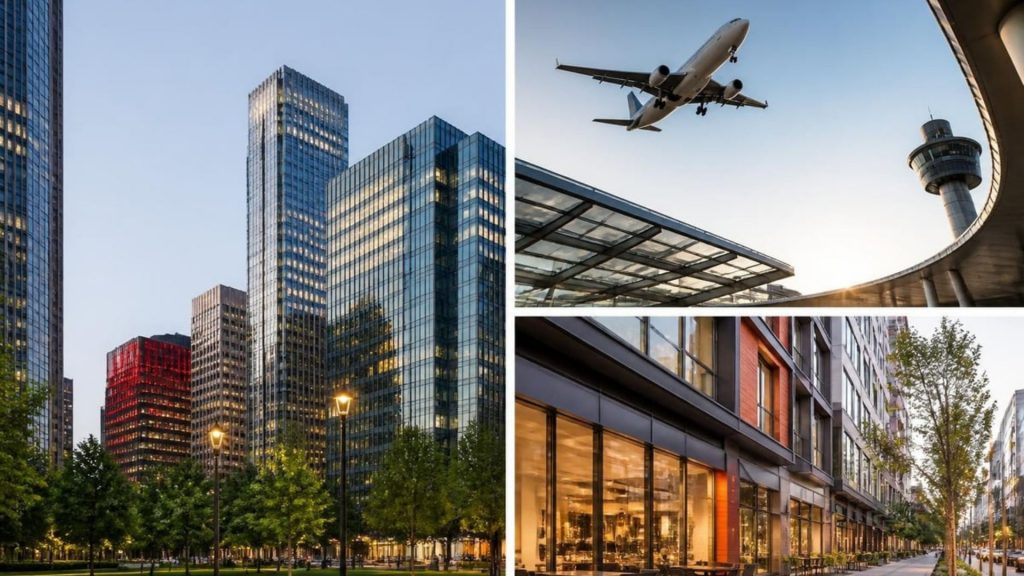
Monthly hotels in major business centers provide unmatched convenience for corporate travelers and expatriates working in financial, legal, or professional services sectors. Proximity to office towers, client locations, and business infrastructure reduces commute times and transportation costs. Walking access to restaurants, shopping, and entertainment enhances quality of life during extended assignments.
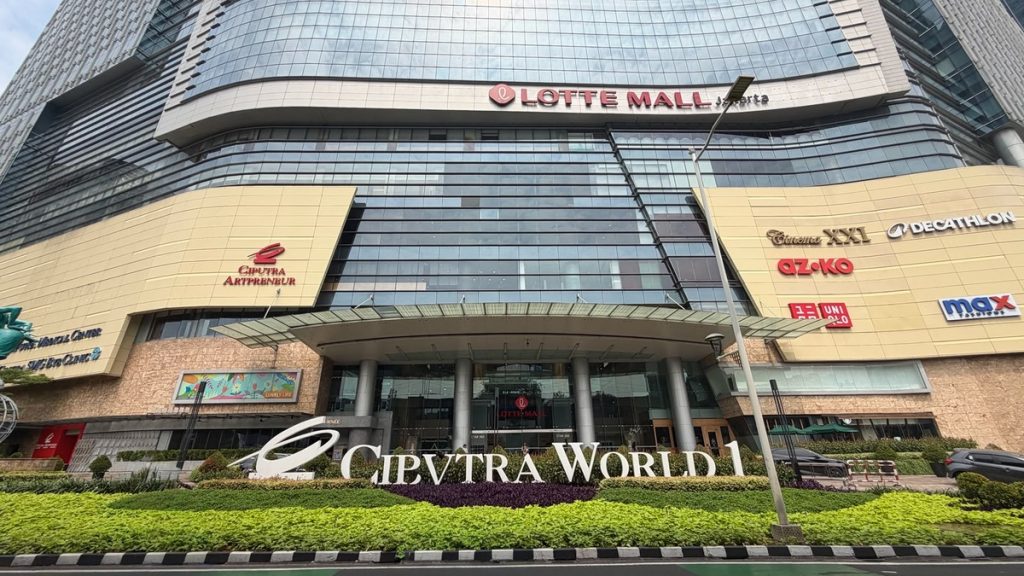
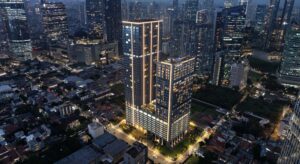
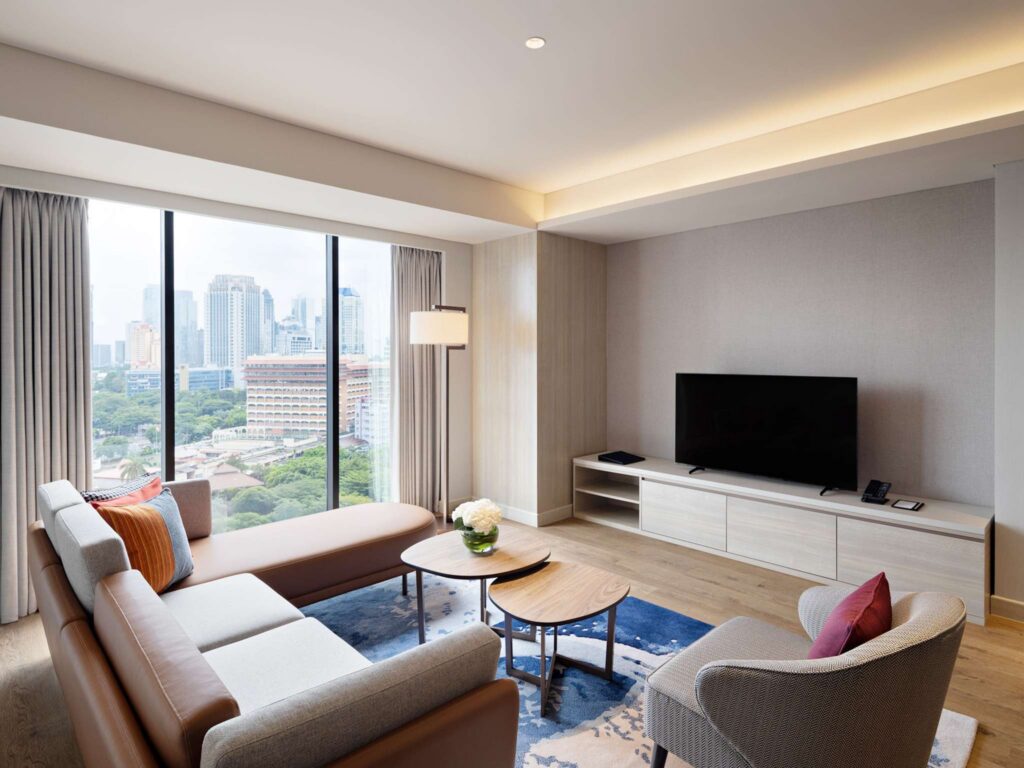
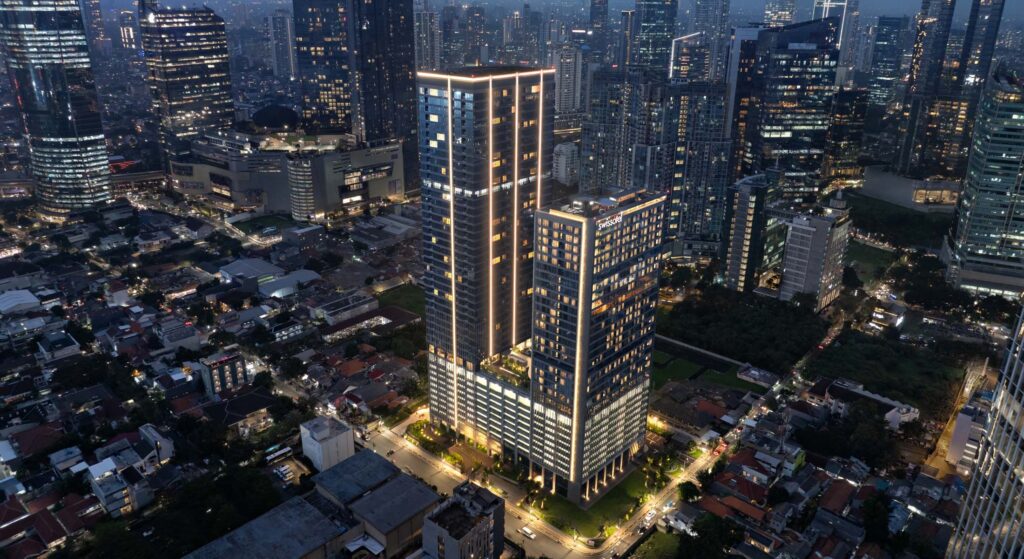
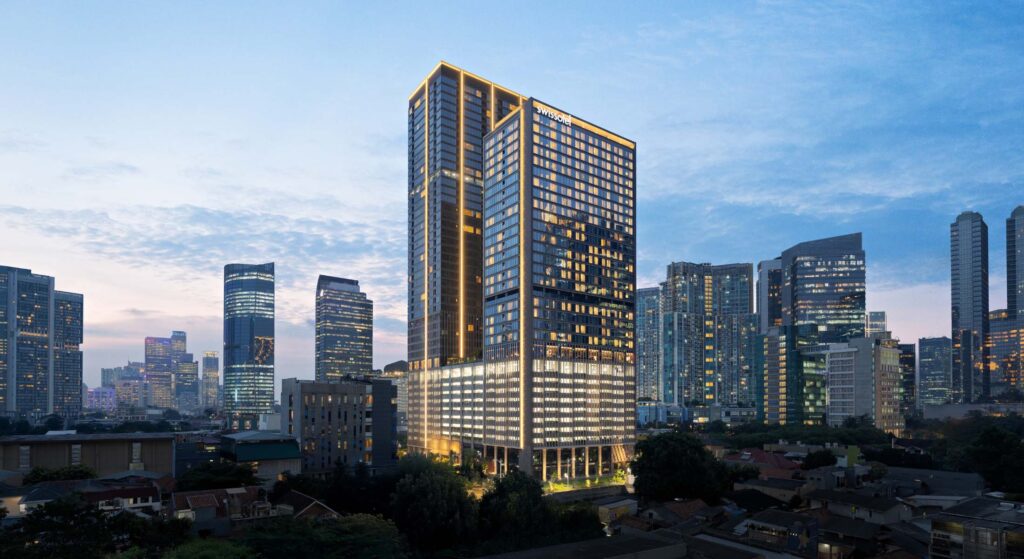
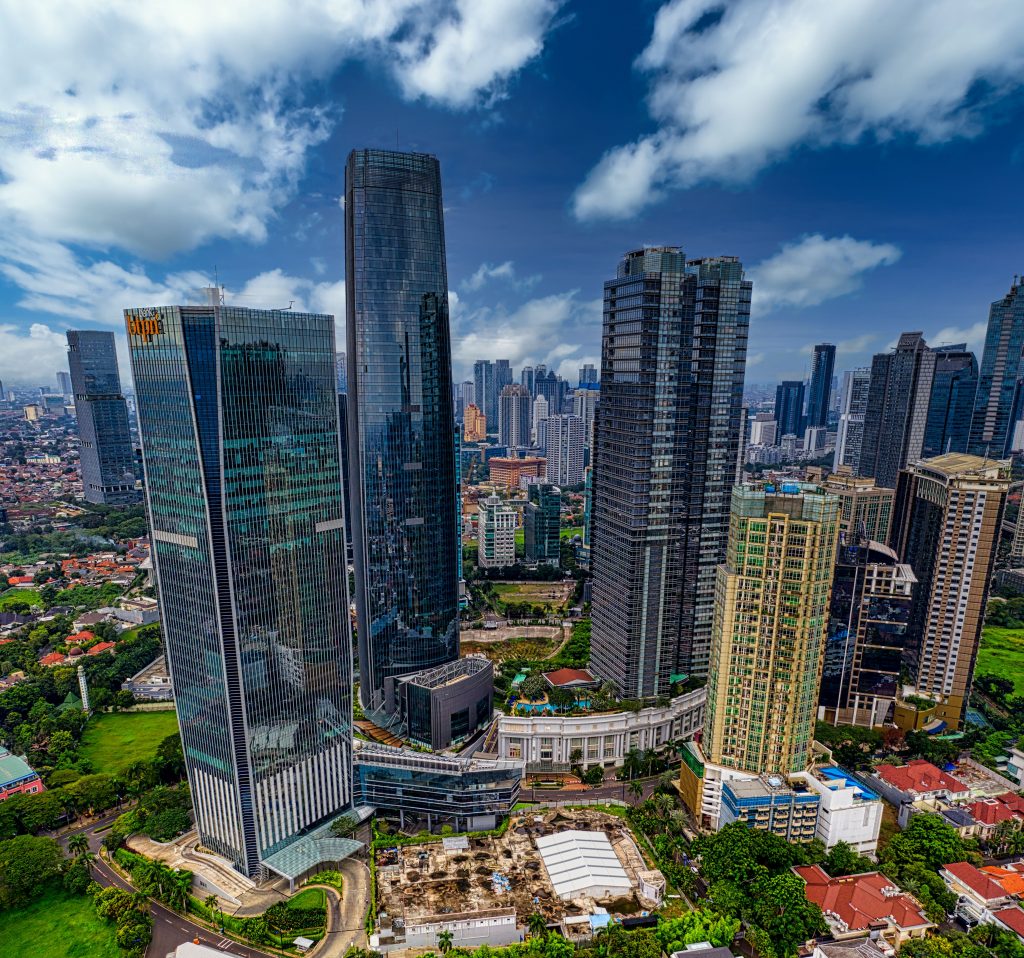
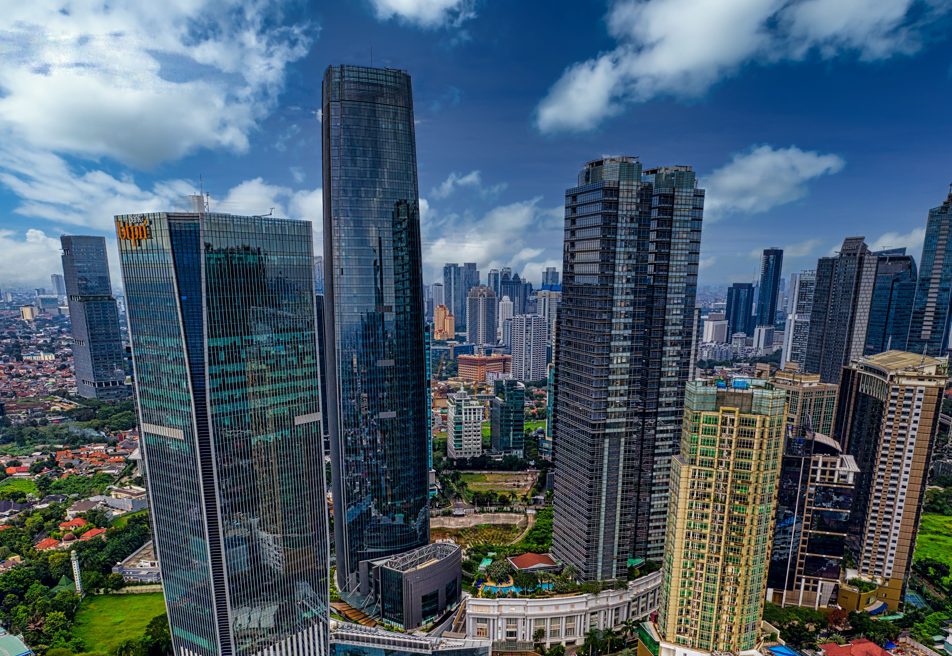
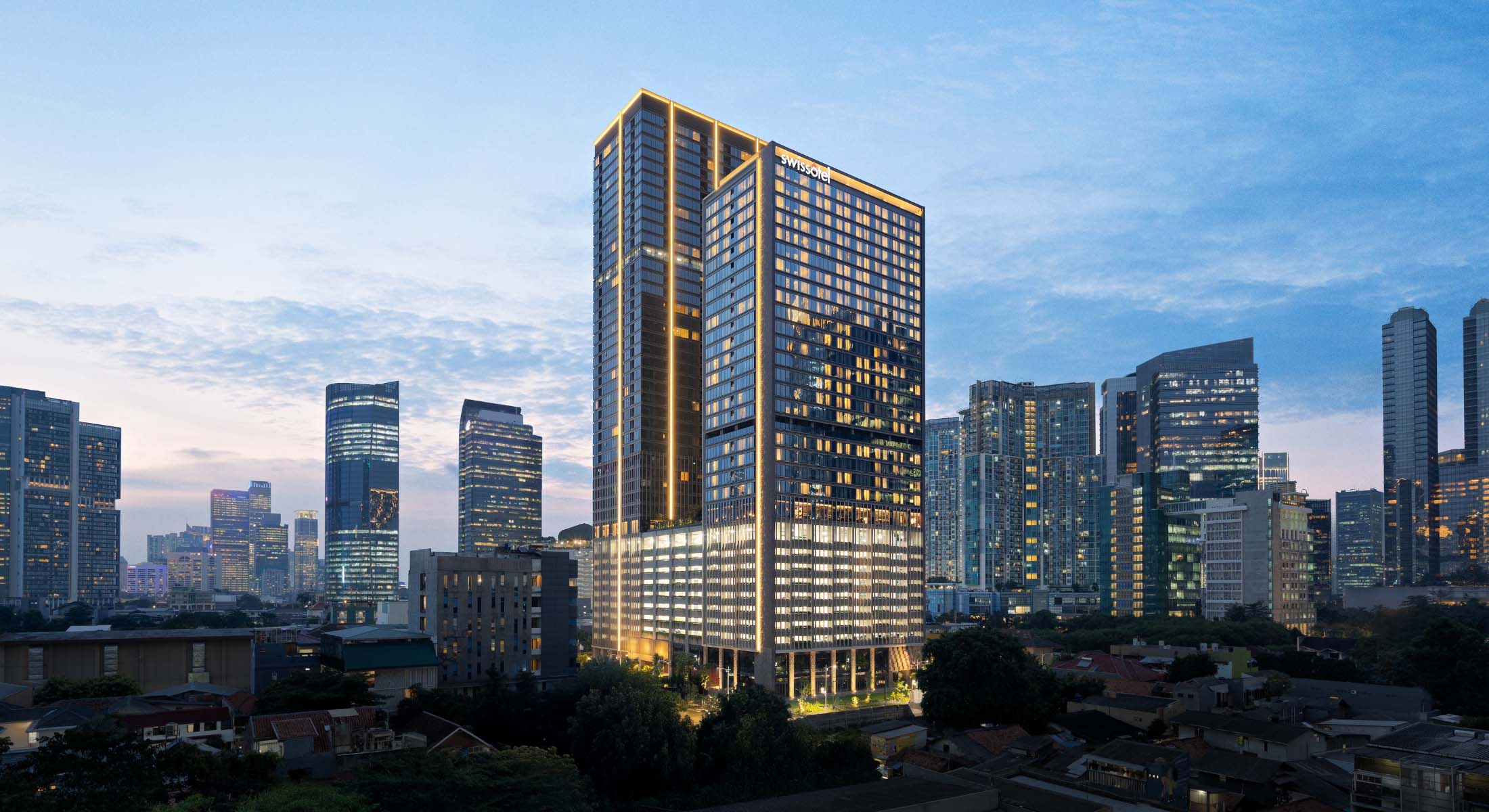
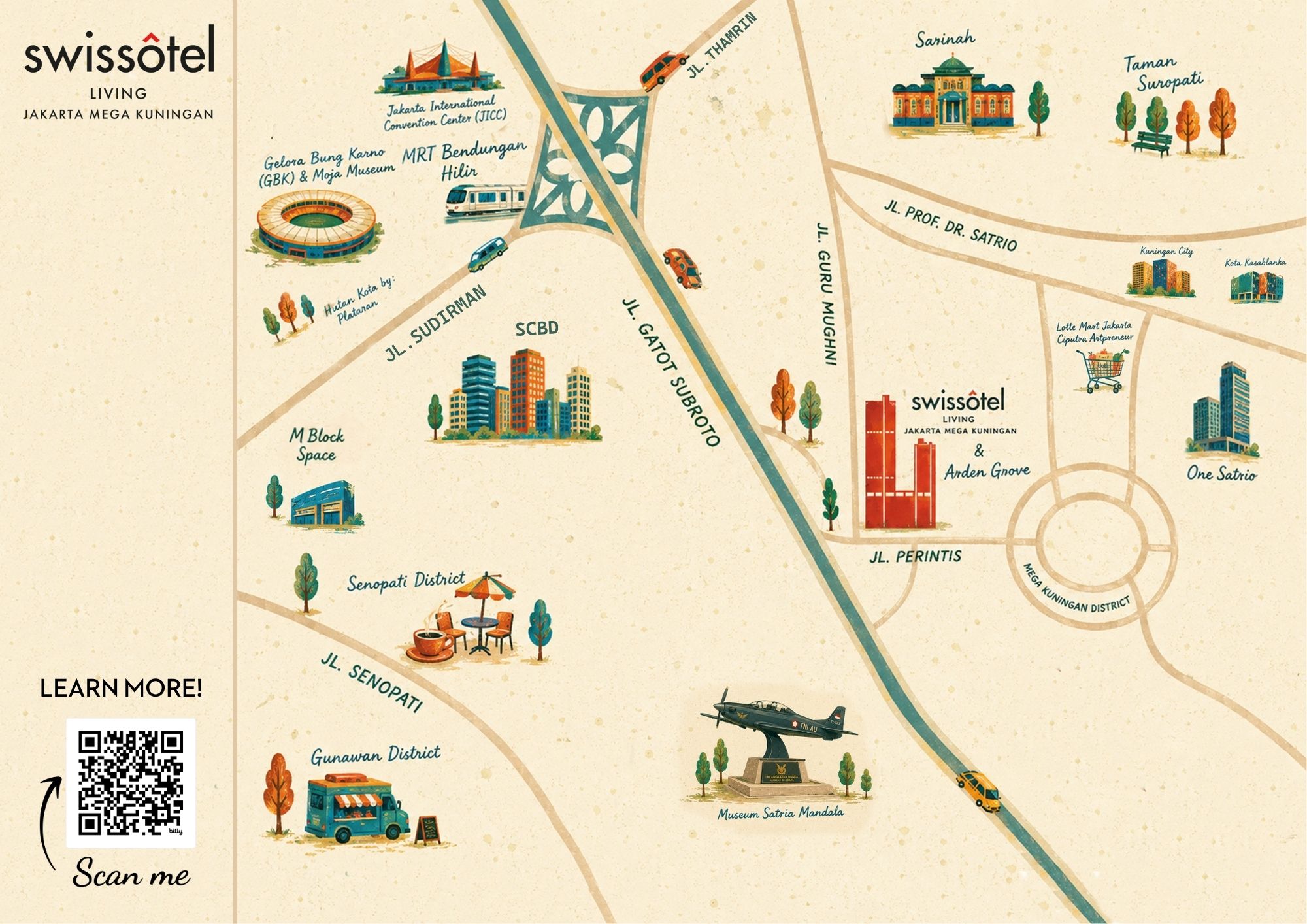
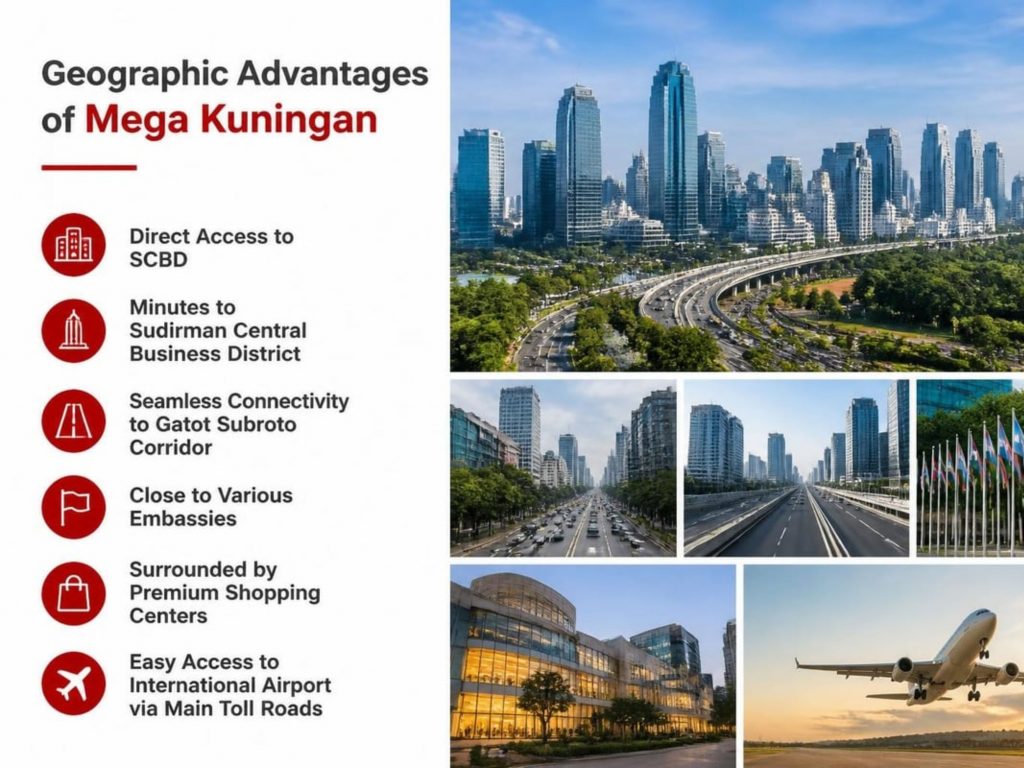
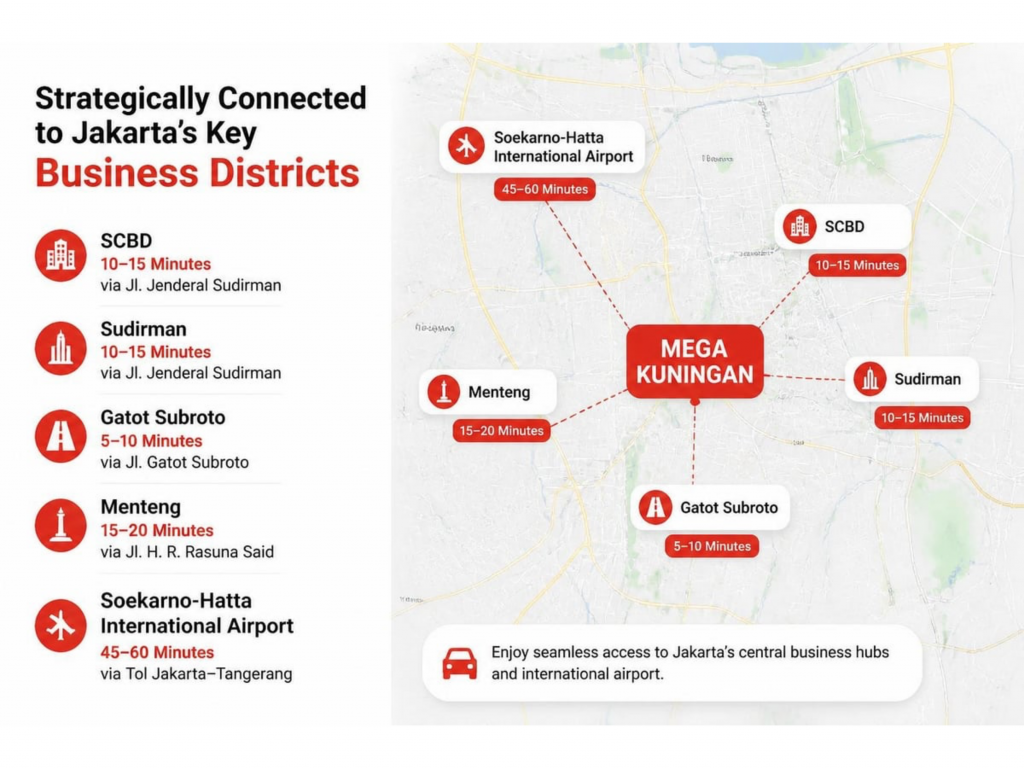
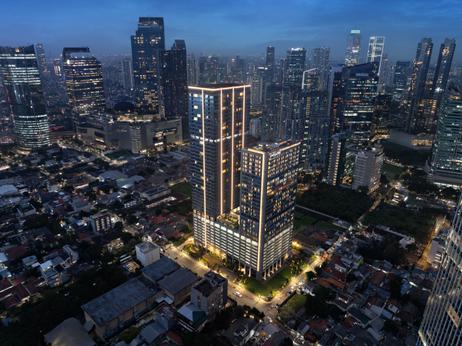
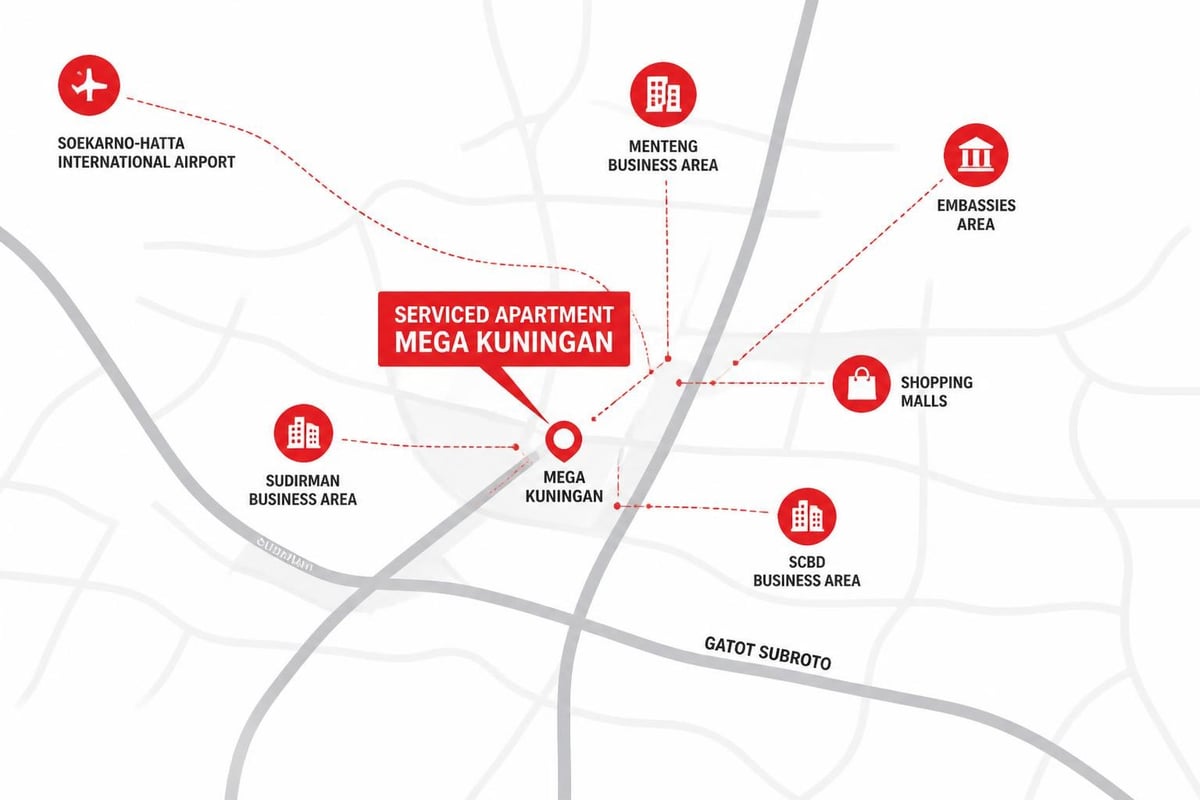
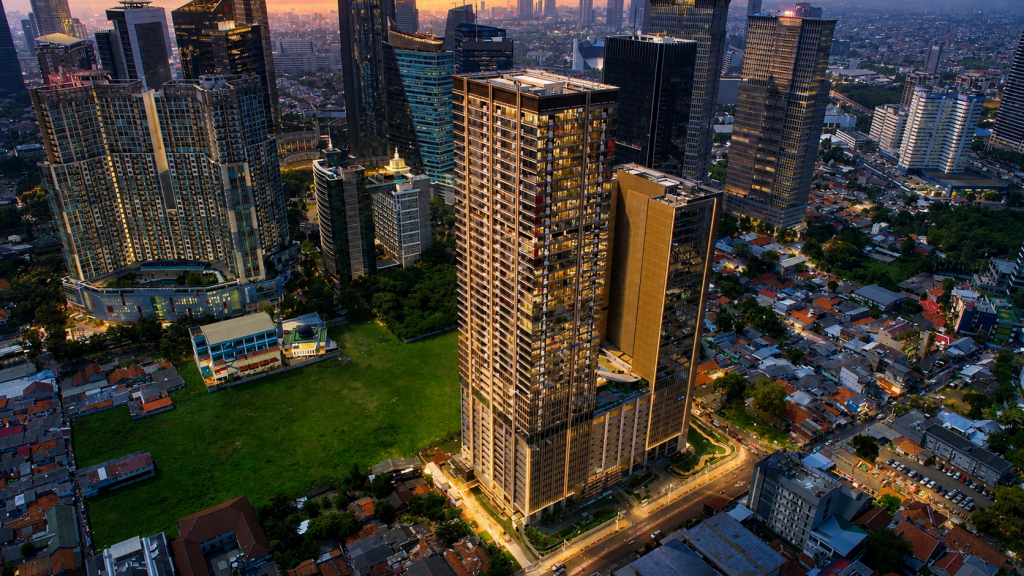
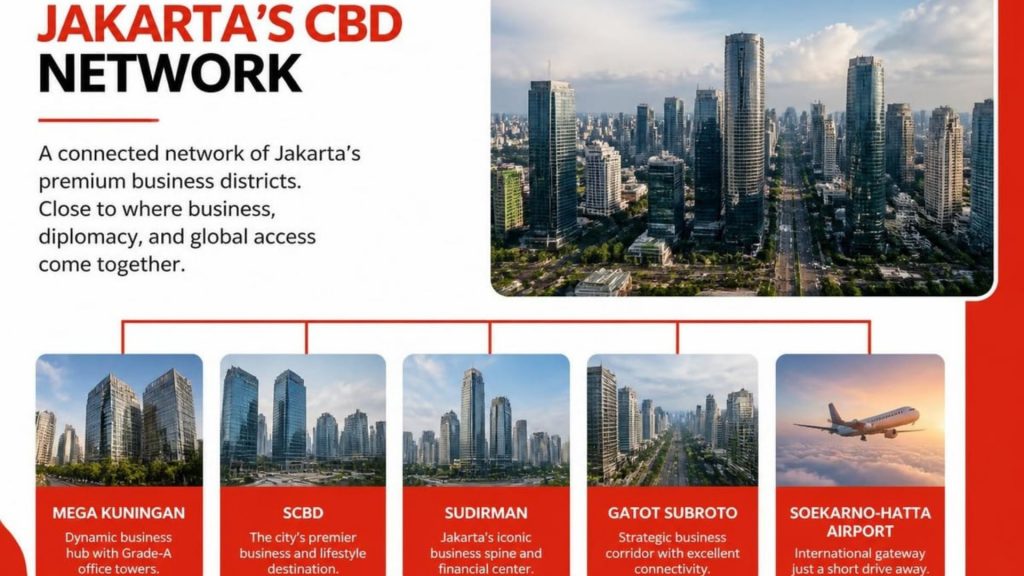
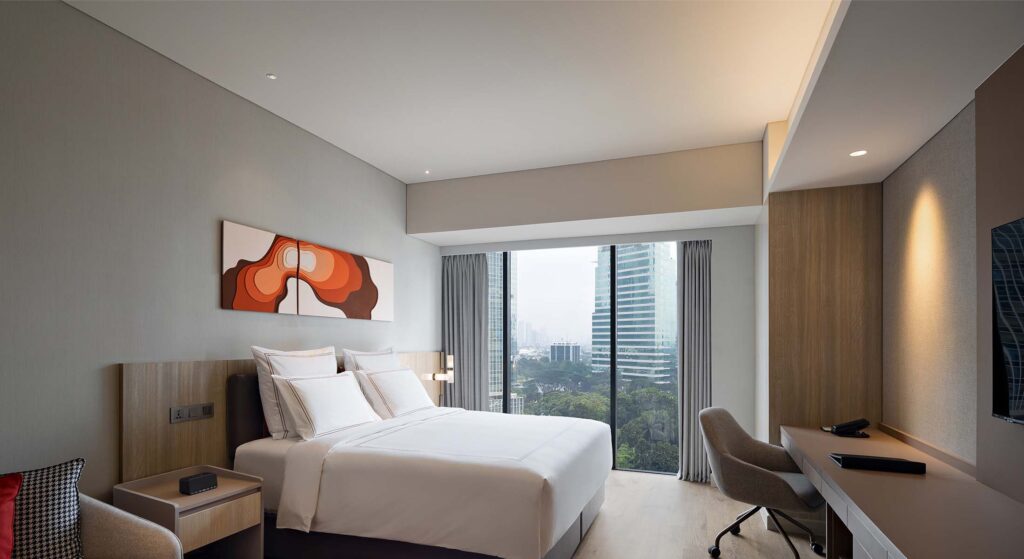
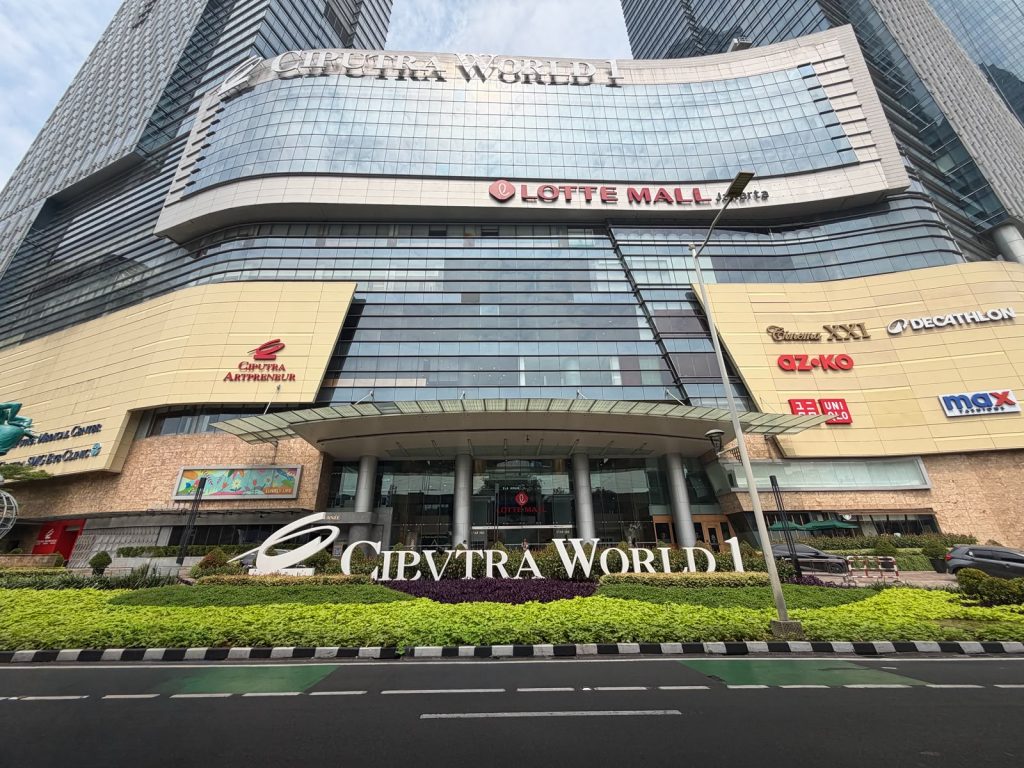
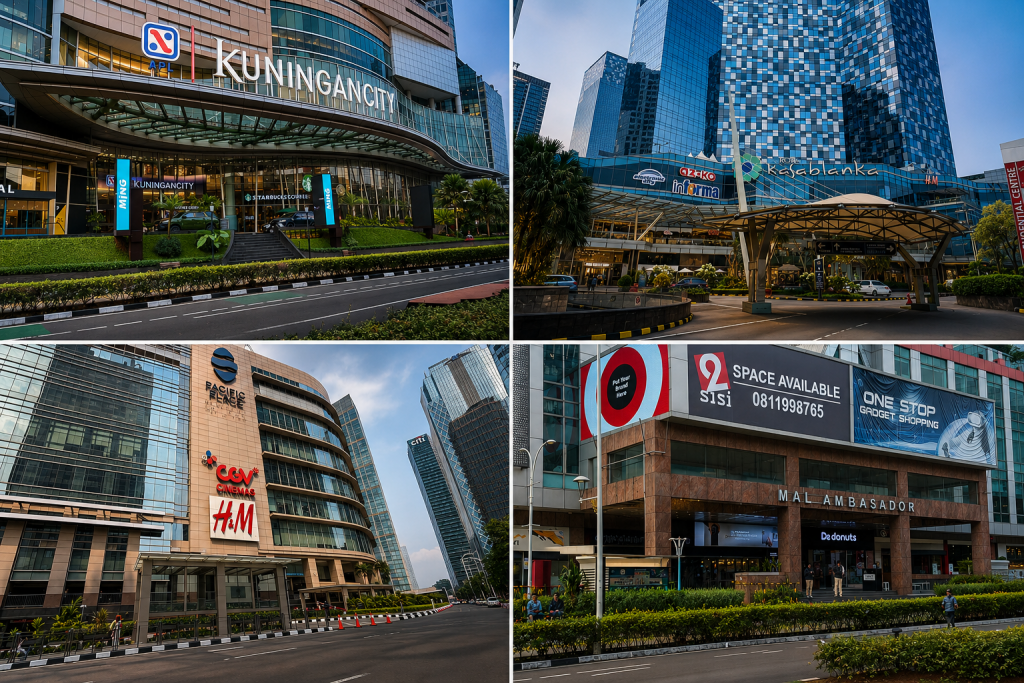
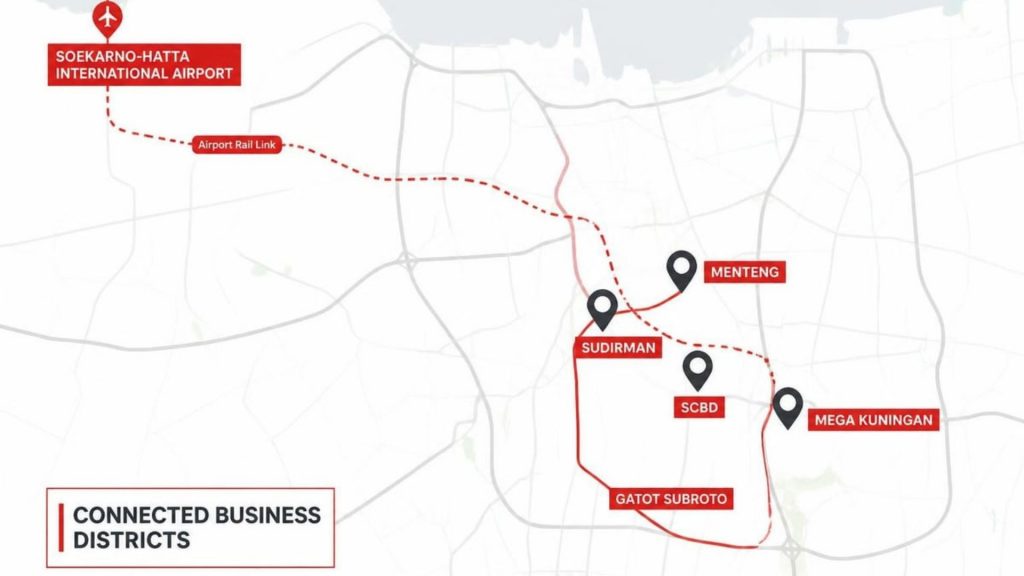
In Jakarta’s Mega Kuningan area, for example, serviced apartment properties provide immediate access to multinational corporations, embassies, and the SCBD financial district. Location in this central business district enables professionals to walk to meetings, avoid traffic congestion, and maintain productivity throughout their stay.

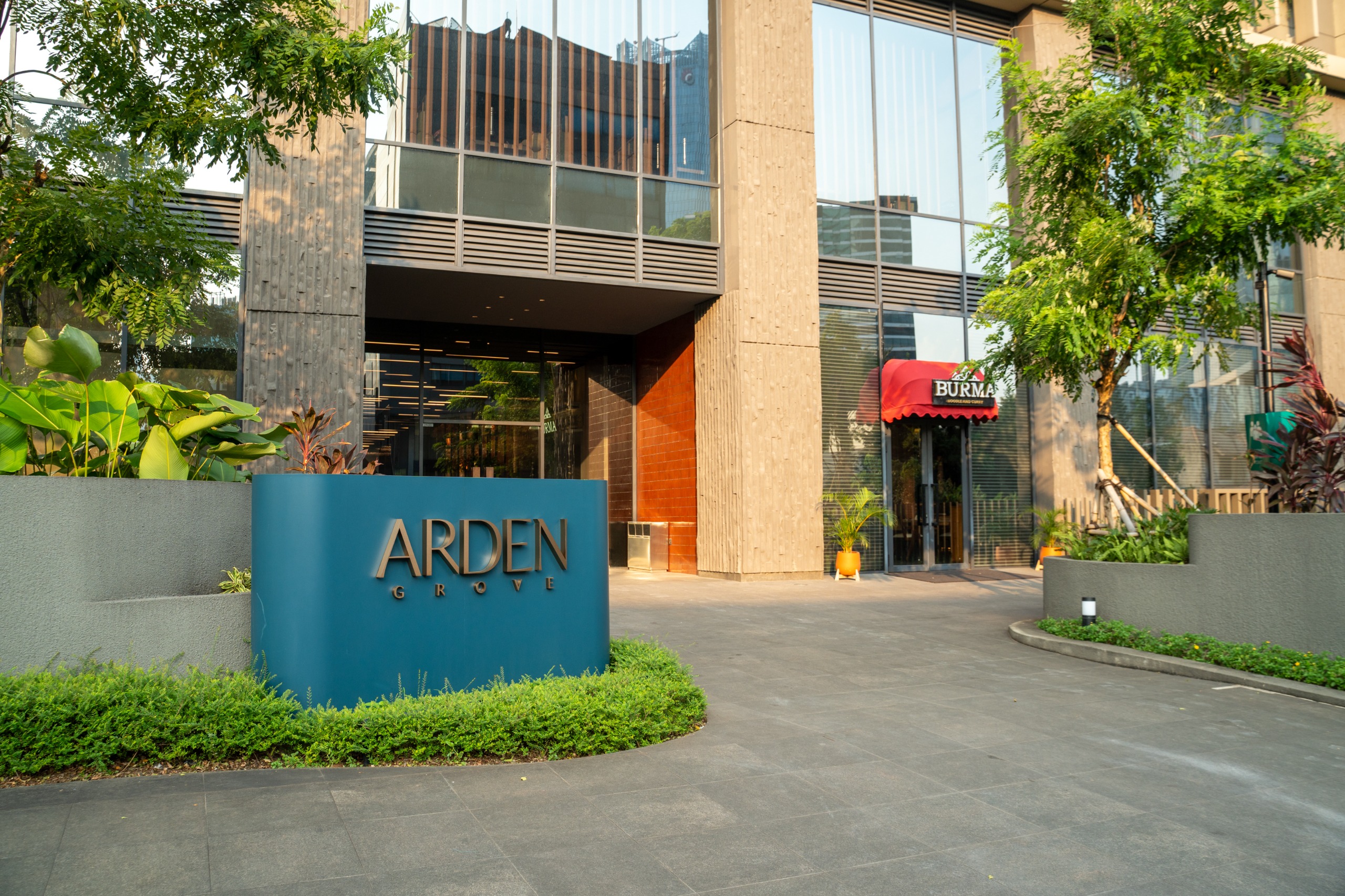
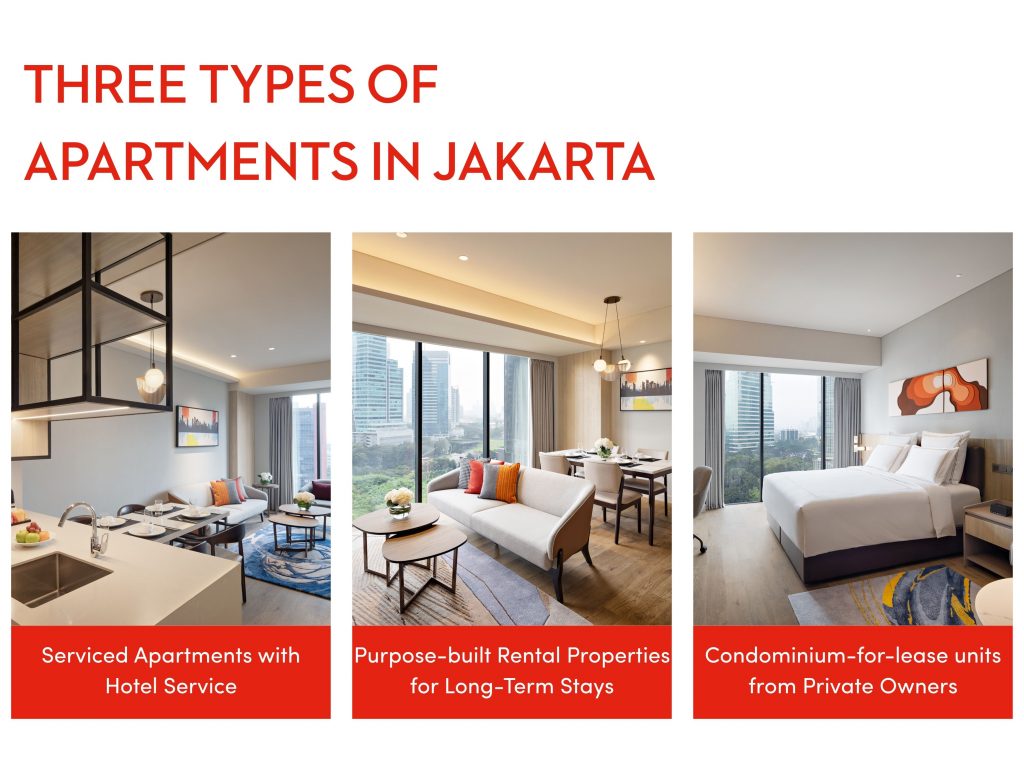
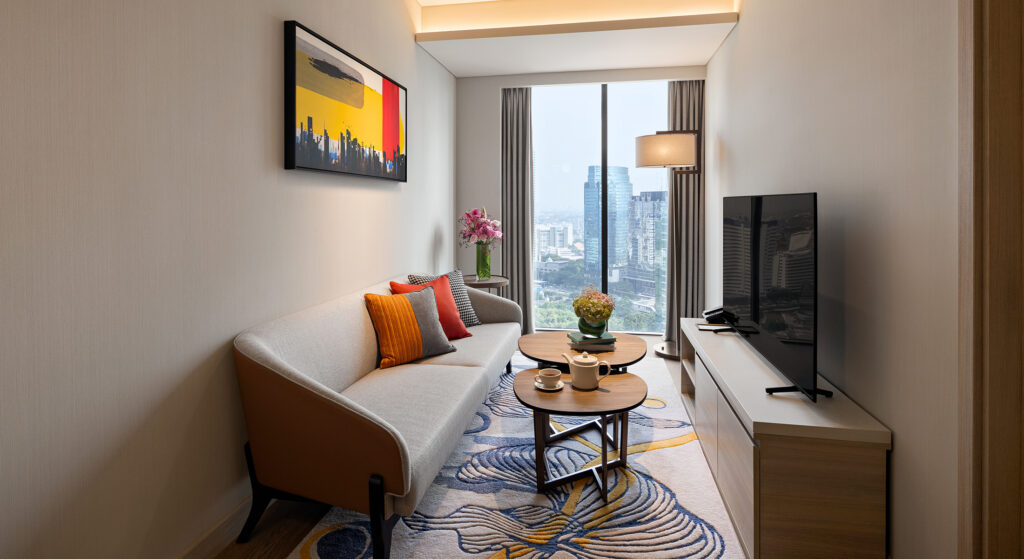
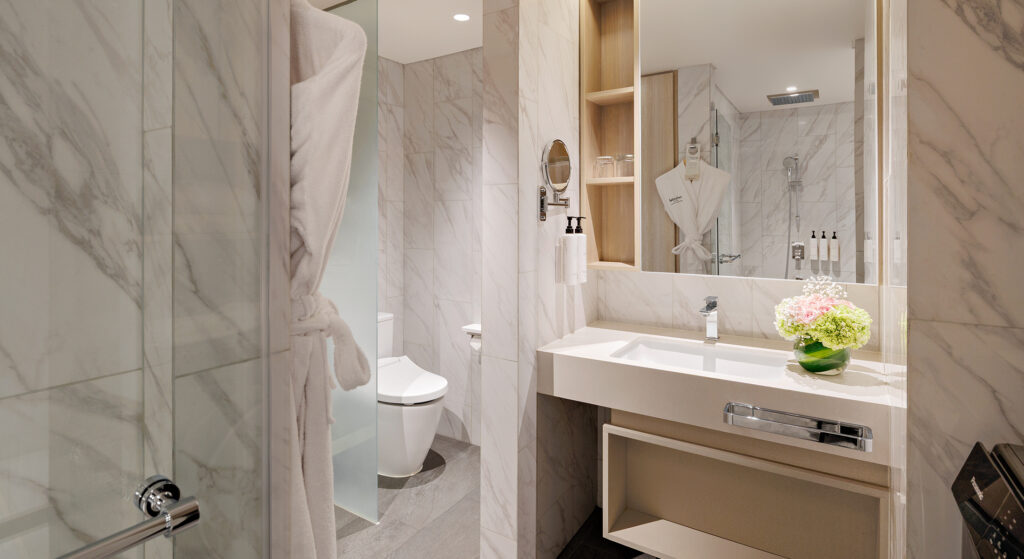
For business professionals and expatriates requiring extended accommodation in Jakarta, the Serviced Apartment options in Mega Kuningan deliver fully furnished residences with hotel services in the heart of the city’s primary business district.
Transportation and Connectivity
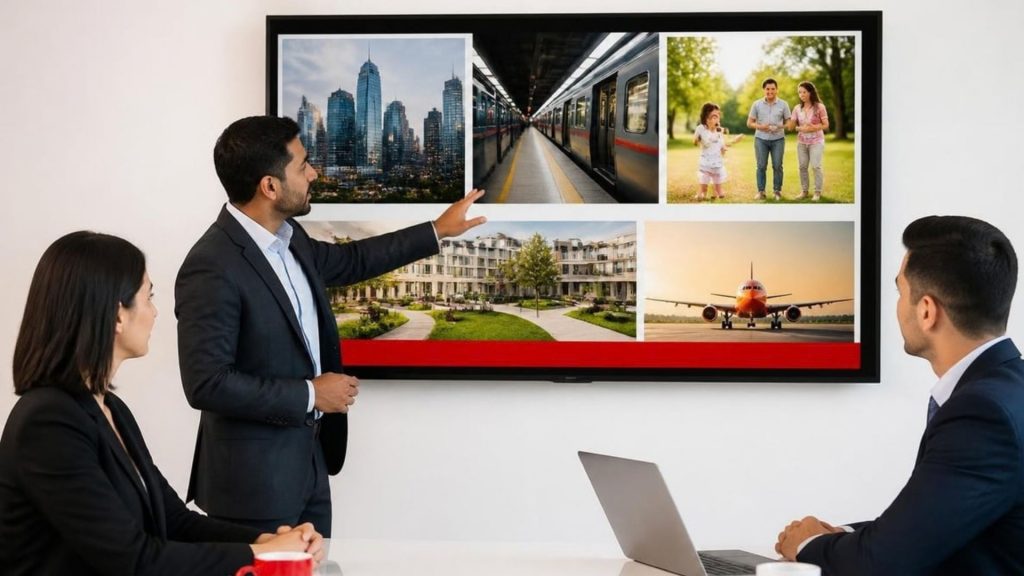
Access to international airports represents another critical location factor for monthly hotel guests, particularly expatriates and business travelers with frequent travel requirements. Properties with efficient airport connections reduce travel stress and enable seamless transitions between business trips and the temporary residence.
The availability of public transportation, ride-sharing services, and taxi stands near monthly hotels affects daily mobility and overall convenience. Business travelers often evaluate commute times to primary work locations when selecting extended-stay accommodation, making proximity to major arterial roads and transit hubs valuable selection criteria.
Amenities That Matter for Extended Stays
The amenity package at monthly hotels directly impacts guest satisfaction and justifies premium pricing over basic extended-stay options. While short-term hotel guests may overlook facility limitations, monthly residents utilize amenities extensively and quickly identify deficiencies.
Essential In-Unit Features
The quality and completeness of in-unit features distinguish premium monthly hotels from budget alternatives:
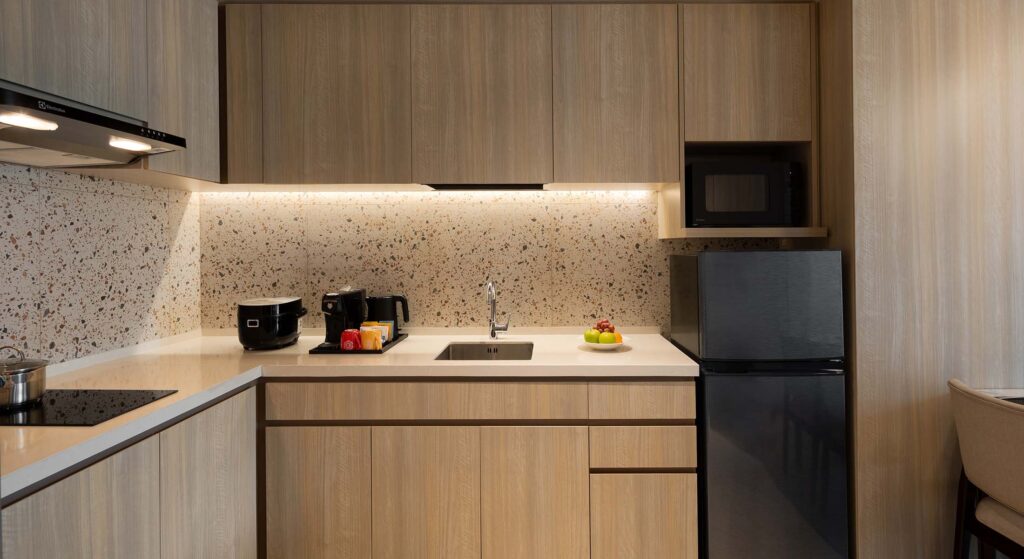
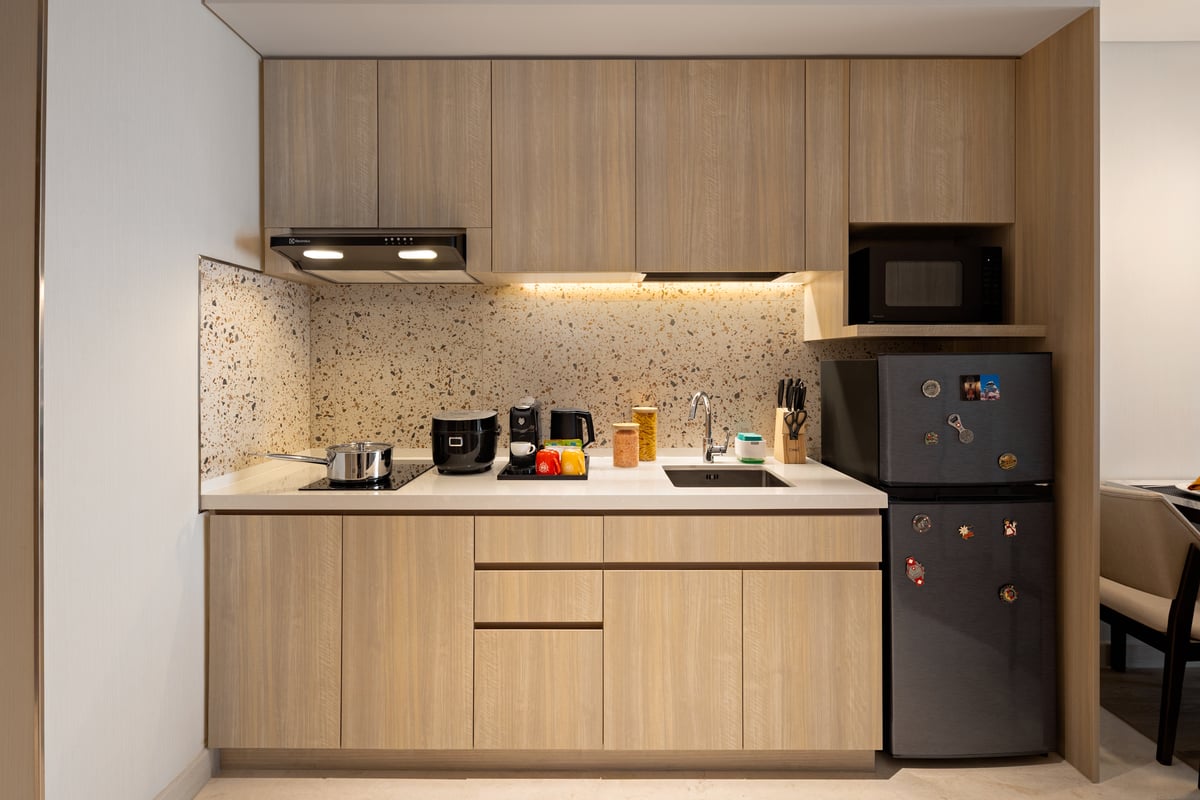
- Full-size appliances including refrigerator, stove, microwave, and dishwasher
- Cookware and utensils sufficient for preparing complete meals
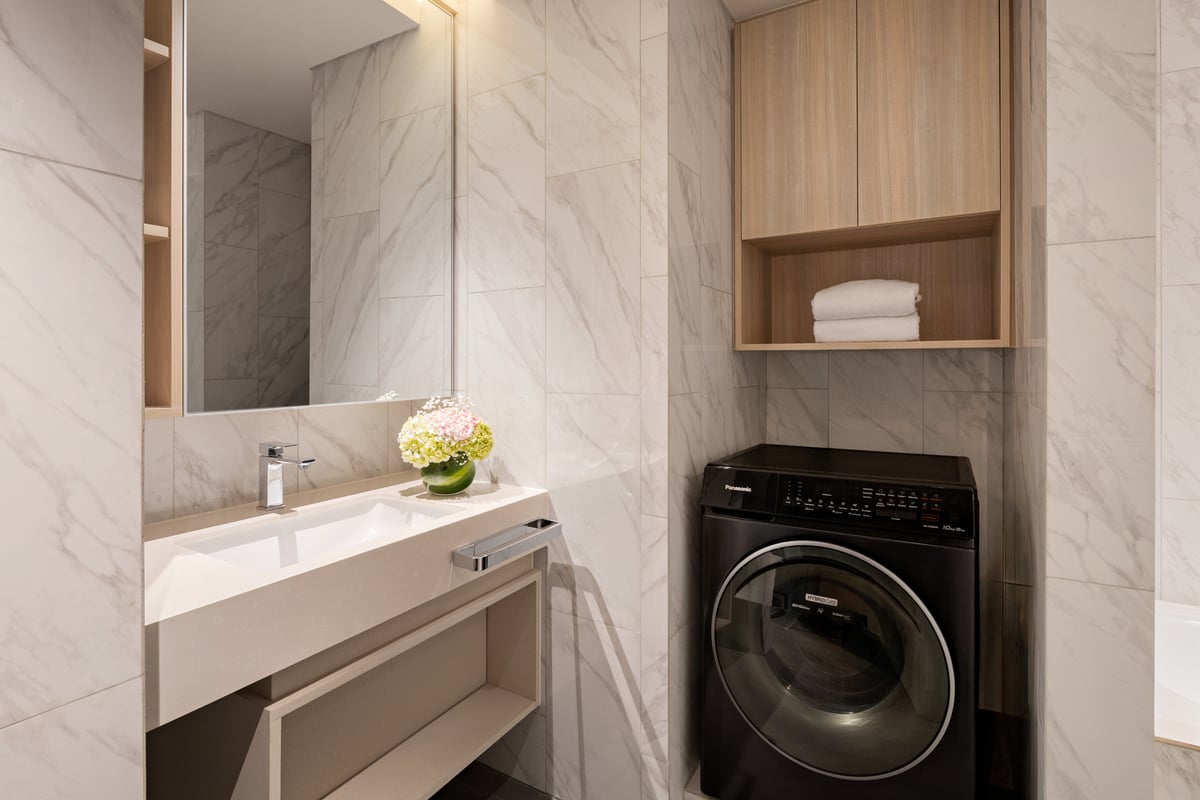
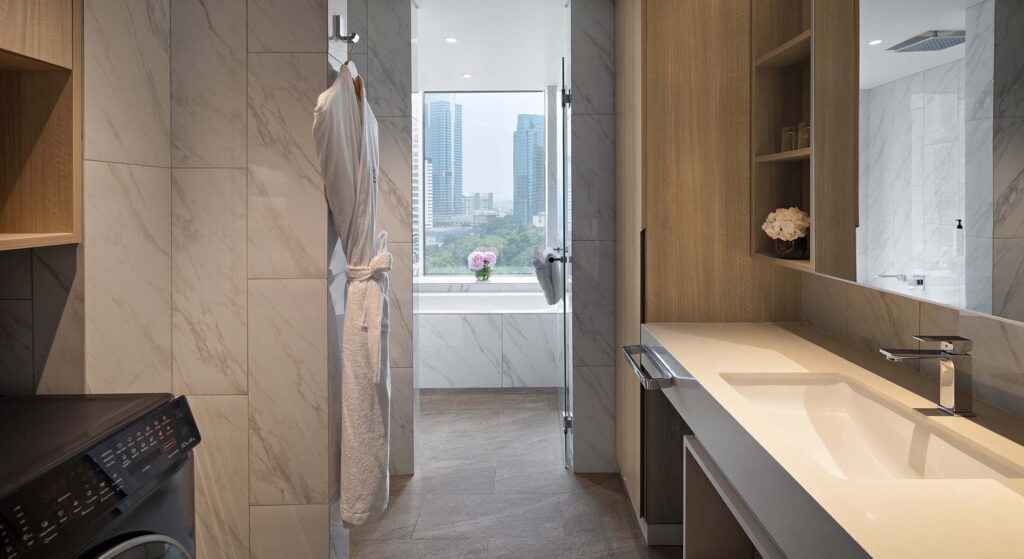
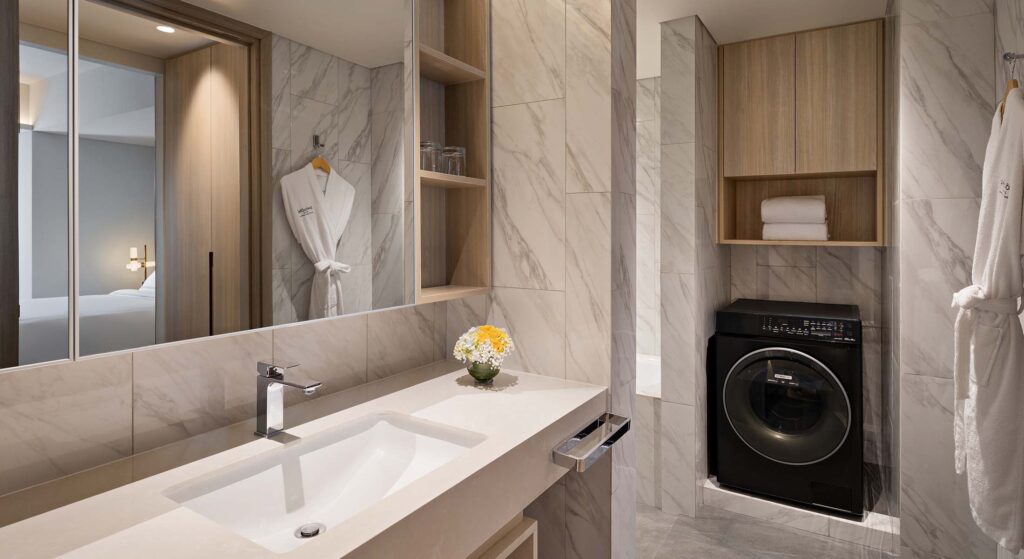
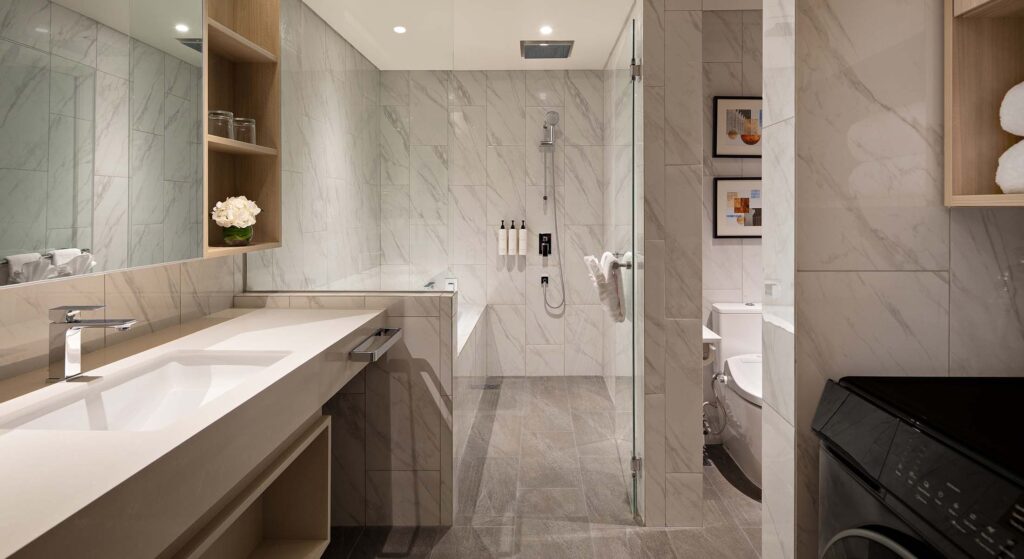
- In-unit washer and dryer eliminating laundromat visits
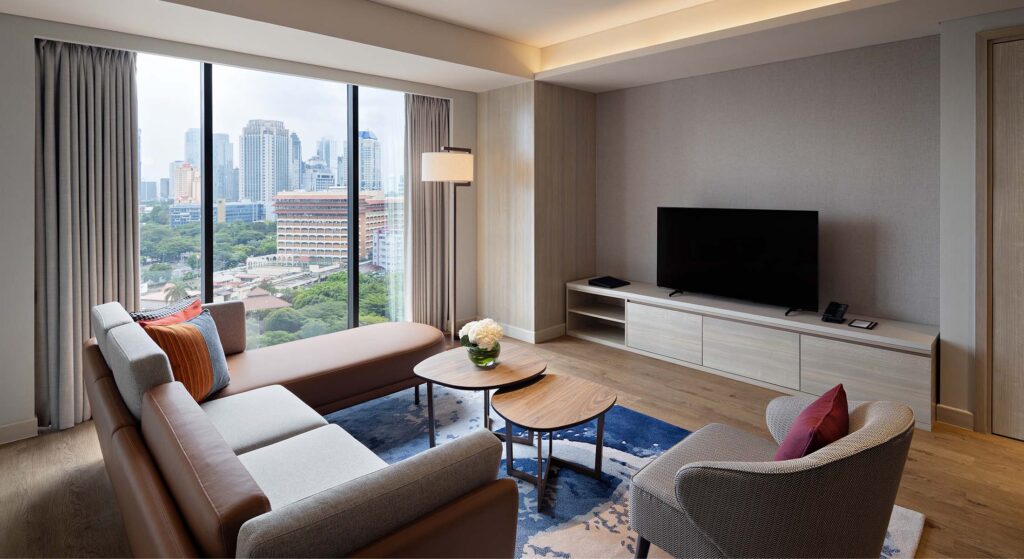
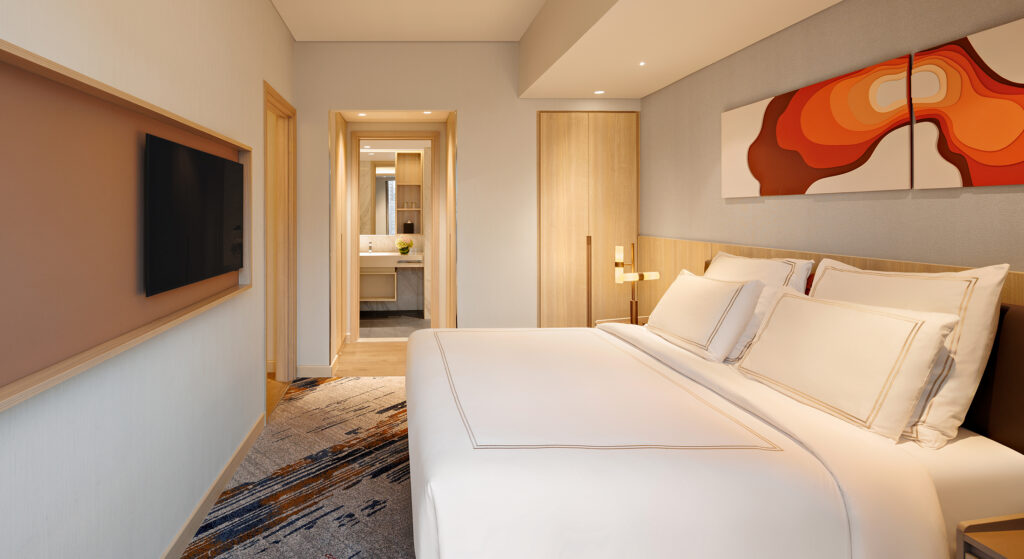
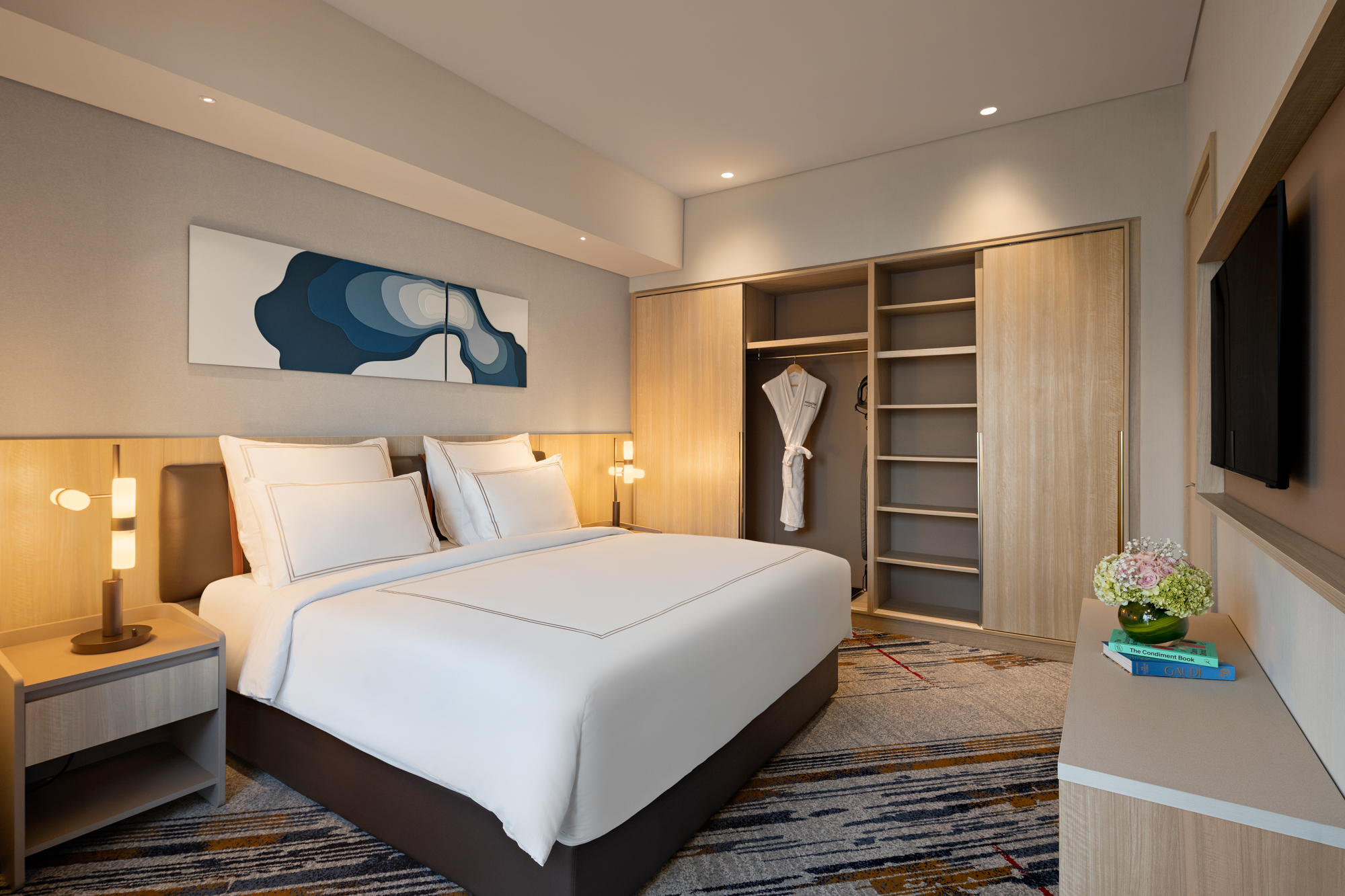
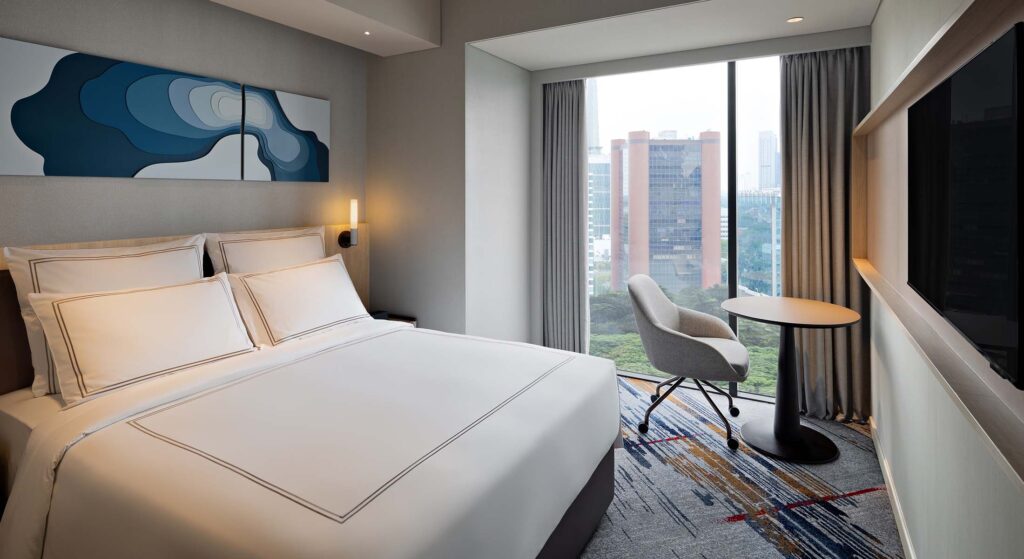
- Separate bedroom areas with privacy from living and work spaces
- Work desk and ergonomic seating supporting productive remote work
- High-speed internet with bandwidth for video conferencing and streaming
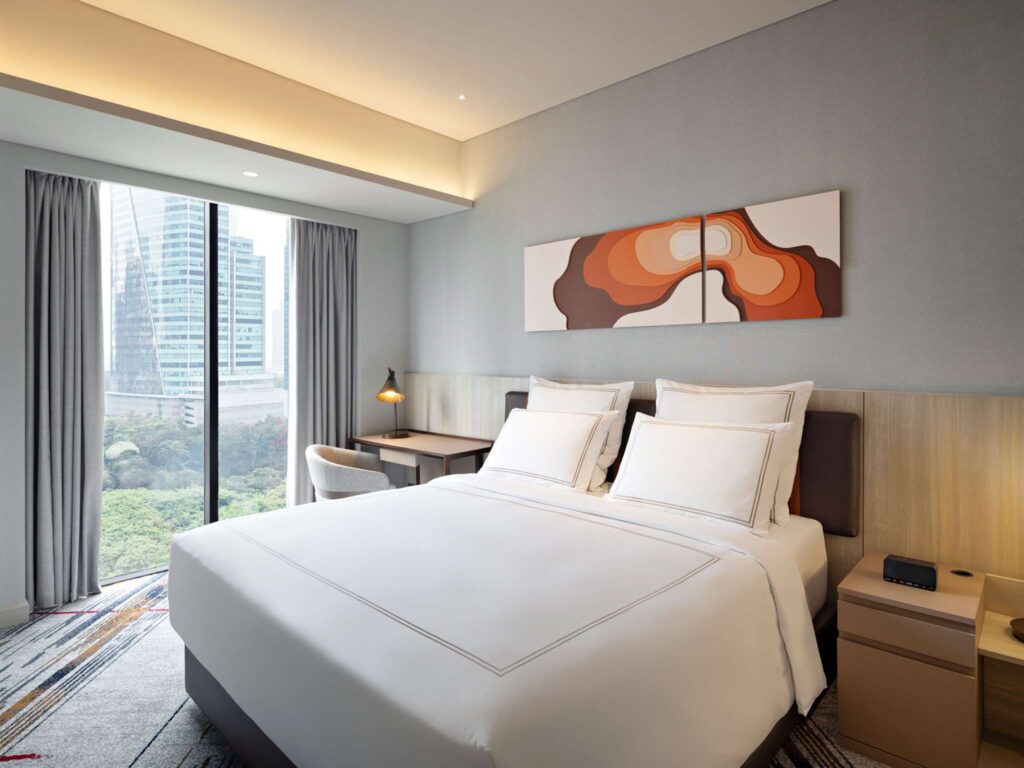
- Premium bedding and linens with regular replacement cycles
These features transform a temporary accommodation into a functional home environment. Business travelers conducting video conferences require reliable internet and quiet workspaces. Families preparing daily meals need complete kitchens with adequate storage and counter space.
Building and Community Amenities
Beyond the individual unit, shared facilities enhance the extended-stay experience and create community touchpoints:
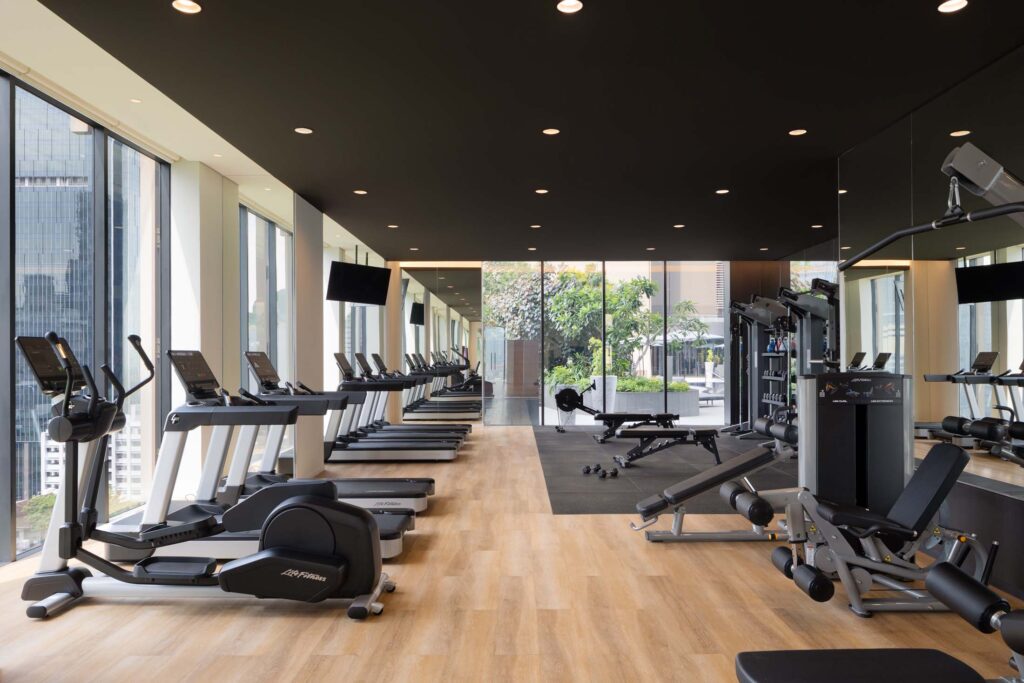
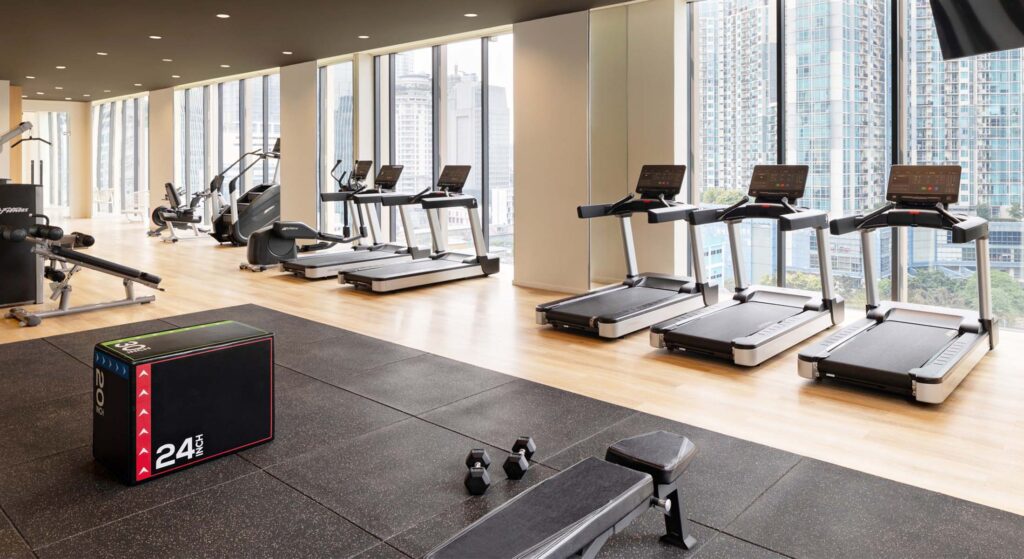
- Fitness centers with modern equipment and regular operating hours
- Business centers offering printing, copying, and conference rooms
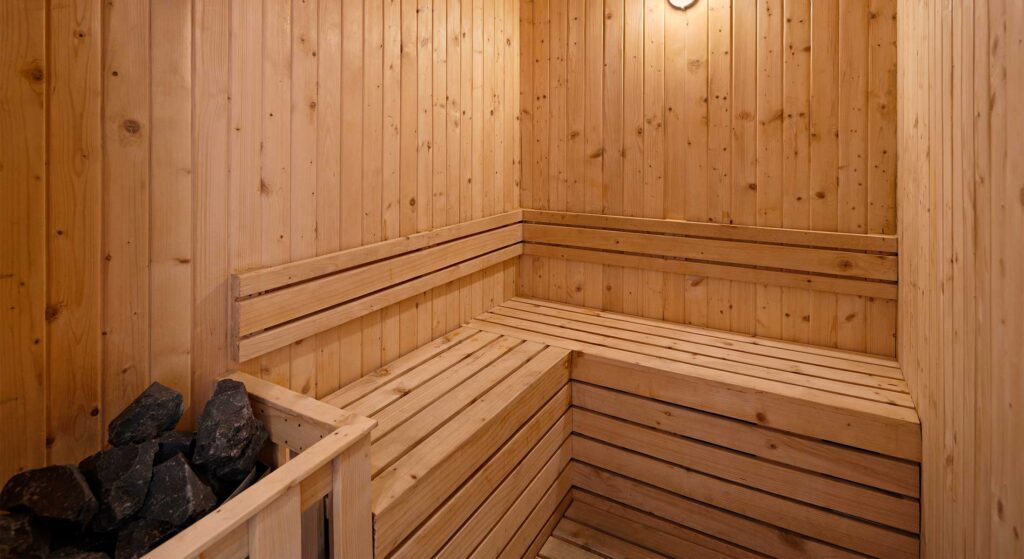
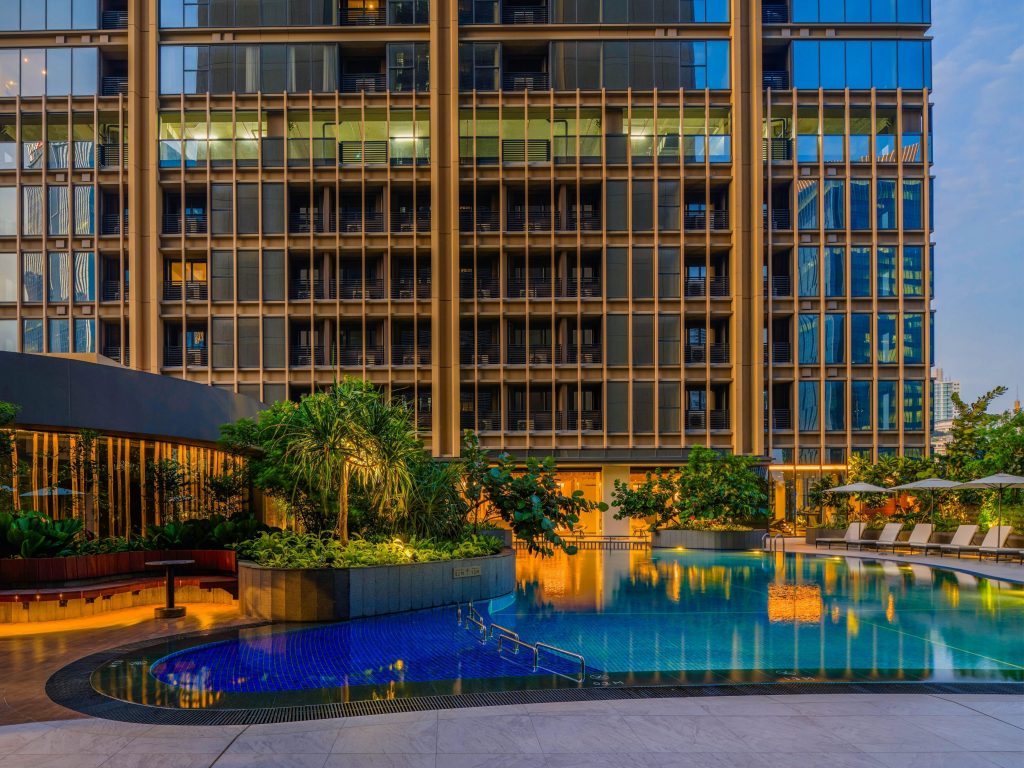
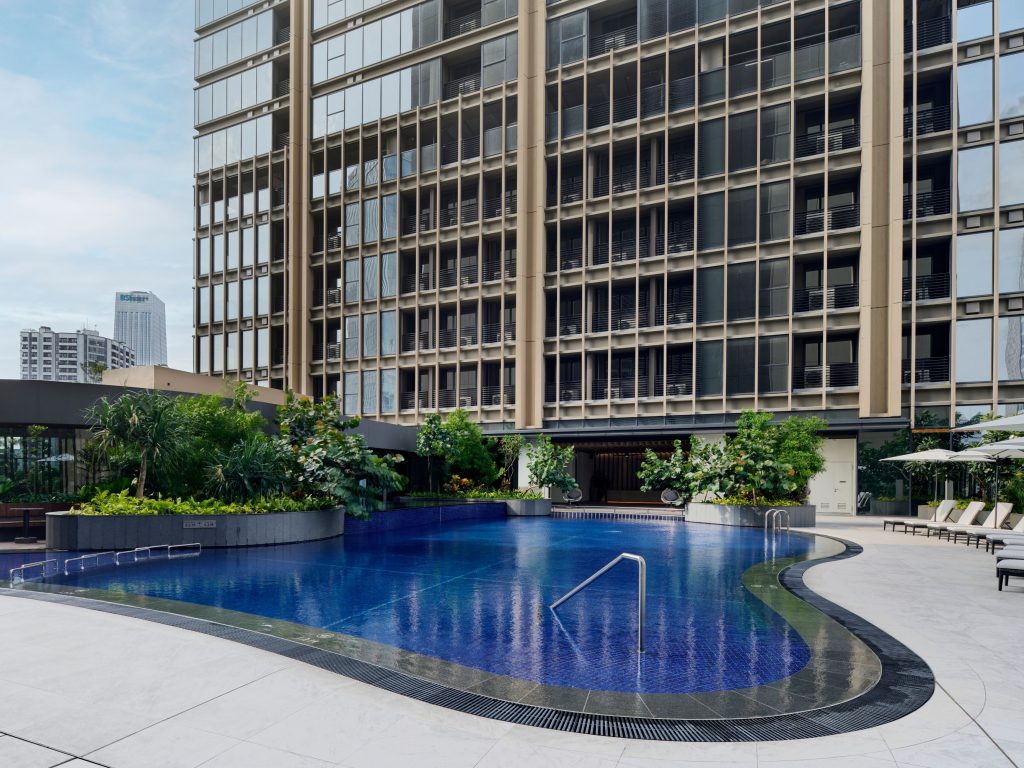
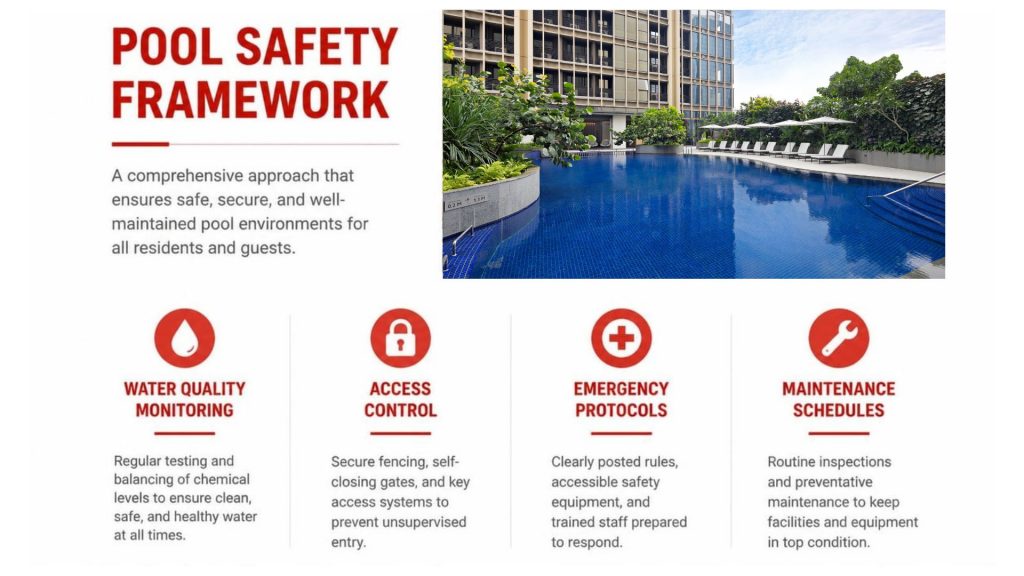
- Swimming pools and wellness facilities for recreation and relaxation
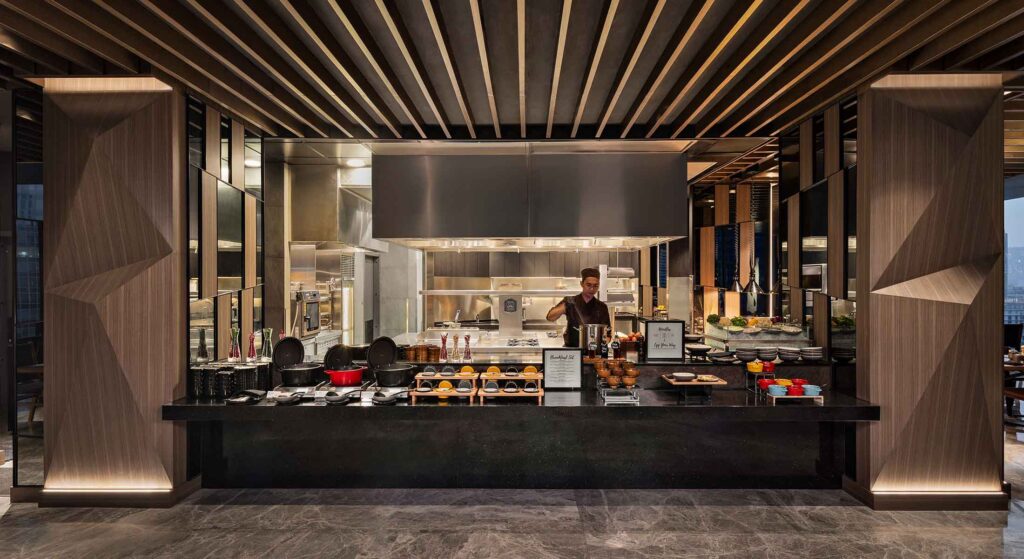
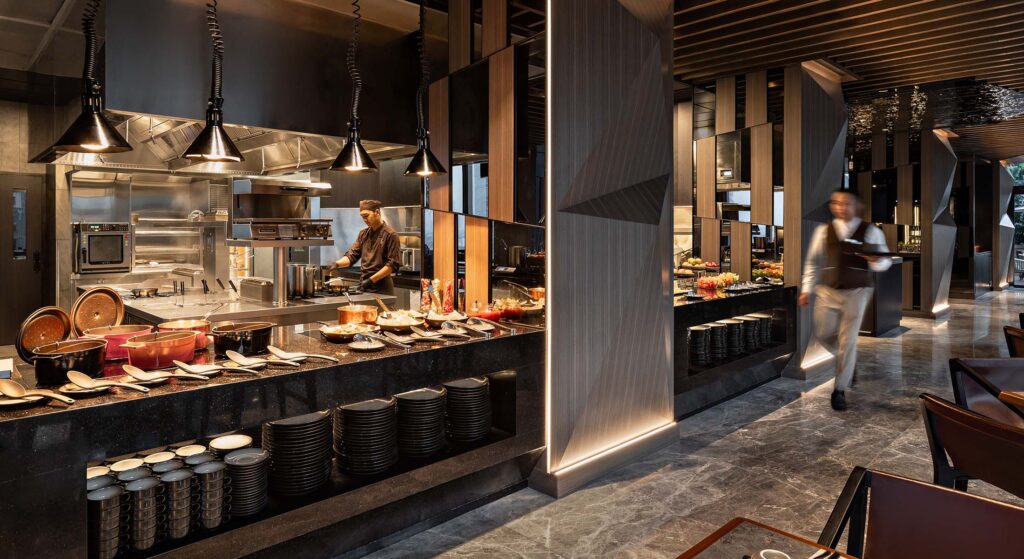
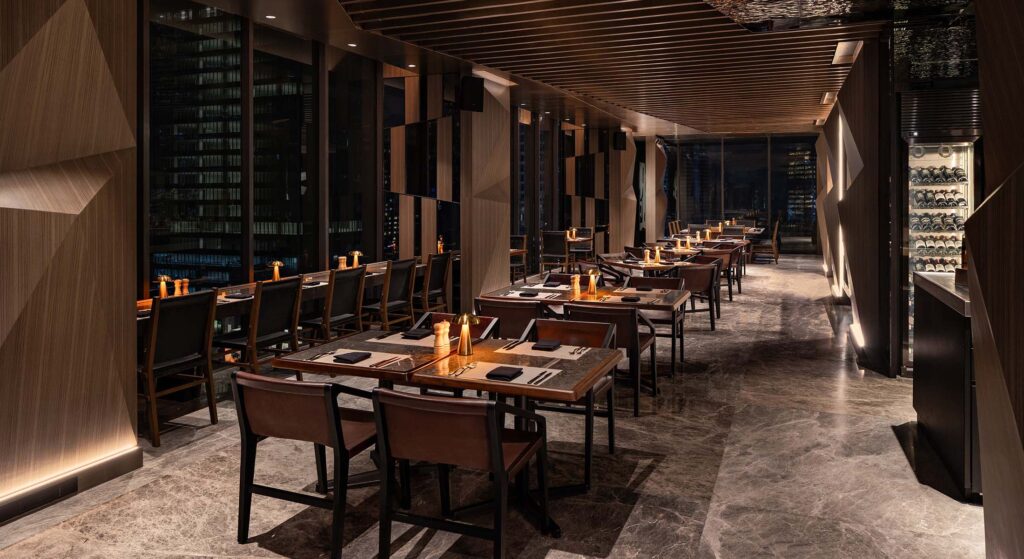
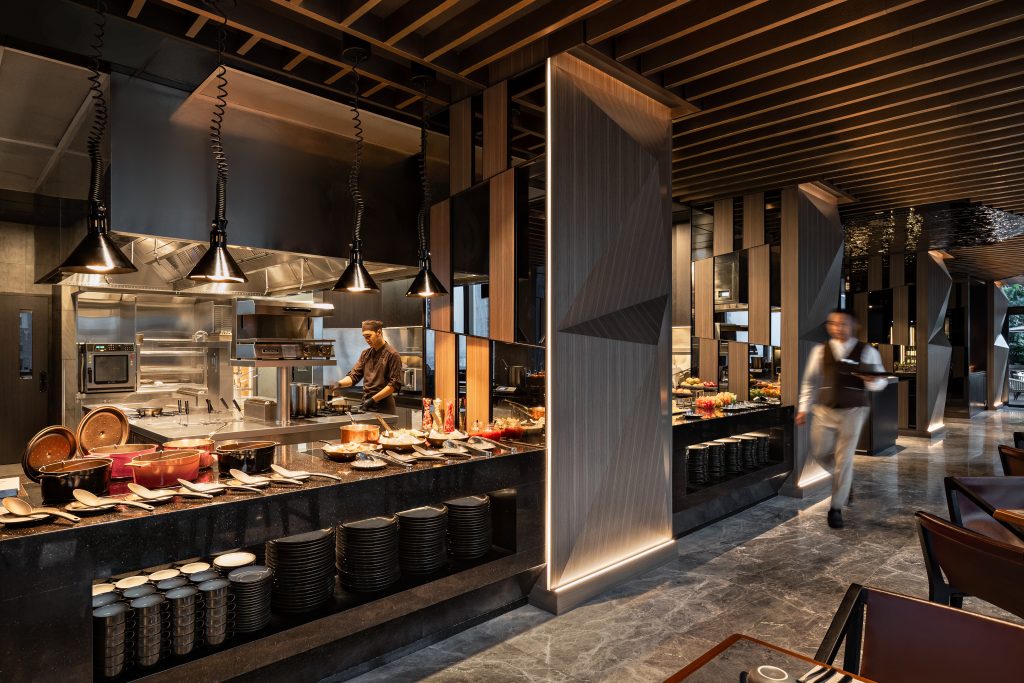
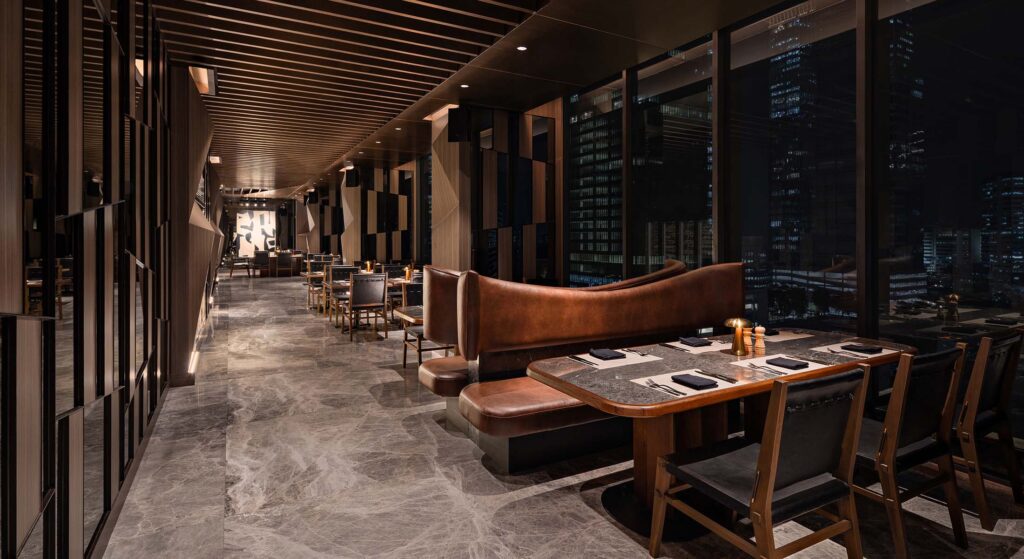
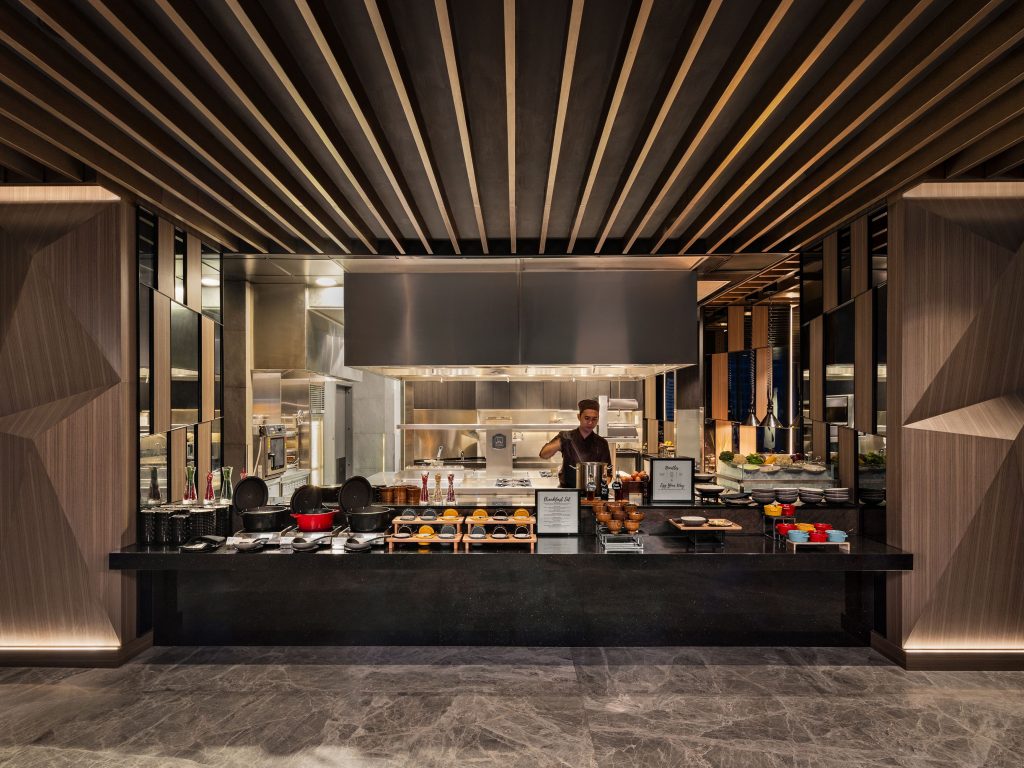
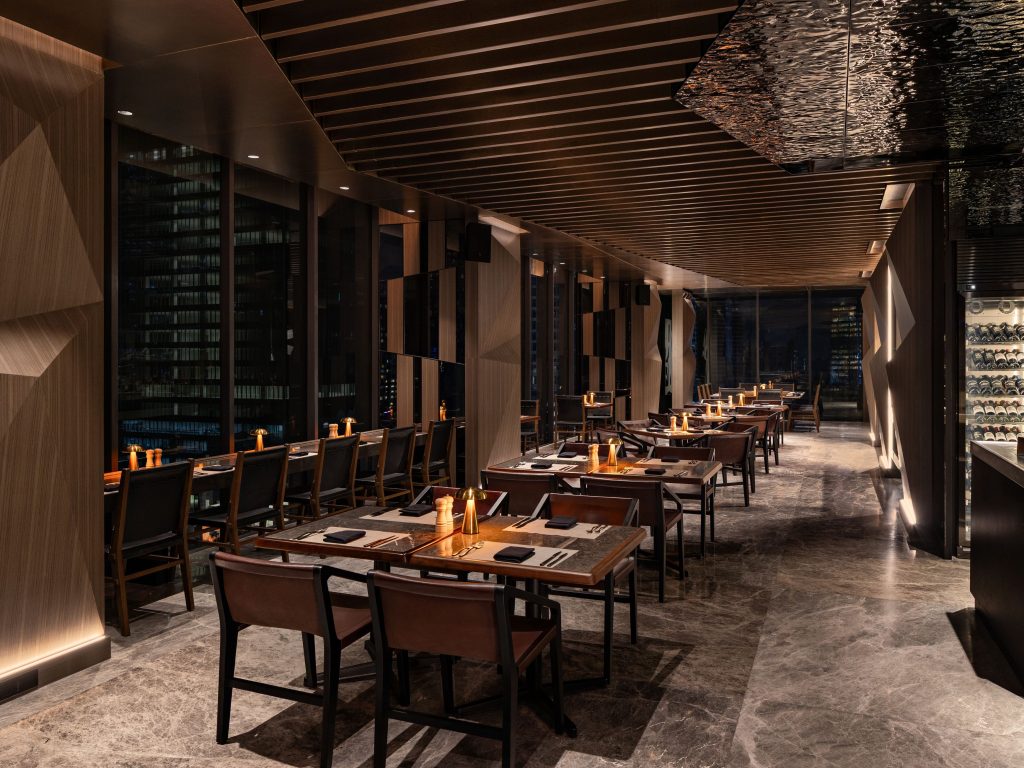
- On-site dining options providing convenience when cooking isn’t desired
- Secure parking with adequate spaces for residents and guests
- 24-hour security and reception ensuring safety and service availability
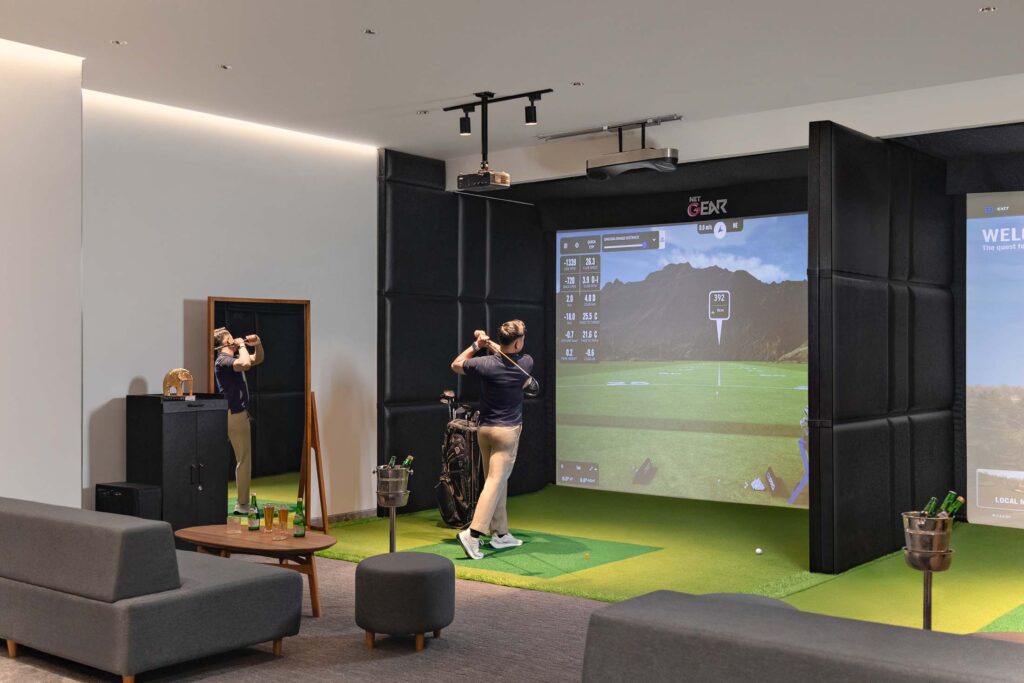
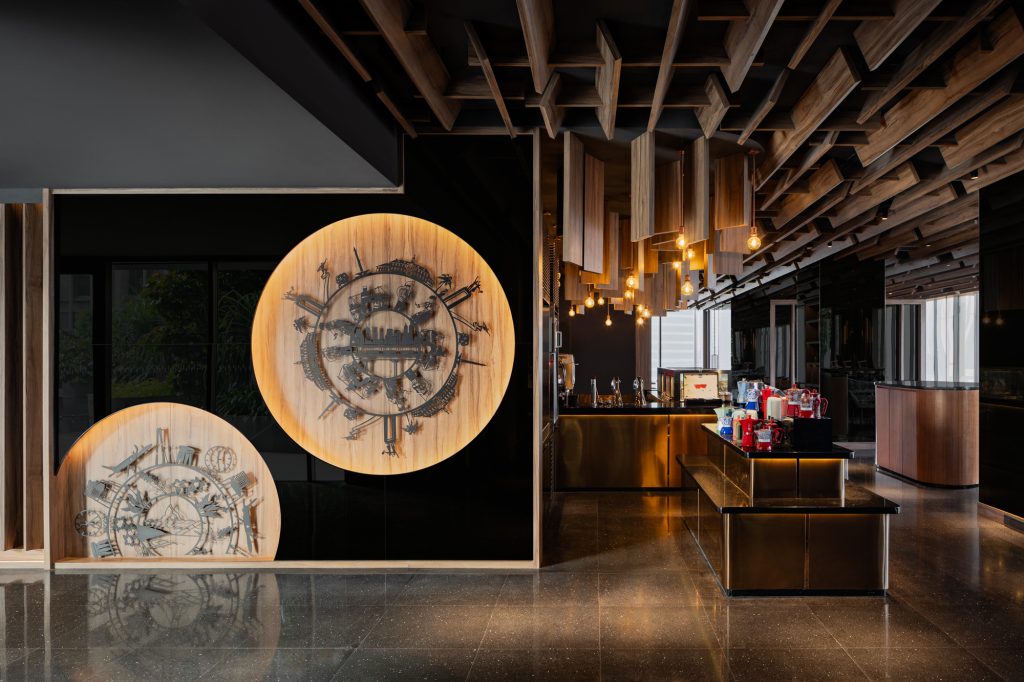
- Guest lounges and social spaces facilitating networking and community building
Properties that invest in maintaining and upgrading these amenities demonstrate commitment to guest experience and typically command higher occupancy rates and premium pricing.
Booking and Reservation Processes
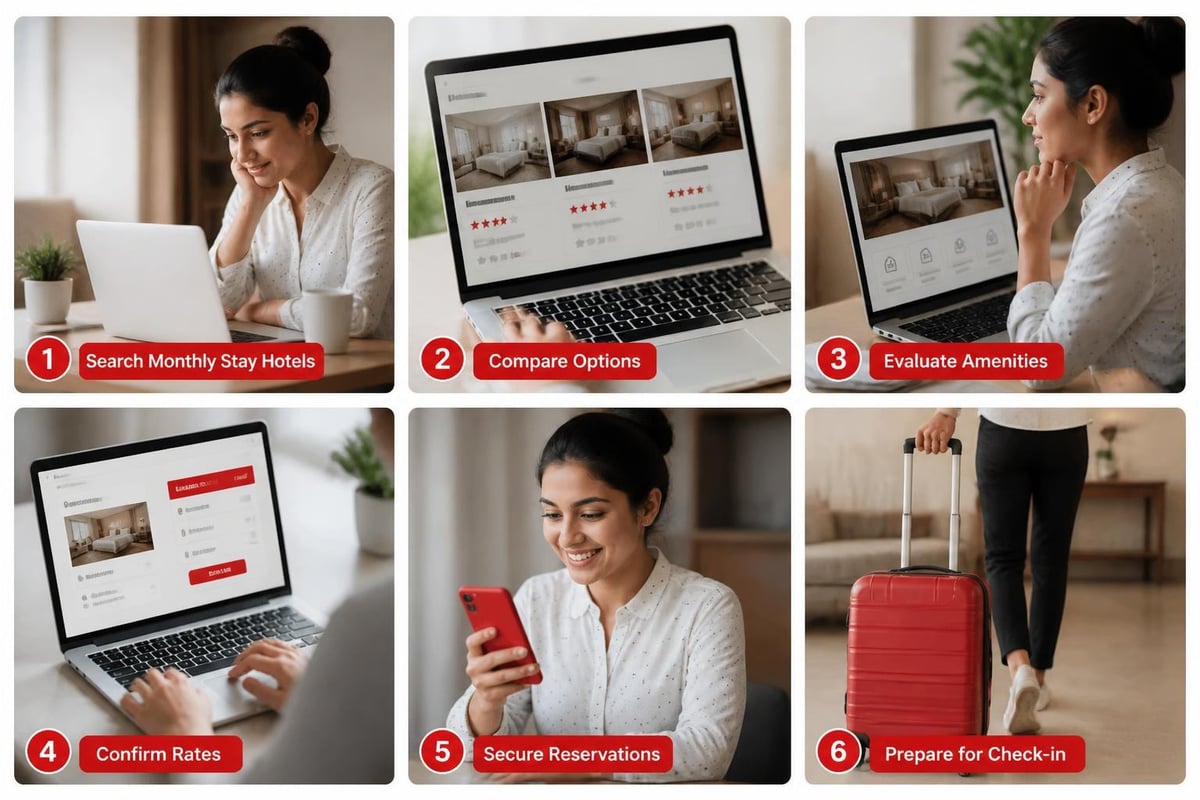
Securing a monthly hotel reservation involves different procedures than booking transient hotel stays. The extended commitment period requires more detailed documentation, verification processes, and contractual agreements.
Documentation Requirements
Monthly hotel operators typically require comprehensive information before confirming extended-stay reservations:
- Valid identification such as passport or national ID card
- Employment verification or corporate booking authorization
- Payment method with sufficient credit limit or deposit capability
- Emergency contact information for security and communication purposes
- Intended length of stay with approximate check-out date
Corporate bookings may involve negotiated rates, master service agreements, and direct billing arrangements between the property and the employer. Individual guests often pay via credit card with monthly charges processed automatically throughout the stay.
Flexibility and Extension Options
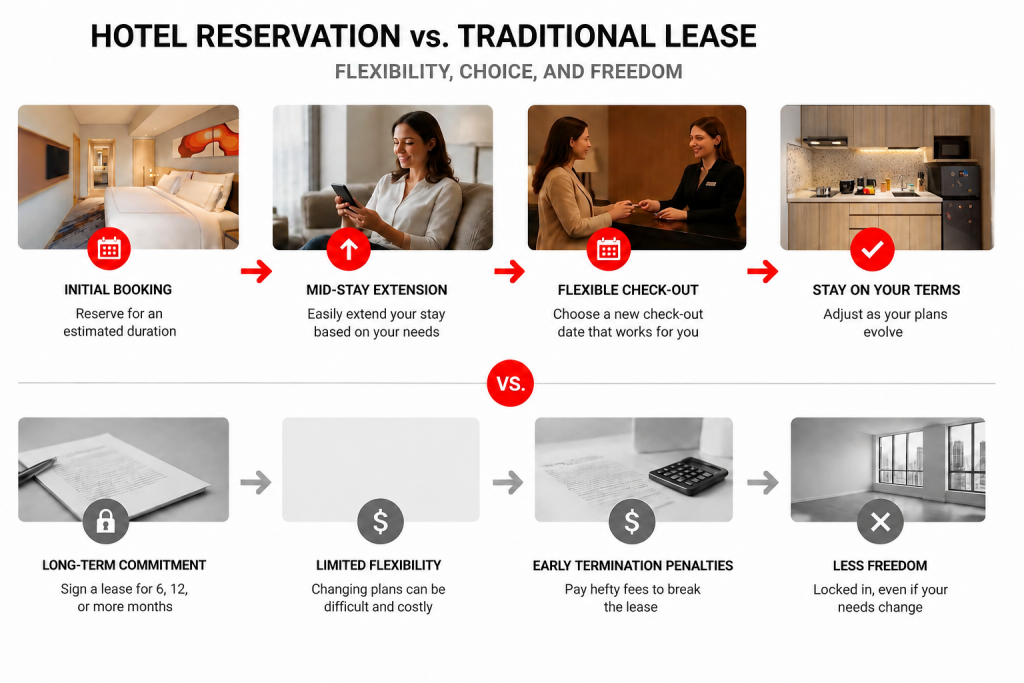
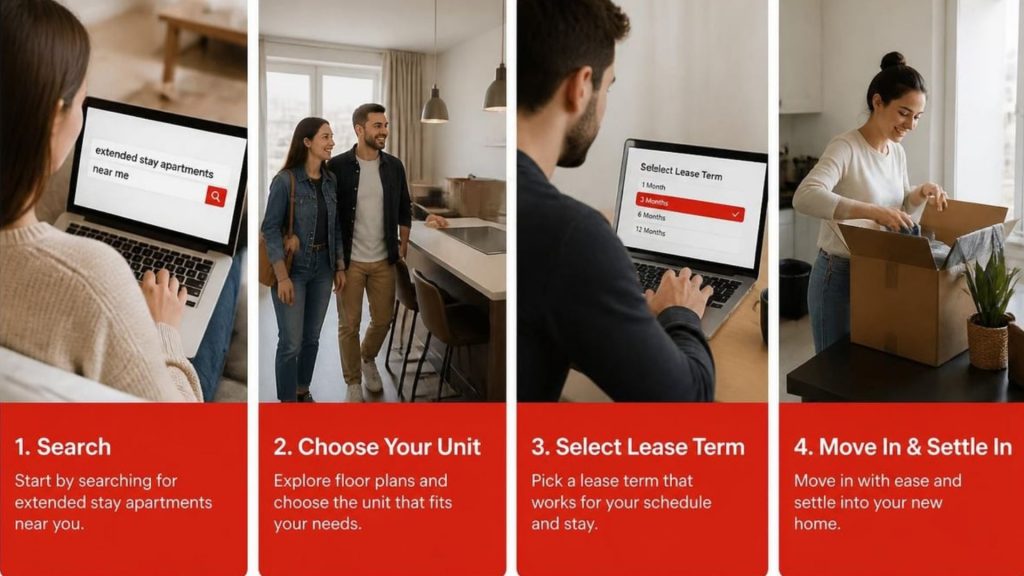
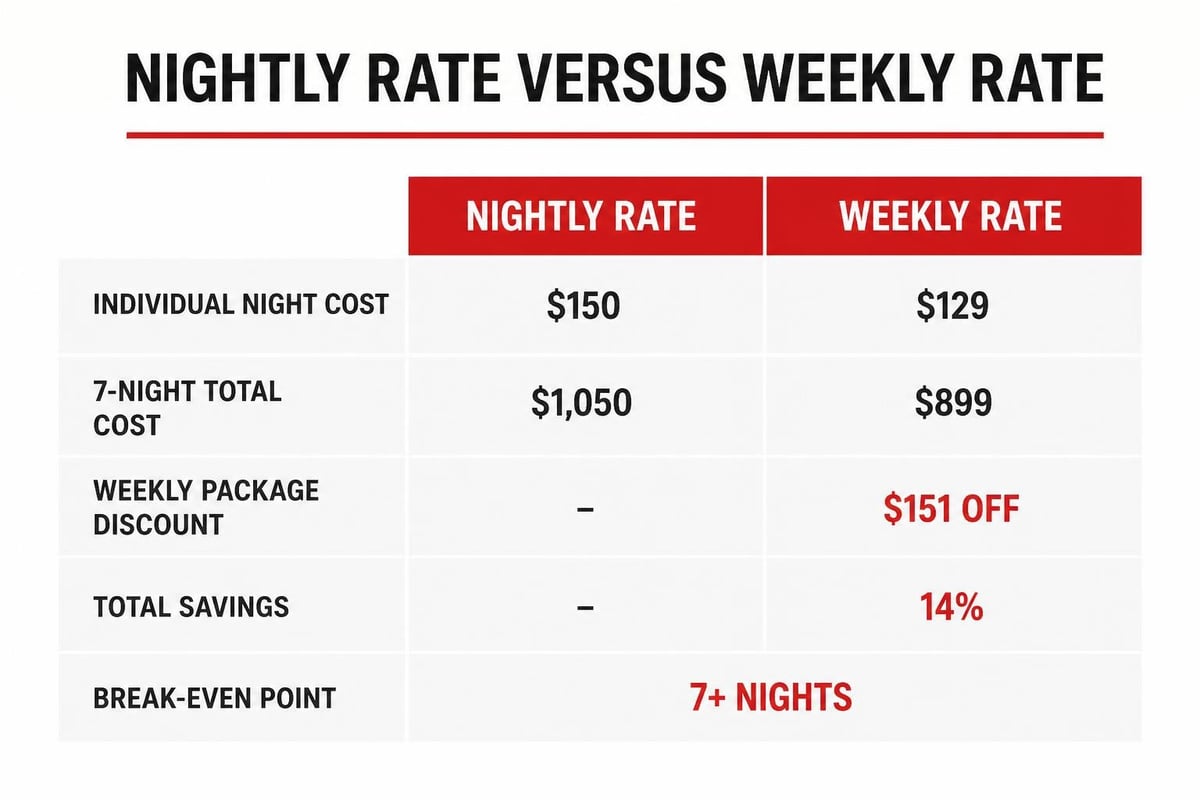
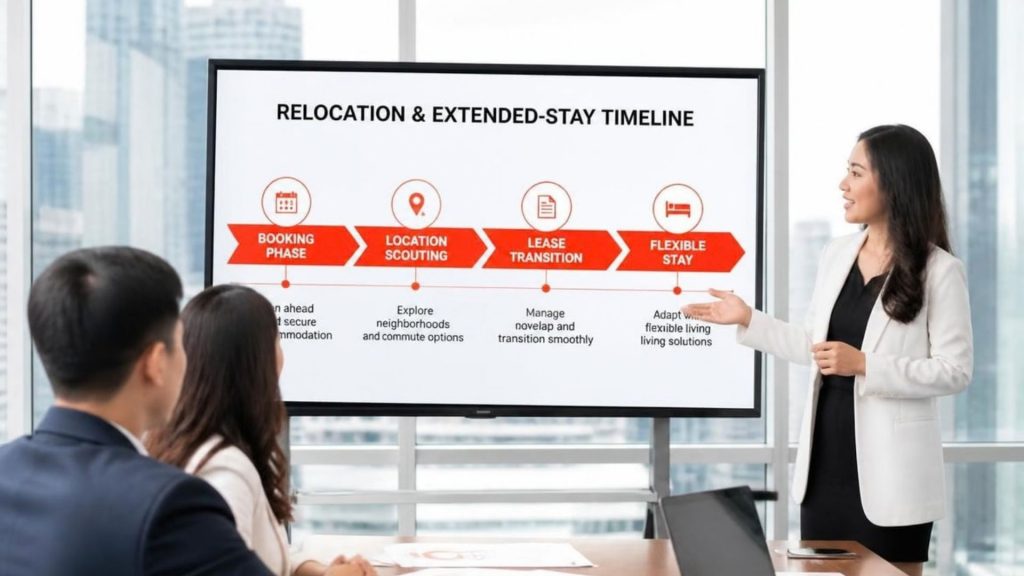
The ability to extend stays beyond the initially booked period represents a key advantage of monthly hotels over traditional apartment leases. Most properties allow month-to-month extensions without penalty, provided availability exists. This flexibility proves invaluable when project timelines extend, permanent housing searches take longer than anticipated, or personal circumstances change.
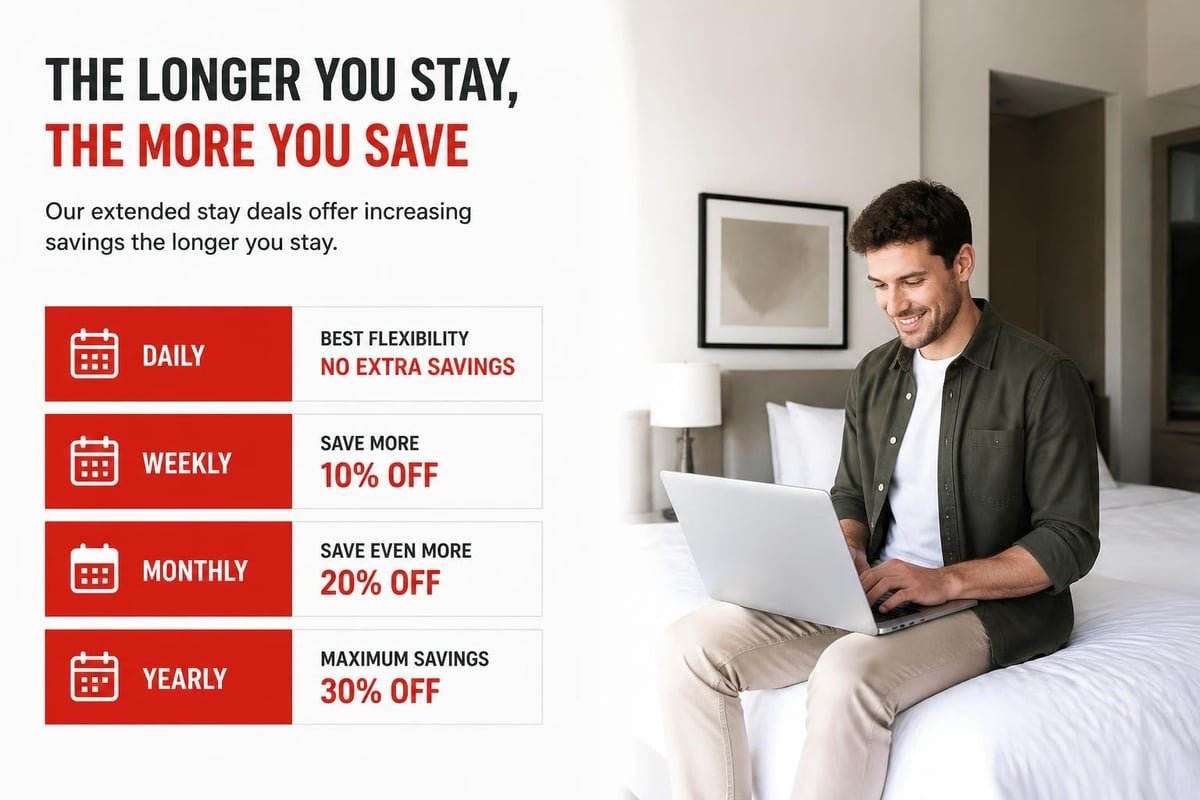
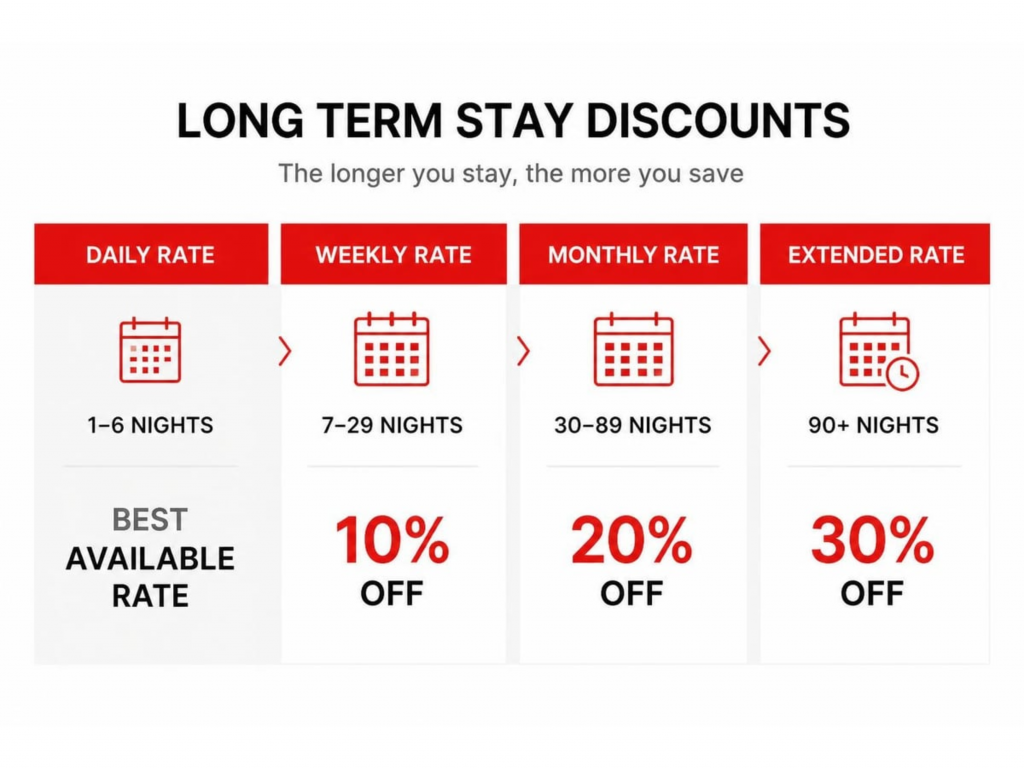
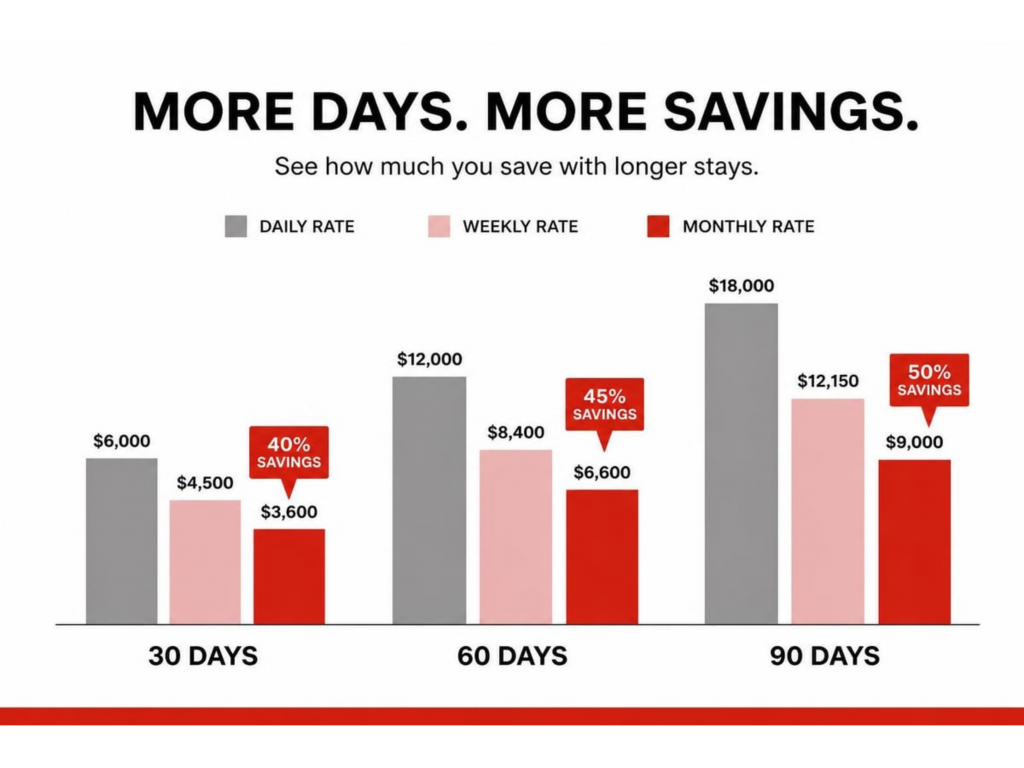
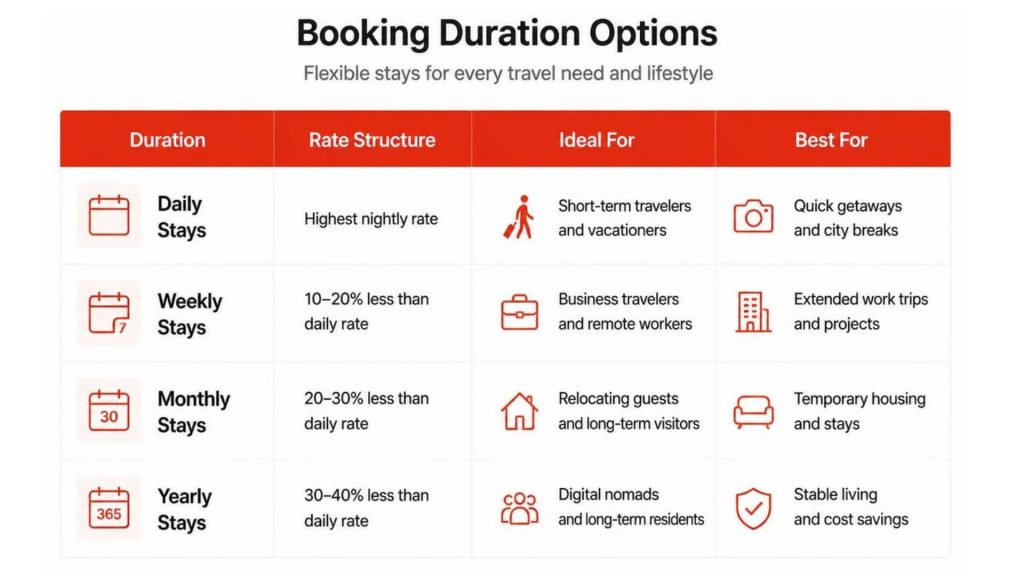
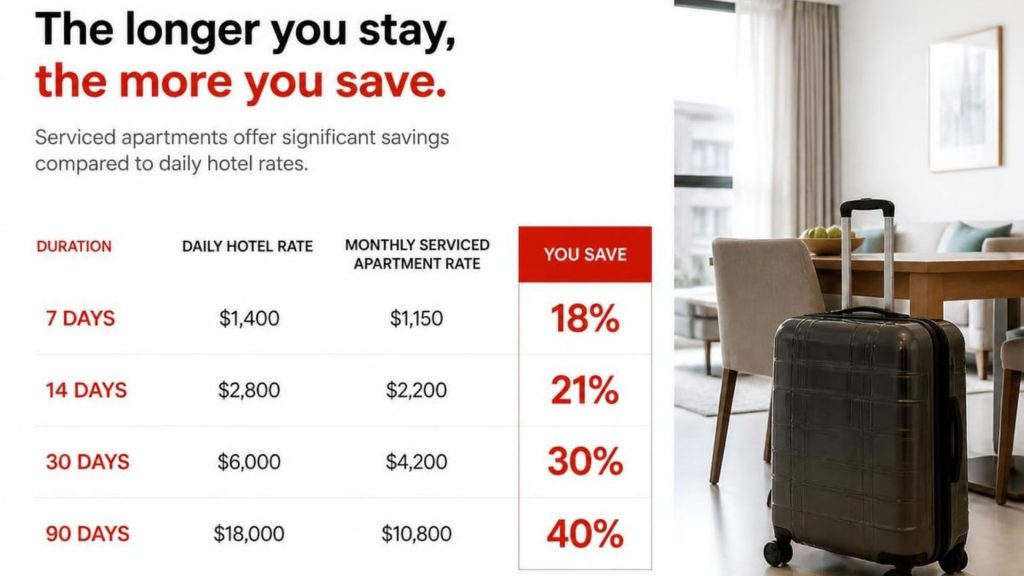
Some monthly hotels offer graduated rates based on commitment length, with reduced monthly prices for guests booking three, six, or twelve months initially. These rate structures incentivize longer commitments while maintaining flexibility through reasonable cancellation policies.
Industry Innovations and Future Trends
The monthly hotel sector continues evolving in response to changing guest expectations, technological capabilities, and market opportunities. Several trends are reshaping the industry as we progress through 2026.
Technology Integration
Smart apartment technology has become standard in new and renovated monthly hotel properties. Keyless entry systems using smartphone apps eliminate lost key concerns and enable remote access management. Smart thermostats allow guests to control climate settings remotely and reduce energy consumption during absences.
Voice-activated assistants integrated into apartment units provide information, control lighting and entertainment systems, and enable service requests without phone calls or app navigation. These technologies enhance convenience while collecting usage data that helps operators optimize services and maintenance schedules.
Sustainability Initiatives
Environmental consciousness increasingly influences monthly hotel selection, particularly among corporate clients with sustainability mandates. Properties implementing green building practices, energy-efficient appliances, and waste reduction programs appeal to environmentally aware guests and companies seeking to minimize their carbon footprint.
Water conservation measures, renewable energy integration, and sustainable sourcing for amenities and supplies represent competitive differentiators in the extended-stay market. Certification programs such as LEED or local green building standards provide third-party validation of sustainability commitments.
Adaptive Reuse and Hotel Conversions
An emerging trend in the accommodation sector involves converting traditional hotels to long-term housing or mixed-use properties incorporating monthly hotel units. The COVID-19 pandemic accelerated interest in these conversions as hotel occupancy plummeted and housing needs intensified. Several programs have demonstrated the viability of hotel-to-housing conversions, particularly for addressing affordable housing shortages.
Financial institutions have developed specialized lending programs supporting these conversions, as exemplified by hotel conversion financing initiatives that recognize the stable cash flows and reduced vacancy risk associated with extended-stay models. The technical considerations for converting hotels include building code compliance, unit reconfiguration, and amenity adaptation to serve monthly residents rather than transient guests.
While these conversions primarily target affordable housing and social programs, they validate the monthly hotel model’s economic viability and demonstrate growing recognition of extended-stay demand across multiple market segments.
Selecting the Right Monthly Hotel
Choosing the optimal monthly hotel requires evaluating multiple factors aligned with specific needs, priorities, and circumstances. A systematic selection process helps identify properties offering the best combination of location, amenities, services, and value.
Assessment Criteria
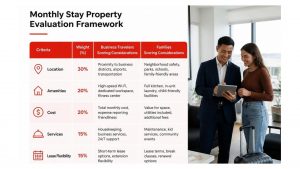
Develop a weighted scoring system evaluating potential properties across key dimensions:
| Criterion | Weight | Evaluation Questions |
|---|---|---|
| Location | 25% | Commute time? Neighborhood safety? Access to services? |
| Unit Quality | 20% | Size? Layout? Furnishing quality? Kitchen completeness? |
| Amenities | 15% | Fitness facilities? Business center? Dining options? |
| Services | 15% | Housekeeping frequency? Maintenance responsiveness? Reception hours? |
| Price | 15% | Total monthly cost? Inclusions? Corporate rates available? |
| Flexibility | 10% | Extension options? Cancellation policy? Rate lock terms? |
This structured approach enables objective comparison across multiple properties and facilitates decision-making when trade-offs exist between competing priorities.
Virtual Tours and Due Diligence
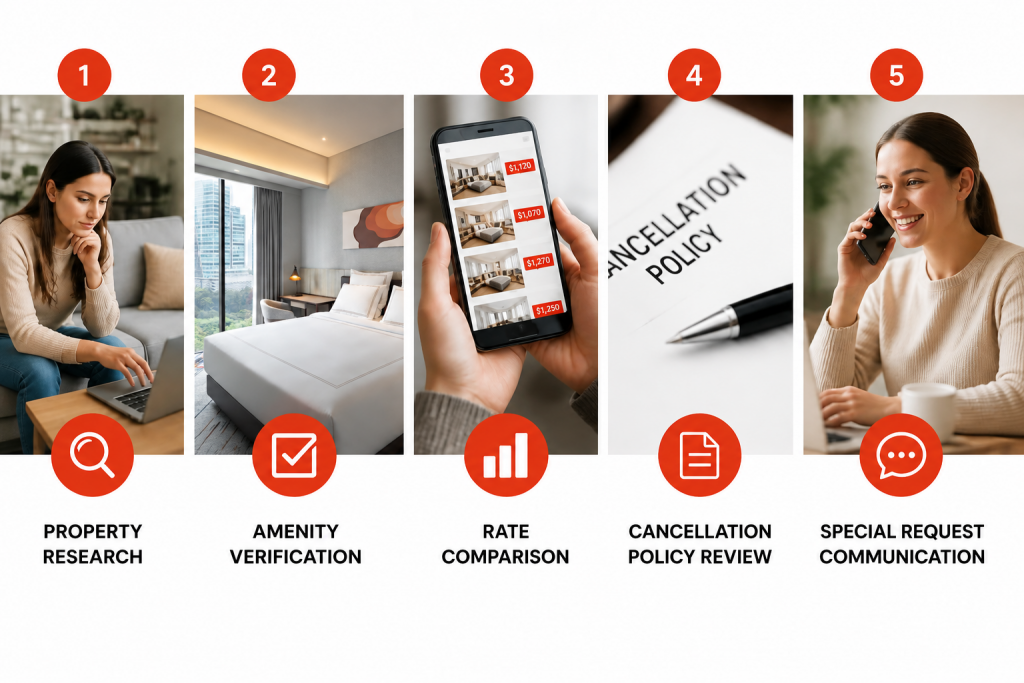
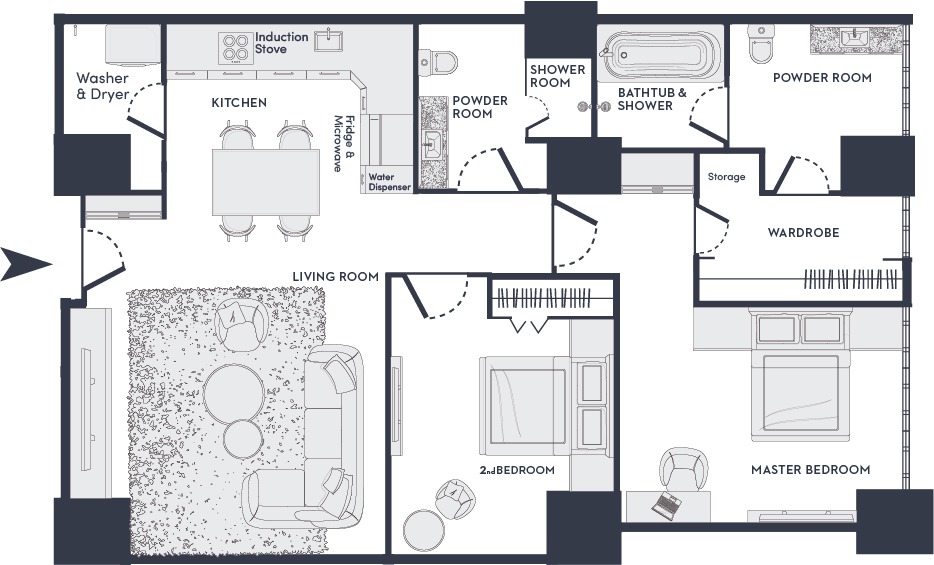
In 2026, virtually every monthly hotel offers video tours, 360-degree photography, and detailed floor plans enabling remote evaluation. When possible, schedule in-person visits to inspect actual available units, test internet speeds, evaluate noise levels, and assess overall property condition. Reading recent guest reviews provides insights into service quality, maintenance responsiveness, and potential concerns not apparent in marketing materials.
For international relocations, engaging local relocation consultants or destination services providers can streamline the search process and provide expert guidance on neighborhoods, properties, and negotiation strategies.
Making Monthly Hotels Work for Your Situation
Successfully utilizing monthly hotels requires adapting your mindset and routines to maximize the benefits while minimizing potential limitations of extended-stay accommodation.
Establishing Routines and Rhythms
Creating structure around meals, exercise, work, and leisure activities helps monthly hotel residents maintain normalcy and avoid the transient feeling that can accompany temporary accommodation. Establish regular grocery shopping patterns, explore neighborhood restaurants and cafes, and identify fitness routines using on-site facilities or nearby options.
Personalizing your unit with photos, small decorative items, and personal touches transforms generic serviced apartment space into a more comfortable temporary home. Most monthly hotels permit minor personalization while prohibiting permanent modifications or wall mounting that damages property.
Maximizing Included Services
Take full advantage of housekeeping services, maintenance support, and facility access included in monthly rates. Schedule housekeeping to align with your work travel or when deep cleaning provides maximum benefit. Report maintenance issues promptly rather than tolerating minor annoyances that compound over extended stays.
Utilize business center resources for printing, shipping, and professional meeting space rather than investing in equipment or seeking external vendors. Leverage concierge services for local recommendations, restaurant reservations, and activity planning that enhance your extended-stay experience.
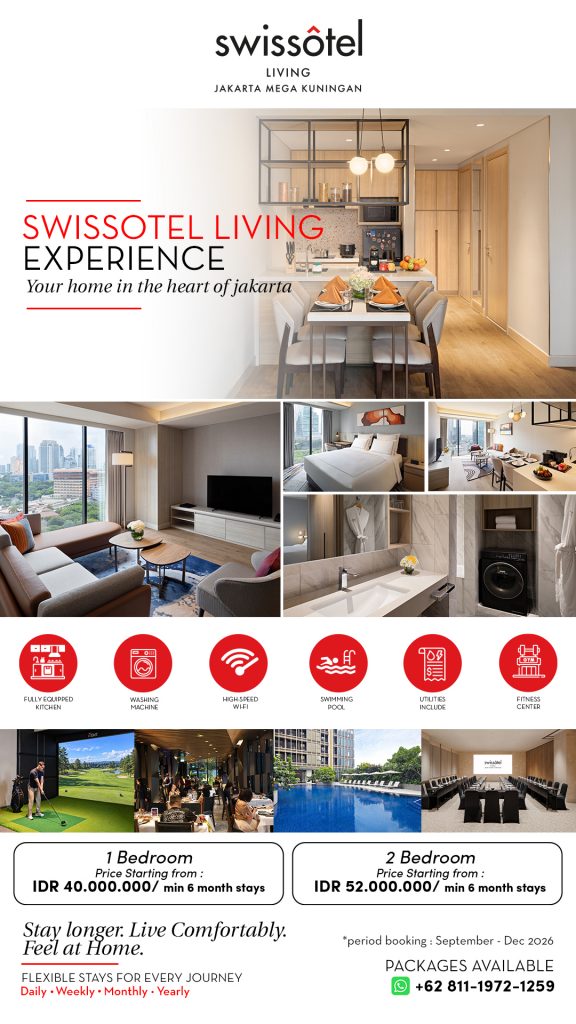
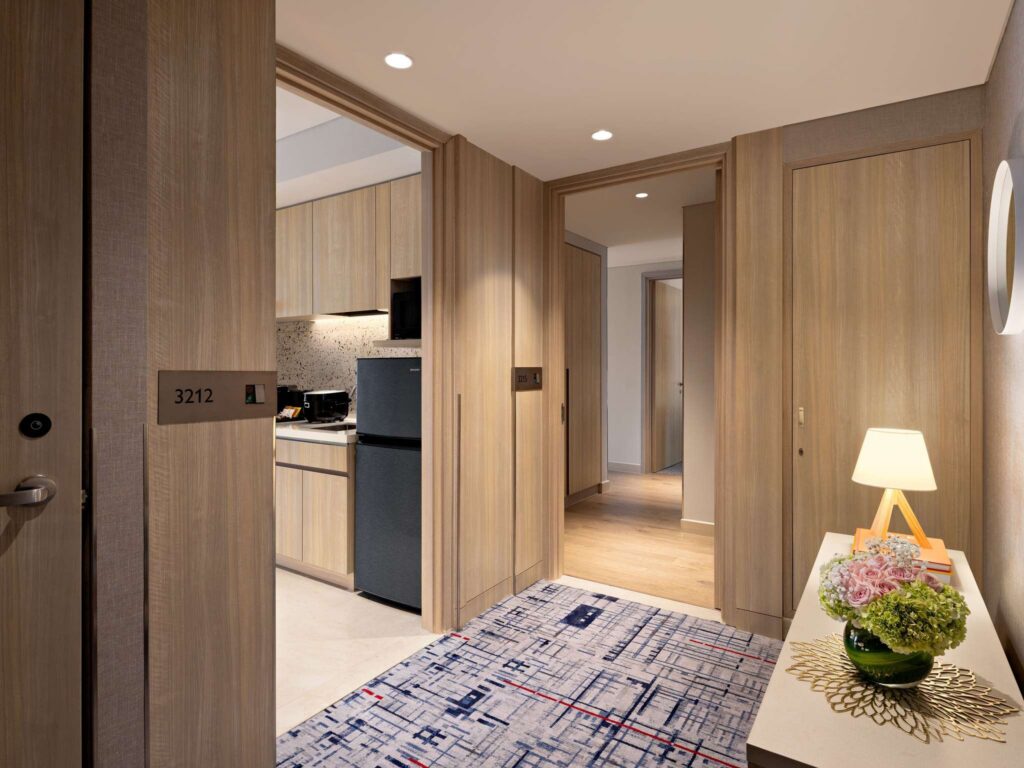
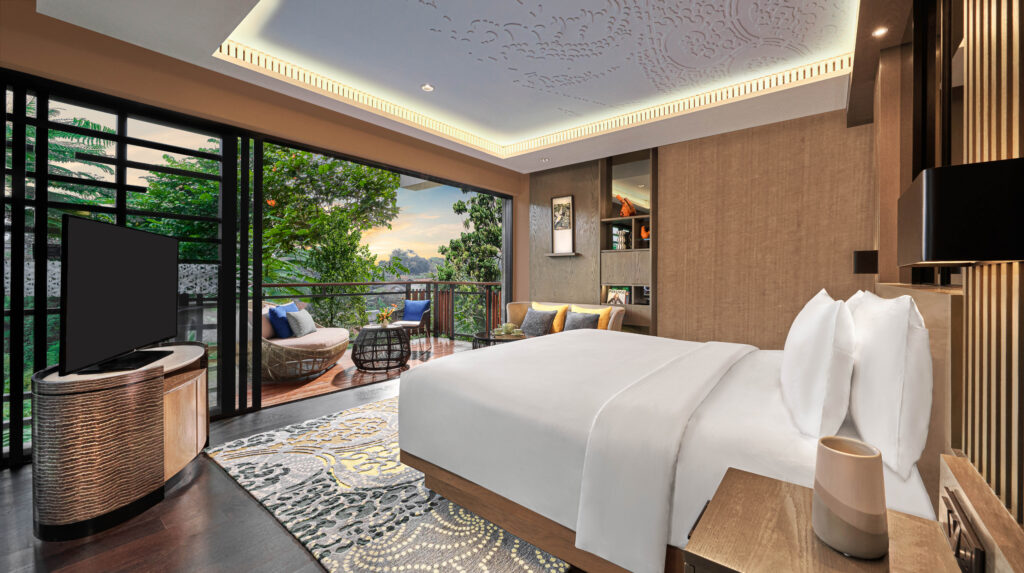
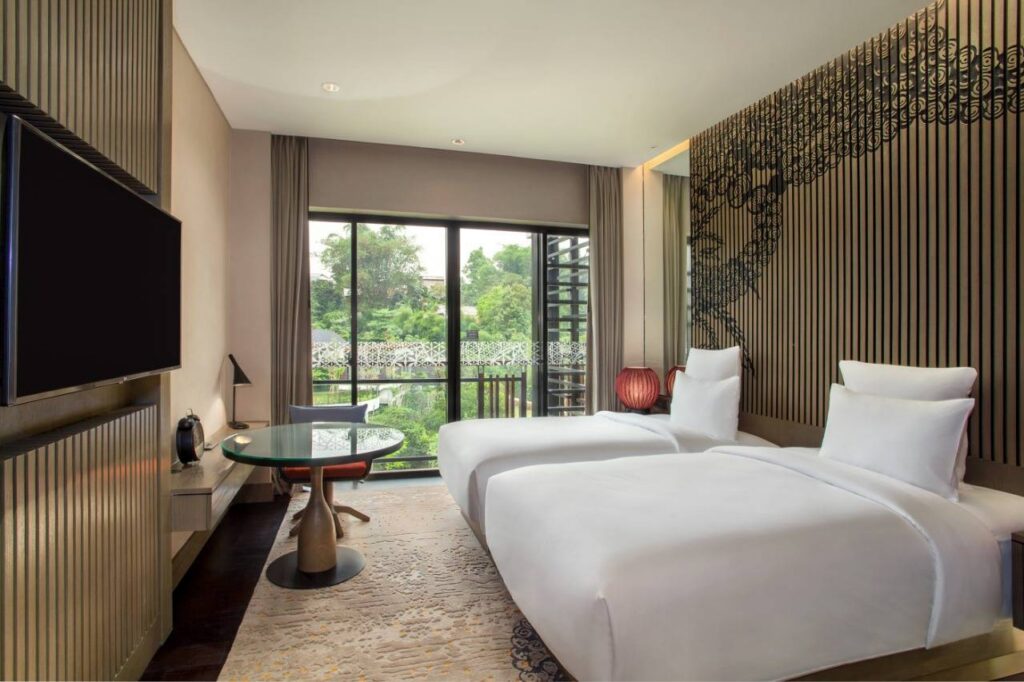
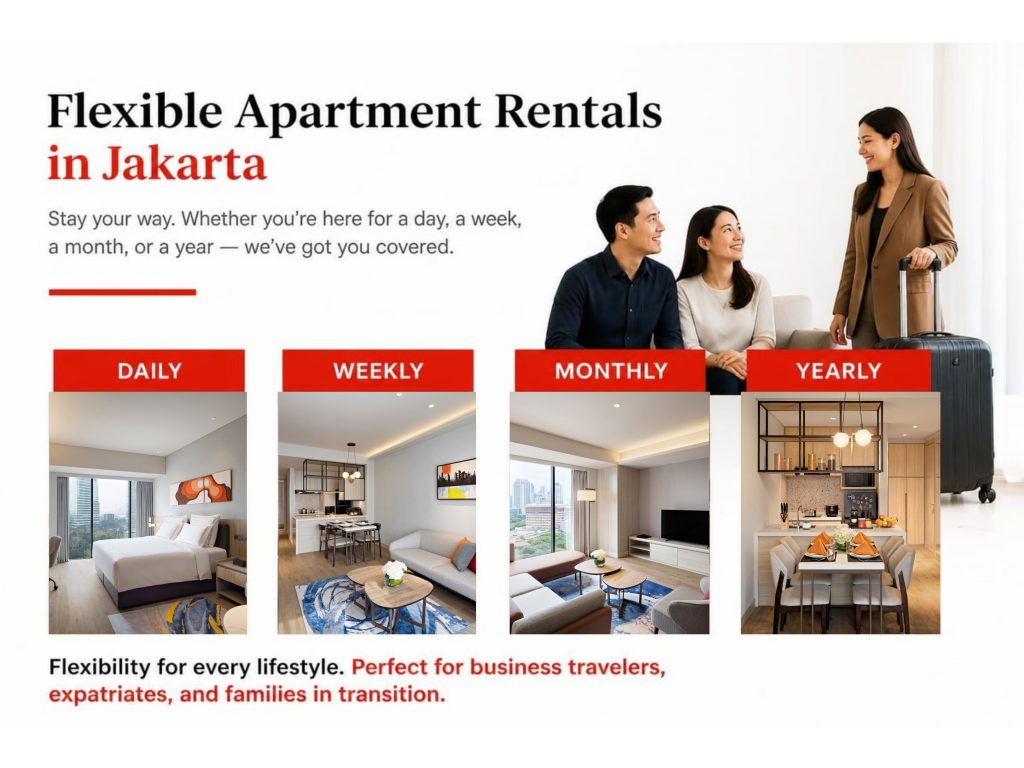
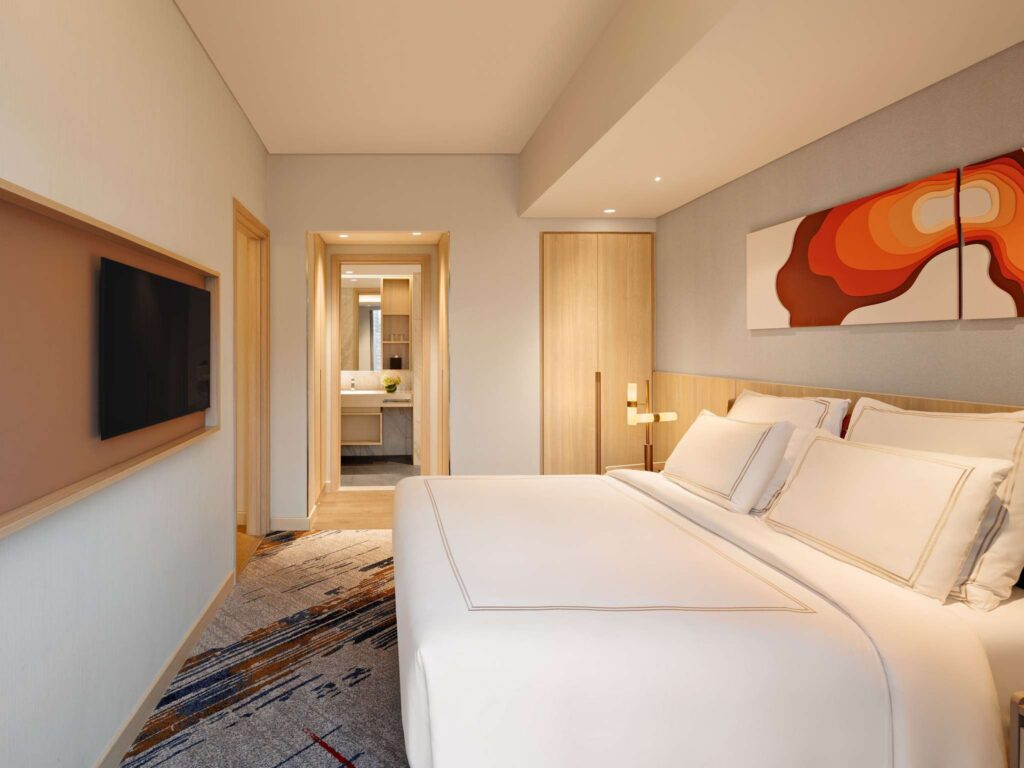
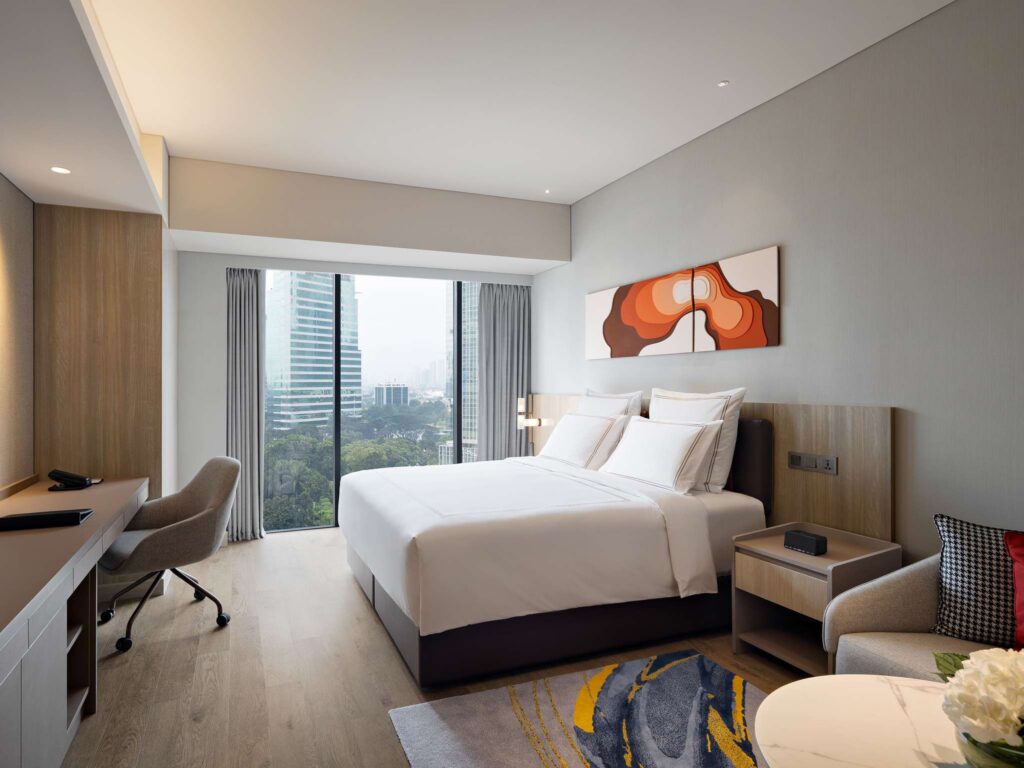
Monthly hotels have evolved into sophisticated accommodation solutions serving diverse needs across business travel, international assignments, and housing transitions. The combination of fully furnished residences, hotel-grade services, and flexible terms creates compelling value for guests requiring more than traditional hotels offer without the commitment and complexity of apartment leasing. For professionals seeking extended-stay accommodation in Jakarta, Swissôtel Living Jakarta Mega Kuningan provides 240 fully furnished serviced apartments in the heart of Mega Kuningan’s central business district, with flexible daily, weekly, monthly, and yearly lease terms designed for business travelers, expatriates, and families requiring premium extended-stay solutions.



































































 Should You Choose an Extended-Stay Hotel or Serviced Apartment in Jakarta for a Business Trip?