
Swiss Apartments: Quality Living Standards Explained
Swiss apartments represent a global benchmark for residential quality, combining stringent building standards, energy efficiency, and tenant-focused design principles. The Swiss approach to apartment living emphasizes precision engineering, sustainability certifications like Minergie, and legal frameworks that balance landlord and tenant rights. These principles have influenced serviced apartment developments worldwide, including markets across Asia where quality, efficiency, and reliability matter to business travelers and expatriate families. Understanding what makes swiss apartments distinctive offers valuable insights for anyone seeking premium accommodation with hotel-level service and residential comfort.
Building Standards and Energy Efficiency in Swiss Apartments
Switzerland applies some of the world's most rigorous construction and environmental standards to residential buildings. The Minergie certification program sets benchmarks for energy-efficient apartment construction and renovation, covering insulation, ventilation, heating systems, and renewable energy integration. Swiss apartments built or renovated to Minergie standards consume significantly less energy than conventional buildings while maintaining superior indoor air quality and thermal comfort.
Key Minergie Requirements for Residential Buildings
- Maximum energy consumption limits based on building envelope performance
- Controlled mechanical ventilation with heat recovery systems
- Tight building envelope to minimize heat loss and uncontrolled air exchange
- Use of renewable energy sources wherever technically feasible
- Quality assurance through third-party verification and certification
According to official statistics on construction and housing, nearly 40 percent of new residential construction in Switzerland now incorporates some level of energy certification, with Minergie representing the most widely adopted standard. This commitment to sustainability reduces operating costs, improves resident comfort, and sets a precedent that premium serviced apartments worldwide increasingly follow.
The Swiss building code also mandates accessibility features, fire safety systems, and noise insulation standards that exceed minimum requirements in many other countries. These regulations ensure that swiss apartments deliver consistent quality regardless of location or price point.
Space Planning and Interior Design Principles
Swiss apartments maximize functionality within compact footprints through intelligent space planning and multi-purpose design. Average living space per person in Switzerland stands at approximately 46 square meters, reflecting a cultural preference for quality over sheer size. Apartment layouts prioritize natural light, efficient storage solutions, and flexible living areas that adapt to changing household needs.
| Design Element | Swiss Standard | Practical Benefit |
|---|---|---|
| Window-to-floor ratio | Minimum 1:8 (12.5% glazing) | Maximizes natural daylight and reduces artificial lighting needs |
| Storage allocation | 6-10% of net living area | Built-in solutions minimize clutter and optimize usable space |
| Kitchen layout | Galley or L-shape with work triangle | Efficient meal preparation in limited square meters |
| Bathroom fixtures | Wall-mounted, space-saving designs | Easier cleaning and perceived spaciousness |
This approach to space efficiency influences how serviced apartments organize residential areas to feel both spacious and functional. When business travelers or expatriate families need extended-stay accommodation in South Jakarta, they benefit from design principles that Swiss architects have refined over decades.
Furnishing and Finishing Standards
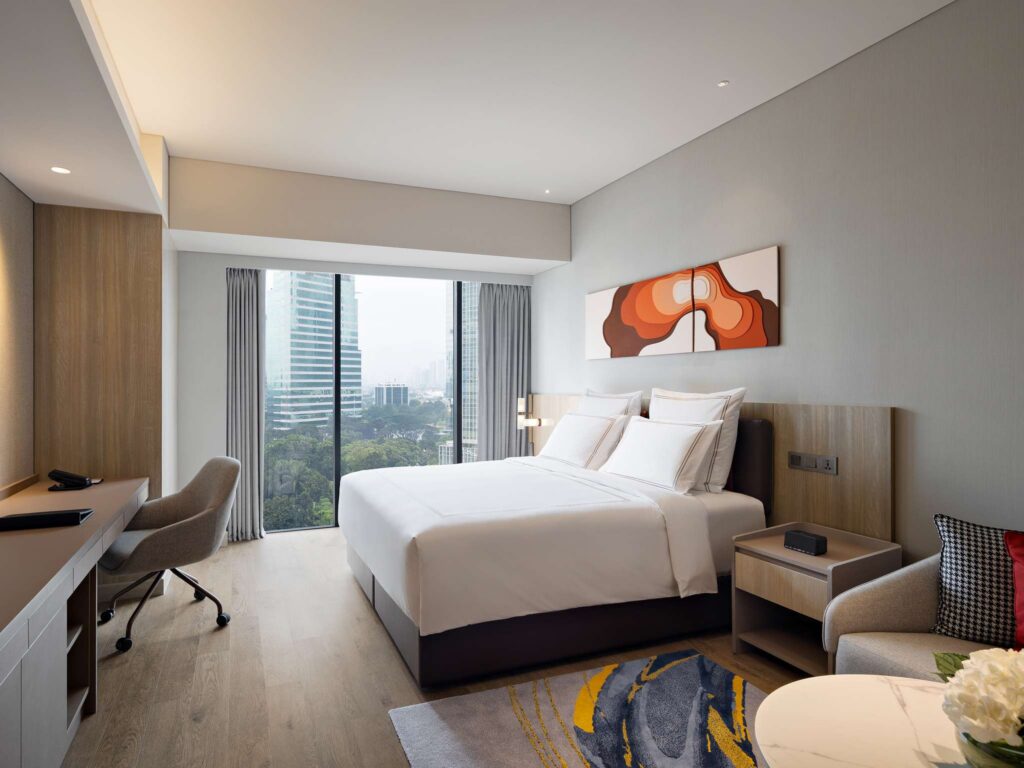
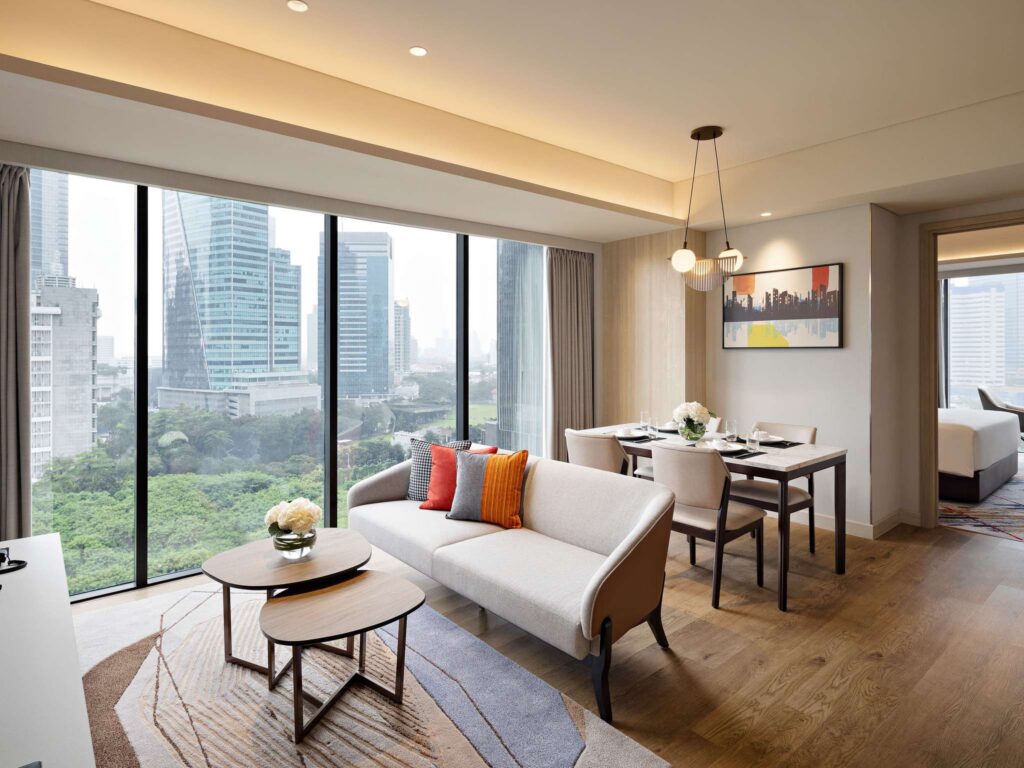
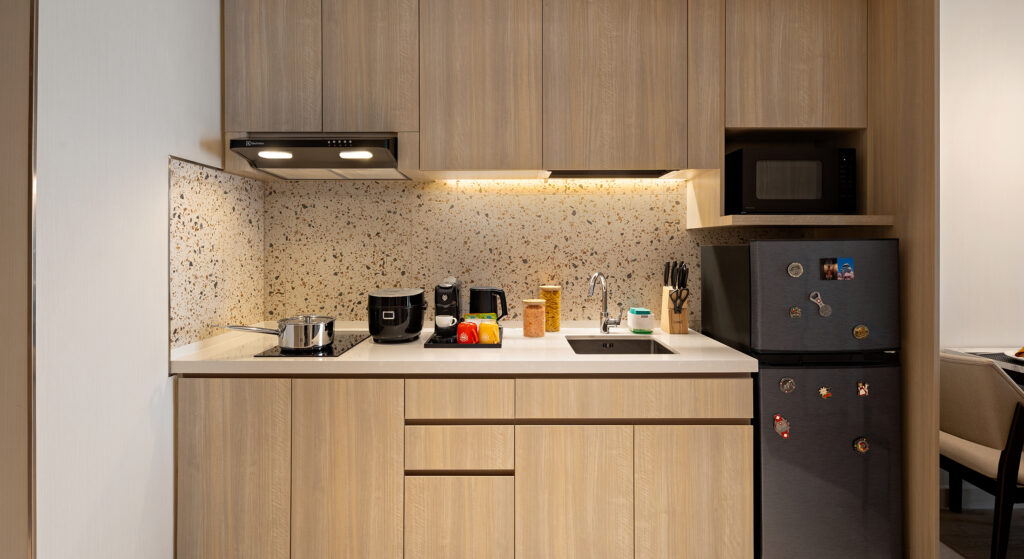
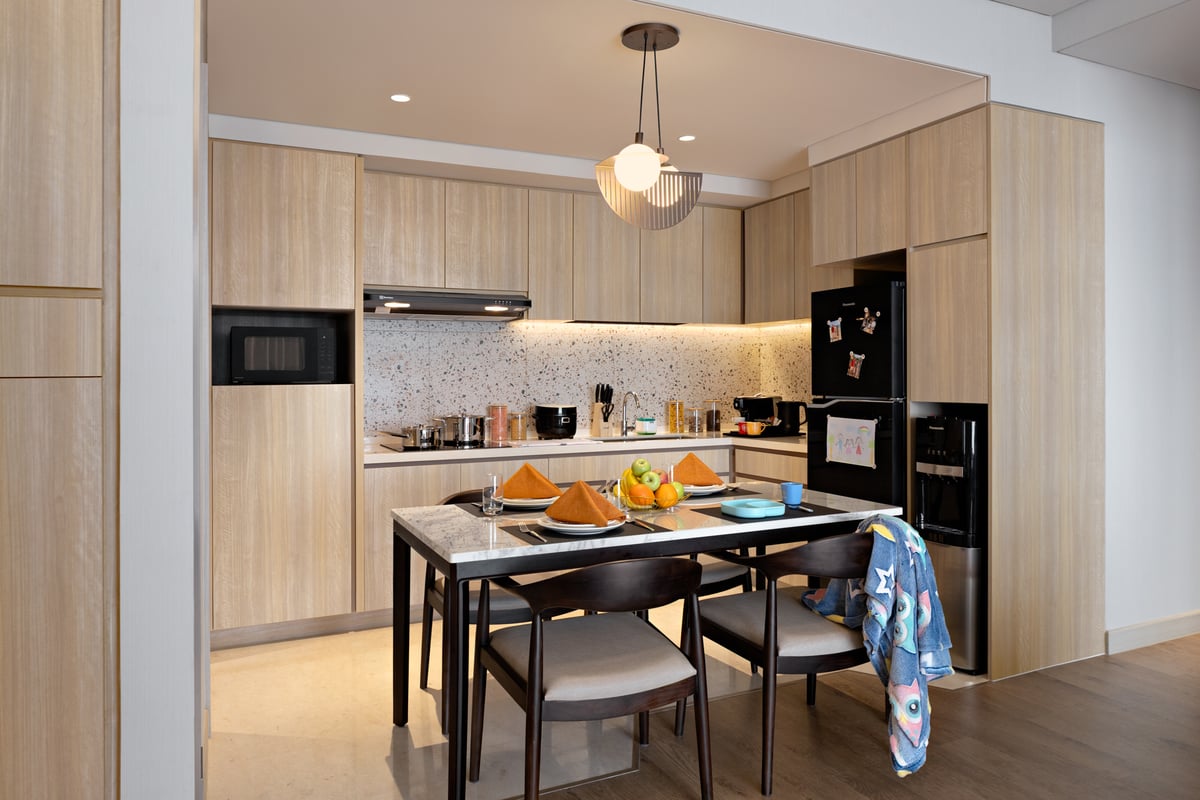
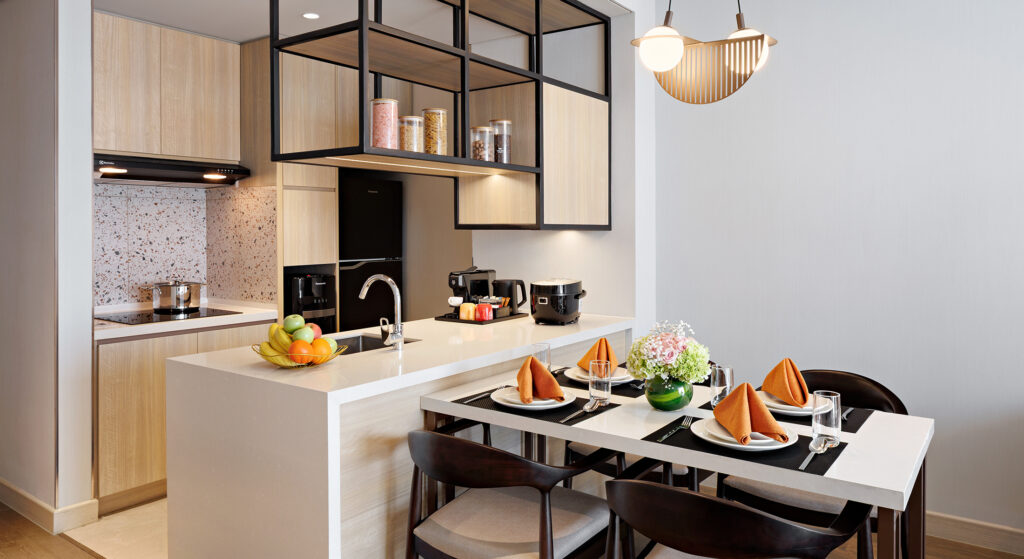
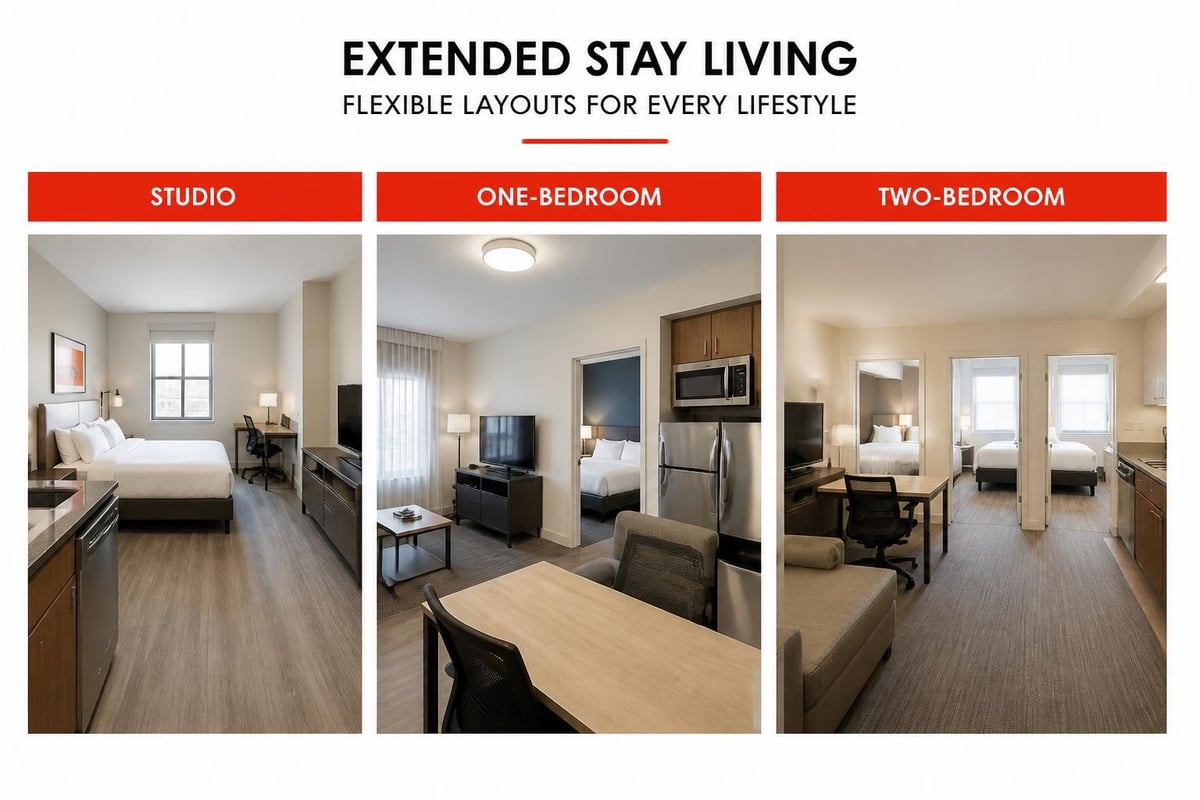
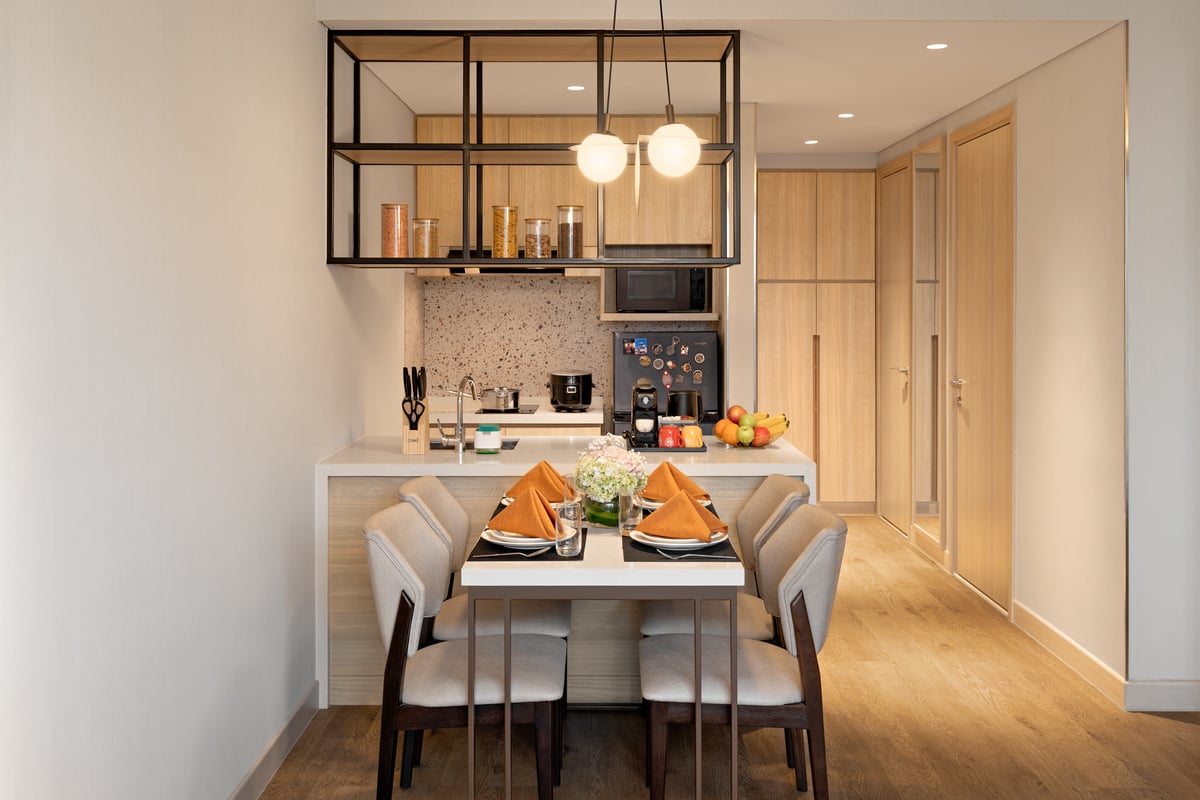
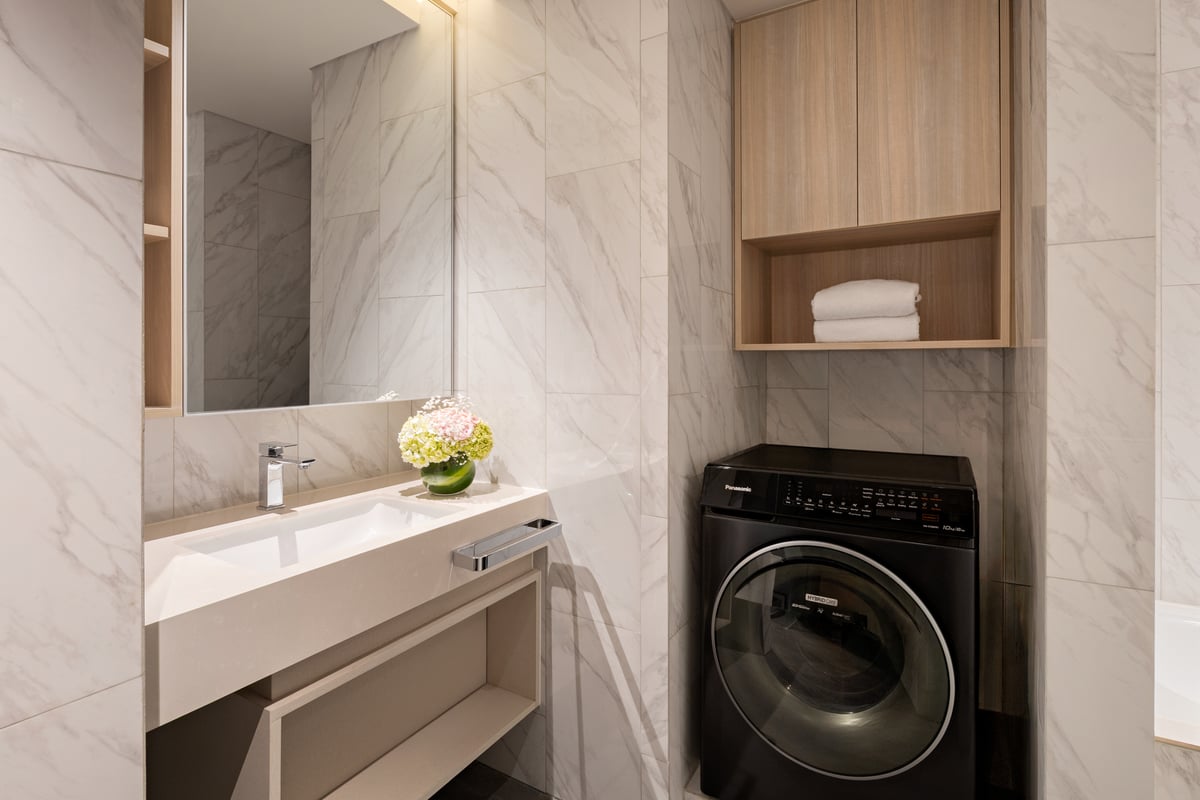
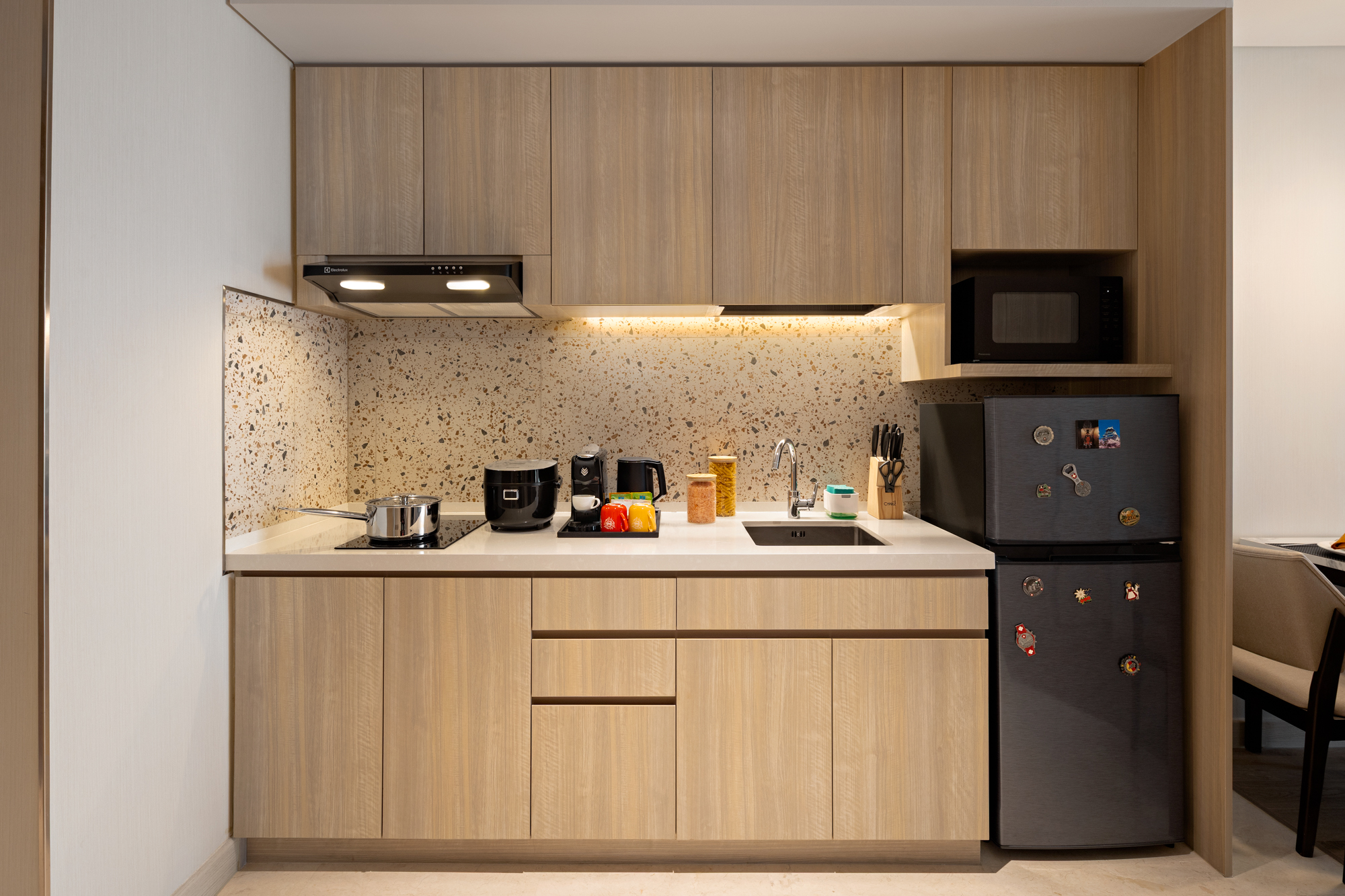
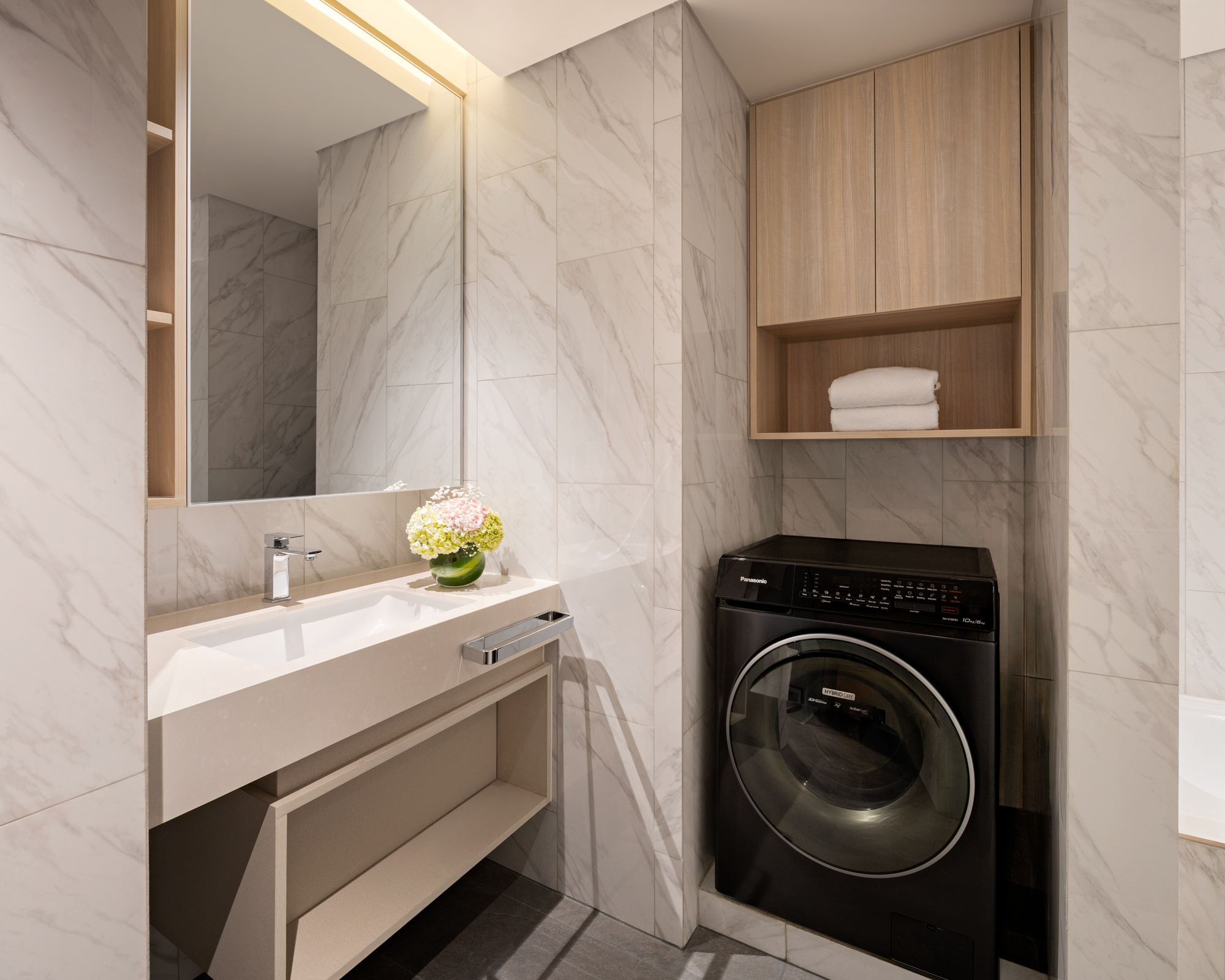
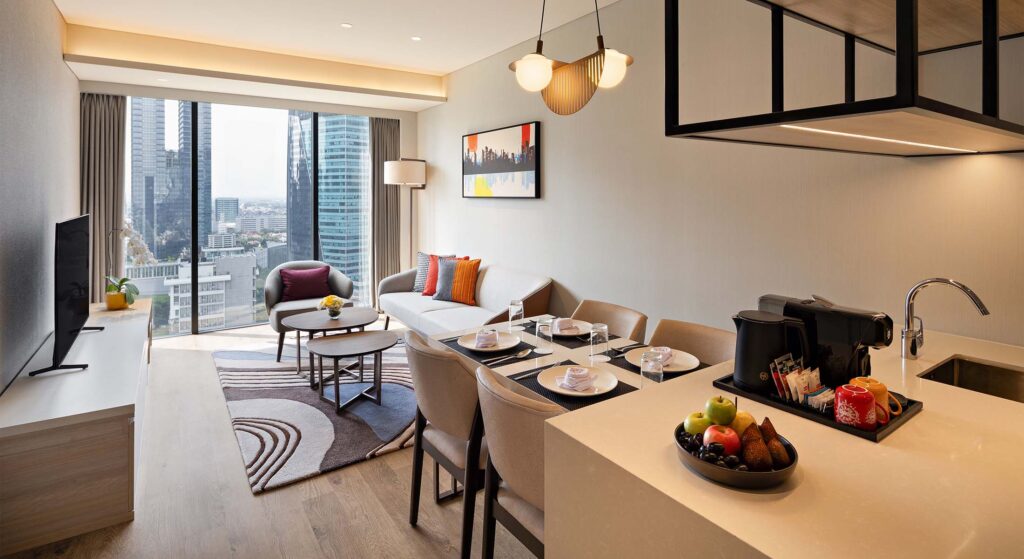
Swiss apartments typically feature high-quality materials and finishes designed for longevity rather than trends. Hardwood or engineered timber flooring, ceramic tile in wet areas, and neutral color palettes create timeless interiors that require minimal maintenance. Kitchens include energy-efficient appliances, stone or composite countertops, and ample cabinet storage. Bathrooms incorporate water-saving fixtures, heated towel rails, and anti-slip surfaces as standard features.
These same principles apply to fully furnished serviced apartments that cater to discerning professionals. The attention to material quality, functional layout, and aesthetic restraint ensures residences remain comfortable and attractive throughout extended stays.
Tenant Rights and Rental Market Dynamics
Switzerland maintains one of the most tenant-friendly legal frameworks in the world. The Swiss Tenants’ Association provides resources and advocacy for renters, covering contract terms, rent adjustments, maintenance responsibilities, and dispute resolution. Swiss law strictly regulates rent increases, requires landlords to justify terminations, and mandates advance notice periods that favor tenant stability.
Legal Protections for Swiss Apartment Renters
Rent Control Mechanisms:
Swiss cantons permit rent increases only when justified by rising costs, property improvements, or general market conditions. Tenants can challenge excessive increases through local conciliation boards. This system prevents sudden rent spikes and promotes long-term affordability.
Termination Restrictions:
Landlords must provide three to six months' notice and cannot terminate leases during protected periods (pregnancy, illness, job loss) without extraordinary justification. Tenants enjoy security of tenure uncommon in more market-driven rental systems.
Deposit Regulations:
Security deposits cannot exceed three months' rent and must be held in dedicated bank accounts that pay interest to the tenant. This regulation protects tenant funds and limits upfront costs.
According to market analysis from PwC Switzerland, these protective measures contribute to Switzerland's extremely low eviction rates and high tenant satisfaction scores. The stability encourages longer tenancies, reducing turnover costs for landlords and providing housing continuity for residents.
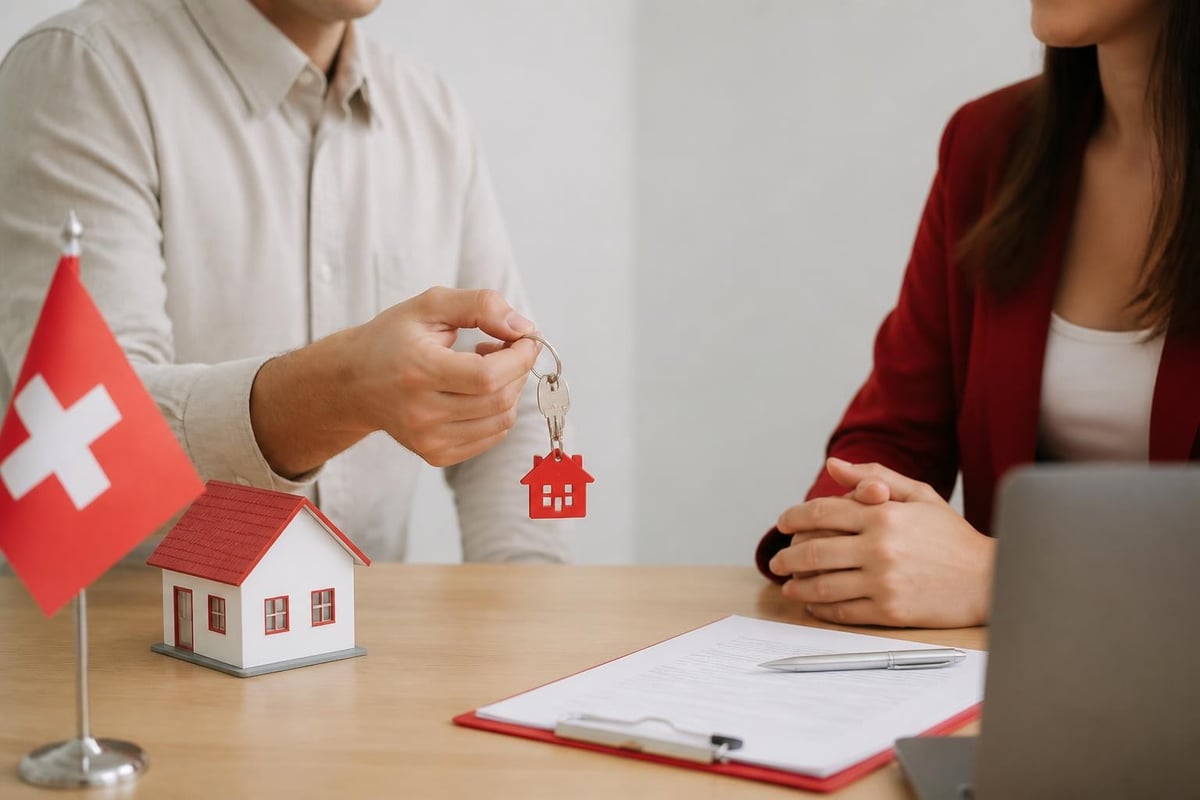
For expatriates and business professionals seeking accommodation abroad, understanding these protections highlights the difference between traditional leases and serviced apartment arrangements that offer flexibility without sacrificing security.
Application Process and Documentation Requirements
Securing a swiss apartment requires thorough documentation and often involves competitive application processes, particularly in urban markets like Zurich, Geneva, and Basel. Prospective tenants typically submit employment contracts, salary statements, tax returns, previous landlord references, and identification documents. Landlords assess creditworthiness and income-to-rent ratios, generally requiring monthly income at least three times the rent amount.
Standard Application Documents:
- Completed application form with personal and employment information
- Valid passport or Swiss residence permit for foreign nationals
- Employment contract or proof of self-employment income
- Recent salary statements covering the past three months
- Reference letter from previous landlord confirming payment history
- Extract from debt collection register (Betreibungsregisterauszug)
The practical guidance for expats emphasizes that preparation and completeness significantly improve application success rates in competitive markets. Some landlords also conduct background checks or require Swiss-based guarantors for foreign applicants without established credit history.
This rigorous vetting contrasts with serviced apartment arrangements, where verification focuses on payment method and booking confirmation rather than extensive financial documentation. For business travelers on assignment or families in transition, serviced apartments eliminate application barriers while delivering swiss-inspired quality standards.
Regional Variations and Market Characteristics
Swiss apartments exhibit significant regional variation in pricing, availability, and architectural style. Urban centers command premium rents, with Geneva and Zurich ranking among Europe's most expensive rental markets. According to Federal Statistical Office data, average apartment rents in Swiss cities can exceed CHF 2,500 monthly for a two-bedroom unit, while suburban and rural areas offer substantially lower costs.
| Region | Average 2-BR Rent (CHF) | Vacancy Rate | Dominant Architecture |
|---|---|---|---|
| Zurich city | 2,800-3,400 | 0.8% | Modern mid-rise, renovated historic buildings |
| Geneva city | 2,600-3,200 | 0.6% | Belle Époque apartments, contemporary developments |
| Basel city | 2,200-2,800 | 1.2% | Mix of traditional and modern construction |
| Bern city | 1,900-2,400 | 1.5% | Historic Old Town apartments, suburban low-rise |
| Rural cantons | 1,400-1,900 | 2.3% | Chalet-style, village apartment buildings |
These vacancy rates reflect tight supply conditions that make apartment hunting challenging, particularly for newcomers unfamiliar with local market dynamics. Regional architectural traditions also influence apartment characteristics. German-speaking regions favor solid construction with traditional materials, while French-speaking areas incorporate more contemporary design elements.
Seasonal and Economic Factors
Swiss apartment availability follows seasonal patterns, with higher turnover during summer months when families relocate between academic years. Economic conditions, immigration rates, and corporate relocations drive demand fluctuations. Major employers in finance, pharmaceuticals, and international organizations create steady demand for quality housing near business districts.
For professionals assigned to cities like Jakarta, the parallels become clear. Serviced apartments near business districts provide immediate access to work locations without the complexity of traditional lease applications, combining swiss-quality standards with flexible terms suited to mobile careers.
Construction Standards and Technical Specifications
Swiss apartment construction adheres to standards developed by the Swiss Society of Engineers and Architects (SIA), which publishes technical norms covering structural engineering, building physics, HVAC systems, and construction quality. SIA standards ensure that swiss apartments meet performance benchmarks for load-bearing capacity, thermal insulation, acoustic separation, and fire resistance.
SIA Norms Relevant to Apartment Buildings
- SIA 180: Thermal insulation and moisture protection in buildings
- SIA 181: Noise protection in building construction
- SIA 380/1: Thermal energy in buildings
- SIA 416: Specifications for residential building ventilation
These technical specifications translate into tangible benefits for residents. Superior sound insulation means neighbors remain unheard even in dense apartment buildings. Advanced ventilation systems maintain fresh air without drafts or heat loss. Precise thermal envelopes ensure consistent indoor temperatures regardless of external weather conditions.
The construction precision extends to finishing trades. Swiss apartments feature meticulously installed flooring, perfectly aligned cabinetry, and precisely fitted windows and doors. Tradespeople undergo rigorous apprenticeship programs that emphasize craftsmanship and attention to detail, resulting in apartments that function flawlessly for decades with minimal maintenance.
Sustainability Features Beyond Energy Efficiency
Modern swiss apartments increasingly incorporate sustainability features beyond basic energy performance. Green roofs reduce stormwater runoff and provide insulation. Rainwater harvesting systems supply water for toilets and irrigation. Bicycle storage, electric vehicle charging stations, and proximity to public transportation encourage low-carbon mobility. Community composting facilities and recycling rooms make waste reduction convenient for residents.
Common Sustainability Features:
- Triple-glazed windows with low-emissivity coatings
- Heat pump systems using ground or air-source renewable energy
- Solar thermal panels for domestic hot water production
- Shared amenity spaces to reduce per-unit resource consumption
- Native landscaping requiring minimal irrigation and maintenance
These elements reflect Switzerland's broader commitment to environmental stewardship and resource conservation. Apartment developers recognize that sustainability features enhance property value, reduce operating expenses, and attract environmentally conscious tenants.
Serviced apartment operators worldwide increasingly adopt these principles. Properties offering furnished accommodation for business travelers and expatriate families integrate energy-efficient systems, water conservation measures, and waste reduction programs that mirror Swiss environmental priorities while adapting to local contexts and client expectations.
Influence on Global Serviced Apartment Standards
The swiss apartments model influences premium serviced apartment developments across Asia, Europe, and the Americas. Operators adopt Swiss building standards, design principles, and service philosophies to deliver residential experiences that combine home comfort with hotel convenience. The emphasis on quality materials, functional layouts, and environmental performance resonates with internationally mobile professionals seeking reliable accommodation regardless of location.
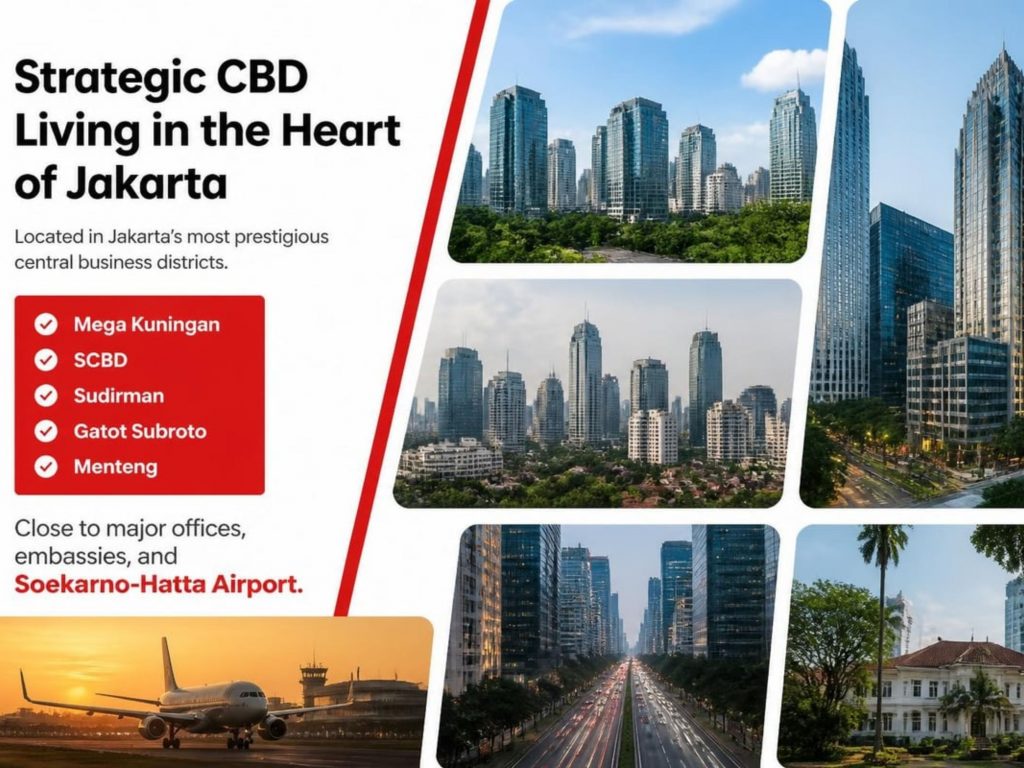
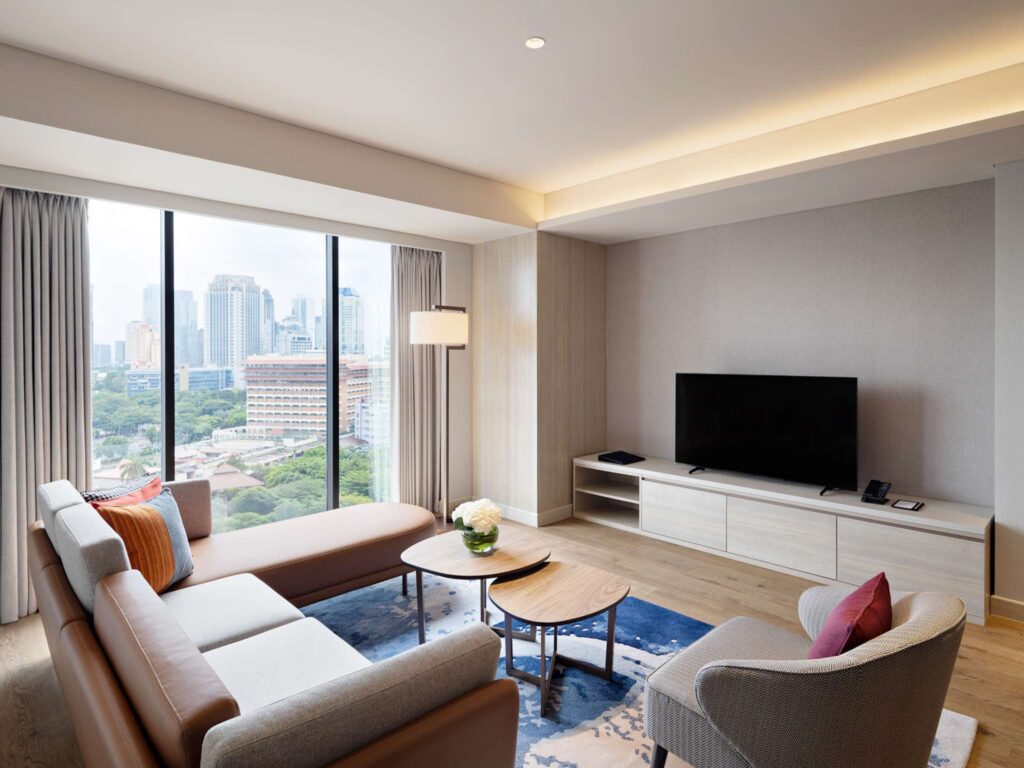
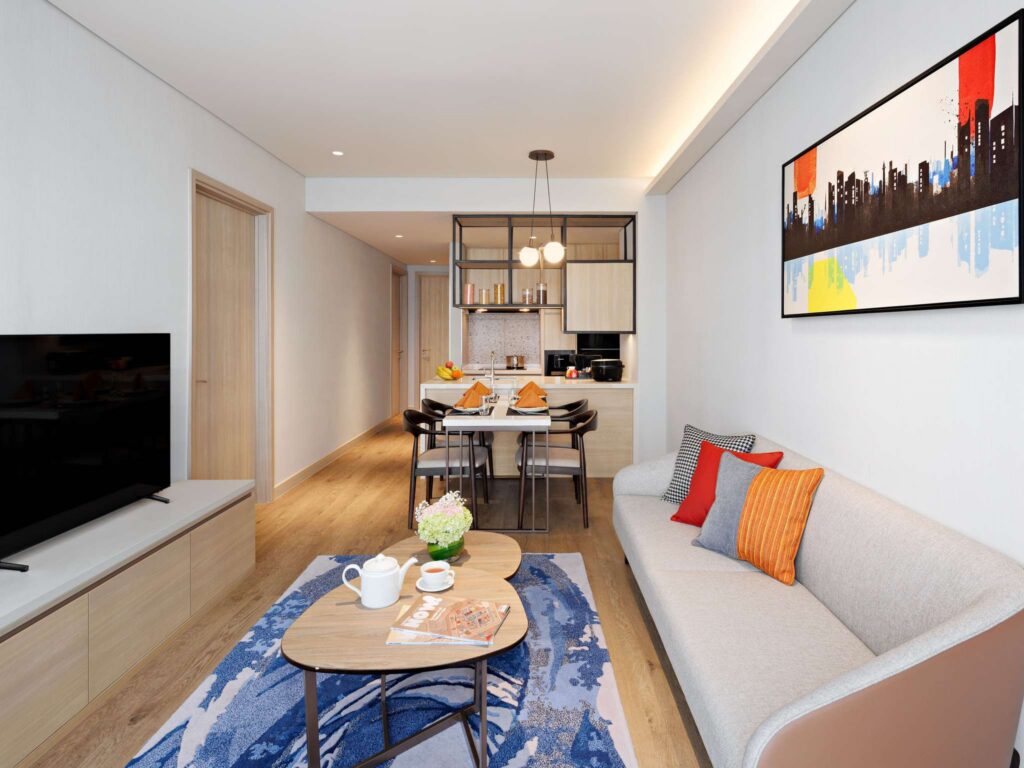
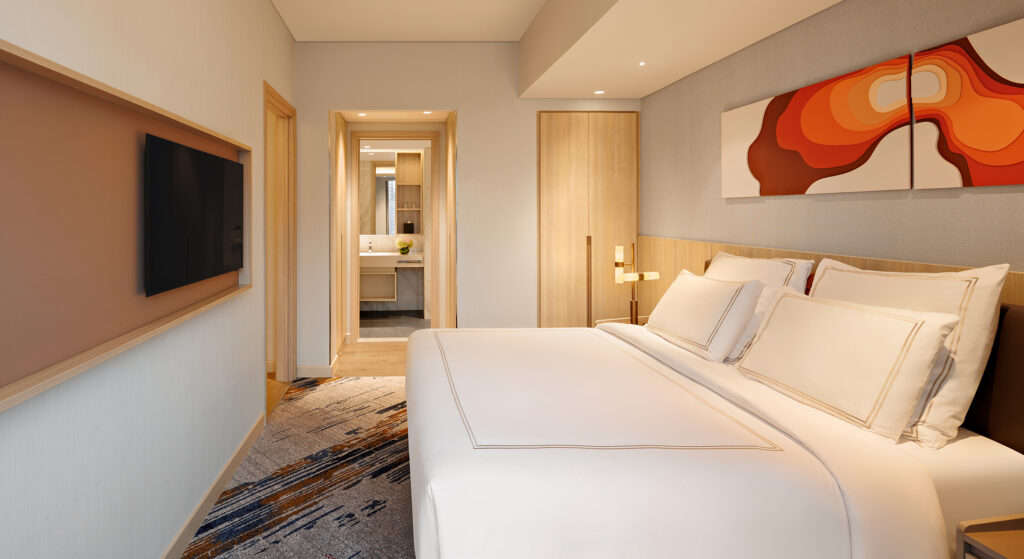
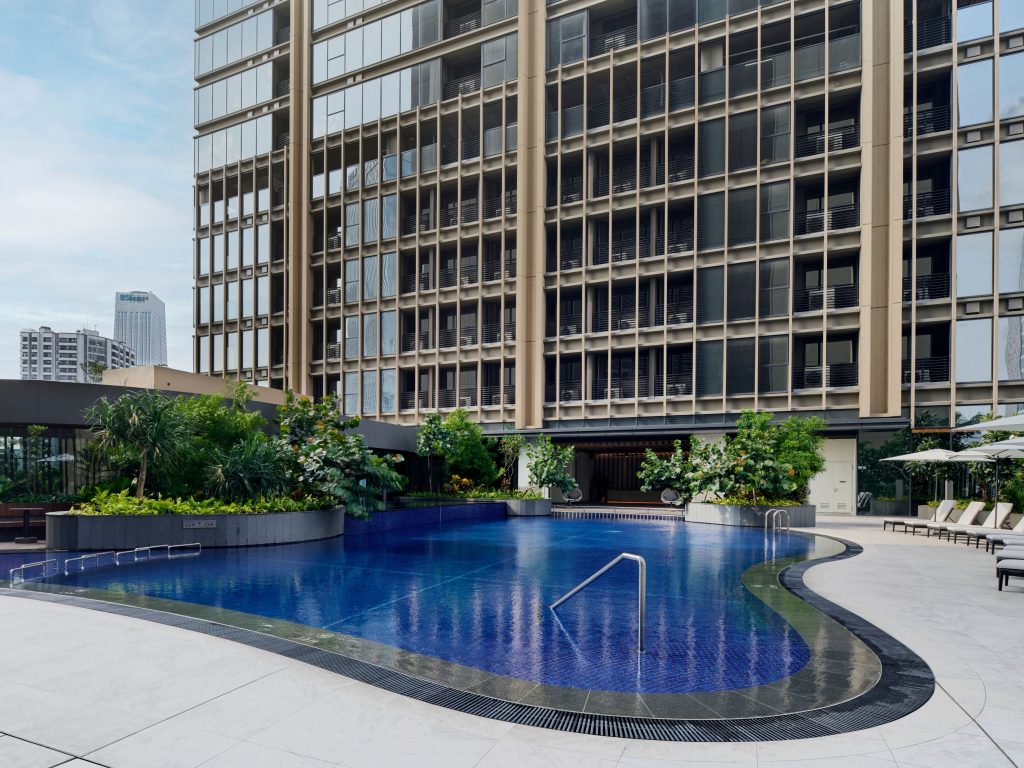
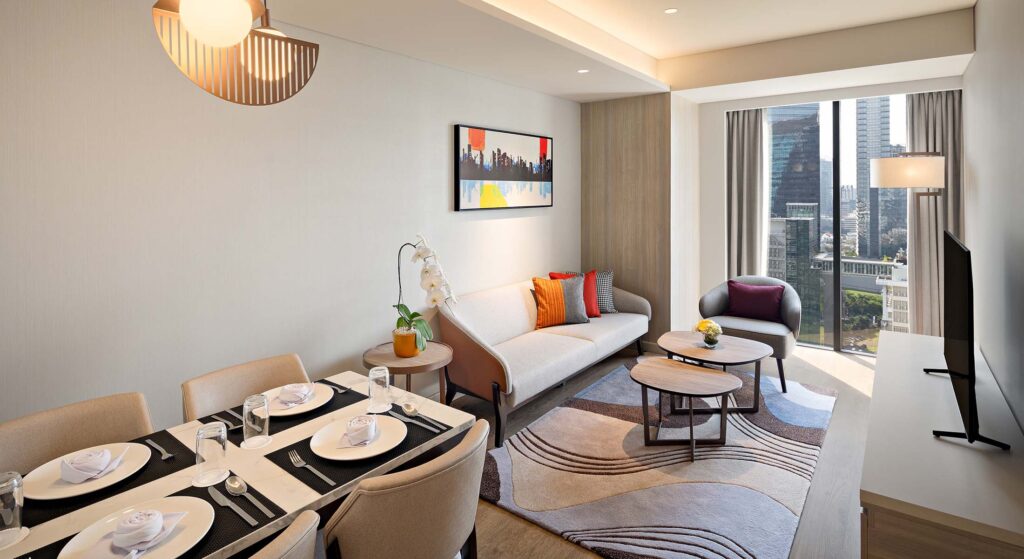
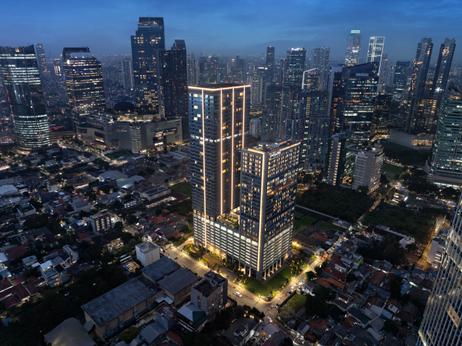
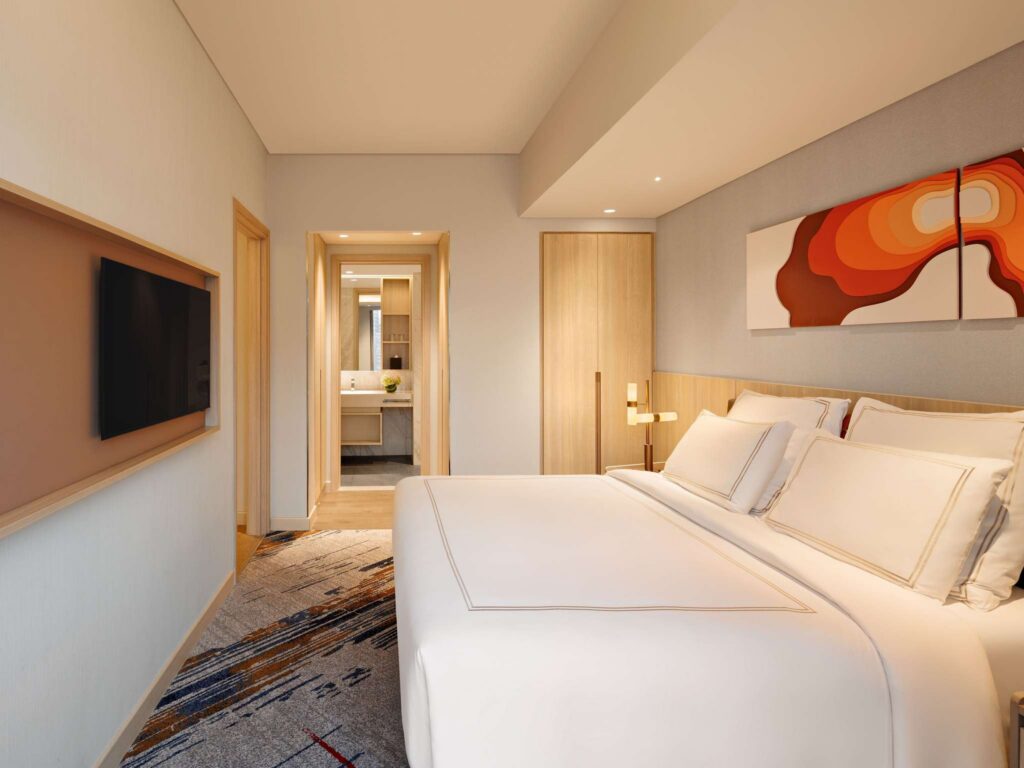
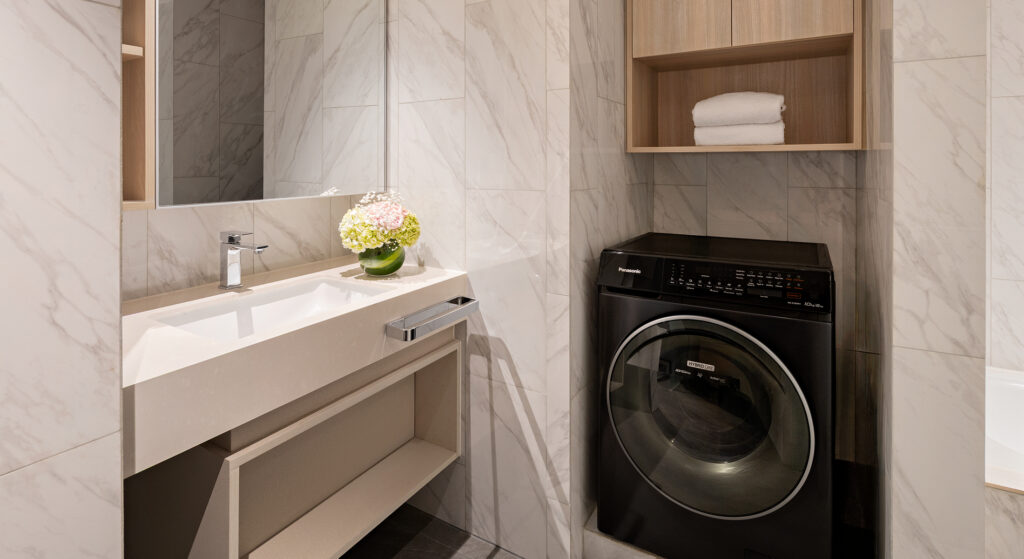
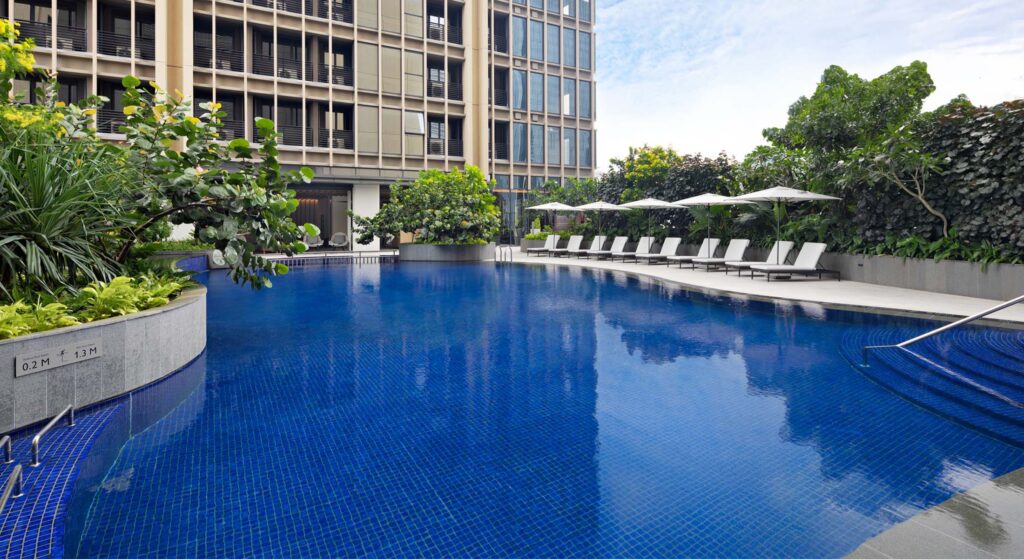
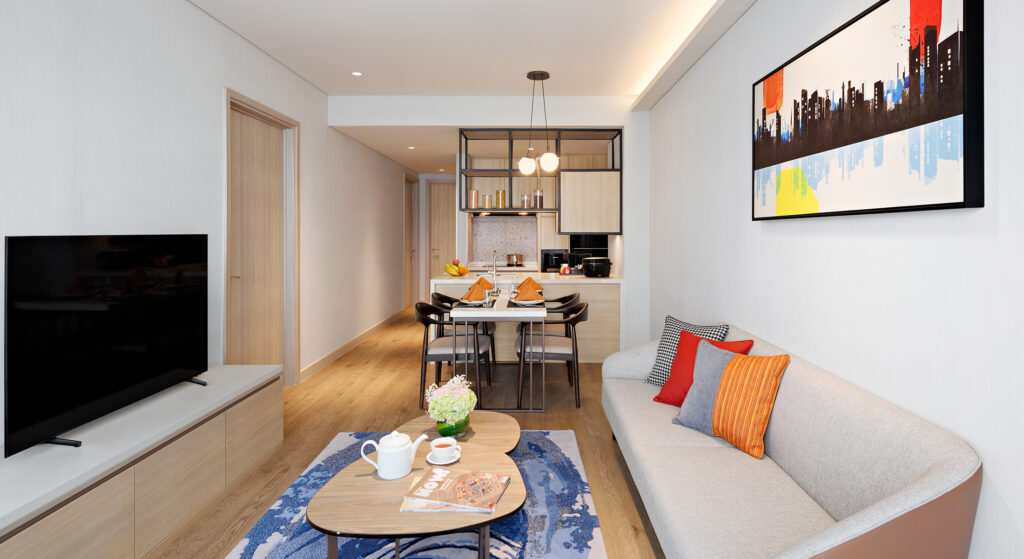
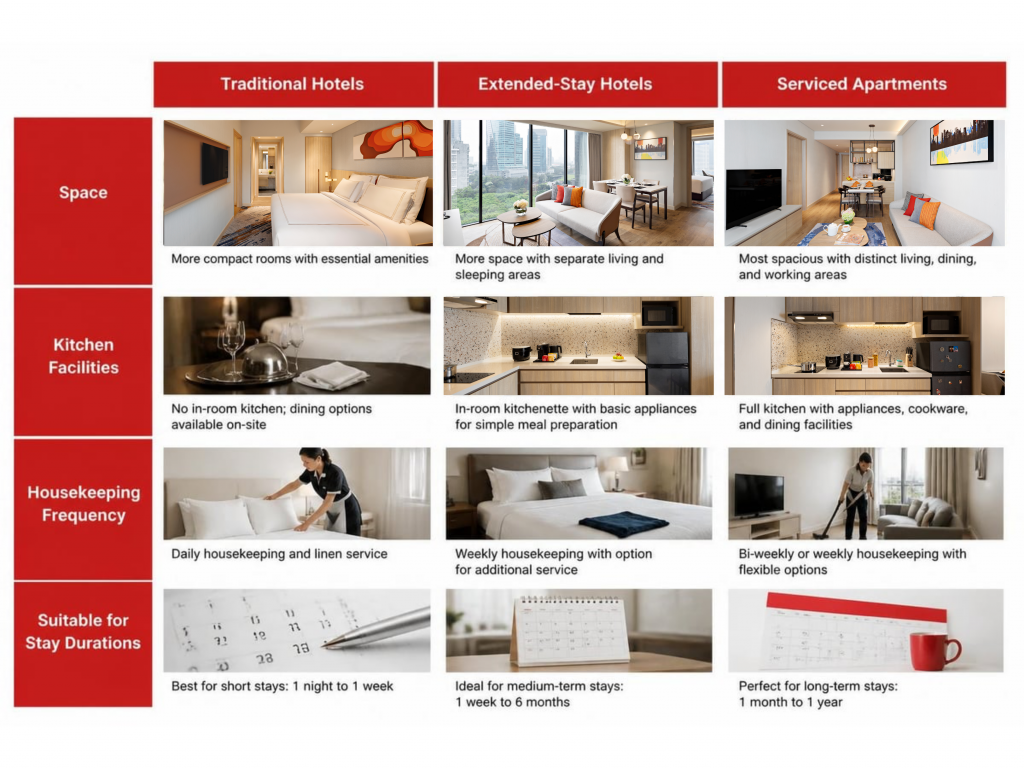
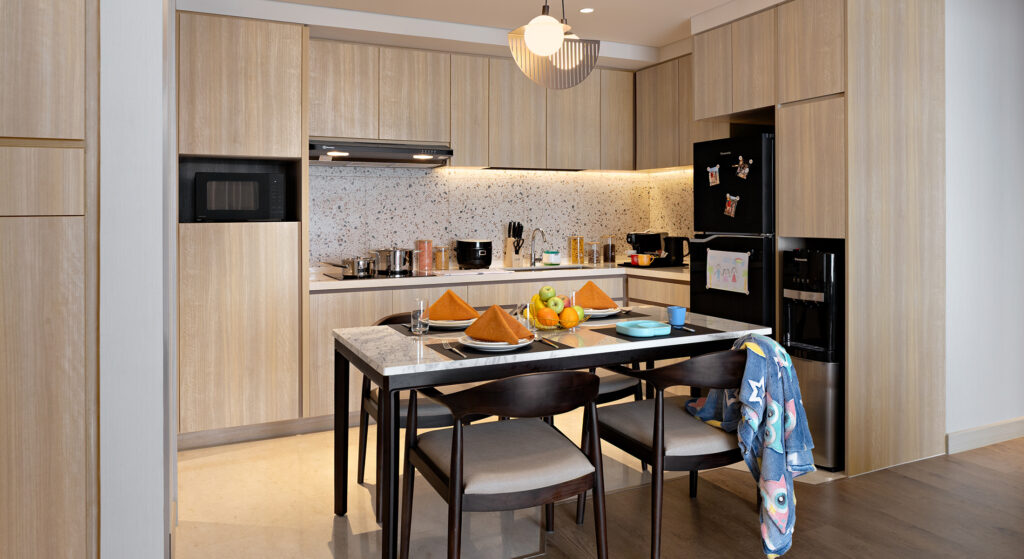
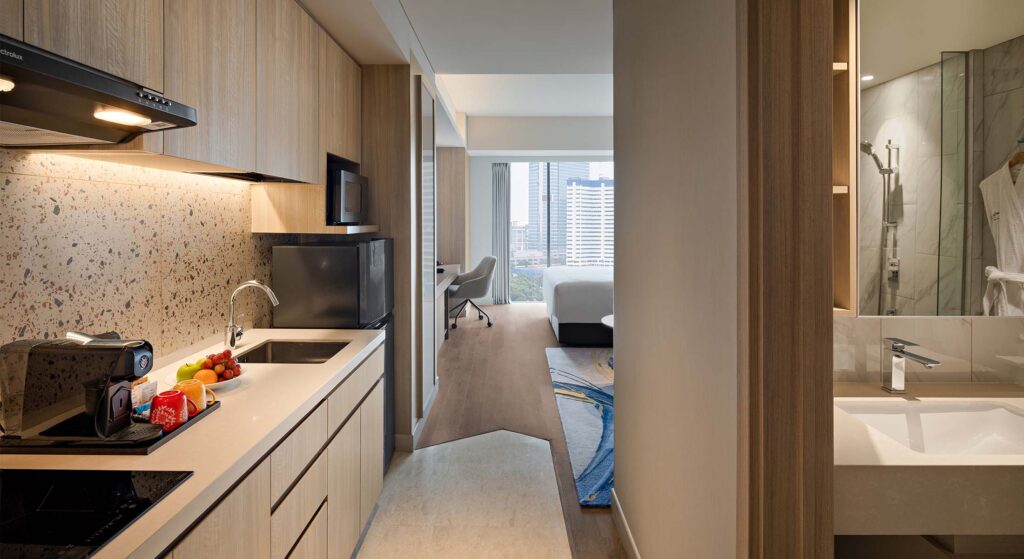
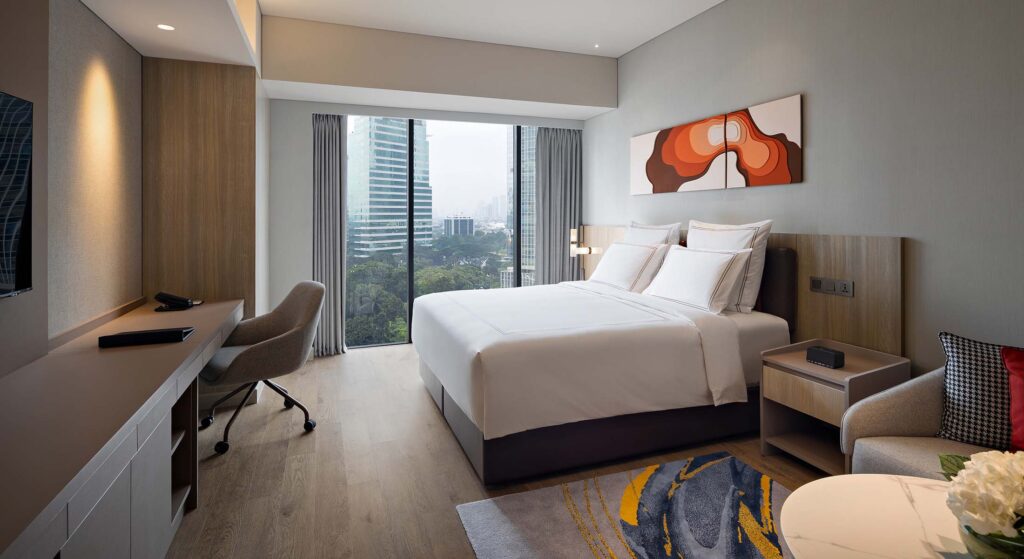
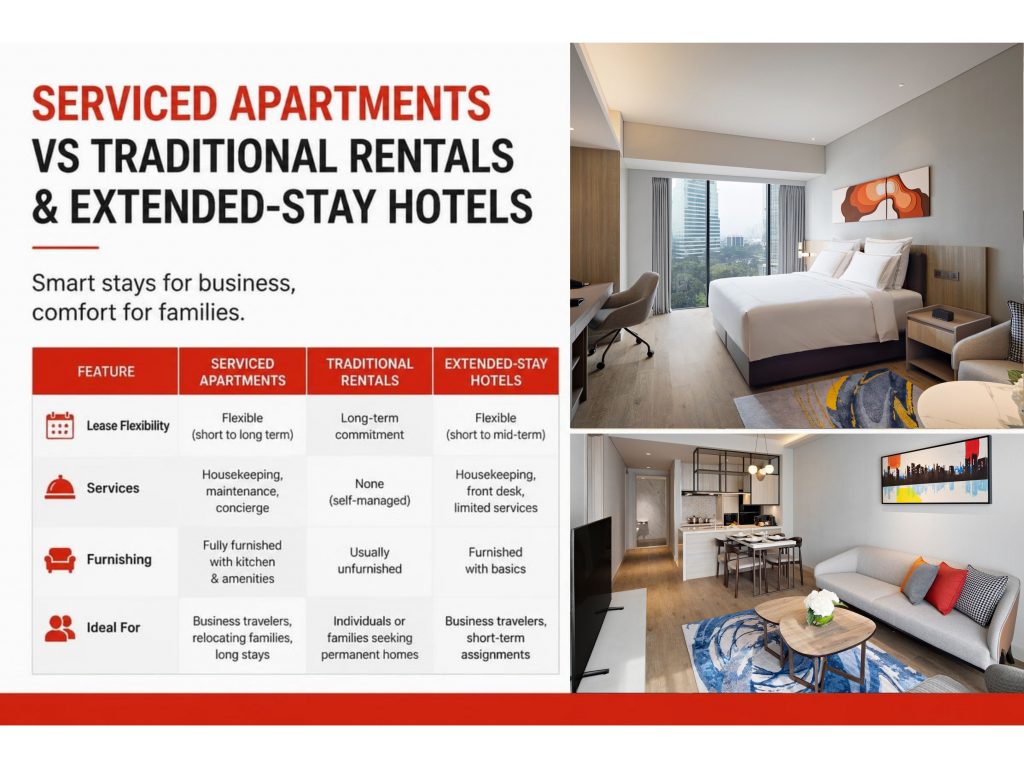
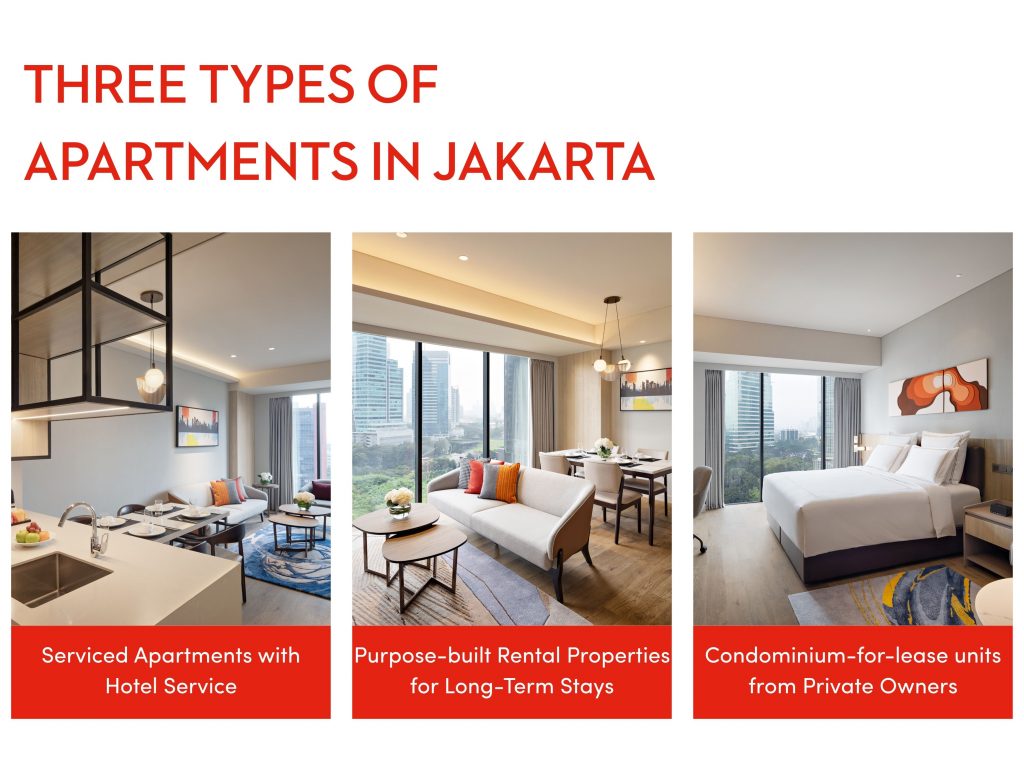
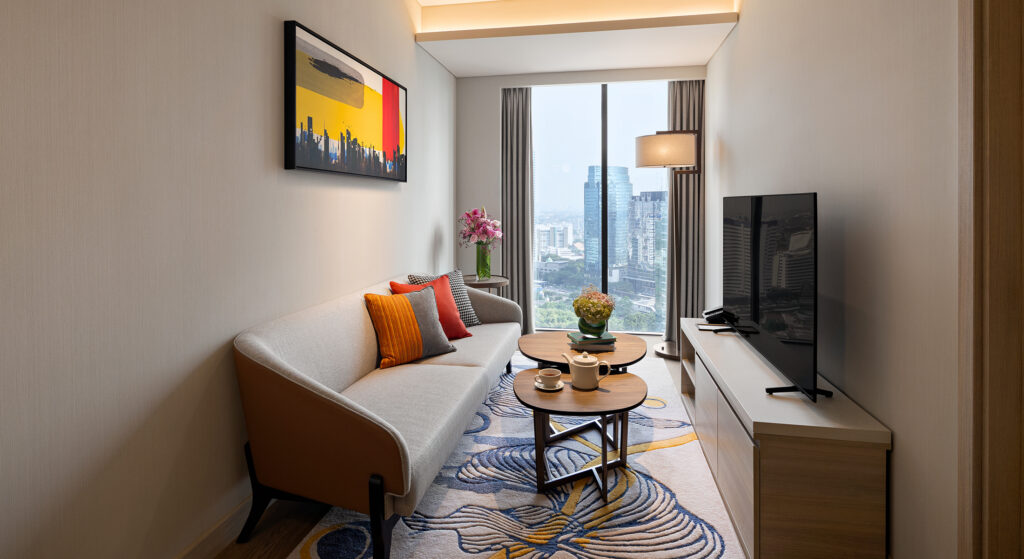
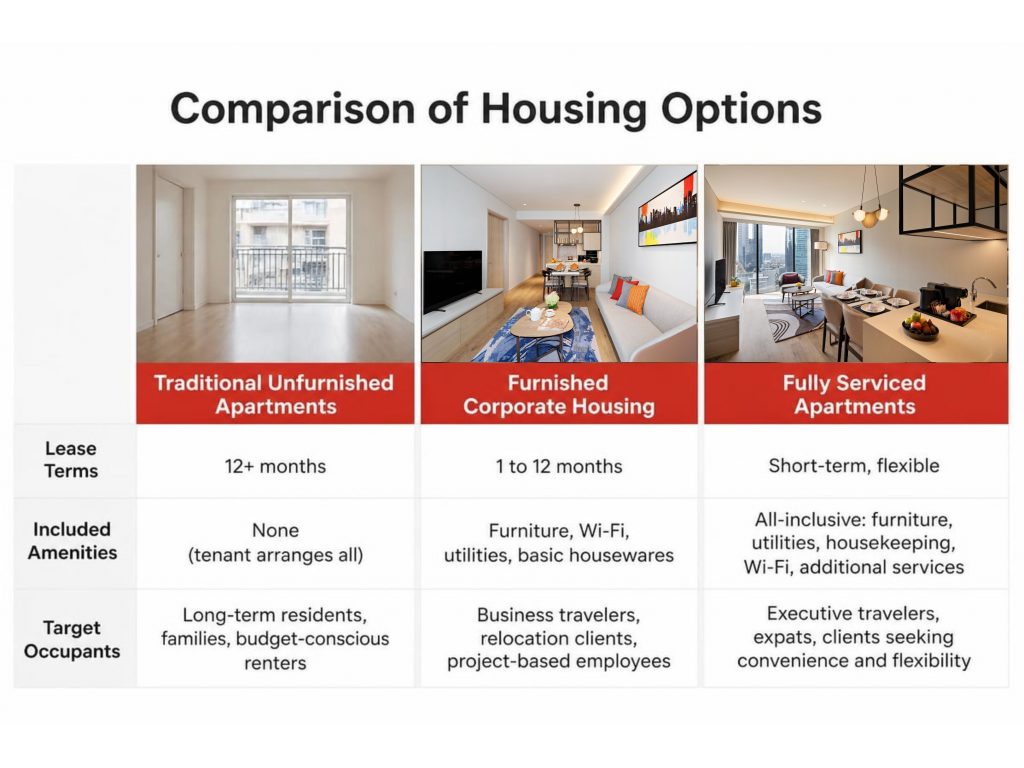
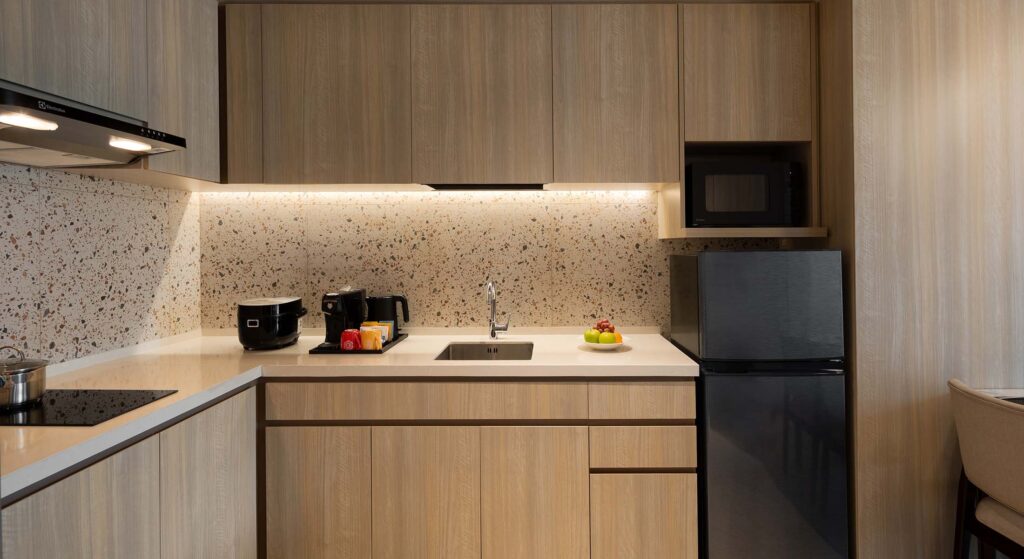
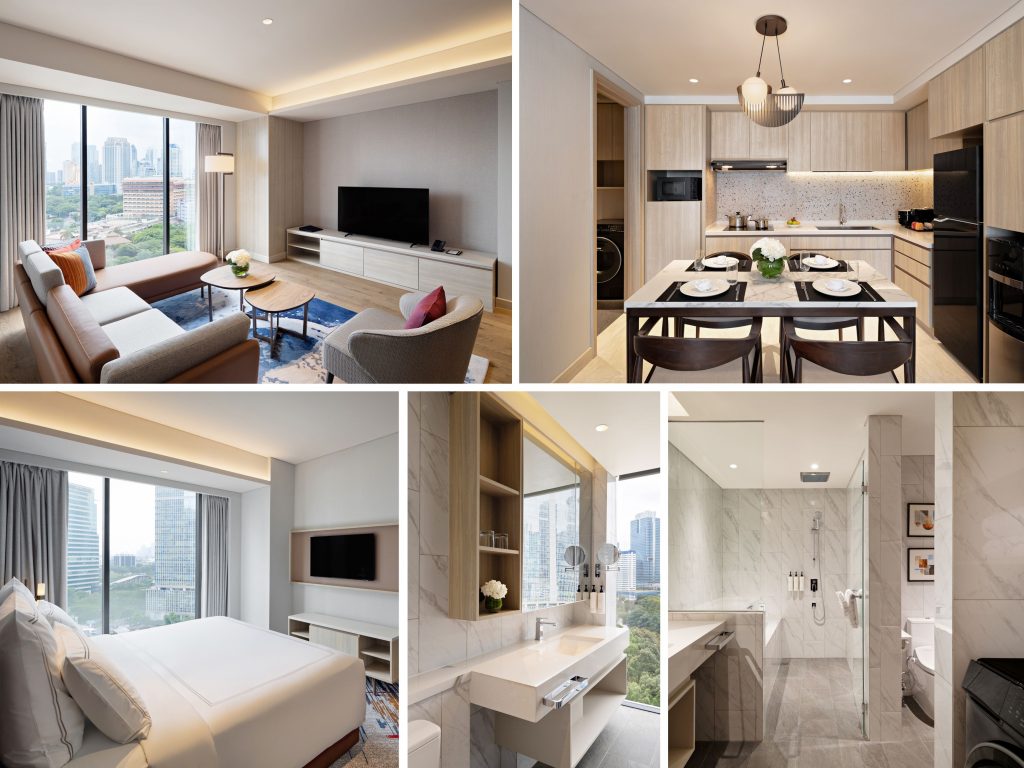
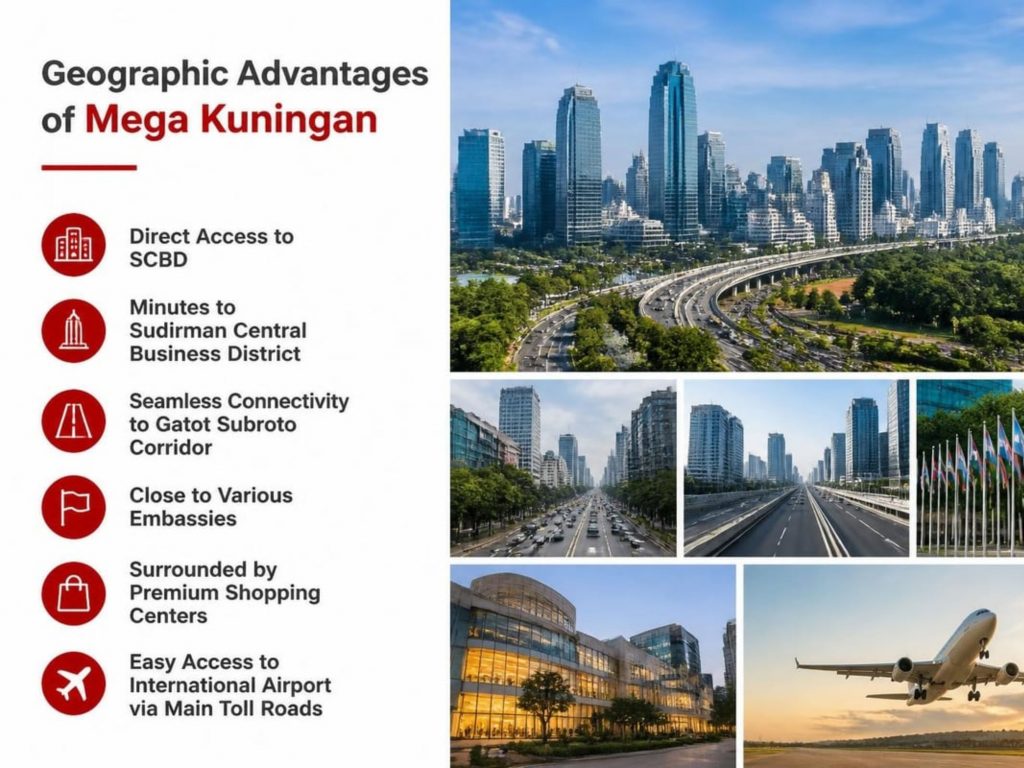
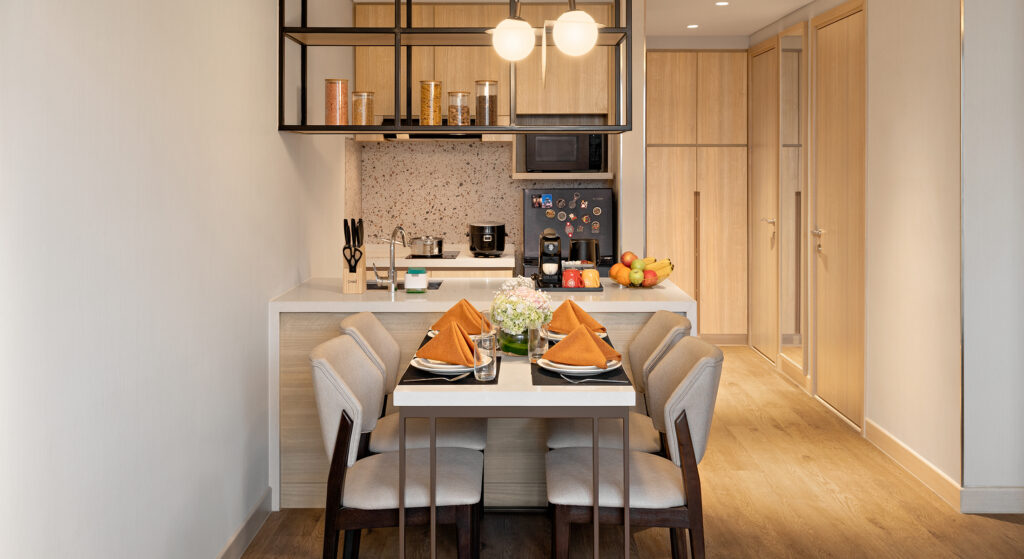
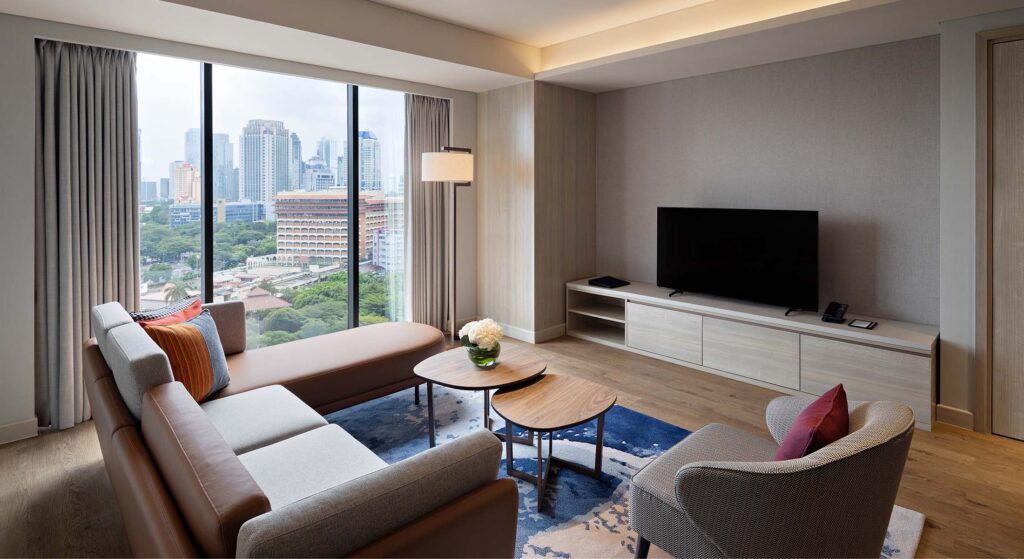
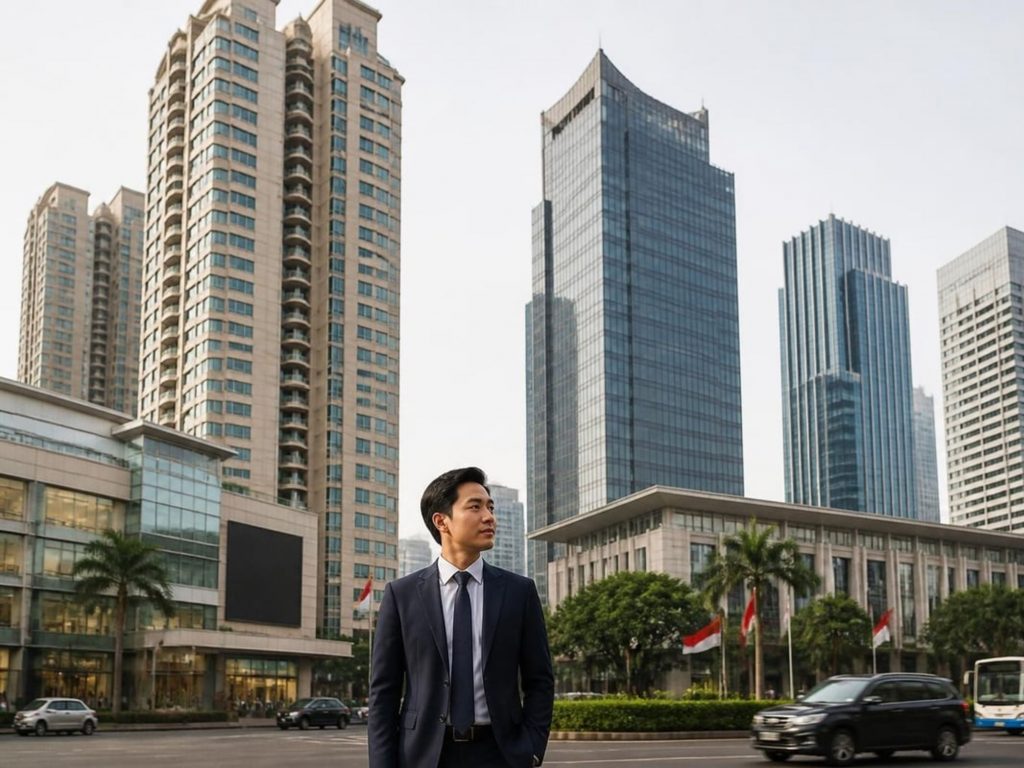
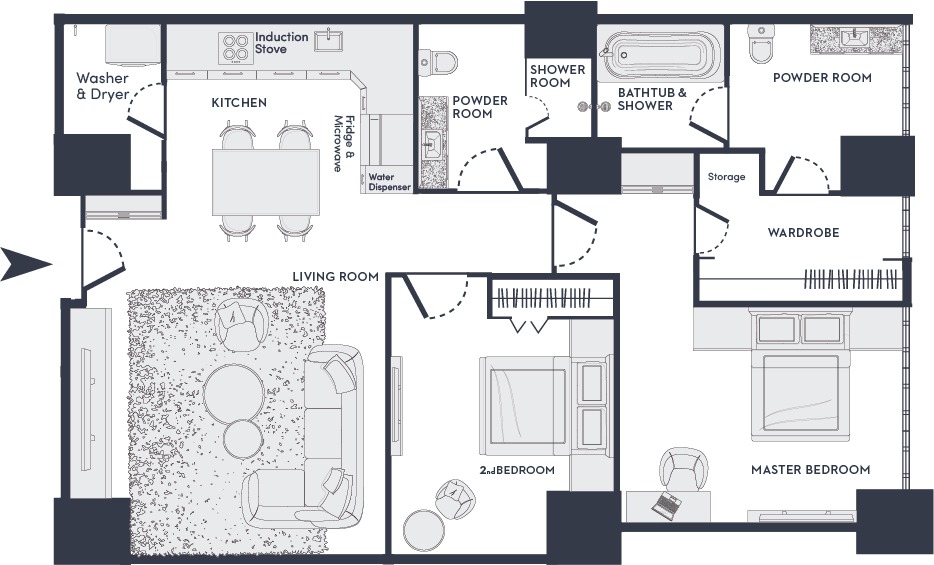
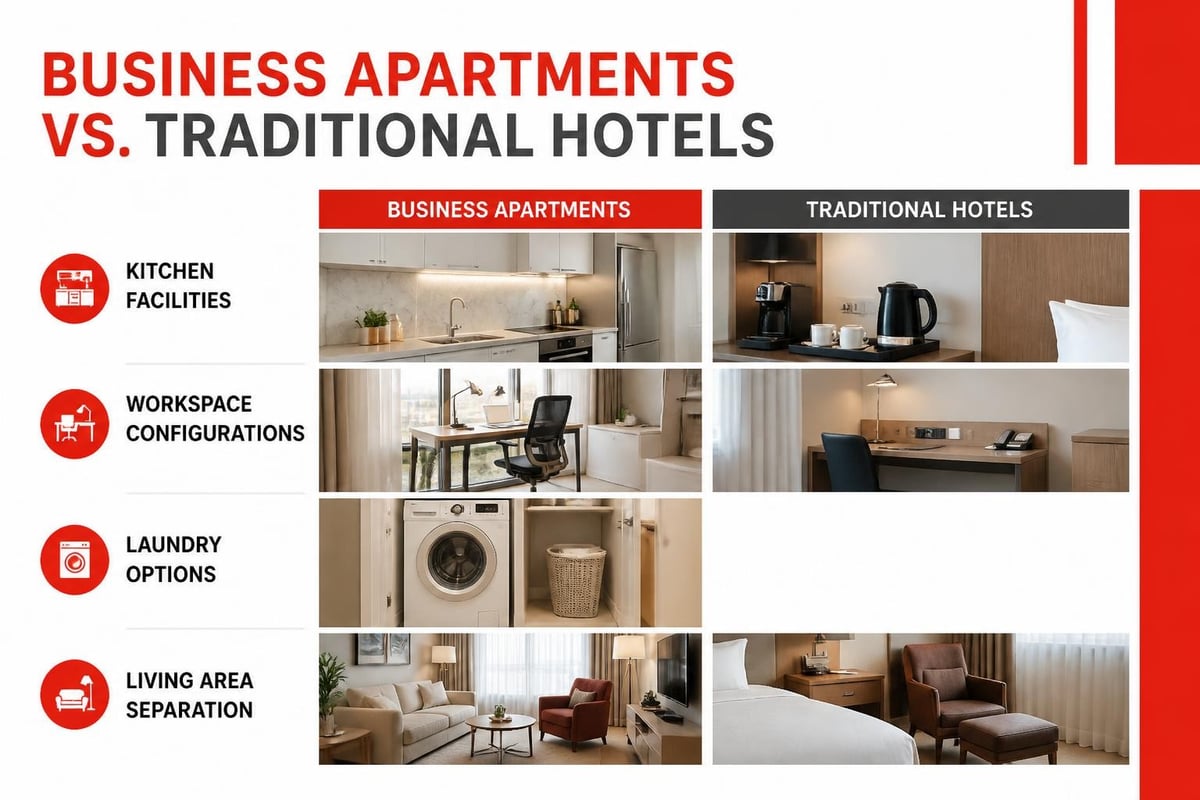
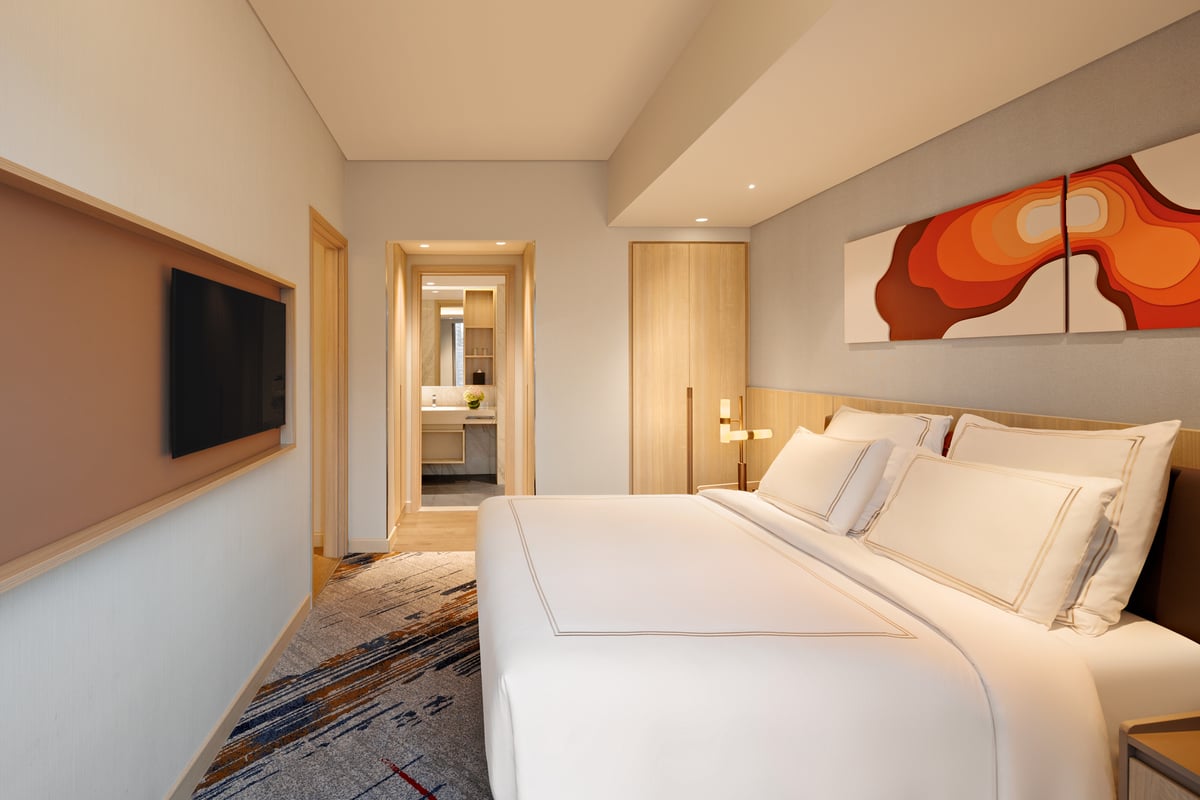
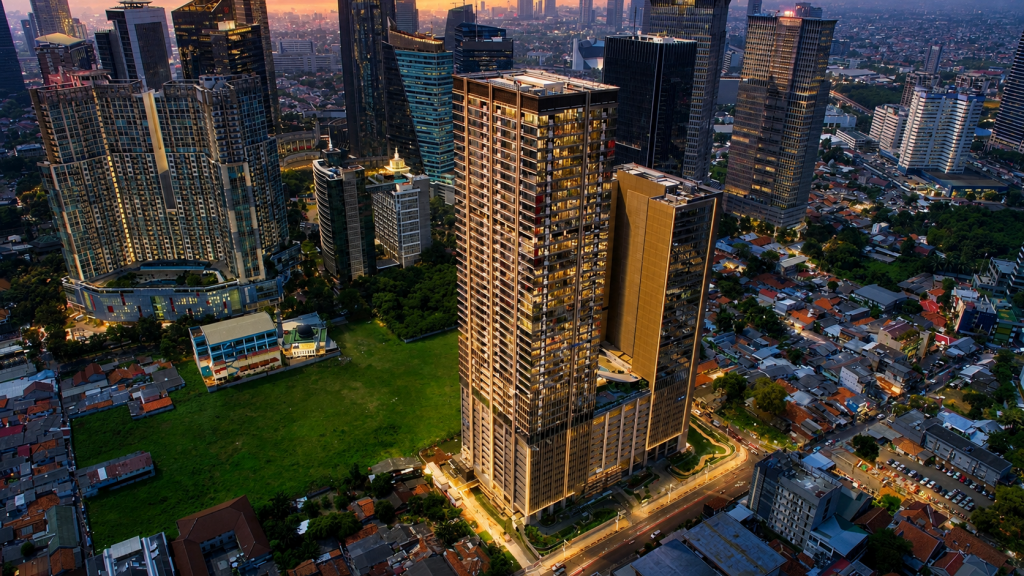
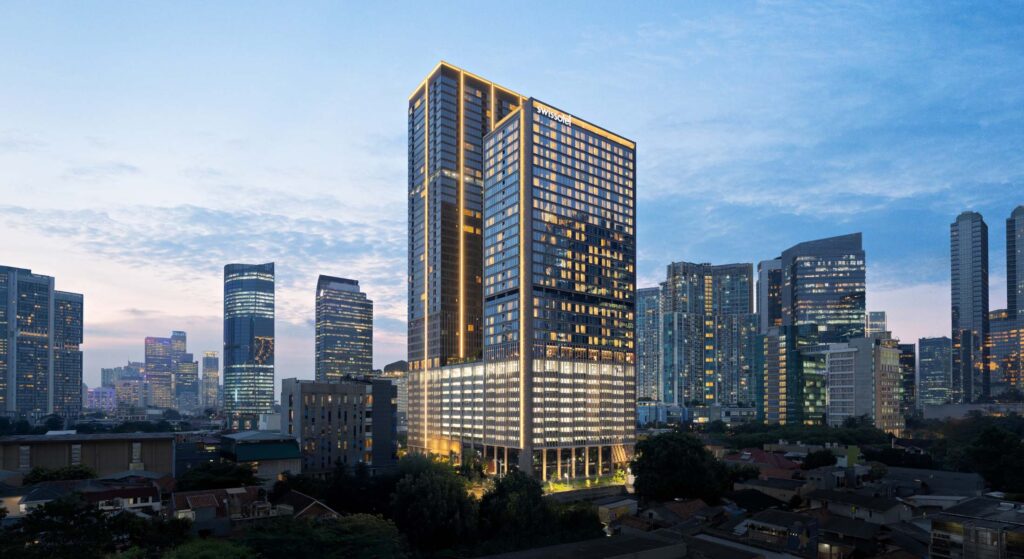
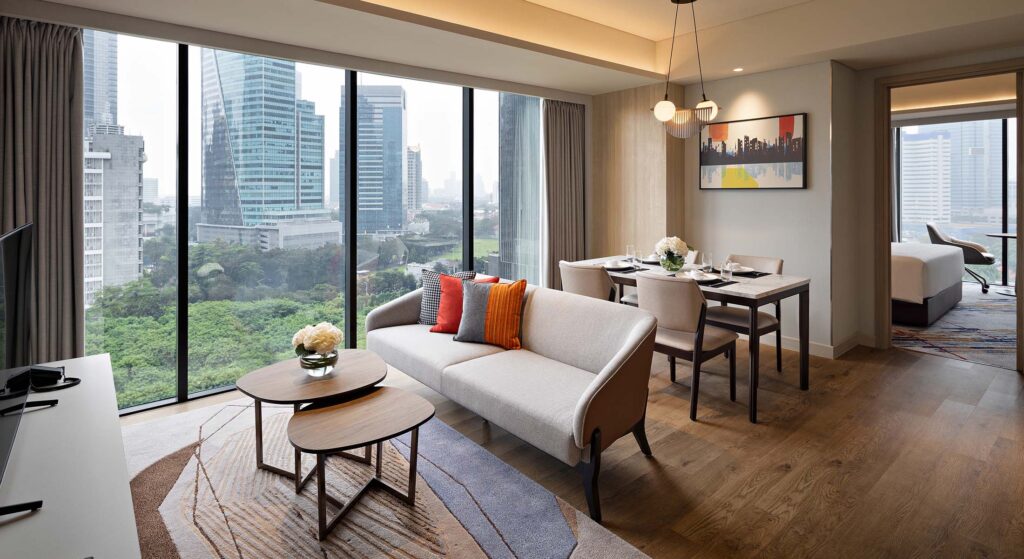
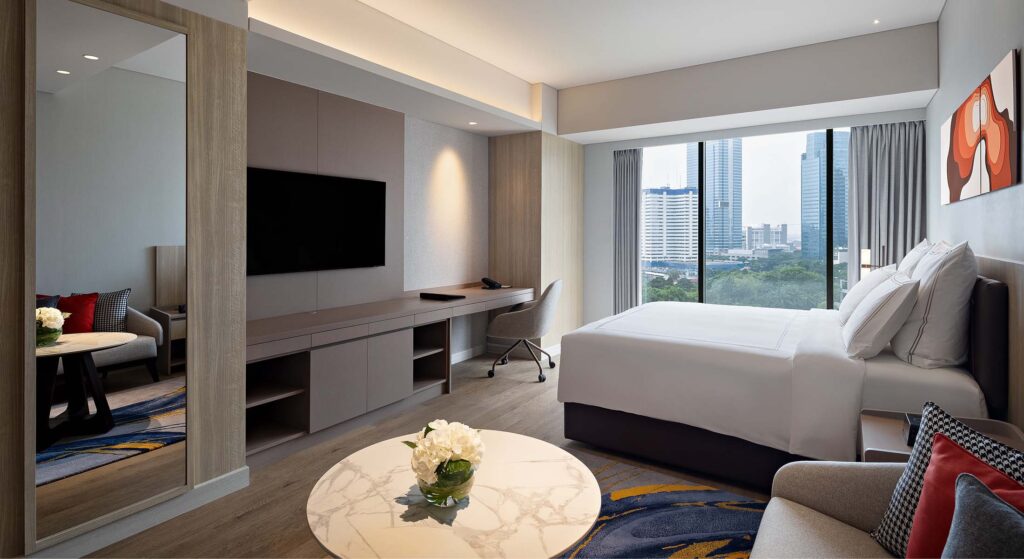
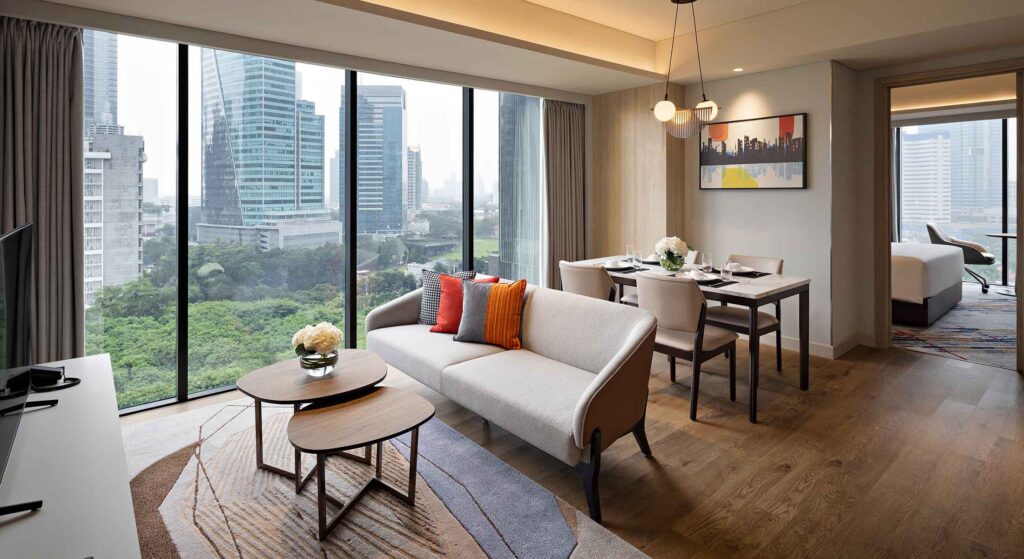
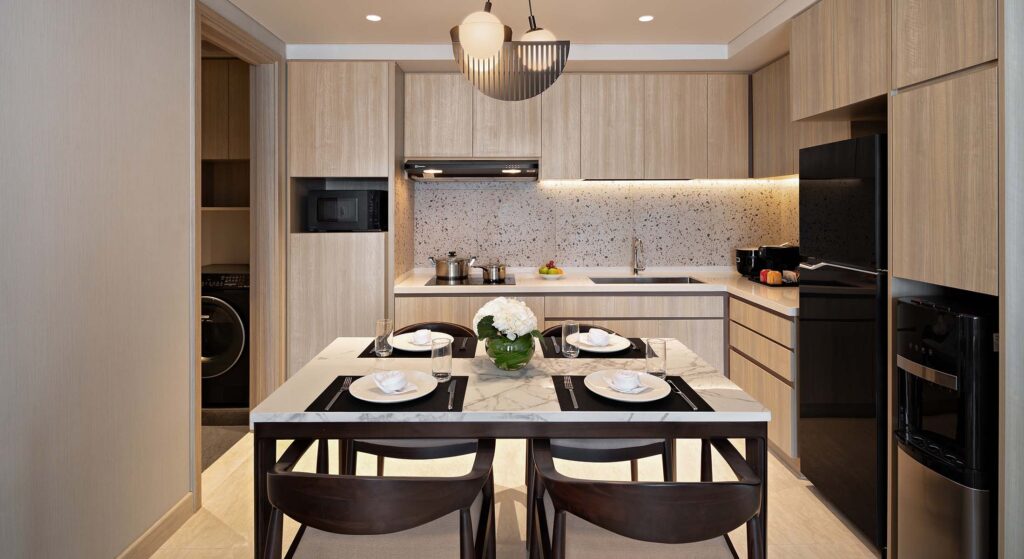
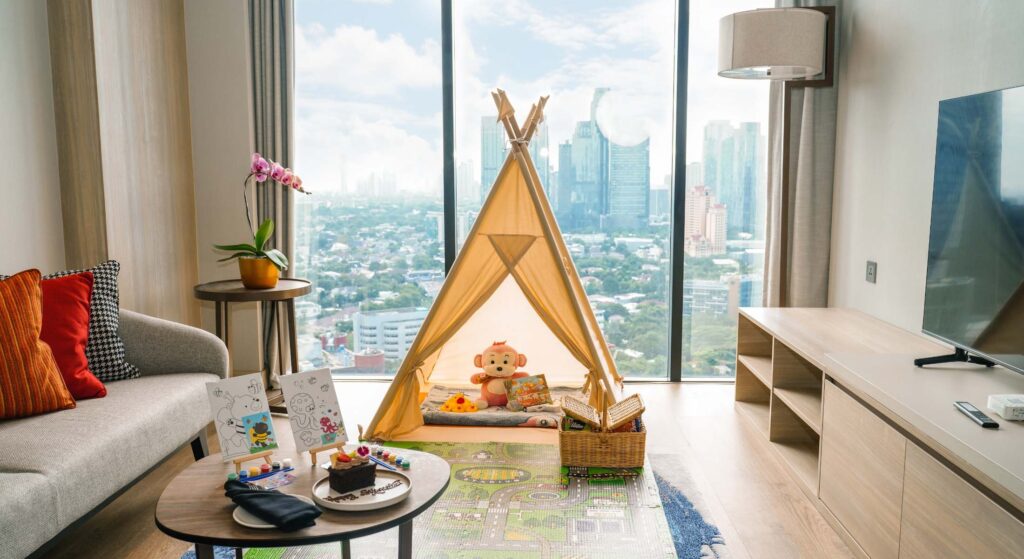
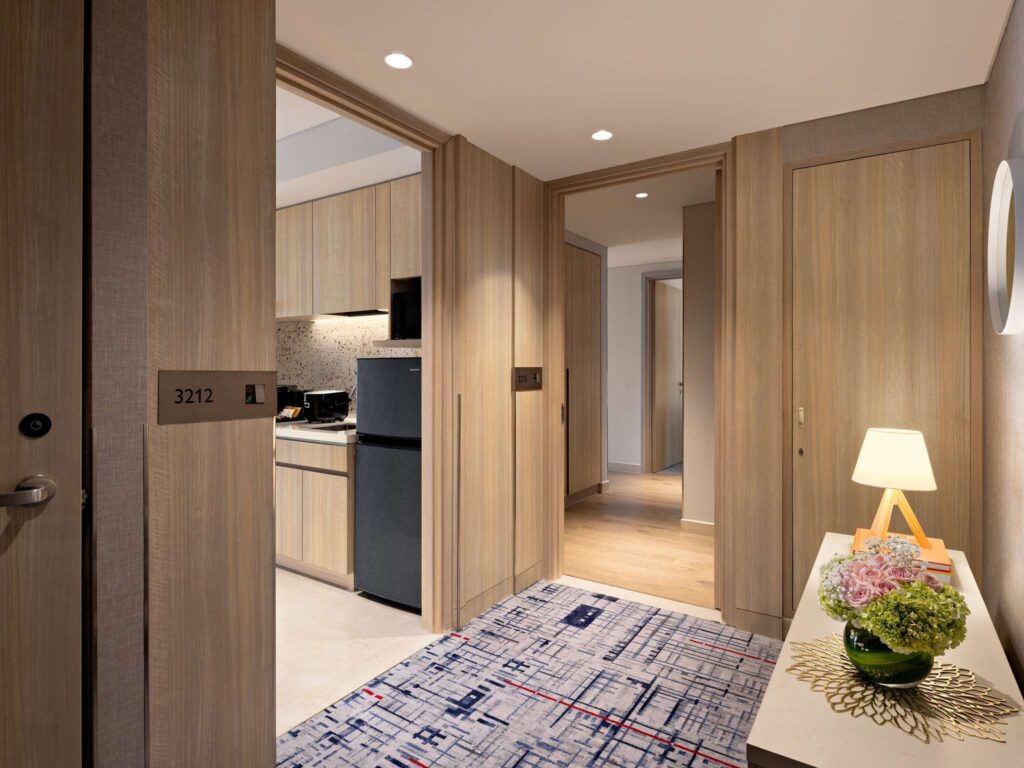
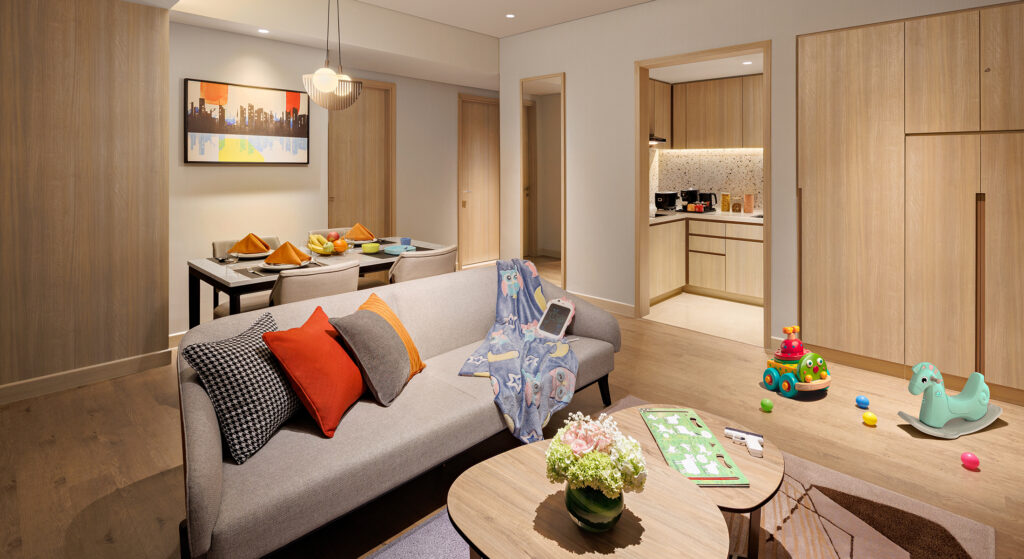
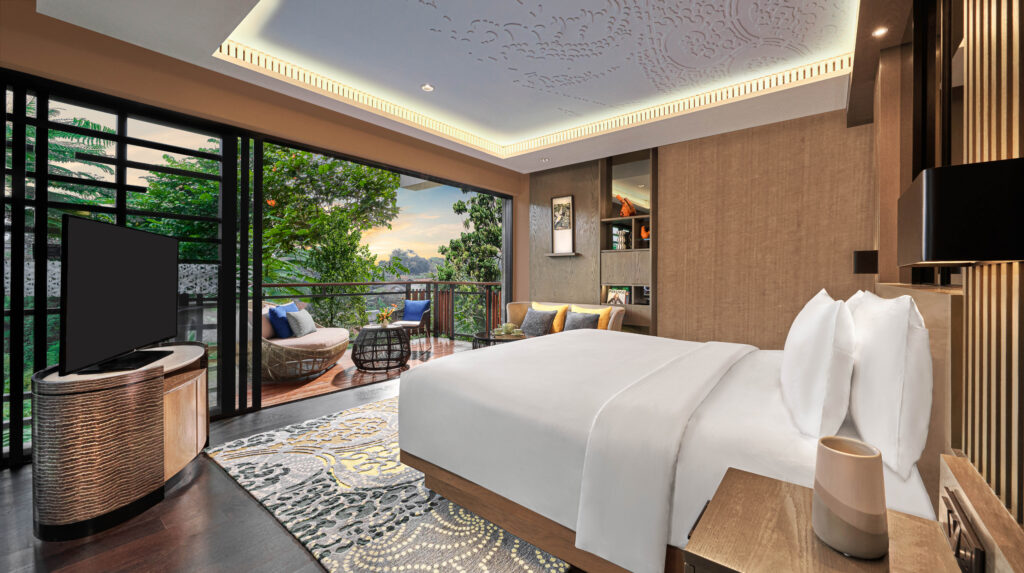
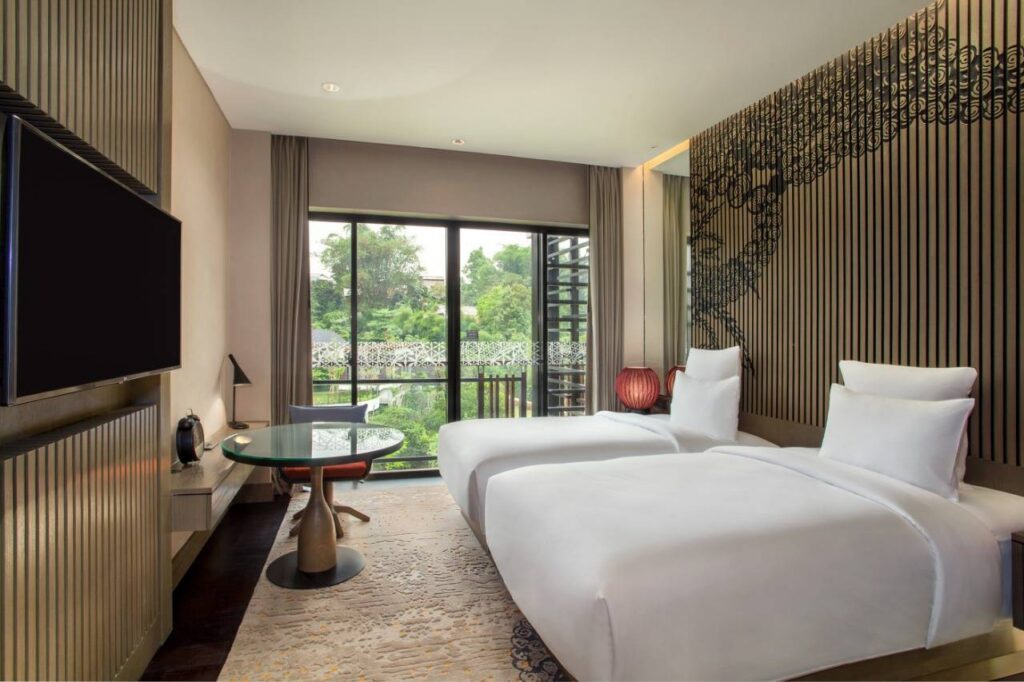
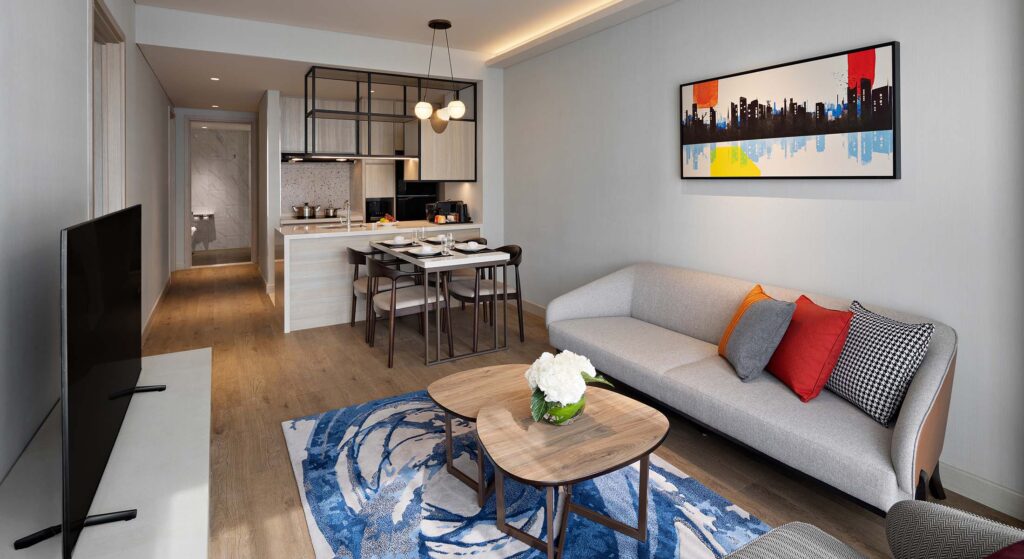
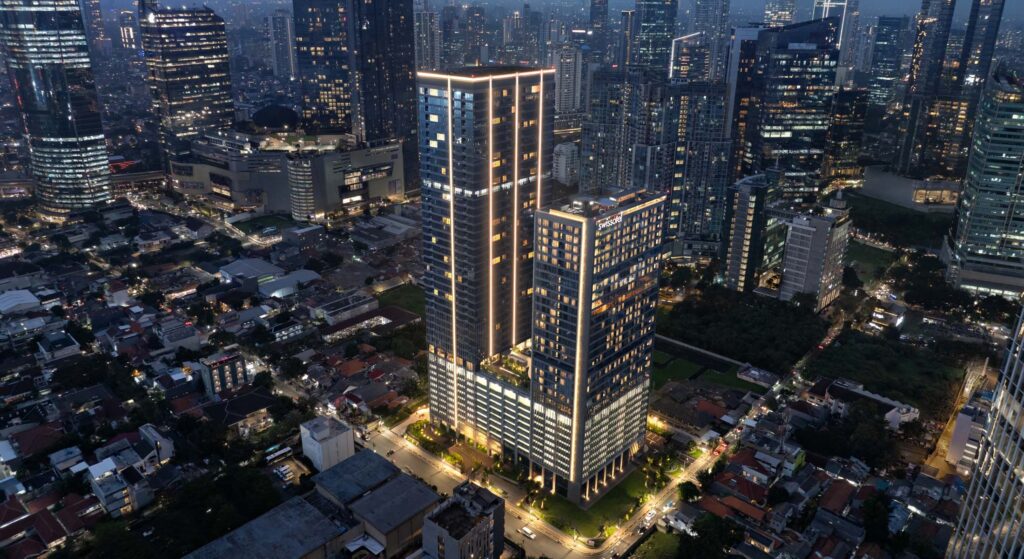
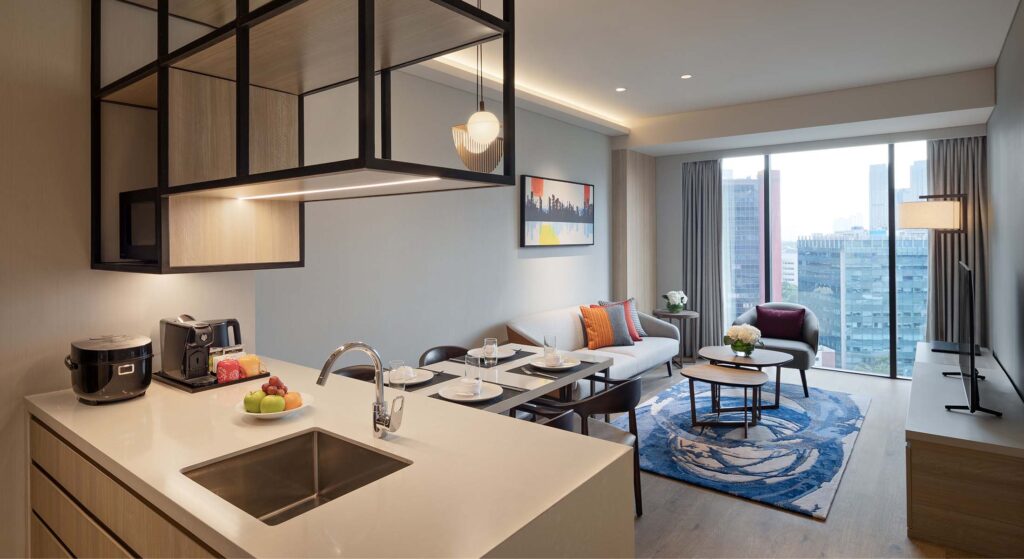
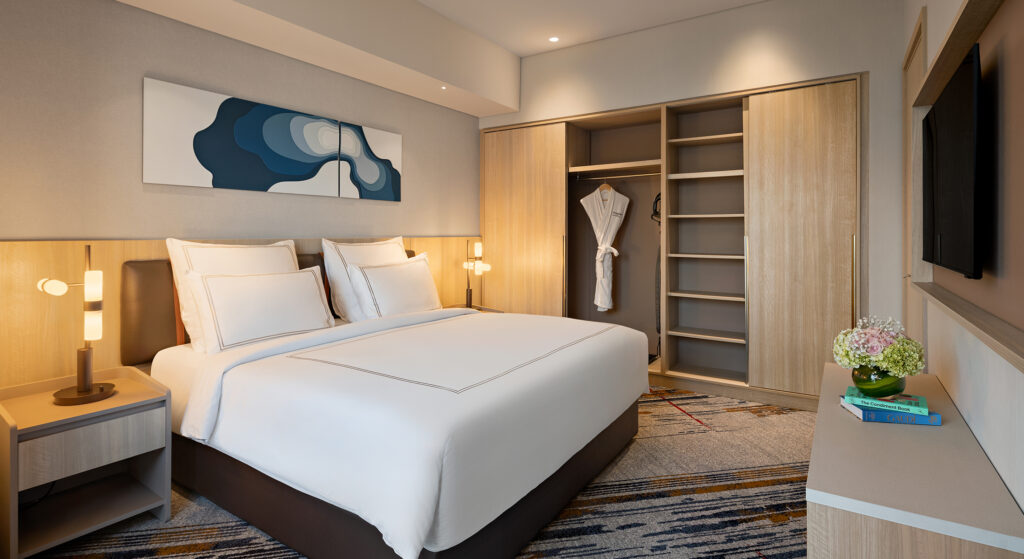
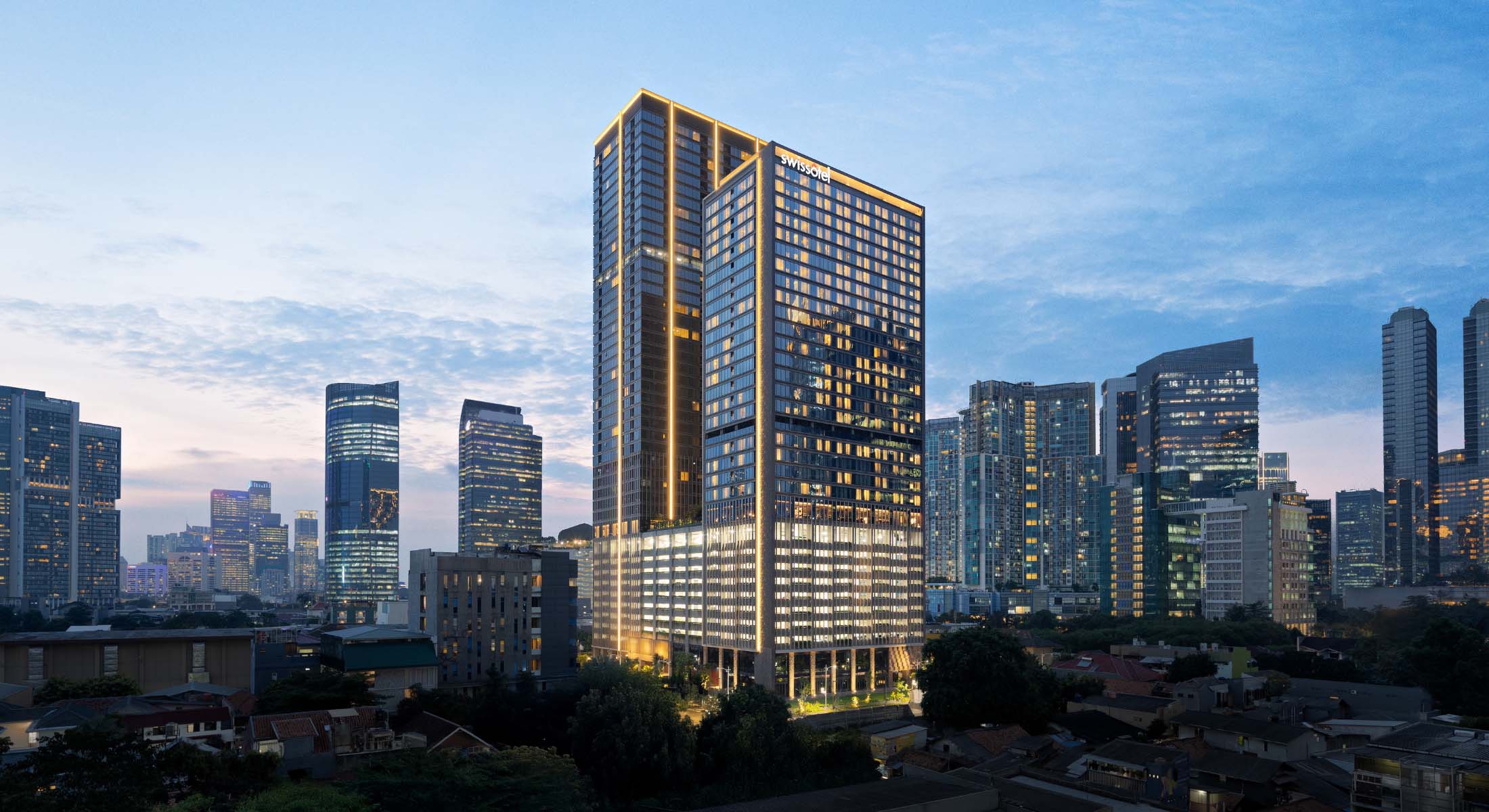
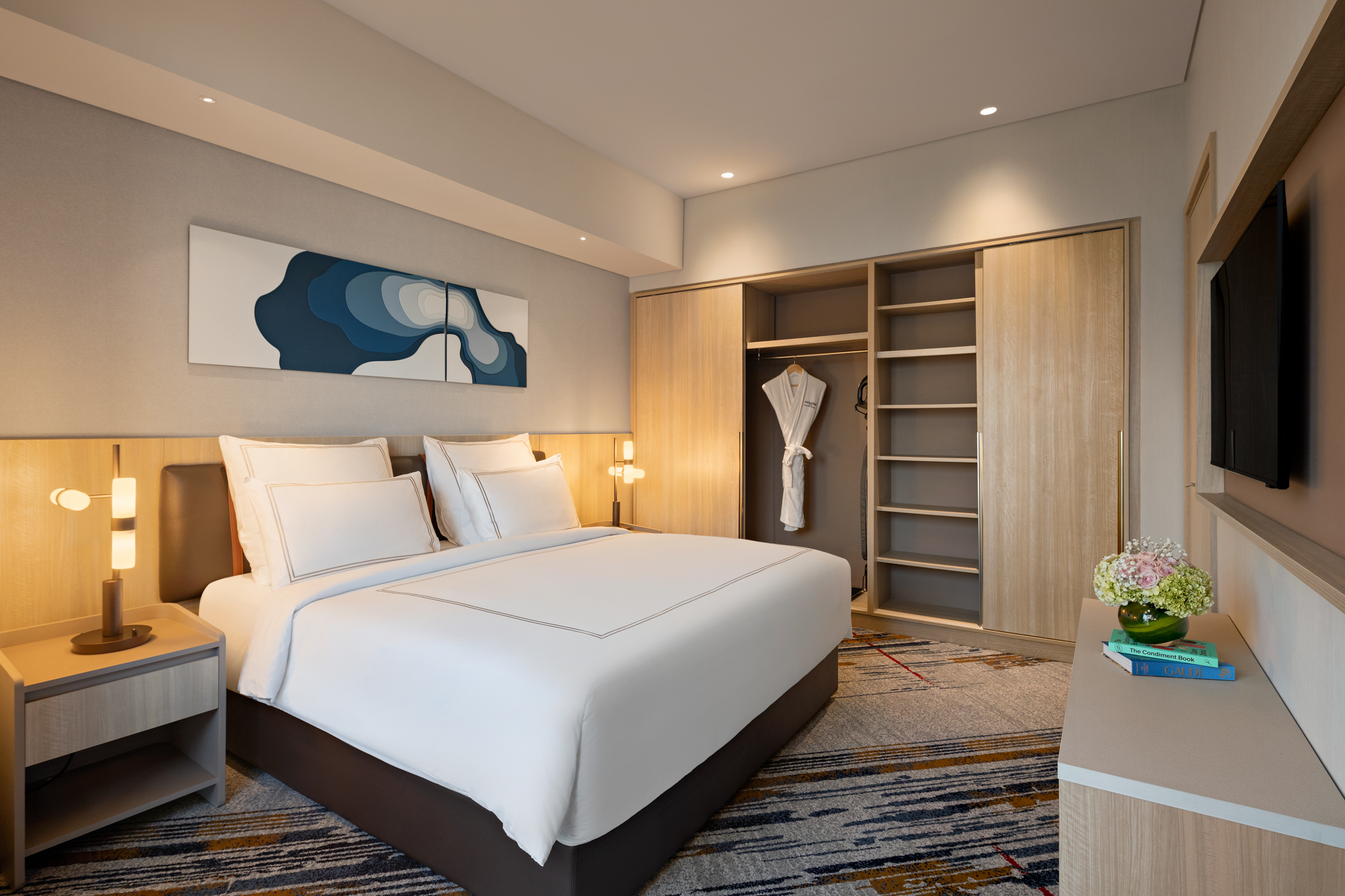
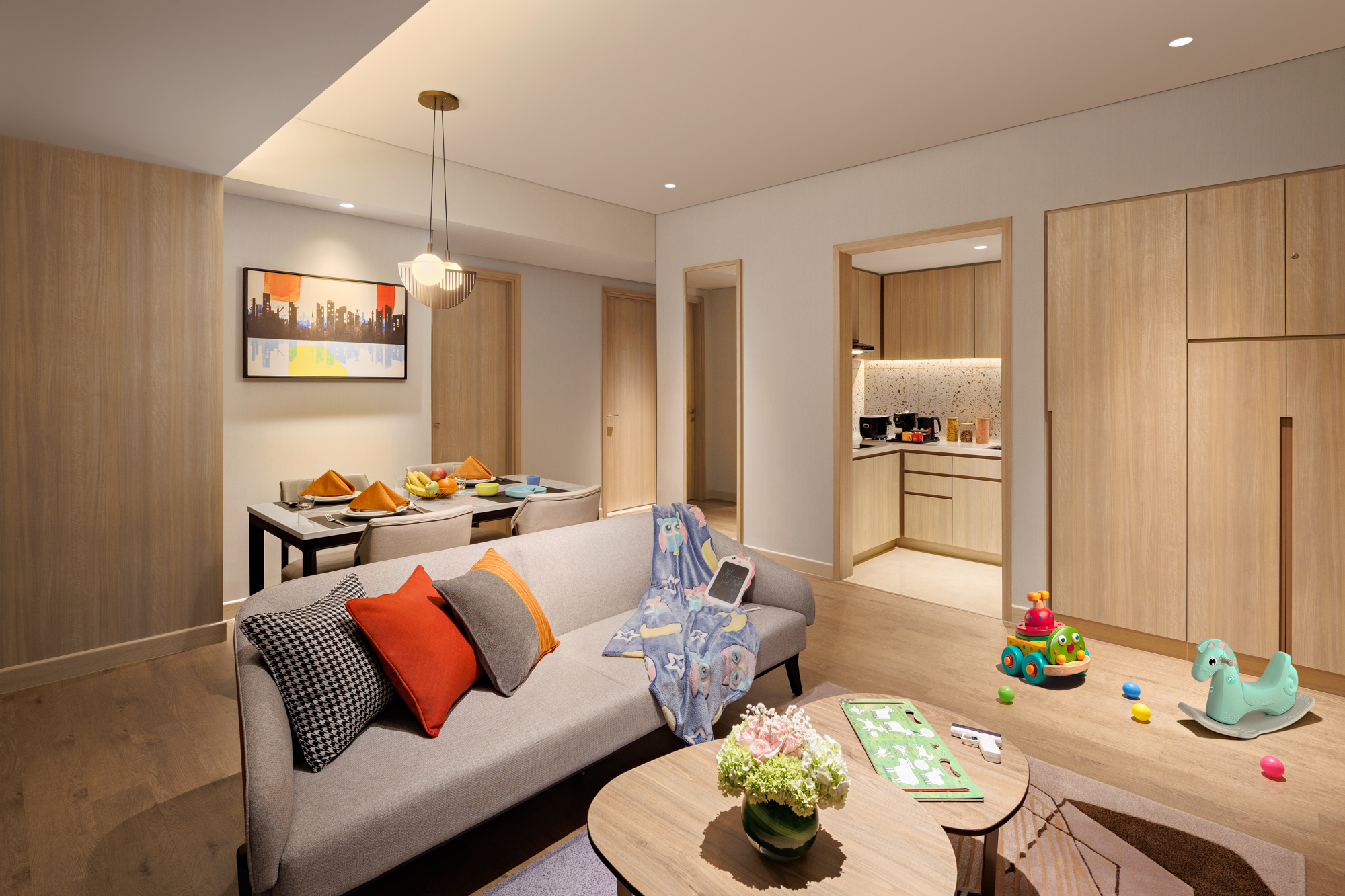
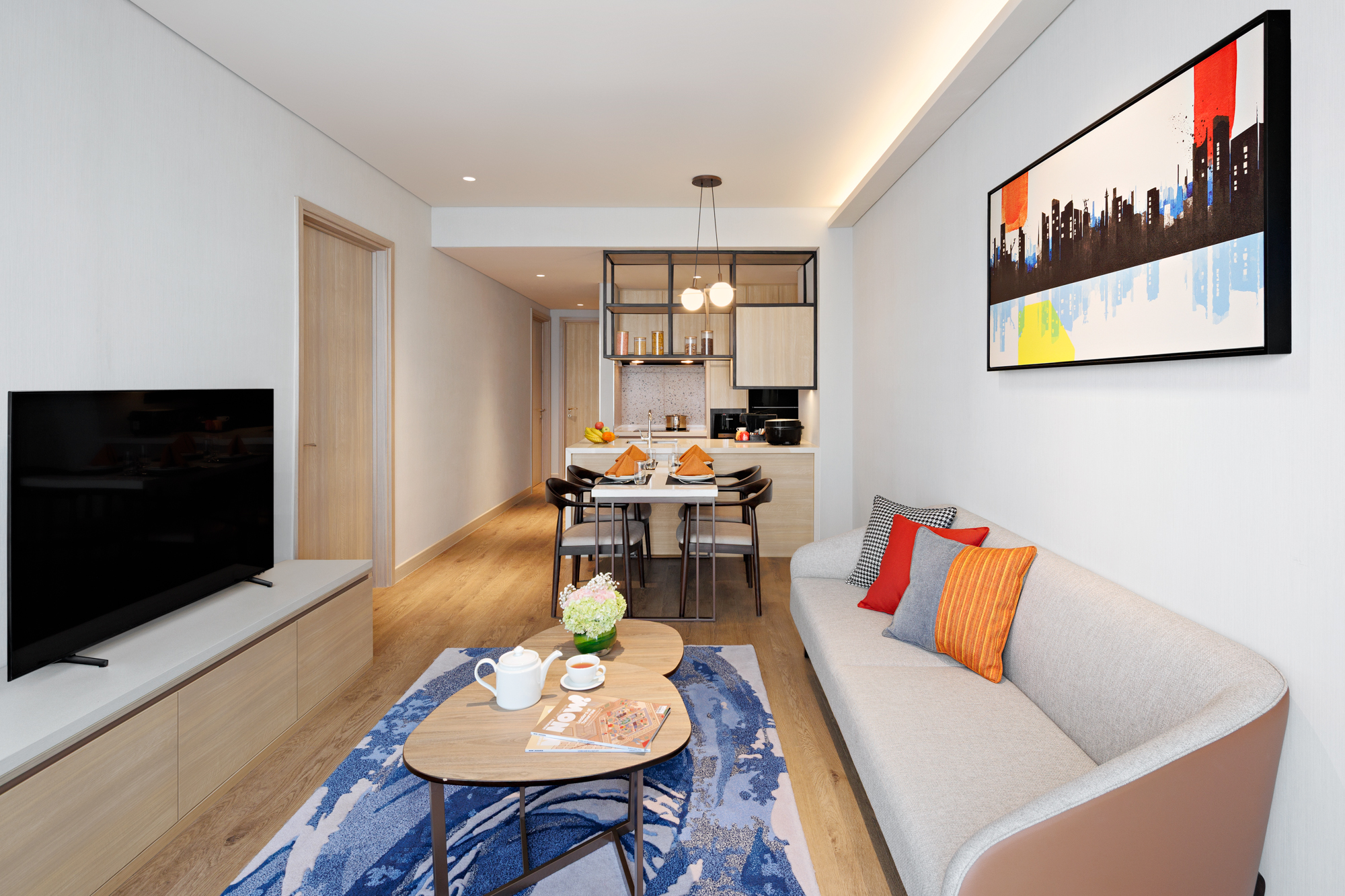
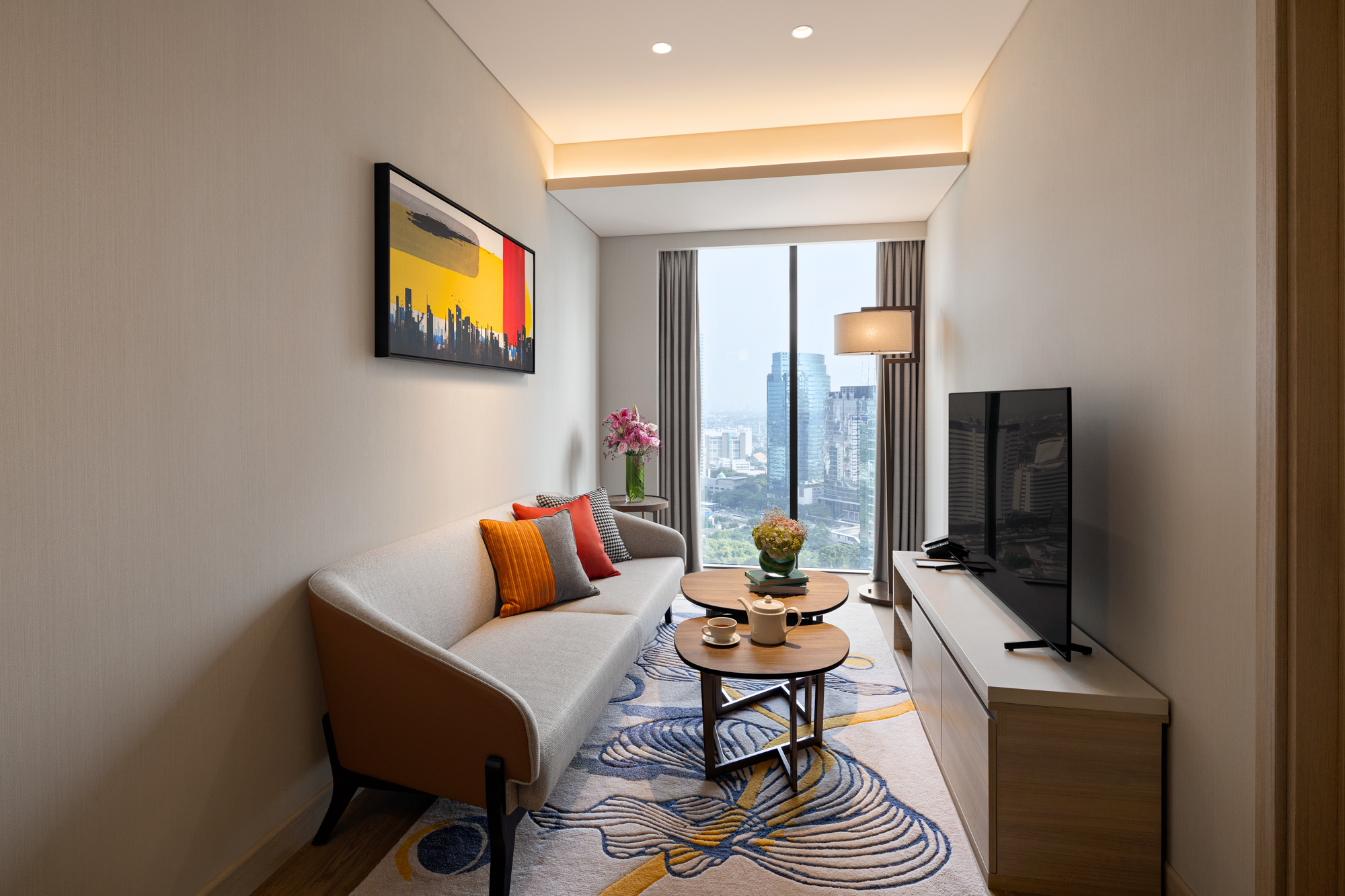
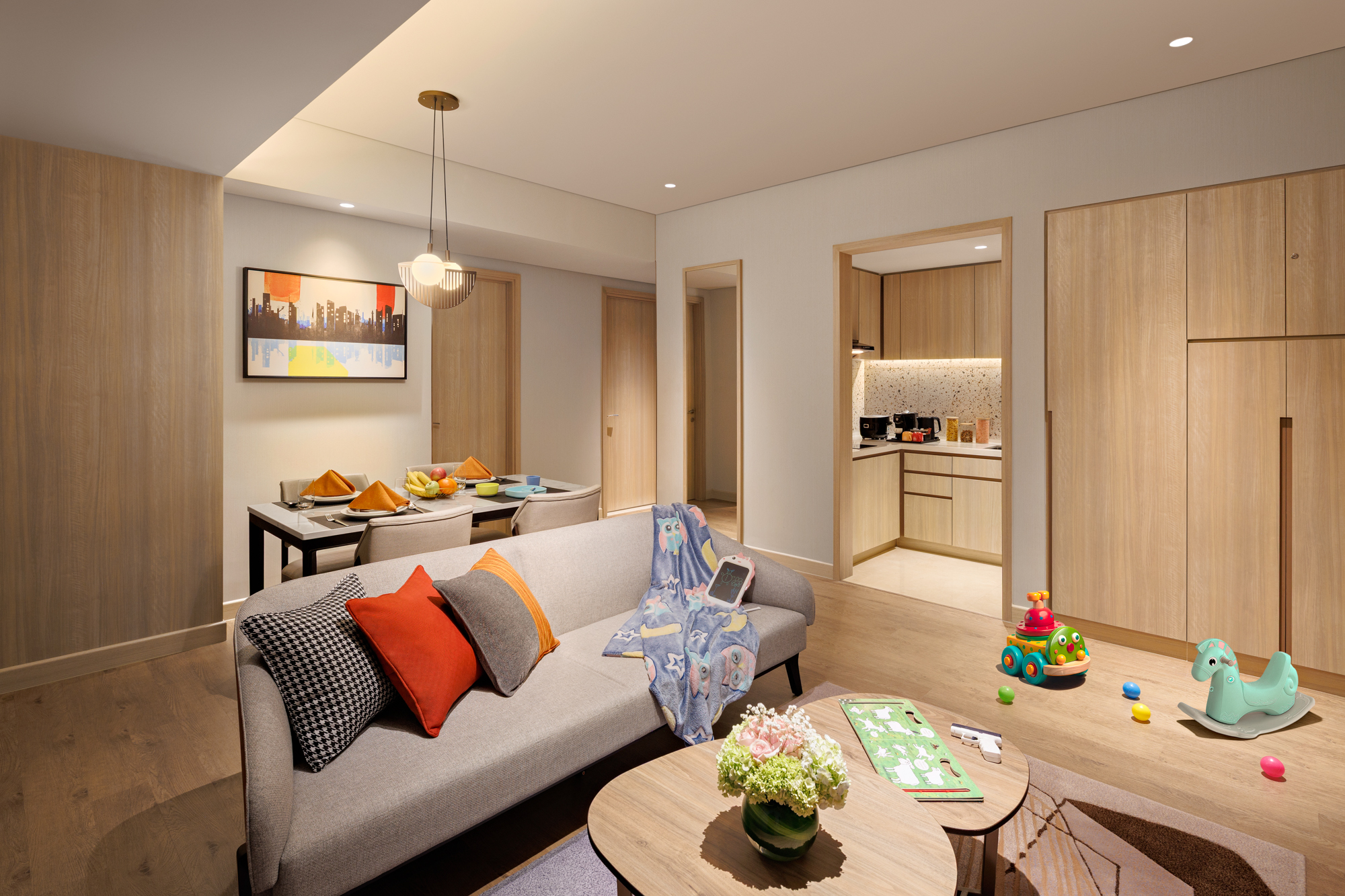
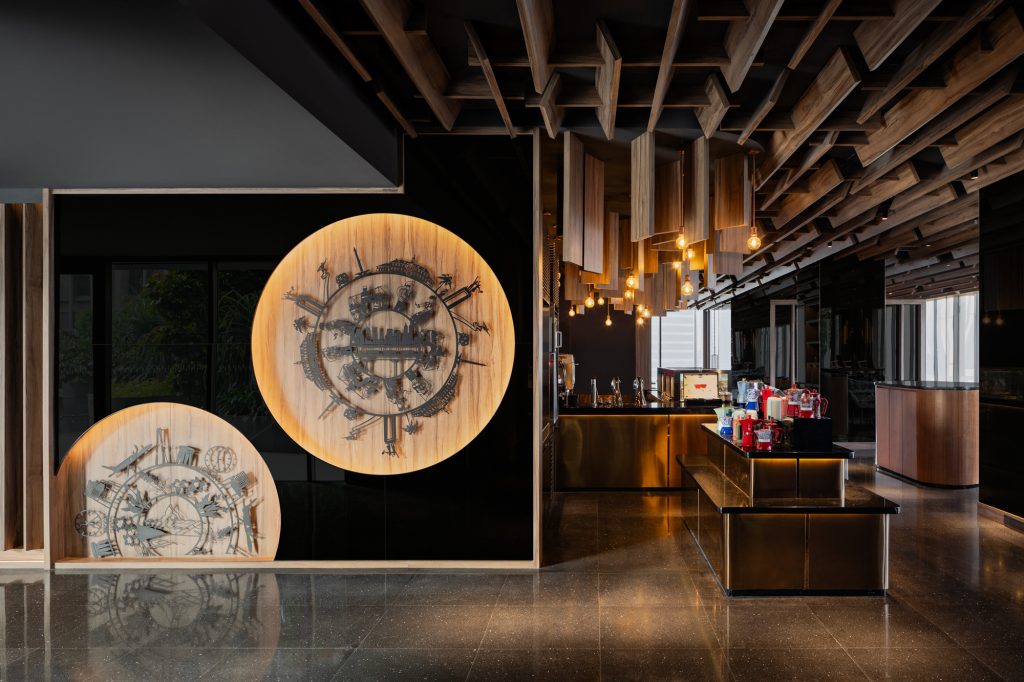
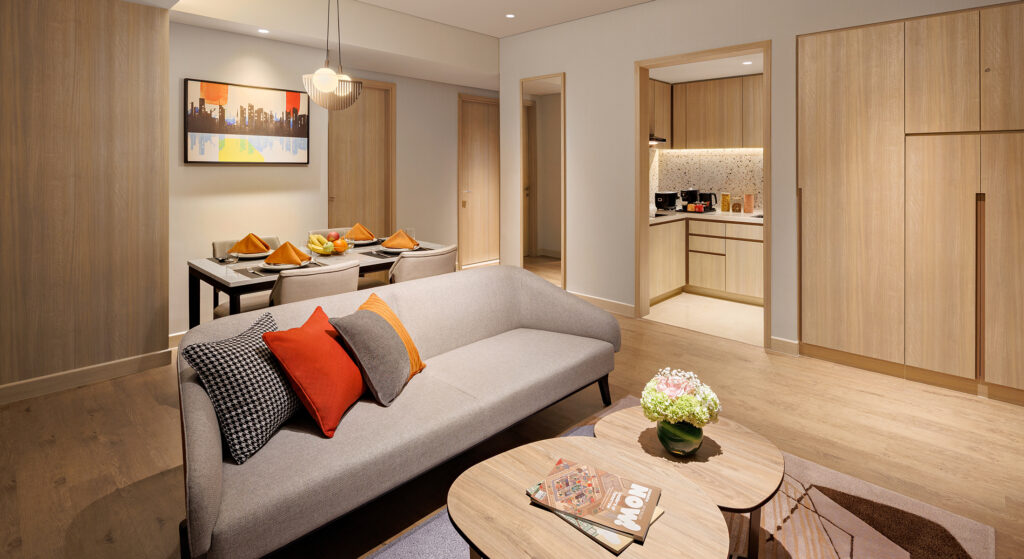
Serviced apartments in Jakarta's Mega Kuningan district, for example, apply Swiss-inspired quality benchmarks to meet the expectations of business travelers, expatriate families, and long-term guests. The Swissôtel Living Jakarta Mega Kuningan serviced apartments offer fully furnished residences with kitchen facilities, washing machines, and living spaces designed for daily life, not just overnight stays. This approach mirrors the Swiss understanding that apartments should function as genuine homes, whether occupied for weeks, months, or years.
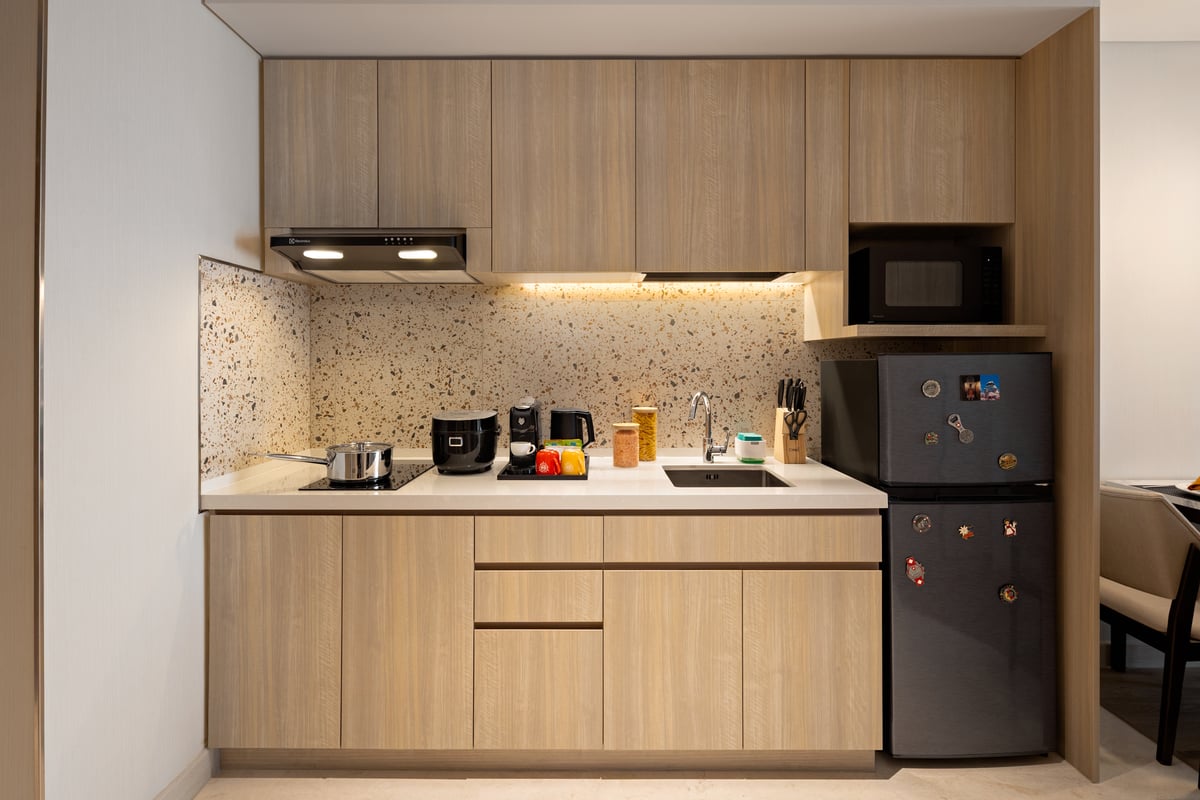
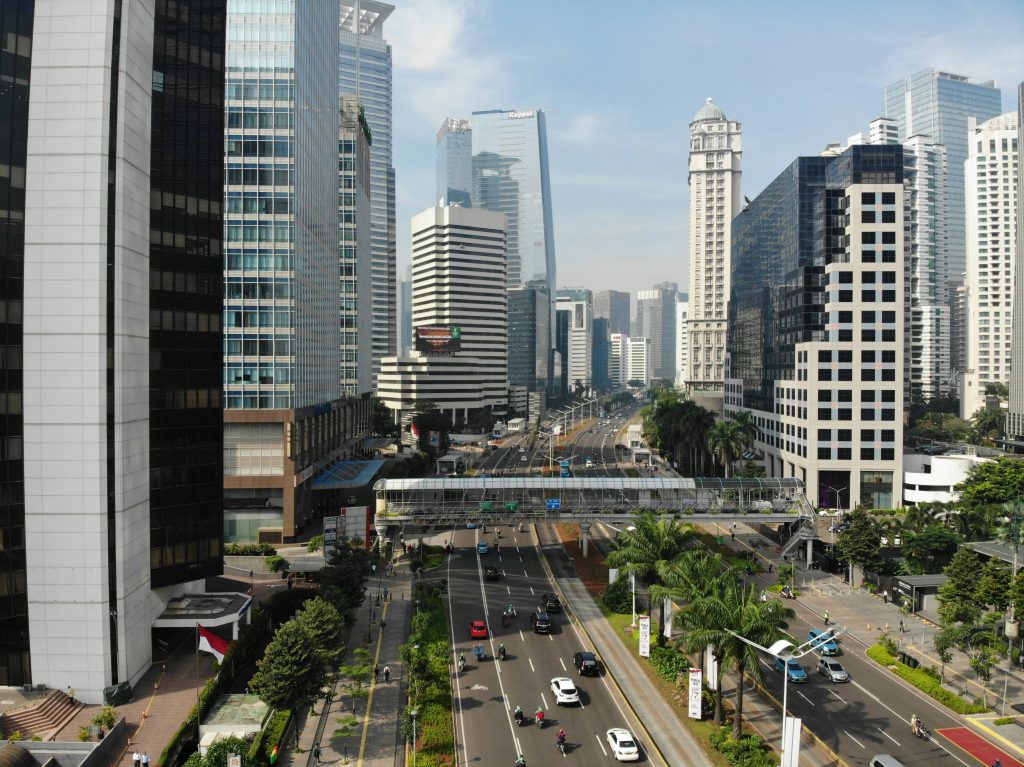
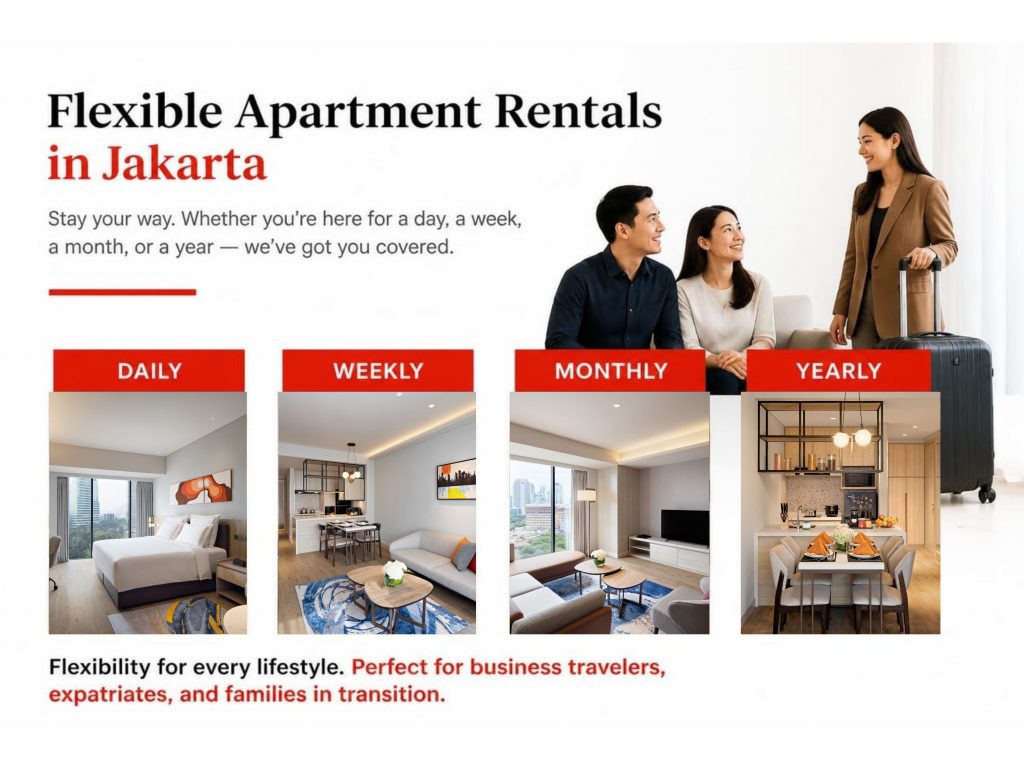
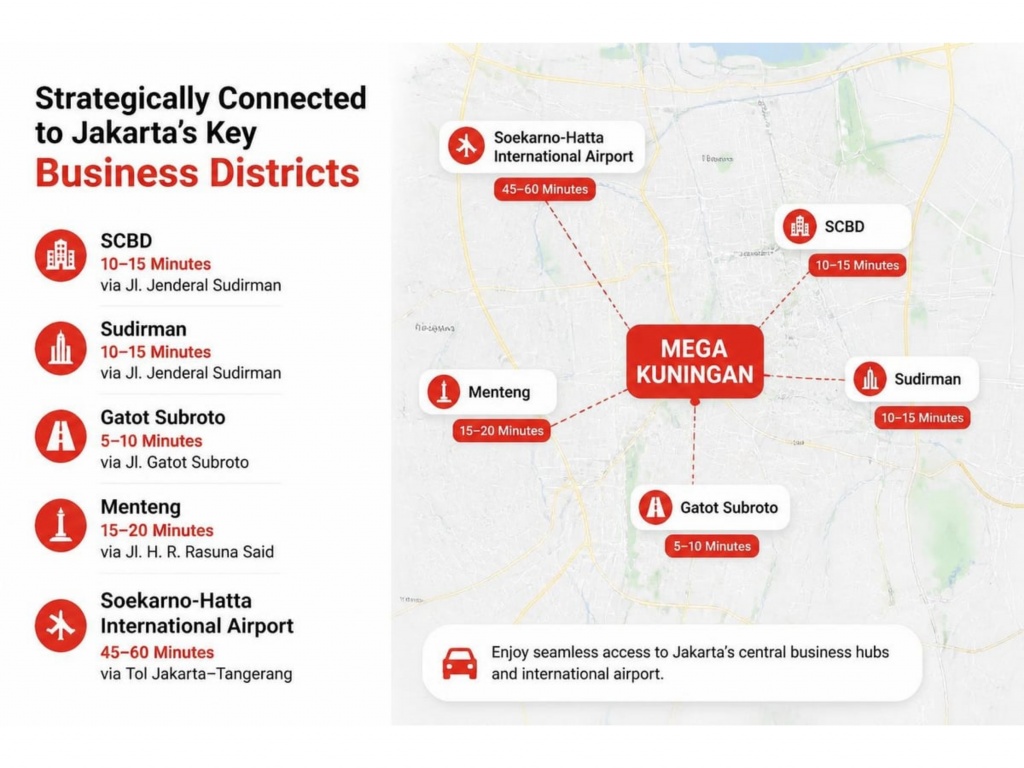
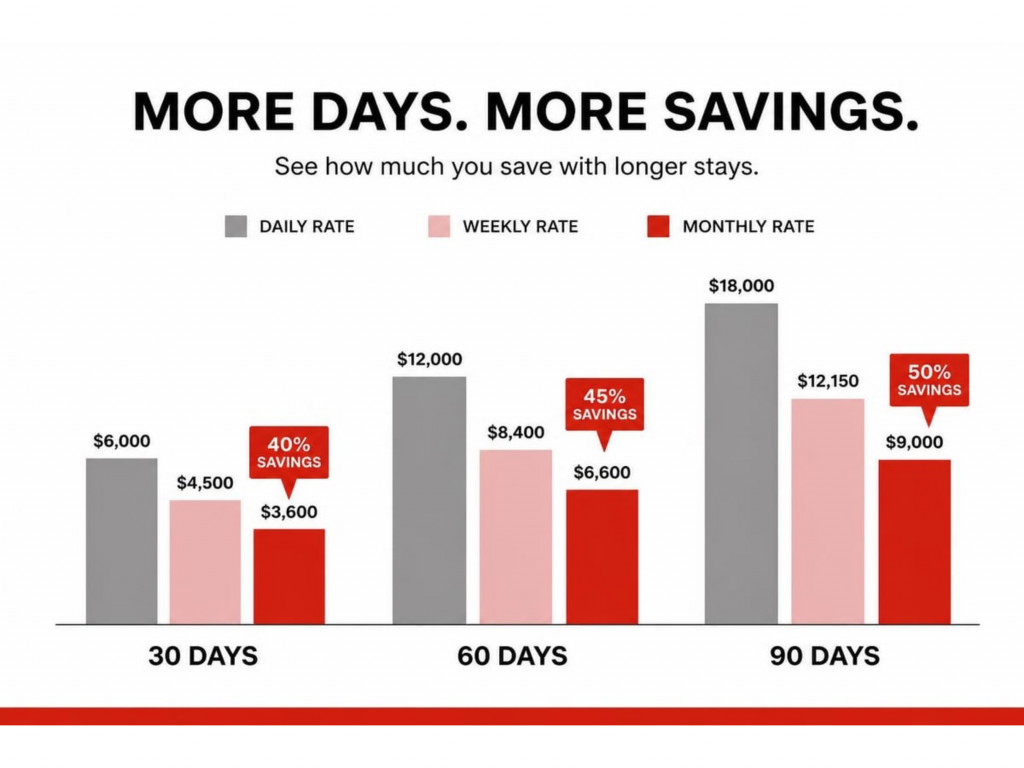
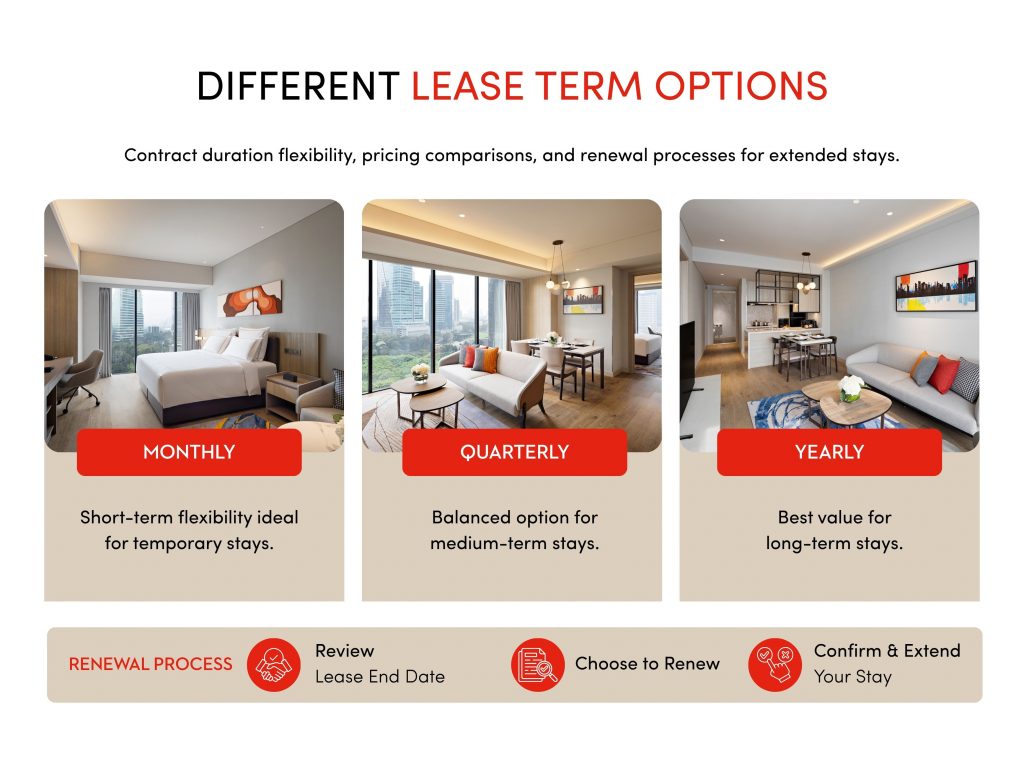
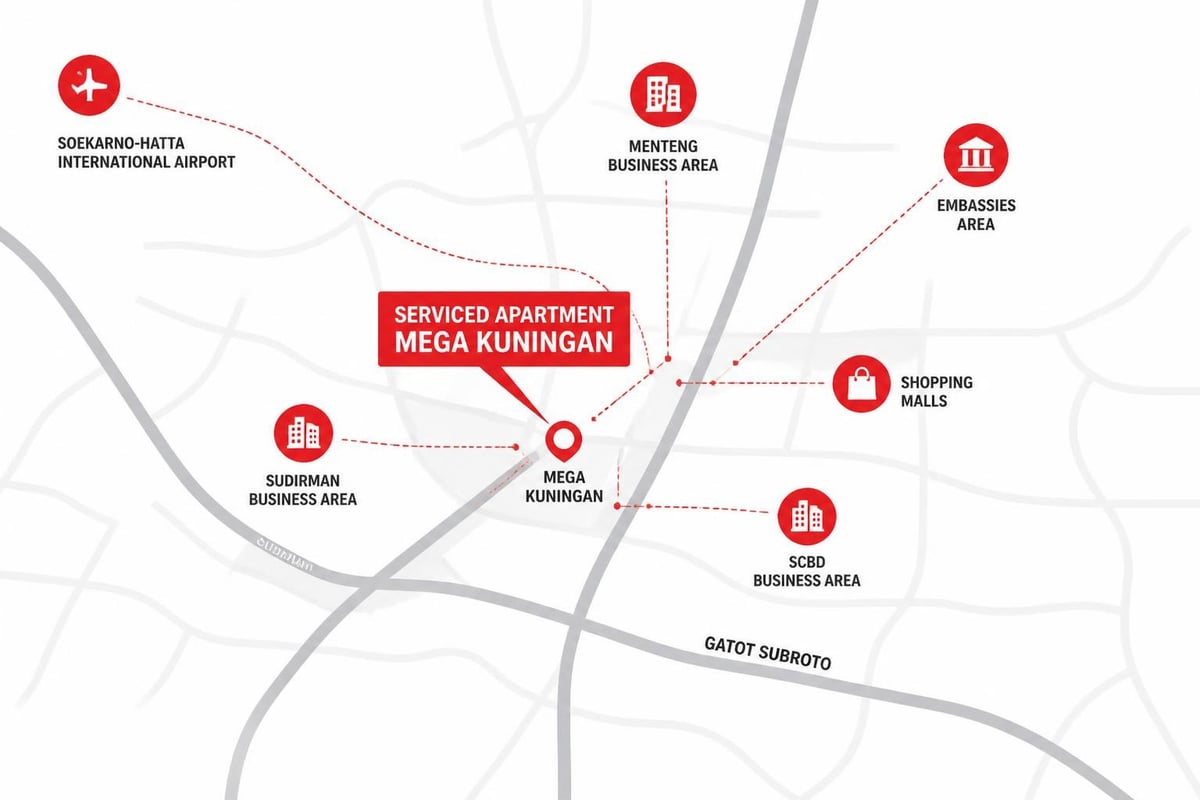
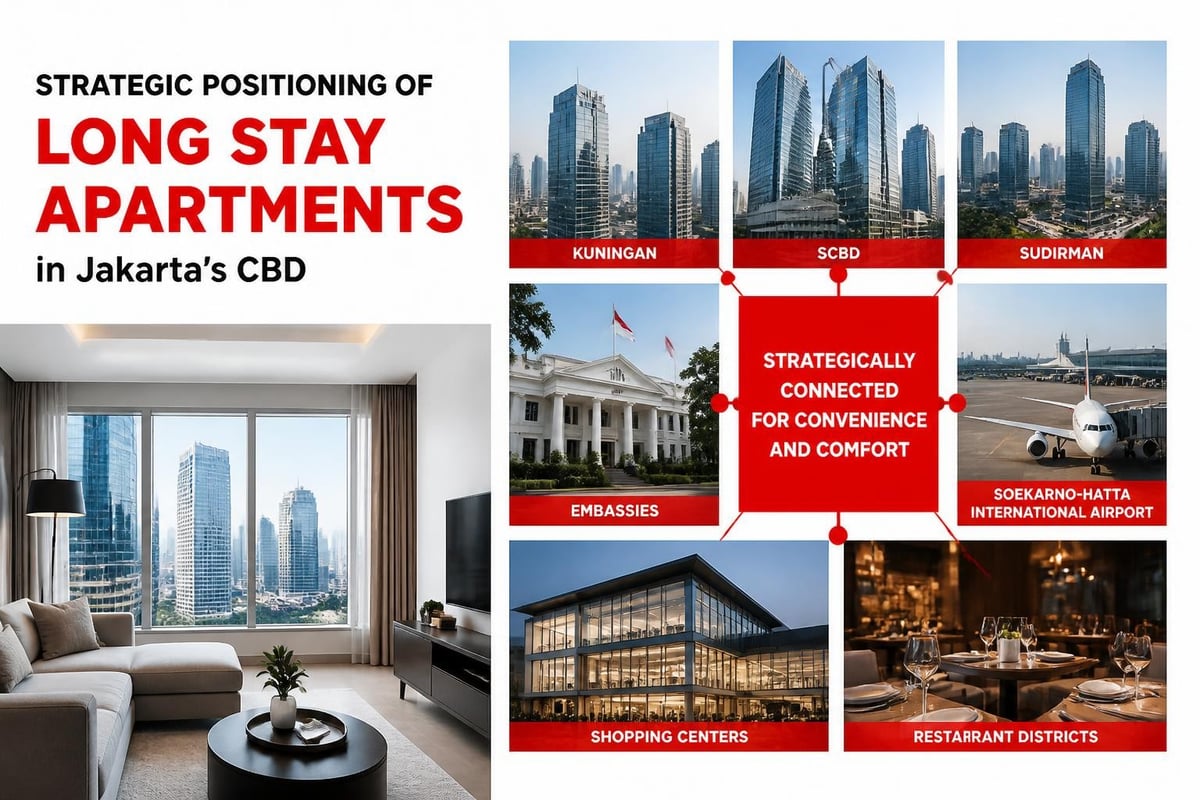
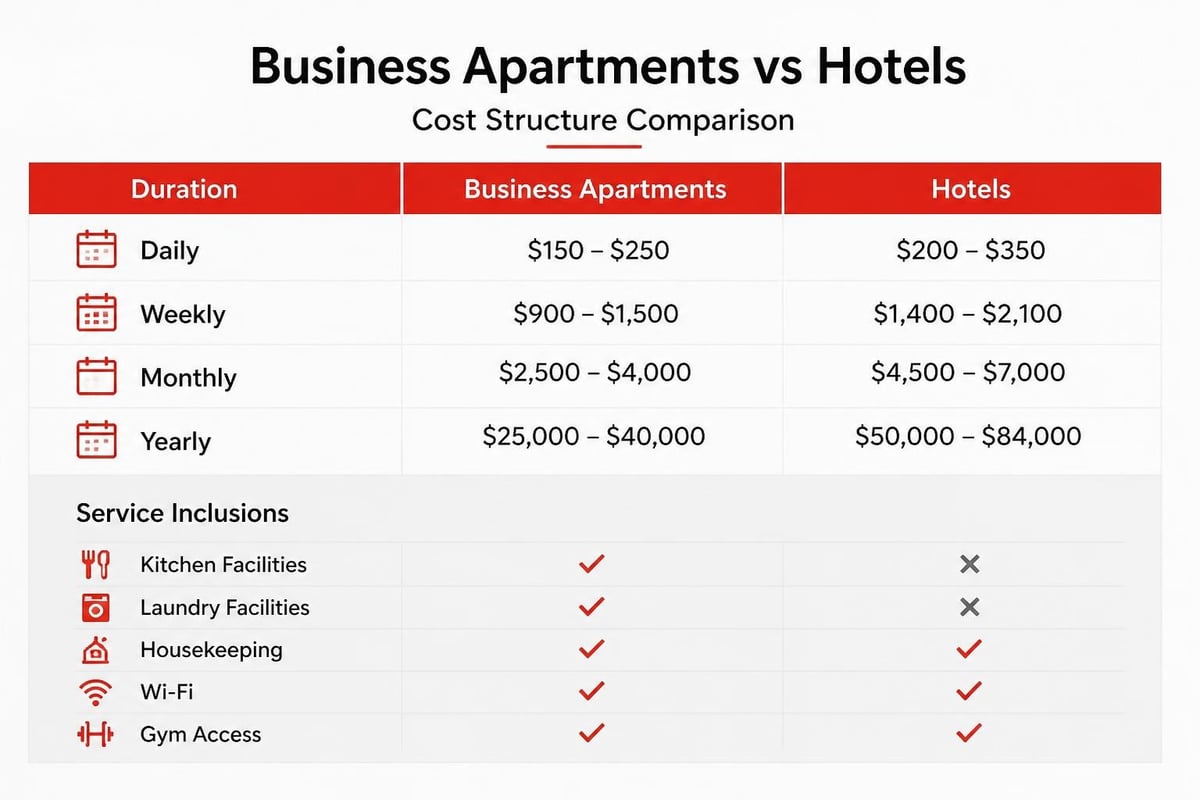
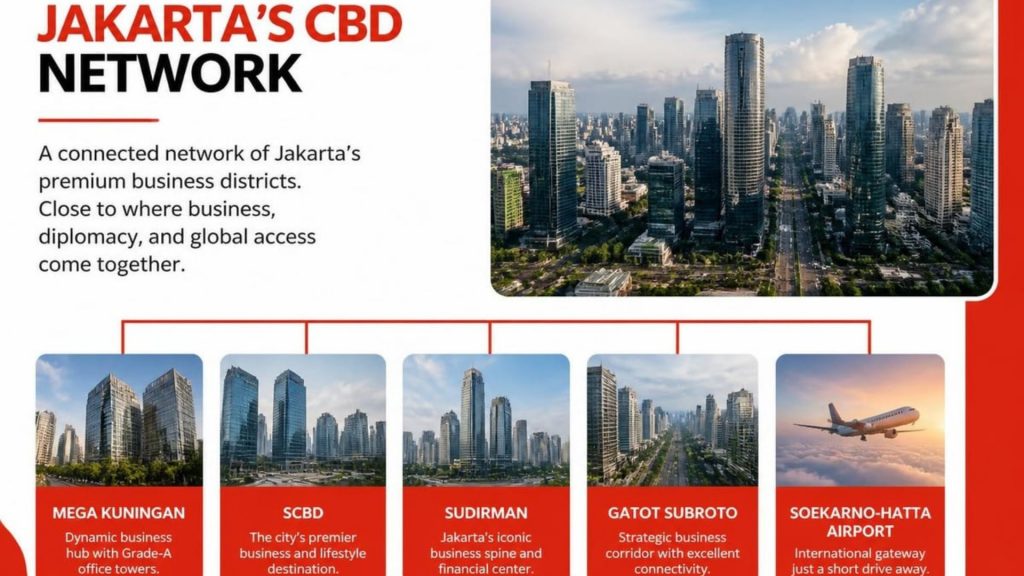
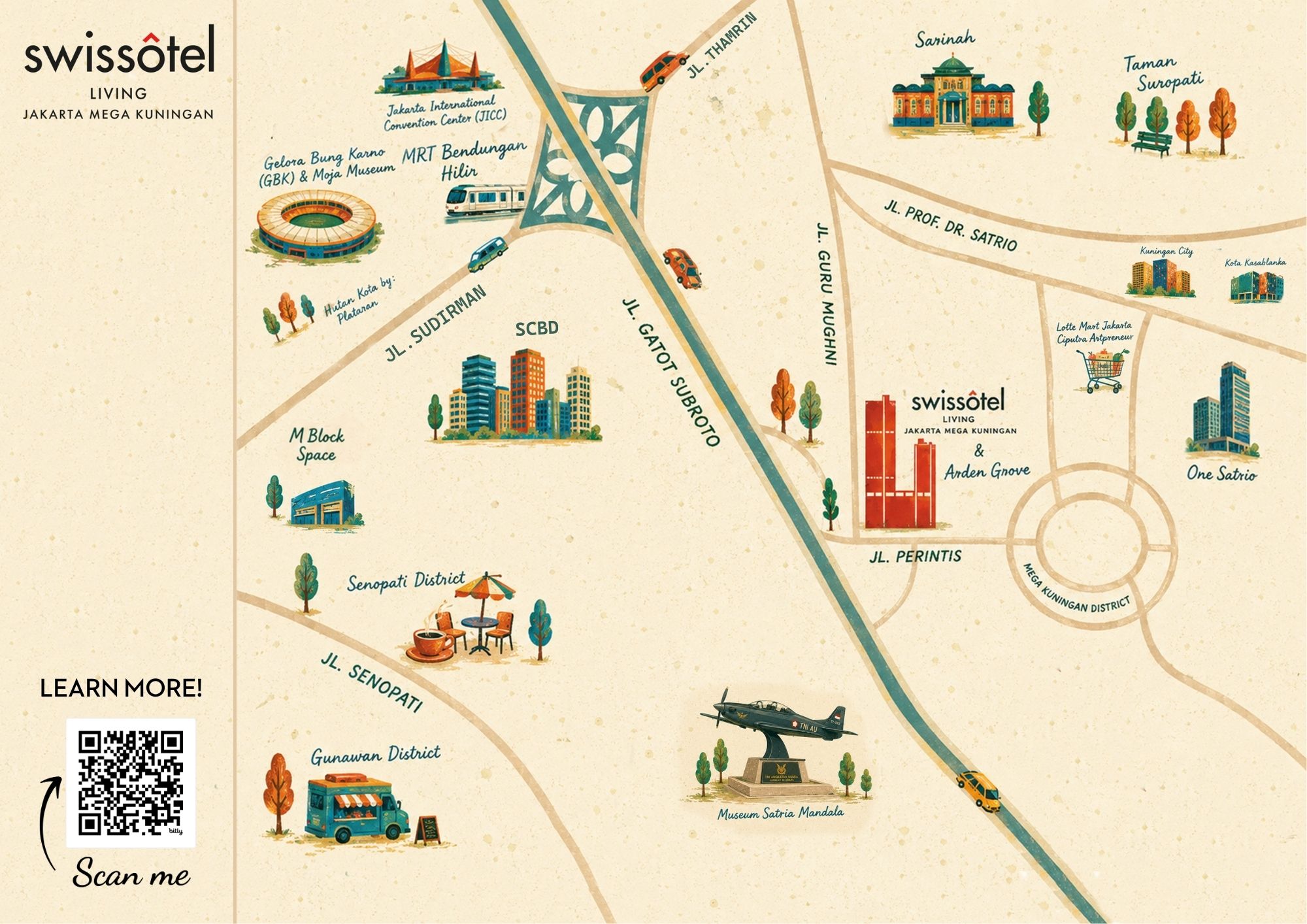
Daily, weekly, monthly, and yearly stay options provide flexibility unattainable through traditional apartment leases while maintaining the quality and service standards Swiss hospitality brands are known for worldwide. Proximity to Kuningan, SCBD, Sudirman, and Gatot Subroto business districts parallels how swiss apartments cluster near employment centers, minimizing commute times and maximizing convenience for working professionals.
Lessons for Long-Stay Accommodation Seekers
Business travelers and expatriate families can apply insights from swiss apartments when evaluating serviced accommodation options anywhere in the world. Prioritize properties with clear quality certifications, efficient space planning, and transparent operating standards. Assess location relative to workplace, schools, and essential services. Verify that kitchens include full-size appliances and adequate storage, not just token facilities. Confirm that lease or booking terms offer appropriate flexibility for your assignment duration.
Quality Indicators to Assess:
- Building age and maintenance condition
- Insulation and climate control effectiveness
- Kitchen and bathroom fixture quality
- Storage capacity and built-in solutions
- Natural light and ventilation adequacy
- Noise levels from neighbors and exterior sources
- Accessibility of public transportation and parking
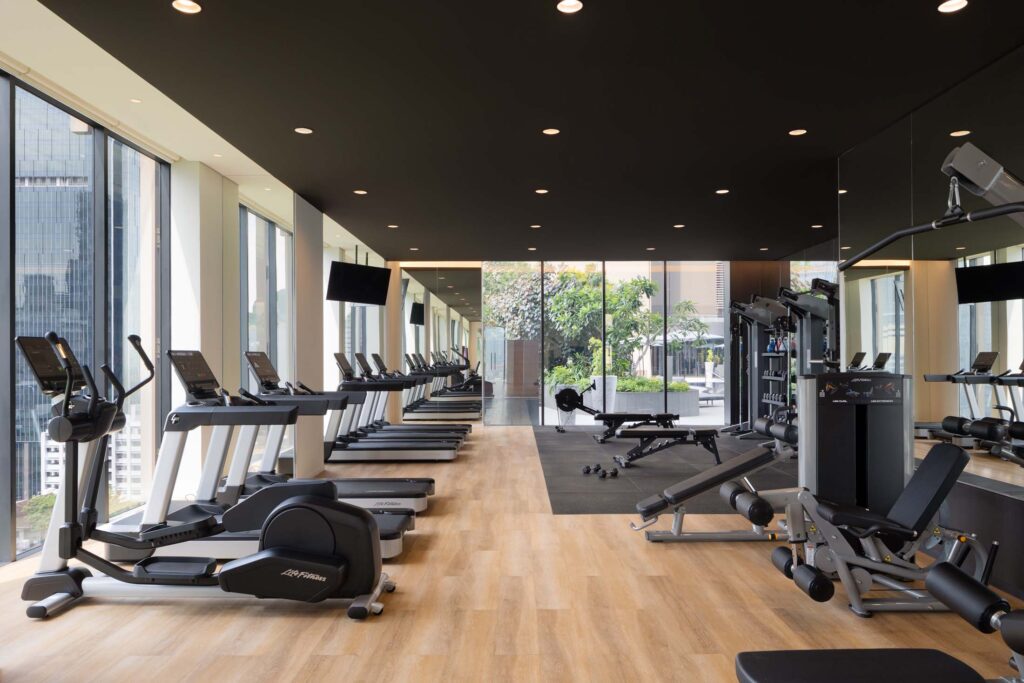
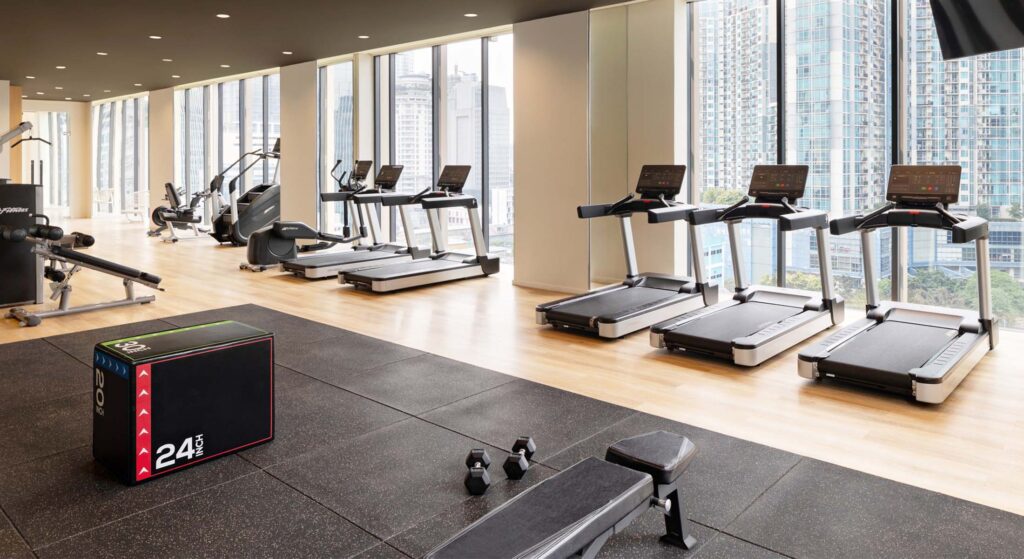
- On-site amenities (fitness, laundry, business facilities)
These evaluation criteria derive directly from Swiss apartment standards and help identify properties that deliver genuine residential comfort rather than merely adequate shelter. Whether considering a short business trip or a multi-year expatriate assignment, the same principles apply.
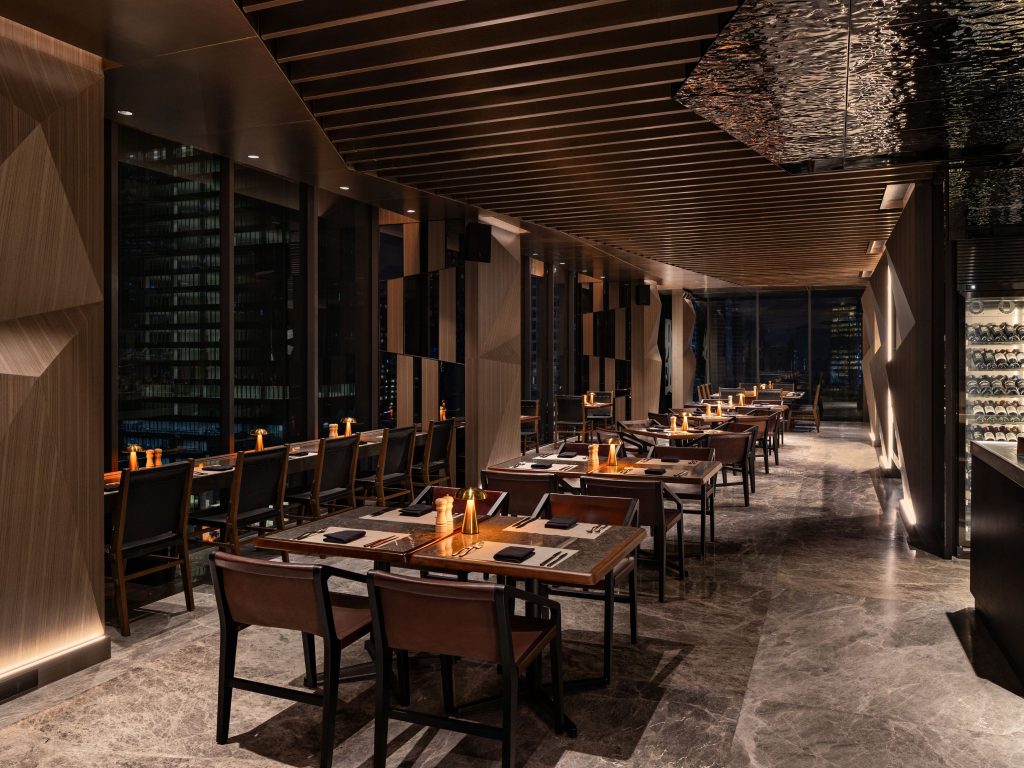
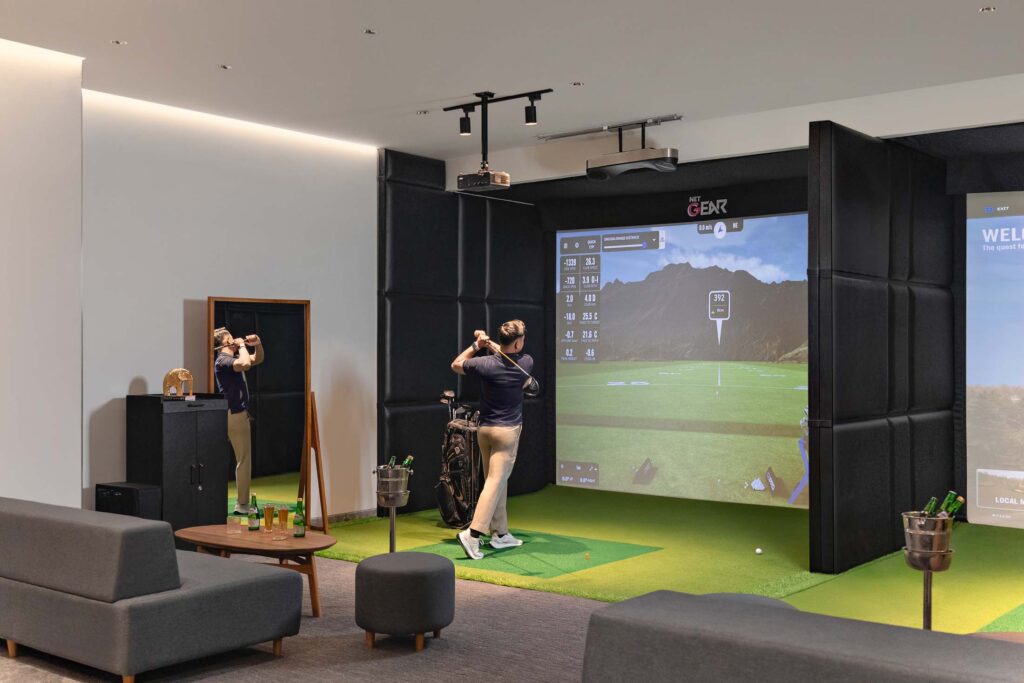
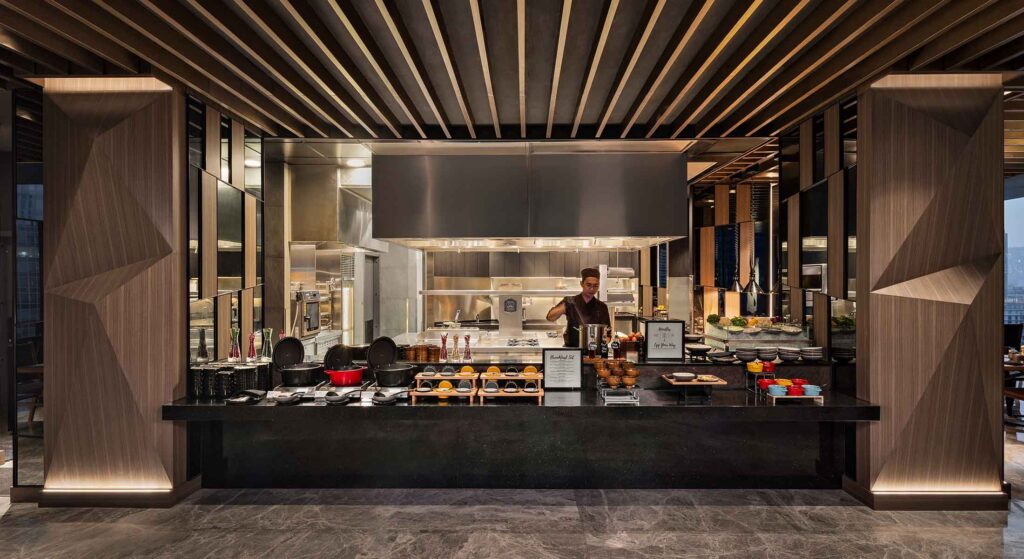
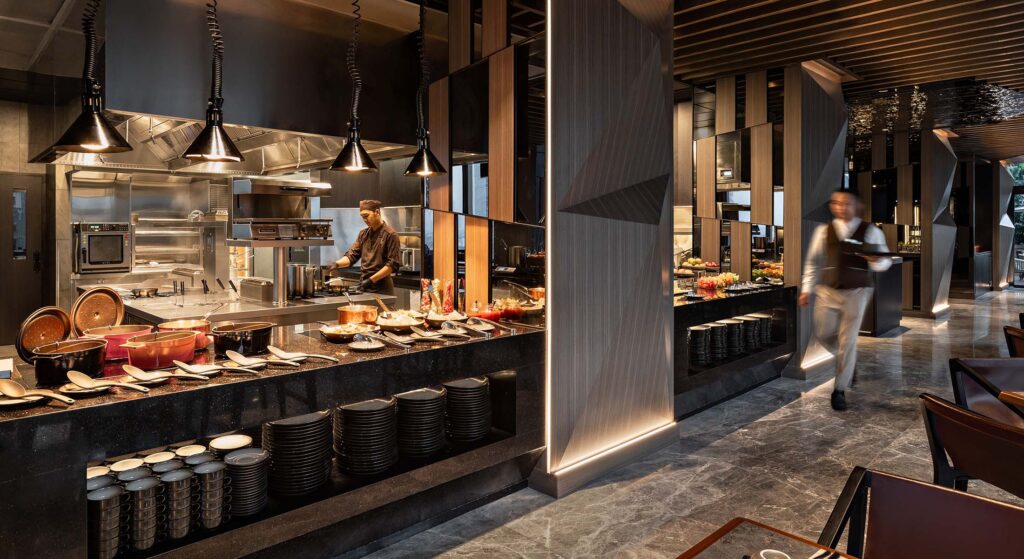
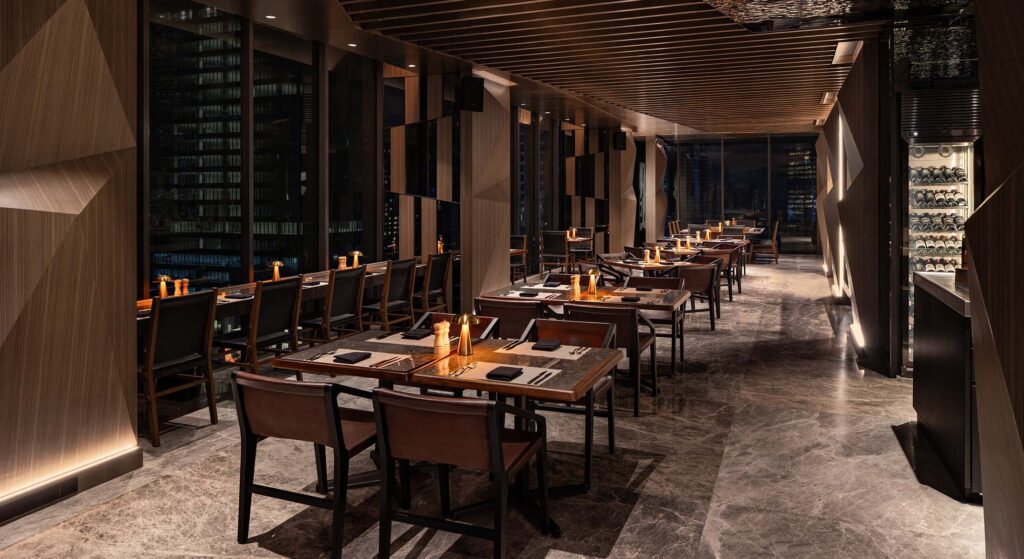
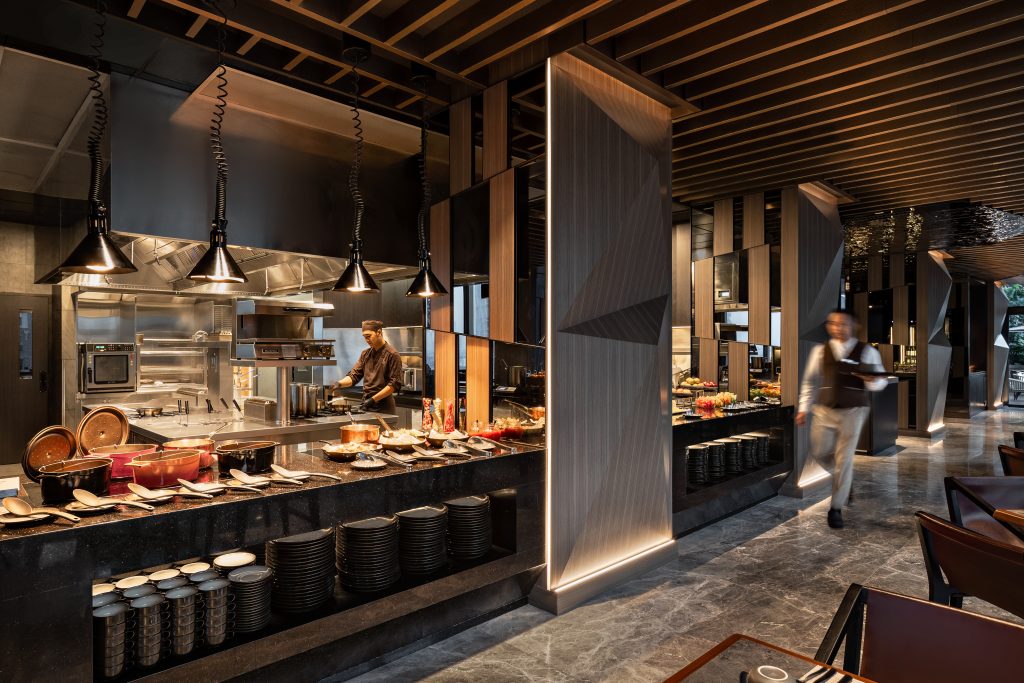
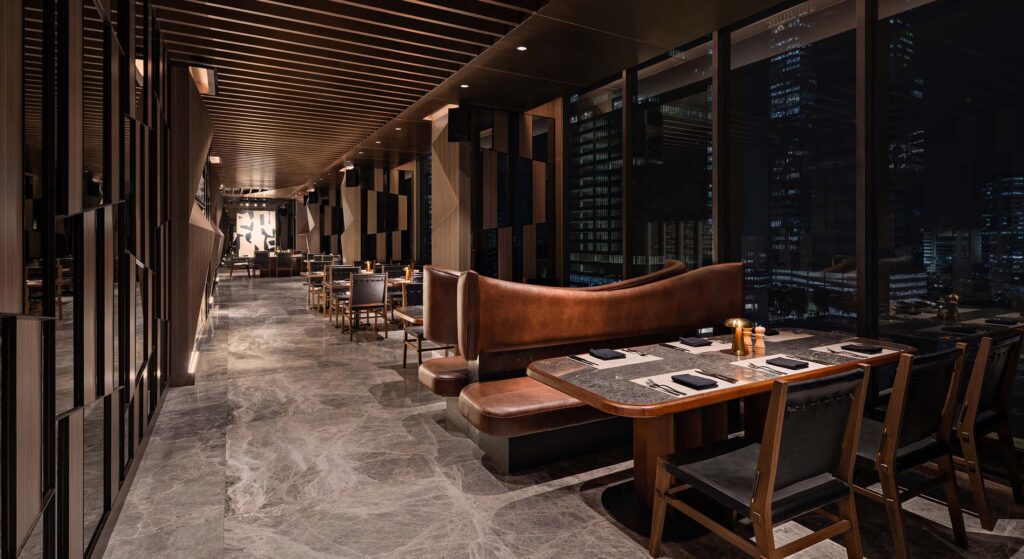
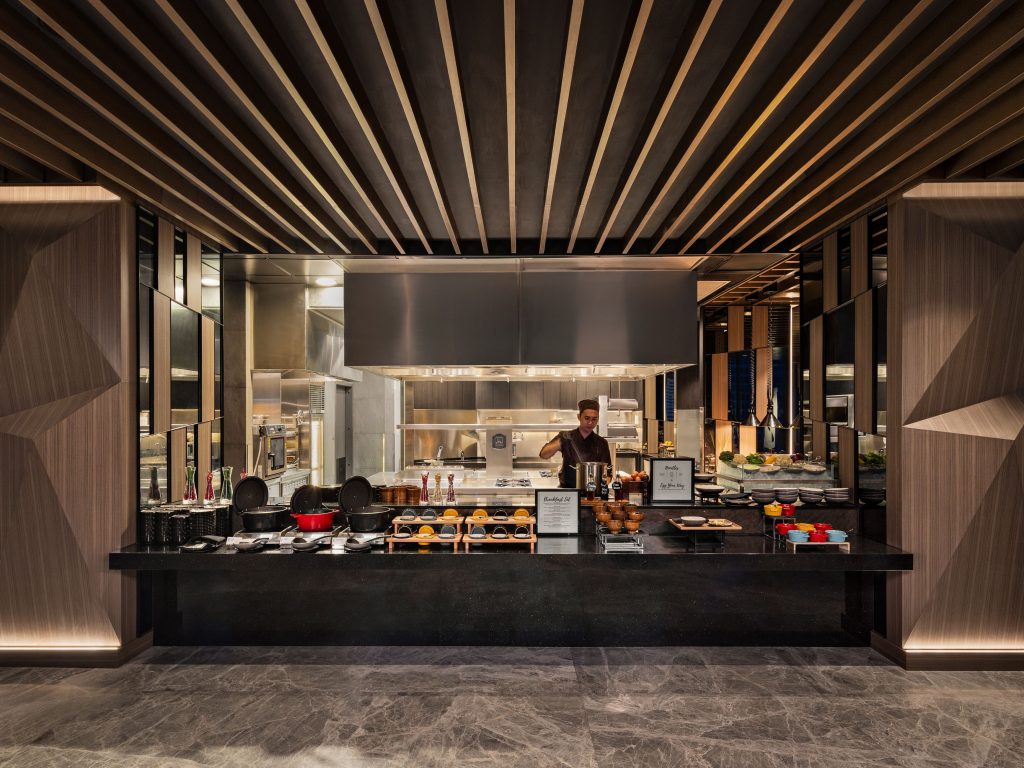
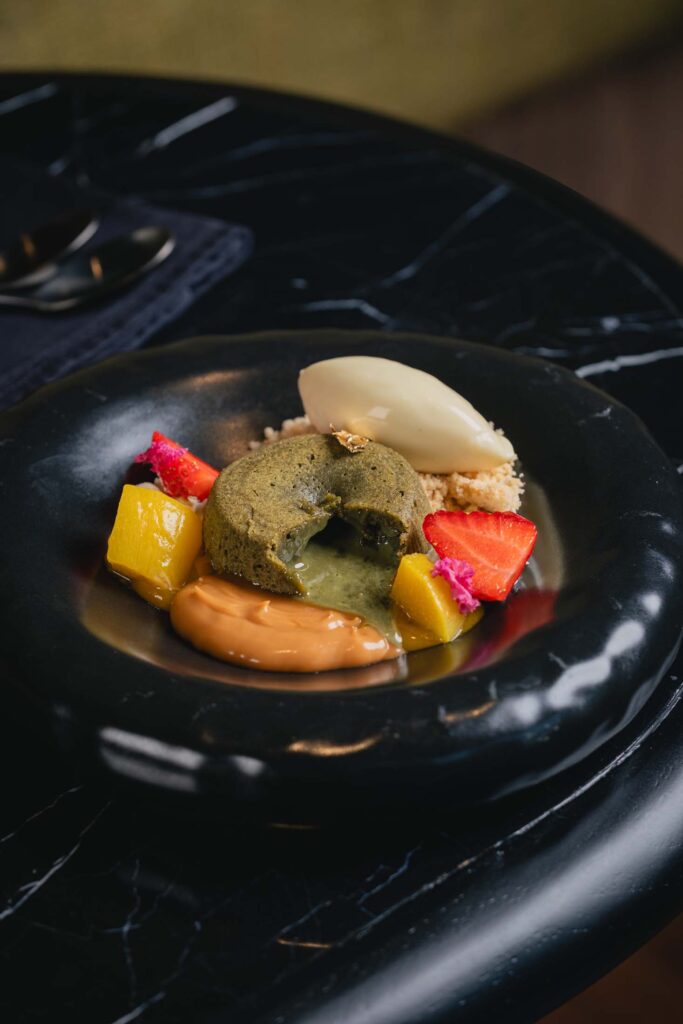
Properties that feature comprehensive amenities, flexible booking terms, and strategic locations near business hubs reflect the Swiss philosophy that accommodation should enhance productivity and well-being, not merely provide a place to sleep. Dining options like quality restaurants near serviced apartments add convenience similar to Swiss urban planning, where residential areas include essential services within walking distance.
Understanding Value Beyond Square Meters
Swiss apartment culture emphasizes value derived from quality, efficiency, and longevity rather than sheer size or luxury finishes. A well-designed 45-square-meter swiss apartment often provides more functional living space than a poorly planned 70-square-meter unit elsewhere. This perspective proves especially relevant for business travelers and expatriates who need practical, comfortable residences rather than showpiece properties.
Smart storage solutions, multi-functional furniture, and thoughtful layouts maximize usability in compact footprints. Natural materials age gracefully and require minimal maintenance. Energy-efficient systems reduce utility costs over time. Proximity to work and services saves commuting hours. These factors contribute to overall quality of life in ways that raw square meters cannot.
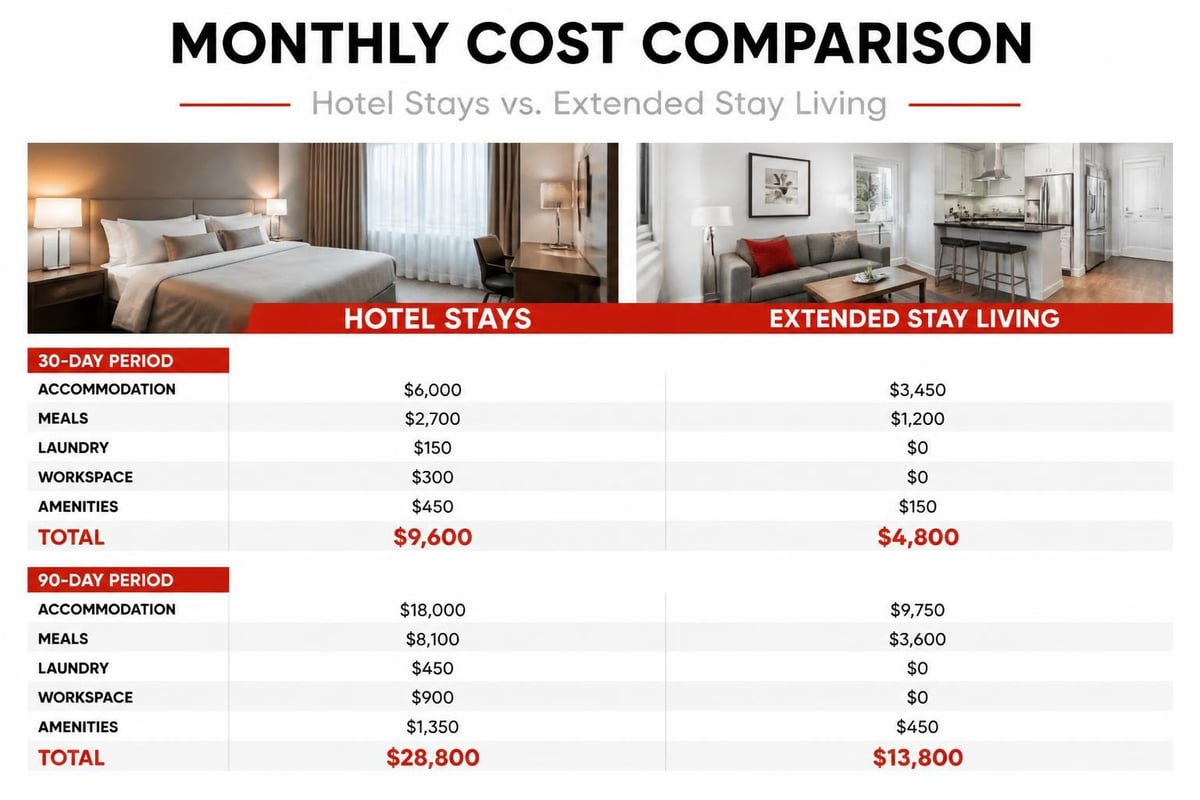
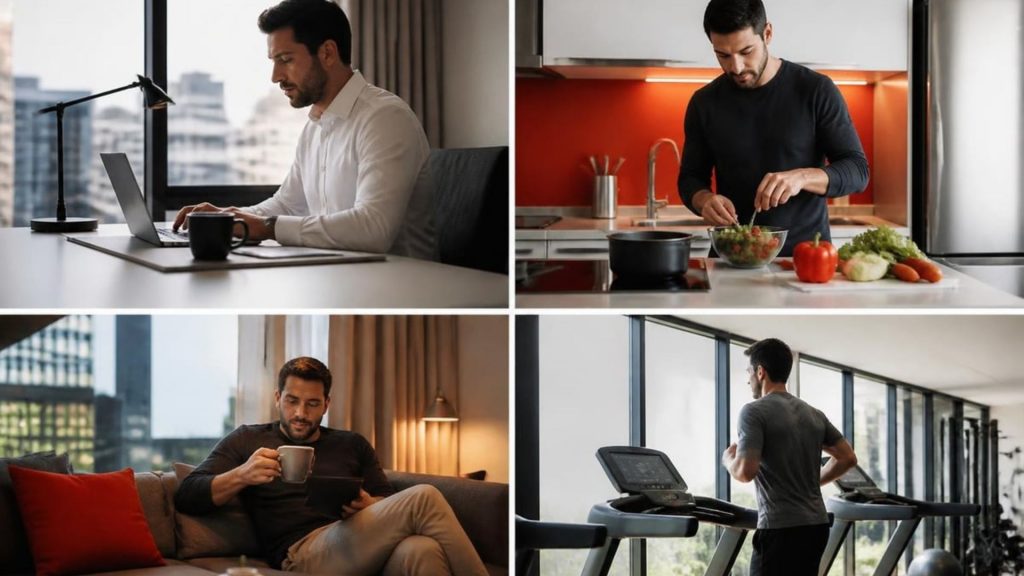
When evaluating serviced apartments for extended stays, consider the total living experience rather than specifications alone. Can the kitchen accommodate actual meal preparation for a family? Does the workspace support productive remote work? Will the laundry facilities handle weekly washing needs? These practical considerations matter more than premium finishes or impressive lobbies for guests spending weeks or months in residence.
Integration with Urban Infrastructure and Services
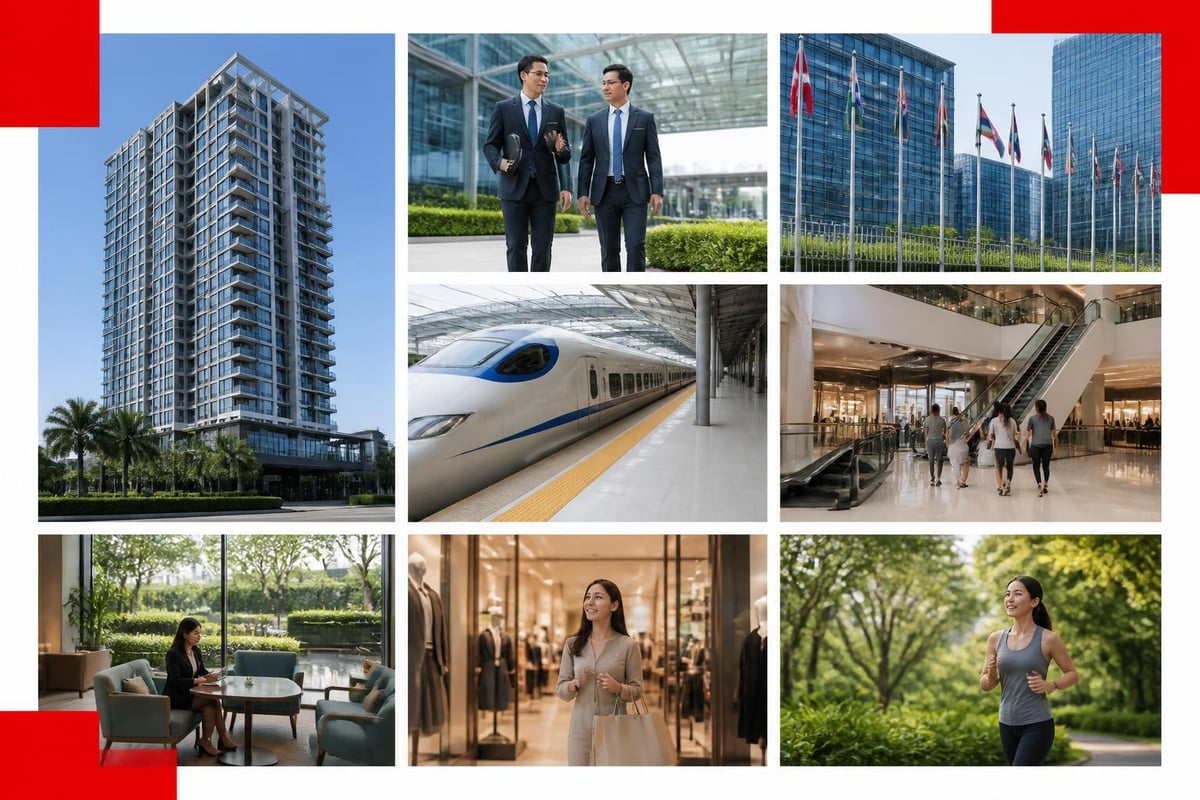
Swiss apartments benefit from exceptional urban infrastructure, including reliable public transportation, walkable neighborhoods, and proximity to schools, healthcare facilities, and shopping. Zoning regulations ensure mixed-use development patterns that place residential buildings near essential services, reducing car dependency and improving quality of life.
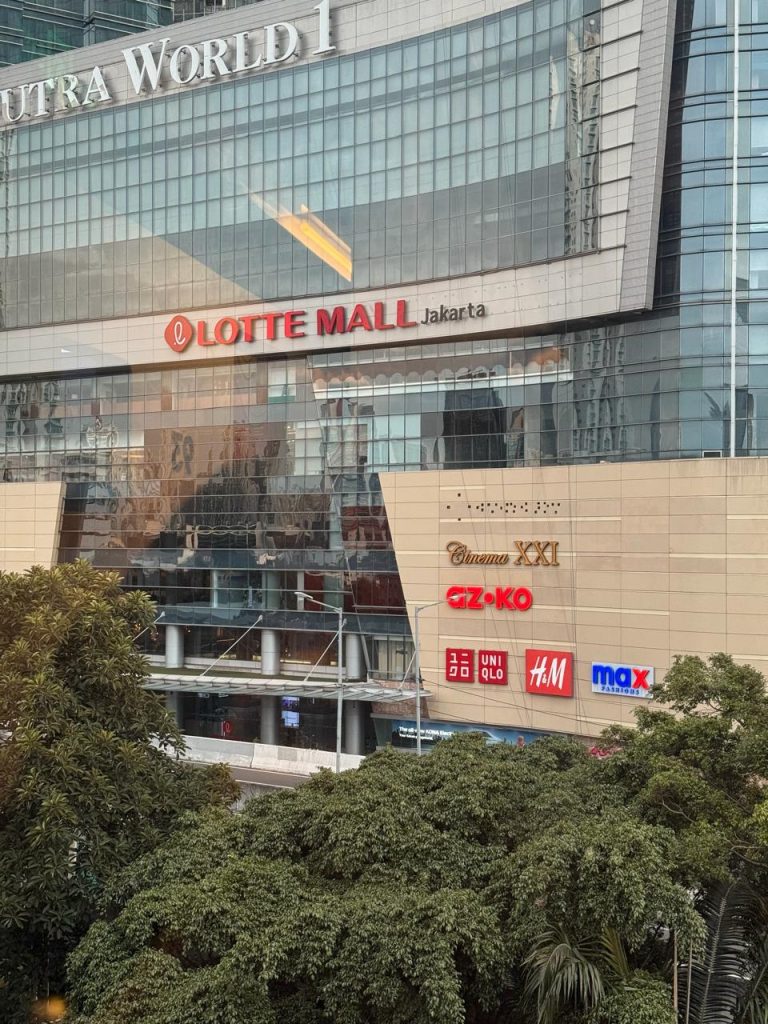
This integration model applies equally to serviced apartment locations in global business capitals. Properties near business districts, international schools, medical facilities, and shopping centers provide the convenience that mobile professionals and expatriate families require. The Swiss approach demonstrates that residential quality extends beyond the apartment walls to encompass neighborhood characteristics, transportation access, and community amenities.
For families researching accommodation options in Jakarta, location relative to schools, embassies, and business offices often determines daily convenience and overall satisfaction. Swiss urban planning principles emphasize these connections, recognizing that housing quality depends on contextual factors as much as building specifications.
Swiss apartments set global benchmarks for residential quality through stringent building standards, tenant protections, and design principles that prioritize functionality and sustainability. These same values inform premium serviced apartment developments worldwide, particularly properties serving business travelers and expatriate families who expect reliable quality regardless of location. Whether you need flexible accommodation for a business assignment in Jakarta's central business district or long-term housing near Mega Kuningan, Swissôtel Living Jakarta Mega Kuningan delivers swiss-inspired quality with 240 fully furnished residences available for daily, weekly, monthly, or yearly stays, combining the comfort of home with the convenience of hotel services in South Jakarta's premier business location.