
Residence Apartments: Complete 2026 Guide
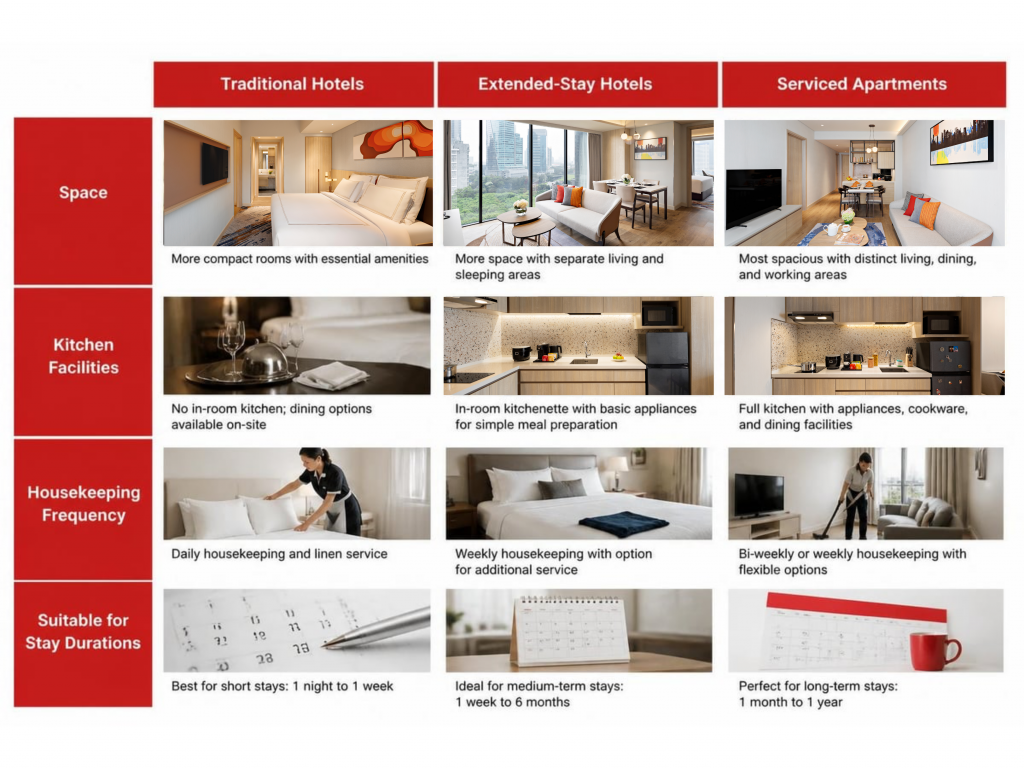
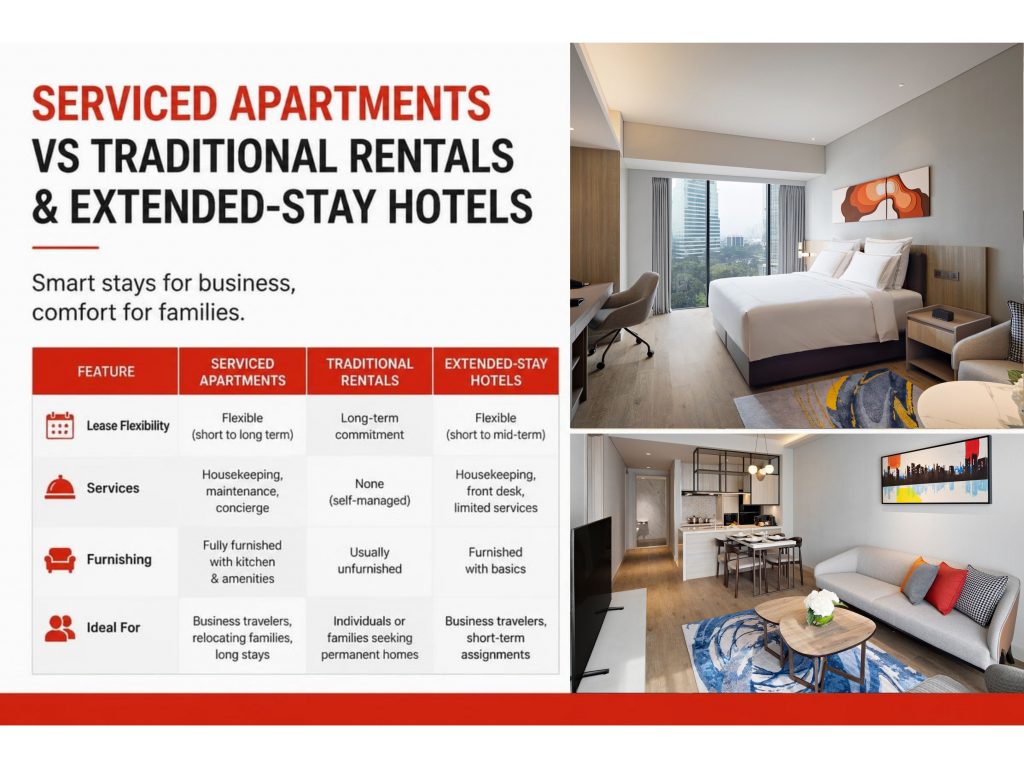
Residence apartments represent a sophisticated evolution in modern living arrangements, bridging the gap between traditional rental units and hotel accommodations. These fully furnished properties offer flexible lease terms, comprehensive amenities, and professional services that cater to business professionals, families, and expatriates seeking temporary or extended housing solutions. As the demand for adaptable living spaces continues to grow in 2026, residence apartments have become the preferred choice for individuals and corporations requiring quality accommodation with the comforts of home and the convenience of hotel services.
Understanding Residence Apartments
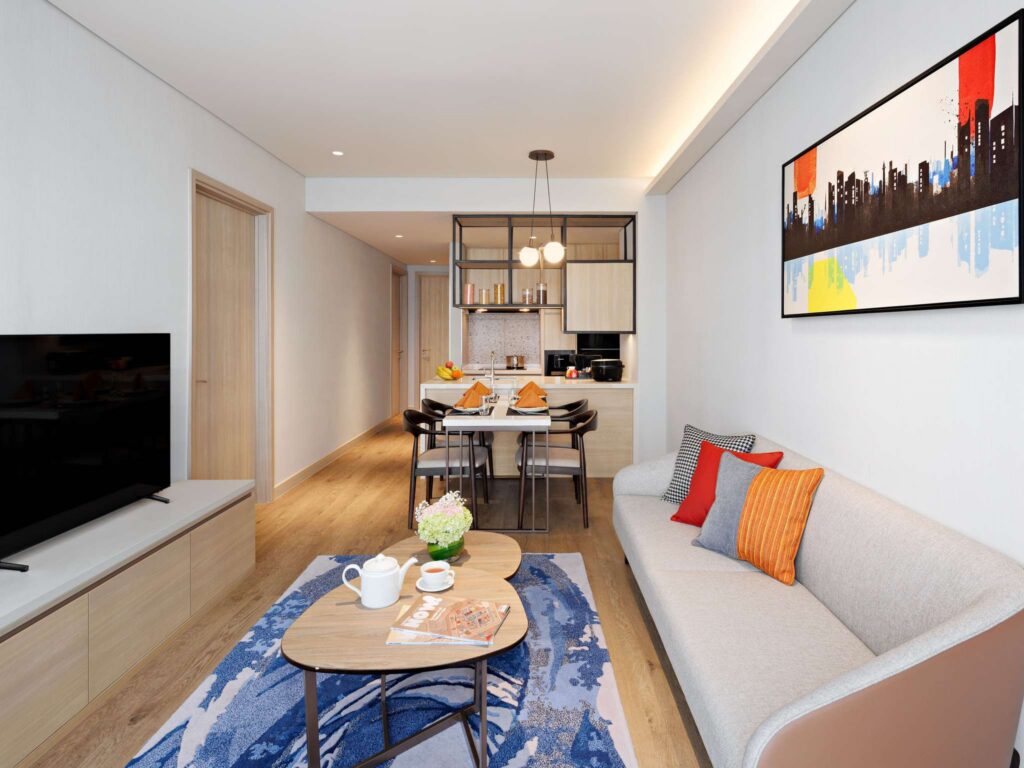
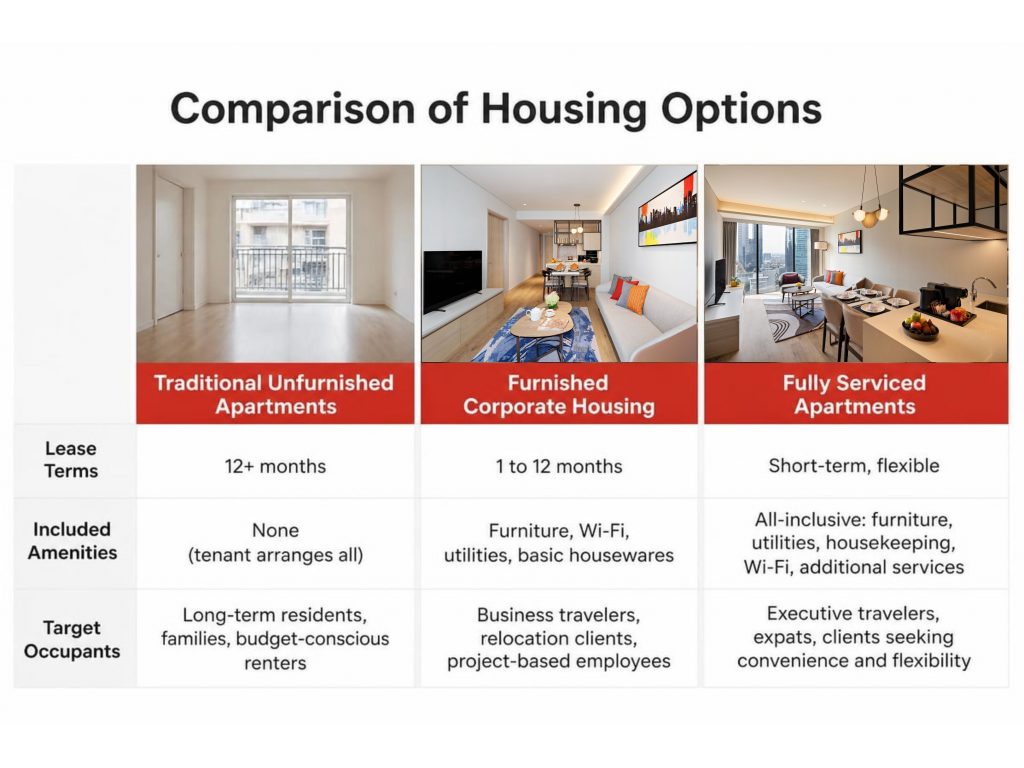
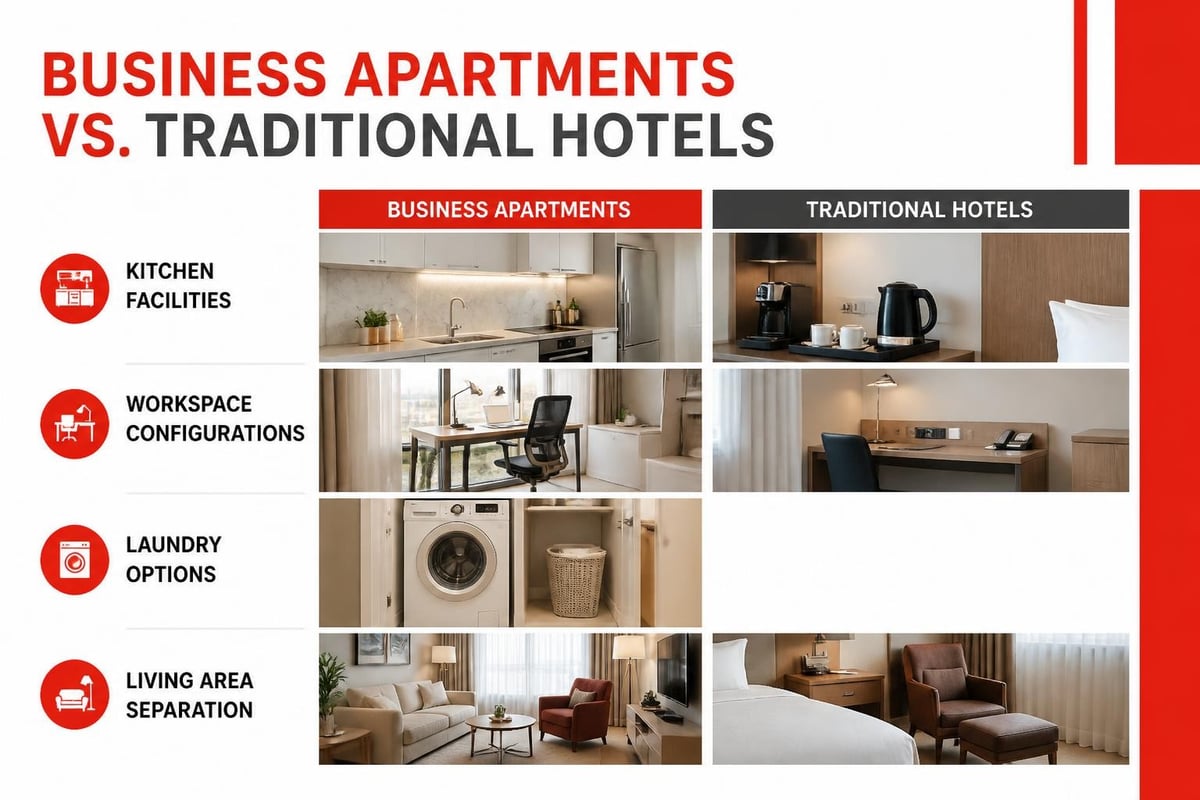
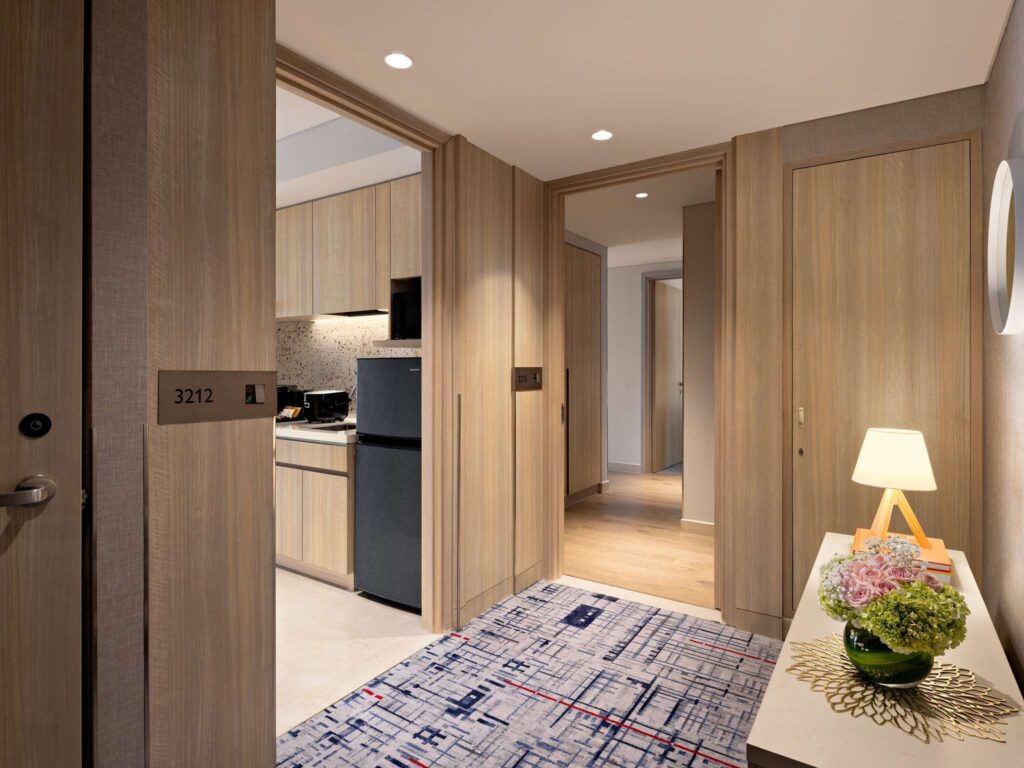
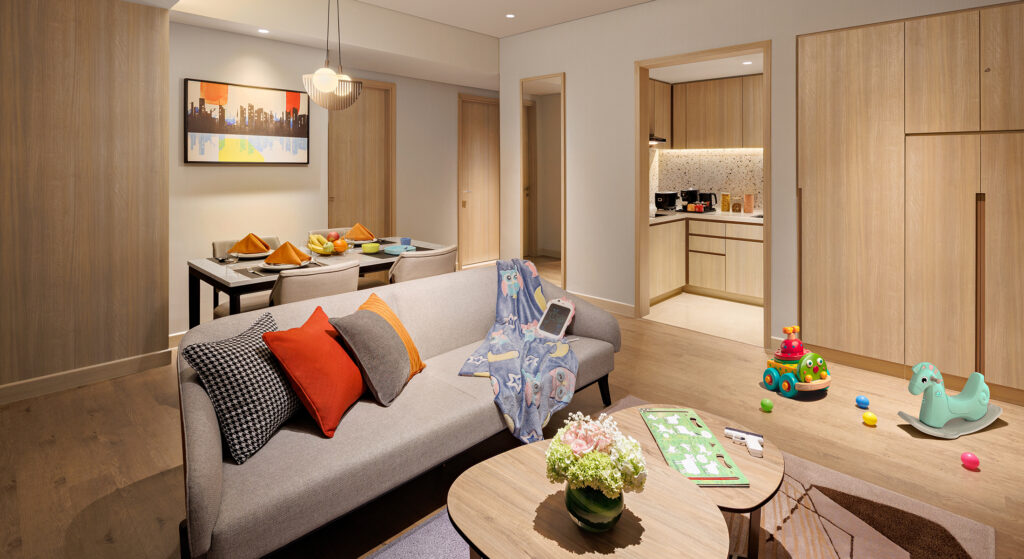
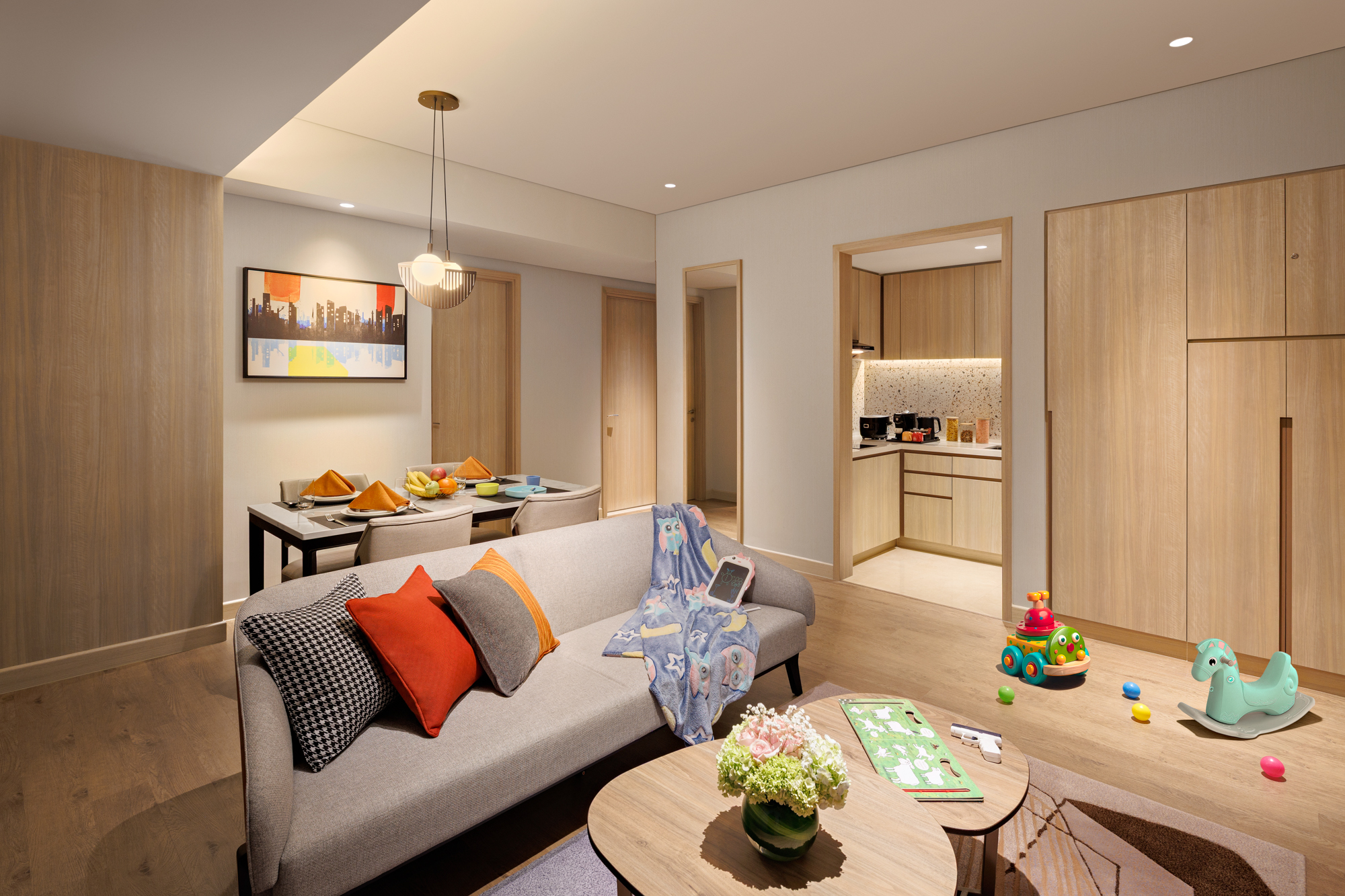
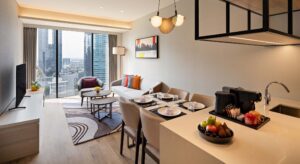
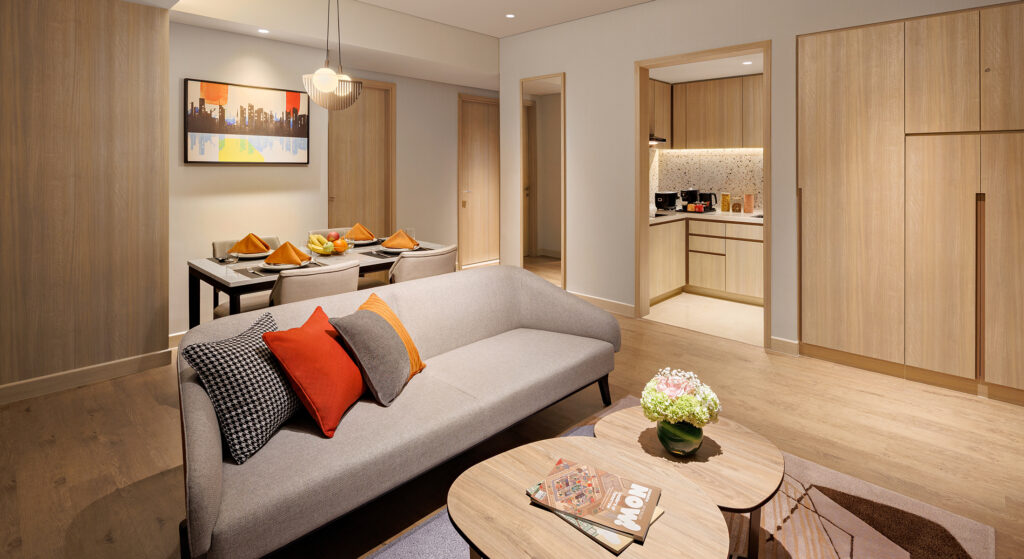
Residence apartments differ significantly from conventional rental properties through their comprehensive approach to tenant services and amenities. These properties come fully equipped with furniture, housewares, and technology infrastructure, eliminating the need for residents to purchase or transport household items.
Core Features and Services
The defining characteristics of residence apartments extend beyond basic furnishings. Properties typically include:
-
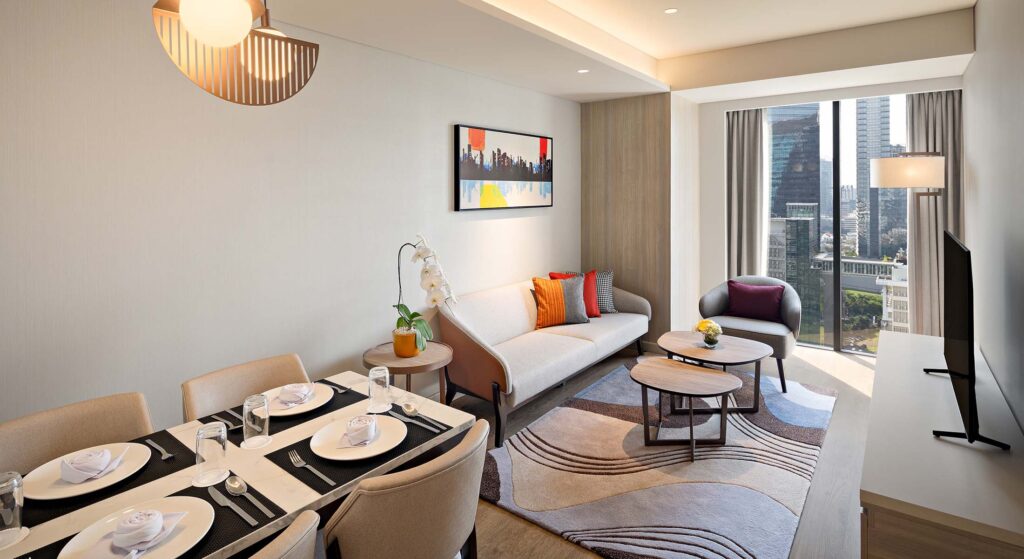
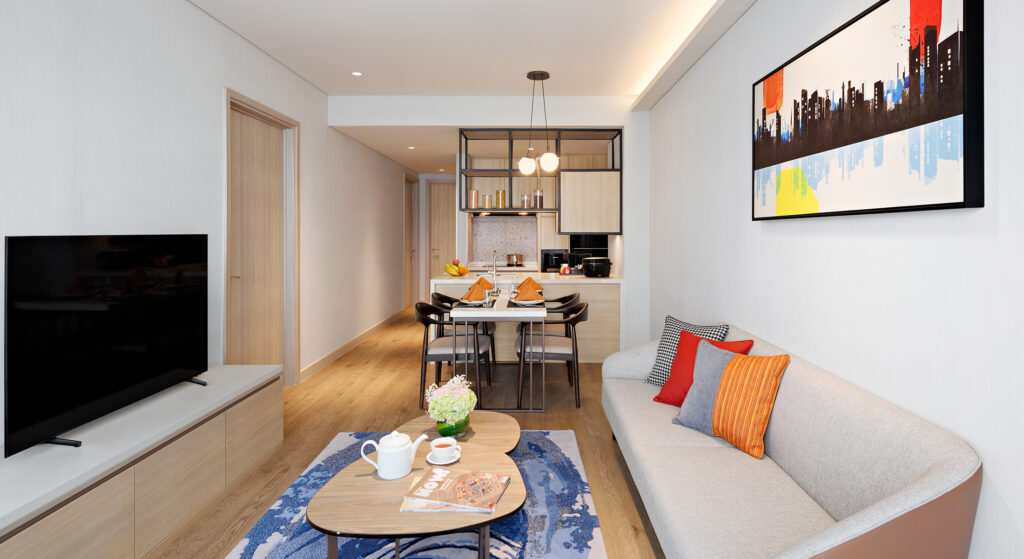
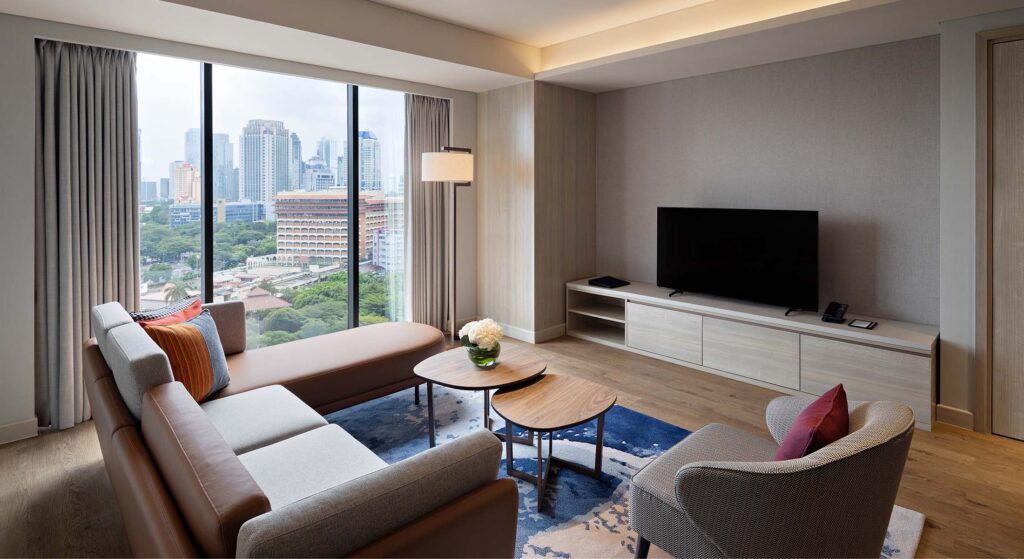
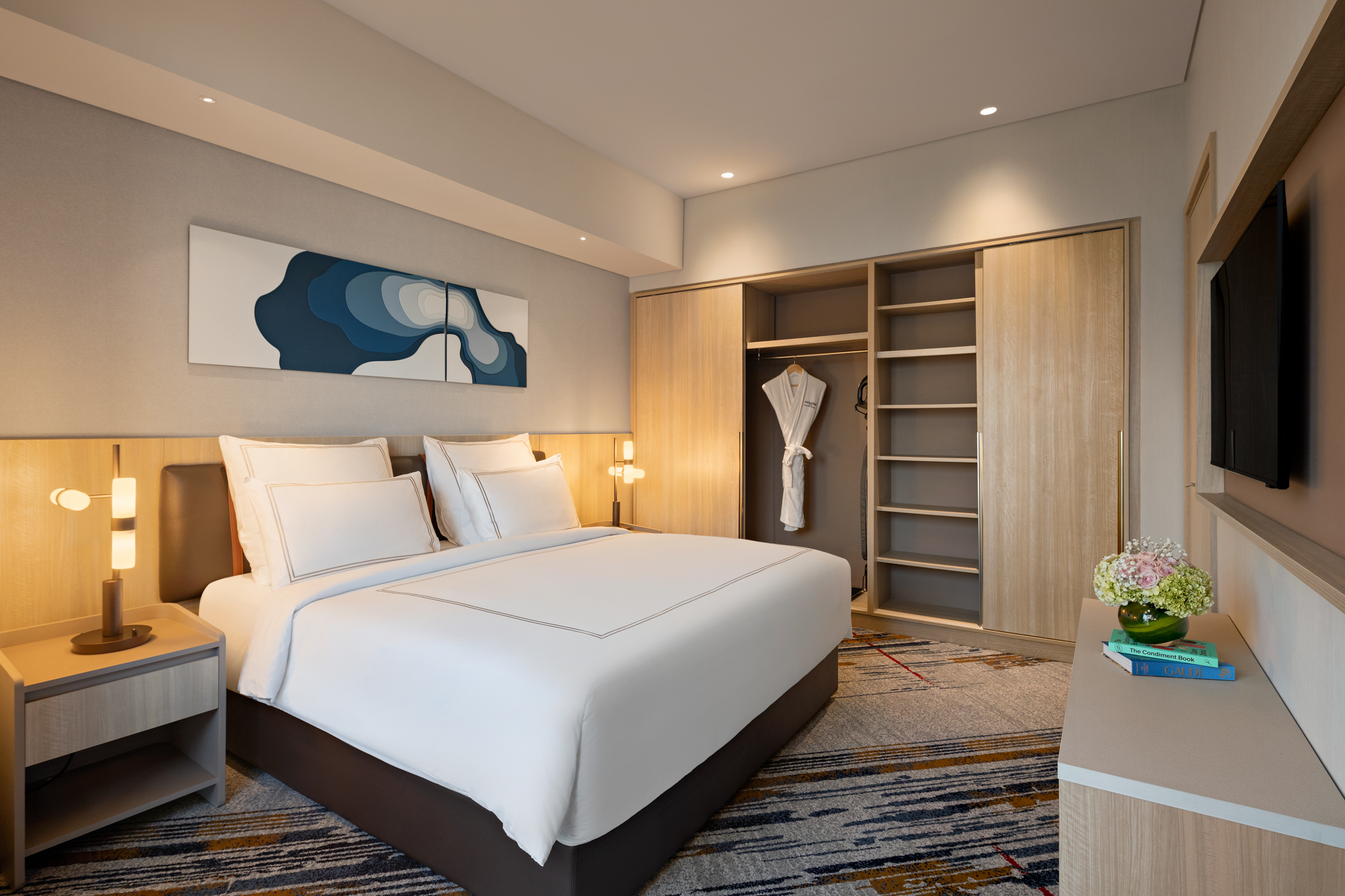
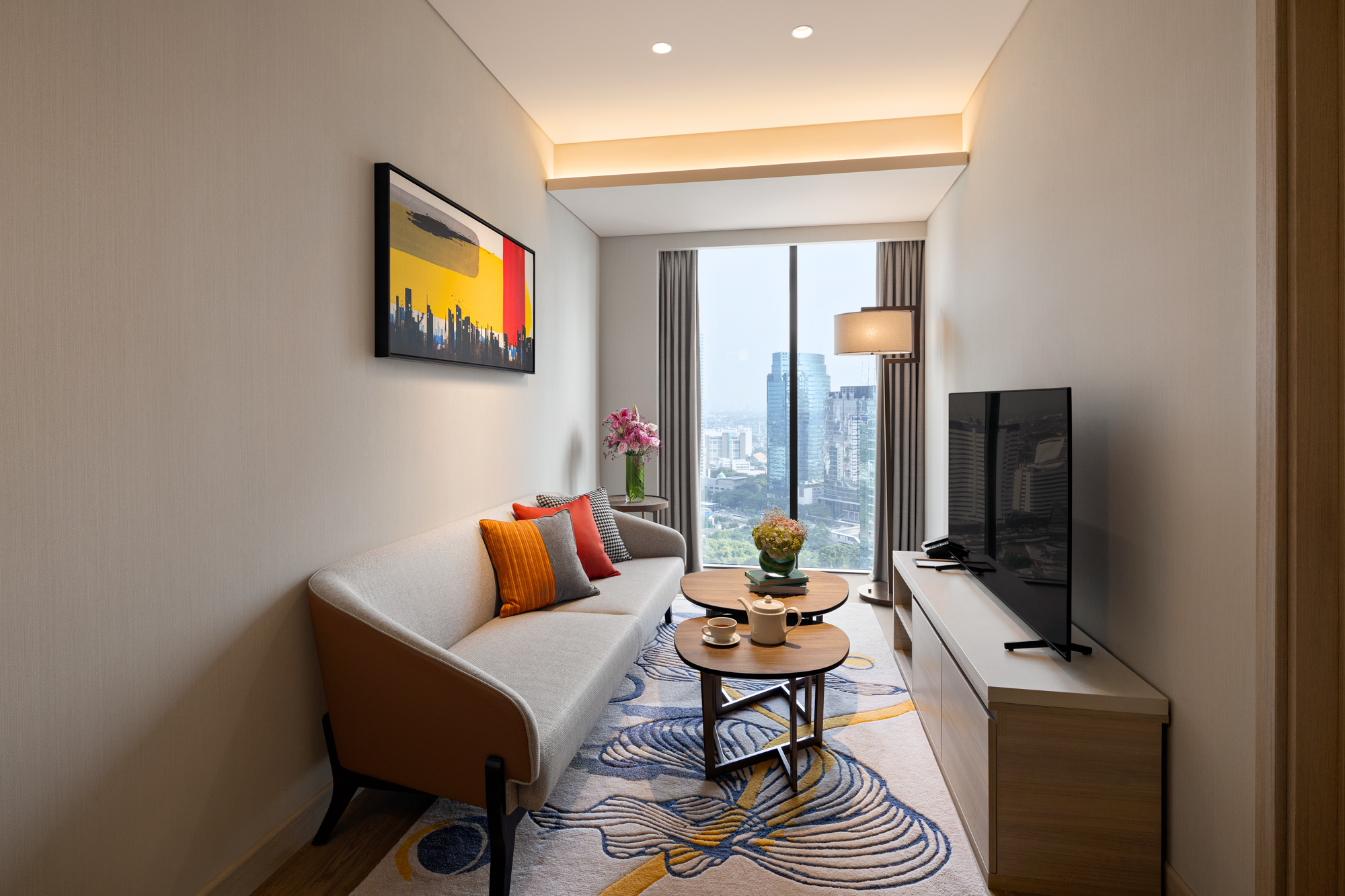
Professionally designed interiors with coordinated furniture, bedding, and décor
-
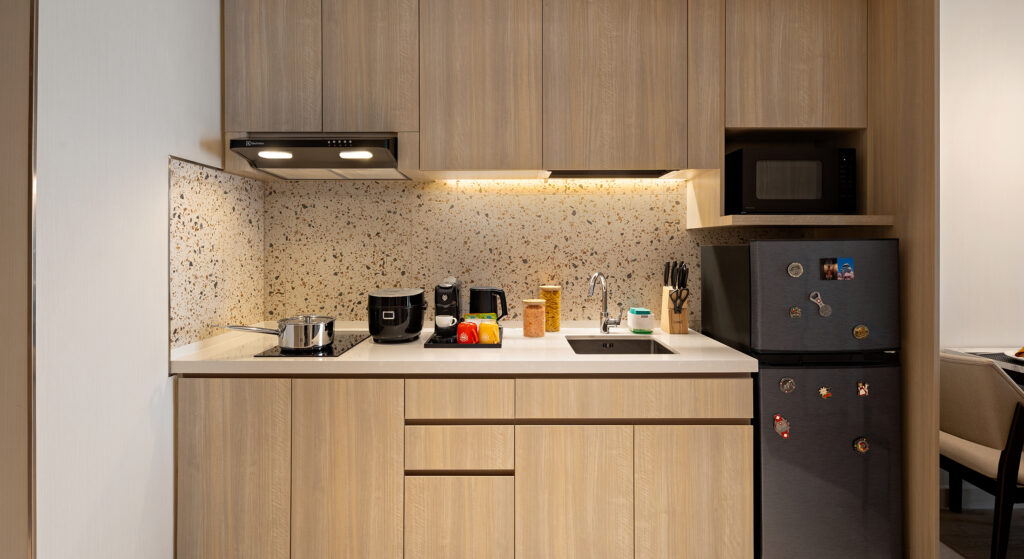
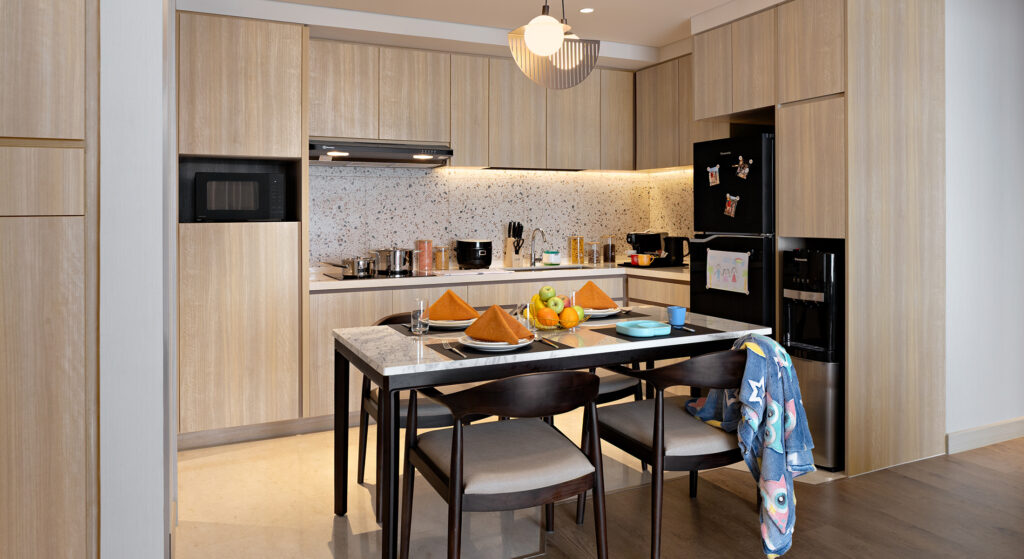
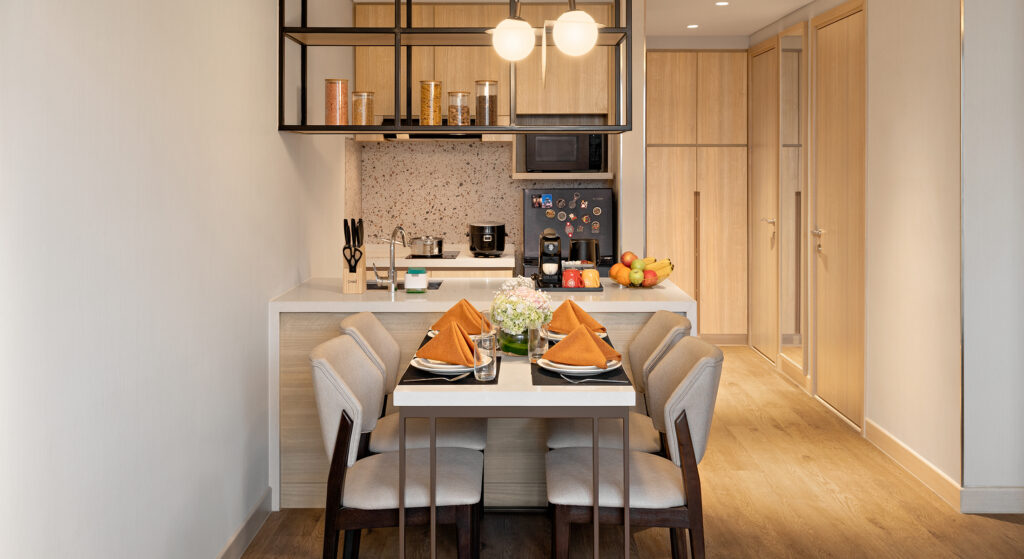
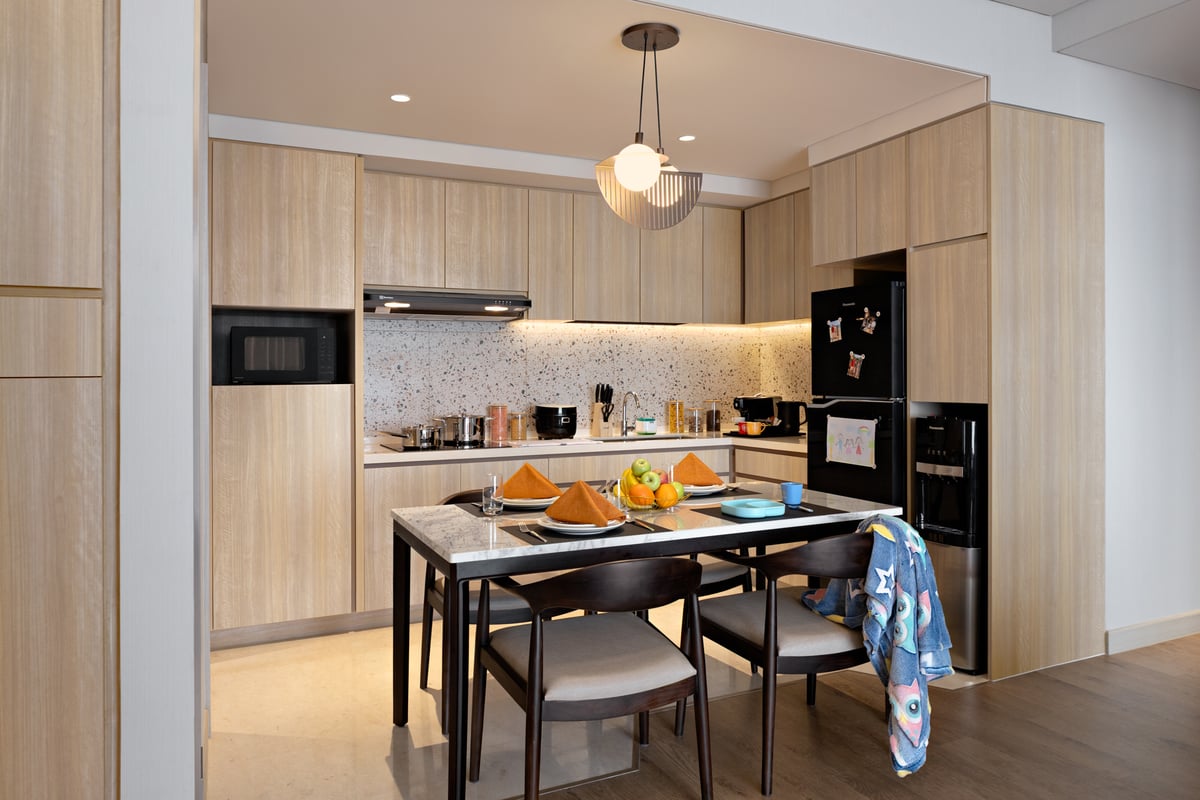
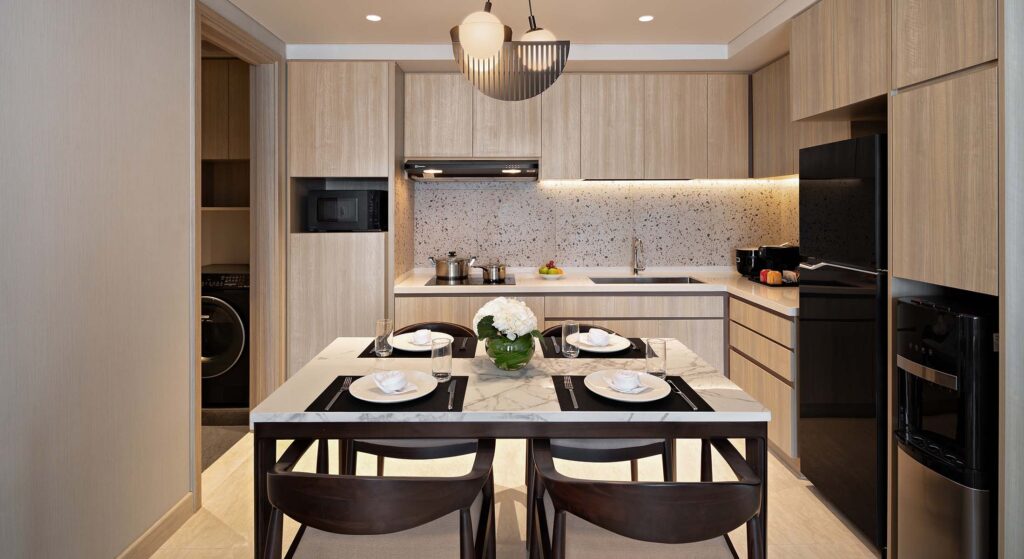
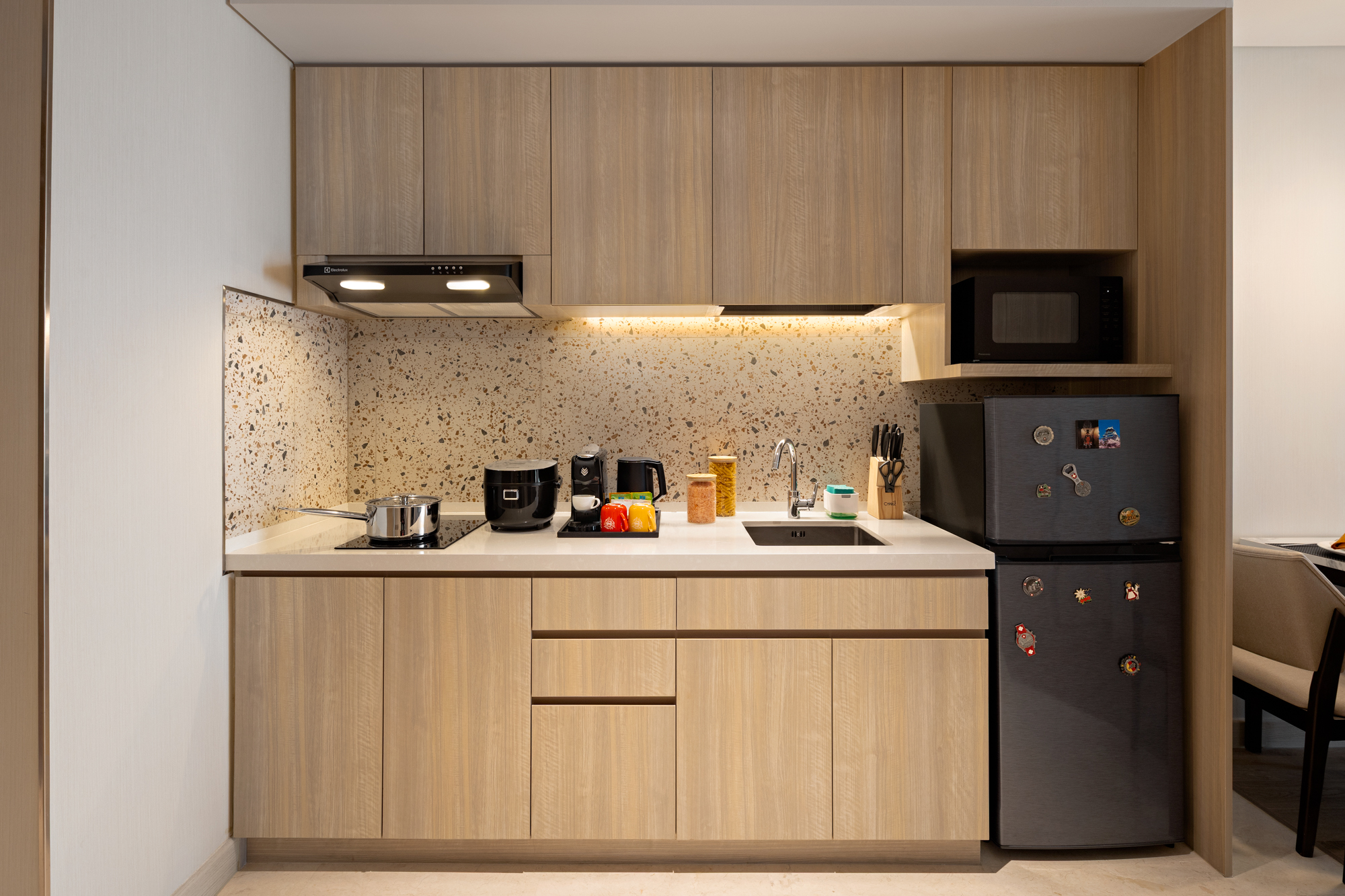
Full kitchen equipment including appliances, cookware, and utensils
-
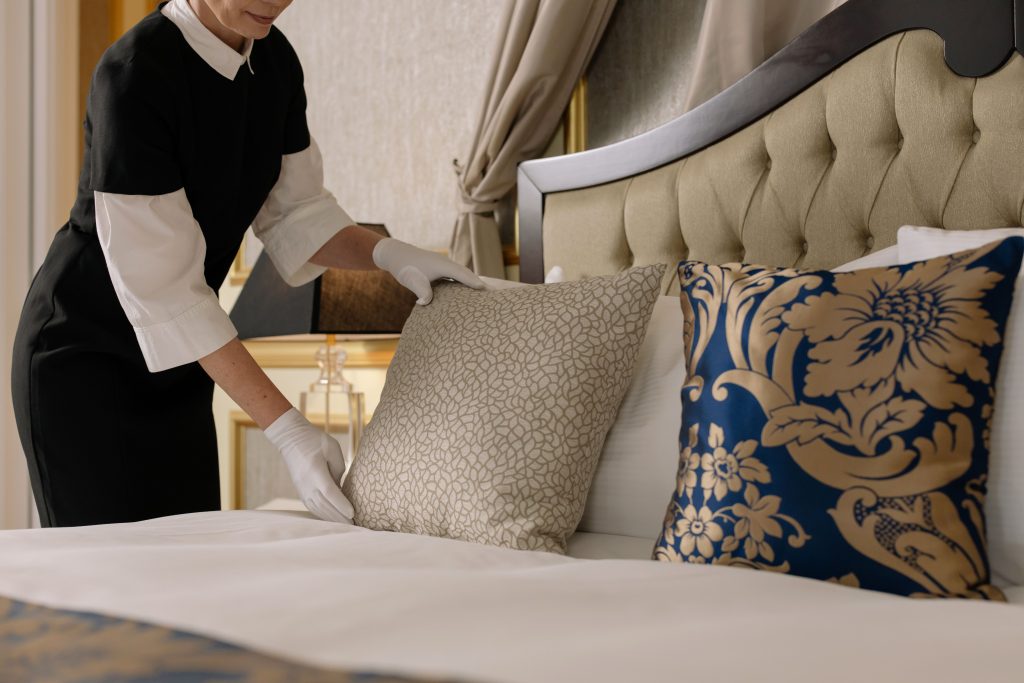
Weekly housekeeping services maintaining cleanliness standards
-
Concierge assistance for reservations, transportation, and local information
-
Utilities management with costs often included in monthly rates
-
High-speed internet and entertainment systems pre-installed
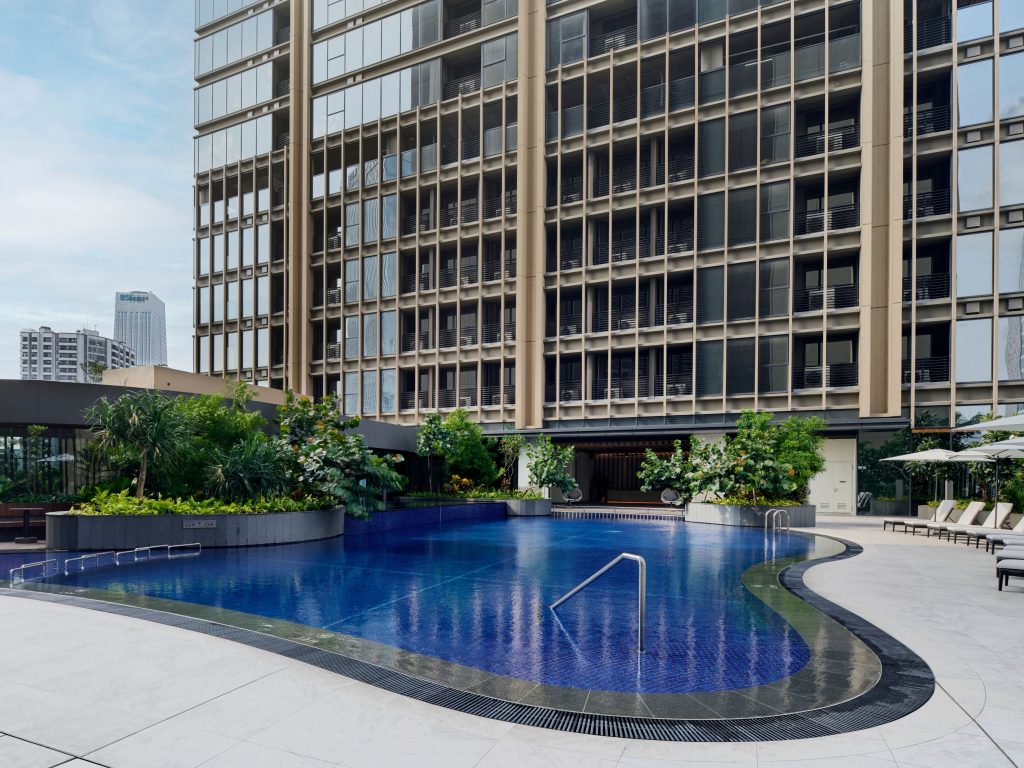
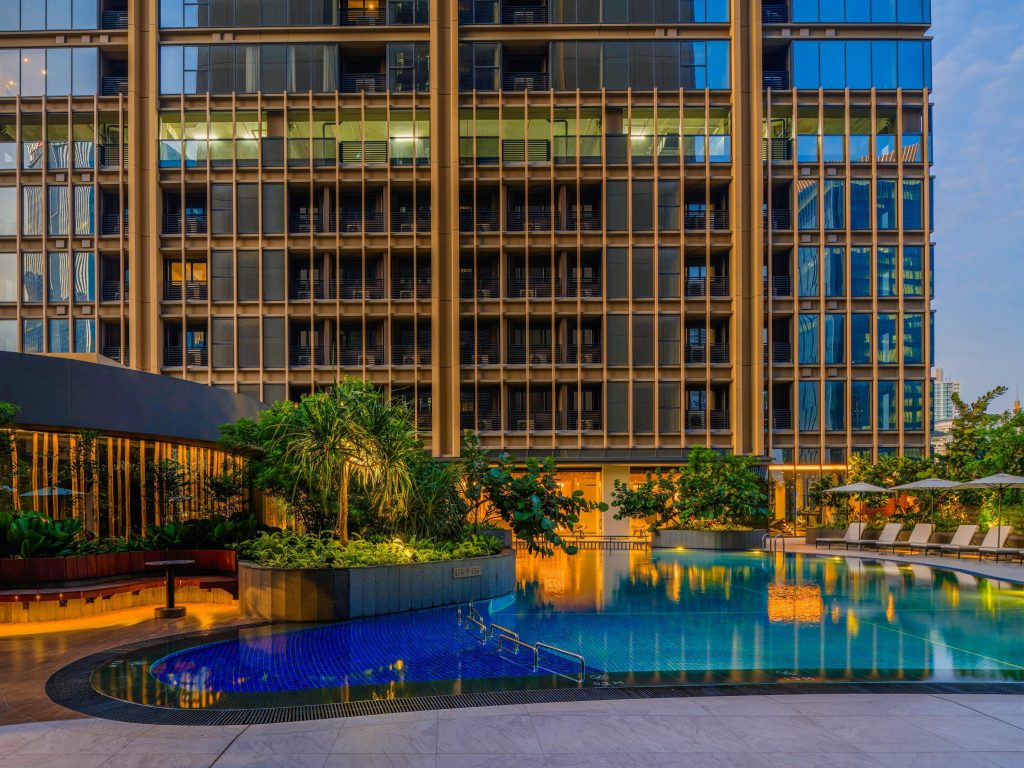
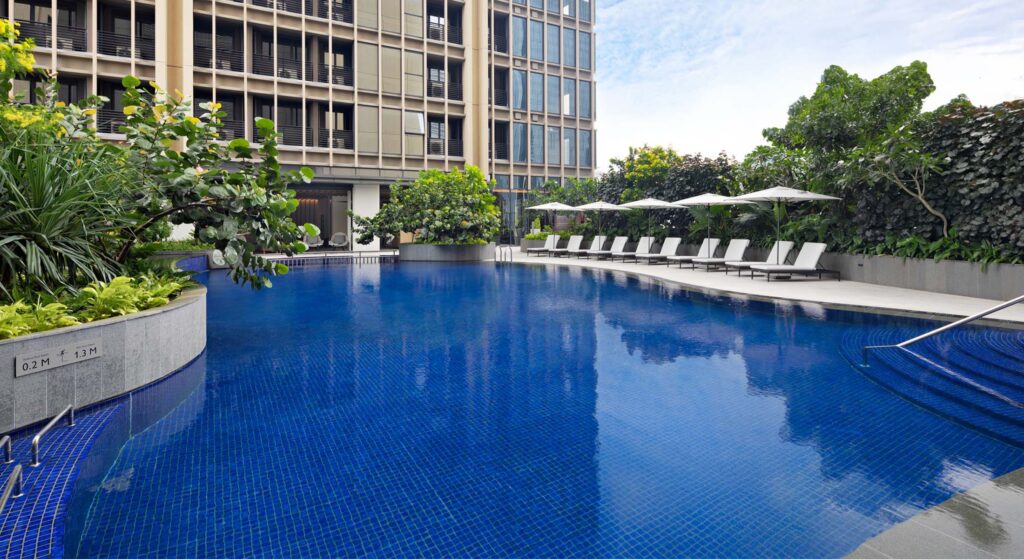
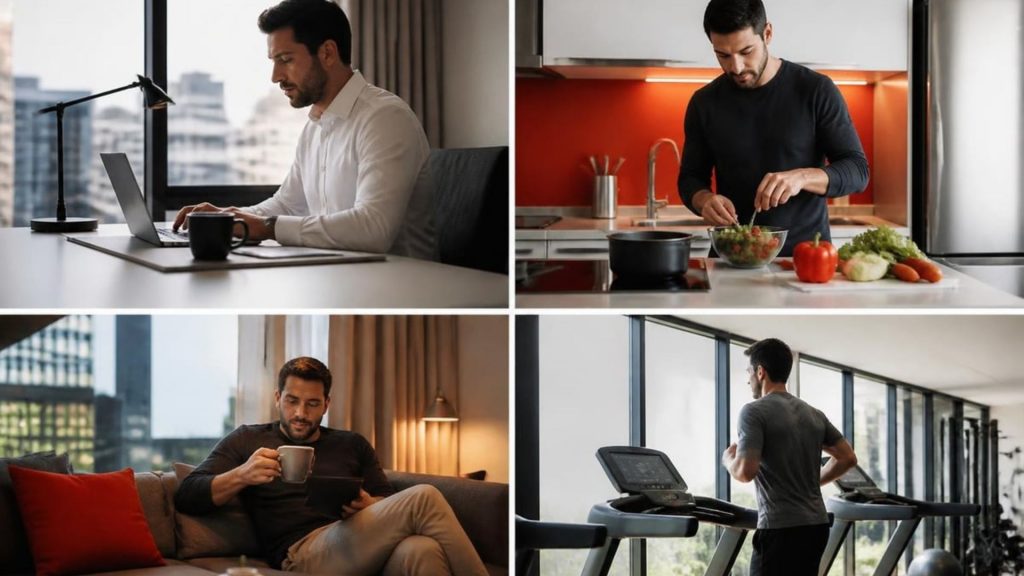
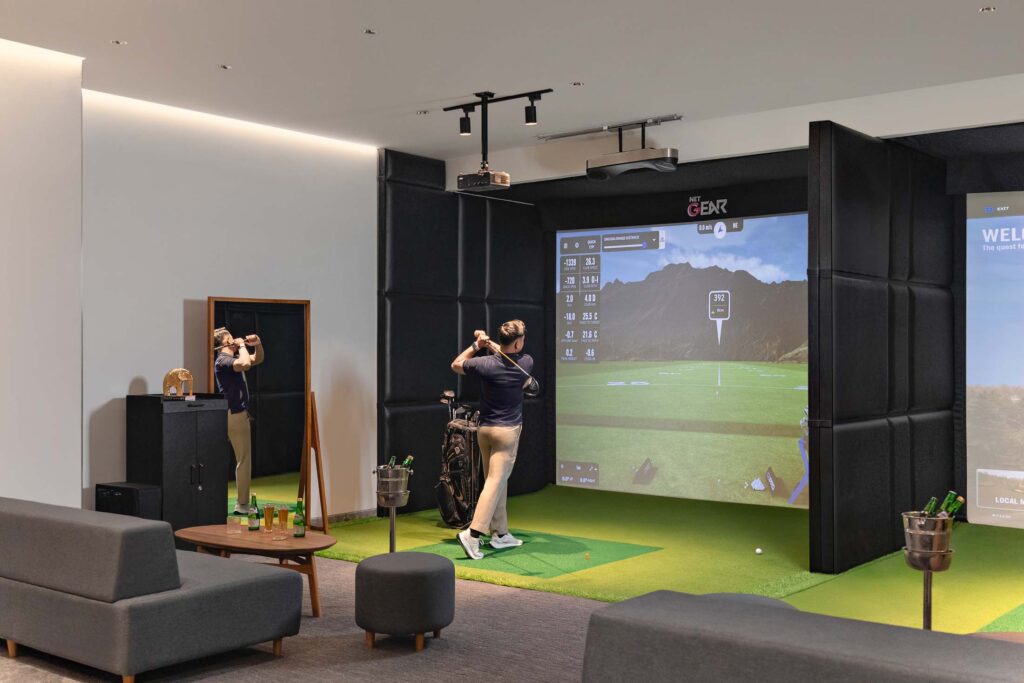
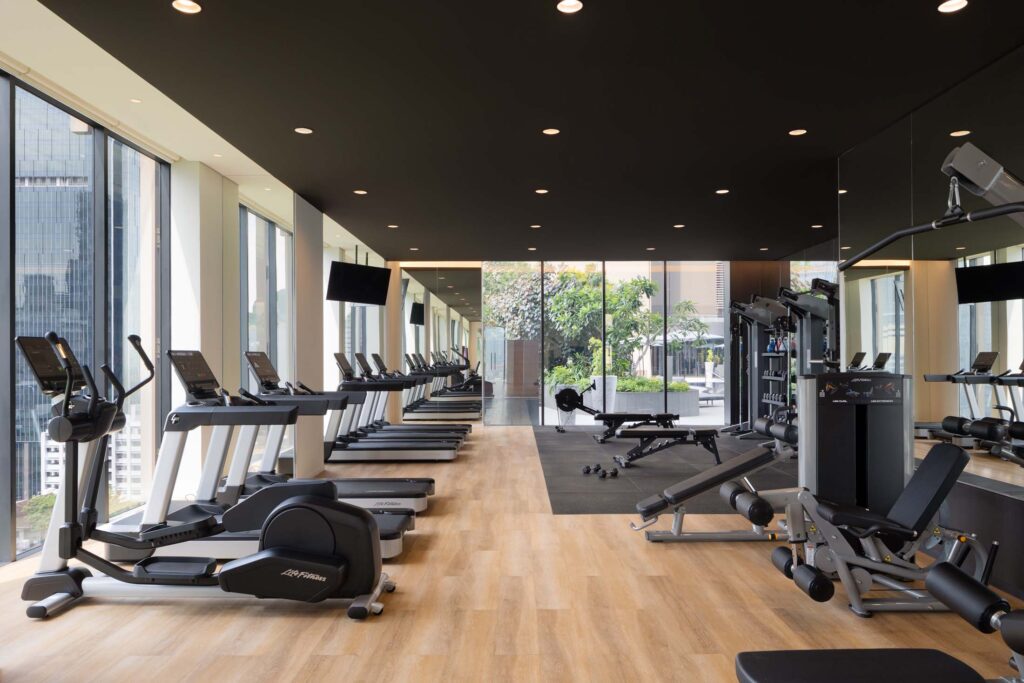
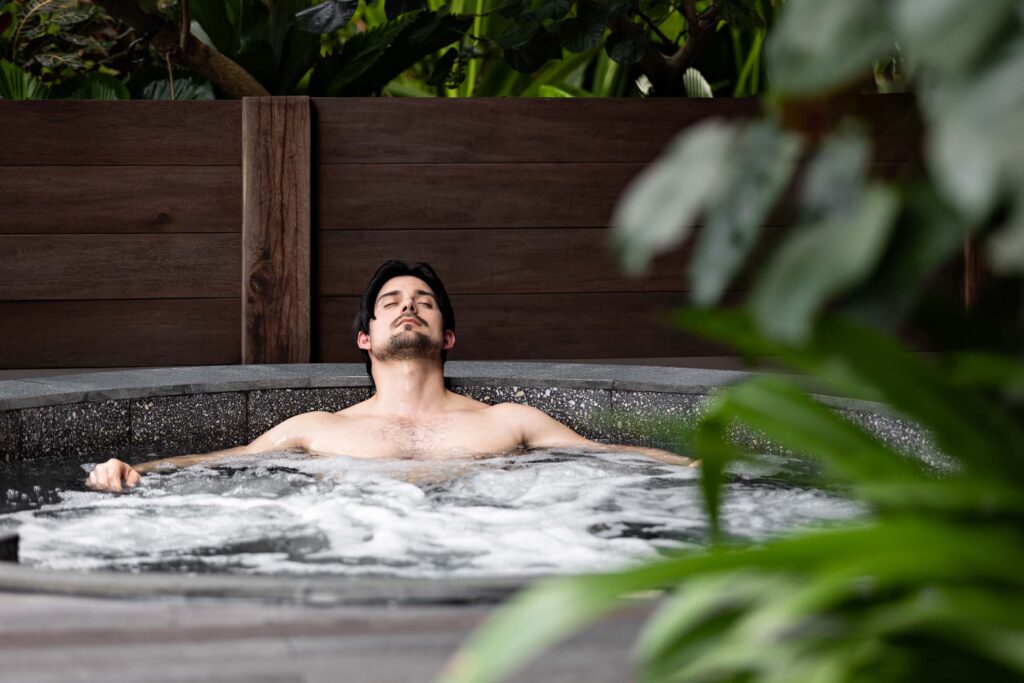
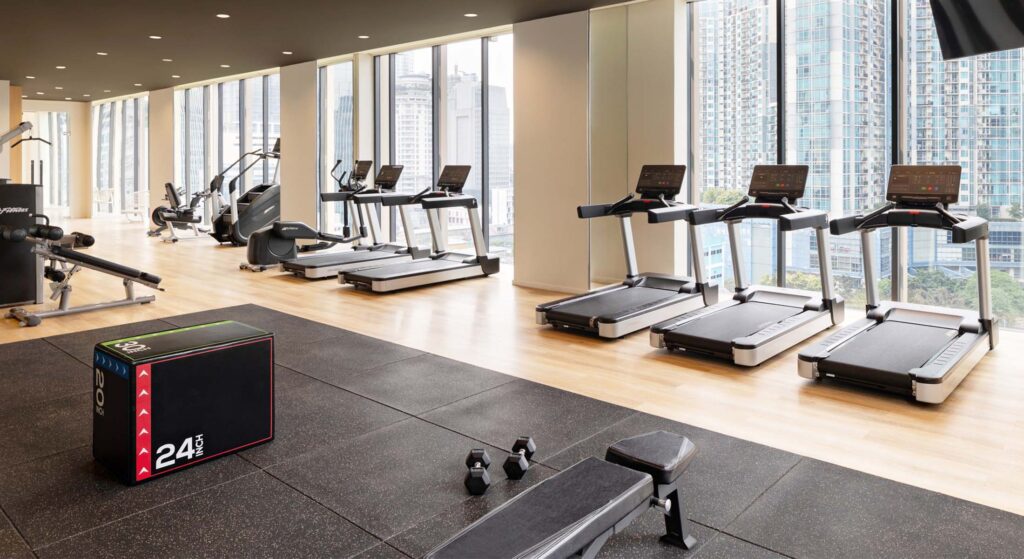
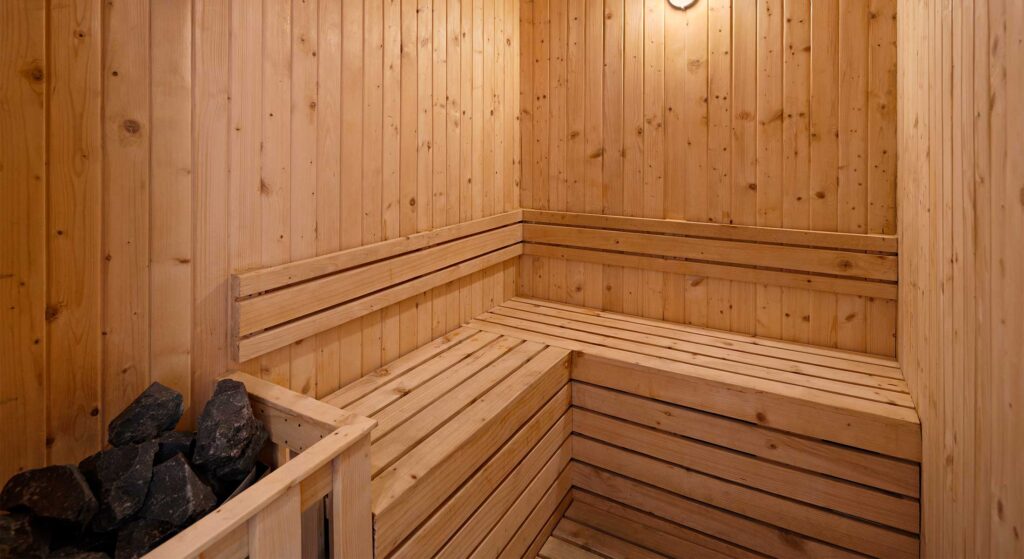
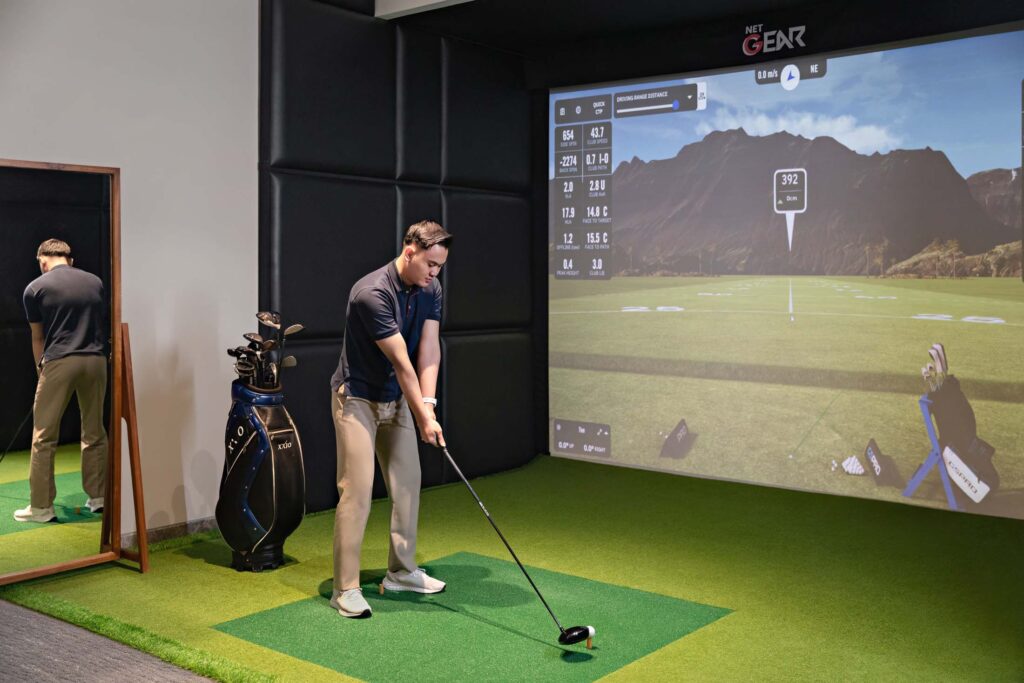
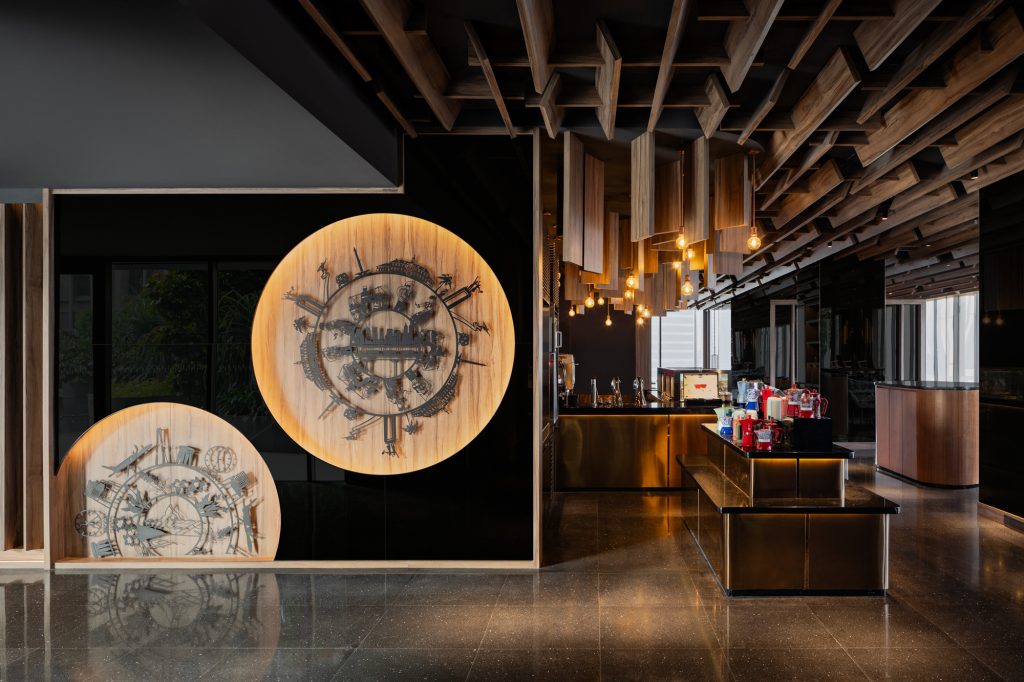
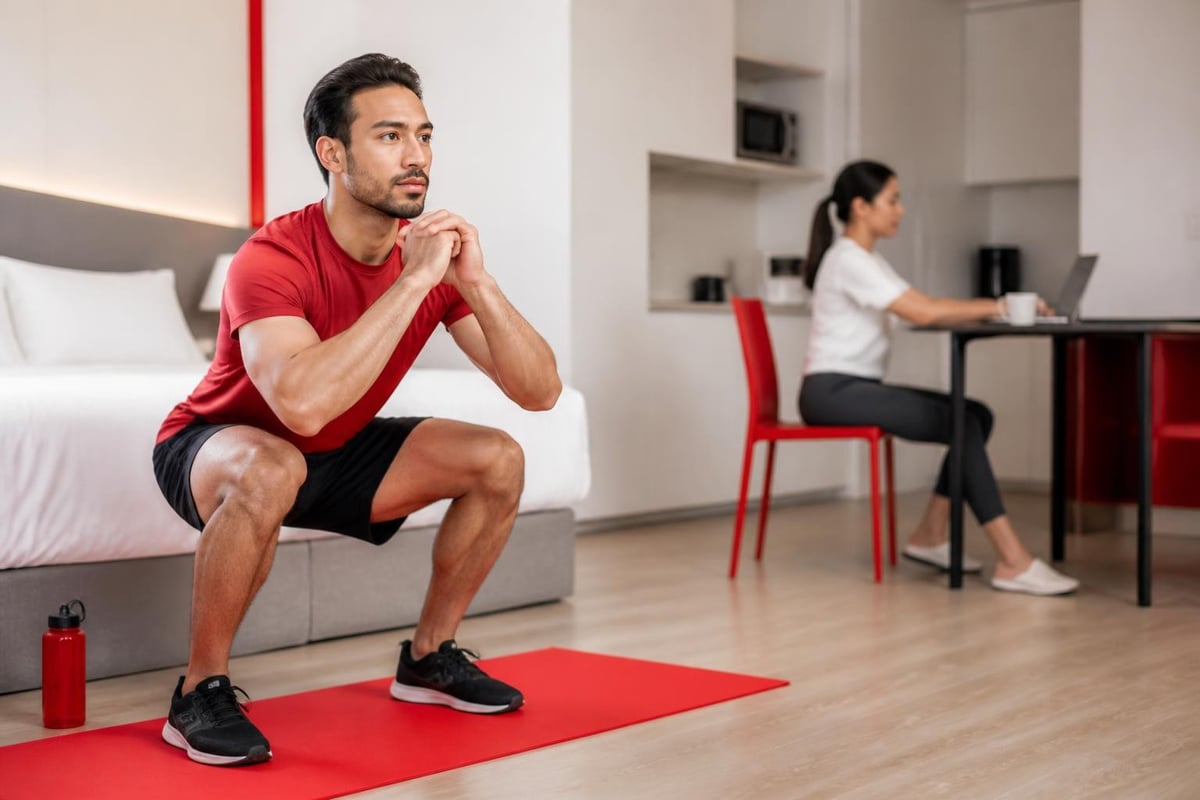
Many residence apartments also provide access to shared facilities such as fitness centers, business lounges, and recreational spaces. These amenities mirror those found in upscale hotels while maintaining the privacy and autonomy of independent living.
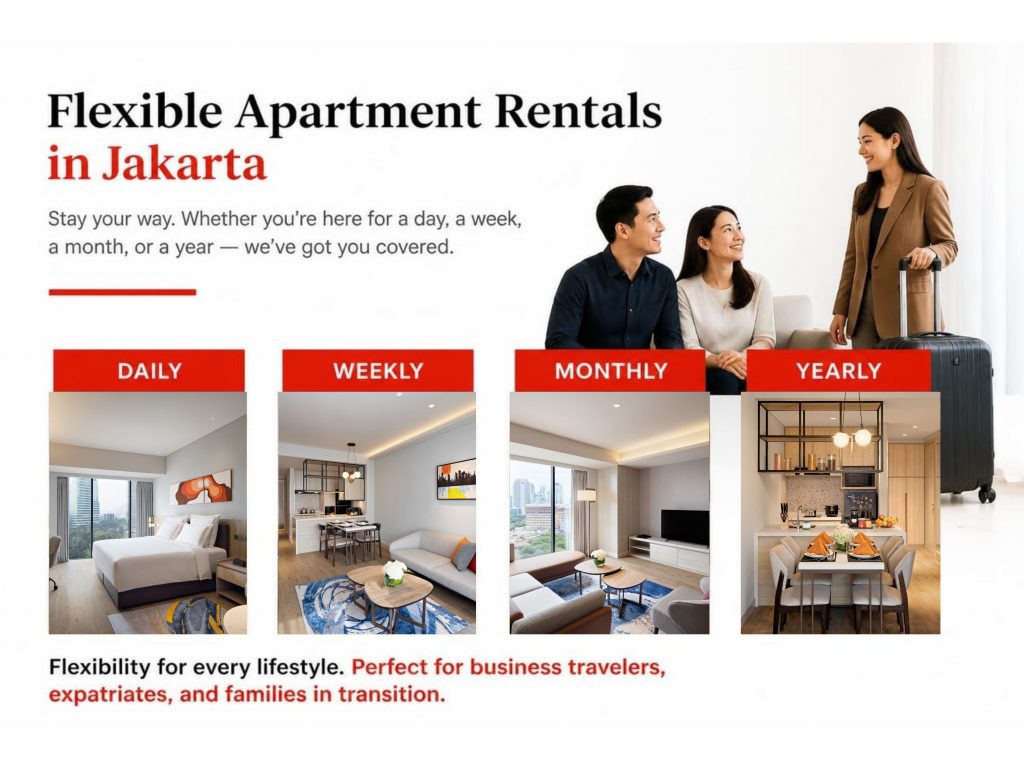
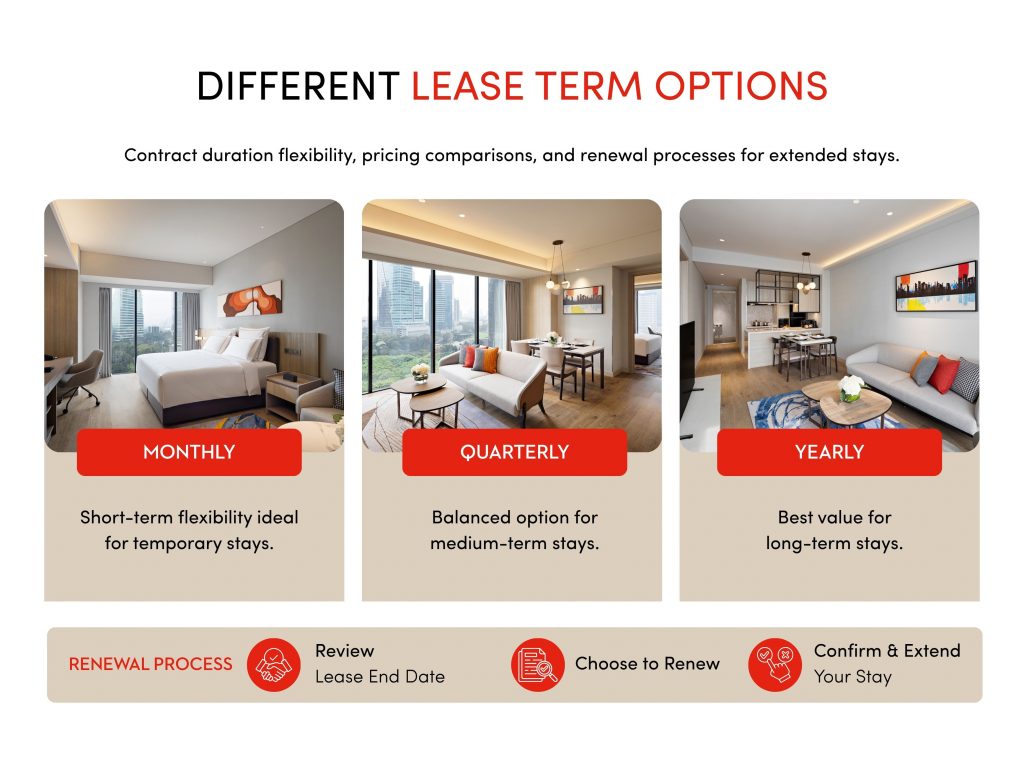
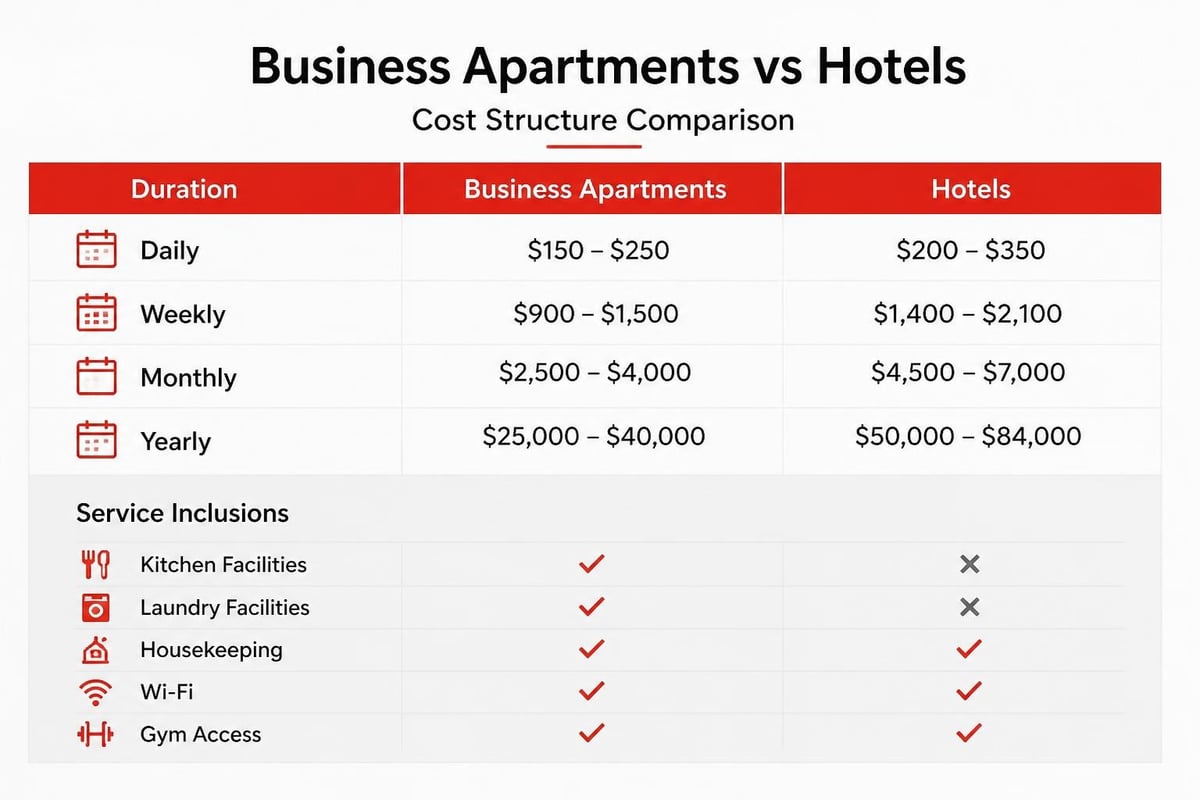
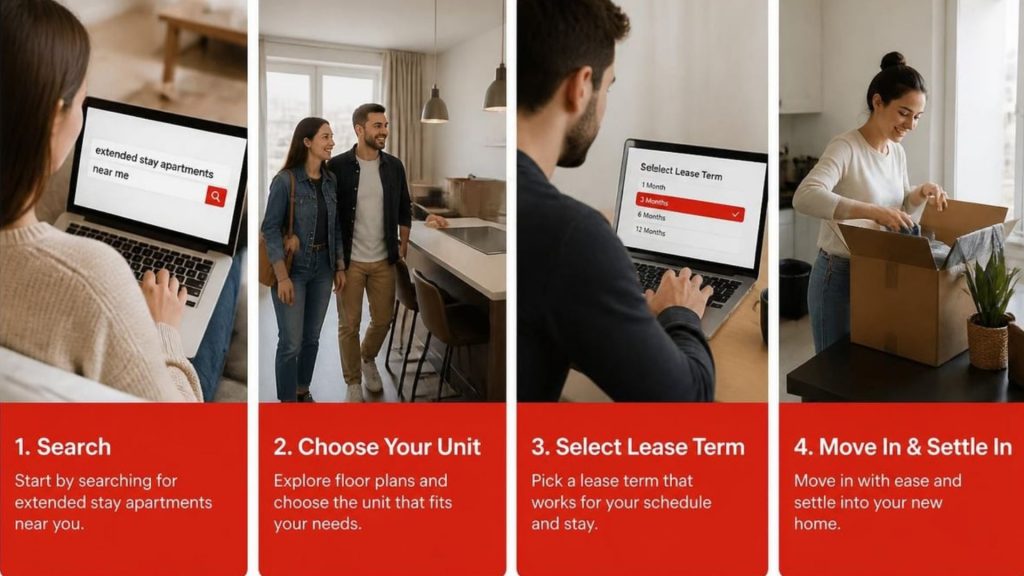
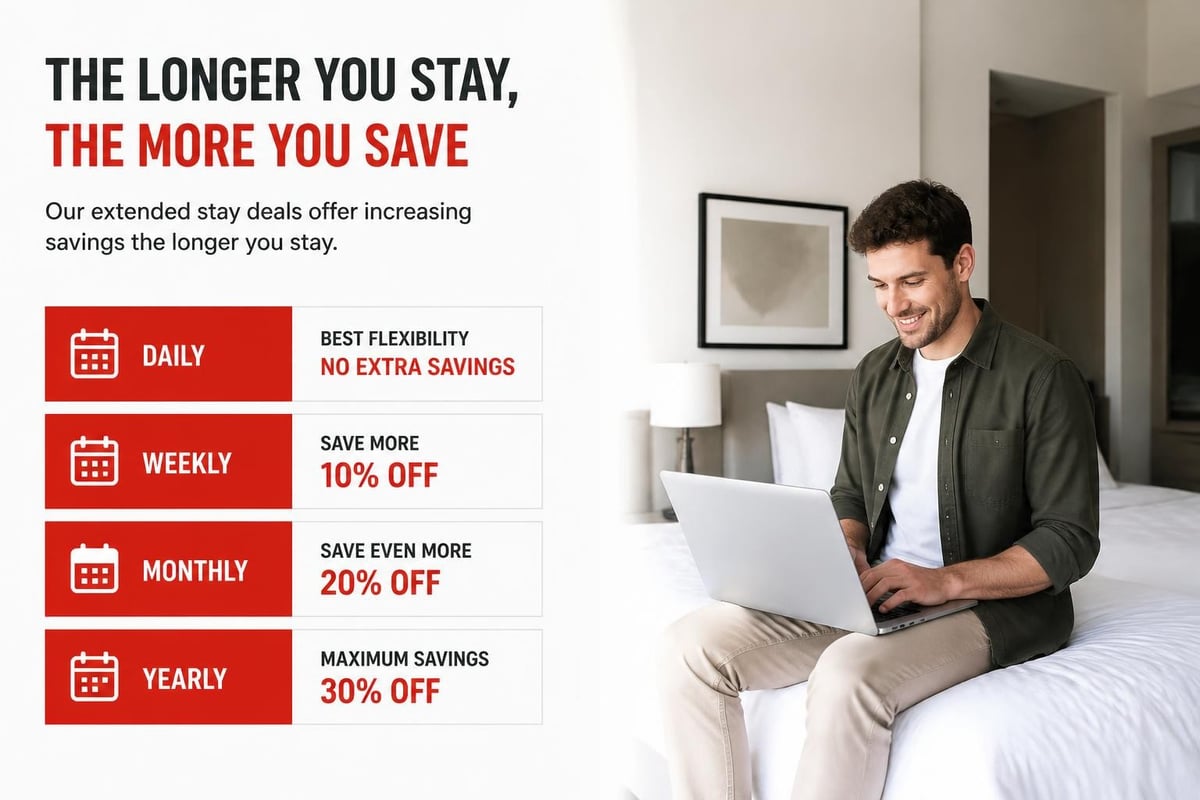
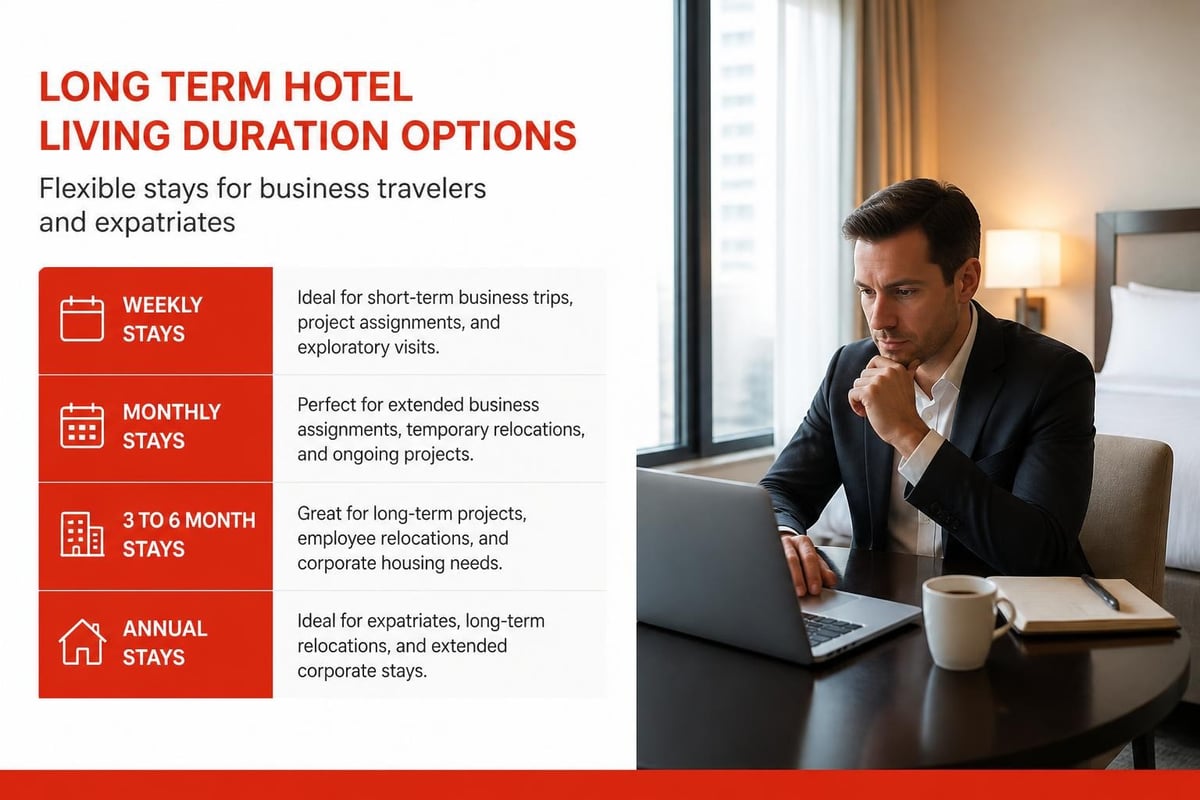
The operational model focuses on convenience and flexibility. Rather than signing year-long leases with strict terms, residents can secure accommodation on daily, weekly, monthly, or yearly bases depending on their needs.
Market Trends and Demand Drivers
The residence apartment sector has experienced substantial growth driven by evolving work patterns and lifestyle preferences. According to Cushman & Wakefield’s national multifamily MarketBeat, flexible housing solutions have seen increased occupancy rates as corporations and individuals prioritize adaptability.
Workforce Mobility and Corporate Housing
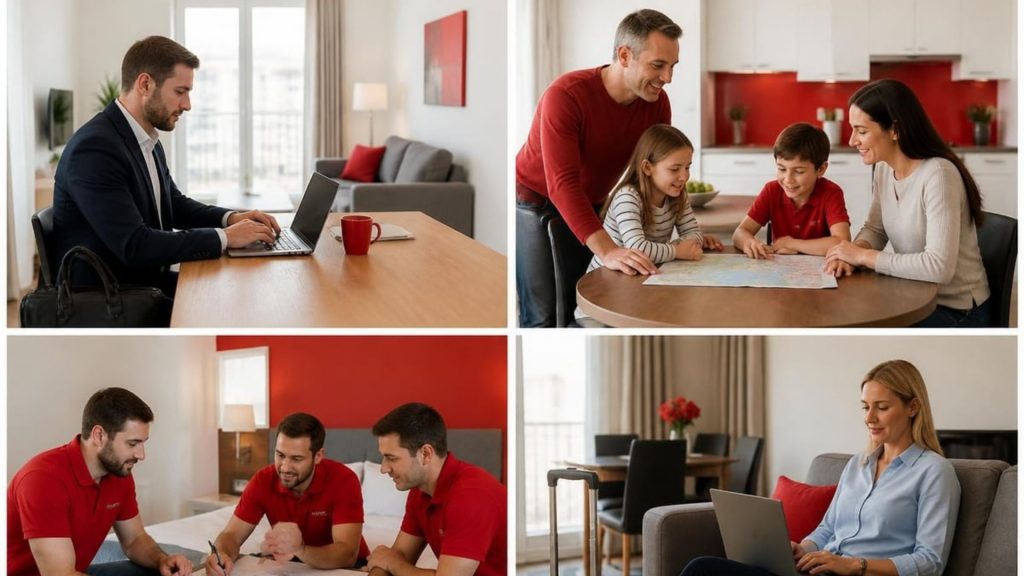
Business travel and corporate relocations fuel significant demand for residence apartments. Companies increasingly prefer these properties for employee housing because they:
-
Reduce relocation stress for transferred employees
-
Eliminate furniture rental and storage costs
-
Provide predictable monthly expenses
-
Offer shorter commitment periods than traditional leases
-
Include services that free employees to focus on work responsibilities
The rise of remote work has also created demand from digital nomads and distributed teams who require quality accommodation in multiple cities throughout the year. These professionals value the ability to establish temporary bases without the commitments of purchasing furniture or signing extended leases.
Family and Expatriate Preferences
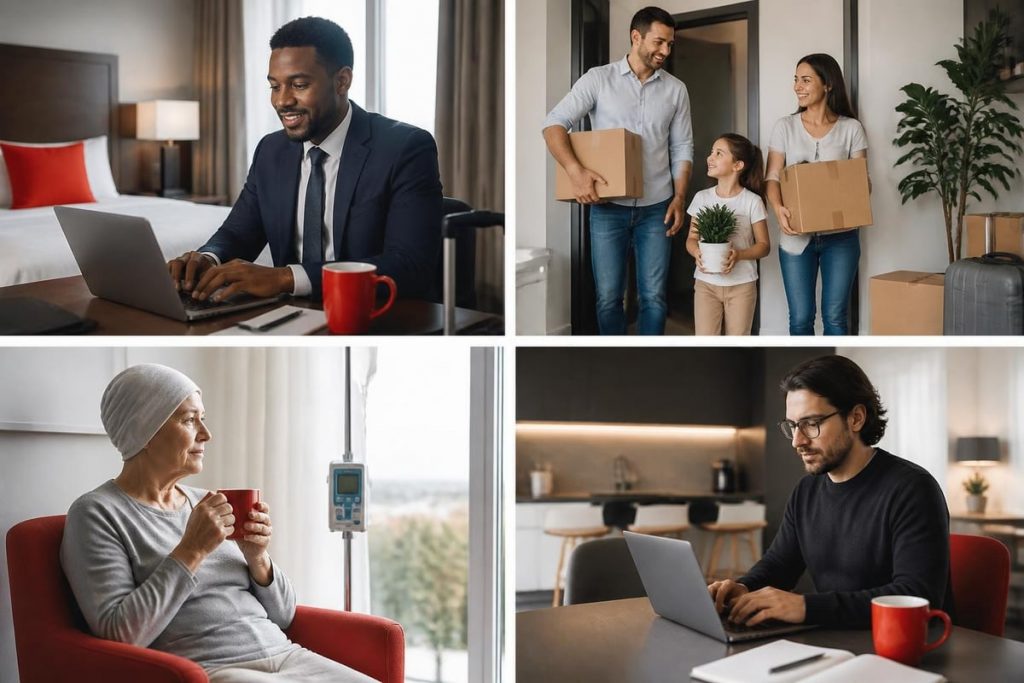
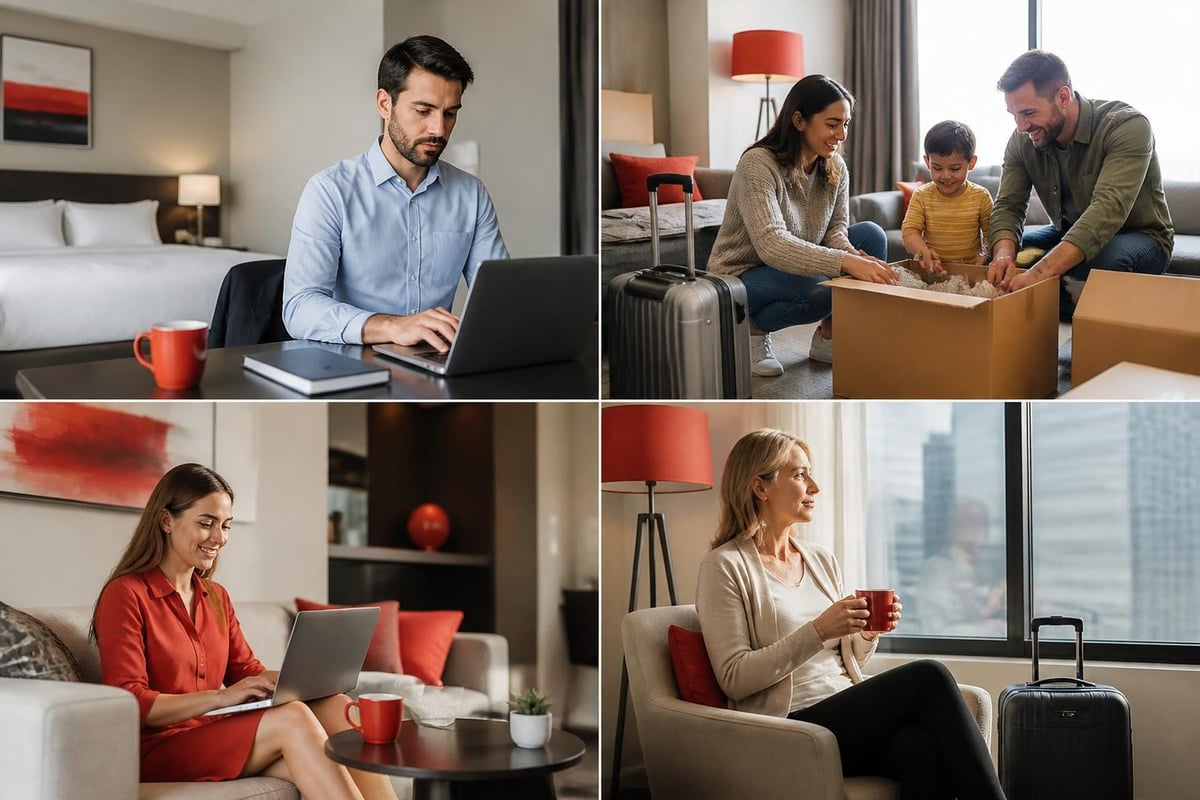
Families relocating internationally or domestically find residence apartments particularly suitable for transition periods. The fully equipped units allow immediate settlement without the delays of furniture delivery or utility setup. Expatriates appreciate the simplified process, especially when navigating unfamiliar rental markets and regulations.
|
Resident Type |
Average Stay Duration |
Primary Needs |
|---|---|---|
|
Business Travelers |
1-3 months |
Location, workspace, flexible terms |
|
Expatriate Families |
6-12 months |
Space, school proximity, community |
|
Corporate Relocations |
3-6 months |
Full furnishing, quick move-in |
|
Extended Tourists |
2-4 weeks |
Amenities, local services, convenience |
Property Types and Configurations
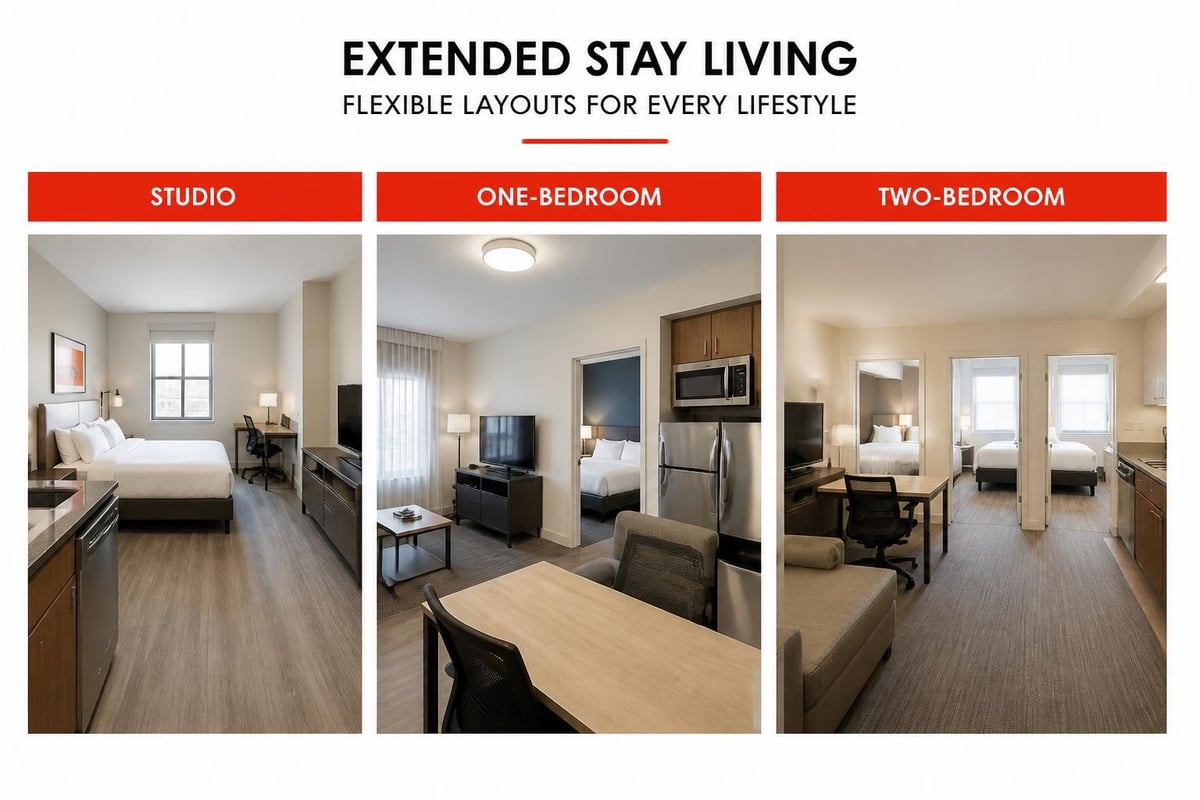
Residence apartments span various sizes and layouts to accommodate different household compositions and budget requirements. Understanding the available configurations helps prospective residents select appropriate accommodation.
Studio and One-Bedroom Units
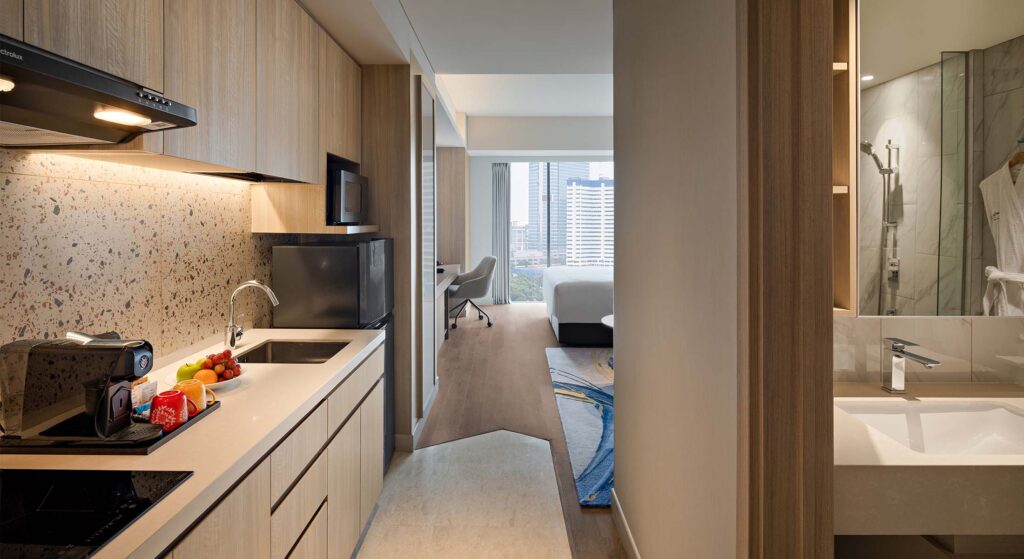
Compact residence apartments serve solo professionals and couples effectively. Studio units typically range from 35 to 45 square meters, combining sleeping, living, and kitchen areas in efficient layouts. One-bedroom apartments provide separate sleeping quarters while maintaining manageable square footage.
These smaller units often feature:
-
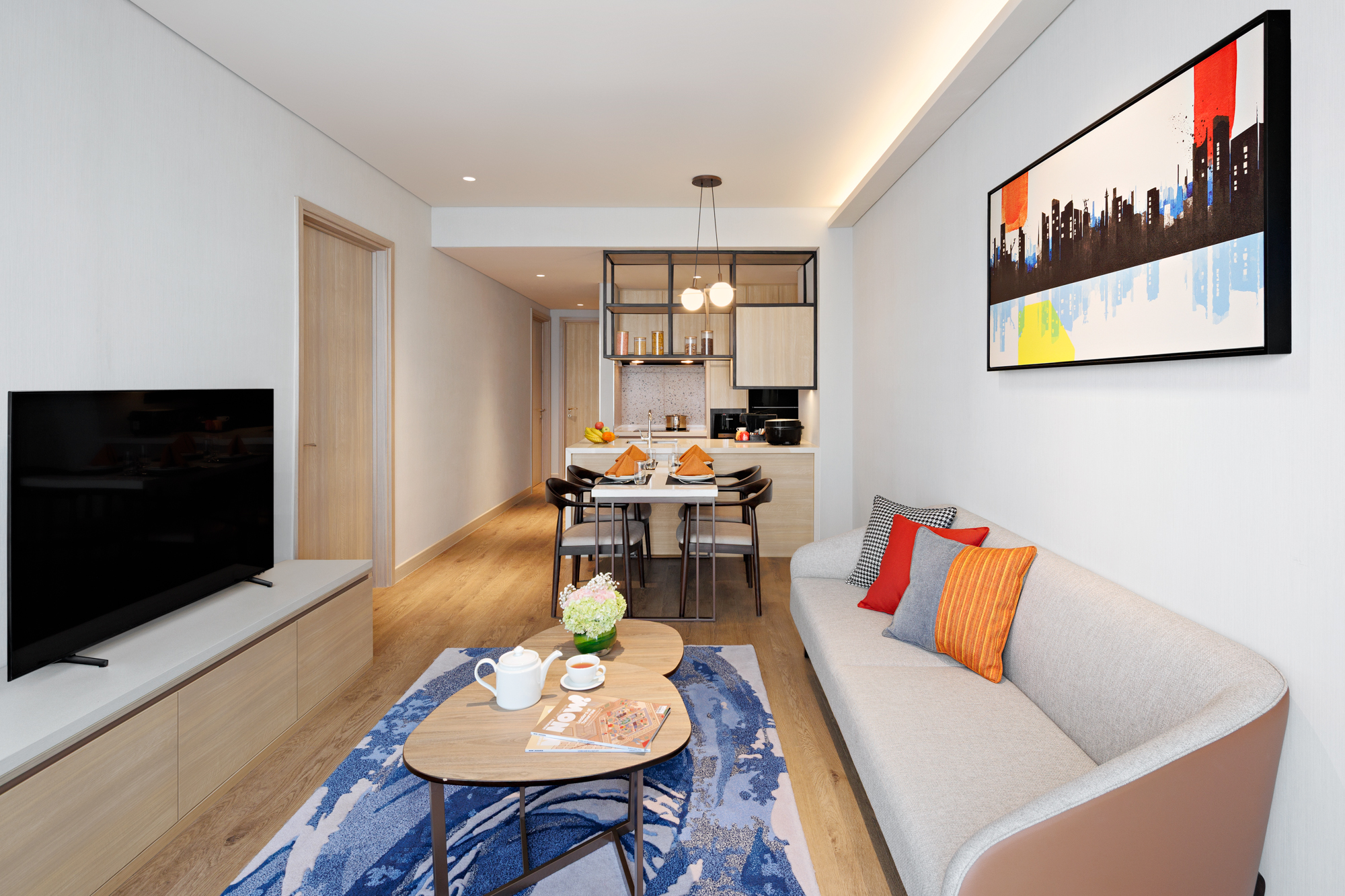
Open-plan living and dining areas
-
Kitchenettes or full kitchens with essential appliances
-
Modern bathrooms with quality fixtures
-
Workspace solutions such as desks or convertible furniture
-
Storage systems maximizing limited space
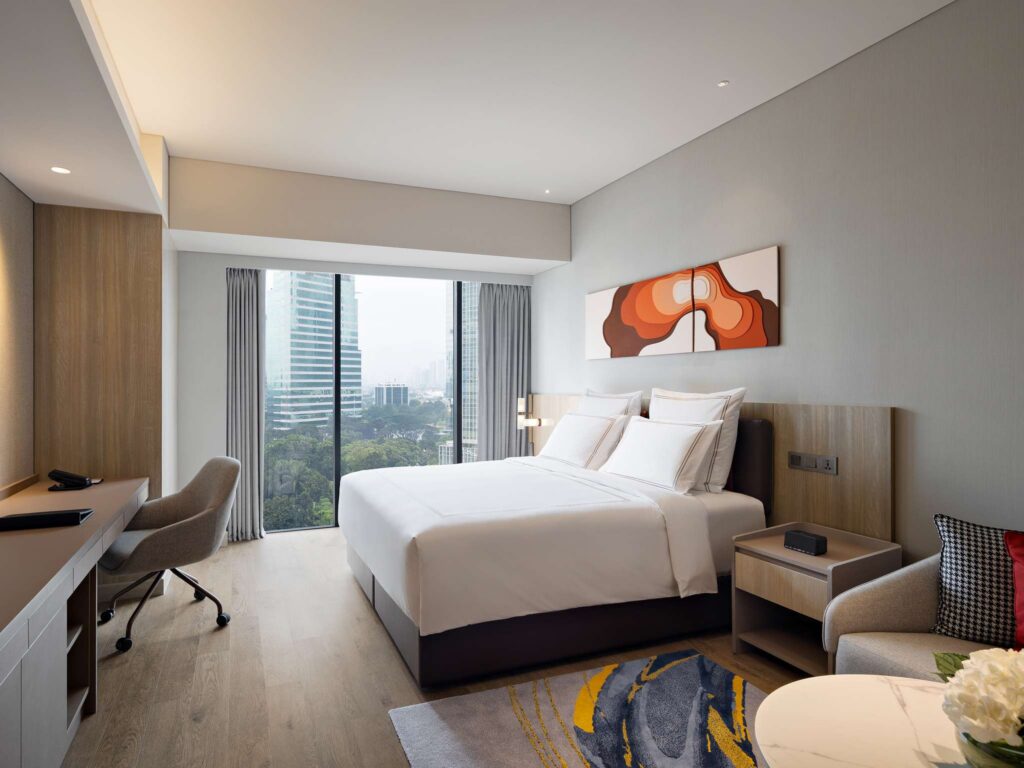
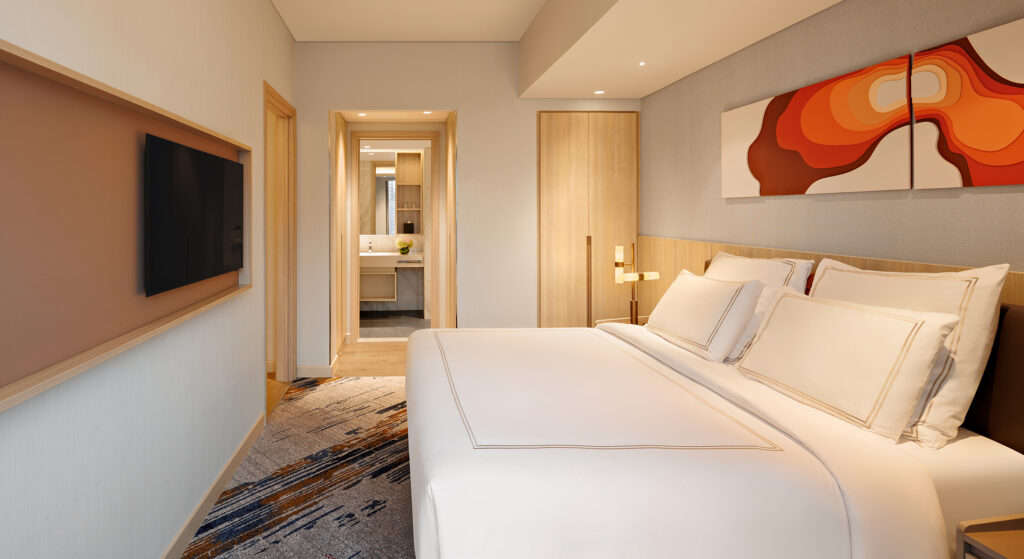
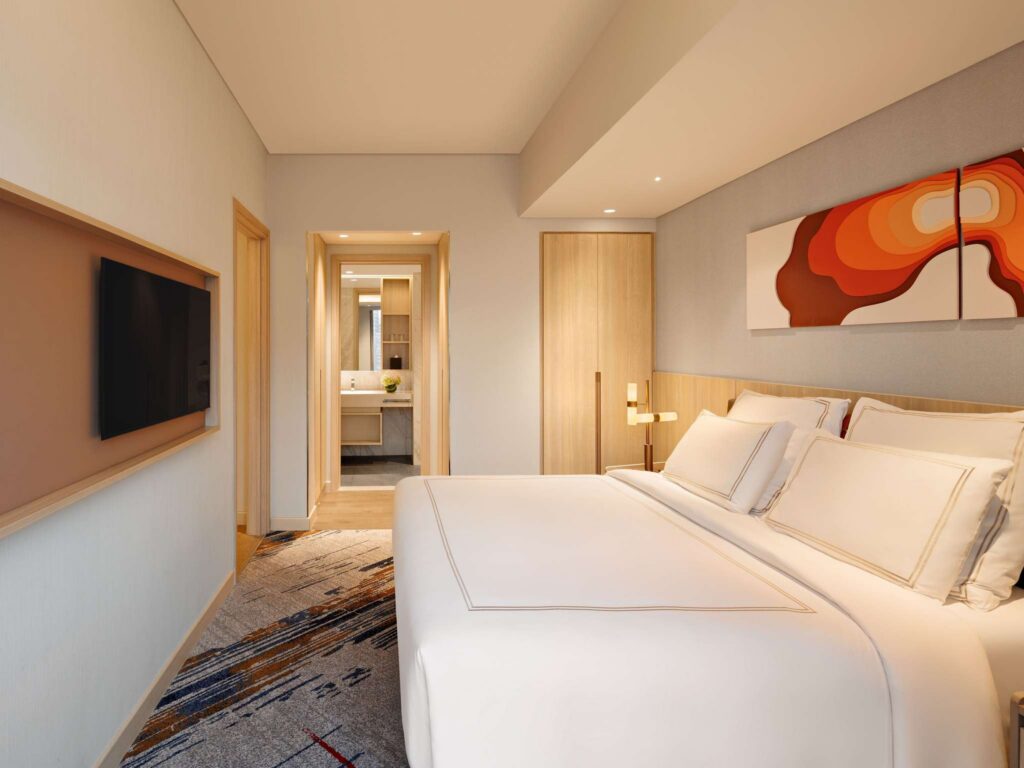
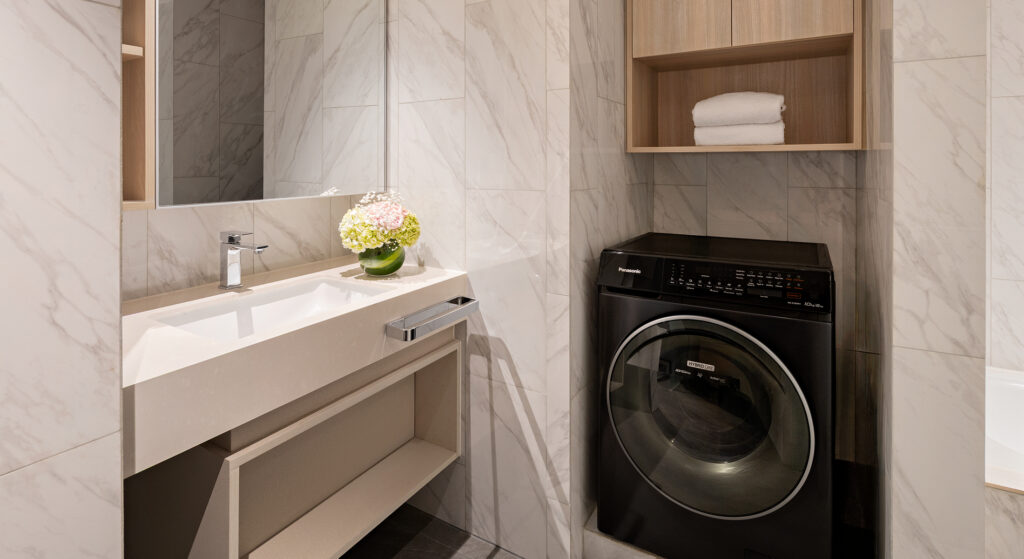
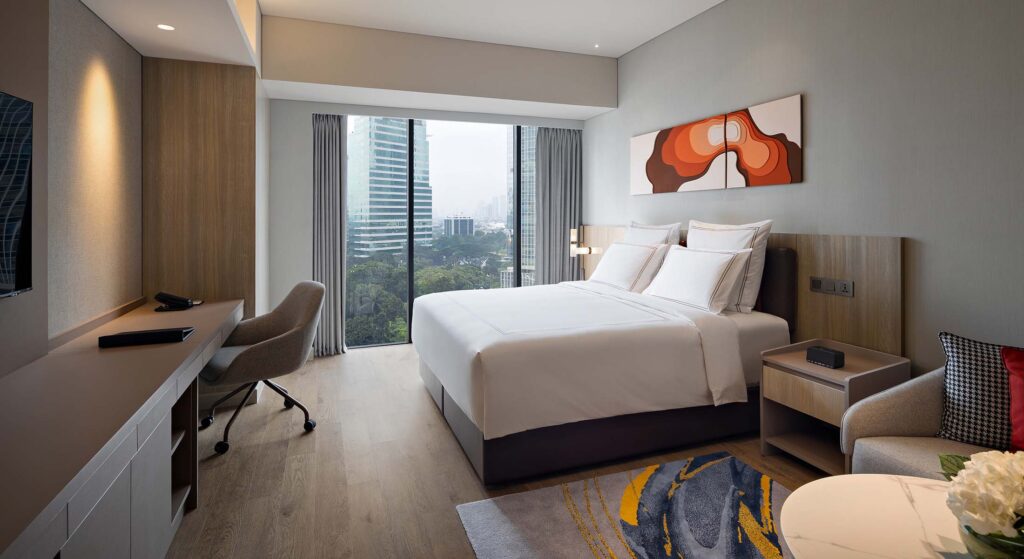
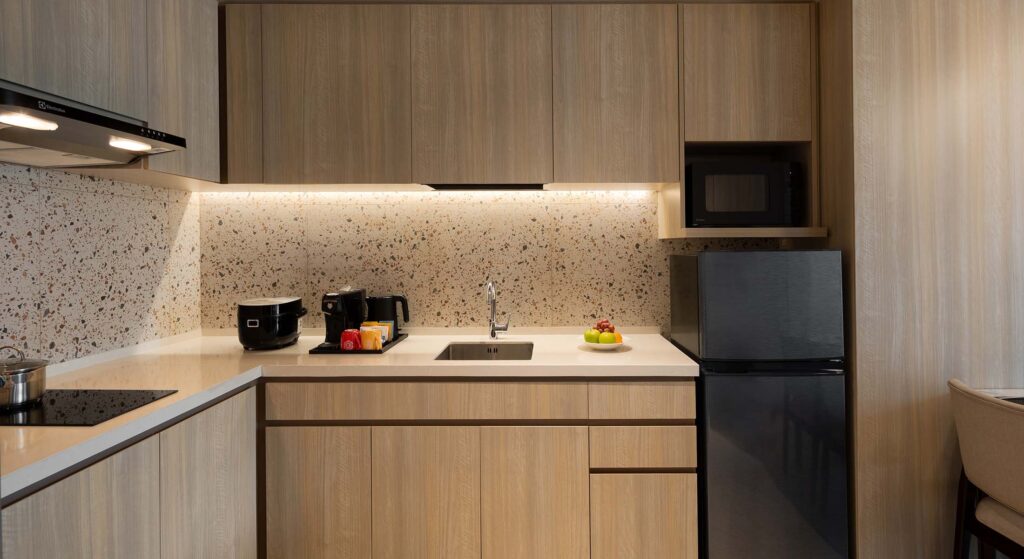
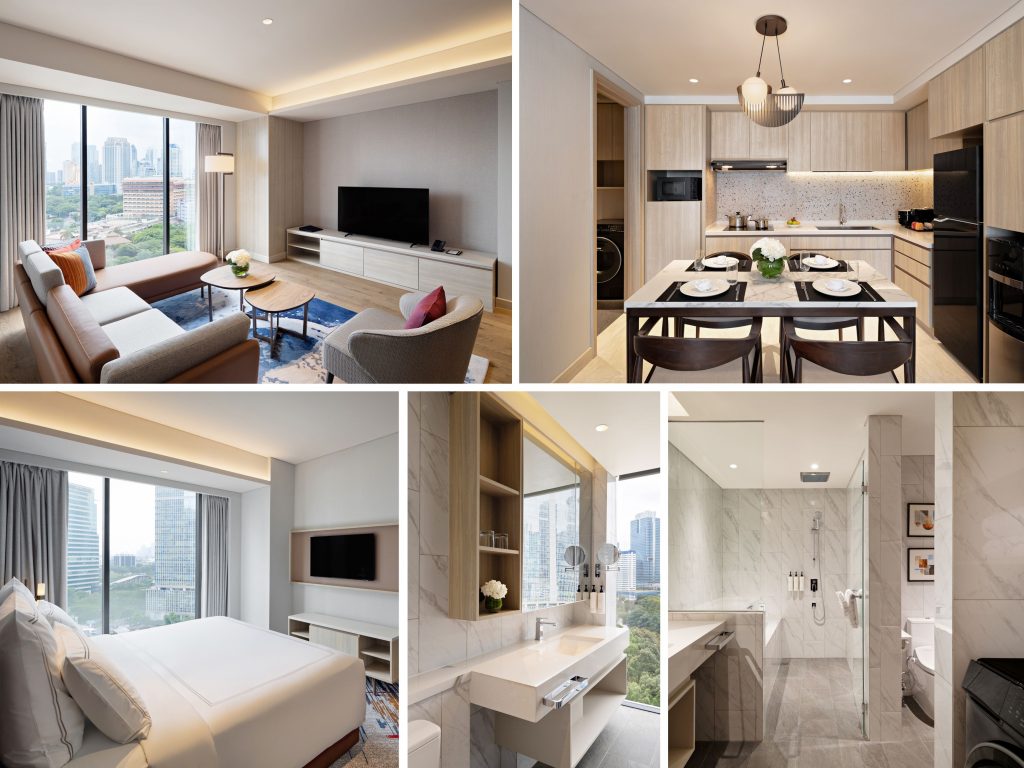
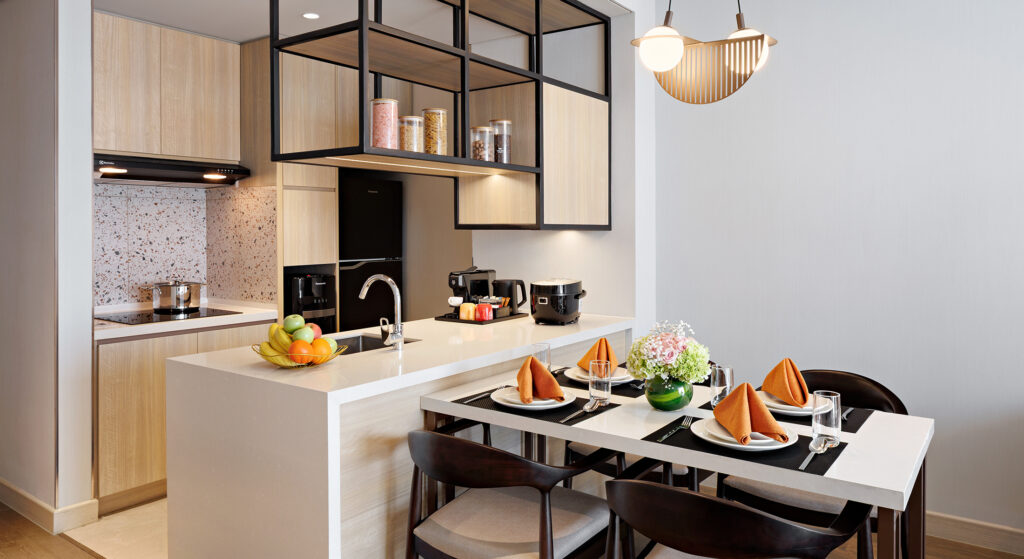
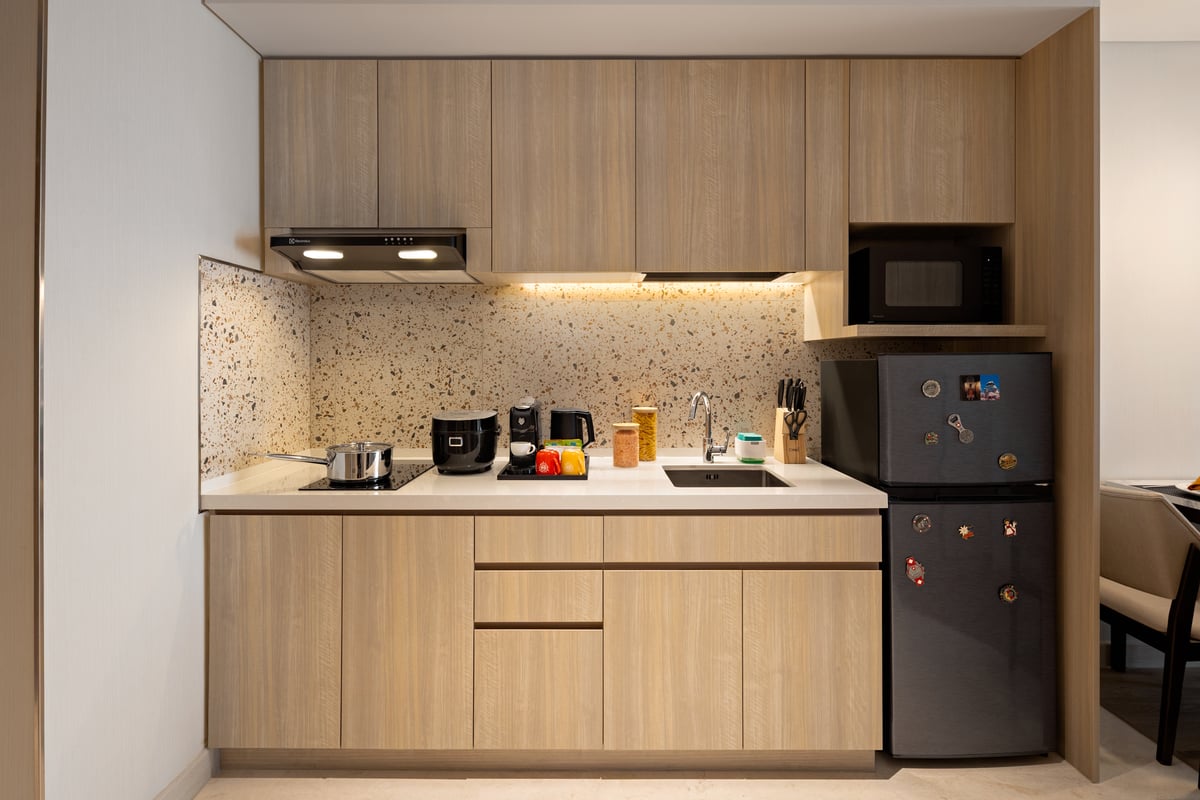
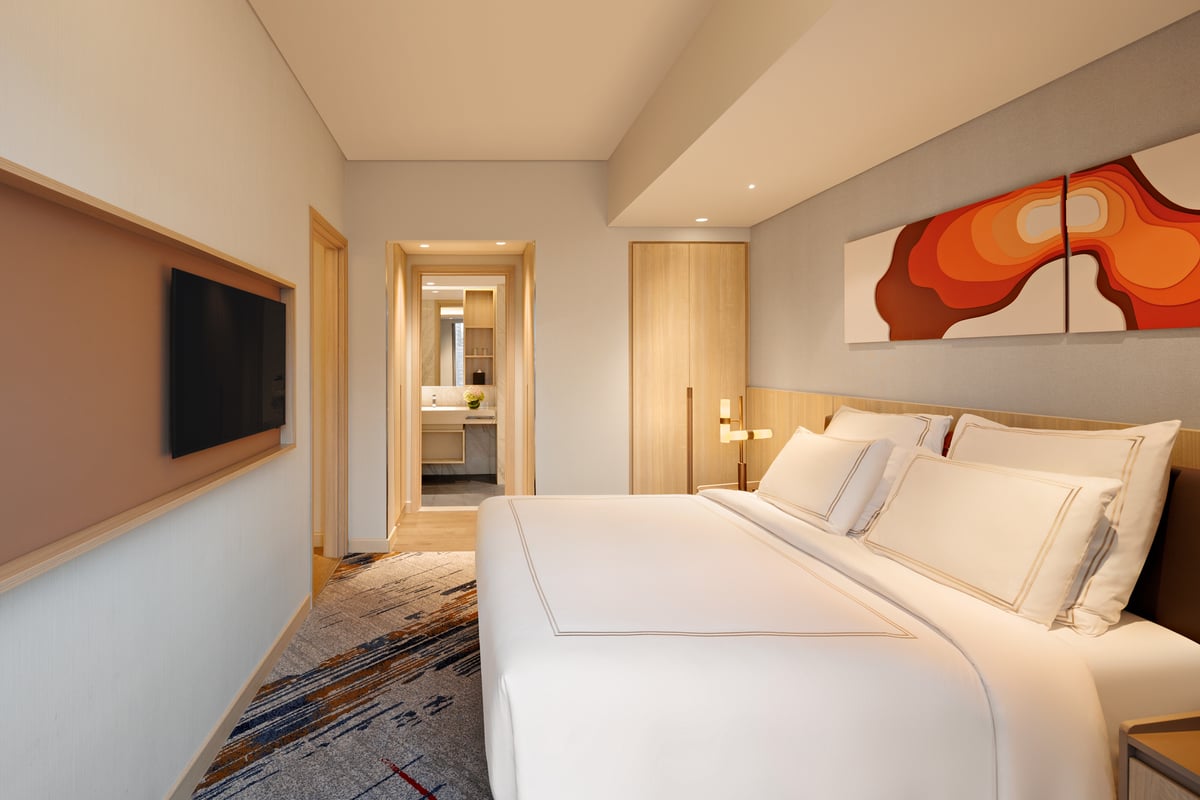
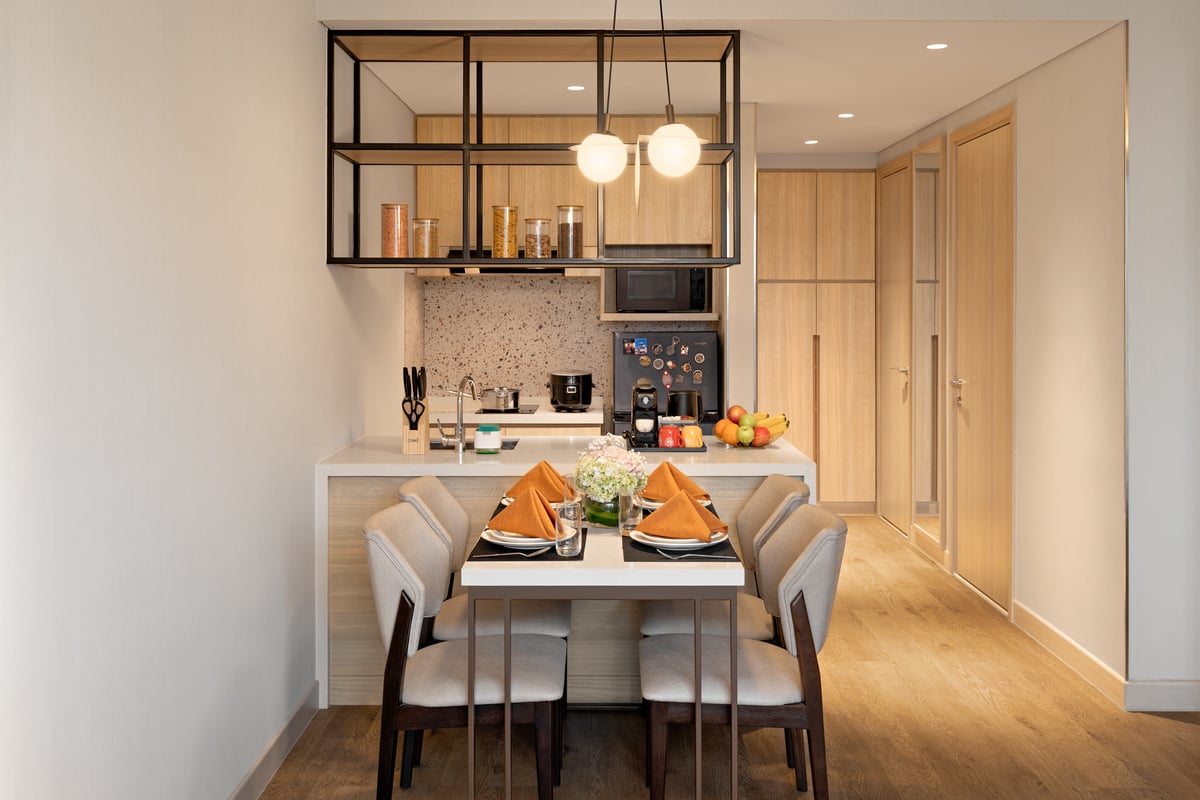
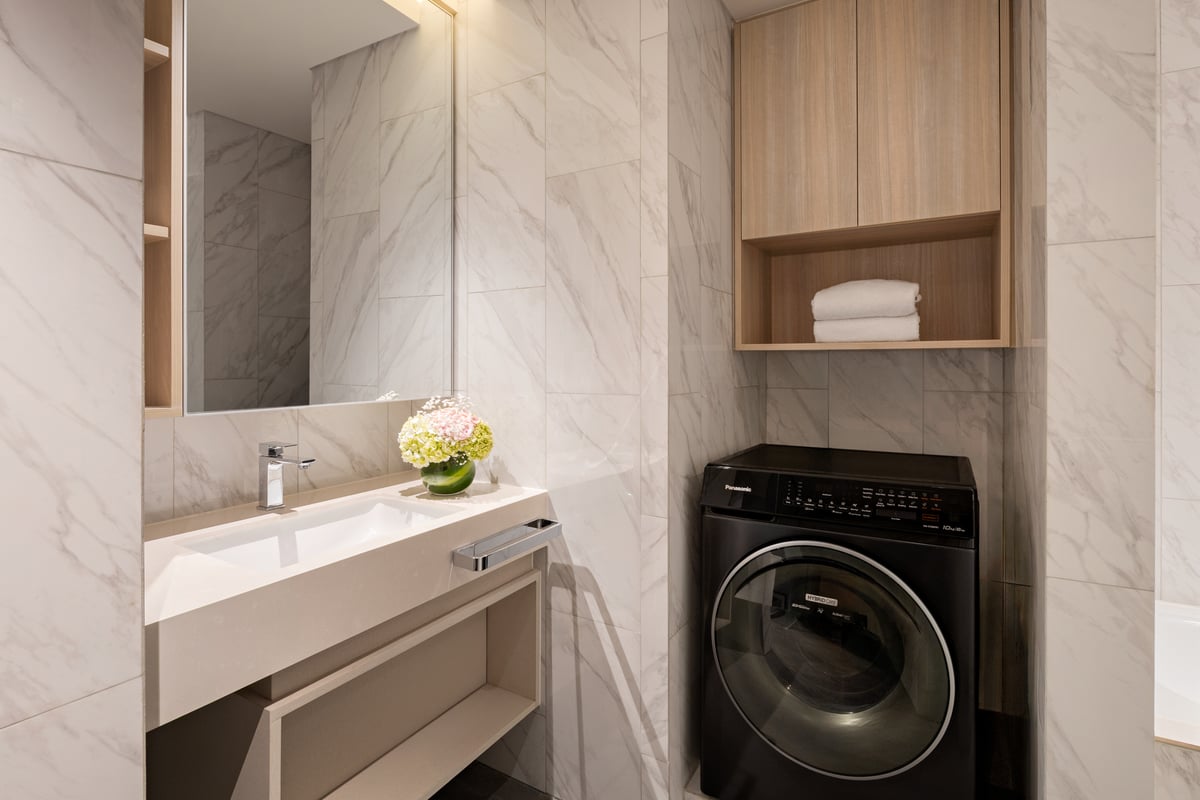
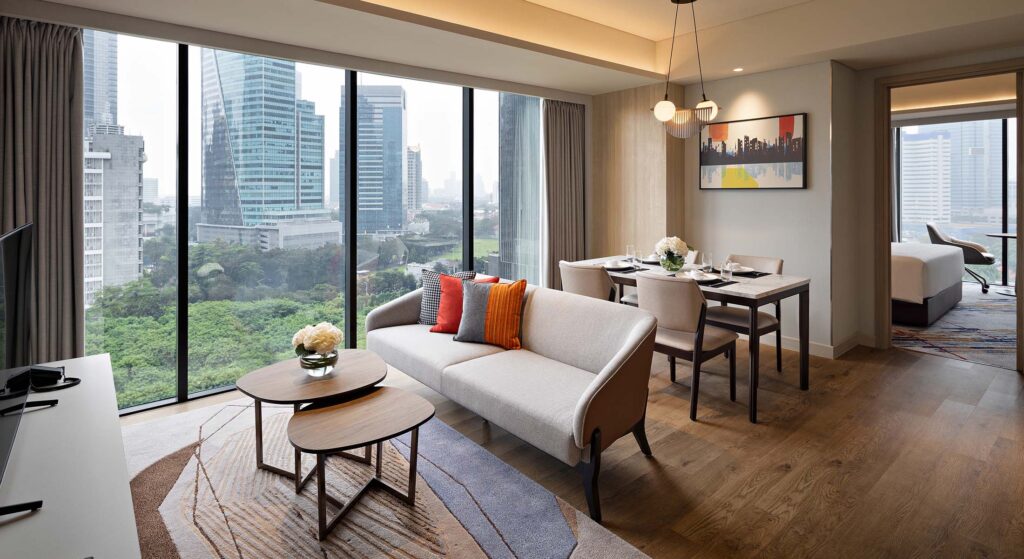
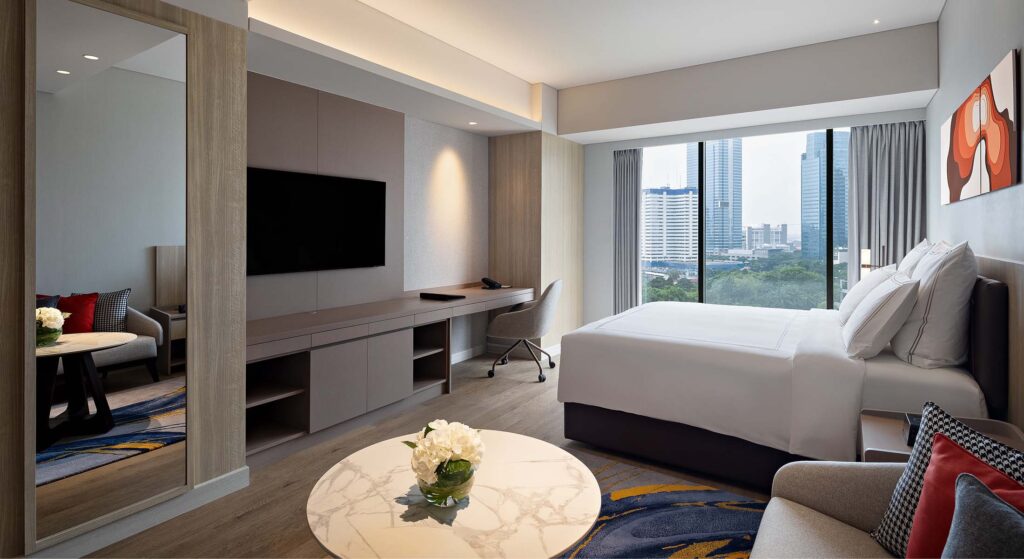
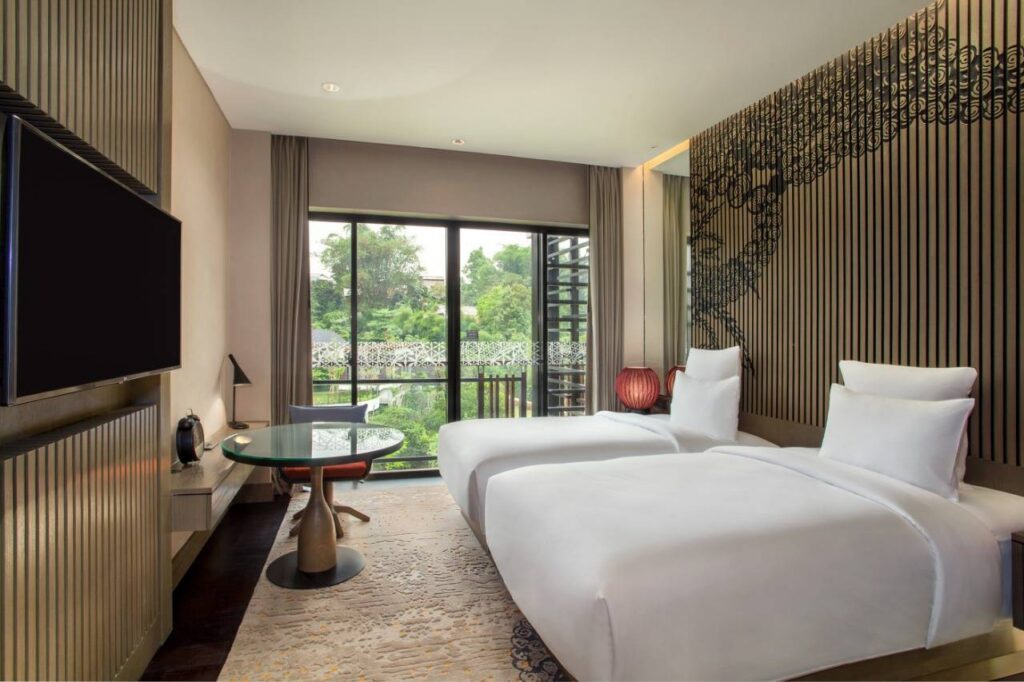
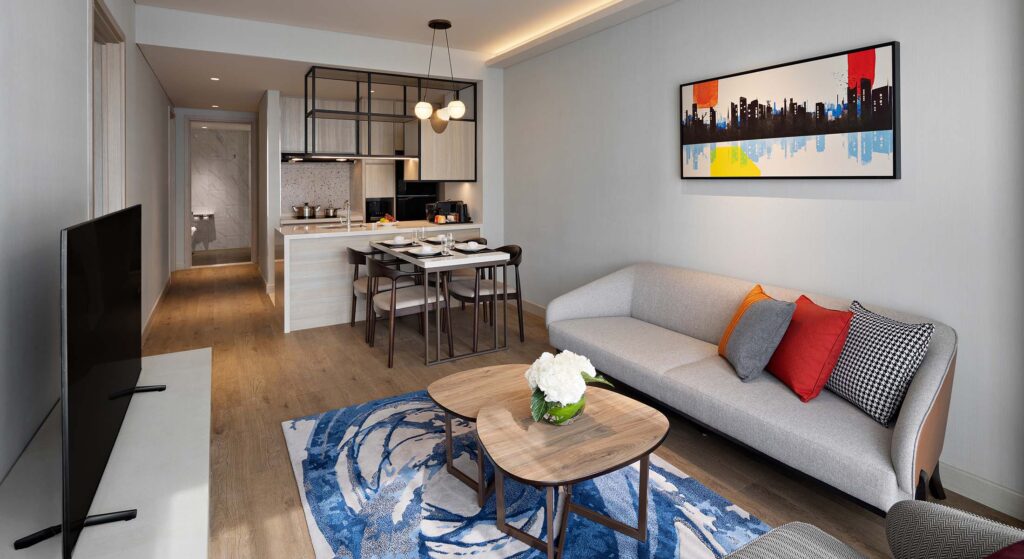
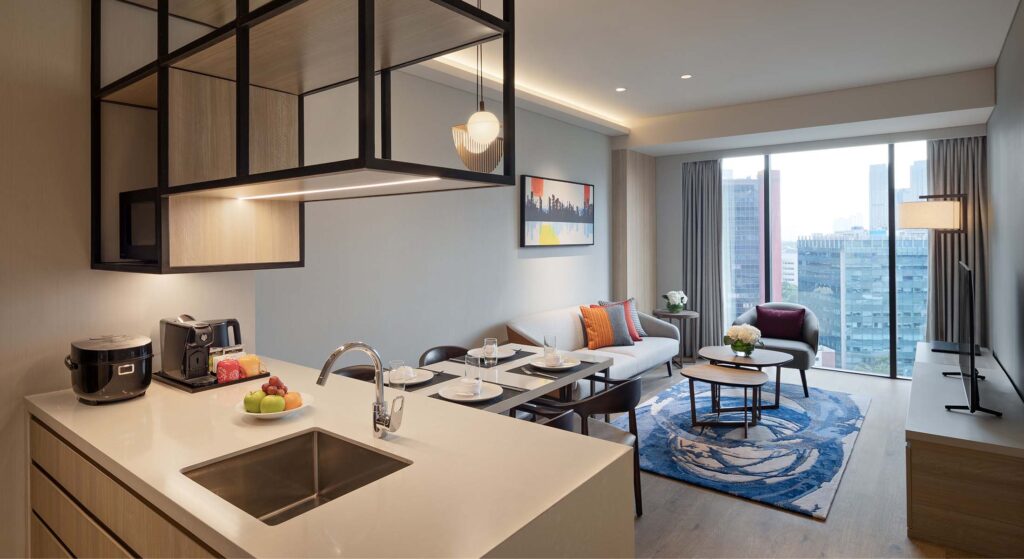
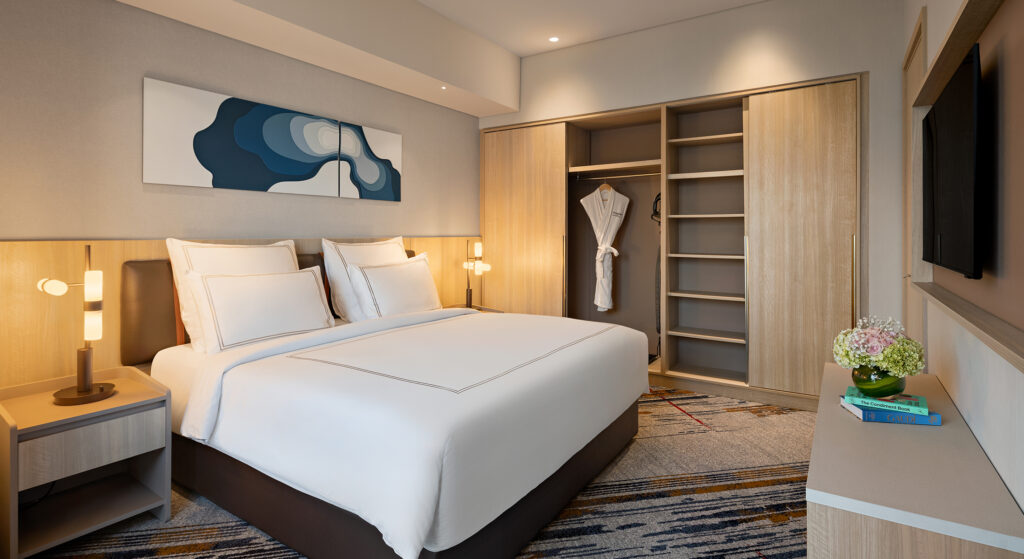
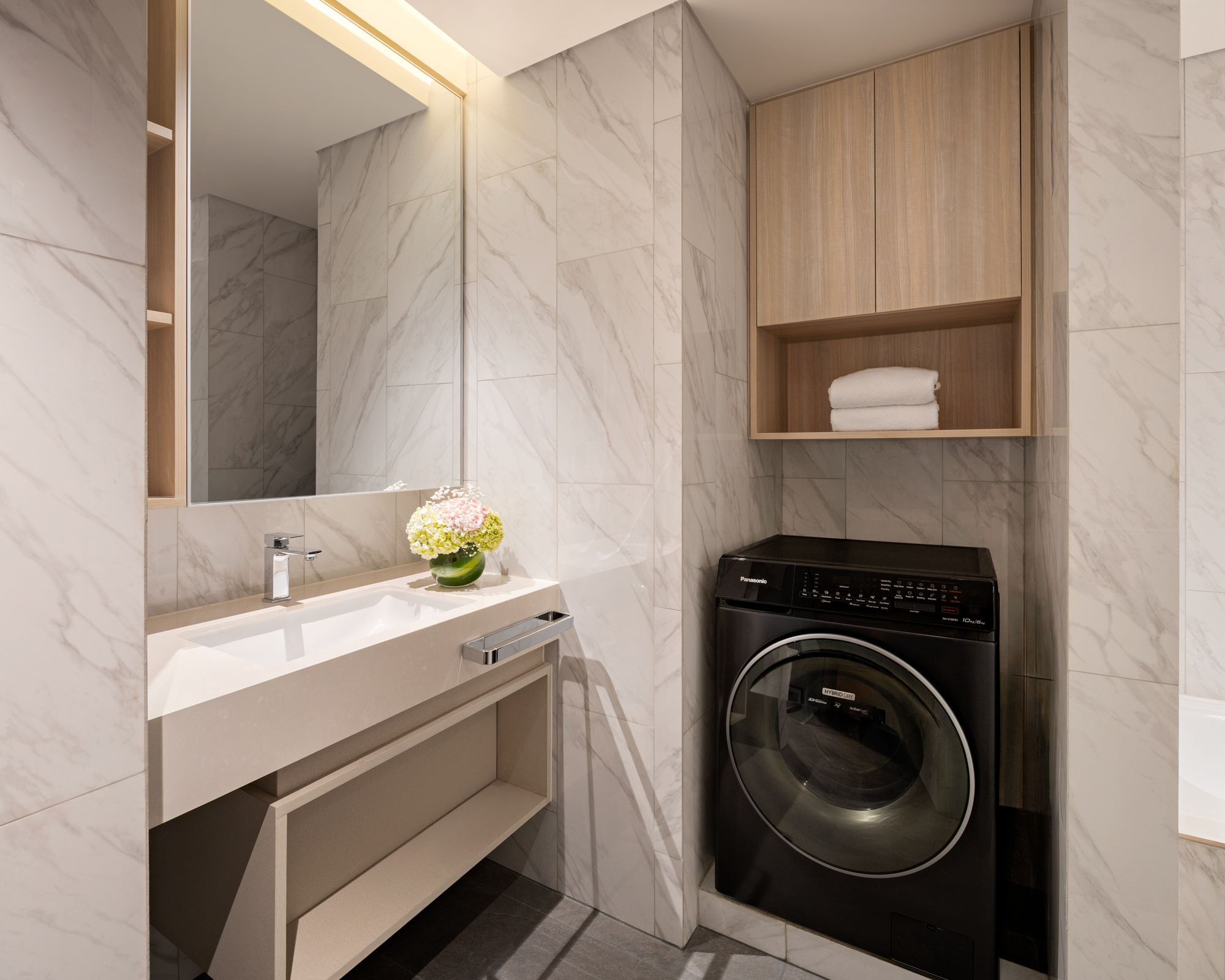
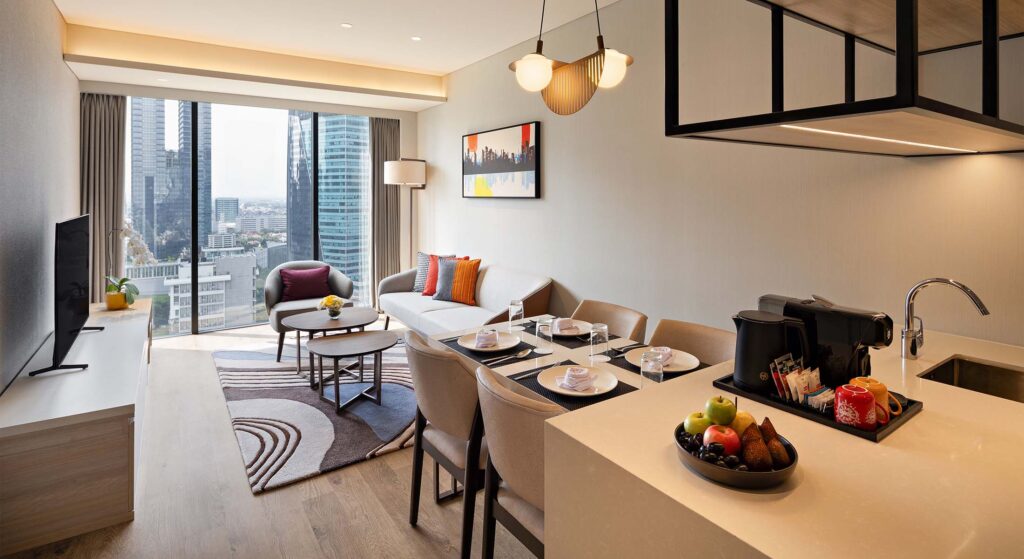
The Swiss Advantage Studio King exemplifies well-designed compact residence apartments, offering 37 square meters with a king-size bed, fully equipped kitchen including induction stove and rice cooker, and washing machine-demonstrating how efficient layouts can deliver comprehensive amenities within limited square footage.
Multi-Bedroom Residences
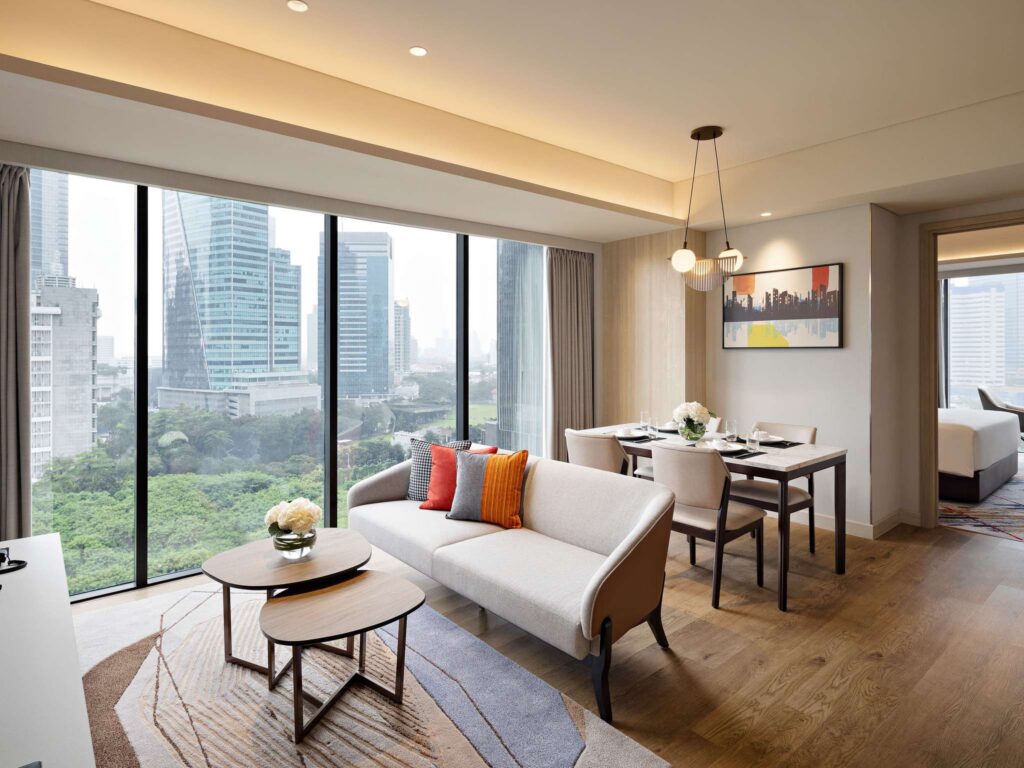
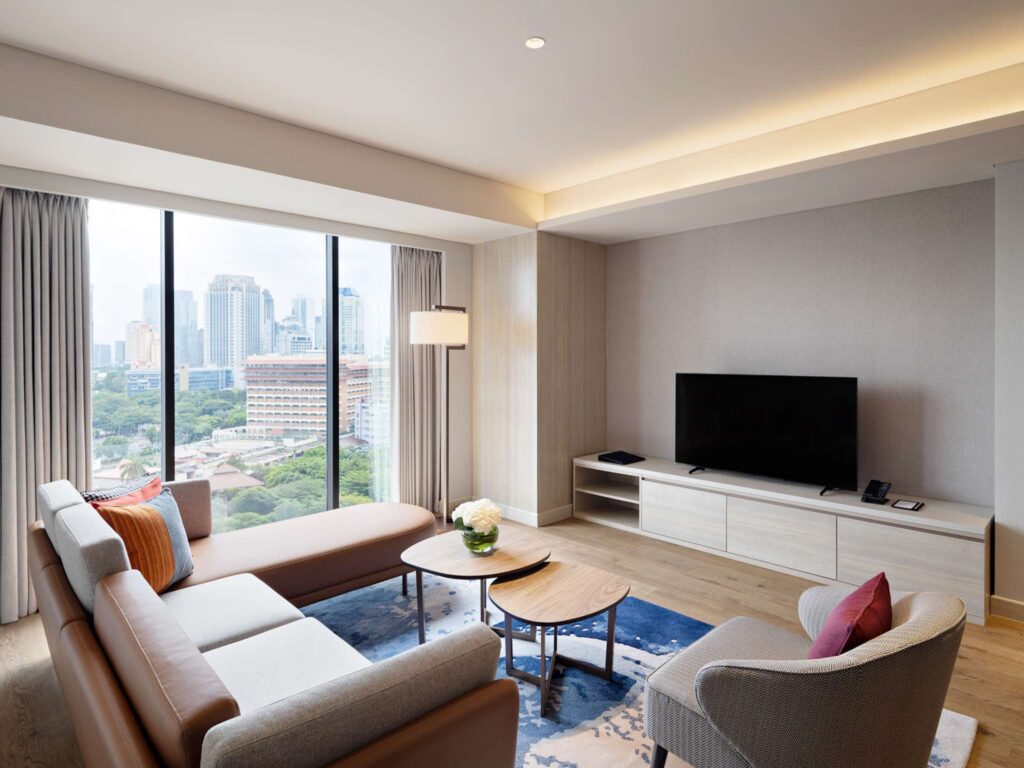
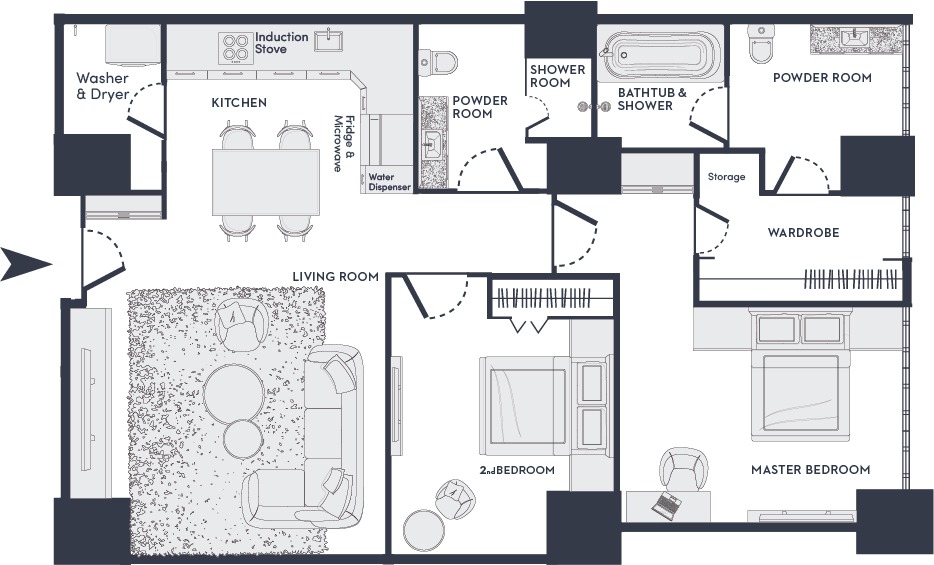
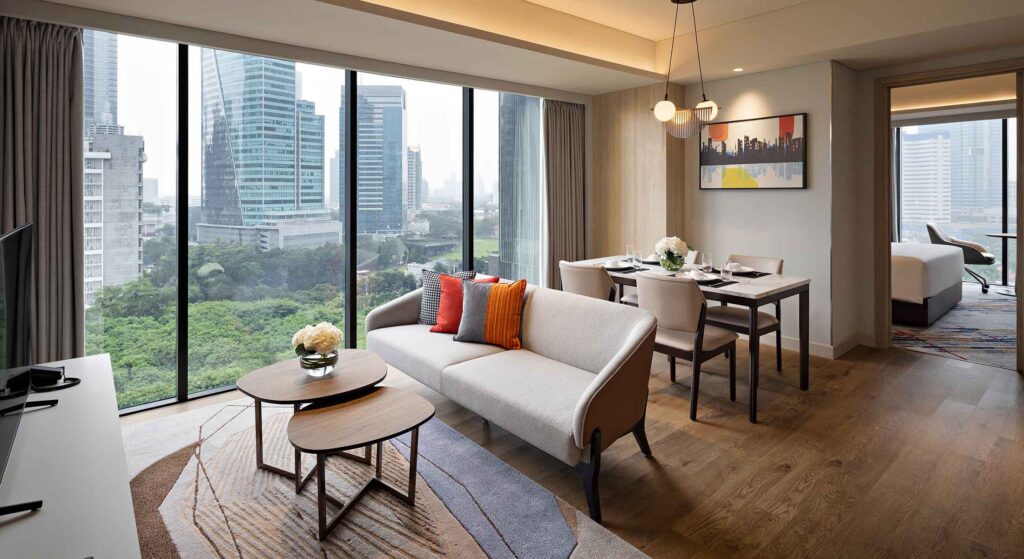
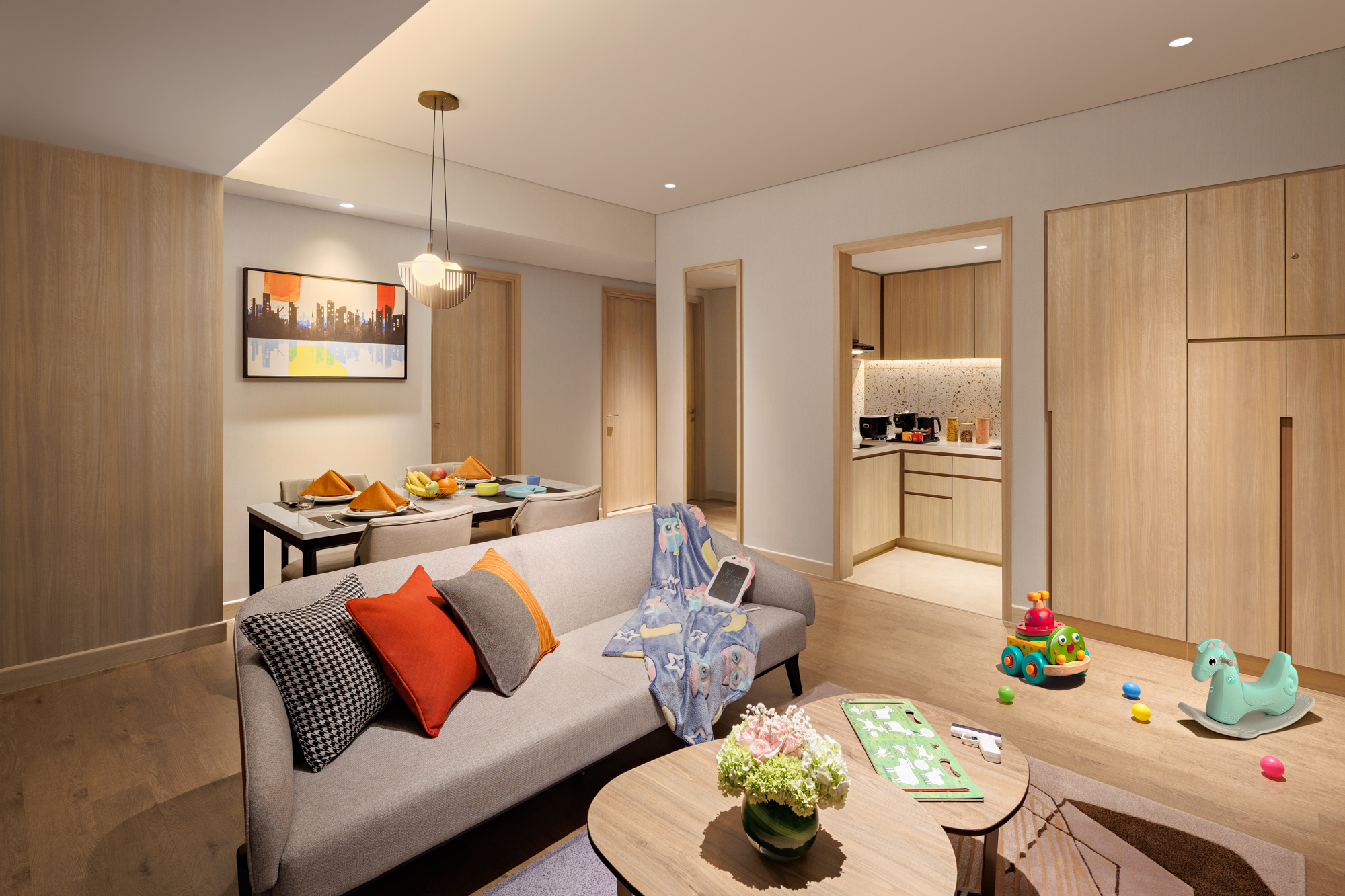
Families and groups require larger residence apartments with multiple bedrooms and expanded living spaces. Two-bedroom and three-bedroom units typically include:
-
Separate bedrooms with individual closet space
-
Multiple bathrooms for privacy and convenience
-
Expanded kitchens with dining areas
-
Dedicated living rooms for family activities
-
Laundry facilities within the unit
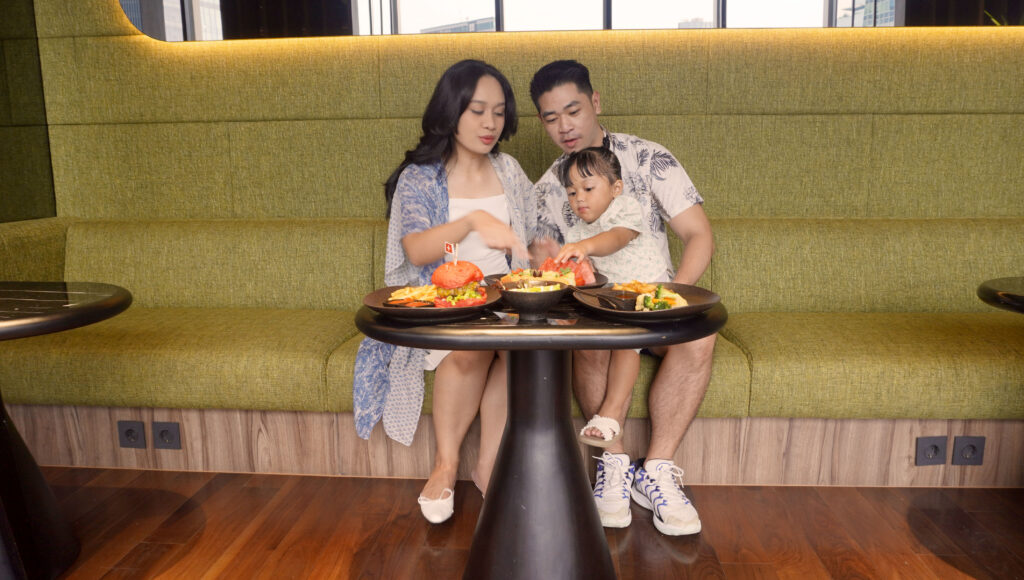
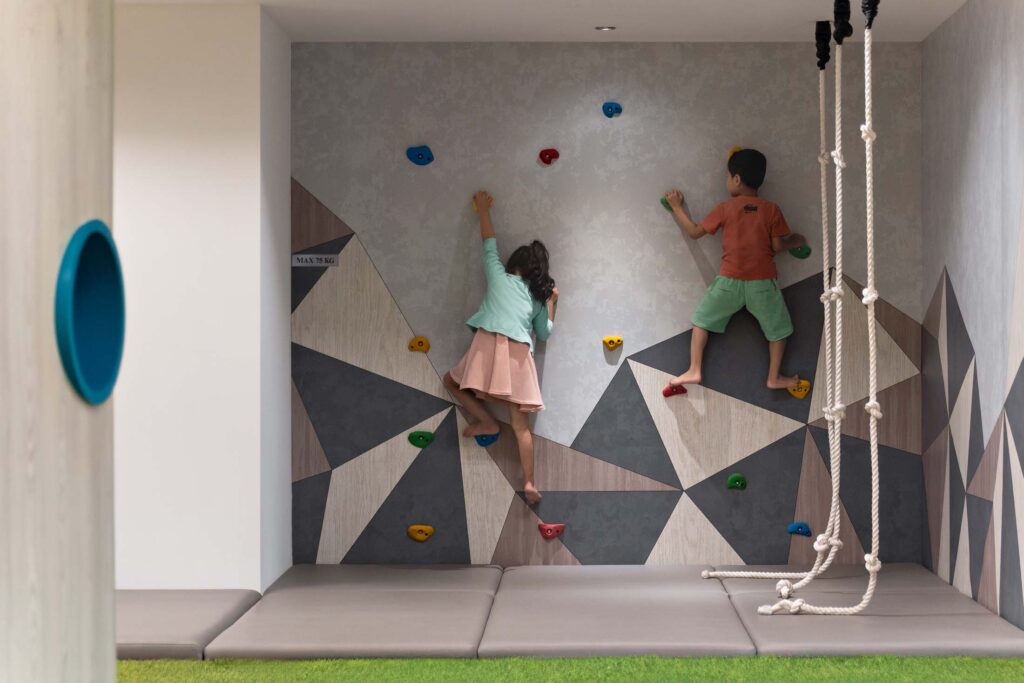
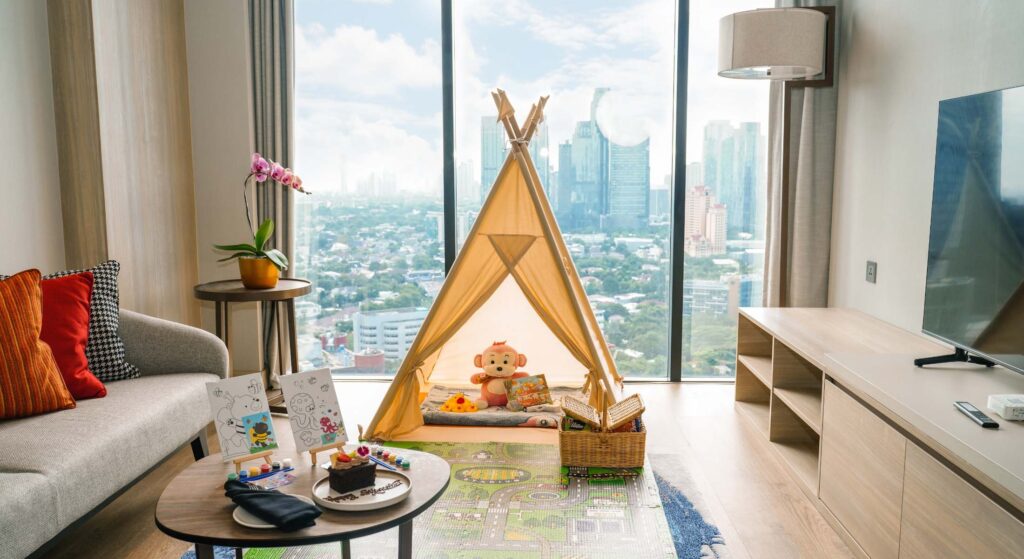
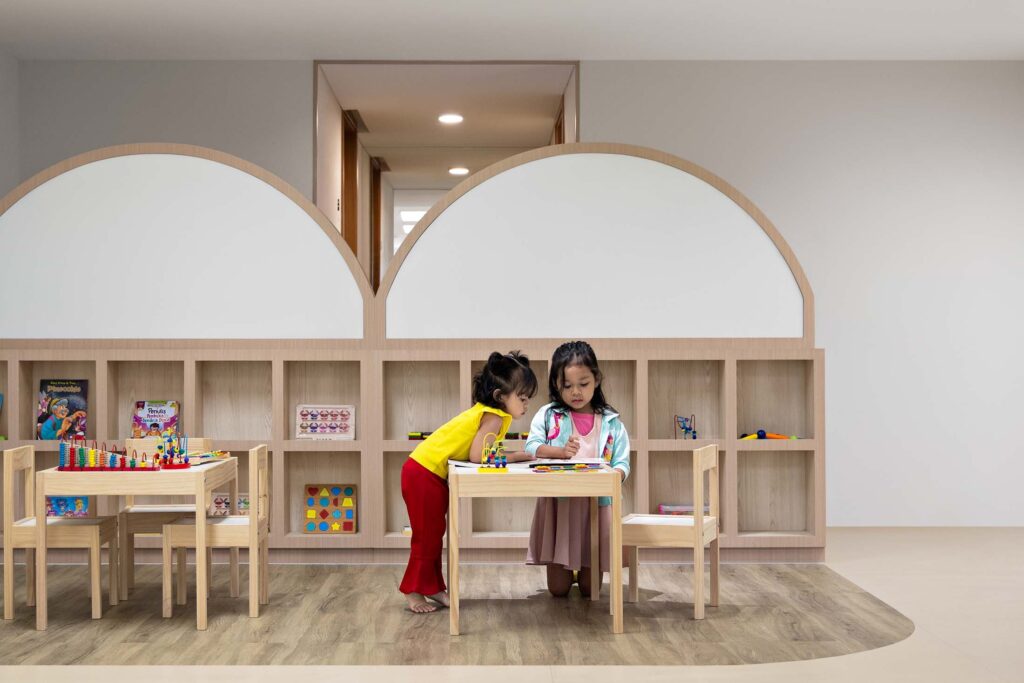
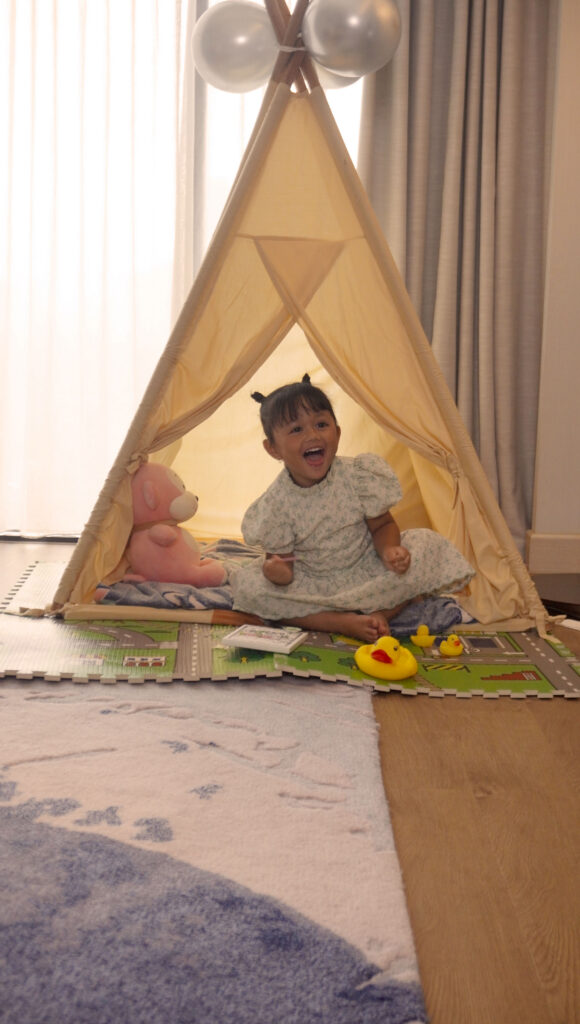
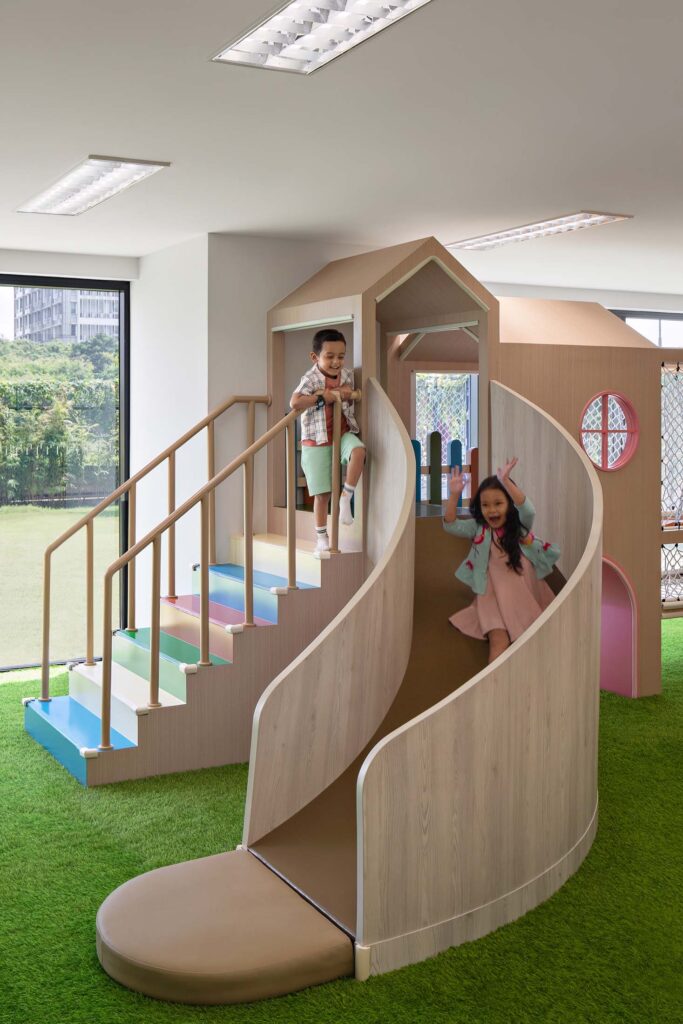
These larger configurations provide the space necessary for comfortable extended stays while maintaining the services and amenities that distinguish residence apartments from traditional rentals. Properties often feature child-friendly amenities and family-oriented services for households with children.
Location and Accessibility Considerations
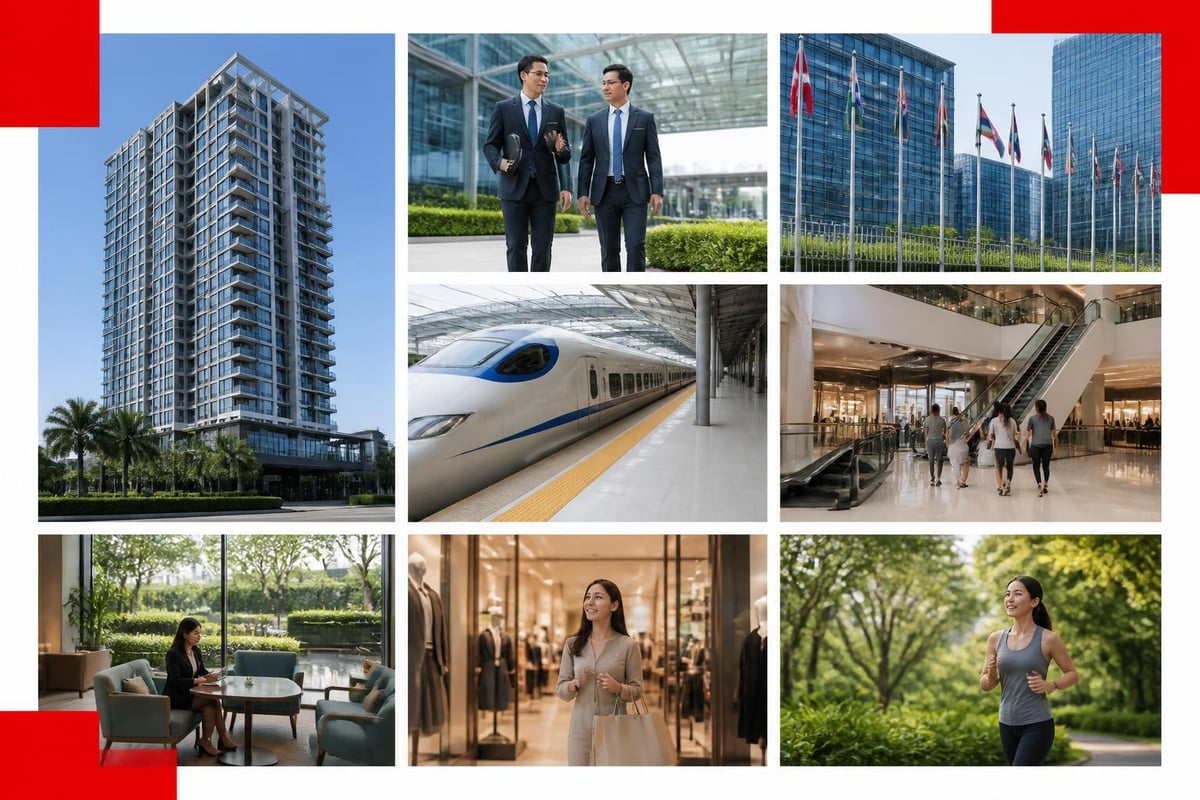
Residence apartments typically occupy strategic locations that enhance resident convenience and productivity. Properties cluster in central business districts, near transportation hubs, and within established commercial corridors.
Business District Positioning
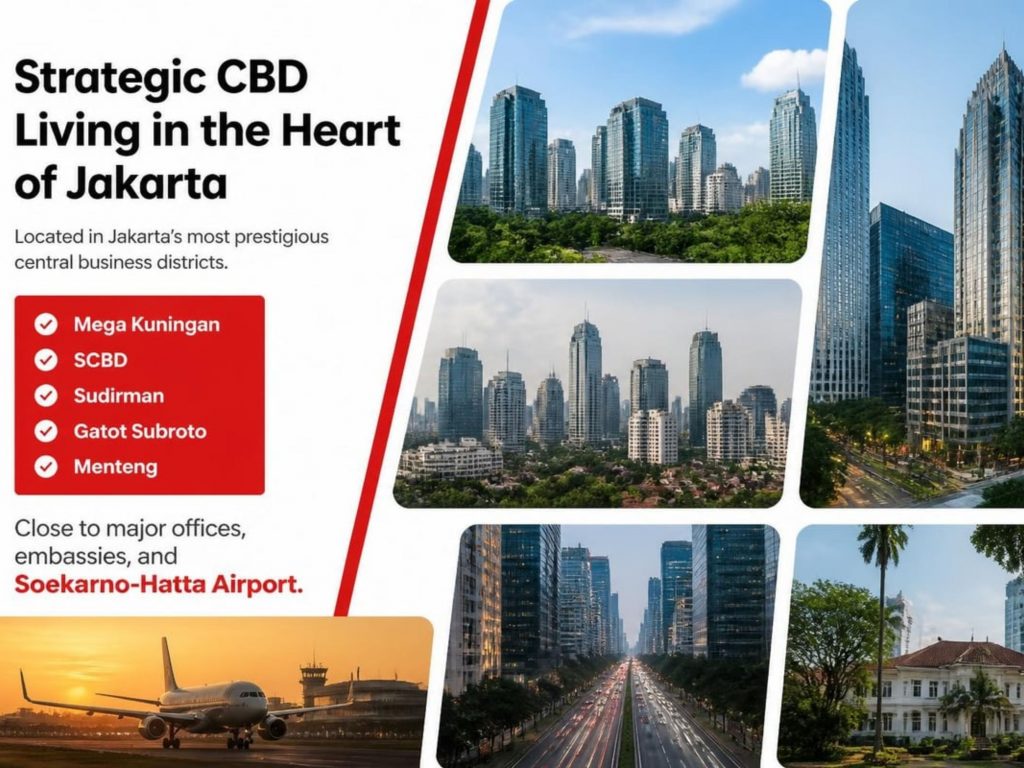
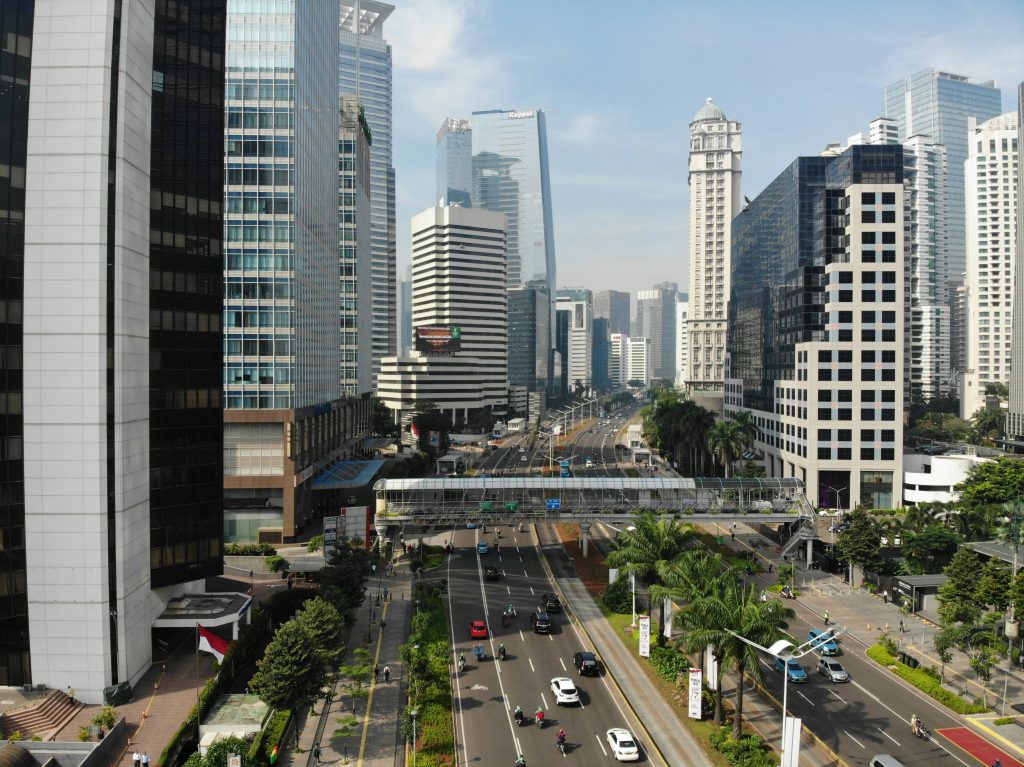
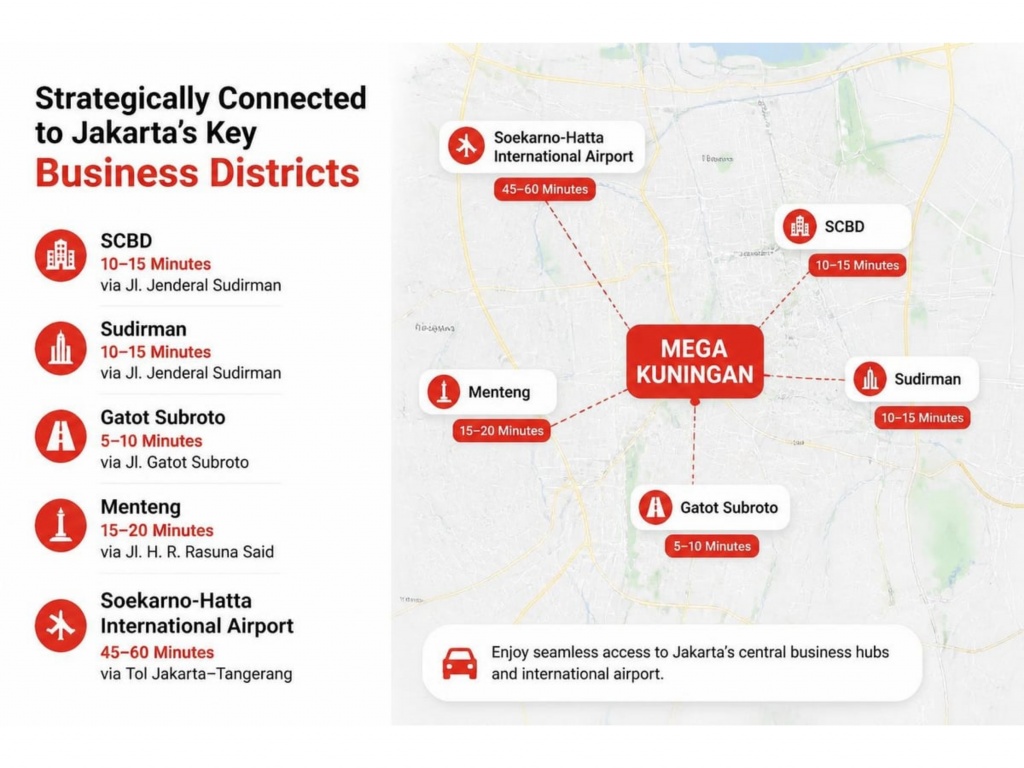
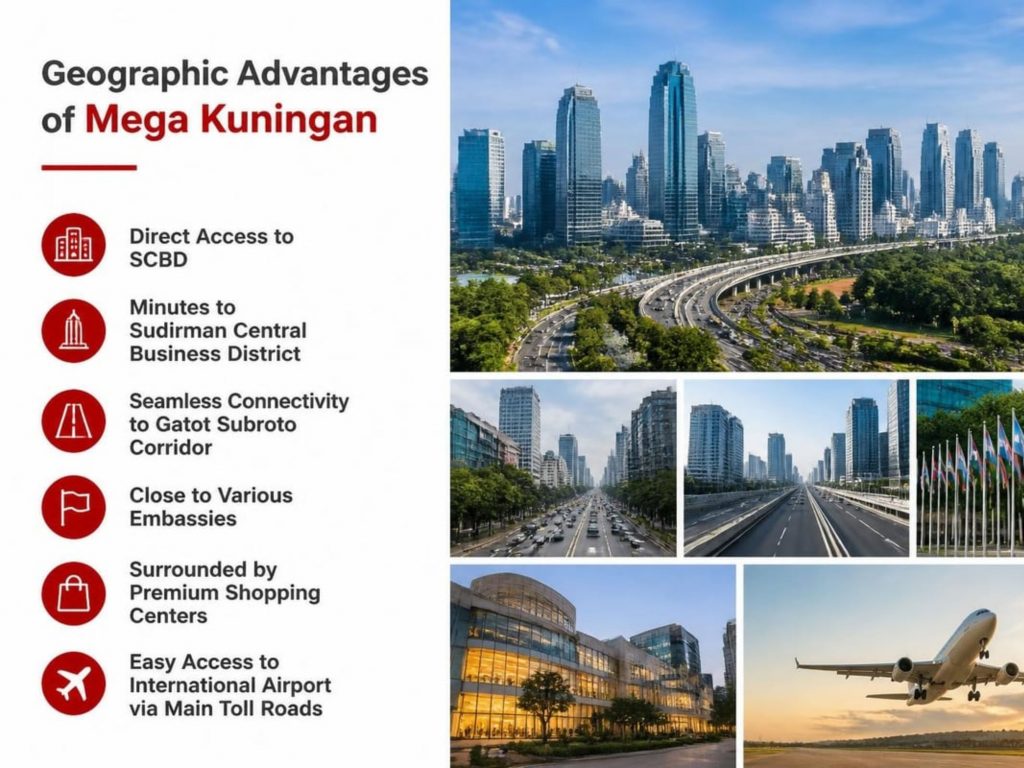
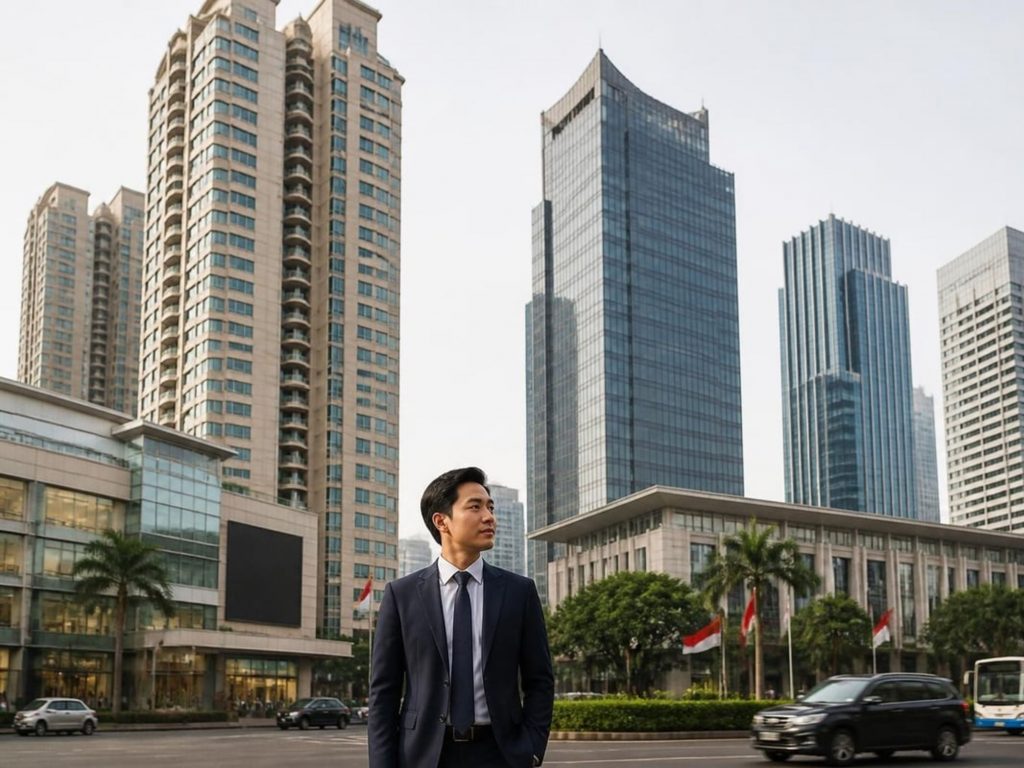
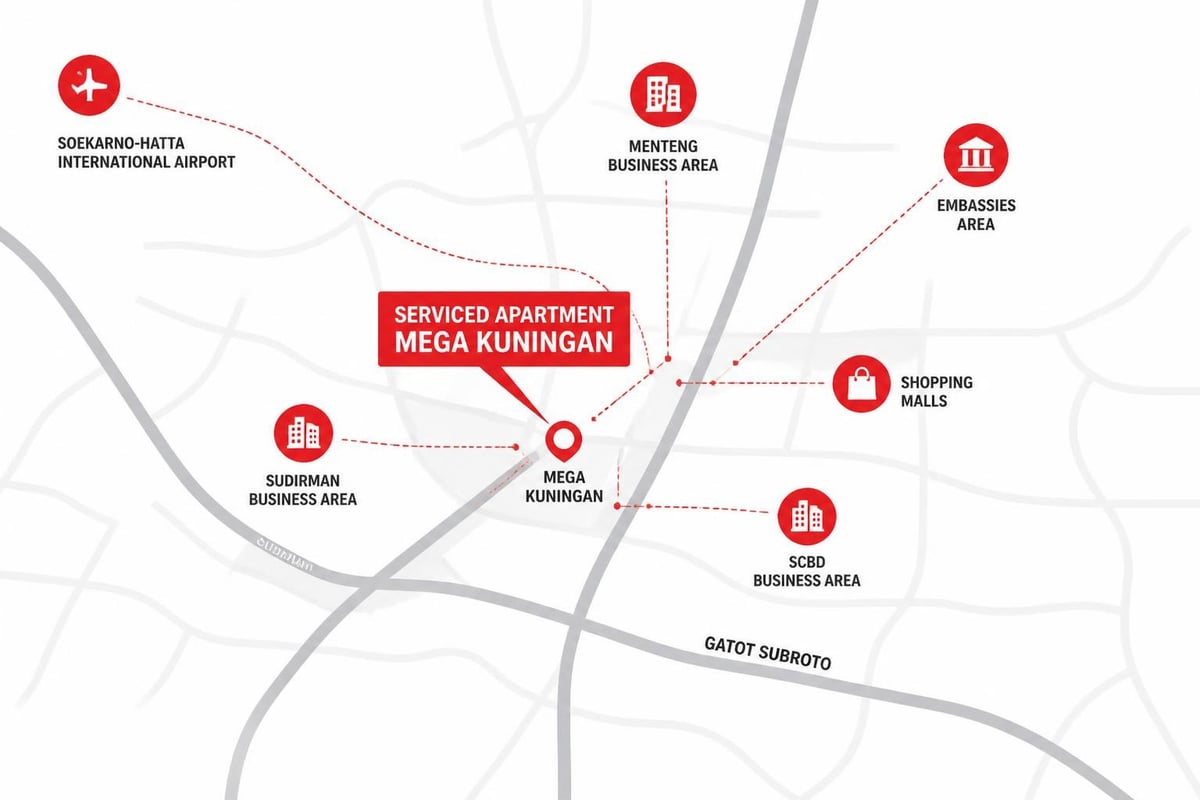
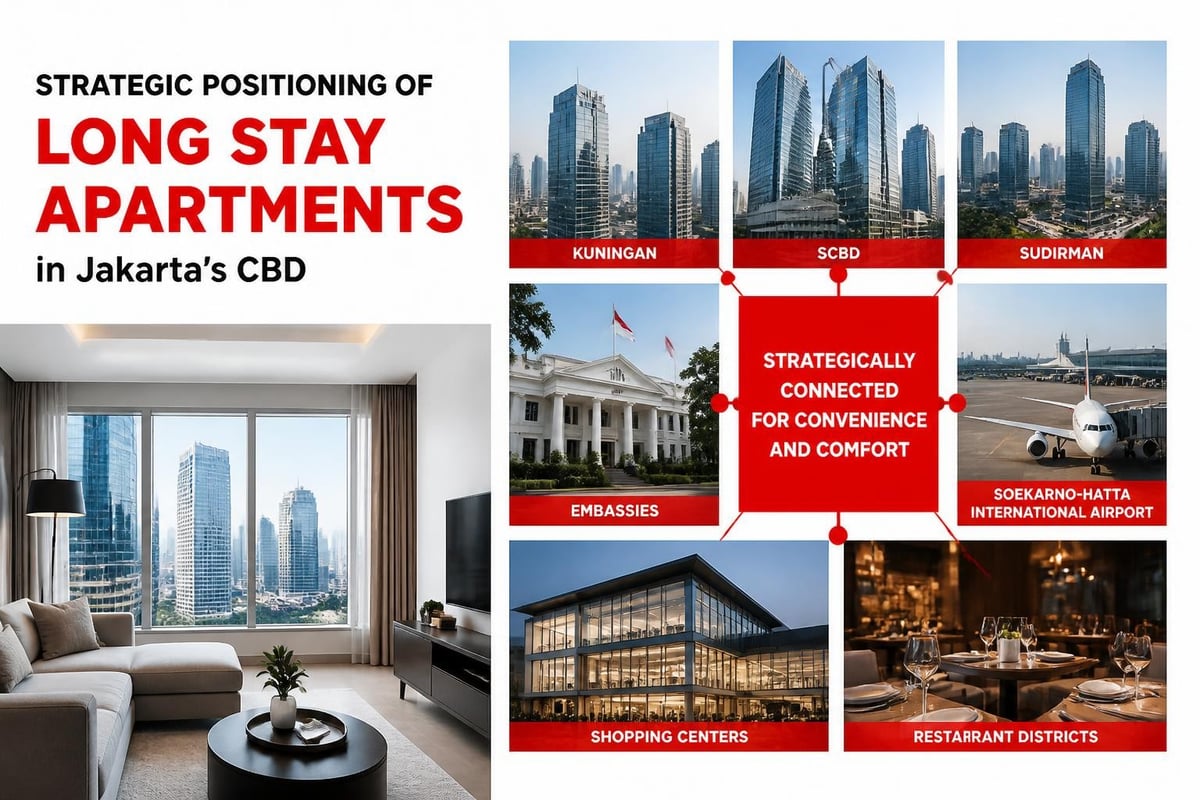
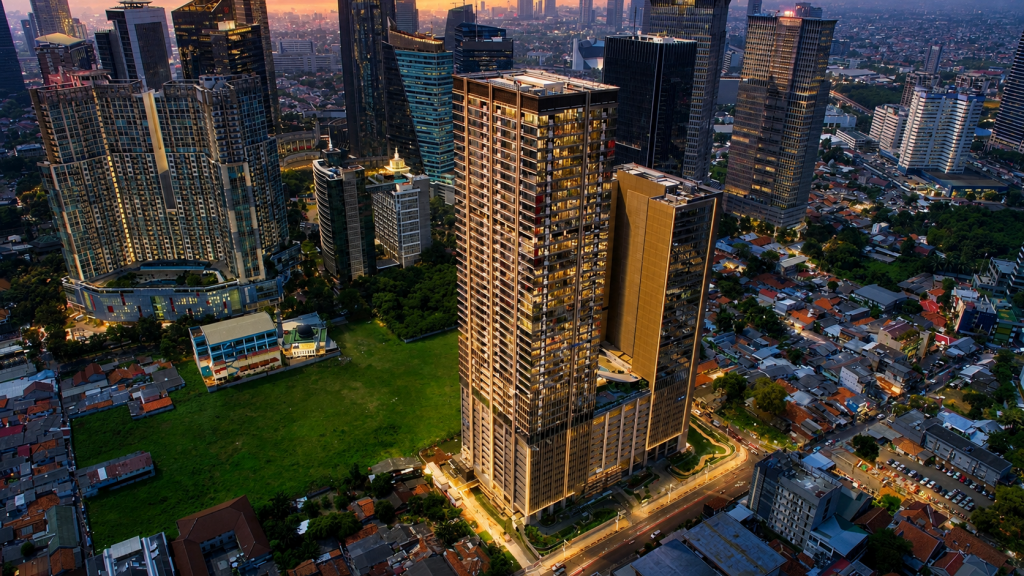
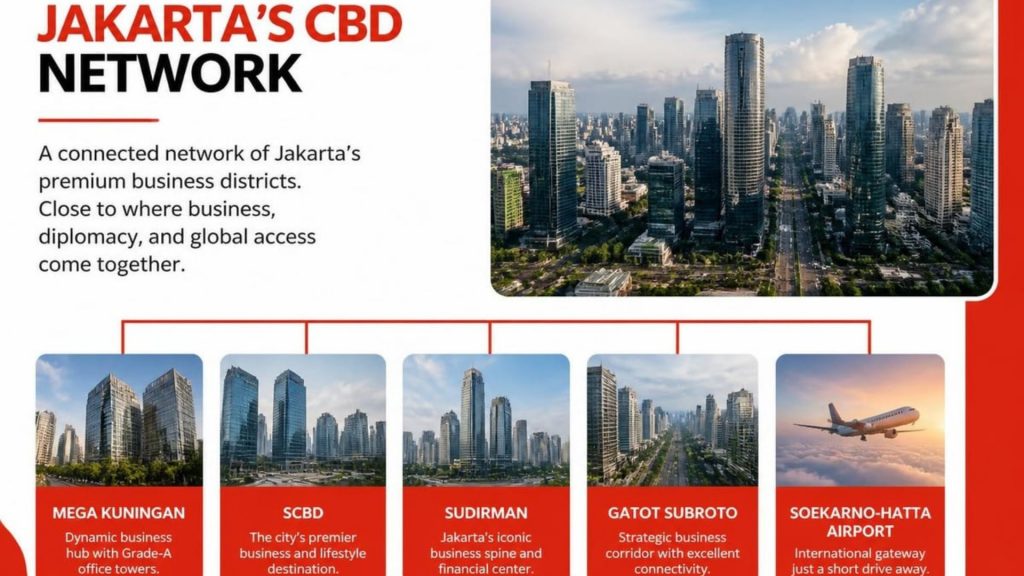
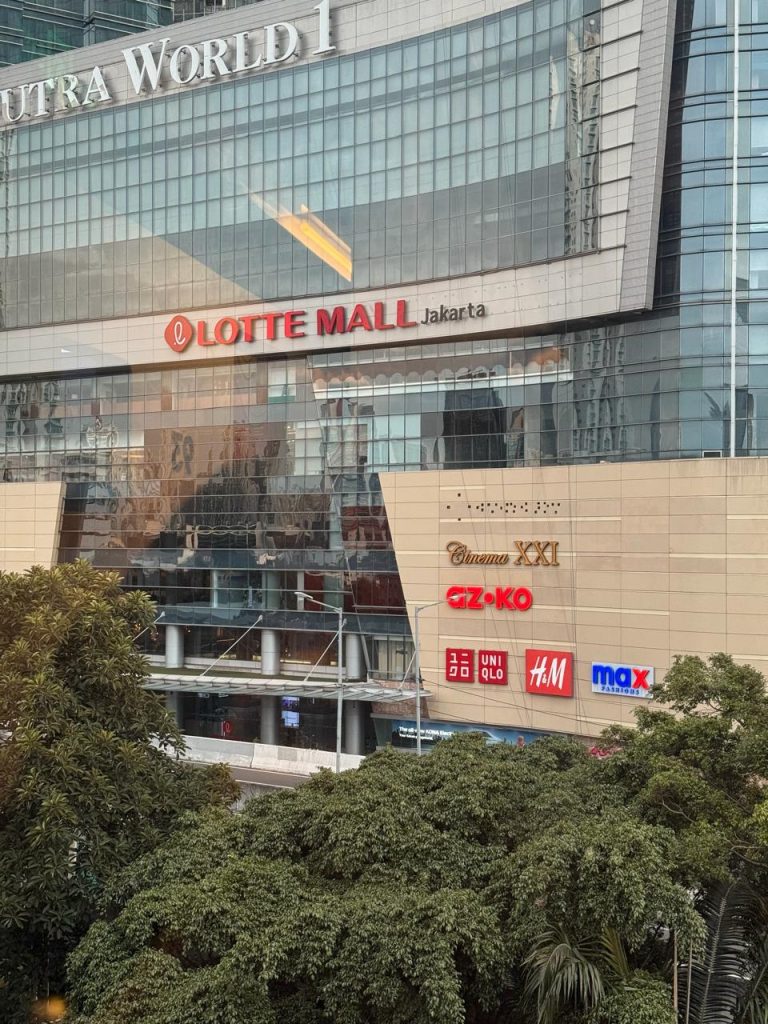
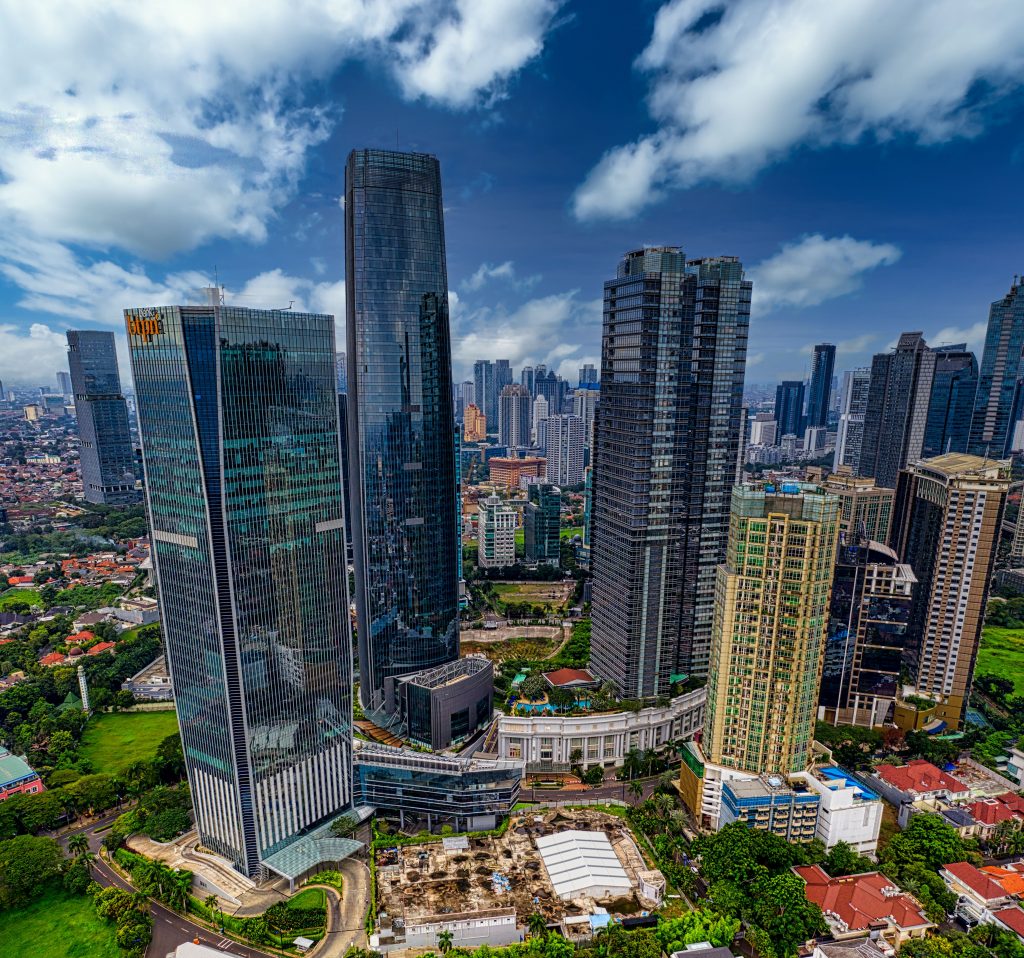
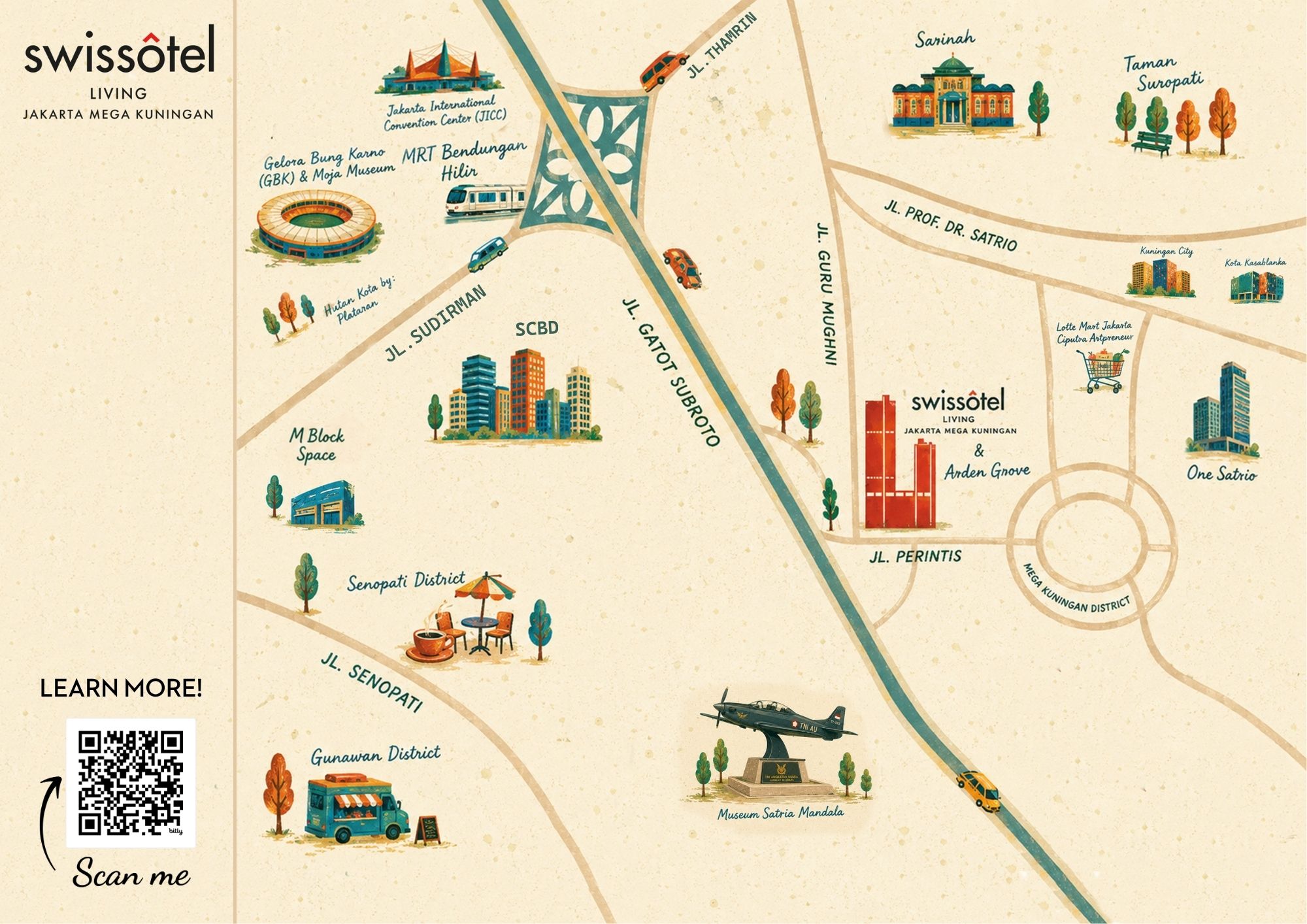
Corporate-oriented residence apartments prioritize proximity to office buildings, conference centers, and business services. Locations in financial districts like Kuningan, SCBD, and Sudirman in Jakarta provide professionals with minimal commute times and access to business infrastructure. These areas also offer dining options, banking services, and professional amenities within walking distance.
Properties near major thoroughfares such as Gatot Subroto enable efficient travel throughout metropolitan areas. Access to international airports remains crucial for business travelers, with many residence apartments highlighting proximity to aviation hubs as a key advantage.

Residential Neighborhood Integration
Family-focused residence apartments often situate within established residential areas that provide schools, parks, and community services. Neighborhoods like Menteng combine residential character with urban convenience, offering families stable environments during transitional periods.
Proximity to international schools, healthcare facilities, and shopping centers weighs heavily in family decision-making. Properties that balance business accessibility with residential amenities attract longer-term residents seeking community integration.
Financial Considerations and Lease Structures
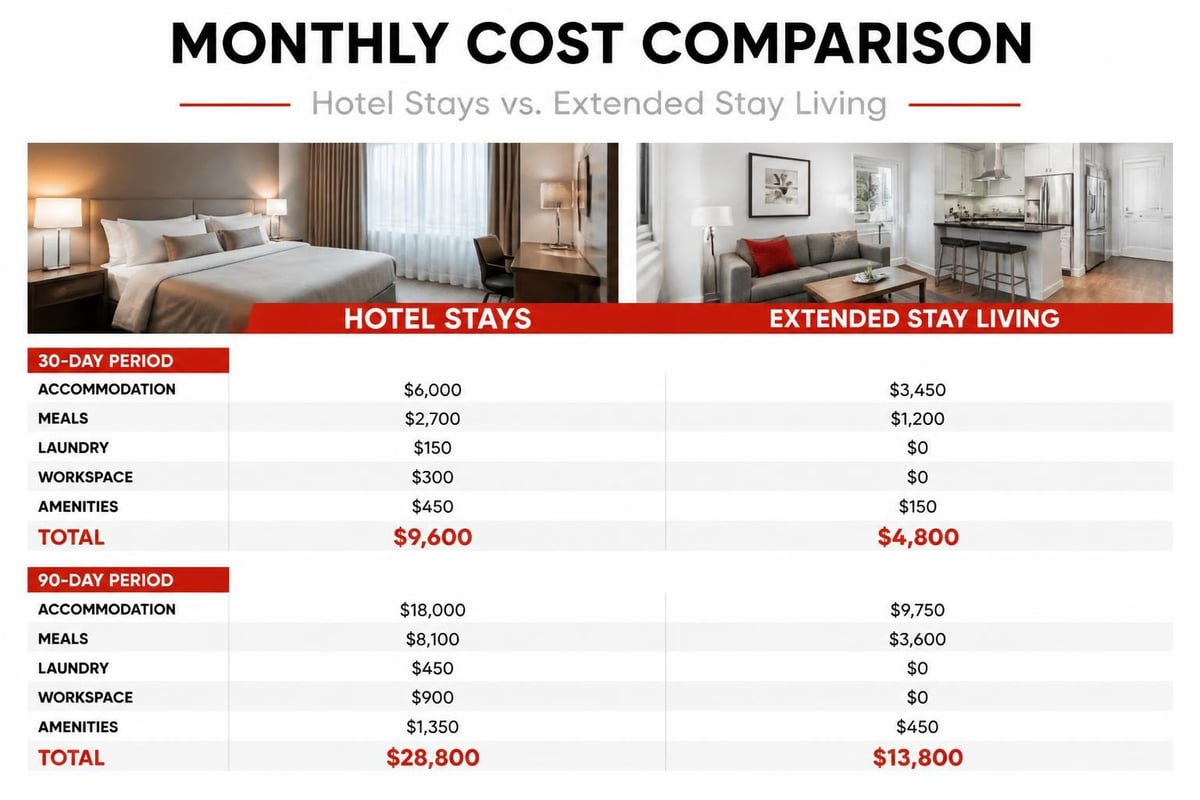
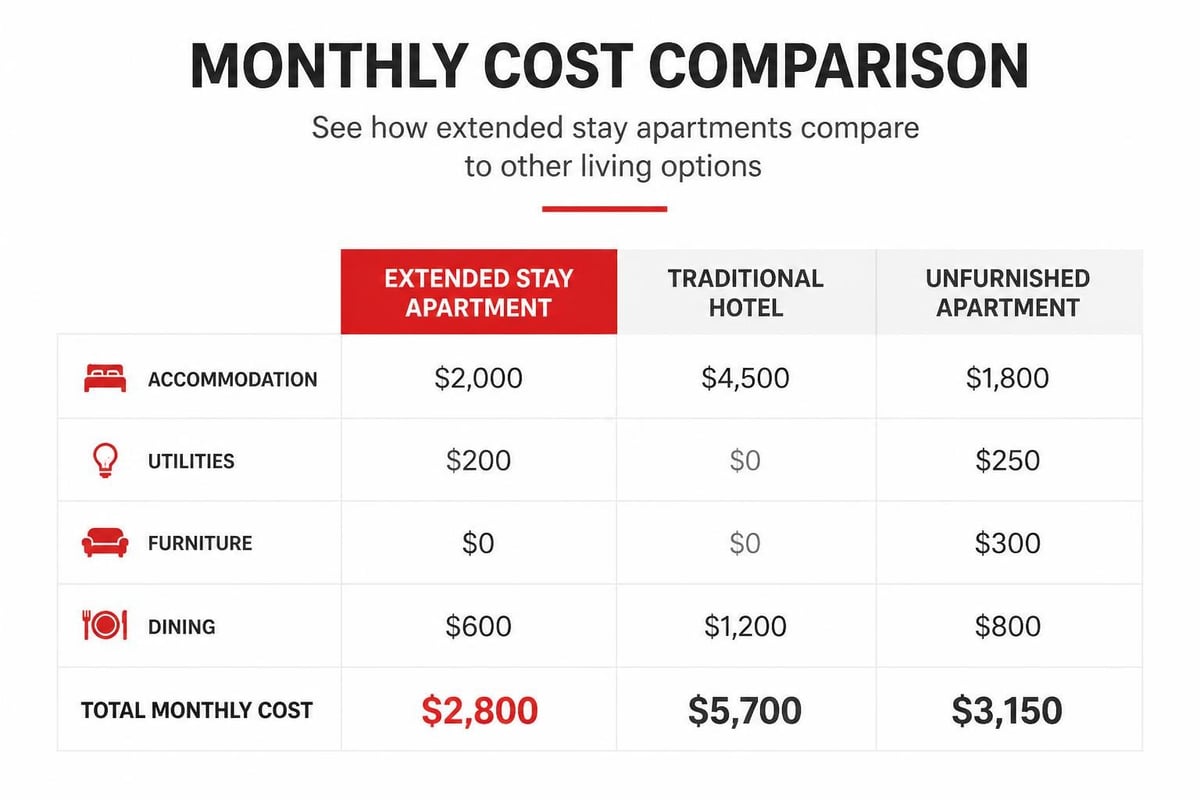
The financial model of residence apartments differs from conventional rental housing through inclusive pricing and flexible commitment periods. Understanding cost structures helps residents budget accurately and select appropriate properties.
Pricing Models and Inclusions
Residence apartments typically quote all-inclusive rates covering:
-
Base rent for the furnished unit
-
Utilities (electricity, water, gas)
-
Internet and cable television services
-
Weekly housekeeping and linen changes
-
Access to property amenities and facilities
-
Concierge and reception services
This comprehensive approach simplifies budgeting by eliminating variable utility costs and service fees. Residents pay predictable monthly amounts without unexpected charges for basic services.
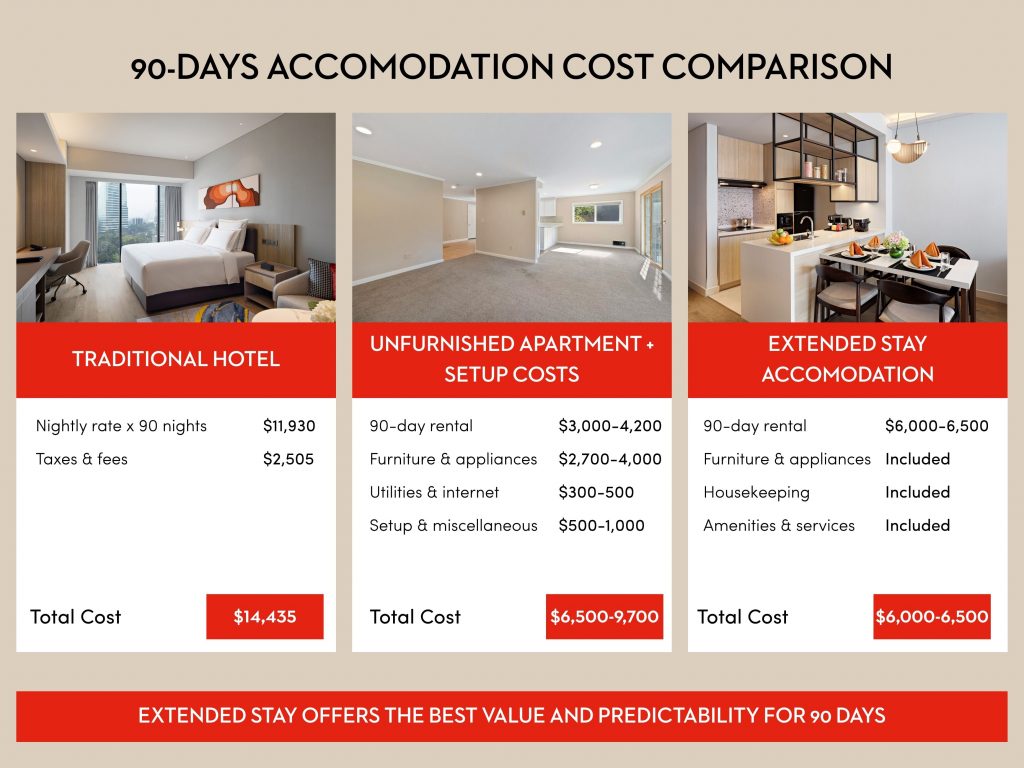
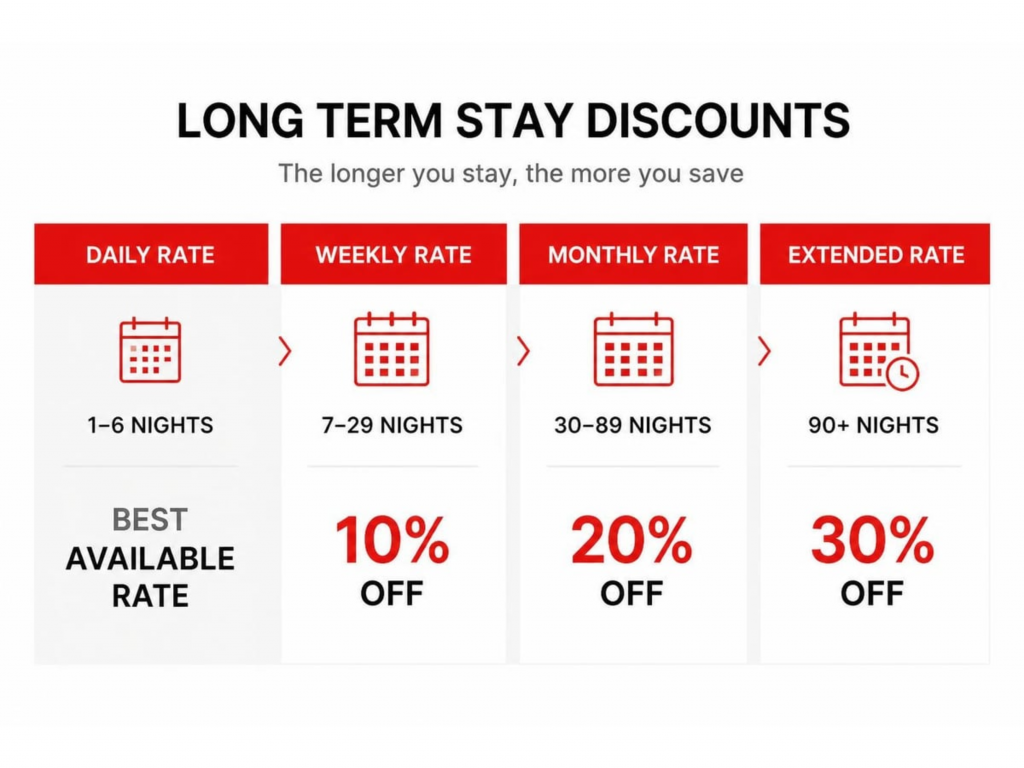
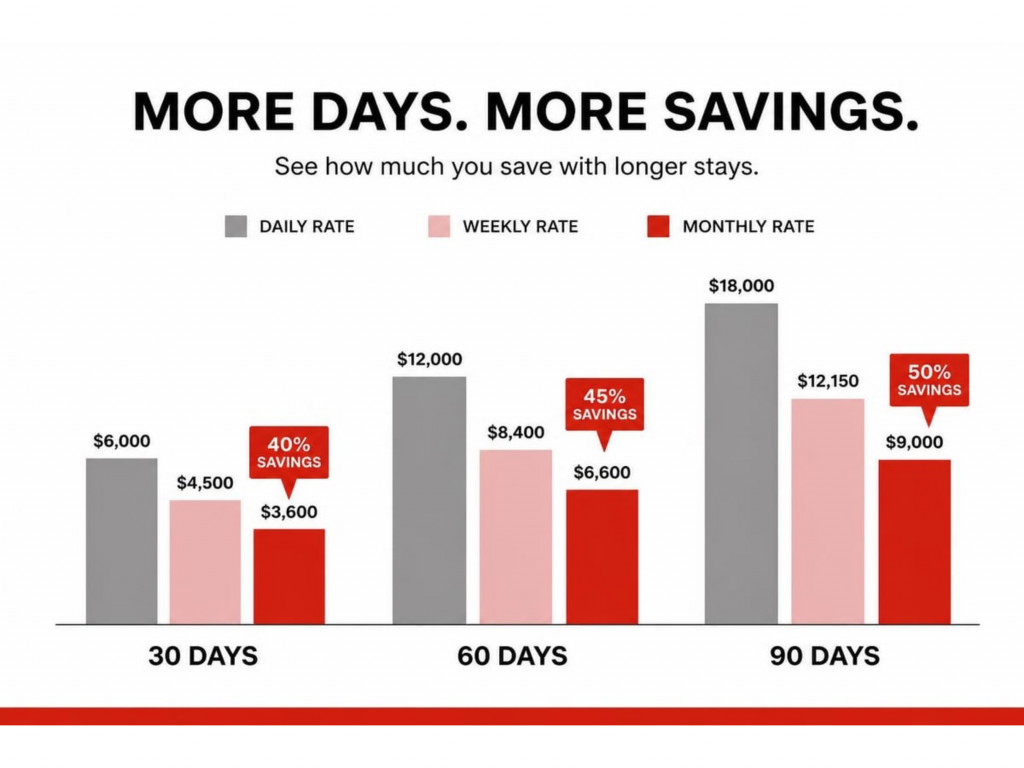
Daily rates apply for short-term stays, with pricing decreasing for weekly commitments. Monthly and yearly rates offer the most economical options for extended residence. According to financing policy guidance from the FHFA, multifamily properties including serviced residences benefit from structured financing programs that enable competitive pricing.
Deposit and Booking Requirements
Residence apartments generally require security deposits equivalent to one or two months’ rent, returned upon satisfactory unit condition at departure. Some properties accept credit card guarantees instead of cash deposits, improving cash flow for corporate residents.
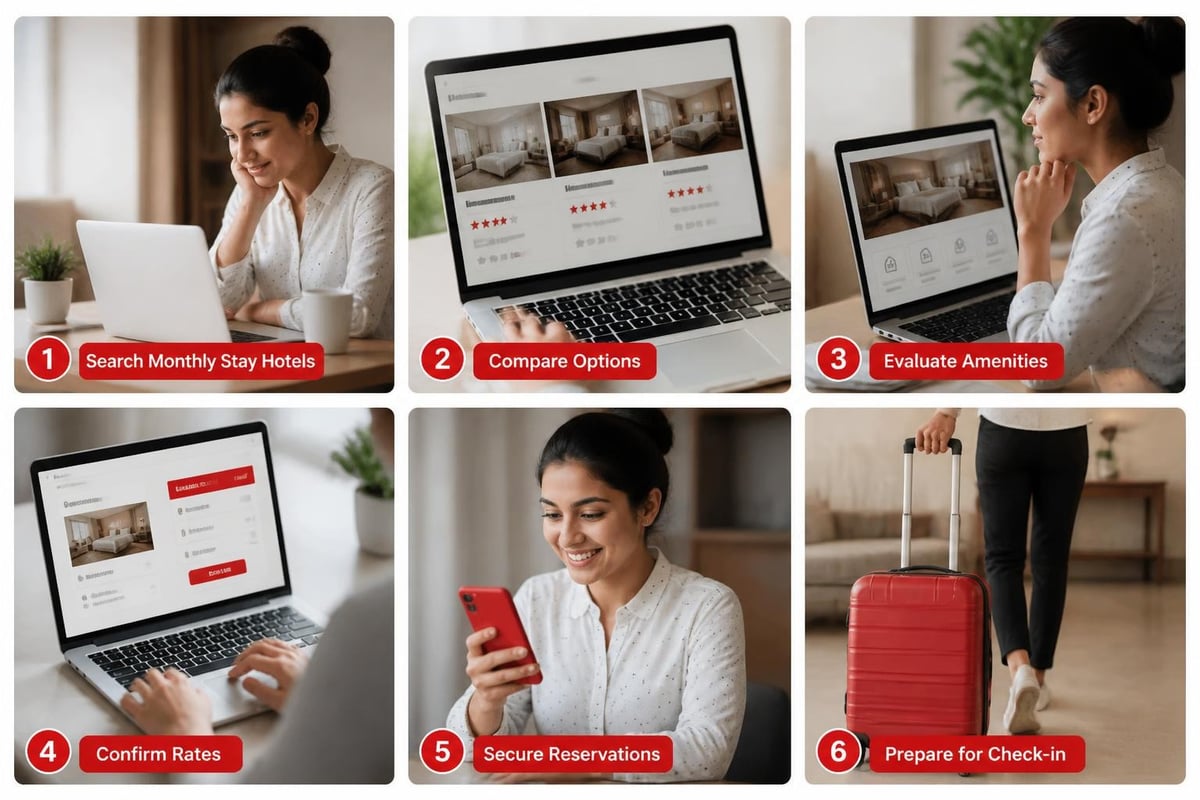
Booking procedures prioritize efficiency with online reservation systems and rapid confirmation processes. Many properties offer corporate billing arrangements for companies housing multiple employees, streamlining payment administration.
Amenities and Service Standards
The service level distinguishes residence apartments from both traditional rentals and hotels. Properties maintain professional standards while respecting resident privacy and autonomy.
Housekeeping and Maintenance
Regular housekeeping services maintain cleanliness without requiring resident effort. Standard programs include:
-
Weekly apartment cleaning with floor care
-
Linen and towel replacement on scheduled days
-
Kitchen and bathroom sanitization
-
Trash removal and common area maintenance
-
Optional daily service for additional fees
Maintenance requests receive prompt attention through dedicated property teams. Unlike traditional rentals where repairs may wait days or weeks, residence apartments employ on-site staff who address issues rapidly.
Facility Access and Programs
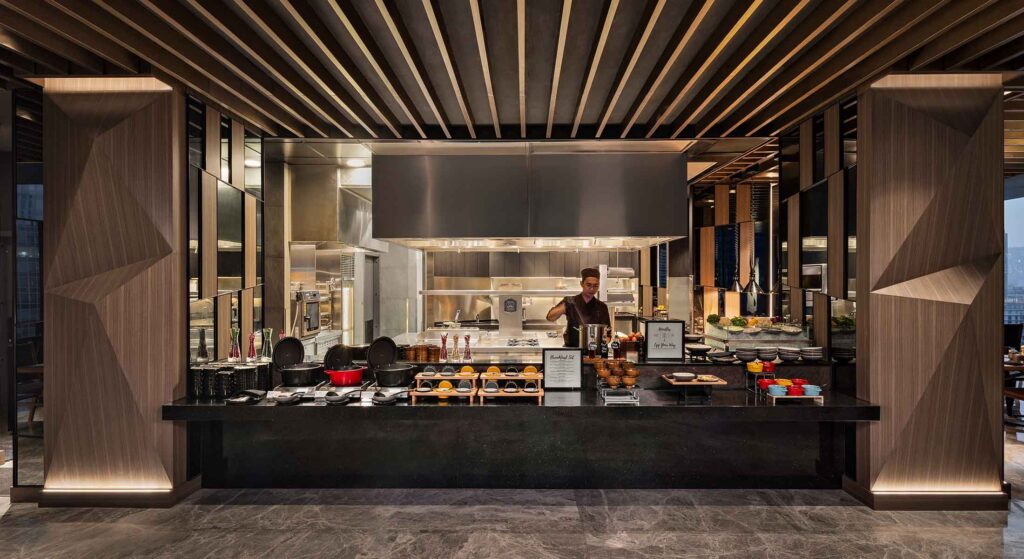
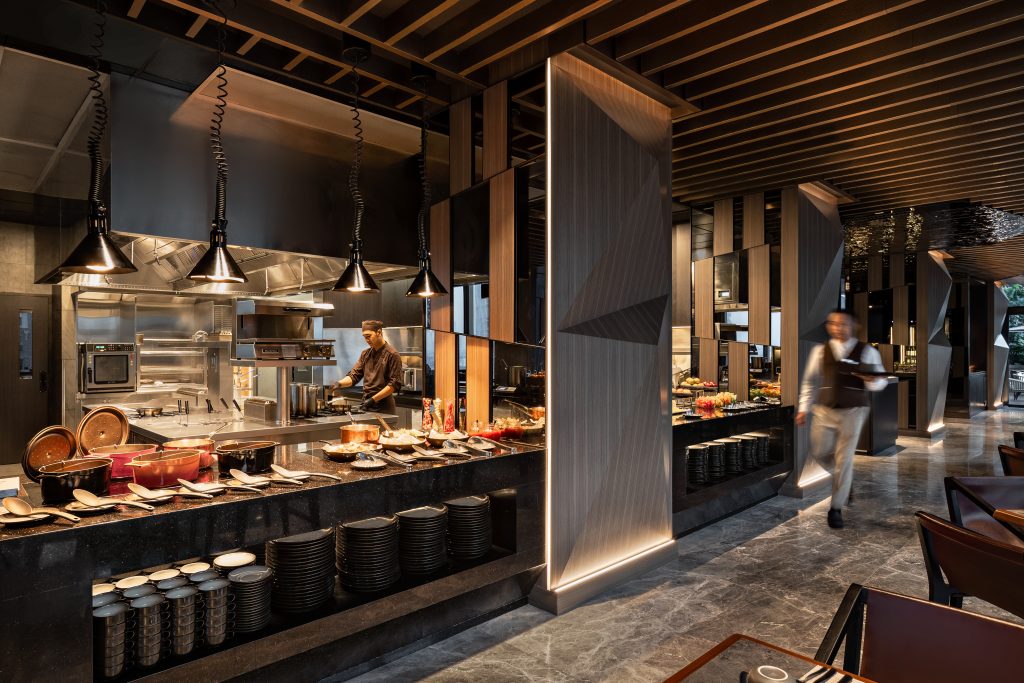
Shared facilities expand living space and provide services that individual units cannot accommodate. Common amenities include:
|
Facility Type |
Typical Features |
Usage Model |
|---|---|---|
|
Fitness Centers |
Cardio equipment, weights, studios |
24-hour access |
|
Business Lounges |
Workstations, meeting rooms, printers |
Reservation-based |
|
Recreational Spaces |
Pools, lounges, entertainment areas |
Scheduled hours |
|
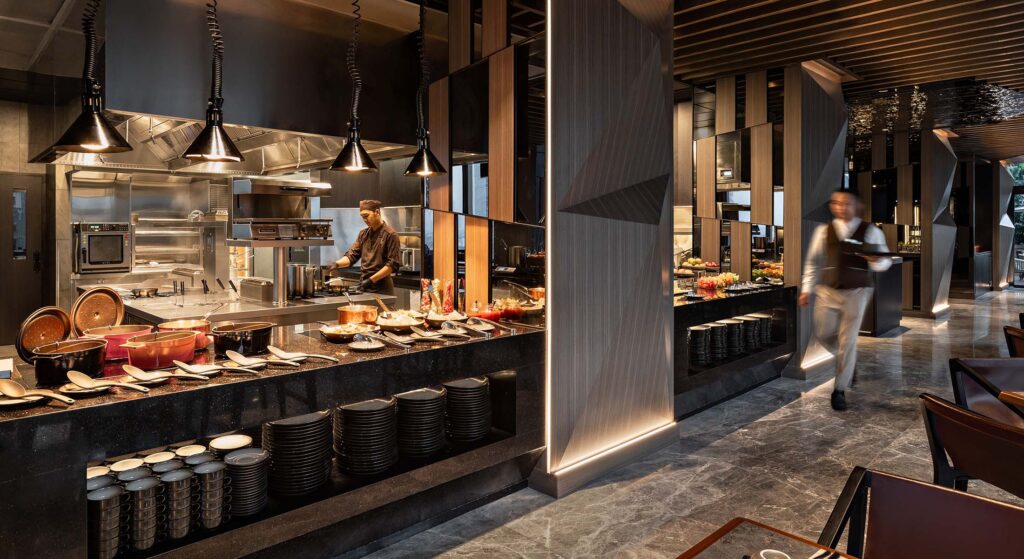
Dining Options |
Restaurants, cafés, room service |
A la carte pricing |
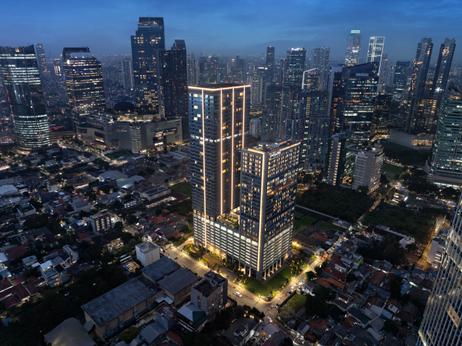
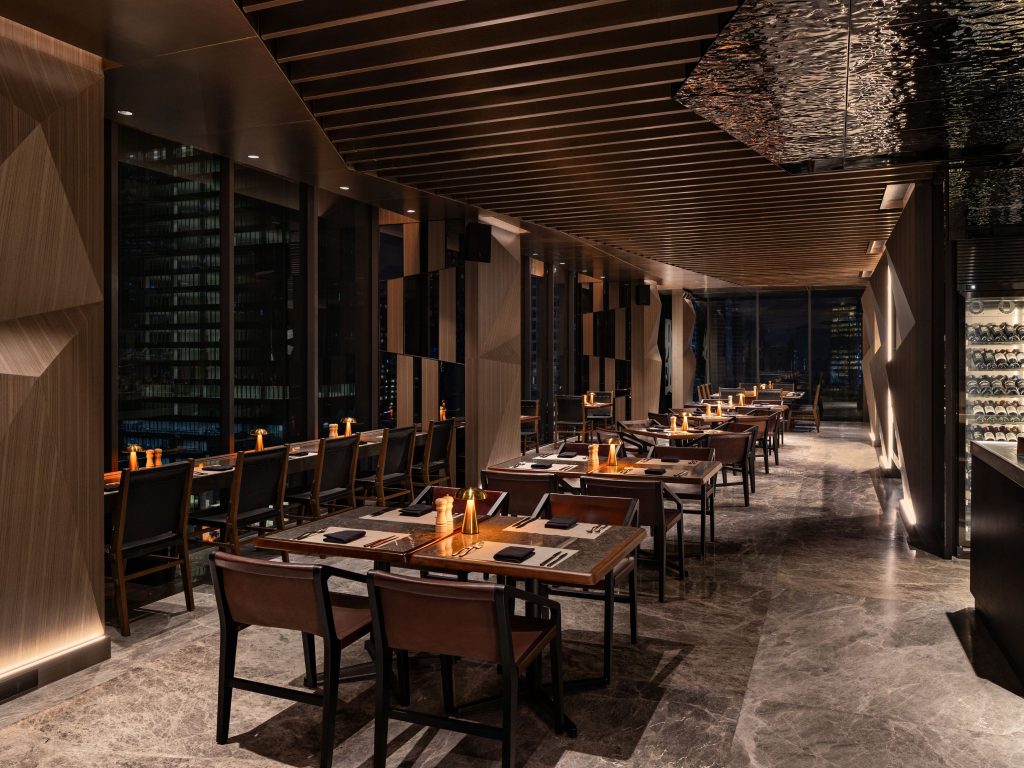
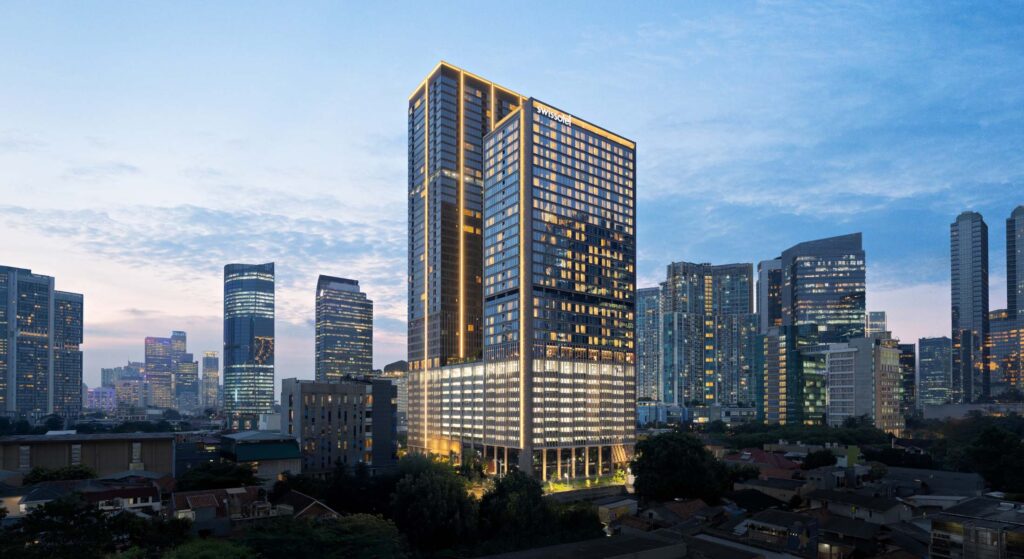
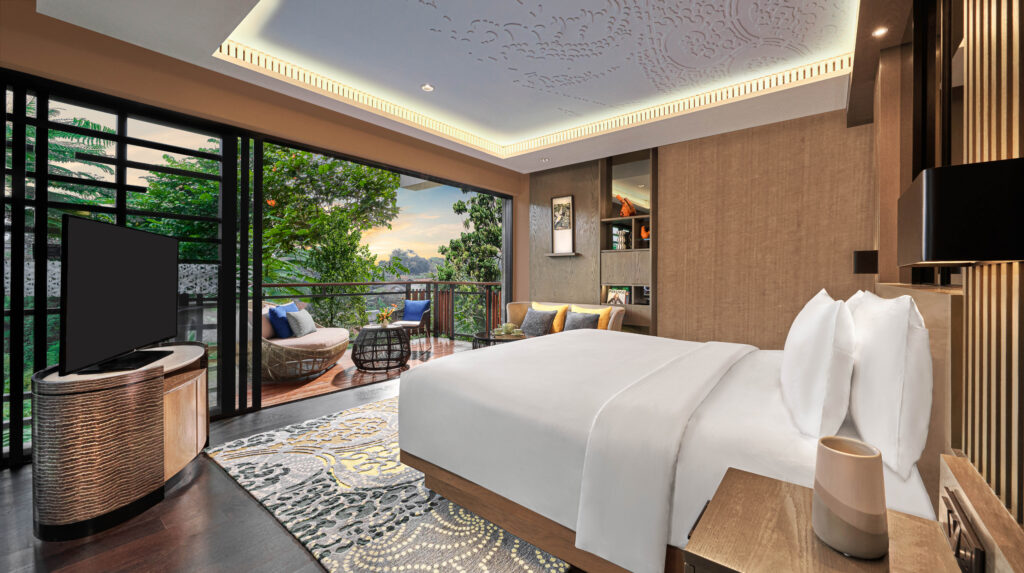
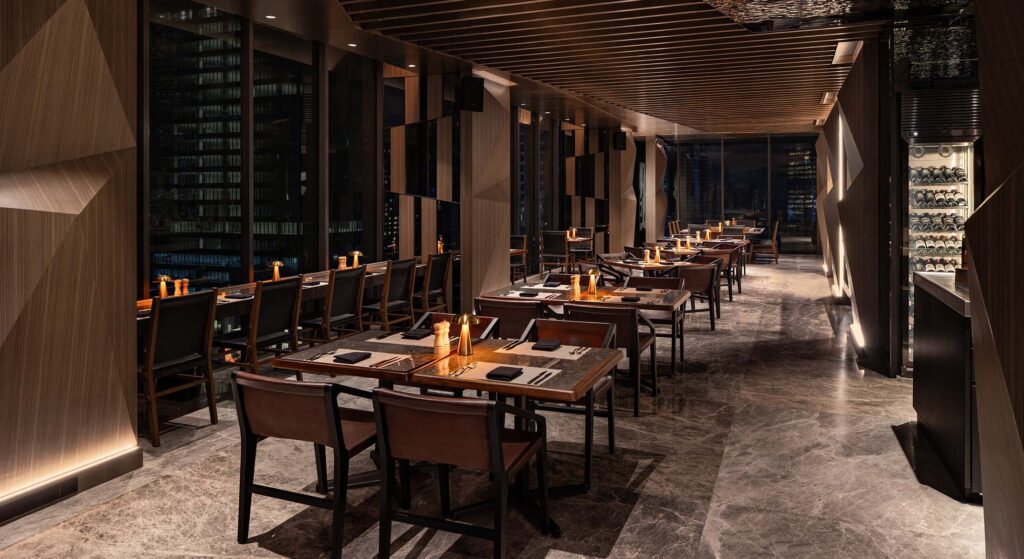
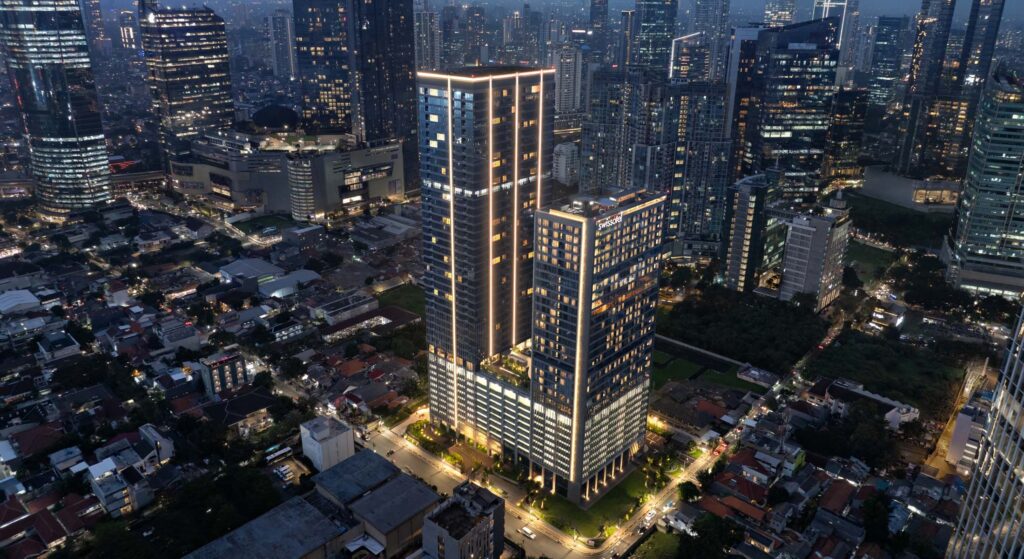
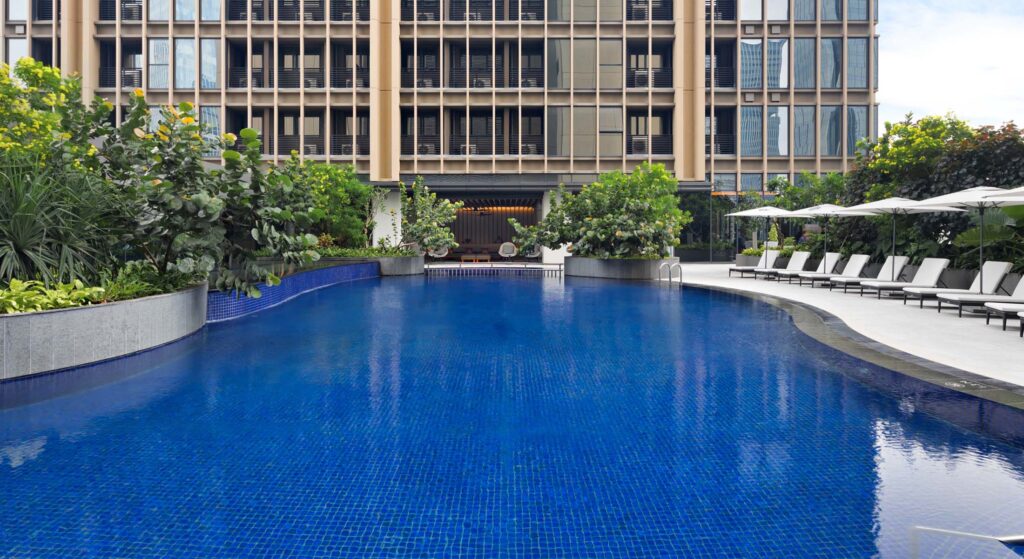
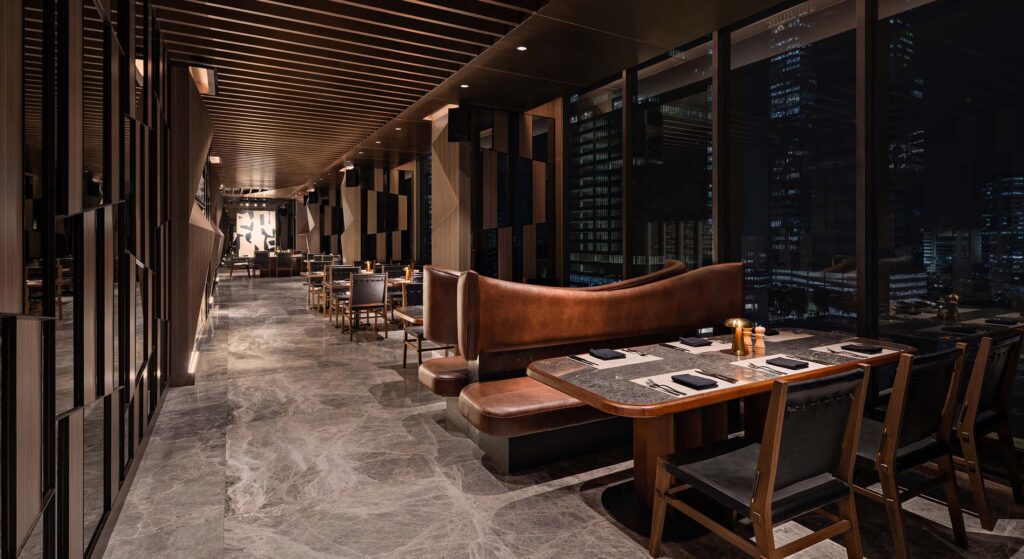
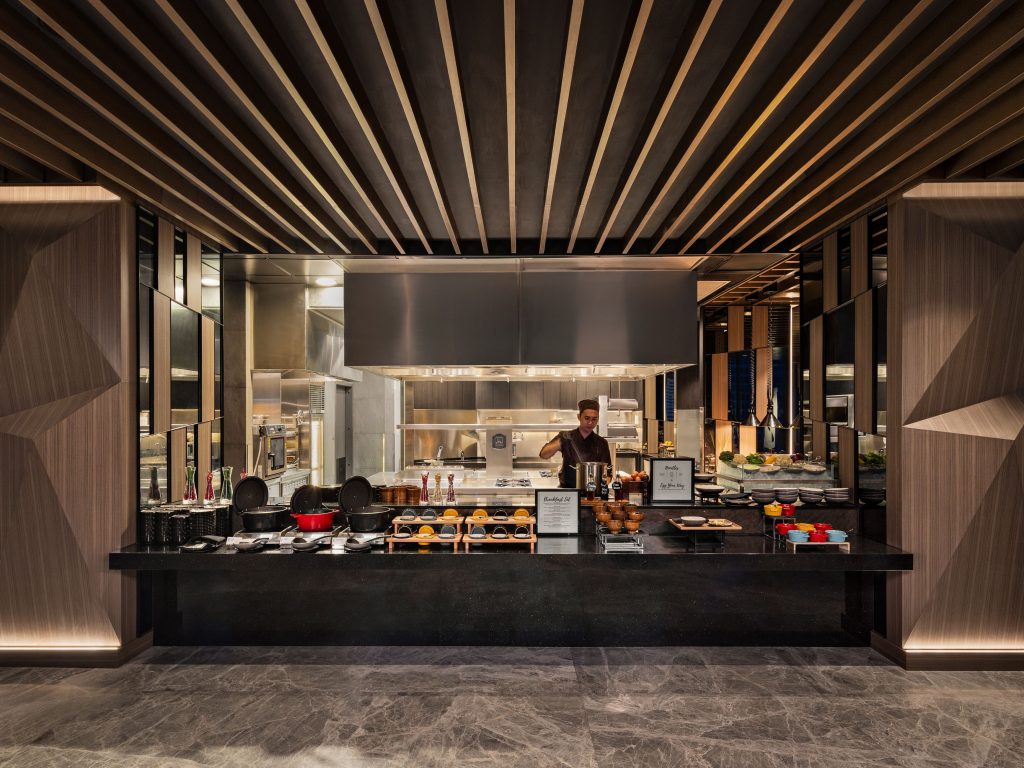
Properties such as Swissôtel Living Jakarta Mega Kuningan demonstrate how residence apartments integrate comprehensive facilities while maintaining the privacy and independence that residents value.
Sustainability and Energy Efficiency
Modern residence apartments increasingly incorporate environmental design and energy-efficient systems. These features reduce operating costs while meeting growing resident expectations for sustainable living.
Building Systems and Certifications
Energy-efficient residence apartments employ advanced building systems including:
-
High-performance HVAC systems with individual climate control
-
LED lighting throughout units and common areas
-
Water-efficient fixtures and appliances
-
Insulation and window systems reducing energy loss
-
Smart building management systems optimizing consumption
The U.S. Department of Energy’s Zero Energy Ready Home program provides technical guidance for multifamily properties pursuing high efficiency standards. Properties pursuing ENERGY STAR certification demonstrate measurable performance improvements over conventional buildings.
Operational Sustainability Programs
Beyond building design, residence apartments implement operational programs reducing environmental impact:
-
Recycling systems for residents and operations
-
Green cleaning products and procedures
-
Bulk purchasing reducing packaging waste
-
Digital communication minimizing paper use
-
Transportation services and bicycle facilities reducing car dependency
These initiatives appeal to environmentally conscious residents while generating cost savings through reduced consumption.
Regulatory Compliance and Accessibility
Residence apartments must navigate complex regulatory frameworks governing multifamily housing, tenant rights, and accessibility standards. Compliance ensures legal operation and protects both property owners and residents.
Accessibility Requirements
Modern residence apartments incorporate accessibility features ensuring compliance with design standards. The ADA Standards for Accessible Design establish requirements for multifamily properties including:
-
Accessible entrances and pathways
-
Elevator access to all floors
-
Doorways and corridors accommodating mobility devices
-
Accessible units with adapted bathrooms and kitchens
-
Visual and auditory alert systems
Properties constructed or renovated in 2026 typically exceed minimum standards, recognizing that accessible design benefits all residents regardless of ability status.
Tenant Rights and Protections
While residence apartments operate differently from traditional rentals, tenant protections still apply. HUD resources on housing choice and tenant rights provide guidance on legal requirements affecting residents. Properties must maintain fair housing practices, respect privacy rights, and provide habitable living conditions regardless of lease duration.
Professional property management, guided by standards from organizations like the Institute of Real Estate Management, ensures regulatory compliance while delivering quality service. Well-managed properties balance resident needs with operational requirements, creating positive experiences that encourage extended stays and referrals.
Selecting the Right Residence Apartment
Choosing appropriate residence apartments requires evaluating multiple factors against individual or family needs. A systematic approach ensures satisfactory outcomes.
Assessment Criteria
Prospective residents should evaluate:
-
Location alignment with work, school, or activity requirements
-
Unit size and layout matching household composition
-
Lease flexibility accommodating anticipated stay duration
-
Amenity availability supporting lifestyle and work needs
-
Service quality reflected in reviews and property reputation
-
Total cost including all fees relative to budget constraints
-
Community character fitting personal preferences and values
Creating weighted criteria based on individual priorities helps compare properties objectively. Business travelers may prioritize location and workspace features, while families emphasize school proximity and recreational amenities.
Research and Evaluation Methods
Effective property research combines online investigation with physical inspection. Virtual tours and detailed property websites provide initial screening, but visiting properties reveals operational quality and neighborhood character. Speaking with current residents offers unfiltered insights into daily living experiences.
Reading property frequently asked questions and understanding lease terms before committing prevents misunderstandings. Clarifying policies on early termination, guest privileges, and service availability ensures alignment with expectations.
Property Management Best Practices
Superior residence apartments distinguish themselves through professional management that anticipates resident needs and maintains consistent quality standards. Understanding management approaches helps residents select well-operated properties.
Communication Systems
Effective properties establish clear communication channels including:
-
24-hour reception or emergency contact systems
-
Digital platforms for service requests and announcements
-
Regular property updates on maintenance and events
-
Multilingual staff accommodating international residents
-
Feedback mechanisms gathering resident input
Responsive management teams address concerns promptly and proactively communicate about property matters affecting residents.
Community Building Initiatives
While residence apartments emphasize independence, many properties foster community through optional programs:
-
Welcome events for new residents
-
Cultural celebrations and seasonal activities
-
Networking opportunities for business professionals
-
Family programs and children’s activities
-
Resident appreciation events
These initiatives create connection opportunities without imposing obligations, allowing residents to engage based on interest and availability. Properties offering special events and programs demonstrate commitment to resident experience beyond basic accommodation.
Future Trends in Residence Apartments
The residence apartment sector continues evolving as technology advances and resident expectations shift. Properties adapting to emerging trends position themselves competitively in growing markets.
Technology Integration
Smart home systems increasingly appear in residence apartments, offering:
-
Voice-activated controls for lighting, temperature, and entertainment
-
Keyless entry systems enhancing security and convenience
-
IoT appliances enabling remote monitoring and control
-
High-speed connectivity supporting remote work and streaming
-
Digital concierge services accessible via mobile applications
These technologies enhance convenience while generating operational efficiencies for property managers.
Flexible Space Design
Research from the Brookings Institution on housing supply highlights how housing needs continue diversifying. Residence apartments respond through adaptable designs including:
-
Convertible furniture systems maximizing limited space
-
Modular layouts accommodating different household configurations
-
Dedicated home office spaces supporting remote work
-
Multi-purpose rooms serving various functions
-
Outdoor living spaces expanding usable area
These design approaches ensure properties remain relevant as work patterns and lifestyle preferences continue evolving beyond 2026.
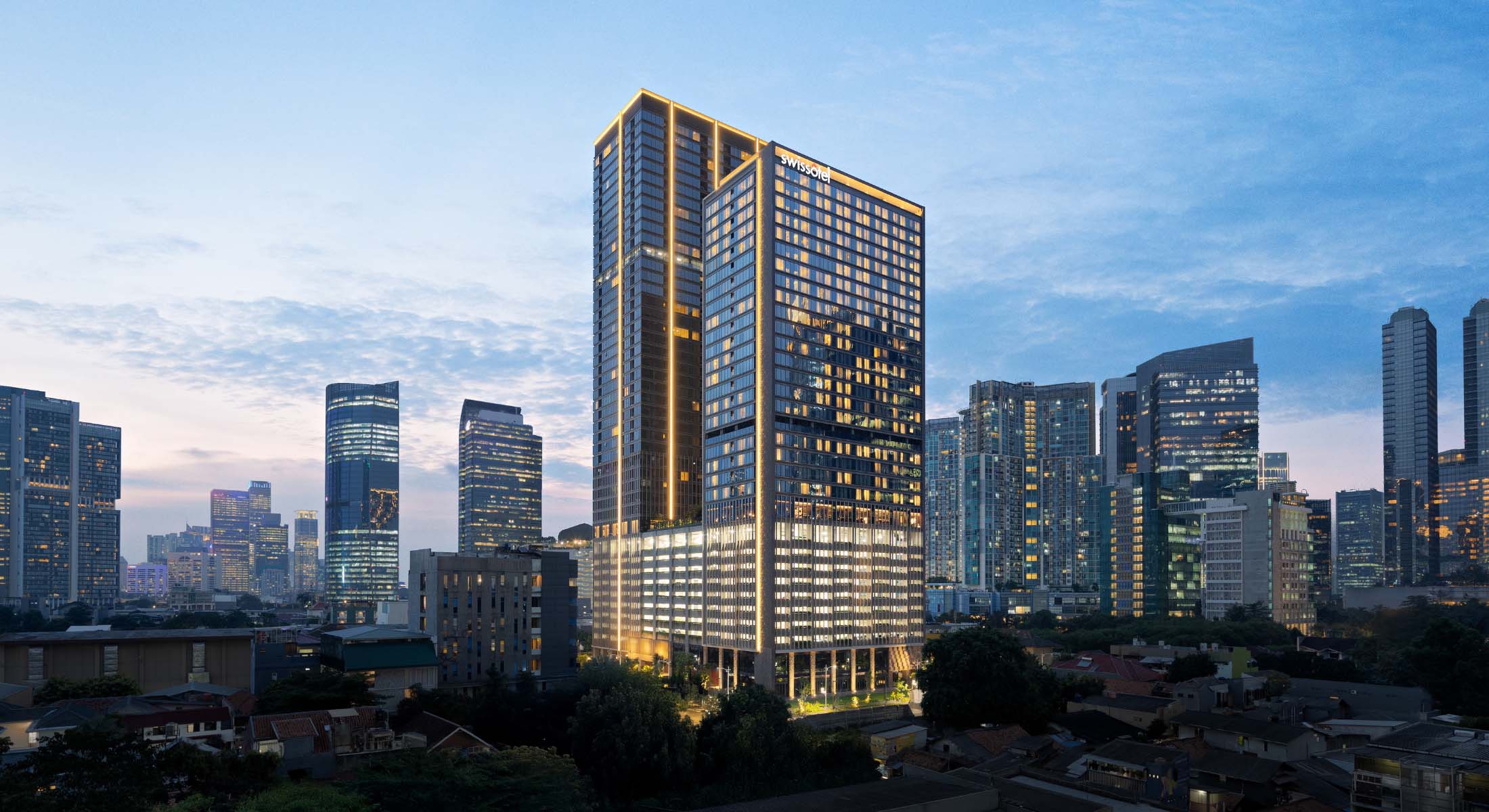
Residence apartments deliver comprehensive solutions for modern professionals, families, and expatriates requiring flexible, fully furnished accommodation with hotel-level services and home-style comfort. Understanding property features, location benefits, lease structures, and service standards enables informed selection aligned with specific needs. Whether you’re relocating to Jakarta for business, seeking temporary family accommodation during transition, or establishing an expatriate base in Southeast Asia, Swissôtel Living Jakarta Mega Kuningan provides 240 fully furnished serviced apartments with daily, weekly, monthly, and yearly stay options in Mega Kuningan’s premier business district, combining Swiss hospitality standards with strategic access to Jakarta’s key business and lifestyle destinations.