

Open Kitchen Restaurant: Design, Benefits & Best Practices
The open kitchen restaurant concept has transformed the dining landscape, breaking down traditional barriers between culinary teams and guests. This innovative design approach allows diners to witness the preparation of their meals in real-time, creating an immersive experience that combines entertainment with transparency. From fine dining establishments to casual eateries across Jakarta and beyond, restaurants are embracing this theatrical approach to hospitality that builds trust and creates memorable dining moments.
Understanding the Open Kitchen Restaurant Concept
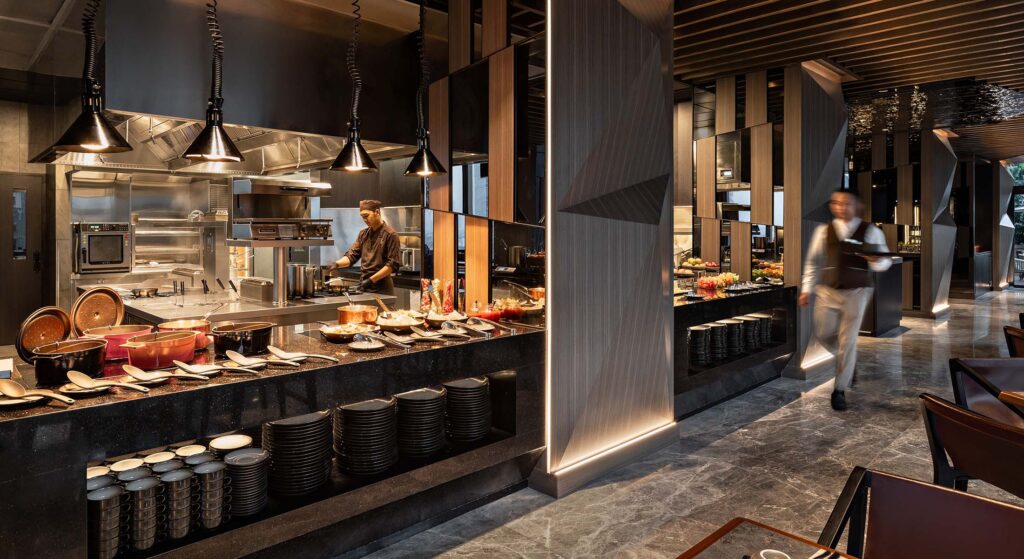
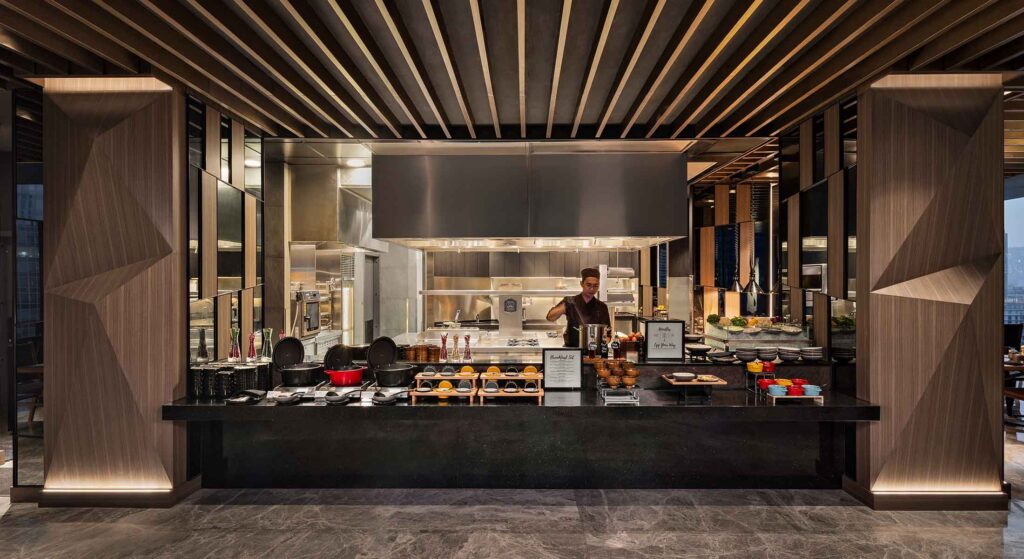
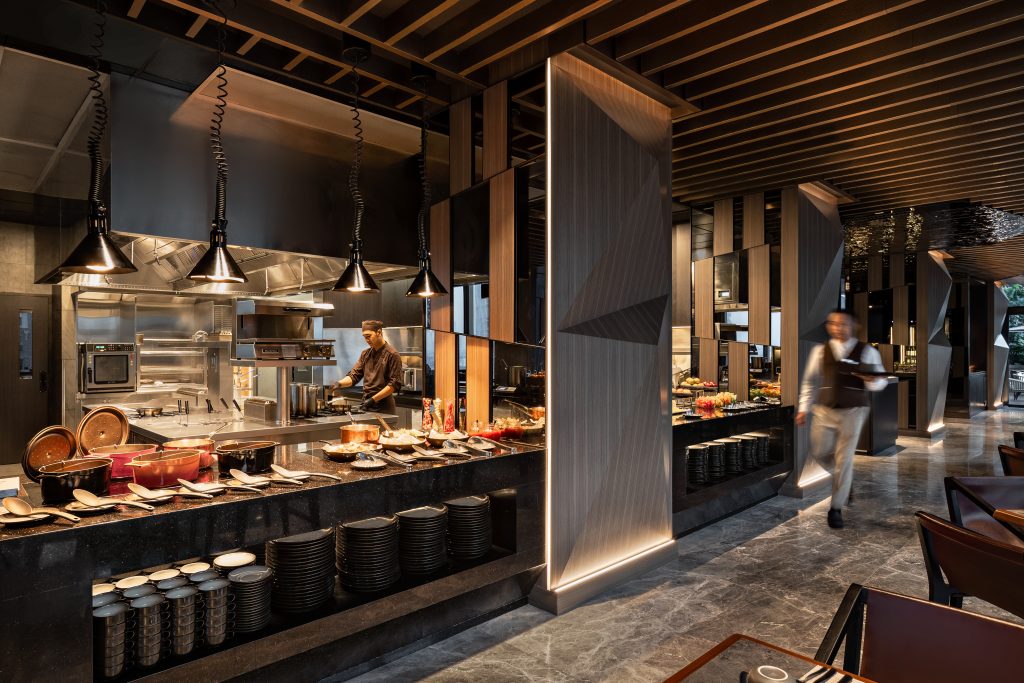
An open kitchen restaurant strategically positions cooking stations within view of the dining area, eliminating the walls that traditionally separate back-of-house operations from guest spaces. This design philosophy represents more than mere aesthetics; it fundamentally changes how customers perceive food preparation and quality standards.
The transparency inherent in this layout demonstrates confidence in cleanliness protocols and food handling practices. When guests can observe chefs preparing meals with precision and care, they develop greater trust in the establishment’s standards. This visibility becomes particularly valuable in 2026, as diners increasingly prioritize food safety visibility and hygiene transparency when selecting dining venues.
Key Elements That Define Open Kitchen Design
Several architectural and operational components distinguish effective open kitchen layouts from standard restaurant configurations:
- Visual accessibility: Strategic positioning allows clear sightlines from dining areas to cooking stations
- Acoustic management: Sound-dampening materials prevent kitchen noise from overwhelming conversations
- Ventilation systems: Advanced exhaust solutions capture smoke, steam, and cooking odors
- Temperature control: Zone-specific climate systems maintain comfort in both kitchen and dining spaces
- Lighting design: Focused illumination highlights culinary craftsmanship without creating glare
The physical layout requires careful planning to balance functionality with aesthetic appeal. Chefs need sufficient workspace to execute complex dishes while maintaining the visual flow that engages diners. The design principles of open kitchens emphasize this delicate equilibrium between operational efficiency and customer experience.
Operational Advantages for Restaurant Businesses
Open kitchen restaurants deliver measurable benefits that extend beyond customer satisfaction into operational performance and brand differentiation. These advantages have contributed to the growing adoption of this format across various hospitality segments.
Enhanced Accountability and Quality Control
When culinary teams work in full view of customers, professional standards naturally elevate. Chefs maintain cleaner workstations, handle ingredients with greater care, and present dishes with enhanced attention to detail. This visibility creates an inherent quality assurance mechanism that supplements traditional management oversight.
The accountability factor also extends to timing and consistency. Kitchen staff become more conscious of ticket times when guests can observe order progression. This awareness often results in improved service speed and more consistent execution across shifts.
Marketing and Brand Building Opportunities
The theatrical nature of an open kitchen restaurant provides continuous content for social media marketing and brand storytelling. Diners frequently capture photos and videos of chefs working at live stations, creating authentic promotional material that reaches their networks organically.
| Marketing Benefit | Impact | Implementation |
|---|---|---|
| User-generated content | Increased social media reach | Encourage photo-worthy moments at key cooking stations |
| Chef personality showcase | Stronger brand identity | Feature signature techniques and staff interactions |
| Behind-the-scenes access | Enhanced authenticity | Highlight preparation of signature dishes |
| Live cooking demonstrations | Event marketing opportunities | Schedule special chef appearances and tastings |
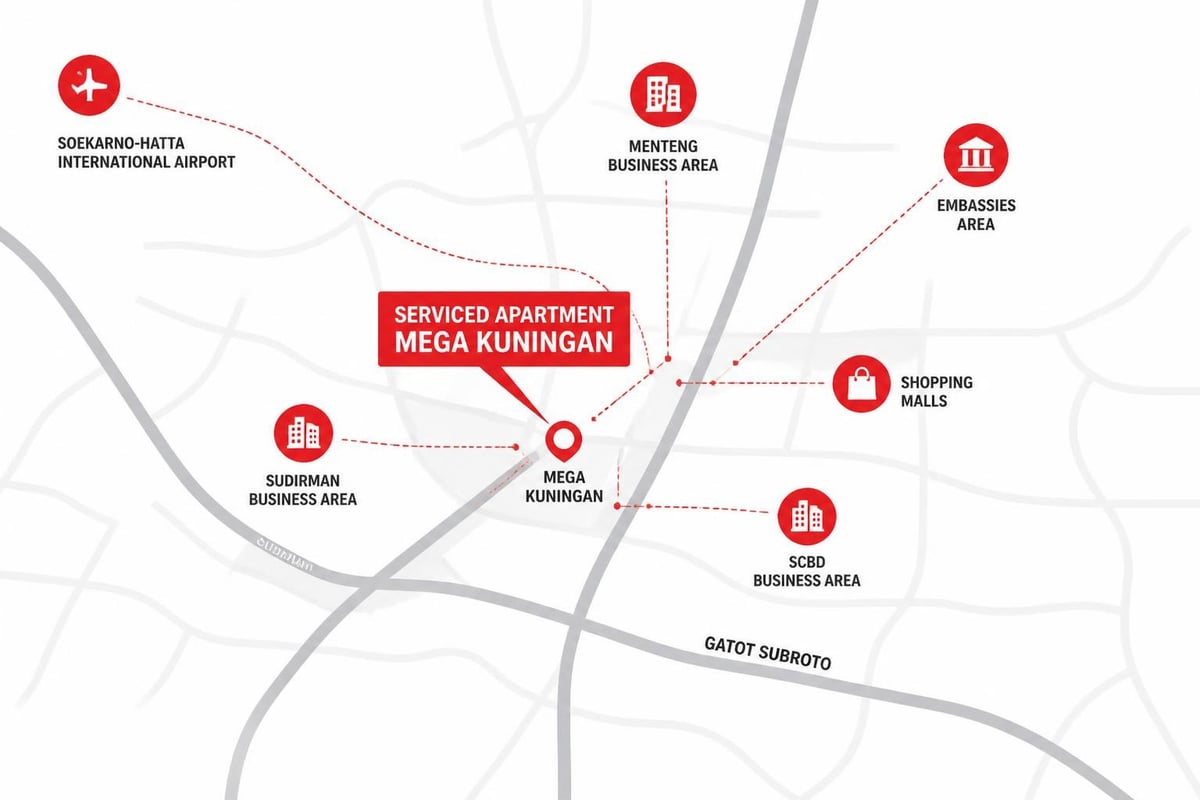
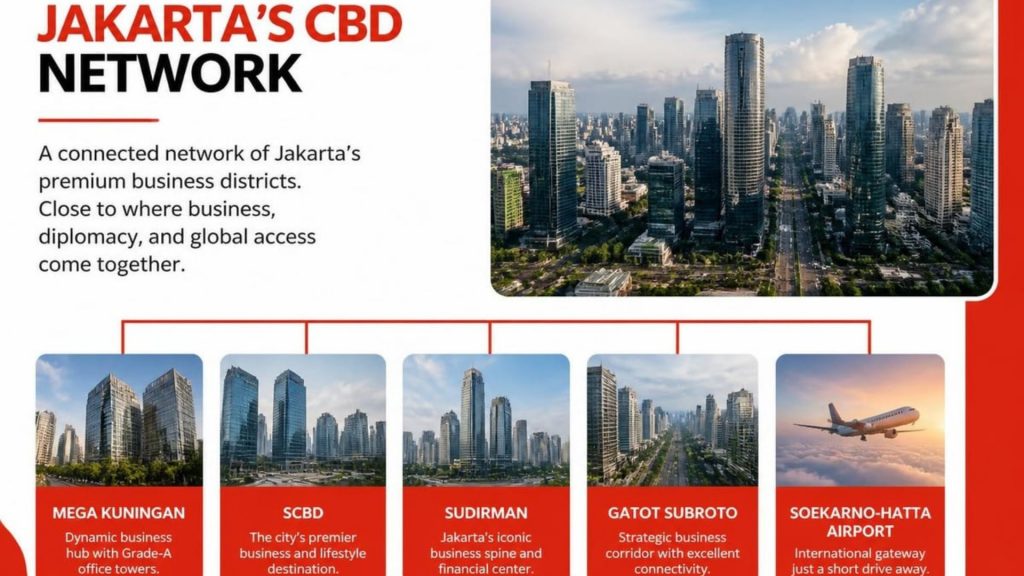
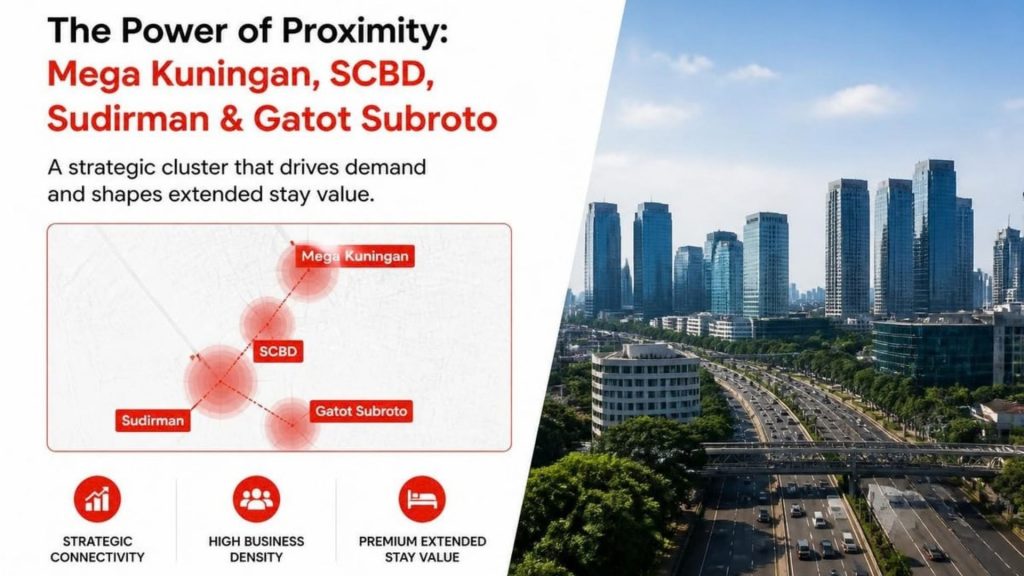
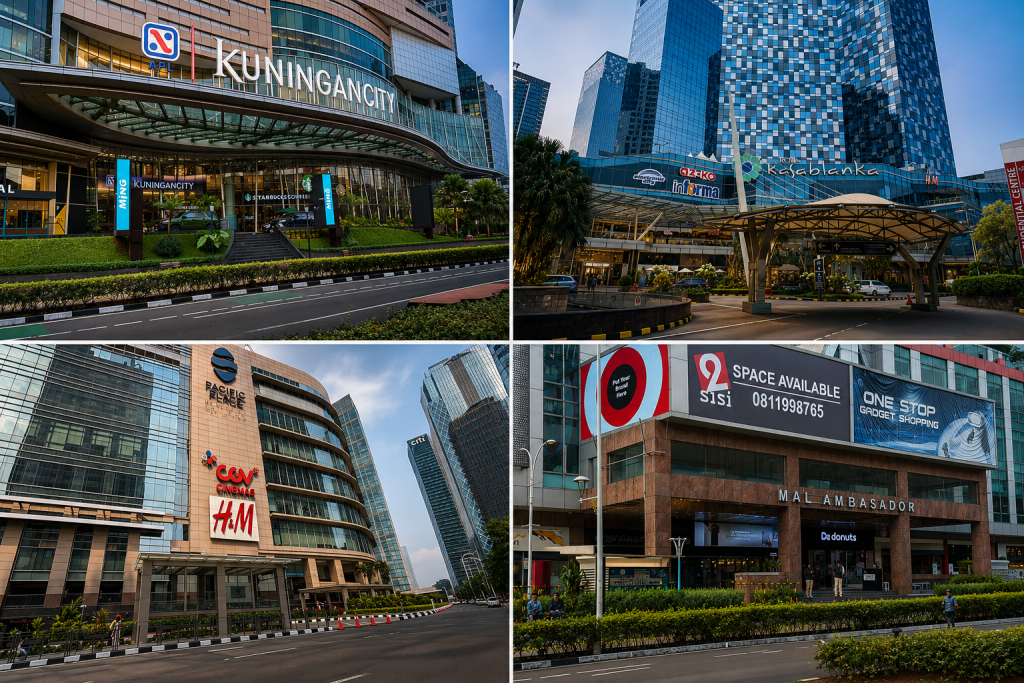
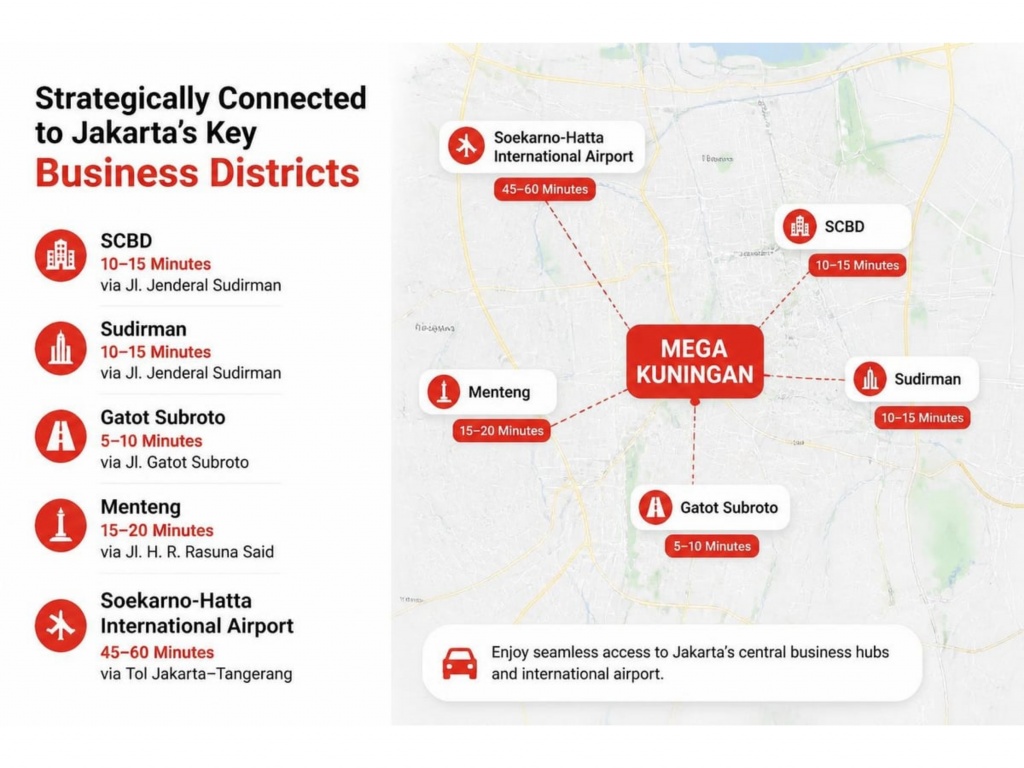
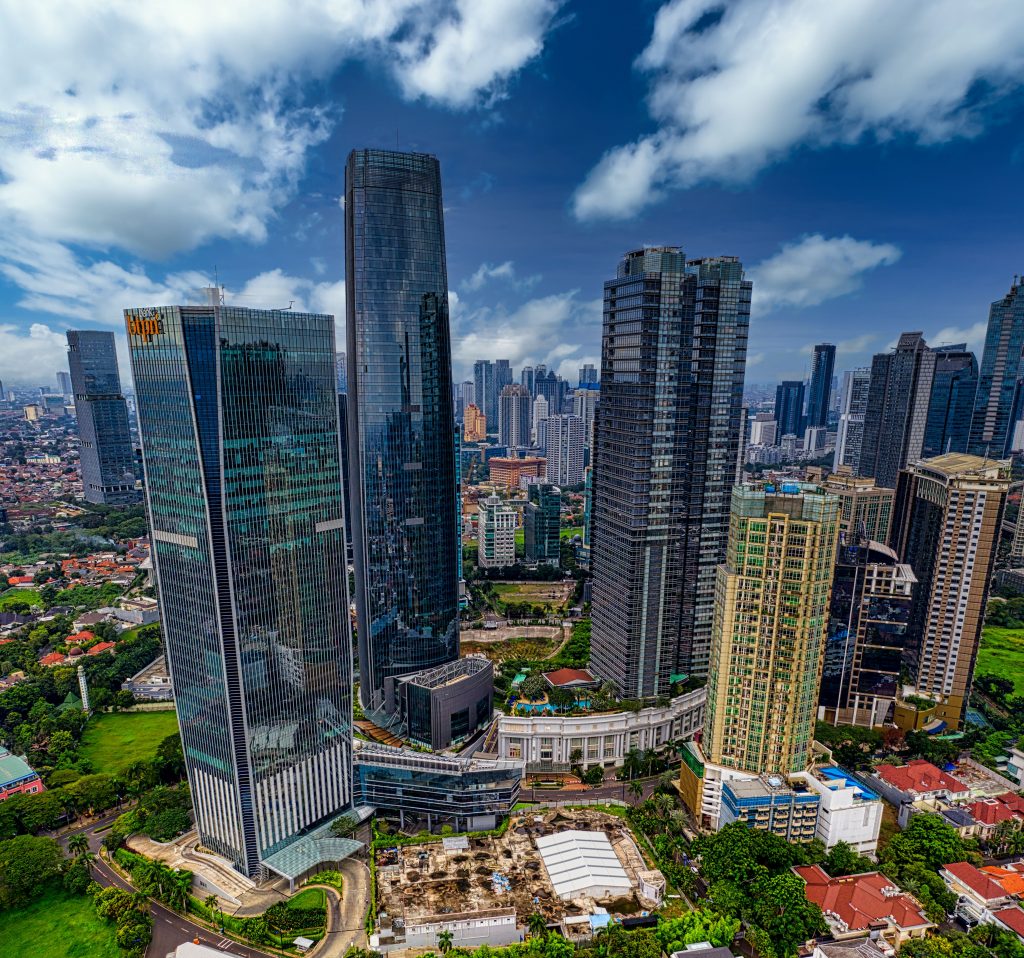
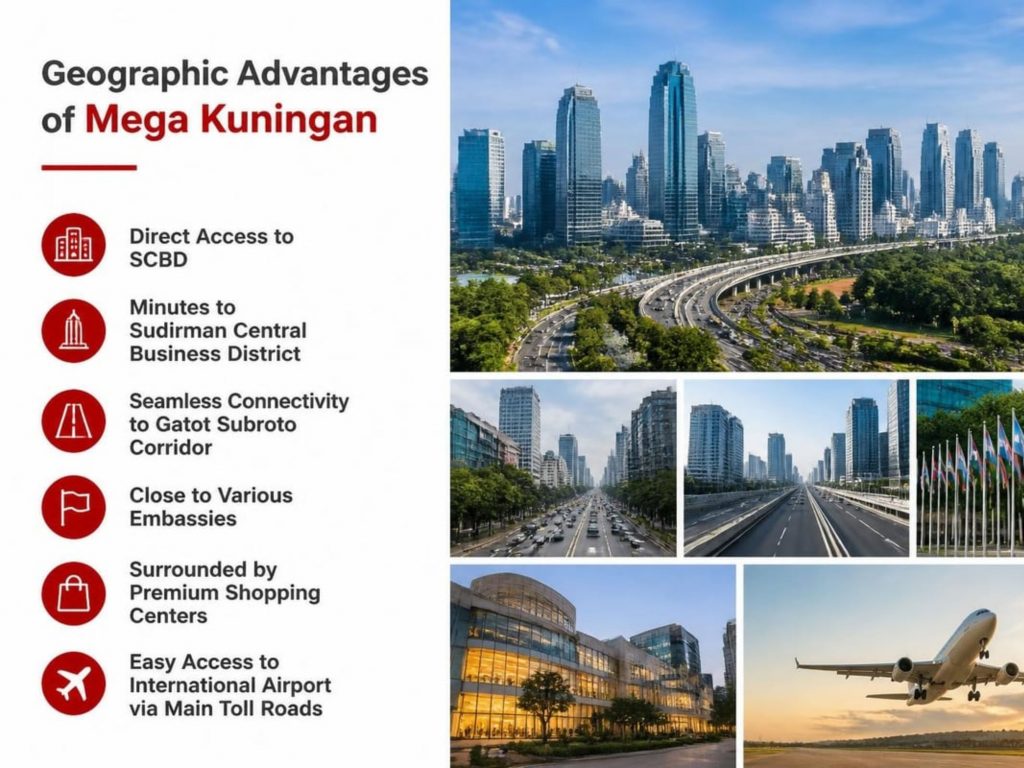
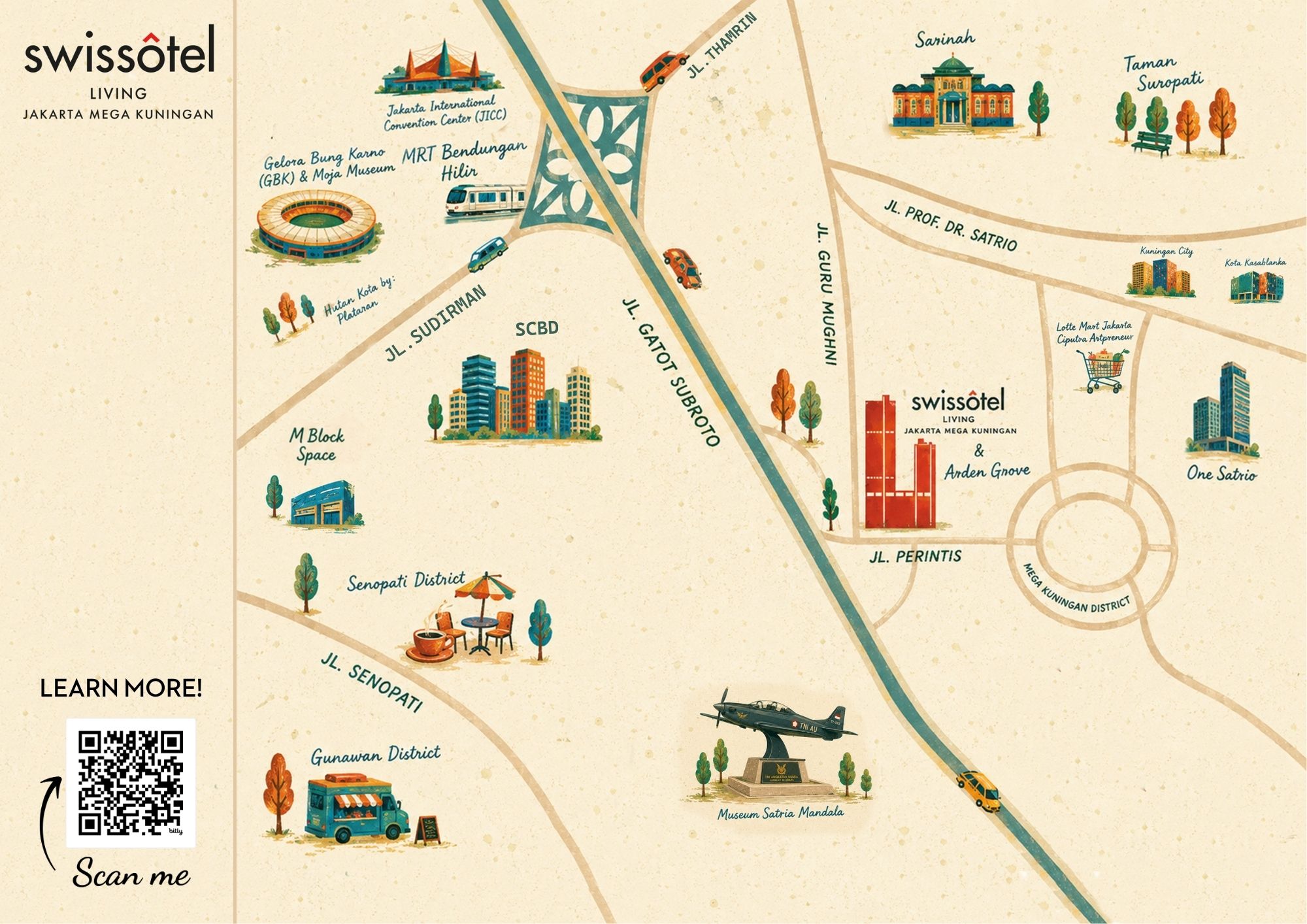
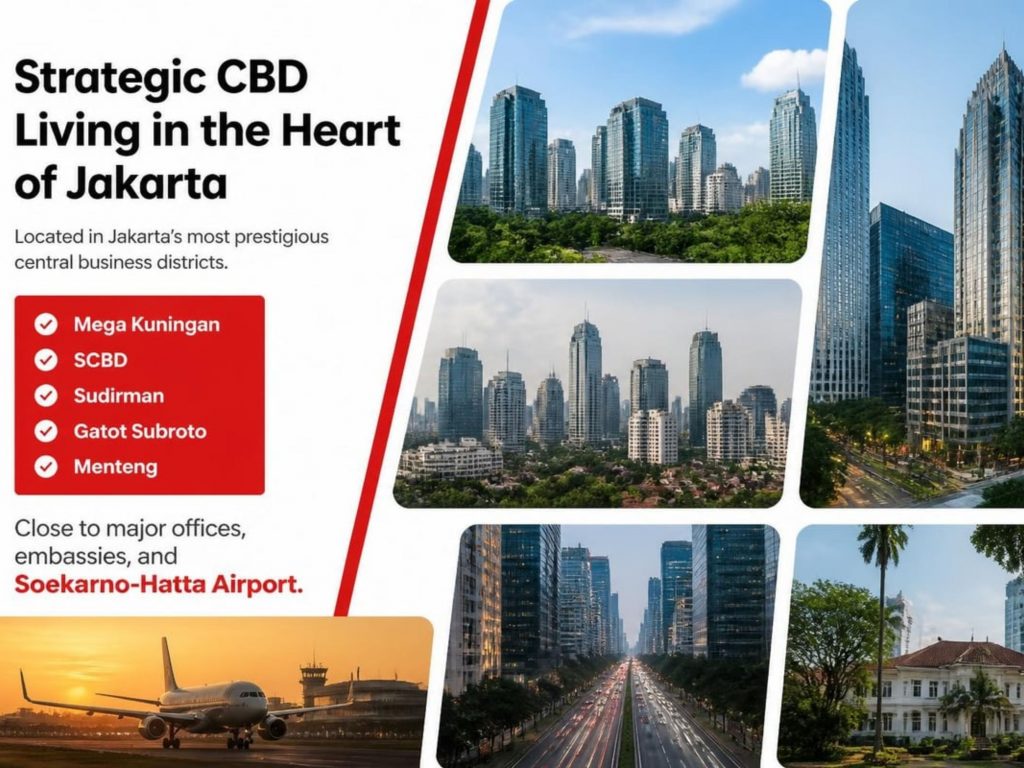
This visibility helps establishments differentiate themselves in competitive markets. For businesses in Jakarta’s dining scene, such as venues near Mega Kuningan, the open format creates a distinctive selling proposition that attracts both local residents and international visitors.
Staff Development and Team Culture
Working in an open environment encourages professional growth among kitchen personnel. Junior staff learn from observing senior chefs in action, accelerating skill development through real-time demonstration. The format also promotes teamwork, as crew members must coordinate seamlessly to maintain the polished presentation guests expect.
The public nature of the workspace typically attracts candidates who take pride in their craft and enjoy engaging with customers. This self-selection process can improve hiring quality and reduce turnover among culinary teams.
Design Considerations and Implementation Strategies
Successfully launching an open kitchen restaurant requires addressing specific technical and operational challenges that differ from conventional restaurant design. The operational challenges of open kitchen designs demand careful planning before implementation begins.
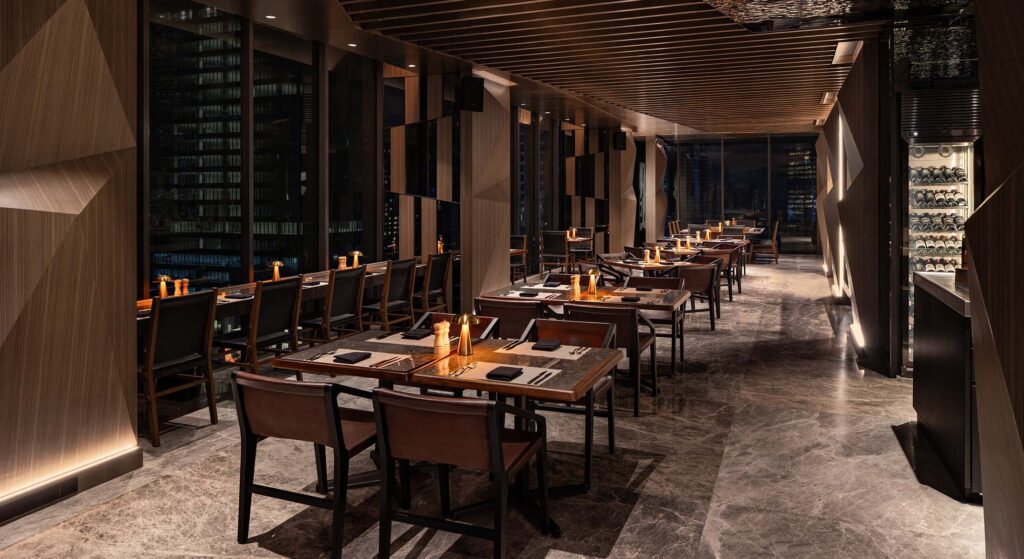
Kitchen Layout and Workflow Optimization
The physical arrangement of cooking stations must support efficient operations while creating visual interest for observers. Linear layouts position equipment in a logical sequence that mirrors cooking processes, allowing diners to follow dishes from preparation through plating.
Island configurations place cooking stations centrally within the space, providing 360-degree viewing opportunities. This format works particularly well for establishments emphasizing culinary theater, though it requires more square footage and presents greater ventilation challenges.
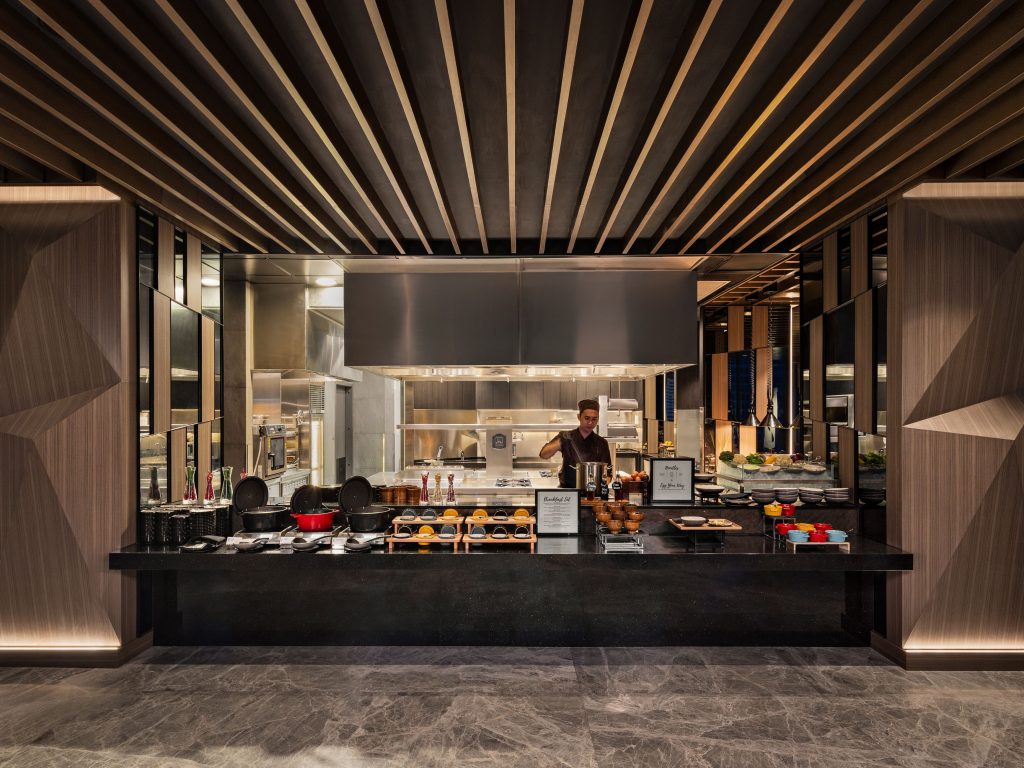
Hybrid approaches combine elements of both strategies, positioning high-activity stations like grills and sauté areas within view while keeping preparation work and dishwashing in less visible zones. This selective exposure balances transparency with practical operational needs.
Creating Engaging Customer Experiences
Beyond operational considerations, successful open kitchen restaurants intentionally design interactions that enhance guest satisfaction and create memorable moments. The visible cooking process becomes part of the entertainment value, complementing the food itself.
Chef-Guest Interaction Protocols
Establishing clear guidelines for customer engagement helps kitchen staff balance their dual roles as culinary professionals and performers. Some teams designate specific personnel to handle guest questions and interactions, allowing others to maintain focus on cooking execution.
Brief verbal exchanges about dish preparation, ingredient sourcing, or cooking techniques personalize the experience without disrupting workflow. Many establishments train chefs in basic customer service skills, recognizing that personality and communication ability matter as much as technical cooking prowess in open environments.
Visual Presentation and Plating Theatrics
The open format elevates plating from functional necessity to performance art. Chefs working at visible stations often incorporate deliberate techniques that create visual drama, from tableside finishing touches to controlled flame presentations.
Specialized plating zones positioned at the kitchen’s edge allow final assembly where guests can observe the transformation of components into completed dishes. This last step provides a satisfying conclusion to the cooking narrative that began when orders first reached the kitchen.
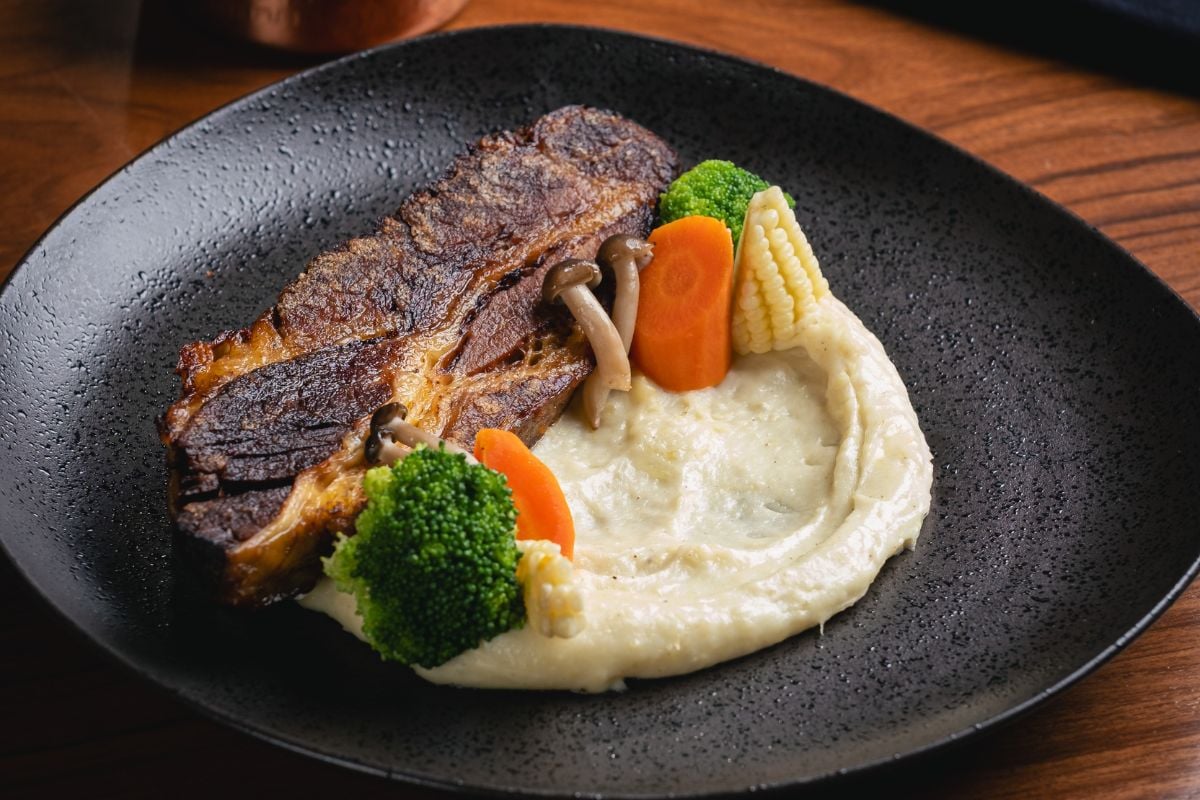
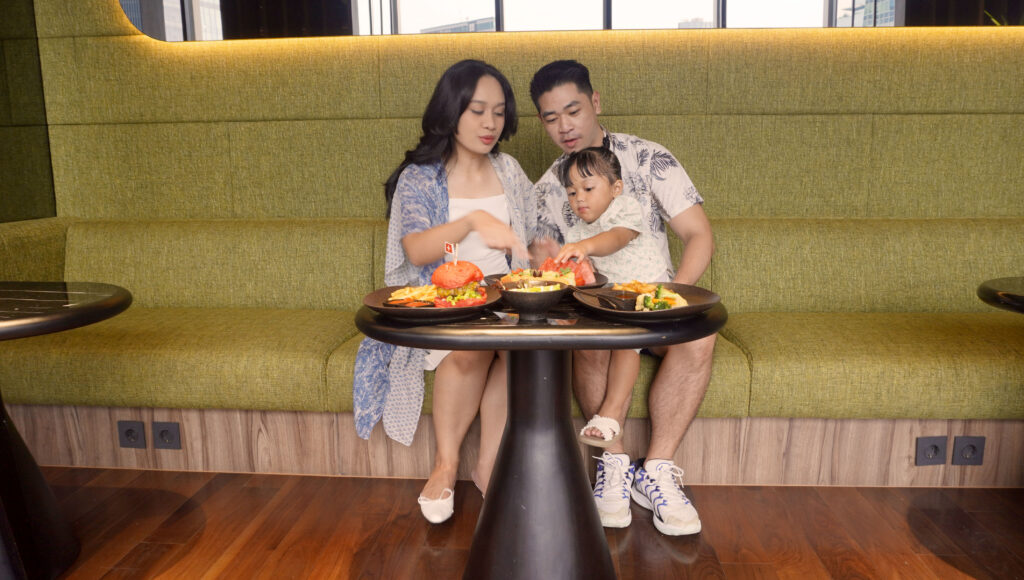
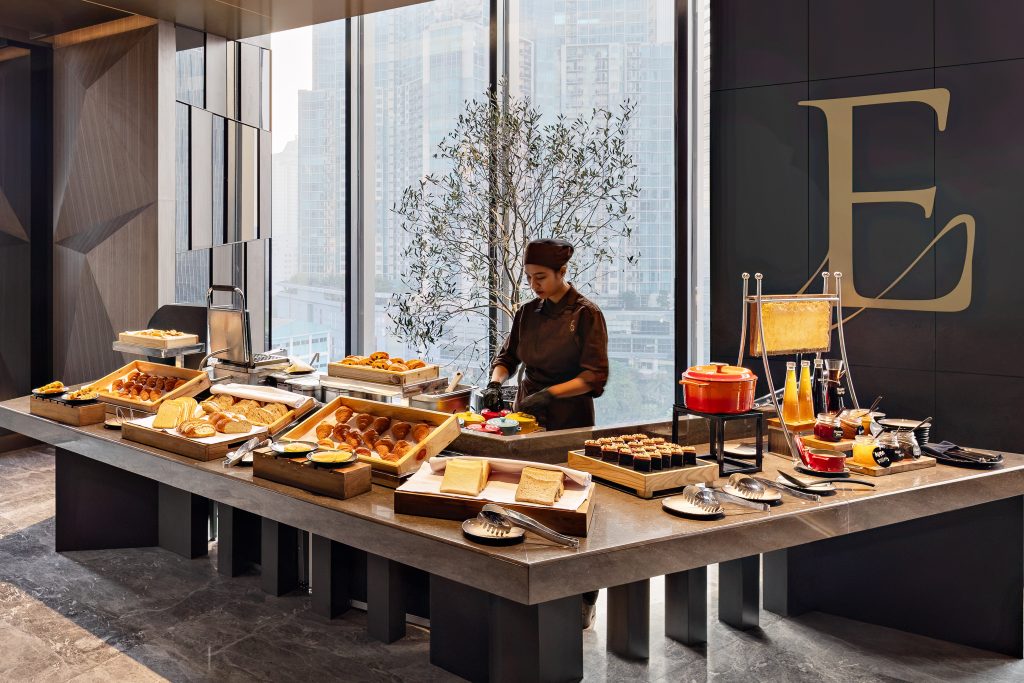
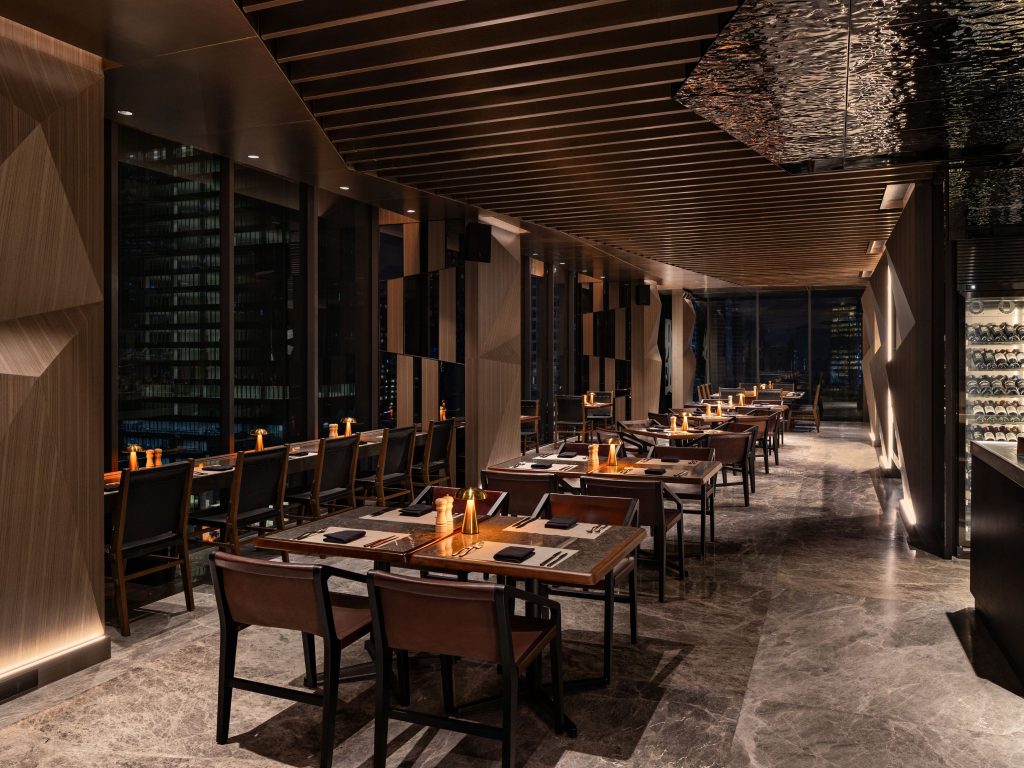
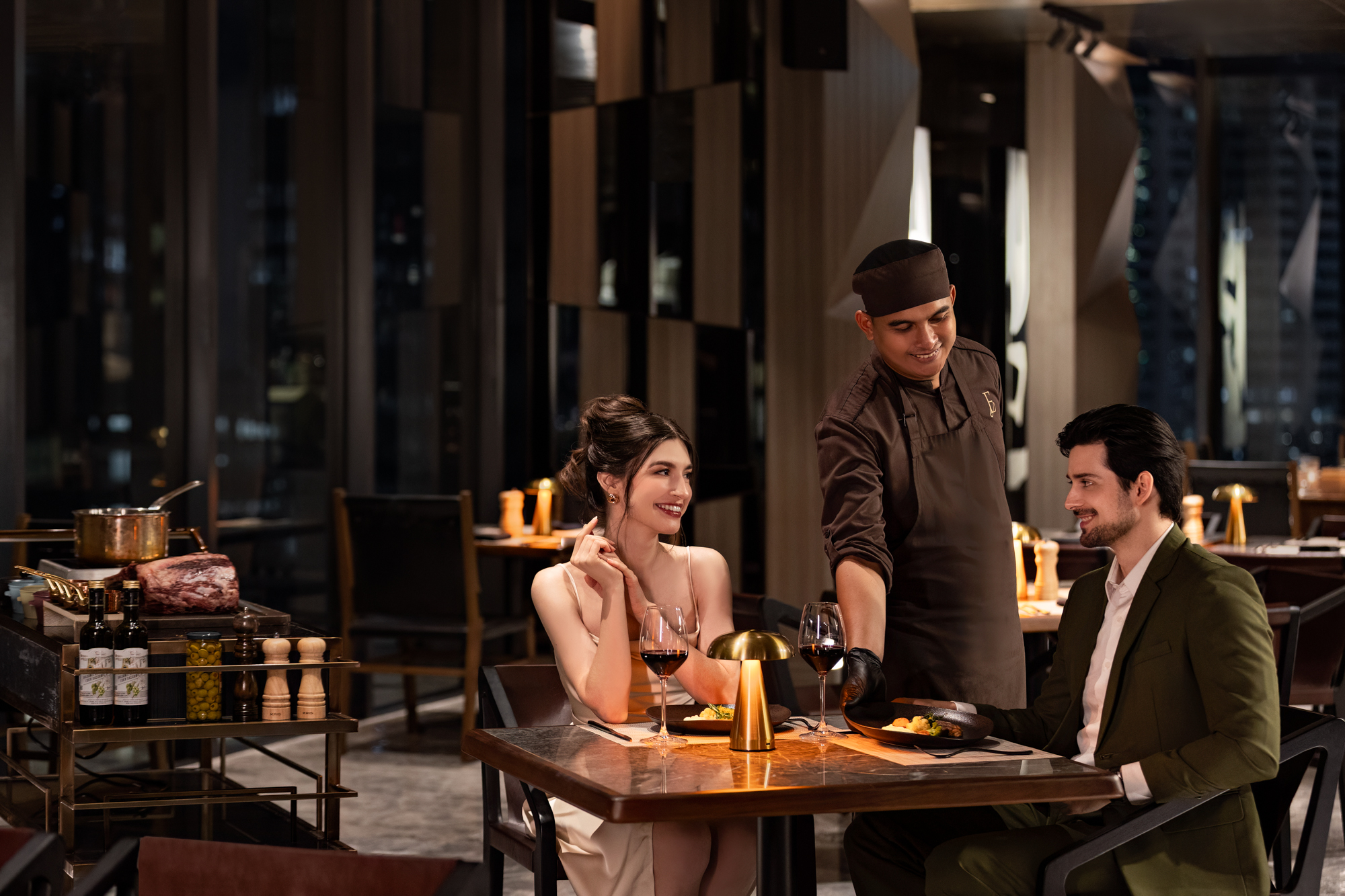
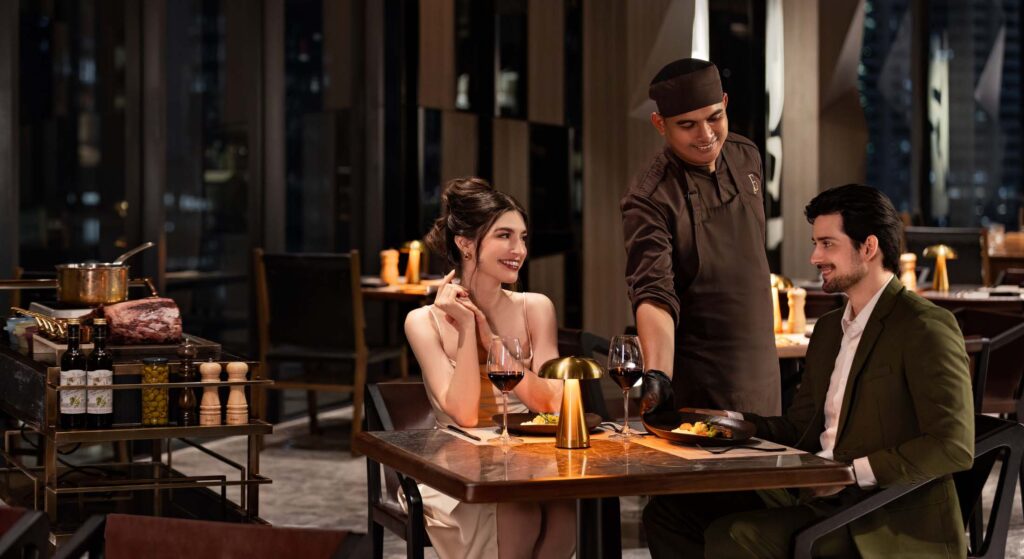
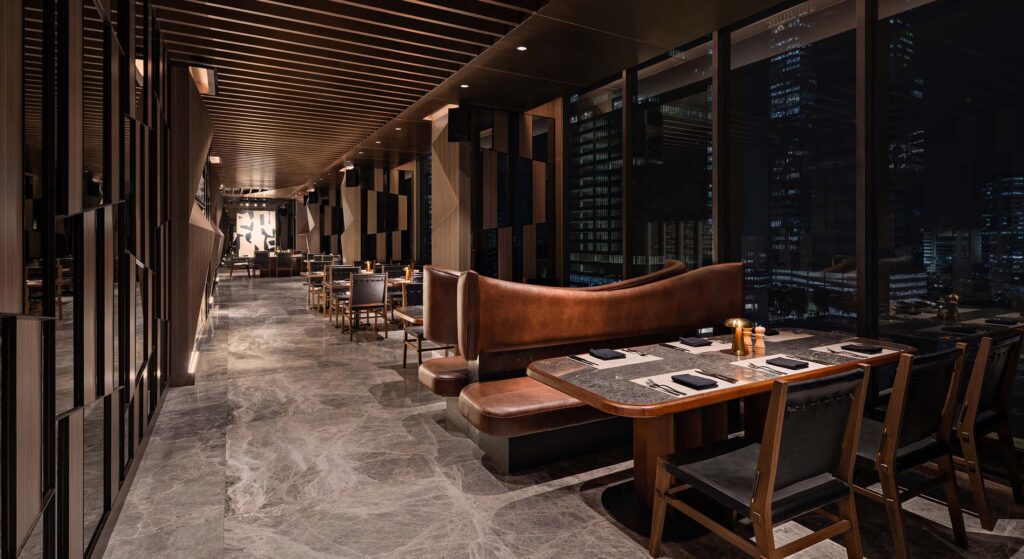
For venues like Embers Open-Fire Grill, which serves steaks and international cuisine using Indonesian ingredients, the open-fire cooking process becomes central to the brand identity. Guests at Embers Open-Fire Grill can watch as skilled chefs prepare tenderloin steaks and grilled platters over live flames, creating both exceptional flavors and captivating visual experiences.
Educational Components and Storytelling
Open kitchens provide natural opportunities for culinary education and brand storytelling. Some restaurants display ingredient information near preparation stations, helping diners understand sourcing practices and quality standards. Others incorporate digital displays that explain cooking techniques or share chef biographies.
This educational dimension adds value beyond the meal itself, appealing particularly to food enthusiasts who appreciate understanding the “how” and “why” behind dishes. The transparency becomes a platform for communicating the restaurant’s values, whether those center on sustainability, traditional techniques, or innovative approaches.
Addressing Common Challenges and Concerns
While open kitchen restaurants offer numerous advantages, they also present specific challenges that require proactive management. Understanding these potential issues allows operators to implement effective mitigation strategies from the outset.
Privacy and Noise Considerations
The benefits and challenges of open-concept kitchens include trade-offs related to privacy and ambient noise levels. Kitchen conversations and equipment sounds that would remain contained in traditional layouts become part of the dining environment.
Addressing this requires both physical and operational solutions. Acoustic treatments reduce overall sound levels, while staff training emphasizes professional communication and voice modulation. Some establishments create quiet zones farther from cooking areas for guests who prefer more intimate dining experiences.
Maintaining Cleanliness Standards in Public View
The constant visibility means cleaning and organization must occur continuously throughout service rather than only during pre-shift preparation. This demands additional labor hours and meticulous attention to detail from all kitchen personnel.
Establishing clear cleaning protocols and assigning specific maintenance responsibilities helps ensure standards remain consistent. Many successful open kitchen operations build brief cleaning cycles into their service flow, addressing minor issues before they become noticeable to guests.
Open Kitchen Integration in Hospitality Properties
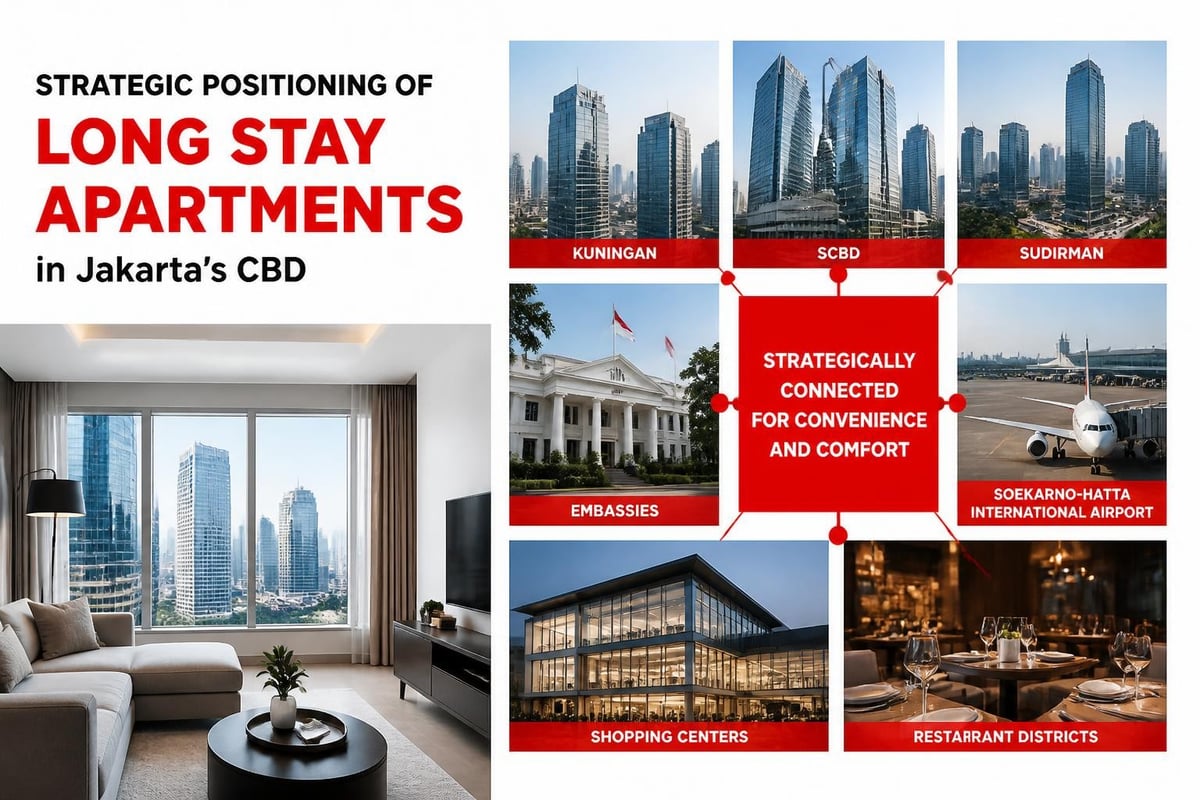
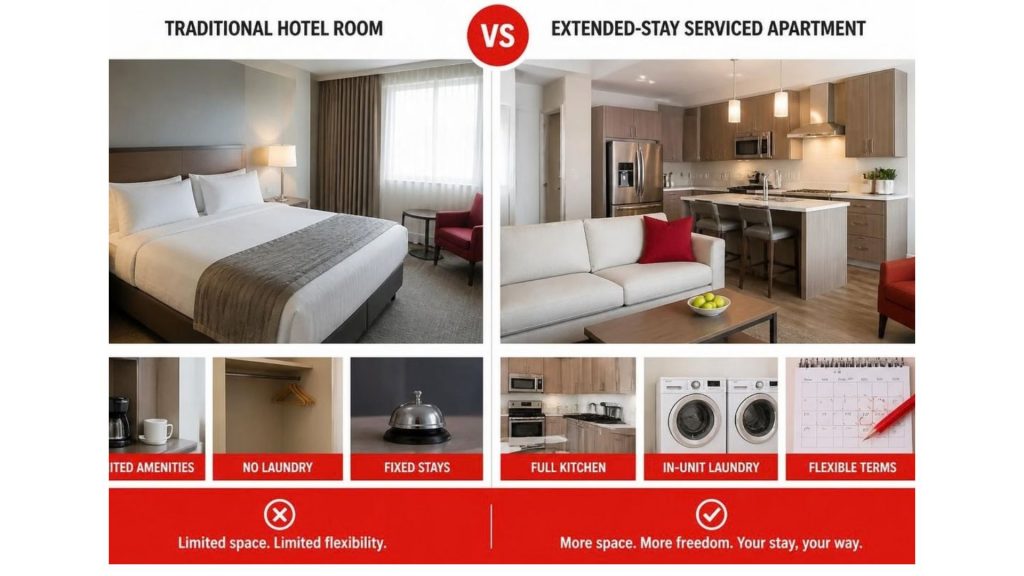
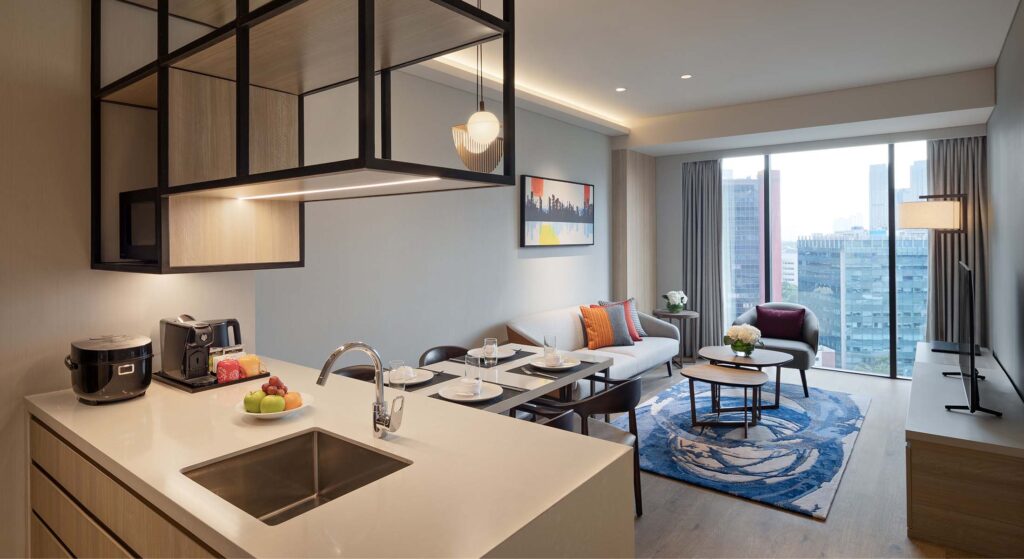
Hotels and serviced apartments increasingly incorporate open kitchen restaurants to enhance their overall guest experience and create distinctive dining destinations. This integration offers particular advantages for properties serving both short-term visitors and long-term residents.
Benefits for Extended-Stay Guests
Travelers on extended stays in Jakarta often seek dining variety without leaving their accommodation property. An open kitchen restaurant provides entertainment value that makes repeat visits more engaging compared to traditional hotel dining formats.
The transparency and quality assurance offered by visible cooking processes also appeal to guests who dine frequently at the same venue. Familiarity with the culinary team and witnessing consistent execution builds confidence and satisfaction over extended periods.
Creating Destination Dining Experiences
Properties can leverage open kitchen restaurants to attract non-resident diners, generating additional revenue while activating ground-floor spaces. The theatrical element helps position the venue as a destination rather than merely an amenity for hotel guests.
Strategic programming like chef’s table experiences, cooking demonstrations, or themed tasting menus maximizes the engagement potential of the open format. These special events create publicity opportunities and drive repeat business from local food enthusiasts.
Technical Requirements and Equipment Selection
Implementing an open kitchen restaurant demands specialized equipment and infrastructure beyond standard commercial kitchen installations. These technical considerations significantly impact both initial investment and ongoing operational costs.
Specialized Cooking Equipment
Equipment selected for open kitchens must balance performance with aesthetics and noise production. Commercial-grade appliances that look appealing from the dining room while operating quietly command premium pricing but deliver better guest experiences.
Custom fabrication often proves necessary for cooking stations that serve both functional and display purposes. Stainless steel finishes, integrated lighting, and thoughtful equipment positioning create visual appeal while maintaining professional capabilities.
Enhanced Ventilation Infrastructure
The ventilation demands of open kitchens exceed those of enclosed commercial kitchens due to the inability to tolerate any smoke or odor migration into dining areas. High-capacity exhaust systems with advanced filtration represent significant capital investments.
Makeup air systems must introduce fresh air without creating uncomfortable drafts. This requires sophisticated controls and distribution networks that maintain proper air balance throughout service periods. Regular maintenance becomes critical, as any decline in ventilation performance immediately affects guest comfort.
Future Trends in Open Kitchen Restaurant Design
The open kitchen restaurant format continues evolving as operators experiment with new technologies and design approaches. Several emerging trends are shaping how this concept develops in 2026 and beyond.
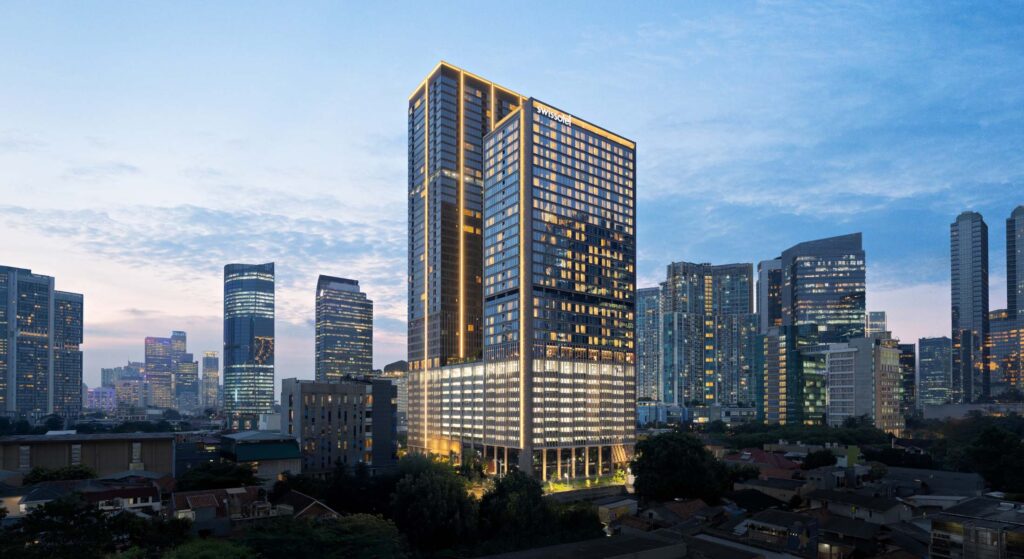
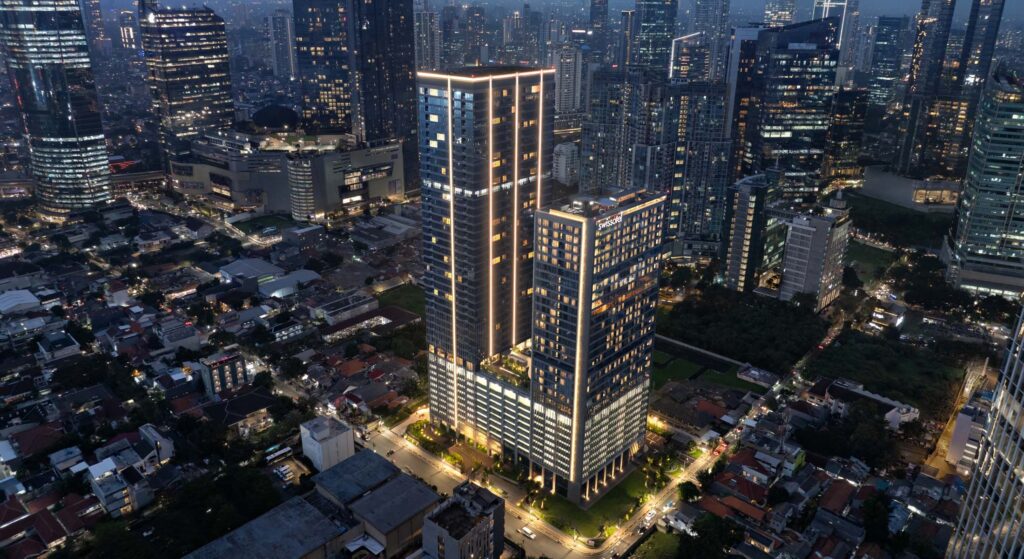
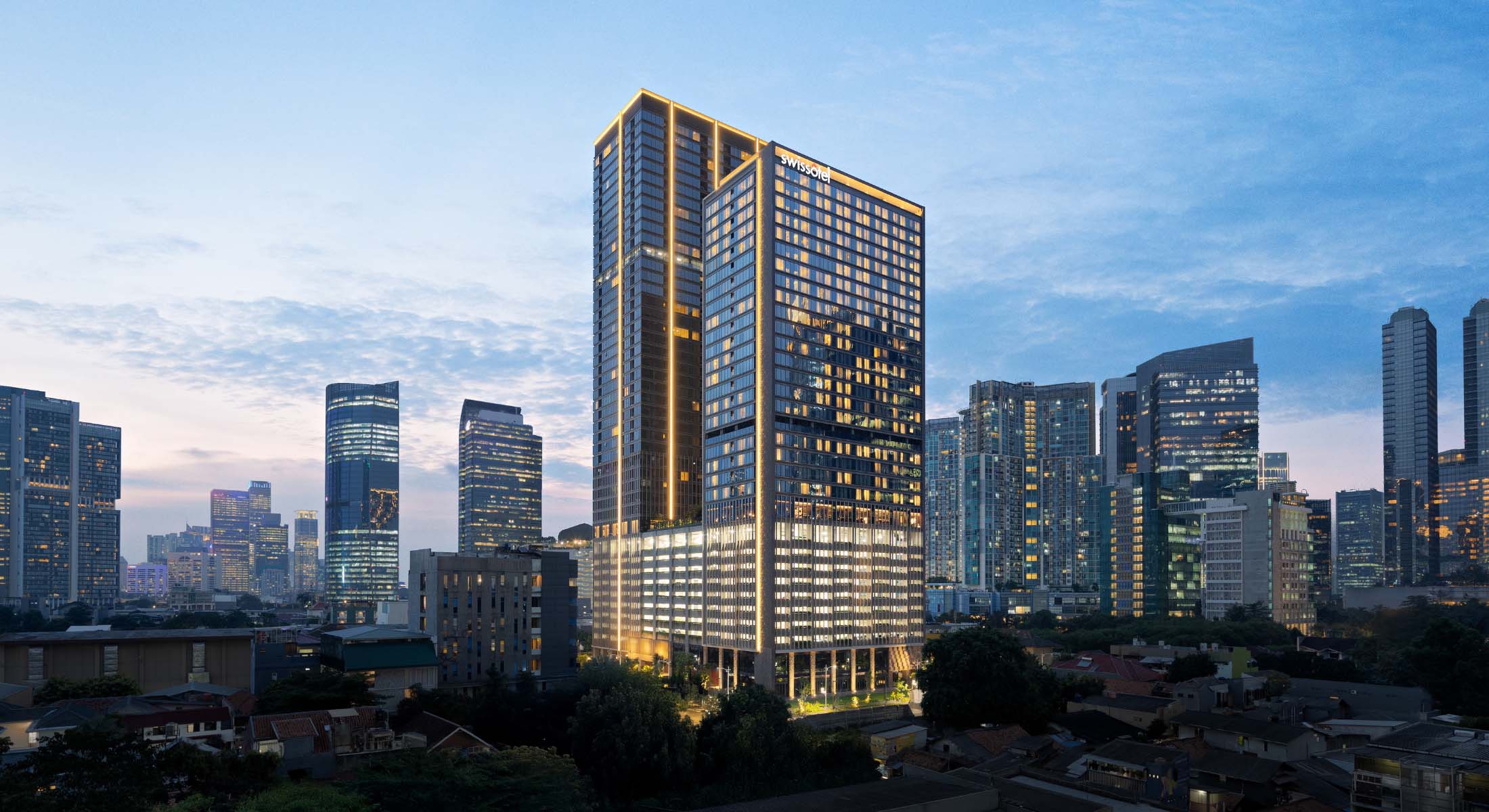
The open kitchen restaurant concept delivers transparency, engagement, and memorable experiences that resonate with modern diners seeking authenticity and connection with their food. By carefully addressing design challenges, investing in proper infrastructure, and developing skilled teams, establishments create environments where culinary excellence meets theatrical presentation. Whether you’re exploring Jakarta’s dining scene or seeking comfortable long-term accommodation with exceptional food options, Swissôtel Living Jakarta Mega Kuningan offers both world-class serviced apartments and access to Embers Open-Fire Grill, where open-fire cooking creates unforgettable dining moments in the heart of Mega Kuningan.