
Long Term Hotel Living: A Complete Guide for 2026
The hospitality industry has evolved significantly in recent years, with long term hotel living emerging as a viable alternative to traditional housing arrangements. What was once considered a temporary solution has transformed into a lifestyle choice embraced by business travelers, expatriates, and individuals seeking flexibility without sacrificing comfort. As we navigate 2026, understanding the nuances of extended hotel stays, particularly in serviced apartments, has become essential for making informed accommodation decisions.
Understanding the Fundamentals of Extended Hotel Stays
Long term hotel living represents a housing model where guests occupy hotel accommodations or serviced apartments for periods extending beyond typical vacation stays. This arrangement typically spans from several weeks to multiple months or even years, offering a middle ground between traditional hotels and residential leases.
What Qualifies as a Long Term Stay
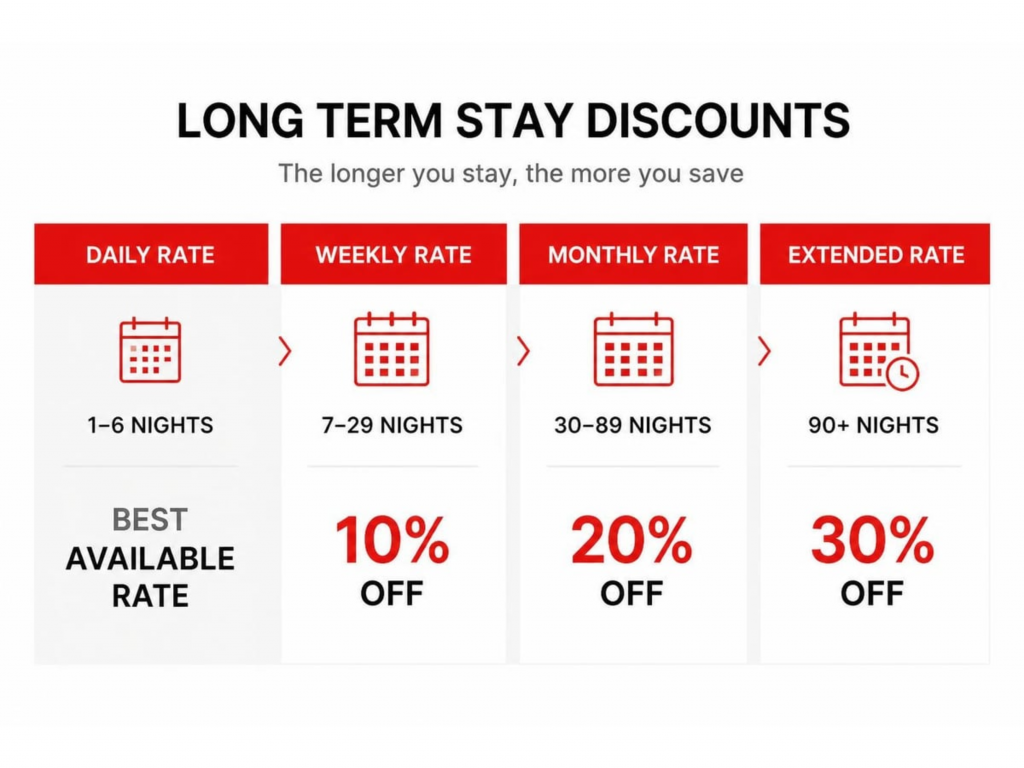
The definition varies across properties and regions, but most establishments consider stays exceeding 30 consecutive days as long term. Some properties offer extended stay programs starting at weekly bookings, while others require monthly commitments.
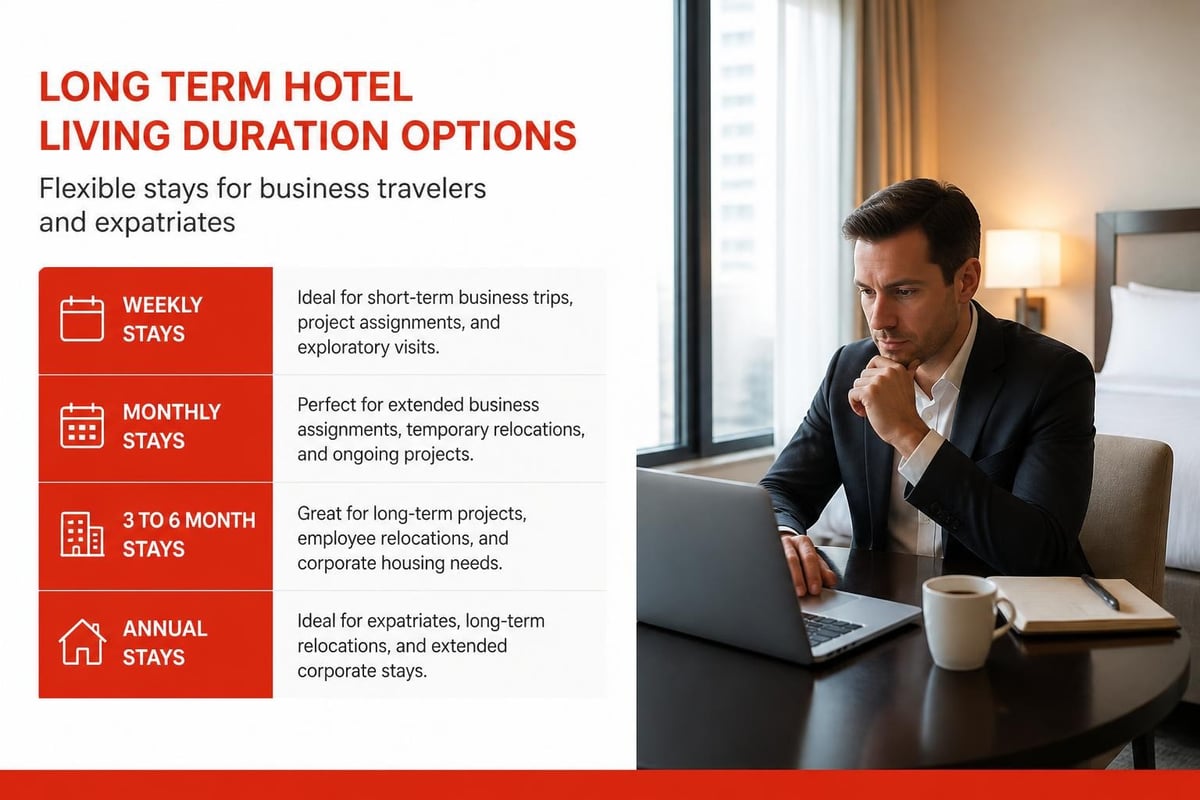
Common duration categories include:
- Weekly stays (7-28 days)
- Monthly rentals (30-90 days)
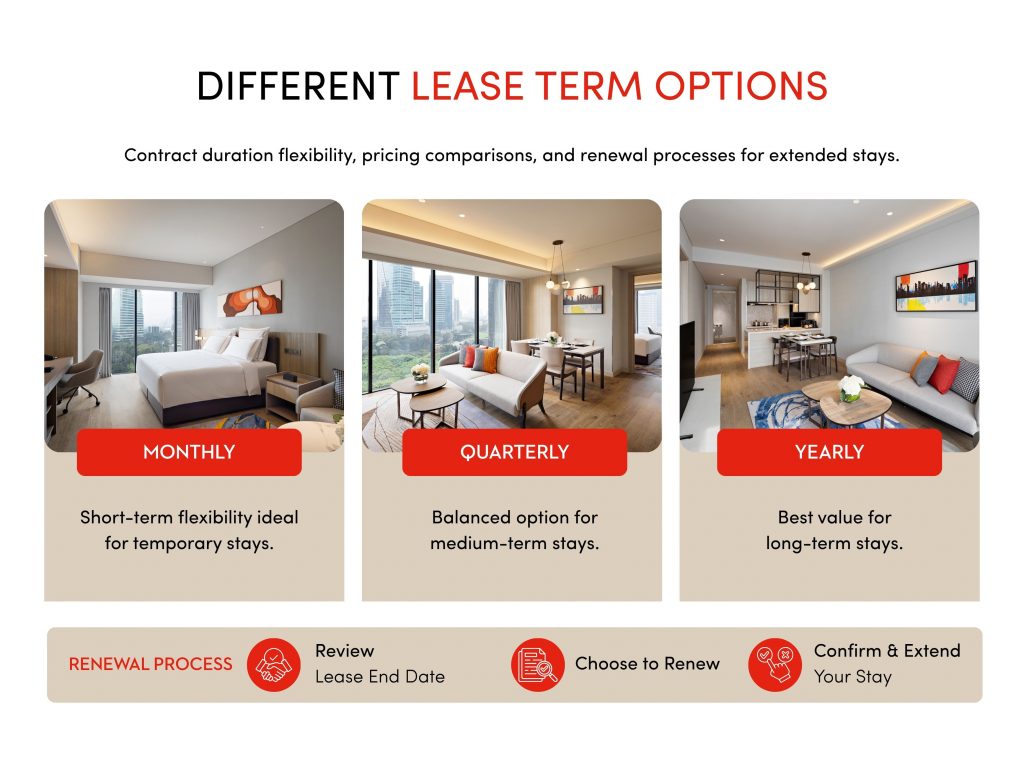
- Quarterly arrangements (3-6 months)
- Annual contracts (12+ months)
The legal aspects of long-term hotel stays can impact tenant rights and eviction protections, making it crucial to understand your status before committing to extended arrangements.
Financial Considerations and Cost Analysis
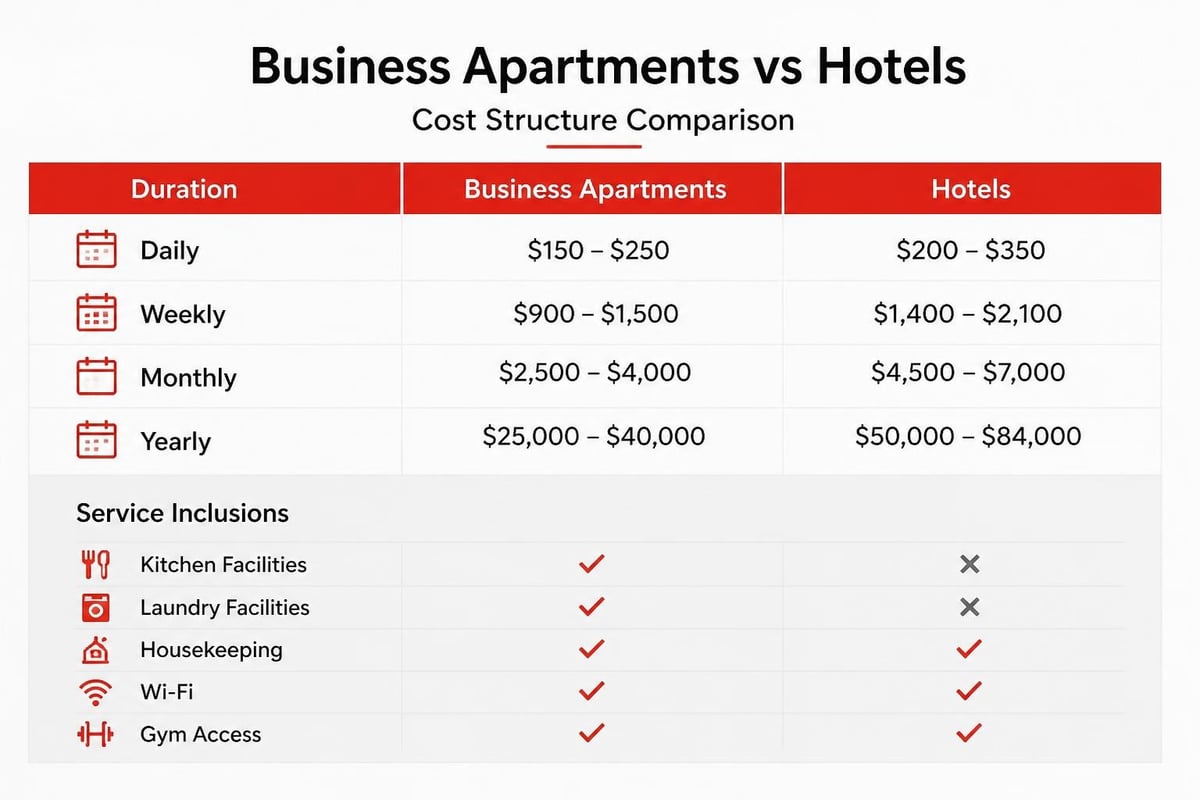
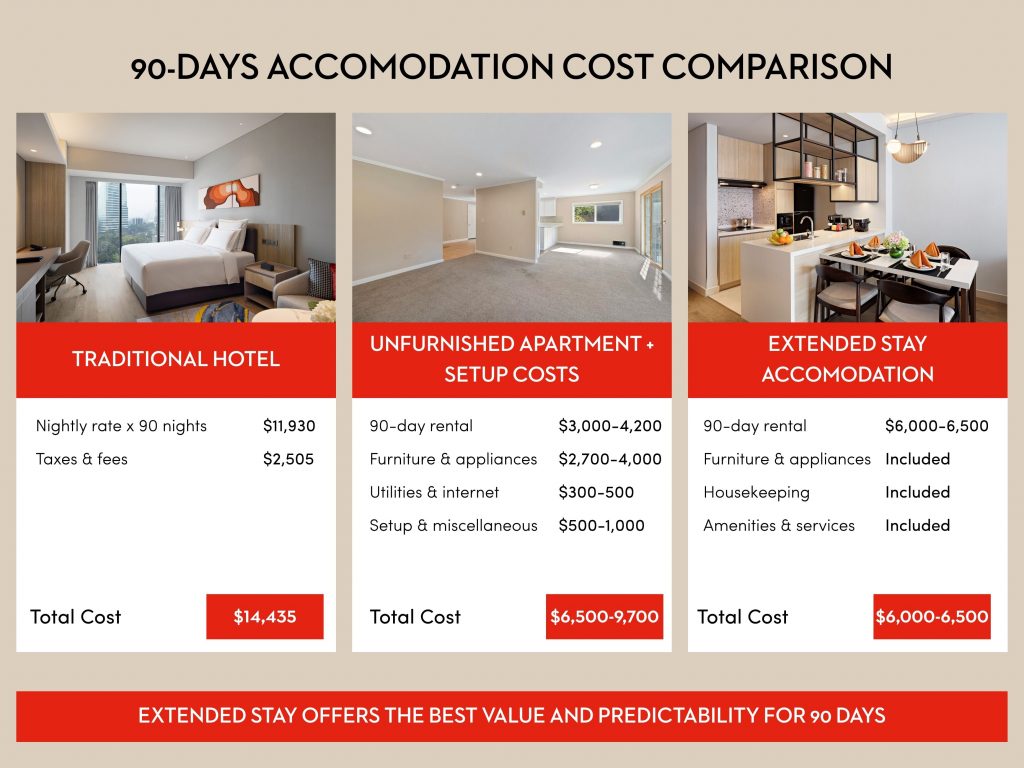
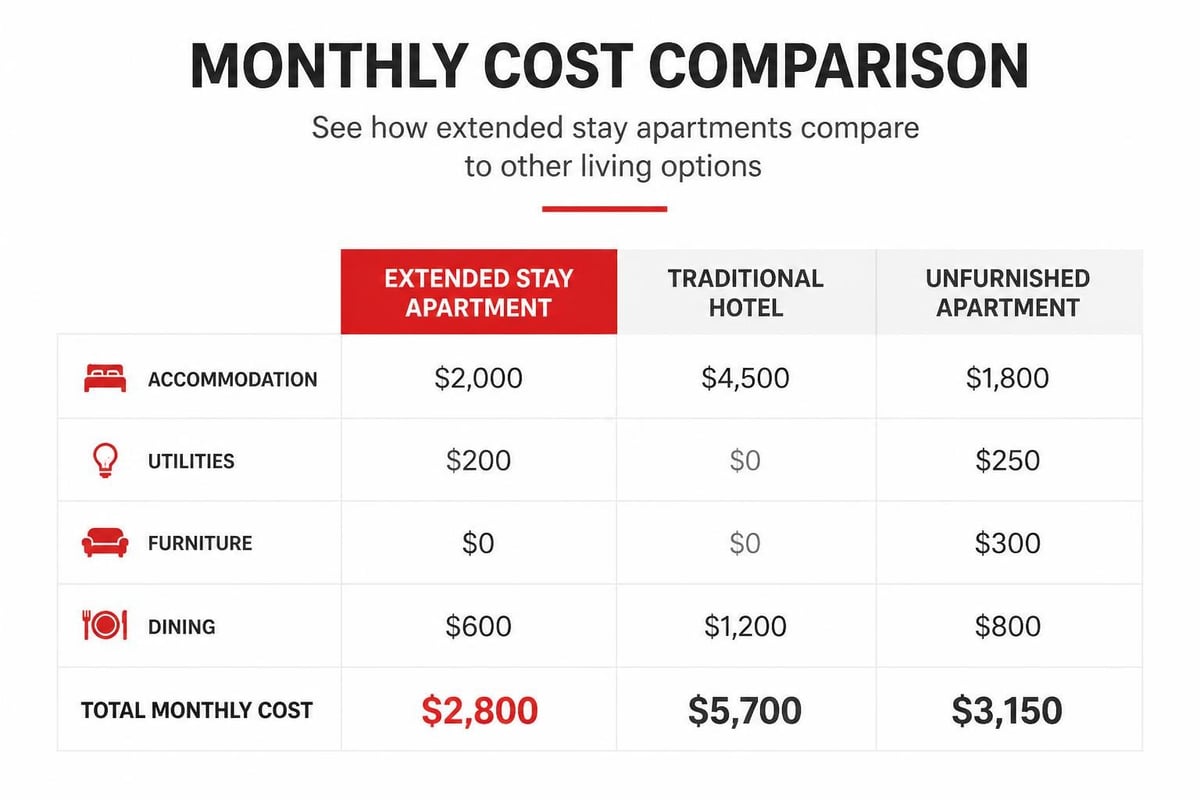
Understanding the economics of long term hotel living requires examining multiple cost factors beyond the nightly room rate. While daily rates might appear higher than traditional rent, the comprehensive nature of included services often balances the equation.
Breaking Down the True Costs
| Cost Component | Traditional Apartment | Long Term Hotel Living |
|---|---|---|
| Base rent/rate | Fixed monthly | Negotiable rates |
| Utilities | Separate billing | Typically included |
| Internet/cable | Additional fees | Usually included |
| Furnishings | Purchase required | Fully furnished |
| Housekeeping | Self-service | Regular service |
| Maintenance | Tenant responsibility | Property handles |
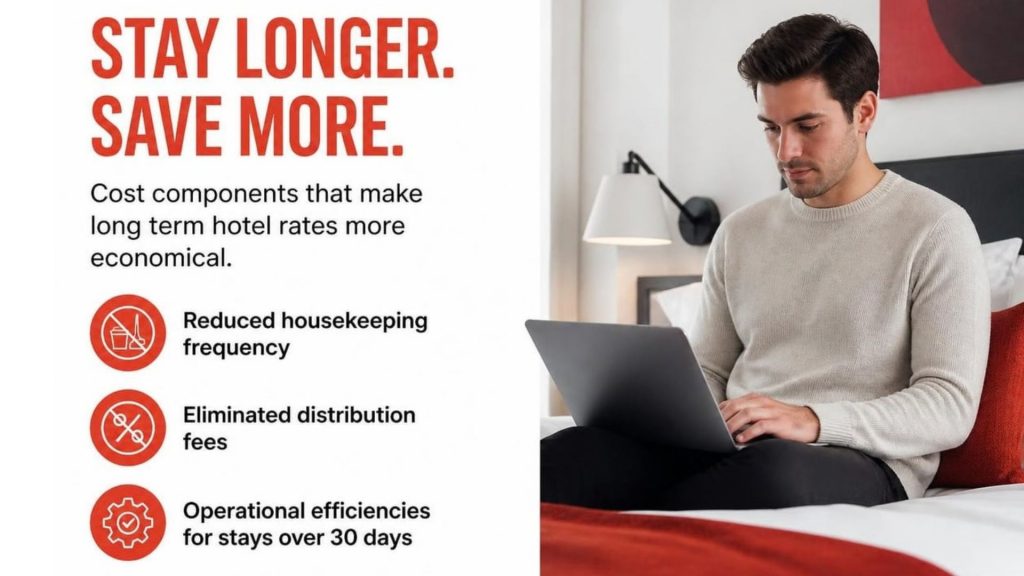
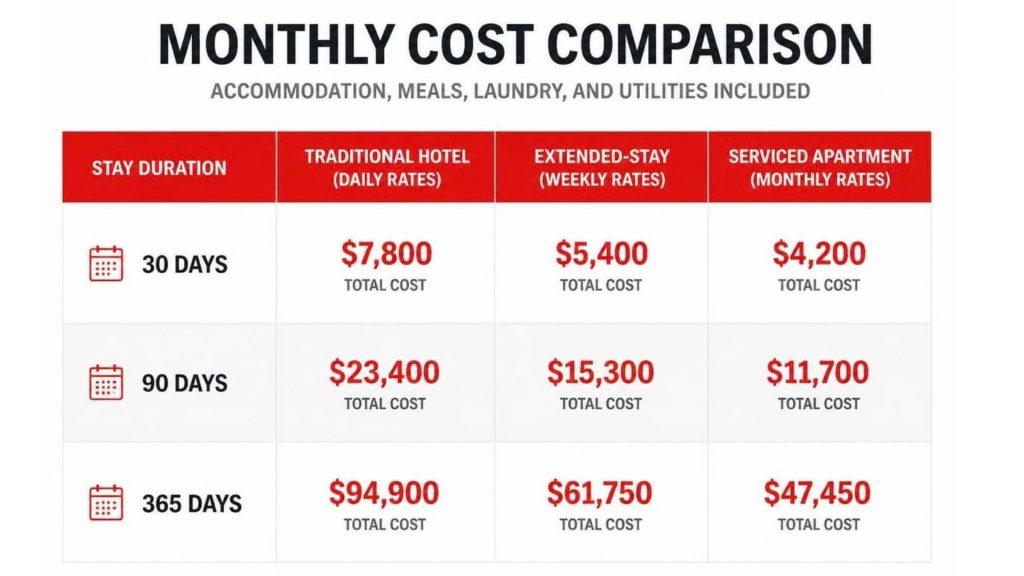
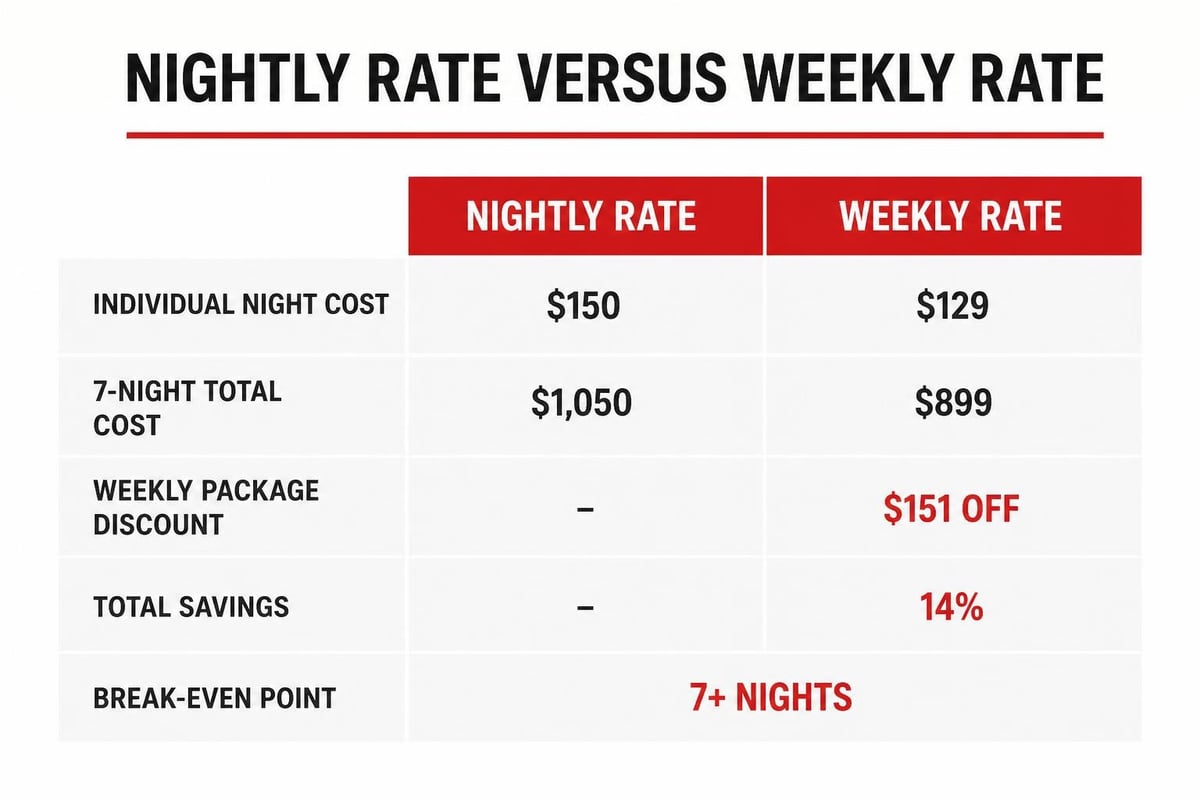
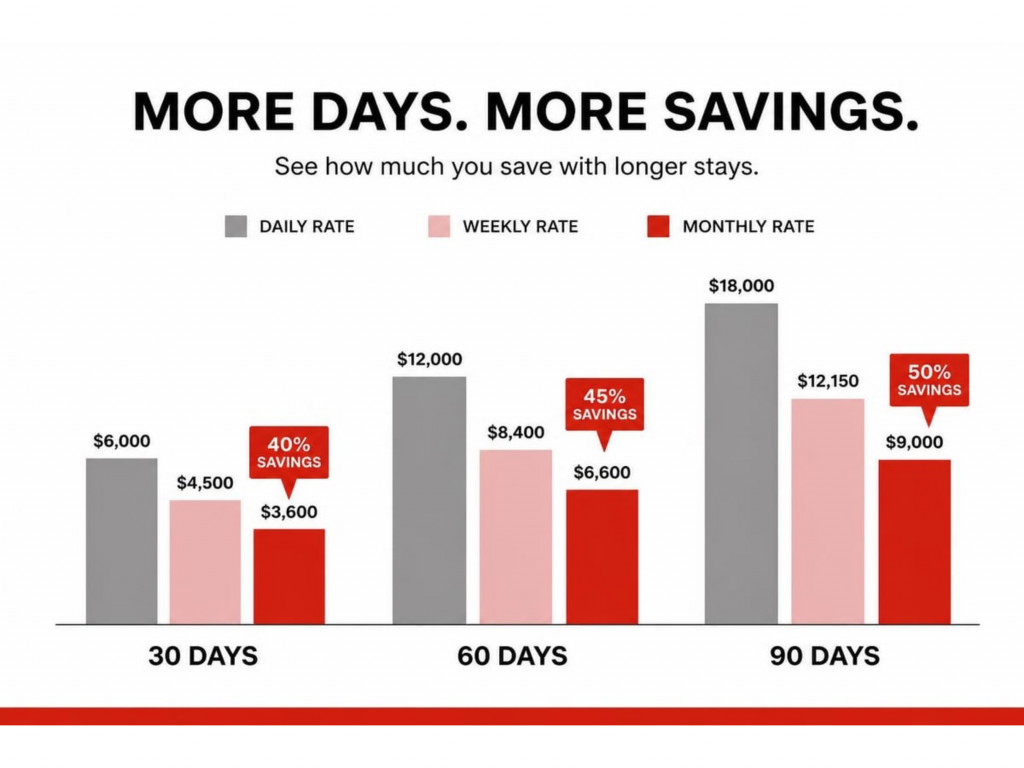
Many extended stay properties offer significant rate reductions for longer commitments. A detailed cost breakdown reveals how weekly and monthly rates can drop by 20-40% compared to nightly pricing.
The cost-benefit analysis between hotel living and traditional renting demonstrates that circumstances, location, and individual needs heavily influence which option provides better value. For business travelers on extended assignments or expatriates navigating relocation, the all-inclusive nature of serviced apartments often proves more economical than furnishing and maintaining a traditional lease.
Flexibility and Mobility Benefits
Long term hotel living eliminates the restrictive commitments associated with traditional leases. Guests can extend or shorten stays with relative ease, adapting to changing business requirements or personal circumstances without penalty clauses or lease-breaking fees.
Key flexibility advantages:
- No long-term lease obligations
- Simplified relocation process
- Minimal upfront costs
- Easy adjustment of stay duration
- No furniture purchasing or moving
Comprehensive Service Integration
Unlike traditional apartments, serviced properties provide hotel-grade amenities and services that simplify daily living. Housekeeping, maintenance, concierge services, and security come standard, eliminating the time and effort required for household management.
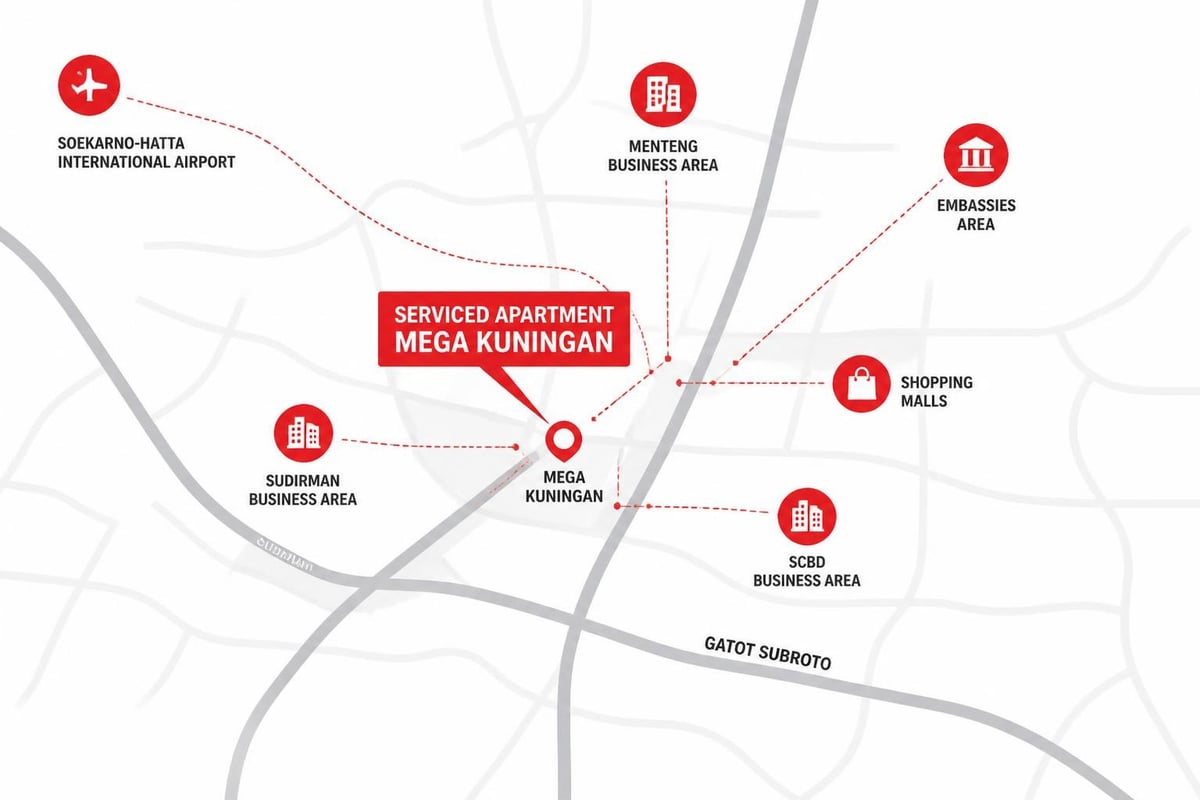
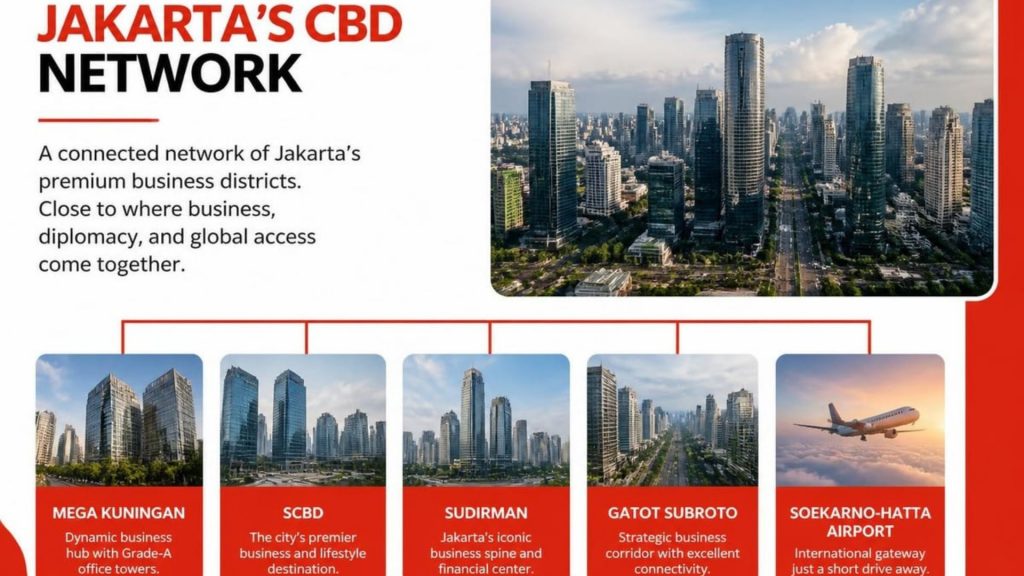
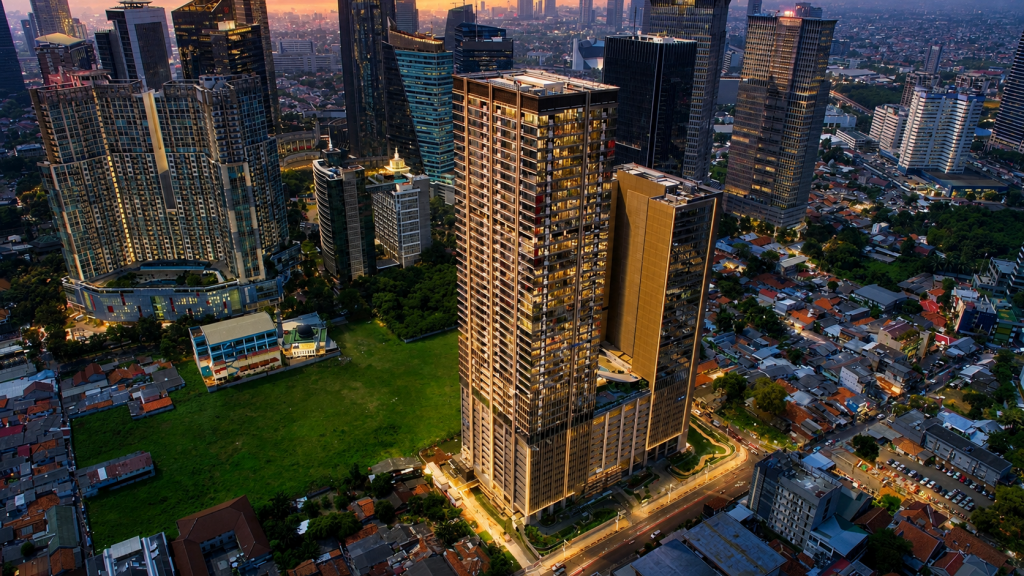
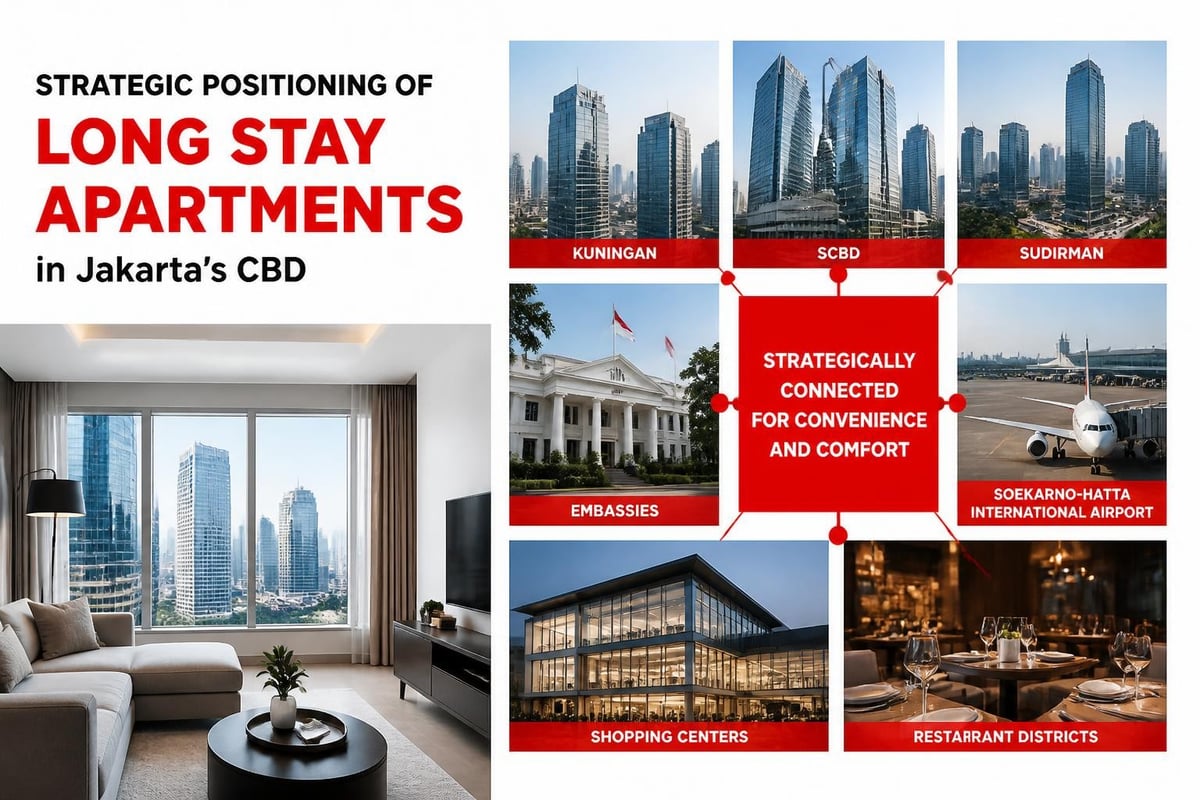
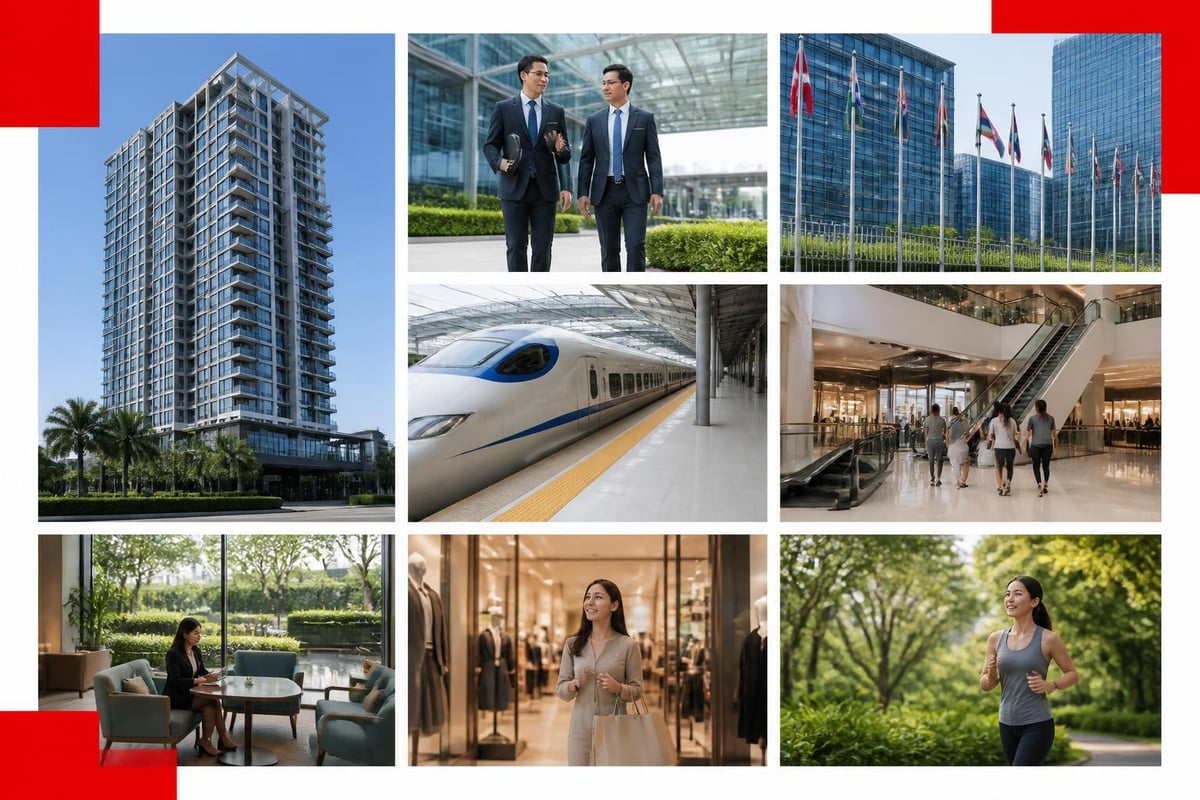
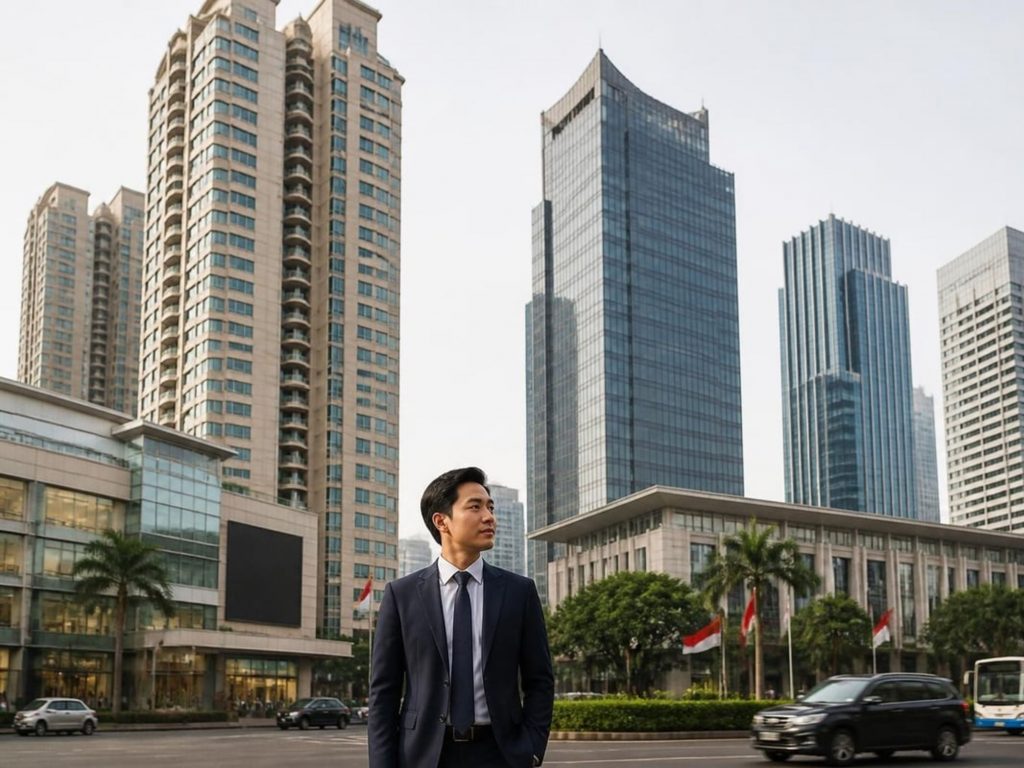
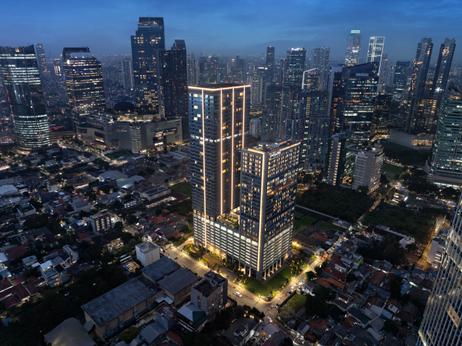
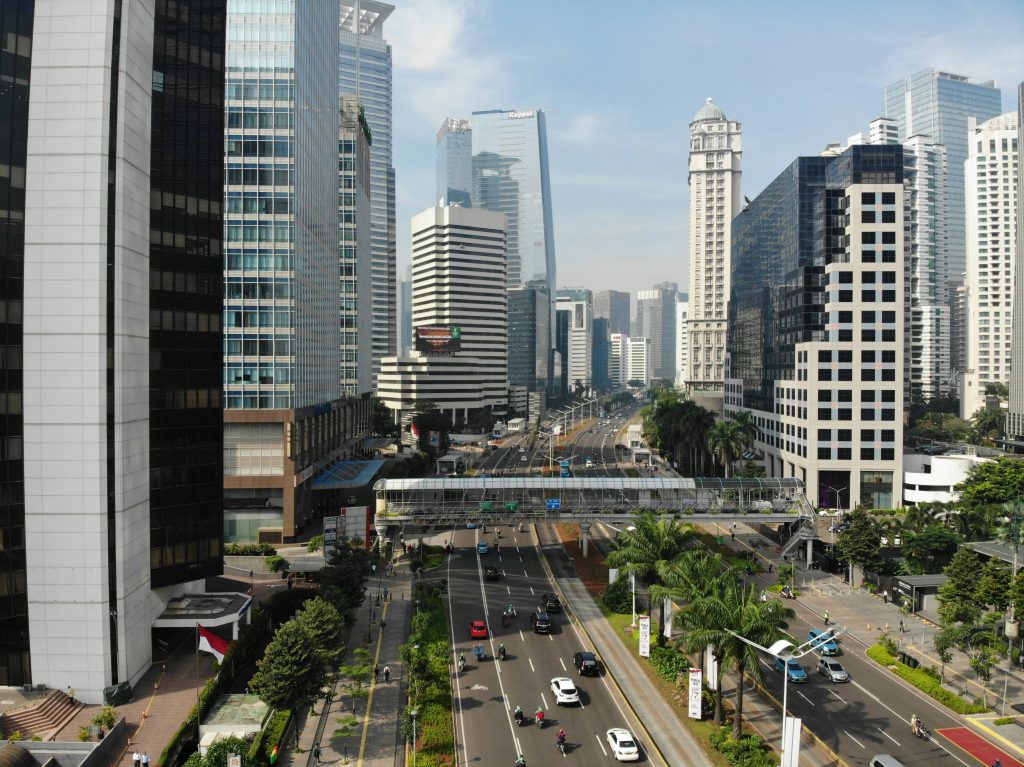
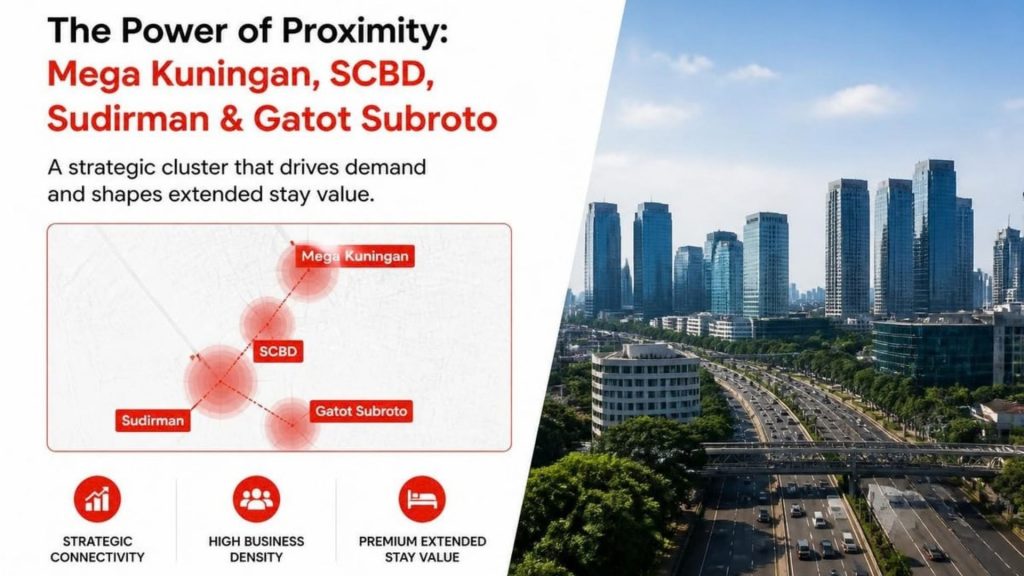
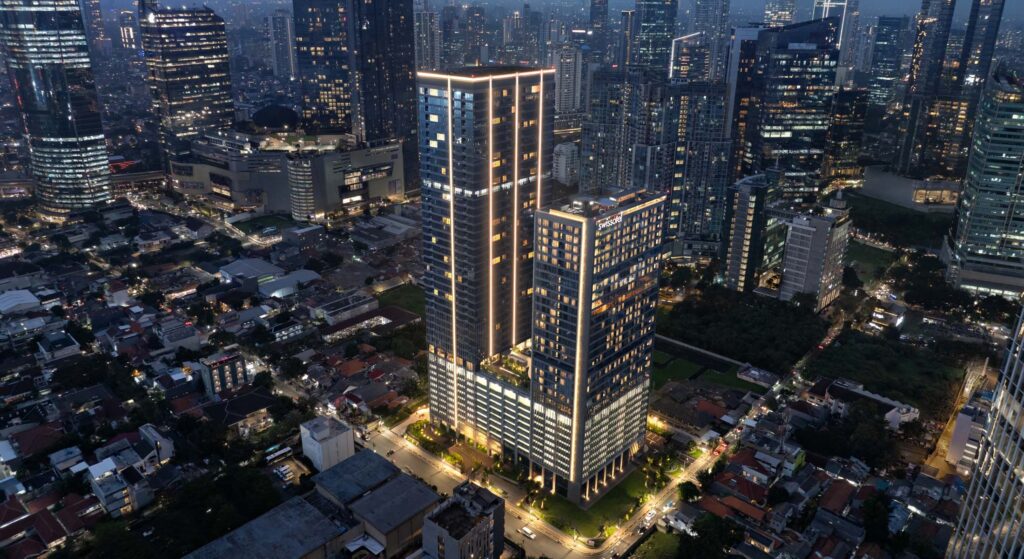
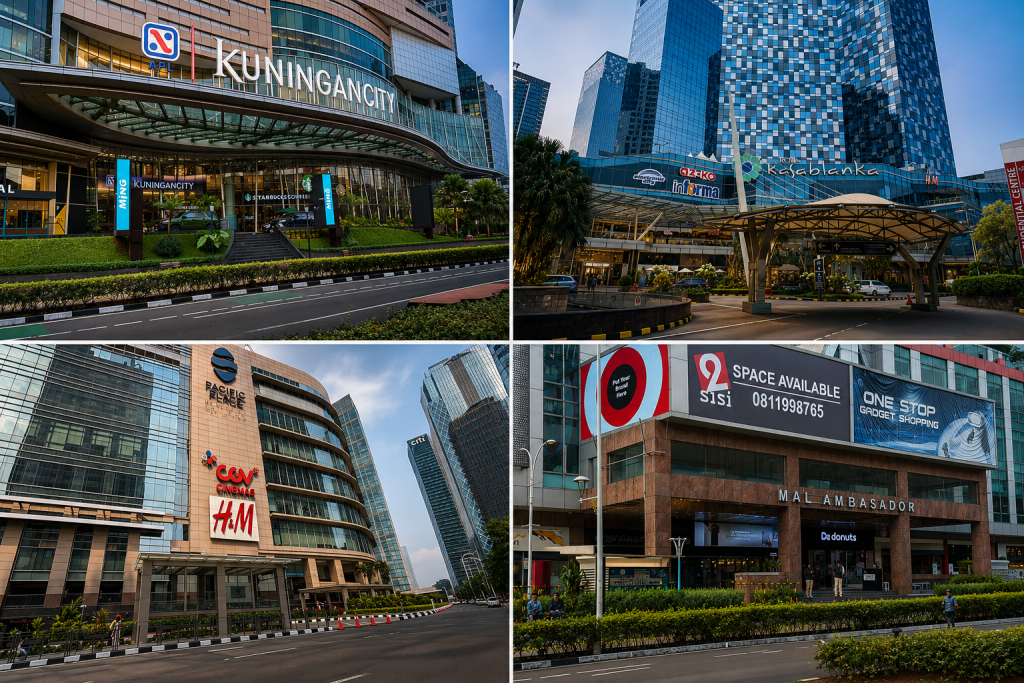
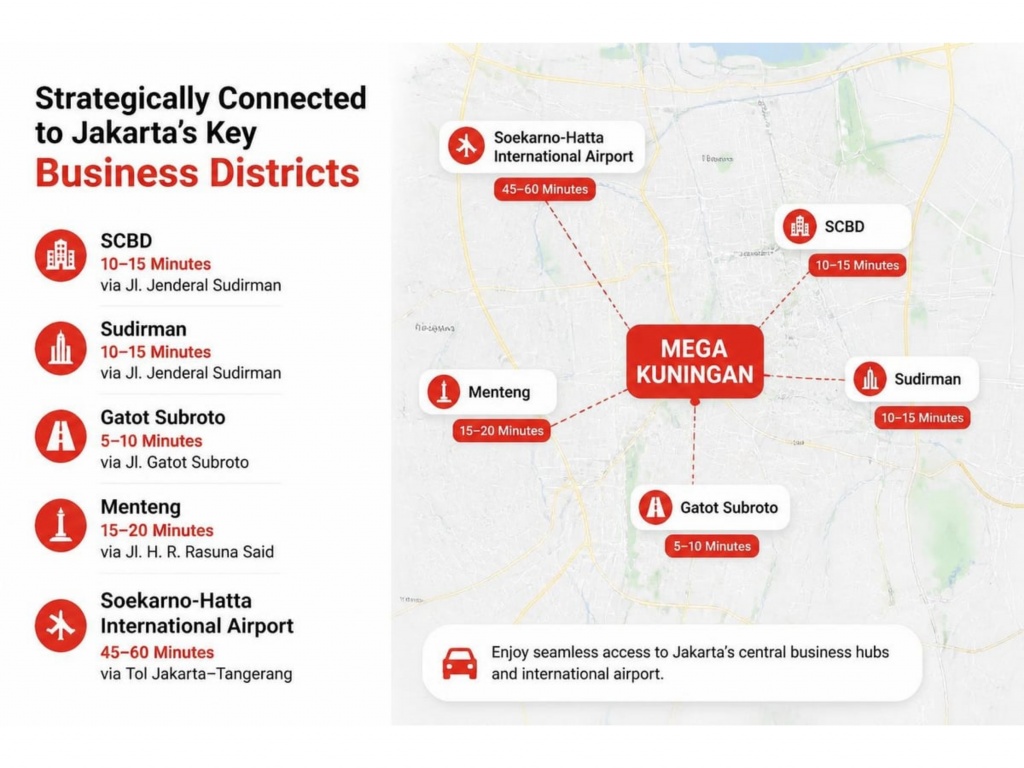
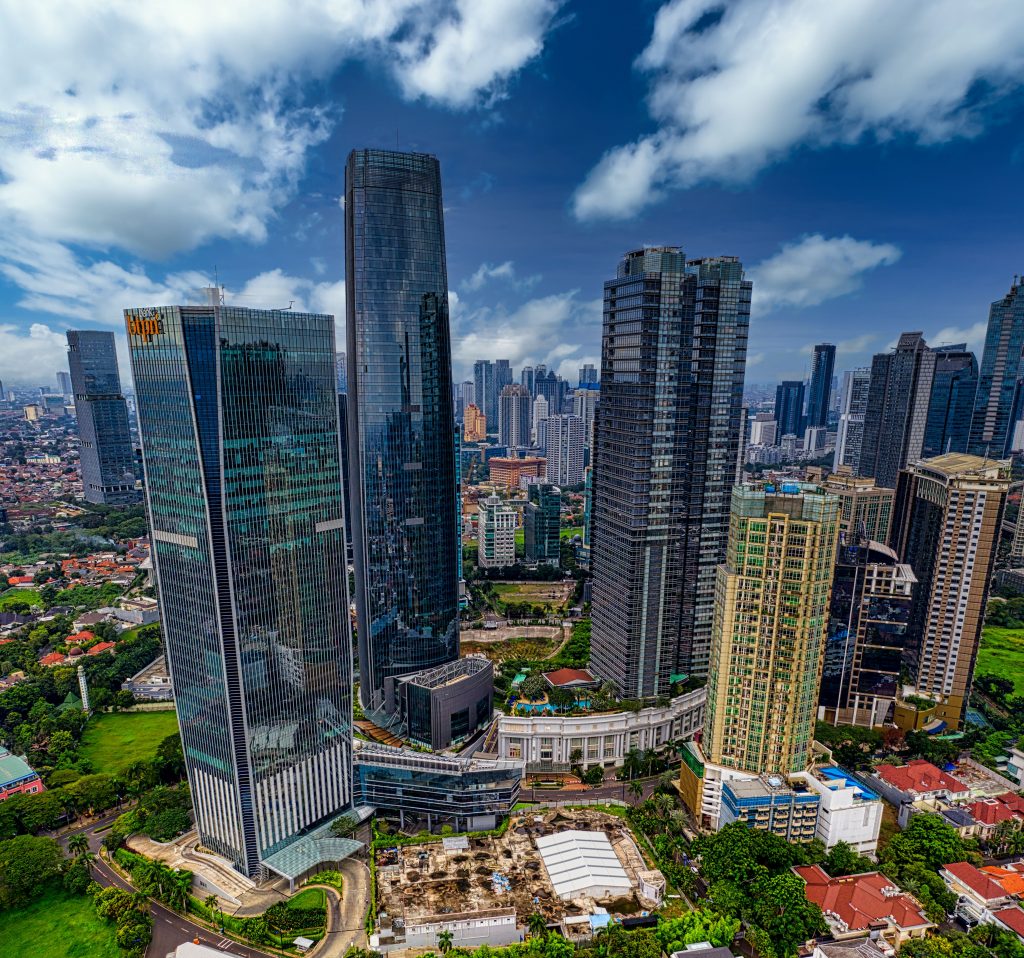
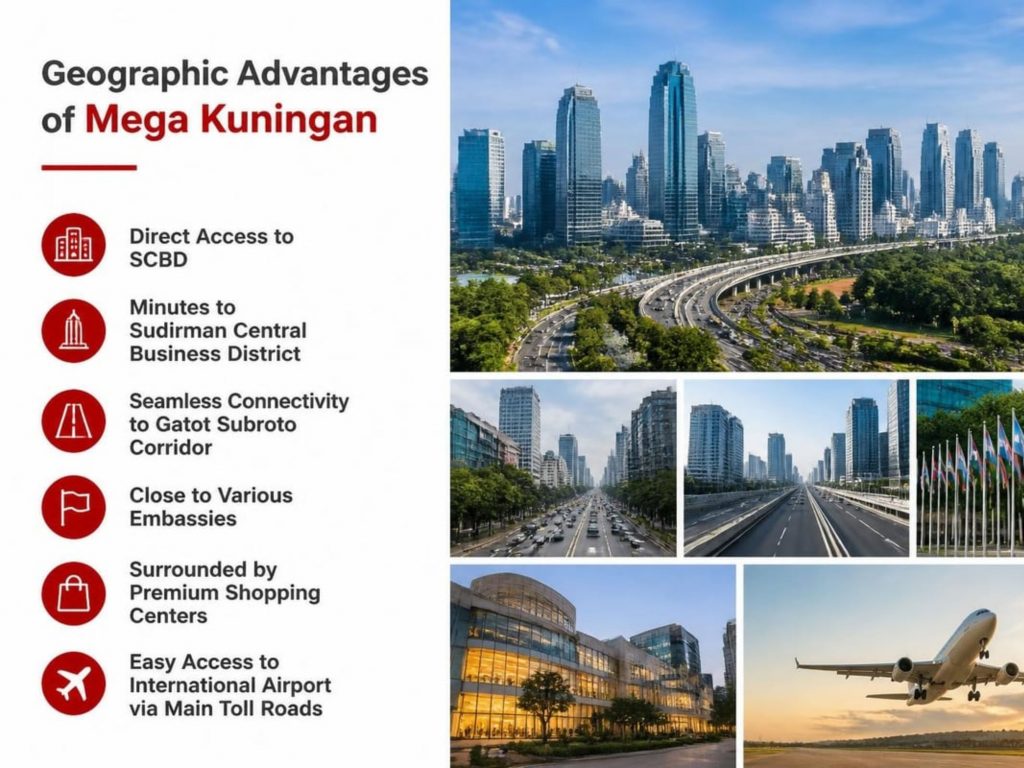
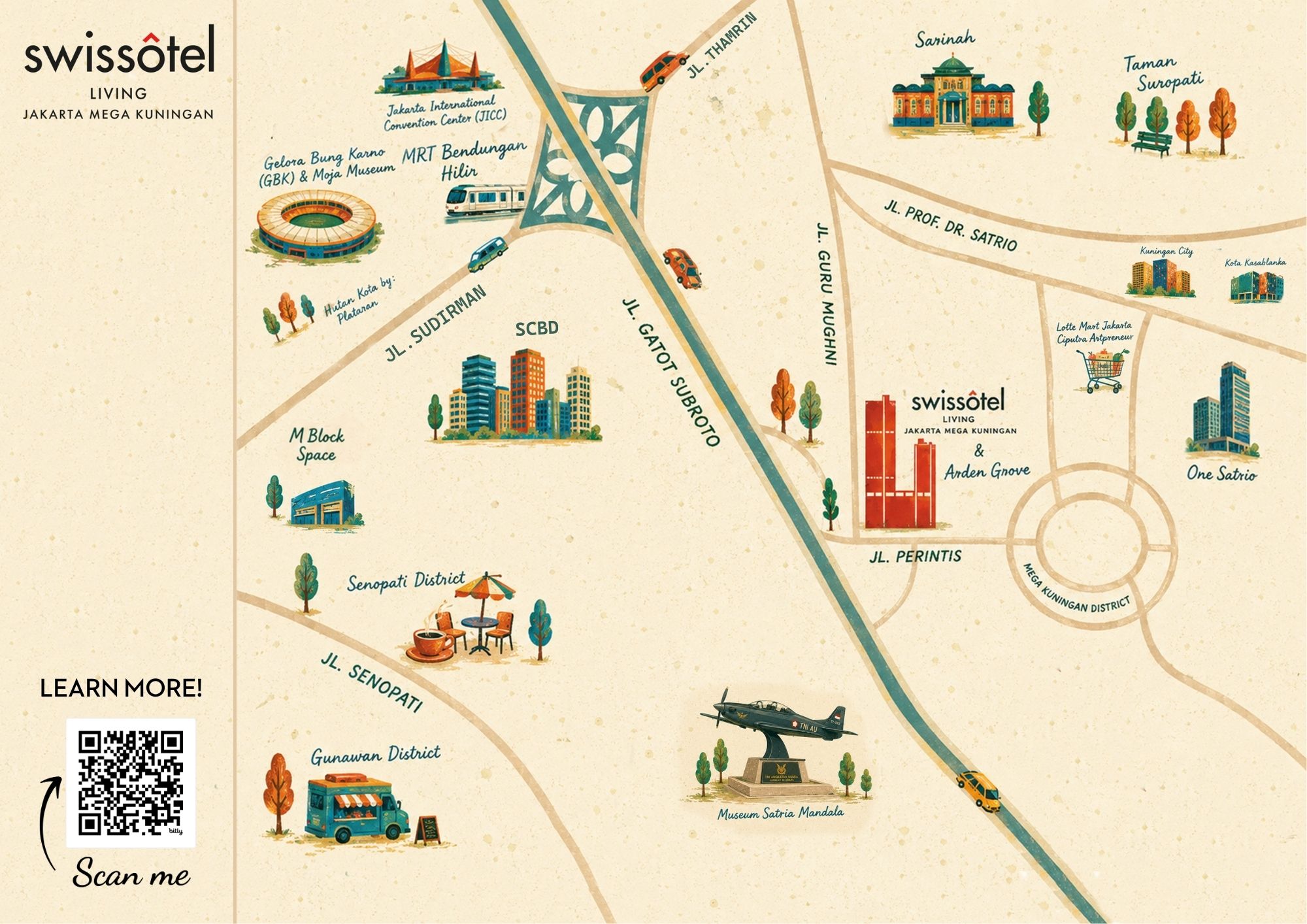
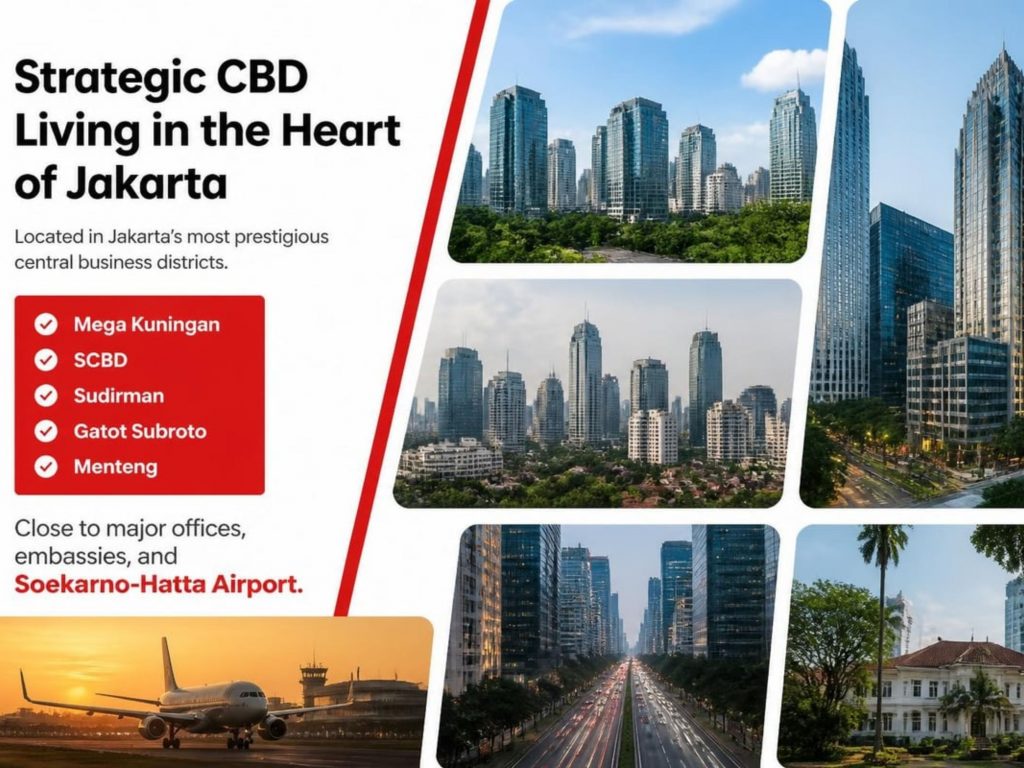
Properties in Jakarta’s central business district, particularly in areas like Mega Kuningan, offer strategic access to corporate offices, embassies, and international business hubs. This positioning makes long term hotel living especially attractive for professionals requiring proximity to work locations without commuting challenges.
Space and Privacy Limitations
Hotel rooms and serviced apartments, even spacious ones, typically offer less square footage than comparable traditional apartments. Storage space can become a concern for those with extensive belongings or specific hobby requirements.
The challenges of hotel living include limited personalization options, potential noise from neighboring guests, and the constant presence of hotel staff and other residents. These factors can impact privacy and the ability to create a truly personalized living environment.
Selecting the Right Property for Extended Stays
Choosing an appropriate property for long term hotel living requires evaluating multiple factors beyond price and location. The decision significantly impacts daily comfort, productivity, and overall satisfaction with the arrangement.
Essential Amenities and Services
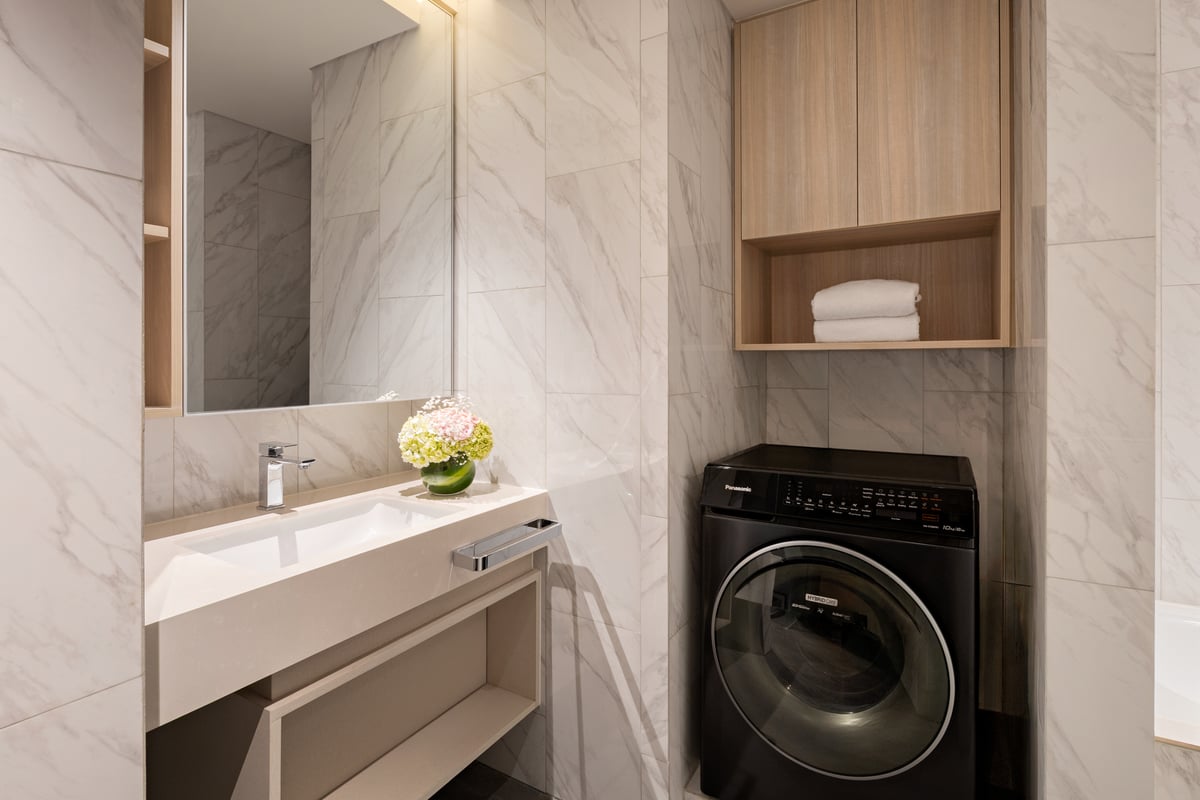
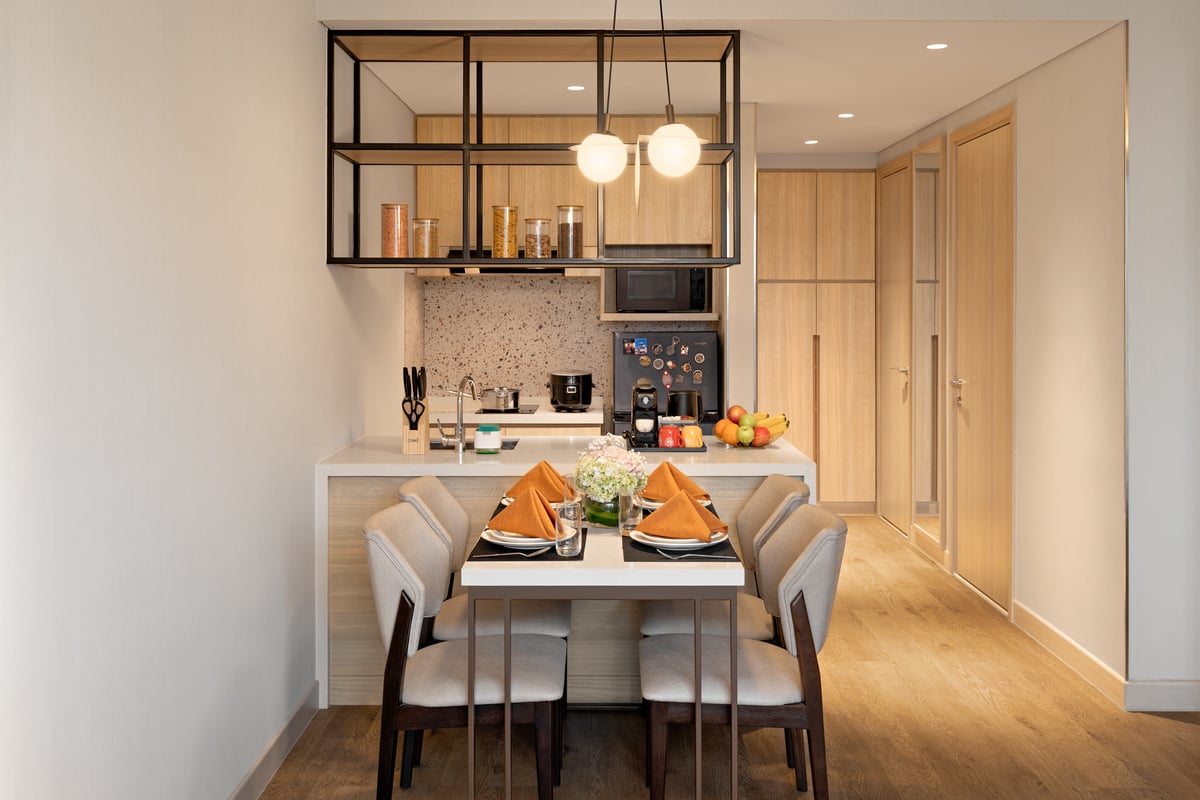
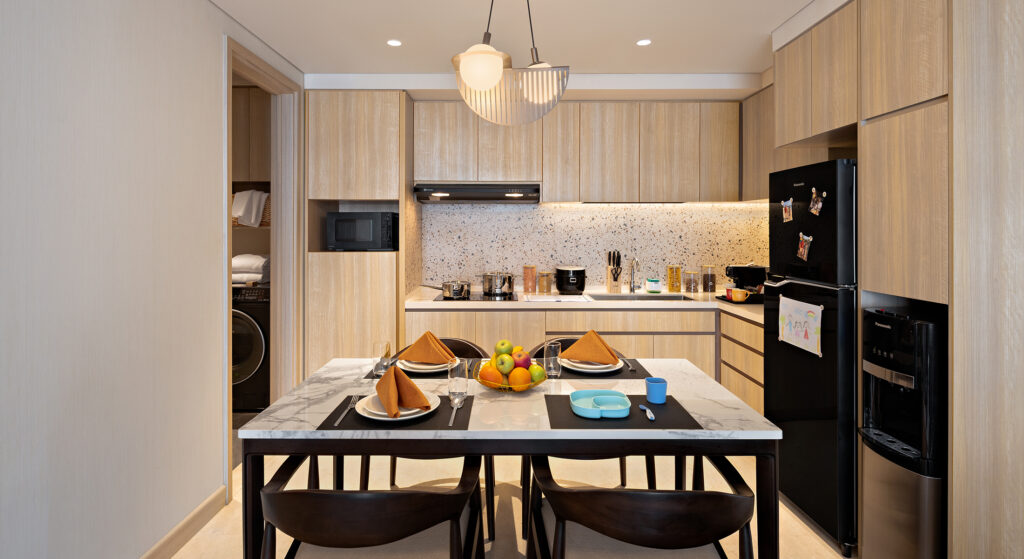
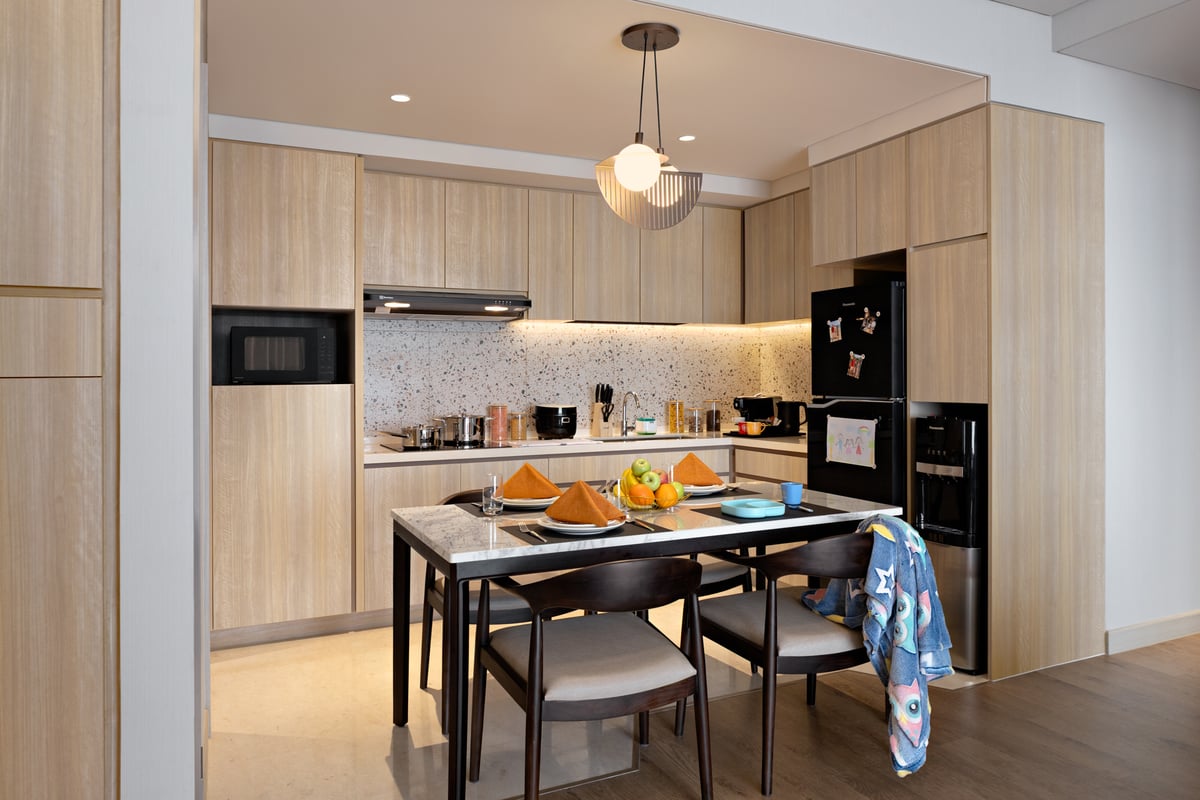
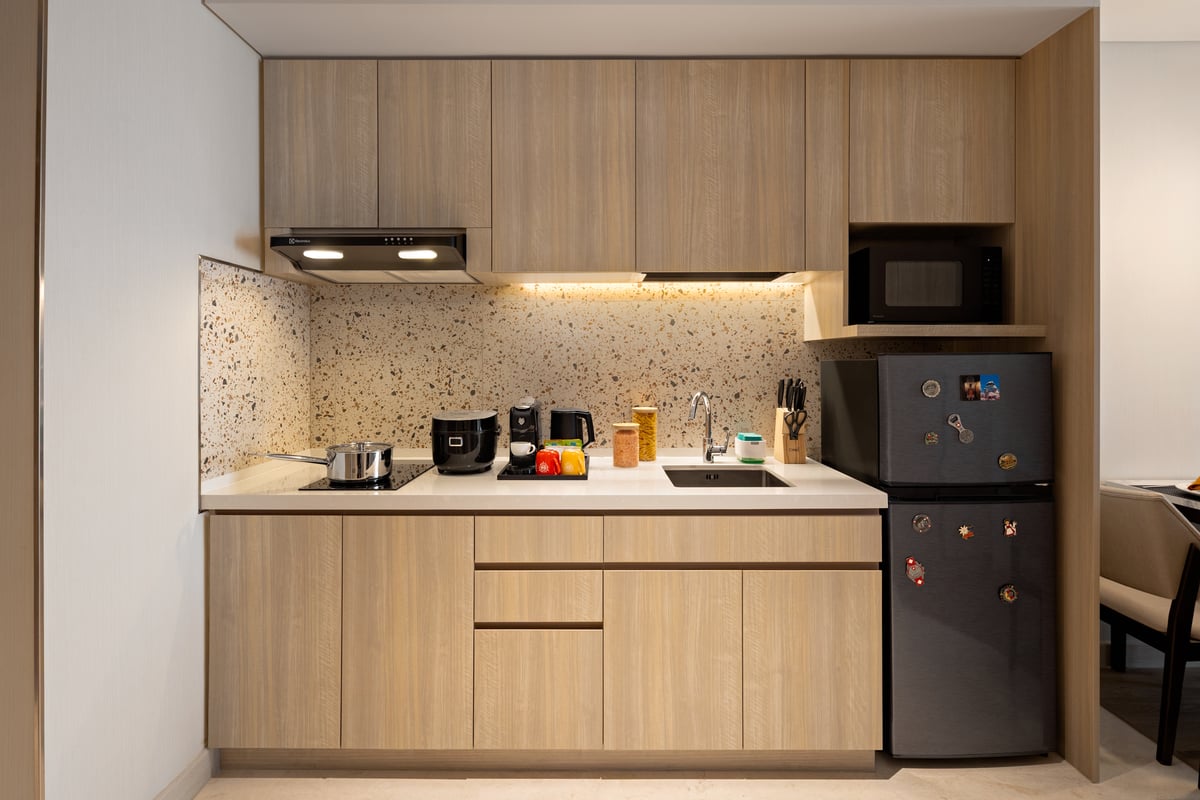
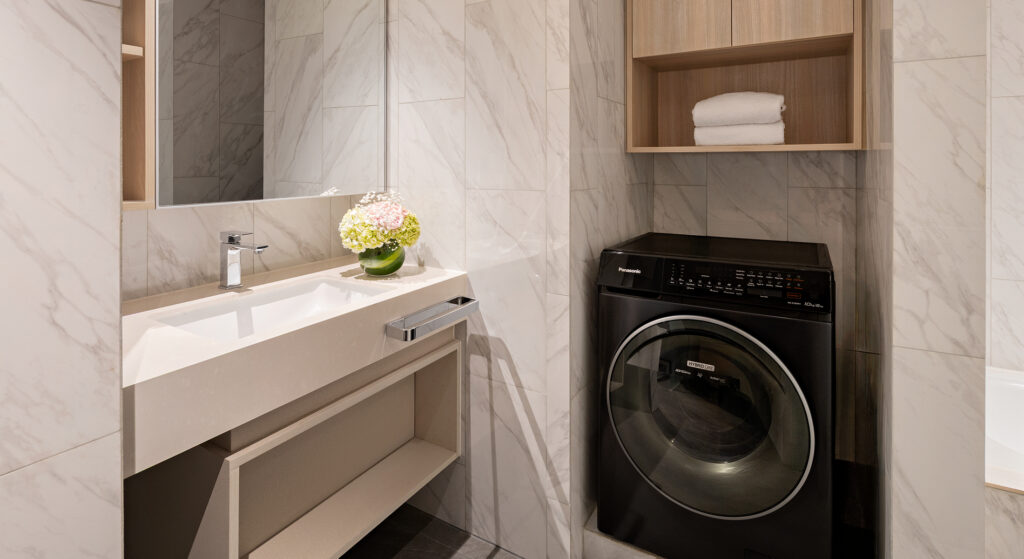
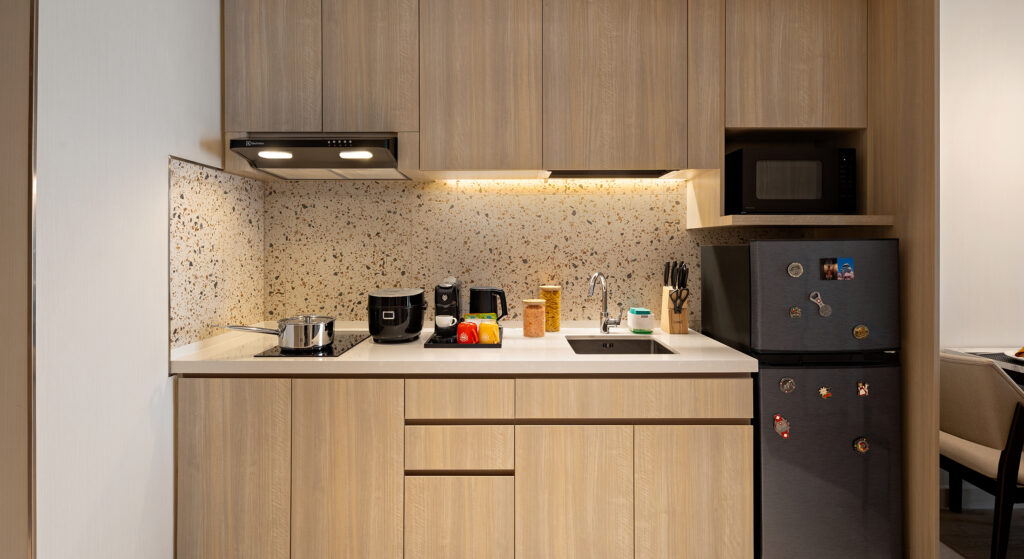
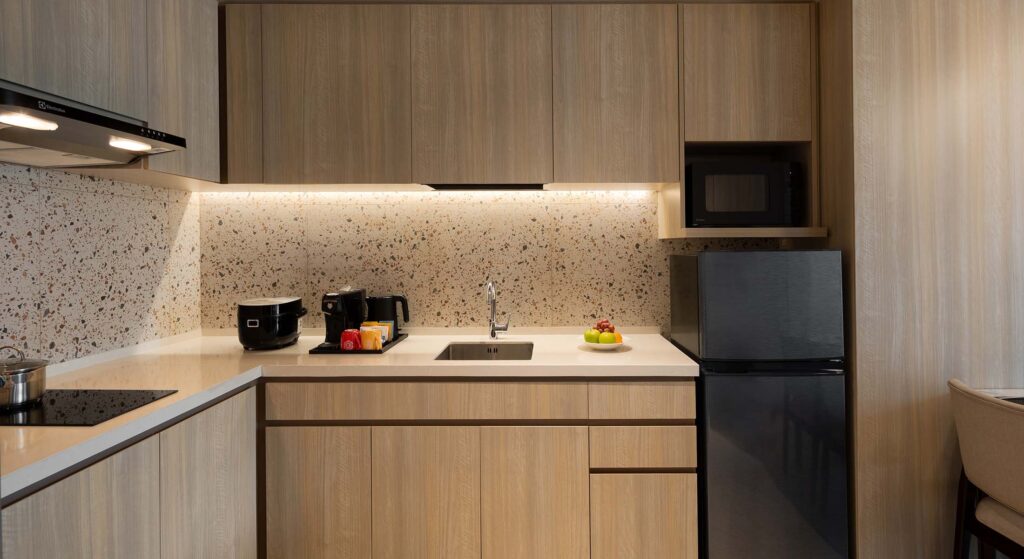
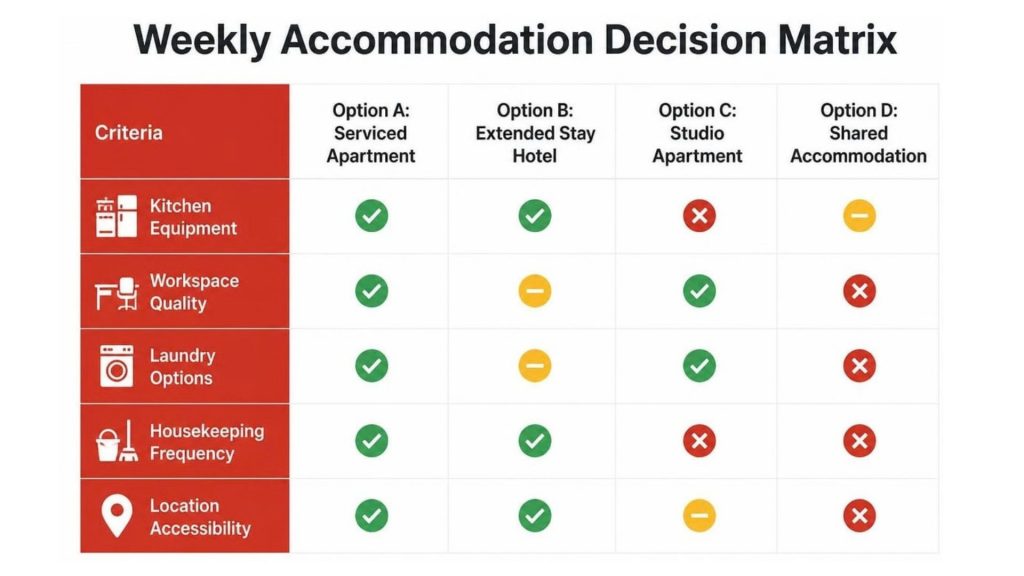
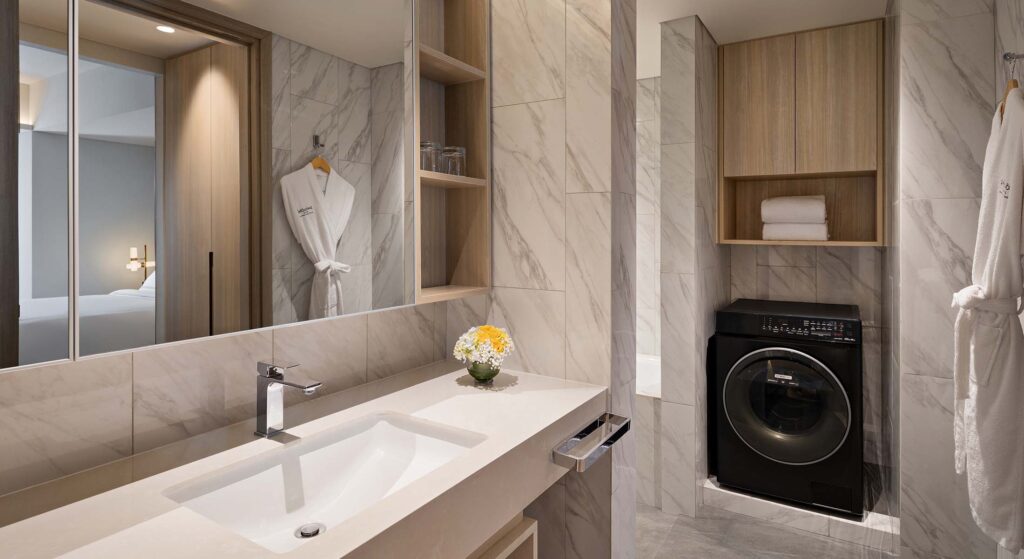
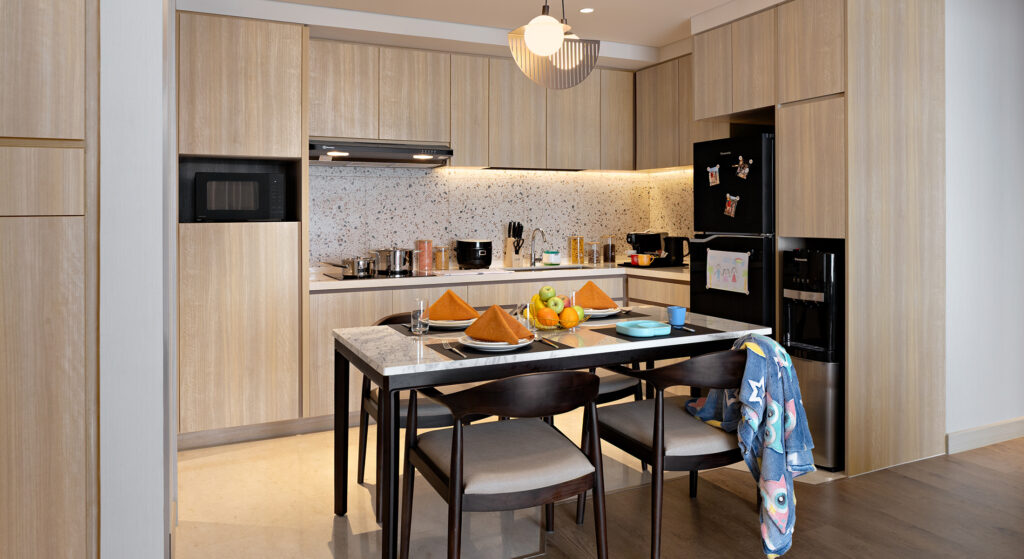
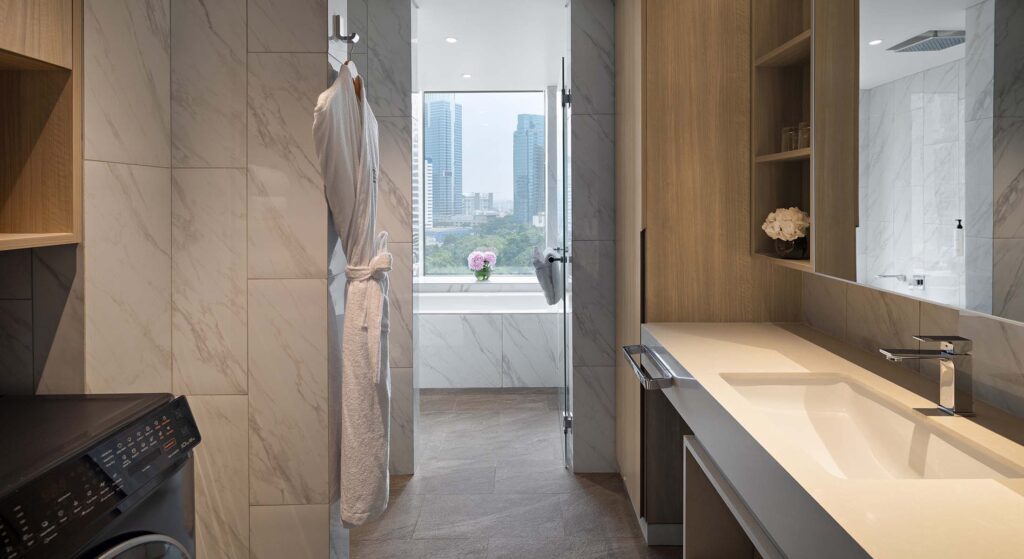
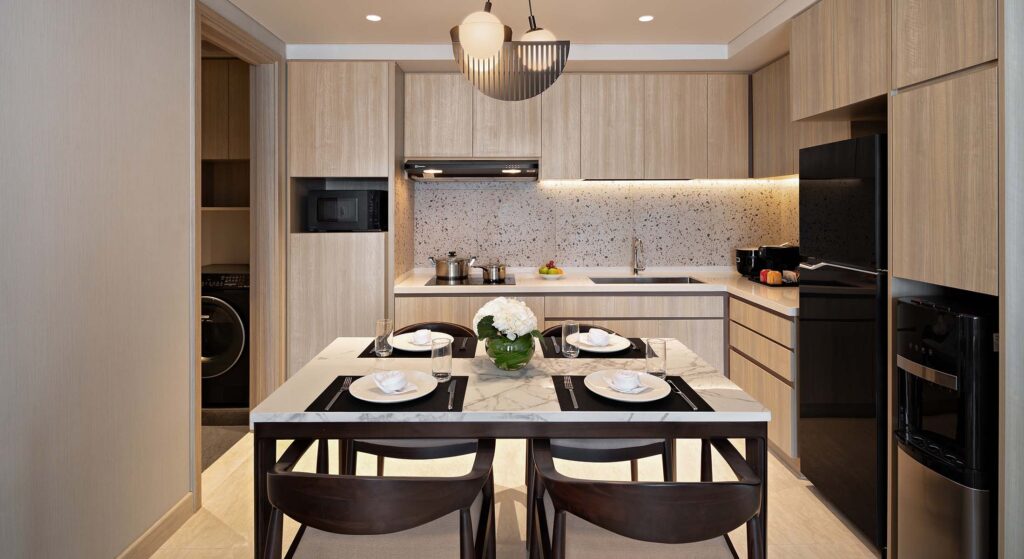
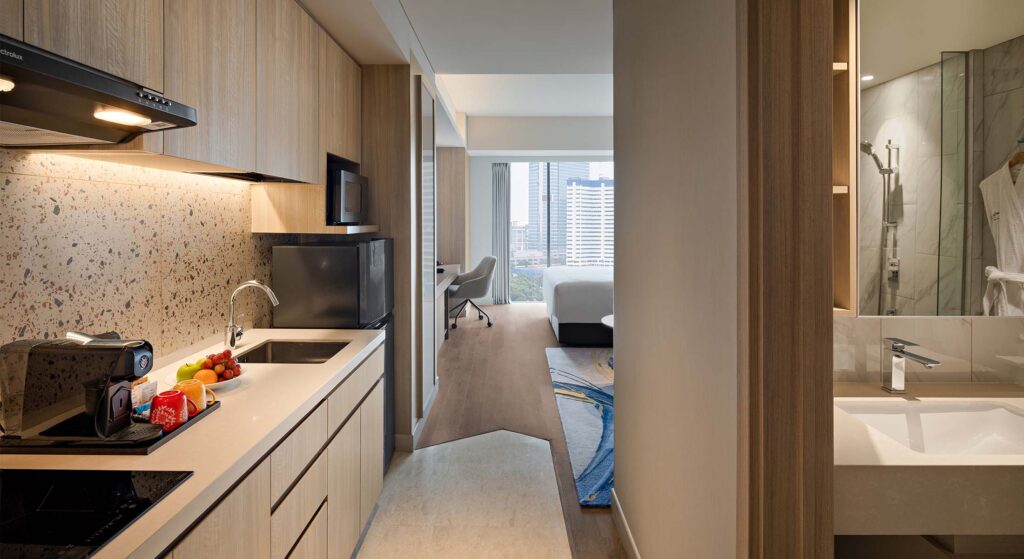
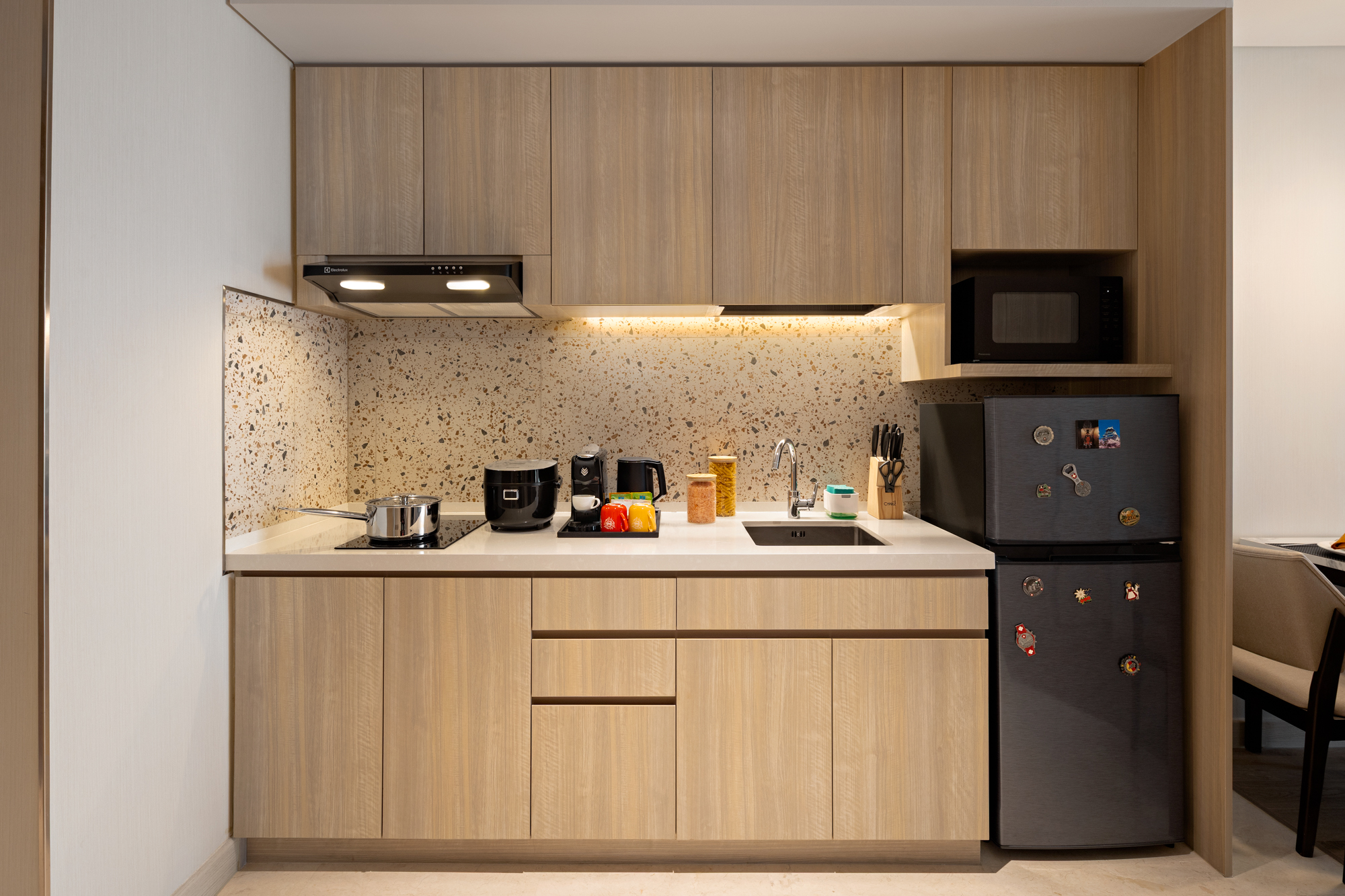
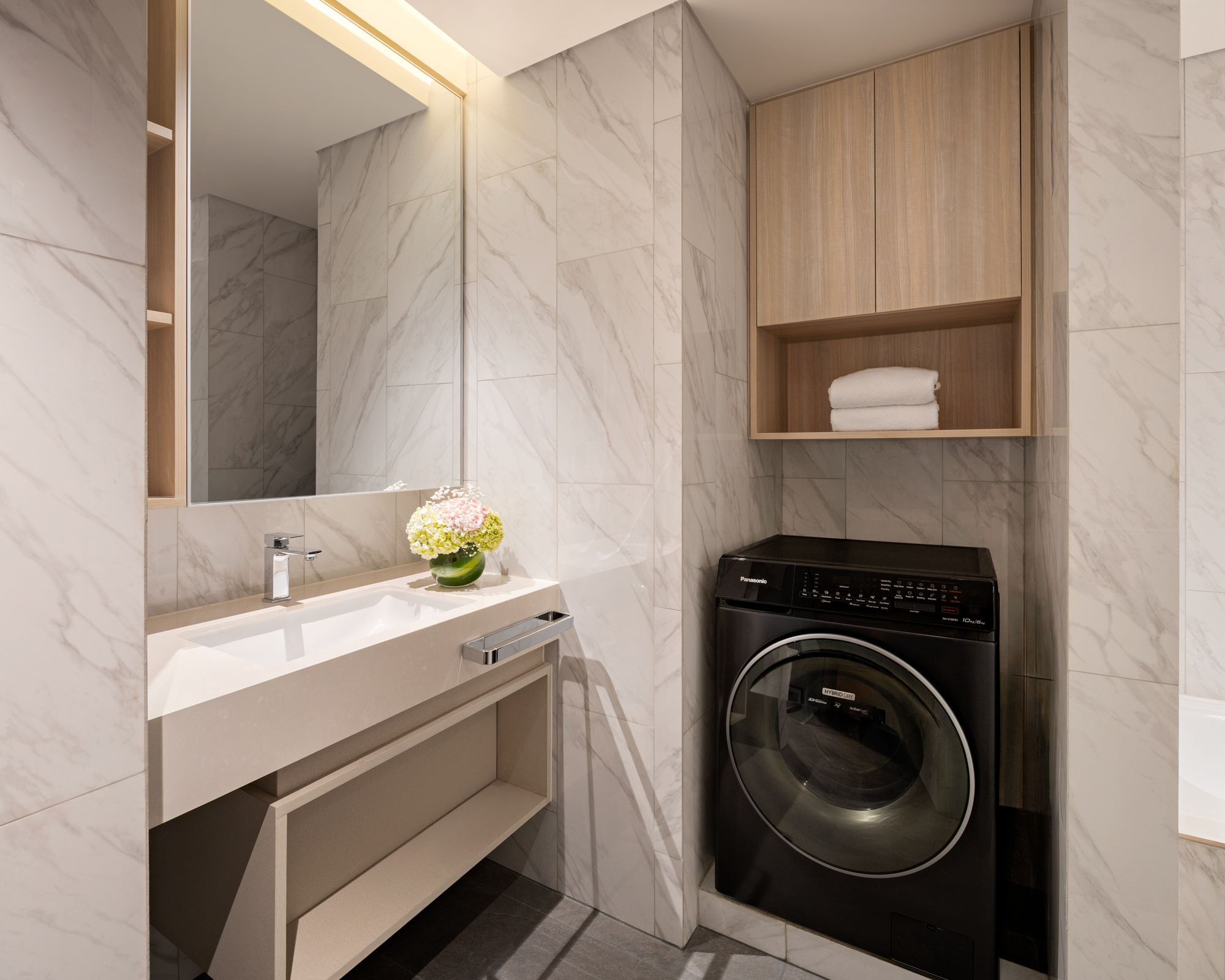
Successful extended stays depend on properties offering comprehensive facilities that support daily life. Kitchenettes or full kitchens reduce dining expenses and provide dietary control, while in-unit laundry facilities eliminate time-consuming trips to external laundromats.
| Must-Have Amenity | Importance for Long Stays | Impact on Daily Life |
|---|---|---|
| Kitchen facilities | High | Cost savings, dietary control |
| Laundry access | High | Convenience, expense reduction |
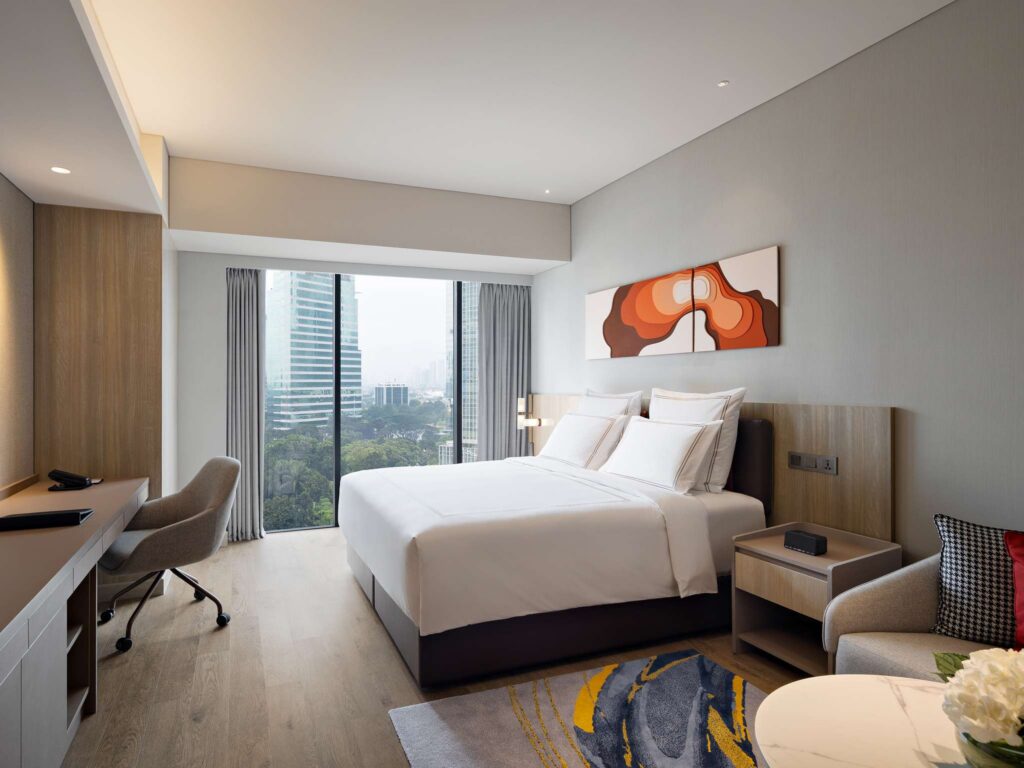
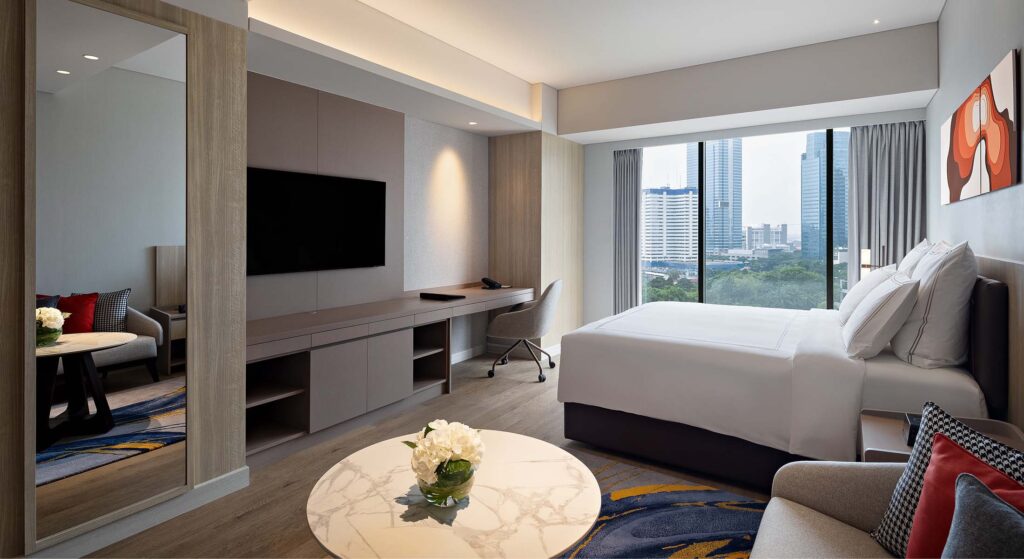
| Work desk/space | High | Professional productivity |
| Fitness center | Medium | Health maintenance |
| Parking | High (if applicable) | Transportation ease |
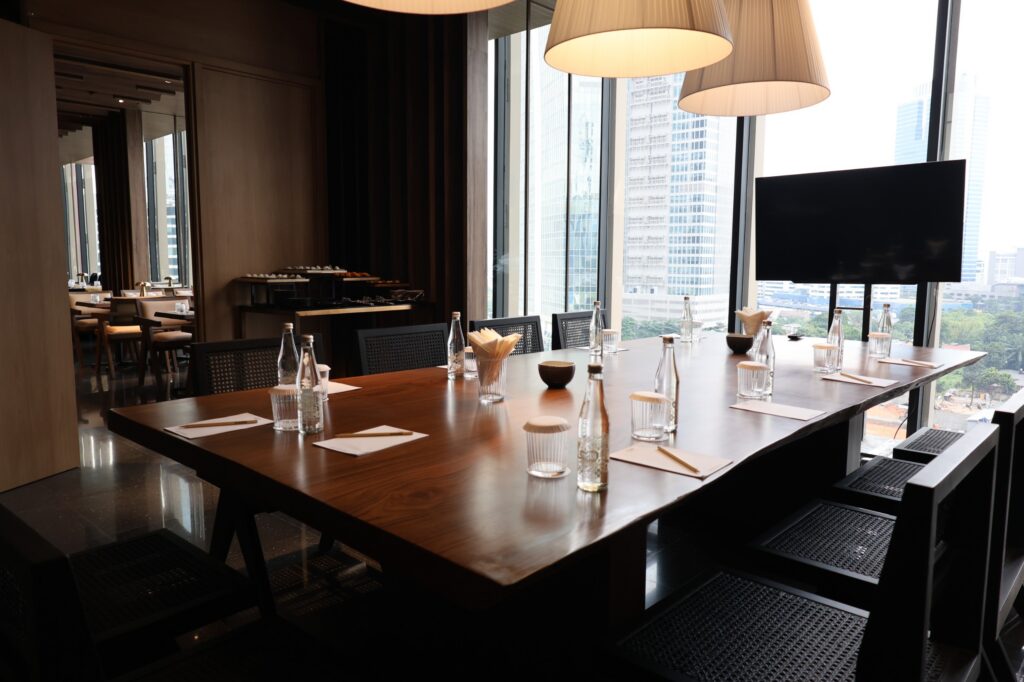
| Meeting rooms | Medium | Business functionality |
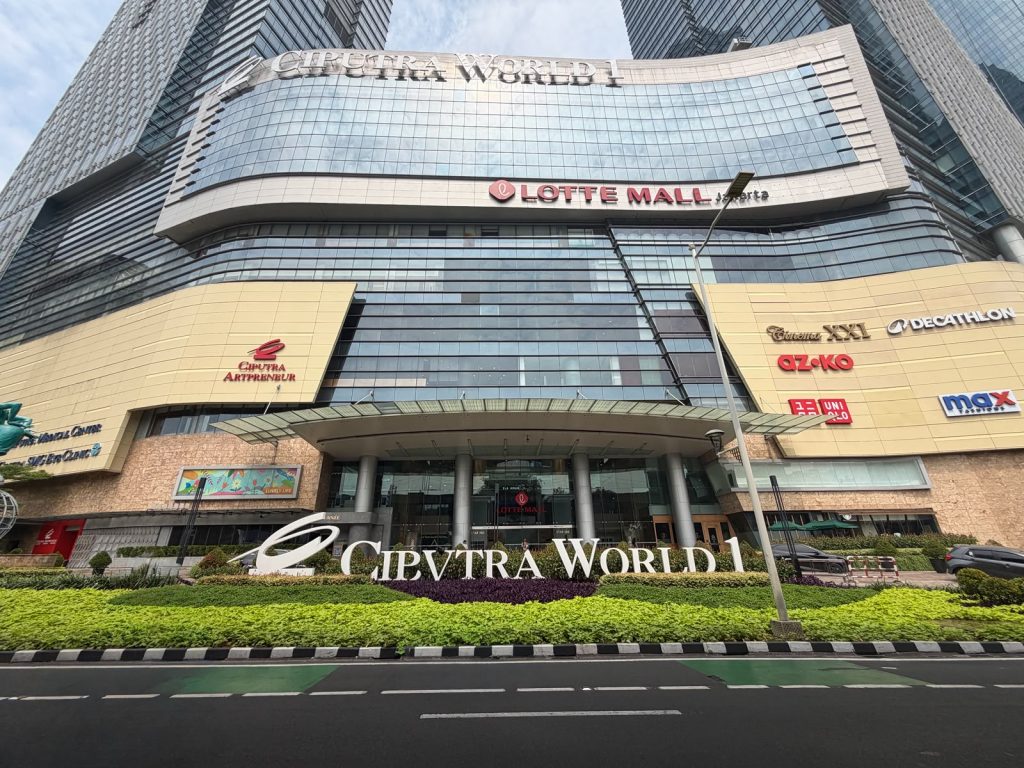
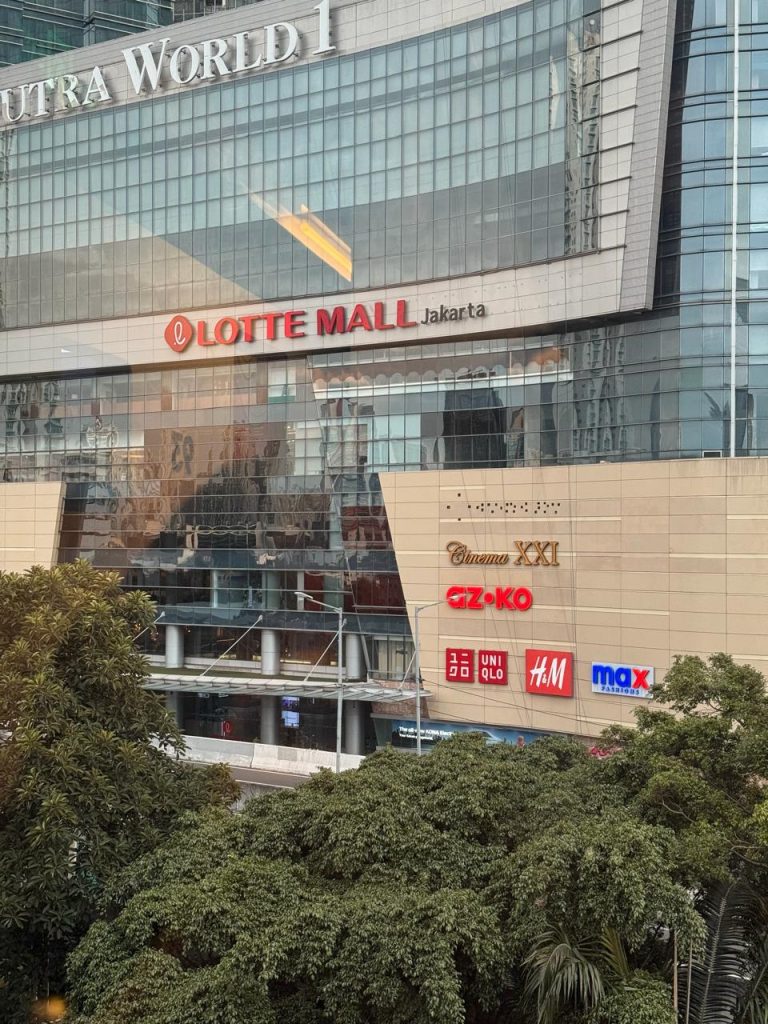
For those exploring extended stay options in South Jakarta, proximity to business districts like SCBD, Sudirman, and Gatot Subroto becomes a critical selection factor. Access to shopping malls, restaurants, and Soekarno-Hatta International Airport further enhances convenience for international professionals.
Evaluating Location and Accessibility
Geographic positioning directly impacts the success of long term hotel living arrangements. Properties situated in central business districts offer professional advantages, while those in residential areas might provide quieter, more settled environments.
Transportation access, whether through public transit, proximity to major highways, or included shuttle services, determines daily convenience. For business travelers, walking distance to offices or client locations can significantly improve work-life balance.
Serviced Apartments as the Optimal Solution
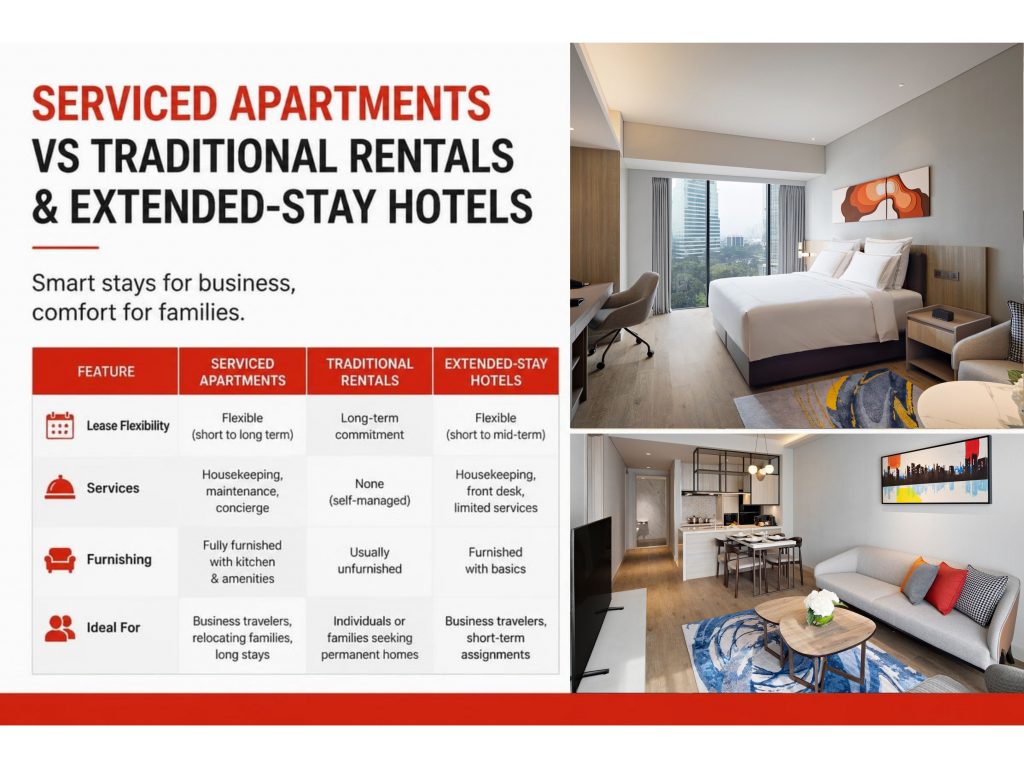
Serviced apartments represent the evolution of long term hotel living, bridging the gap between traditional hotels and residential leases. These properties specifically design their offerings for extended stays, combining residential comfort with hotel services.
The Serviced Apartment Advantage
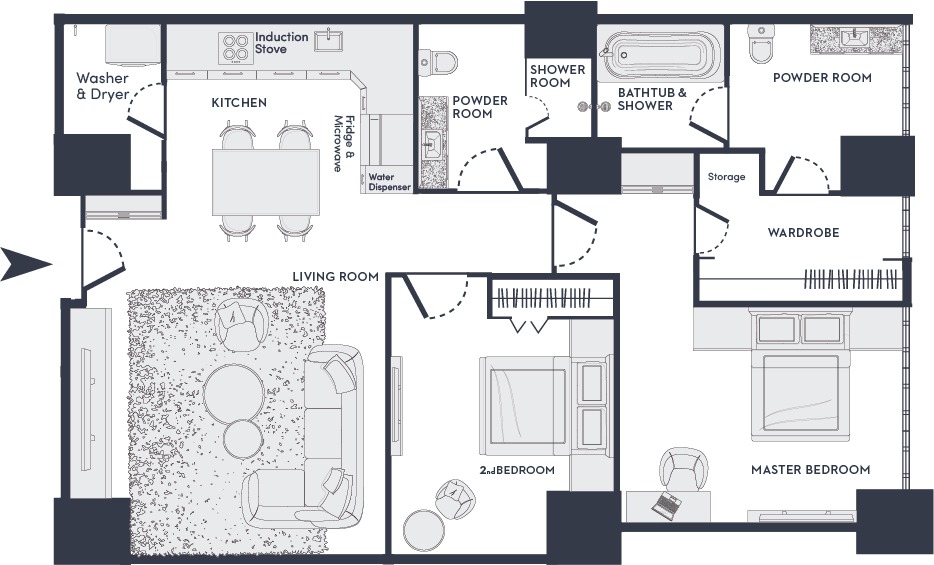
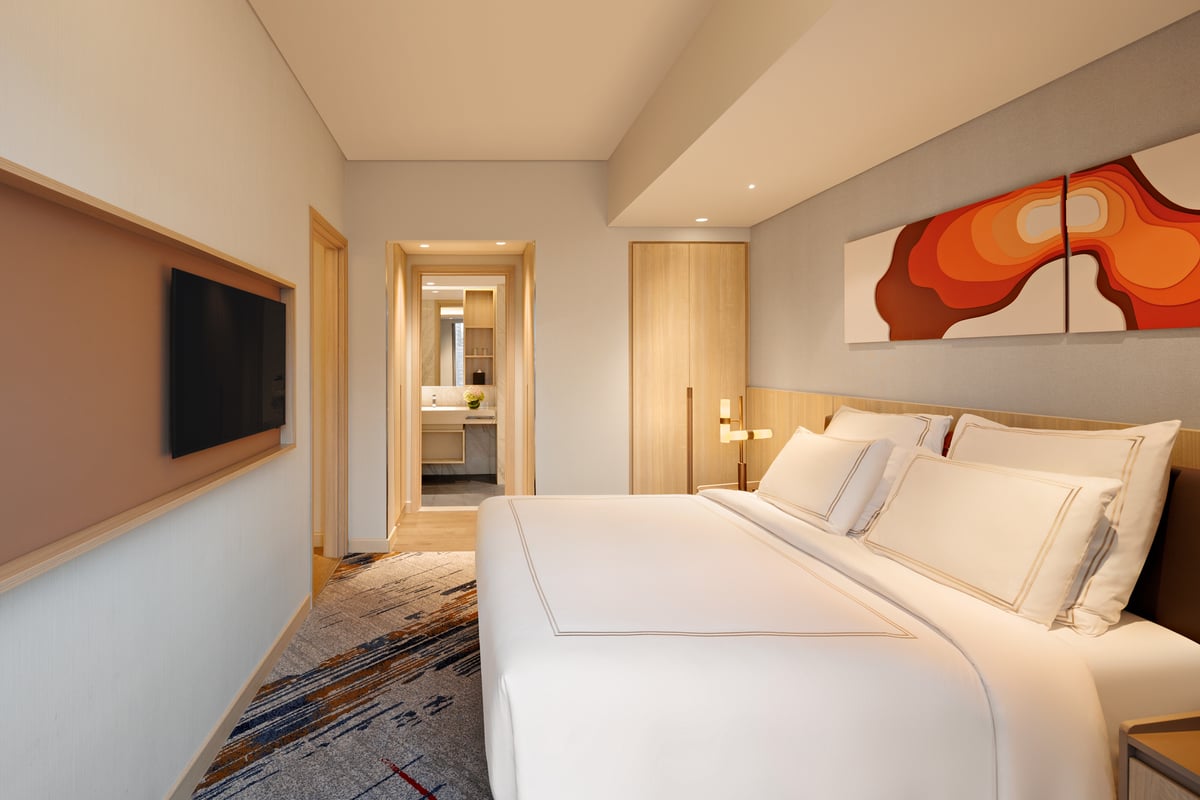
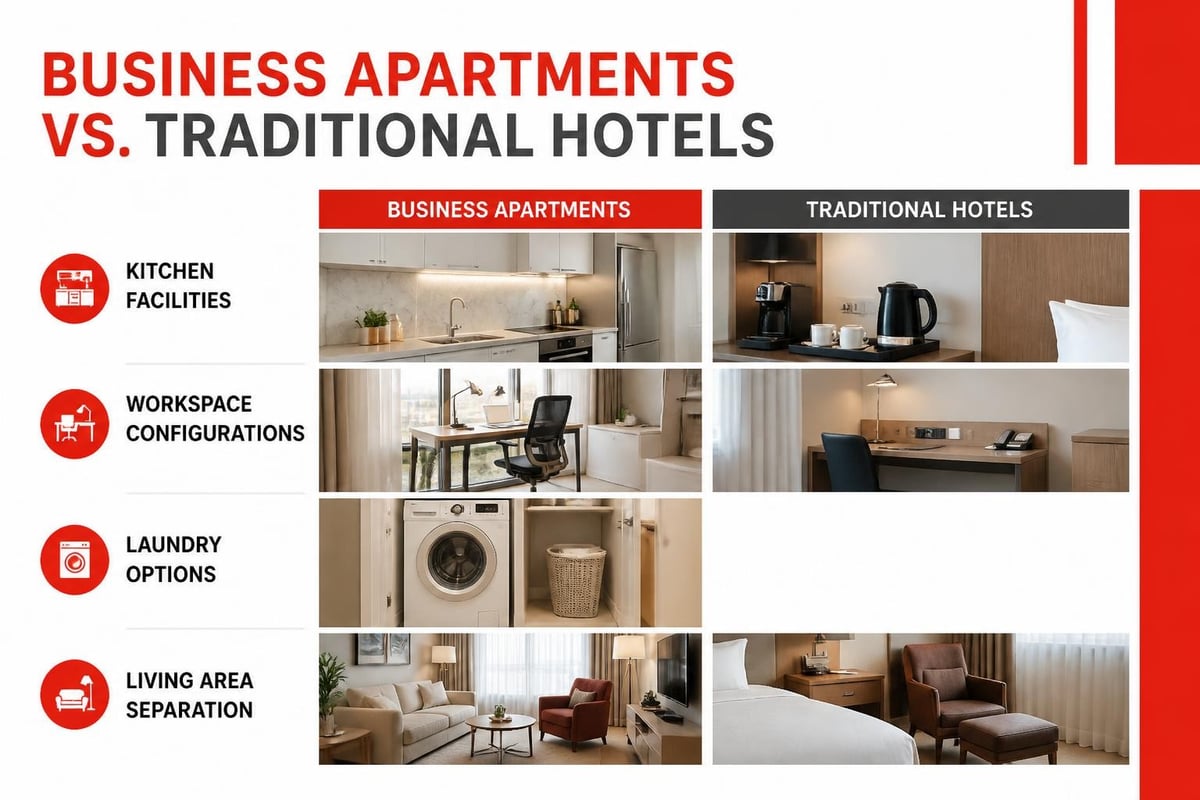
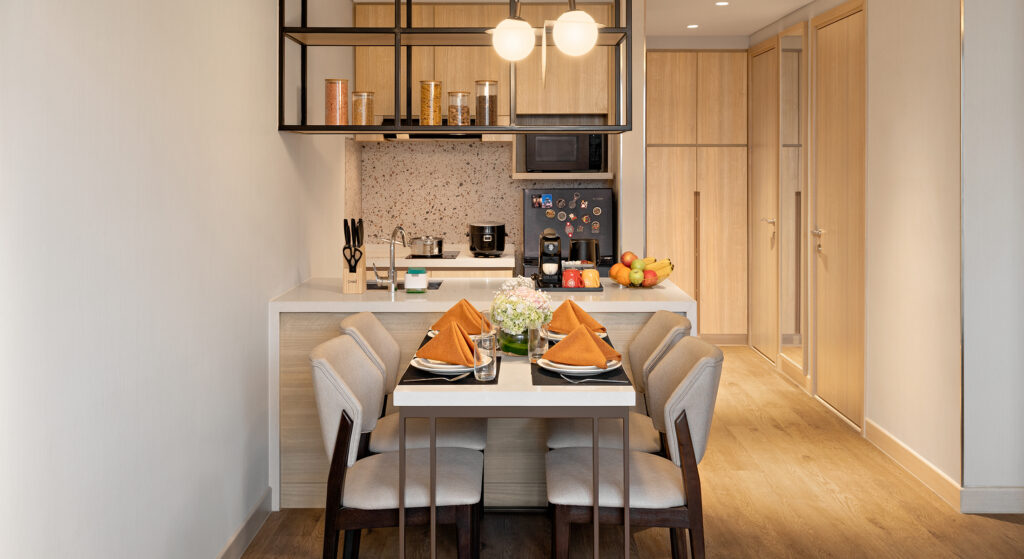
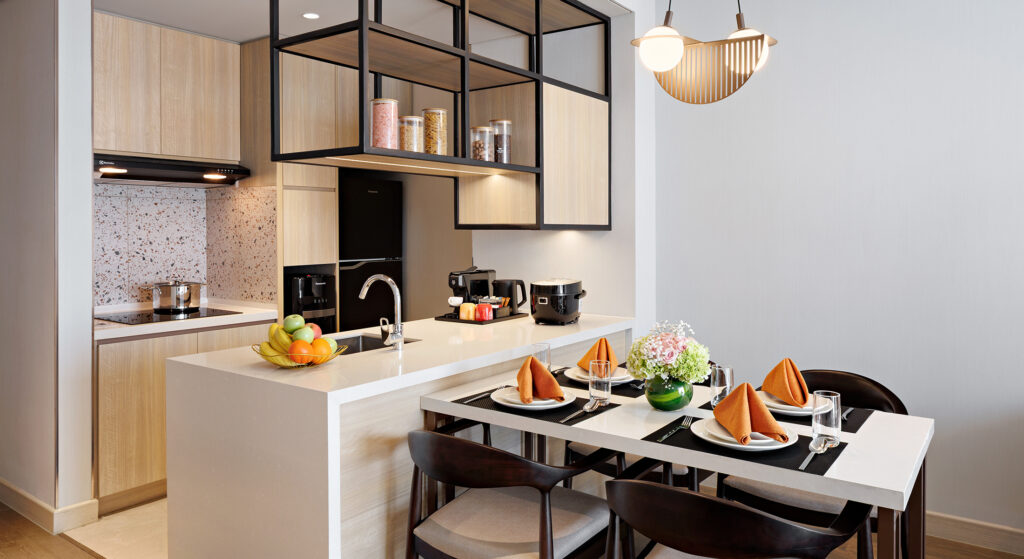
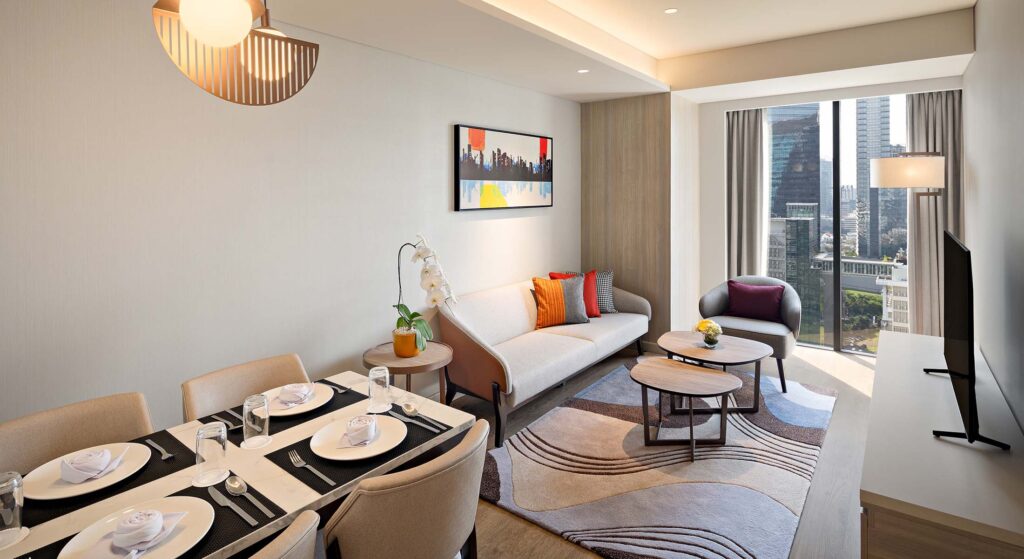
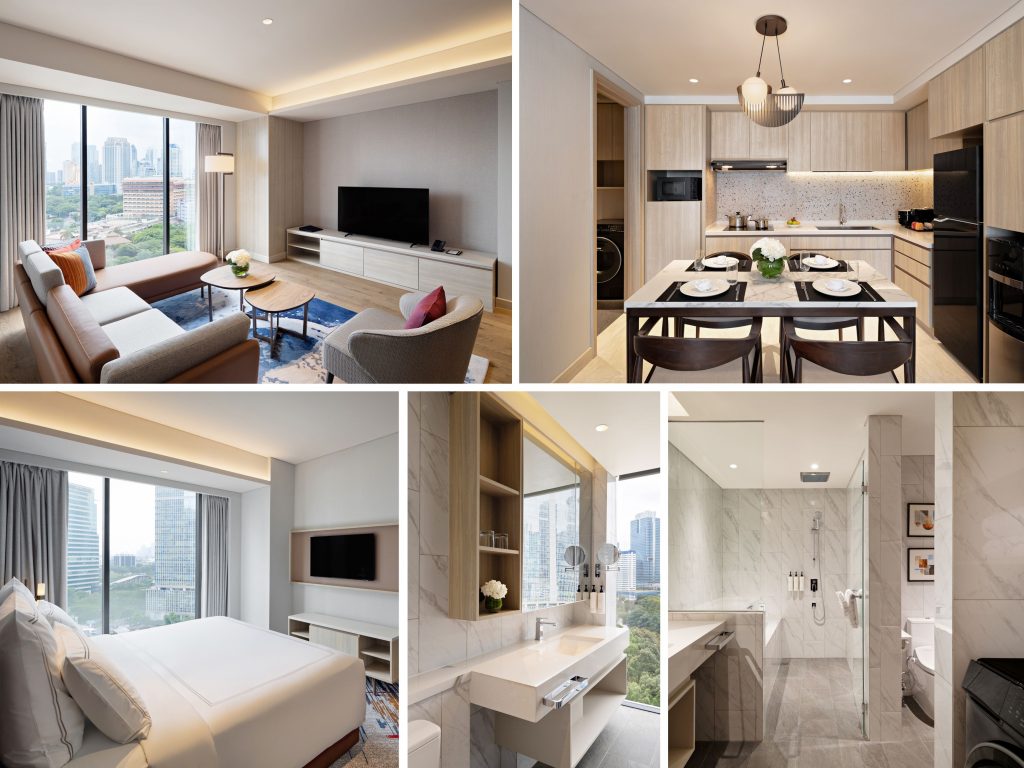
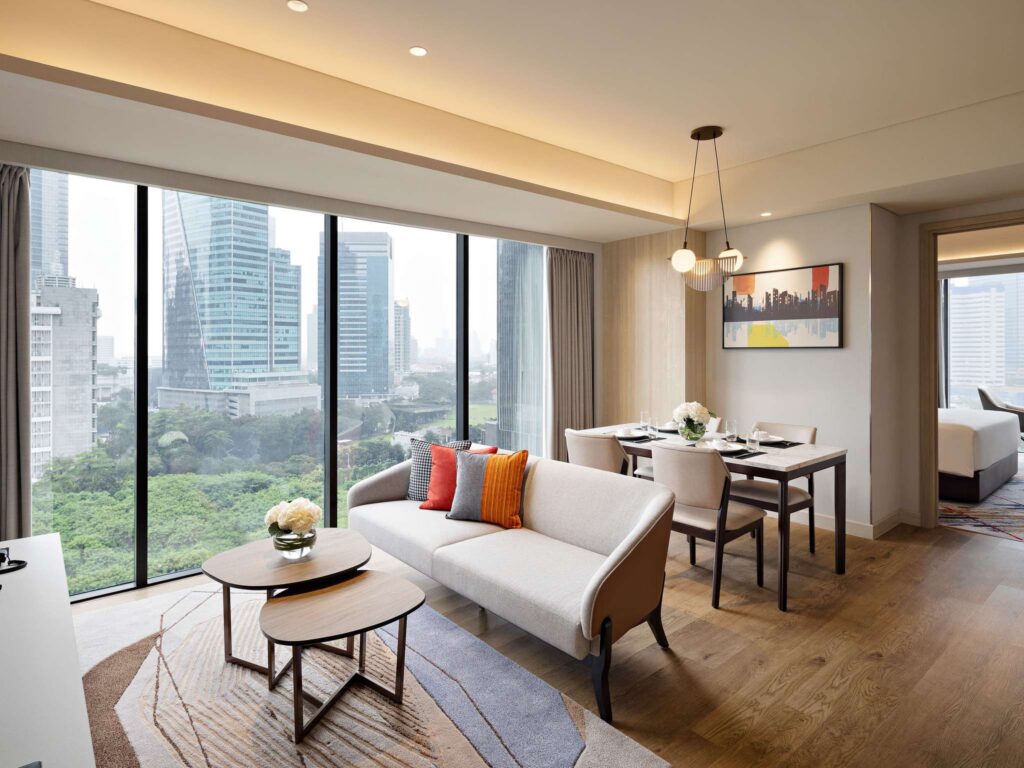
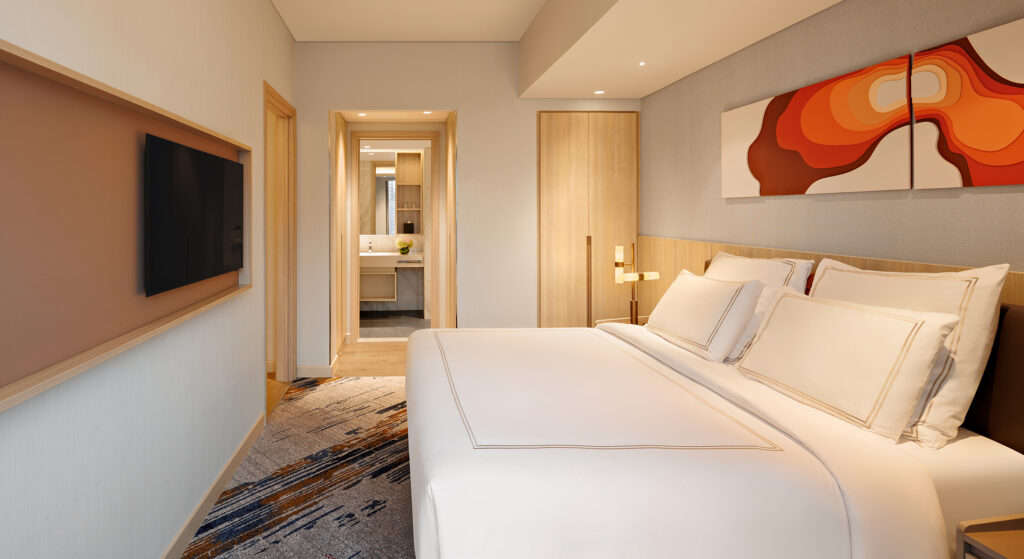
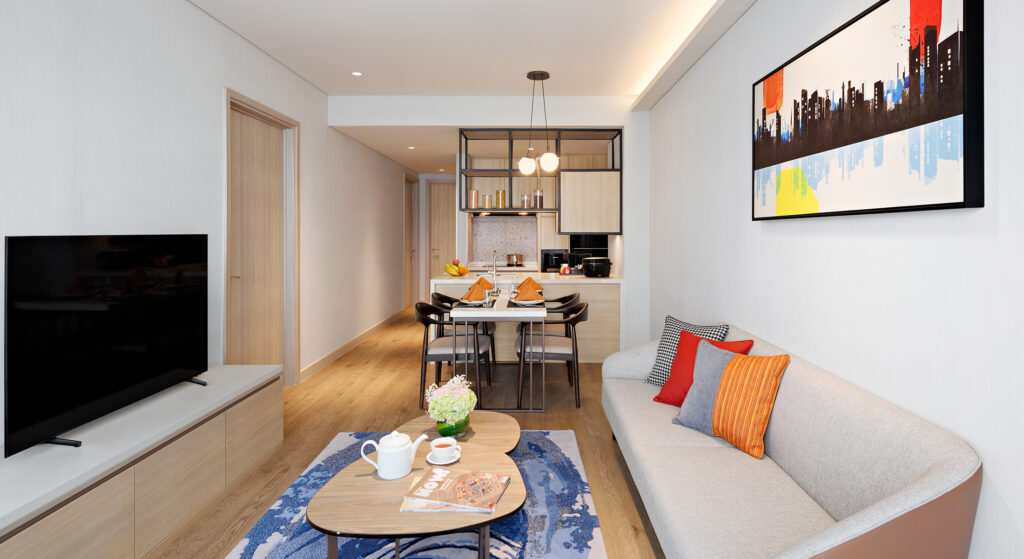
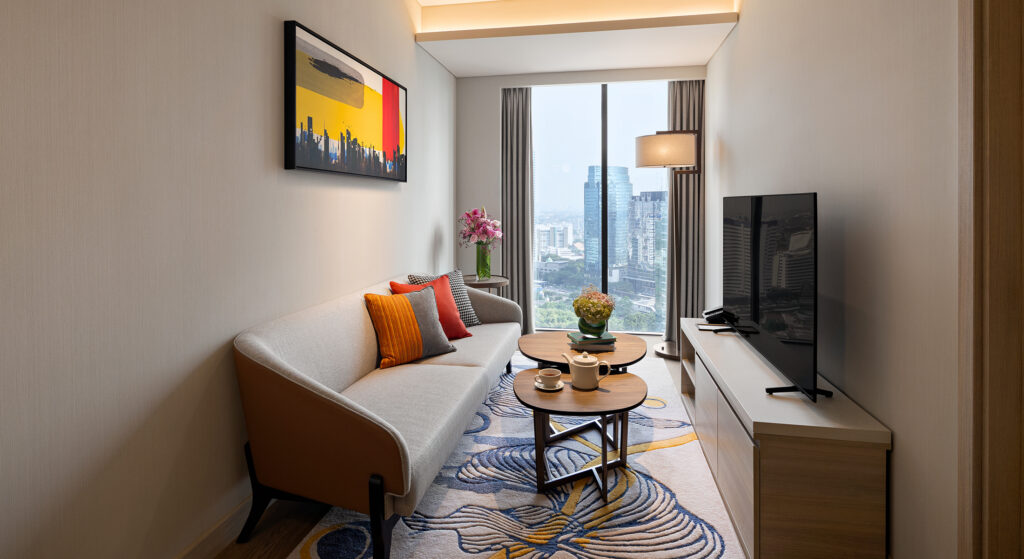
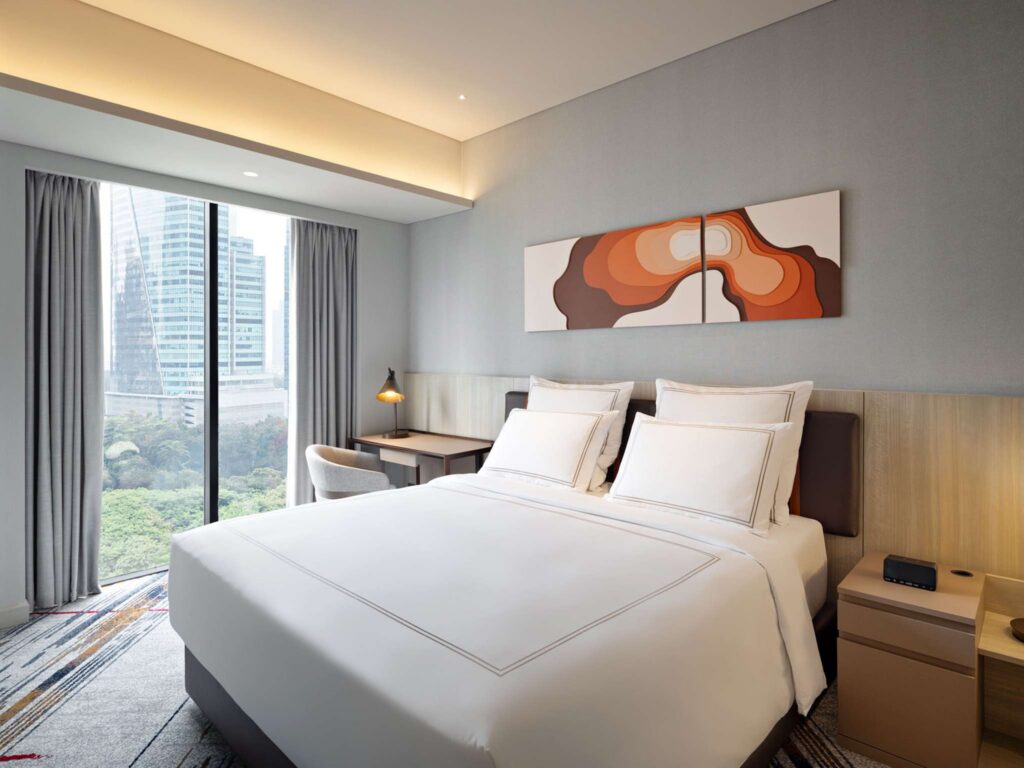
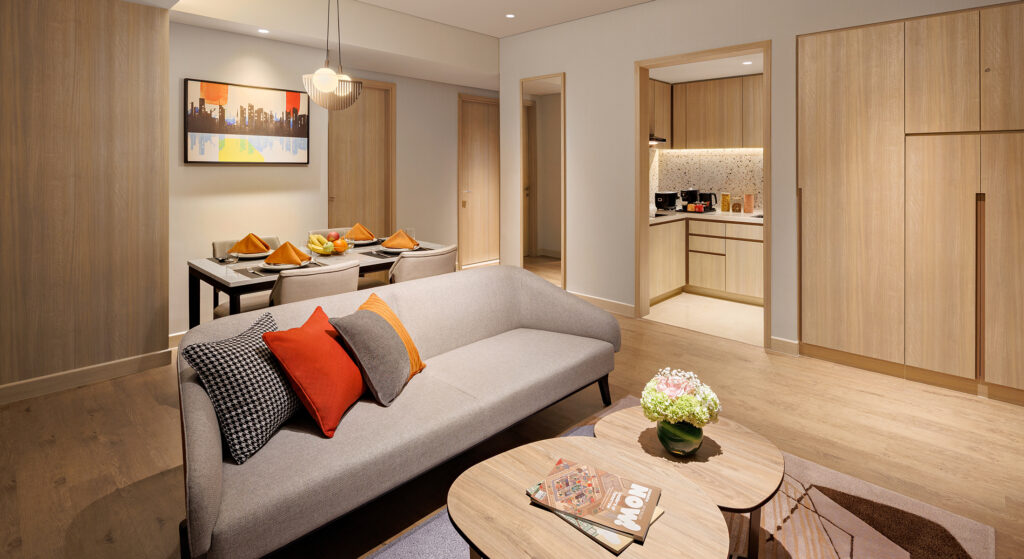
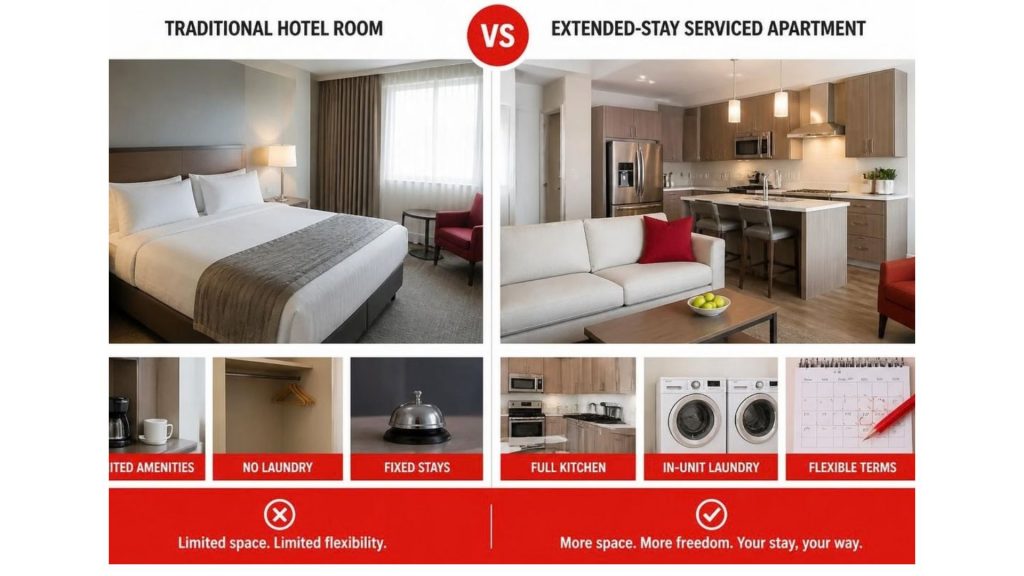
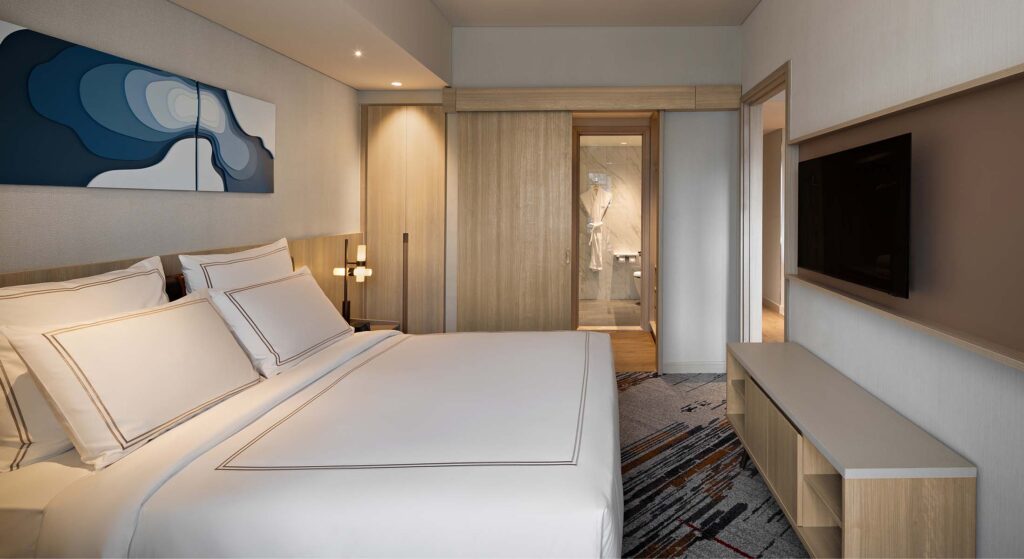
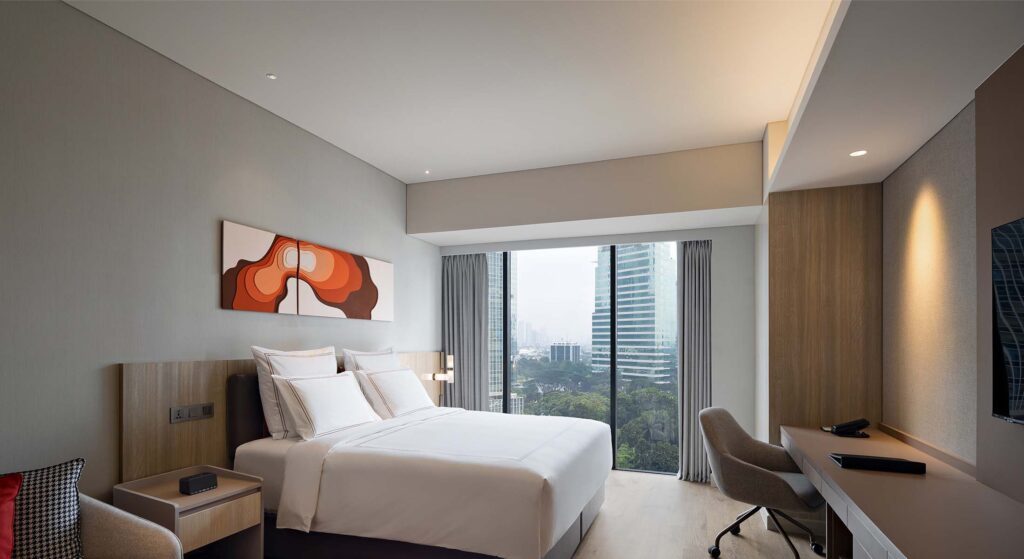
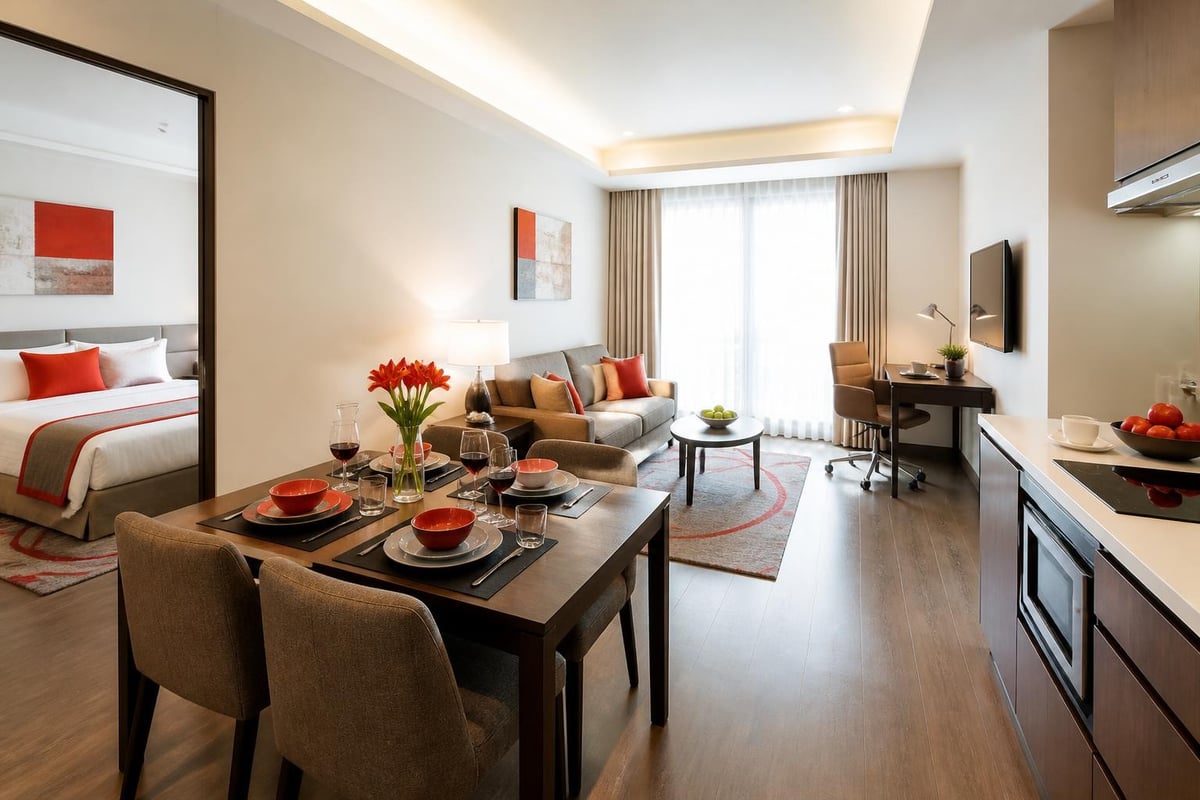
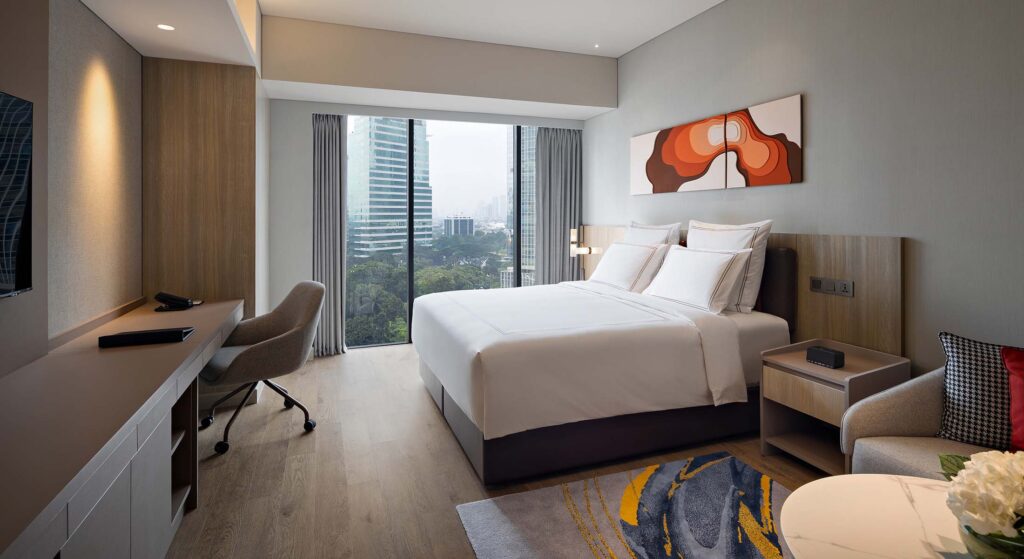
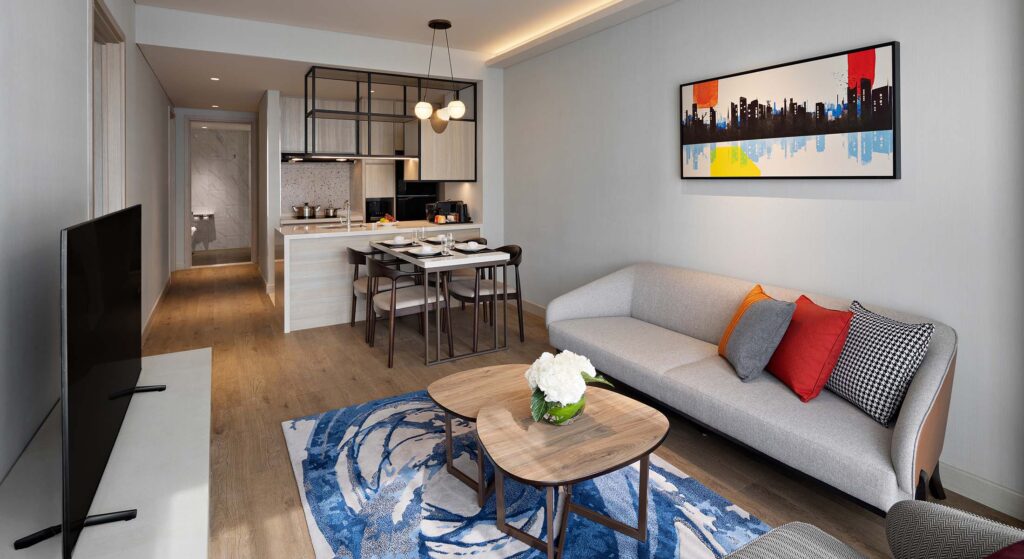
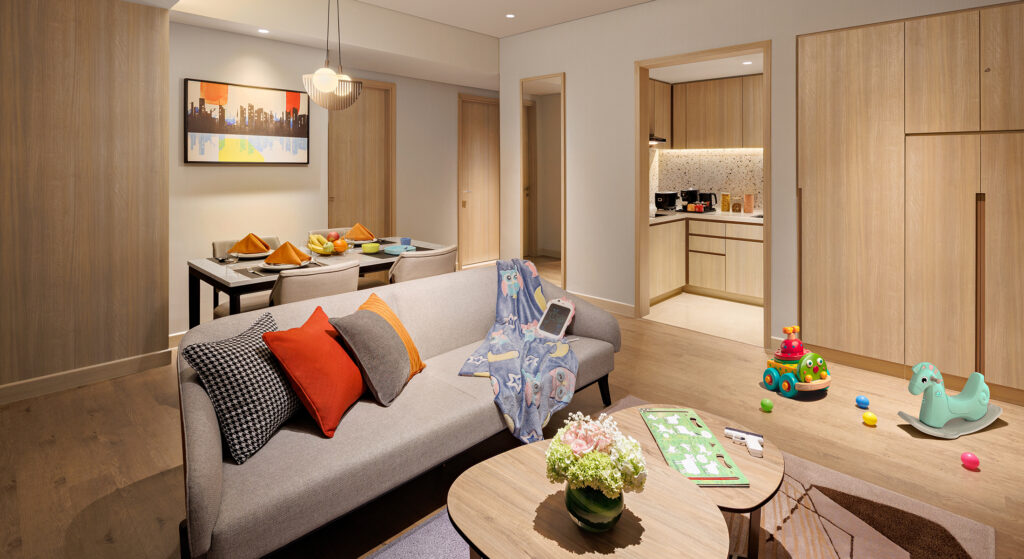
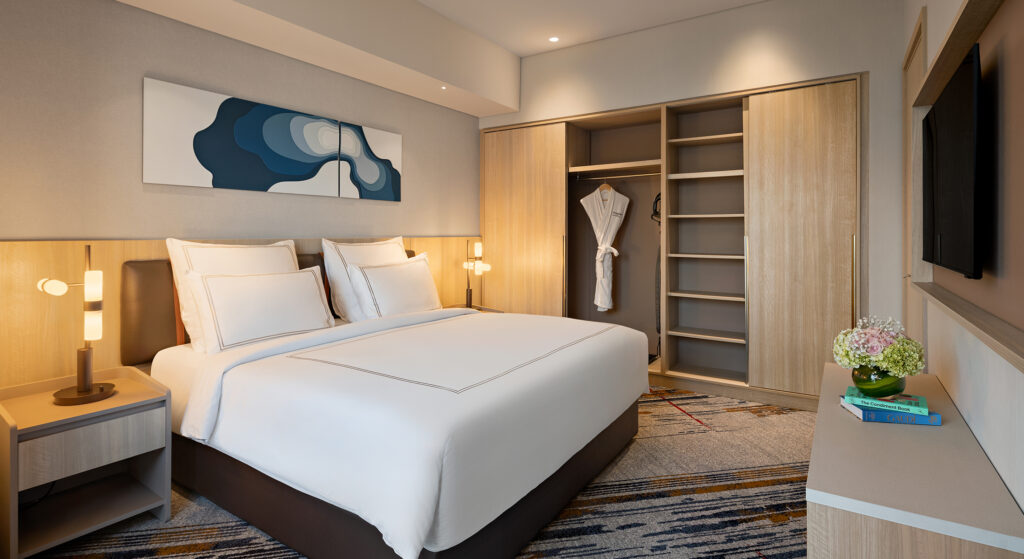
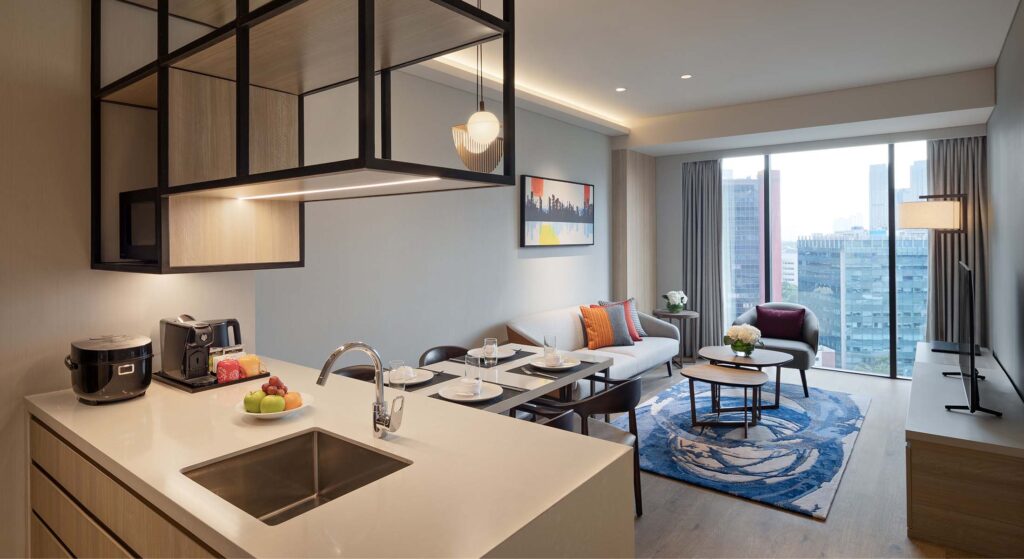
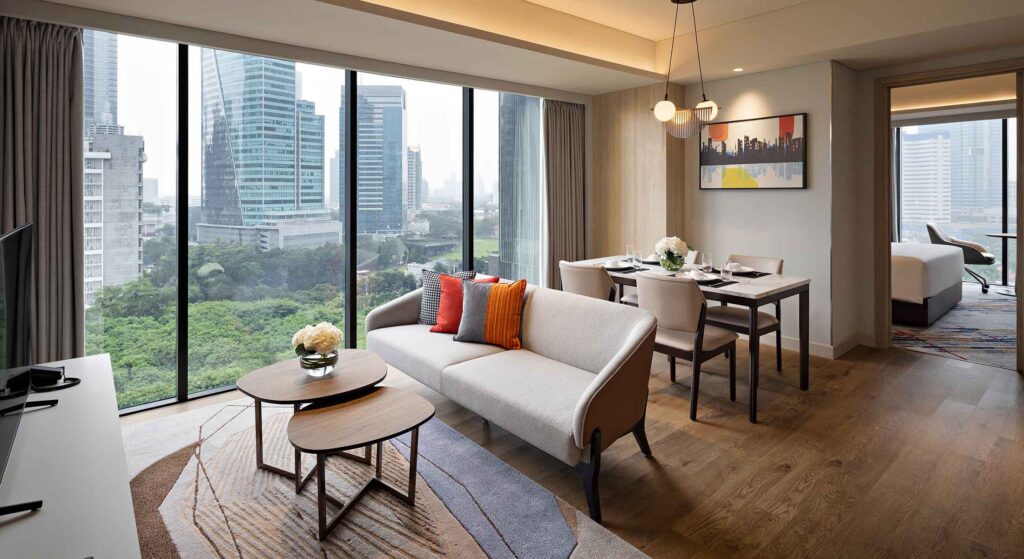
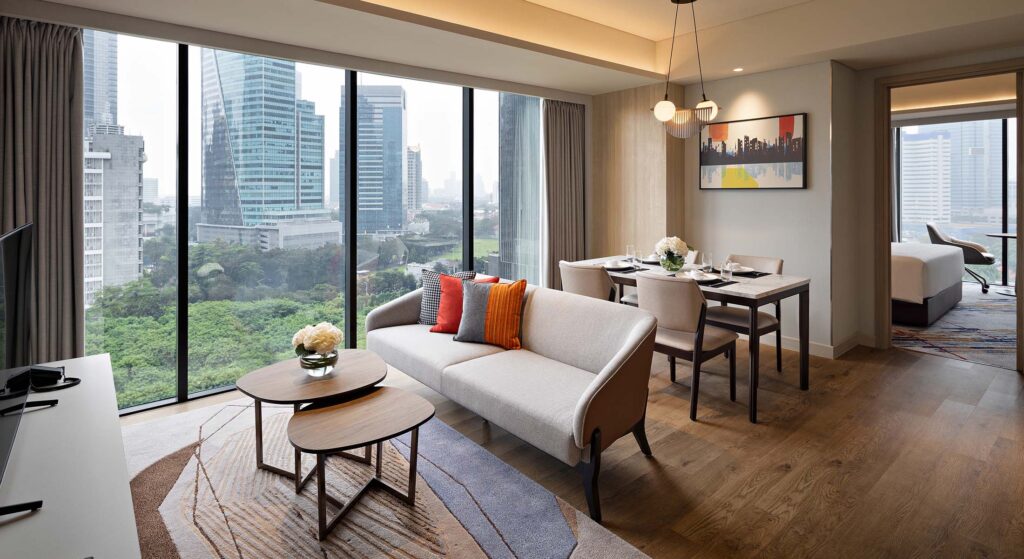
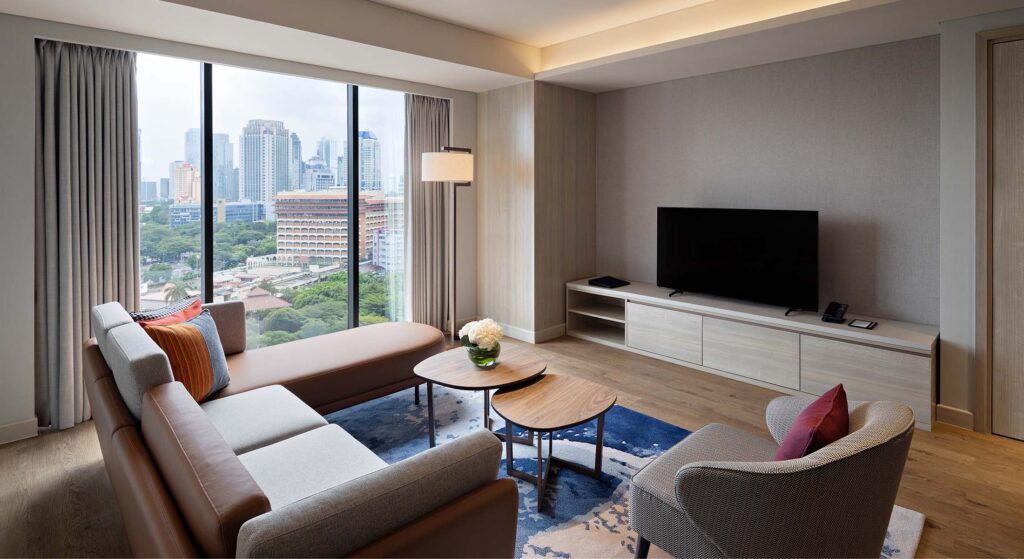
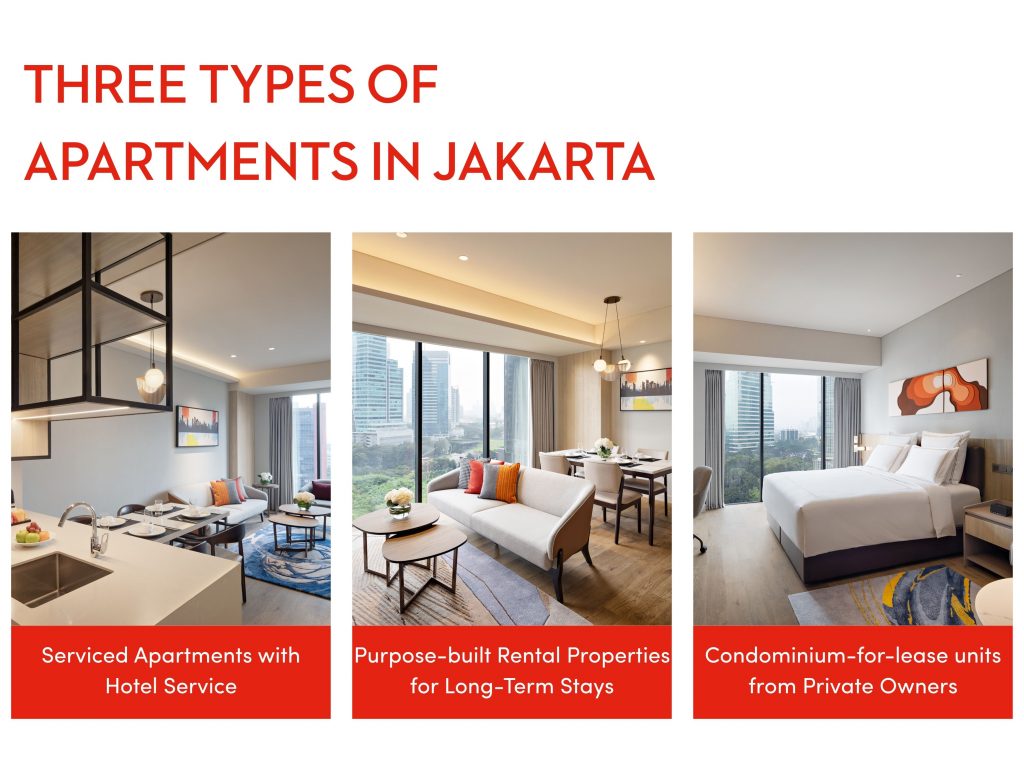
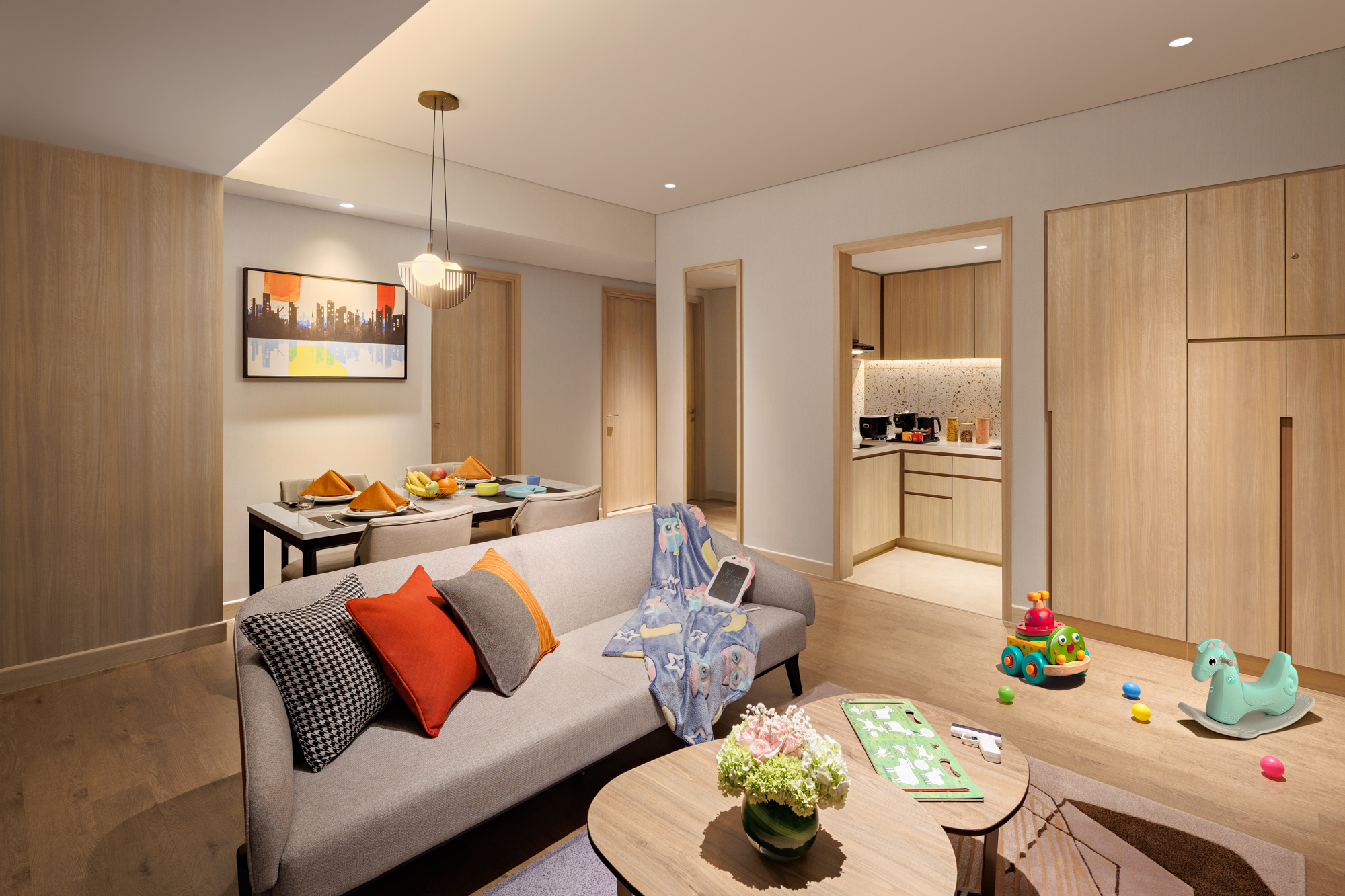
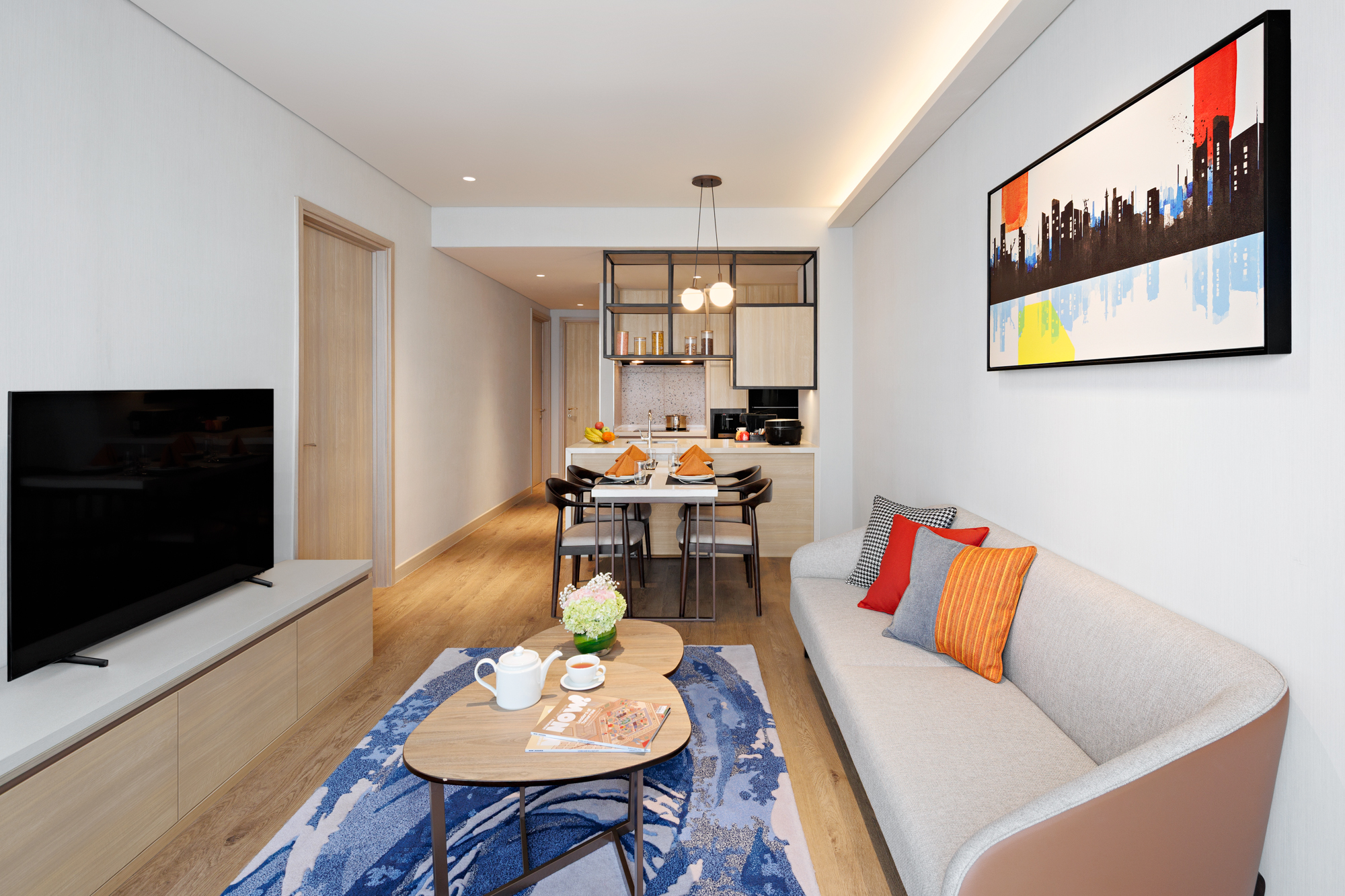
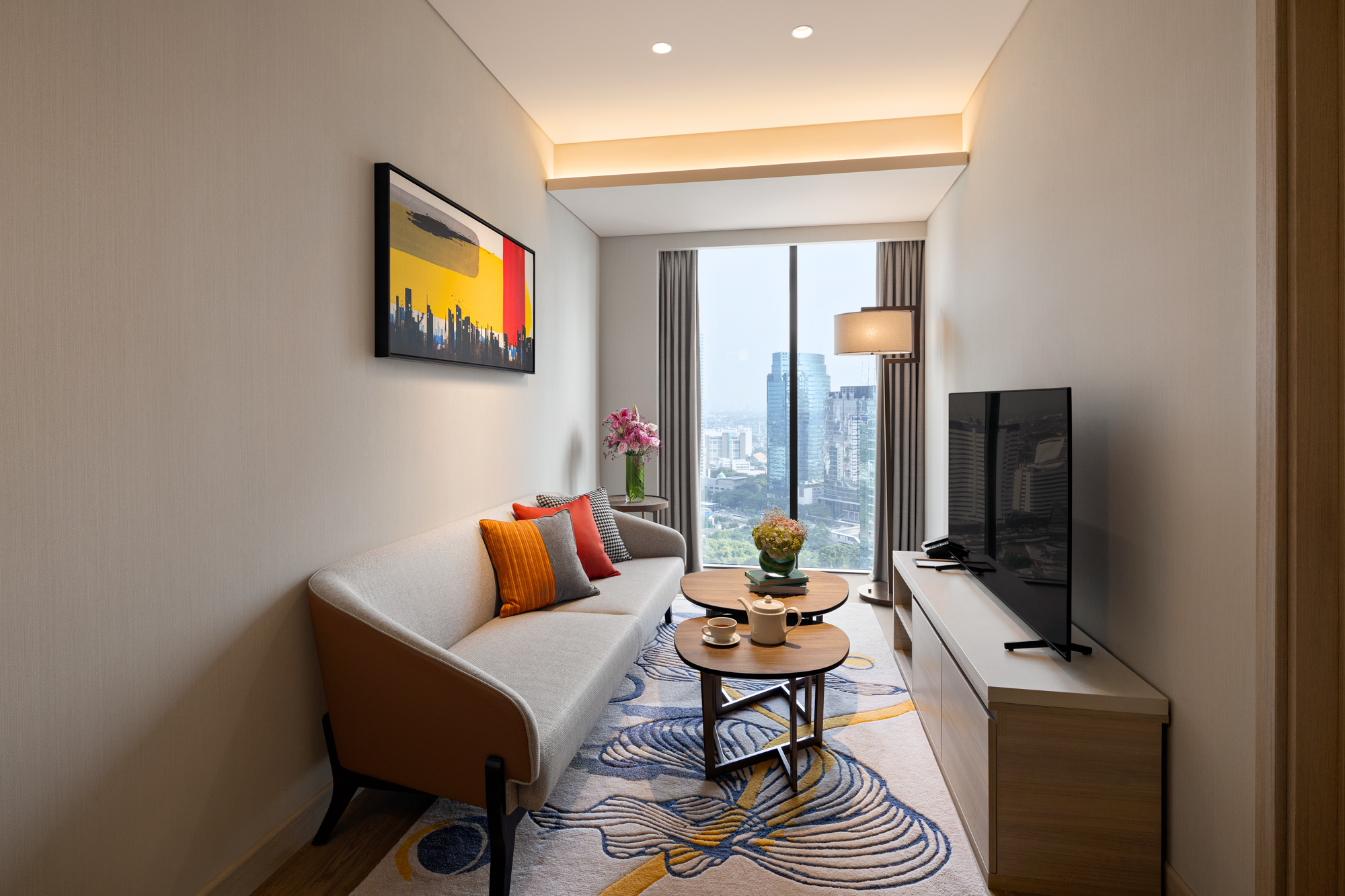
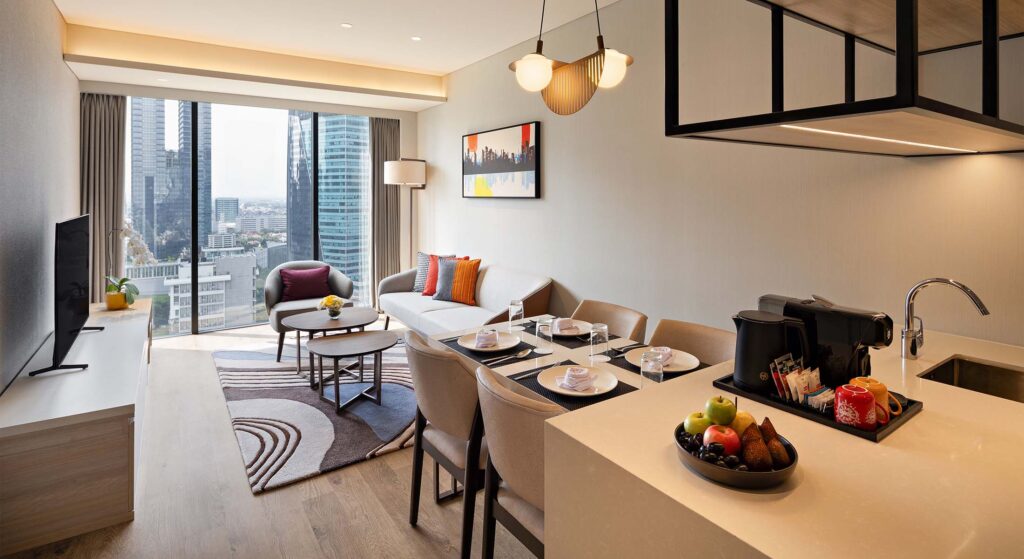
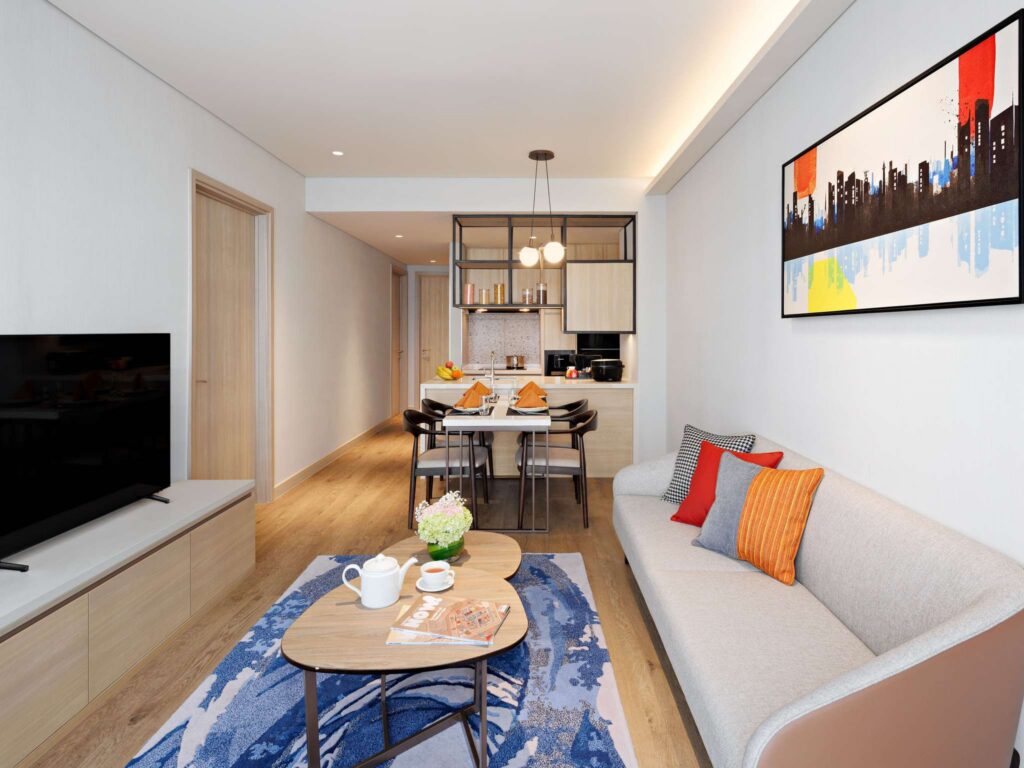
Unlike standard hotel rooms, serviced apartments provide separate living areas, full kitchens, and residential-style layouts that accommodate various lifestyle needs. Properties offering studio, one-bedroom, two-bedroom, and larger configurations enable families, couples, and solo travelers to find appropriate space.
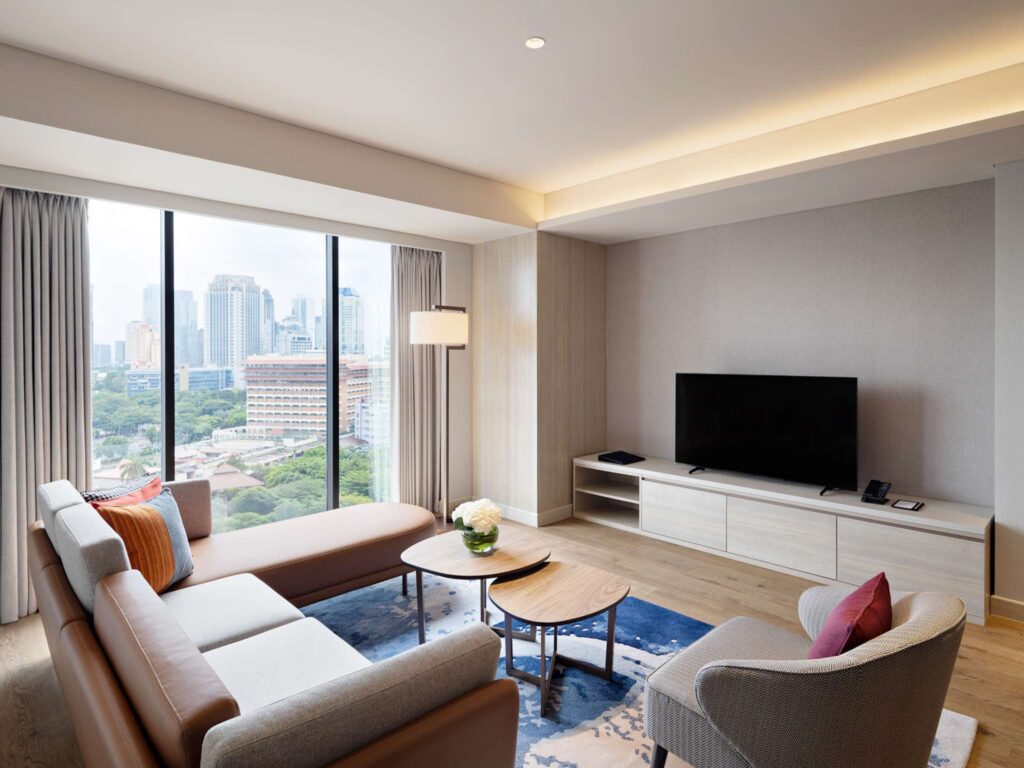
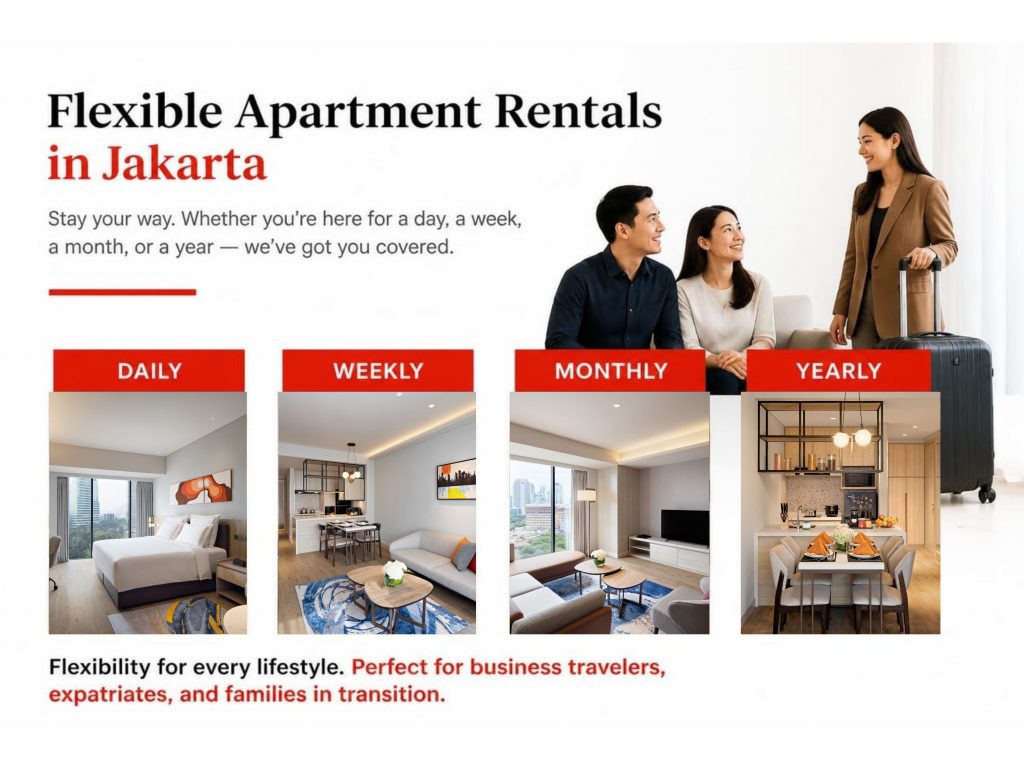
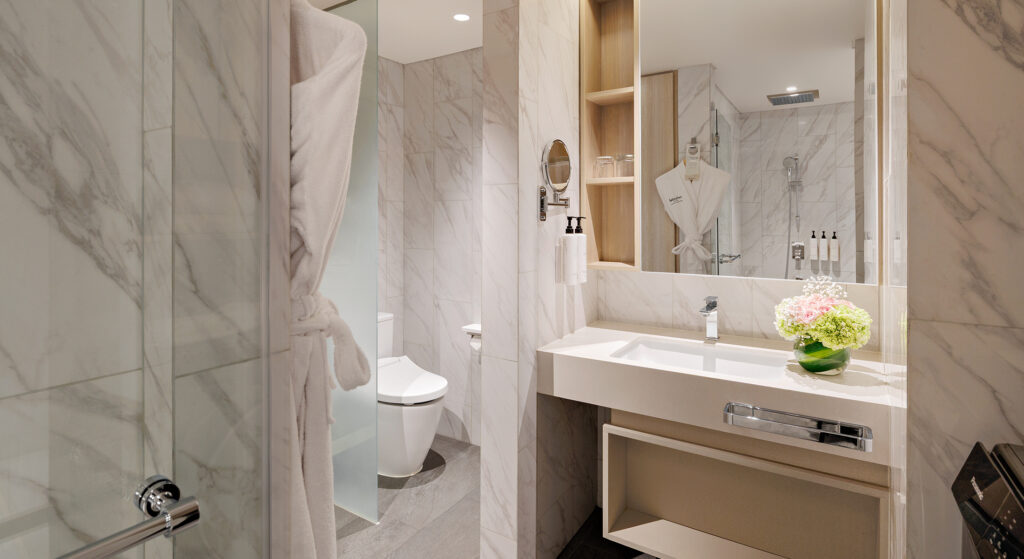
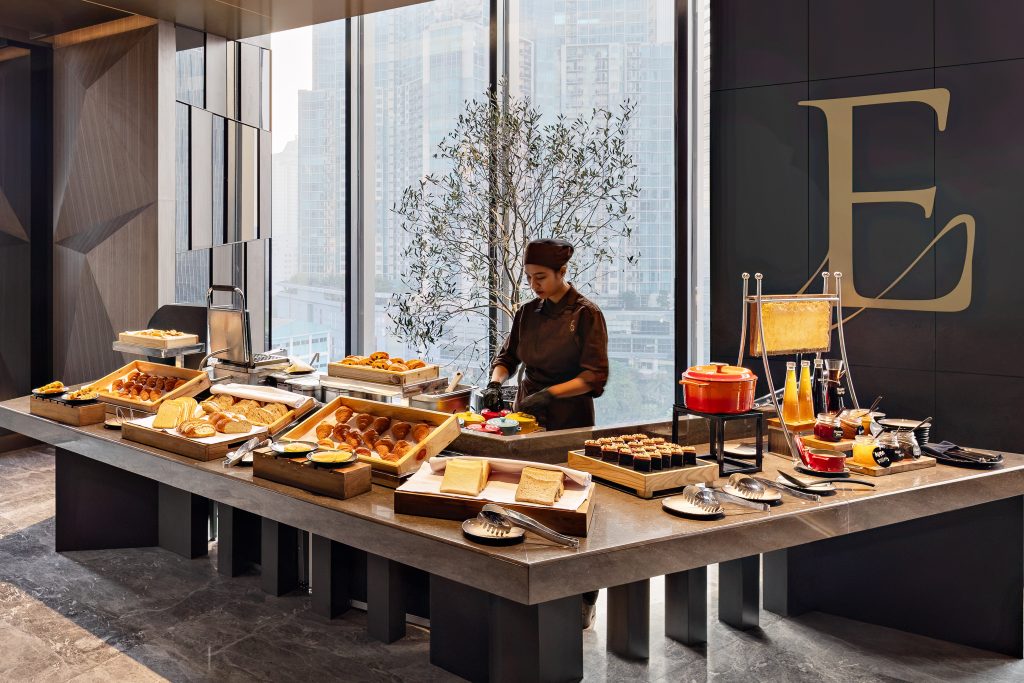
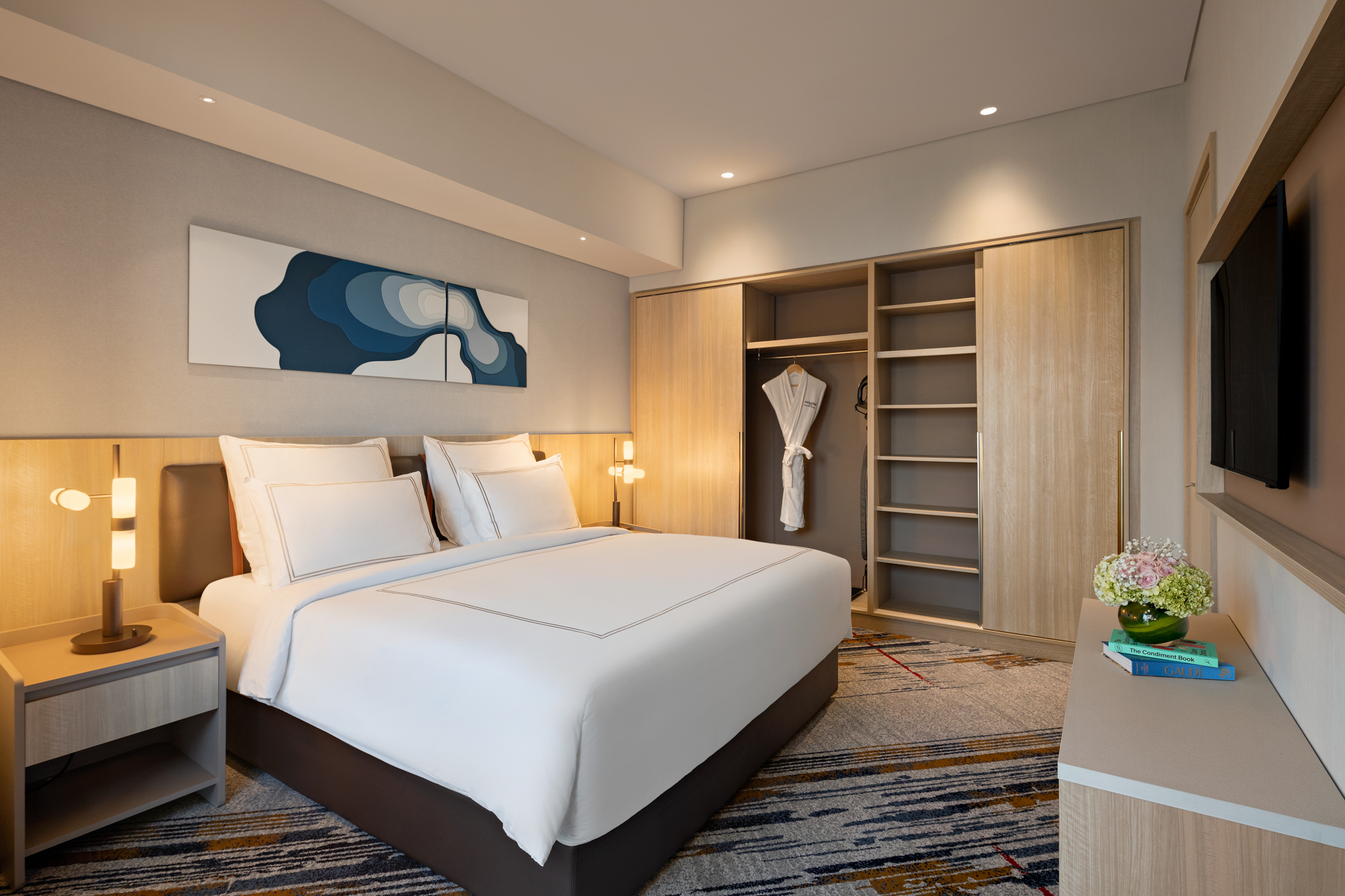
The Serviced Apartment concept delivers fully furnished residences with hotel-grade services, creating an environment that feels like home while maintaining professional standards. Daily, weekly, monthly, and yearly stay options provide unmatched flexibility for different guest requirements.
Properties located in Mega Kuningan, South Jakarta, exemplify strategic positioning, offering residents immediate access to Jakarta’s CBD while maintaining proximity to Kuningan, Menteng, and other key districts. This geographic advantage particularly benefits expatriates, business travelers, and families requiring both professional connectivity and lifestyle amenities.
Comparing Property Types for Extended Living
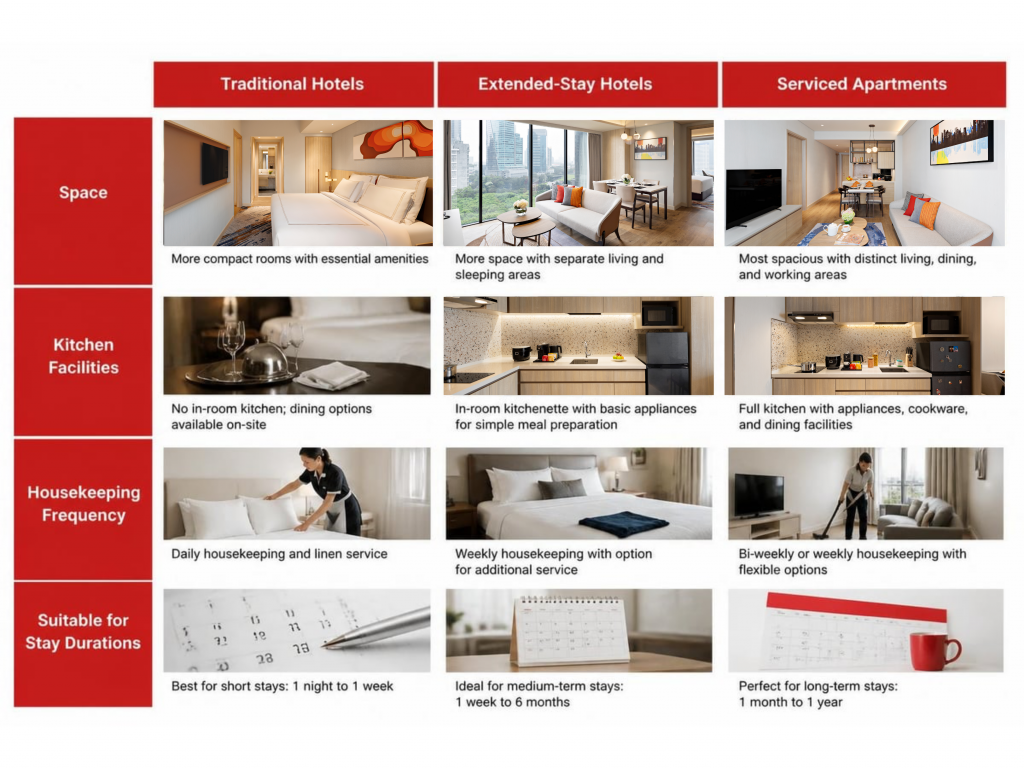
| Property Type | Best For | Typical Features | Flexibility Level |
|---|---|---|---|
| Traditional hotels | Short-term business | Daily service, limited kitchen | Low |
| Extended stay hotels | 1-3 month stays | Kitchenettes, weekly service | Medium |
| Serviced apartments | 1+ month stays | Full kitchens, residential layout | High |
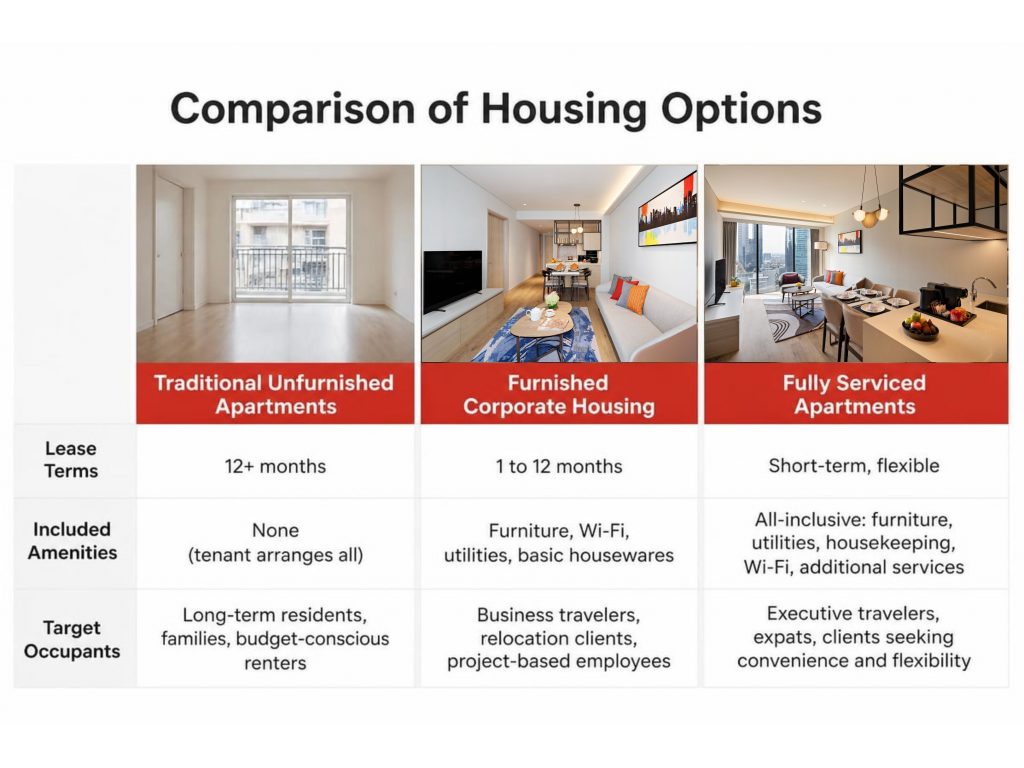
| Corporate housing | 3+ month assignments | Furniture packages, lease terms | Medium |
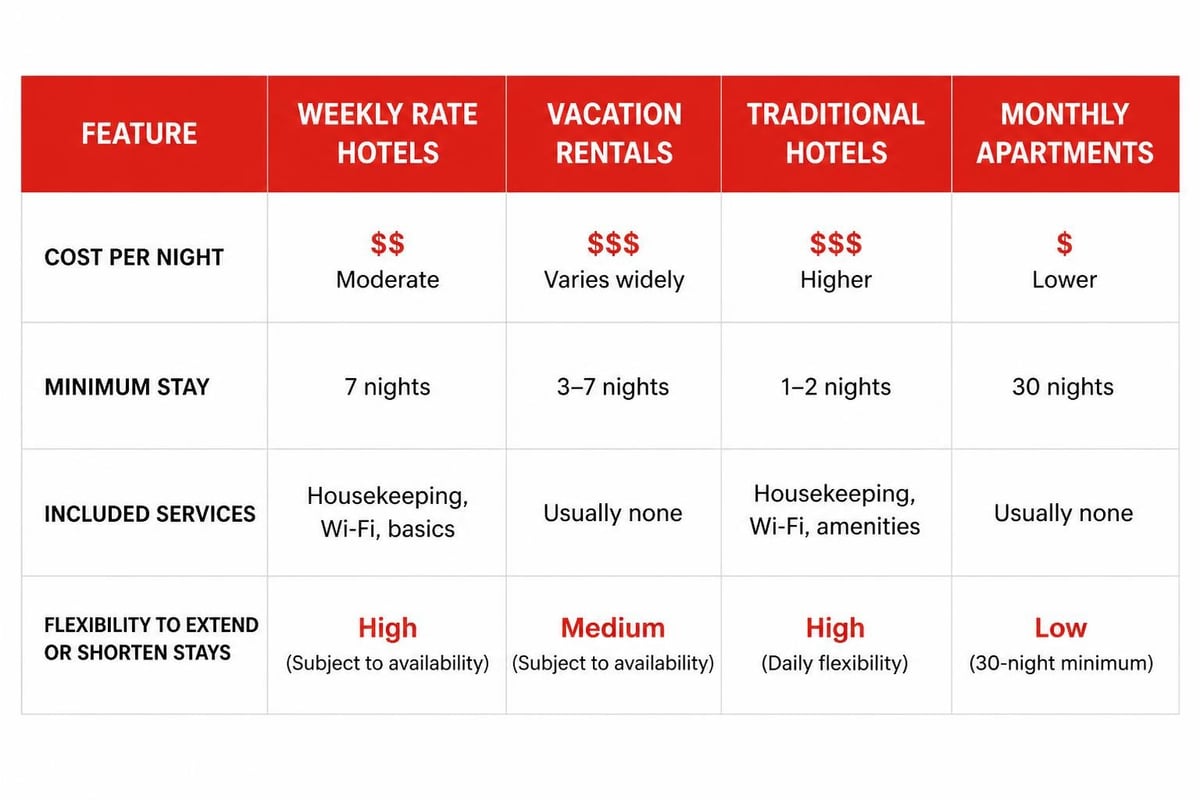
The guide to long-term hotel stays highlights how different property types serve varying needs, with serviced apartments generally providing the most balanced solution for extended residential requirements.
Maximizing Value During Extended Stays
Securing the best rates and conditions for long term hotel living requires strategic planning and negotiation. Properties typically offer substantial discounts for extended commitments, but guests must actively pursue these opportunities.
Negotiation Strategies and Booking Tips
Direct property contact often yields better rates than third-party booking platforms for extended stays. Property managers have flexibility to customize packages, include additional services, or adjust rates based on occupancy forecasts and commitment length.
Effective negotiation approaches:
- Contact properties directly rather than using booking sites
- Request monthly or quarterly rates upfront
- Ask about corporate or extended stay programs
- Inquire about complimentary services or upgrades
- Commit to longer stays for better rate reductions
- Book during off-peak seasons when possible
The pricing guide for extended stays demonstrates how rates can vary significantly based on season, location, and negotiation approach. Properties in business districts often offer more competitive rates during holiday periods when corporate travel decreases.
Understanding Rate Structures and Inclusions
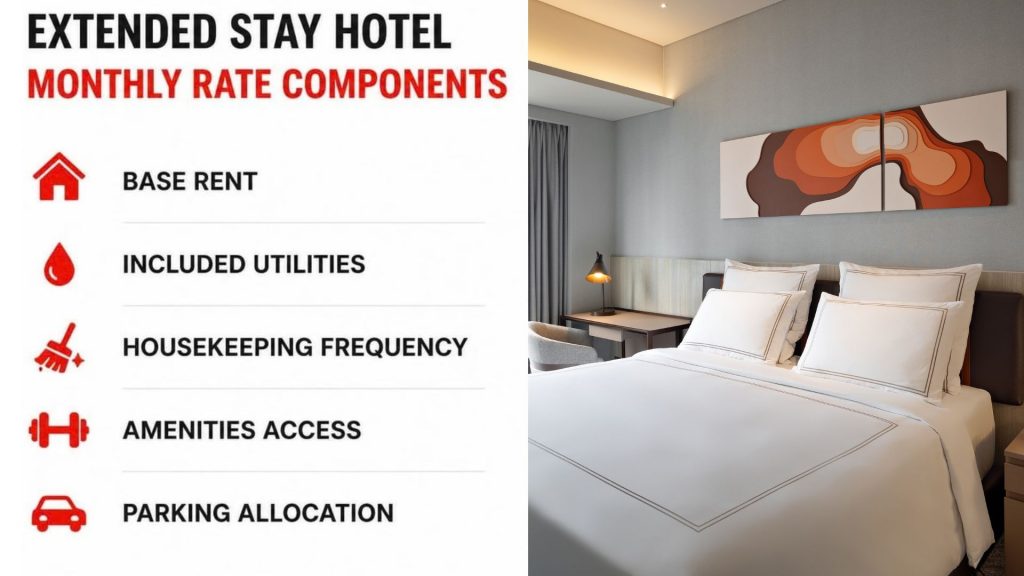
Transparency regarding what’s included in quoted rates prevents unexpected expenses. Some properties bundle all services, while others charge separately for housekeeping, parking, or amenity access.
Clarifying cancellation policies, minimum stay requirements, and extension procedures before booking protects against future complications. For those seeking weekly hotel deals, understanding rate structures ensures maximum value extraction.
Legal and Tax Implications to Consider
Long term hotel living creates unique legal and financial situations that differ from both traditional housing and short-term hotel stays. Understanding these implications helps avoid complications and ensures compliance with local regulations.
Residency Status and Tenant Rights
Extended hotel stays occupy a gray area in many jurisdictions regarding tenant rights. While some locations grant tenant protections after 30 consecutive days, others maintain hotel-guest classifications regardless of duration.
The legality concerns surrounding permanent hotel living vary by jurisdiction, with some areas restricting extended stays in hotels zoned for short-term accommodation. Verifying local regulations before committing prevents legal complications.
Tax Considerations for Extended Stays
Hotel taxes, occupancy taxes, and tourism levies can substantially increase the effective cost of long term hotel living. Some jurisdictions waive or reduce these taxes for stays exceeding specific durations, while others maintain full taxation regardless of length.
For expatriates and business travelers, understanding tax deductibility of accommodation expenses becomes crucial. Corporate housing allowances, relocation benefits, and business expense classifications all impact the after-tax cost of extended hotel arrangements.
Special Considerations for Different Traveler Types
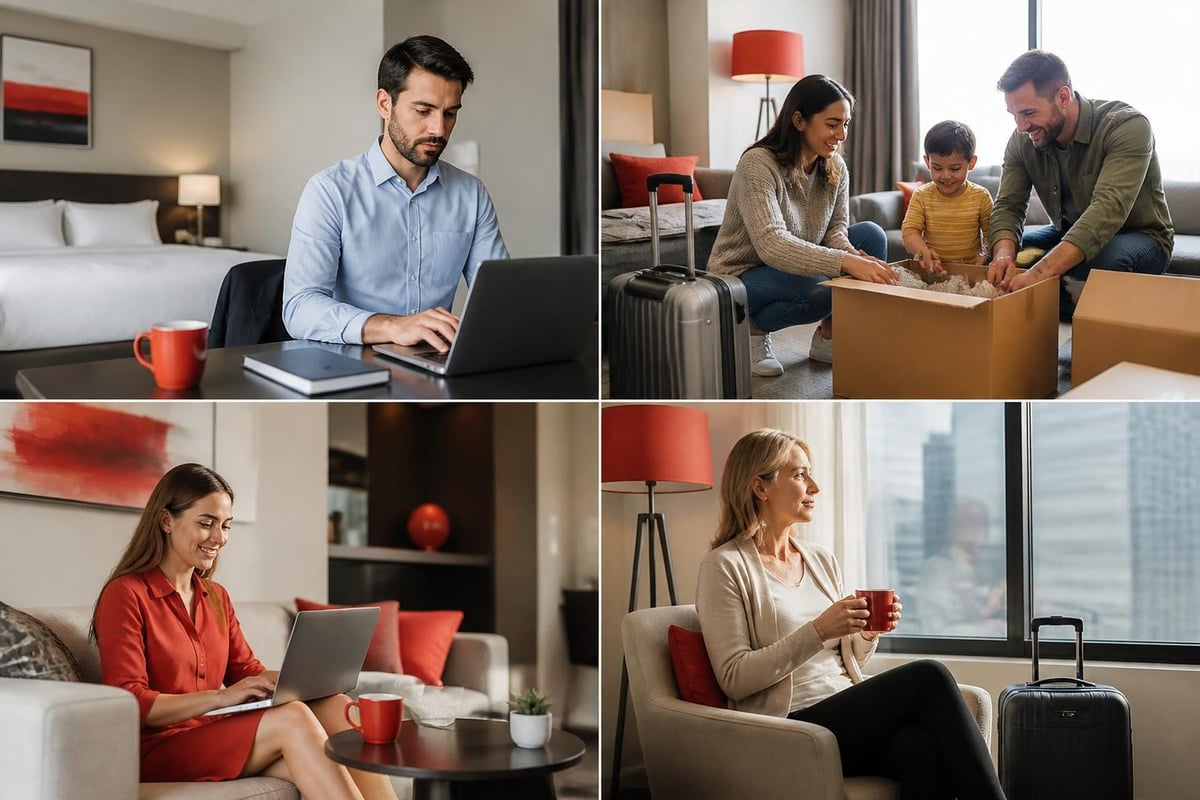
Long term hotel living serves diverse populations with varying needs and priorities. Tailoring accommodation selection to specific circumstances ensures optimal satisfaction and functionality.
Business Travelers and Corporate Assignments
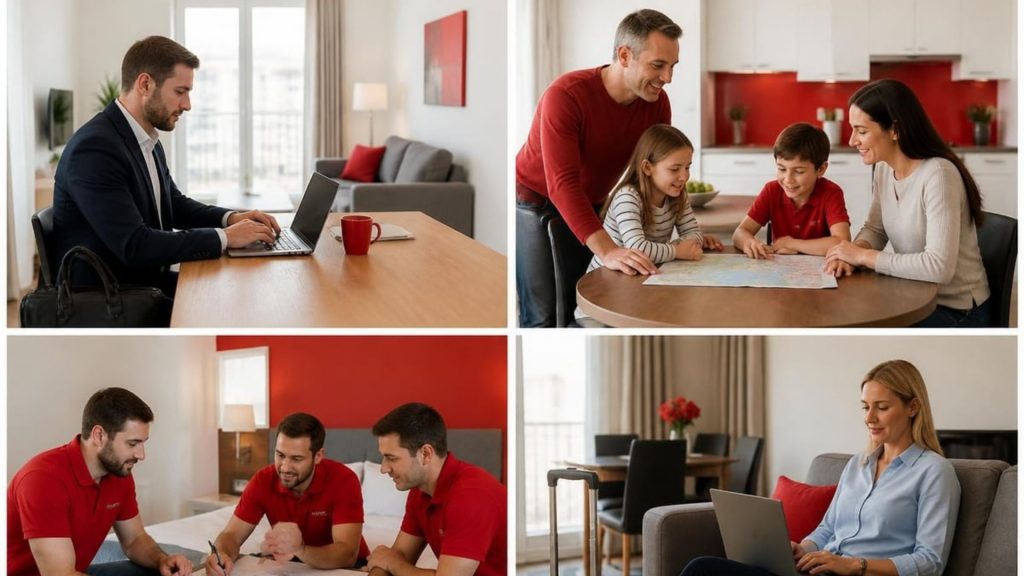
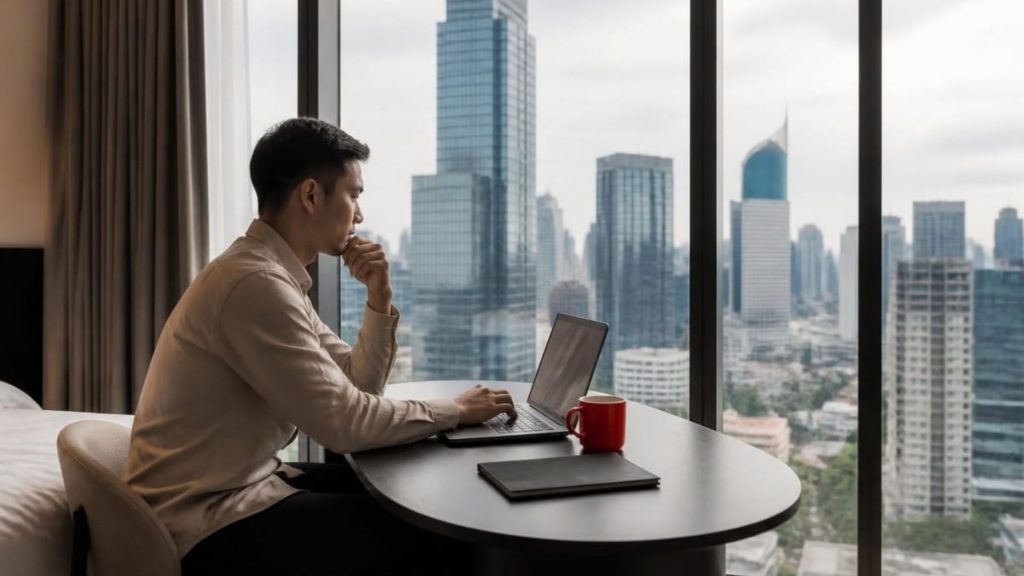
Professionals on extended business assignments prioritize proximity to work locations, reliable internet connectivity, and workspace functionality. Meeting room access, business center services, and professional environments support productivity requirements.
Properties near major business districts provide strategic advantages, reducing commute times and facilitating client meetings. The comparison between extended stay options in areas like Kuningan demonstrates how location impacts professional effectiveness.
Families and Long-Term Travelers
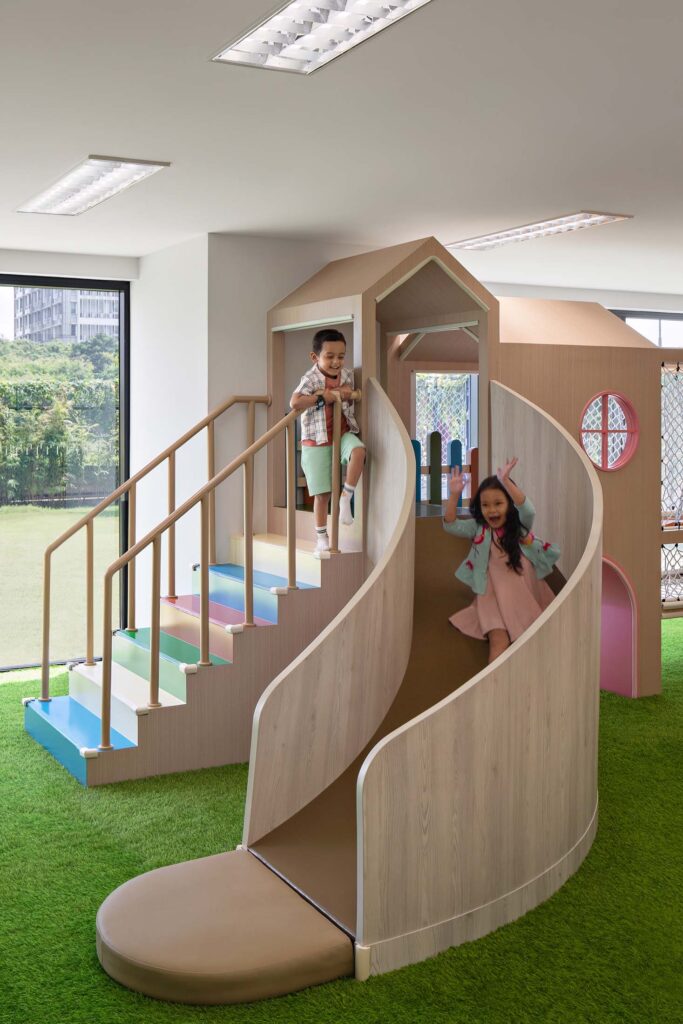
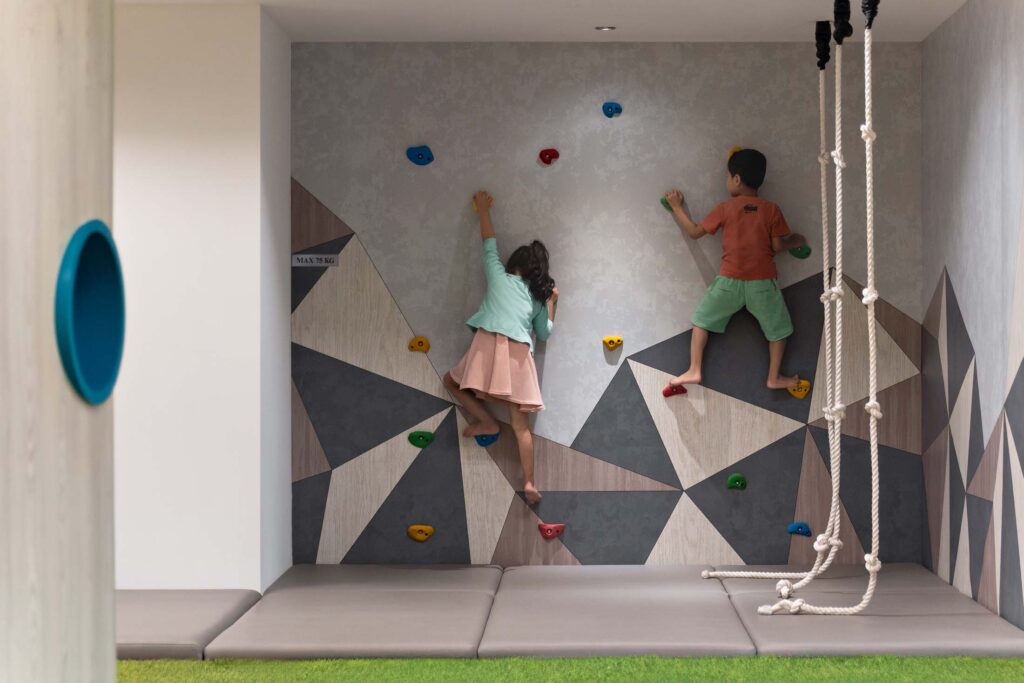
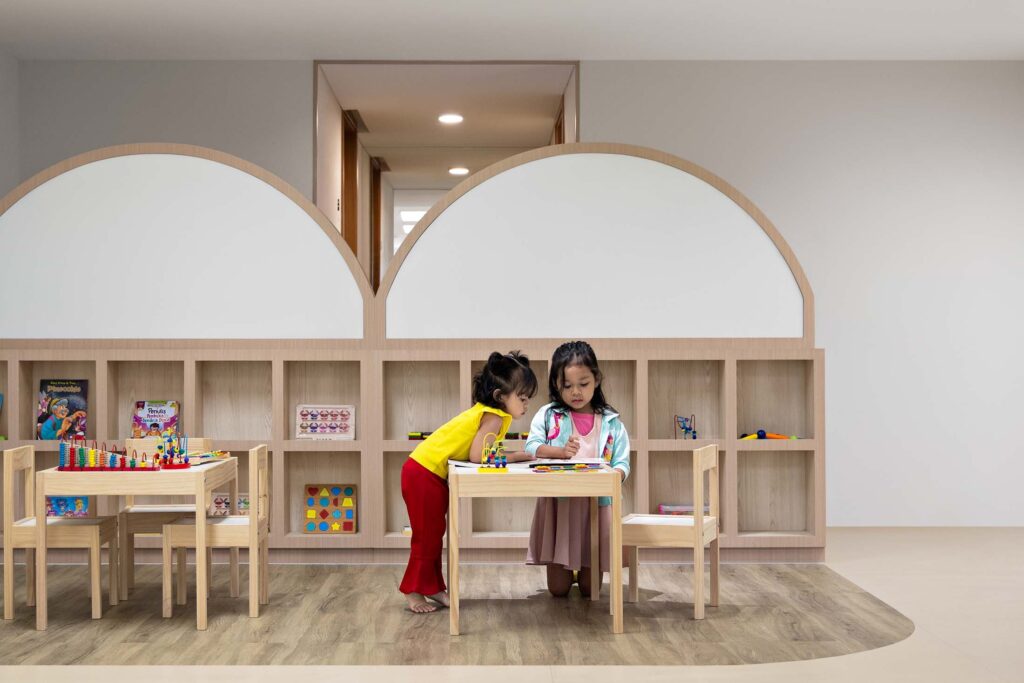
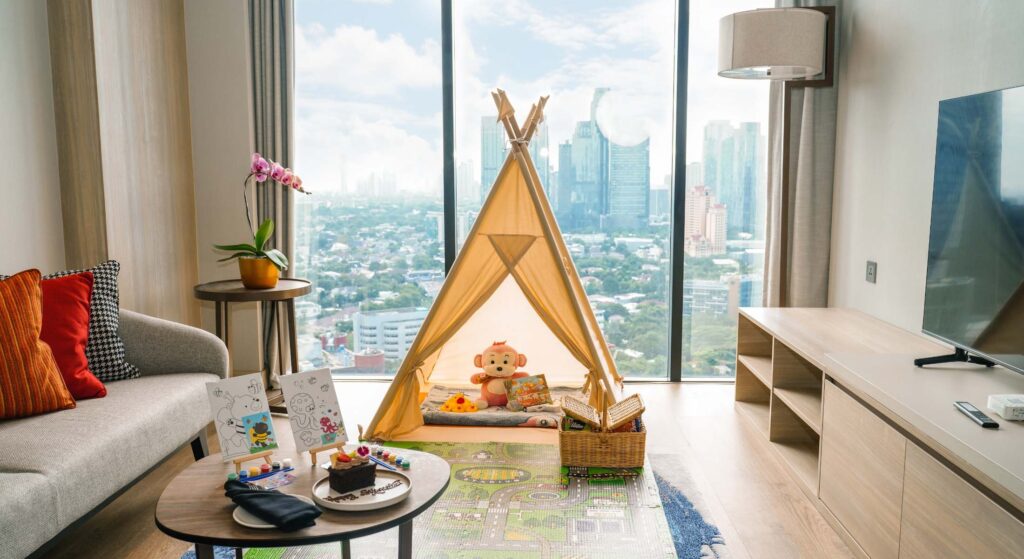
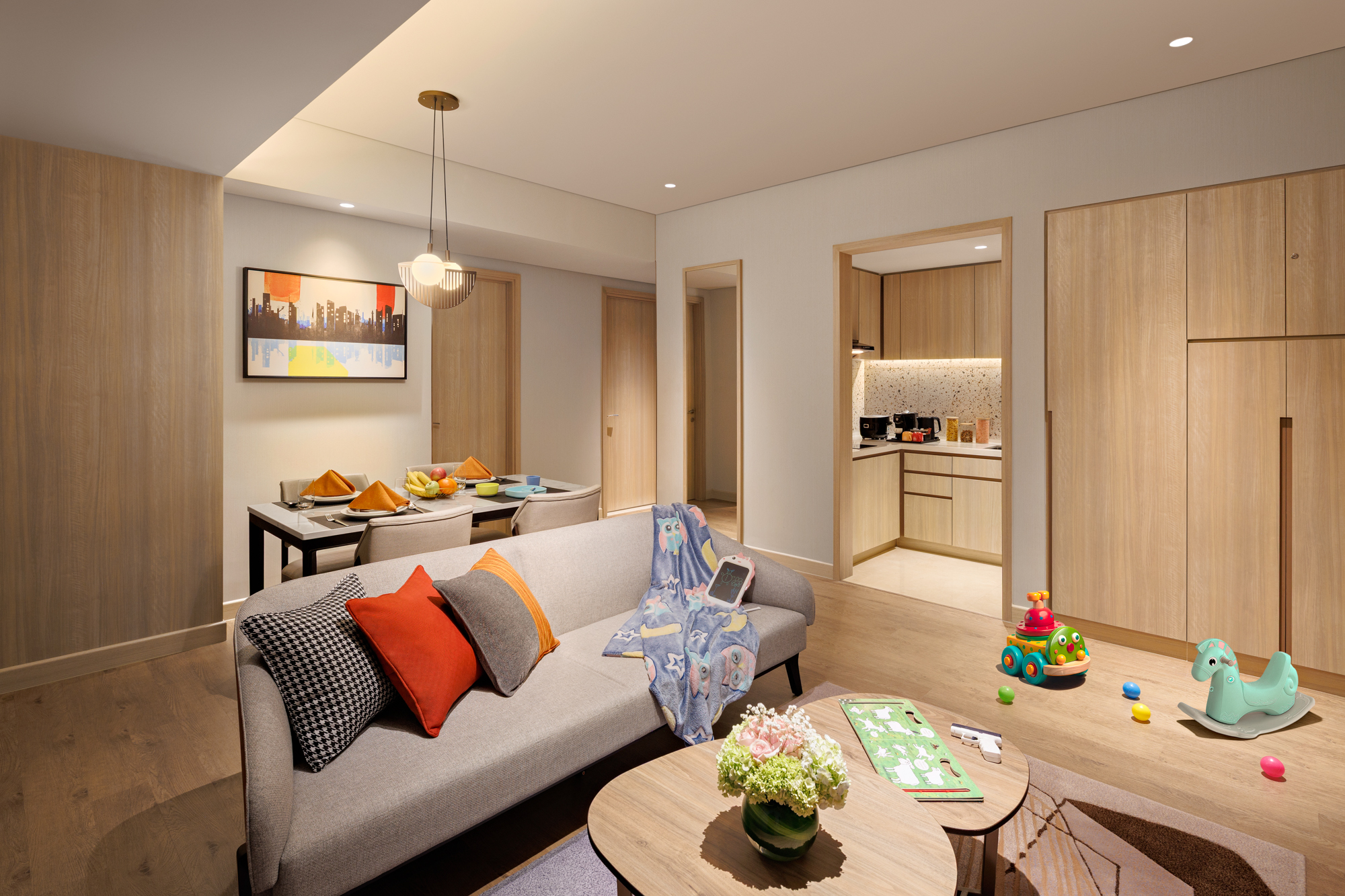
Families require different amenities than solo business travelers, with multiple bedrooms, kitchen facilities, and recreational spaces becoming essential. Properties offering two-bedroom and three-bedroom configurations accommodate family dynamics while maintaining hotel service standards.
For those planning a family staycation or extended family stay, access to shopping malls, restaurants, and leisure facilities enhances quality of life beyond the apartment itself.
Expatriates and Relocating Professionals
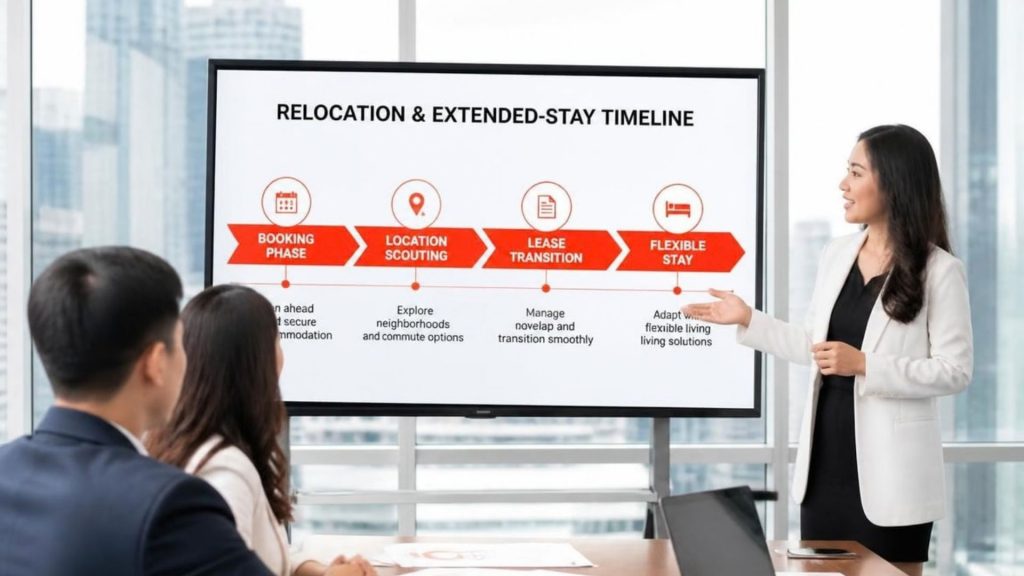
Expatriates navigating international relocations often use long term hotel living as a transitional solution while establishing permanent housing. This approach provides time to understand neighborhoods, school districts, and local housing markets without immediate commitment pressure.
Serviced apartments designed for expatriate accommodation offer the stability needed for settling into new cities while maintaining flexibility to adjust as circumstances evolve. Properties providing multiple apartment types enable seamless transitions as family needs change.
Technology Integration and Smart Living
Modern serviced apartments increasingly incorporate smart home technology, mobile check-in systems, and app-based service requests. These innovations enhance convenience while reducing operational costs, benefits often passed to guests through competitive pricing.
The analysis of emerging trends reveals how technology reshapes extended stay experiences, from automated temperature control to digital concierge services that operate 24/7 without human intervention.
Hybrid Work and Flexible Living
Remote work normalization has fundamentally altered accommodation needs, with professionals seeking properties that function as both home and office. Dedicated workspace, high-speed internet, and professional environments have become non-negotiable requirements rather than luxury amenities.
Properties adapting to hybrid work demands by providing coworking spaces, meeting rooms, and enhanced connectivity infrastructure position themselves advantageously in the competitive extended stay market.
Sustainability and Wellness Focus
Environmental consciousness and health awareness increasingly influence accommodation decisions. Properties implementing energy efficiency measures, waste reduction programs, and wellness amenities attract environmentally and health-conscious extended stay guests.
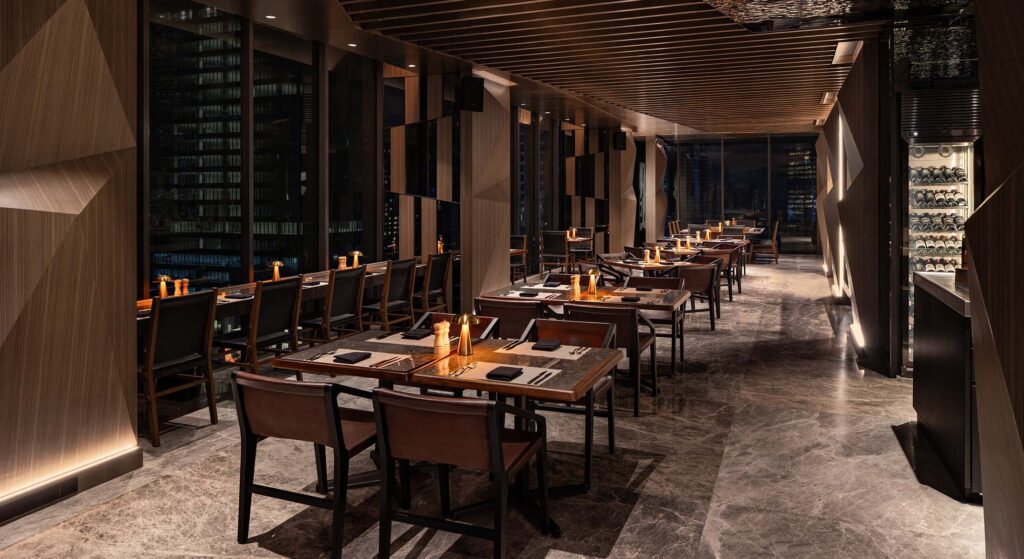
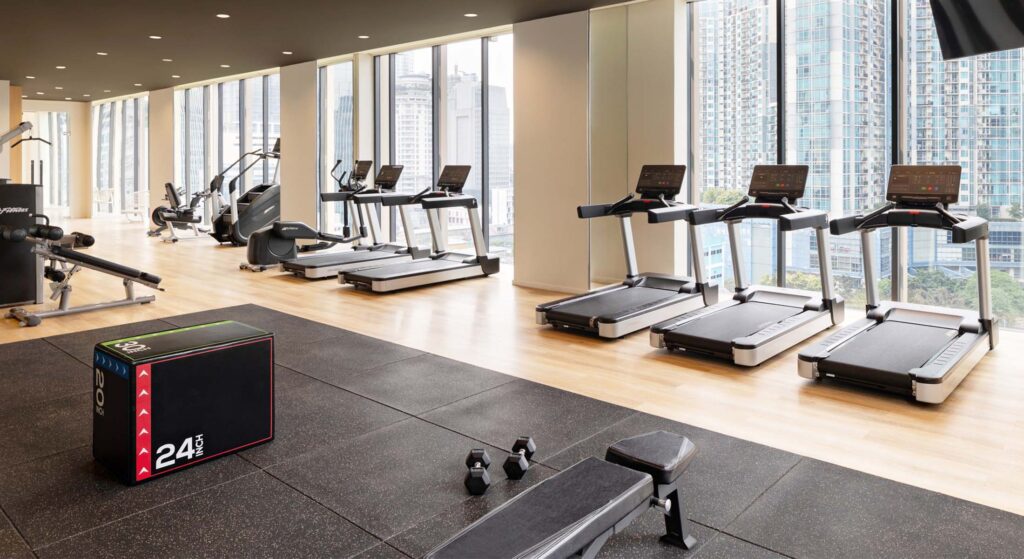
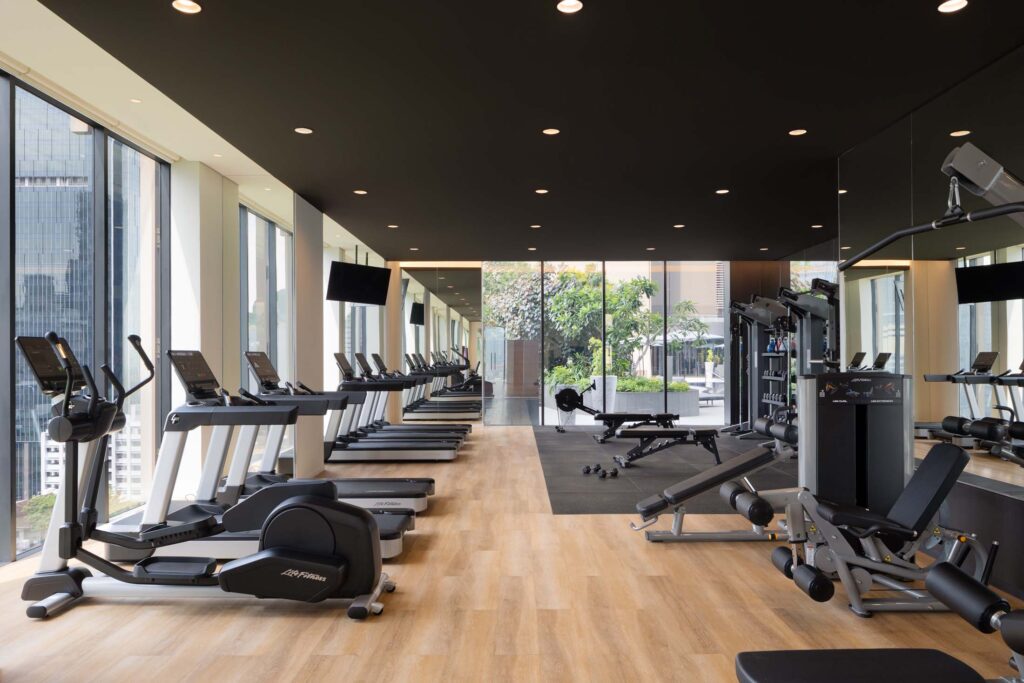
Fitness centers, wellness facilities, and access to outdoor spaces have transitioned from optional amenities to expected standards. Properties located near restaurants serving healthy cuisine or offering proximity to parks and recreational areas gain competitive advantages.
Establishing Routines and Community Connections
Creating structure and routine helps extended stay guests feel settled rather than transient. Identifying nearby grocery stores, favorite restaurants, fitness routines, and regular activities establishes normalcy in unfamiliar environments.
While hotel environments differ from traditional neighborhoods, opportunities for connection exist through property events, fitness classes, or regular interactions with staff. Some properties actively facilitate guest networking through organized activities or shared spaces.
For those exploring monthly stay options, understanding local neighborhoods, cultural norms, and community resources enhances the extended living experience beyond the property itself.
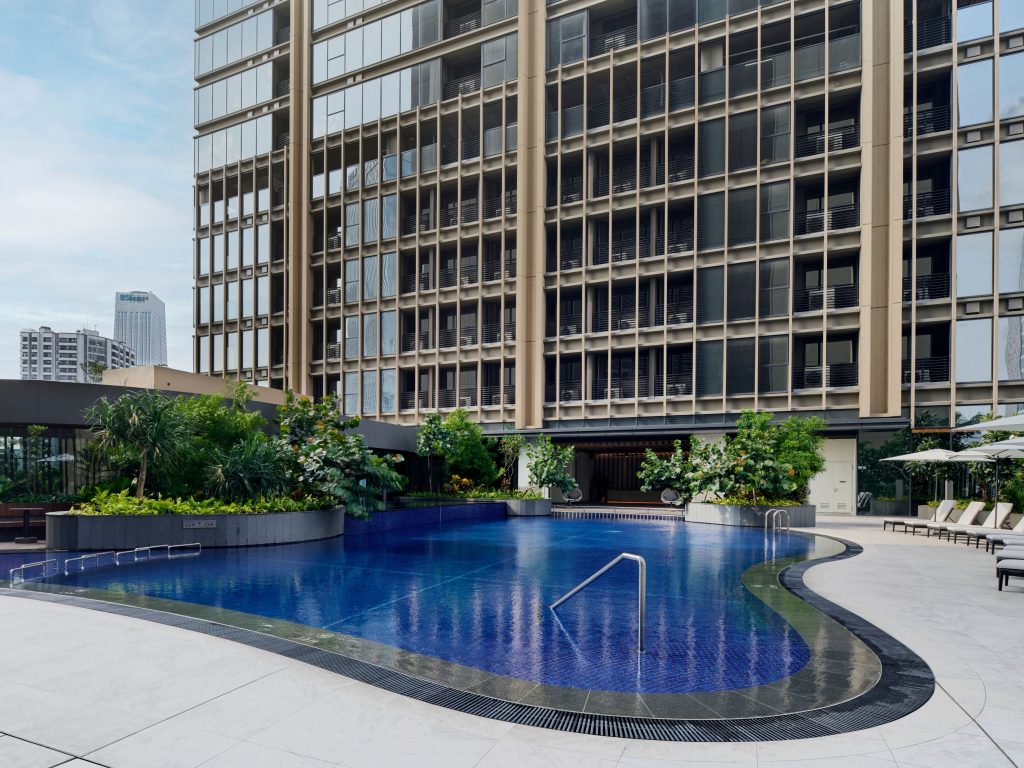
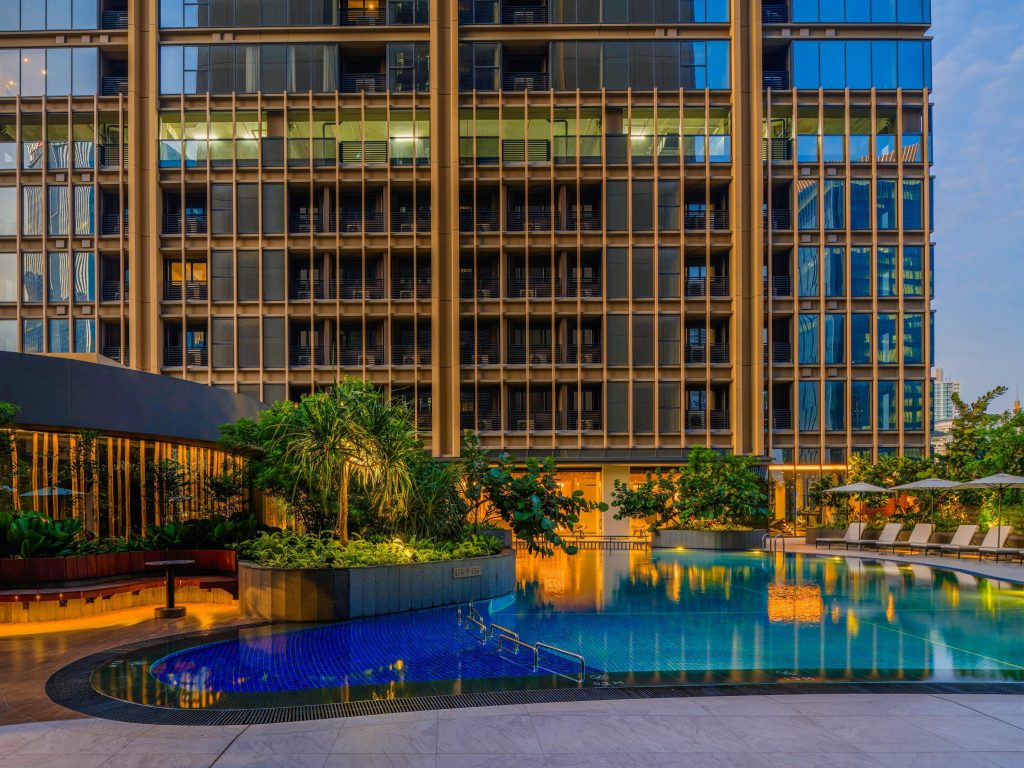
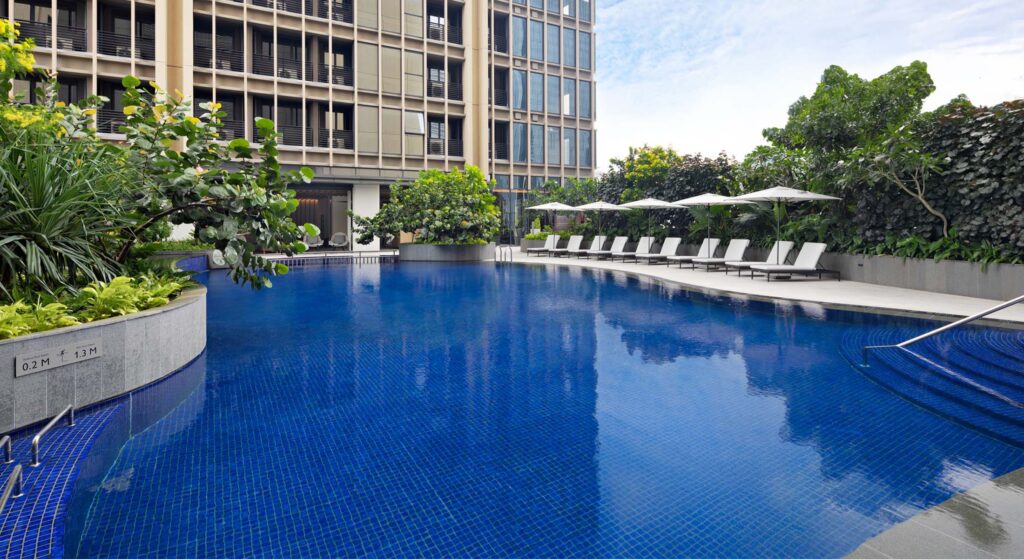
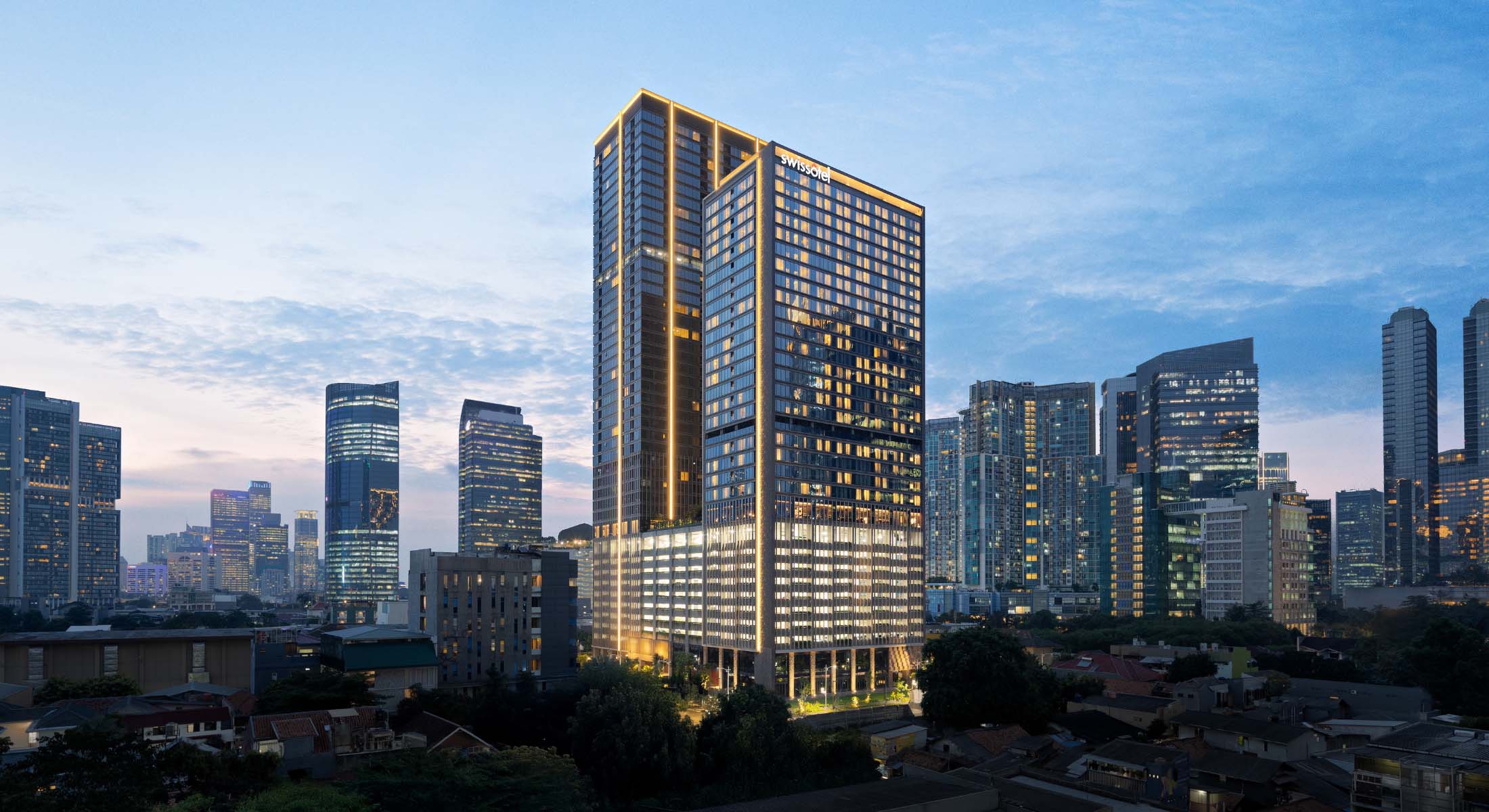
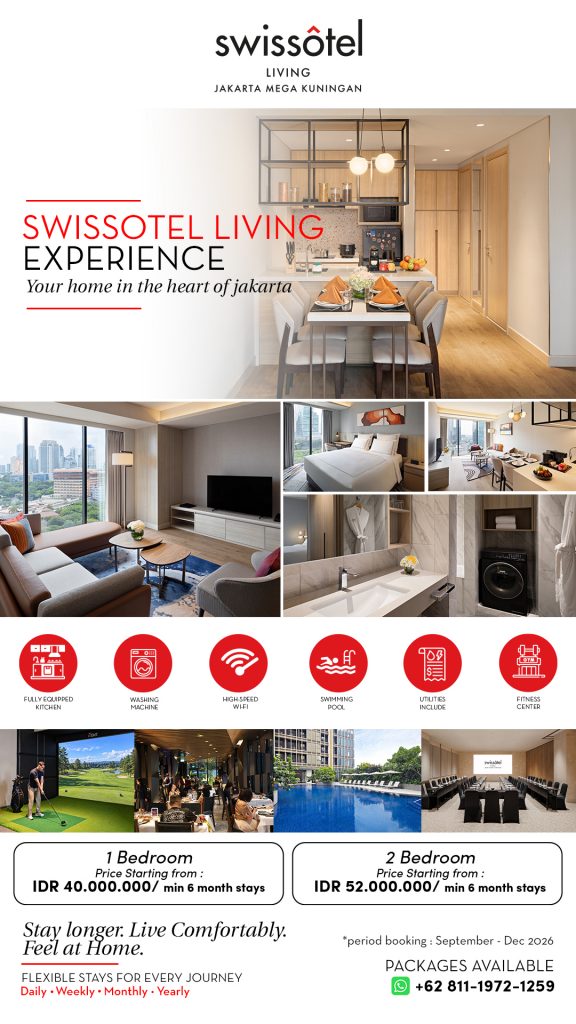
Long term hotel living represents a sophisticated accommodation solution that balances flexibility, comfort, and comprehensive services for diverse traveler needs. Whether you’re a business professional on extended assignment, an expatriate navigating international relocation, or a family seeking temporary housing, serviced apartments provide the infrastructure and support necessary for successful extended stays. Swissôtel Living Jakarta Mega Kuningan offers Asia’s first Swissôtel Living experience with 240 fully furnished serviced apartments in South Jakarta’s prime business district, providing studio through three-bedroom residences with flexible daily, weekly, monthly, and yearly stay options designed specifically for long-term comfort and convenience.