
Hotels You Can Live in: Long-Stay Options Guide
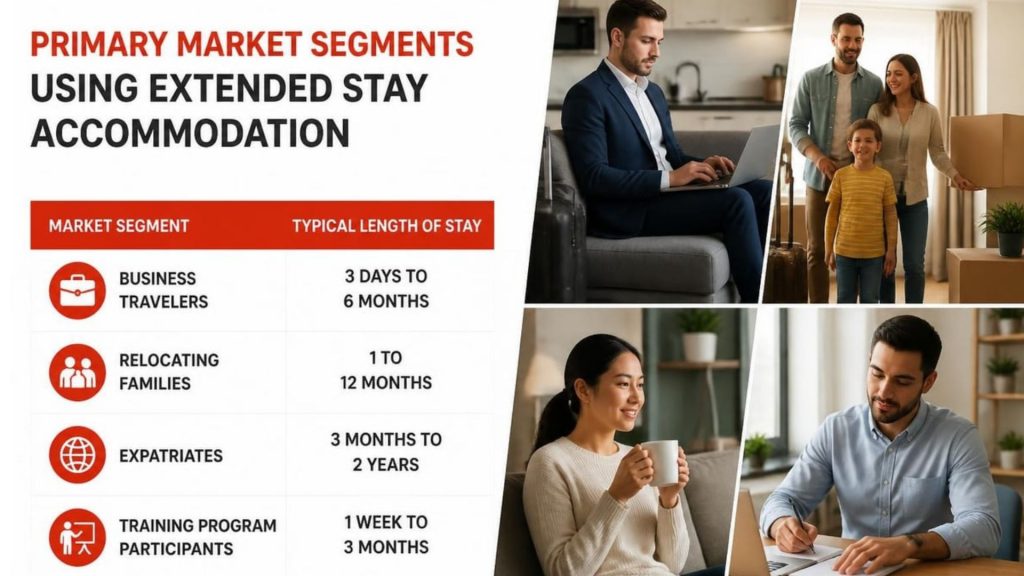
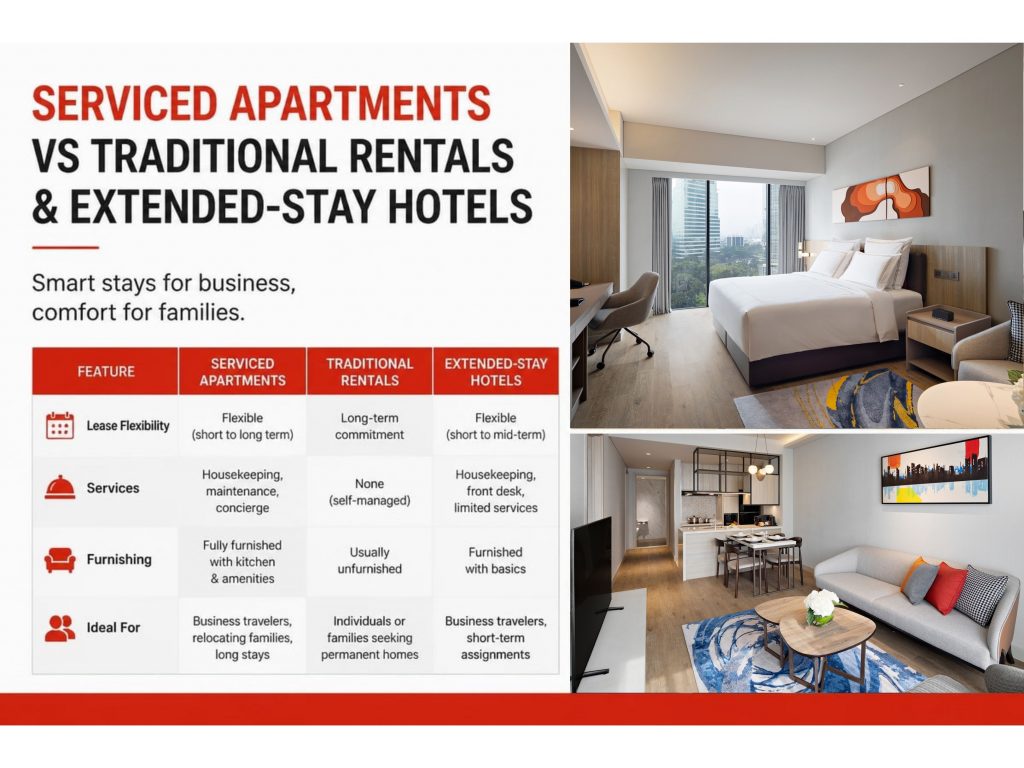
Hotels you can live in are extended-stay hotels and serviced apartments that rent furnished units by the week, month or year, with a kitchen, laundry and housekeeping included. For a business traveler, expatriate or family settling in Jakarta, a serviced apartment gives the practical benefits of a home with the services of a hotel, and it removes the need to sign a standard residential lease.
This guide explains what these properties are, how they differ from a regular hotel room, what to look for in a unit, and how to judge a long stay in Jakarta.
What does it mean to live in a hotel?
Living in a hotel means renting a furnished unit for an extended period, usually 30 days or more, instead of booking a nightly room. Most people who do this are not in a standard hotel room at all. They stay in suites or apartments built for longer visits, with a separate living area, a kitchen and a washing machine.
The category has grown quickly. According to Hotels Magazine, extended-stay hotels had 611,000 U.S. rooms as of May 2025, which is more than 10% of the country’s hotel room supply. The same report estimates U.S. extended-stay revenue at around $20 billion for 2025. Demand is not limited to one market: relocations, project assignments and family moves all create the need for a furnished base that works for months.
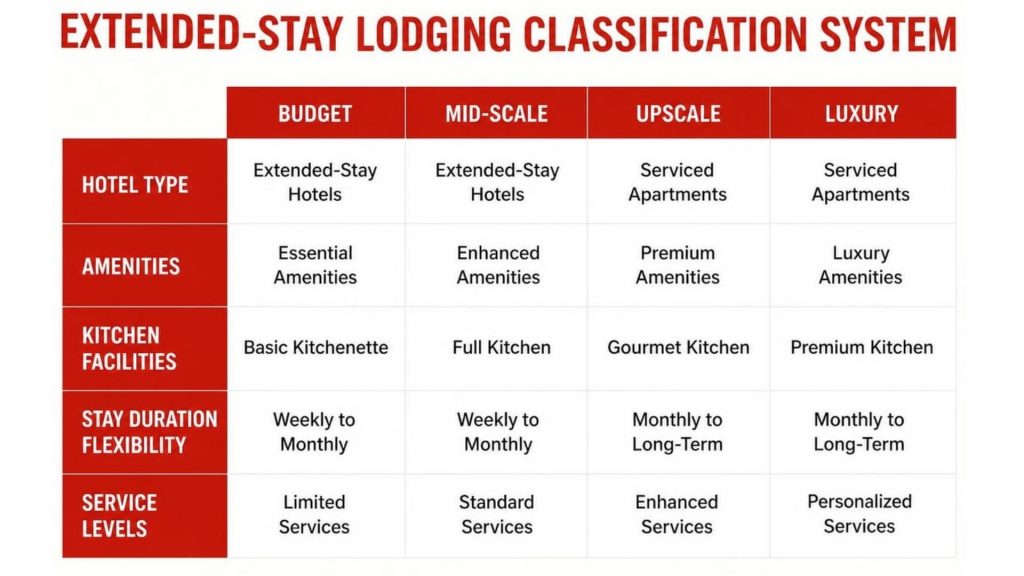
Three formats cover most of what people mean by hotels to live in:
- Extended-stay hotels: Standardized suites with kitchenettes, often priced with weekly or monthly discounts.
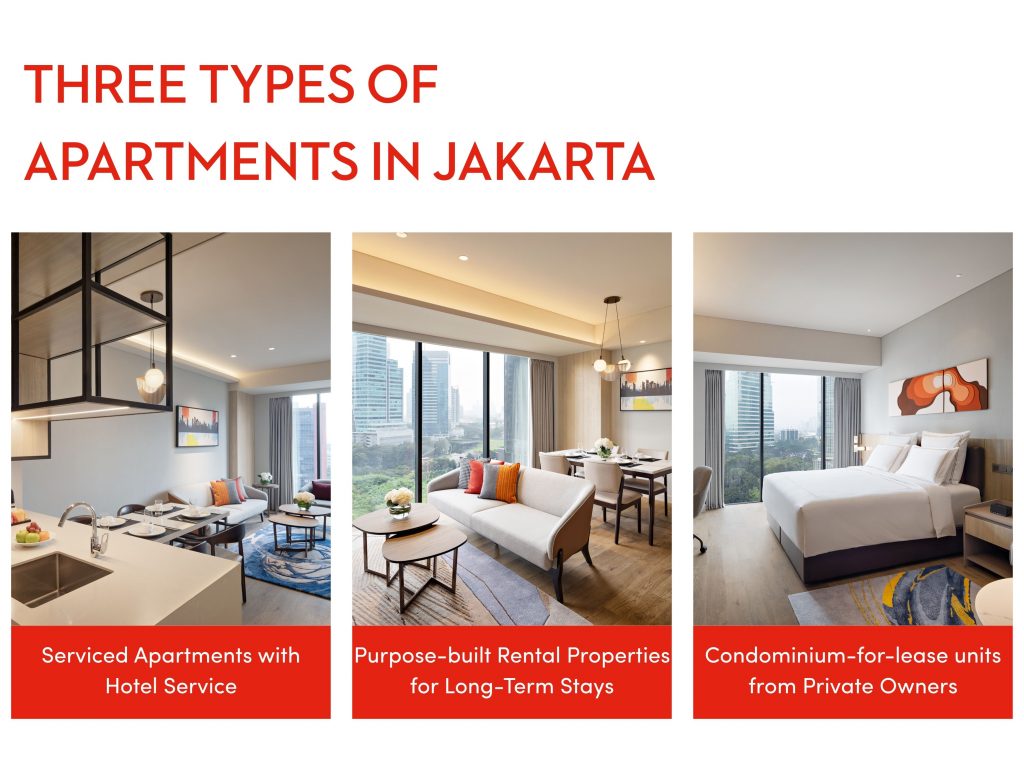
- Serviced apartments: Fully furnished apartments with hotel services such as housekeeping, front desk support and shared facilities.
- Residence-style hotels: Traditional hotels that set aside part of their inventory for long-stay guests.
For a deeper look at how these formats compare, the guide to long-stay hotels and extended accommodation breaks down the main choices.
How is a long stay different from a regular hotel booking?
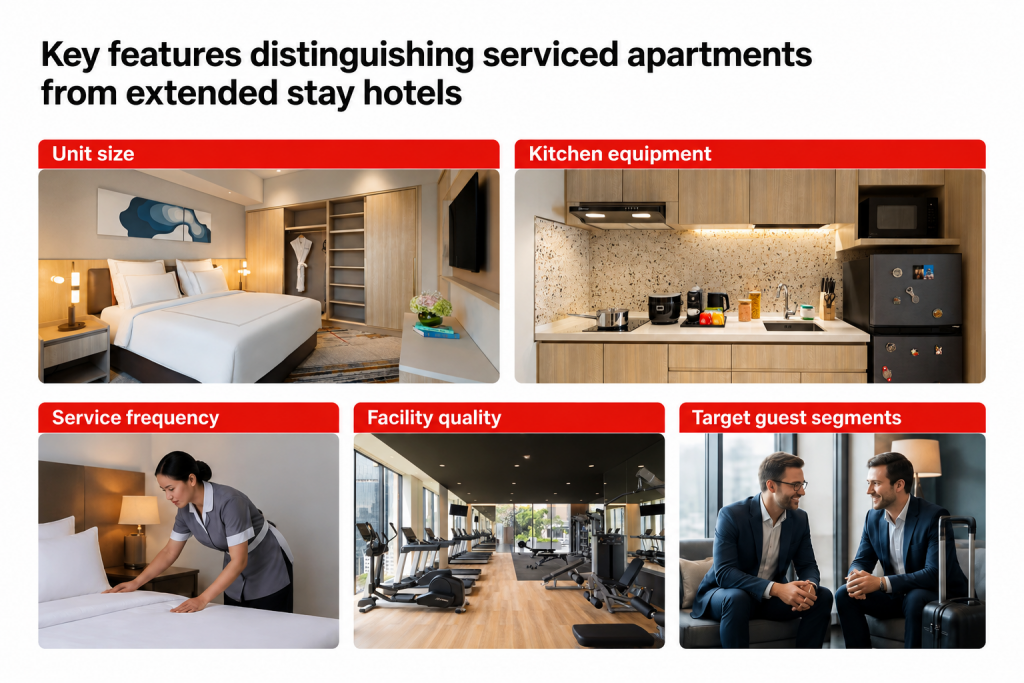
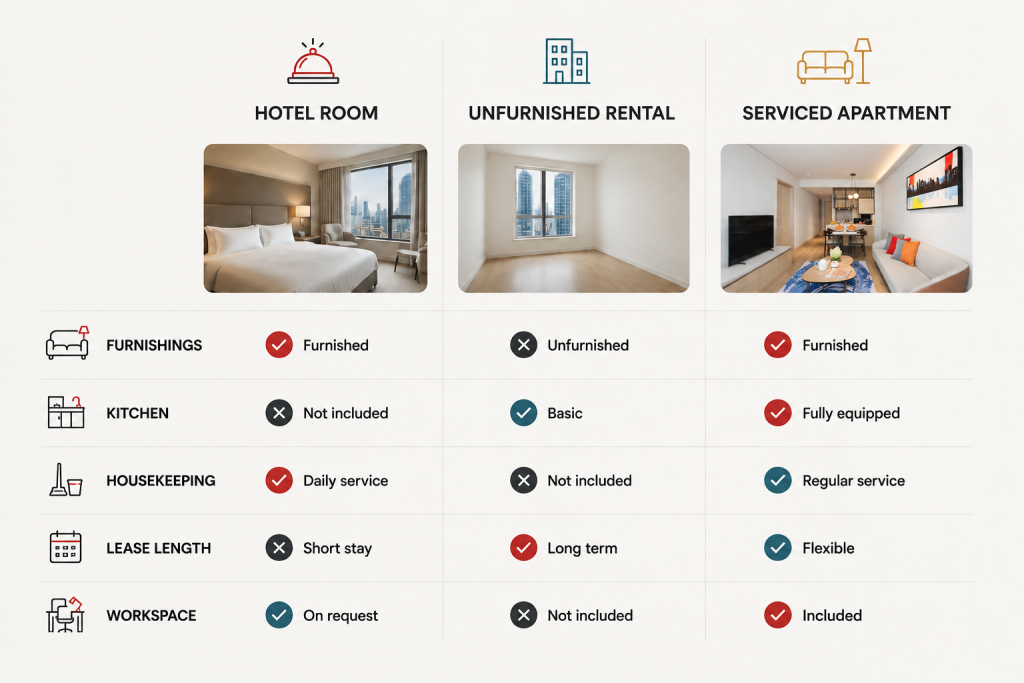
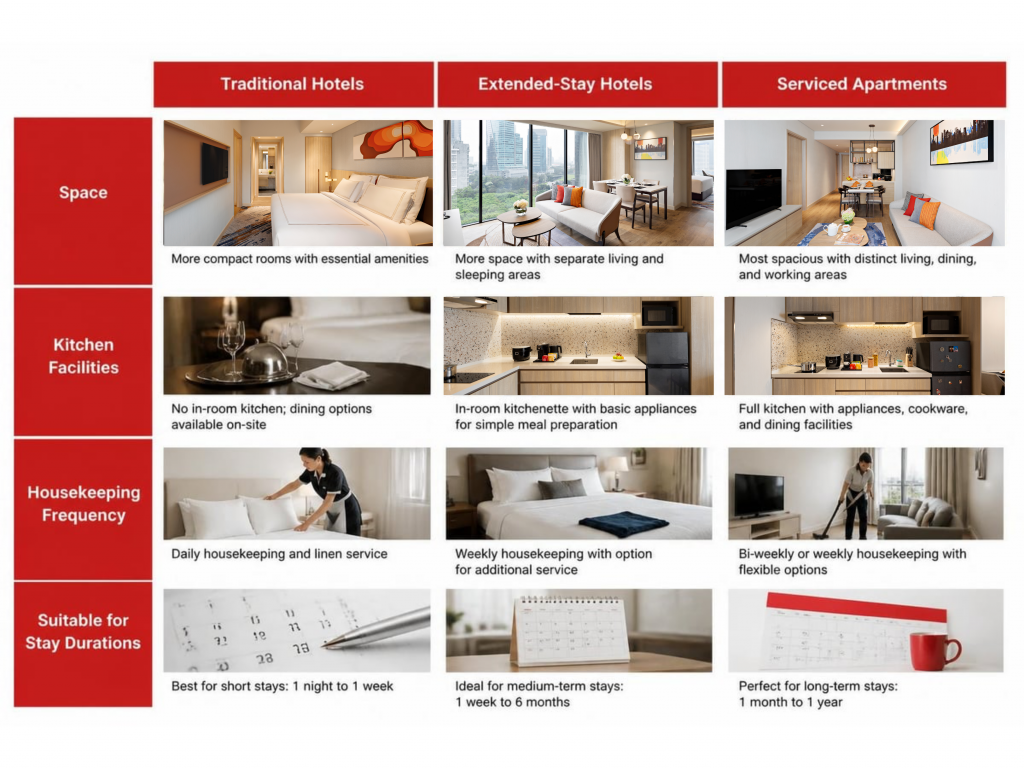
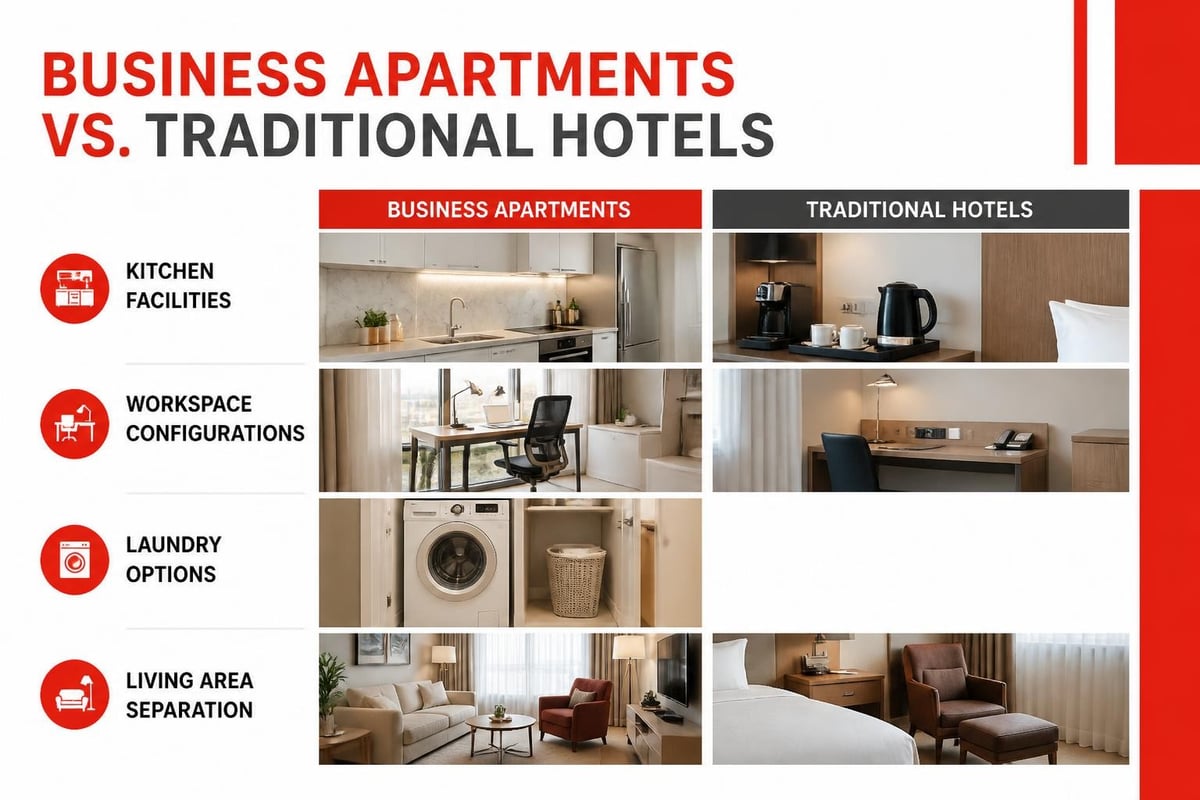
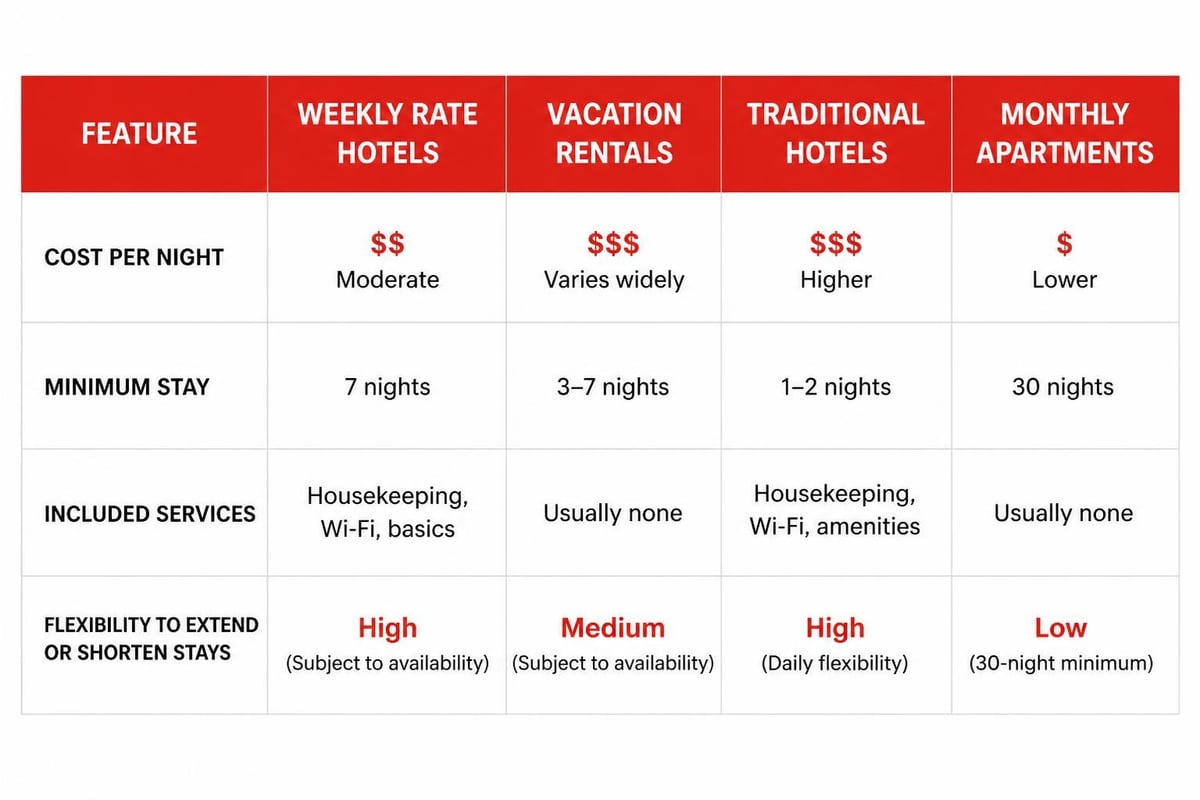
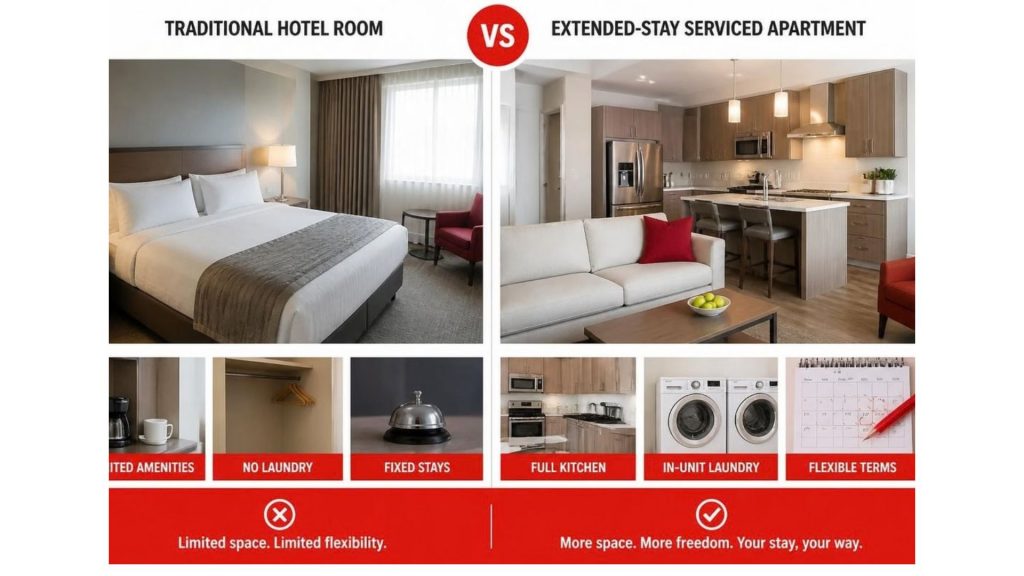
A long stay differs from a regular booking in space, kitchen access, pricing structure and the way services are delivered. A nightly room is designed for sleeping and leaving. A long-stay unit is designed for cooking, working, doing laundry and hosting family.
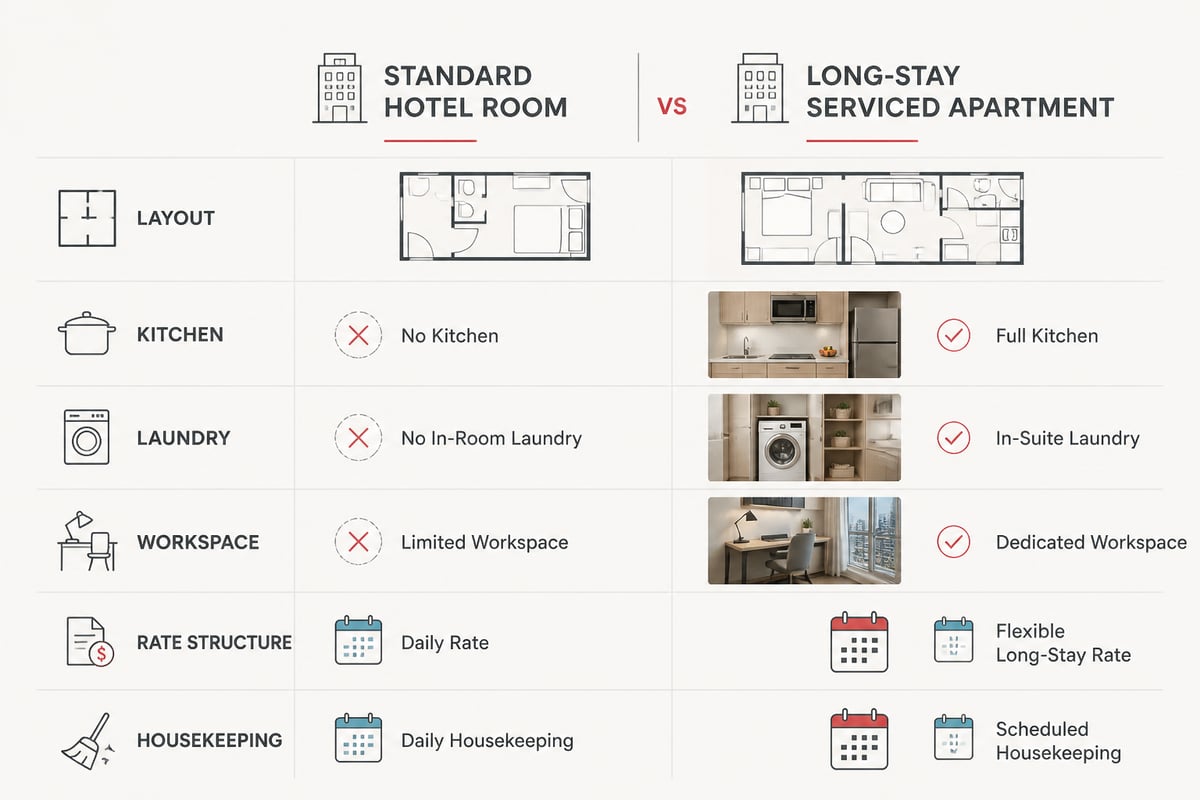
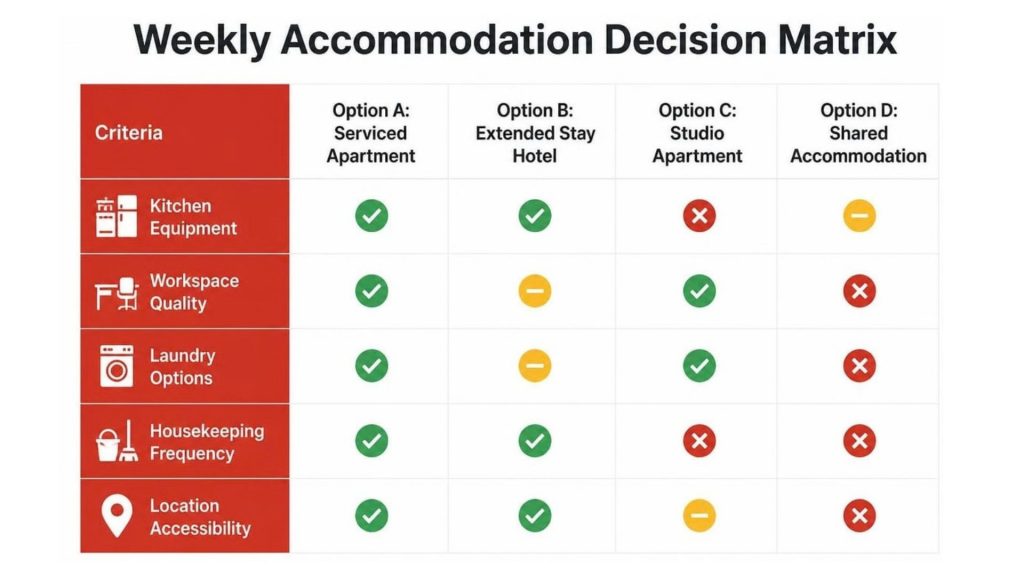
| Feature | Standard hotel room | Long-stay serviced apartment |
|---|---|---|
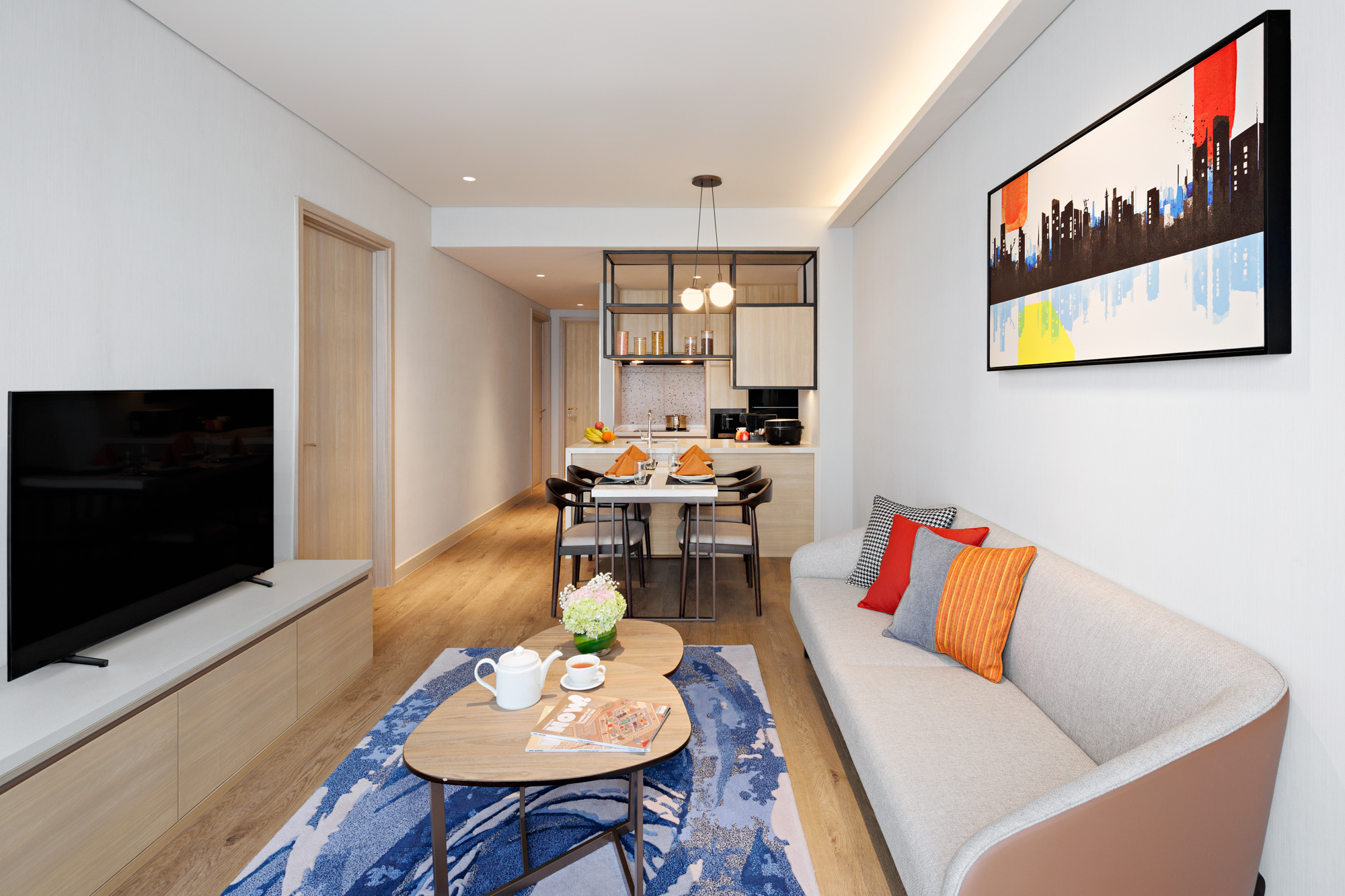
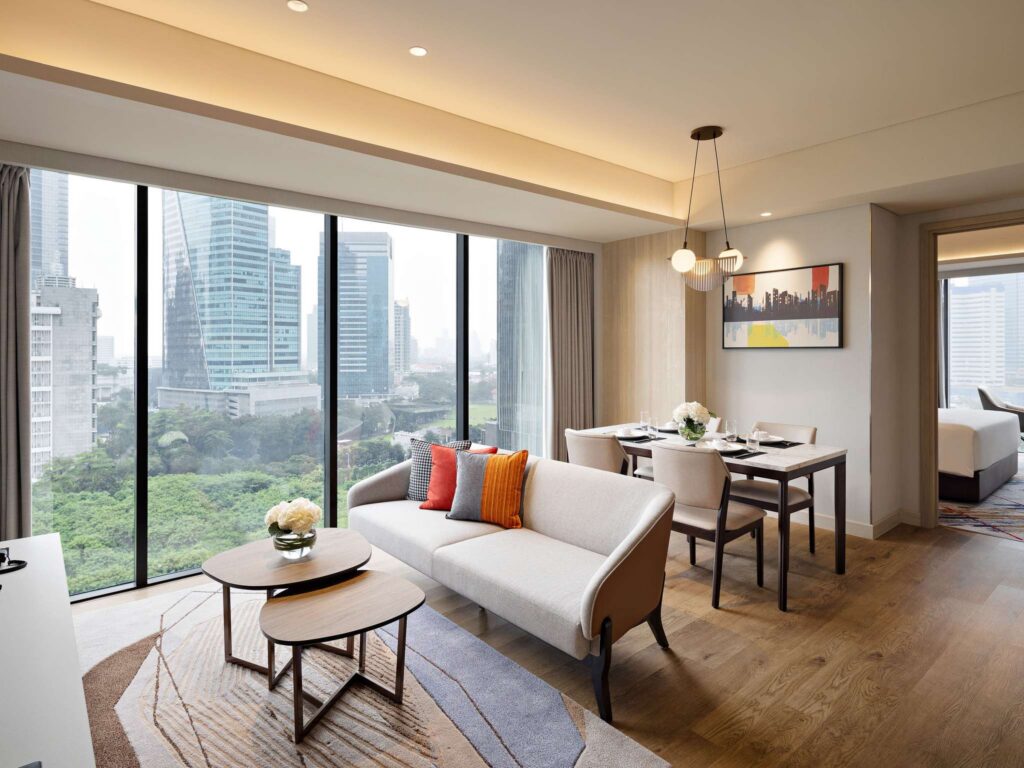
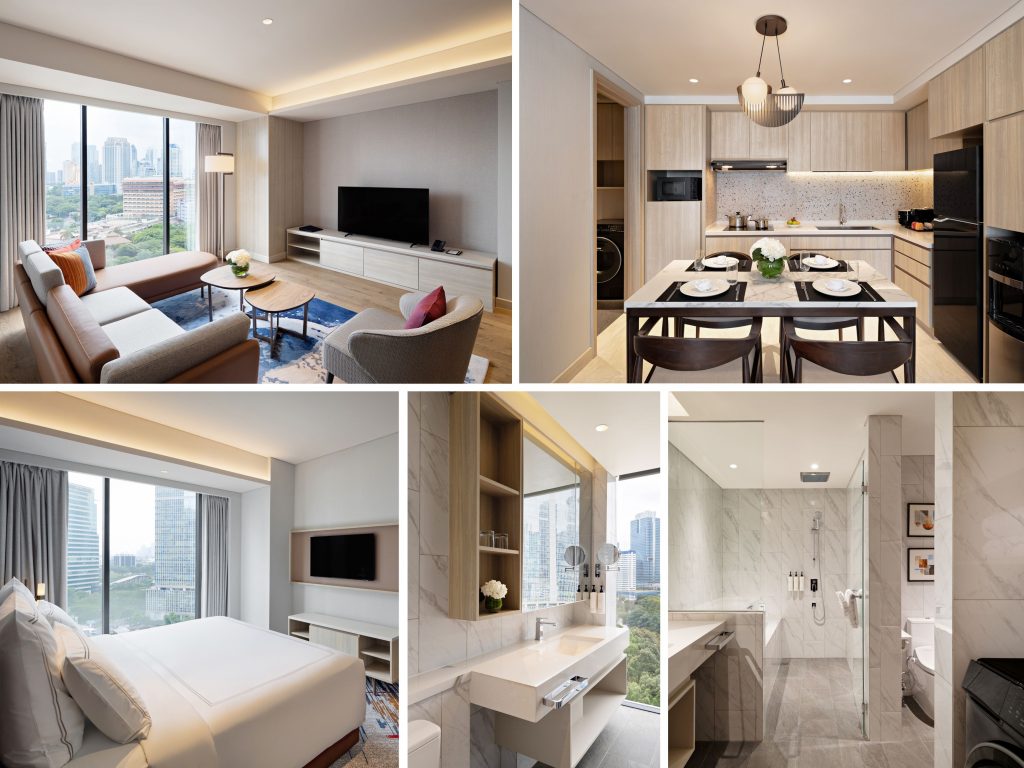
| Layout | Single room | Separate living, sleeping and dining areas |
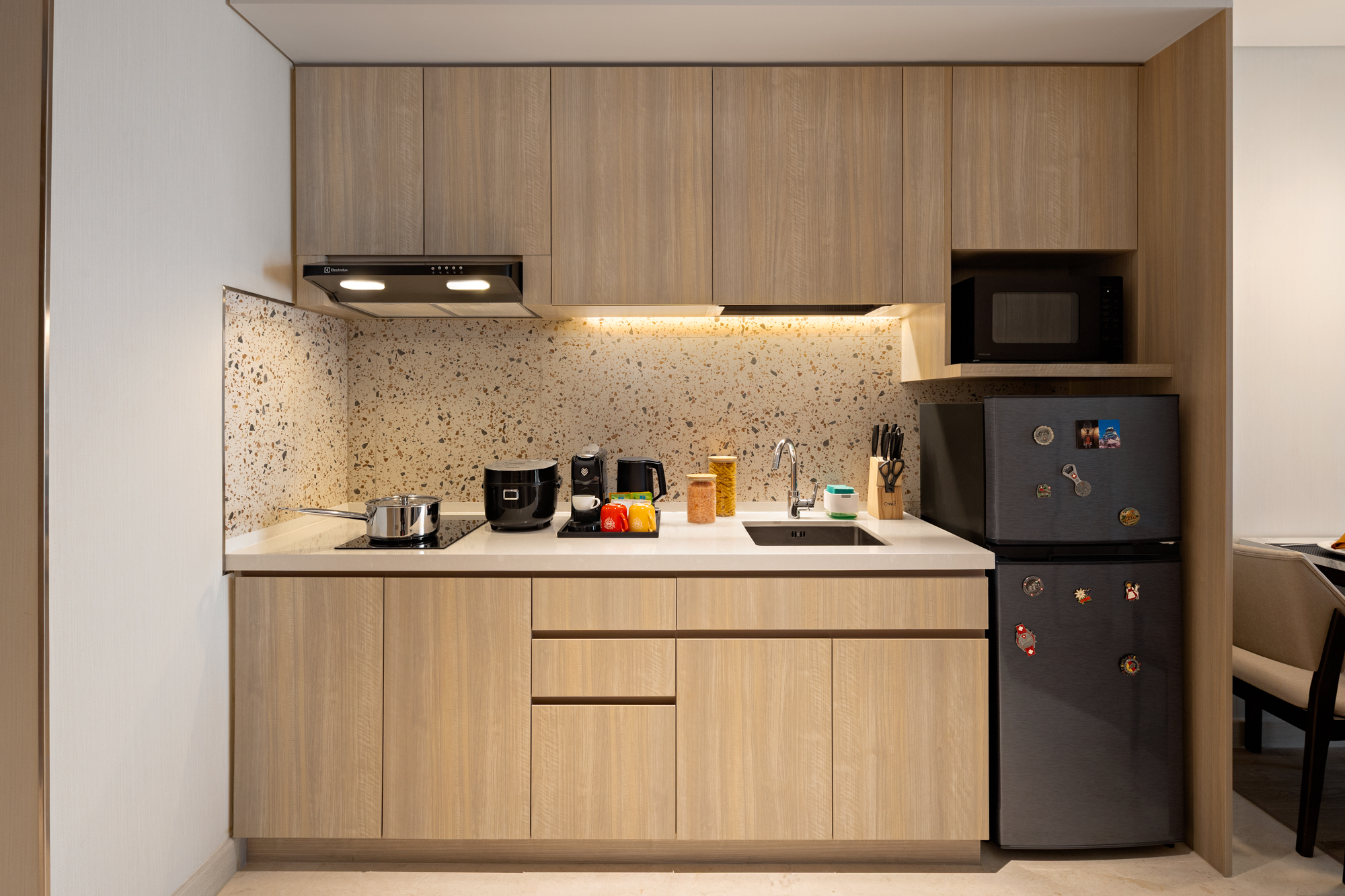
| Kitchen | Minibar at most | Functioning kitchen |
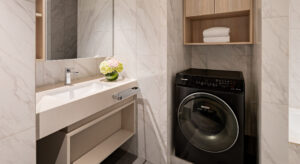
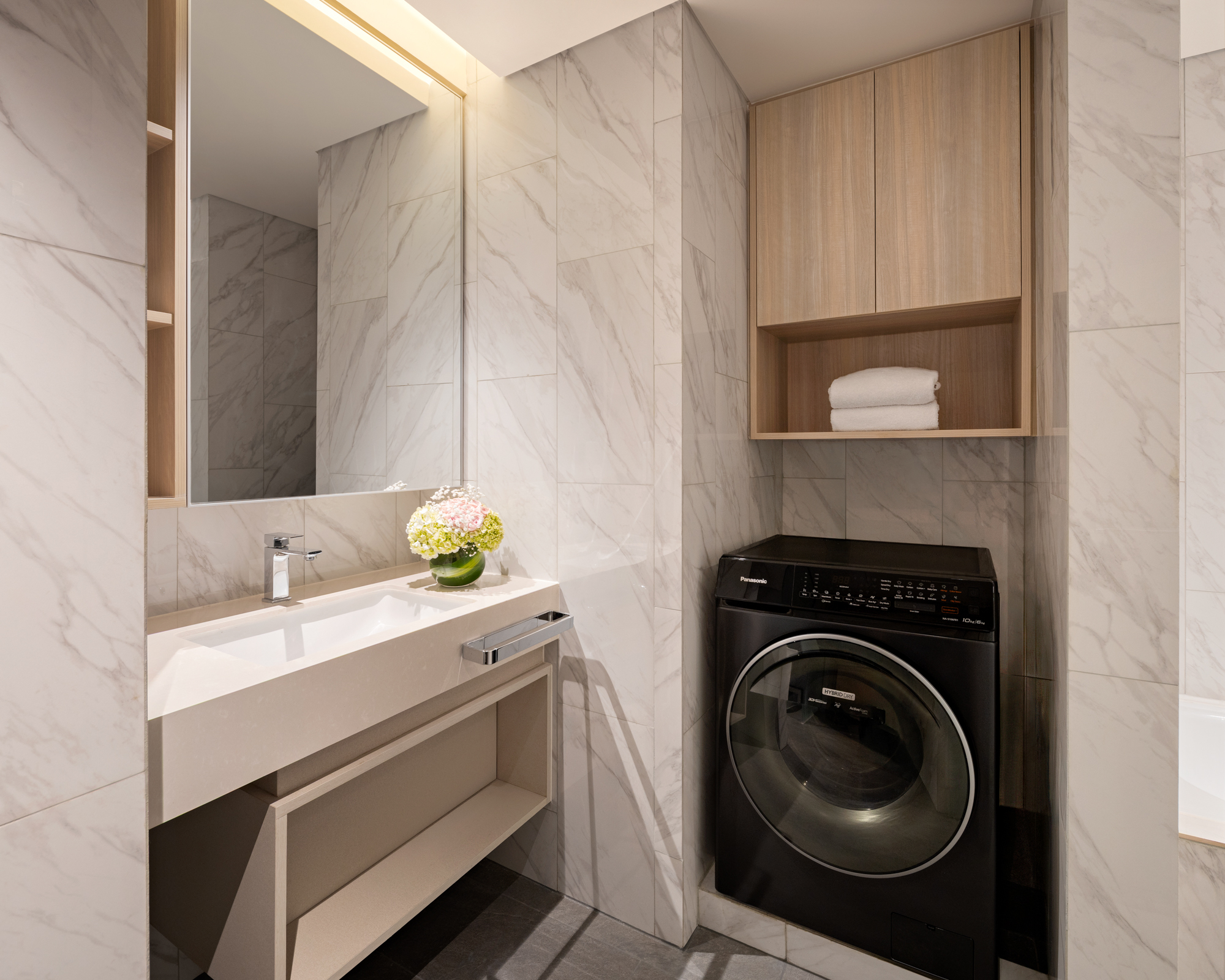
| Laundry | Paid service | In-unit washing machine |
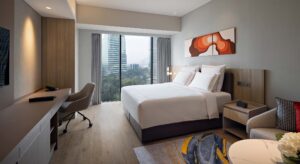
| Workspace | Small desk | Dedicated workspace |
| Rate structure | Nightly | Daily, weekly, monthly or yearly options |
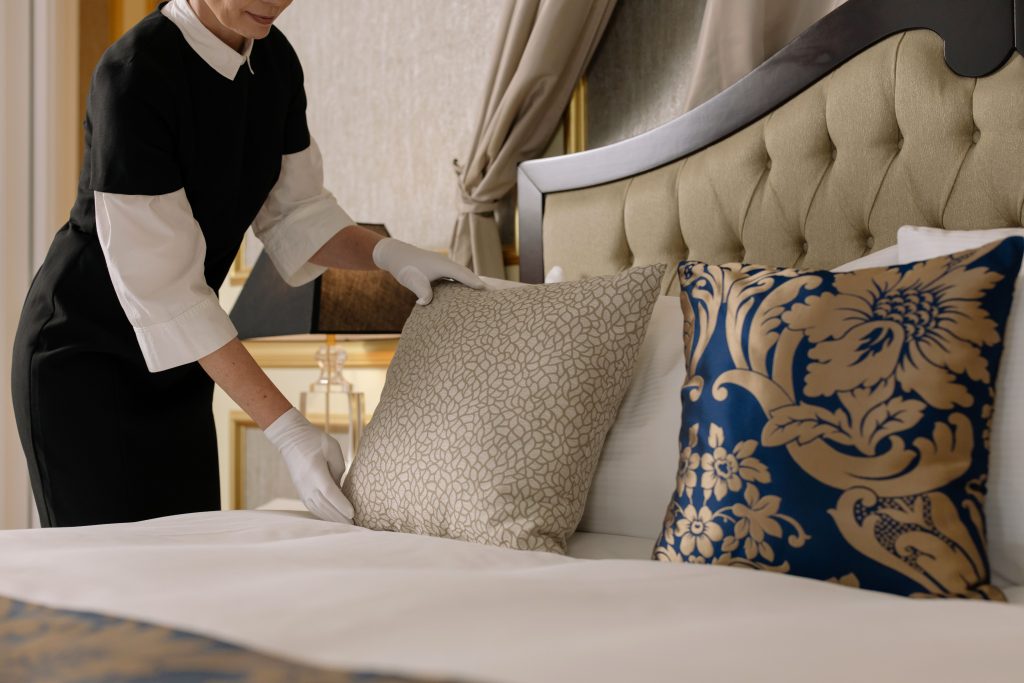
| Housekeeping | Daily | Scheduled service |
The performance data reflects this difference. Hotels Magazine reports that extended-stay hotels recorded occupancy above 70% in the fourth quarter of 2024, compared with 60% for traditional hotels. Guests who stay for weeks tend to stay put, which is why operators build whole properties around them.
What should a hotel you can live in include?
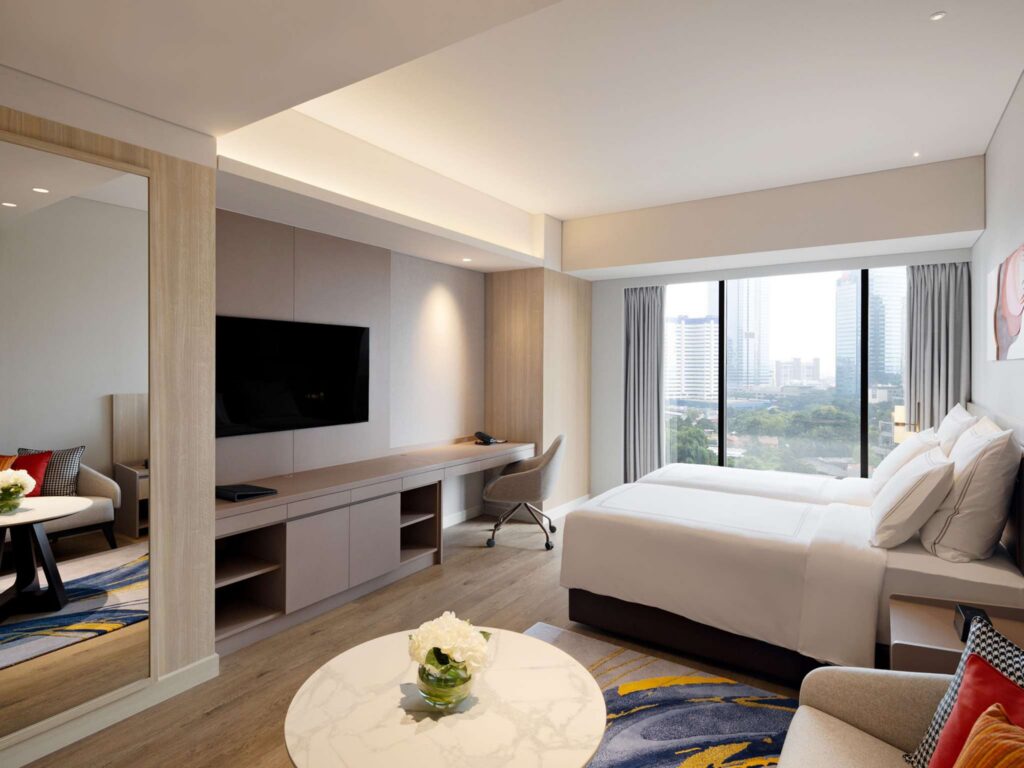
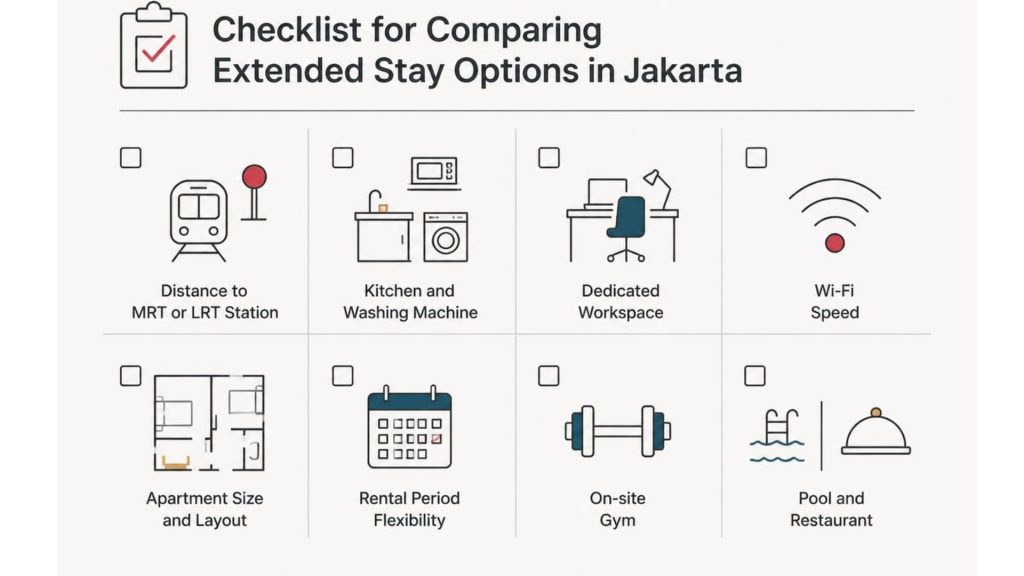
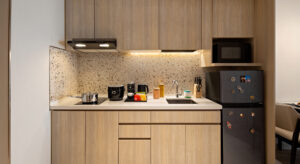
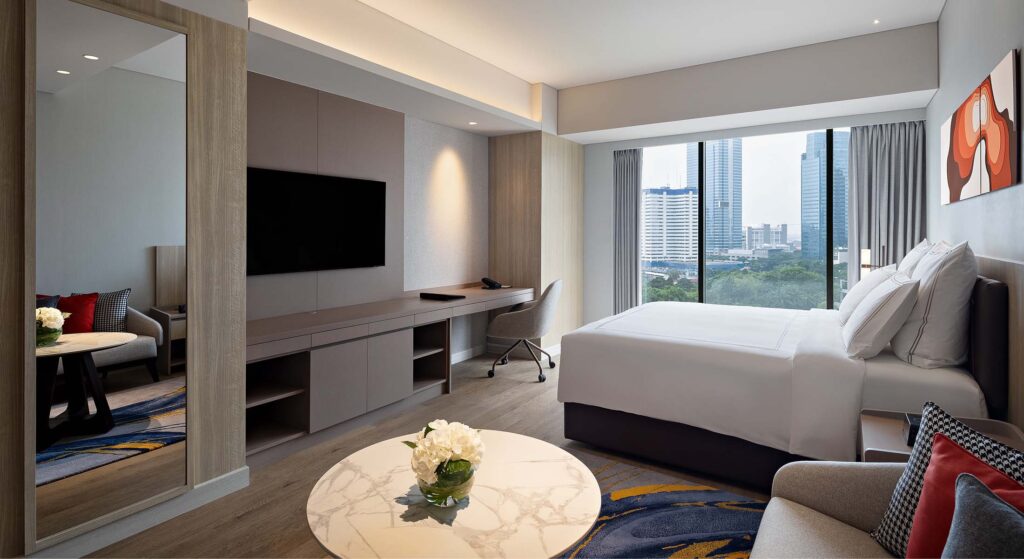
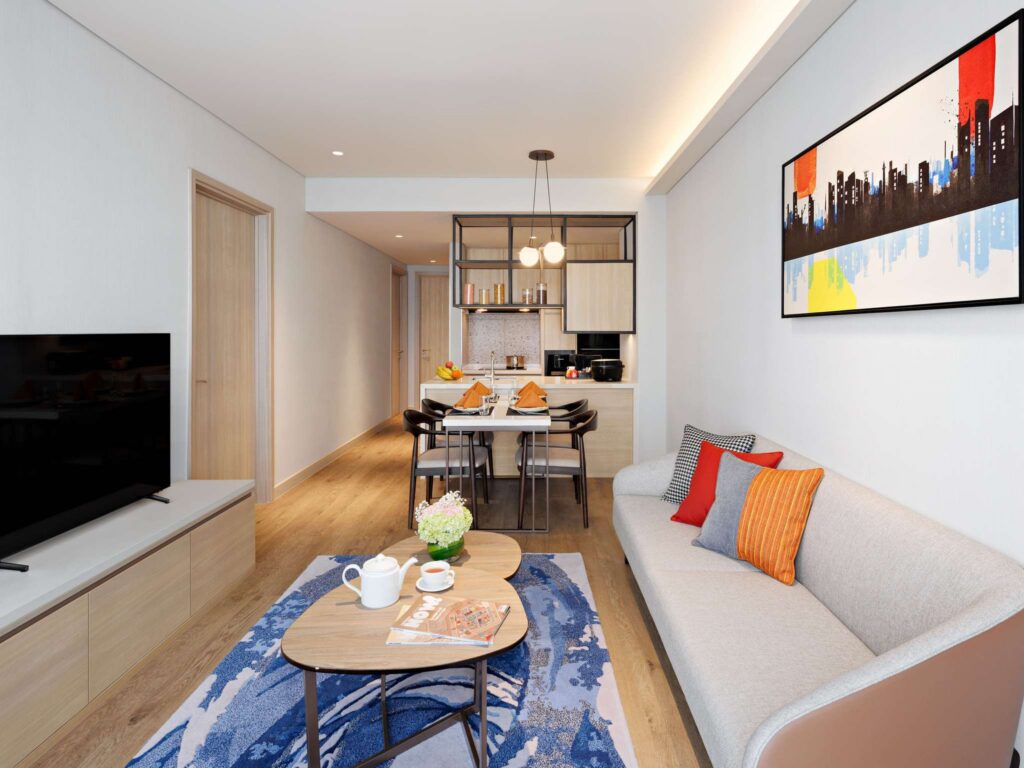
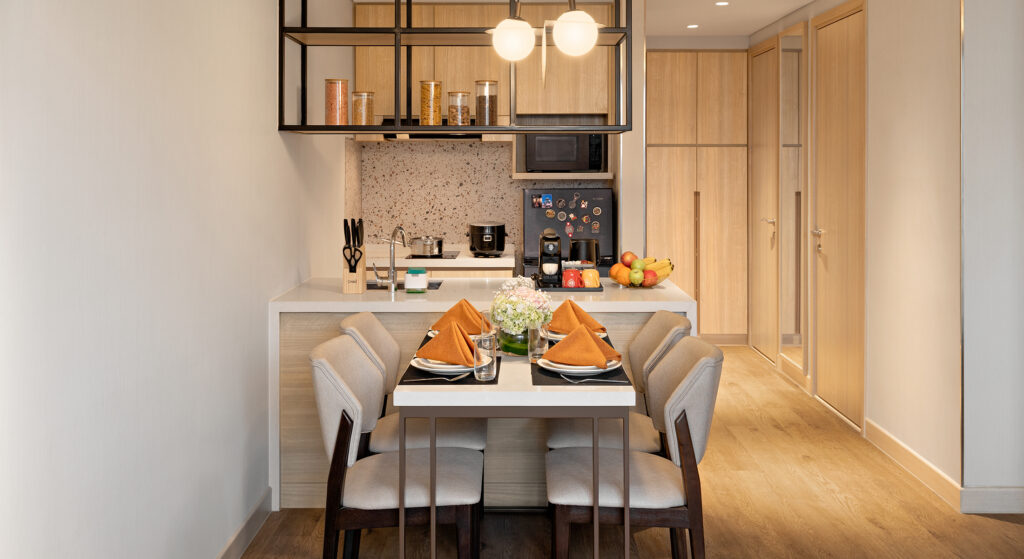
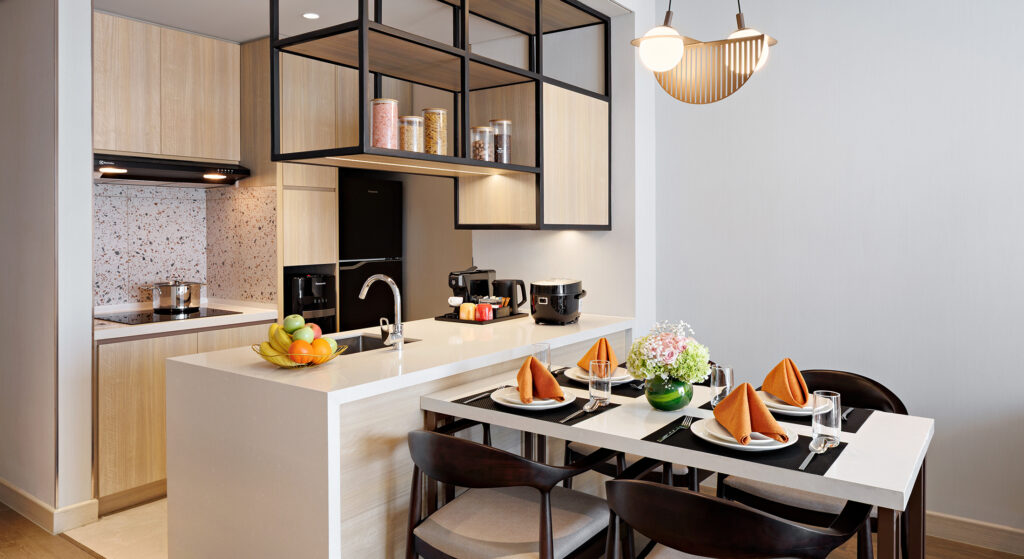
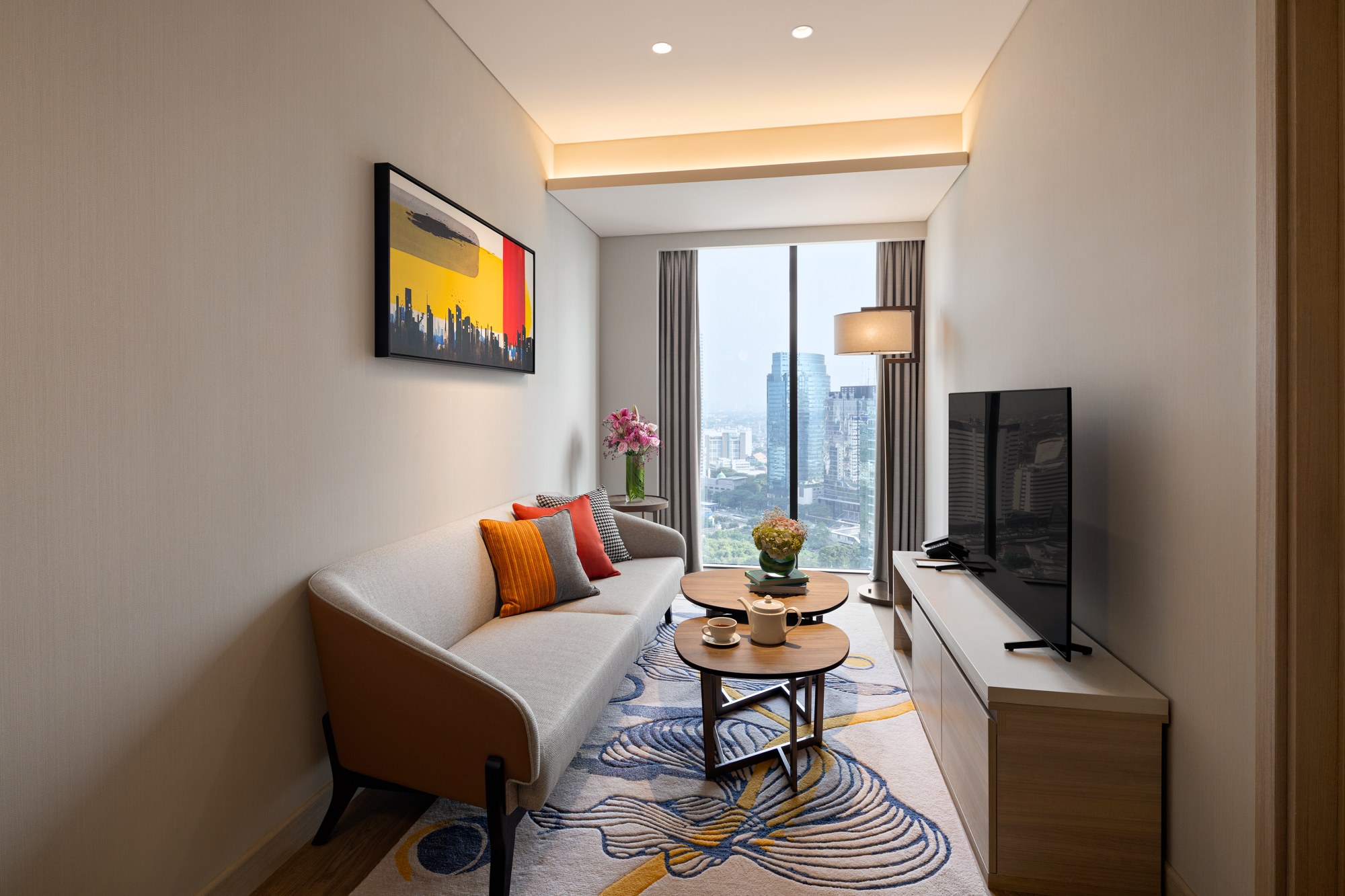
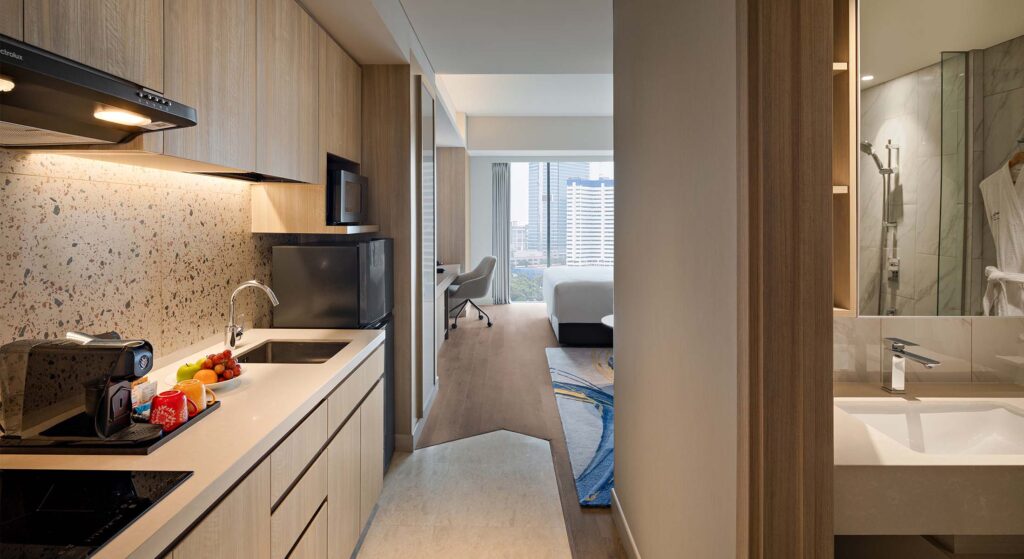
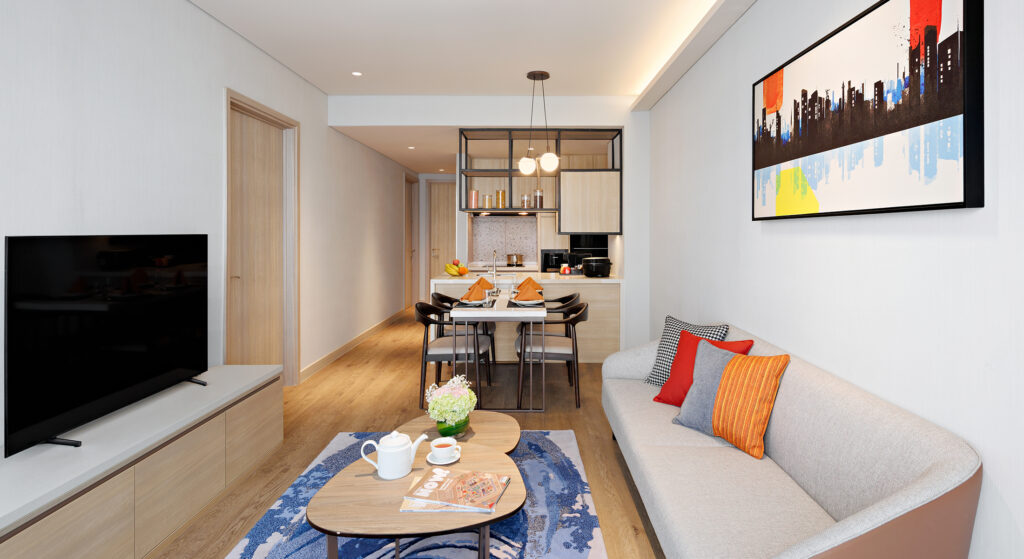
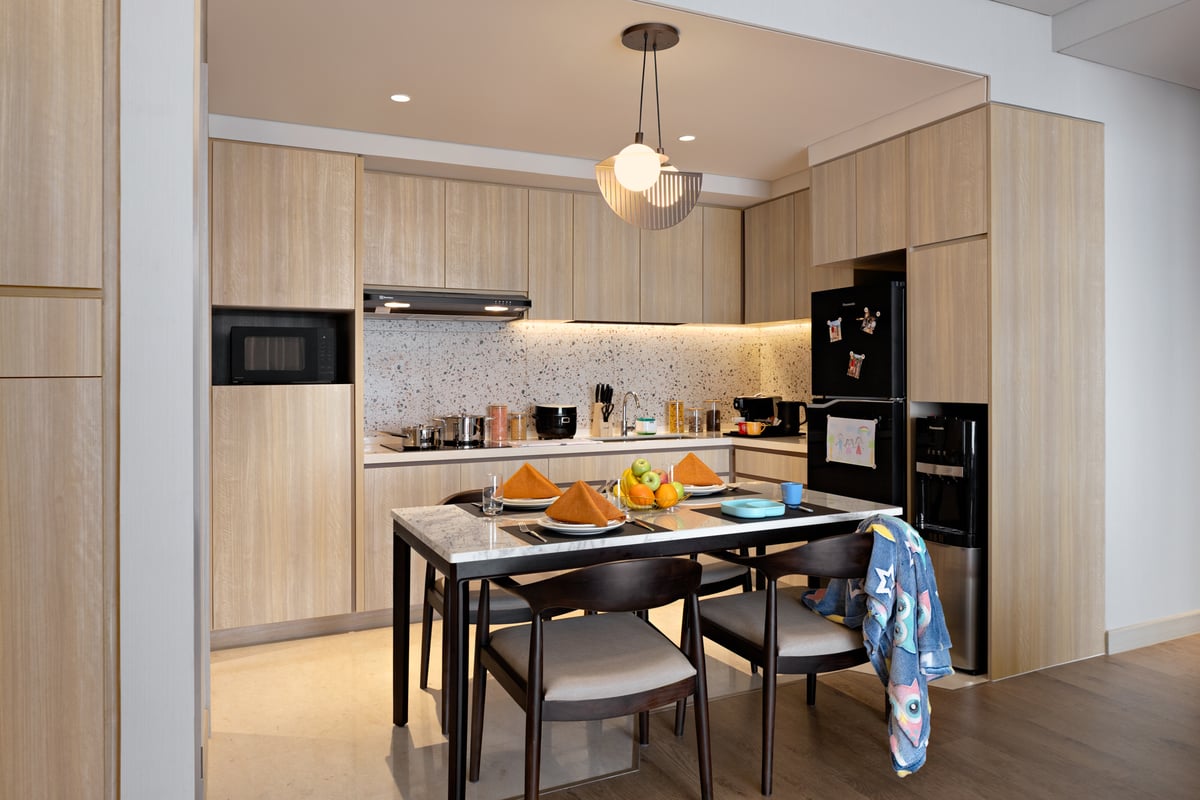
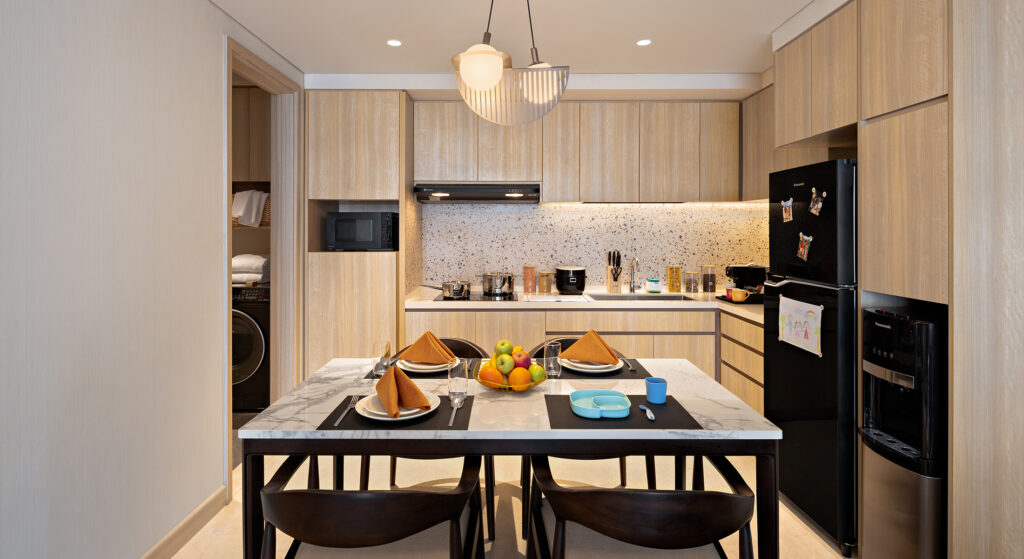
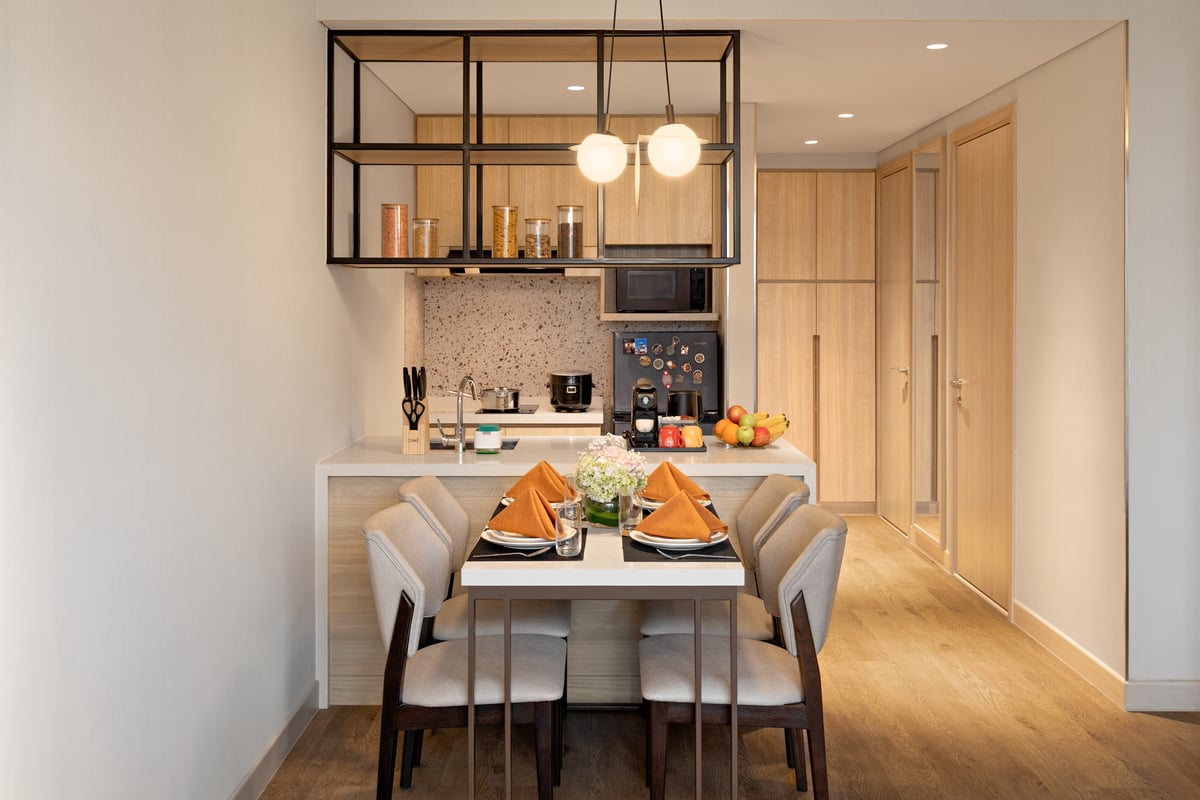
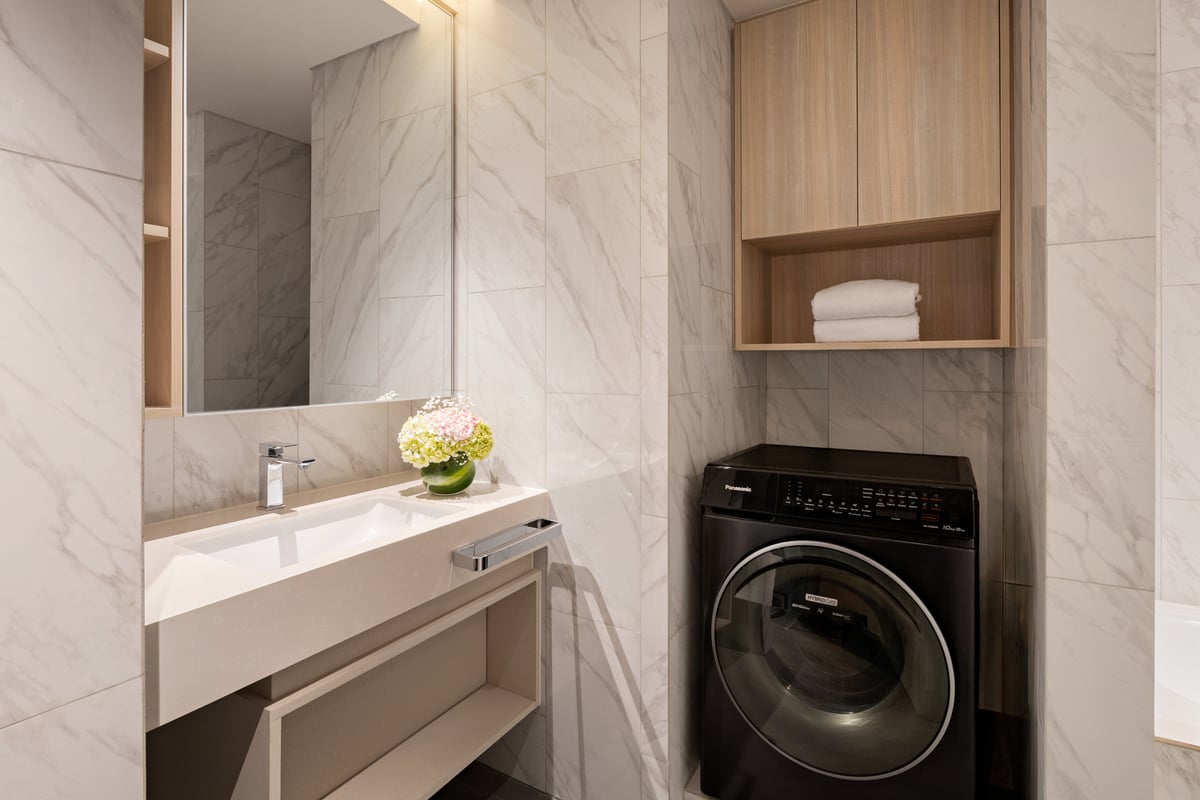
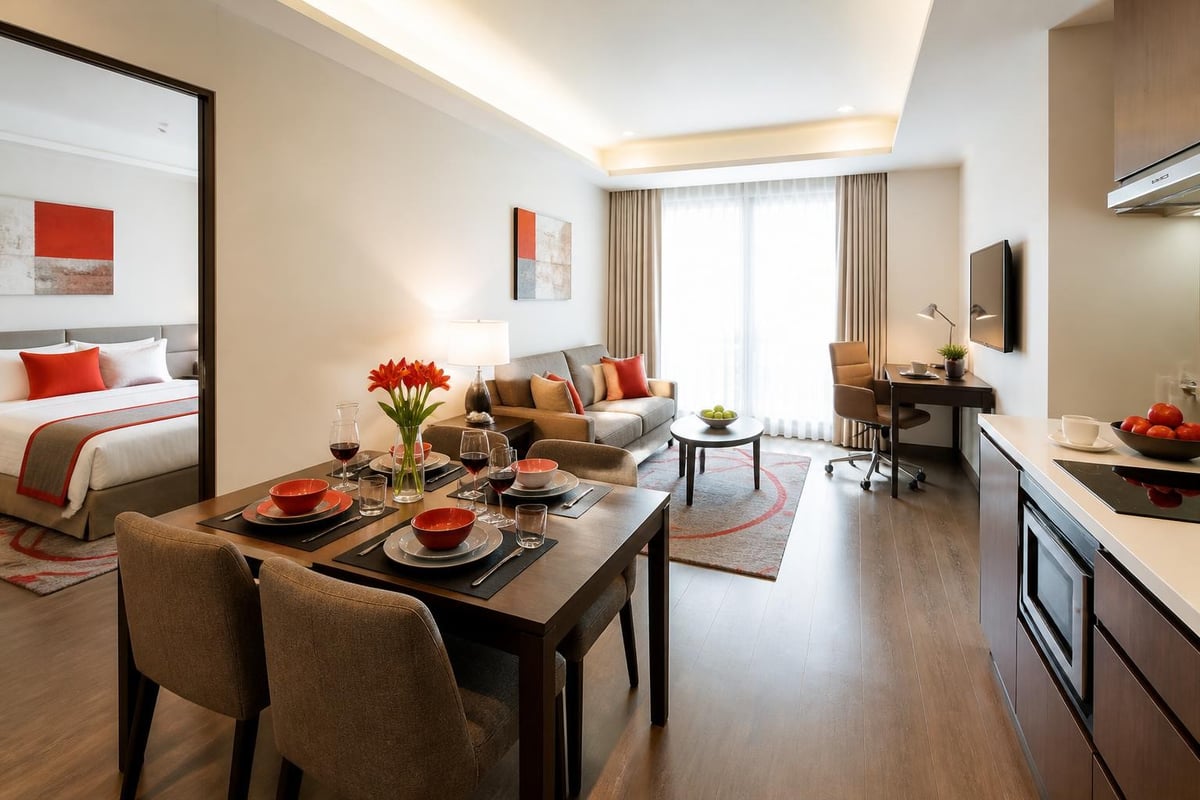
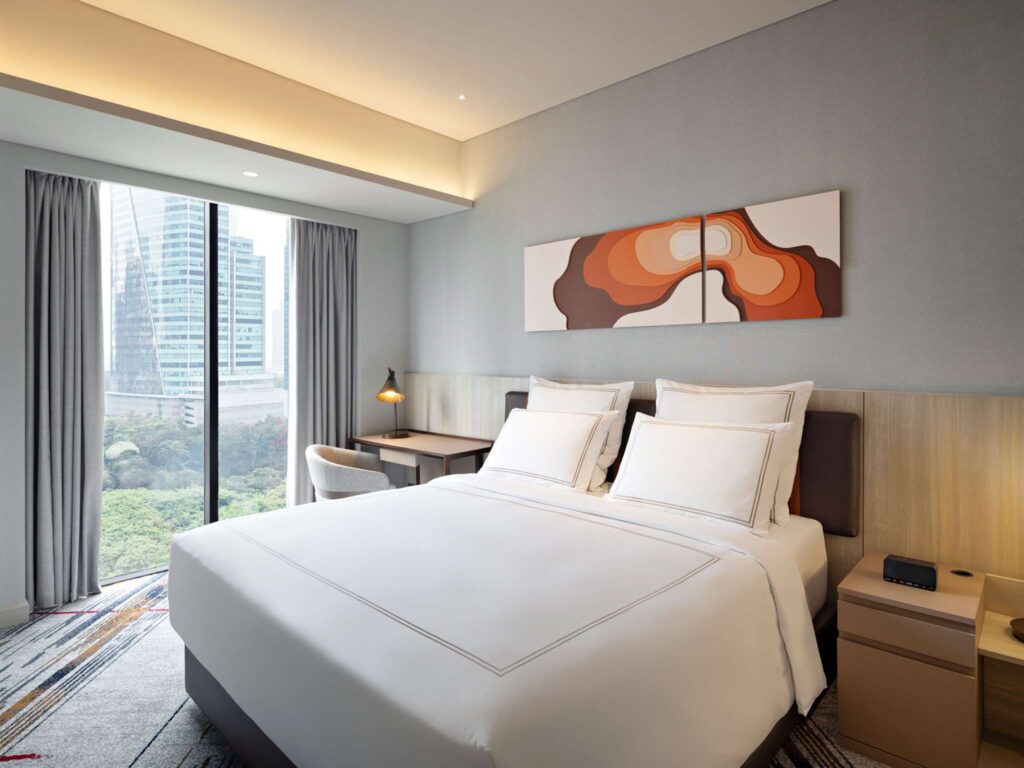
A hotel you can live in should include a working kitchen, in-unit laundry, a dedicated workspace, reliable high-speed Wi-Fi and enough space to separate sleeping, eating and working. If any of these is missing, the stay becomes harder with every passing week.
Use this checklist when you compare properties:
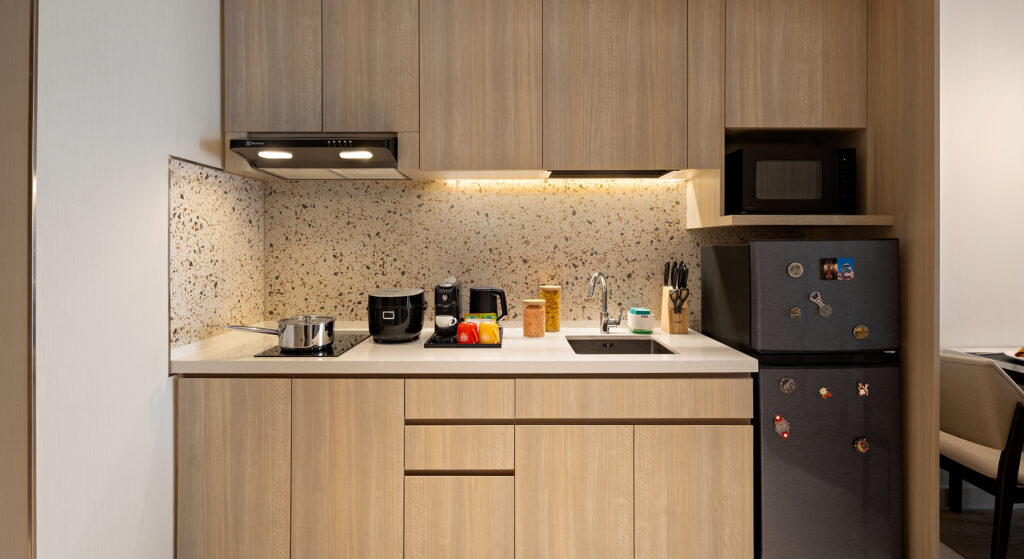
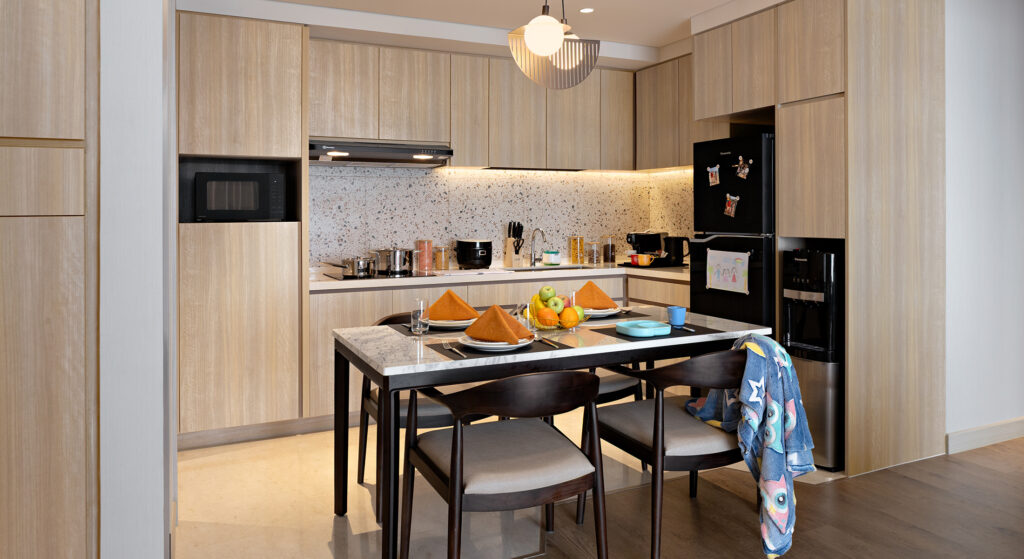
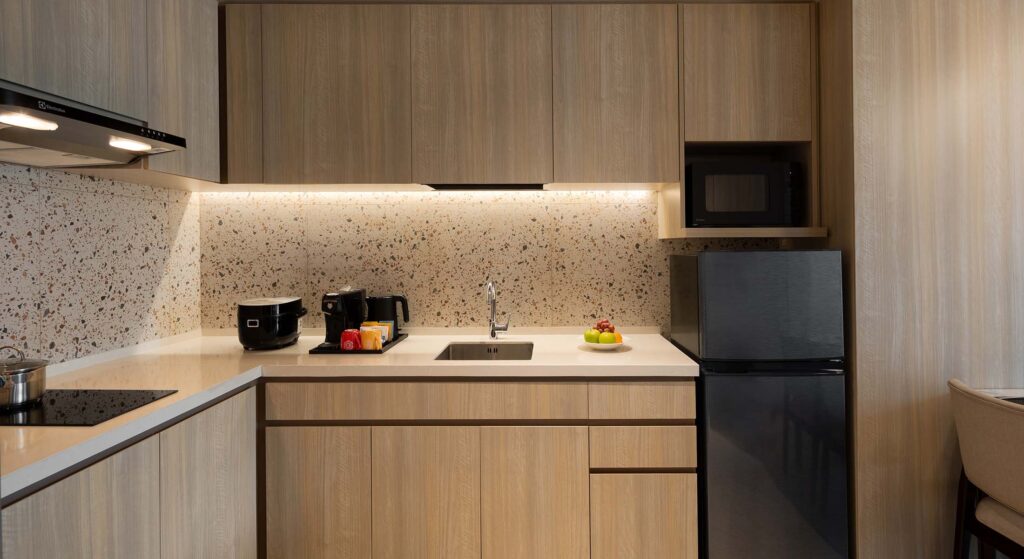
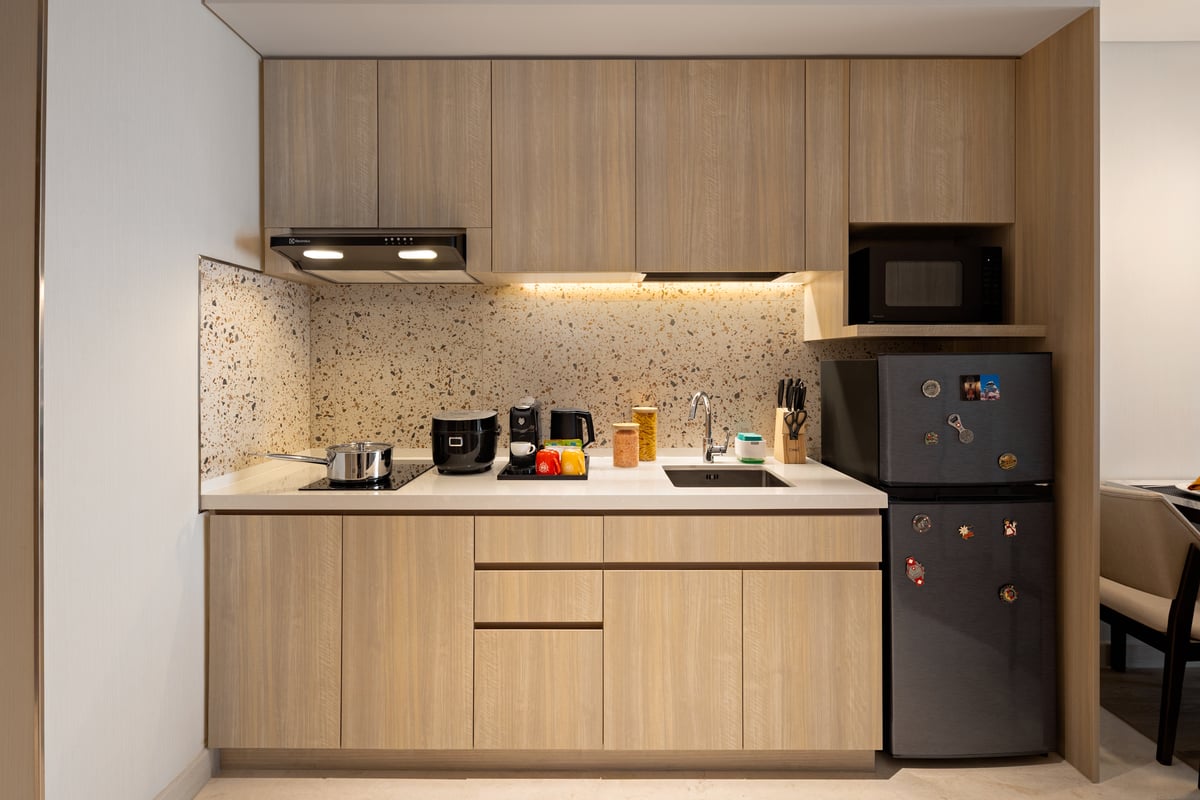
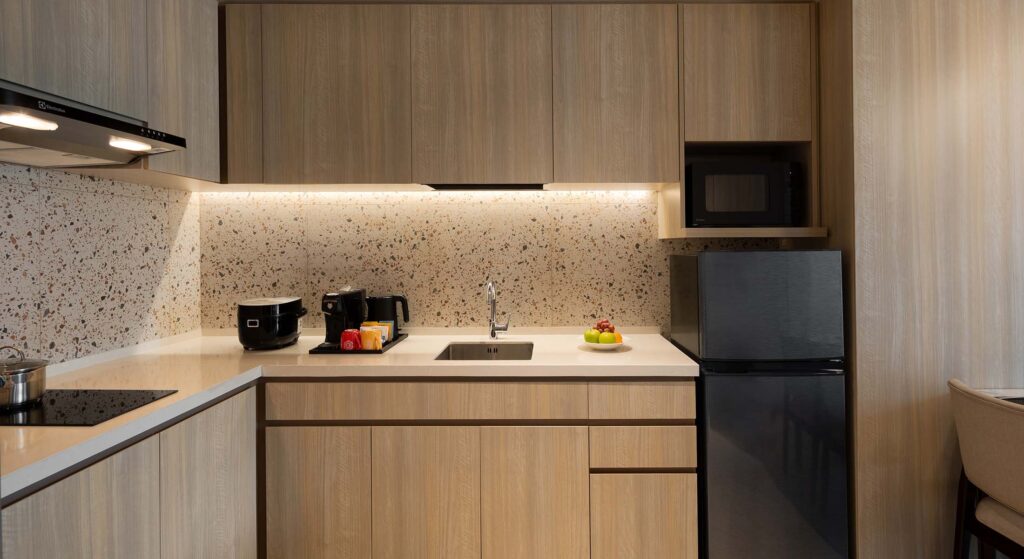
- Kitchen with real appliances. A kettle and a microwave are not enough for a month. Look for a stove, refrigerator and cookware. The overview of extended-stay hotels with kitchens explains what to check.
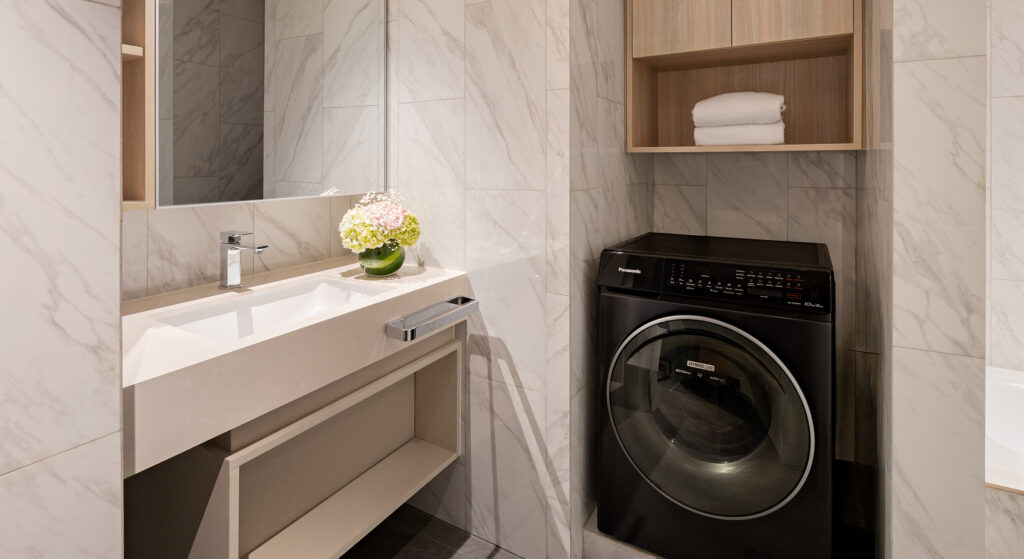
- Washing machine in the unit. Laundry is the first chore that becomes expensive on a long stay when it is billed per item.
- Workspace and connectivity. A desk that fits a laptop and monitor, plus stable Wi-Fi, matters more than a lobby bar.
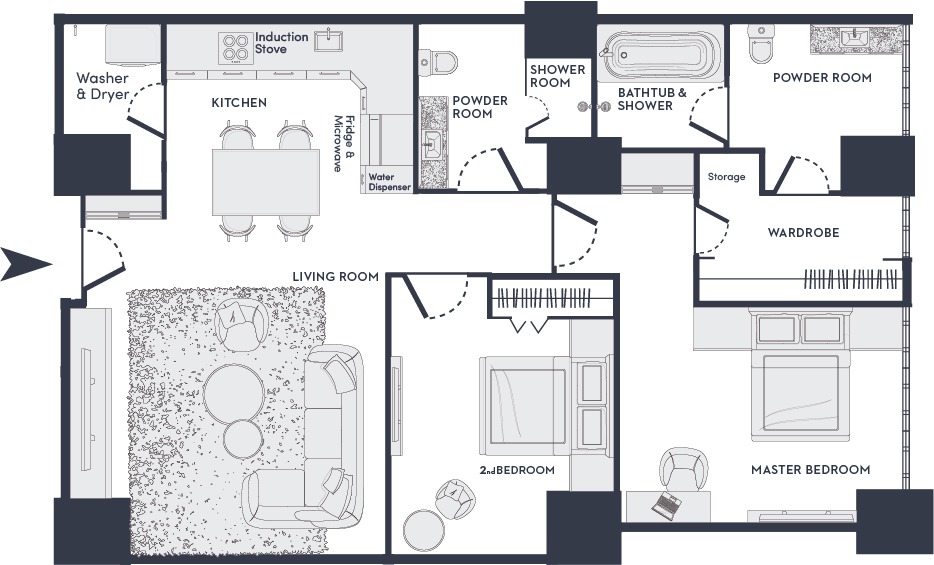
- Layout that fits your household. A solo professional can work with a studio. A family needs separate bedrooms and a living area.
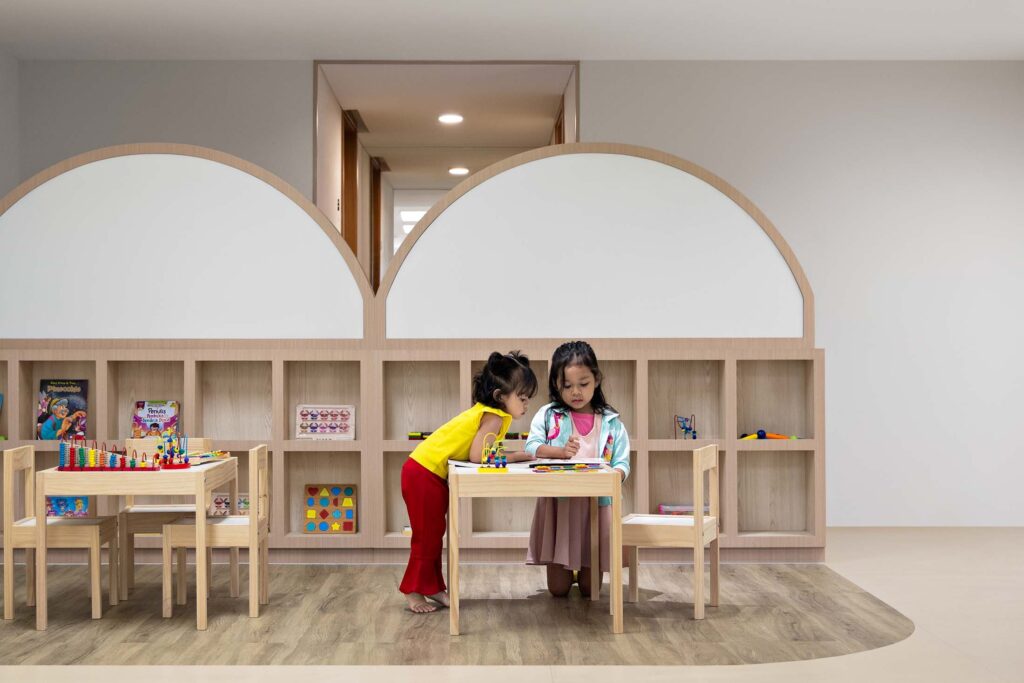
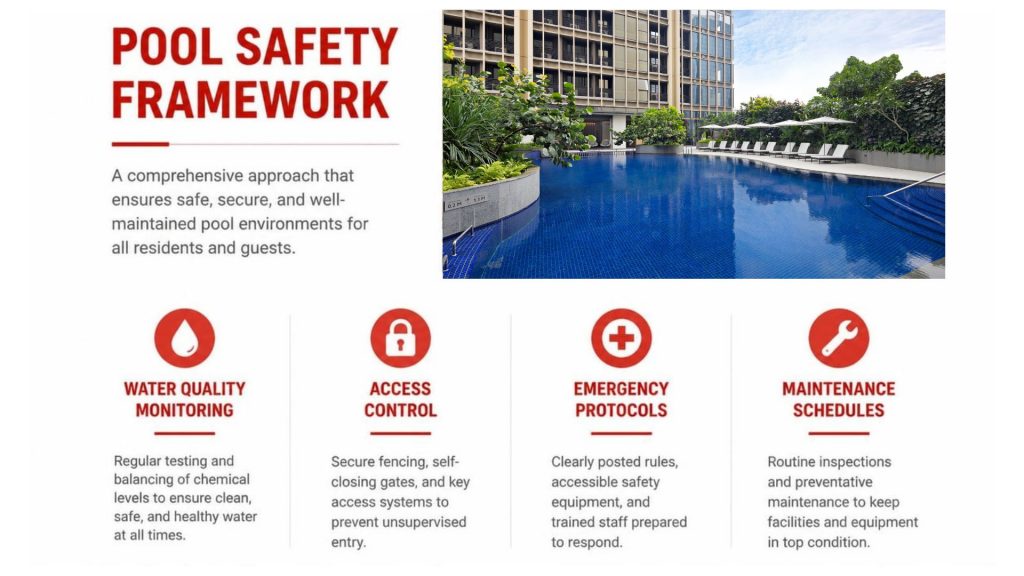
- Facilities you will actually use. A gym, pool and playground reduce the number of errands you need to run outside.
- Flexible terms. Check whether you can extend week by week or move to a monthly or yearly arrangement.
Families should weigh bedroom count and shared spaces first. The guide to how to find the right three-bedroom serviced apartment in Jakarta covers that decision in detail.
Which hotels you can live in work best in Jakarta?
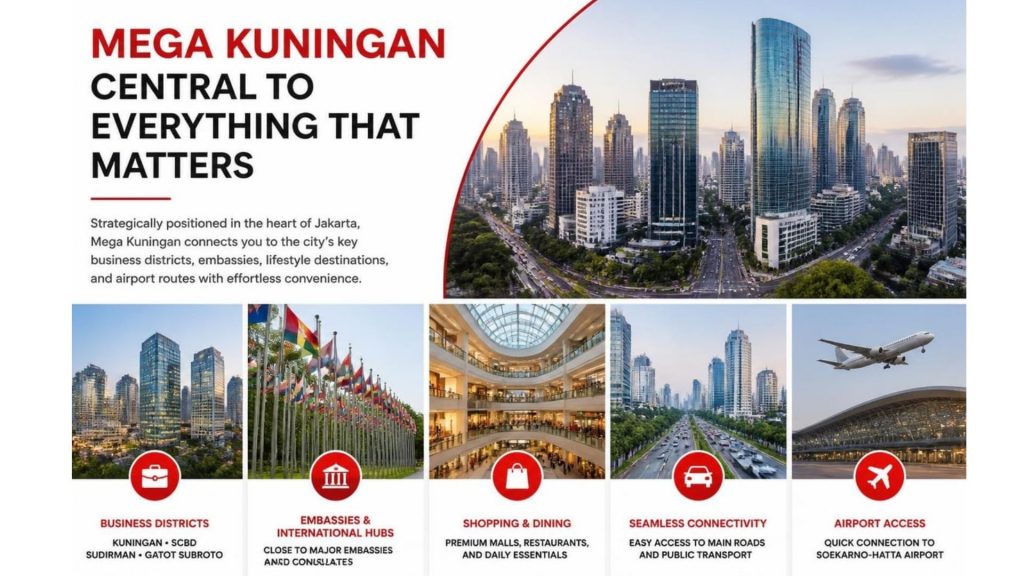
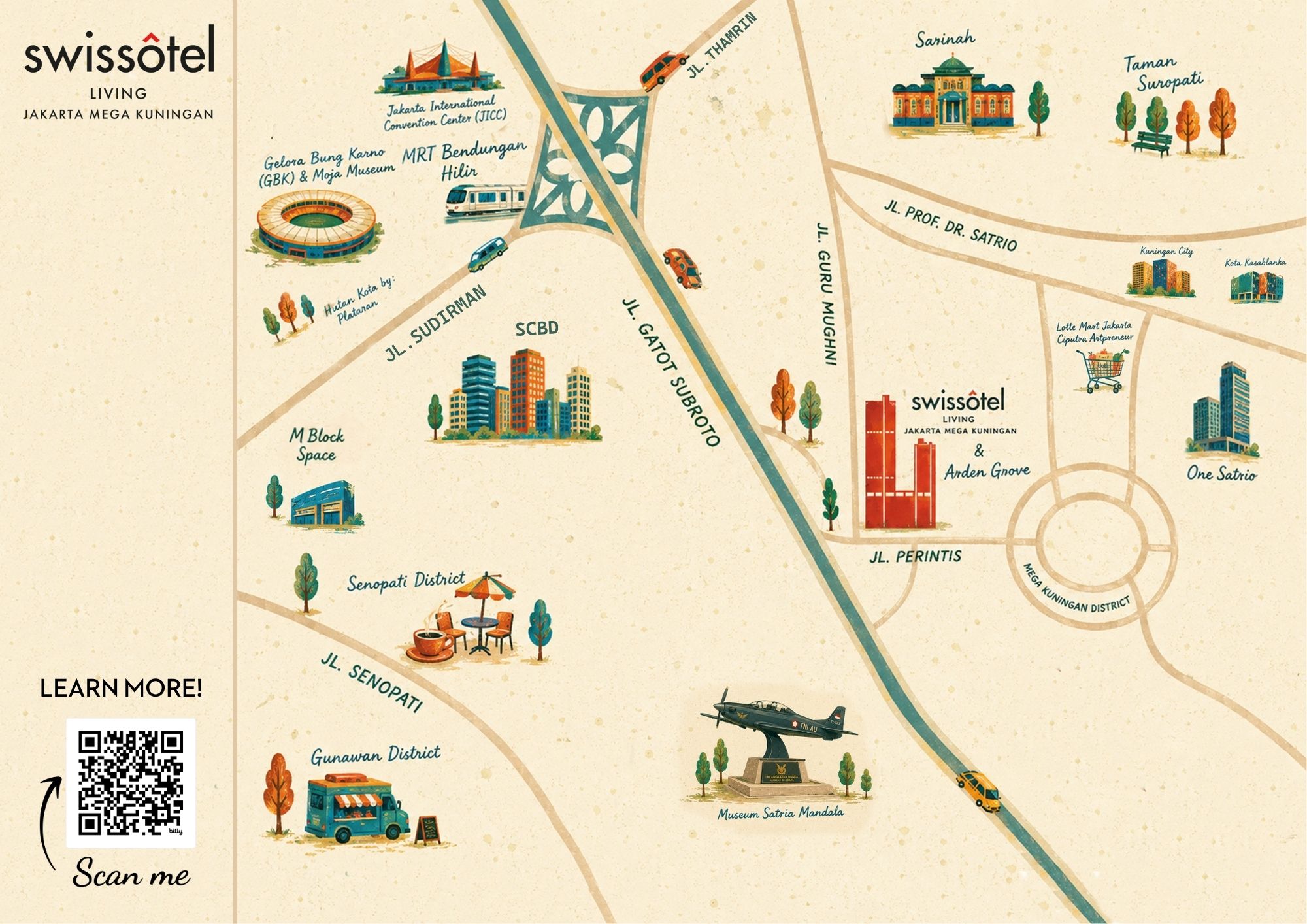
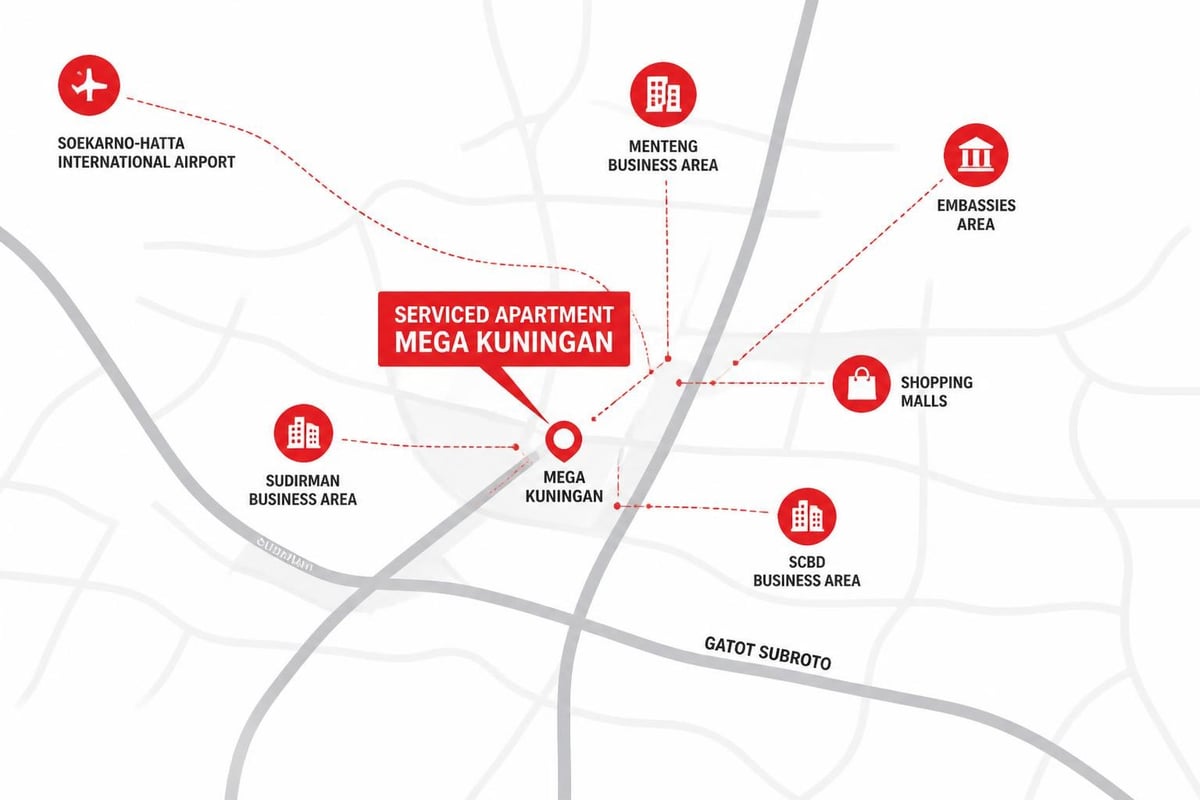
The hotels you can live in that work best in Jakarta are serviced apartments located inside or near a business district, close to MRT and LRT stations, with full kitchens and flexible terms. Jakarta traffic is heavy, so location often matters more than the unit itself.
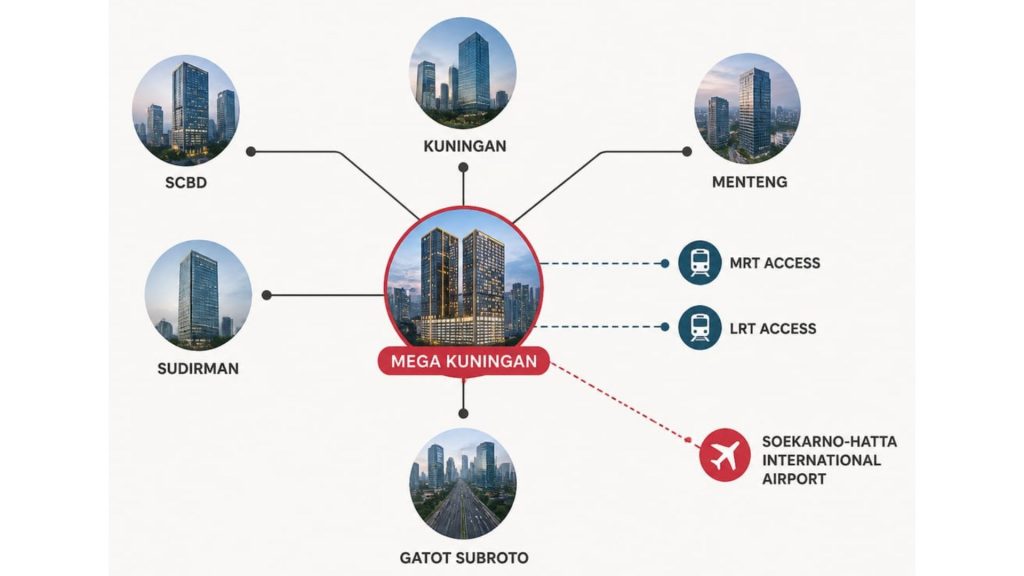
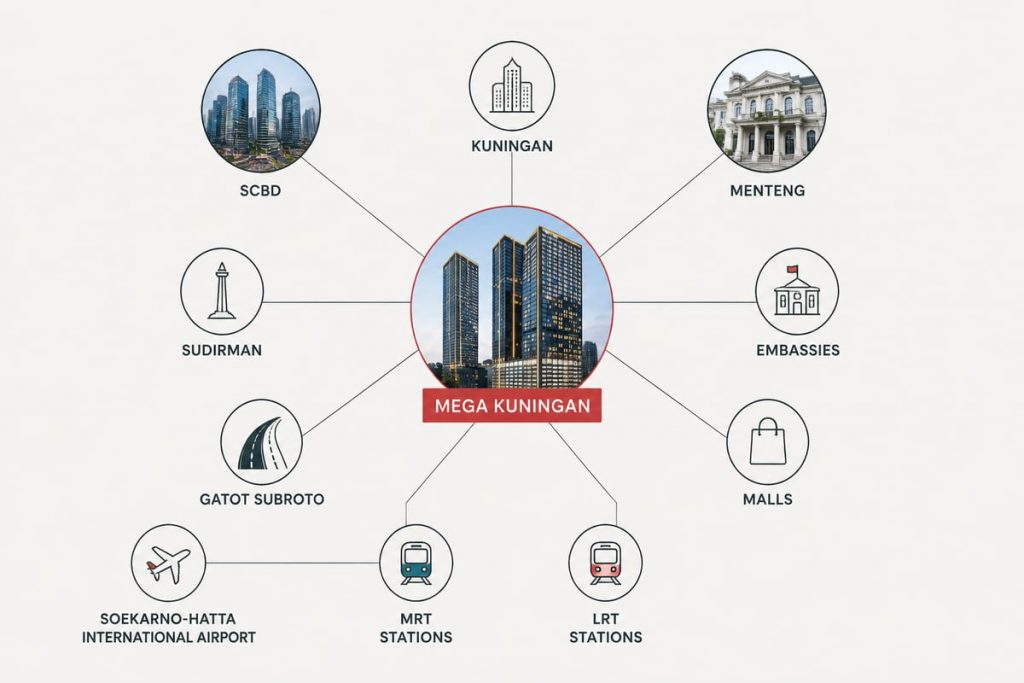
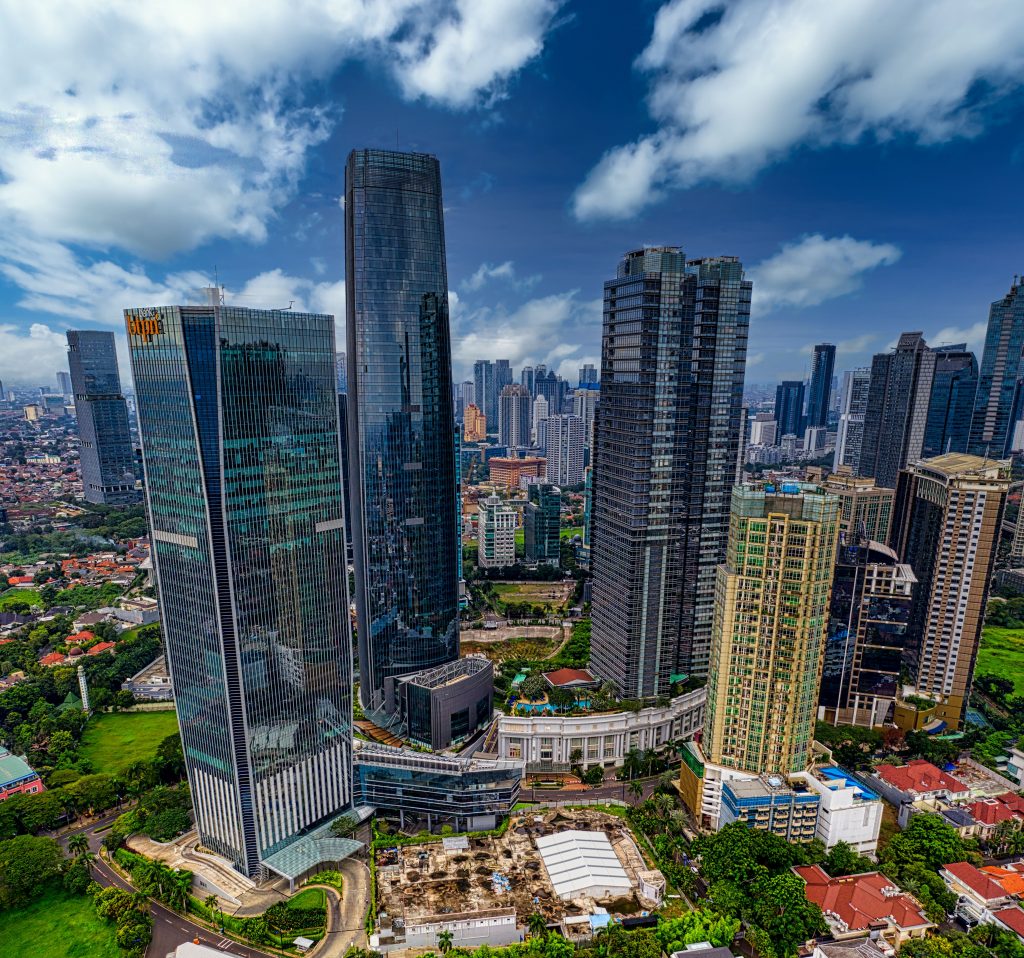
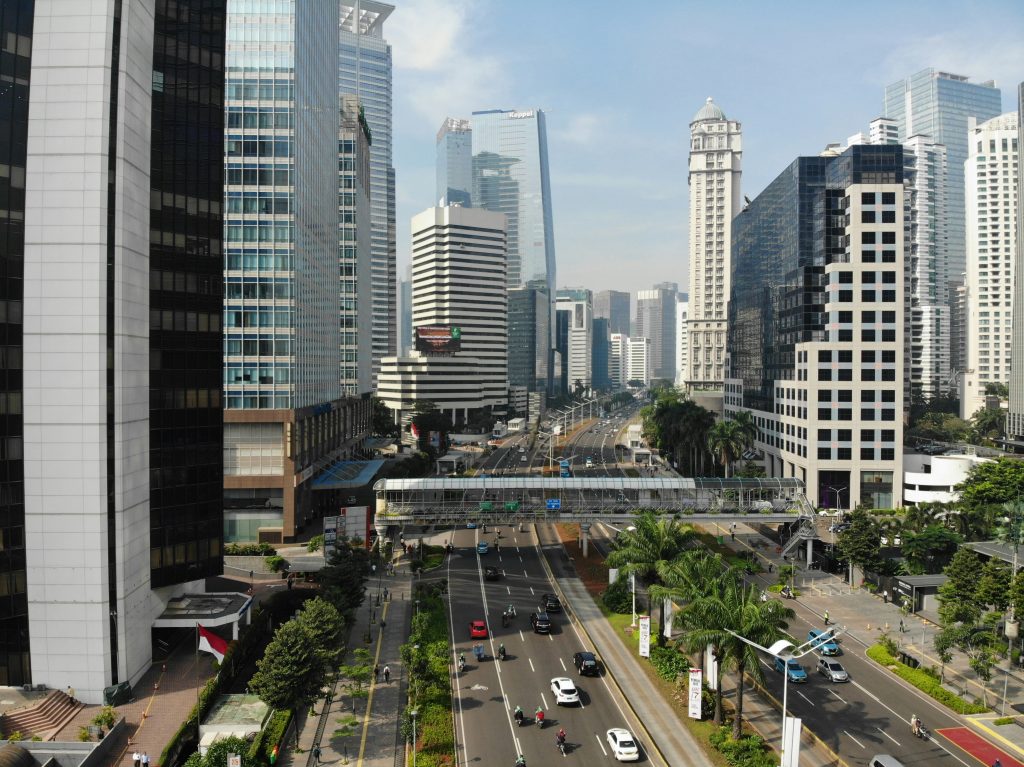
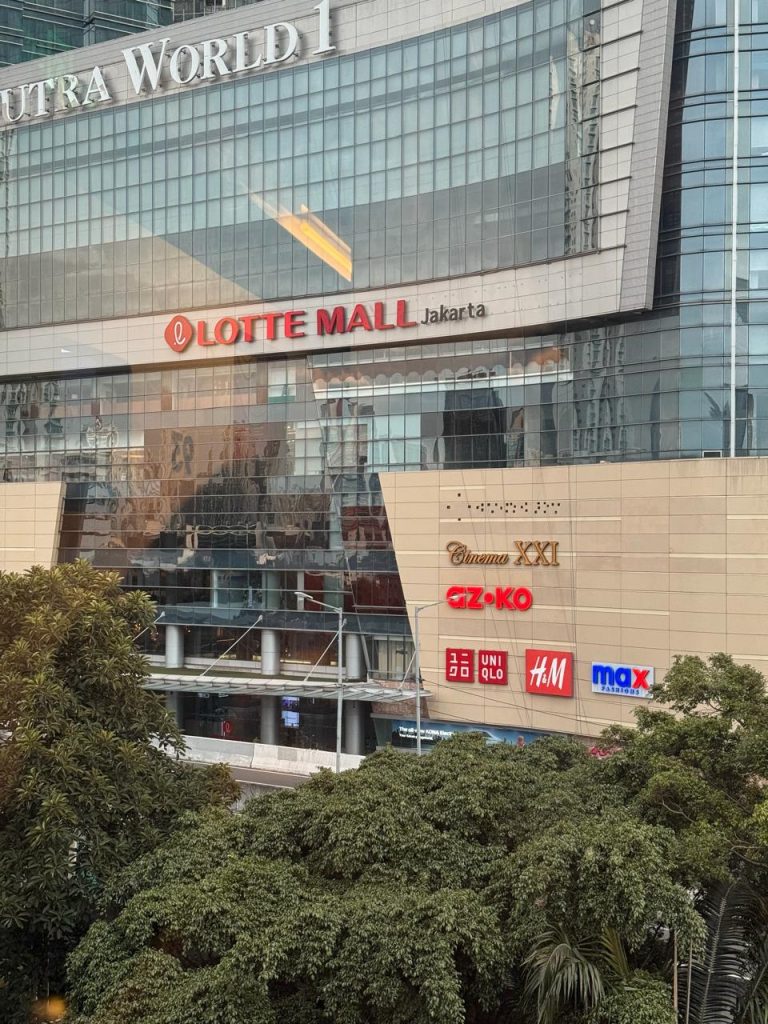
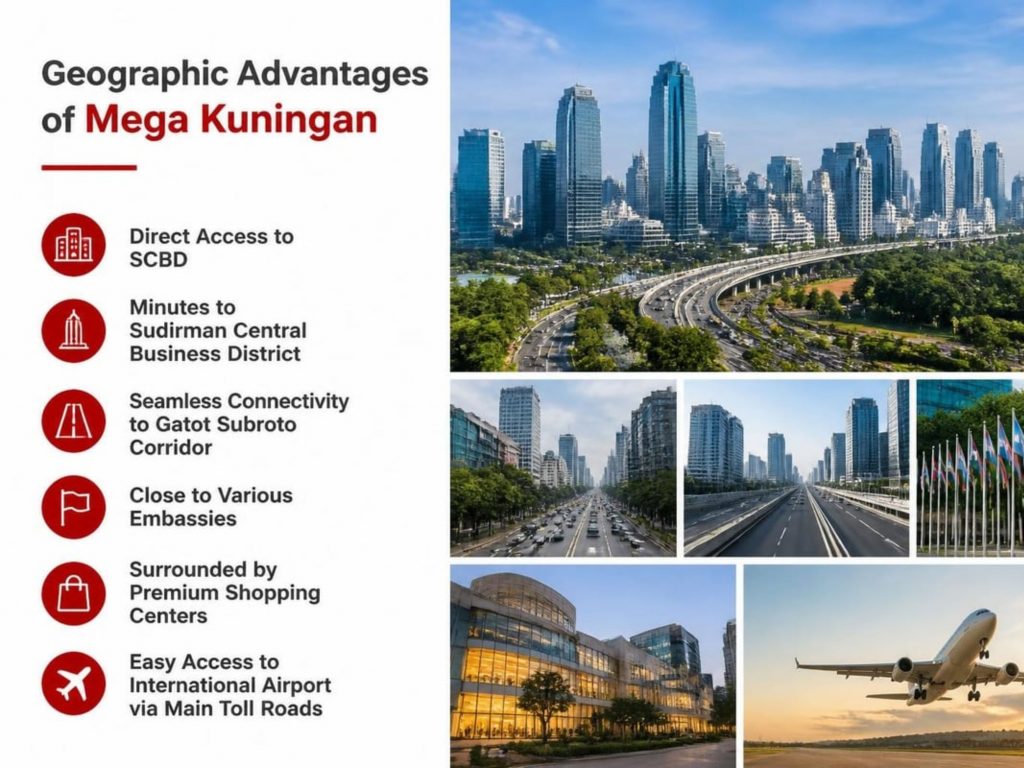
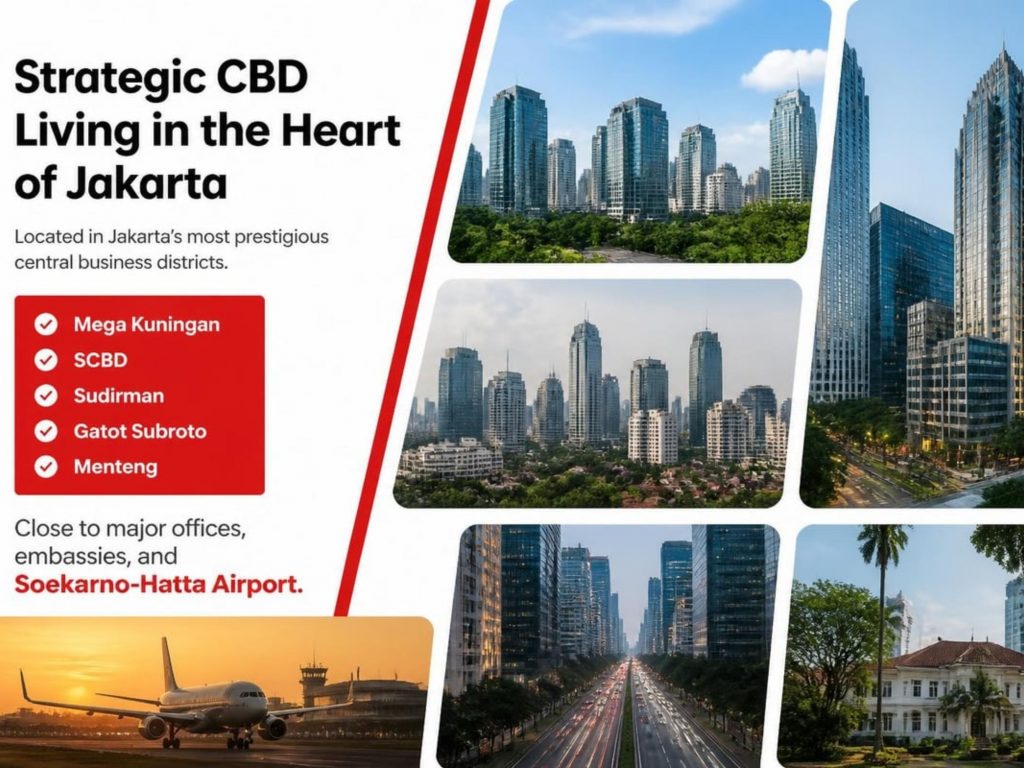
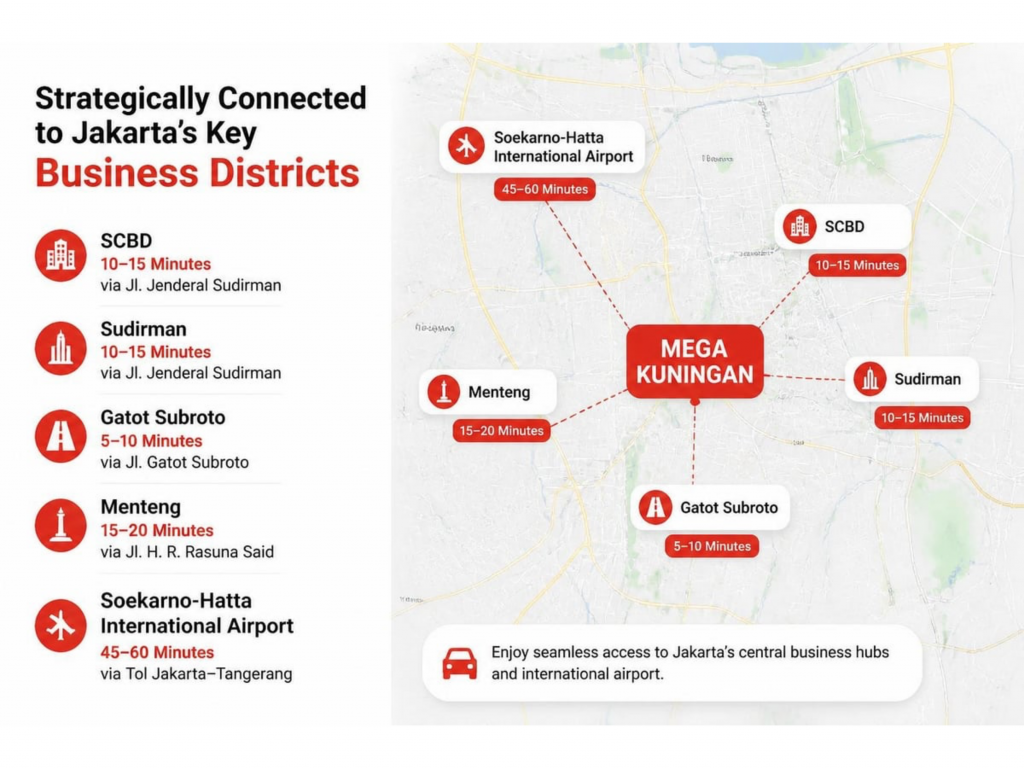
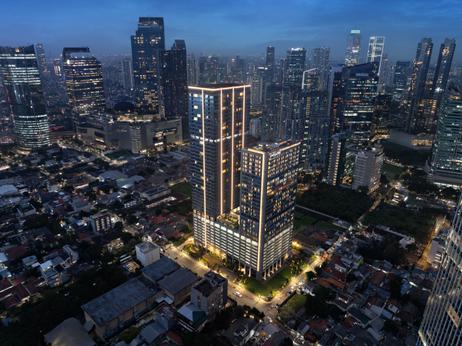
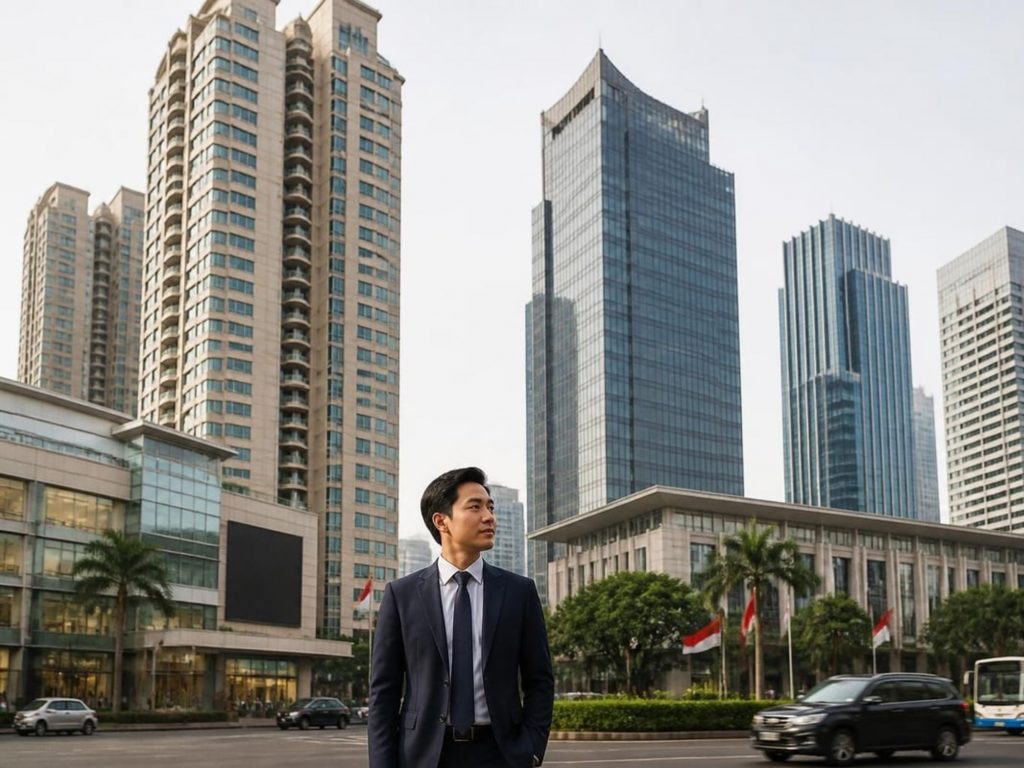
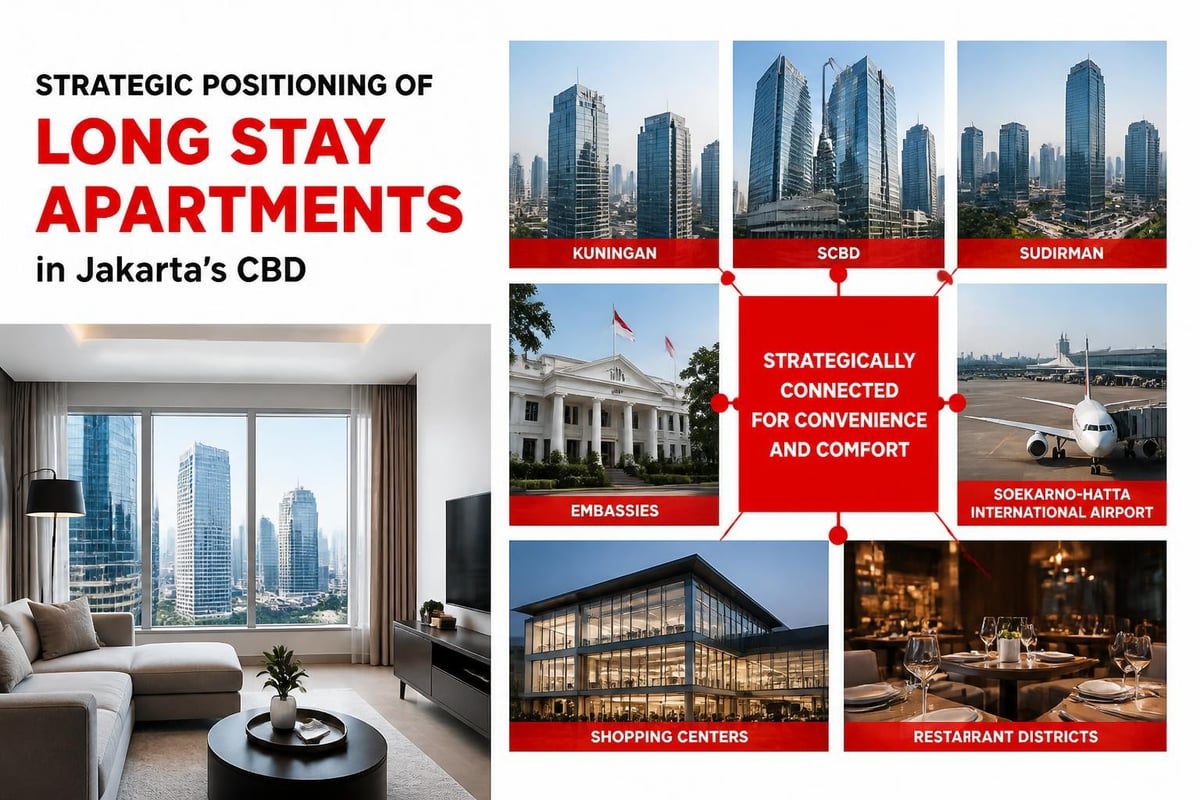
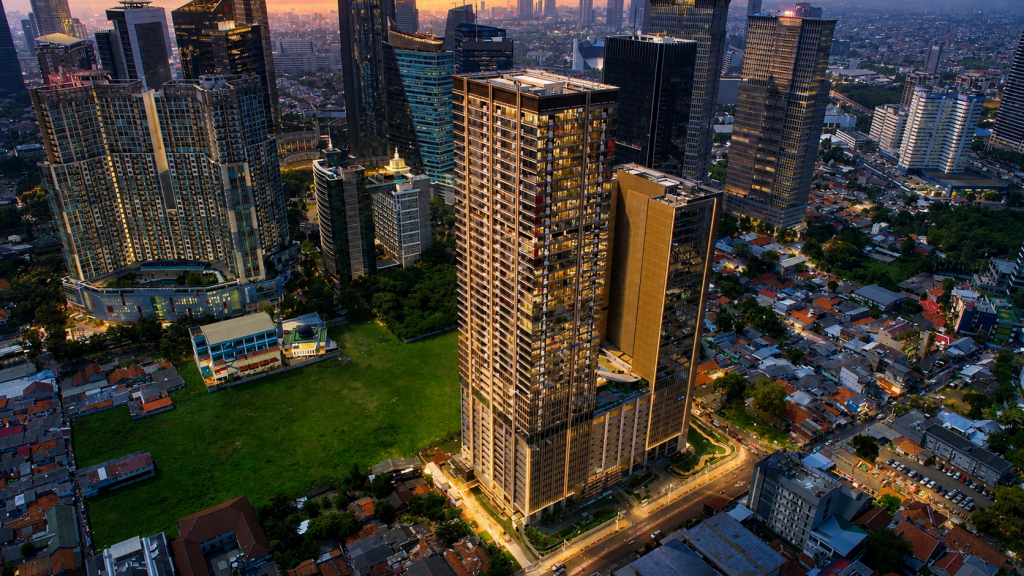
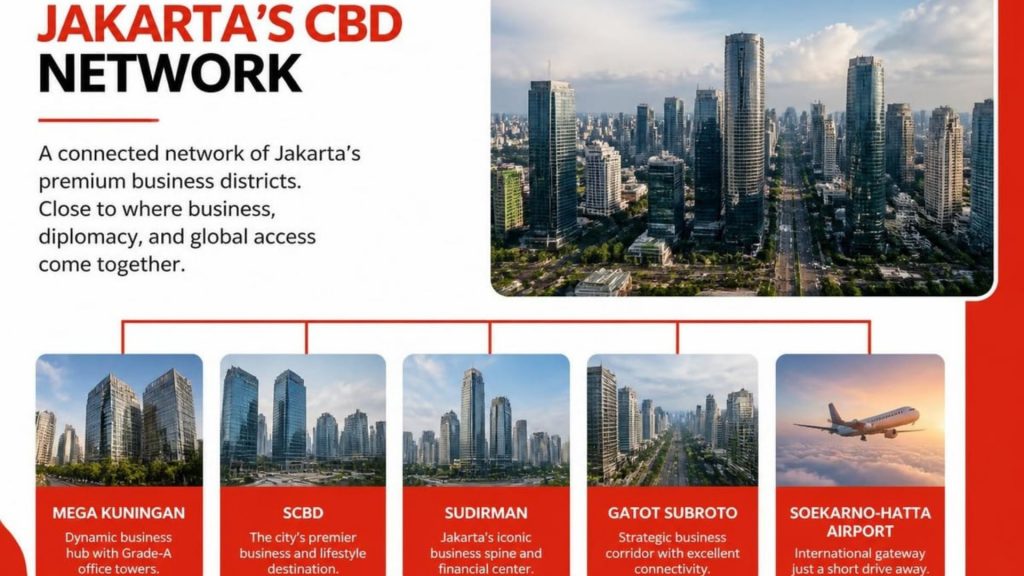
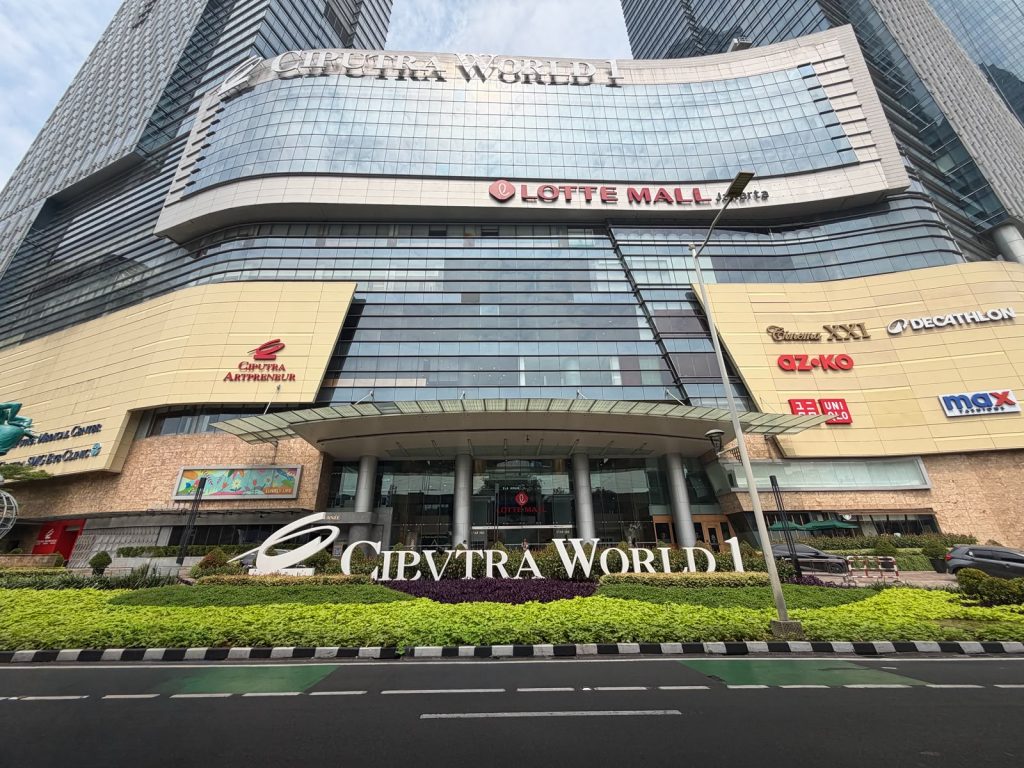
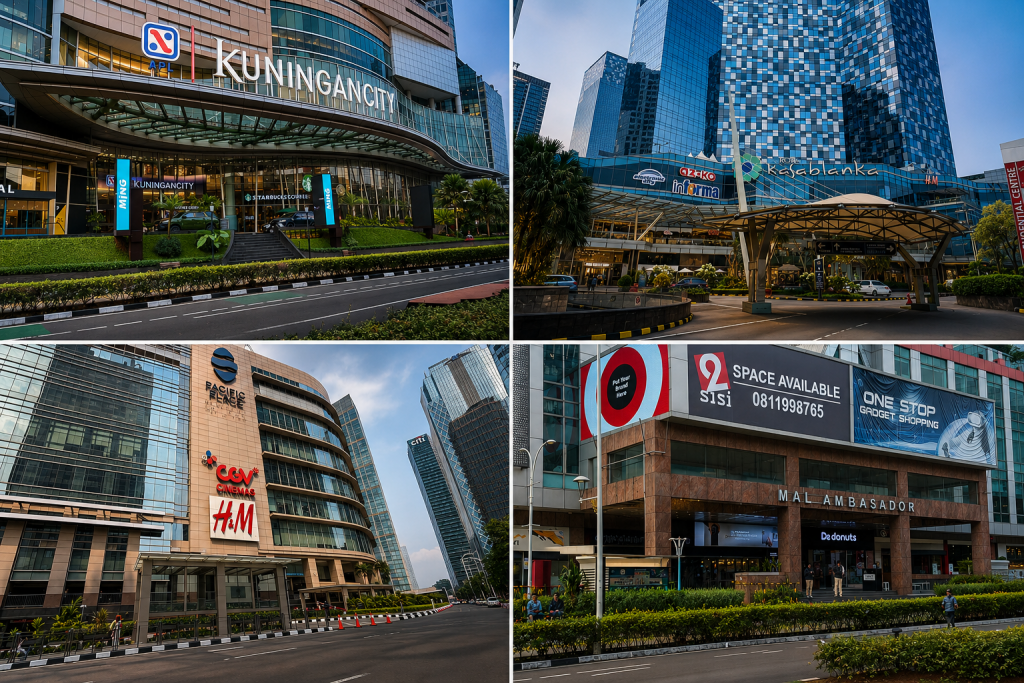
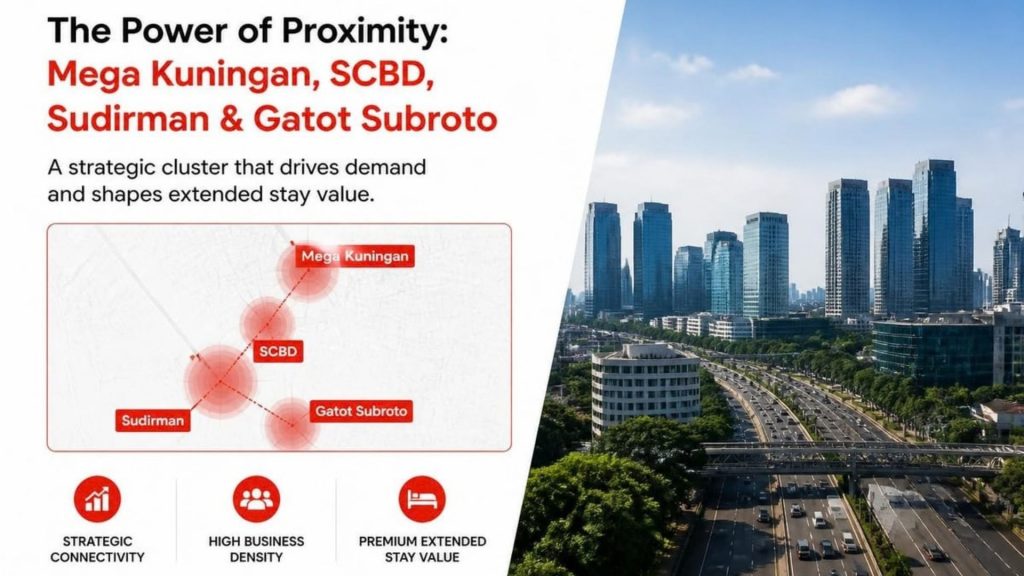
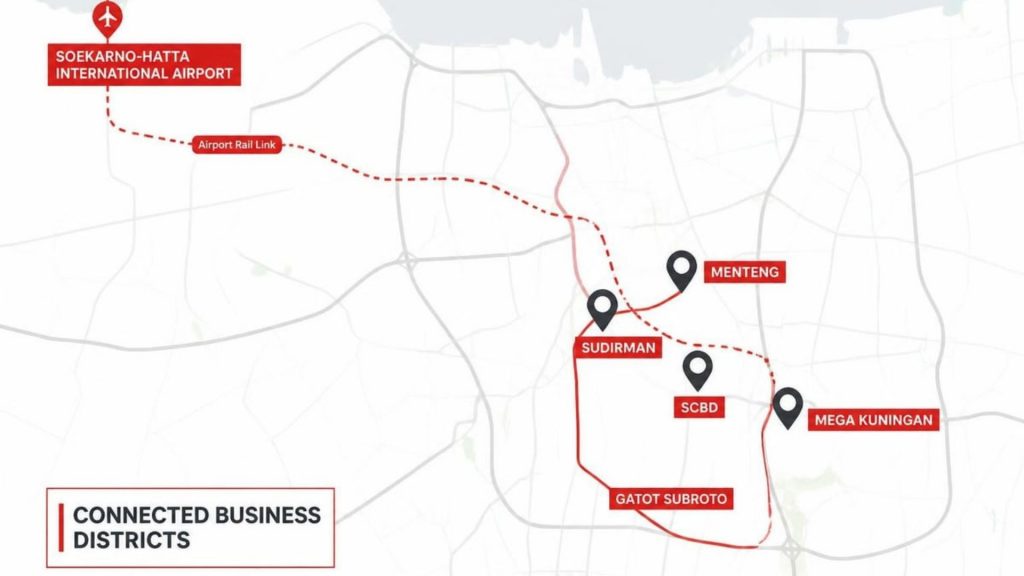
Mega Kuningan in South Jakarta is one of the strongest locations for this type of stay. It sits within Jakarta’s CBD and gives access to Kuningan, SCBD, Sudirman, Gatot Subroto and Menteng, along with embassies, shopping malls and restaurants. Soekarno-Hatta International Airport is reachable for arrivals and departures. For a professional who commutes to offices in these districts, living in the same area can cut daily travel considerably.
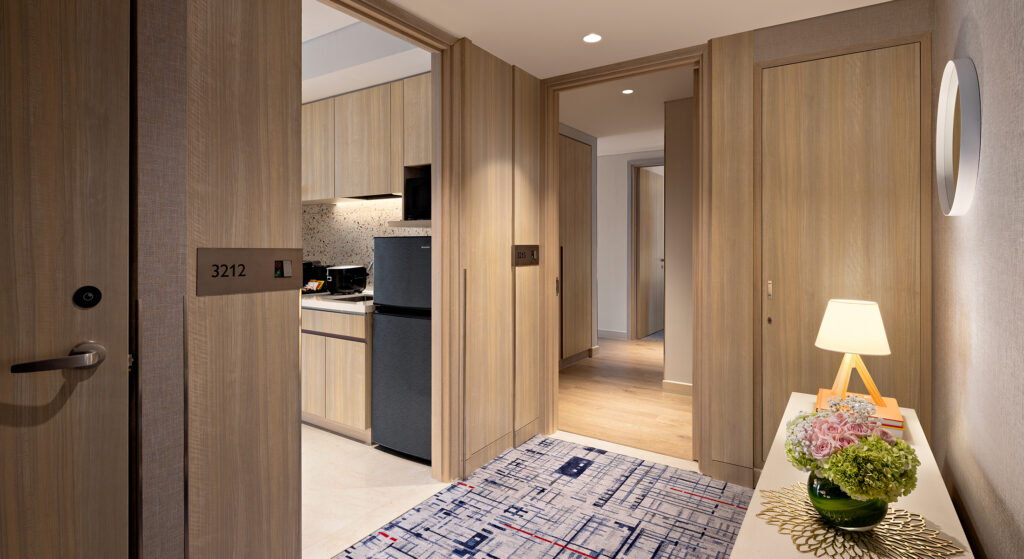
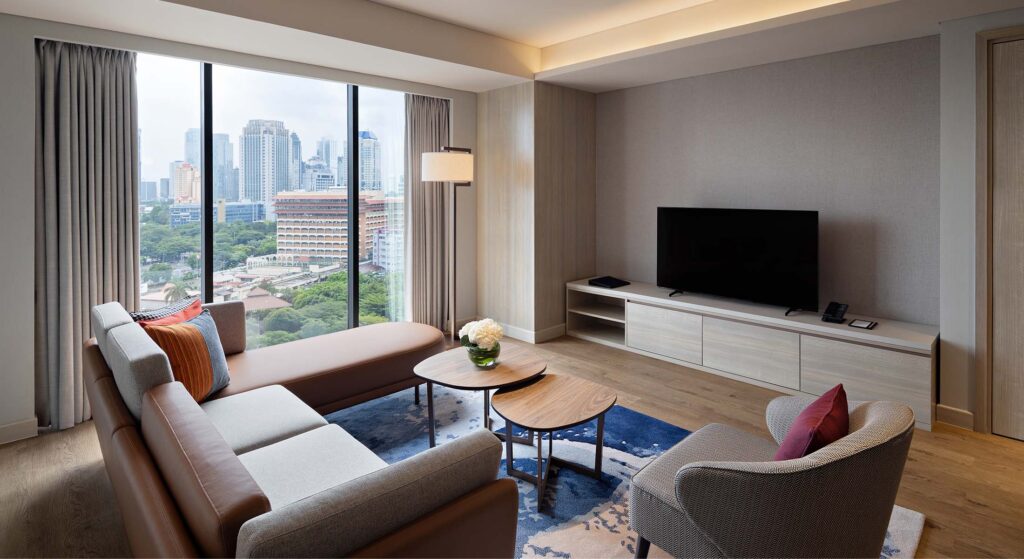
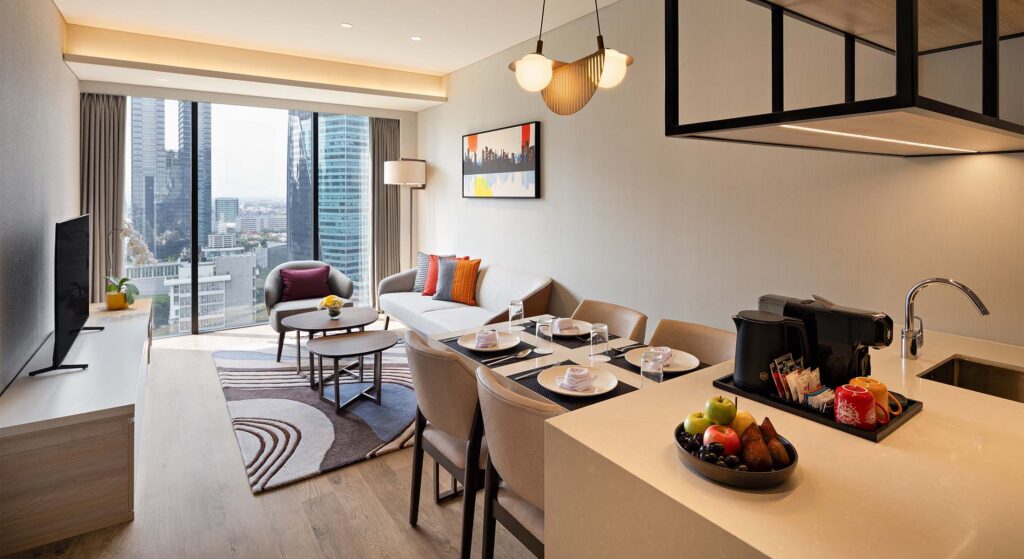
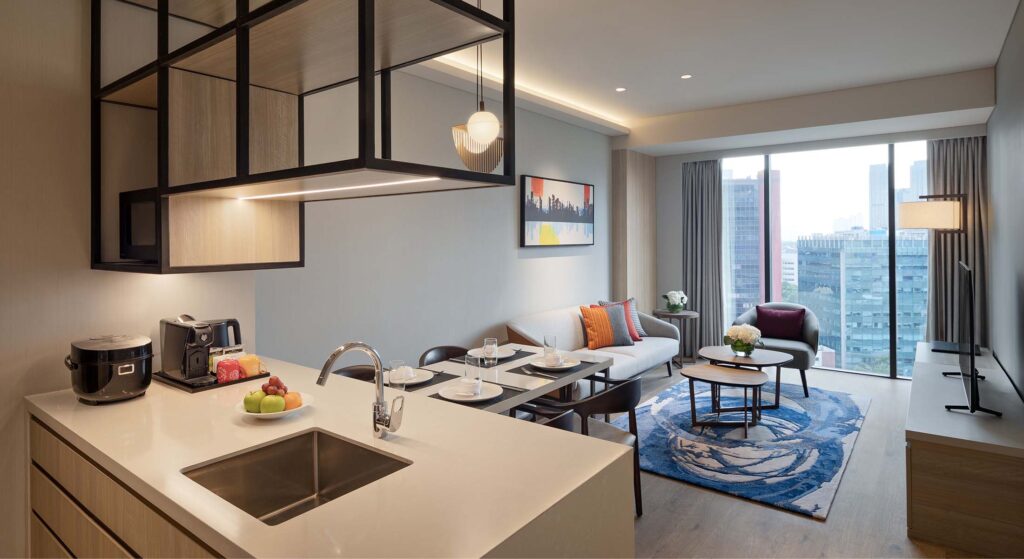
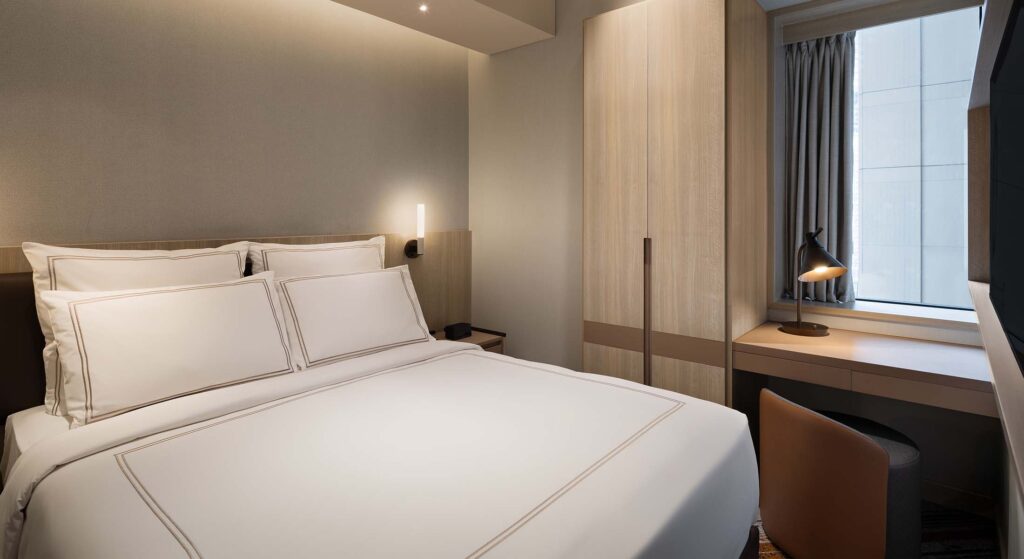
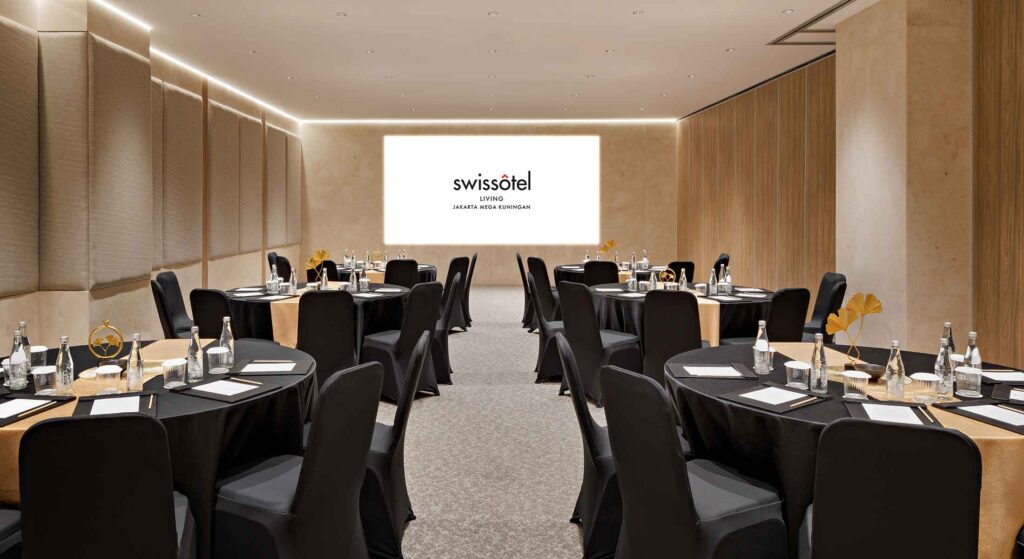
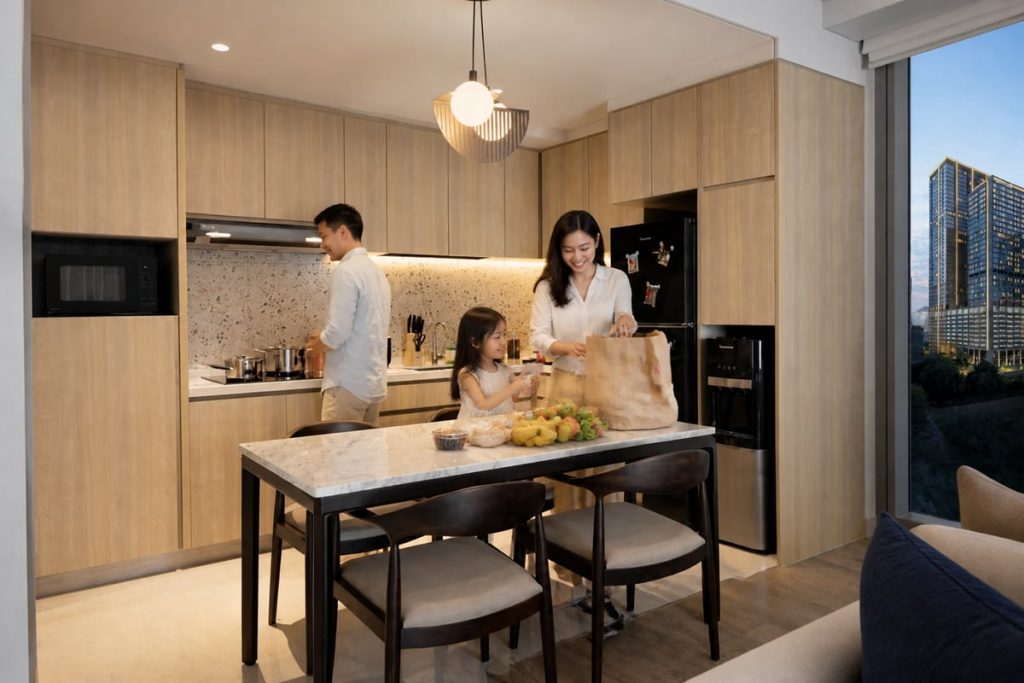
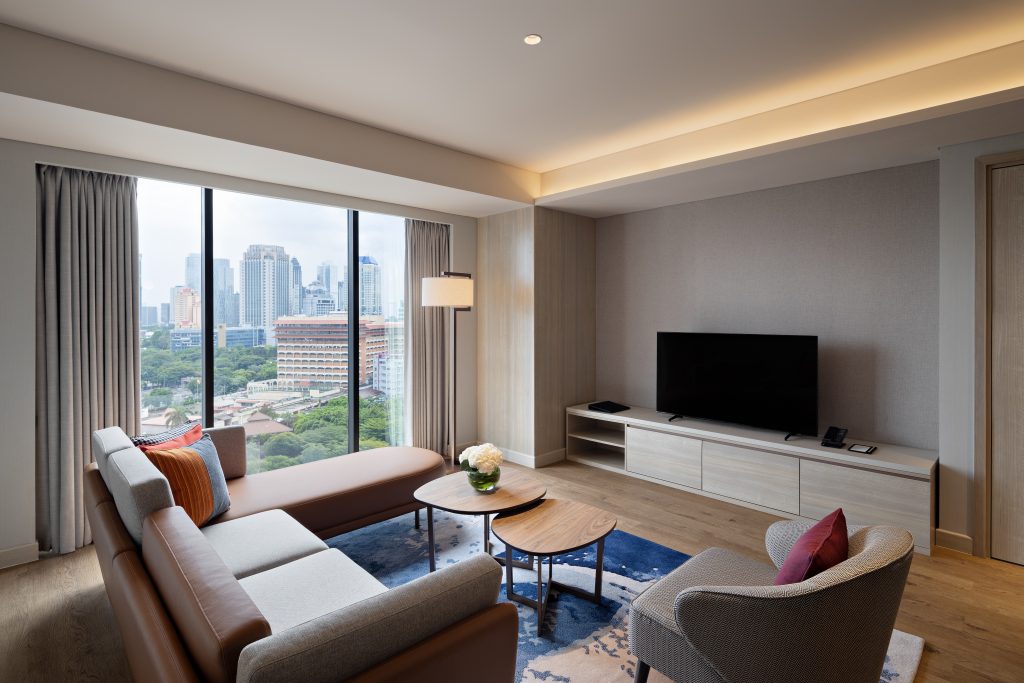
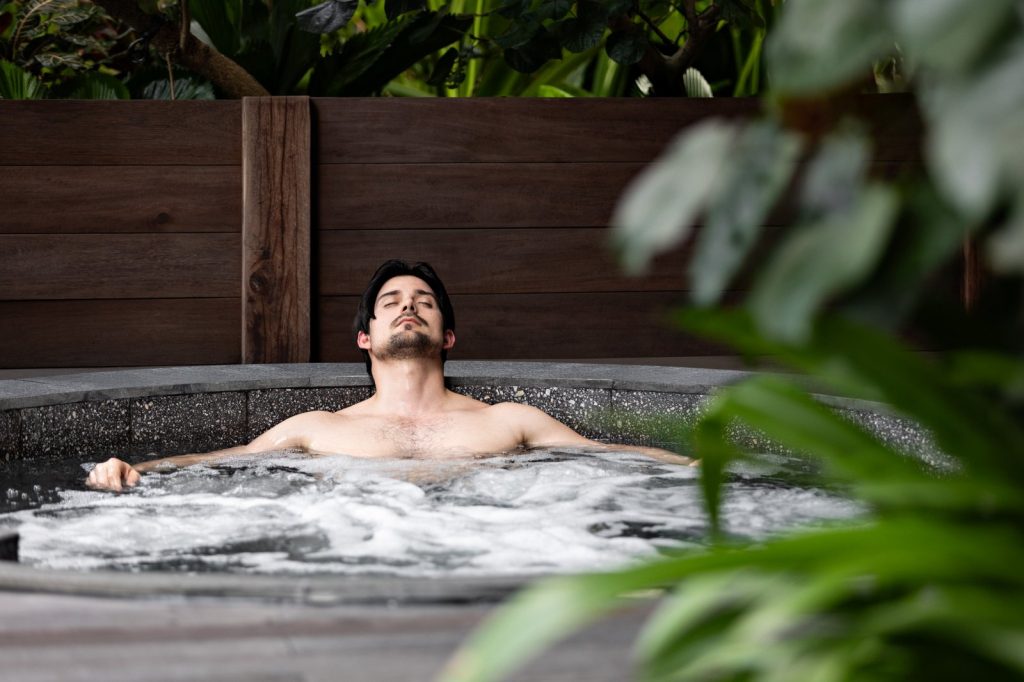
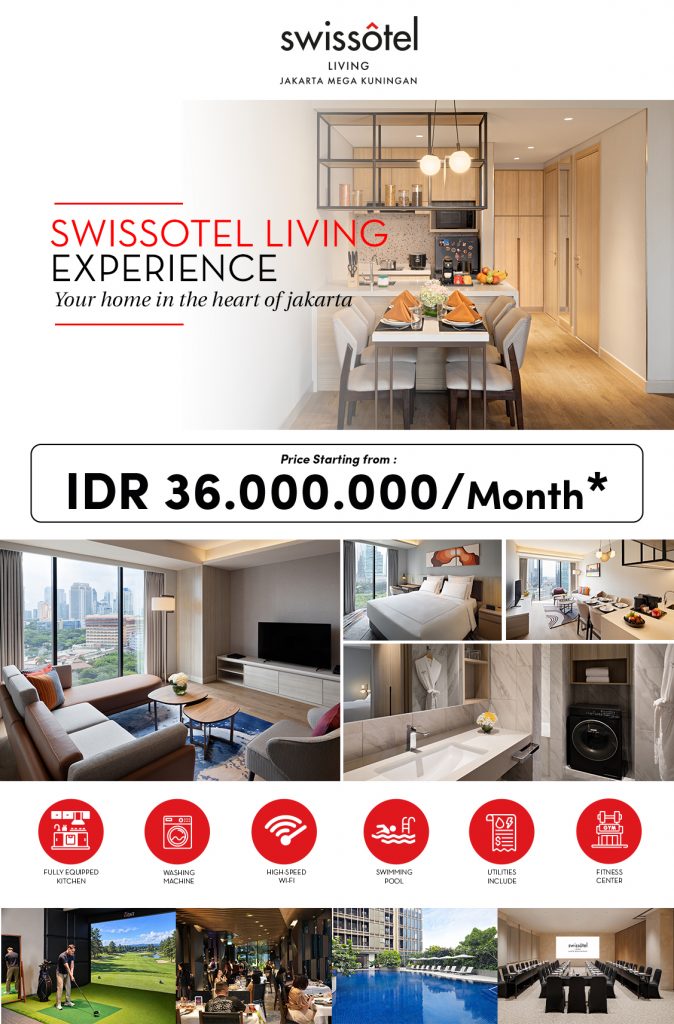
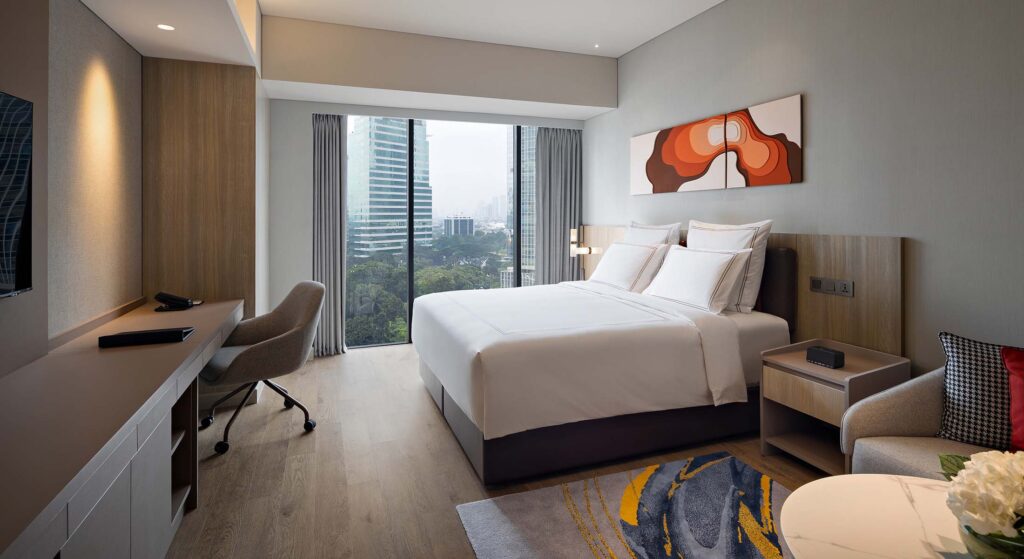
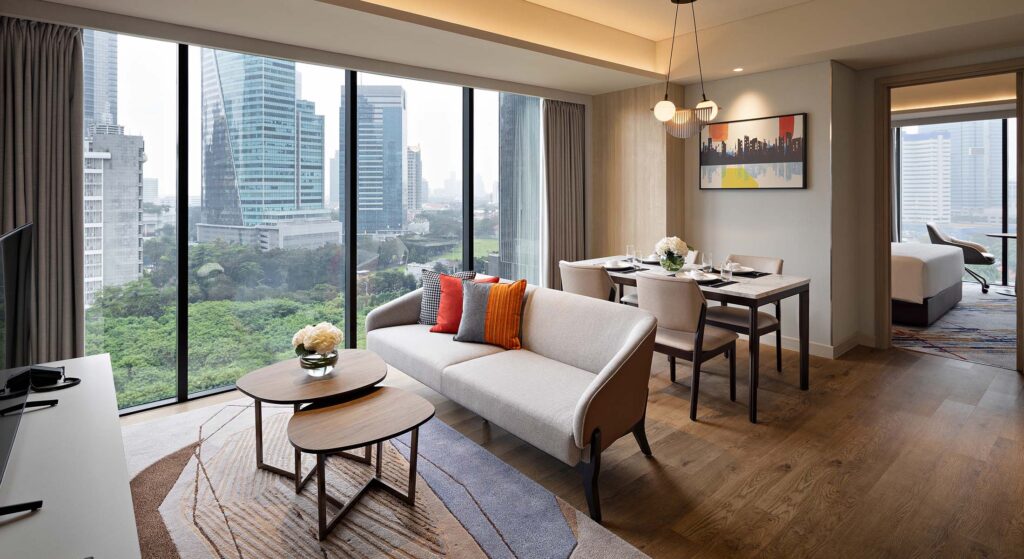
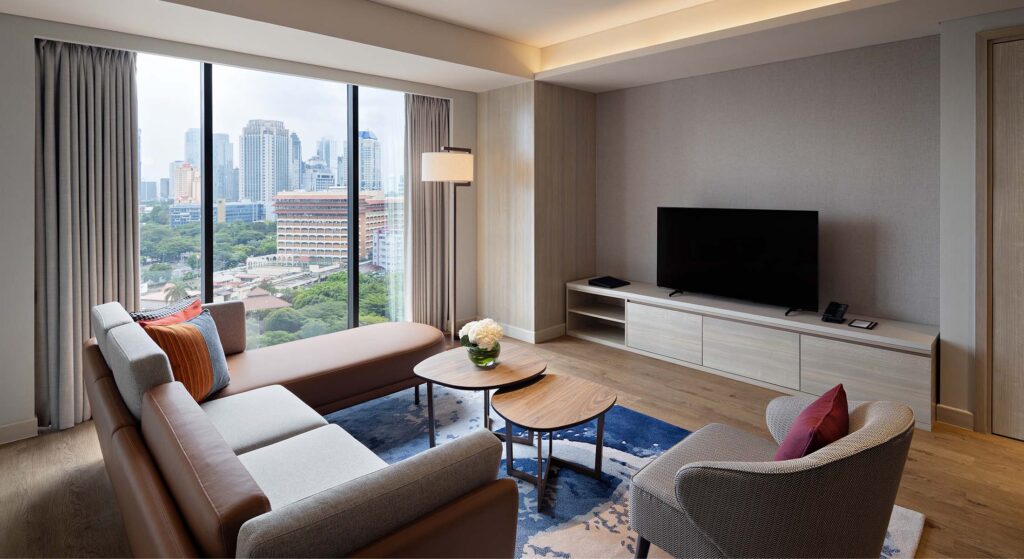
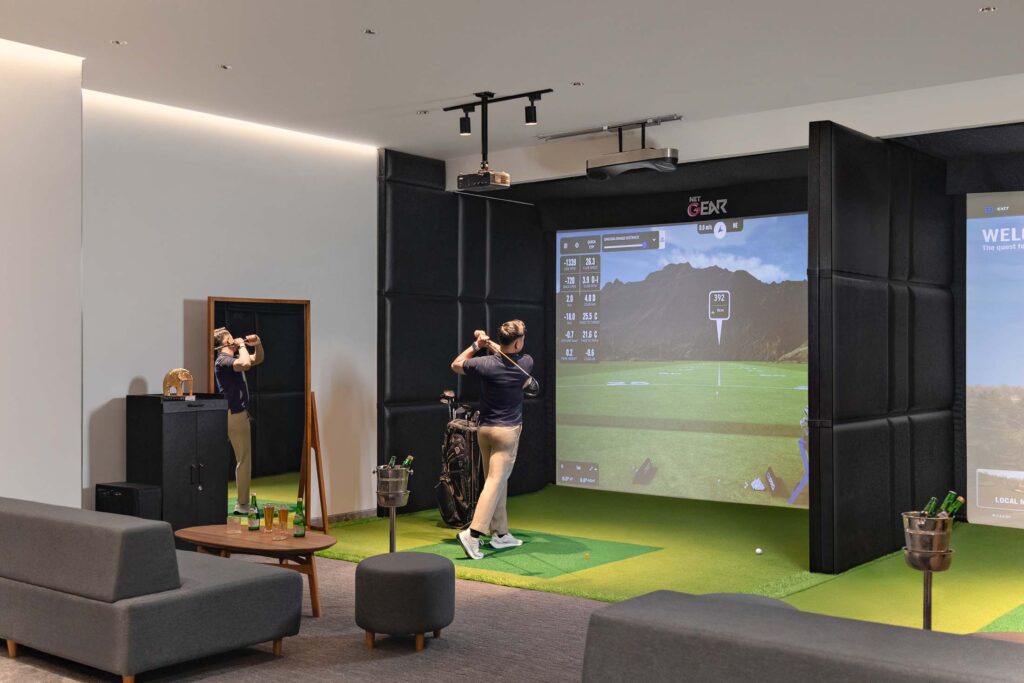
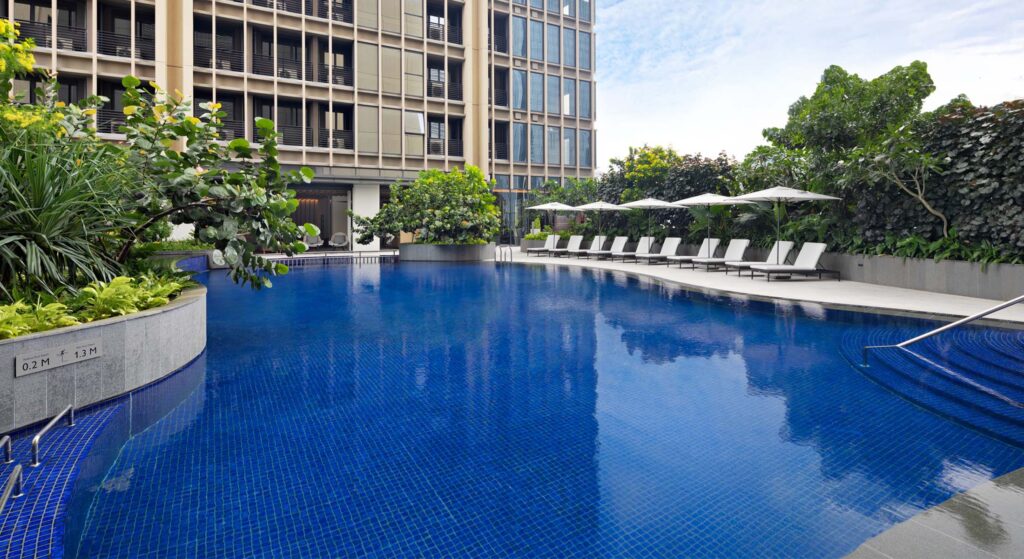
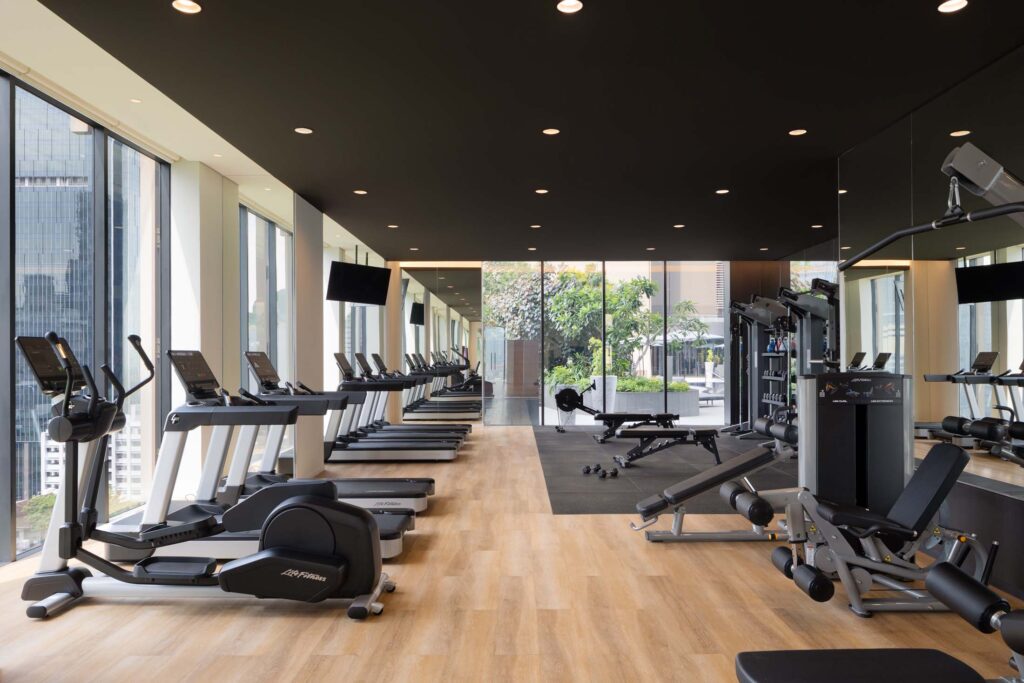
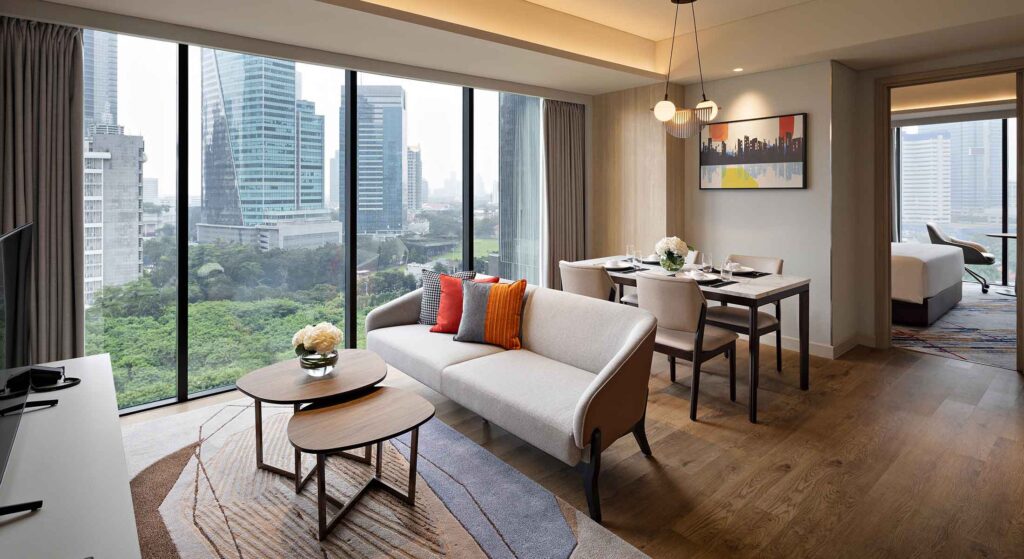
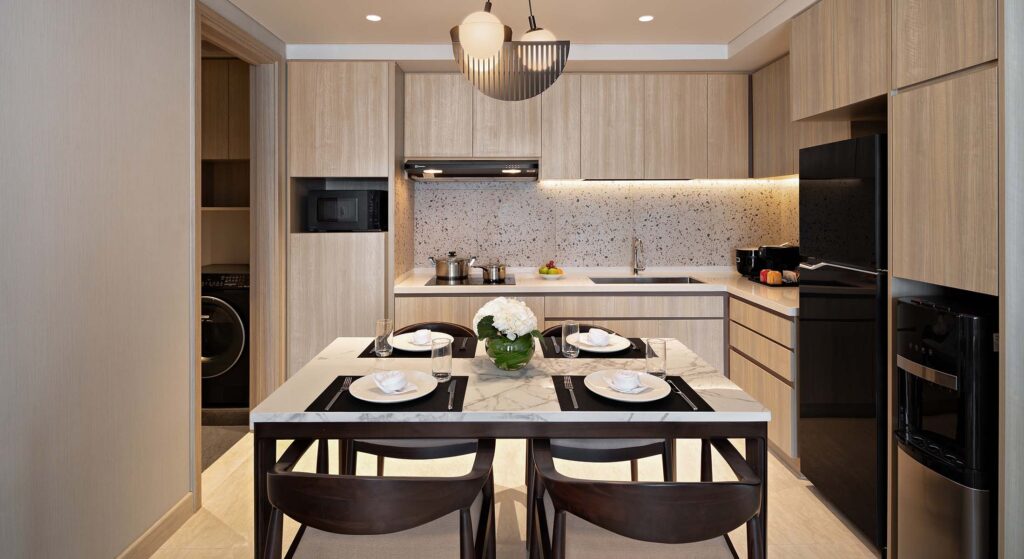
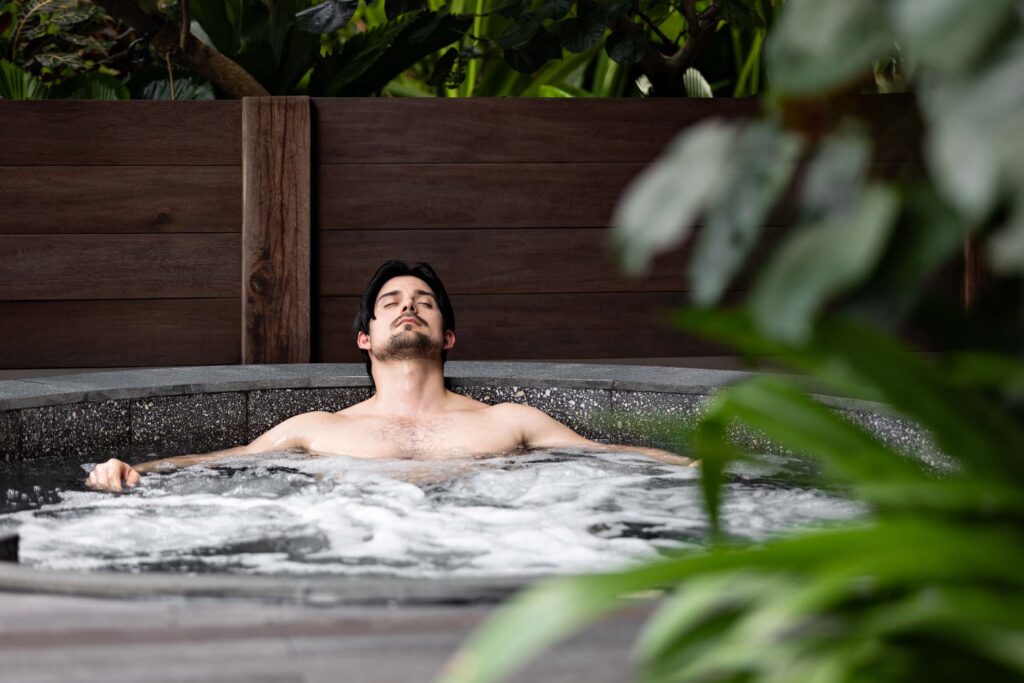
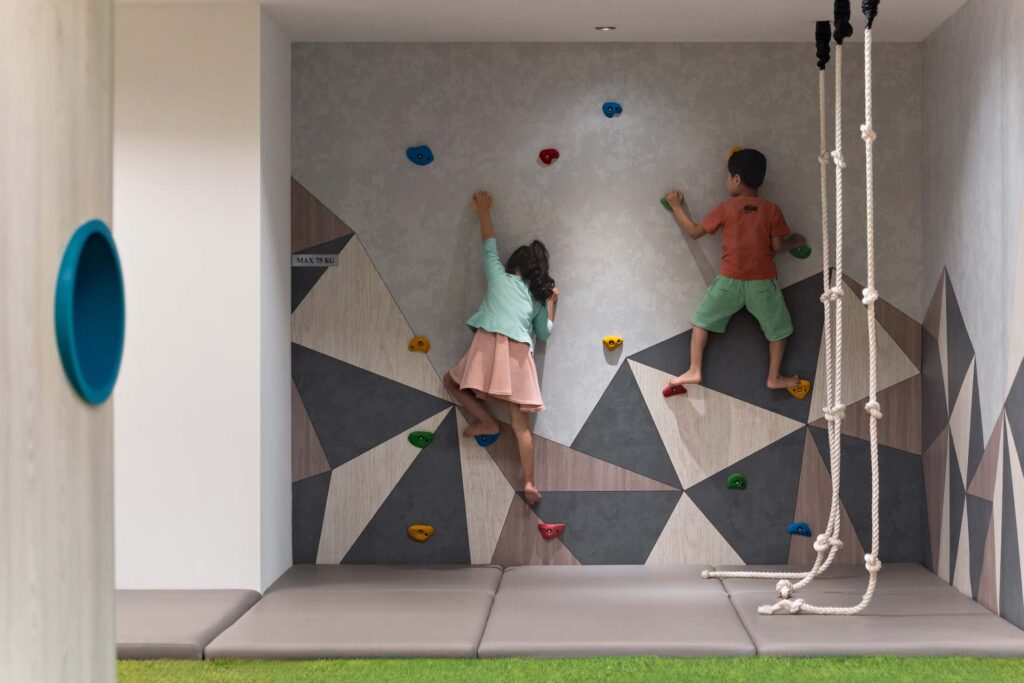
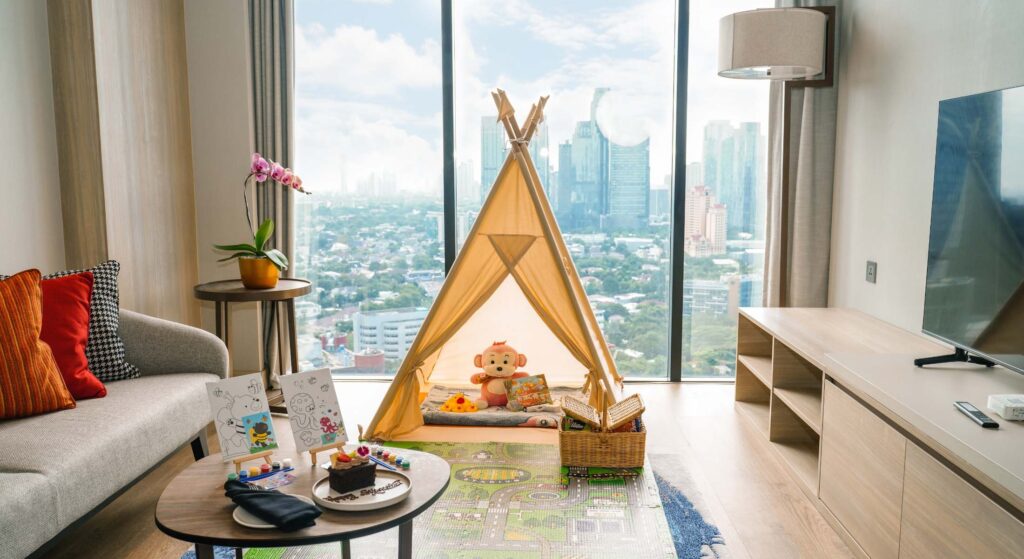
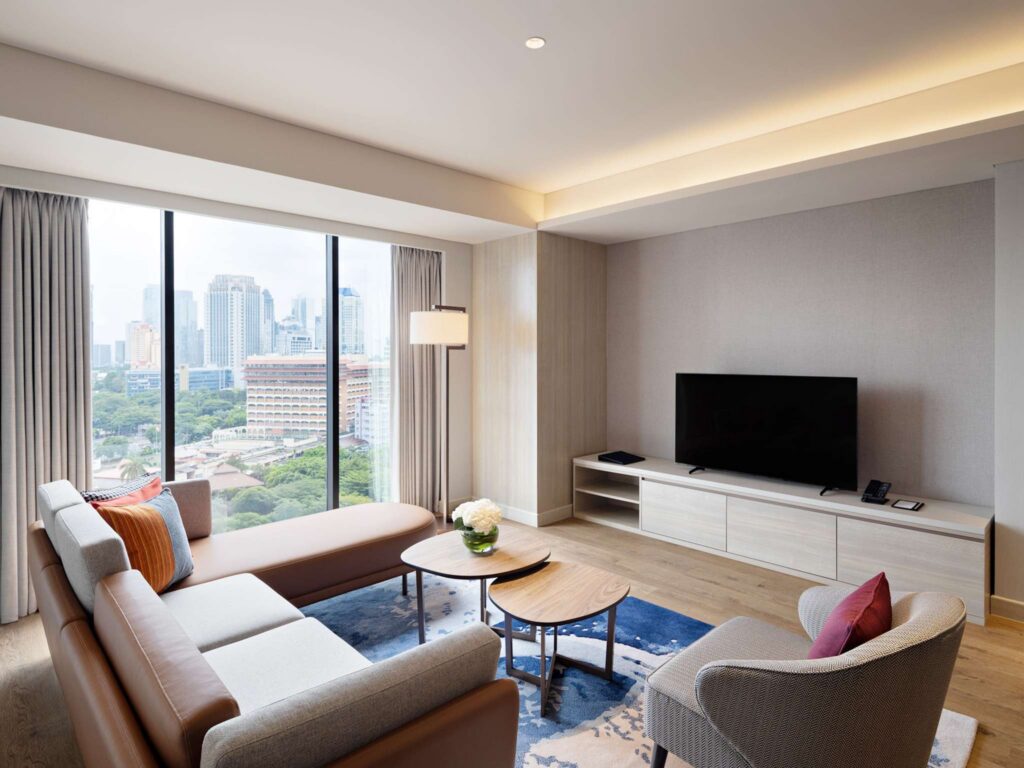
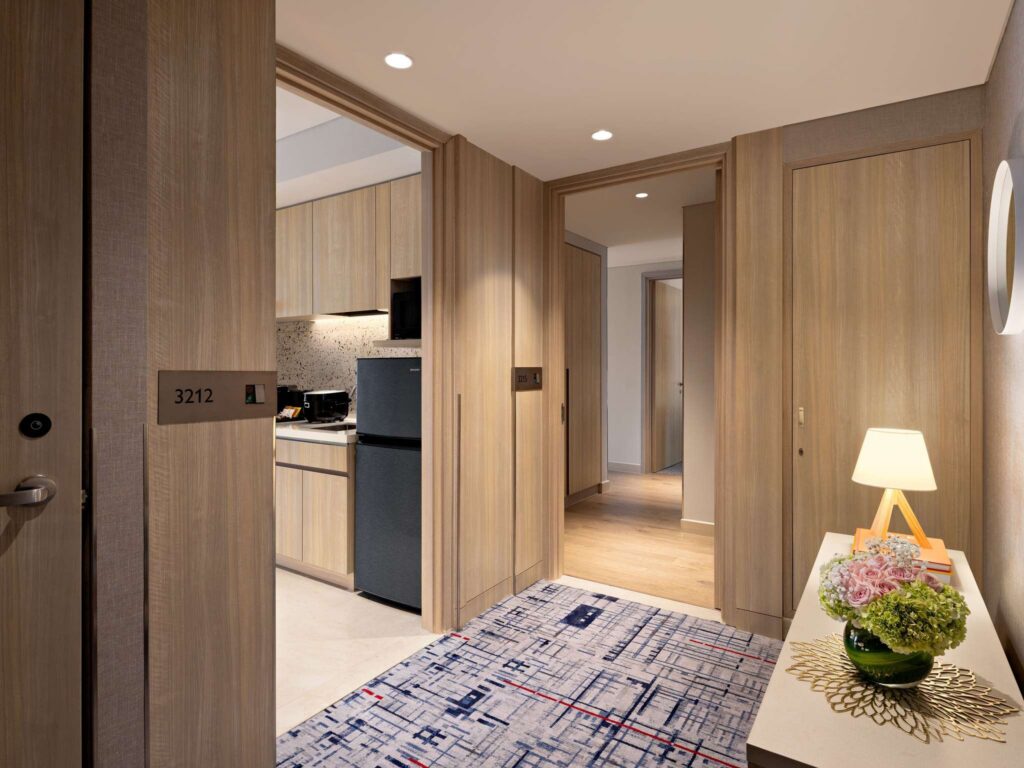
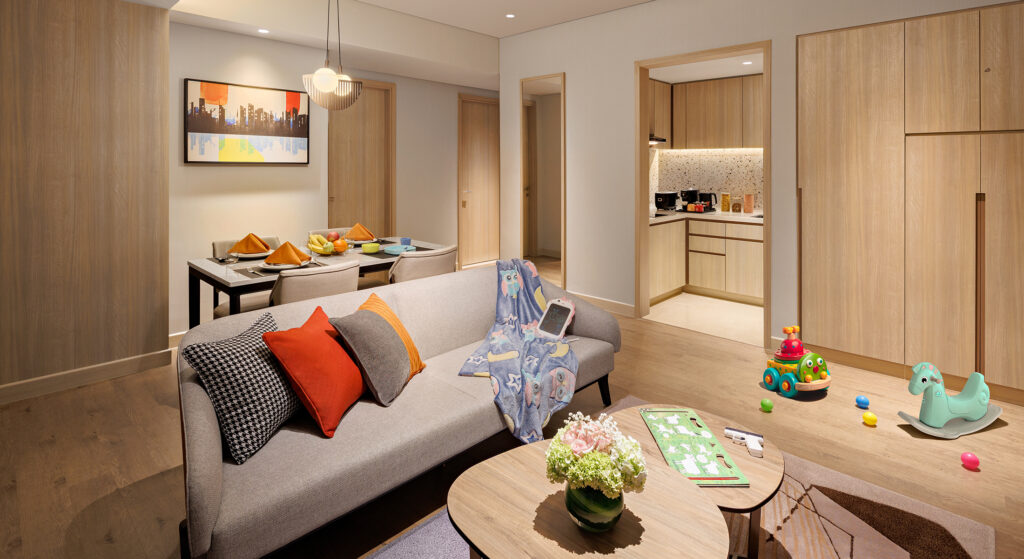
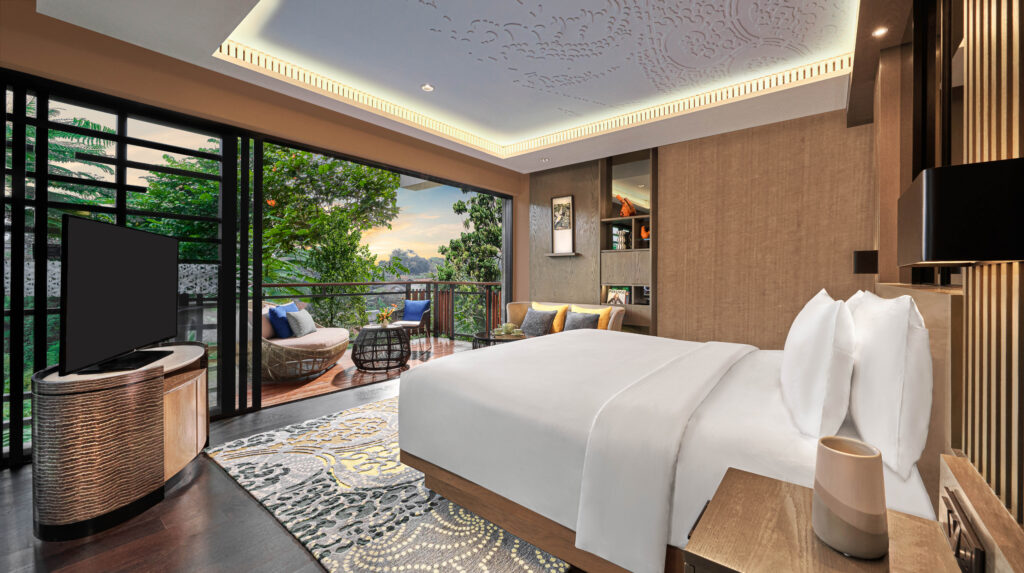
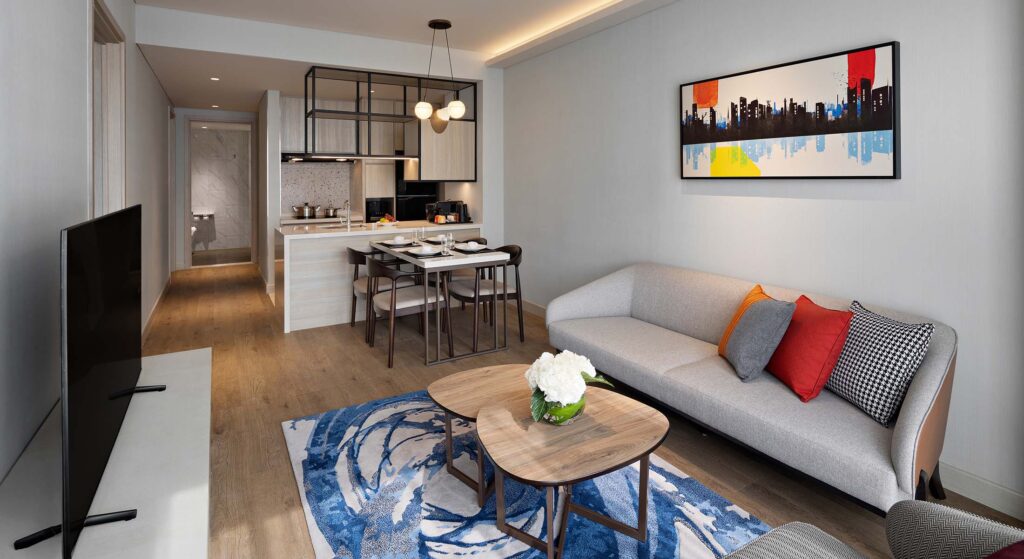
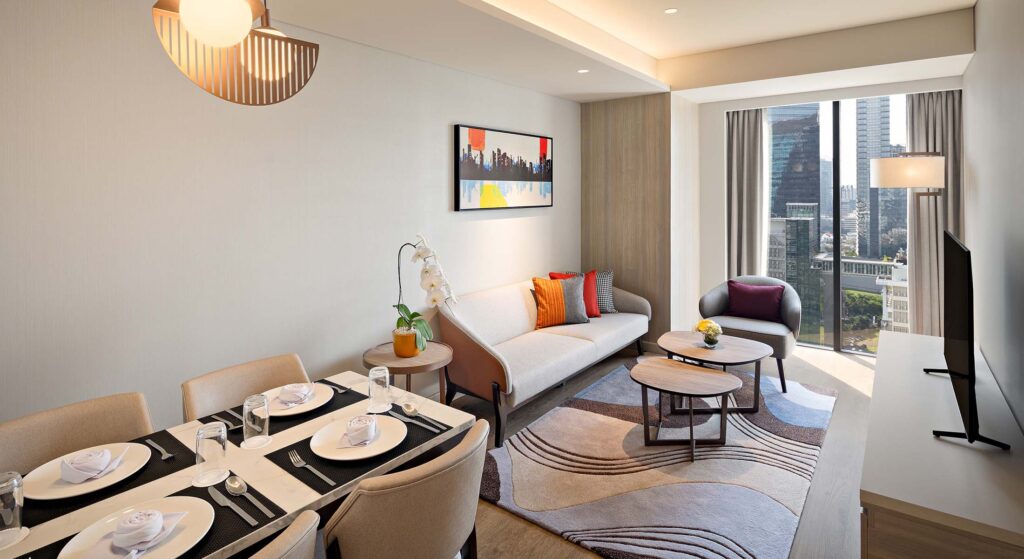
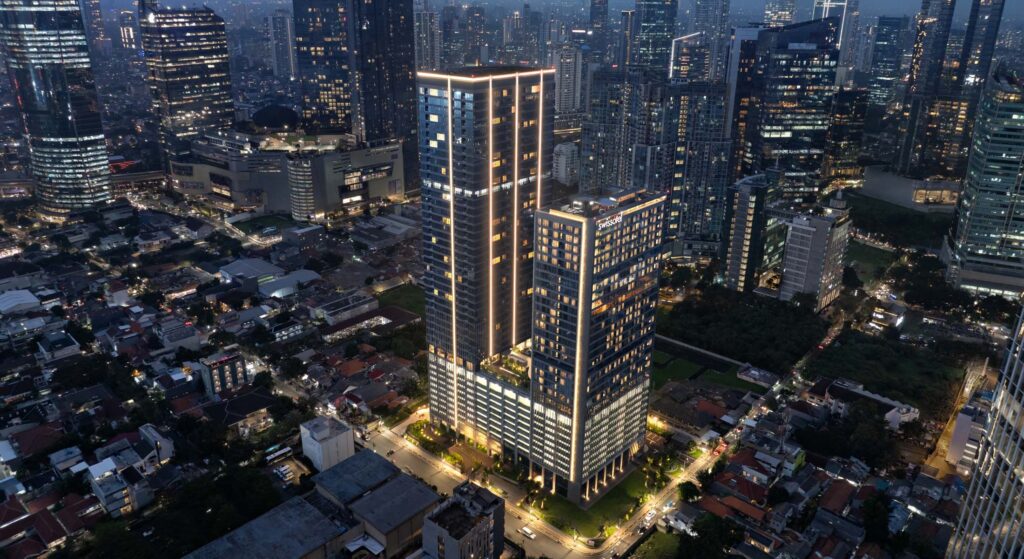
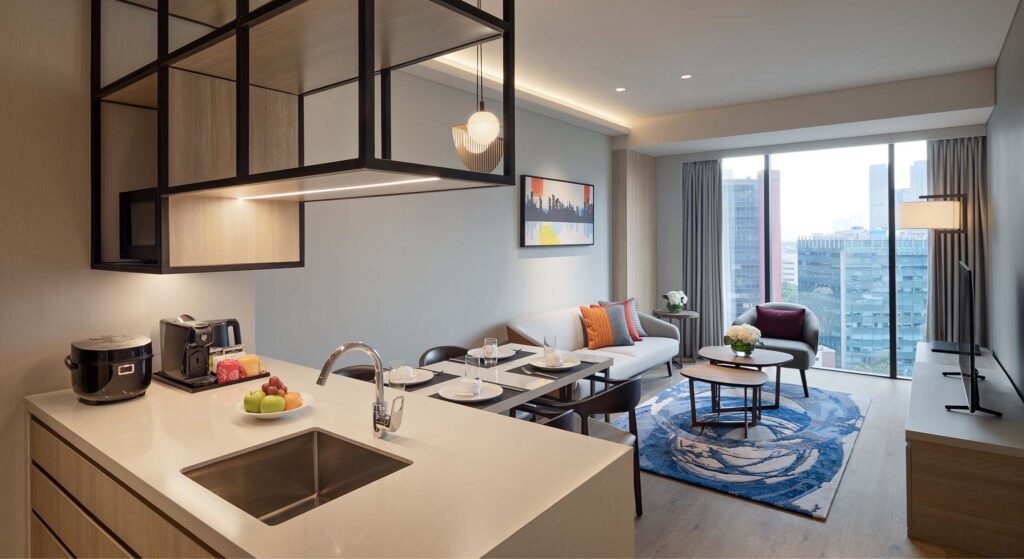
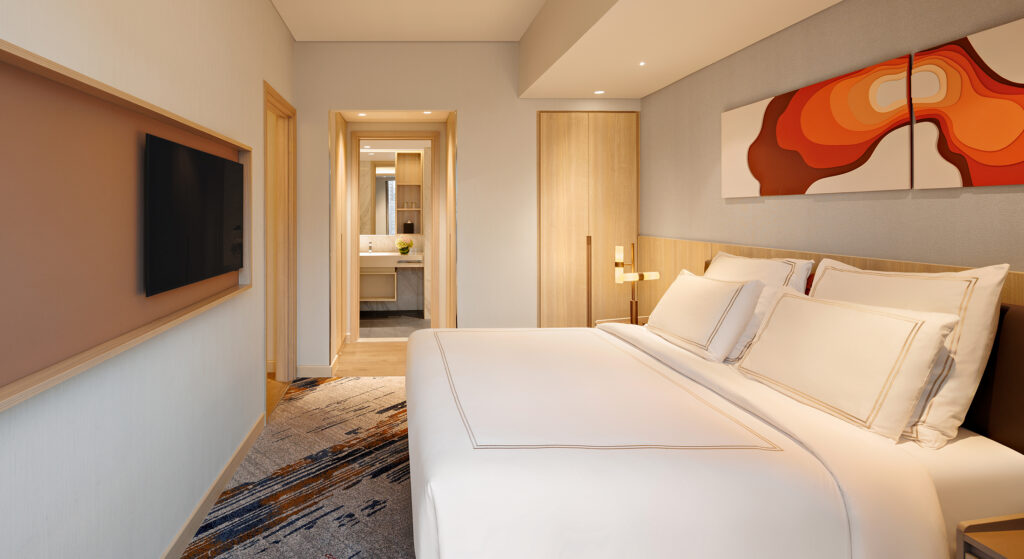
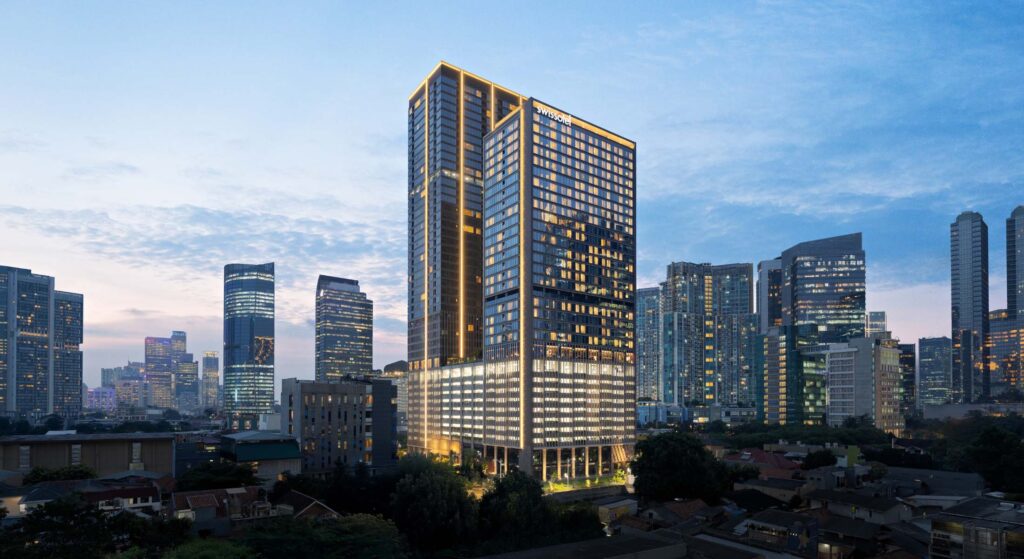
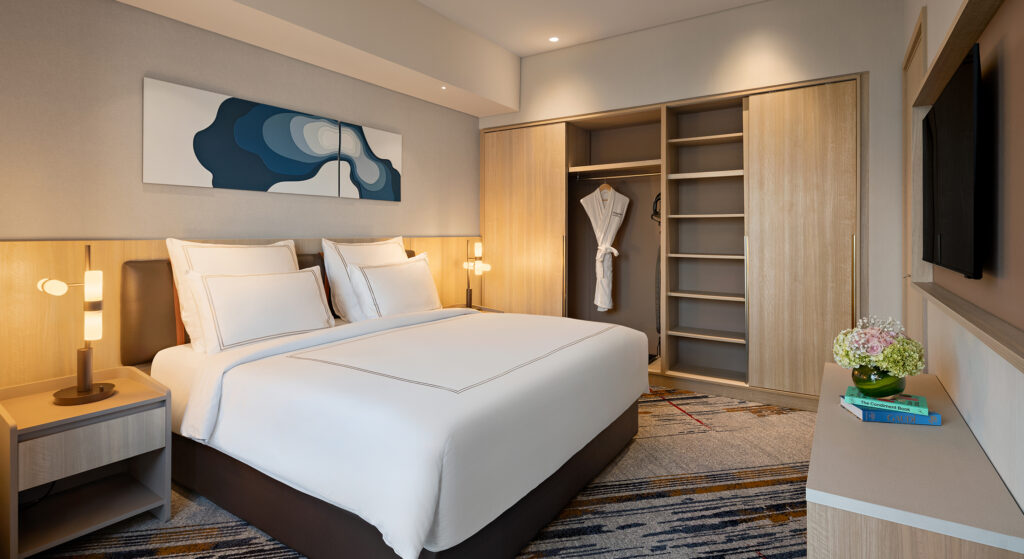
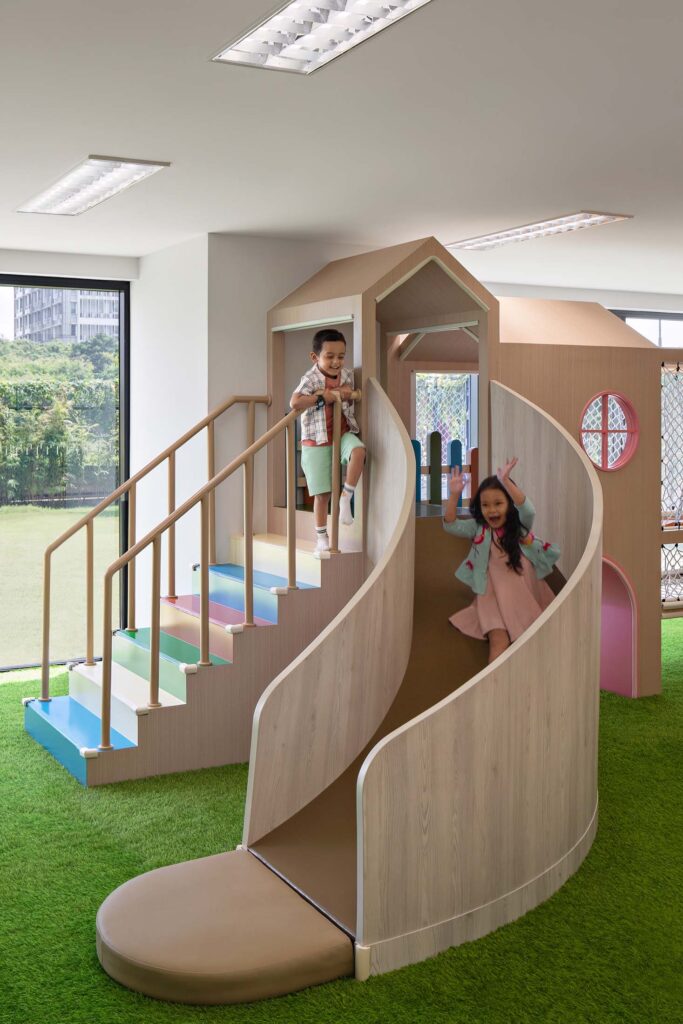
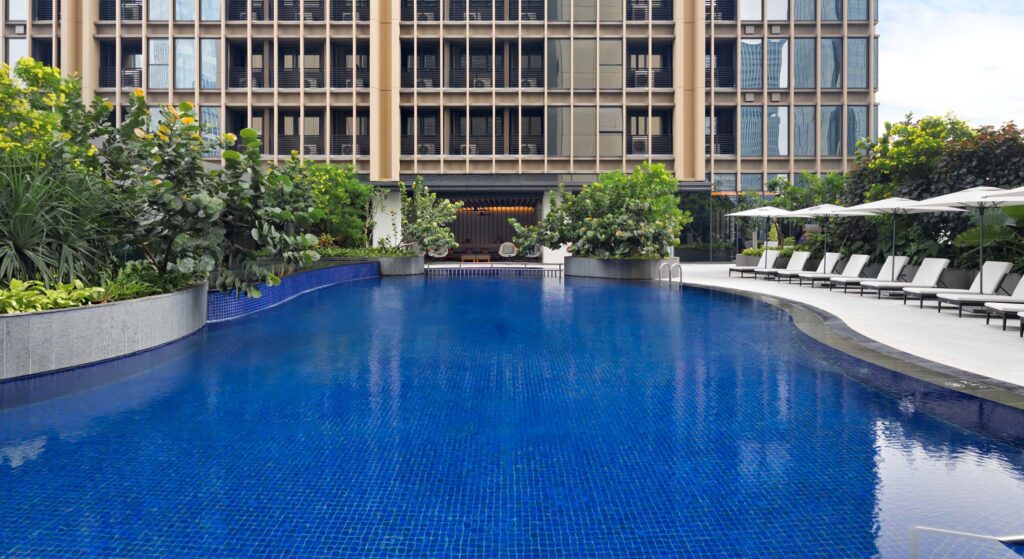
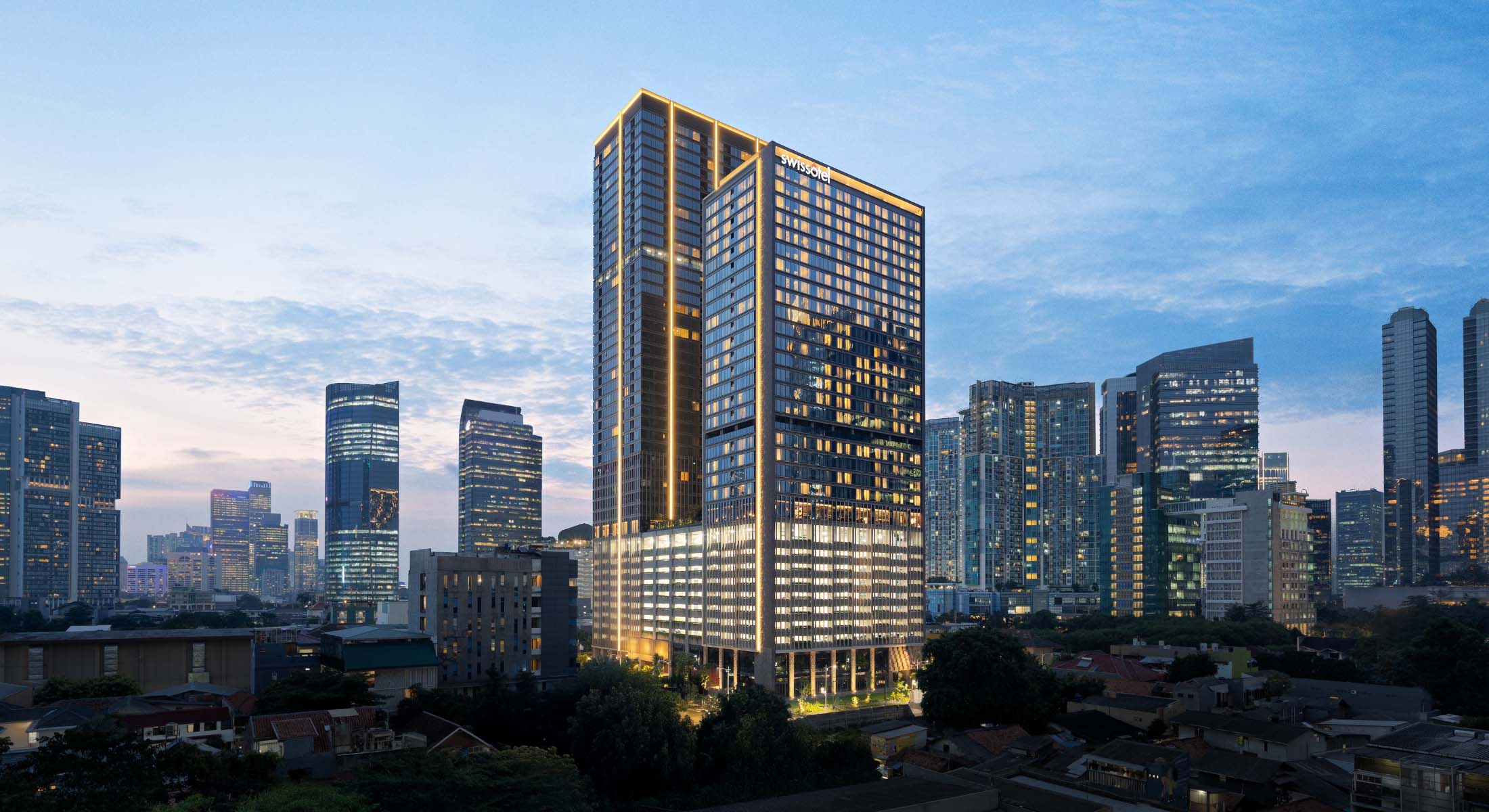
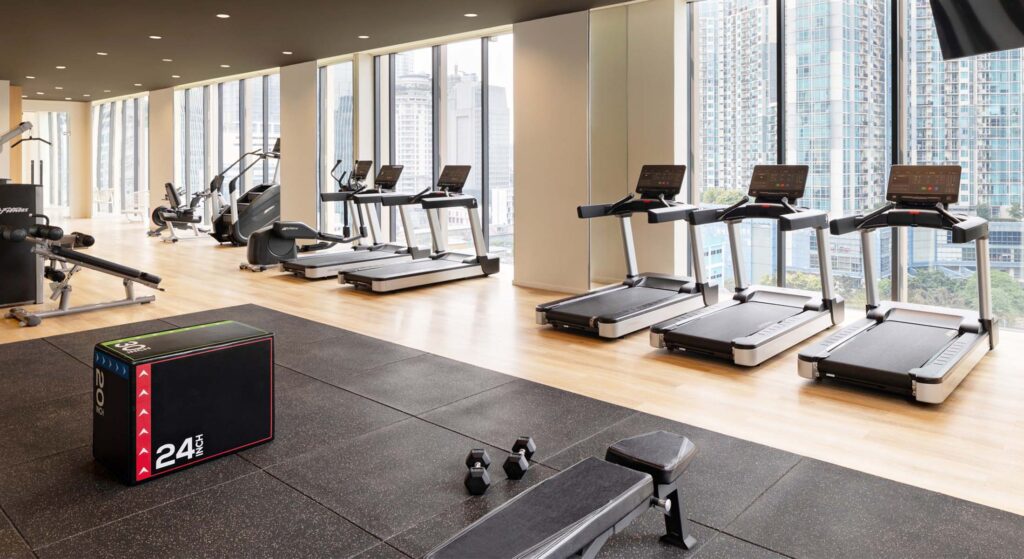
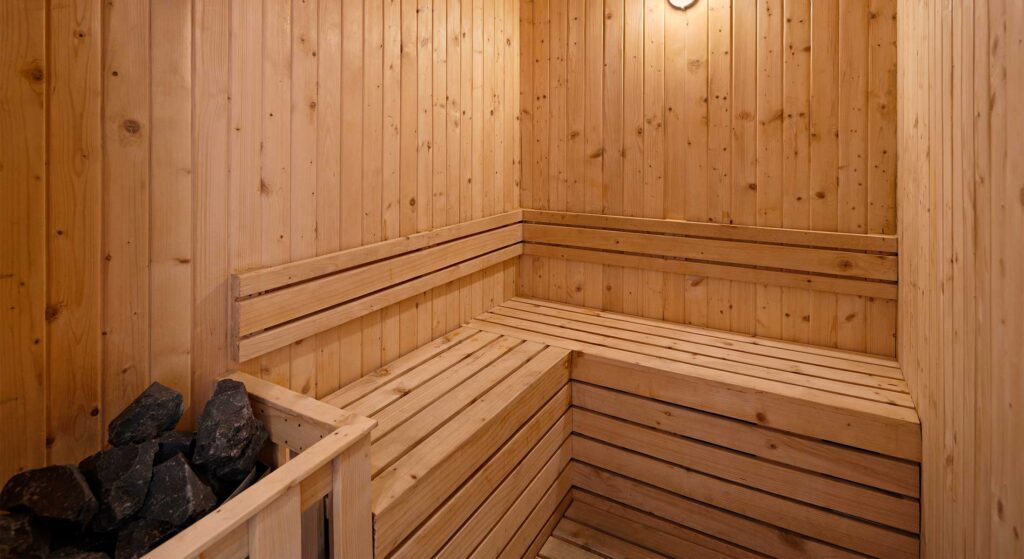
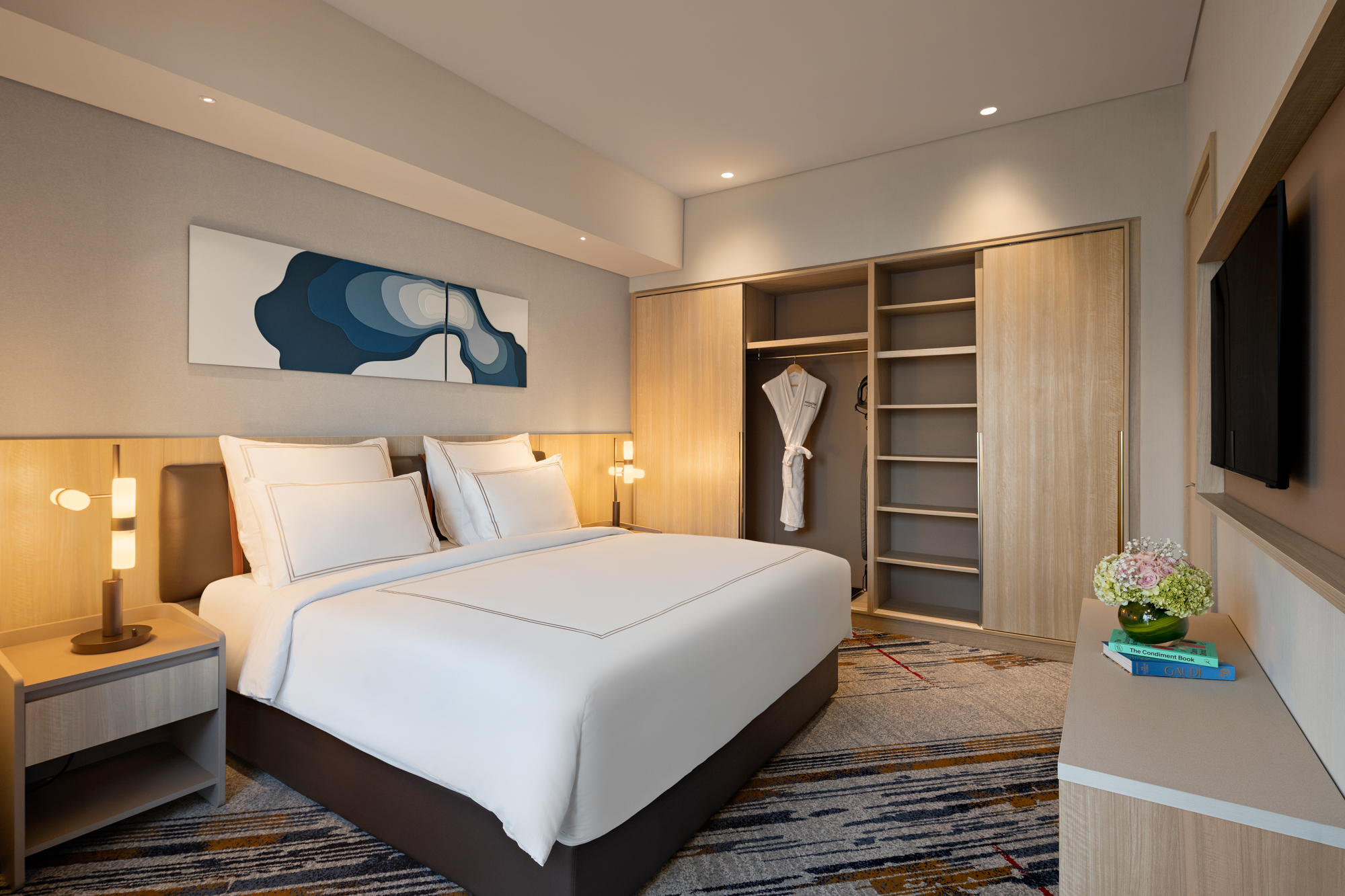
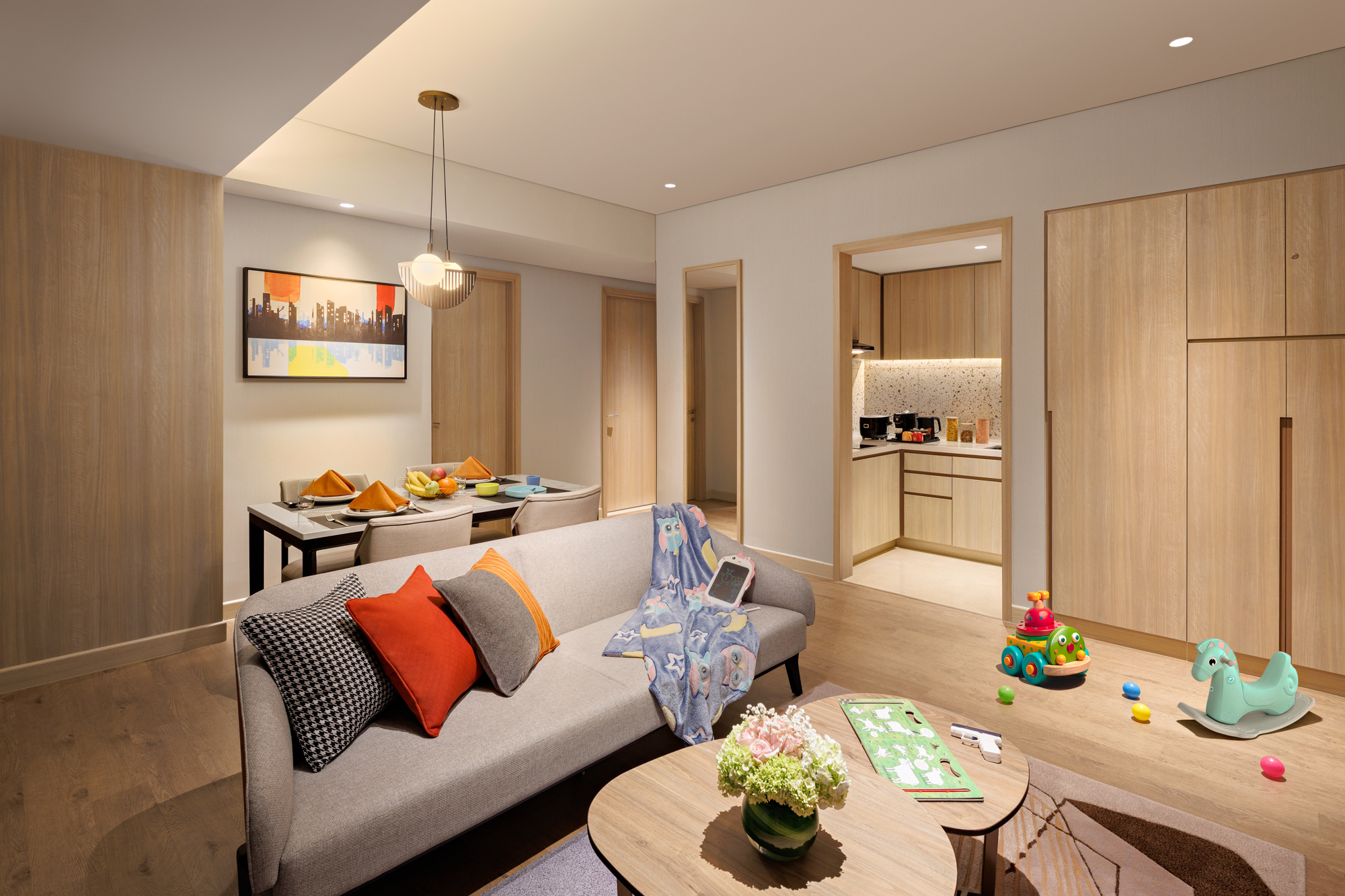
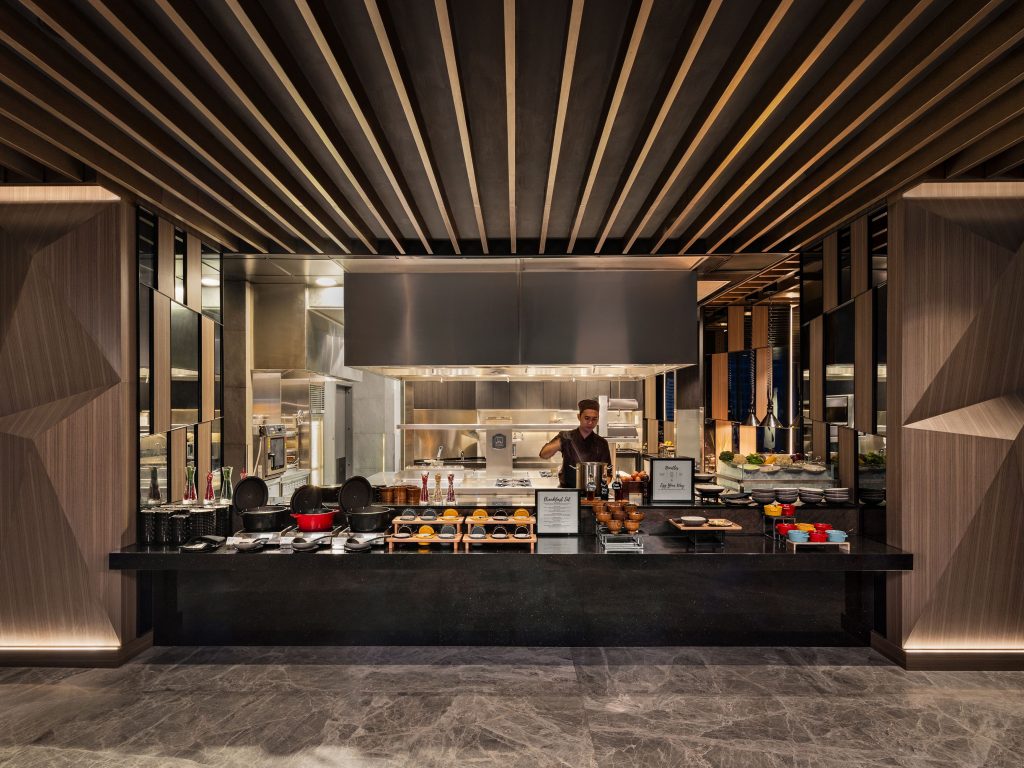
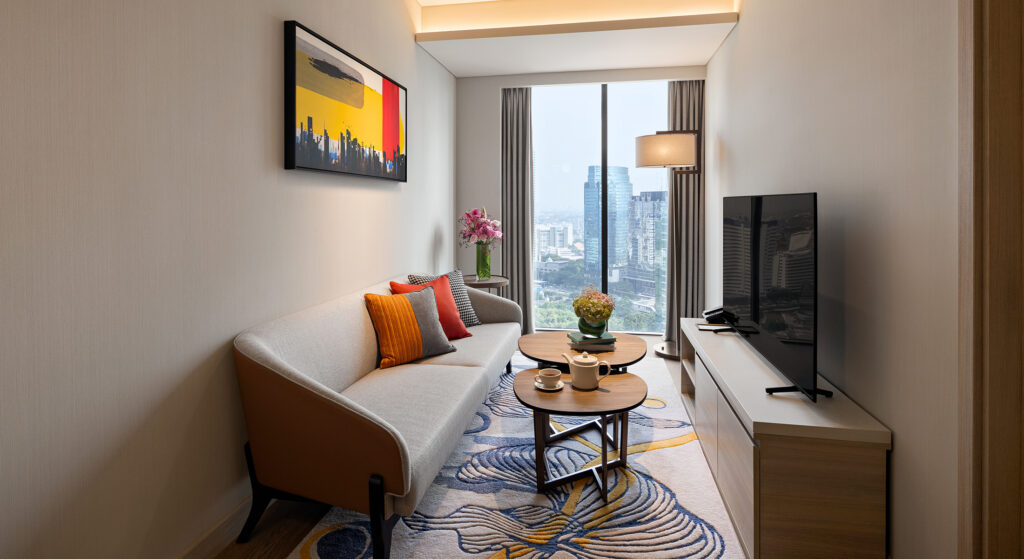
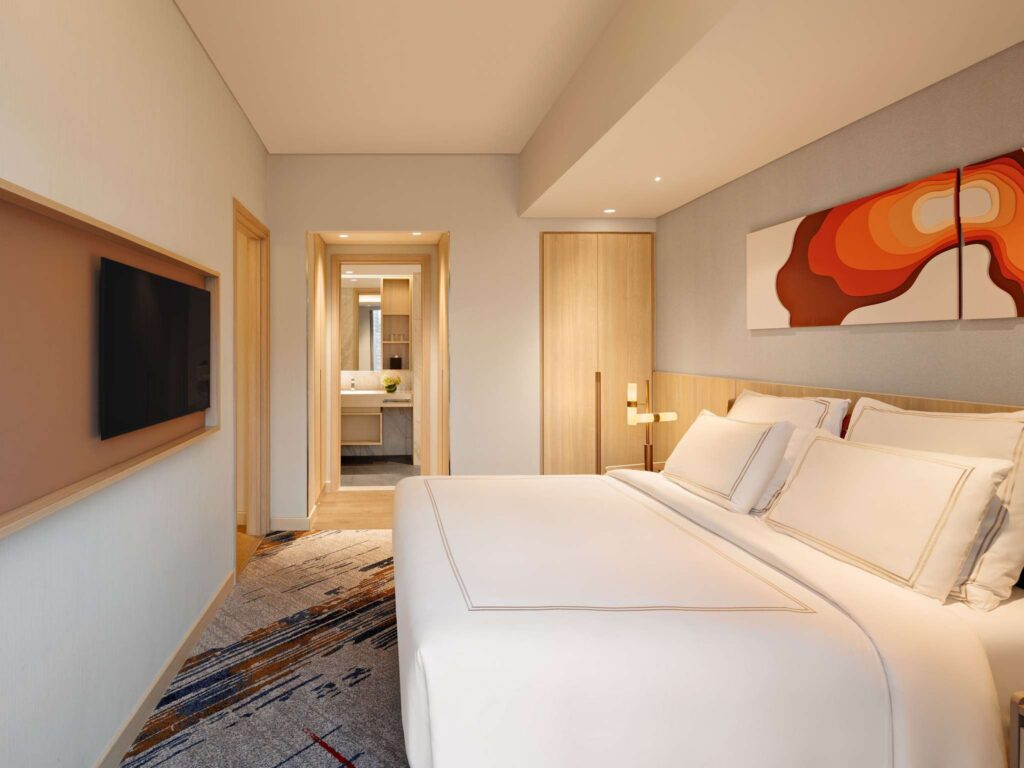
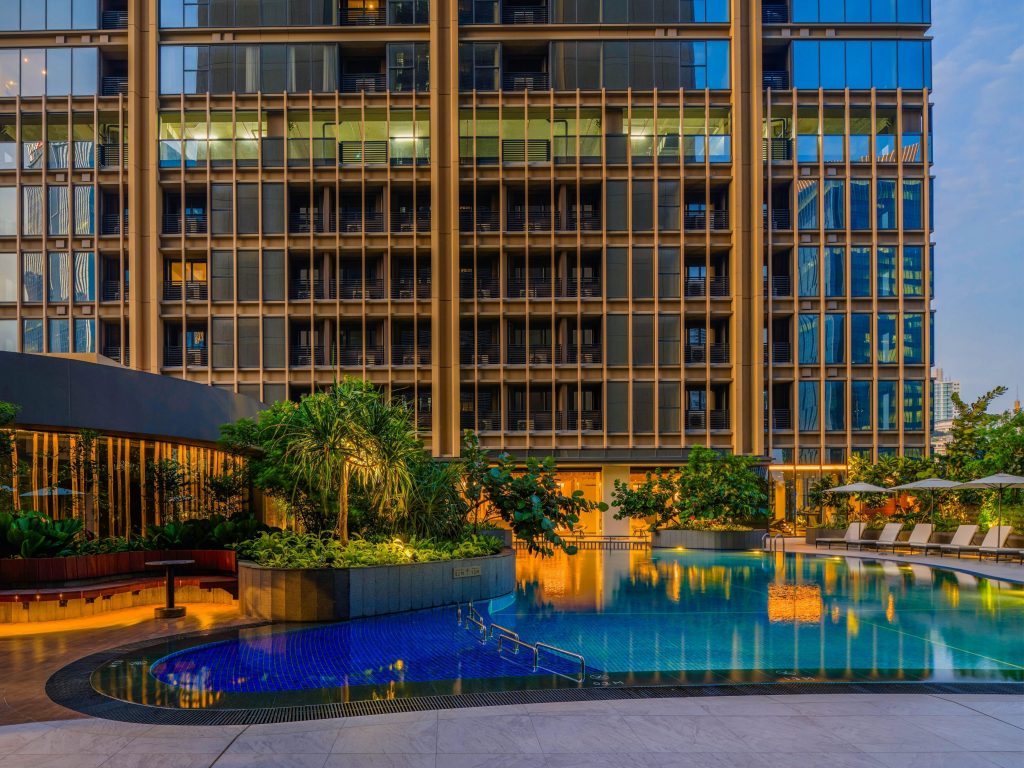
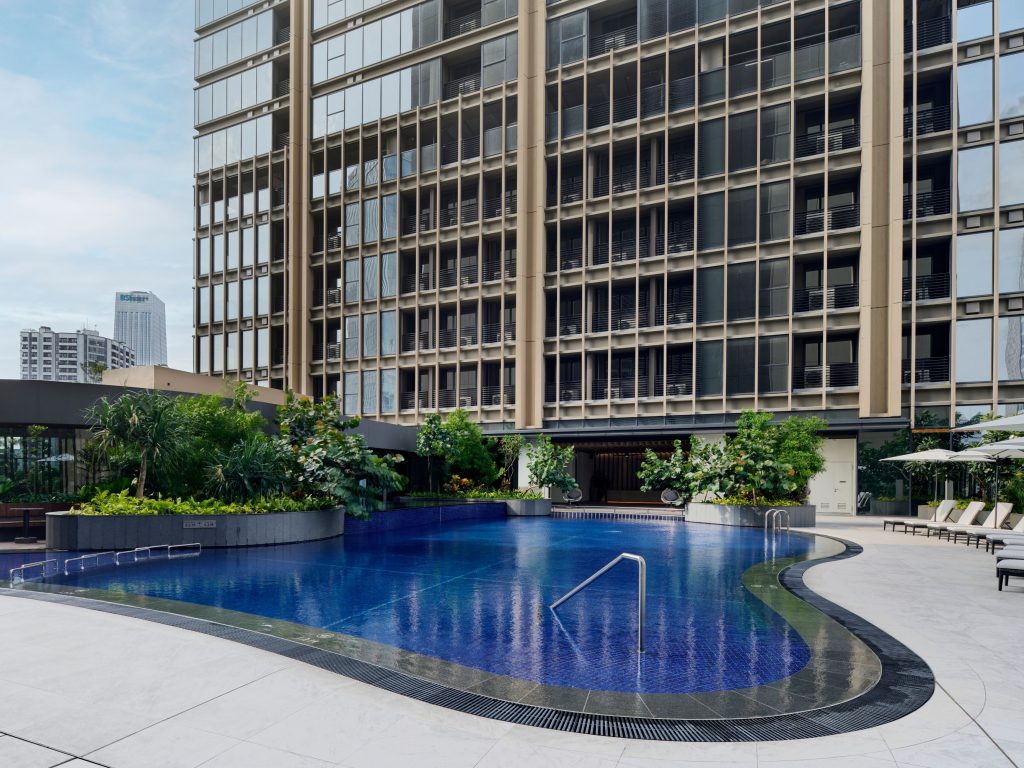
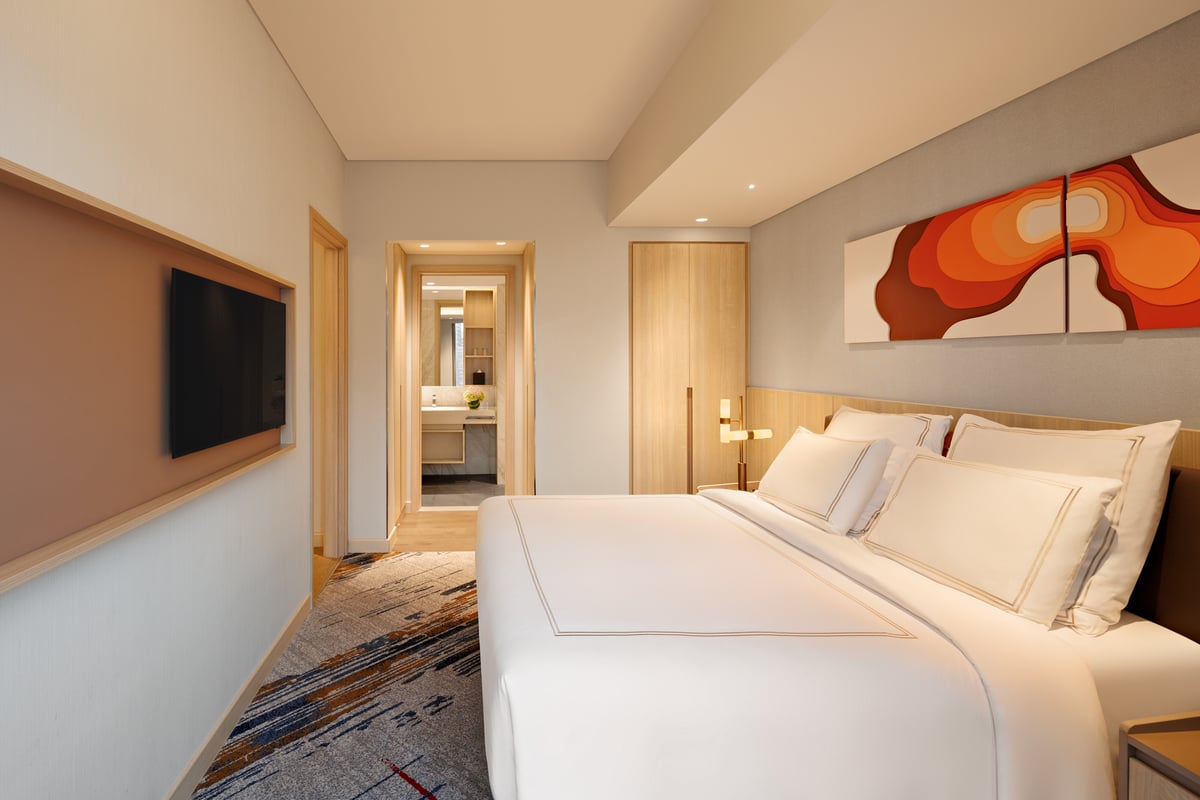
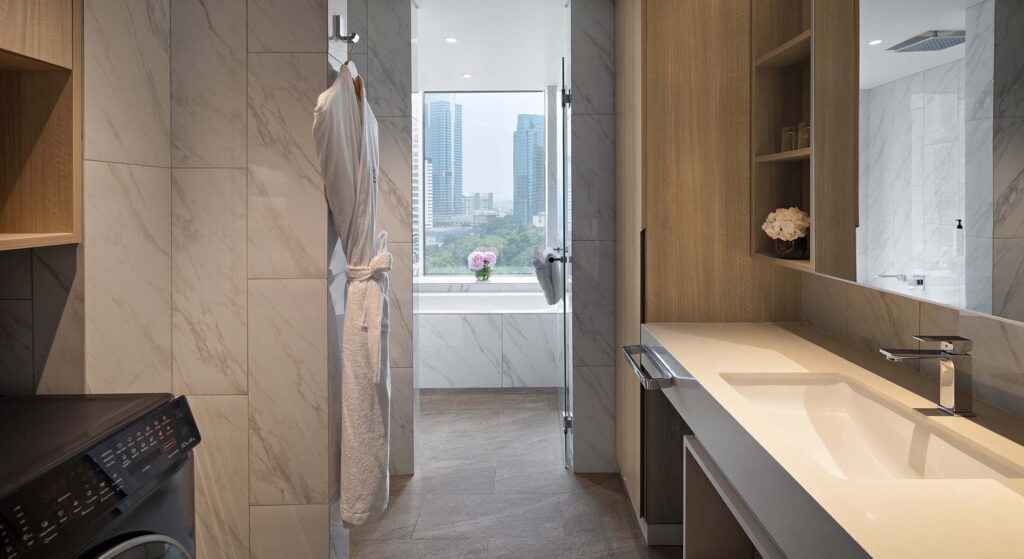
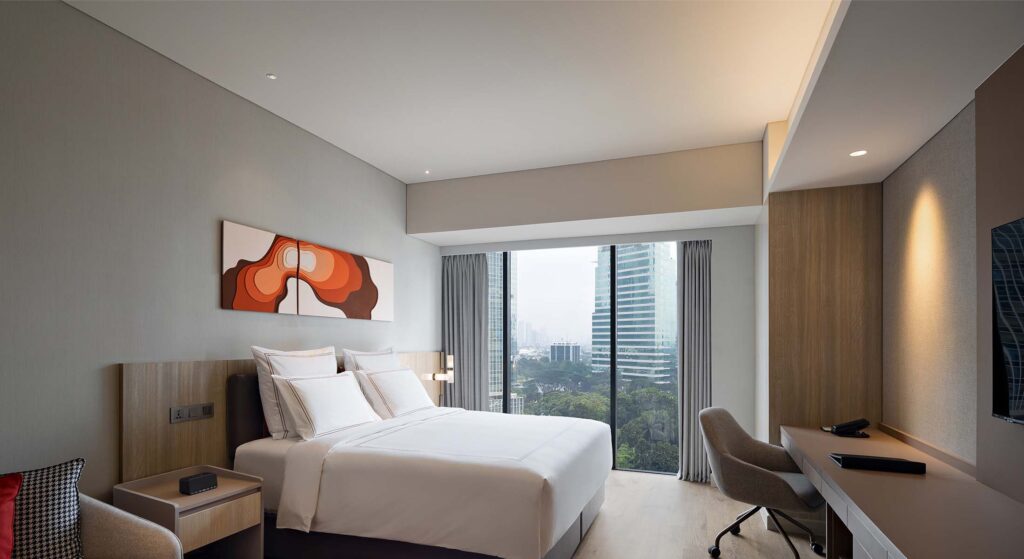
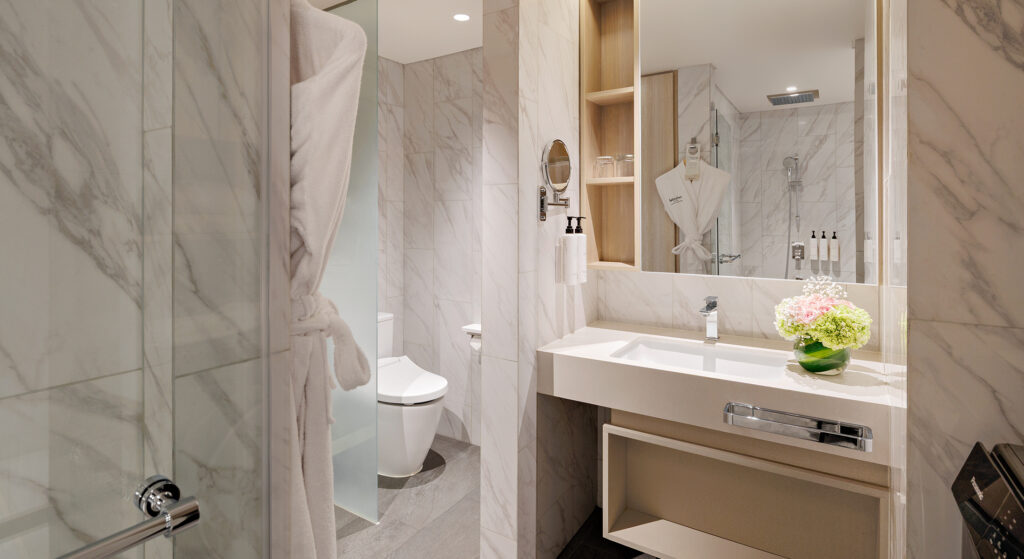
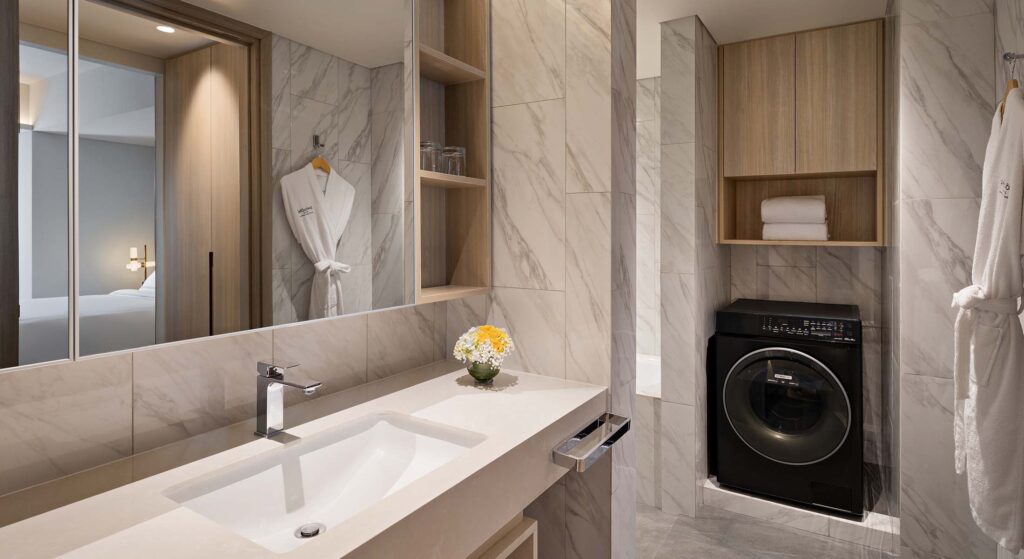
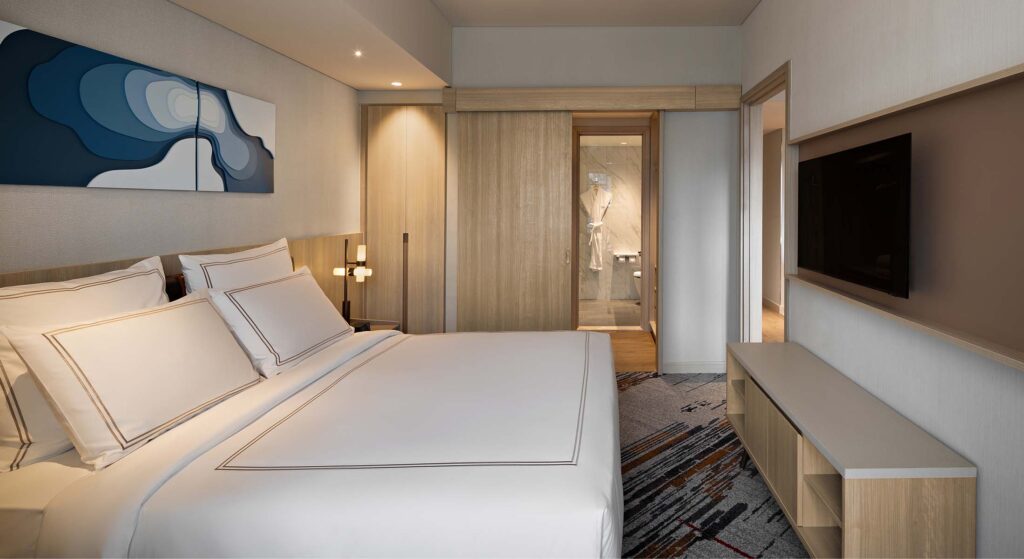
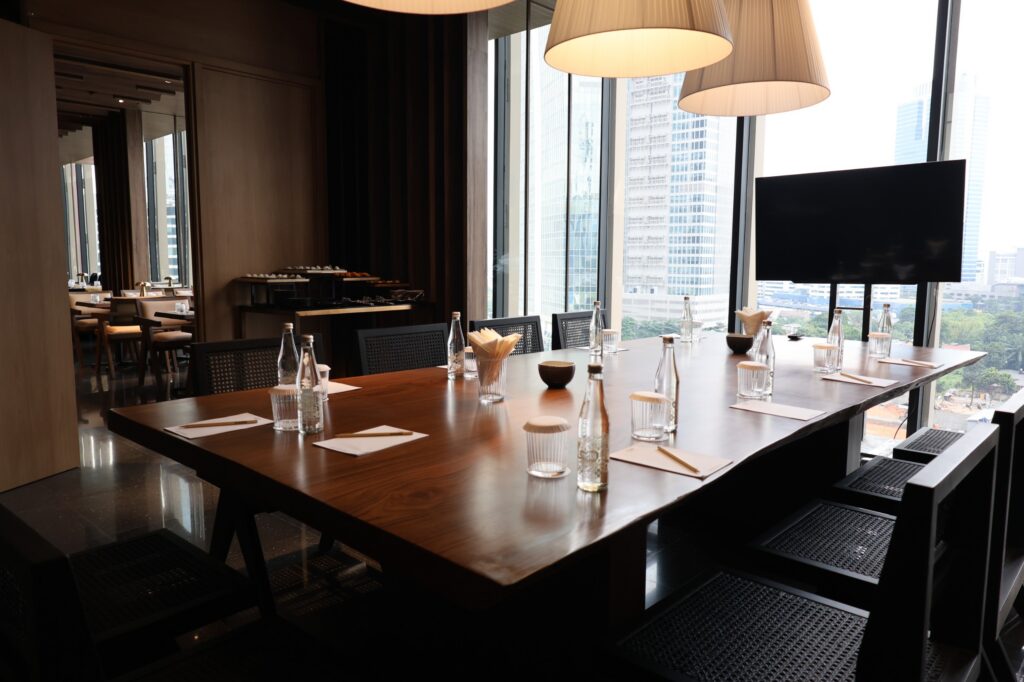
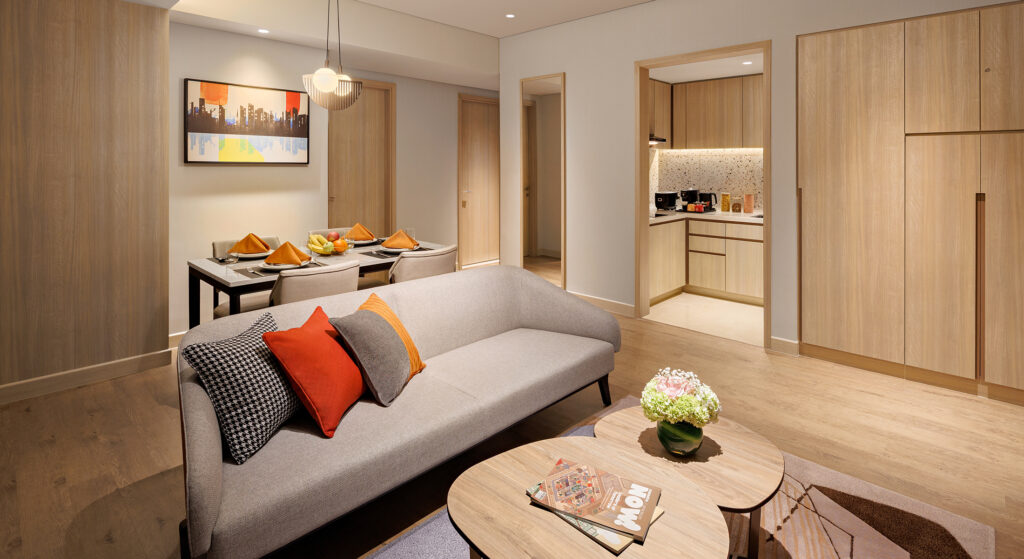
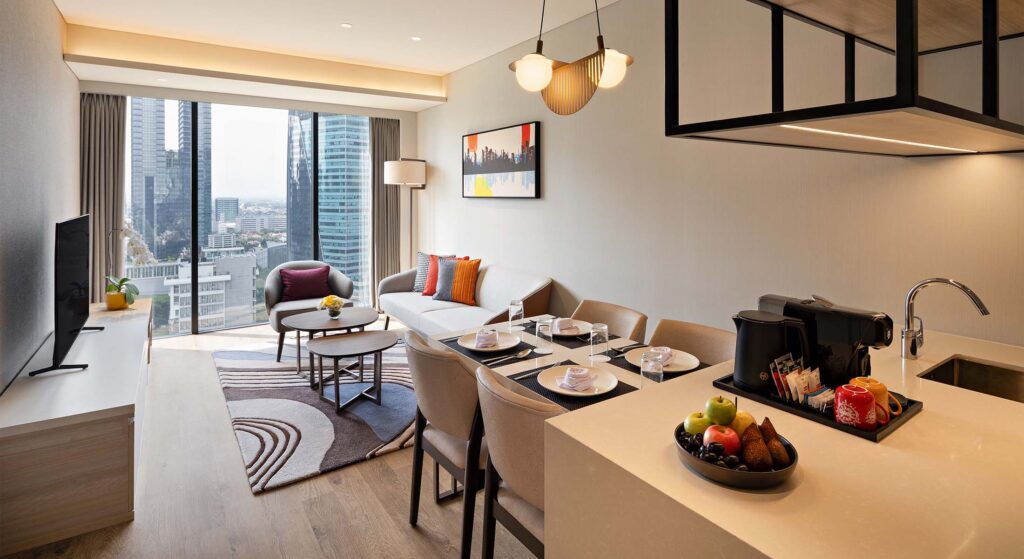
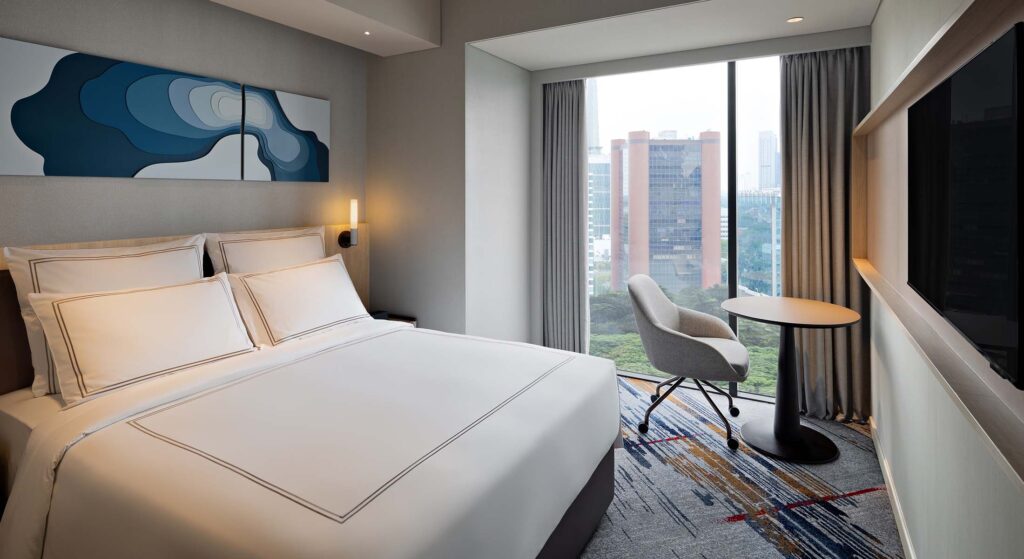
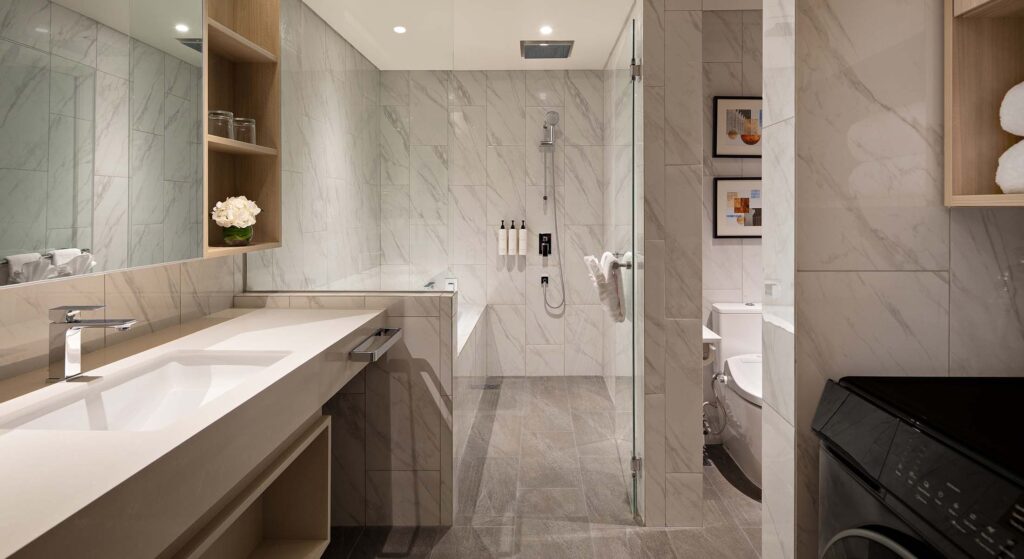
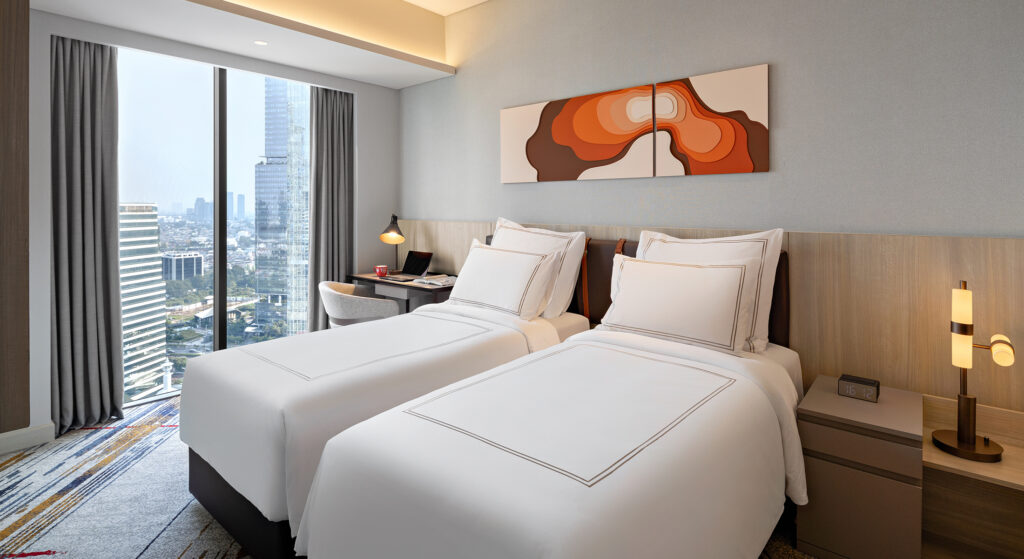
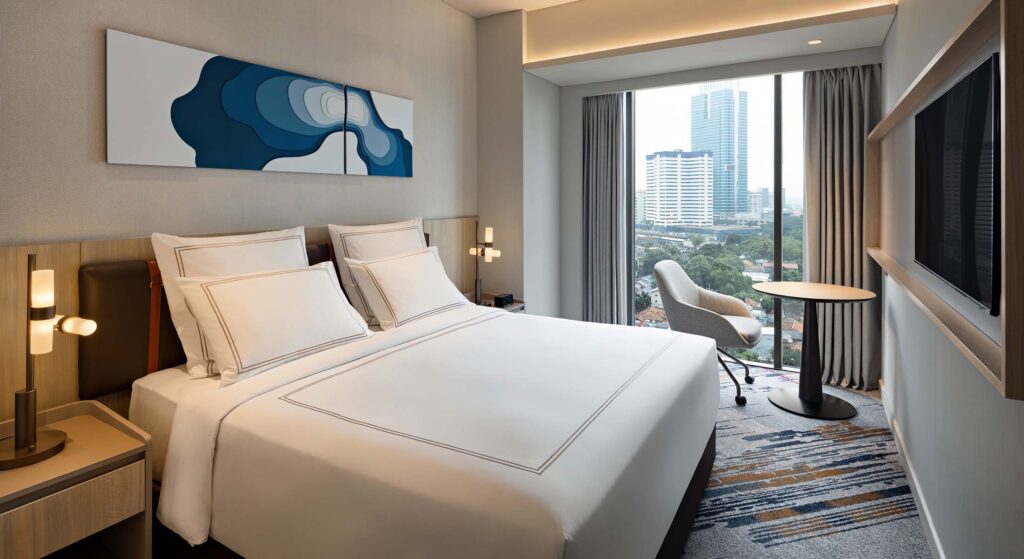
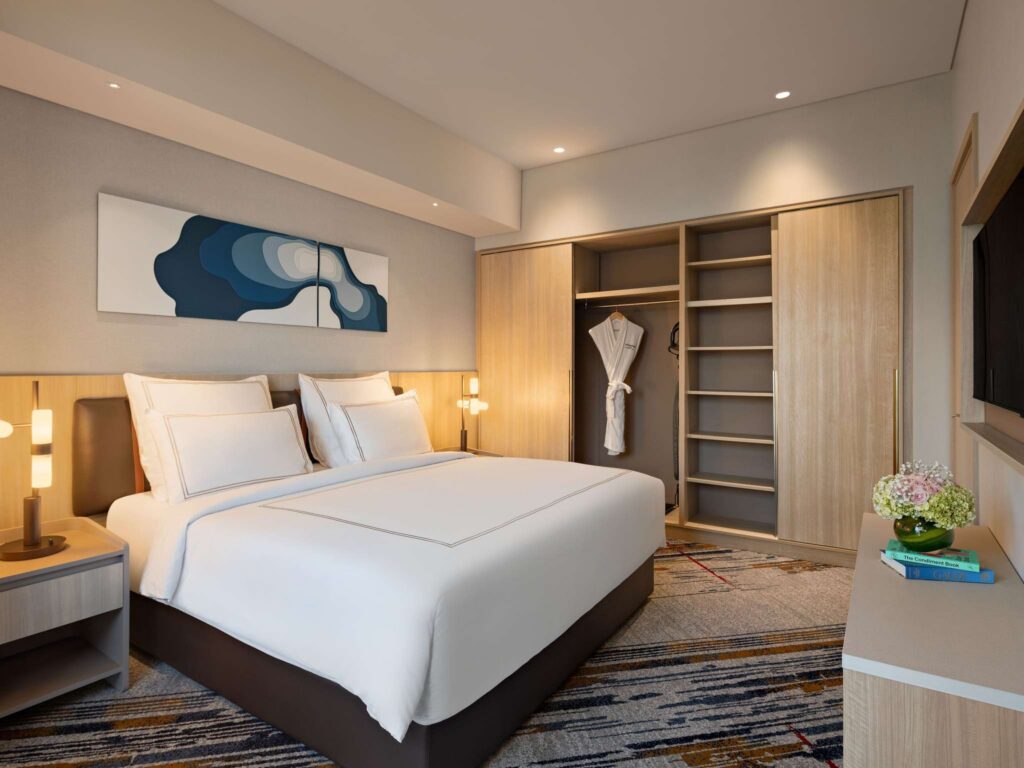
Swissôtel Living Jakarta Mega Kuningan is Asia’s first Swissôtel Living, operated by Accor. It offers 240 fully furnished serviced apartments in five categories: Studio, One-Bedroom, Two-Bedroom, Swiss Signature Suite and Three-Bedroom residences. Apartments include a kitchen and in-unit laundry, and the property is set up for longer stays with access to shared facilities. On site are a restaurant, gym, swimming pool, sauna and a kids’ playground.
For a wider view of the area, living in Mega Kuningan: the ultimate guide for expats and professionals covers neighborhood life, and serviced apartments near Gatot Subroto is useful if your office is on that corridor.
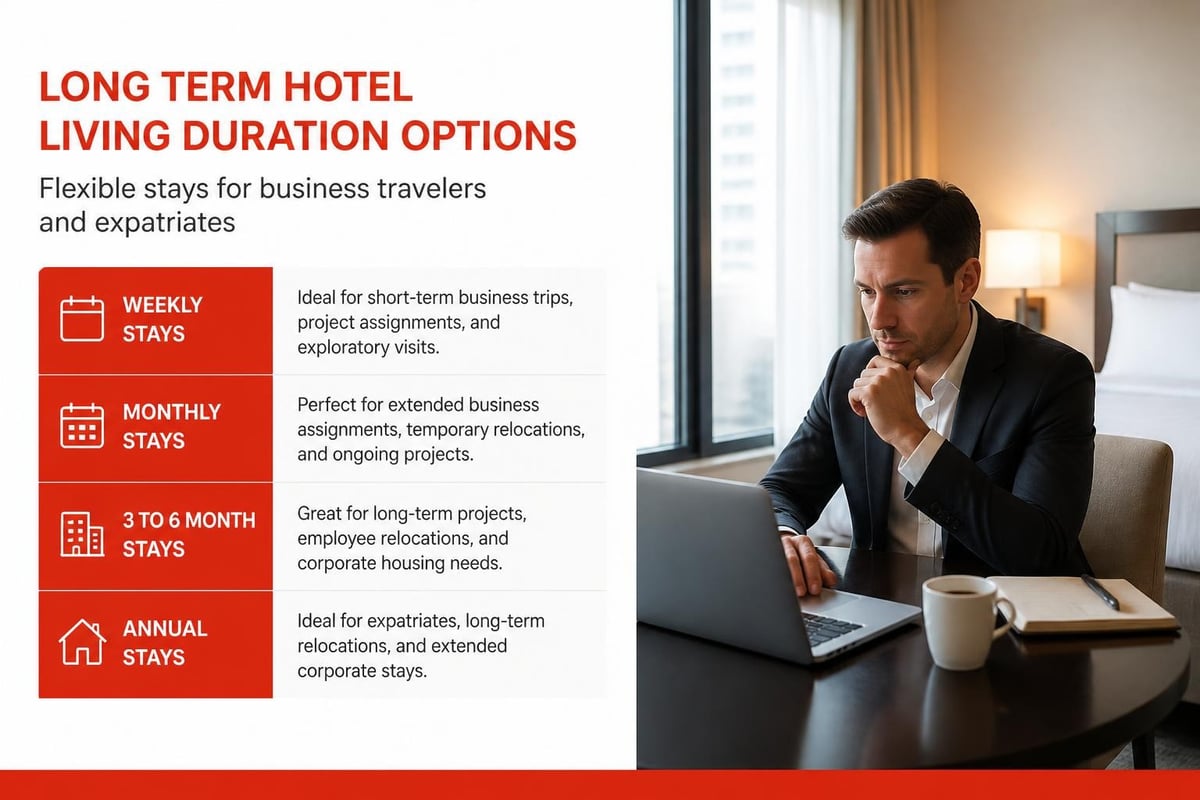
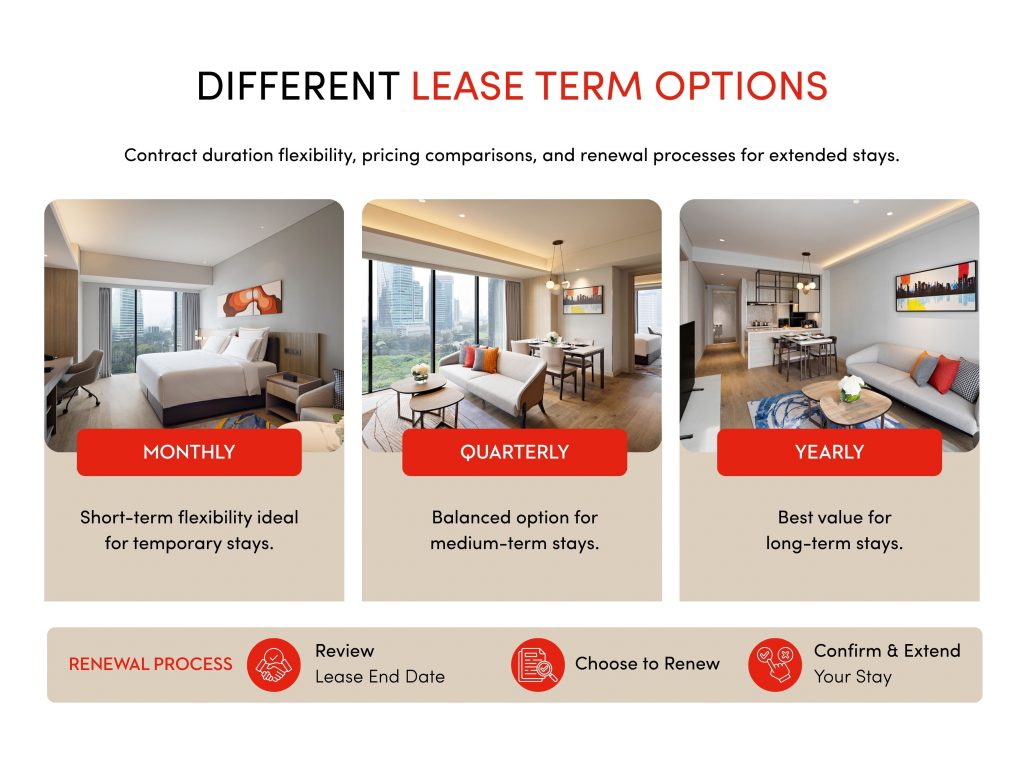
What do daily, weekly, monthly and yearly stays mean in practice?
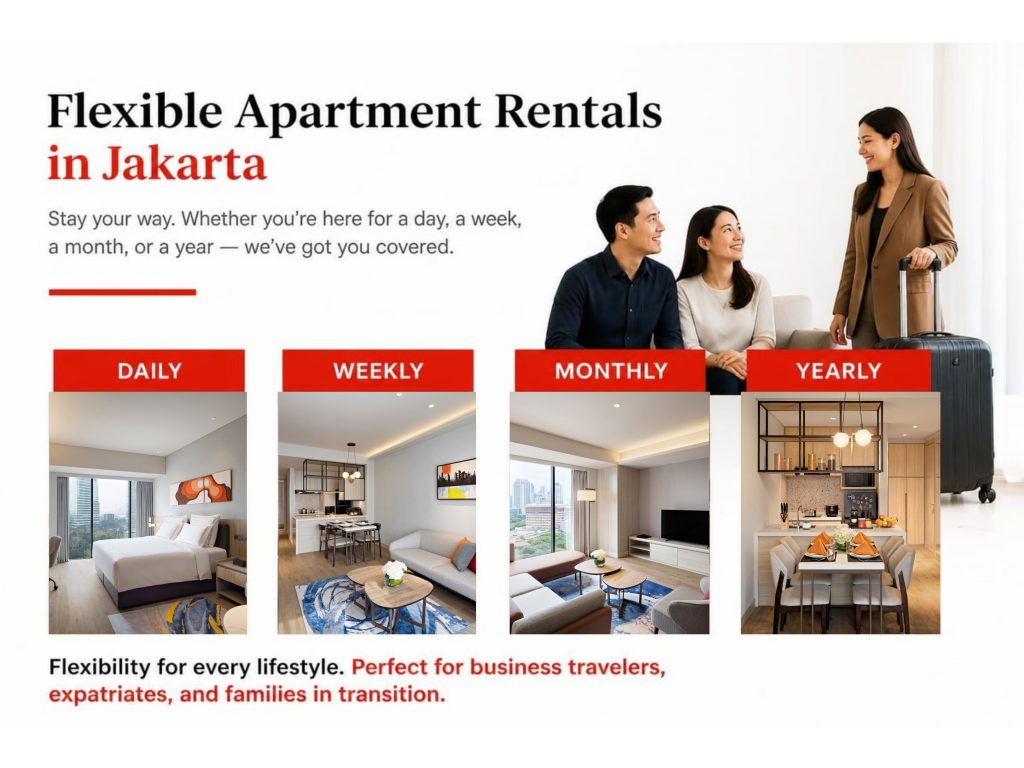
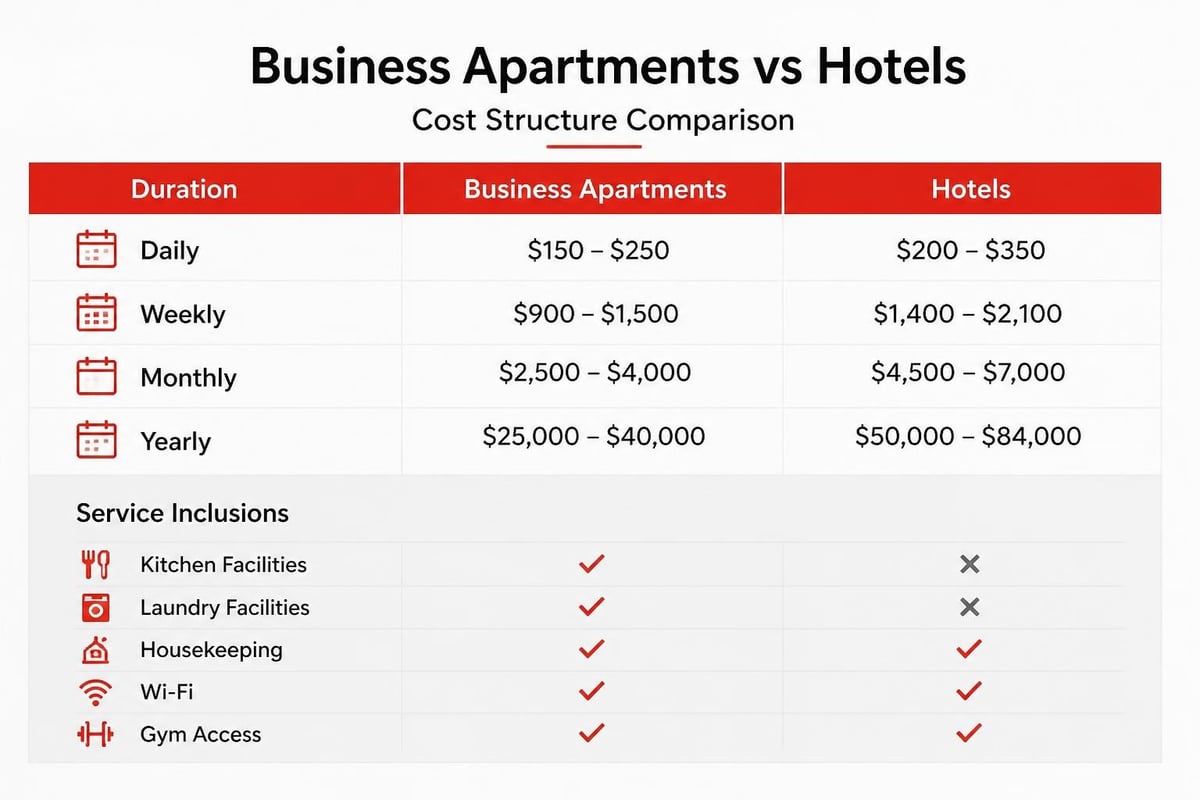
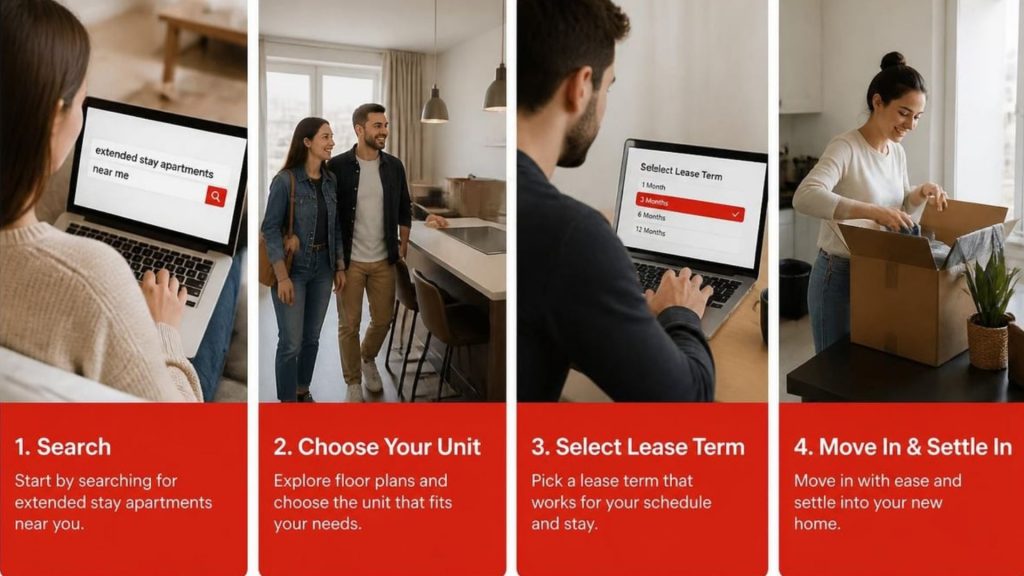
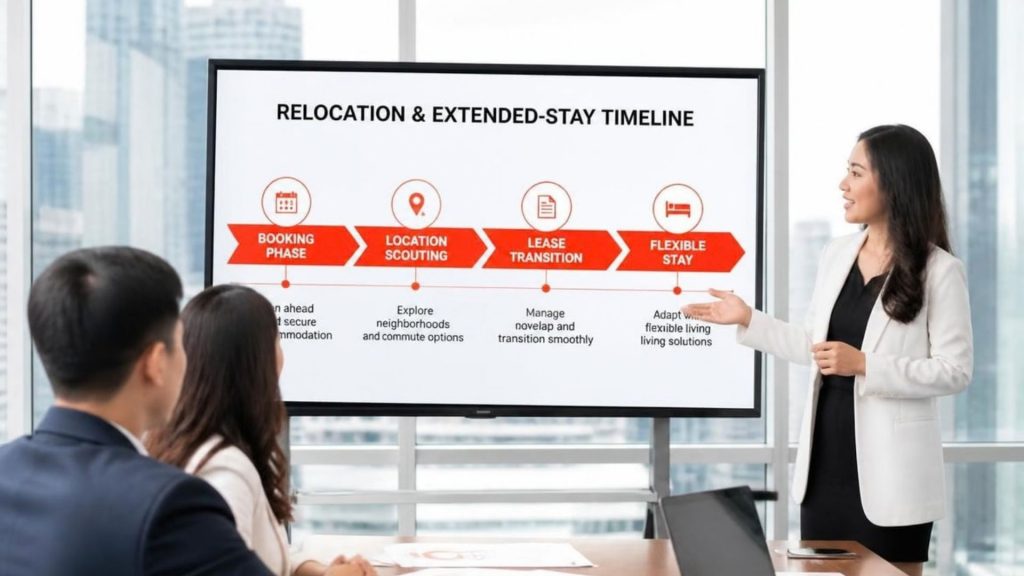
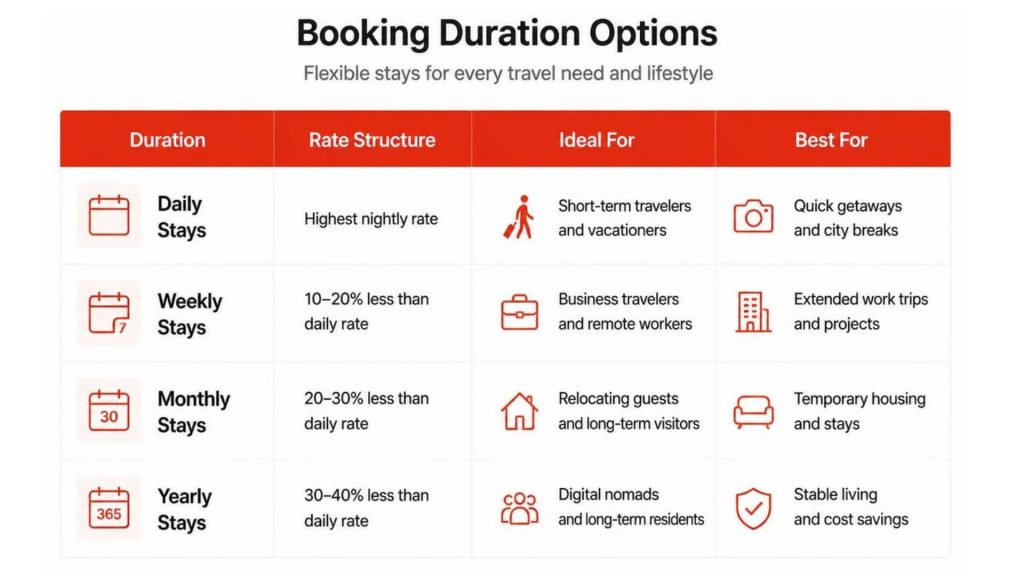
Daily, weekly, monthly and yearly stays are different booking lengths for the same type of furnished apartment, and the right one depends on how certain your timeline is. Serviced apartments in Jakarta are typically offered across all four, which lets you start short and extend as plans firm up.
- Daily: Suits a trip where the dates are fixed and short, or a first few nights while you scout the city.
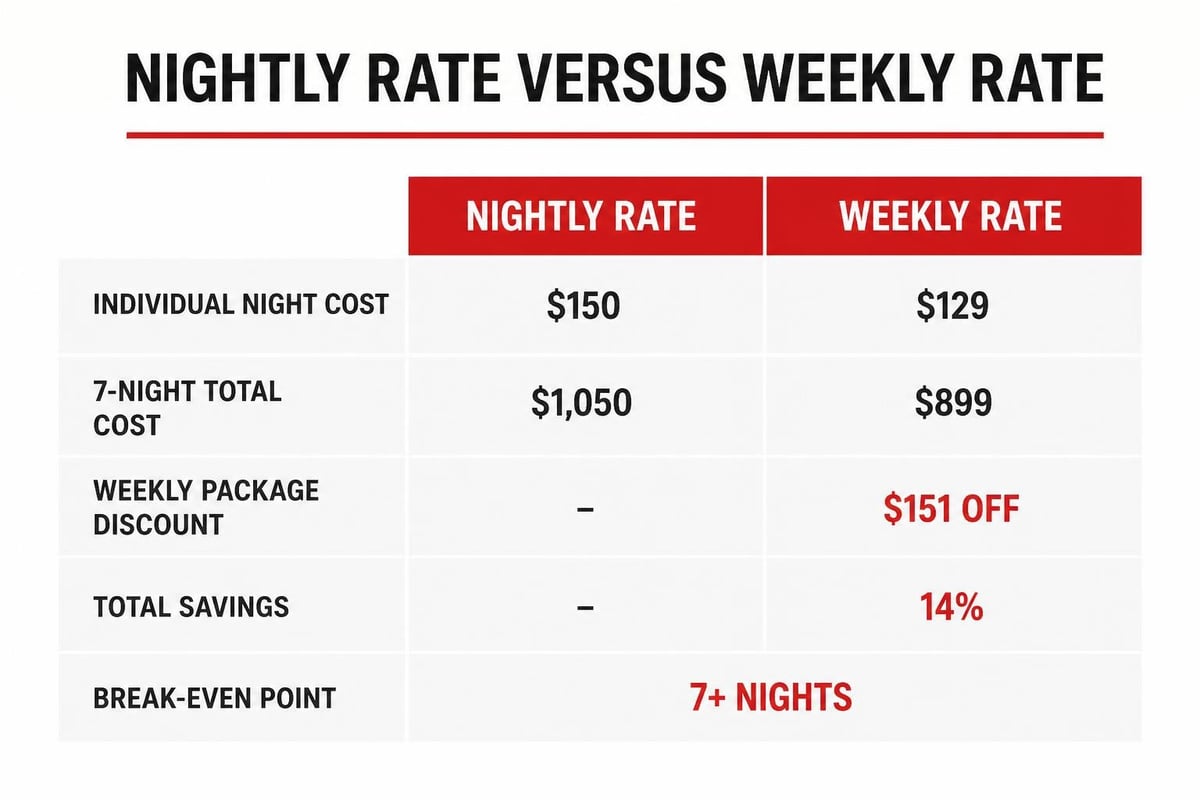
- Weekly: Fits a project sprint, a training course or a short relocation step. See the notes on per-week hotels.
- Monthly: The most common choice for assignments and settling-in periods.
- Yearly: For expatriates and families who want a home base for a full posting or school year.
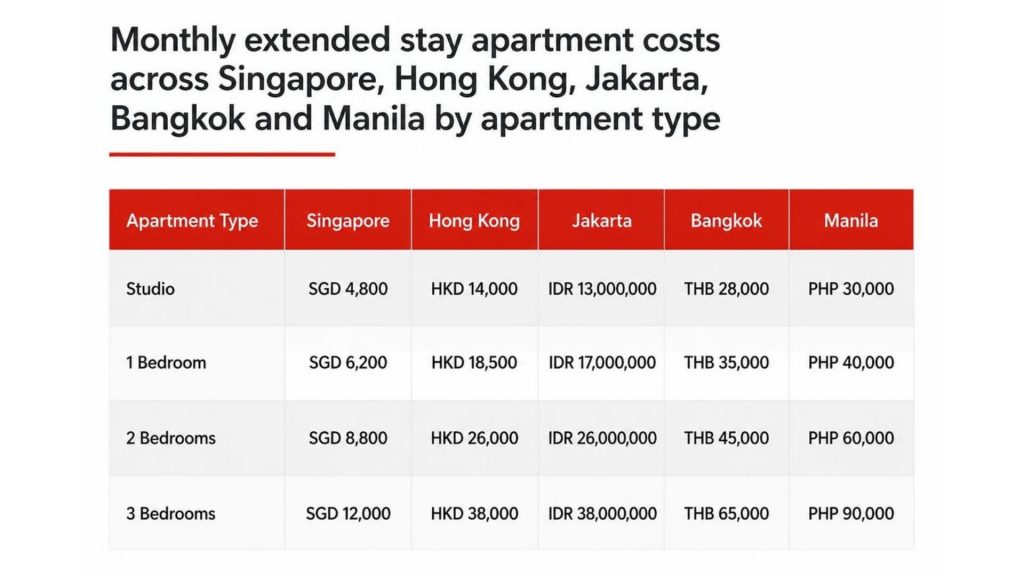
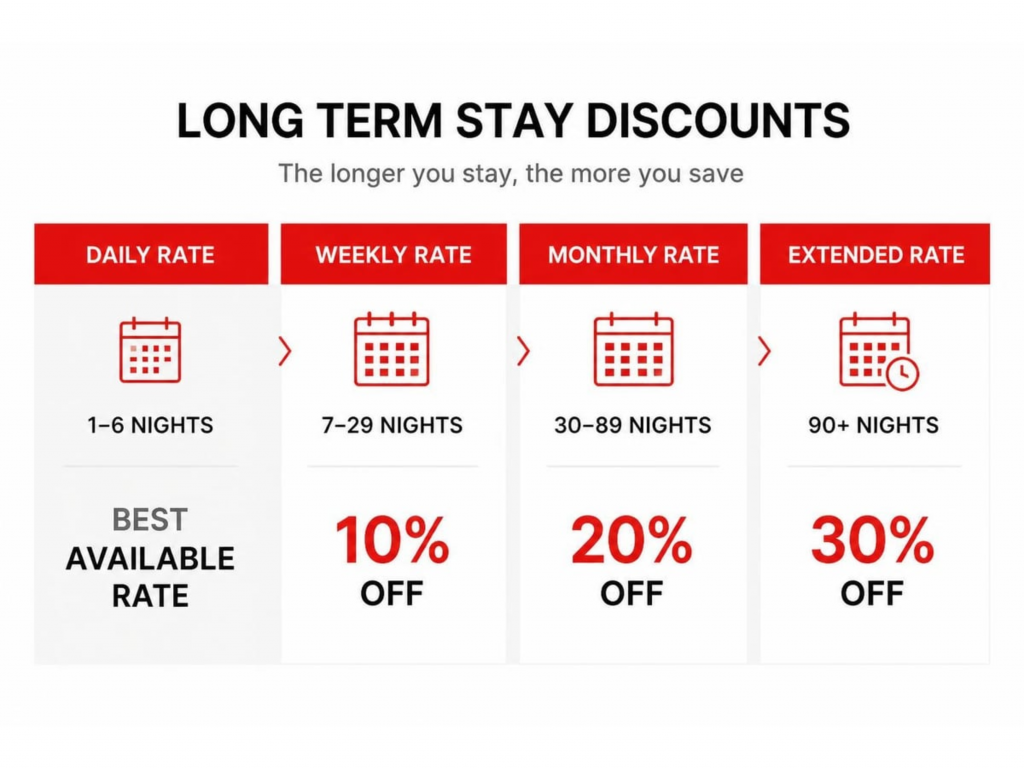
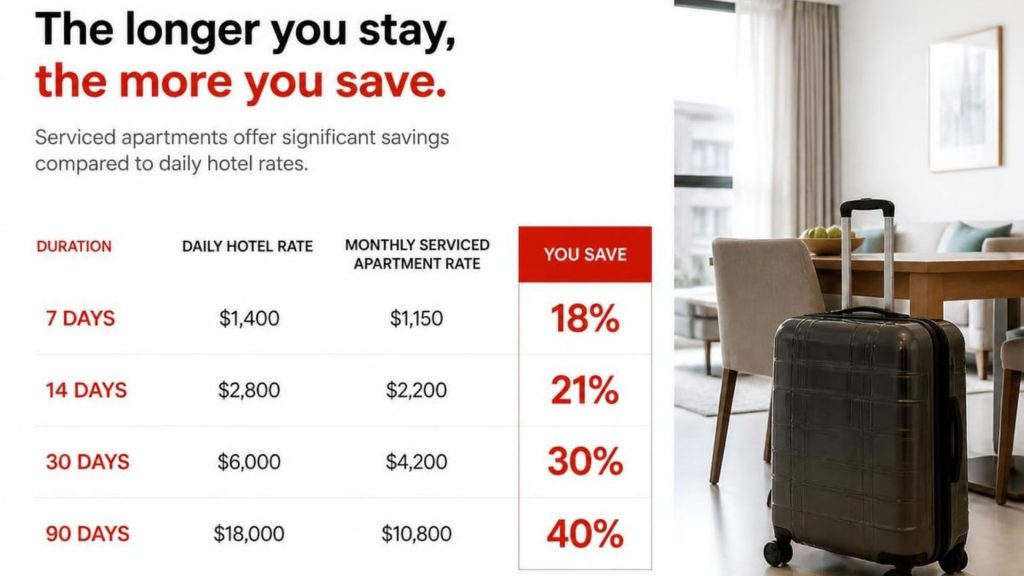
Rates and terms vary by property and by season, so request current figures from the property directly instead of relying on a published number. For Swissôtel Living Jakarta Mega Kuningan, the serviced apartment page is the place to start.
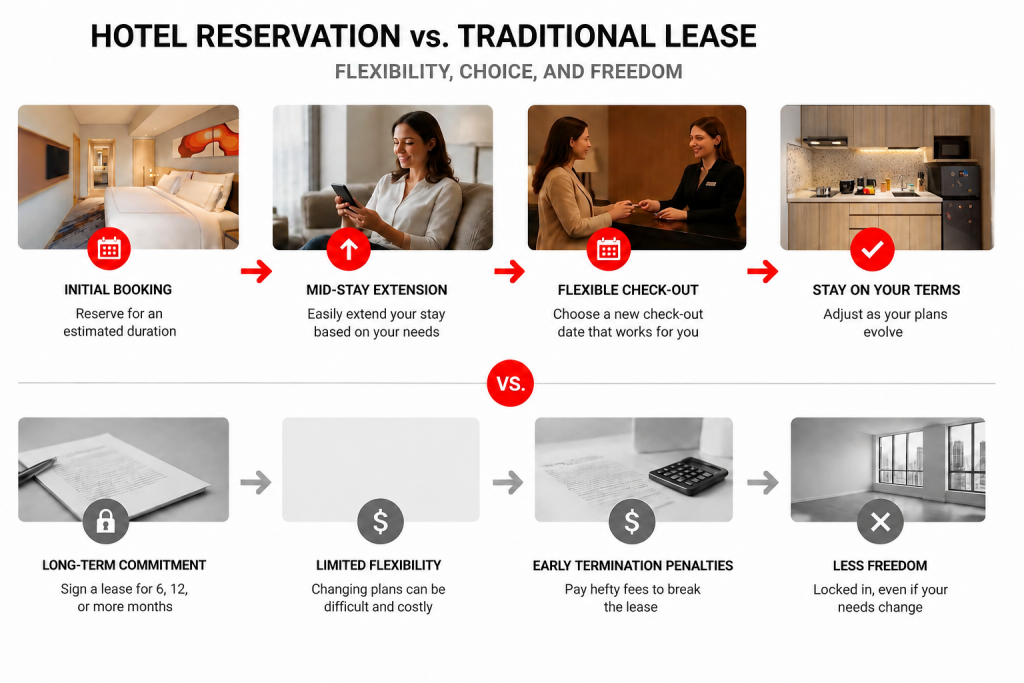
Having flexible booking lengths removes a common risk. You can take a month to confirm a job, a school or a neighborhood, then convert to a longer arrangement without moving your belongings.
How should families choose a hotel to live in?
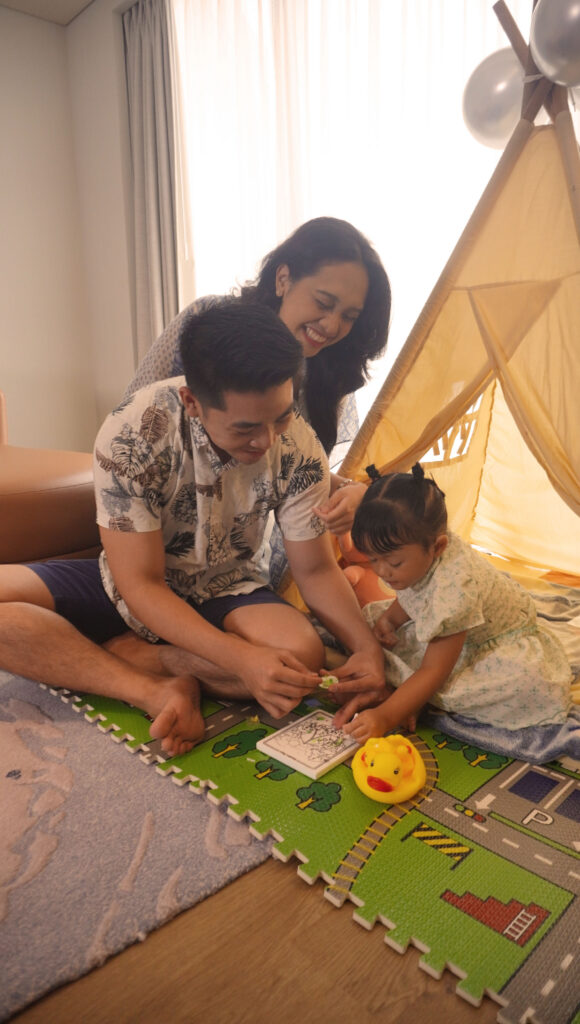
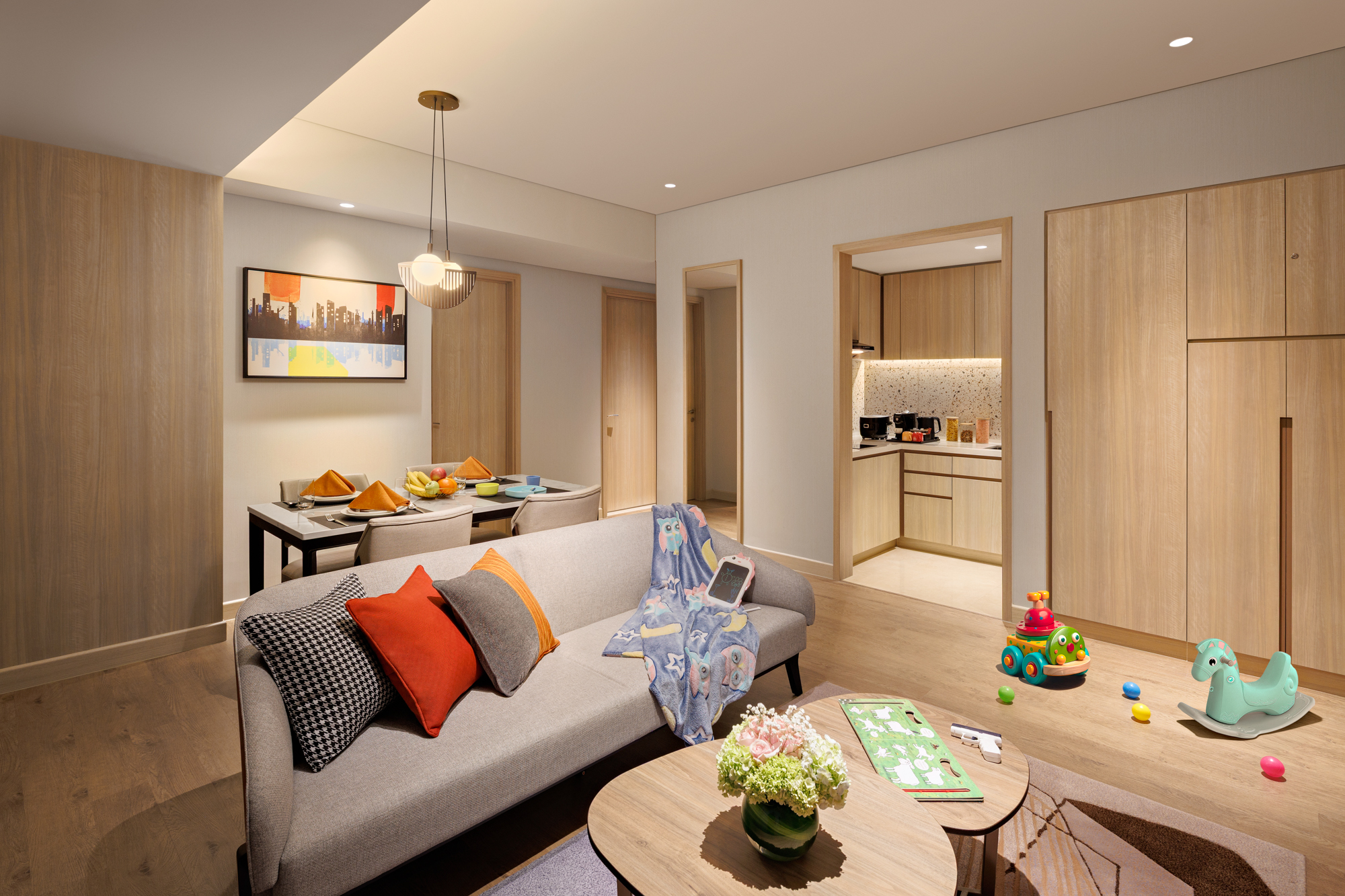
Families should choose a hotel to live in based on bedroom count, kitchen quality, child-friendly facilities and distance to schools and daily errands. A single room with a fold-out bed does not hold up over a month with children.
Look at these points:
- Separate bedrooms. Two-Bedroom and Three-Bedroom residences let parents and children, or several generations, sleep apart. Multi-generational families often need exactly this layout. The overview of hotels with two-bedroom apartments is a good starting point.
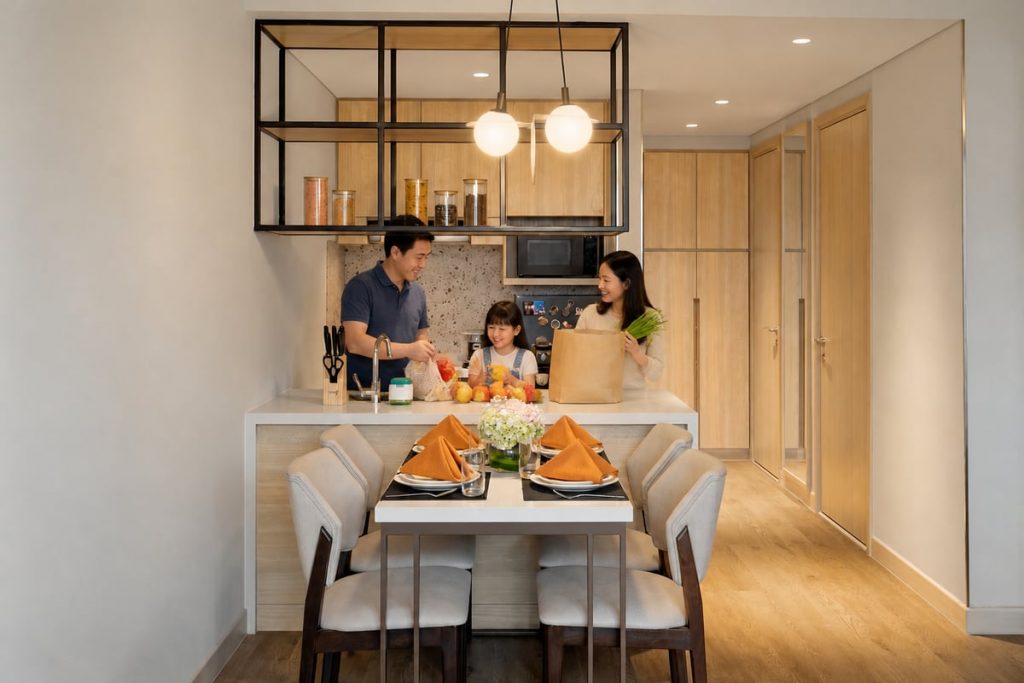
- A kitchen you can cook in. Children’s meal times rarely match restaurant hours. A functioning kitchen and washing machine take pressure off the daily routine.
- On-site activity. A pool and a kids’ playground give children somewhere to spend energy without a car journey.
- Nearby services. Grocery stores, clinics and gyms within reach save time. The list of grocery stores, clinics and gyms near Mega Kuningan helps you plan the first week.
For families comparing options in the city, the article on the best serviced apartment in Jakarta for families goes further.
How do business travelers and expatriates make a long stay work?
Business travelers and expatriates make a long stay work by treating the apartment as a base for work and routine, not as a place to sleep between meetings. That means setting up the workspace, a meal plan and a fitness habit in the first week.
A practical approach:
- Set the workspace on day one. Use the dedicated desk and test the Wi-Fi with a video call before your first working day.
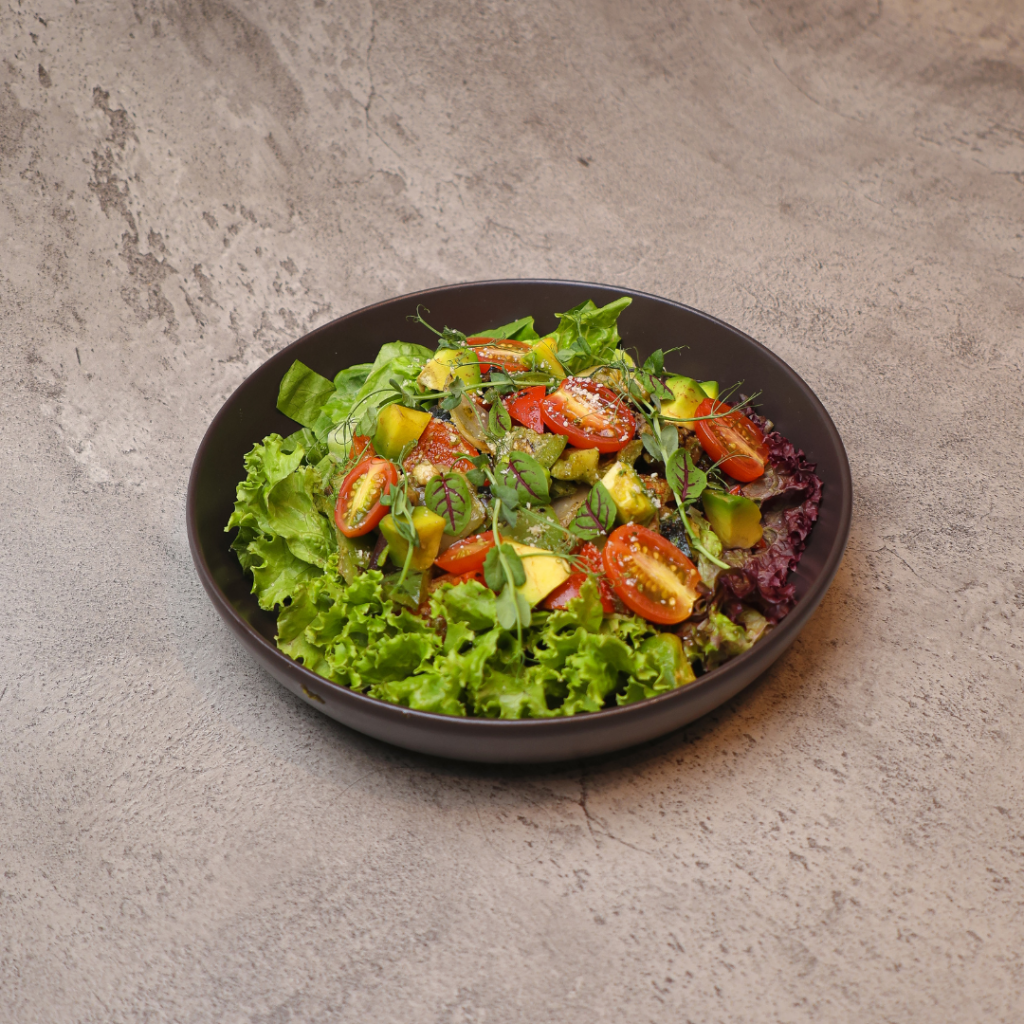
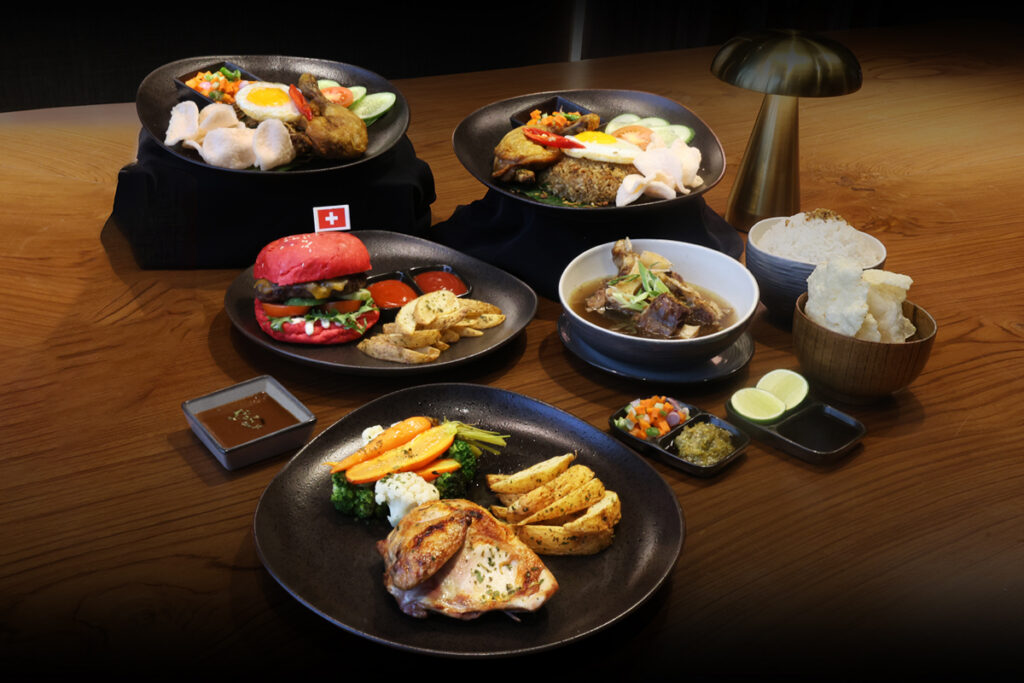
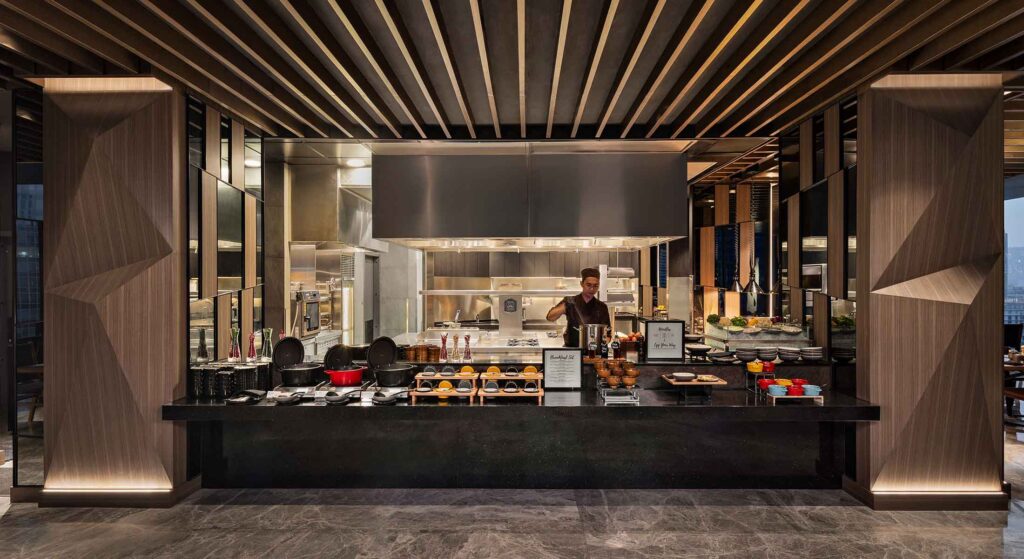
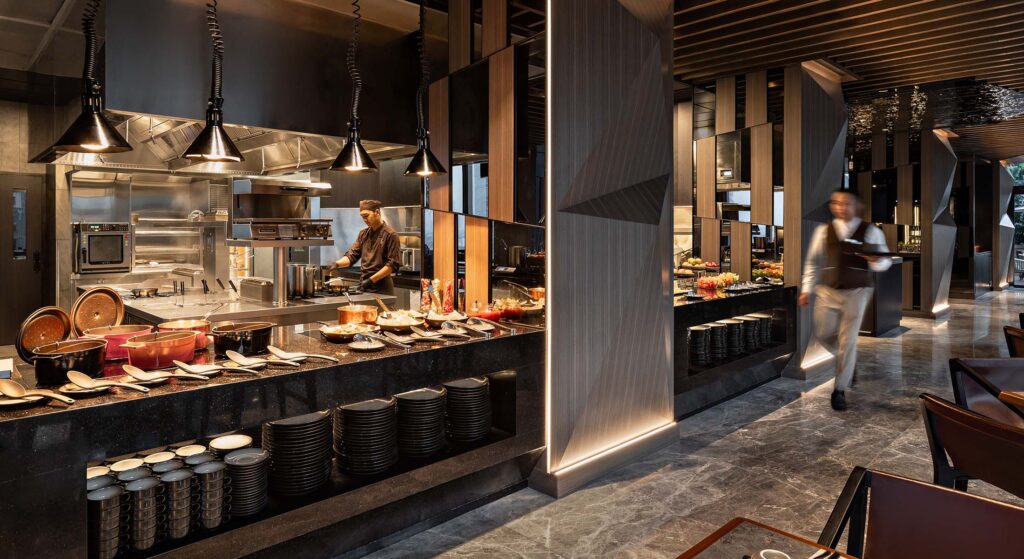
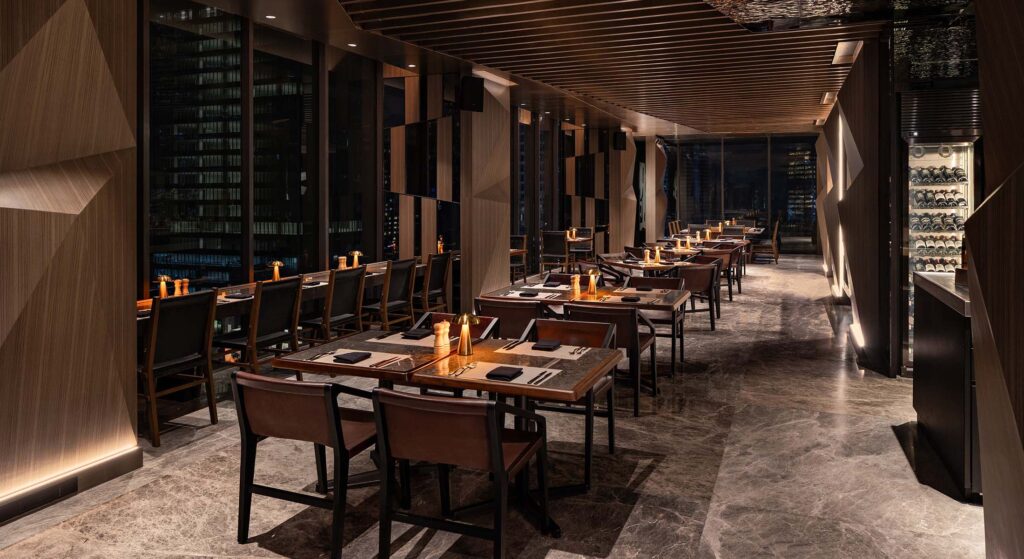
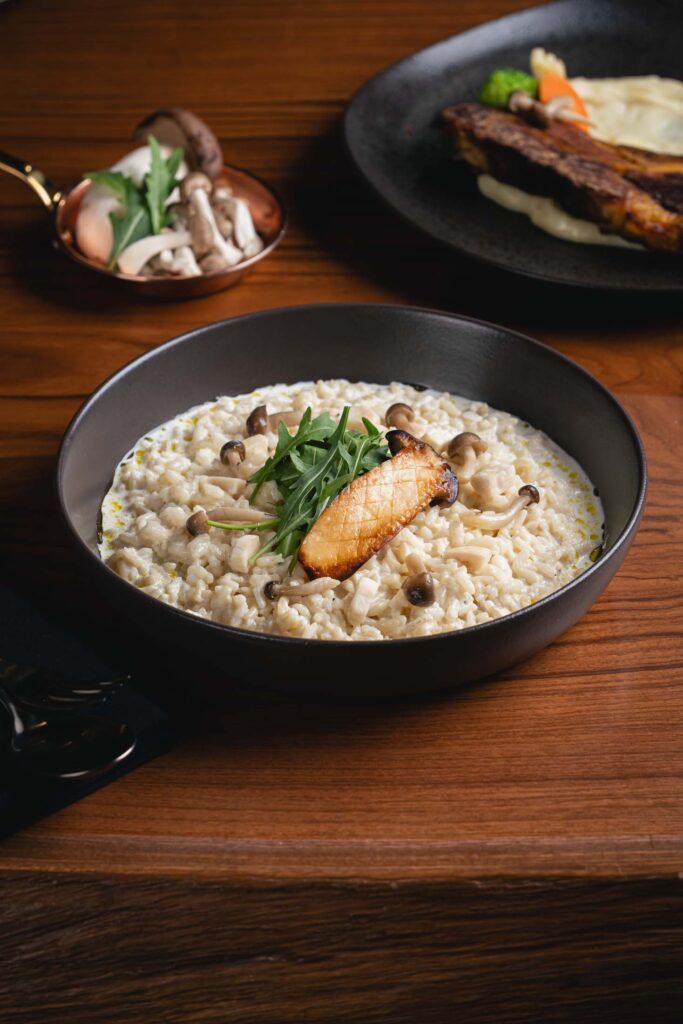
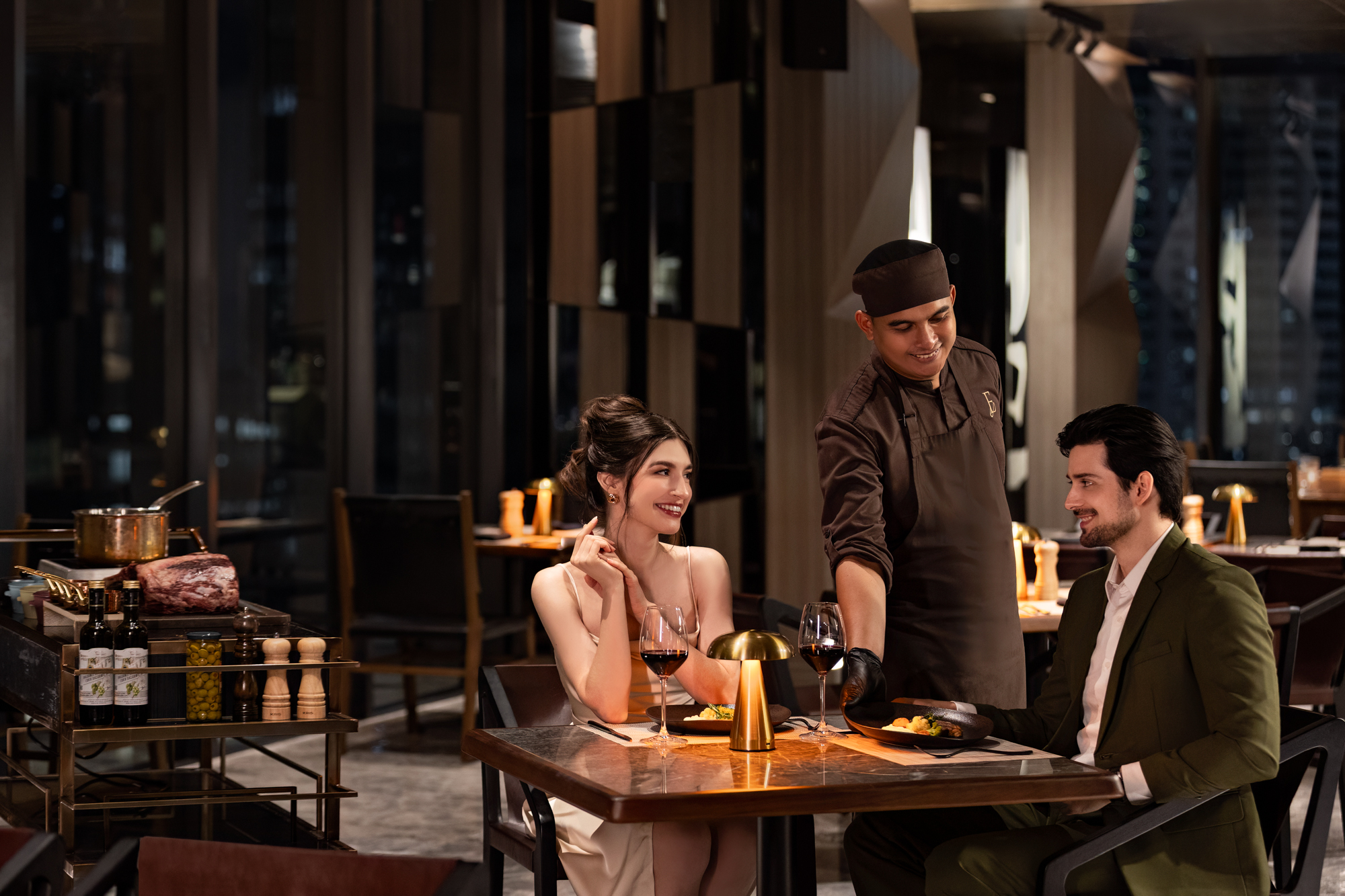
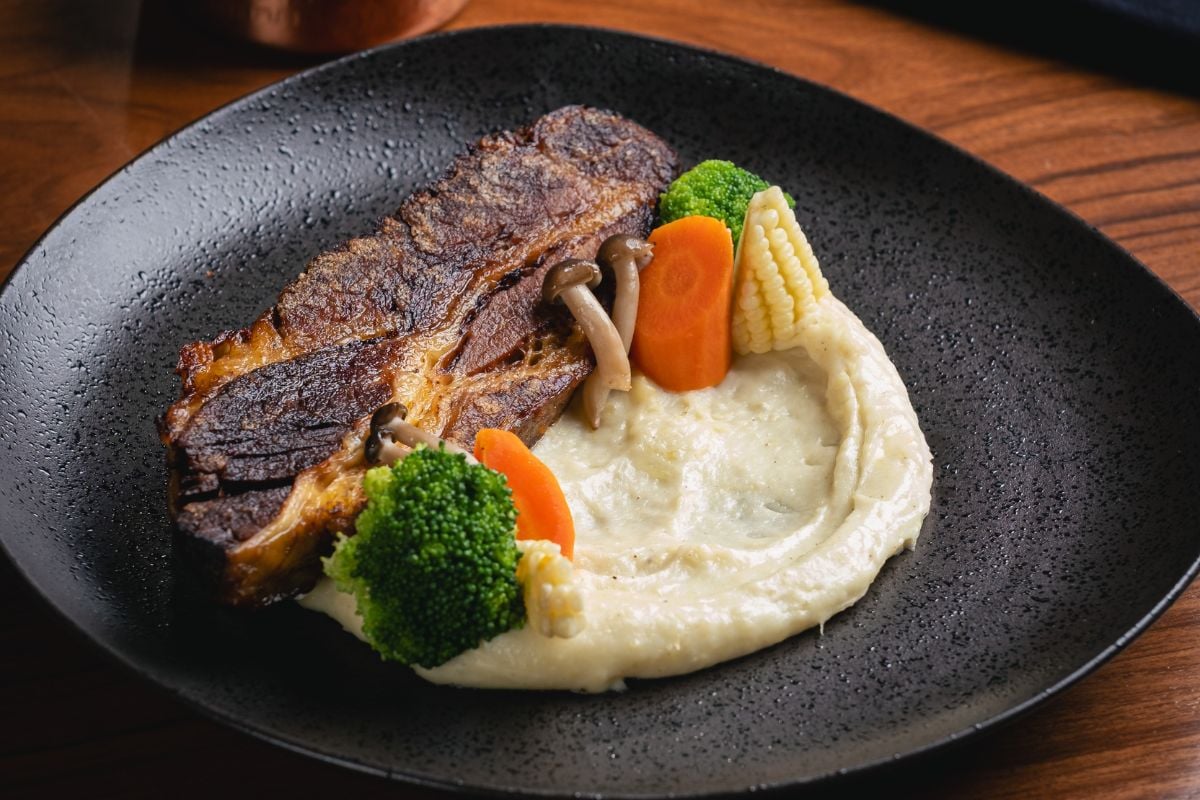
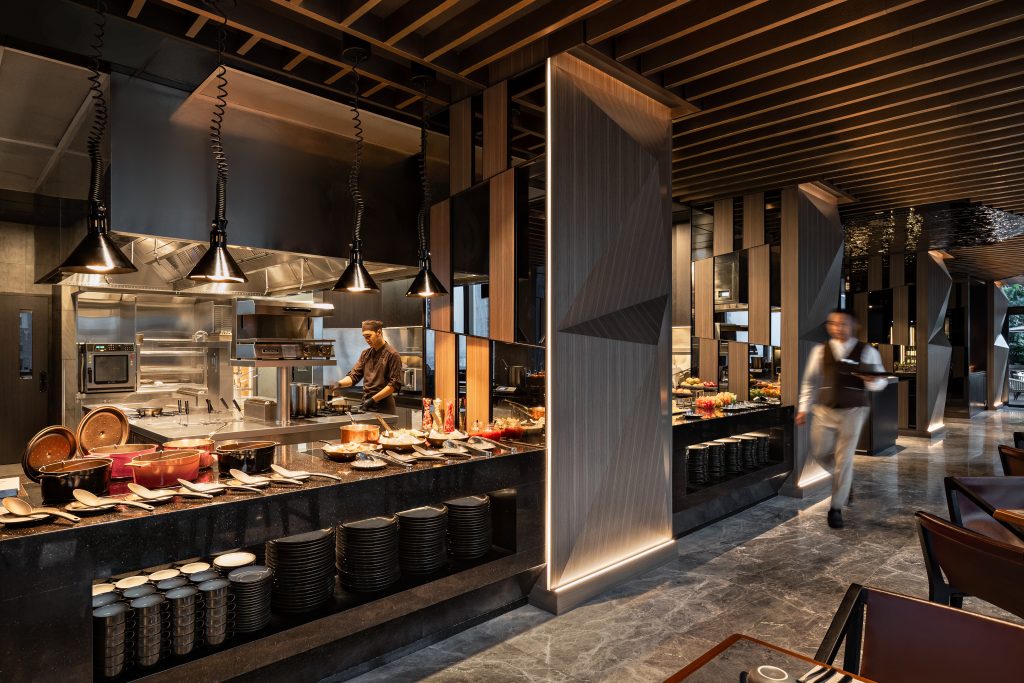
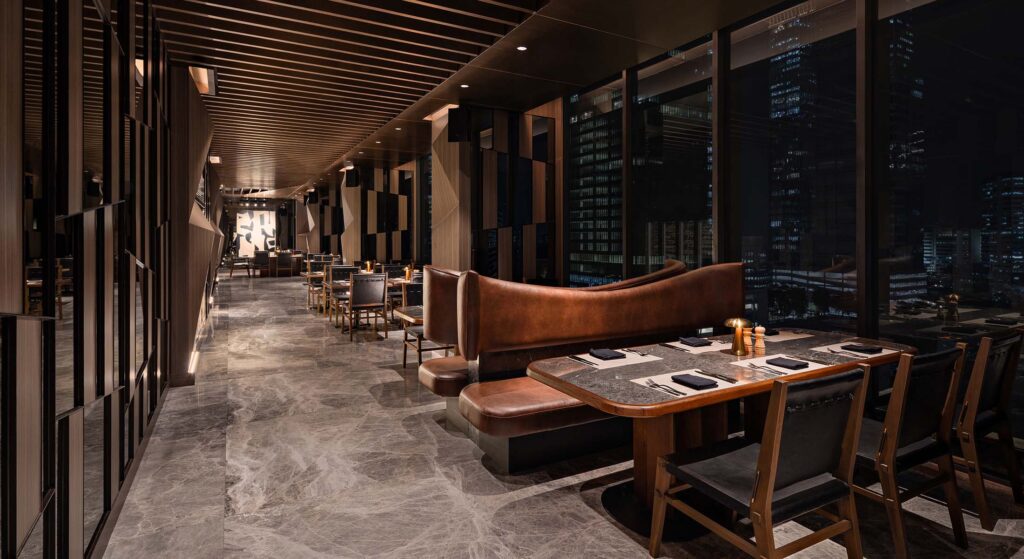
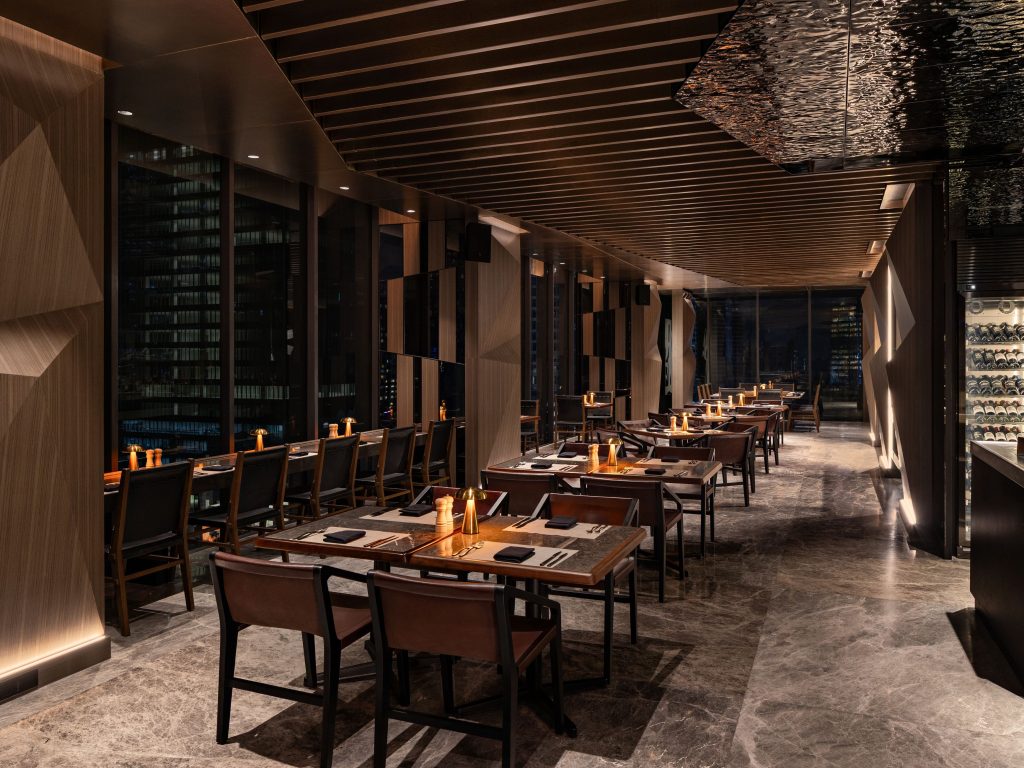
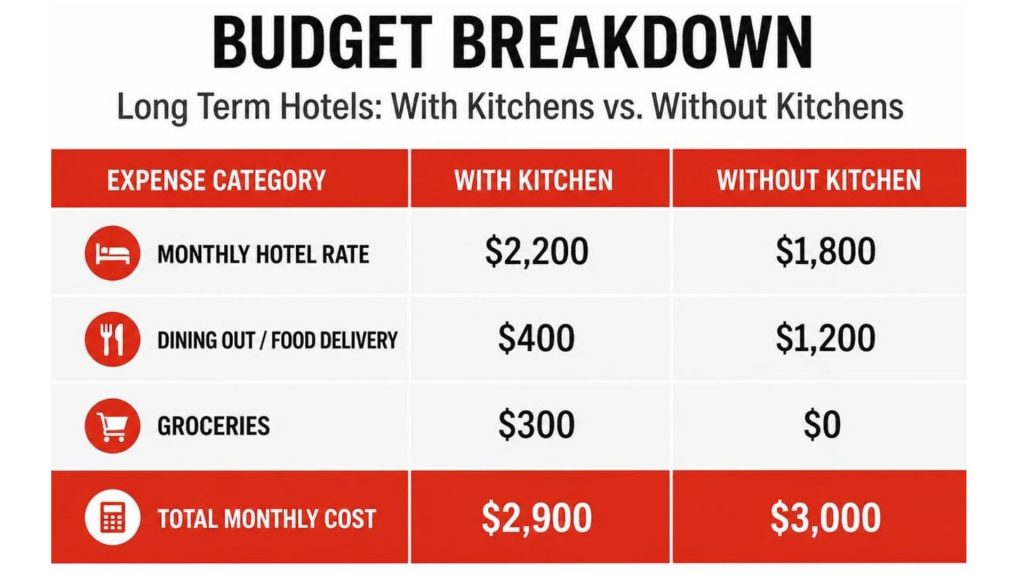
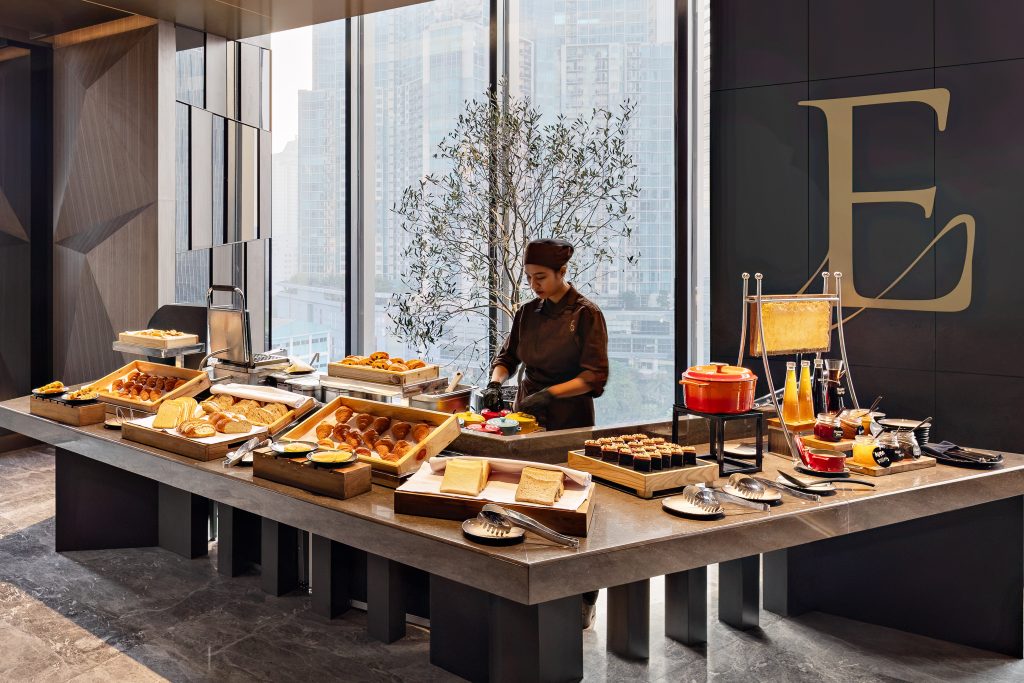
- Cook some meals, eat out for others. A functioning kitchen cuts repeated restaurant costs, while a nearby grill such as Embers Open-Fire Grill on site gives a convenient option for steaks, international dishes and Indonesian ingredients when you want a night off.
- Keep a training routine. A gym, pool and sauna in the building make it easier to hold a schedule despite long office hours.
- Map your commute. MRT and LRT access reduces dependence on road traffic. The piece on work-life balance during an extended stay offers further routines.
Newcomers to Indonesia can also use the practical guide to settling in Jakarta for the first weeks.
Are there tax or legal rules for long hotel stays?
Yes, in some places a long hotel stay changes how occupancy tax applies, so check the rules where you plan to stay. These rules are local and differ from one jurisdiction to another.
In the United States, for example, Texas sets its state hotel occupancy tax at 6%, and the Texas Comptroller notes that guests staying at least 30 consecutive days can qualify as permanent residents exempt from the tax, subject to the state’s conditions. The Texas Governor’s Office also publishes a summary of the 30-day permanent resident exemption. City taxes can add to this: Austin applies a 9% city rate, and written notice of intent to stay at least 30 consecutive days can exempt a qualifying guest from the city tax from the start of the stay.
Those figures apply to Texas and Austin only. They show why it pays to ask early about tax treatment, residency paperwork and billing for long stays, wherever you are going. For Jakarta, confirm taxes, service charges and documentation requirements with the property before you arrive, using its contact details.
How do you compare costs against an apartment lease?
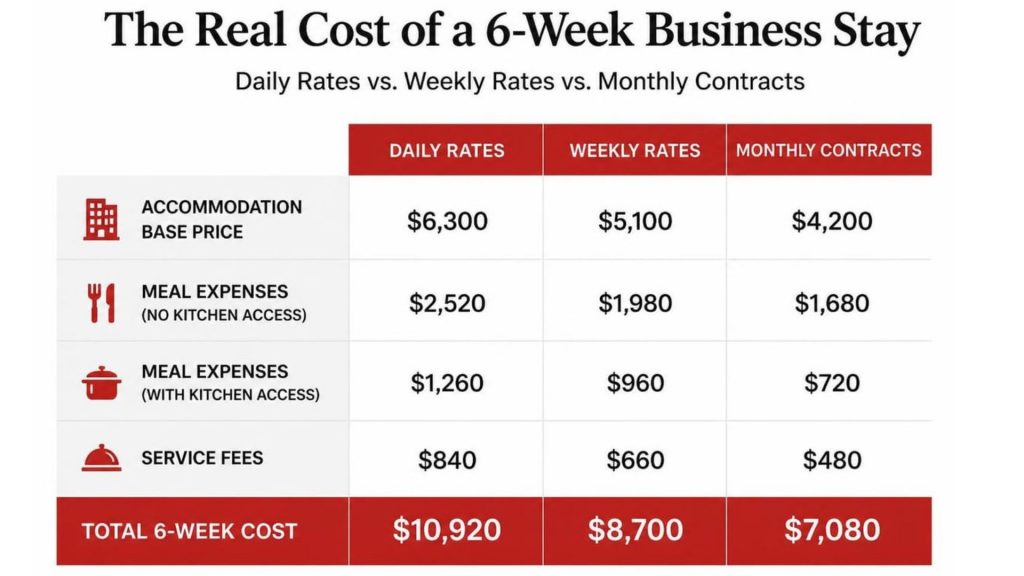
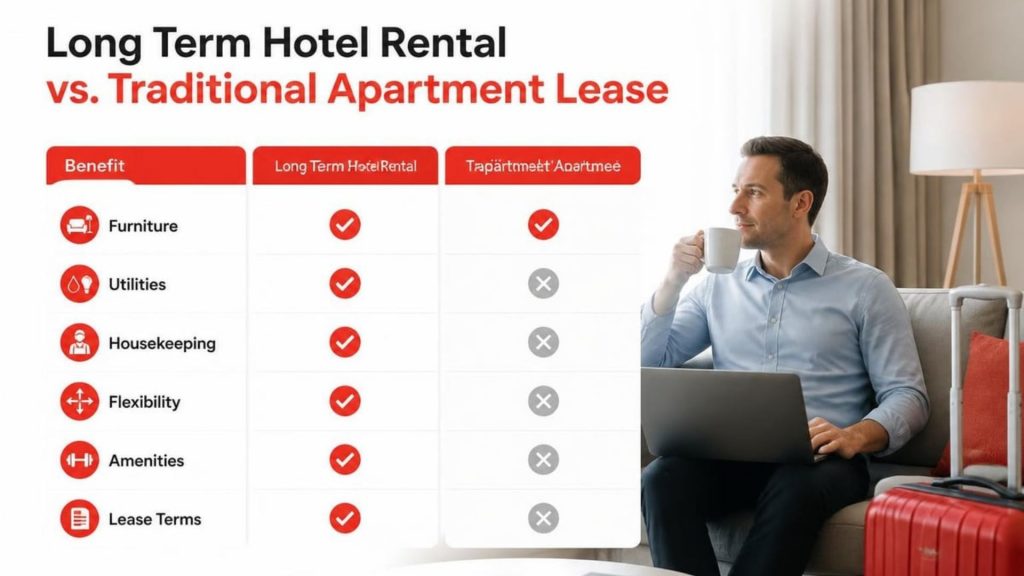
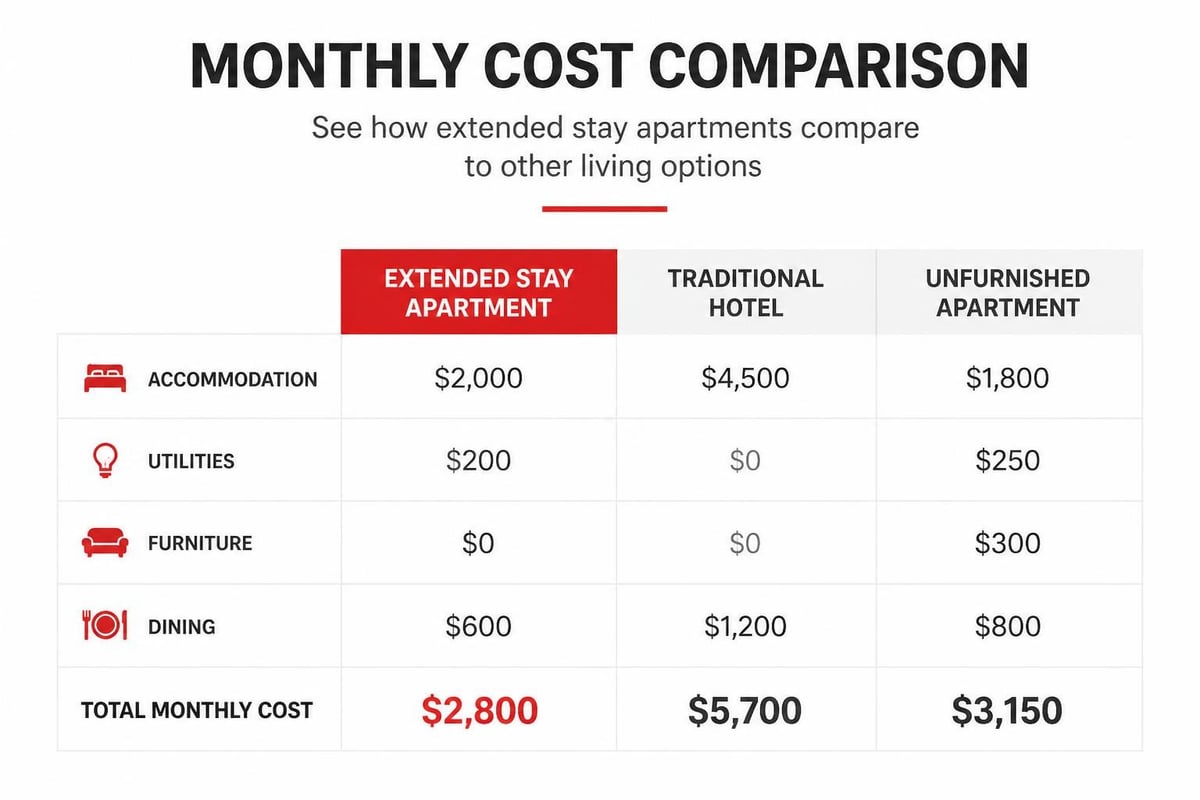
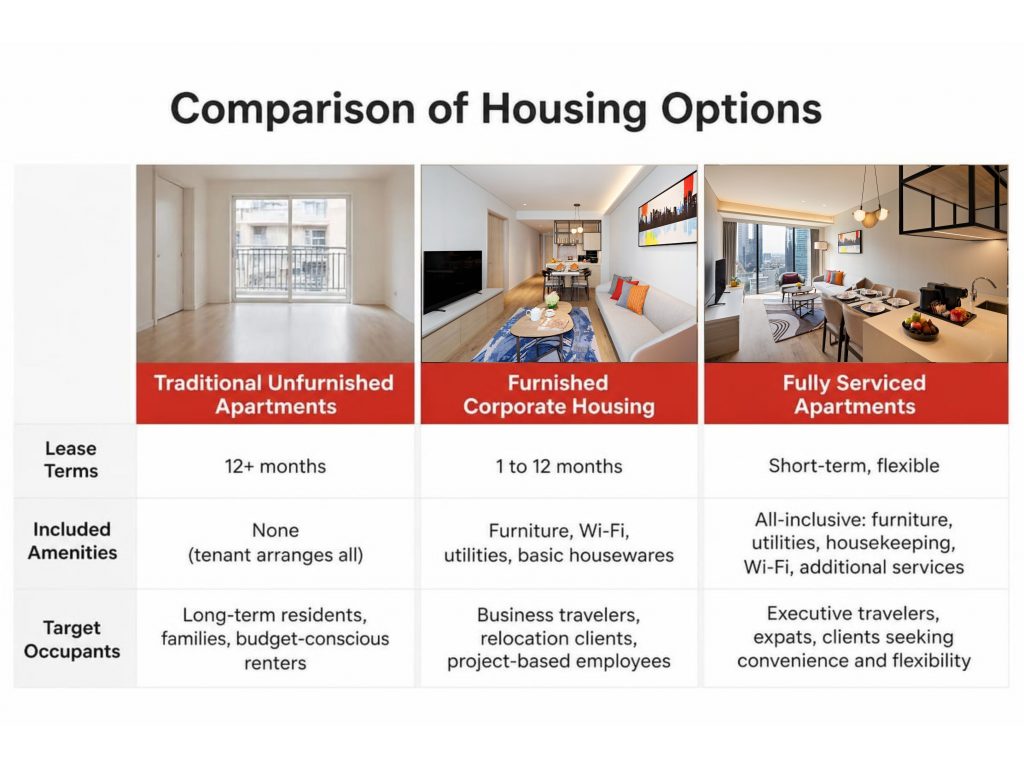
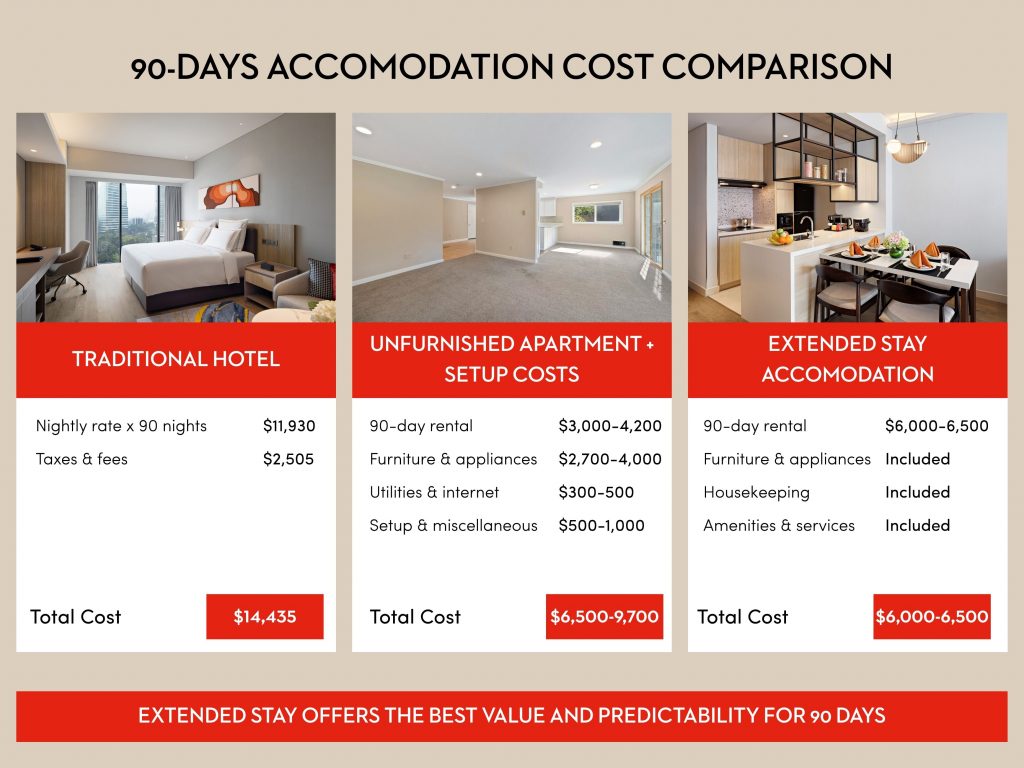
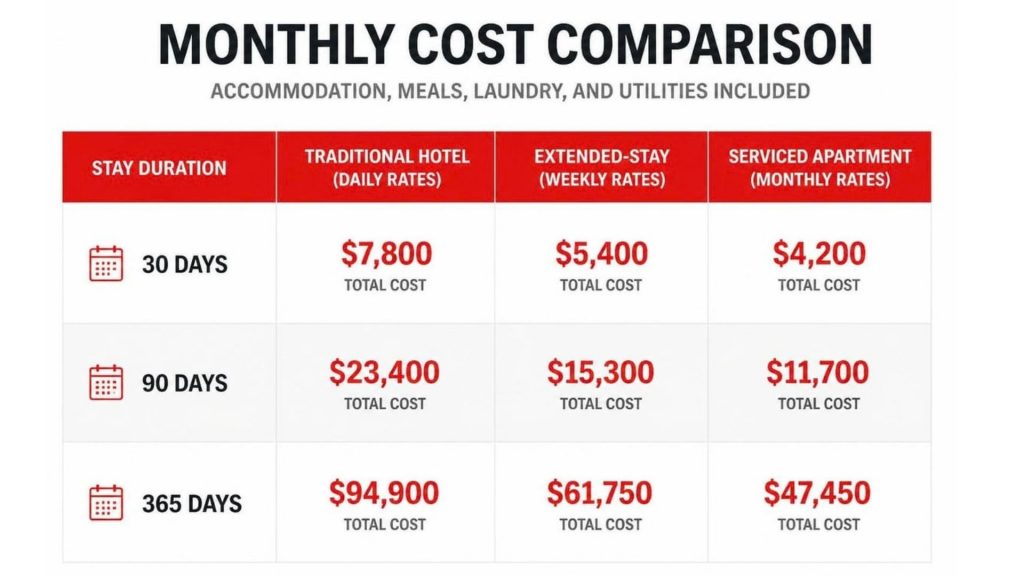
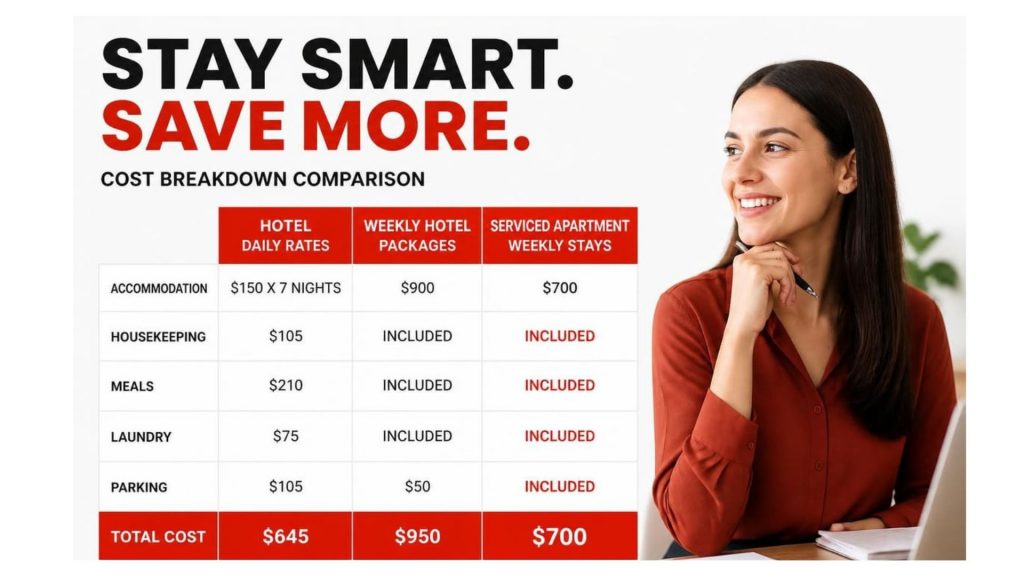
A long stay in a serviced apartment is usually priced higher per month than an unfurnished lease, but it bundles furniture, utilities, housekeeping and flexibility into one arrangement. The honest comparison is the full cost of setting up and running a household.
Consider these items on each side:
- Furniture and appliances: An unfurnished lease means buying or renting them. A fully furnished apartment in Jakarta includes them.
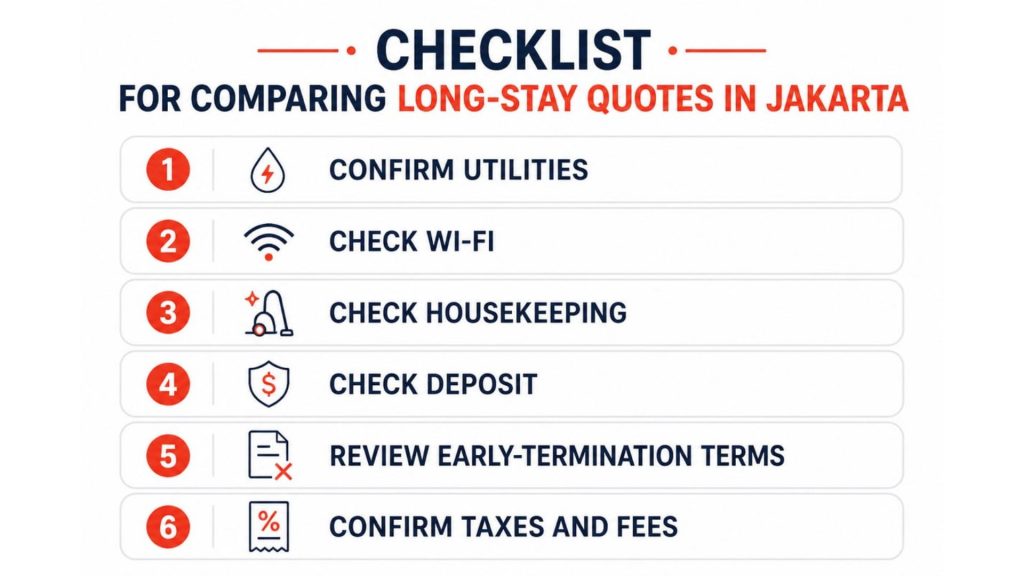
- Utilities and internet: Separate accounts, deposits and setup time on a lease. Included in the stay terms at many serviced apartments, so confirm what applies.
- Housekeeping and maintenance: Handled by the property rather than by you.
- Commitment: Leases often run a year or more. Serviced stays can run for a week, a month or a year.
Industry reporting suggests the model is holding up. Hotel Management covers extended-stay performance, supply growth and demand trends, and the sector’s growth reflects how many travelers choose this format over a lease for medium-length needs. For rate-specific advice, read about long-term rates at hotels and affordable extended-stay hotels.
If you are choosing between a hotel and an apartment format, hotel vs. serviced apartment in Jakarta lays out the trade-offs.
What questions should you ask before you book?
Before you book, ask about the unit, the terms and the services, and get the answers in writing. A few direct questions prevent most surprises on a long stay.
- Which apartment categories are available for my dates? Studio, One-Bedroom, Two-Bedroom, Swiss Signature Suite or Three-Bedroom.
- Can I extend, or move from a weekly to a monthly or yearly arrangement?
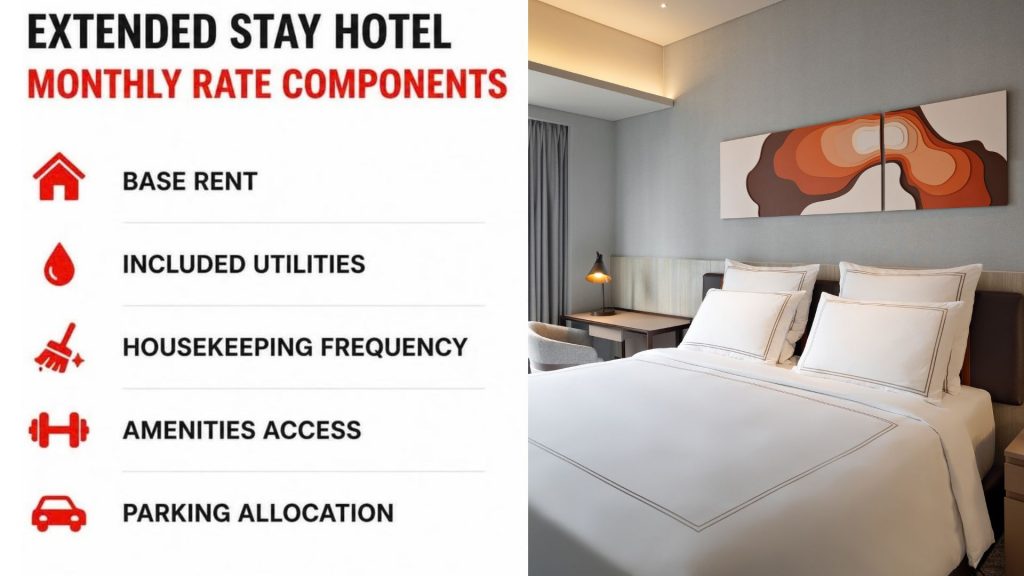
- What is included in the rate? Housekeeping frequency, utilities, Wi-Fi, parking and facility access.
- What are the deposit and payment terms for a long stay?
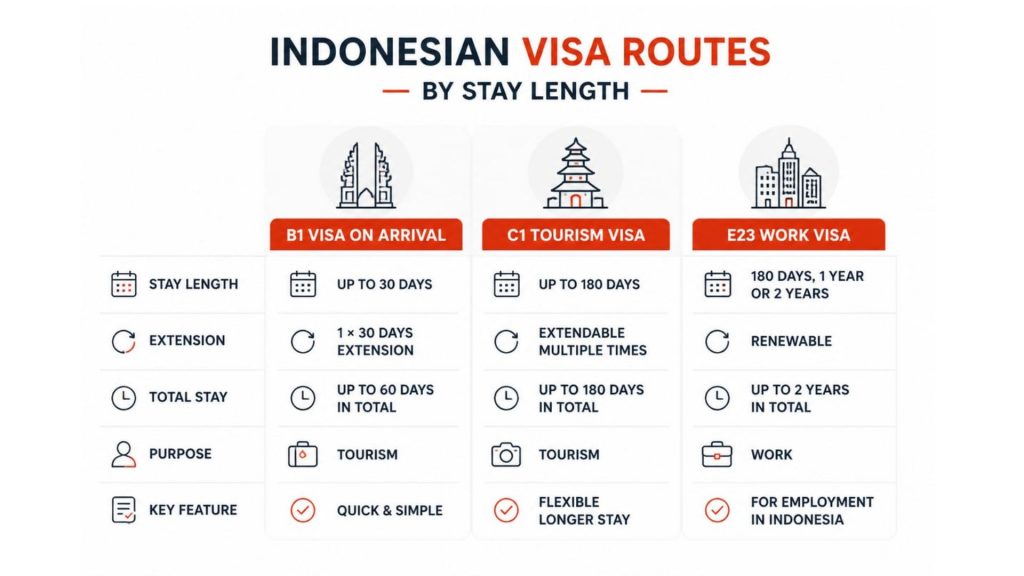
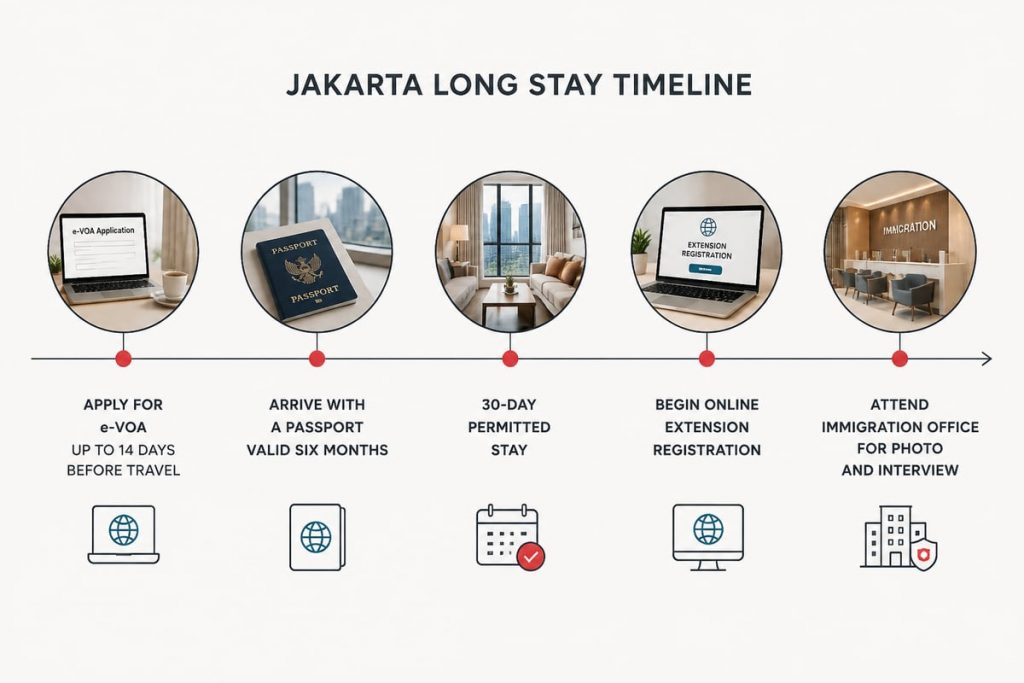
- What documents do I need as a foreign resident?
- How far are the MRT or LRT stations, my office and my children’s school?
- Which facilities can my family use? Gym, pool, sauna and playground.
Treat vague answers as a signal to keep looking. A property built for long stays will answer these quickly and specifically.
Start by listing your dates, household size and daily commute, then request availability and terms for the apartment category that fits. Swissôtel Living Jakarta Mega Kuningan offers 240 fully furnished residences from studios to three-bedroom homes in the heart of Mega Kuningan, and you can review the options on its serviced apartment page. Whether you need a few weeks for an assignment or a full year for your family, you can book your stay at Swissôtel Living Jakarta Mega Kuningan and settle into a home with hotel services from the first day.






























































 Should You Choose an Extended-Stay Hotel or Serviced Apartment in Jakarta for a Business Trip?