
Hotel Monthly Rental: Long-Stay Solutions in Jakarta 2026
The hotel monthly rental market has evolved significantly as business travelers, expatriates, and families seek alternatives to traditional short-term hotel stays and conventional apartment leases. This accommodation model bridges the gap between daily hotel bookings and annual residential contracts, offering flexibility, full furnishings, and hotel-grade services without the commitment of signing a year-long lease. In major business centers like Jakarta, where professionals frequently relocate for extended projects and international assignments, the demand for monthly hotel accommodations continues to grow throughout 2026.
Understanding the Hotel Monthly Rental Model
Hotel monthly rental represents a distinct category within the hospitality and residential sectors. Unlike standard hotel bookings charged at daily rates, monthly rentals provide significant cost advantages for guests staying 30 days or longer. The extended-stay hotel segment has developed specialized operational standards to serve this market effectively.
Key Characteristics of Monthly Hotel Stays
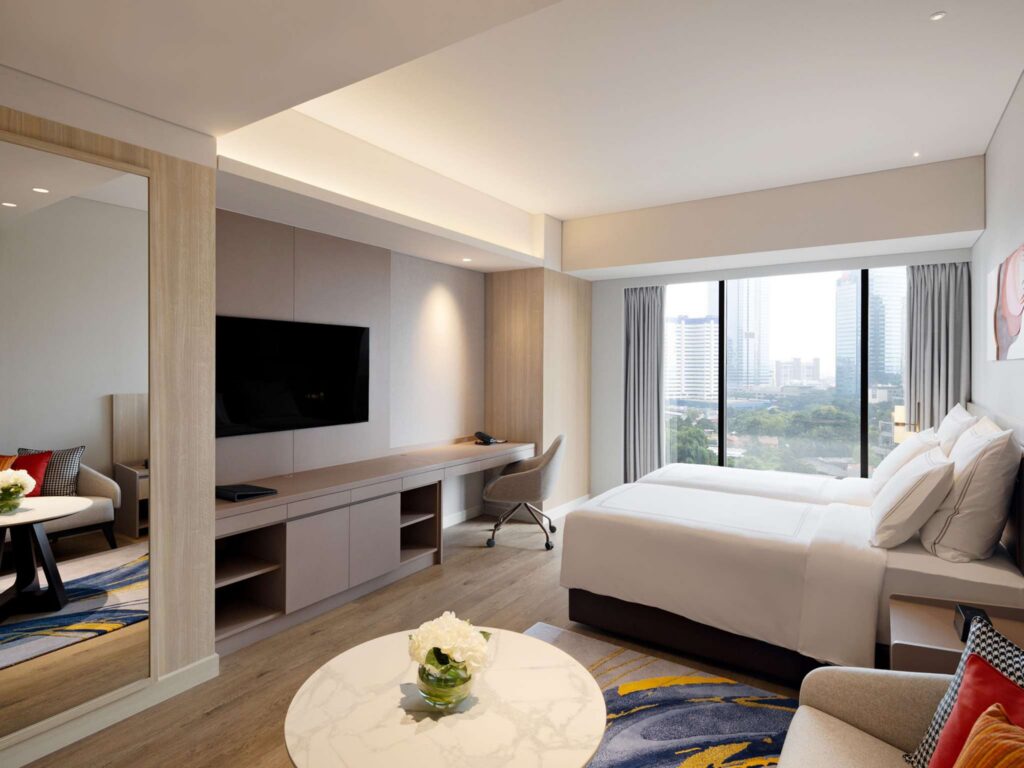
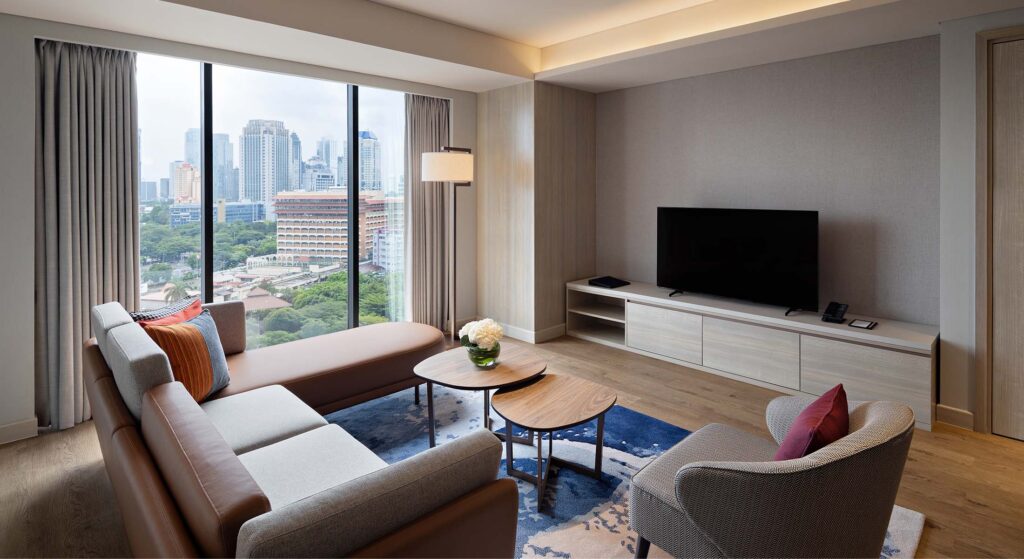
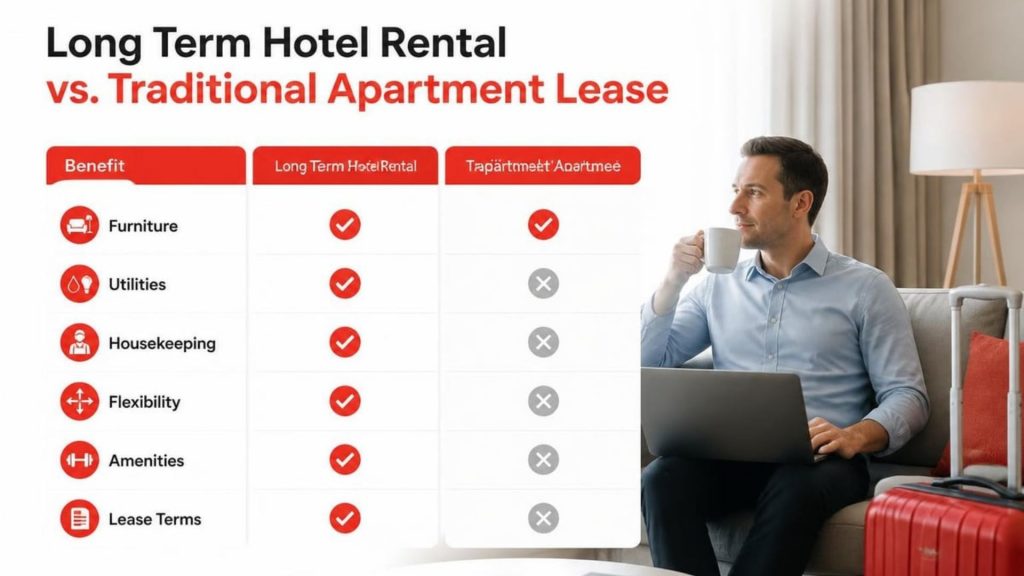
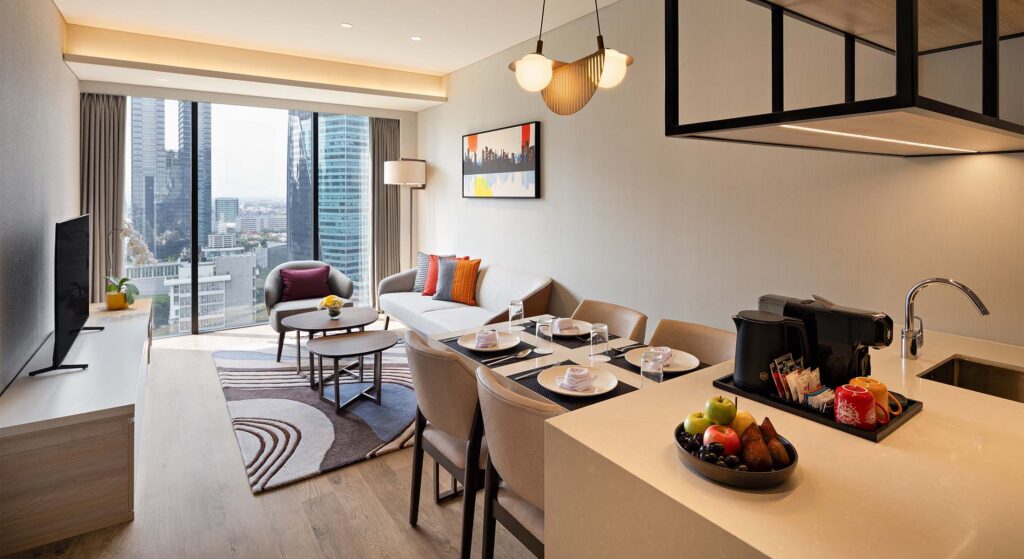
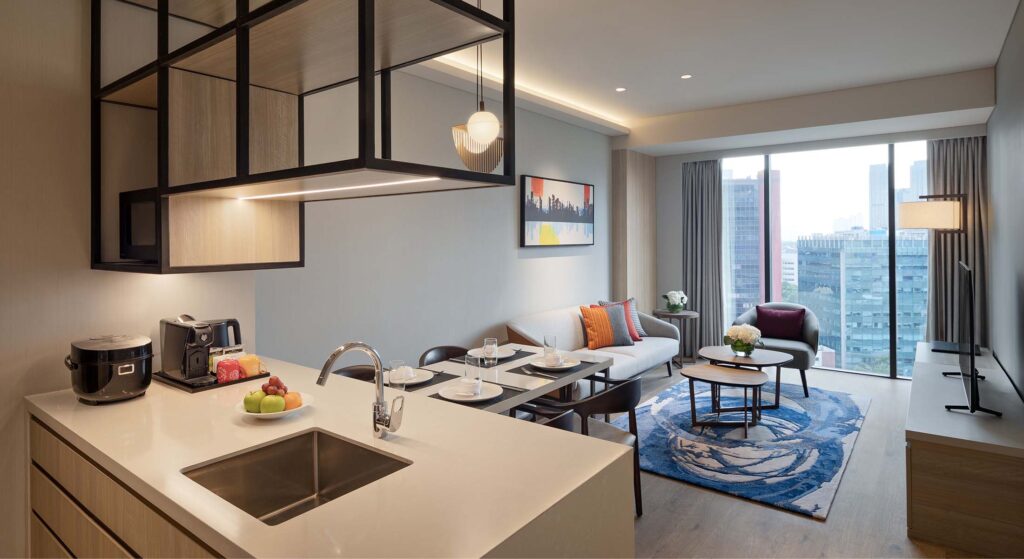
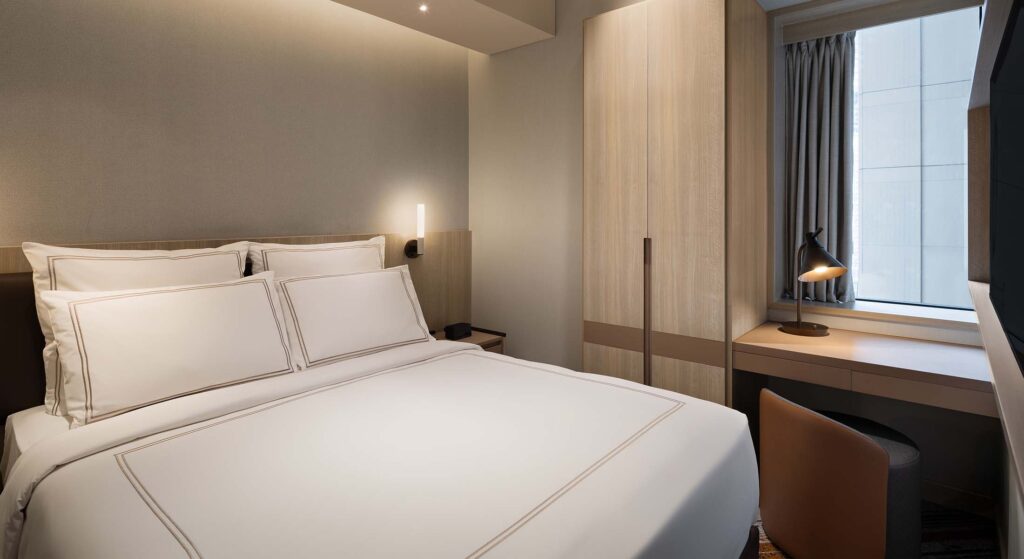
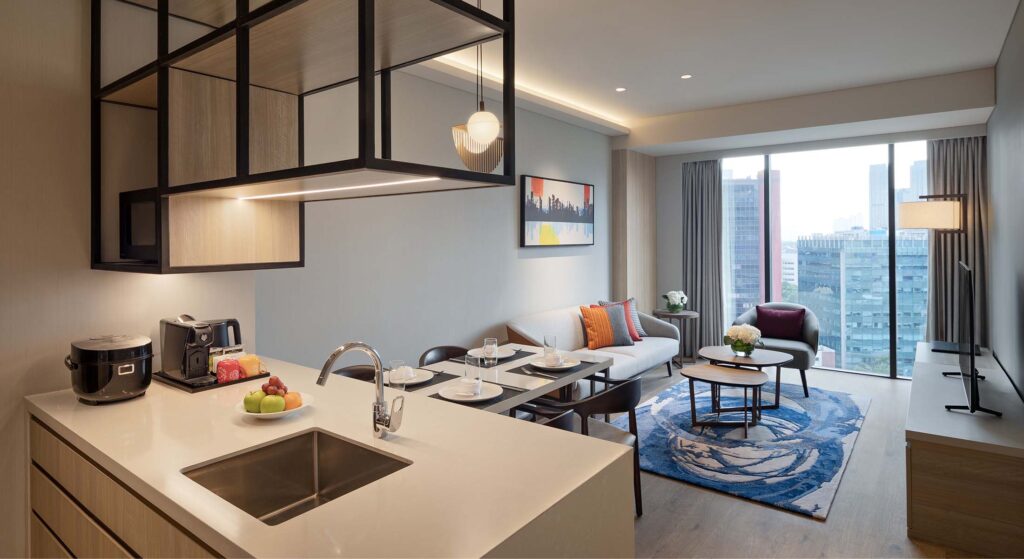
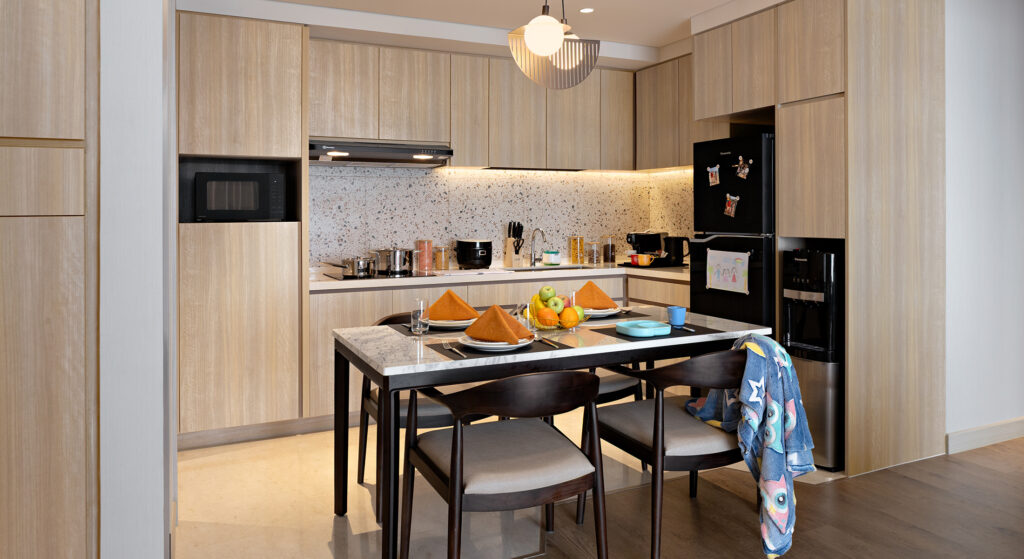
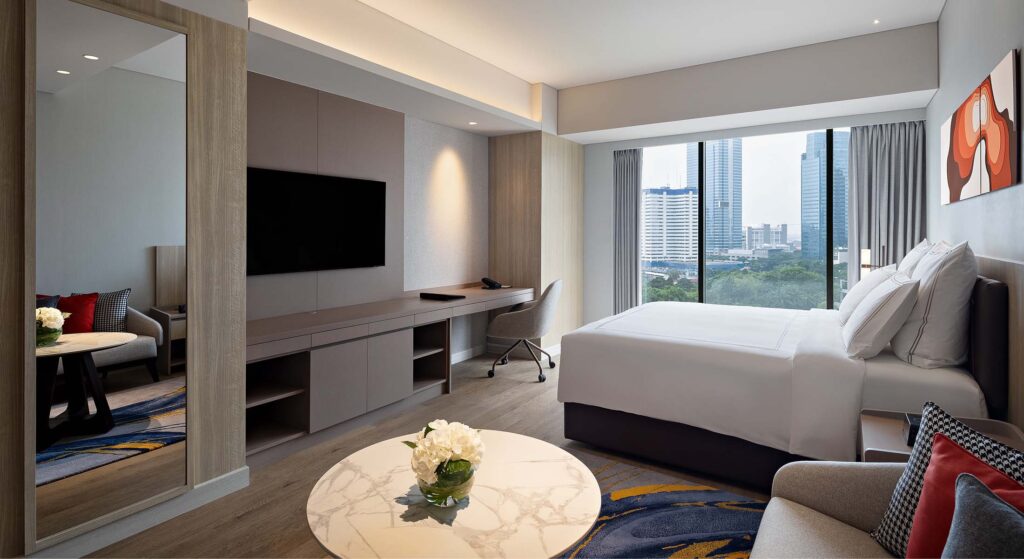
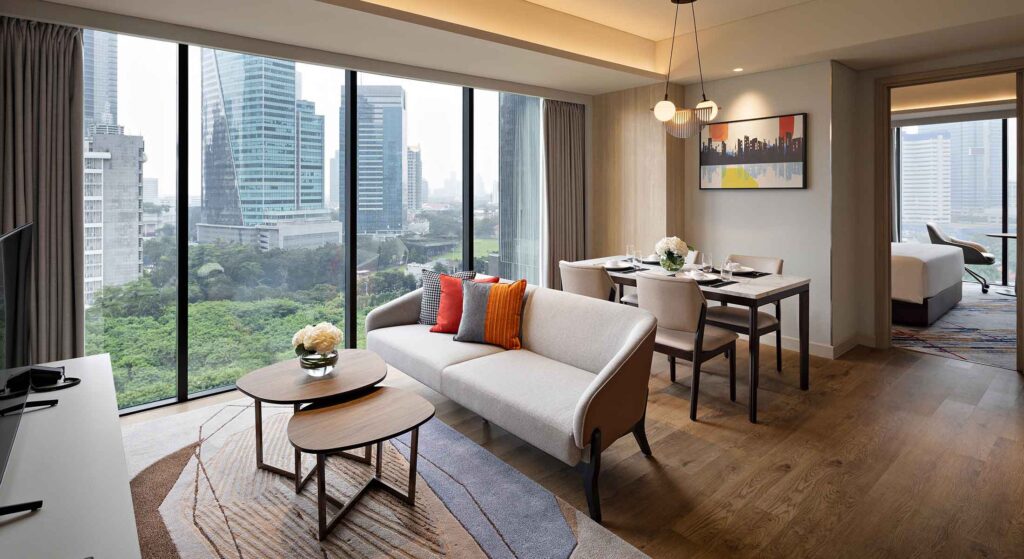
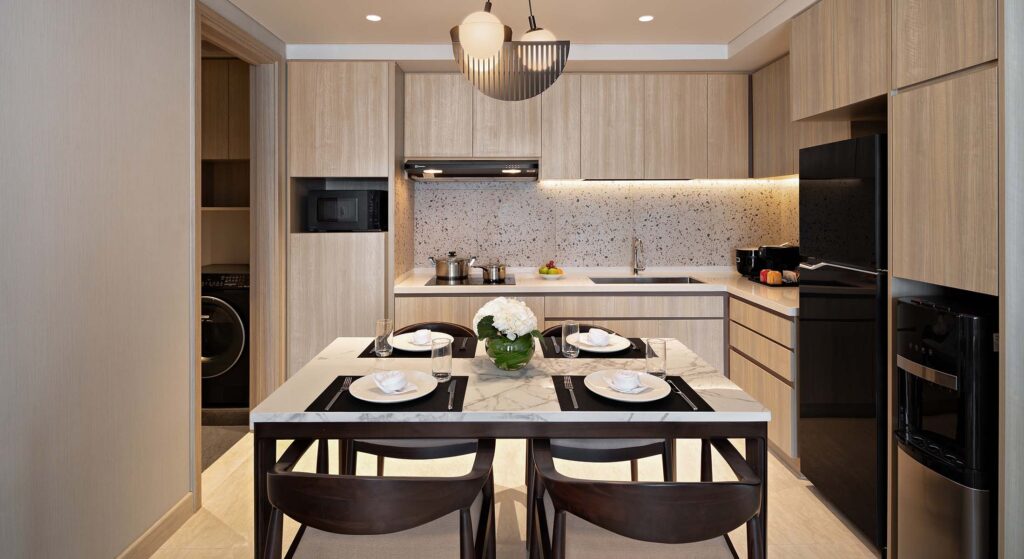
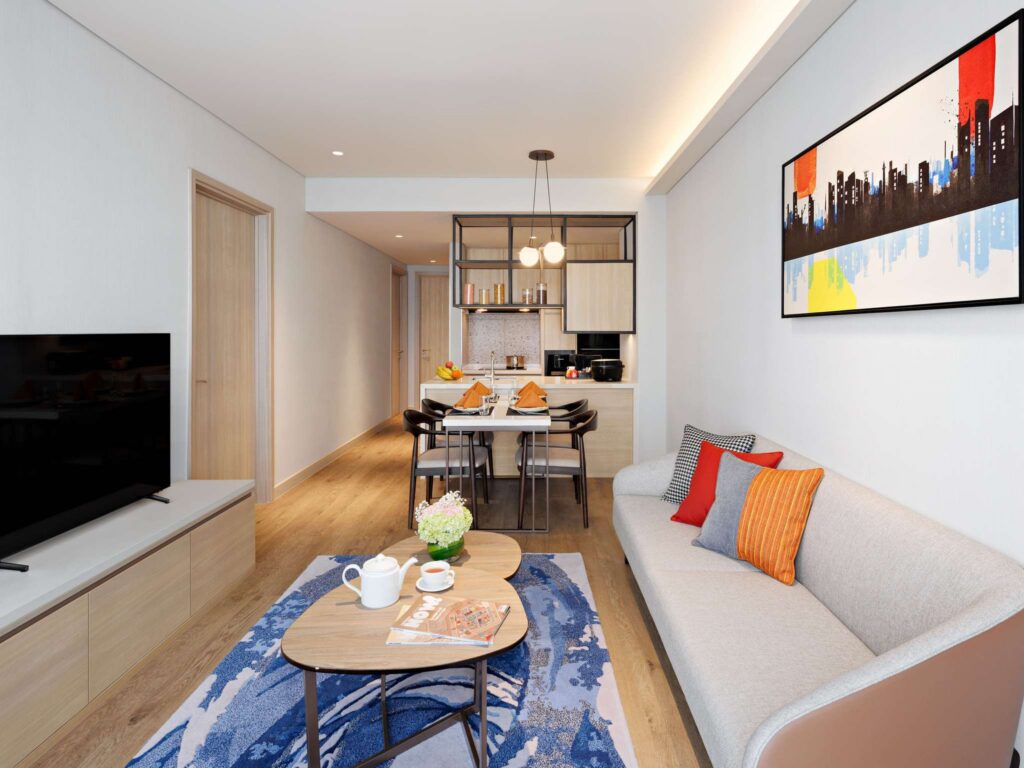
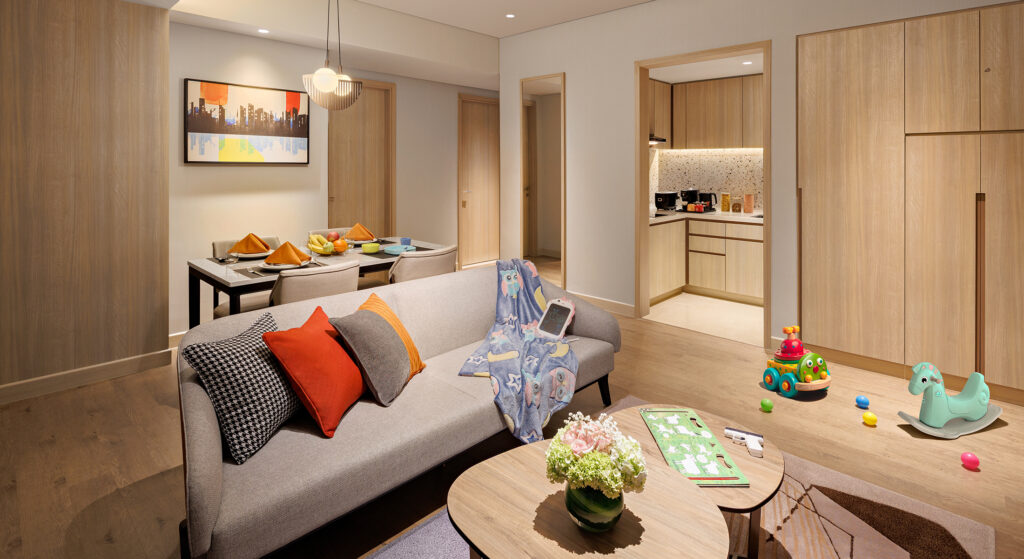
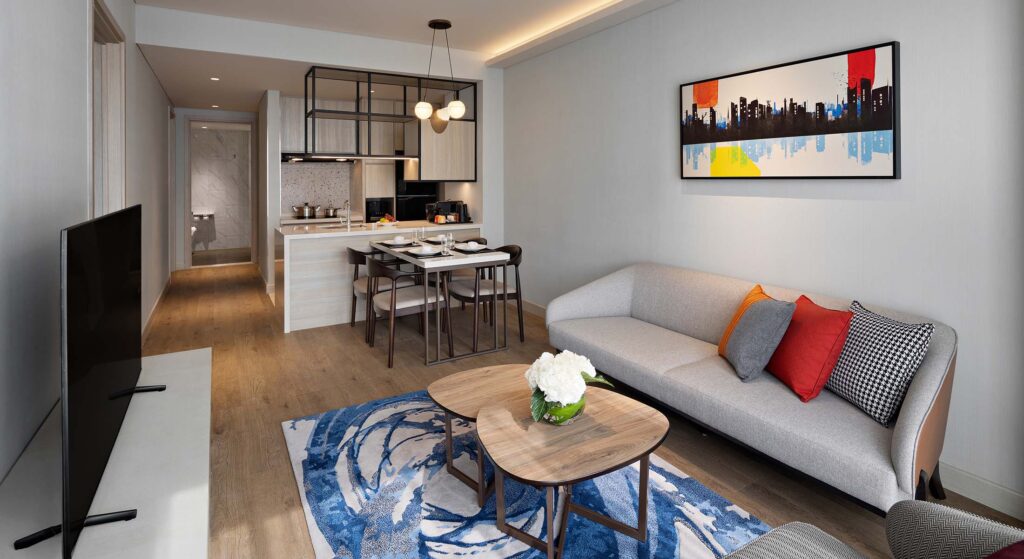
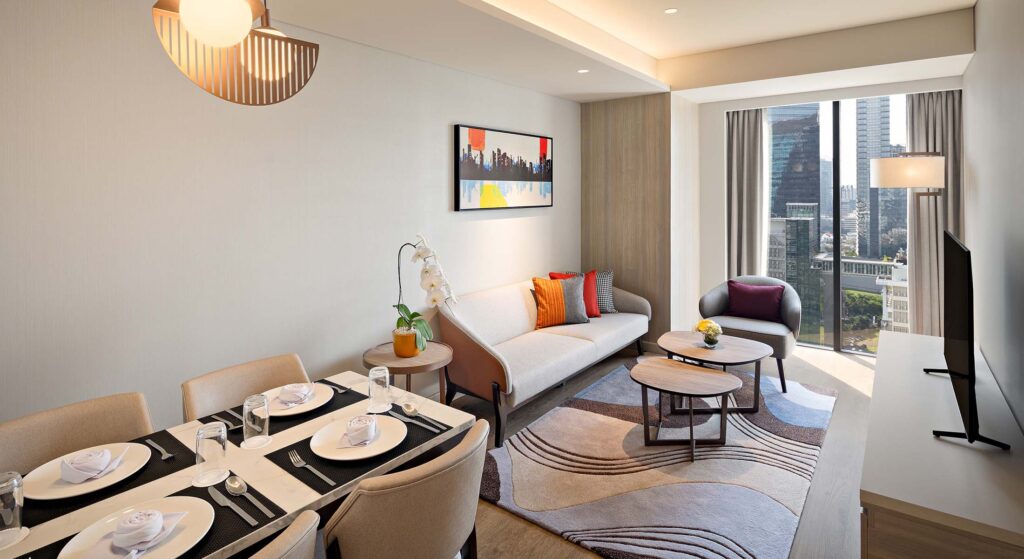
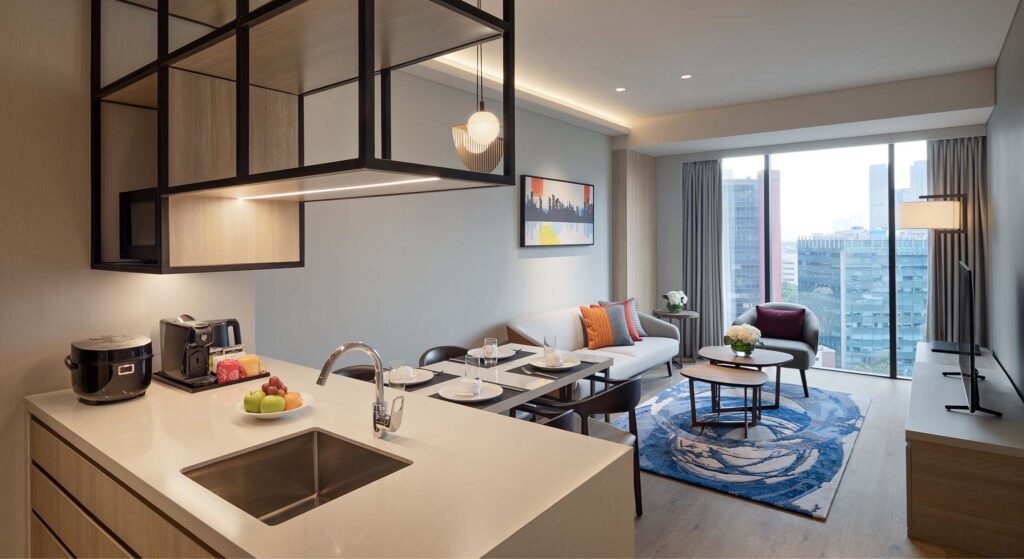
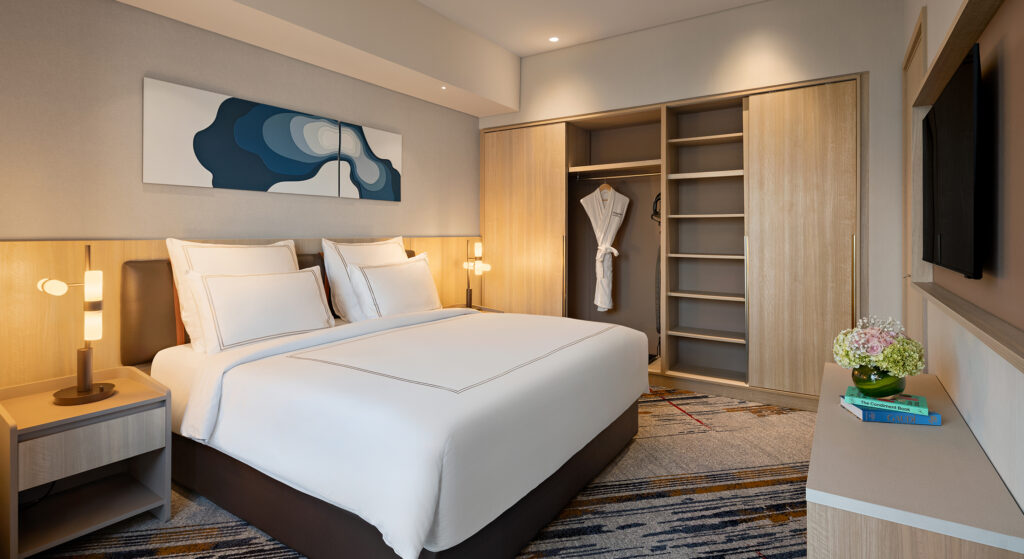
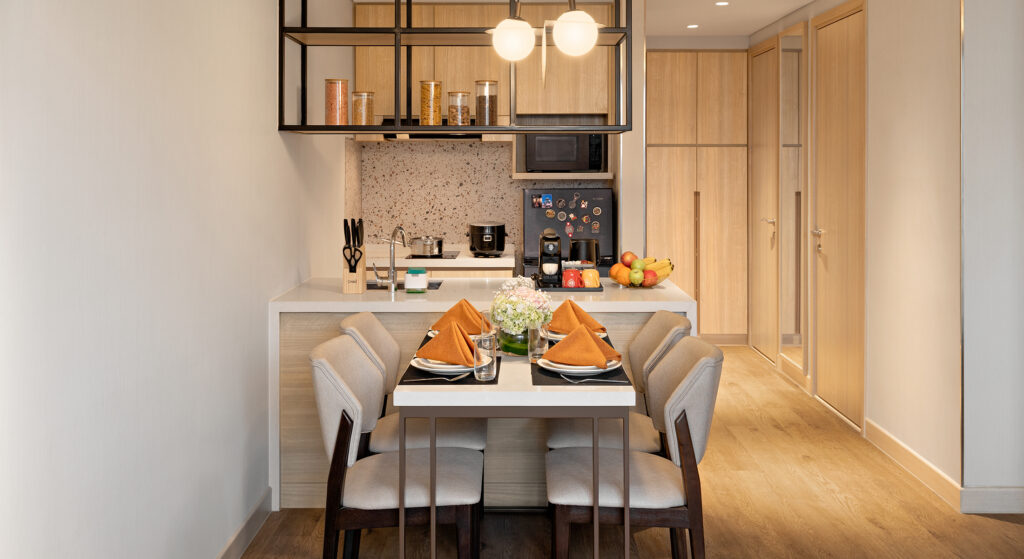
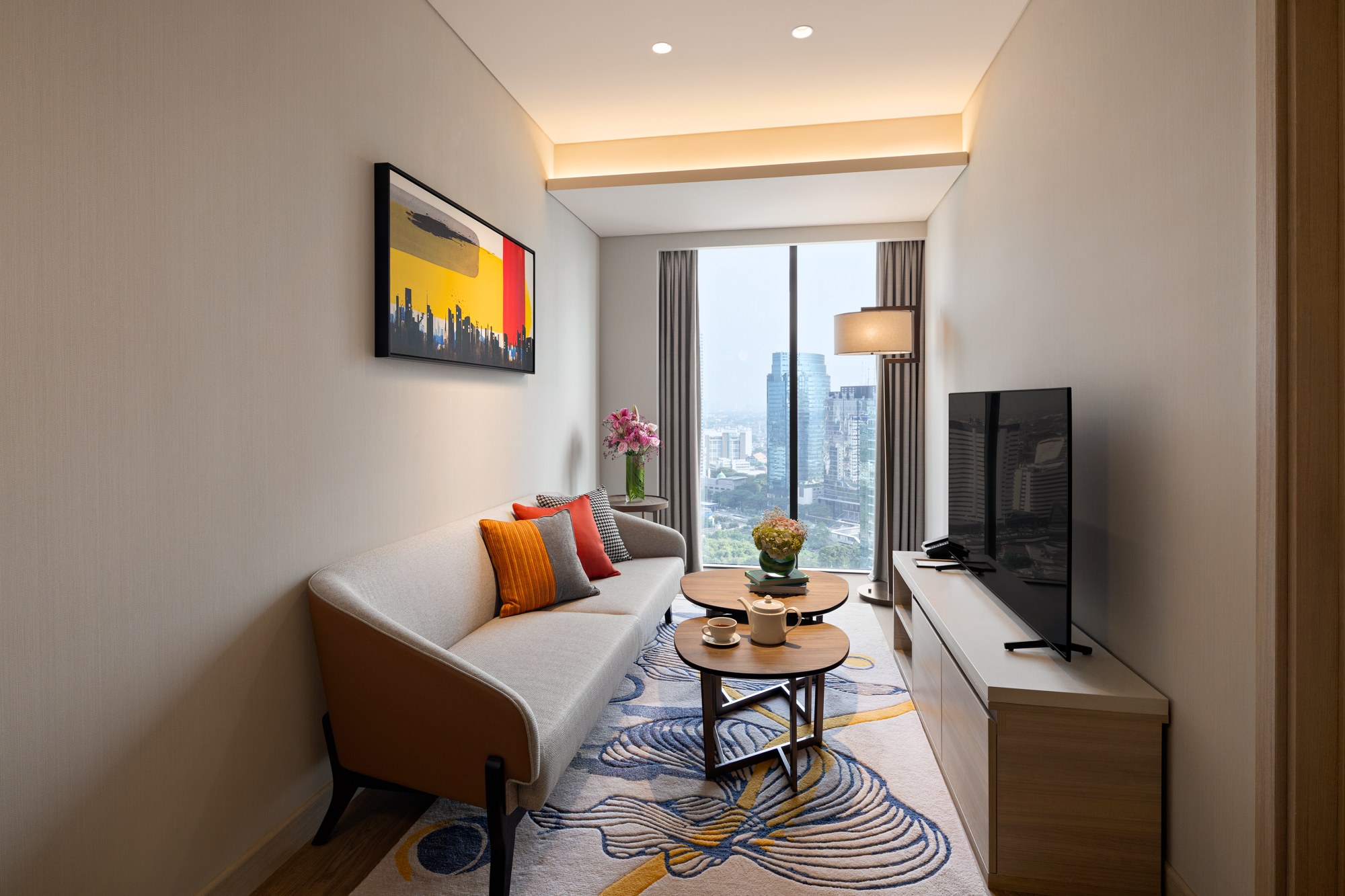
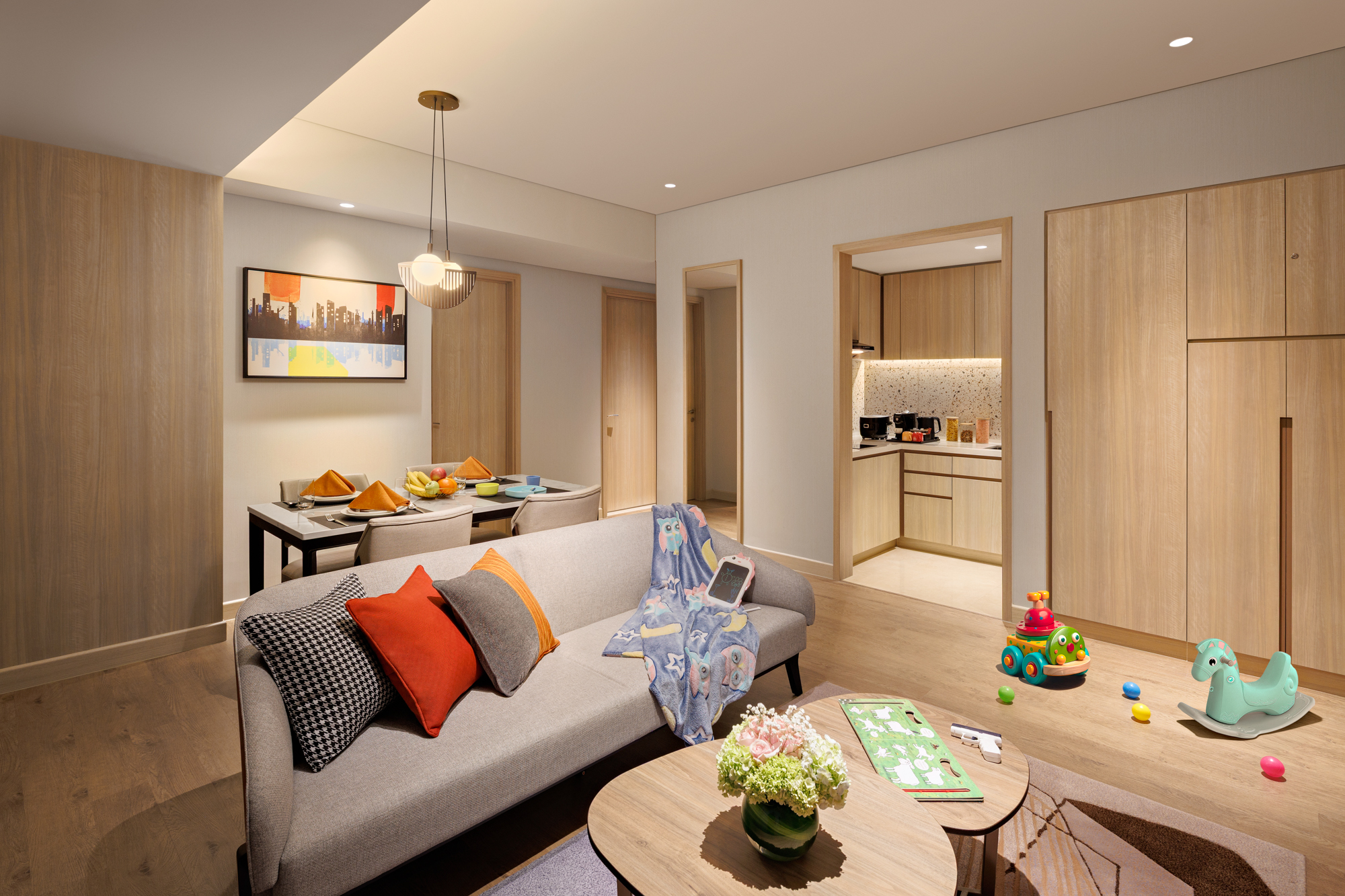
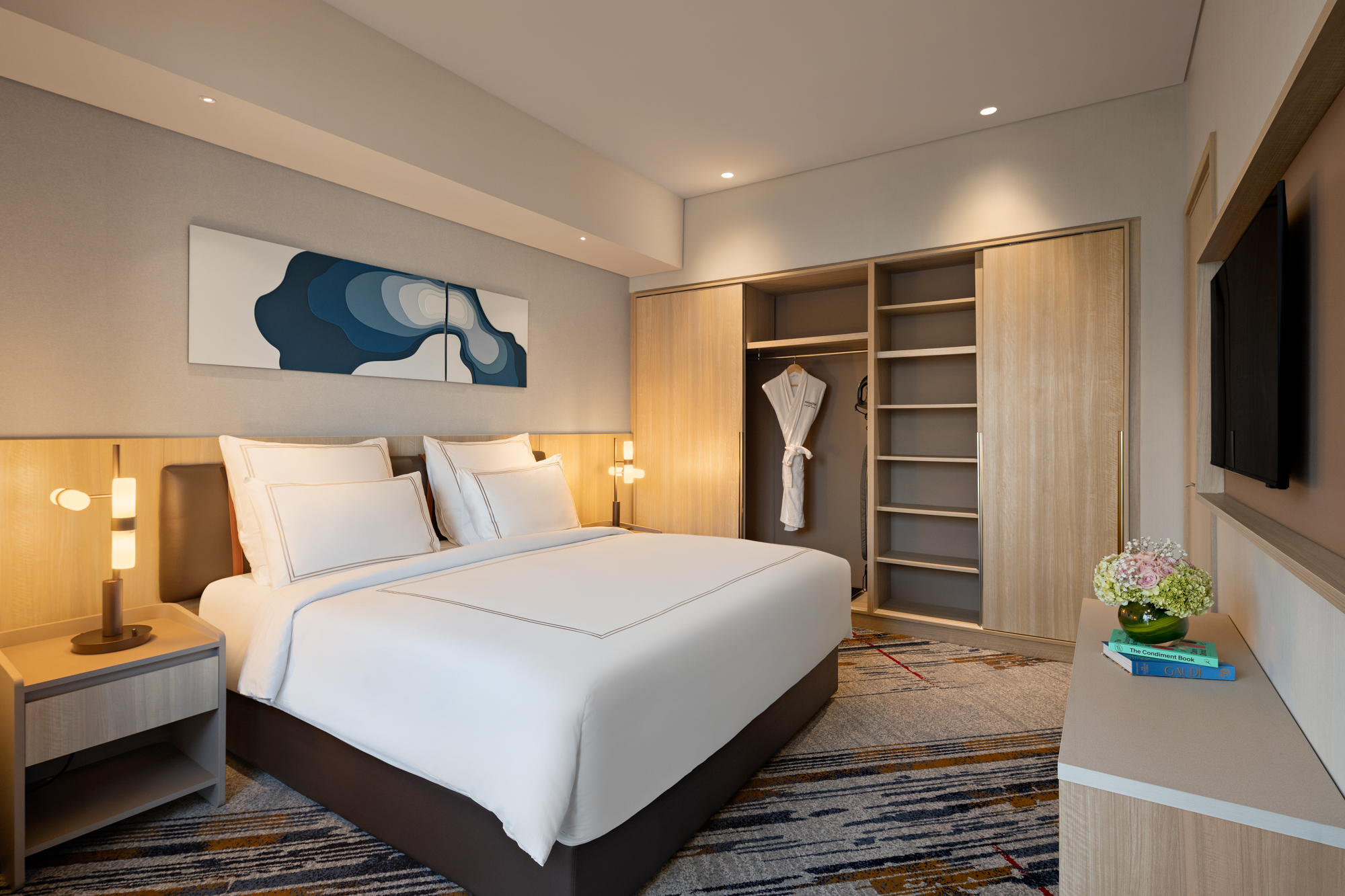
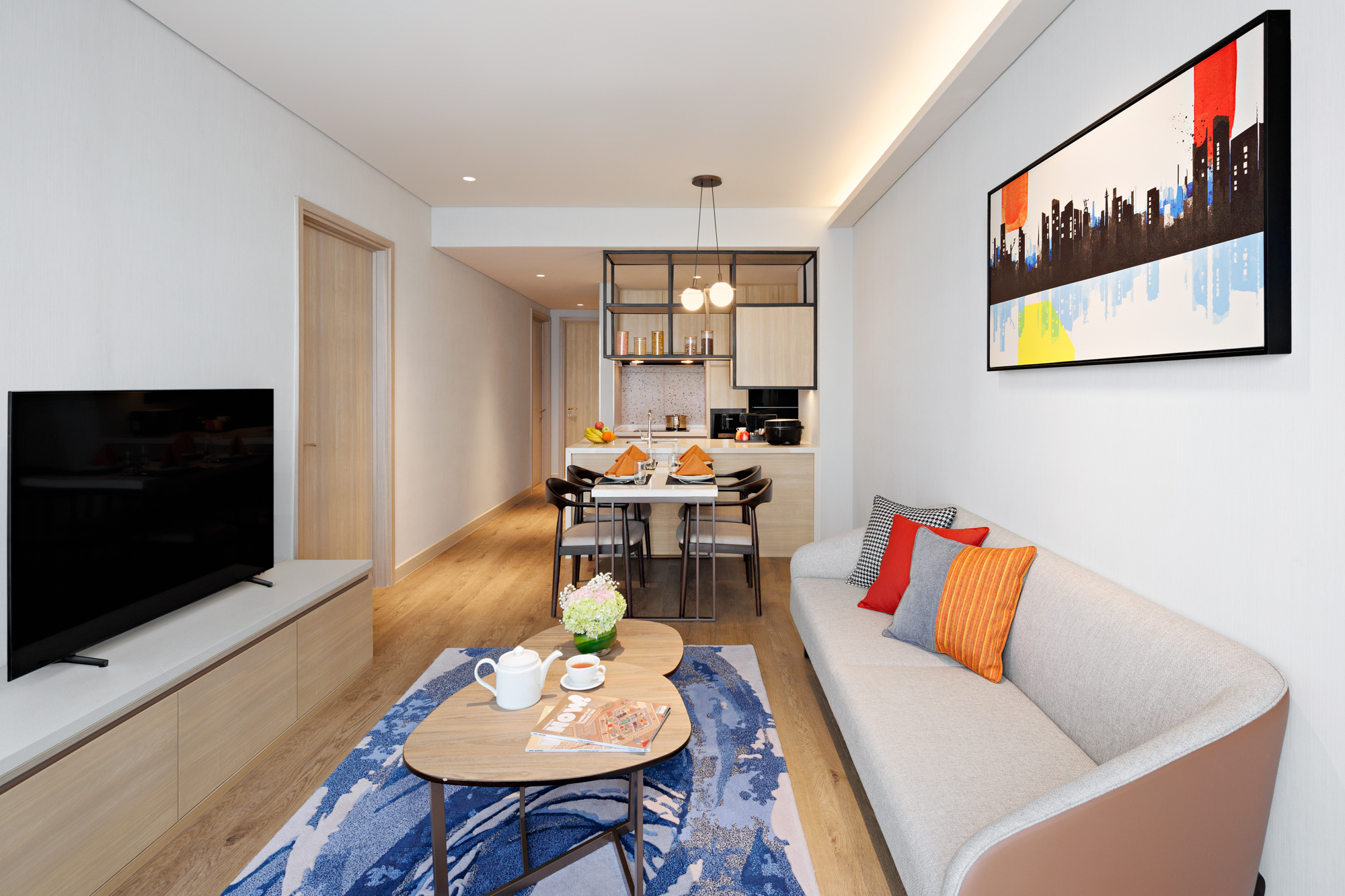
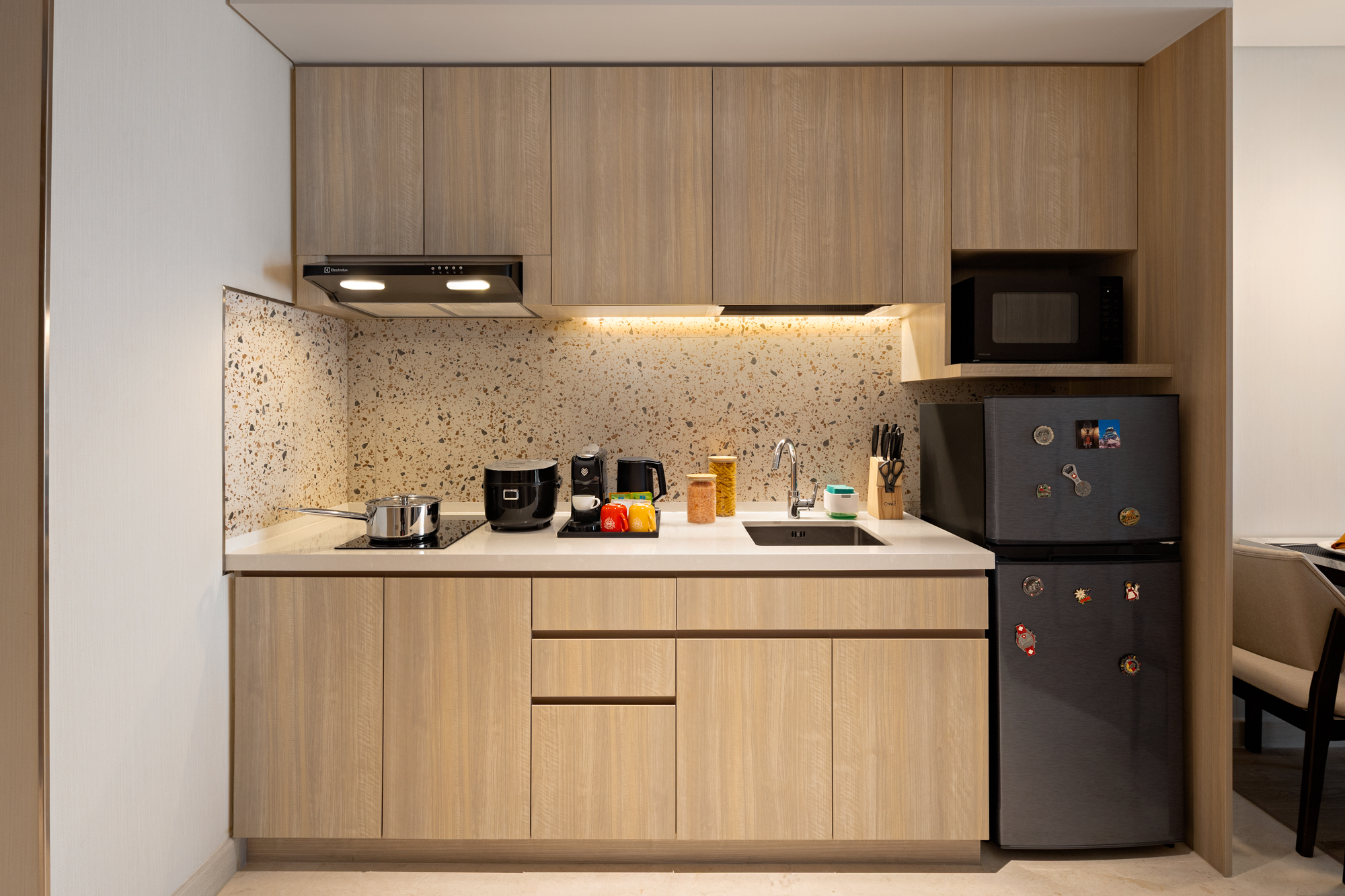
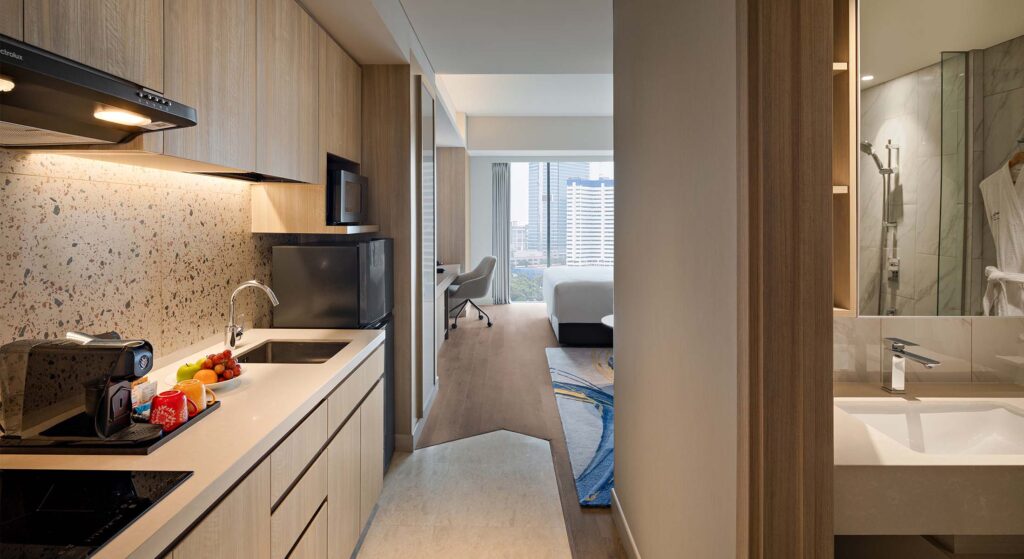
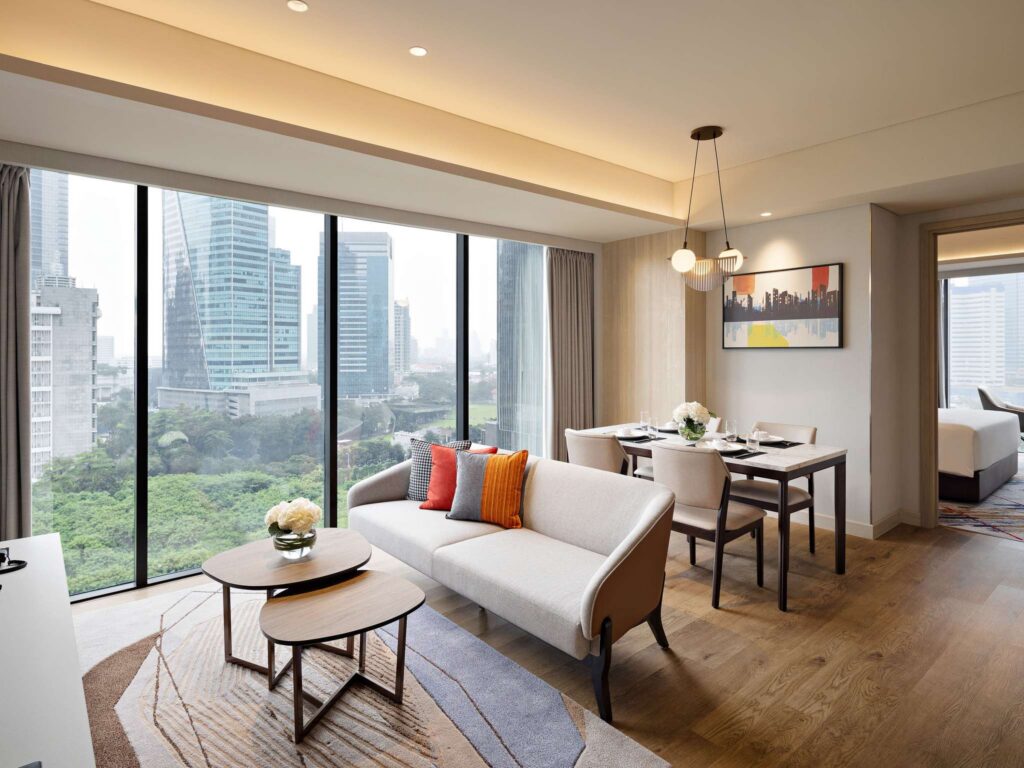
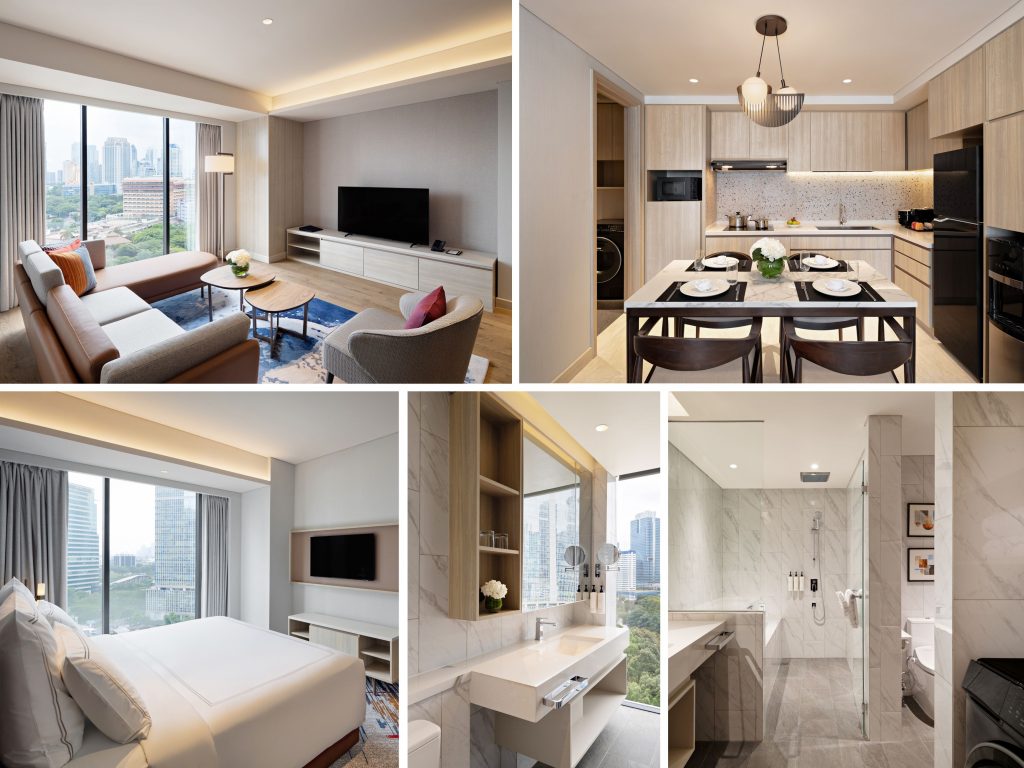
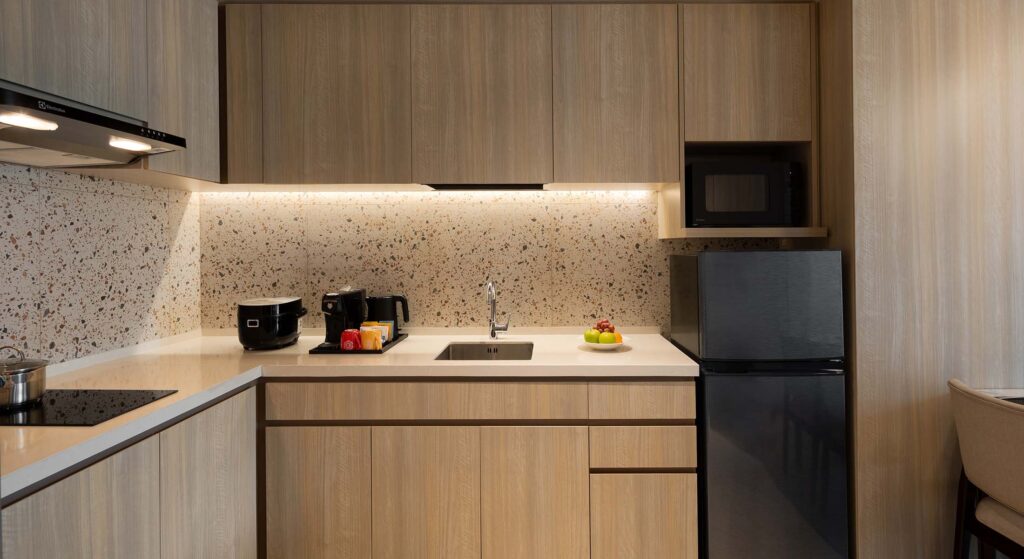
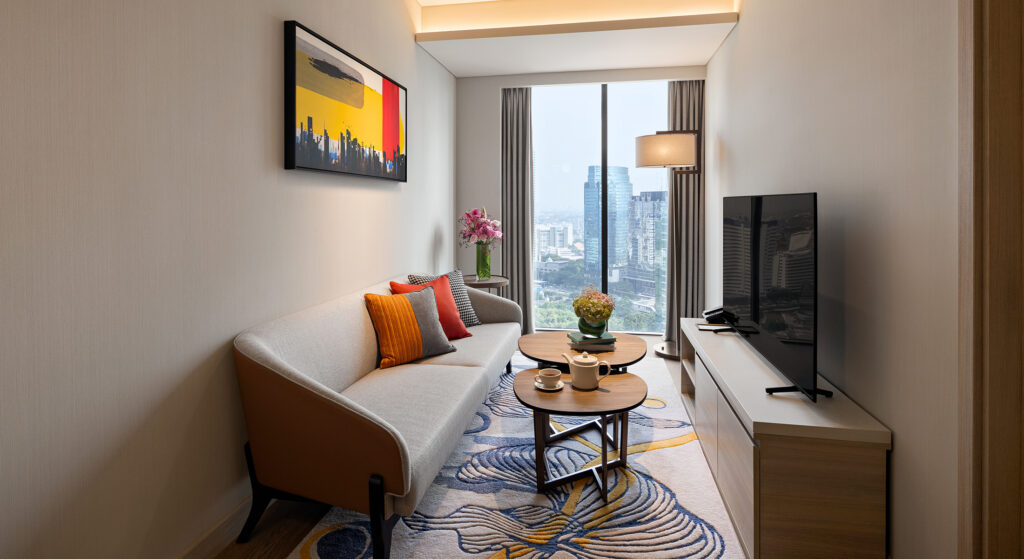
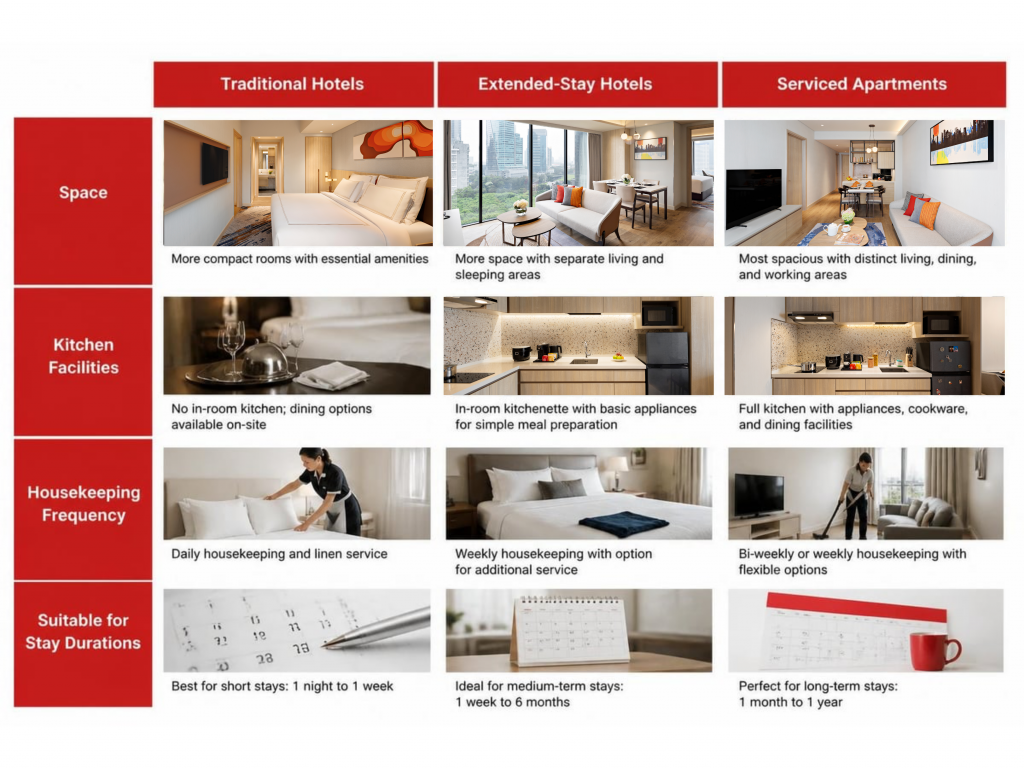
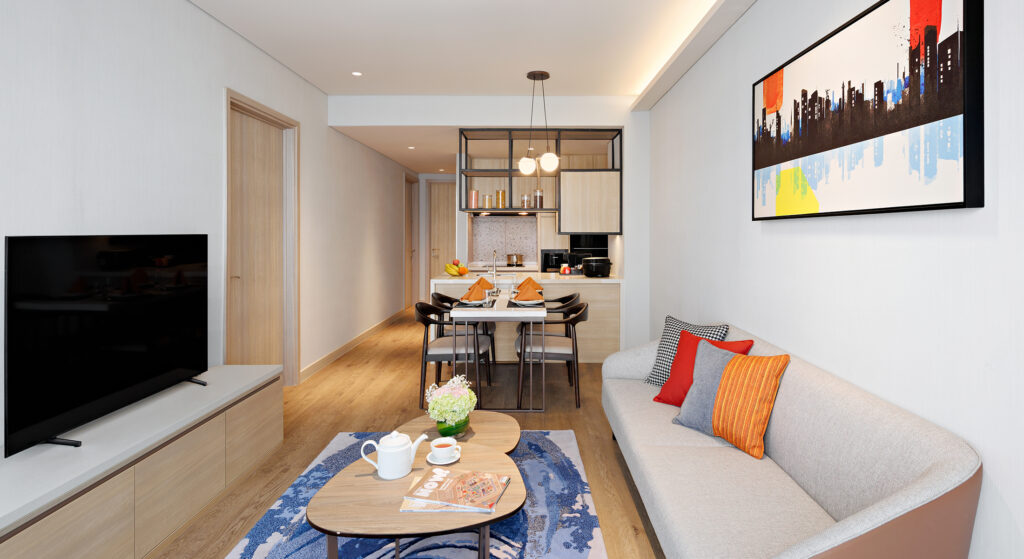
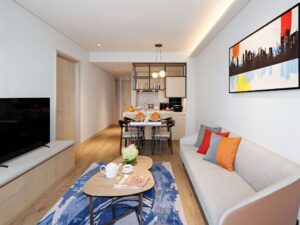
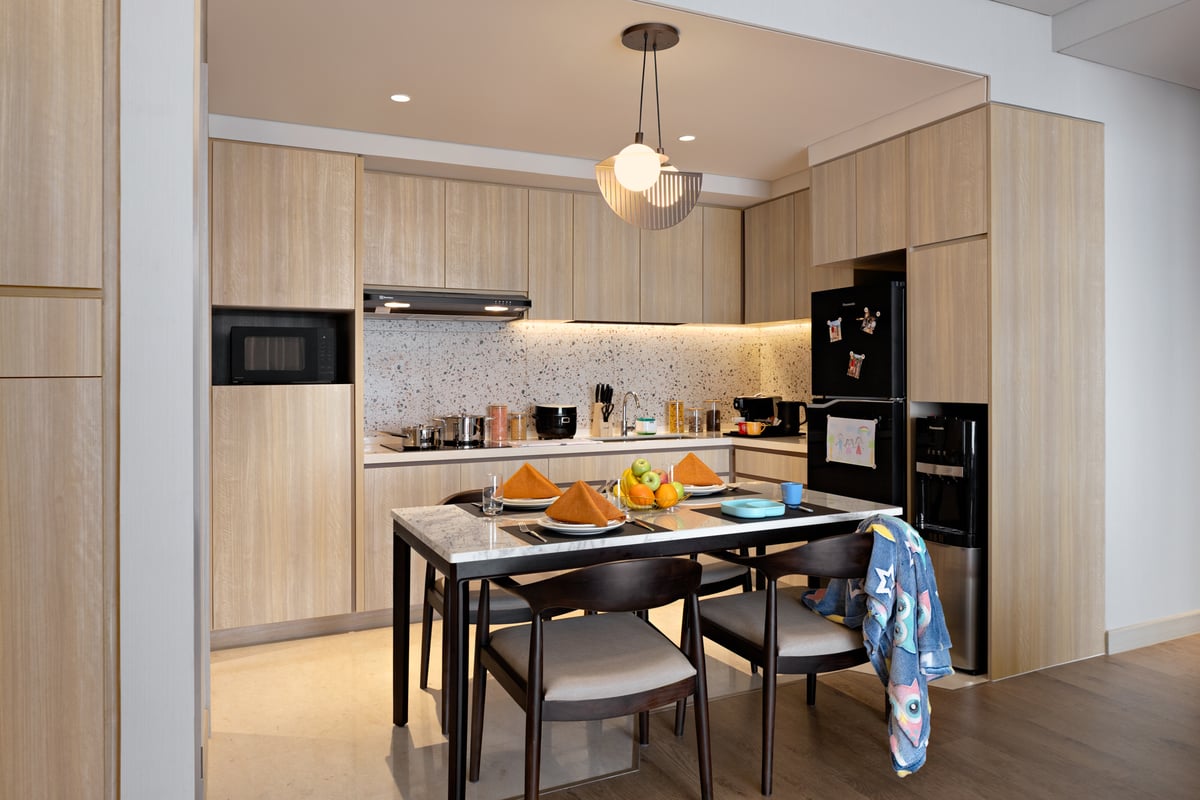
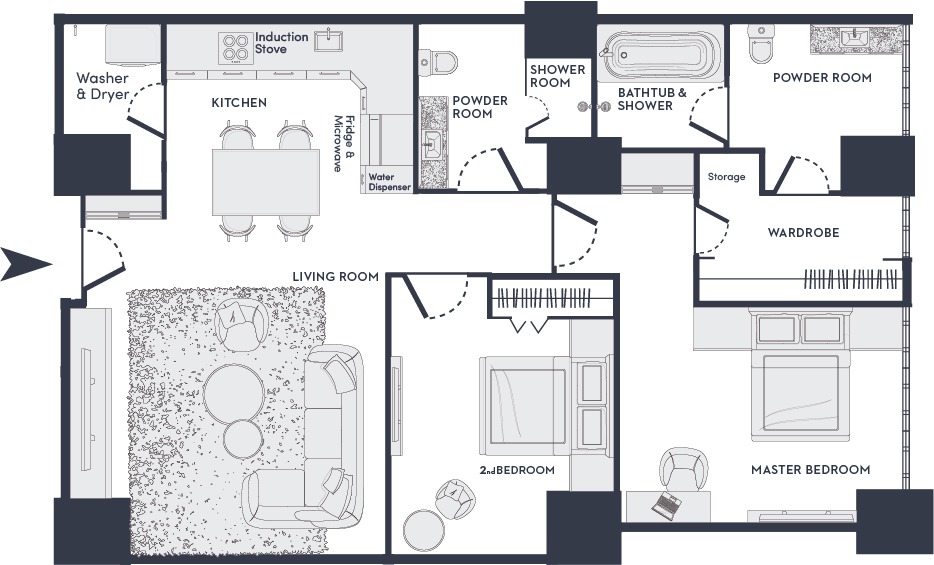
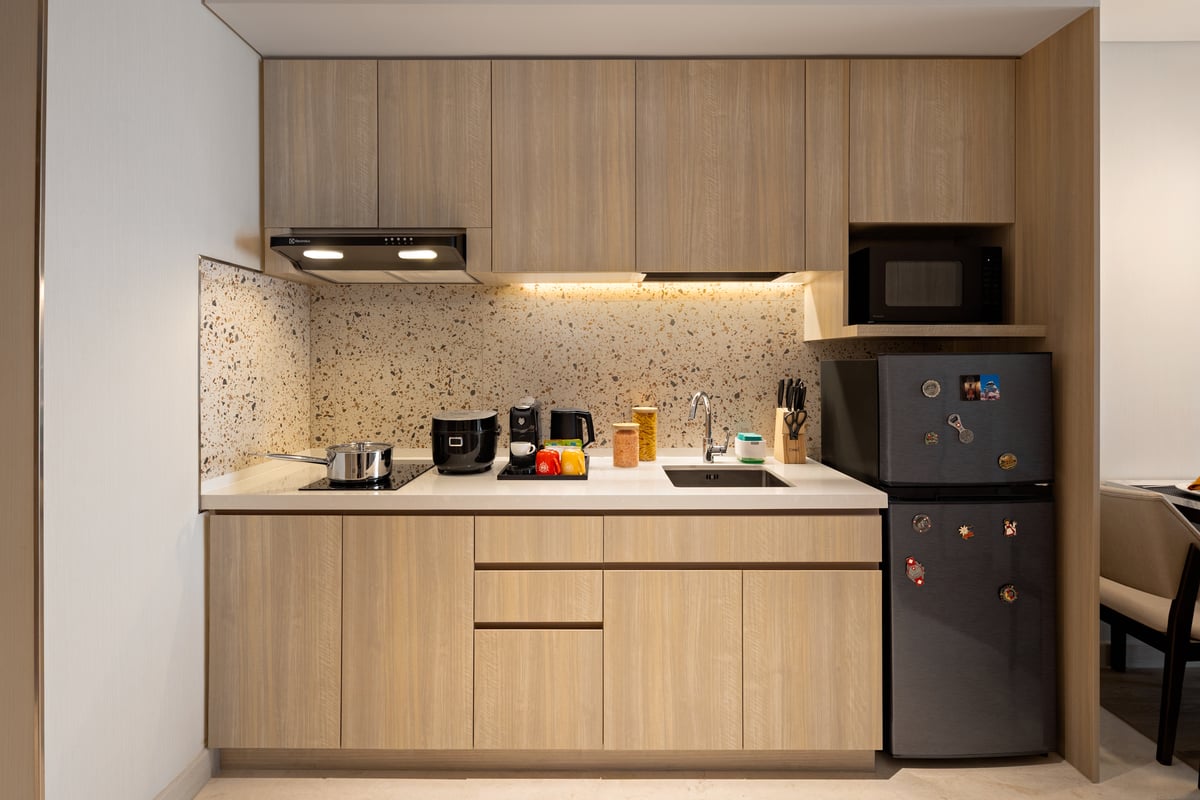
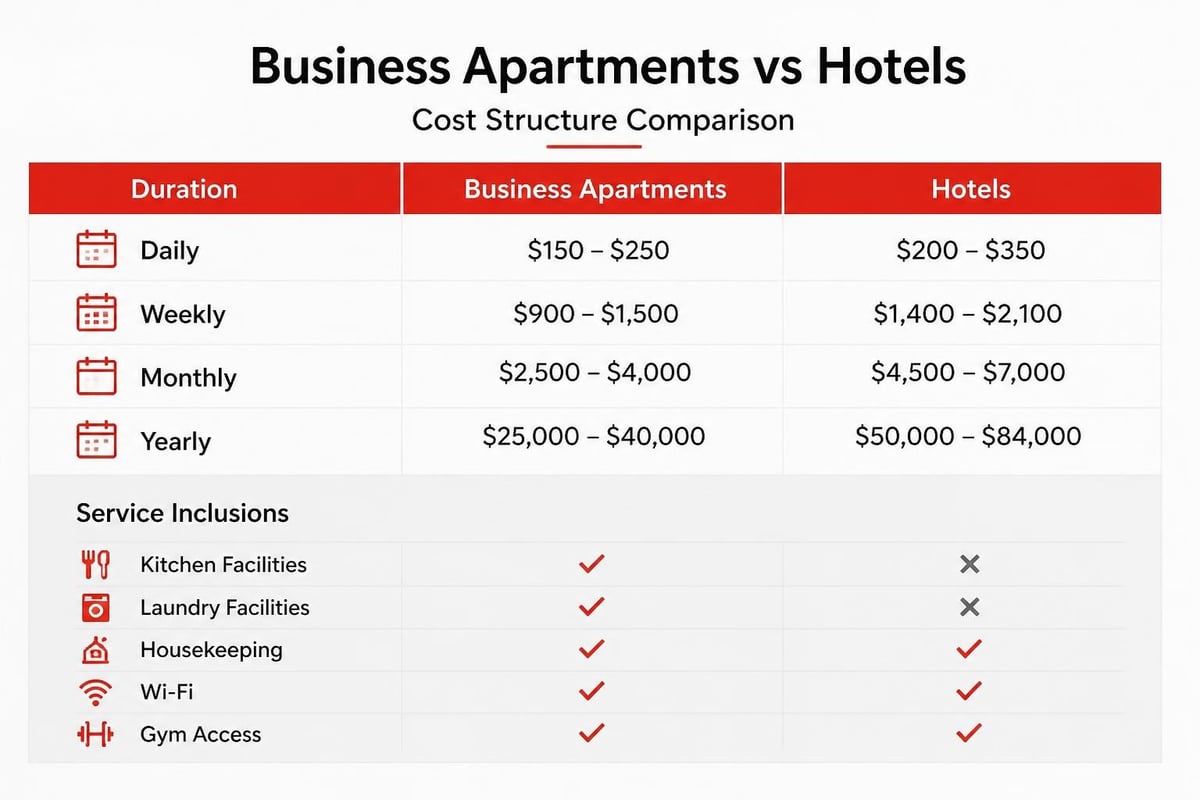
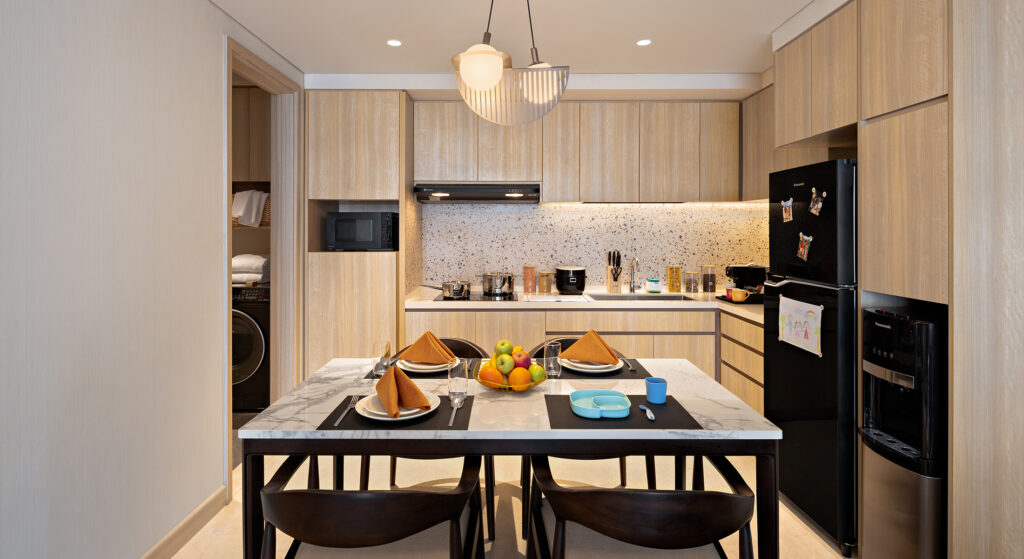
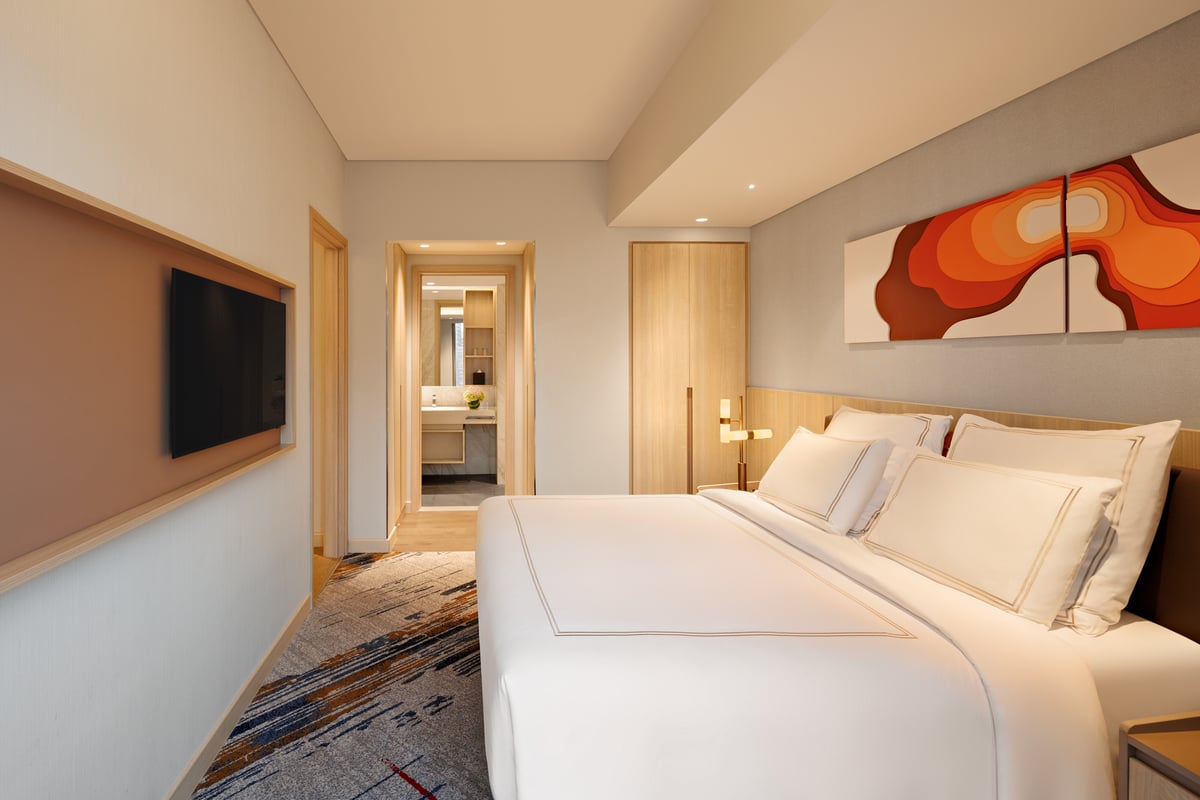
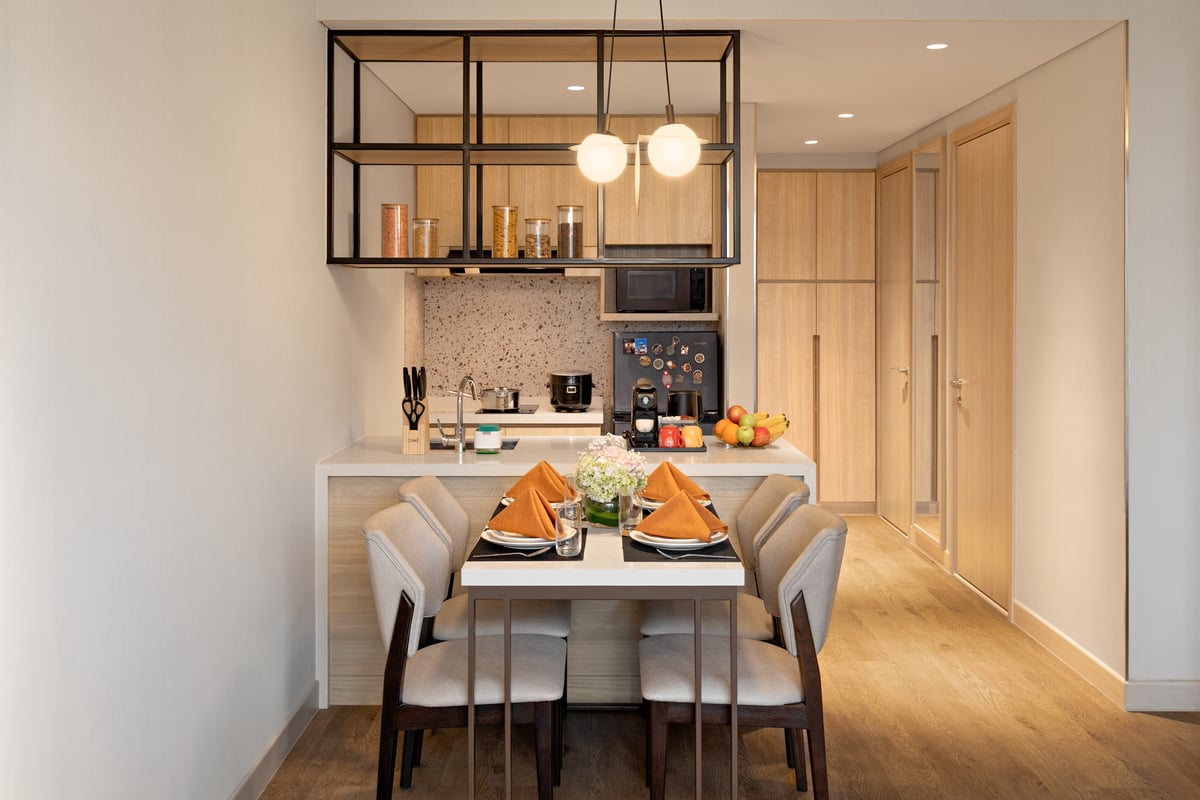
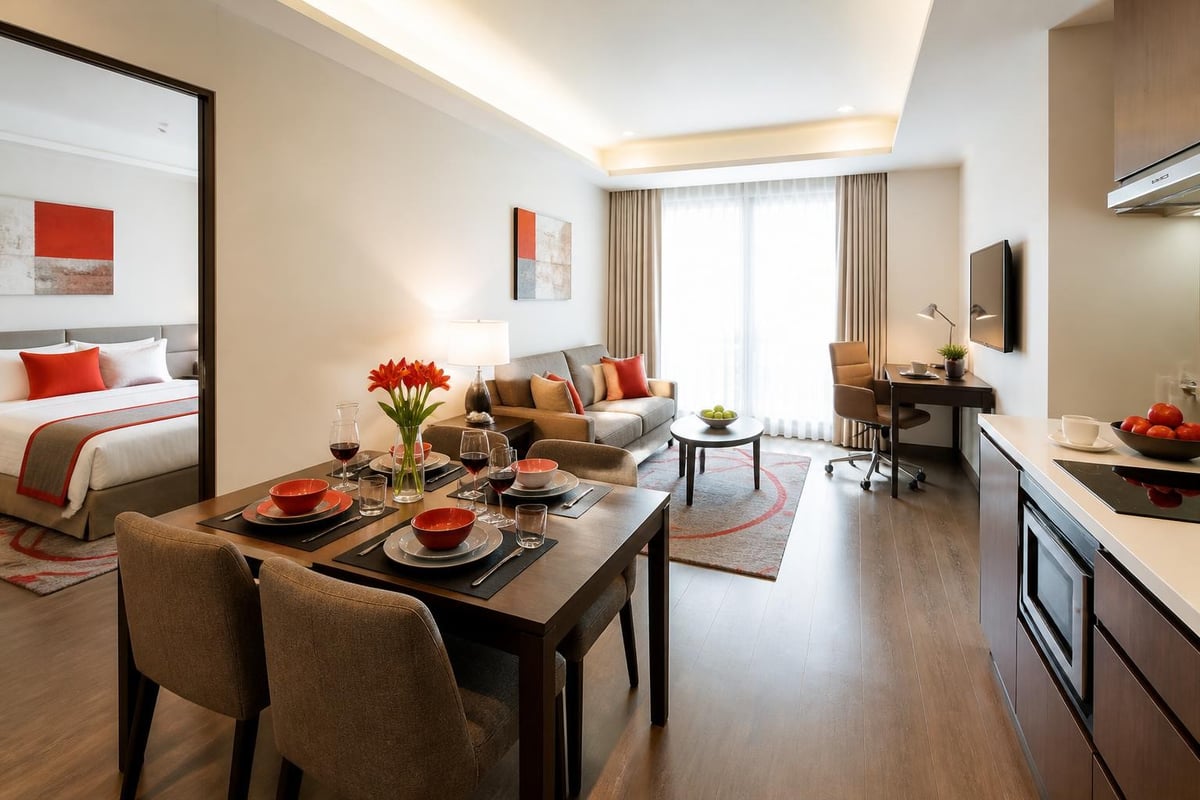
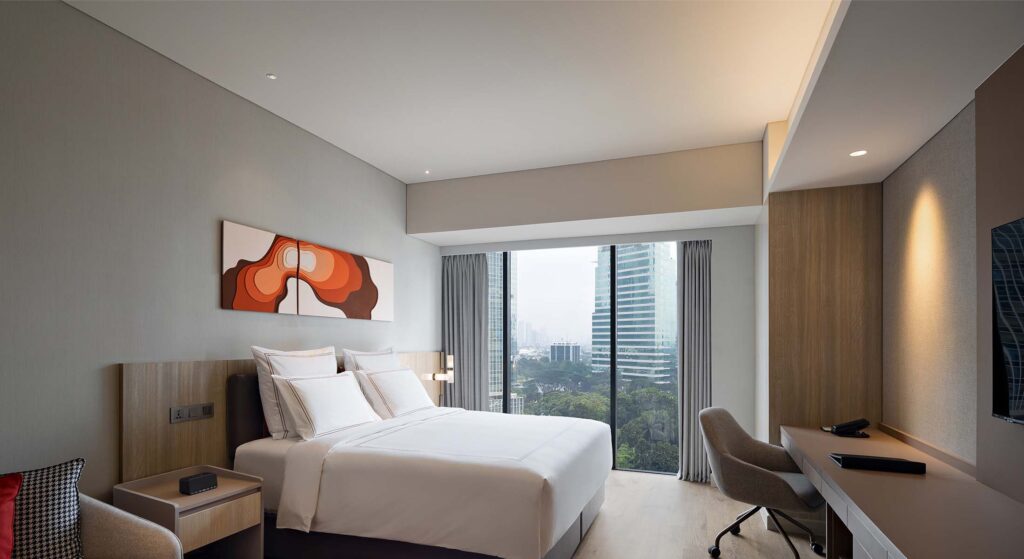
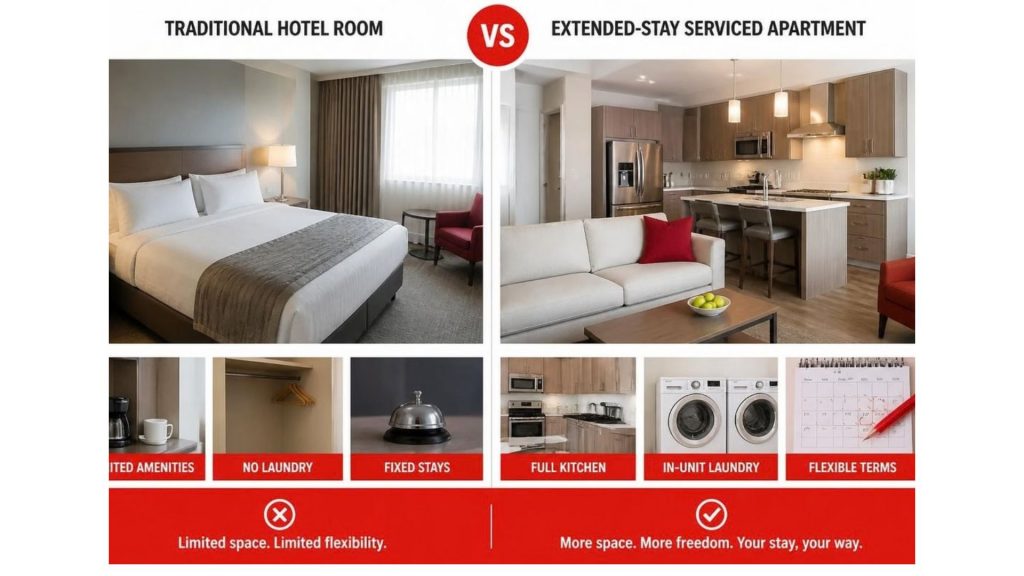
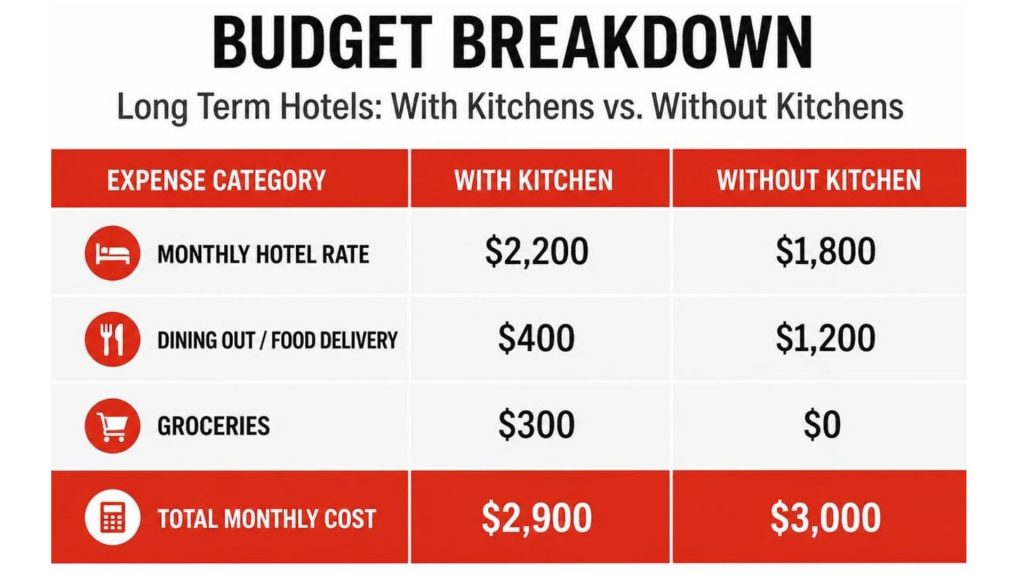
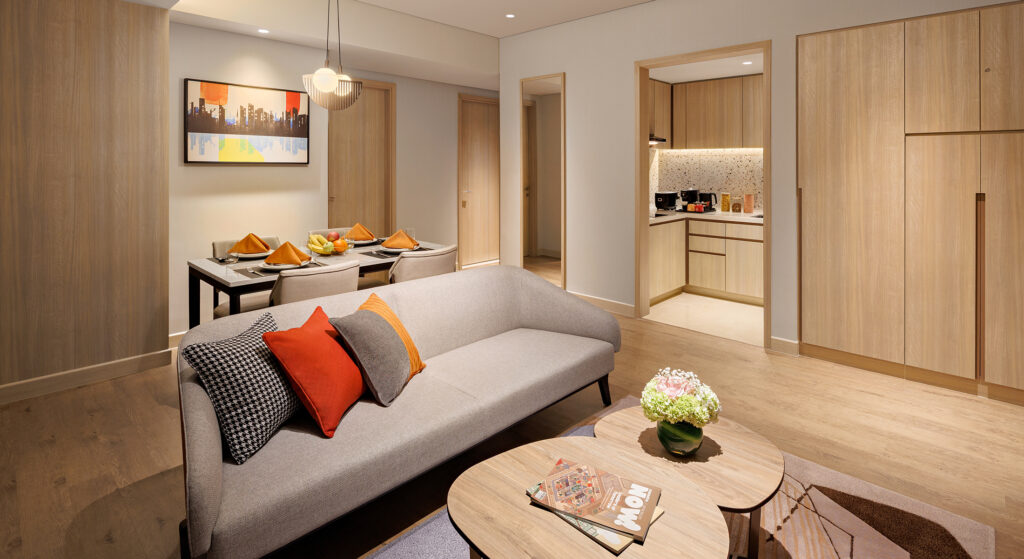
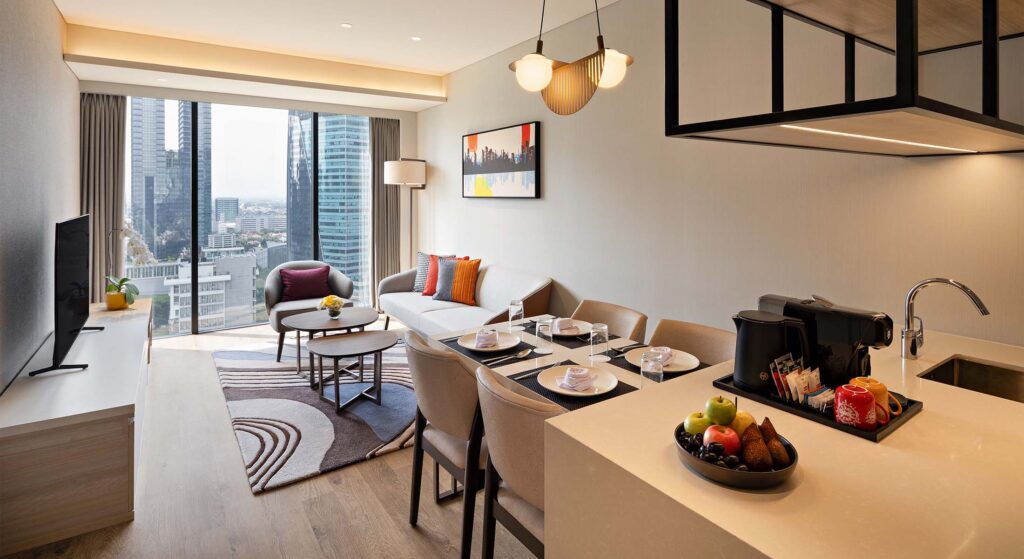
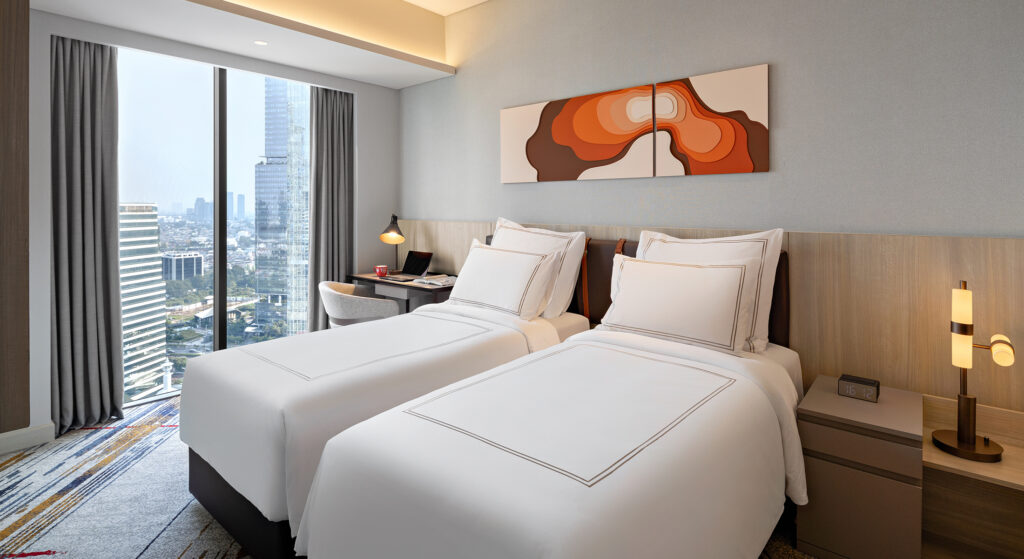
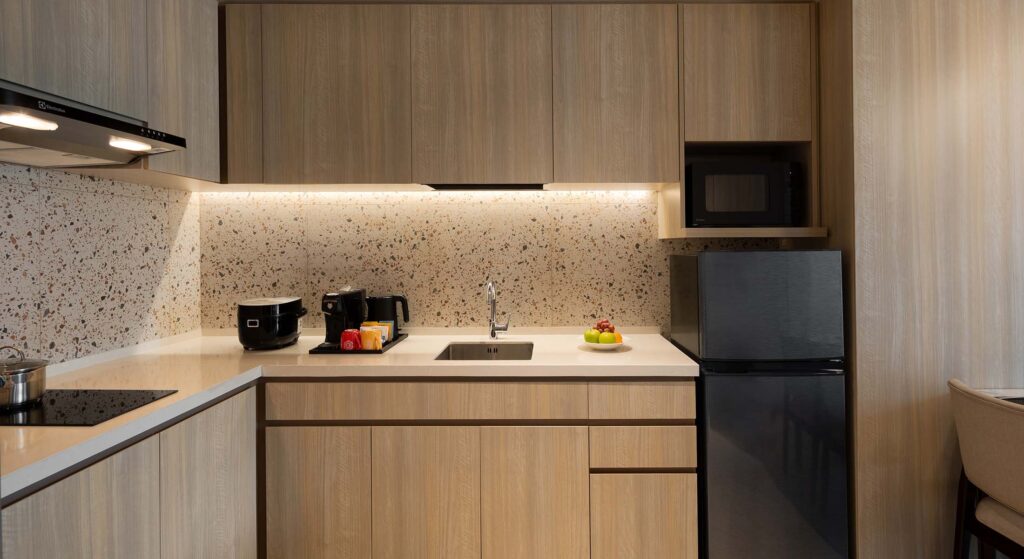
These arrangements typically include fully furnished living spaces with separate sleeping, working, and dining areas. Guests receive housekeeping services, though often at reduced frequency compared to daily hotel stays. Most properties provide in-unit kitchens or kitchenettes, allowing residents to prepare meals and reduce dining expenses over extended periods.
Standard features in hotel monthly rental units include:
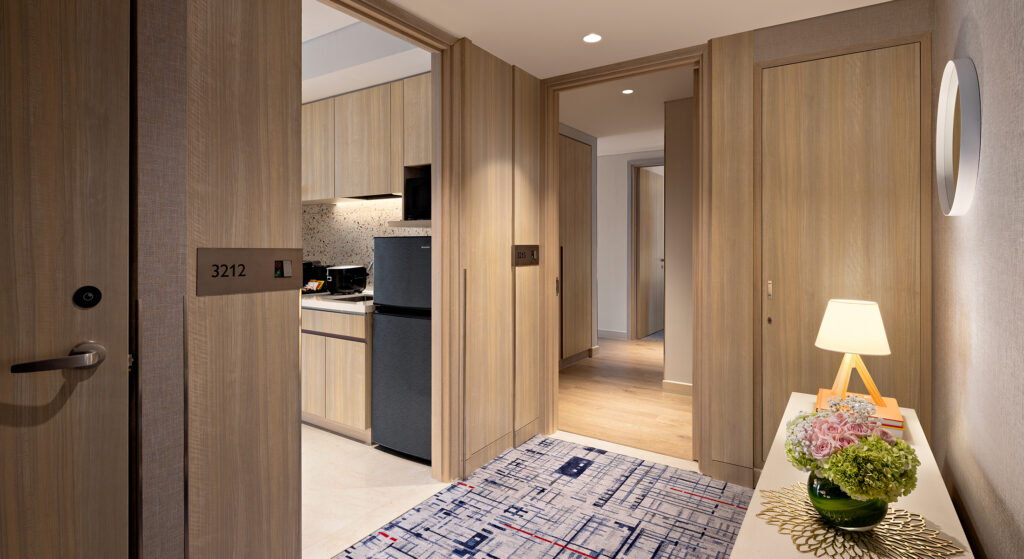
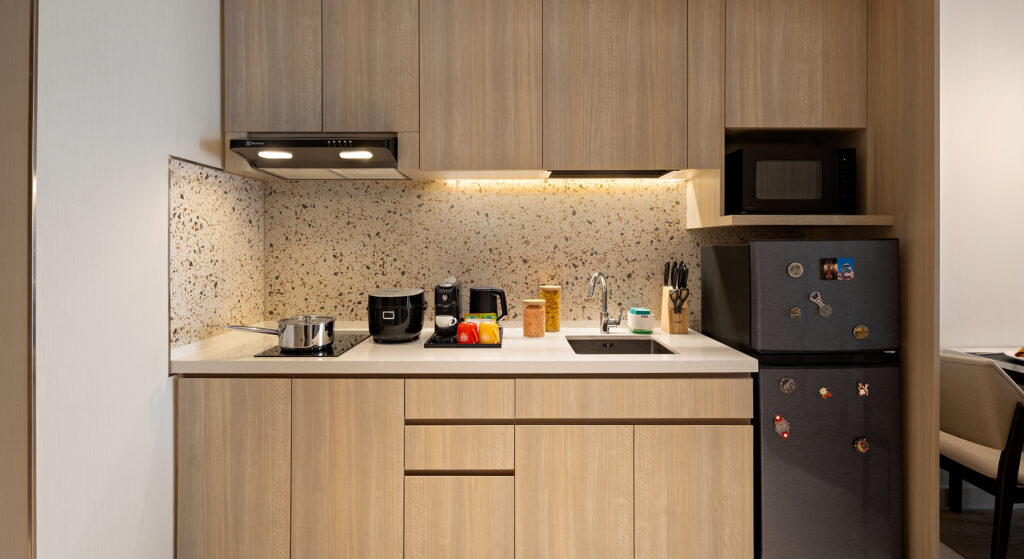
- Full kitchen facilities with refrigerator, stove, microwave, and cookware
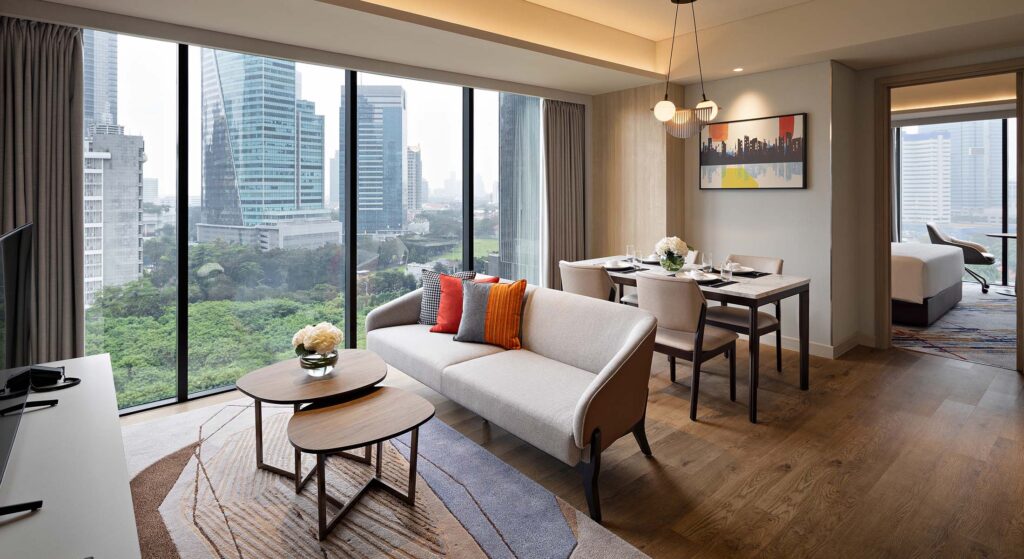
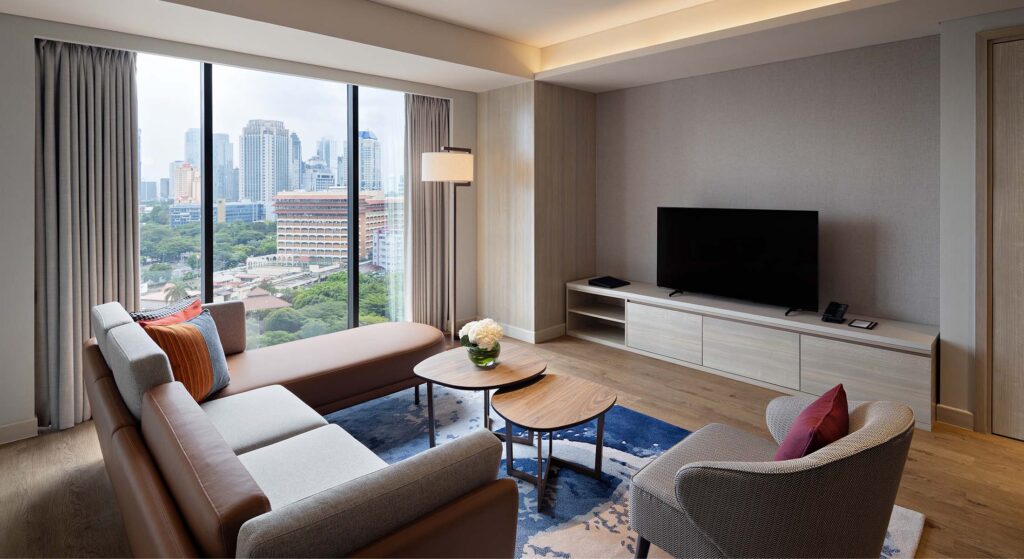
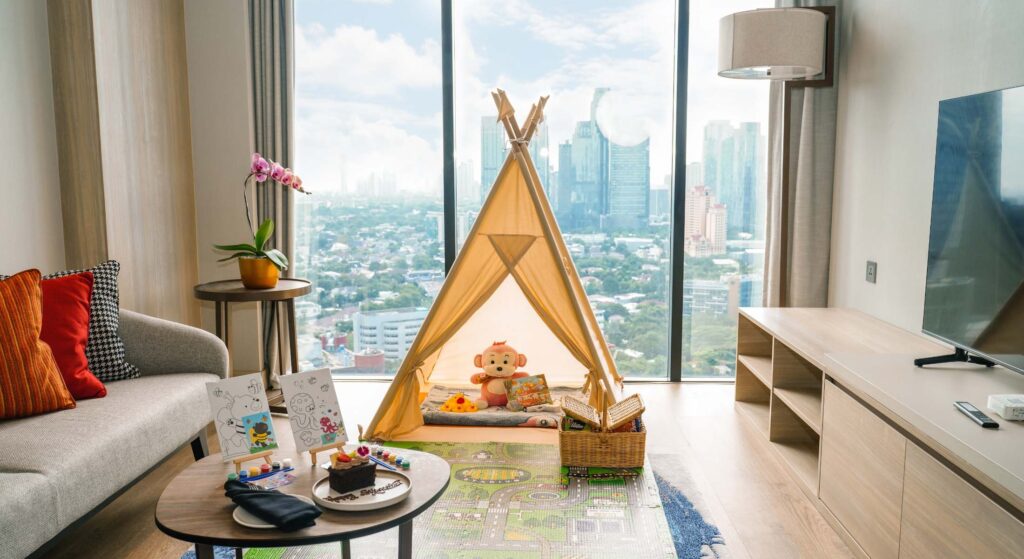
- Separate living and sleeping areas for work-life balance
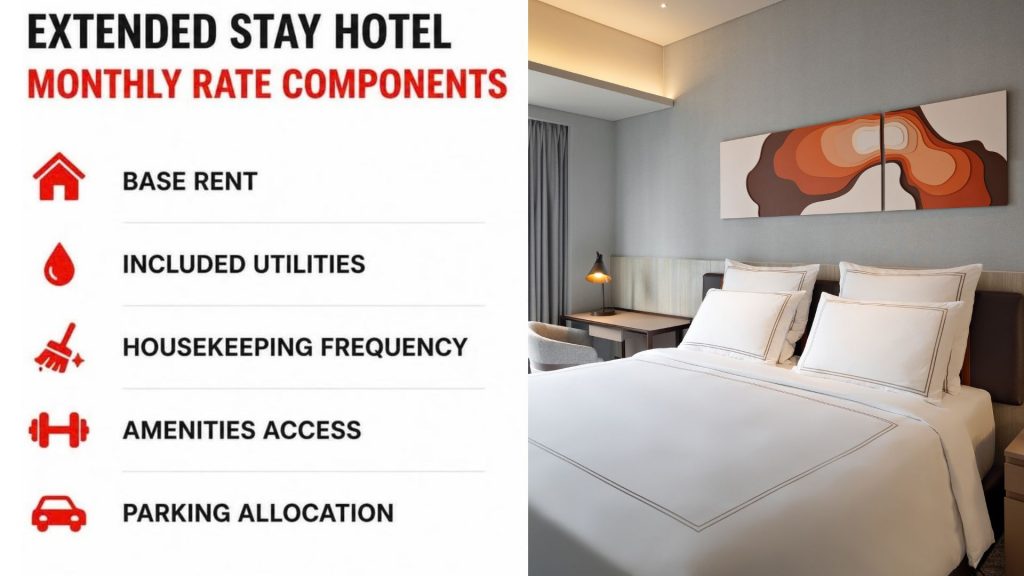
- Weekly or bi-weekly housekeeping and linen service
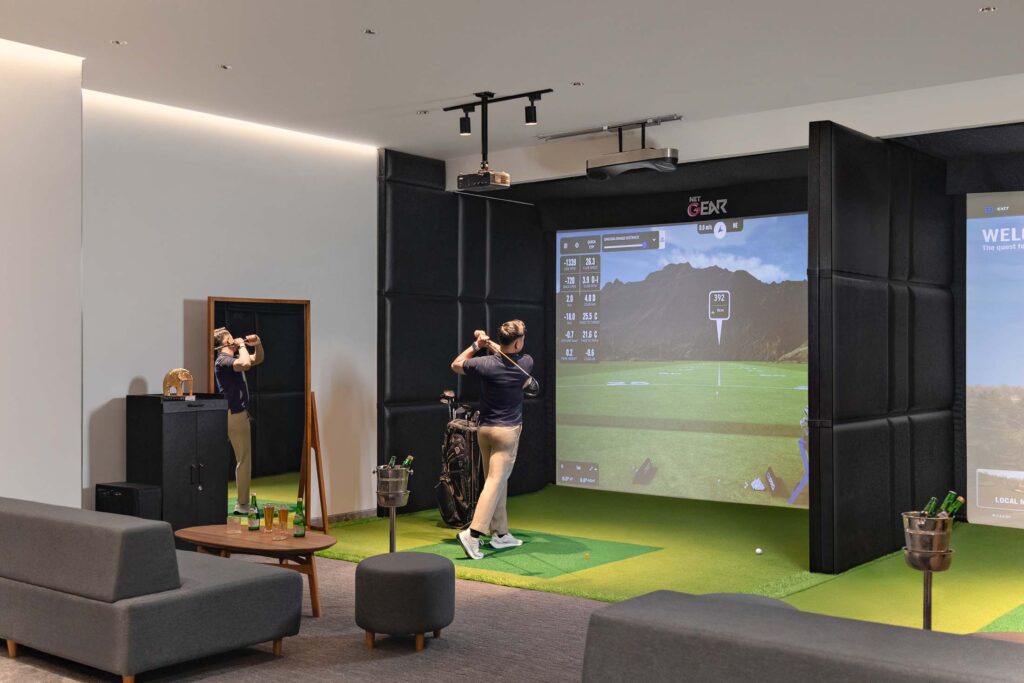
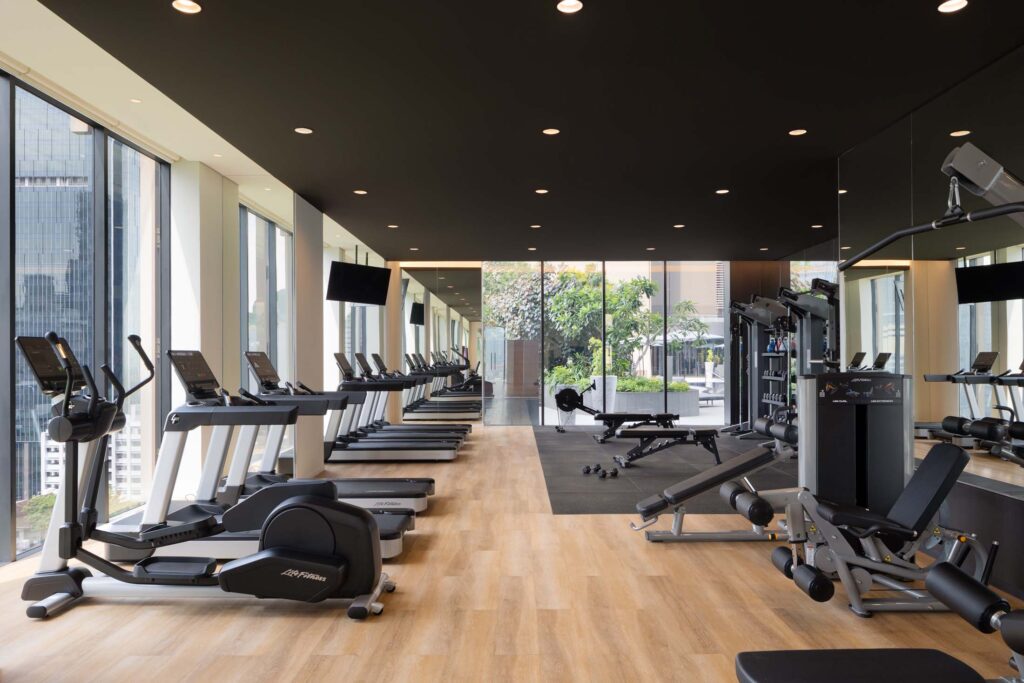
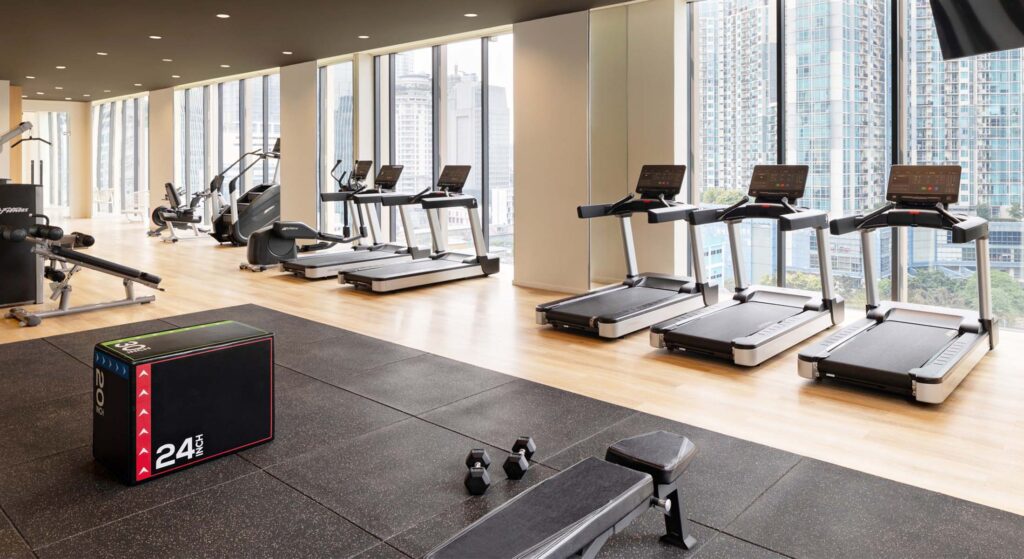
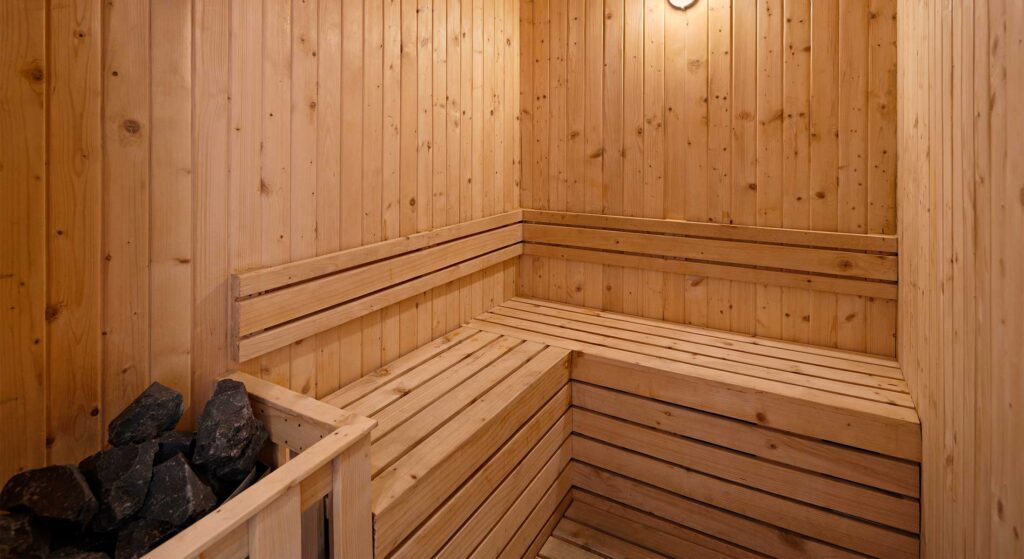
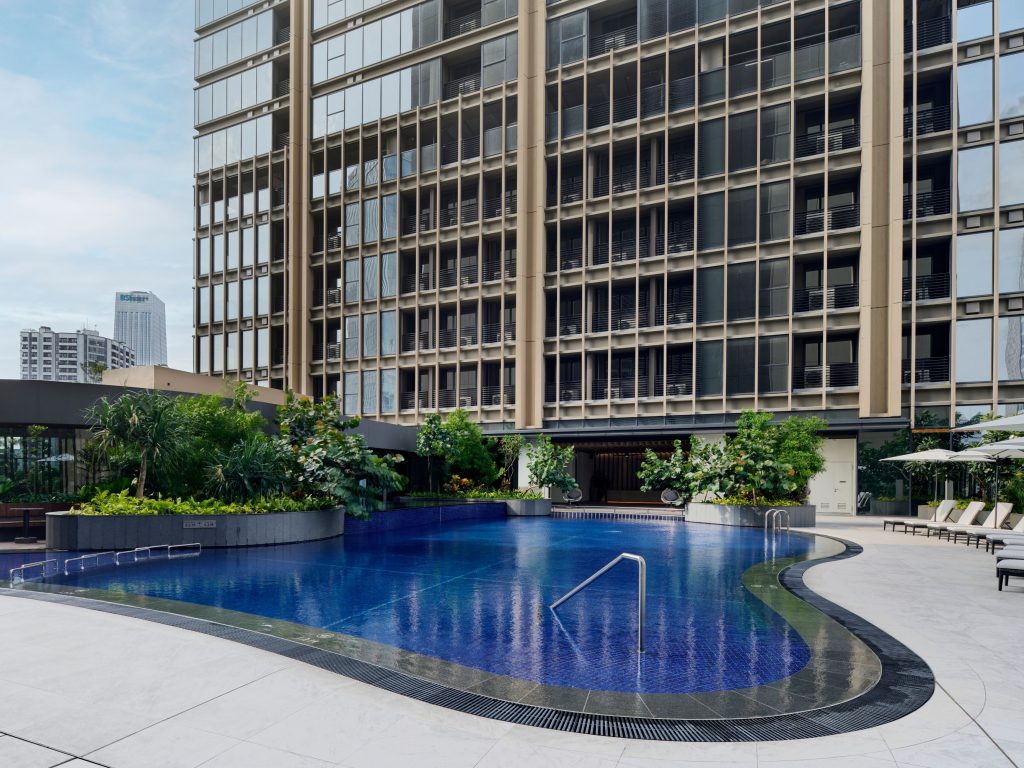
- Access to hotel amenities such as fitness centers and business facilities
- Utilities and internet included in the monthly rate
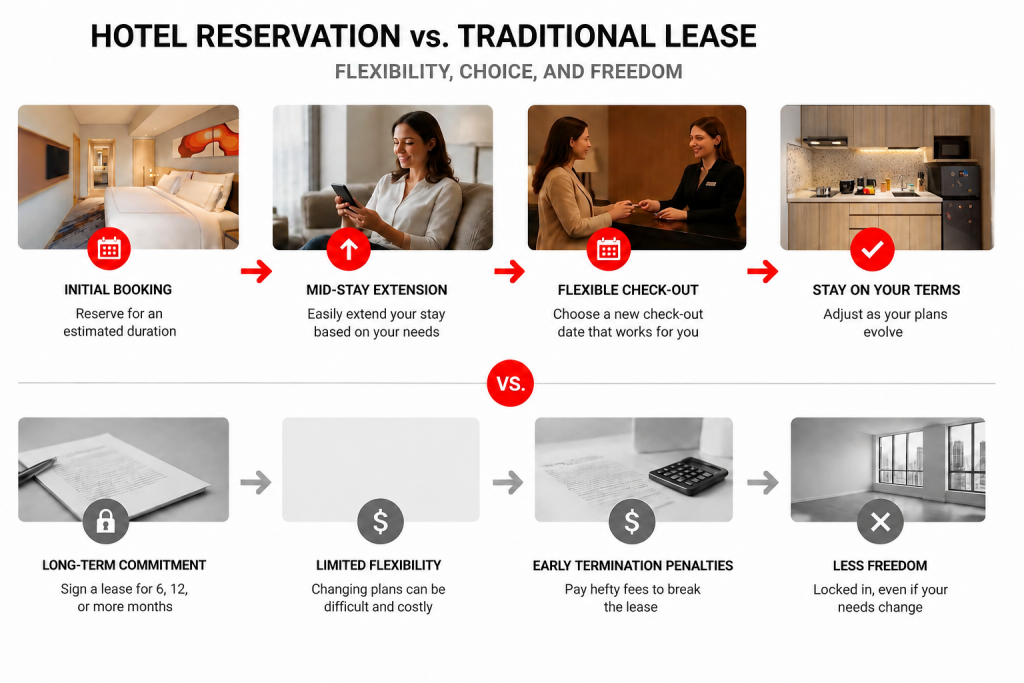
- Flexible lease terms without long-term commitment
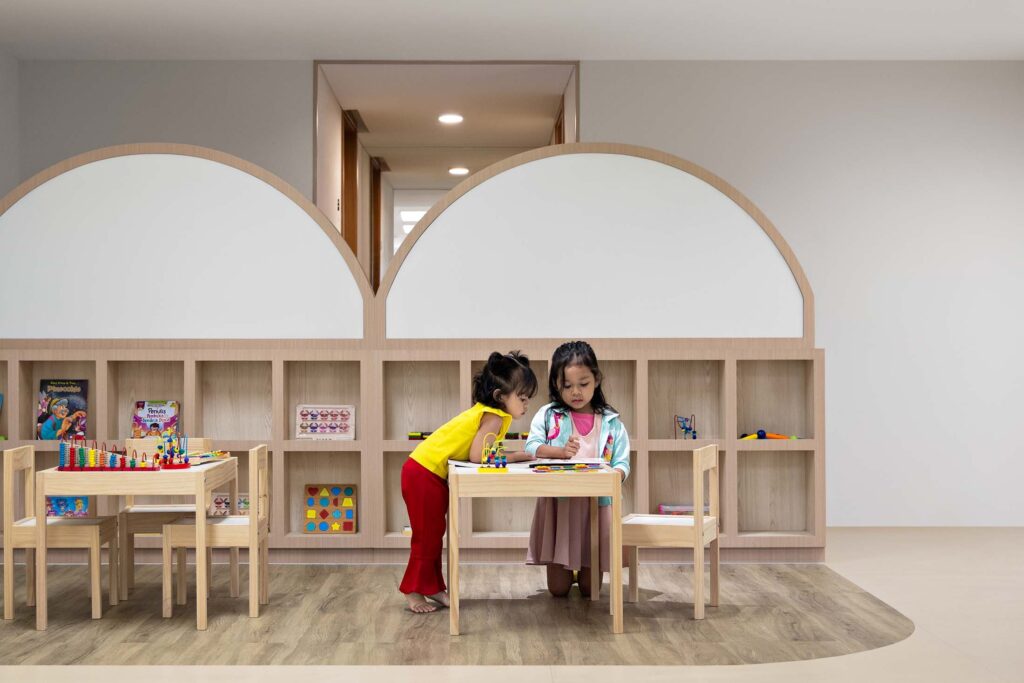
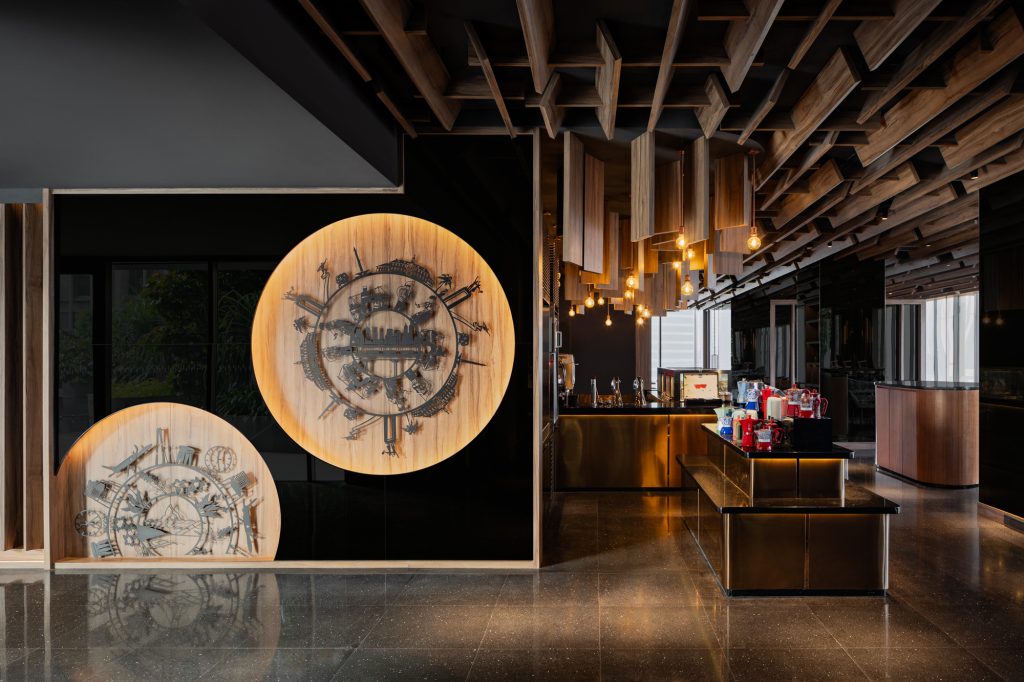
The operational model differs from traditional hotels in several ways. Properties optimize housekeeping schedules, adjust front-desk services, and create community spaces that encourage longer-term residents to feel at home while maintaining the professional standards expected from hotel brands.
Financial Advantages and Cost Considerations
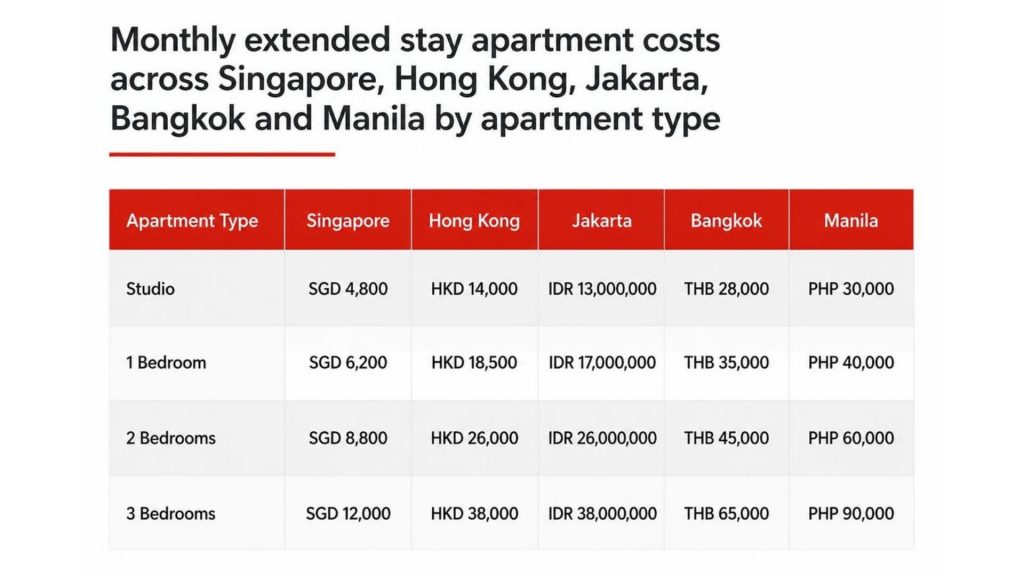
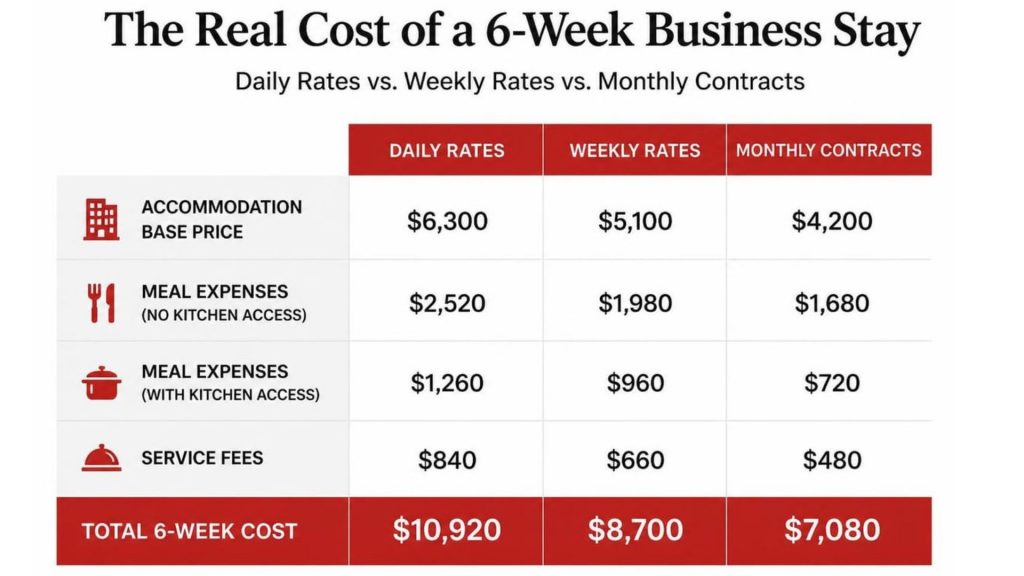
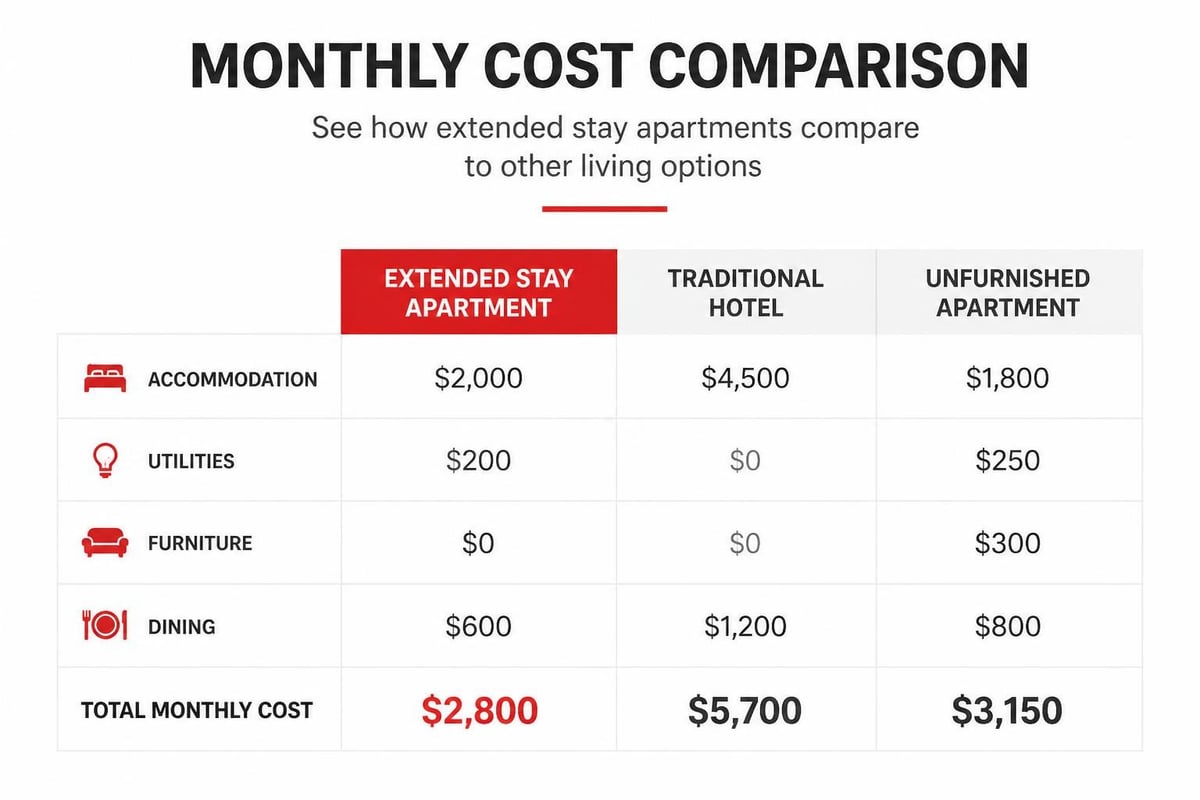
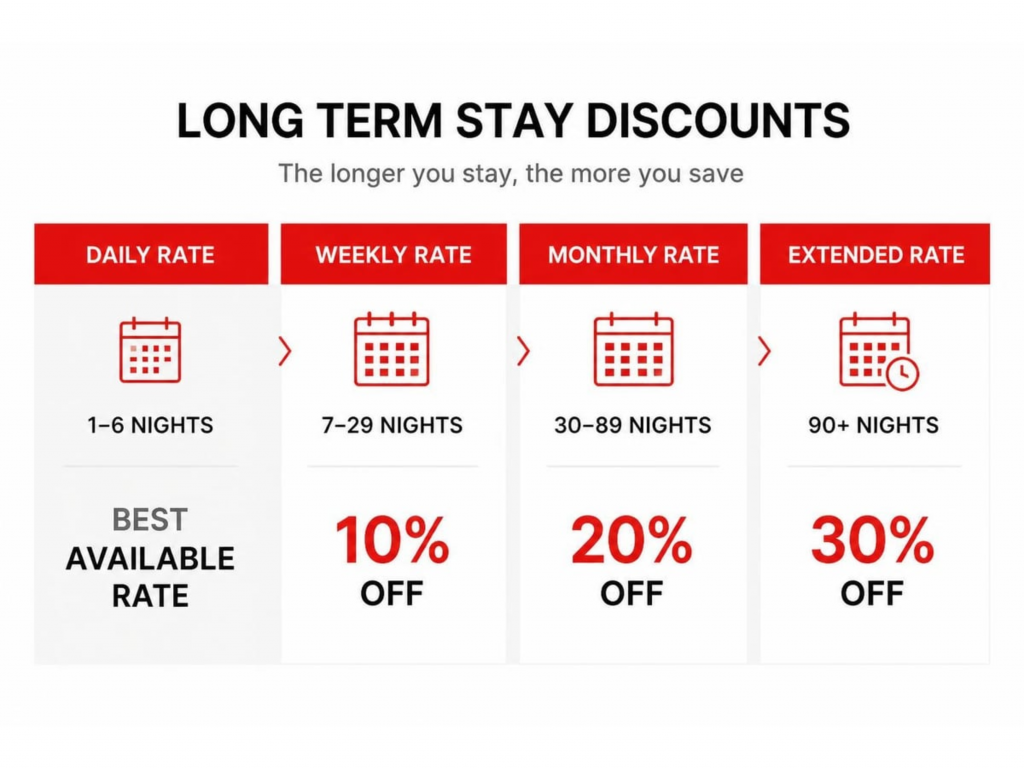
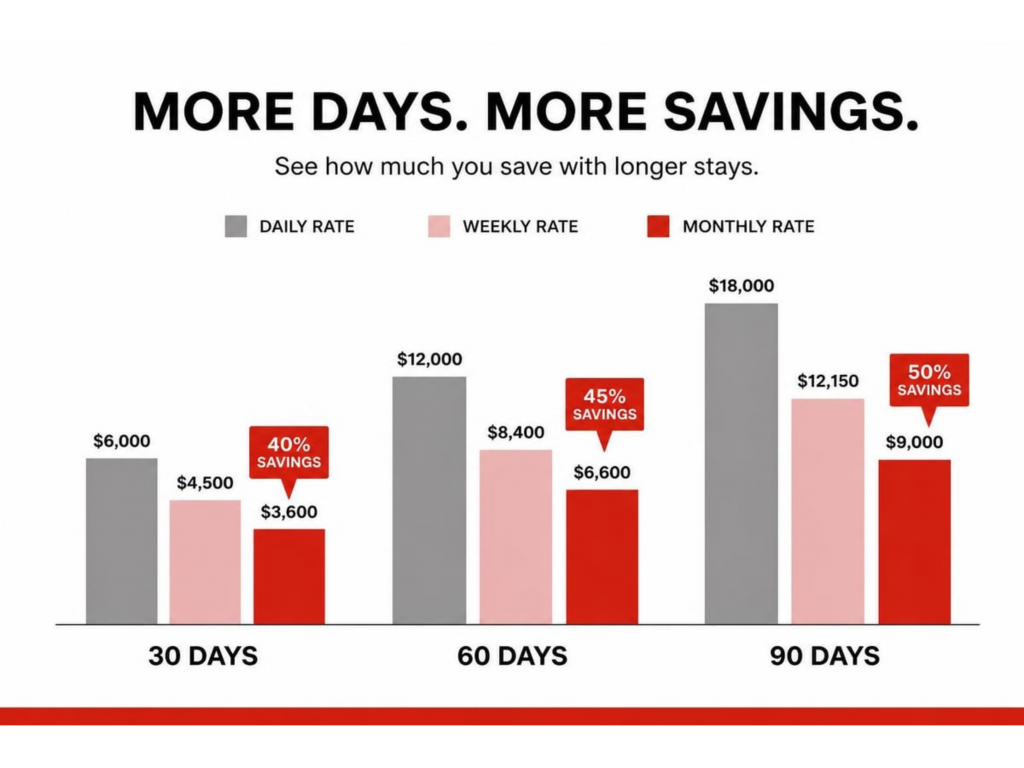
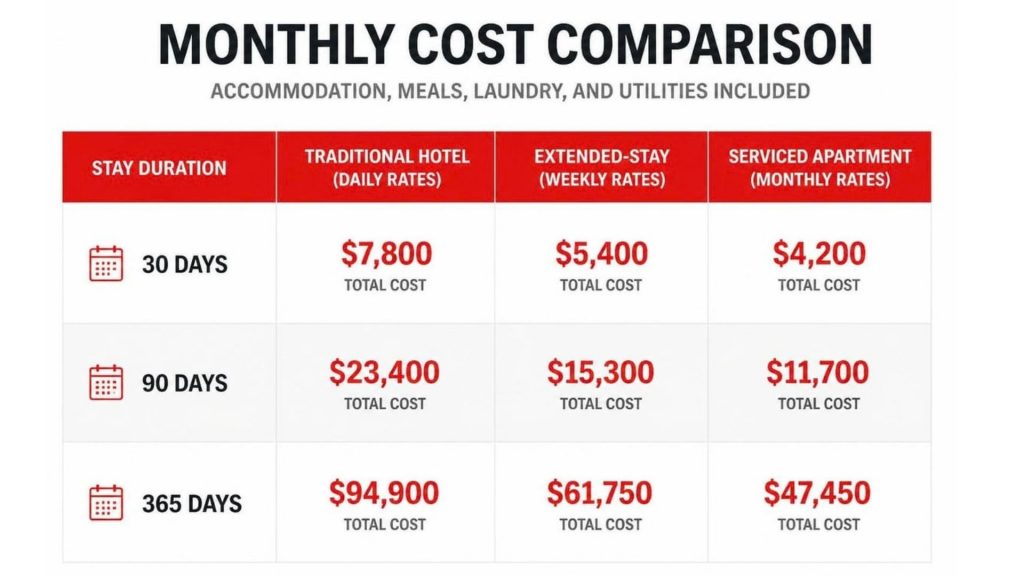
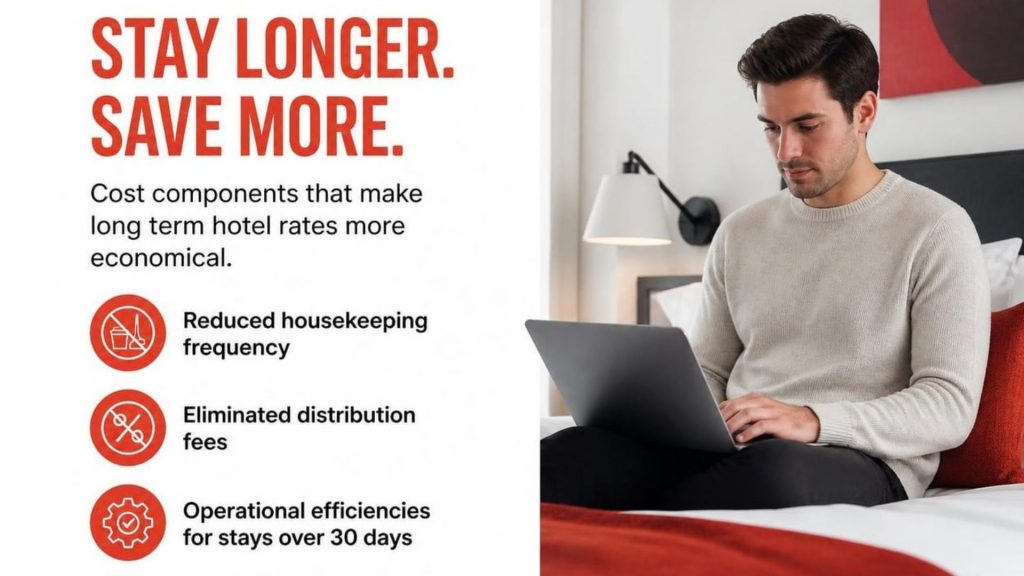
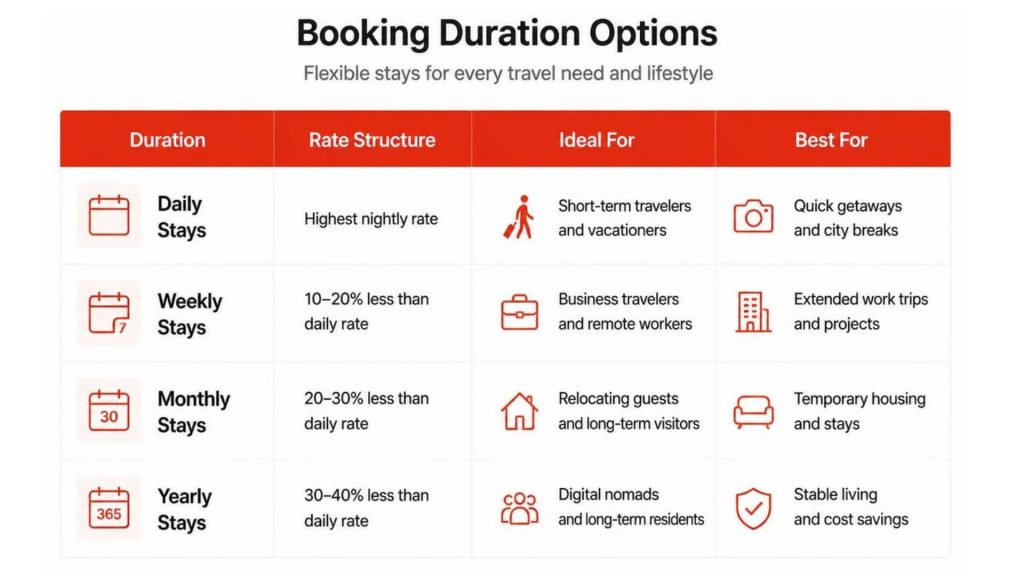
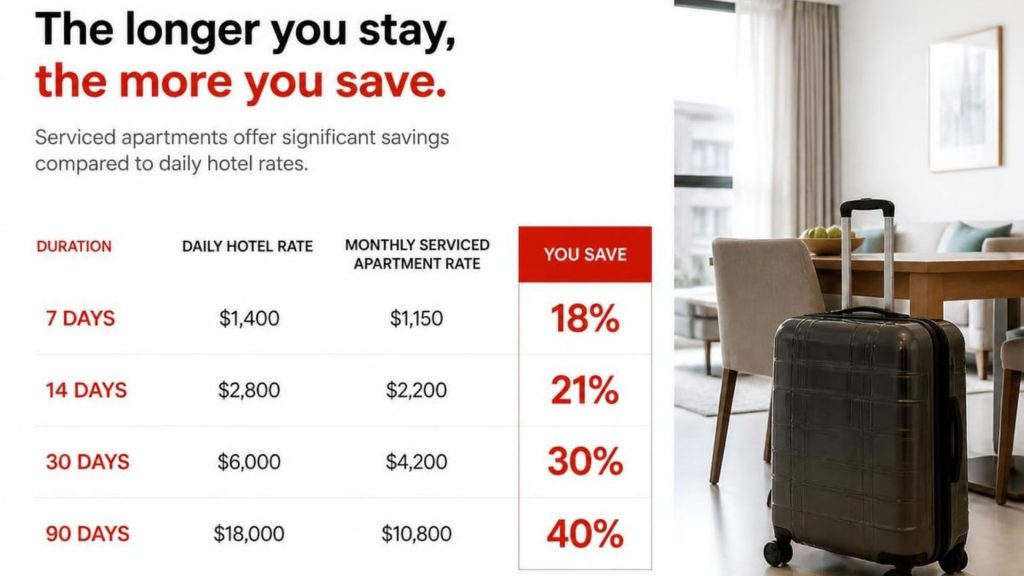
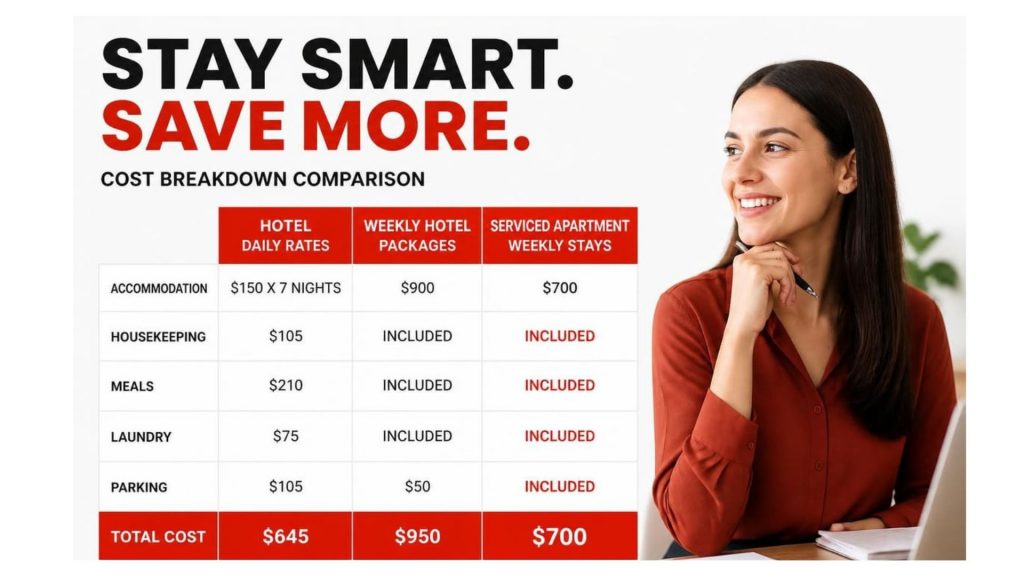
Monthly rates typically offer 30-50% savings compared to equivalent nightly rates multiplied by 30 days. This pricing structure acknowledges the reduced operational costs for properties when guests stay longer and the competitive landscape against traditional furnished apartments.
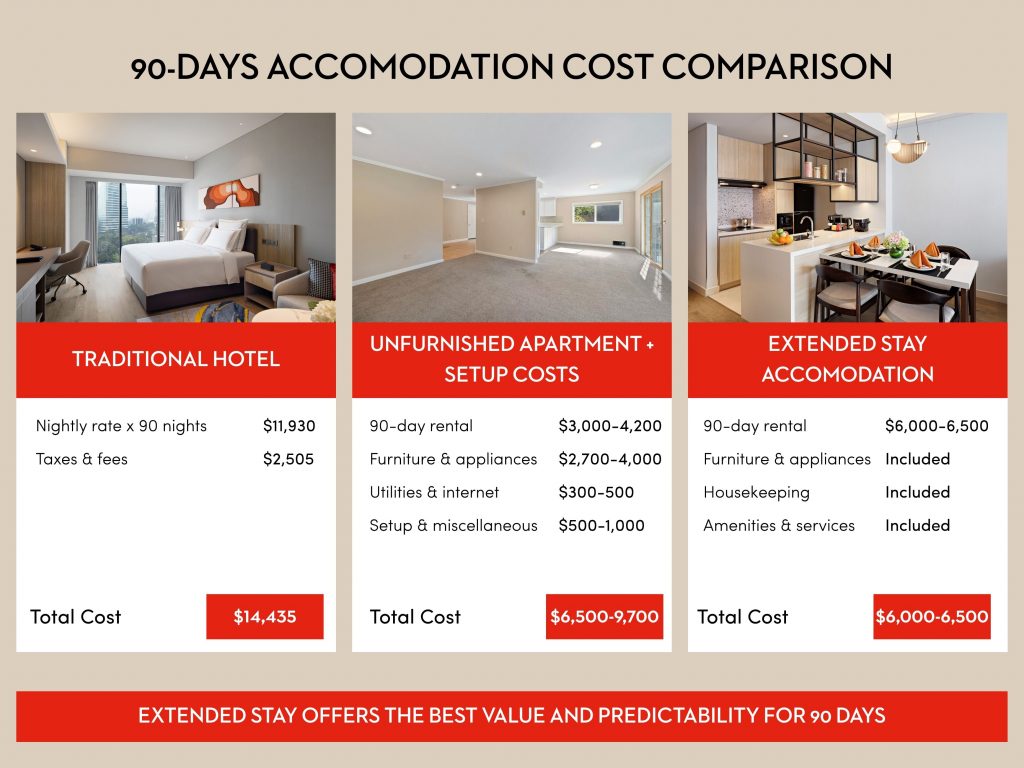
The calculation must account for hidden costs in traditional apartments. Security deposits often equal two to three months’ rent, utility setup fees add several hundred dollars, and furniture rental or purchase requires substantial upfront investment. Internet installation, housekeeping services, and gym memberships represent additional monthly expenses that hotel monthly rental packages include in the base price.
According to JLL’s extended-stay outlook, occupancy rates in the extended-stay segment reached record levels in 2025, demonstrating strong demand for this accommodation format among corporate and leisure travelers.
Tax and Expense Management Benefits
Corporate travelers often find hotel monthly rental arrangements simplify expense reporting. Single monthly invoices replace dozens of daily receipts, and companies can negotiate corporate rates that apply consistently across multiple employees and locations. Many jurisdictions classify these stays as temporary housing rather than residential leases, affecting tax treatment for both businesses and individuals.
Business travelers can typically deduct the full cost of hotel monthly rental as a business expense when working temporarily in a location away from their primary residence. Traditional apartment leases may face greater scrutiny from tax authorities, particularly regarding the distinction between temporary and permanent relocation.
Ideal Candidates for Monthly Hotel Accommodations
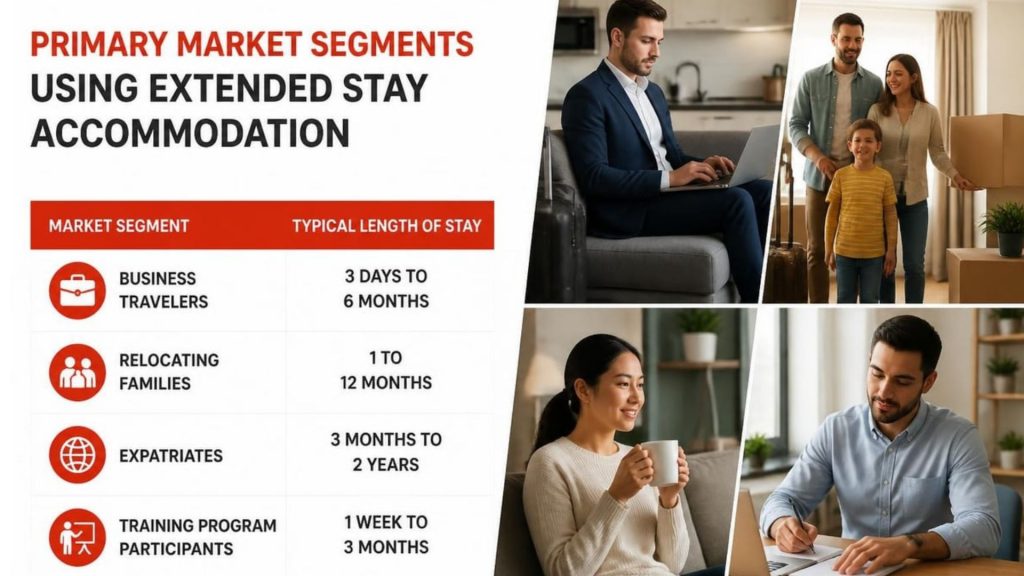
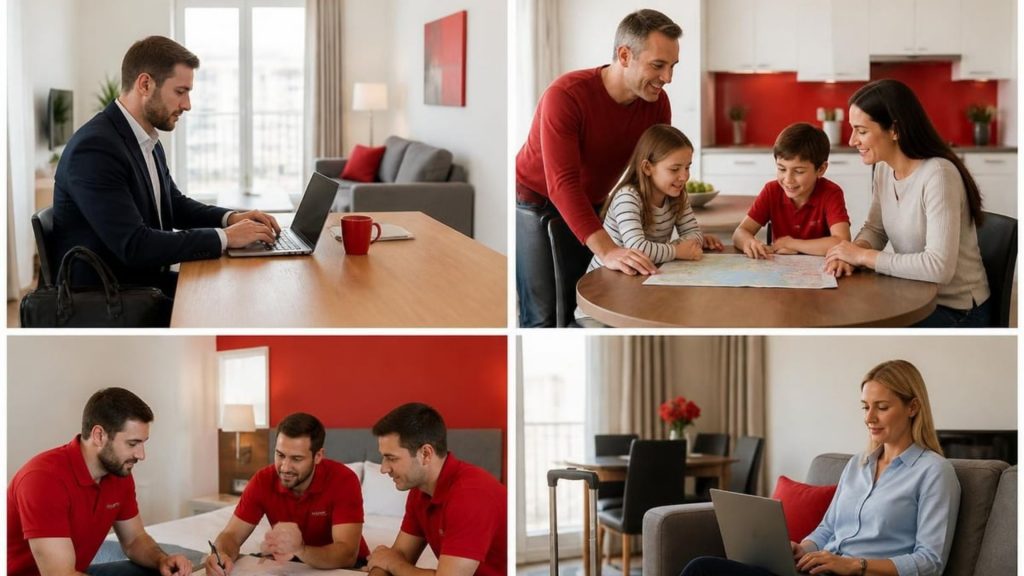
The hotel monthly rental model serves several distinct guest segments, each with specific needs and preferences. Understanding these profiles helps properties tailor services and helps guests determine whether this accommodation type suits their circumstances.
Business and Corporate Travelers
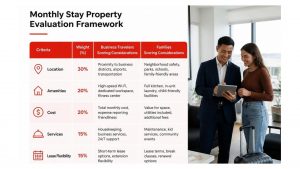
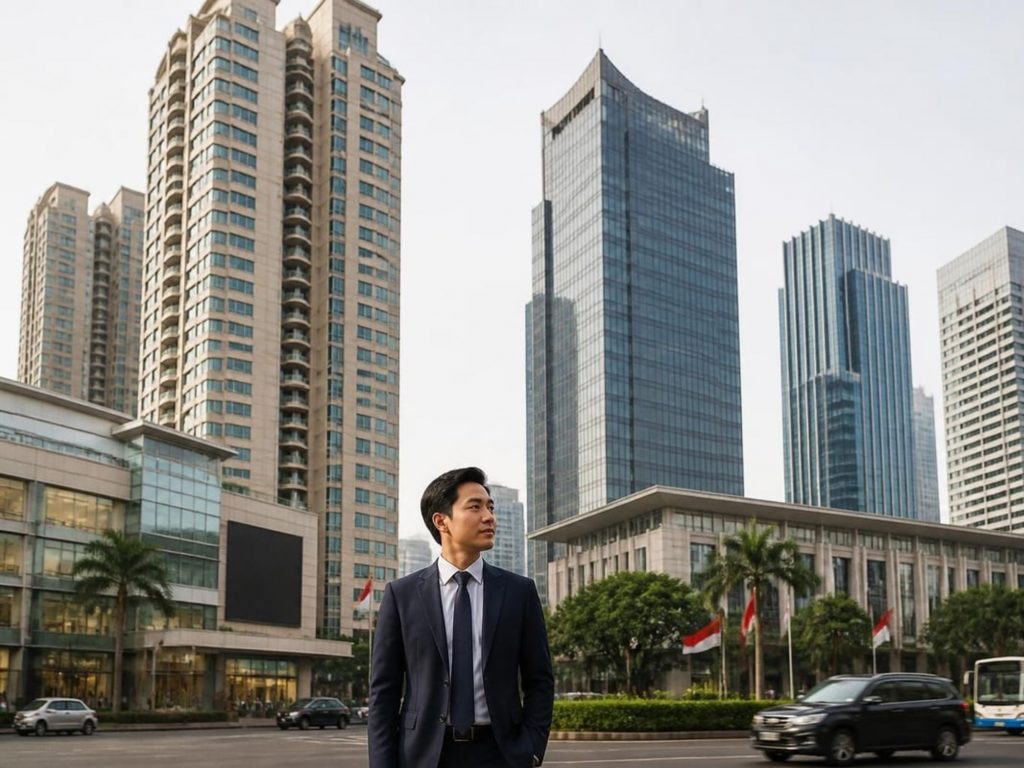
Professionals on extended assignments, project managers overseeing multi-month implementations, and consultants working on temporary engagements represent the largest segment. These guests value proximity to business districts, reliable internet connectivity, and flexible checkout dates that accommodate project timeline changes.
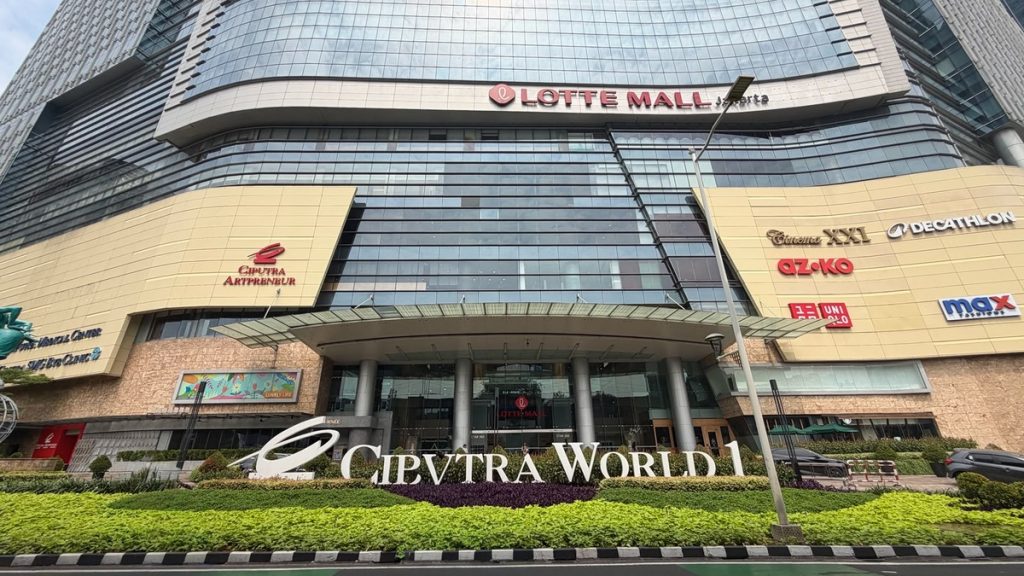
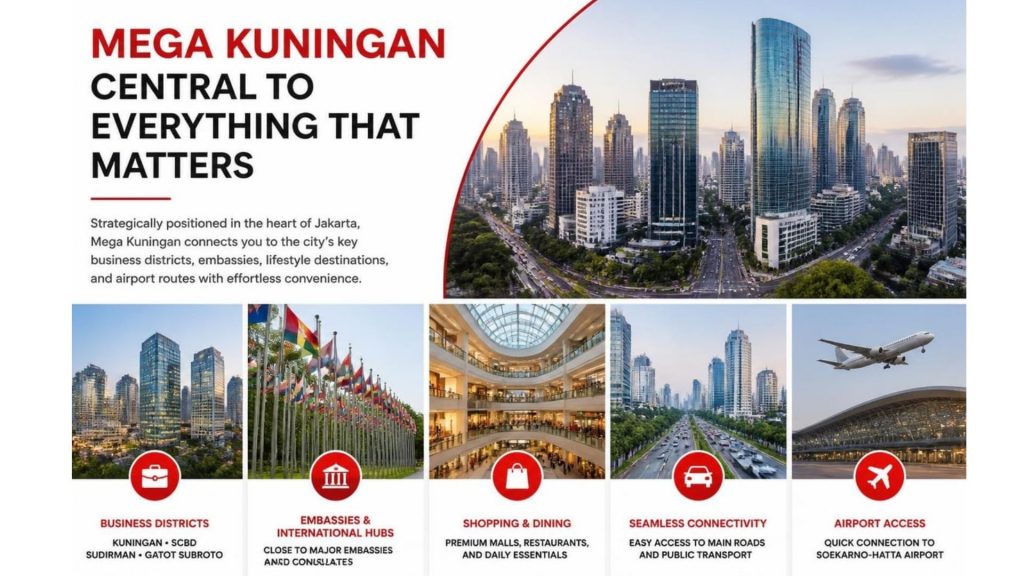
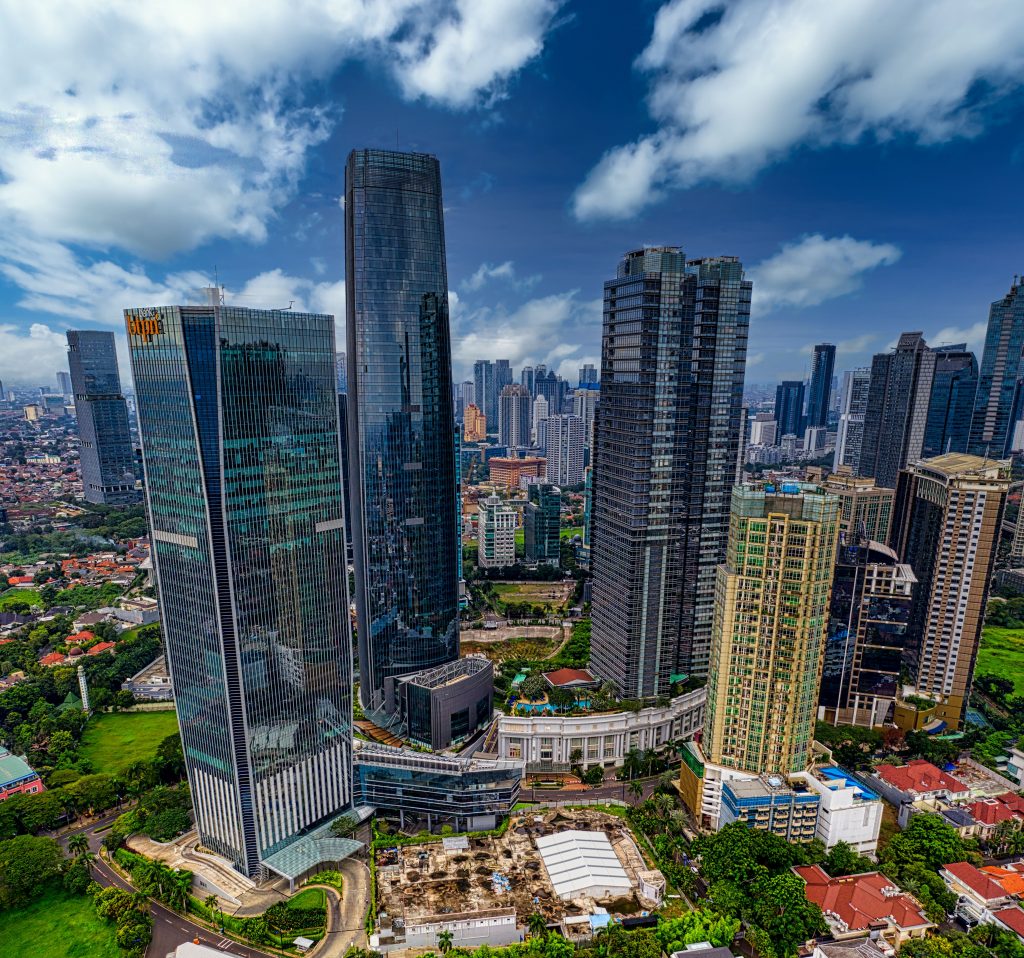
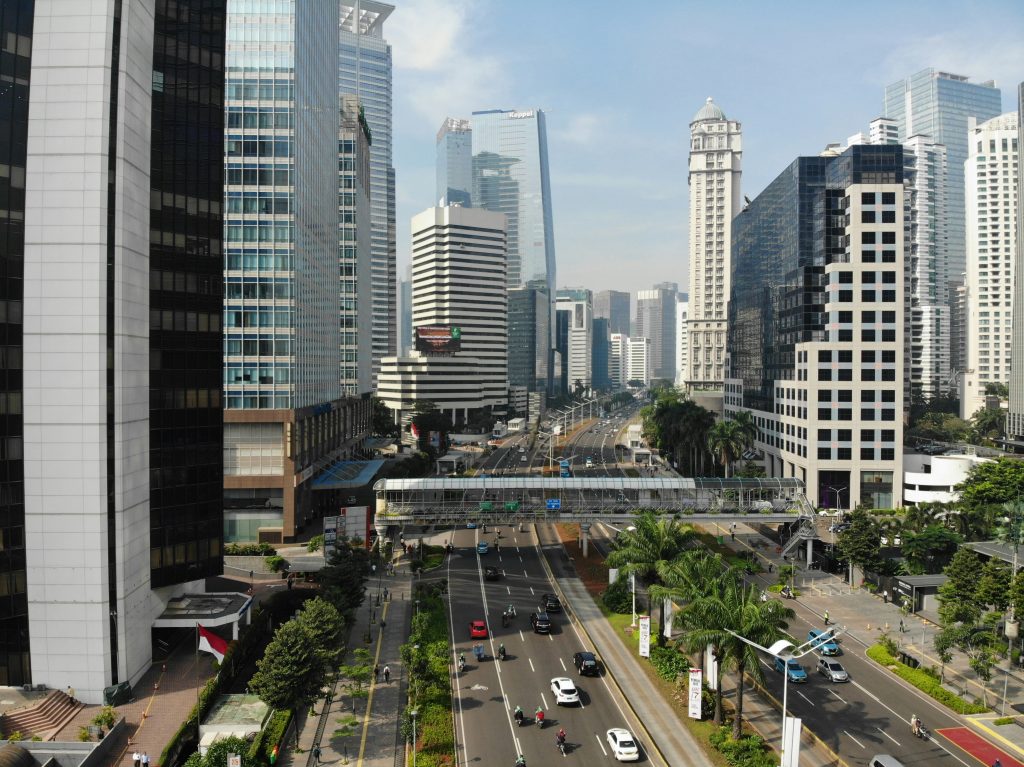
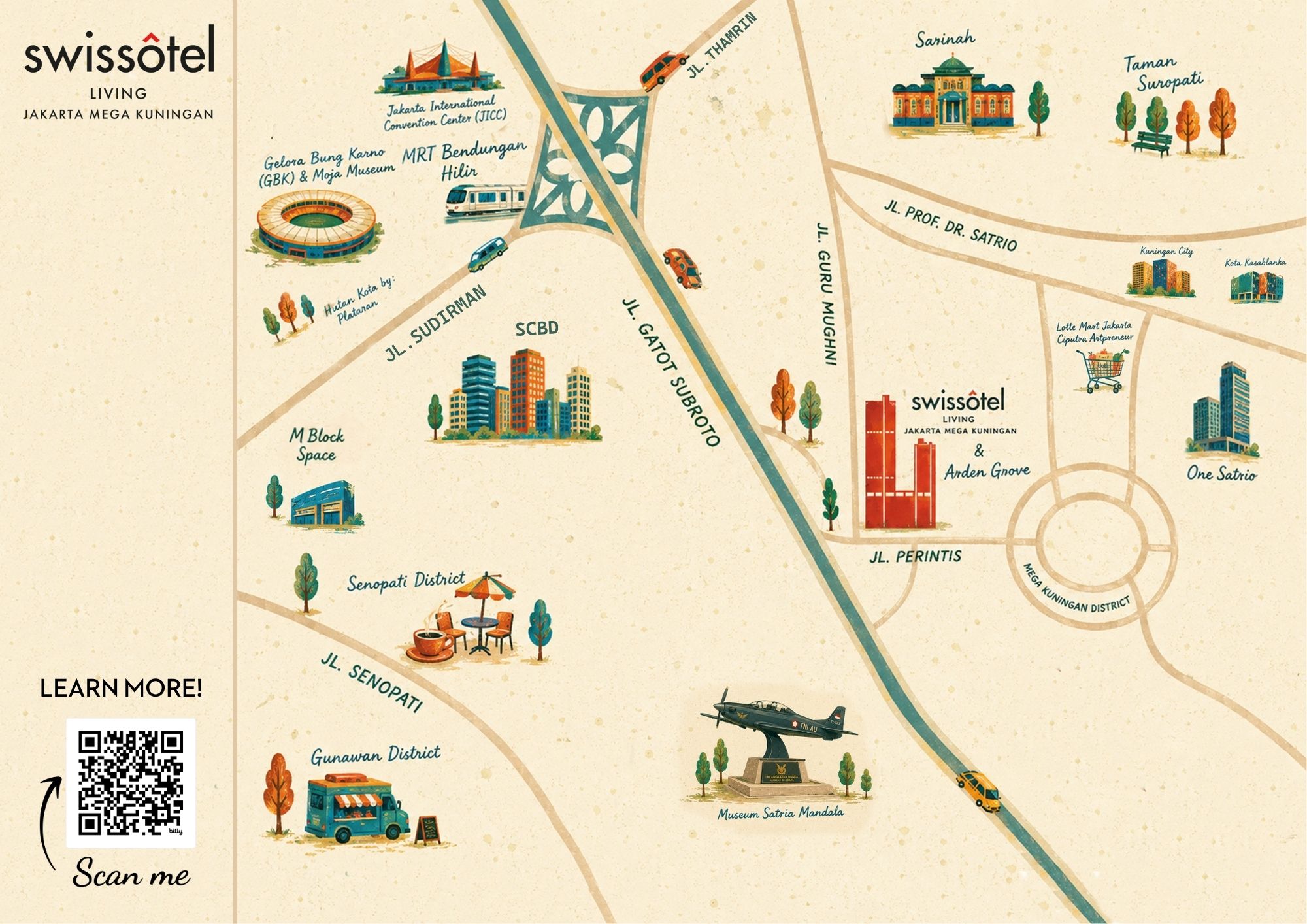
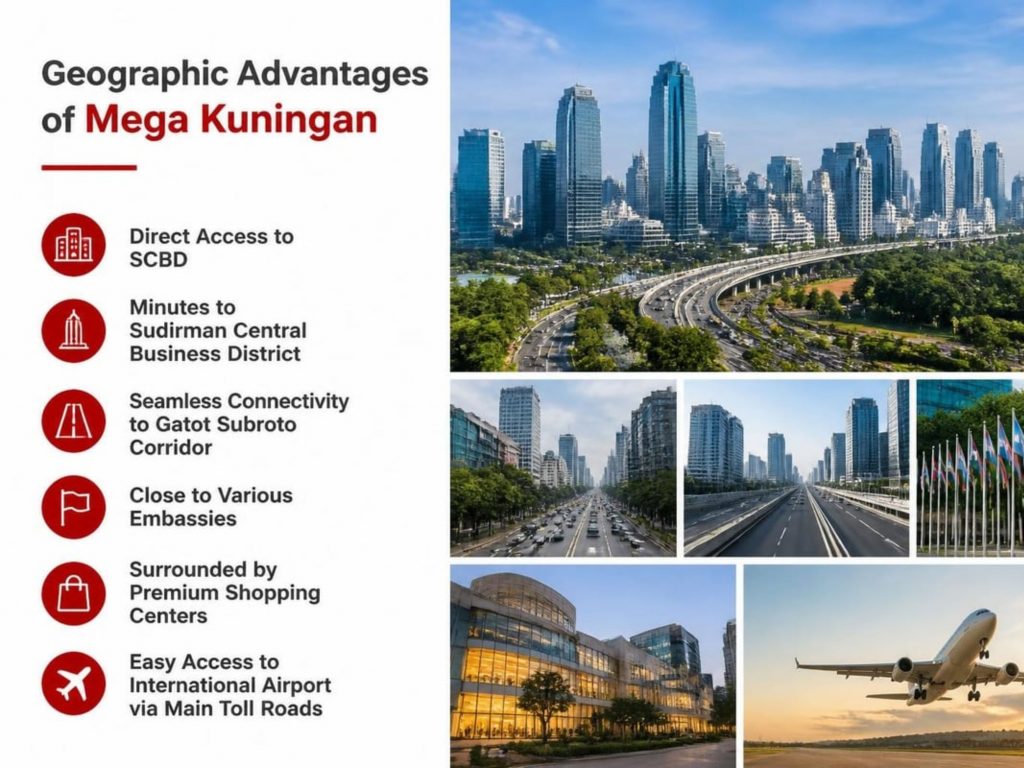
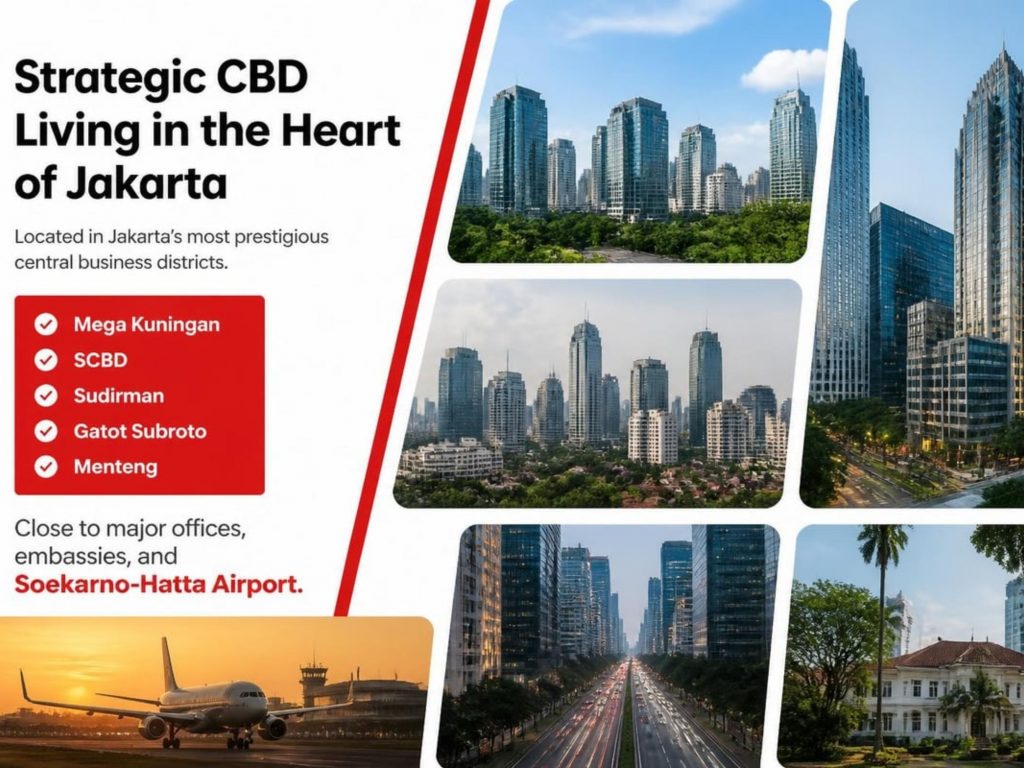
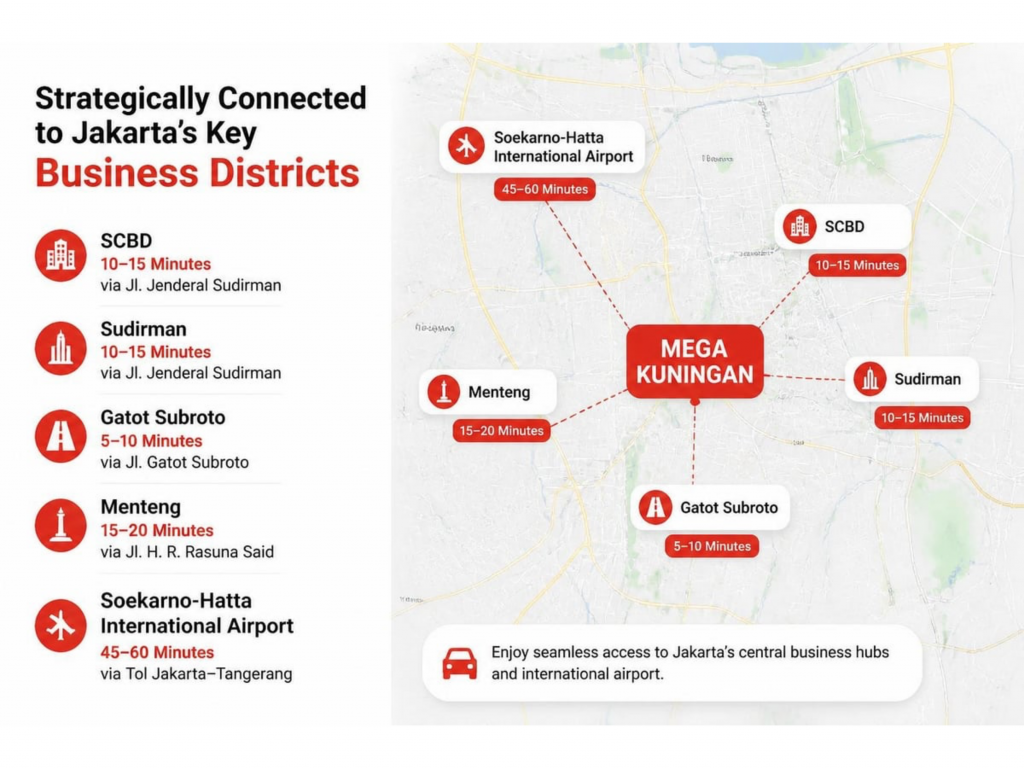
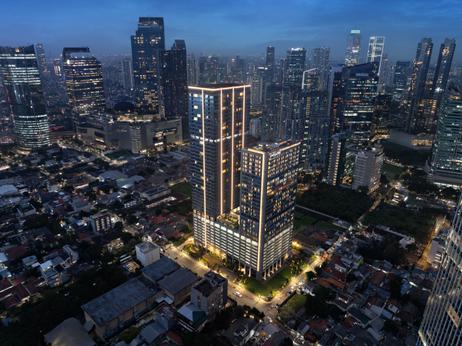
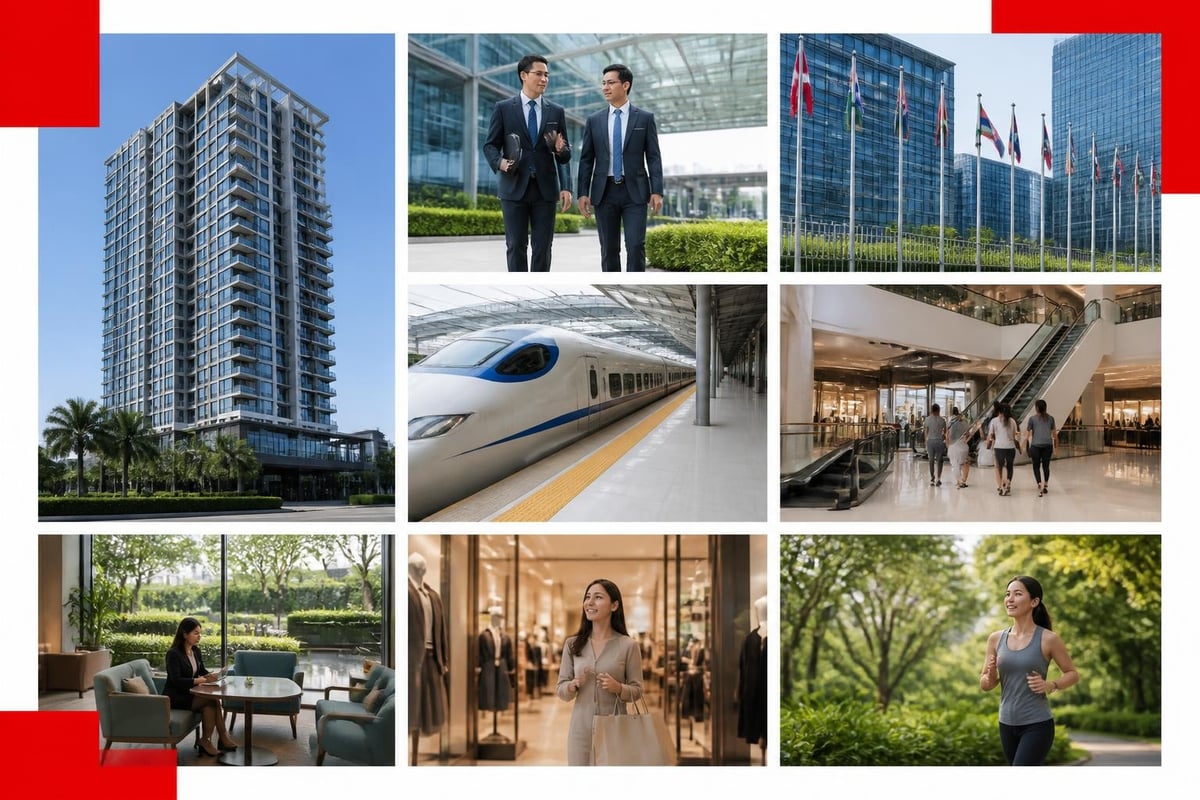
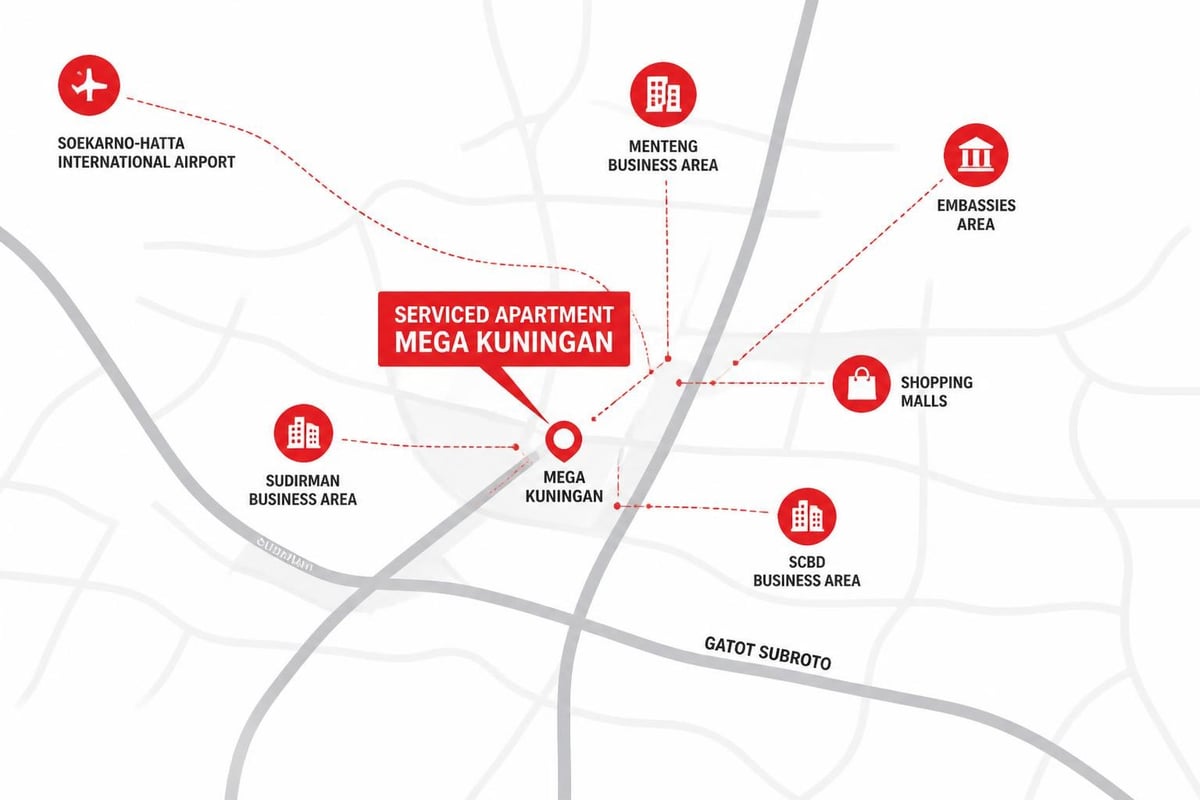
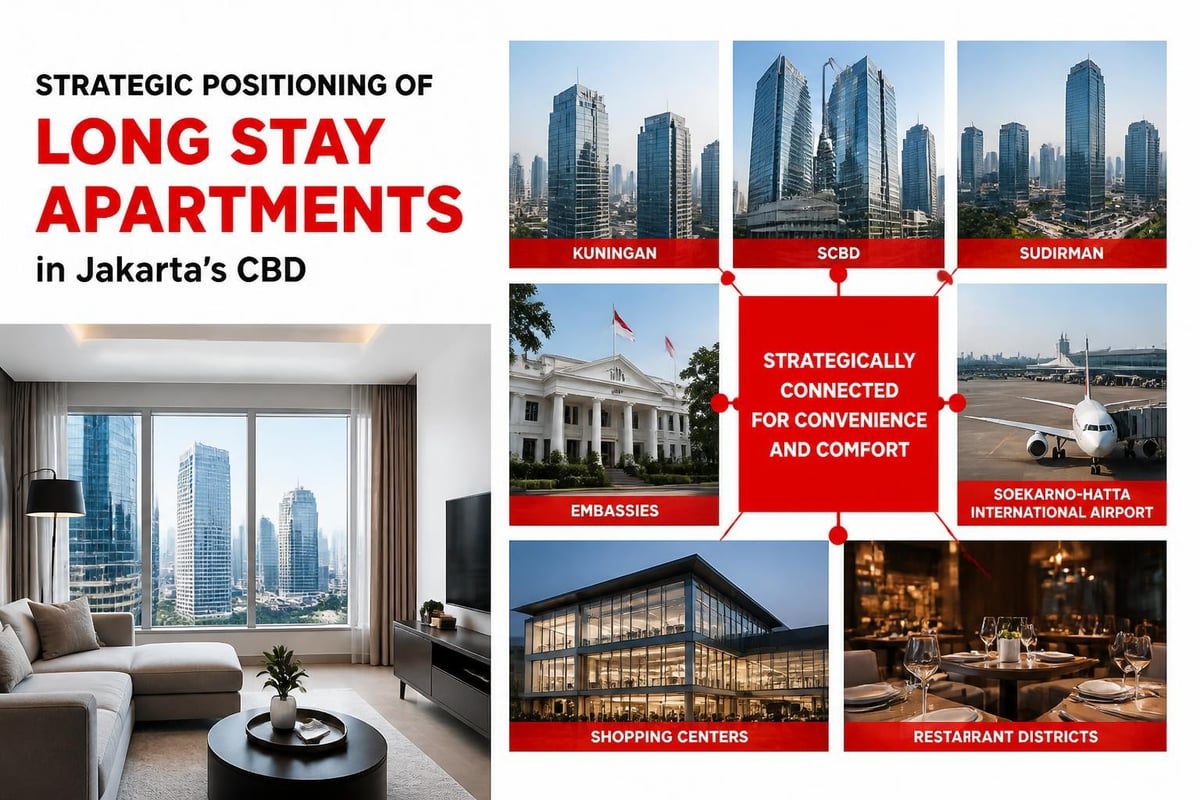
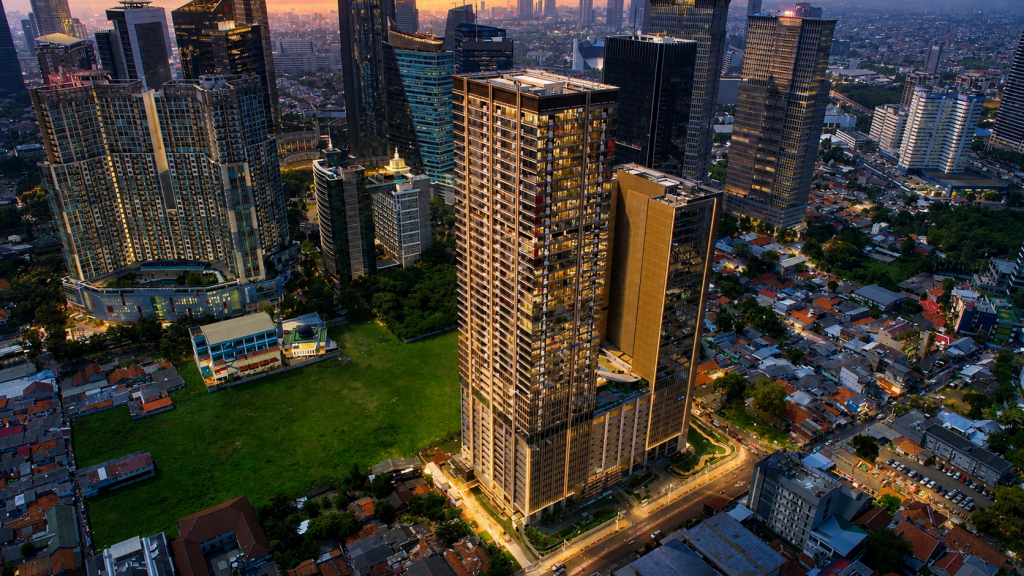
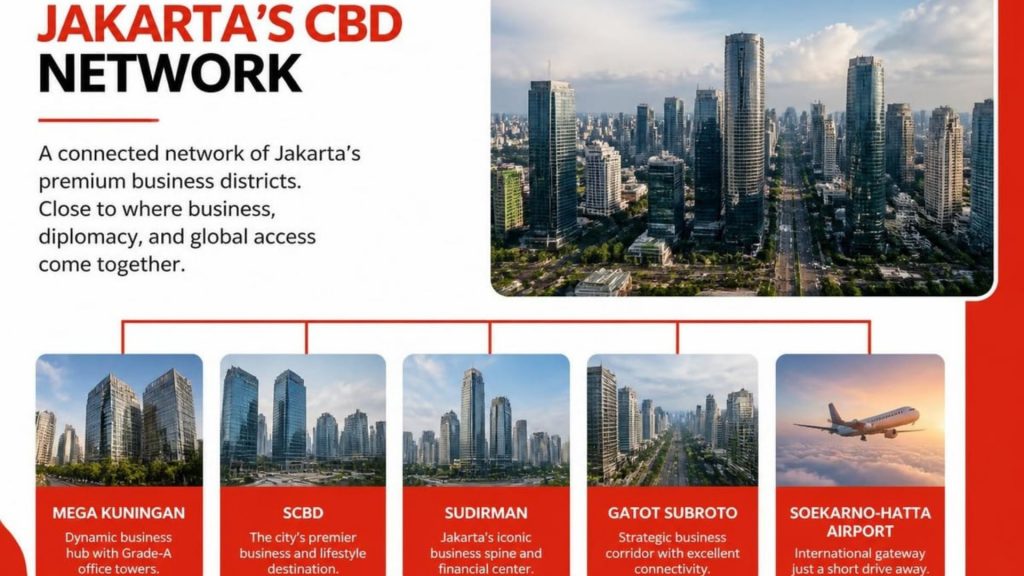
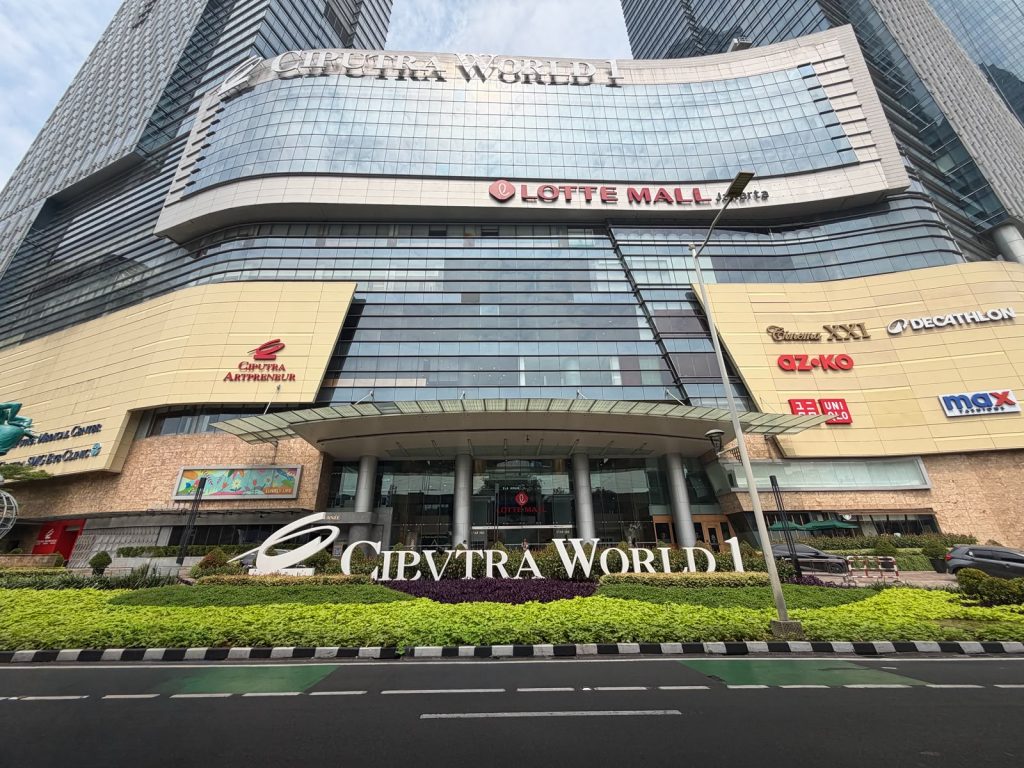
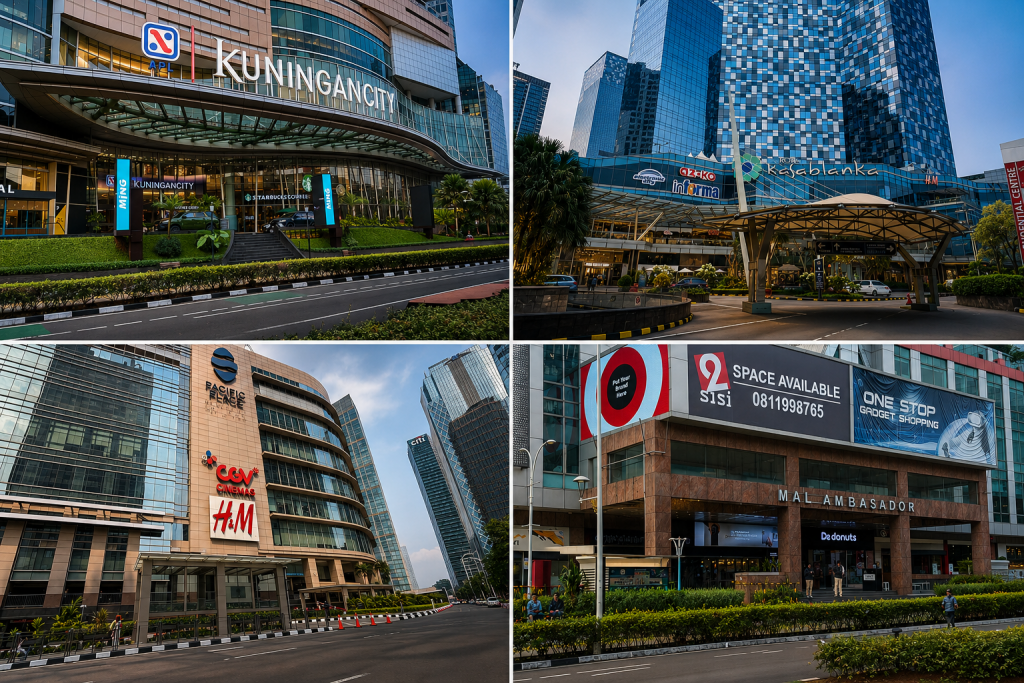
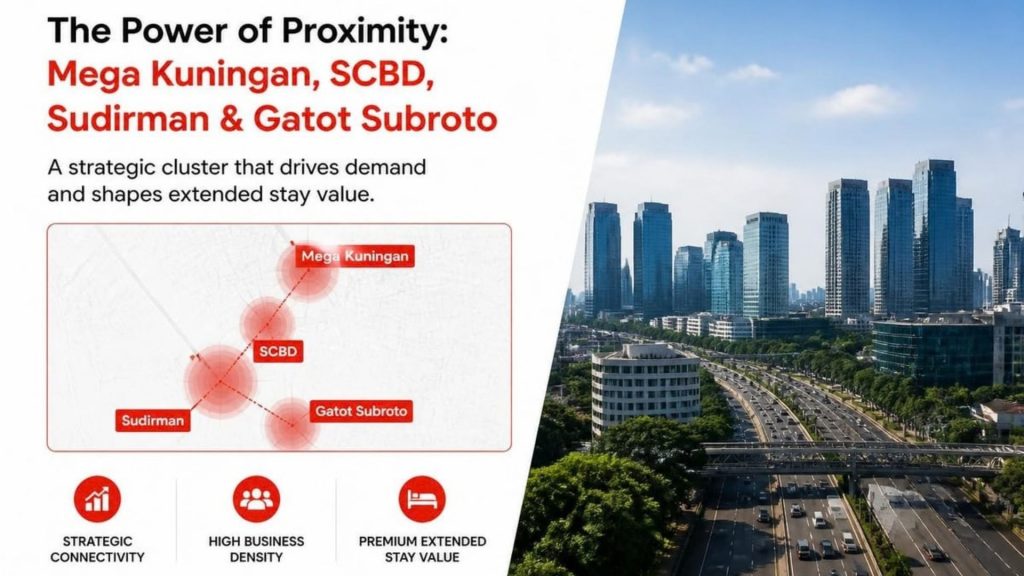
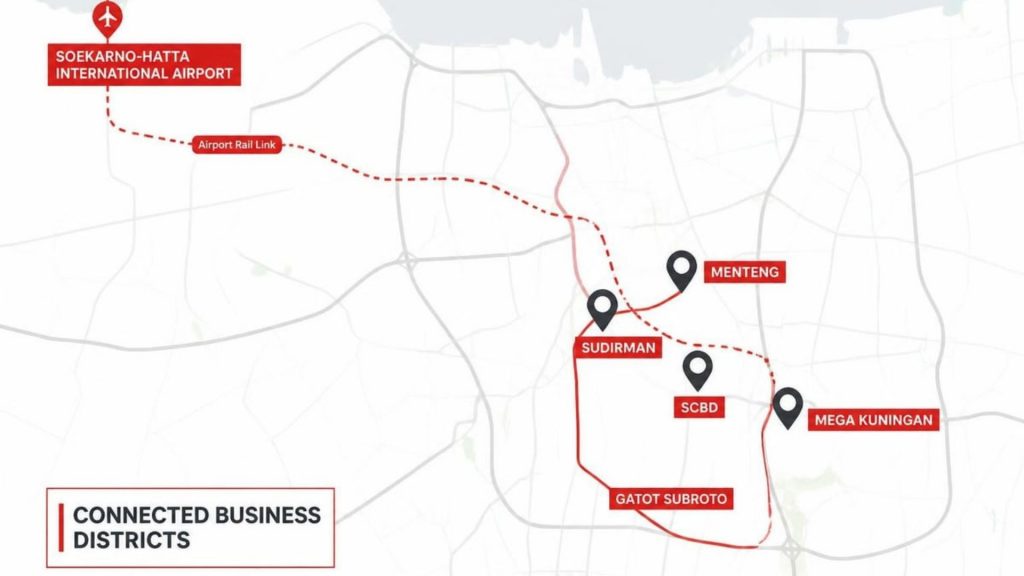
Jakarta’s central business districts in Kuningan, SCBD, and Sudirman concentrate corporate offices, embassies, and multinational headquarters. Professionals working in these areas require accommodation that minimizes commute times while providing professional environments for after-hours work. Properties in Mega Kuningan offer strategic positioning for extended-stay living that supports business productivity.
Corporate travelers prioritize:
- Location near office clusters and business districts
- High-speed internet and dedicated workspace
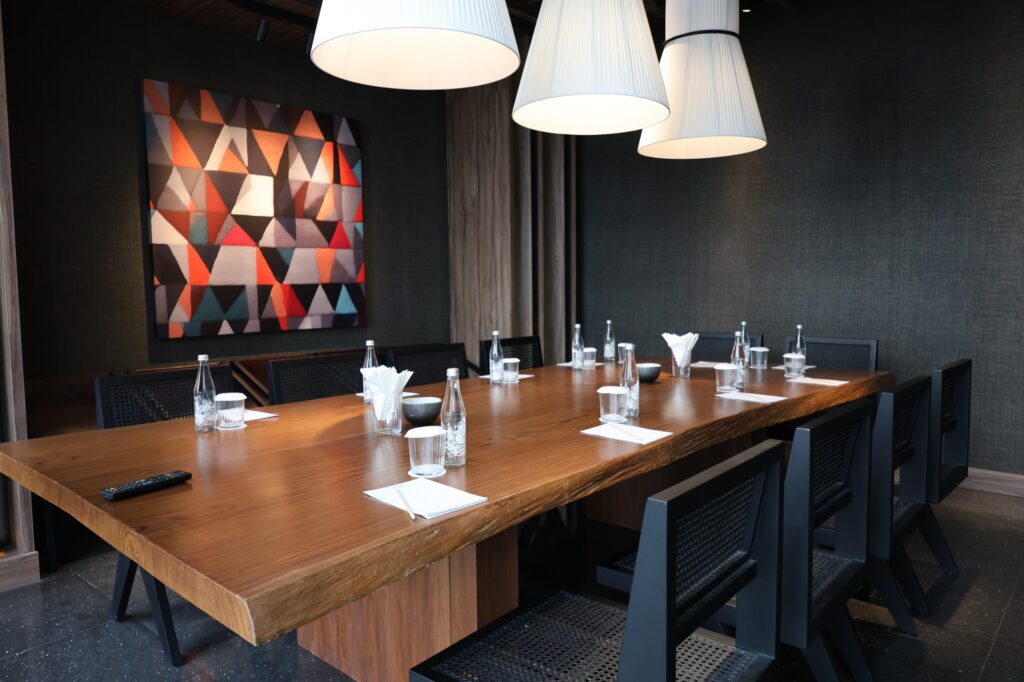
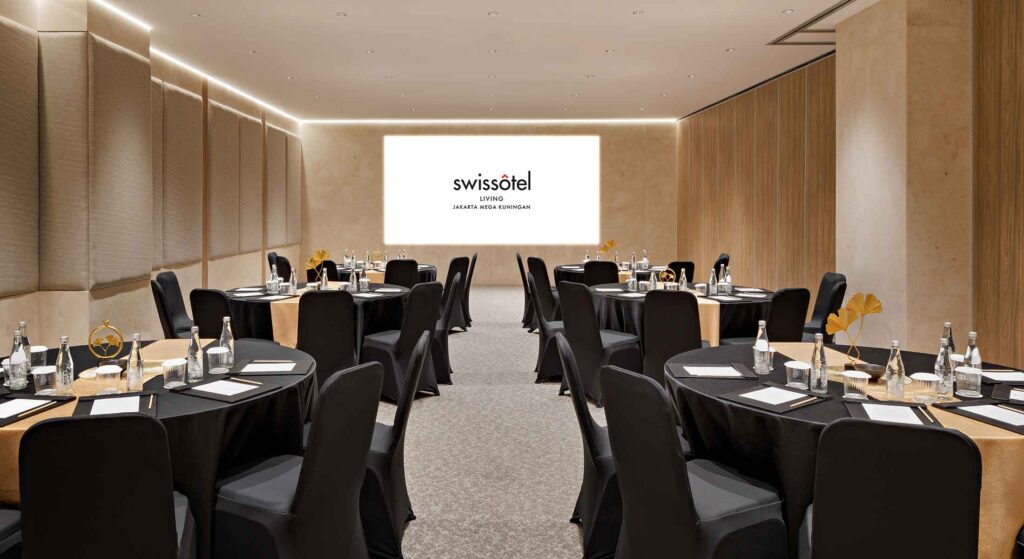
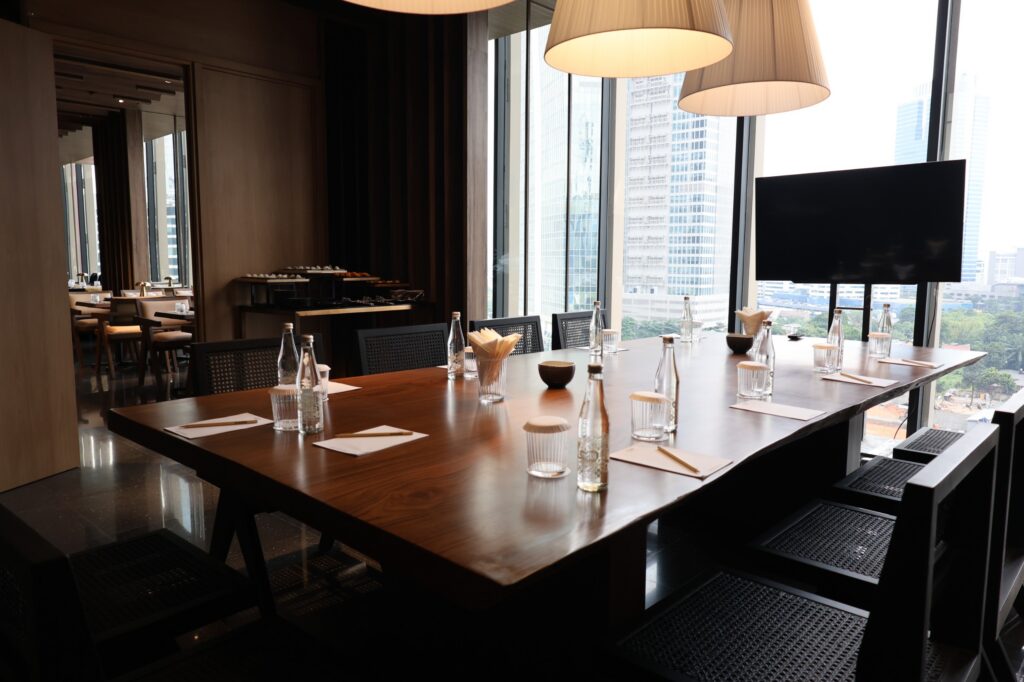
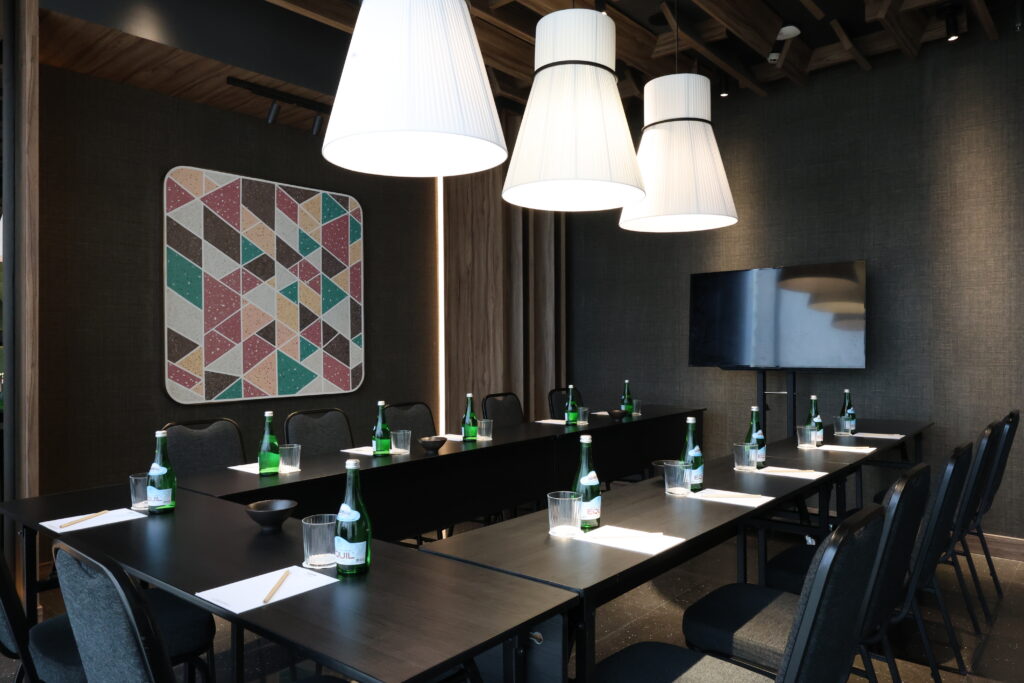
- Meeting room access for client presentations
- Flexible terms that accommodate project extensions
- Consolidated billing for expense management
Expatriate Families and Relocating Professionals
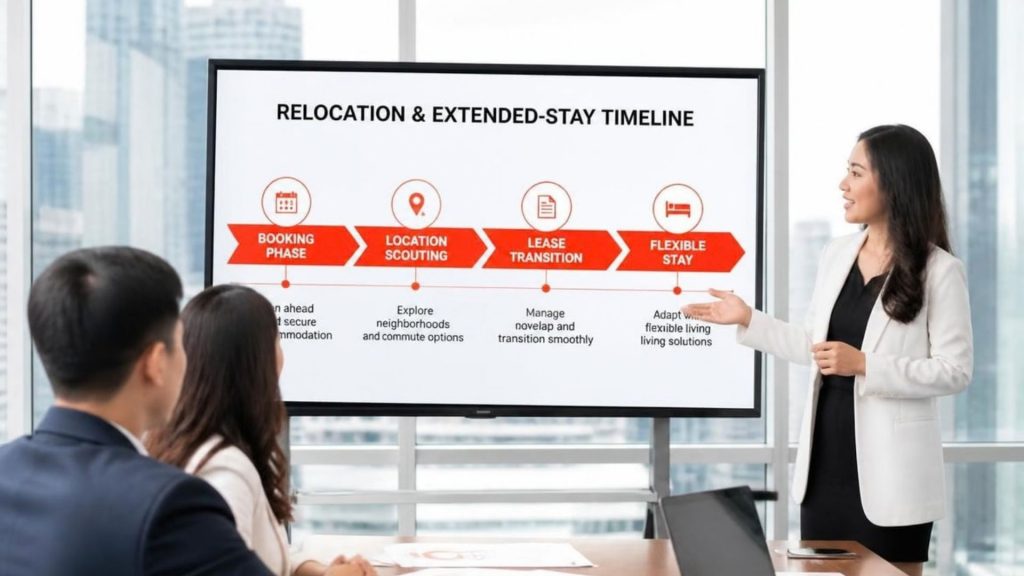
Families moving to Jakarta for international assignments often use hotel monthly rental as temporary housing while searching for permanent residences or waiting for household goods to arrive. This transition period typically spans one to three months but can extend longer when property markets prove challenging or visa processing delays occur.
Children’s schooling schedules, spouse employment arrangements, and cultural adjustment needs make flexibility essential. Hotel monthly rental eliminates the pressure to commit to a long-term lease before fully understanding neighborhood characteristics, commute patterns, and lifestyle preferences in a new city.
Transportation Infrastructure
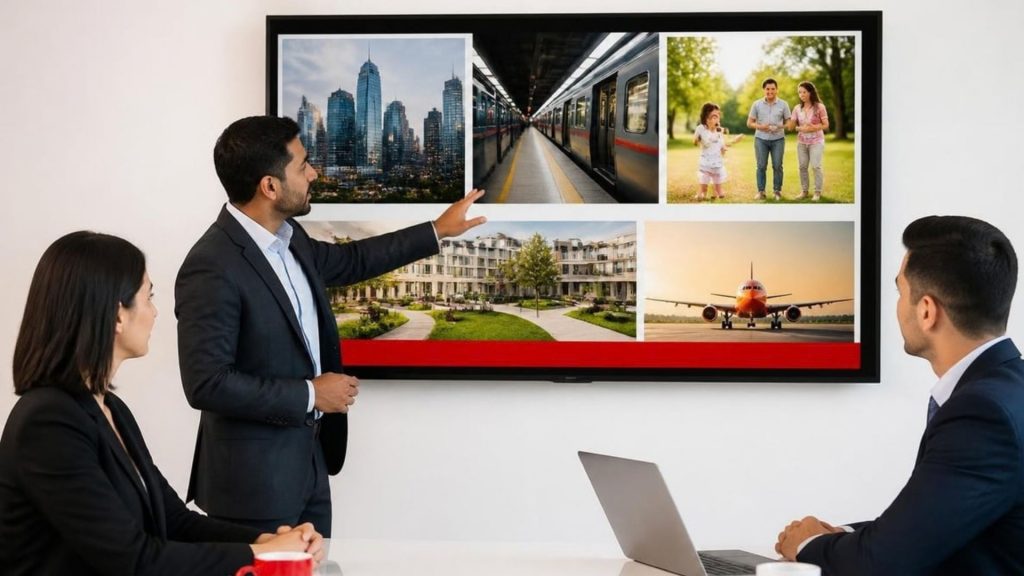
Proximity to major thoroughfares and public transportation determines daily convenience. Jakarta’s traffic patterns make location selection critical for maintaining reasonable commute times. Properties positioned near toll road access points or major arterial roads provide routing options that help residents avoid the worst congestion.
International connectivity matters for business travelers and expatriates. Reasonable access to Soekarno-Hatta International Airport through established transportation corridors reduces the stress of early morning departures and late evening arrivals, particularly for guests making frequent trips.
Lease Flexibility and Terms
Contract structures for hotel monthly rental differ significantly from both traditional hotels and residential leases. Understanding these terms helps guests negotiate favorable arrangements and avoid unexpected obligations.
Minimum Stay Requirements
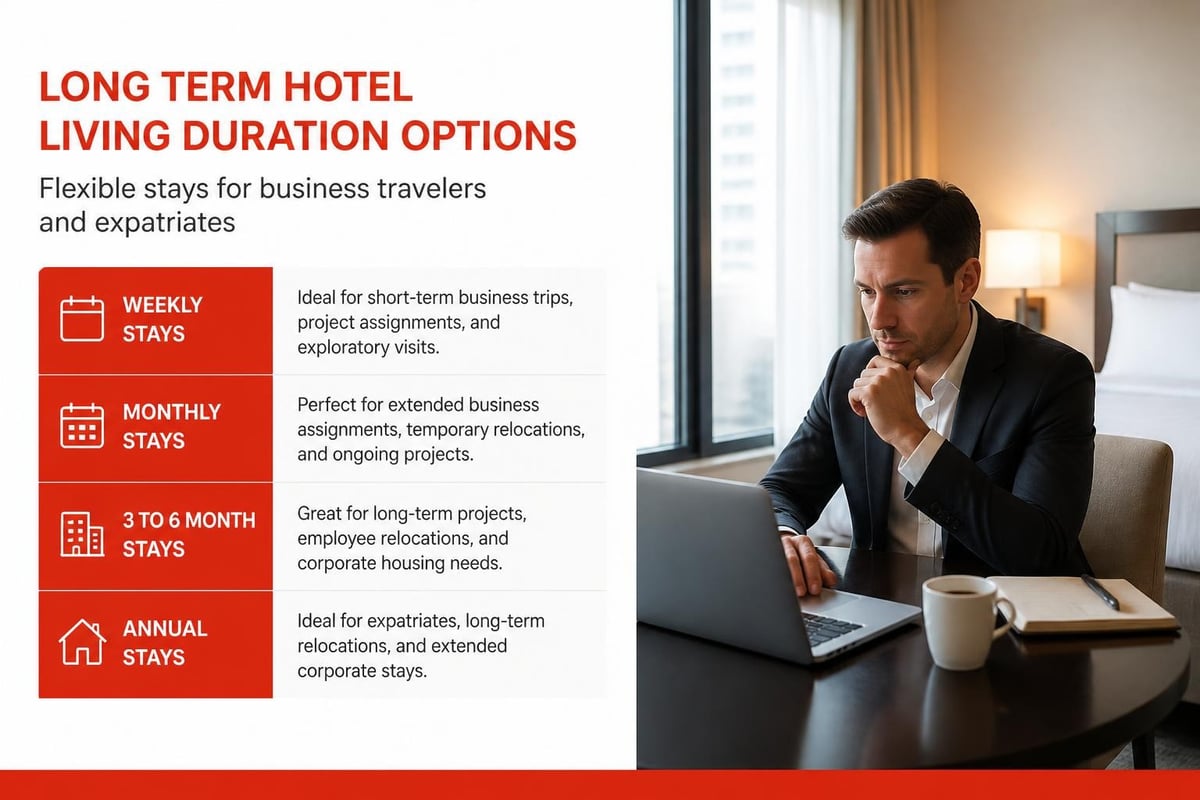
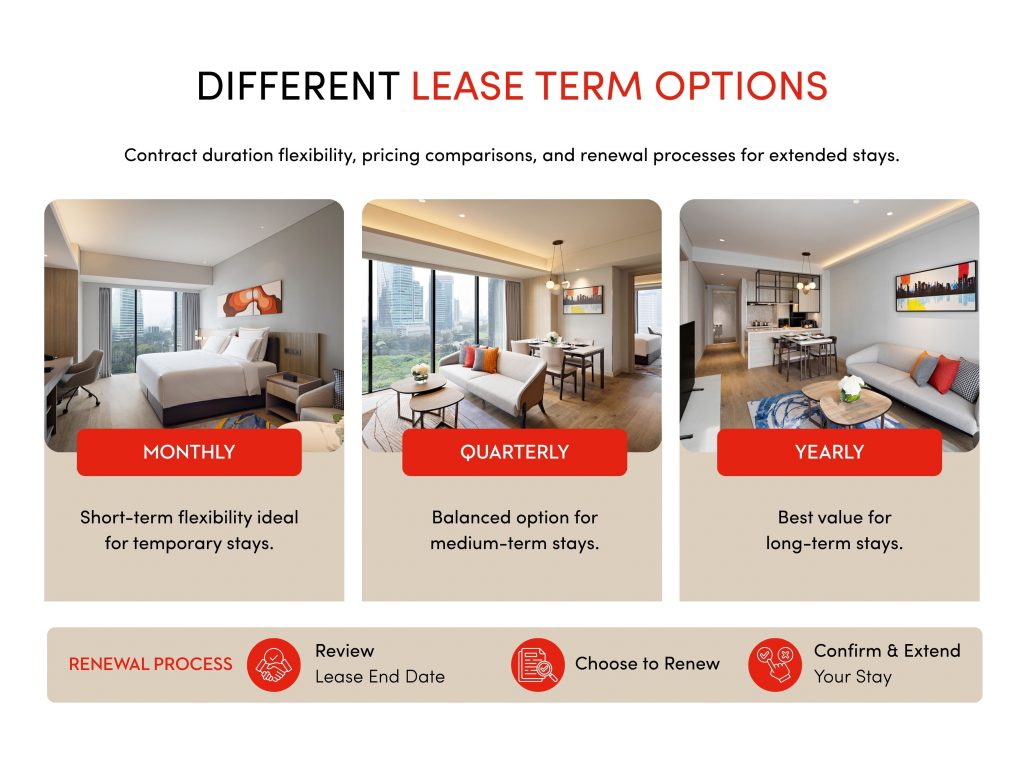
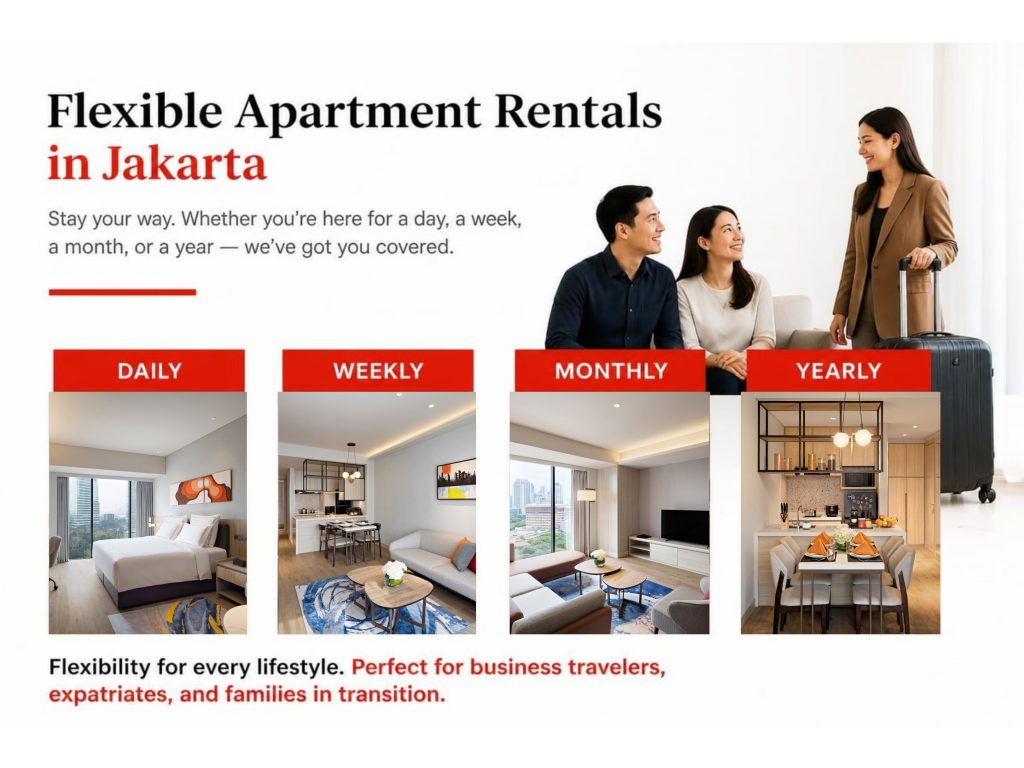
Most properties establish 30-day minimum stays to qualify for monthly rates, though some offer weekly or bi-weekly options at higher per-day costs. The minimum ensures operational efficiency and justifies reduced pricing compared to daily rates. Extensions typically occur in monthly increments, though properties may accommodate odd-numbered days when aligning with flight schedules or project timelines.
Typical lease options include:
- 30-day initial term with monthly renewals
- 90-day packages with incremental rate reductions
- Six-month contracts with guaranteed rates
- Annual agreements with maximum discount and priority renewal
Notice requirements for departure typically range from seven to 14 days for month-to-month arrangements. Longer initial commitments may require 30-day notice before the end of the term. These policies balance property revenue management needs with guest flexibility requirements.
Payment Structures and Deposits
Security deposits for hotel monthly rental generally equal one month’s rent, significantly less than the two to three months required for traditional apartments. Some properties waive deposits entirely for corporate accounts with established credit or when guests guarantee payment through major credit cards.
Payment timing varies by property. Some require first and last month rent upfront, while others bill monthly in advance. Corporate housing programs often negotiate net-30 payment terms, allowing companies to process invoices through standard accounts payable workflows rather than requiring advance payment.
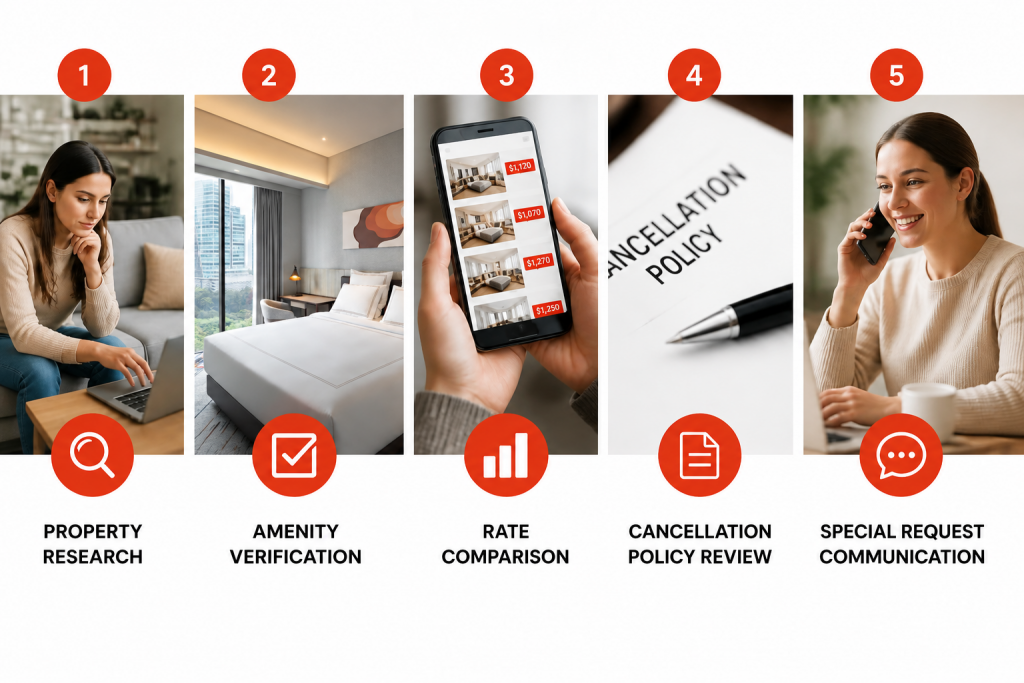
Cancellation policies before arrival typically mirror hotel standards, allowing changes up to 72 hours before check-in without penalty. After occupancy begins, early departure may forfeit remaining prepaid rent or incur termination fees, though flexible properties work with guests to sublet or identify replacement tenants to minimize financial impact.
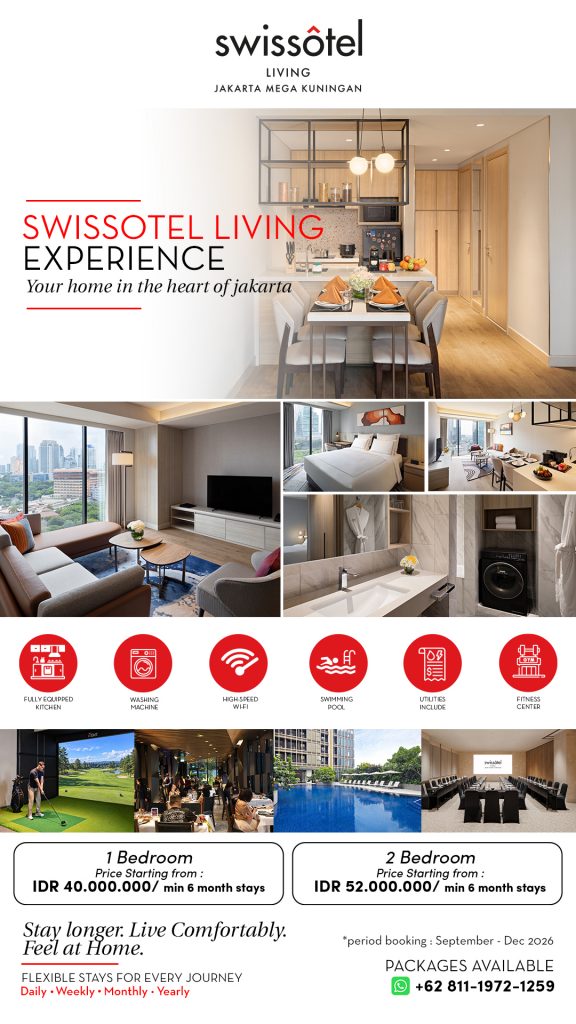
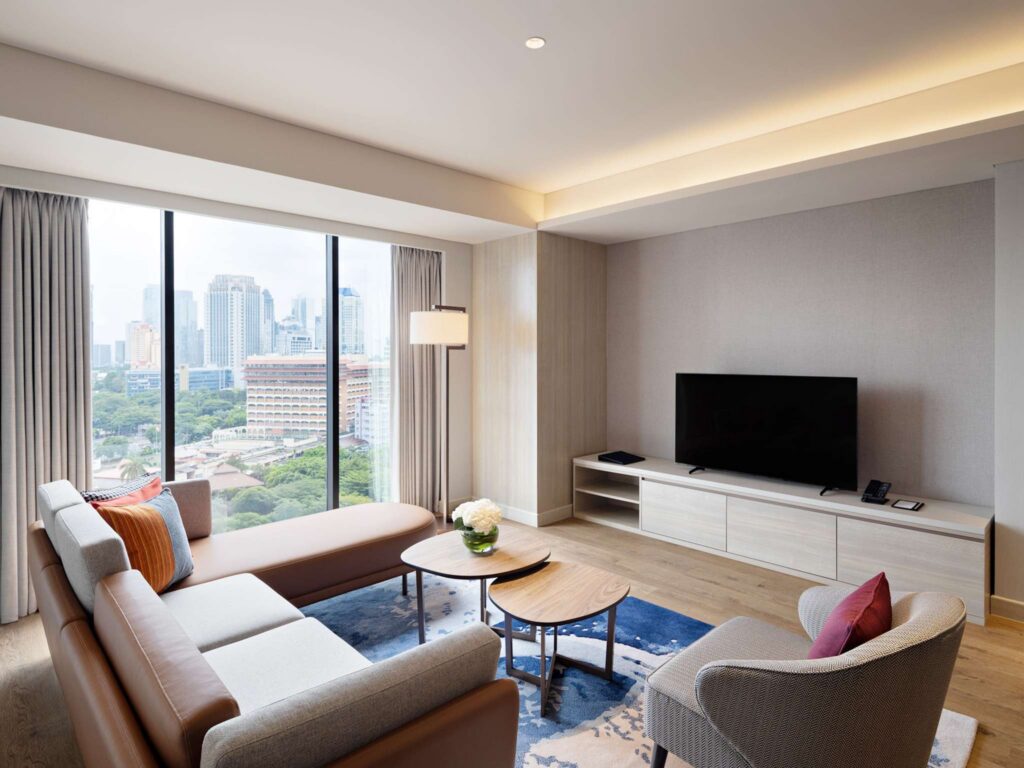
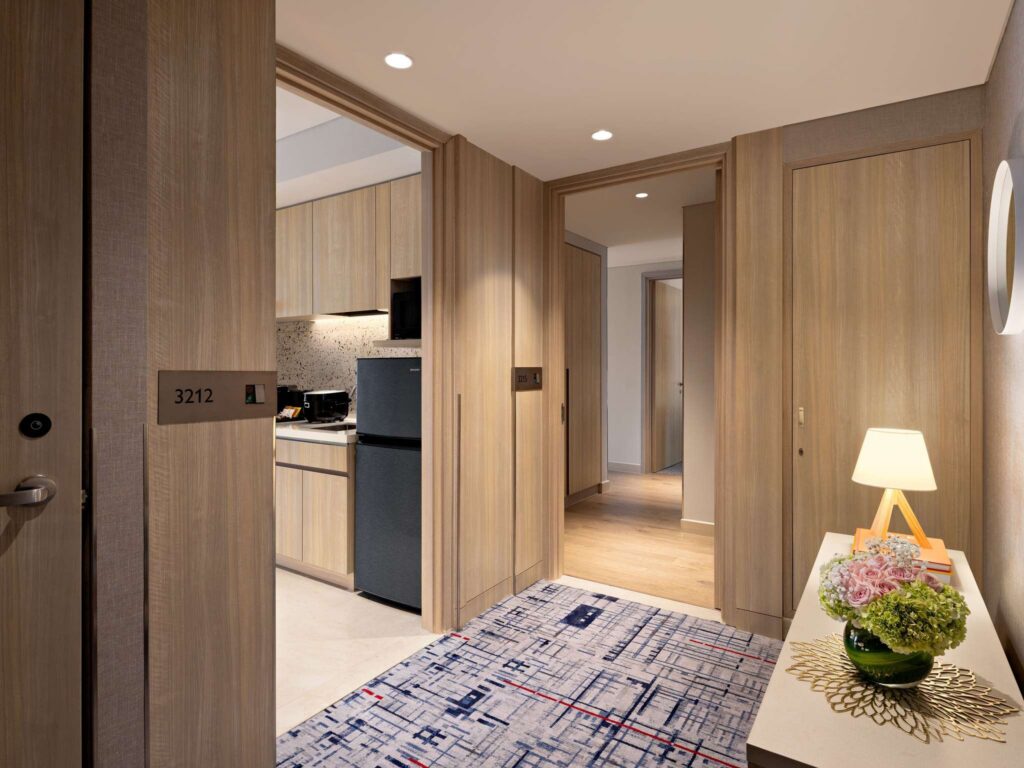
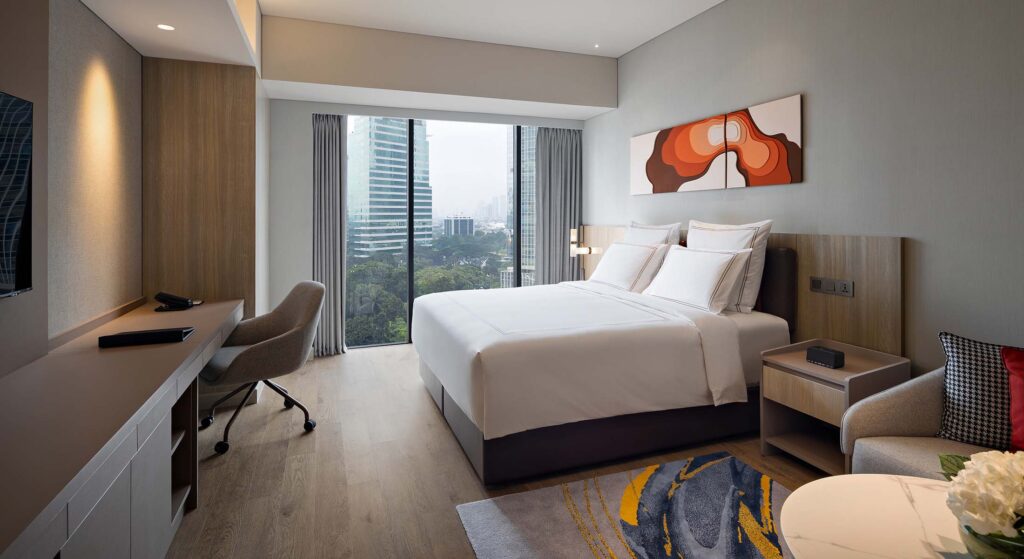
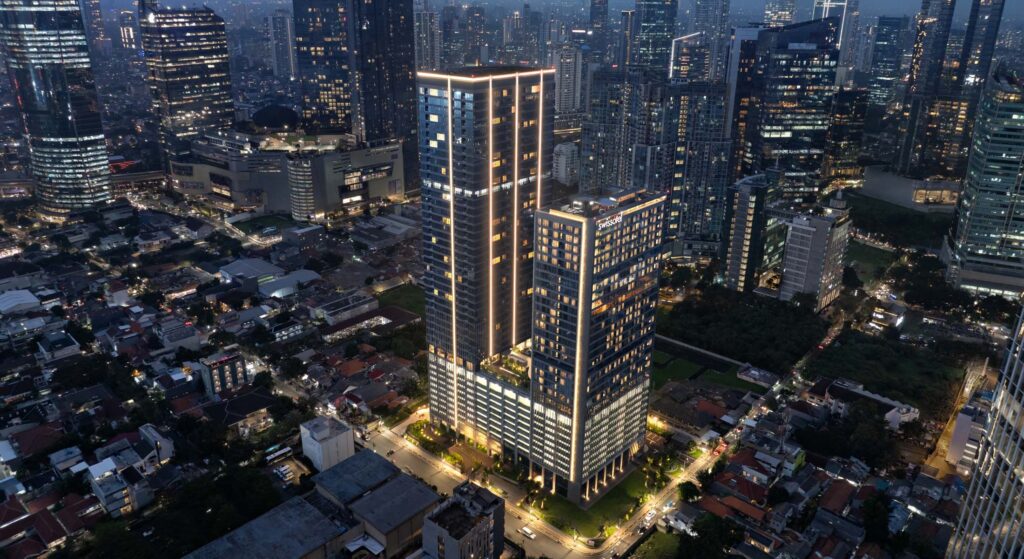
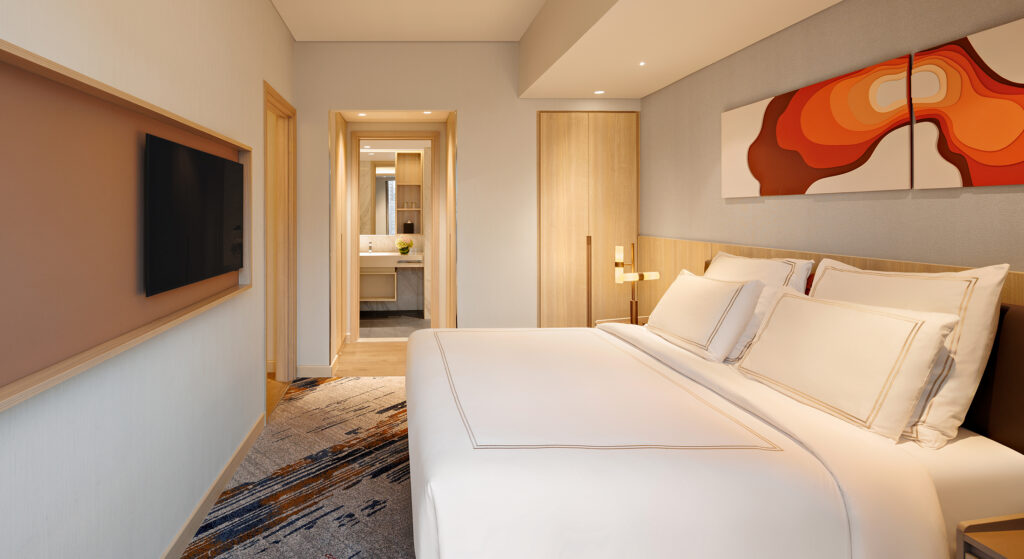
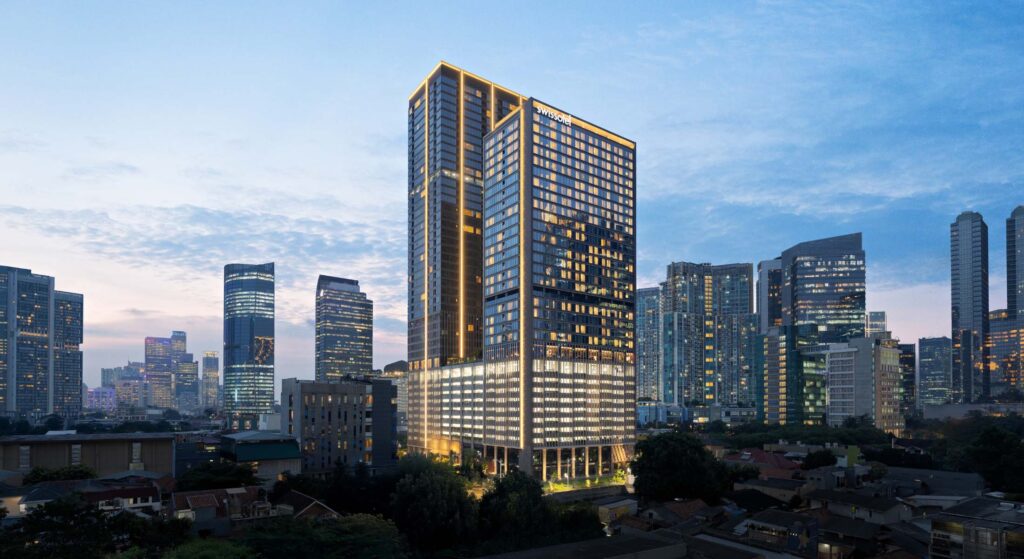
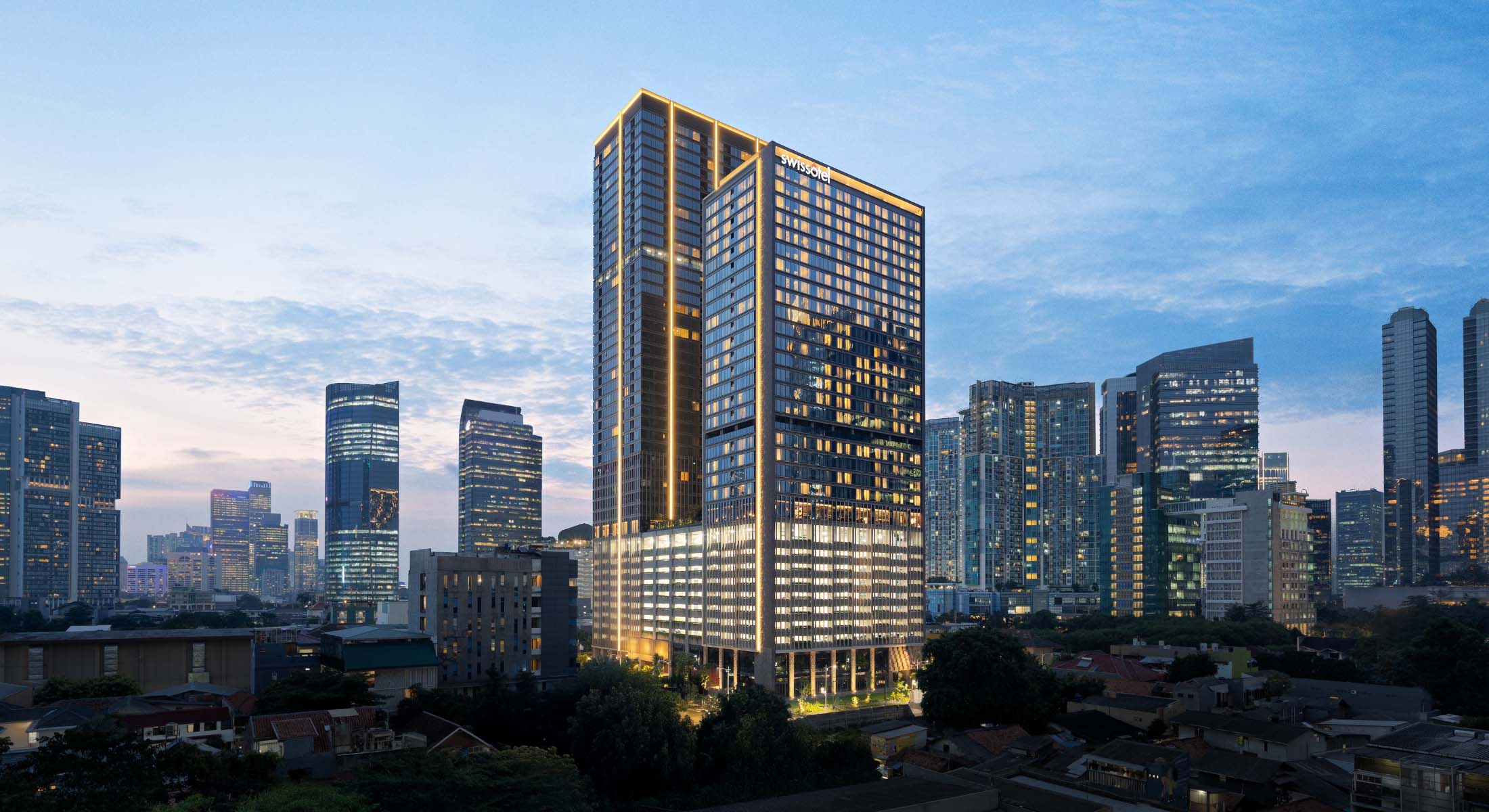
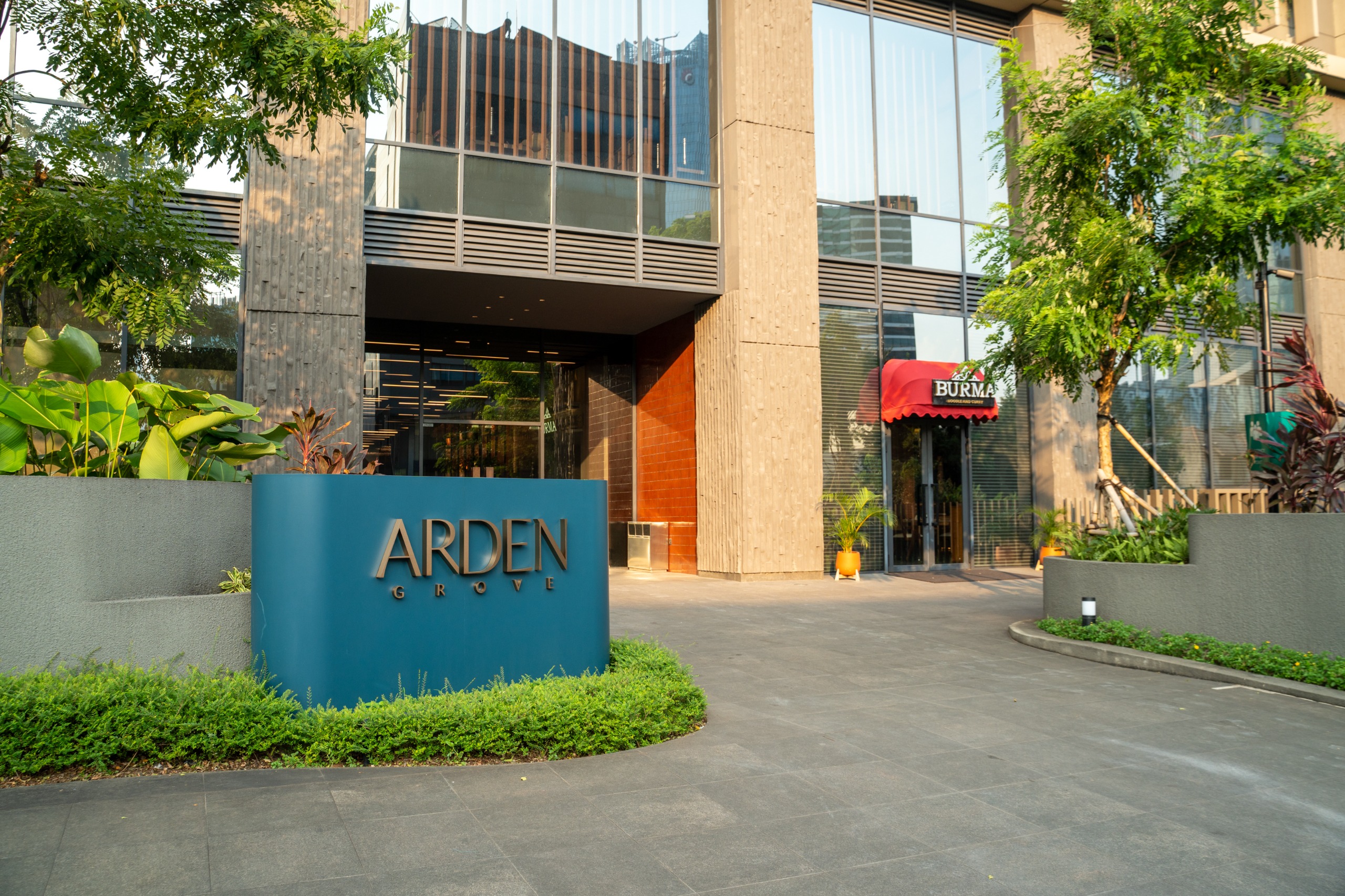
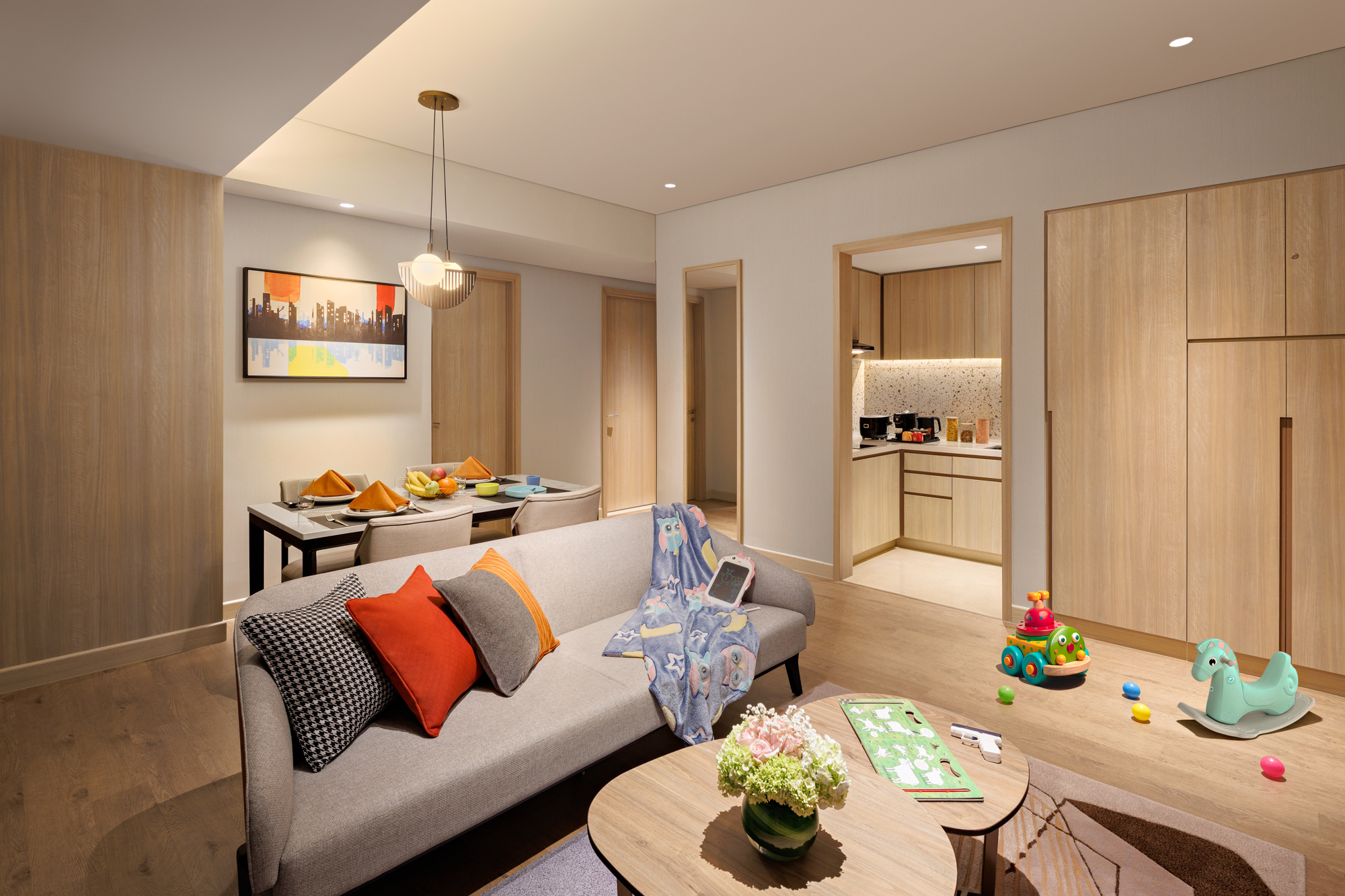
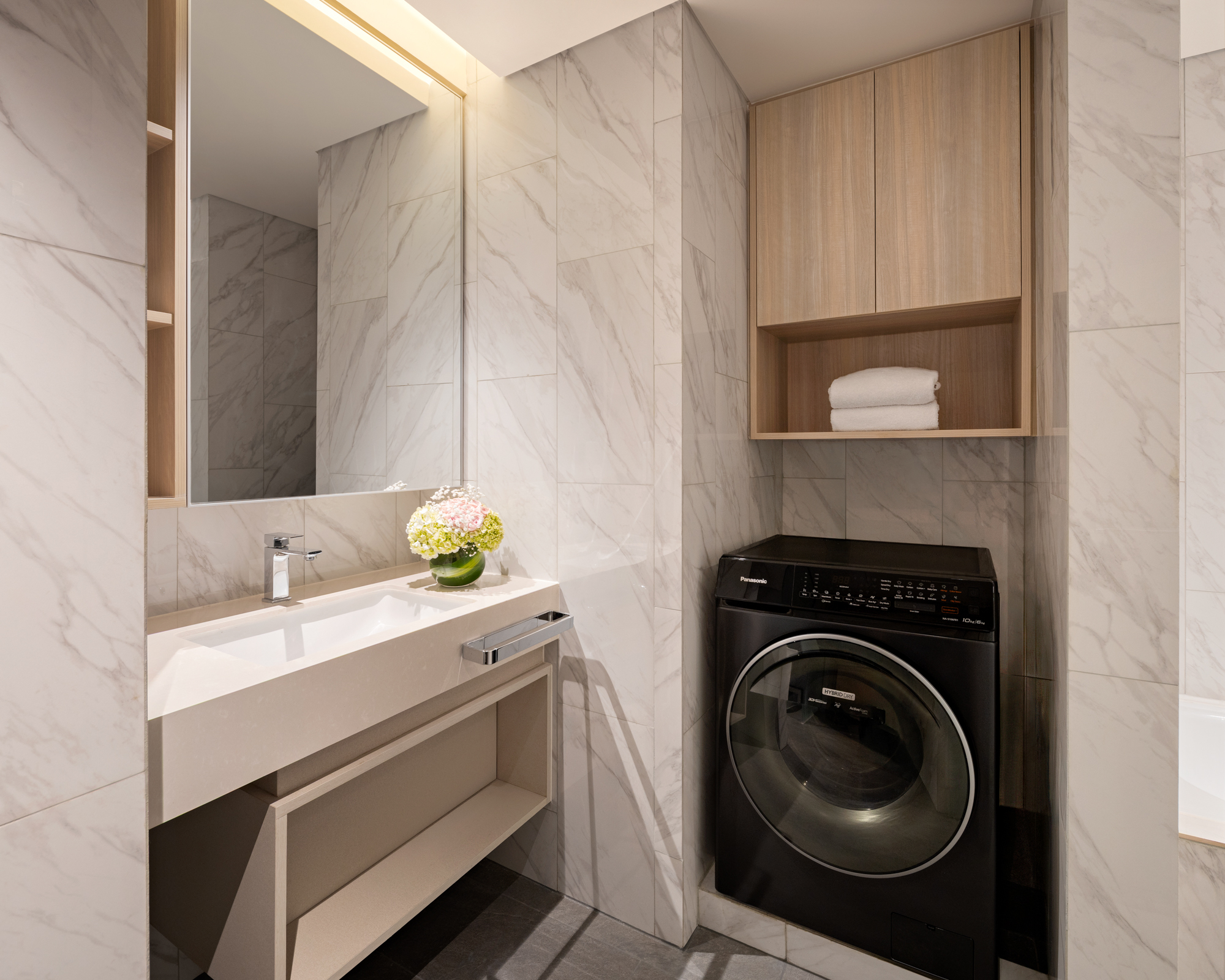
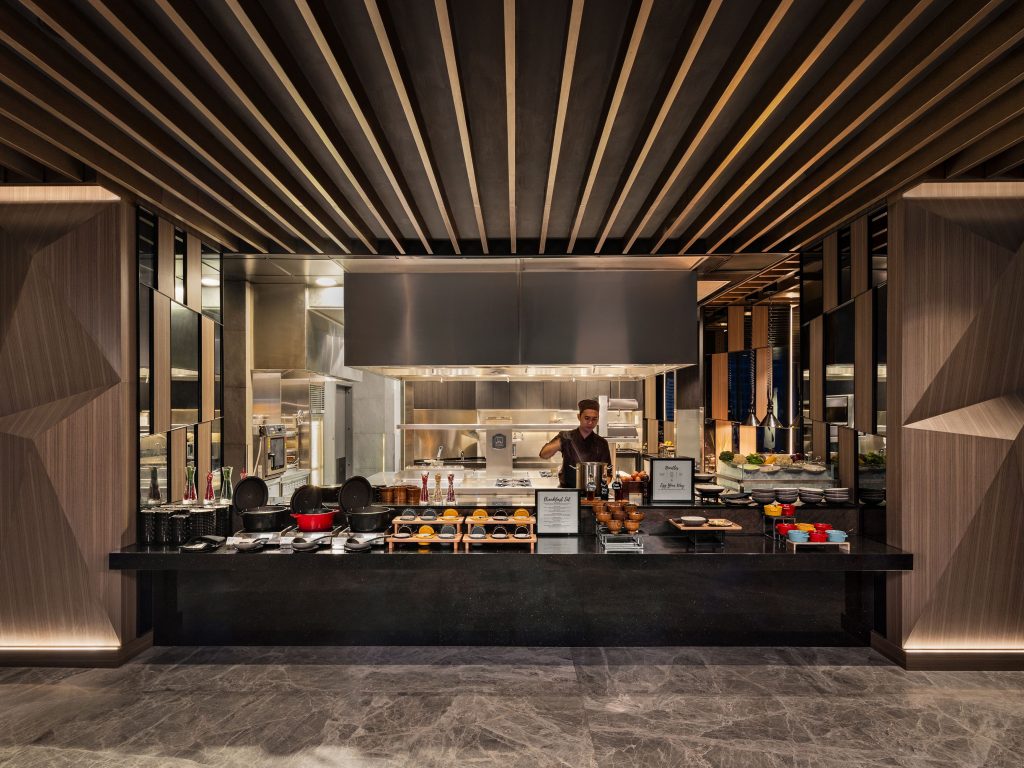
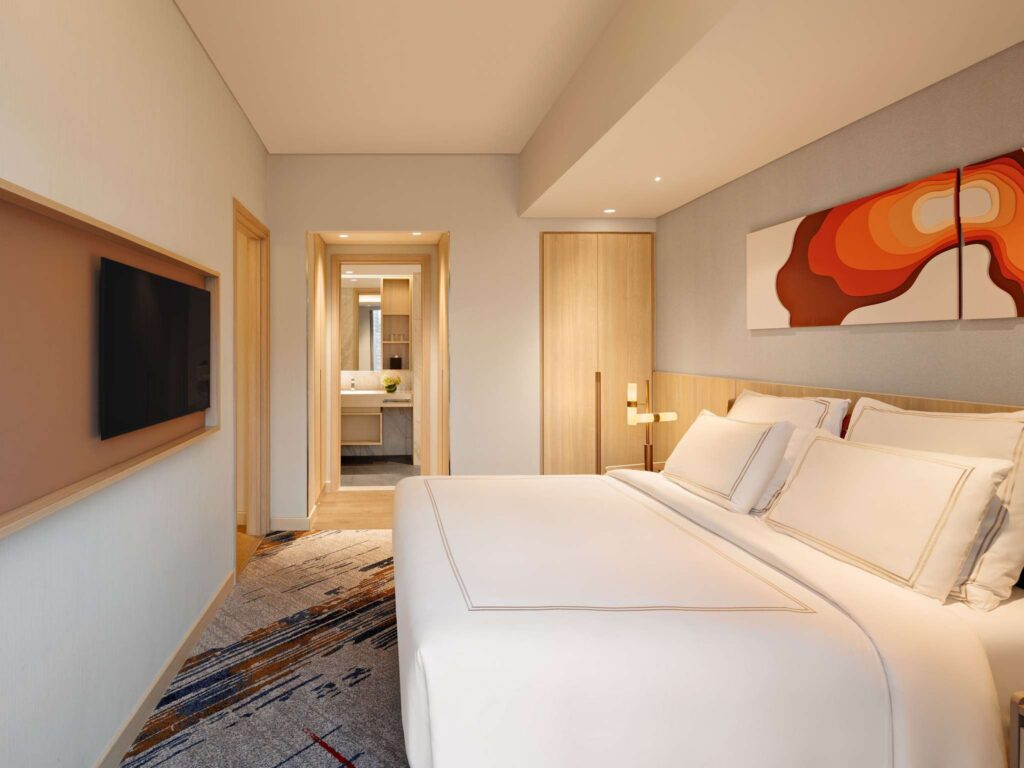
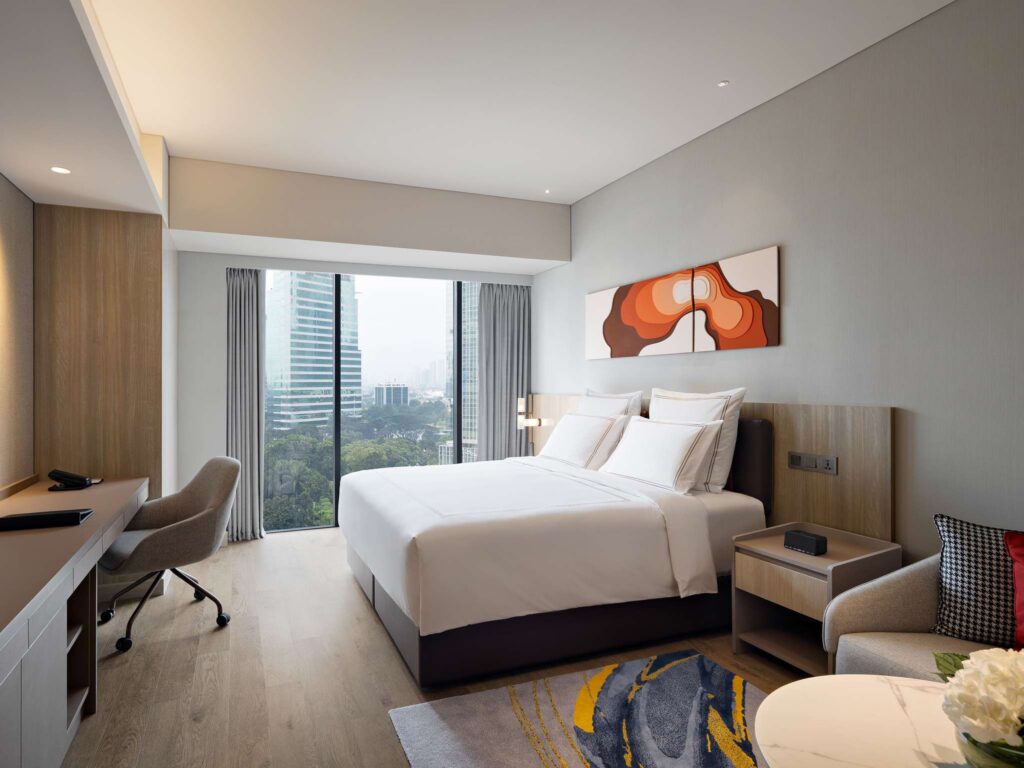
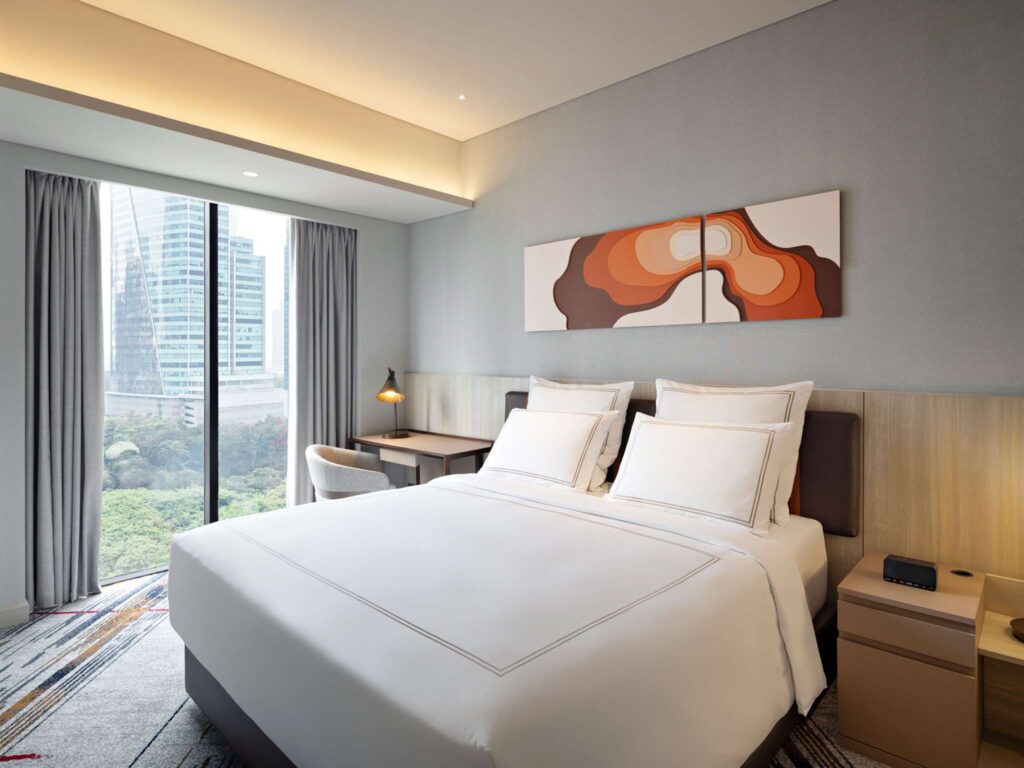
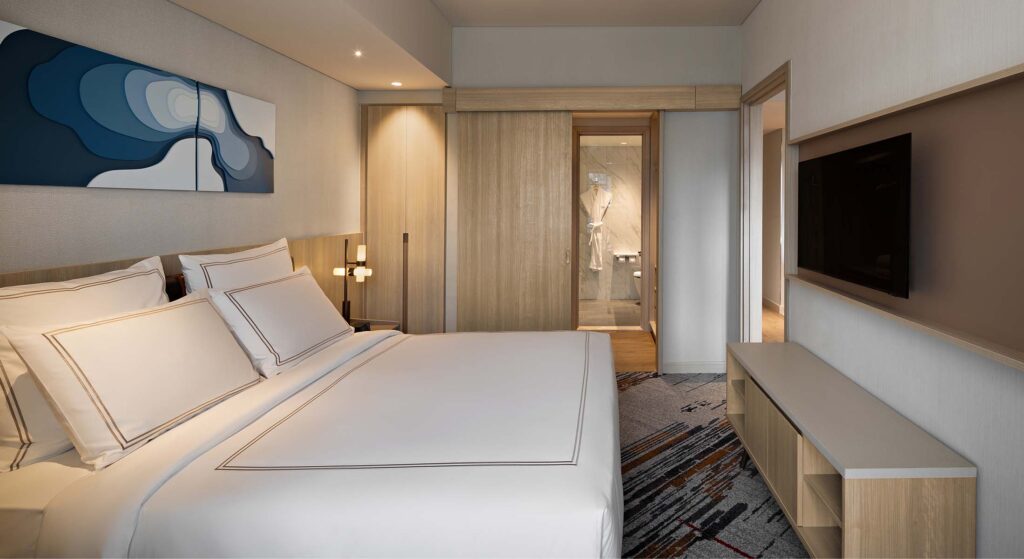
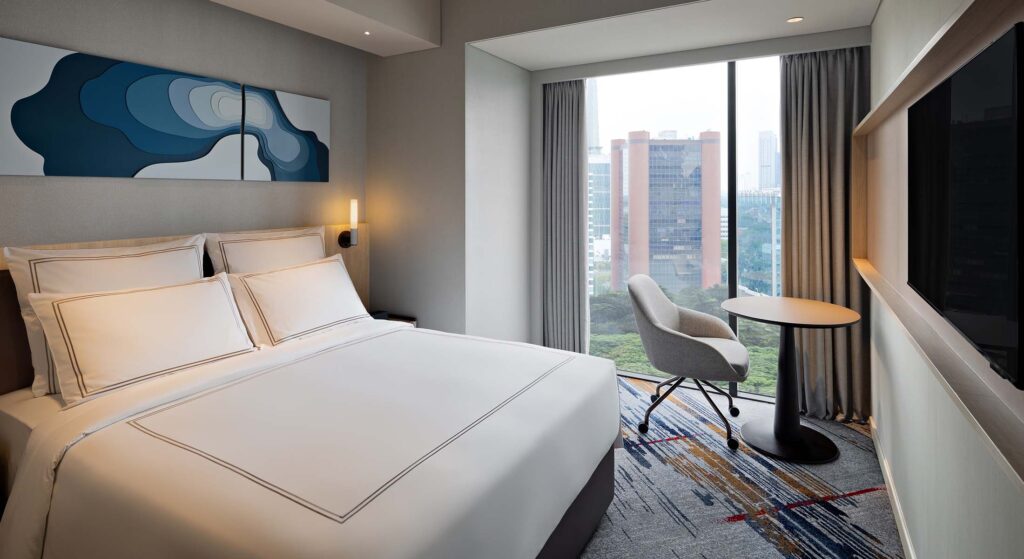
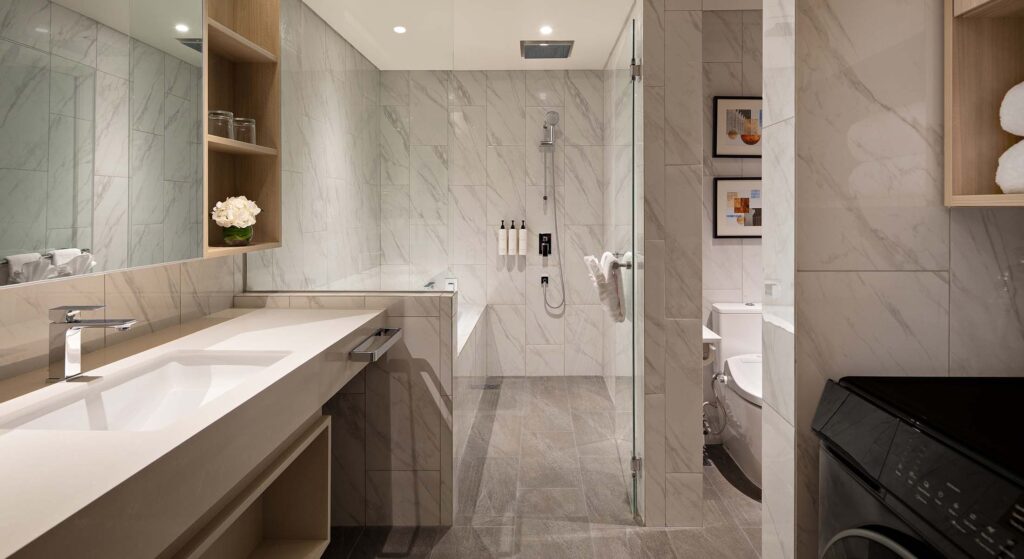
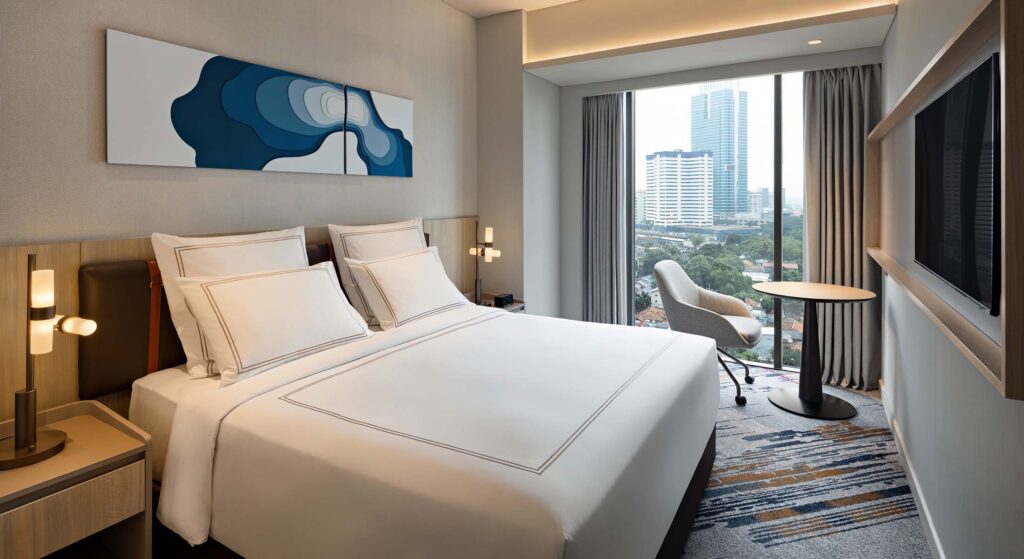
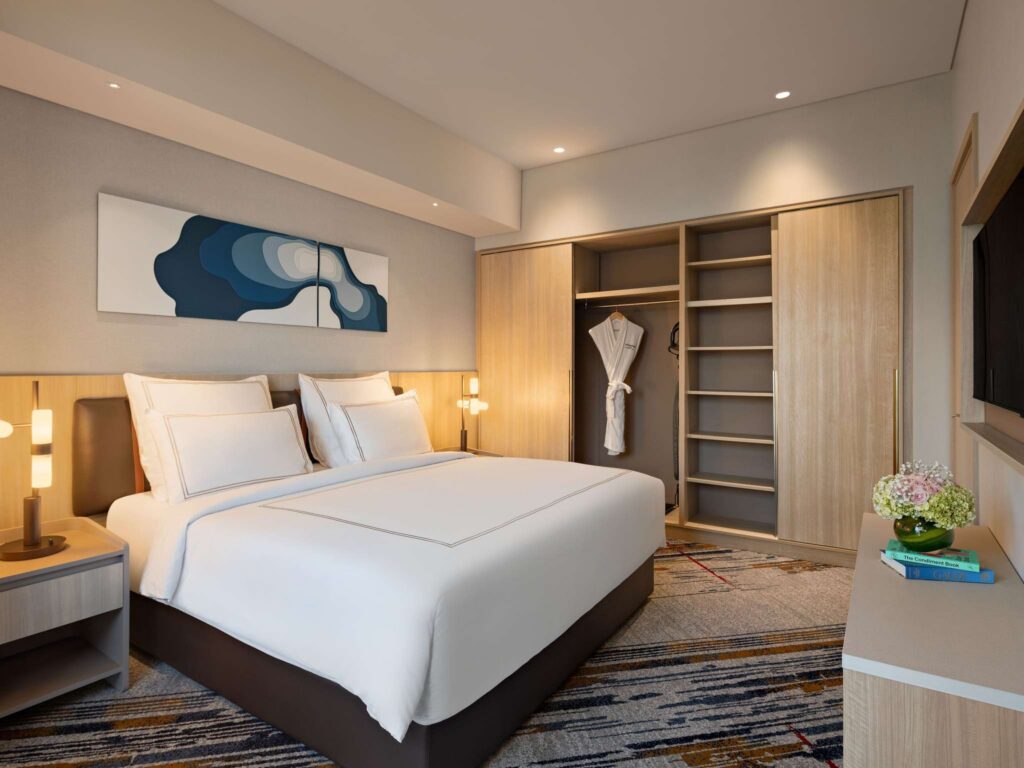
For professionals seeking fully furnished accommodation with hotel services and flexible terms, Swissôtel Living Jakarta Mega Kuningan provides a comprehensive solution designed specifically for extended stays. The property offers 240 residences ranging from studio to three-bedroom configurations, all fully equipped with kitchens, living areas, and workspace suitable for business and family stays of 30 days or longer.
Comparing Hotel Monthly Rental to Alternative Accommodations
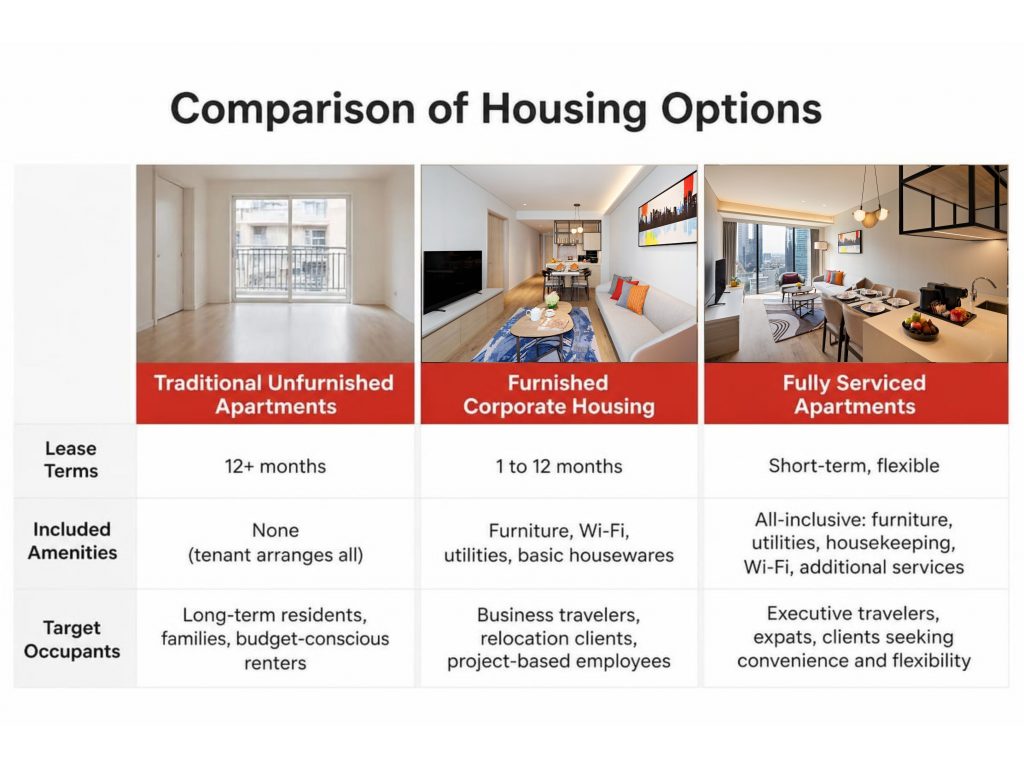
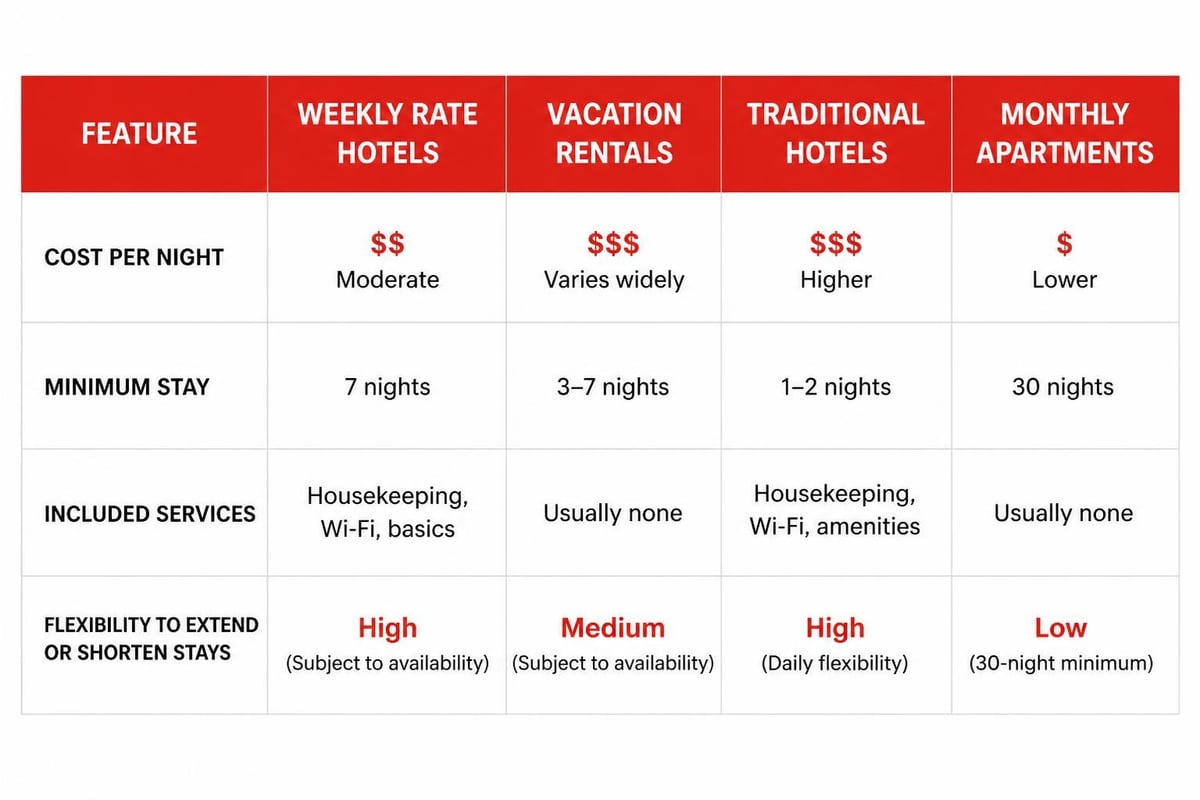
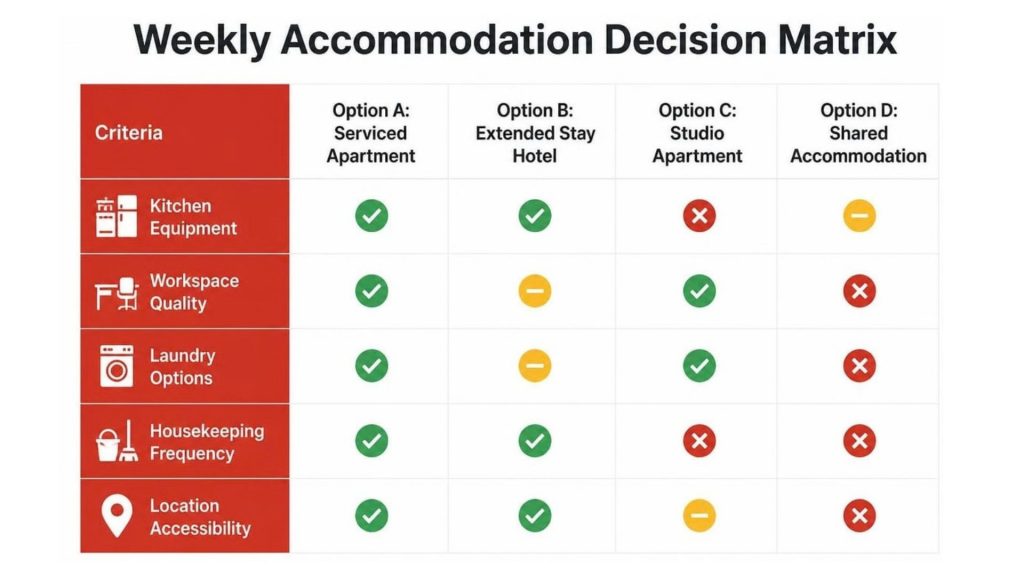
The accommodation landscape offers multiple options for extended stays, each with distinct advantages and limitations. Informed decision-making requires understanding how hotel monthly rental compares across key dimensions.
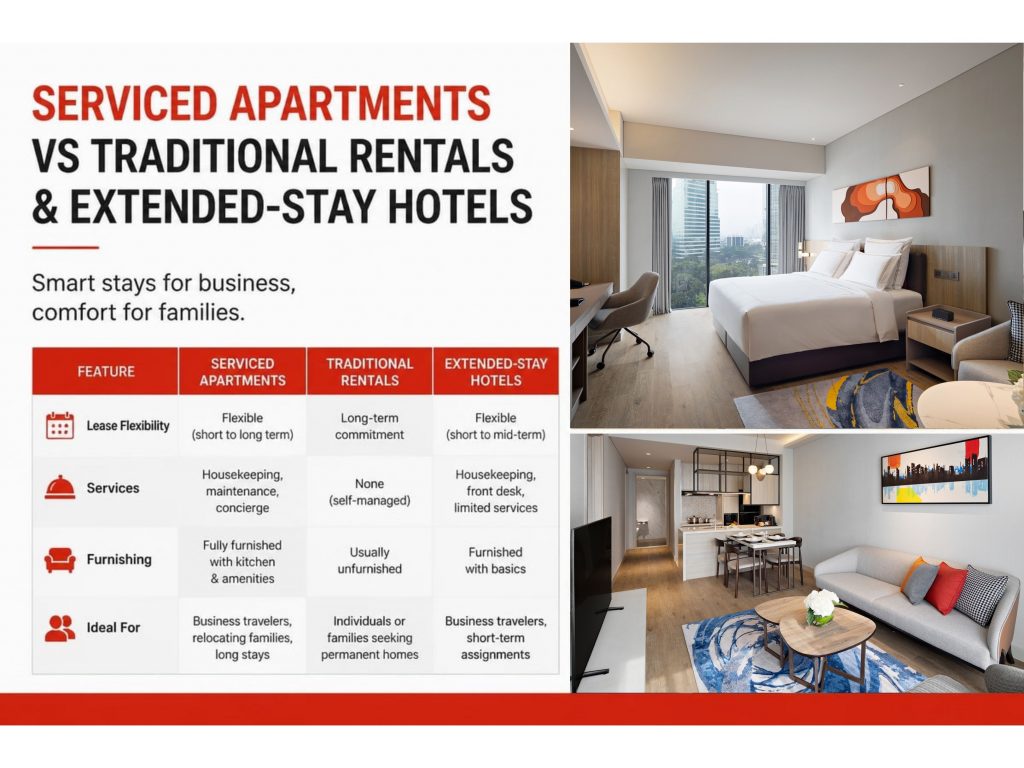
Hotel Monthly Rental vs. Traditional Extended-Stay Hotels
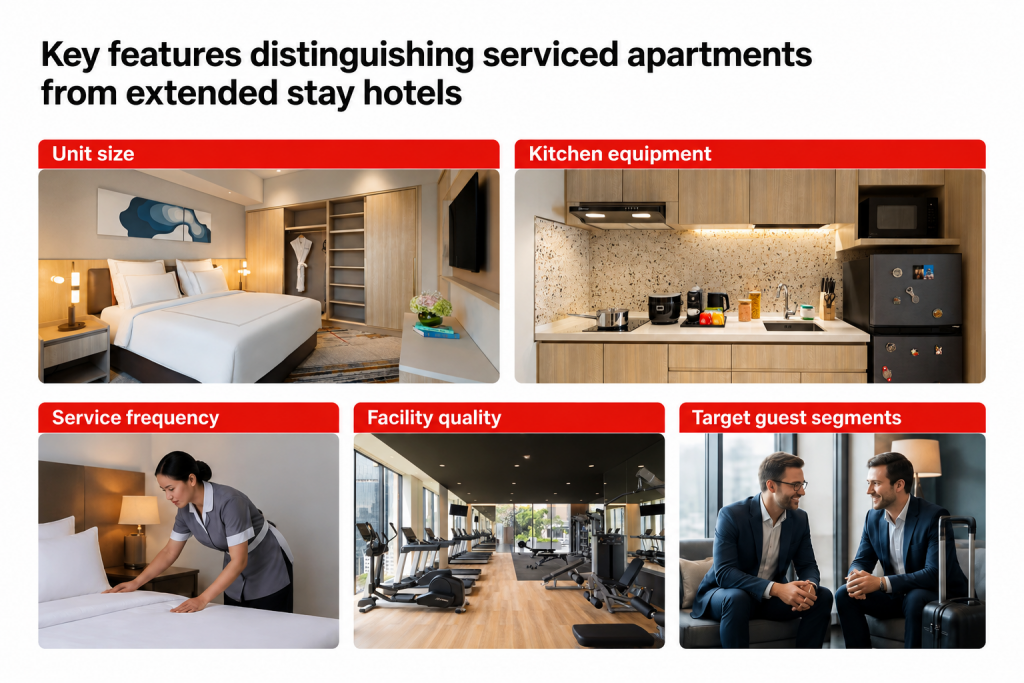
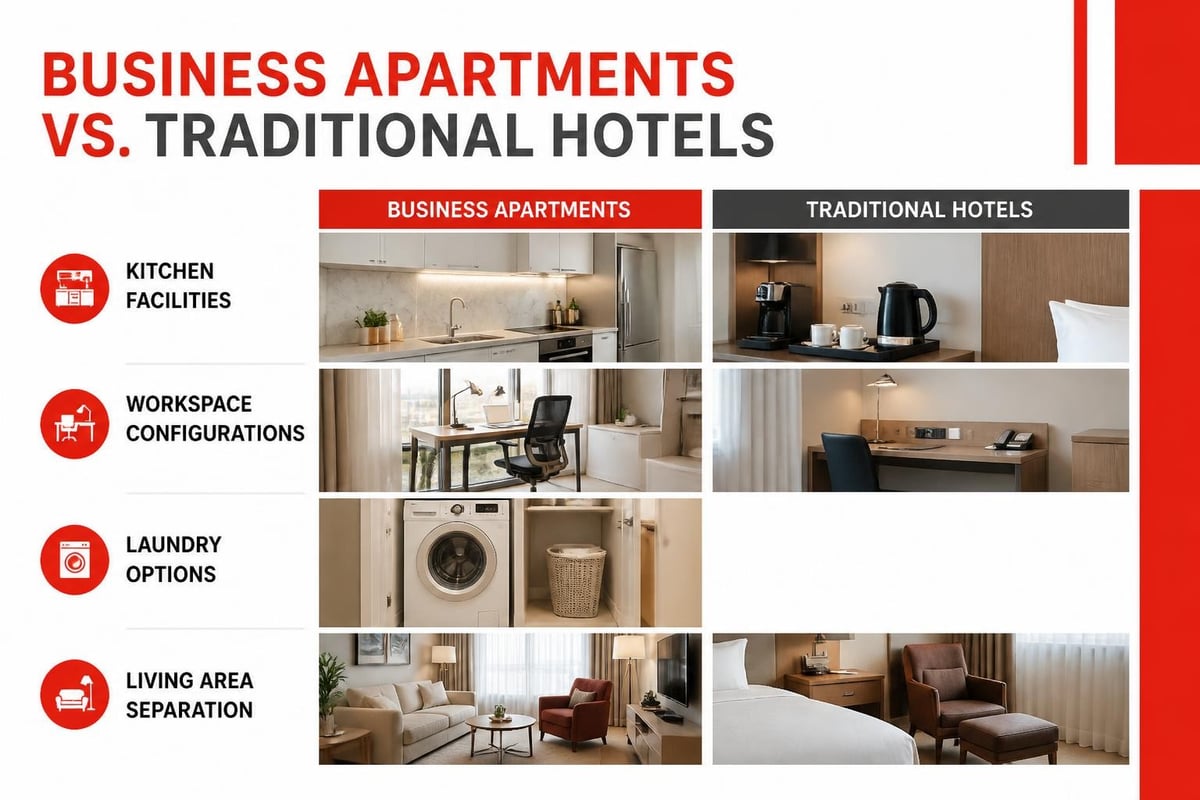
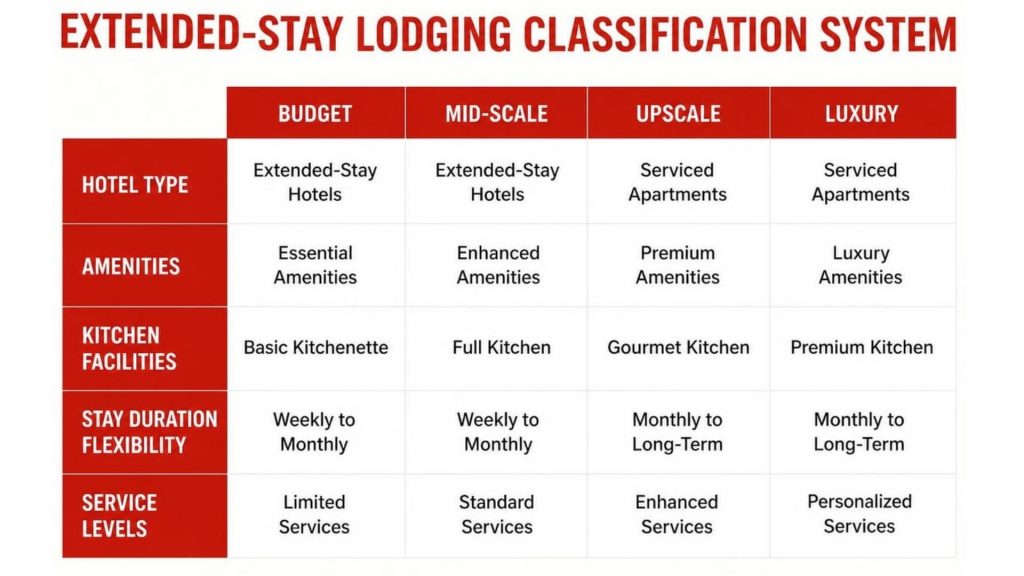
Extended-stay hotel chains specifically target the monthly rental market with purpose-built properties featuring kitchens and separated living spaces. These hotels typically operate at lower service levels than full-service hotels, reducing costs through limited or no dining facilities, reduced front-desk hours, and modified housekeeping schedules.
Traditional hotels offering monthly rates maintain full-service operations, providing daily housekeeping, concierge services, restaurants, and comprehensive amenities. This approach delivers superior comfort and convenience at higher price points, appealing to guests prioritizing service quality or whose companies cover accommodation expenses.
Serviced Apartments as Specialized Monthly Rentals
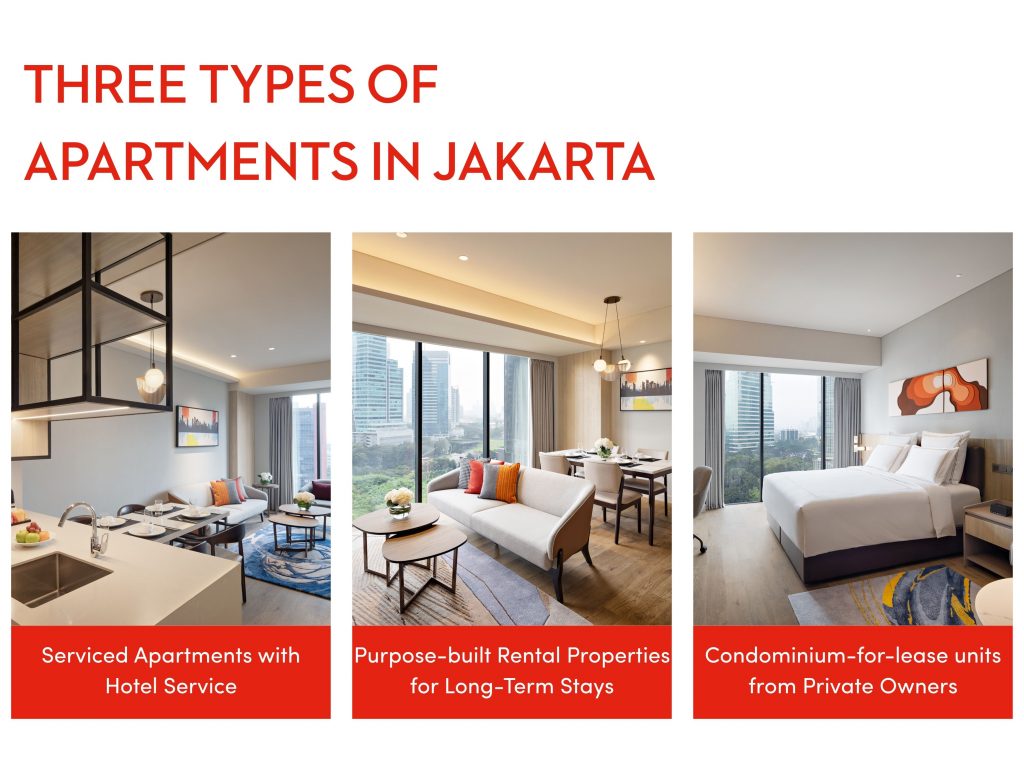
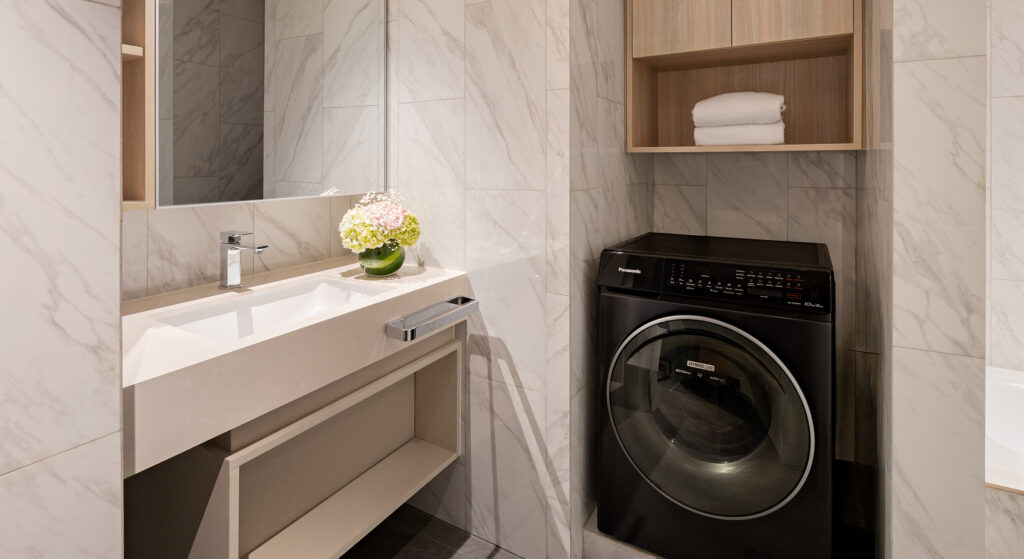
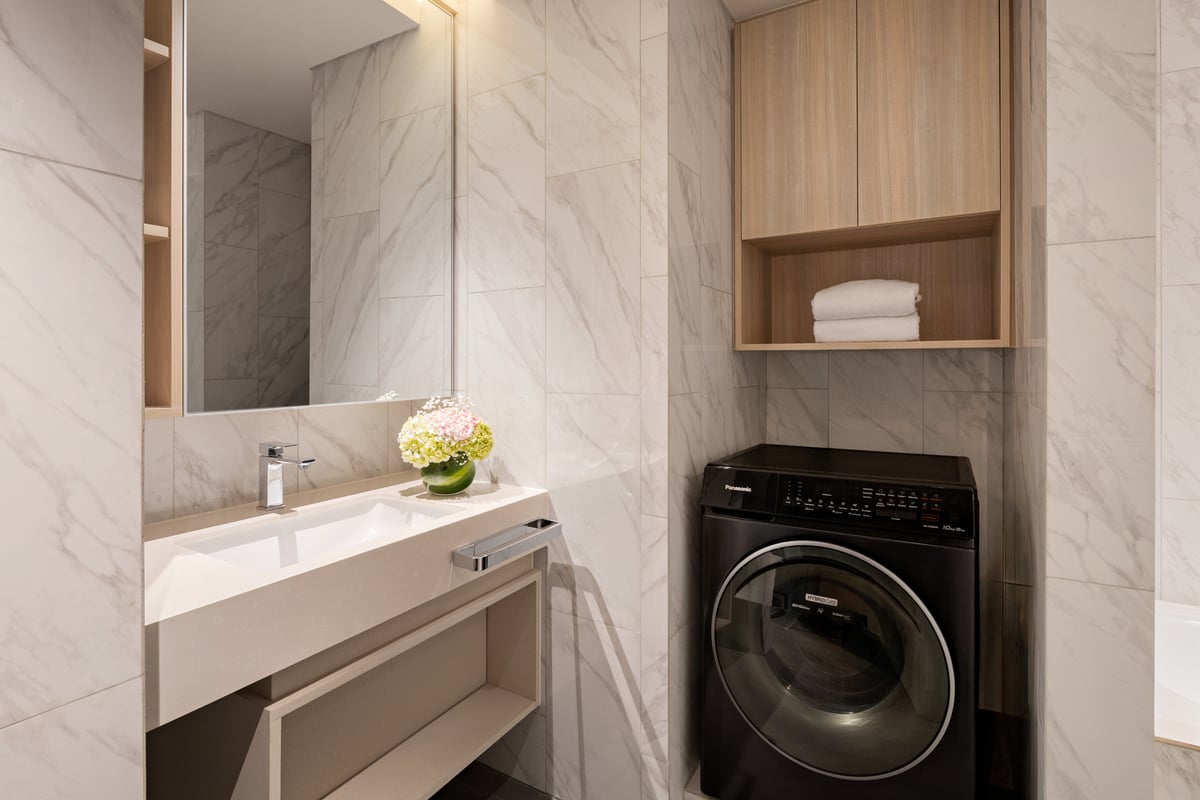
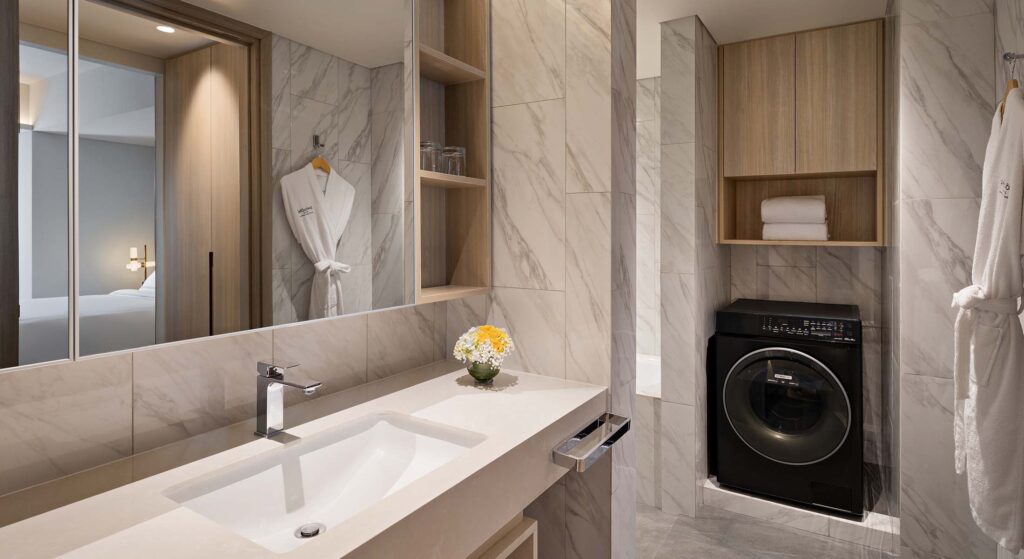
Serviced apartments represent a hybrid category designed explicitly for extended stays. These properties combine residential-style apartments with hotel services, offering the best attributes of both models. Units typically feature full kitchens, separate bedrooms, washing machines, and residential layouts while providing housekeeping, reception services, and amenities like fitness centers and meeting rooms.
Savills France research documents strong growth in serviced apartment investment across Europe, indicating institutional confidence in this property type’s ability to serve corporate and leisure extended-stay demand. The model has expanded rapidly in Asian markets, with Jakarta attracting significant development interest.
Short-Term Rental Platforms
Platforms offering private apartments provide alternatives for monthly stays, often at lower costs than hotels. However, quality varies dramatically, properties lack professional management oversight, and service consistency cannot be guaranteed. The regulatory environment for short-term rentals continues evolving, with many jurisdictions implementing restrictions that impact availability and pricing.
Corporate compliance policies frequently prohibit short-term rental platforms due to security concerns, insurance gaps, and inability to obtain proper invoicing for expense reporting. Business travelers generally require hotel monthly rental or serviced apartments that meet corporate travel policy requirements.
Special Considerations for Jakarta and Indonesia
International travelers and expatriates moving to Jakarta face unique considerations that influence accommodation selection. Understanding local context helps set appropriate expectations and avoid common challenges.
Visa and Immigration Requirements
Indonesian visa regulations affect accommodation choices. Tourist visas limit stays to 60 days, requiring travelers staying longer to obtain business visas, work permits, or other extended-stay authorizations. Hotel monthly rental arrangements accommodate the timing uncertainty often associated with visa processing, allowing guests to secure accommodation before finalizing legal status.
Properties experienced with expatriate guests understand documentation requirements and provide necessary letters or confirmations to support visa applications and extensions. This expertise proves valuable for first-time visitors navigating Indonesian bureaucracy.
Banking and Payment Methods
International guests may face challenges establishing local bank accounts immediately upon arrival. Hotel monthly rental properties that accept international credit cards, wire transfers, or payment through global platforms eliminate this obstacle. Some properties partner with relocation services that facilitate payment processing for expatriate clients.
Currency fluctuations affect long-term cost planning. Guests paid in foreign currencies should clarify whether monthly rates lock in Indonesian Rupiah amounts or dollar equivalents, as exchange rate movements during multi-month stays can create significant cost variations.
Cultural and Lifestyle Adaptation
Jakarta’s size, traffic patterns, and cultural norms differ substantially from many guests’ home countries. Hotel monthly rental in centrally located properties minimizes adaptation challenges by providing access to international amenities, multilingual staff, and expatriate communities while offering opportunities to explore local culture at a comfortable pace.
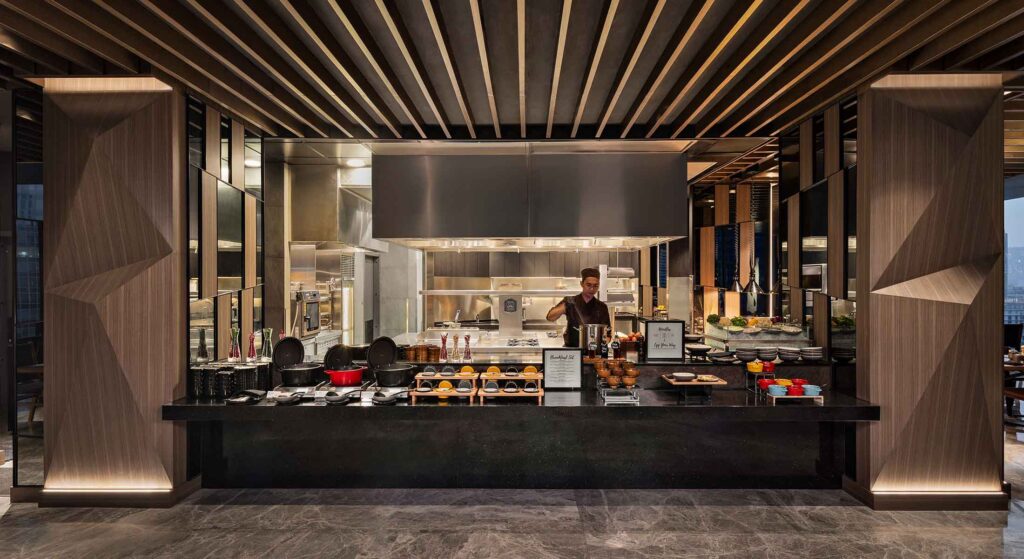
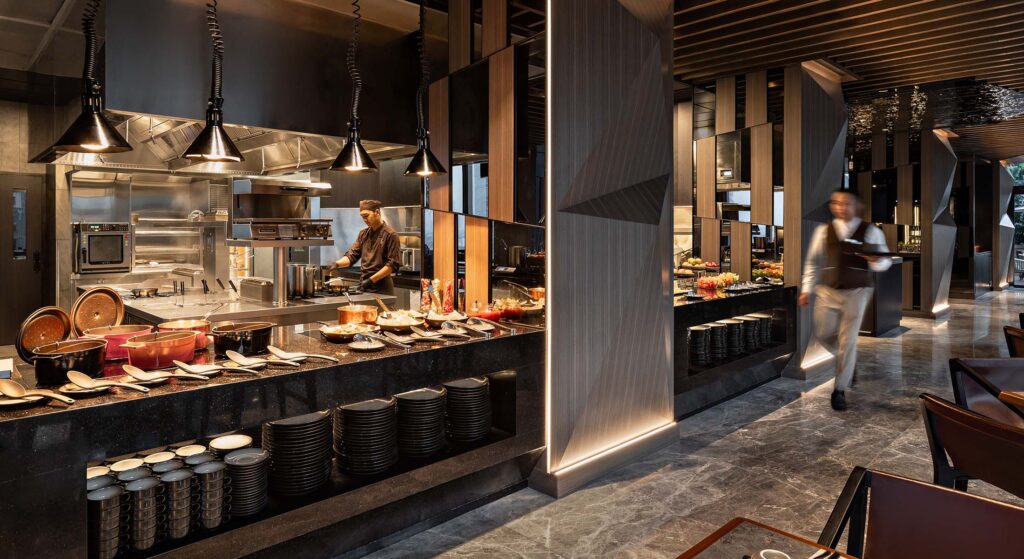
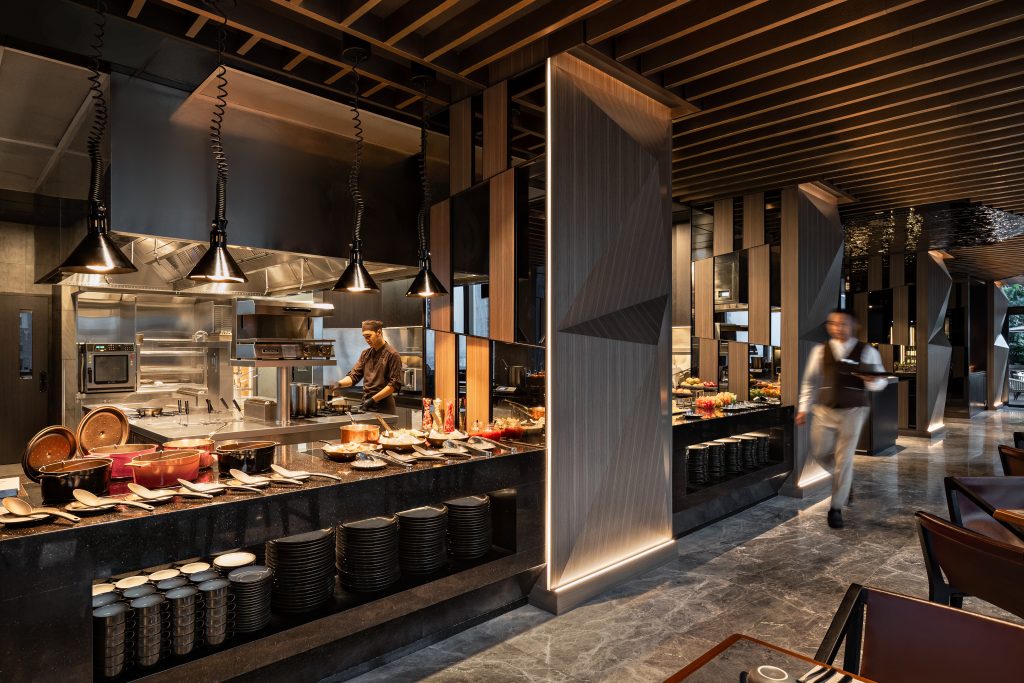
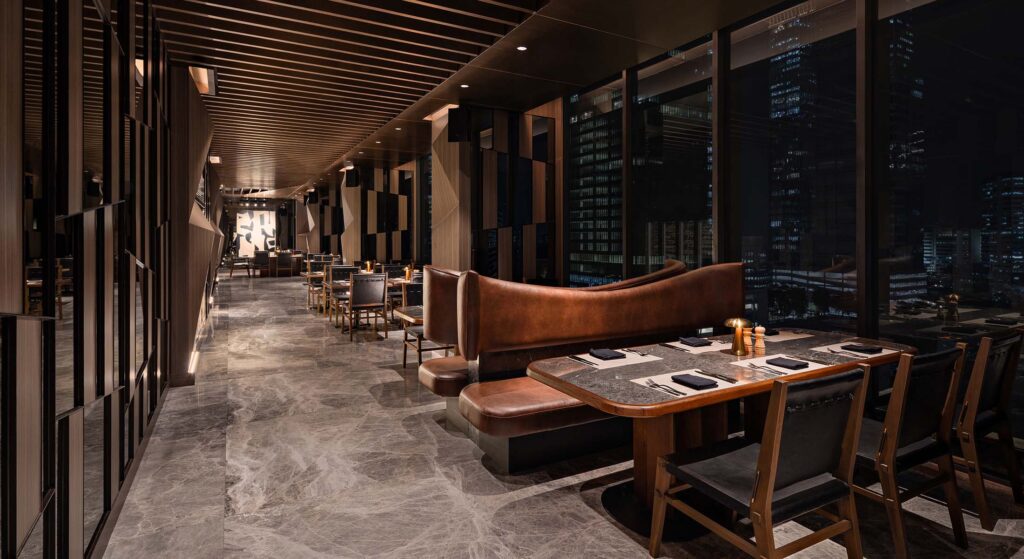
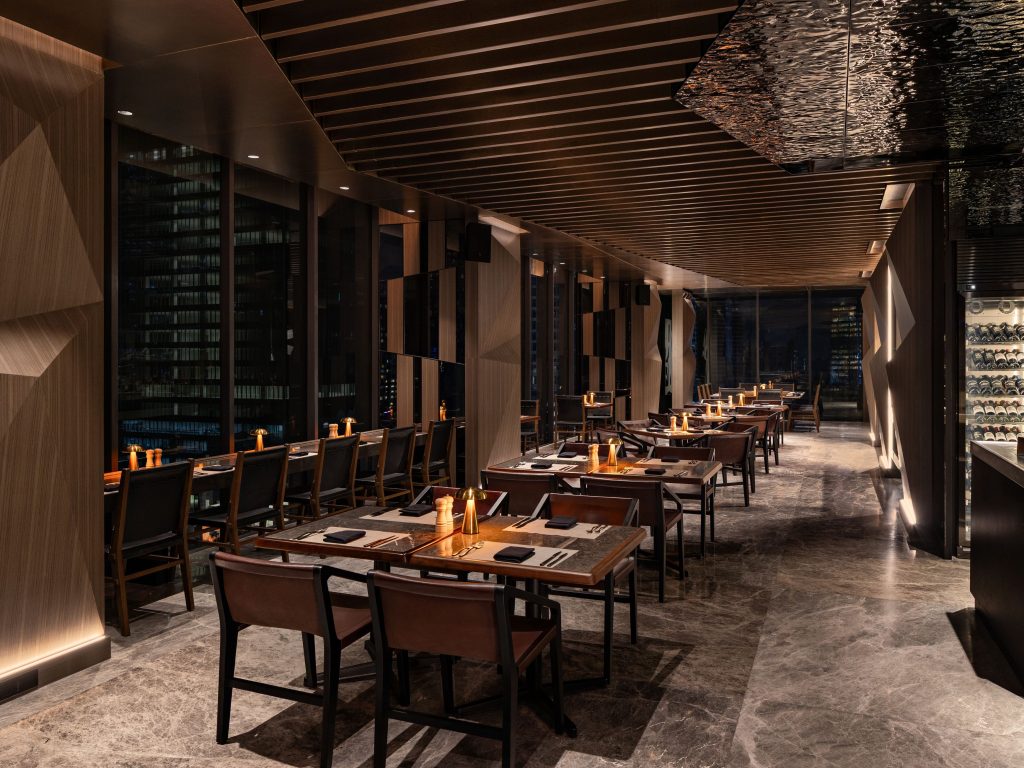
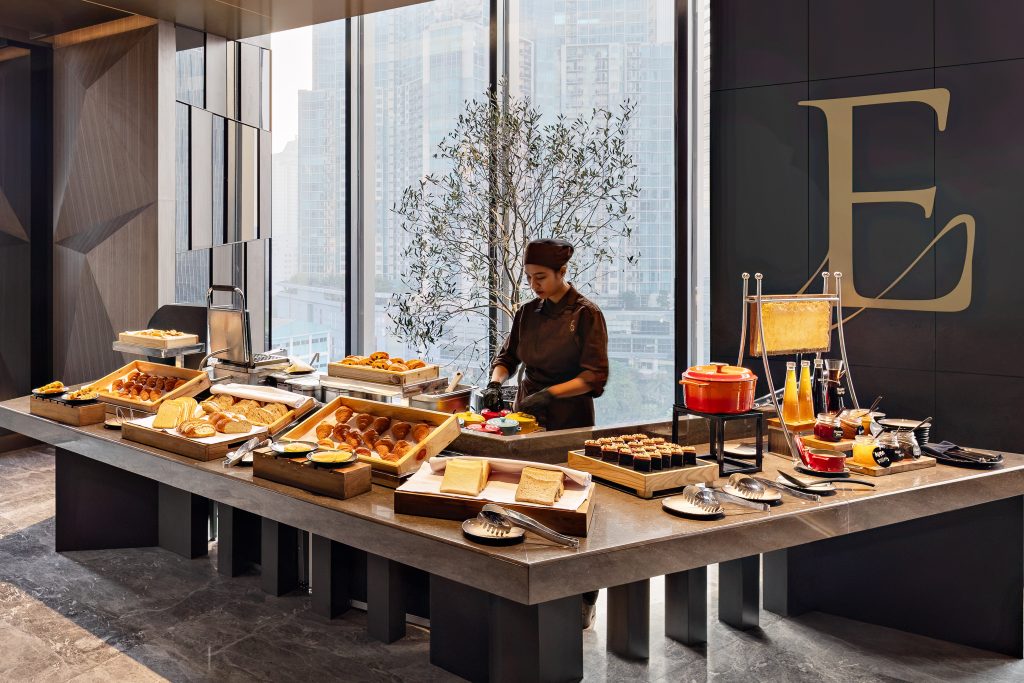
Food preferences and dietary requirements matter during extended stays. Properties offering restaurants with international menus alongside Indonesian cuisine support guests during cultural transition. In-unit kitchens enable preparation of familiar meals when homesickness strikes or dietary needs require specific ingredients.
Making the Most of Your Monthly Hotel Stay
Success in hotel monthly rental extends beyond selecting the right property. Proactive approaches to settling in, building routines, and engaging with property services maximize comfort and value.
Initial Setup and Move-In
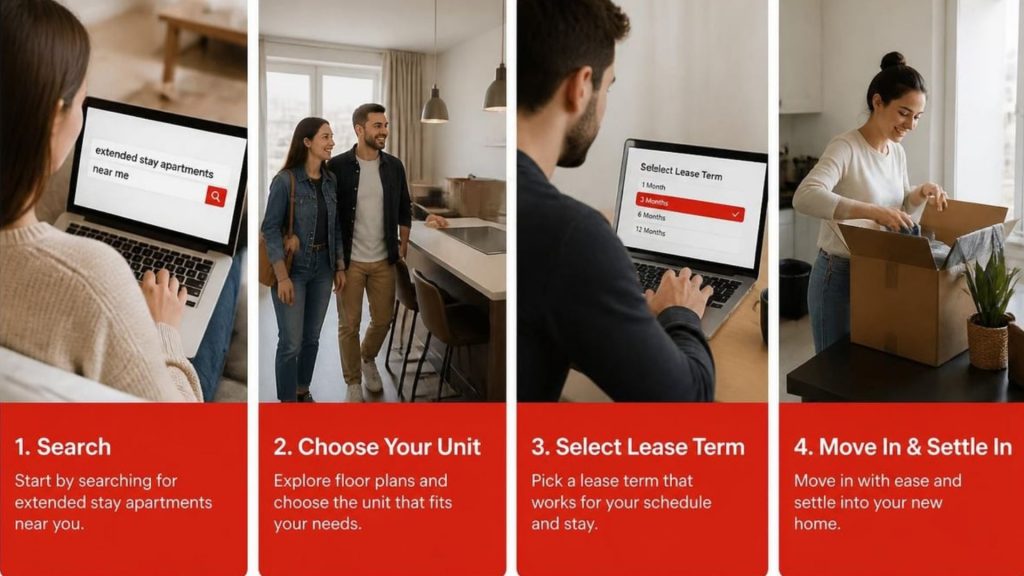
Create a home-like environment immediately upon arrival. Unpack fully rather than living from suitcases, arrange furniture to suit your preferences, and add personal touches like photos or plants if property policies allow. This psychological shift from transient visitor to temporary resident improves well-being during extended stays.
First-week checklist for monthly hotel residents:
- Test all appliances and report any issues immediately
- Locate nearest grocery store, pharmacy, and essential services
- Establish relationship with front desk and housekeeping staff
- Set up preferred housekeeping schedule
- Explore property amenities and operating hours
- Map walking routes to office and frequent destinations
- Identify backup workspace options for variety
Request additional items proactively. Properties typically provide standard equipment but can often source extra hangers, kitchen utensils, office supplies, or furniture pieces upon request. Asking early in your stay establishes expectations and demonstrates your intent to settle in properly.
Building Productive Routines
Establish work-life boundaries despite living and working in the same space. Designate specific areas for work and use bedroom or living spaces exclusively for relaxation. Maintain consistent schedules for meals, exercise, and sleep to replicate the structure of normal home routines.
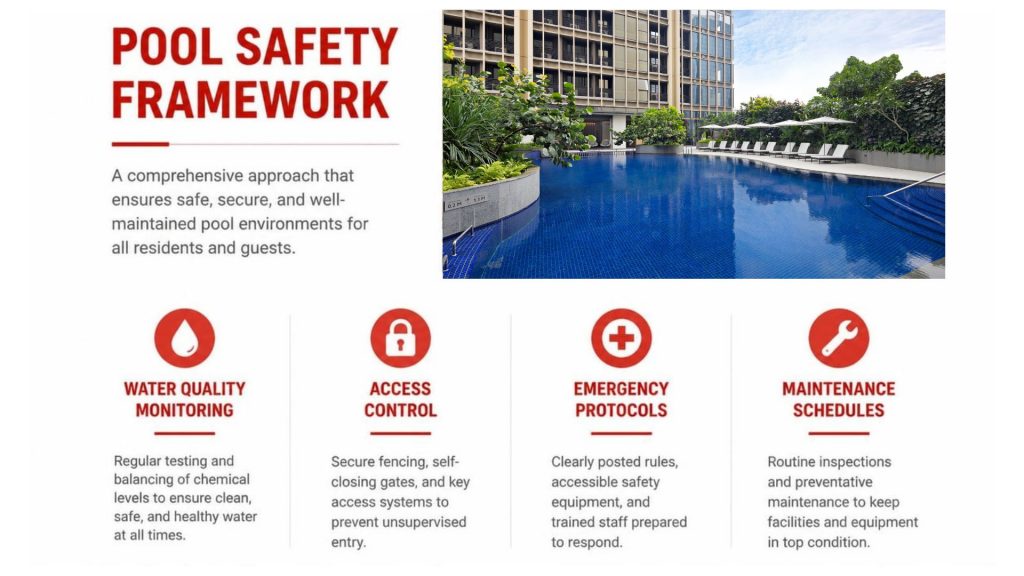
Utilize property amenities regularly rather than treating them as occasional luxuries. Fitness centers, pools, and communal spaces provide routine variation and opportunities to interact with other residents. Many monthly guests report that regular amenity use significantly improves their extended-stay experience.
Engaging Property Services Strategically
Communicate preferences clearly with housekeeping staff regarding cleaning schedules, product sensitivities, and privacy needs. Most properties accommodate reasonable requests and appreciate feedback that helps them serve you better. For guests working from their unit, coordinating housekeeping during typical out-of-office hours maintains productivity.
Leverage concierge services for local knowledge. Staff members can recommend restaurants, arrange transportation, secure tickets for events, or provide translation assistance. These services exist to improve guest experiences, yet many monthly residents underutilize them.
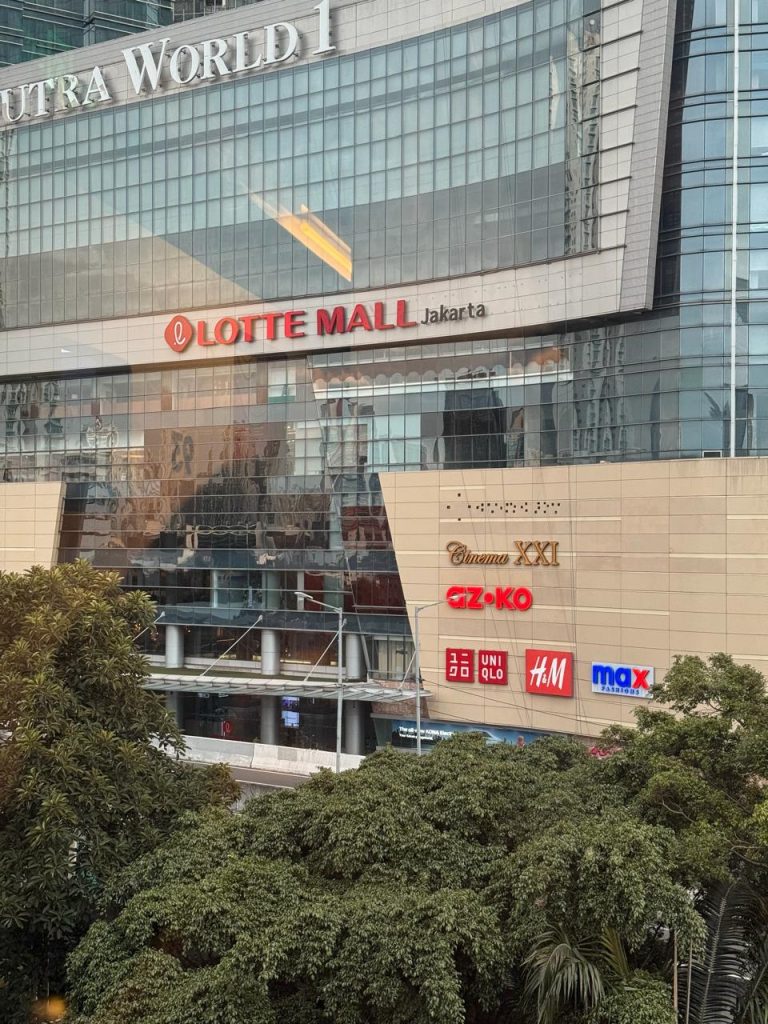
Hotel monthly rental offers a practical solution for business travelers, expatriate families, and professionals requiring flexible, fully furnished accommodation without long-term lease commitments. The model combines the services and amenities of quality hotels with the space and functionality of residential apartments at pricing that reflects extended-stay value. For those seeking premium monthly accommodation in Jakarta’s central business district, Swissôtel Living Jakarta Mega Kuningan delivers 240 fully furnished residences designed specifically for extended stays, with strategic access to Kuningan, SCBD, Sudirman business areas, shopping, dining, and Soekarno-Hatta International Airport.








































































 Should You Choose an Extended-Stay Hotel or Serviced Apartment in Jakarta for a Business Trip?