
Extended Stay Hotel Rooms: Complete Guide for 2026
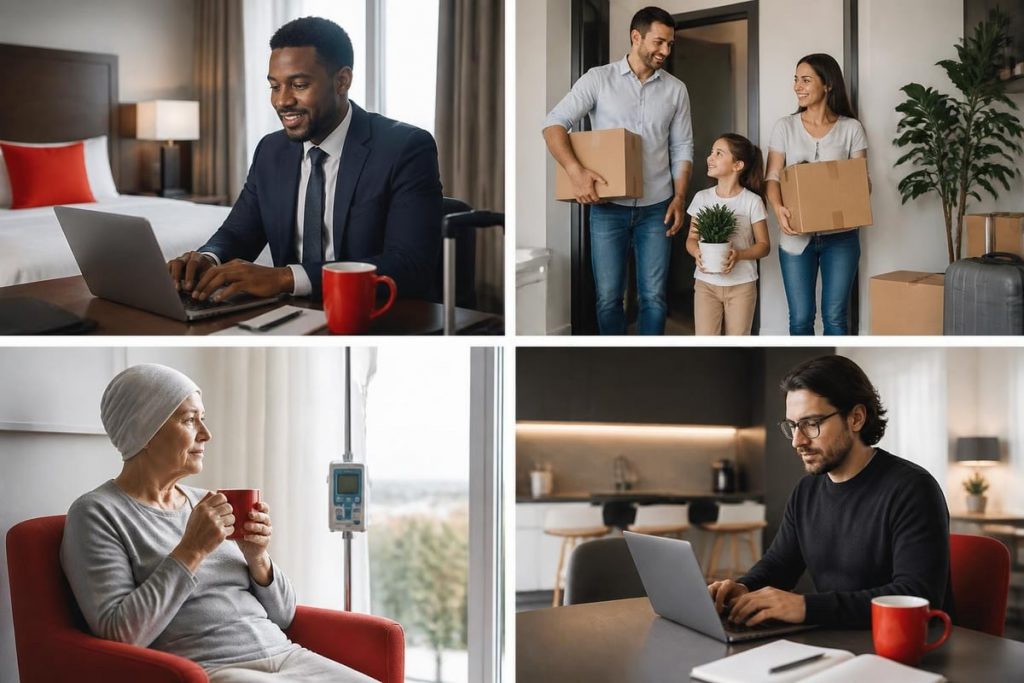
Extended stay hotel rooms represent a growing segment of the hospitality industry, designed specifically for travelers who need accommodation beyond a few nights. Whether you’re relocating for work, managing a long-term project, or seeking temporary housing during a life transition, understanding the features, costs, and benefits of extended stay hotel rooms helps you make informed decisions. The extended-stay sector has experienced significant growth, with industry reports showing increased demand driven by business travelers, relocating families, and professionals seeking flexible housing solutions.
What Defines Extended Stay Hotel Rooms
Extended stay hotel rooms differ fundamentally from standard hotel accommodations through their design, amenities, and pricing structure. These rooms cater to guests staying seven nights or longer, though many properties welcome shorter stays as well.
Core Features That Set Them Apart
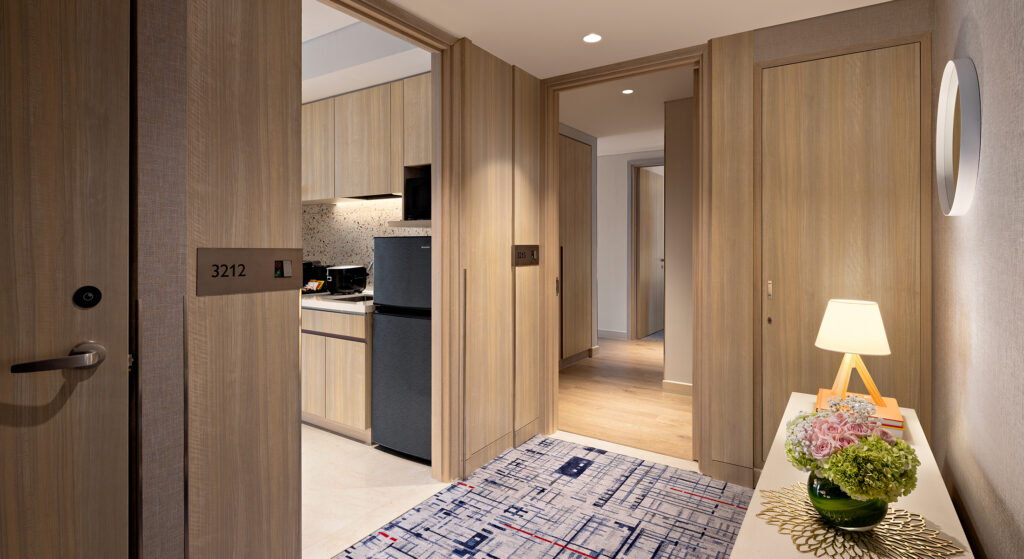
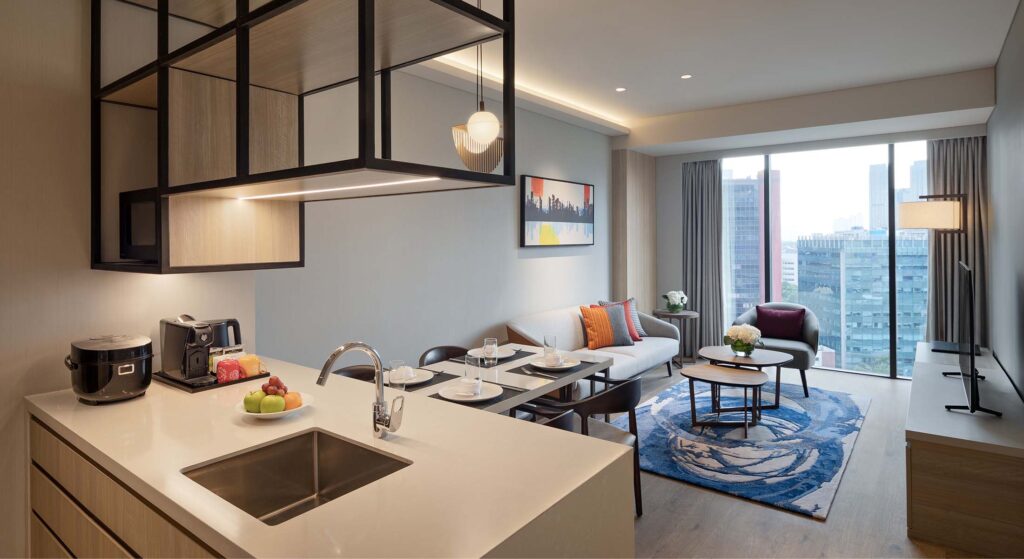
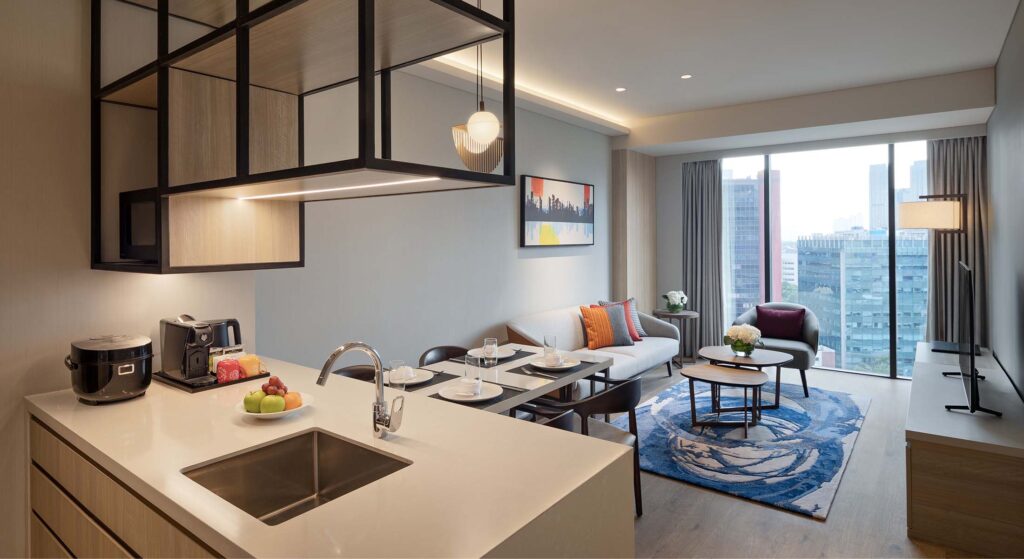
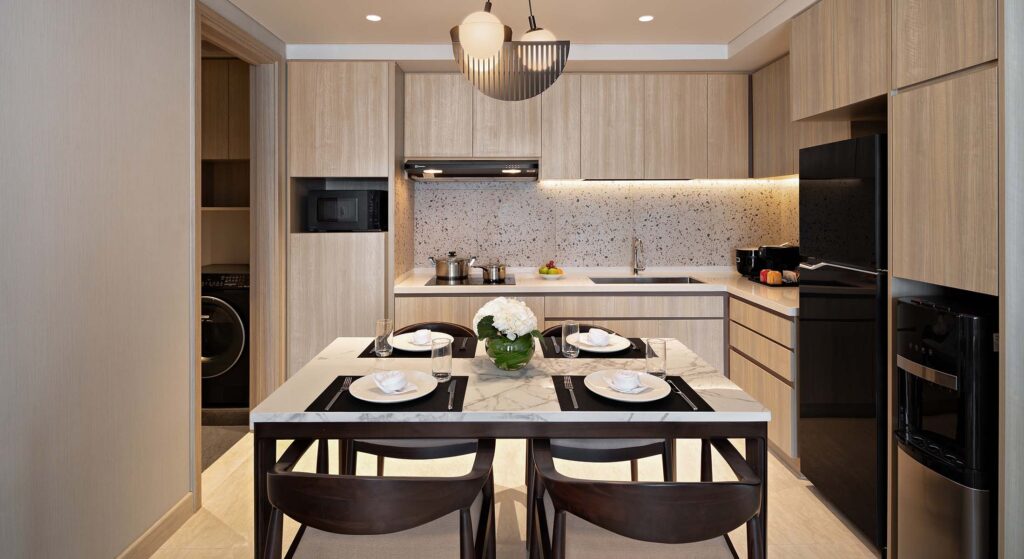
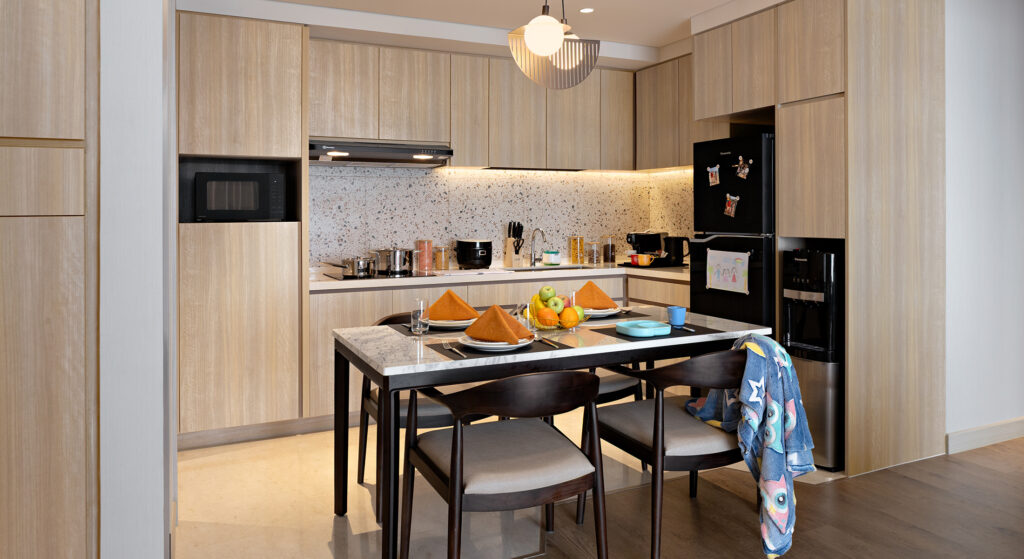
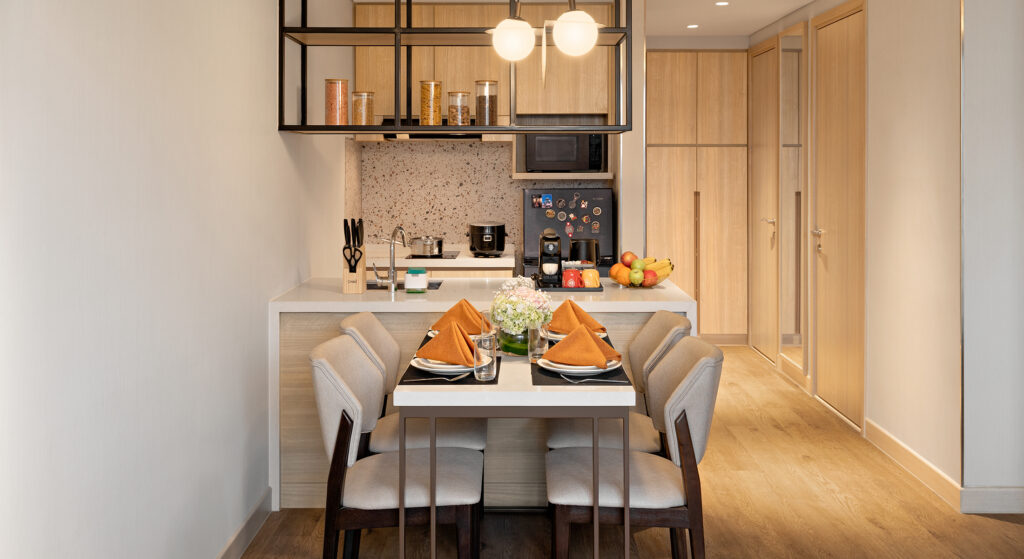
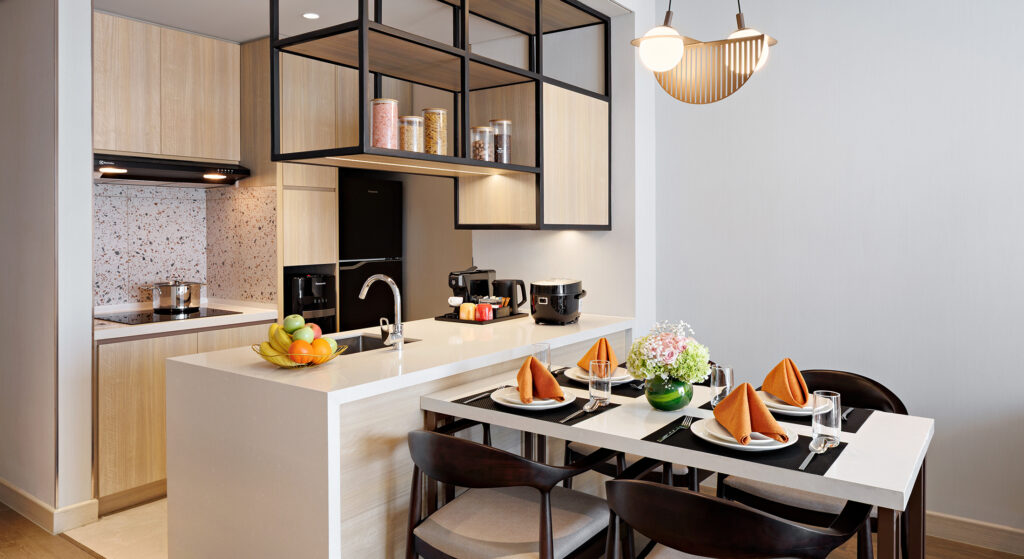
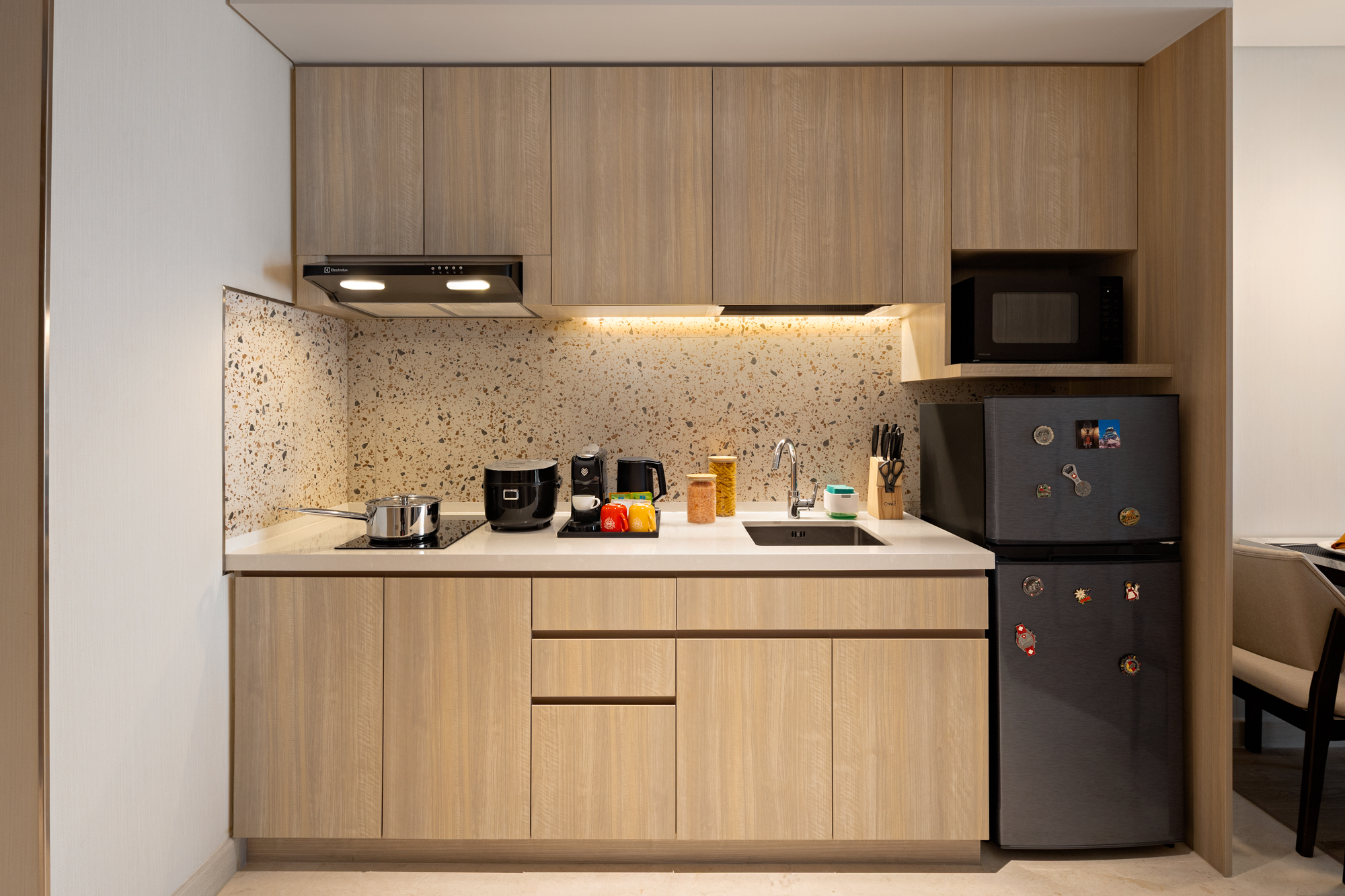
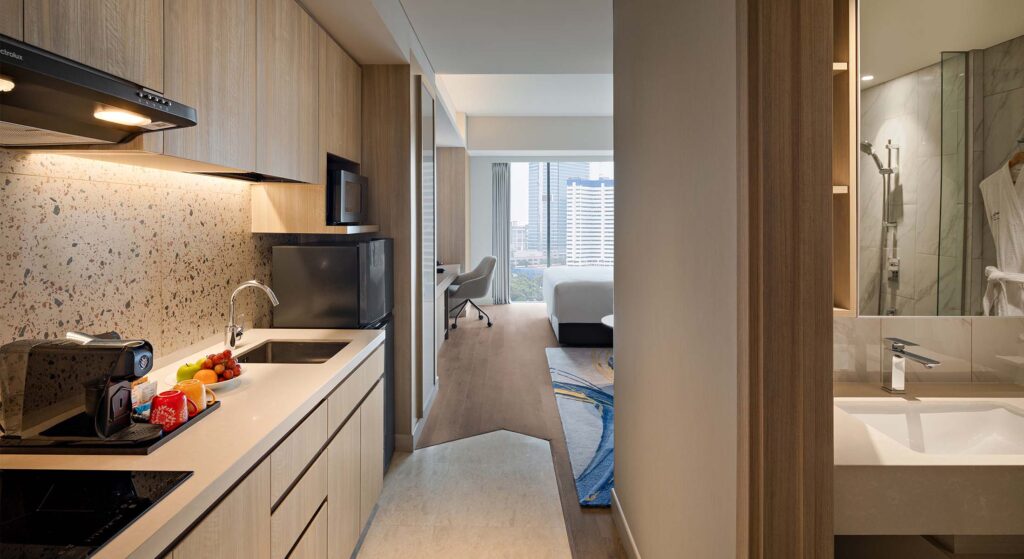
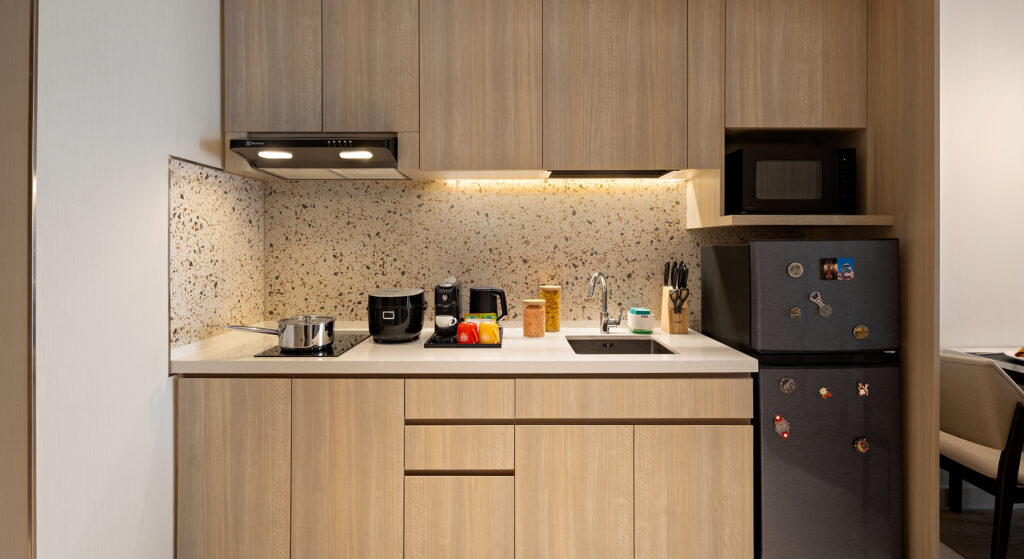
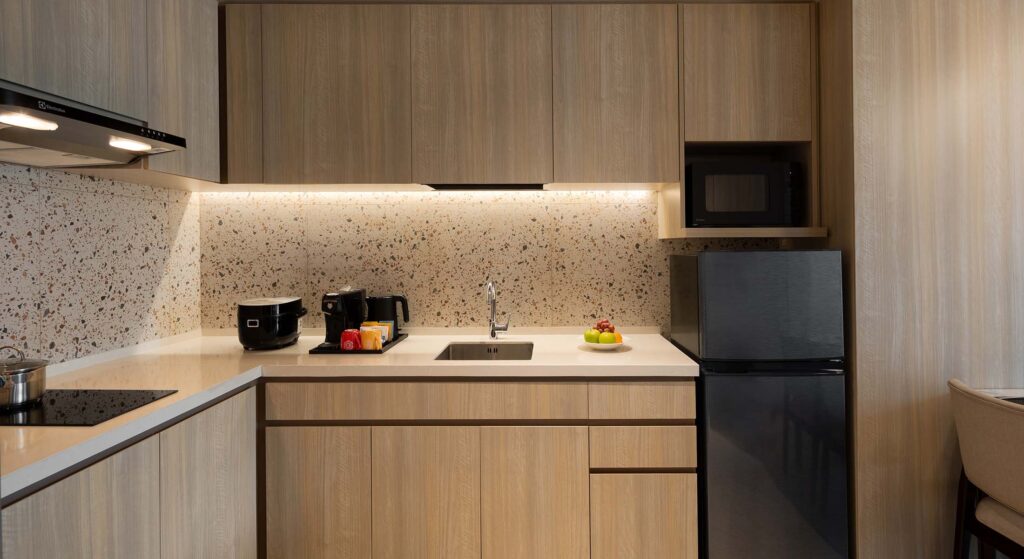
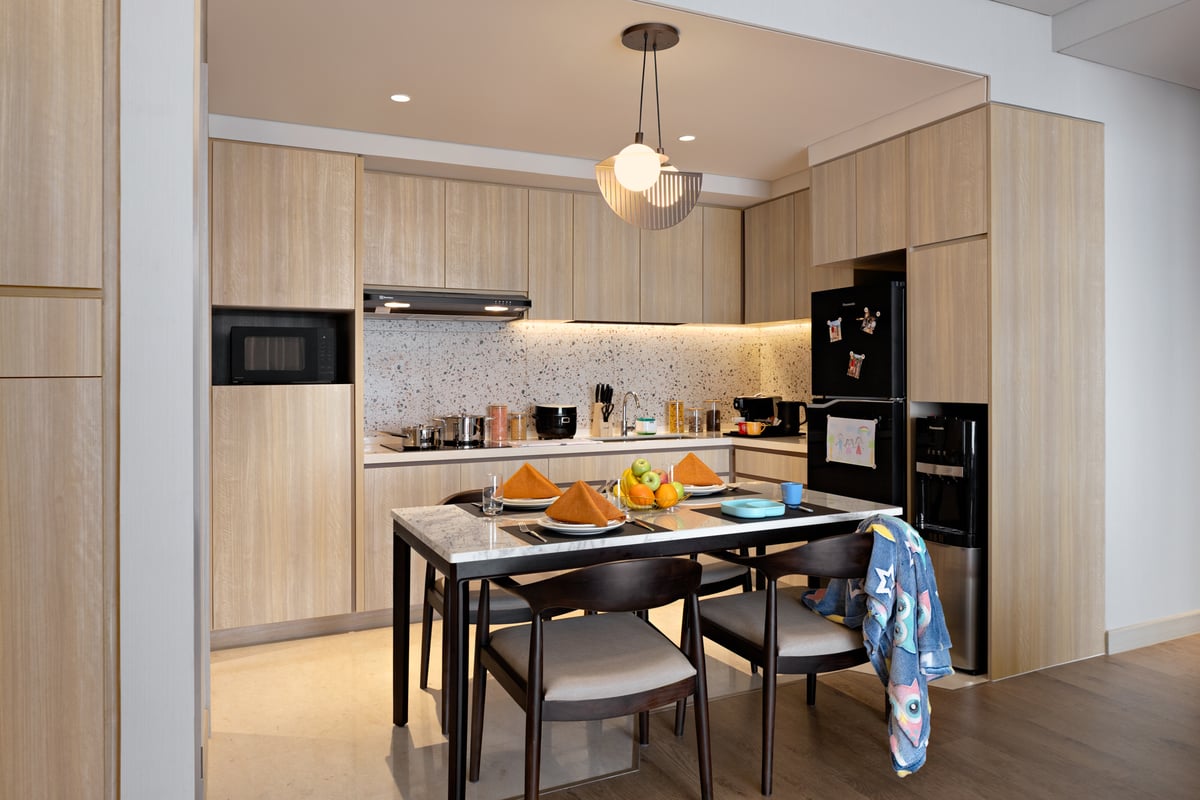
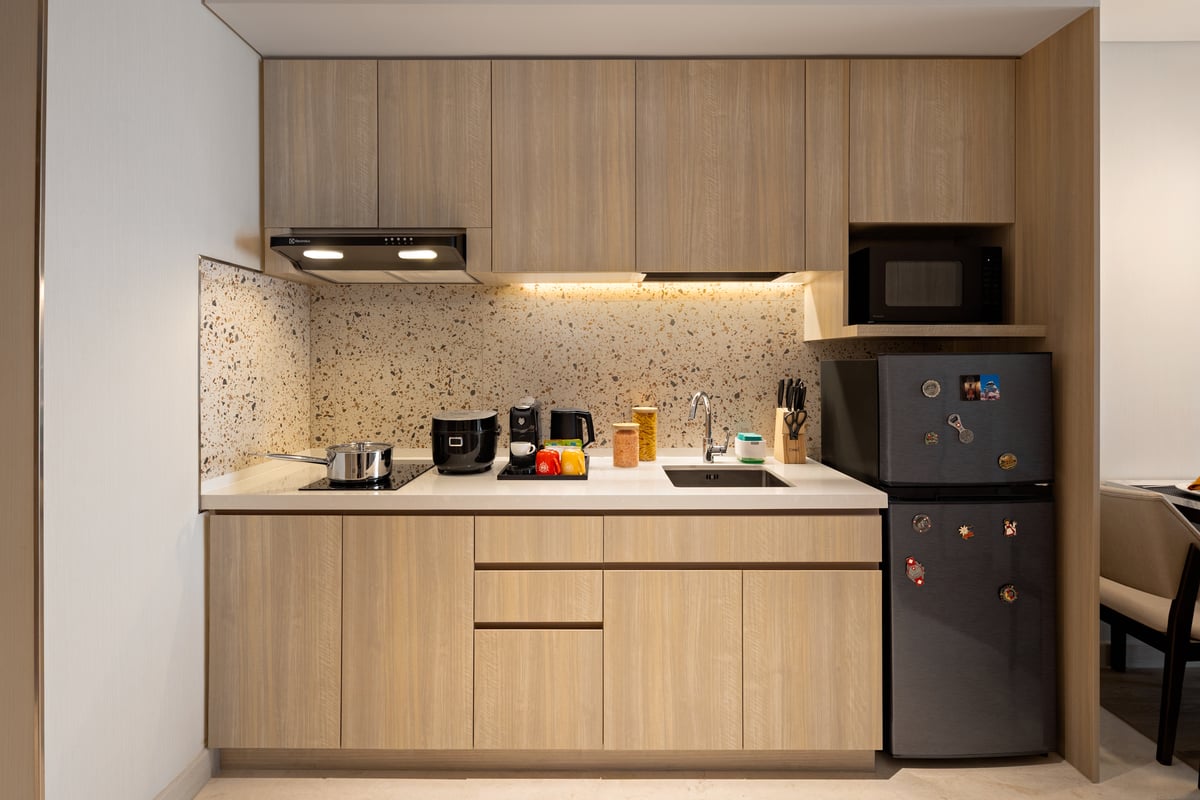
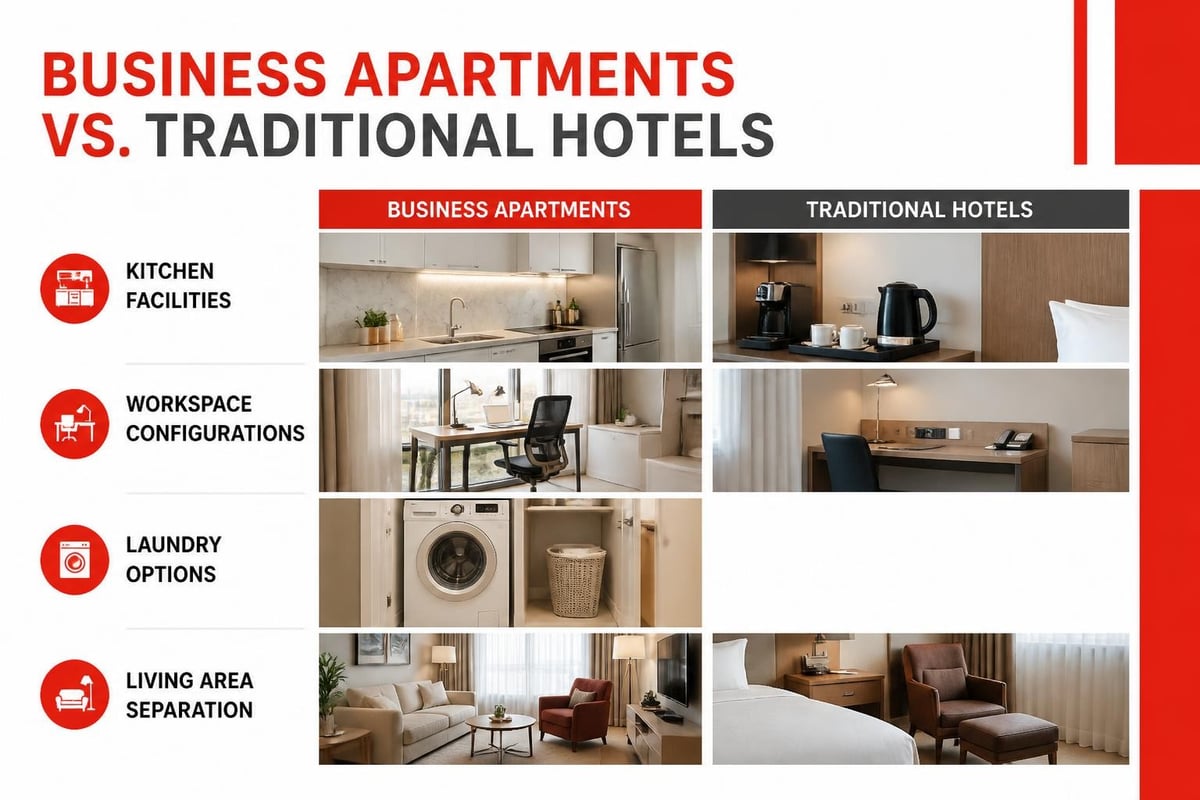
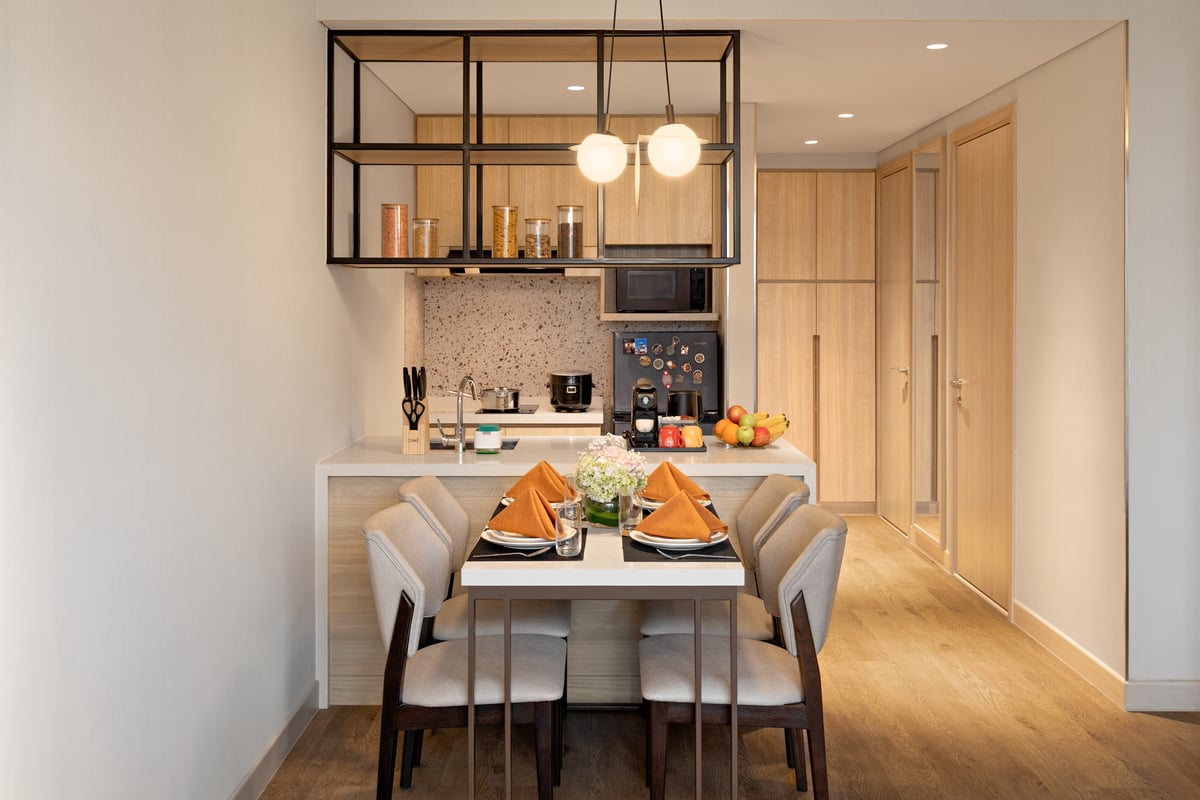
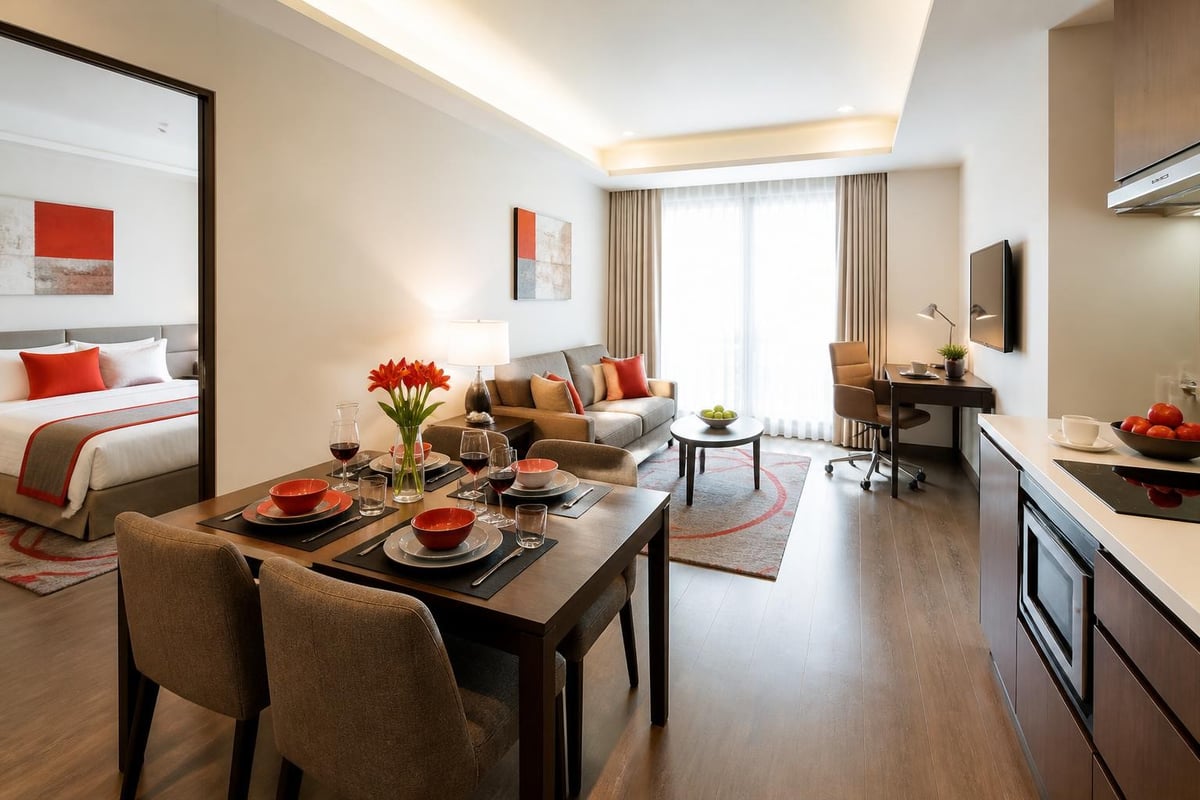
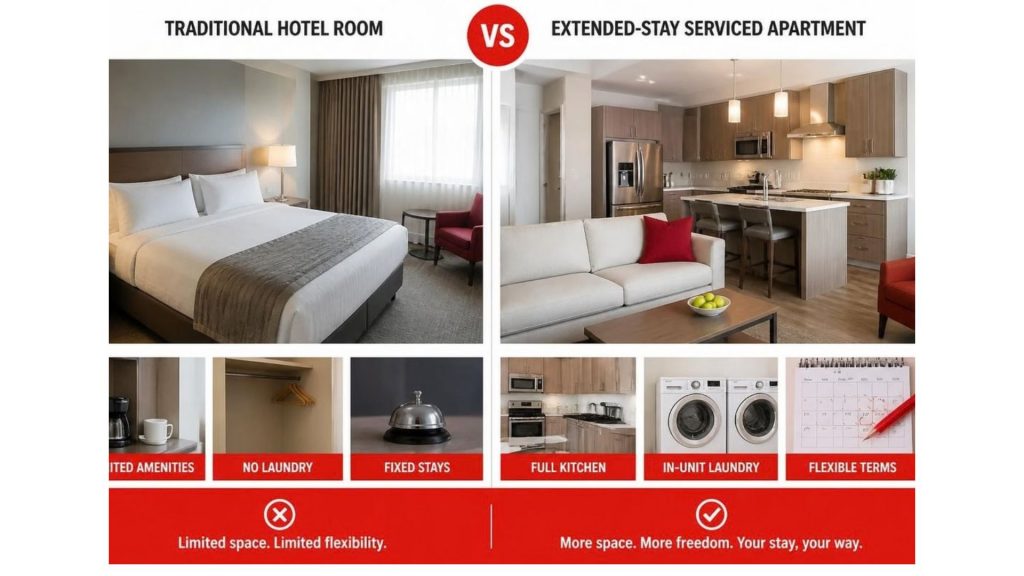
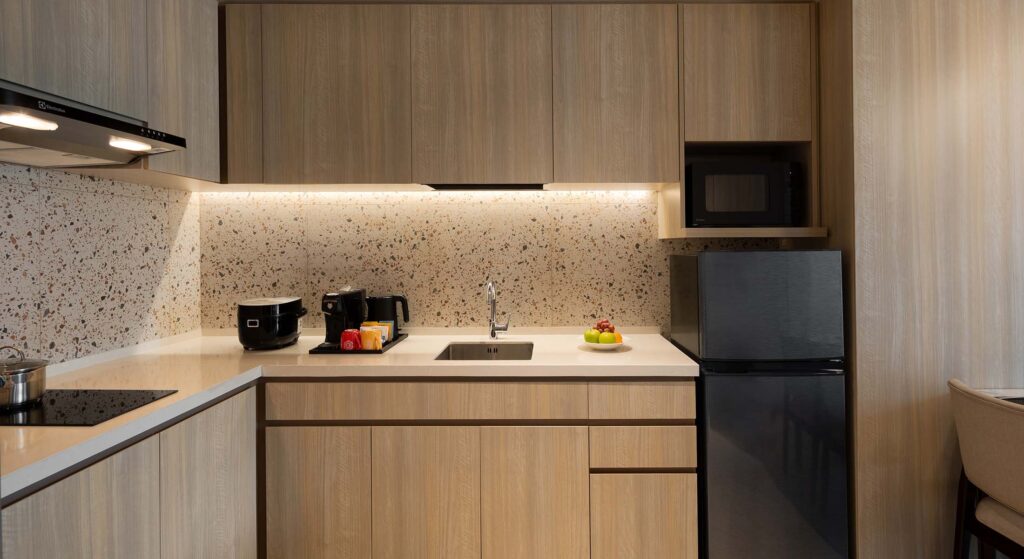
The defining characteristic of extended stay hotel rooms is the inclusion of kitchen facilities. Unlike traditional hotels where dining options are limited to restaurants or room service, extended-stay properties provide:
- Full or kitchenette setups with refrigerators, microwaves, stovetops, and cookware
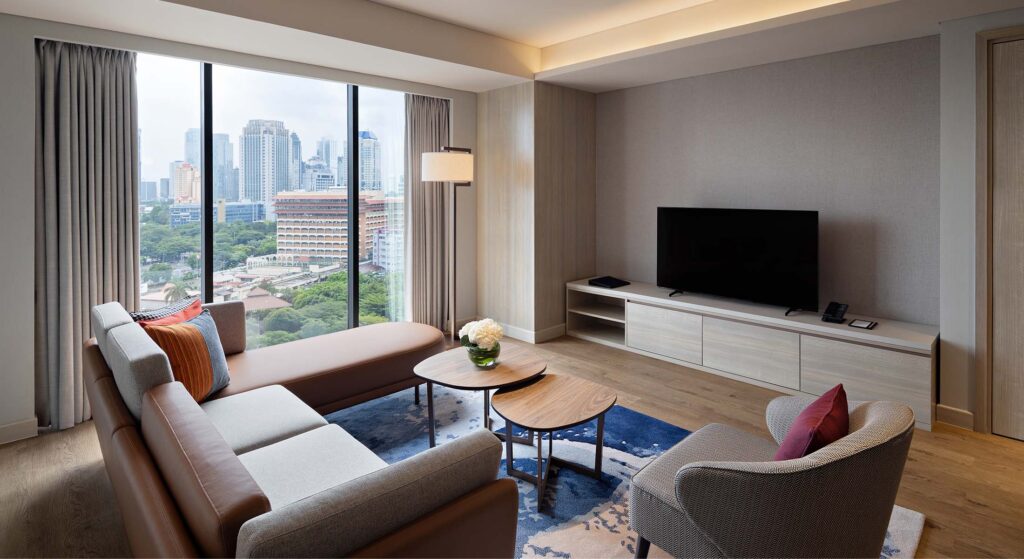
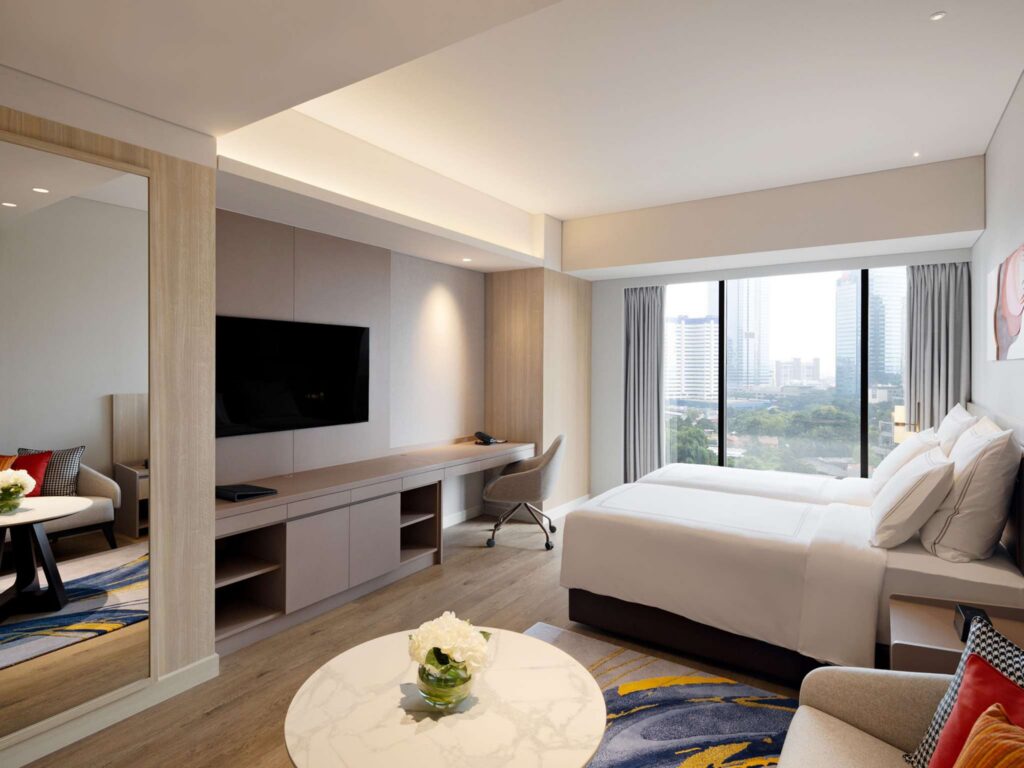
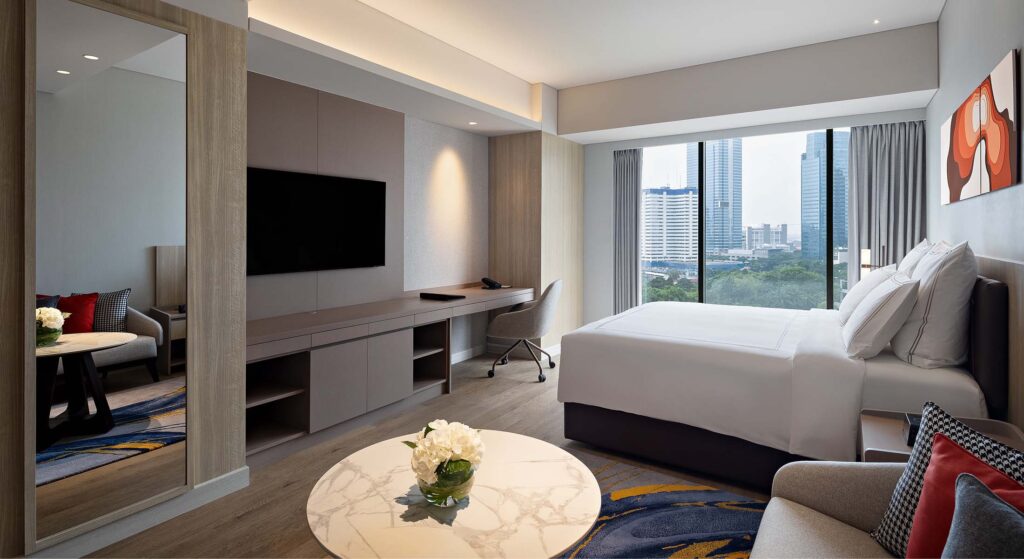
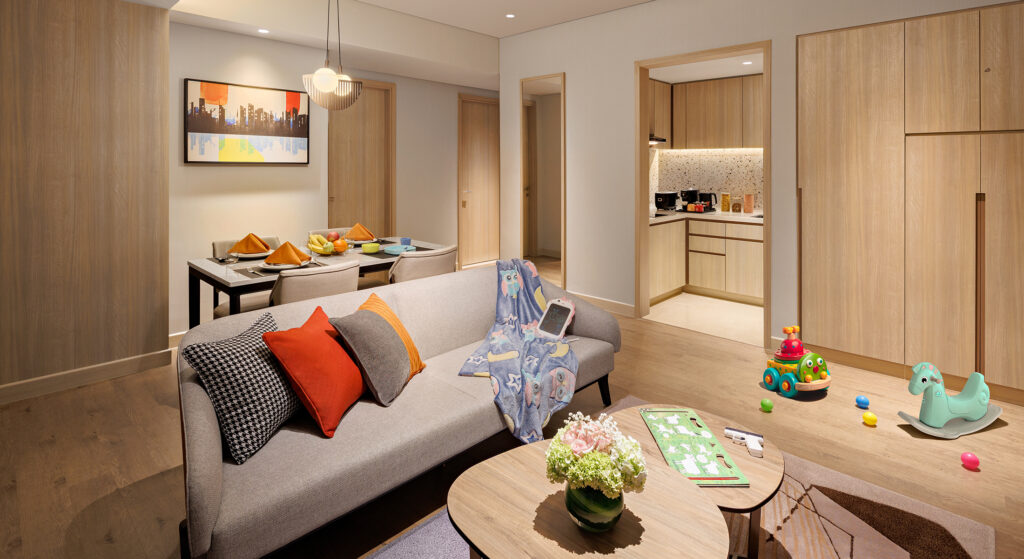
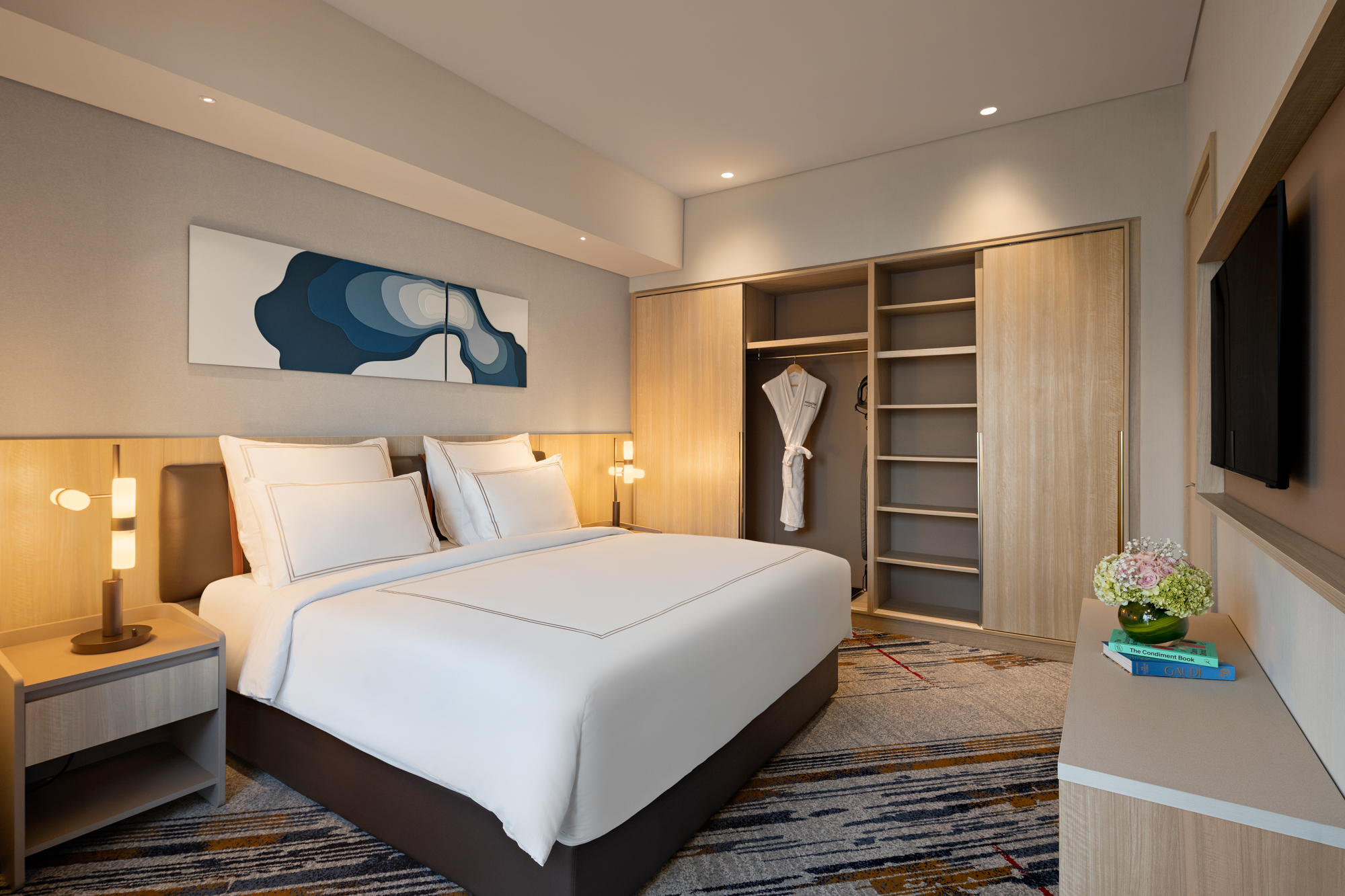
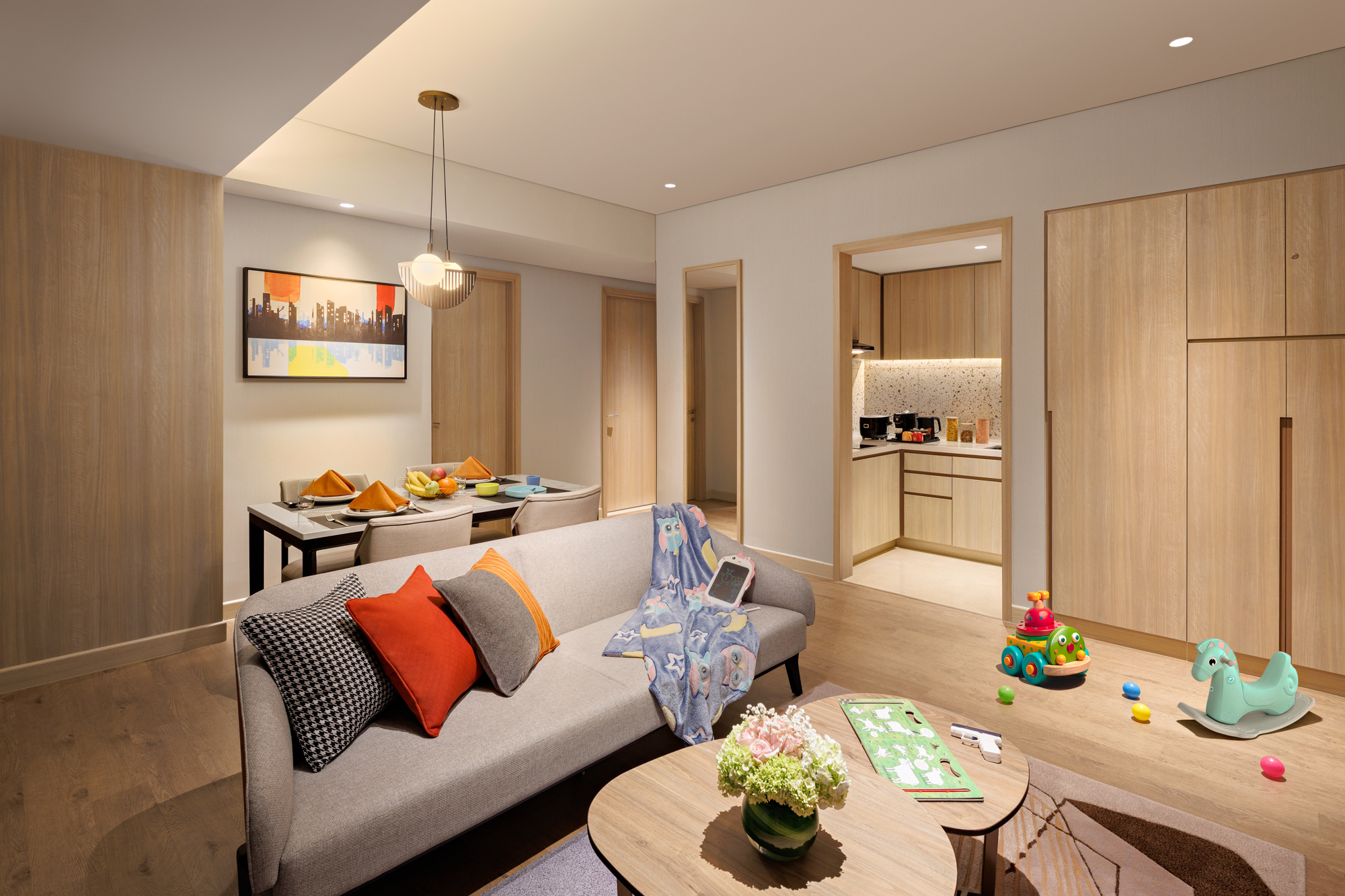
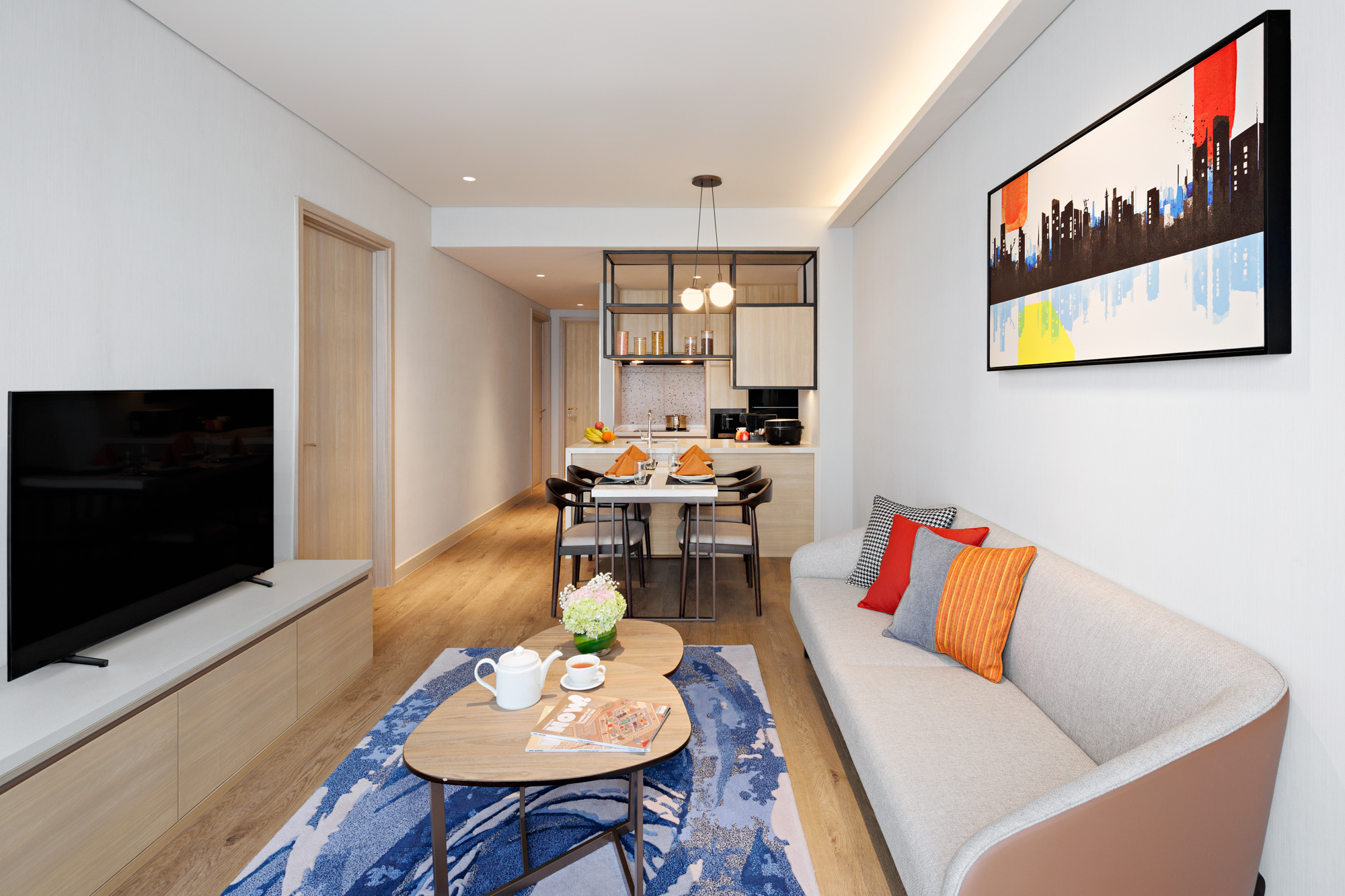
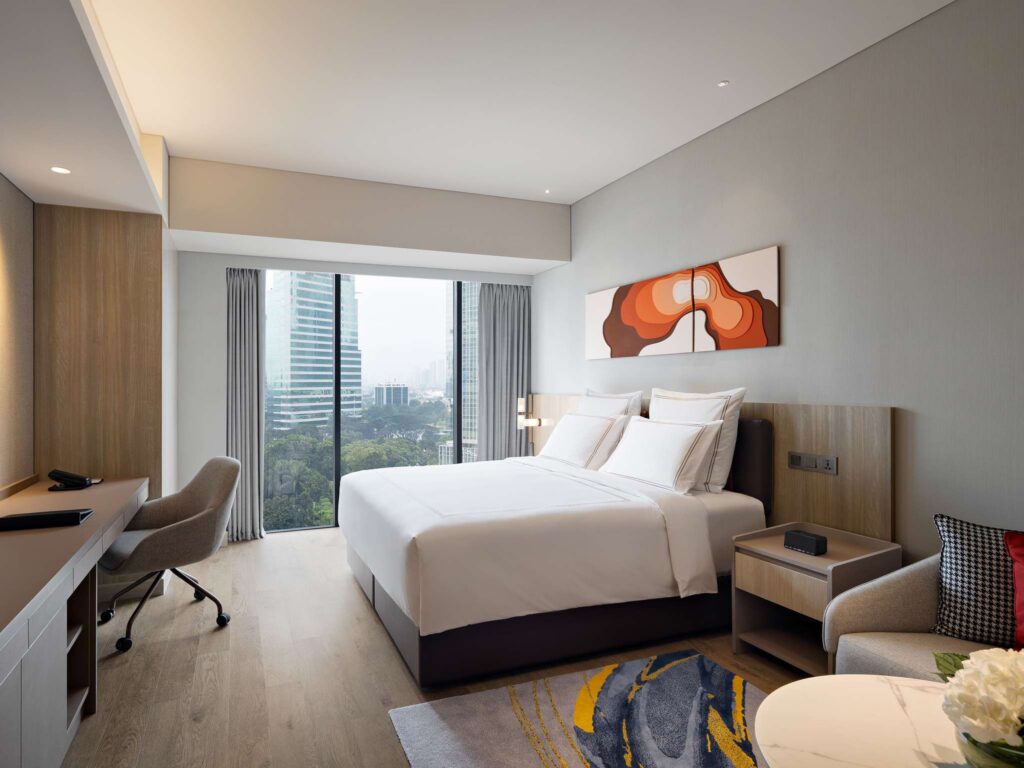
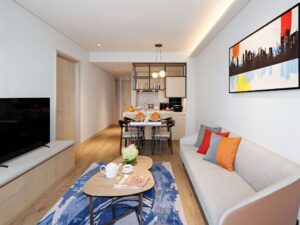
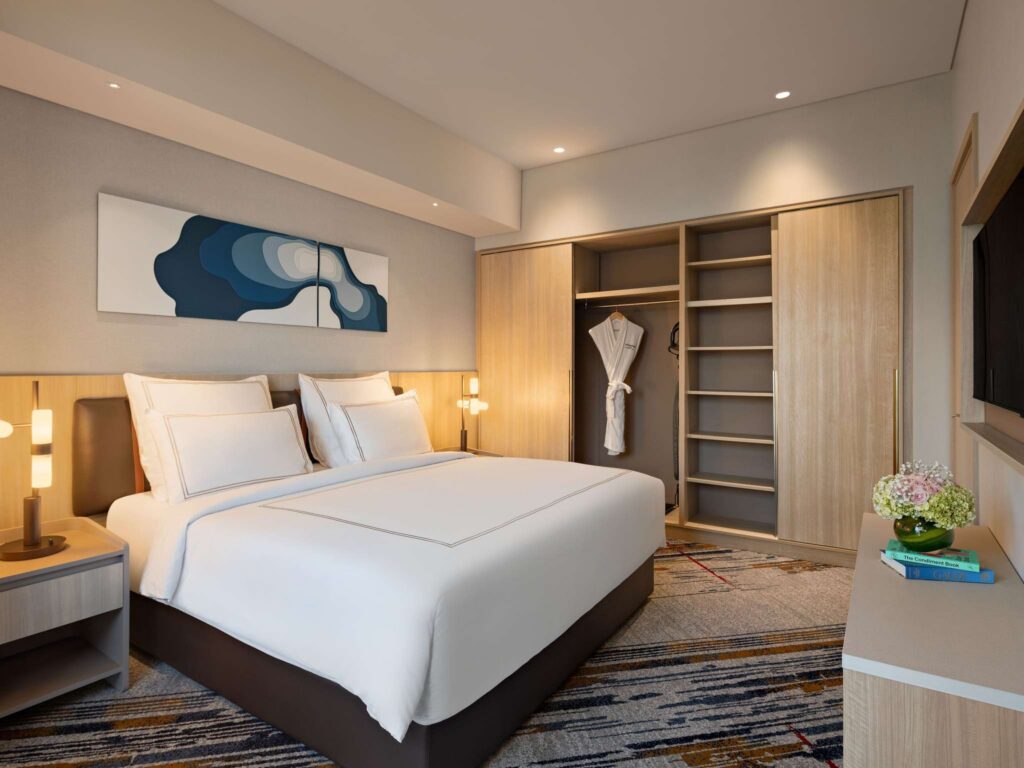
- Separate living areas that distinguish workspace from sleeping quarters
- Enhanced storage solutions including closets and drawers designed for longer-term use
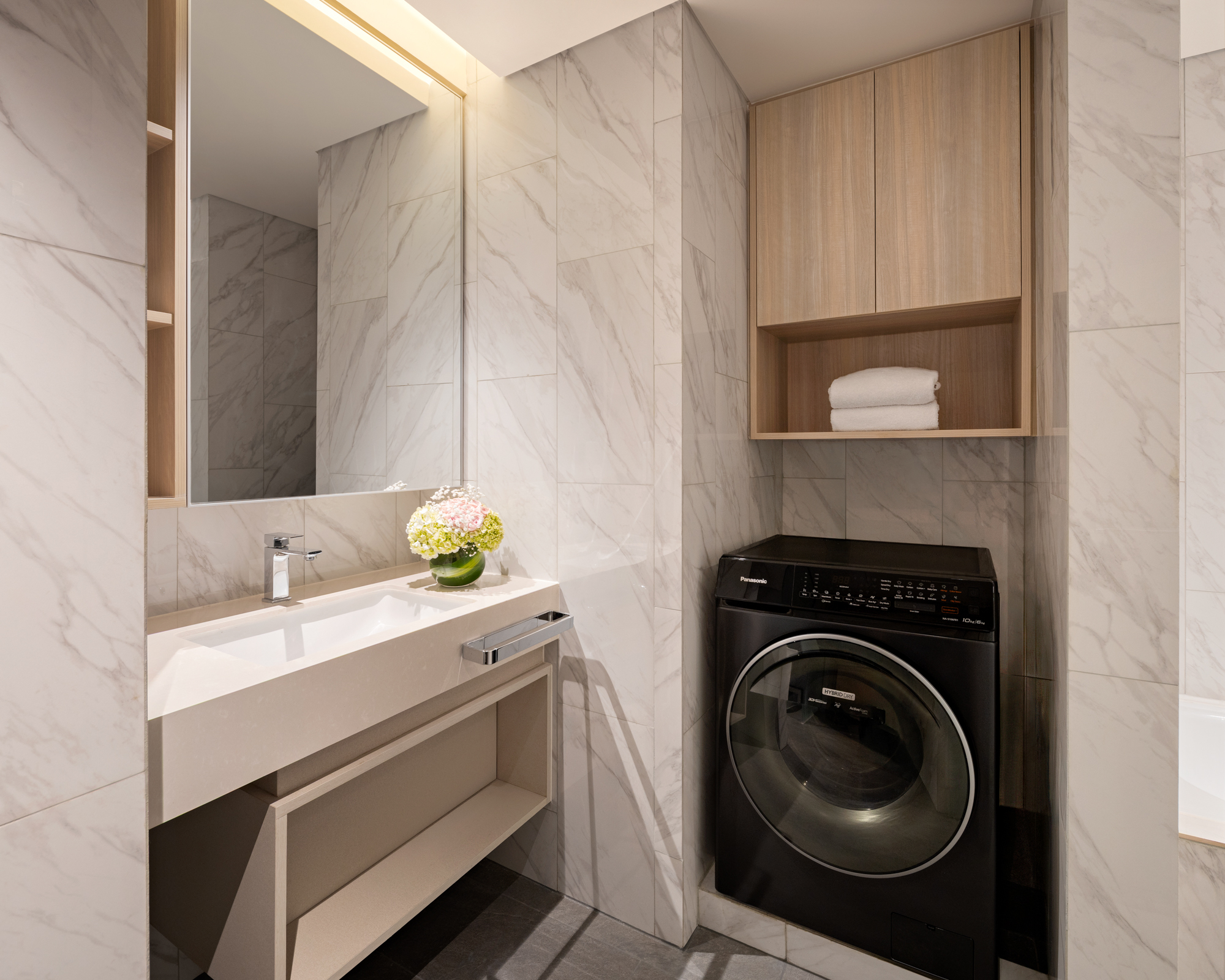
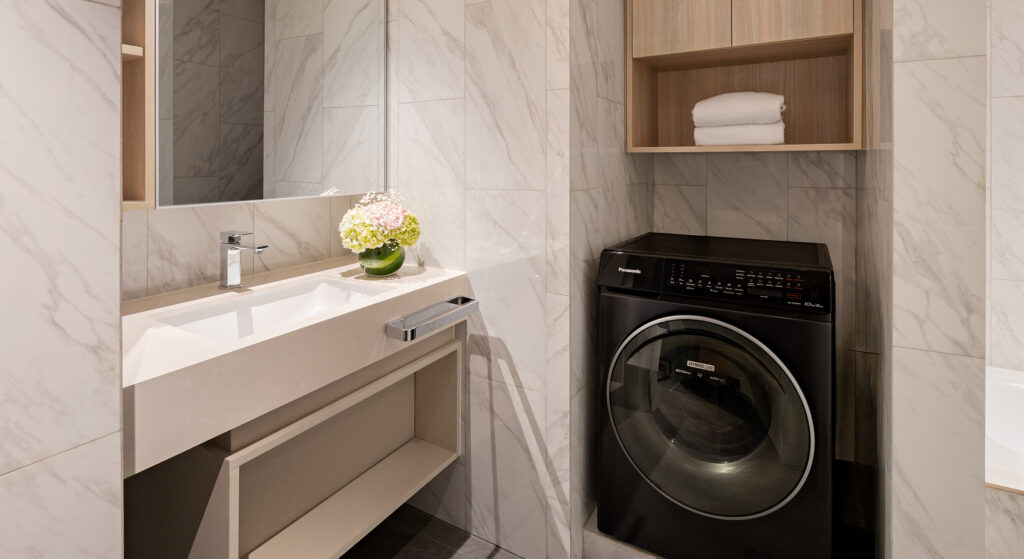
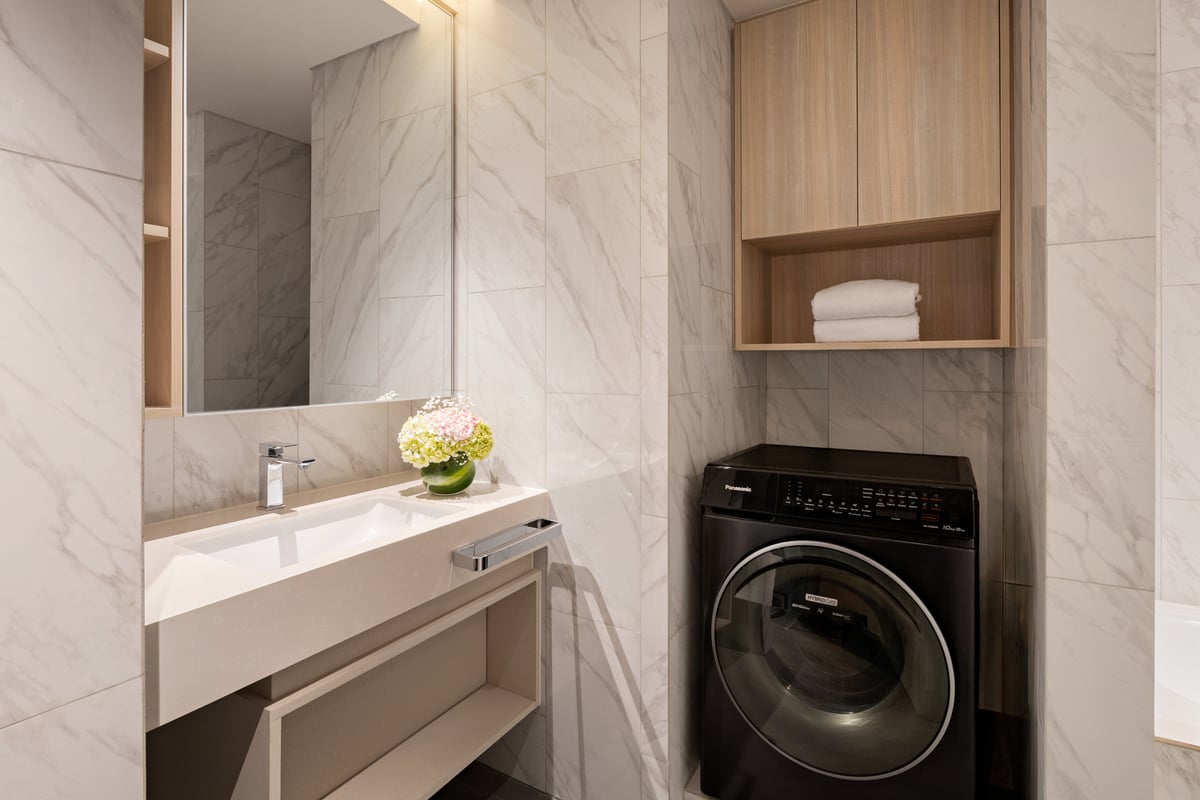
- In-room laundry facilities or complimentary access to on-site laundry rooms
- Workstations with ergonomic seating and reliable high-speed internet
These amenities transform a hotel room into a functional living space. According to extended-stay market analysis, properties serving guests for 30 nights or more have increasingly focused on residential-style features that reduce the need for external services.
Length of Stay Flexibility
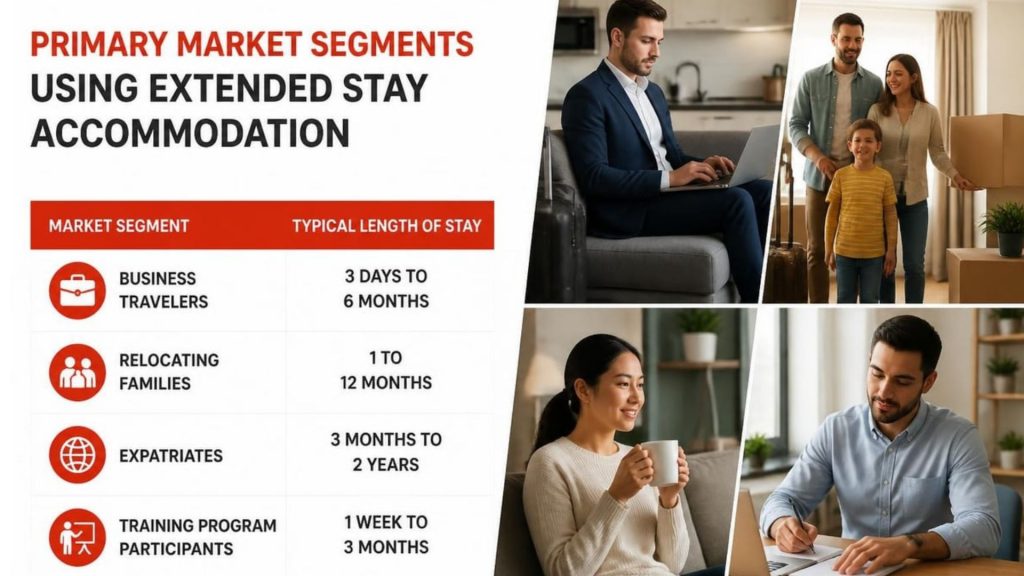
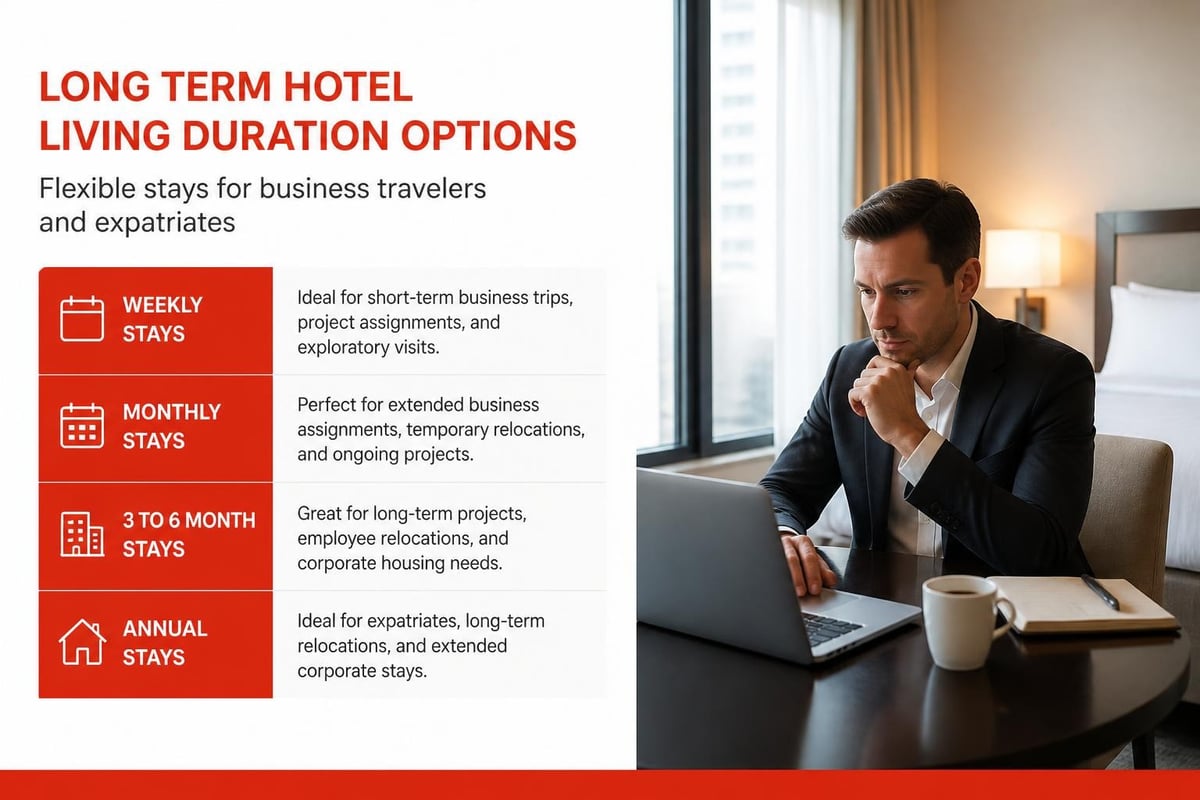
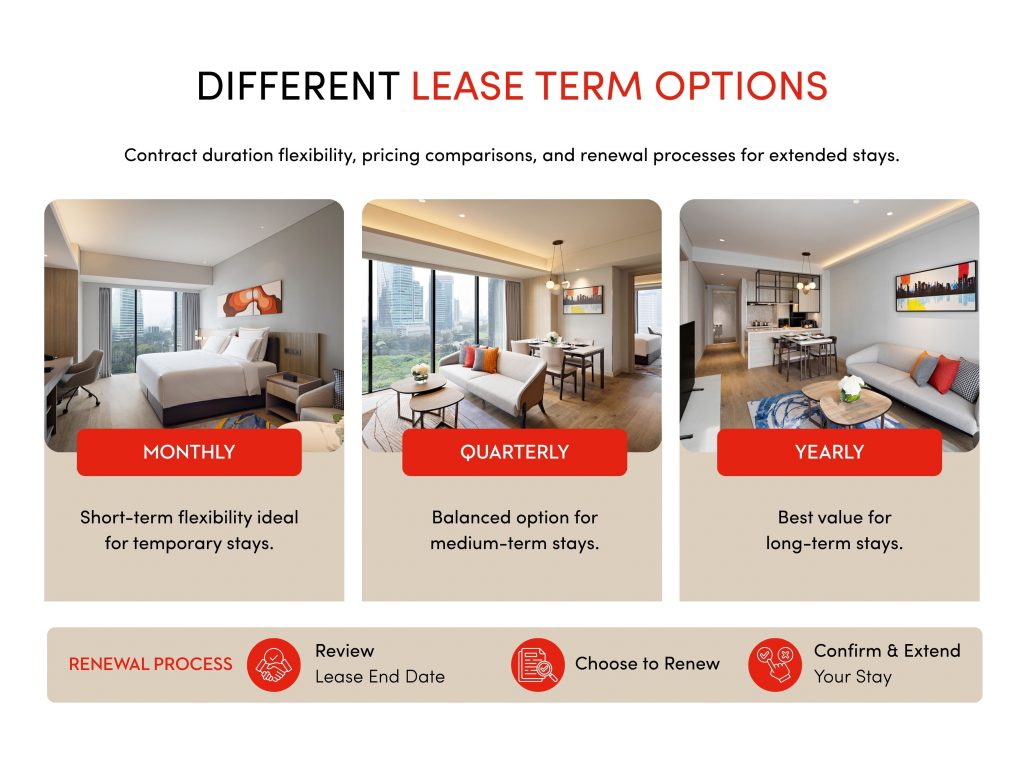
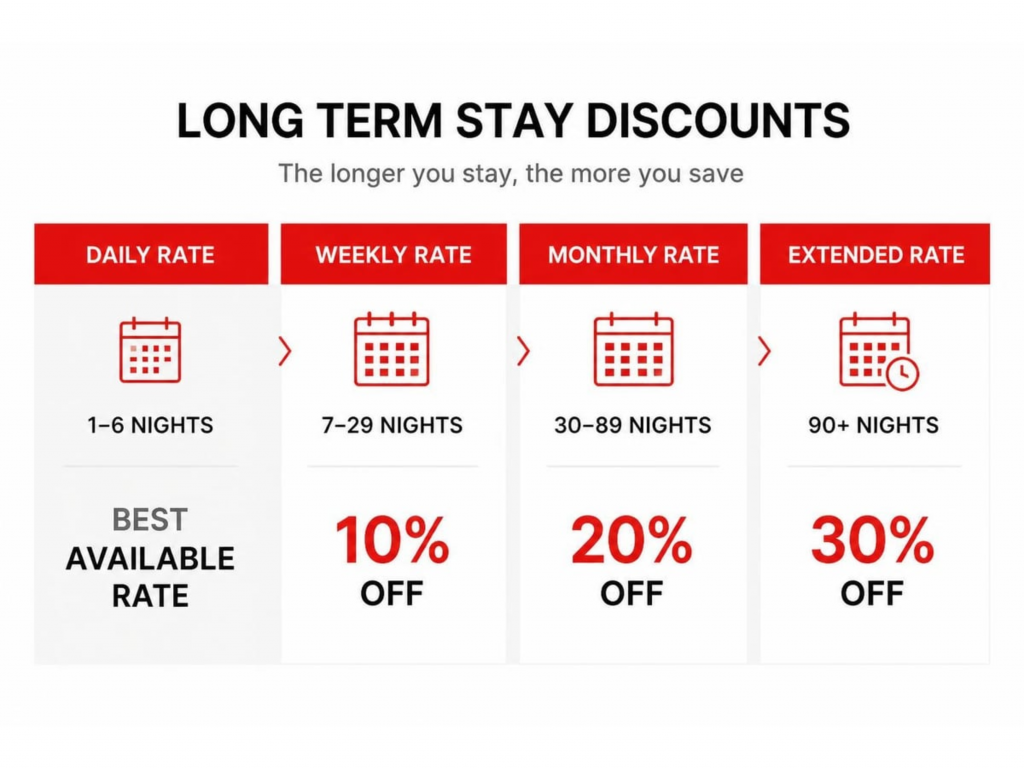
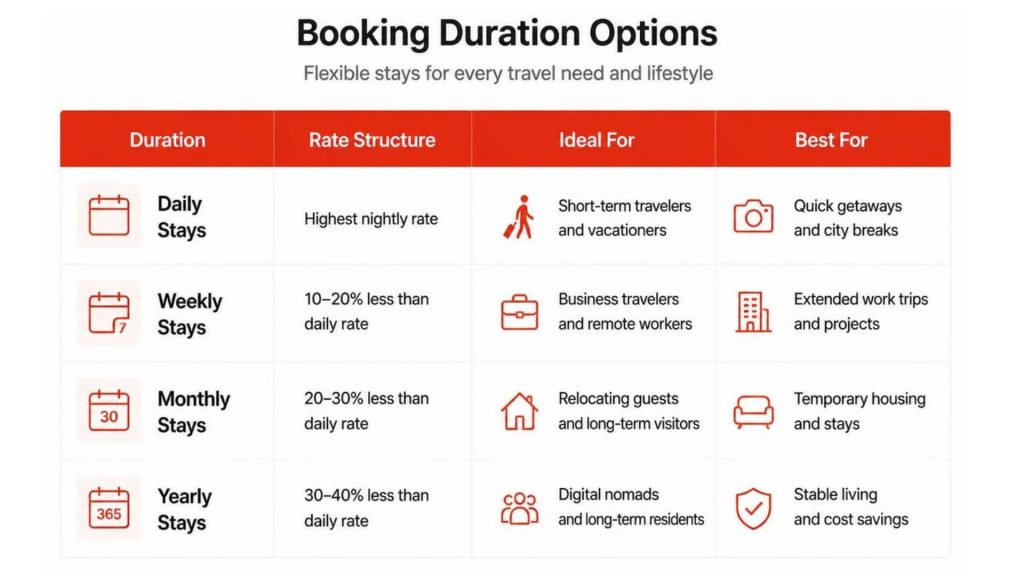
Extended stay hotel rooms accommodate various timeframes, from one week to several months or even a year. The Extended Stay Lodging Association segments stays into three categories: short extended (7-29 nights), traditional extended (30-89 nights), and long-term extended (90+ nights).
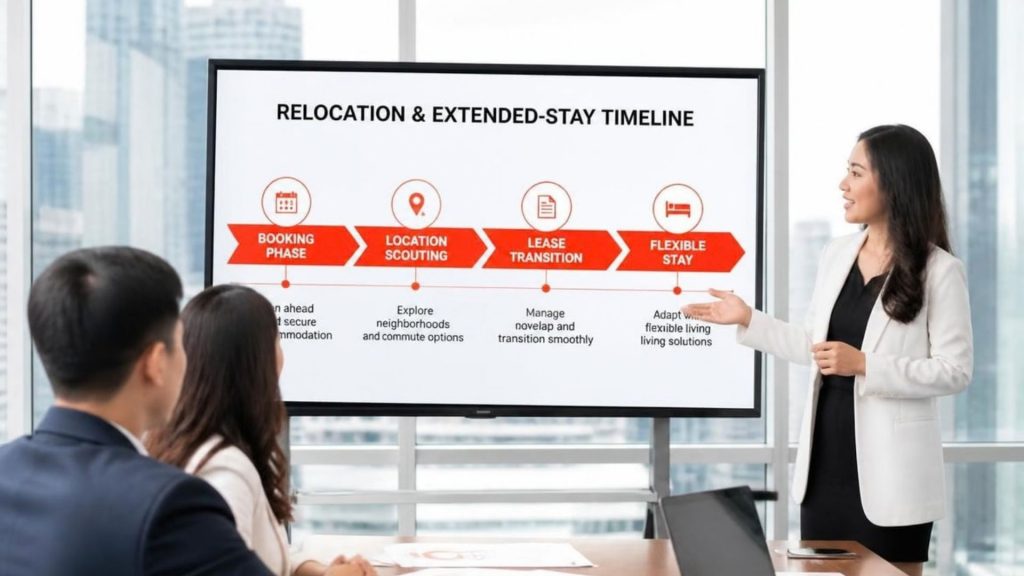
This flexibility appeals to diverse guest profiles. Corporate relocations often require 30 to 90 days of housing while employees search for permanent residences. Project-based professionals need accommodation that aligns with assignment duration. Insurance displacement guests require housing during home repairs or renovations, with stays ranging from several weeks to months.
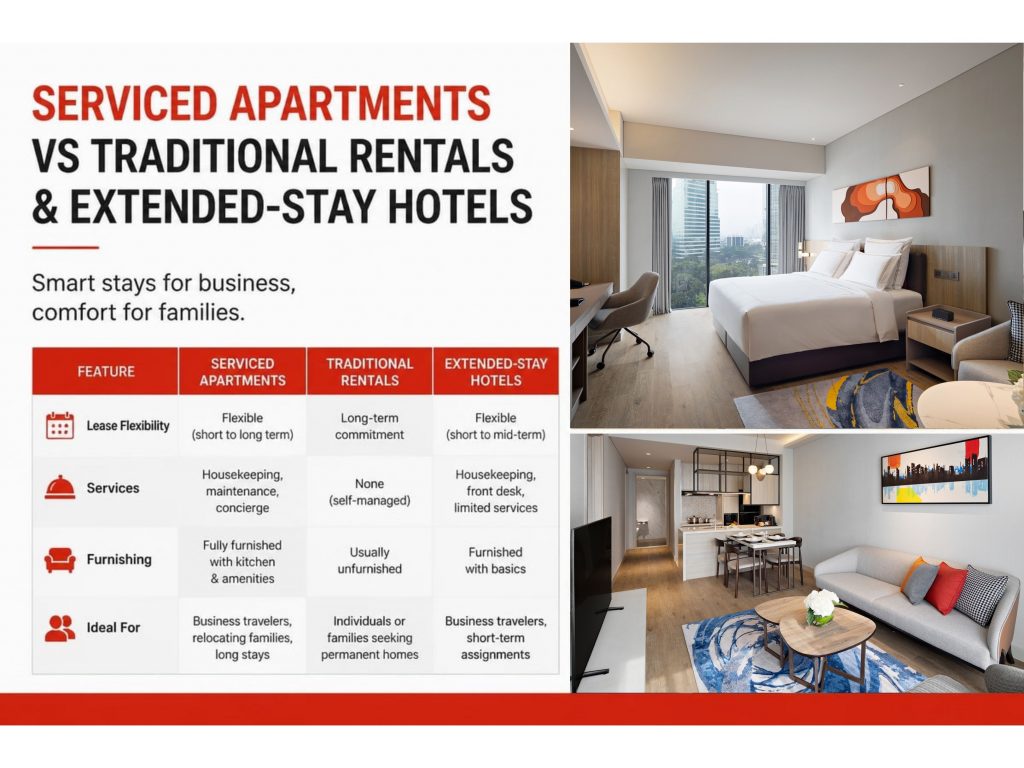
How Extended Stay Hotel Rooms Compare to Serviced Apartments
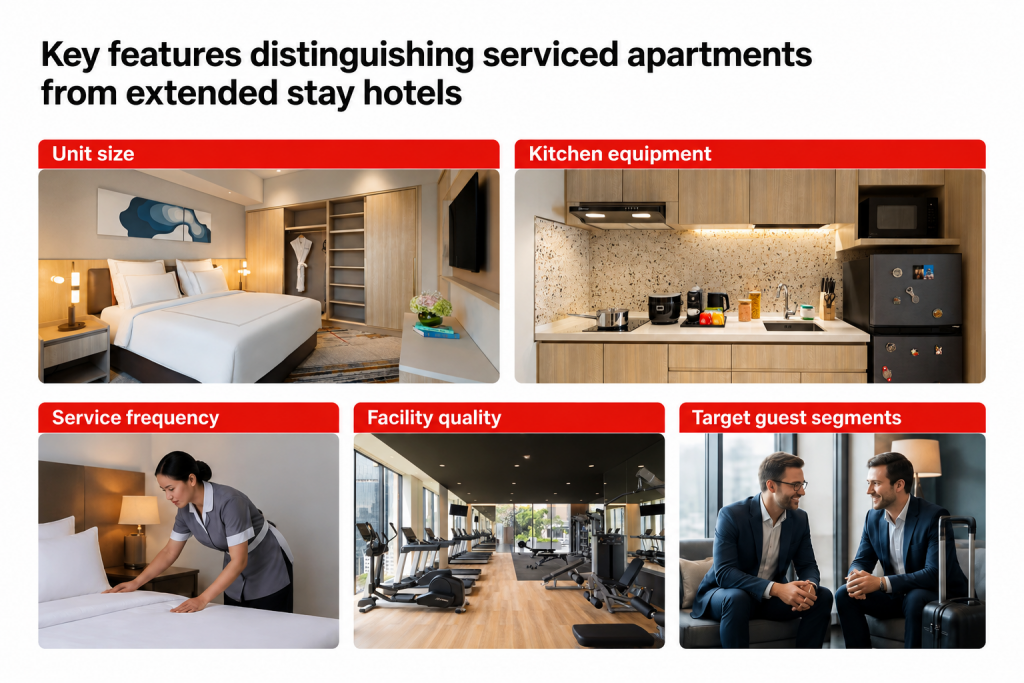
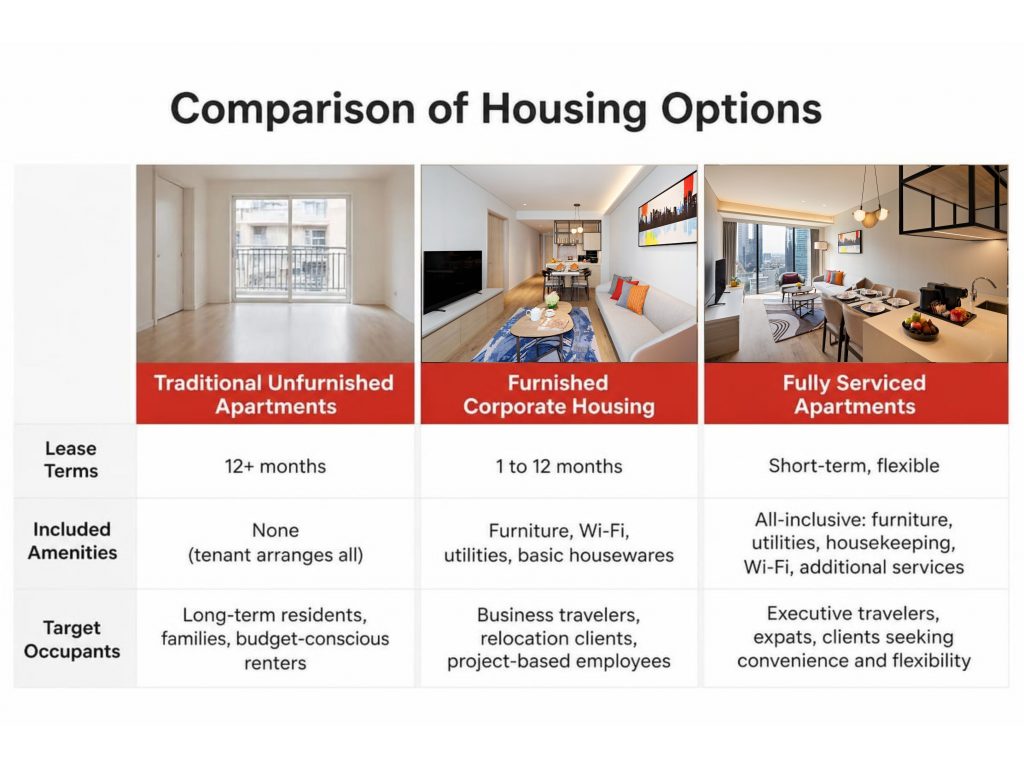
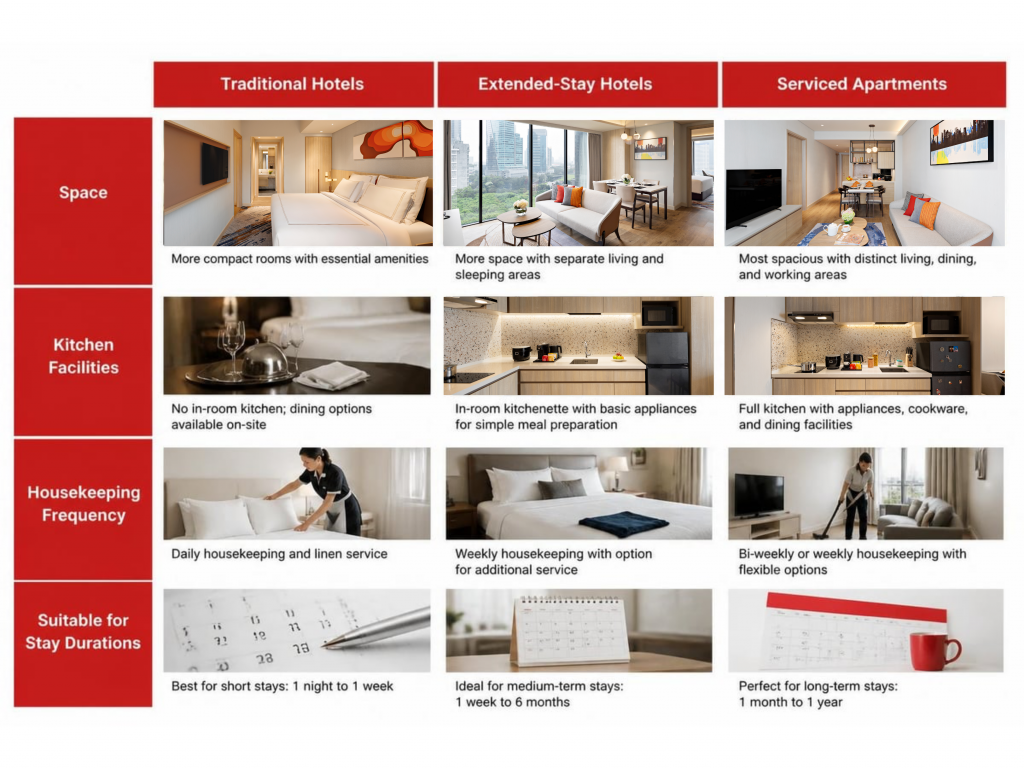
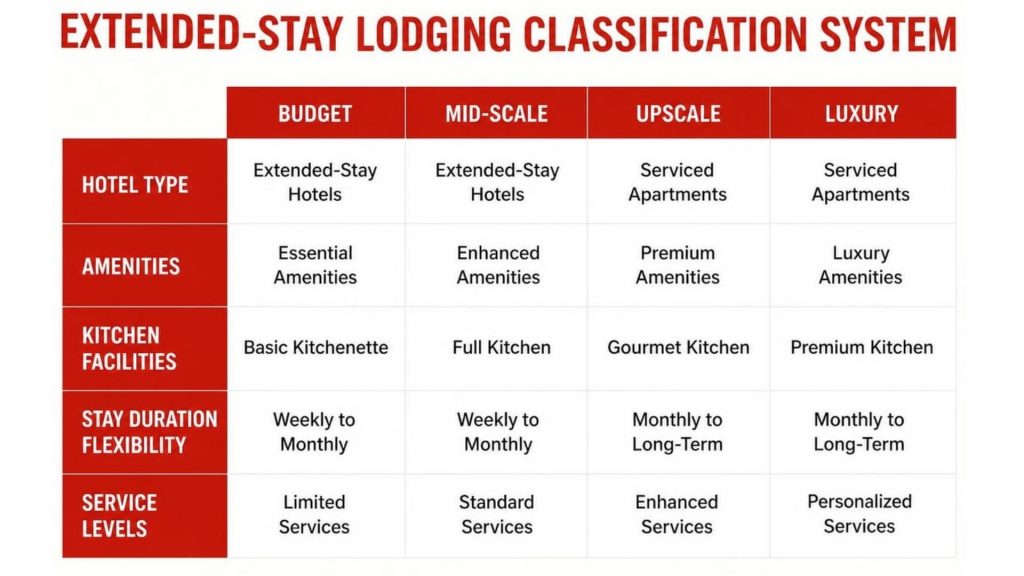
While extended stay hotel rooms and serviced apartments serve similar markets, key differences exist in their service levels, space configurations, and operational models. Understanding these distinctions helps travelers select the right accommodation type.
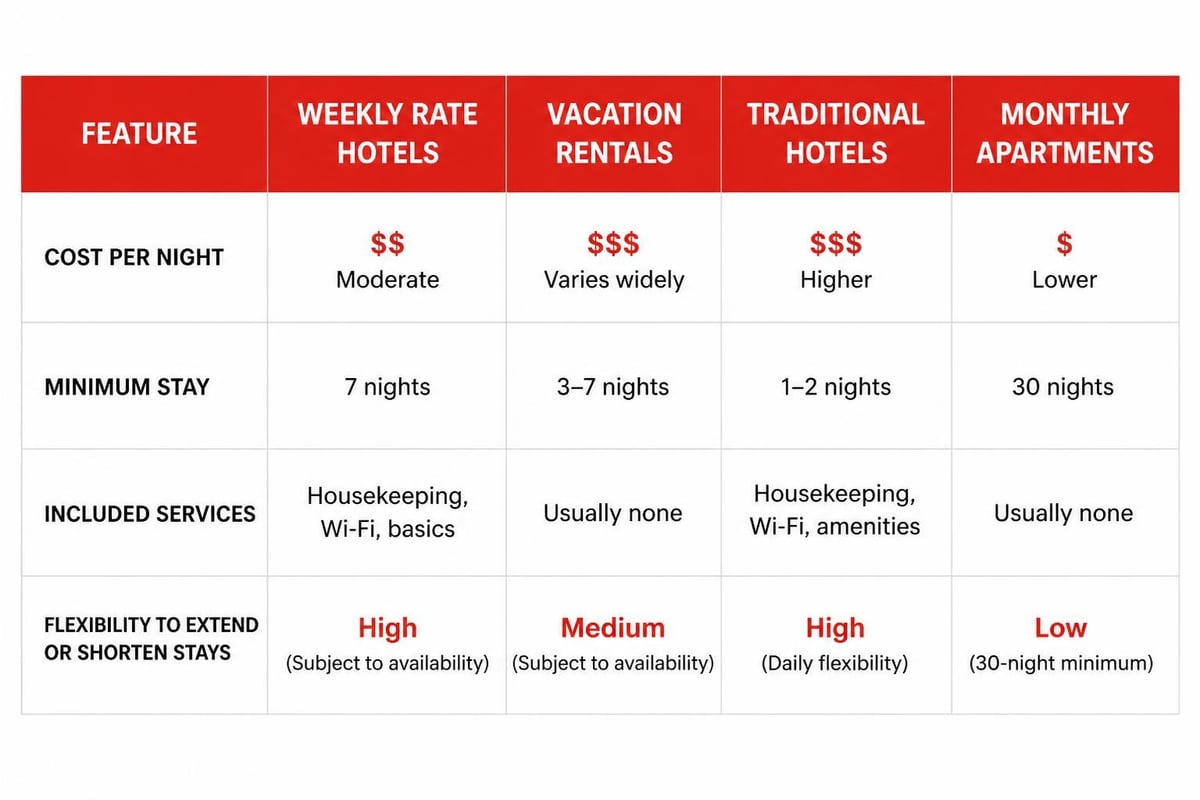
| Feature | Extended Stay Hotels | Serviced Apartments |
|---|---|---|
| Space | Studio to two-bedroom | Studio to three-bedroom or larger |
| Kitchen | Kitchenette or full kitchen | Full kitchen with complete appliances |
| Housekeeping | Weekly or bi-weekly | Daily, weekly, or customized |
| Hotel Services | Limited front desk hours | 24-hour concierge and services |
| Amenities | Fitness center, laundry | Fitness, pool, dining, event spaces |
| Ideal Stay Length | 7-90 nights | 30 nights to multiple years |
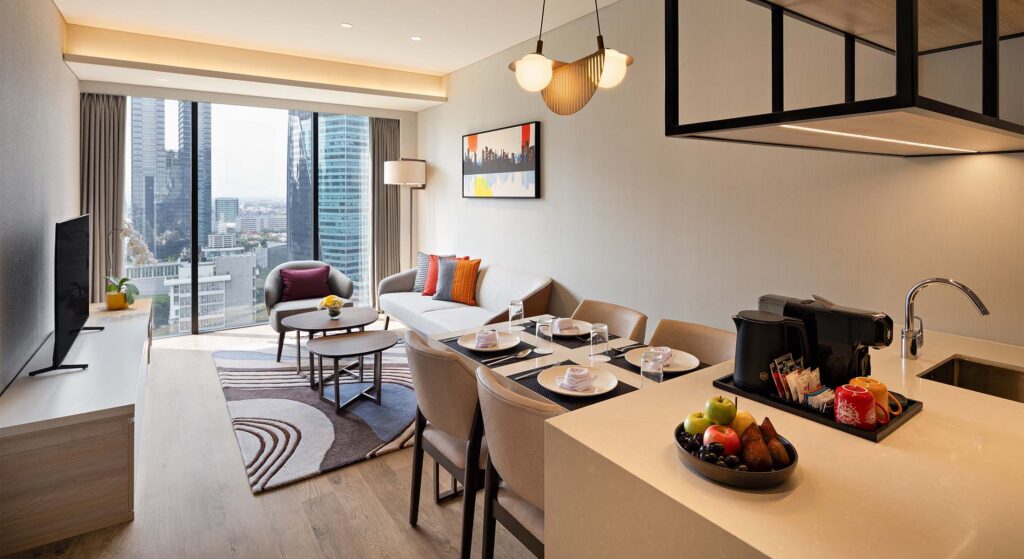
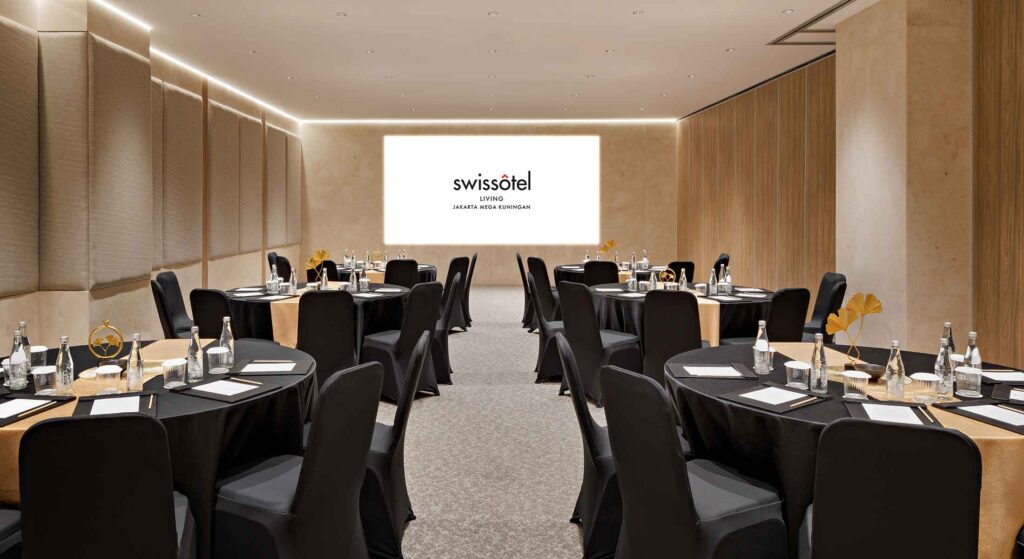
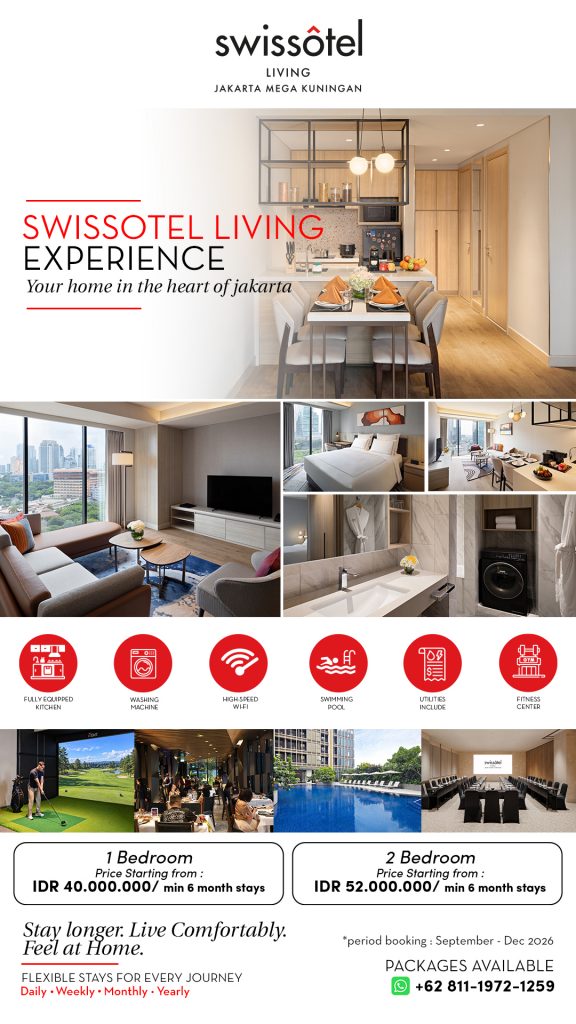
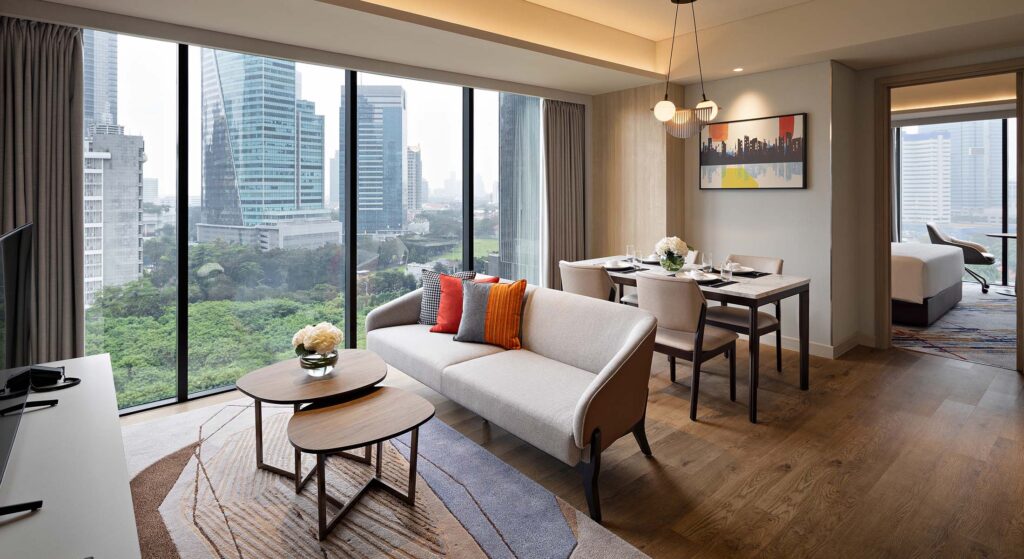
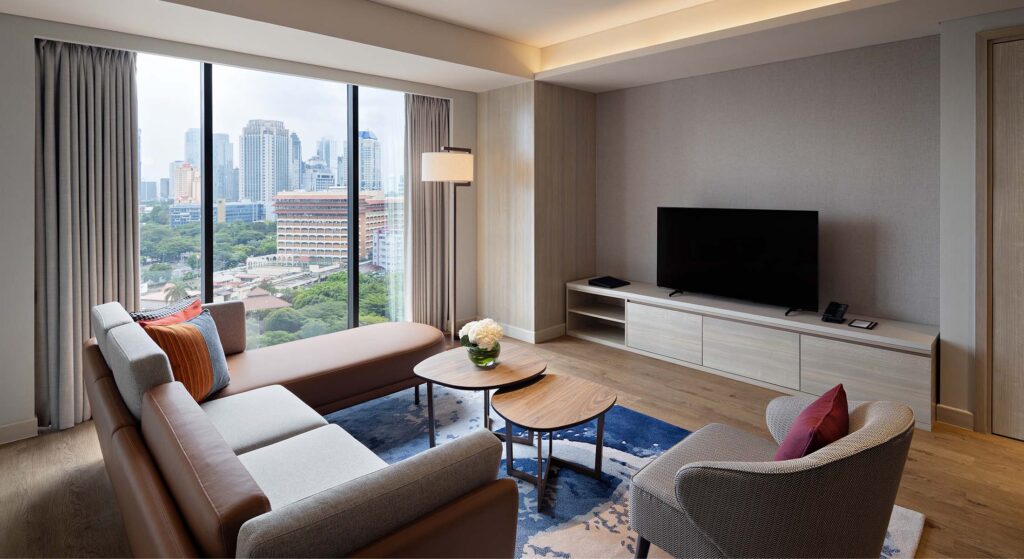
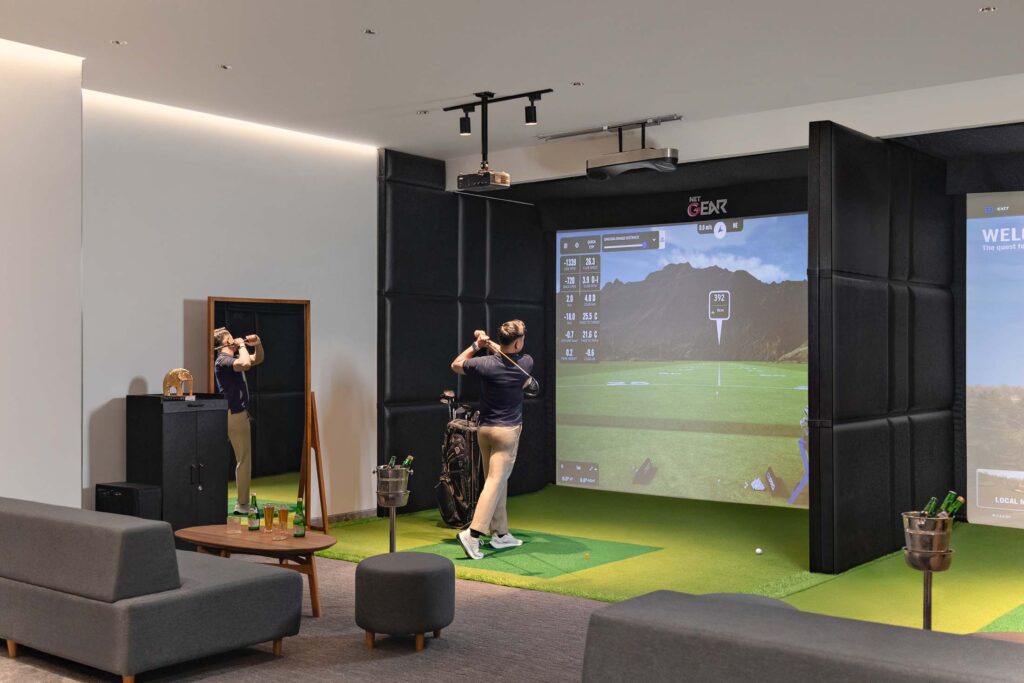
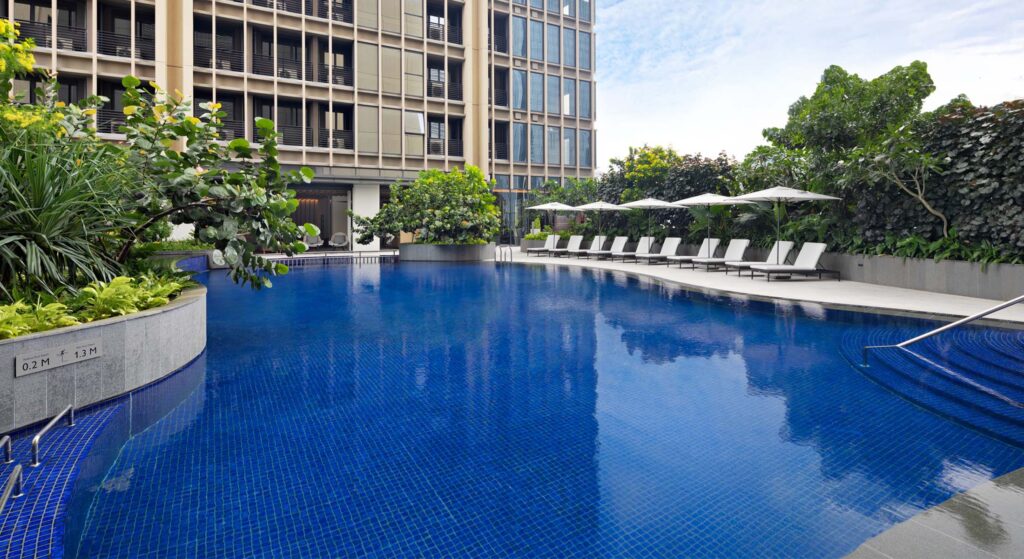
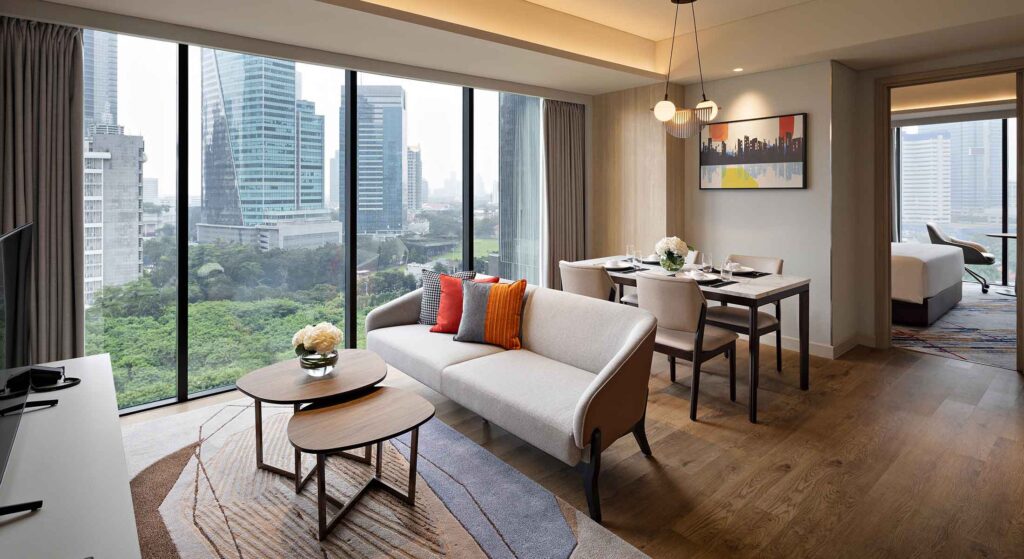
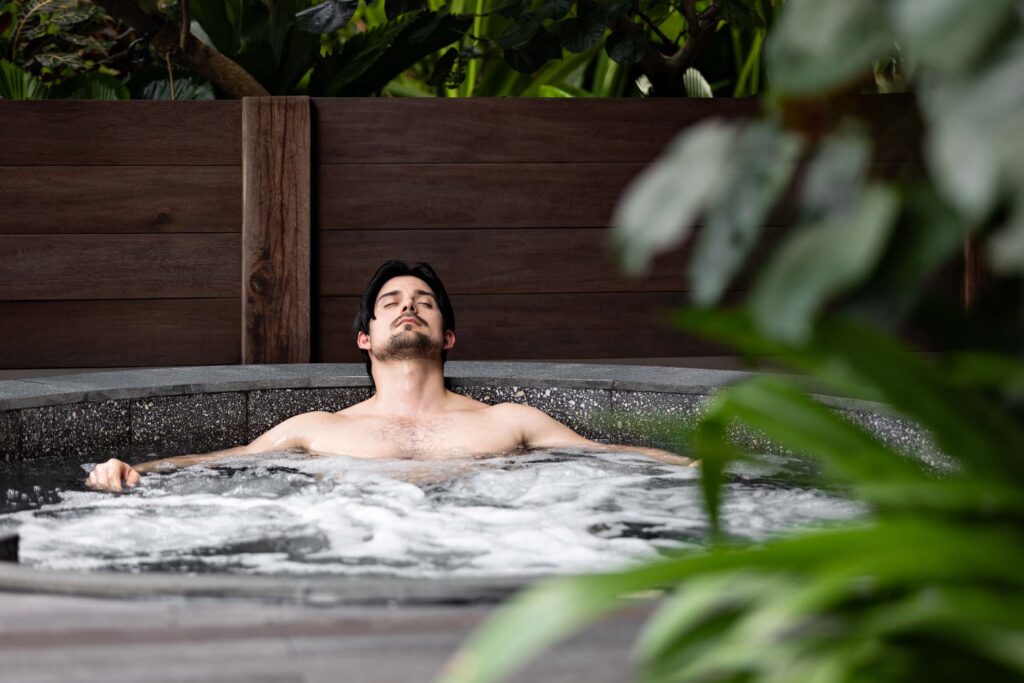
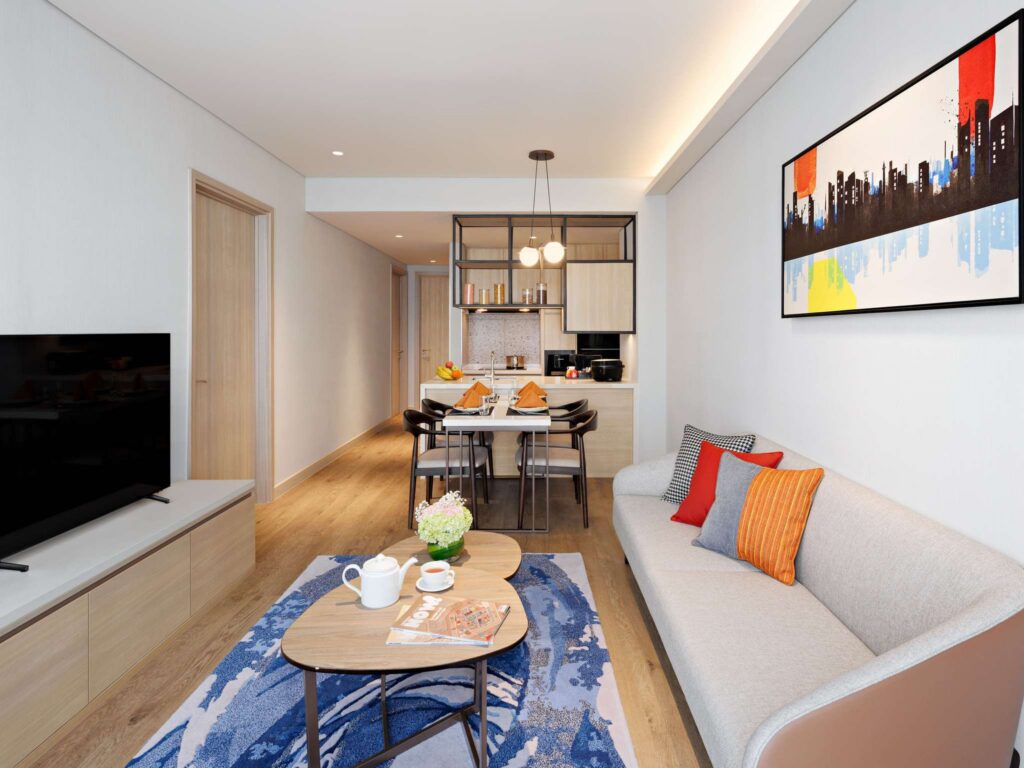
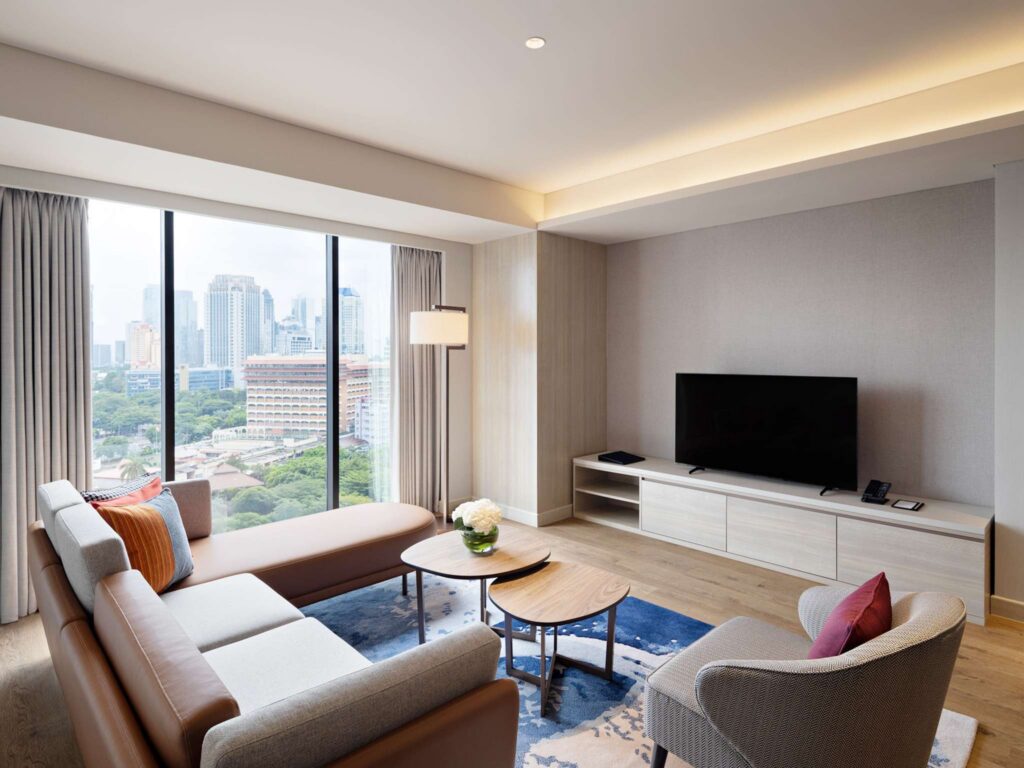
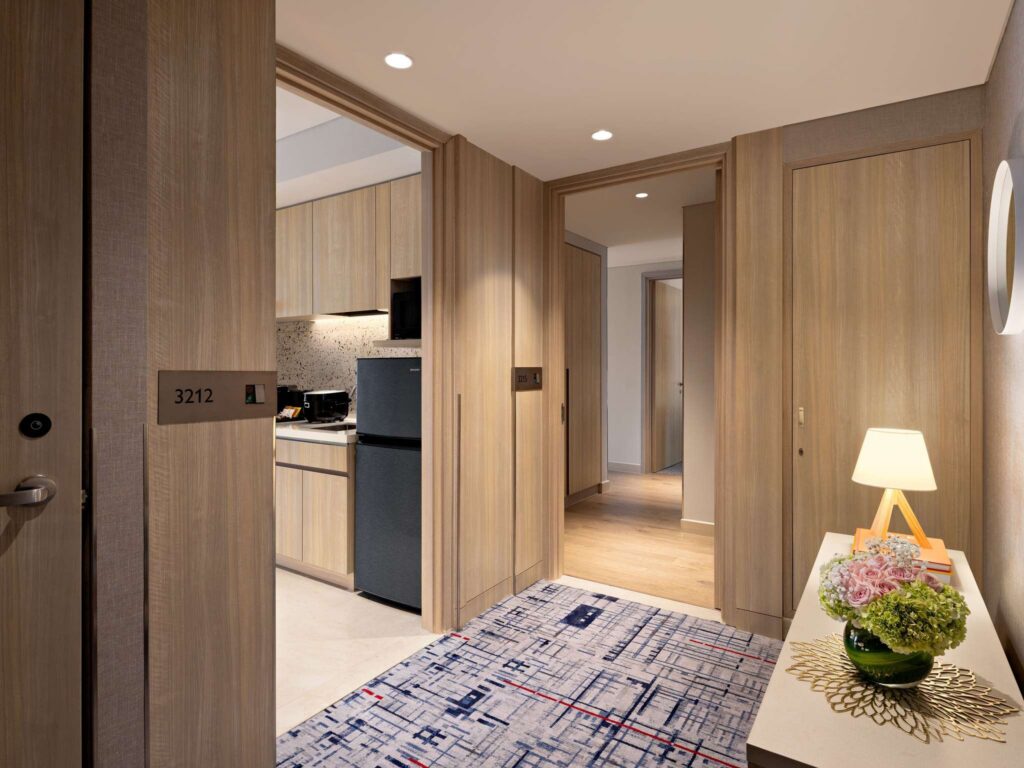
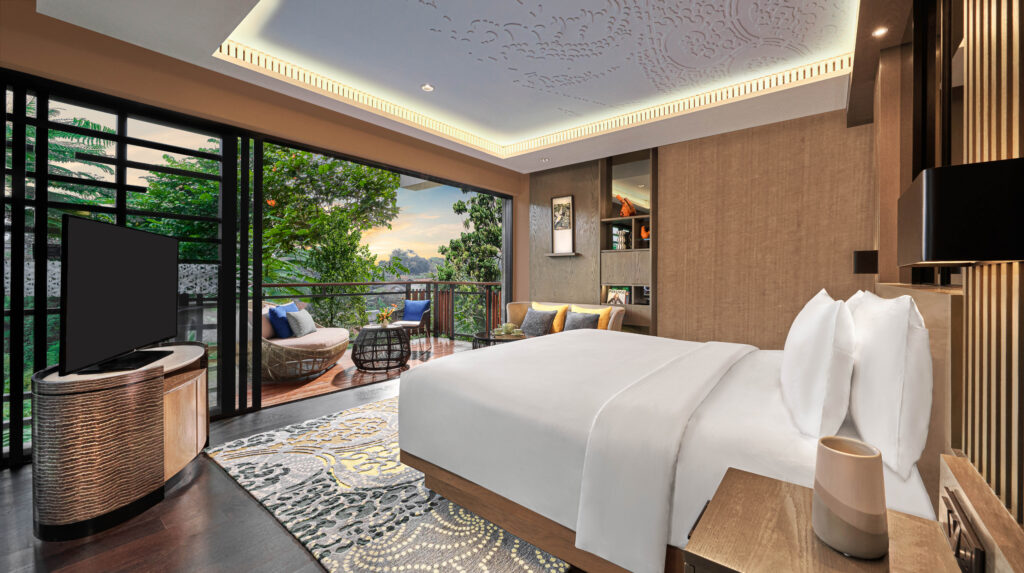
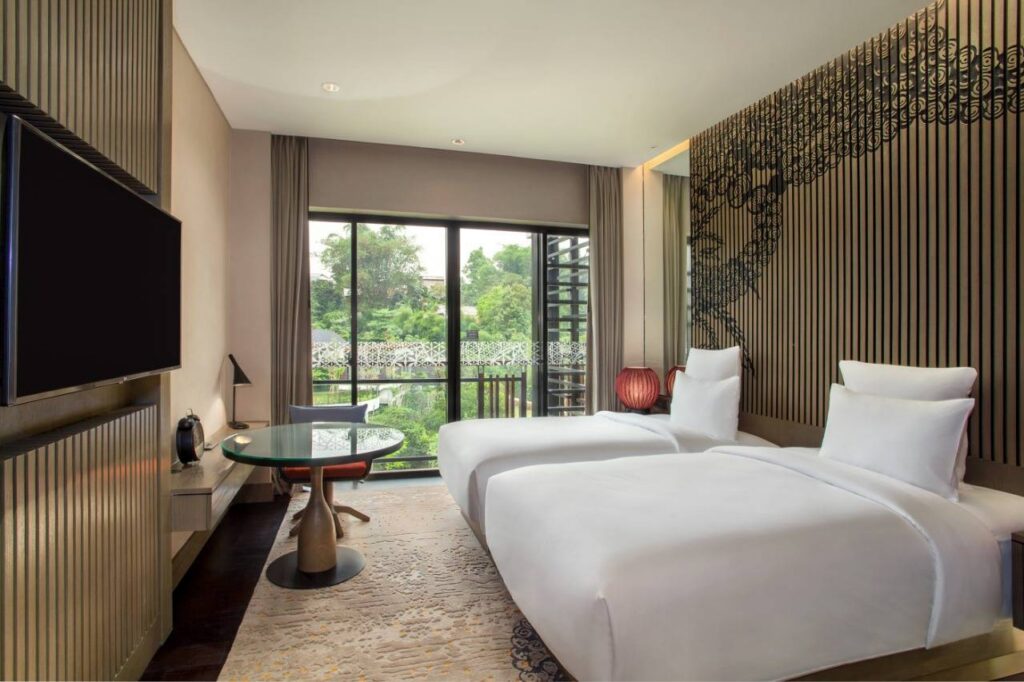
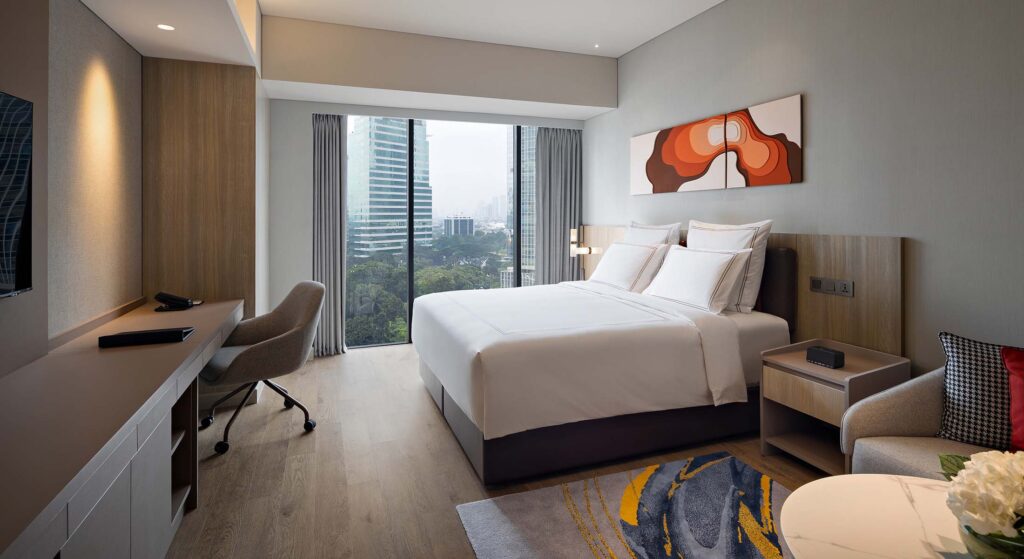
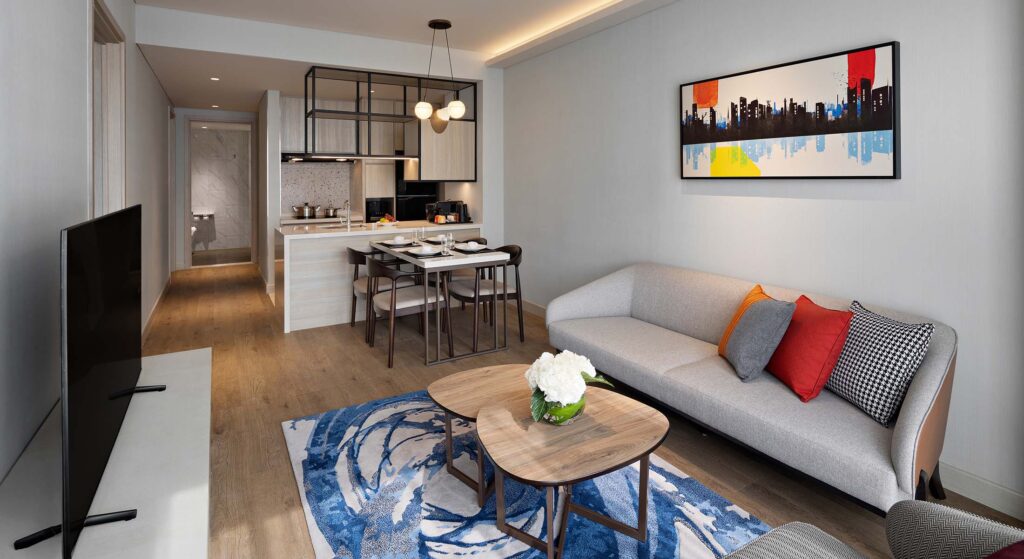
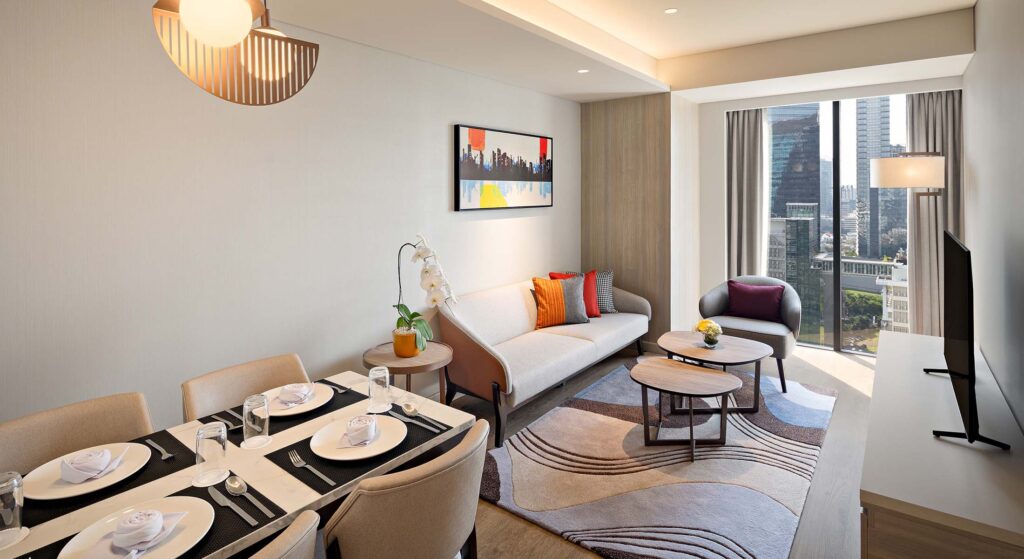
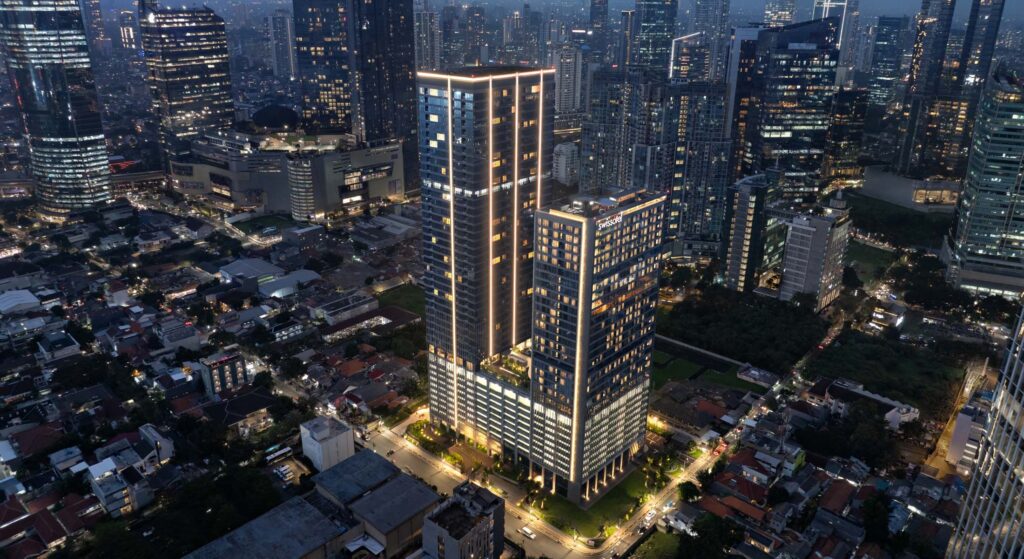
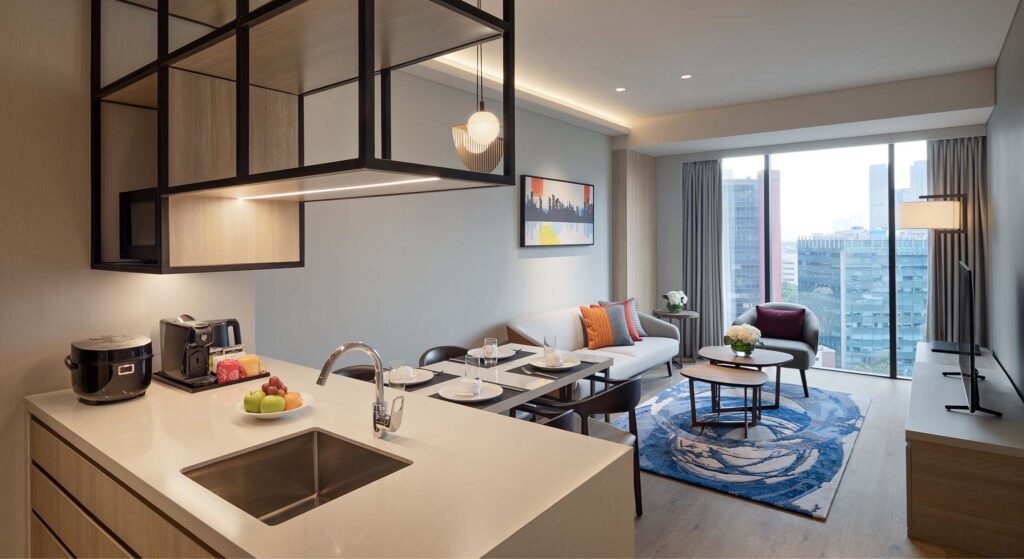
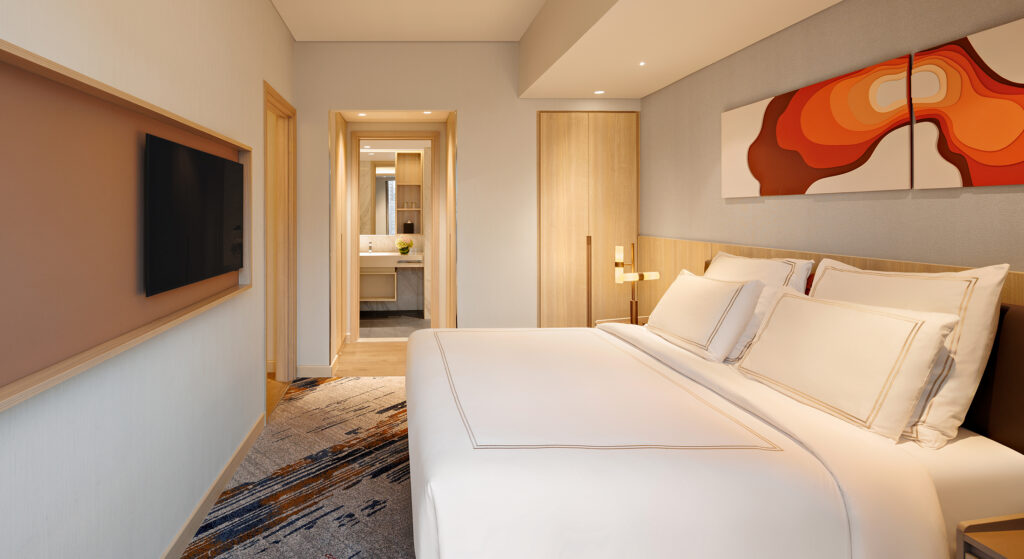
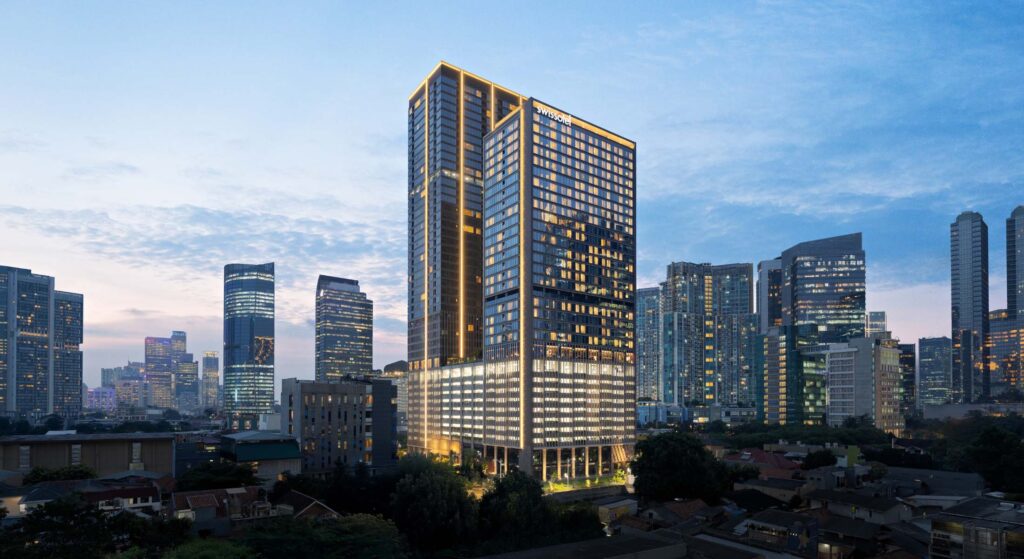
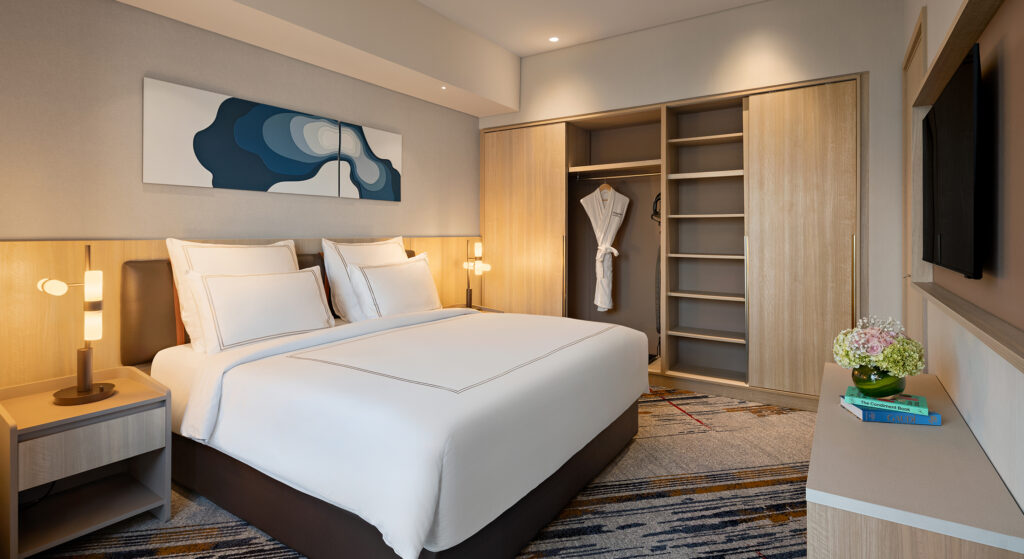
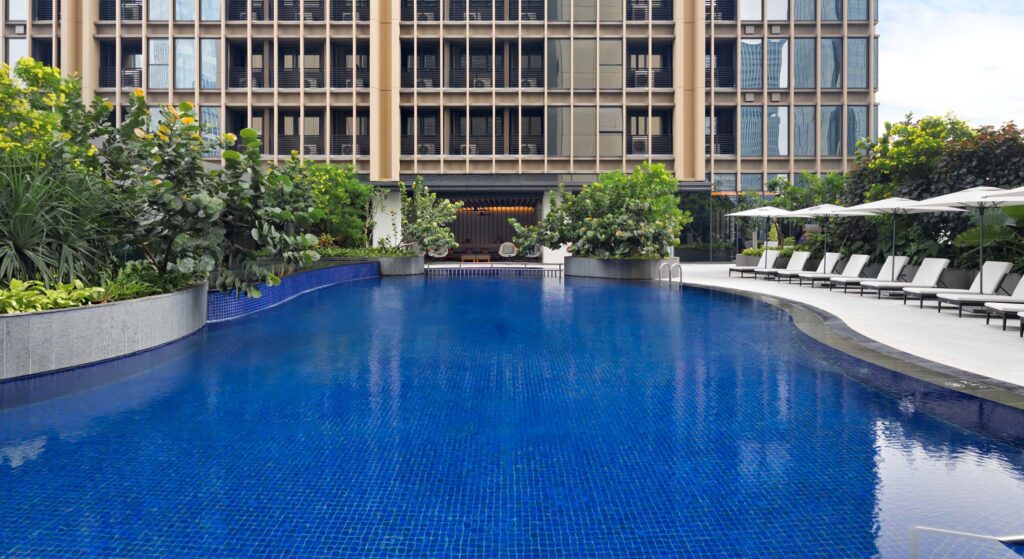
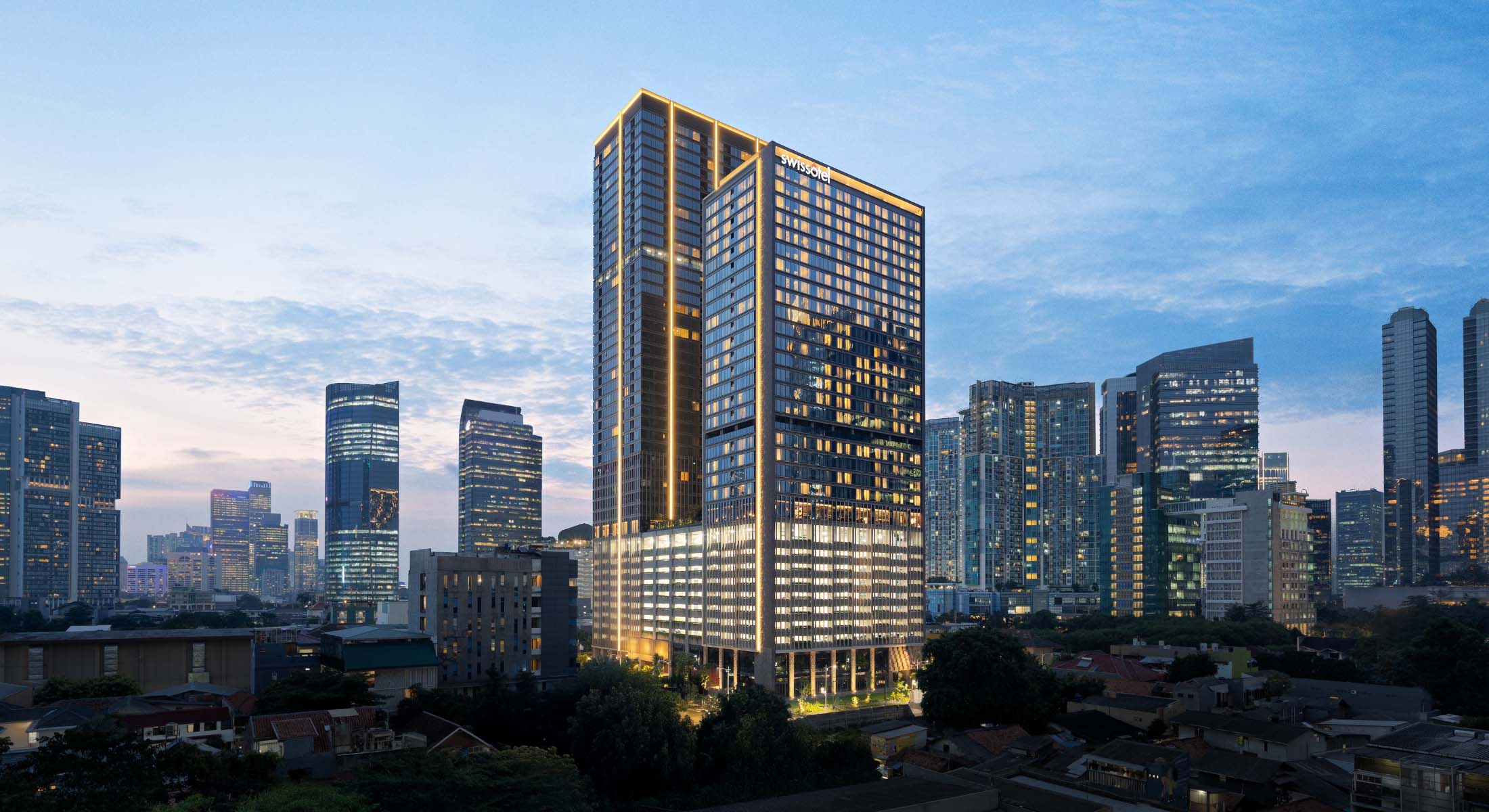
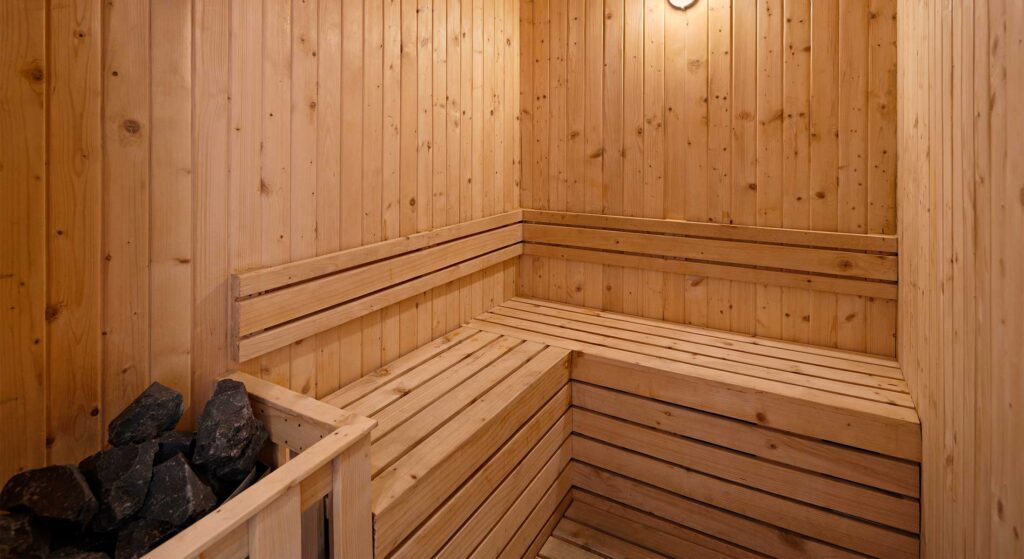
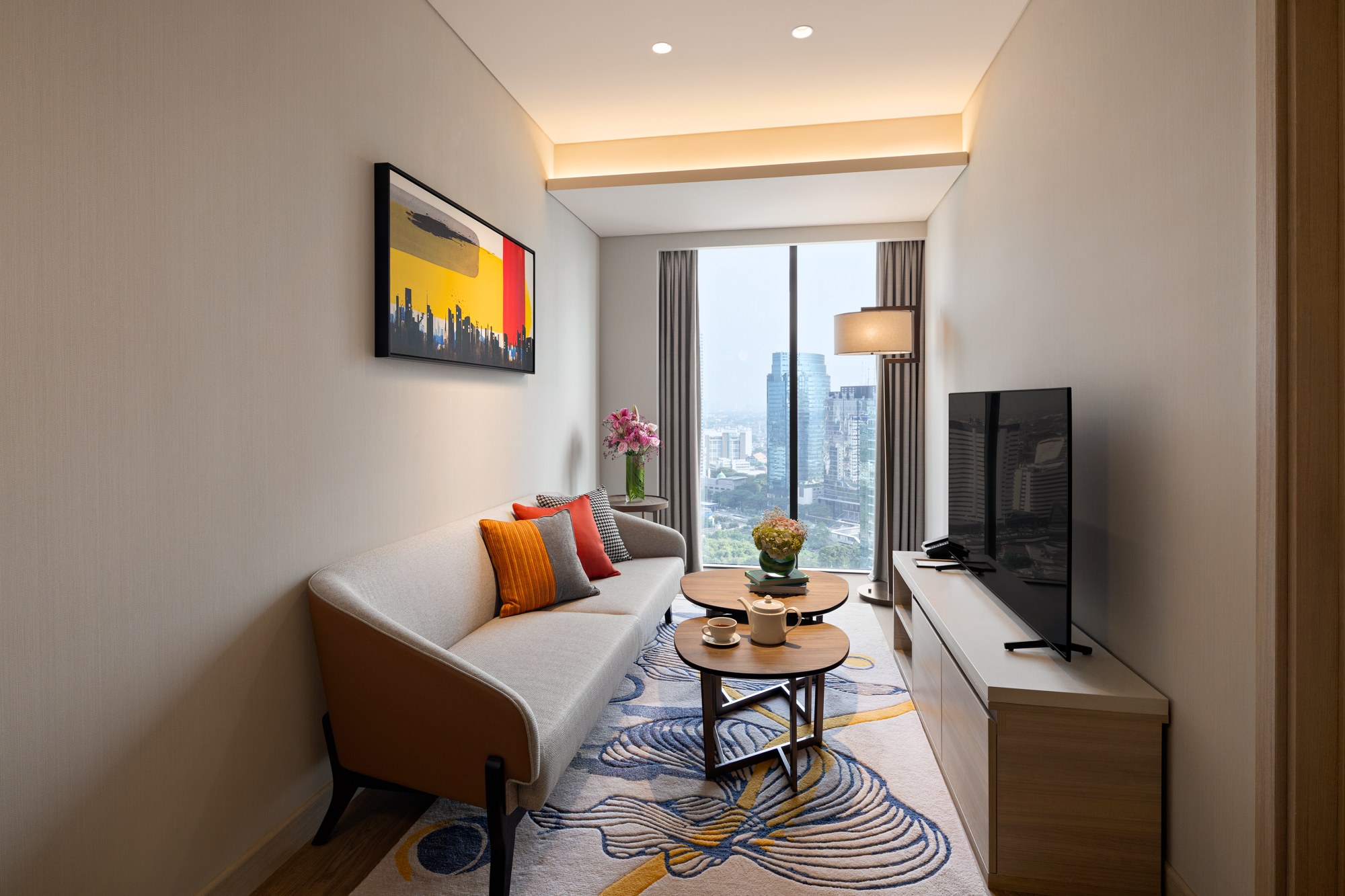
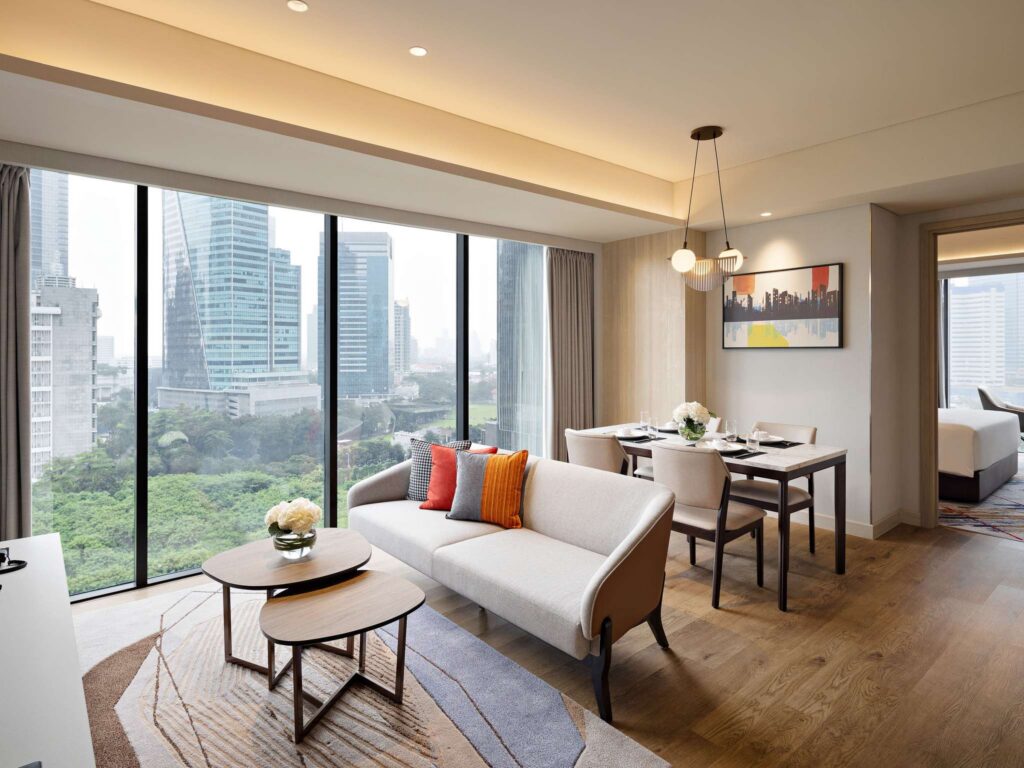
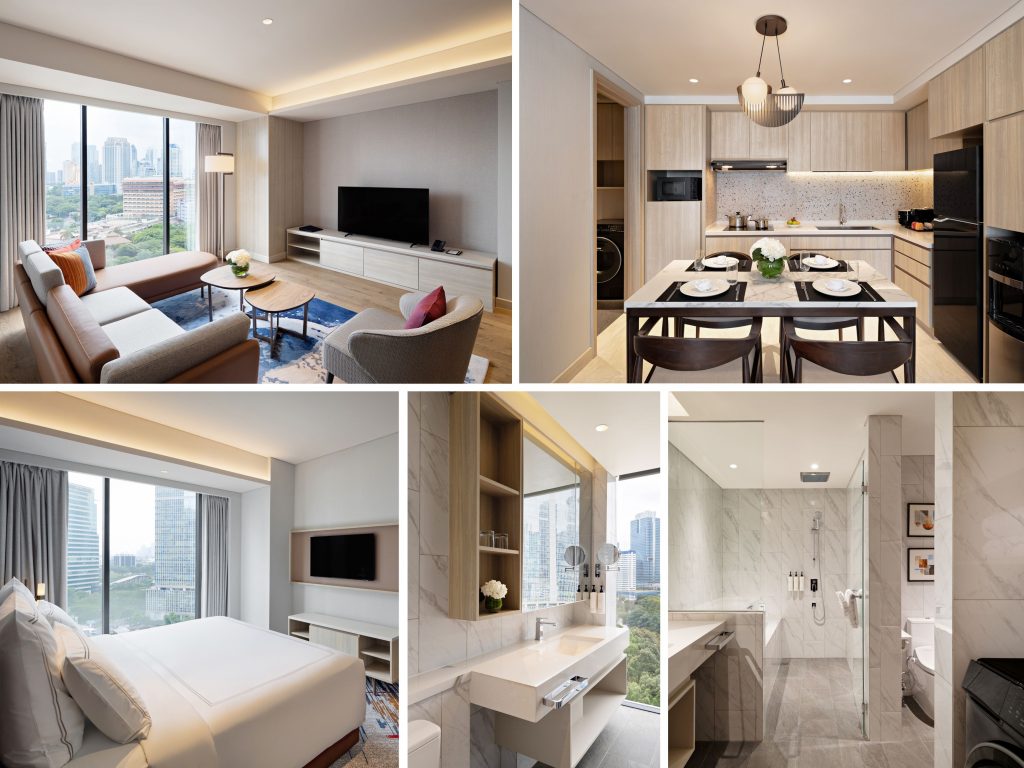
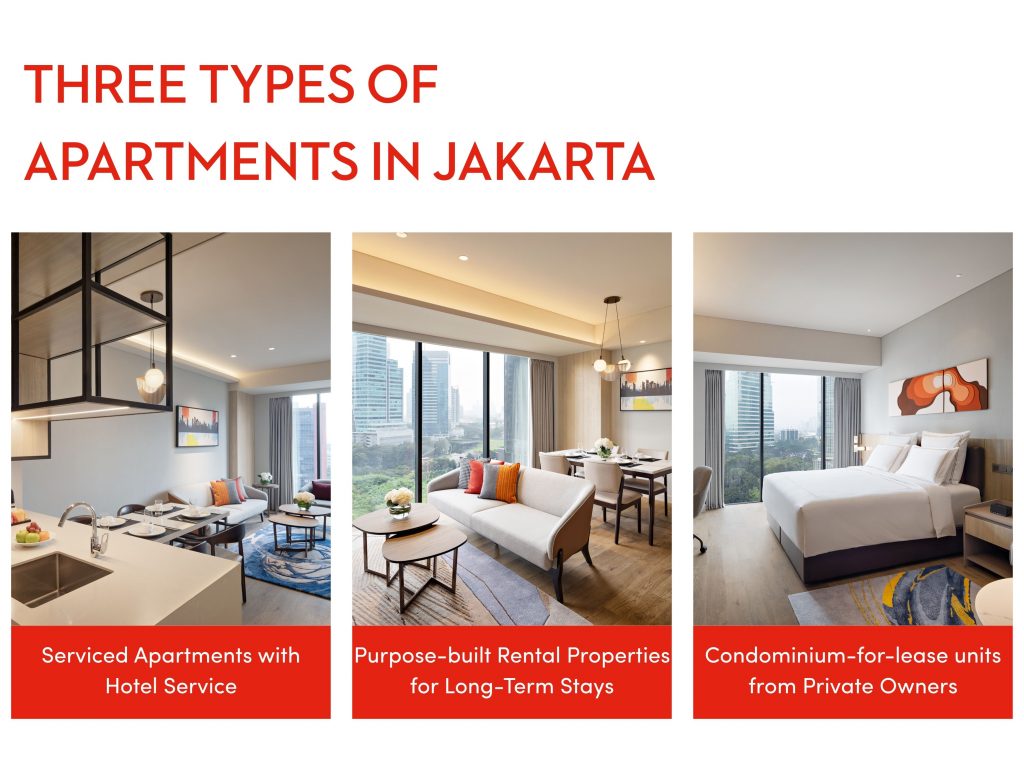
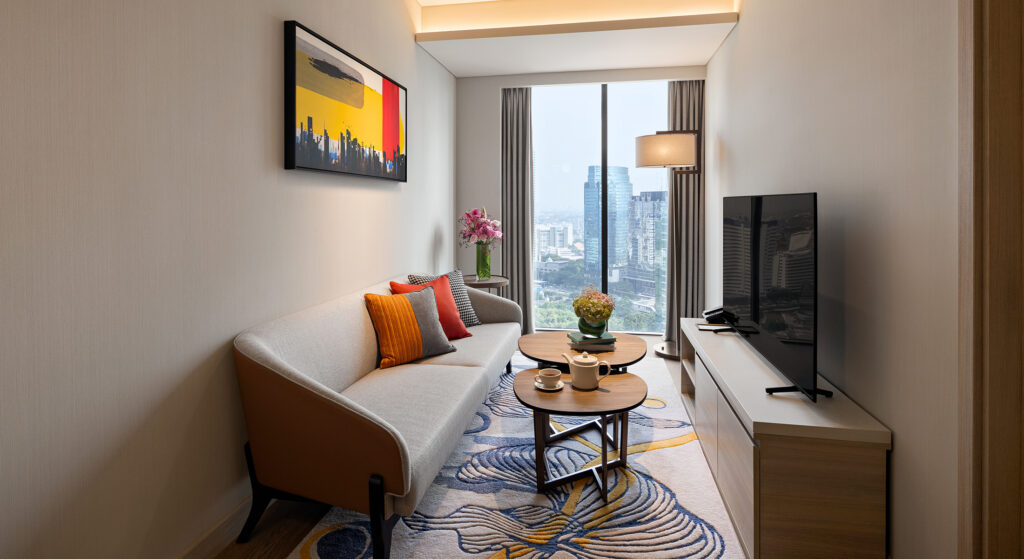
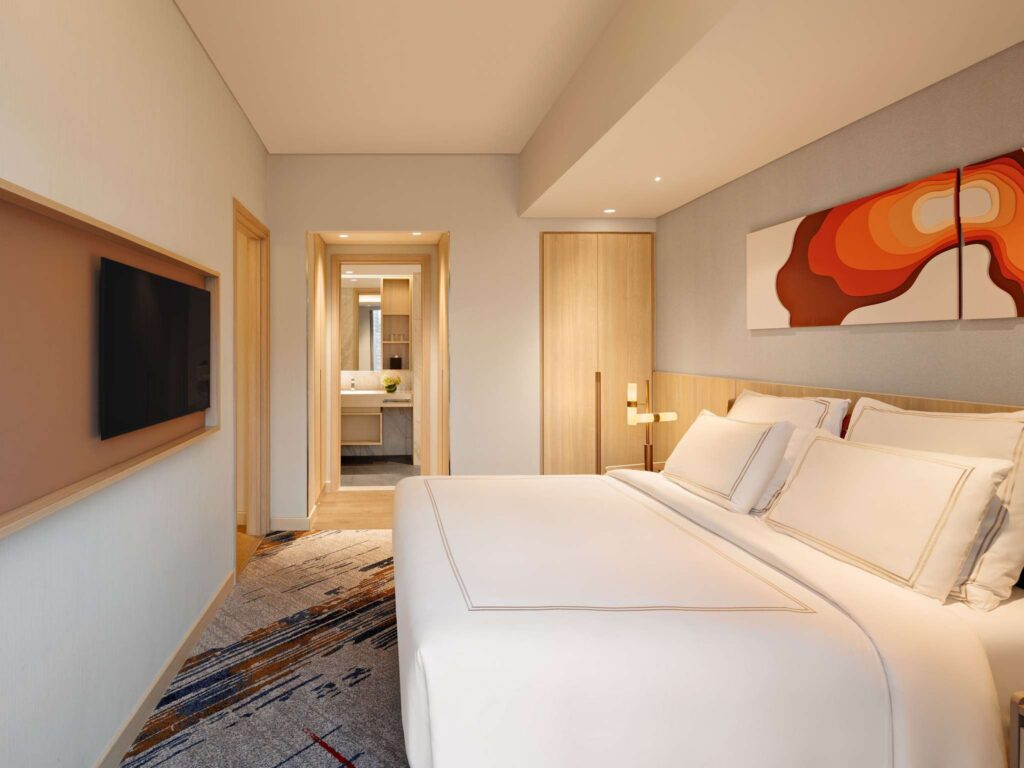
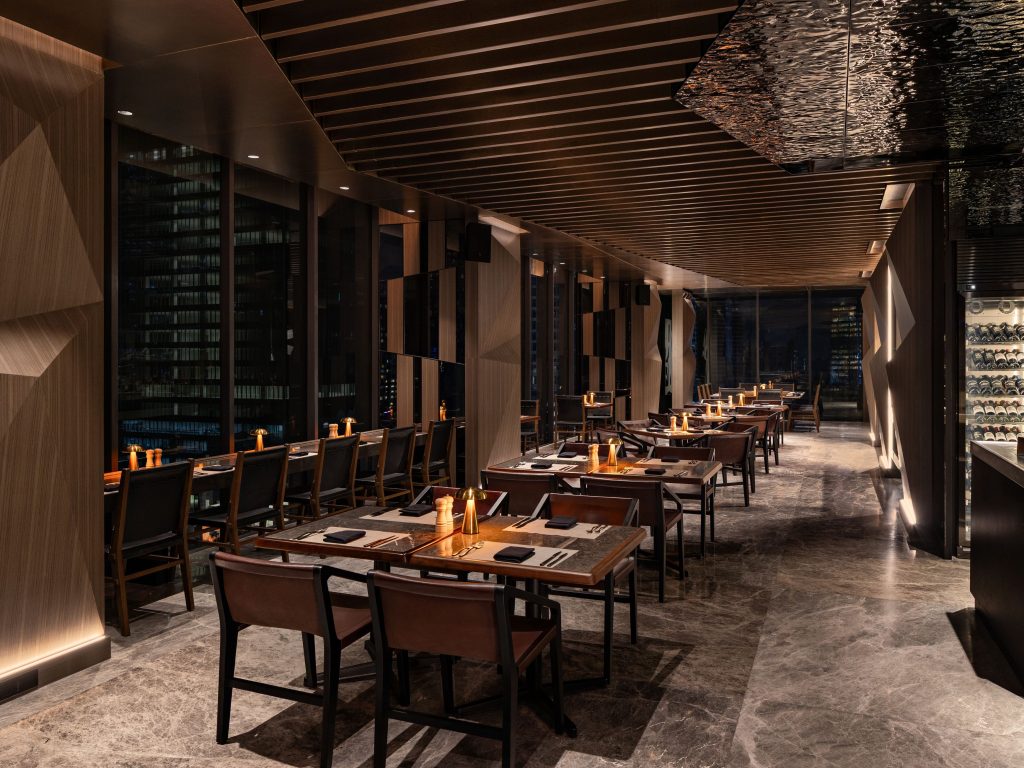
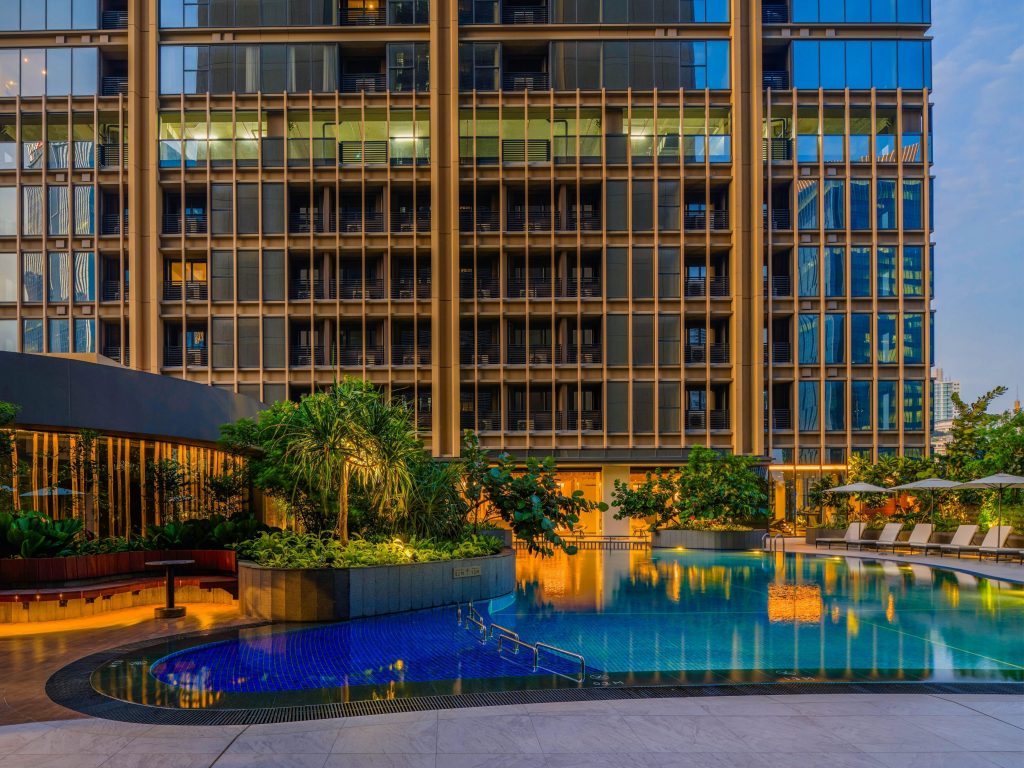
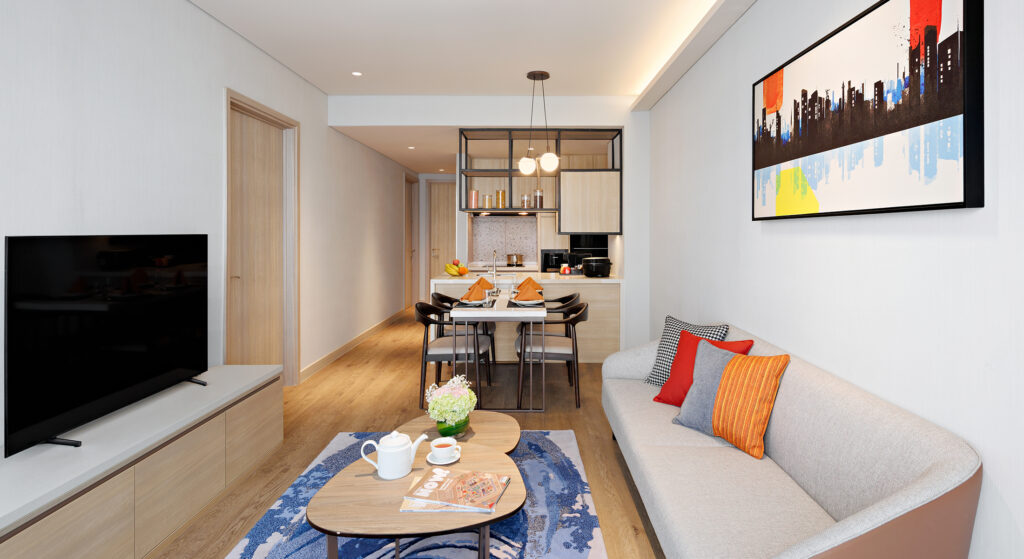
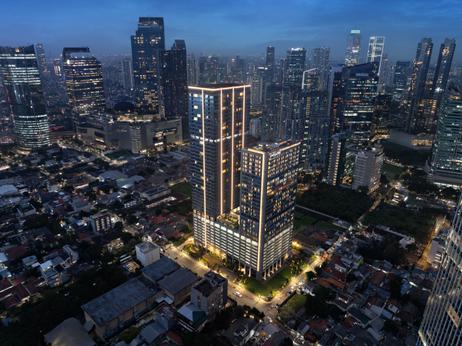
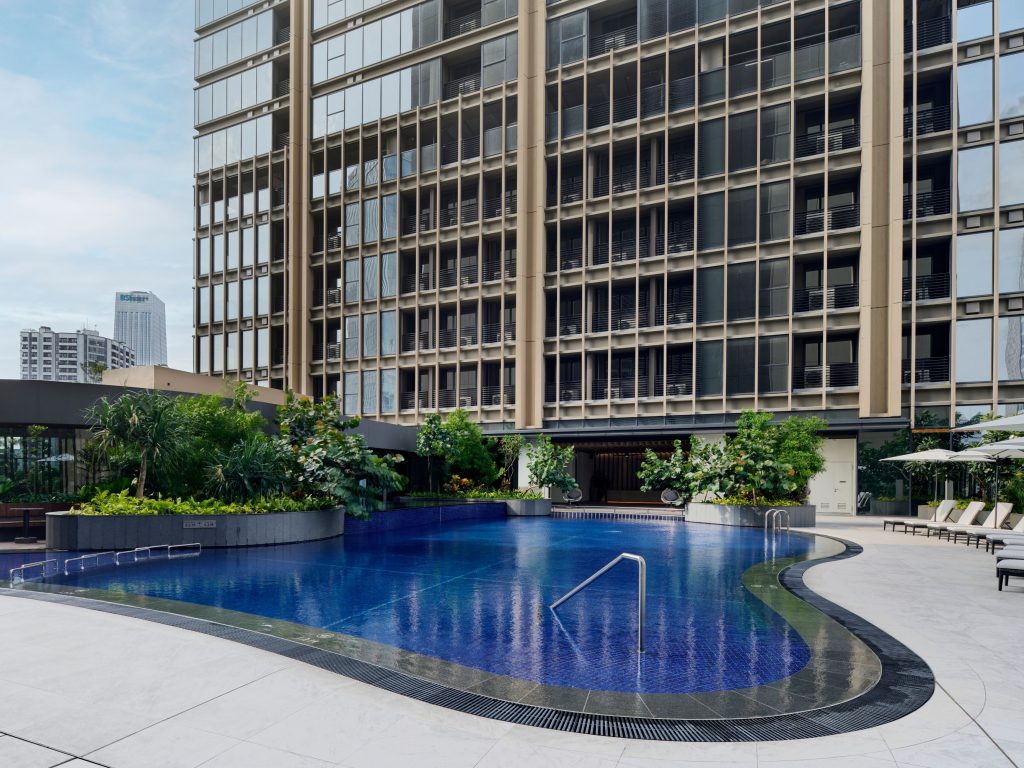
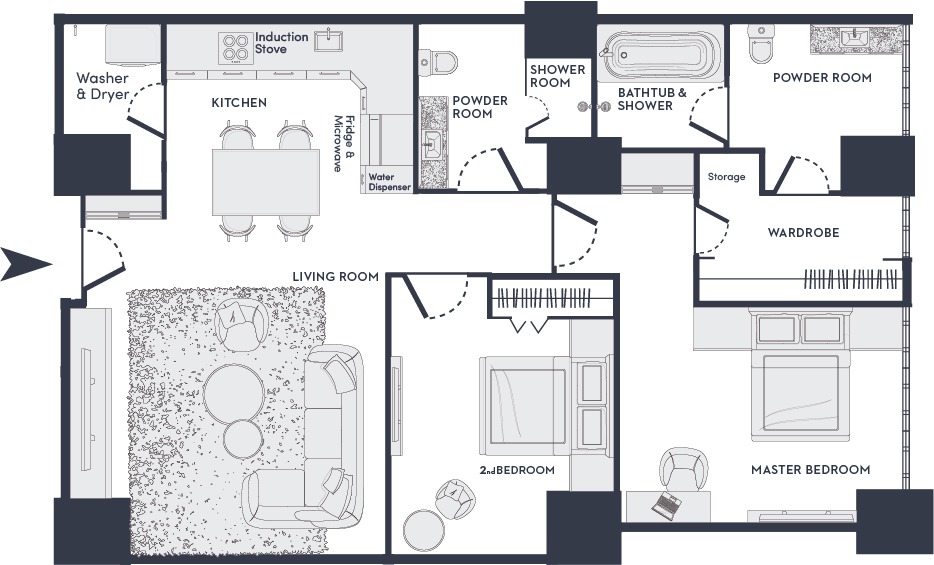
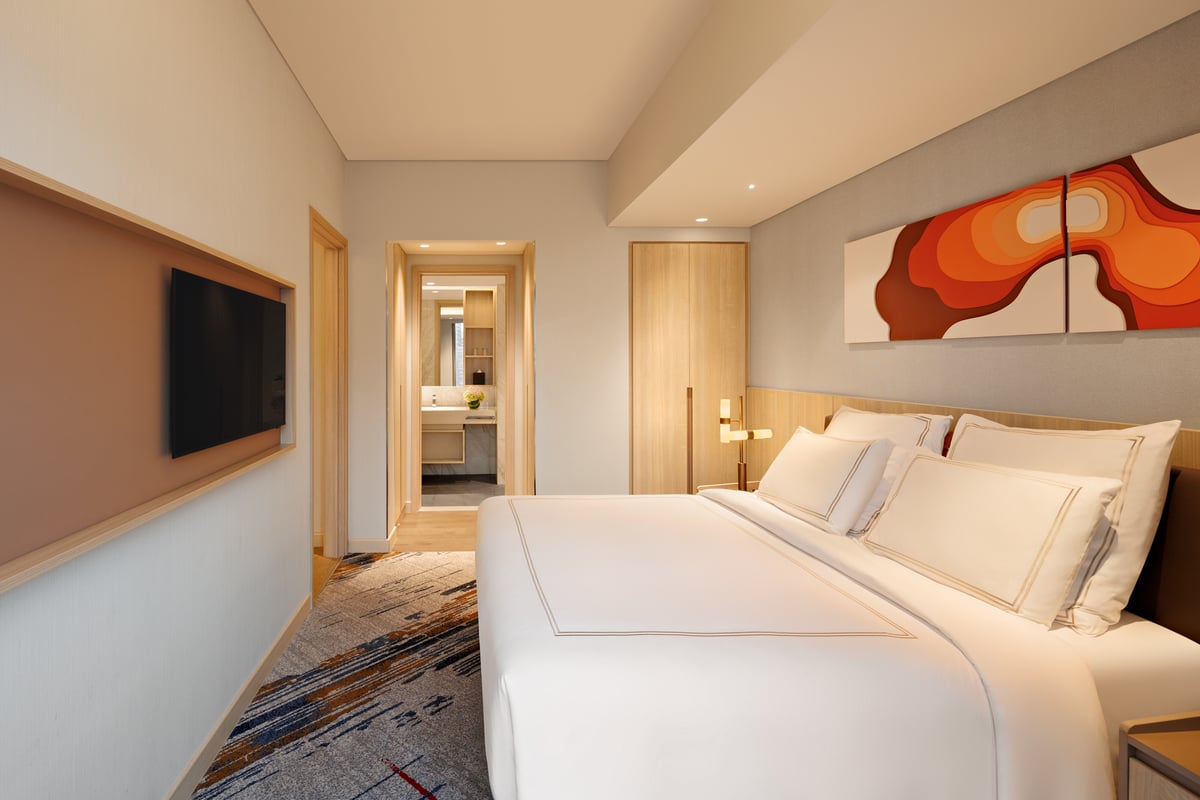
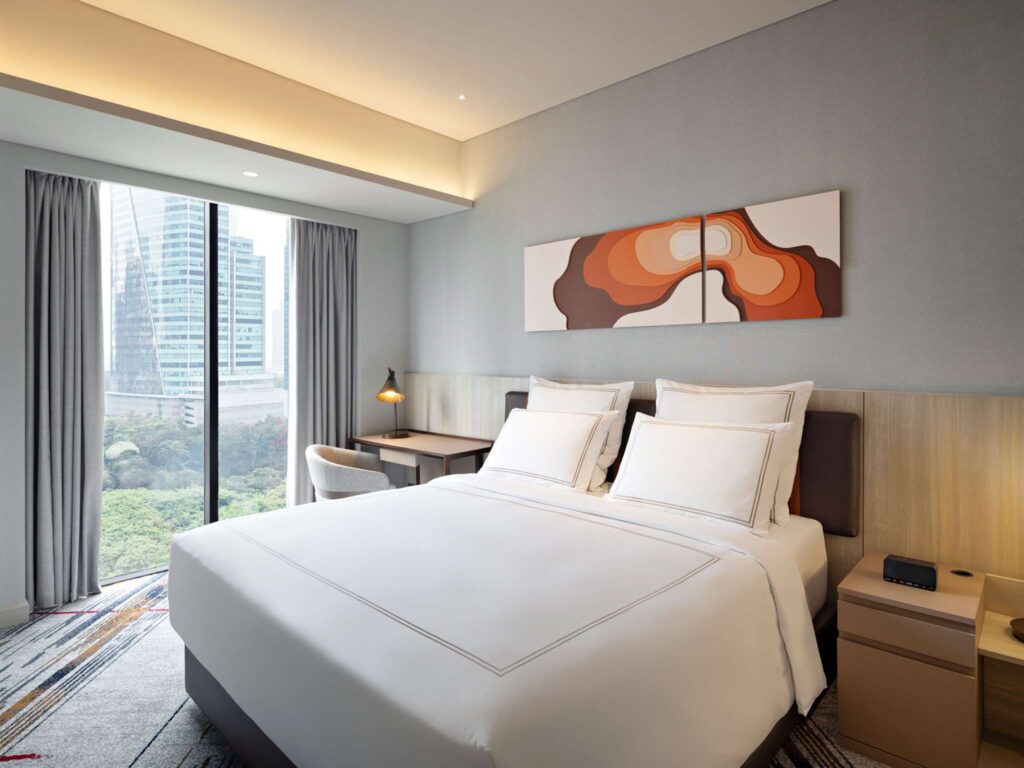
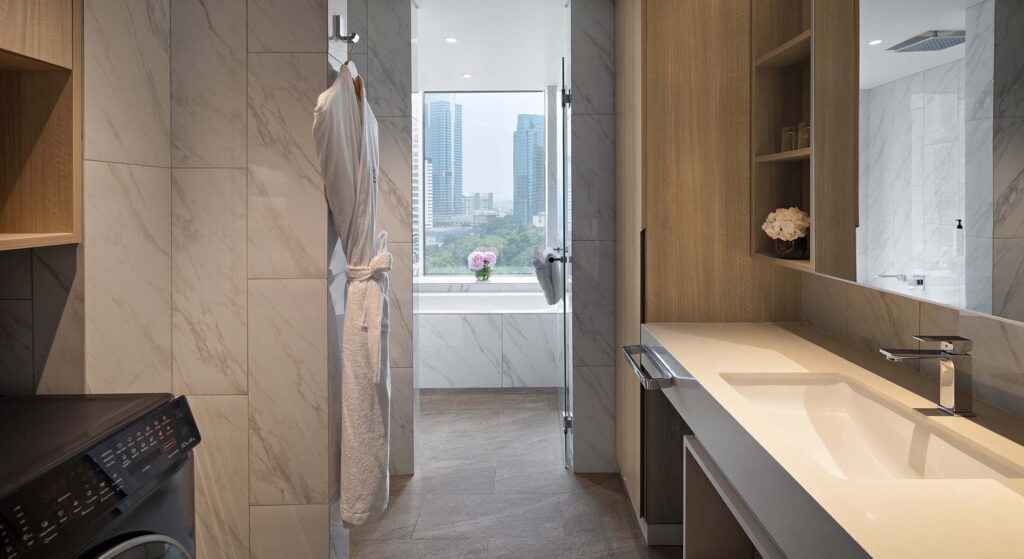
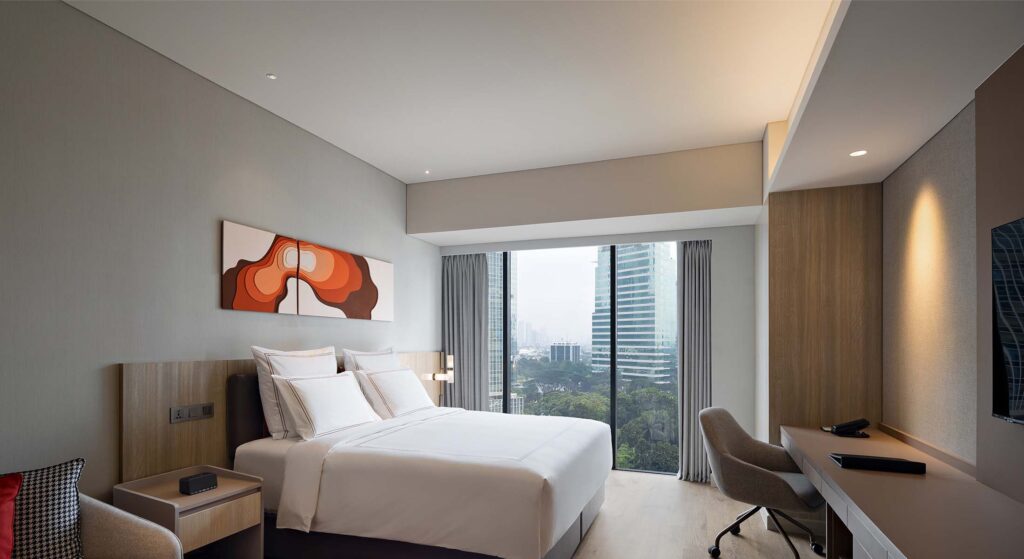
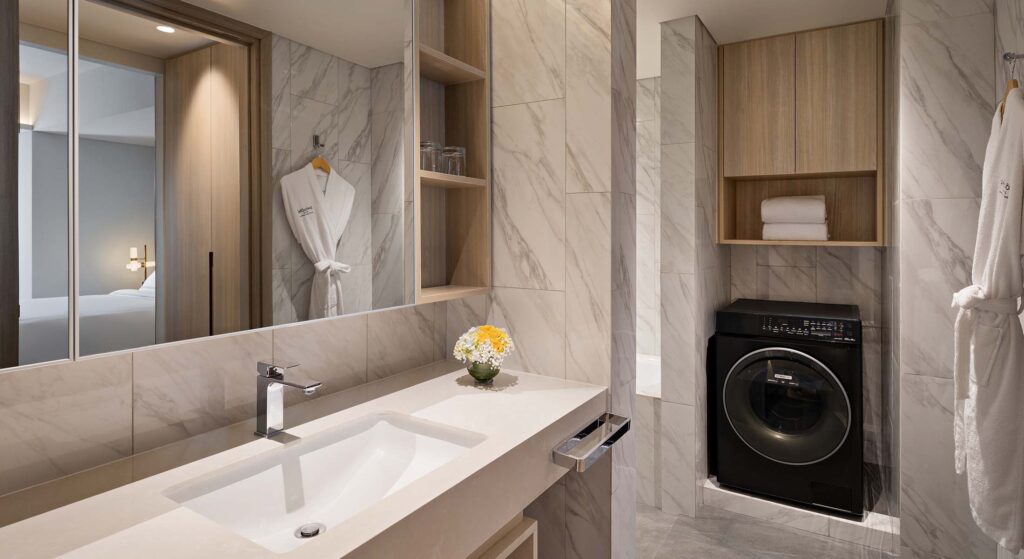
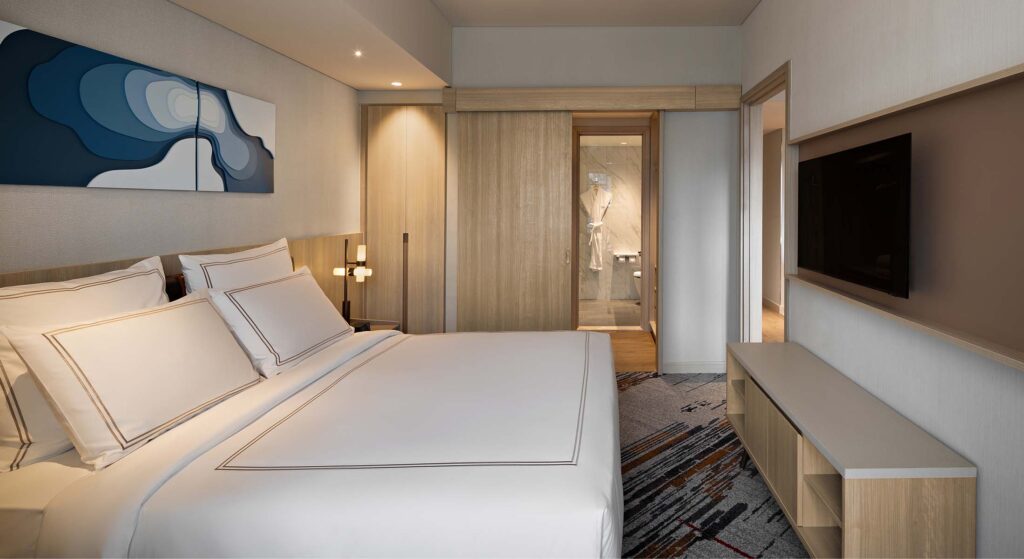
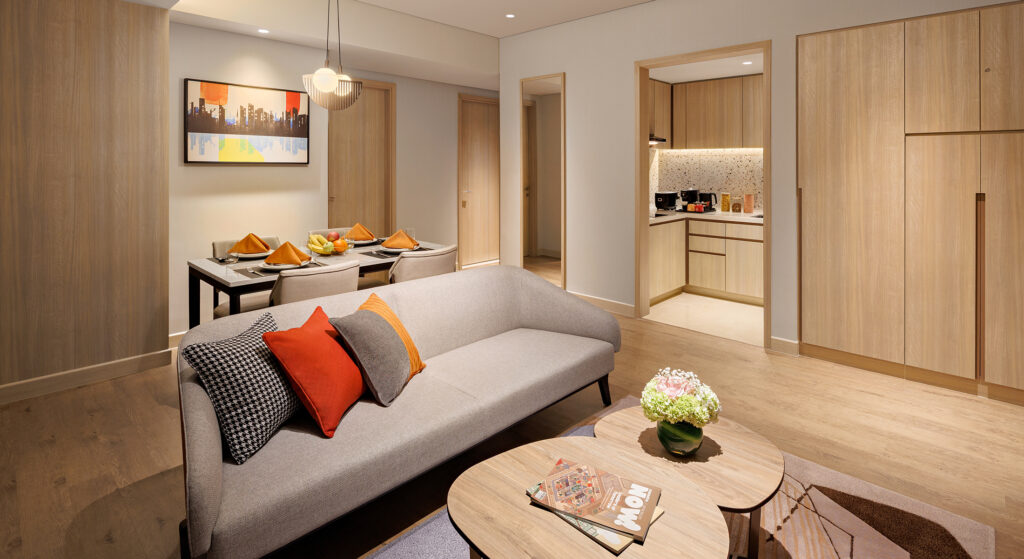
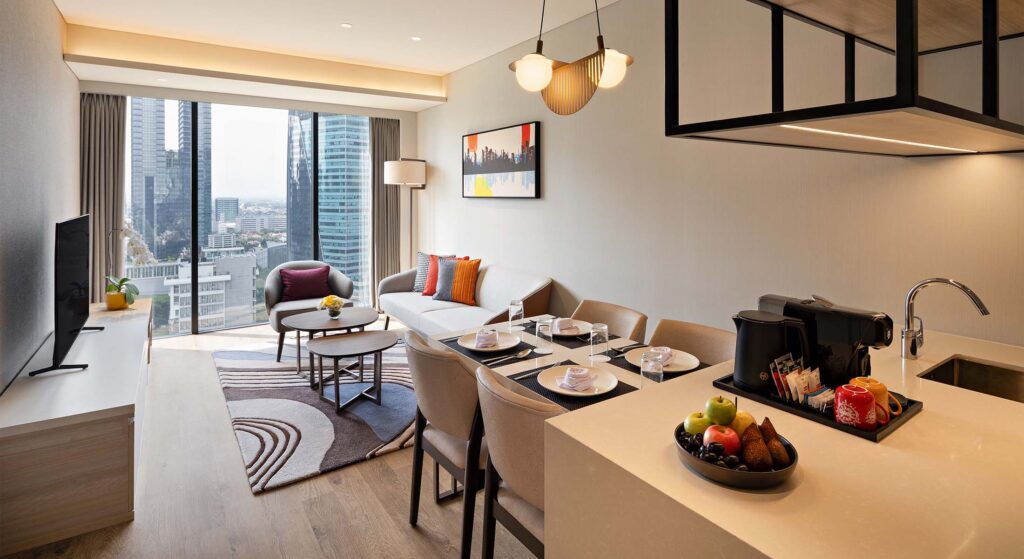
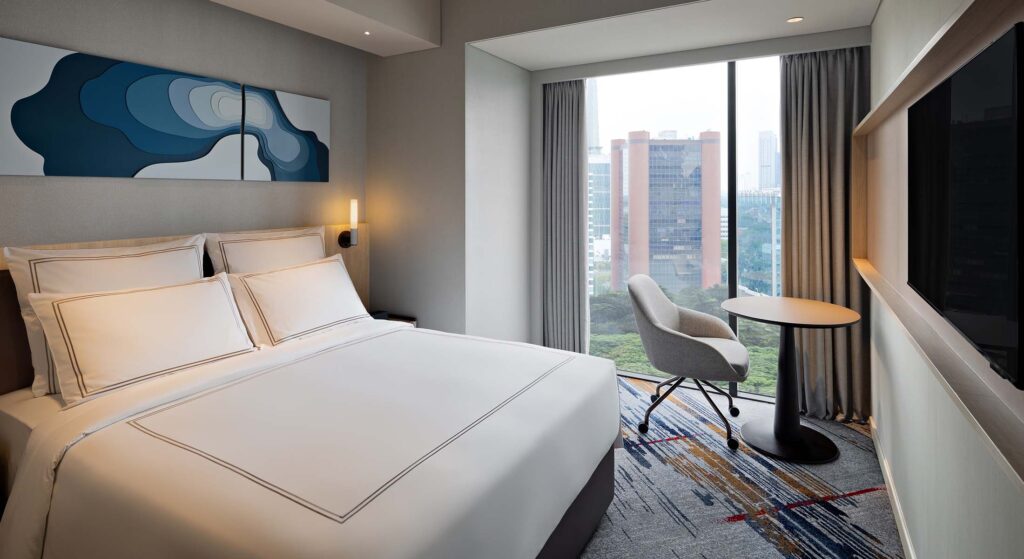
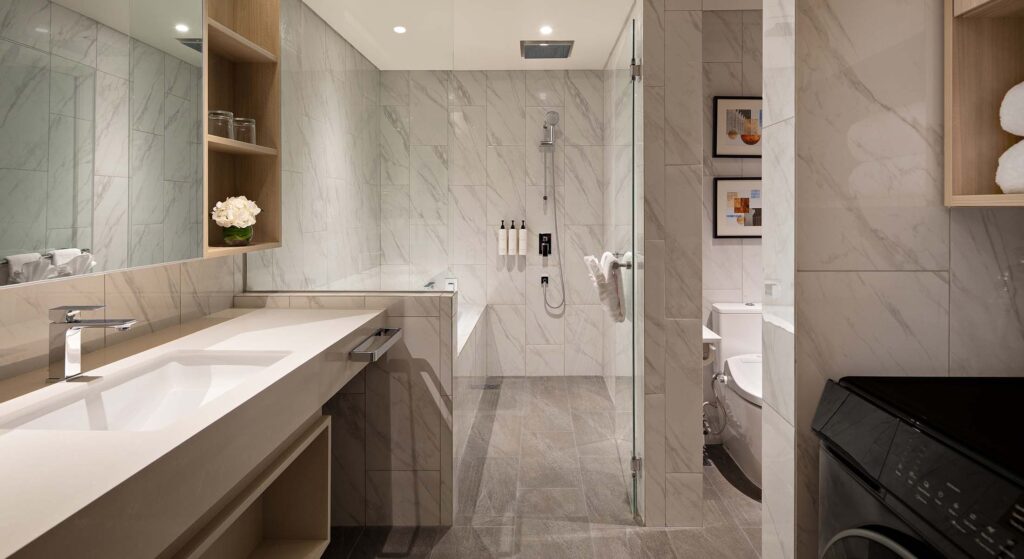
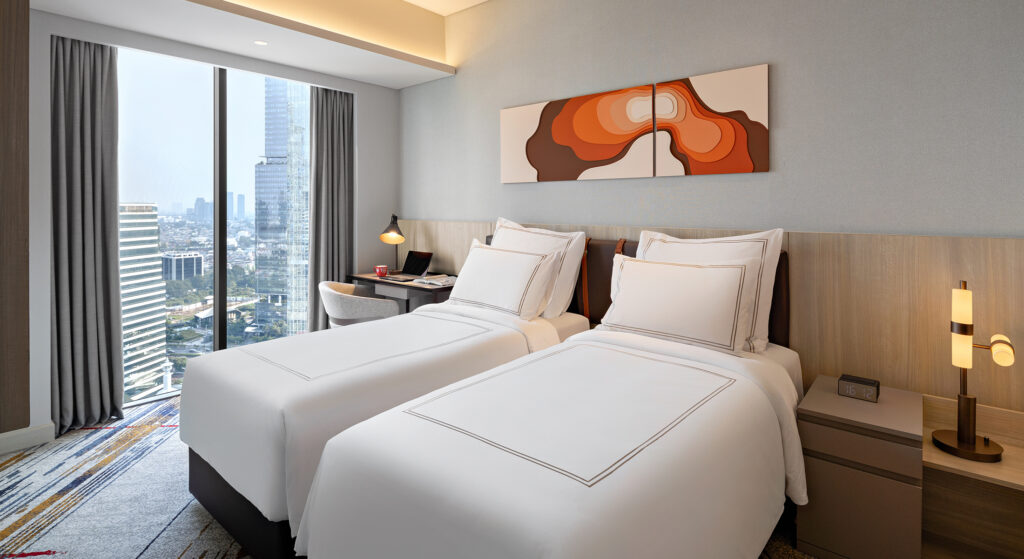
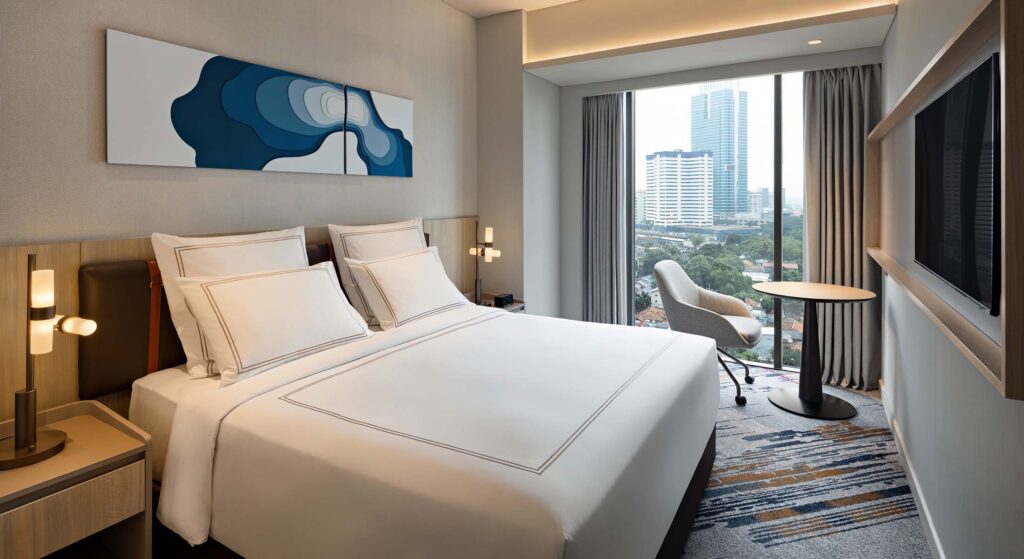
Serviced apartments typically offer more residential space and hotel-level services combined. Properties like Swissôtel Living Jakarta Mega Kuningan provide fully furnished residences ranging from studios to three-bedroom apartments, with daily housekeeping options and access to comprehensive facilities including restaurants and wellness centers.
Service Level Considerations
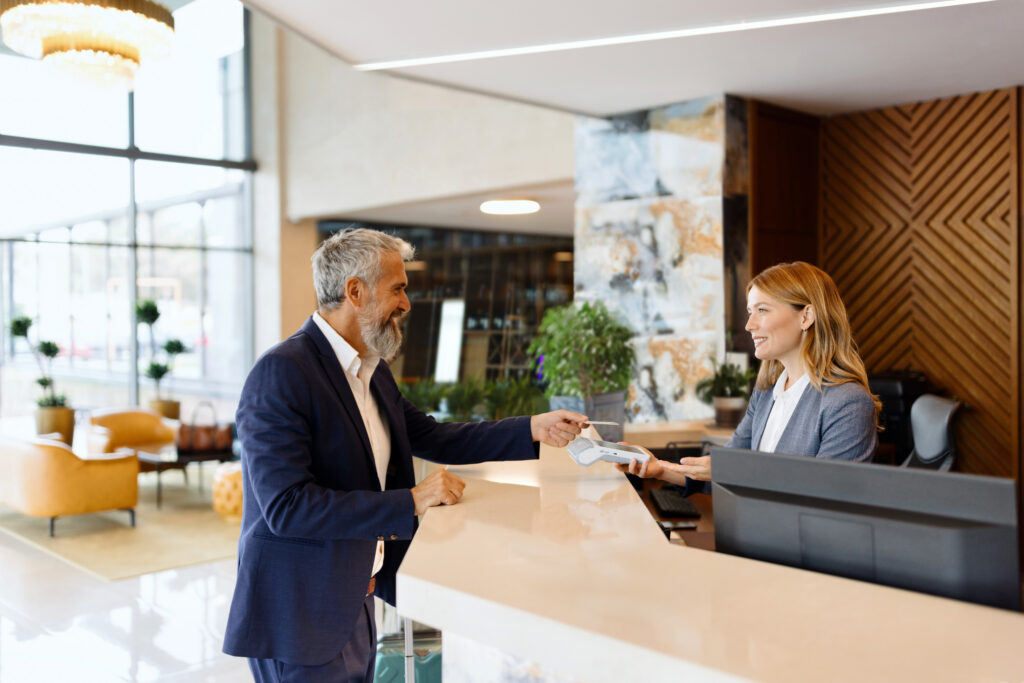
Extended stay hotel rooms often operate with streamlined services to maintain cost efficiency. Housekeeping occurs weekly rather than daily, front desk hours may be limited to daytime, and on-site amenities focus on essentials like fitness centers and business centers.
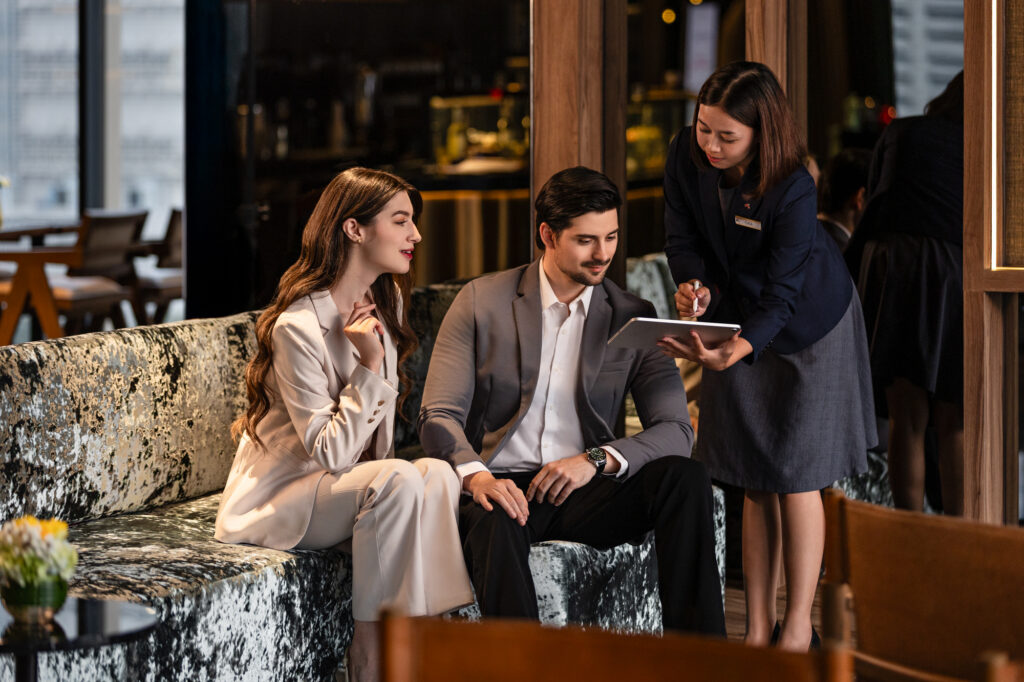
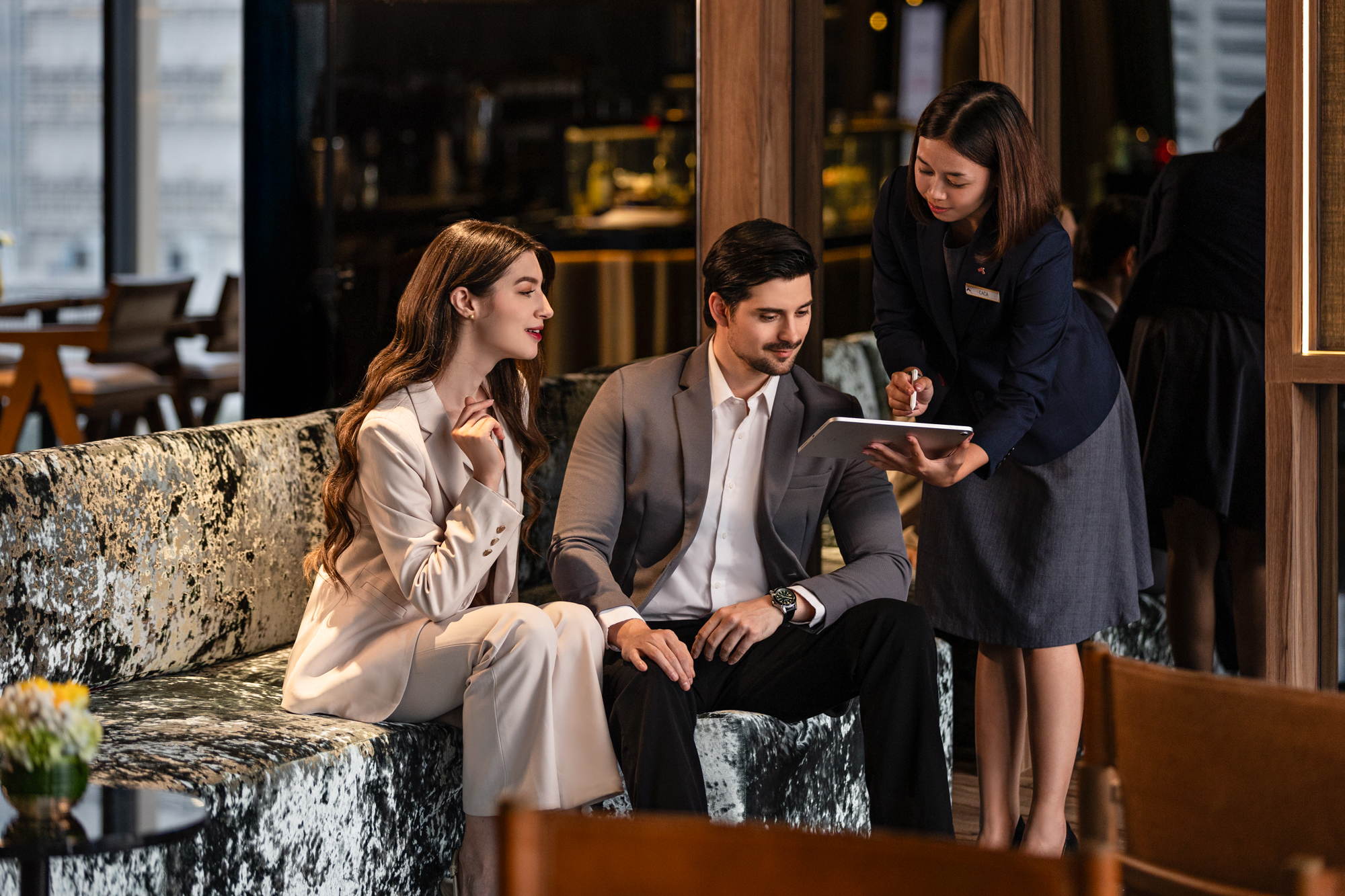
Serviced apartments deliver hotel-standard services within a residential format. Daily housekeeping, 24-hour reception, concierge assistance, and maintenance support mirror traditional hotel operations. This service intensity particularly benefits international business travelers and expatriates who value both independence and support.
Cost Structure and Pricing Models
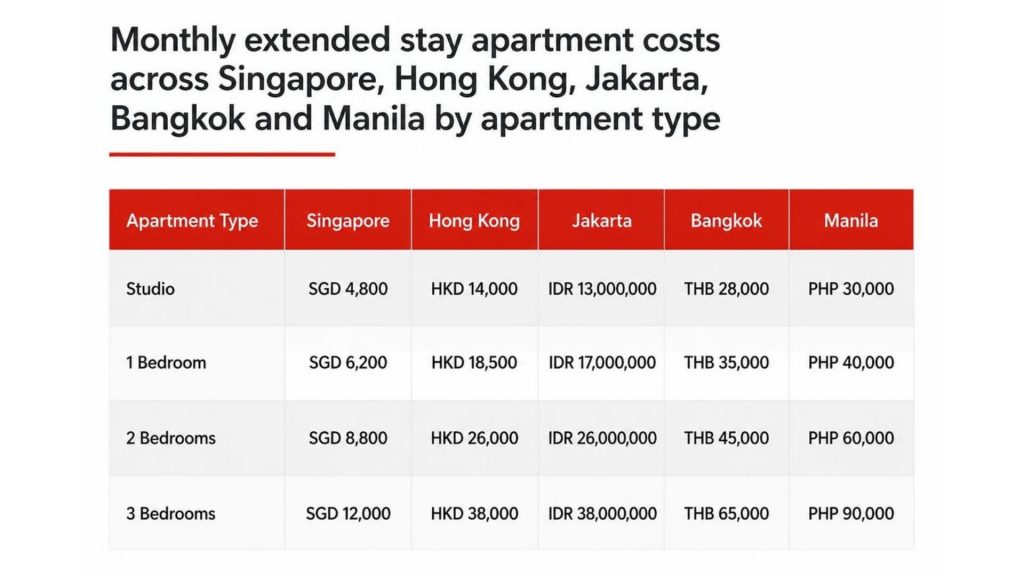
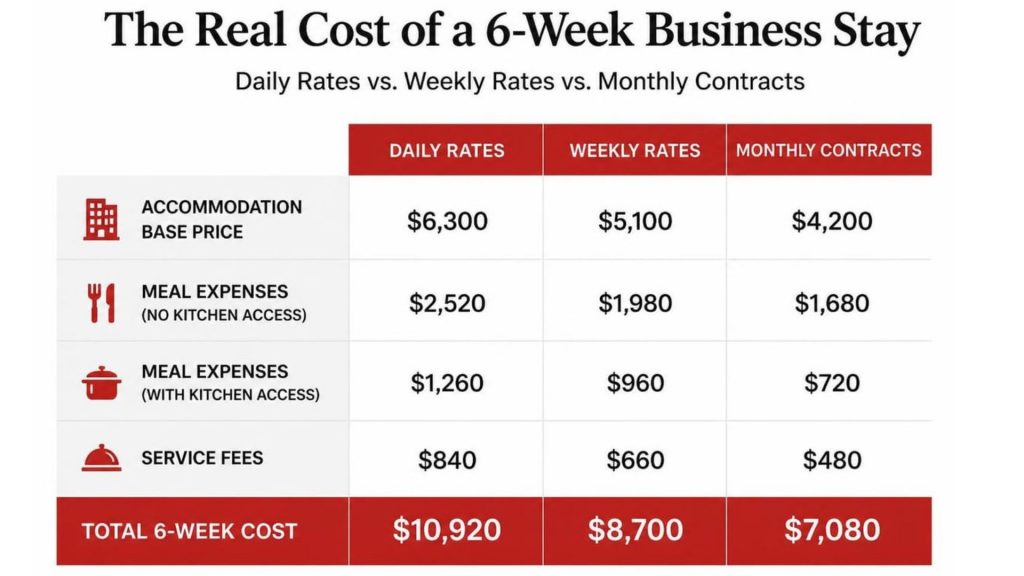
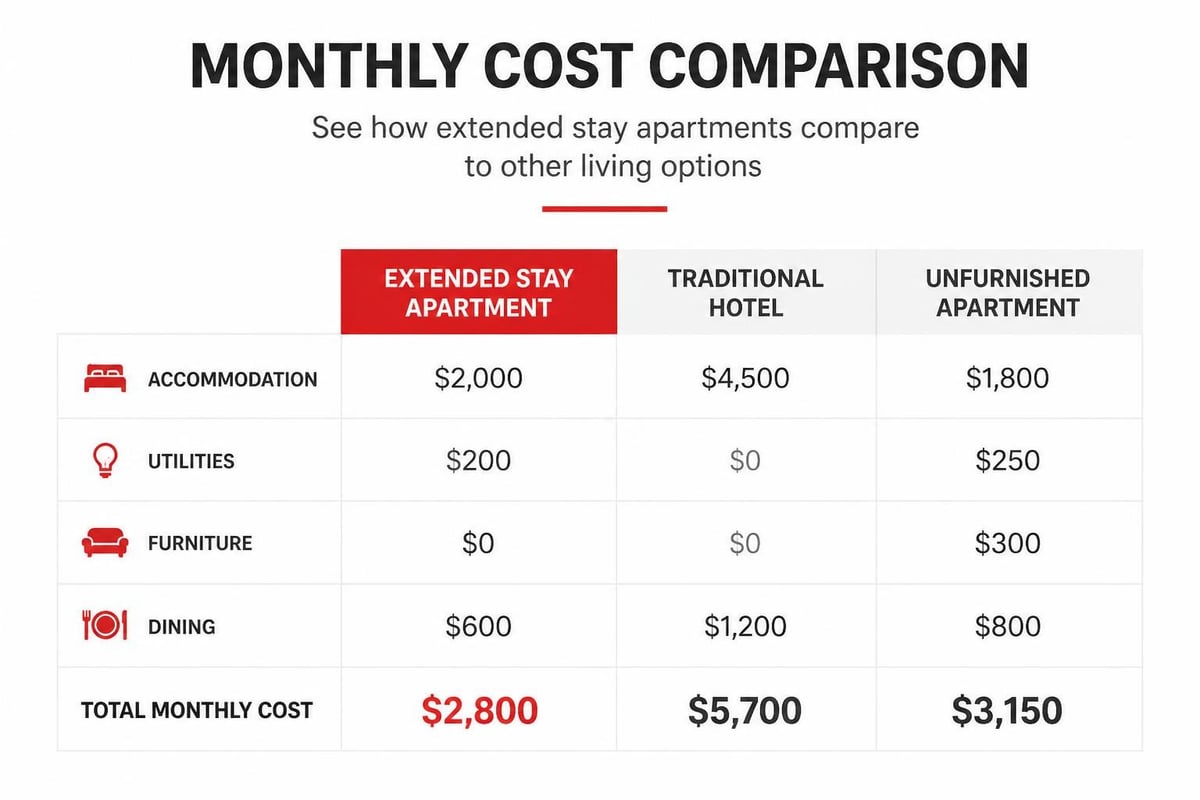
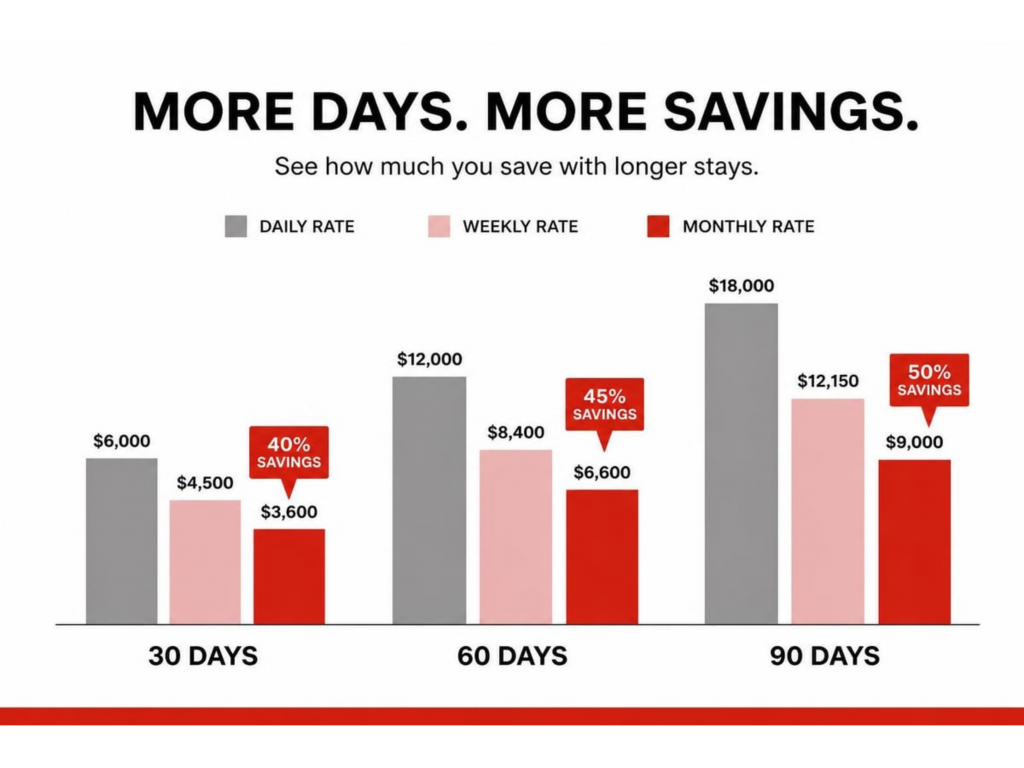
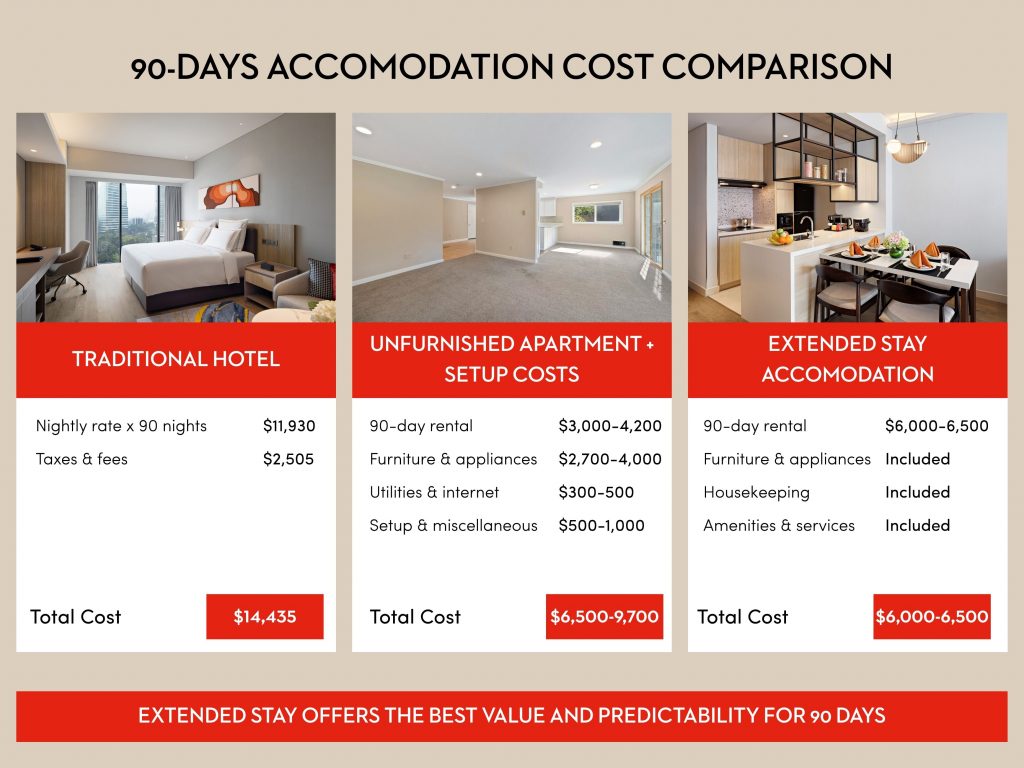
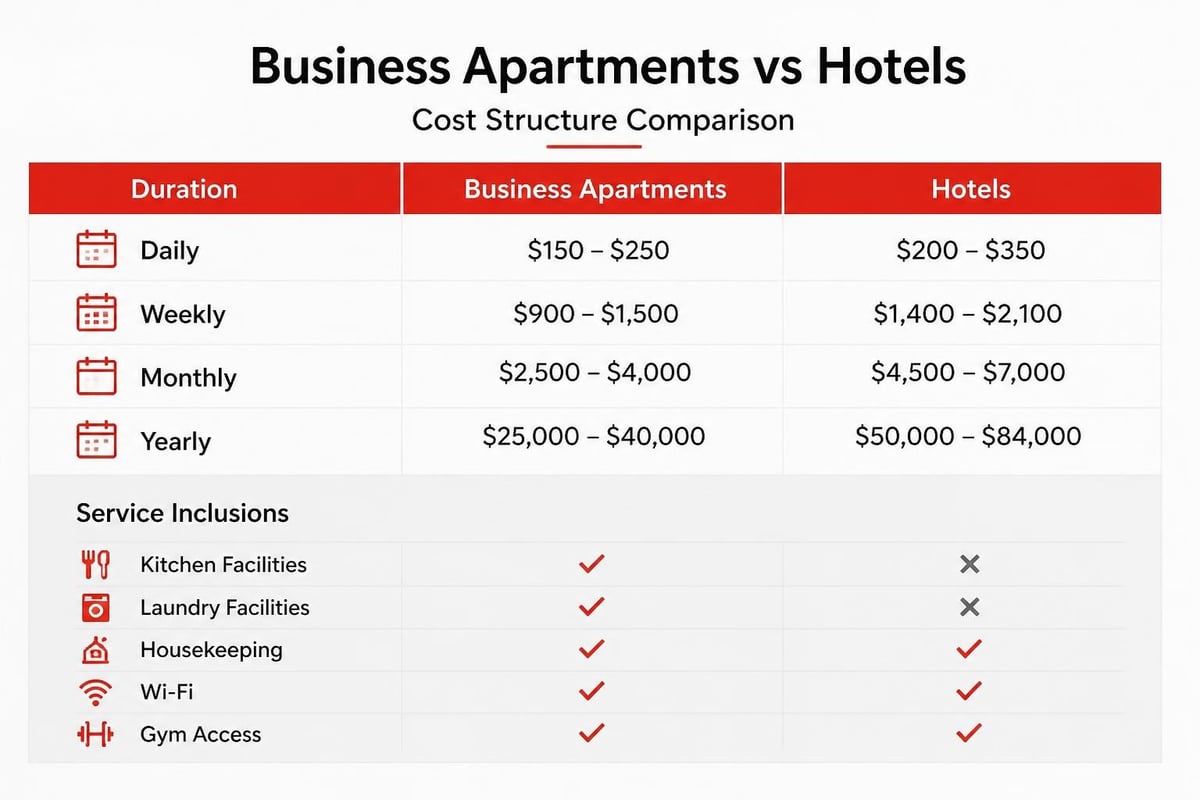
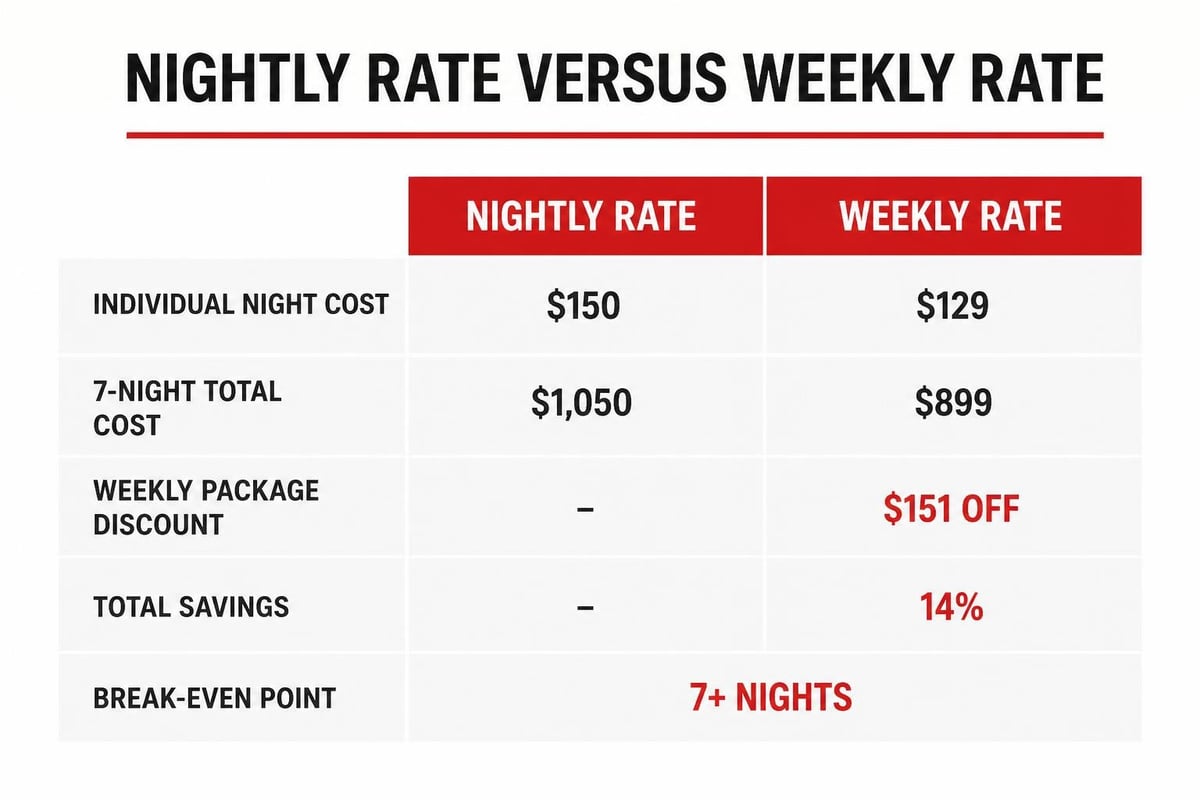
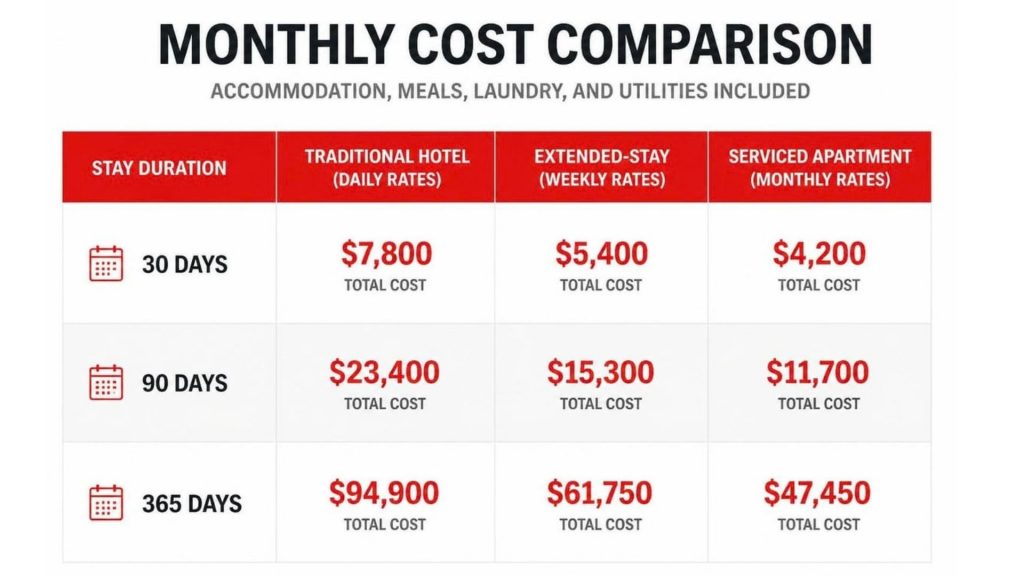
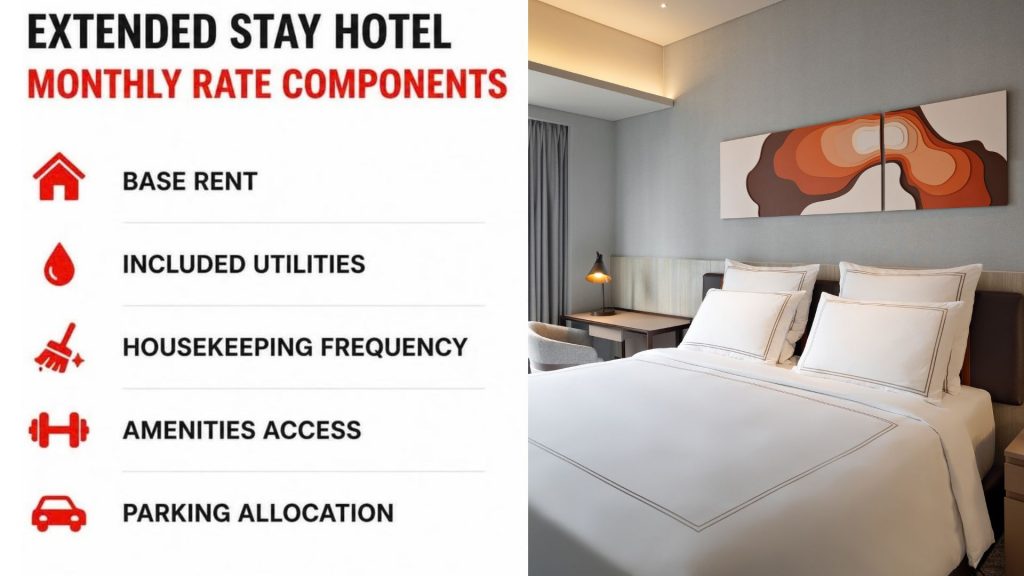
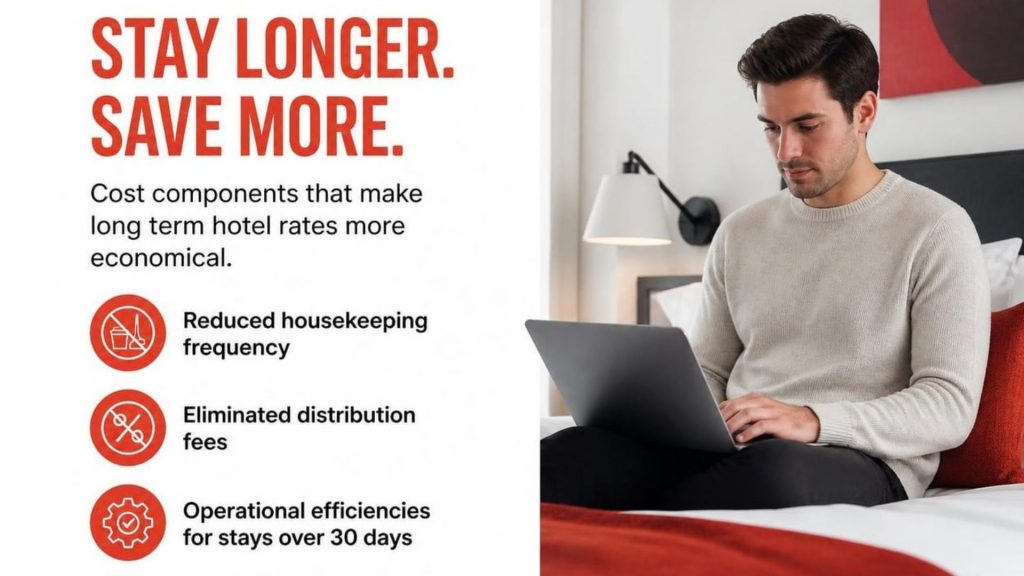
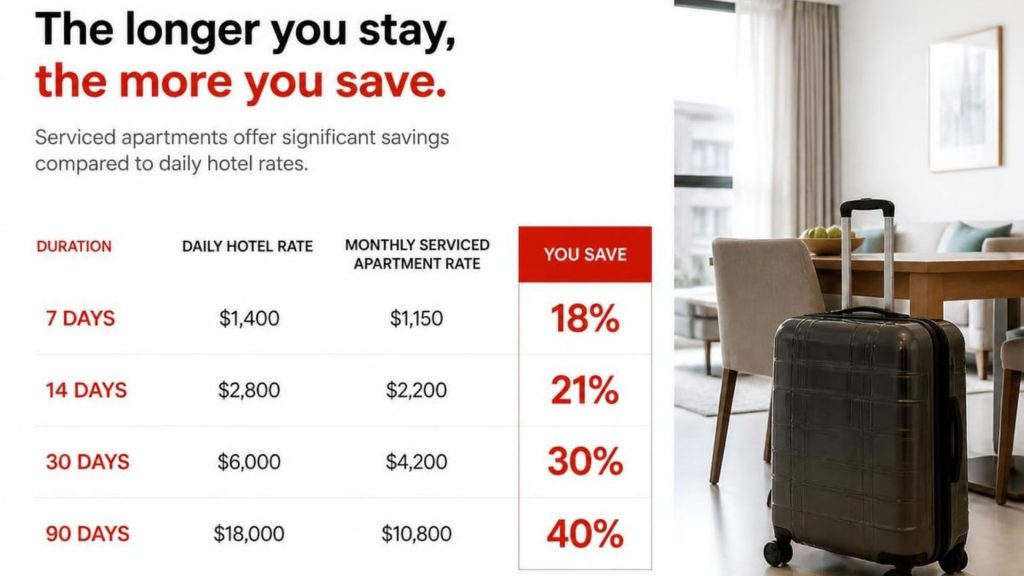
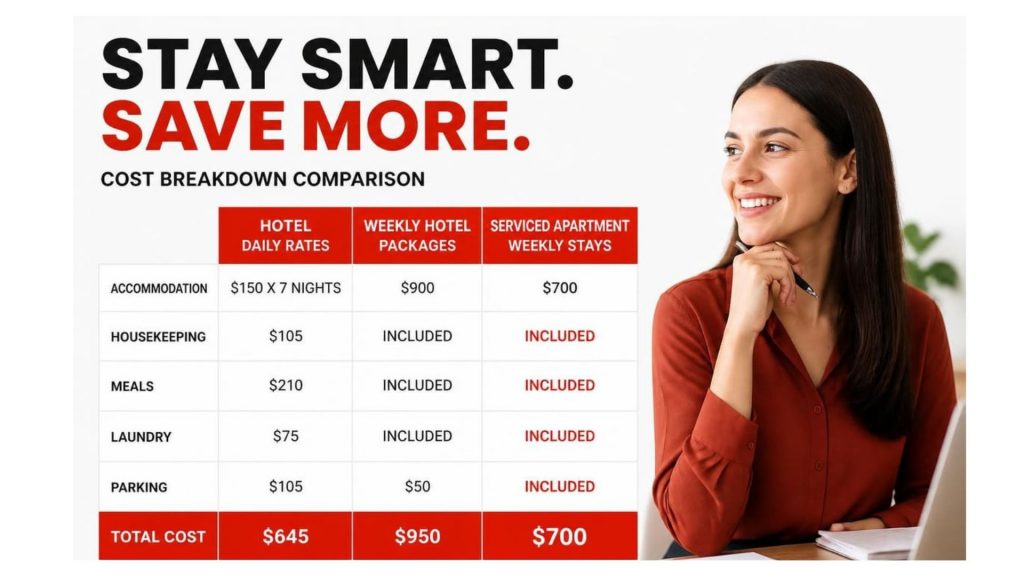
Understanding how extended stay hotel rooms are priced helps travelers budget effectively and negotiate favorable rates for longer commitments. Pricing strategies vary significantly based on location, property brand, and length of stay.
Booking Strategies for Extended Stay Hotel Rooms
Securing the best value on extended stay hotel rooms requires different tactics than booking traditional hotel stays. Advanced planning, direct communication, and flexibility yield significant savings.
Direct Booking Benefits
Contacting properties directly often produces better rates than third-party booking platforms. Extended-stay operators have authority to customize pricing based on stay length, seasonality, and occupancy forecasts.
When reaching out directly:
- Specify exact dates and total nights to receive accurate extended-stay pricing
- Ask about corporate, government, or association discounts if applicable
- Inquire about weekly and monthly rate structures rather than nightly rates
- Request information on included services to understand total value
- Discuss flexible check-in/check-out arrangements for stays spanning multiple months
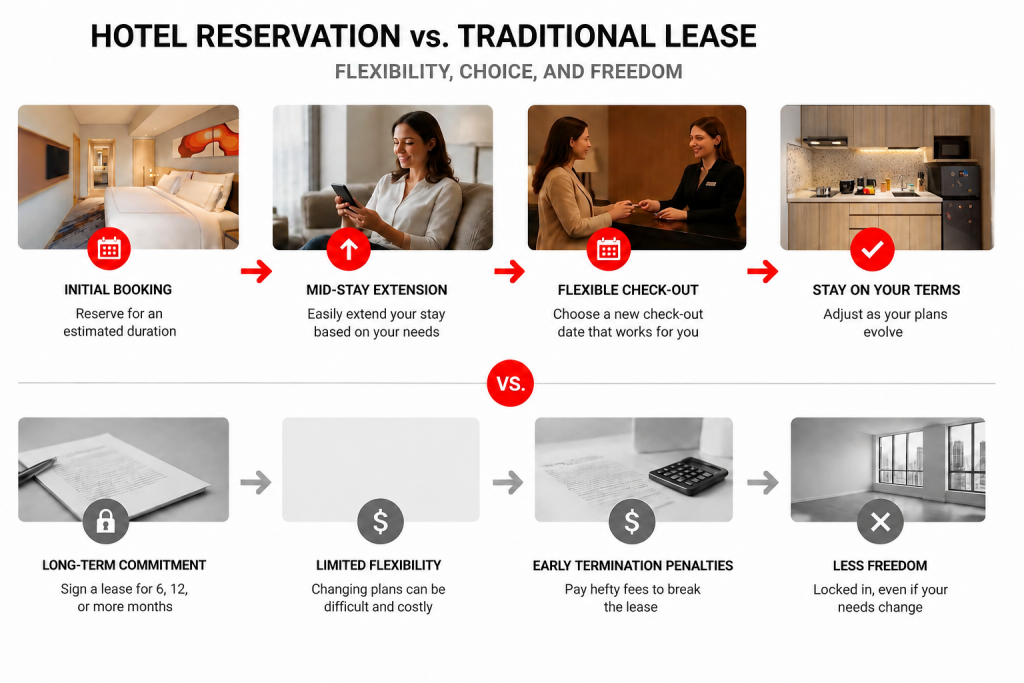
Direct bookings also provide easier modification processes if business plans change or stay extensions become necessary.
Timing Your Reservation
Extended stay hotel rooms experience different demand patterns than leisure-focused hotels. Business districts see highest occupancy during weekdays and corporate project seasons, typically September through November and January through May.
Booking during shoulder periods (June-August, December) or securing accommodation 60-90 days in advance improves negotiating leverage. Properties facing lower projected occupancy offer more aggressive discounting to secure longer commitments.
Ideal Guest Profiles for Extended Stay Hotel Rooms
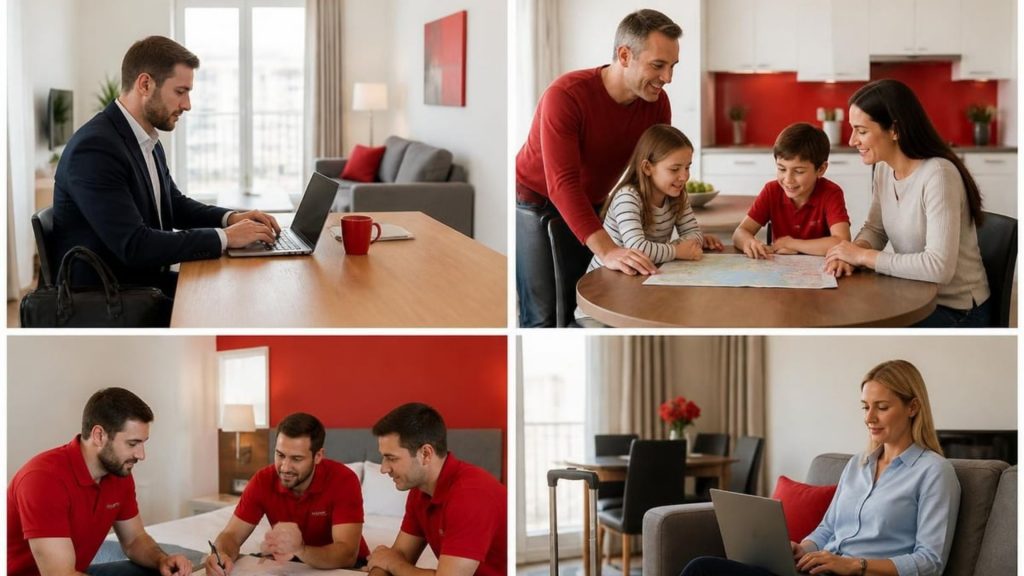
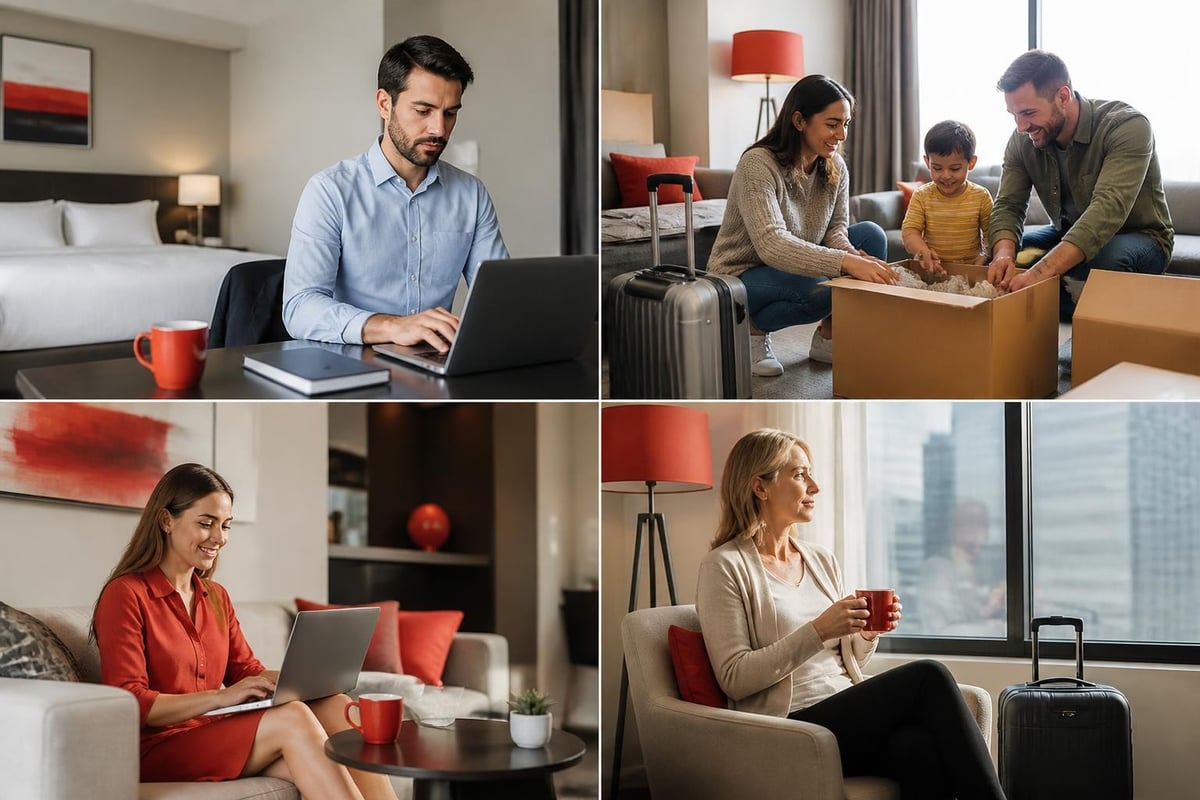
Extended stay hotel rooms serve specific traveler needs more effectively than traditional hotels or short-term rentals. Recognizing whether your situation aligns with these profiles helps determine if this accommodation style suits your requirements.
Corporate Relocations and Project Assignments
Professionals transferring to new cities or working on extended projects represent the core extended-stay market. These guests require:
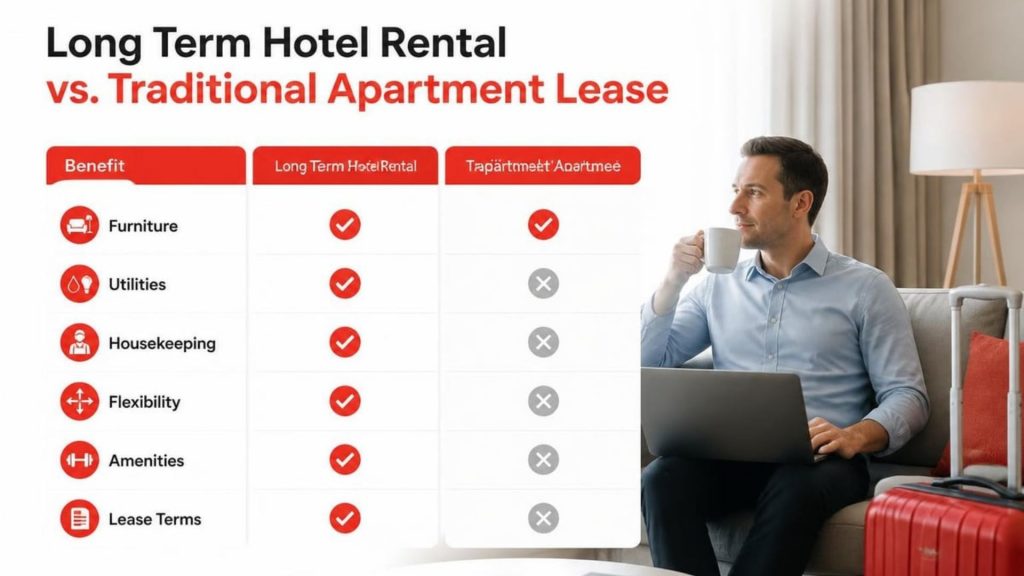
- Immediate move-in capability without furniture shopping or utility setup
- Predictable monthly costs for expense reporting and budget planning
- Professional environments suitable for video conferences and client calls
- Proximity to business districts minimizing commute time
Market data shows that business travel accounts for approximately 65% of extended-stay demand in major metropolitan areas.
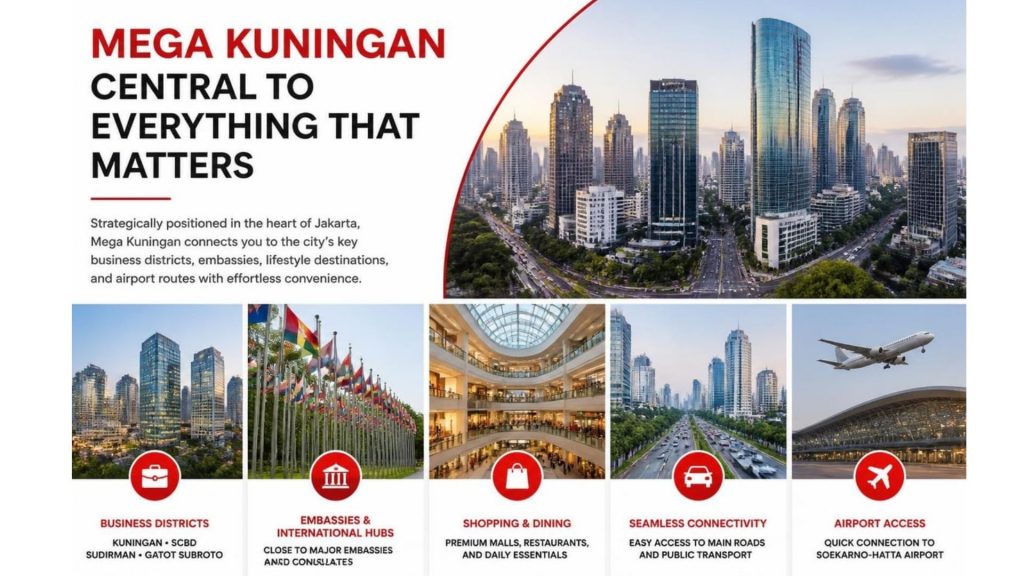
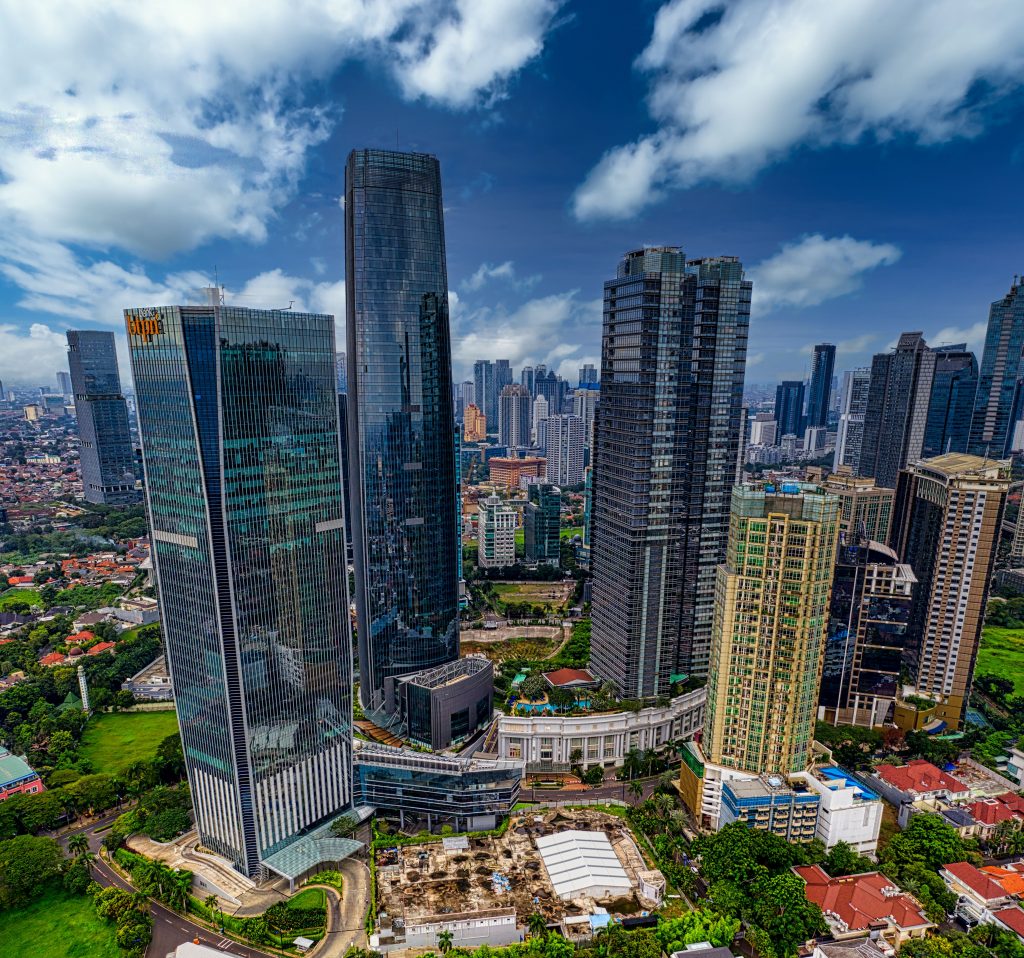
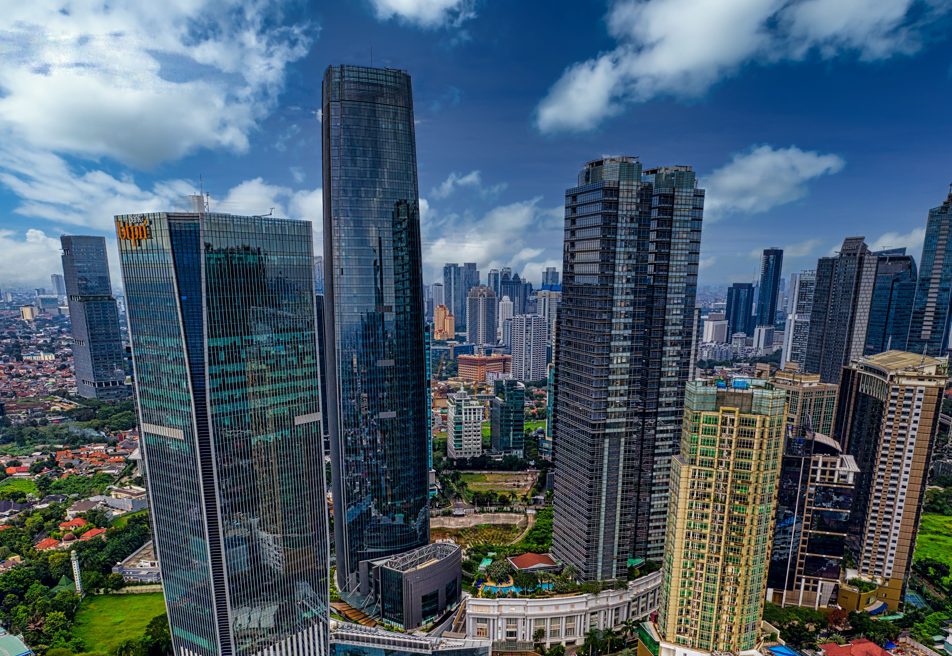
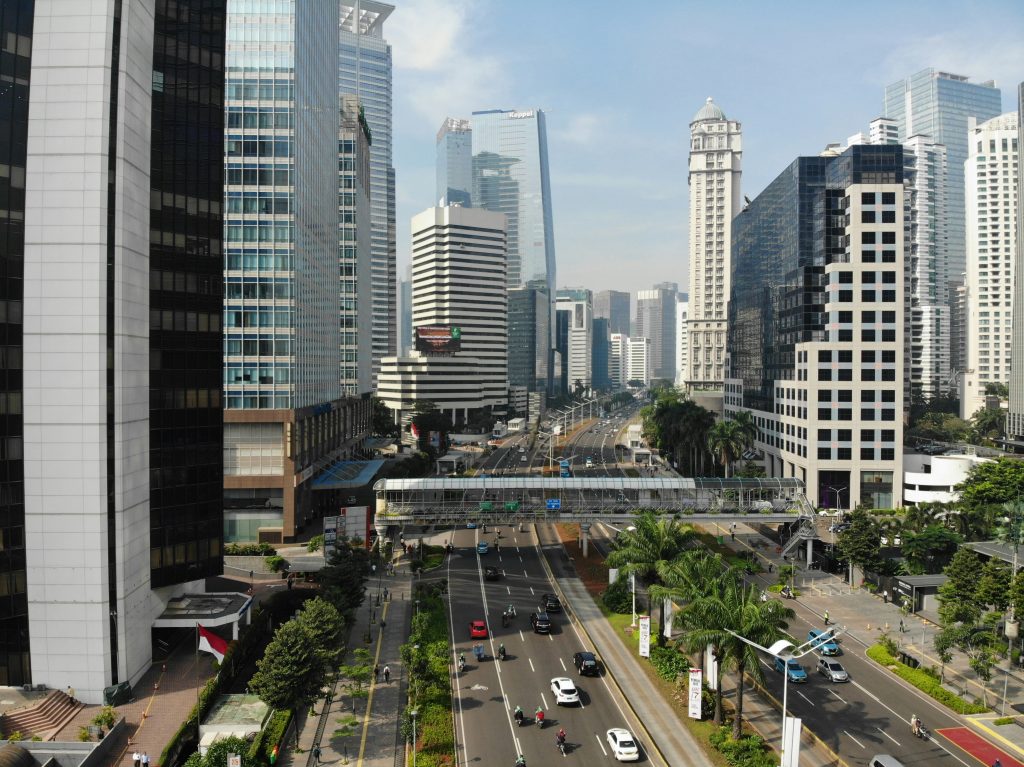
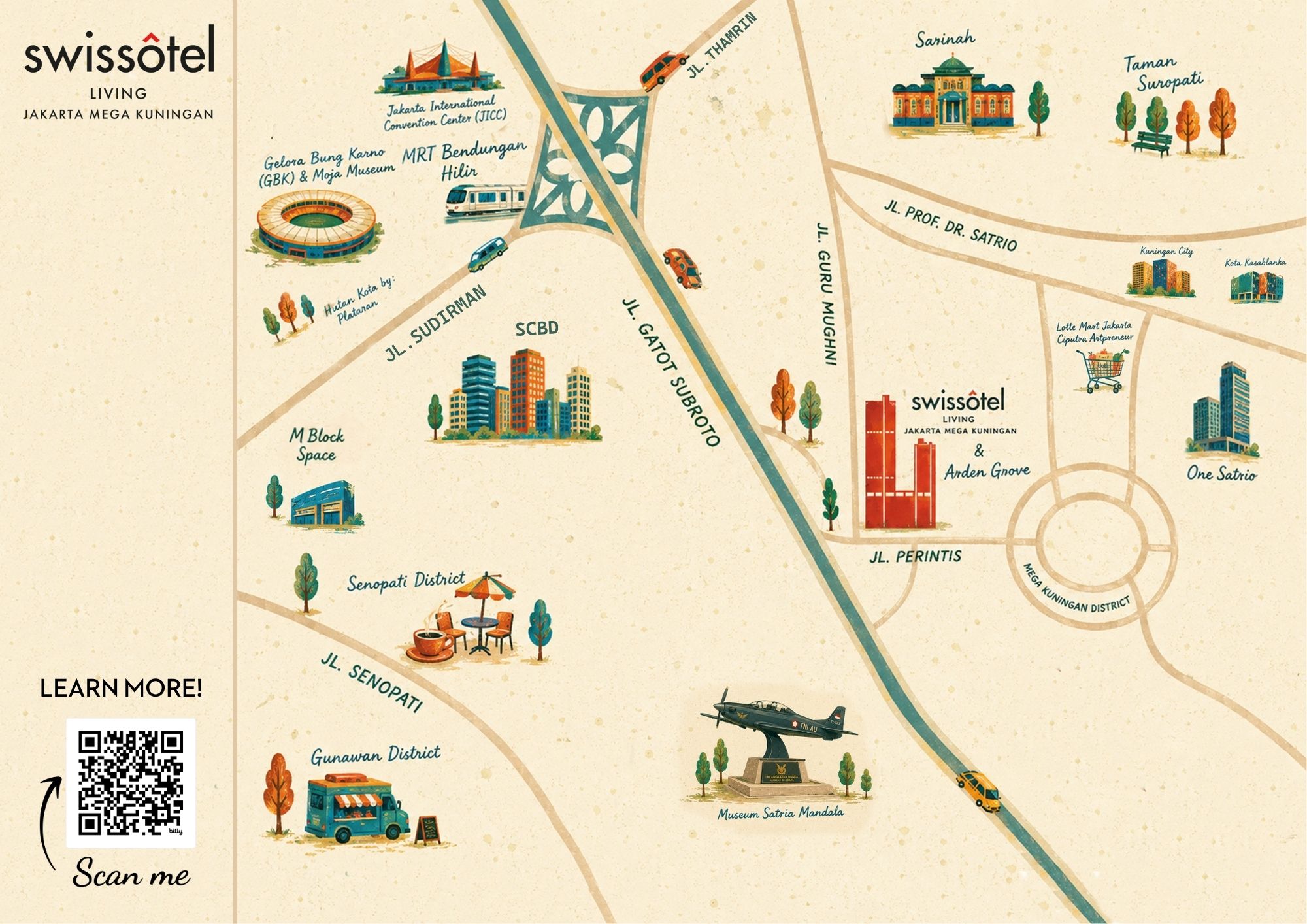
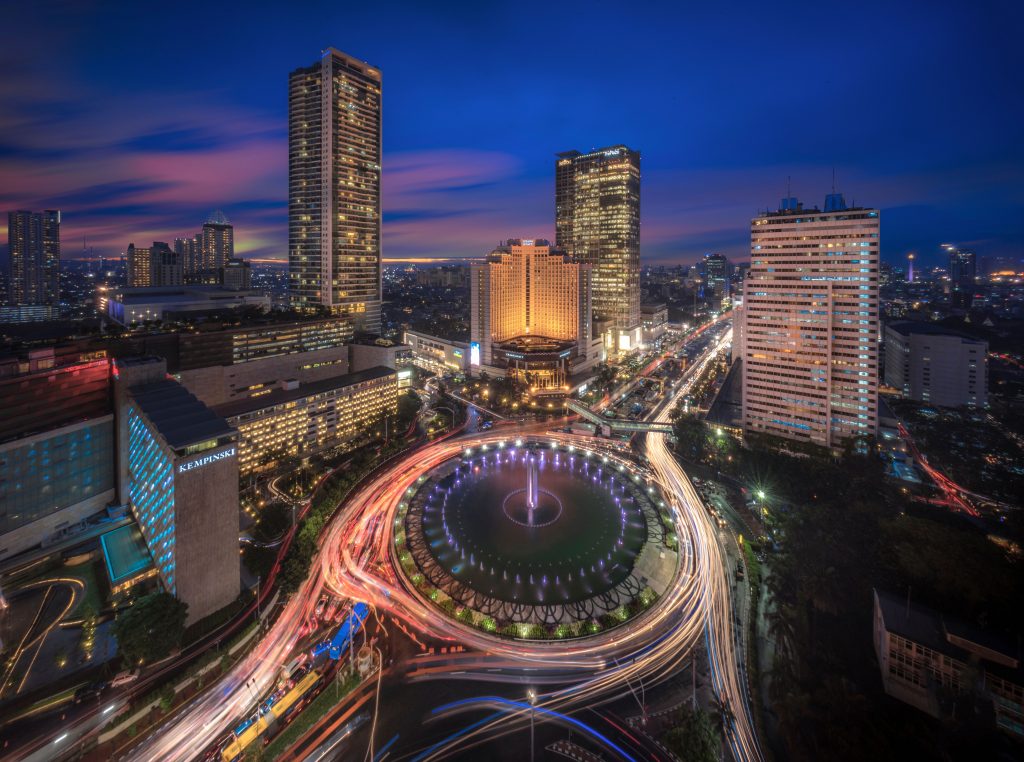
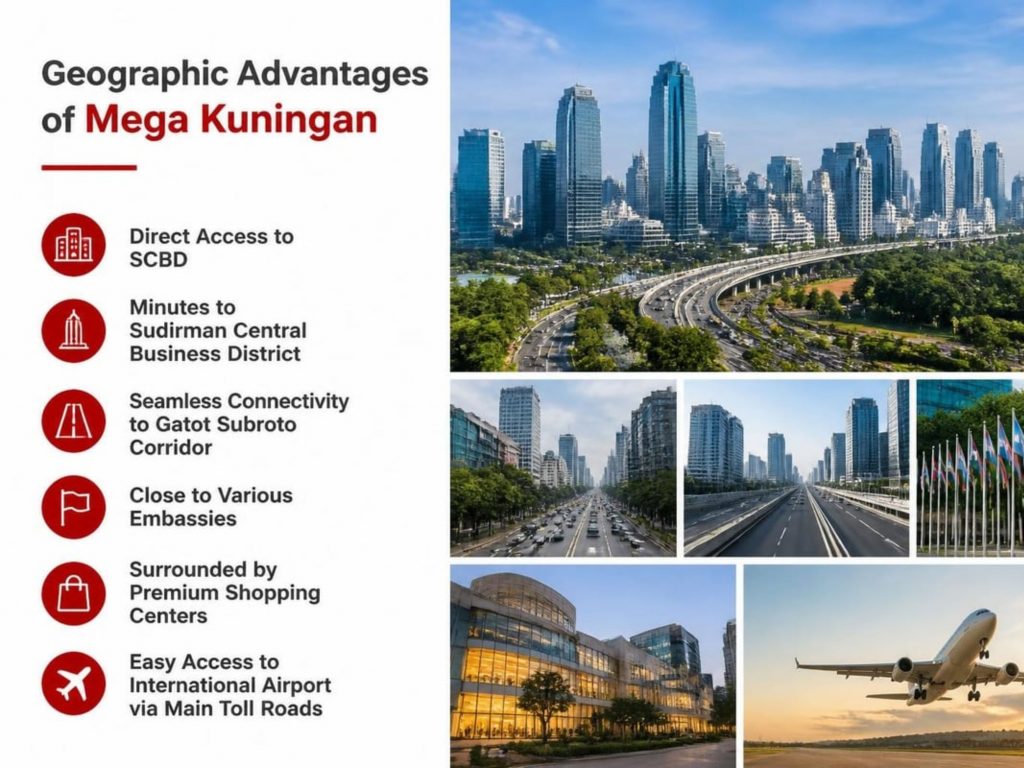
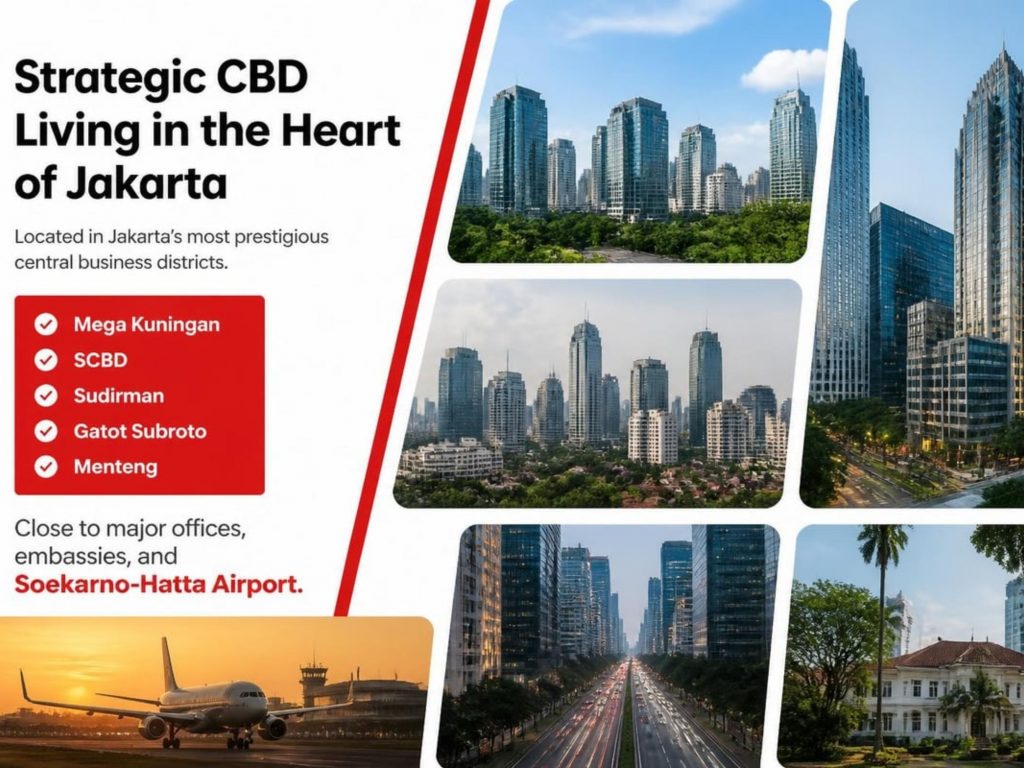
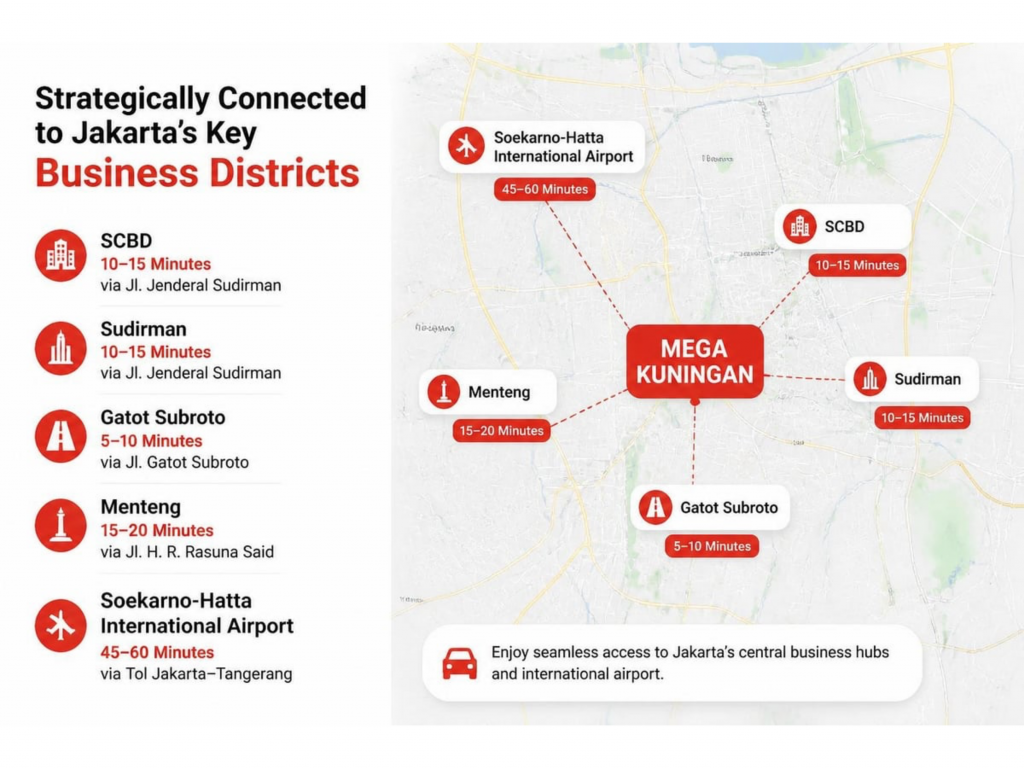
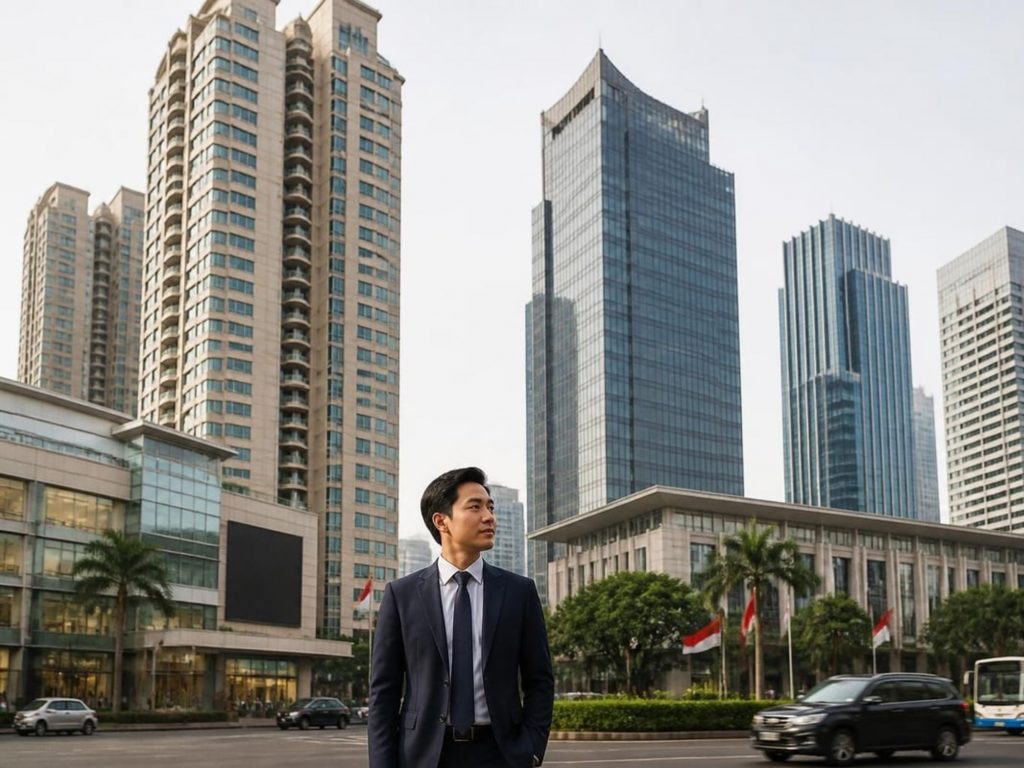
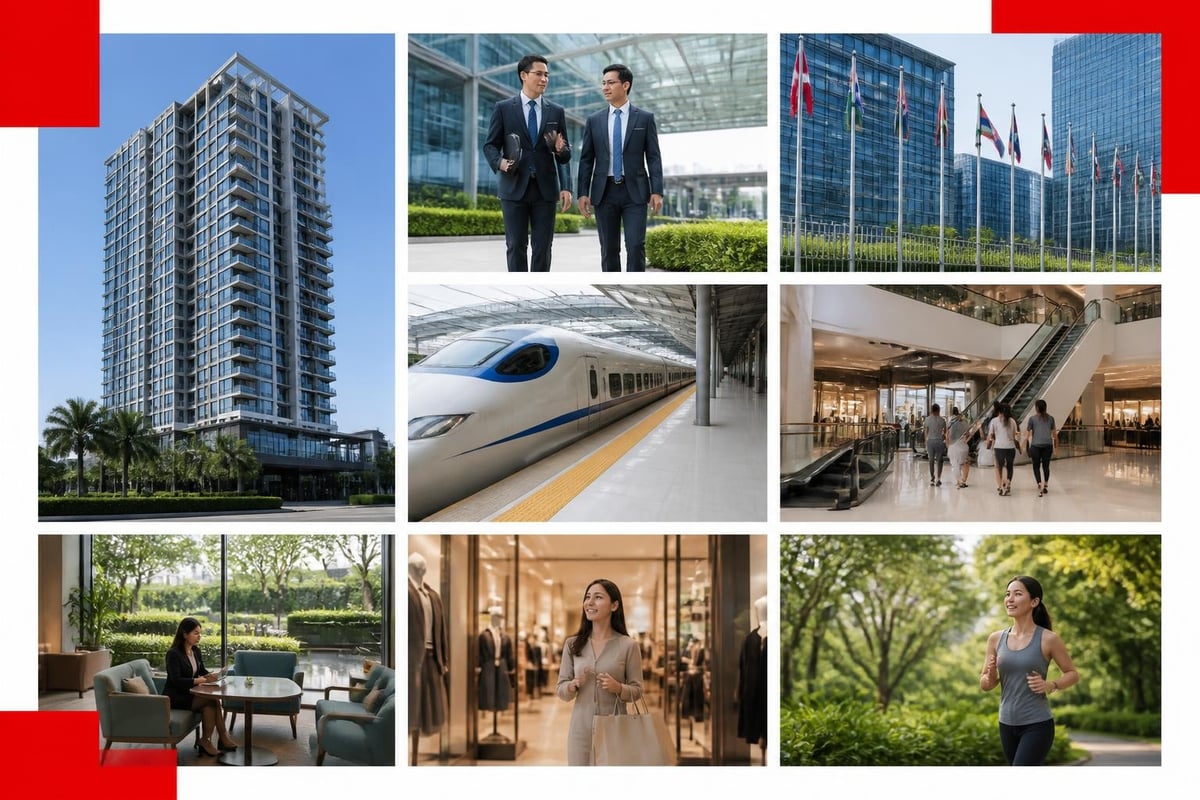
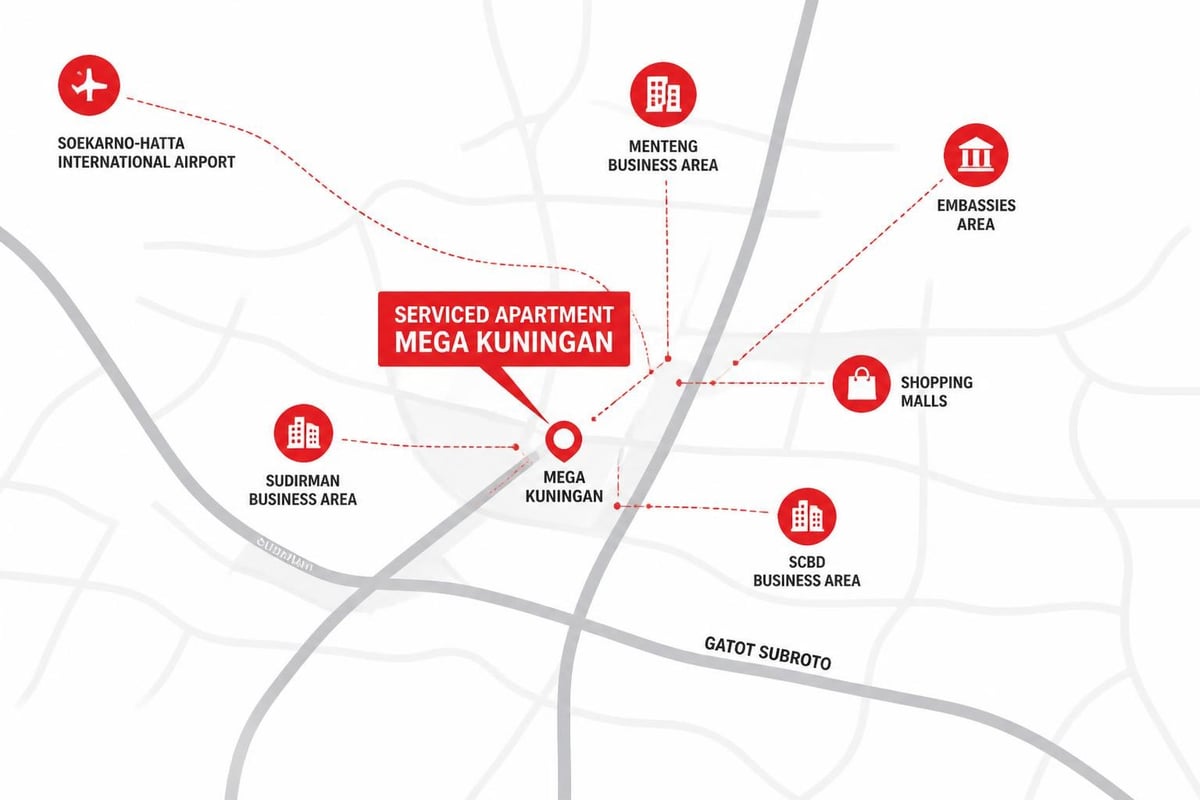
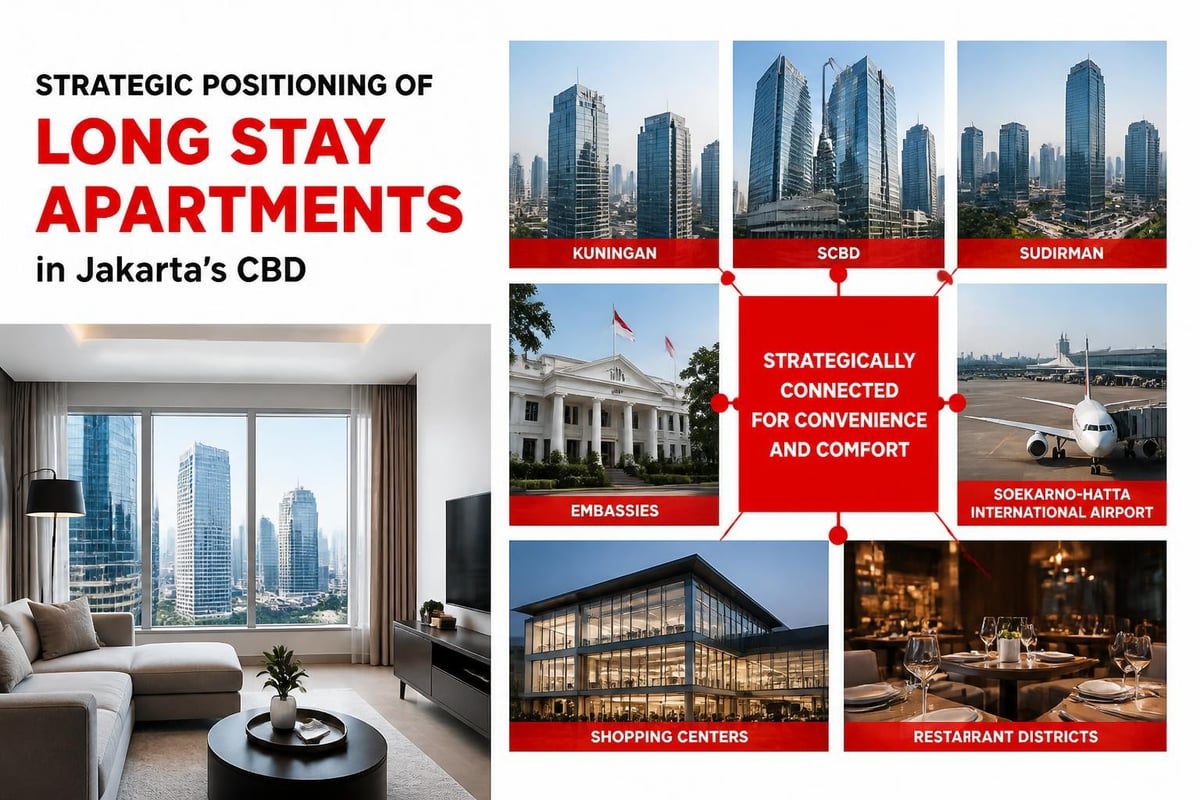
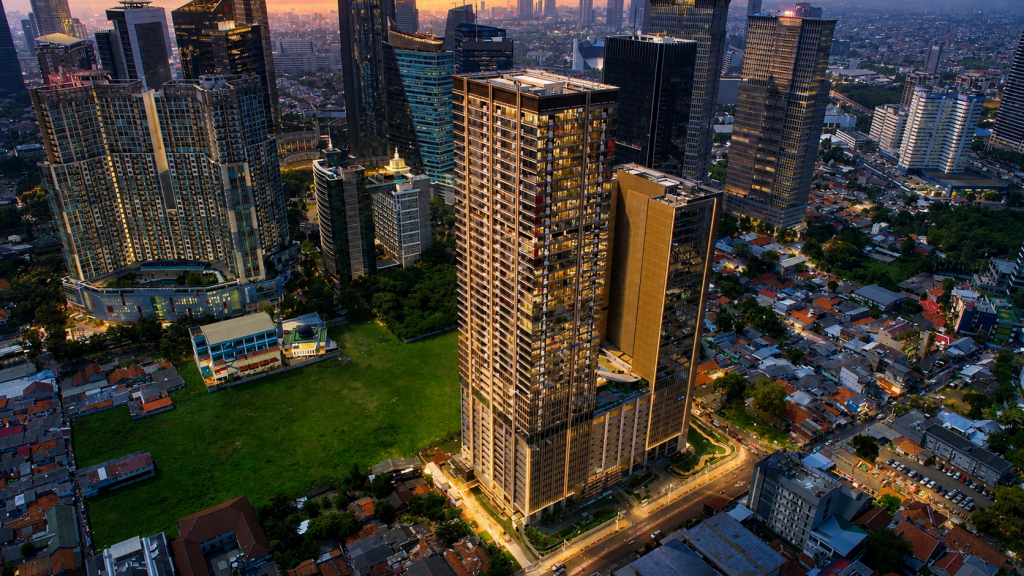
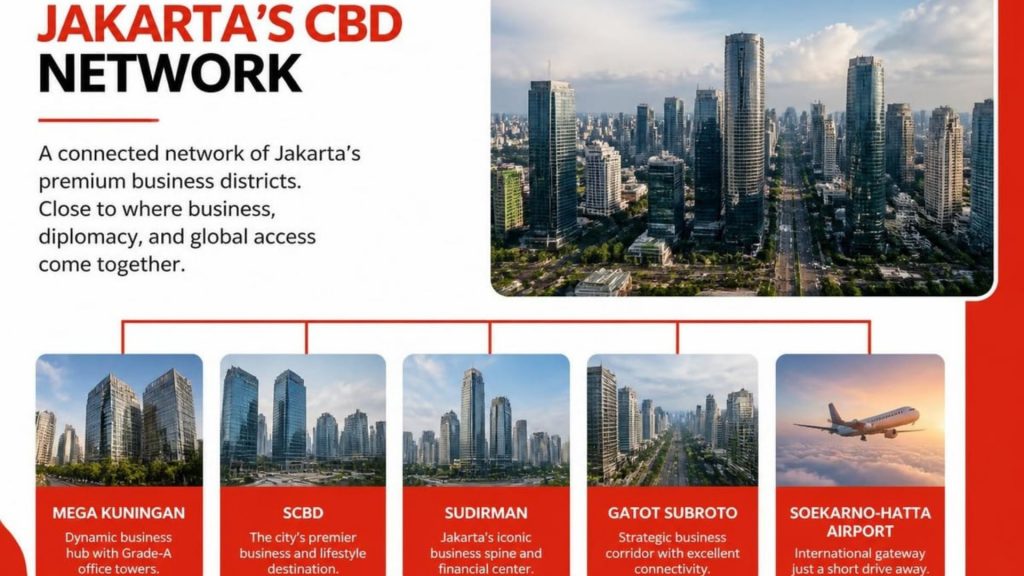
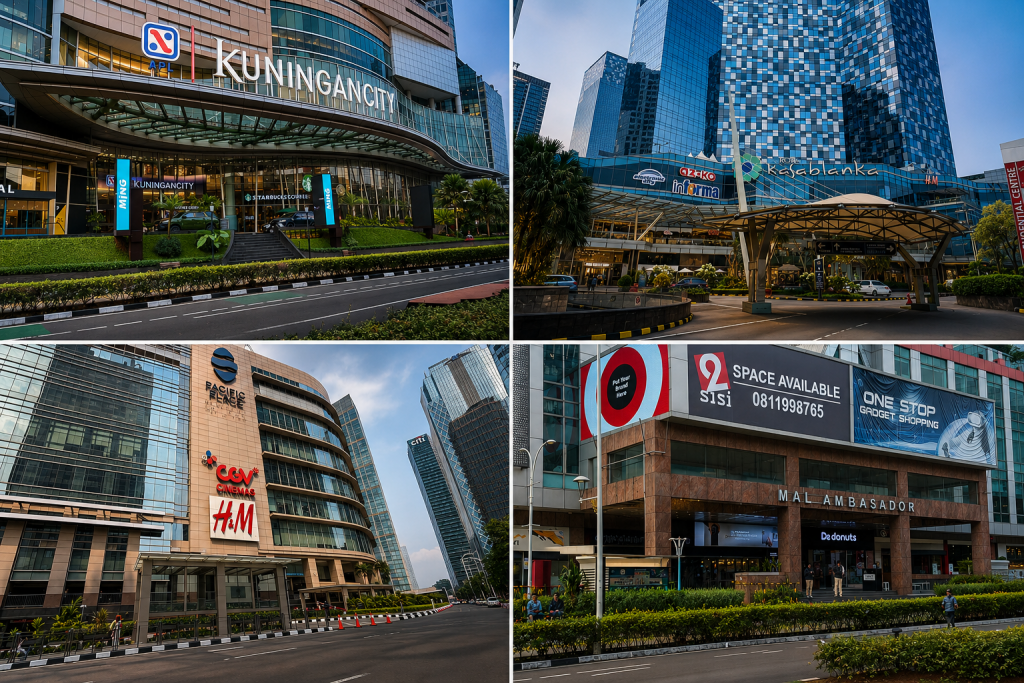
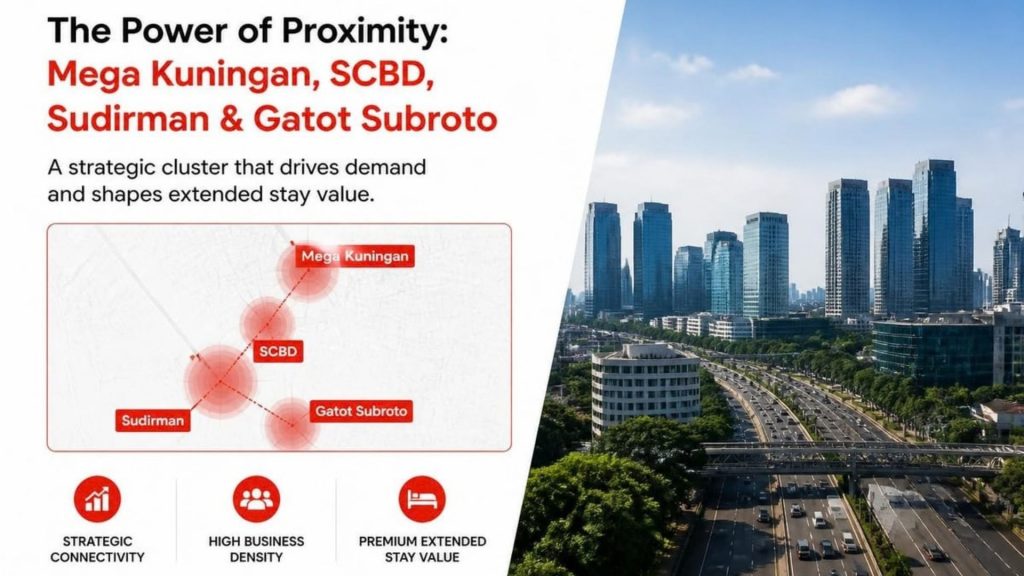
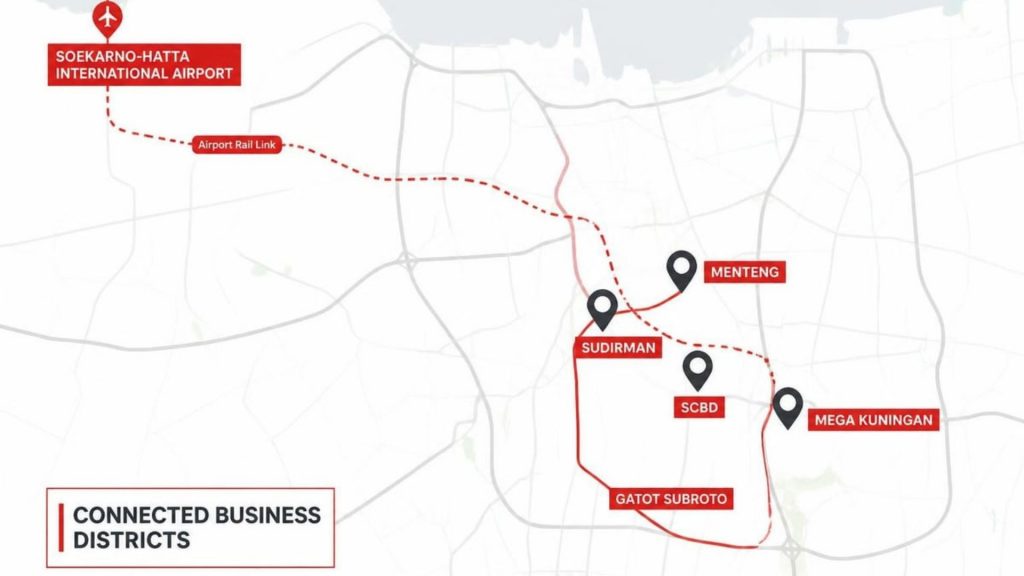
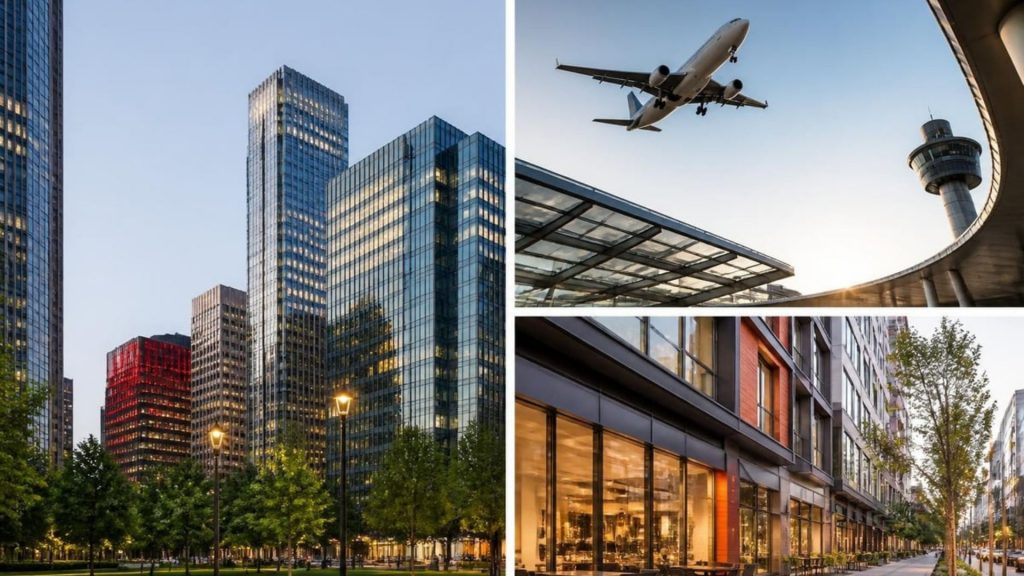
For those working in Jakarta’s central business district, proximity to office concentrations in Kuningan, SCBD, and Sudirman significantly reduces daily commute stress. Properties positioned in Mega Kuningan offer walking distance access to multinational corporations, embassies, and financial institutions.
Families in Transition
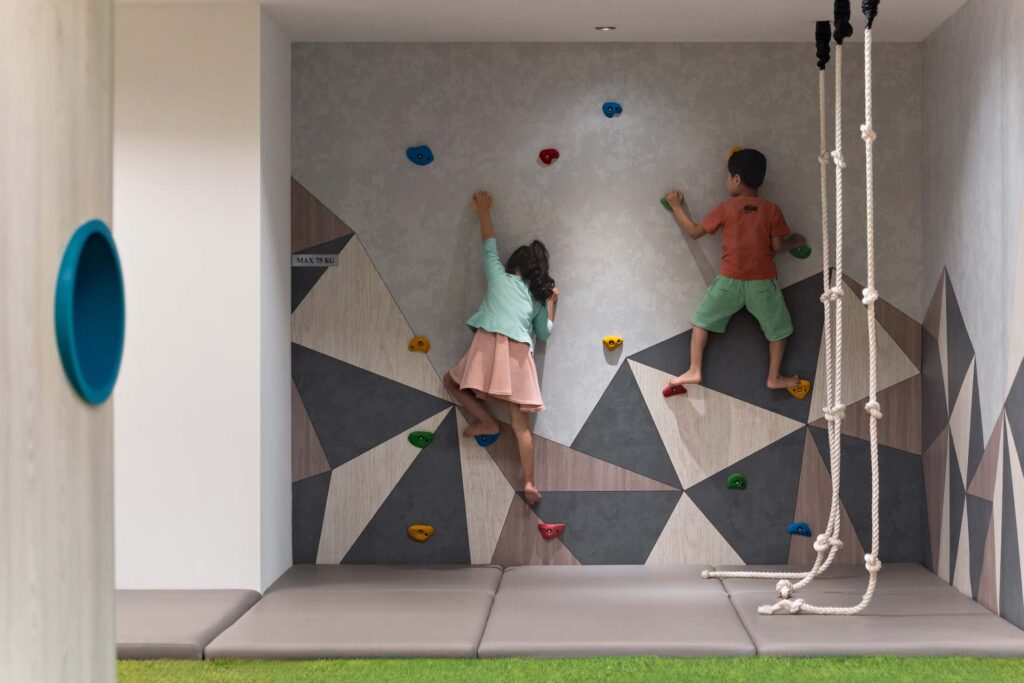
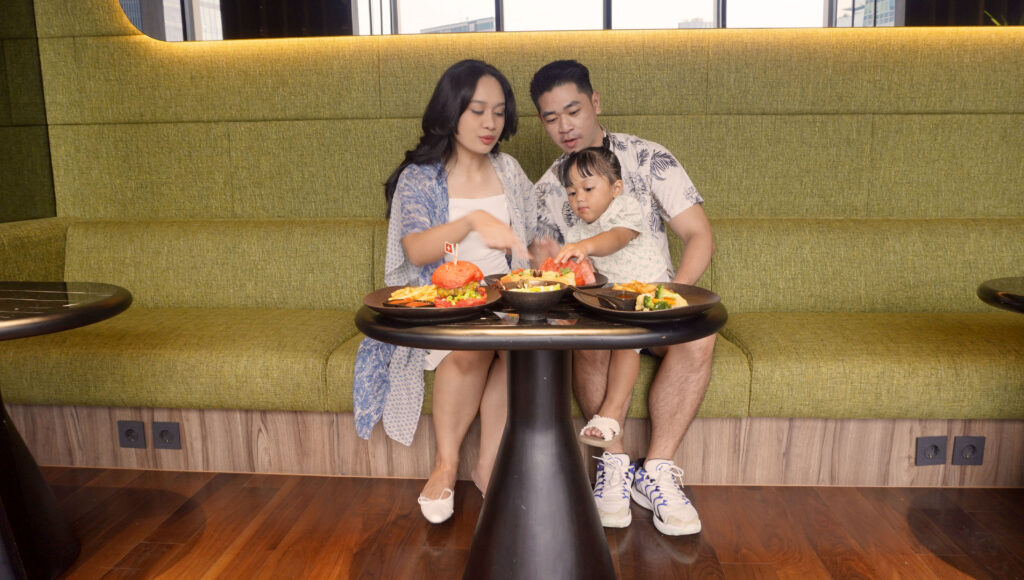
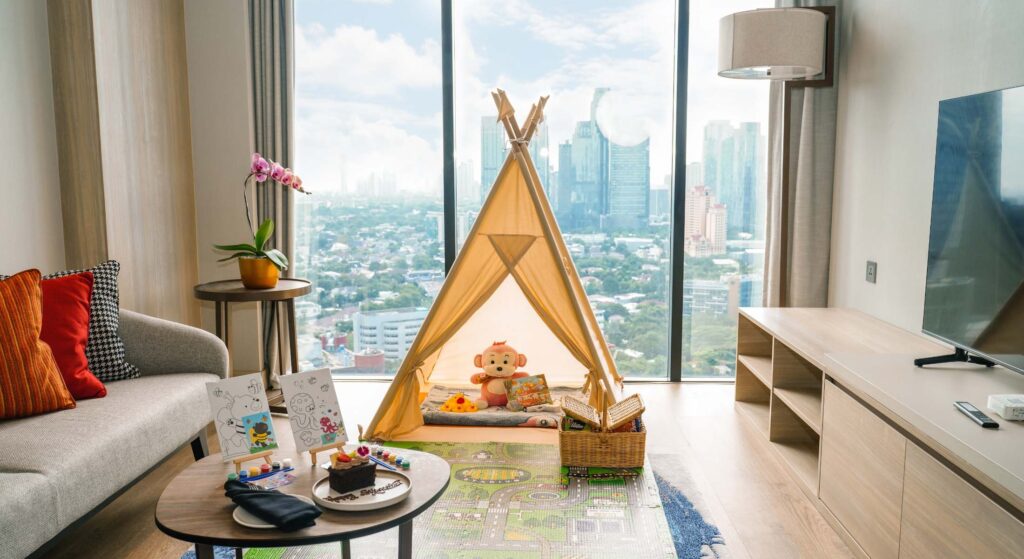
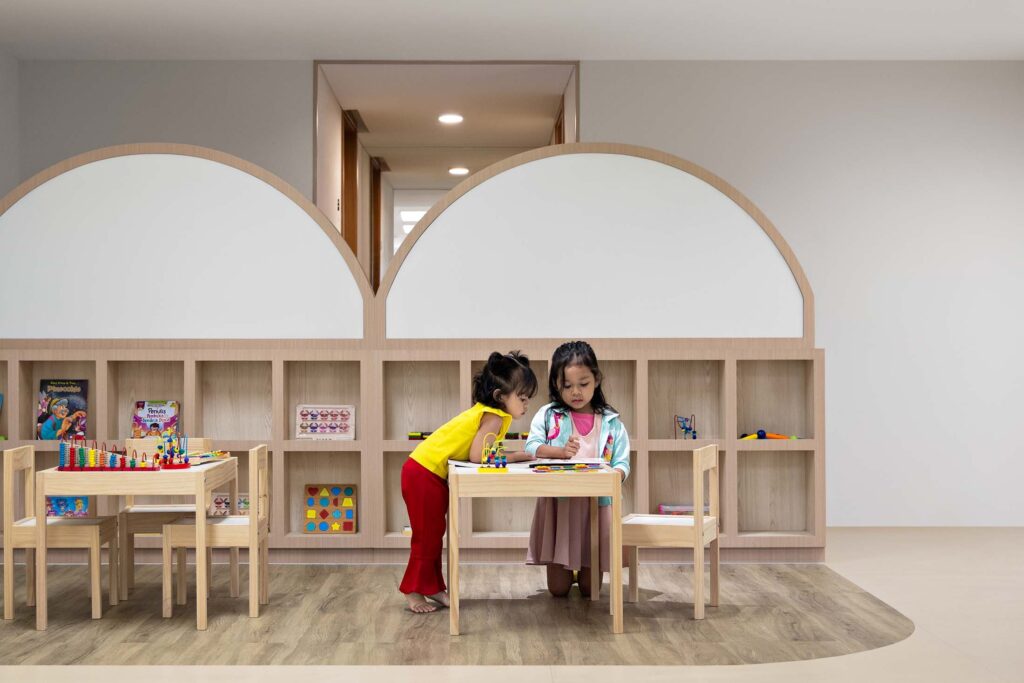
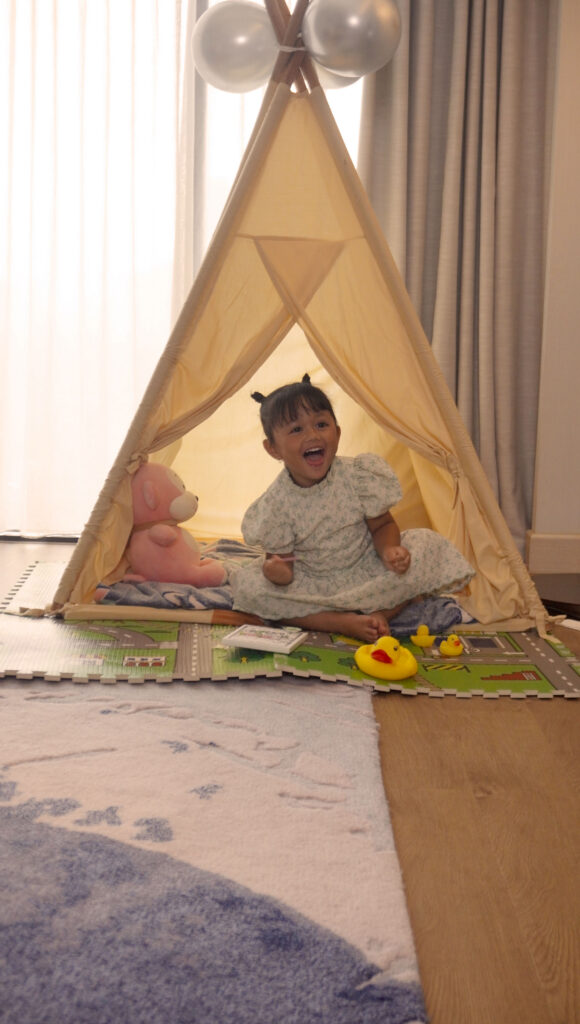
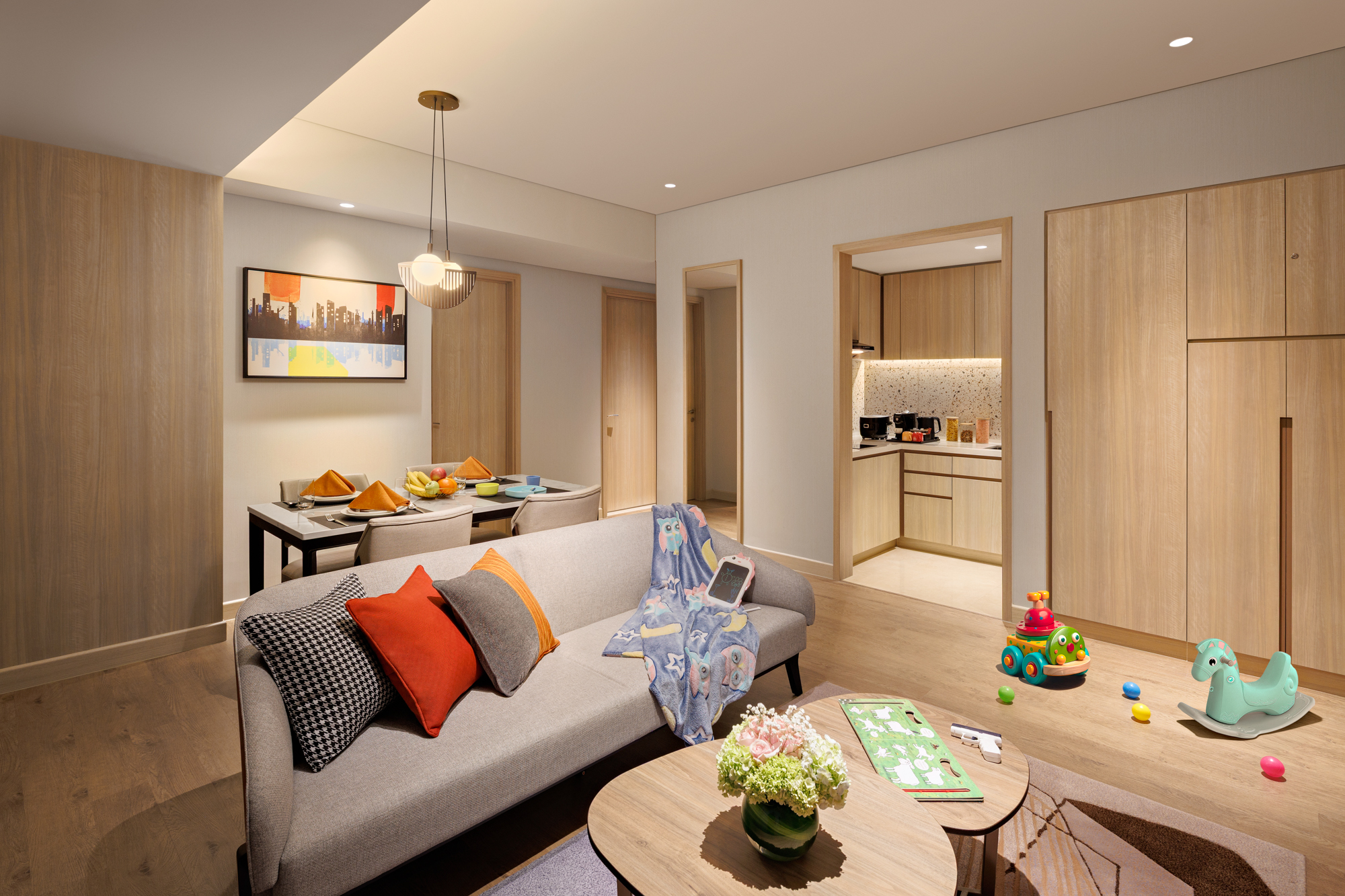
Families selling homes, relocating for work, or managing temporary housing needs find extended stay hotel rooms provide practical interim solutions. The combination of separate living spaces, kitchen facilities, and flexible lease terms accommodates children’s routines and family dynamics better than traditional hotel rooms.
Parents appreciate not depending on restaurants for every meal, especially with young children who have specific dietary needs or irregular eating schedules. In-room laundry facilities or complimentary on-site laundry eliminates the challenge of finding local laundromats in unfamiliar cities.
International Business Travelers and Expatriates
Extended stay hotel rooms in international destinations serve expatriates and long-term business visitors who need housing while establishing local residences or completing multi-month assignments. These guests benefit from:
- Simplified entry processes without long-term lease commitments or landlord negotiations
- Established utility and service connections avoiding setup complexity
- English-speaking staff support for navigating local requirements
- Hotel-standard security and maintenance providing peace of mind
Jakarta’s position as Southeast Asia’s largest metropolitan economy attracts thousands of international business travelers annually. Extended-stay properties near key business districts provide immediate accommodation while expatriates familiarize themselves with neighborhoods before committing to annual leases.

Amenities That Define Quality Extended Stay Experiences
Not all extended stay hotel rooms offer equivalent amenities or service quality. Evaluating facilities beyond the guest room itself determines overall stay satisfaction, particularly for bookings spanning weeks or months.
Kitchen Functionality
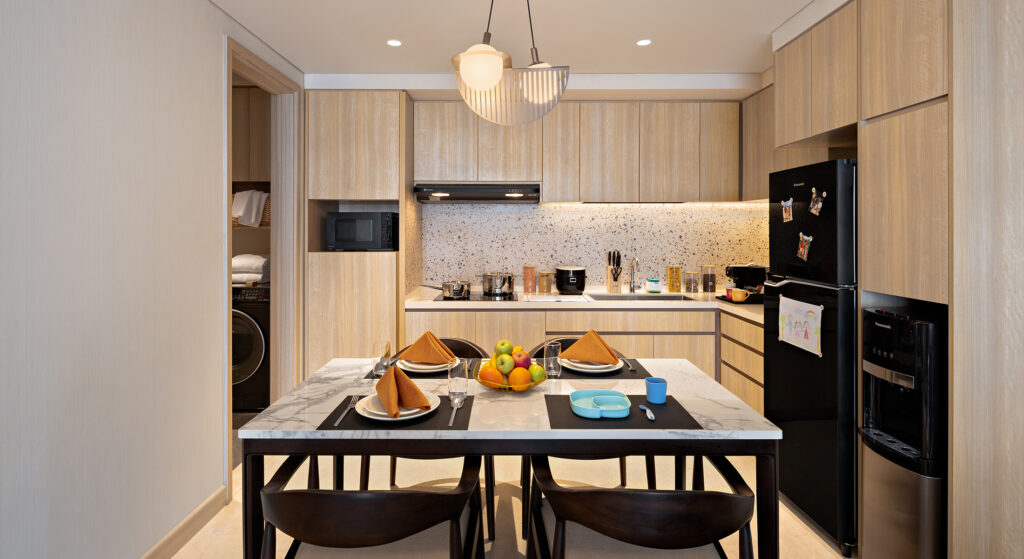
Kitchen quality varies dramatically across extended-stay properties. Basic configurations include mini-refrigerators, microwaves, and coffee makers. Mid-tier properties add two-burner stovetops and full-size refrigerators. Premium extended stay hotel rooms feature:
- Full-size appliances including four-burner stoves, ovens, and dishwashers
- Complete cookware sets with pots, pans, utensils, and serving dishes
- Adequate counter space for meal preparation
- Proper ventilation to eliminate cooking odors
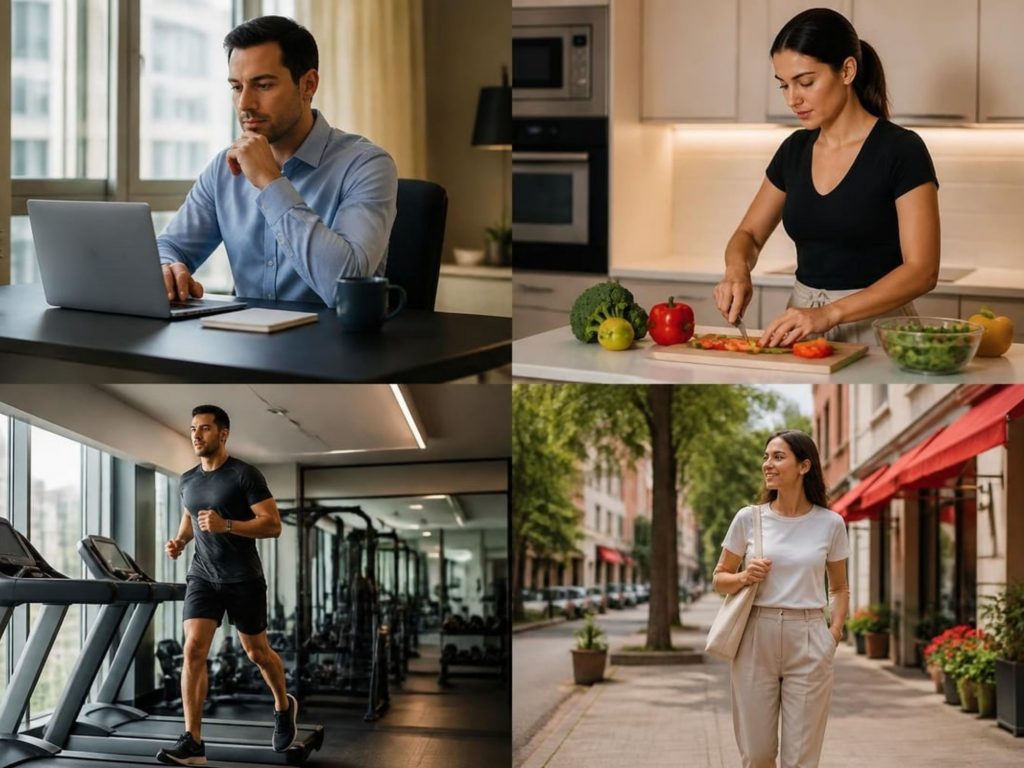
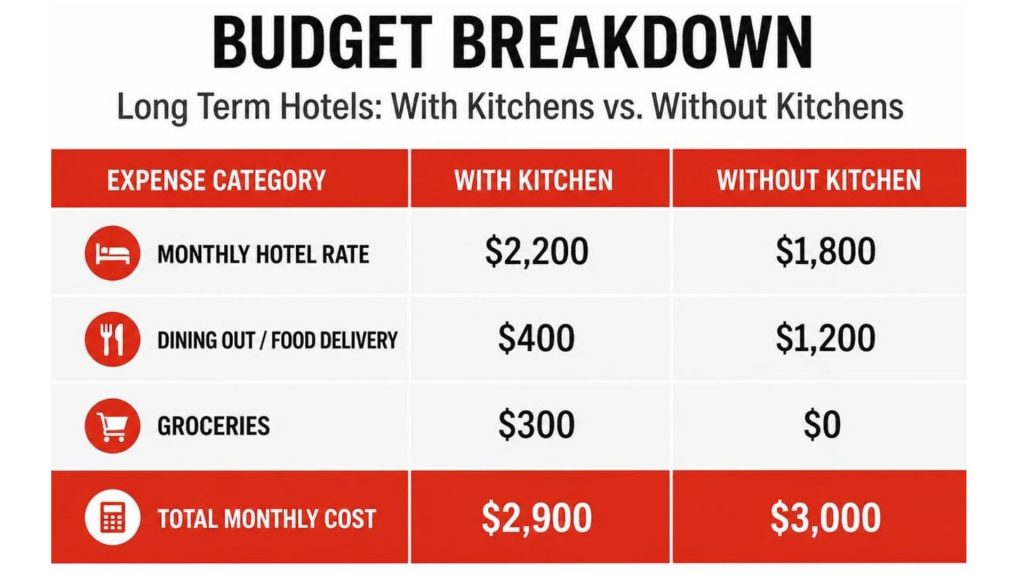
For stays exceeding 30 days, full kitchen functionality becomes essential for cost management and dietary control. Professionals maintaining fitness regimens or managing health conditions particularly value cooking capabilities.
Workspace Quality
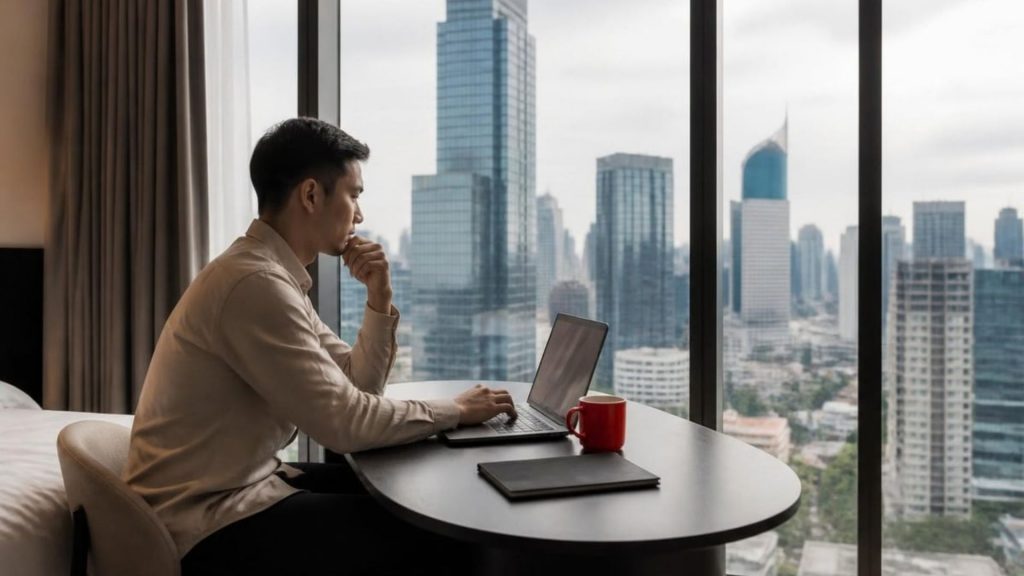
Remote work and hybrid business models have elevated workspace requirements in extended stay hotel rooms. Adequate workspace includes:
- Dedicated desk areas separate from dining or sleeping zones
- Ergonomic seating supporting eight-hour workdays
- Multiple electrical outlets and USB ports for device charging
- Proper lighting including task lighting for video calls
- High-speed internet with bandwidth supporting video conferencing
Properties catering to business travelers increasingly provide monitor connections, cable management systems, and noise-canceling features in workspace zones.
Community and Social Spaces
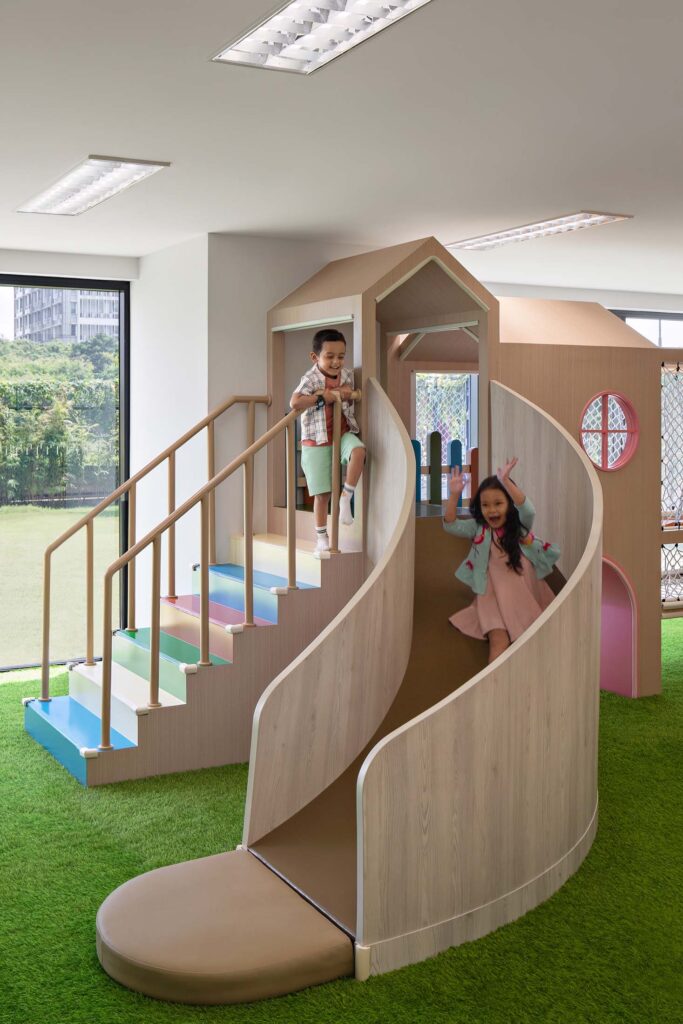
Extended stays can feel isolating without opportunities for social interaction. Quality properties offer common areas where guests can connect:
- Business centers with printing, scanning, and collaboration spaces
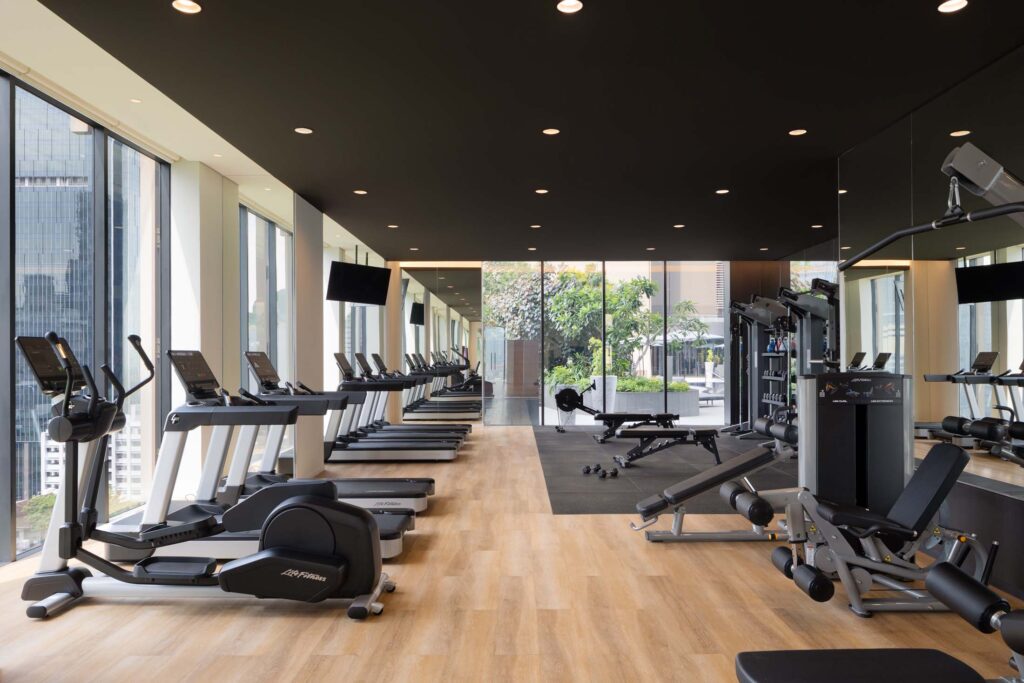
- Fitness facilities promoting routine maintenance and casual conversations
- Outdoor areas including pools, grills, or gardens for relaxation
- Social events such as weekly breakfasts or networking gatherings
These spaces are particularly valuable for solo travelers spending multiple weeks in unfamiliar cities. Professional networking opportunities occasionally emerge through casual interactions in shared amenity spaces.
Location Considerations for Extended Stay Hotel Rooms
Property location dramatically affects extended stay experience and overall costs. Unlike vacation hotels where proximity to tourist attractions drives selection, extended-stay location priorities center on daily convenience and practical access.
Proximity to Workplace
For corporate travelers, commute distance to office locations represents the primary location consideration. Extended stay hotel rooms within walking distance or short transit rides to workplaces provide:
- Time savings averaging 1-2 hours daily compared to suburban locations
- Transportation cost reductions eliminating ride-sharing or car rental expenses
- Lunch flexibility enabling return to accommodation during midday breaks
- After-hours work convenience when project demands require evening office access
In Jakarta, business concentrations in Kuningan, SCBD, Sudirman, Gatot Subroto, and Menteng create extended-stay demand in surrounding areas. Professionals working in these districts prioritize accommodation within South Jakarta’s central business corridor.
Essential Services Access
Beyond workplace proximity, daily convenience requires access to:
| Service Type | Ideal Distance | Importance Level |
|---|---|---|
| Grocery stores | Within 1km | Critical for extended stays |
| Restaurants | Within 500m | High for meal variety |
| Pharmacies | Within 1km | Important for health needs |
| Fitness centers | On-site or 500m | Moderate to high |
| Banking/ATMs | Within 500m | Moderate |
| Public transit | Within 500m | High in urban centers |
Extended stay hotel rooms in mixed-use developments or established neighborhoods simplify daily errands and reduce dependency on transportation services.
Safety and Security
Extended stays in unfamiliar cities require attention to neighborhood safety and property security measures. Quality extended-stay properties provide:
- 24-hour security personnel monitoring entrances and common areas
- Electronic key card access to buildings, elevators, and room floors
- Well-lit parking facilities with surveillance systems
- Safe deposit boxes for valuables and important documents
Business travelers should research neighborhood safety ratings and property security features before committing to extended bookings, particularly in international destinations.
Health and Wellness During Extended Stays
Maintaining physical and mental health during extended stays requires intentional planning and property amenities that support wellness routines. Extended stay hotel rooms that facilitate healthy habits improve overall stay satisfaction and productivity.
Fitness Facility Quality
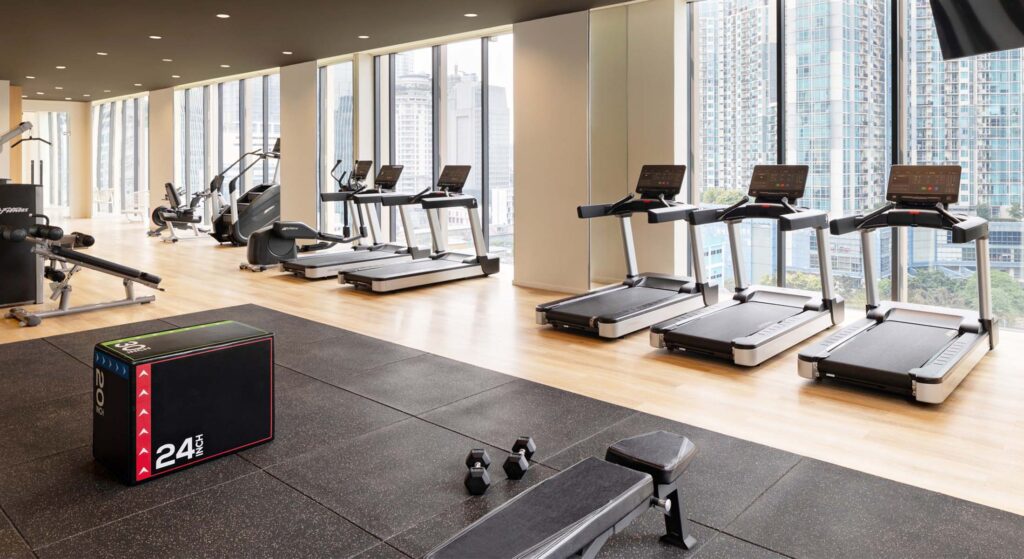
On-site fitness centers vary from basic cardio equipment to comprehensive wellness facilities. For stays exceeding two weeks, fitness amenity evaluation should include:
- Equipment variety supporting preferred workout routines (cardio, strength, flexibility)
- Operating hours accommodating early morning or evening exercise schedules
- Facility cleanliness and equipment maintenance standards
- Space adequacy avoiding overcrowding during peak hours
Properties without suitable on-site fitness may require proximity to commercial gyms or outdoor exercise spaces like parks or running trails.
Nutritional Considerations
Extended stay hotel rooms with full kitchens enable dietary control supporting health goals. Access to quality grocery stores with fresh produce, lean proteins, and whole foods matters significantly for multi-week stays.
Business travelers can maintain nutritional standards by:
- Preparing breakfast in-room controlling portion sizes and ingredients
- Packing healthy snacks avoiding convenience store reliance
- Selecting restaurants strategically when dining out is necessary
- Meal planning weekly to minimize food waste and control costs
For international assignments in Jakarta, properties near premium supermarkets or those offering grocery delivery services simplify healthy eating.
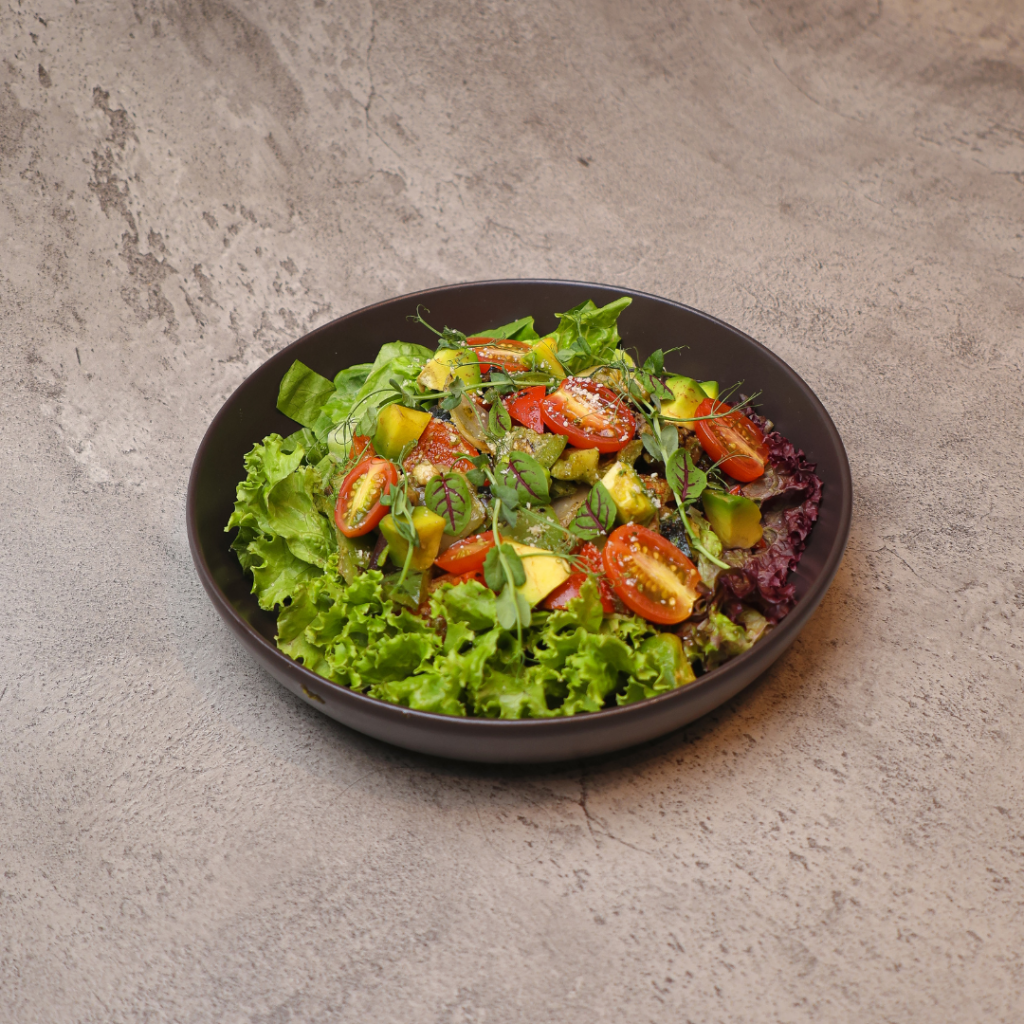
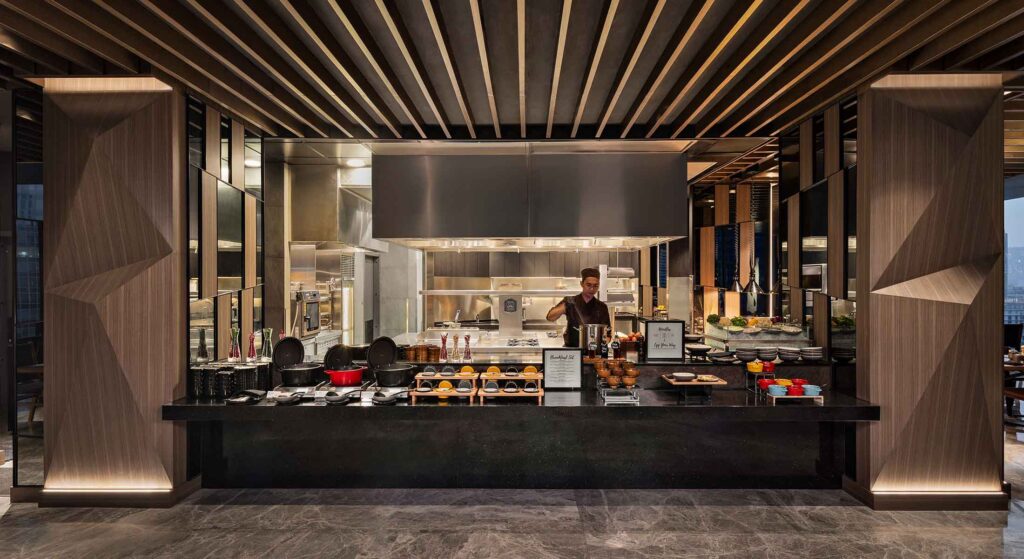
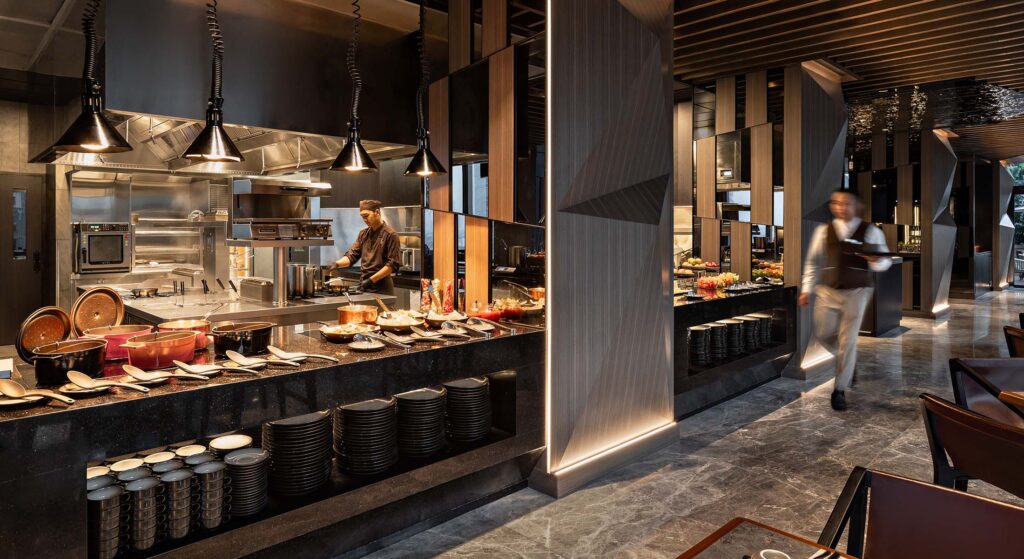
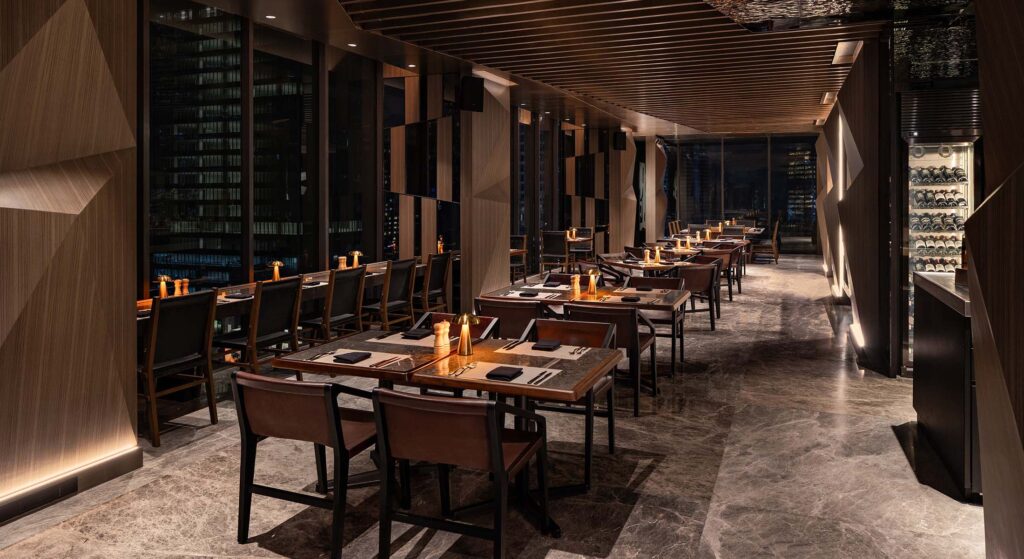
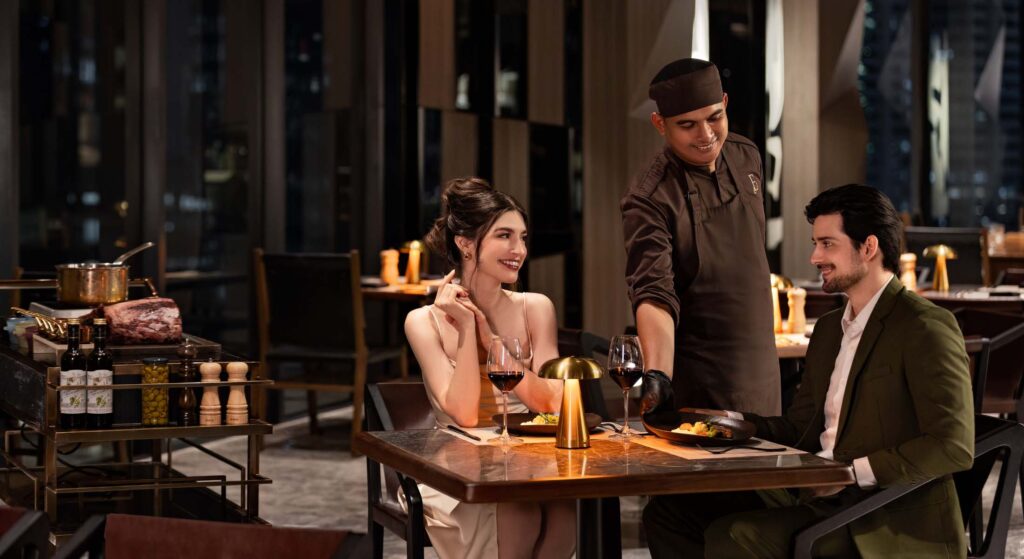
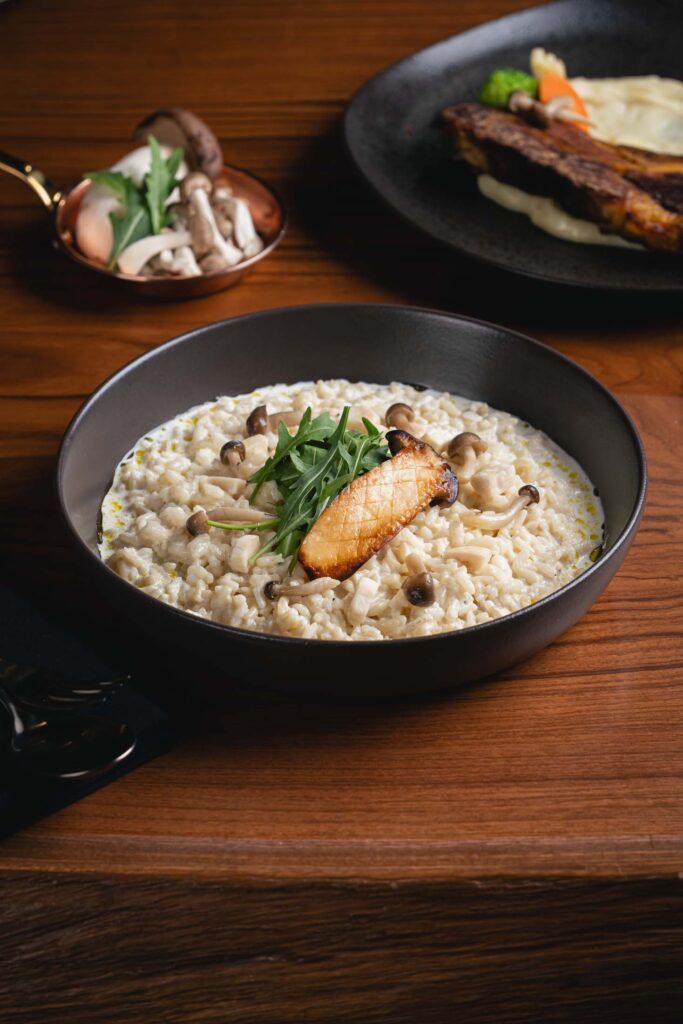
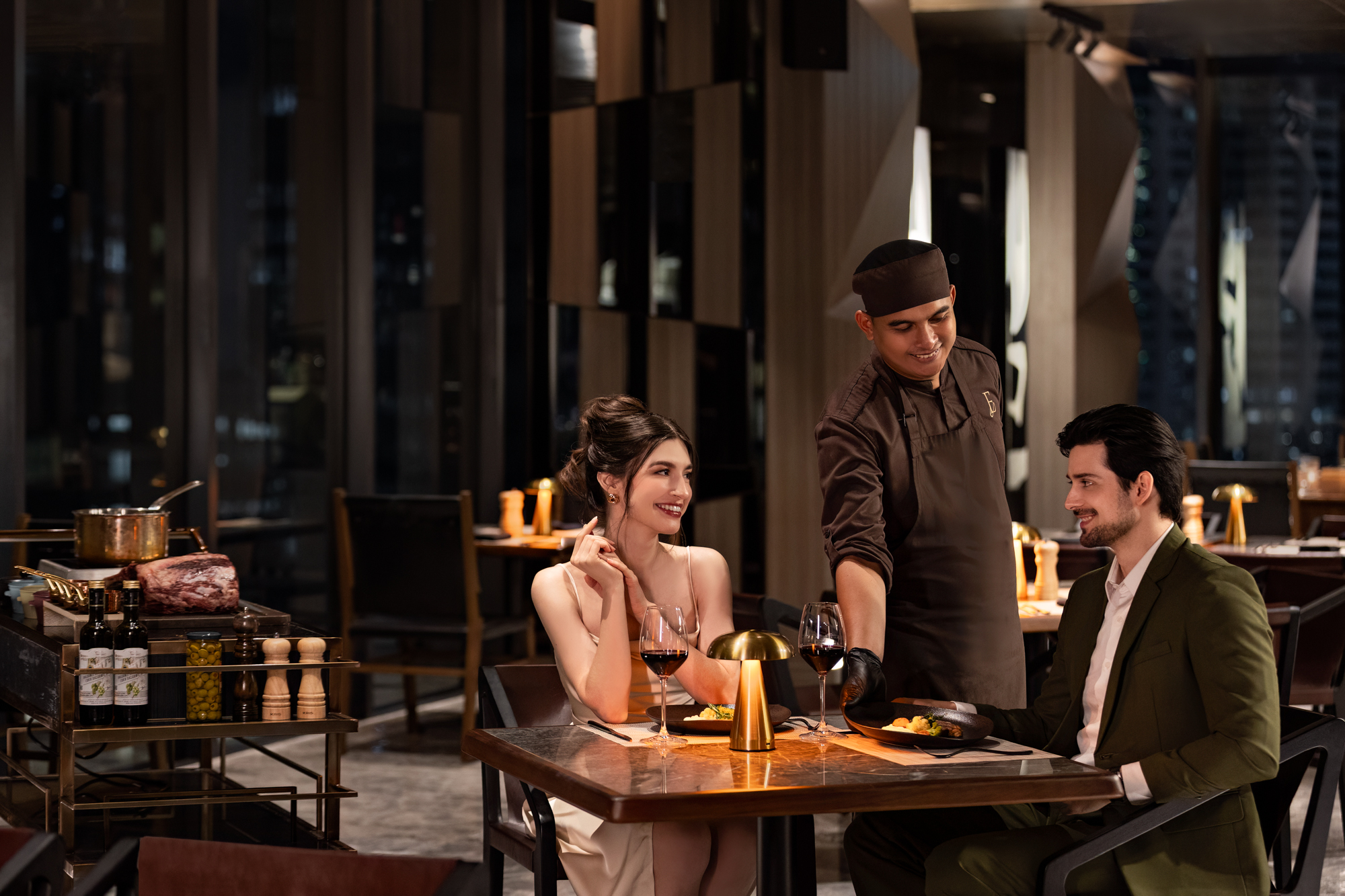
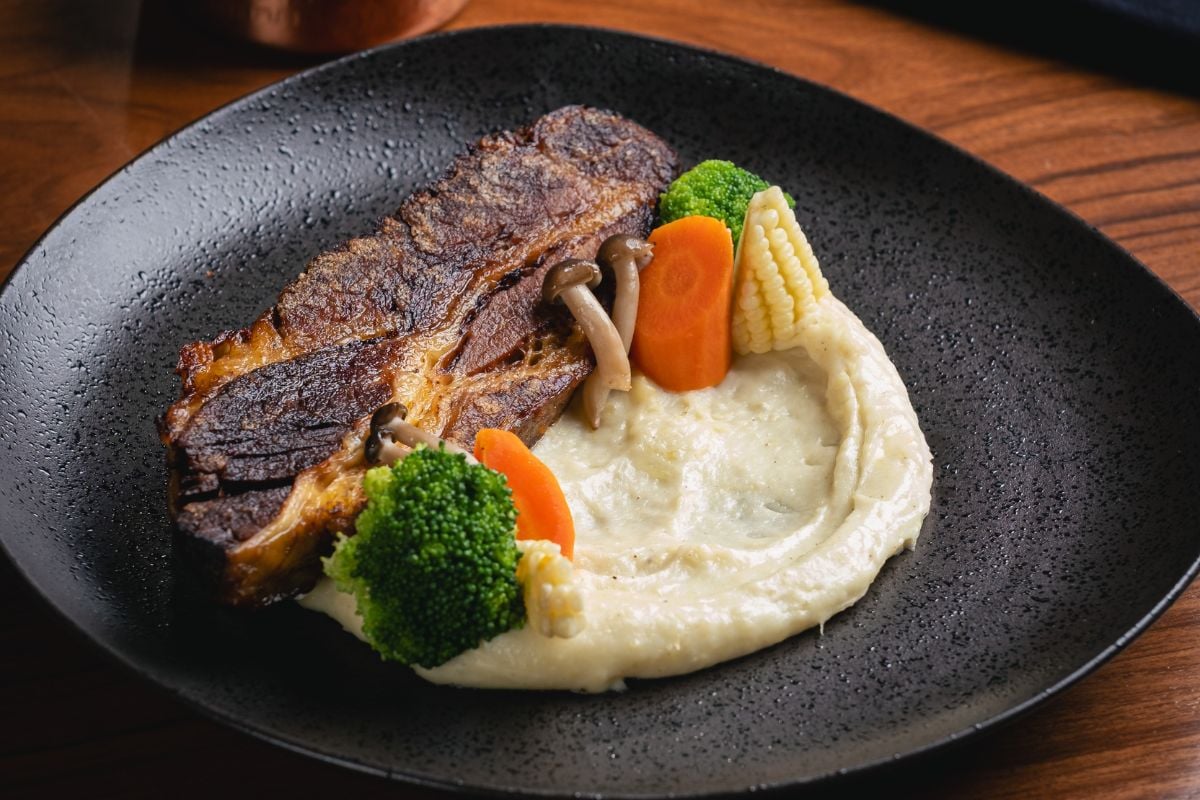
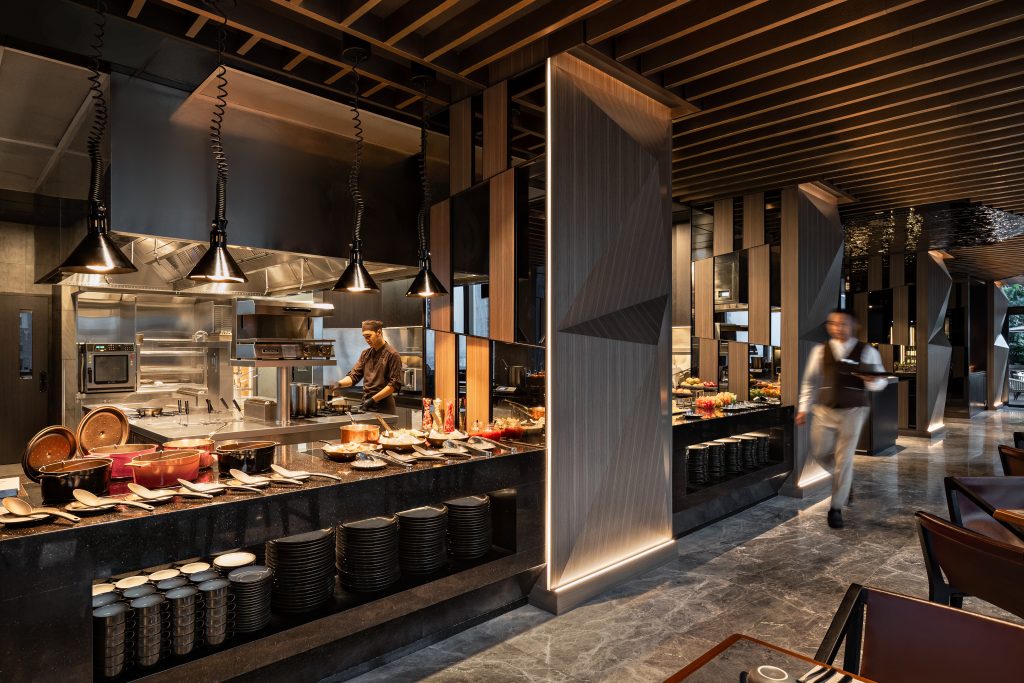
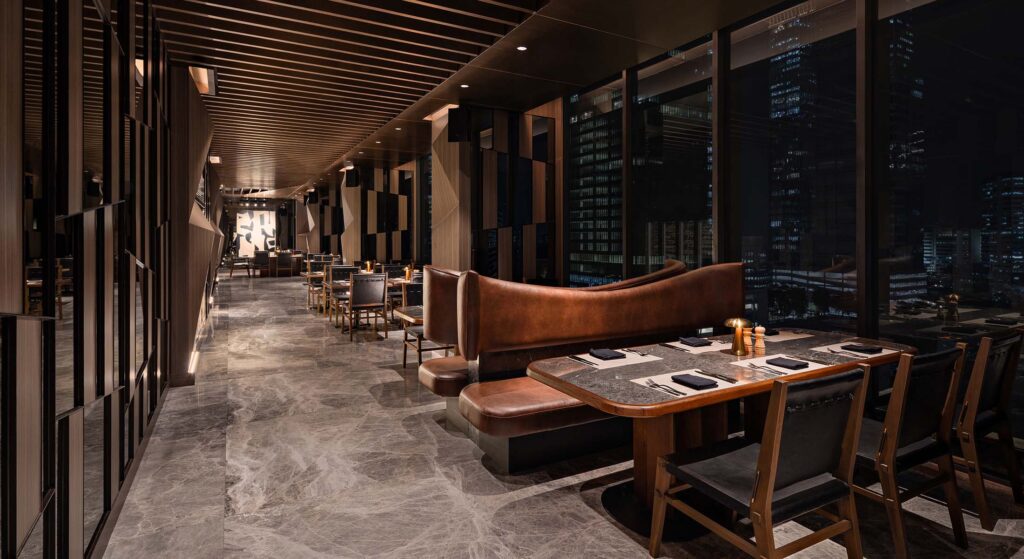
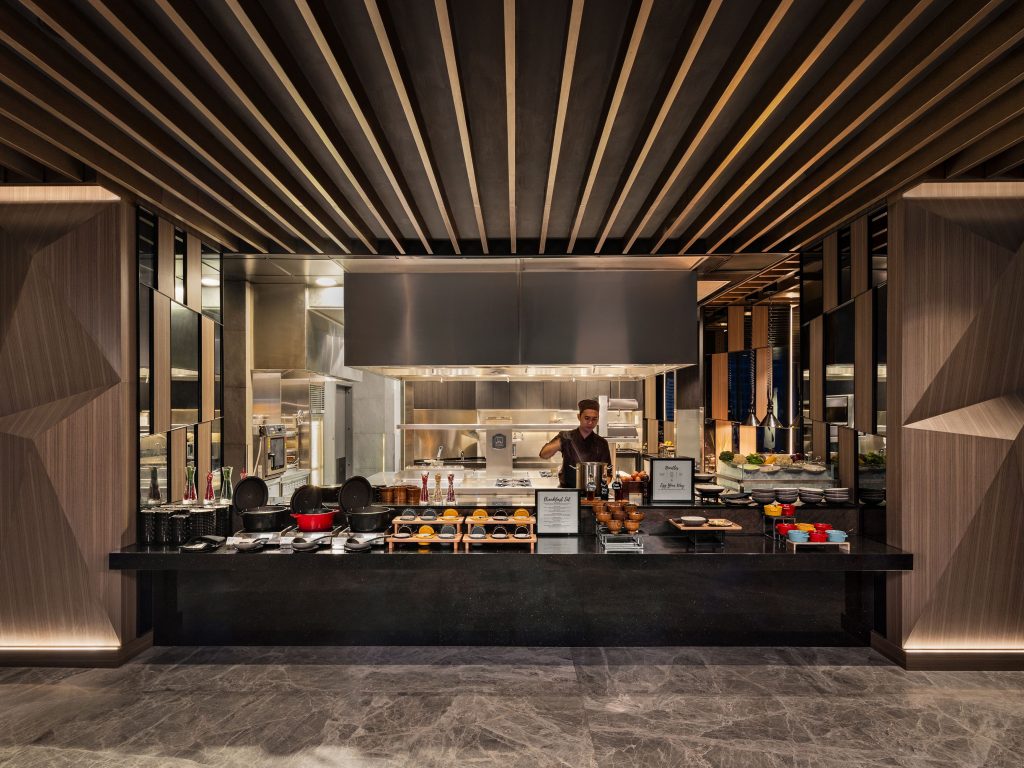
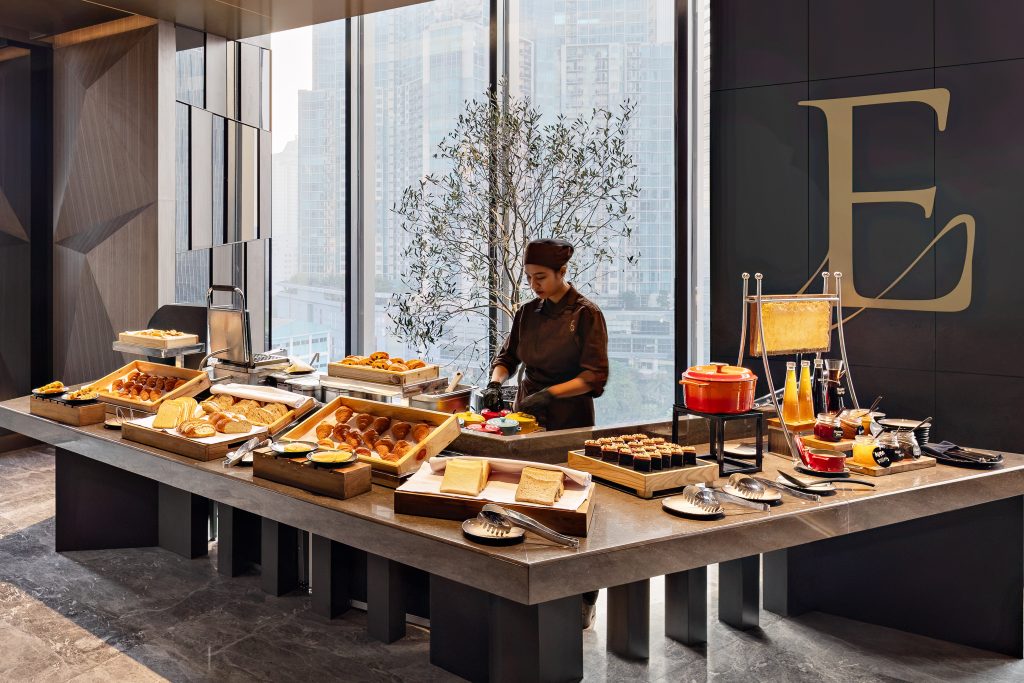
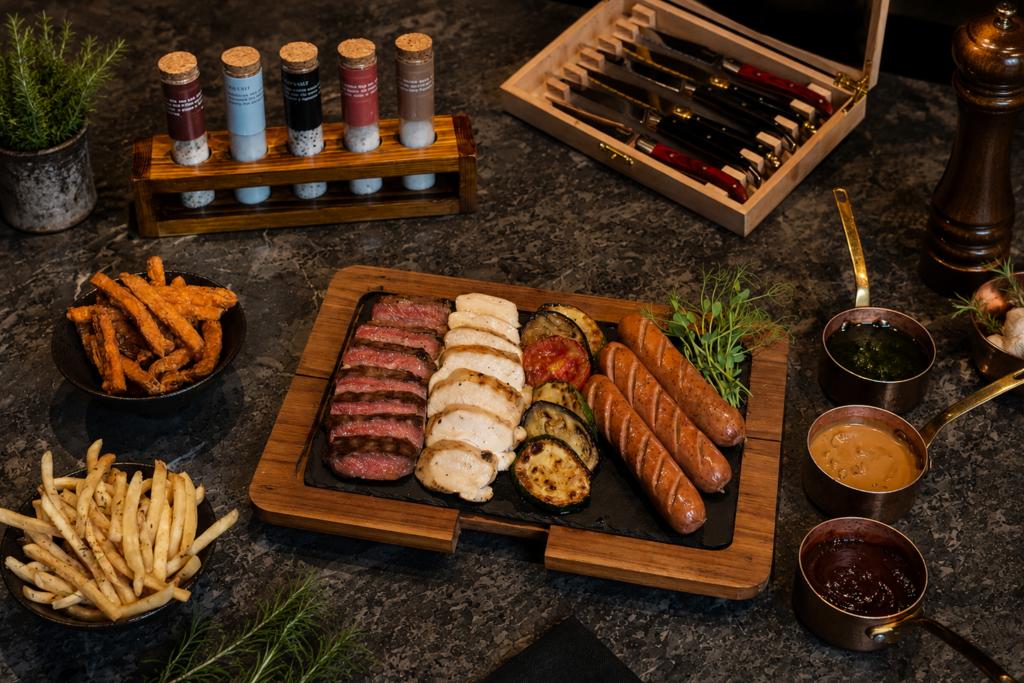
When dining out becomes necessary during extended stays, having quality restaurants nearby reduces reliance on fast food or unhealthy options. Properties featuring on-site dining like Embers Open-Fire Grill provide convenient access to quality meals, including grilled proteins and international cuisine prepared with fresh ingredients.
Mental Health and Routine Maintenance
Extended business travel can disrupt routines and strain mental health. Extended stay hotel rooms that feel homelike rather than institutional support psychological well-being through:
- Natural lighting with windows offering views and fresh air access
- Separate zones distinguishing work, rest, and meal spaces
- Personalization options allowing display of personal items or photos
- Quiet environments with sound insulation minimizing disruptions
Maintaining regular sleep schedules, exercise routines, and social connections through video calls helps preserve mental wellness during extended stays away from home support networks.
Managing Extended Stays Effectively
Maximizing comfort and productivity in extended stay hotel rooms requires organization strategies different from short hotel visits. Establishing routines and creating functional living spaces improves the experience significantly.
Unpacking and Organization
Upon arrival, fully unpacking creates a more residential atmosphere. Rather than living from suitcases:
- Use all available storage including closets, drawers, and shelving
- Establish designated zones for work materials, personal items, and clothing
- Create visible organization systems for travel documents, receipts, and business materials
- Maintain tidiness through daily brief organization sessions
This investment of 30-60 minutes upon check-in pays dividends throughout the stay by reducing daily stress and improving efficiency.
Establishing Productive Routines
Extended stay hotel rooms become more comfortable when daily routines mirror home life:
- Morning routines including exercise, breakfast preparation, and workspace setup
- Work boundaries with defined start and end times preventing burnout
- Meal planning incorporating grocery shopping and cooking schedules
- Evening wind-down activities separating work from rest
- Weekly reset tasks including laundry, meal prep, and space organization
Maintaining structure prevents the disorientation that sometimes accompanies extended stays in temporary housing.
Staying Connected to Home
Technology enables maintaining relationships despite physical distance. Extended-stay travelers should:
- Schedule regular video calls with family and friends at consistent times
- Share daily updates through messaging or photos
- Maintain involvement in home decisions and family activities remotely
- Plan visits when project timelines and budgets allow
These connections reduce the isolation that can accompany solo extended business travel.
Industry Trends Shaping Extended Stay Hotel Rooms
The extended-stay sector continues evolving in response to changing work patterns, demographic shifts, and traveler expectations. Understanding these trends helps travelers identify properties offering contemporary amenities and service models.
Remote Work Integration
The normalization of remote and hybrid work has blurred boundaries between business and leisure travel. Extended stay hotel rooms increasingly accommodate “bleisure” travelers combining work assignments with destination exploration.
Properties respond by offering:
- Flexible booking terms supporting extended weekends or mid-stay gaps
- Enhanced workspace technology including video conferencing capabilities
- Coworking spaces for social work environments
- Local experience programs helping guests explore destinations during non-work hours
Industry analysis indicates that bleisure travelers typically extend business trips by 2-3 days, increasing average length of stay and property revenue.
Sustainability Initiatives
Environmental consciousness influences extended-stay operations and guest expectations. Progressive properties implement:
- Energy-efficient appliances reducing utility consumption
- Water conservation systems in kitchens and bathrooms
- Waste reduction programs including recycling and composting
- Green cleaning products minimizing chemical exposure
- Local sourcing for on-site dining and amenity products
Extended-stay guests generate more environmental impact than short-stay travelers, making sustainability practices increasingly important for corporate travel programs with environmental goals.
Technology Enhancement
Smart room technology transforms extended stay hotel rooms through:
- Mobile check-in/check-out eliminating front desk interactions
- Digital room keys via smartphone applications
- Voice-activated controls for lighting, temperature, and entertainment
- Smart appliances with energy monitoring and remote operation
- Personalization systems remembering guest preferences across stays
These technologies particularly benefit frequent extended-stay travelers who value efficiency and personalized service.
Regional Considerations for International Extended Stays
Extended stay hotel rooms in international destinations present unique considerations beyond domestic travel. Cultural differences, legal requirements, and practical logistics require additional planning.
Documentation and Legal Requirements
International extended stays often trigger visa and immigration considerations:
- Business visa requirements varying by country and stay duration
- Tax residency implications for stays exceeding 183 days in some jurisdictions
- Registration requirements with local authorities in certain countries
- Work permit needs when conducting business activities locally
Travelers should consult with corporate legal teams and immigration specialists before booking international extended stays to ensure compliance with local regulations.
Cultural Adaptation
Extended stay hotel rooms in foreign countries require cultural awareness and adaptation:
- Local customs regarding noise, trash disposal, and community interaction
- Communication styles when interacting with property staff
- Tipping practices for housekeeping and service personnel
- Security protocols specific to the local environment
Jakarta’s cosmopolitan business environment welcomes international professionals, but understanding Indonesian cultural norms regarding respect, communication, and social interaction enhances stay quality and local relationship building.
Support Services for Expatriates
Properties serving international business travelers often provide expatriate support services:
- Bilingual staff assisting with local service navigation
- Local orientation programs introducing neighborhood amenities and transportation
- Concierge assistance for government registration, banking, or mobile phone setup
- Community events connecting expatriate guests for networking and support
These services significantly ease the transition stress associated with international relocations or extended assignments.
Evaluating Property Brands and Independent Options
Extended stay hotel rooms are offered by international hotel chains, specialized extended-stay brands, and independent properties. Each option presents distinct advantages and considerations.
Major Hotel Brand Extended-Stay Lines
International hotel companies operate dedicated extended-stay brands with standardized amenities and loyalty program integration. Benefits include:
- Predictable quality across multiple locations
- Loyalty points accumulation for frequent travelers
- Corporate rate programs with negotiated pricing
- Global presence supporting multi-city assignments
However, chain properties may lack local character or personalized service that independent properties provide.
Independent Extended-Stay Properties
Locally owned extended stay hotel rooms often deliver:
- Personalized service with staff familiar with long-term guests
- Flexible policies accommodating unique circumstances
- Local expertise providing neighborhood recommendations and connections
- Competitive pricing without brand overhead costs
Independent properties require more individual research but can offer superior value and experience for extended stays in specific markets.
Serviced Apartment Operators
Serviced apartment operators bridge extended-stay hotels and residential rentals, offering larger spaces with comprehensive hotel services. Properties in this category typically provide:
- Residential-scale accommodations from one to three bedrooms
- Full hotel service including daily housekeeping and concierge
- Premium locations in business districts near corporate concentrations
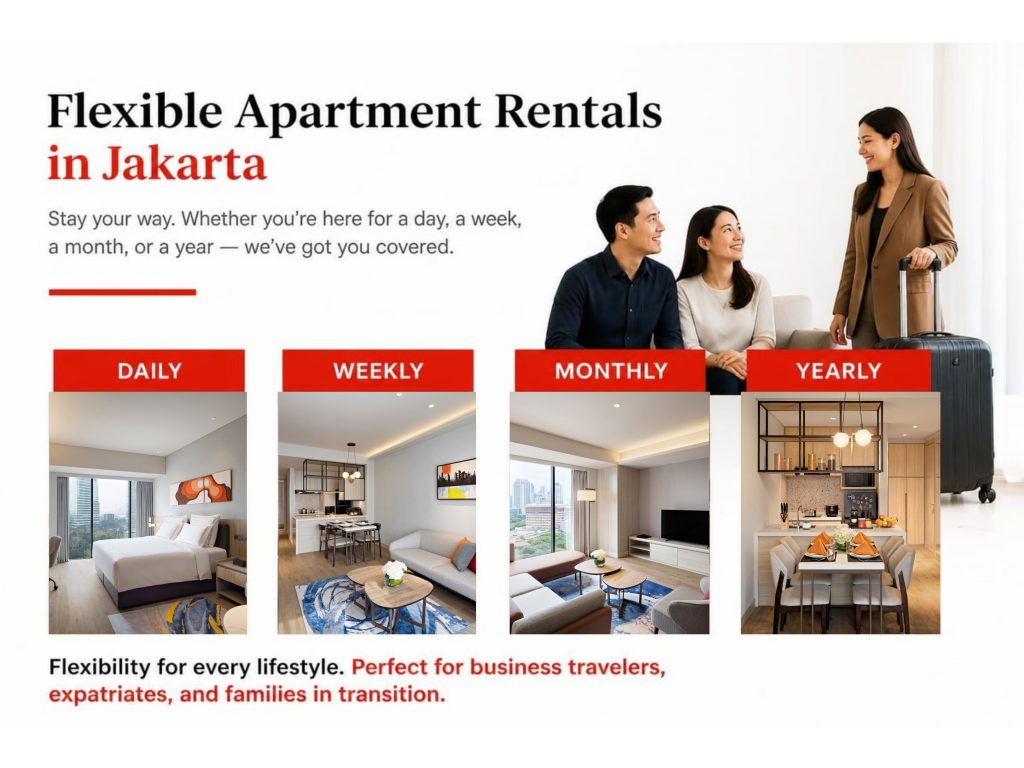
- Flexible terms from daily to annual stays
For business travelers requiring substantial space or hosting family visits during extended assignments, serviced apartments often represent the optimal solution. The 240 residences at Swissôtel Living Jakarta Mega Kuningan exemplify this category, offering studio through three-bedroom fully furnished apartments with hotel-level services and amenities, all positioned in Jakarta’s central business district for maximum workplace accessibility.
Making the Final Selection
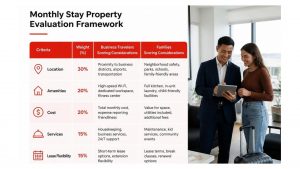
Choosing the right extended stay hotel rooms requires balancing multiple factors including location, amenities, services, and cost. A systematic evaluation process ensures your selection aligns with stay objectives and personal requirements.
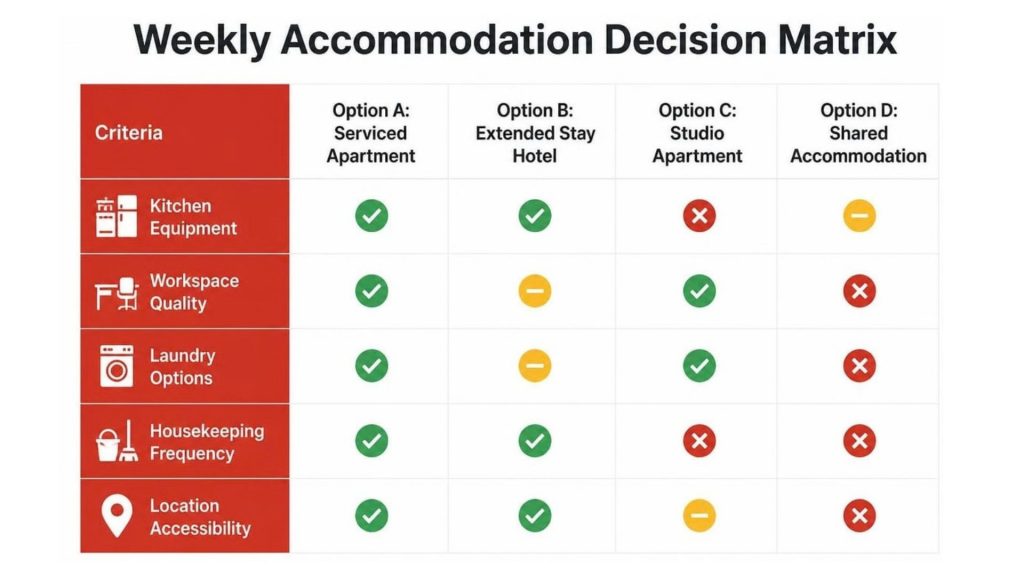
Creating Your Decision Matrix
Develop a weighted criteria list based on your specific priorities:
| Criterion | Weight | Property A | Property B | Property C |
|---|---|---|---|---|
| Workplace proximity | 25% | 9/10 | 6/10 | 8/10 |
| Kitchen quality | 20% | 7/10 | 9/10 | 8/10 |
| Monthly cost | 20% | 6/10 | 8/10 | 7/10 |
| Fitness facilities | 15% | 8/10 | 7/10 | 9/10 |
| Workspace quality | 10% | 9/10 | 7/10 | 8/10 |
| Service level | 10% | 8/10 | 6/10 | 9/10 |
| Weighted Total | 100% | 7.9 | 7.5 | 8.2 |
Customize criteria and weights based on whether business productivity, cost optimization, or lifestyle comfort drives your extended stay priorities.
Conducting Property Tours
When possible, virtual or in-person property tours before commitment provide valuable insights:
- Room configuration and actual space versus website descriptions
- Neighborhood assessment including safety, noise levels, and convenience
- Amenity quality examining fitness centers, business facilities, and common areas
- Staff interaction gauging responsiveness and service orientation
For international destinations where pre-arrival tours aren’t feasible, video calls with property staff or detailed photo requests help evaluate options remotely.
Negotiating Terms
Extended stay bookings provide negotiation leverage unavailable for short stays. Consider requesting:
- Rate locks protecting against mid-stay price increases
- Flexible extension options if stay duration becomes uncertain
- Early termination clauses with reasonable notice periods
- Complimentary upgrades for commitments exceeding 60 days
- Additional service inclusions such as weekly housekeeping or parking
Property managers often accommodate reasonable requests to secure longer booking commitments during periods of lower occupancy forecasts.
Extended stay hotel rooms serve essential accommodation needs for business travelers, relocating professionals, and anyone requiring temporary housing beyond traditional hotel stay durations. Success in selecting and managing extended stays depends on understanding how these properties differ from standard hotels, evaluating amenities critical to long-term comfort, and establishing routines that maintain productivity and wellness. Whether your assignment takes you across the country or internationally, choosing accommodation with appropriate space, services, and location access ensures your extended stay supports both professional objectives and personal well-being. For business travelers and expatriates seeking extended accommodation in Jakarta’s central business district, Swissôtel Living Jakarta Mega Kuningan offers fully furnished serviced apartments ranging from studios to three-bedroom residences, combining residential space with hotel services and positioned for easy access to Kuningan, SCBD, and surrounding business centers.











































 Should You Choose an Extended-Stay Hotel or Serviced Apartment in Jakarta for a Business Trip?