
Extended Stay Lodging: Guide for Jakarta 2026
Extended stay lodging has become an essential accommodation solution for professionals, families, and expatriates who need more than a standard hotel room for weeks or months at a time. Unlike traditional hotels designed for overnight stays, extended stay lodging provides fully furnished residential spaces with kitchens, separate living areas, and flexible lease terms ranging from one week to a full year. This accommodation format bridges the gap between short-term hotel rooms and long-term apartment rentals, offering the convenience of hotel services with the comfort and functionality of a private residence.
Understanding Extended Stay Lodging in 2026
Extended stay lodging refers to accommodations designed for guests who require housing for periods typically ranging from seven days to several months or longer. These properties combine residential features with hospitality services, creating a hybrid model that serves business travelers on extended assignments, families in transition, and expatriates establishing themselves in new cities.
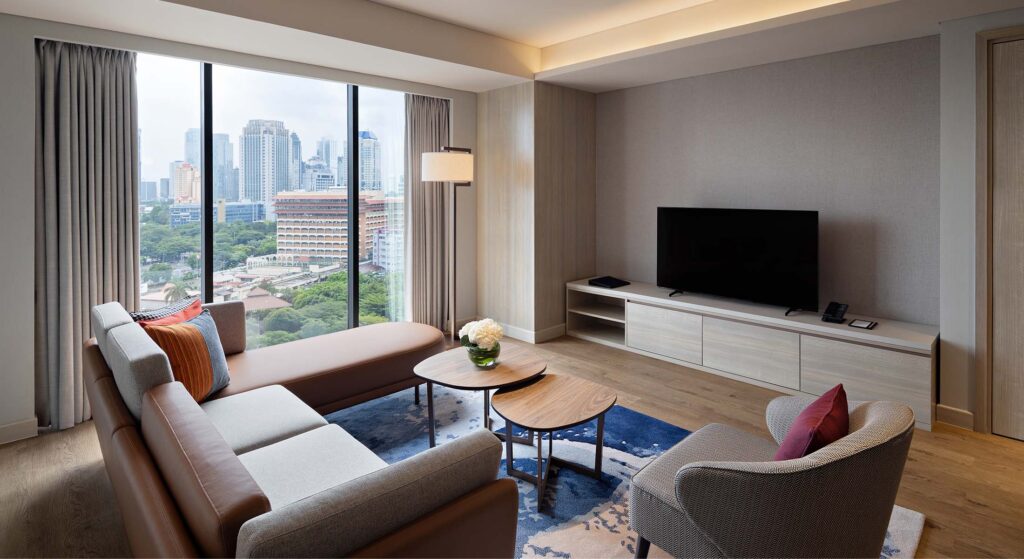
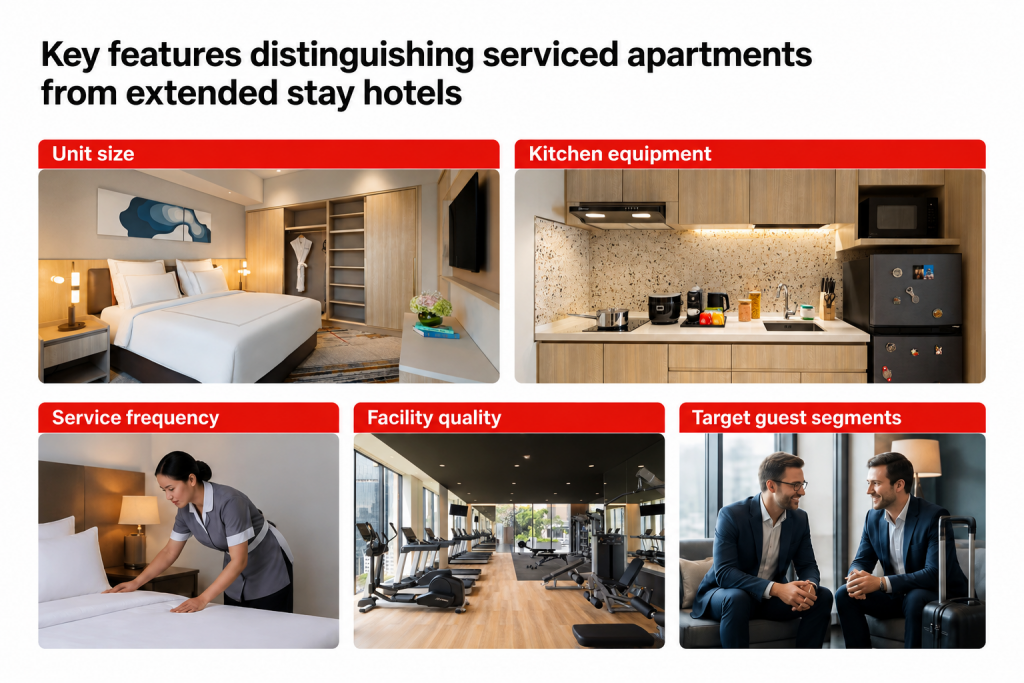
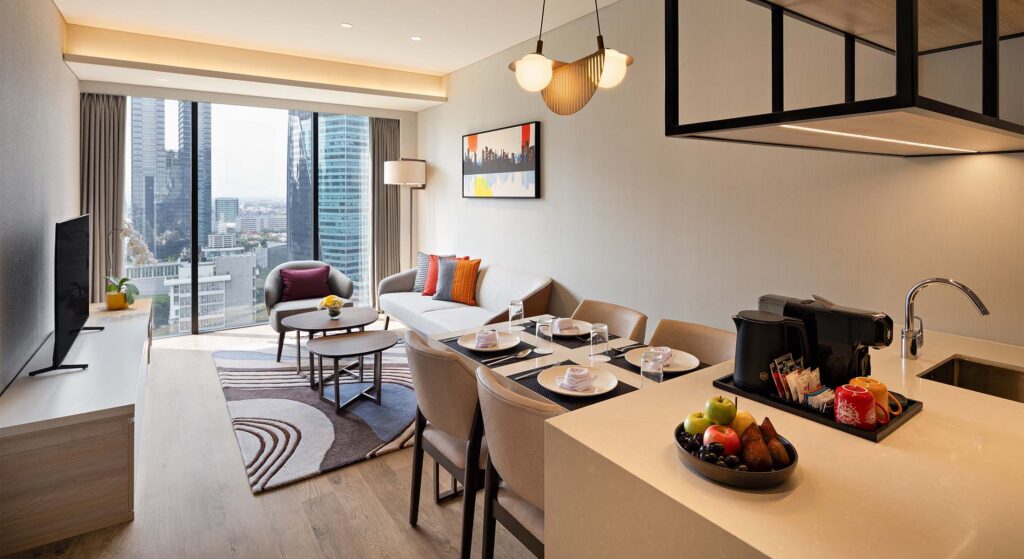
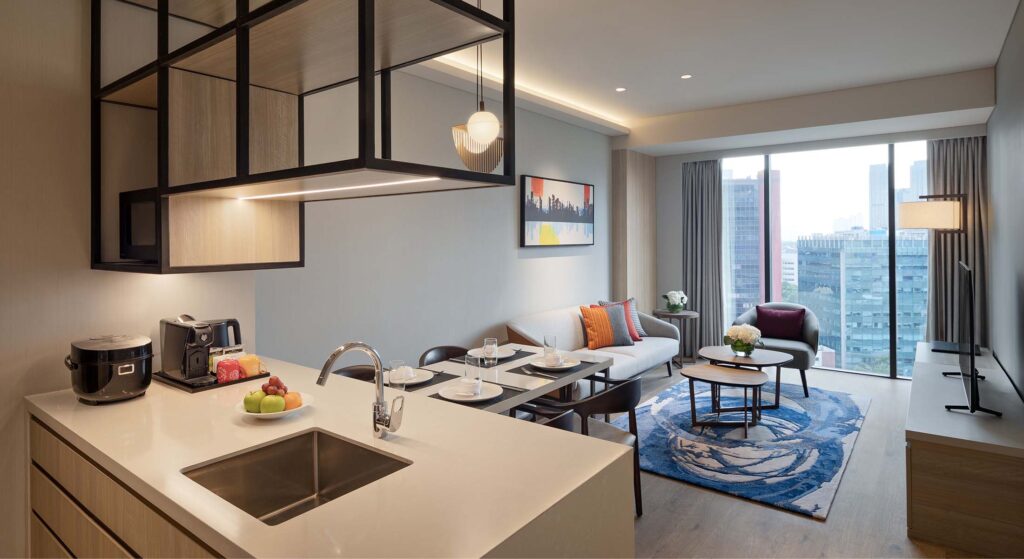
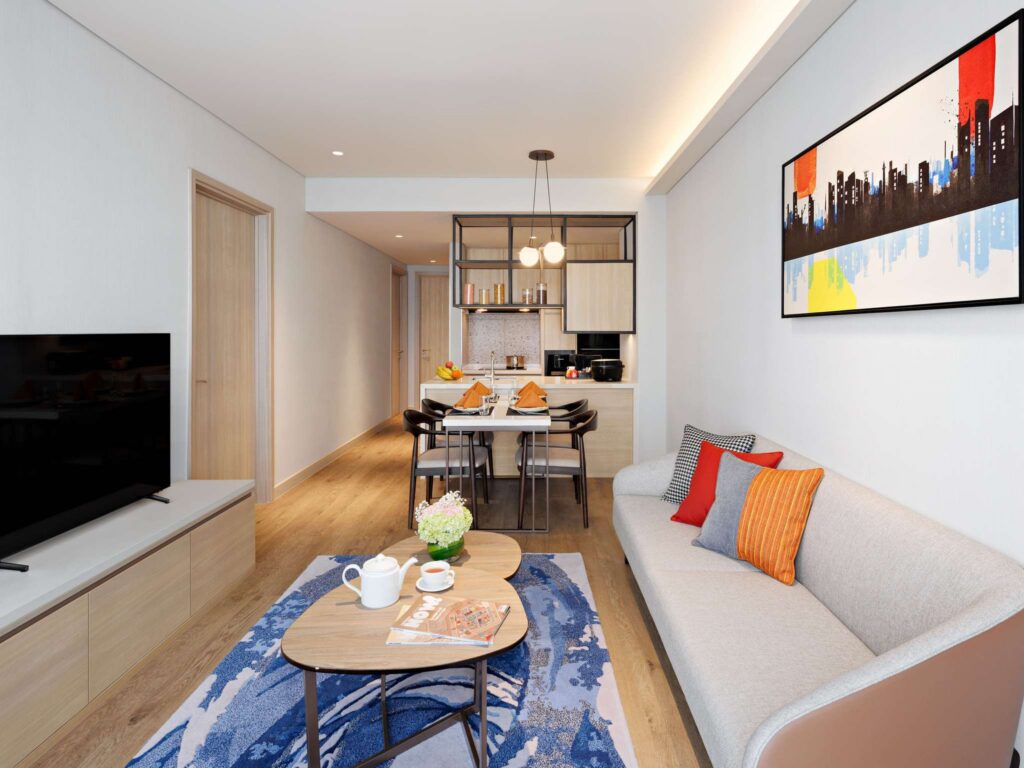
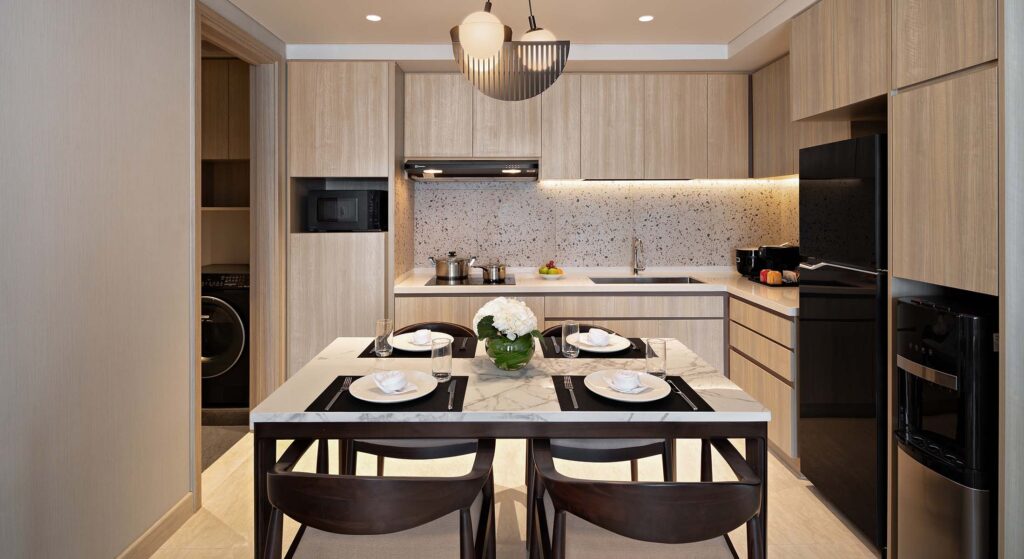
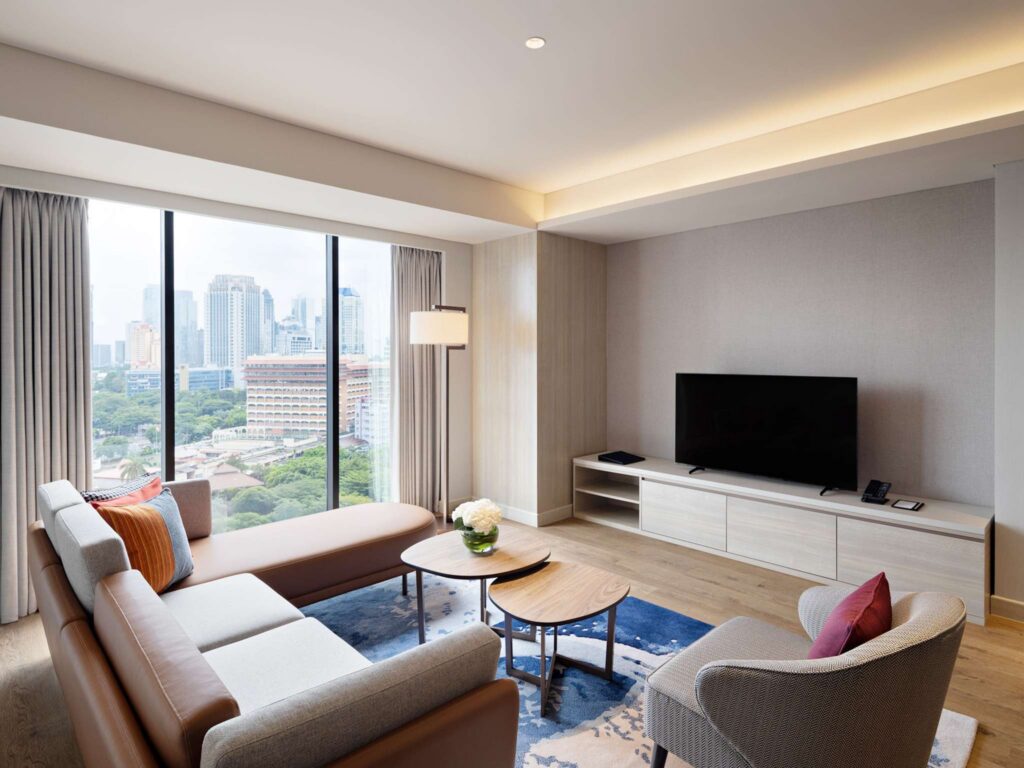
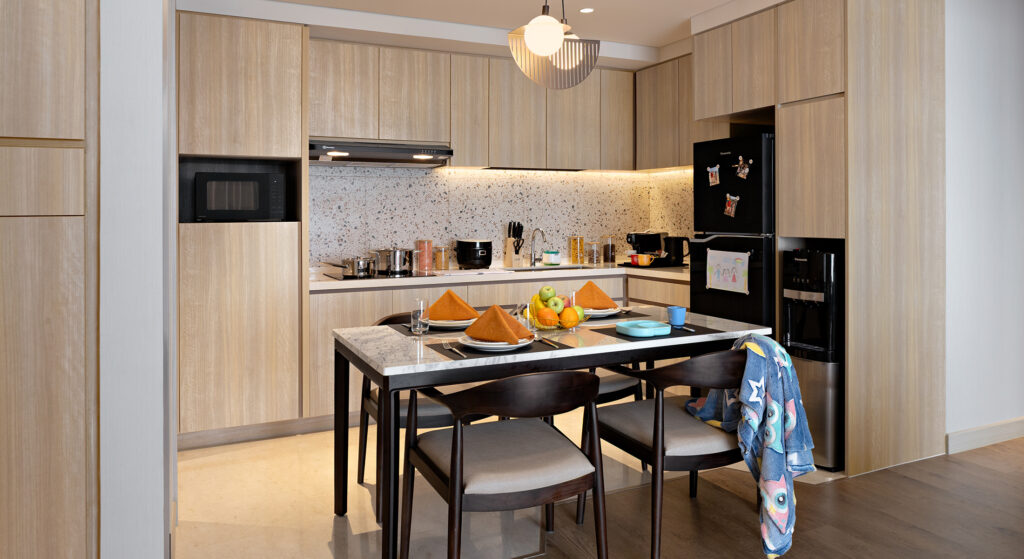
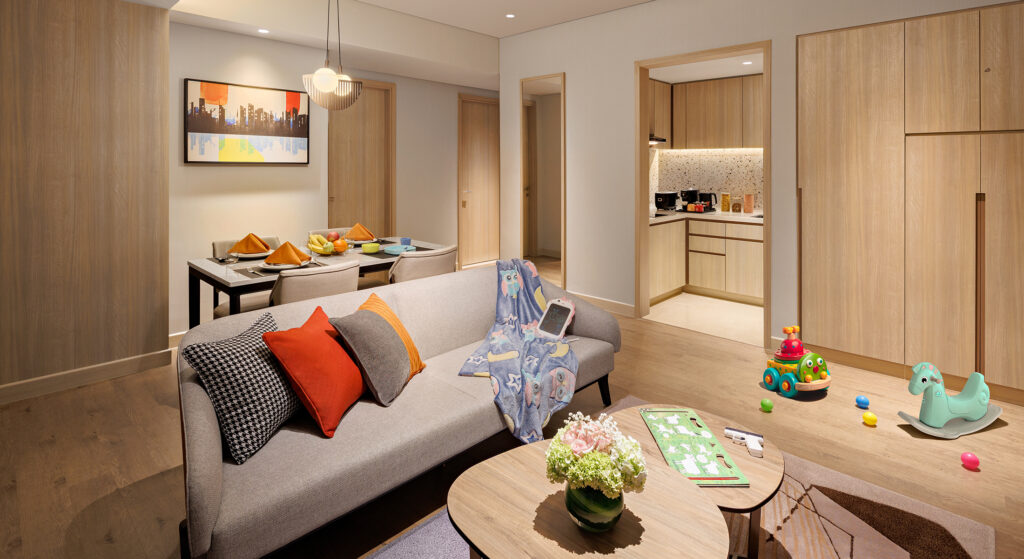
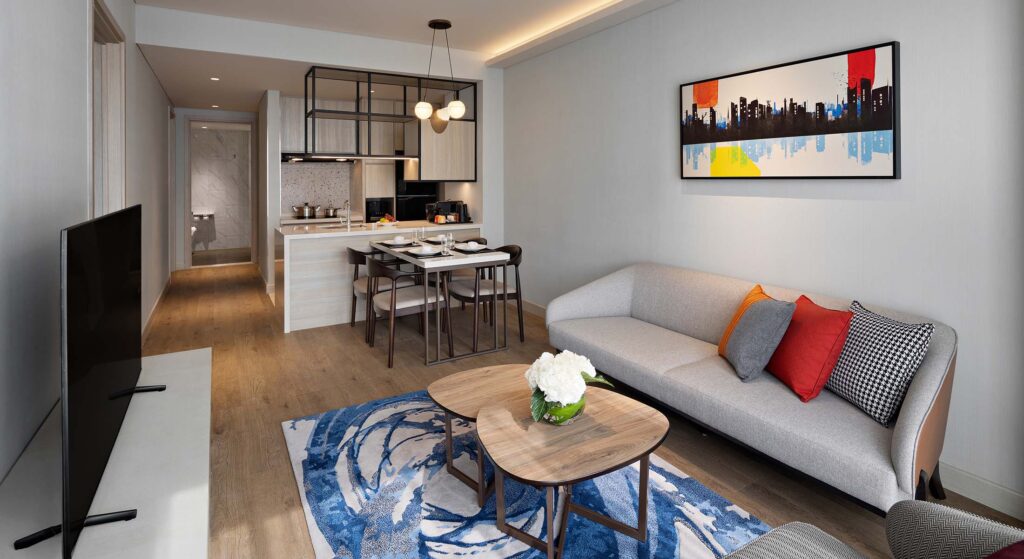
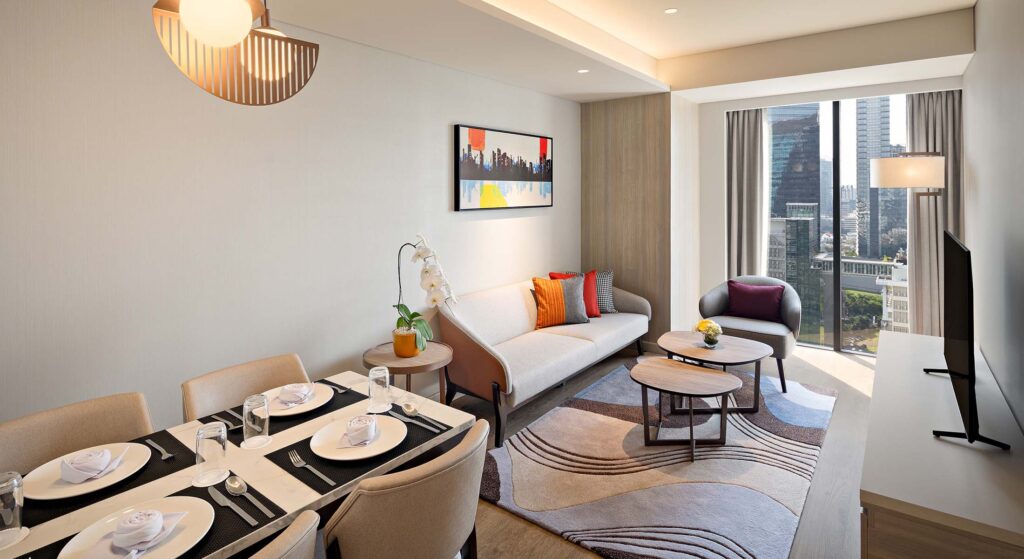
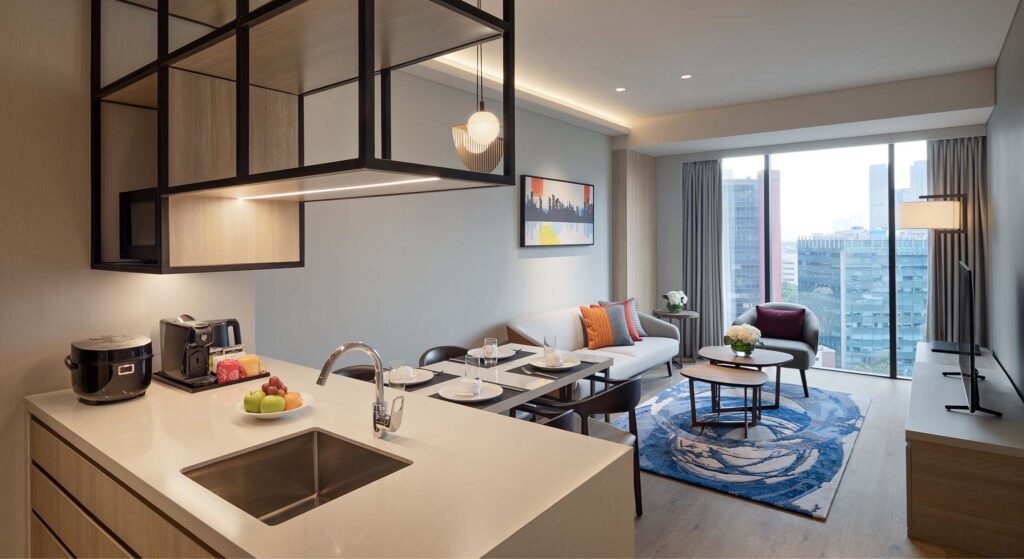
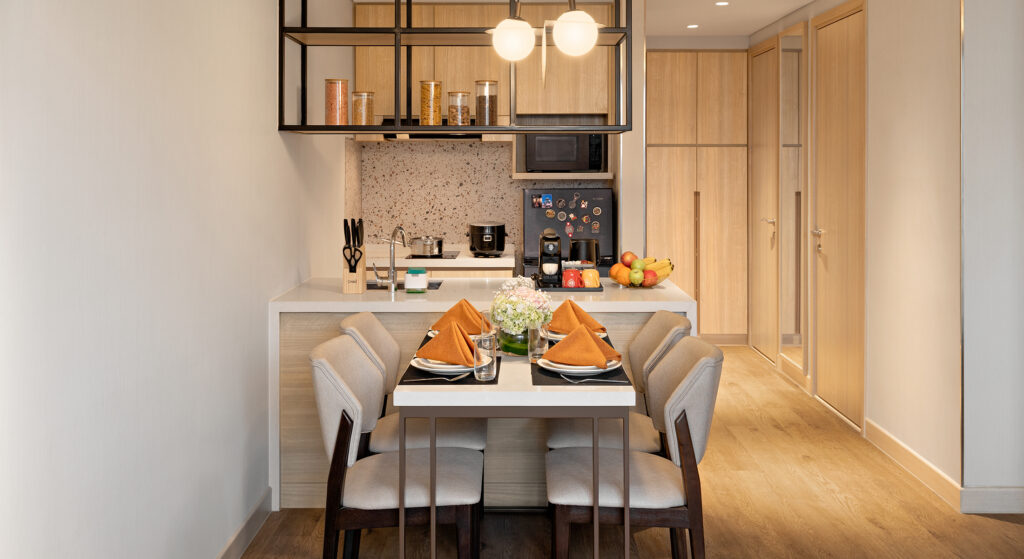
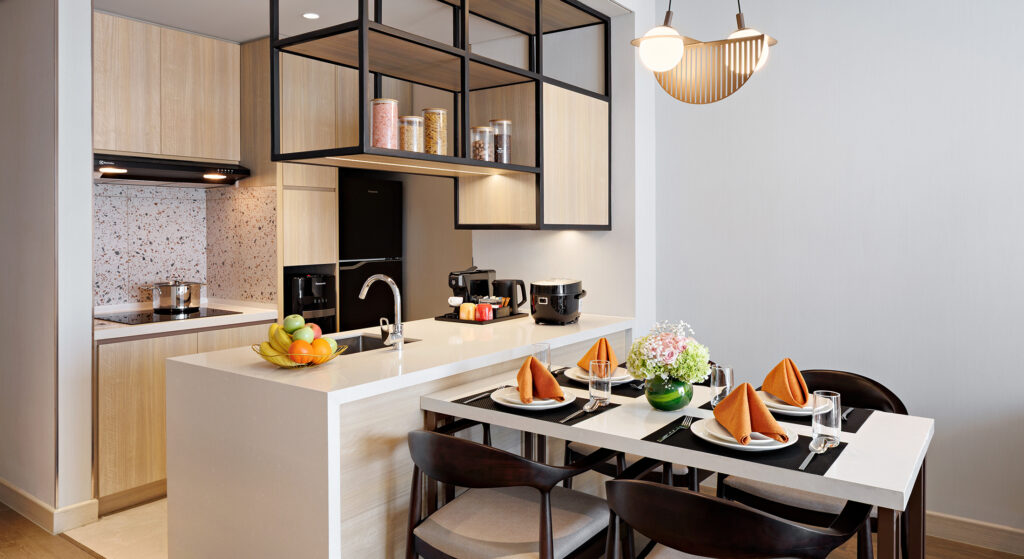
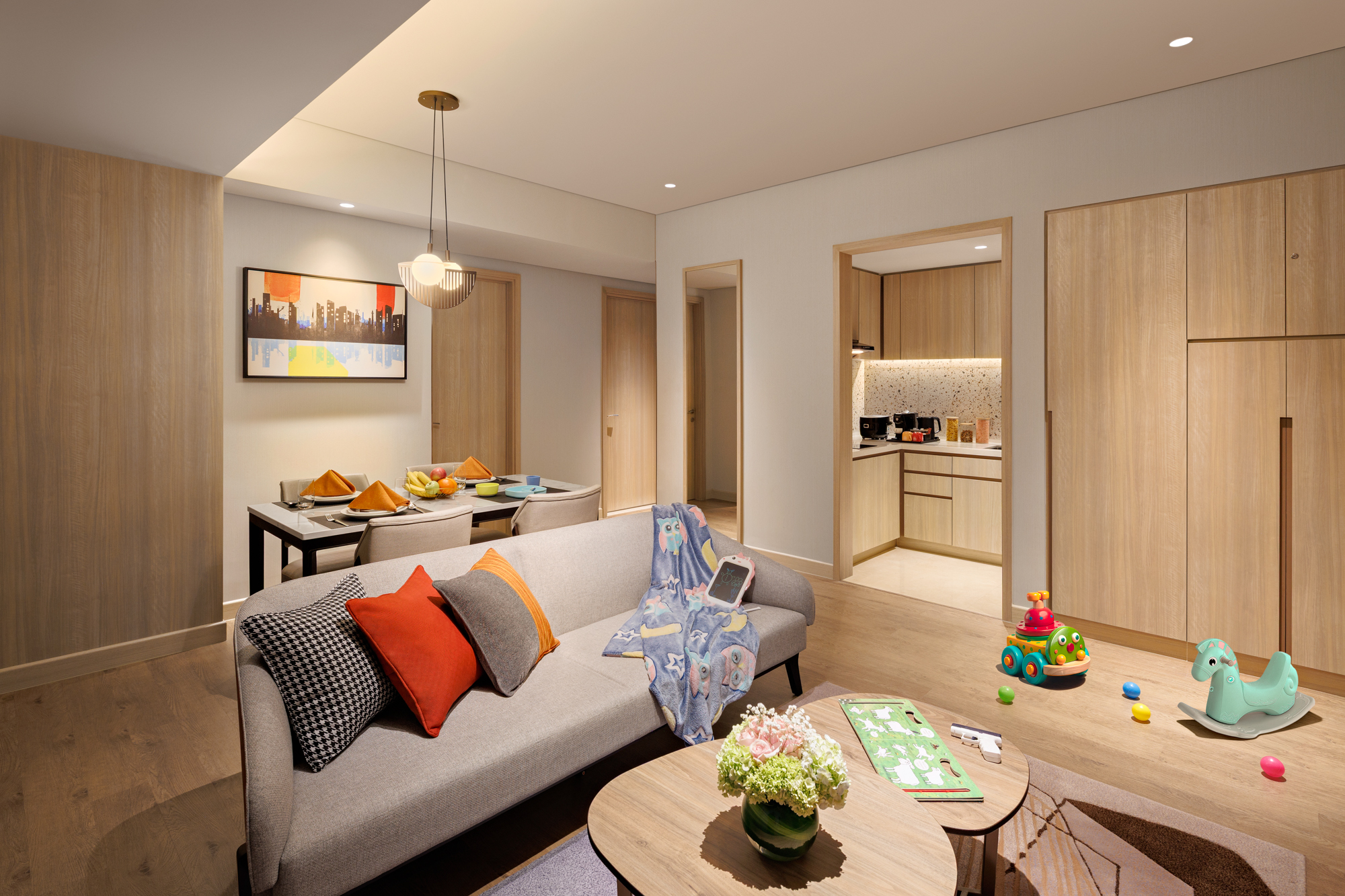
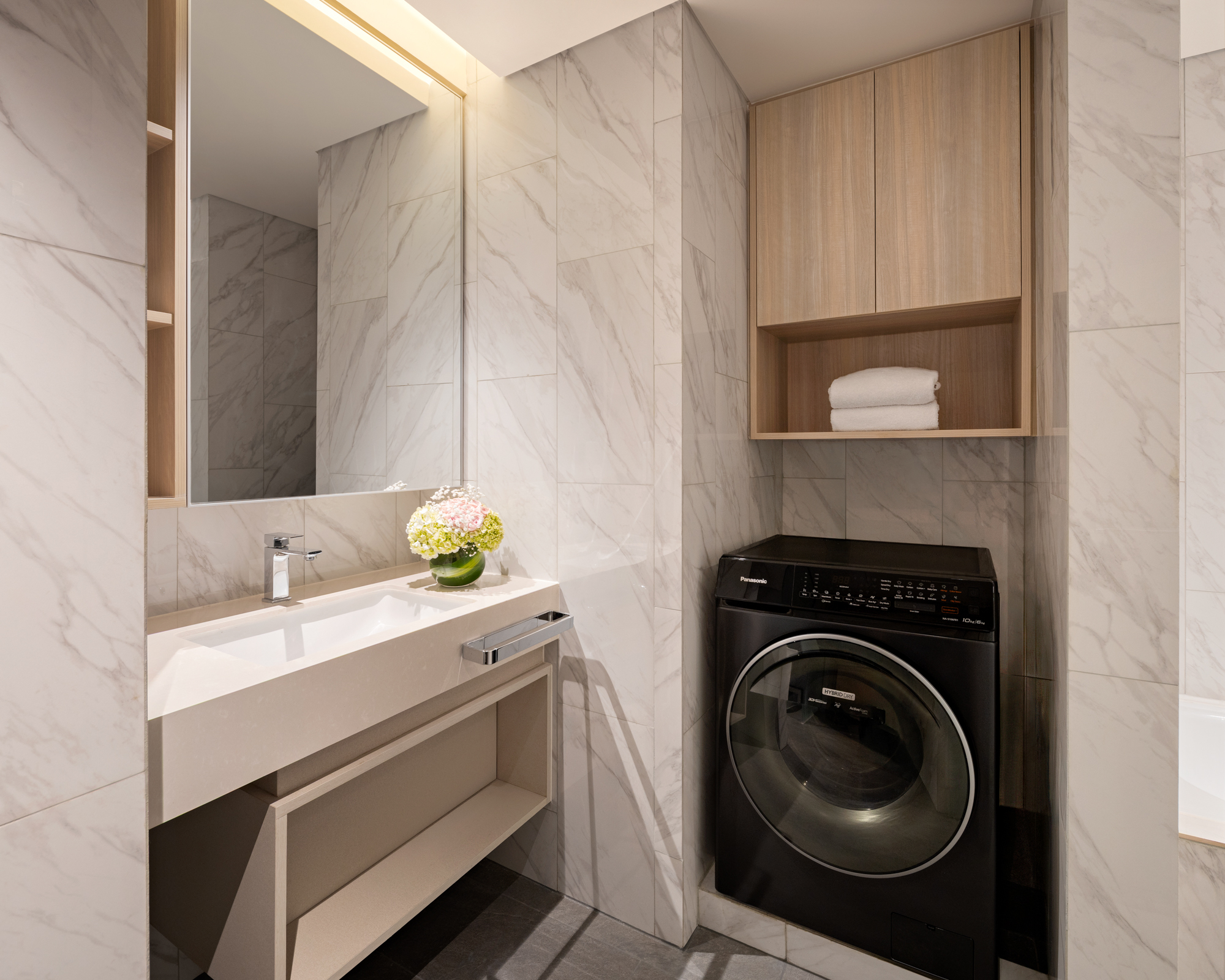
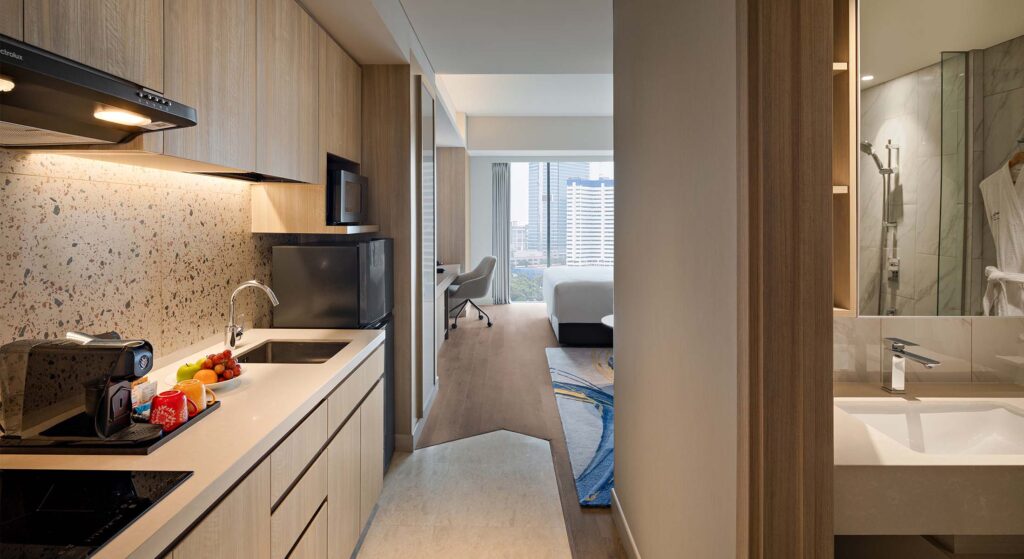
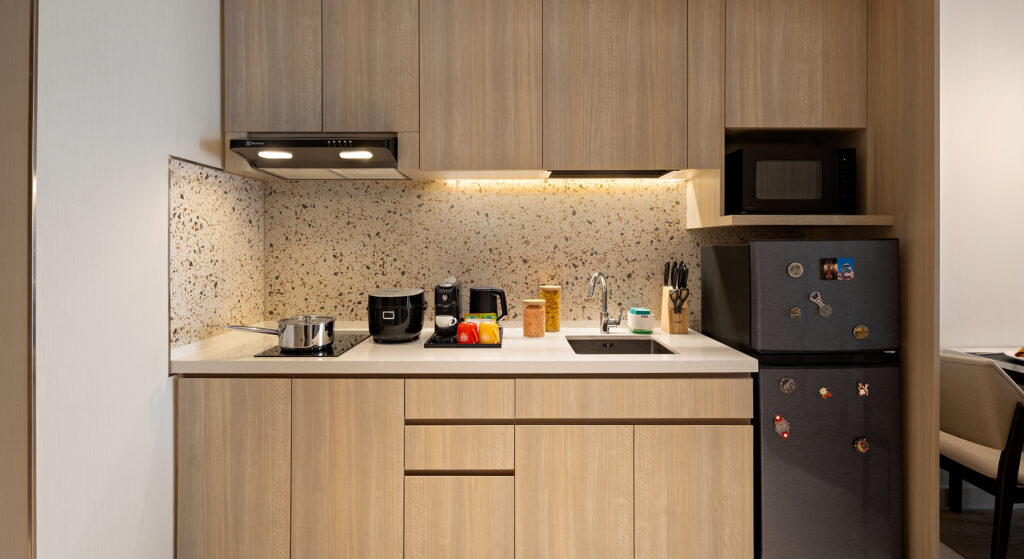
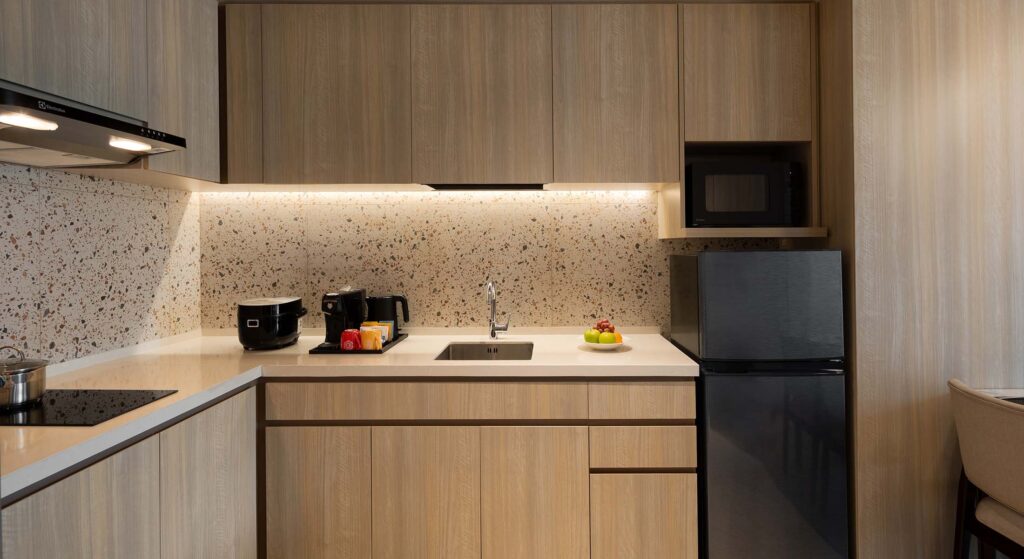
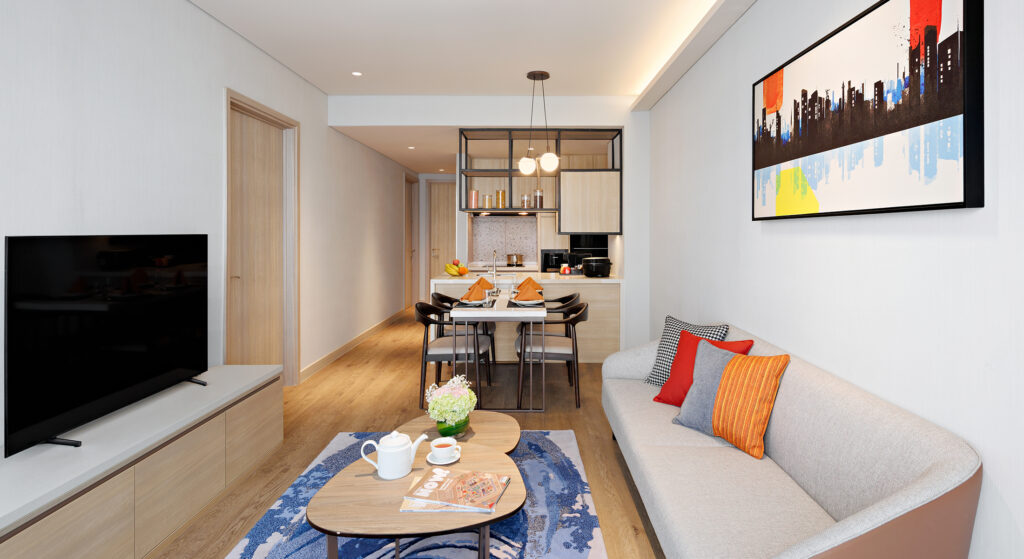
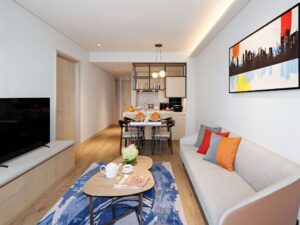
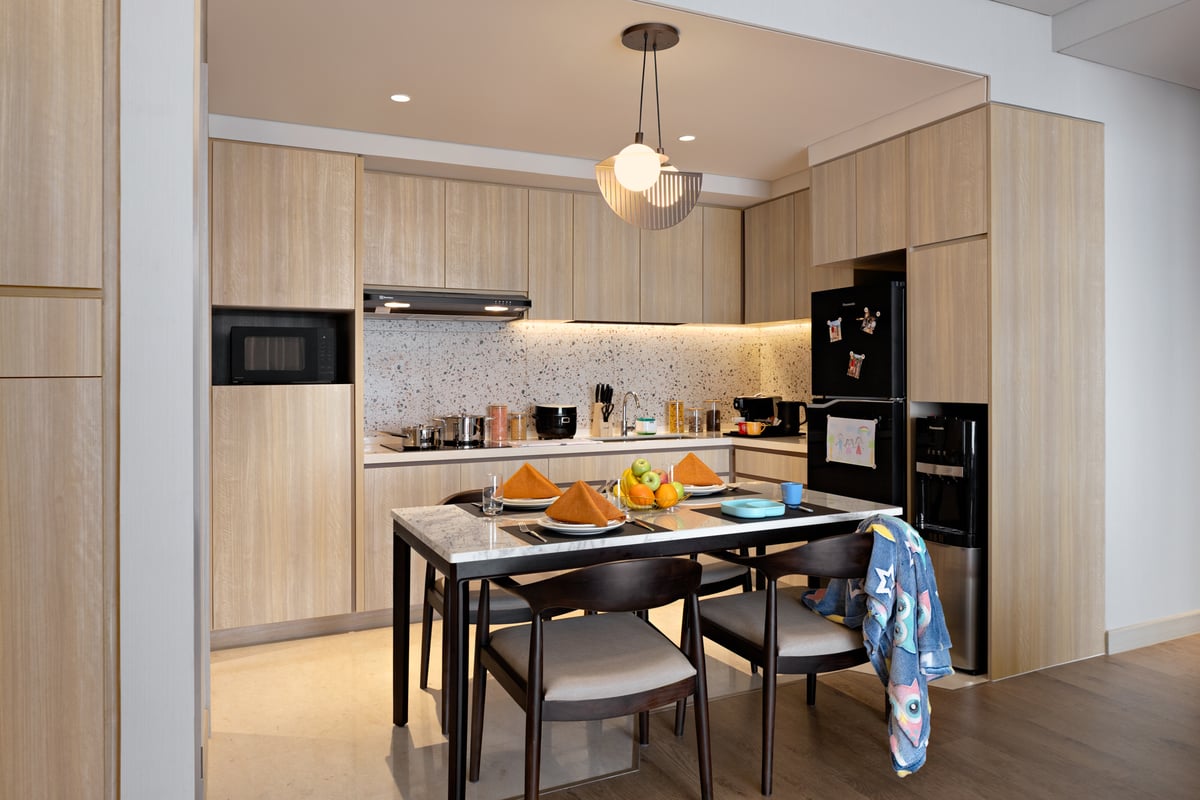
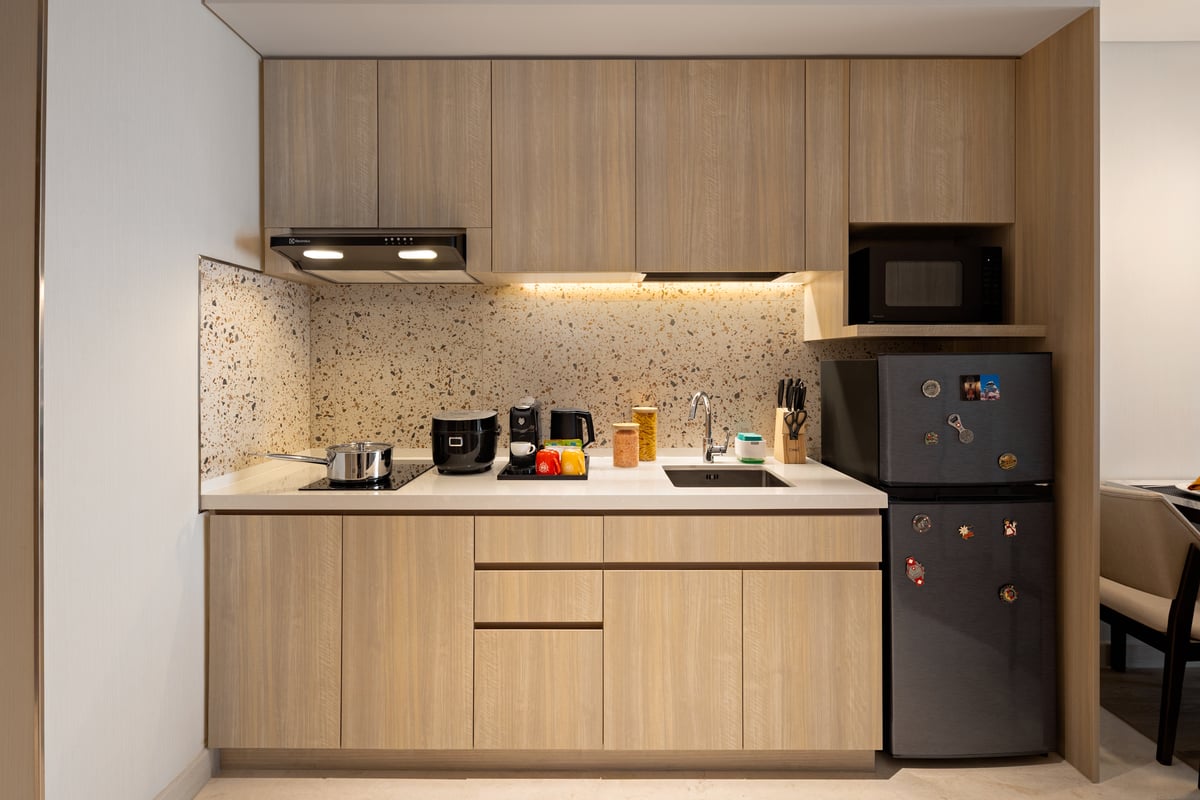
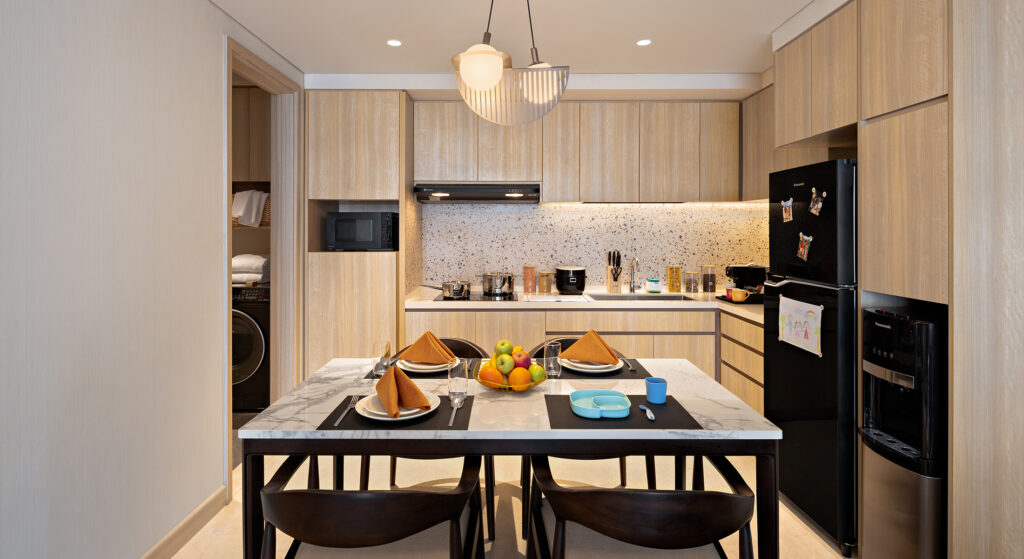
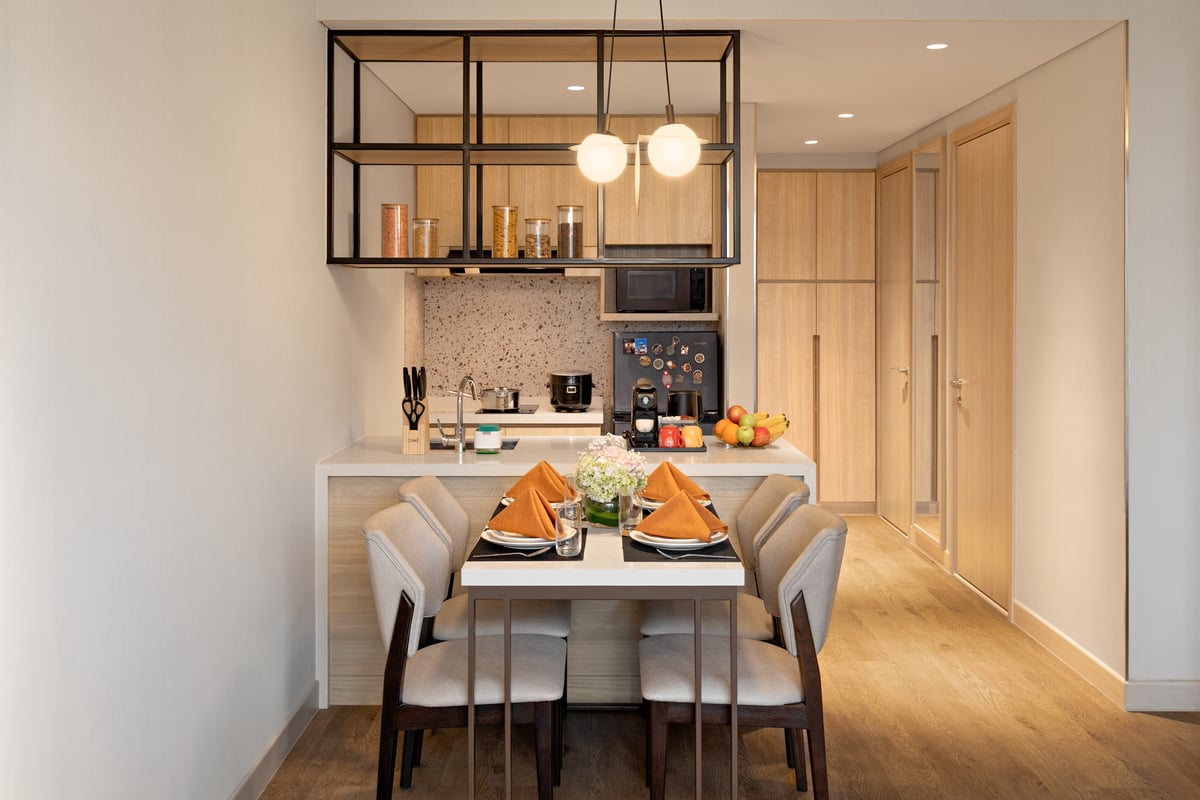
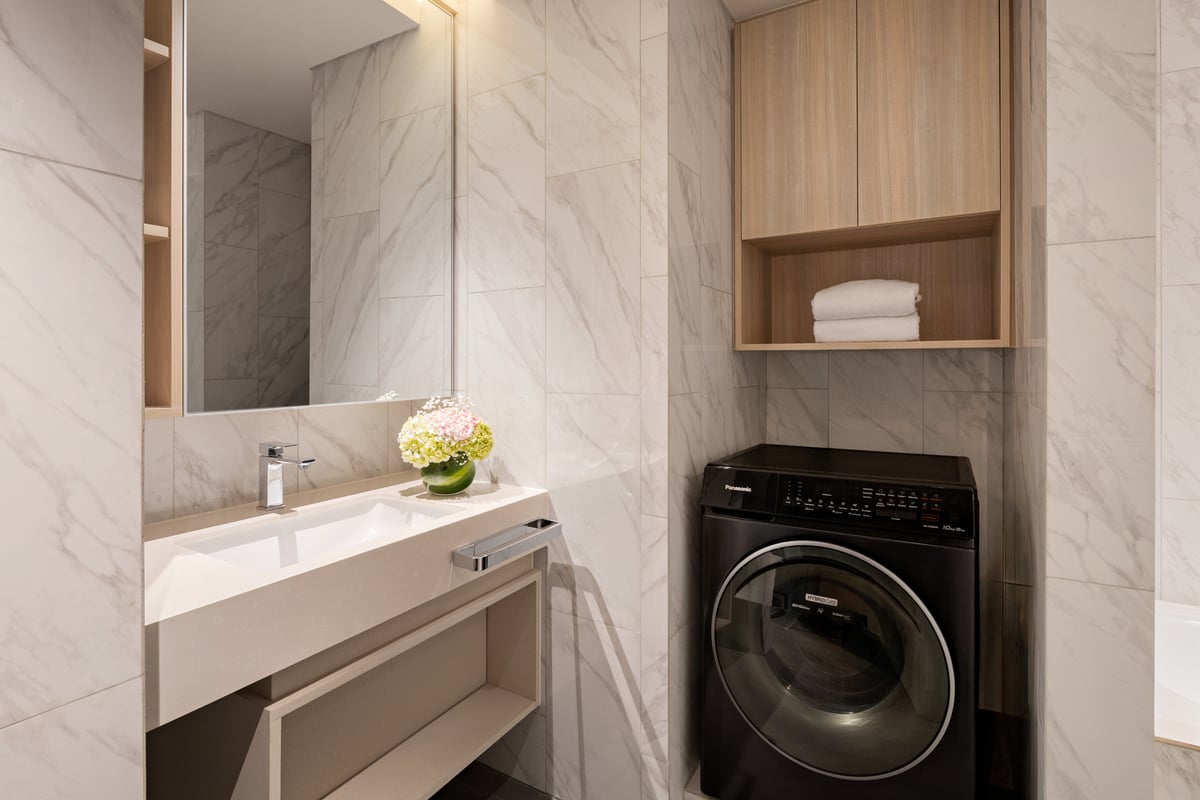
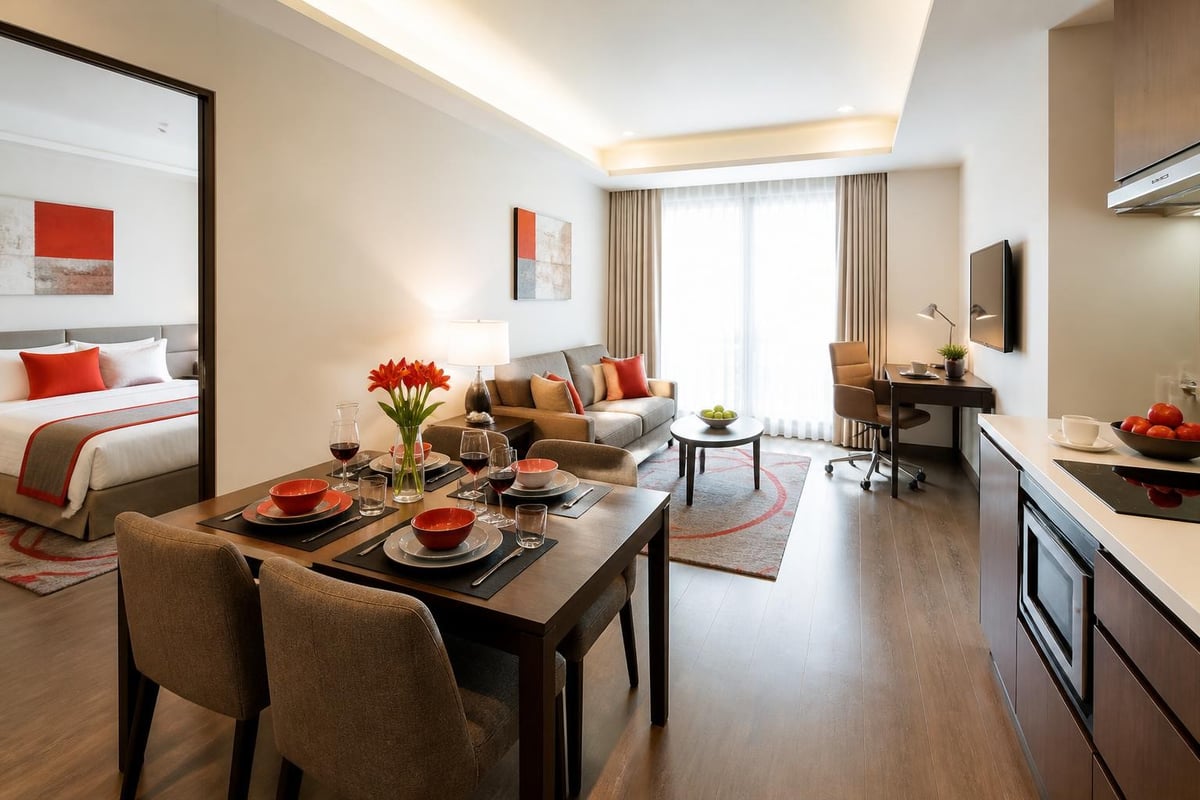
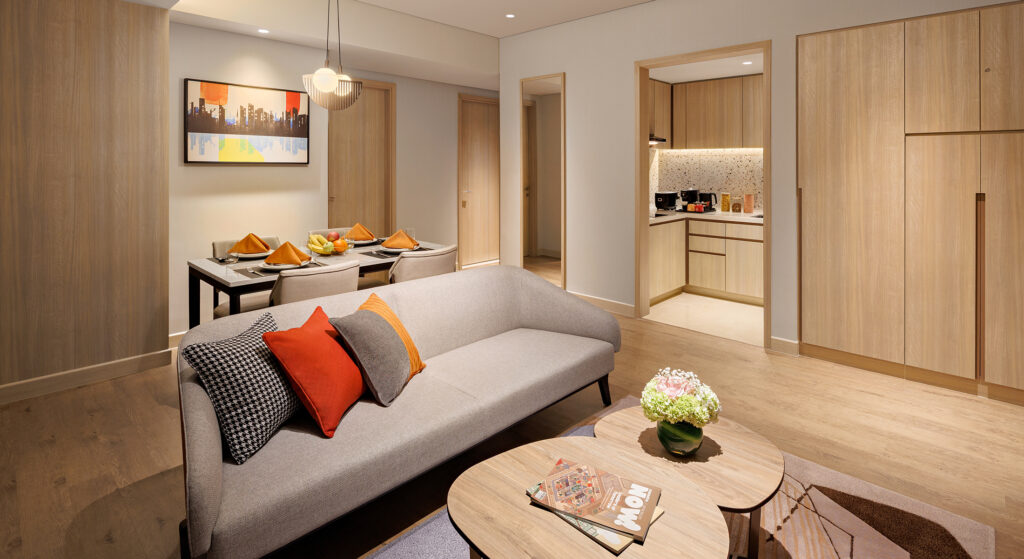
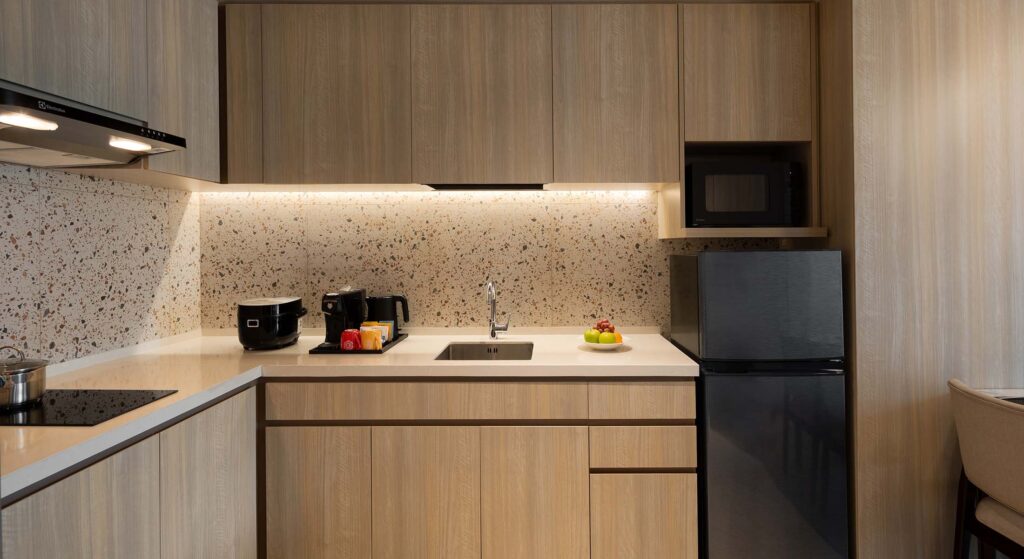
The core distinction lies in the residential setup. Each unit includes a full kitchen with cooking equipment, refrigerator, and dining space. Separate sleeping and living areas provide privacy and functionality that single hotel rooms cannot match. Furniture, housewares, and linens come standard, eliminating the need for guests to purchase or transport household items.
Key Features That Define the Category
Extended stay properties offer several features that differentiate them from both hotels and traditional apartments:
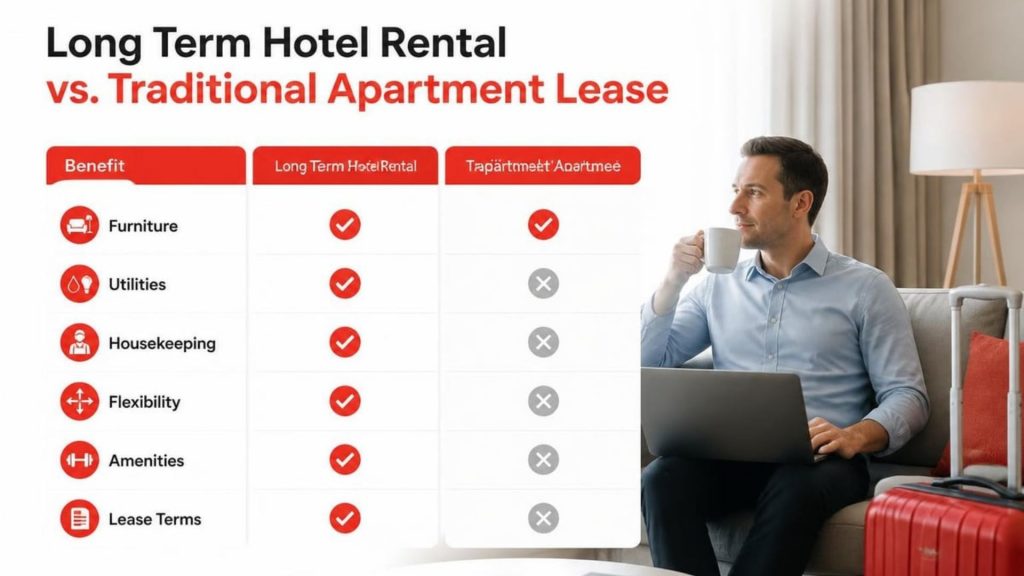
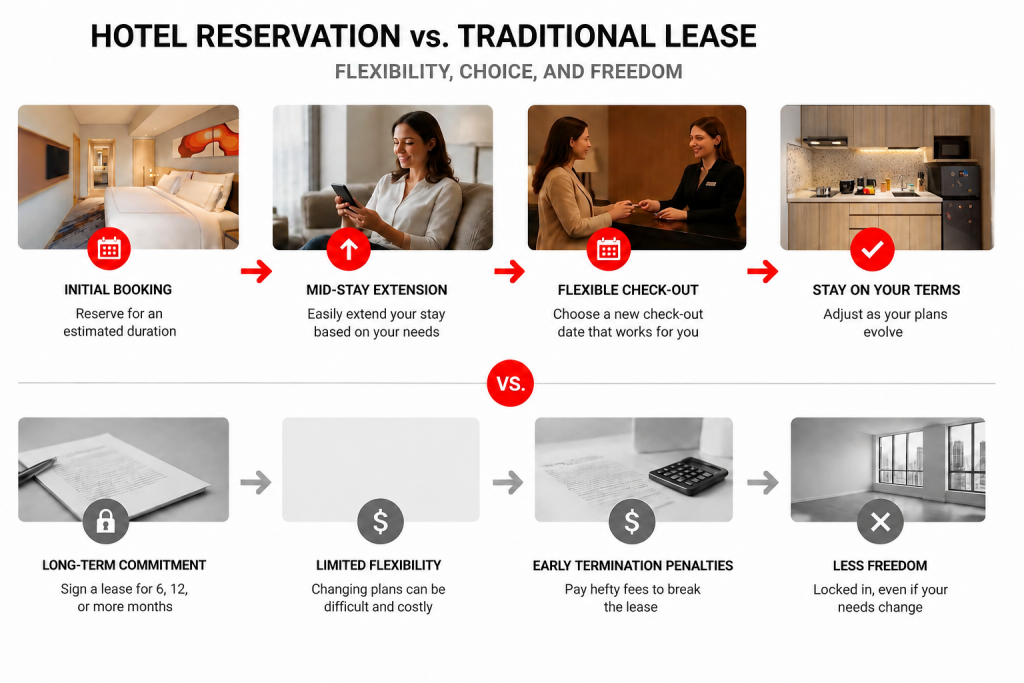
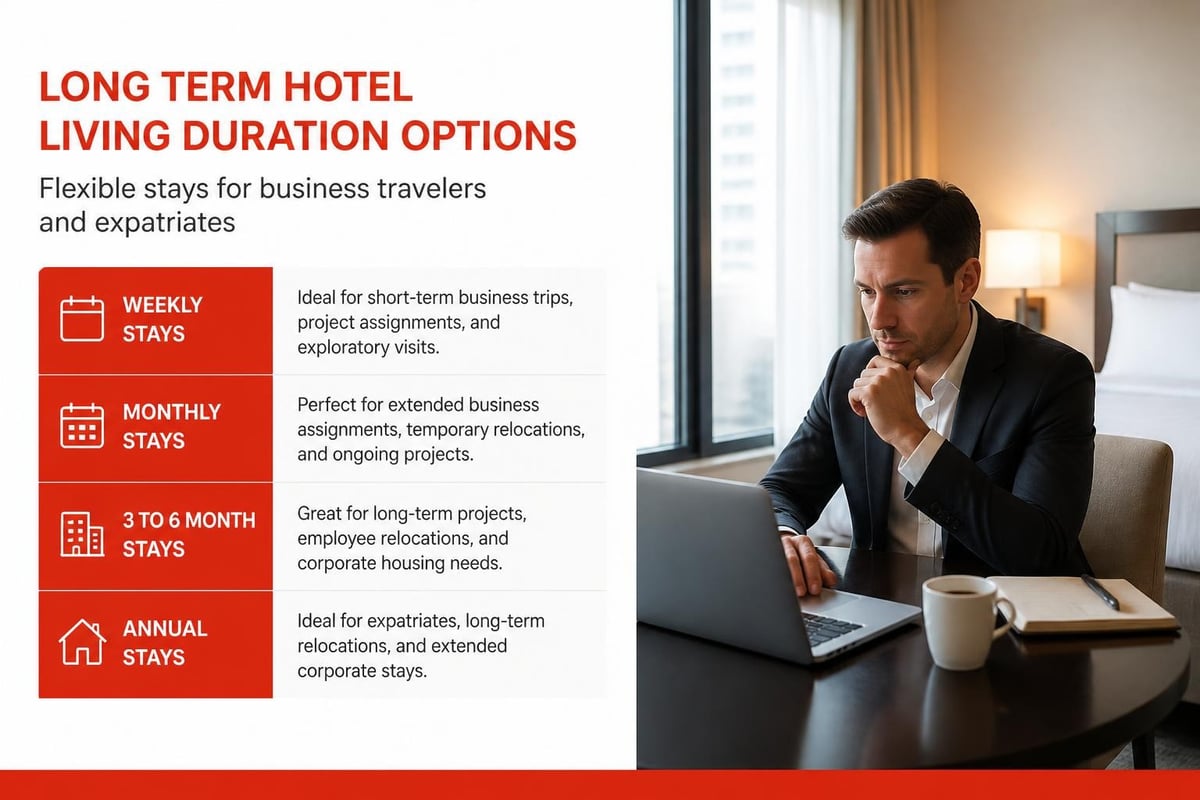
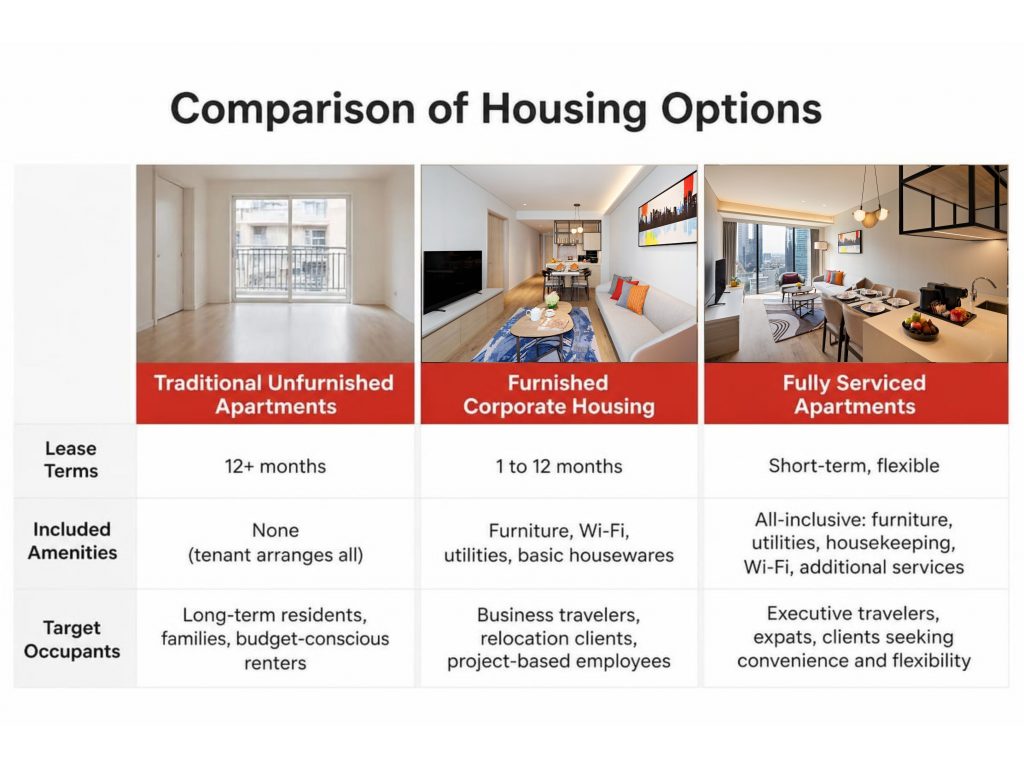
- Flexible lease terms: Daily, weekly, monthly, and annual rates without standard apartment lease commitments
- Fully furnished residences: Complete furniture packages, kitchen equipment, and household essentials included
- Hotel-style services: Housekeeping, front desk support, and maintenance without tenant responsibilities
- All-inclusive billing: Utilities, internet, and amenities bundled into a single rate
- No security deposits: Move-in process simpler than traditional apartment rentals
According to industry performance data, extended stay lodging continues to demonstrate strong demand metrics as hybrid work arrangements and international assignments remain prevalent in 2026. Properties that offer residential functionality with hospitality convenience attract consistent occupancy from multiple guest segments.
Who Benefits Most From Extended Stay Lodging
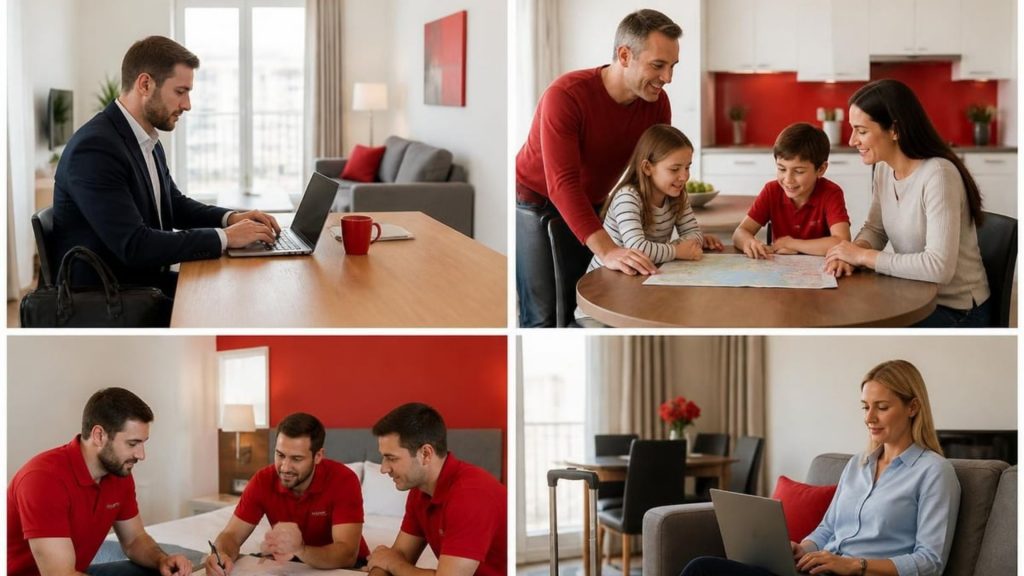
Different traveler types find extended stay lodging solves specific accommodation challenges that neither hotels nor traditional rentals adequately address.
Corporate Travelers and Business Assignments
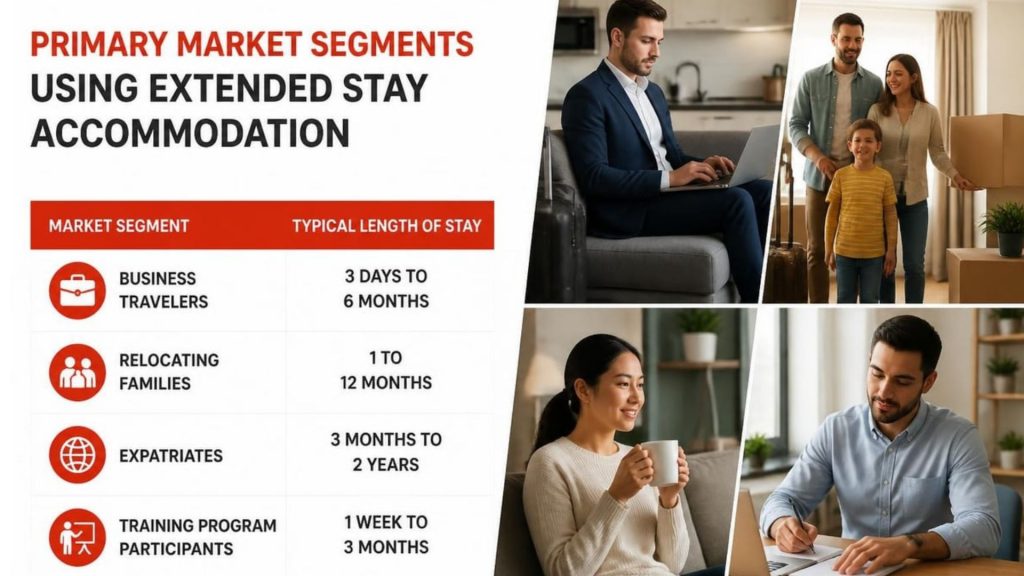
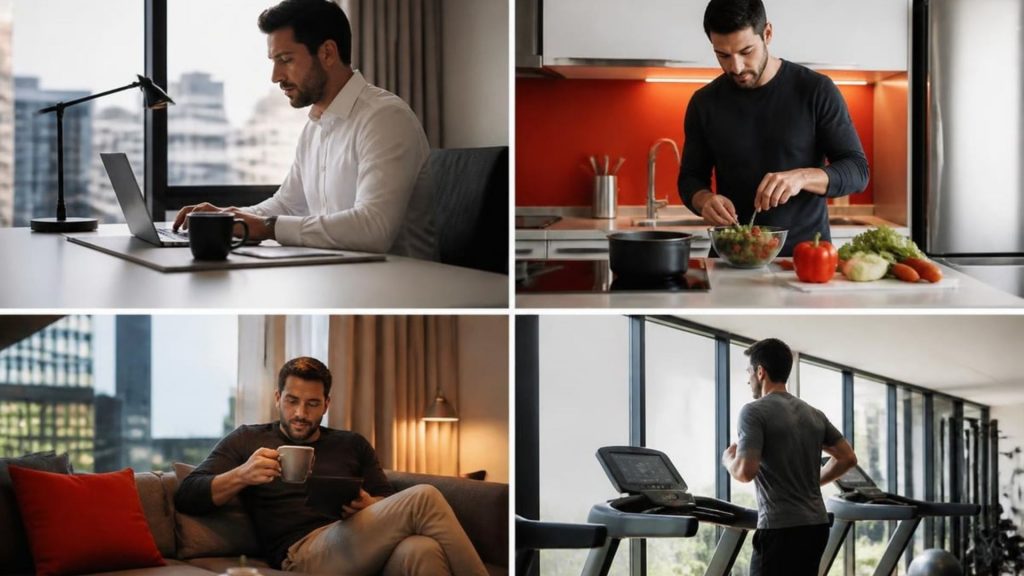
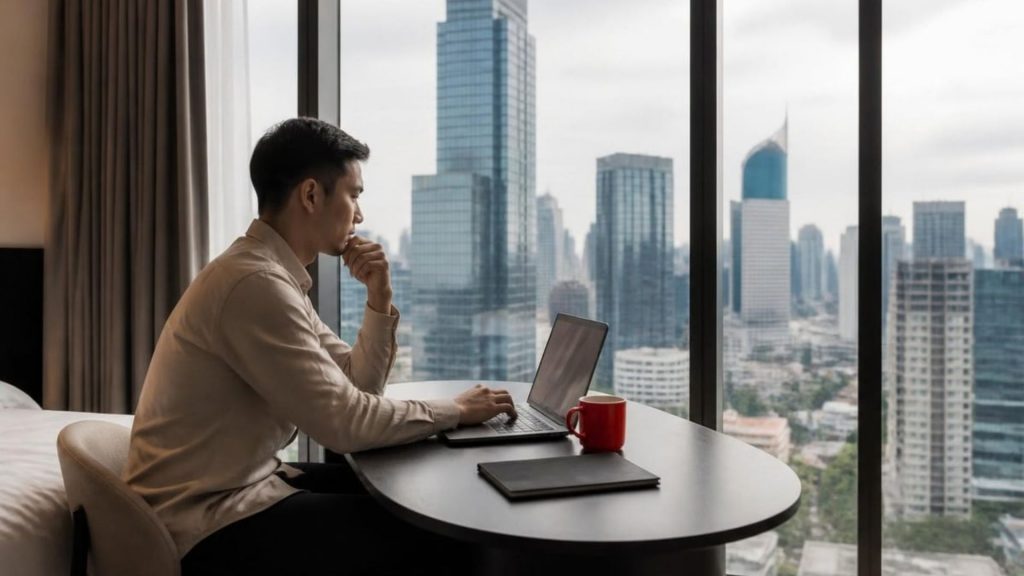
Professionals on temporary assignments, project-based work, or corporate relocations represent a primary market for extended stay lodging. A three-month consulting project in a new city becomes manageable when accommodation includes a kitchen for healthy meals, workspace for evening tasks, and laundry facilities for extended stays.
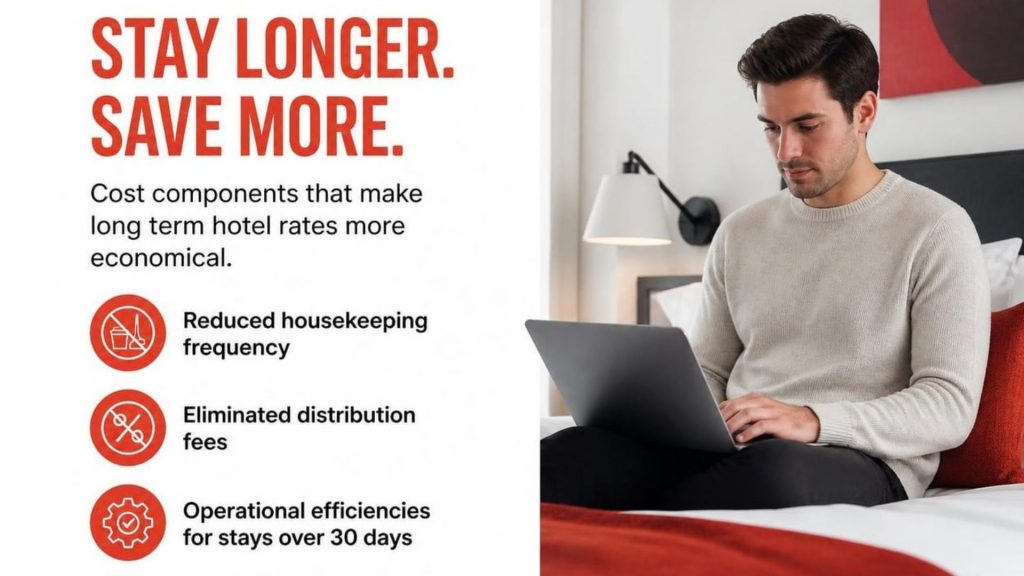
Business travelers appreciate predictable monthly costs rather than fluctuating nightly hotel rates. The extended stay sector has responded by developing rate structures that reward longer commitments with reduced per-night costs, making extended assignments more budget-friendly for both companies and individual professionals.
Expatriates and International Relocations
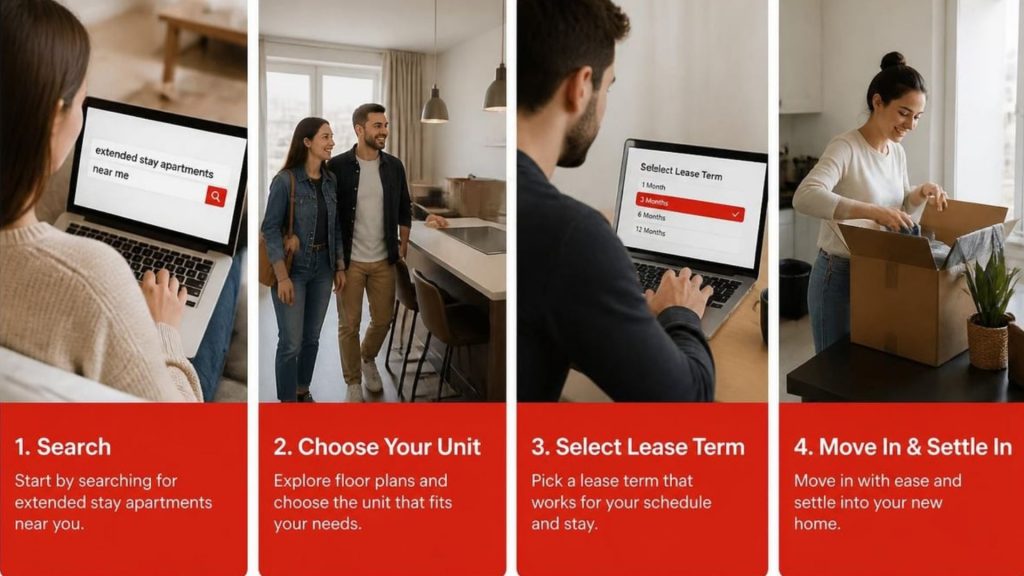
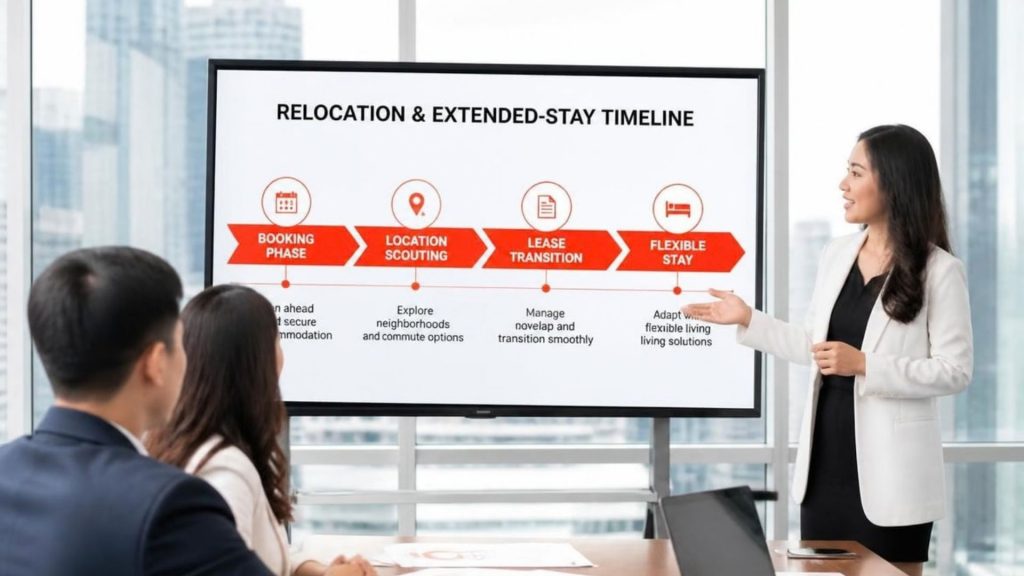
Expatriates moving to Jakarta or other international business centers face a gap between arrival and securing permanent housing. Extended stay lodging provides immediate, move-in-ready accommodation while families search for schools, explore neighborhoods, and complete lease applications for long-term residences.
The fully furnished setup means international families arriving with suitcases can establish functional household routines immediately. For expatriates unfamiliar with local rental markets, expat living resources offer guidance on transitioning to Jakarta while extended stay properties provide the housing foundation during the adjustment period.
Families in Transition
Families selling one home before purchasing another, relocating for new job opportunities, or managing temporary housing needs during renovations require flexible, family-friendly accommodation. Extended stay lodging with two or three bedrooms provides the space families need without the commitment and complexity of traditional leases.
| Guest Type | Typical Stay Duration | Primary Needs |
|---|---|---|
| Corporate travelers | 1-6 months | Workspace, kitchen, predictable costs |
| Expatriate families | 1-3 months | Multiple bedrooms, location access, services |
| Relocation families | 2-4 months | Space, flexibility, family amenities |
| Project teams | 3-12 months | Multiple units, meeting spaces, convenience |
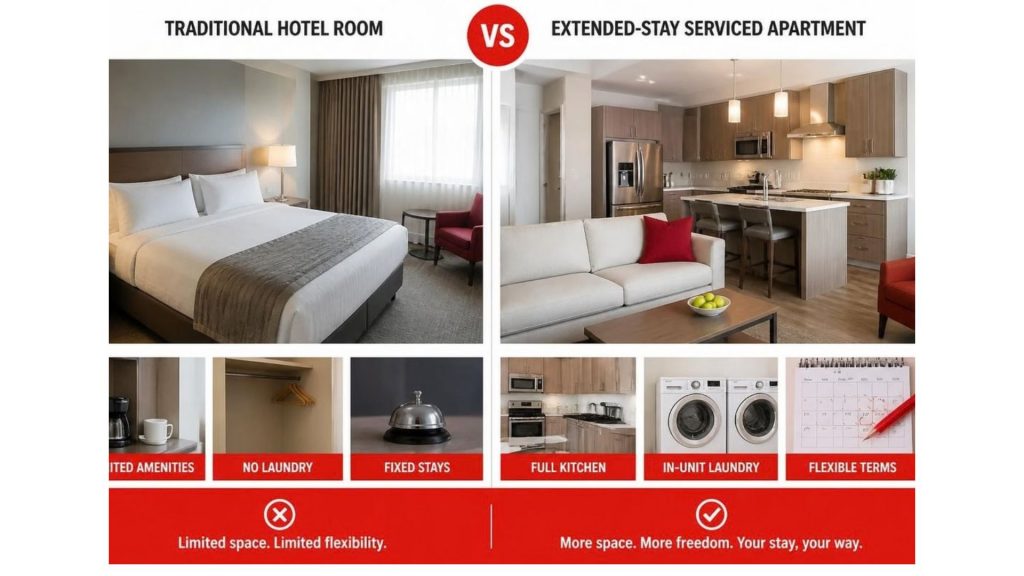
Extended Stay Lodging vs. Traditional Hotels
Understanding the operational and experiential differences between extended stay lodging and traditional hotels helps travelers select the right accommodation format for their specific needs.
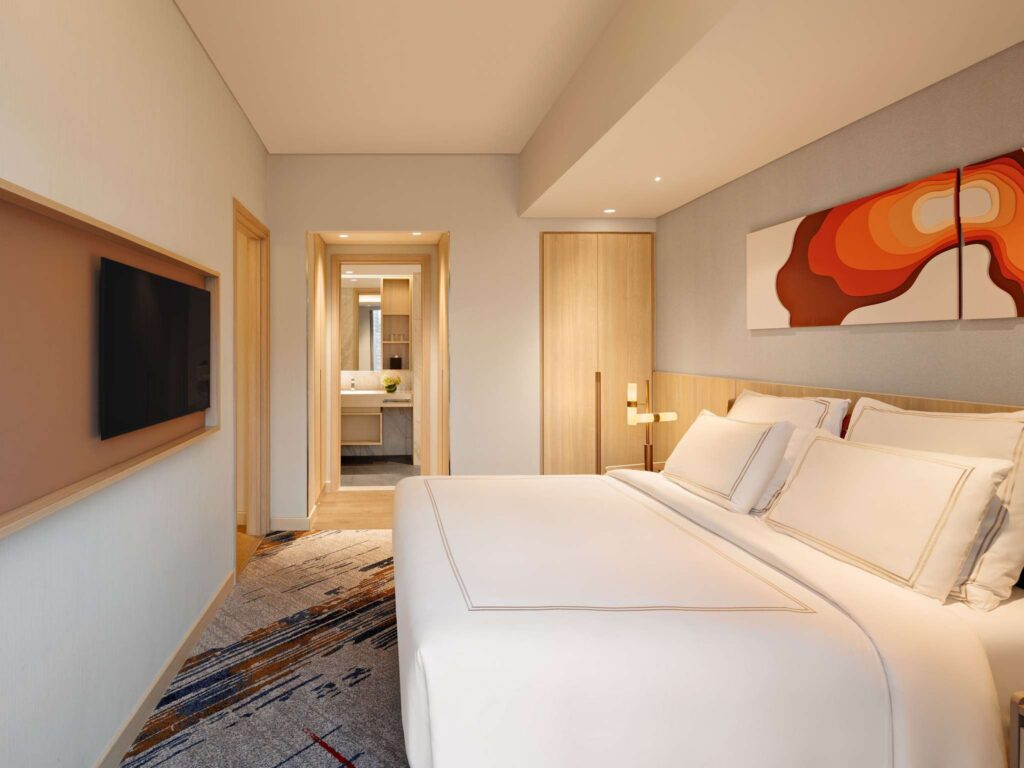
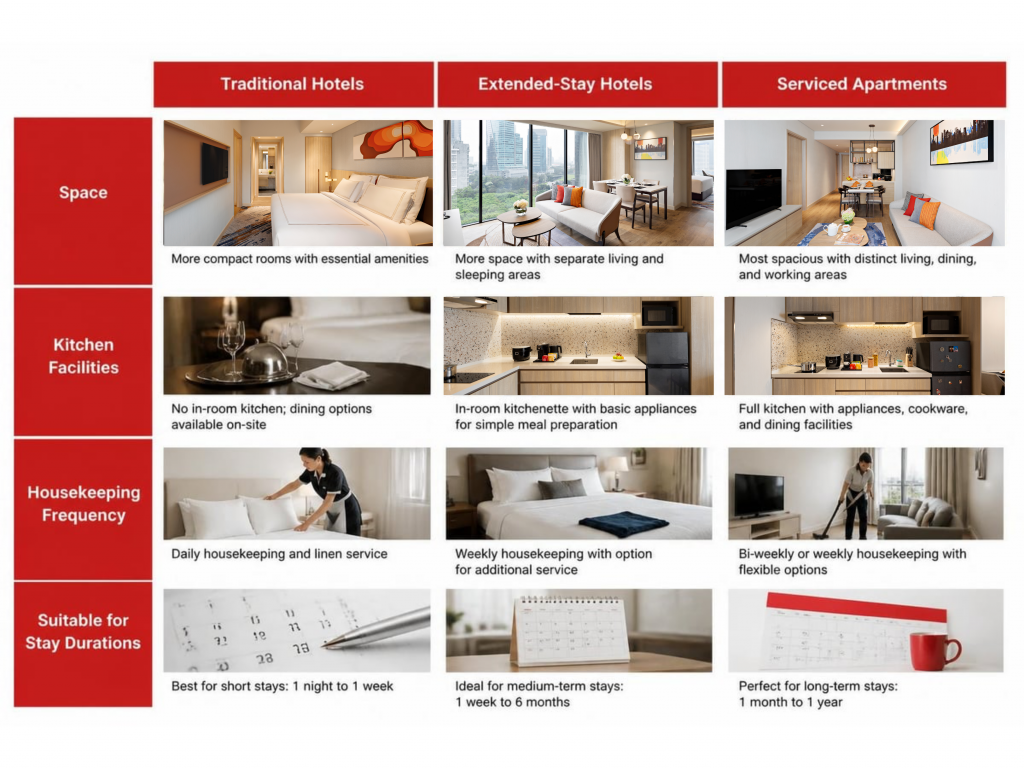
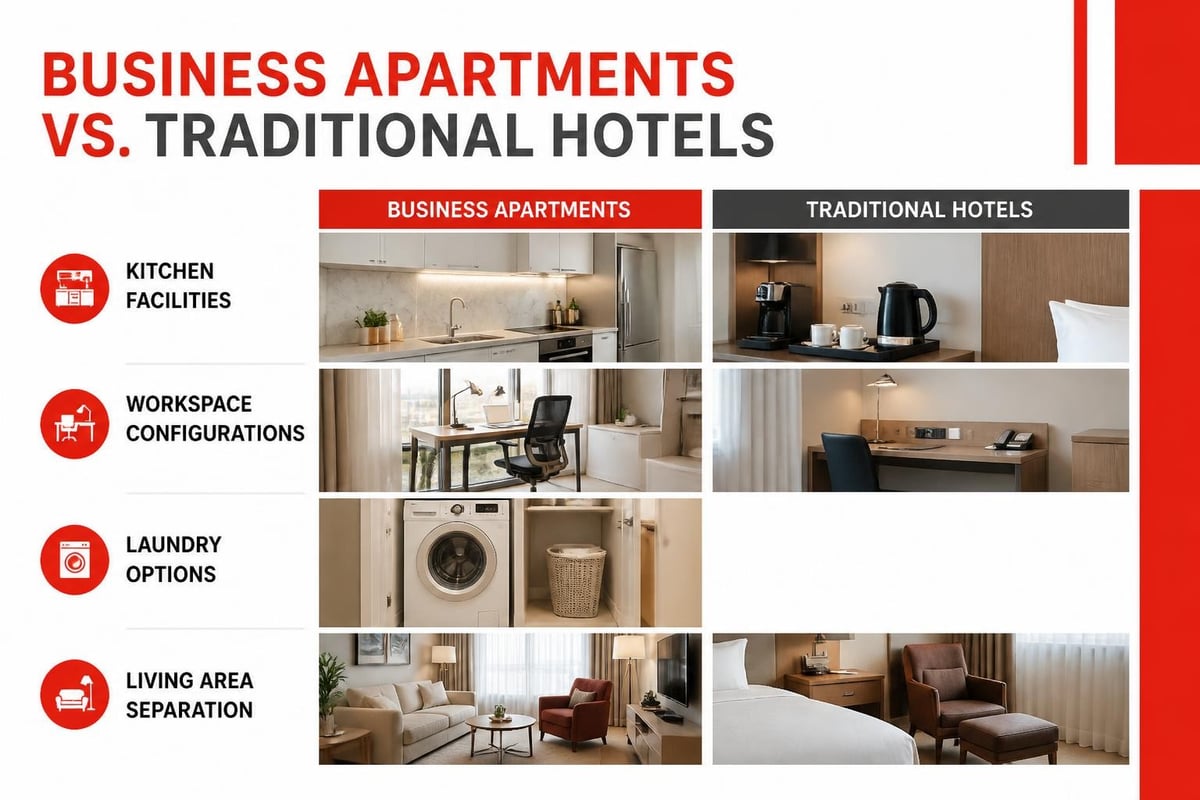
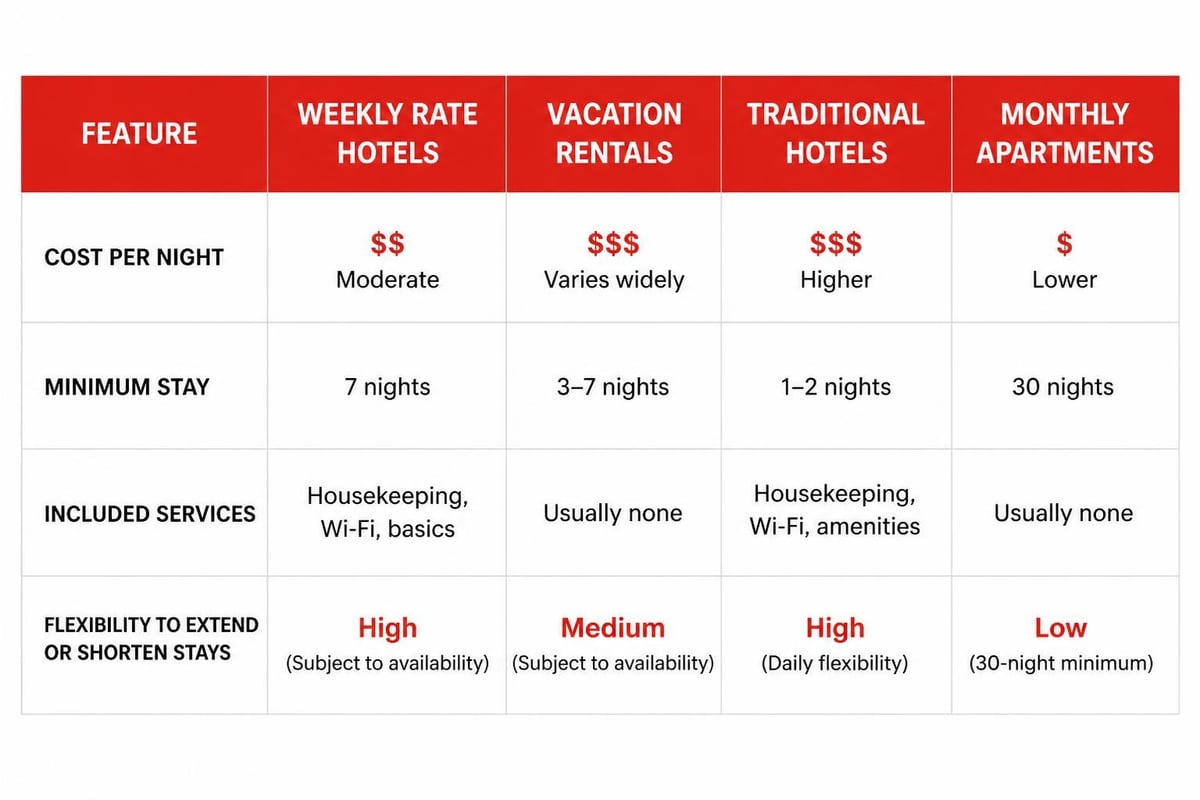
Traditional hotels optimize for overnight and short-term stays, typically one to three nights. Room design prioritizes sleeping comfort and bathroom quality, with limited storage and no cooking facilities. Daily housekeeping, on-site dining, and concierge services create a full-service hospitality experience suited for brief visits.
Extended stay properties optimize for weekly and monthly occupancy. Residential layouts include kitchens that reduce dining costs over extended periods. Living rooms provide workspace and relaxation areas separate from sleeping quarters. Housekeeping shifts from daily service to weekly cleaning, reflecting residential rather than hotel occupancy patterns.
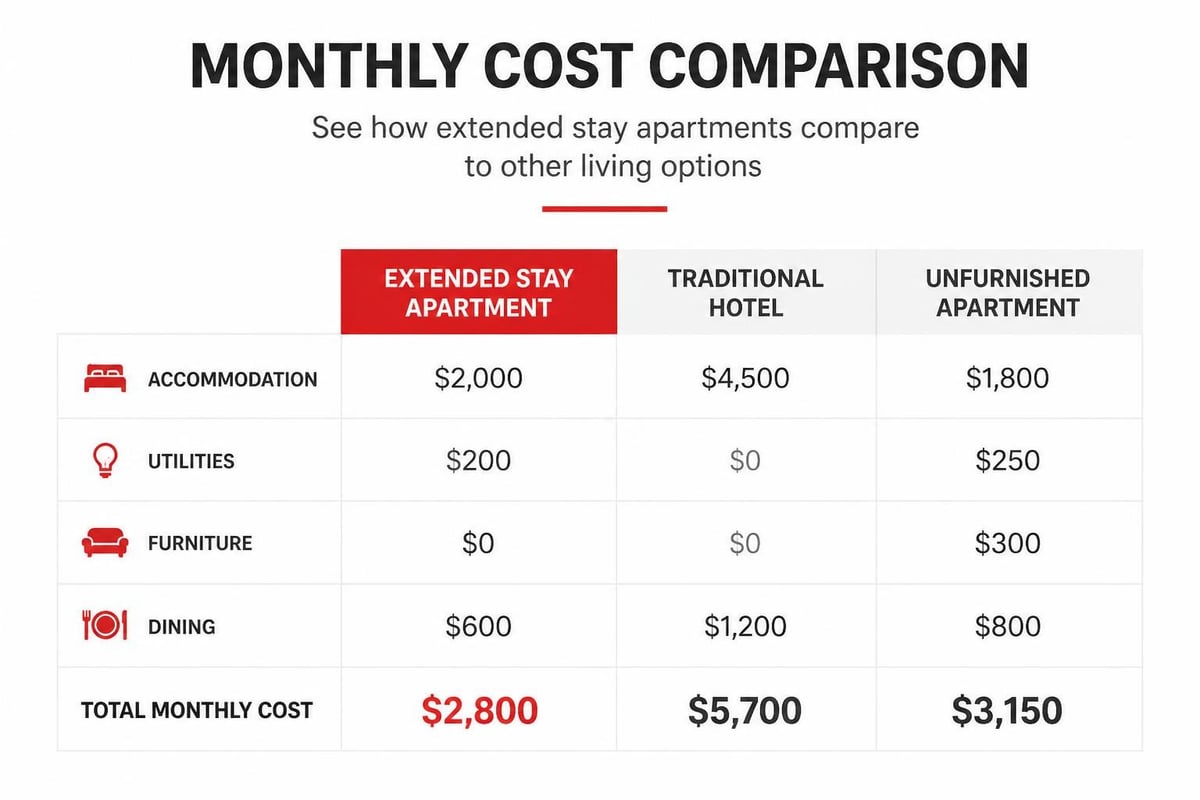
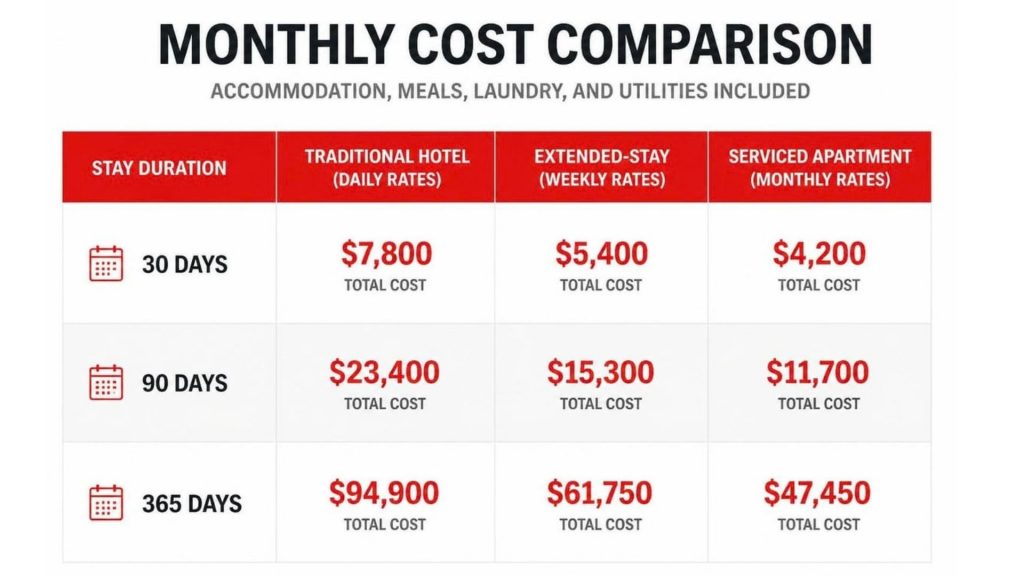
Cost Comparison Over Time
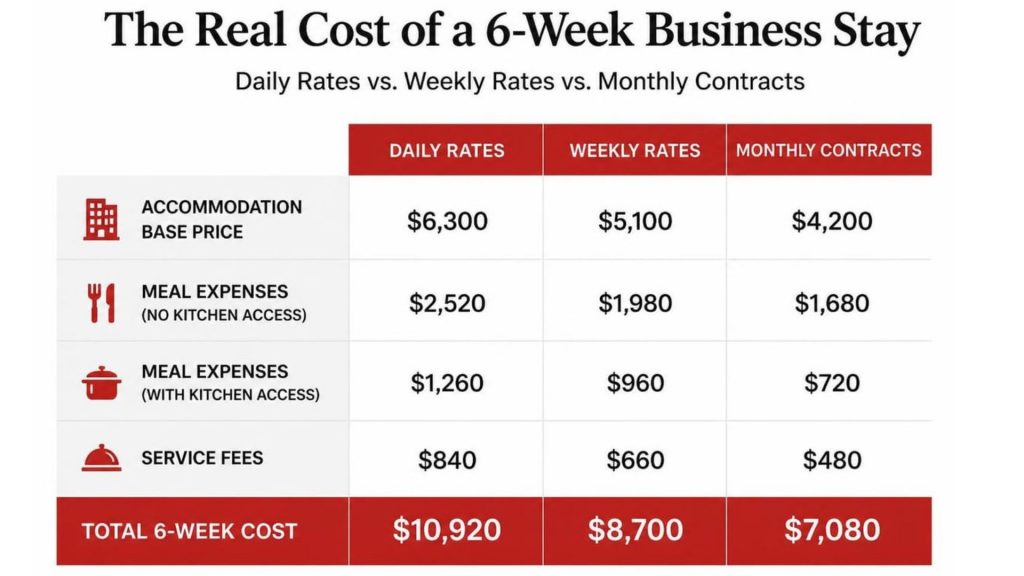
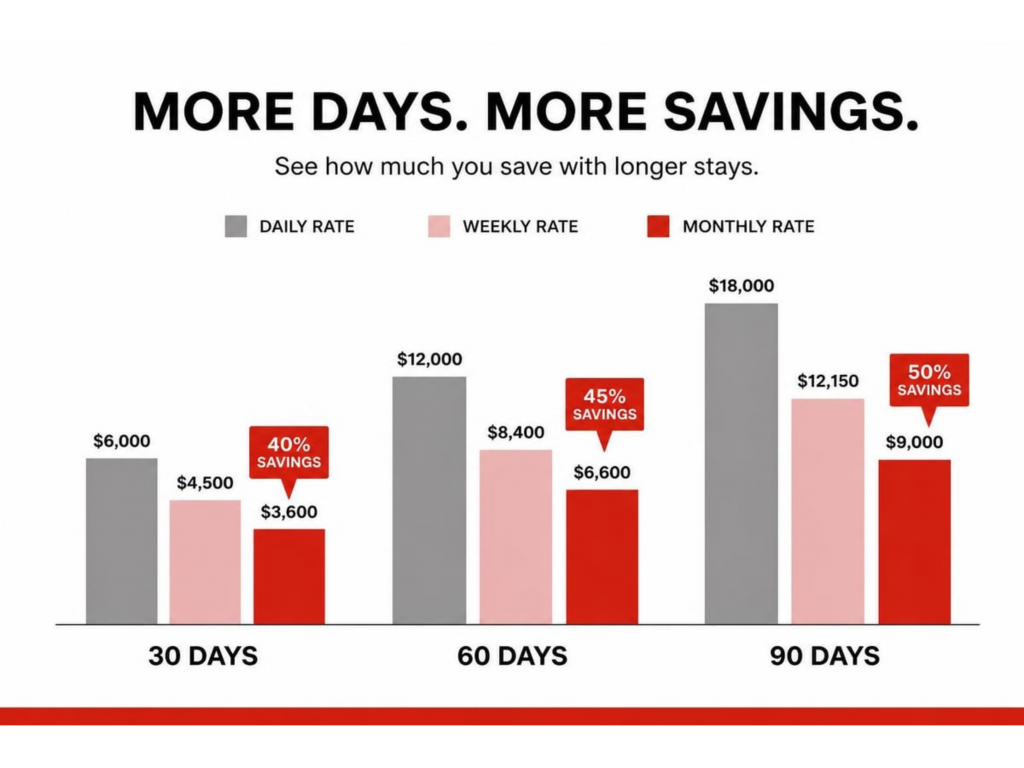
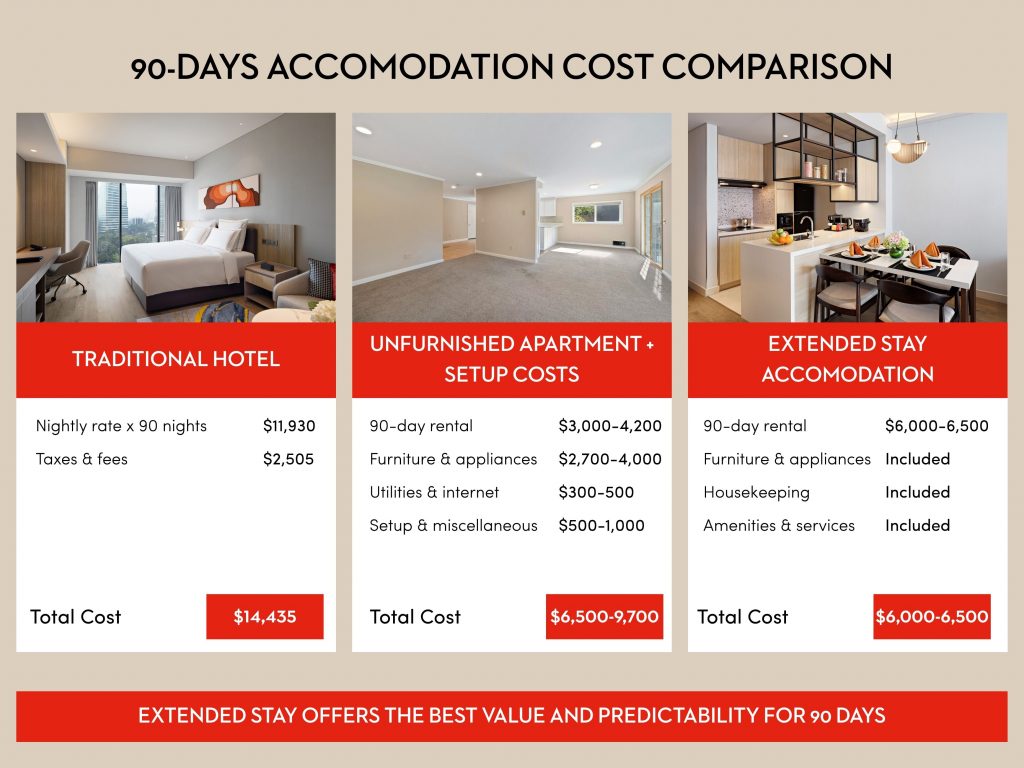
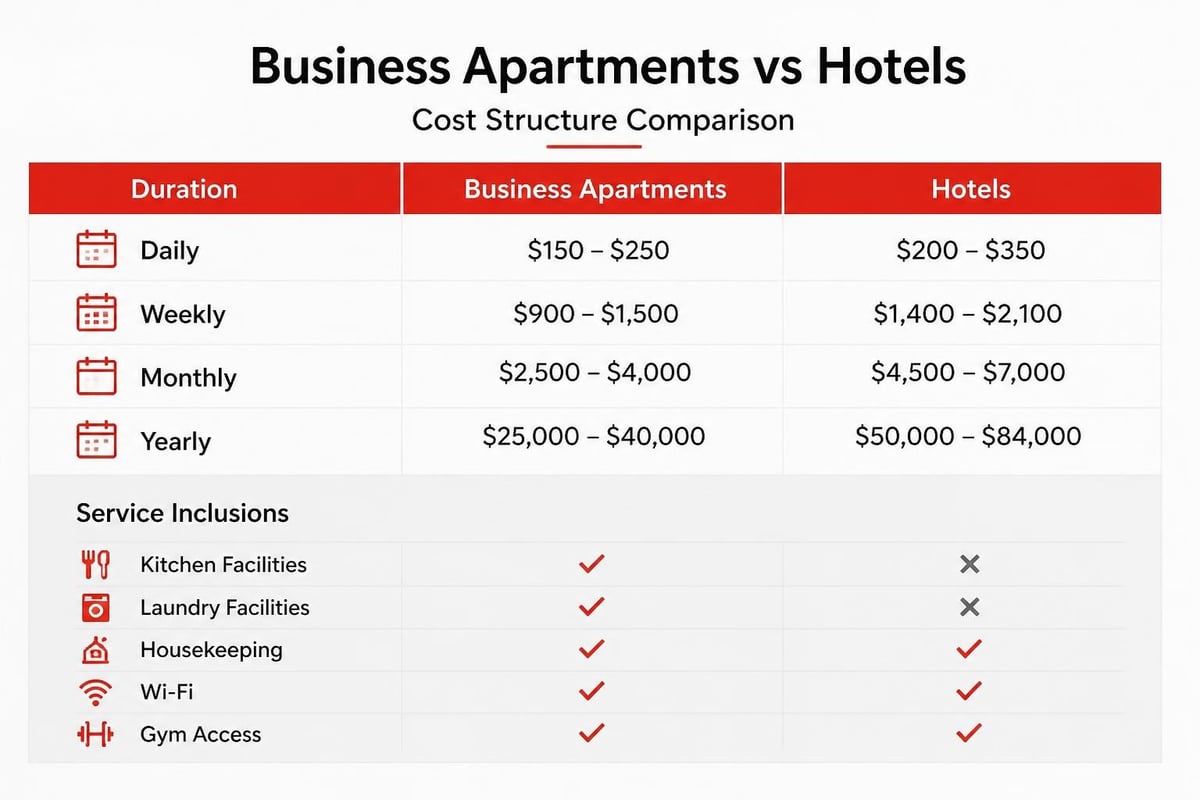
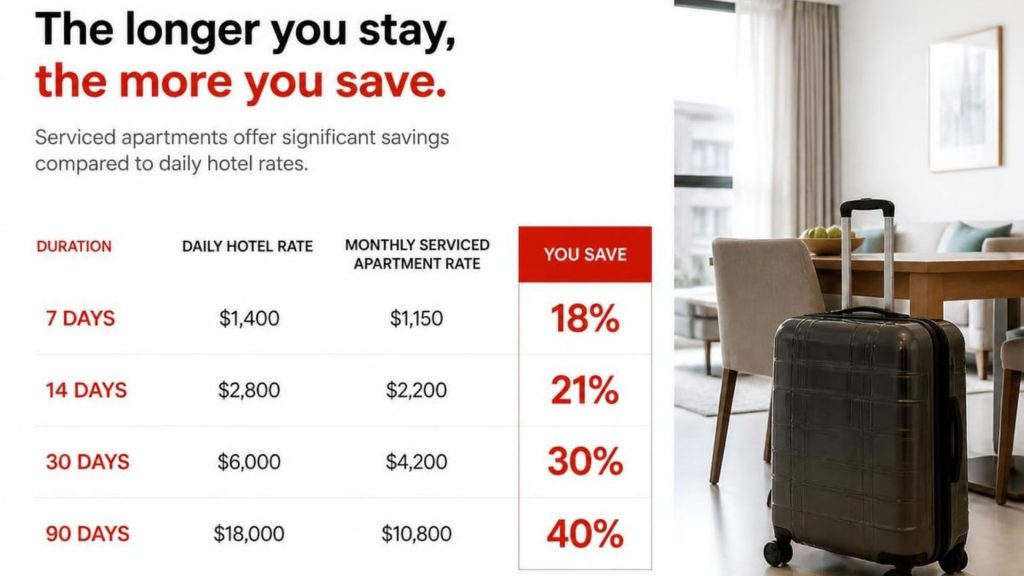
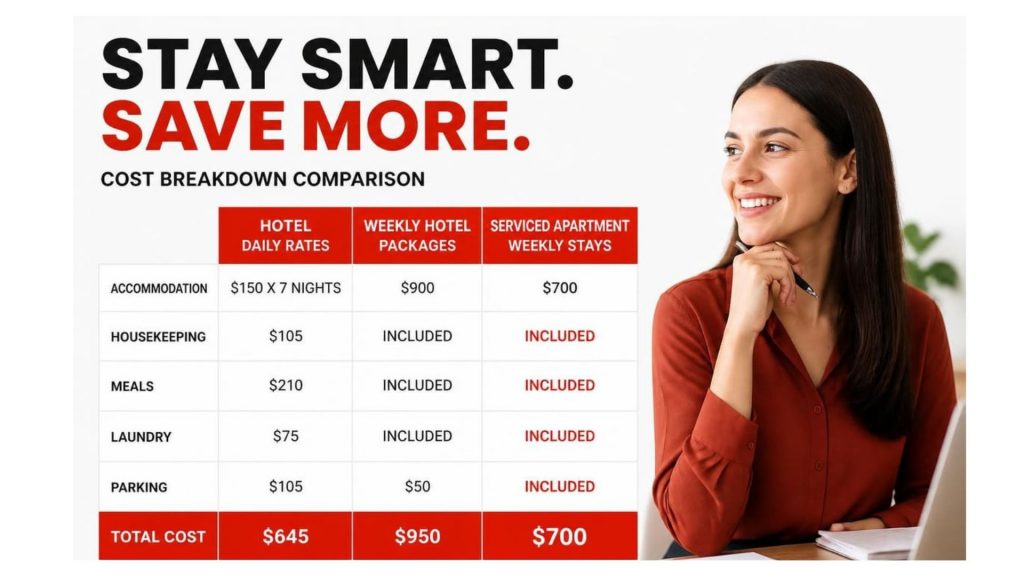
Extended stay lodging delivers stronger value as duration increases. A studio hotel room at daily rates for 30 nights typically costs significantly more than a monthly rate at an extended stay property offering similar or superior square footage with kitchen facilities.
Nightly hotel: Premium per night, minimal space, meals purchased separately
Extended stay lodging: Reduced monthly rate, residential space, kitchen savings on meals
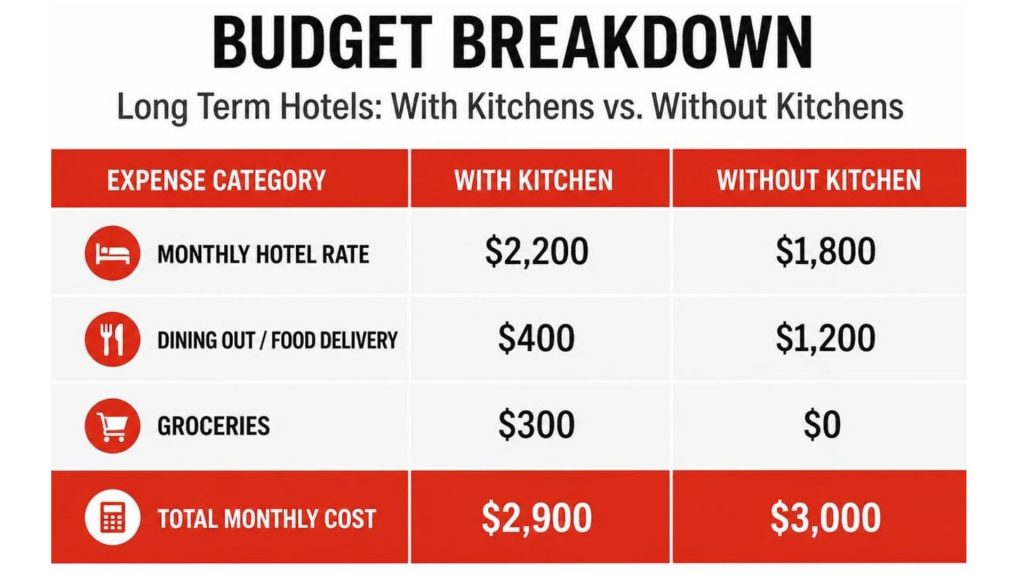
The kitchen factor alone can reduce overall accommodation costs by 30-40% for guests staying multiple weeks. Preparing breakfast and several dinners weekly eliminates expensive restaurant meals, making extended stay lodging economically advantageous for budget-conscious business travelers and families.
Location Considerations for Extended Stay Lodging
Location strategy differs fundamentally for extended stays compared to vacation or overnight business travel. Proximity to specific business districts, international schools, healthcare facilities, and daily amenities becomes critical when accommodation serves as a temporary home rather than just a place to sleep.
Business District Access
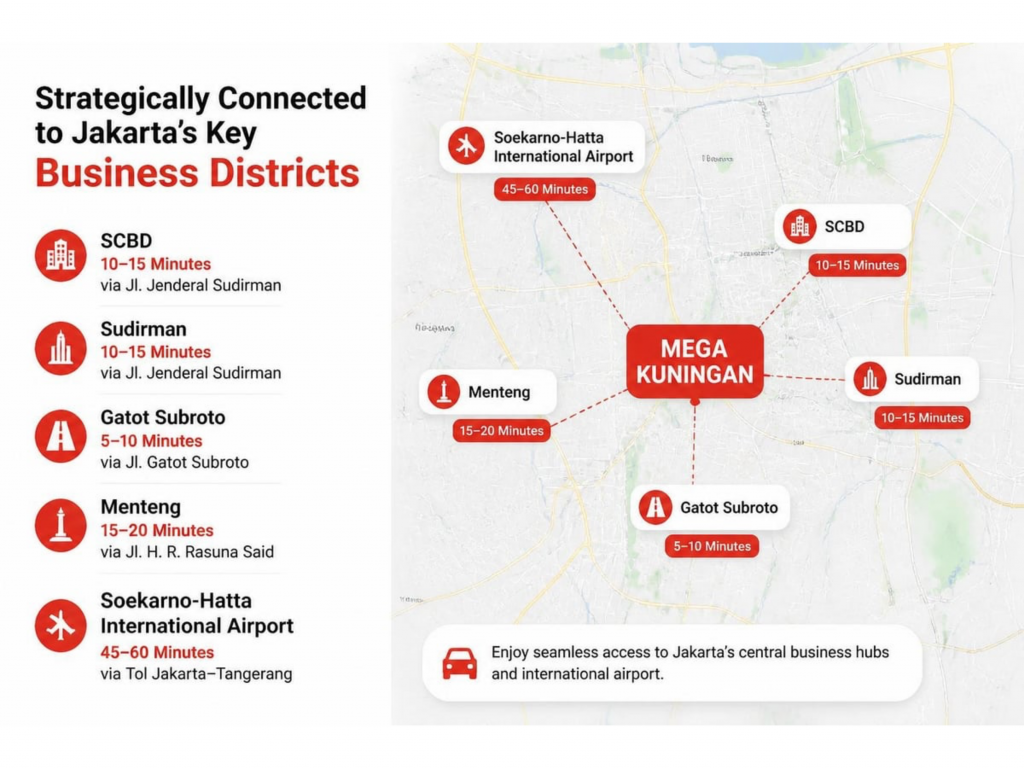
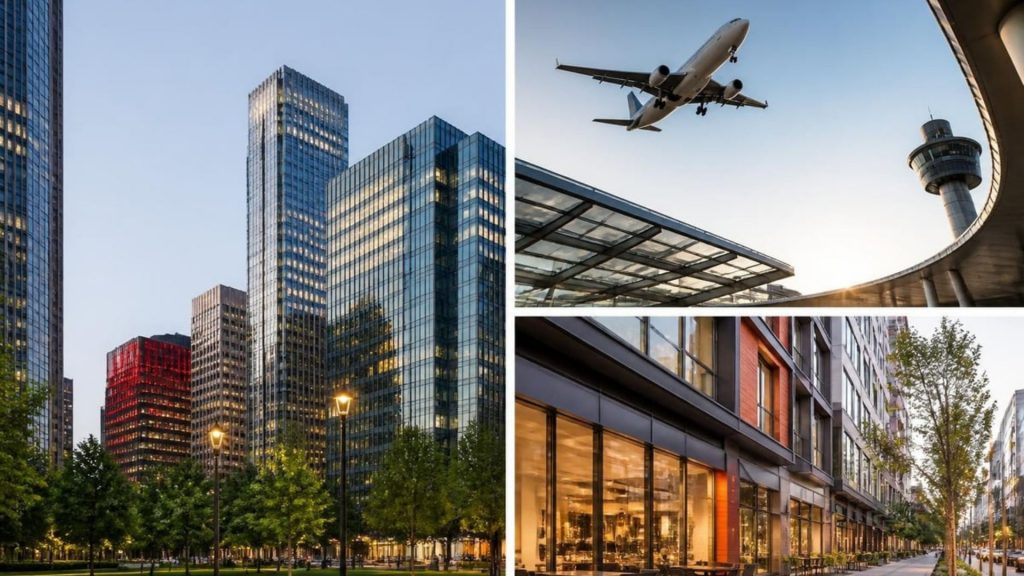
For corporate travelers and expatriates working in Jakarta’s central business district, location near key business areas significantly impacts daily quality of life. Extended stay lodging positioned within 15-20 minutes of major office centers reduces commute stress and allows professionals to maintain work-life balance during extended assignments.
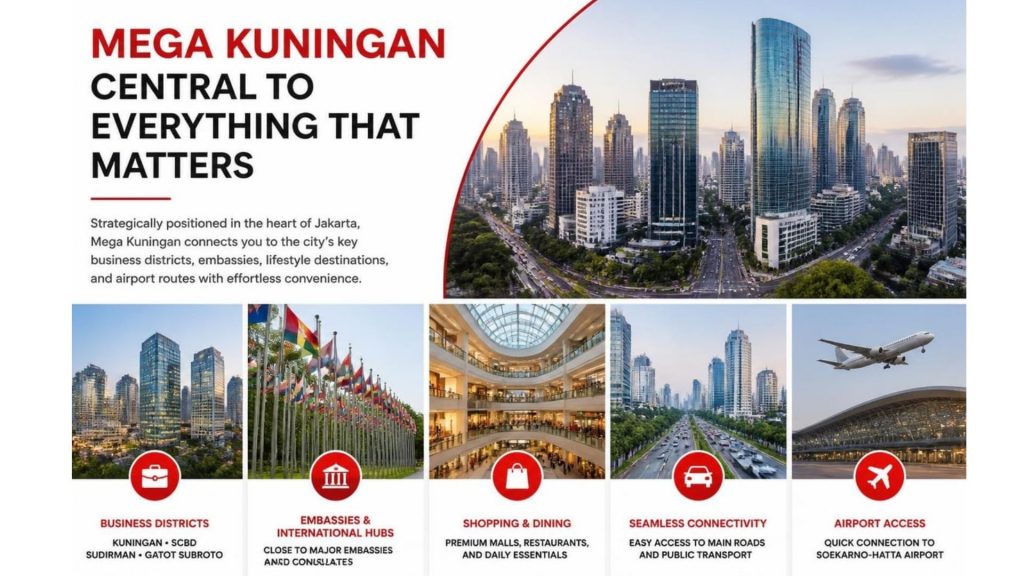
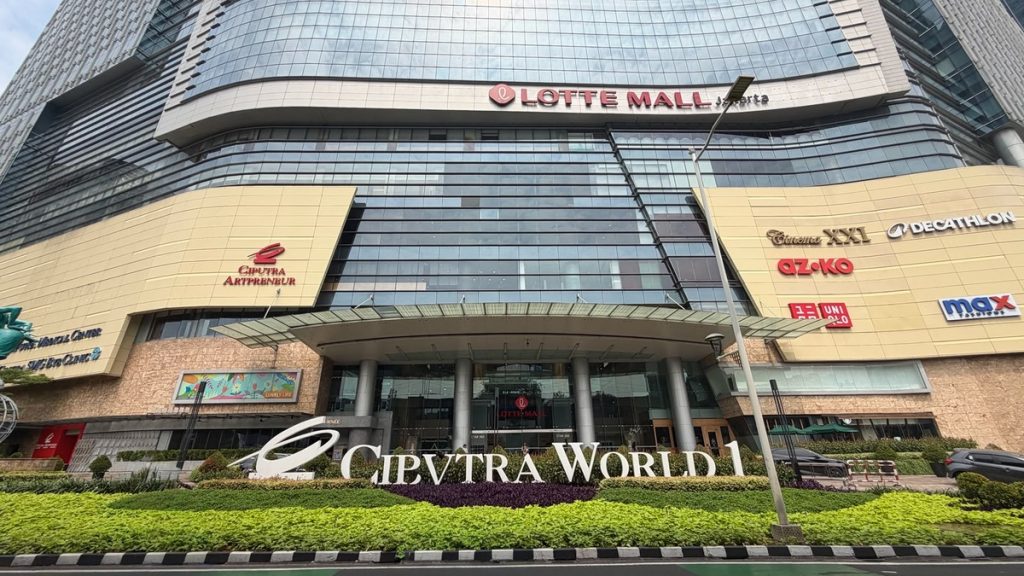
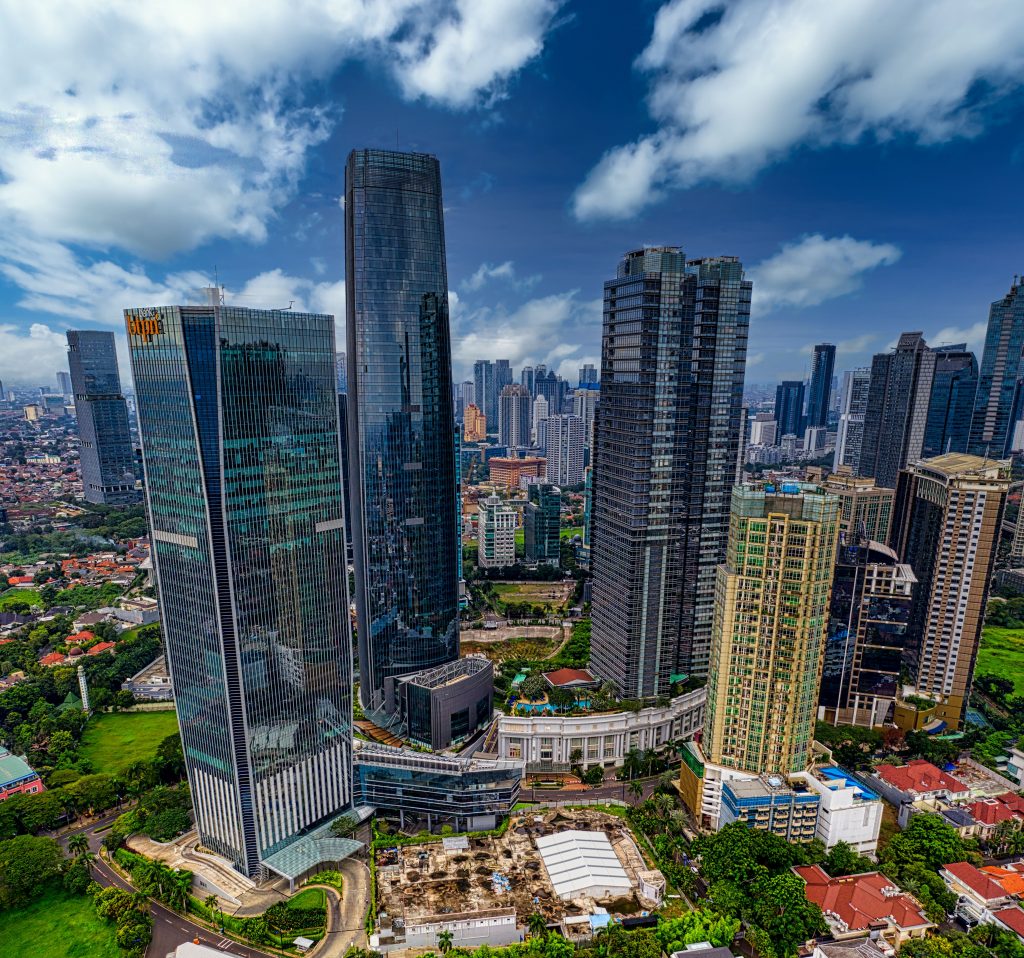
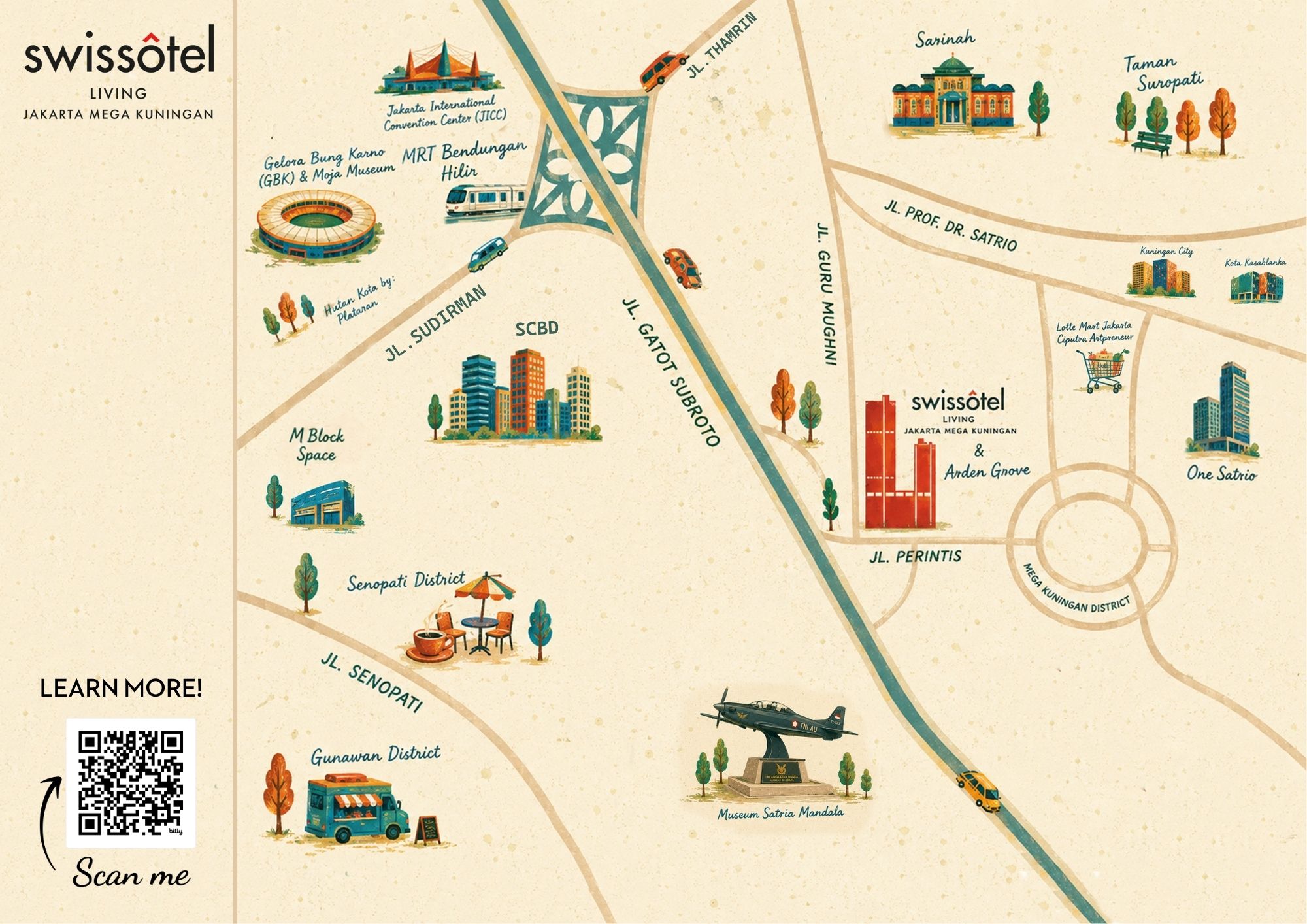
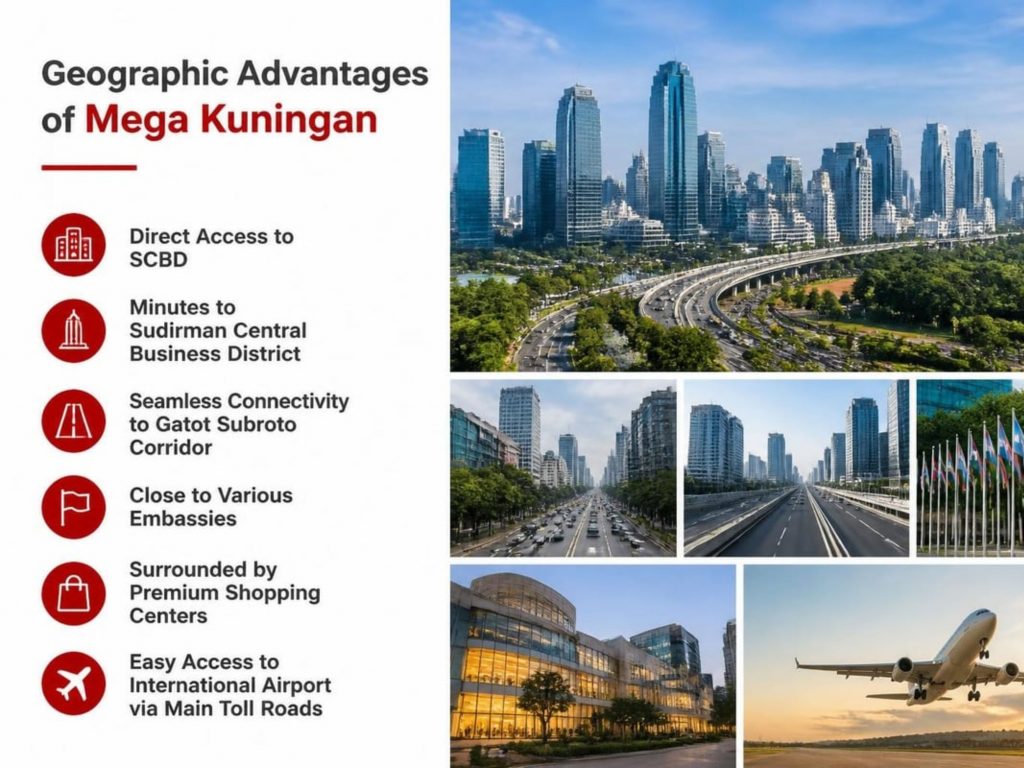
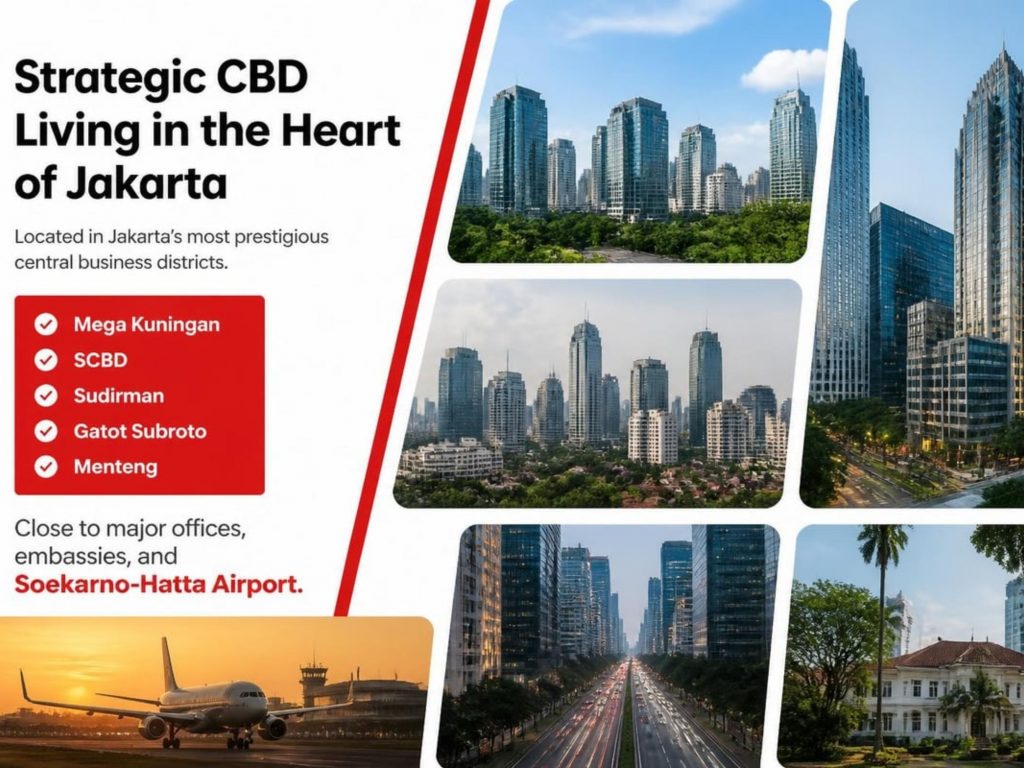
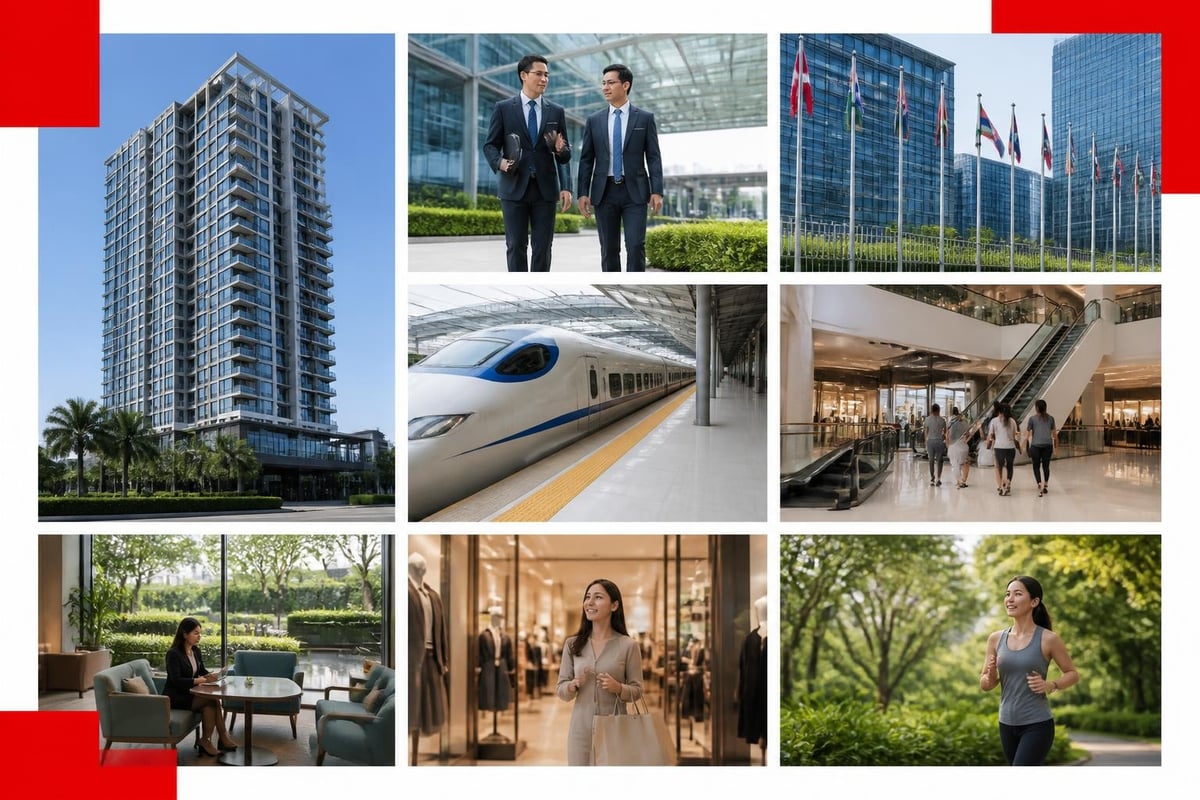
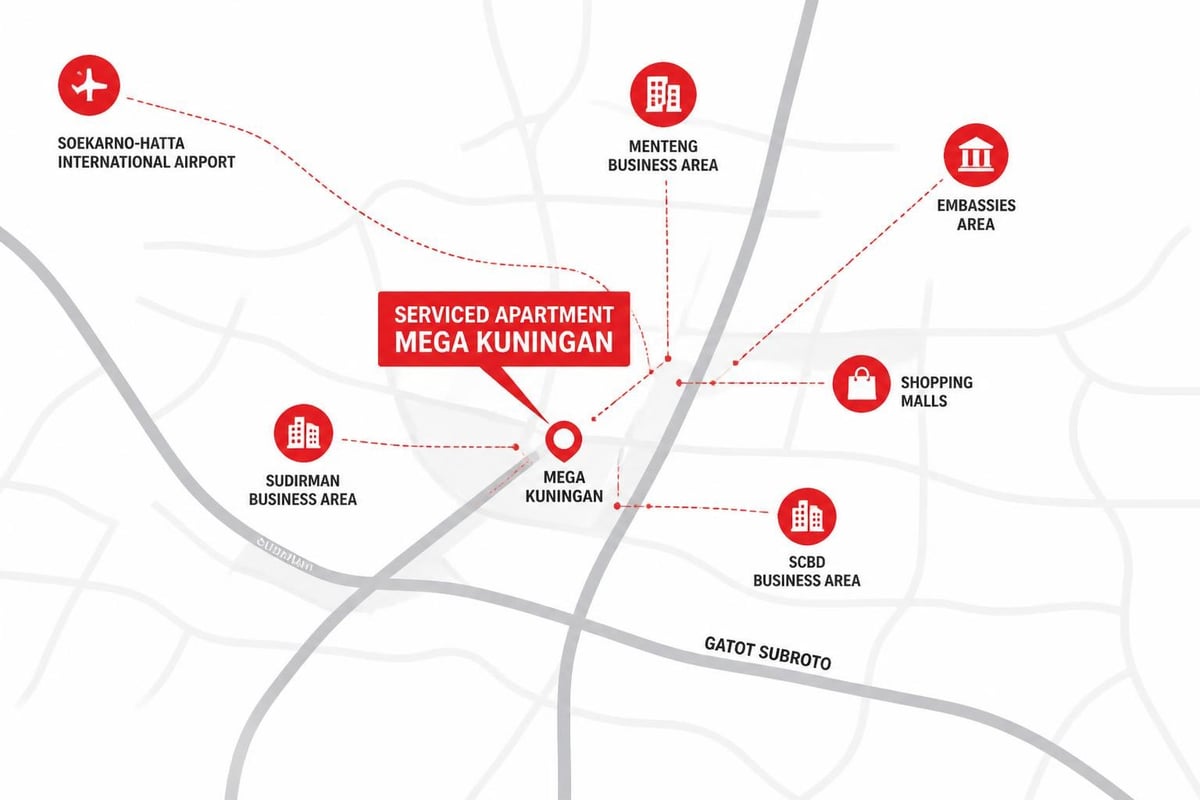
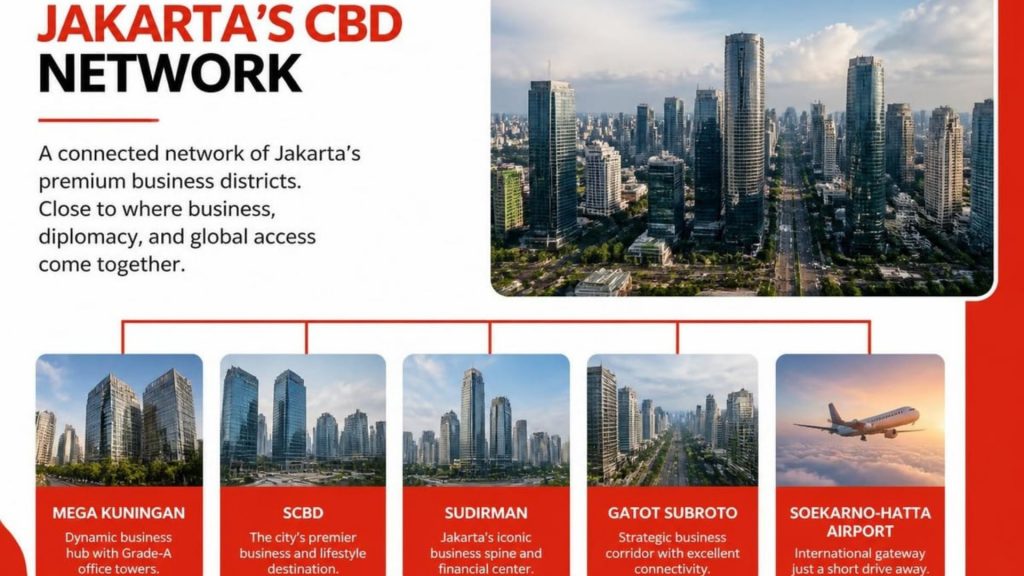
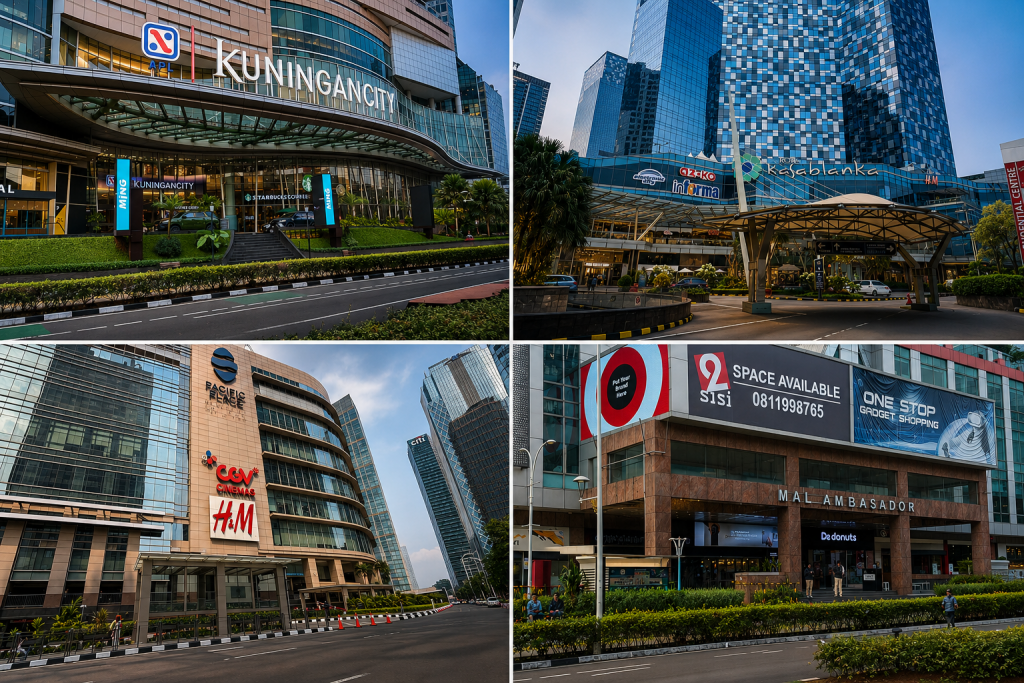
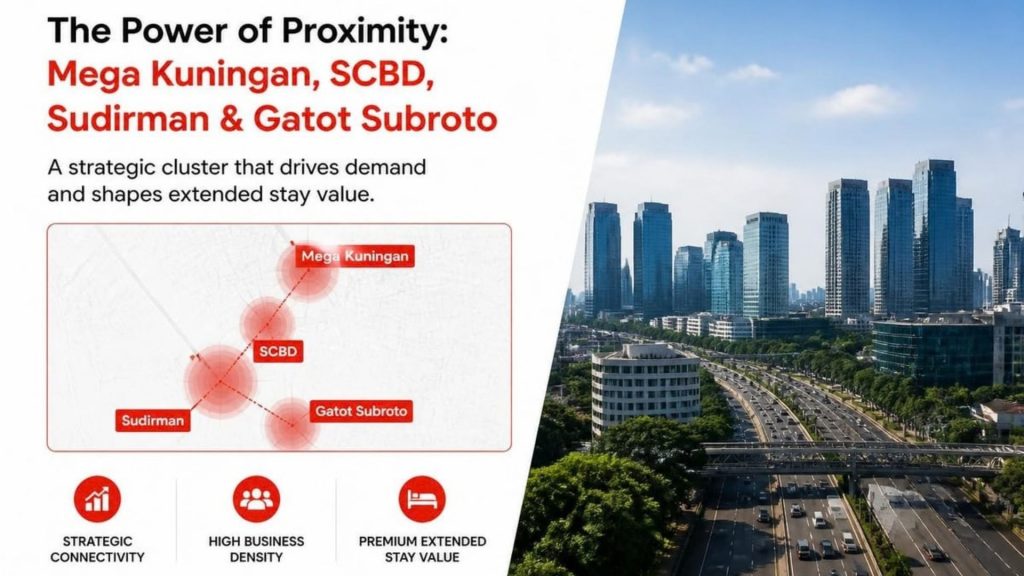
Mega Kuningan has established itself as Jakarta’s premium business and residential district, hosting multinational corporations, embassies, and international organizations. Extended stay properties in this area provide immediate access to the CBD while offering the infrastructure and services international guests expect.
Essential Services and Daily Life
When evaluating extended stay lodging for periods exceeding one month, proximity to grocery stores, pharmacies, medical facilities, and family services matters more than tourist attractions. Families with children need access to international schools, pediatric care, and recreational facilities.
Jakarta’s established expatriate communities cluster in areas with international infrastructure. Extended stay lodging in these districts connects guests to:
- International grocery stores with familiar products
- Medical clinics with English-speaking physicians
- International schools and childcare facilities
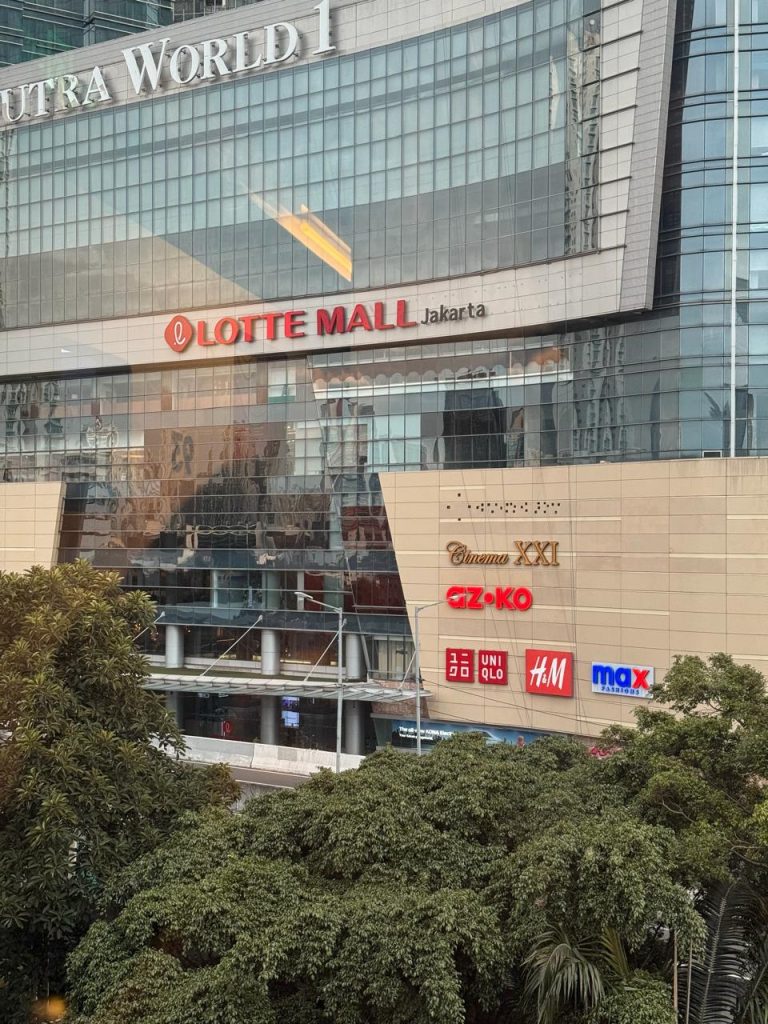
- Shopping malls with global retail brands
- Restaurants offering diverse international cuisine
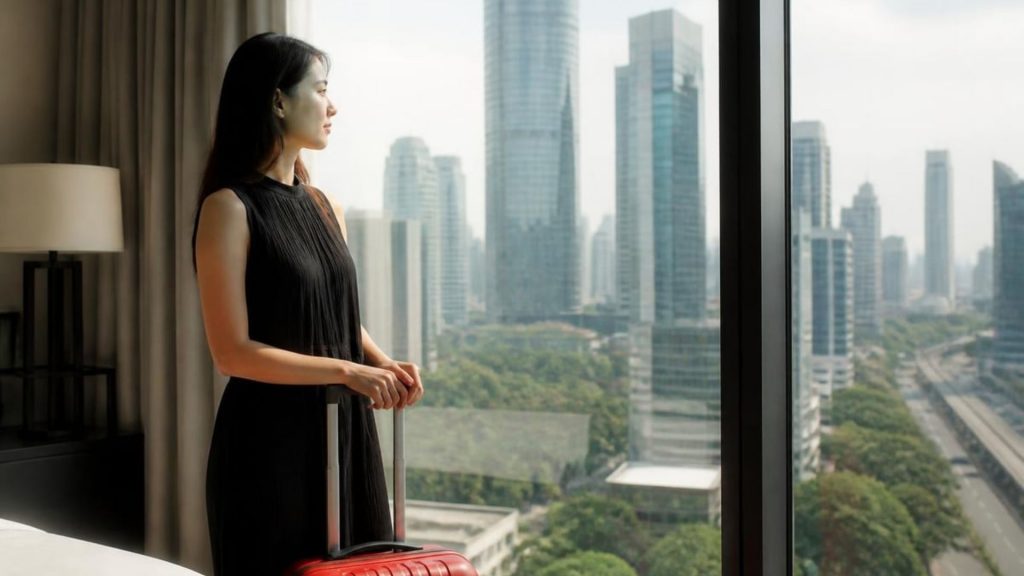
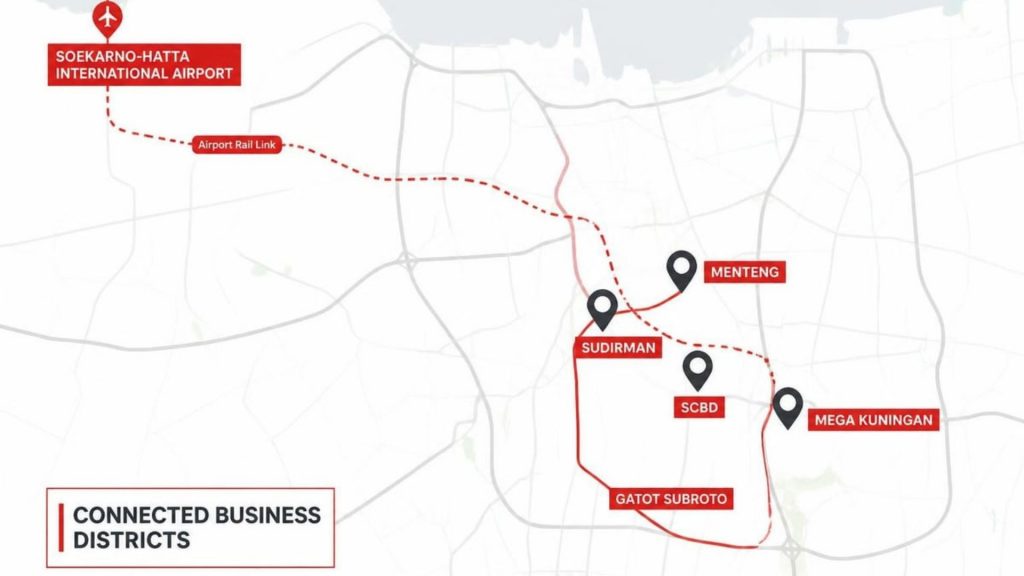
Access to Soekarno-Hatta International Airport represents another practical consideration for business travelers making frequent domestic or regional trips. Extended stay lodging positioned with efficient airport connectivity reduces travel friction for professionals managing multi-city responsibilities.
Apartment Configurations and Space Planning
Extended stay lodging properties offer multiple apartment configurations to accommodate different guest needs, from solo business travelers to families of five or more.
Studio Apartments for Individual Travelers
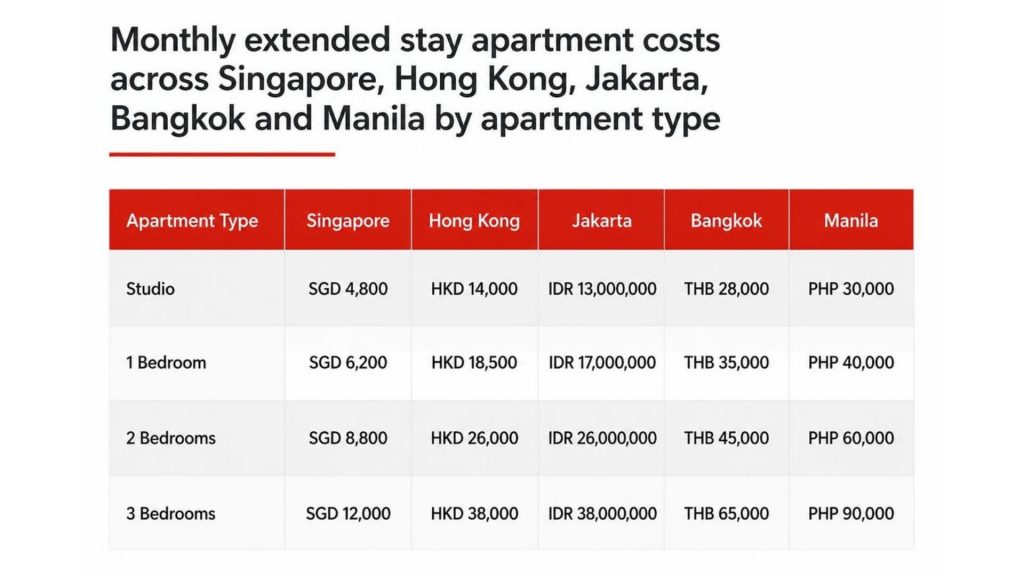
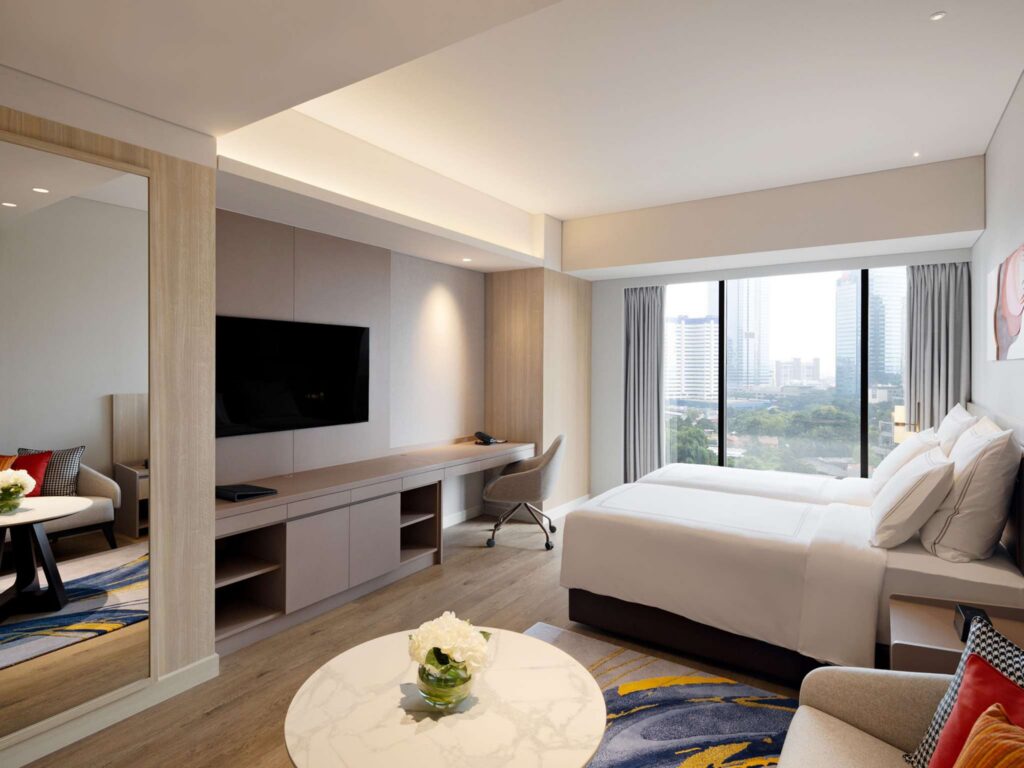
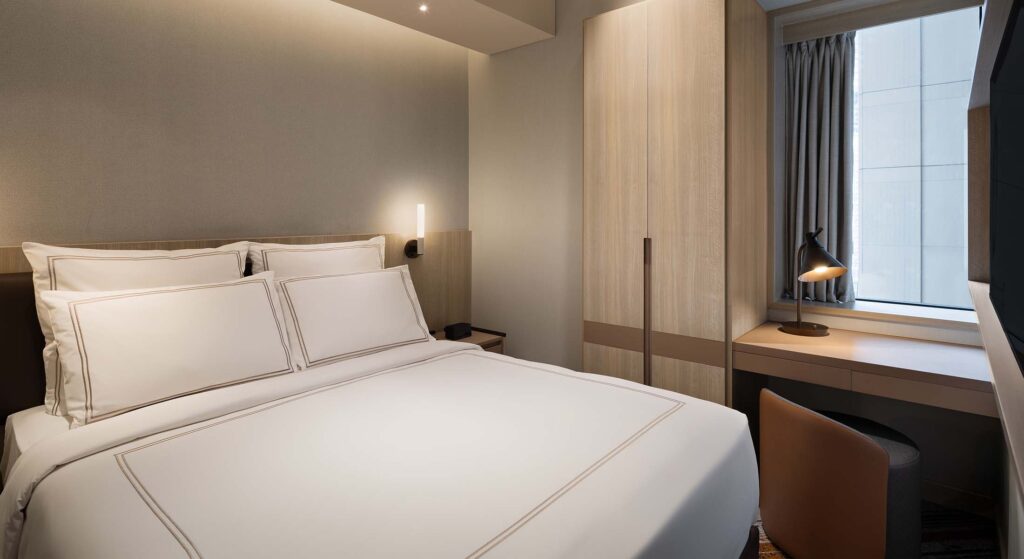
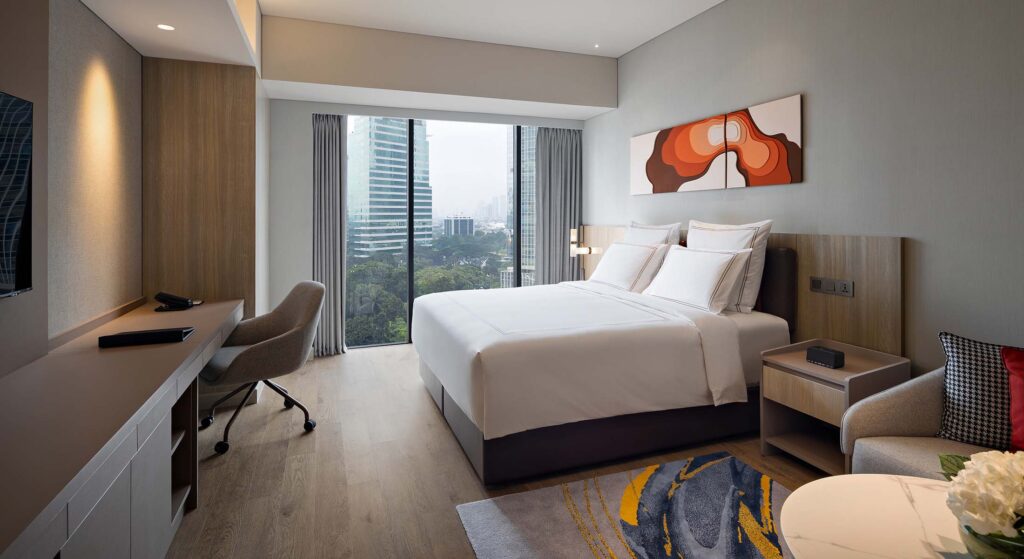
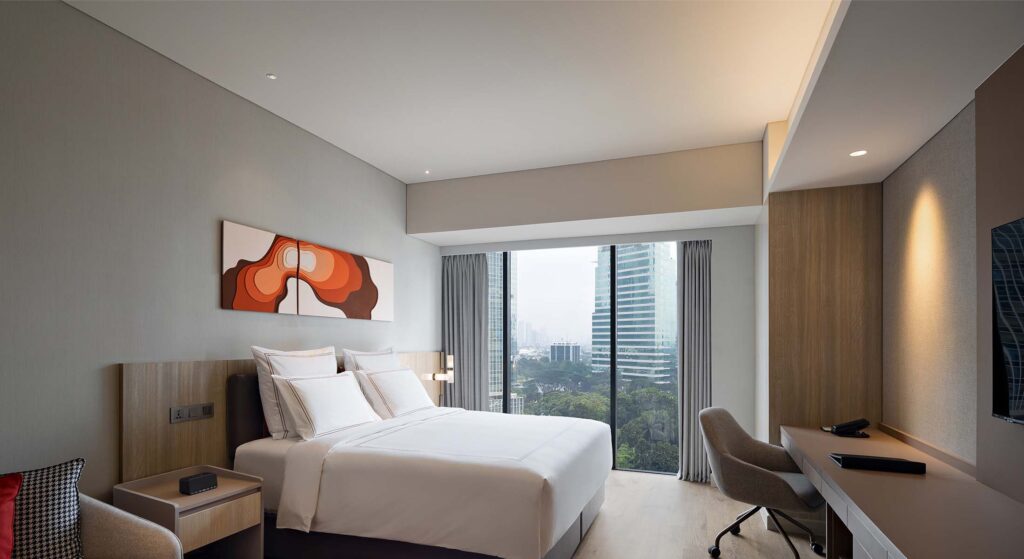
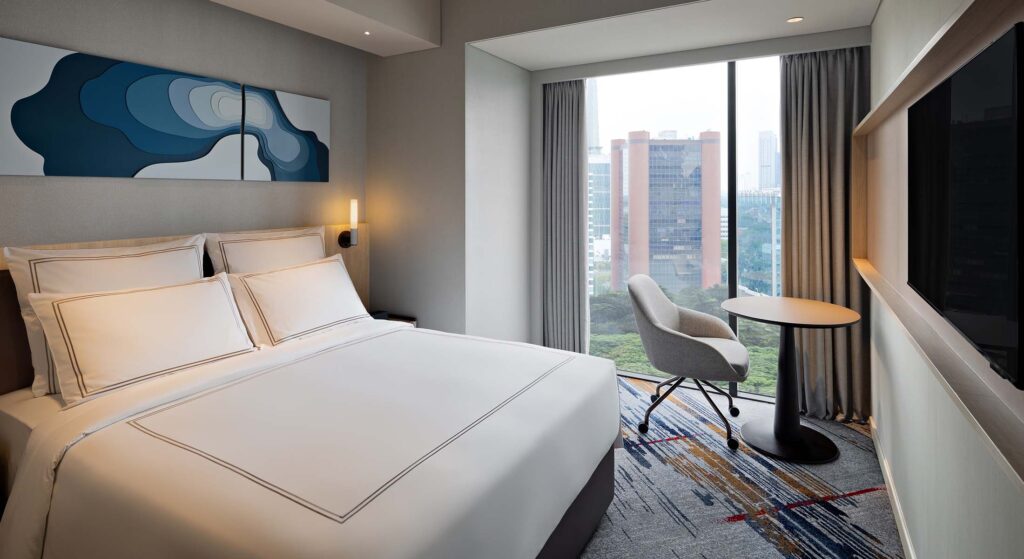
Studio configurations typically range from 35-45 square meters, combining sleeping, living, and kitchen areas in an open layout with a separate bathroom. These units suit solo business travelers, young professionals on assignment, or couples without children requiring extended accommodation.
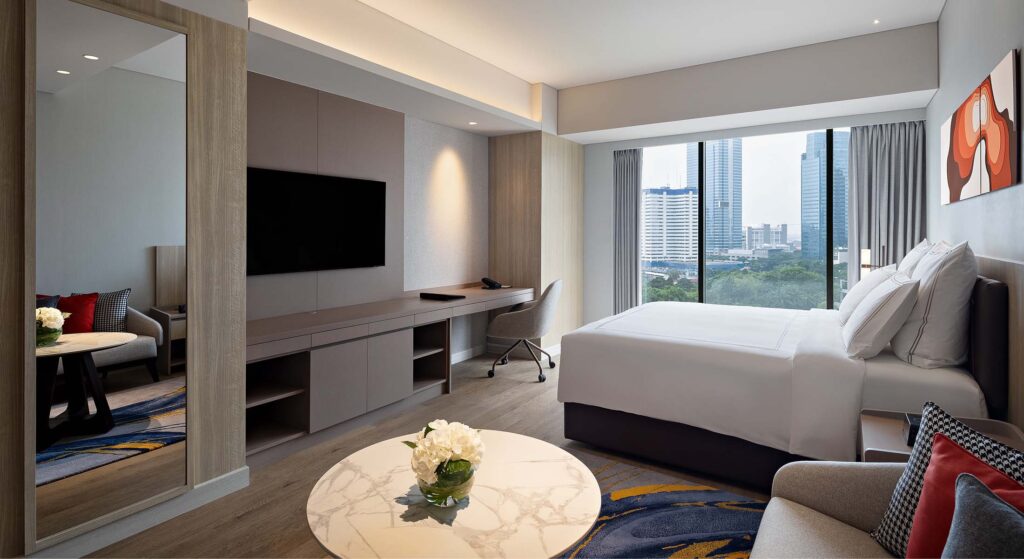
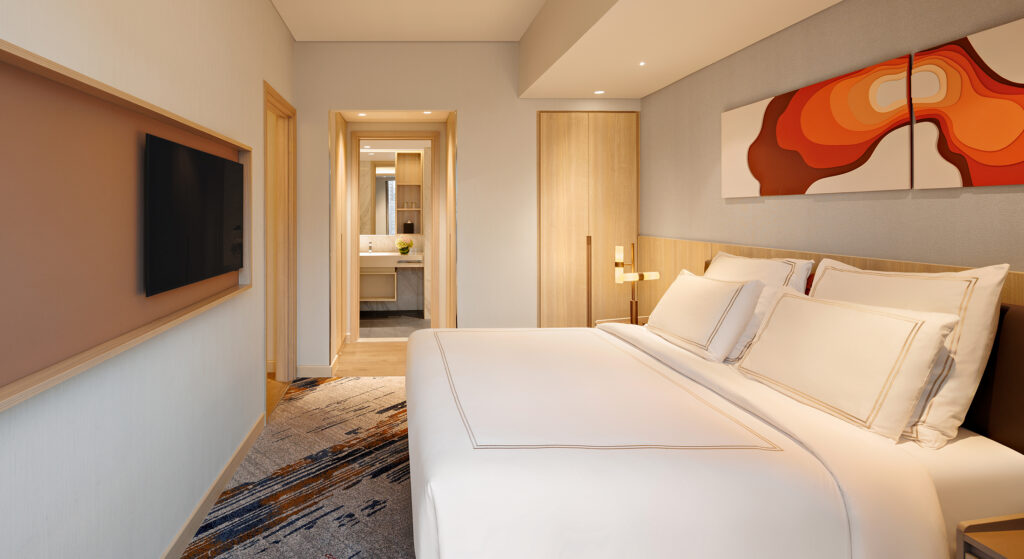
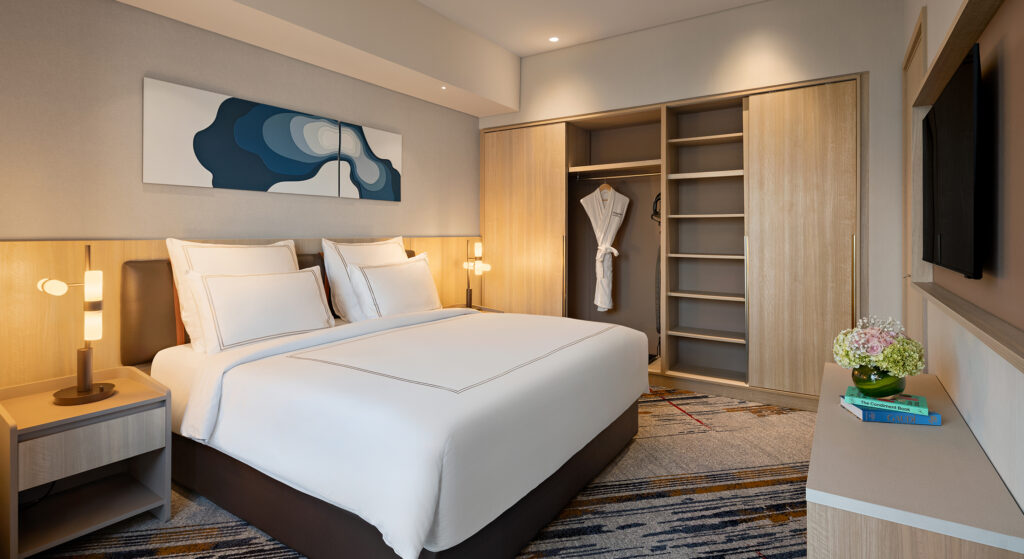
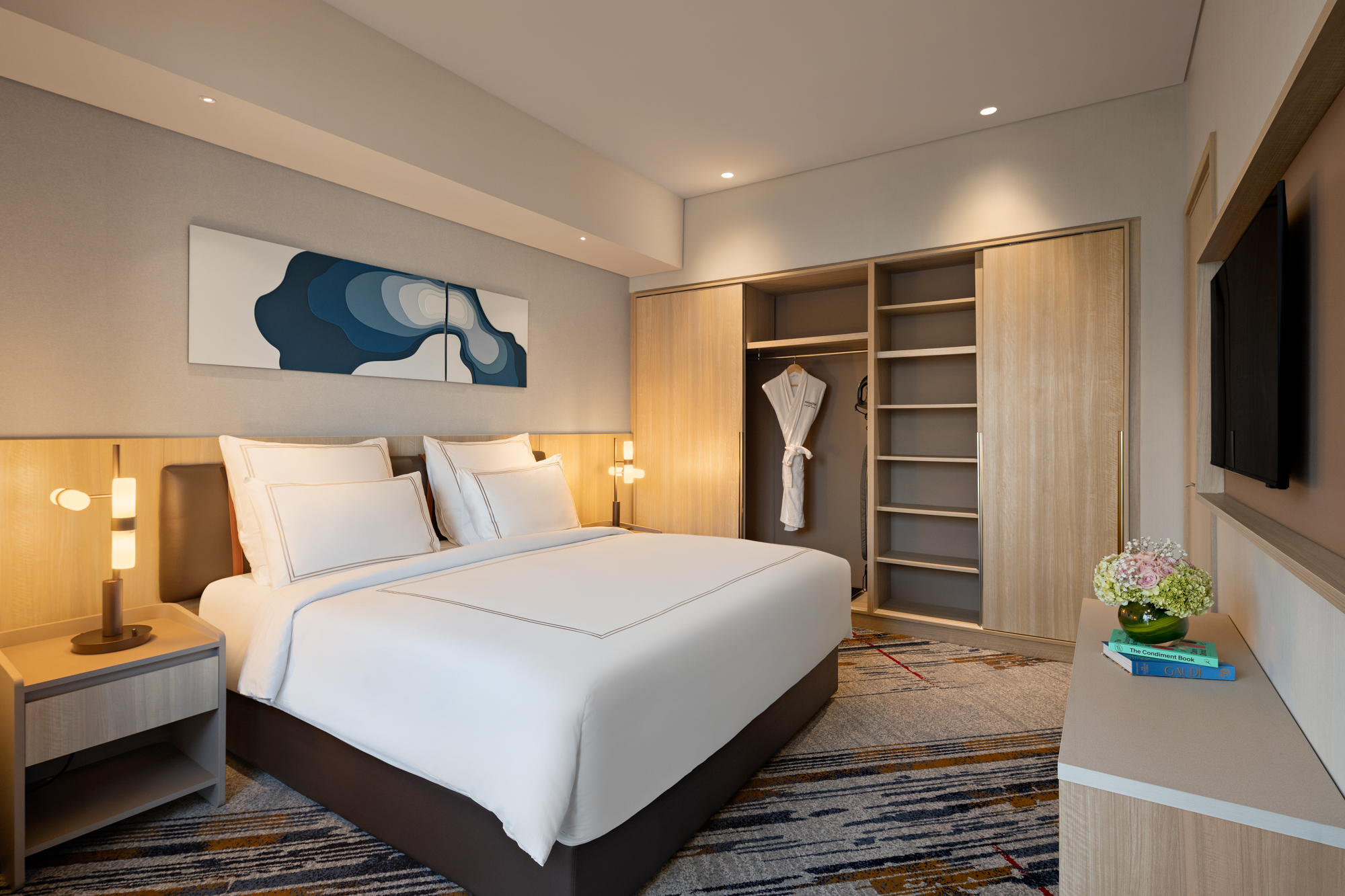
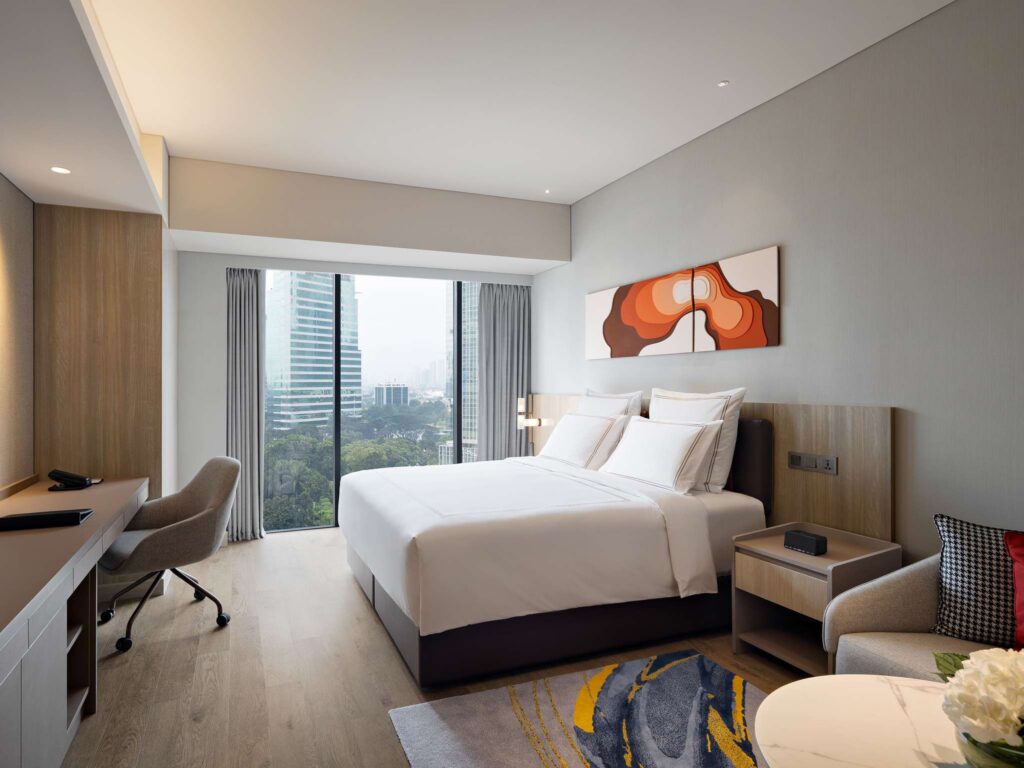
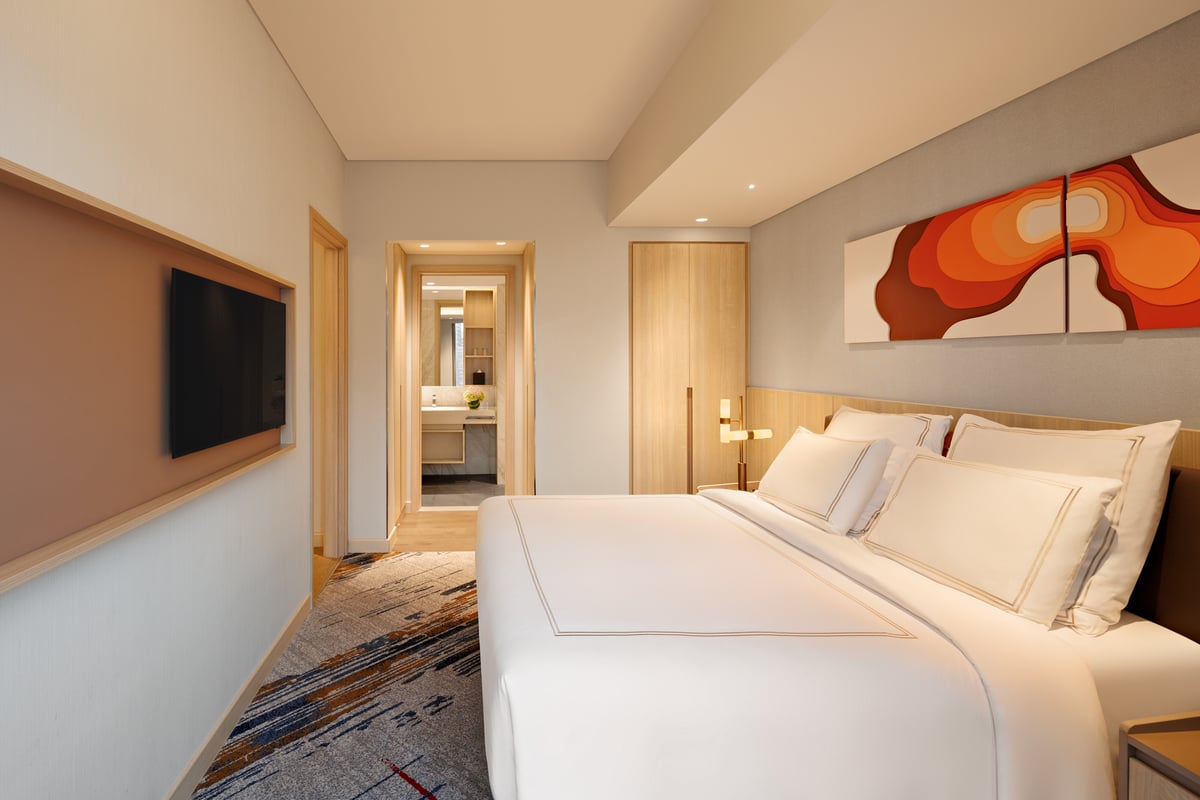
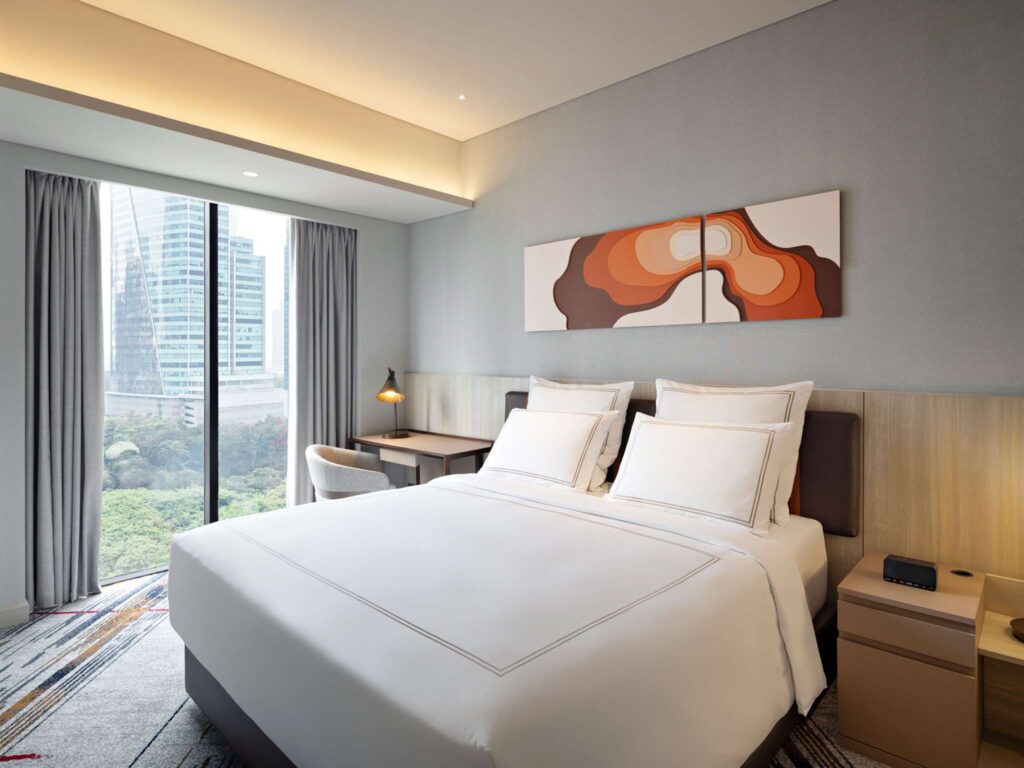
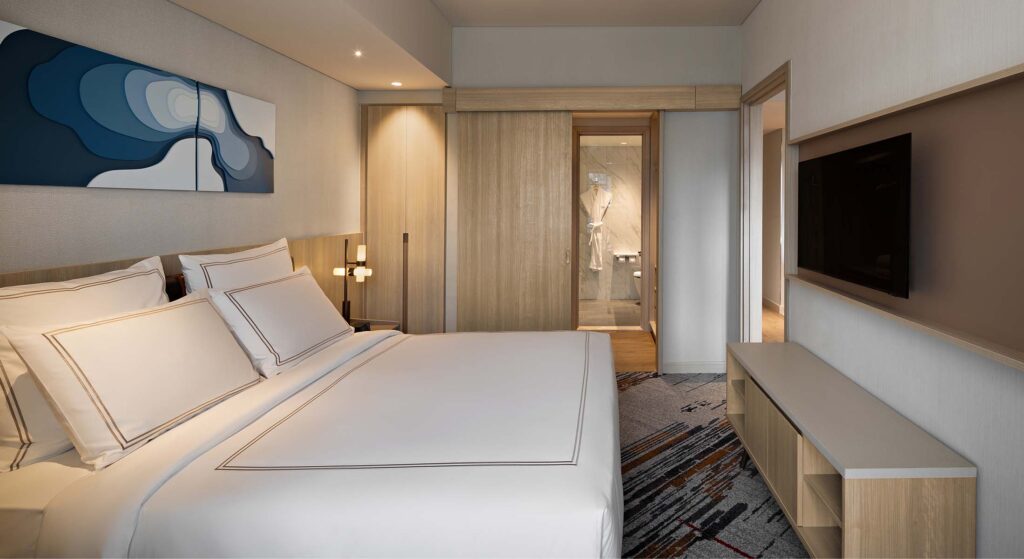
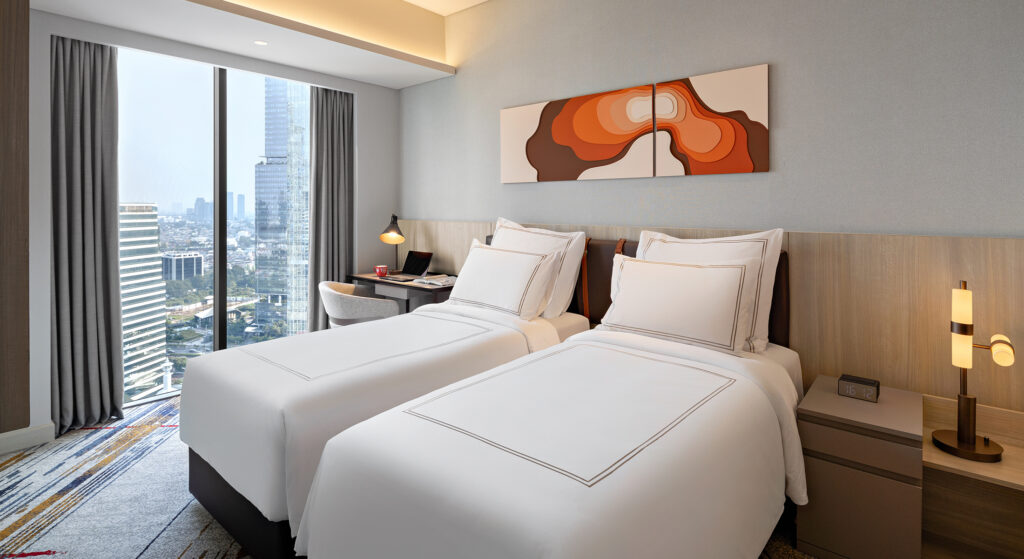
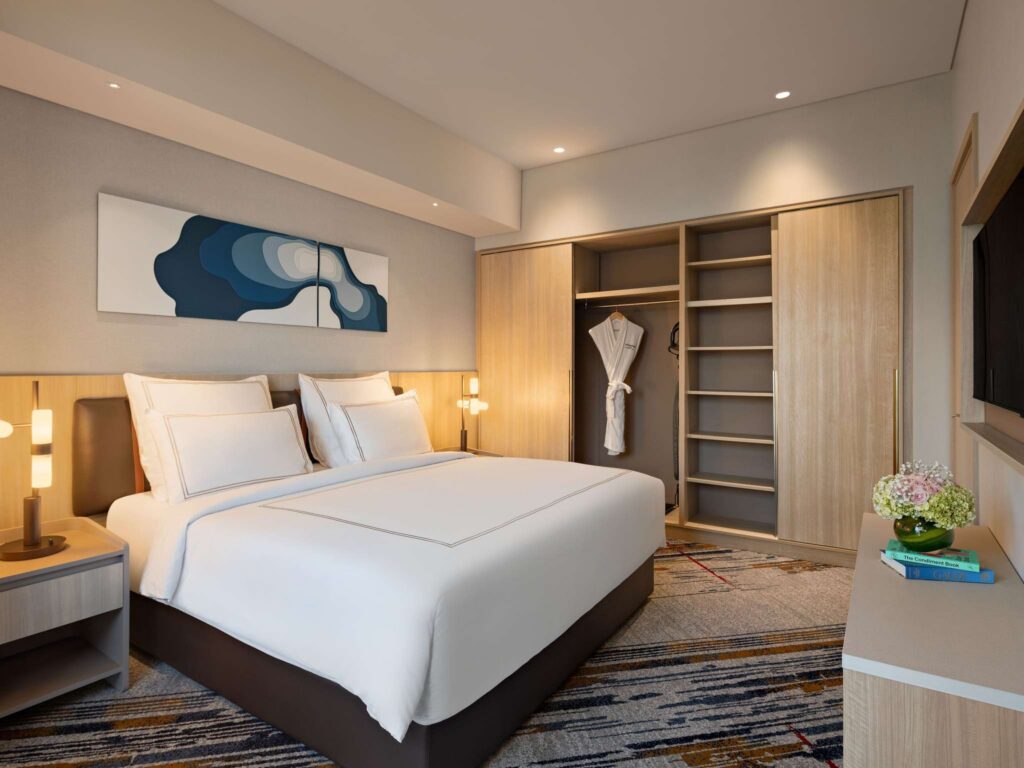
Modern studios include queen or king beds, compact kitchens with full appliances, workspace with desk and ergonomic seating, and storage capacity for month-long stays. Despite the open layout, well-designed studios provide functional separation between sleeping and living zones.
One and Two-Bedroom Residences
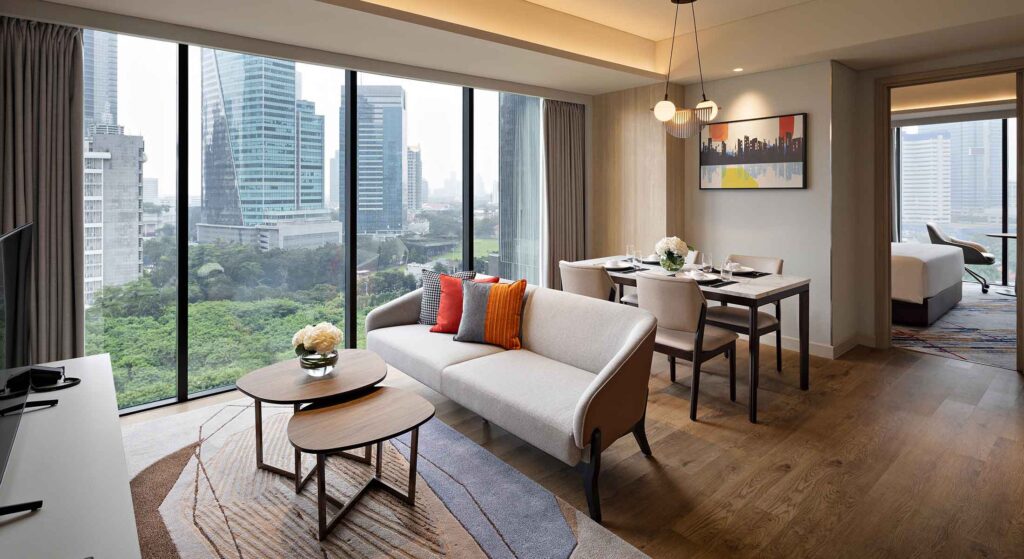
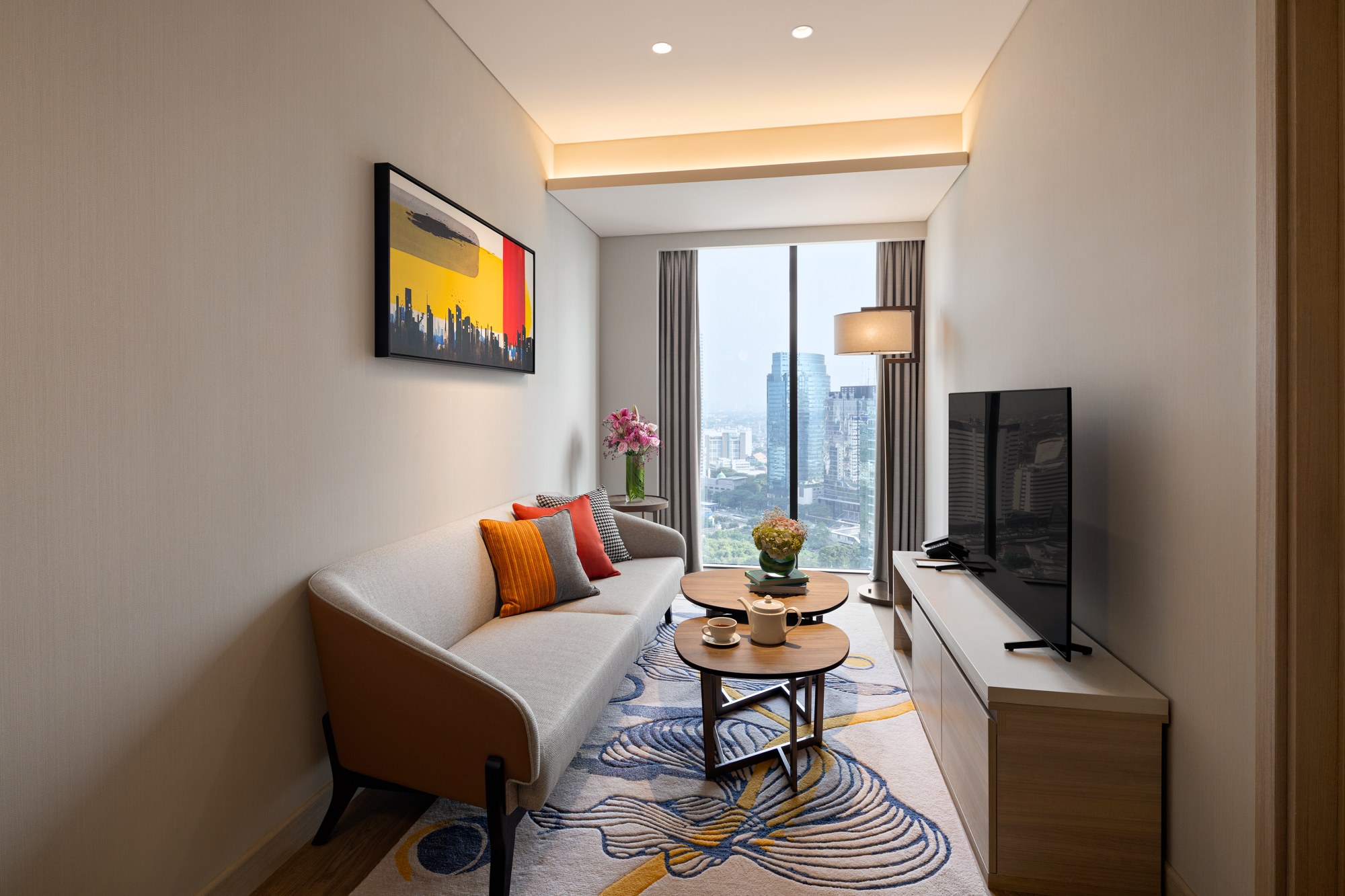
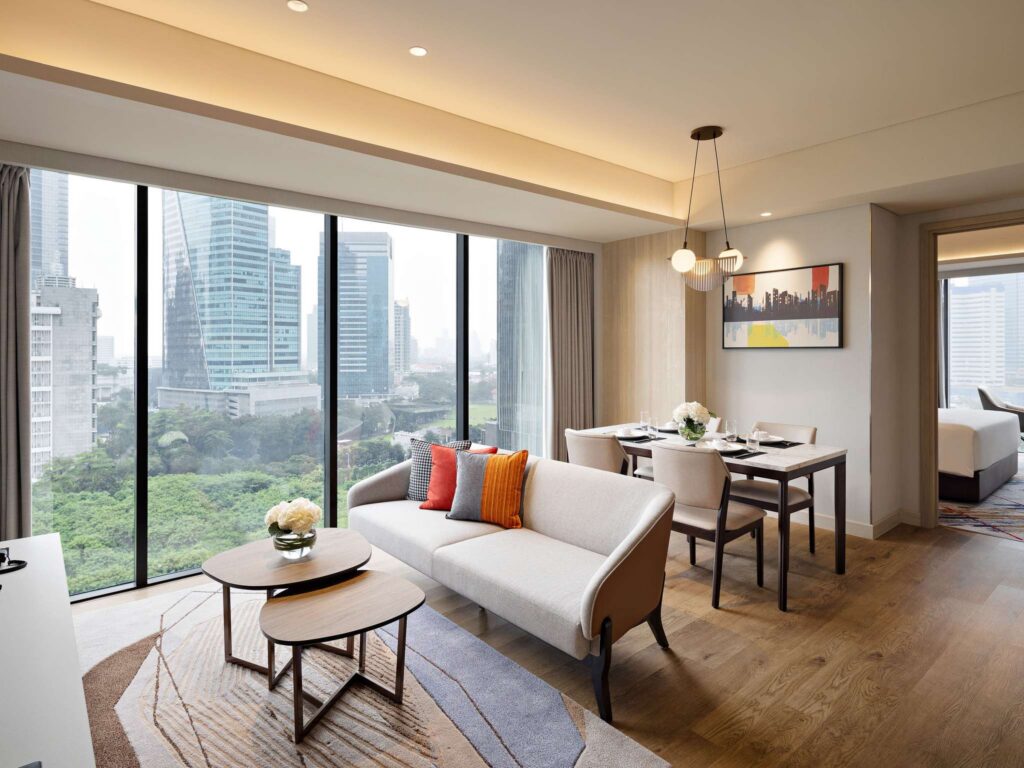
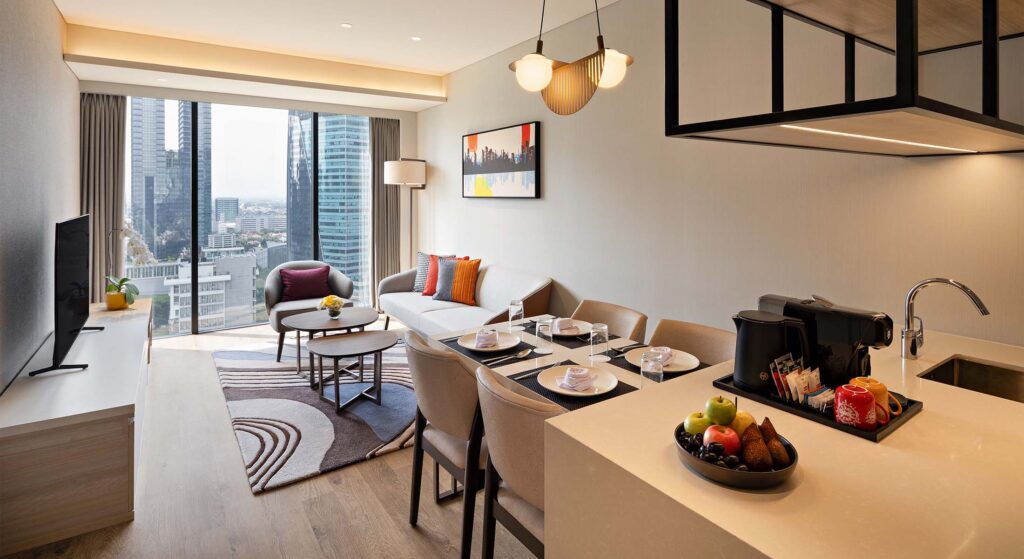
One-bedroom apartments serve couples, individual travelers wanting separate living and sleeping areas, or professionals requiring dedicated home office space. These units typically offer 50-70 square meters with a private bedroom, full living room, complete kitchen, and one or two bathrooms.
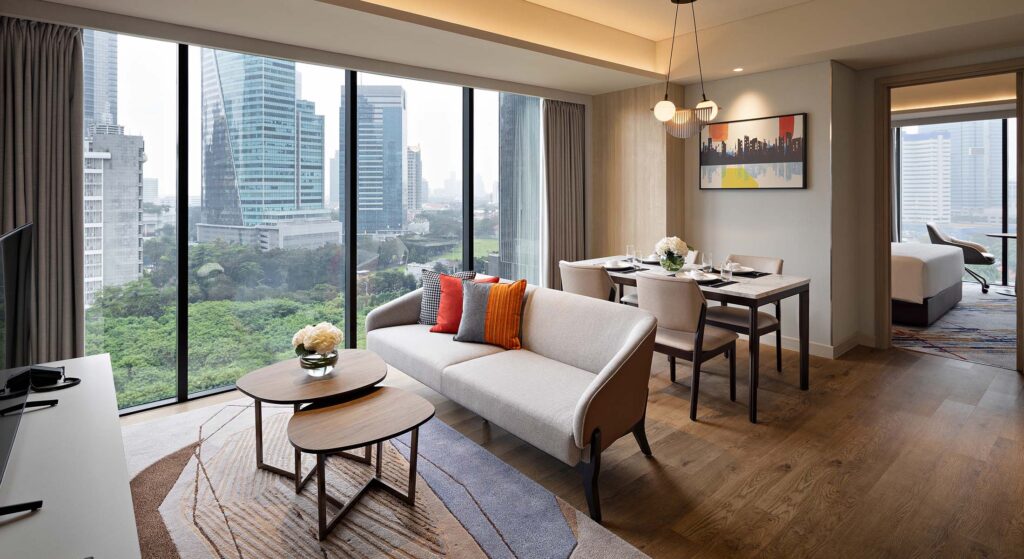
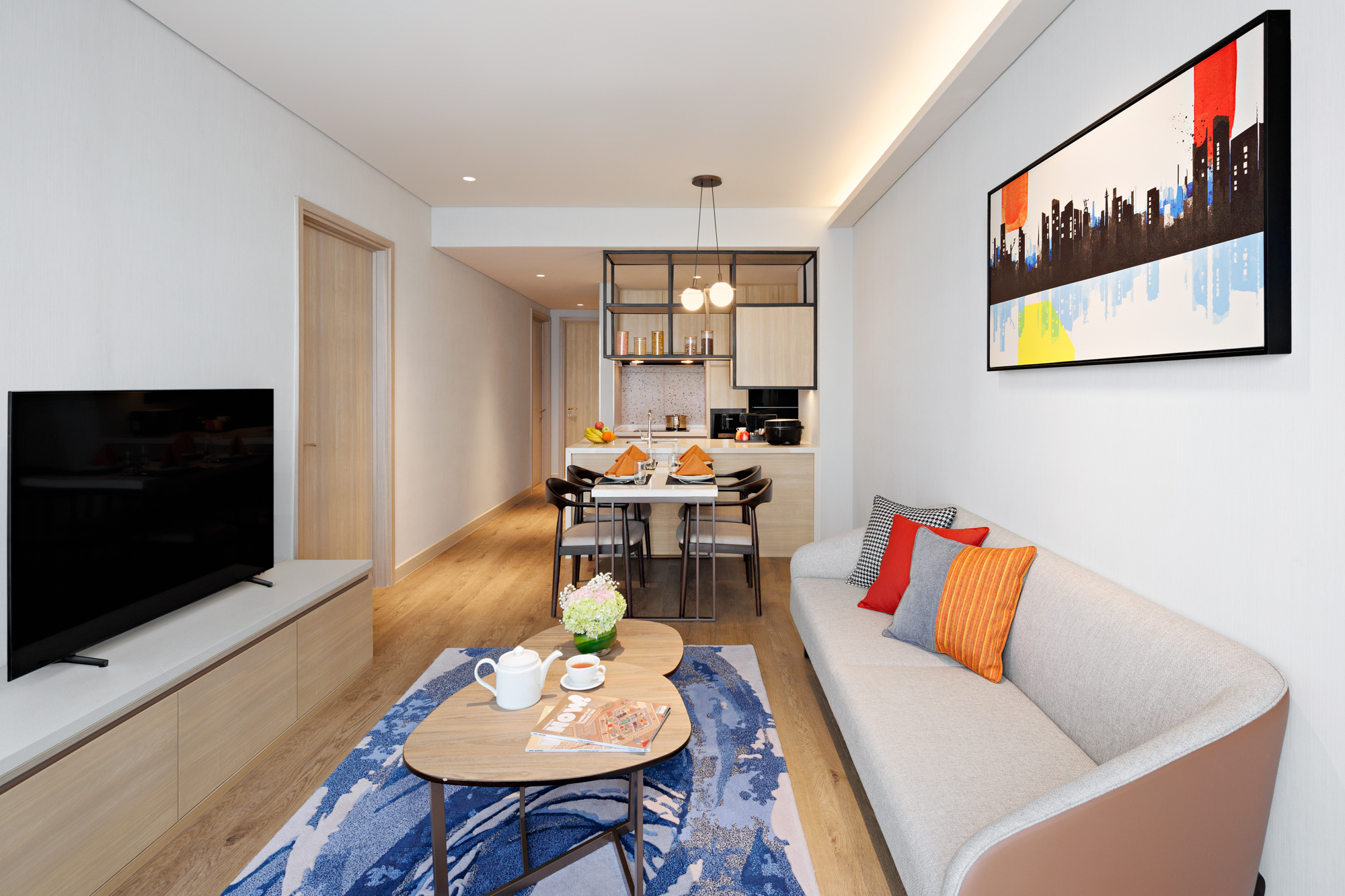
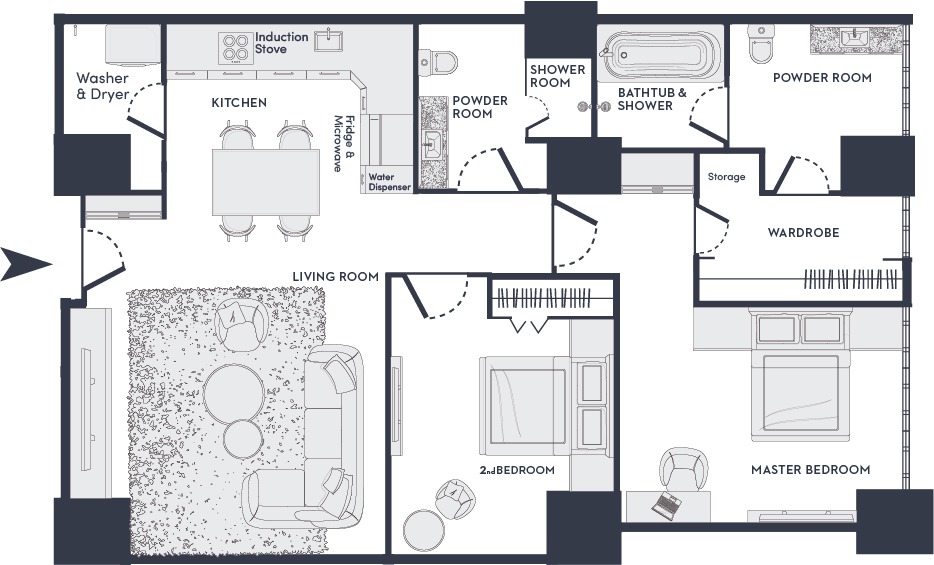
Two-bedroom configurations address family needs, colleagues sharing accommodation costs, or professionals hosting visitors during extended assignments. These residences provide 80-120 square meters with separate bedrooms, larger living and dining areas, and enhanced kitchen facilities for family meal preparation.
Three-Bedroom Units for Families
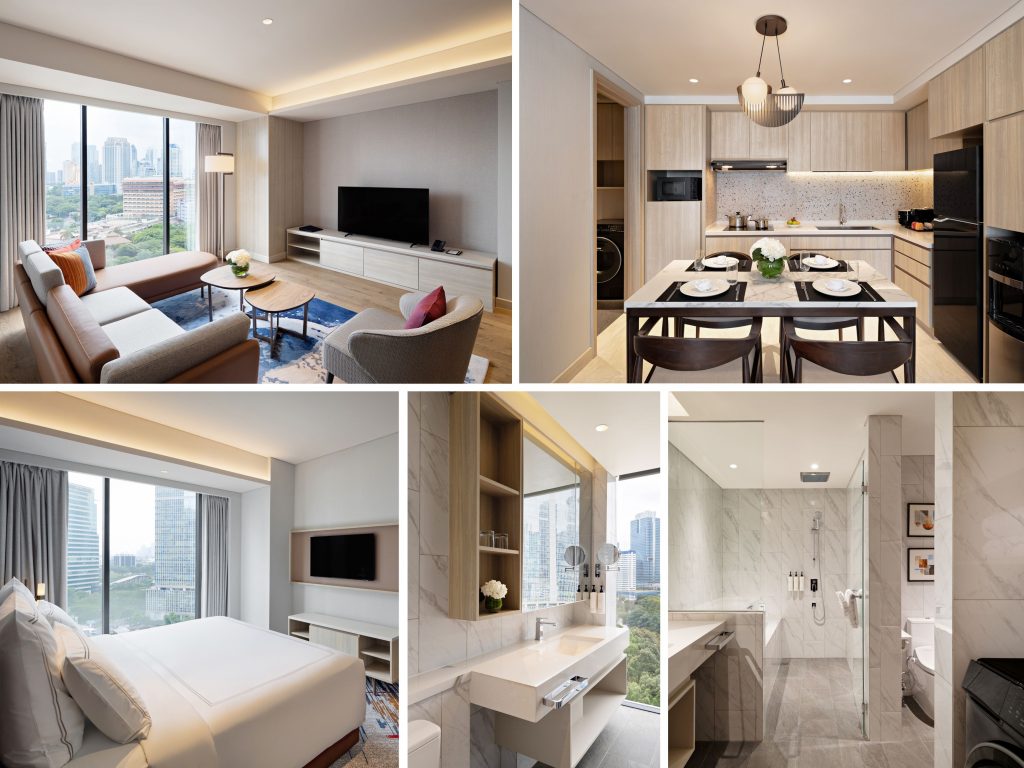
The largest extended stay configurations accommodate families with multiple children or executive travelers requiring guest bedrooms and dedicated work space. Three-bedroom apartments typically span 120-150 square meters or more, featuring multiple bathrooms, substantial living areas, and full-size kitchens comparable to private residences.
| Configuration | Typical Size | Best For | Key Features |
|---|---|---|---|
| Studio | 35-45 sqm | Solo travelers, couples | Open layout, compact kitchen, workspace |
| One-Bedroom | 50-70 sqm | Couples, individuals | Private bedroom, full living room, home office option |
| Two-Bedroom | 80-120 sqm | Small families, shared accommodation | Two private bedrooms, larger kitchen, dining space |
| Three-Bedroom | 120-150+ sqm | Families, executives | Multiple bathrooms, full kitchen, substantial living area |
Services and Amenities in Extended Stay Properties
While extended stay lodging emphasizes residential functionality over hotel-style pampering, properties still provide services that distinguish them from traditional apartment rentals and support extended-duration guests.
Housekeeping and Maintenance
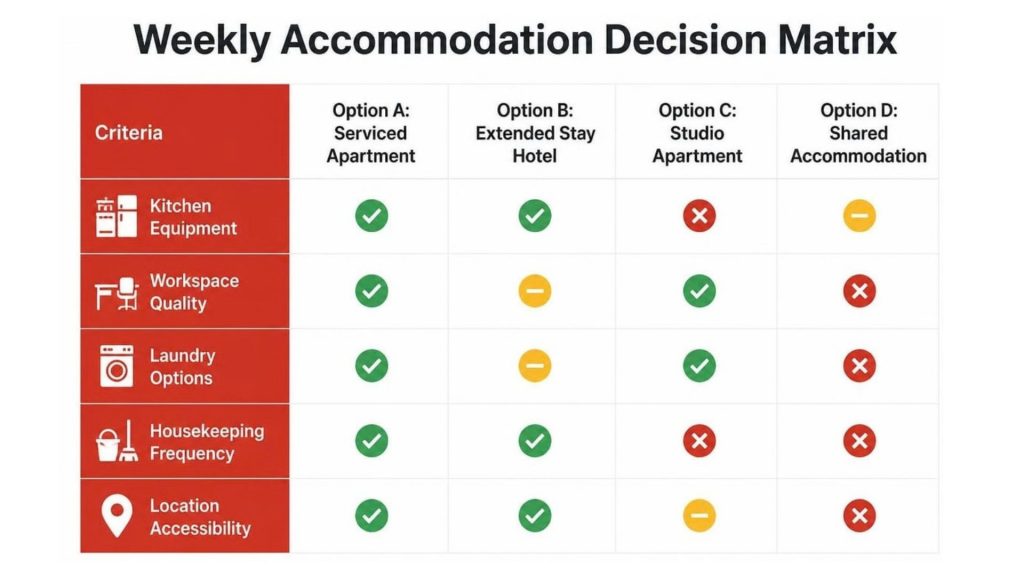
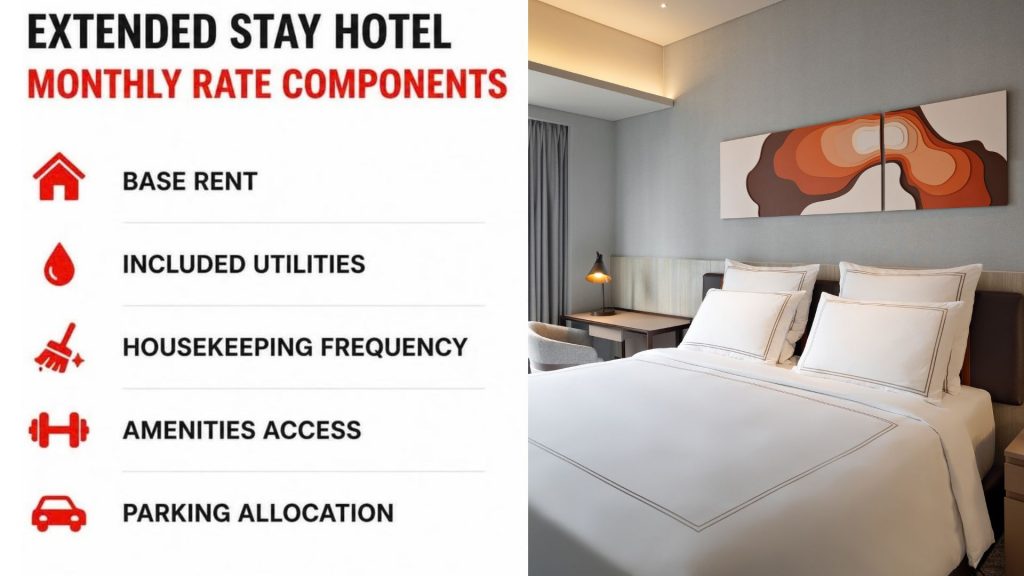
Most extended stay properties offer weekly housekeeping rather than daily service, reflecting residential occupancy patterns. Guests receive fresh linens, bathroom cleaning, kitchen sanitization, and general tidying on a scheduled basis, typically once or twice weekly depending on property standards and rate tier.
On-demand maintenance addresses issues promptly without requiring guests to coordinate with external vendors or property managers. This hospitality-style support proves particularly valuable for international guests unfamiliar with local service providers or language barriers that complicate traditional tenant maintenance requests.
Fitness and Wellness Facilities
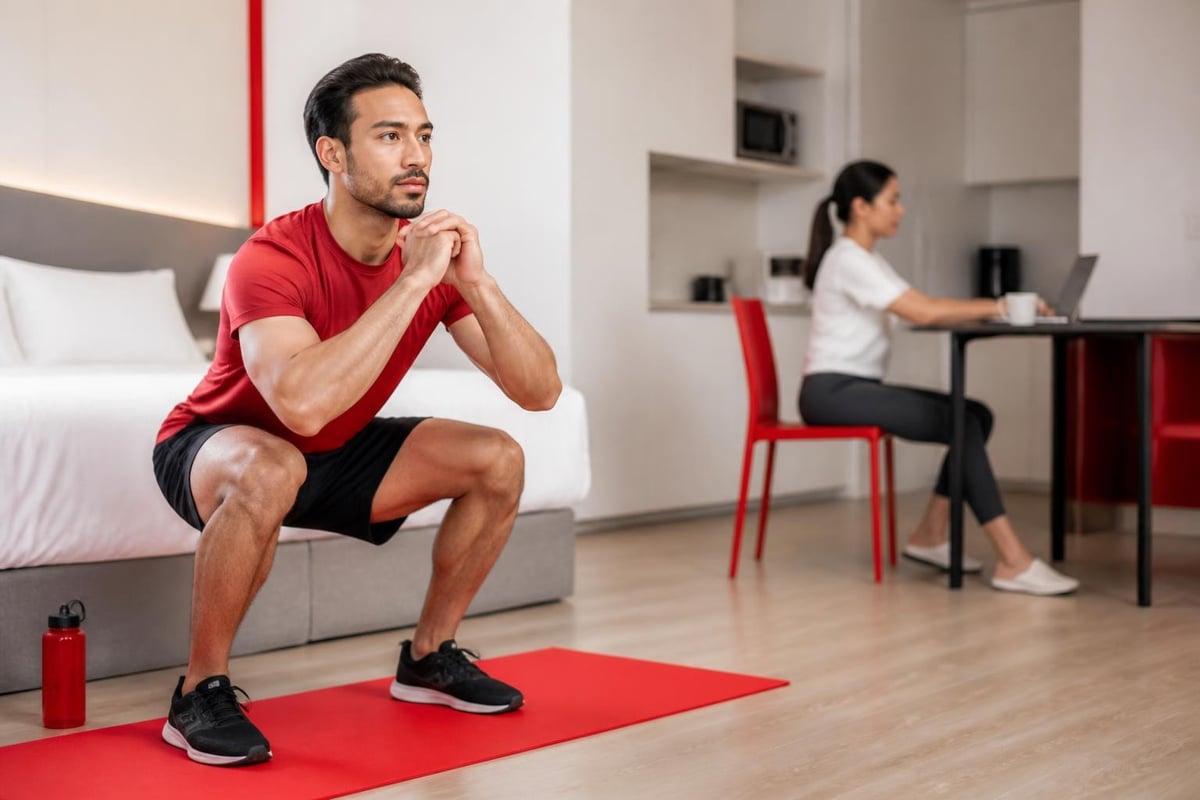
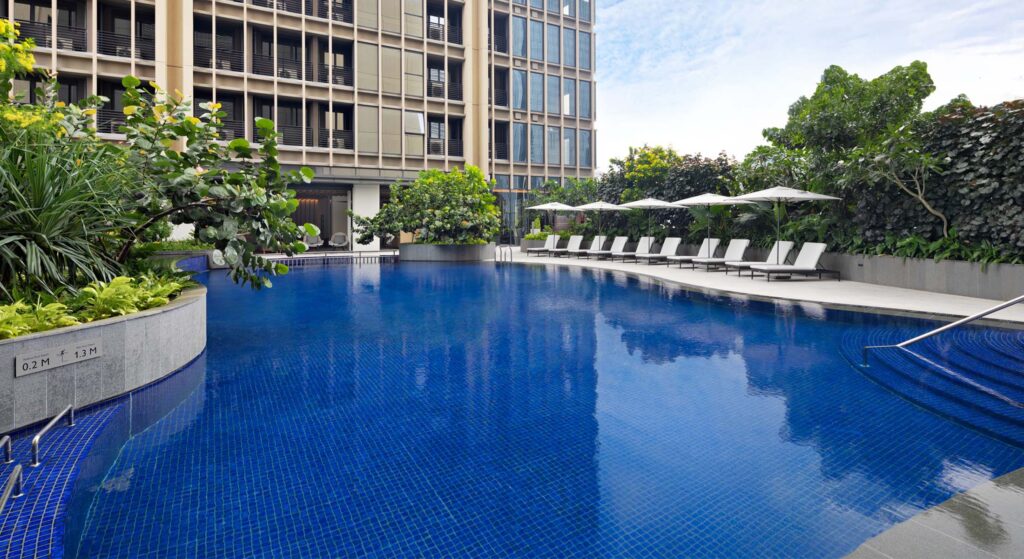
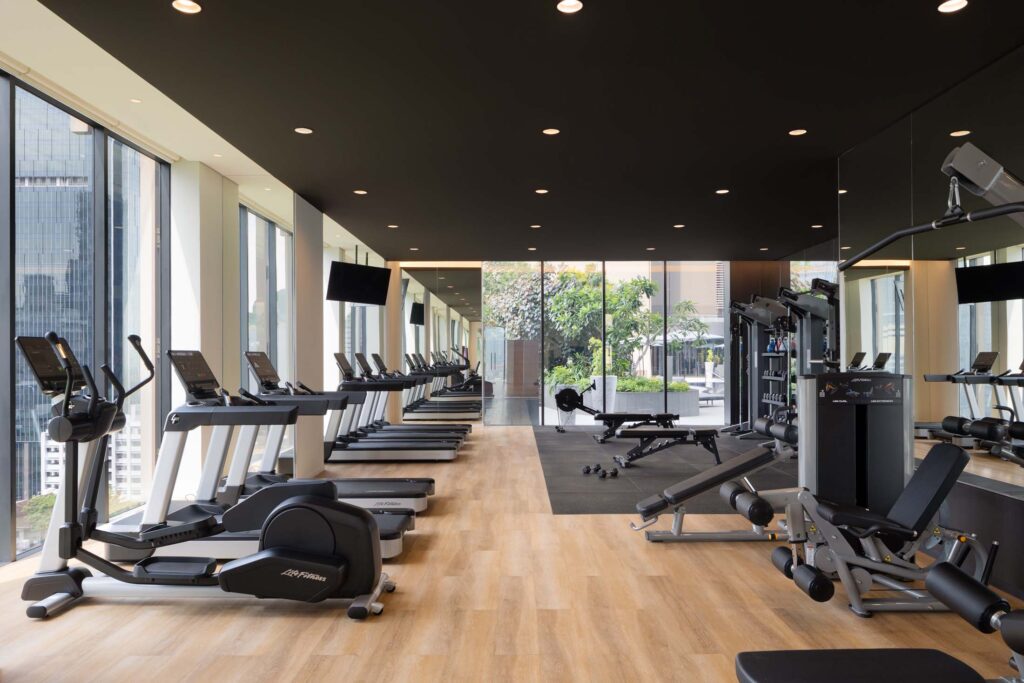
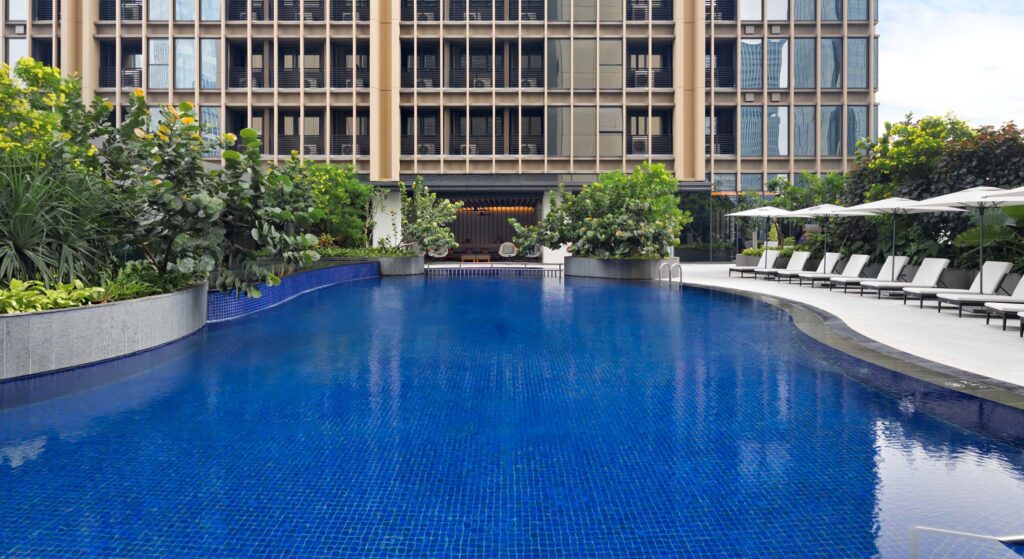
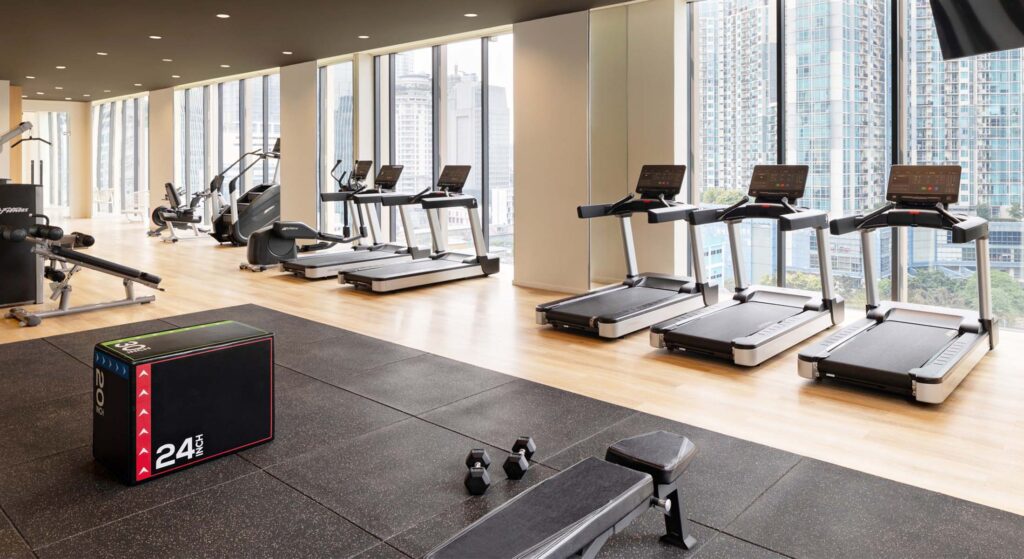
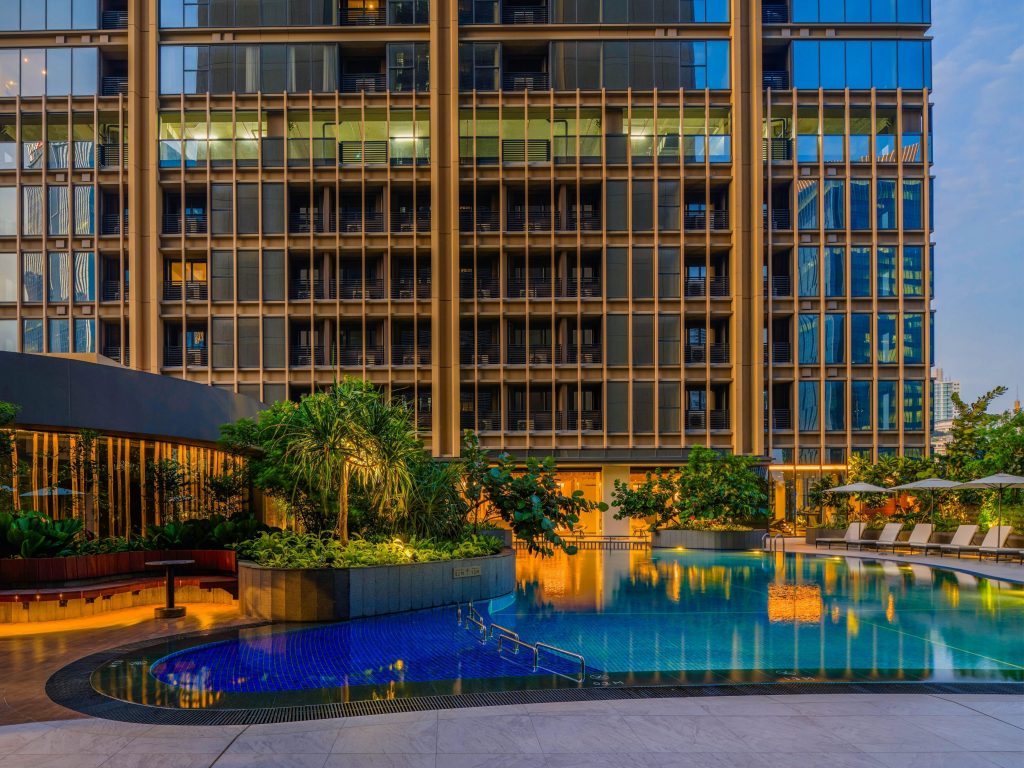
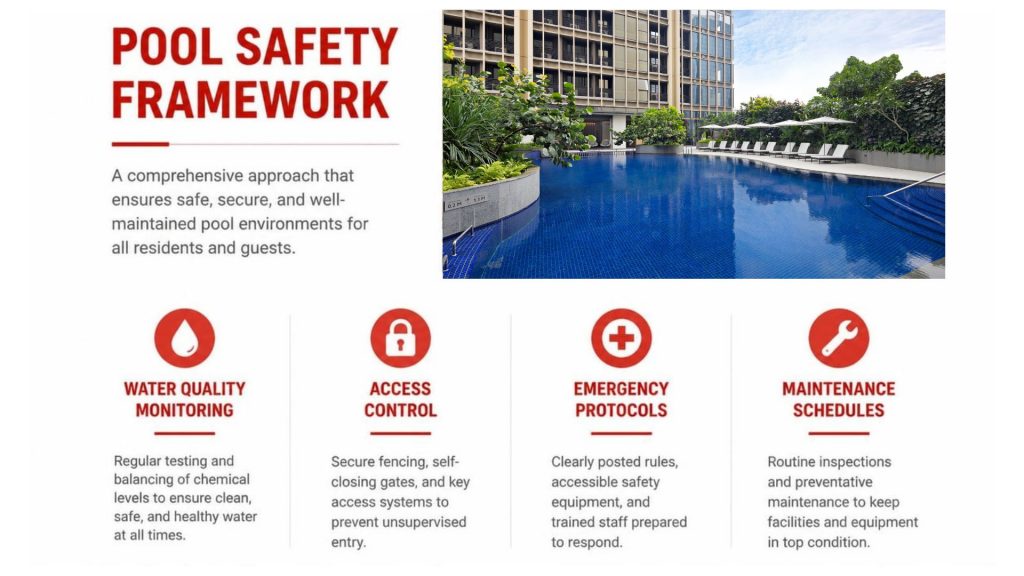
Extended stays amplify the importance of health and fitness amenities. Business travelers maintaining exercise routines during month-long assignments and families seeking recreational activities benefit from on-site gyms, swimming pools, and wellness facilities.
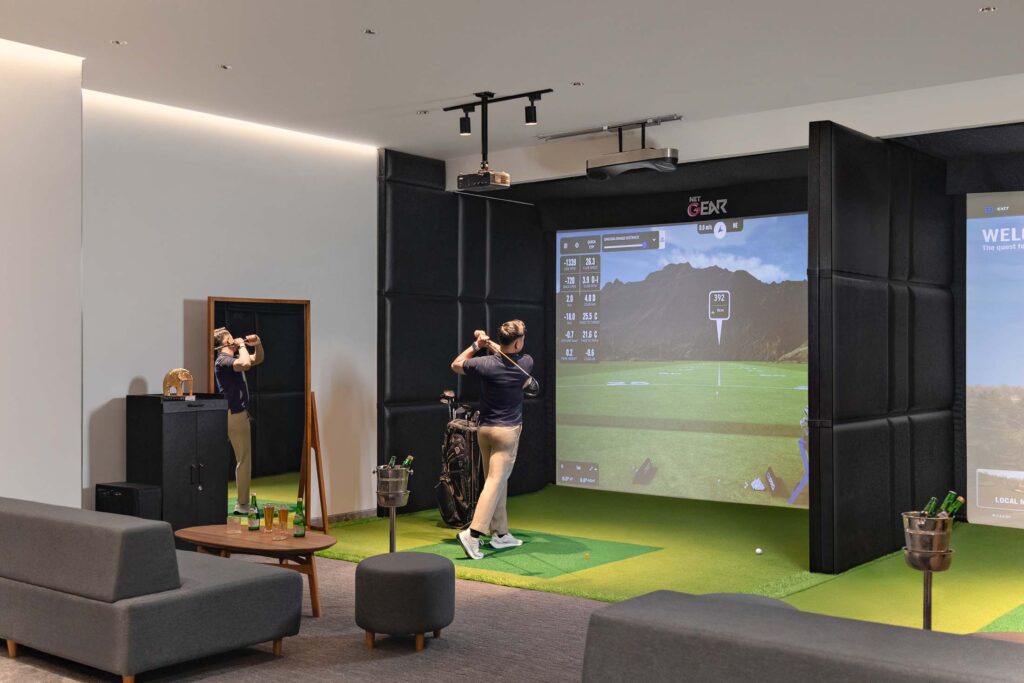
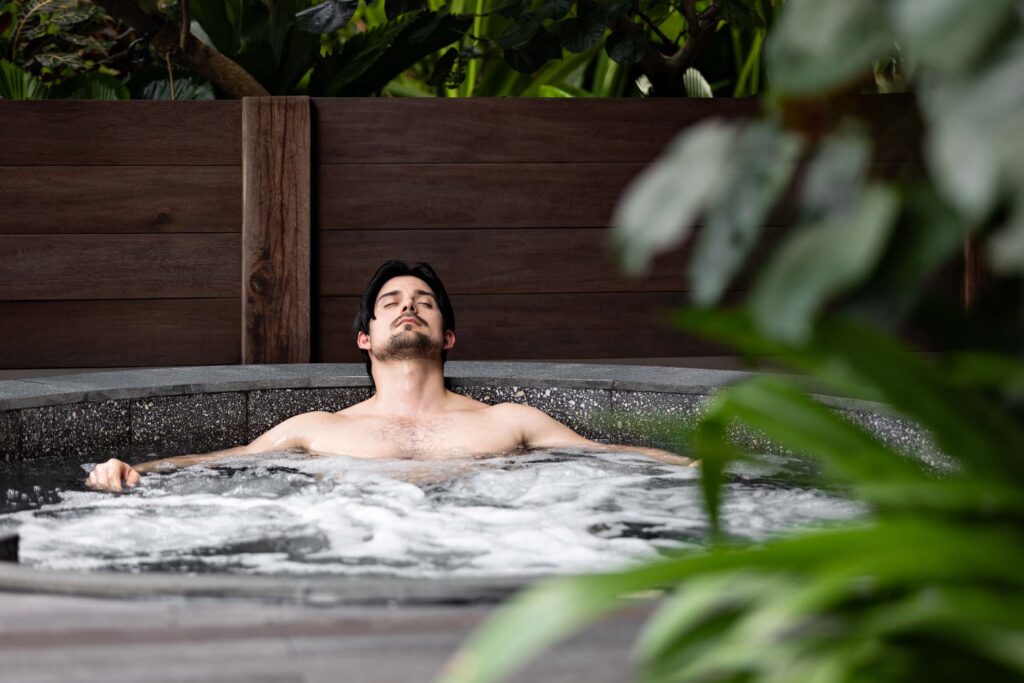
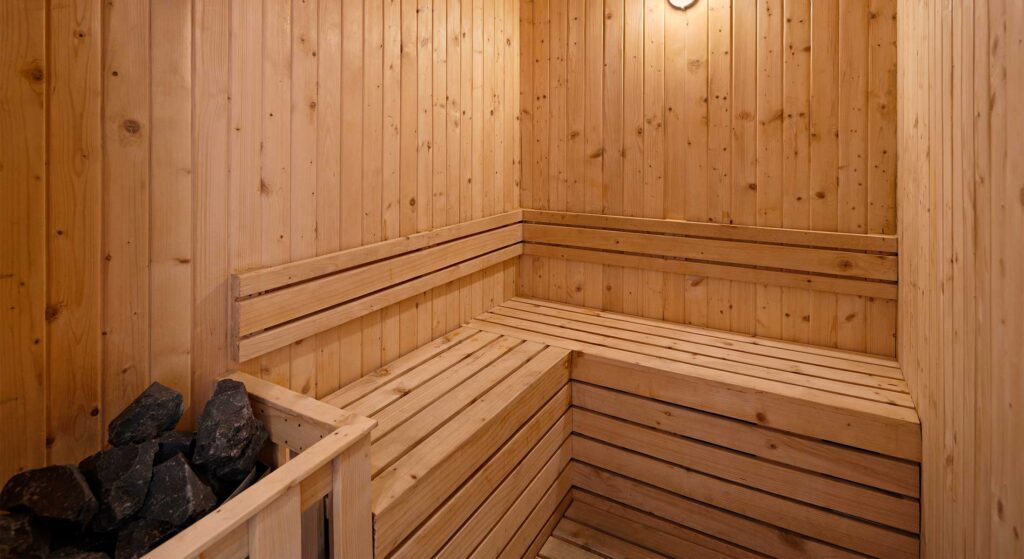
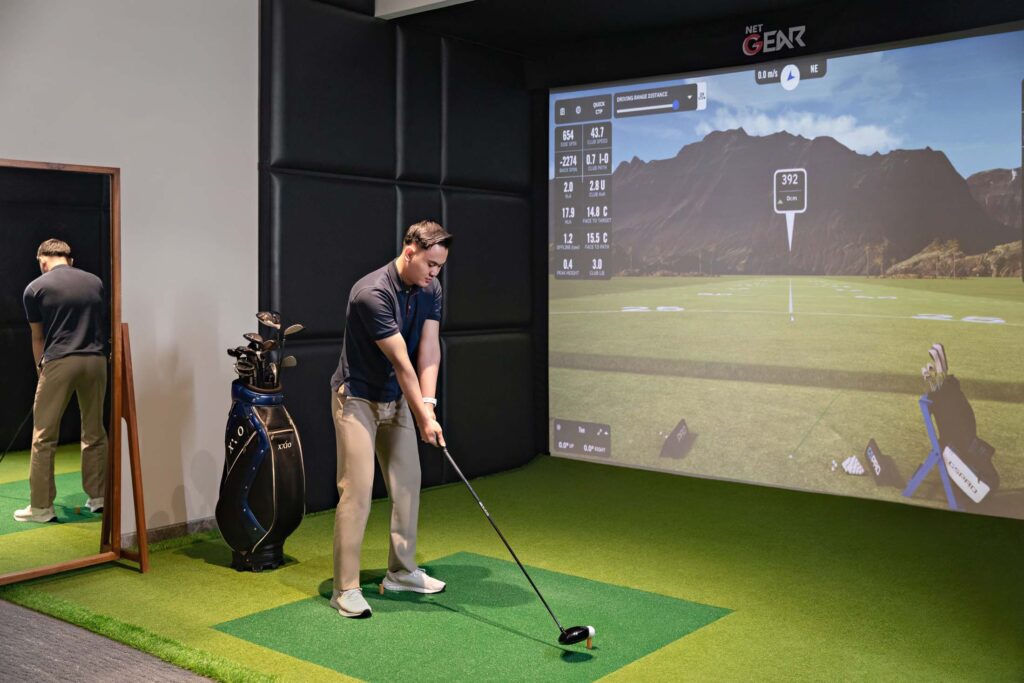
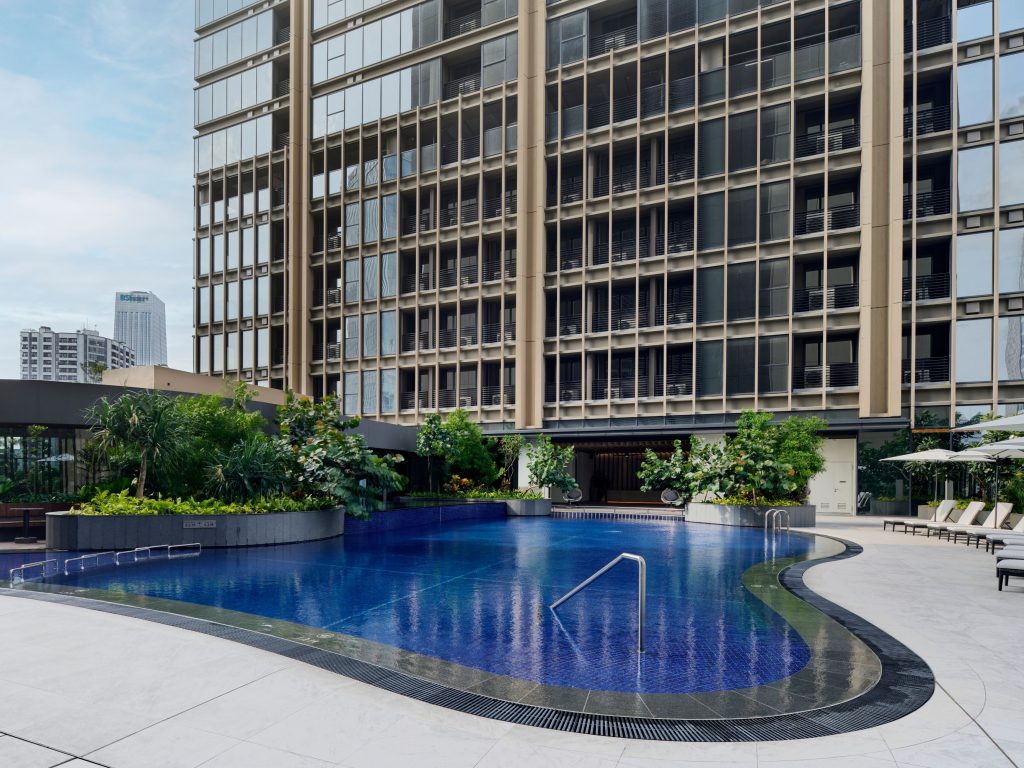
Properties targeting expatriate and corporate markets increasingly incorporate comprehensive fitness and wellness programs that support healthy living during extended stays. Gyms equipped for varied workout styles, pools suitable for lap swimming and family recreation, and wellness facilities for stress management create value beyond the apartment itself.
Dining Options and Food Services
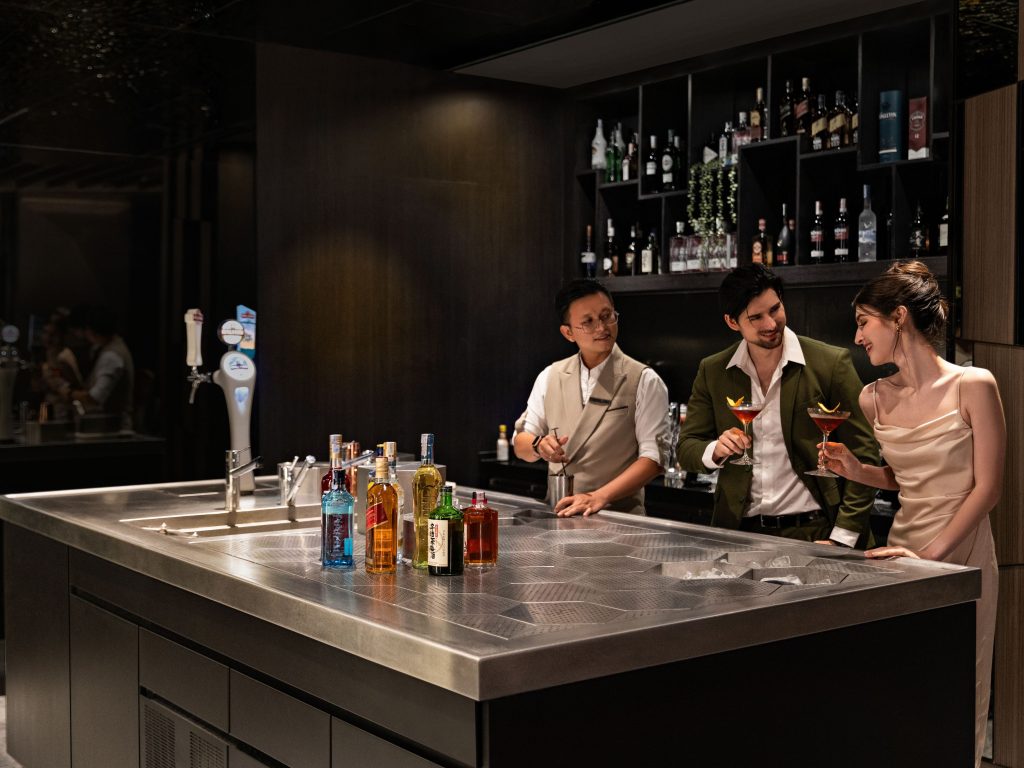
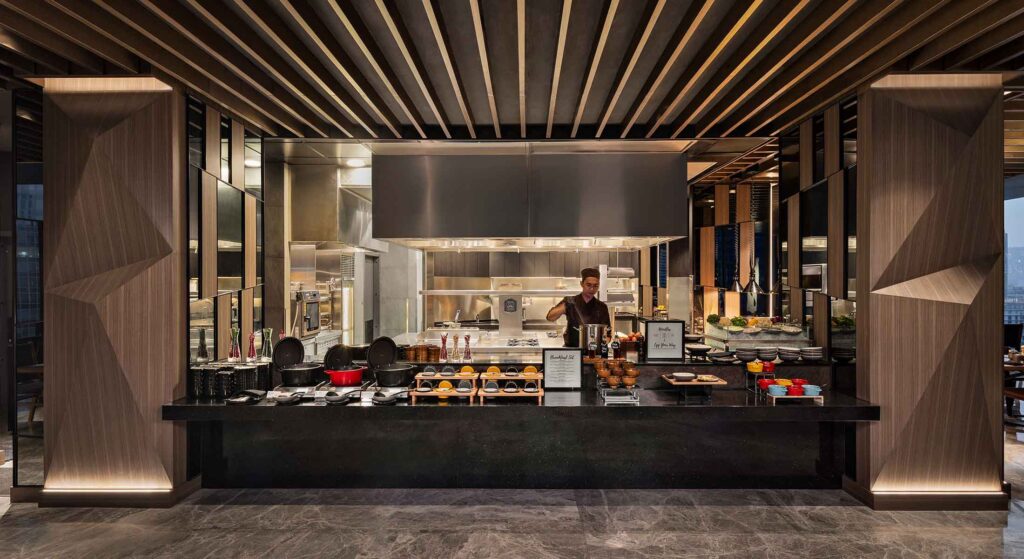
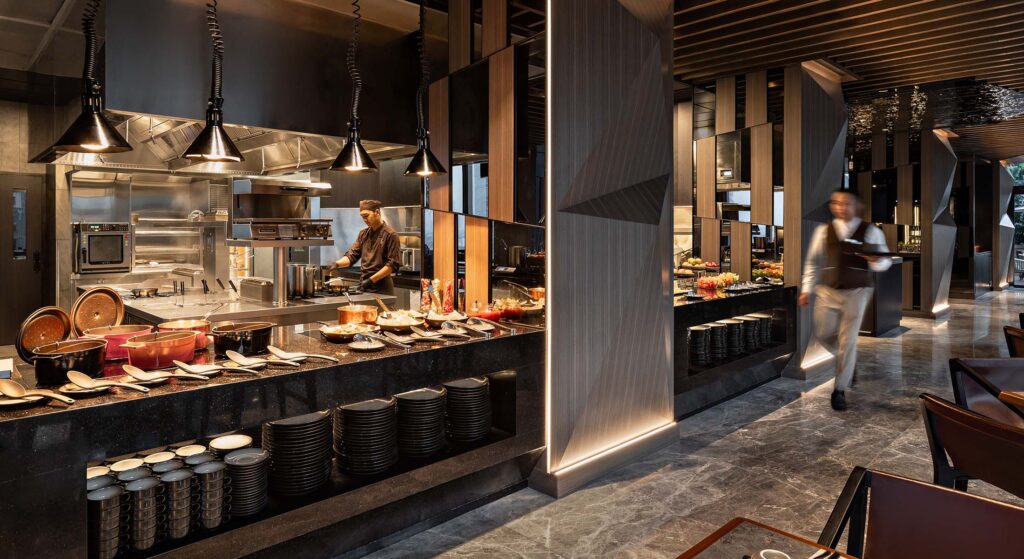
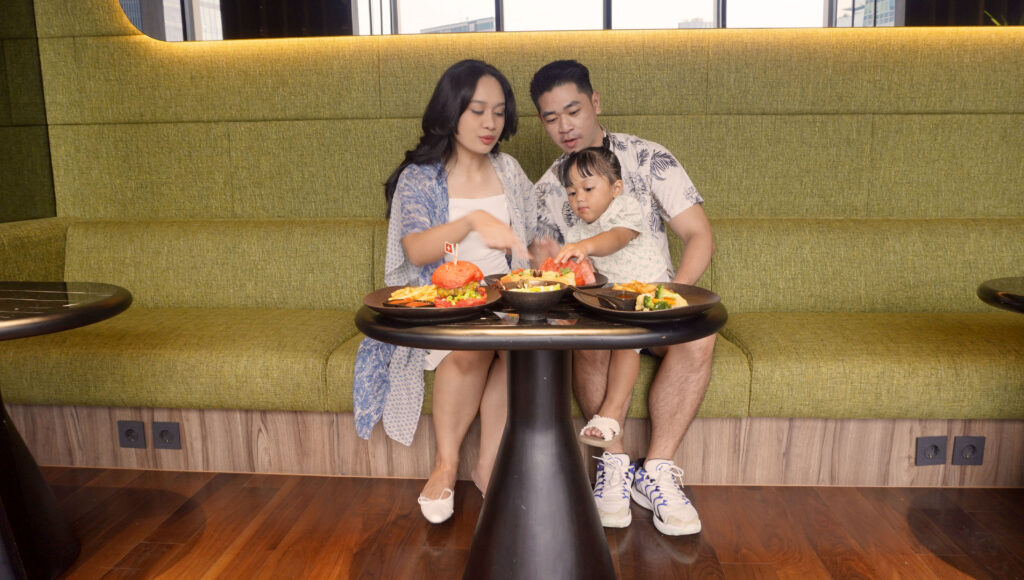
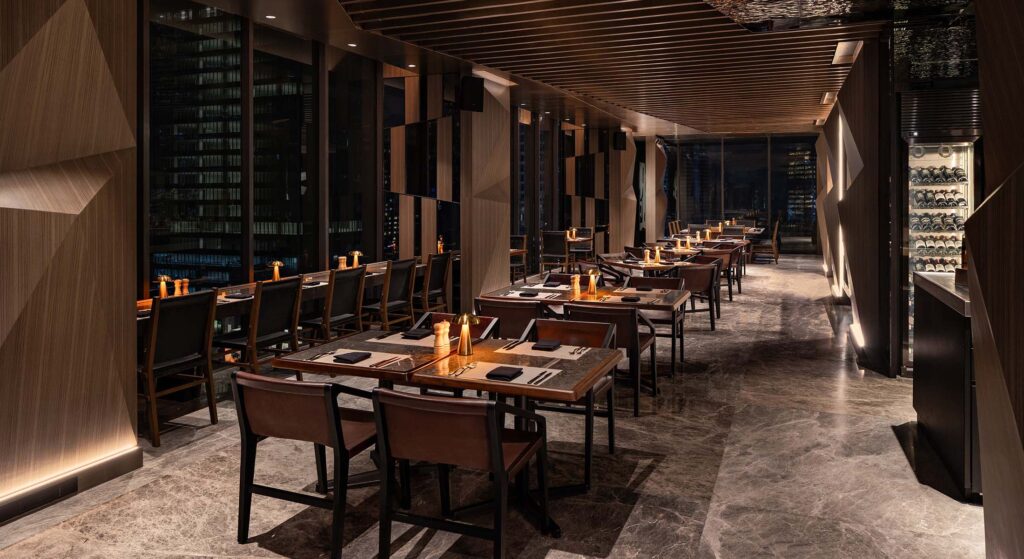
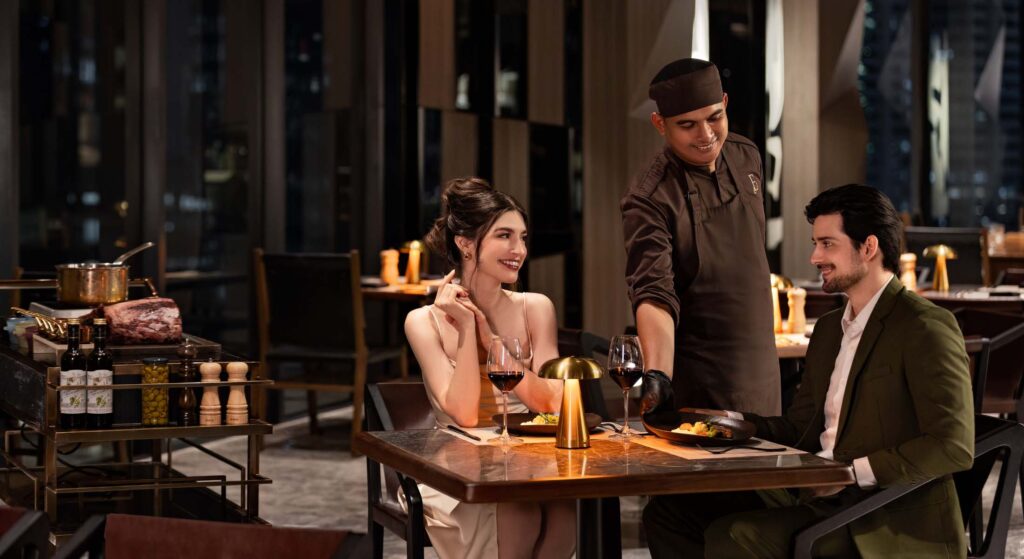
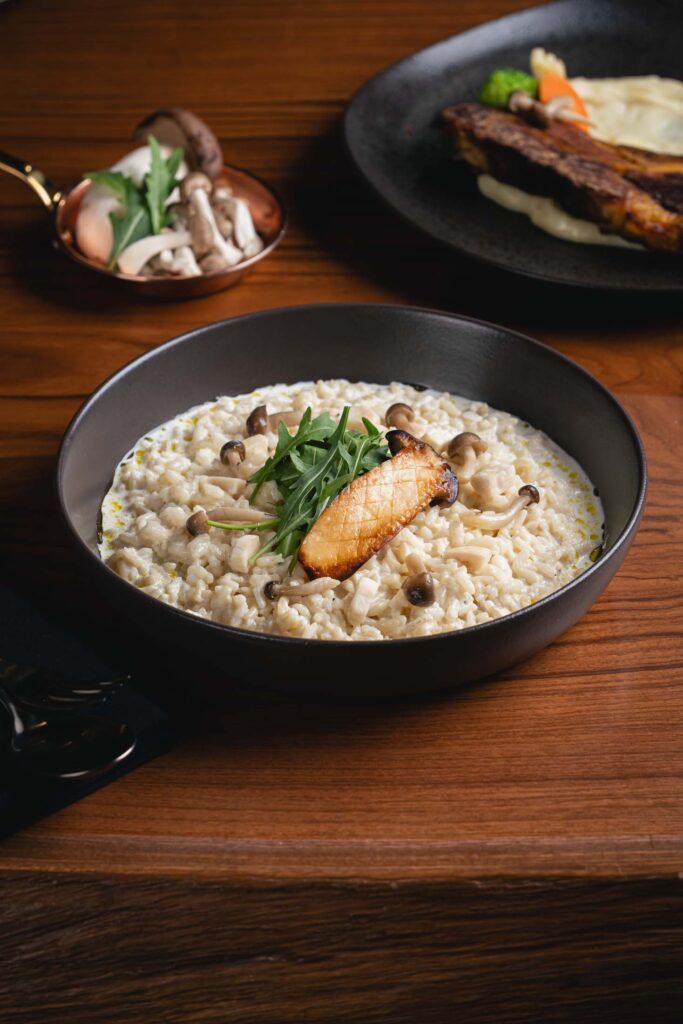
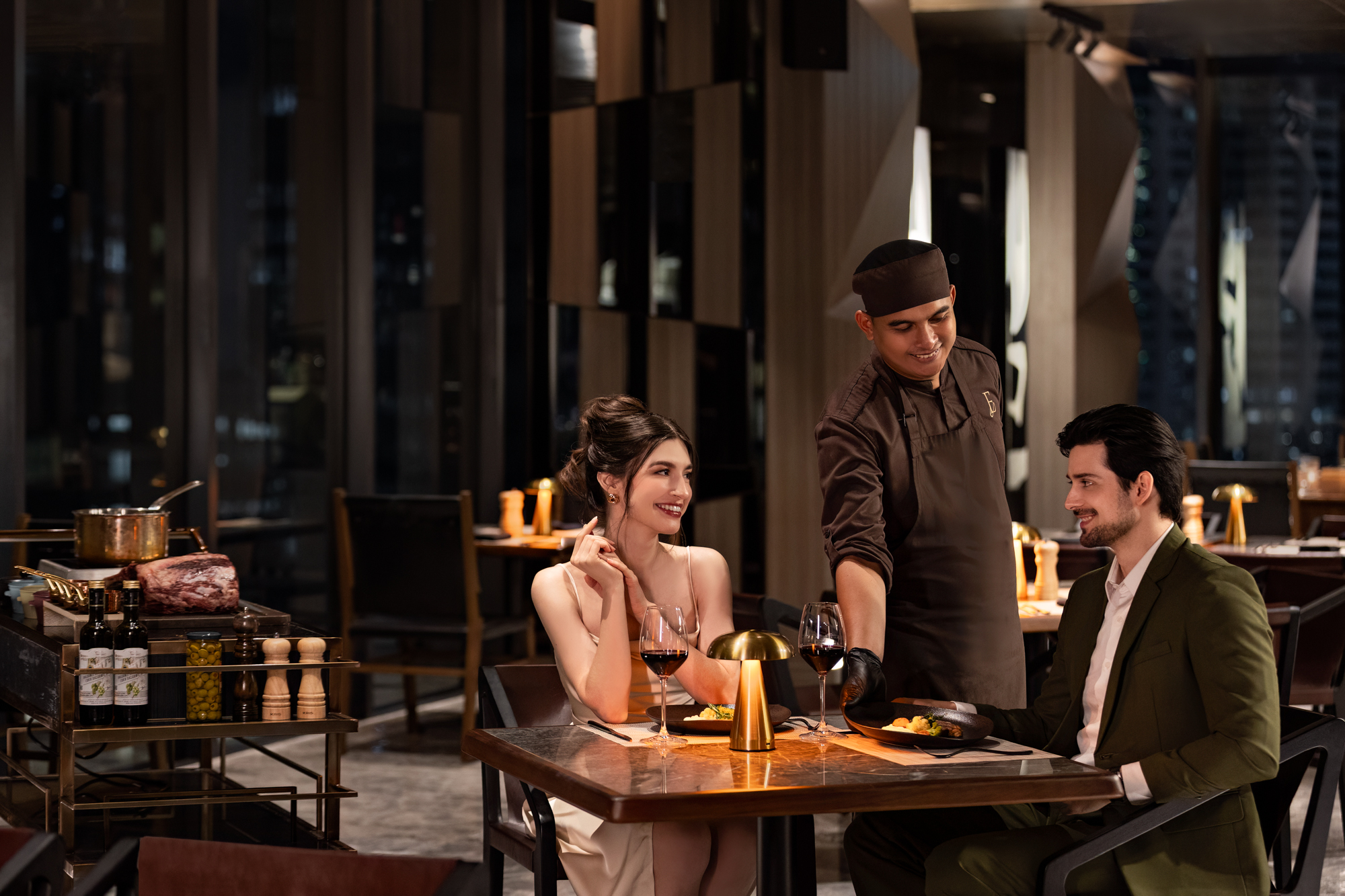
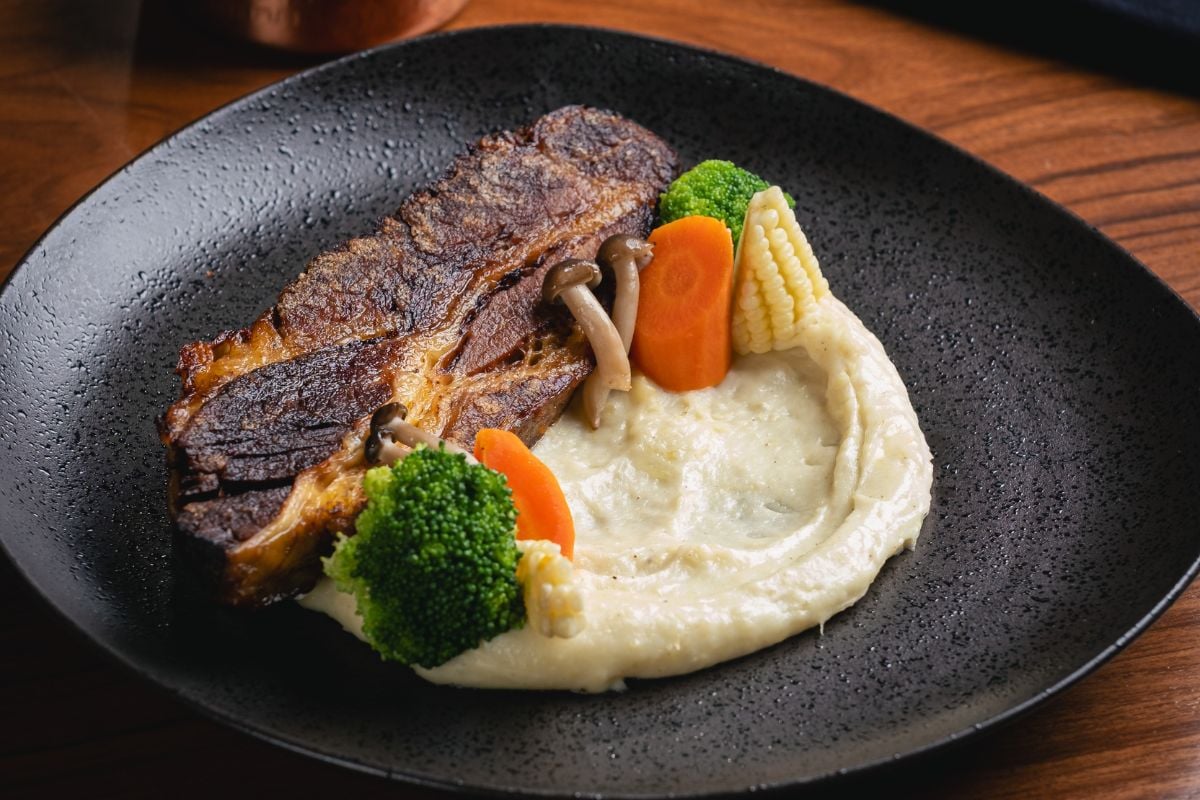
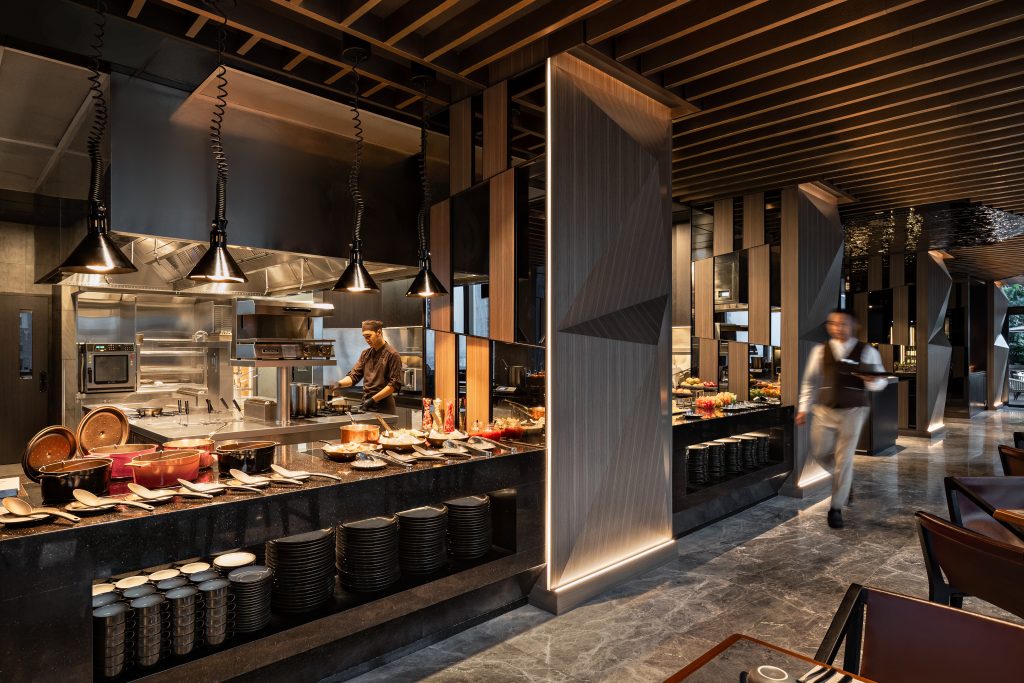
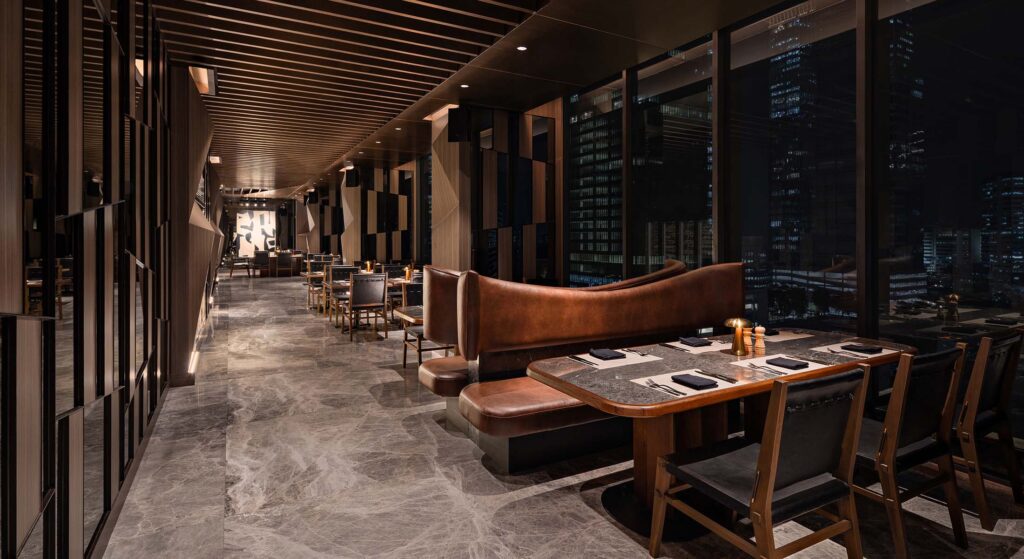
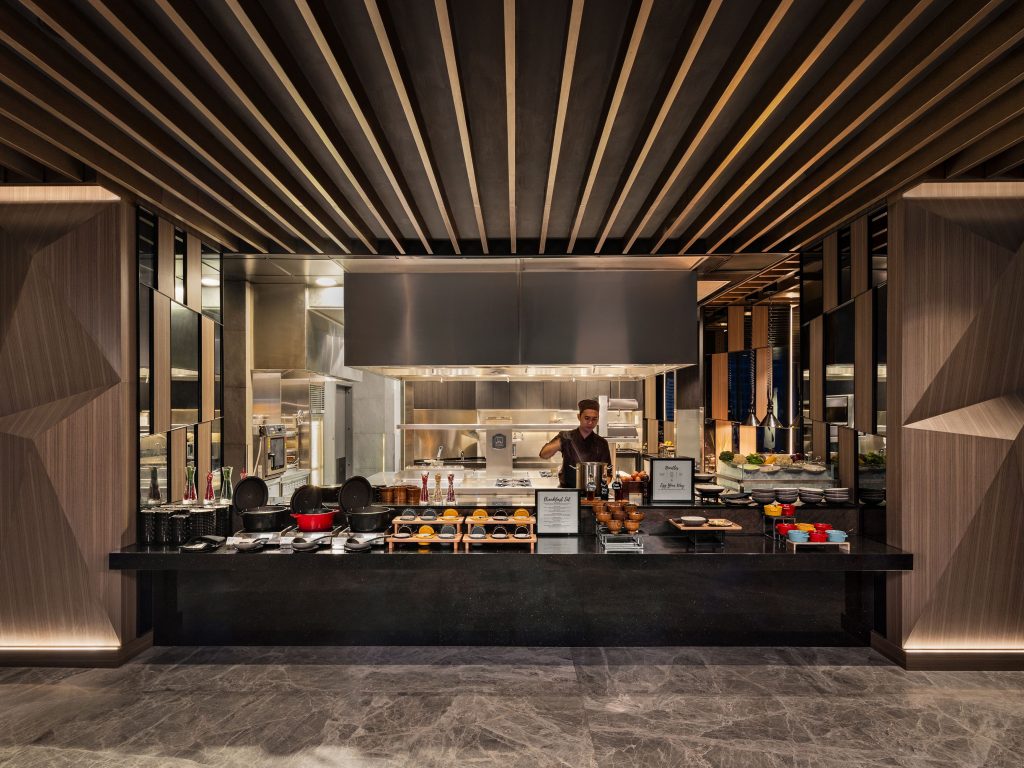
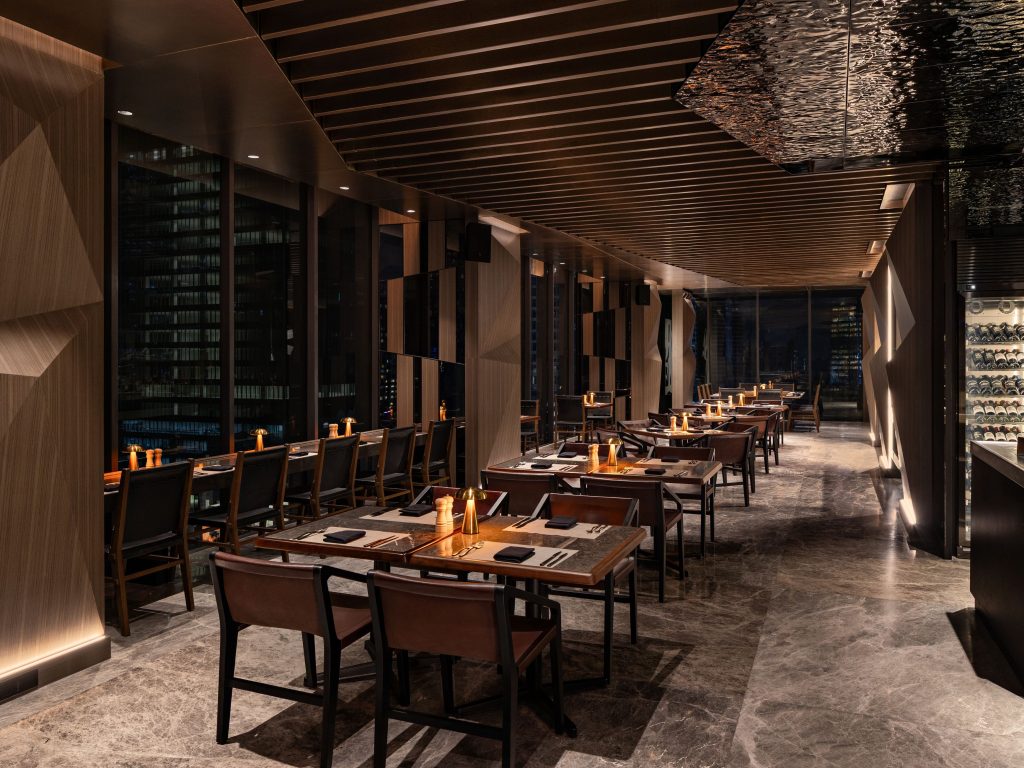
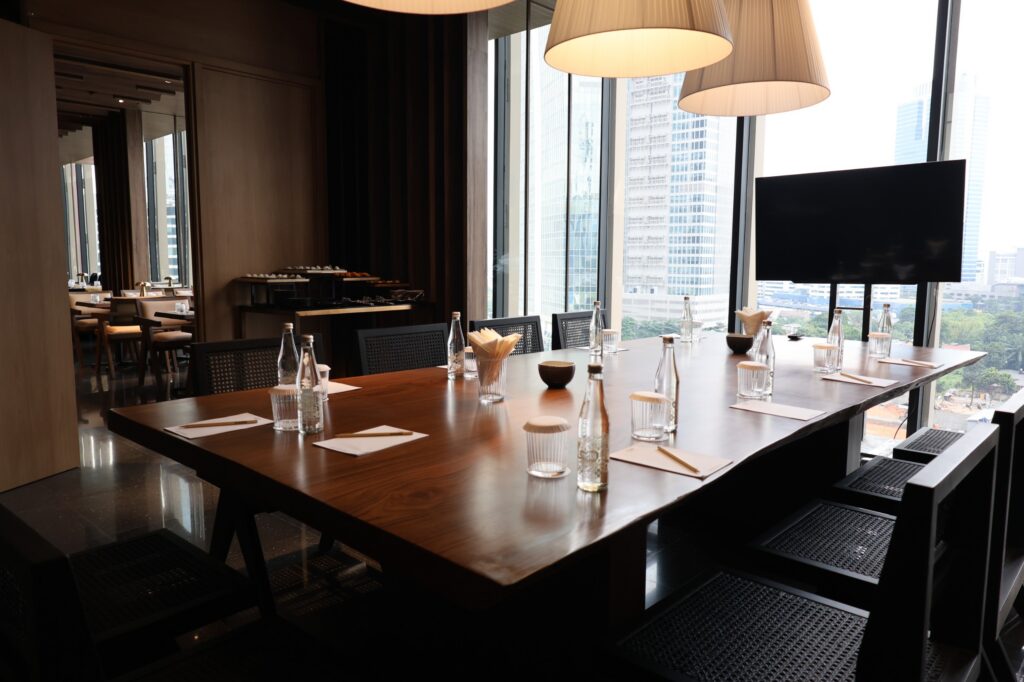
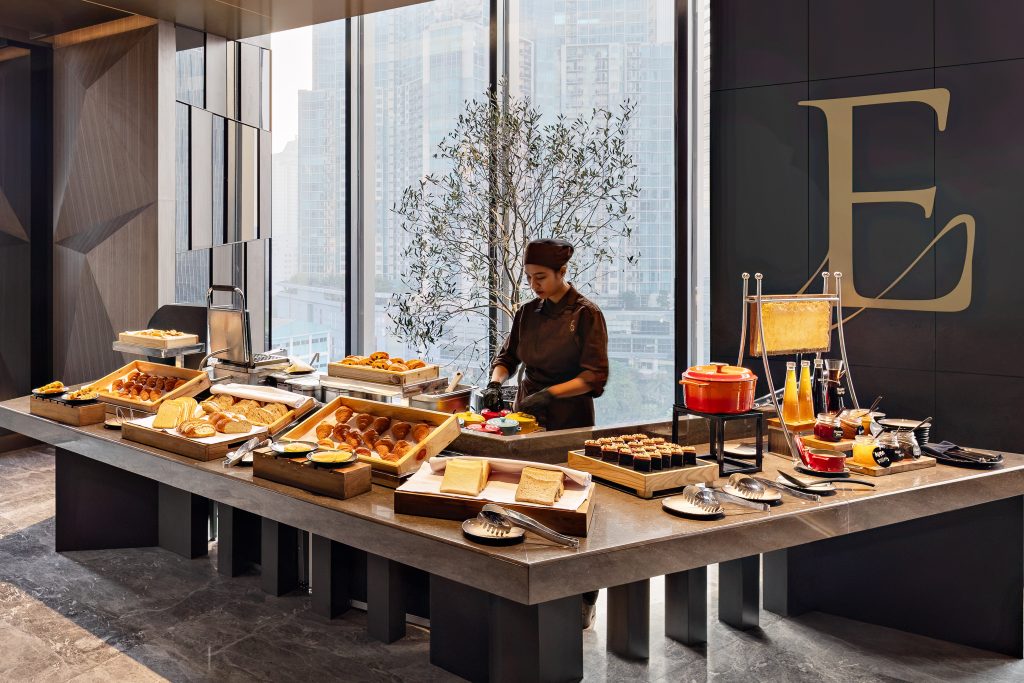
While fully equipped kitchens represent a defining feature of extended stay lodging, on-site dining provides valuable flexibility. Restaurants within extended stay properties serve guests who choose not to cook every meal, host business associates, or celebrate special occasions without leaving the property.
Quality on-site dining also supports the transition period when newly arrived expatriates may not yet feel comfortable navigating local food markets or when business travelers face demanding schedules that limit meal preparation time.
Rate Structures and Financial Considerations
Extended stay lodging employs rate structures fundamentally different from traditional hotel pricing, reflecting the economic model of longer-duration occupancy.
Understanding Monthly and Weekly Rates
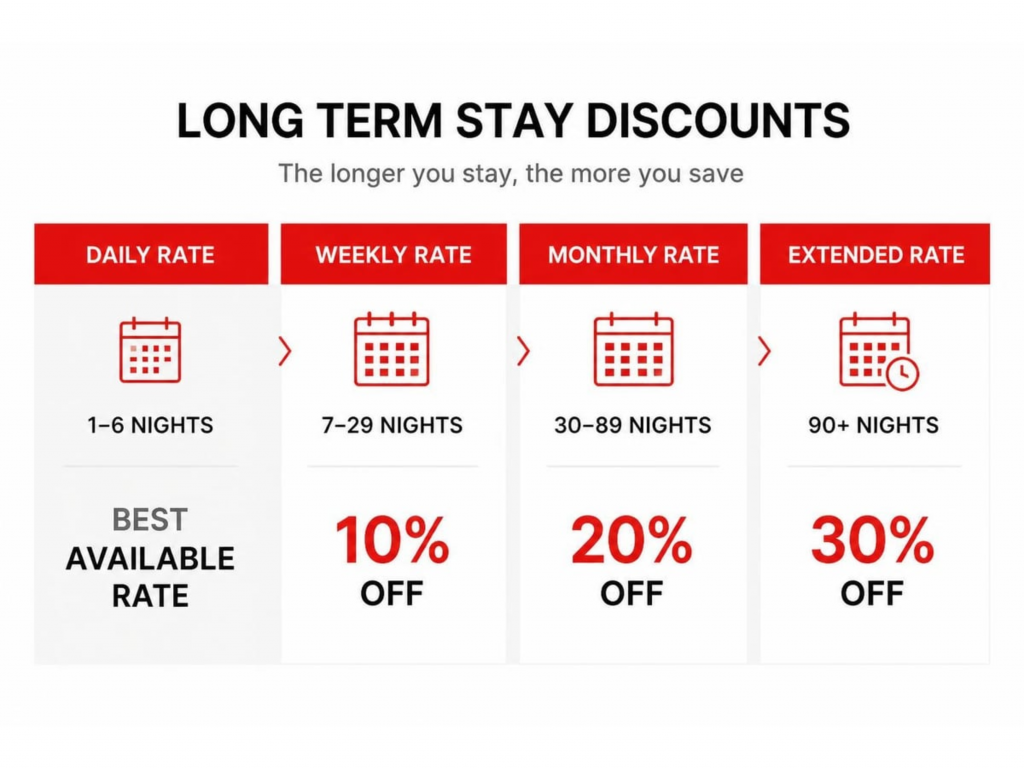
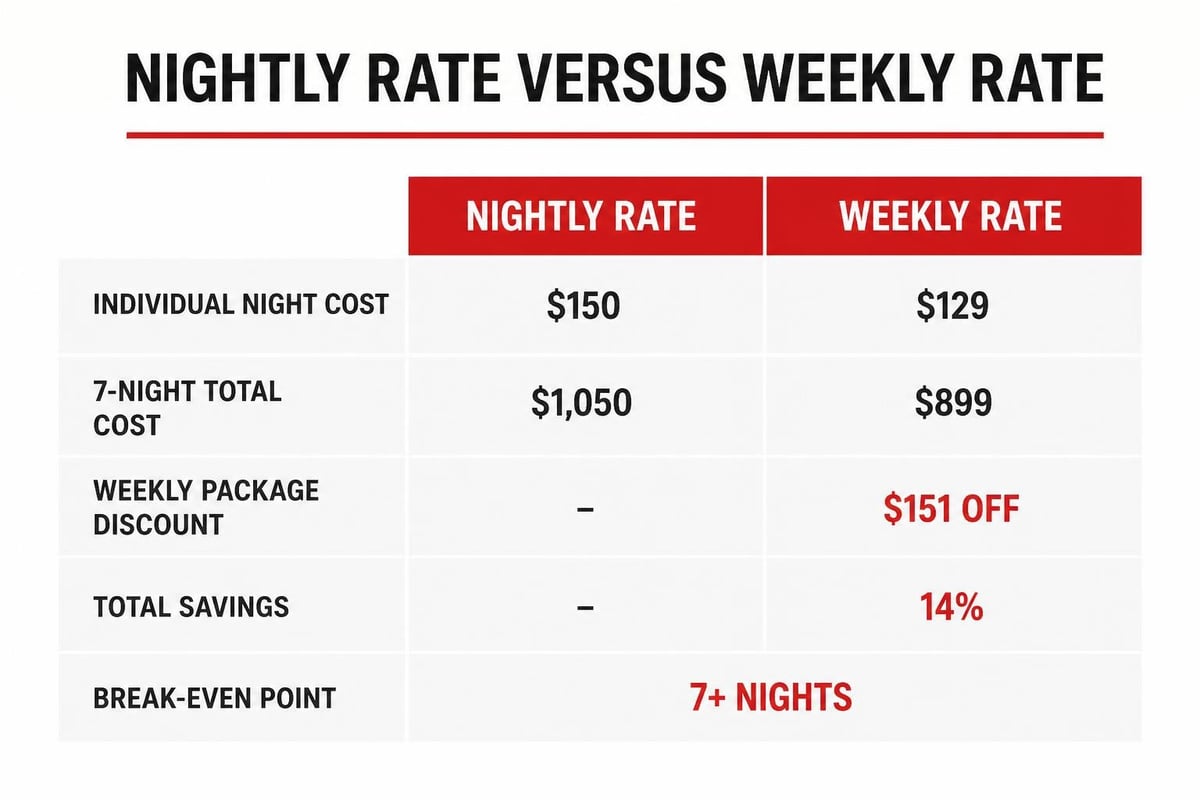
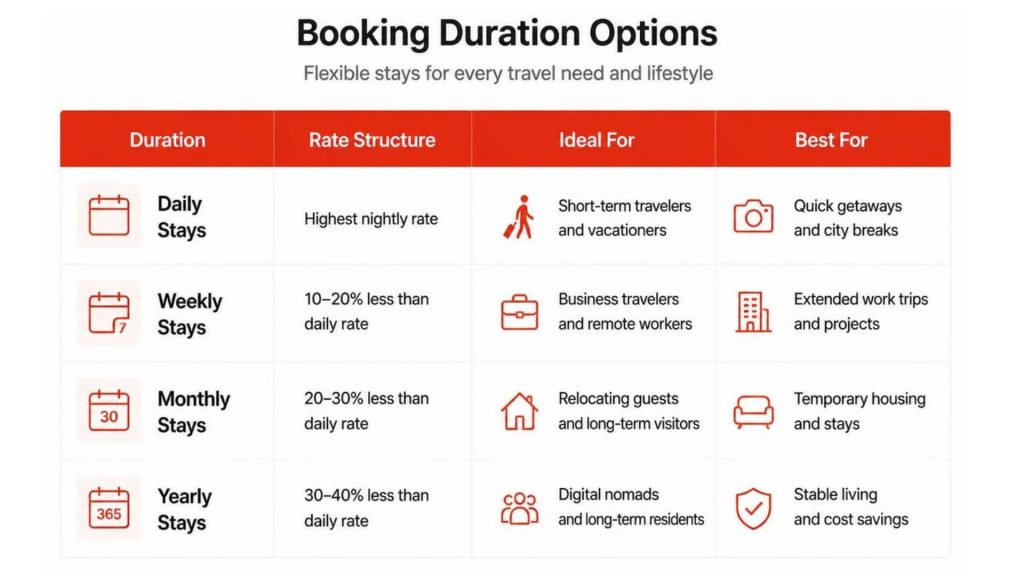
Extended stay hotels with monthly rates typically offer substantial discounts compared to calculated nightly rates. A studio apartment might be advertised at a nightly rate but discounted 40-50% for monthly commitments, recognizing the operational efficiency of longer stays and reduced turnover costs.
Weekly rates generally fall between nightly and monthly pricing, offering moderate discounts for seven-day minimum stays. Rate tiers create clear incentives for extended commitments while maintaining flexibility for guests uncertain about exact duration needs.
Ancillary Revenue and Additional Services
Beyond base accommodation rates, extended stay properties increasingly develop ancillary revenue opportunities that enhance guest experience while generating additional income. These services include:
- Airport transfer packages
- Grocery delivery and restocking services
- Additional housekeeping beyond standard weekly service
- Laundry and dry cleaning
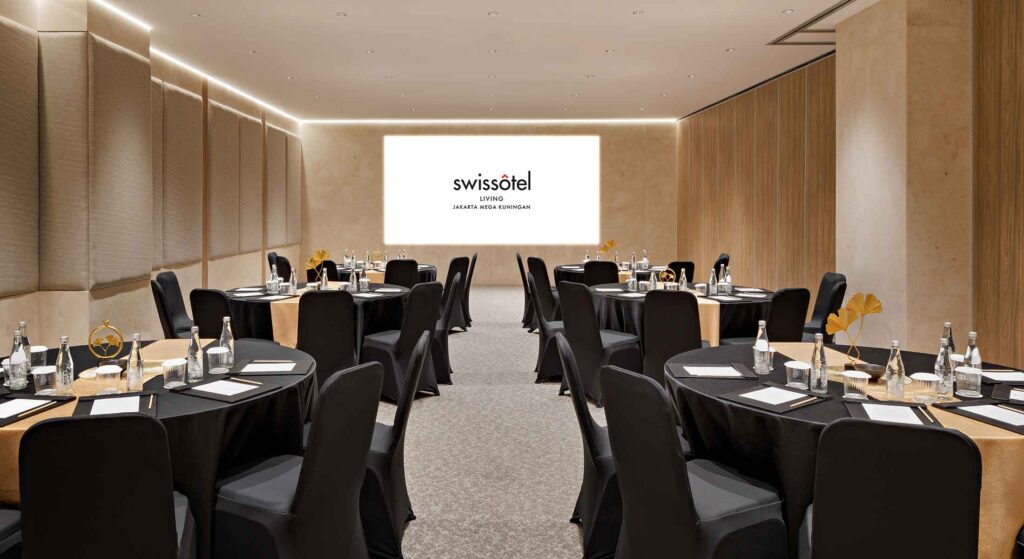
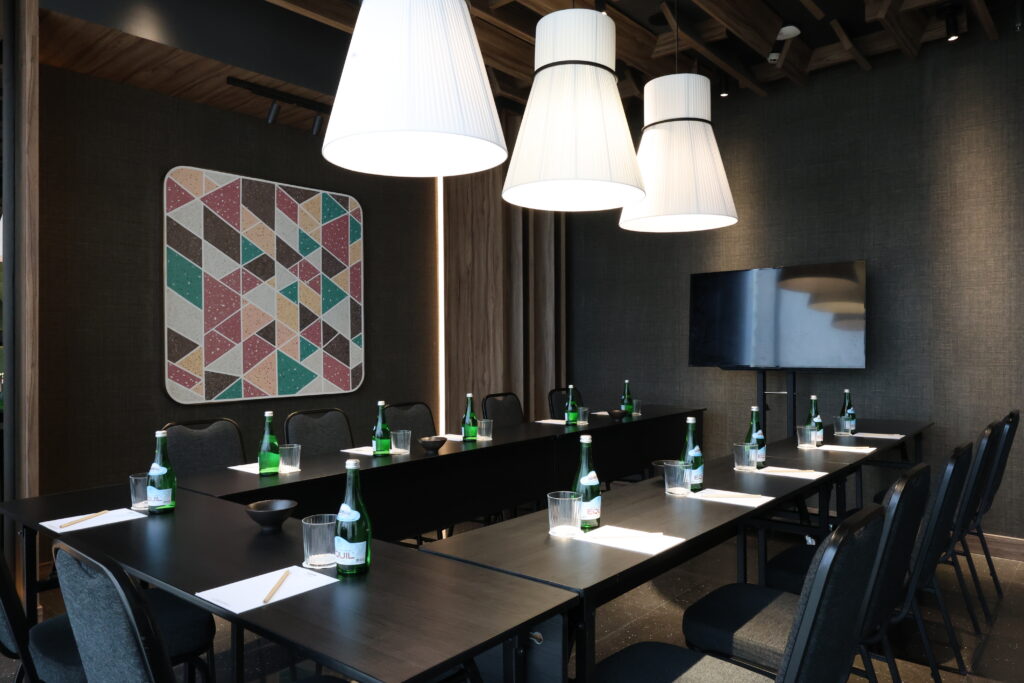
- Business services and meeting room access
- Fitness classes and wellness programs
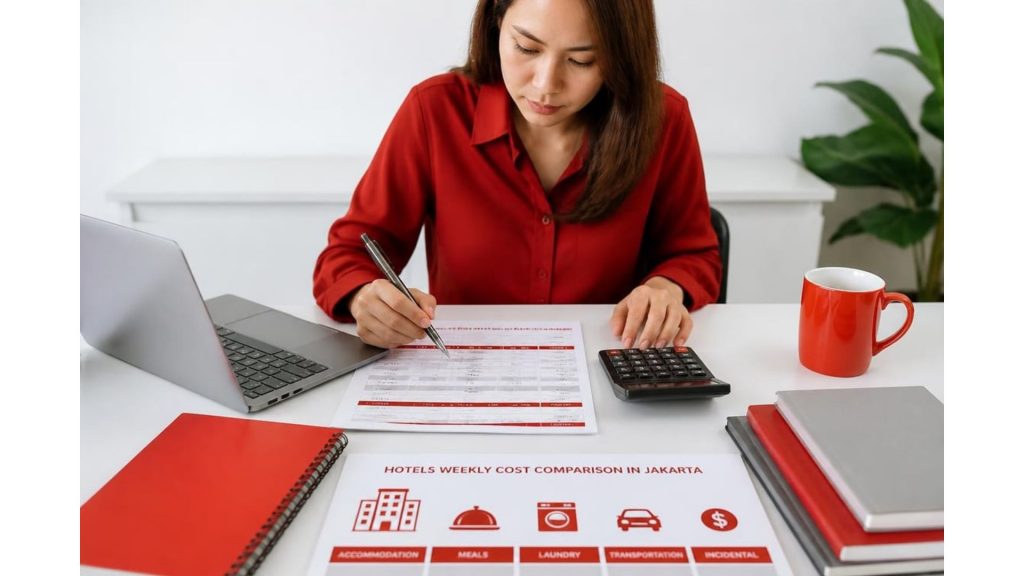
Sophisticated travelers compare total cost of occupancy, factoring base rates, parking, utilities, internet, and anticipated service usage against both hotel alternatives and traditional apartment rentals with separate utility payments and service contracts.
Sustainability Practices in Extended Stay Properties
Environmental considerations increasingly influence extended stay operations as properties seek to reduce resource consumption and appeal to sustainability-conscious corporate travel programs and individual guests.
Energy and Water Management
The residential nature of extended stay lodging creates both challenges and opportunities for sustainability. Longer guest stays allow for resident education programs that encourage conservation behaviors. Energy-efficient appliances, LED lighting, and smart HVAC controls reduce consumption across 30-day occupancies more effectively than overnight hotel stays where guest behavior modification proves difficult.
Sustainability benchmarking enables extended stay operators to measure performance against industry standards and identify improvement opportunities in energy, water, and waste management specific to the serviced apartment format.
Waste Reduction and Circular Economy
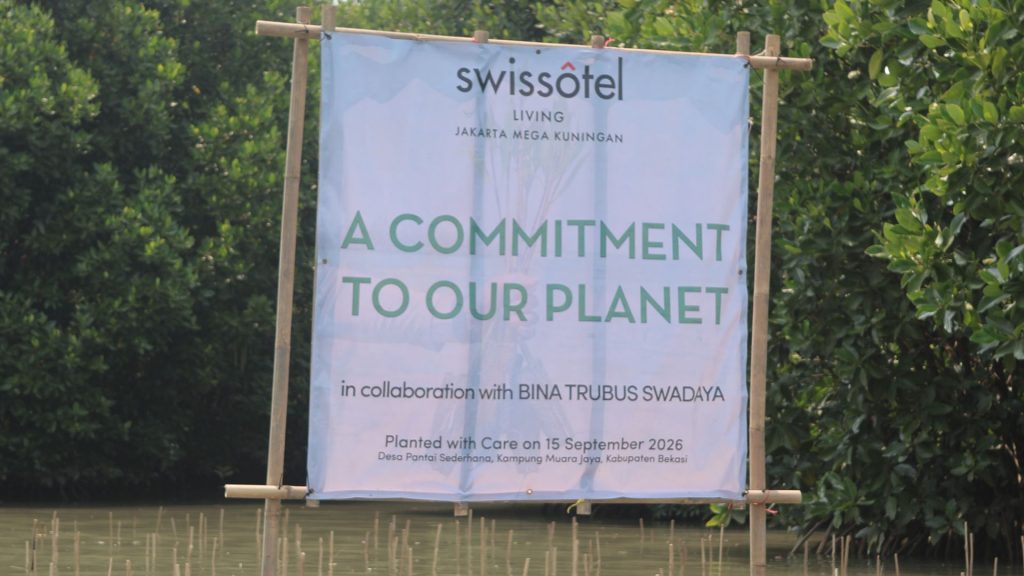
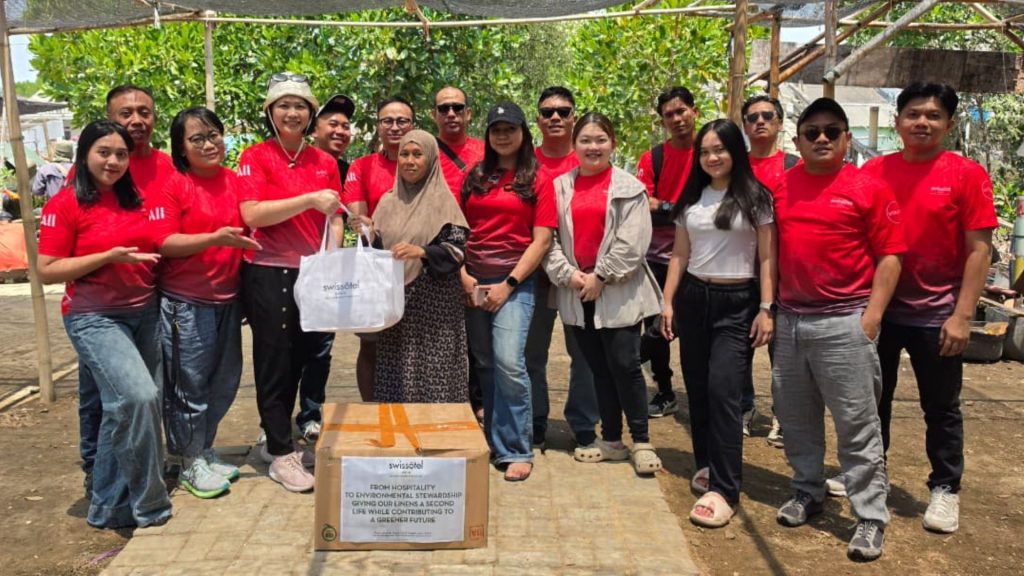
In-unit kitchens shift food waste from centralized hotel food service to individual apartments, requiring different waste management strategies. Leading extended stay properties implement composting programs, comprehensive recycling with clear guest communication, and partnerships with local organizations to redirect usable items from landfills.
Sustainable hospitality guidelines provide frameworks that extended stay operators can adapt to their specific operational model, balancing residential autonomy with environmental responsibility.
Jakarta’s Extended Stay Market in 2026
Jakarta’s position as Southeast Asia’s largest economy and a hub for multinational corporations, embassies, and regional headquarters sustains consistent demand for quality extended stay lodging across multiple guest segments.
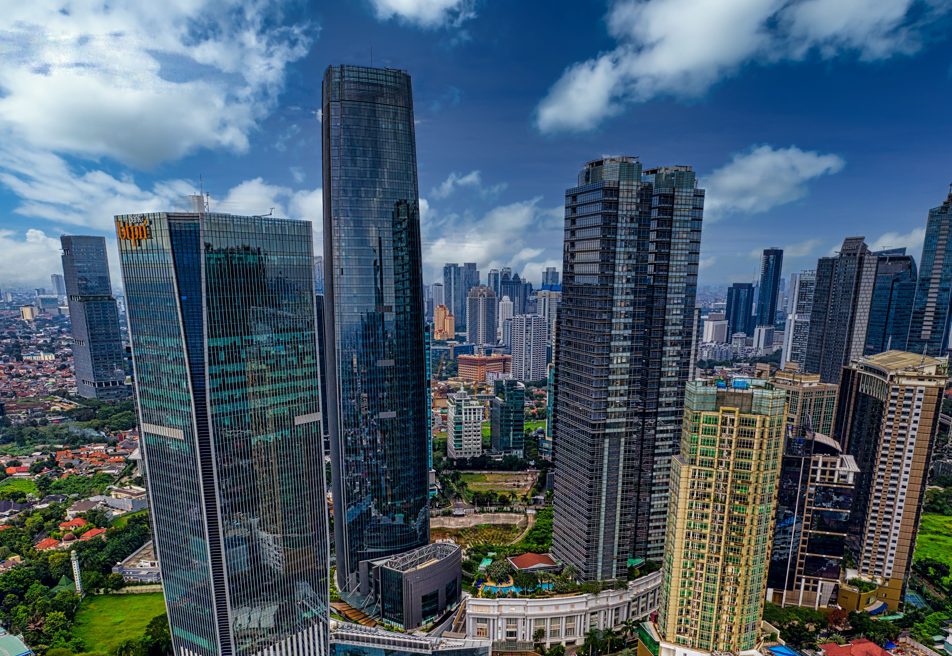
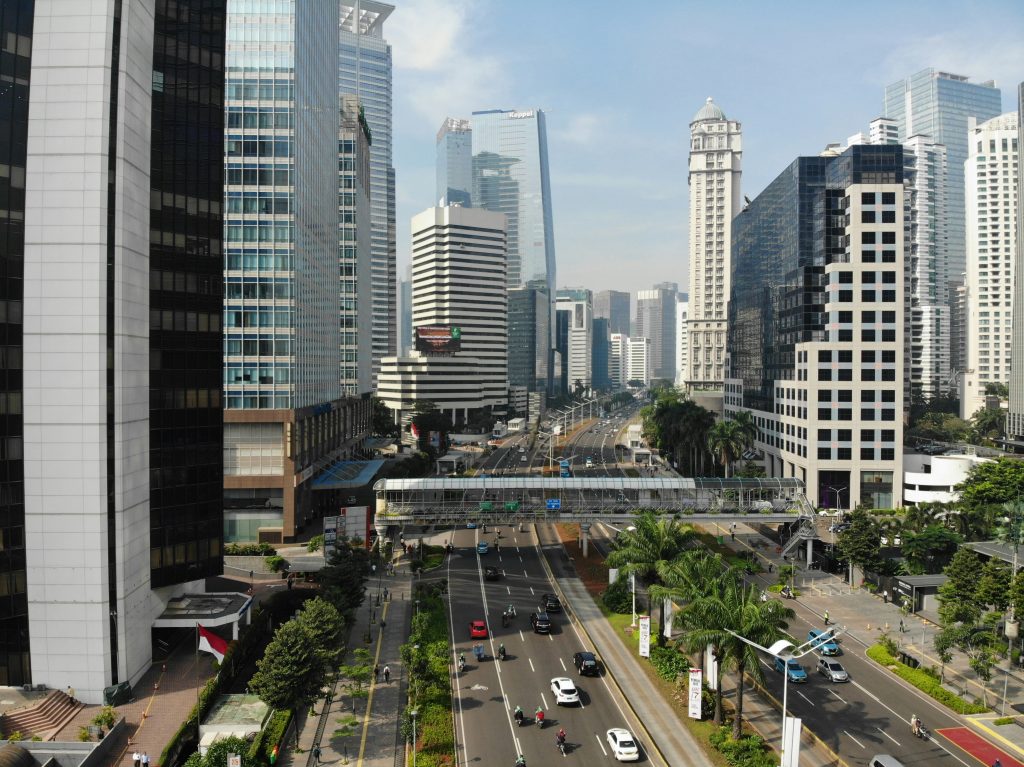
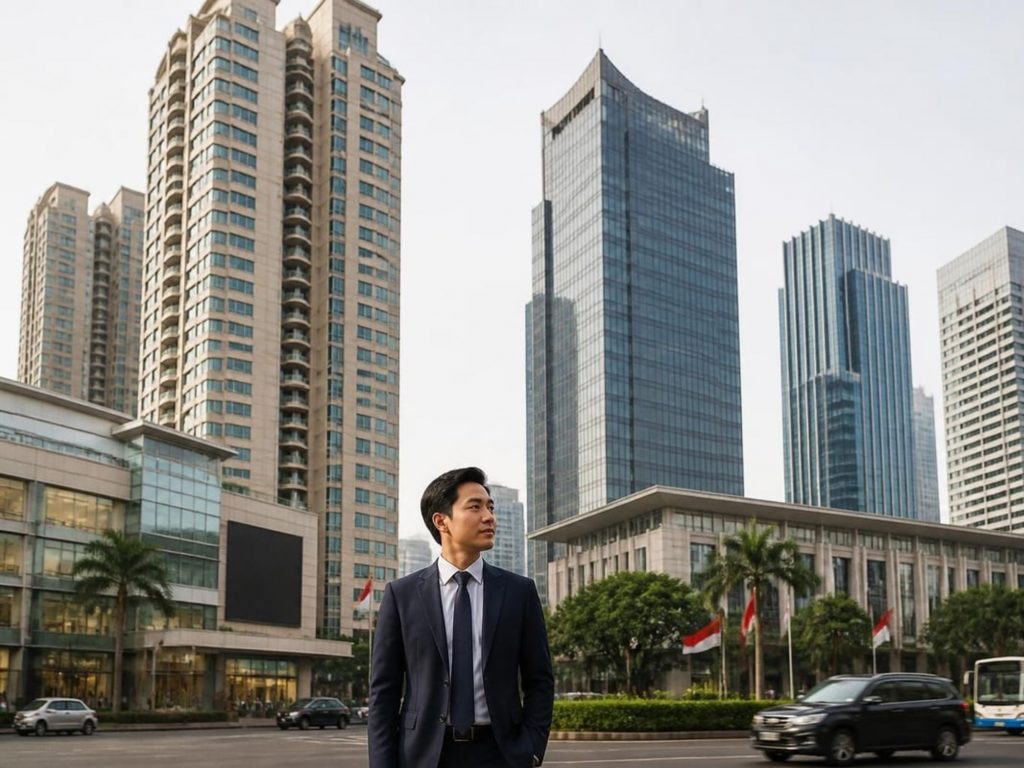
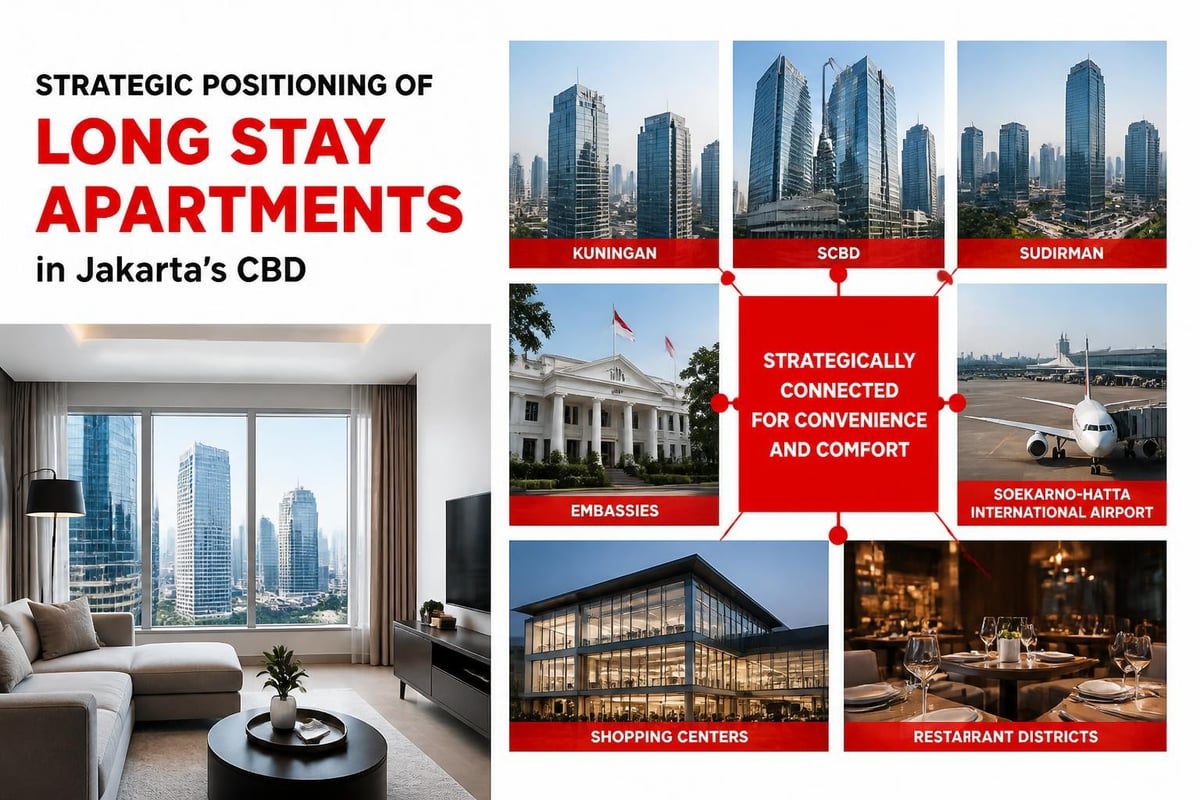
The city’s business districts, particularly Mega Kuningan, SCBD, Sudirman, and Gatot Subroto areas, concentrate corporate offices, international organizations, and expatriate communities. Extended stay properties positioned within these districts serve professionals on project assignments lasting three to twelve months, expatriate families transitioning to permanent housing, and business travelers requiring frequent Jakarta visits over extended periods.
Infrastructure development, including continued expansion of Jakarta’s mass rapid transit system and new international school facilities, supports growing expatriate populations that rely on extended stay options during relocation. Properties offering serviced apartments specifically designed for families address this demographic with appropriate unit sizes, child-friendly amenities, and locations near international schools.
The Serviced Apartment Advantage
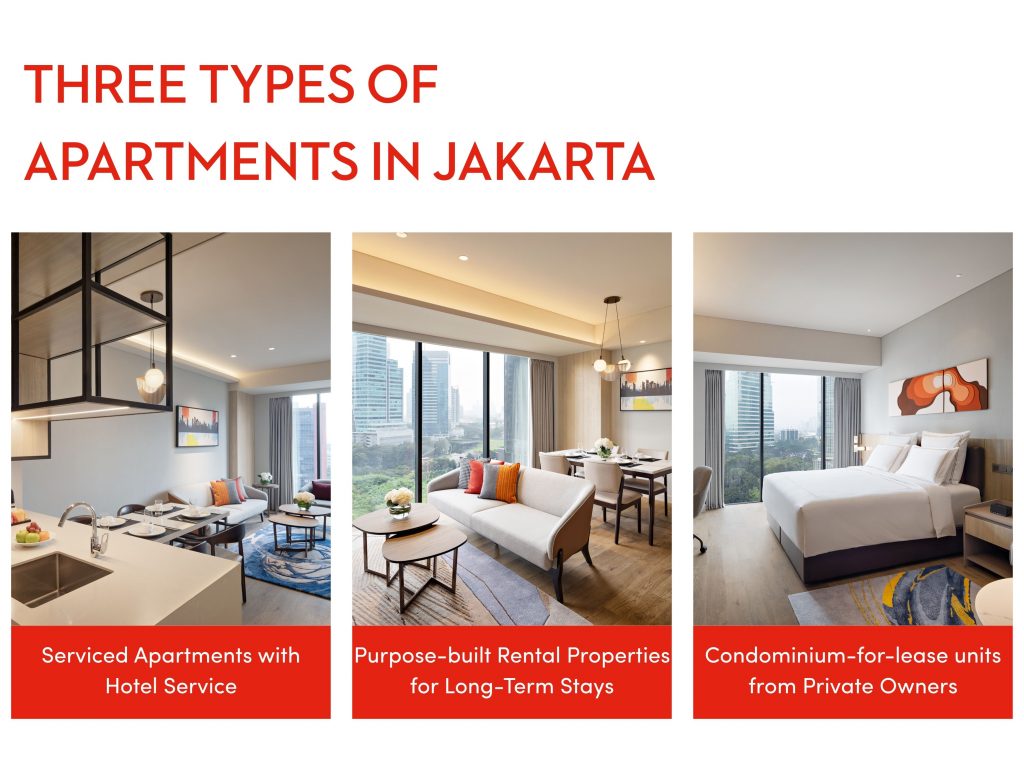
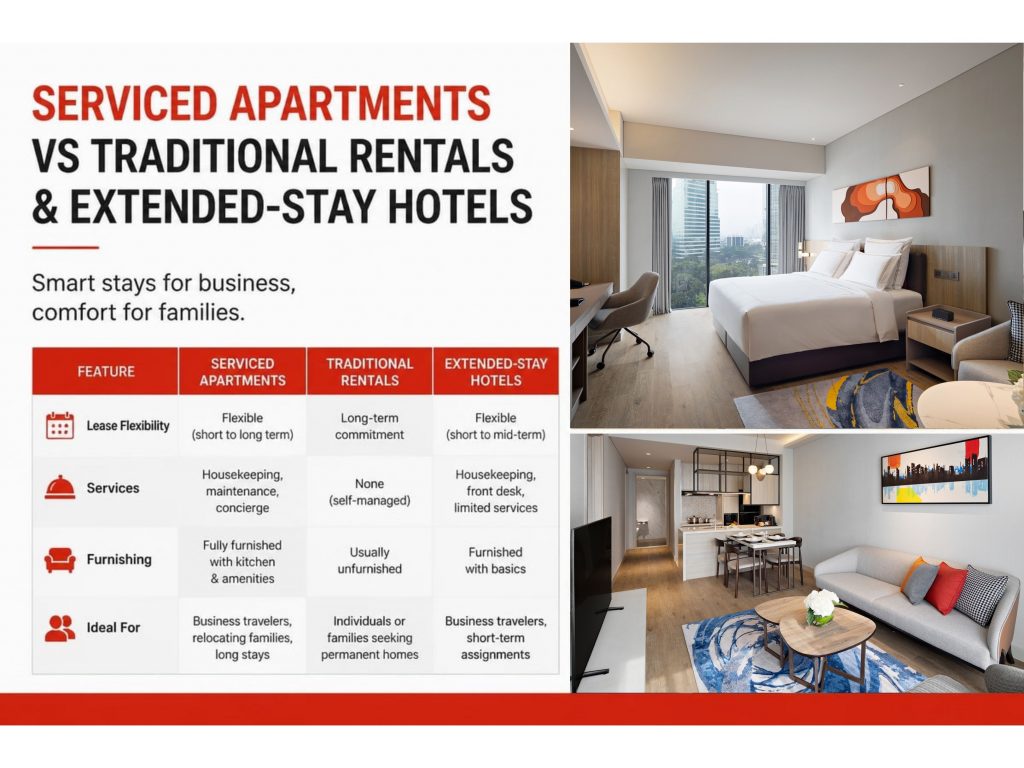
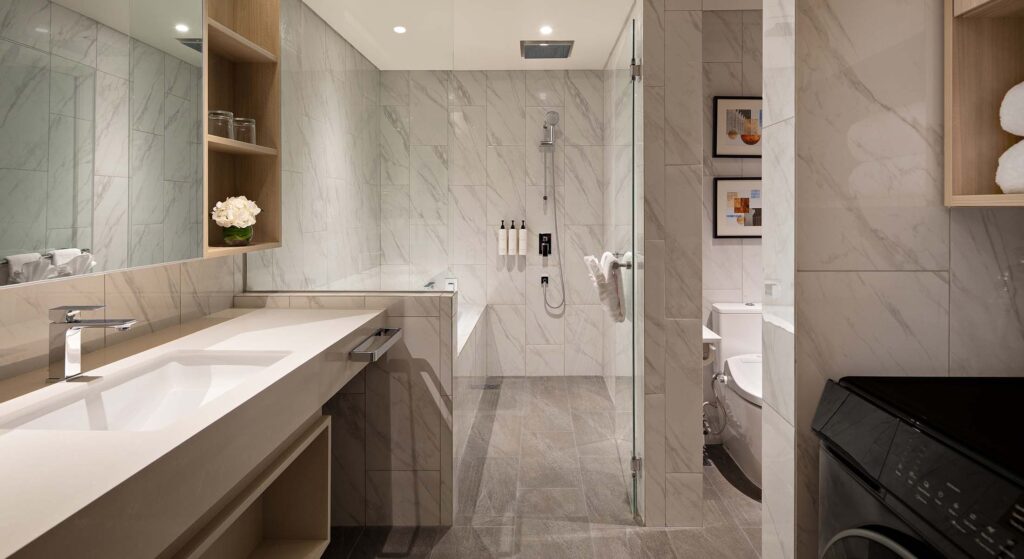
Serviced apartments represent a premium segment within extended stay lodging, combining hotel-quality services with residential space and amenities. For business travelers and expatriate families arriving in Jakarta, serviced apartments offer immediate, fully-furnished accommodation without the lengthy lease commitments, security deposits, and setup costs of traditional apartment rentals.
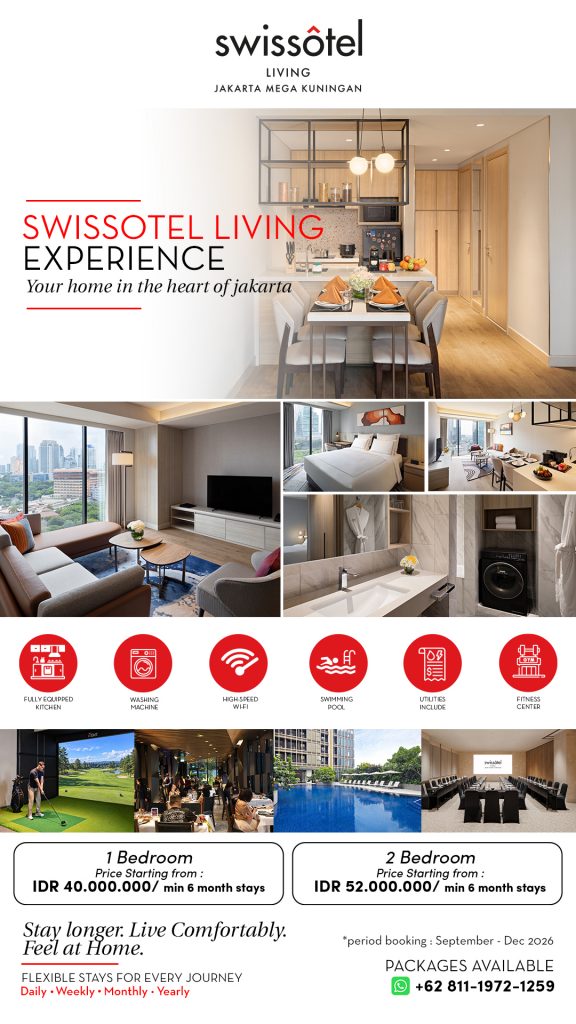
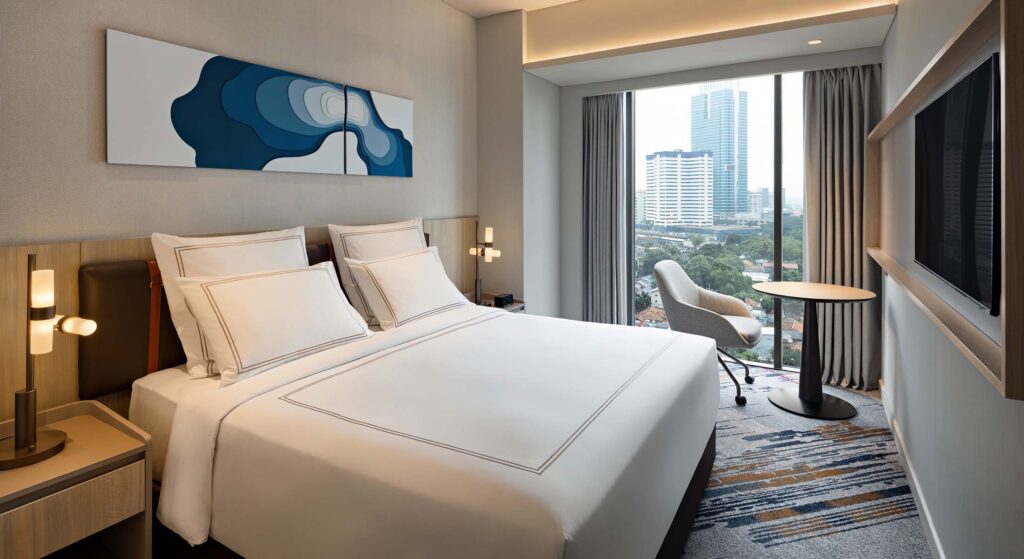
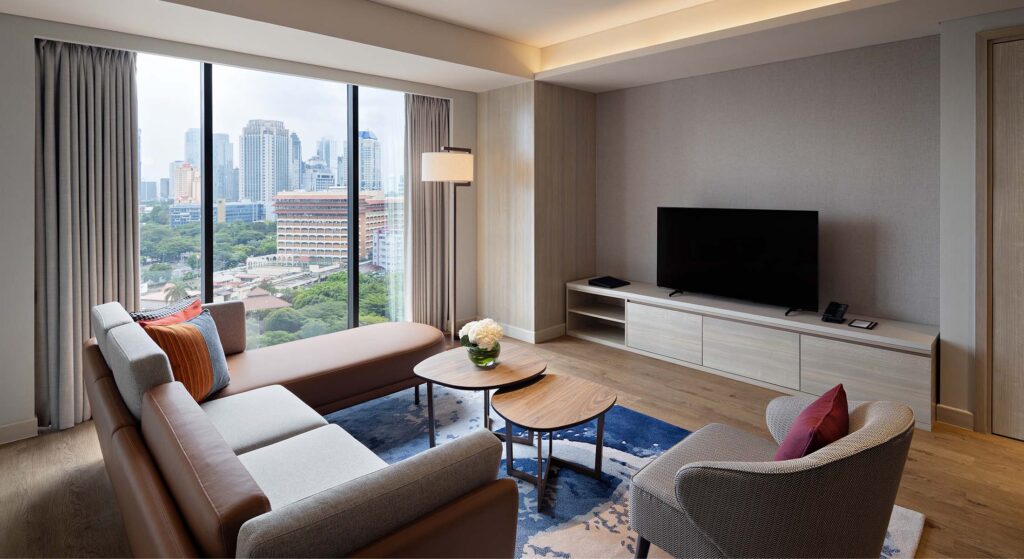
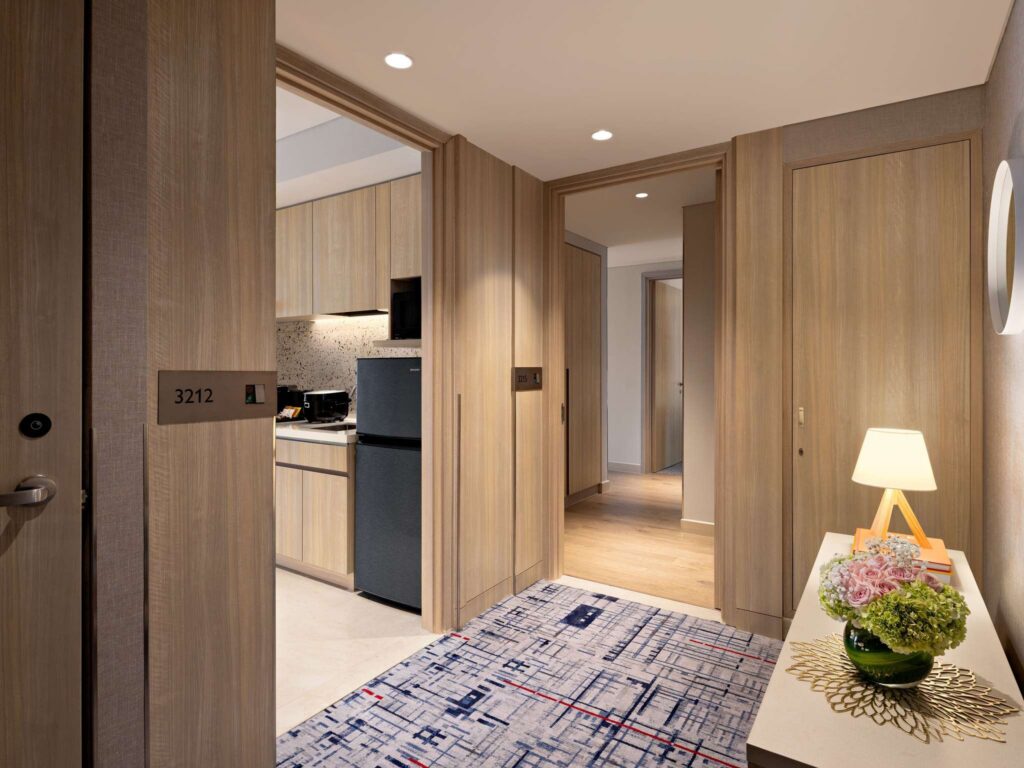
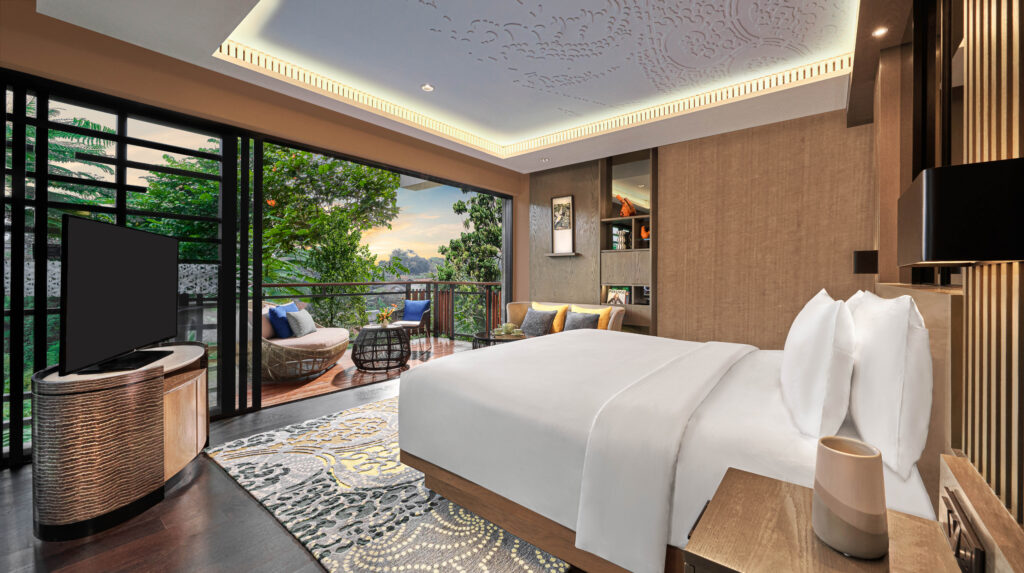
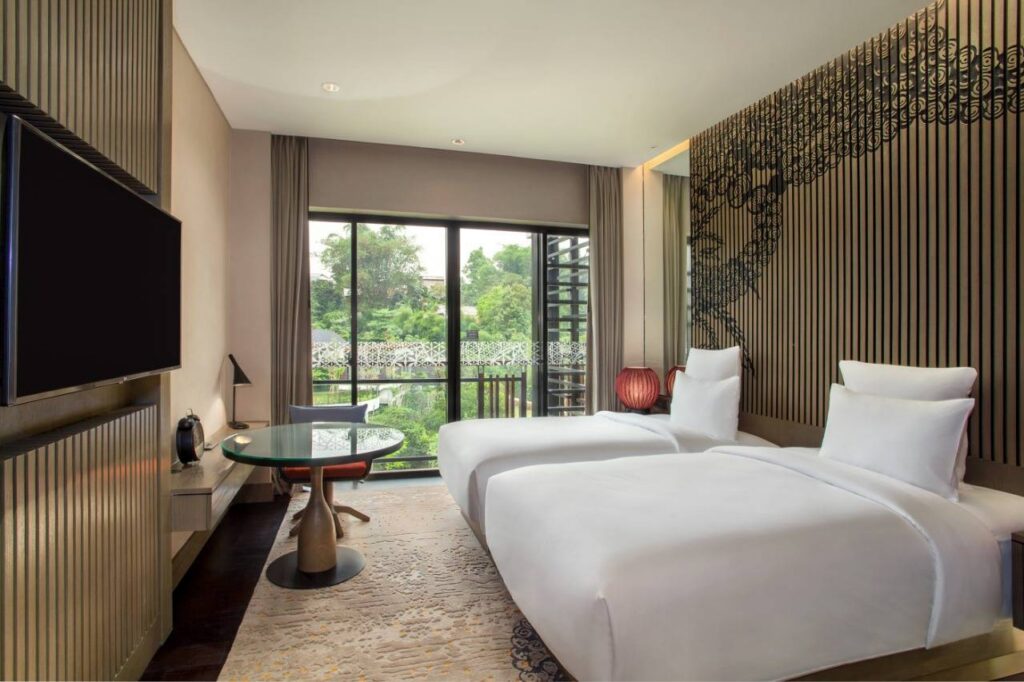
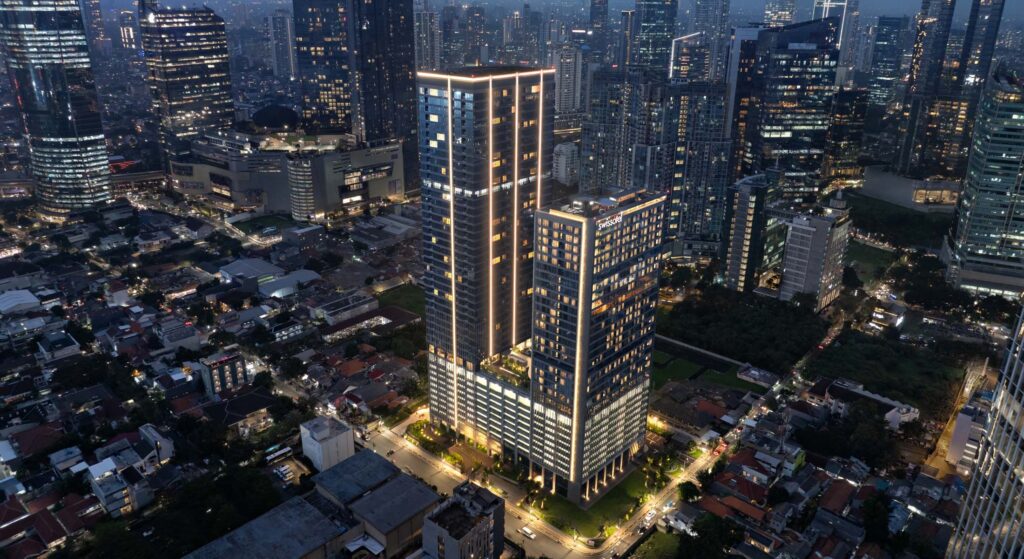
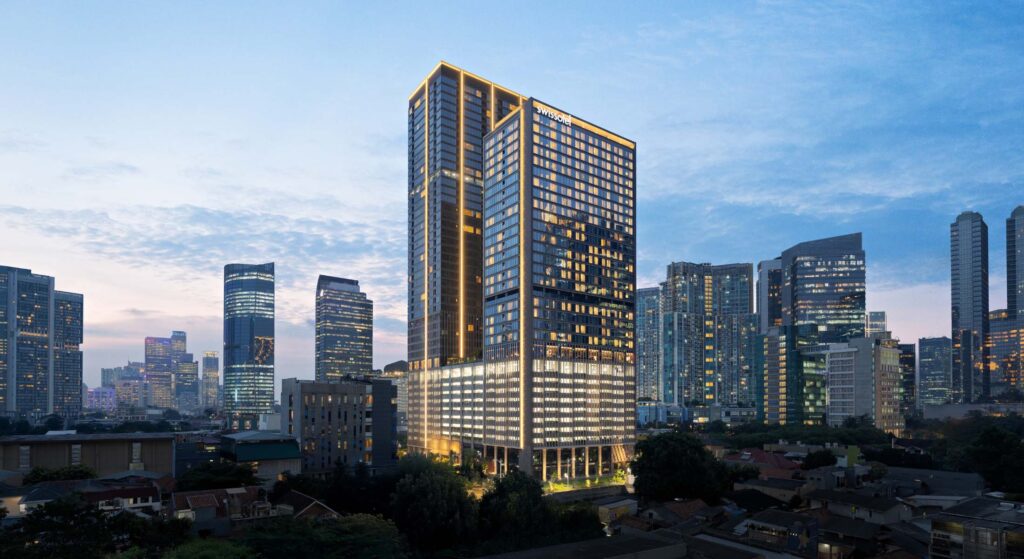
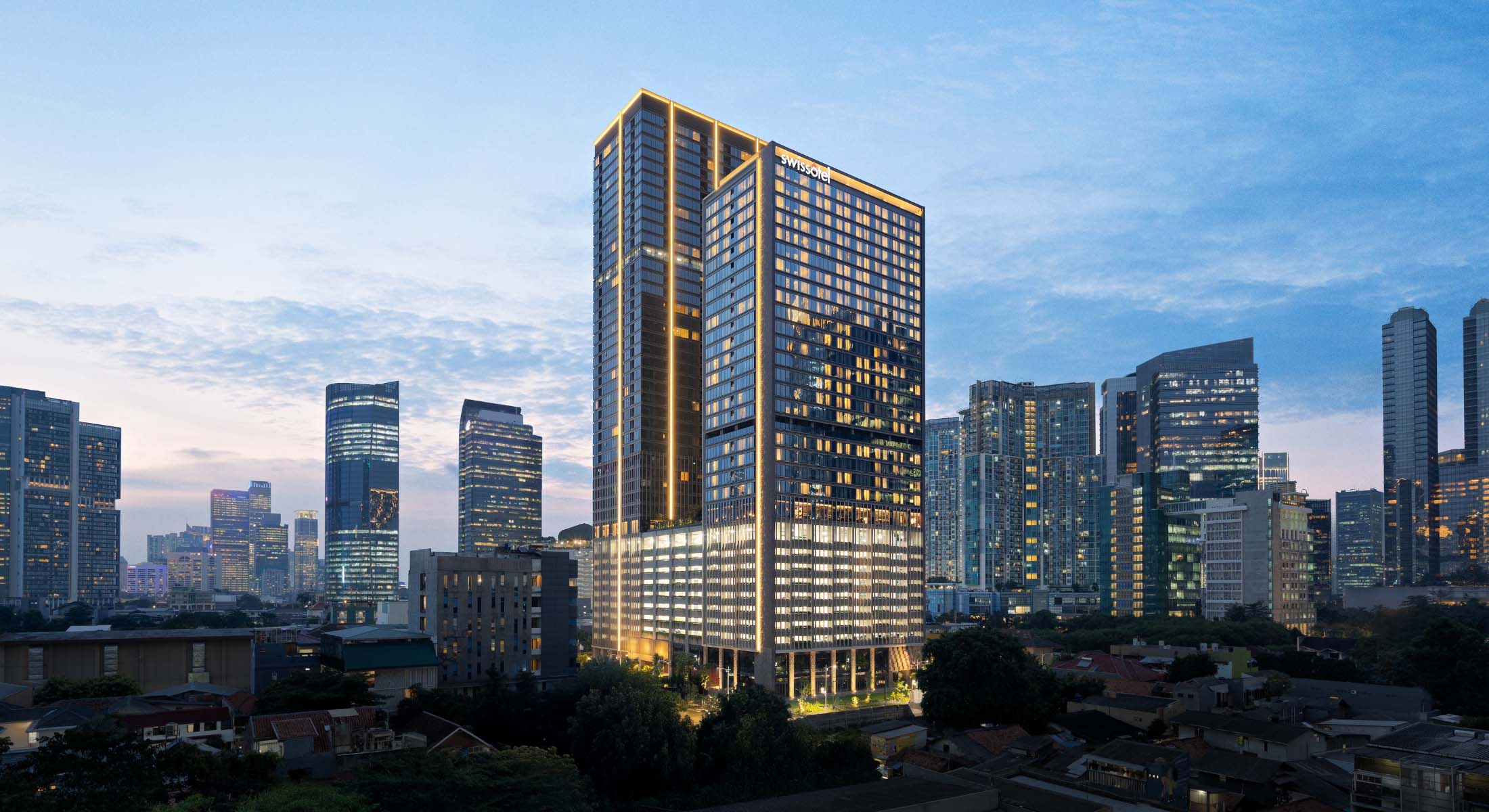
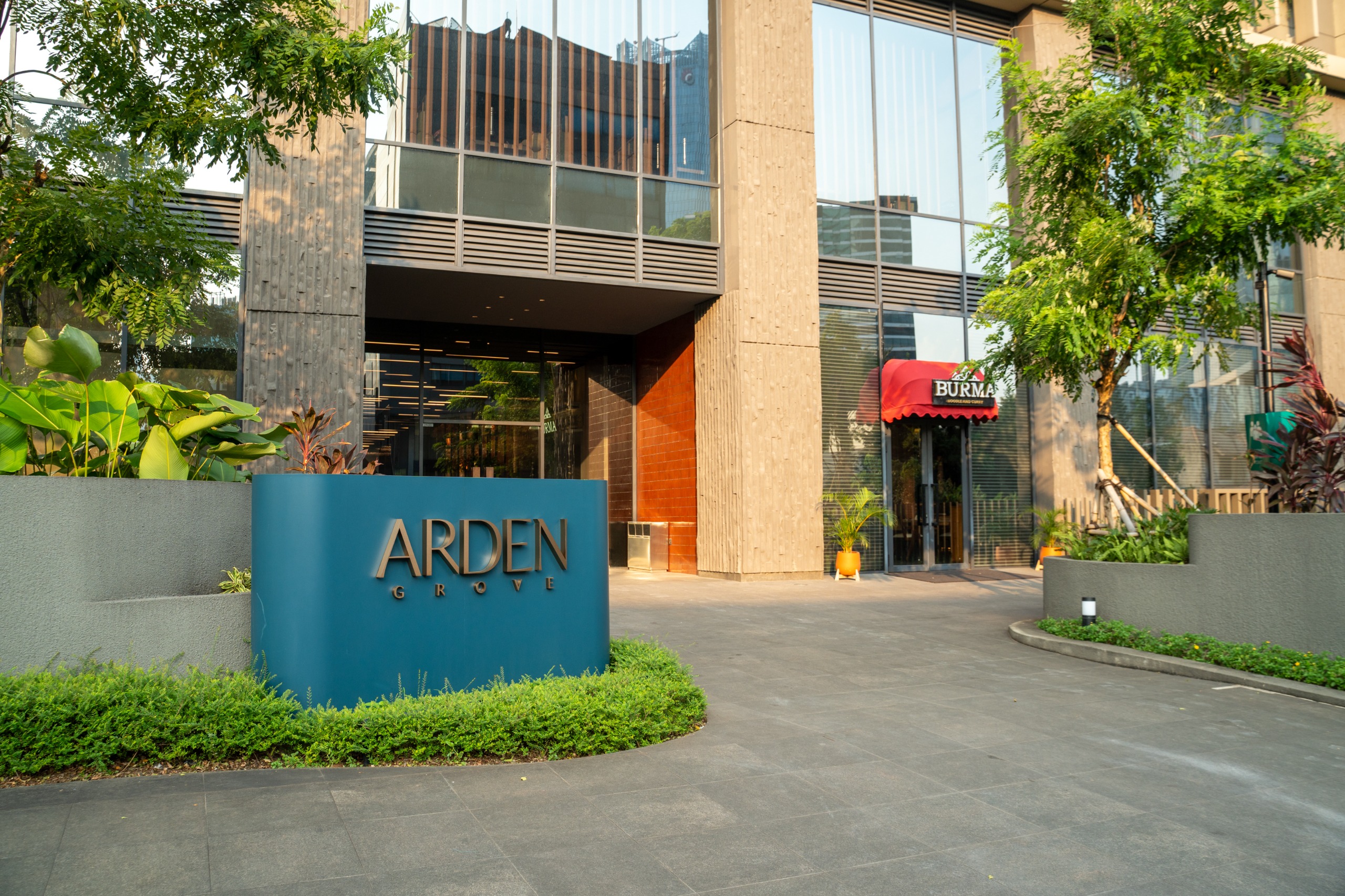
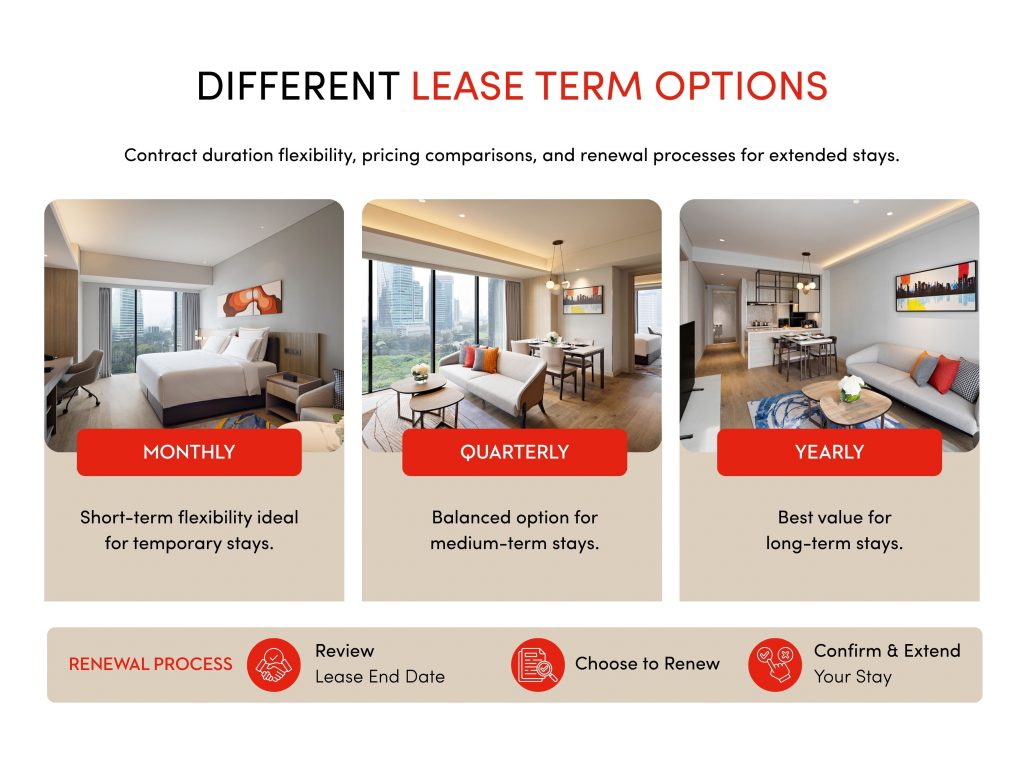
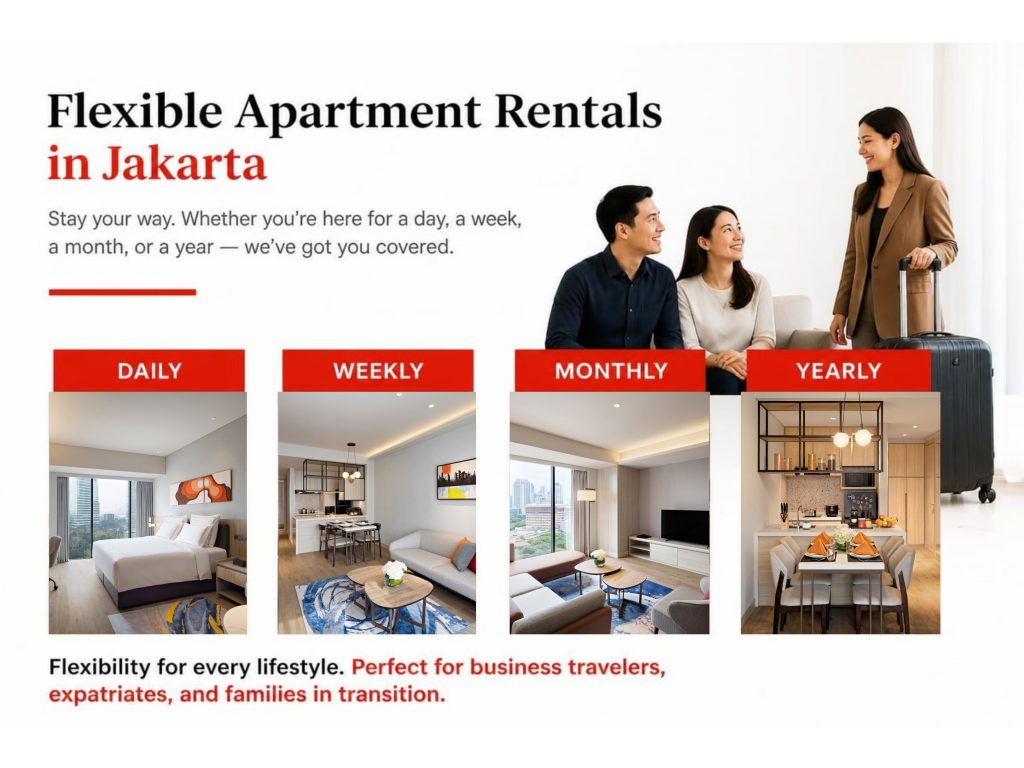
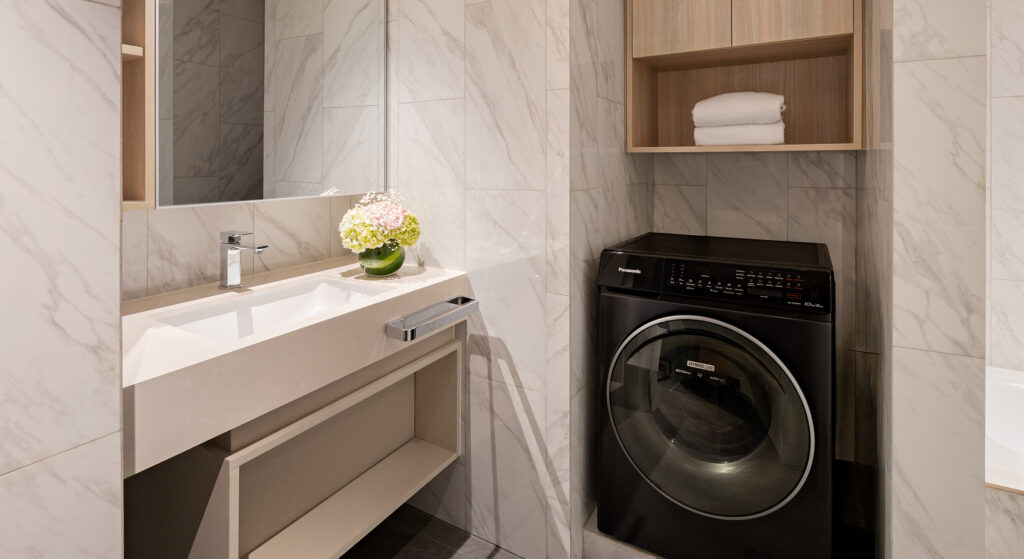
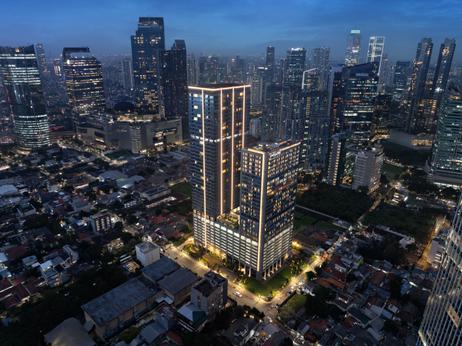
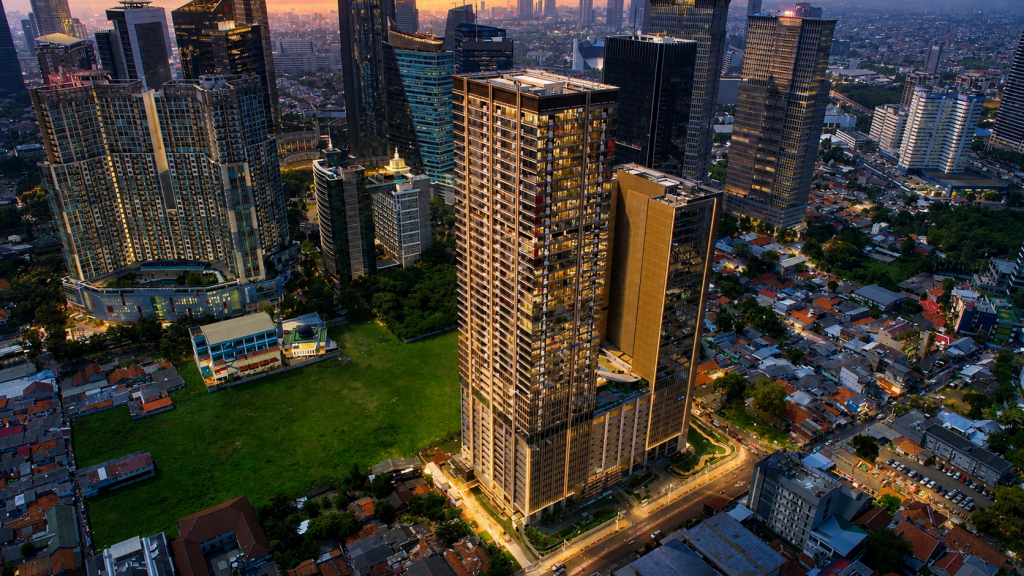
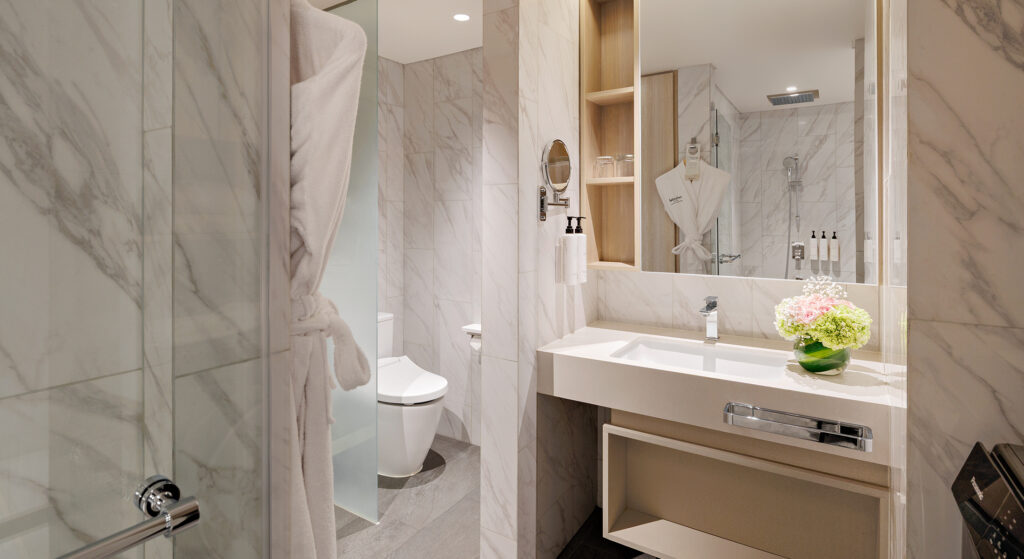
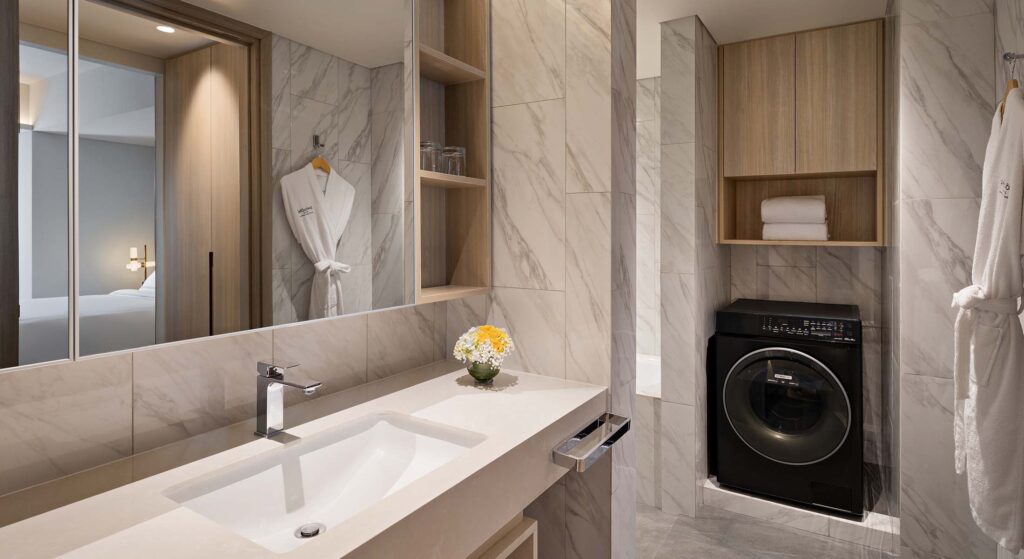
Swissôtel Living Jakarta Mega Kuningan exemplifies this model, operating 240 fully furnished serviced apartments ranging from studios to three-bedroom residences available for daily, weekly, monthly, and yearly stays. Located in Jakarta’s CBD with direct access to major business districts, embassies, shopping destinations, and Soekarno-Hatta International Airport, the property serves business travelers, expatriate families, and professionals seeking extended stay solutions in Jakarta.
Choosing the Right Extended Stay Property
Selecting extended stay lodging requires evaluating factors beyond nightly rates and location, considering how well a property supports your specific needs across weeks or months of occupancy.
Evaluating Kitchen Facilities
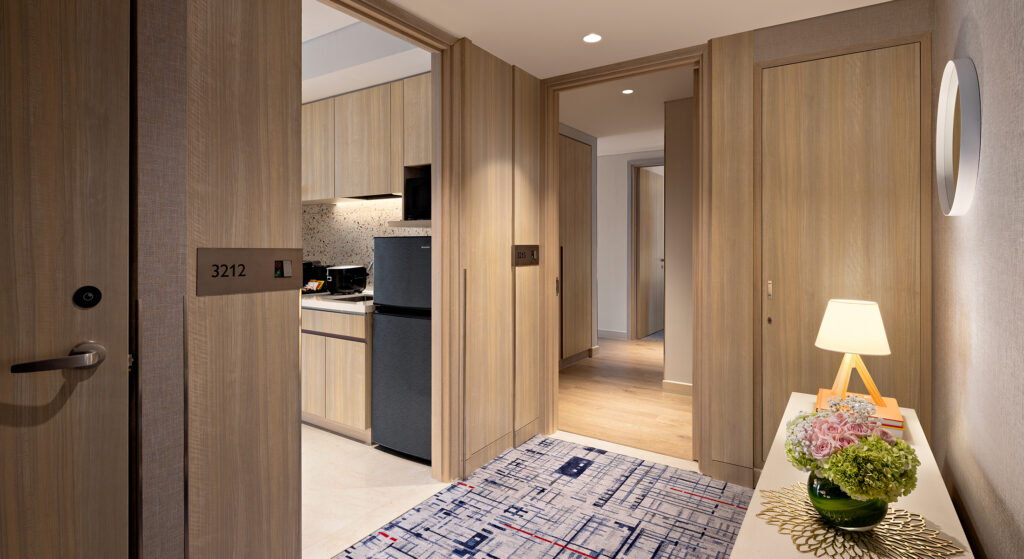
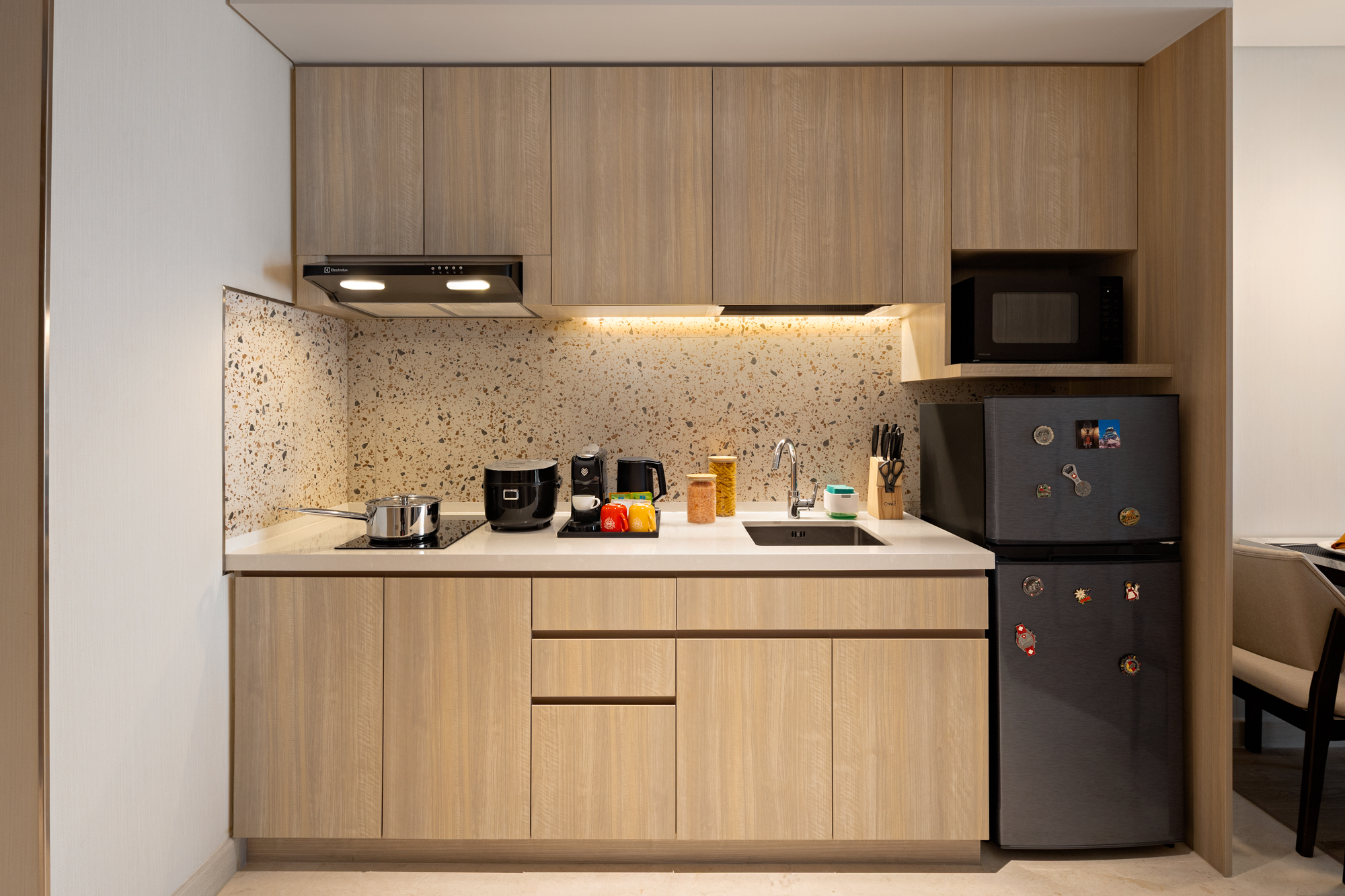
Kitchen quality varies significantly across extended stay properties. Budget options may offer only microwaves and mini-refrigerators, while premium properties provide apartments with full kitchens including multi-burner stoves, full-size refrigerators, dishwashers, and comprehensive cookware and dishware.
For stays exceeding two weeks, full kitchen capabilities deliver substantial value through reduced dining costs and dietary control. Families with children particularly benefit from meal preparation flexibility, while health-conscious professionals appreciate the ability to maintain specific nutritional programs during extended assignments.
Workspace and Connectivity Requirements
Remote work and hybrid schedules make workspace functionality critical for business travelers in extended stay lodging. Evaluate desk size and ergonomics, seating quality for extended computer work, lighting adequate for video calls, and internet bandwidth sufficient for streaming, video conferencing, and large file transfers.
Properties catering to business travelers often provide dedicated workspace areas separate from sleeping zones, even in studio configurations. High-speed internet connectivity with backup systems ensures professionals can maintain productivity throughout extended stays.
Length of Stay Flexibility
Review cancellation policies, minimum stay requirements, and rate adjustment procedures before committing to extended stay lodging. While most properties encourage longer commitments through discounted monthly rates, reputable operators allow reasonable flexibility for unexpected business changes or personal circumstances.
Transparent policies regarding early departure, stay extensions, and rate guarantees protect both guests and properties. For corporate travel departments managing multiple extended assignments, properties offering flexible extended stay arrangements with corporate account terms provide administrative efficiency and cost predictability.
Family Considerations in Extended Stay Selection
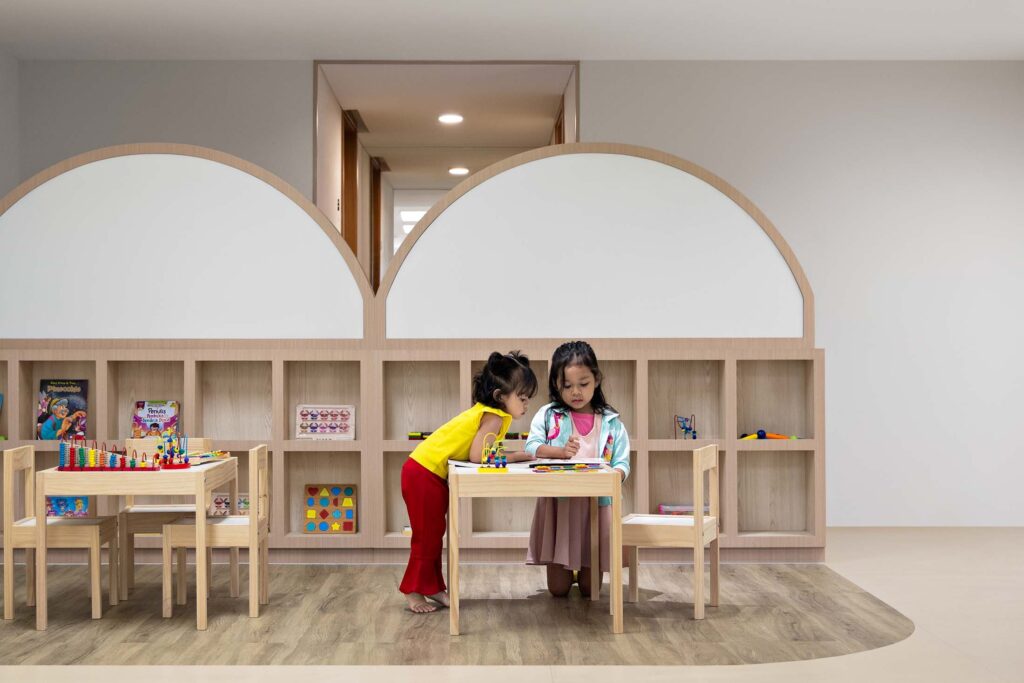
Families evaluating extended stay lodging face unique requirements beyond individual business travelers, requiring thoughtful assessment of unit configuration, amenities, and location factors.
Space Requirements for Children
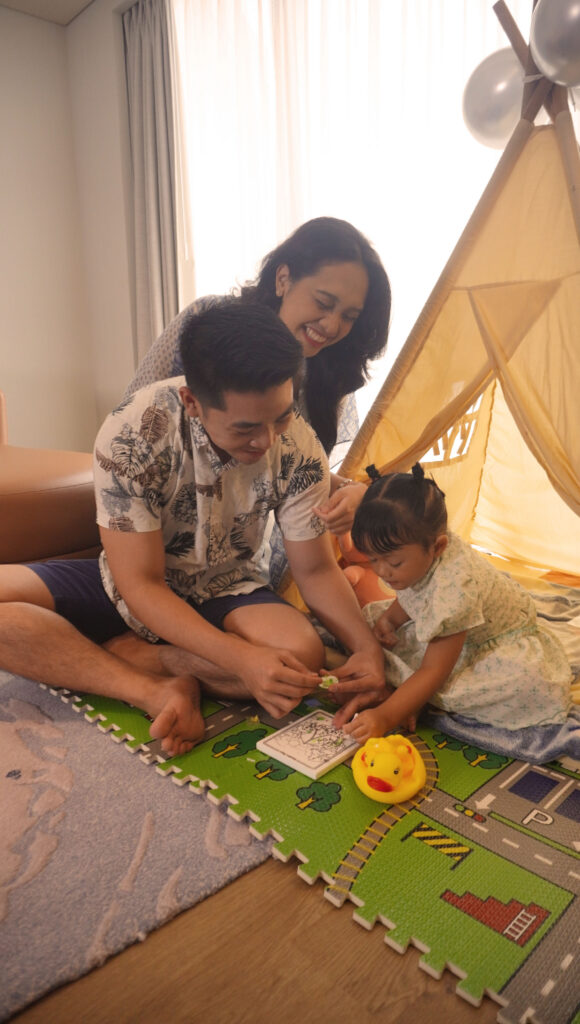
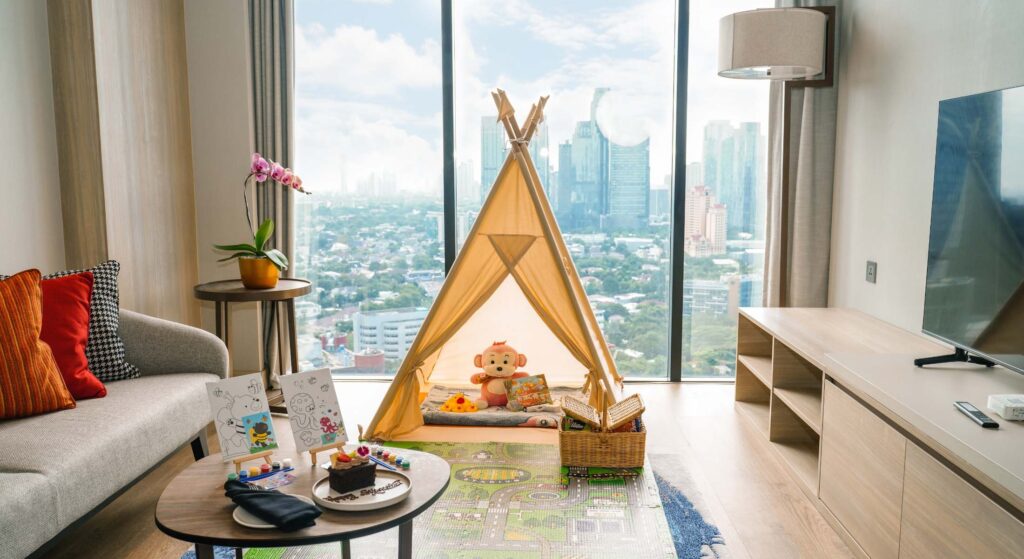
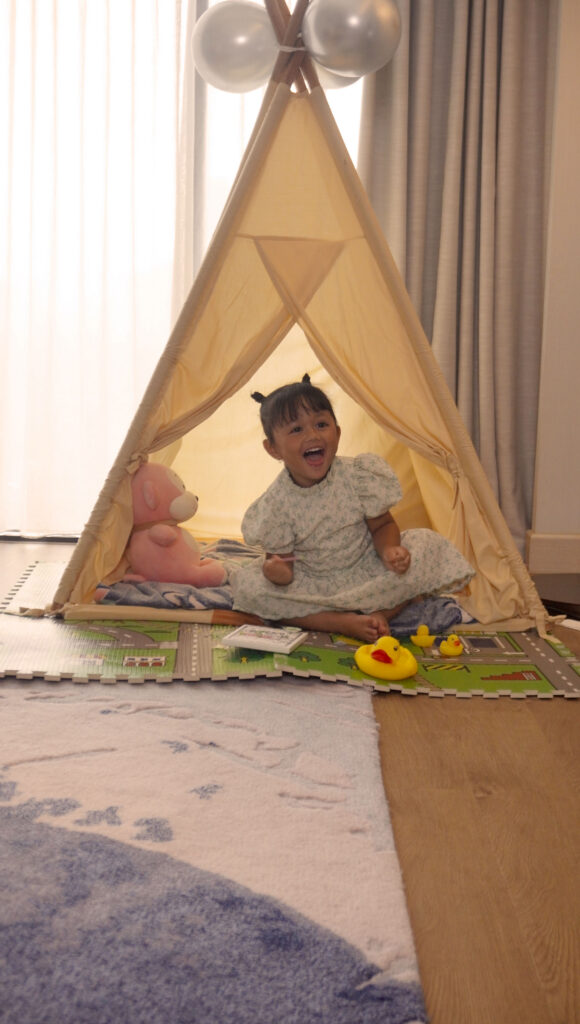
Children of different ages require varying space considerations. Families with toddlers need safe, childproofed environments with adequate floor space for play. School-age children benefit from separate bedrooms providing privacy for homework and video calls with friends in home countries. Teenagers require private spaces that allow independence while living temporarily in unfamiliar cities.
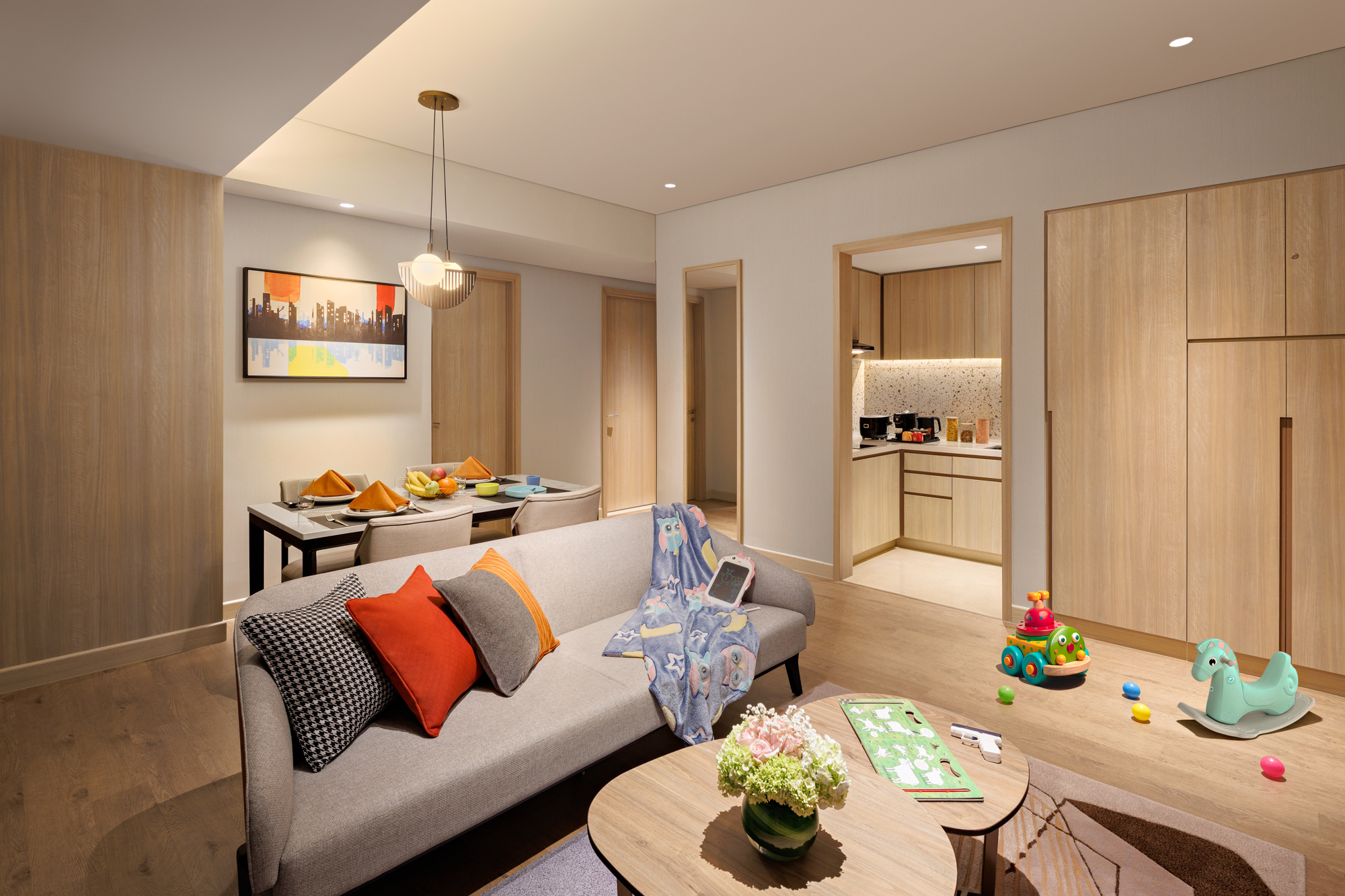
Two and three-bedroom configurations in extended stay properties provide the spatial separation families need for several months of comfortable living. Open-plan living areas allow family interaction while bedrooms offer individual privacy often absent in hotel suites.
Educational and Recreational Access
For expatriate families with school-age children, proximity to international schools influences extended stay property selection significantly. Family-focused serviced apartments near established international school districts reduce daily commute stress while children adjust to new environments.
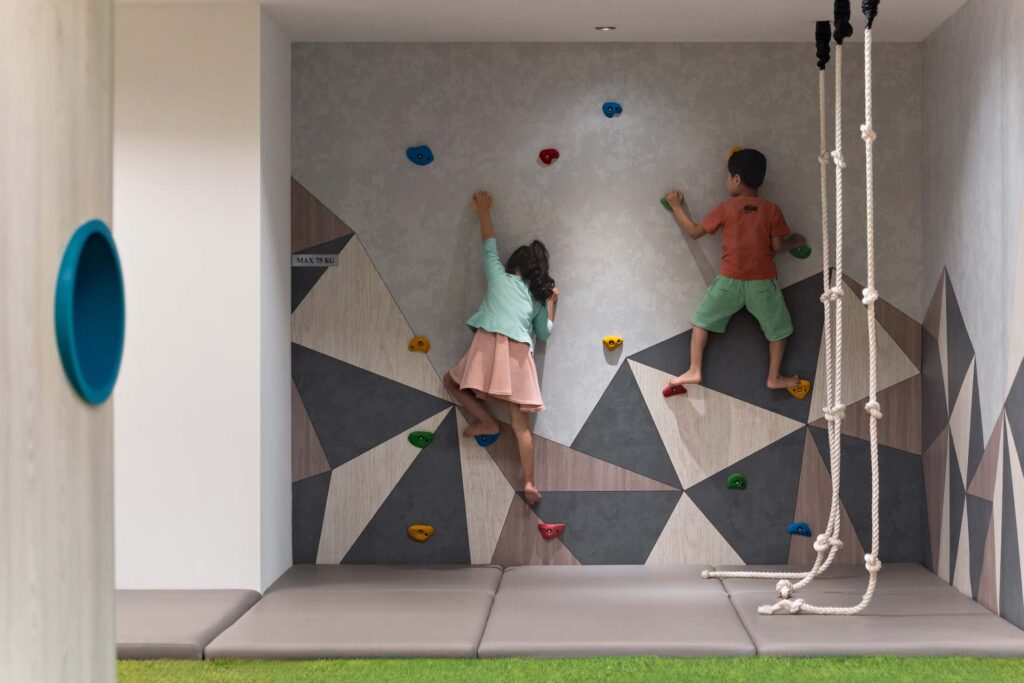
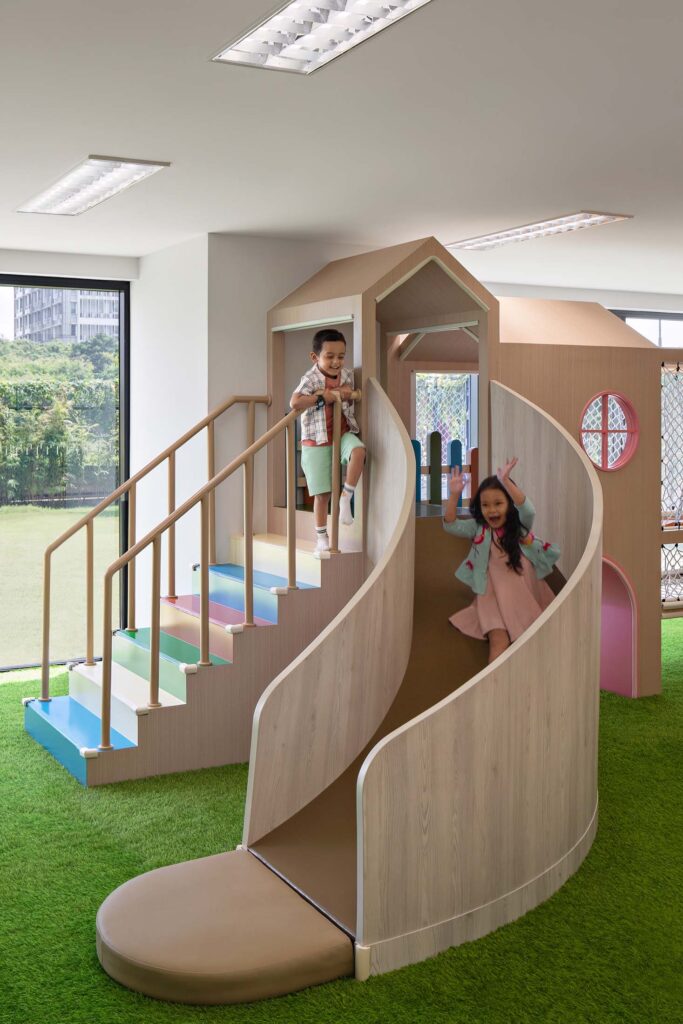
Recreational facilities within extended stay properties or immediately nearby provide children with activity options during the transitional period before local friendships and routine activities develop. Swimming pools, fitness centers with family hours, and safe outdoor spaces support active family lifestyles during extended stays.
Creating Home Atmosphere During Transition
The psychological dimension of extended stays matters particularly for children experiencing relocation or extended time away from permanent homes. Extended stay properties that welcome personal items, allow reasonable decoration, and provide homelike amenities help families establish comfortable routines during transition periods.
Thoughtful property selection considering children’s ages, family dynamics, and the emotional dimensions of temporary housing supports successful extended stay experiences for families managing international relocations, between-homes transitions, or extended business assignments requiring family accompaniment.
Extended stay lodging provides essential accommodation solutions for modern business travelers, expatriate families, and anyone requiring flexible, fully furnished housing for periods extending beyond typical hotel stays. The combination of residential functionality, hotel-style services, and flexible lease terms addresses needs that neither traditional hotels nor standard apartment rentals adequately meet. Whether you’re managing a three-month consulting project, relocating internationally, or transitioning between permanent residences, Swissôtel Living Jakarta Mega Kuningan delivers premium extended stay lodging in Jakarta’s central business district with 240 fully furnished serviced apartments, comprehensive amenities, and flexible daily, weekly, monthly, and yearly rates designed for your specific timeline and requirements.











































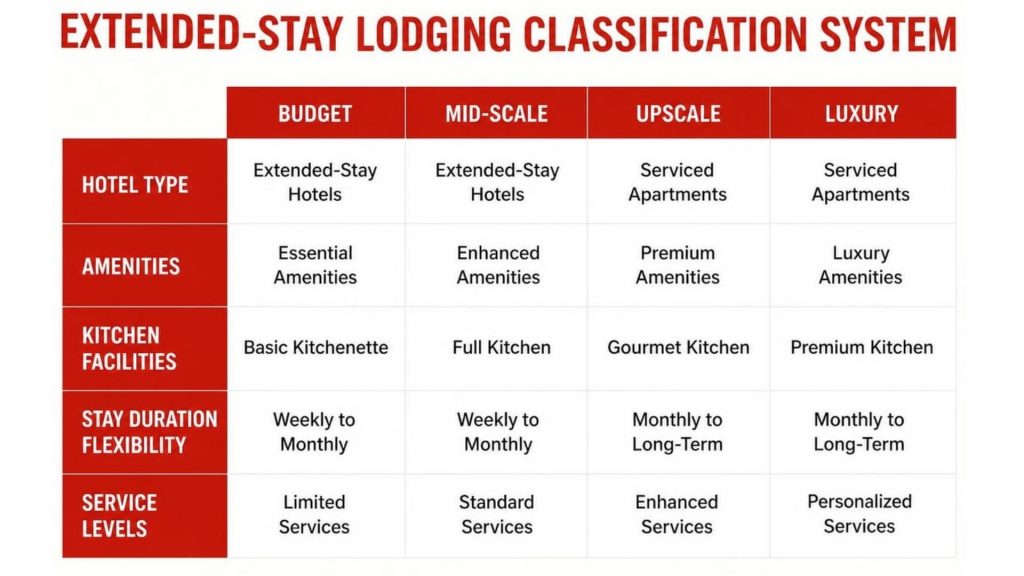

 Should You Choose an Extended-Stay Hotel or Serviced Apartment in Jakarta for a Business Trip?