
Nice Extended Stay Hotels: What to Look For in 2026
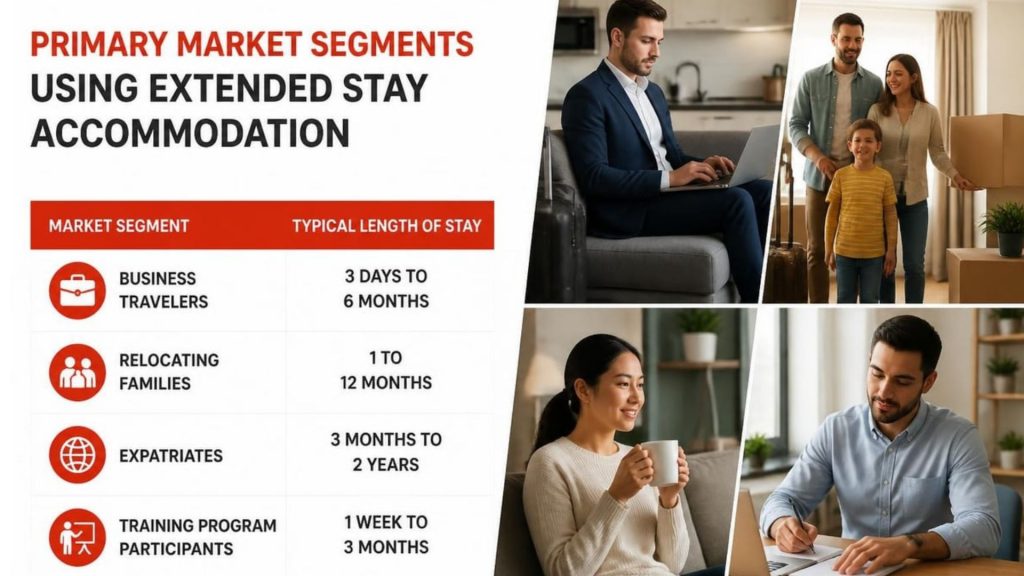
Extended stays have become increasingly common for business travelers, expatriates, and families relocating to new cities. Finding nice extended stay hotels requires careful consideration of factors that go beyond basic lodging. These properties blend the comfort of home with professional hotel services, creating living spaces designed for weeks, months, or even years. As the extended stay market continues to evolve, understanding what separates exceptional properties from standard offerings helps travelers make informed decisions that match their lifestyle and professional needs.
Understanding Modern Extended Stay Accommodations
The extended stay segment has experienced substantial growth over recent years. According to industry analysis from JLL, extended stay properties have attracted significant investor interest due to strong fundamentals and consistent demand from both corporate and leisure segments. This investment has driven improvements in quality, amenities, and service standards across the industry.
Nice extended stay hotels distinguish themselves through thoughtful design that addresses the practical needs of longer-term guests. Unlike traditional hotels optimized for overnight stays, these properties incorporate residential features that support daily routines and work-life balance. The distinction becomes particularly important when your stay extends beyond a few nights.
Key Features That Define Quality
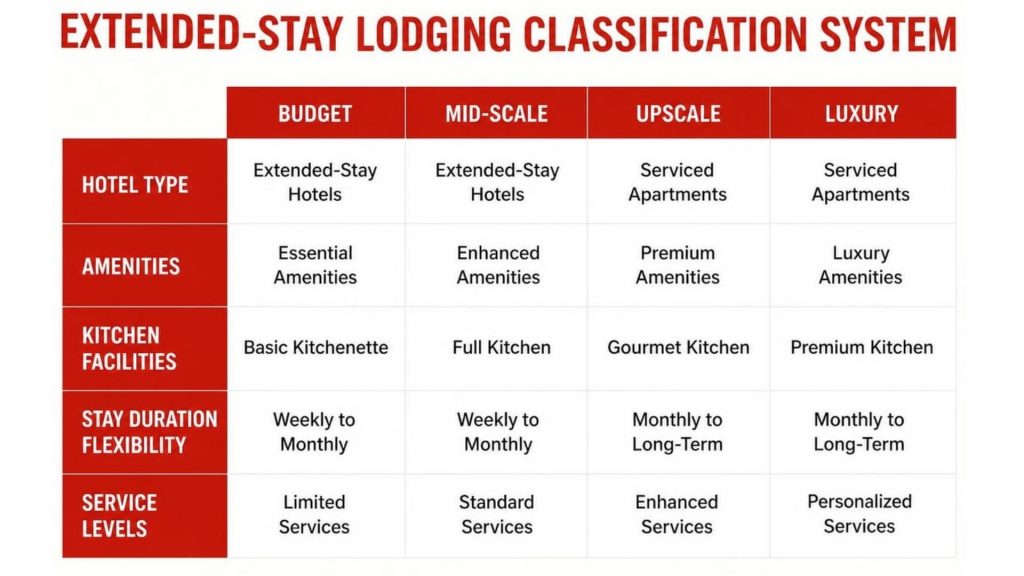
Several characteristics separate premium extended stay properties from budget alternatives:
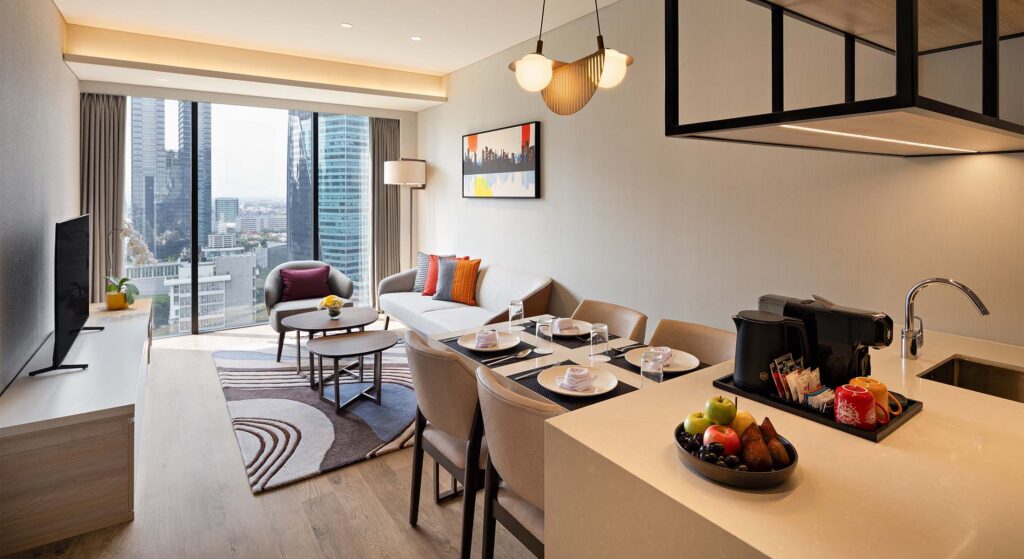
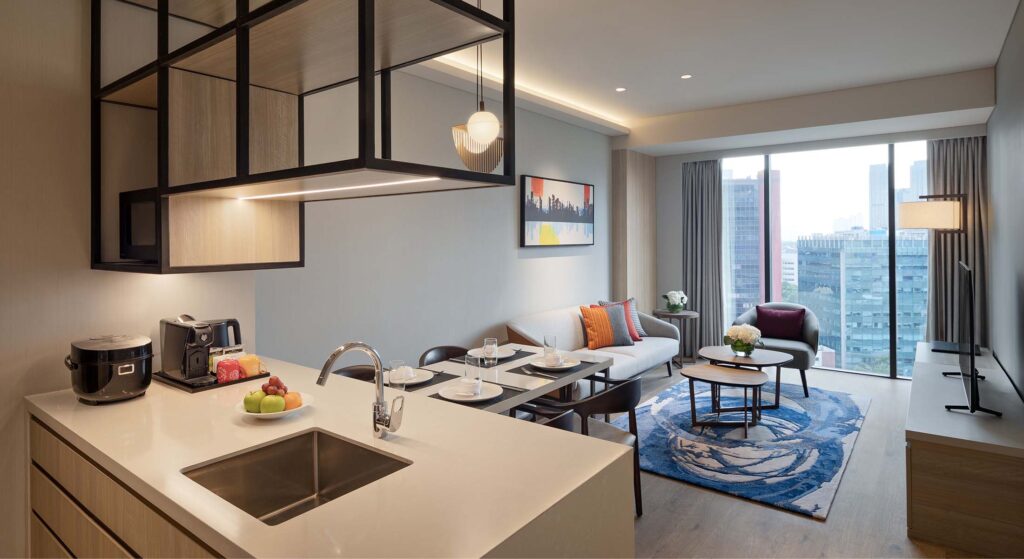
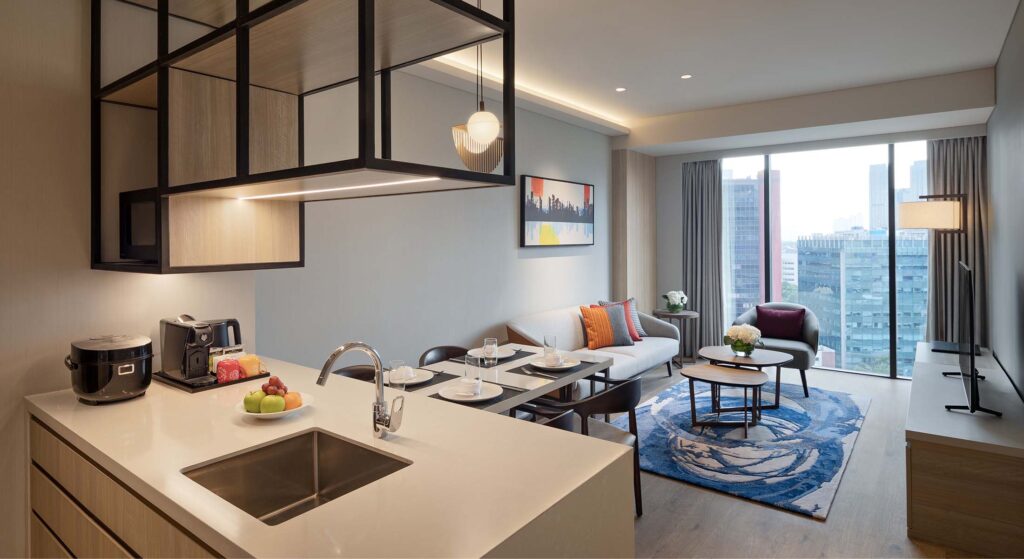
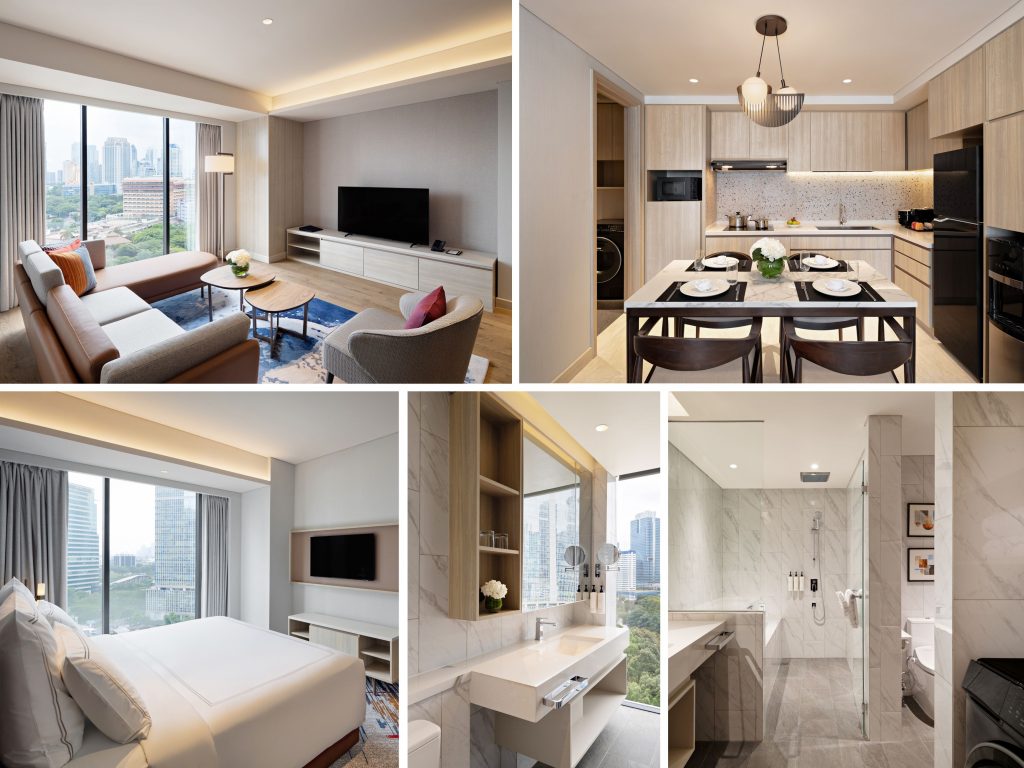
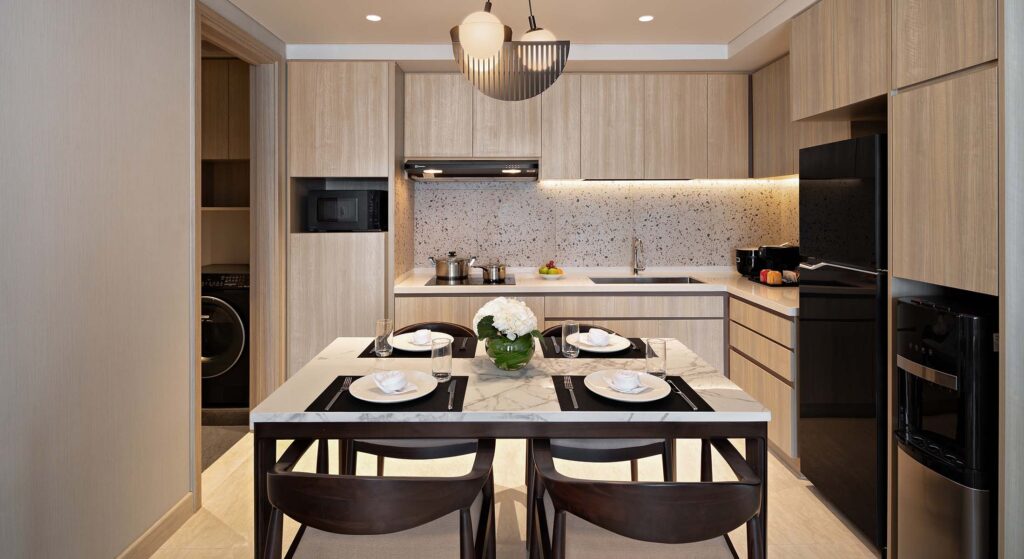
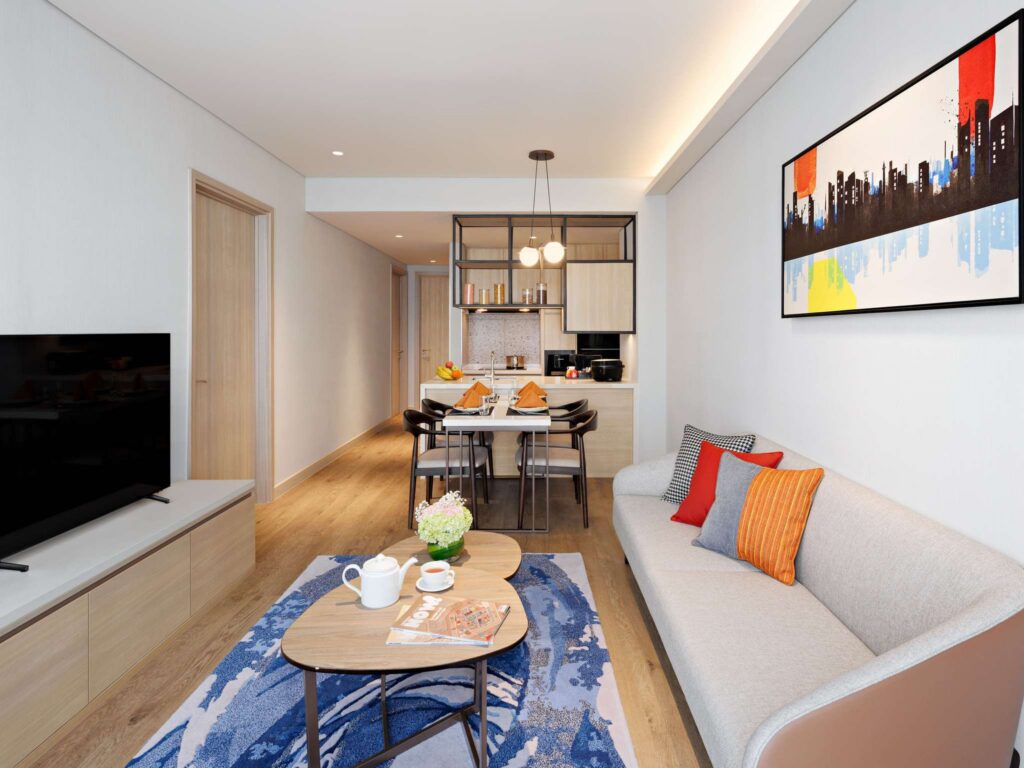
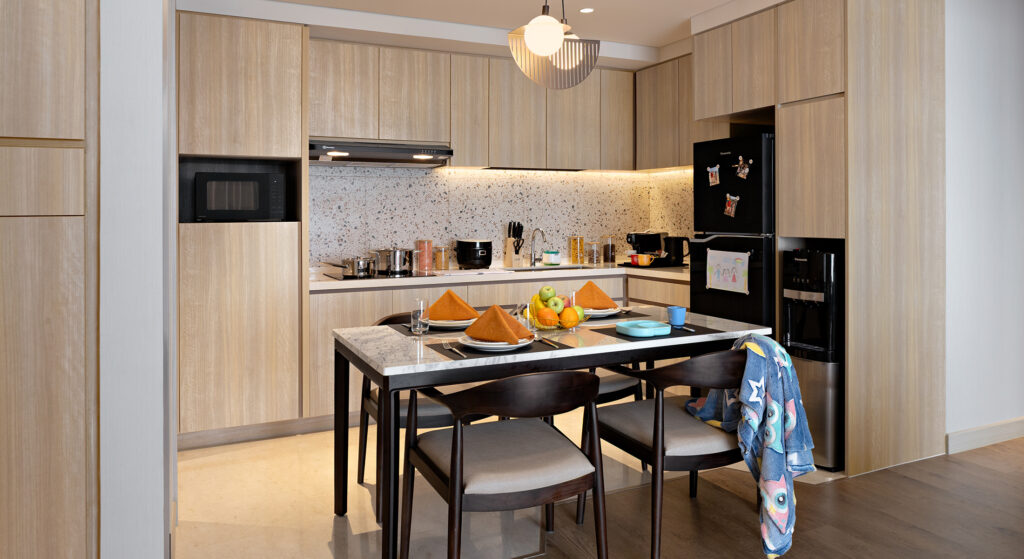
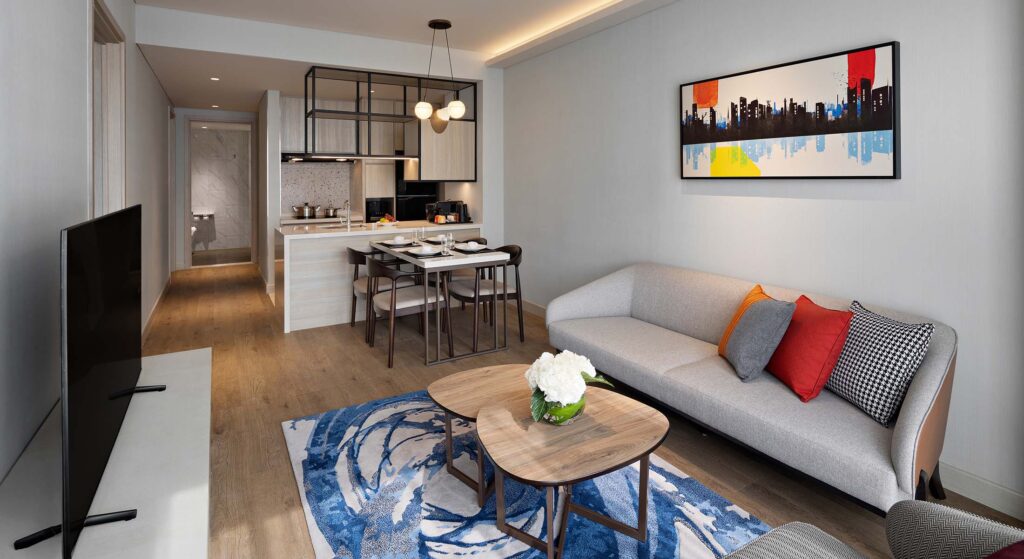
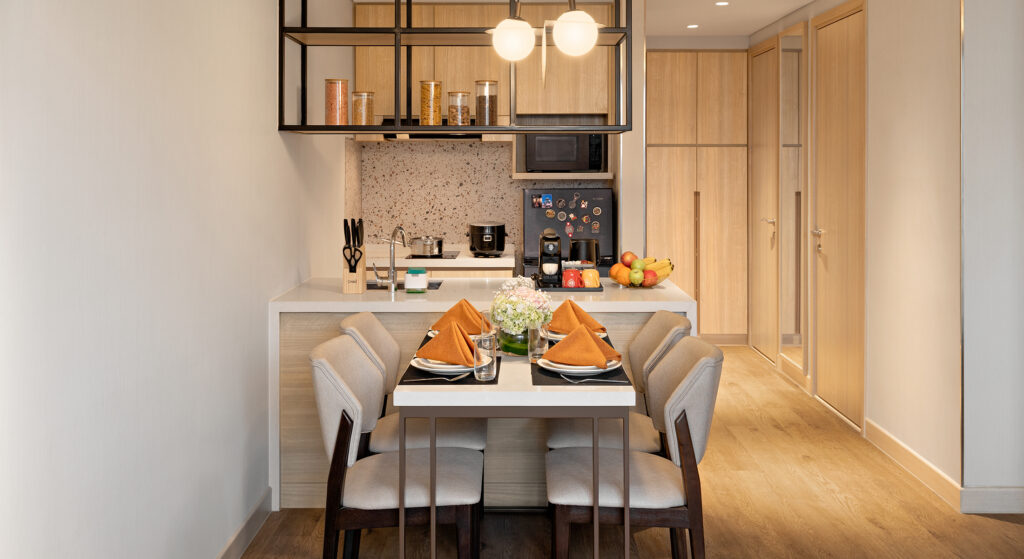
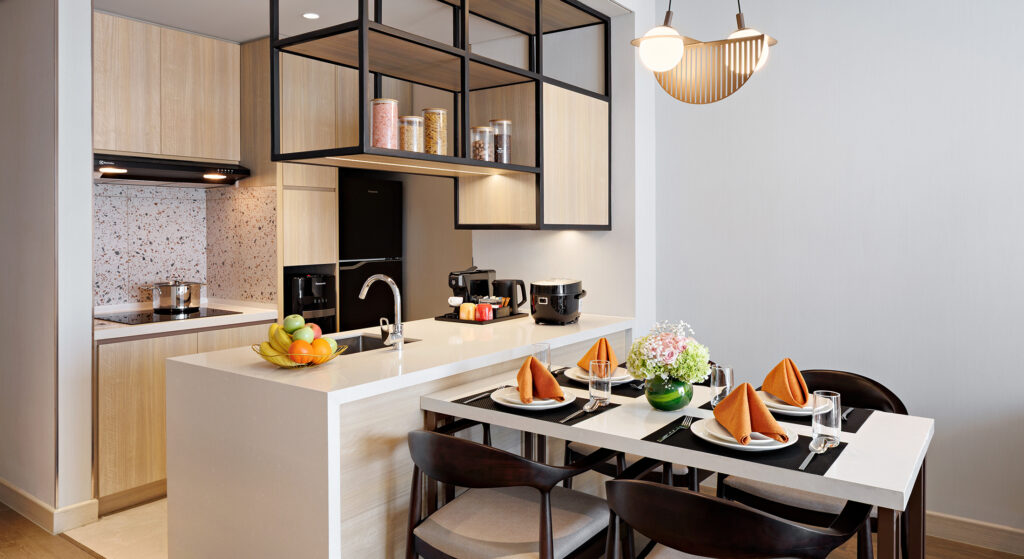
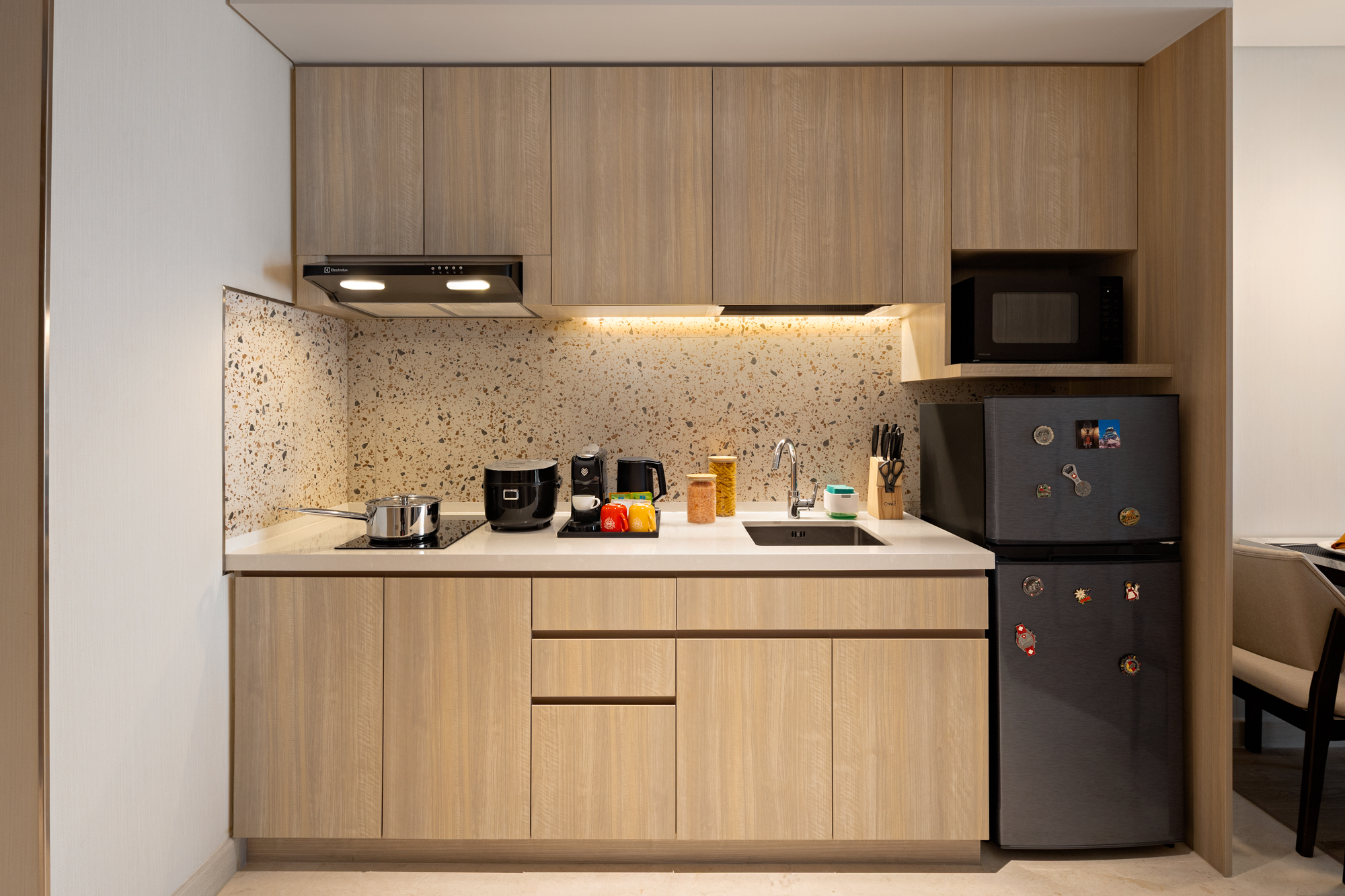
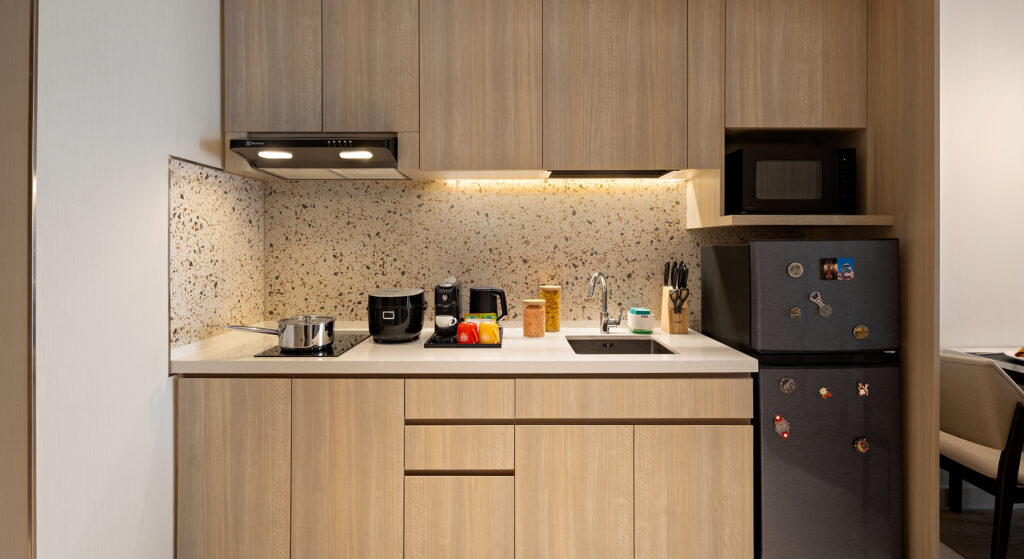
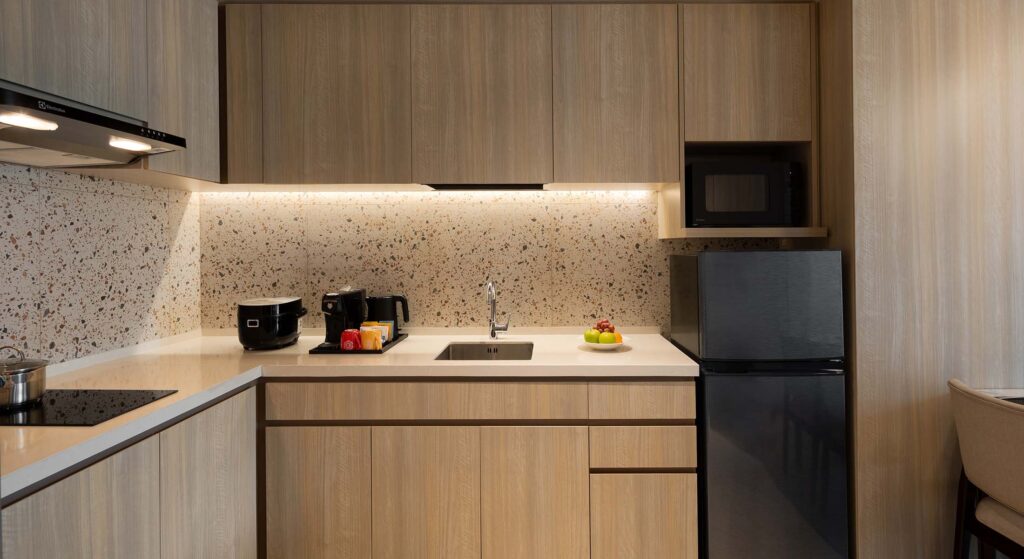
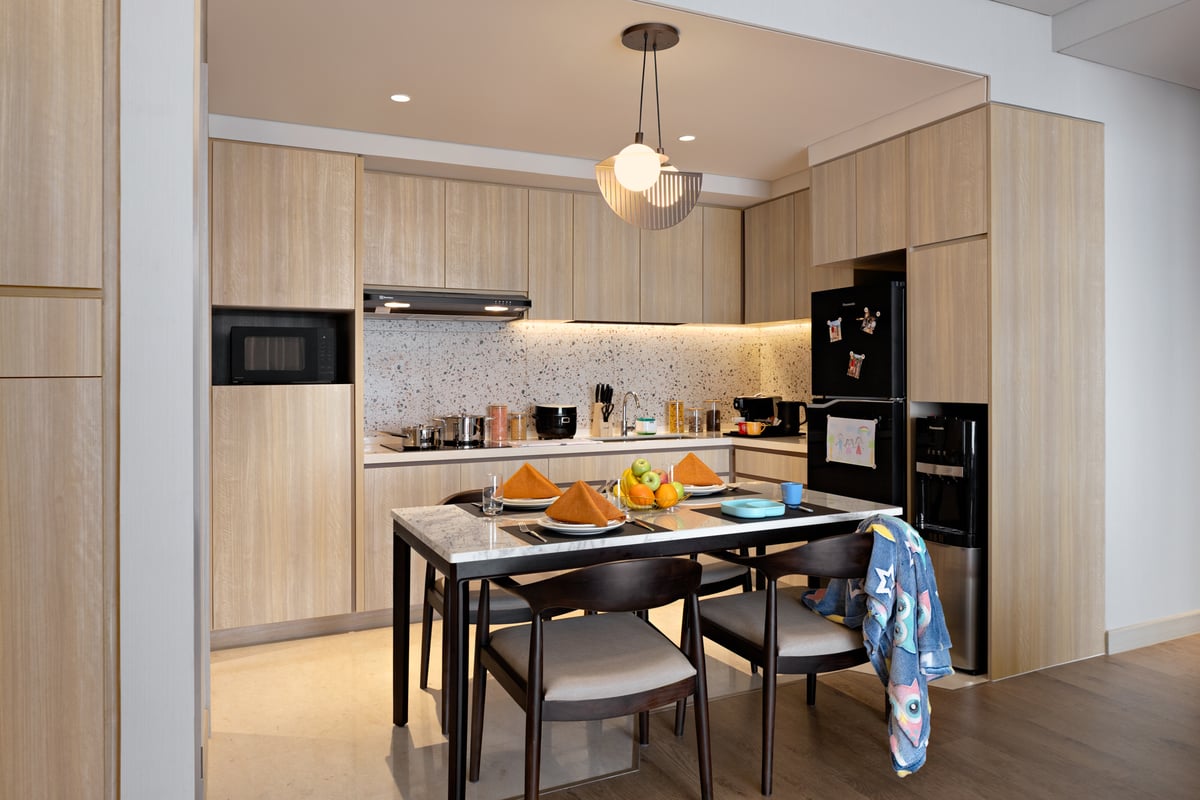
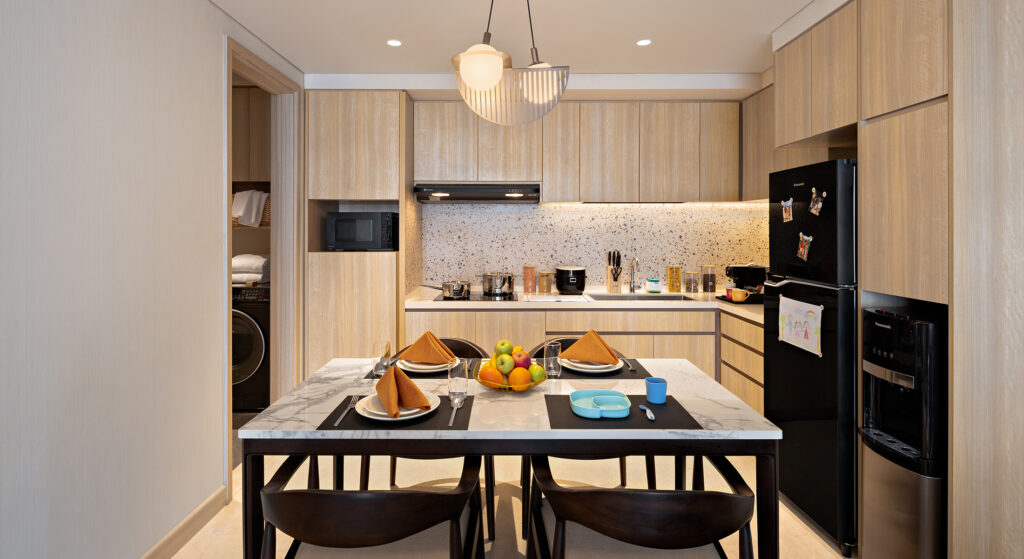
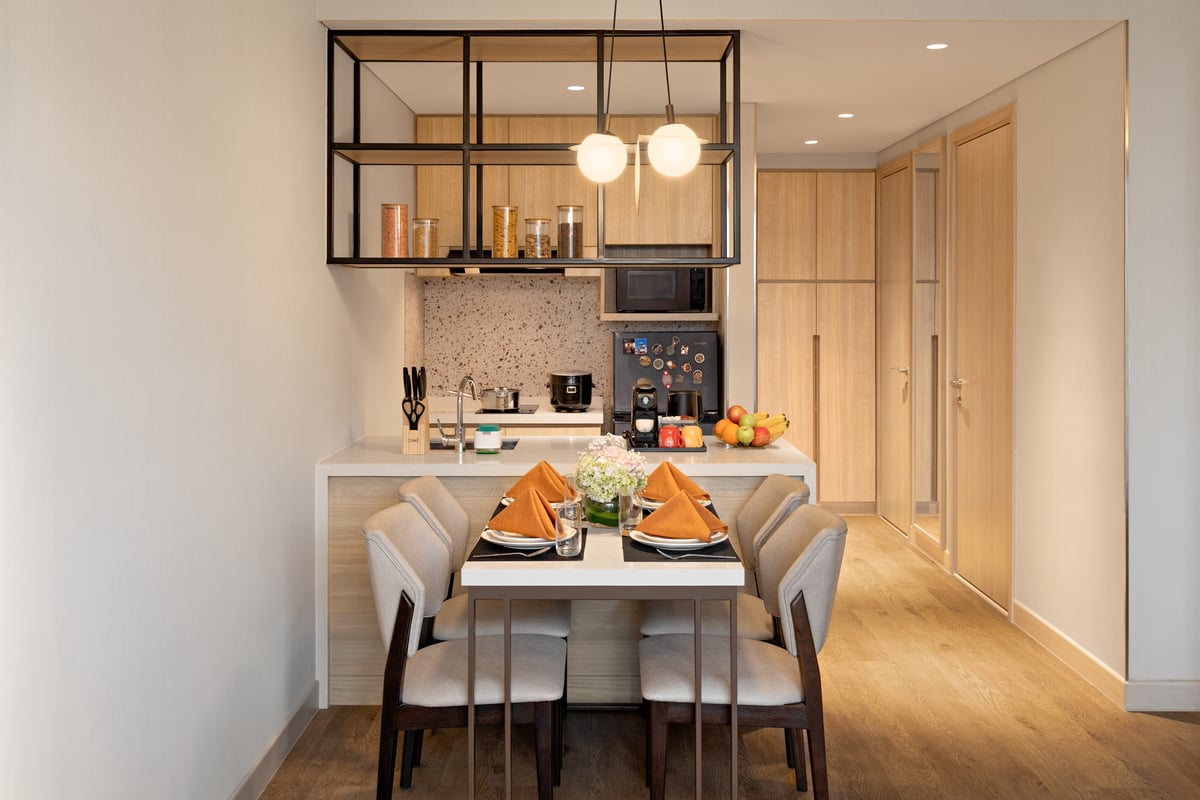
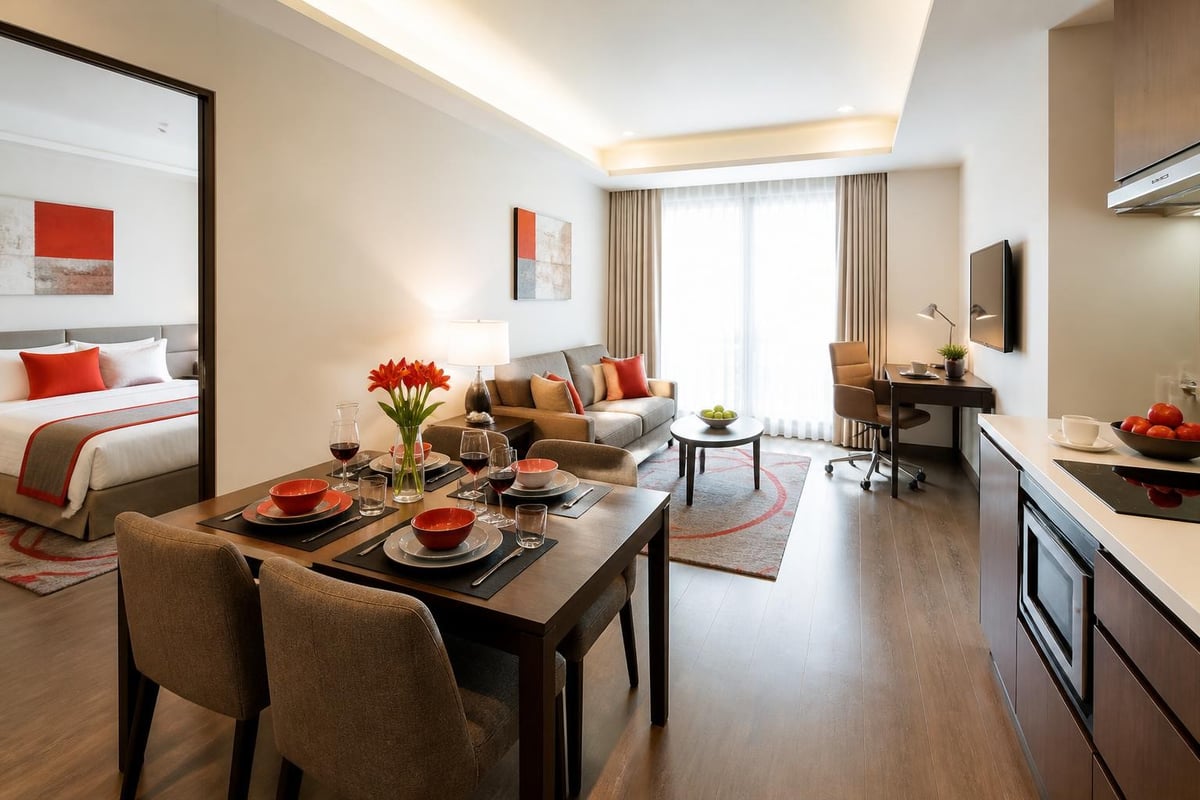
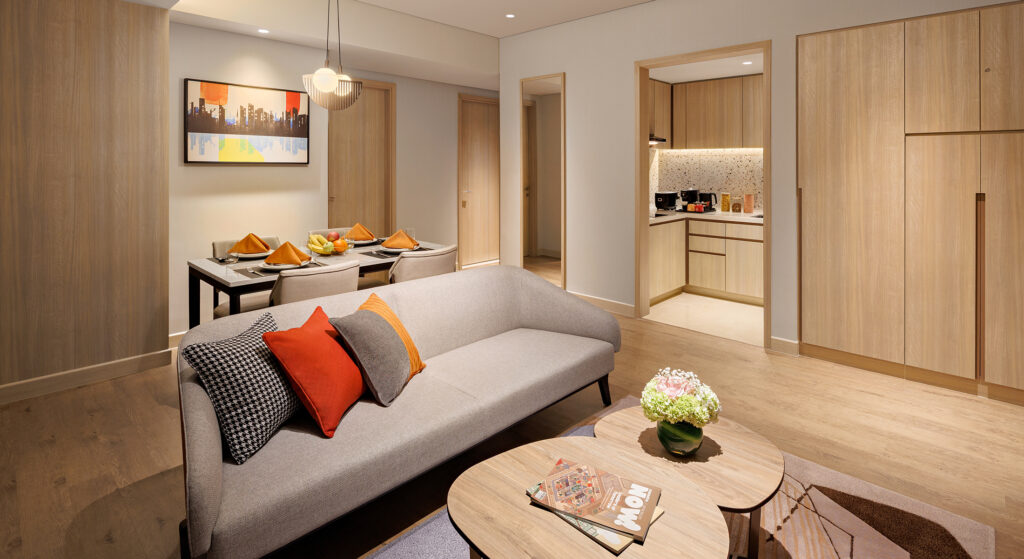
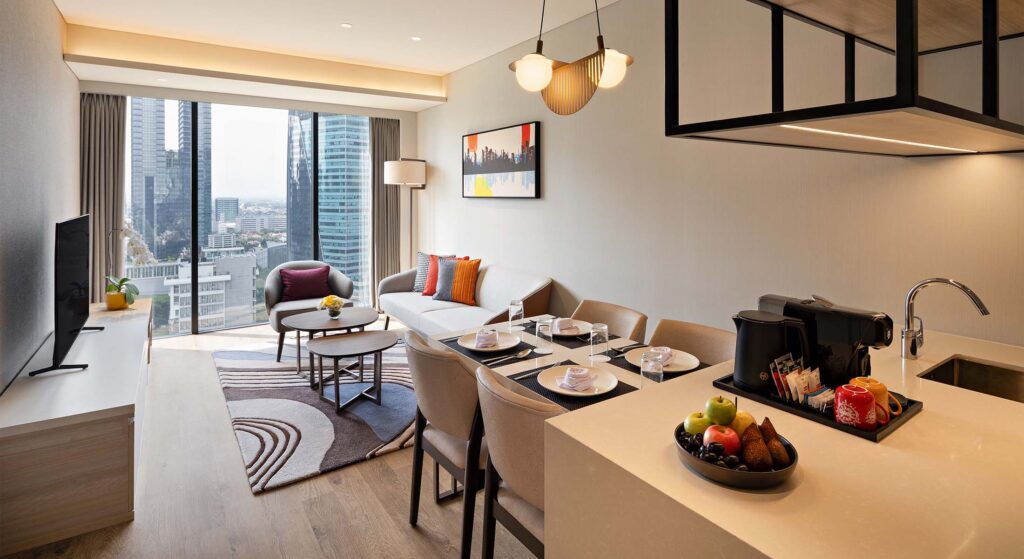
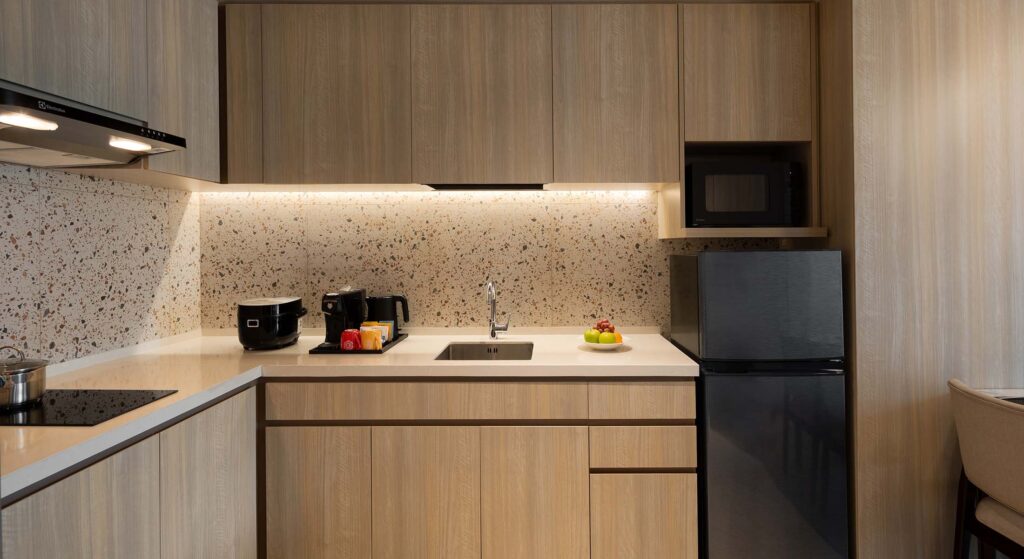
- Fully equipped kitchens with full-size appliances, cookware, and dining areas
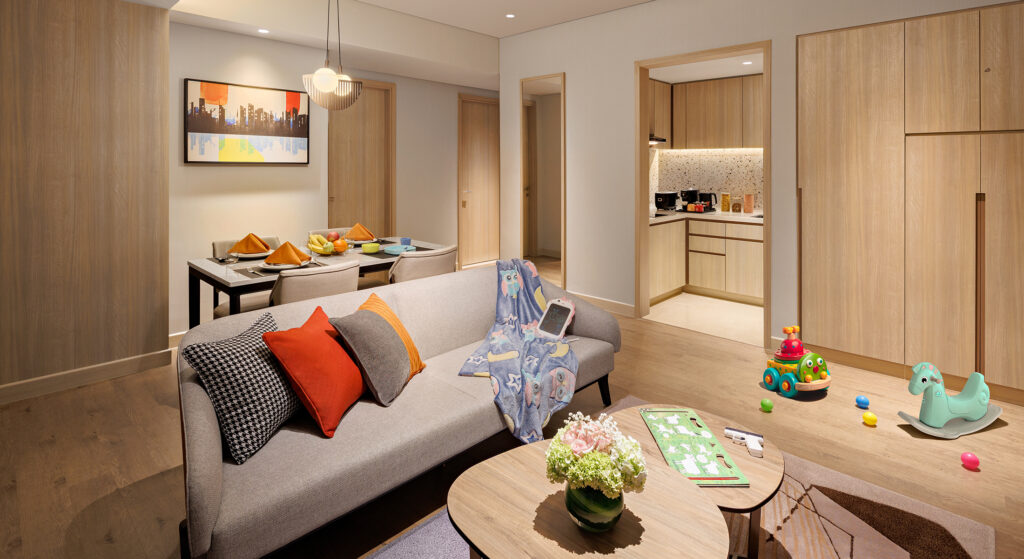
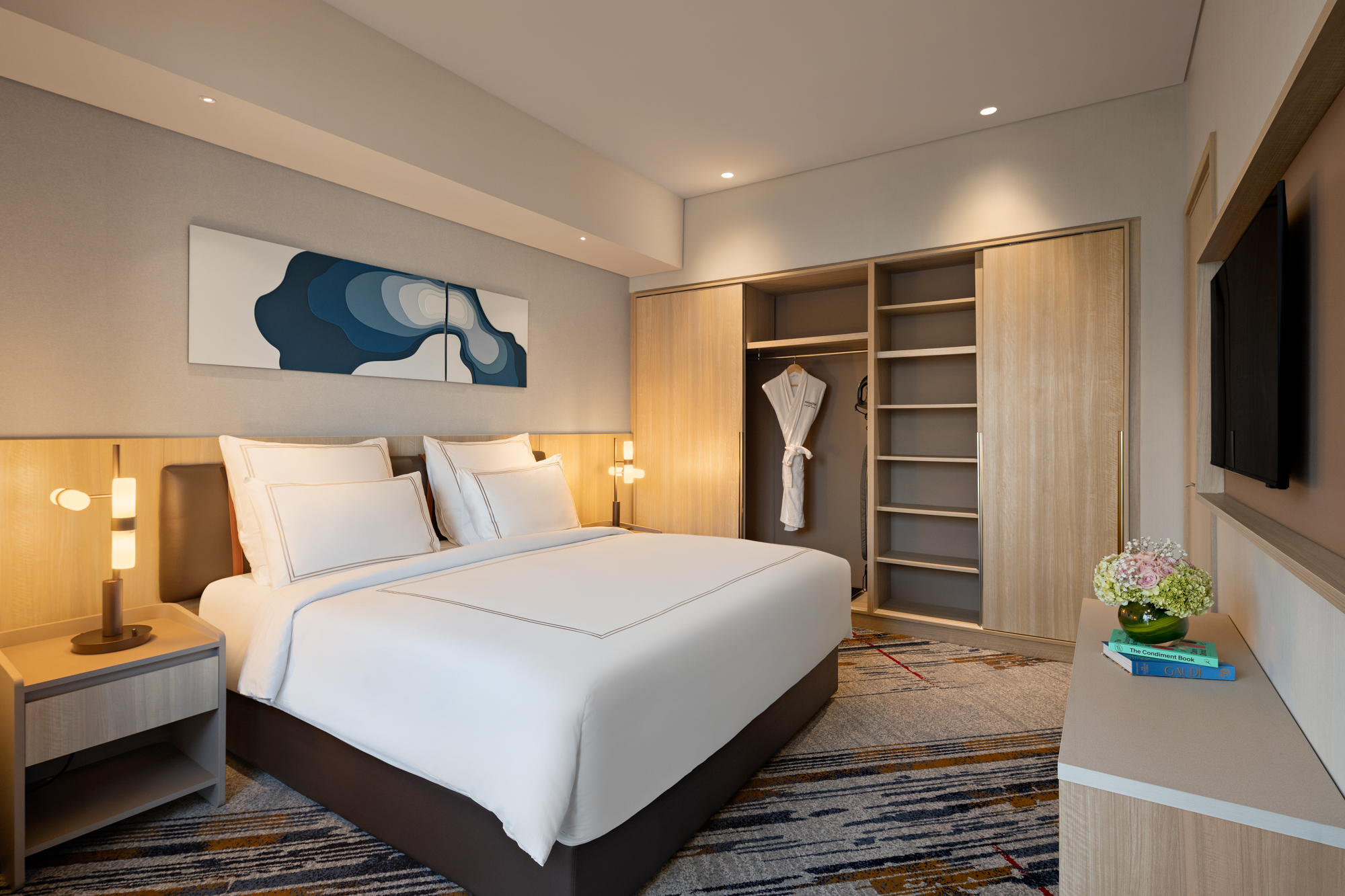
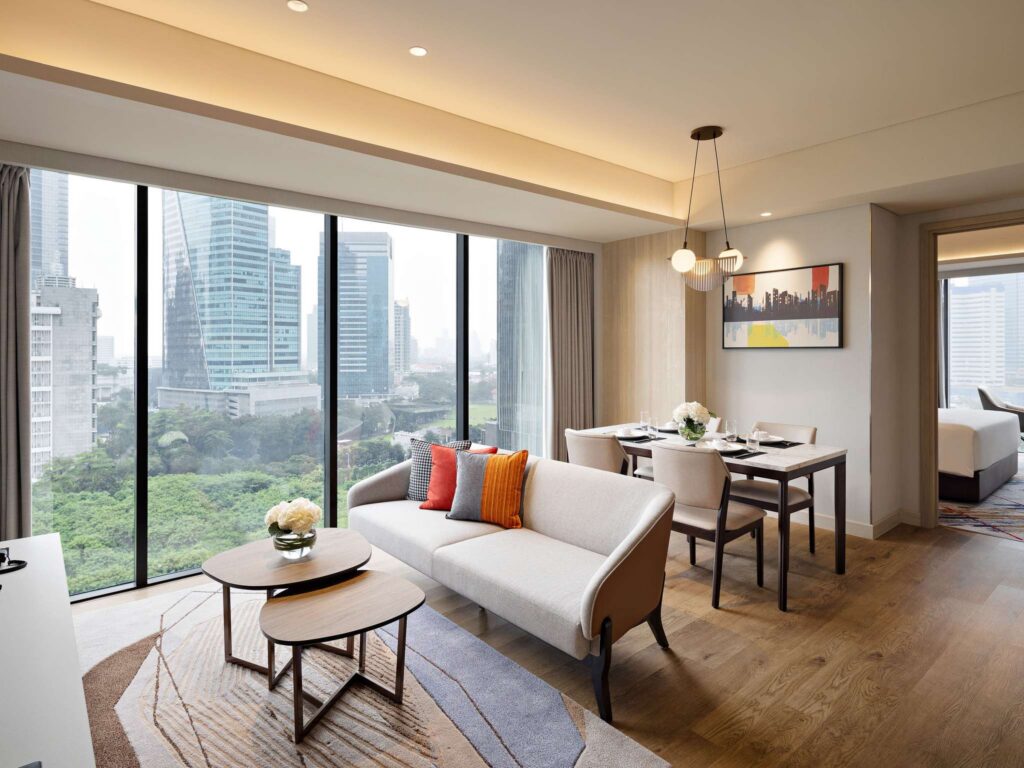
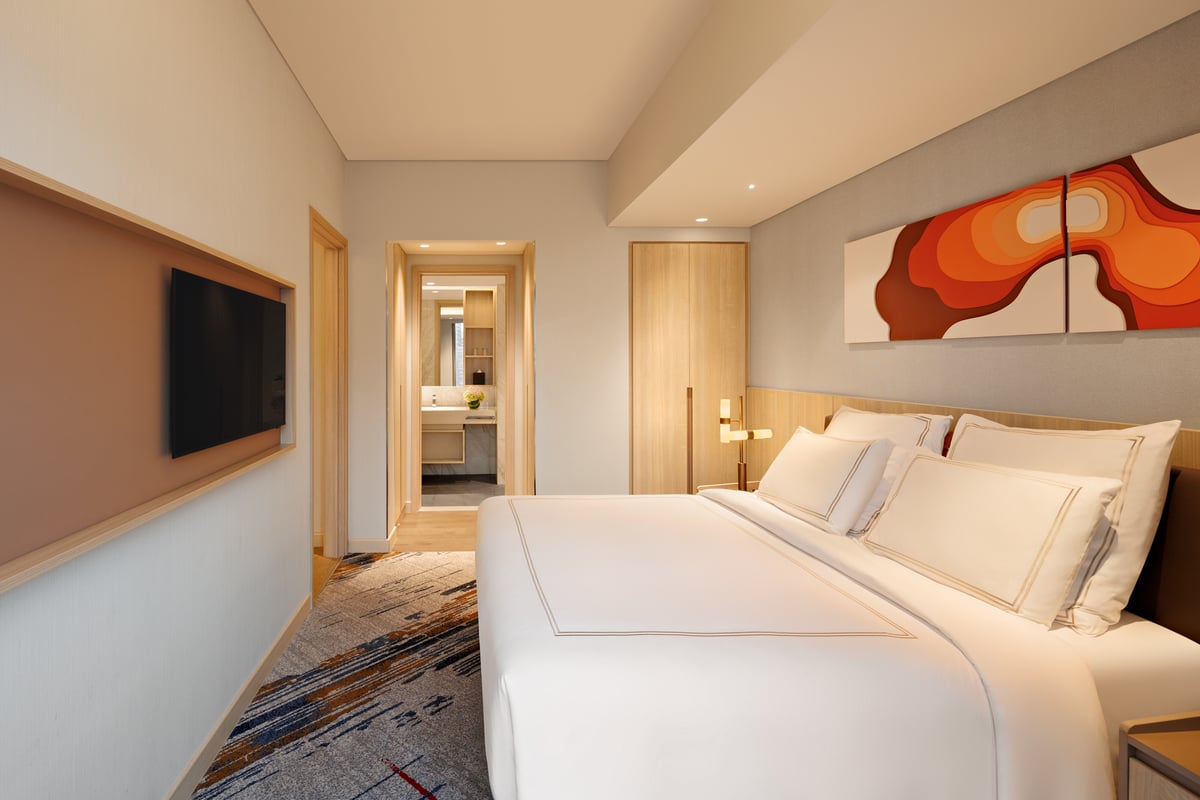
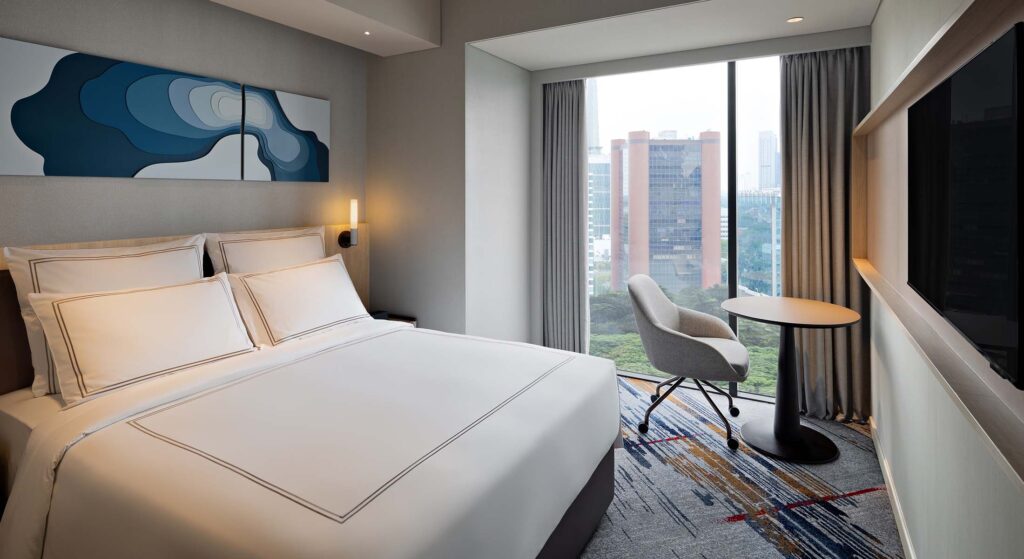
- Separate living and sleeping spaces that provide privacy and functional zoning
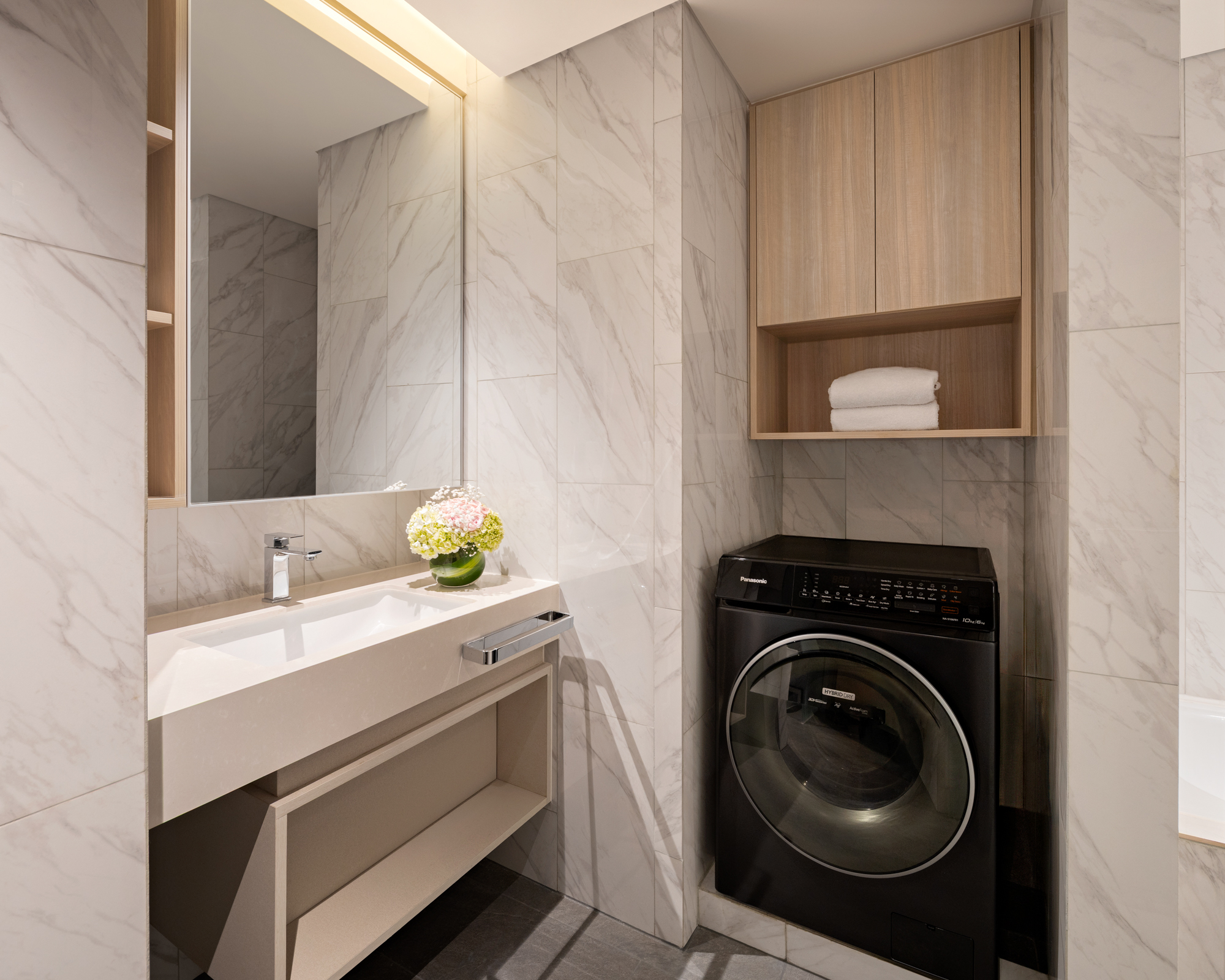
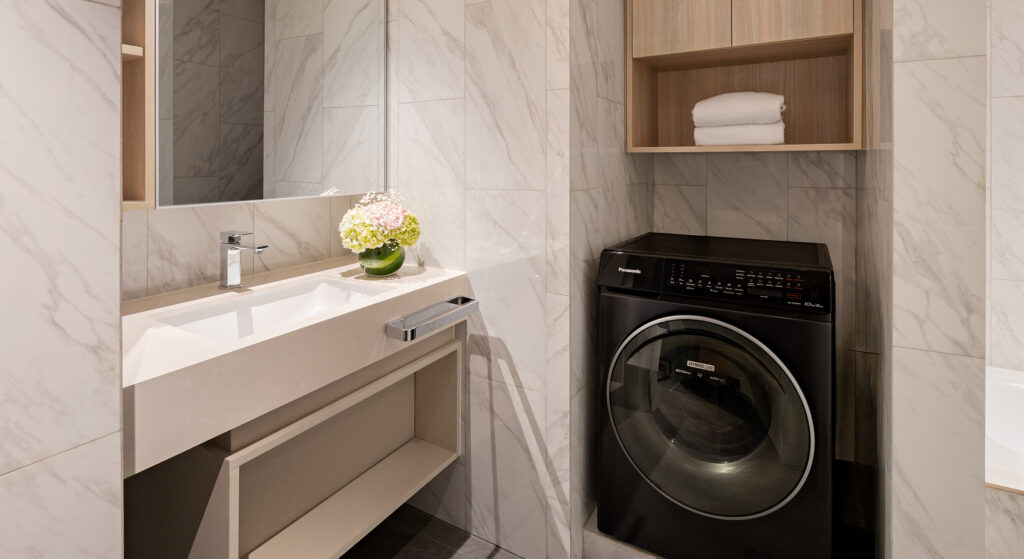
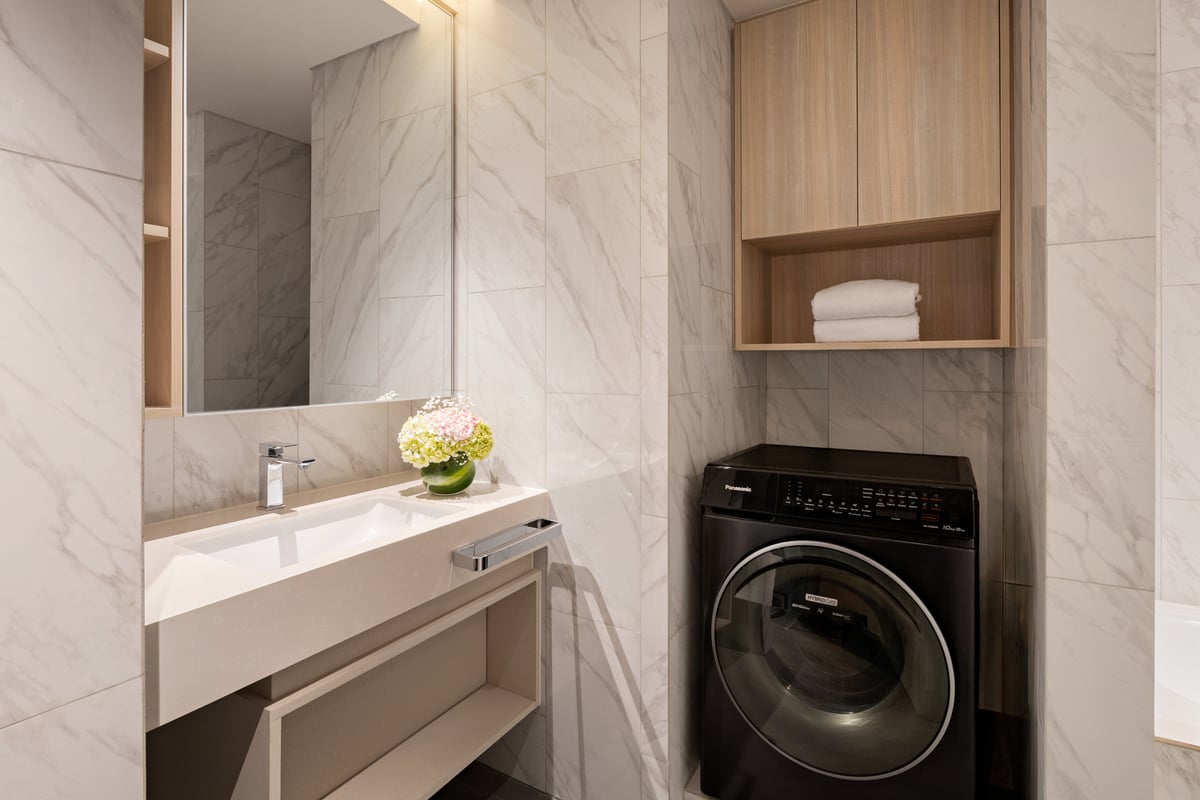
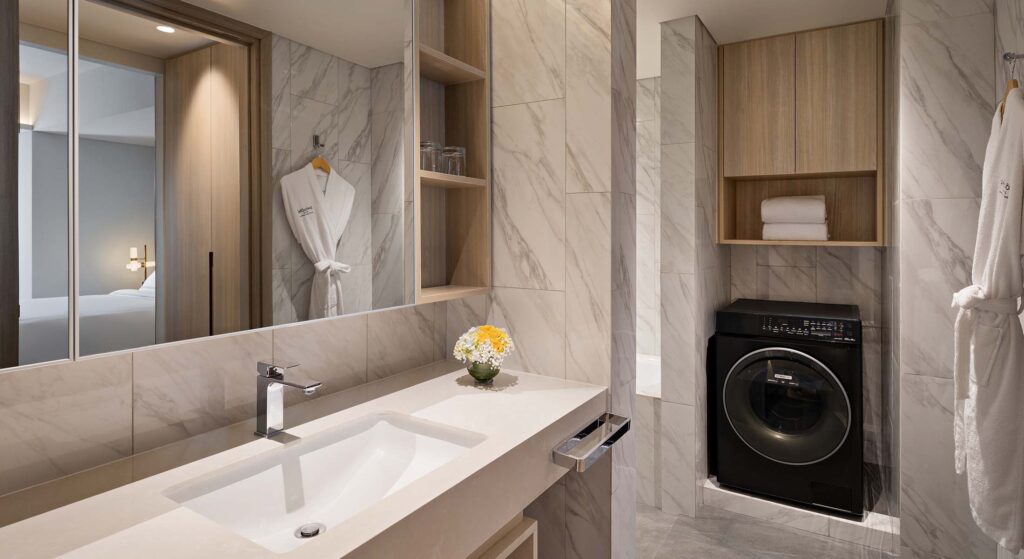
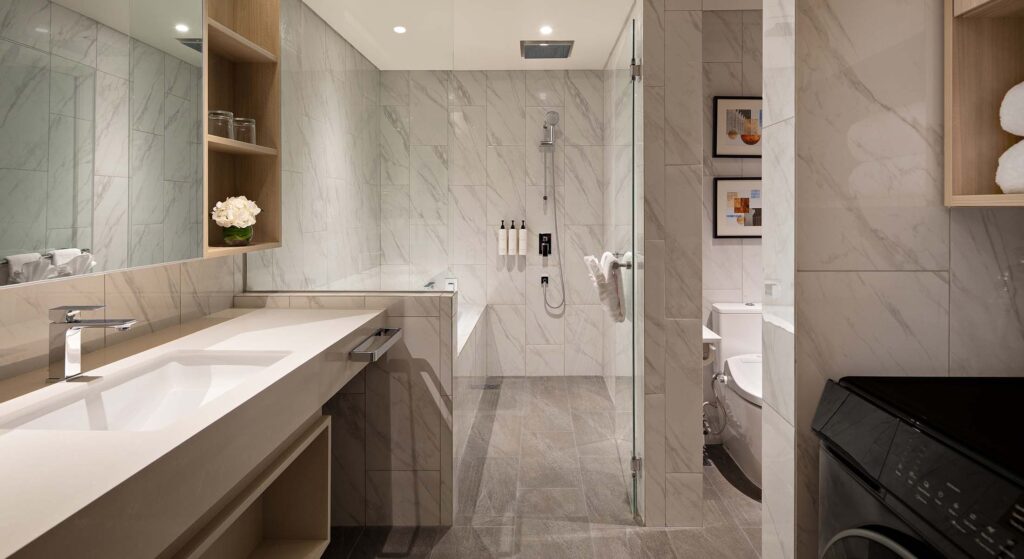
- In-unit laundry facilities or convenient on-site laundry services
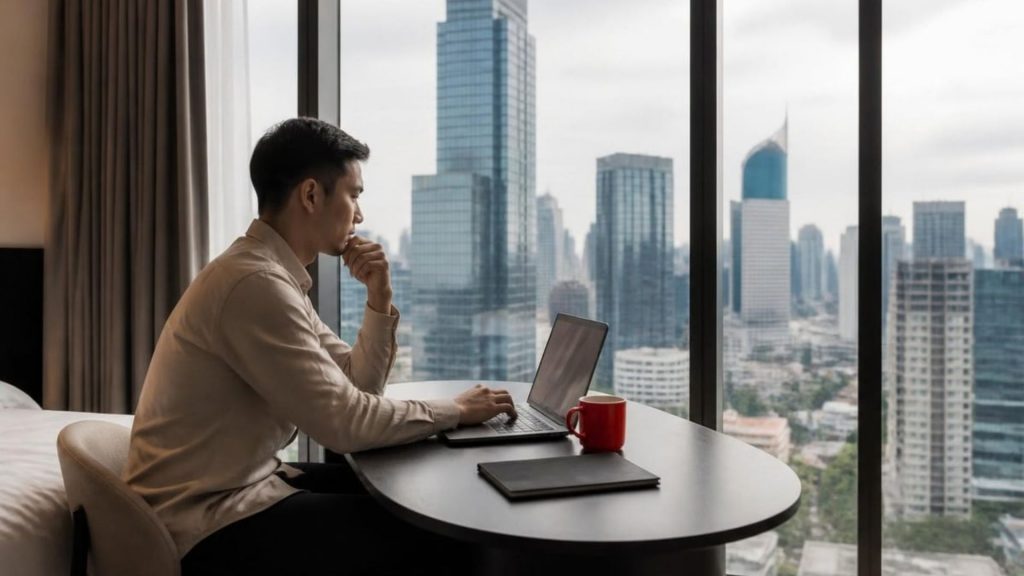
- Dedicated workspaces with ergonomic furniture and reliable high-speed internet
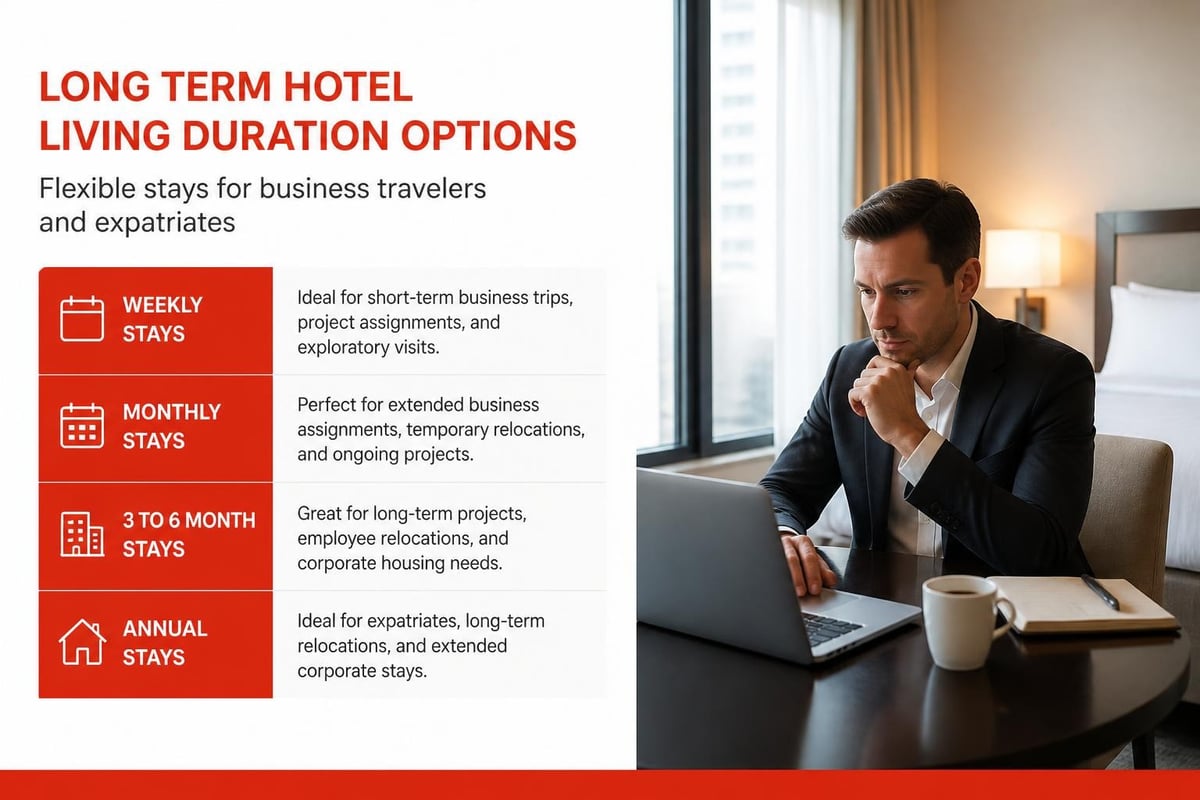
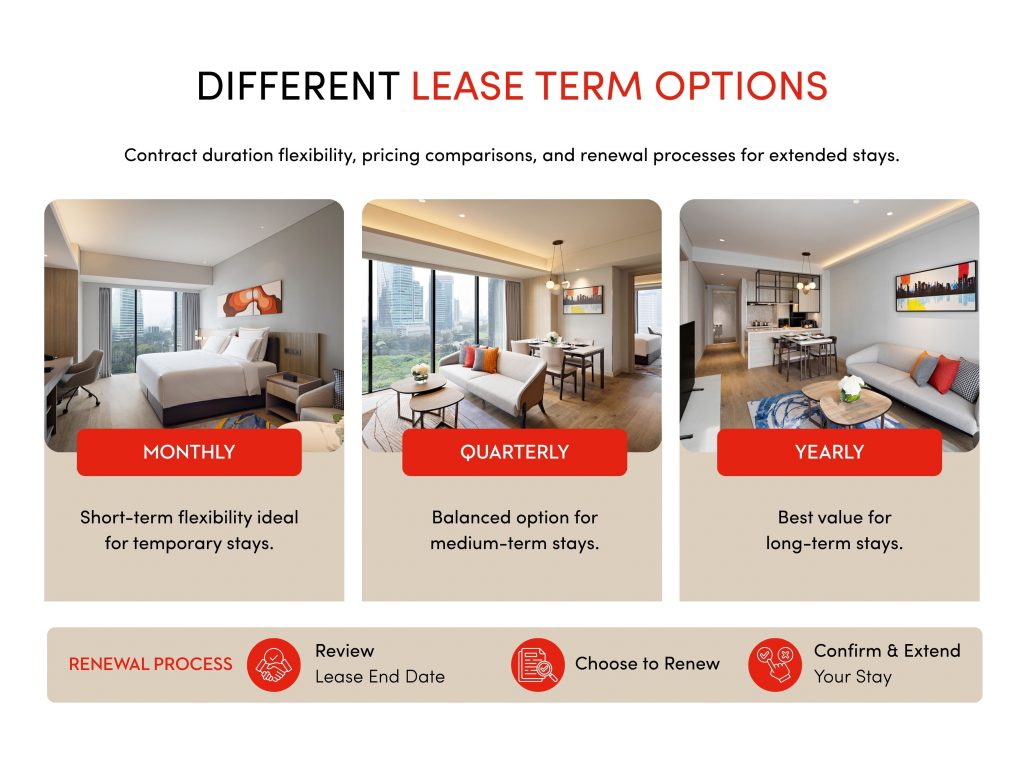
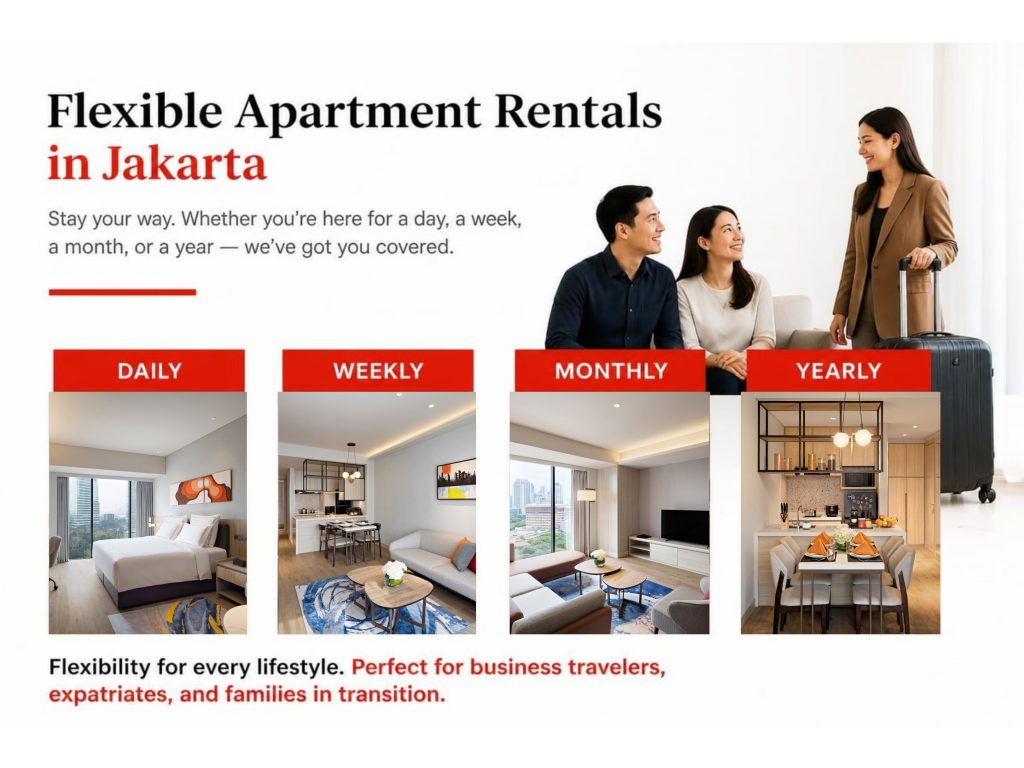
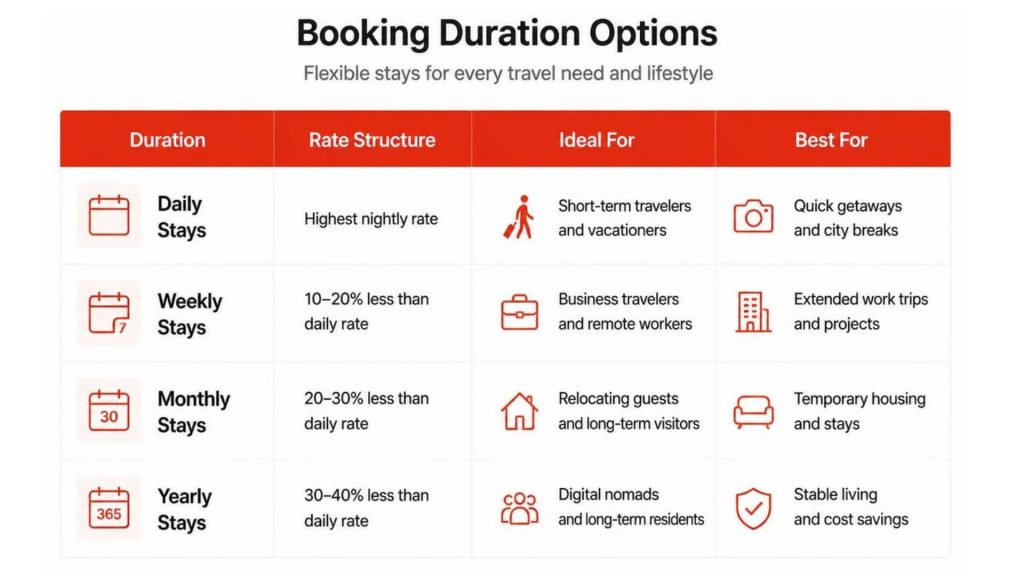
- Flexible lease terms accommodating daily, weekly, monthly, and annual arrangements
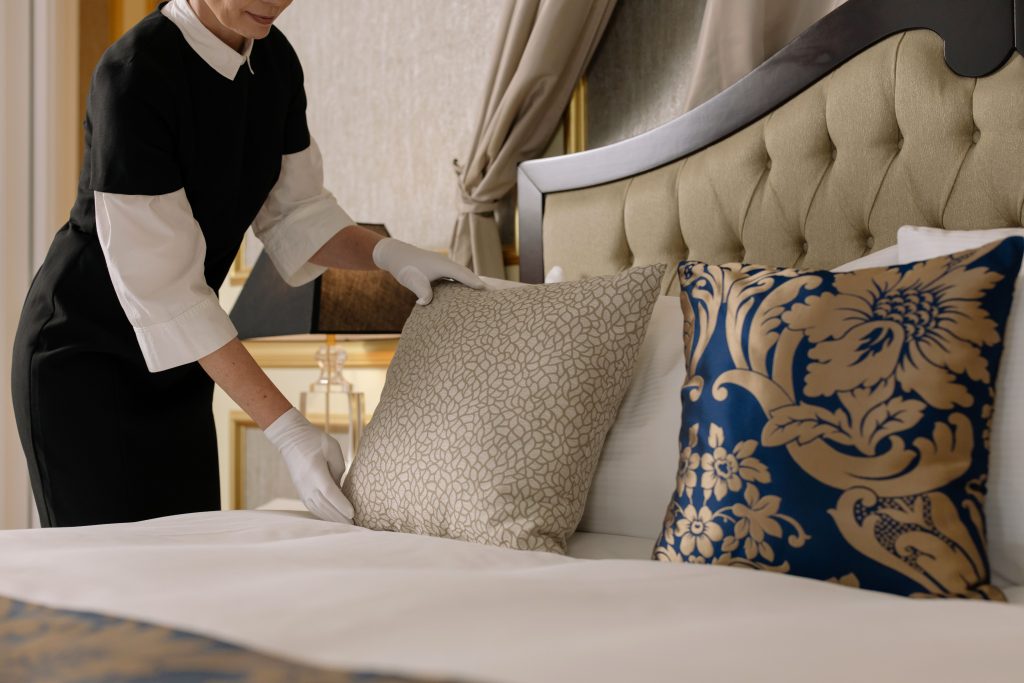
- Professional housekeeping with customizable cleaning schedules
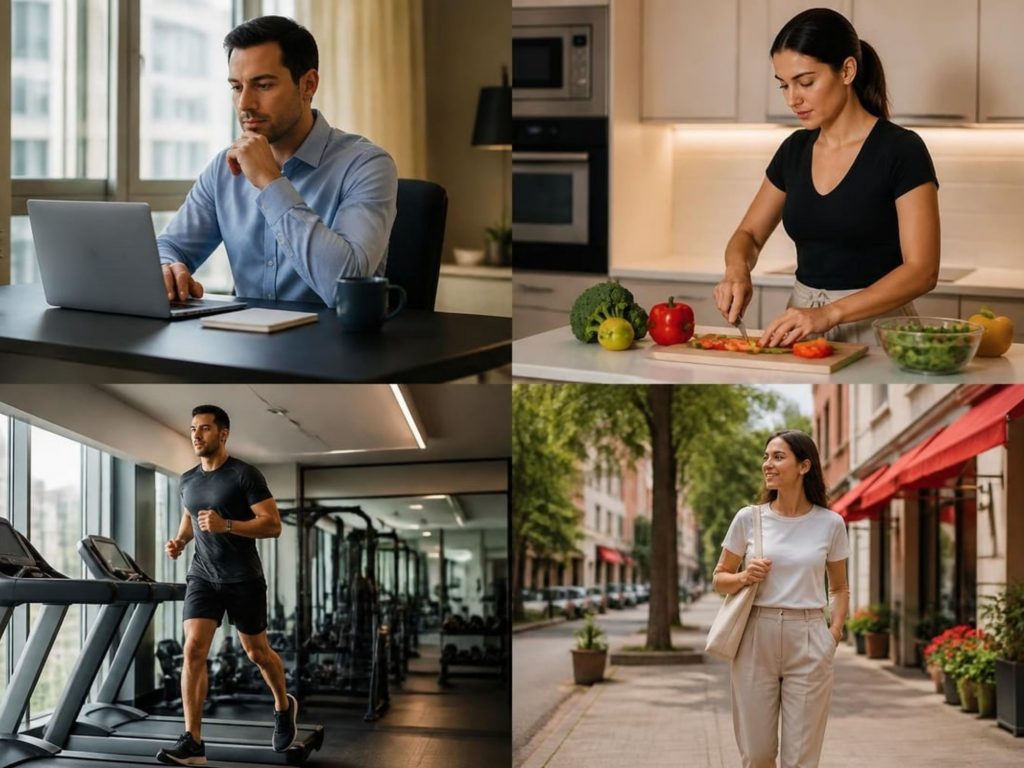
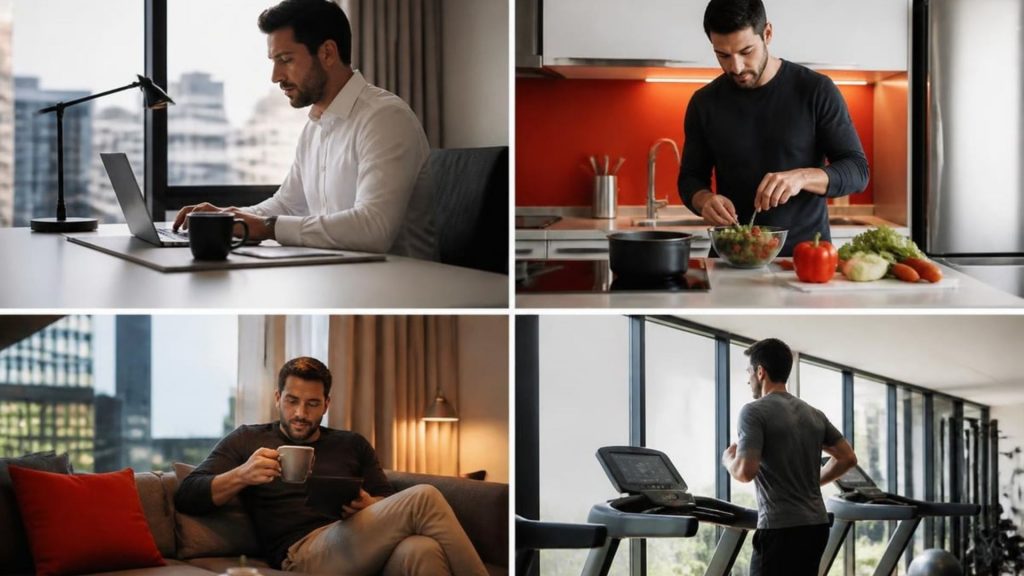
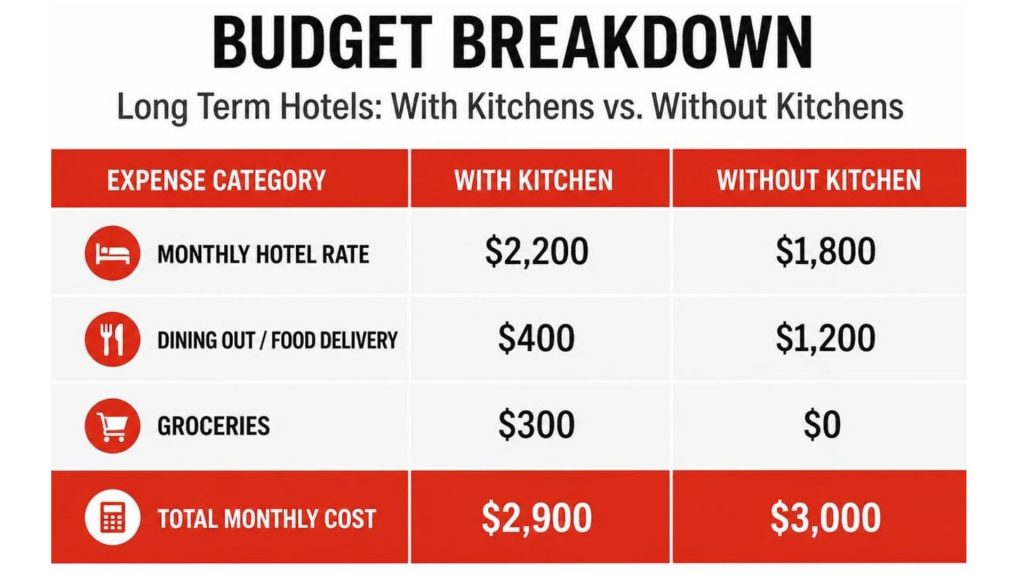
The presence of these amenities directly impacts quality of life during extended stays. A well-equipped kitchen, for example, provides dietary control and significant cost savings compared to dining out for every meal. Properties that understand these needs create environments where guests can maintain their routines rather than constantly adapting to hotel limitations.
Location Considerations for Extended Stays
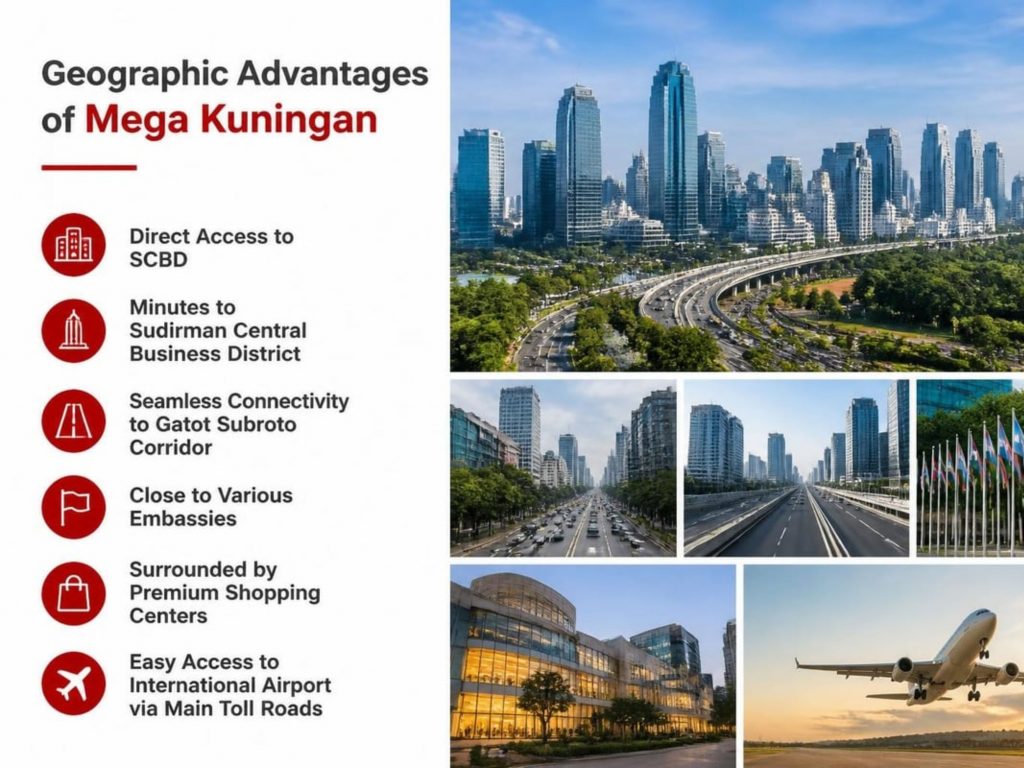
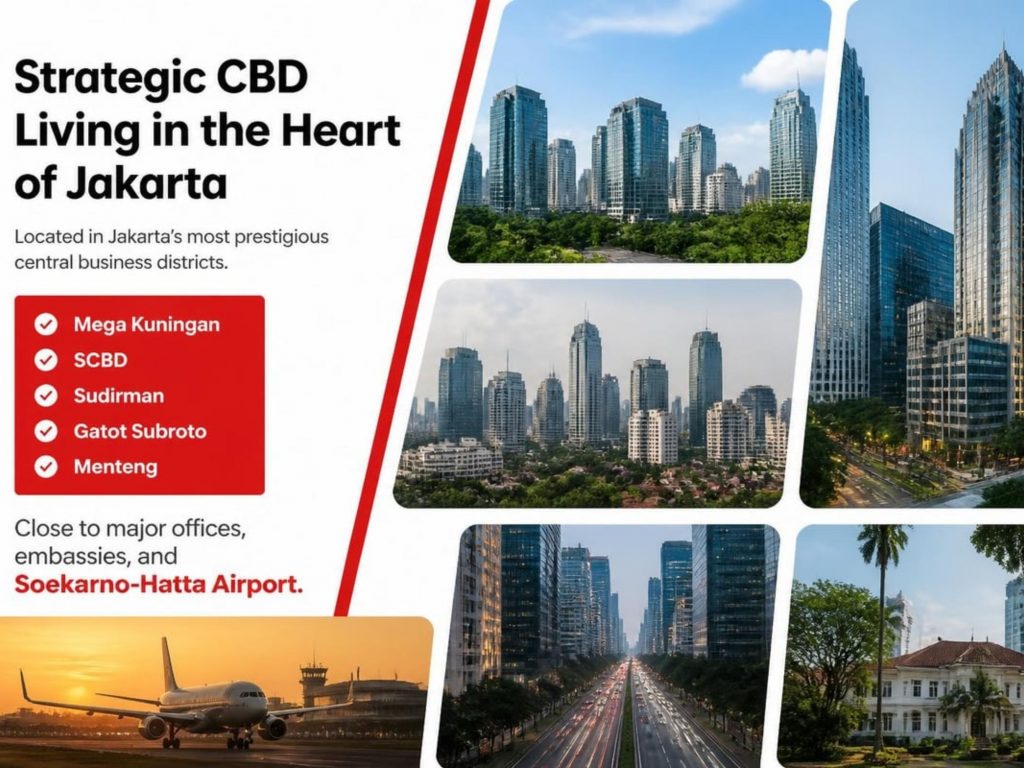
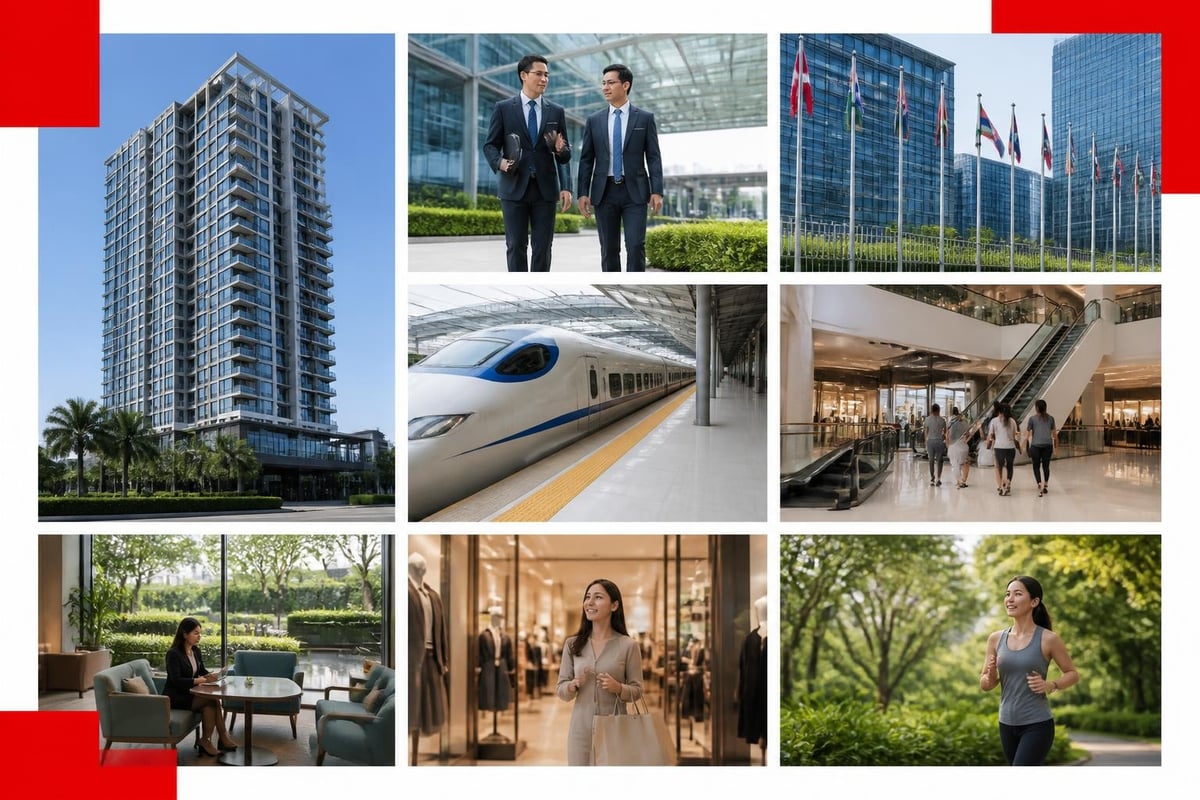
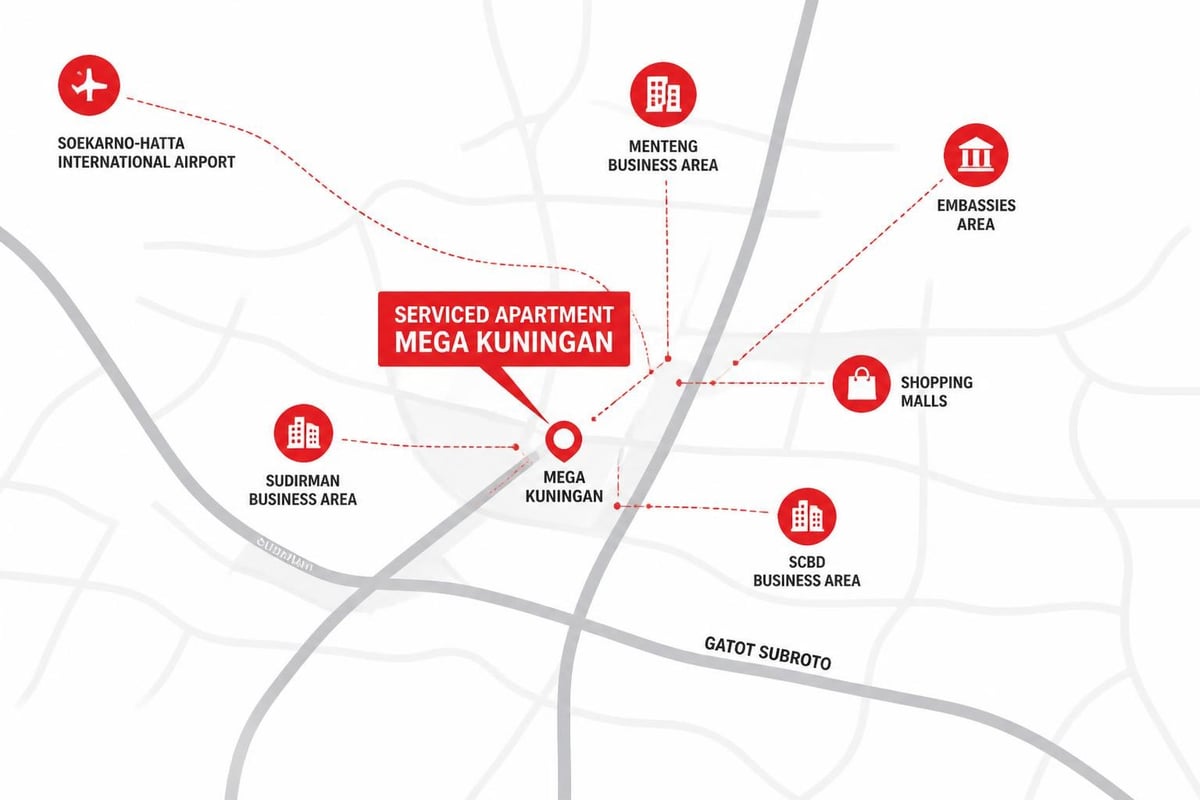
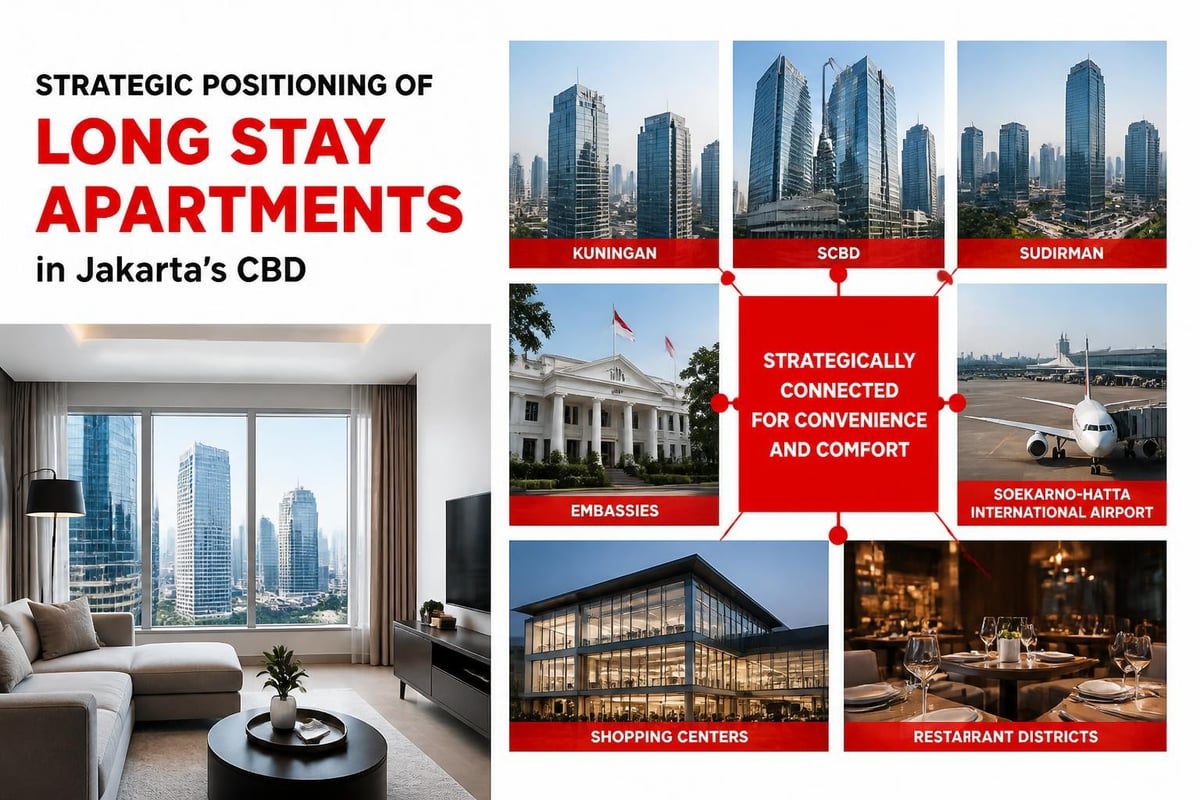
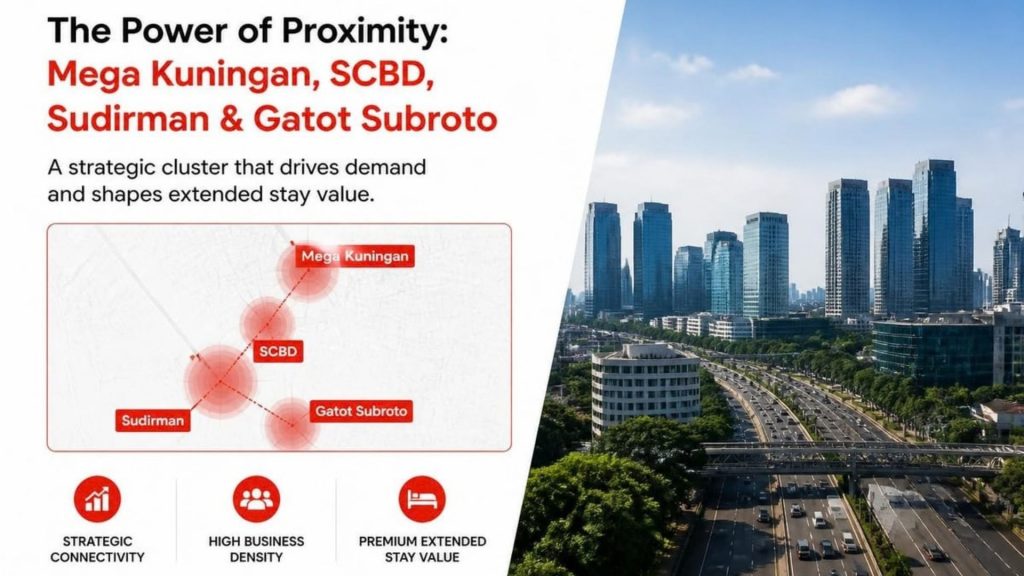
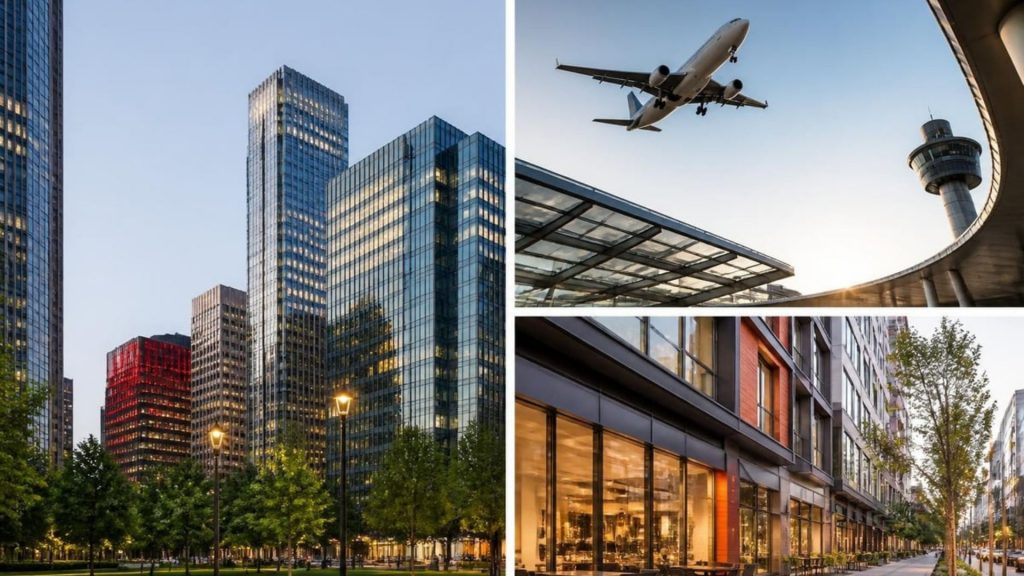
Proximity to business districts, transportation hubs, and essential services becomes critical when selecting nice extended stay hotels. The convenience factor multiplies over weeks and months, making location one of the most important decision criteria. Properties situated in central business districts offer substantial advantages for corporate travelers and expatriates.
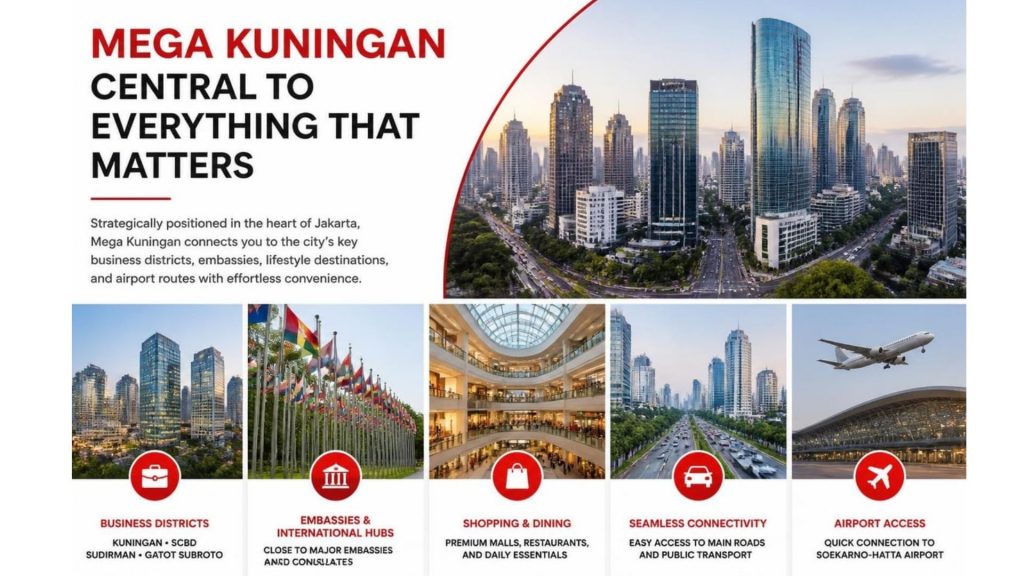
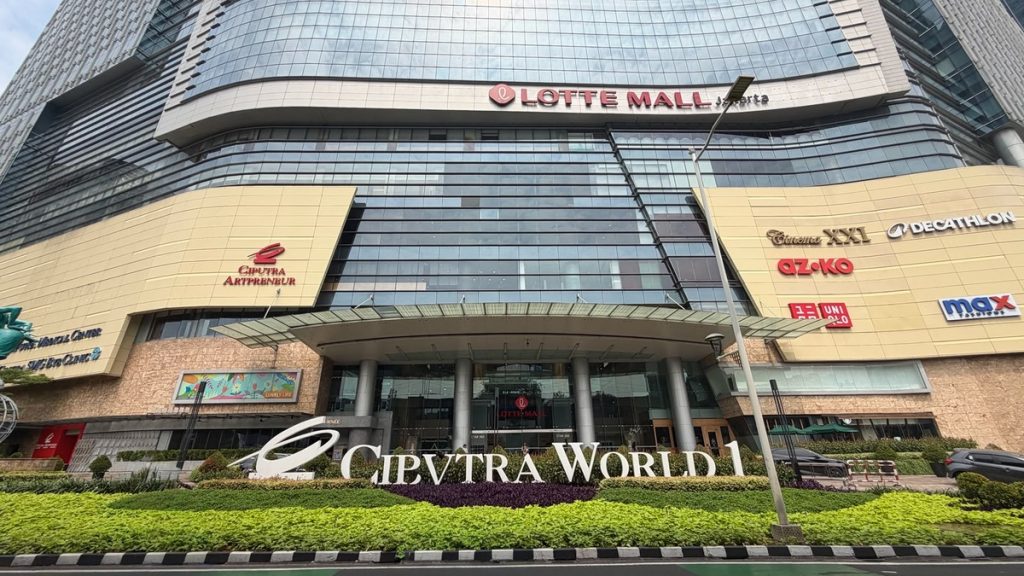
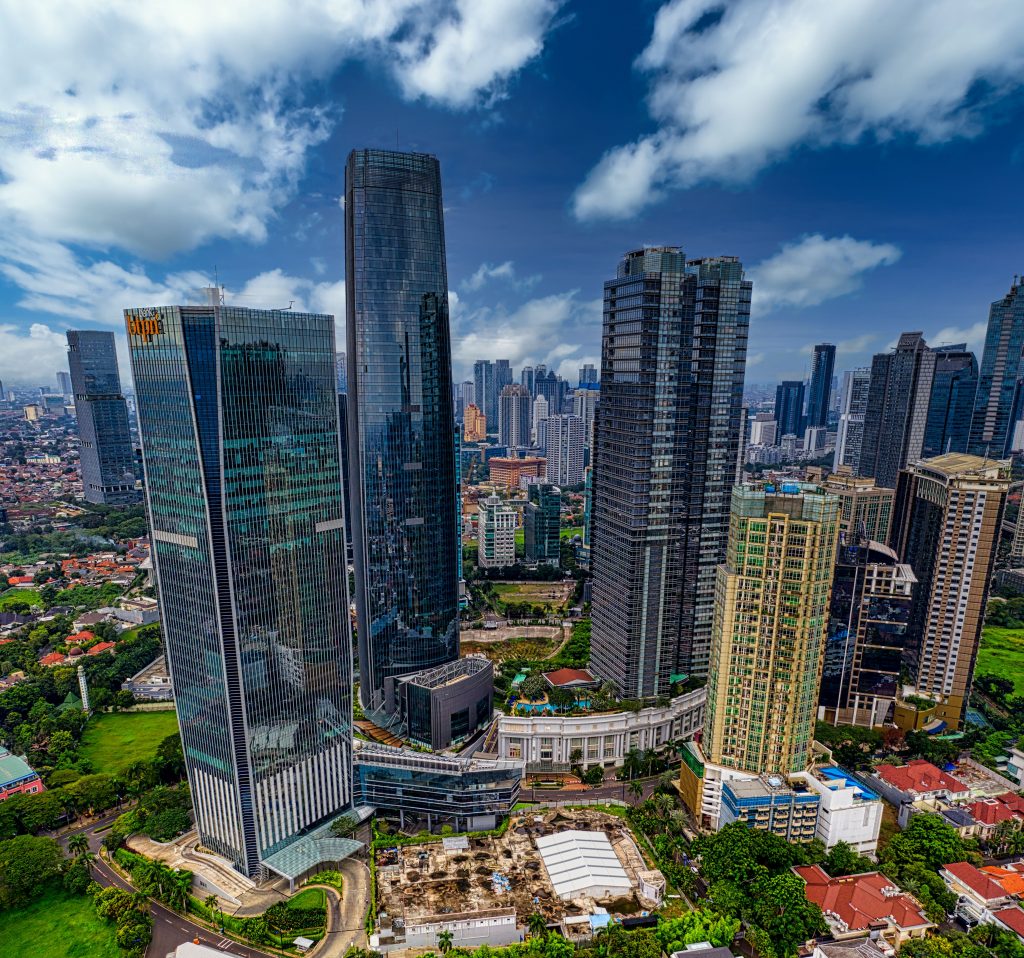
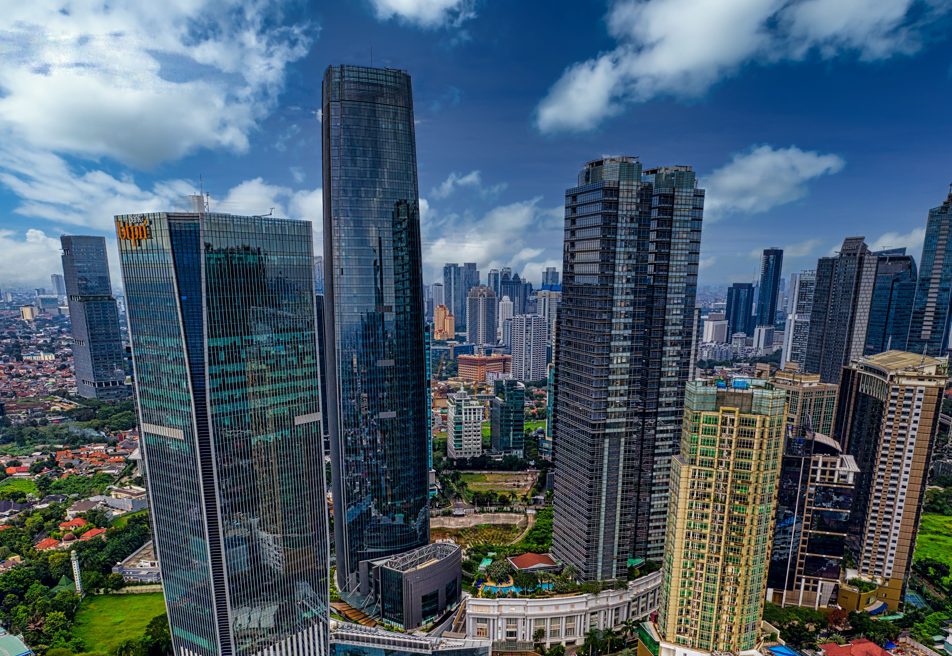
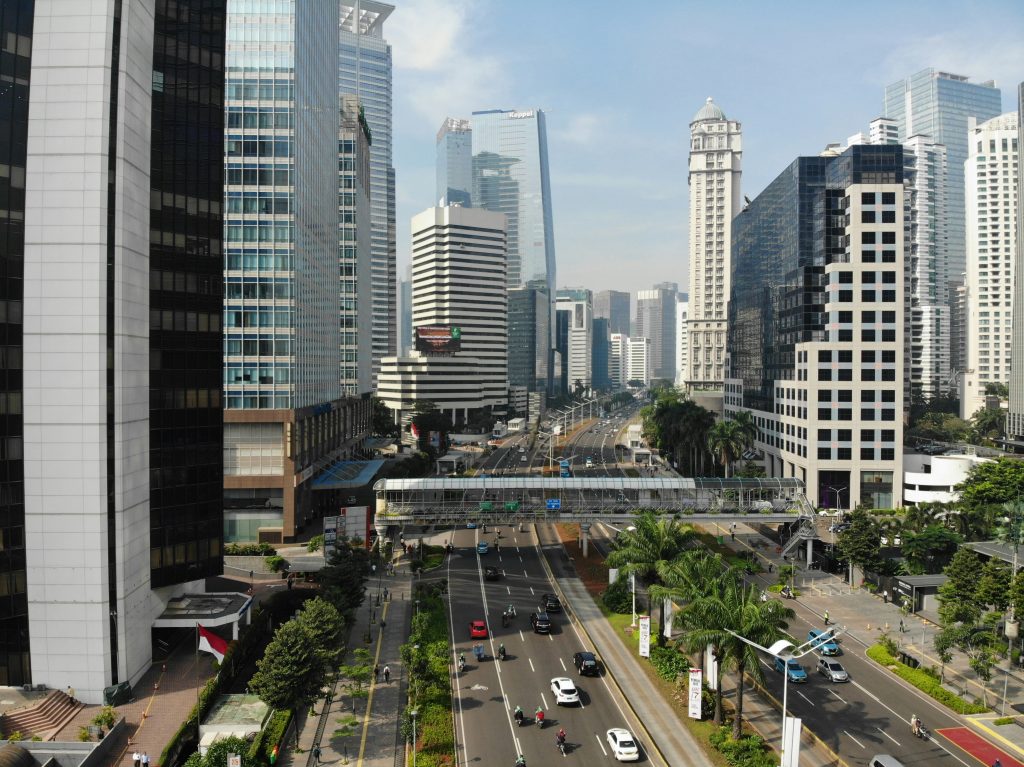
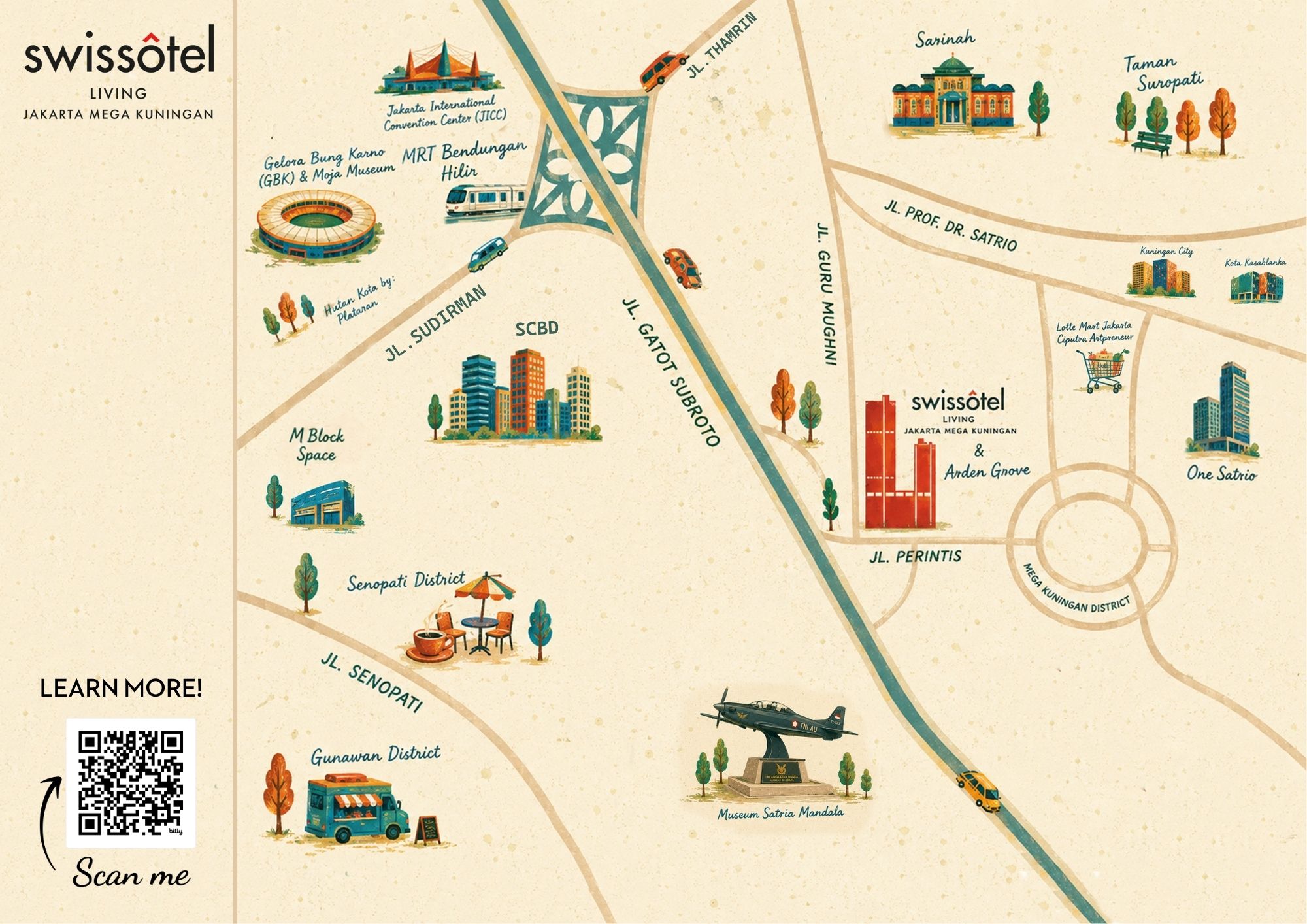
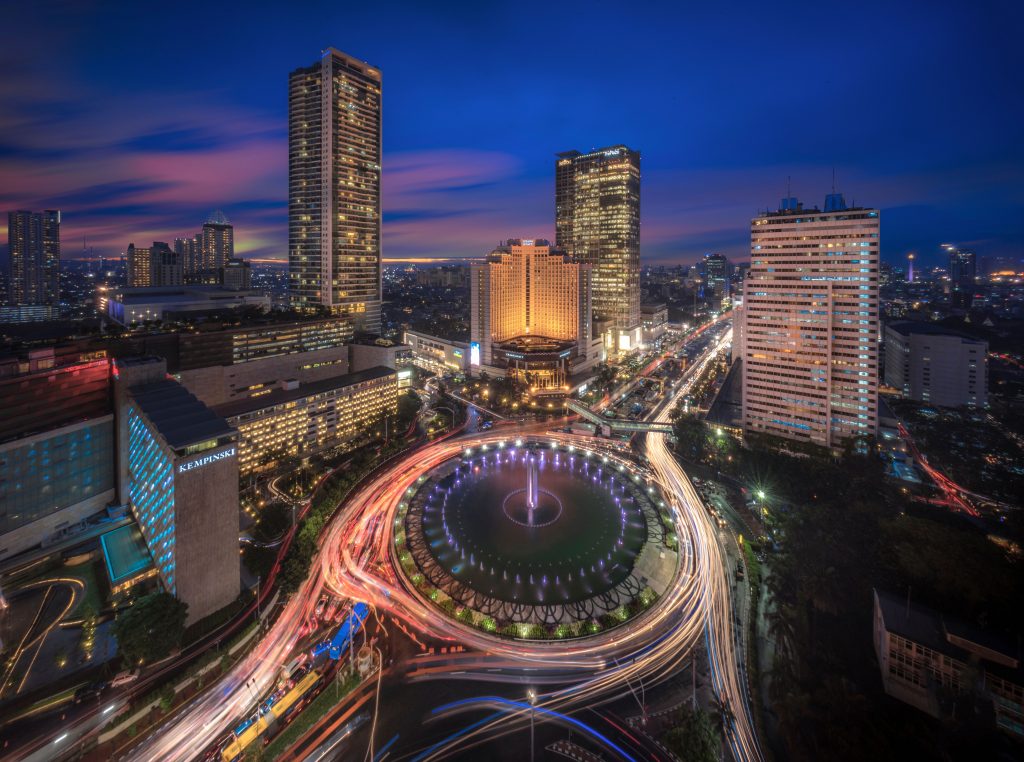
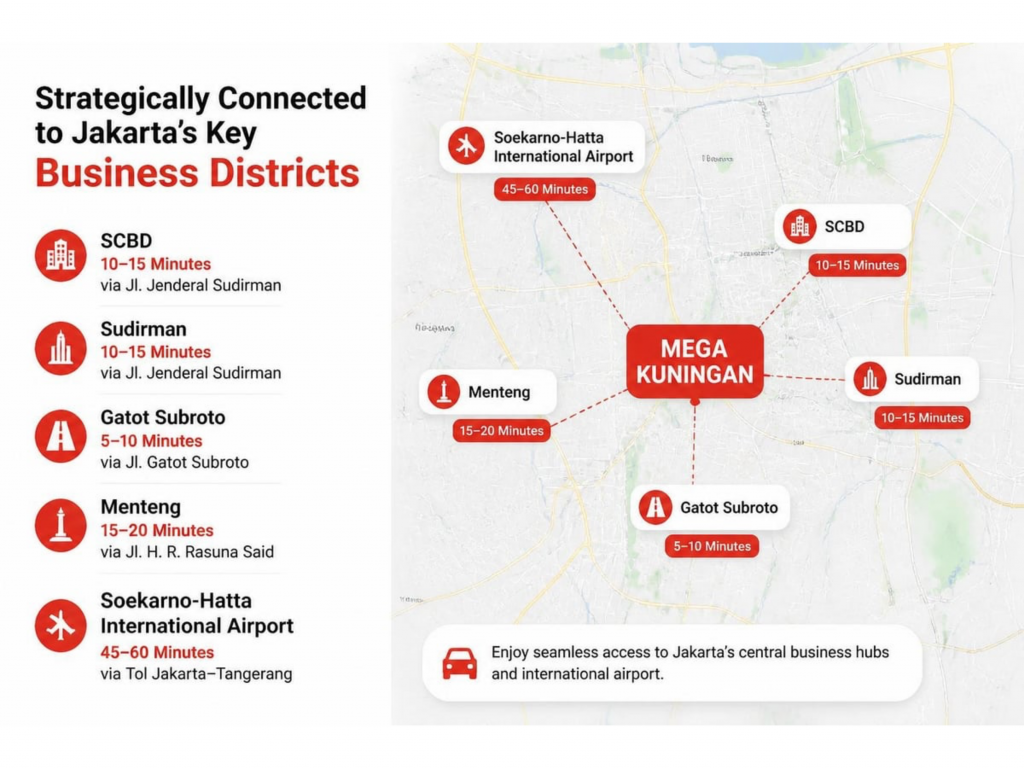
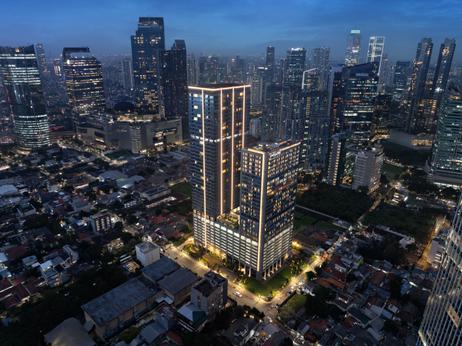
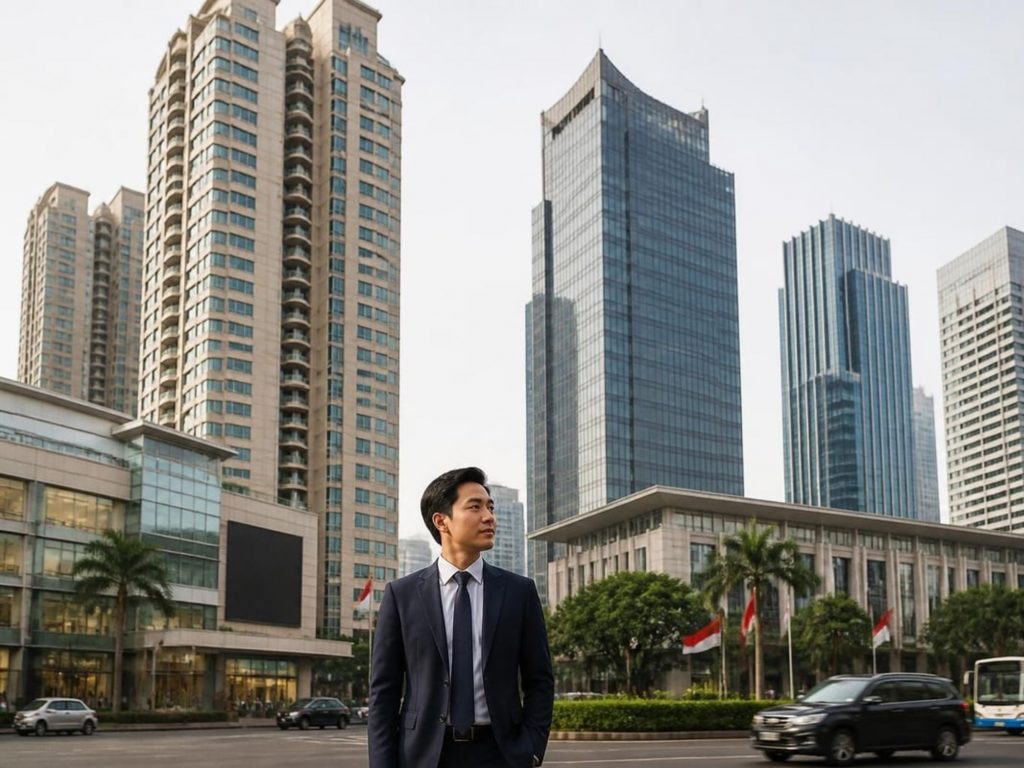
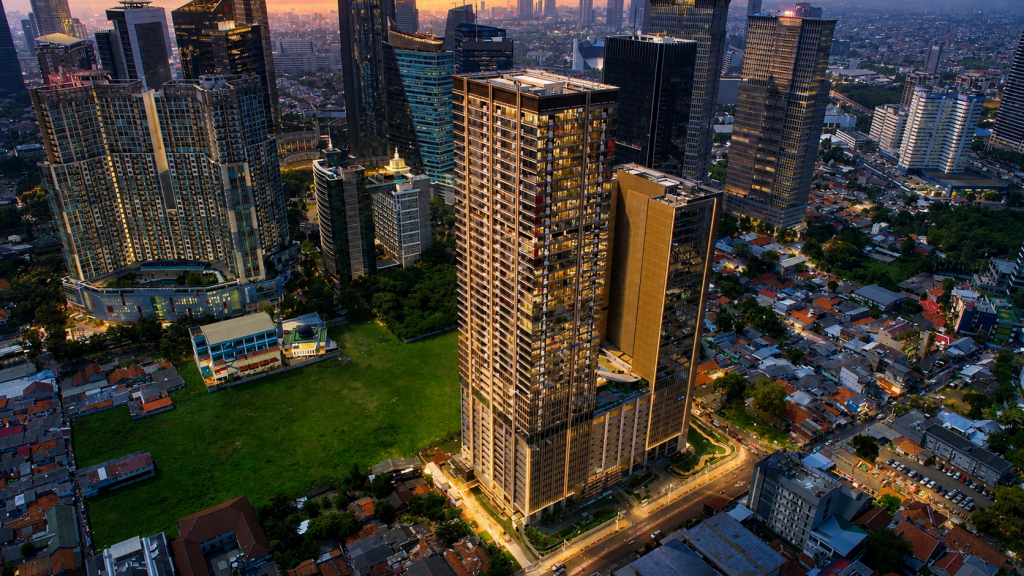
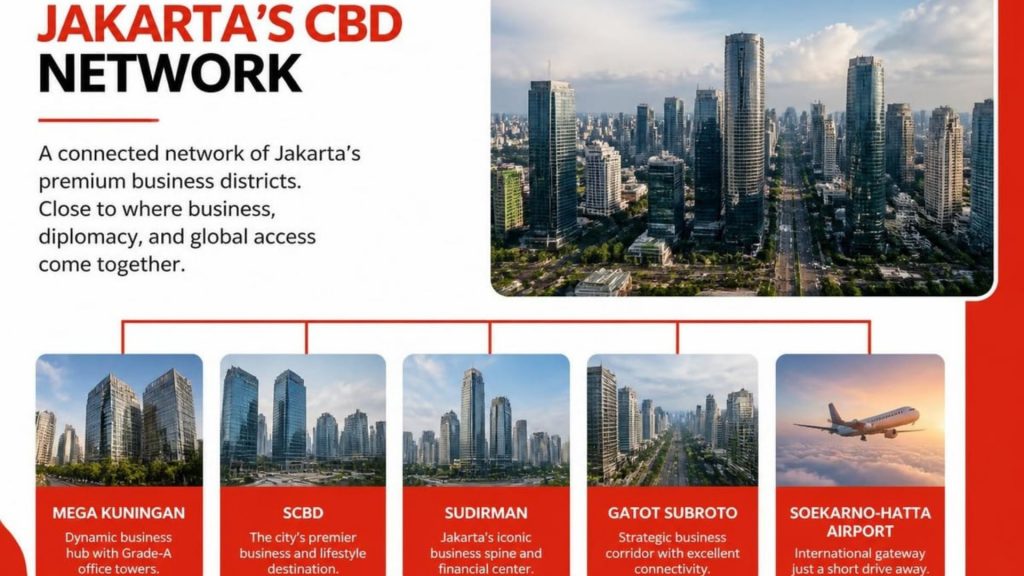
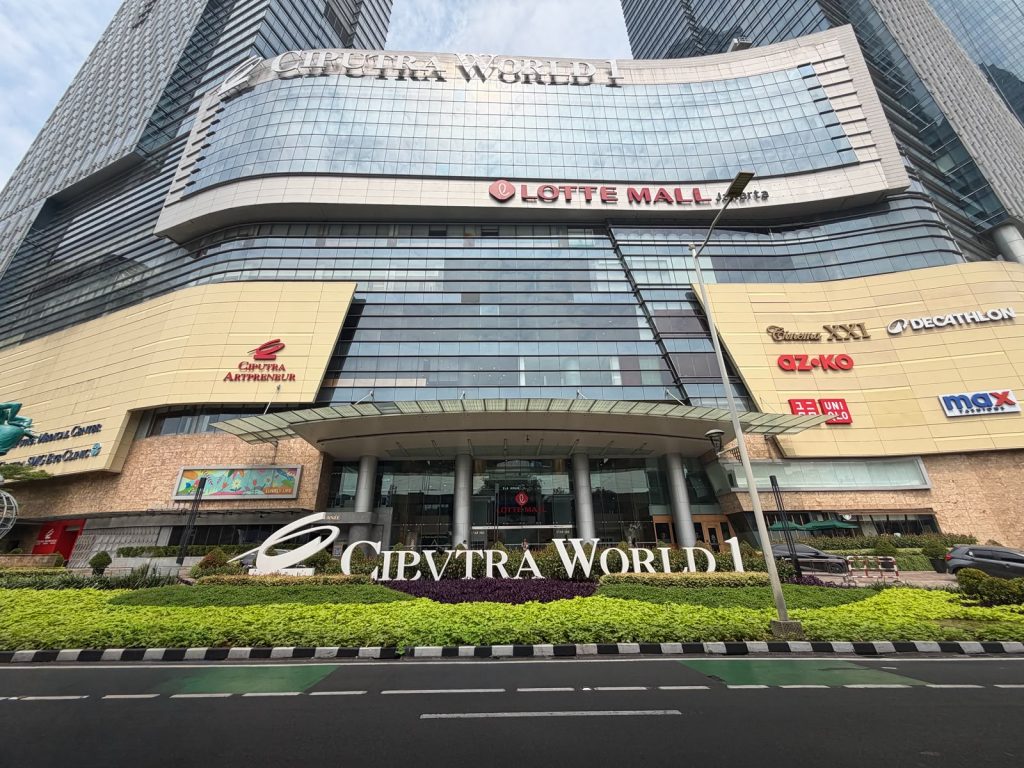
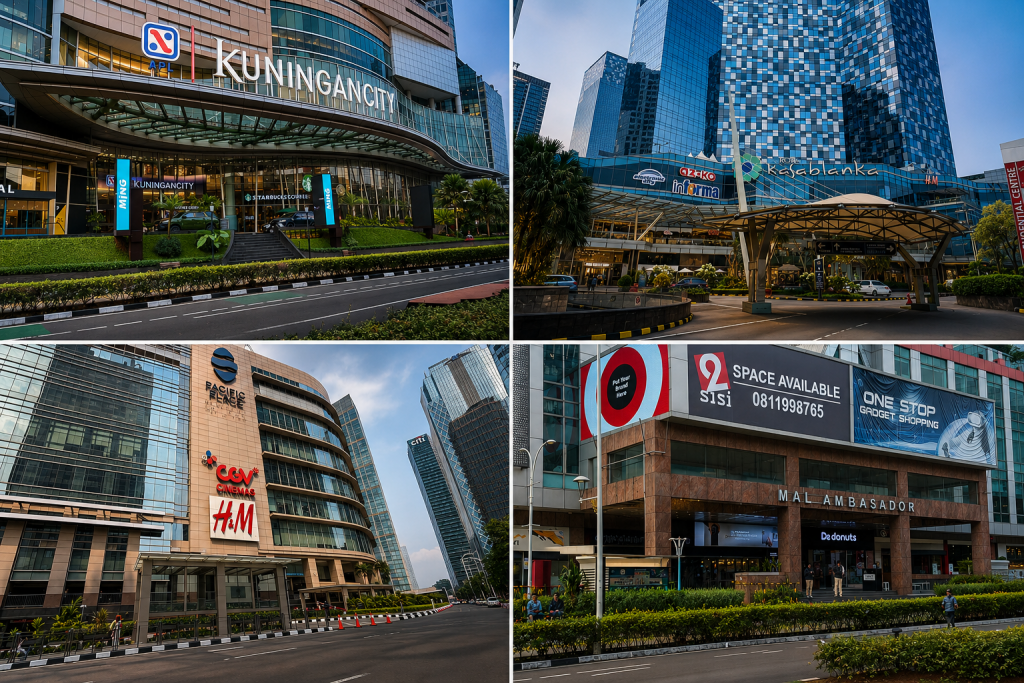
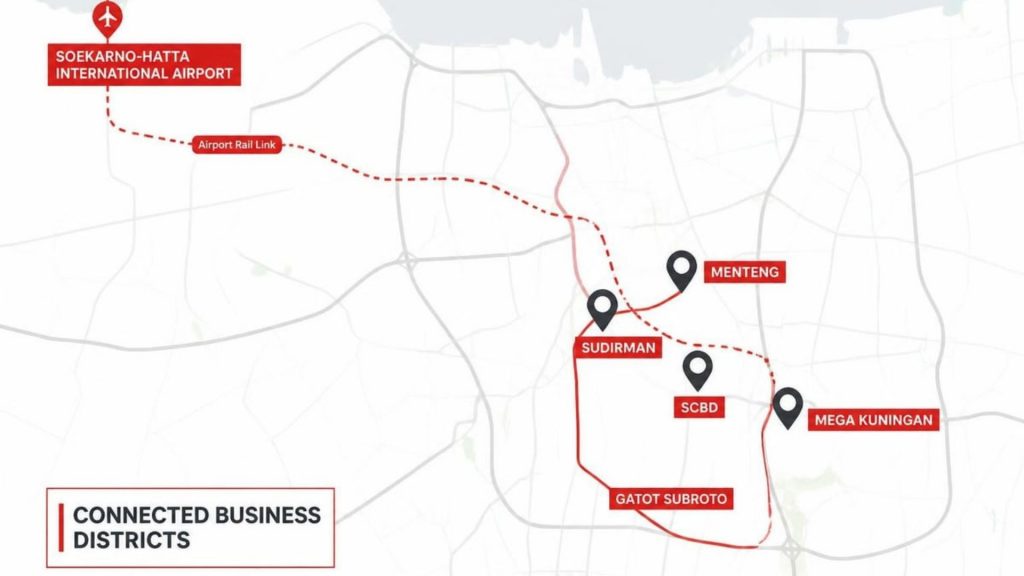
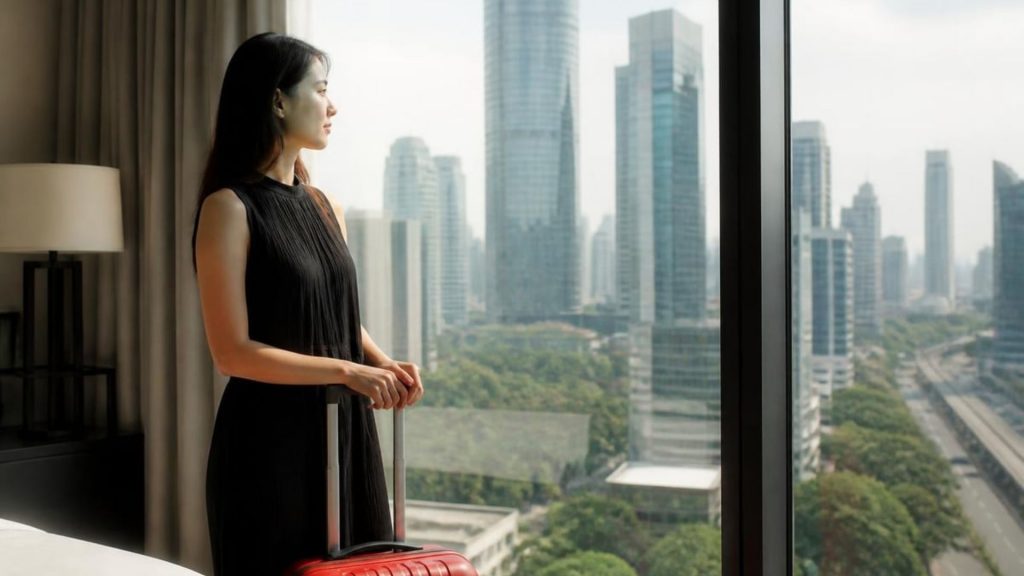
Access to major commercial areas reduces commute time and transportation costs. In Jakarta, for instance, locations near Kuningan, SCBD, Sudirman, and Gatot Subroto provide immediate access to multinational corporations, embassies, and business facilities. This proximity transforms daily logistics, particularly for professionals managing demanding schedules.
Neighborhood Amenities and Infrastructure
The surrounding neighborhood infrastructure significantly affects the extended stay experience:
| Amenity Type | Importance | Ideal Distance |
|---|---|---|
| Grocery stores | High | Within 1 km |
| Restaurants | High | Walking distance |
| Public transport | Very High | 500 meters or less |
| Medical facilities | Medium | Within 2-3 km |
| Shopping malls | Medium | Within 2 km |
| Parks/recreation | Medium | Within 1-2 km |
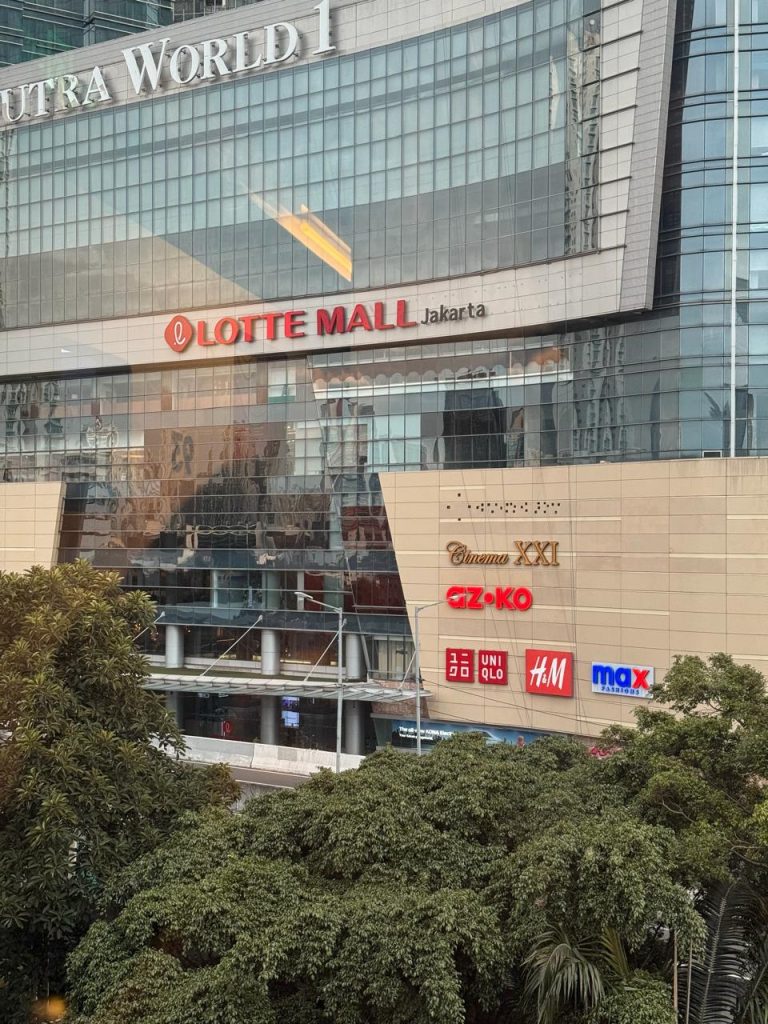
Properties in well-developed areas provide residents with comprehensive support systems. The ability to walk to restaurants, shops, and services enhances independence and reduces reliance on transportation. This becomes especially valuable for international travelers adjusting to new cities.
Airport accessibility also deserves consideration, particularly for business travelers with frequent trips. Apartments with kitchen facilities located near major transportation routes provide better connectivity for both business and leisure travel needs.
Space and Layout Design
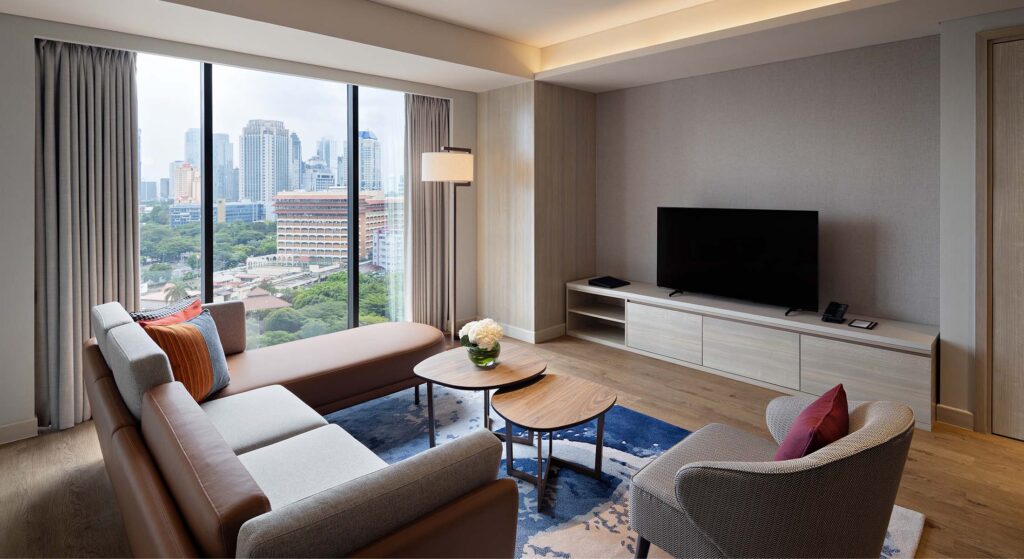
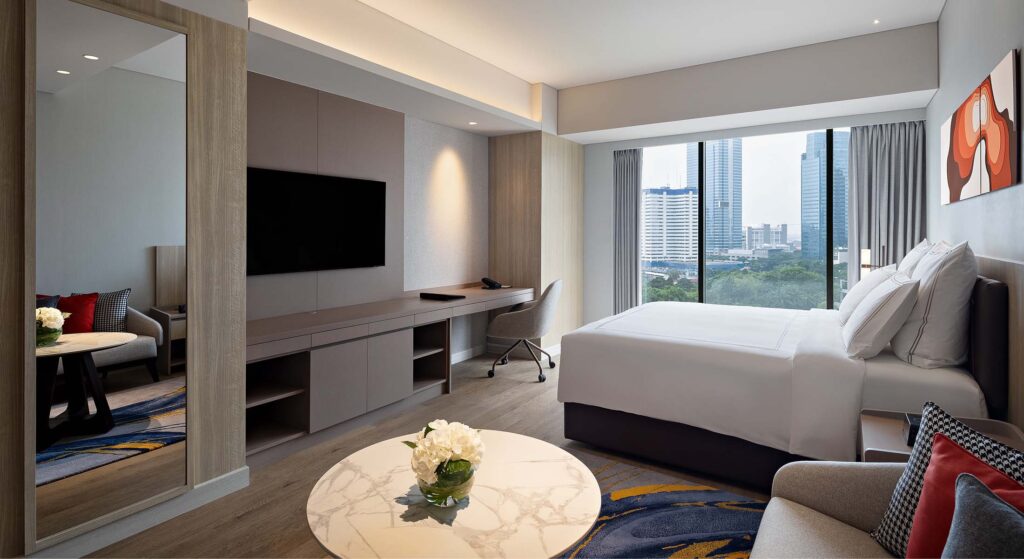
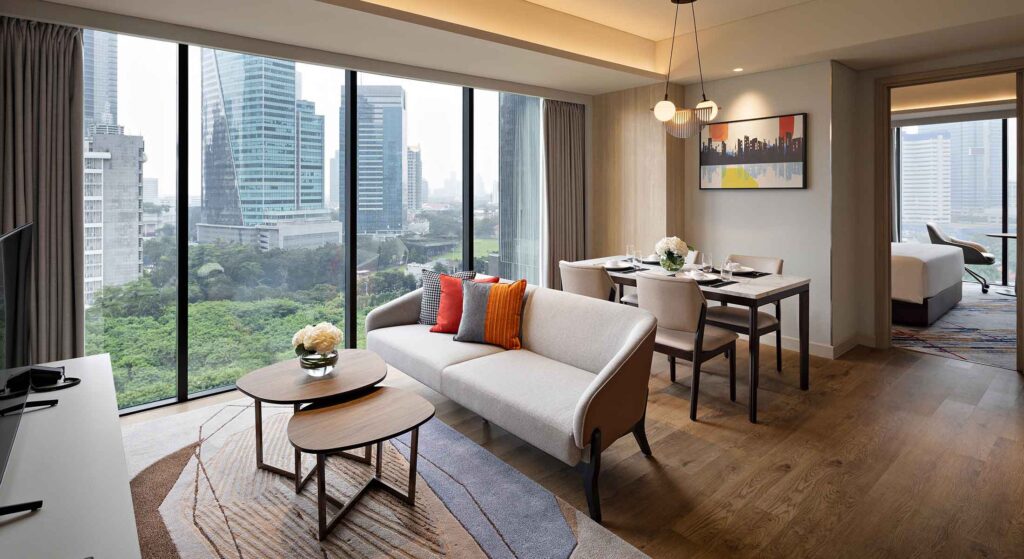
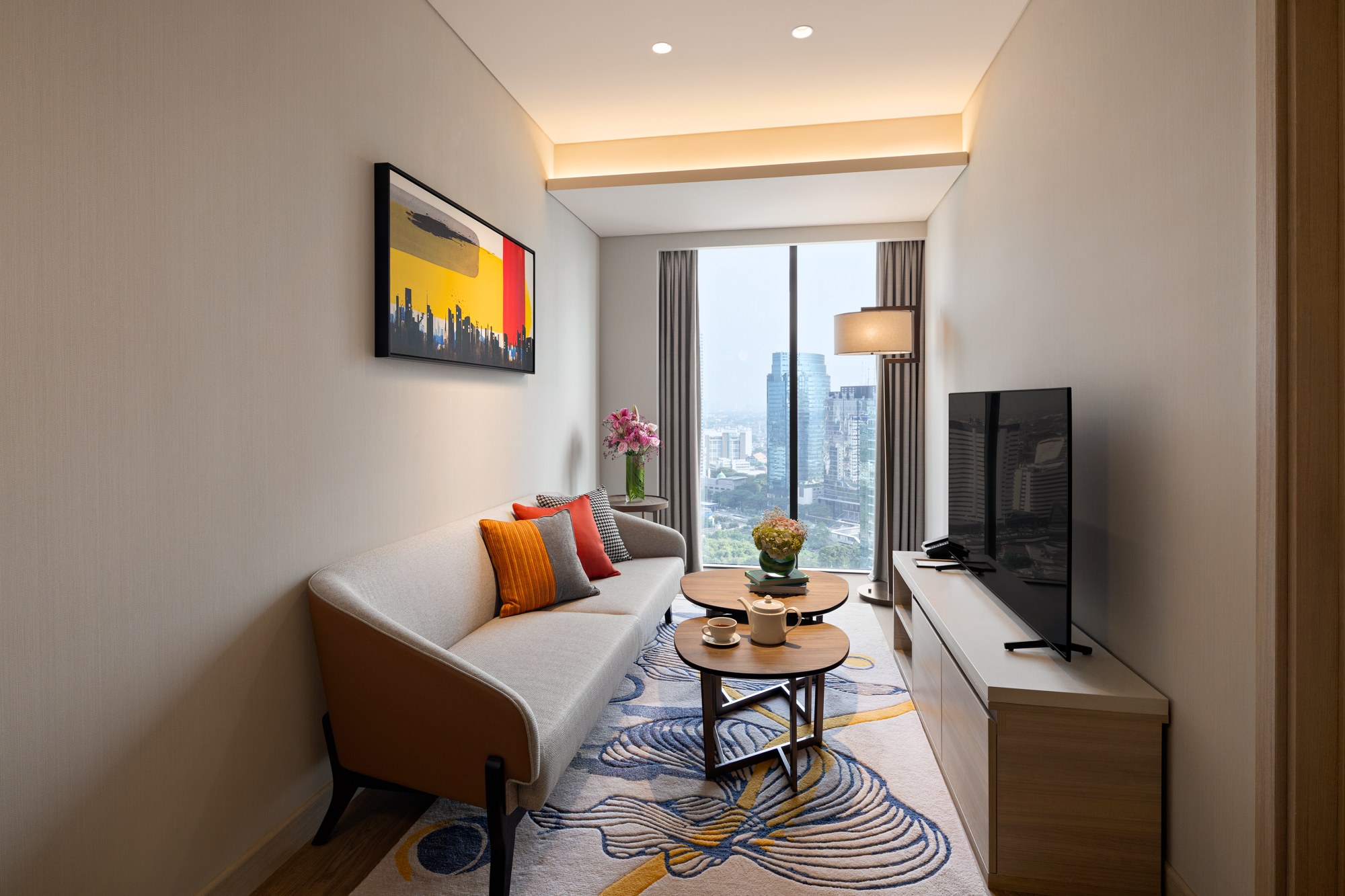
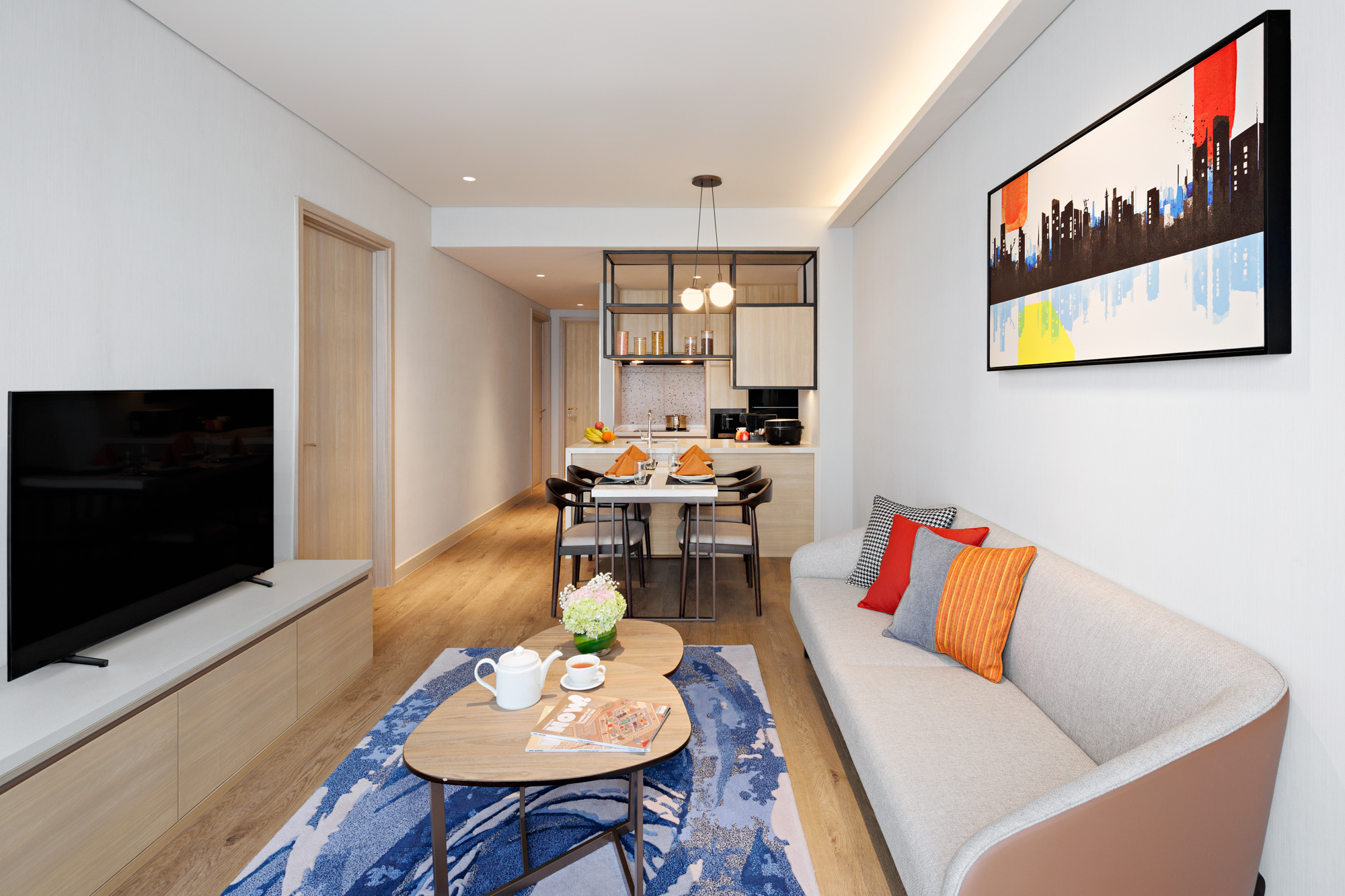
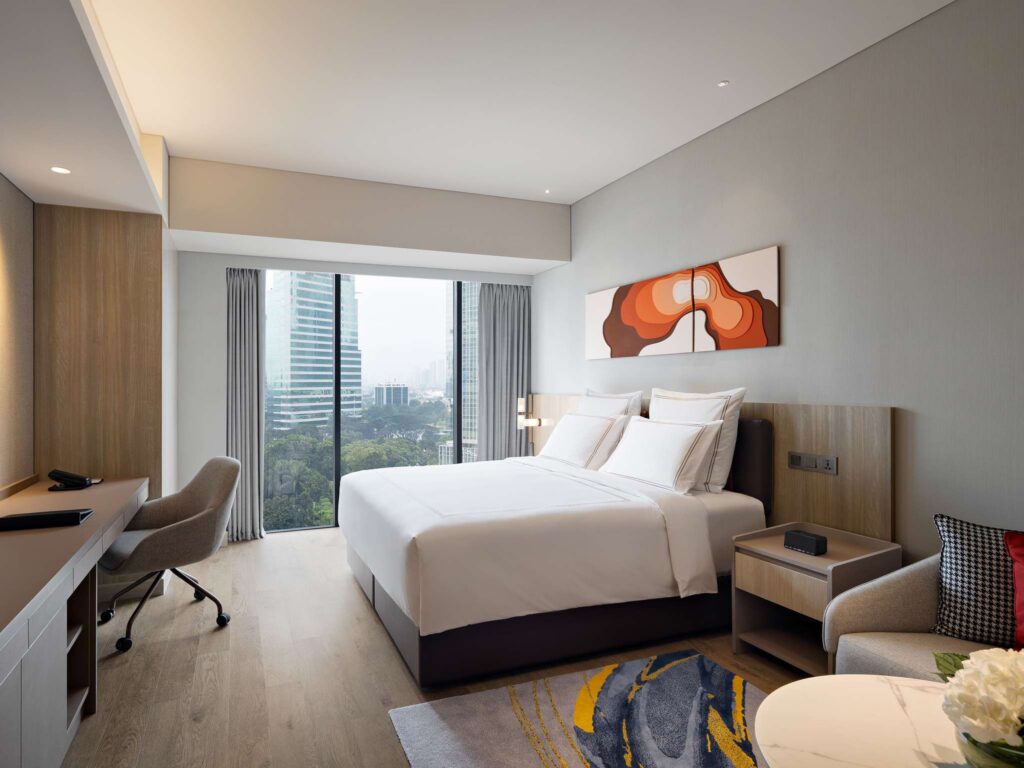
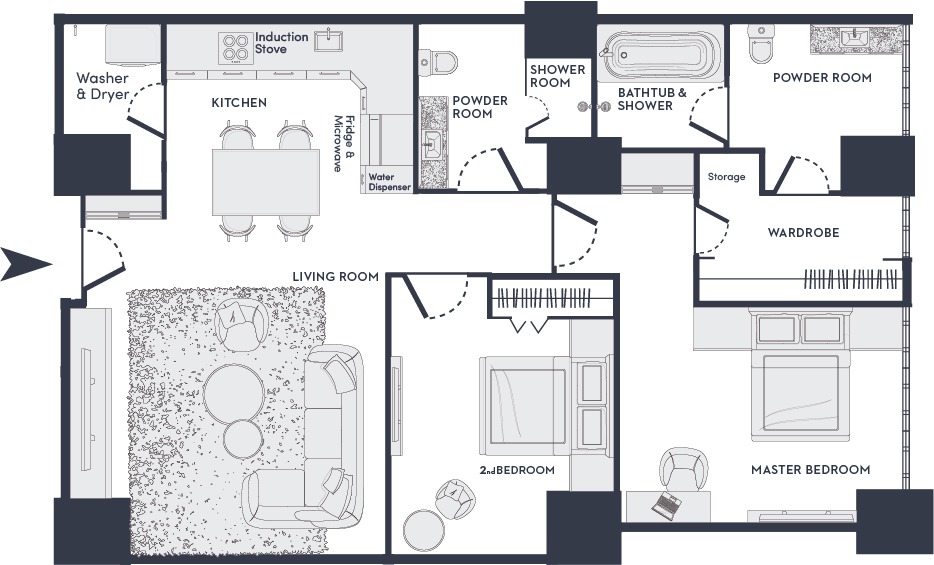
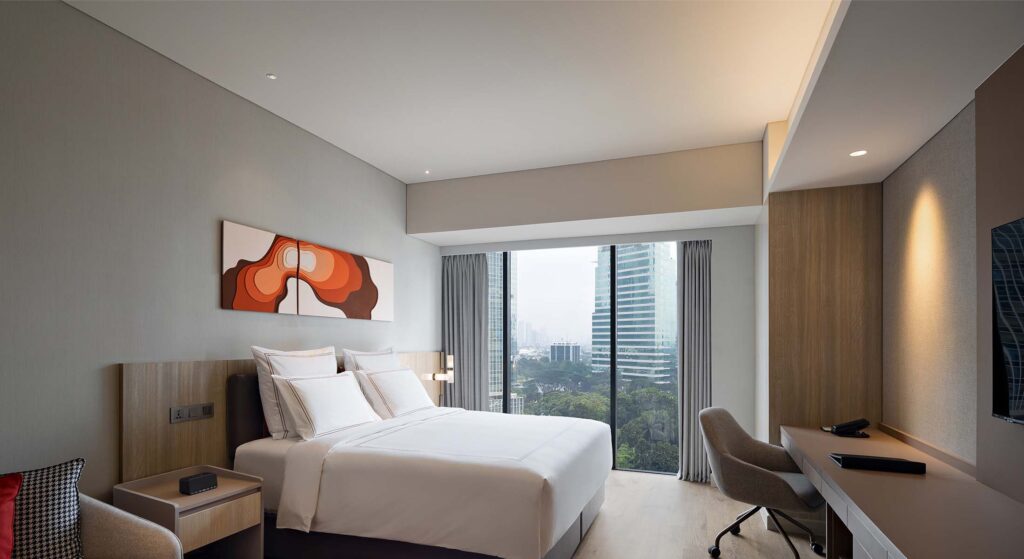
Nice extended stay hotels prioritize functional layouts that support both work and relaxation. Studio, one-bedroom, two-bedroom, and larger configurations each serve different needs. Understanding which layout matches your requirements prevents compromises that affect daily comfort.
Studio apartments typically range from 35-45 square meters and work well for solo business travelers requiring efficient spaces. One-bedroom units, usually 50-70 square meters, provide separation between sleeping and living areas, creating better work-life boundaries. Families and those requiring home offices benefit from two-bedroom layouts of 80-100 square meters or larger.
Optimizing Space for Long-Term Living
Effective space utilization incorporates several design principles:
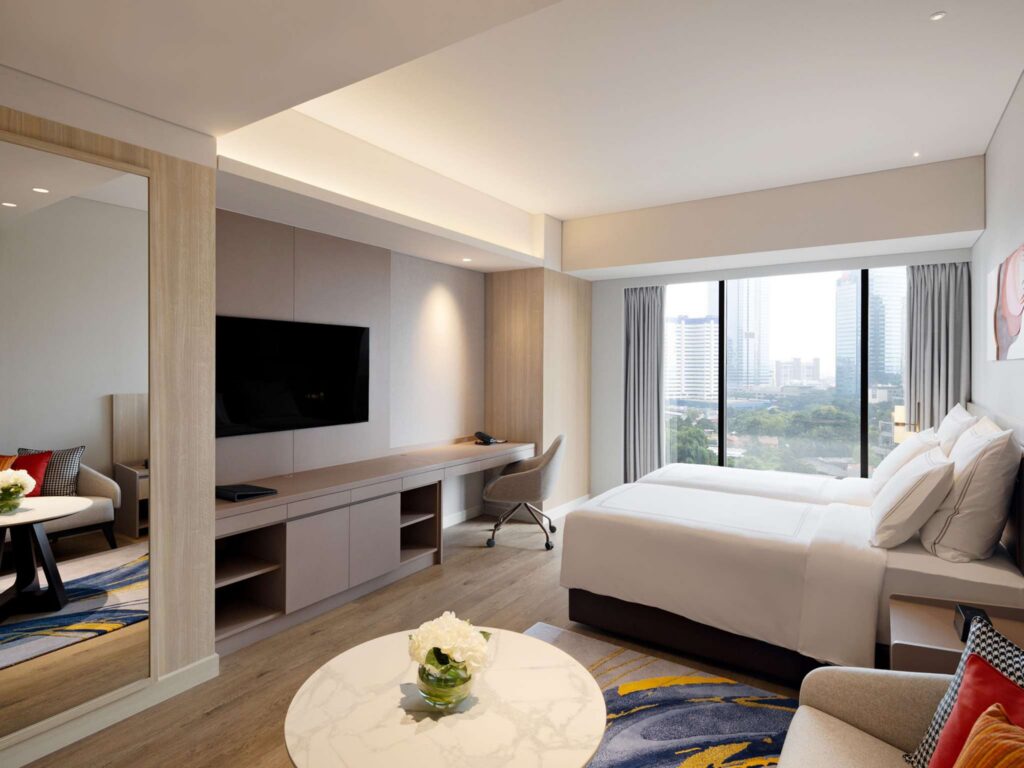
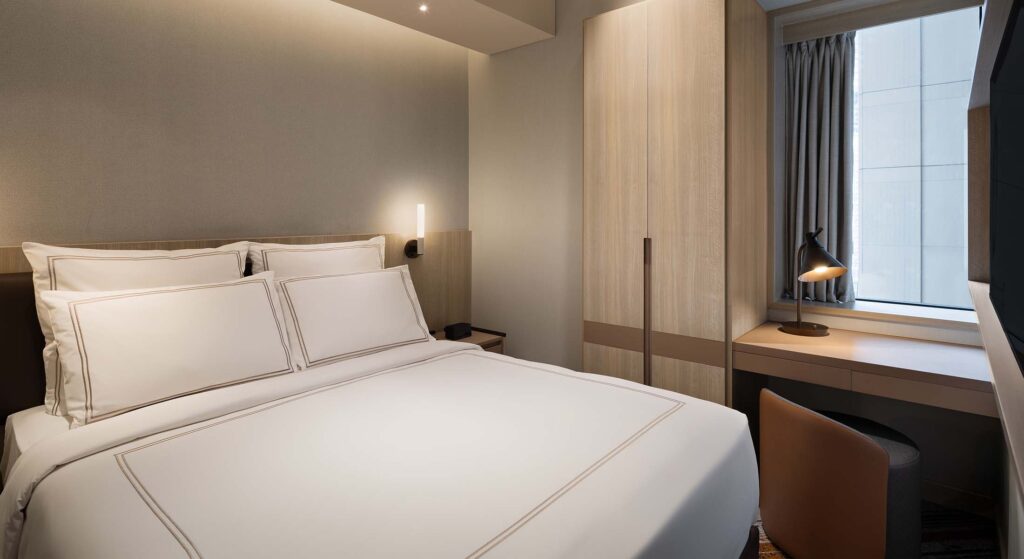
- Clear zoning between sleeping, working, and living functions
- Adequate storage including closets, cabinets, and kitchen pantries
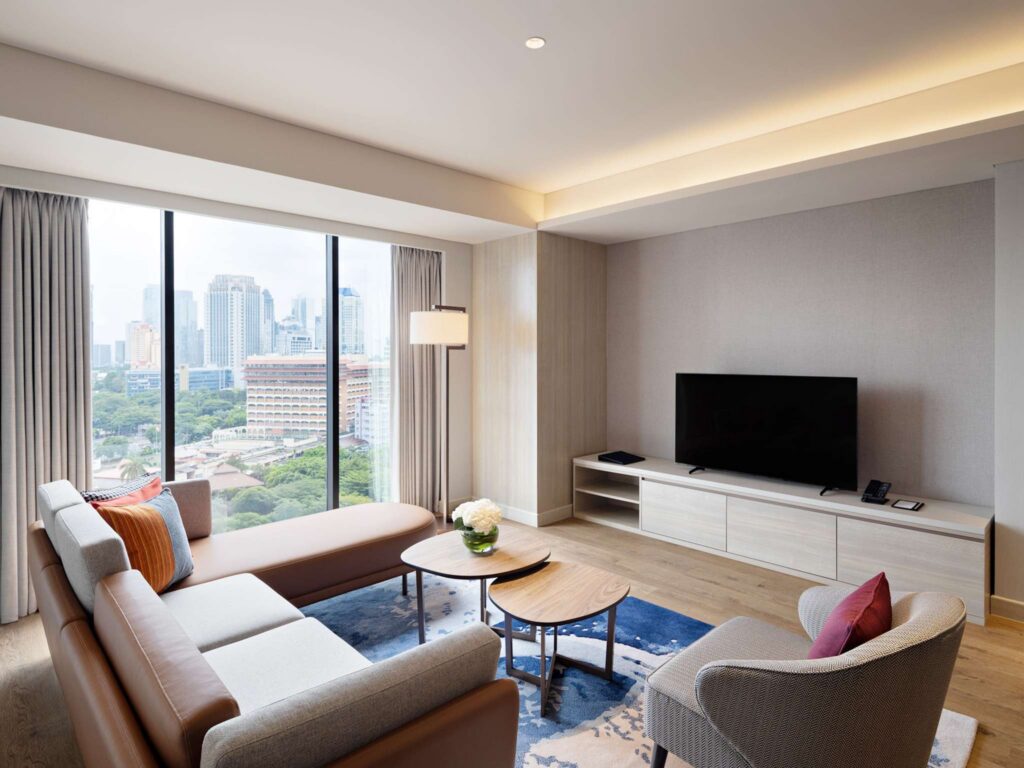
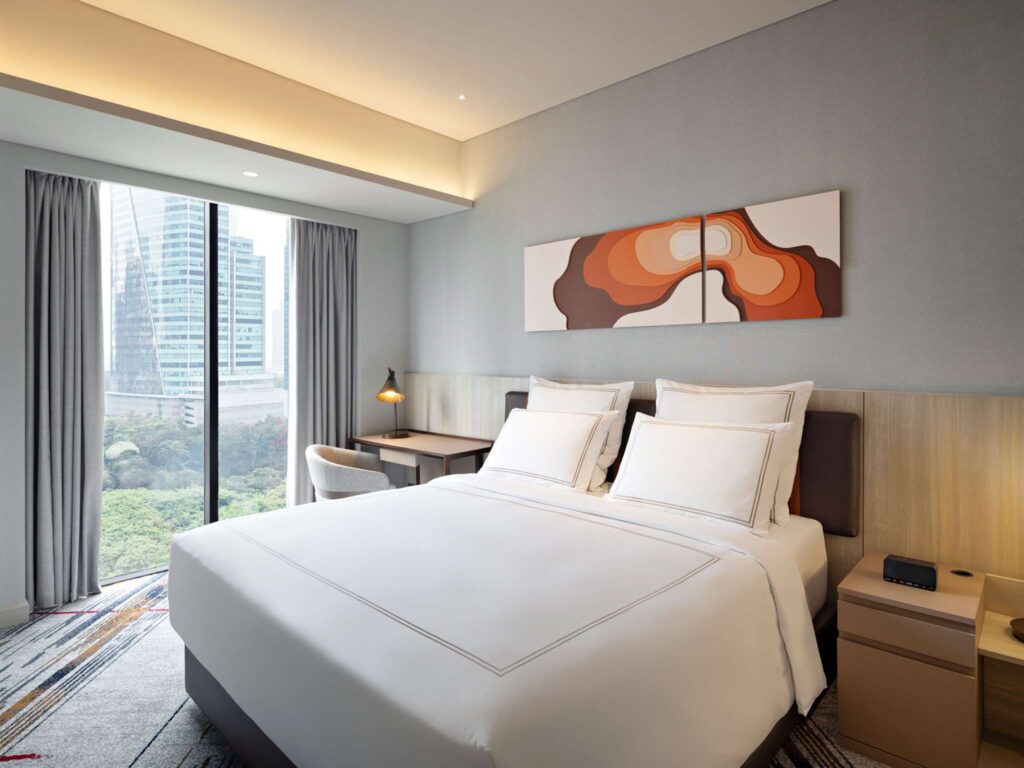
- Natural light through well-positioned windows
- Ventilation systems that maintain air quality
- Soundproofing between units and from external noise sources
These elements contribute to habitability over extended periods. Insufficient storage, for example, creates clutter and stress as personal belongings accumulate. Poor soundproofing disrupts sleep and concentration, issues that intensify over time.
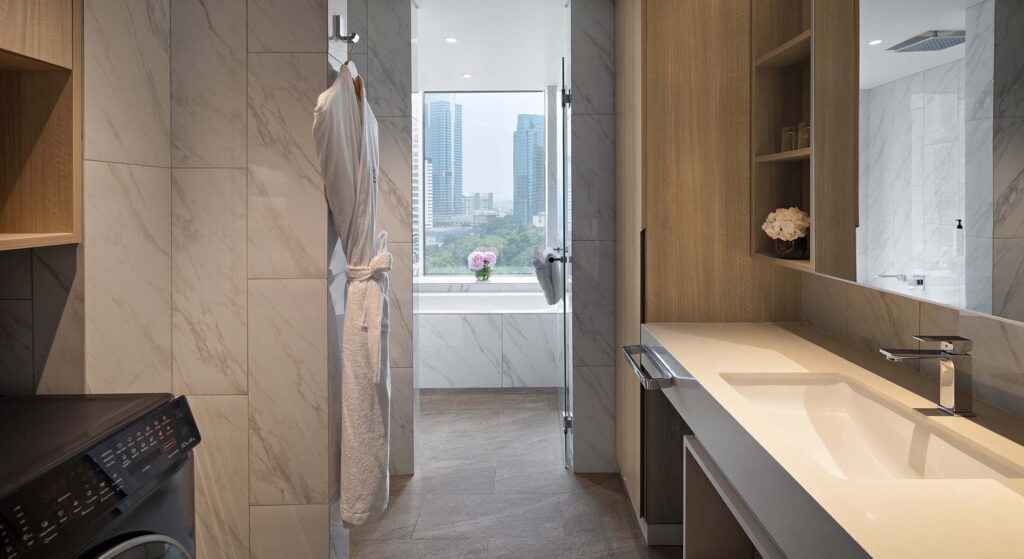
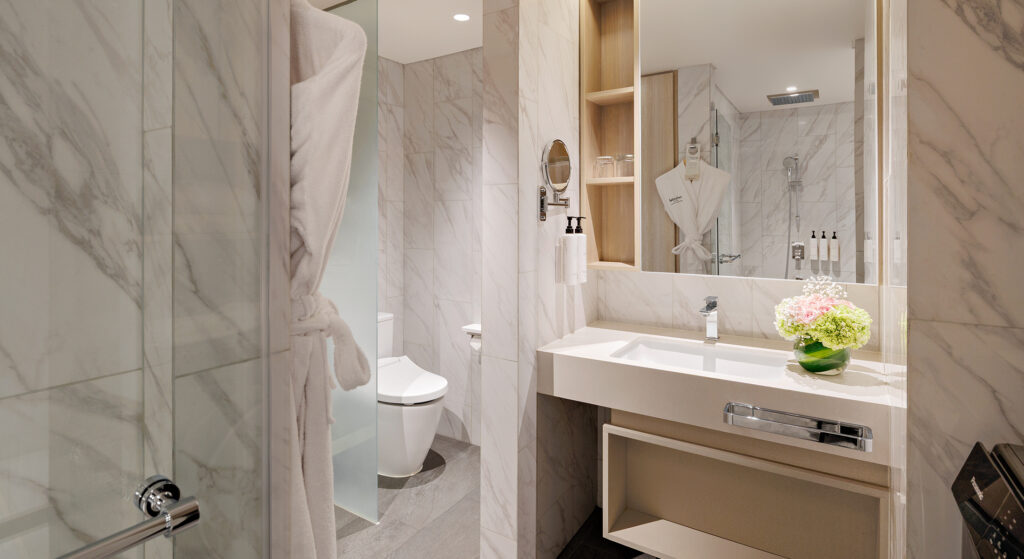
Properties that invest in thoughtful design acknowledge that residents need authentic living spaces, not just temporary lodging. This philosophy extends to details like kitchen counter space, bathroom layouts, and furniture quality.
Service Standards and Flexibility
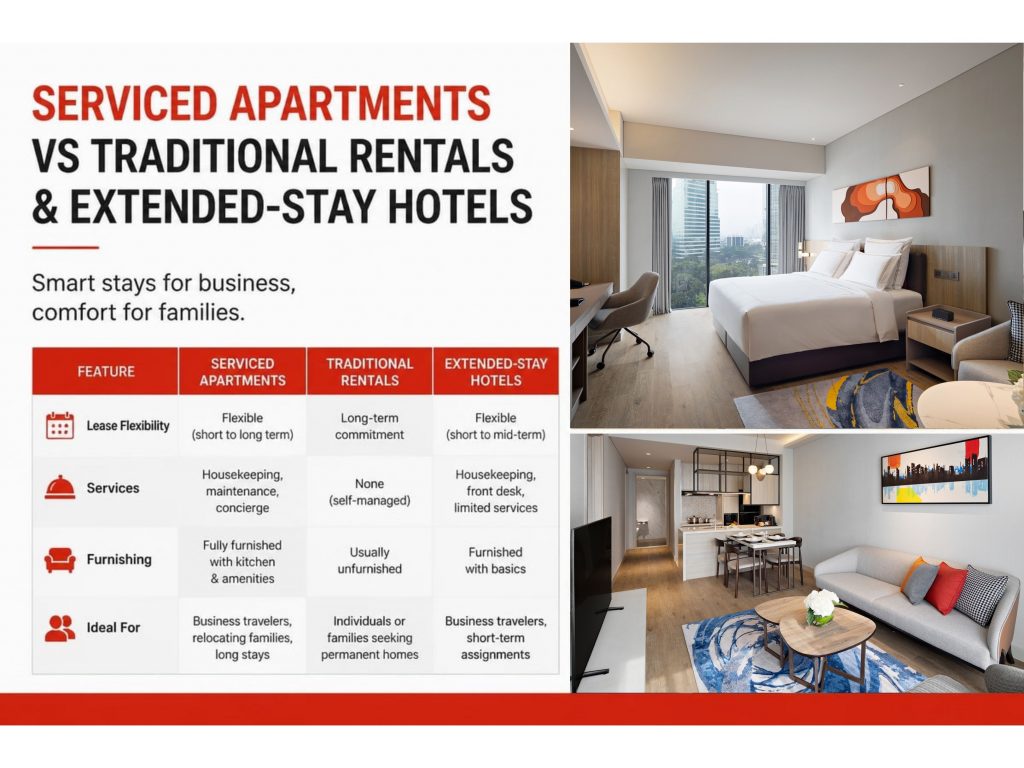
The service model distinguishes nice extended stay hotels from standard apartments. While traditional apartments offer independence, extended stay properties provide optional hotel services that enhance convenience without sacrificing privacy. This hybrid approach addresses diverse preferences and changing needs throughout longer stays.
Housekeeping frequency, for instance, should be customizable. Some guests prefer weekly service to maintain privacy, while others appreciate more frequent cleaning. Flexible scheduling demonstrates respect for individual preferences and living rhythms. Research on longer stays and digital nomads indicates that flexibility has become a primary decision factor for modern extended stay guests.
Essential Services and Support
Premium properties typically include:
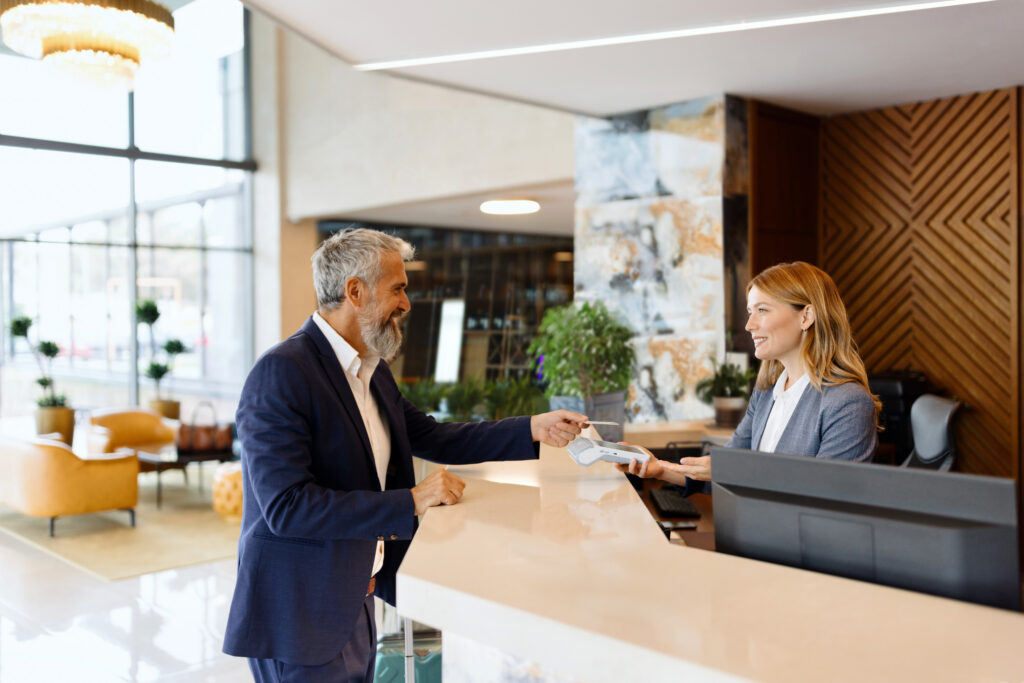
- 24-hour reception for security and guest assistance
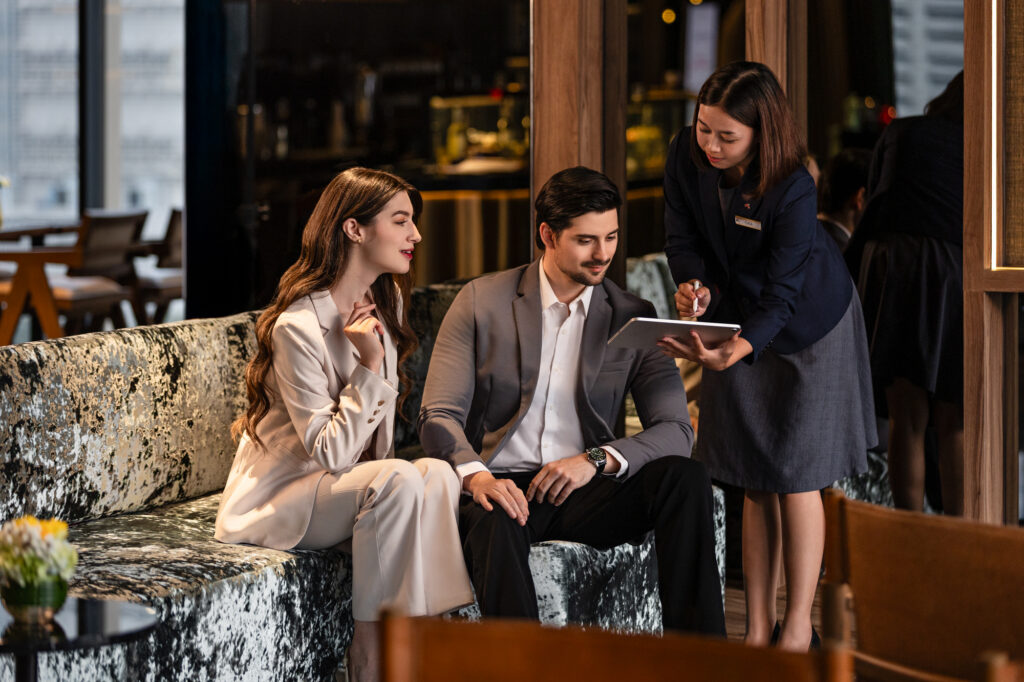
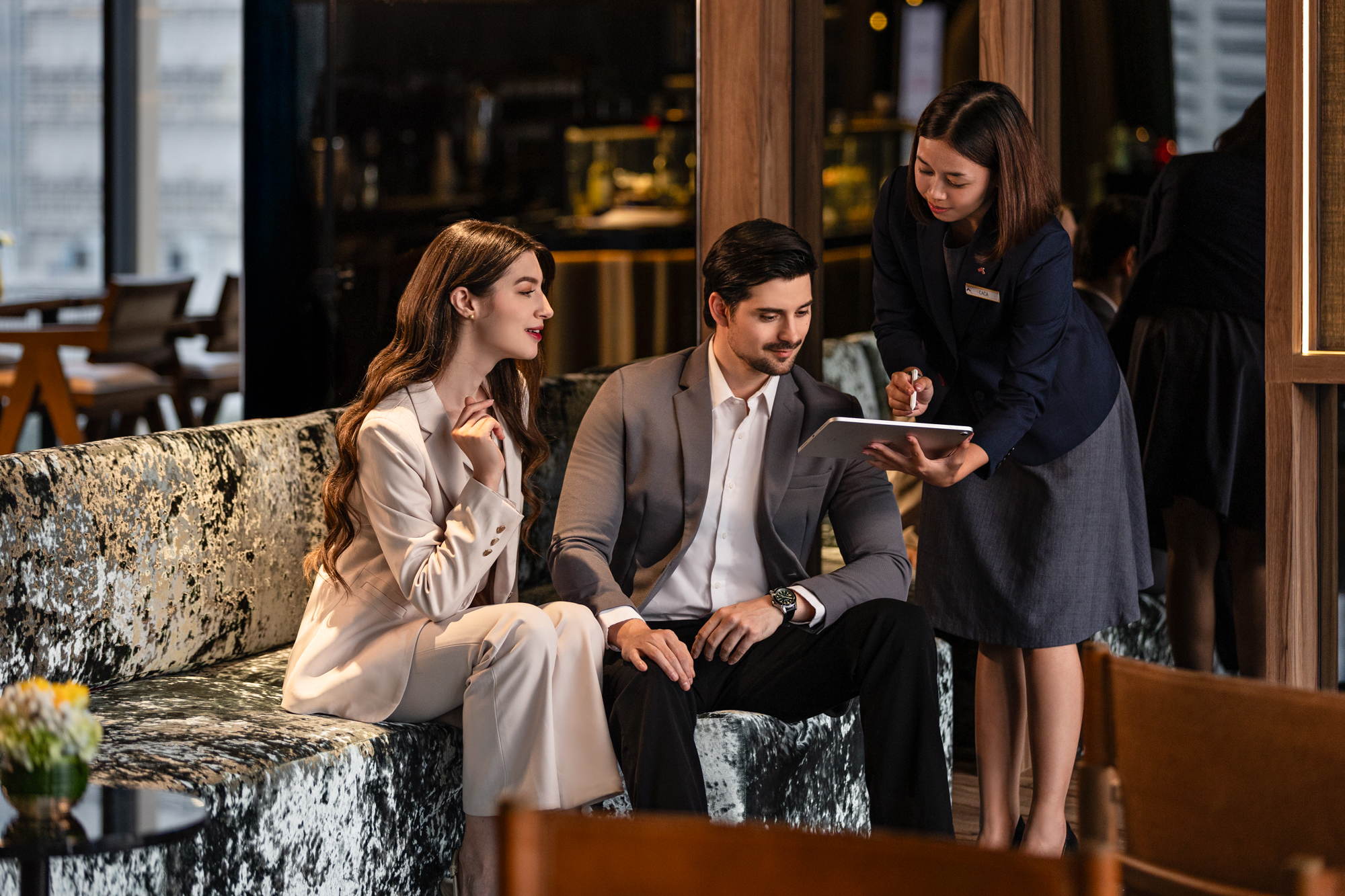
- Concierge services helping with local arrangements
- Maintenance support for prompt resolution of issues
- Package handling for deliveries and mail
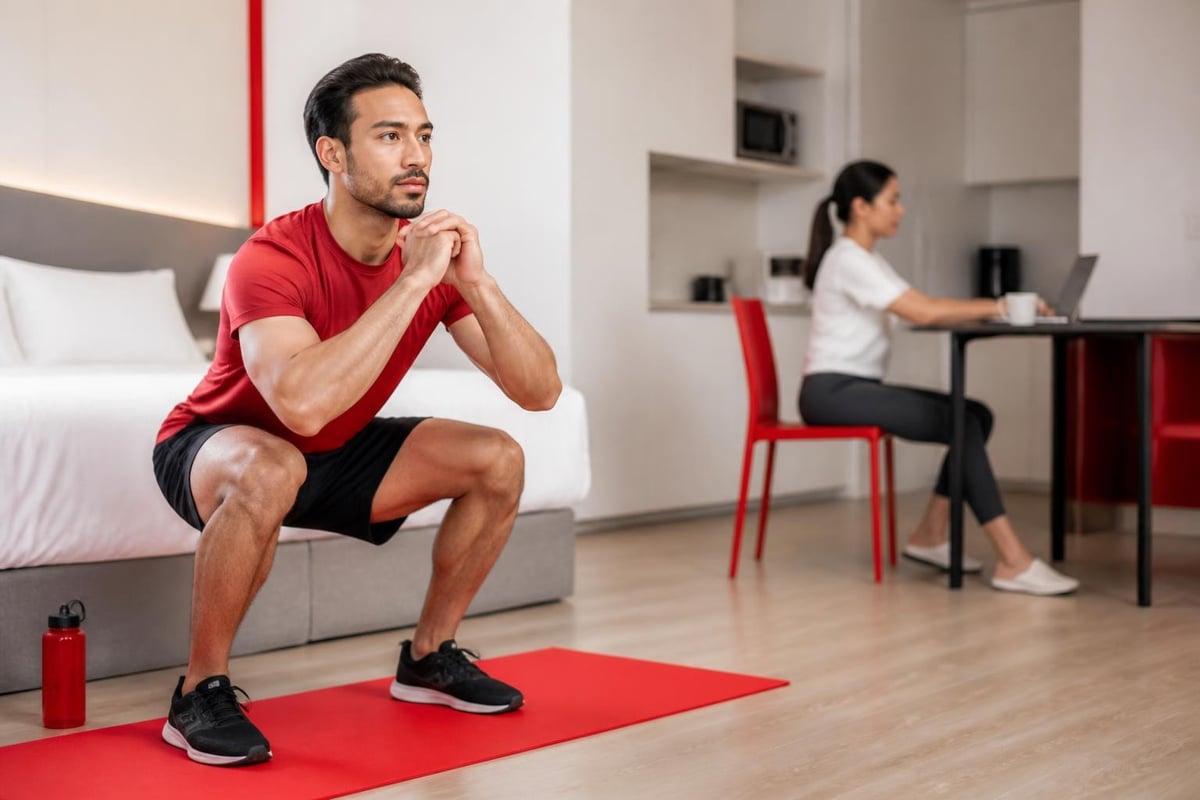
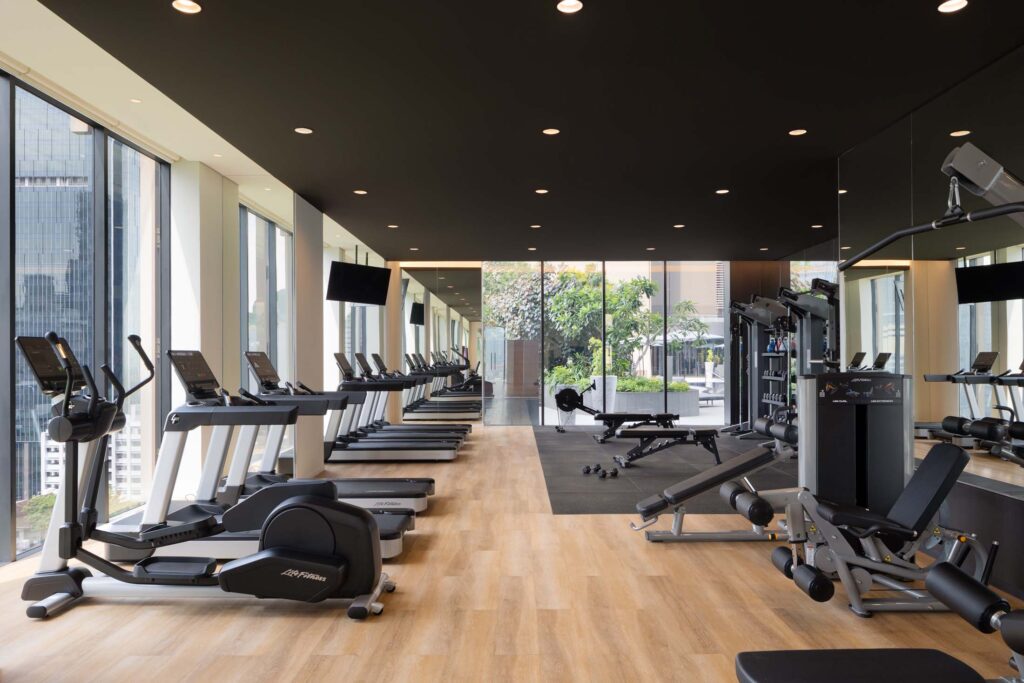
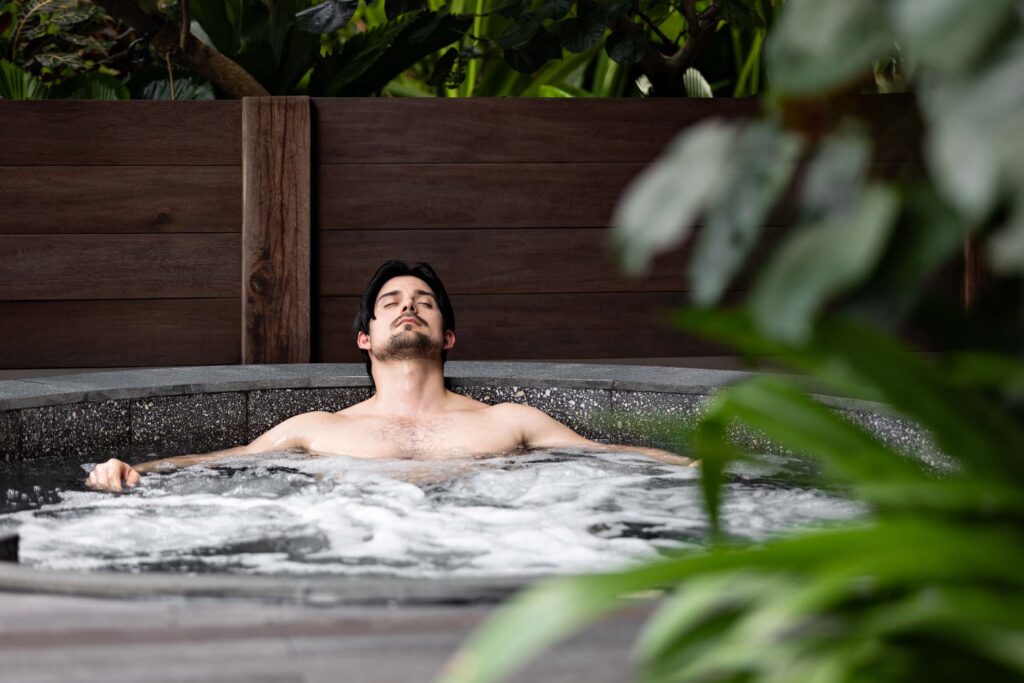
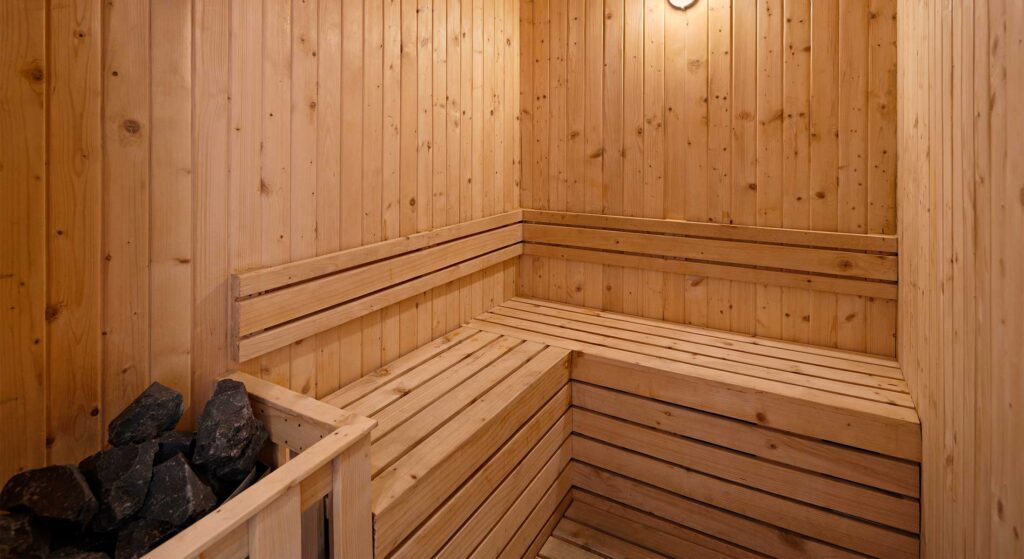
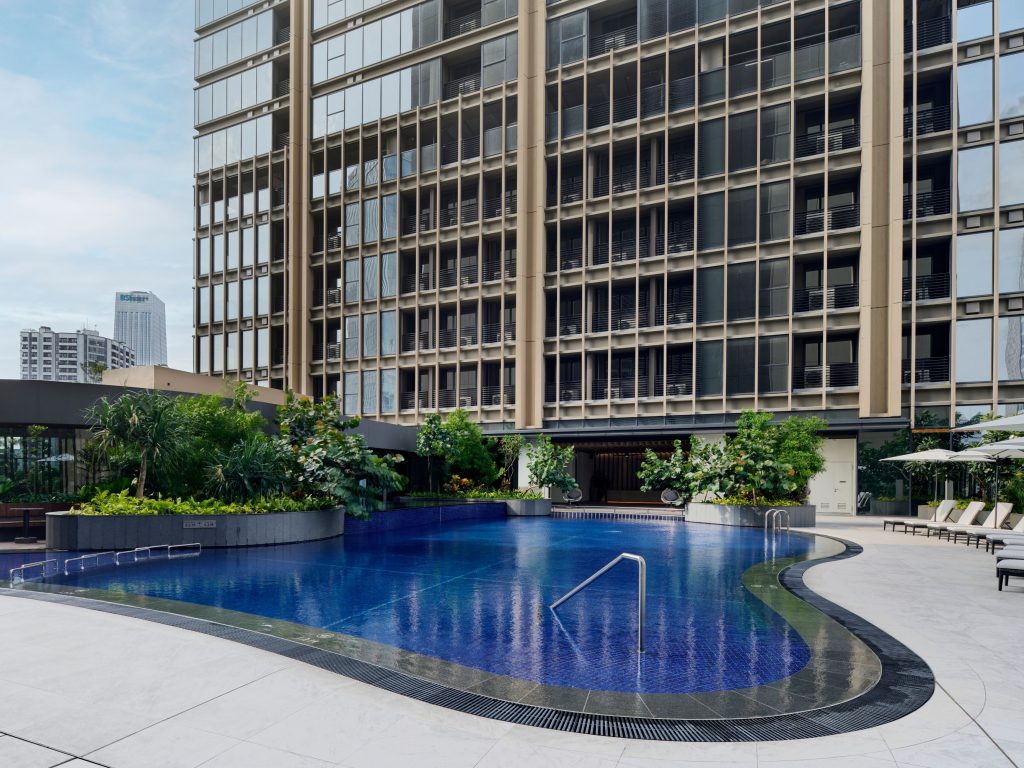
- Fitness and wellness facilities accessible to all residents
These services provide peace of mind and practical support. Knowing that maintenance issues receive immediate attention prevents small problems from disrupting routines. Concierge assistance proves invaluable when navigating unfamiliar cities, particularly for international relocations.
The extended stay hotel market continues expanding as operators recognize the value of service differentiation. Properties that exceed basic expectations through genuine hospitality and responsive support build loyal guest bases.
Pricing Models and Value Assessment
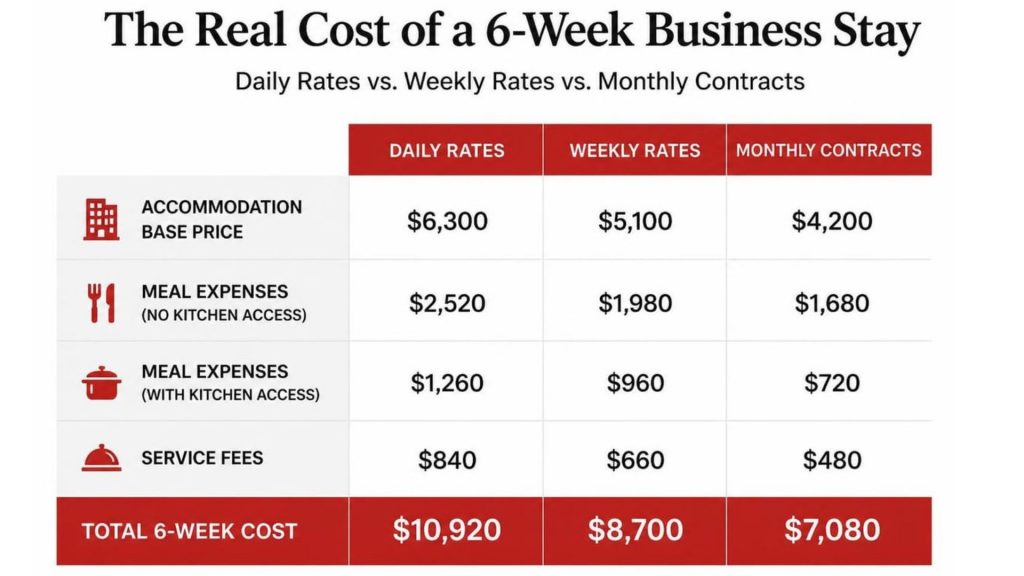
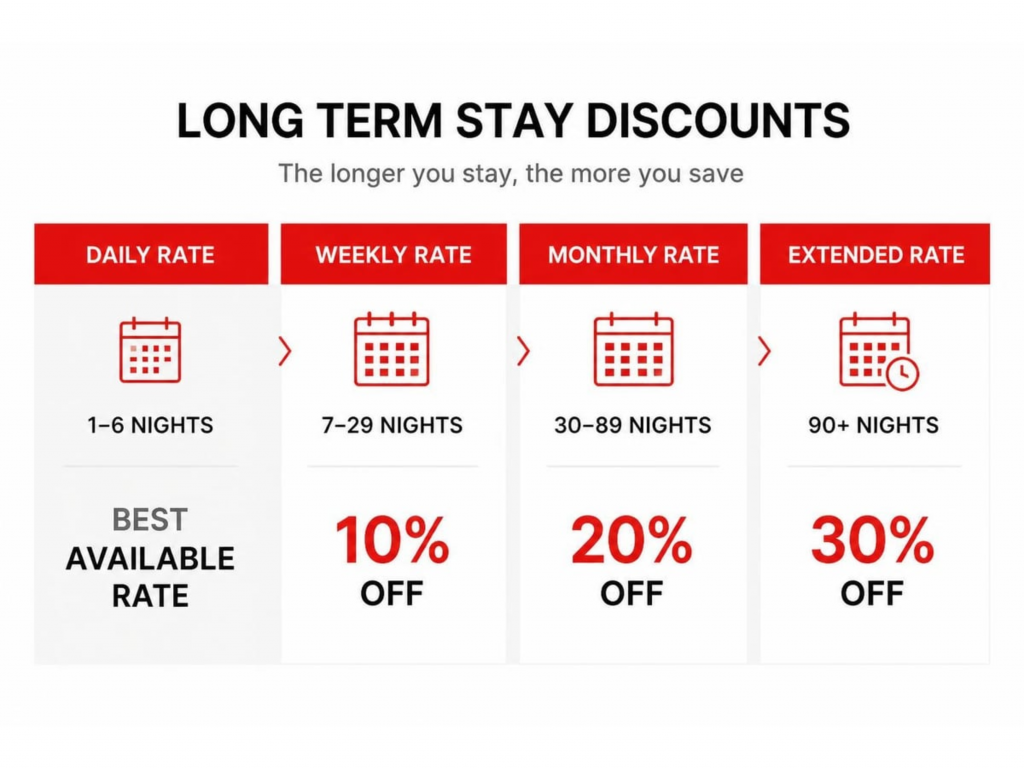
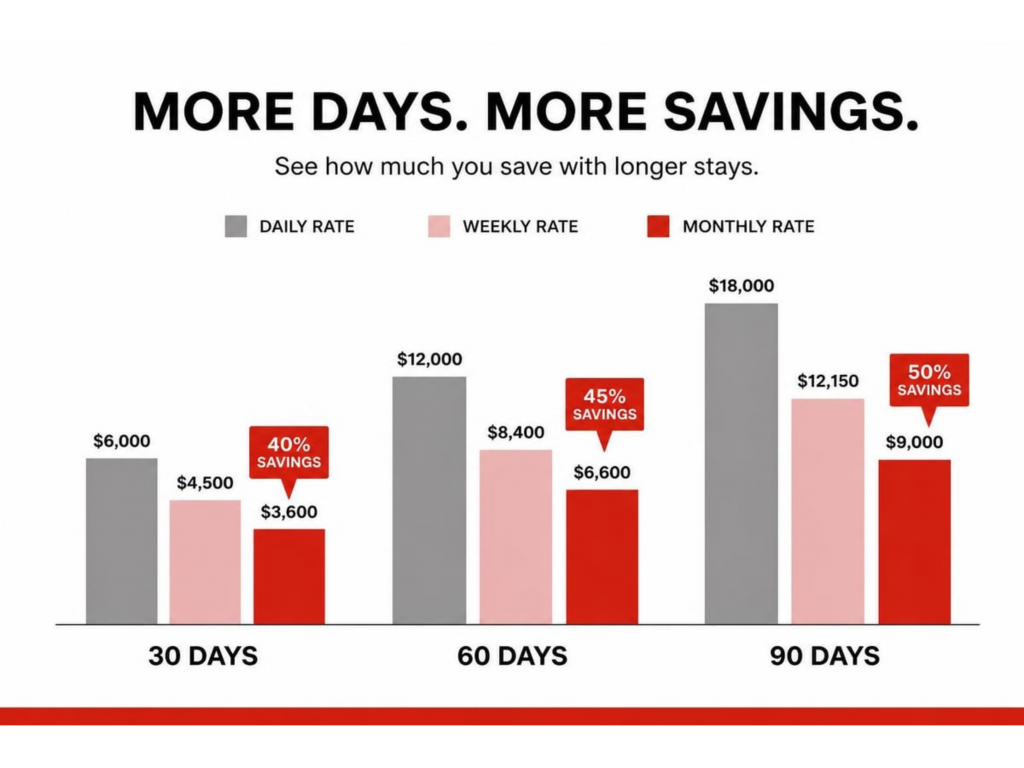
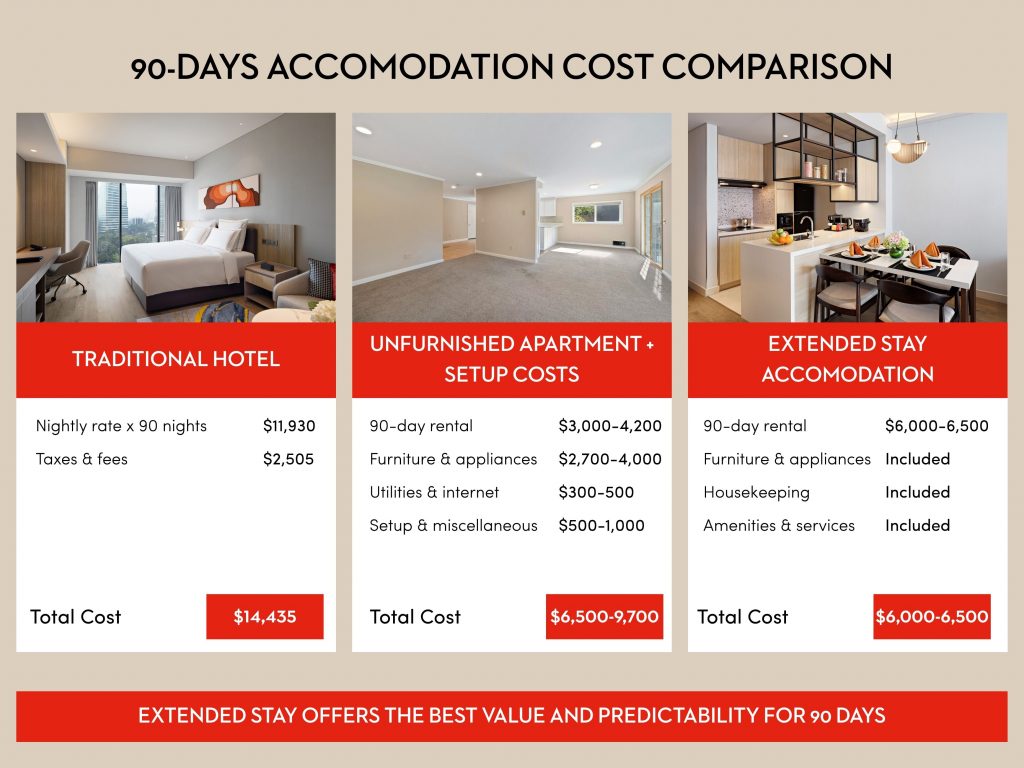
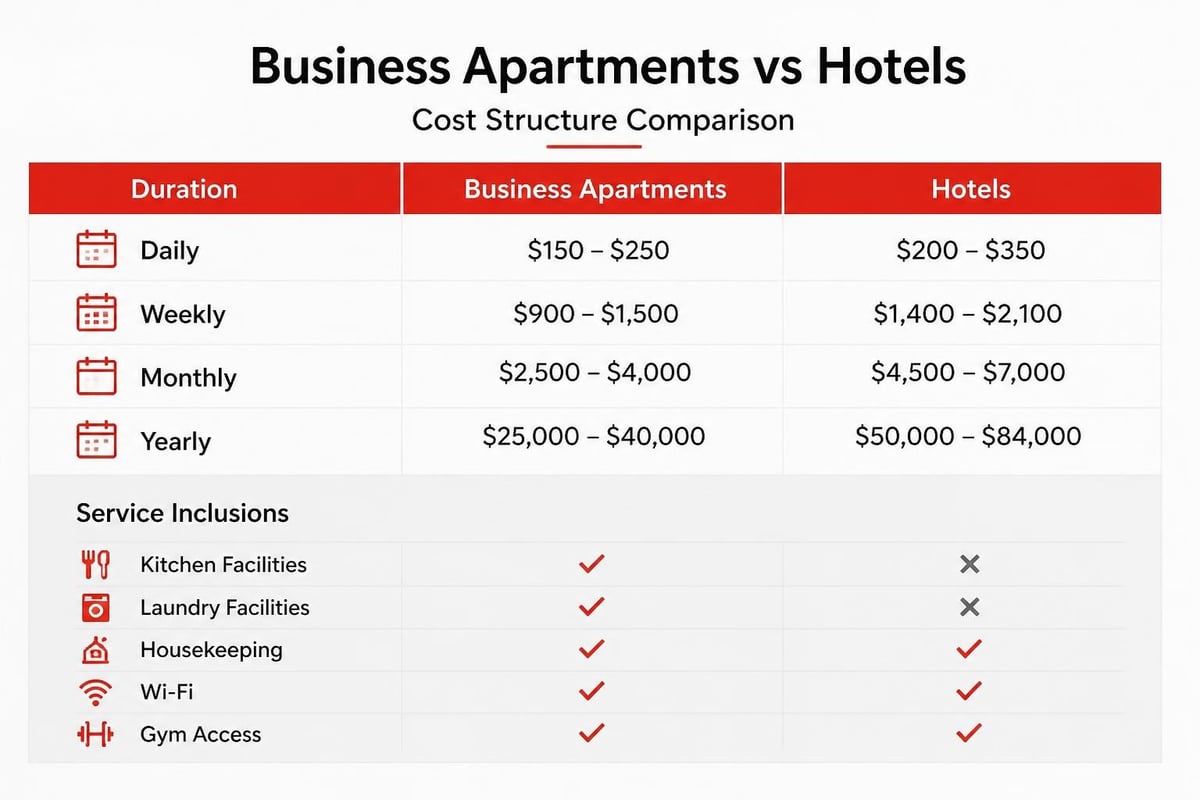
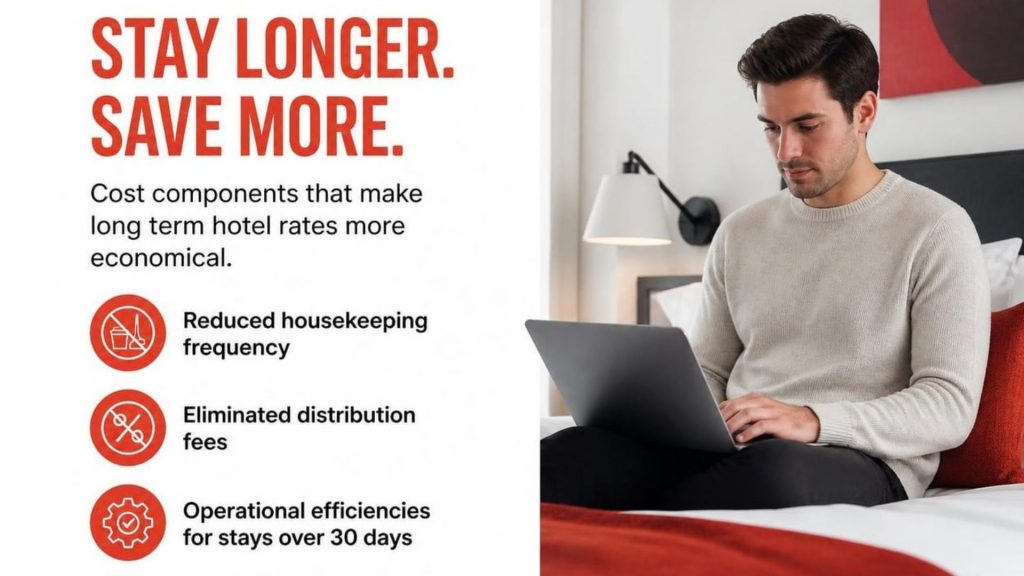
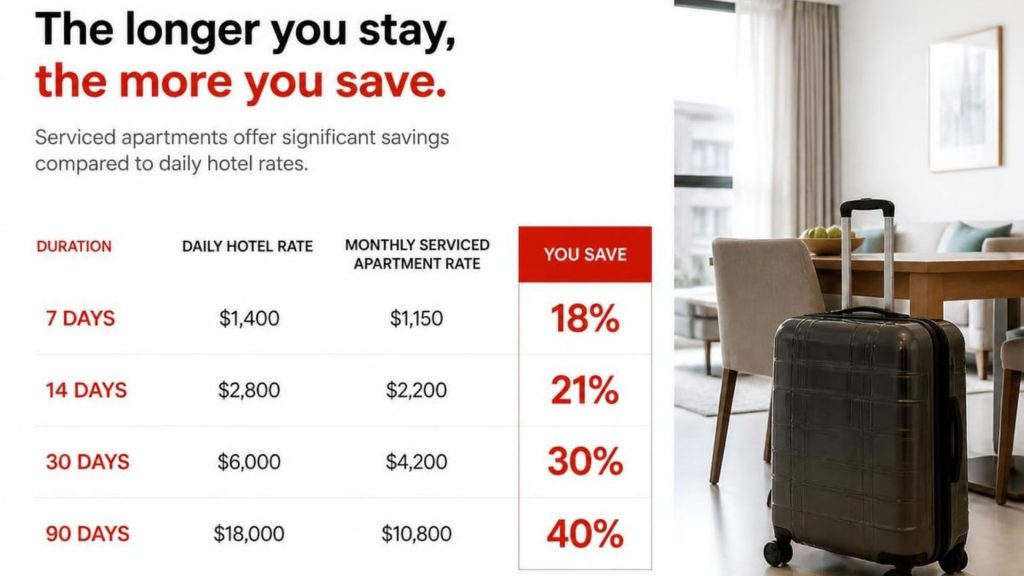
Understanding pricing structures helps evaluate whether properties deliver appropriate value. Nice extended stay hotels typically offer tiered rates based on commitment length, with significant discounts for monthly and annual arrangements. This pricing reflects operational efficiencies and encourages longer commitments that benefit both guests and operators.
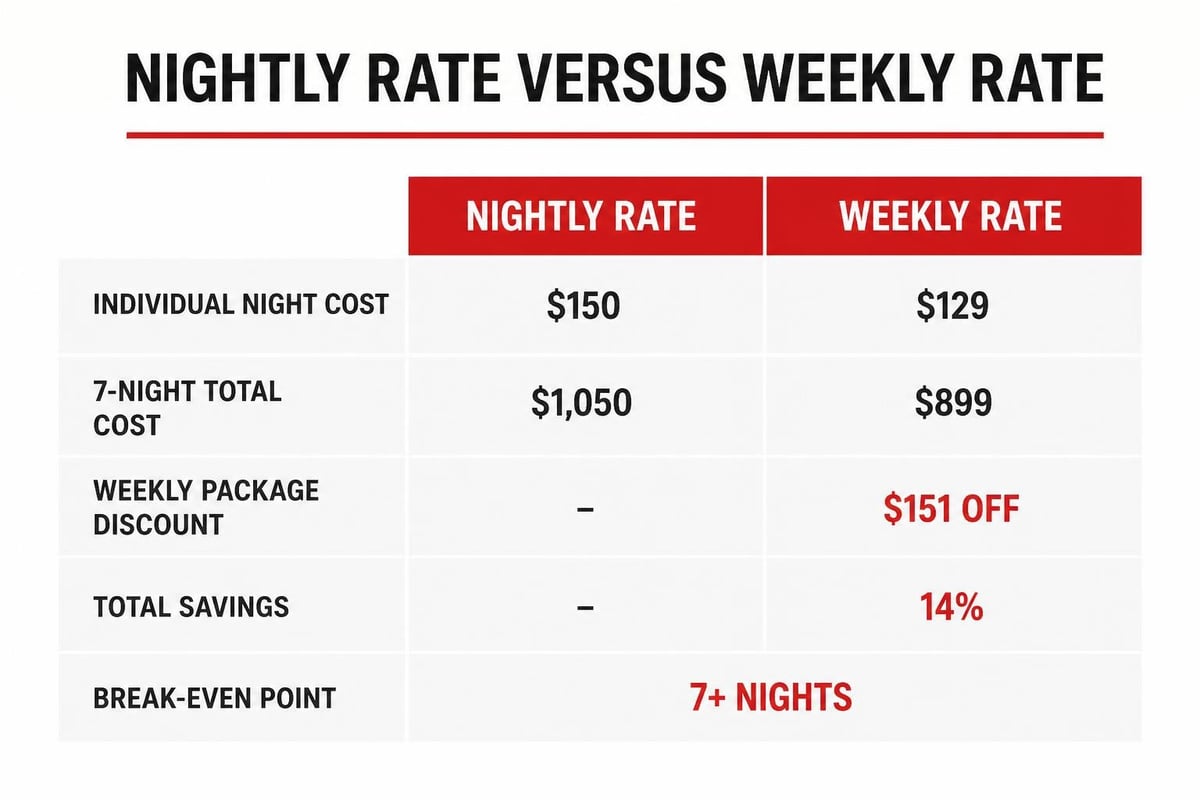
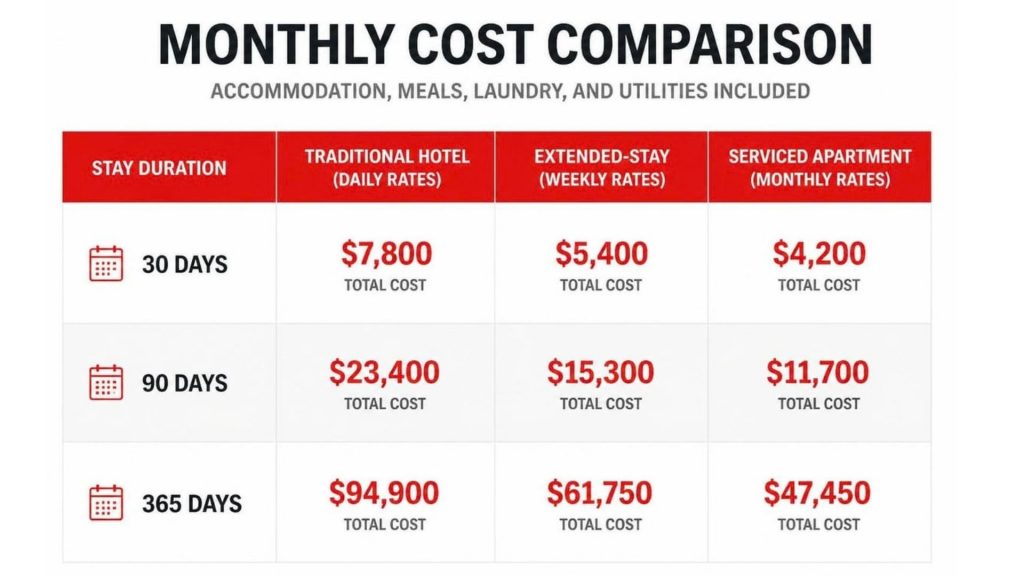
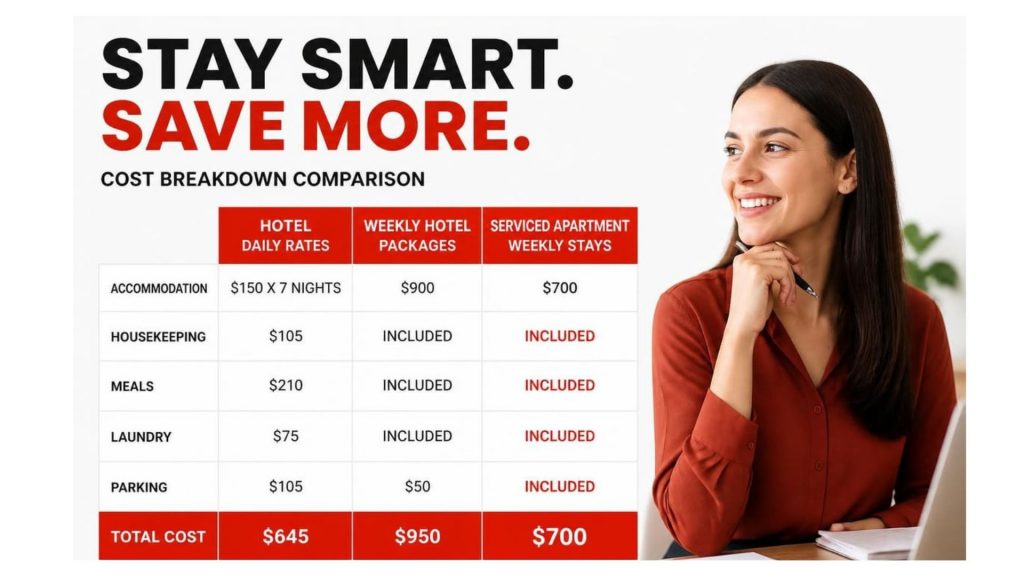
Daily rates provide maximum flexibility but command premium pricing. Weekly rates offer modest discounts of 10-15 percent. Monthly rates typically reduce costs by 20-30 percent compared to daily pricing. Annual contracts can deliver savings of 30-40 percent while guaranteeing rate stability.
Calculating Total Cost of Stay
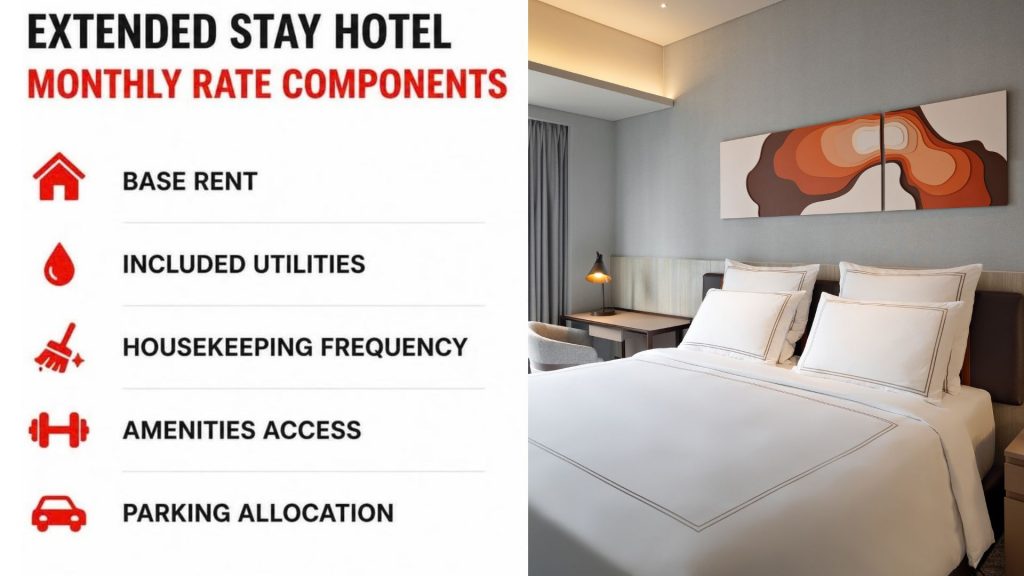
Beyond base accommodation rates, comprehensive budgets should account for:
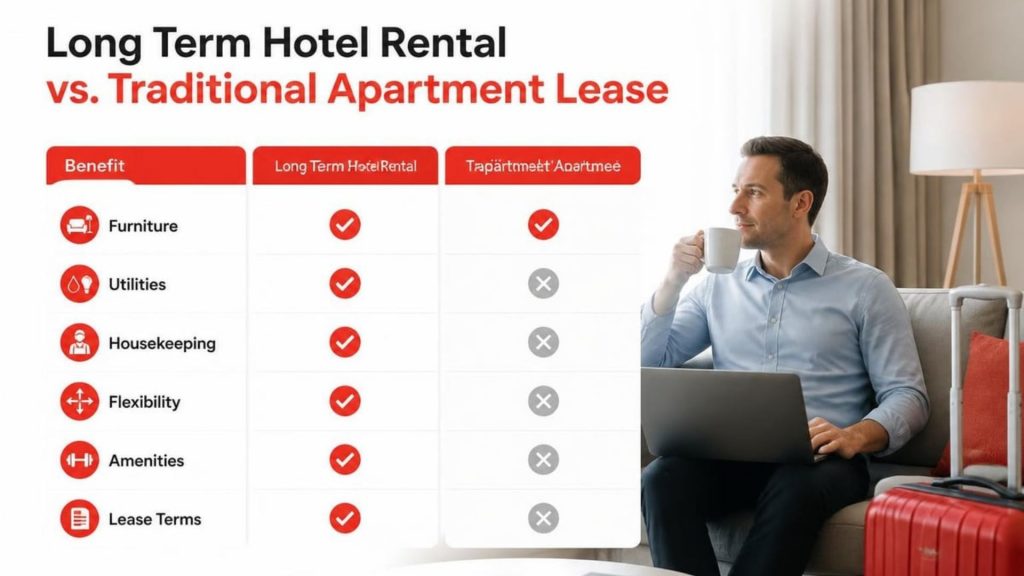
| Cost Category | Extended Stay Hotel | Traditional Apartment |
|---|---|---|
| Base rent | Included | Base cost |
| Utilities | Usually included | Separate billing |
| Internet | Included | Separate cost |
| Furniture | Included | Purchase/rental |
| Housekeeping | Included or optional | Self-managed |
| Deposits | Minimal | 1-3 months rent |
| Setup fees | None | Multiple fees |
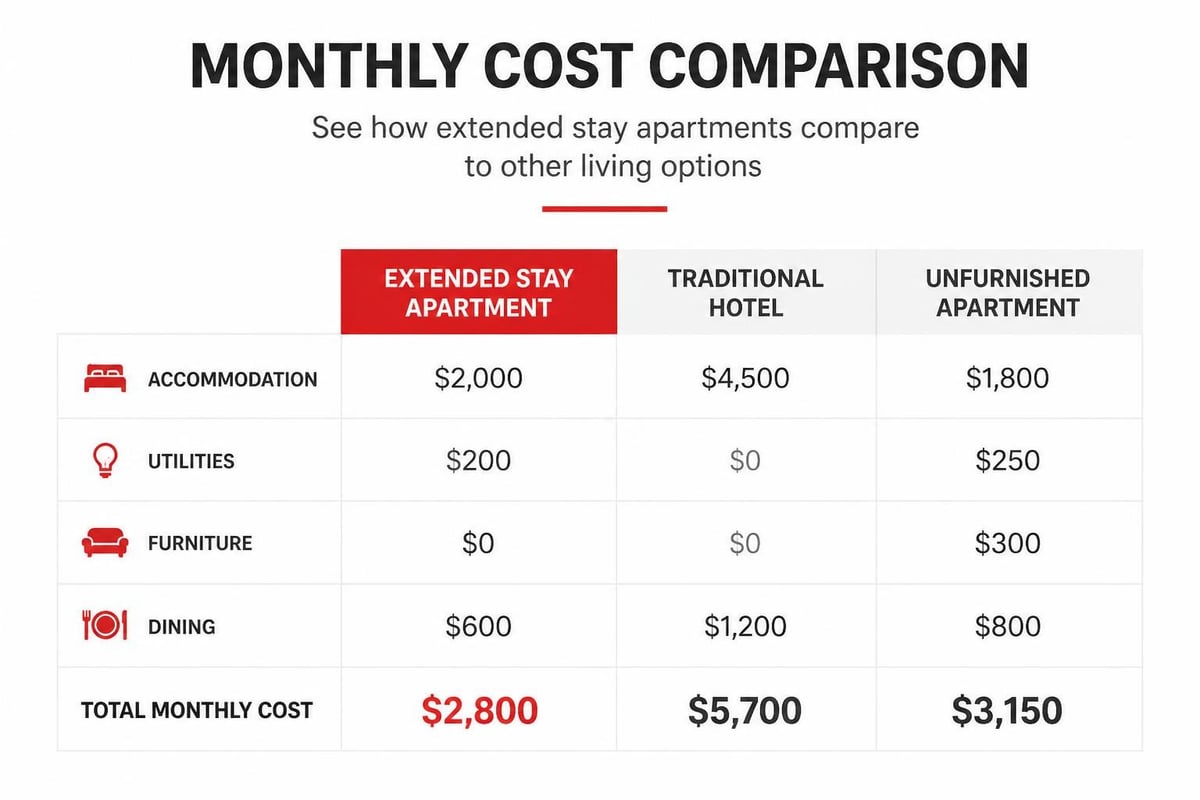
This comparison reveals that nice extended stay hotels often provide better value than initially apparent. The elimination of utility management, furniture purchases, and setup hassles represents substantial savings in both money and time. For business travelers, these simplified arrangements allow immediate focus on professional responsibilities rather than domestic logistics.
Properties offering extended stay hotel monthly rates create transparency that facilitates budgeting and planning. Clear pricing without hidden fees demonstrates integrity and builds trust with guests managing corporate or personal budgets.
Technology and Connectivity Requirements
Modern extended stays demand robust technology infrastructure. Reliable high-speed internet has transitioned from amenity to necessity, particularly as remote work and hybrid arrangements become standard. Nice extended stay hotels recognize this shift and invest in enterprise-grade connectivity that supports video conferencing, large file transfers, and multiple connected devices.
Bandwidth requirements vary by guest needs, but properties should provide minimum speeds of 50-100 Mbps for standard use, with higher tiers available for intensive applications. Network reliability matters as much as raw speed, with redundant connections preventing disruptions during critical work activities.
Smart Living Features
Advanced properties incorporate technology that enhances daily convenience:
- Mobile check-in and digital keys eliminating front desk queues
- Smart climate control for temperature management and energy efficiency
- High-quality entertainment systems with streaming capabilities
- USB charging ports and adequate electrical outlets throughout units
- Work-from-home infrastructure including desk lighting and ergonomic chairs
These features acknowledge contemporary living patterns and professional requirements. The ability to control environment settings, access entertainment, and maintain productivity without technical frustrations significantly improves the extended stay experience.
Comparing Extended Stay Properties to Standard Hotels
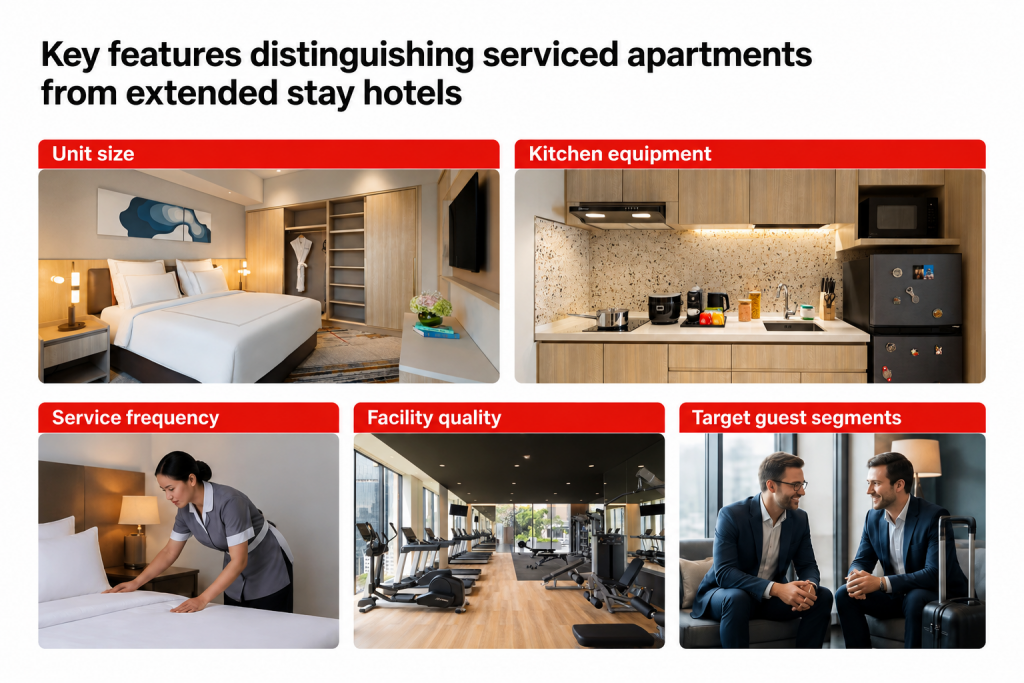
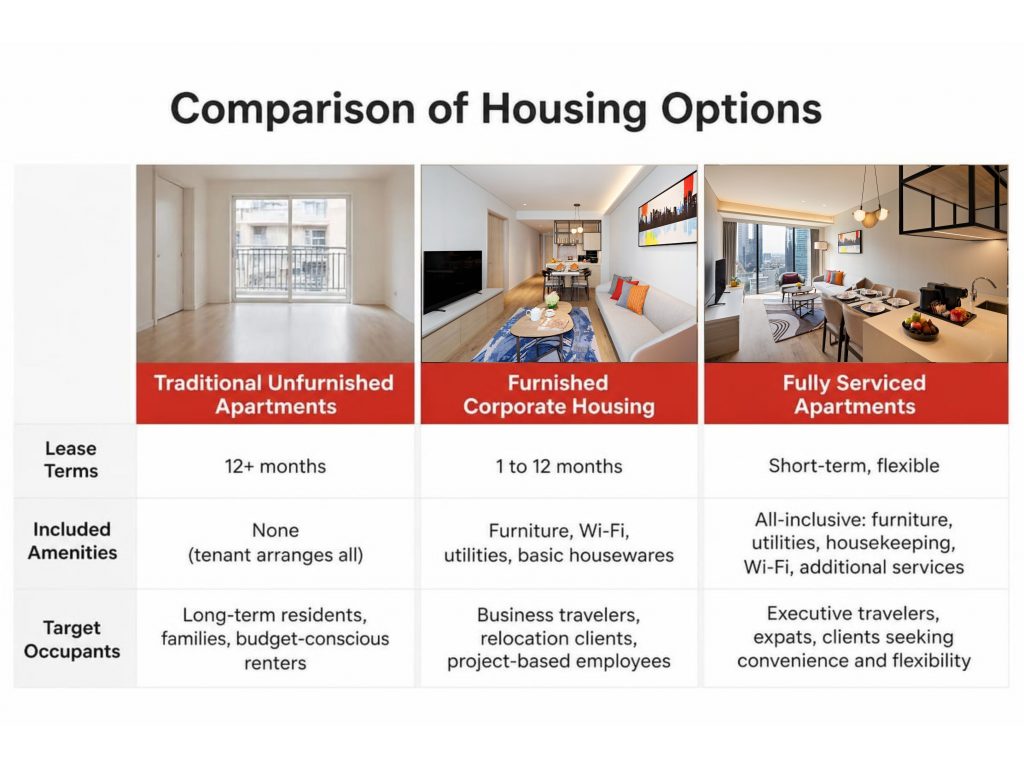
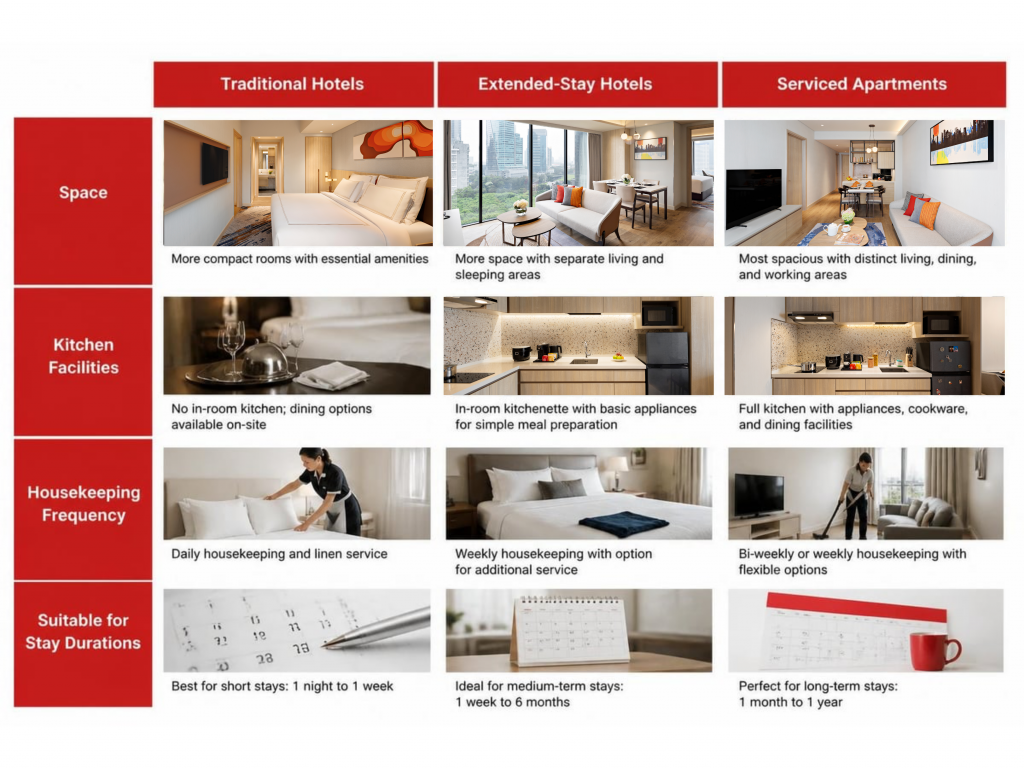
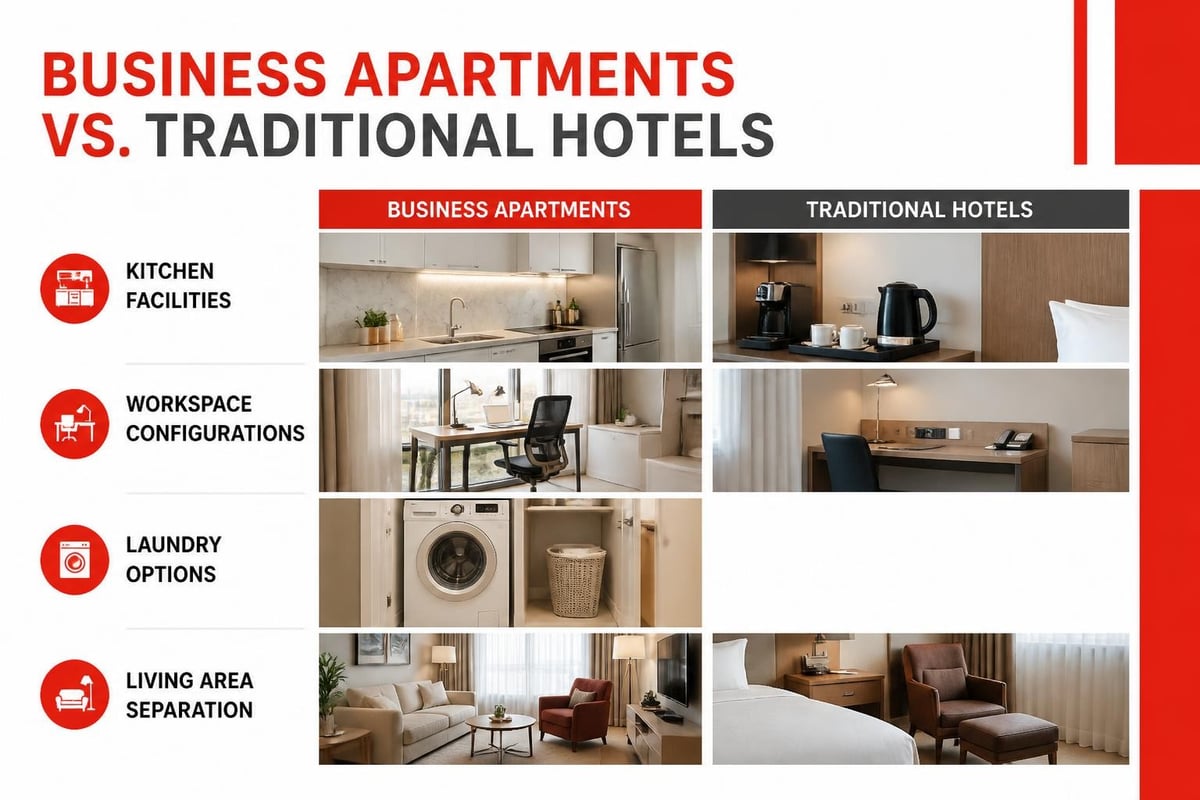
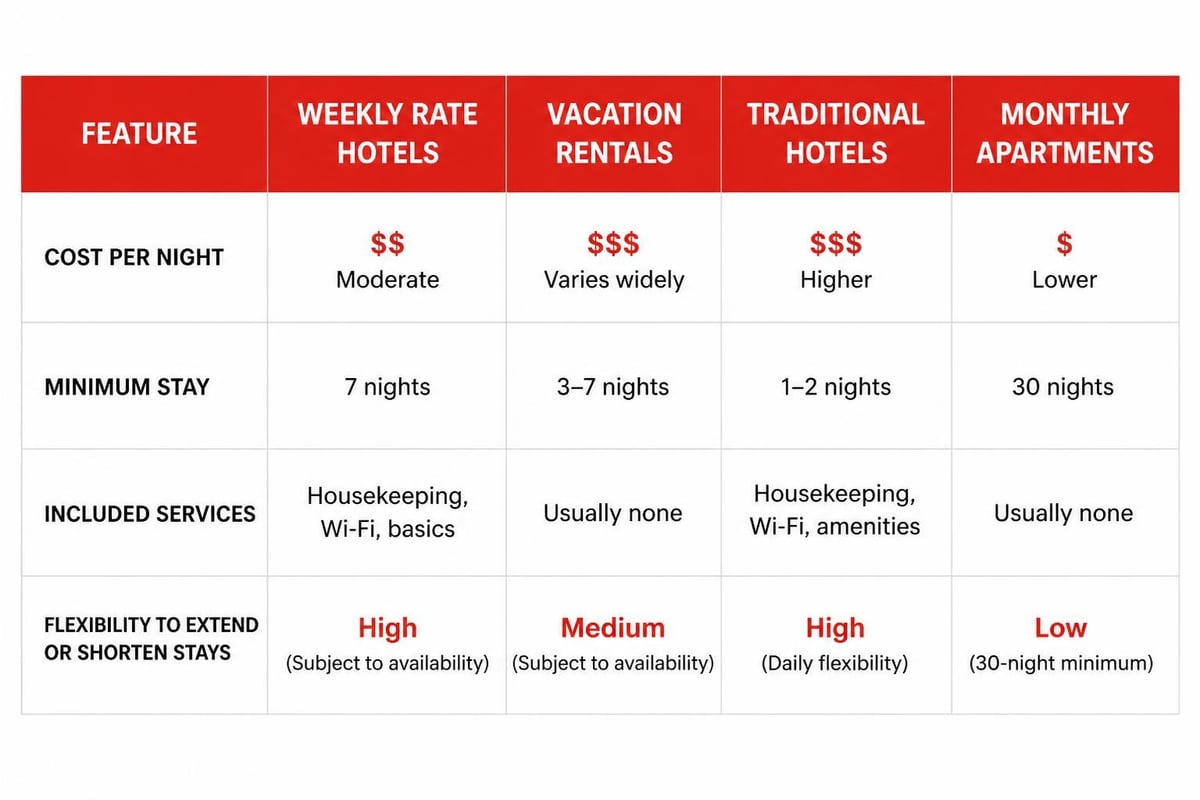
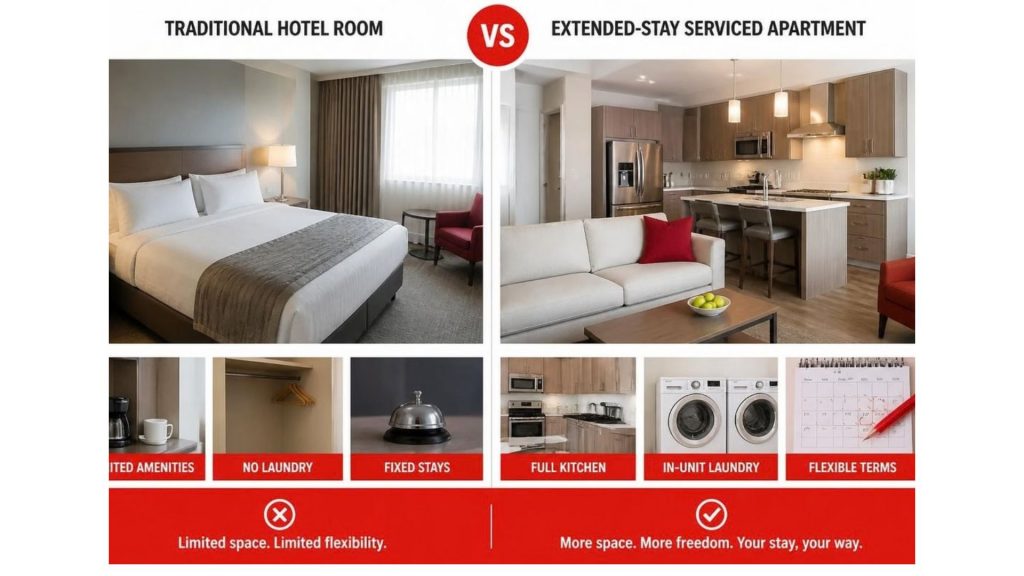
The fundamental difference between nice extended stay hotels and traditional hotels lies in design philosophy. Standard hotels optimize for transient guests requiring minimal amenities for short durations. Extended stay properties design for residential living with hotel service convenience. This distinction affects every aspect from room layout to housekeeping schedules.
Traditional hotel rooms typically range from 25-35 square meters with beds, minimal seating, and compact bathrooms. Extended stay units start at similar sizes but incorporate kitchens, work areas, and often separate bedrooms even in smaller configurations. The space efficiency focuses on livability rather than simple sleeping arrangements.
Service frequency also differs significantly. Hotels provide daily housekeeping, turndown service, and frequent guest interactions. Extended stay properties default to weekly or bi-weekly cleaning with on-demand options, respecting privacy while maintaining cleanliness standards. This balance suits guests who view the property as home rather than temporary lodging.
Understanding these distinctions helps set appropriate expectations. Guests seeking daily service and hotel amenities might initially prefer traditional properties, while those prioritizing space, independence, and residential features find extended stay options more suitable. The decision ultimately depends on individual preferences and stay duration.
Health, Wellness, and Recreational Facilities
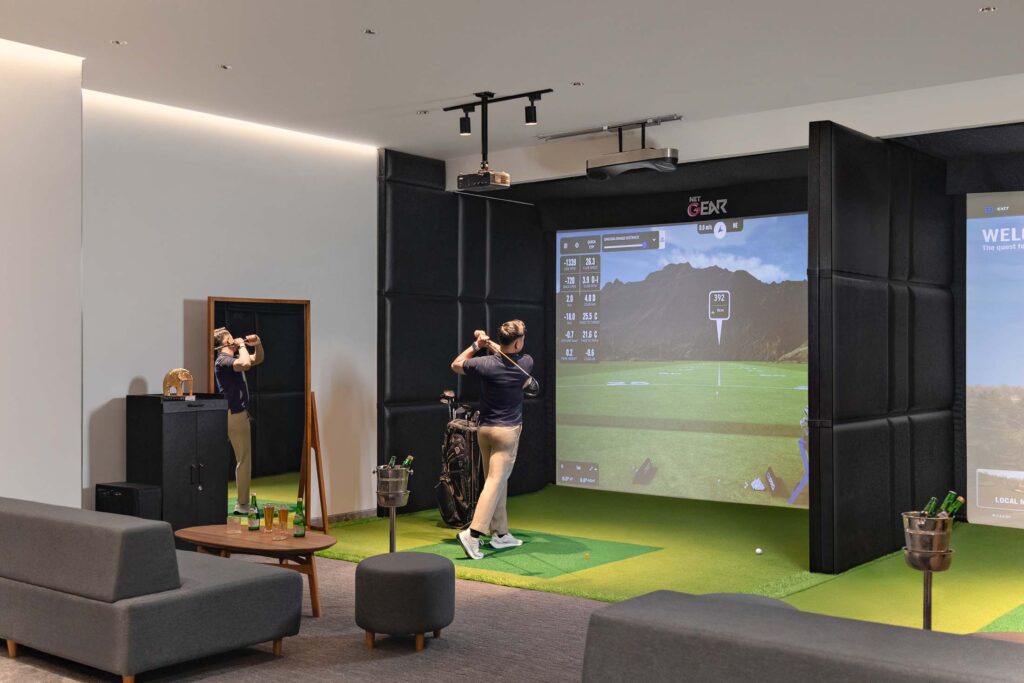
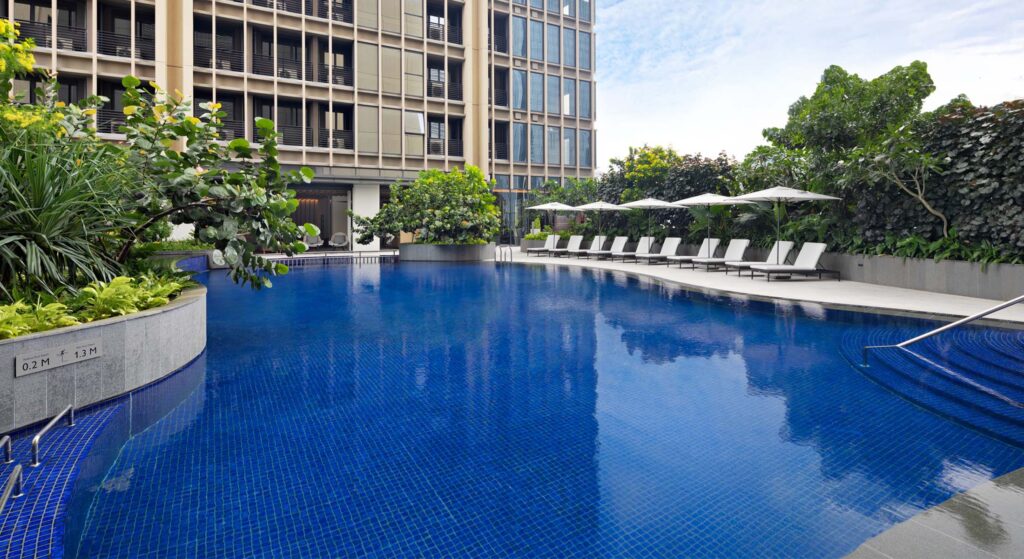
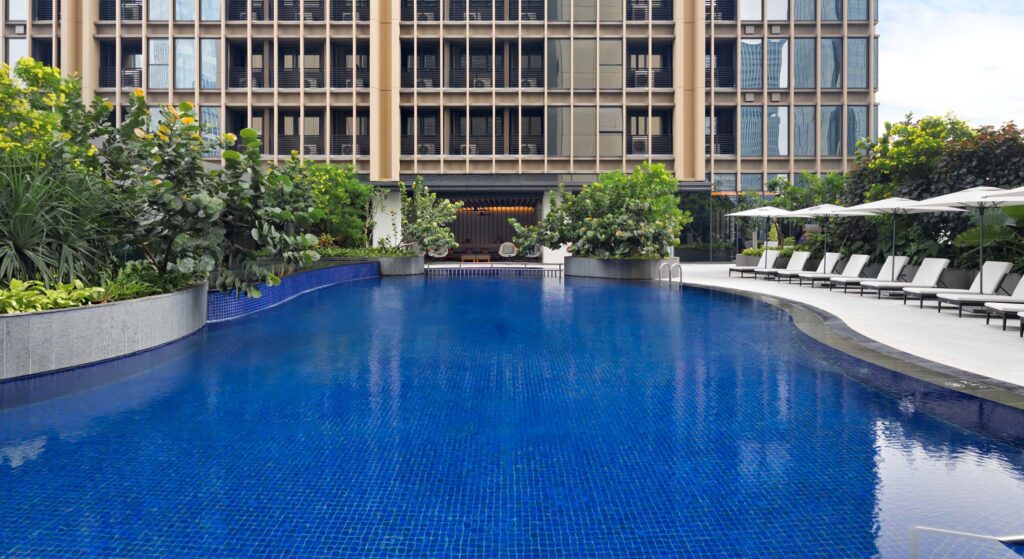
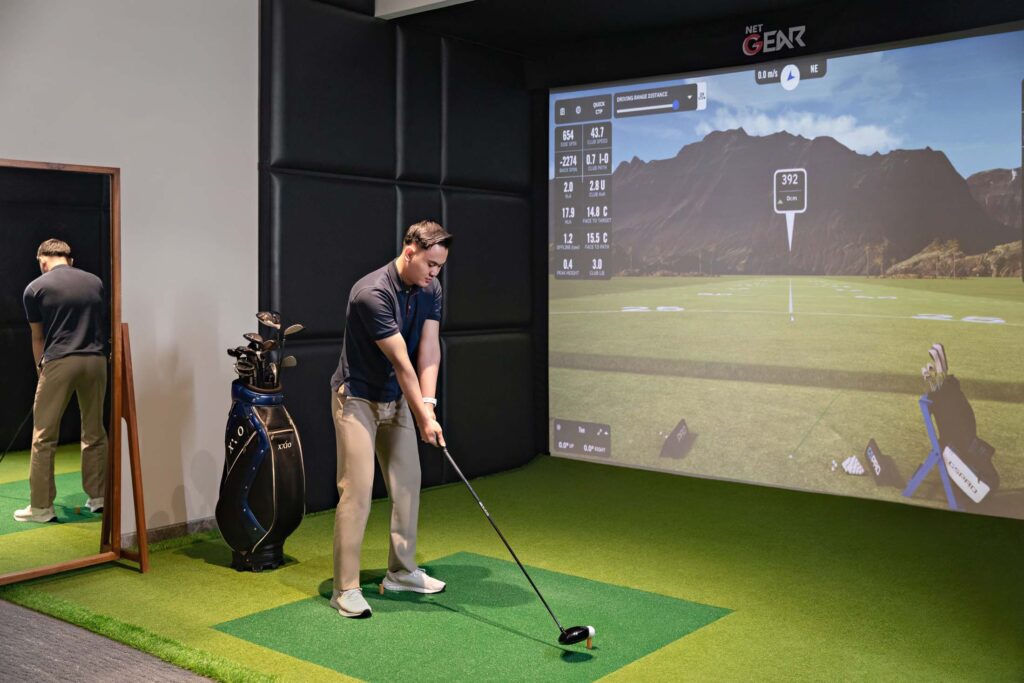
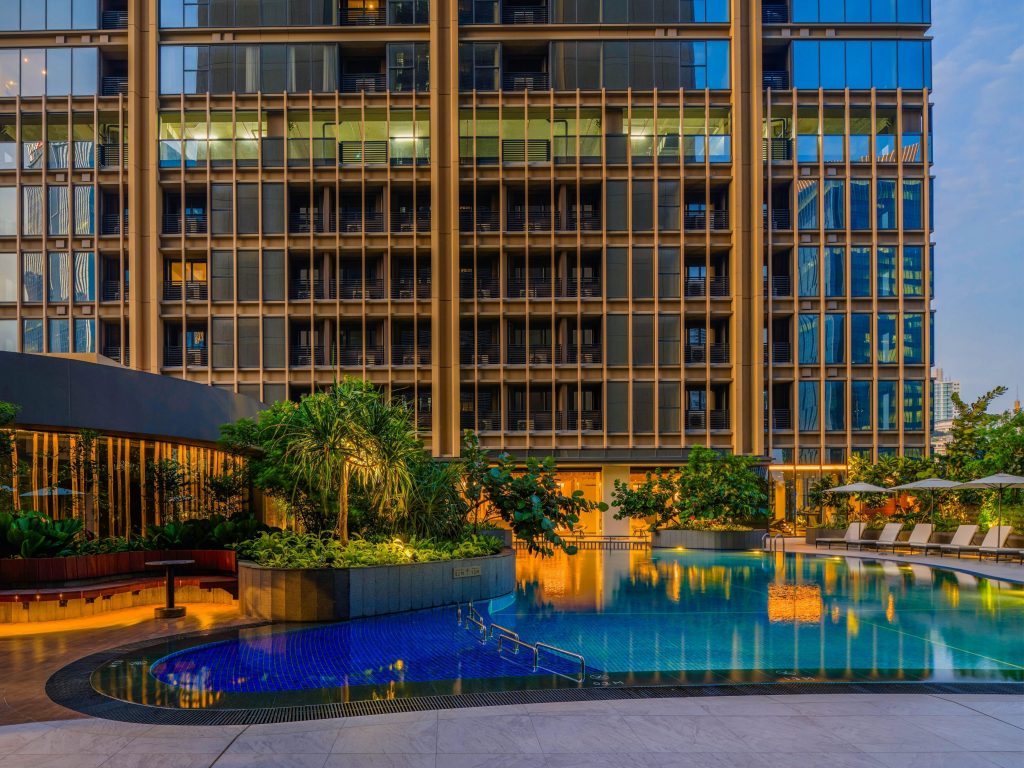
Quality of life during extended stays depends partly on access to health and wellness facilities. Nice extended stay hotels recognize that residents need outlets for exercise, relaxation, and social interaction. On-site fitness centers, swimming pools, and recreational spaces support physical and mental wellbeing during what can otherwise become isolating experiences.
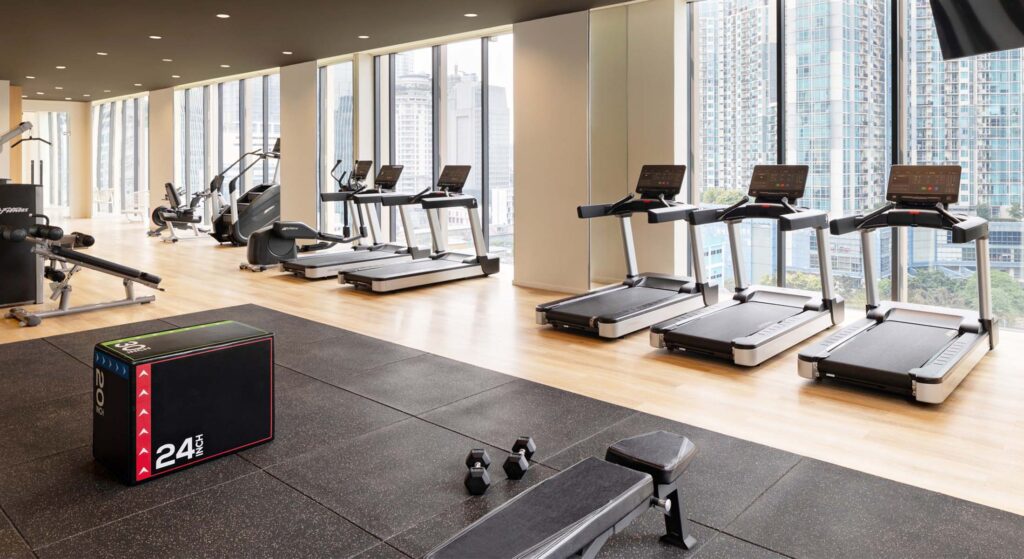
Fitness facilities should include cardiovascular equipment, strength training options, and adequate space for stretching or yoga. Many professionals maintain fitness routines as stress management and productivity strategies, making gym access a decision factor when selecting properties. The alternative, joining external gyms, adds complexity and costs to already demanding schedules.
Social Spaces and Community
Extended stay properties increasingly design common areas that facilitate optional social interaction:
- Co-working lounges for variety from in-unit work environments
- Dining areas where residents can share meals
- Outdoor terraces providing fresh air and informal gathering spots
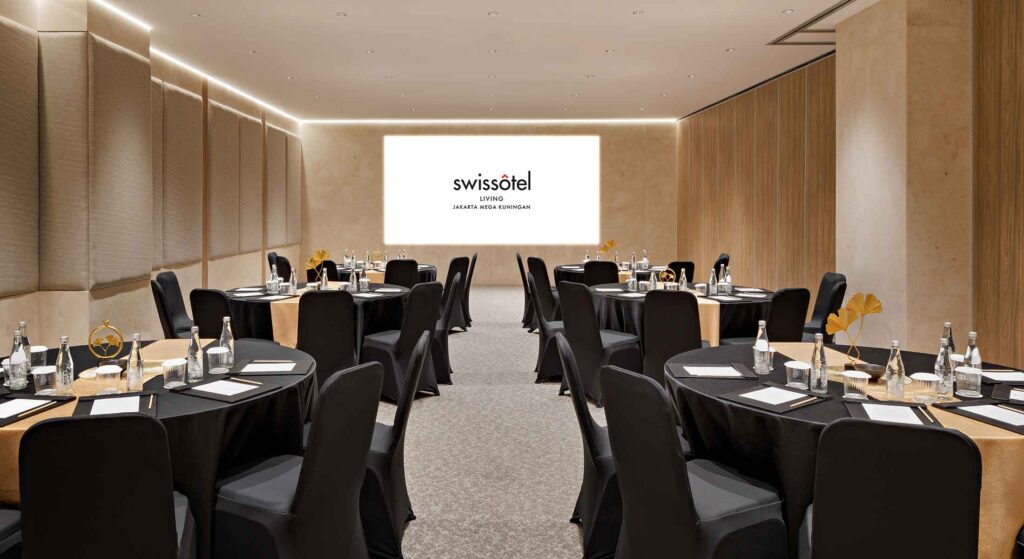
- Event spaces for community activities or private functions
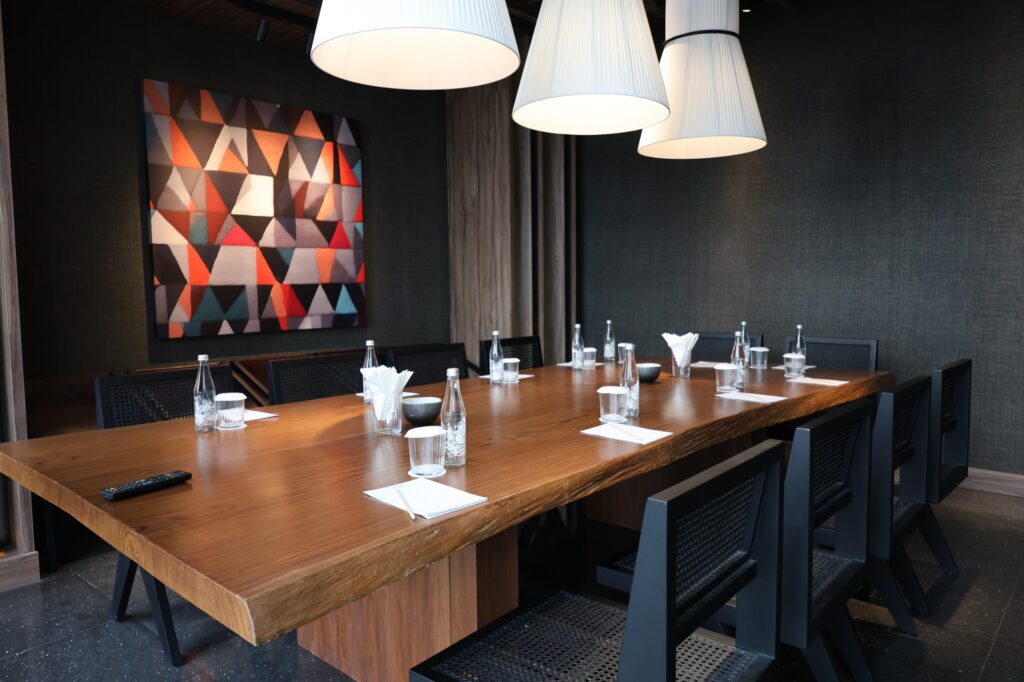
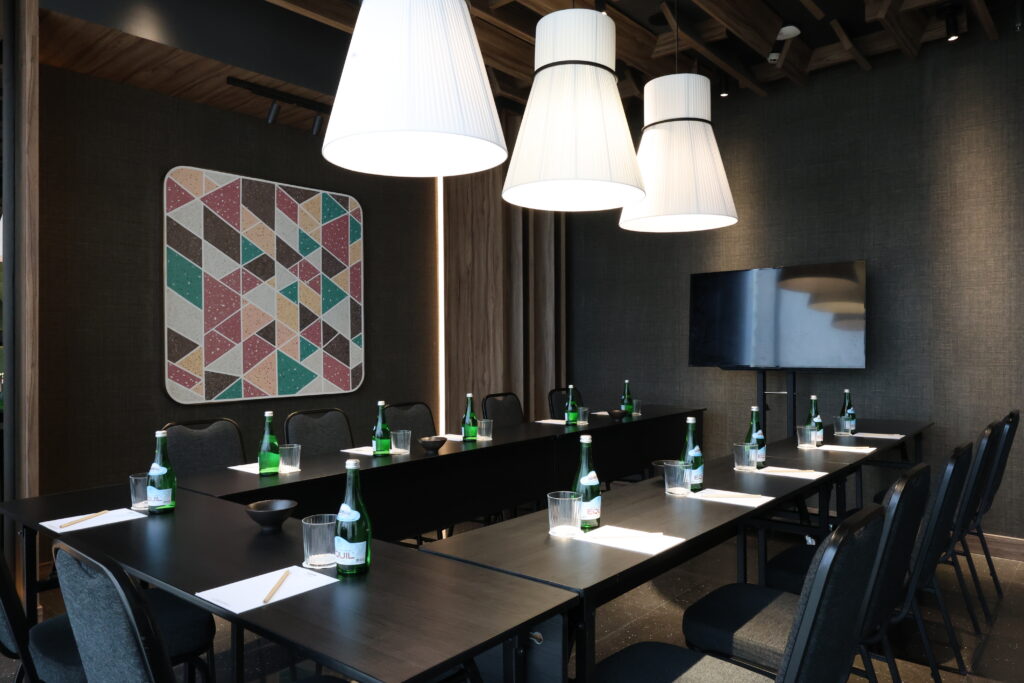
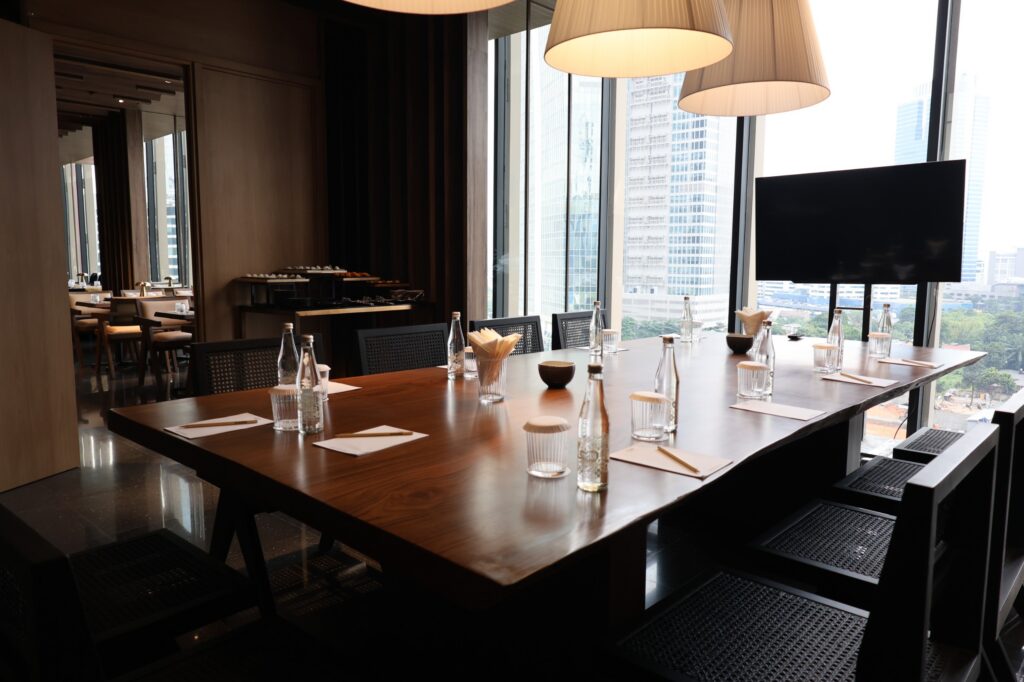
- Business centers with meeting rooms and presentation equipment
These spaces combat isolation while respecting privacy preferences. Residents can engage with the community when desired or retreat to private apartments when preferring solitude. This flexibility acknowledges the diverse social needs of extended stay guests.
Properties that successfully build community create competitive advantages. Residents often extend stays or return for future assignments when they’ve developed connections and feel integrated into the property culture.
Family-Friendly Considerations
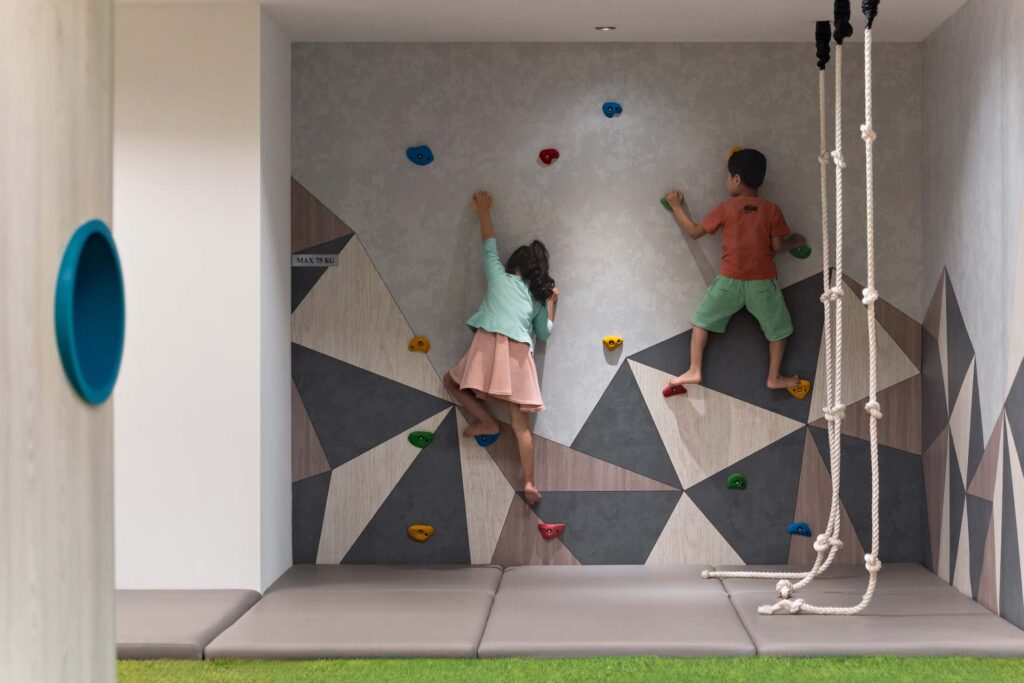
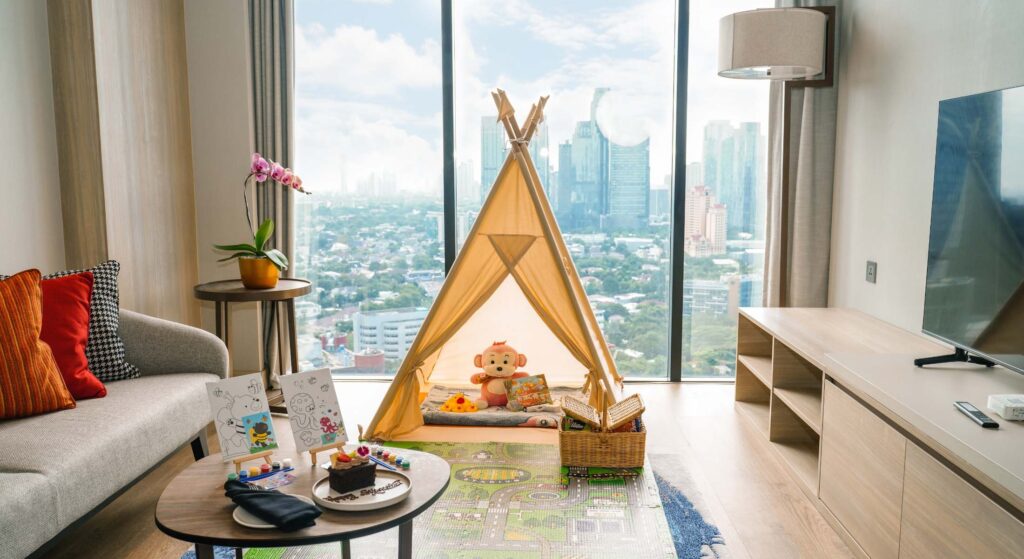
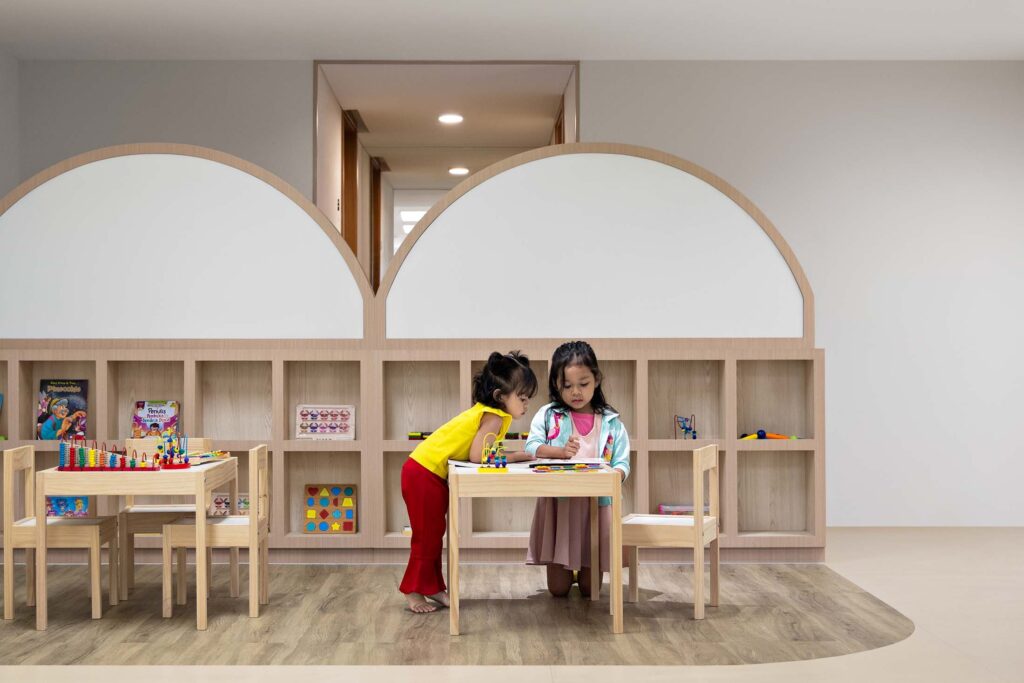
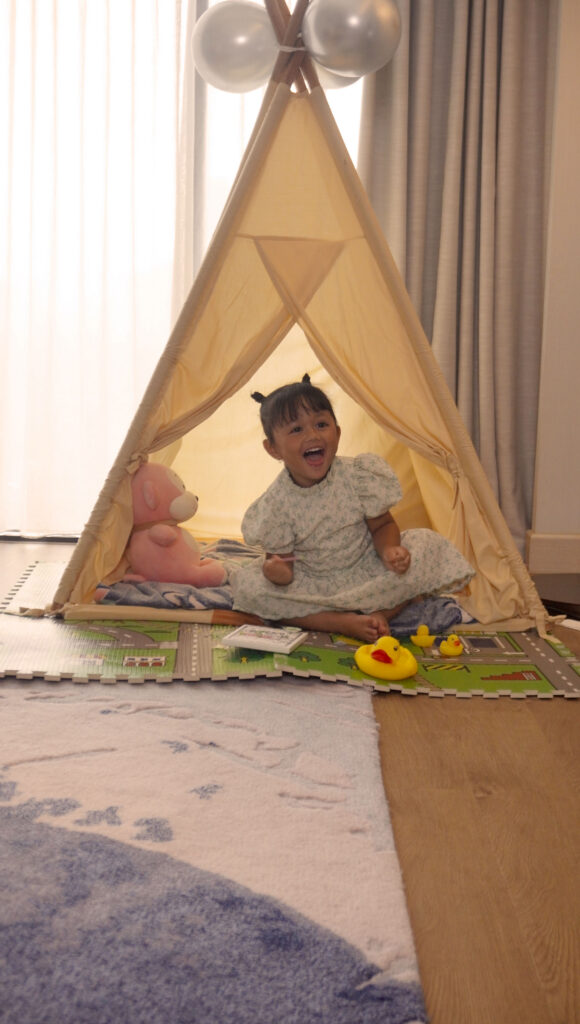
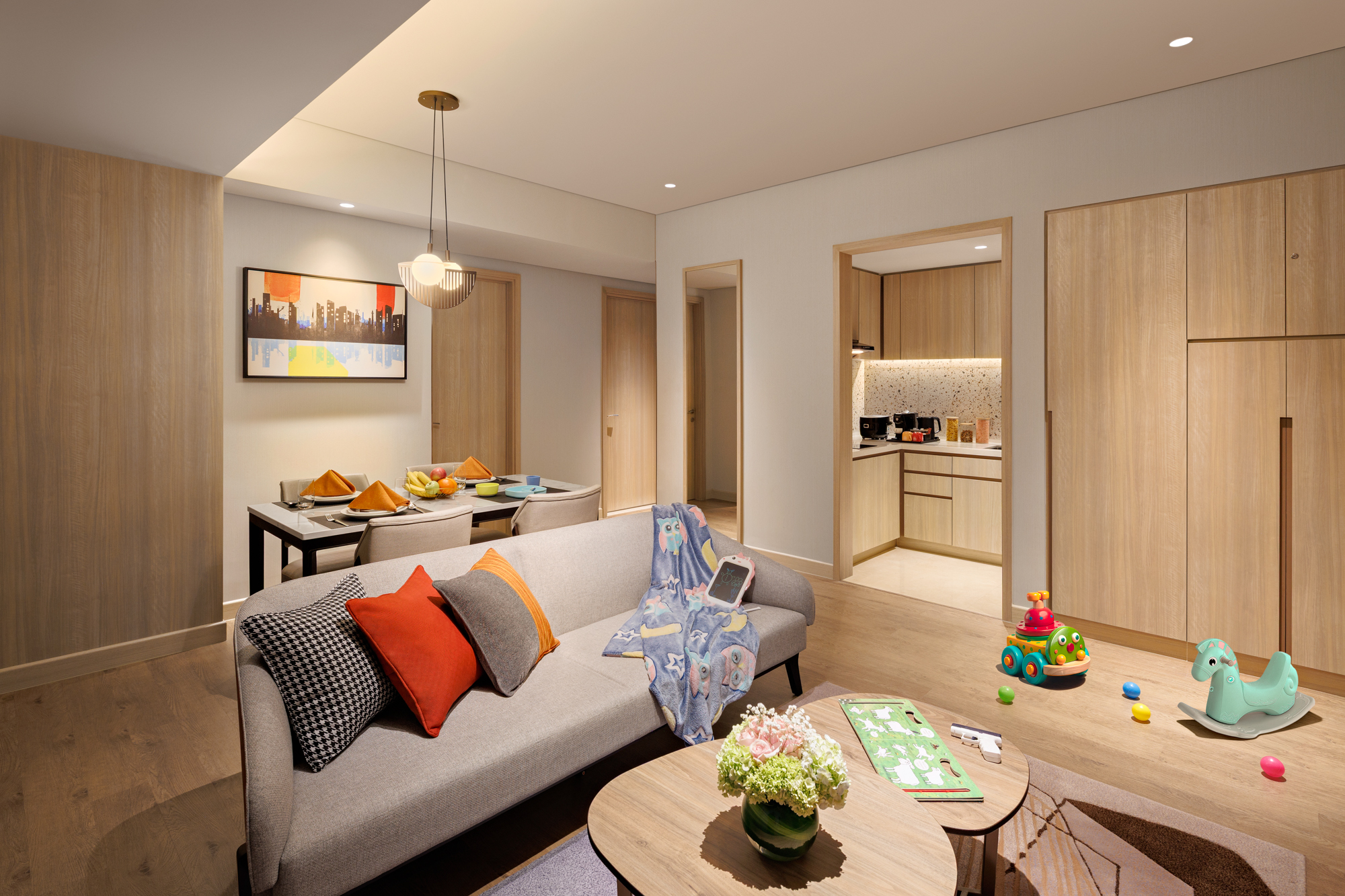
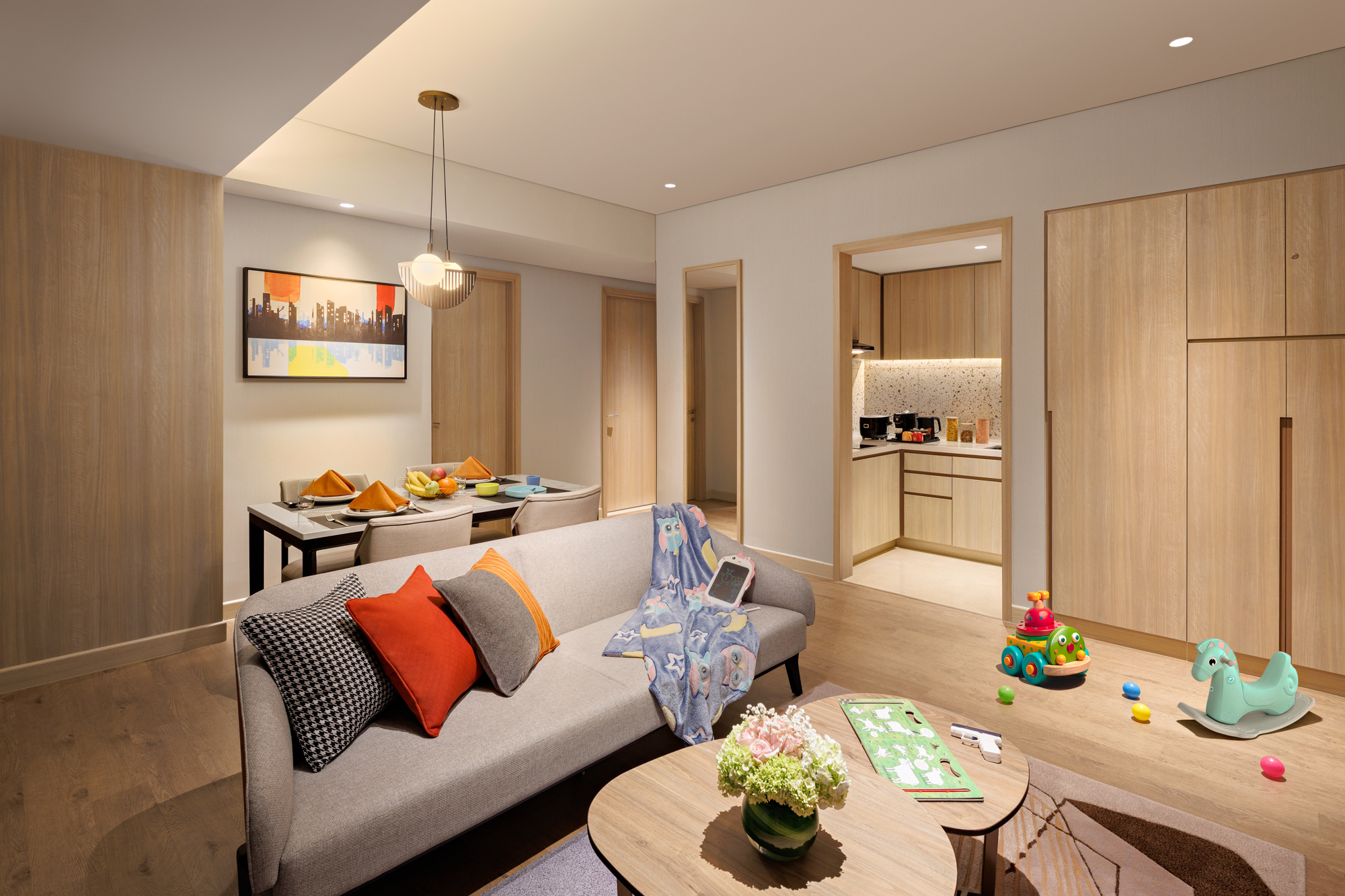
Families relocating for extended periods face unique challenges. Nice extended stay hotels catering to family needs provide specialized amenities and configurations that support parents and children. Two and three-bedroom layouts become essential, offering children their own spaces while parents maintain areas for work and relaxation.
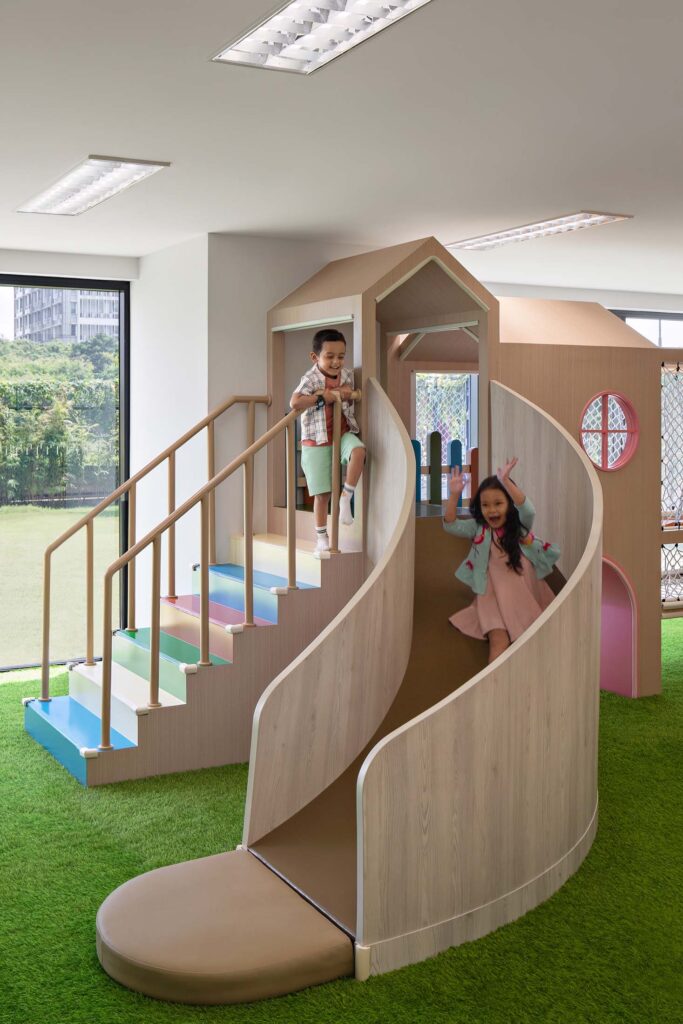
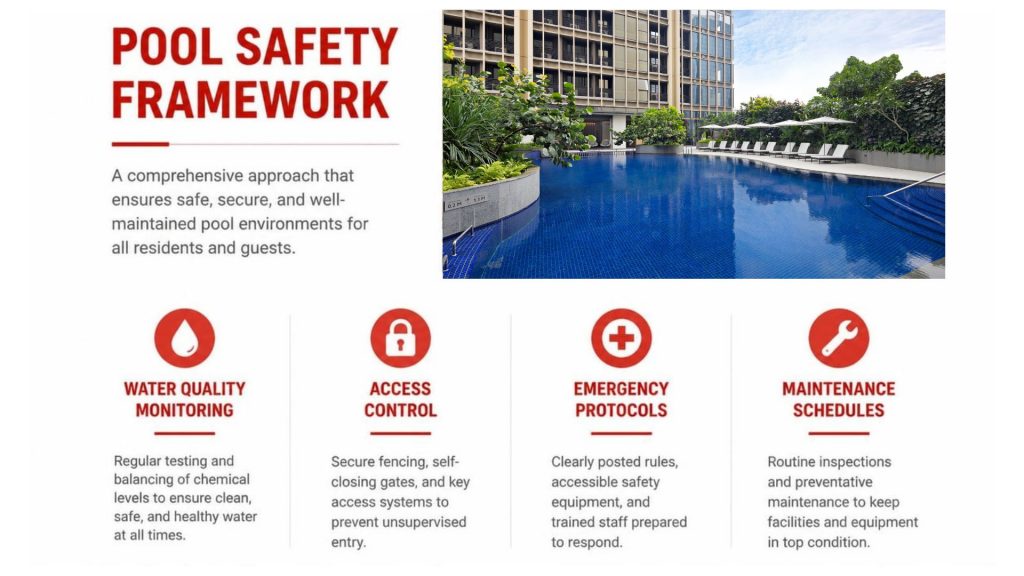
Safety features gain importance with children present. Properties should offer secure access systems, childproofed units upon request, and family-appropriate recreational facilities. Swimming pools with separate children’s areas, playgrounds, and family event programming demonstrate understanding of family needs.
Educational and Childcare Support
Properties serving expatriate families often provide valuable support services:
- Information about local schools and enrollment processes
- Recommendations for childcare services and pediatric healthcare
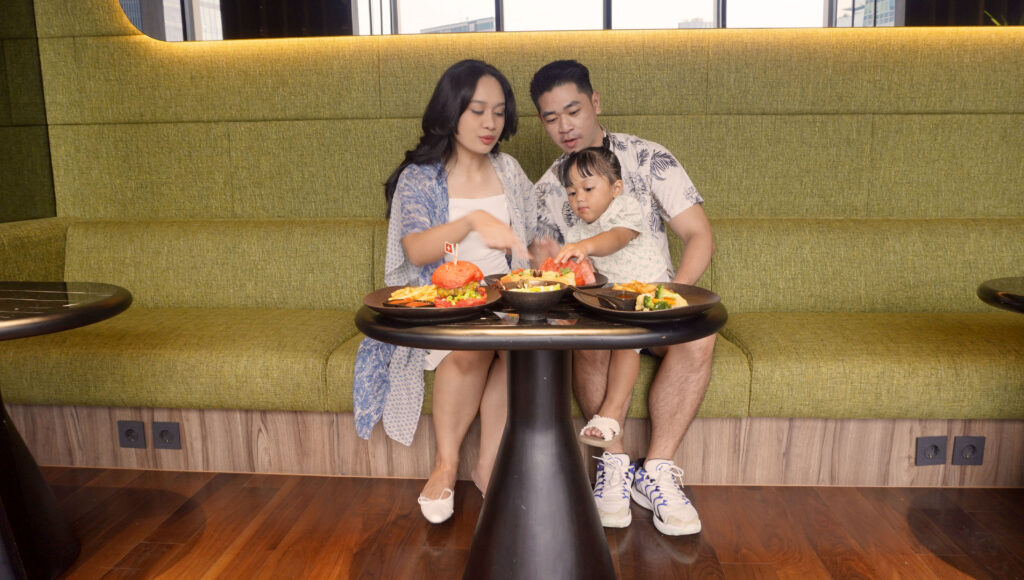
- Family-friendly dining options both on-site and nearby
- Kid-friendly activities and entertainment suggestions
- Transportation assistance for school runs and activities
This support proves particularly valuable for international families navigating unfamiliar systems. Properties offering comprehensive relocation assistance create smoother transitions and reduce family stress during major life changes. The difference between adequate and exceptional extended stay properties often lies in these supplementary services that address real-world needs.
Dining Options and Culinary Flexibility
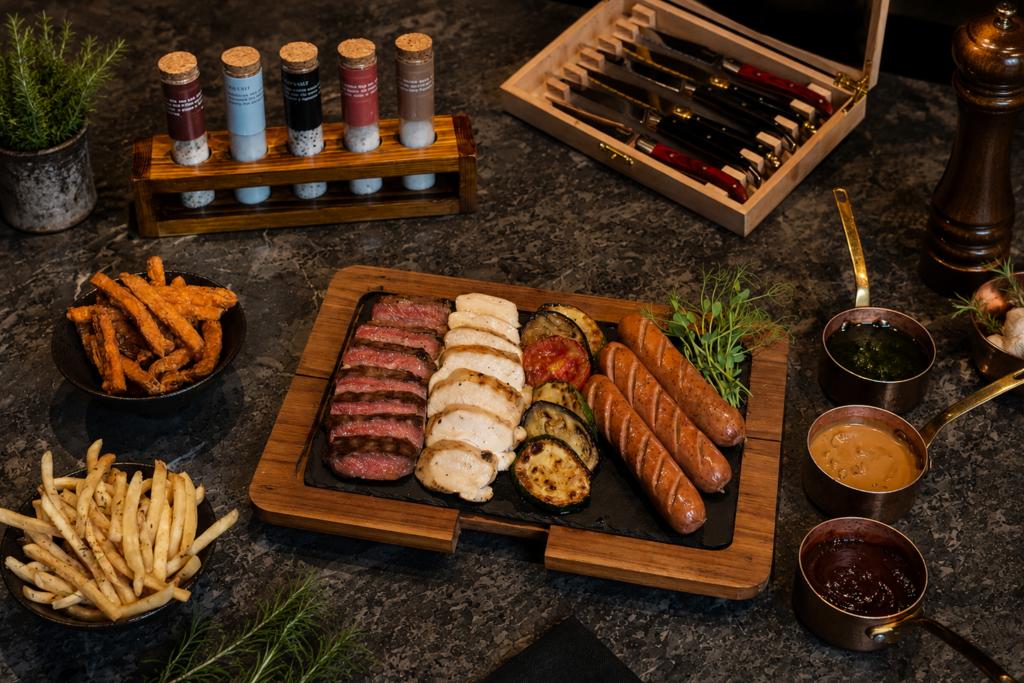
Access to quality dining significantly impacts extended stay satisfaction. Nice extended stay hotels provide both in-unit cooking capabilities and on-site or nearby restaurant options. This dual approach offers flexibility for different occasions, energy levels, and social preferences. Some evenings call for home cooking, while others benefit from dining out or ordering quality prepared meals.
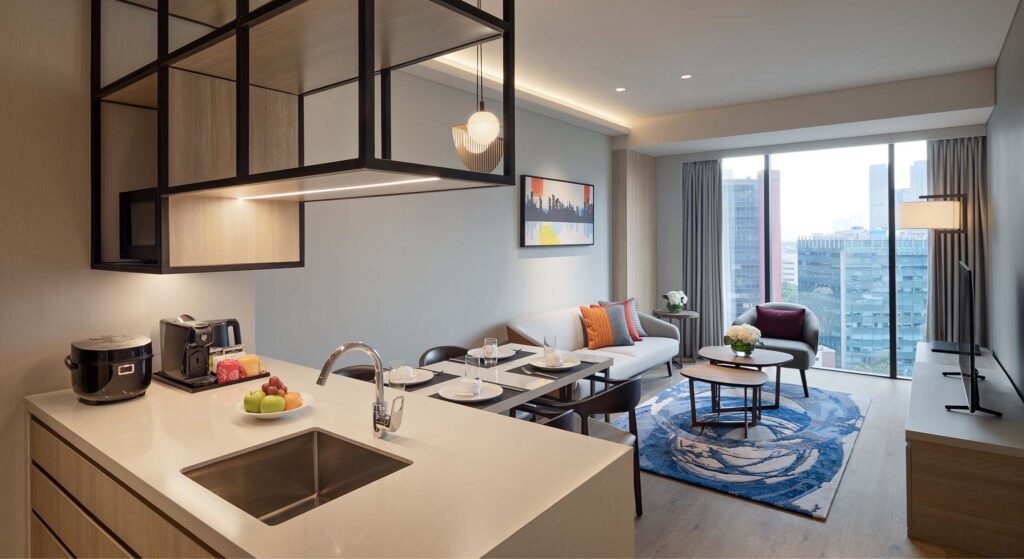
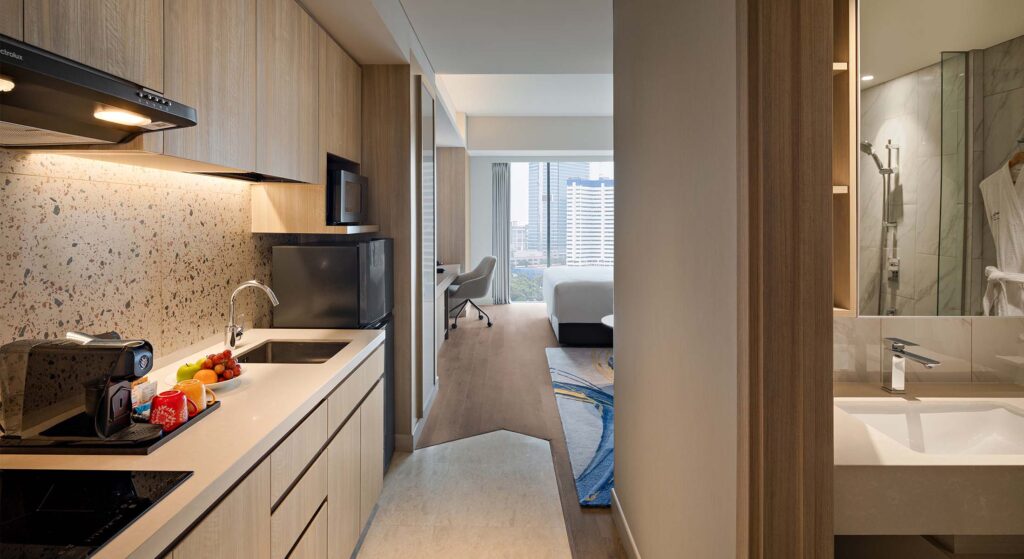
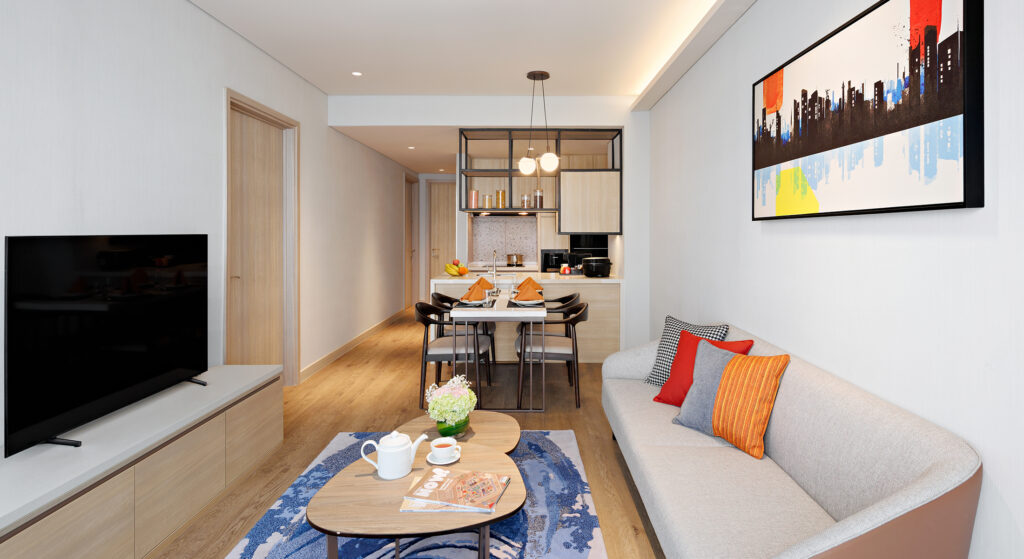
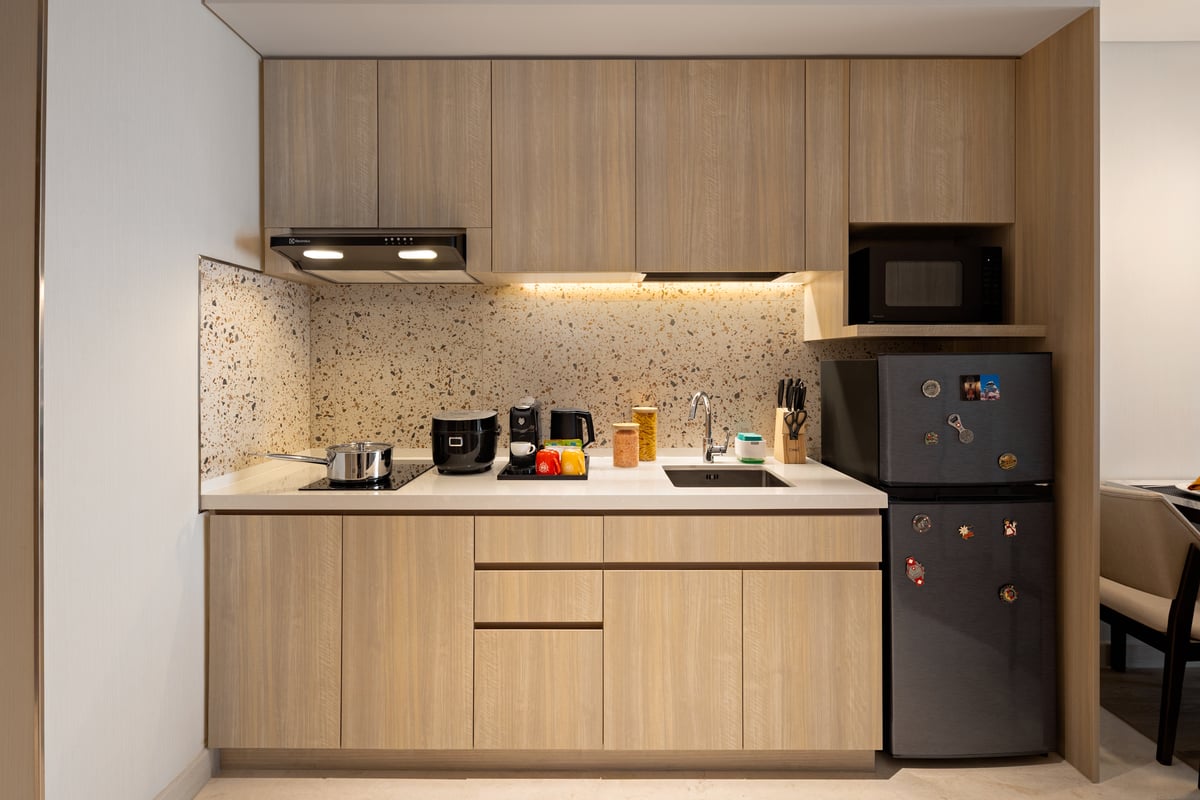
Kitchen equipment quality varies considerably across properties. Premium extended stay hotels equip kitchens with full-size refrigerators, multi-burner stoves or induction cooktops, ovens, microwaves, dishwashers, and comprehensive cookware. Adequate counter space, storage, and dining areas complete the functional kitchen that enables authentic home cooking.
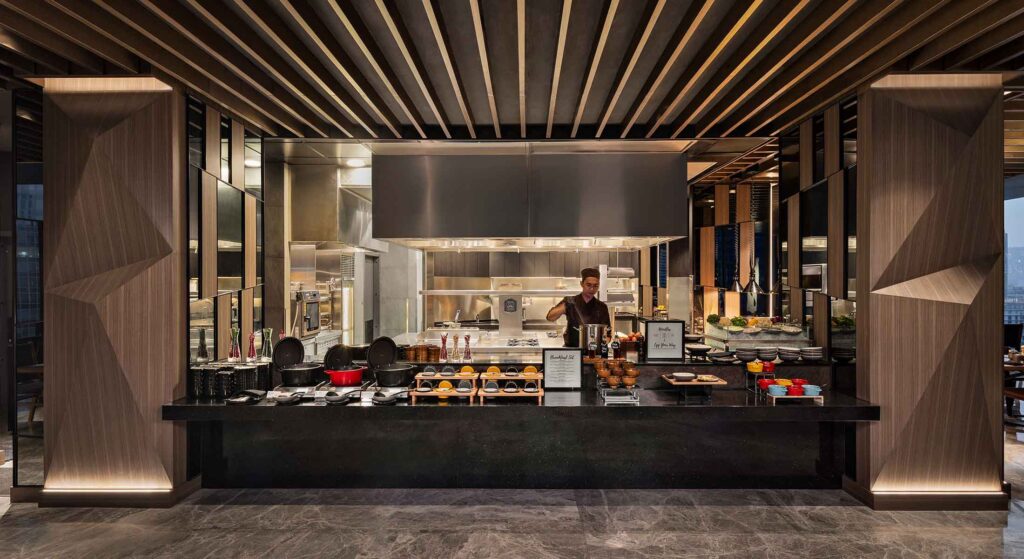
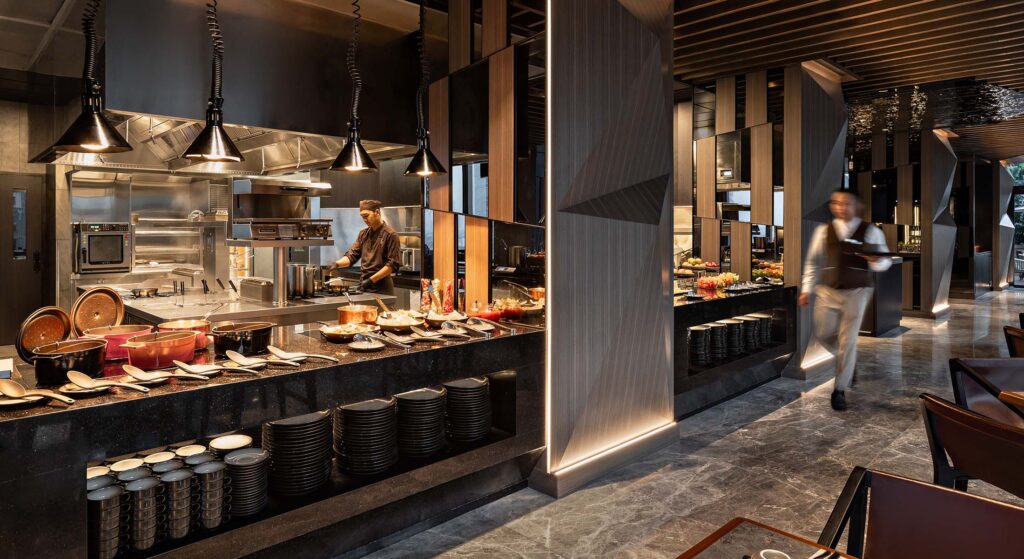
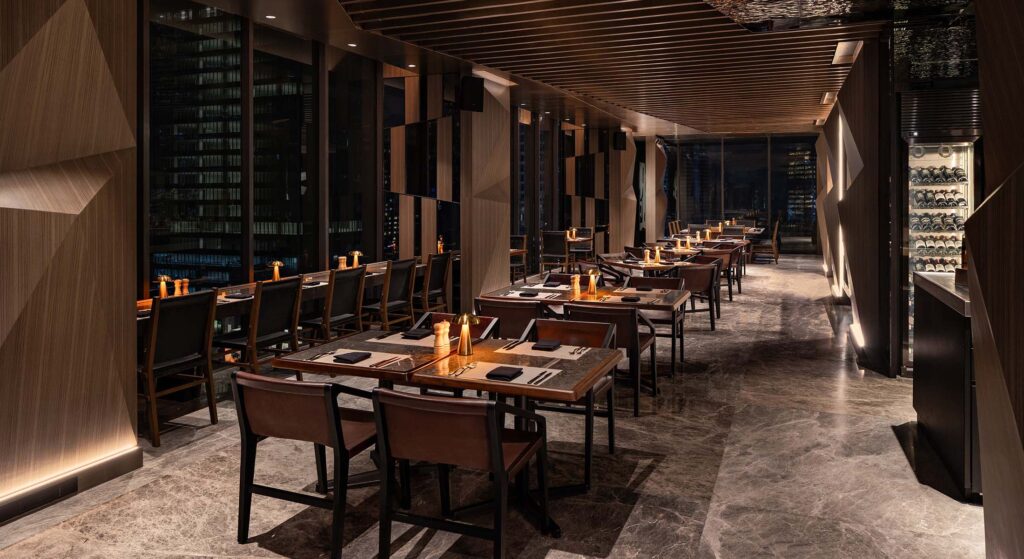
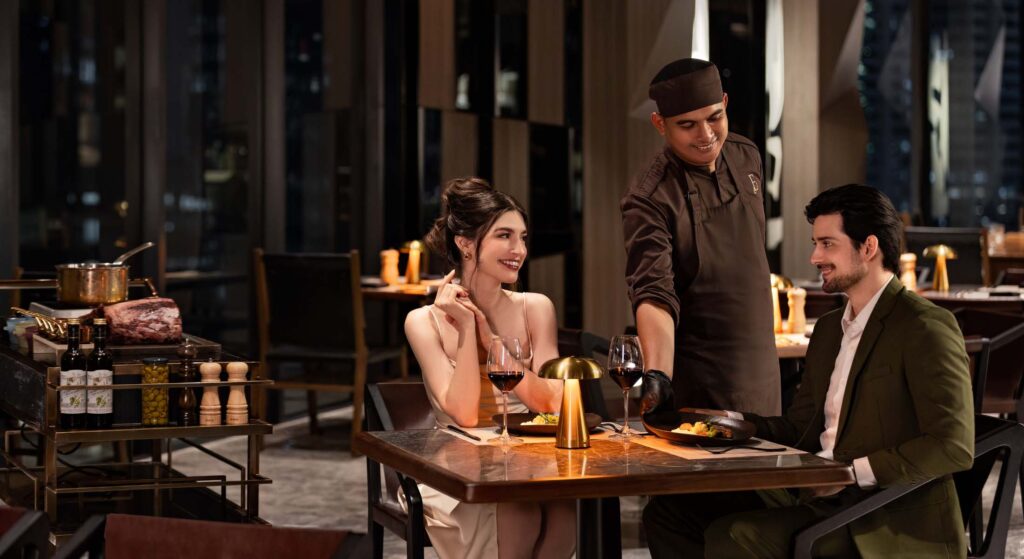
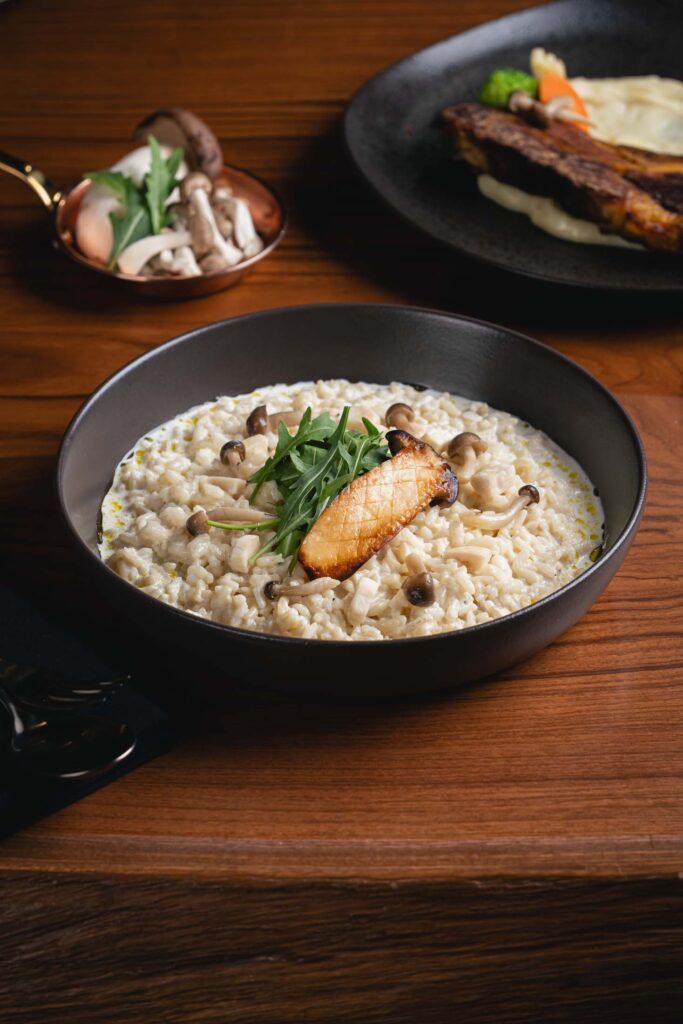
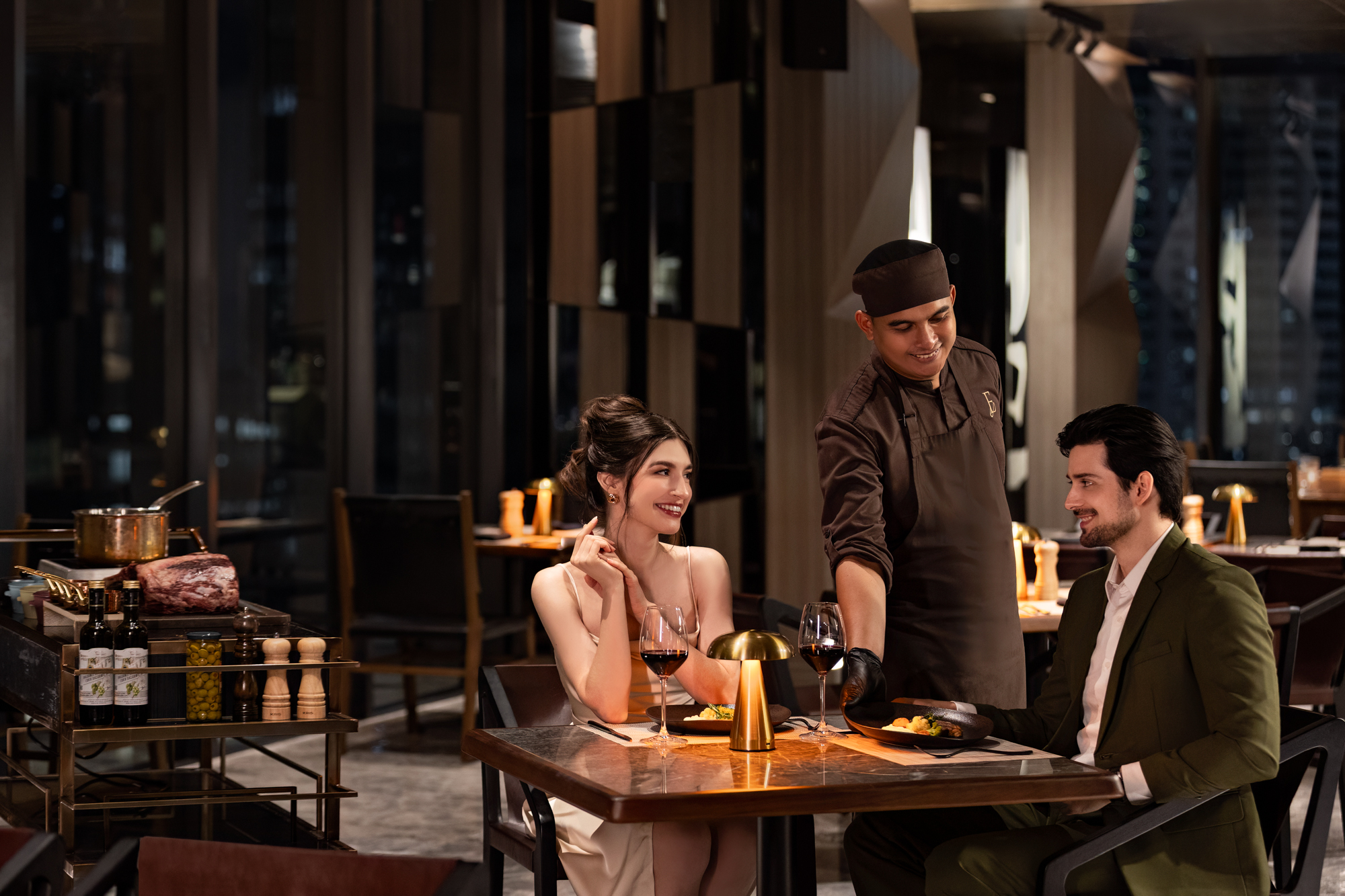
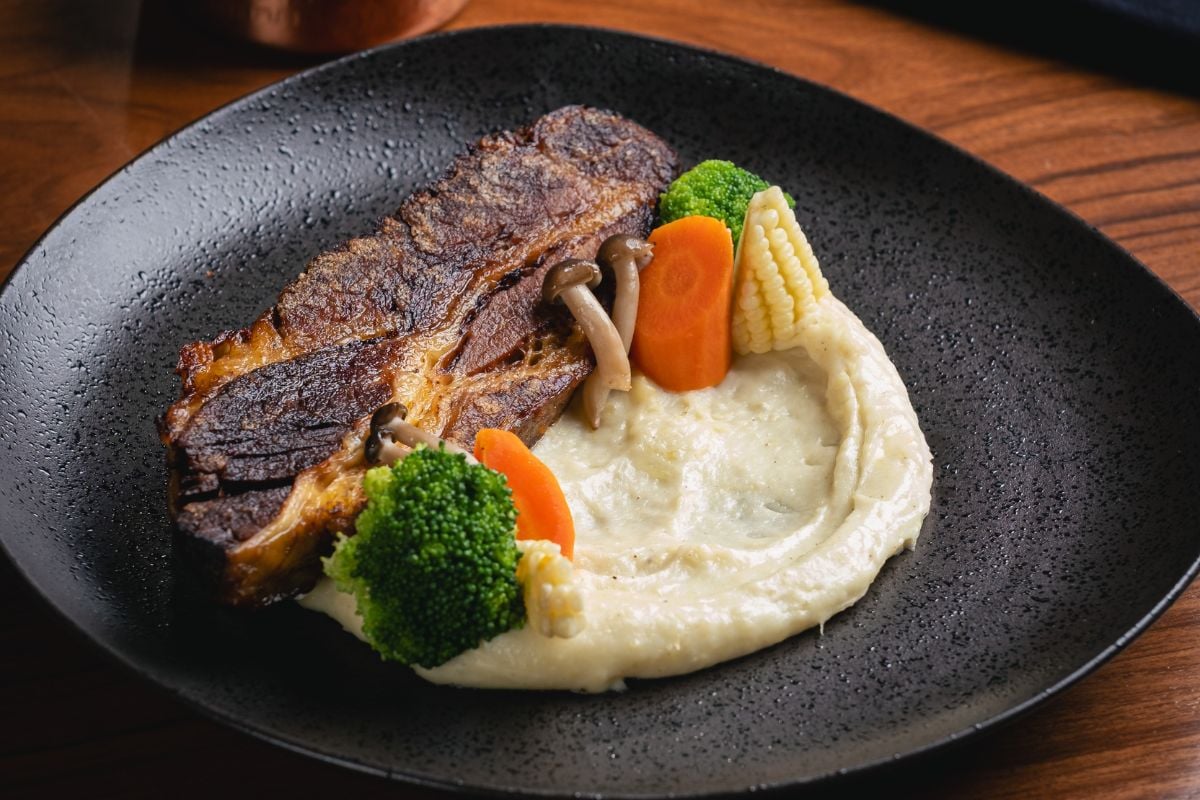
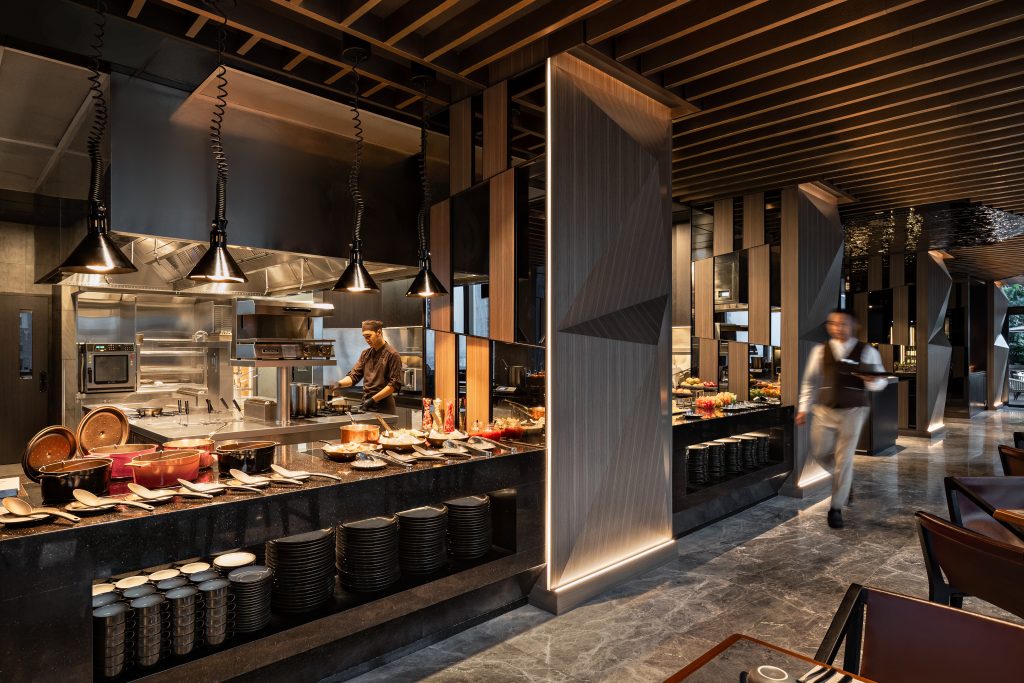
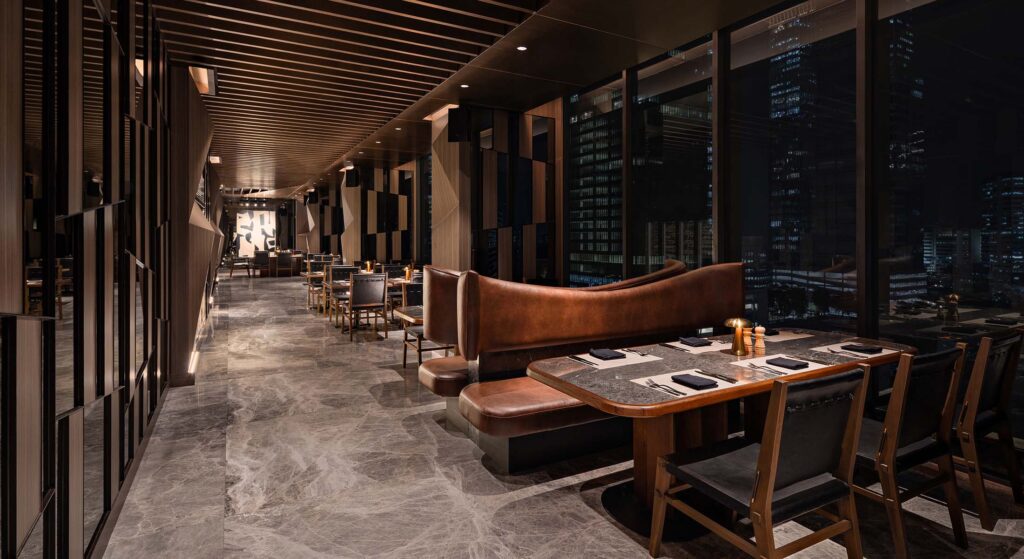
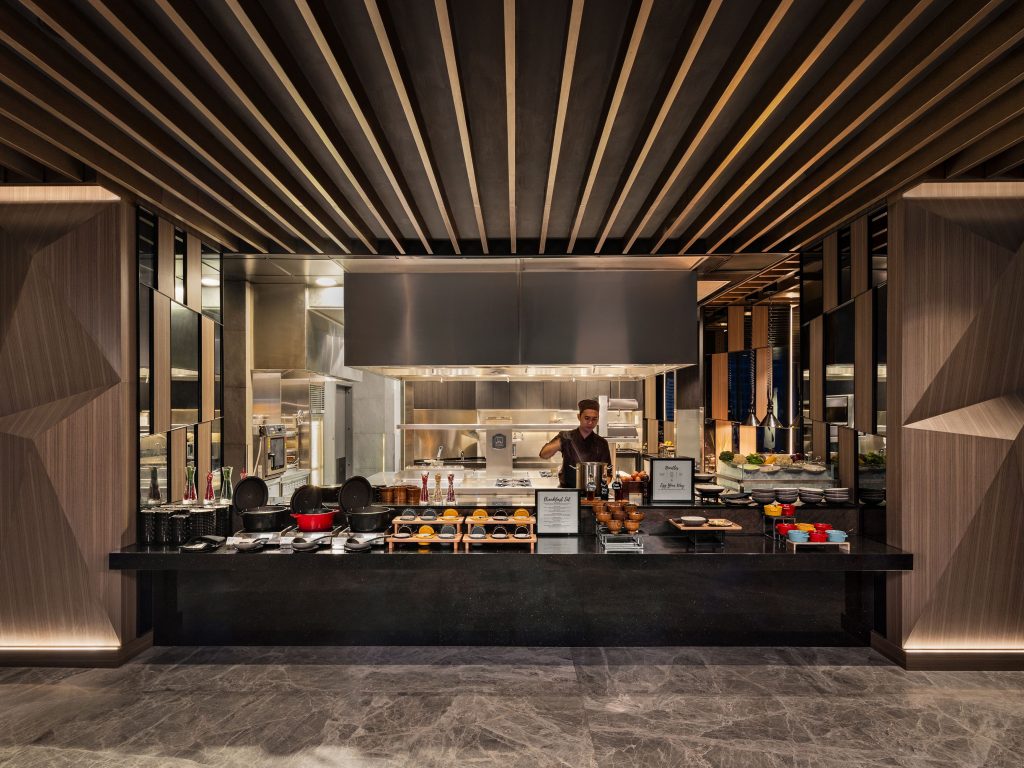
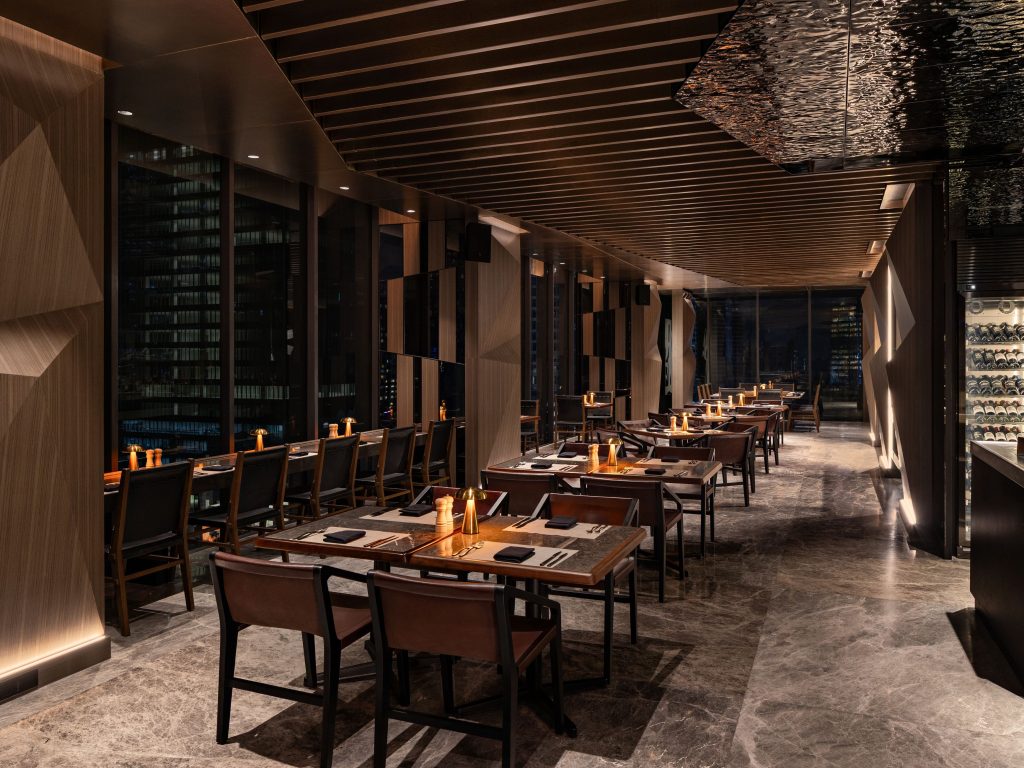
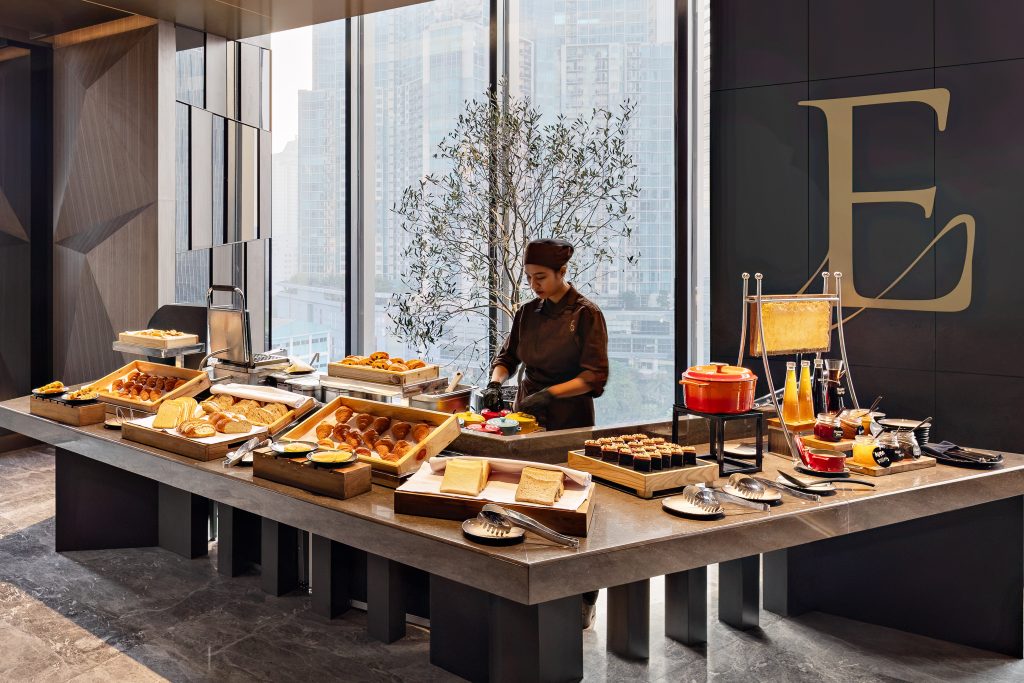
On-site restaurants provide convenience without compromising quality. Properties with skilled culinary teams offer alternatives when residents prefer not to cook. Restaurants specializing in diverse cuisines, including local and international options, appeal to varied tastes and dietary requirements.
Sustainability and Environmental Practices
Environmental consciousness increasingly influences accommodation decisions. Nice extended stay hotels implementing sustainable practices appeal to guests who value environmental responsibility. These initiatives range from energy-efficient systems to waste reduction programs and sustainable procurement policies.
Energy management systems that optimize heating, cooling, and lighting reduce environmental impact while controlling operational costs. Water conservation through efficient fixtures and laundry practices demonstrates commitment to resource stewardship. Waste reduction programs including recycling, composting, and minimized single-use items align with contemporary environmental expectations.
Green Building Certifications
Many premium properties pursue recognized environmental certifications:
| Certification | Focus Area | Benefits |
|---|---|---|
| LEED | Overall building performance | Energy efficiency, water conservation |
| Green Globe | Hospitality sustainability | Operational practices, social responsibility |
| EarthCheck | Environmental management | Benchmarking, continuous improvement |
| ISO 14001 | Environmental systems | Systematic environmental management |
These certifications provide third-party validation of environmental claims and ensure properties meet established standards. For environmentally conscious guests, certified properties offer assurance that their accommodation choices align with personal values.
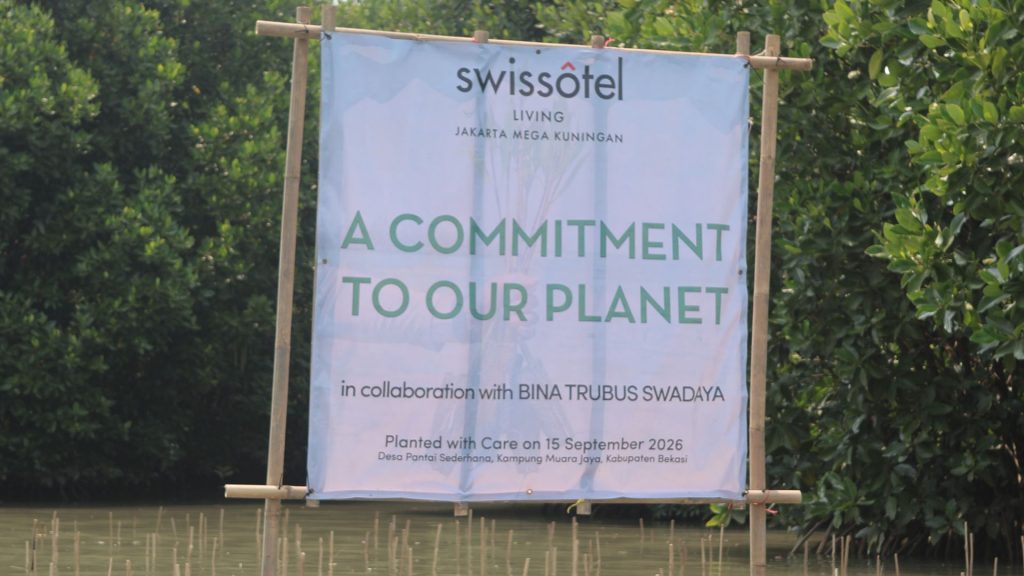
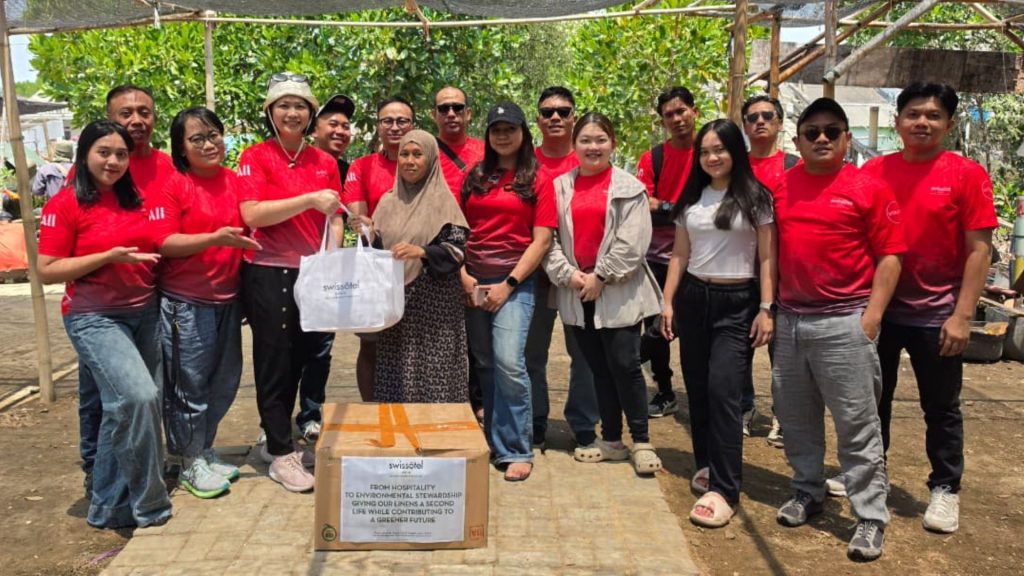
Sustainability extends beyond environmental considerations to social responsibility. Properties supporting local communities, employing fair labor practices, and contributing to neighborhood development demonstrate comprehensive responsibility that resonates with many extended stay guests.
Corporate Housing and Business Travel Programs
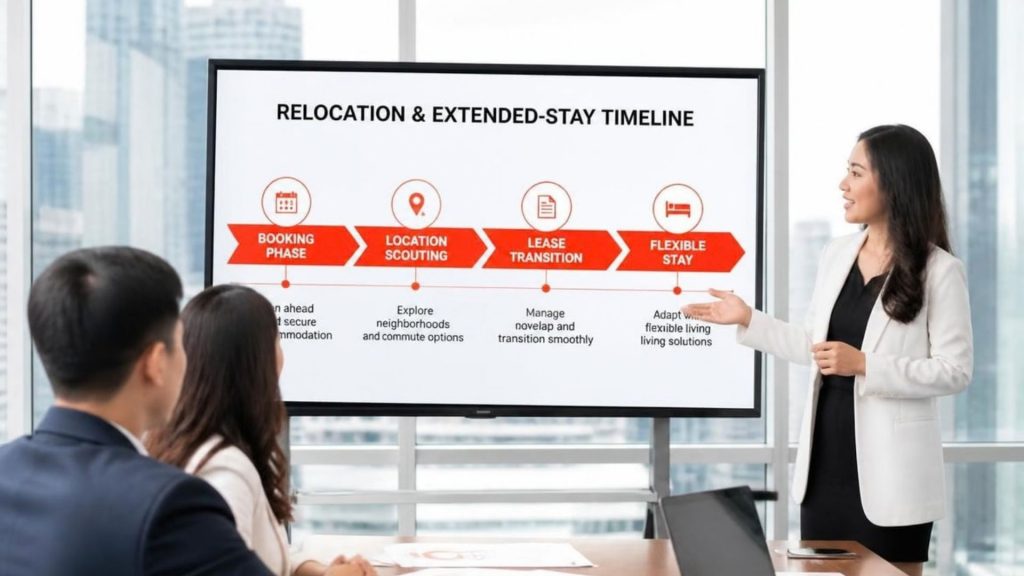
Many nice extended stay hotels develop specialized corporate housing programs serving business travelers and relocating employees. These programs typically offer negotiated rates, streamlined booking processes, and account management for companies with frequent extended stay needs. Corporate partnerships benefit both parties through volume commitments and simplified administration.
According to industry guidance from AHLA, effective corporate programs address specific business traveler needs including flexible cancellation policies, expense reporting support, and consolidated billing. Properties that understand corporate requirements build lasting relationships with human resources departments and travel managers.
Program Features for Business Clients
Comprehensive corporate programs typically include:
- Dedicated account managers familiar with company preferences
- Priority booking during high-demand periods
- Flexible arrival and departure times accommodating business schedules
- Extended payment terms for established corporate clients
- Usage reporting supporting budget management and forecasting
These features streamline the extended stay process for both travelers and corporate administrators. Simplified booking, billing, and support allow employees to focus on business objectives rather than accommodation logistics. For companies managing multiple relocations or project deployments, reliable extended stay partnerships become strategic assets.
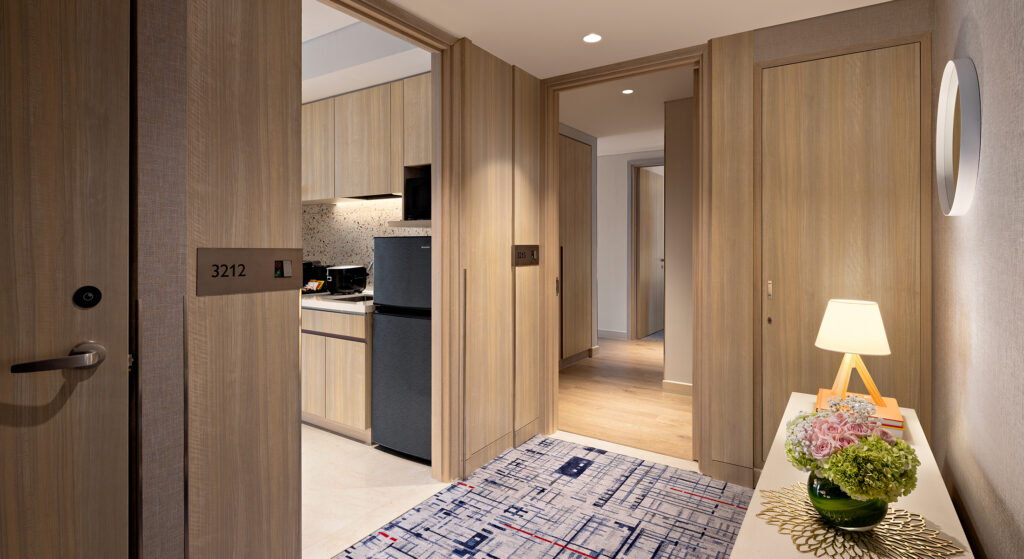
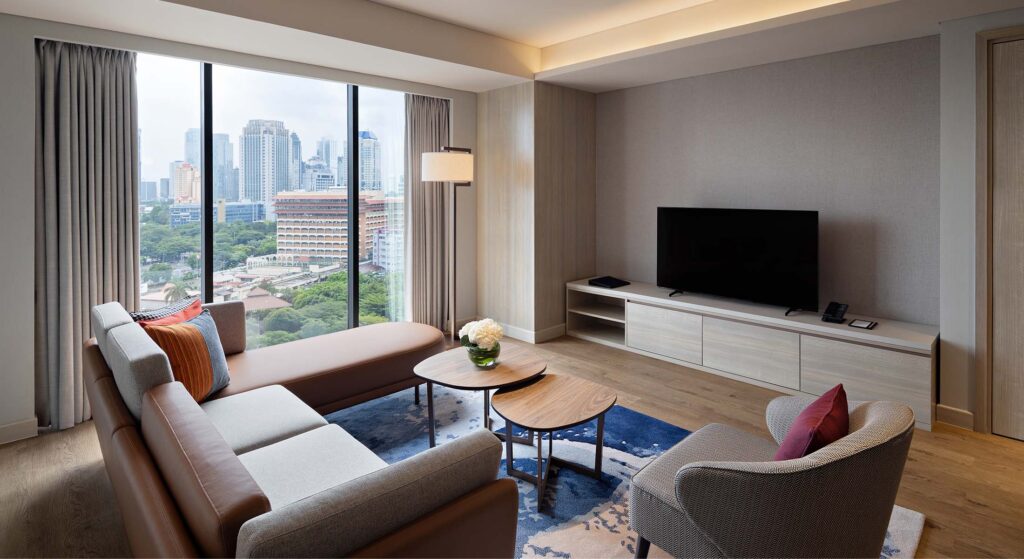
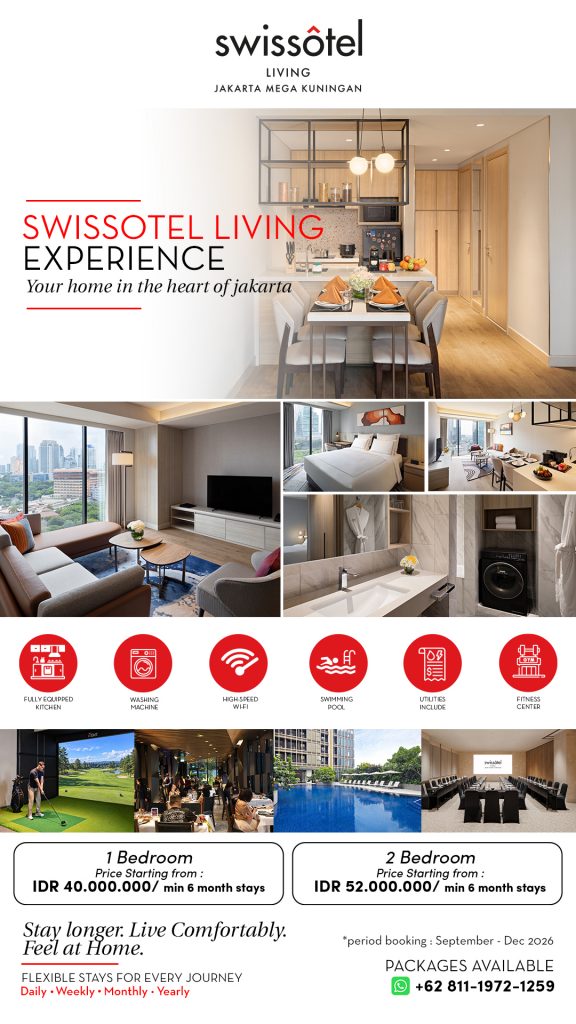
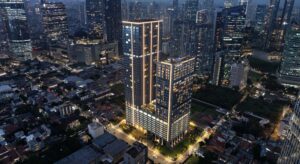
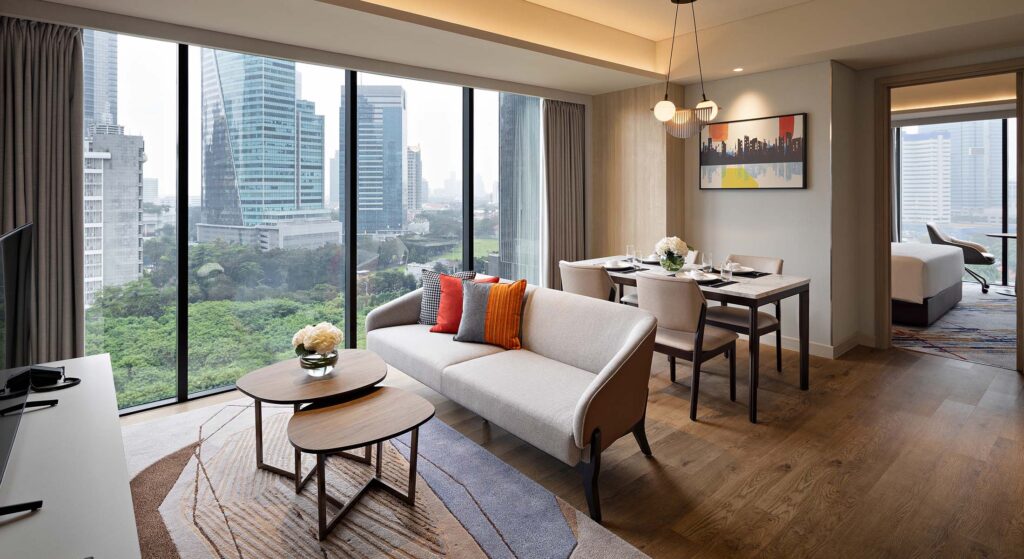
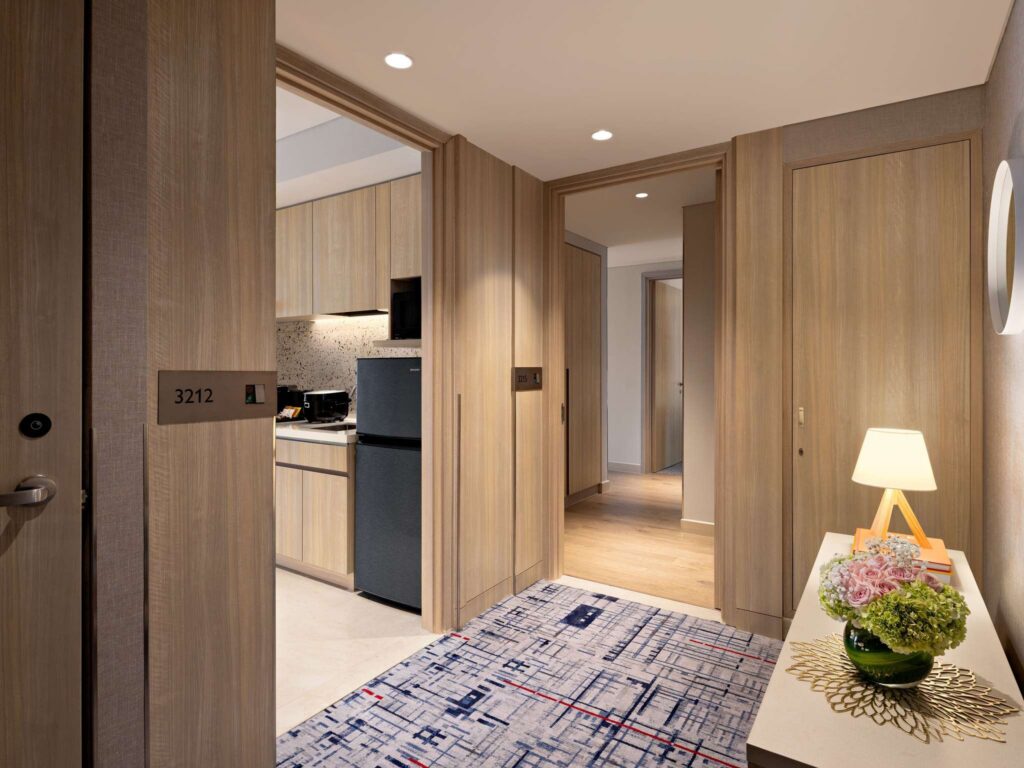
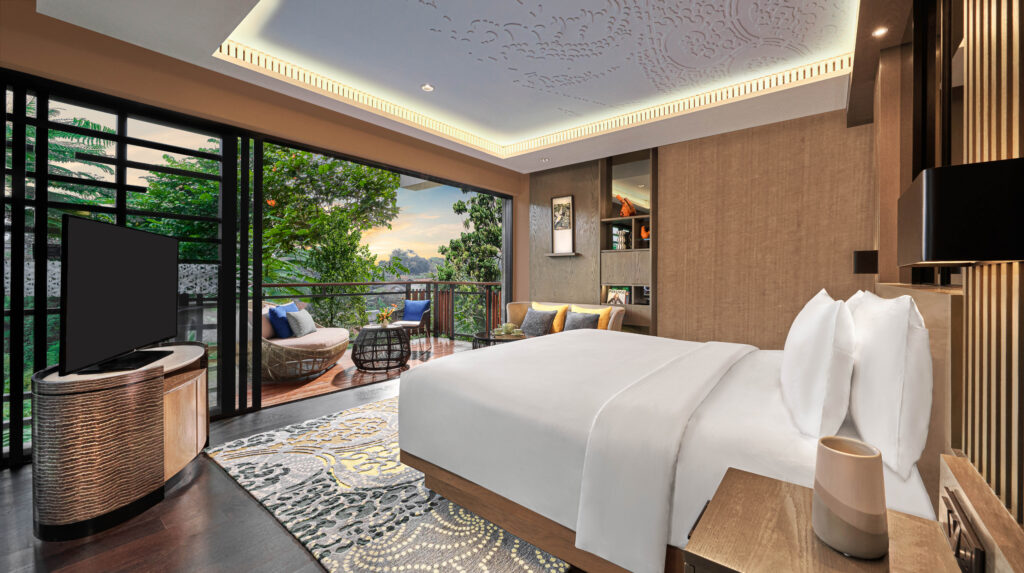
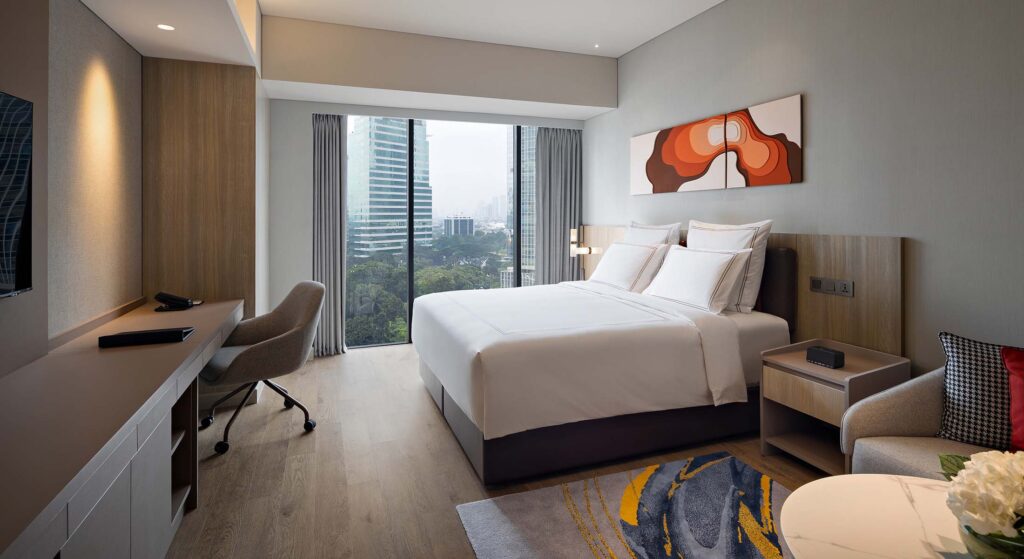
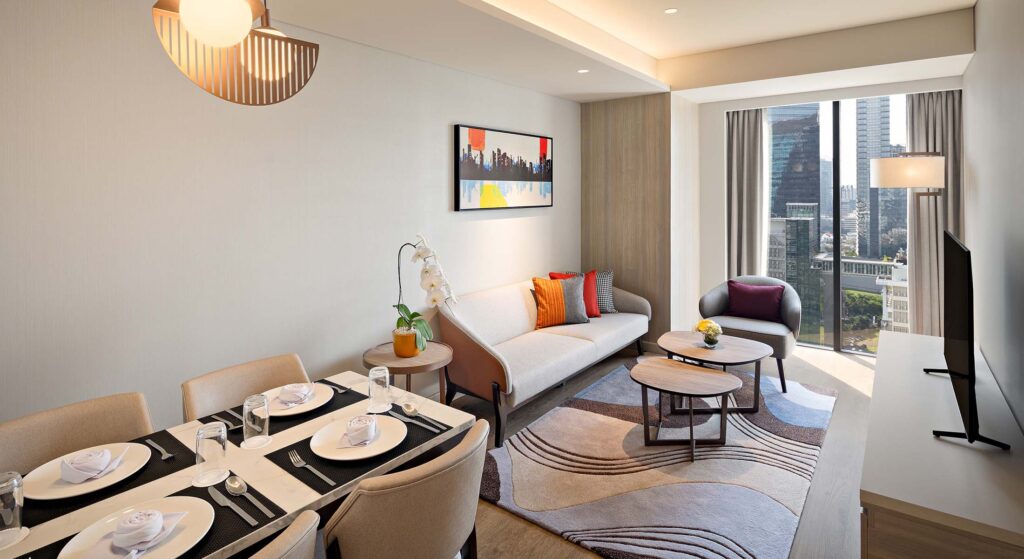
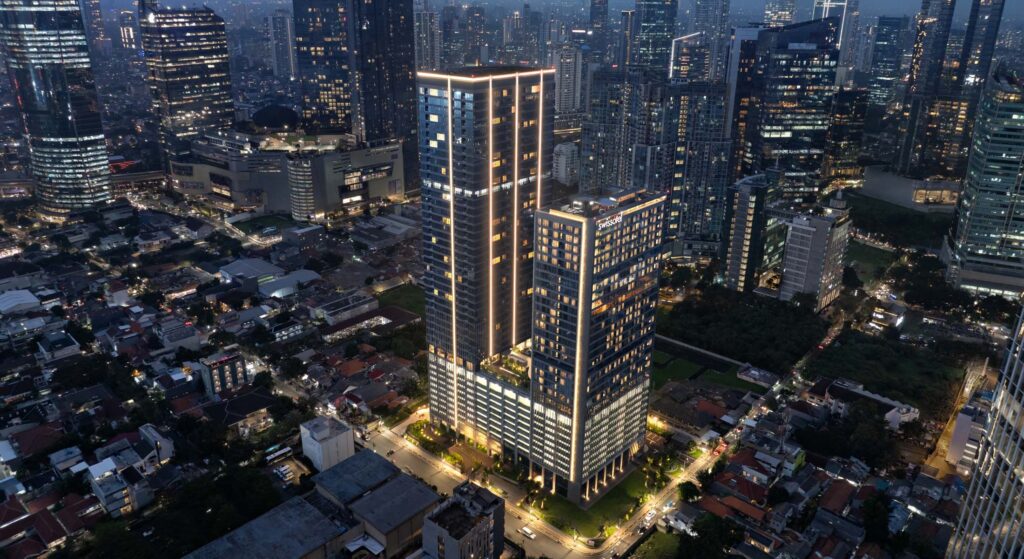
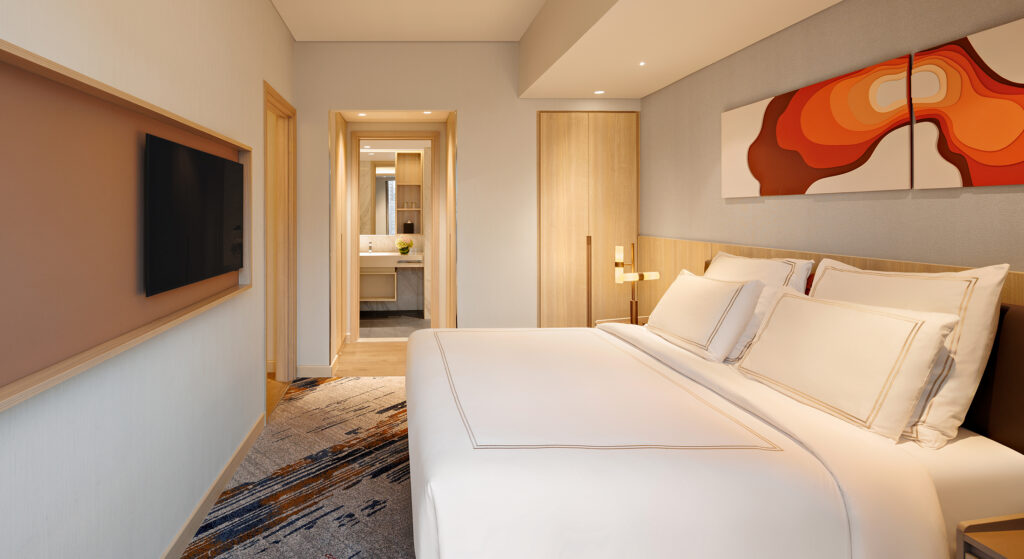
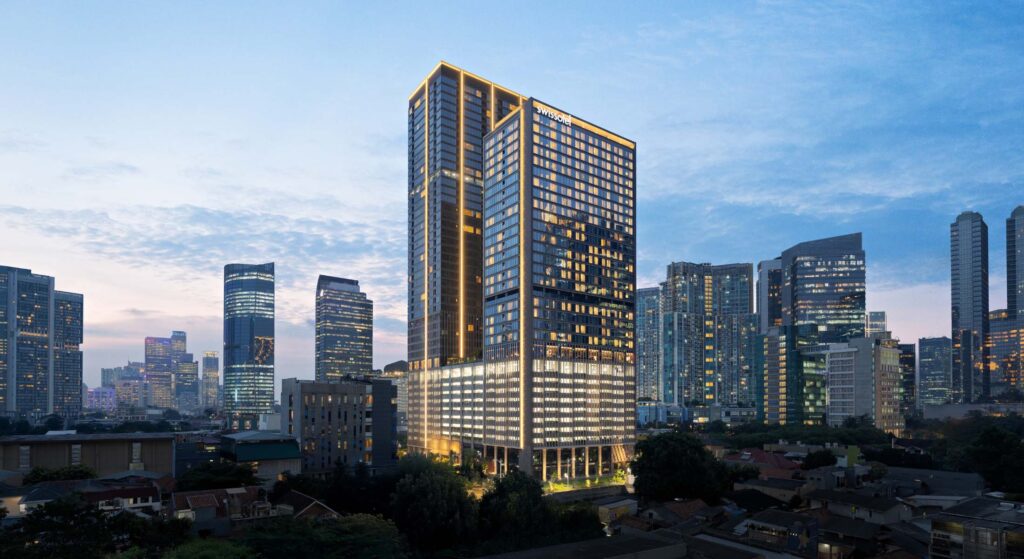
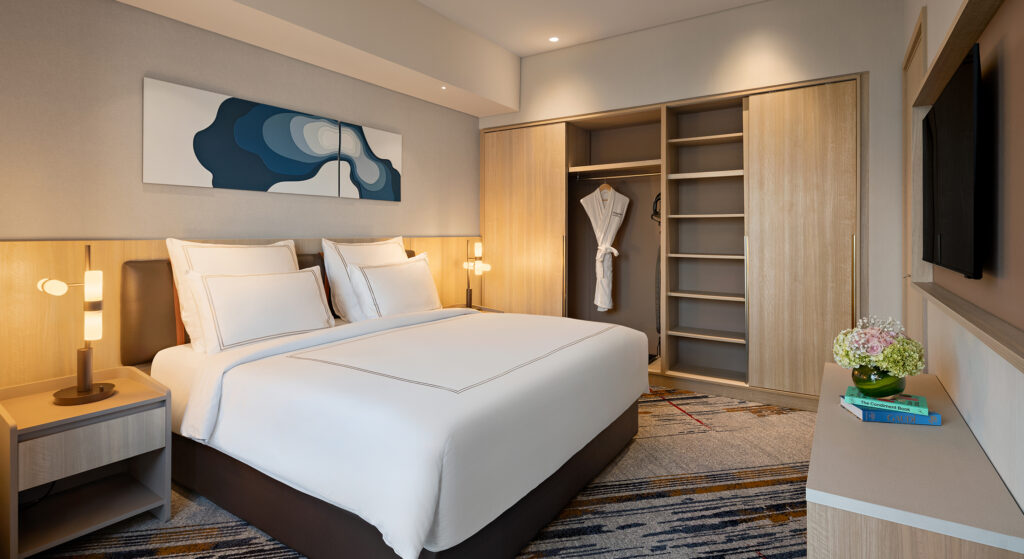
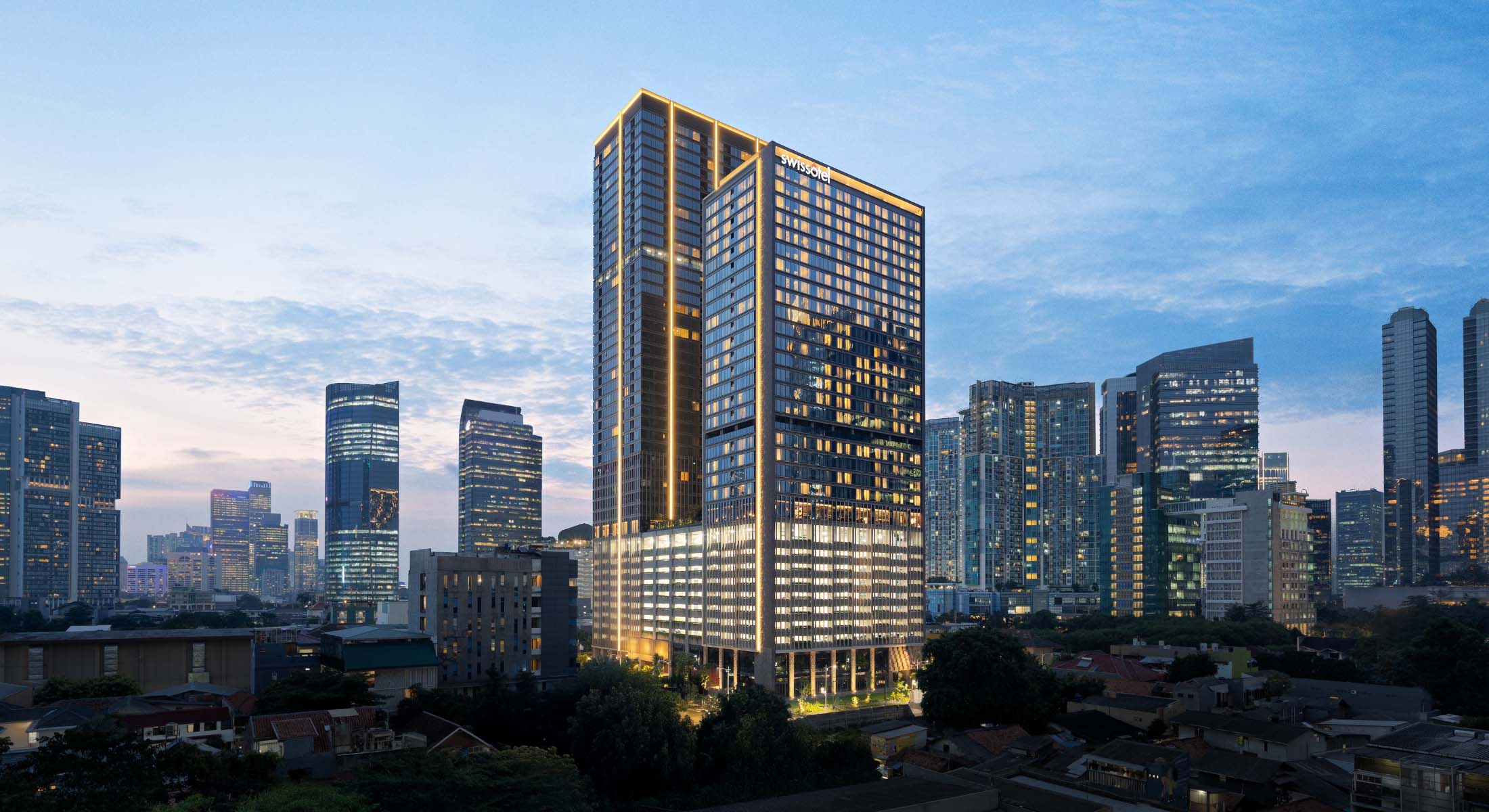
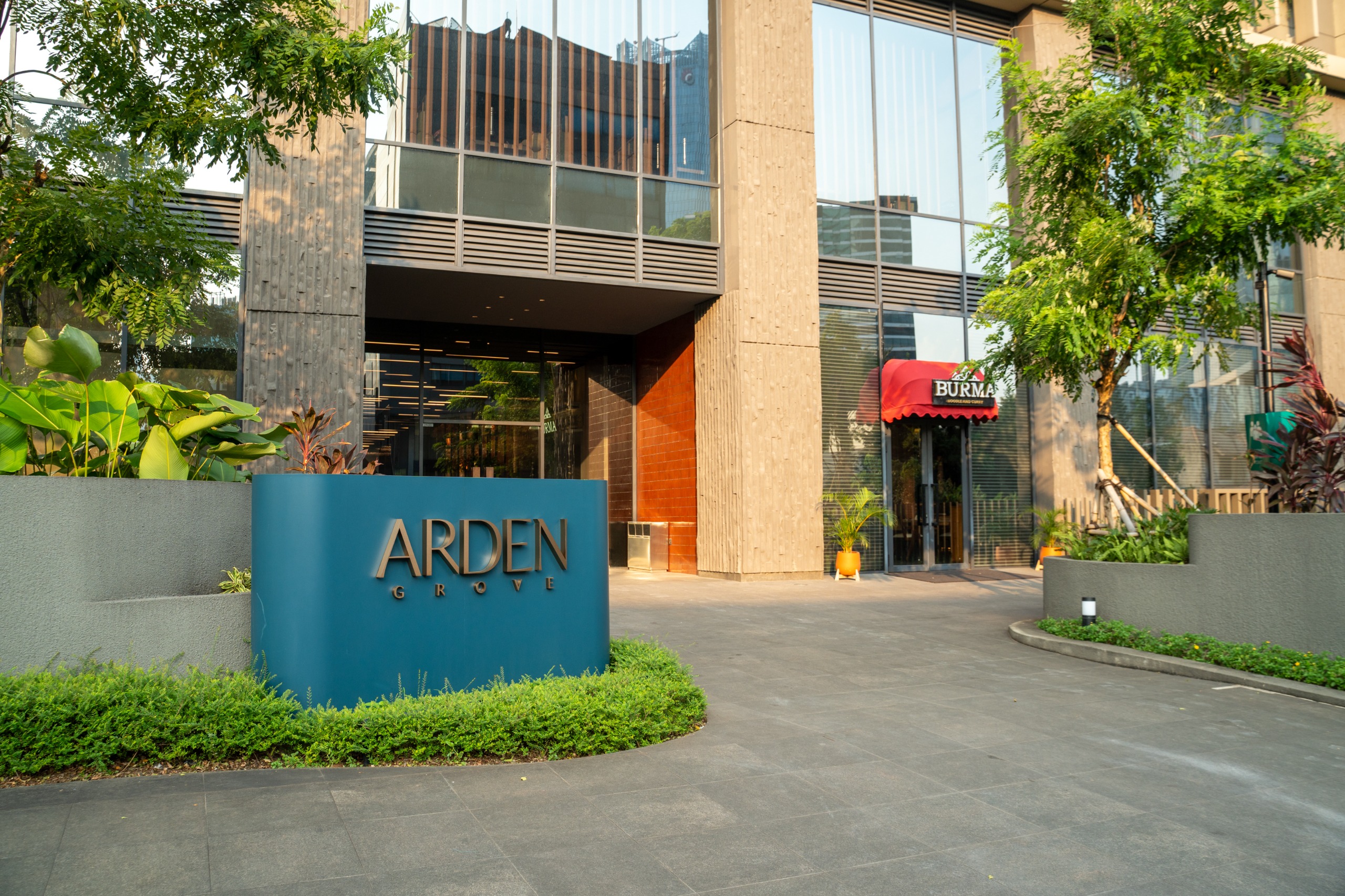
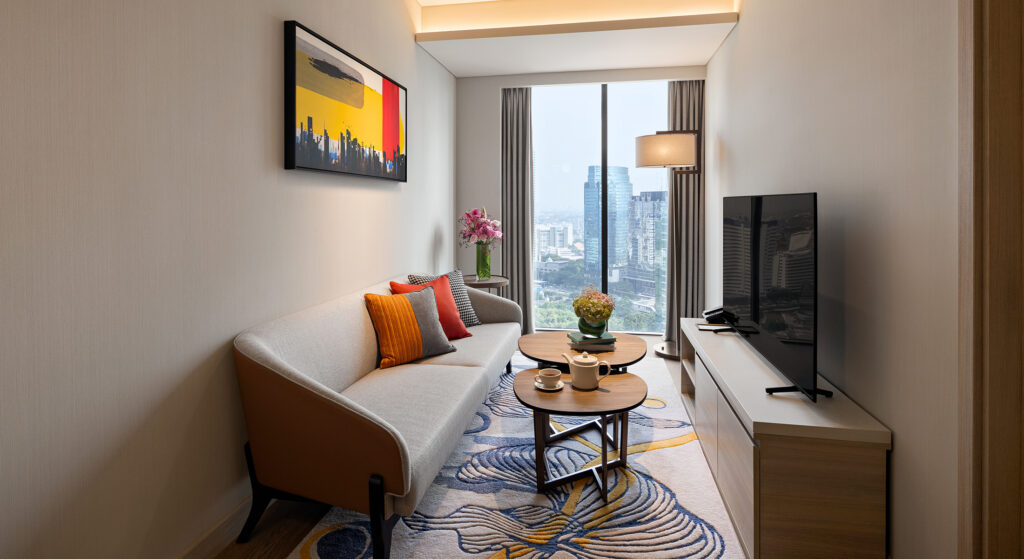
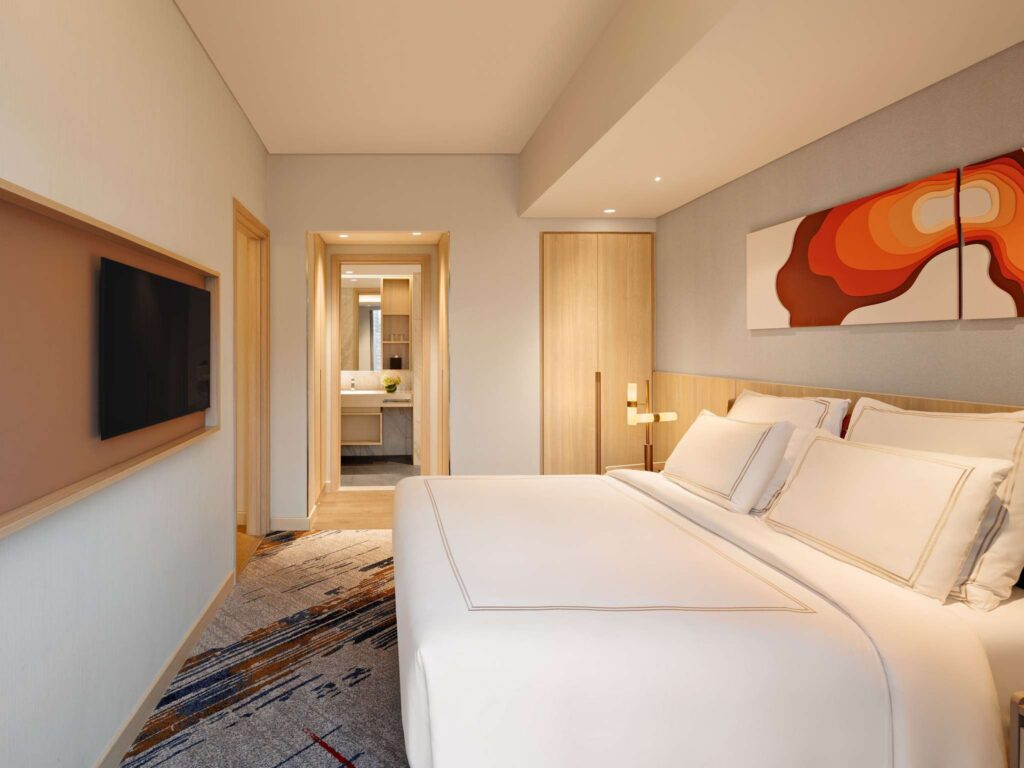
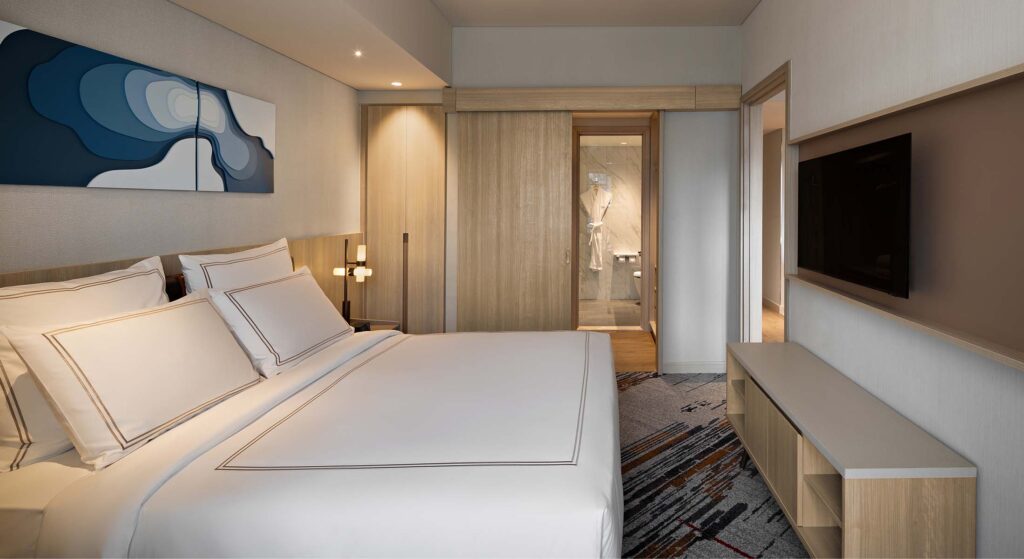
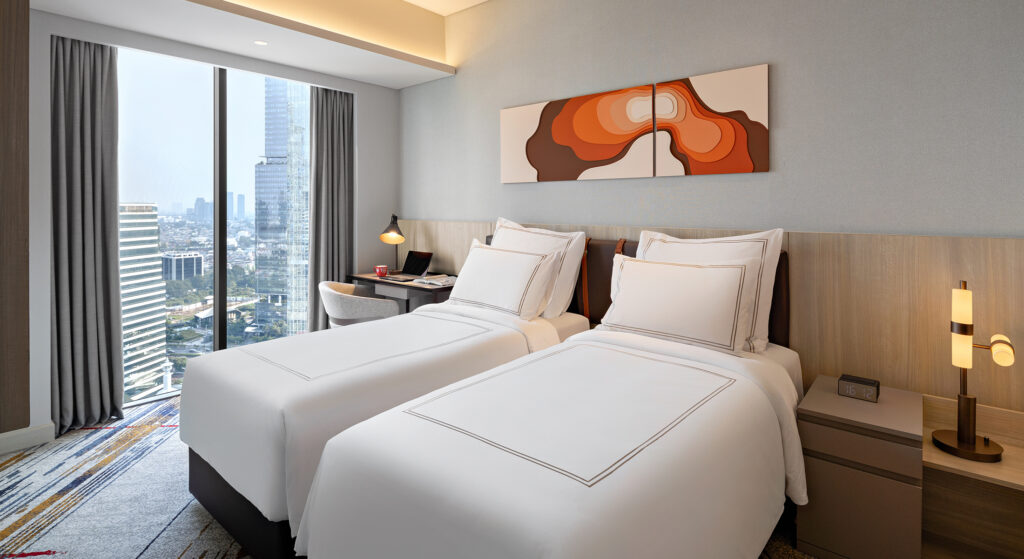
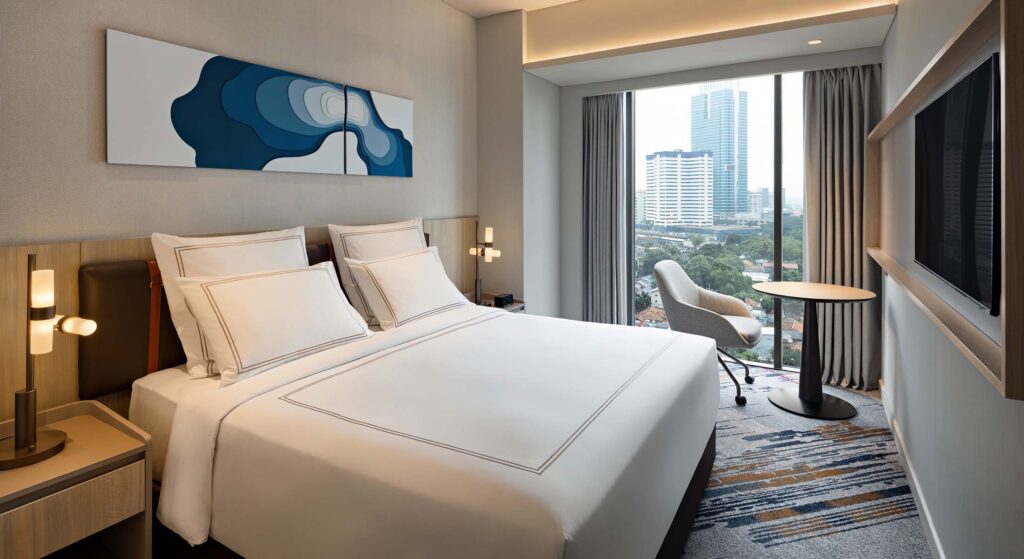
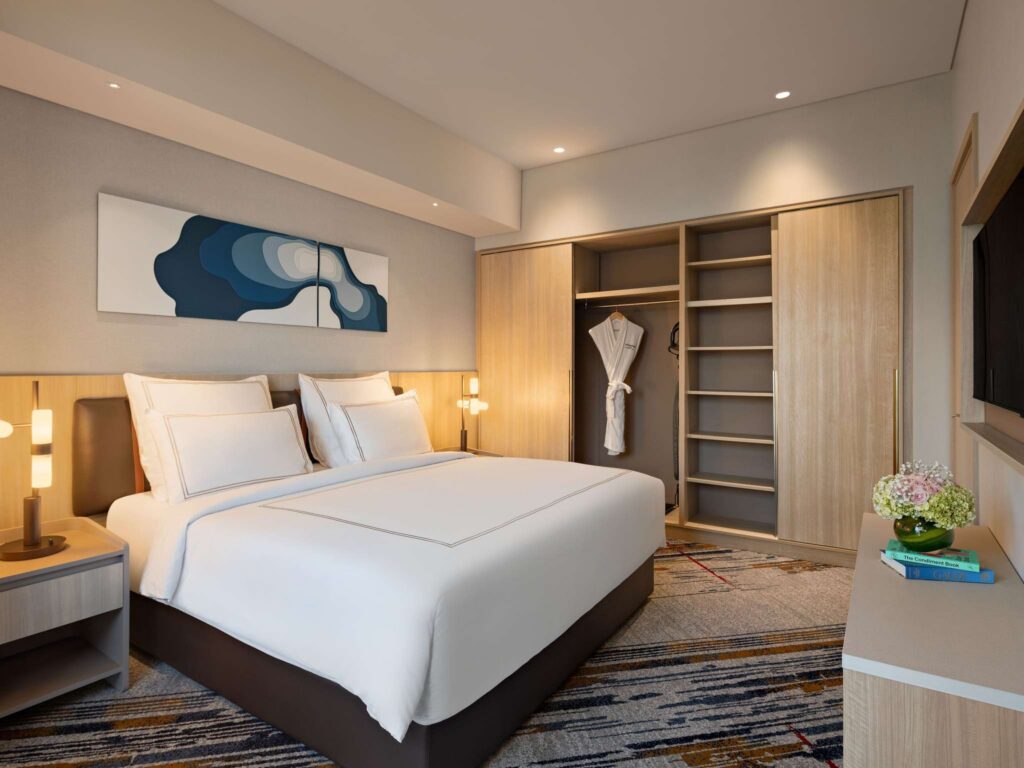
Swissôtel Living Jakarta Mega Kuningan exemplifies how serviced apartments designed for business travelers combine residential comfort with corporate housing program benefits. Located in Jakarta’s central business district with access to Kuningan, SCBD, and major commercial areas, the property offers 240 fully furnished apartments in configurations from studios to three-bedroom residences, supporting individual business travelers and relocated families alike.
Pet Policies and Pet-Friendly Amenities
Pet policies significantly affect property selection for animal owners facing extended stays. Progressive extended stay hotels recognize that pets are family members and develop welcoming policies rather than restrictive rules. Pet-friendly properties attract loyal guests who appreciate accommodations that don’t force impossible choices between beloved animals and necessary relocations.
Truly pet-friendly properties go beyond simple permission to provide thoughtful amenities. Designated outdoor areas for exercise, pet waste stations, grooming facilities, and information about local veterinarians demonstrate genuine commitment to animal-owning guests. Some properties offer pet-sitting services, walking assistance, and welcome packages for four-legged residents.
Contract Terms and Flexibility
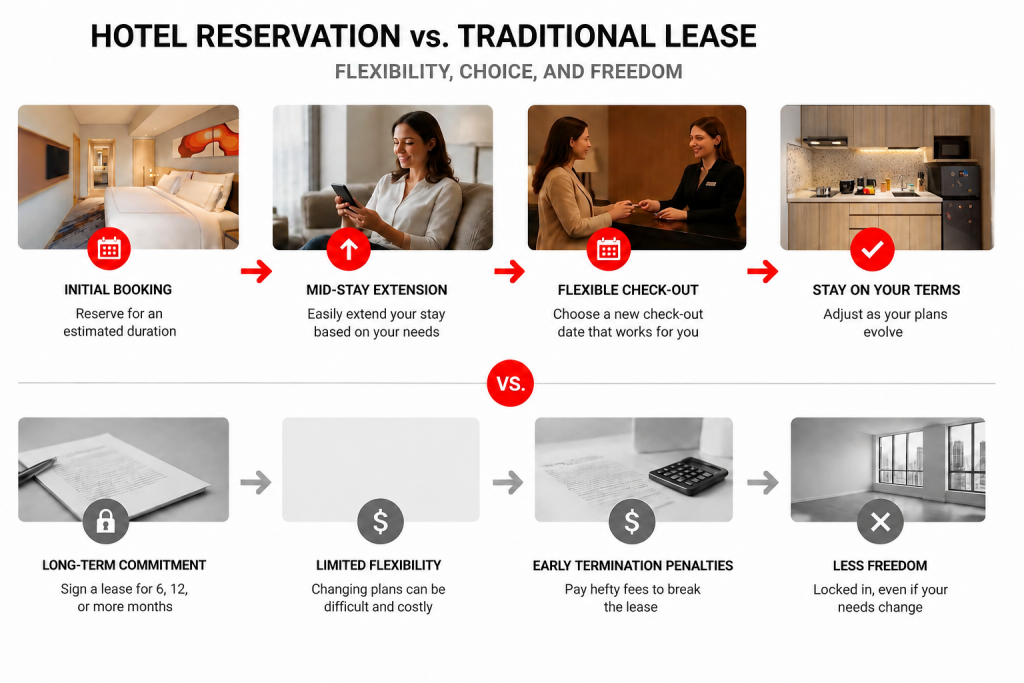
Understanding lease terms prevents surprises and ensures alignment with your needs. Nice extended stay hotels offer various contract structures accommodating different certainty levels and commitment durations. The most flexible properties allow transitions between daily, weekly, monthly, and longer-term arrangements as situations evolve.
Standard contract terms should clearly specify:
- Rate structures for different commitment lengths
- Cancellation policies and notice requirements
- Extension procedures when stays require lengthening
- Early termination provisions if circumstances change
- Included services and any additional fees
- Damage and cleaning deposit arrangements
Transparent terms demonstrate professionalism and respect for guests. Hidden fees, unclear policies, or inflexible terms signal potential problems. Properties confident in their value proposition provide straightforward contracts that guests can understand and accept without hesitation.
The 2025 hotel industry outlook notes that contractual flexibility has become a competitive differentiator as guests increasingly value optionality in uncertain times. Properties adapting to this expectation gain advantages in attracting quality tenants.
Security and Safety Measures
Security considerations intensify with longer stays and accumulation of personal belongings. Nice extended stay hotels implement comprehensive security programs including controlled access, surveillance systems, and trained security personnel. These measures protect residents, their property, and their peace of mind throughout extended stays.
Access control systems should limit entry to residents and authorized guests. Key card systems, coded entry, and security personnel at entry points create multiple security layers. Interior corridors and common areas benefit from appropriate surveillance while respecting privacy in personal living spaces.
Emergency Preparedness
Comprehensive safety programs address various emergency scenarios:
| Emergency Type | Required Preparations |
|---|---|
| Fire | Smoke detectors, sprinklers, evacuation plans, marked exits |
| Medical | AED availability, first aid kits, emergency contact protocols |
| Natural disaster | Structural integrity, emergency supplies, communication plans |
| Security incident | Trained staff, law enforcement relationships, incident protocols |
Properties demonstrating preparation for various emergencies provide reassurance to residents. Regular safety drills, well-maintained equipment, and staff training ensure that systems function effectively when needed. These investments protect lives and property while demonstrating management commitment to resident wellbeing.
International travelers particularly value security measures in unfamiliar cities. Clear communication about safety protocols and emergency procedures helps residents feel secure and prepared regardless of their familiarity with local conditions.
Evaluating Reviews and Reputation
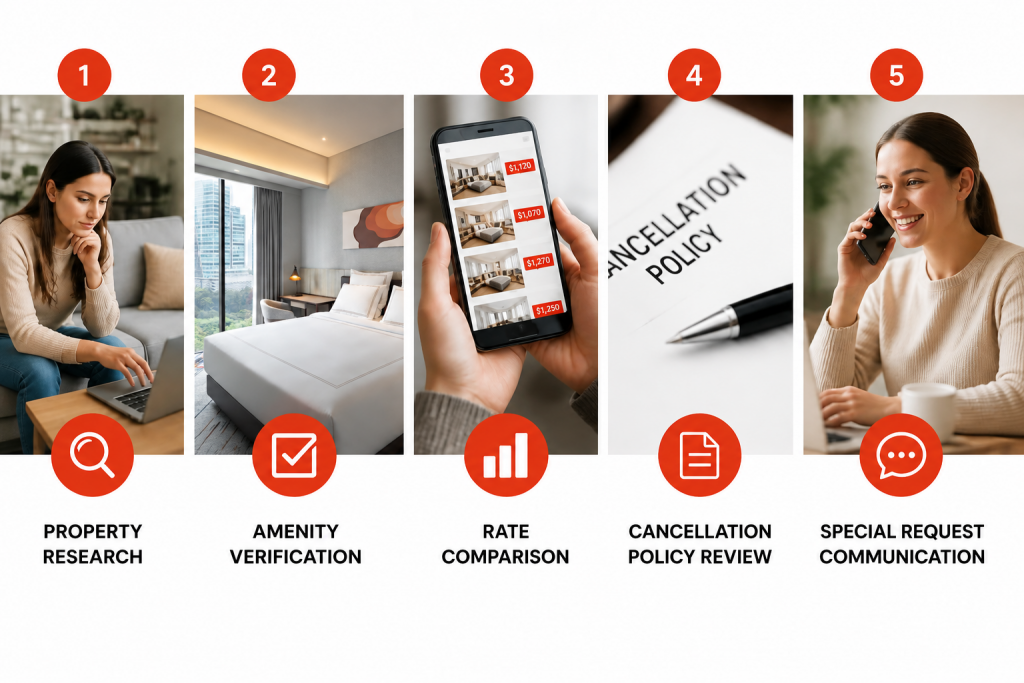
Research before committing to extended stays prevents costly mistakes. Nice extended stay hotels with strong reputations typically maintain consistent positive reviews across multiple platforms. Patterns in guest feedback reveal both strengths and potential concerns that influence decision-making.
When evaluating reviews, consider:
- Response consistency (do staff address issues professionally?)
- Specific praise or criticism (vague comments provide limited information)
- Reviewer profiles (business travelers vs. leisure guests may have different priorities)
- Recent feedback (older reviews may not reflect current conditions)
- Management responses (do they demonstrate commitment to improvement?)
Single negative reviews carry less weight than patterns. Properties with overwhelmingly positive feedback occasionally receive outlier complaints, often reflecting individual circumstances rather than systemic problems. Conversely, repeated criticism about specific issues signals genuine concerns worth investigating.
Direct communication with properties supplements online research. Asking specific questions about amenities, policies, and services reveals responsiveness and transparency. Properties confident in their offerings provide detailed, helpful responses that facilitate informed decisions.
Making the Final Selection
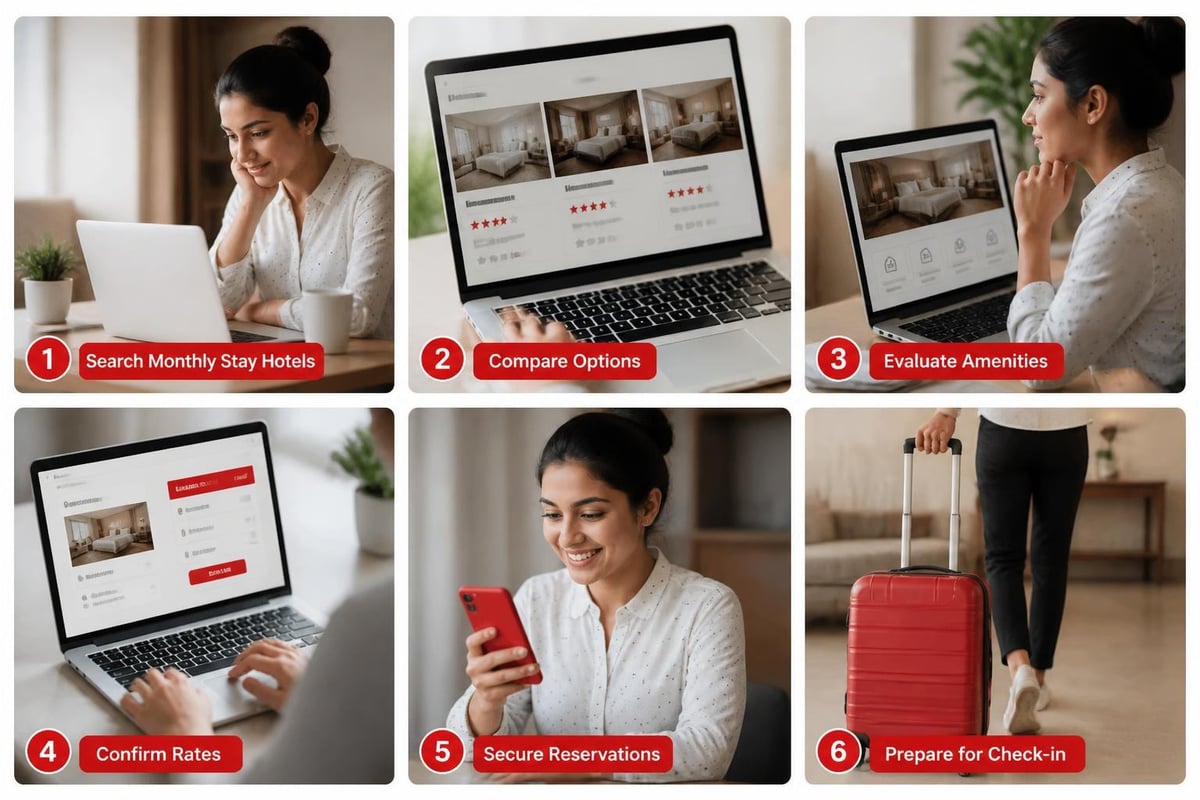
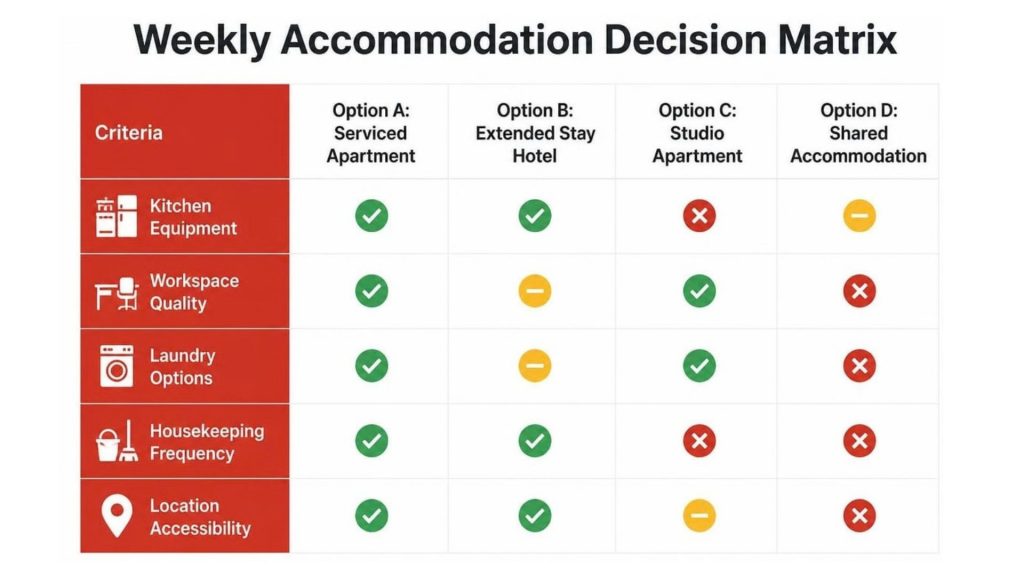
Choosing among nice extended stay hotels requires weighing multiple factors against personal priorities. Creating a decision matrix helps systematically evaluate options. Rate each criterion by importance to your situation, then score properties against those standards. This structured approach prevents emotional decisions and ensures alignment with actual needs.
Critical decision factors typically include:
- Location and accessibility (30-40% of decision weight)
- Space and layout (20-25% of decision weight)
- Pricing and value (15-20% of decision weight)
- Amenities and services (15-20% of decision weight)
- Reviews and reputation (10-15% of decision weight)
These weights vary by individual circumstances. Families might prioritize space and amenities more heavily, while solo business travelers emphasize location and workspace quality. Adjust the framework to reflect your specific situation and priorities.
Once you’ve identified top candidates, virtual tours or in-person visits provide final validation. Experiencing the property, neighborhood, and staff interactions offers insights that research alone cannot deliver. Trust your instincts when something feels right or raises concerns.
Properties combining strategic locations with comprehensive amenities, flexible terms, and strong service cultures deliver exceptional extended stay experiences. When you find accommodations that check multiple boxes while providing intangible comfort and confidence, you’ve likely identified your ideal property. Making thoughtful selections based on thorough research ensures that extended stays support rather than complicate your professional and personal goals.
Selecting nice extended stay hotels requires evaluating location, amenities, services, and value to find properties that support comfortable long-term living. The right accommodation transforms extended stays from challenges into opportunities for productive, balanced living. Whether you’re relocating for business, managing a long-term project, or settling into a new city, Swissôtel Living Jakarta Mega Kuningan offers 240 fully furnished serviced apartments in Jakarta’s central business district, combining residential comfort with professional hotel services for daily, weekly, monthly, and yearly stays.





































 Should You Choose an Extended-Stay Hotel or Serviced Apartment in Jakarta for a Business Trip?