

Apartments with Kitchen: Your Guide to Furnished Living
Finding the right accommodation means more than just securing a place to sleep. For professionals, families, and expatriates, apartments with kitchen facilities transform temporary lodging into genuine home-style living. A fully equipped kitchen allows residents to maintain their routines, control their nutrition, and reduce dining costs significantly. Whether planning a month-long business assignment or a year-long relocation, the presence of a functional kitchen reshapes the entire living experience.
Why Apartments with Kitchen Matter for Extended Stays
When evaluating apartments with kitchen amenities, the difference becomes clear within the first week. Hotel dining grows repetitive and expensive, while a well-appointed kitchen offers flexibility and comfort. Business travelers appreciate the ability to prepare quick breakfasts before morning meetings. Families benefit from accommodating dietary restrictions and children’s preferences.
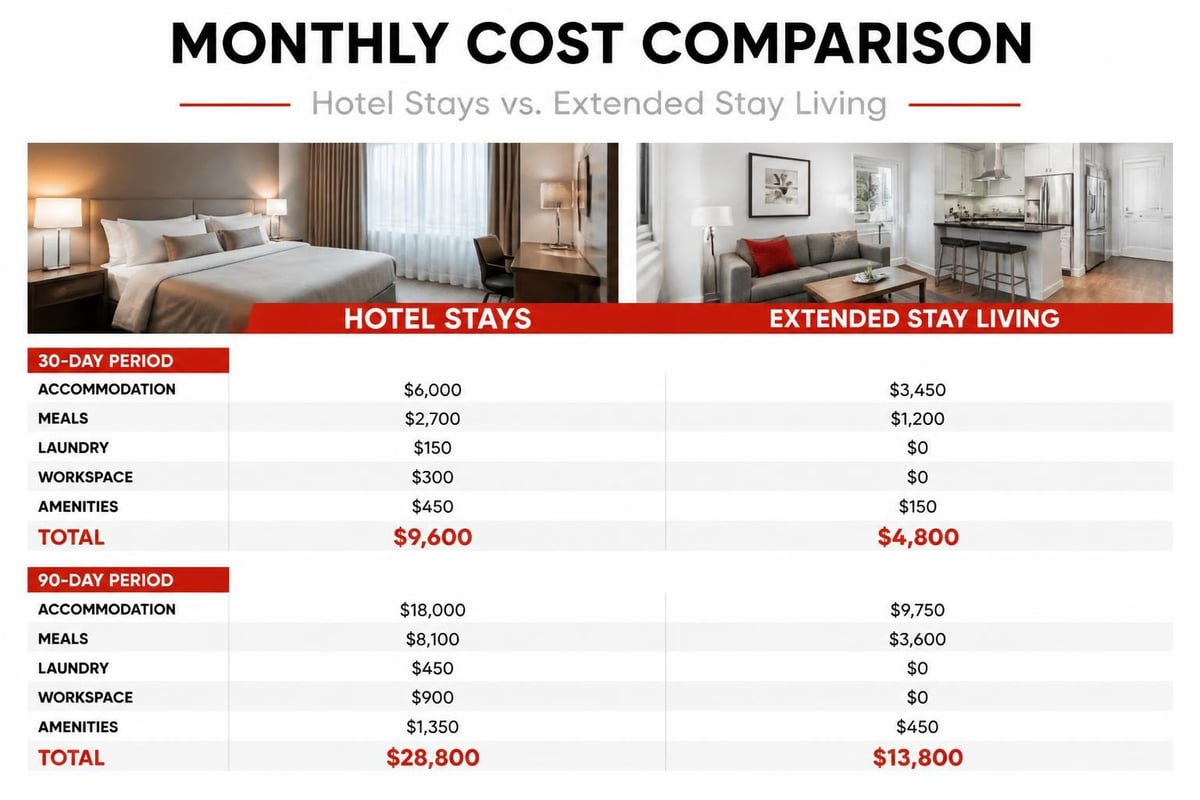
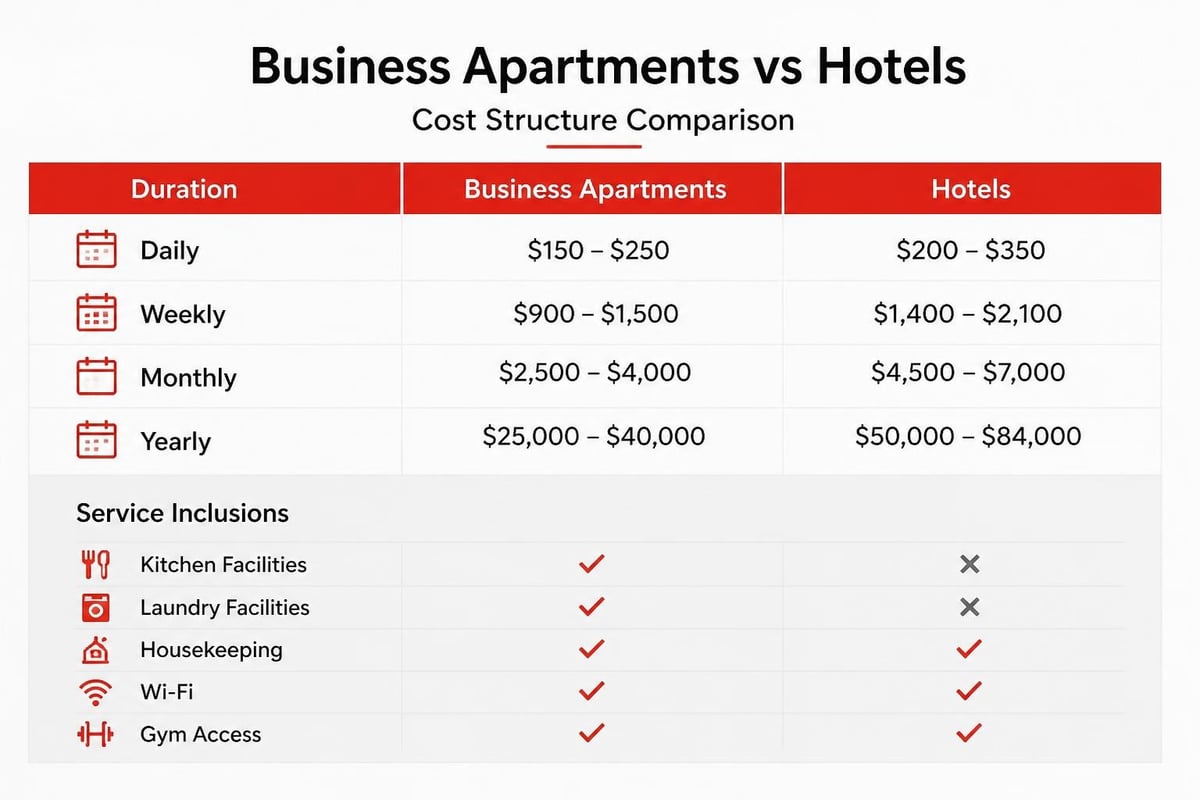
The financial advantage proves substantial over time. Restaurant meals in Jakarta’s central business district can easily exceed daily grocery budgets by 300 percent or more. A kitchen enables cost control while maintaining quality nutrition.
Health and Dietary Control
Maintaining consistent eating habits becomes challenging without kitchen access. Expatriates adjusting to Jakarta often struggle with unfamiliar restaurant options or irregular meal timing due to meeting schedules.

Key benefits of kitchen-equipped apartments include:
- Complete control over ingredients and cooking methods
- Ability to accommodate allergies, religious dietary requirements, and medical restrictions
- Storage space for preferred products and familiar brands
- Meal prep capability for busy workweeks
Essential Kitchen Features in Modern Serviced Apartments
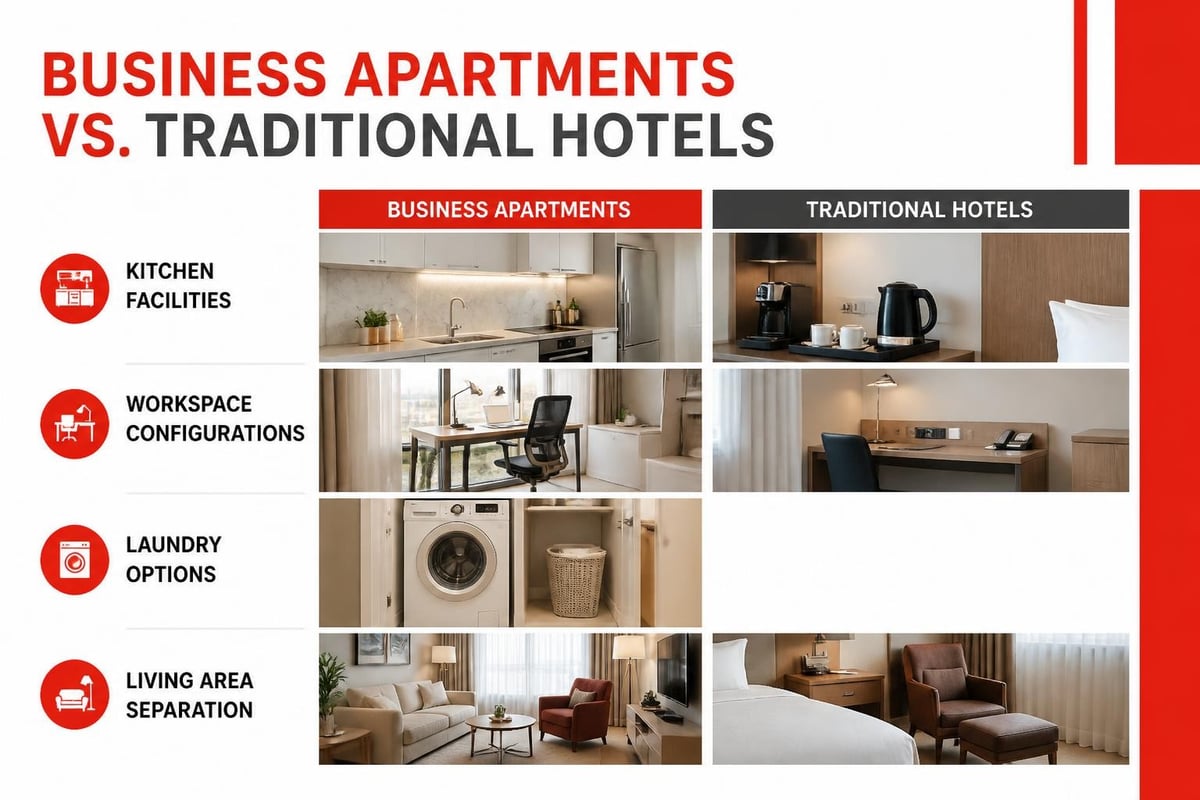
Not all apartments with kitchen facilities offer the same level of functionality. Understanding which features support daily living helps residents make informed decisions. The difference between a kitchenette and a full kitchen affects everything from cooking capabilities to storage capacity.
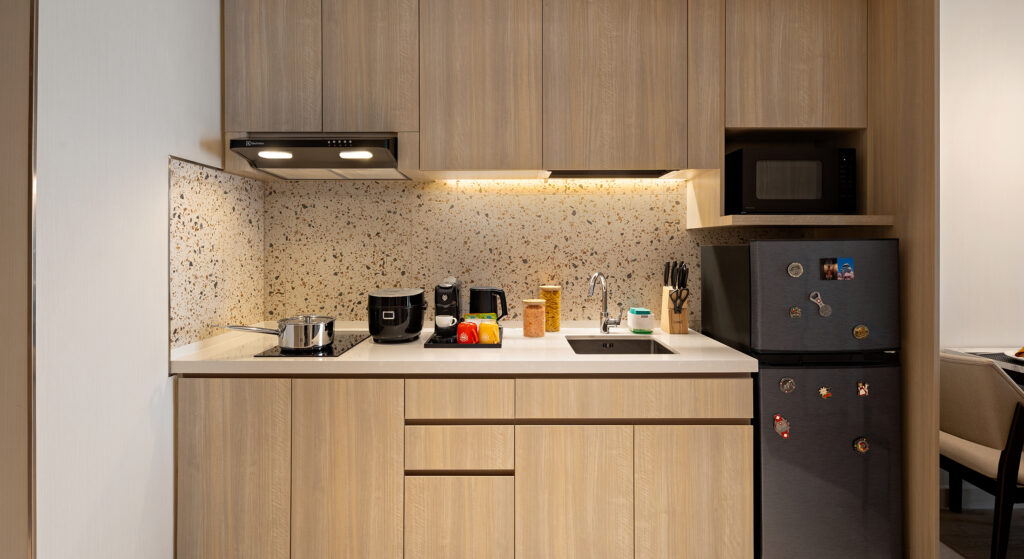
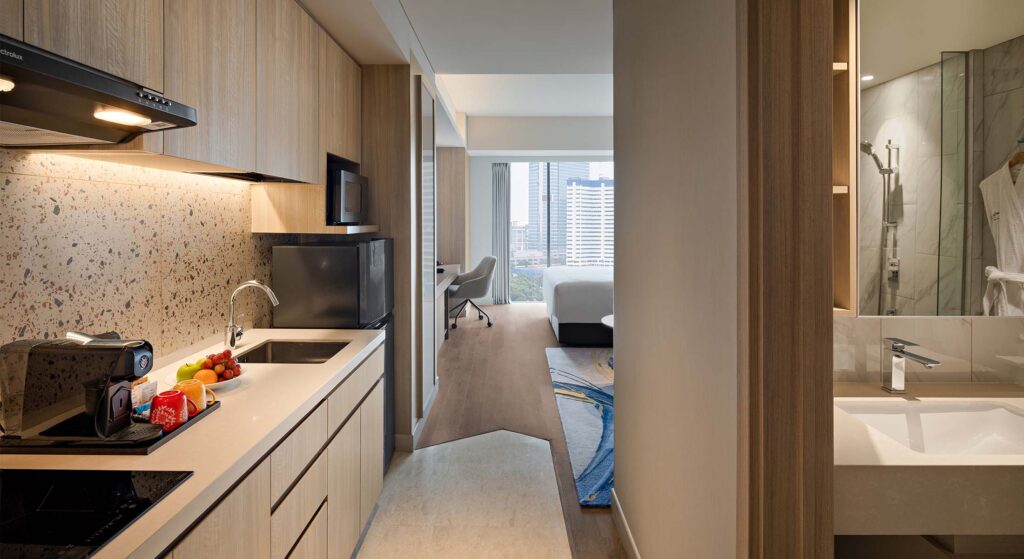
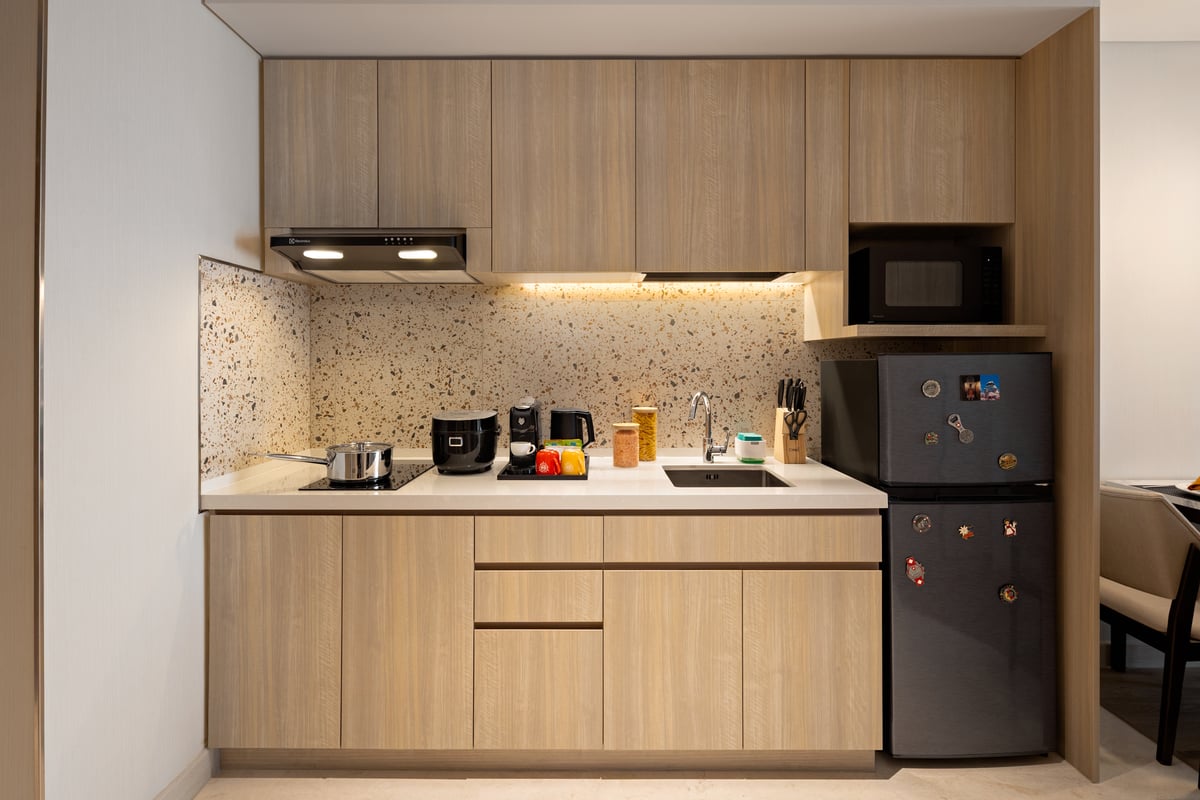
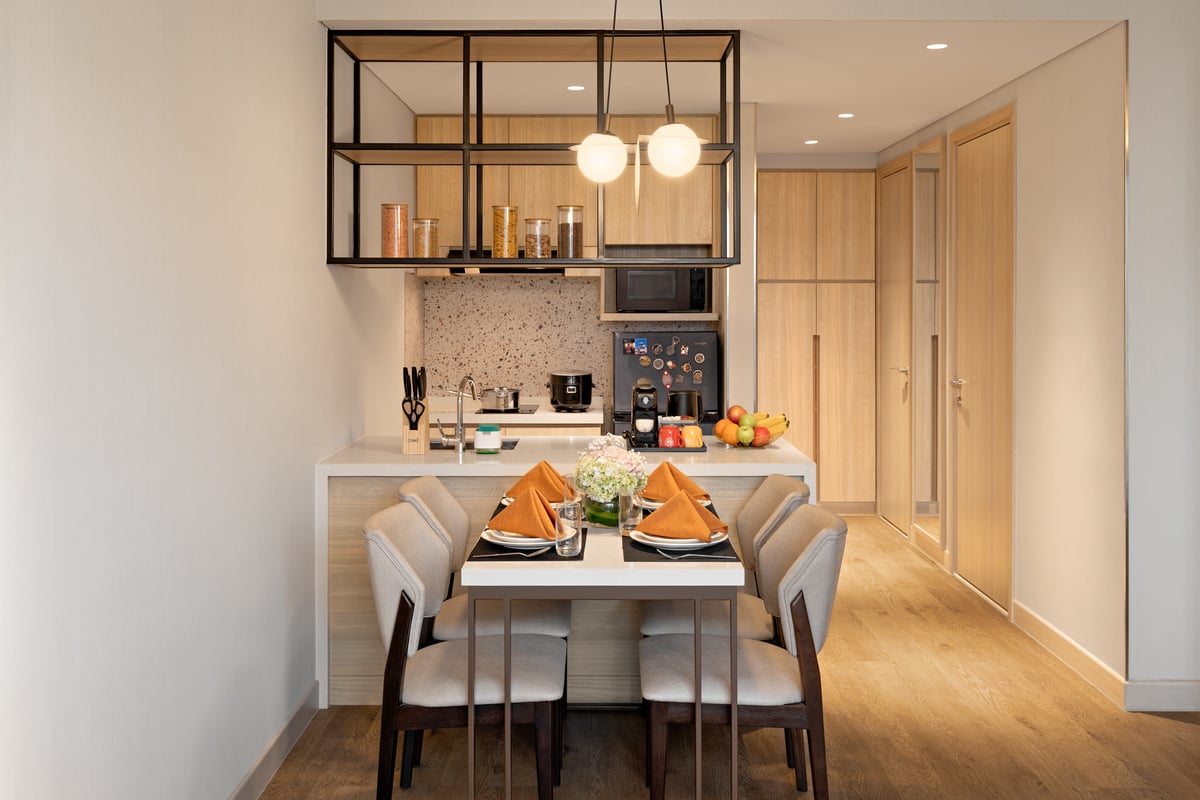
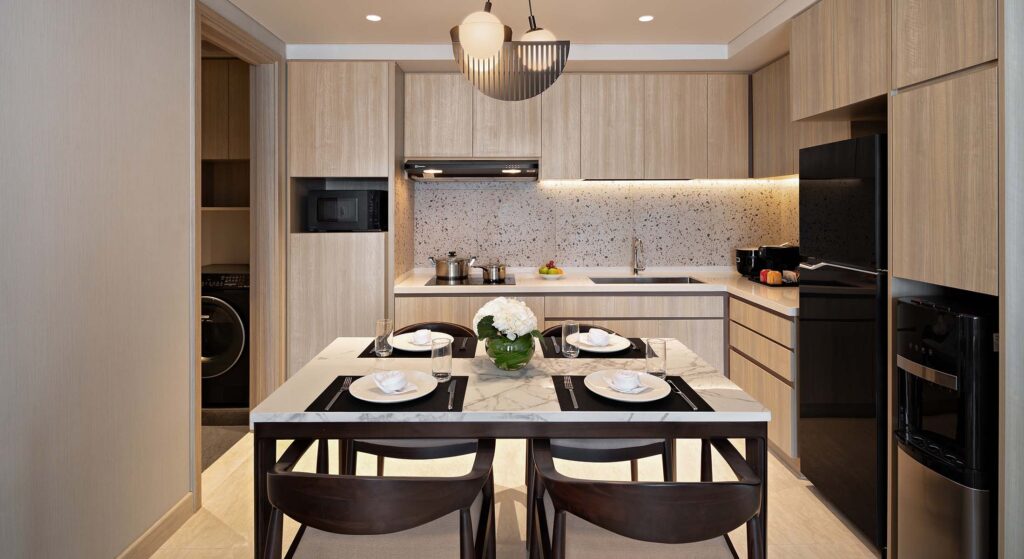
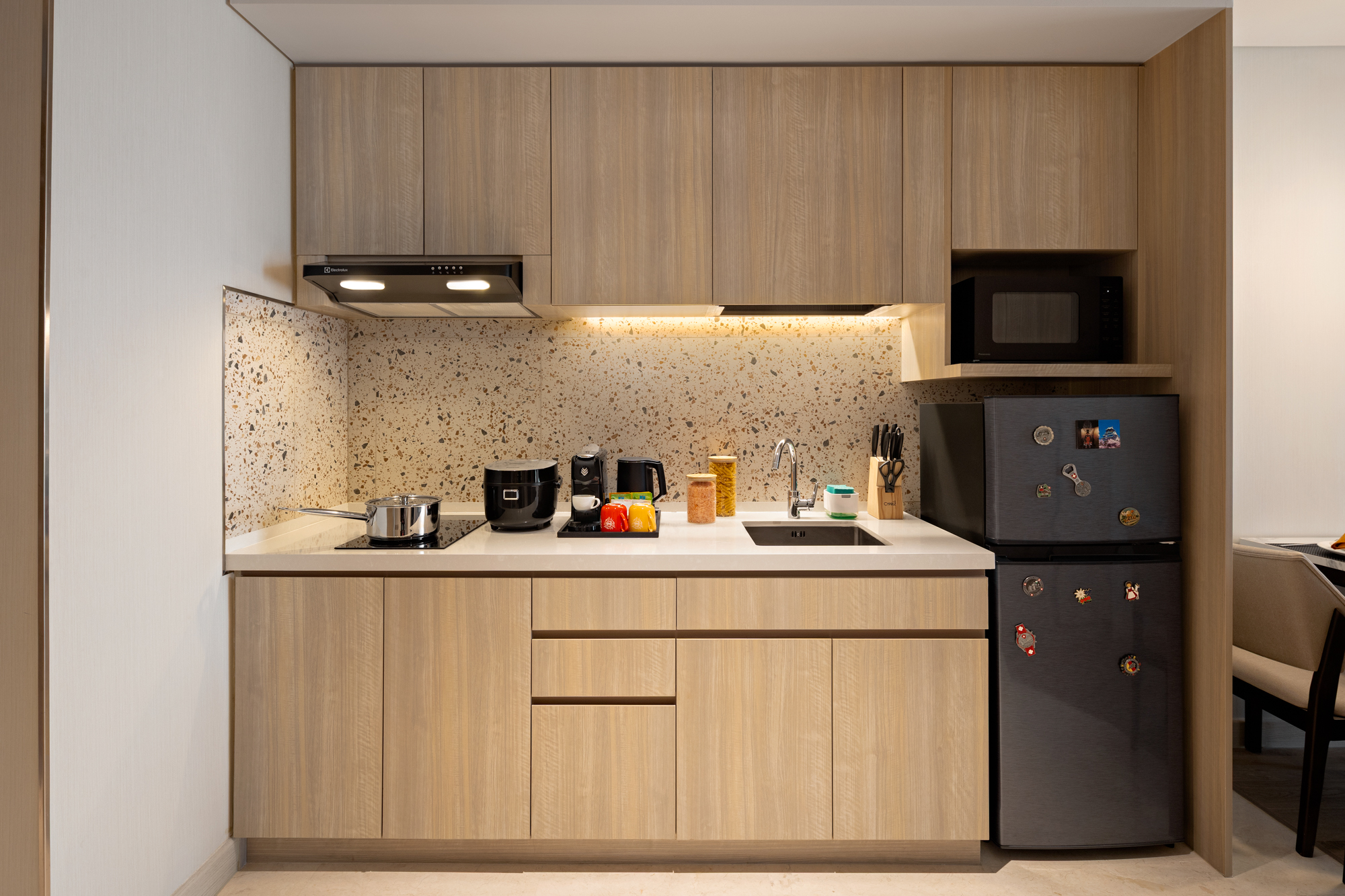
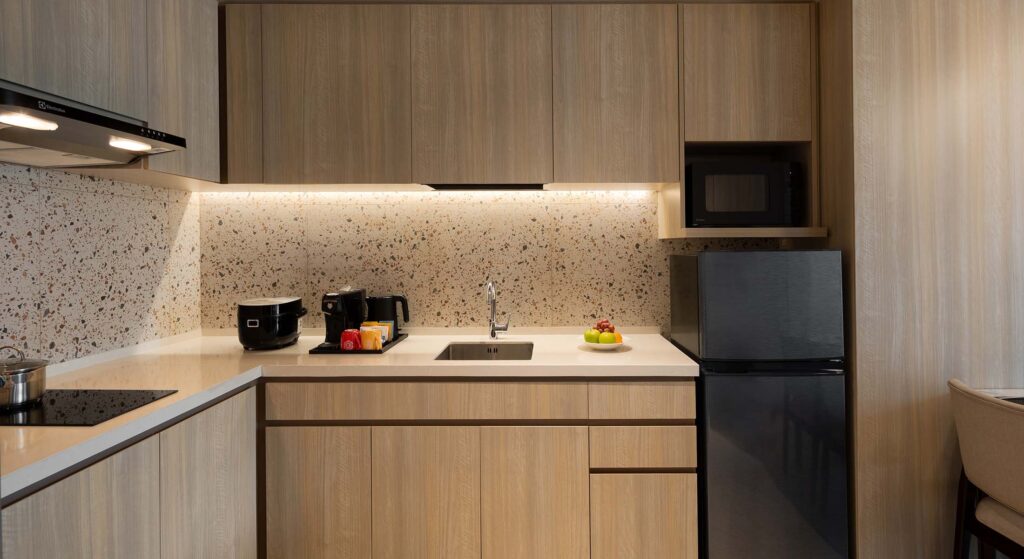
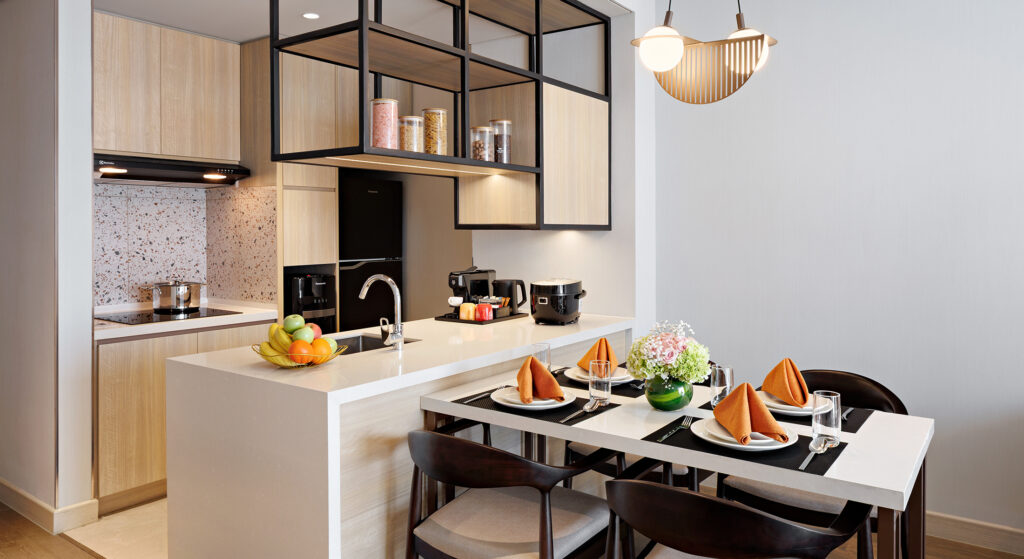
Modern serviced apartments prioritize practical equipment over decorative elements. Refrigerator capacity matters for weekly shopping trips. Induction cooktops provide precise temperature control while meeting contemporary kitchen design trends that emphasize efficiency and safety.
Appliances That Define Functionality
| Appliance | Purpose | Benefit |
|---|---|---|
| Refrigerator (180L+) | Fresh food storage | Weekly grocery shopping capability |
| Induction cooktop | Meal preparation | Energy efficiency, precise heat control |
| Microwave | Reheating, quick cooking | Time savings for busy schedules |
| Rice cooker | Staple preparation | Essential for Asian cuisine preferences |
| Washing machine | Laundry in-unit | Eliminates external service dependency |
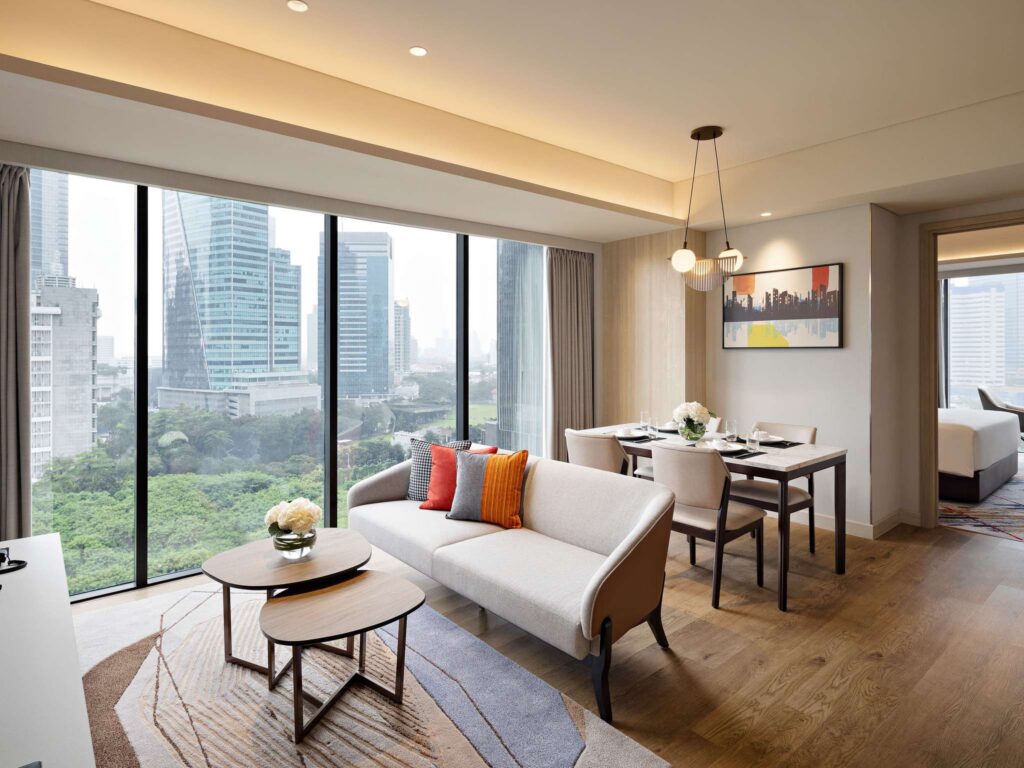
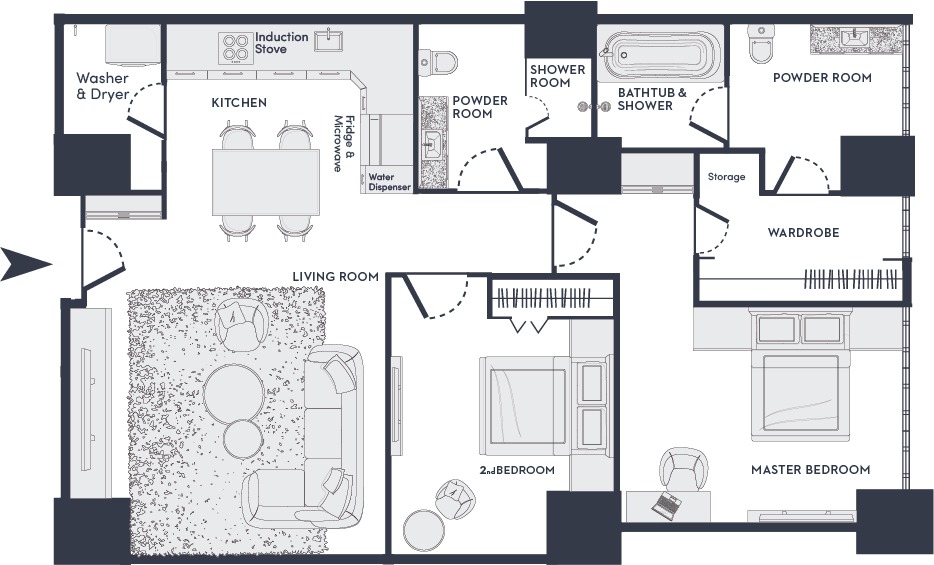
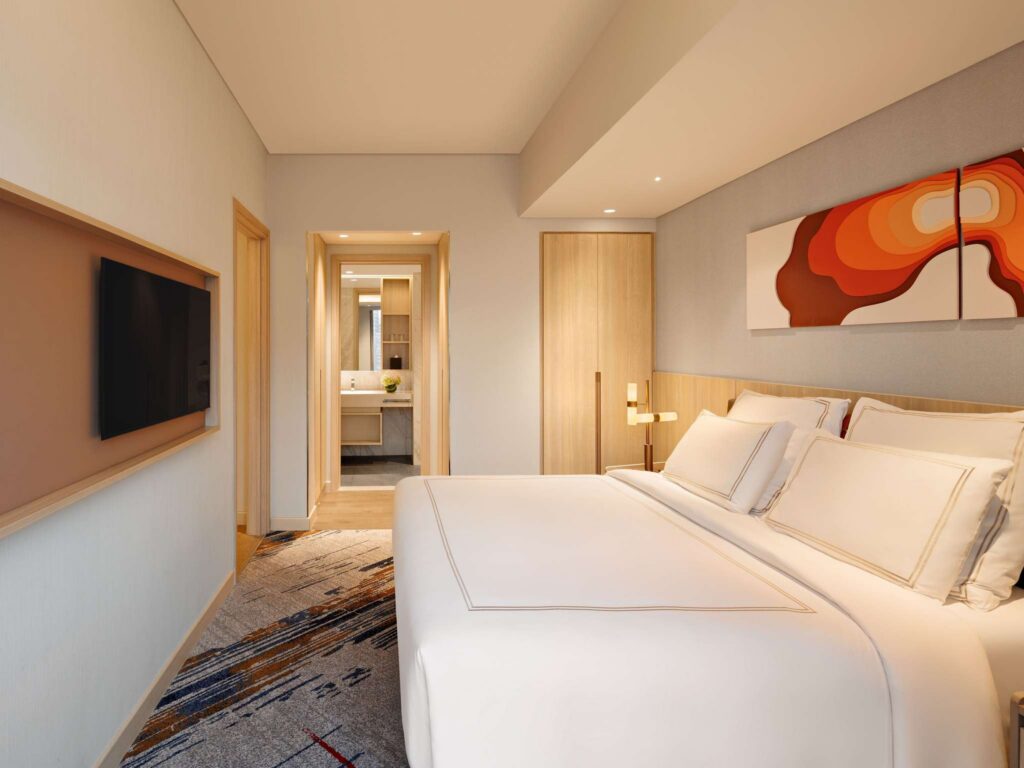
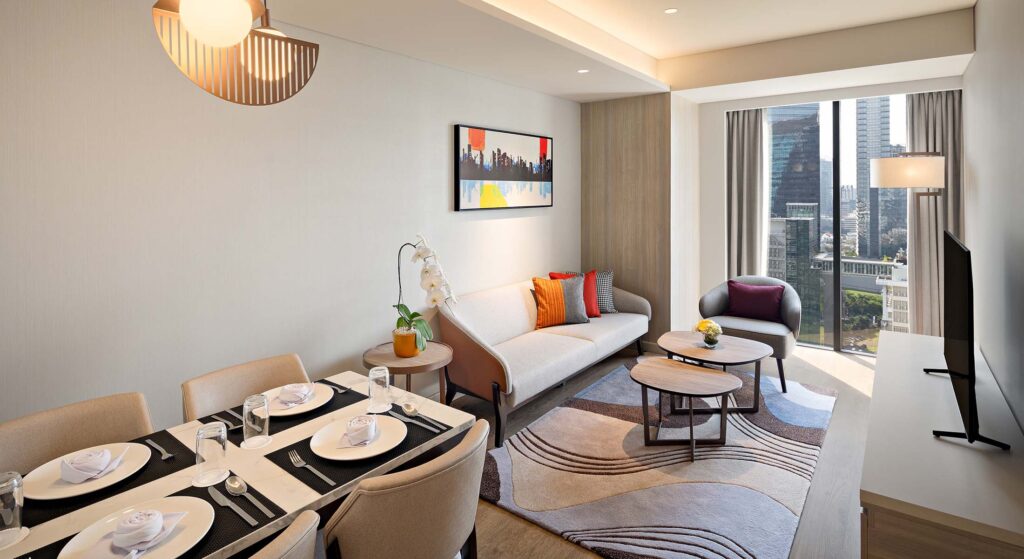
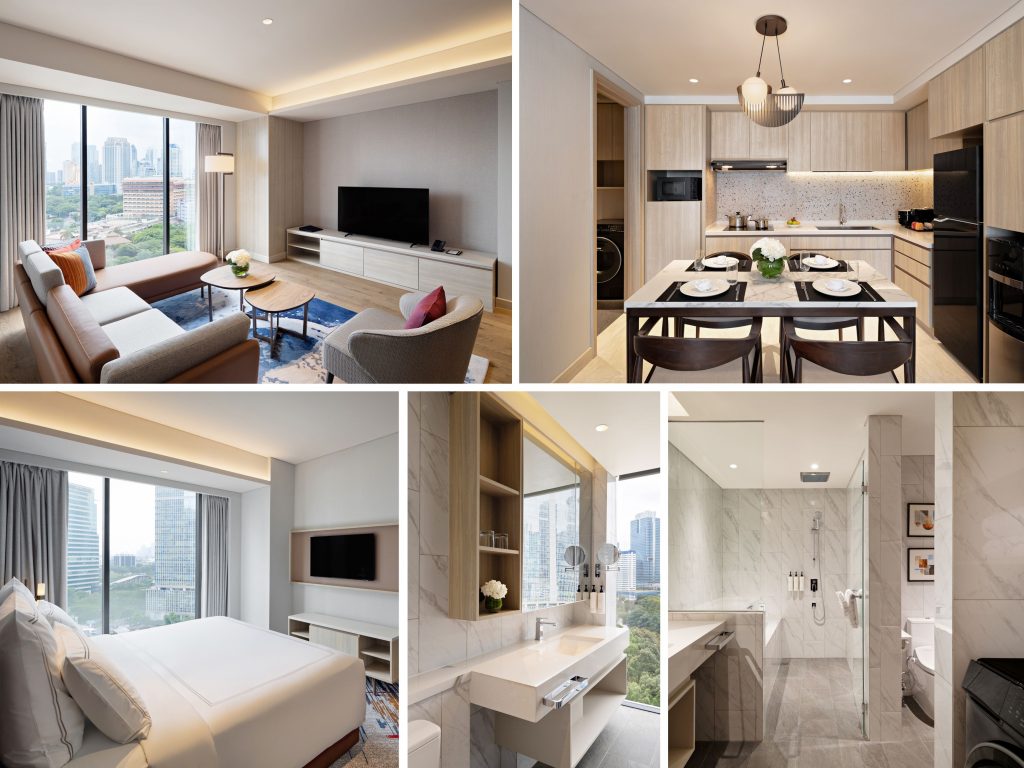
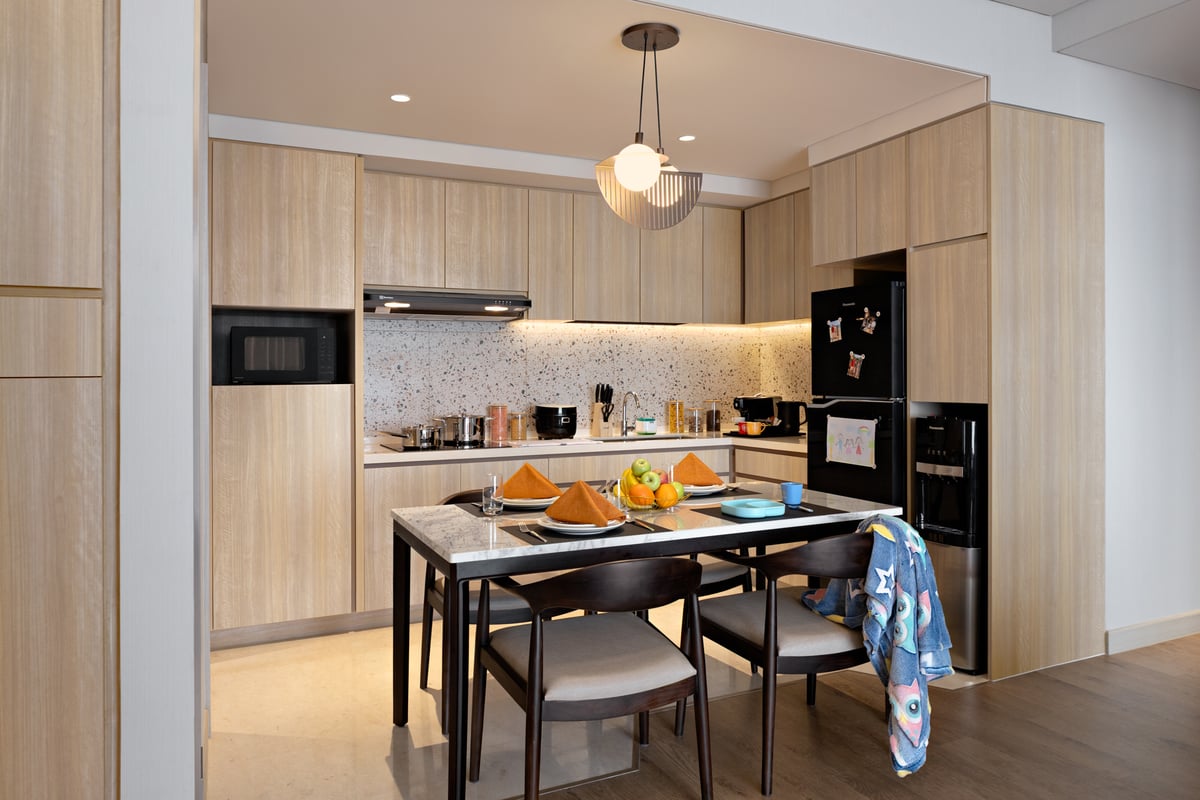
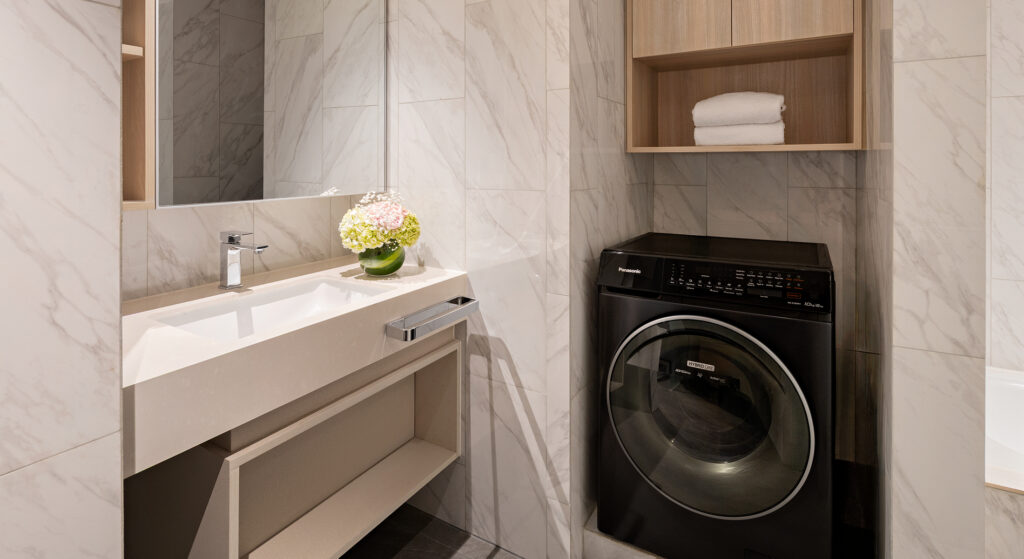
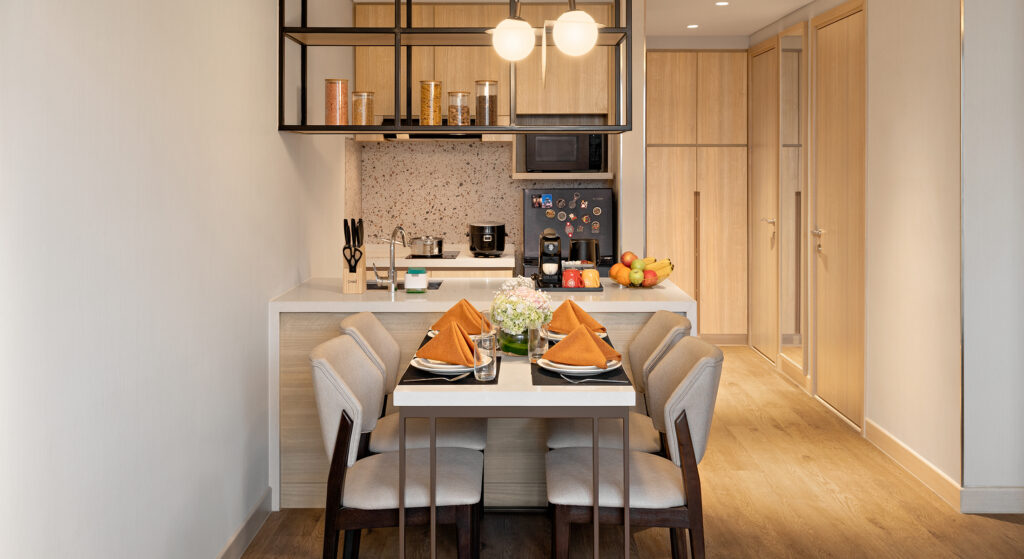
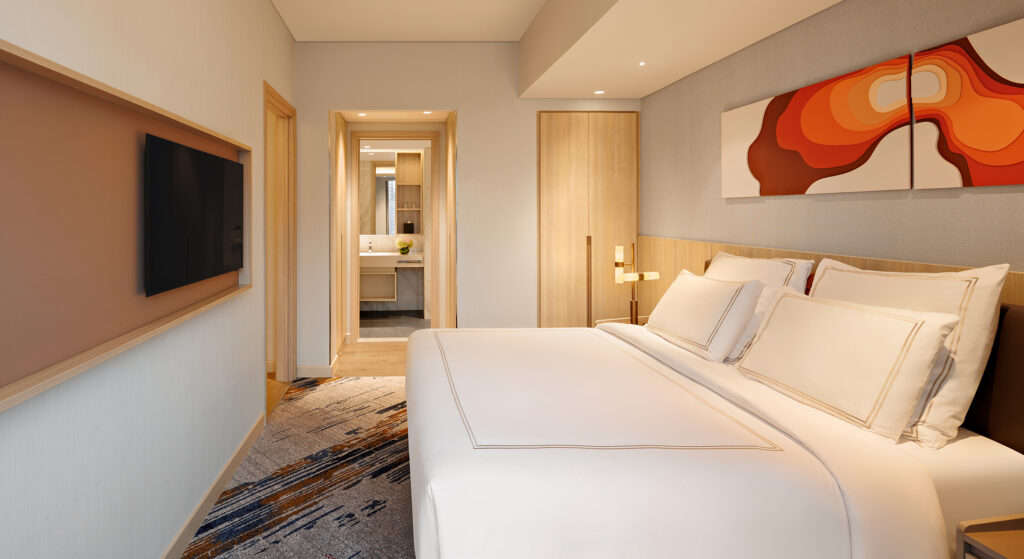
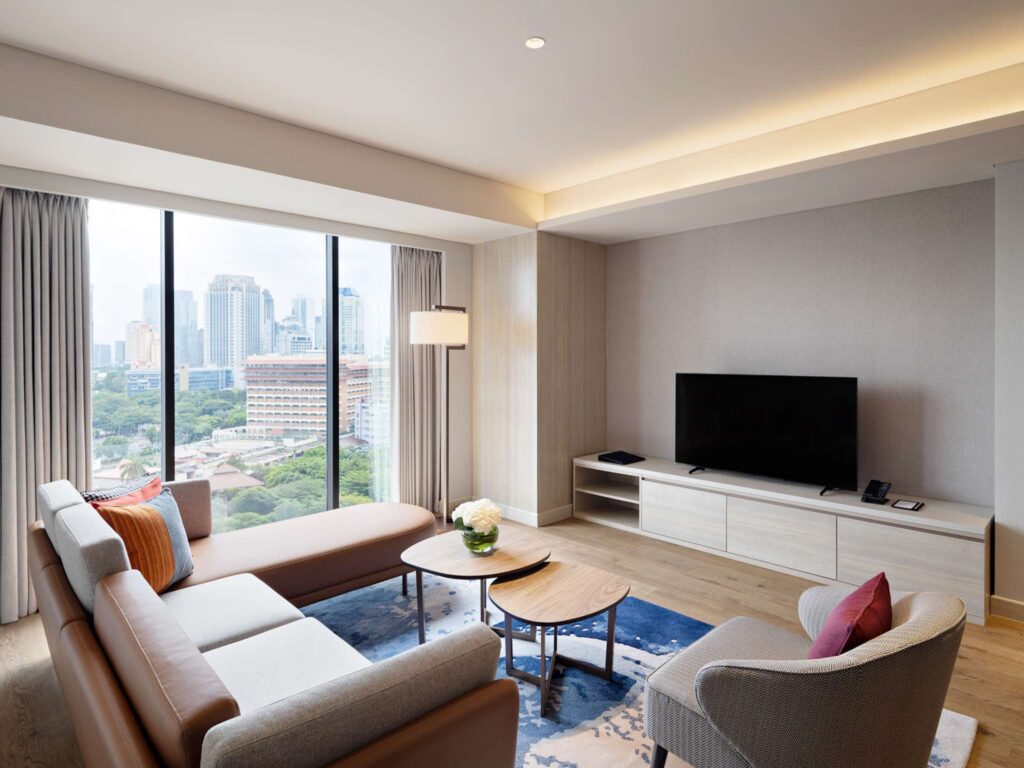
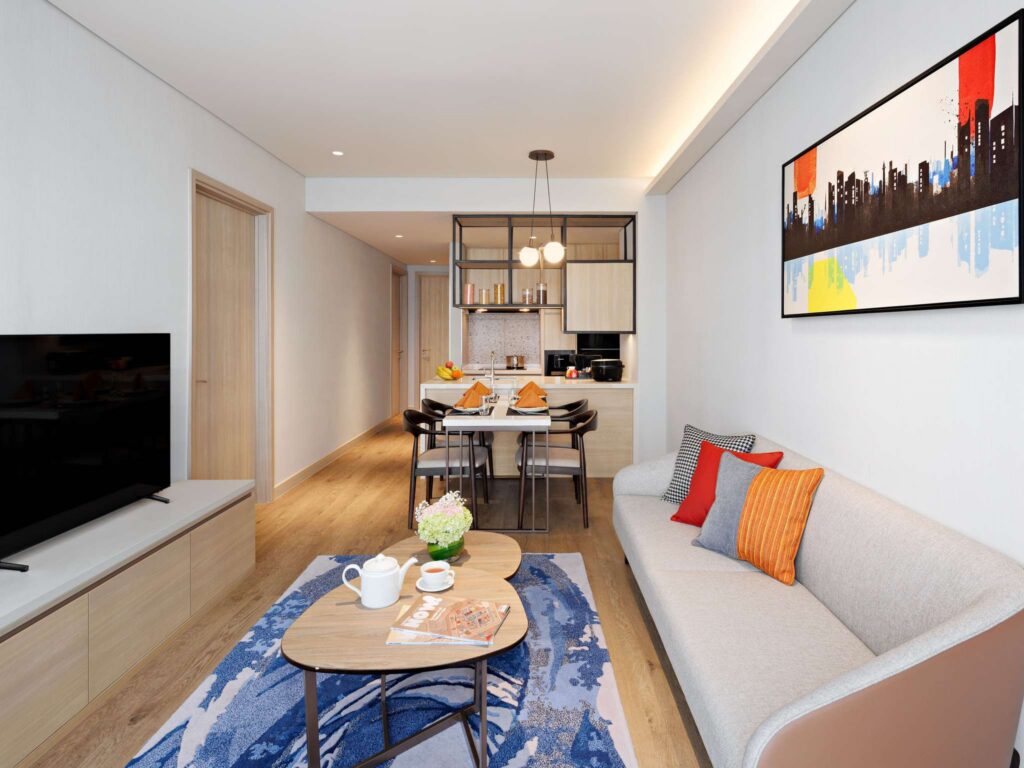
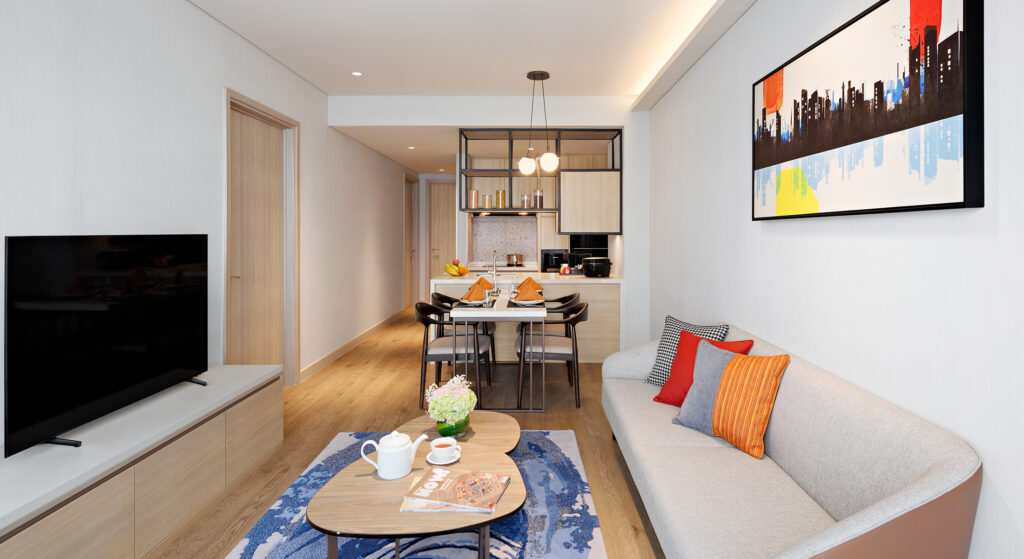
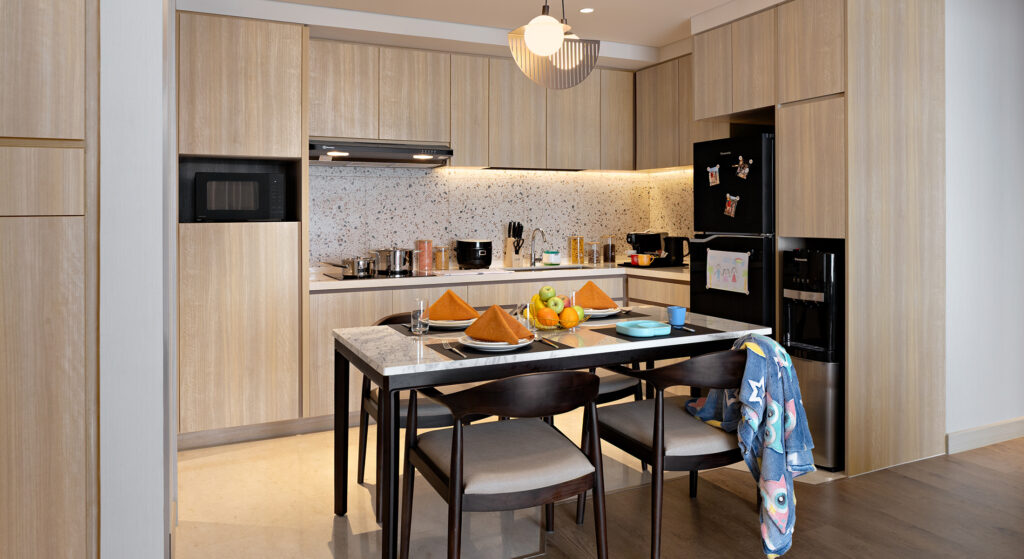
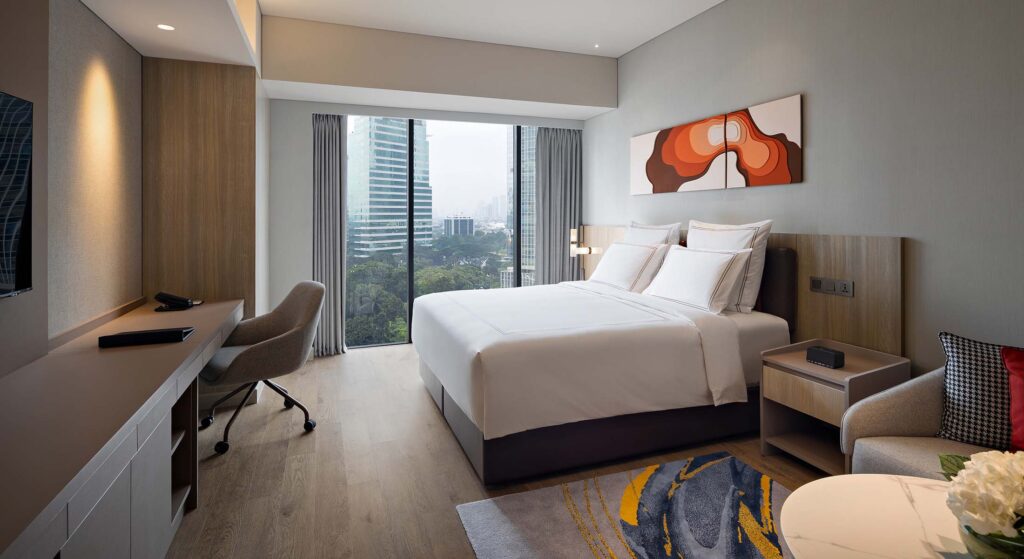
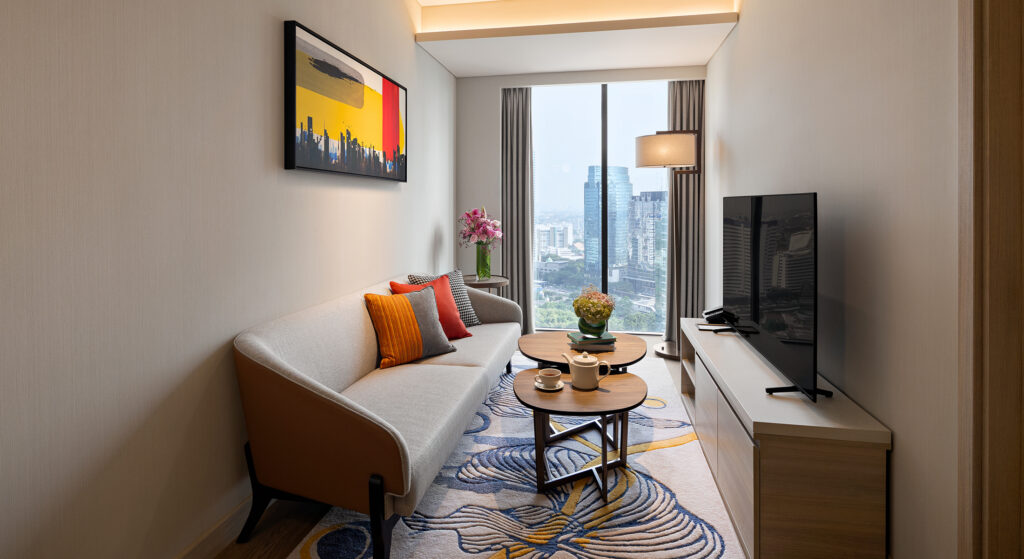
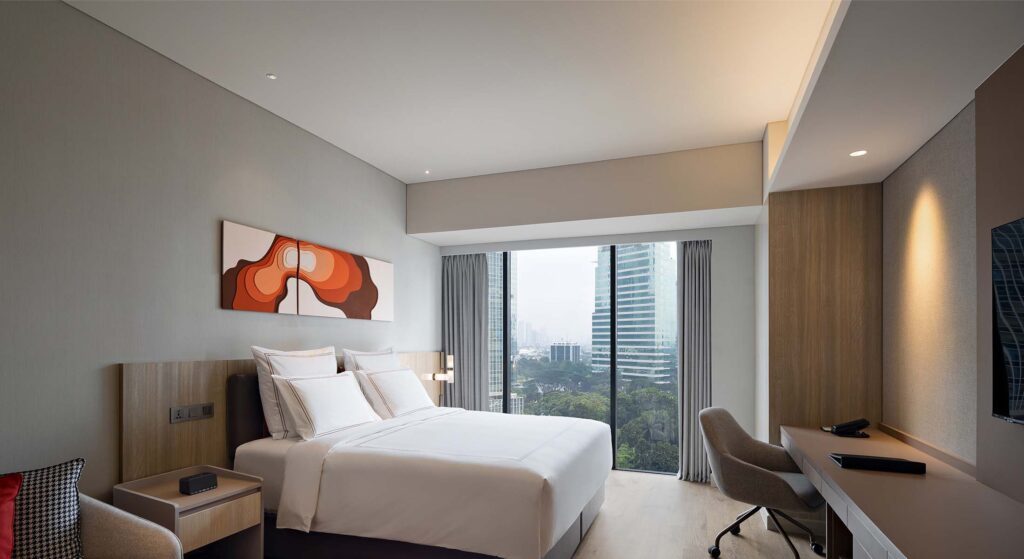
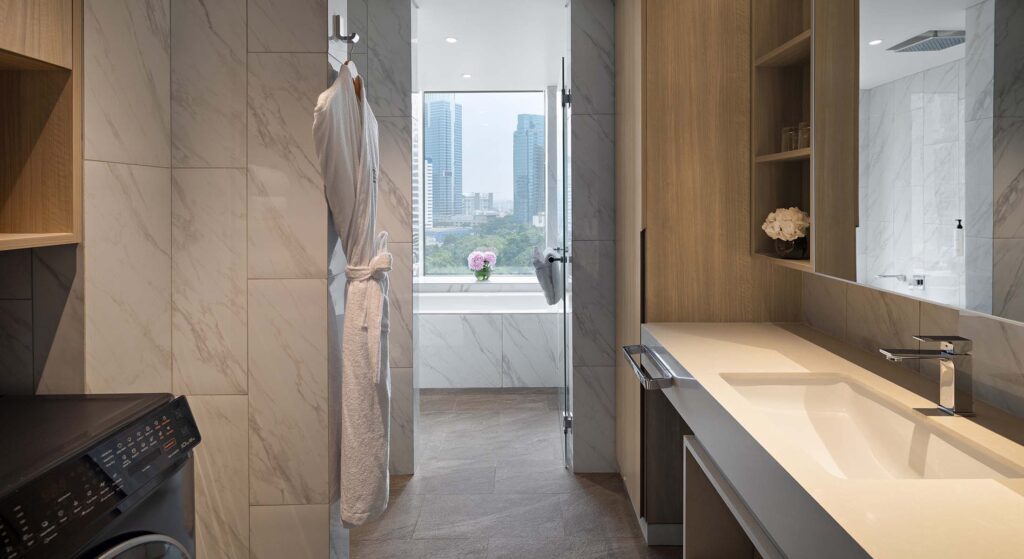
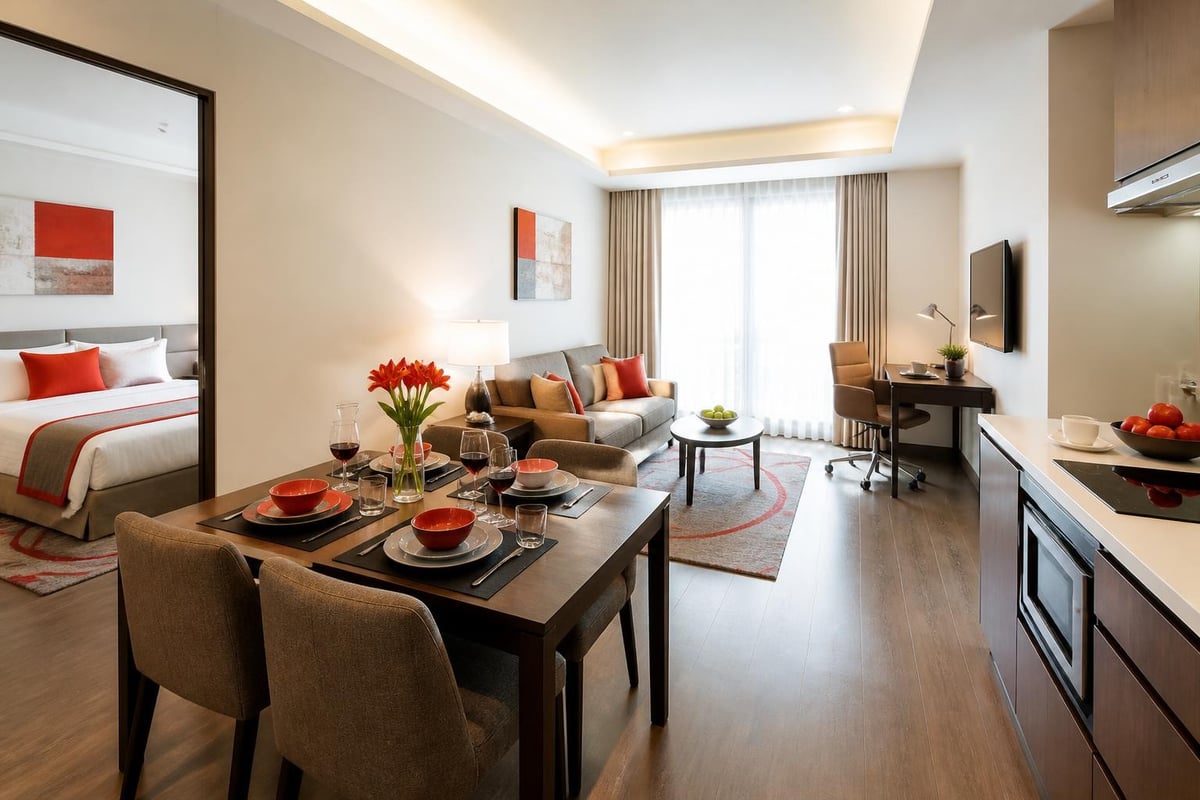
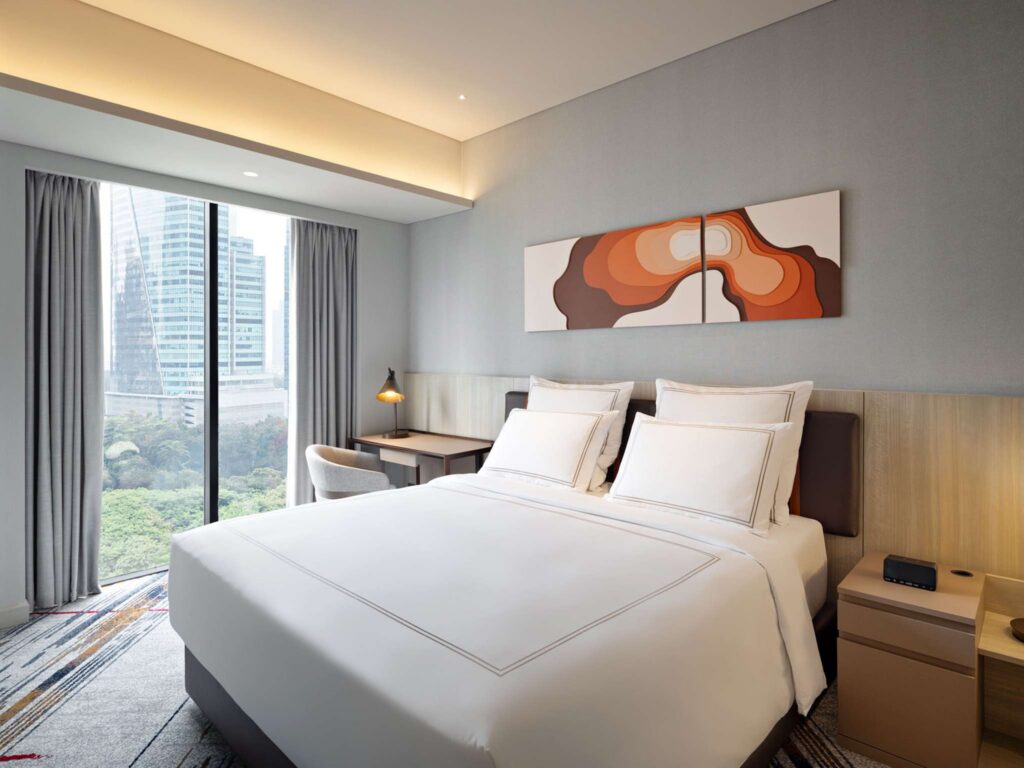
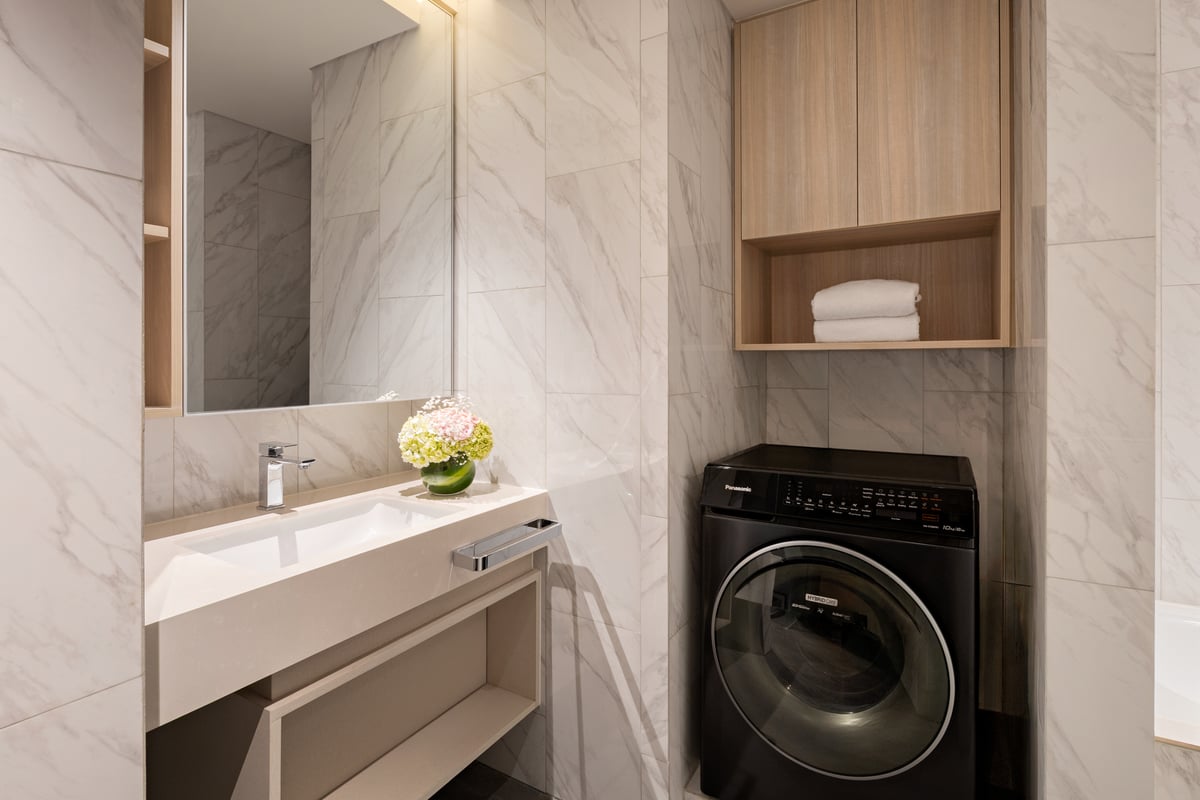
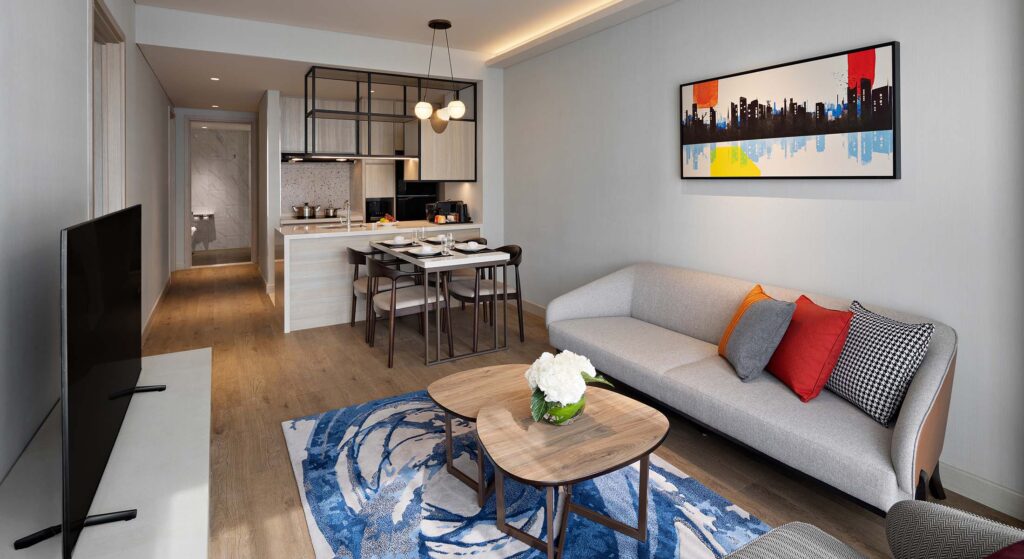
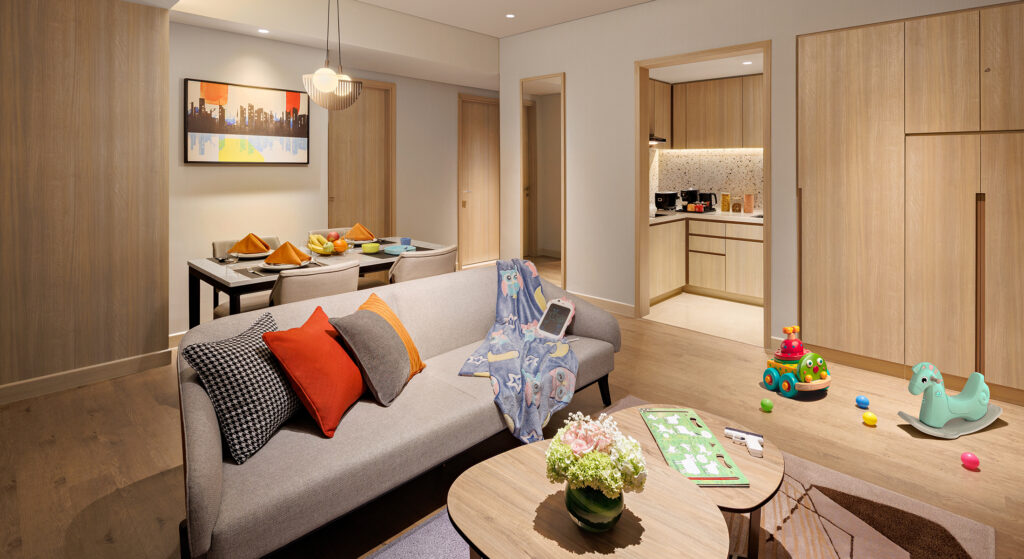
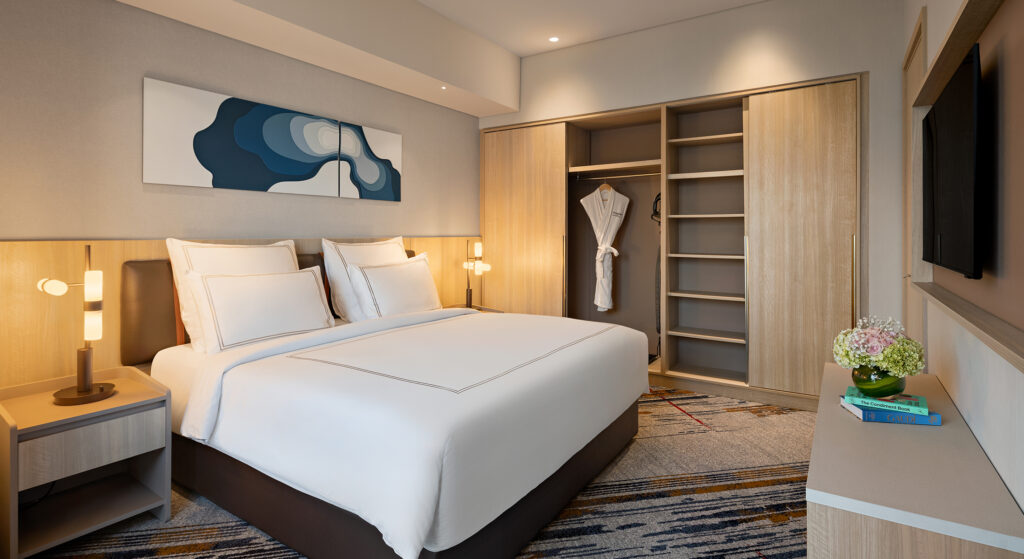
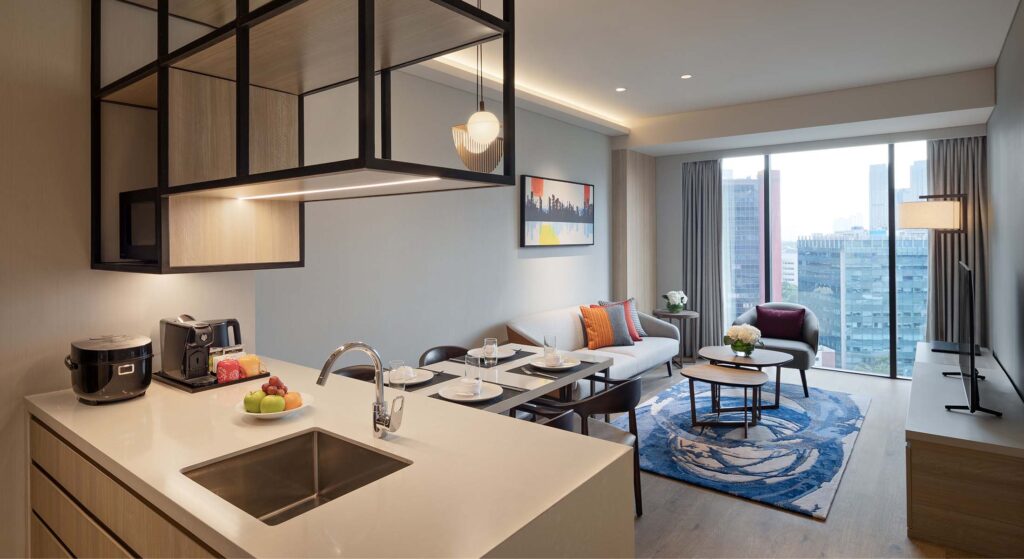
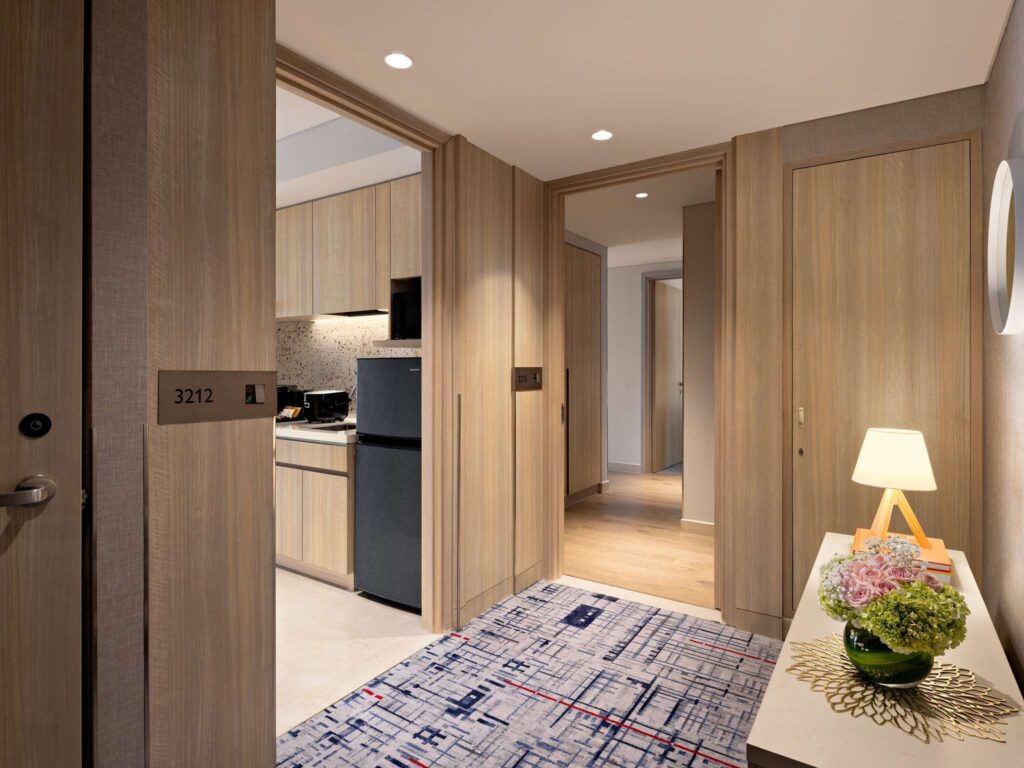
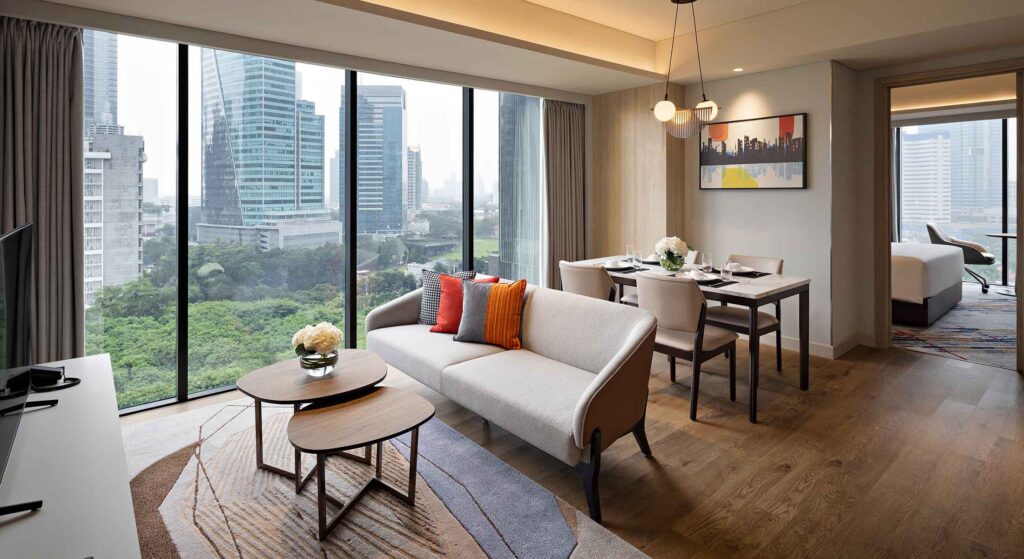
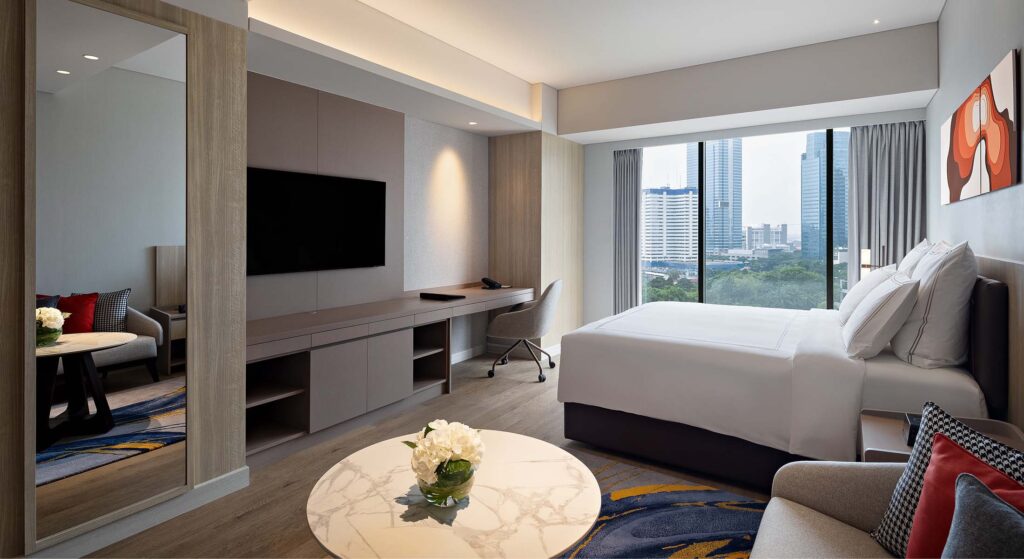
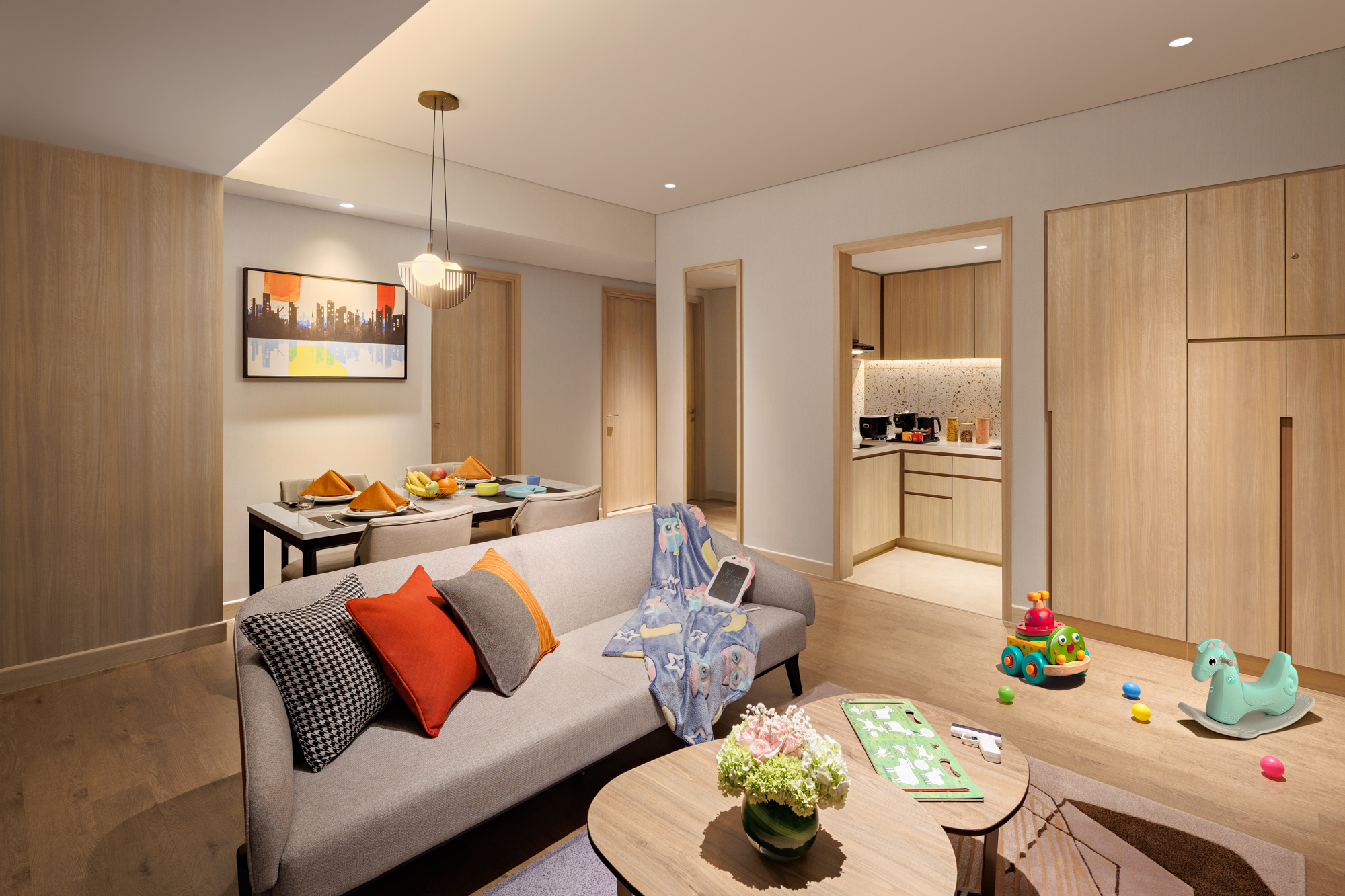
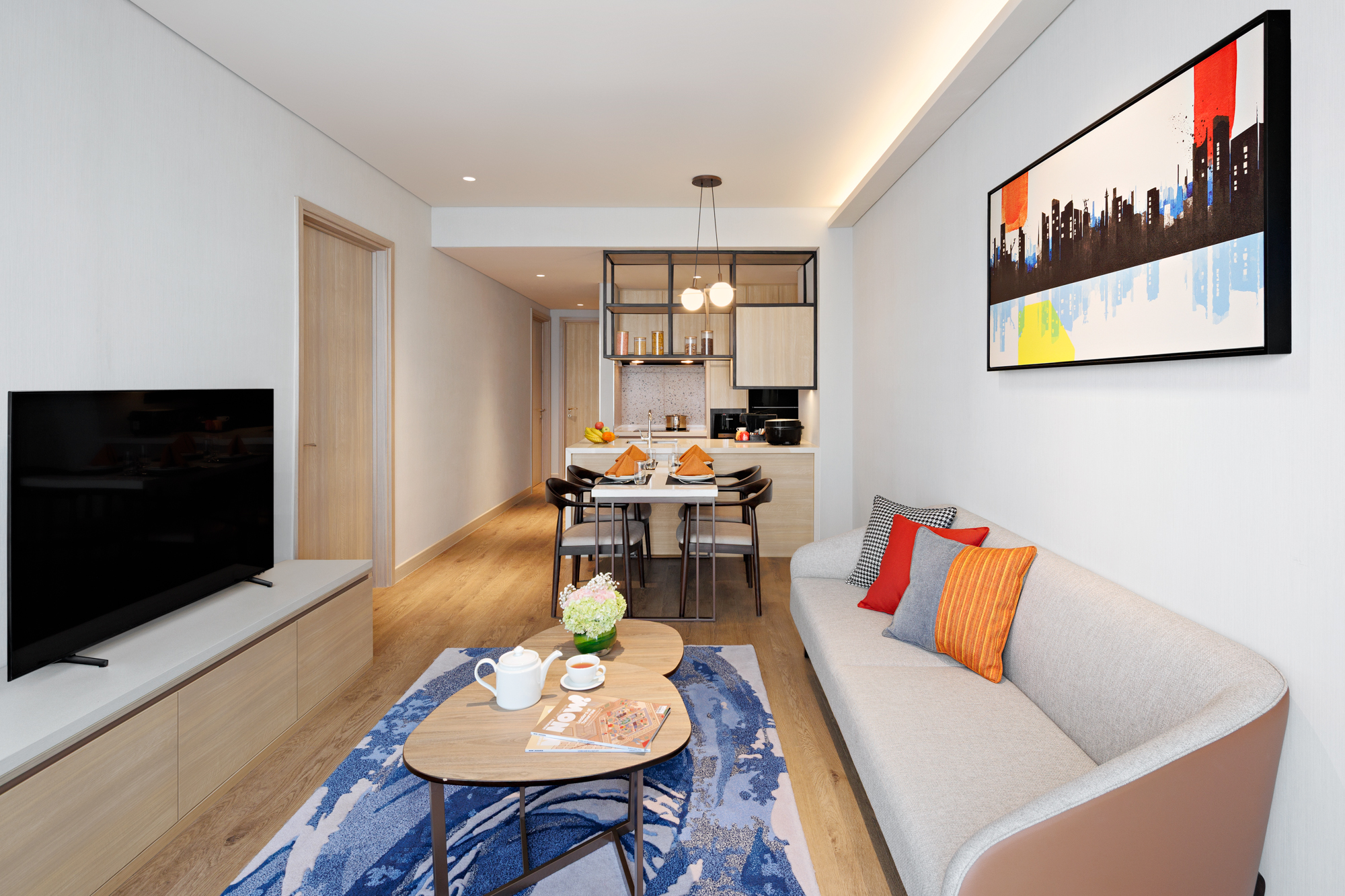
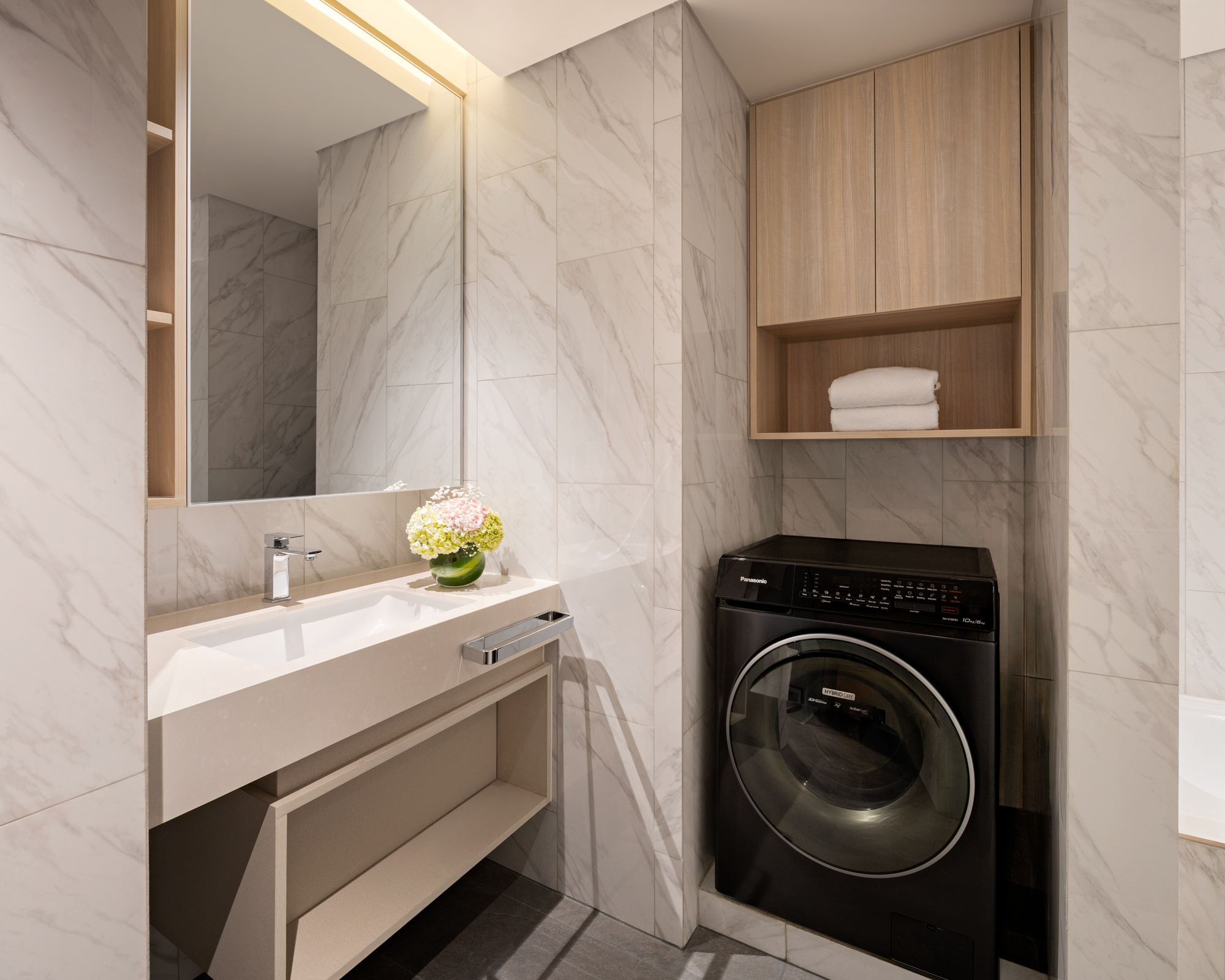
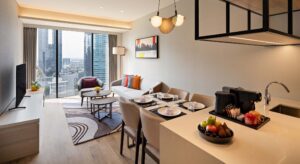
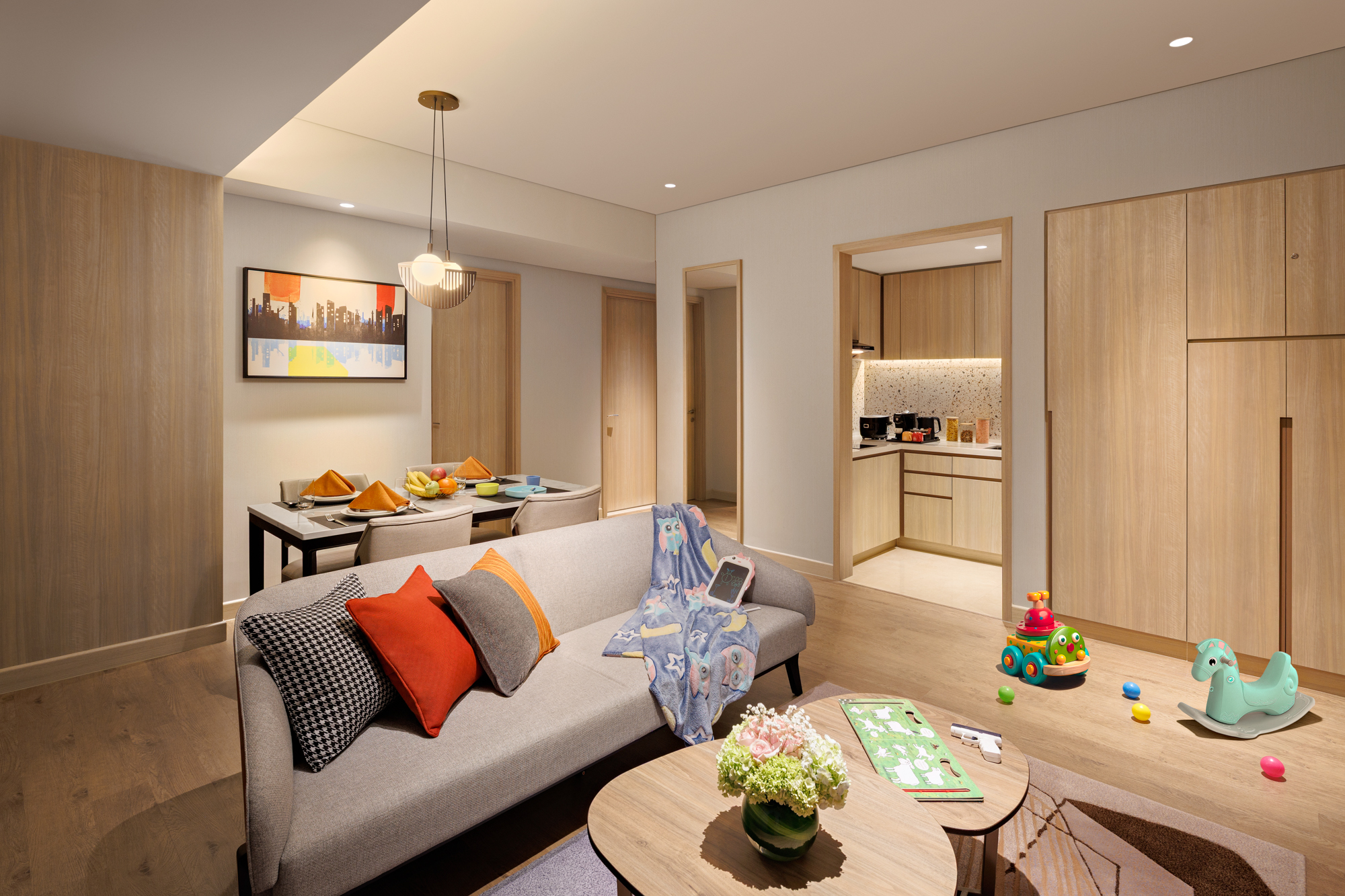
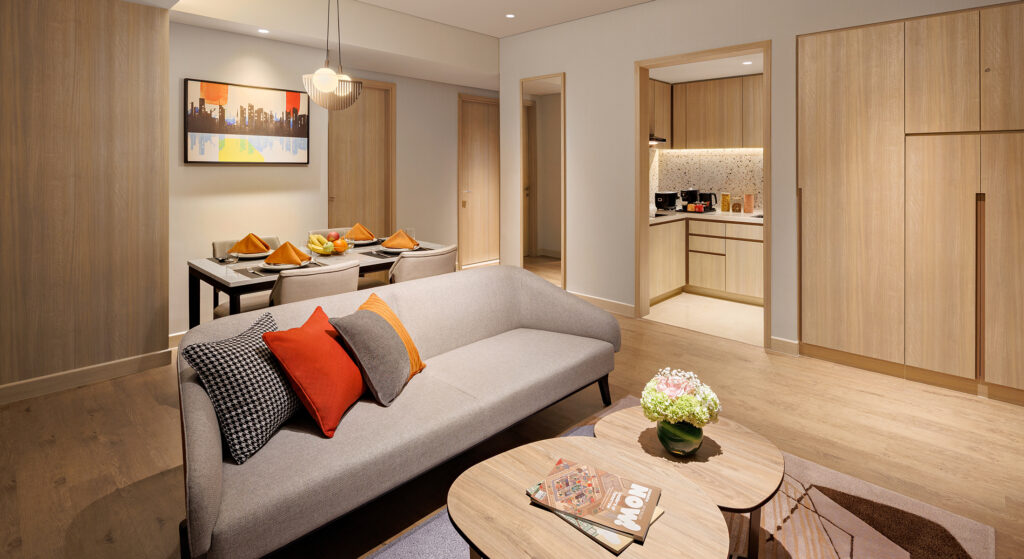
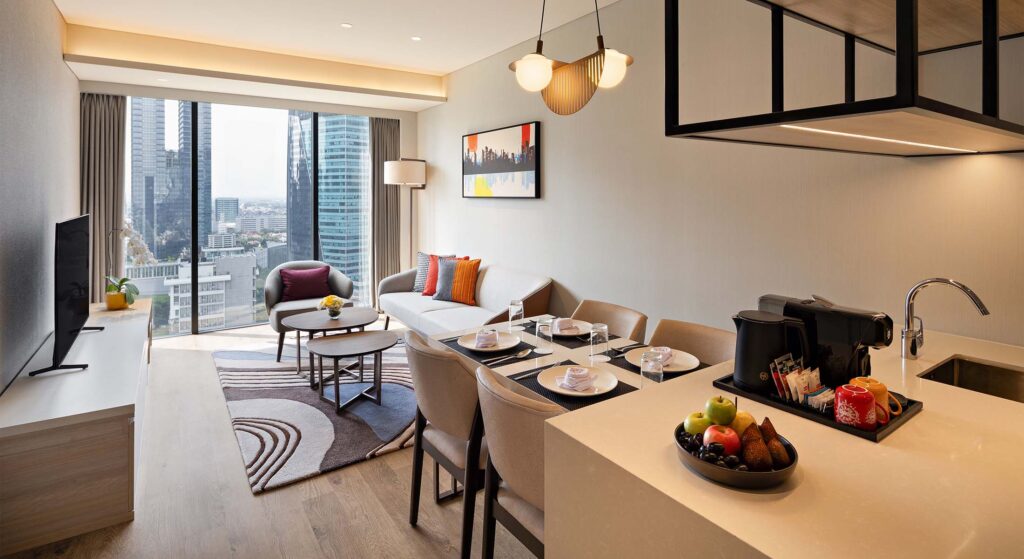
The Swiss Advantage Studio King exemplifies this comprehensive approach with 37 square meters of thoughtfully designed space. Its well-equipped kitchen includes an induction stove, microwave, rice cooker, and refrigerator, plus the convenience of an in-unit washing machine that transforms daily routines.
Counter space dimensions impact meal preparation efficiency significantly. The National Kitchen & Bath Association planning guidelines recommend minimum work surface areas that many compact apartments overlook. Adequate prep space beside the cooktop and refrigerator prevents workflow bottlenecks.
Location Considerations for Kitchen-Equipped Apartments
Apartments with kitchen facilities gain value when positioned near quality grocery stores and fresh markets. Proximity to provisioning options determines how easily residents maintain their preferred cooking routines. Jakarta’s geography means that location choices significantly impact daily convenience.
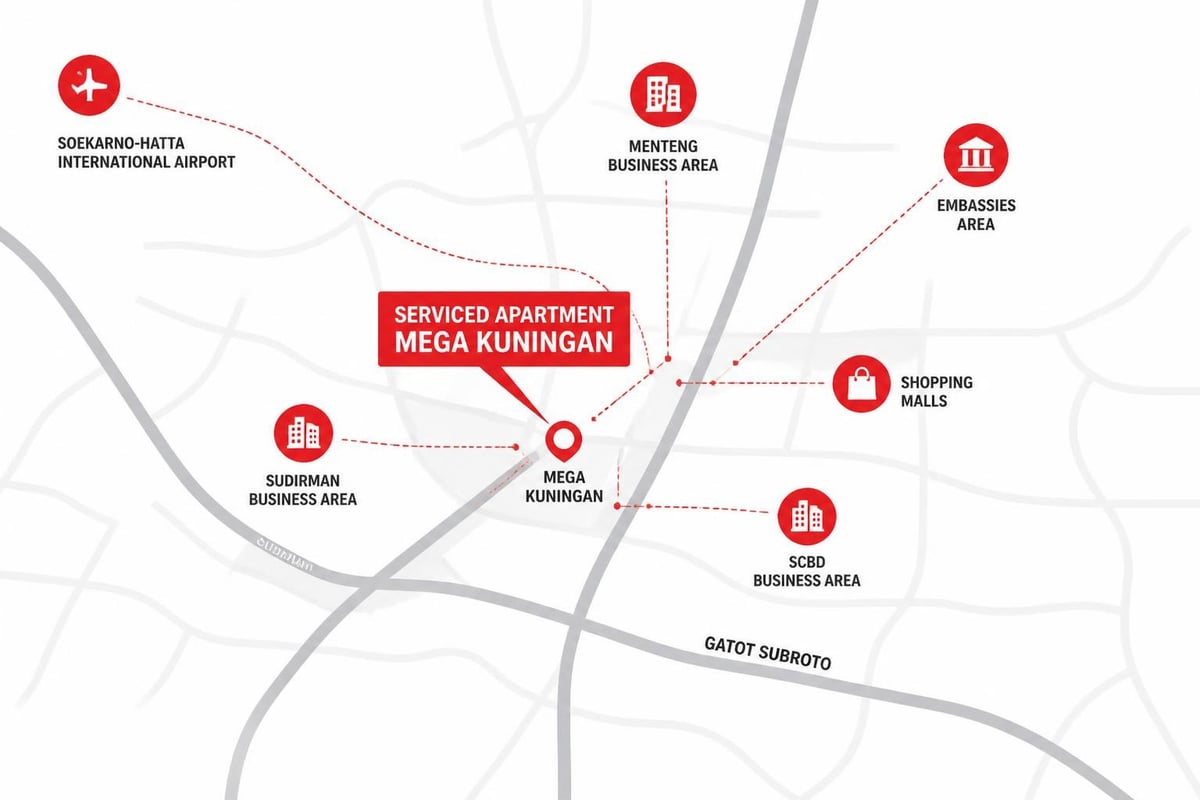
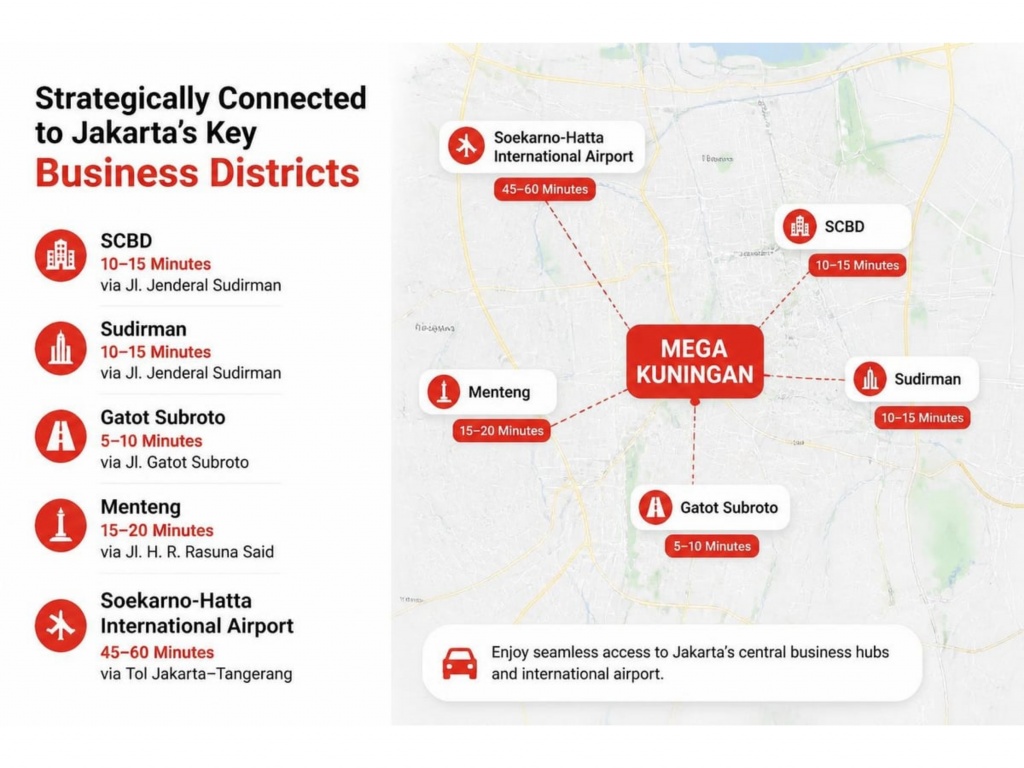
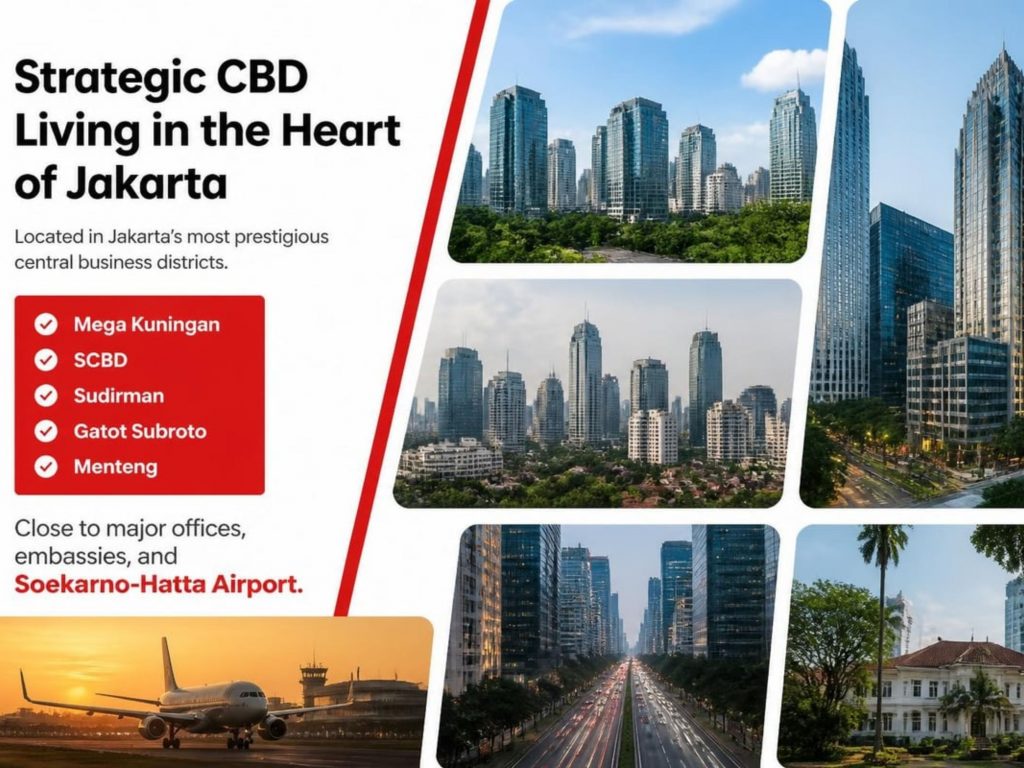
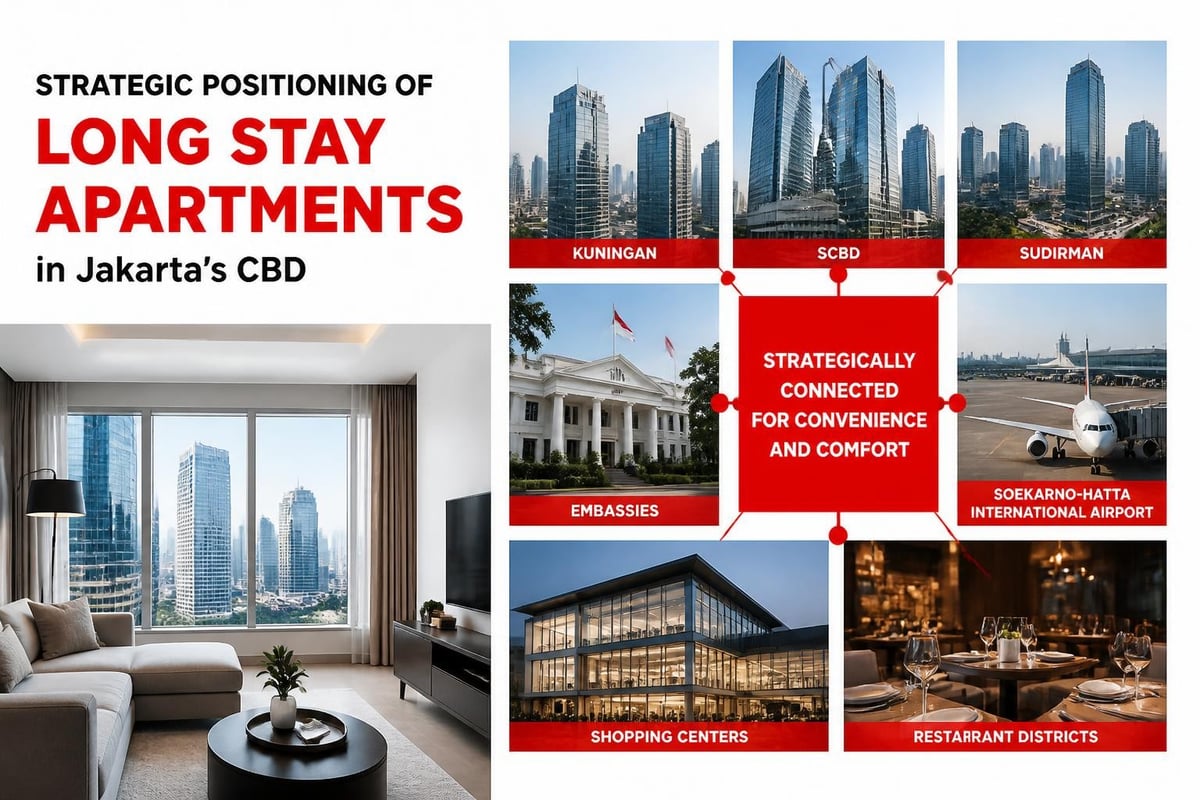
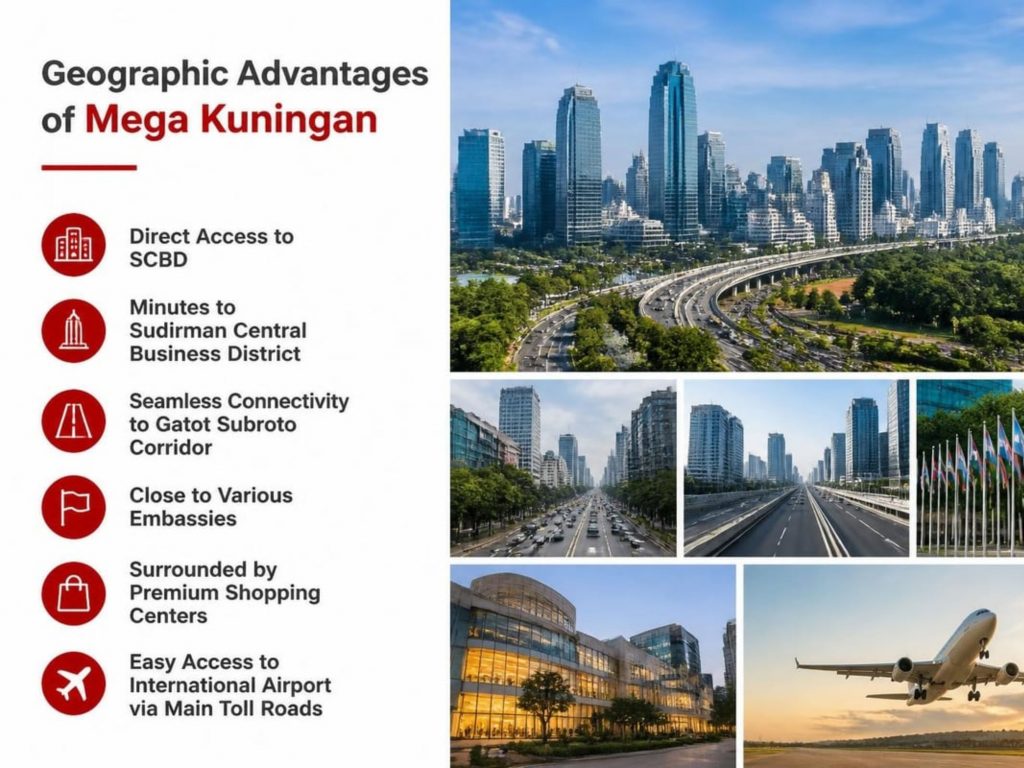
In Mega Kuningan, South Jakarta, residents benefit from exceptional access to international supermarkets, traditional markets, and specialty food suppliers. The district’s central position provides quick routes to multiple shopping destinations without fighting cross-city traffic.
Accessibility to Essential Services
Evaluating kitchen-equipped apartments requires considering the broader ecosystem:
- Grocery proximity: Walking distance or short drive to daily provisions
- Market variety: International supermarkets plus local fresh markets
- Delivery infrastructure: Food delivery platform coverage and reliability
- Waste management: Efficient garbage collection and recycling systems
- Utility reliability: Consistent electricity and water supply for cooking
The Kuningan, SCBD, and Sudirman corridor offers unmatched density of retail options. Professionals residing in this area report spending 40 percent less time on provisioning compared to peripheral neighborhoods.
Kitchen Design and Layout Optimization
Space efficiency separates functional apartments with kitchen areas from cramped, frustrating layouts. Even compact studios can deliver excellent cooking experiences when designers apply proven ergonomic principles. The work triangle concept-positioning refrigerator, sink, and cooktop for minimal movement-remains fundamental.
Ventilation requirements deserve serious attention. The ASHRAE 62.2 standard for ventilation establishes minimum air change rates for residential kitchens, protecting indoor air quality during cooking activities. Proper exhaust prevents odor accumulation and moisture damage.
Storage Solutions That Maximize Space
Vertical storage utilization makes or breaks small apartment kitchens. Wall-mounted cabinets, magnetic knife strips, and hanging pot racks recover valuable counter space while keeping essentials accessible.
- Pull-out pantry systems maximize narrow spaces
- Under-cabinet lighting improves visibility without consuming space
- Drawer organizers prevent utensil clutter
- Over-sink cutting boards create temporary prep surfaces
The HUD Fair Housing accessibility guidance provides valuable planning dimensions that enhance kitchen usability for all residents, not just those with mobility considerations. Adequate clearances improve safety and workflow regardless of physical ability.
Energy Efficiency and Sustainability
Modern apartments with kitchen facilities increasingly incorporate energy-efficient appliances that reduce both environmental impact and utility costs. The EPA’s ENERGY STAR NextGen certification reflects growing emphasis on electric cooking and high-performance kitchen equipment in new apartment developments.
Induction cooking technology delivers precise temperature control while consuming 70 to 80 percent less energy than traditional electric coils. The environmental advantages align with operational savings that benefit long-term residents.
Selecting Energy-Conscious Appliances
When evaluating apartments with kitchen equipment, energy ratings matter. Refrigerators account for the largest share of kitchen electricity consumption, making efficient models essential for controlling monthly costs.
| Appliance Type | Energy Impact | Annual Savings (Efficient vs. Standard) |
|---|---|---|
| Refrigerator | High | 350-500 kWh |
| Induction cooktop | Medium | 120-180 kWh |
| Dishwasher (if included) | Medium | 200-300 kWh |
| Microwave | Low | 50-80 kWh |
The ENERGY STAR technical resources offer detailed guidance on kitchen appliance efficiency standards. These benchmarks help residents understand which features deliver measurable utility savings.
Safety and Compliance Standards
Fire safety distinguishes professionally managed apartments with kitchen facilities from unregulated rentals. Cooking equipment represents the leading cause of residential fires globally. Proper installation, adequate clearances, and functioning suppression systems protect residents and property.
The NFPA 96 standard for ventilation control establishes requirements for kitchen exhaust systems, including capture hood performance and duct construction. While primarily written for commercial kitchens, the principles apply to residential spaces where cooking occurs regularly.
Maintenance and Inspection Protocols
Regular maintenance keeps kitchen equipment safe and functional. Serviced apartments gain advantage through professional oversight that individual rentals often lack.
Standard maintenance schedules should include:
- Monthly exhaust filter cleaning or replacement
- Quarterly appliance performance checks
- Semi-annual ventilation system inspection
- Annual fire suppression system testing (if installed)
- Ongoing minor repair response within 24 hours
The U.S. Department of Energy’s multifamily ventilation guidance addresses practical implementation of ASHRAE 62.2 standards in apartment buildings, balancing air quality with energy efficiency.
Furnishing and Equipping Your Apartment Kitchen
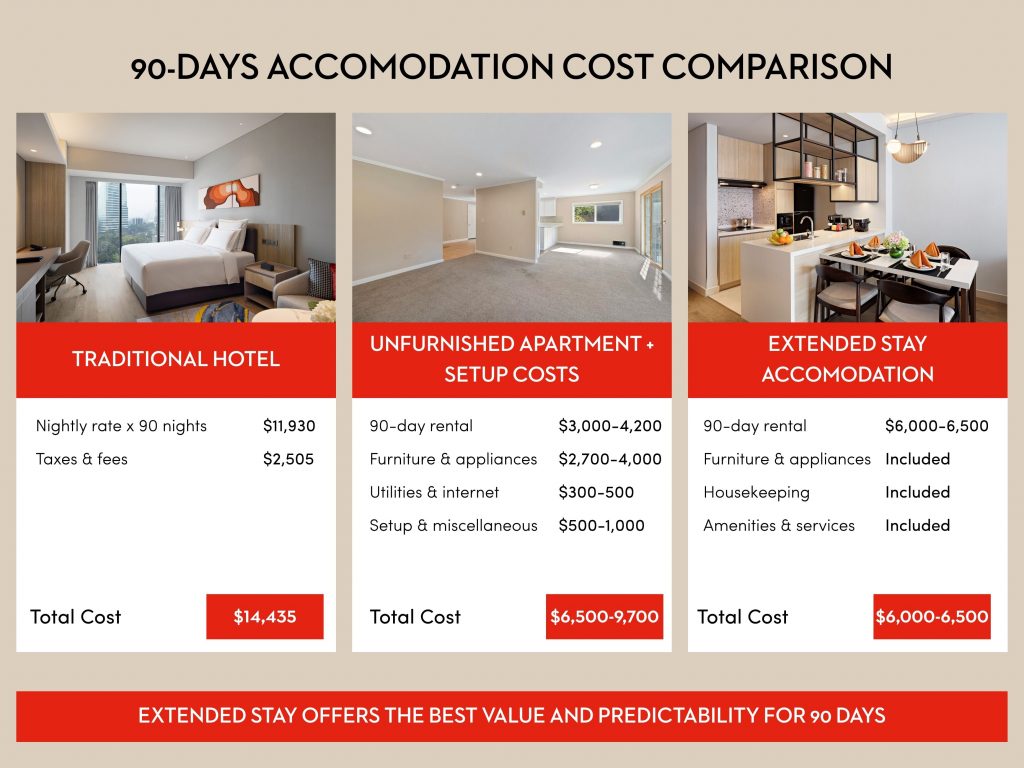
Fully furnished apartments with kitchen facilities eliminate the substantial upfront investment required for equipping a residential kitchen. The cumulative cost of cookware, utensils, small appliances, and tableware easily exceeds thousands of dollars. For relocating professionals and expatriates, this removal of entry barriers proves invaluable.
Quality matters more than quantity when selecting kitchen tools. A well-chosen set of eight essential items outperforms a drawer full of specialty gadgets. Sharp knives, adequate cutting boards, and proper cookware form the foundation.
The Essential Kitchen Inventory
Evaluating furnished apartments with kitchen equipment requires checking the inventory against actual cooking needs:
- Cookware: 2-3 pots of varying sizes, 2 pans (one non-stick)
- Cutlery: Chef’s knife, paring knife, serrated bread knife
- Prep tools: Cutting boards, mixing bowls, measuring cups
- Cooking utensils: Wooden spoons, spatulas, tongs, ladle
- Serving items: Plates, bowls, glasses, flatware for 4-6 people
- Storage containers: Multiple sizes for leftovers and meal prep
Many expatriates discover that monthly stay options with complete kitchen inventories eliminate the burden of international shipping for household goods. This approach particularly benefits those on one-to-two-year assignments.
Kitchen Functionality for Different Resident Types
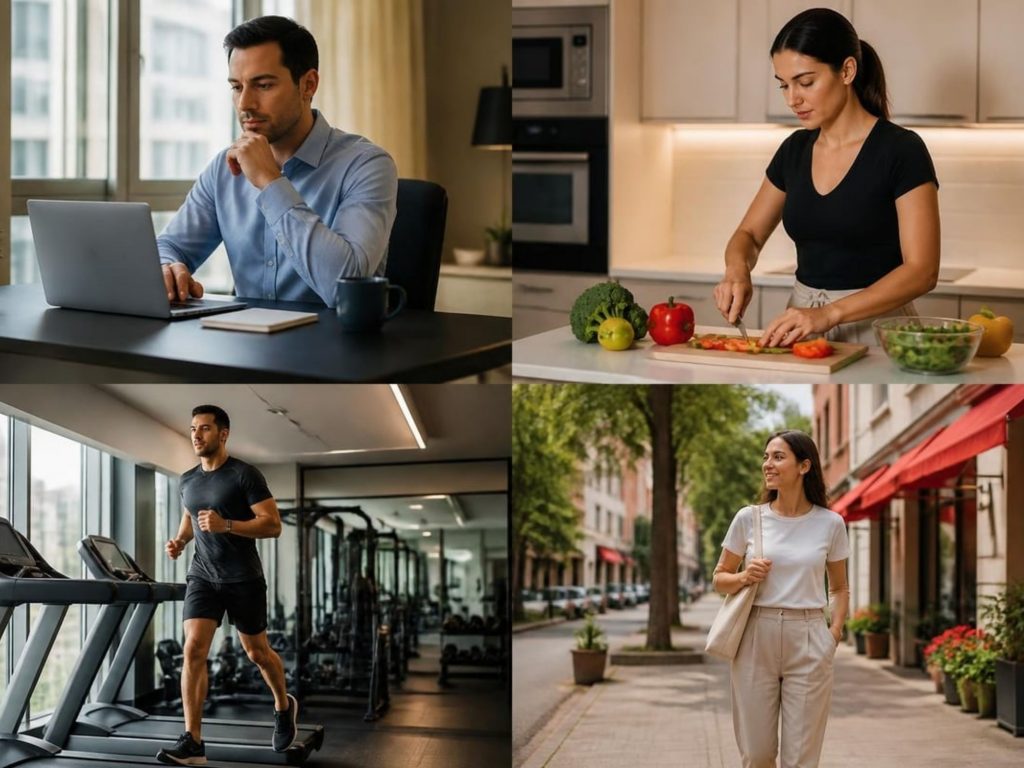
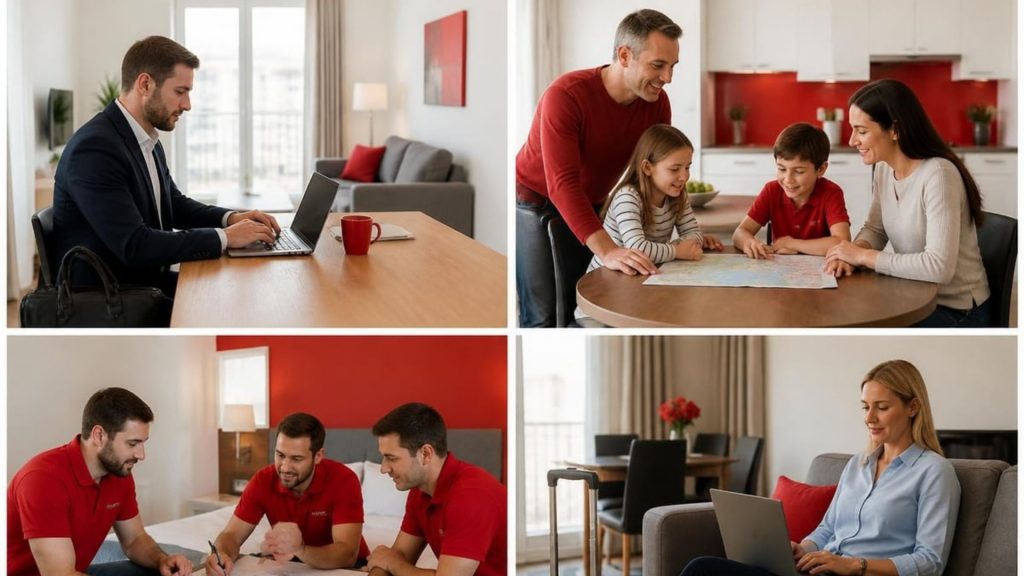
Business travelers, families, and expatriates use apartments with kitchen facilities differently. Understanding these variations helps match accommodation to actual needs rather than aspirational cooking plans.
Business Professionals
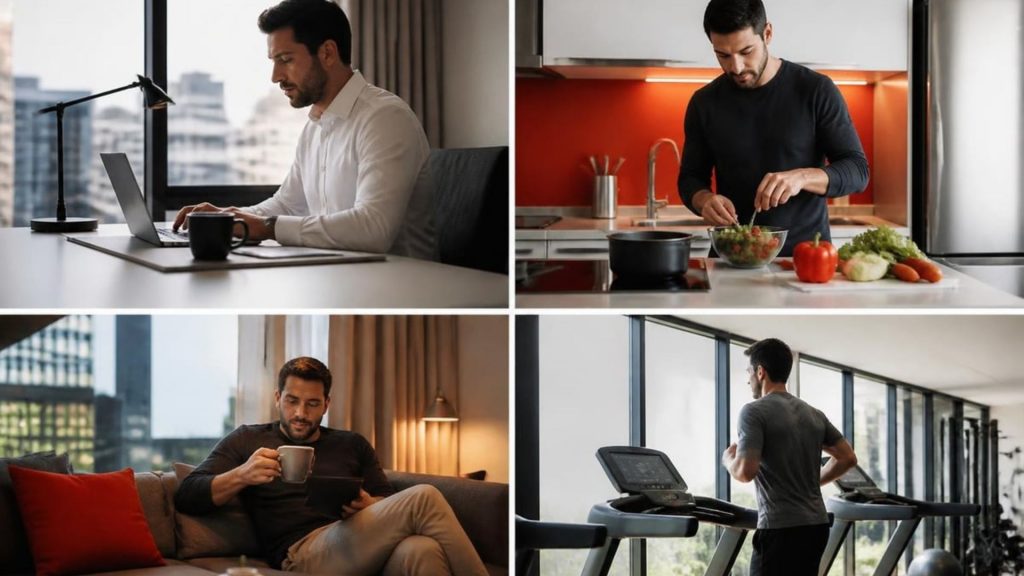
Time-pressed executives prioritize convenience and efficiency. Quick breakfast preparation, coffee brewing capability, and simple dinner options define their kitchen usage patterns. Counter space for laptop work during morning coffee becomes surprisingly important.
Fast grocery delivery integration matters significantly. Jakarta’s business districts benefit from multiple competing platforms offering 30-minute delivery windows, making kitchen-equipped apartments practical even for 70-hour workweeks.
Families with Children
Families require greater kitchen capacity and resilience. Multiple meal preparations daily, snack storage, and formula preparation for infants demand reliable equipment and adequate workspace. The ability to prepare familiar foods helps children adjust to relocation stress.
Storage becomes critical when accommodating bulk purchases and diverse dietary preferences. Families consistently report that serviced apartments designed for extended stays provide superior value compared to hotel suite arrangements.
Long-Term Expatriates
Expatriate residents on multi-year assignments use apartments with kitchen facilities most intensively. These residents often develop hybrid cooking styles that blend home cuisine traditions with local ingredients and techniques.
Kitchen quality directly impacts quality of life for this group. Inadequate ventilation, insufficient storage, or unreliable appliances create daily frustrations that compound over months. Professional property management makes the difference through responsive maintenance and thoughtful initial specifications.
The Serviced Apartment Advantage
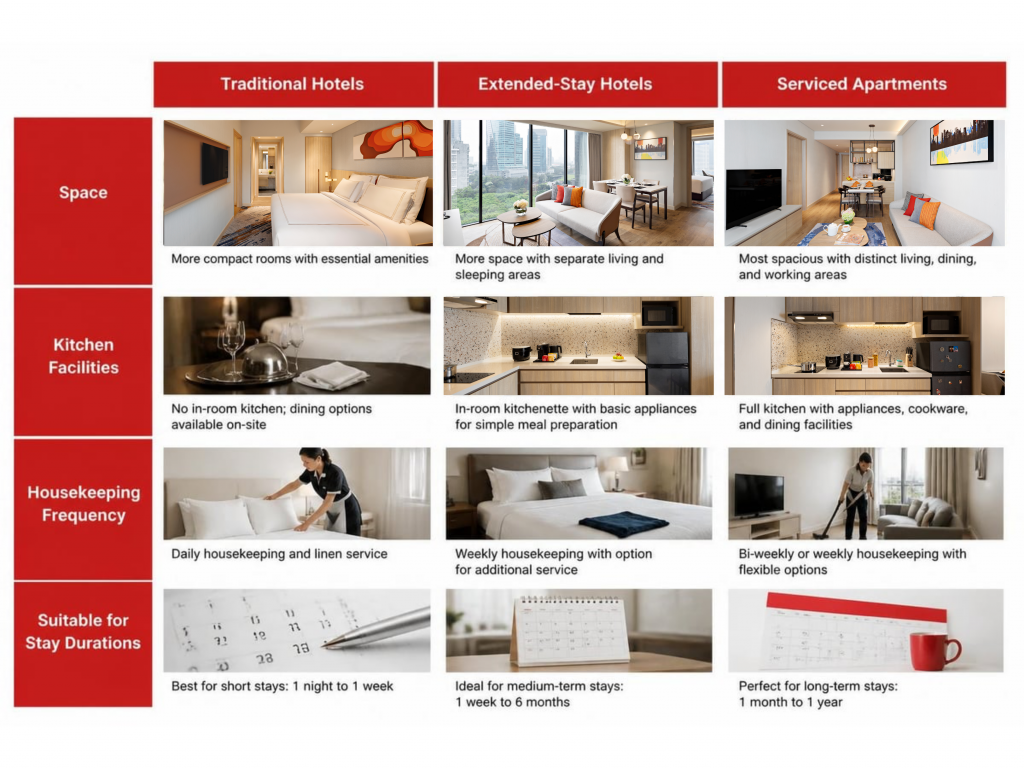
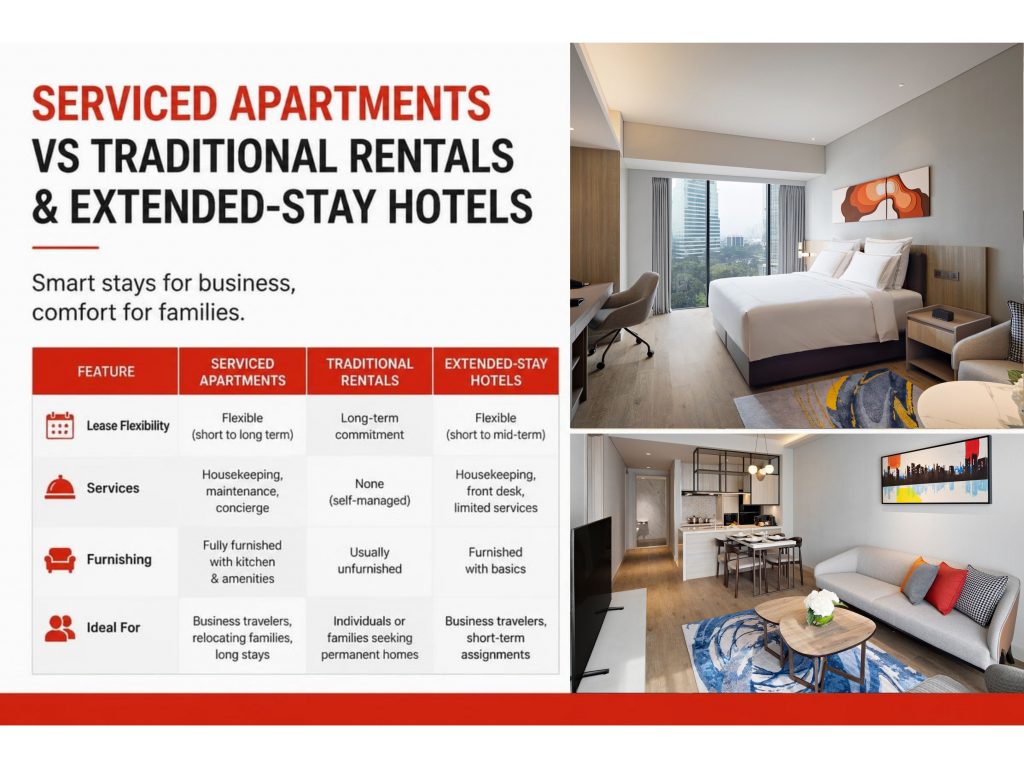
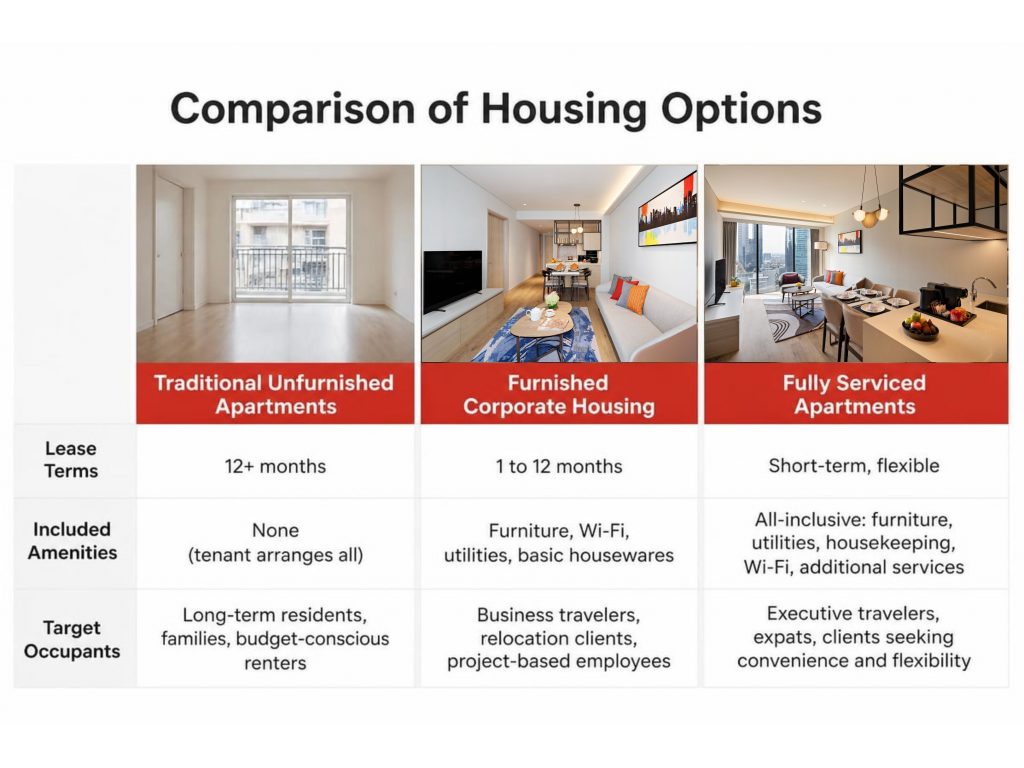
The distinction between standard rentals and professionally managed apartments with kitchen facilities extends beyond equipment quality. Serviced apartments integrate hotel-style support with residential cooking capability, creating a unique value proposition.
Housekeeping services maintain kitchen cleanliness without requiring residents to deep-clean ovens or scrub tile grout. This hybrid model appeals particularly to professionals who want cooking flexibility without maintenance burden.
Serviced apartment benefits include:
- Pre-arrival grocery stocking services (many properties)
- Professional cookware and equipment maintenance
- Immediate replacement of malfunctioning appliances
- Coordinated waste removal and recycling
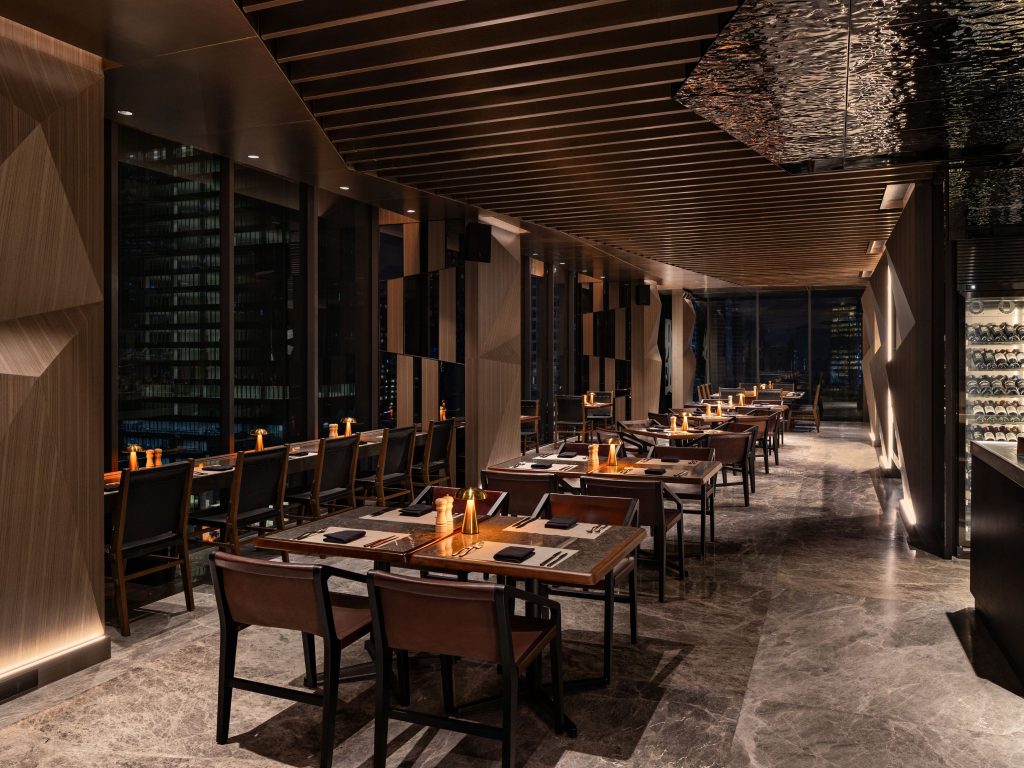
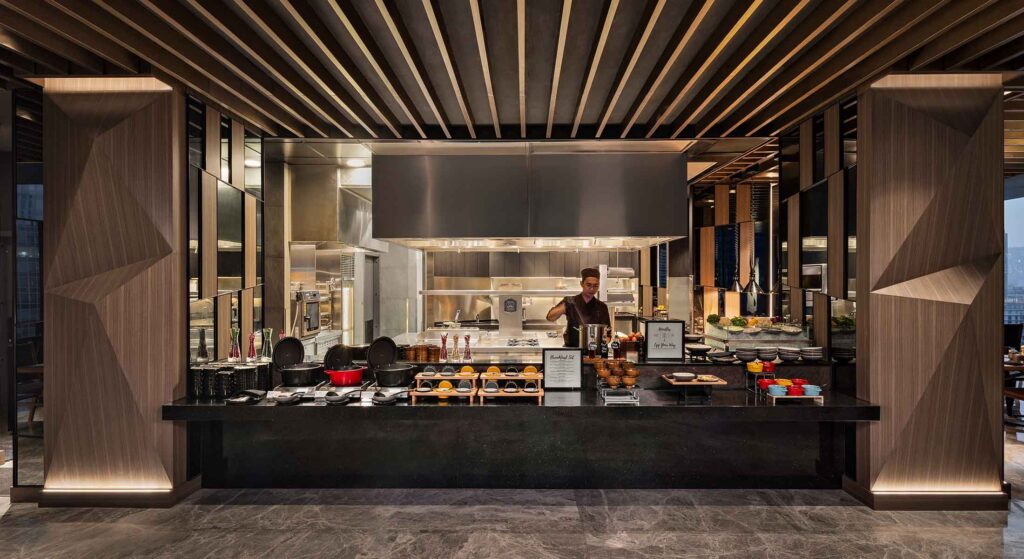
- On-site dining alternatives for days when cooking feels overwhelming
For professionals seeking this combination of independence and support, understanding the serviced apartment model helps clarify expectations and advantages.
Staging and Presenting Kitchen Spaces
For property managers and owners, kitchen presentation significantly influences booking decisions. Clean, uncluttered counters photograph well and communicate functionality. The kitchen staging principles used in residential real estate apply equally to serviced apartment marketing.
Natural light makes kitchens appear larger and more inviting. Properties with window access in cooking areas command premium rates and achieve higher occupancy. When natural light proves limited, quality LED lighting compensates effectively.
Photography and Virtual Tours
Professional photography captures kitchen functionality better than amateur smartphone images. Proper angles demonstrate counter space, appliance quality, and storage capacity. Virtual tours allow prospective residents to assess workflow and layout before site visits.
| Element | Impact on Booking Rate | Investment Level |
|---|---|---|
| Professional photography | +25-35% | Medium |
| Virtual 360° tours | +15-20% | Medium-High |
| Equipment inventory lists | +10-15% | Low |
| Sample meal preparation videos | +8-12% | Medium |
Detailed equipment inventories answer prospect questions before they ask, reducing inquiry response time and accelerating booking decisions.
Future Trends in Apartment Kitchen Design
Looking ahead through 2026 and beyond, apartments with kitchen facilities continue evolving to meet changing resident expectations. Smart appliances with remote monitoring, integrated recipe guidance, and inventory tracking represent the leading edge.
Sustainability drives ongoing innovation. Composting solutions for apartment settings, water-saving fixtures, and recyclable packaging storage reflect growing environmental consciousness. Properties that accommodate these preferences gain competitive advantage.
Technology Integration
Connected kitchen ecosystems coordinate appliances, lighting, and climate control. Voice-activated timers, automated inventory reordering, and recipe scaling based on available ingredients move from novelty to standard expectation.
The ADA accessibility standards increasingly influence universal design approaches that benefit all residents. Adjustable-height counters, lever-style faucet controls, and pull-out shelving improve usability across diverse populations.
Maximizing Your Kitchen-Equipped Apartment
Residents who fully utilize apartments with kitchen facilities report higher satisfaction and better work-life balance during extended stays. Establishing routines, stocking staples thoughtfully, and learning local ingredient sourcing creates genuine home comfort.
Weekend meal preparation supports weekday efficiency. Batch cooking soups, grains, and proteins provides quick dinner assembly options during demanding work periods. This approach particularly benefits those adjusting to Jakarta’s traffic patterns and long commute times.
Building Local Food Knowledge
Exploring traditional markets introduces residents to Indonesian ingredients and cooking techniques. Many expatriates discover that local produce offers superior flavor and value compared to imported alternatives. Kitchen-equipped apartments enable this culinary exploration.
The Mega Kuningan location provides exceptional access to both international supermarkets and traditional pasar (markets). This dual availability supports diverse cooking styles and dietary preferences without compromise.
For those seeking apartment-style living with comprehensive kitchen facilities in Jakarta’s prime business district, the combination of location, equipment quality, and professional management defines the experience. Properties offering these advantages enable residents to maintain their lifestyle preferences while navigating international assignments, family relocations, or extended business projects.
Apartments with kitchen facilities transform extended stays from temporary lodging into comfortable, sustainable living arrangements. The right combination of equipment, location, and support services makes all the difference in daily quality of life. Whether you’re planning a month-long business assignment or a multi-year expatriate posting in Jakarta, Swissôtel Living Jakarta Mega Kuningan delivers fully furnished serviced apartments with comprehensive kitchen facilities, professional management, and prime access to South Jakarta’s business and lifestyle amenities. Explore residence options that match your specific needs and experience the advantage of truly equipped apartment living.