

Long Term Hotel Rates: Complete Guide for Extended Stays
Finding suitable accommodation for extended business assignments, expatriate relocations, or family transitions requires understanding how long term hotel rates differ fundamentally from nightly bookings. Whether you’re relocating to Jakarta’s central business district or managing a months-long project in Mega Kuningan, the pricing structure for stays exceeding 30 days operates under entirely different economics than traditional hotel bookings. This guide examines how extended stay pricing works, what factors influence monthly rates, and how to evaluate options when comparing serviced apartments against hotels for long-duration accommodation.
Understanding Long Term Hotel Rate Structures
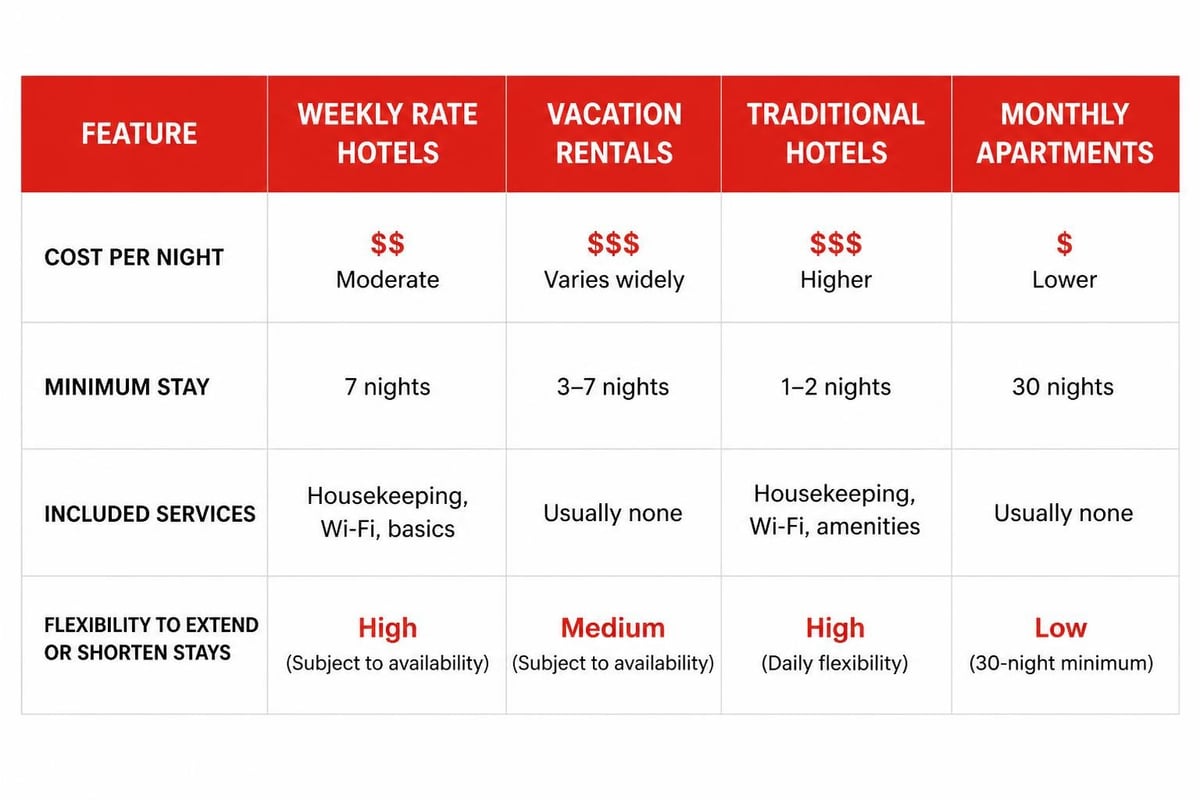
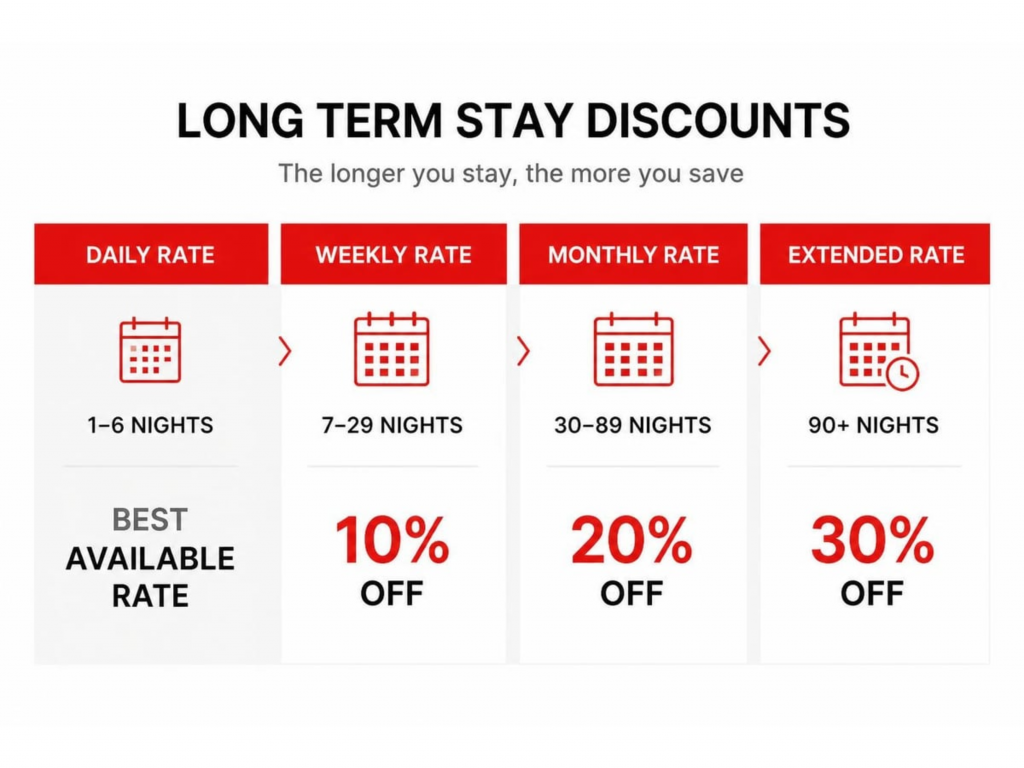
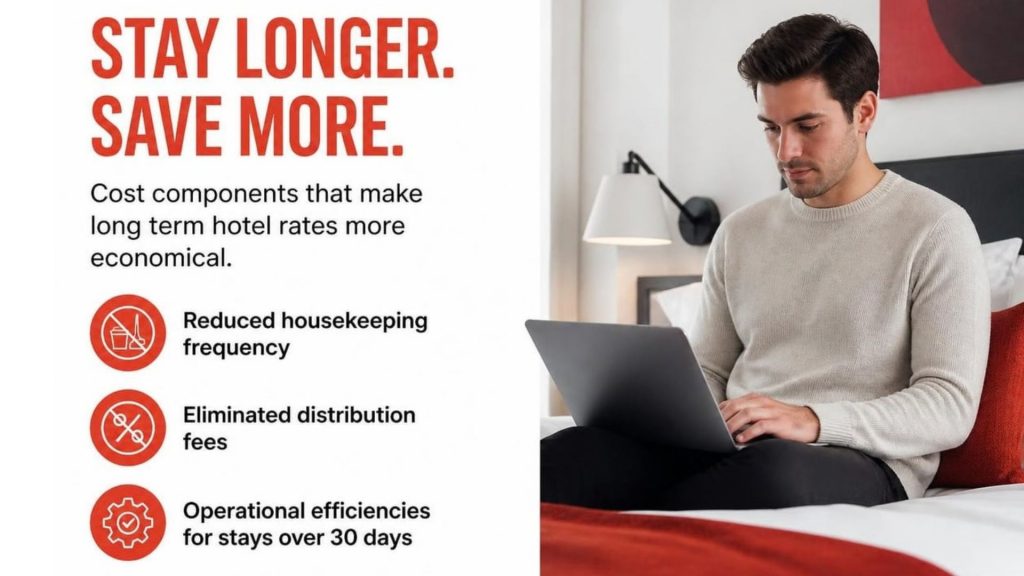
Long term hotel rates reflect a pricing model designed around sustained occupancy rather than transient stays. Properties offering extended stays-typically defined as 30 days or longer-adjust their rate structures to account for reduced housekeeping frequency, lower distribution costs, and predictable revenue streams.
How Monthly Pricing Differs from Nightly Rates
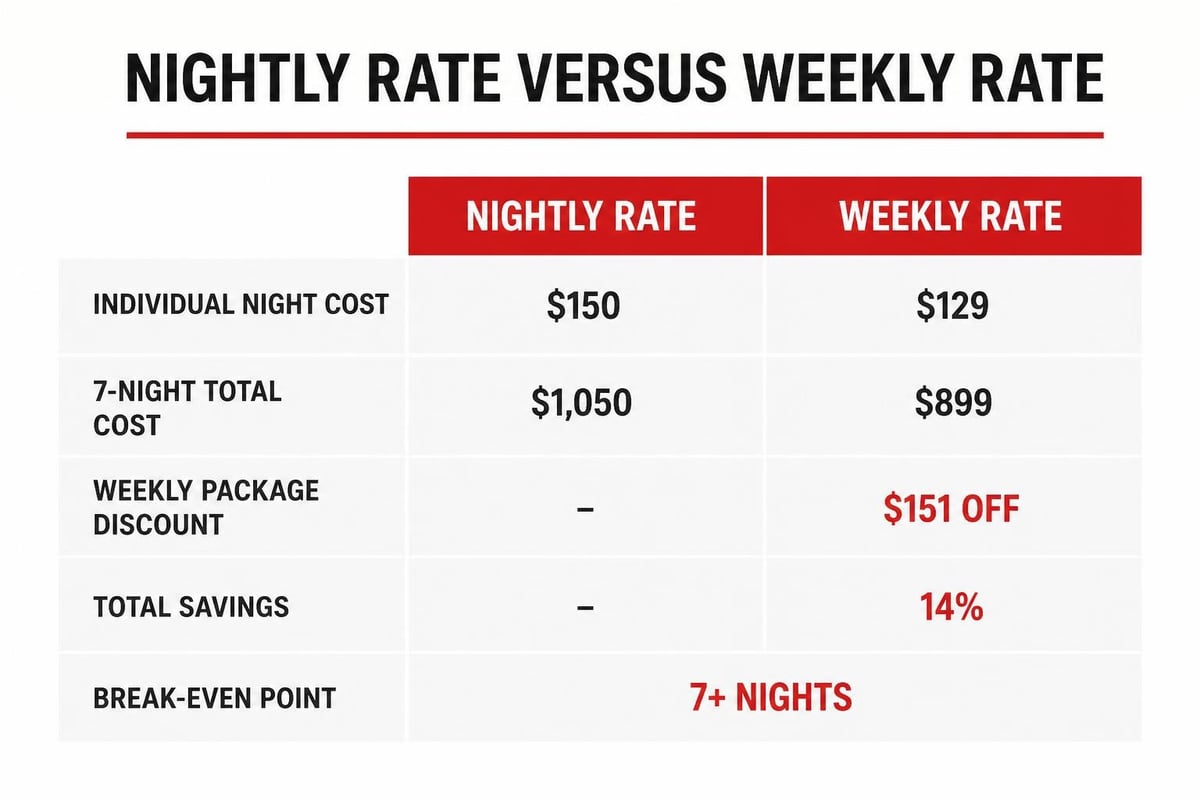
The fundamental difference lies in operational economics. A nightly guest generates higher revenue per occupied room night but incurs costs for daily housekeeping, front desk processing, and channel distribution fees that can reach 15-25% of room revenue. Monthly guests reduce these variable costs significantly.
Key distinctions in rate structures include:
- Elimination of daily housekeeping in favor of weekly or bi-weekly service
- Direct booking arrangements that bypass online travel agency commissions
- Reduced front desk transactions and check-in/check-out processing
- Predictable occupancy that allows properties to manage inventory more efficiently
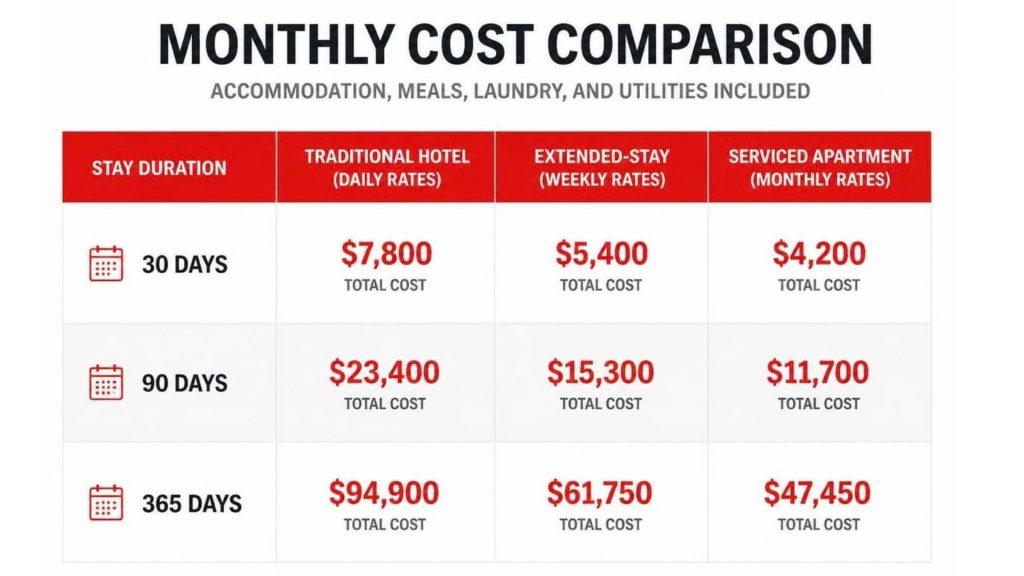
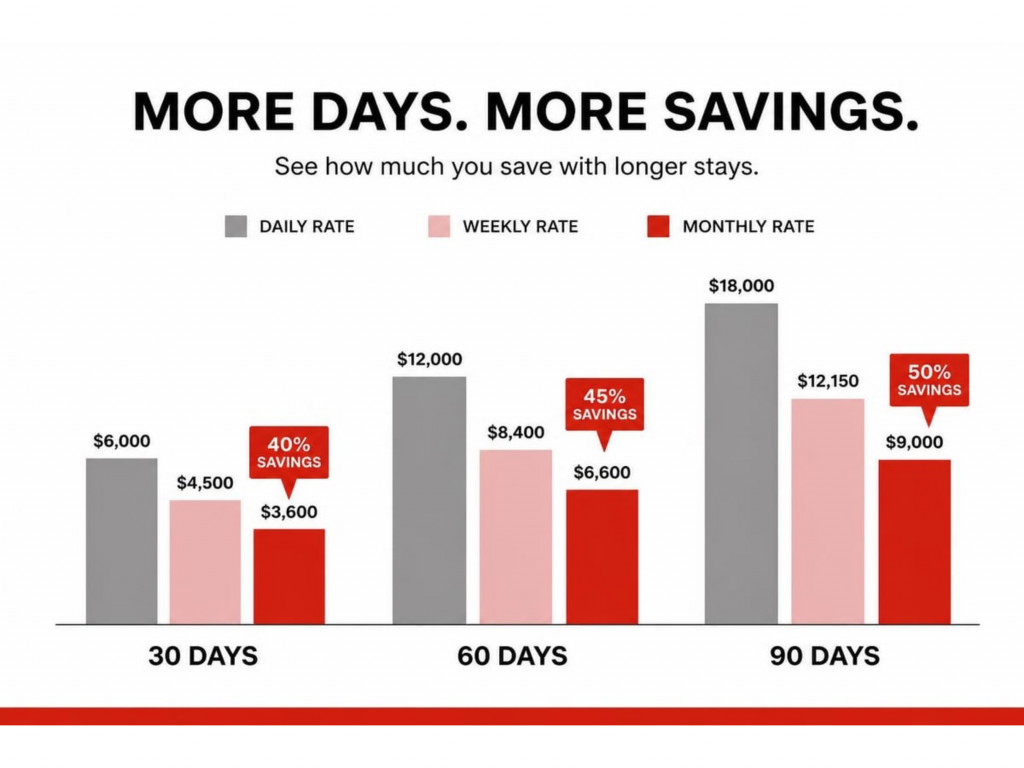
According to extended stay market research, properties in the extended stay segment typically offer rates 30-50% below their daily equivalents when calculated on a per-night basis for stays exceeding 30 days.
Rate Components and What’s Included
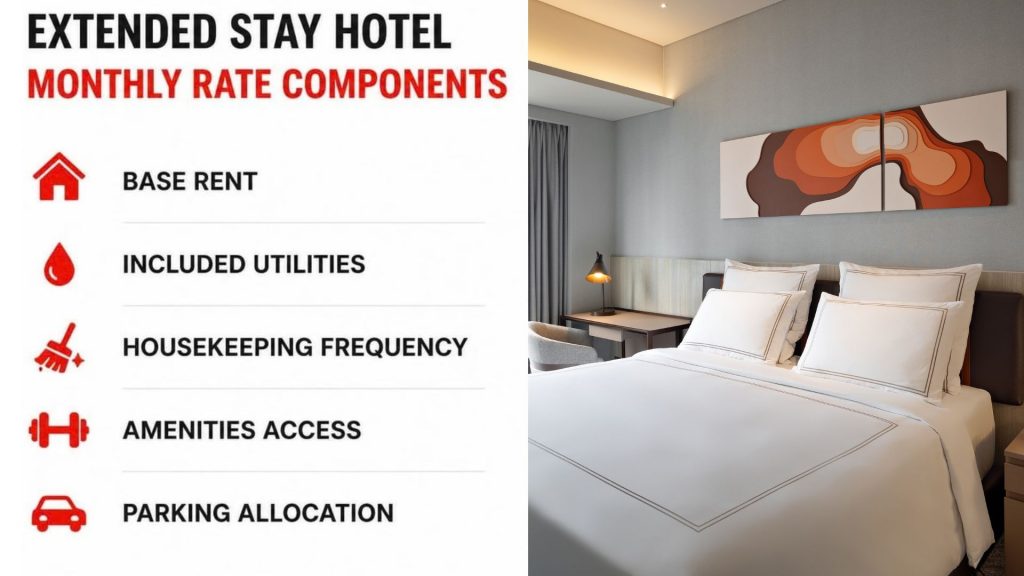
Understanding what’s bundled into long term hotel rates helps compare true value across options. Most extended stay properties in Jakarta’s business districts include utilities, internet, and basic furnishings as standard components.
| Rate Component | Typically Included | Often Extra |
|---|---|---|
| Utilities (electricity, water) | ✓ | Variable for high usage |
| High-speed internet | ✓ | Premium speeds may cost extra |
| Weekly housekeeping | ✓ | Daily service available at surcharge |
| Furnished accommodation | ✓ | Upgraded furniture packages |
| Kitchen equipment | ✓ in serviced apartments | Not standard in hotels |
| Parking | Varies by property | Often additional fee |
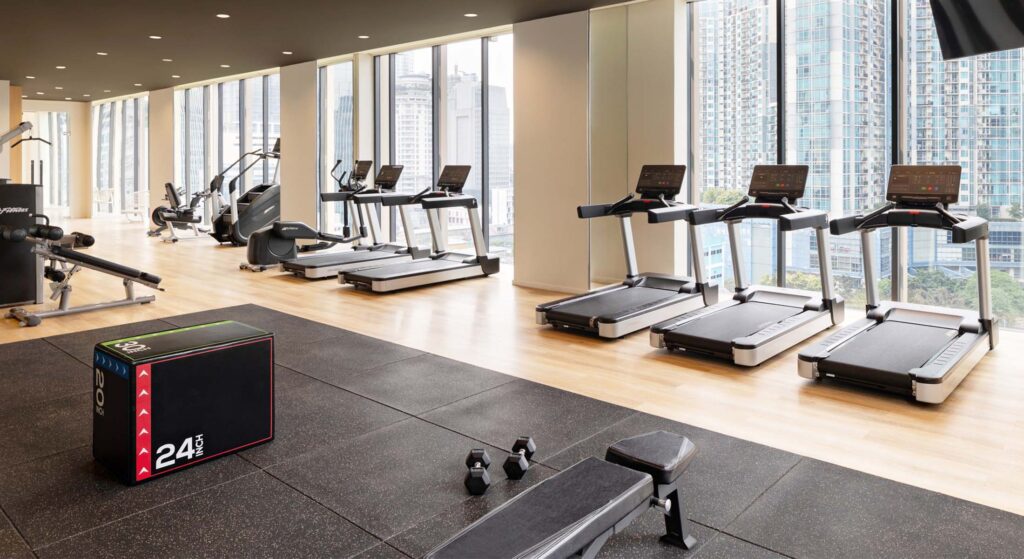
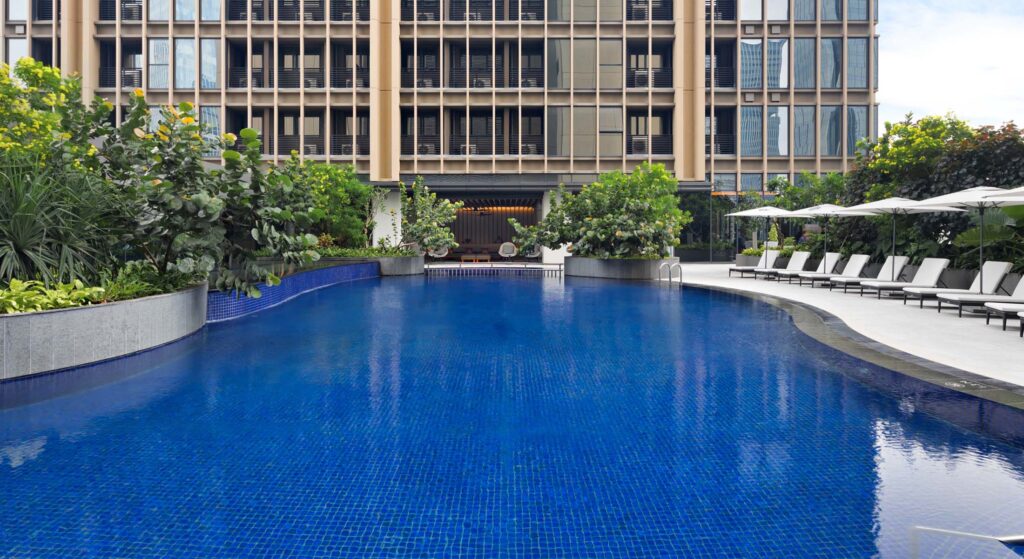
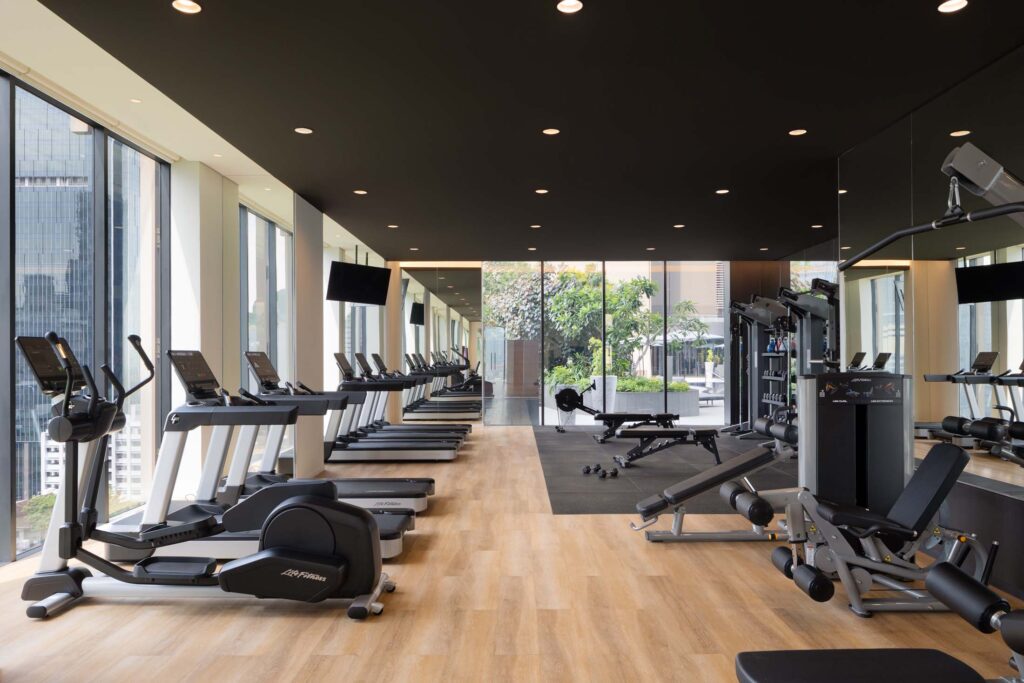
Properties near Kuningan and SCBD frequently bundle parking and gym access into monthly rates, while traditional hotels may charge separately for these amenities.
Factors That Influence Extended Stay Pricing
Long term hotel rates respond to market dynamics that differ from short-stay pricing. Understanding these drivers helps negotiate better terms and time bookings strategically.
Seasonal Demand Patterns in Business Districts
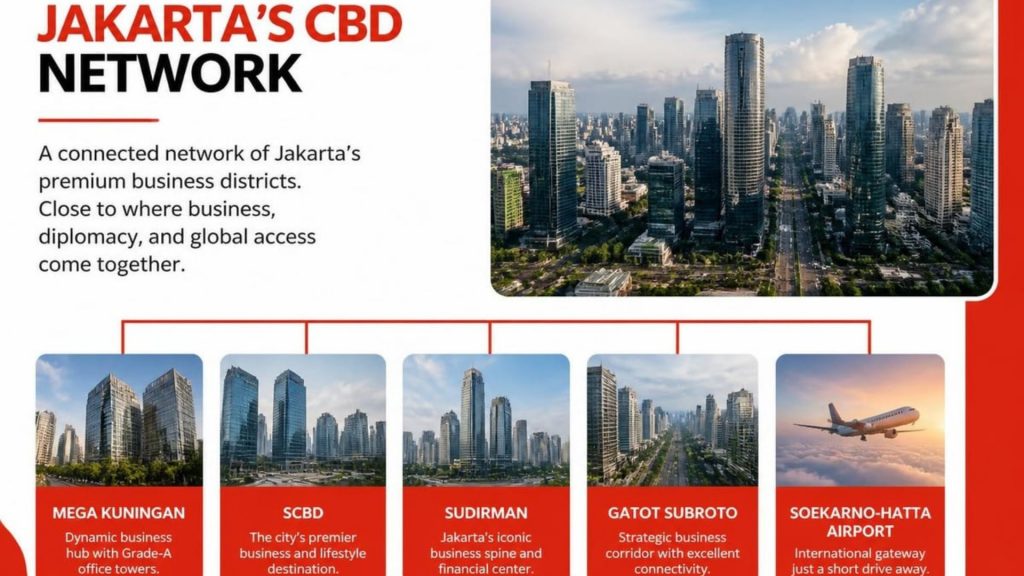
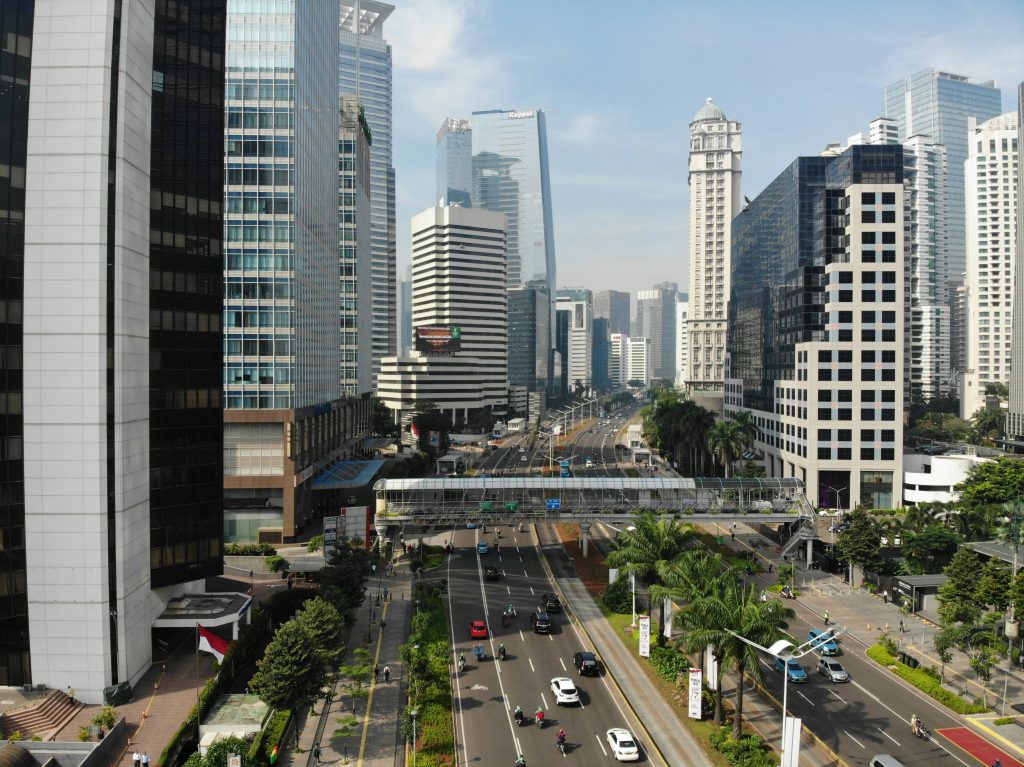
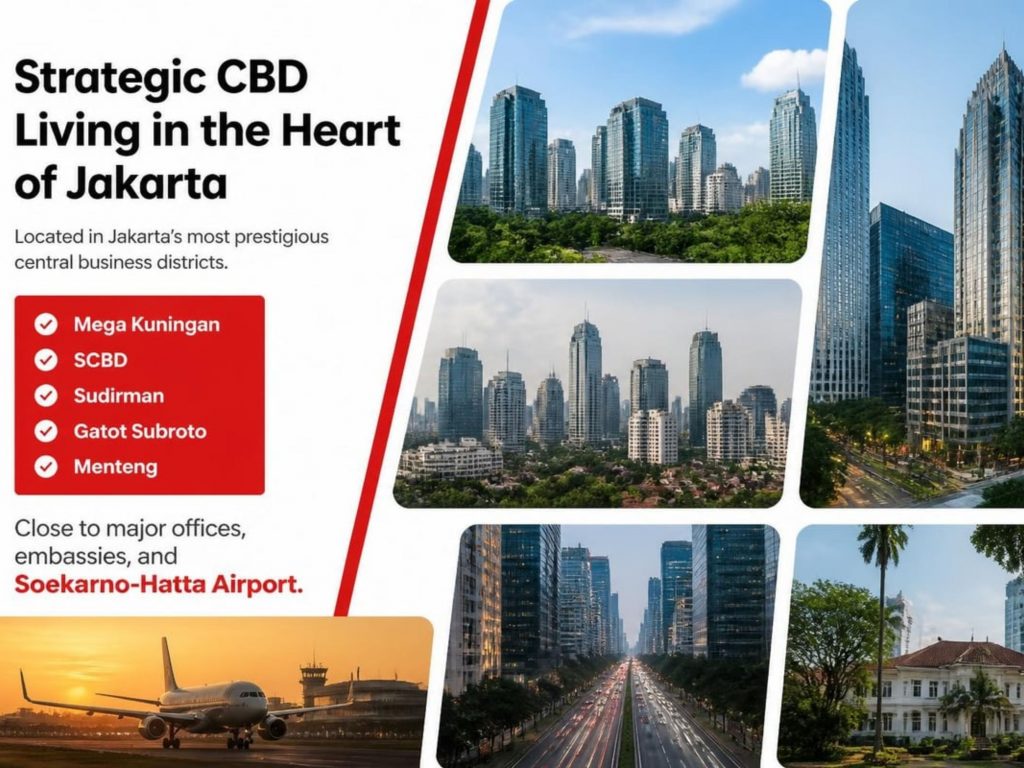
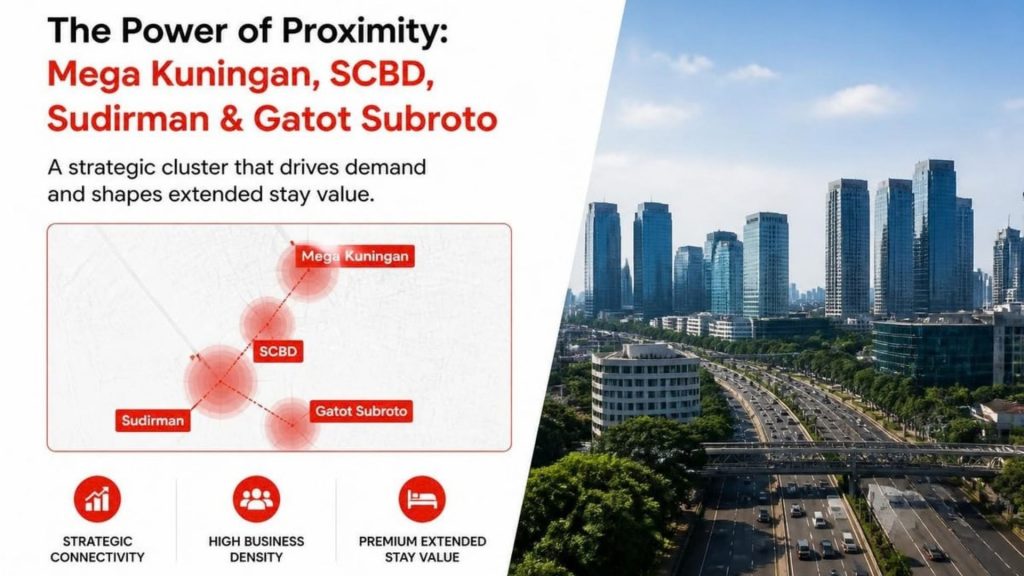
Jakarta’s central business districts, including Mega Kuningan, Sudirman, and Gatot Subroto, experience demand fluctuations tied to corporate assignment cycles rather than leisure tourism seasons. Properties near embassies and multinational offices see peak demand during:
- January through March, when new expatriate assignments begin
- August through September, coinciding with fiscal year transitions
- October through November, for year-end project assignments
During these periods, long term hotel rates can increase 15-20% above low-season pricing. Booking three months ahead typically secures better rates than last-minute arrangements.
Property Type and Amenity Levels
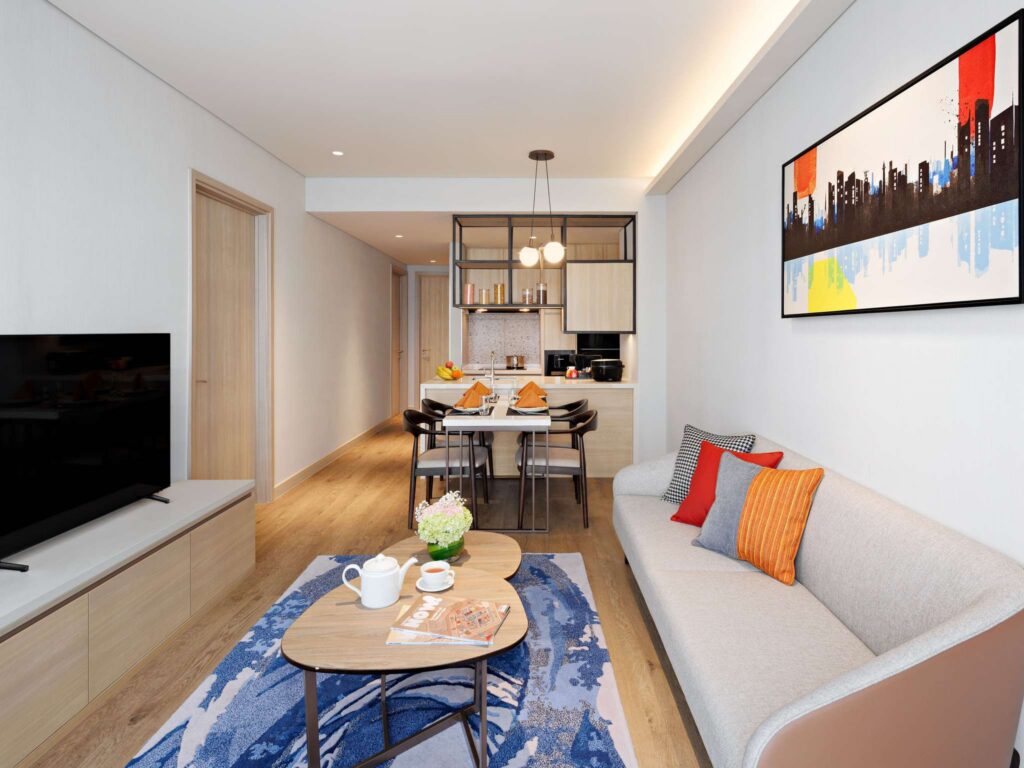
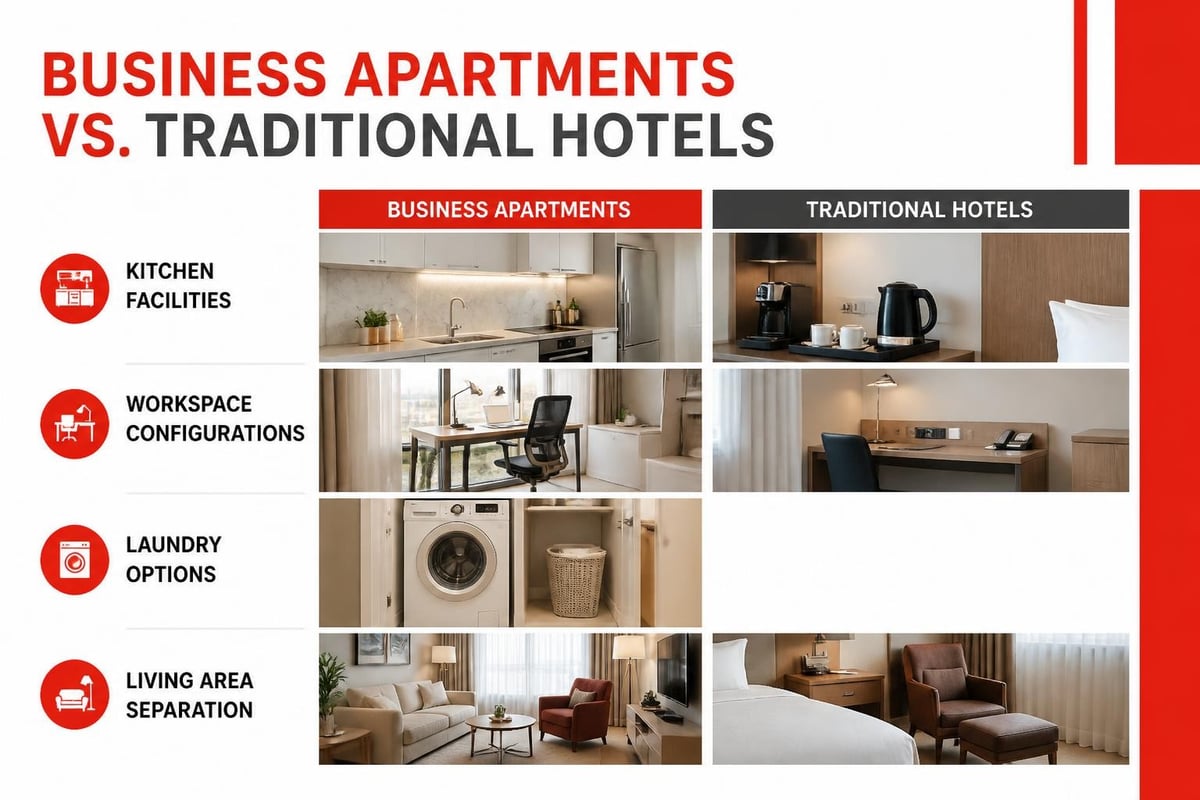
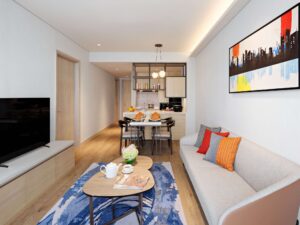
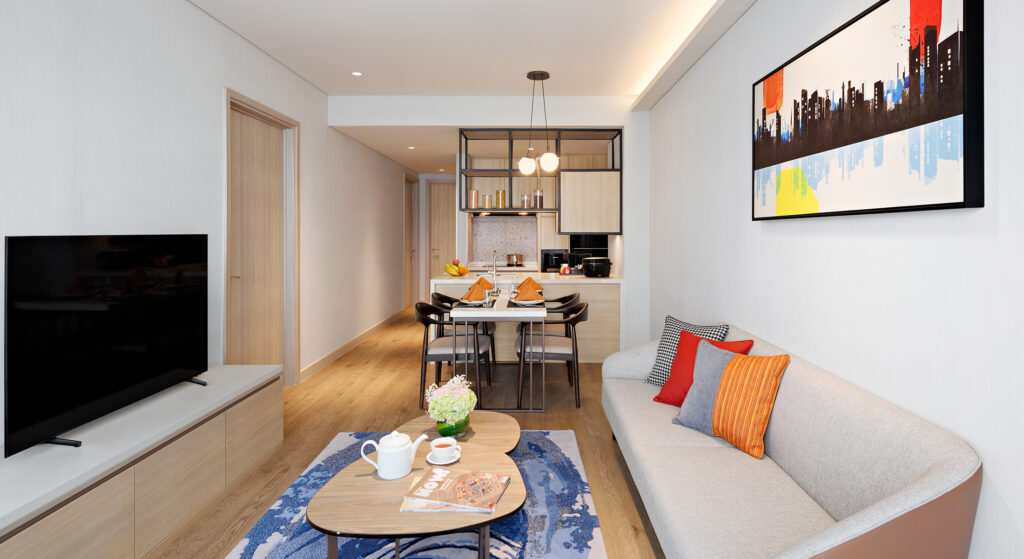
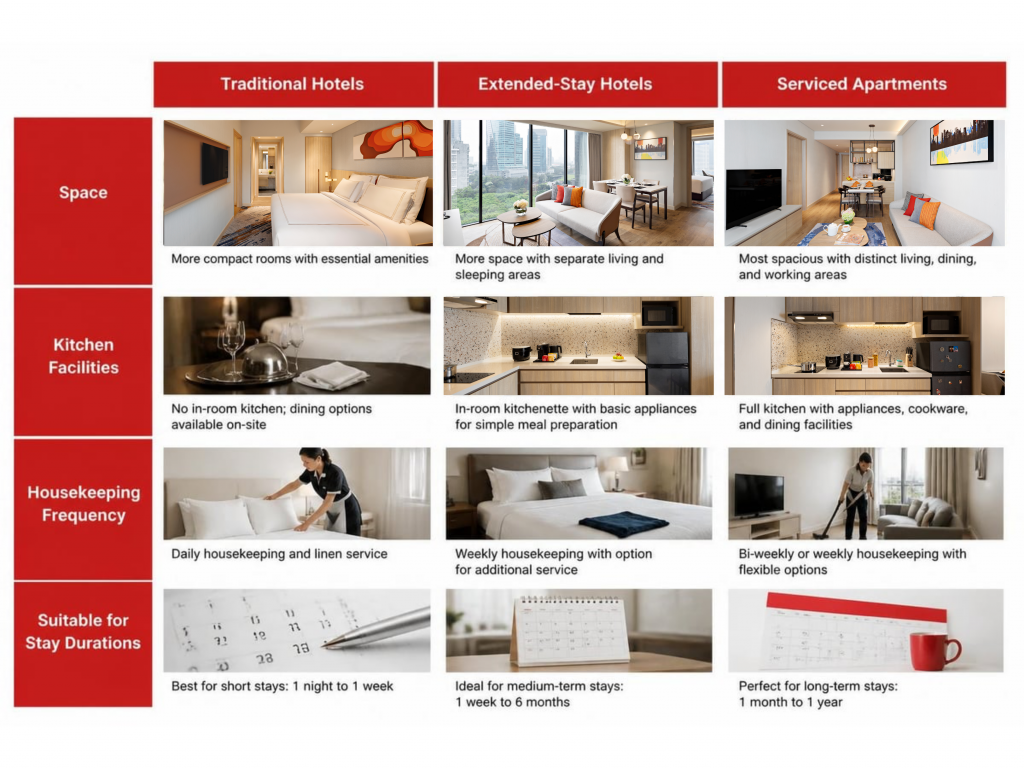
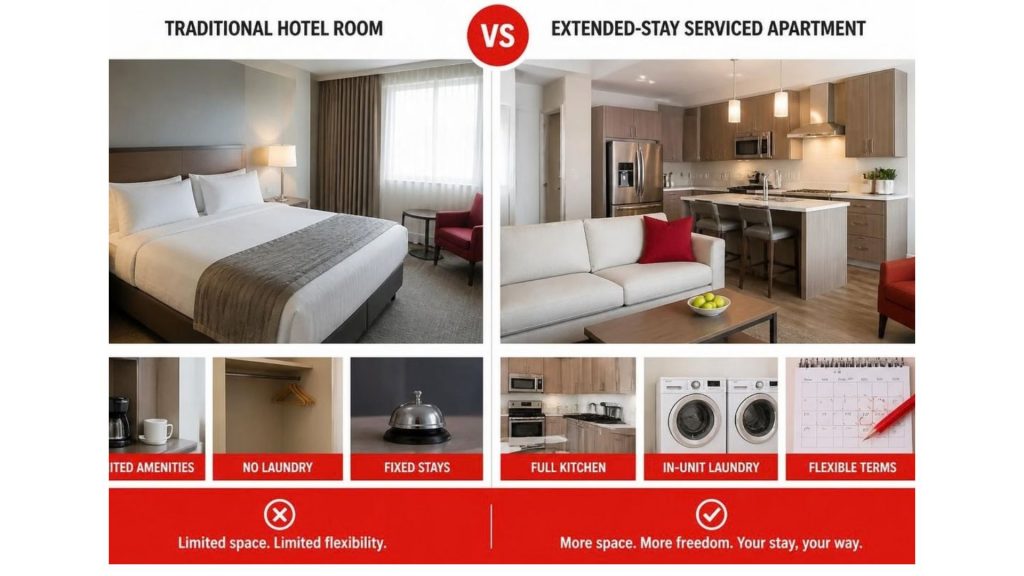
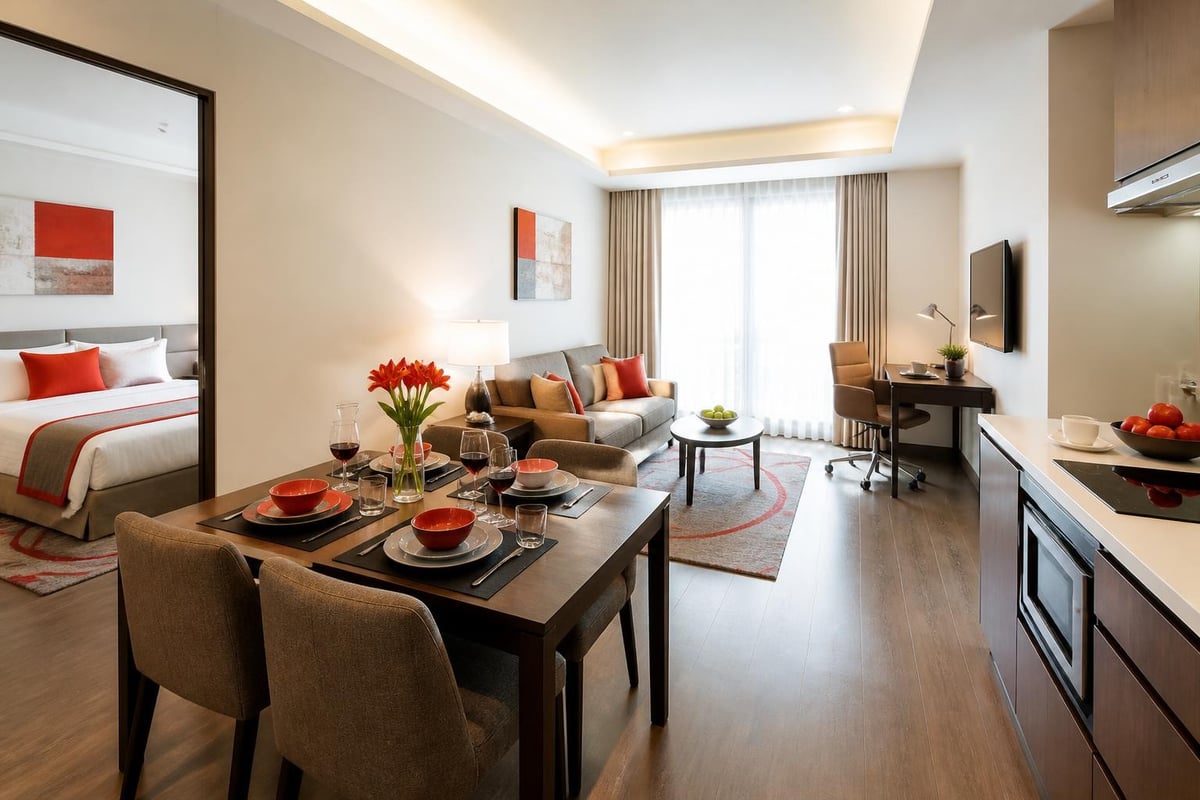
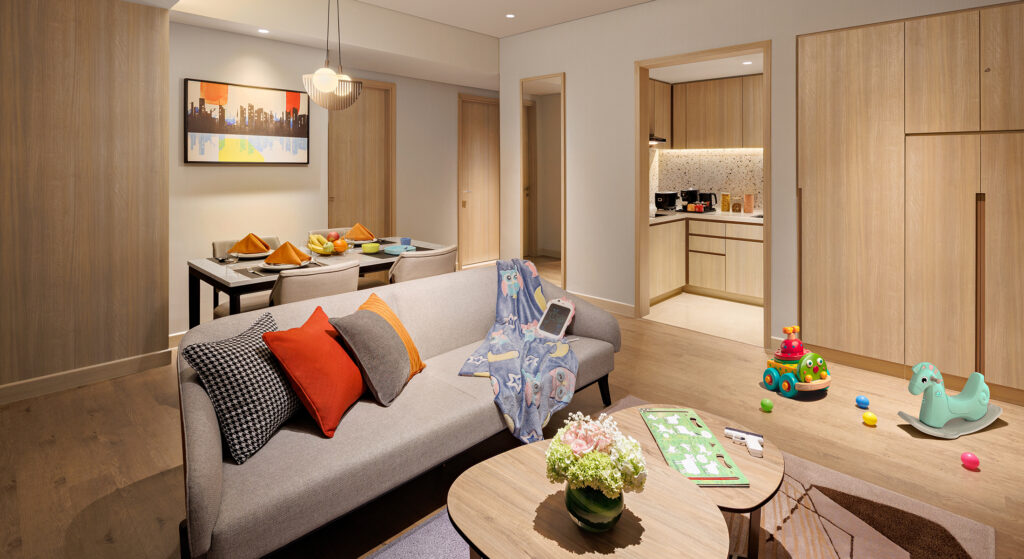
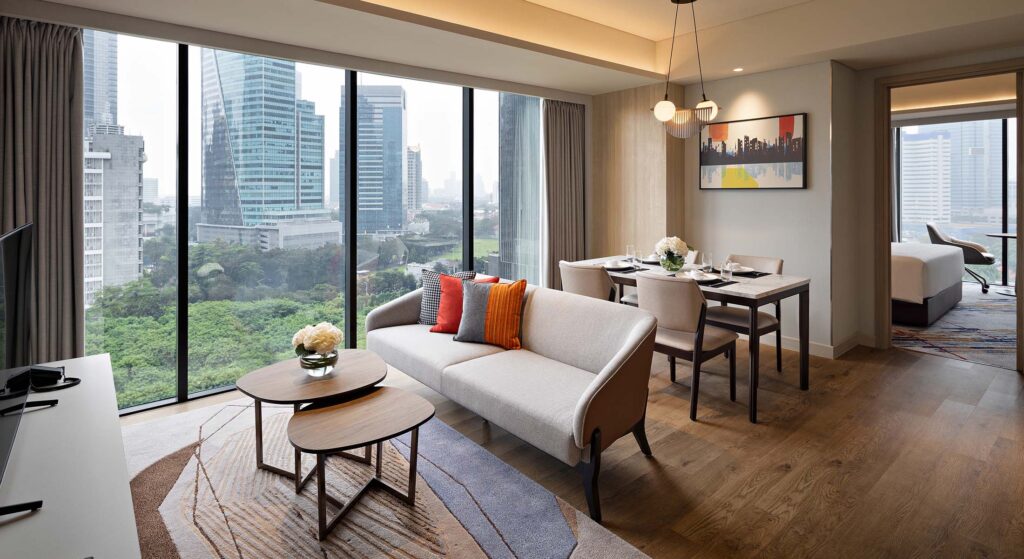
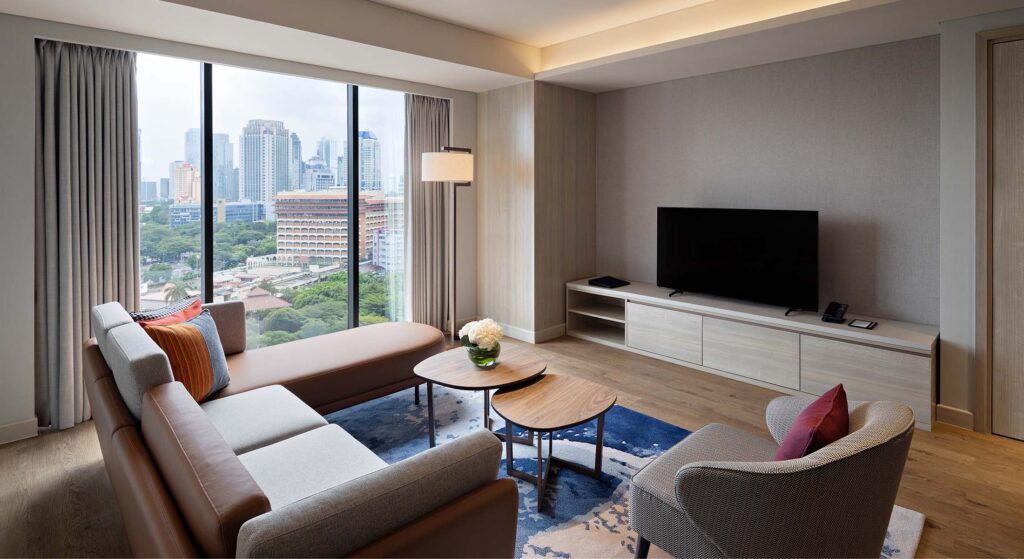
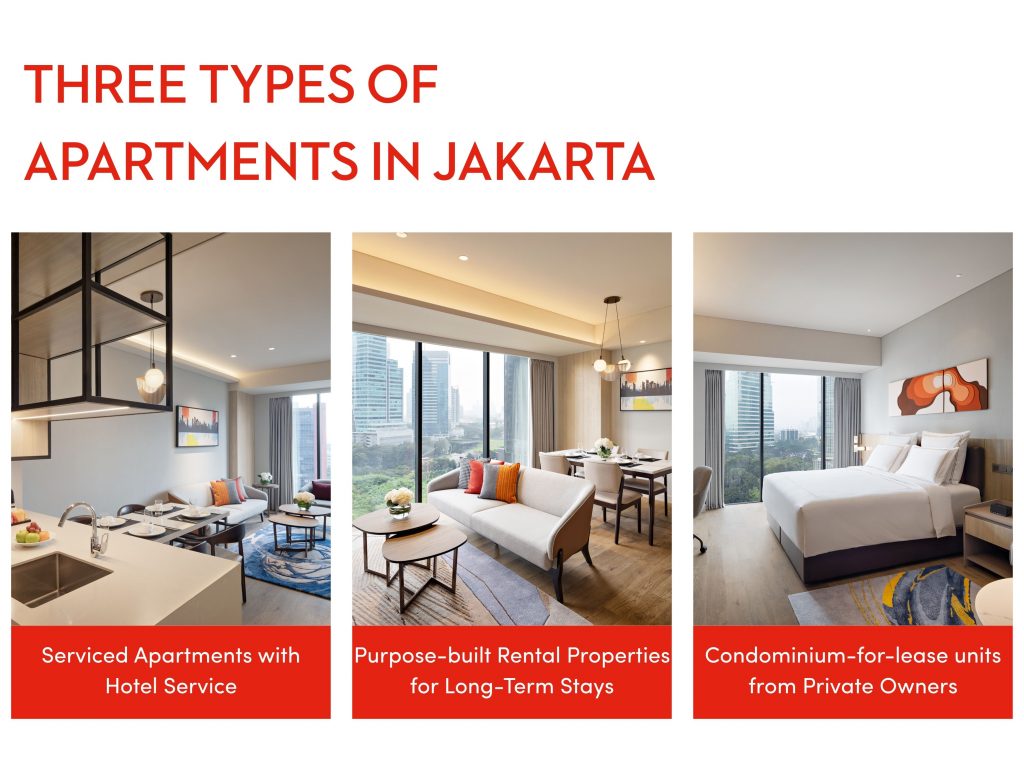
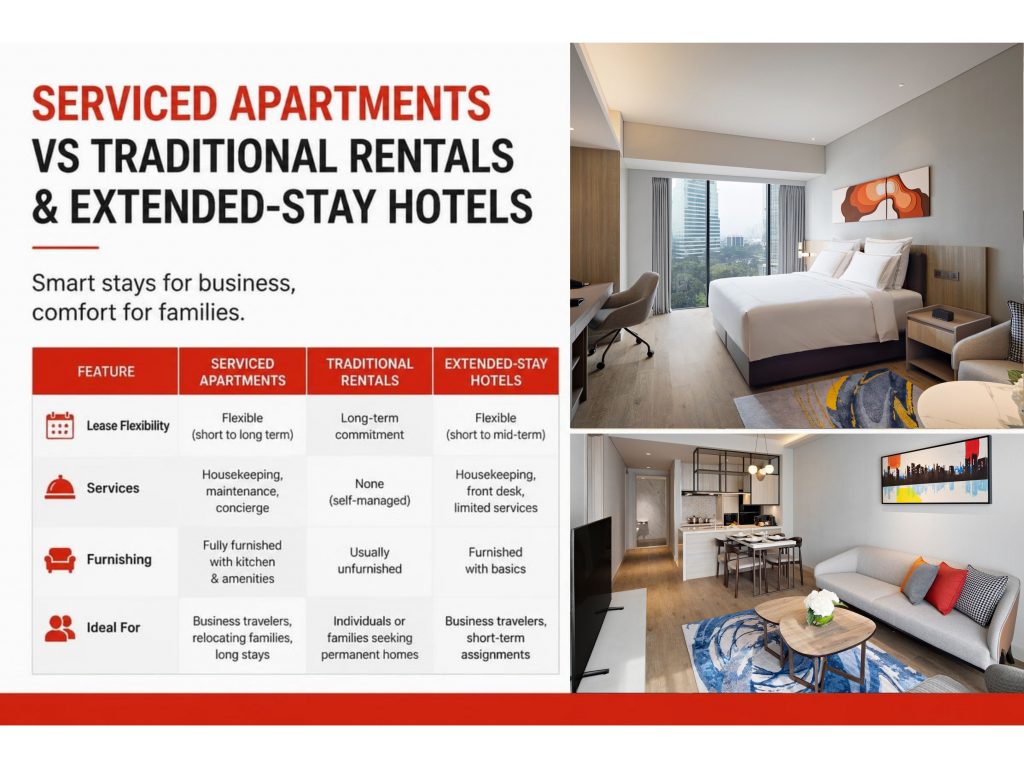
The distinction between hotels offering extended stays and purpose-built serviced apartments significantly impacts pricing and value. Serviced apartments in Jakarta provide residential features that traditional hotels cannot economically offer for long stays.
Purpose-built serviced apartments typically include:
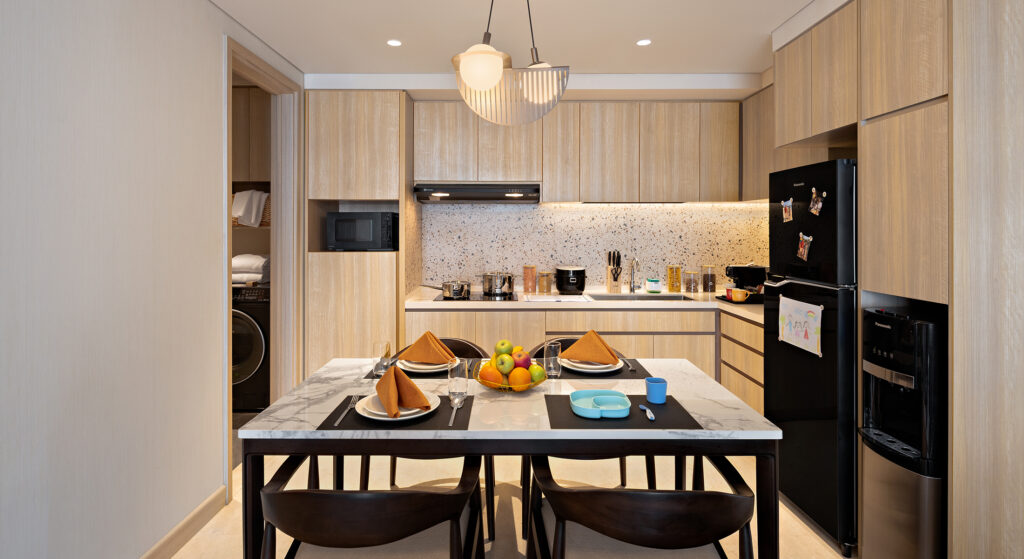
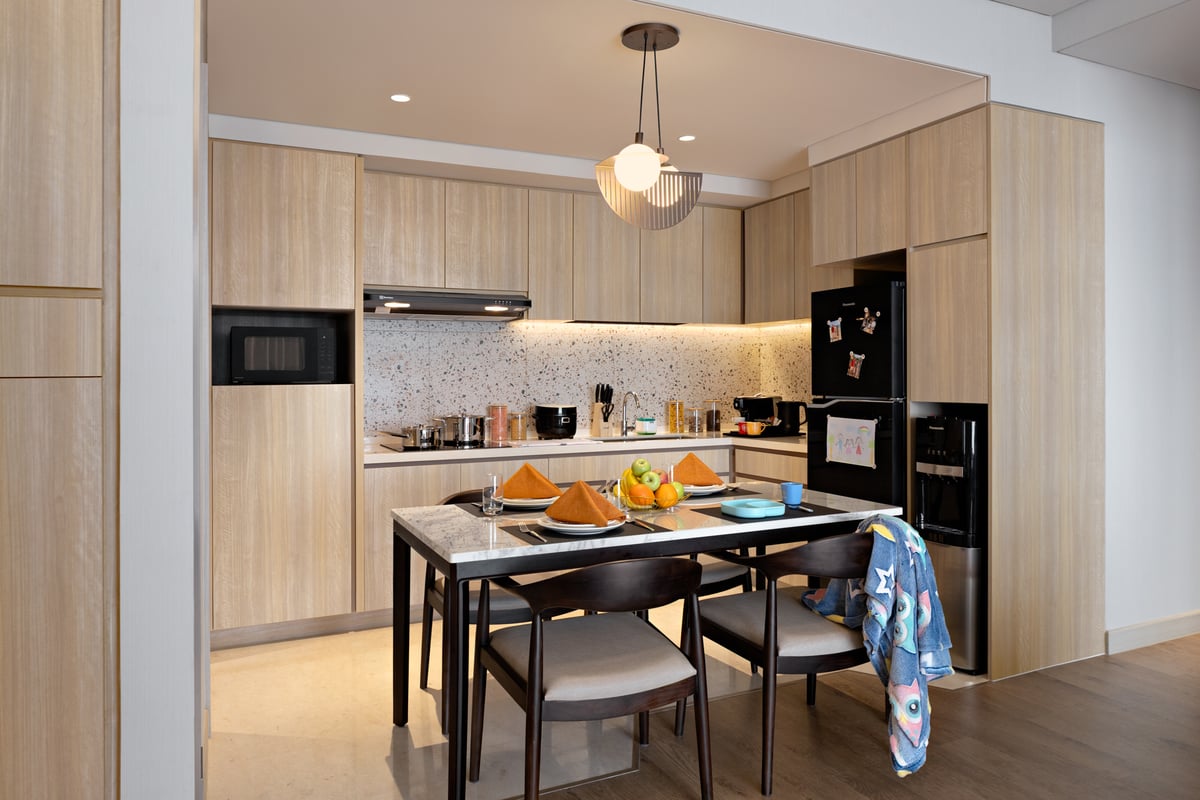
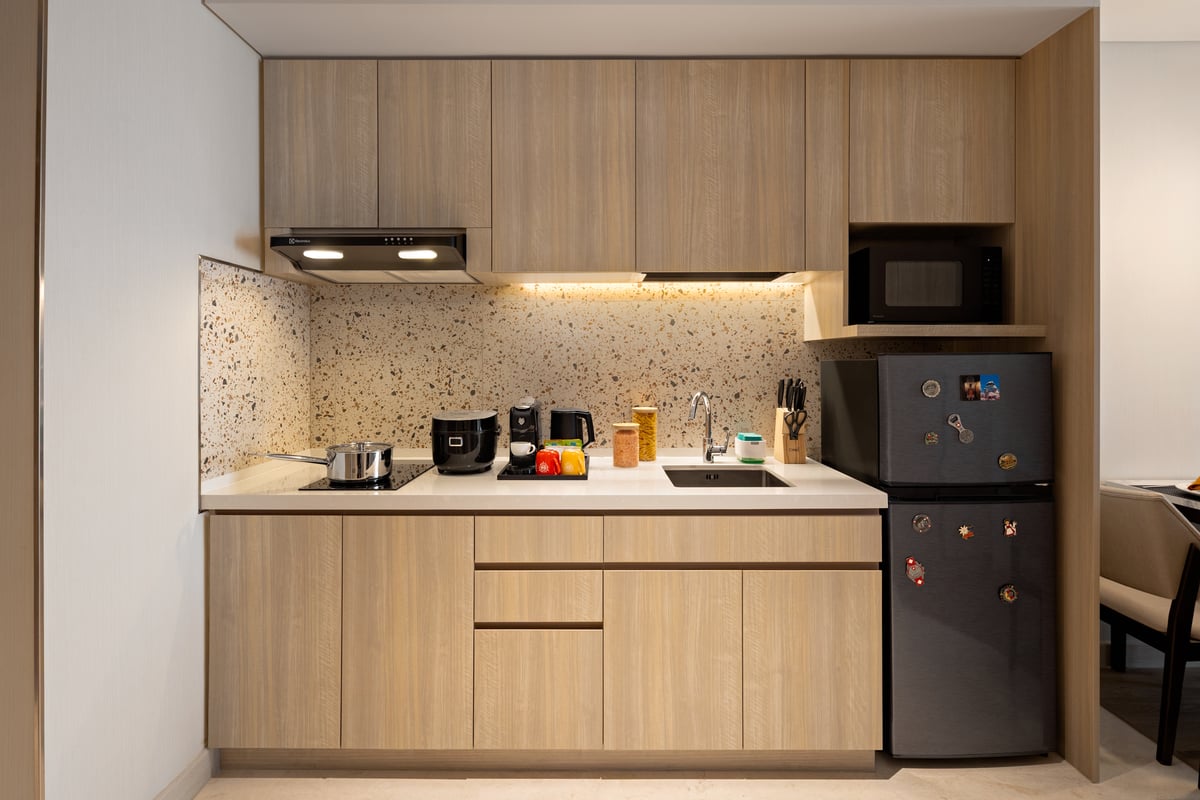
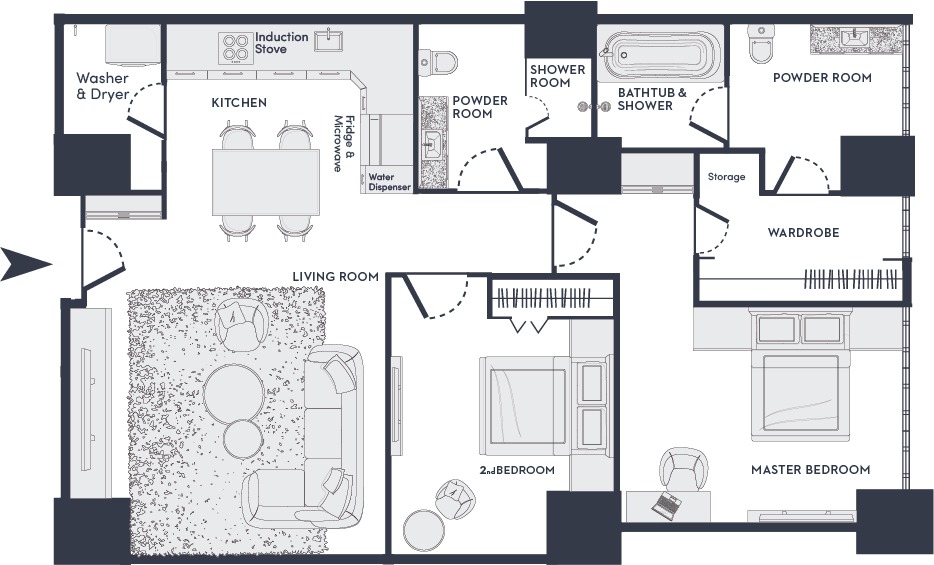
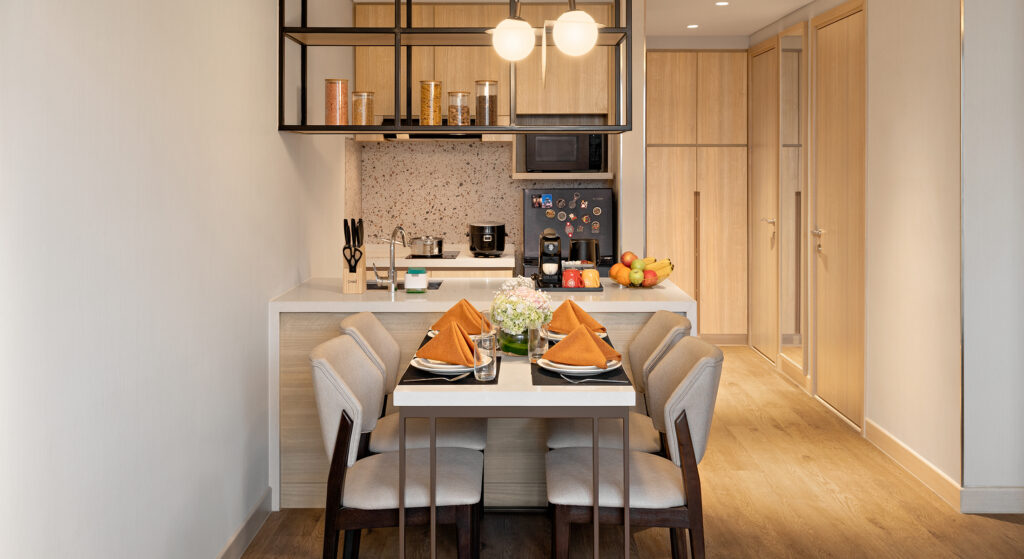
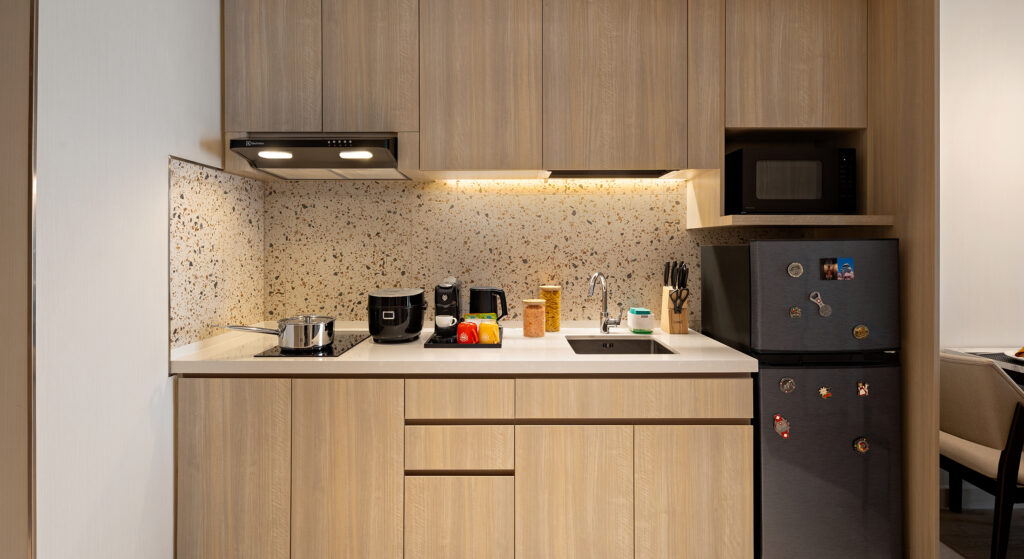
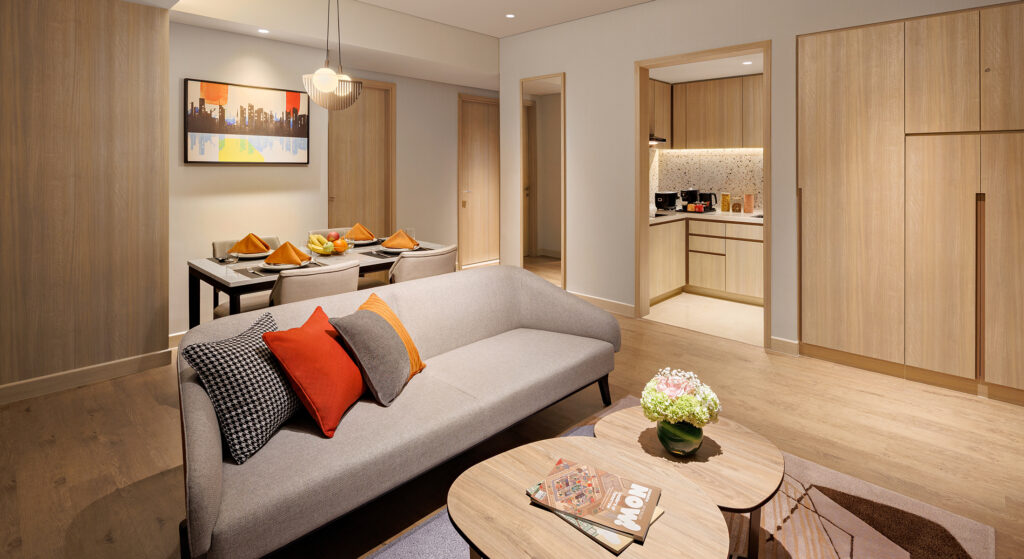
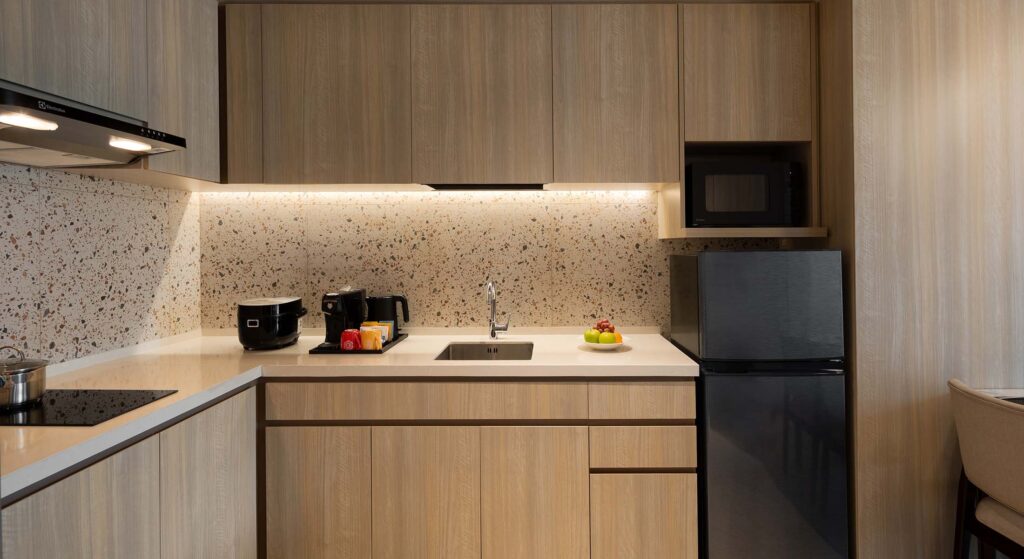
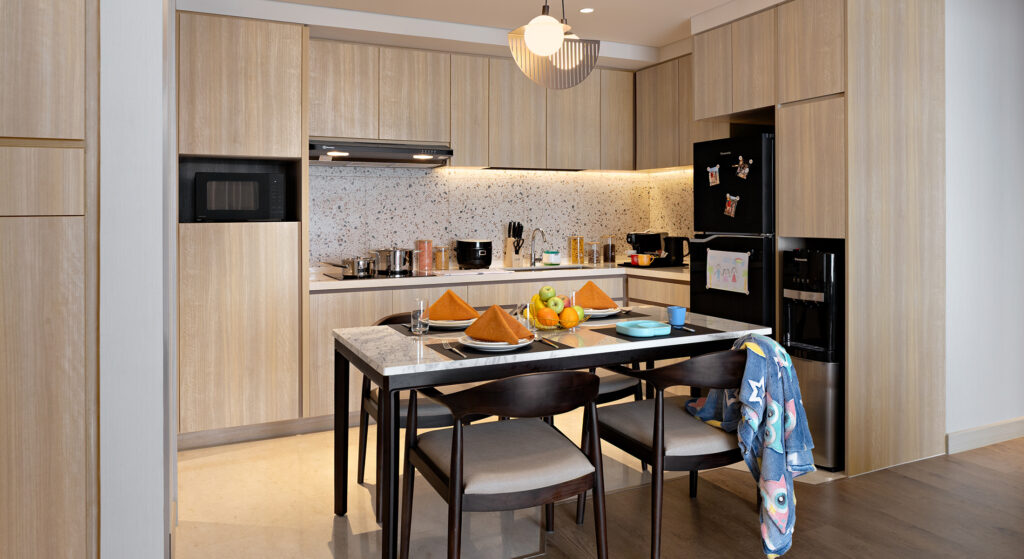
- Full kitchen with cooking equipment and dishware
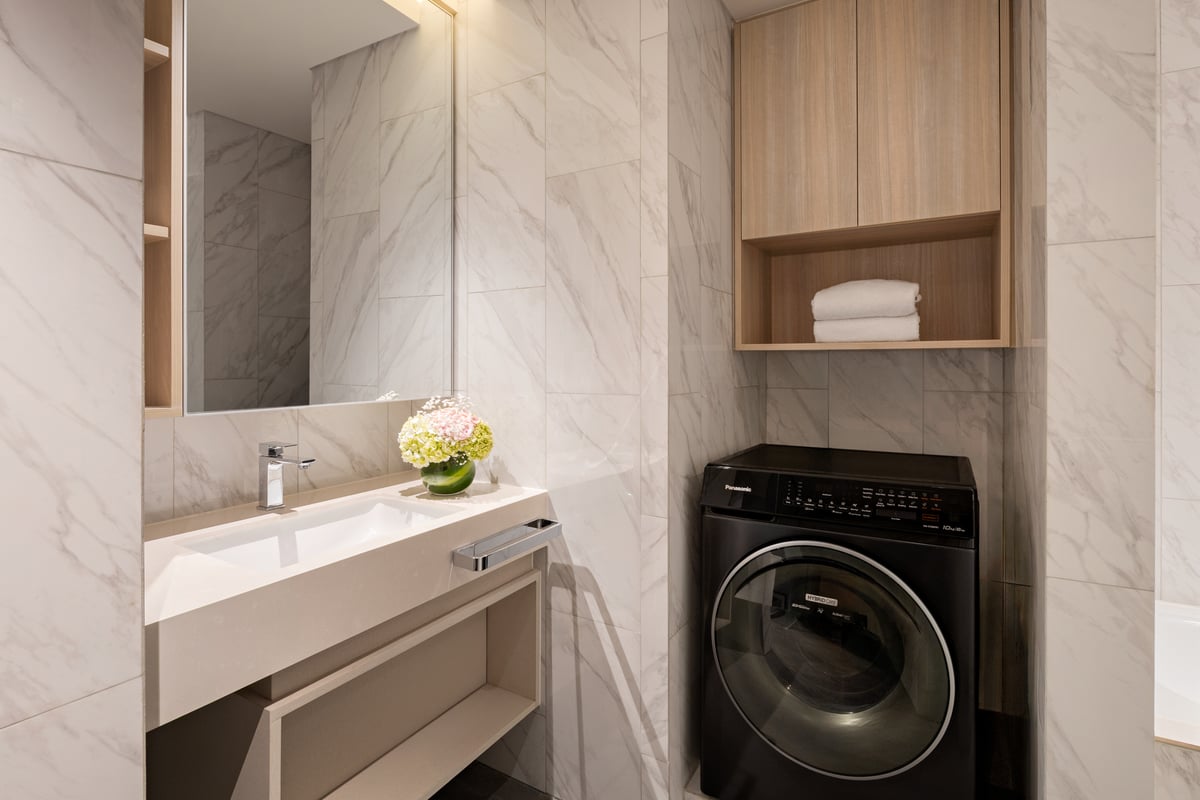
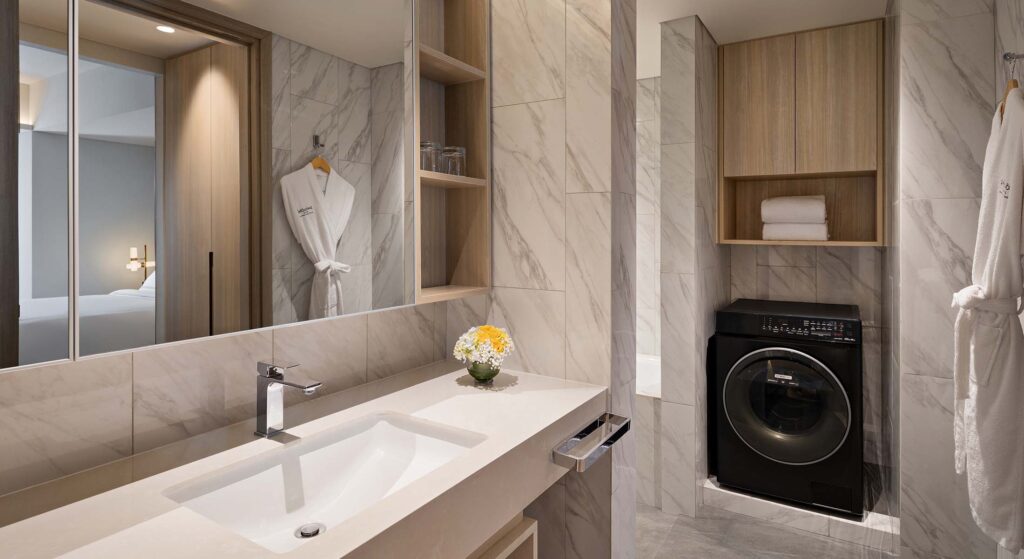
- In-unit washer and dryer or dedicated laundry facilities
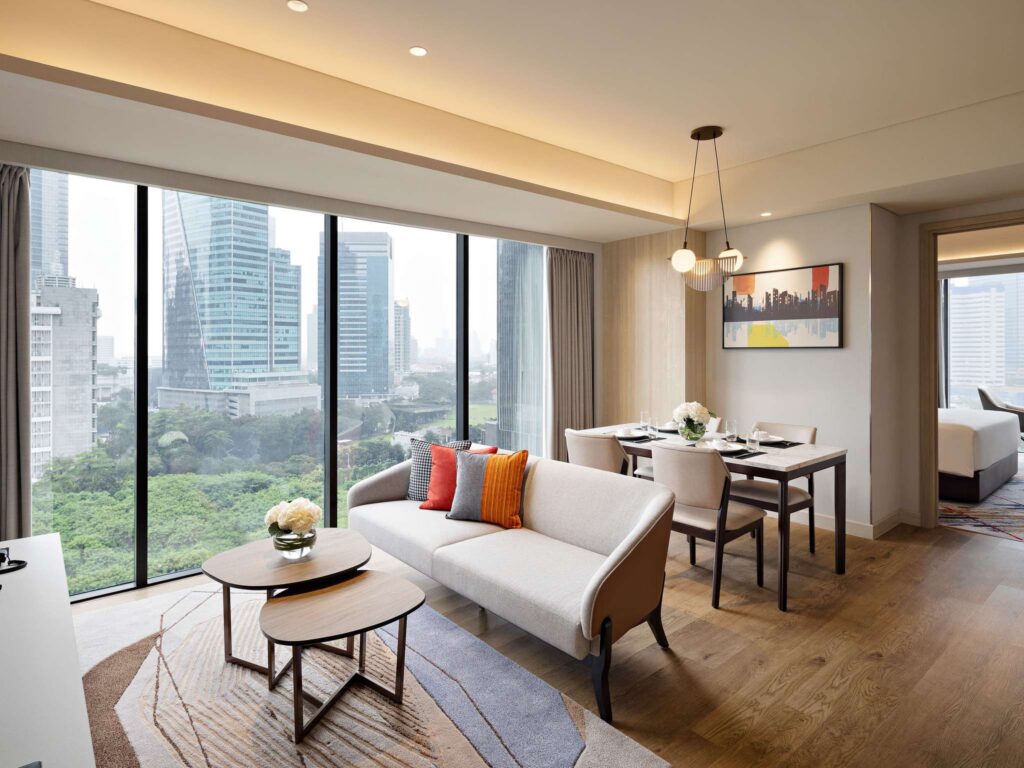
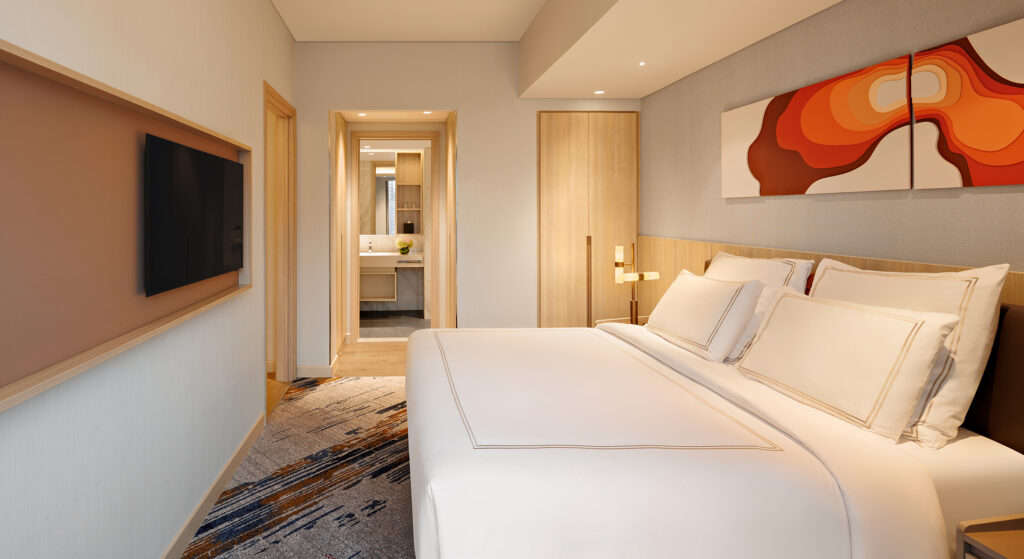
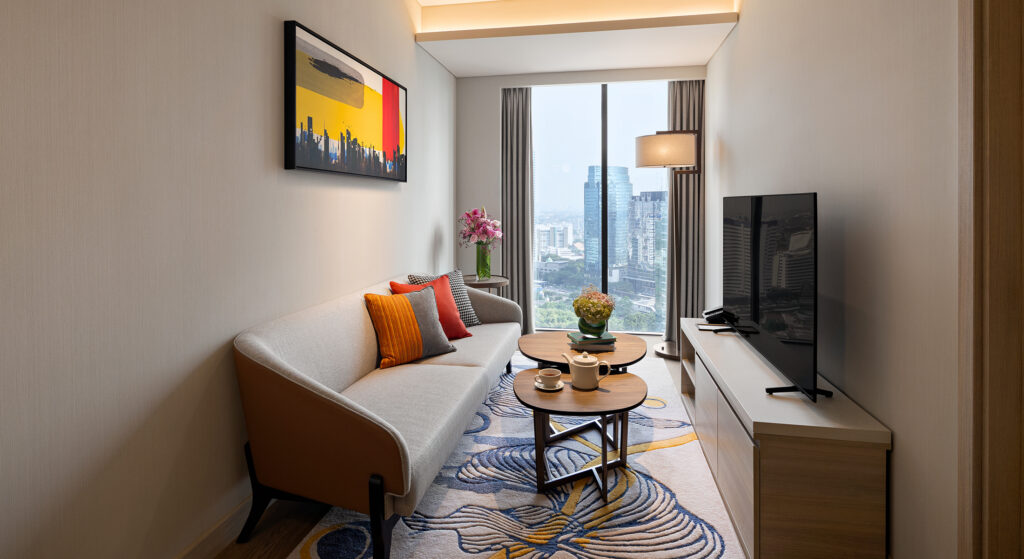
- Separate living and sleeping areas in one-bedroom and larger units
- Larger floor plans ranging from 37-100+ square meters
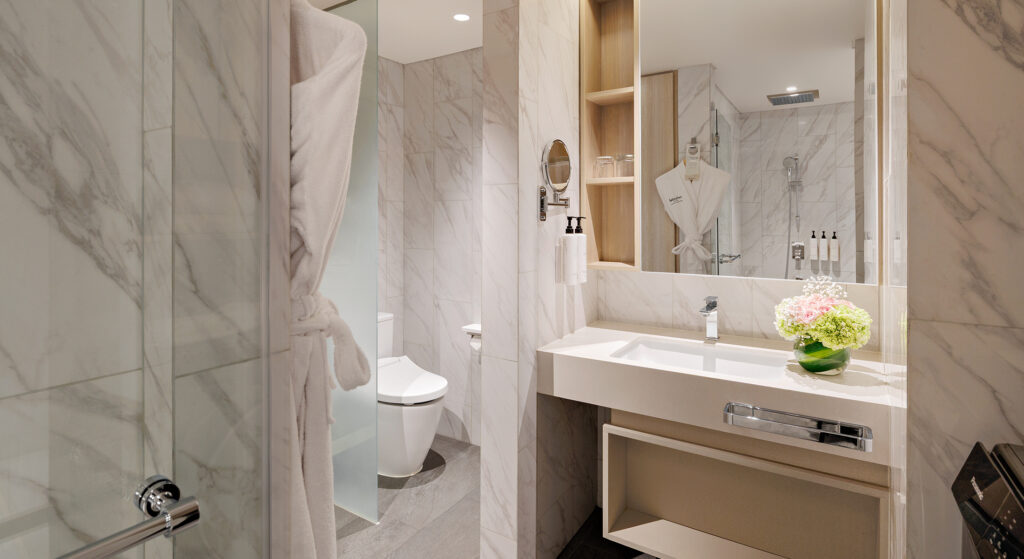
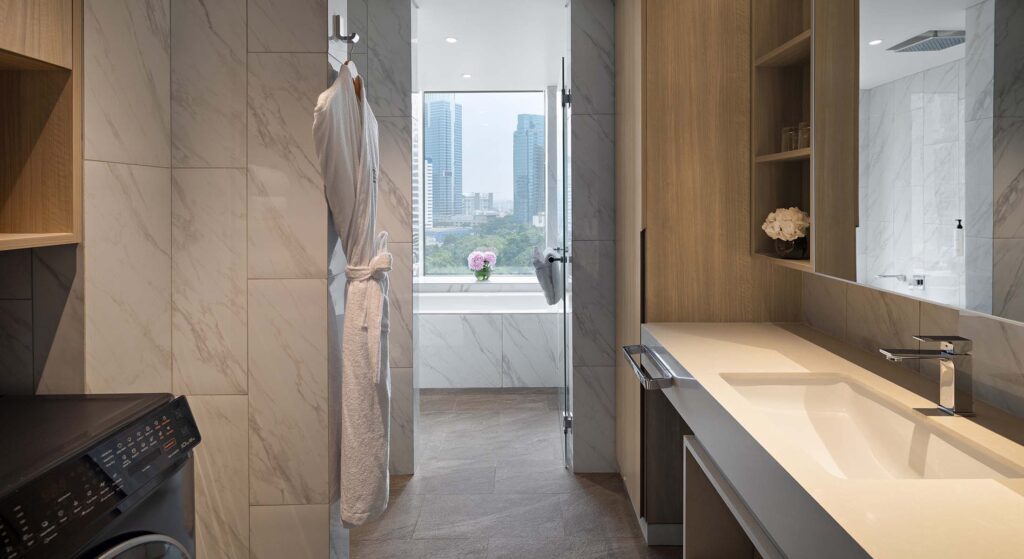
- Residential-style bathrooms with bathtubs in family units
These features make serviced apartments more cost-effective for stays exceeding 60 days, as guests can prepare meals and manage laundry without ongoing service fees.
Location Premium and Accessibility
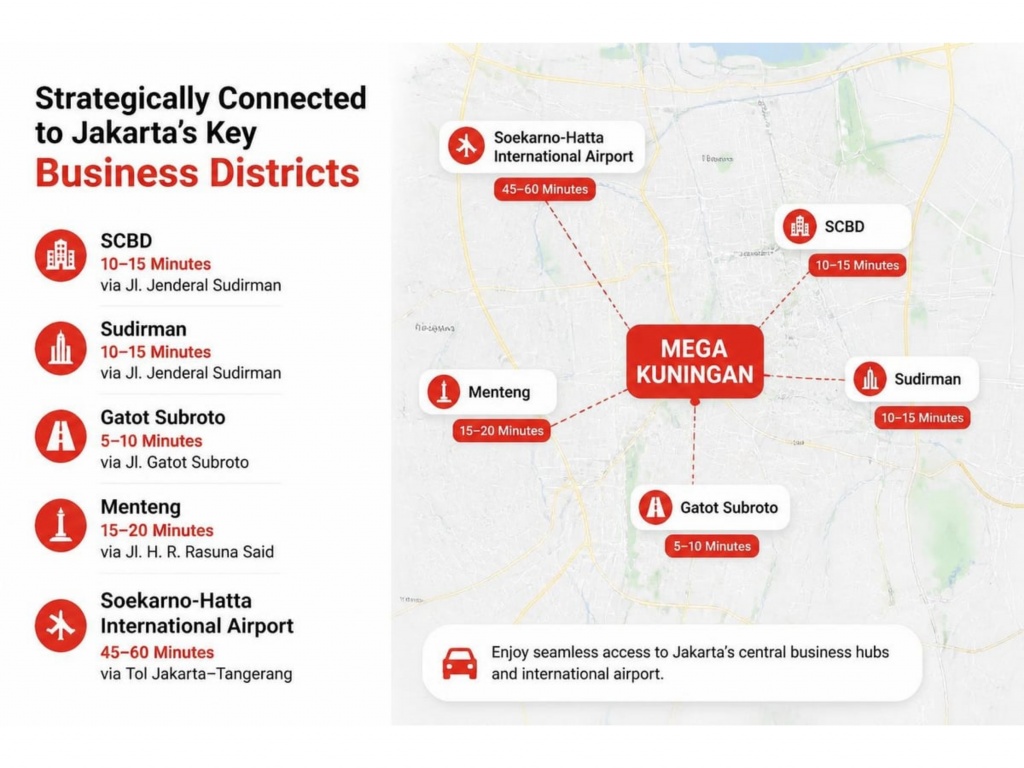
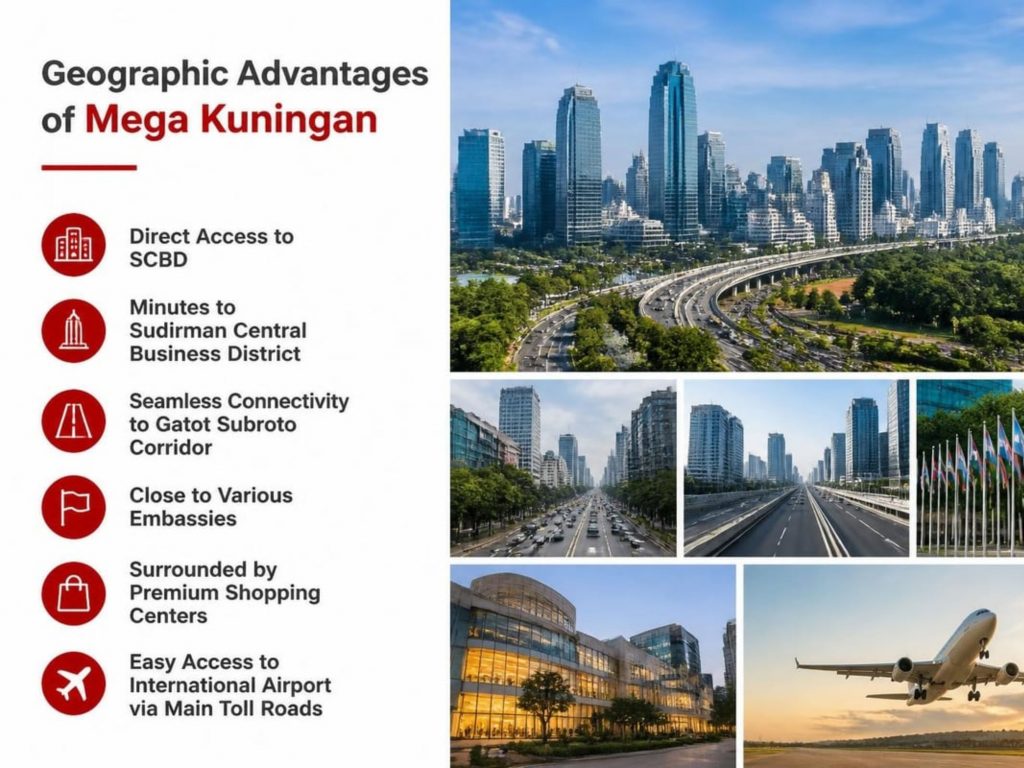
Proximity to business districts and transportation infrastructure directly impacts long term hotel rates. Properties within walking distance of Sudirman or SCBD command premiums of 20-35% over similar accommodations requiring daily commutes.
When evaluating location value, consider:
- Commute time savings: A 45-minute daily commute equals 15+ hours monthly
- Transportation costs: Taxi or ride-sharing expenses can exceed $200-300 monthly
- Proximity to dining and services: Access to restaurants, grocery stores, and clinics
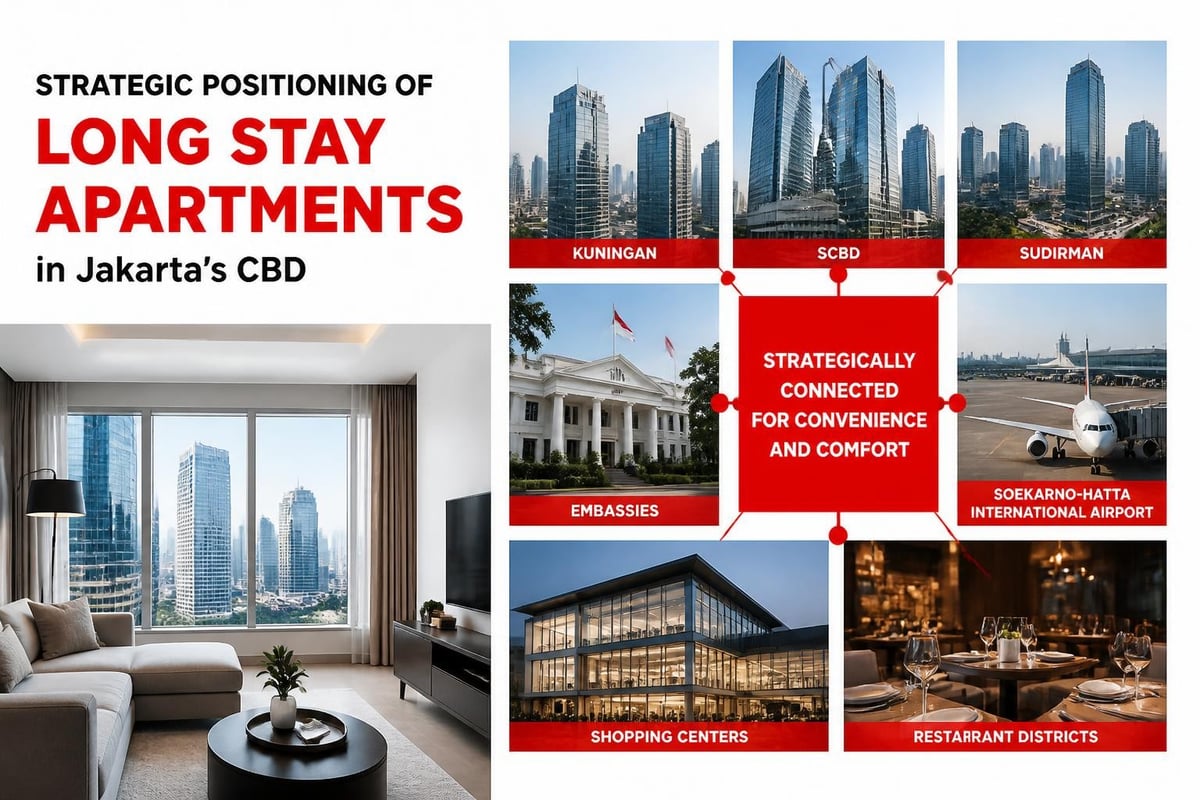
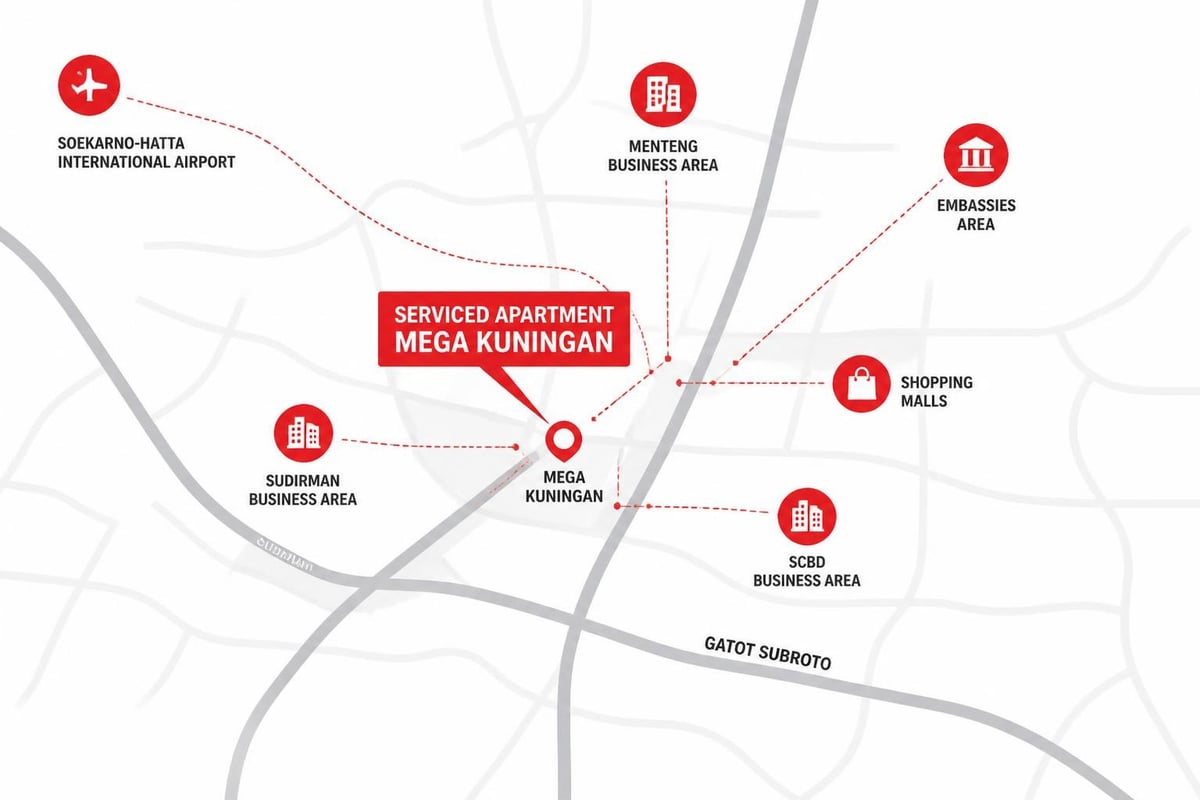
- Airport accessibility: Direct routes to Soekarno-Hatta International Airport for frequent travelers
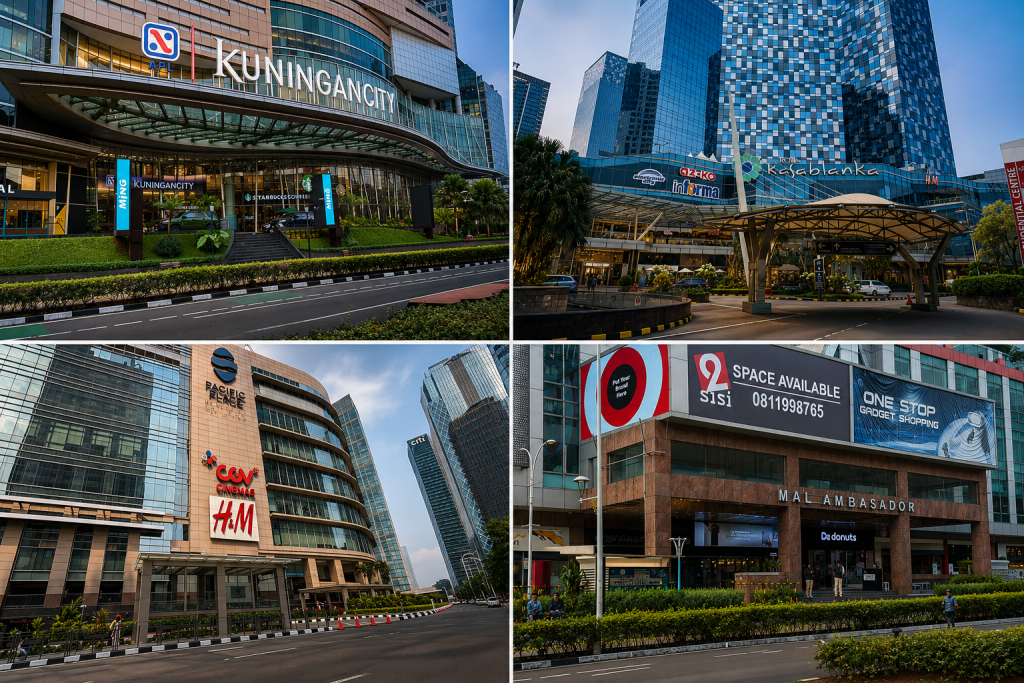
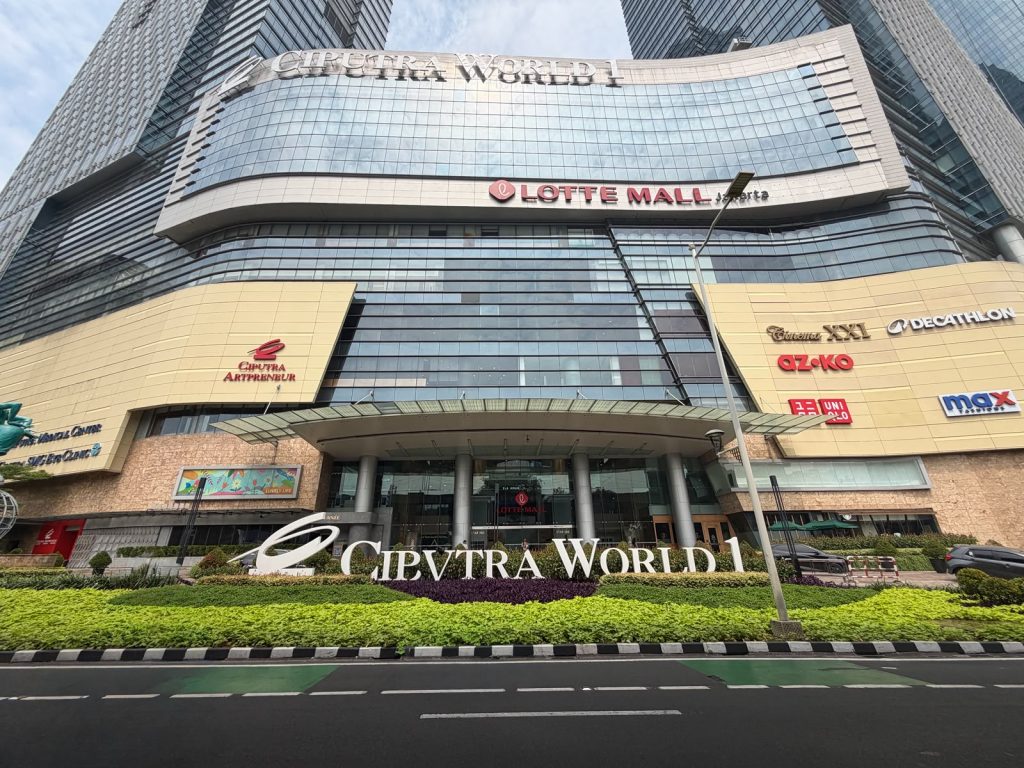
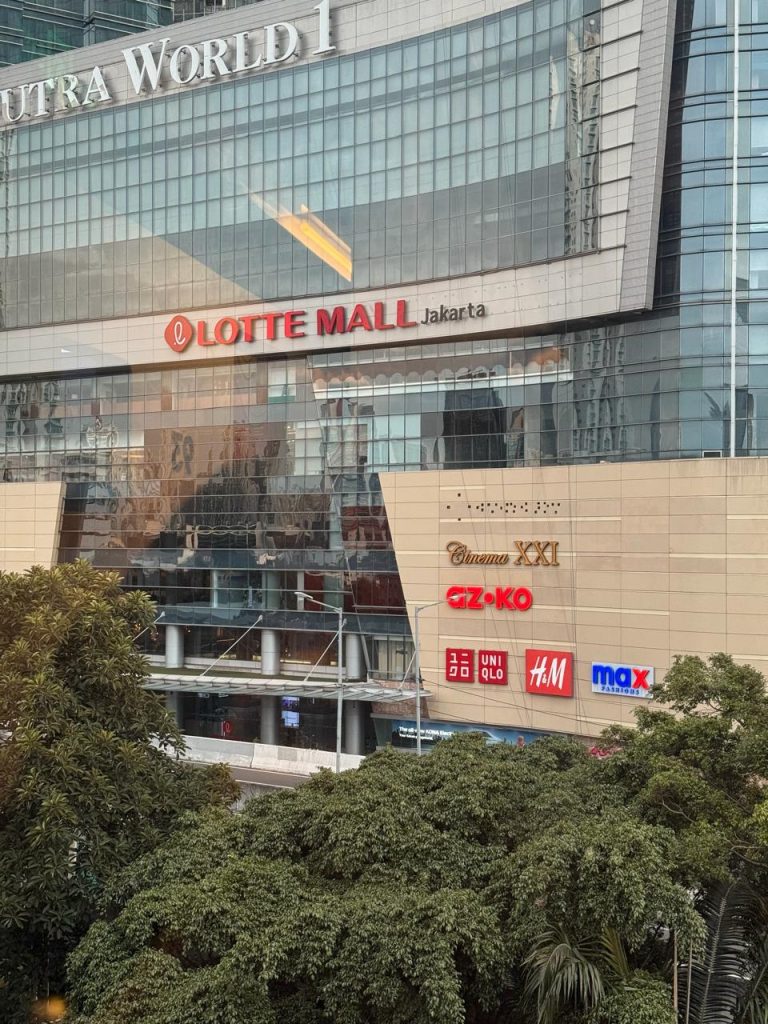
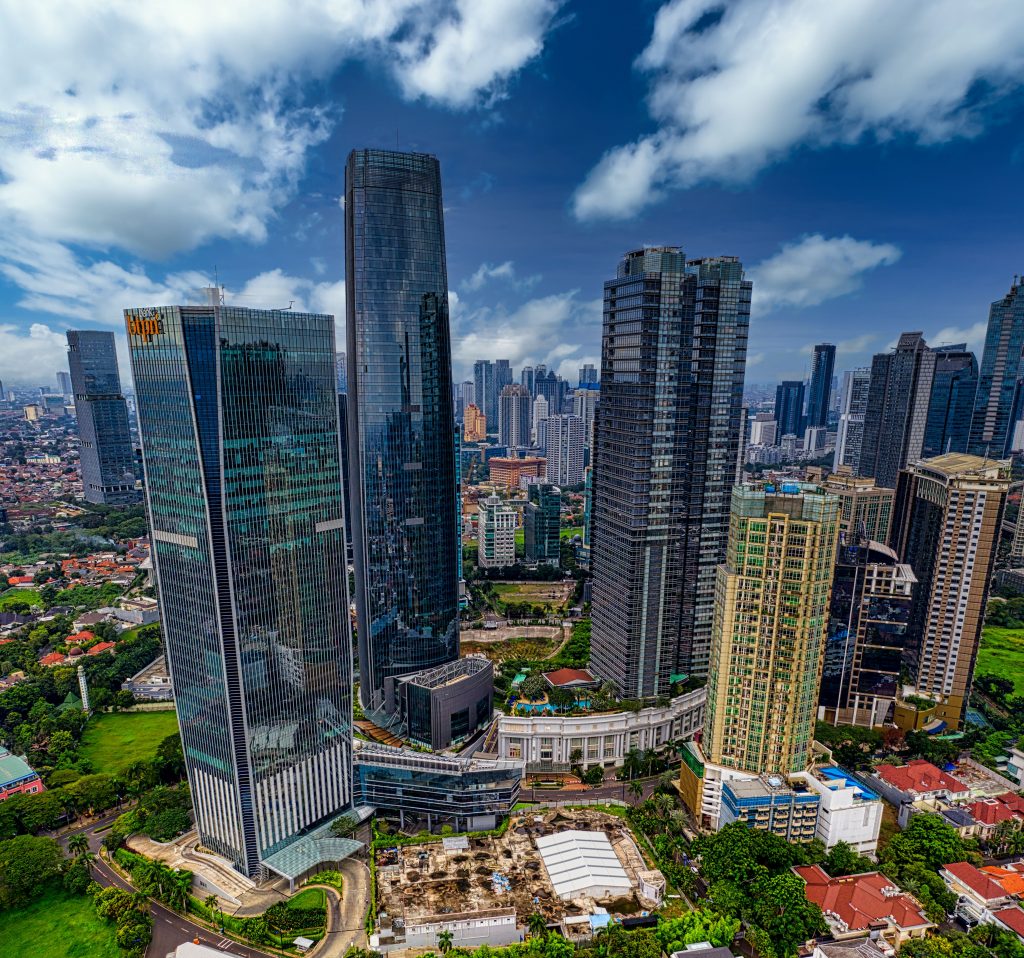
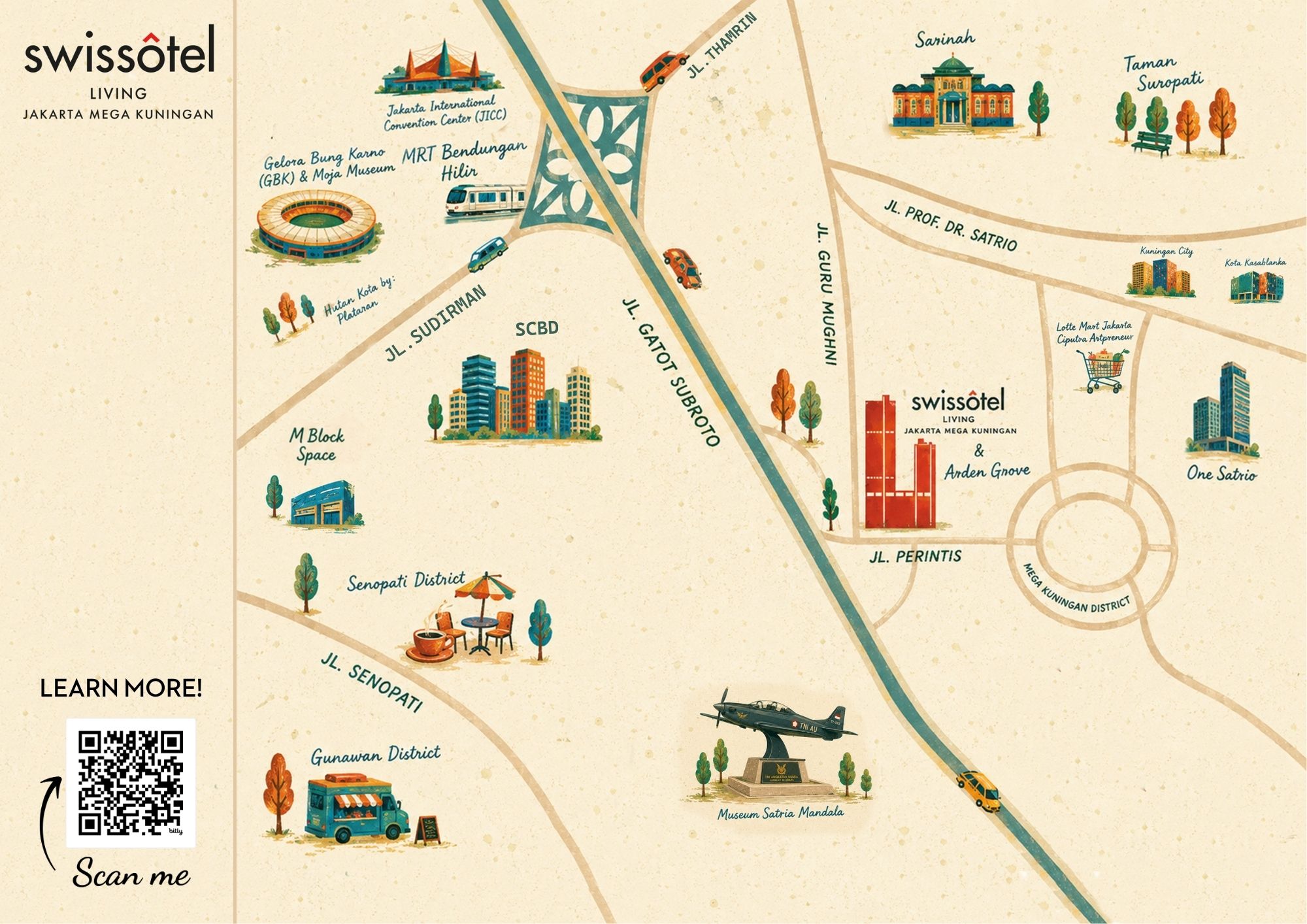
The location advantages of Mega Kuningan include immediate access to shopping malls, international schools, and medical facilities that reduce reliance on transportation services.
Calculating True Monthly Costs
Comparing long term hotel rates requires examining total monthly expenditure rather than just the nightly rate multiplied by 30 days.
Hidden Costs That Impact Total Expenses
Several cost categories can transform an apparently competitive rate into an expensive arrangement. Budget for these commonly overlooked expenses:
- Daily meal costs if the property lacks cooking facilities
- Laundry service fees for hotels without in-unit equipment
- Parking charges that can add $100-150 monthly
- Utility overages if consumption exceeds bundled allowances
- Administrative fees for contract modifications or early termination
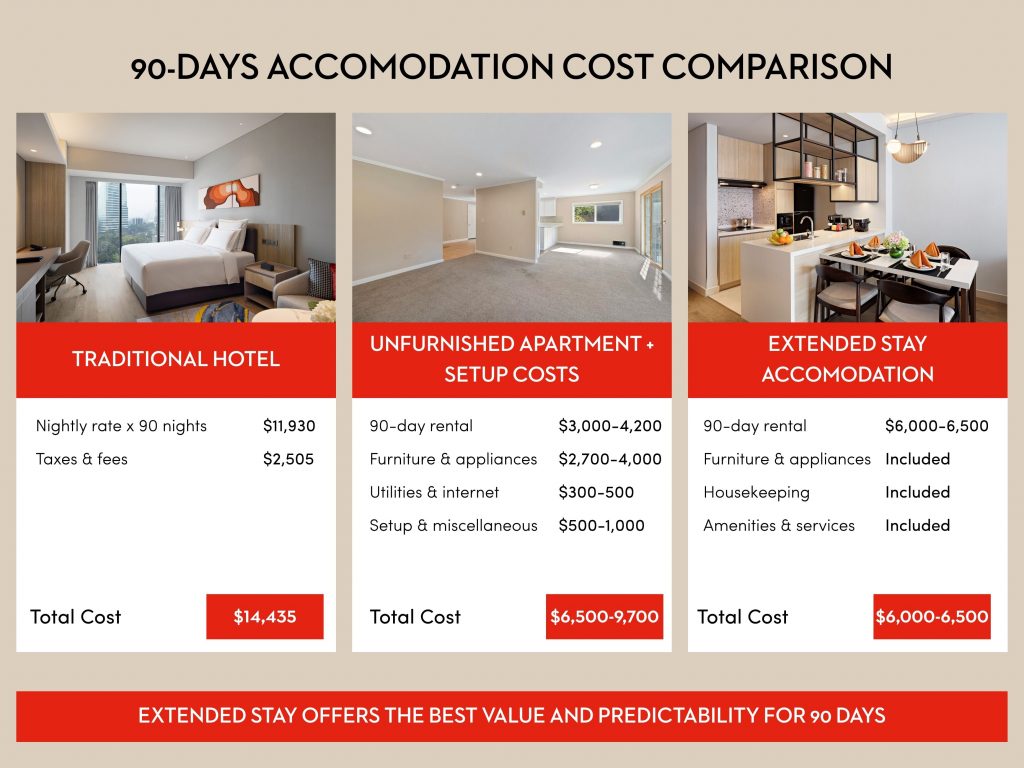
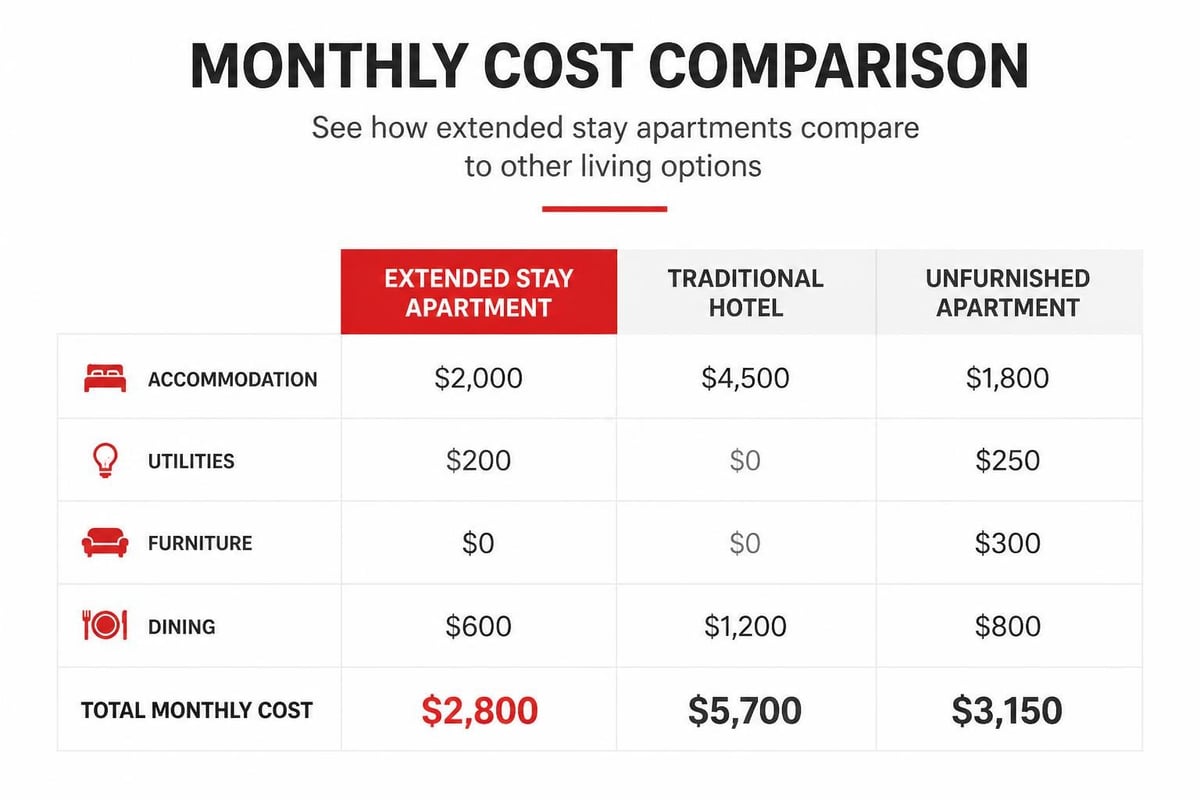
A hotel room at $80 per night ($2,400 monthly) without kitchen facilities can generate $600-800 in additional meal costs, while a serviced apartment at $2,800 monthly with full kitchen may prove more economical.
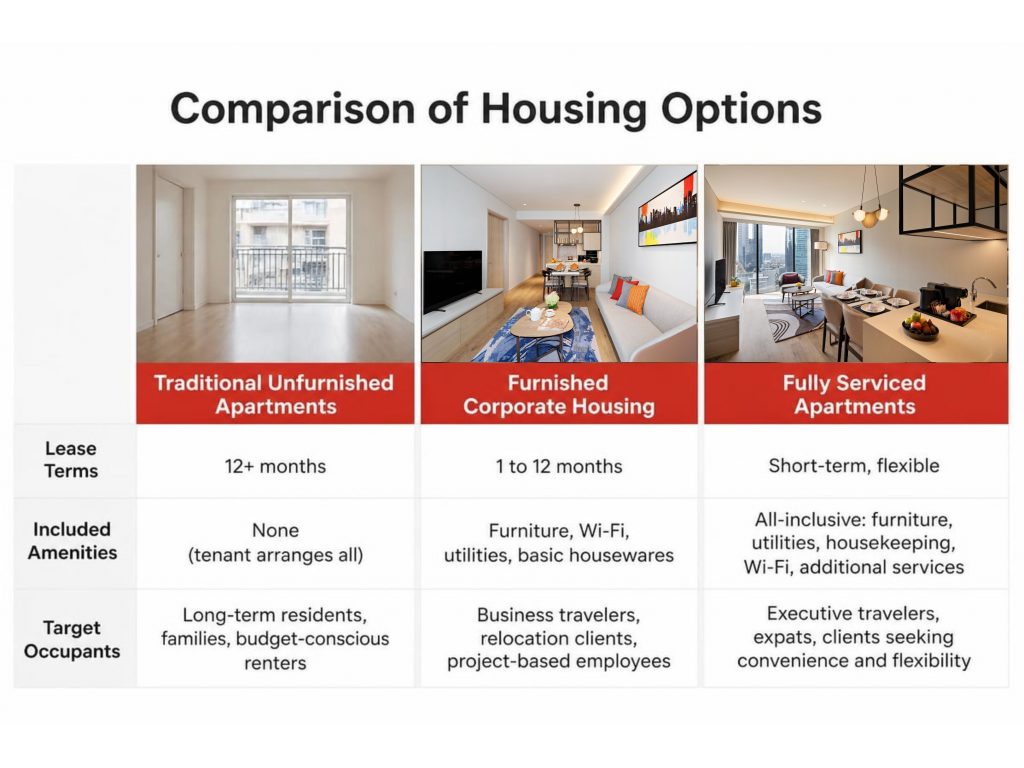
Comparing Hotel Rooms vs. Serviced Apartments
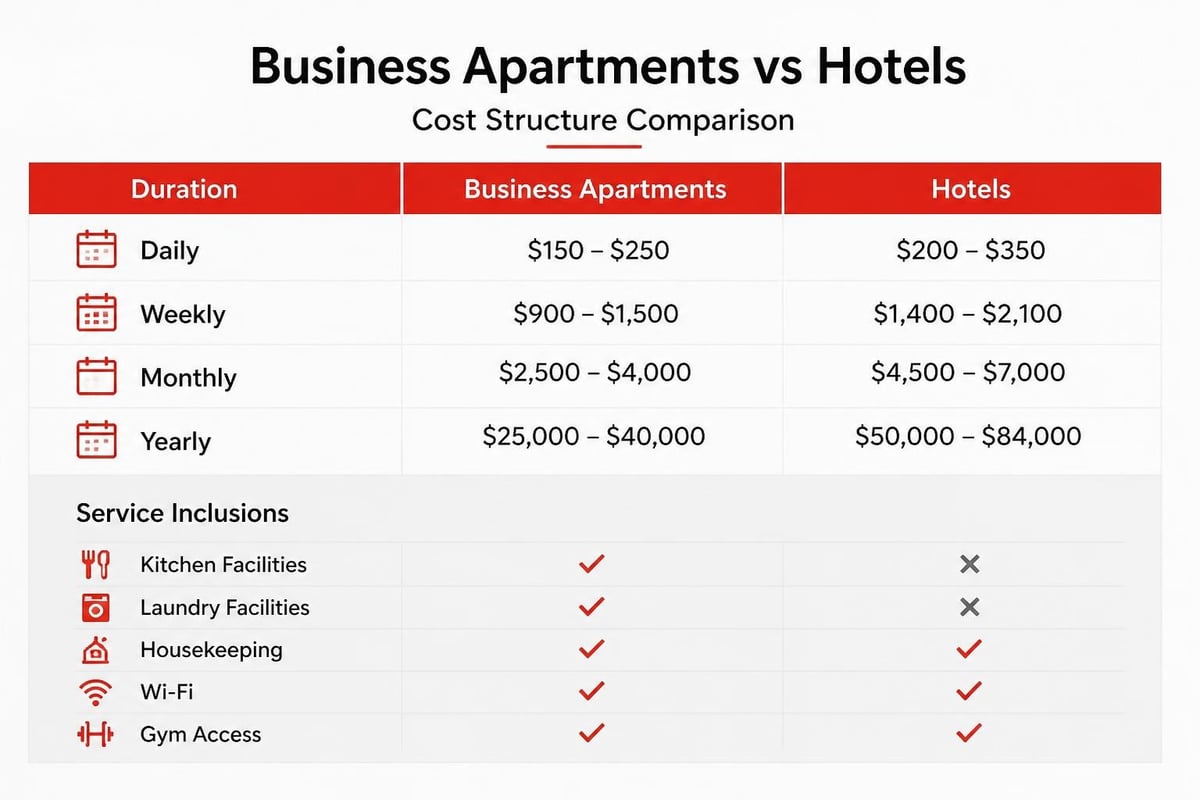
| Feature | Hotel Extended Stay | Serviced Apartment |
|---|---|---|
| Average monthly rate (Jakarta CBD) | $2,200-3,500 | $2,500-4,200 |
| Kitchen facilities | Limited or none | Full kitchen with equipment |
| Living space (studio/1BR) | 25-35 sqm | 37-60 sqm |
| Laundry | Pay-per-use service | In-unit or included |
| Housekeeping frequency | 2-3x weekly | Weekly or bi-weekly |
| Lease flexibility | High (daily changes possible) | Moderate (monthly terms) |
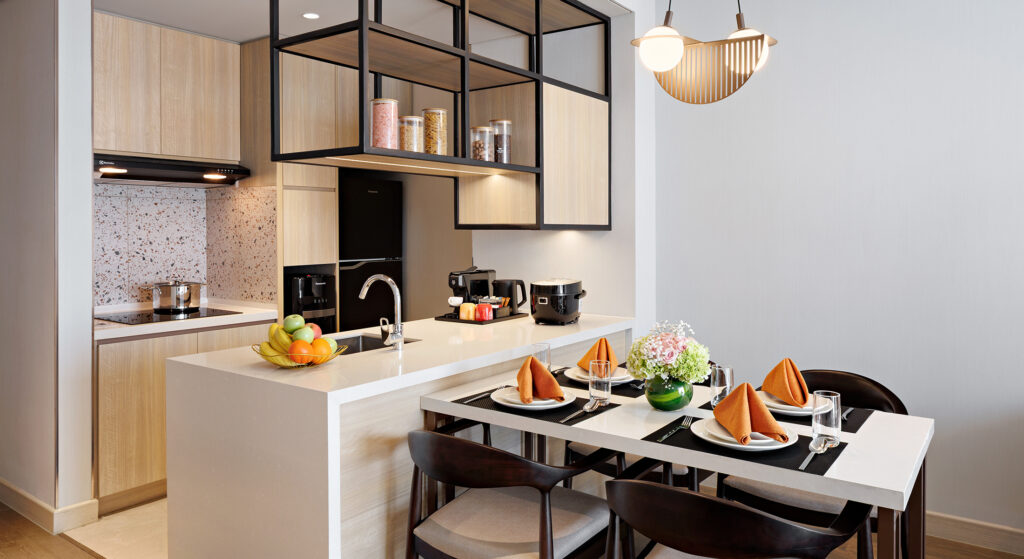
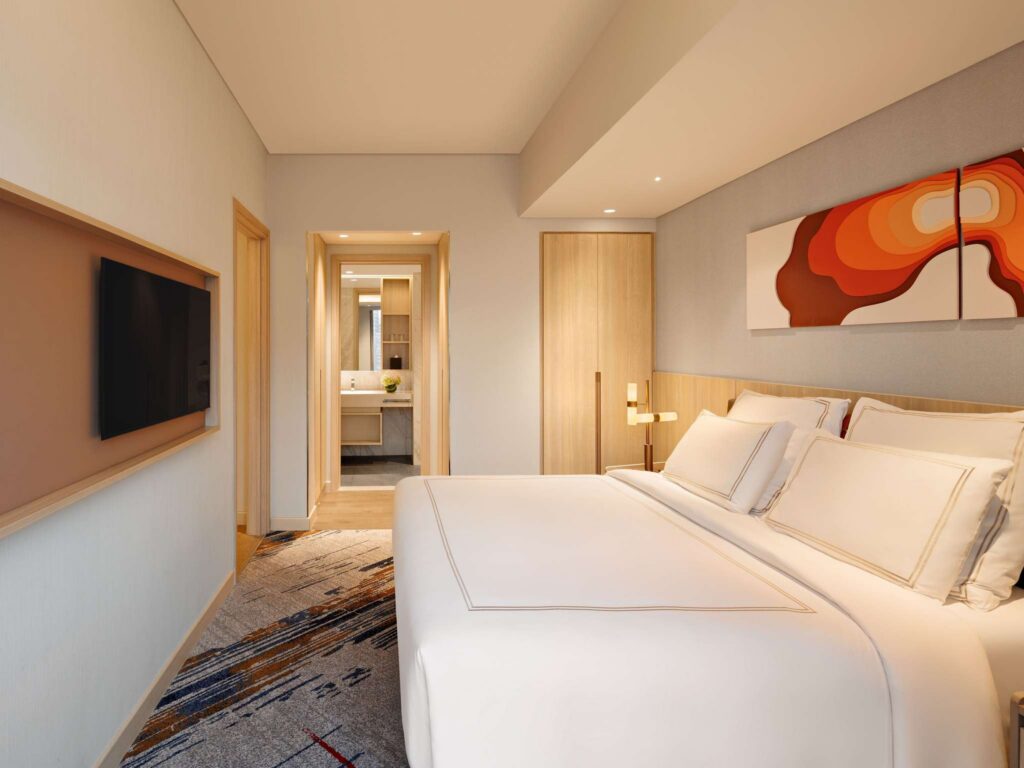
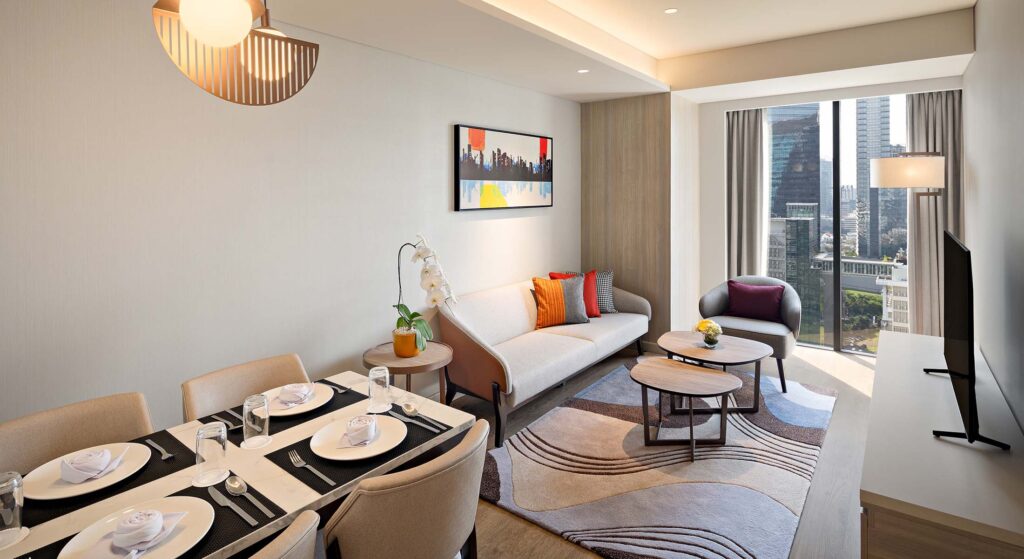
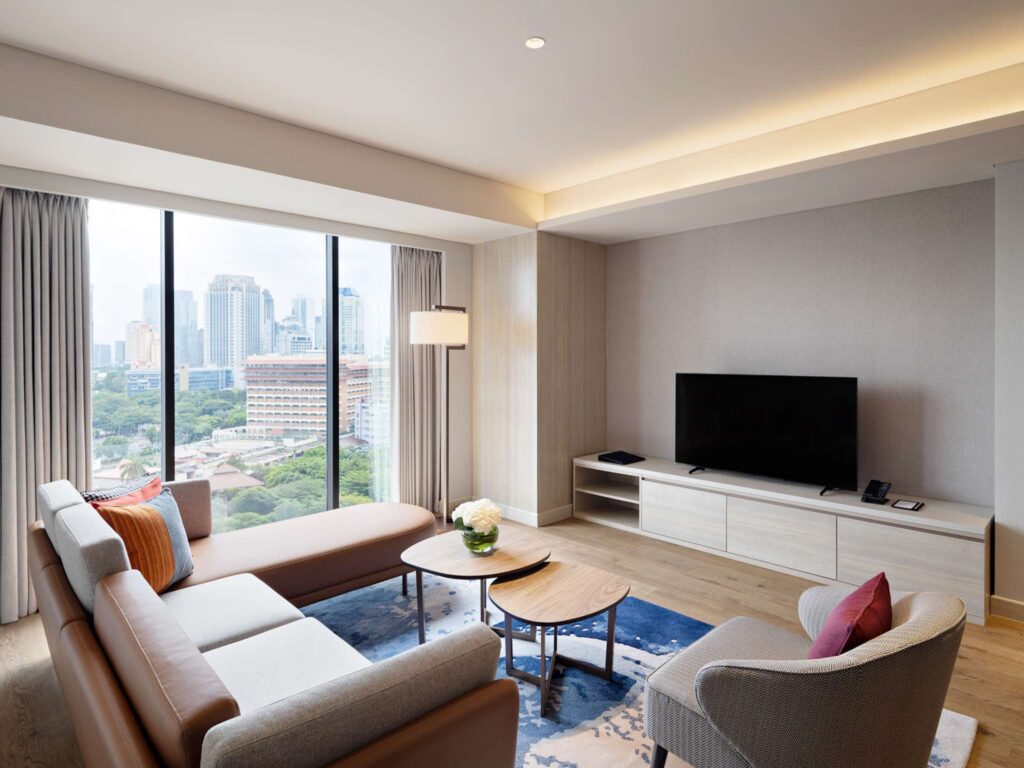
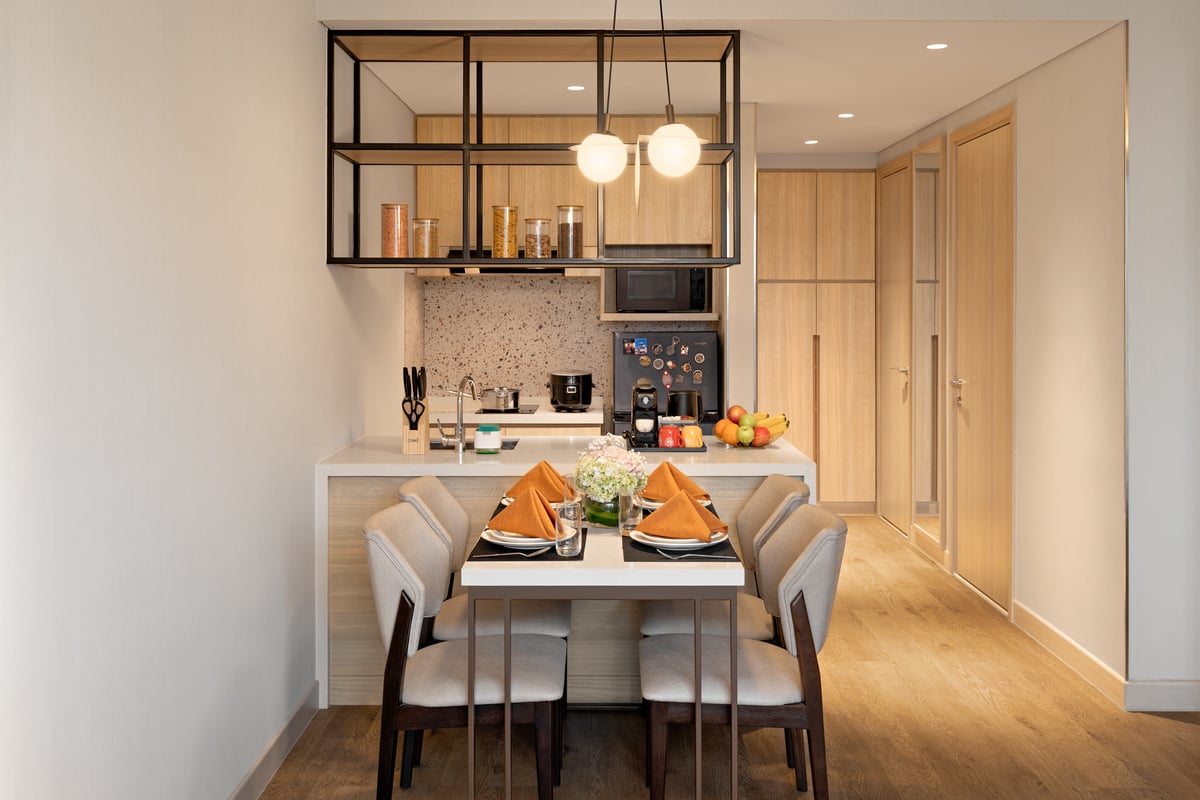
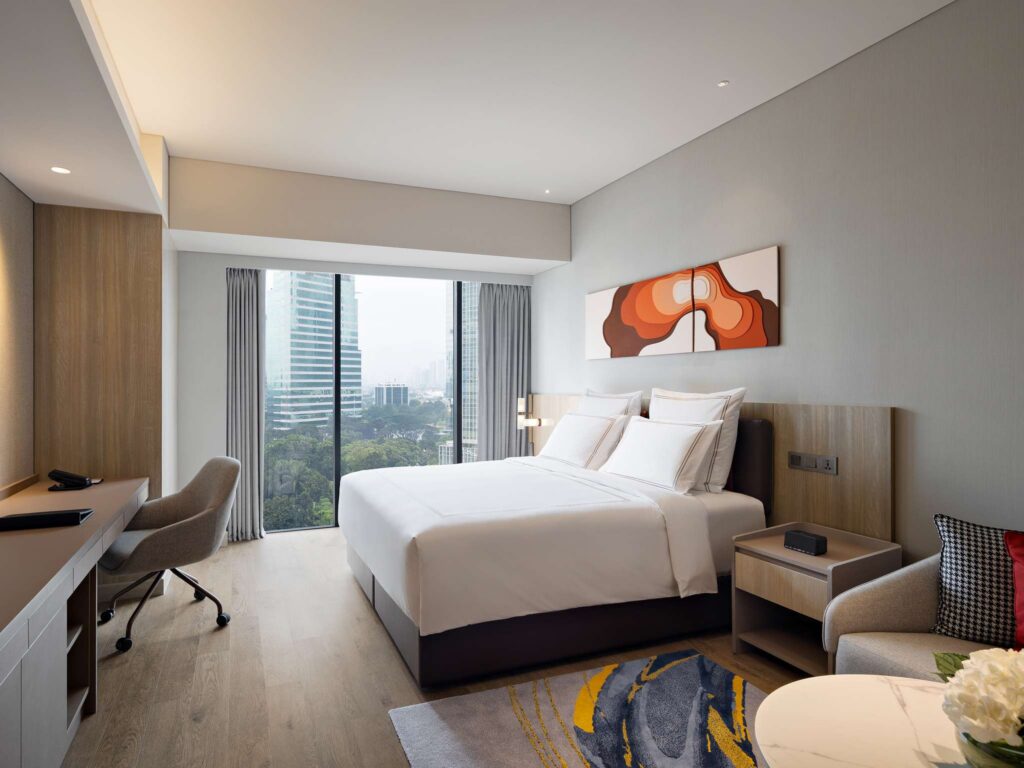
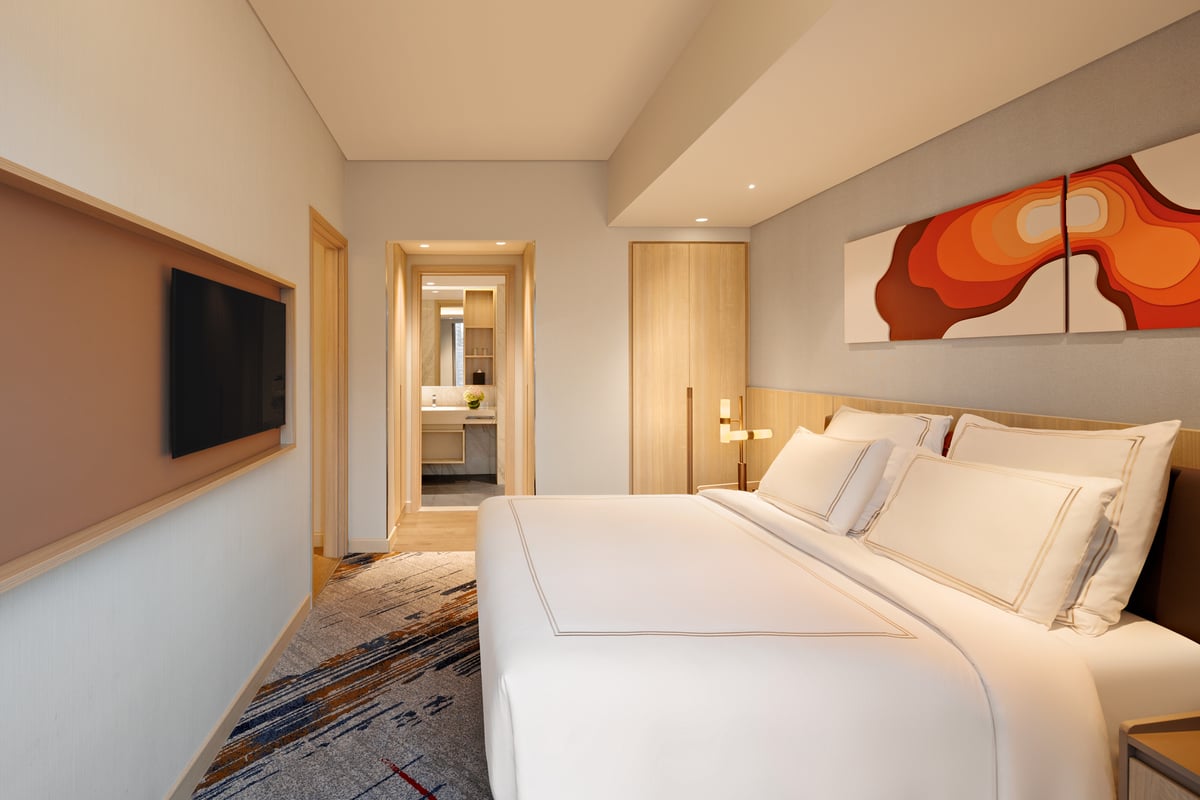
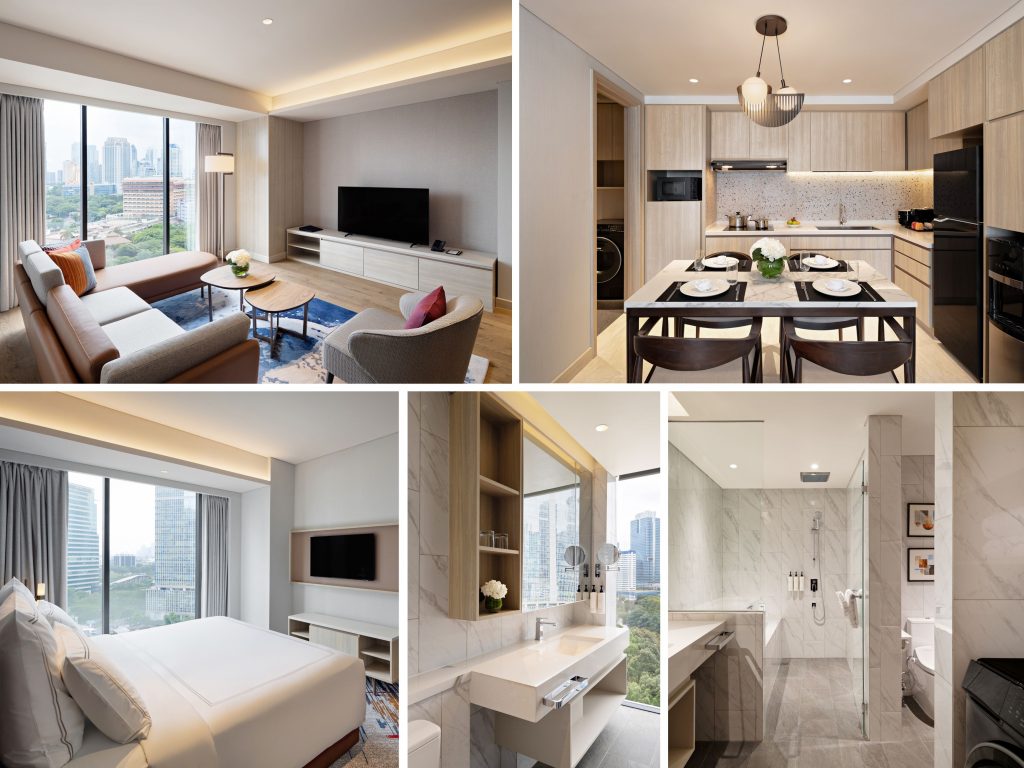
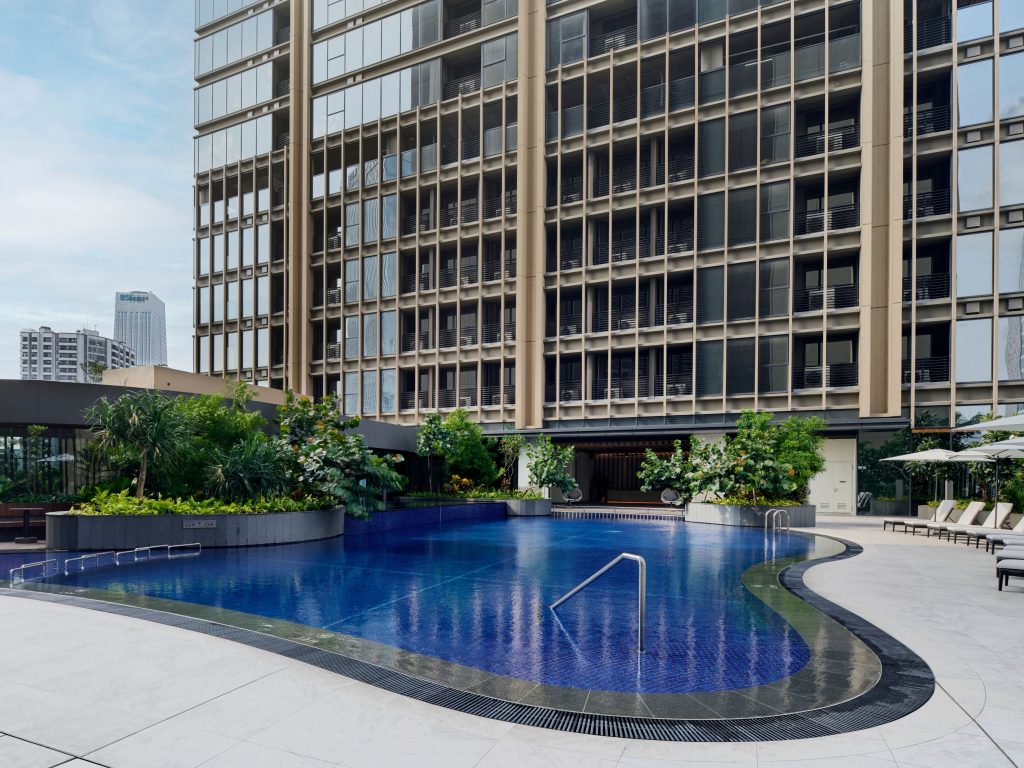
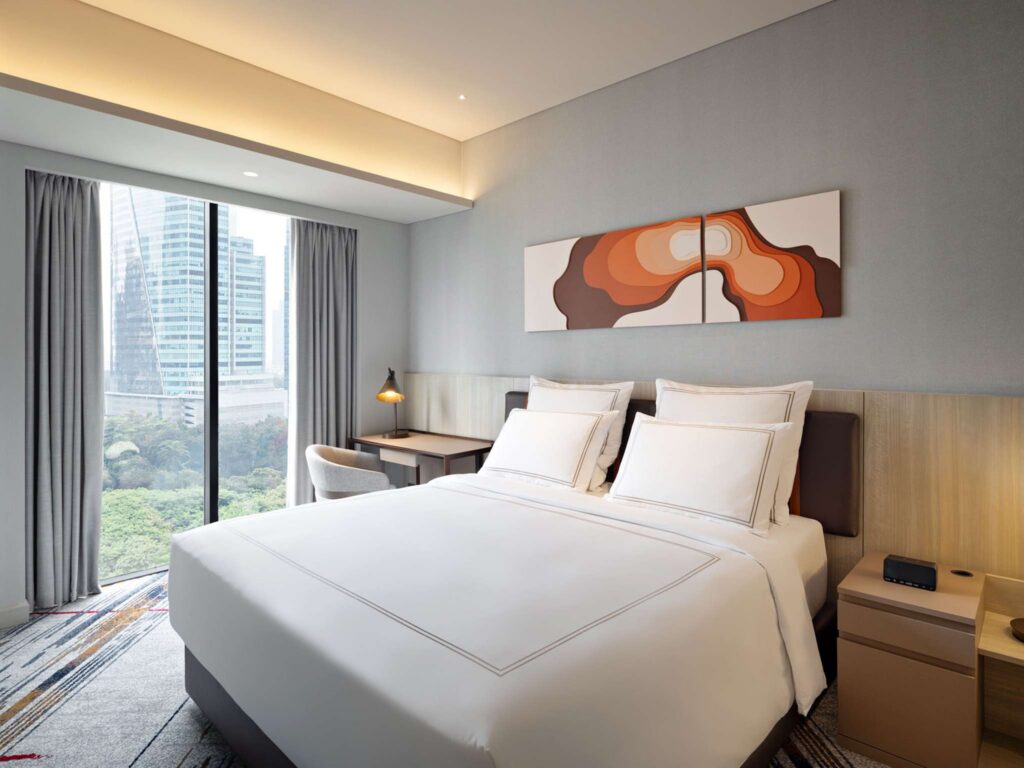
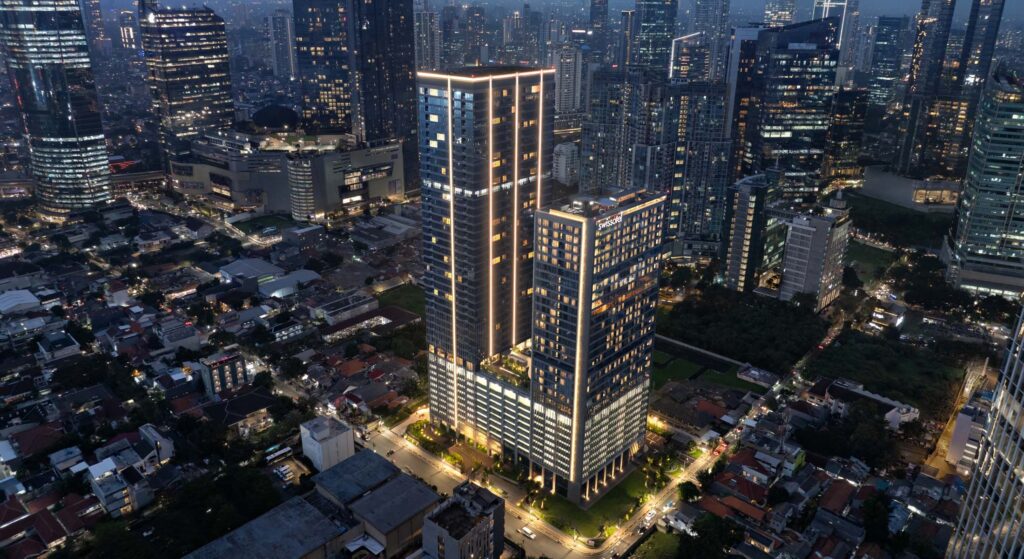
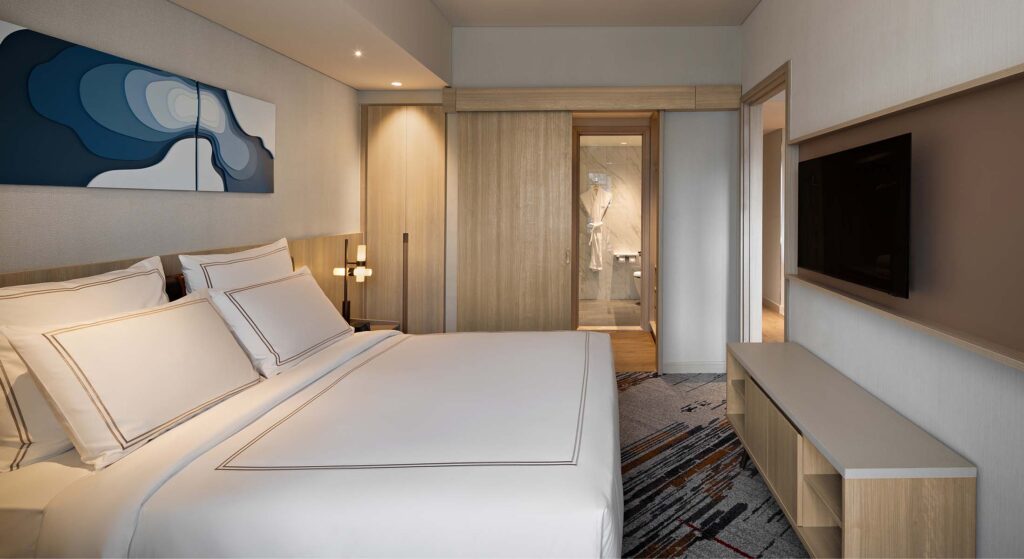
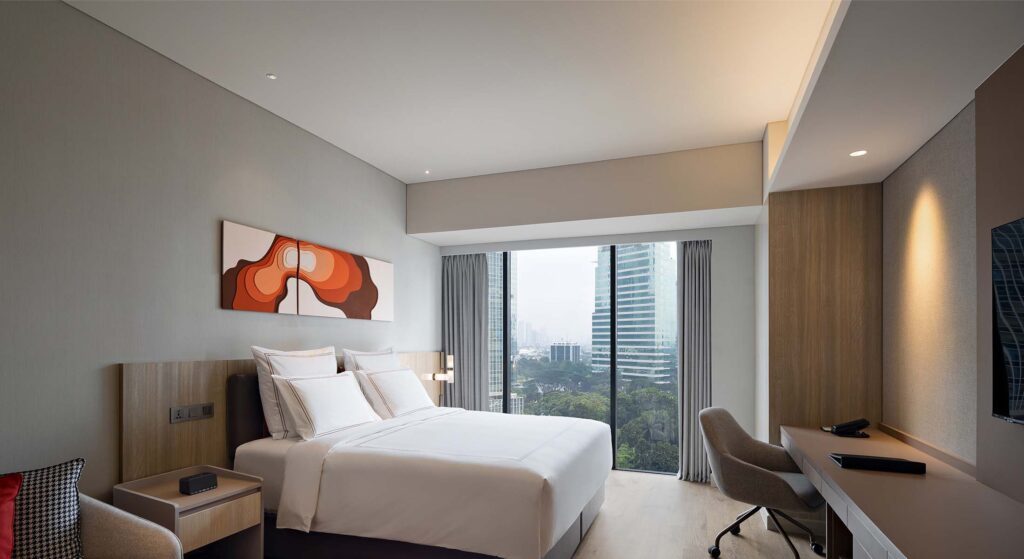
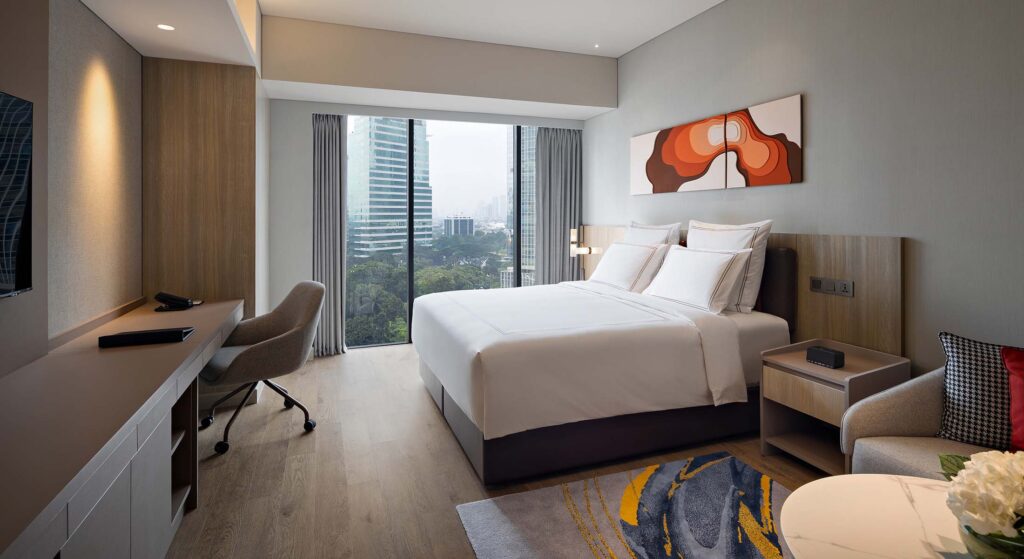
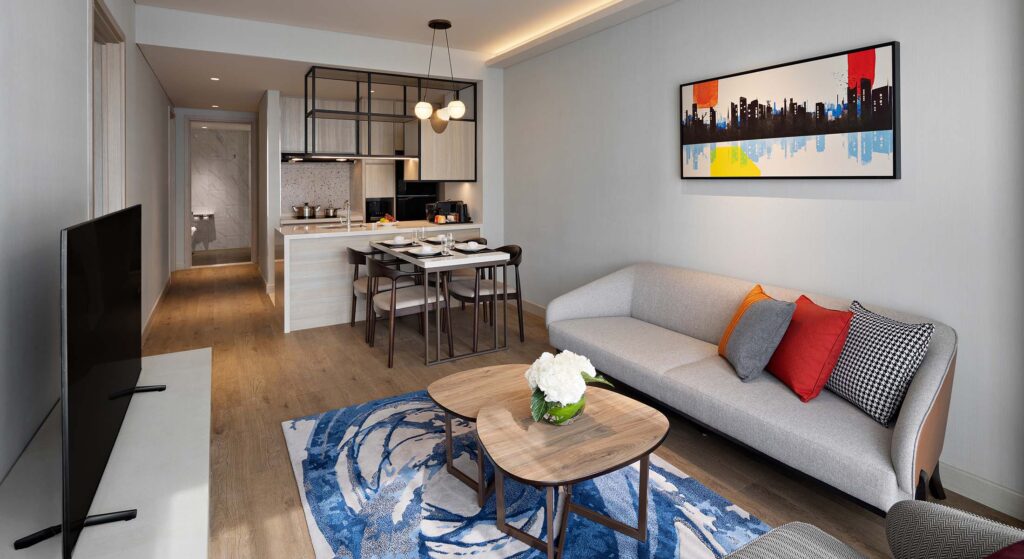
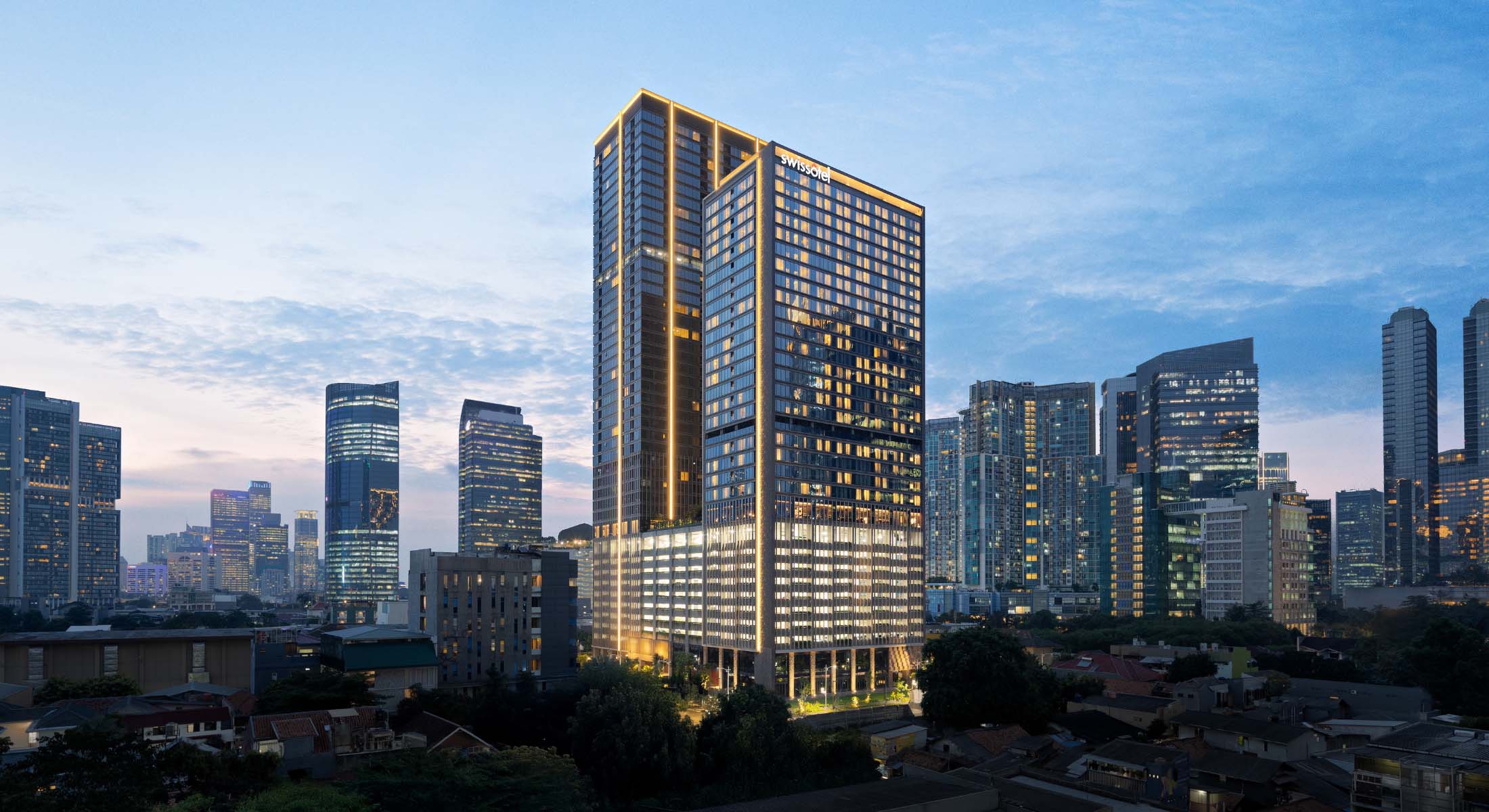
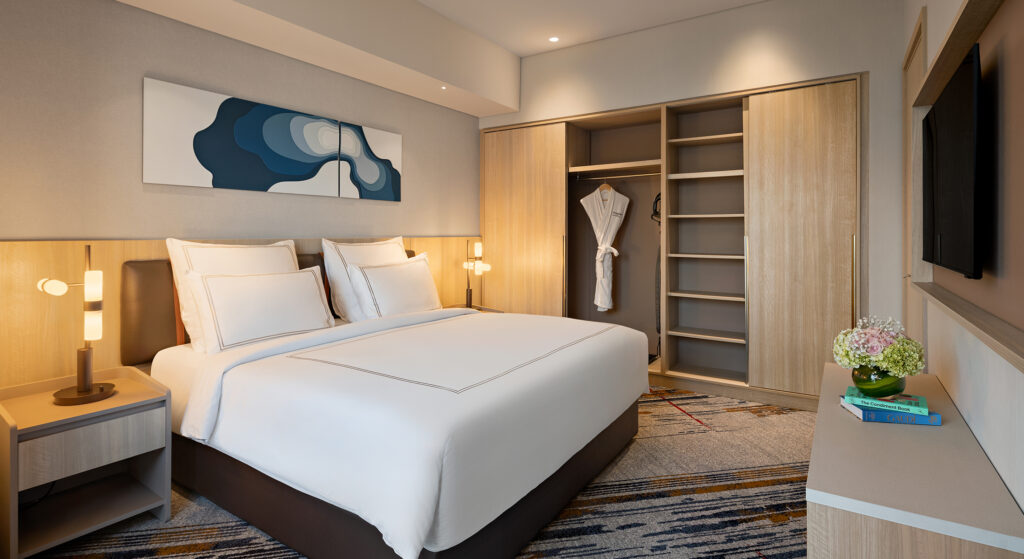
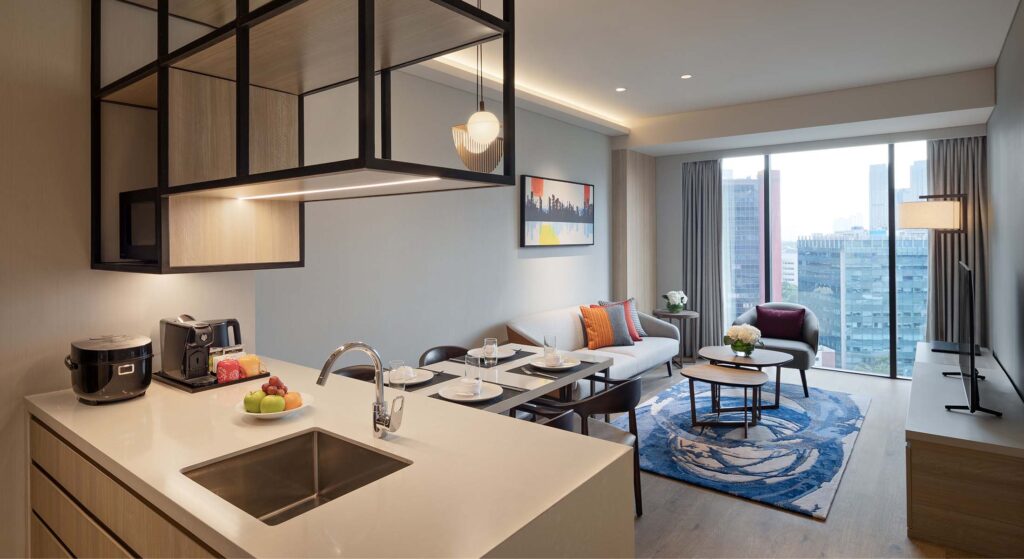
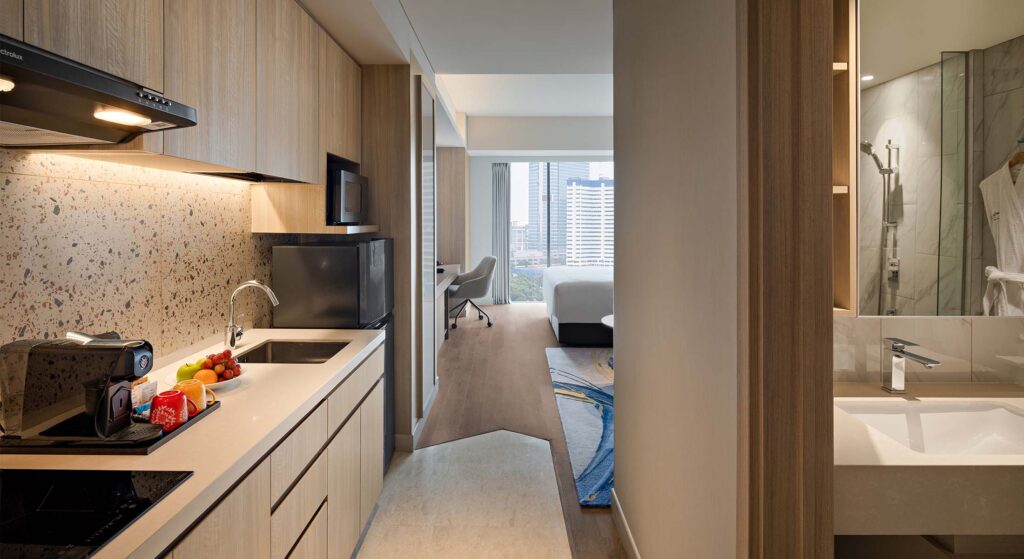
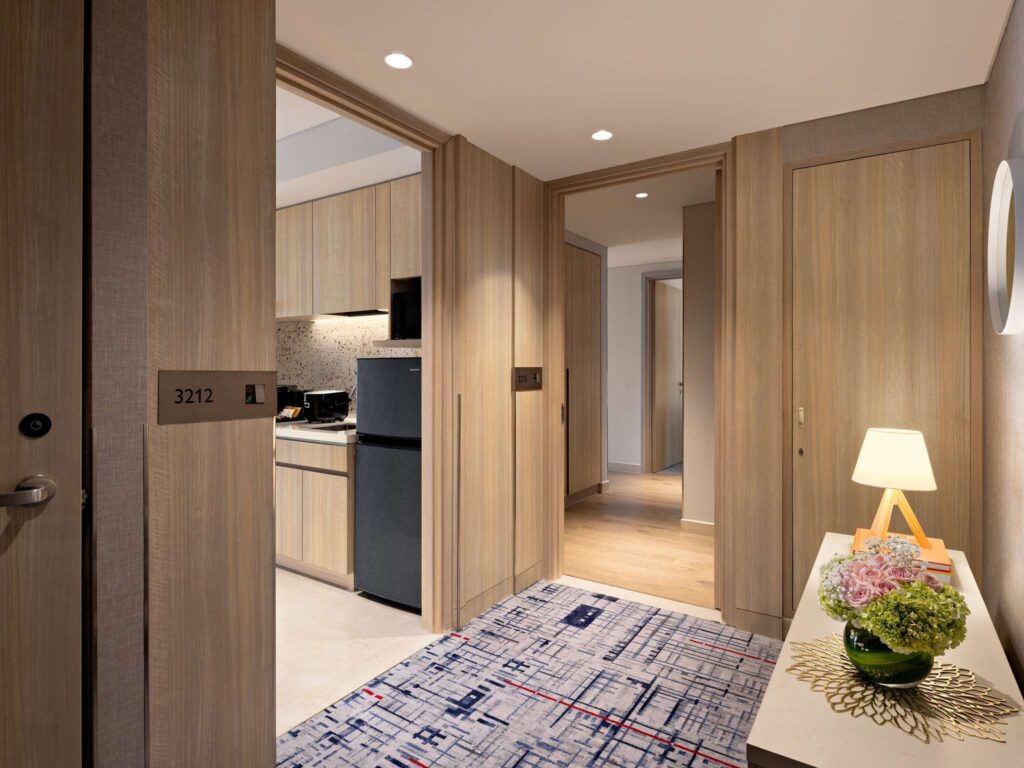
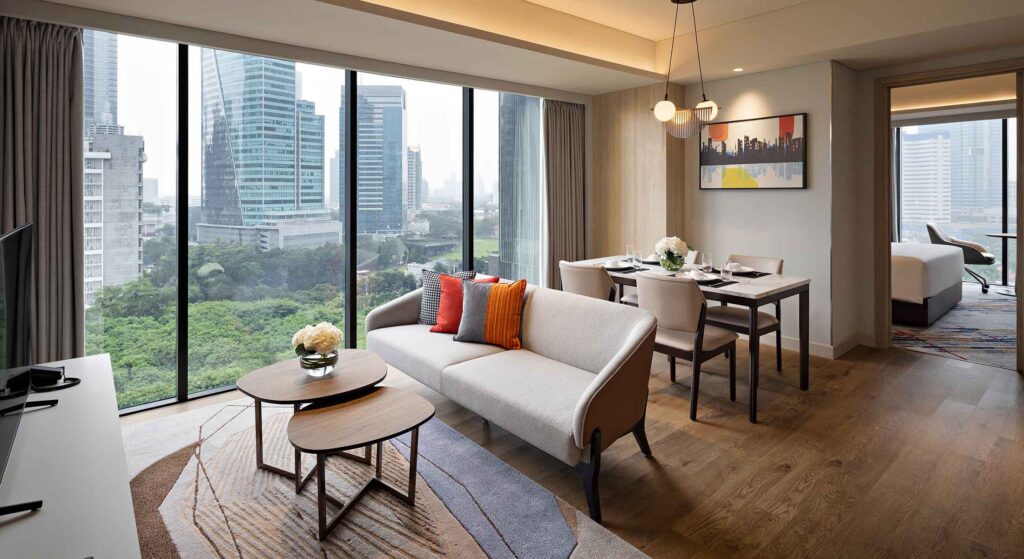
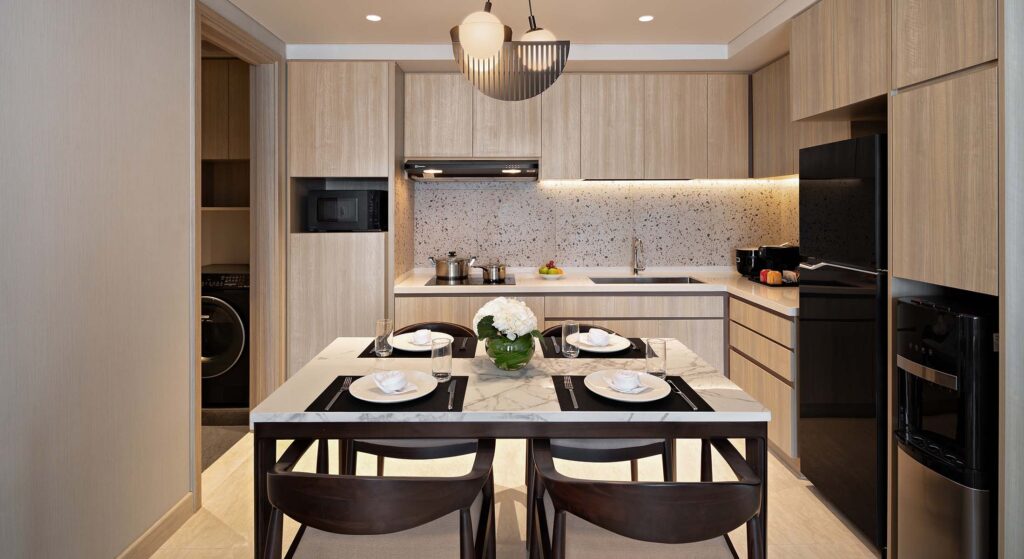
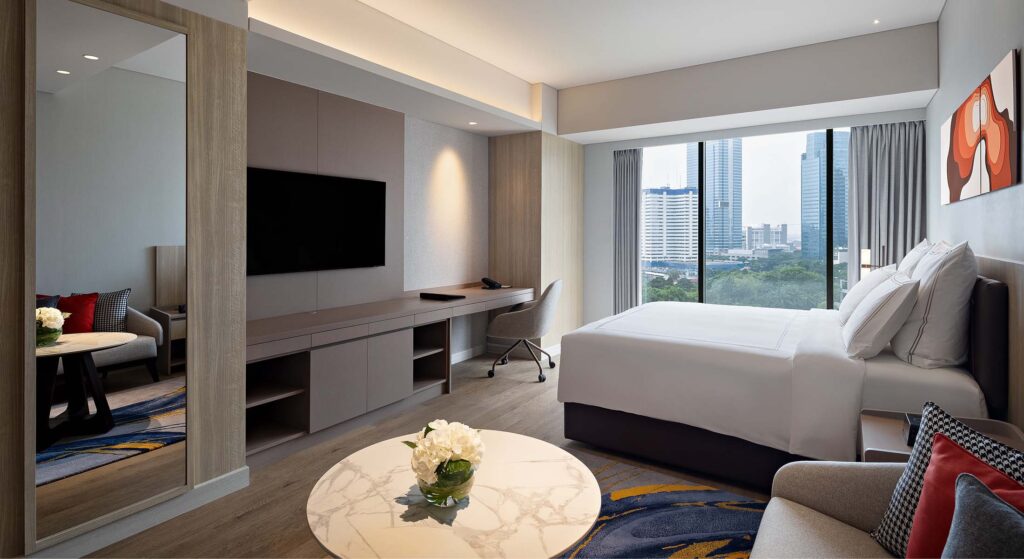
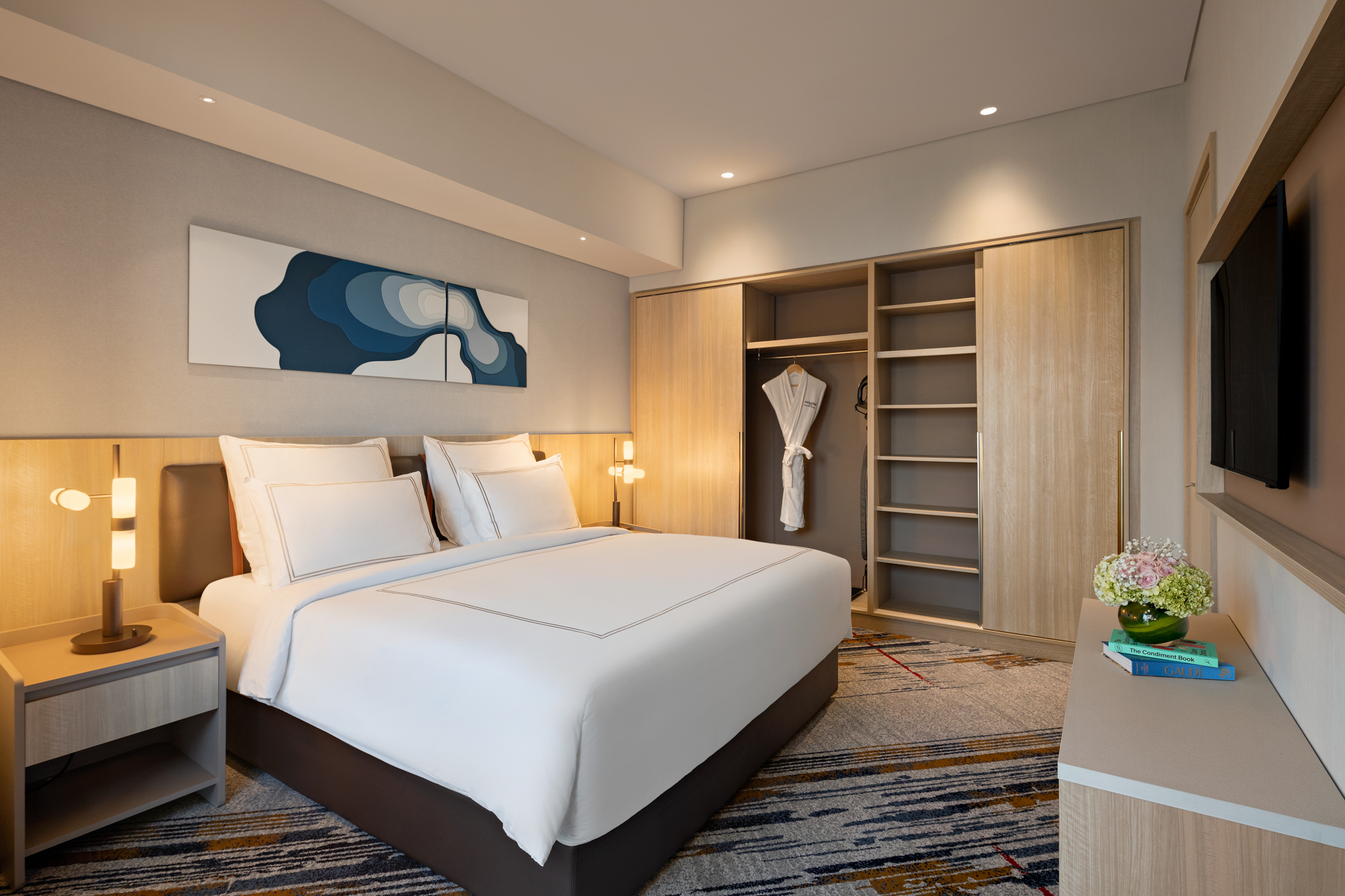
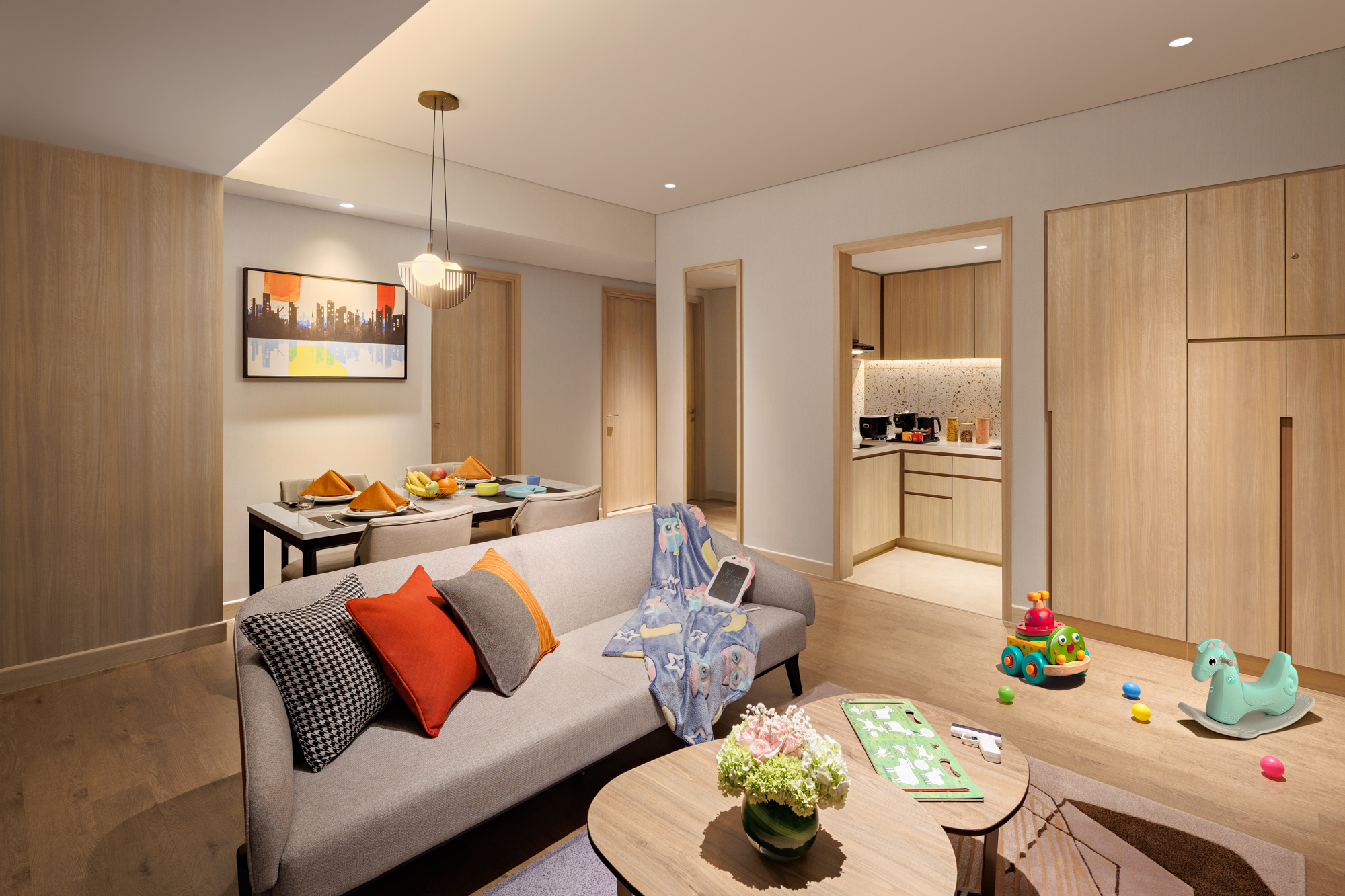
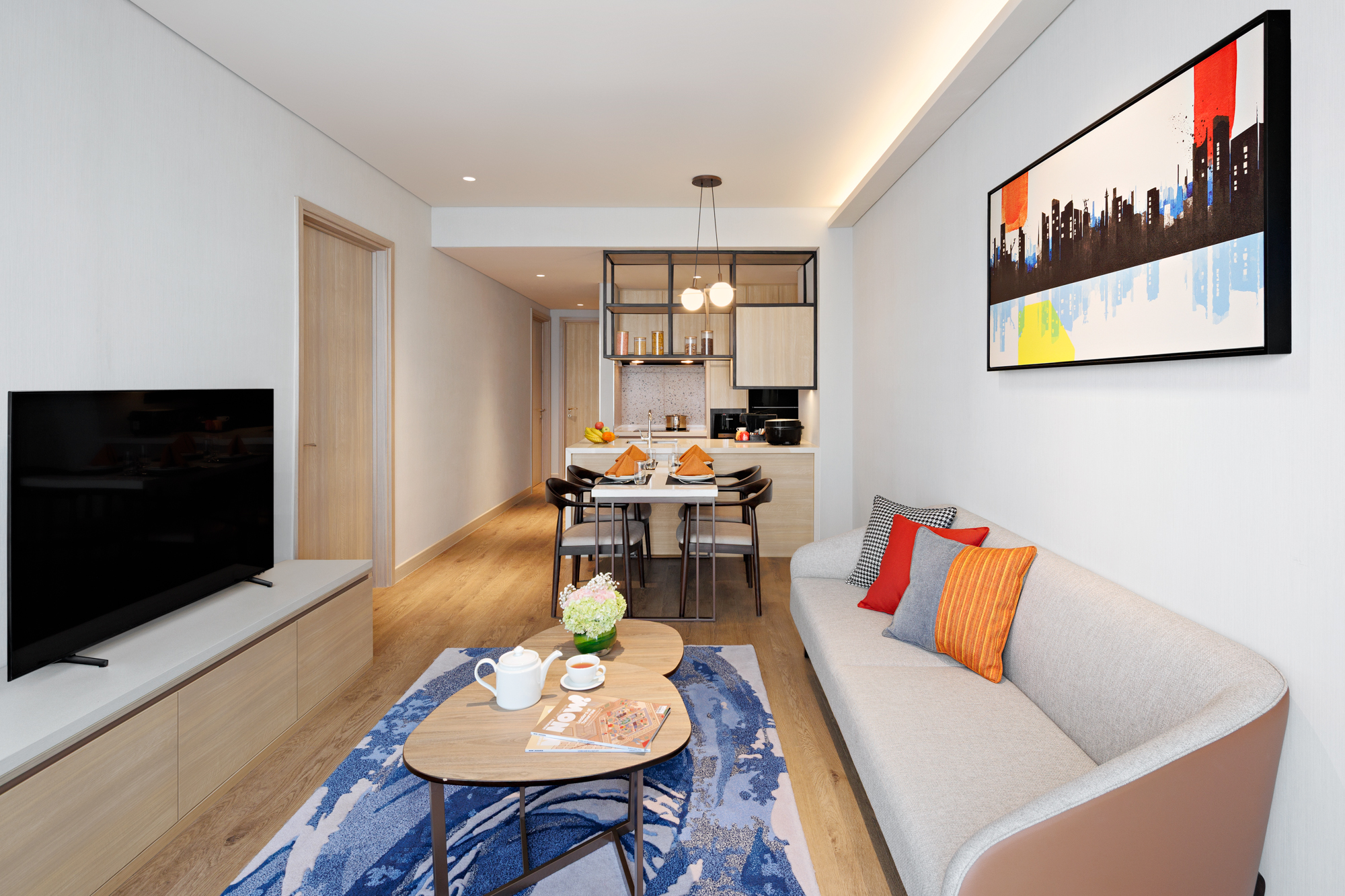
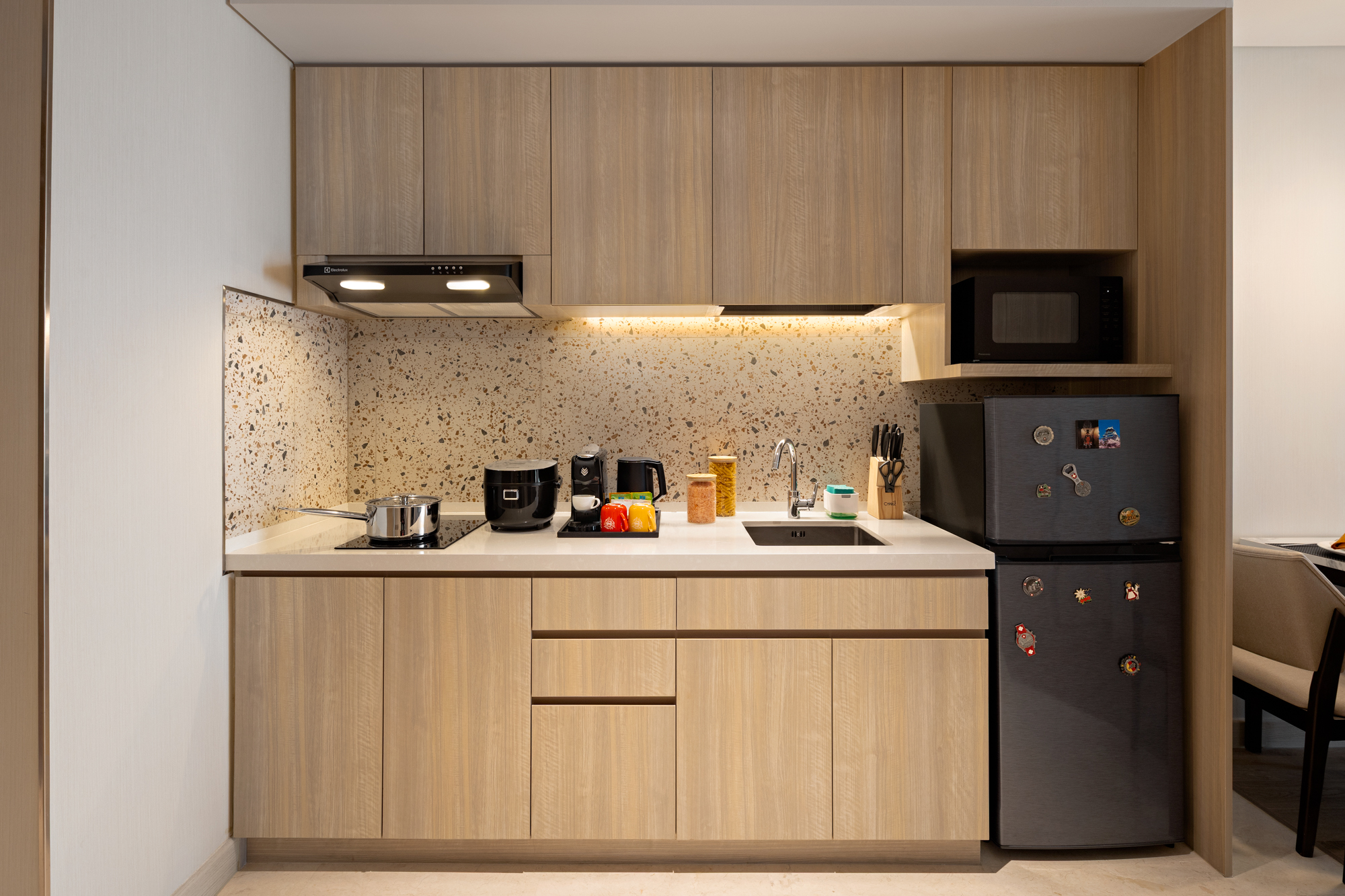
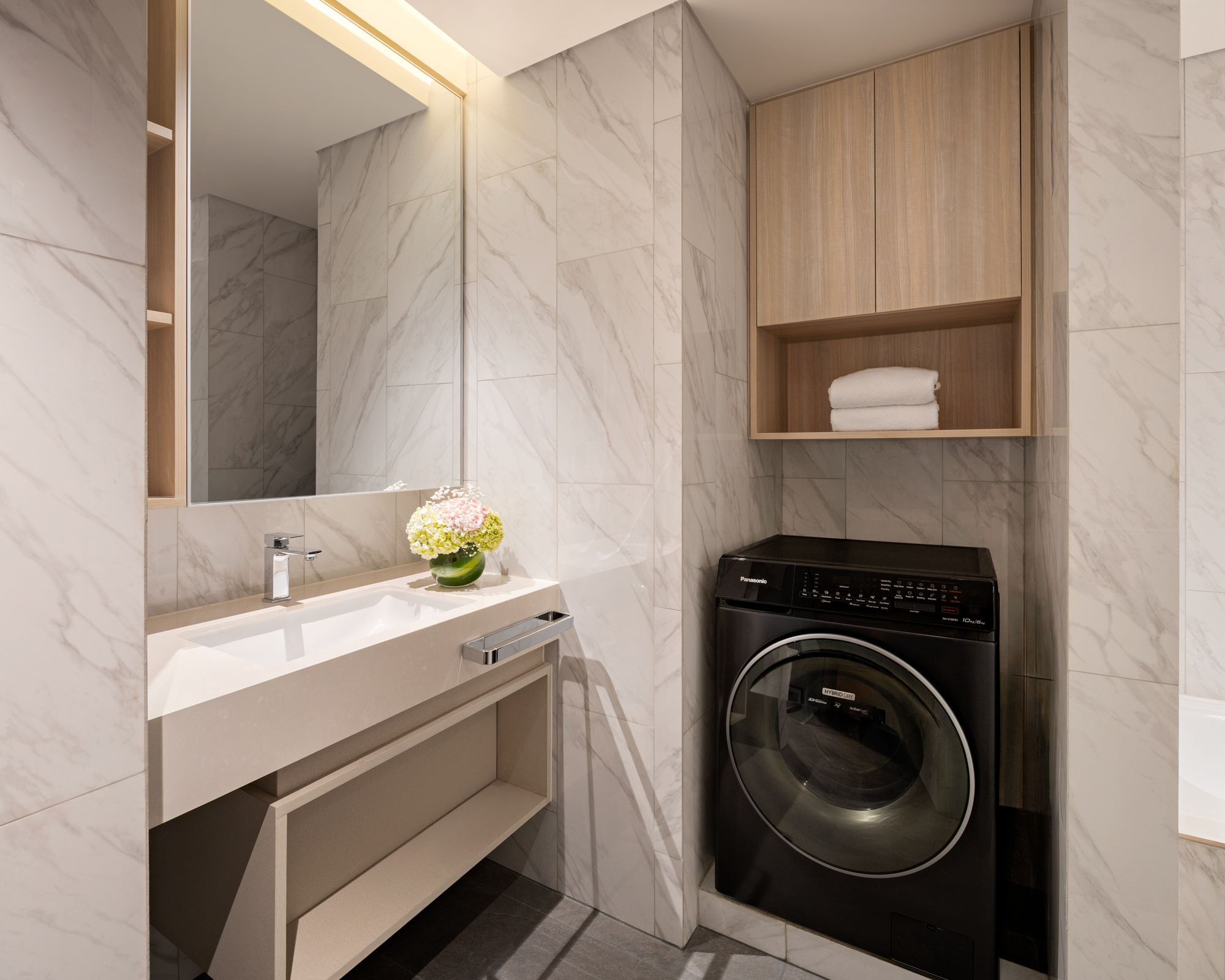
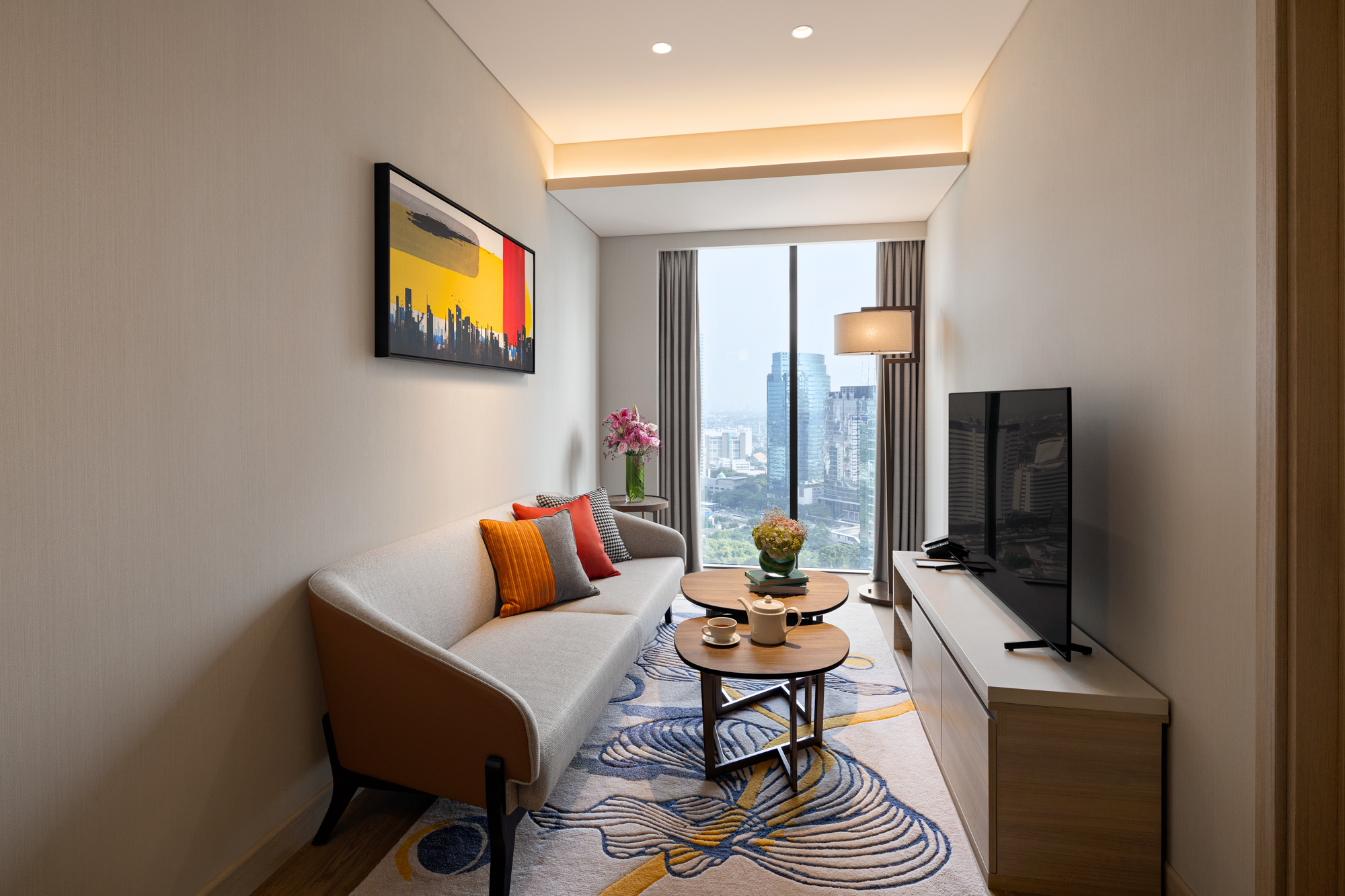
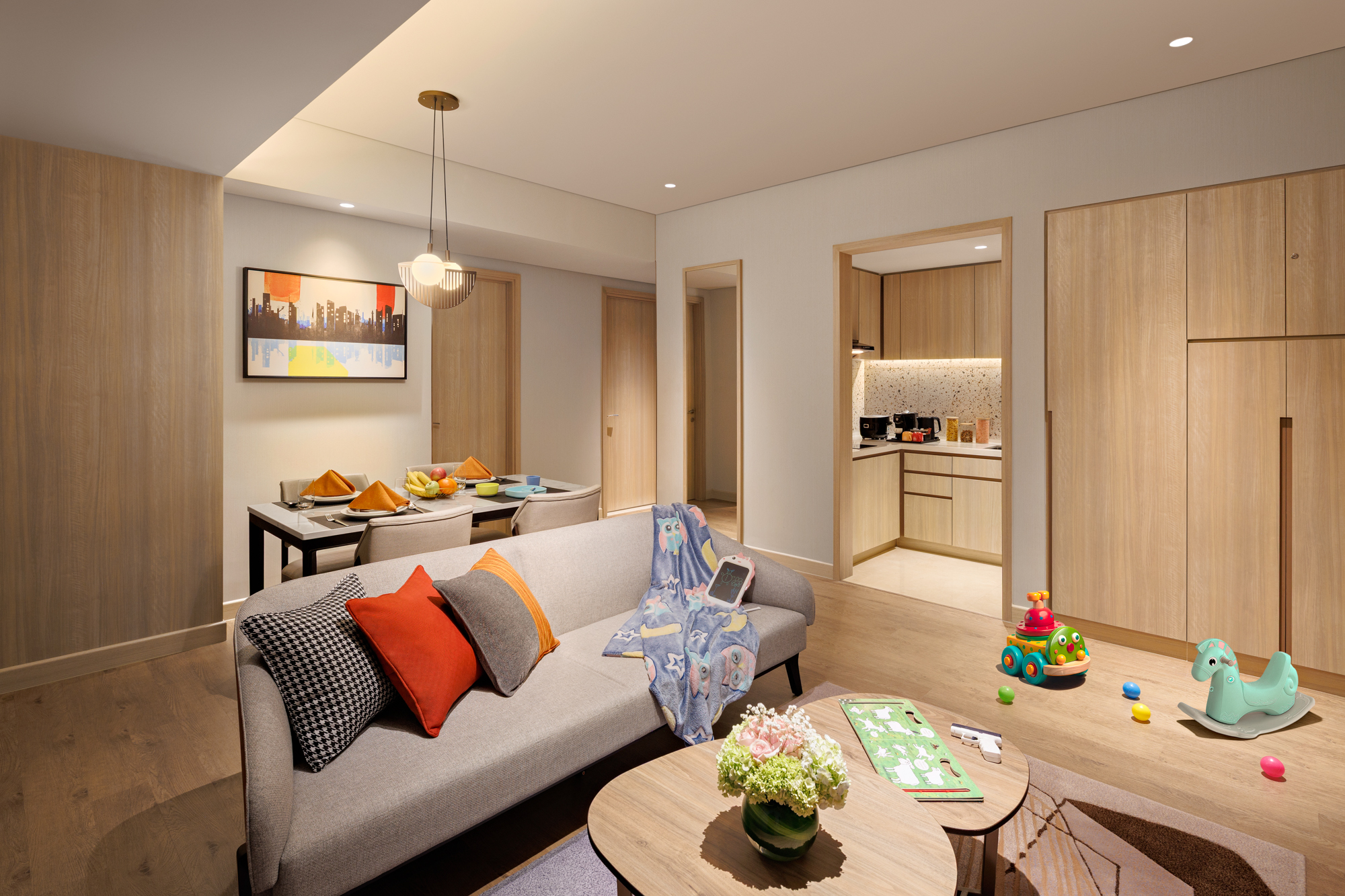
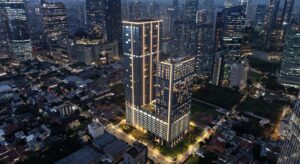
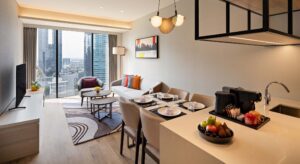
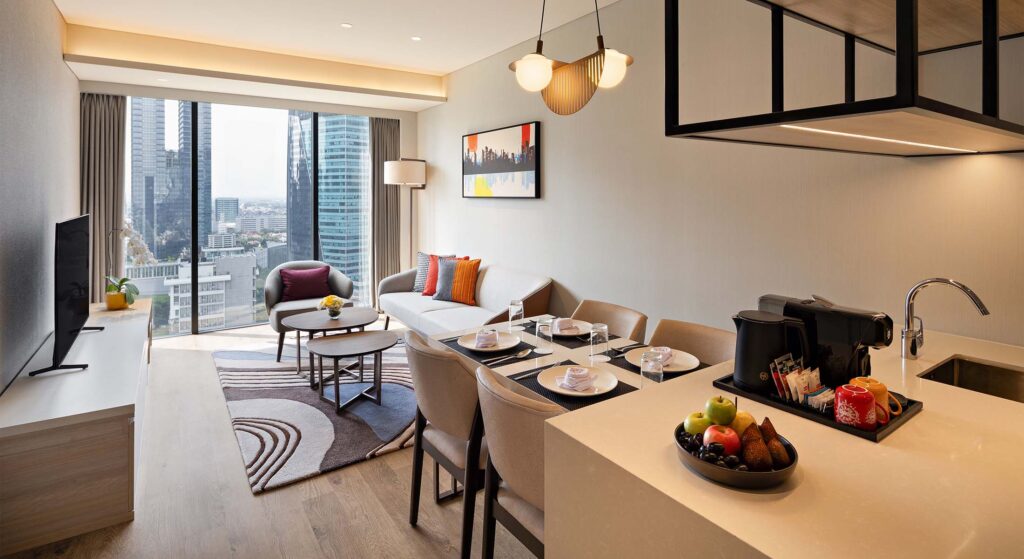
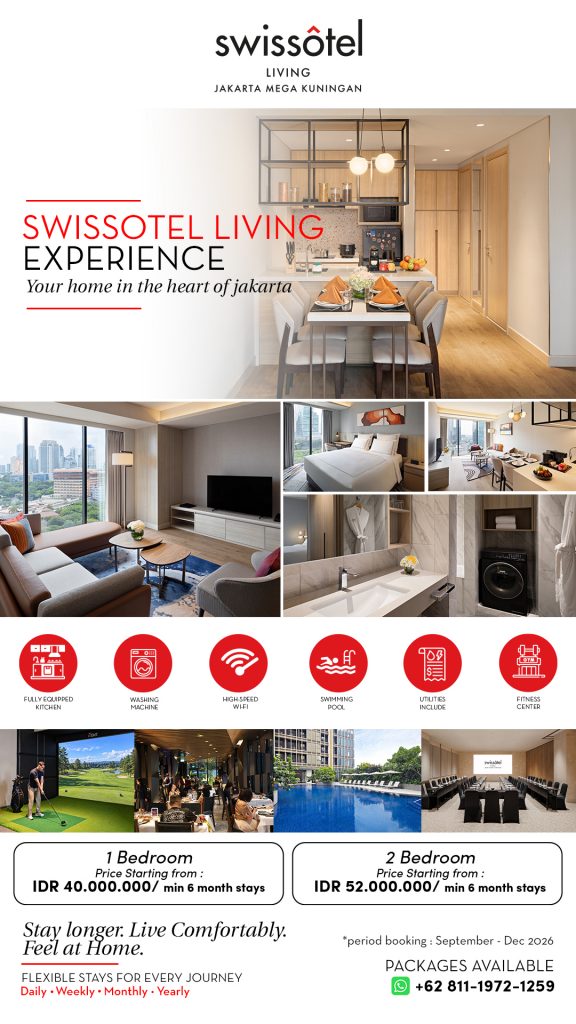
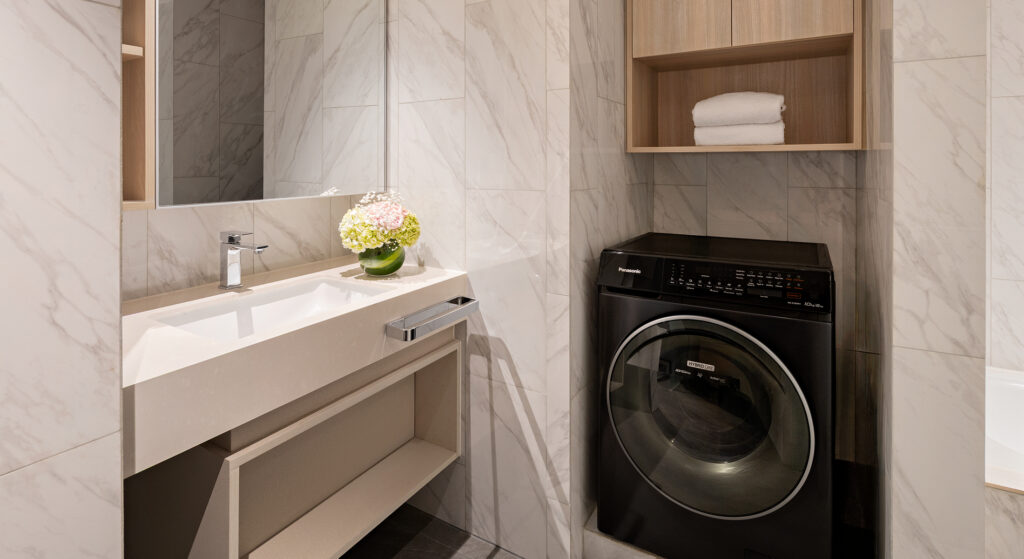
The Serviced Apartment category at Swissôtel Living Jakarta Mega Kuningan demonstrates this value proposition with fully furnished residences starting from 37 square meters, equipped with kitchens featuring induction stoves, microwaves, rice cookers, and refrigerators, plus in-unit washing machines. For business professionals and families requiring extended accommodation near Kuningan, SCBD, and Sudirman, these residential features deliver significant monthly savings on dining and services.
Break-Even Analysis for Different Stay Durations
Understanding when serviced apartments become more economical than hotels depends on your usage patterns and included amenities.
For stays of 30-60 days: Hotels may offer competitive rates if you dine out regularly and have minimal laundry needs. The flexibility to check out without lease penalties provides value for uncertain assignment durations.
For stays of 60-180 days: Serviced apartments typically deliver better value through kitchen savings and larger living spaces. The ability to prepare meals 4-5 times weekly can save $400-600 monthly compared to restaurant dining.
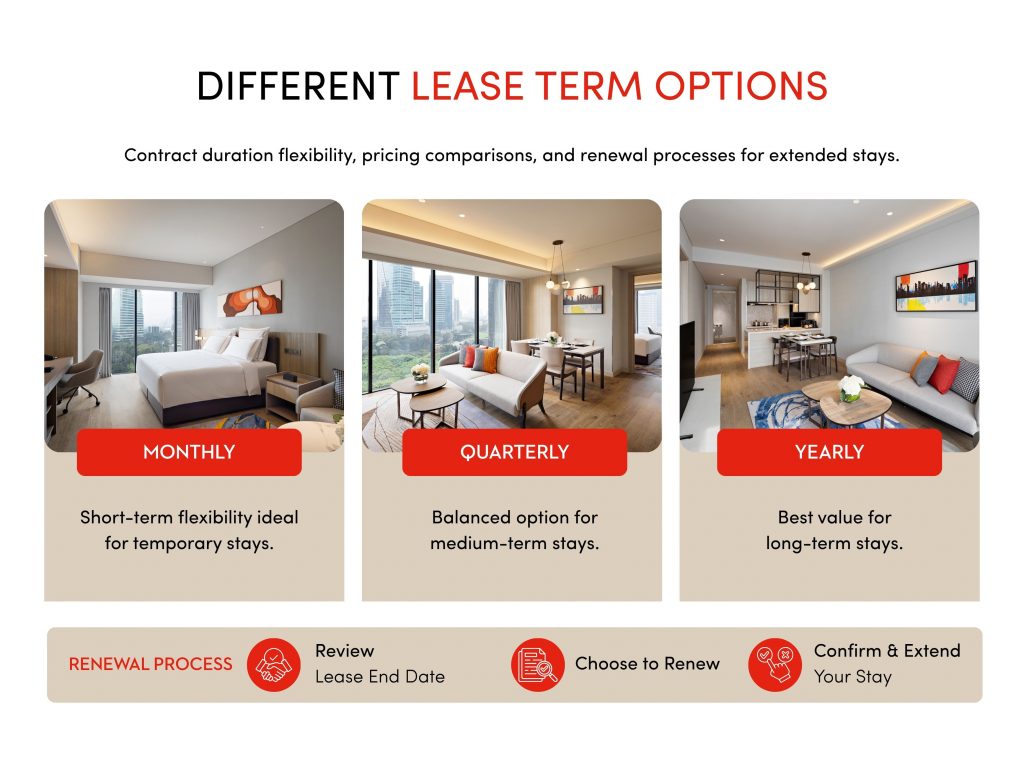
For stays exceeding 180 days: Serviced apartments with annual lease options often provide the best long term hotel rates, with discounts reaching 40-50% below daily equivalents. Properties may offer furniture upgrades, complimentary parking, and preferential rates on extended contracts.
Negotiating Better Extended Stay Rates
Long term hotel rates are significantly more negotiable than short-stay pricing. Properties value occupancy certainty and direct bookings that avoid distribution costs.
Effective Negotiation Strategies
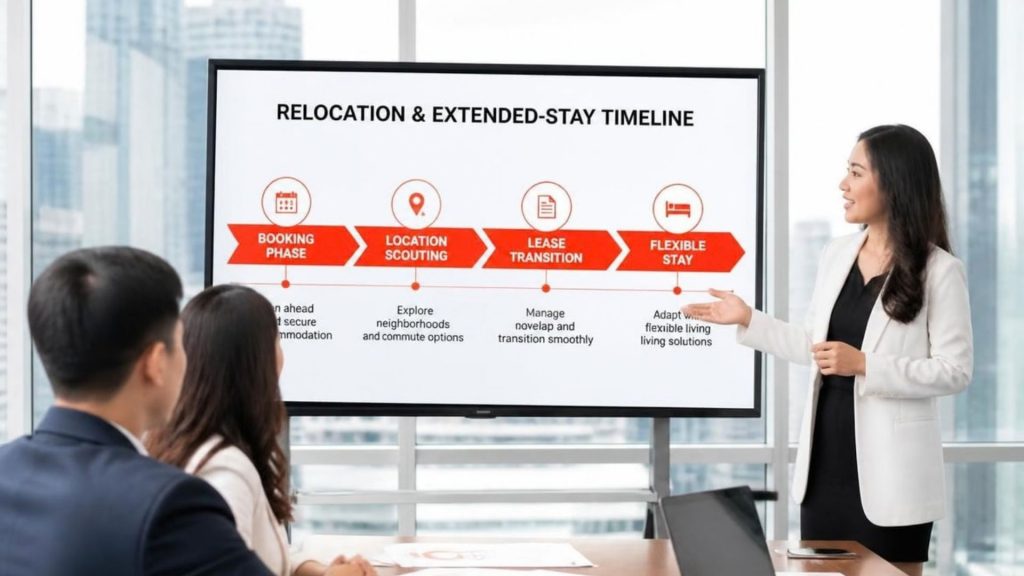
Start conversations 60-90 days before your arrival date to maximize negotiating position. Properties with immediate availability are more motivated to offer concessions than those with tight inventory.
Leverage points for rate negotiations include:
- Commitment duration: Offering 90+ day commitments versus month-to-month
- Payment terms: Paying quarterly or semi-annually in advance
- Direct booking: Eliminating intermediary commissions
- Multiple units: Booking for teams or multiple family members
- Off-peak timing: Starting stays during low-demand periods
According to industry forecasting research, properties can profitably discount rates 25-30% for guaranteed long-term occupancy while maintaining higher margins than channel-distributed inventory.
Corporate and Relocation Packages
Companies relocating employees to Jakarta often negotiate corporate housing agreements that provide better rates than individual bookings. If your employer maintains relationships with accommodation providers, inquire about:
- Pre-negotiated corporate rates with additional discounts for extended duration
- Flexible cancellation terms that protect against assignment changes
- Consolidated billing and reporting for expense management
- Complimentary upgrades or amenities for long-stay bookings
Even without existing corporate agreements, mentioning employer support and potential for repeat business strengthens negotiating position for long-stay hotel deals.
What to Look for in Extended Stay Properties
Evaluating accommodation for multi-month stays requires different criteria than selecting weekend hotels. The features that matter most emerge after the first few weeks of residence.
Essential Amenities for Long-Term Comfort
Beyond the basic room, consider amenities that impact daily quality of life over months of residence:
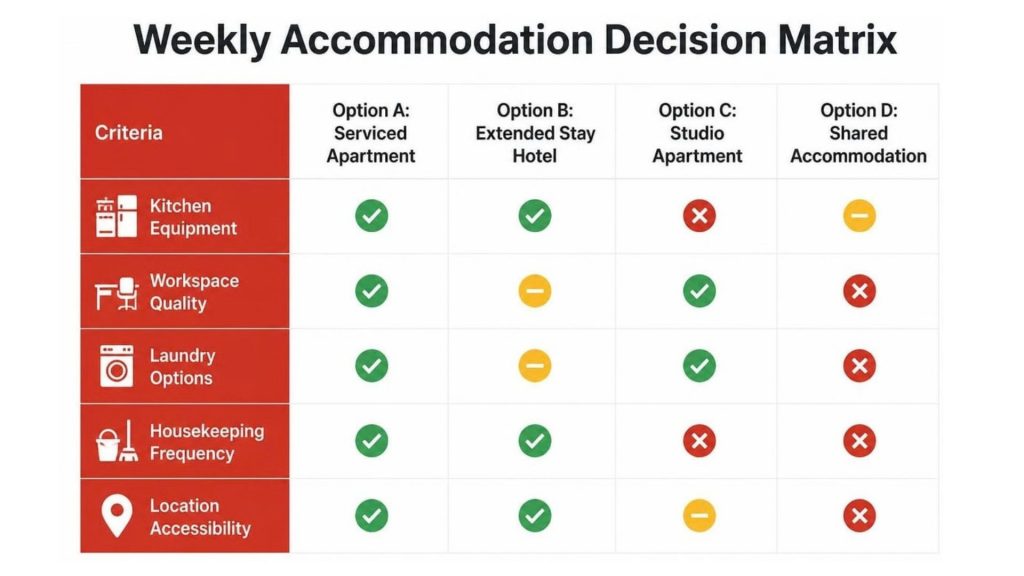
Kitchen capabilities make the largest difference in monthly budgets and dietary control. Look for full-size refrigerators, multiple burner cooktops, and adequate cookware. Properties serving Asian markets should include rice cookers as standard equipment.
Workspace functionality matters for remote work and business travelers. Evaluate desk size, ergonomic seating, lighting quality, and internet speeds. Properties in Menteng and Kuningan business districts increasingly offer dedicated work areas in one-bedroom and larger units.
Storage capacity becomes critical after the first month. Confirm adequate closet space, drawer capacity, and shelf storage before committing to long term hotel rates.
Service Levels and Flexibility
The sweet spot for extended stays balances hotel services with residential privacy. Most guests prefer weekly housekeeping over daily service after the initial novelty wears off.
Confirm these service parameters before booking:
- Housekeeping frequency and flexibility to adjust schedule
- Maintenance response times for in-unit issues
- Front desk hours and after-hours support
- Package handling and storage for deliveries
- Guest policies for visitors and family members
Properties in expatriate-heavy neighborhoods like Mega Kuningan often provide more flexible guest policies recognizing that extended stay residents host family and colleagues regularly.
Community and Lifestyle Factors
For stays exceeding three months, neighborhood characteristics impact overall satisfaction as much as the accommodation itself. Consider proximity to:
- International grocery stores and specialty food retailers
- Quality healthcare facilities and clinics
- Fitness centers, parks, and recreational spaces
- International schools (for family relocations)
- Cultural and social activities
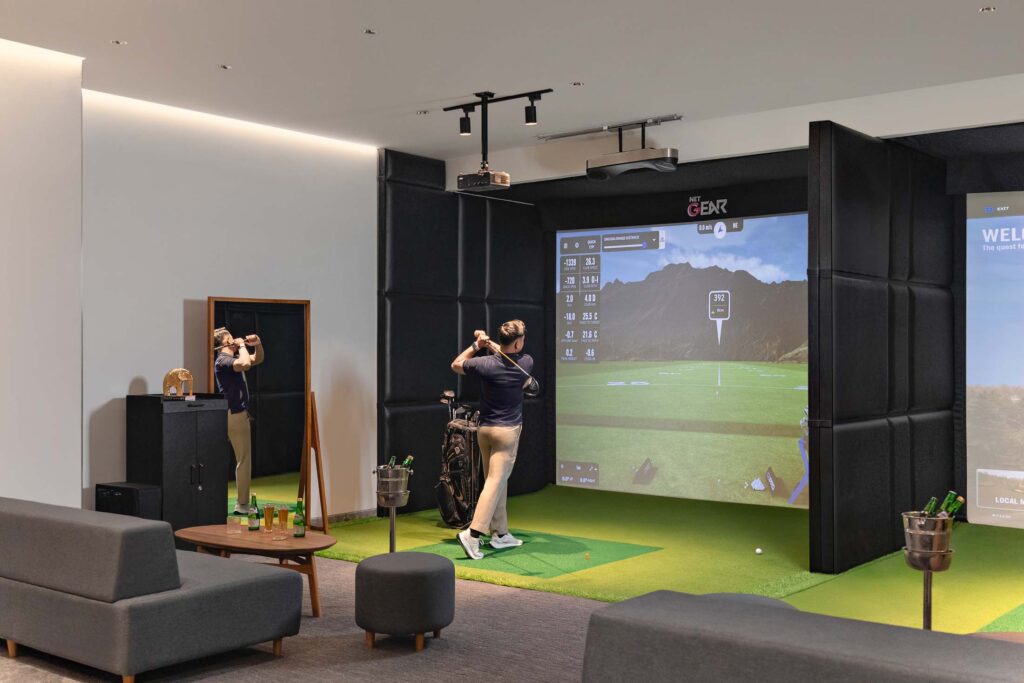
The amenities available near Mega Kuningan provide expatriates and long-stay guests with comprehensive access to international grocers, medical clinics, and fitness facilities within walking distance, reducing dependence on transportation and creating a more residential lifestyle.
Market Outlook and Rate Trends
Understanding where long term hotel rates are heading helps time bookings and set realistic budget expectations. The extended stay segment in major Asian cities has experienced significant evolution since 2024.
Supply and Demand Dynamics
Jakarta’s serviced apartment inventory has expanded 12-15% over the past two years, with new properties concentrated in Kuningan, SCBD, and Sudirman. This supply increase has moderated rate growth but also elevated quality standards as properties compete on amenities rather than price alone.
Research from JLL’s extended stay outlook indicates that purpose-built extended stay properties maintain 8-12 percentage points higher occupancy than hotels offering extended stay programs, suggesting that guests value dedicated long-stay features.
Technology and Booking Platforms
Direct booking channels have gained share for extended stays as guests seek negotiated rates and customized terms that online travel agencies cannot facilitate. Properties increasingly offer:
- WhatsApp and messaging-based booking support
- Virtual tours and video walkthroughs of specific units
- Digital lease signing and payment processing
- Mobile apps for service requests and community features
These technological improvements have made comparing long term hotel rates more transparent while giving properties tools to build direct guest relationships.
Financial Planning for Extended Stays
Budgeting for multi-month accommodation requires accounting for both predictable and variable costs. A comprehensive budget includes:
Fixed Monthly Costs
- Base accommodation rate (room/apartment rental)
- Parking (if not included)
- Internet or premium connectivity upgrades
- Gym or facility access fees
- Rental insurance (if required)
Variable and Occasional Costs
- Meals and groceries (varies widely based on kitchen usage)
- Laundry and dry cleaning
- Utilities beyond included allowances
- Transportation and commuting
- Entertainment and dining out
- Guest or visitor fees
- Early departure penalties or lease modifications
According to Cornell hospitality research, extended stay guests in serviced apartments spend 35-40% less on combined accommodation and food costs compared to hotel extended stay guests, primarily due to in-unit meal preparation.
Payment Terms and Deposit Requirements
Properties handle extended stay payments through various structures:
Monthly billing provides flexibility but may carry slightly higher rates than pre-paid arrangements. Most properties require first month plus security deposit upfront, with subsequent months billed 5-10 days before each period.
Quarterly or annual pre-payment can unlock discounts of 8-15% while demonstrating commitment that strengthens negotiating position. Confirm refund policies for early departure before committing to long pre-paid terms.
Security deposits typically equal one month’s accommodation for stays under six months, or 1.5-2 months for annual agreements. Clarify damage assessment procedures and deposit return timelines before signing.
Making the Extended Stay Decision
Choosing between hotels and serviced apartments for long term hotel rates ultimately depends on balancing cost, space, location, and lifestyle preferences. Business travelers on defined assignments may prioritize location and flexibility, while families and expatriates often value space and residential amenities.
Decision Framework for Different Traveler Types
Solo business travelers (30-90 day assignments): Studio serviced apartments in business districts provide the best balance of cost, workspace, and convenience. Kitchen facilities deliver meaningful savings for 60+ day stays while maintaining hotel-style services.
Couples and families (90+ days): One-bedroom or larger serviced apartments become essential for comfort and privacy. The incremental cost over hotel rooms delivers substantially more living space and amenities that justify the investment for longer durations.
Expatriate relocations (annual contracts): Two or three-bedroom serviced apartments with annual lease terms provide the most economical long term hotel rates while offering residential stability. Families appreciate proximity to international schools, grocery stores, and healthcare facilities.
Questions to Ask Before Booking
Confirm these details during the selection process:
- What specific unit or room type will be provided? (Request unit number or photos)
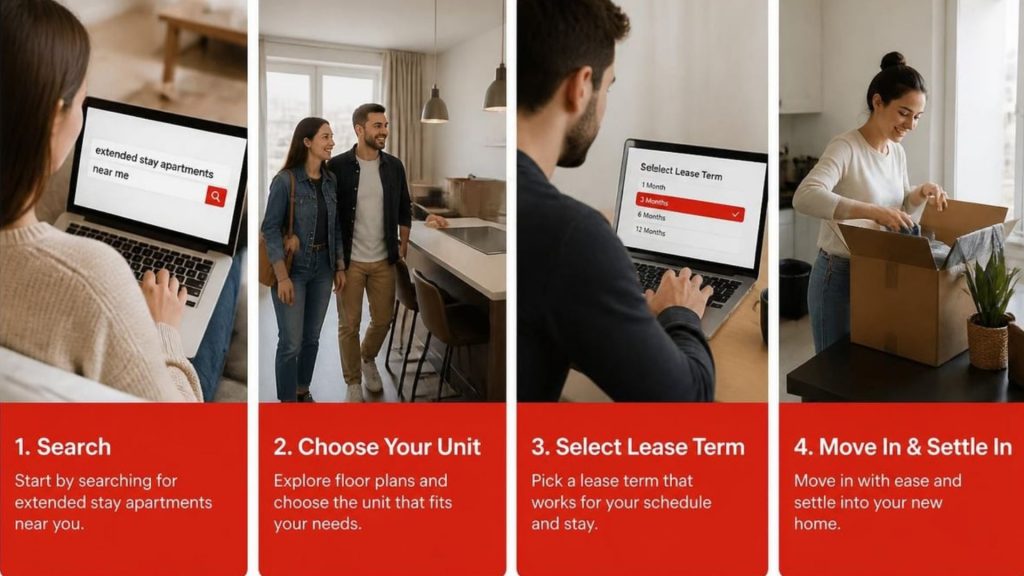
- Can you adjust the lease term if assignment duration changes?
- What’s included in the monthly rate versus charged separately?
- How are utility overages calculated and billed?
- What’s the cancellation or early termination policy?
- Are there restrictions on guests or visitors?
- How quickly can maintenance issues be resolved?
- What happens if you need to extend beyond the initial contract?
Properties with transparent answers and flexible terms generally prove easier to work with over multi-month stays than those with rigid policies designed for transient guests.
The current offers and packages at serviced apartment properties often include value-added benefits like complimentary breakfast, parking, or facility access that improve the total value proposition beyond the base monthly rate.
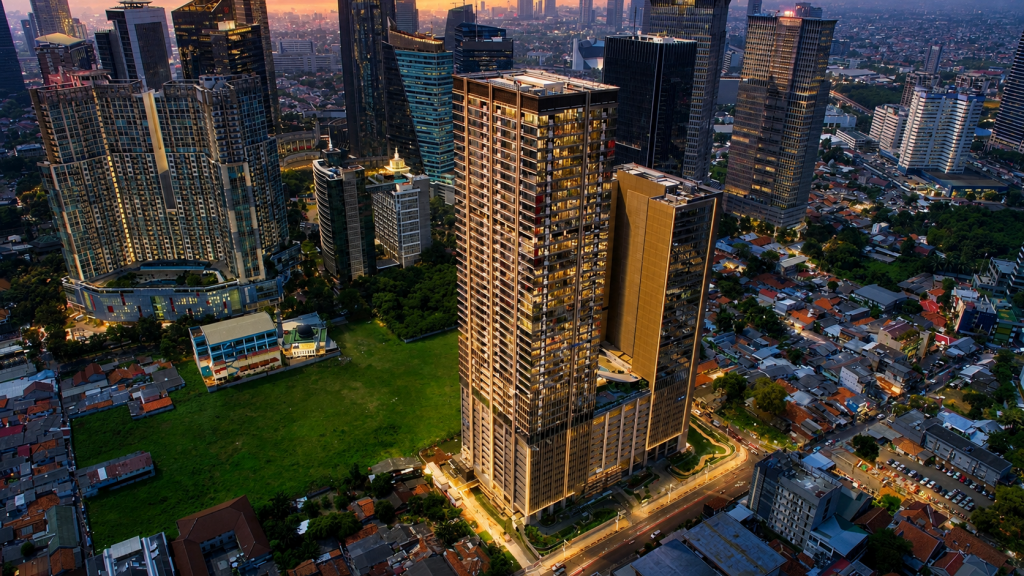
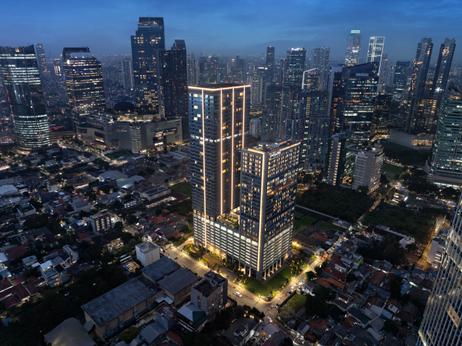
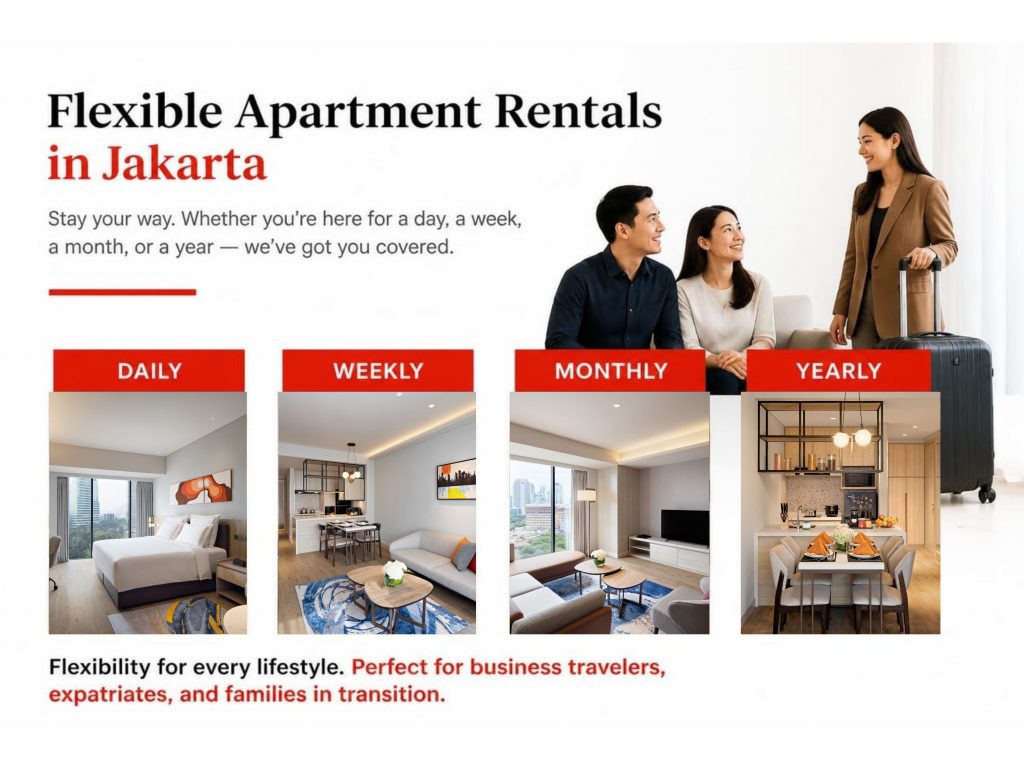
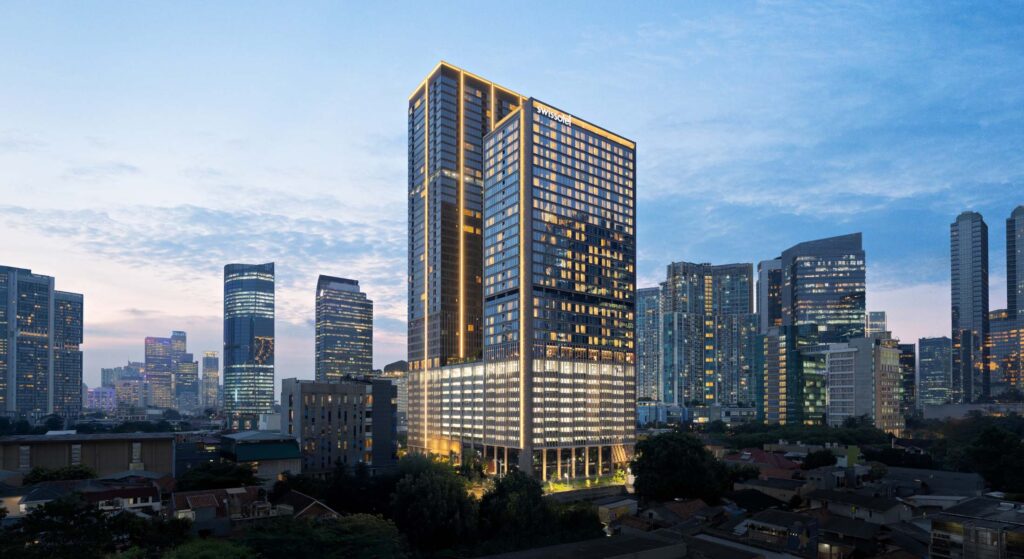
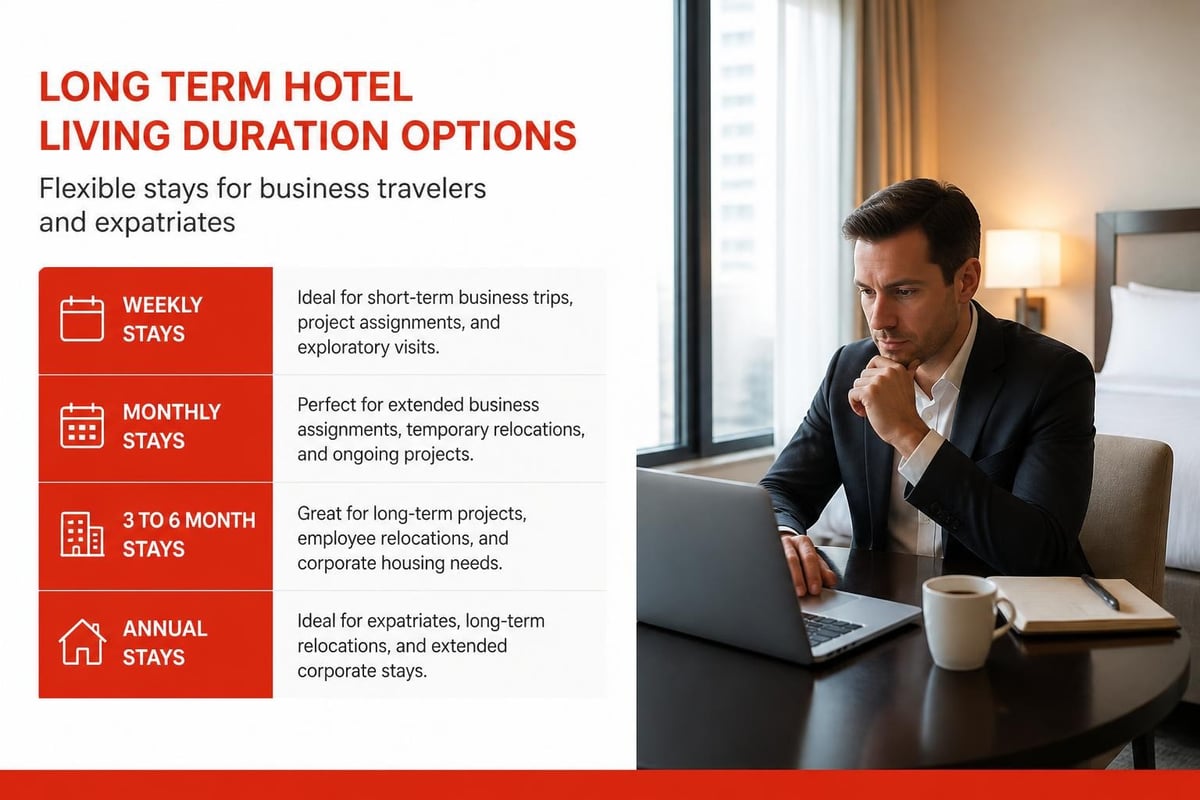
Understanding long term hotel rates empowers travelers to make informed decisions about extended stay accommodation while maximizing value and comfort. Whether you’re relocating to Jakarta for business, managing a project in the central business district, or transitioning to expatriate life, the right accommodation strategy balances location, amenities, and cost for your specific situation. Swissôtel Living Jakarta Mega Kuningan offers purpose-built serviced apartments in the heart of Mega Kuningan with flexible daily, weekly, monthly, and yearly stay options designed specifically for business travelers, families, and expatriates requiring fully furnished accommodation with hotel services and residential comfort.