

Long Term Rates at Hotels: Your 2026 Jakarta Guide
Finding the right accommodation for extended stays in Jakarta requires understanding how long term rates at hotels work, especially in 2026’s evolving hospitality market. Business travelers, expatriates, and families relocating to Southeast Asia’s largest metropolitan area need pricing transparency and flexibility that traditional hotel models often cannot provide. The shift toward serviced apartments has fundamentally changed how properties structure their extended-stay offerings, moving beyond simple daily rate multiplication to create value-driven packages that reflect the unique needs of long-stay guests.
Understanding Long Term Hotel Rate Structures
Long term rates at hotels differ significantly from standard nightly pricing because they account for reduced operational costs and guaranteed occupancy. Properties calculate these rates by analyzing housekeeping frequency reductions, lower marketing expenses per occupied night, and predictable revenue streams that extended bookings provide.
Daily vs. Weekly vs. Monthly Pricing Models
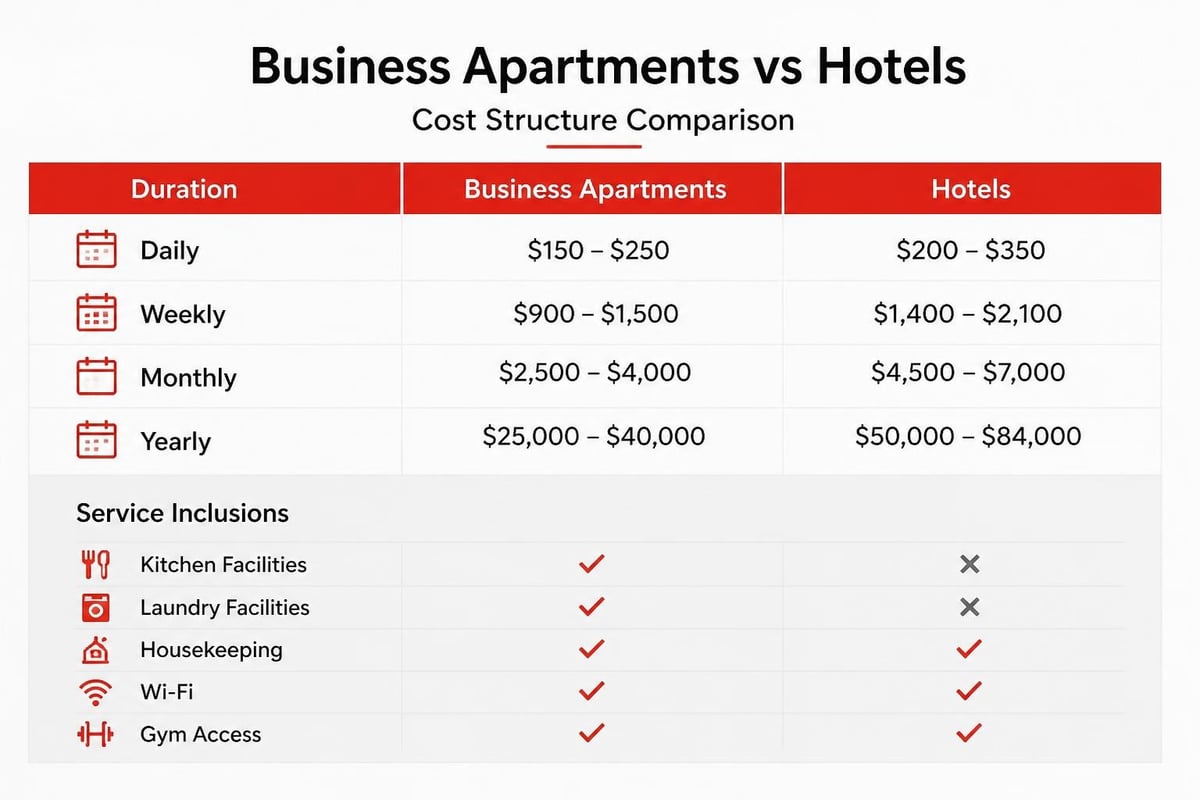
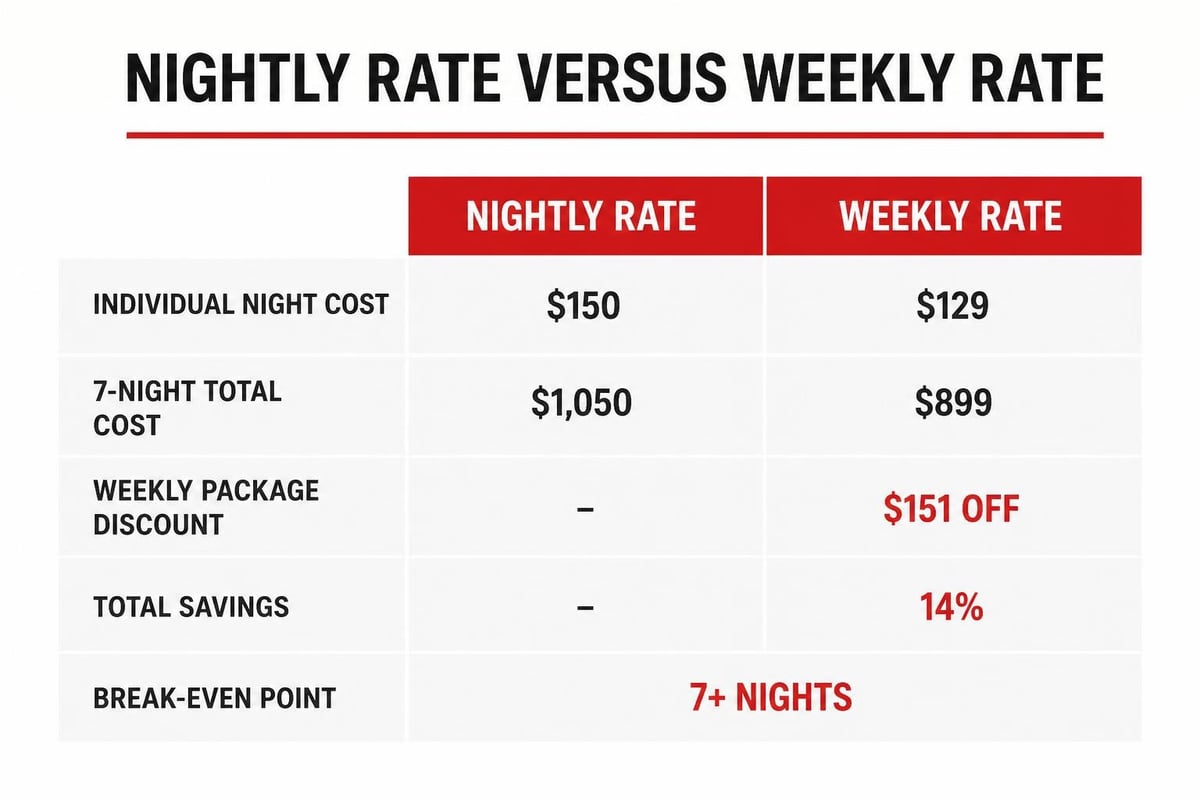
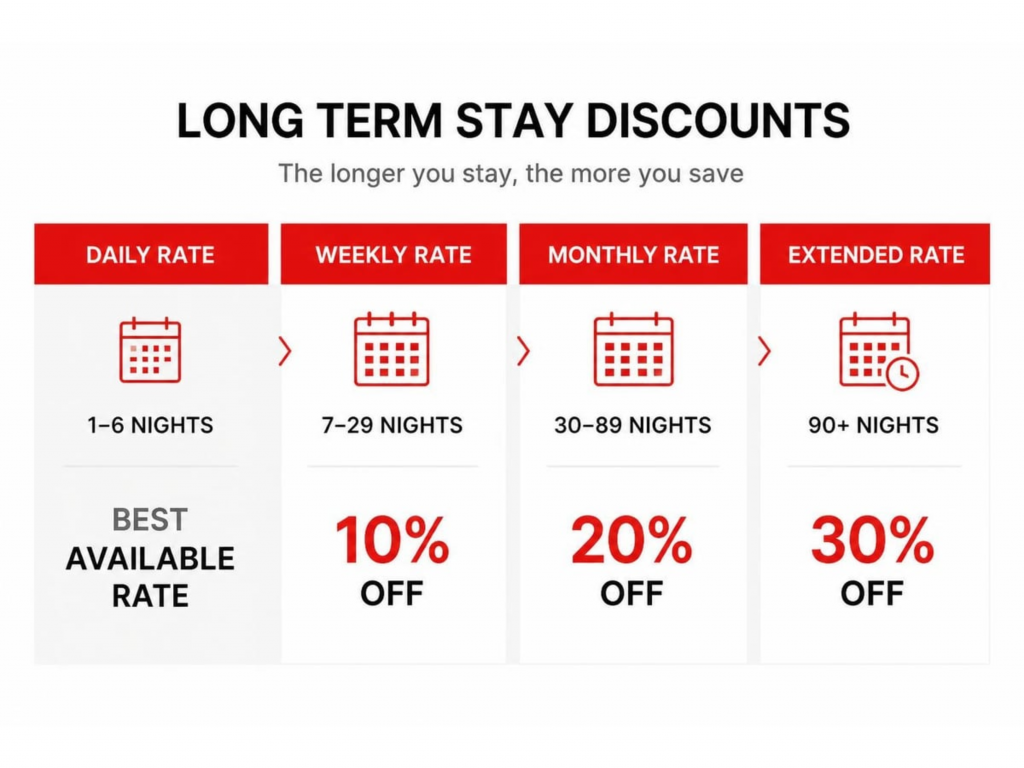
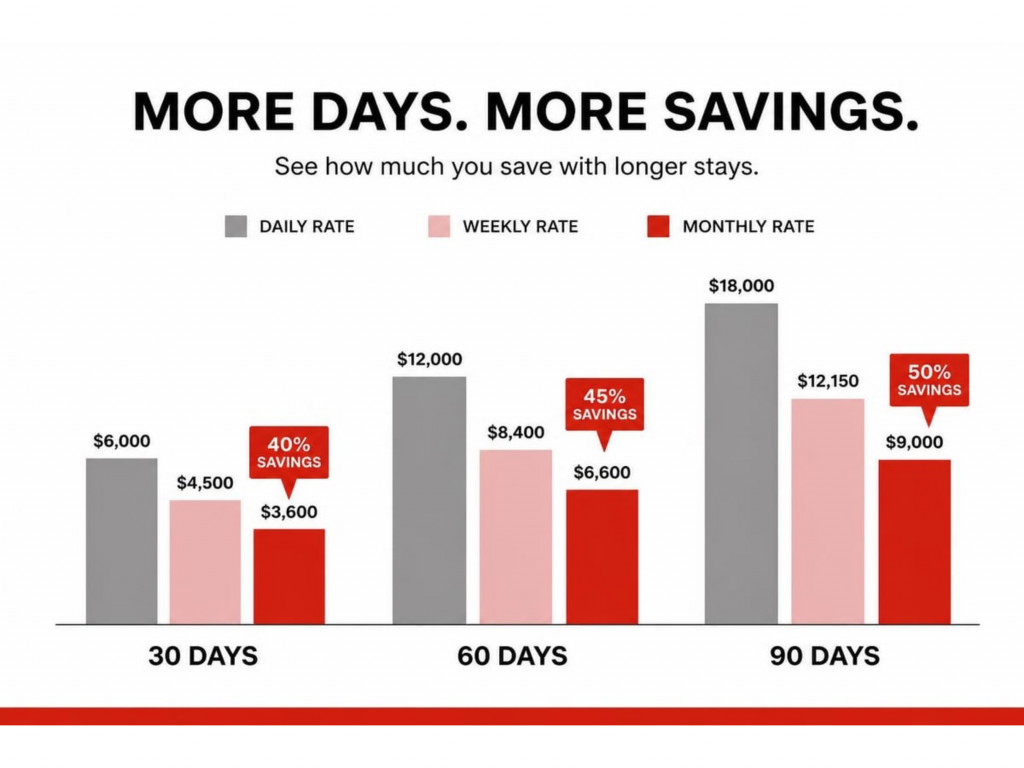
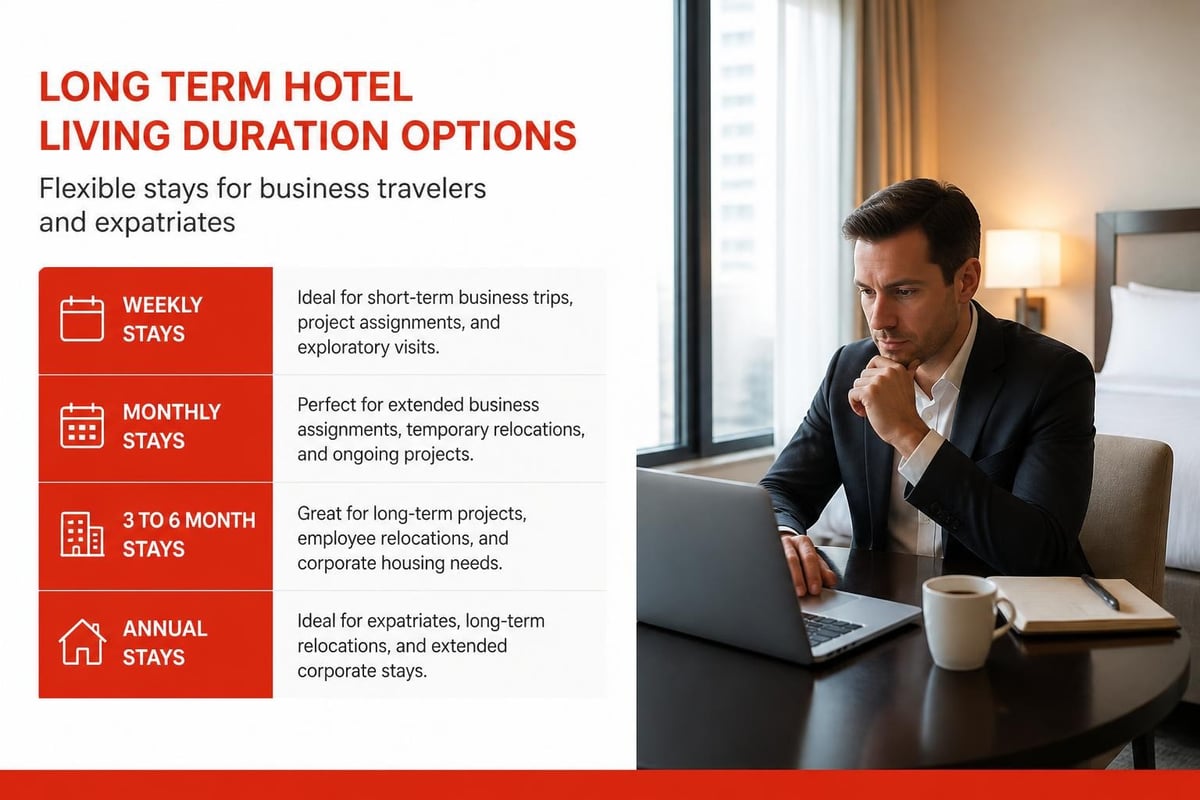
The tier structure for extended stays typically breaks down into distinct categories that reward longer commitments. Daily rates serve transient guests and short business trips, while weekly rates introduce the first significant discount tier, usually ranging from 10-15% below the daily rate equivalent. Monthly rates represent the most substantial savings, often 25-40% below daily rates, reflecting the property’s reduced acquisition and servicing costs.
Key pricing tiers include:
- Daily rates: Full rack rate with standard hotel services
- Weekly rates: 10-20% discount with modified housekeeping
- Monthly rates: 25-40% discount with reduced service frequency
- Quarterly/annual rates: 35-50% discount with long-term commitments
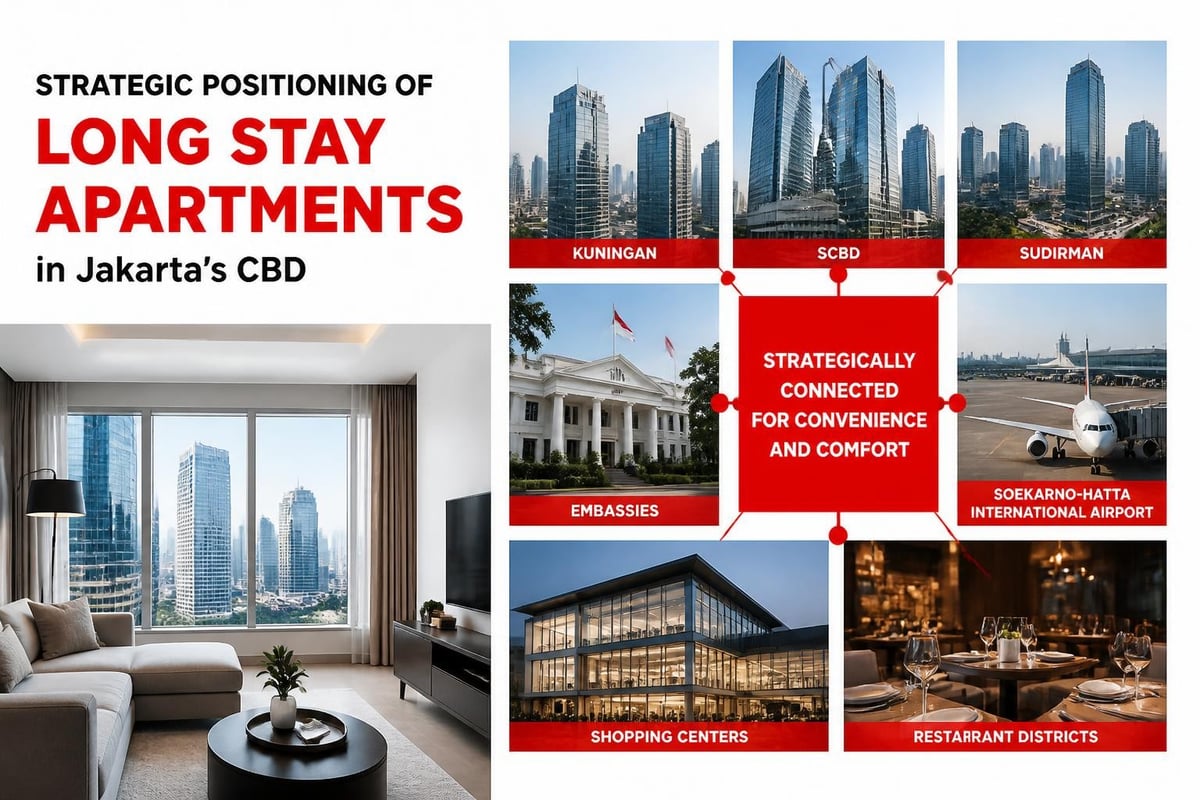
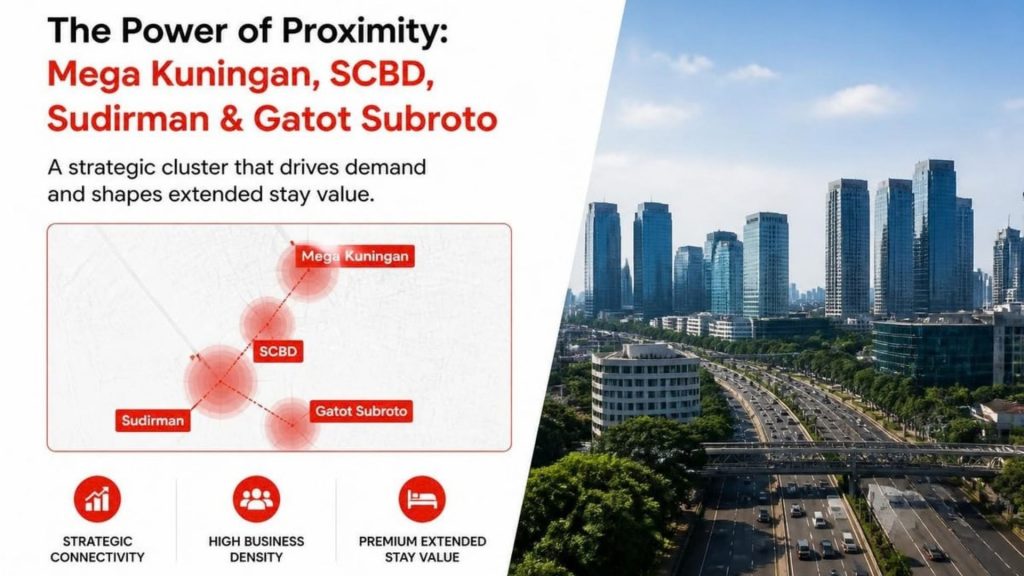
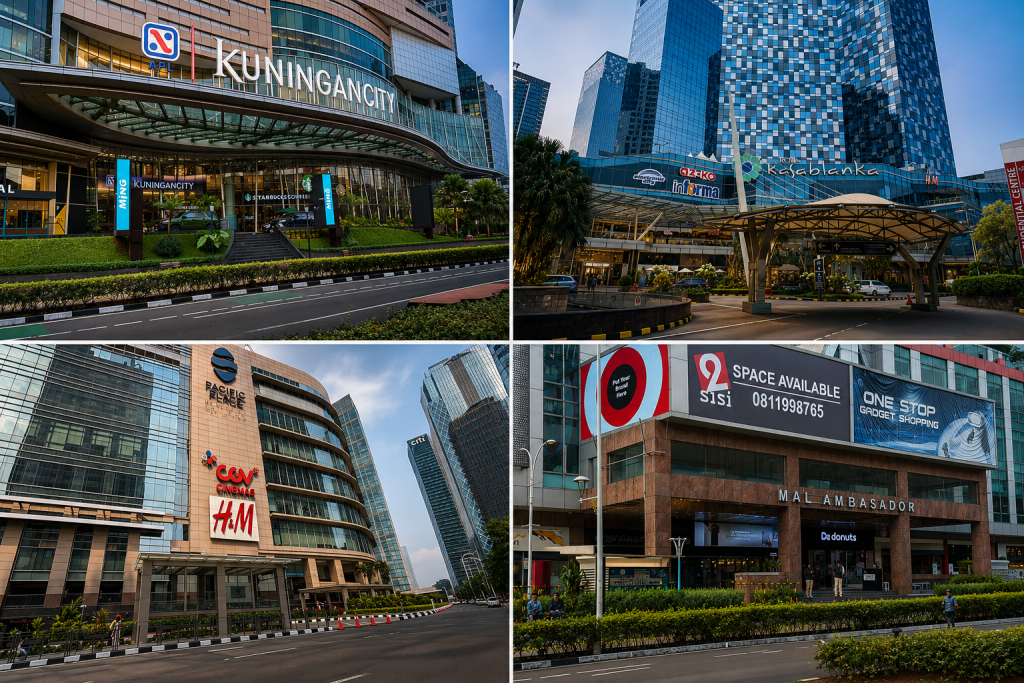
Properties in Jakarta’s central business districts, particularly around Kuningan and SCBD, structure their long term rates at hotels based on apartment size, amenities included, and lease duration. The Highland Group’s extended-stay market bulletin provides quarterly metrics showing how occupancy patterns drive rate optimization in the Asia-Pacific region.
What Influences Extended Stay Pricing
Several factors determine how properties calculate long term rates at hotels. Location proximity to business districts directly affects base pricing, with CBD properties commanding premium rates offset by reduced commute costs and time savings. Property age, renovation status, and brand positioning also create pricing variations within the same market.
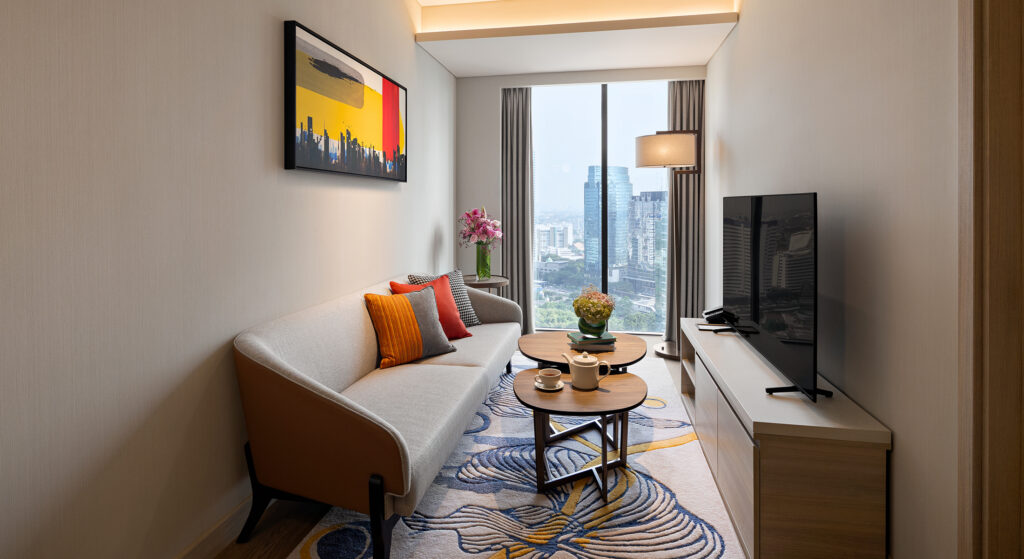
Apartment configuration plays a critical role. Studio units target solo business travelers and young expatriates, while one-bedroom and two-bedroom residences accommodate families or professionals requiring home office space. Three-bedroom configurations serve executive families or colleagues sharing accommodation costs.
| Factor | Impact on Rates | Consideration for Guests |
|---|---|---|
| Location centrality | 20-35% premium | Reduced transport costs |
| Unit size | Linear per sqm | Space efficiency needs |
| Lease duration | 25-50% savings | Commitment flexibility |
| Service level | 15-25% variance | Lifestyle preferences |
The current U.S. hospitality market report indicates that extended-stay properties continue outperforming traditional hotels in occupancy metrics, a trend mirrored in Jakarta’s serviced apartment sector.
Comparing Hotels vs. Serviced Apartments for Long Stays
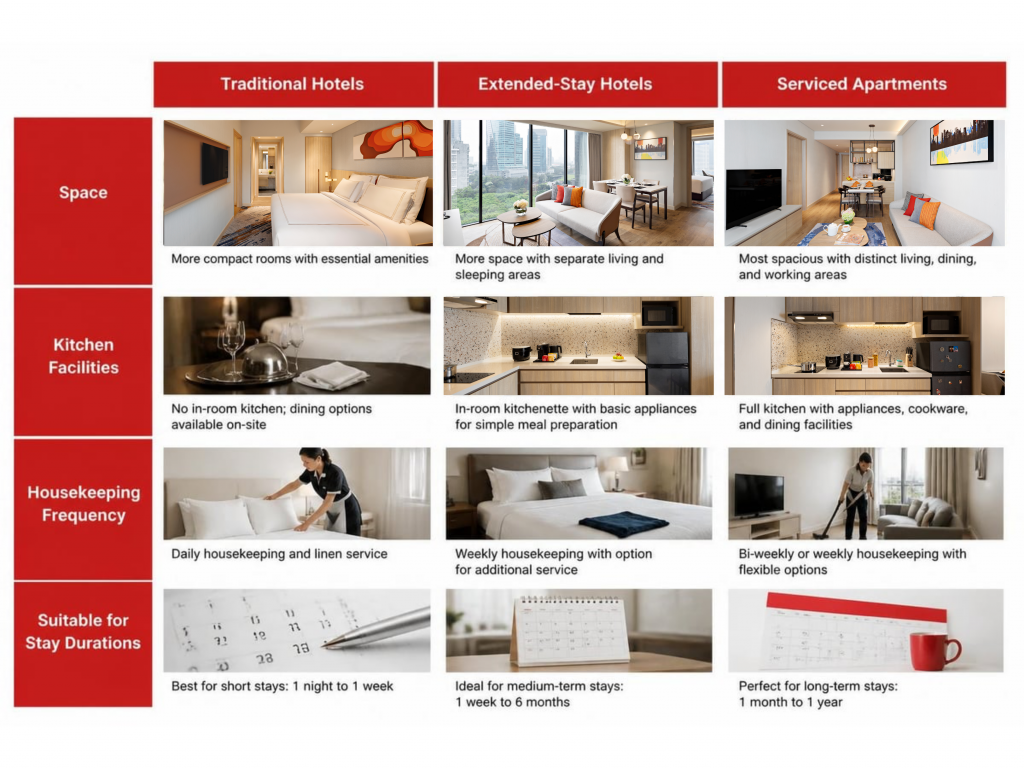
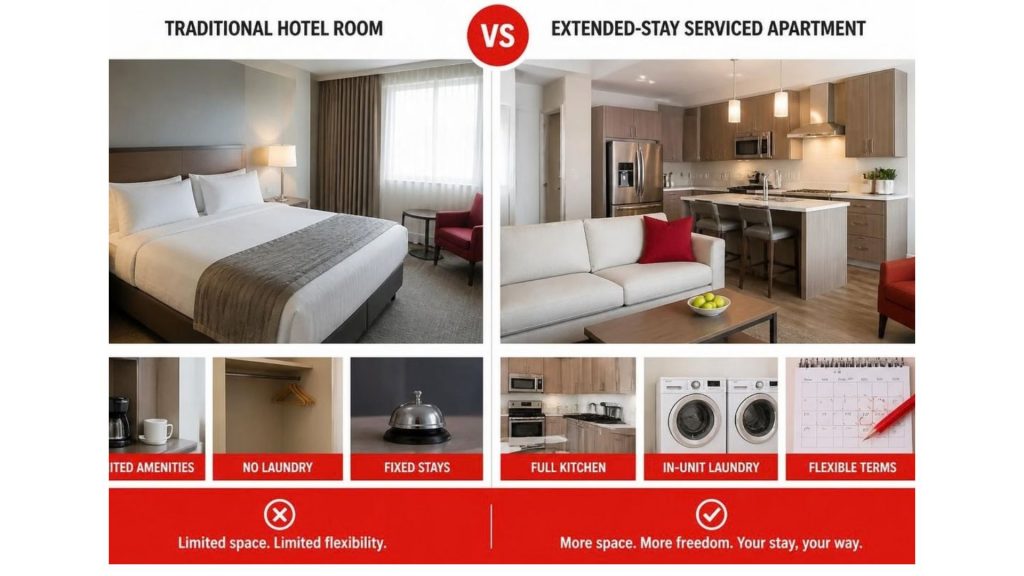
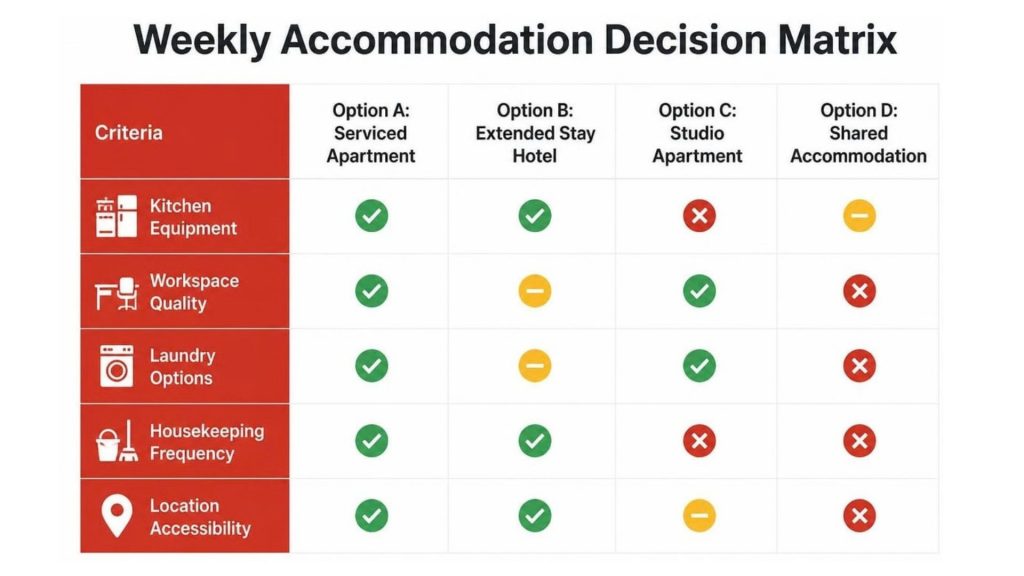
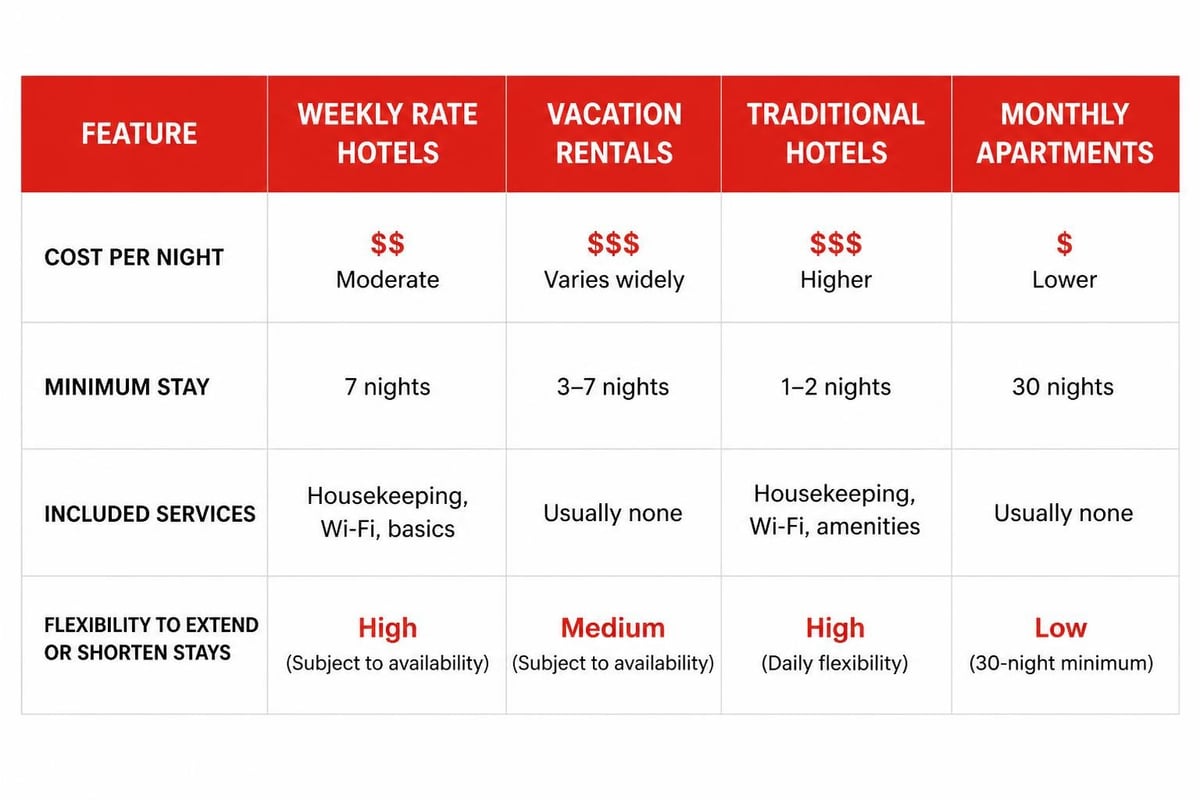
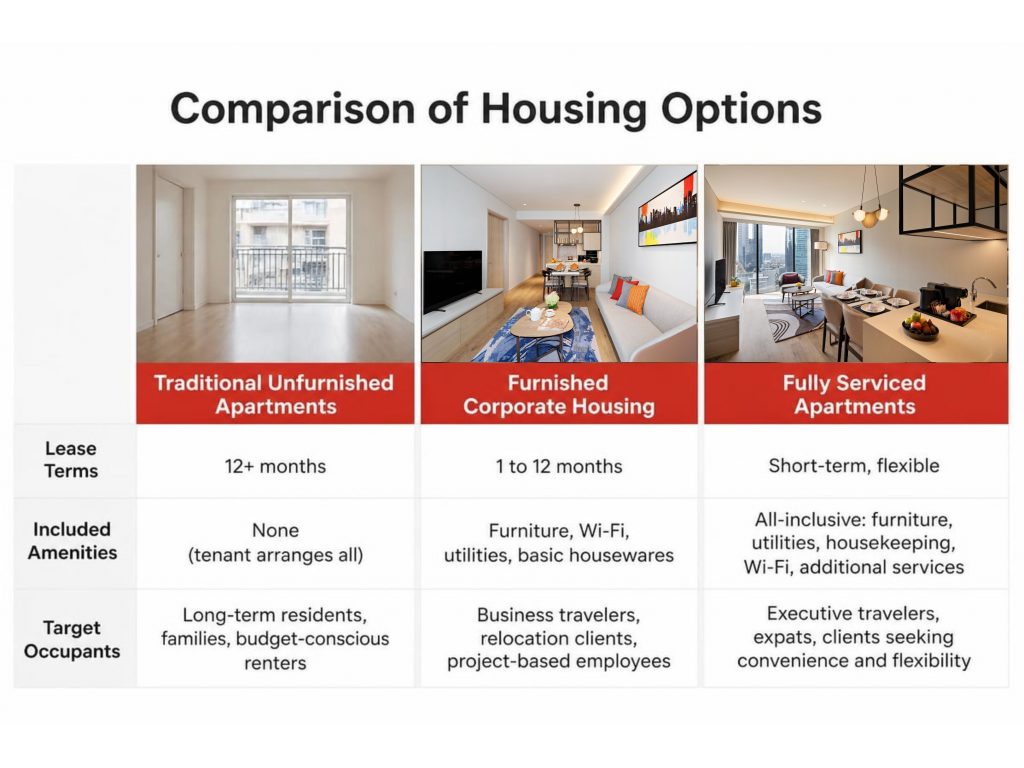
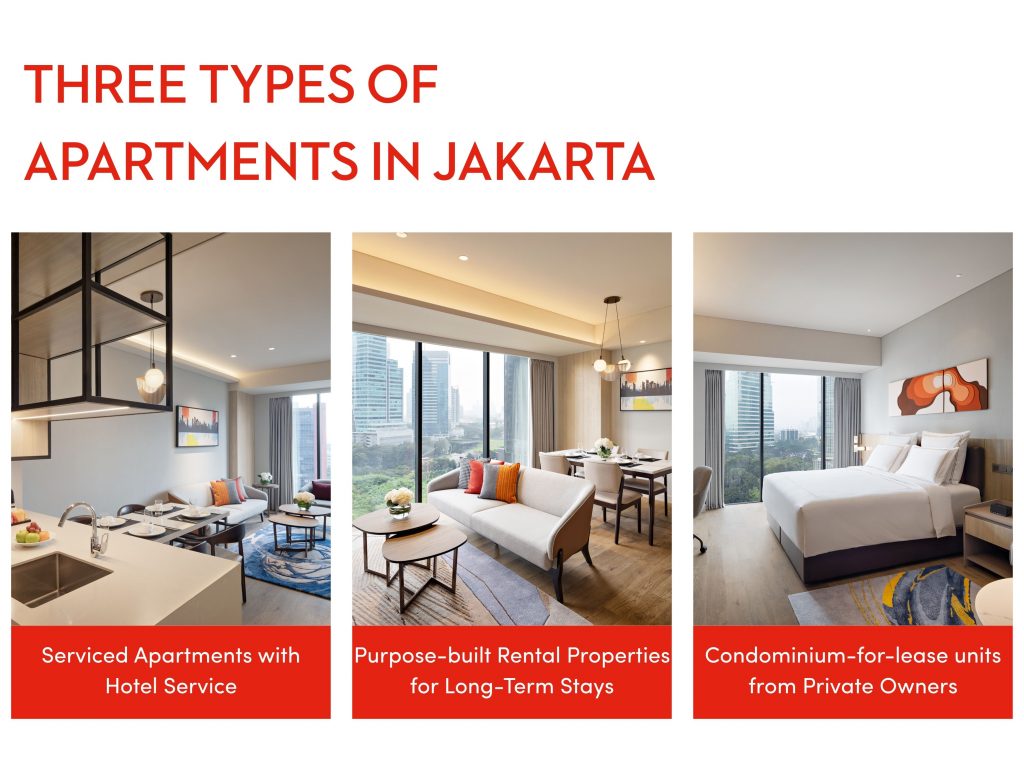
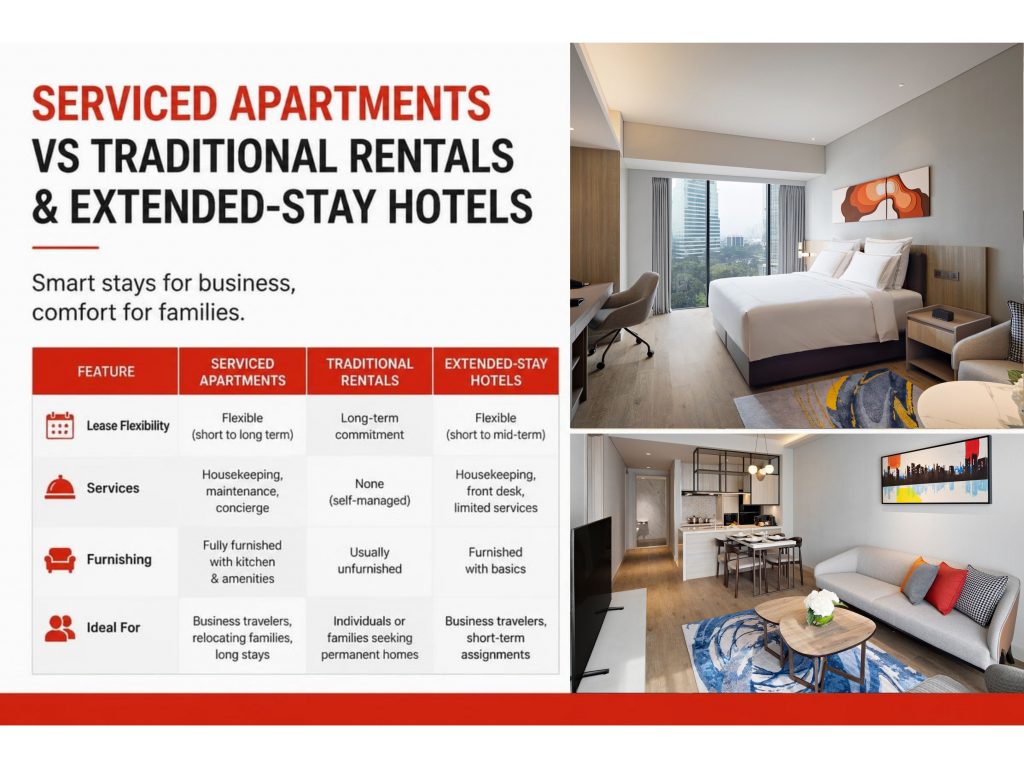
Traditional hotels and serviced apartments approach long term rates differently, with serviced apartments specifically designed for extended occupancy. Hotels typically apply discounted nightly rates even for longer stays, while serviced apartments structure pricing around monthly or yearly lease agreements with inclusive utilities and services.
Serviced Apartment Advantages
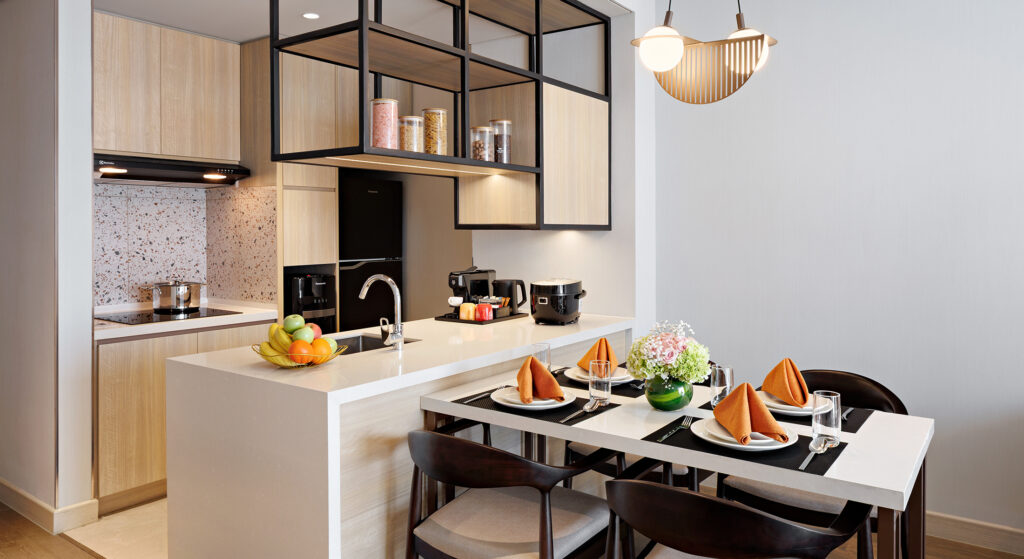
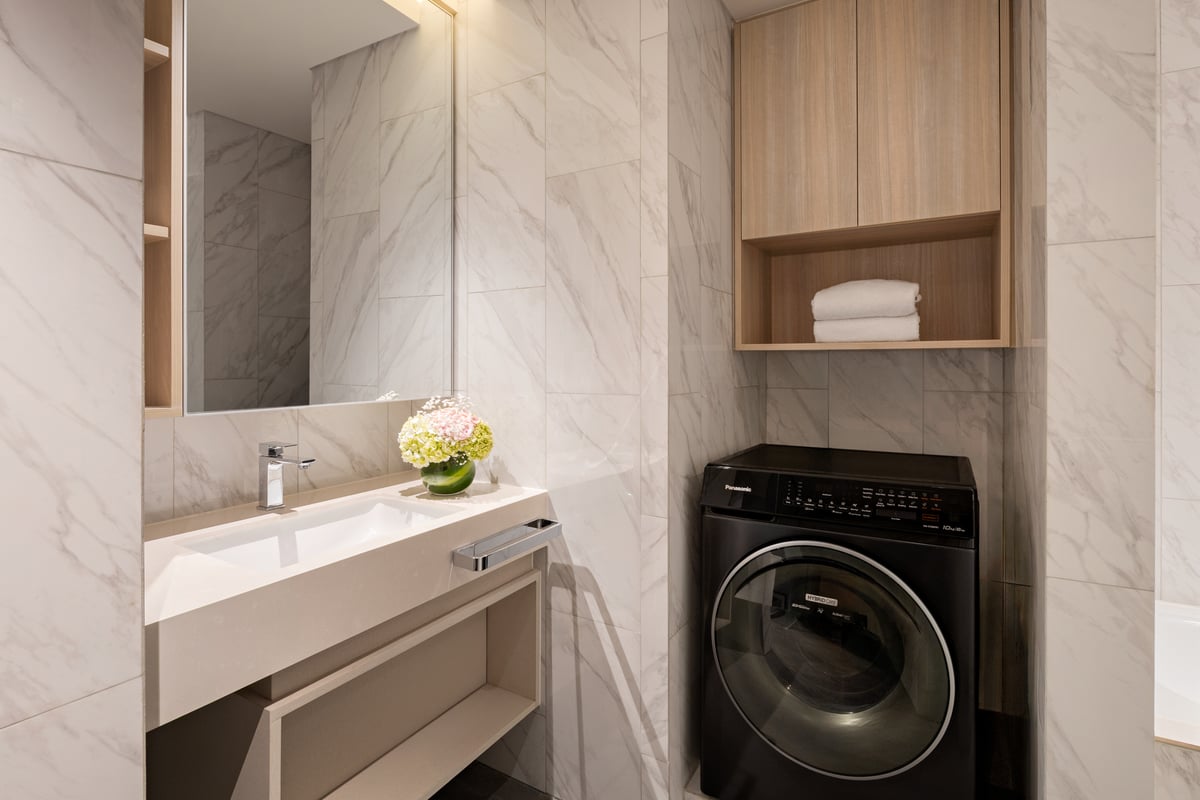
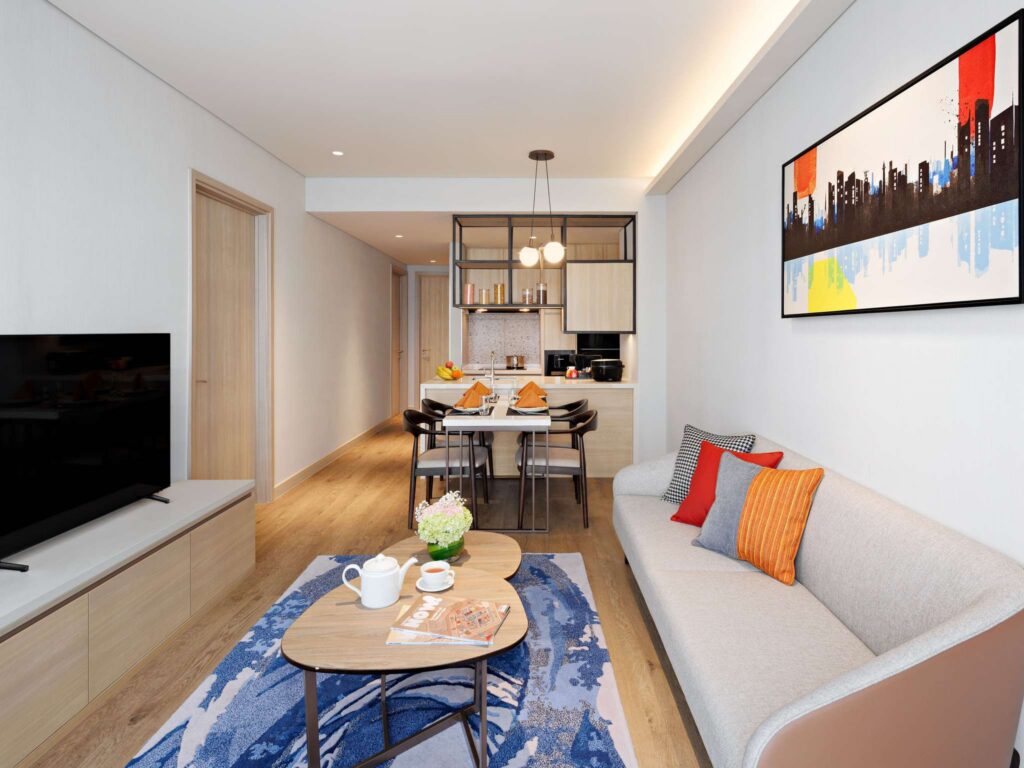
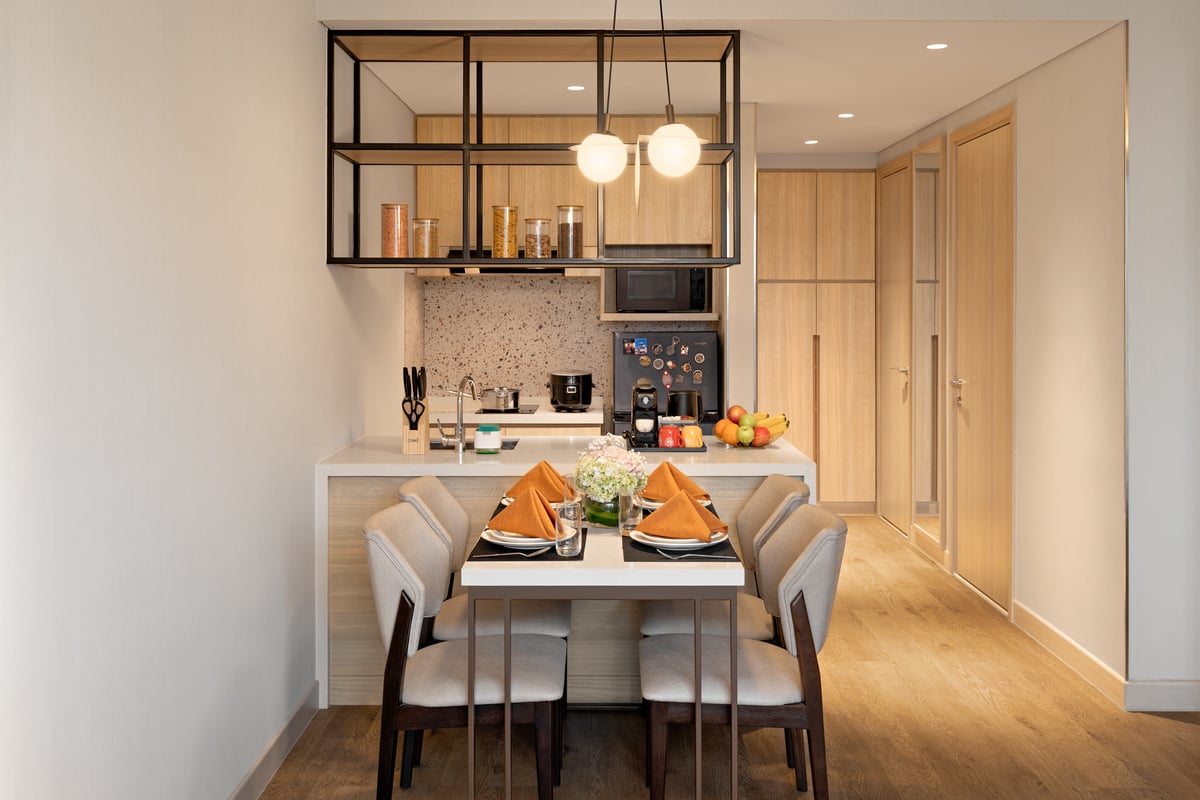
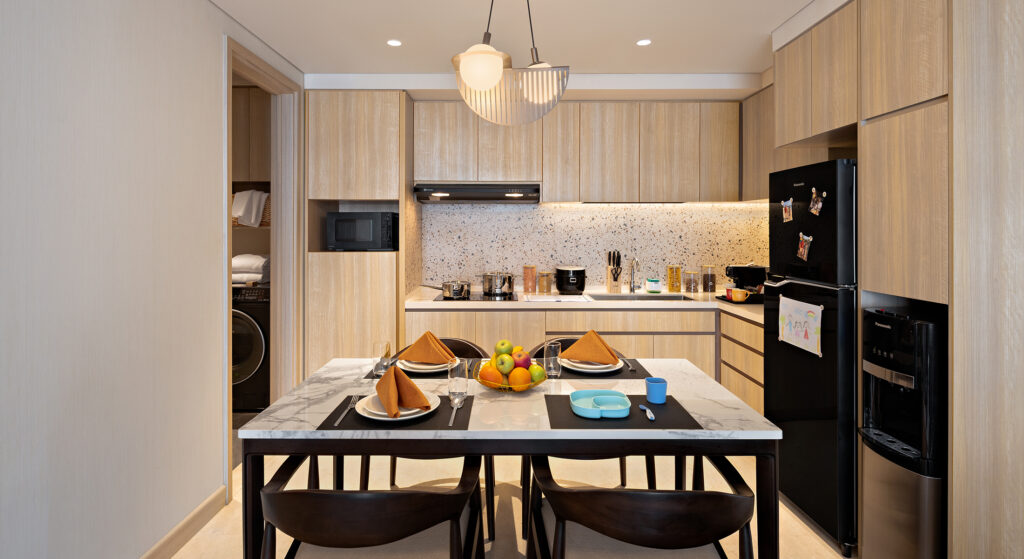
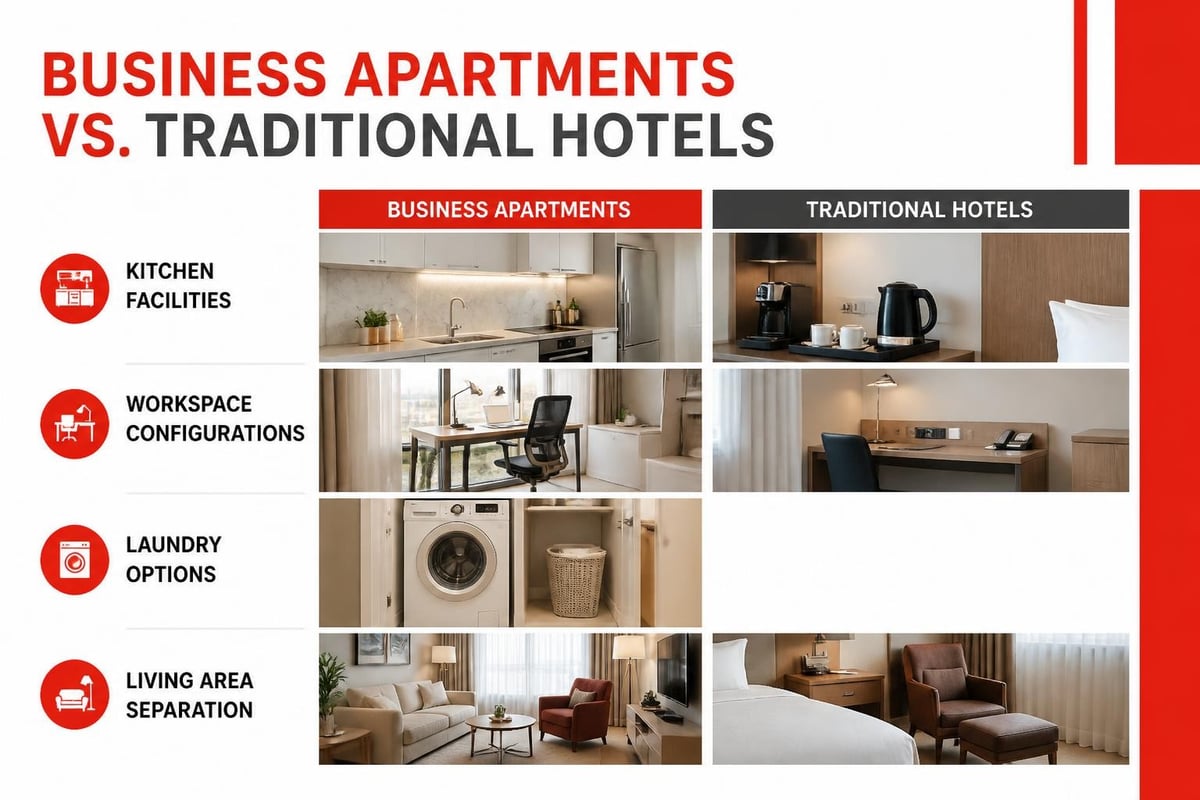
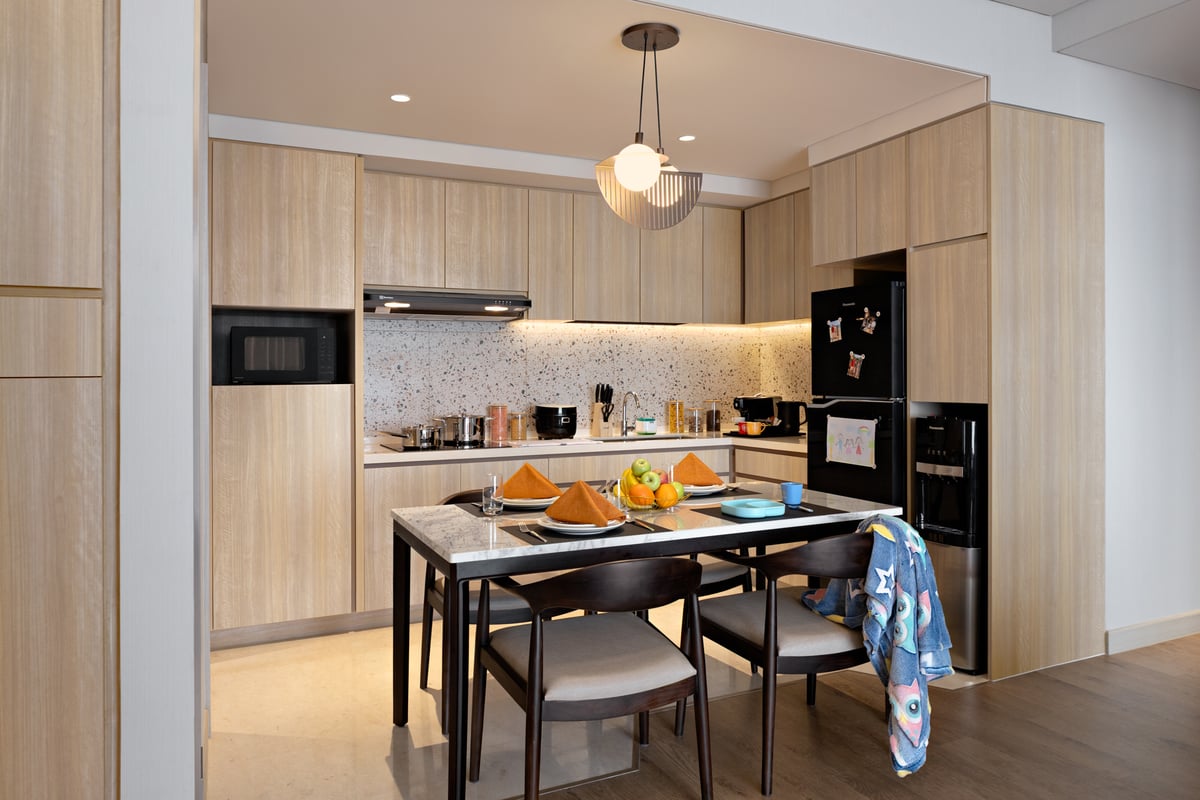
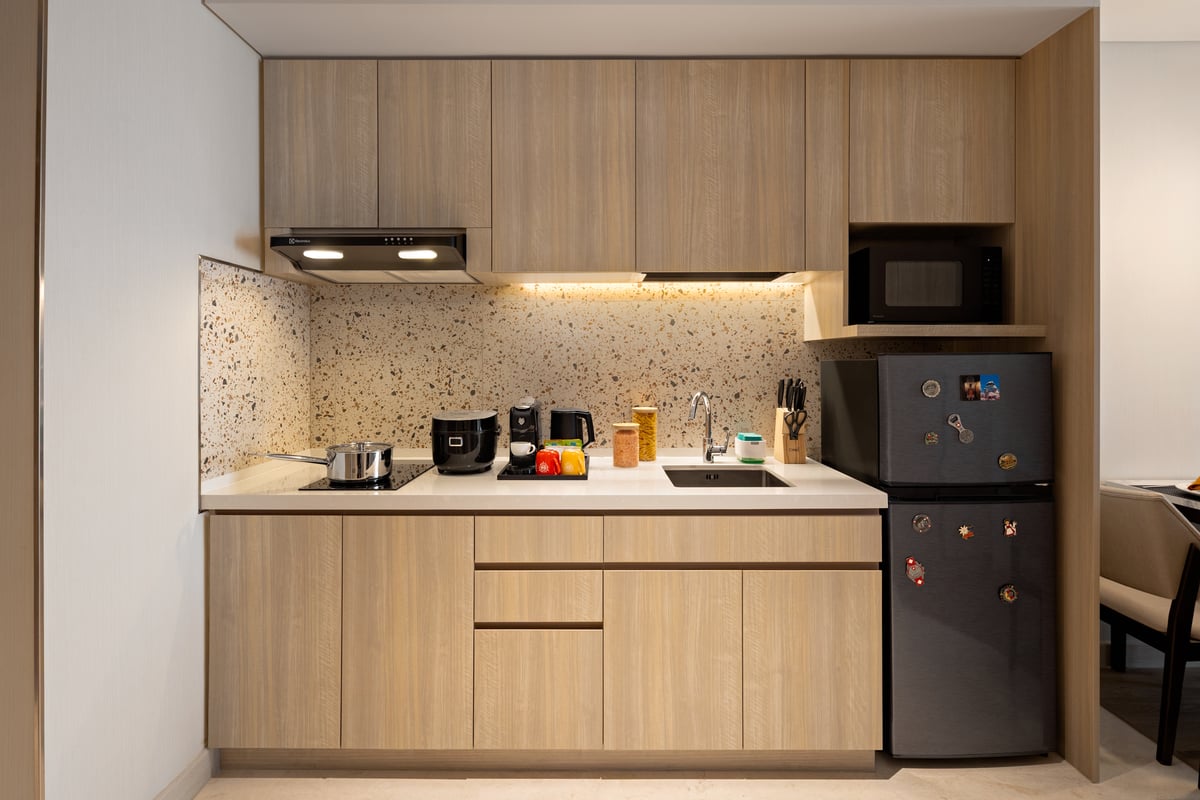
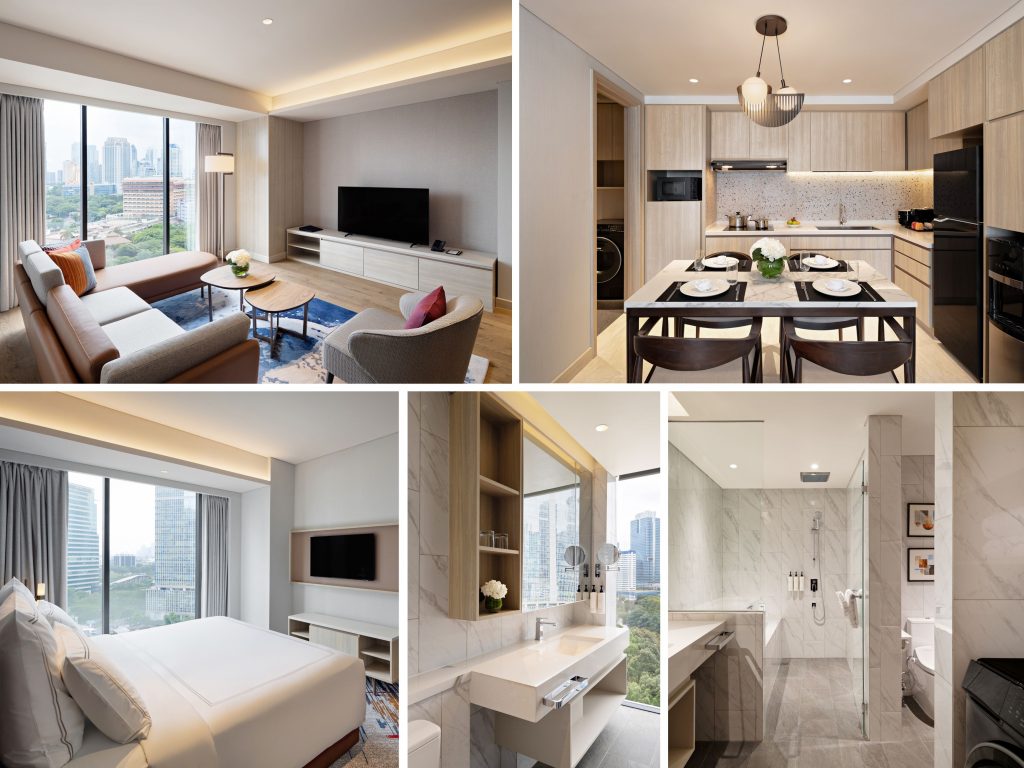
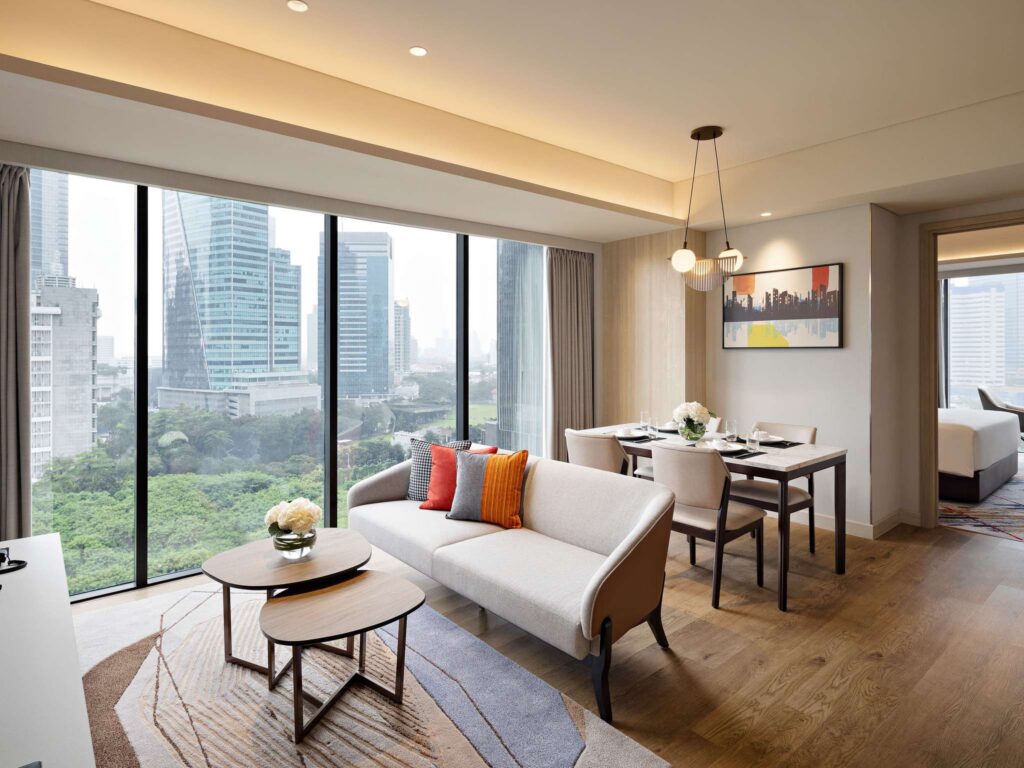
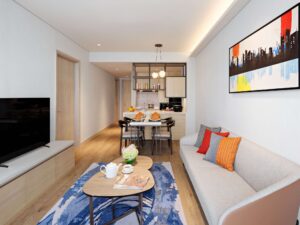
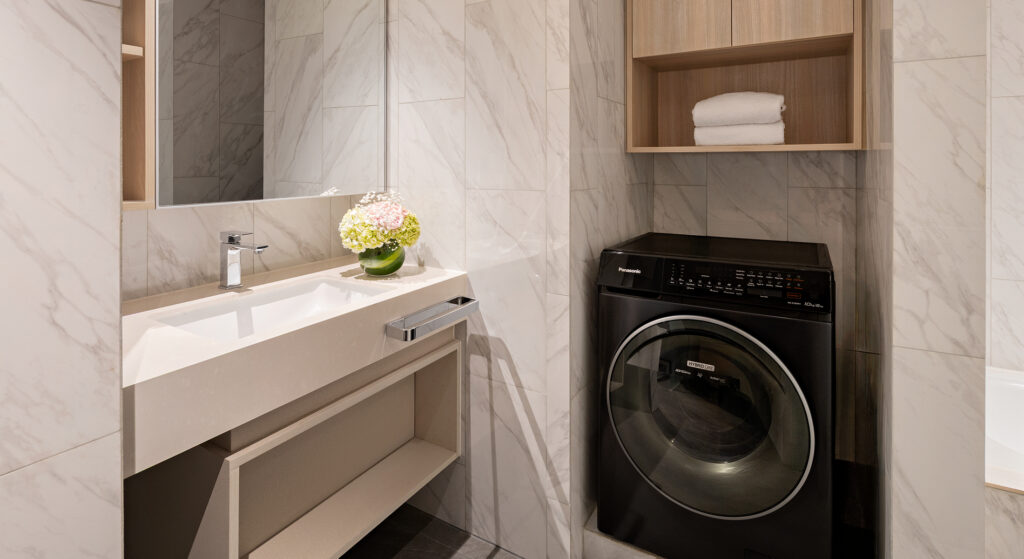
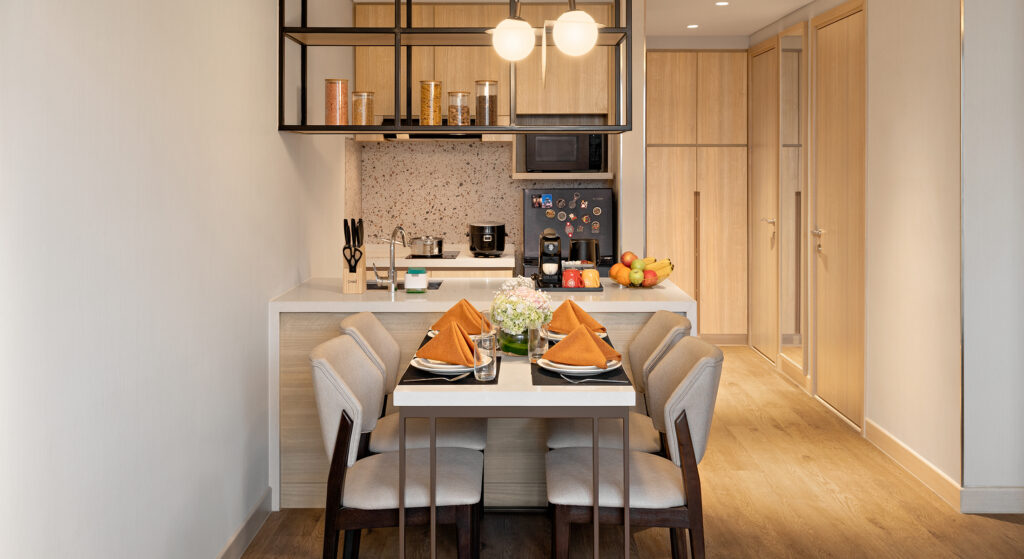
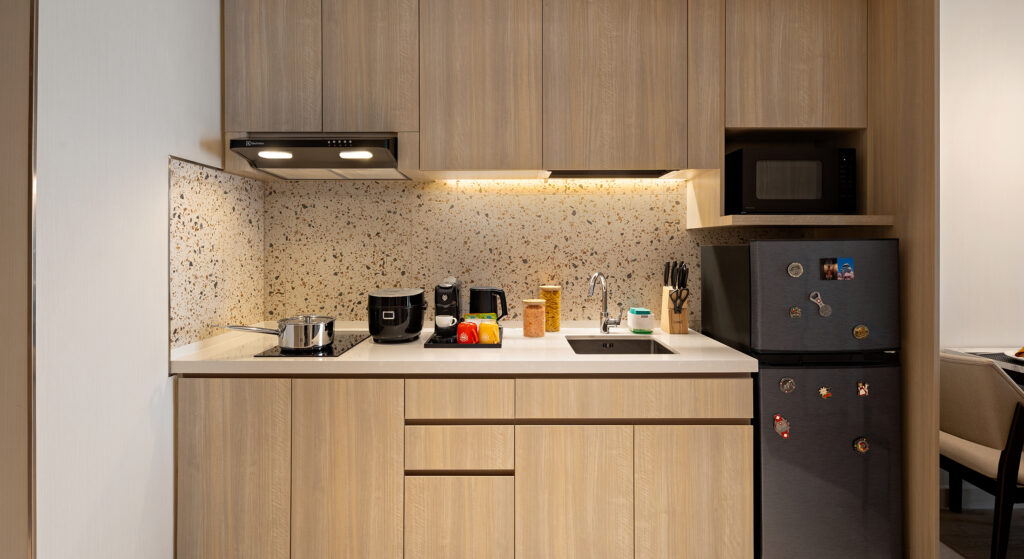
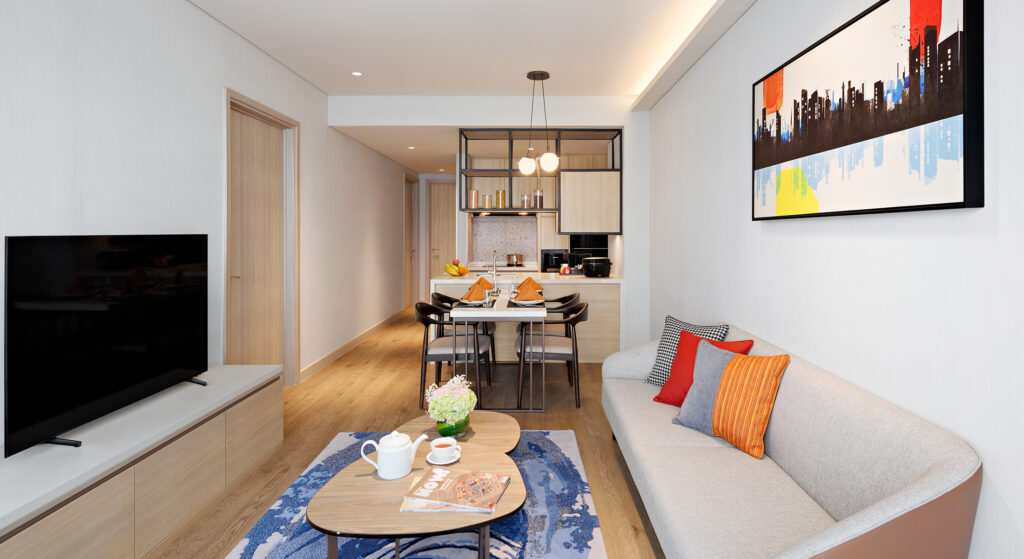
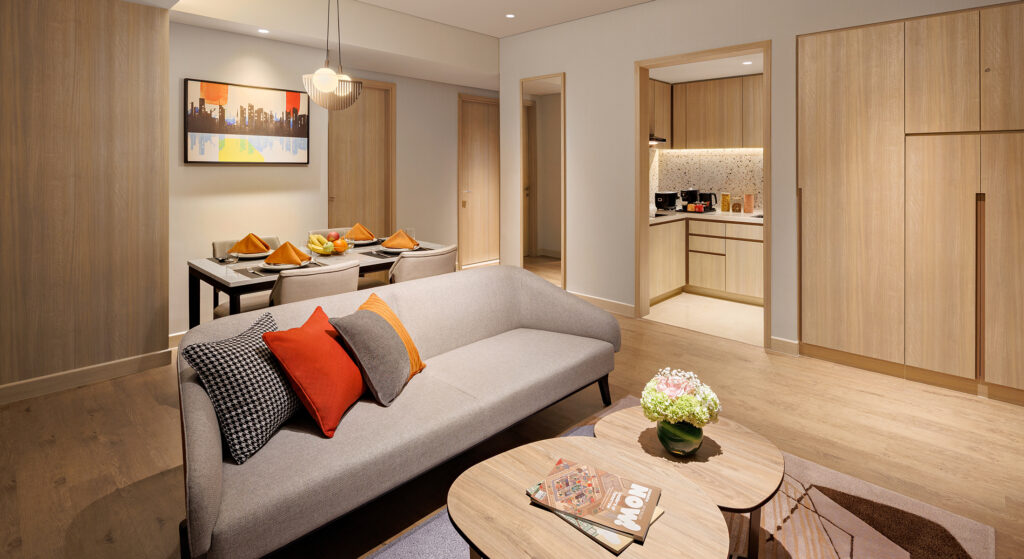
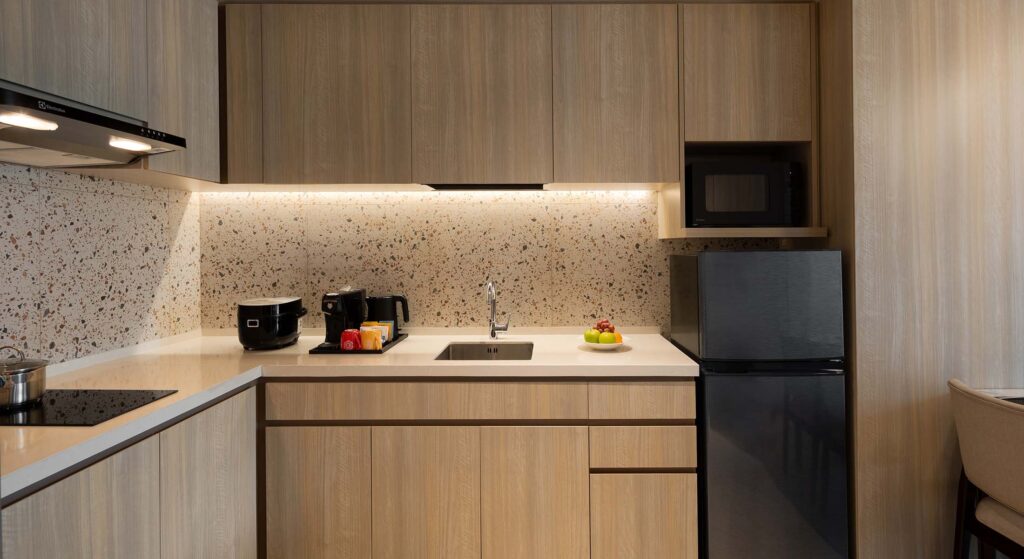
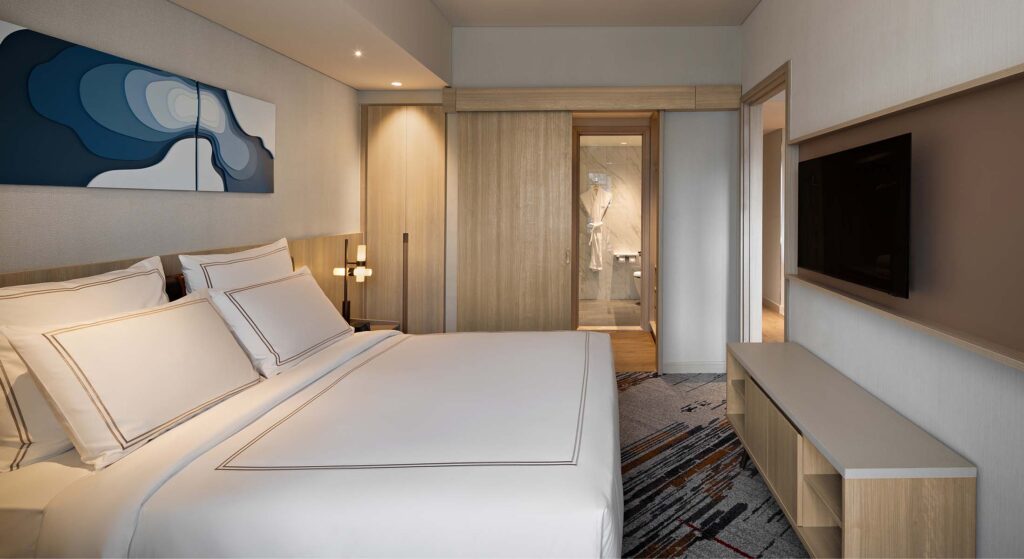
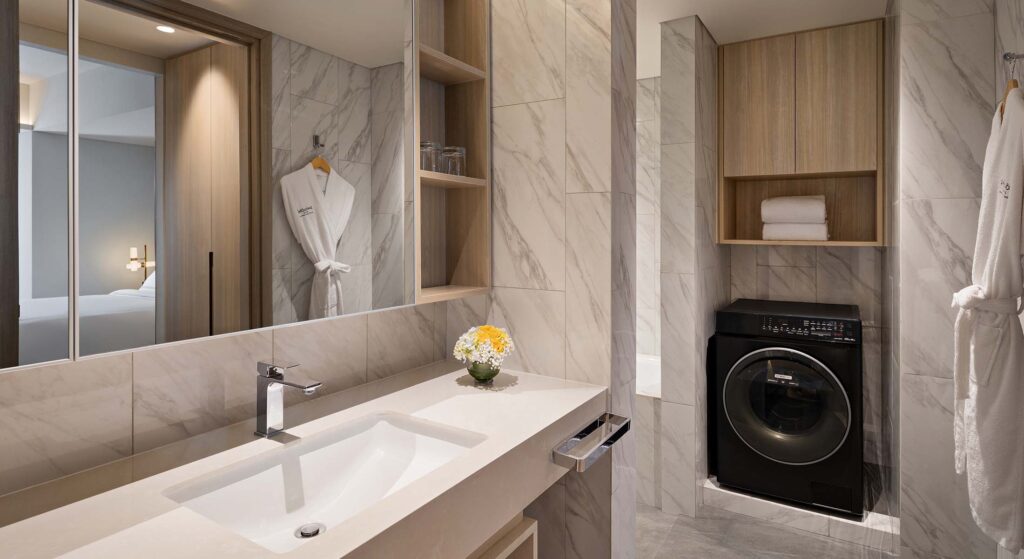
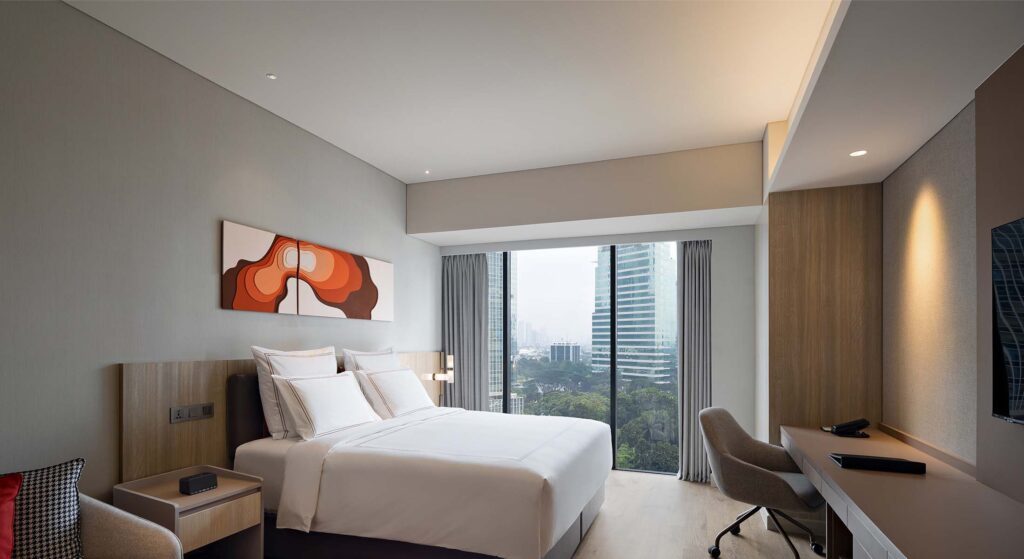
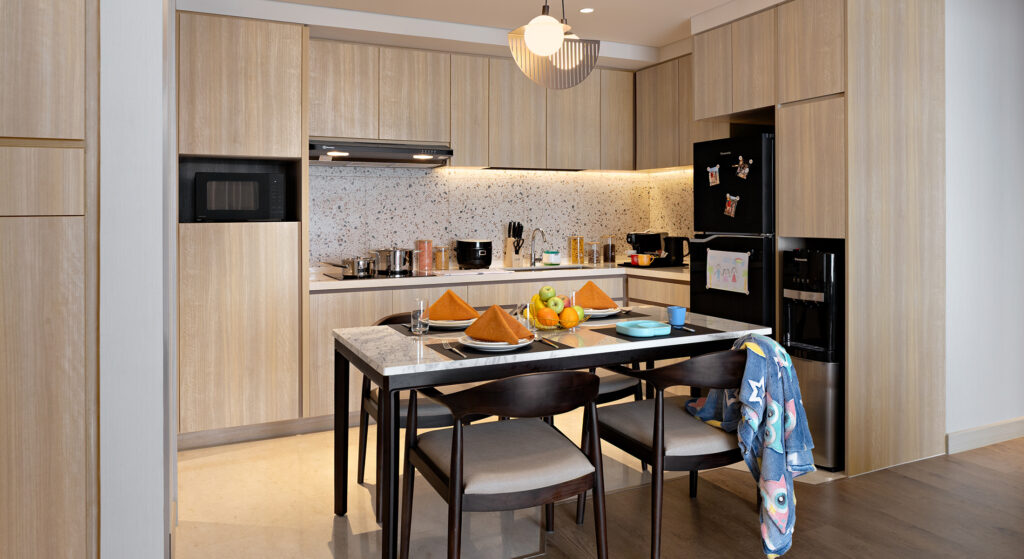
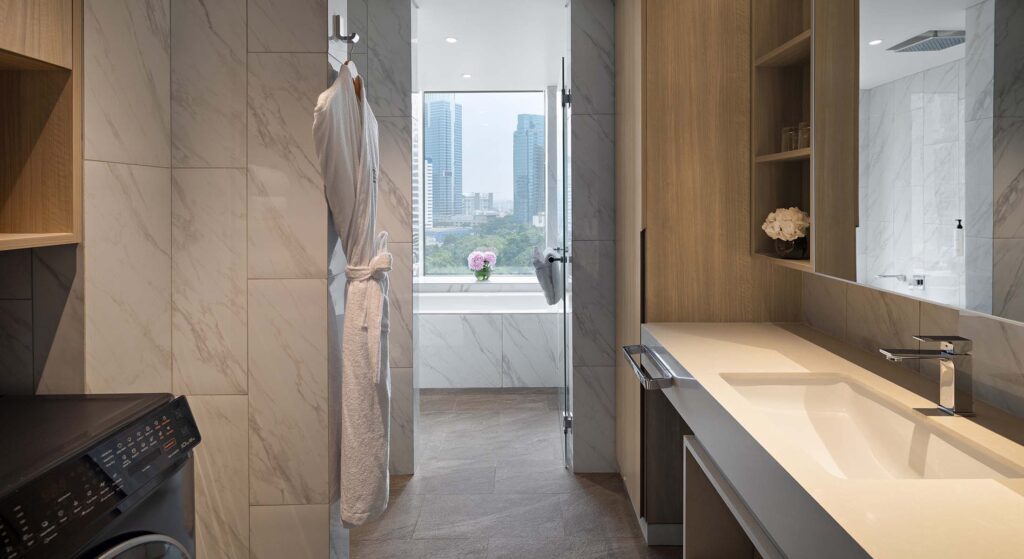
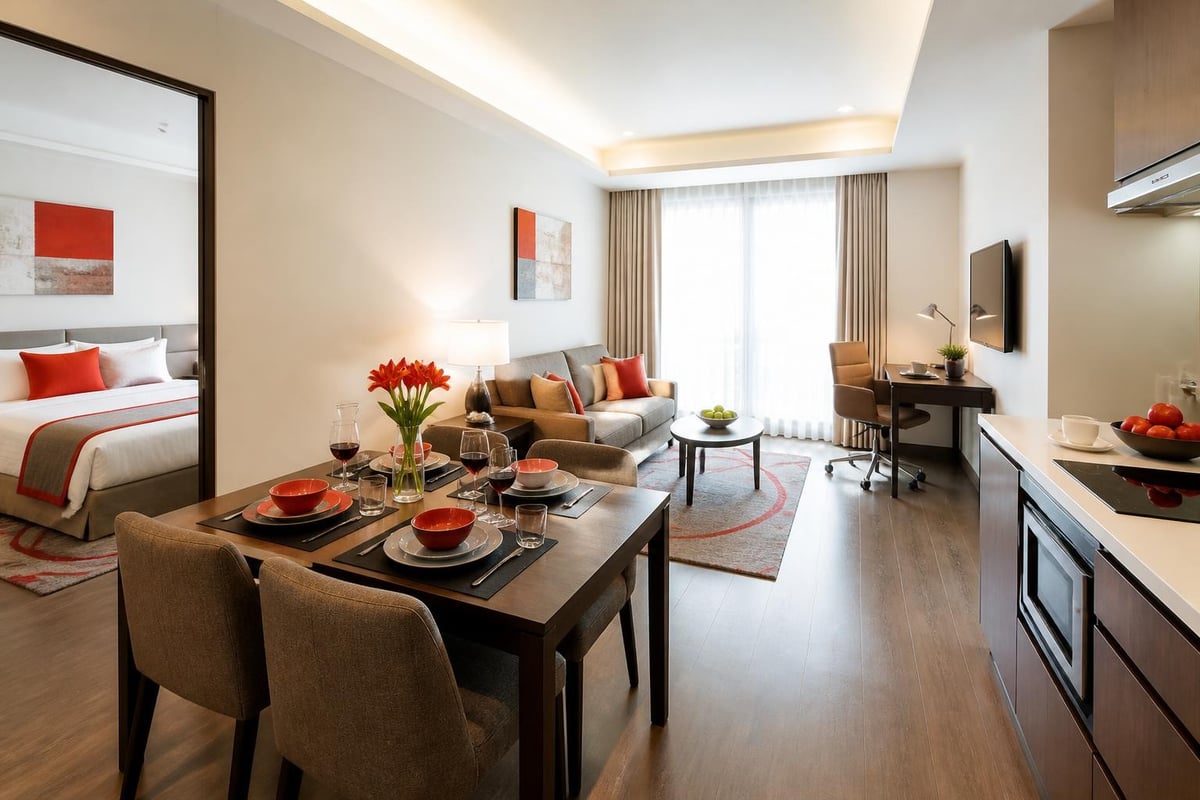
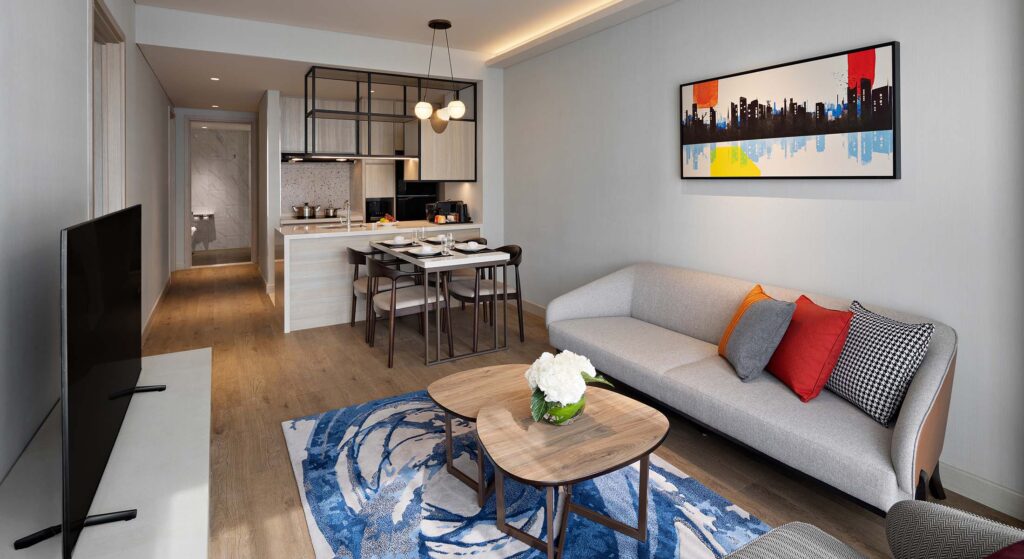
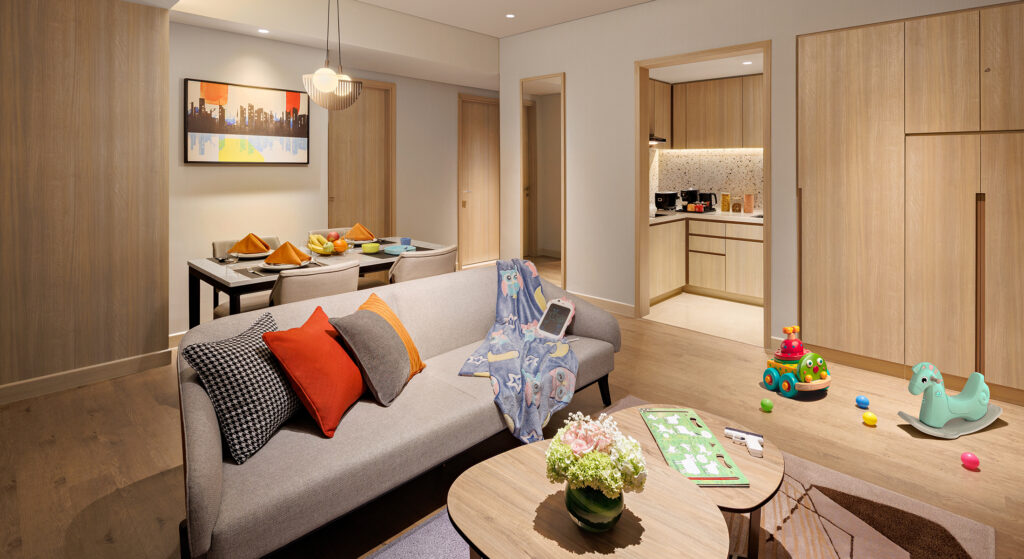
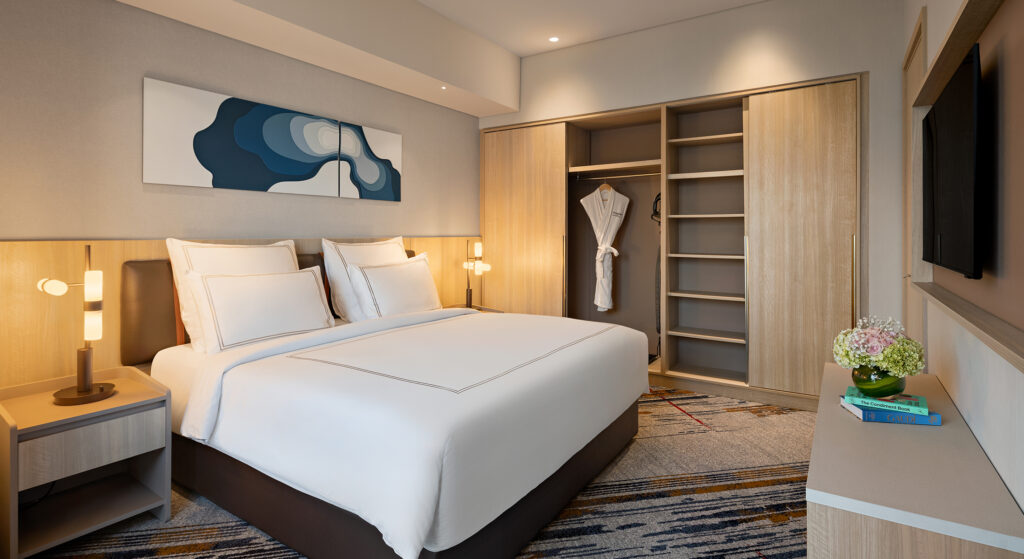
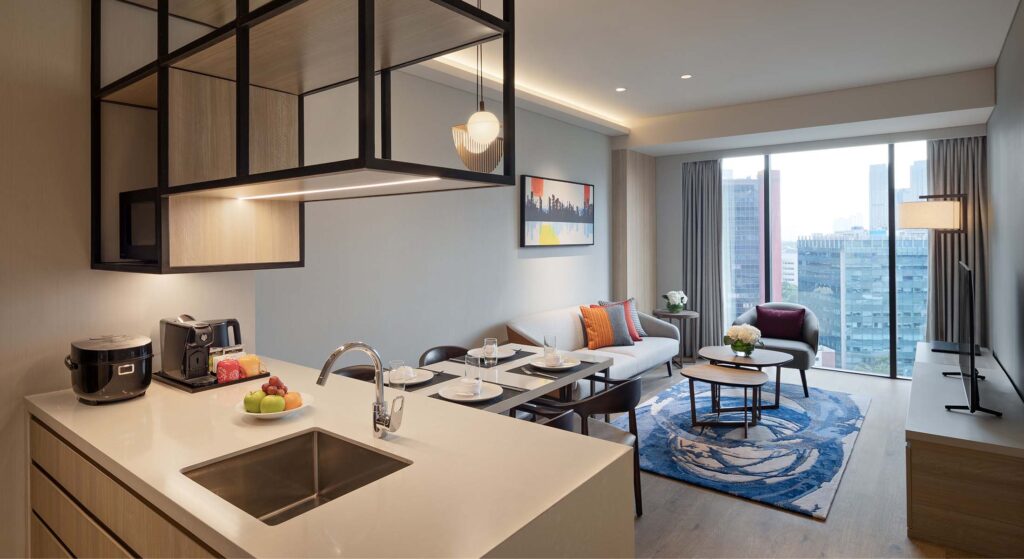
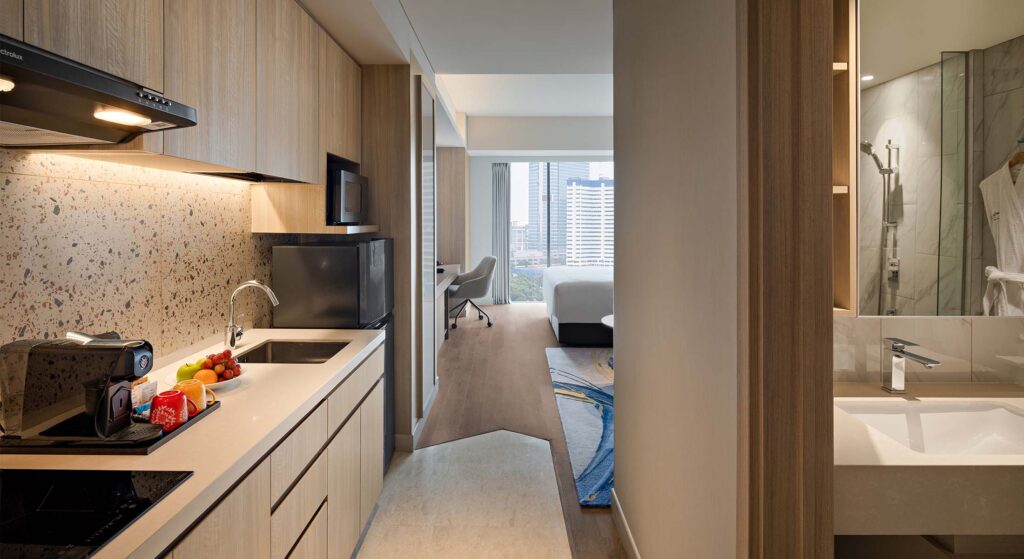
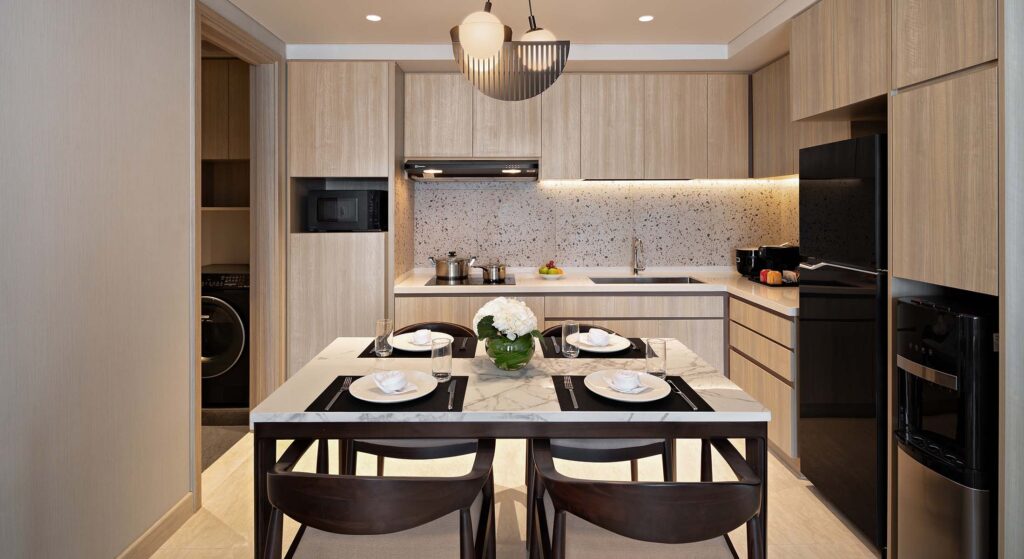
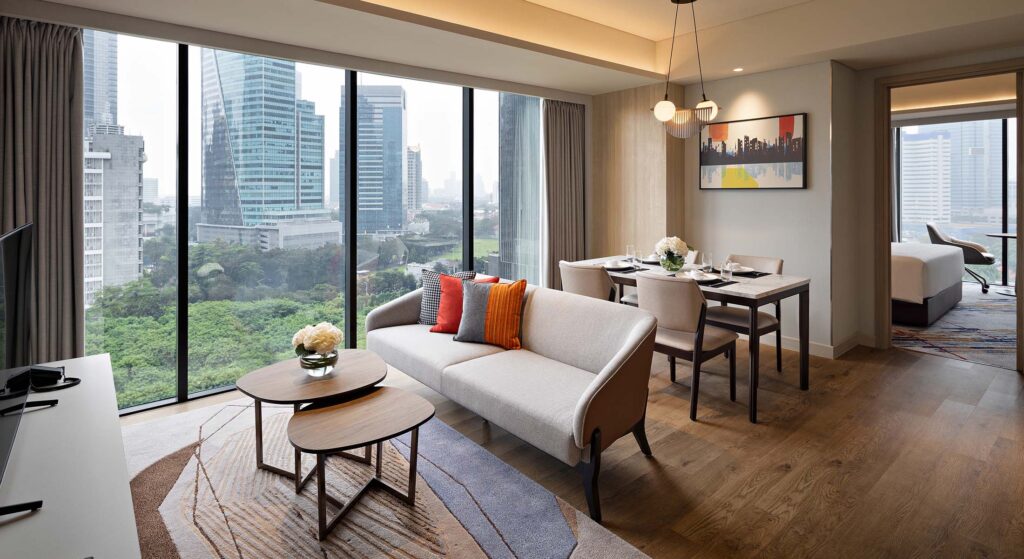
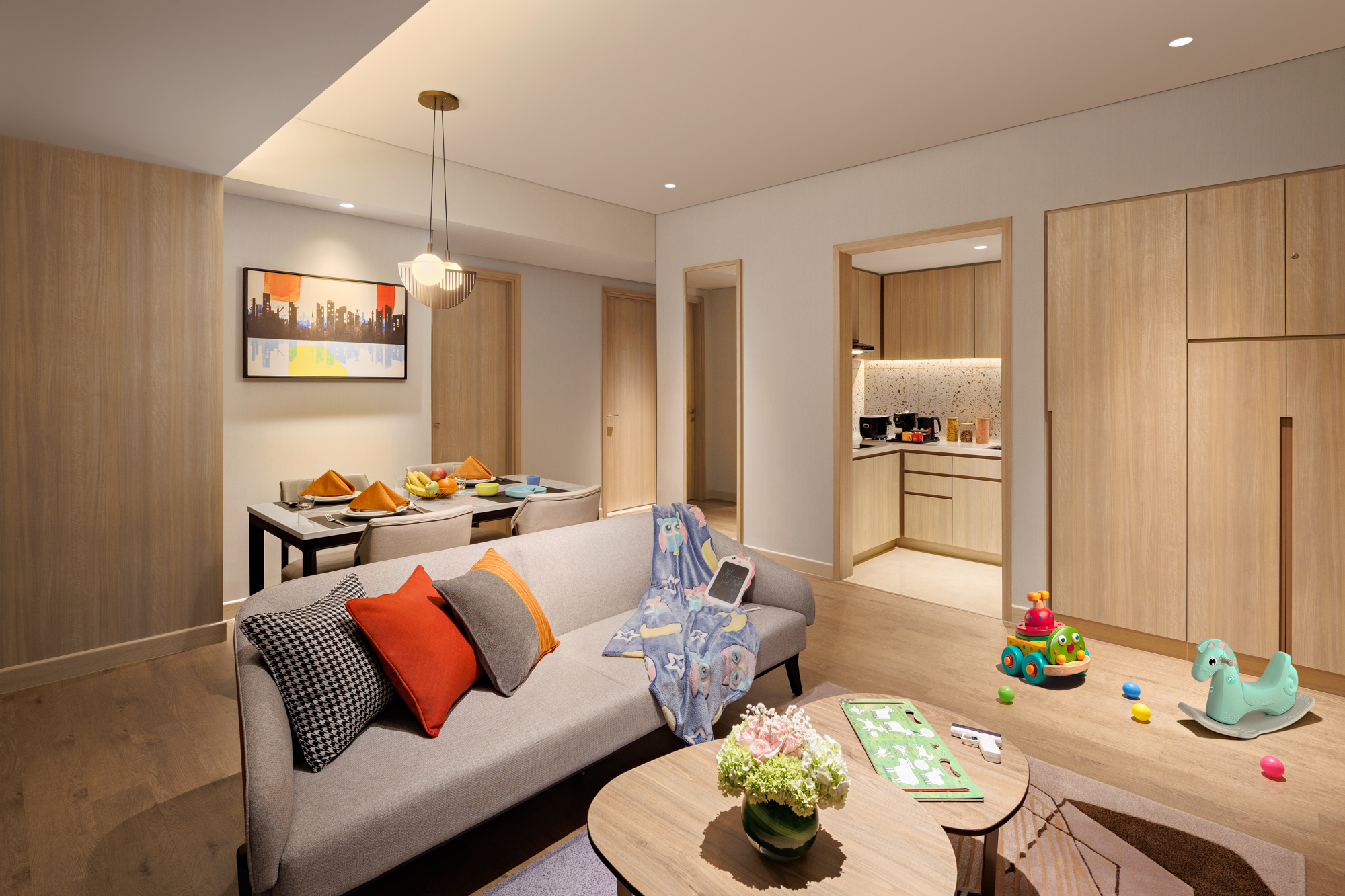
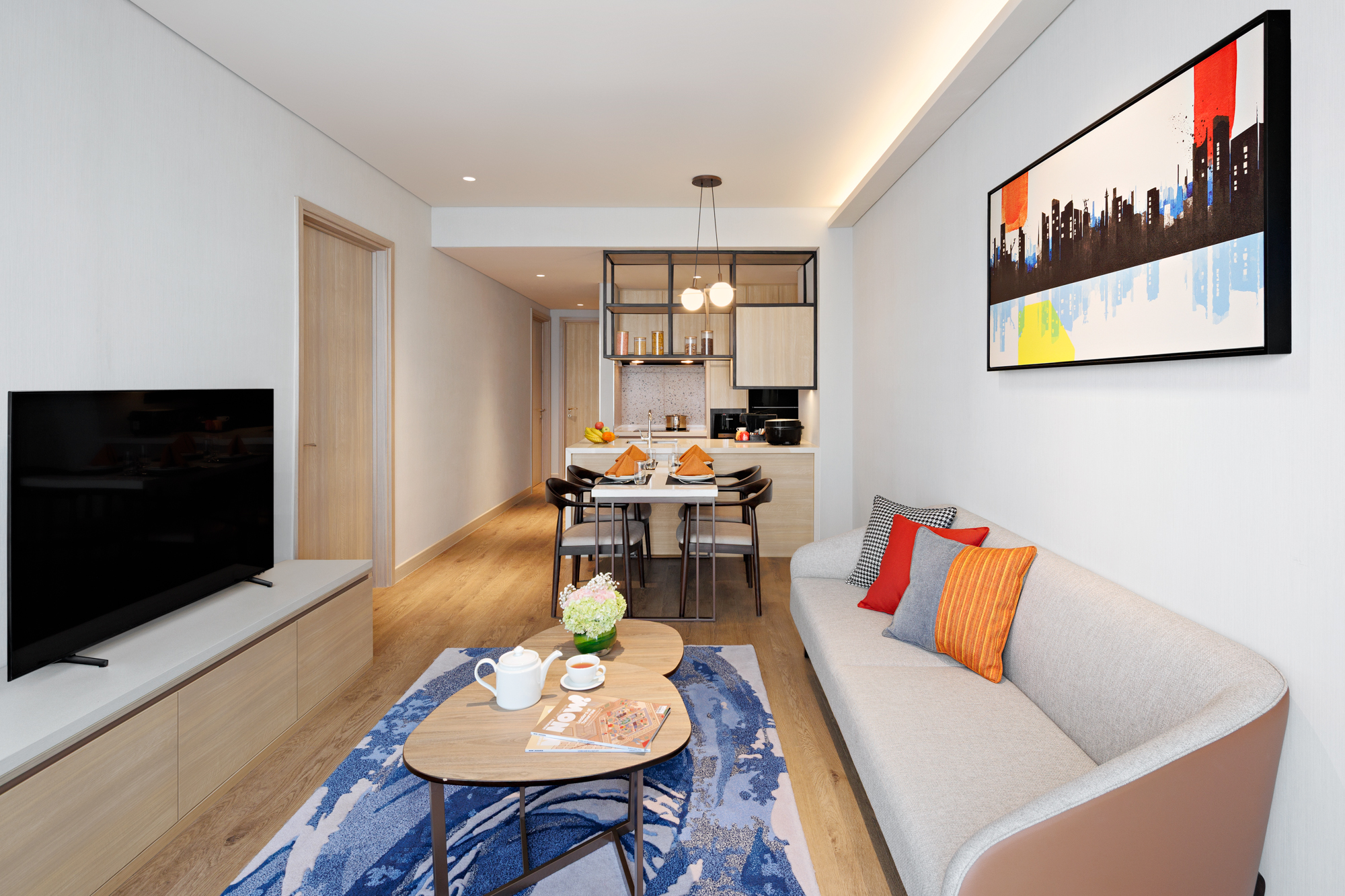
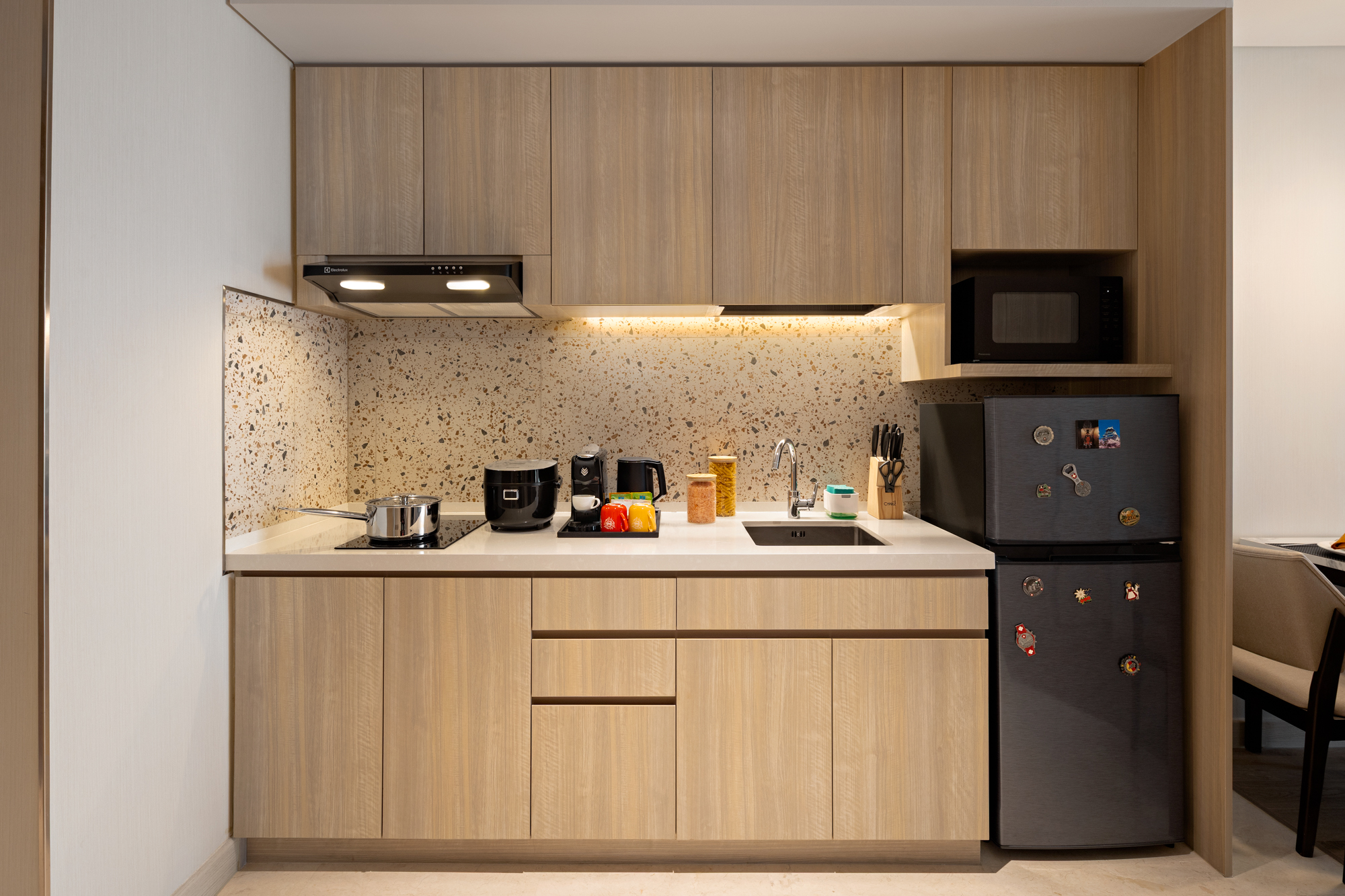
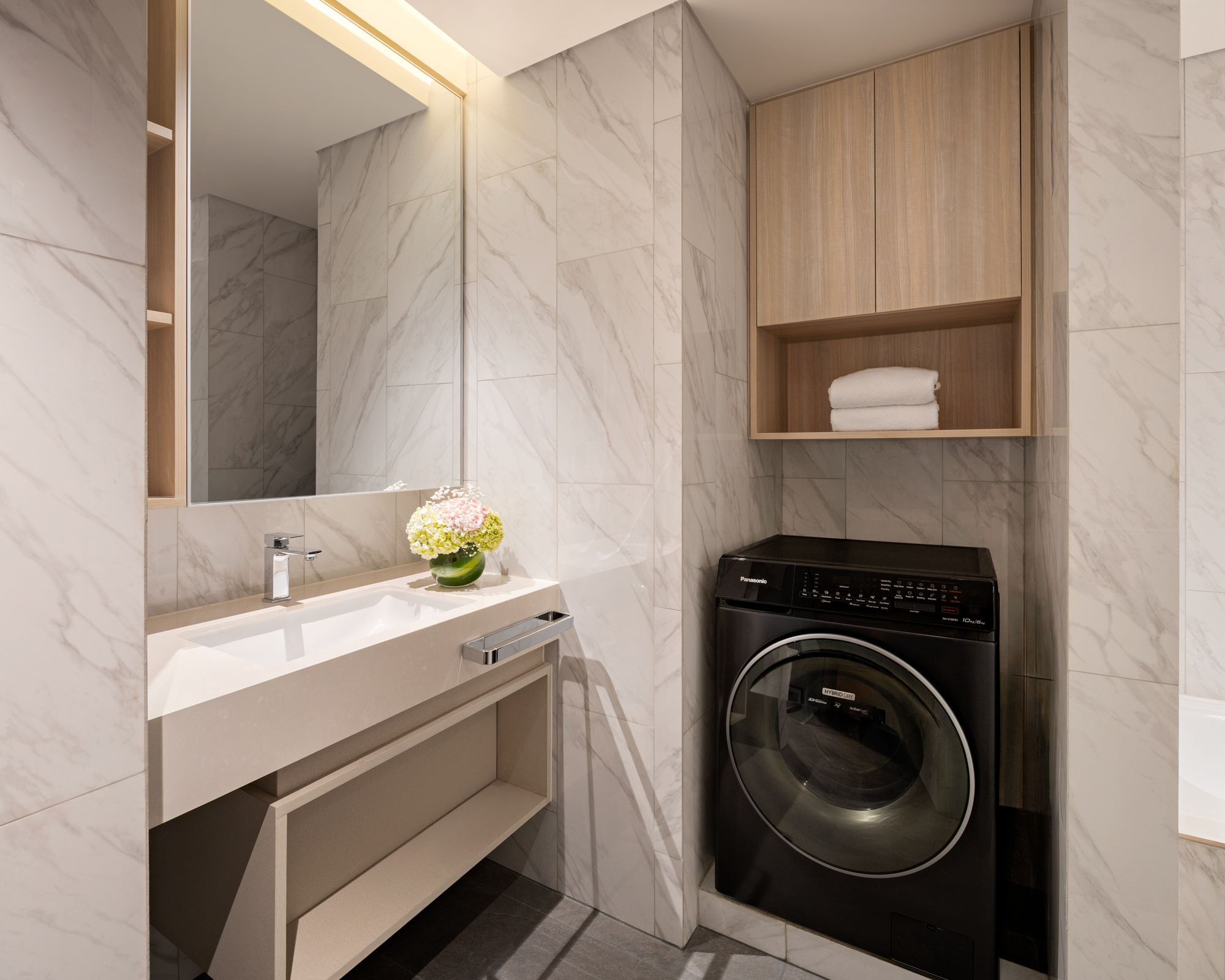
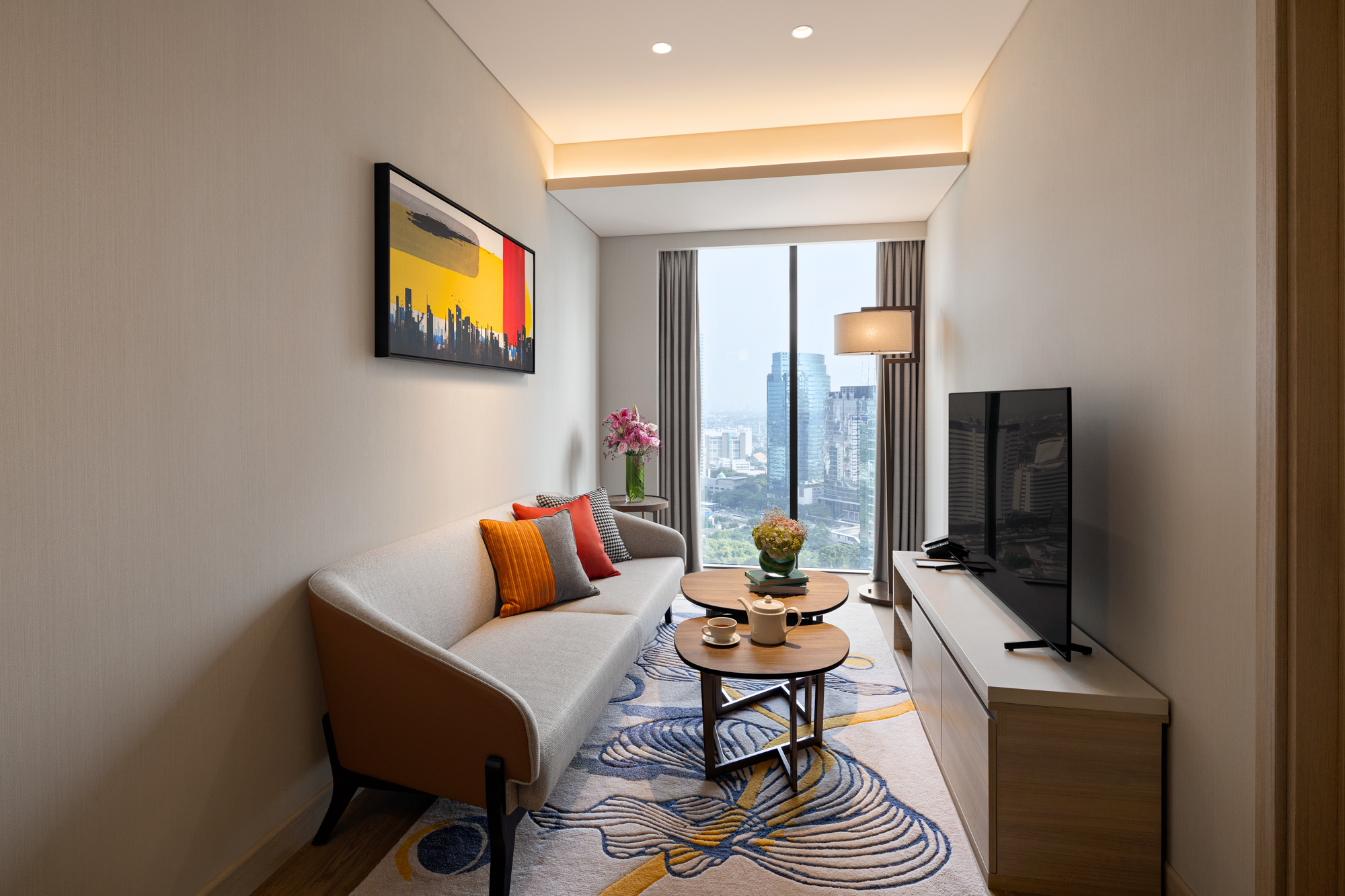
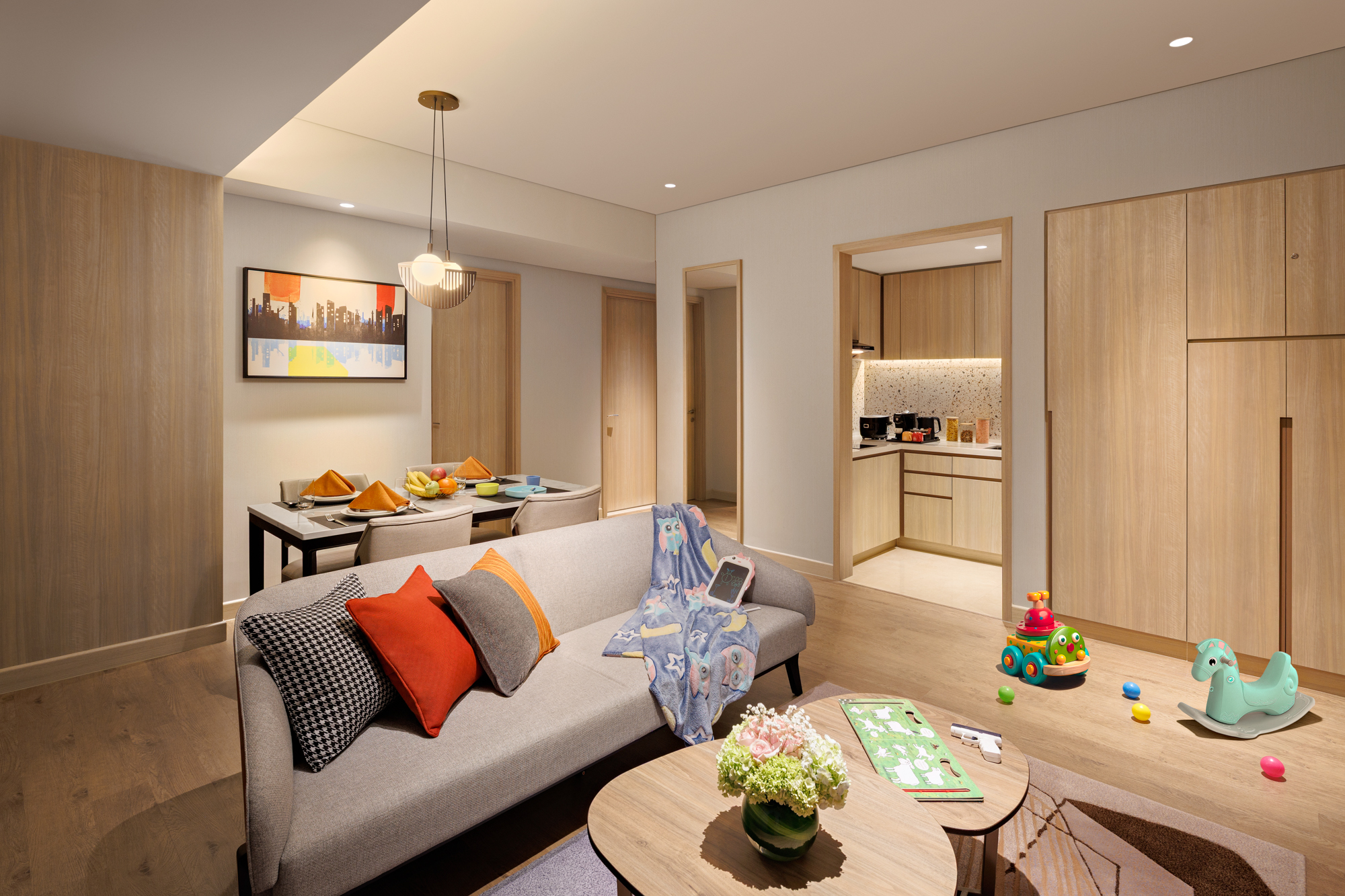
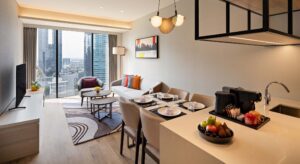
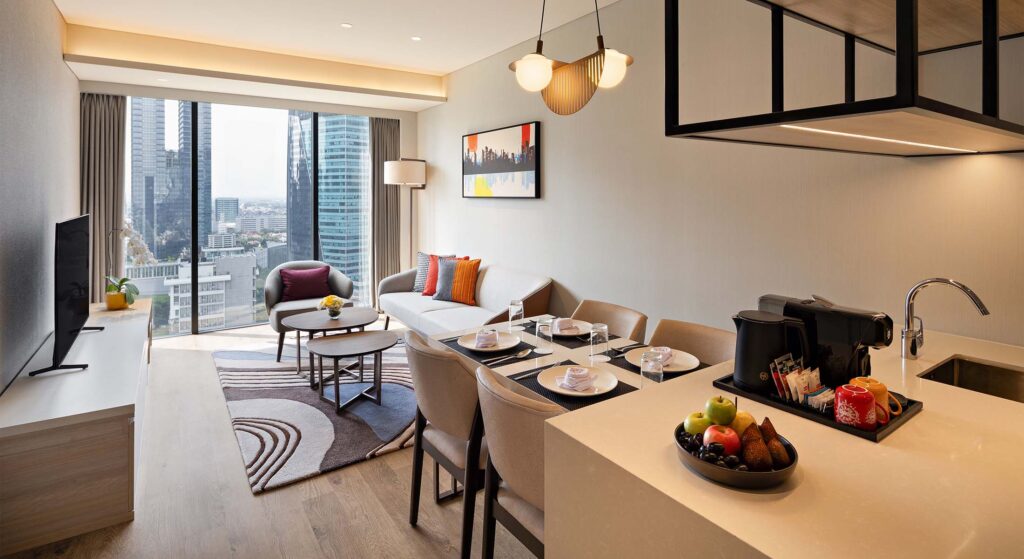
Serviced apartments provide fully furnished living spaces with separate sleeping, working, and dining areas that hotels cannot match. Full kitchens with induction stoves, refrigerators, rice cookers, and microwaves eliminate daily restaurant expenses, creating substantial cost savings over multi-month stays. In-unit washing machines reduce service fees and provide convenience that traditional hotel laundry services cannot replicate.
Serviced apartments typically include:
- Full kitchen equipment and cookware
- In-unit laundry facilities
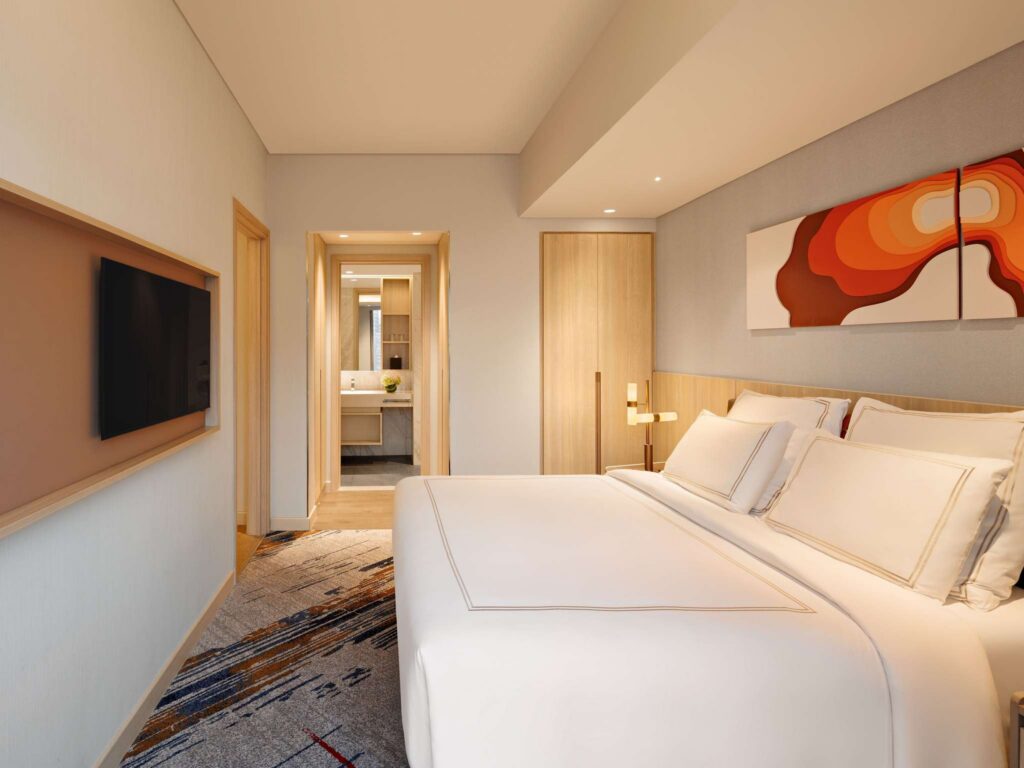
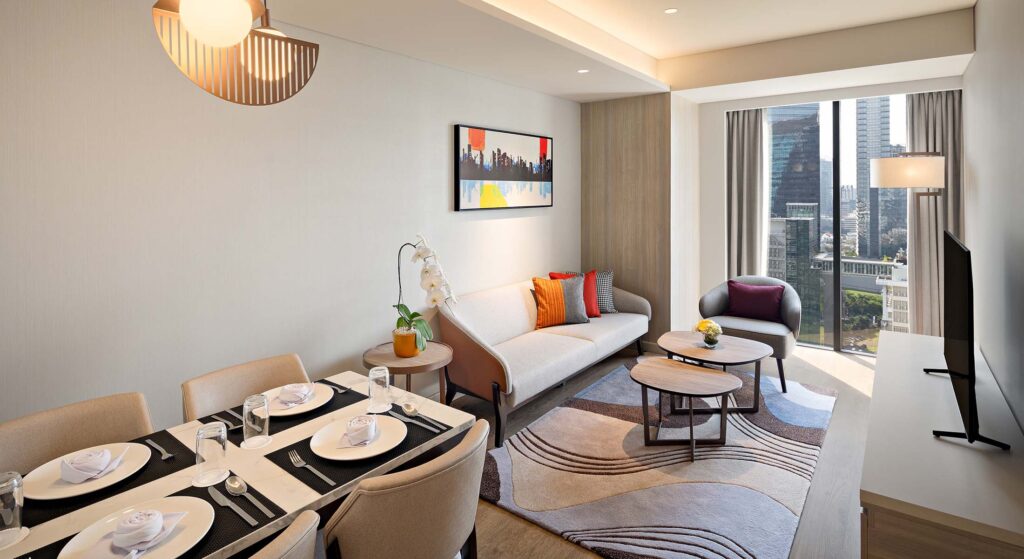
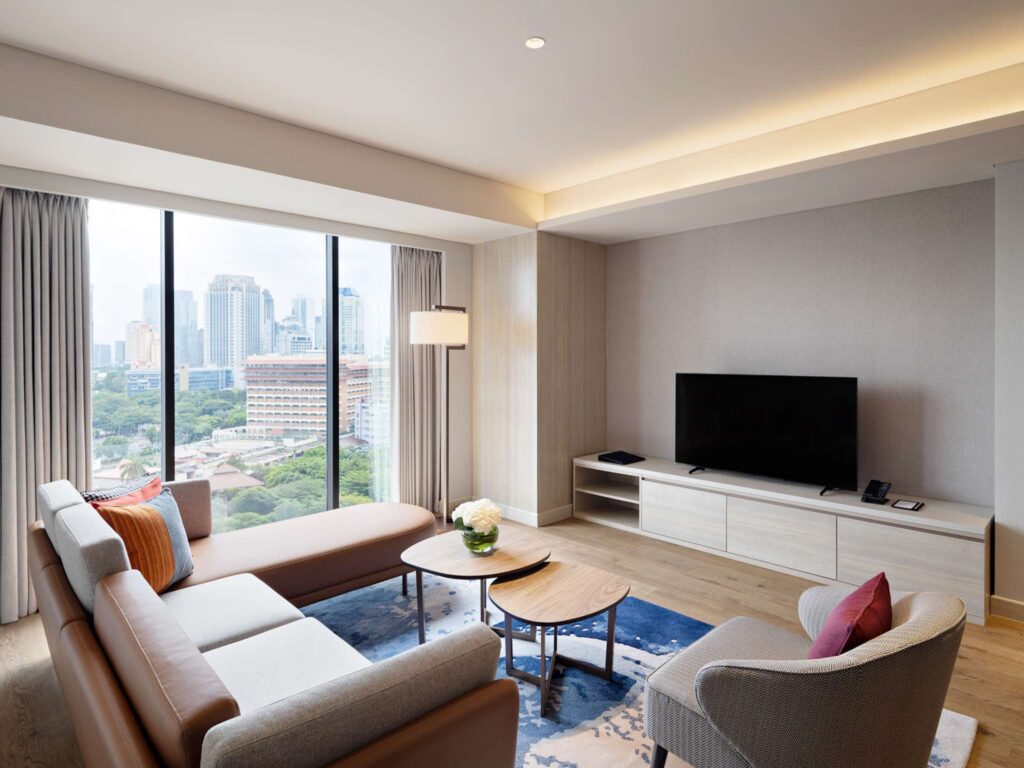
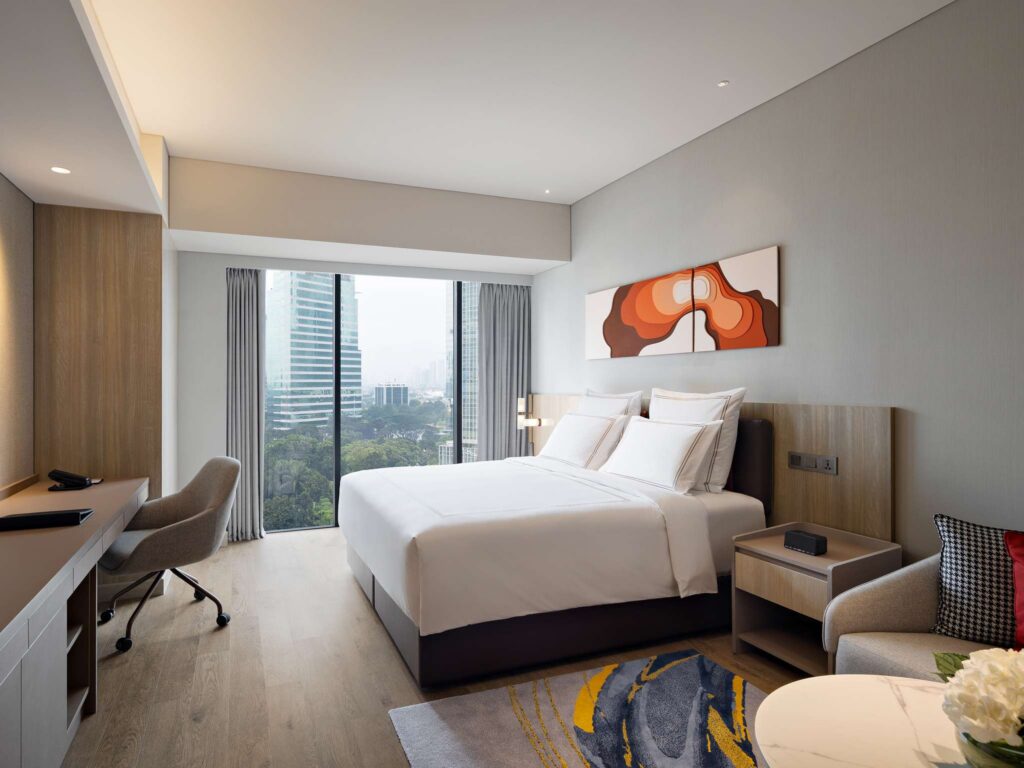
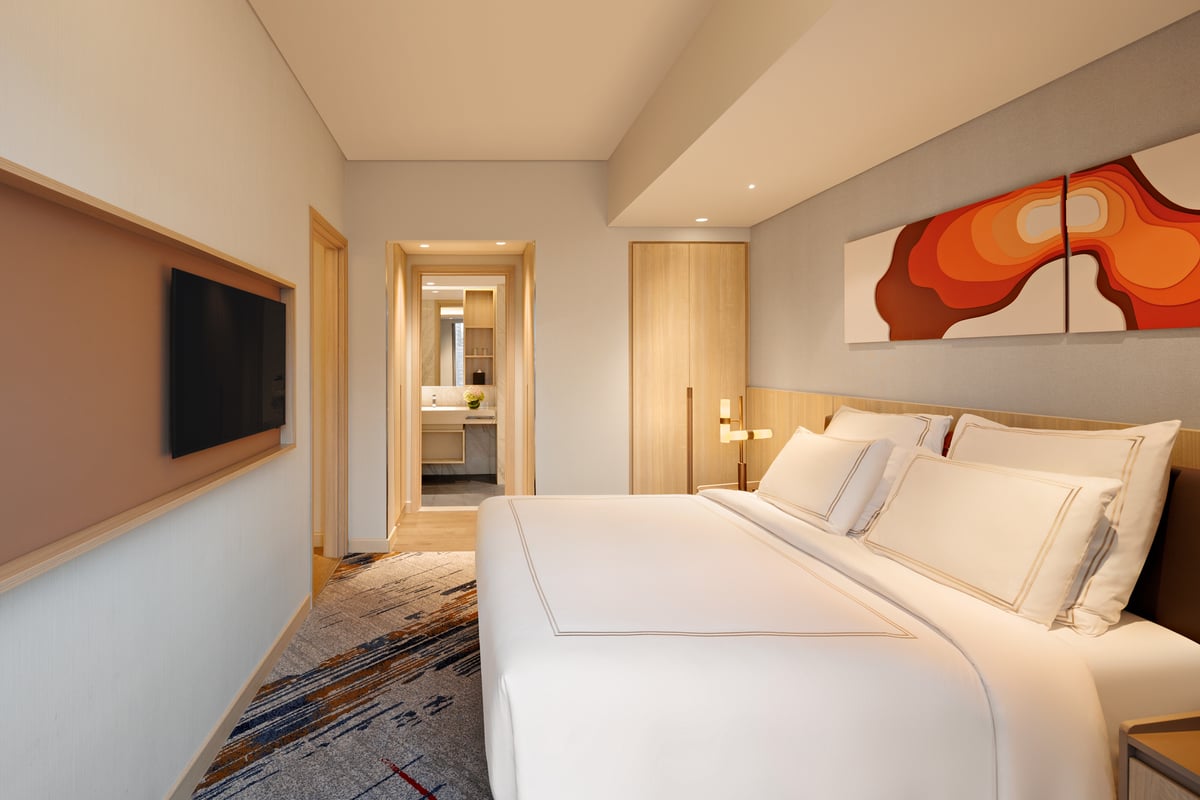
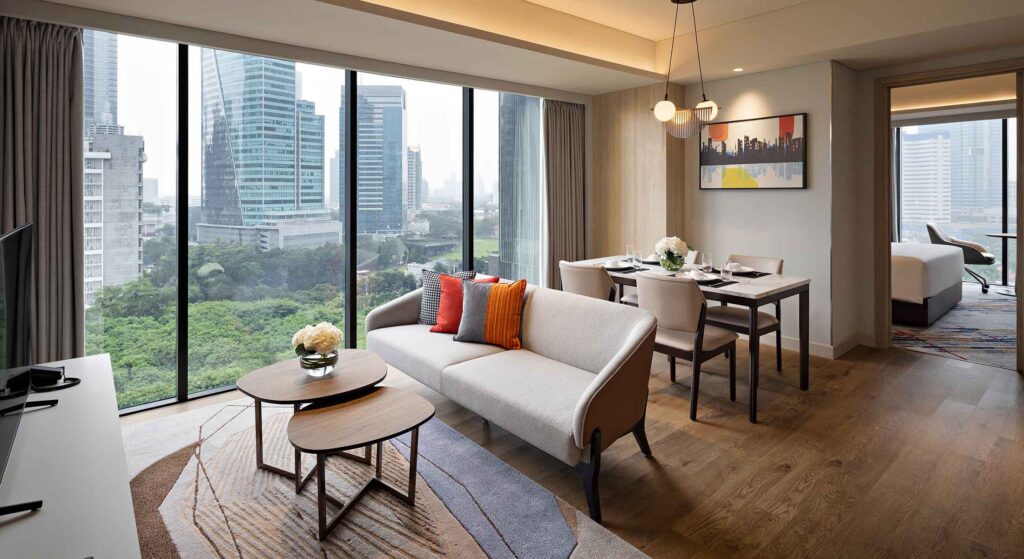
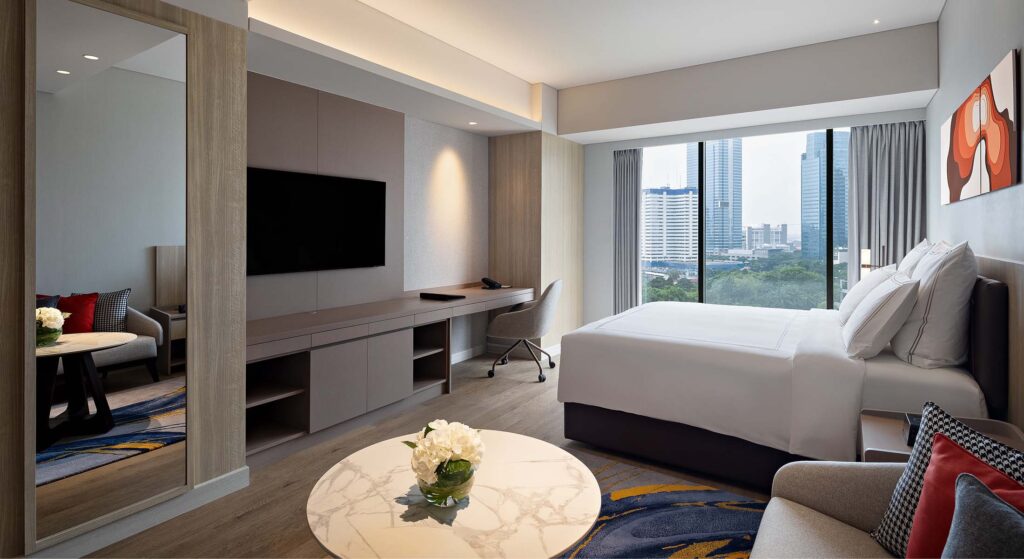
- Separate living and sleeping areas
- Work desk and high-speed internet
- Weekly or bi-weekly housekeeping
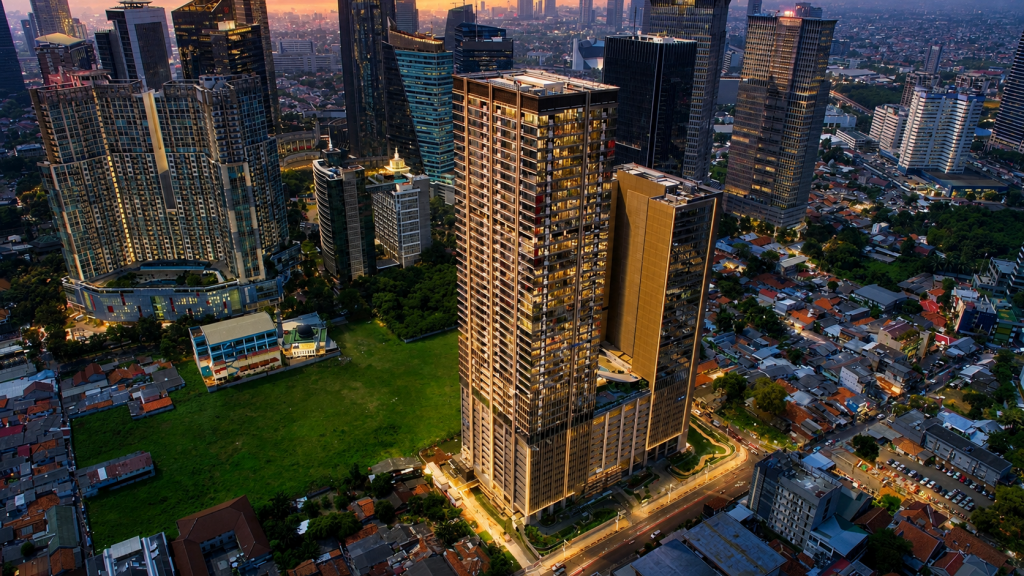
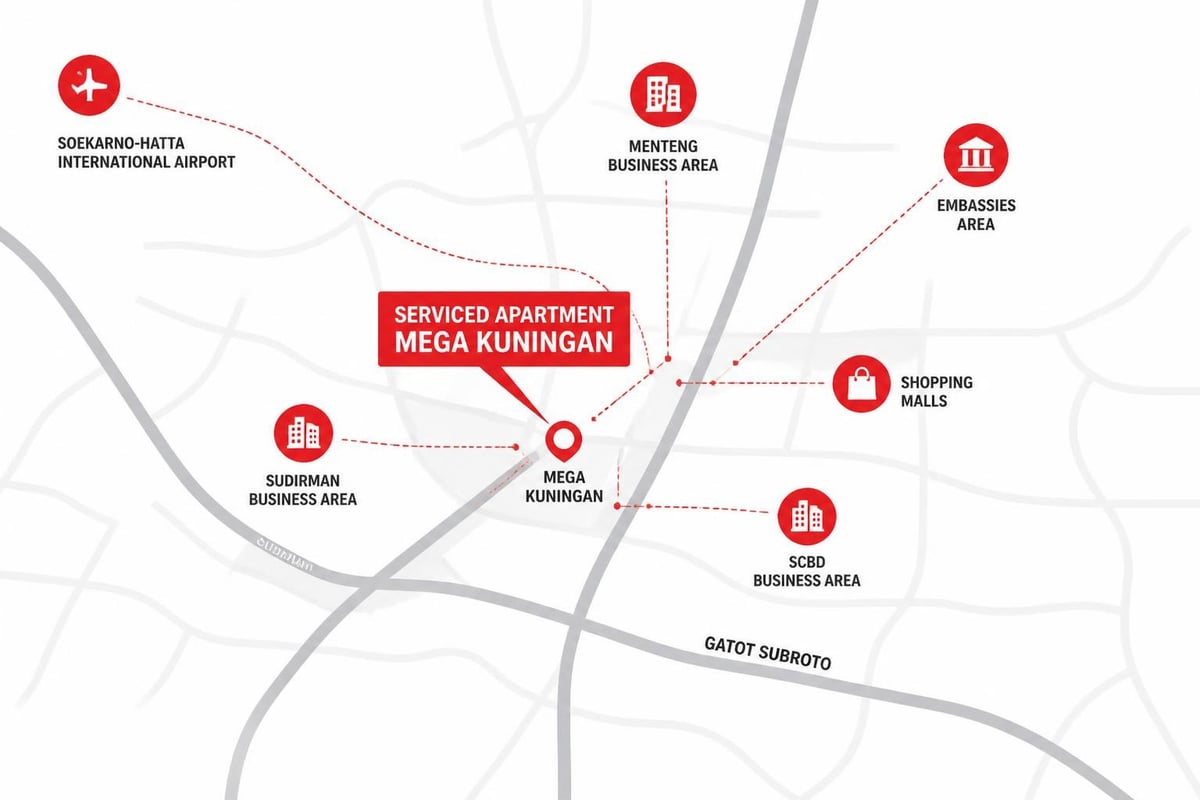
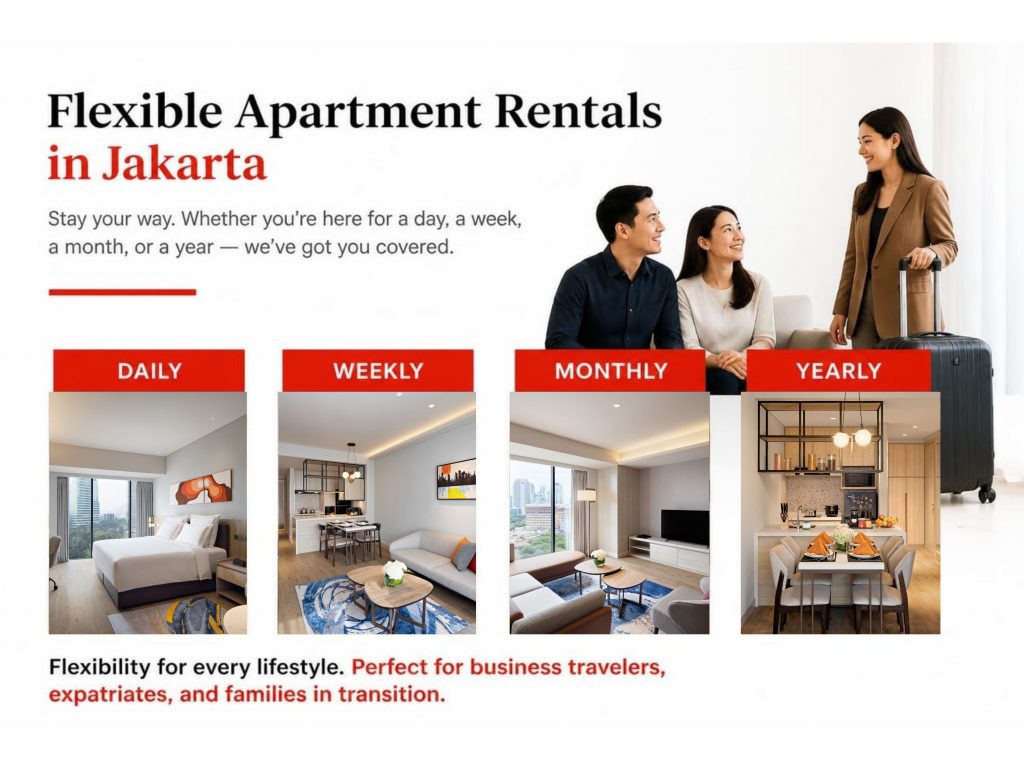
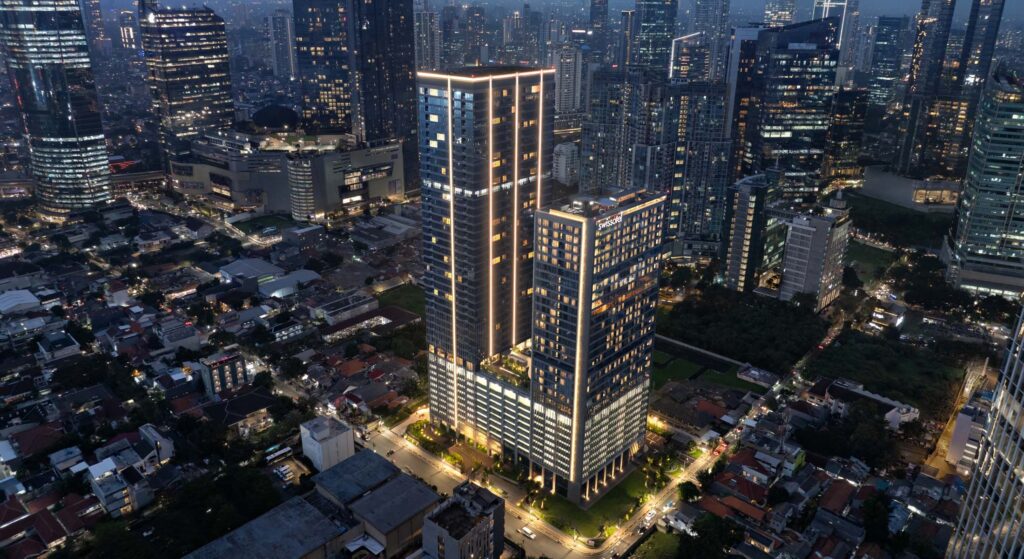
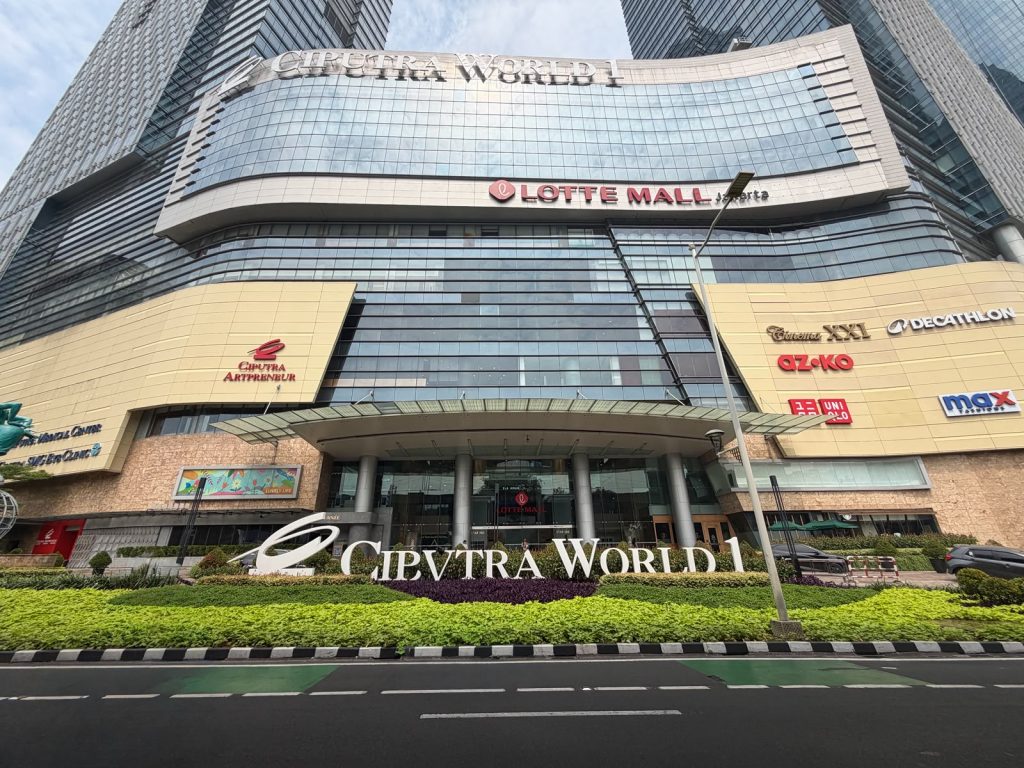
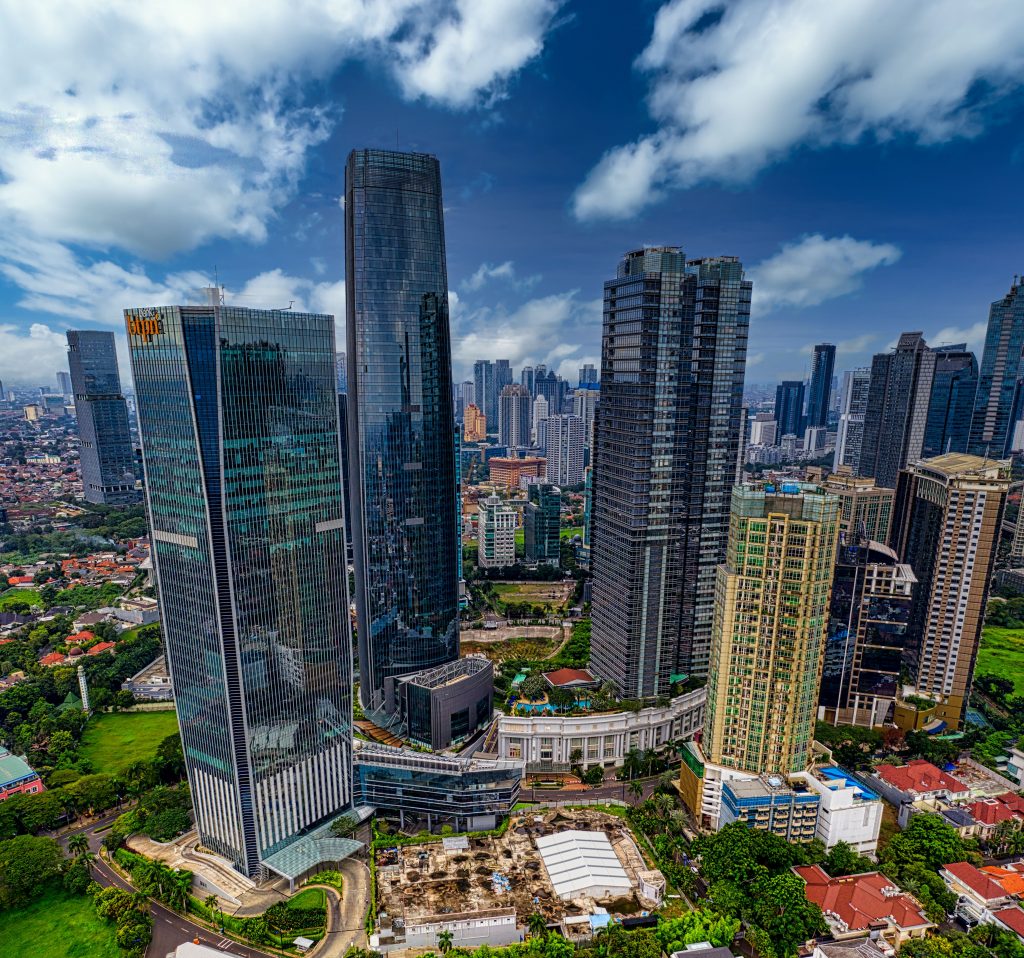
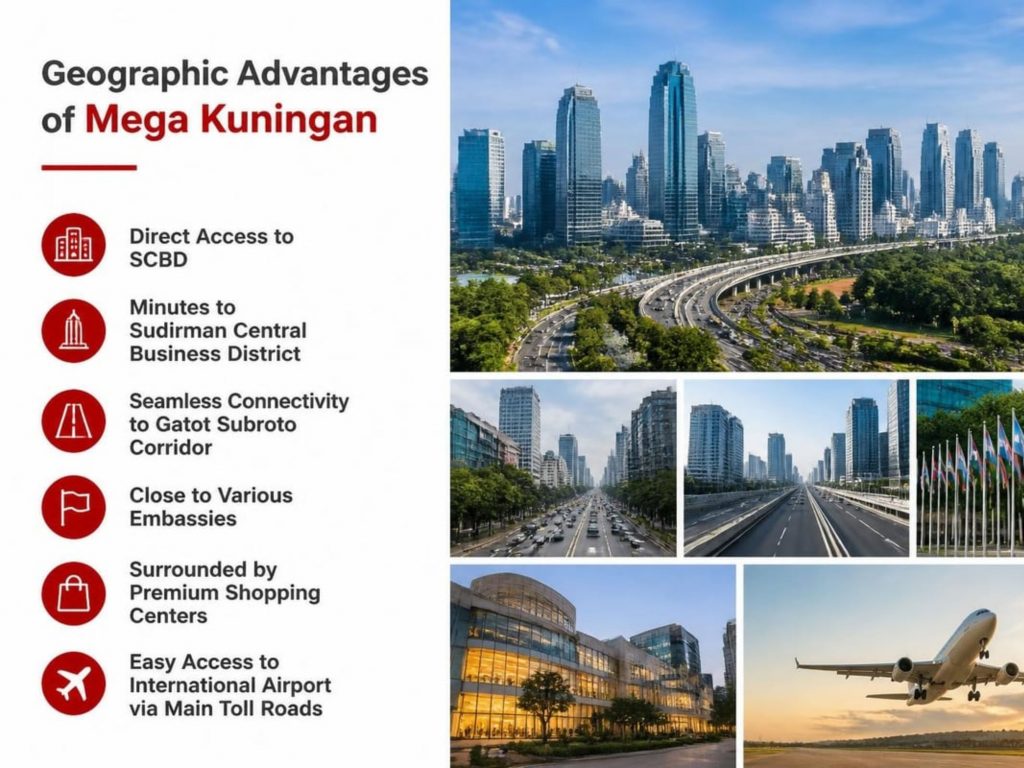
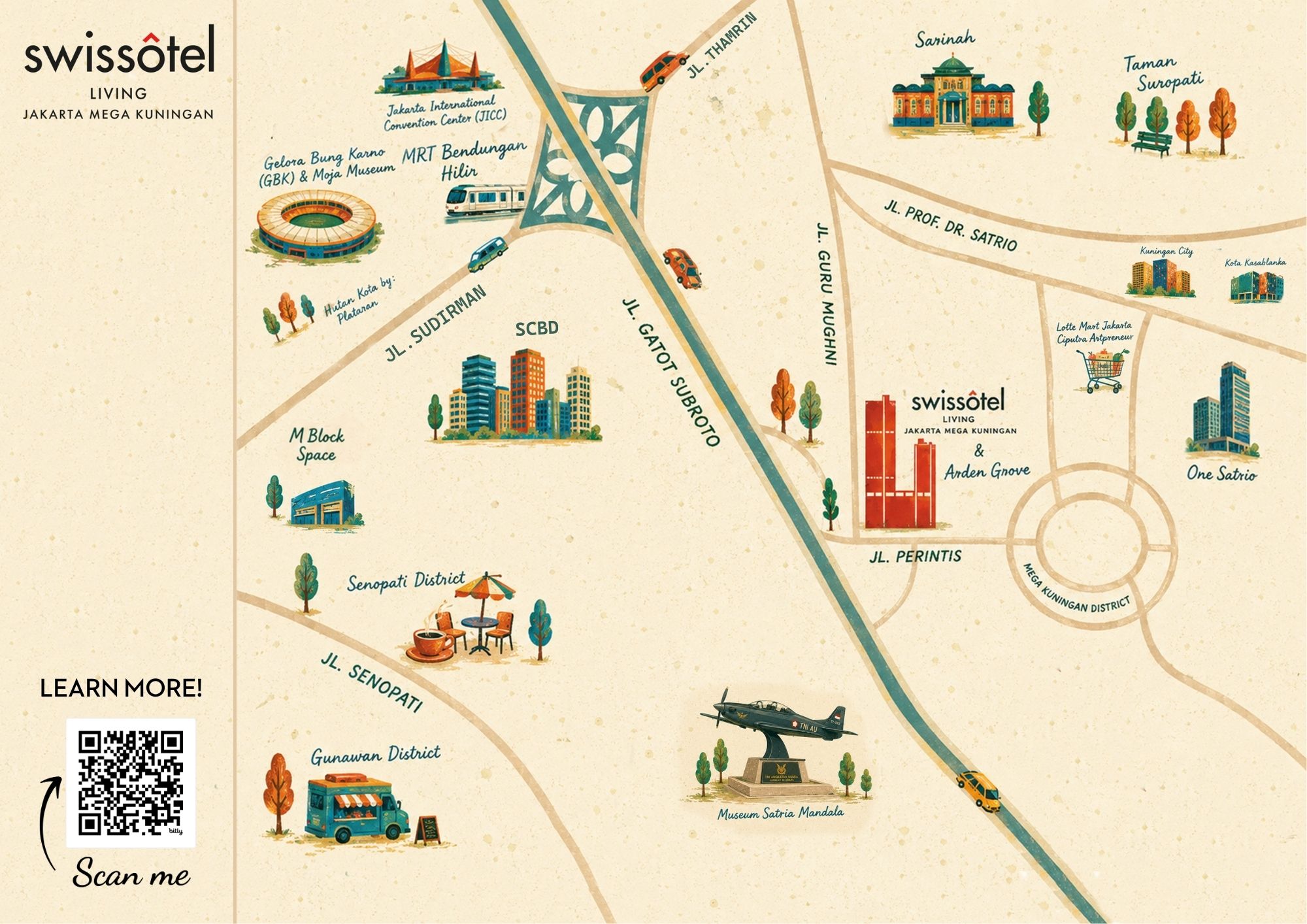
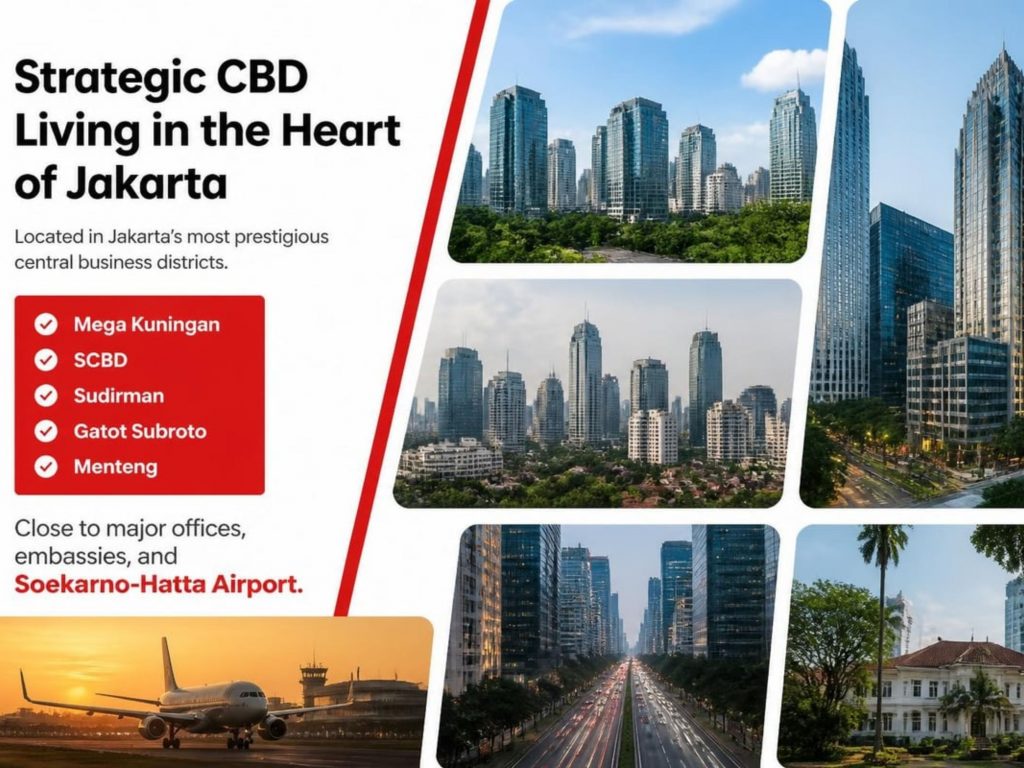
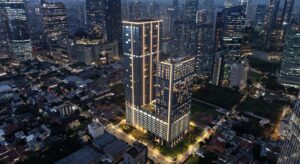
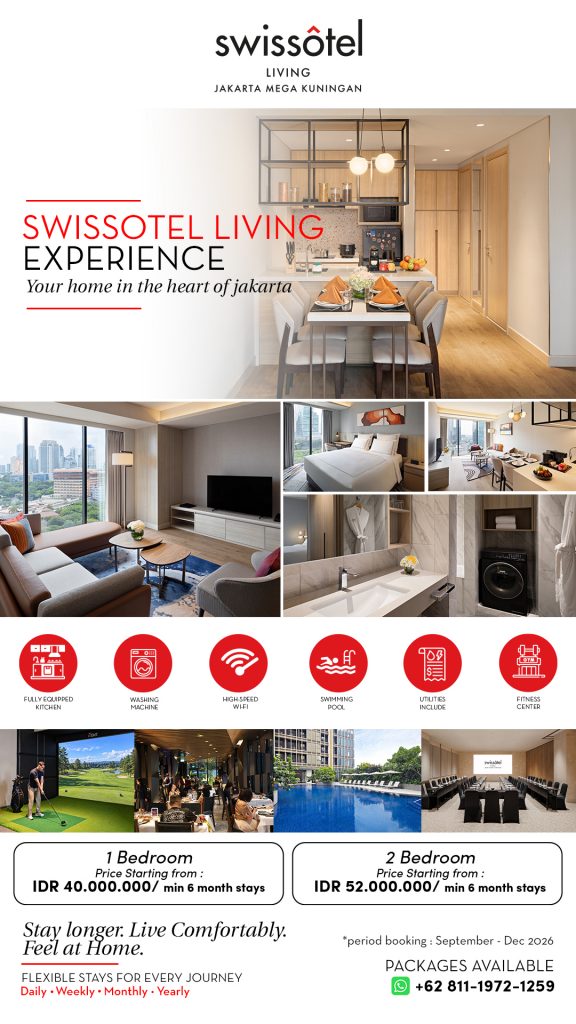
Properties offering serviced apartments in Jakarta’s Mega Kuningan district have recognized this shift, designing residences specifically for business travelers and expatriate families requiring flexible lease terms from daily stays through annual contracts.
Service Level Customization
Long term rates at hotels often decrease as service frequency reduces. Monthly guests typically receive weekly housekeeping instead of daily turndown service, with linen changes occurring bi-weekly rather than daily. This service modification directly reduces operational costs that properties pass to guests through lower rates.
Serviced apartments allow greater customization based on guest preferences. Business travelers might choose weekly cleaning with daily trash removal, while families might prefer bi-weekly deep cleaning with daily kitchen services. This flexibility creates pricing structures that align with actual usage patterns rather than standard hotel service protocols.
Rate Structures Across Different Stay Durations
Understanding how properties calculate pricing across various timeframes helps guests optimize their accommodation investments. Short-stay rates target weekend travelers and week-long business trips, while long-stay rates specifically address relocations, project assignments, and expatriate housing needs.
Weekly Stay Pricing
Weekly rates represent the entry point into extended-stay discounts, typically requiring seven consecutive nights minimum. Properties calculate these rates at 15-20% below the seven-night daily rate equivalent, accounting for reduced front desk processing and guaranteed occupancy. Weekly guests usually retain daily housekeeping but might experience modified amenity access or service timing.
In Jakarta’s competitive serviced apartment market, weekly rates make sense for project-based consultants, training program attendees, or families exploring neighborhoods before committing to longer leases. Properties near Sudirman and Gatot Subroto business corridors structure weekly rates to compete with corporate housing alternatives while providing hotel-grade amenities.
Monthly and Quarterly Rates
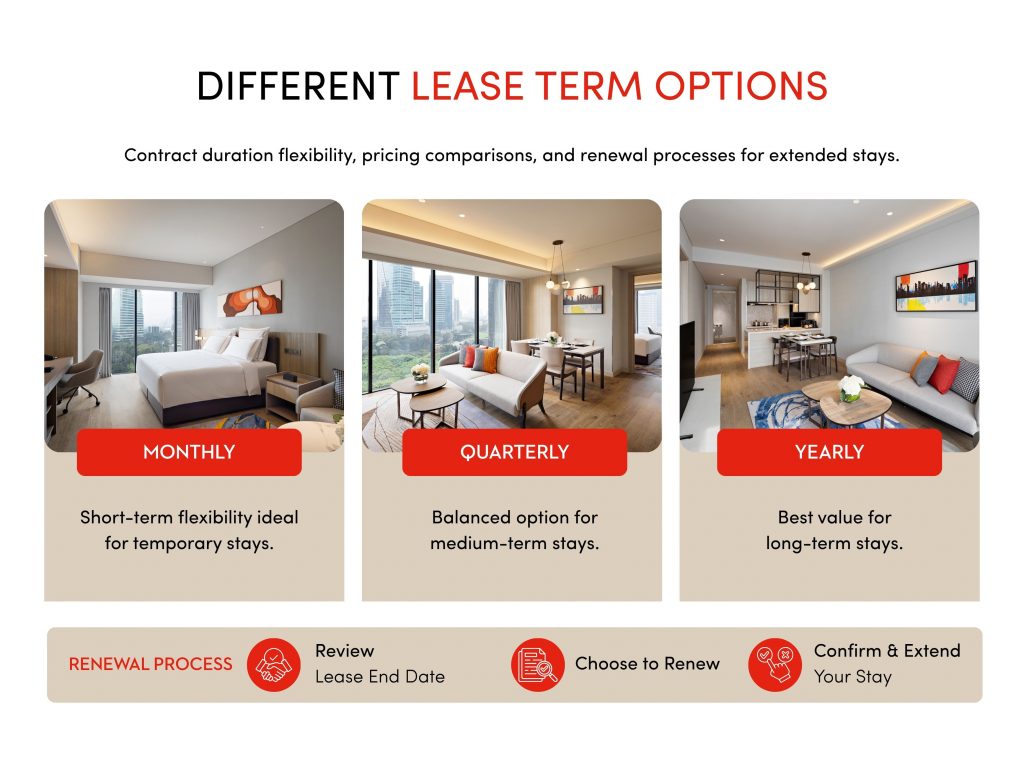
Monthly rates show the most significant discount tier, ranging from 30-45% below daily rate multiplication. This pricing reflects reduced marketing costs, lower turnover expenses, and guaranteed revenue that allows properties to forecast operations accurately. Monthly guests typically receive weekly housekeeping, monthly linen replacement, and modified but comprehensive amenity access.
Quarterly rates extend these savings further, often adding 5-10% additional discount beyond monthly rates. Three-month commitments allow properties to skip entire seasonal low-demand periods, creating mutual benefit through rate concessions. These rates appeal to expatriates completing probationary work periods or families waiting for permanent housing construction.
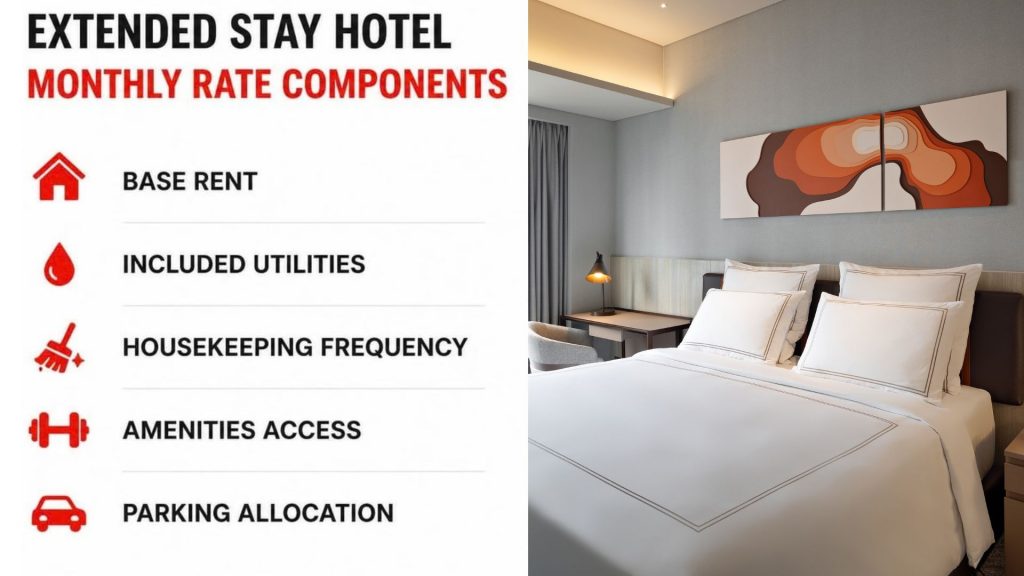
Monthly rate components typically include:
- Base rent with significant discount
- Utilities (electricity, water, internet)
- Weekly housekeeping service
- Access to fitness and wellness facilities
- 24-hour security and concierge services
Annual Lease Pricing
Annual rates provide maximum savings, often 40-55% below daily rate equivalents, transforming long term rates at hotels into residential pricing with hospitality services. These agreements function as traditional leases with monthly payment structures, lease-end options, and contractual terms protecting both parties.
Jakarta properties offering annual leases compete directly with unfurnished apartment rentals while providing fully furnished residences, utilities, housekeeping, and amenities that traditional apartments lack. This positions serviced apartments as premium residential solutions for executives and expatriate families prioritizing convenience over cost minimization.
| Duration | Typical Discount | Service Level | Best For |
|---|---|---|---|
| 7-13 nights | 10-15% | Daily modified | Short projects |
| 14-29 nights | 20-25% | 2-3x weekly | Training periods |
| 1-3 months | 30-40% | Weekly | Probation periods |
| 3-6 months | 35-45% | Bi-weekly | Project assignments |
| 6-12 months | 40-50% | Bi-weekly | Expatriate housing |
| 12+ months | 45-55% | Monthly | Executive residence |
Negotiating Extended Stay Rates
Properties maintain published rate structures but often negotiate based on business volume, timing, and specific guest requirements. Corporate clients booking multiple units or guaranteeing annual room nights receive preferential pricing that individual travelers cannot access through standard booking channels.
Corporate Rate Programs
Companies relocating employees to Jakarta or conducting extended project work negotiate corporate rates that significantly undercut published long term rates at hotels. These agreements typically require minimum annual room night commitments, advance booking windows, and payment guarantees that reduce property revenue risk.
Corporate programs often include additional services bundled into negotiated rates: airport transfers, expedited check-in processes, dedicated account management, and flexible cancellation policies that standard bookings exclude. Properties value this business for occupancy stability and reduced marketing costs.
Understanding serviced apartment lease terms through FAQ resources helps both individual guests and corporate clients identify negotiation opportunities before committing to extended stays.
Seasonal Rate Variations
Jakarta’s hospitality market experiences seasonal fluctuations that affect long term rates at hotels, though less dramatically than daily rates. Low-demand periods during Ramadan, year-end holidays, and August school breaks create negotiation opportunities as properties prioritize occupancy over rate premiums.
Properties near international schools and business districts adjust monthly and quarterly rates based on expatriate arrival patterns, with peak demand occurring January-March and July-September when school terms begin. Guests flexible with move-in timing can secure 10-15% additional savings by targeting shoulder seasons.
Best negotiation periods include:
- Late November through mid-December
- Post-Lunar New Year (February-March)
- June before summer arrivals
- Mid-August through September
What’s Included in Long Term Hotel Rates
Understanding what services and amenities properties include in extended-stay pricing prevents unexpected expenses and allows accurate cost comparisons. Long term rates at hotels vary significantly in inclusions, with some properties offering all-inclusive packages while others charge separately for utilities, parking, and premium amenities.
Standard Inclusions
Most serviced apartments include utilities (electricity, water, gas) in monthly and annual rates, eliminating variable cost concerns that traditional unfurnished rentals create. High-speed internet consistently appears in extended-stay packages, recognizing that business travelers require reliable connectivity for remote work and video conferencing.
Housekeeping frequency depends on lease duration, with monthly guests typically receiving weekly service while annual tenants might negotiate bi-weekly or monthly cleaning. Linen and towel replacement follows similar patterns, with longer-stay guests receiving less frequent but more thorough service than daily guests.
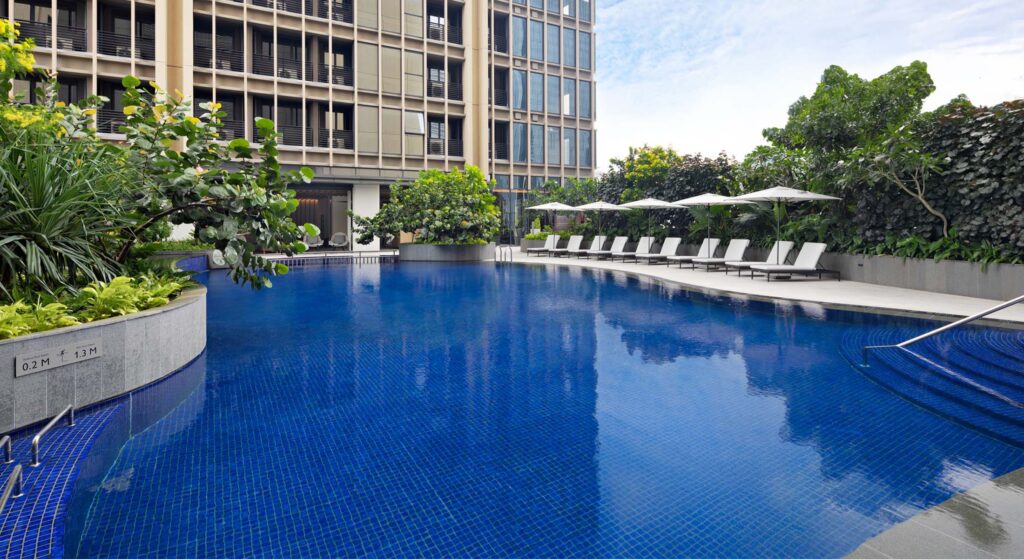
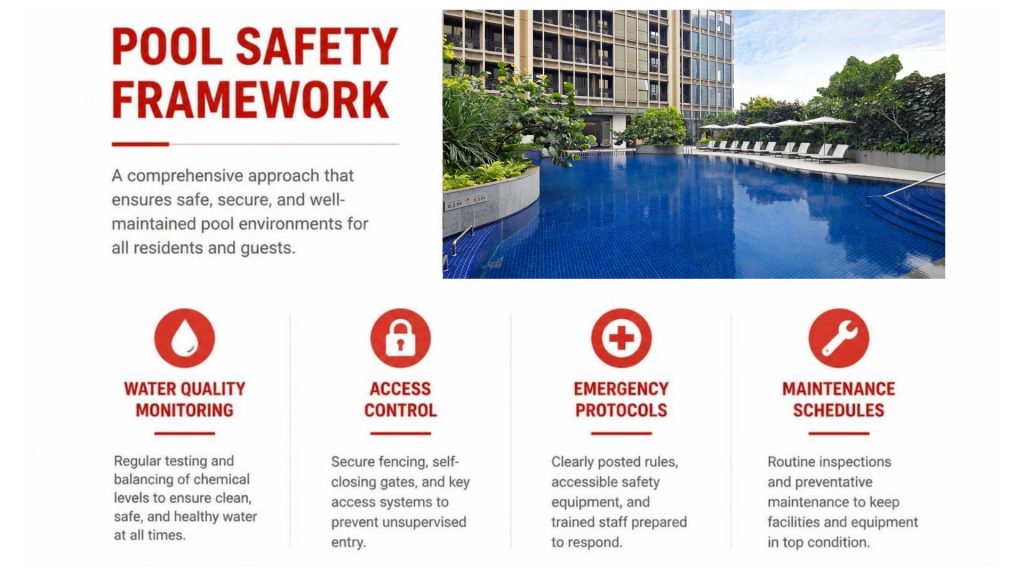
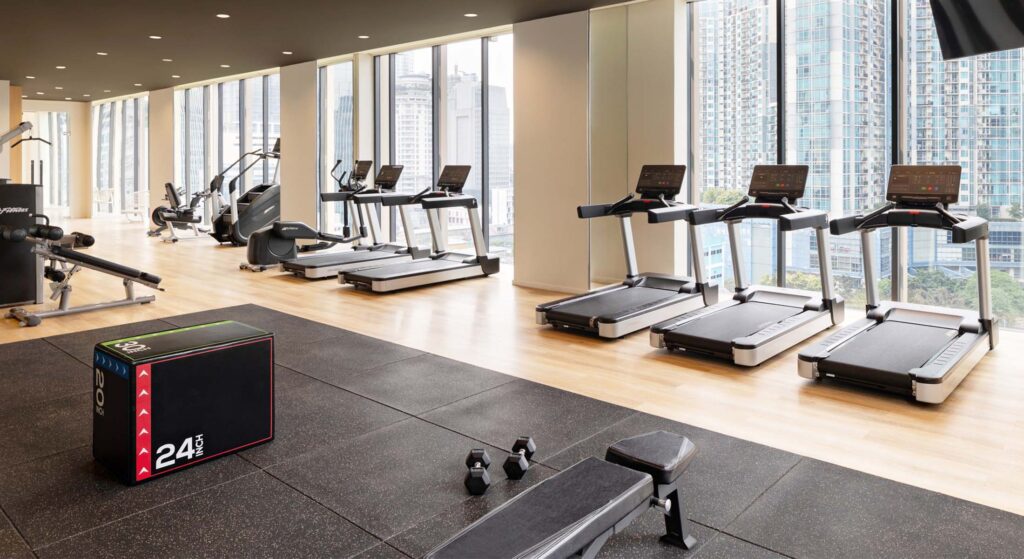
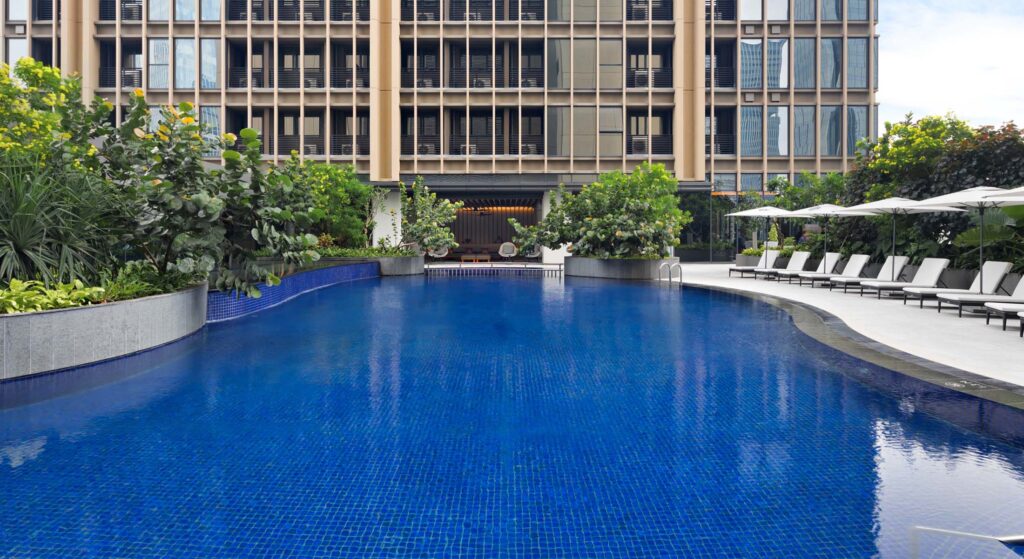
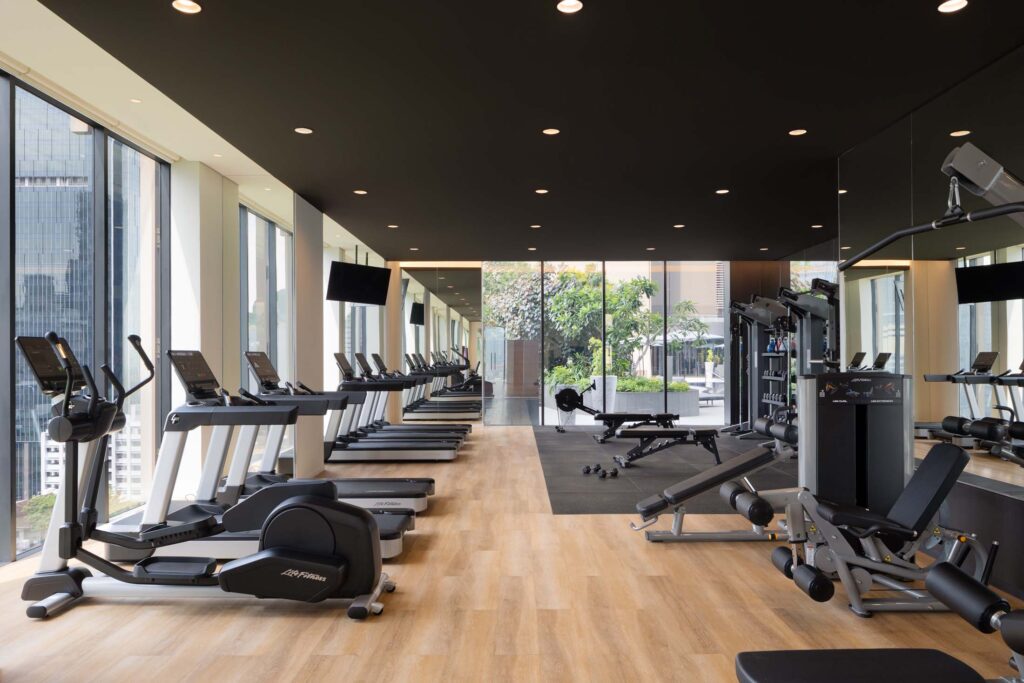
Access to fitness centers, swimming pools, and common areas usually remains unlimited regardless of lease duration, though some properties restrict peak-hour access for annual tenants to prioritize transient guests paying premium daily rates. This practice varies significantly across Jakarta’s serviced apartment market.
For properties in South Jakarta’s central business district, comprehensive packages address the needs of professionals working in nearby Kuningan, SCBD, and Menteng office towers while providing residential comfort for family members.
Optional Services and Upgrades
Properties structure additional services as optional upgrades that guests can add to base long term rates at hotels. Daily housekeeping for monthly tenants typically costs 15-25% of the base rate, while premium internet bandwidth upgrades range from 200,000-500,000 IDR monthly depending on speed requirements.
Parking represents a significant consideration in Jakarta’s traffic-dense environment. Some properties include one parking space in extended-stay rates while charging for additional vehicles, while others treat parking as a separate line item. Monthly parking costs in CBD locations range from 1,500,000-3,000,000 IDR depending on covered versus open spaces.
Common optional services:
- Daily housekeeping upgrades
- Additional parking spaces
- Premium internet bandwidth
- In-residence dining services
- Laundry and dry cleaning
- Airport transfer services
Optimizing Your Extended Stay Investment
Selecting the right property and rate structure requires analyzing total cost of occupancy rather than focusing solely on base rent. Long term rates at hotels should include comprehensive cost analysis covering transportation savings, meal flexibility, work space adequacy, and lifestyle amenities that affect daily quality of life.
Location vs. Rate Trade-offs
Properties farther from Jakarta’s CBD offer lower base rates but increase transportation costs and commute time. A serviced apartment 15 minutes from SCBD offices might cost 20-30% more monthly than a property in outer South Jakarta, but the daily commute savings in both time and expense often justify the premium for business travelers.
Proximity to international schools, shopping districts, hospitals, and diplomatic facilities adds value that base rate comparisons miss. Families with school-age children prioritize educational access over minor rate differences, while singles might optimize for nightlife and restaurant proximity.
Calculating True Cost Per Month
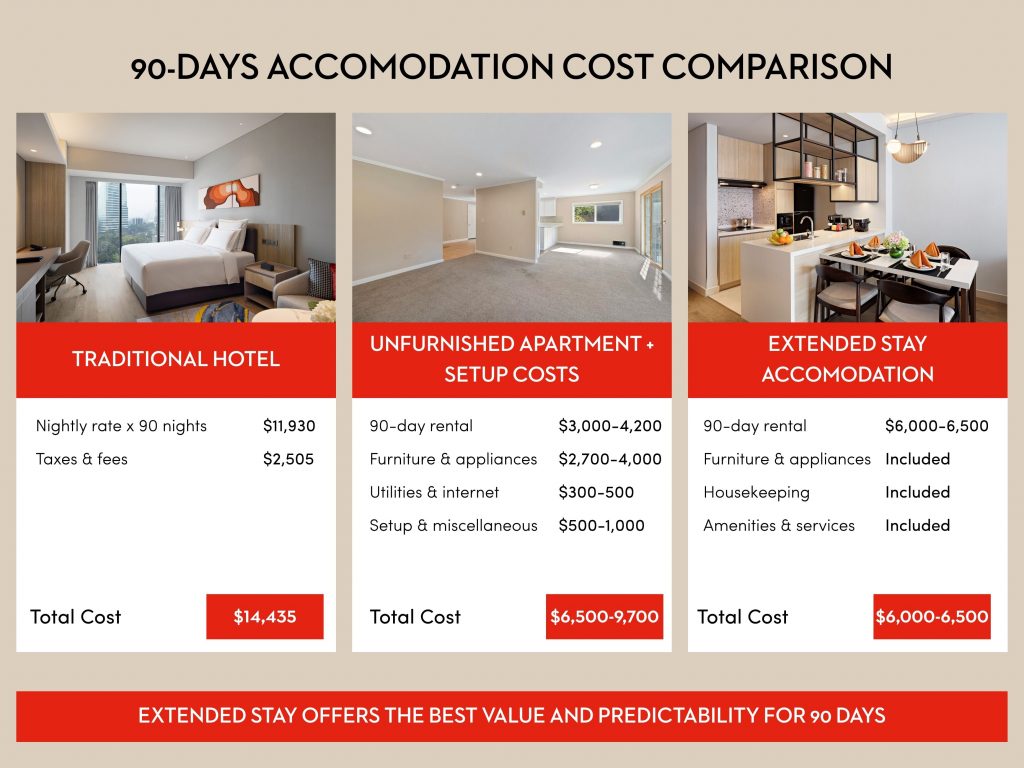
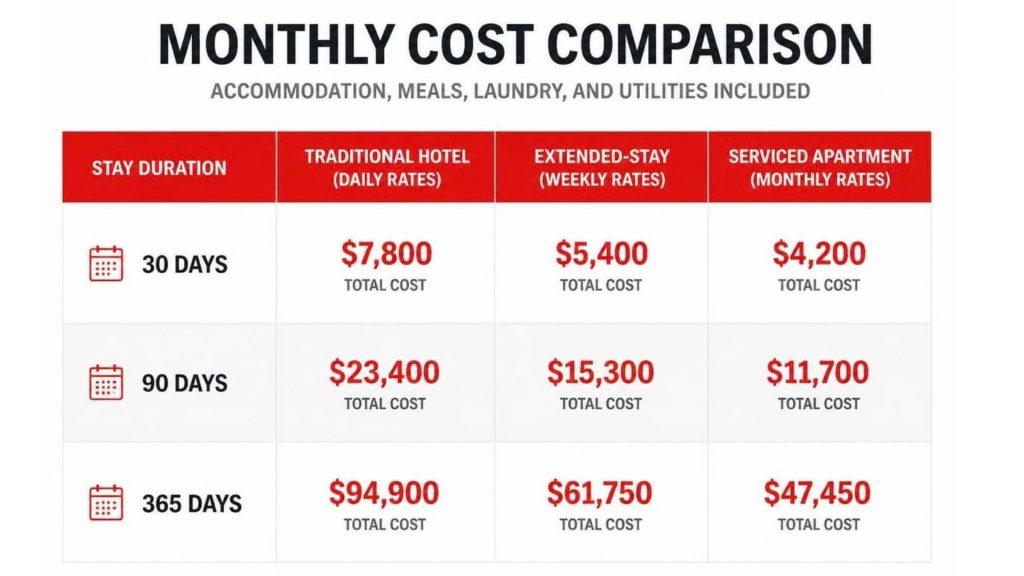
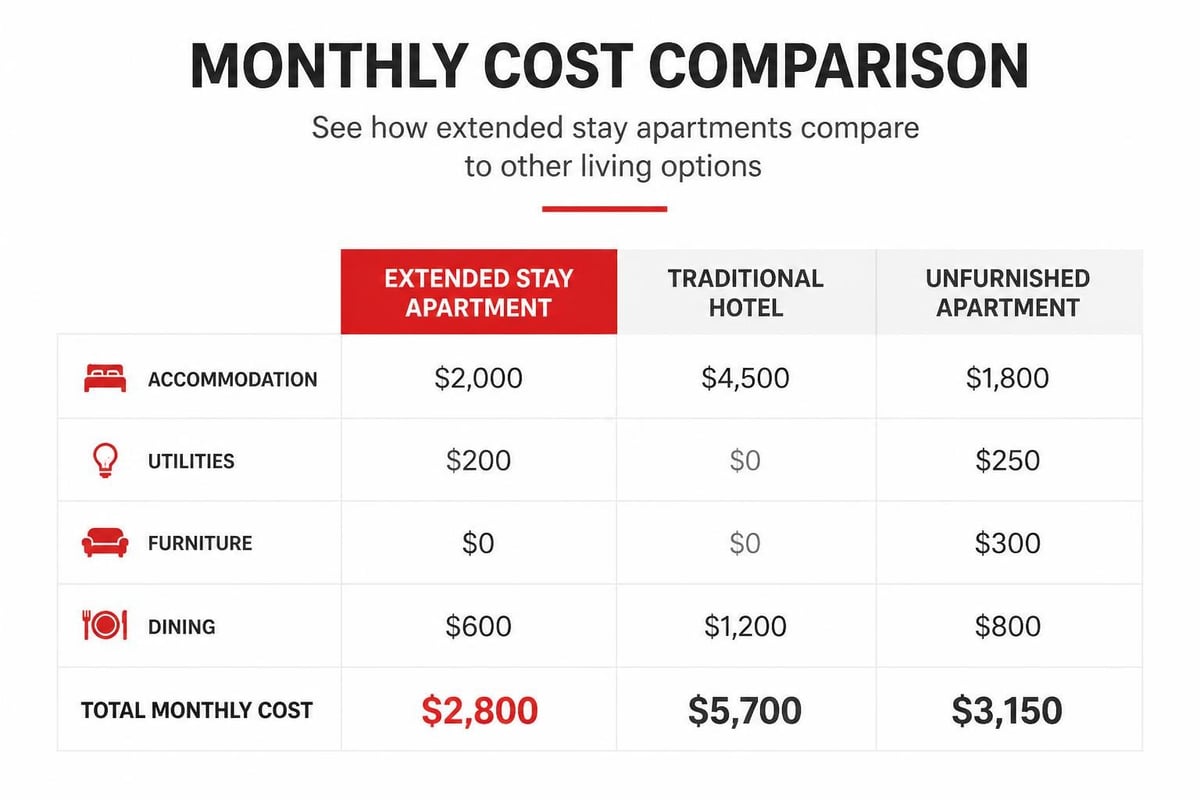
Comprehensive monthly cost analysis includes rent, utilities, transportation, meals, laundry, and services that properties bundle differently. A seemingly expensive all-inclusive serviced apartment often costs less than a cheaper hotel requiring daily restaurant meals, external laundry services, and utility payments.
The extended-stay market research demonstrates how travelers increasingly value predictable monthly costs over variable expense structures, driving property operators to create transparent all-inclusive packages.
| Cost Component | Serviced Apartment | Traditional Hotel | Savings |
|---|---|---|---|
| Base accommodation | 35,000,000 IDR | 45,000,000 IDR | 10,000,000 IDR |
| Utilities included | Included | 2,000,000 IDR | 2,000,000 IDR |
| Kitchen savings | Included | 6,000,000 IDR meals | 6,000,000 IDR |
| Laundry services | In-unit | 1,500,000 IDR | 1,500,000 IDR |
| Total monthly | 35,000,000 IDR | 54,500,000 IDR | 19,500,000 IDR |
Lease Flexibility Considerations
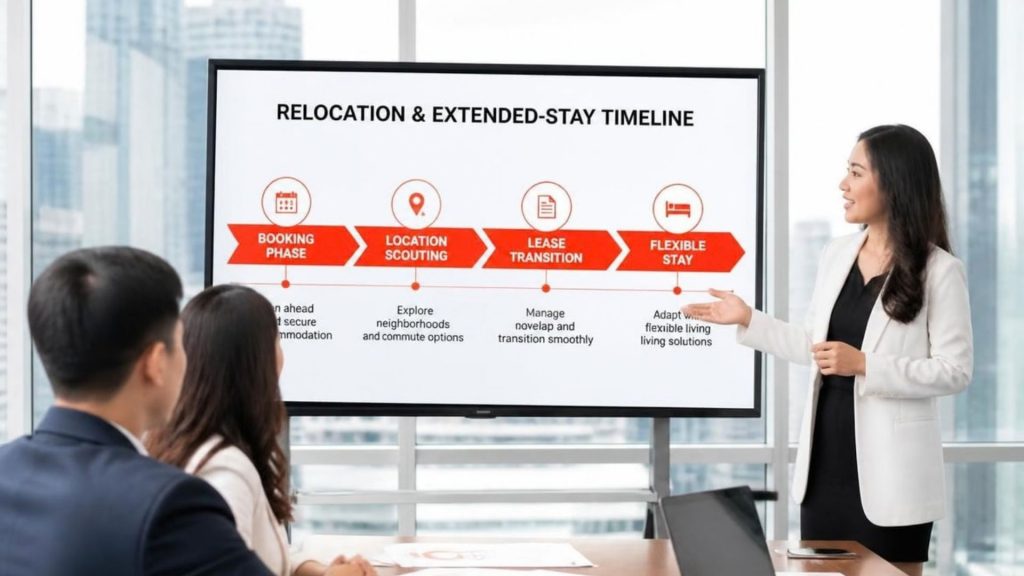
Extended-stay properties offer varying flexibility in lease modifications, early termination, and extension options that significantly impact long-term value. Some properties require 30-60 day termination notice for monthly leases, while others allow month-to-month continuation after initial commitments.
Corporate relocations and project-based assignments benefit from properties offering flexible extension clauses that maintain negotiated rates beyond initial lease periods. This prevents rate resets to higher published pricing if assignments extend unexpectedly.
Understanding these flexibility options before signing agreements prevents costly mid-stay modifications and ensures accommodation aligns with evolving business and personal needs throughout extended Jakarta stays.
Property Selection Criteria for Extended Stays
Choosing the right serviced apartment requires evaluating factors beyond long term rates at hotels. Apartment configuration, building amenities, neighborhood characteristics, and service standards create living experiences that base pricing alone cannot capture.
Apartment Configuration Analysis
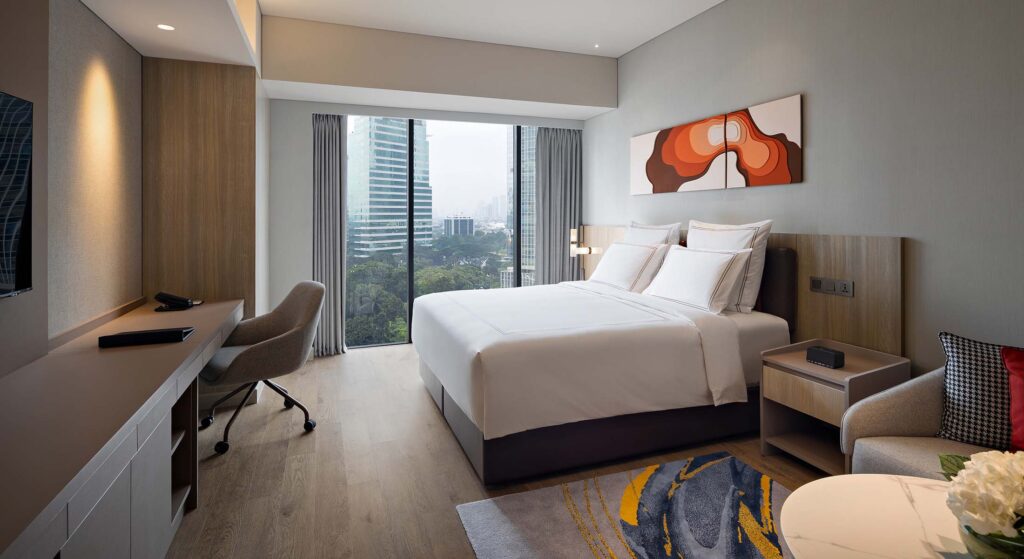
Studio configurations suit solo business travelers prioritizing location and amenities over living space, typically ranging from 30-45 square meters with combined living and sleeping areas. These units minimize cost while providing essential business traveler needs: work desk, high-speed internet, basic kitchen, and efficient bathroom facilities.
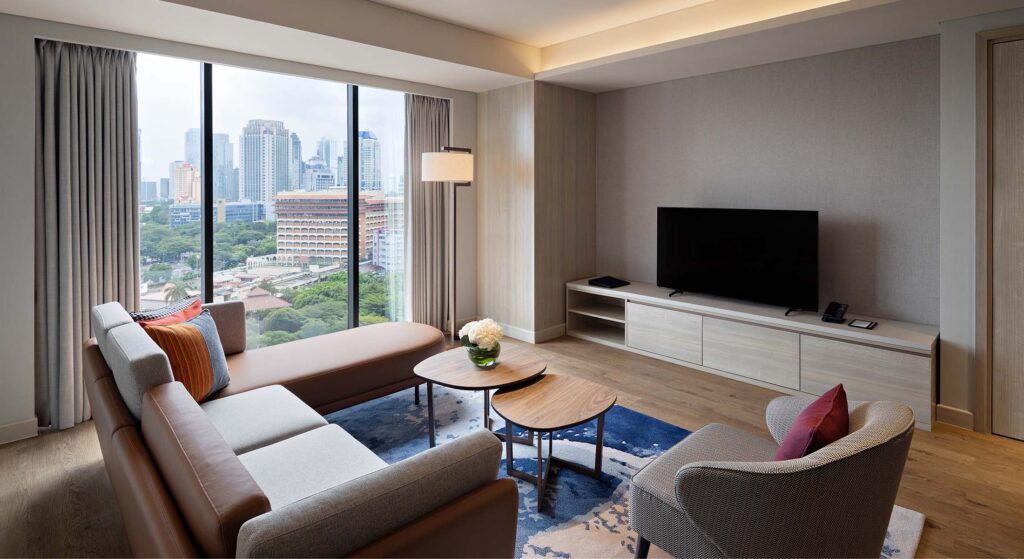
One-bedroom apartments separate sleeping and living spaces, creating distinct work and rest zones that improve work-from-home productivity and after-hours relaxation. These configurations typically span 50-70 square meters with full kitchens, dedicated dining areas, and often private balconies.
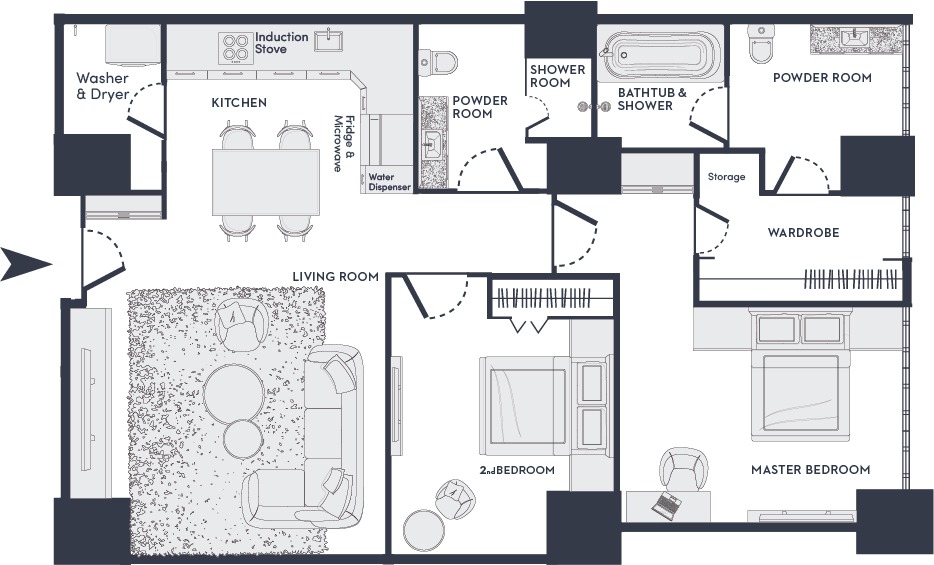
Two and three-bedroom residences address family needs or colleague cost-sharing arrangements, providing 80-150 square meters with multiple bathrooms, spacious kitchens, and ample storage. These larger configurations often show the best value in monthly and annual rate structures because properties deeply discount underutilized inventory.
Apartment size decision factors:
- Occupant count and relationships
- Work-from-home requirements
- Entertainment and guest hosting plans
- Storage needs for extended stays
- Budget allocation across size tiers
Amenity Evaluation
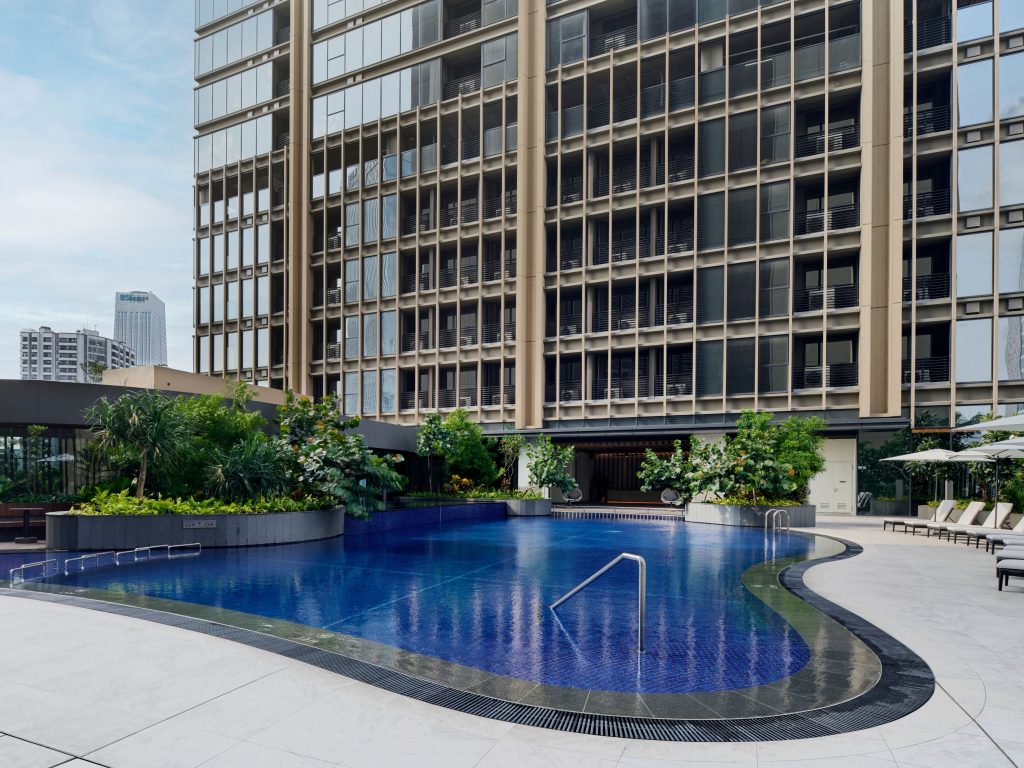
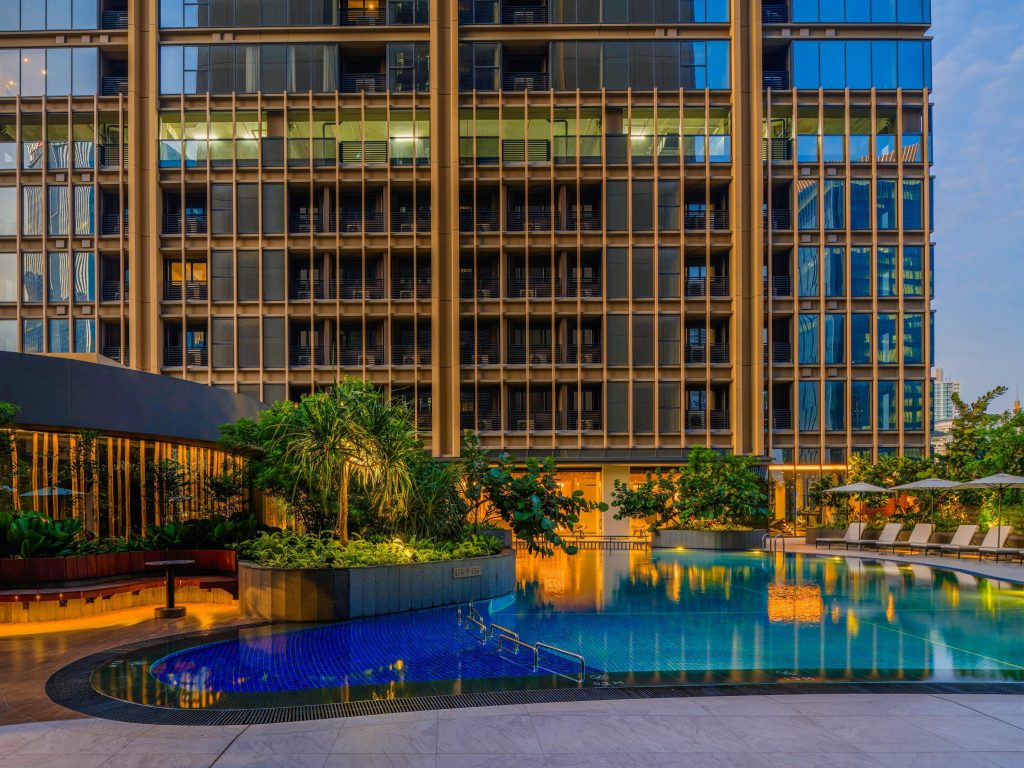
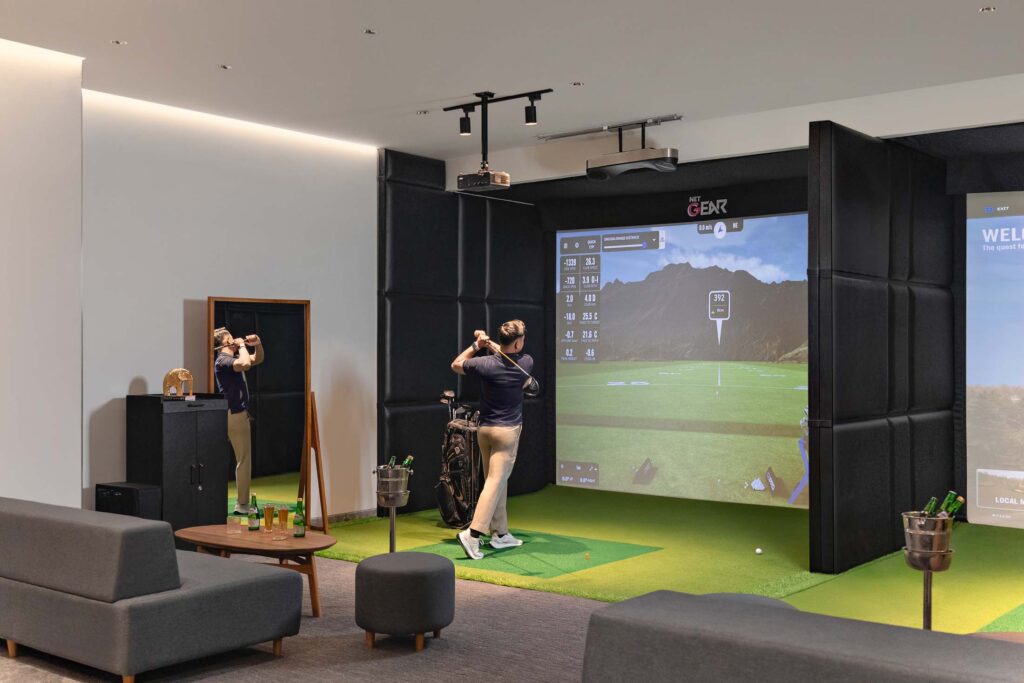
Fitness facilities, swimming pools, business centers, and common areas significantly affect extended-stay satisfaction but vary widely in quality and access policies. Properties limiting gym hours or restricting pool access during peak periods create frustrations that daily rate guests tolerate but monthly tenants find unacceptable.
Business centers with meeting rooms, printing facilities, and private workspaces add value for professionals hosting client meetings or requiring presentation facilities. Properties near Gatot Subroto and Sudirman specifically cater to this business traveler segment with comprehensive workspace amenities.
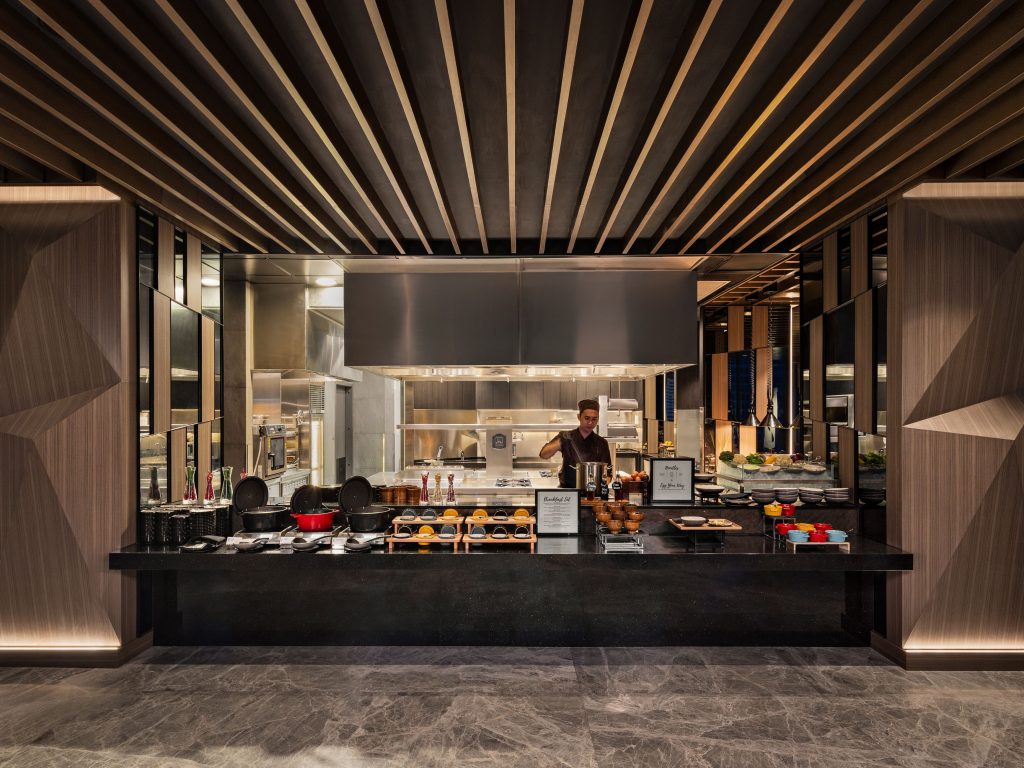
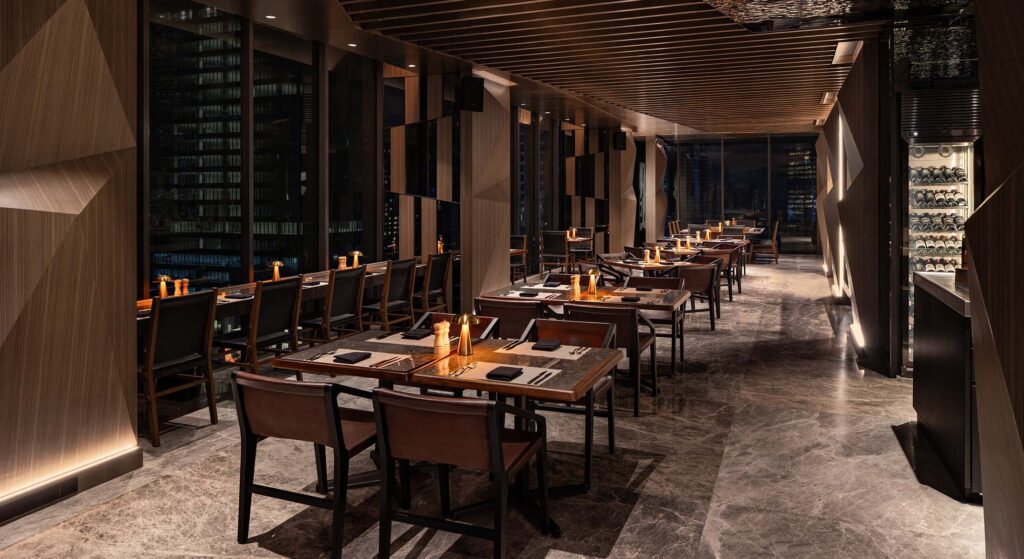
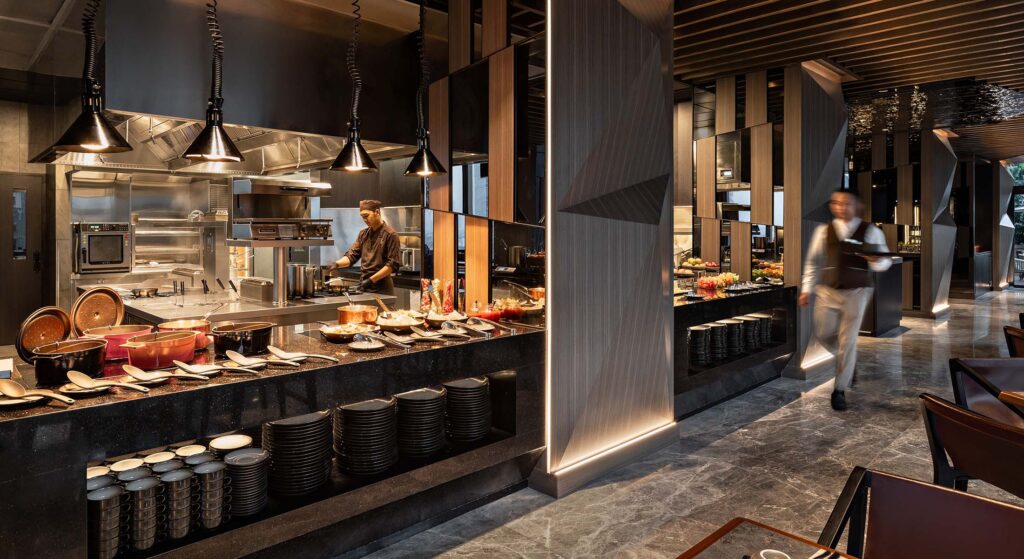
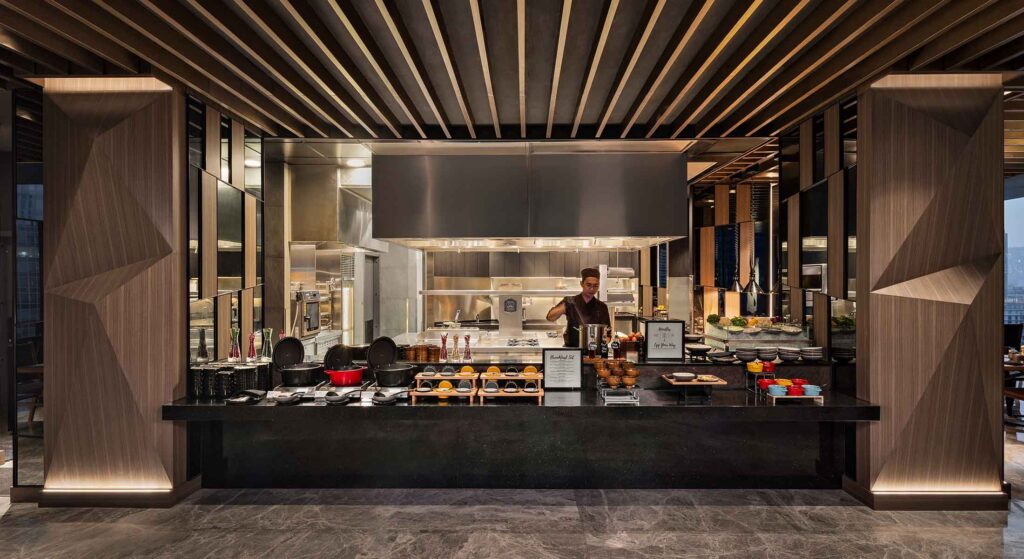
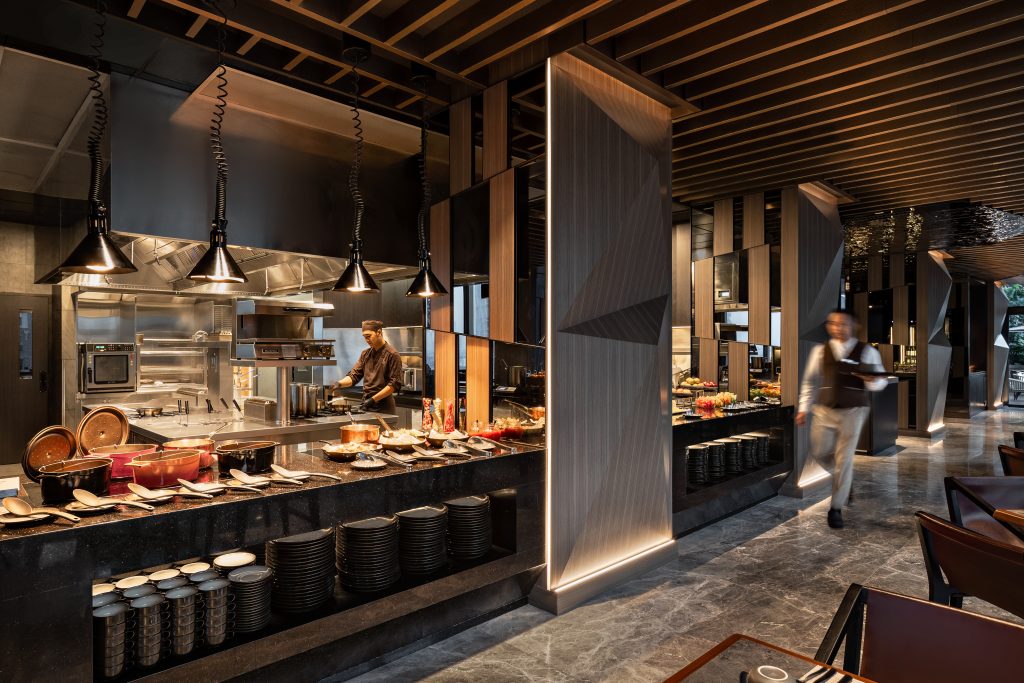
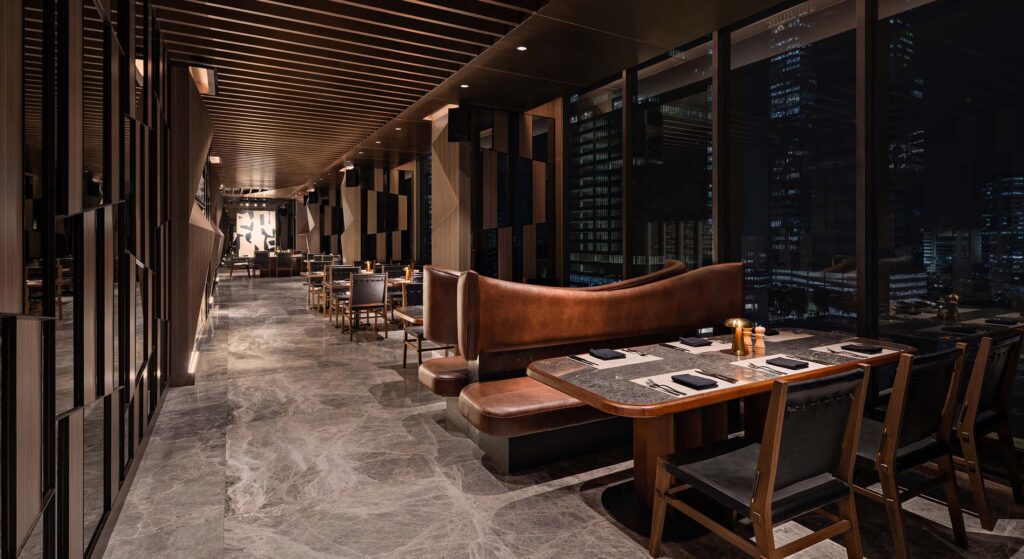
Dining facilities on-property provide convenience that extended-stay guests particularly value. While kitchen-equipped apartments reduce dining costs, occasional on-site restaurant access for business dinners or convenience meals justifies properties with quality food and beverage offerings.
Jakarta-Specific Extended Stay Considerations
Jakarta’s unique characteristics as Southeast Asia’s largest metropolitan area create specific factors affecting long term rates at hotels and serviced apartments. Traffic patterns, air quality, flood risks, and expatriate community dynamics influence property selection beyond standard hospitality considerations.
Transportation and Accessibility
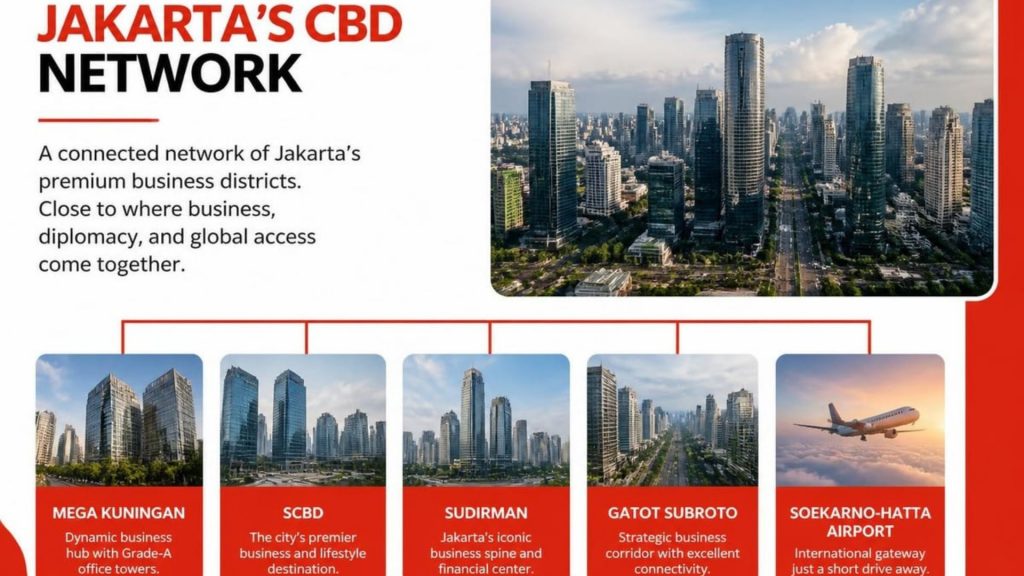
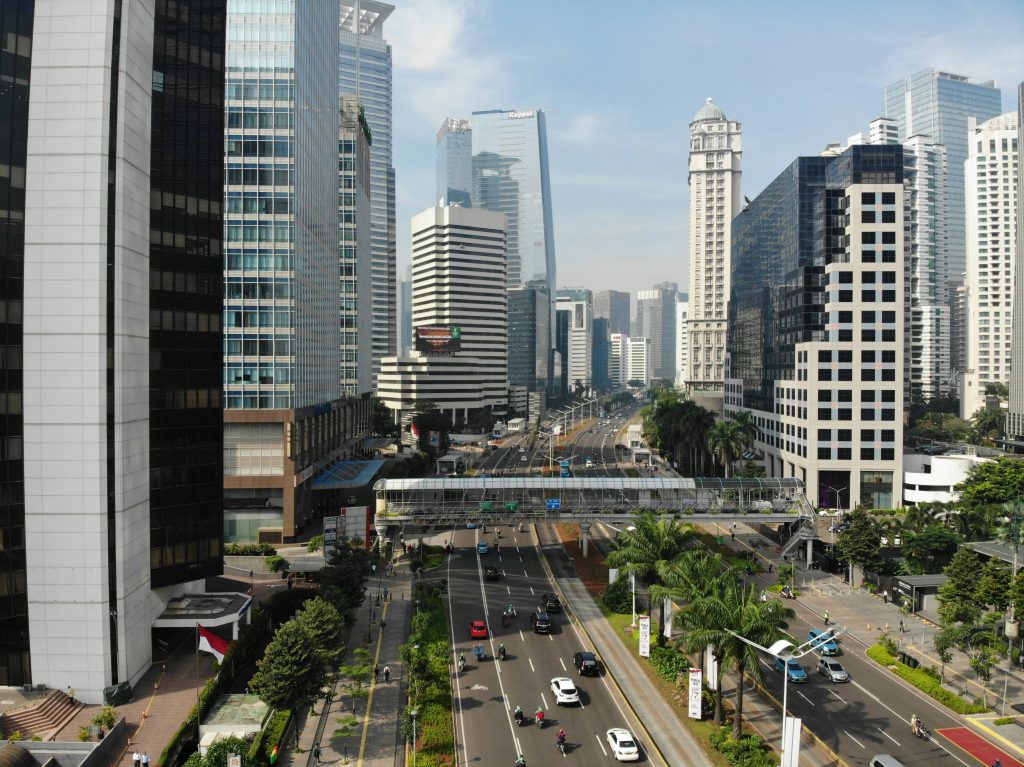
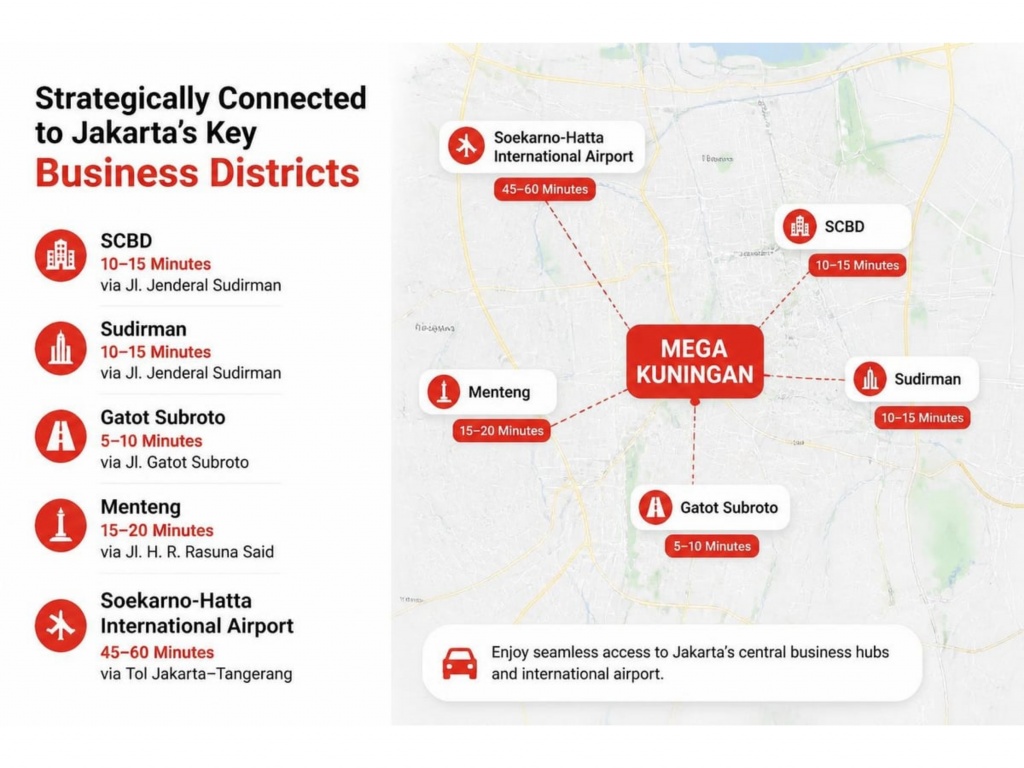
Jakarta’s notorious traffic congestion makes location the primary property selection factor for business travelers. Properties within walking distance of offices or near MRT stations command premium rates justified by daily time savings and reduced stress. Serviced apartments in Mega Kuningan specifically benefit from centralized CBD positioning with access to SCBD, Kuningan, and Sudirman business districts.
Proximity to Soekarno-Hatta International Airport matters for business travelers making frequent regional trips or hosting international visitors. Properties offering airport transfer services or located near toll road access points provide value beyond base accommodation rates.
Expatriate Community Access
Long-term expatriate residents benefit from properties near international schools, western-style supermarkets, English-speaking medical facilities, and established expatriate communities. These lifestyle factors affect daily quality of life more significantly than minor rate differences, particularly for families with children or medical needs.
Properties in South Jakarta’s established expatriate corridors around Kemang, SCBD, and Kuningan provide community infrastructure that eases cultural adjustment and provides peer support networks unavailable in emerging neighborhoods offering lower rates.
Security and Service Standards
Jakarta’s security considerations drive expatriates toward professionally managed serviced apartments with 24-hour security, controlled access, and established emergency protocols. Properties operated by international hospitality brands provide service consistency and safety standards that justify premium pricing over locally managed alternatives.
Service quality expectations differ between Indonesian and international standards, with expatriate-focused properties training staff in western service protocols, English communication, and cultural sensitivity. These operational differences justify rate variations that appear minor in published pricing but create significant experiential differences.
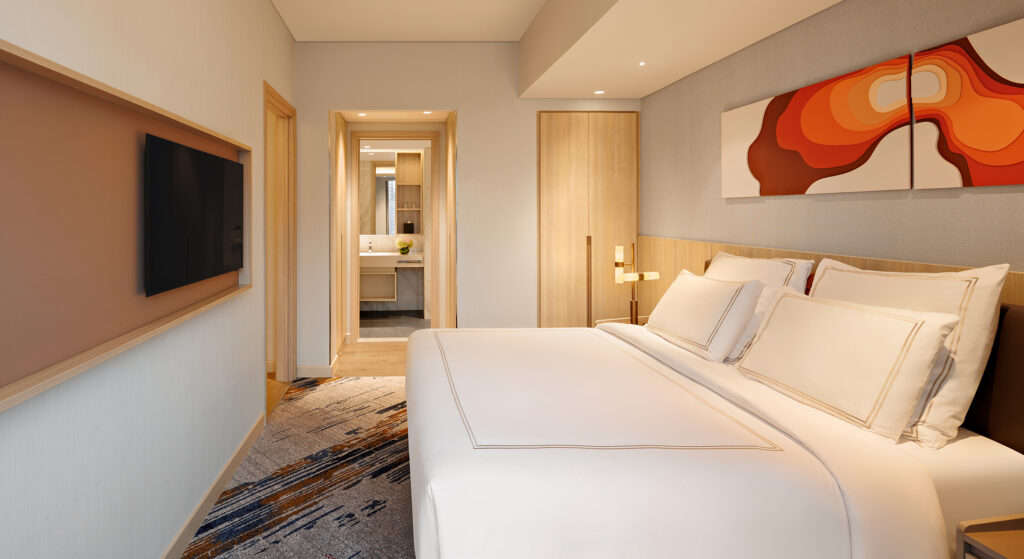
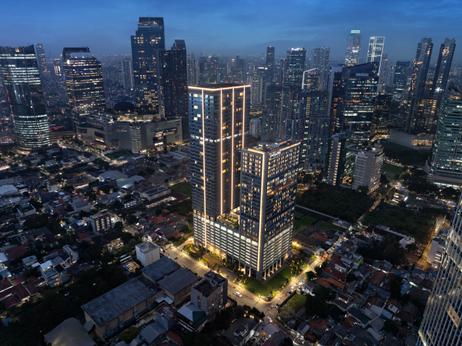
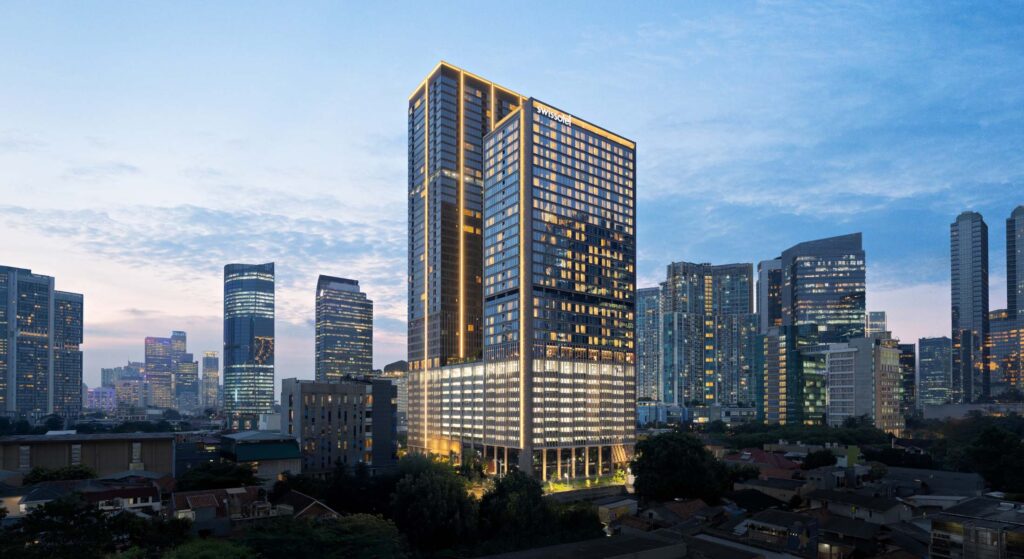
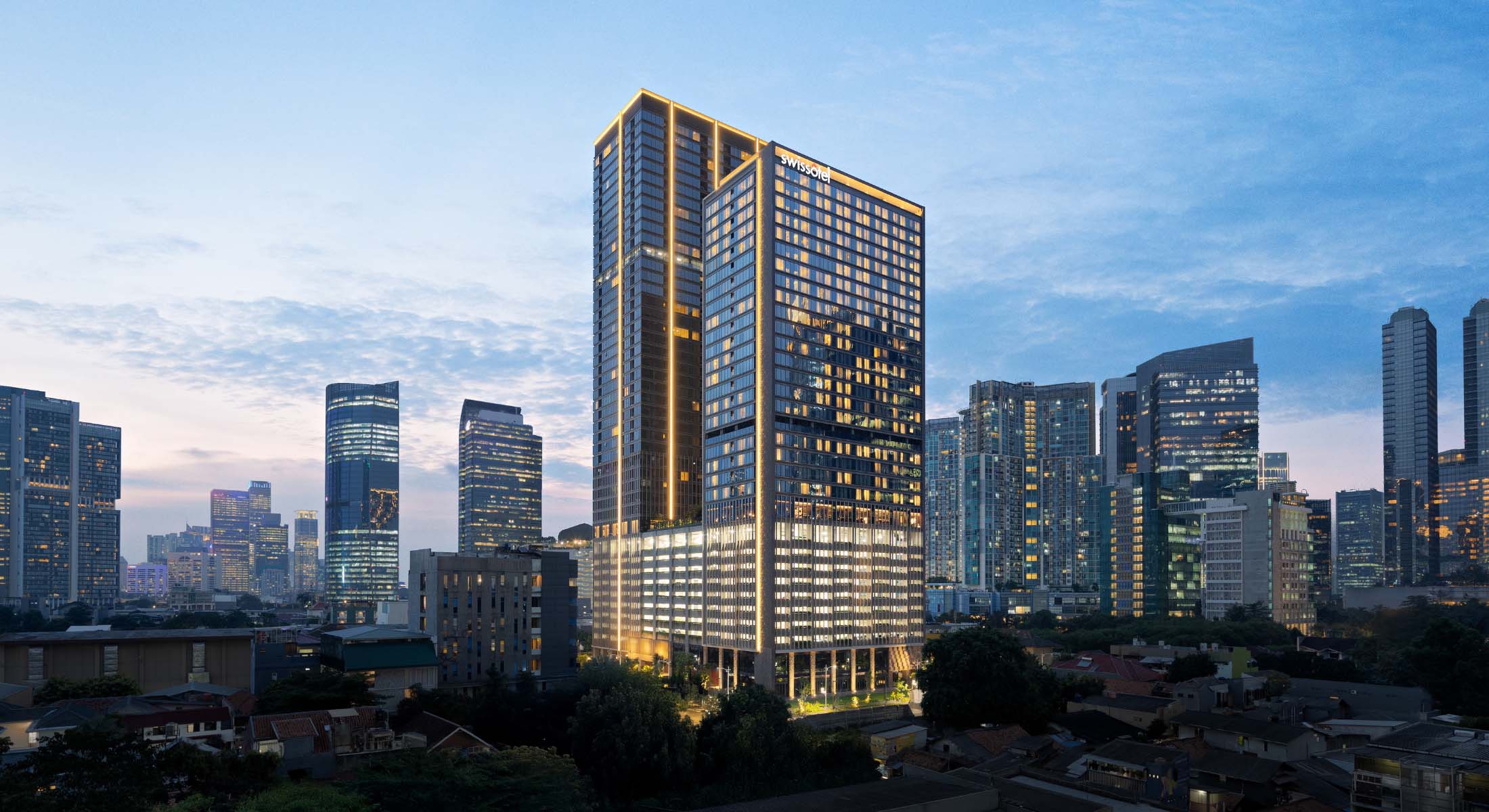
Securing optimal long term rates at hotels and serviced apartments requires understanding pricing structures, negotiation opportunities, and total cost analysis beyond base rent. Whether you need flexible monthly accommodation for a project assignment or annual housing for an executive relocation to Jakarta, Swissôtel Living Jakarta Mega Kuningan provides 240 fully furnished residences in South Jakarta’s premier business district with transparent pricing from daily through yearly stays, comprehensive amenities, and professional service standards that support both business success and comfortable family living.